VISTA REAL POST ACUTE
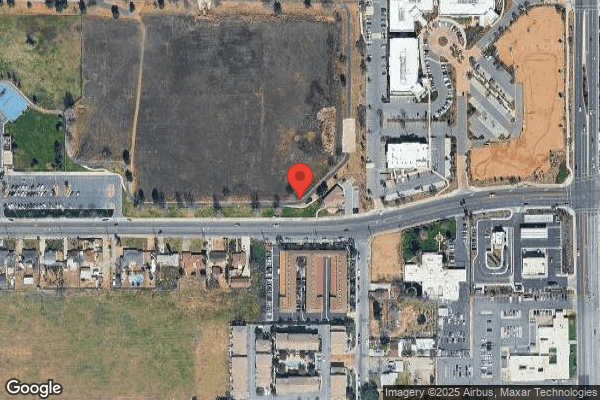

1665 EAST EIGHTH STREET, BEAUMONT, CA 92223 (951) 845-3125
For profit - Limited Liability company 57 Beds CHARIS TRUST DTD 12/22/16 Data: November 2025
Trust Grade
35/100
#715 of 1155 in CA
Last Inspection: June 2025

Inspected within the last 6 months. Data reflects current conditions.

Overview

Vista Real Post Acute in Beaumont, California has received a Trust Grade of F, indicating significant concerns about the facility's quality of care. Ranking #715 out of 1155 facilities in California places it in the bottom half, and #29 out of 53 in Riverside County means that there are only a few local options that are better. While the facility is improving, with a reduction in issues from 20 in 2024 to 8 in 2025, it still has a concerning number of incidents, including serious cases where residents were harmed due to insufficient supervision and aggressive behavior not being managed properly. Staffing is somewhat stable with a turnover rate of 31%, which is better than the state average, and notably, there have been no fines recorded, suggesting some level of compliance. However, the overall health inspection rating of 2/5 reflects below-average conditions, and issues such as improper garbage disposal could lead to hygiene problems, underscoring the need for families to weigh both the strengths and weaknesses of this facility carefully.

Trust Score
F
35/100
In California
#715/1155
Bottom 39%
Safety Record
High Risk
Review needed
Inspections
Getting Better
20 → 8 violations
Staff Stability
○ Average
31% turnover. Near California's 48% average. Typical for the industry.
Penalties
✓ Good
No fines on record. Clean compliance history, better than most California facilities.
Skilled Nurses
⚠ Watch
Each resident gets only 27 minutes of Registered Nurse (RN) attention daily — below average for California. Fewer RN minutes means fewer trained eyes watching for problems.
Violations
⚠ Watch
41 deficiencies on record. Higher than average. Multiple issues found across inspections.
★★★☆☆
3.0
Overall Rating
★★★☆☆
3.0
Staff Levels
★★★★★
5.0
Care Quality
★★☆☆☆
2.0
Inspection Score
Stable
2024: 20 issues
2025: 8 issues

The Good

  • 5-Star Quality Measures · Strong clinical quality outcomes
  • Full Sprinkler Coverage · Fire safety systems throughout facility
  • No fines on record
  • Staff turnover below average (31%)

    17 points below California average of 48%

Facility shows strength in quality measures, fire safety.

The Bad

3-Star Overall Rating

Near California average (3.1)

Meets federal standards, typical of most facilities

Staff Turnover: 31%

15pts below California avg (46%)

Typical for the industry

Chain: CHARIS TRUST DTD 12/22/16

Part of a multi-facility chain

Ask about local staffing decisions and management

The Ugly 41 deficiencies on record

2 actual harm
Jun 2025 5 deficiencies
CONCERN (D)

Potential for Harm - no one hurt, but risky conditions existed

Resident Rights (Tag F0550)

Could have caused harm · This affected 1 resident

**NOTE- TERMS IN BRACKETS HAVE BEEN EDITED TO PROTECT CONFIDENTIALITY** Based on observation, interview and record review, the facility failed to treat one of three residents (Resident 28) with dignit...

Read full inspector narrative →
**NOTE- TERMS IN BRACKETS HAVE BEEN EDITED TO PROTECT CONFIDENTIALITY** Based on observation, interview and record review, the facility failed to treat one of three residents (Resident 28) with dignity when an Activities Assistant (AA) stood over the resident while providing assistance with liquid nourishment during designated snack period. This failure had the potential to negatively impact the safety, dignity, and respect of Resident 28. Findings: On June 23, 2025, at 10:40 a.m., during an observation in the activities room, Resident 28 was observed to be seated in a Geri chair with the head tilted at a 45-degree angle, positioned at the corner of the room. The AA was observed standing directly over Resident 28, while assisting with liquid nourishment. The AA was not seated at eye level with the resident during assistance. A review of Resident 28's admission Record, indicated, Resident 28 was admitted to the facility on [DATE], with diagnoses of dementia without behavioral disturbance (mental disorder when a person loses the ability to think, remember, learn, make decisions, and solve problems). A review of Resident 28's Care Plan Report, indicated, .Requires assistance with ADL (Activities of Daily Living) functions .the resident will maintain current level of function through the review date .Geri chair while up out of bed for positioning .provided total assistance during meals . On June 23, 2025, at 10:45 a.m., during an interview with the AA, the AA stated he could either sit or stand while assisting Resident 28 with liquid nourishment. On June 25, 2025, at 8:20 a.m., during an interview with the Director of Nursing (DON), the DON stated, it was the facility's expectation that all staff should sit at the resident's eye level when assisting with nourishment to promote safety, dignity, and respect. A review of the facility's Policy and Procedure titled, Assistance with Meals, with revised date of March 2022, indicated, .Residents shall receive assistance with meals in a manner that meets the individual needs of each resident. Under Section titled, Dining Room Residents, .3. Residents who cannot feed themselves will be fed with attention to safety, comfort, and dignity, for example: a. not standing over residents while assisting them with meals; b. keeping interactions with other staff to a minimum while assisting residents with meals; c. avoiding the use of labels when referring to residents (e.g., feeders). Under the Section titled, Residents Requiring Full Assistance, .2. Residents who cannot feed themselves will be fed with attention to safety, comfort and dignity, for example: a. not standing over residents while assisting them with meals; b. keeping interactions with other staff to a minimum while assisting resident with meals .
CONCERN (D)

Potential for Harm - no one hurt, but risky conditions existed

Infection Control (Tag F0880)

Could have caused harm · This affected 1 resident

Based on observation, interview, and record review, the facility failed to ensure proper infection control measures were implemented when: 1. The Licensed Vocational Nurse (LVN) did not clean and disi...

Read full inspector narrative →
Based on observation, interview, and record review, the facility failed to ensure proper infection control measures were implemented when: 1. The Licensed Vocational Nurse (LVN) did not clean and disinfect a blood pressure machine between resident uses. 2. The LVN used gloves that had been stored inside her scrub pocket before administering medication. These failures had the potential to result in cross-contamination, increasing the risk of infection spread among an already vulnerable population of residents. Findings: 1. On June 25, 2025, from 9:25 a.m. to 9:55 a.m., an observation was conducted of the LVN checking the blood pressure of Residents 11, 20, and 33 in the residents' room. The LVN did not disinfect the blood pressure machine before or after use between residents. On June 25, 2025, at 10:10 a.m., during an interview with the LVN, the LVN stated, she should have cleaned and disinfected the blood pressure machine between resident uses. On June 26, 2025, at 8:51 a.m., during an interview with the Infection Preventionist (IP), the IP stated, medical devices used on residents should be disinfected after each use to reduce the risk of cross-contamination. A review of the facility policy and procedure titled, Blood Pressure Measuring, dated 2001, indicated, .clean and wipe the sphygmomanometer and cuff with antiseptic then roll up the blood pressure cuff . 2. On June 25, 2025, at 9:40 a.m., inside Resident 33's room, the LVN was observed donning (putting on) gloves that had been stored in her scrub pocket prior to administering medication. On June 25, 2025, at 10:10 a.m., during an interview with the LVN, the LVN stated she used gloves stored in her scrub pocket before administering medication and stated it was acceptable. On June 26, 2025, at 8:51 a.m., during an interview with the IP. The IP stated the facility protocol required staff to obtain gloves from the wall-mounted glove box. The IP stated, storing gloves in scrub pockets was not permitted as it posed a risk of contamination. A review of the facility policy and procedure titled, Personal Protective Equipment-Using Gloves, dated 2001, indicated, .to guide the use of gloves .to prevent the spread of infection, to protect wounds from contamination, to protect hands from potentially infectious materials .when to use gloves .when touching excretions, secretions, blood, body fluids, mucous membranes or non-intact skin .
CONCERN (E)

Potential for Harm - no one hurt, but risky conditions existed

Deficiency F0578 (Tag F0578)

Could have caused harm · This affected multiple residents

**NOTE- TERMS IN BRACKETS HAVE BEEN EDITED TO PROTECT CONFIDENTIALITY** Based on interview and record review, the facility failed to ensure, seven of 14 residents reviewed for Advance Directive (AD - ...

Read full inspector narrative →
**NOTE- TERMS IN BRACKETS HAVE BEEN EDITED TO PROTECT CONFIDENTIALITY** Based on interview and record review, the facility failed to ensure, seven of 14 residents reviewed for Advance Directive (AD - written statement of a person's wishes regarding medical treatment) (Residents 1, 6, 10, 21, 23, 32, 42) the resident or their resident representative (RP) had been provided follow up information regarding the formulation of an AD. This failure had the potential to result in the ADs for Residents 1, 6, 10, 21, 23, 32, and 42 not being readily accessible to staff and physicians, which could lead to the residents' wishes regarding medical treatment being unknown and ultimately not honored. Findings 1. On June 24, 2025, at 11:16 a.m., an interview was conducted with Resident 6. Resident 6 stated that he was unsure of having an AD and unsure if asked if he would like to formulate one. Resident 6's record was reviewed. Resident 6 was admitted to the facility on [DATE]. A review of Resident 6's Physician Orders for Life-Sustaining Treatment (POLST), dated October 29, 2024, did not indicate Resident 6 had an AD. A review of Resident 6's Social History Assessment, dated October 30, 2024, indicated, .No advance directive per resident . A review of Resident 6's History and Physical, dated November 2, 2024, indicated Resident 6 had the capacity to understand and make decisions. A review of Resident 6's Interdisciplinary Care Conference, (IDT) dated November 4, 2024, indicated, .resident POLST .discussed . A review of Resident 6's IDT Care Conference, dated February 6, 2025, indicated, .POLST .discussed . A review of Resident 6's Social History Review, dated April 29, 2025, indicated, .Advance Directive .none of the above .self-responsible . There was no documented evidence the resident or RP was provided information about the right to formulate an AD. On June 26, 2025, at 10:24 a.m. a concurrent interview and record review was conducted with the Social Service Director (SSD). A review of the IDT care conference dated November 4, 2024, and the Social History assessment dated [DATE] was reviewed. The SSD stated Resident 6 indicated they did not have an AD during the social history assessment. The SSD stated the protocols were for the SSD to determine if a resident had an AD upon admission, they would attempt to obtain it directly from the resident or from the RP. The SSD indicated if an AD was not present then they would offer the resident resources to formulate one. The SSD indicated if an AD was not determined upon admission, then a follow up would be done during the IDT care conference and then quarterly during the social history assessments conducted by the SSD. The SSD stated she did not follow up with Resident 6 or the RP to determine if they wished to formulate an AD after determining one was not formulated upon admission. The SSD stated she should have followed up with Resident 6 during the IDT care conference to provide him with the right to formulate an AD. The SSD further stated there was a risk for Resident 6's care preferences to not be honored if an AD was not present and available for review in the resident's medical record. 2. A review of Resident 1's admission Record, indicated Resident 1 was admitted to the facility on [DATE]. A review of the Social Service Assessment, dated January 15, 2020, indicated that Resident 1 did not have an AD. A review of Resident 1's History and Physical dated February 23, 2025, indicated Resident 1 had the capacity to understand and make decisions. On June 24, 2025, at 9:14 a.m., during an interview with Resident 1, he stated he was not sure if he had an AD. On June 26, 2025, at 10:30 a.m., during a concurrent interview and review of Resident 1's Social History Assessment with the SSD, she stated if a resident did not have an AD, she would offer resources and education to the resident or the RP. The SSD stated Resident 1 had no AD, was not provided education, and was not reviewed for AD. The SSD further stated she should have followed up and provided AD education to Resident 1 or the RP in order to honor their care preferences. 3. A review of Resident 32's admission Record, indicated Resident 32 was admitted to the facility on [DATE]. A review of Resident 32's Social Service Assessment, dated October 19, 2023, indicated that Resident 32 did not have an AD. A review of Resident 32's History and Physical dated October 22, 2023, indicated Resident 32 does not have the capacity to understand and make decisions. On June 24, 2025, at 11:34 a.m., during an interview with Resident 32, he was not able to verbalize if he had an AD. On June 26, 2025, at 10:30 a.m., during a concurrent interview and review of Resident 32's Social History Assessment with the SSD, she stated if a resident did not have an AD, she would offer resources and education to the resident or the RP. The SSD stated Resident 32 had no AD, was not provided education, and was not reviewed for AD. The SSD further stated she should have followed up and provided AD education to Resident 32 or the RP in order to honor their care preferences. 4. A review of Resident 42's admission Record, indicated Resident 42 was admitted to the facility on [DATE]. A review of Resident 42's Social Service Assessment, dated September 25, 2024, indicated that Resident 42 did not have an AD. A review of Resident 42's History and Physical dated September 30, 2024, indicated Resident 42 has fluctuating capacity to understand and make decisions. On June 24, 2025, at 8:46 a.m., during an interview with Resident 42, he stated he did not know if he has an AD or what is an AD. On June 26, 2025, at 10:30 a.m., during a concurrent interview and review of Resident 42's Social History Assessment with the SSD, she stated if a resident did not have an AD, she would offer resources and education to the resident or the RP. The SSD stated Resident 42 had no AD, was not provided education, and was not reviewed for AD. The SSD further stated she should have followed up and provided AD education to Resident 42 or the RP in order to honor their care preferences. 5. A review of Resident 21's admission Record, indicated Resident 21 was admitted to the facility on [DATE]. A review of the Social Service Assessment, dated September 19, 2024, indicated that Resident 21 did not have an AD. A review of Resident 21's History and Physical dated September 20, 2024, indicated Resident 21 has fluctuating capacity to understand and make decisions. On June 24, 2025, at 8:35 a.m., during an interview with Resident 21, he stated he did not know if he has an AD. On June 26, 2025, at 10:30 a.m., during a concurrent interview and review of Resident 21's Social History Assessment with the SSD, she stated if a resident did not have an AD, she would offer resources and education to the resident or the RP. The SSD stated Resident 21 had no AD, was not provided education, and was not reviewed for AD. The SSD further stated she should have followed up and provided AD education to Resident 21 or the RP in order to honor their care preferences. 6. On June 23, 2025, at 10:21 a.m., an interview was conducted with Resident 10. Resident 10 stated he could not recall if he was offered information about an AD. A review of Resident 10's admission Record, indicated Resident 10 was admitted to the facility on [DATE]. A review of Resident 10's POLST, dated February 20, 2025, did not indicate Resident 10 had an AD. A review of Resident 10's History and Physical, dated February 21, 2025, indicated Resident 10 had the capacity to understand and make decisions. A review of Resident 10's Social History Review, dated May 20, 2025, indicated, .Self responsible .Advance directives .none of the above . A review of Resident 10's IDT Care Summary, dated May 27, 2025, indicated, .POLST discussed . There was no documented evidence that Resident 10 or RP were provided with follow up information or education about the right to formulate an AD. On June 26, 2025, at 10:40 a.m., a concurrent interview and record review of Resident 10's Social History Review and IDT Care Summary was conducted with the SSD. The SSD stated upon admission, she would check with residents or RP if they had an AD, and if they had one, she would request a copy to be available in the facility. The SSD stated if they did not have one, she would provide residents or RP with information and education on how to formulate one. The SSD stated if the resident did not wish to have an AD, a follow up with the resident or RP about AD would be conducted quarterly during a resident's IDT care conference. The SSD stated there was no documentation which indicated Resident 10 was provided with follow up information during the IDT care conference on May 27, 2025. The SSD stated if there was no AD on file there was potential for the facility to not be able to honor their preferences for care. 7. On June 23, 2025, at 11:10 a.m., an interview was conducted with Resident 23. Resident 23 stated he was not sure if he had an AD and could not recall if he or his RP were offered information about an AD. A review of Resident 23's admission Record, indicated Resident 23 was admitted to the facility on [DATE]. A review of Resident 23's POLST, dated January 15, 2025, did not indicate Resident 23 had an AD. A review of Resident 23's History and Physical, dated January 16, 2025, indicated Resident 23 had the capacity to understand and make decisions. A review of Resident 23's Social History Review, dated April 15, 2025, indicated, .Family member responsible .Advance directives .none of the above . A review of Resident 23's IDT Care Summary, dated April 29, 2025, indicated the IDT team met with resident's RP and discussed current plan of care and POLST. There was no documented evidence that Resident 23 or RP were provided with follow up information or education about the right to formulate an AD. On June 26, 2025, at 10:40 a.m., a concurrent interview and record review of Resident 23's Social History Review and IDT Care Summary was conducted with the SSD. The SSD stated upon admission, she would check with residents or RP if they had an AD, and if they had one, she would request a copy to be available in the facility. The SSD stated if they did not have one, she would provide residents or RP with information and education on how to formulate one. The SSD stated if the resident did not wish to have an AD, a follow up with the resident or RP about AD would be conducted quarterly during a resident's IDT care conference. The SSD stated there was no documentation which indicated Resident 23 or RP was provided with follow up information during the IDT care conference on May 27, 2025. The SSD stated if there was no AD on file there was potential for the facility to not be able to honor their preferences for care. A review of the facility's policy and procedure titled, Advance Directives, revised September 2022, indicated, .the resident has the right to formulate an advance directive, including the right to accept or refuse medical or surgical treatment .prior to or upon admission of a resident, the social services director or designee inquires of the resident, his/her family members and/or his or her legal representative, about the existence of any written advance directives .if the resident .indicates that he or she has not established advance directives, the facility staff will offer assistance .information whether or not the resident has executed an advance directive is displayed prominently in the medical record in a section of the record that is retrievable by any staff .
CONCERN (E)

Potential for Harm - no one hurt, but risky conditions existed

Deficiency F0802 (Tag F0802)

Could have caused harm · This affected multiple residents

Based on observation, interview, and record review, the facility failed to ensure dietary staff were able to carry out the functions of food and nutrition services safely and effectively when three di...

Read full inspector narrative →
Based on observation, interview, and record review, the facility failed to ensure dietary staff were able to carry out the functions of food and nutrition services safely and effectively when three dietary staff members did not follow the manufacturer's instructions for testing the red bucket (sanitizing solution) sanitizer. This failure had the potential to create unsafe and unsanitary kitchen conditions and could result in foodborne illness (stomach illness acquired from ingesting contaminated food). Findings: A review of the Quaternary Ammonium sanitizer (Quat - sanitizing solution used to sanitize food contact surfaces and equipment) test strip bottle's instructions indicated, Dip test strip into the solution for 1-2 seconds . On June 24, 2025, at 8:46 a.m., a concurrent observation and interview were conducted with the Dietary Aide (DA). The DA demonstrated how to check the Quat sanitizer in the red bucket and was observed placing the test strip in the solution for 10 seconds. The DA stated she should have dipped the test strip for only one to two seconds per the manufacturer's instructions. The DA further stated it was important to follow the manufacturer's instructions to ensure the sanitizer solution was at the proper concentration to prevent any cross contamination or foodborne illness for residents. On June 24, 2025, at 8:52 a.m., a concurrent observation and interview were conducted with the [NAME] (CK). The CK was observed placing the test strip in the Quat sanitizer solution for eight seconds. The CK stated he should have dipped the test strip for one to two seconds to ensure the solution was tested properly. On June 24, 2025, at 8:58 a.m., a concurrent observation and interview was conducted with the Dietary Supervisor (DS). The DS was observed placing the test strip in the solution for five seconds. The DS stated, she did not follow the manufacturer's instructions. The DS stated, she should have followed the manufacturer's guide on the bottle to avoid potential cross contamination and food borne illness. On June 26, 2025, at 1:55 p.m., an interview was conducted with the Registered Dietitian (RD). The RD stated the Quat sanitizer test strips should be dipped for one to two seconds, per the manufacturer's instructions to ensure proper sanitation. The RD further stated, not following the instructions could compromise disinfection and could result in cross contamination and food borne illness to the residents. A review of the professional reference USDA Food Code 2022, Section 3-304.14 Wiping Cloths, Use Limitation .Proper sanitizer concentration should be ensured by checking the solution periodically with an appropriate chemical test kit. A review of the professional reference Food Code 2022, Section 4-501.114 Manual and Mechanical Ware washing Equipment, Chemical Sanitization - Temperature, pH, Concentration, and Hardness, (C) A quaternary ammonium compound solution shall (2) Have a concentration as specified under § 7-204.11 and as indicated by the manufacturer's use directions included in the labeling.
CONCERN (F)

Potential for Harm - no one hurt, but risky conditions existed

Garbage Disposal (Tag F0814)

Could have caused harm · This affected most or all residents

Based on observation, interview, and record review, the facility failed to ensure proper disposal of garbage when multiple cardboard boxes were found on the ground outside of the designated container ...

Read full inspector narrative →
Based on observation, interview, and record review, the facility failed to ensure proper disposal of garbage when multiple cardboard boxes were found on the ground outside of the designated container and not stored appropriately. This failure had the potential to attract pests and cause infection control issues. Findings: On June 23, 2025, at 10:55 a.m., during an observation of the garbage and refuse storage area, multiple cardboard boxes were found on the ground near the recycling container and not stored inside the container. On June 23, 2025, at 11:03 a.m., during a concurrent observation and interview with the Dietary Supervisor (DS), in front of the containers, the DS stated there should not be any debris or cardboard boxes on the ground around the containers. The DS further stated the boxes left outside of the container could attract pests and potentially lead to infection control issues. On June 26, 2025, at 1:55 p.m., during an interview with the Registered Dietitian (RD), the RD stated the garbage containers should be kept clean and inspected daily to ensure that no garbage or cardboard boxes were left on the ground in the surrounding area. The RD further stated, not adhering to the policy could result in potential pest infestation and infection control issues. A review of the facility policy and procedure titled Miscellaneous Areas: Garbage and Trash Procedure, dated 2023, indicated, .Garbage and trash cans must be inspected daily that no debris is on the ground or surrounding area, and that the lids are closed .The trash collection area is a potential feeding ground for vermin and rodents and must be kept clean .
May 2025 1 deficiency
CONCERN (D) 📢 Someone Reported This

A family member, employee, or ombudsman was alarmed enough to file a formal complaint

Potential for Harm - no one hurt, but risky conditions existed

Quality of Care (Tag F0684)

Could have caused harm · This affected 1 resident

**NOTE- TERMS IN BRACKETS HAVE BEEN EDITED TO PROTECT CONFIDENTIALITY** Based on observation, interview, and record review, the facility failed for one of three residents reviewed (Resident 2) when re...

Read full inspector narrative →
**NOTE- TERMS IN BRACKETS HAVE BEEN EDITED TO PROTECT CONFIDENTIALITY** Based on observation, interview, and record review, the facility failed for one of three residents reviewed (Resident 2) when reports of food intake below 50% on multiple occasions were not properly communicated to nursing staff, physician (MD), and registered dietitian (RD). This failure had the potential to negatively affect Resident 2 ' s nutritional status and overall medical status. Findings: On April 2, 2025, at 11:10 a.m. an interview was conducted with Resident 2. Resident 2 was alert and lying in bed. Resident 2 stated he did not like his diet, was not provided alternate food, and was losing weight. On April 2, 2025, at 11:40 a.m. a lunch observation was conducted with Resident 2. Resident 2 was observed sitting up to the side of the bed with full plate of food. Lunch observation showed uneaten meat, potatoes, and peas. Resident 2 stated, the meat was too salty and the vegetables were not good. Resident 2 stated, the staff were aware he would not eat it. On April 2, 2025, at 11:55 a.m. observed Certified Nursing Assistant (CNA) 1 enter the room of Resident 2, collected the tray without offering an alternative. On April 2, 2025, at 11:58 a.m. a follow up interview was conducted with Resident 2. Resident 2 stated he informed CNA 1 that he did not want to eat his meal and CNA 1 did not offer him an alternative. On April 2, 2025, at 12:01 p.m. an interview was conducted with CNA 1. CNA 1 stated if a resident refused to eat a meal, an alternative should be offered and that refusals should be reported to the charge nurse. On April 2, 2025, at 12:40 p.m. an interview was conducted with Licensed Vocational Nurse (LVN 1). LVN 1 stated she was assigned to Resident 2 today. She stated she was informed at approximately 12:35 p.m. today that Resident 2 refused his lunch meal. She stated she would document the refusal in the medical record, record the intake, and offer a supplement alternative such as a protein shake. LVN 1 stated she should be informed of refused meals no later then one hour after the refusal so alternatives could be offered but that there was no specific policy that she was aware of regarding the time frame. LVN 1 stated a progress note should be written to reflect any meals with less than 50% consumption, an alternative should be offered and the physician and kitchen made aware. On April 2, 2025, Resident 2 ' s record was reviewed. Resident 2 was admitted to the facility on [DATE], with diagnosis which included Schizophrenia (mental health disorder). A review of Resident 2 ' s History and Physical Examination , dated January 17, 2025, indicated has the capacity to understand and make decisions. A review of Resident 2's Minimum Data Set (an assessment tool), dated January 27, 2025, indicated Resident 2 had a Brief Interview of Mental Status (a cognitive screening tool used to assess the mental state of residents) Score of 12 (moderately impaired). A review of the document titled, special diets undated, indicated .special diets .regular .notes .resident likes grilled cheese if he refuses meal .alerts (blank) .dislikes (blank). A review of the documents titled Activity/Residents Requests indicated, there was no documented evidence Resident 2 received an alternative menu item during the breakfast and lunch meal percentage intake found to be less then 50%. A review of the IDT weekly weight nutrition note dated February 19, 2025 indicated, .current weight: 134 lbs (pounds-a unit of measurement) .IBWR (ideal body weight) 139 -166 lbs . A review of Resident 2 ' s intake and output for the month of March 2025 indicated the following: - March 1, 2025, amount eaten 25%-50% lunch. - March 4, 2025, amount eaten 25%-50% lunch. - March 10, 2025, amount eaten 25%-50% lunch. - March 17, 2025, amount eaten 25%-50% breakfast. - March 18, 2025, amount eaten 0-25% breakfast and lunch - March 25, 2025, amount eaten 0-25% lunch. - March 28, 2025, amount eaten 25%-50% lunch. - March 29, 2025, amount eaten 25%-50% lunch . A further review of Resident 2's medical record, indicated, there was no documentation the meal percentage below 50% was reported to the nurse, the medical doctor (MD), or the Registered Dietitian (RD). In addition, there was no documented evidence a care plan was developed to provide interventions regarding Resident 2's meal refusals. On April 2, 2025, at 4:17 p.m., an interview and record review were conducted with the Director of Nursing (DON). The DON stated, she was not aware that Resident 2 consumed less than 50% on March 1, 4, 6, 10, 17, 18, 25, 28, and 29, 2025, and the nurses should have documented the refusals, offered alternatives, and alerted her. The DON stated, she should have been made aware by the nurses and a meeting should have been conducted to provide interventions to prevent weight loss. The DON stated, the RD was present in the facility every Wednesday and during the monthly IDT meetings. On April 7, 2025, at 10:39 a.m. an interview and record review was conducted with the Registered Dietitian (RD). The RD stated she was not made aware of Resident 2's inadequate intakes on March 1, 4, 6, 10, 17, 18, 25, 28, and 29, 2025. The RD stated she was present in the facility every Wednesday of the week and during the IDT monthly weight variance meetings. The RD stated she was not made aware of any preference changes or refusals prior to April 2, 2025. The RD further stated she could have provided prevention interventions earlier if informed. A review of the facility policy and procedure titled, Food and Nutrition Services dated 2001, indicated, Each resident is provided with a nourishing, palatable, well-balanced diet that meets his or her daily nutritional and special dietary needs, taking into consideration the preferences of each resident .Nursing personnel .will evaluate (and document as indicated) food and fluid intake of residents with, or at risk for, significant nutritional problems .variations from usual eating or intake patterns will be recorded in the resident ' s medical record and brought to the attention of the nurse . a nurse will evaluate the significance of such information and report it, as indicated, to the attending physician and dietitian .
Mar 2025 1 deficiency
CONCERN (D) 📢 Someone Reported This

A family member, employee, or ombudsman was alarmed enough to file a formal complaint

Potential for Harm - no one hurt, but risky conditions existed

Accident Prevention (Tag F0689)

Could have caused harm · This affected 1 resident

**NOTE- TERMS IN BRACKETS HAVE BEEN EDITED TO PROTECT CONFIDENTIALITY** Based on interview and record review, the facility failed to ensure that one of four sampled residents (Resident 2) received con...

Read full inspector narrative →
**NOTE- TERMS IN BRACKETS HAVE BEEN EDITED TO PROTECT CONFIDENTIALITY** Based on interview and record review, the facility failed to ensure that one of four sampled residents (Resident 2) received continuous supervision and assistance, when the staff assigned to monitor Resident 2 left the resident unattended while he was sitting in a chair and had fallen asleep. This failure had the potential to result in harm to Resident 2, including injury from an unassisted fall. Findings: A review of Resident 2's admission Record, indicated Resident 2 was admitted to the facility on [DATE], with diagnoses which included muscle wasting and atrophy (a disease that causes loss and weakening of muscles). A review of Resident 2's Minimum Data Set (an assessment tool), dated January 26, 2025, indicated Resident 2 had a Brief Interview for Mental Status (tool used to assess a resident's cognitive function) score of 6 (severe cognitive impairment). A review of Resident 2's Nurse's Notes, dated February 7, 2025, at 5:42 p.m., indicated, .(Certified Nurse Assistant [CNA] 4's name) assigned 1 on 1 to resident .Resident was found on the floor .Per (CNA 4) she went to grab resident dinner from the food cart in the hallways .upon arriving to resident room she found resident .in the floor .Resident stated that he fell asleep sitting on the chair in his room and fell .Resident sustained a 3 cm (centimeter - unit of measurement) cut and bump to left forehead .complained of .pain on the stated site .Send to ER (emergency room) for further eval (evaluation) and treatment . On March 18, 2025, at 3:46 p.m., during an interview with the Director of Nursing (DON), she stated residents on one-on-one monitoring require the assigned staff to continuously monitor them to ensure their safety. The DON further stated Resident 2 was on one-on-one monitoring due to elopement behavior and had a fall on February 7, 2025, at 5:42 p.m., sustaining a 3 cm laceration and bump on the left forehead. The DON stated Resident 2 was sitting on a chair inside his room when CNA 4 stepped out to grab Resident 2's dinner from the food cart located in the hallway in front of Resident 2's door. The DON further stated when CNA 4 returned to the room, she found Resident 2 on the floor. The DON stated Resident 2 had fallen asleep, slid out of the chair, and fell. The DON stated CNA 4 should not have left Resident 2 unattended and could have intervened immediately to prevent Resident 2 from sliding out of the chair, which could have prevented the fall and injury. The DON further stated the fall was preventable. On March 18, 2025, at 4:12 p.m., during an interview with License Vocational Nurse (LVN) 1, she stated she assessed Resident 2 after his fall on February 7, 2025, at around 5 p.m. LVN 1 further stated CNA 4 informed her that while Resident 2 was sitting in his chair, she (CNA 4) stepped out of the room to grab his dinner tray from the food cart in the hallway. LVN 1 stated, when CNA 4 returned to the room, Resident 2 was on the floor. LVN 1 stated Resident 2 had fallen asleep while sitting in his chair in his room, slid sideways and fell to the floor, causing a laceration and bump to his left forehead. LVN 1 stated Resident 2 was placed on one-on-one monitoring, where the assigned staff needed to stay close and maintain a constant visual on the resident for safety. LVN 1 further stated CNA 4 should not have left Resident 2 unattended in his chair and could have intervened sooner which might have prevented the fall and injury. On March 20, 2025, at 10:11 a.m., during an interview with CNA 4, she stated residents on one-on-one monitoring were to be continuously observed, and the assigned staff had to stay close and within arms reach of the resident to intervene if needed for safety. CNA 4 stated, she was assigned to provide one-on-one monitoring for Resident 2 on February 7, 2025, around 5 p.m., when Resident 2 fell and sustained laceration on his left forehead CNA 4 stated she and Resident 2 were sitting inside his room watching TV when she heard the food cart rolling in the hallway. CNA 4 further stated she left Resident 2 to grab his dinner tray from the hallway, and when she returned to the room, she found Resident 2 on the floor. CNA 4 stated she should not have left Resident 2 unattended in the chair, and further stated if she had stayed close by and not left, she could have intervened right away and prevented Resident 2 from falling. A review of the facility document titled, Responsibilities of a Sitter, undated, indicated, .Patients at high risk for falls, confusion, impaired mobility, or other safety concerns may require a 1:1 sitter .The sitter will provide continuous bedside observation .maintain patient safety .to prevent falls or injuries . A review of the facility policy and procedure titled, Safety and Supervision of Residents, dated July 2017, indicated, .Our facility strives to make the environment as free from accident hazards as possible .Resident safety and supervision and assistance to prevent accidents are facility-wide priorities .Our individualized, resident-centered approach to safety addresses safety .for individual residents .The care team shall target interventions to reduce individual risk .including adequate supervision .Ensuring the interventions are implemented correctly and constantly .
Mar 2025 1 deficiency
CONCERN (D) 📢 Someone Reported This

A family member, employee, or ombudsman was alarmed enough to file a formal complaint

Potential for Harm - no one hurt, but risky conditions existed

Notification of Changes (Tag F0580)

Could have caused harm · This affected 1 resident

**NOTE- TERMS IN BRACKETS HAVE BEEN EDITED TO PROTECT CONFIDENTIALITY** Based on interview and record review, the facility failed for one of three residents (Resident 1) to notify the resident's repre...

Read full inspector narrative →
**NOTE- TERMS IN BRACKETS HAVE BEEN EDITED TO PROTECT CONFIDENTIALITY** Based on interview and record review, the facility failed for one of three residents (Resident 1) to notify the resident's representative (RP) of a decline in the resident's health status/condition. This failure had the potential to result in the RP not being informed in a timely manner, delaying their opportunity to be present regarding Resident's care at the end of life. Findings: A review of Resident 1's admission Record, indicated Resident 1 was admitted to the facility on [DATE]. A review of Resident 1's Minimum Data Set (an assessment tool), dated [DATE], indicated Resident 1 had a Brief Interview for Mental Status (tool used to assess a resident's cognitive function) score of 2 (severe cognitive impairment). A review of Resident 1's Nurse's Notes, dated [DATE] at 12:50 a.m., indicated, .Resident was unresponsive to verbal, tactile and painful stimuli .No response to sternal rub .No heart and breath sounds noted by auscultation .No chest rise and fall noted .Skin was pale, slightly cool and clammy .No vital signs noted .Assessed by two charge nurses .(name of facility physician) notified .Hospice nurse notified and came .(name of hospice physician) pronounced resident dead . A review of Resident 1's Nurse's Notes, dated [DATE], at 3:34 a.m., indicated, .May release body to family mortuary of choice .RP made aware . On [DATE], at 10:41 a.m. during an interview with Licensed Vocational Nurse (LVN) 2, she stated when a hospice resident passed away in the facility, two licensed nurses conduct an assessment to determine whether the resident had a heartbeat, was breathing, or was responsive. LVN 2 further stated after this assessment, the facility physician and the resident's representative were to be notified immediately. LVN 2 stated hospice was contacted for further instructions and to pronounce the time of death. LVN 2 stated on [DATE], at 12:50 a.m., Resident 1 was found unresponsive, not breathing and without a heartbeat. LVN 2 further stated she had notified the facility physician and hospice but had not contacted Resident 1's RP. LVN 2 stated she had waited for hospice to arrive in the facility to call Resident 1's time of death before notifying the RP. She further stated she notified Resident 1's RP at 3:34 a.m. (approximately 2.5 hours) after Resident 1 had passed. LVN 2 stated she should have contacted the RP immediately after confirming Resident 1 was no longer alive as it was important to inform and update the RP promptly so the family could come and say goodbye. On [DATE] at 11:15 a.m. during a concurrent interview and review of Resident 1's nurse's notes with the Director of Nursing (DON), she stated, when a resident was on hospice and died, licensed nurses were expected to assess the resident, and if the resident no longer had a heartbeat and was no longer breathing, the facility physician and the resident's family or representative were to be notified immediately. The DON further stated, hospice was contacted to officially pronounce the death. The DON stated, a resident's death was considered a change in the resident's health status or condition. The DON stated on [DATE], at 12:50 a.m., LVN 2 assessed Resident 1 as unresponsive, with no heartbeat and not breathing. The DON stated, the facility physician and hospice were notified. The DON further stated LVN 2 did not notify Resident 1's RP of the assessment immediately, and the RP was not contacted until 3:34 a.m. The DON stated, LVN 2 should have called and notified Resident 1's RP immediately to ensure timely communication with Resident 1's family, allowing them the opportunity to see Resident 1 and say goodbye before the remains were released to the mortuary. A review of the facility policy and procedure titled, Death of a Resident, Documenting, dated [DATE], indicated, .The Nurse Supervisor/Charge Nurse will inform the resident's family of the resident's death . A review of the facility policy and procedure titled, Change in a Resident's Condition or Status, dated 2001, indicated, .Our facility promptly notifies the resident .and the resident representative of changed in the resident's medical/mental condition and/or status .A significant change .is a major decline .in the resident's status .Unless otherwise instructed by the resident, a nurse will notify the resident's representative when .there is a significant change in the resident's physical, mental .status .
Dec 2024 1 deficiency 1 Harm
SERIOUS (G) 📢 Someone Reported This

A family member, employee, or ombudsman was alarmed enough to file a formal complaint

Actual Harm - a resident was hurt due to facility failures

Free from Abuse/Neglect (Tag F0600)

A resident was harmed · This affected 1 resident

**NOTE- TERMS IN BRACKETS HAVE BEEN EDITED TO PROTECT CONFIDENTIALITY** Based on interview and record review the facility failed to provide an environment free of physical abuse for one of five reside...

Read full inspector narrative →
**NOTE- TERMS IN BRACKETS HAVE BEEN EDITED TO PROTECT CONFIDENTIALITY** Based on interview and record review the facility failed to provide an environment free of physical abuse for one of five residents (Resident 2) when staff did not intervene and redirect Resident 2 away from Resident 3, who had previously alleged that Resident 2 had taken his belongings. This failure resulted in Resident 3 punching Resident 2 on the right side of the face, causing Resident 2 to fall and sustain a laceration (broken skin) and swelling on the right side of the face. Findings: On December 23, 2024, Resident 2' s admission record was reviewed. Resident 2 was admitted to the facility on [DATE] with diagnoses which included dementia (memory loss). A review of Resident 2's Minimum data Set (an assessment tool), dated September 24, 2024, indicated a Brief Interview for Mental Status (used to identify the cognitive condition of a resident) score of 12 (moderate cognitive impairment). A review of Resident 2's IDT (Interdisciplinary Team) Note, dated December 18, 2024, indicated, .At 6:15am resident (Resident 3) was accusing this resident (Resident 2) of taking some of his belongings .At 10:55am other resident (Resident 3) swung his right hand towards this resident (Resident 2) and hit him in the face . A review of Resident 2's Progress Notes, dated December 18, 2024, indicated: - .At around 10:55am at the hallway in front of the dining room, (Resident 3) was with activity director .(Resident 2) was walking towards the dining room .(Resident 3) just suddenly swung his right hand towards (Resident 2) .(Resident 2) was hit on the right side of his face and sustained a small cut and swelling. - .Addendum to the incident: resident loss balance and fell on the floor when he was hit by (Resident 3) . On December 23, 2024, Resident 3' s admission record was reviewed. Resident 3 was admitted to facility on November 11, 2024 with diagnoses which included schizophrenia (a severe mental disorder affecting a person's emotions and perception of reality). A review of Resident 3's History and Physical, dated November 17, 2024, indicated Resident 3 has the capacity to understand and make decisions. A review of Resident 3's eINTERACT Change of Condition Form, indicated the following: - On December 18, 2024, indicated, .At 0615H (6:15 a.m.), (Resident 3) approached (Resident 2) who was sitting on the chair across nursing station .(Resident 3) asked (Resident 2) about his missing item/thing .with angry voice .(Resident 2) ignored him and went towards his room .(Resident 3) get upset and punched the wall along the nurse station . - On December 18, 2024 at 10:55 a.m., indicated, .Physical aggression towards another resident (Resident 2) . A review of Resident 3's Progress Notes, dated December 18, 2024, indicated, .At around 10:55am at the hallway in front of the dining room, (Resident 3) was with activity director .(Resident 2) was walking towards the dining room .(Resident 3) suddenly swung his right hand towards (Resident 2) .(Resident 2) was hit on the right side of his face . A review of Resident 3's Care Plan, dated December 18, 2024, indicated, .Focus: Accused other resident of taking belongings and punched the wall .Interventions: Observe whether the behavior endangers .other resident .Intervene if necessary .removing others from the surrounding area. On December 23, 2024 at 10:12 a.m., during a concurrent interview and review of the progress notes for Residents' 2 and 3 with Registered Nurse (RN) 1, she stated on December 18, 2024, at 6:15 a.m., Resident 3 was agitated and accused Resident 2 of taking his belongings. RN 1 further stated Resident 3 became upset and punched a wall. RN 1 stated at 10:55 a.m. on December 18, 2024, (four hours after the allegation), Resident 3 was in the hallway in front of the dining room with the Activity Director (AD) when Resident 2 walked down the hallway toward them. RN 1 further stated when Resident 3 saw Resident 2, he swung his hand and hit Resident 2 on the right side of the face, causing a laceration. RN 1 stated activity and nursing staff were aware Residents 2 and 3 had an interaction at 6:15 a.m., and were instructed to keep the two residents apart at all times to prevent an altercation. RN 1 further stated staff should have redirected Resident 2 away from Resident 3 to avoid any interaction which could have prevented the incident. On December 23, 2024 at 10:55 a.m., during an interview with Resident 2, he stated on the morning of December 18, 2024, Resident 3 accused him of taking his belongings and became upset. Resident 2 further stated later that morning, at around 10 a.m., he was walking down the hallway in front of the dining room when Resident 3 suddenly punched him on the right side of the face, causing a laceration. On December 23, 2024 at 11:12 a.m., during an interview with the AD, she stated she was aware Residents 2 and 3 had an interaction on December 18, 2024 at 6:15 a.m., during which Resident 3 was agitated, accused Resident 2 of taking his belongings, and punched a wall. The AD further stated on December 18, 2024, at 10:55 a.m., she was with Resident 3 at the hallway outside the dining room when she saw Resident 2 walking down the hallway towards them. The AD stated she redirected Resident 3, but the resident refused. The AD further stated no facility staff redirected Resident 2 away from the hallway where Resident 3 was located. The AD stated when Resident 3 saw Resident 2, Resident 3 stood up and punched Resident 2 on the right side of the face, causing a laceration. On December 23, 2024 at 11:30 a.m., during an interview with the Director of Nursing (DON), she stated Residents 2 and 3 had an interaction on December 18, 2024 at 6:15 a.m., and activity and nursing staff were aware that both residents should be kept apart to prevent an altercation. The DON further stated Residents 2 and 3 had an altercation at 10:55 a.m. on December 18, 2024, in the hallway in front of the dining room, where Resident 3 punched Resident 2 on the right side of the face causing a laceration. The DON stated the altercation was preventable and the facility staff should have intervened, redirected, and removed Resident 2 from the hallway where Resident 3 was located, preventing the residents from seeing each other and avoiding the altercation. A review of the facility policy and procedure titled, Abuse, Neglect, Exploitation and Misappropriation Prevention Program, dated April 2021, indicated, .Residents have the right to be free from abuse .This includes but is not limited to freedom from .Physical abuse .by anyone including .Other residents . A review of the facility policy and procedure titled, Resident-to-Resident Abuse, undated, indicated, .If a resident-to-resident incident occurs, staff should immediately intervene .Separate the residents and take them to areas away from each other until the situation subsided .
Dec 2024 1 deficiency 1 Harm
SERIOUS (G) 📢 Someone Reported This

A family member, employee, or ombudsman was alarmed enough to file a formal complaint

Actual Harm - a resident was hurt due to facility failures

Accident Prevention (Tag F0689)

A resident was harmed · This affected 1 resident

**NOTE- TERMS IN BRACKETS HAVE BEEN EDITED TO PROTECT CONFIDENTIALITY** Based on observations, interviews, and record review, the facility failed to provide effective supervision for one of five sampl...

Read full inspector narrative →
**NOTE- TERMS IN BRACKETS HAVE BEEN EDITED TO PROTECT CONFIDENTIALITY** Based on observations, interviews, and record review, the facility failed to provide effective supervision for one of five sampled residents (Resident 2), who had history of exhibiting unprovoked aggressive behavior towards staff members and had history of altercation with another resident. This failure resulted in Resident 2 to be able to hit a resident (Resident 1) on the left side of her face with a plastic plate cover. Resident 1 sustained a black bruise and swelling above the corner of the left upper lip. Findings: On November 19, 2024, at 11:13 am., an unannounced visit to the facility was conducted to investigate a complaint and facility Reported Incident on an allegation of abuse. A review of Resident 2's admission Record, indicated, Resident 2 was admitted to the facility on [DATE], with diagnoses which included dementia (memory loss) and schizoaffective disorder (a mental health condition with symptoms of delusions [believing things that are not real], hallucinations [seeing things or hearing voices] and mood disorder [affects the emotional state]). A review of Resident 2's History and Physical, dated August 28, 2024, indicated he had fluctuating capacity to make decisions. On November 19, 2024, at 1:29 p.m., Resident 2 was observed sitting in the hallway adjacent to the nurse's station, sitting in his wheelchair. In a concurrent interview with Resident 2, he stated that he hit a lady (Resident 1) with a plate cover because the resident stabbed him with a pen. However, Resident 2 was unable to recall the date of the incident nor the name of the resident he allegedly hit. On November 19, 2024, at 2:02 p.m., observed Resident 1 in the Activity room, sitting in a wheelchair at a table sipping on coffee. Resident 1 had a purple to black bruise above the corner of her left upper lip. A review of Resident 2's Progress Notes, dated October 12, 2024, at 1:40 p.m., indicated At around 12:15 p.m., this resident barged into room [ROOM NUMBER] and started arguing with a CNA . Resident argues that room [ROOM NUMBER] is his room and that he needs to be assisted back to his bed immediately. CNA redirected resident (sic) by stating that he has been moved to another room and that he will be assisted right away after she is done feeding 32 B. This agitated the resident instantly. Resident then started to scream profanity; grabbed a stainless steel (sic) fork from his pants and physically assaulted the CNA towards the left side of her abdomen. CNA sustained fork- related superficial abrasions to said area . Resident then wheeled himself towards the activity area and started making verbal threats to other facility staff who are trying to stop him from grabbing more forks from the dining tables. Incident happened past noon time where other residents are still eating. Close supervision provided to ensure everyone's safety. A review of Resident 2's Care Plan, dated October 21, 2024, indicated Focus . Psychosocial- Behavior: Exhibits or is at risk for behavioral symptoms (i.e., striking out, grabbing others, combative, verbally, or physically abusive) due to: Schizoaffective disorder, impulse disorder >Another Resident claims he hit her on the left side of her face and head .Interventions . Observe whether the behavior endangers the resident and/or others. (Intervene if necessary: removing others from the surrounding area) . A review of Resident 2's progress notes titled Nurse Practitioner Note, dated October 24, 2024, indicated, . (Resident 2) was involved in an incident with a female peer (Resident 3) . the patient (Resident 2) entered a female peer's room, causing her to yell and scream .The female peer initially accused the patient of hitting her but later recanted upon police arrival. However, she (Resident 3) maintained that the patient (Resident 2) had grabbed her and made threats .Assessment and Plan Aggressive Behavior and Safety Concerns .Patient's impulsive and aggressive behavior poses a risk to himself and others in the facility .Plan .Implement increased supervision and safety measures .Consider 1:1 observation if aggressive behaviors escalate .Follow-up and monitoring .instruct staff to maintain detailed logs and r report any significant changes or incidents immediately .the overall goal is to stabilize the patient's mental state, reduce aggressive behaviors, and ensure the safety of both the patient and others in the facility. Close monitoring and frequent reassessment will be crucial in managing this complex case . A review of Resident 2's progress notes titled, Behavior Note, dated October 28, 2024, indicated, .At 6:30 pm CNA (name) called me (RN Supervisor) .I immediately went to the room and found the resident (Resident 2) inside the bathroom .which is not his room. Resident was agitated, combative, and always cursing/yelling disturbing other residents inside the room .the resident insistently stayed inside the bathroom .The resident was holding a shaving cream bottle, he removed the cap, threw it at the CNA and when the CNA tried to get the cap he punched the CNA in the face .Resident won't listen to the any staff and he continued yelling inside .Reported to MD (physician) with no new order .Assigned another CNA and will do buddy system when providing care to the resident . A review of Resident 2's progress notes titled, Nurses Notes, indicated the following: - November 2, 2024, .At about 8 PM, resident became aggressive, yelling and trying to open the exit door in hallway 2. CN and other staffs redirected him unsuccessful, due to resident swung his arms to hit staffs. Resident stood up, exit door opened, the alarm sounded, resident startled and dropped him down back to w/c, at that time the door closed and somehow caused an abrasion (scrape against a rough surface) on his left knee and s/t (skin tear) on his left forearm . - November 3, 2024, .Approx. (approximately) 8:30 am I was made aware that the resident stuck her in the wrist with the call light while trying to provide patient care. I attempted to communicate with the resident, and he continued to tell me ' they are trying to kill me, and I will slice their throats' I continued to keep my distance and trying to calm the resident down, he continues to yell and make aggressive statements such as ' If they come towards me I will kill them all' . A review of Resident 2's Progress Notes dated November 16, 2024, at 5 p.m., indicated At about 3 pm, CN heard loud noise in dining room, CN went there, saw Activity staff trying to separate [Resident 1] from [Resident 2], [Resident 1] was crying at this time. Activity staff said [Resident 2] used the cover of plate to hit [Resident 1]'s left side of face. CN saw a little bruise on her left upper mouth. CN asked her if she was in pain, she said yes . A review of Resident 1's medical records indicated she was admitted on [DATE], with diagnoses of type 2 diabetes mellitus, (a chronic condition that affects the way the body uses sugar), dementia, (a chronic or persistent disorder of the mental processes caused by brain disease or injury and marked by memory disorders, personality changes, and impaired reasoning), and depression, (a mood disorder that causes a persistent feeling of sadness and loss of interest). A review of Resident 1's History and Physical dated January 24, 2024, indicated she did not have the capacity to make decisions. A record review of Resident 1's Progress Notes, dated November 16, 2024, at 5 p.m., indicated At about 3 pm, CN [charge nurse] heard loud noise in dining room, CN went there, saw activity staff trying to separate [Resident 1] from [Resident 2] (sic) [Resident 1] was crying at this time. Activity staff said [Resident 2] used the cover of plate to hit [Resident 1's] left side of face. CN saw a little bruise on her left upper mouth. CN asked her if she was in pain, she said yes . A review of Resident 1's Wound Evaluation dated November 17, 2024, at 7:53 a.m., indicated .Bruise Body Location: - Upper - Left - Lip New - 1 day old . Dimensions Area 3.22 cm Length 2.8 cm Width 1.71 cm . A review of Resident 3's admission records indicated she was admitted on [DATE], with diagnoses including dementia. A review of Resident 3's History and Physical dated August 28, 2024, indicated she did not have the capacity to understand and make decisions due to dementia. On November 19, 2024, at 2:12 p.m., an interview was conducted with Certified Nursing Assistant, (CNA) 1. CNA 1 stated she was familiar with Resident 2. CNA 1 stated Resident 2's behavior had been getting worse. CNA 1 stated that she had been stabbed in the abdomen with a fork by Resident 2. CNA 1 stated that Resident 2's behavior was unpredictable and had gotten worse. CNA 1 stated Resident 2 required close supervision by CNA and Activity staff. She stated someone should be supervising the resident (Resident 2) and keeping him away from other residents. On November 19, 2024, at 2:47 p.m., an interview was conducted with a Licensed Vocational Nurse (LVN). The LVN stated she was assigned to Resident 2, and she stated Resident 2 had been more aggressive and the resident needed constant supervision. The LVN stated, Resident 2 was a danger to other residents during his episodes of aggressive behavior. The LVN stated that a one on one (1:1) supervision would require one staff member to be supervising one resident, and Resident 2 was not on 1:1 supervision. On November 19, 2024, at 3:11 p.m., an interview was conducted with a Registered Nurse (RN). The RN stated when Resident 2 had aggressive behavior, Resident 2 was a danger to other residents. The RN stated Resident 2 was previously accused of hitting a female resident (a resident different from Resident 1). The RN stated the resident should have been on close supervision. On November 19, 2024, at 4:49 p.m., an interview was conducted with CNA 3. CNA 3 stated, she was assigned to Resident 2 on November 16, 2024, and she was to supervise Resident 2 due to the resident's violent behavior. CNA 3 stated on November 16, 2024; she left Resident 2 in the dining room to provide care to another resident. CNA 3 stated Resident 2 was sitting in his wheelchair one table away from Resident 1. CNA 3 stated she returned to the activity room when she heard Resident 2 in his wheelchair, yelling, and holding a plastic cover, near a crying Resident 1. CNA 3 stated she did not feel safe caring for Resident 2, as his behavior had been becoming increasingly violent. On November 19, 2024, at 5:47 p.m., an interview was conducted with the Director of Nursing (DON). The DON stated on November 16, 2024, the Activity Assistant (AA) was not within arm's length of Resident 2 and was unable to prevent Resident 2 from hitting Resident 1 with the plate cover. On November 27, 2024, at 12:38 p.m., a telephone interview was conducted with the AA. The AA stated on November 16, 2024, at approximately 3 p.m., he was in the dining room. However, he stated he left the dining area to return empty dinner trays, and as he came back to the dining area, he witnessed Resident 2 wheel himself over to Resident 1 and hit her in the face with a plastic plate cover. The AA stated he was not close enough to physically intervene, so he shouted at Resident 2 to stop. On December 9, 2024, at 3:46 p.m., a telephone interview was conducted with the DON. The DON stated that if the resident could not be re-directed, the staff should have notified the physician. The DON stated that supervision for Resident 2 should be for a staff to be close enough to intervene. A review of the facility policy and procedure titled, Behavioral Assessment, Intervention and Monitoring, revised March 2019, indicated, .The interdisciplinary team will evaluate behavioral symptoms in residents to determine the degree of severity, distress, and potential safety risk to the resident, and develop a plan of care accordingly. Safety strategies will be implemented immediately if necessary to protect the resident and other from harm .Atypical behavior will be differentiated from behavior that is dangerous or problematic for the resident(s) or staff, or behavior that signals underlying distress .Interventions and approached will be based on a detailed assessment of physical, psychological, and behavioral symptoms and their underlying causes .
Jul 2024 13 deficiencies
CONCERN (D)

Potential for Harm - no one hurt, but risky conditions existed

Deficiency F0578 (Tag F0578)

Could have caused harm · This affected 1 resident

**NOTE- TERMS IN BRACKETS HAVE BEEN EDITED TO PROTECT CONFIDENTIALITY** Based on interview, and record review, the facility failed for two of six residents reviewed for Advance Directive (AD - written...

Read full inspector narrative →
**NOTE- TERMS IN BRACKETS HAVE BEEN EDITED TO PROTECT CONFIDENTIALITY** Based on interview, and record review, the facility failed for two of six residents reviewed for Advance Directive (AD - written statement of a person's wishes regarding medical treatment) (Residents 4 and 5) to: 1. Ensure a copy of the Advance Directive (AD - written statement of a person's wishes regarding medical treatment) was available in the resident's record; and 2. Verify if the resident did have an advance directive or if the resident representative was provided information regarding formulation of the advance directive. These failures had the potential for Residents 4 and 5's AD to not be readily retrievable by the staff and the physician, making them unaware of, and unable to honor the residents wishes regarding their medical treatment. Findings: 1. On July 8, 2024, at 3:50 p.m., Resident 5's record was reviewed. Resident 5 was admitted to the facility on [DATE]. A review of Resident 5's History and Physical dated December 29, 2023, indicated Resident 5 does not have the capacity to understand and make decisions. A review of Resident 5's Minimum Data Set (an assessment tool), dated February 29, 2024, indicated Resident 5 had Brief Interview of Mental Status (BIMS - a tool to assess cognitive function of an individual) score of 4 (severe cognitive impairment). A review of Resident 5's Advance Directive Acknowledgement Form, dated December 9, 2022, indicated Resident 5 had executed an Advance Directive. There was no documented evidence a copy of the AD was provided in Residents 5's medical record. On July 10, 2024, at 2:17 p.m., during a concurrent interview and review of Resident 5's medical record with the Social Service Director (SSD), the SSD stated if the resident has an AD, a copy of the AD is obtained and placed in the resident's record. The SSD stated Resident 5 had an AD but was not available in the resident's record. The SSD further stated Resident 5's AD should have been available and accessible to the staff and physician. 2. On July 9, 2024, at 12:03 p.m. Resident 4's record was reviewed. Resident 4 was admitted to the facility on [DATE]. A review of Resident 15's History and Physical dated December 29, 2023, indicated, .does not have the capacity to understand and make decisions . A review of Resident 4's MDS dated [DATE], indicated Resident 4 had a BIMS Score of 3 (severe impairment in cognition). A review of Resident 4's Advance Directive Acknowledgement Form, dated December 16, 2022, indicated, .I have executed an Advance Directive . A review of Resident 4's Physician Orders for Life-Sustaining Treatment (POLST), dated December 16, 2022, indicated, .Advance Directive not available. A review of Resident 4's Social History Review, dated June 11, 2024, indicated, .Advance Directive .daughter is the responsible party. There was no documented evidence a copy of Residents 4's AD had been provided in medical record, or that Resident 4 and/or resident representative (RR) were given information about formulation of the AD. On July 10, 2024, at 2:27 p.m., during a concurrent interview and review of Resident 4's record with the SSD, the SSD stated it is her responsibility to ensure residents have an AD. The SSD stated, if the resident has an AD, a copy should be obtained and placed in the resident's record. The SSD further stated, the AD should be available and accessible to the staff and physician. The SSD stated Resident 4's AD was not in her medical record and it was unclear whether Resident 4 had an AD. The SSD stated during a quarterly meeting on May 30, 2024, with Resident 4's RR, Resident 4's representative was unclear if Resident 4 had an AD. The SSD stated the representative should be offered assistance with the AD during the quarterly review. She stated she did not offer it during the last SSD assessment and that it should have been offered. During a review of the facility Policy and Procedure titled, Advance Directives, dated December 2016, indicated, .Prior to or upon admission of a resident, the Social Service Director or designee will inquire of the resident, his/her family members and/or his or her legal representative, about the existence of any written advance directives .Information about .an advance directive shall be displayed prominently in the medical record .
CONCERN (D)

Potential for Harm - no one hurt, but risky conditions existed

Transfer Notice (Tag F0623)

Could have caused harm · This affected 1 resident

**NOTE- TERMS IN BRACKETS HAVE BEEN EDITED TO PROTECT CONFIDENTIALITY** Based on interview and record review, the facility failed to notify the resident representatives (RP) and Office of the State Lo...

Read full inspector narrative →
**NOTE- TERMS IN BRACKETS HAVE BEEN EDITED TO PROTECT CONFIDENTIALITY** Based on interview and record review, the facility failed to notify the resident representatives (RP) and Office of the State Long-Term Care Ombudsman (LTC Ombudsman) of a transfer for one of three residents (Resident 57) reviewed for closed records. This failure had the potential to result in the RP and LTC Ombudsman not to be informed about Resident 57's plan of care and condition. Findings: On July 10, 2024, at 12:00 p.m., Resident 57's record was reviewed. Resident 57 was admitted to the facility on [DATE], with a diagnosis which included anxiety disorder (excessive worry and feelings of fear, dread, and uneasiness). A review of the document titled, Physicians Discharge Summary, dated April 16, 2024, indicated, .Sent to hospital from Appointment . There was no documented evidence that the facility mailed or faxed a letter of transfer/discharge notice to Resident 57's RP and to the LTC Ombudsman. On July 10, 2024, at 2:04 p.m., a concurrent interview and record review was conducted with the Director of Medical Records (DMR). The DMR stated, residents who discharged from the facility should be sent a letter to indicate a discharge was initiated and that the Ombudsman should be notified in writing. The DMR stated there was no documentation that indicated a letter was sent to the resident RP and to the LTC Ombudsman to indicate a discharge/transfer from the facility. On July 11, 2024, at 8:19 a.m., an interview was conducted with the Director of Nursing (DON). The DON stated the process for transfer/discharge is the nurse in charge will process and send a letter of notification to the RP and Ombudsman. The DON stated Resident 57 was transferred to the hospital from a scheduled clinic appointment and did not return. The DON further stated there was no letter of notification sent and one should have been sent to Resident 57's RP and to the LTC Ombudsman after Resident 57 was discharged from the facility. On July 11, 2024 at 2:36 p.m. a concurrent interview and record review was conducted with the Licensed Vocational Nurse (LVN 1). LVN 1 stated Resident 57 was sent to the Veterans Administration (VA) clinic on April 16, 2024 and was transferred to the hospital from the clinic. LVN 1 stated there was no letter of notification sent to Resident 57's RP and to the Ombudsman. LVN 1 further stated a letter of notification should have been sent. A review of the facility policy and procedure titled, Transfer or Discharge, dated October 2022, indicated, .Facility transfers and discharges, when necessary, must meet specific criteria and require resident/representatives notification and orientation, and documentation as specified in this policy .Notice to Transfer is provided to the resident and representative as soon as practicable before the transfer and to the long-term care (LTC) ombudsman when practicable (e.g., in a monthly list of residents that includes all notice content requirements) .The facility will send a copy of the discharge notice to a representative of the Office of the State LTC Ombudsman .
CONCERN (D)

Potential for Harm - no one hurt, but risky conditions existed

Deficiency F0658 (Tag F0658)

Could have caused harm · This affected 1 resident

**NOTE- TERMS IN BRACKETS HAVE BEEN EDITED TO PROTECT CONFIDENTIALITY** Based on observation, interview, and record review, the facility failed to ensure the physician recommendation for wound treatme...

Read full inspector narrative →
**NOTE- TERMS IN BRACKETS HAVE BEEN EDITED TO PROTECT CONFIDENTIALITY** Based on observation, interview, and record review, the facility failed to ensure the physician recommendation for wound treatment was transcribed to an actual physician order for one of two residents (Resident 23) reviewed. This failure resulted in a gap in the communication regarding the physician's recommendation which affected the implementation of the recommended care or treatment. Findings: On July 11, 2024, Resident 23's record was reviewed. Resident 23 was admitted to the facility on [DATE], with diagnoses that included wheelchair dependent and severe debility (state of being weak). A review of the facility document titled, COC (Change of Condition) Progress Notes, dated June 4, 2024, indicated, . resident has skin tear on the right hand .Primary Provider Feedback: Primary Care Provider responded with the following feedback. A.Recommendations: Cleanse area with NS (normal saline - a sterile souliton of salt in water); pat dry; apply Triple Antibiotic (a topical medication that inhibits the growth of bacteria on the skin) . Further review of Resident 23's Physician Order, for the month of June 2024 and July 2024, indicated, the physician's recommendation was not transcribed to an actual physician order for Resident 23. On July 11, 2024, at 1:02 p.m., a concurrent interview and record review of Resident 23's COC was conducted with the Infection Preventionist. The IP stated the physician recommendation during the resident's change of condition was not transcribed to an actual physician order. The IP stated there was no order from the physician to cleanse the area with NS, pat dry, and apply triple antibiotic. The IP stated the physician recommendation was not recorded in the treatment administration record and was not followed. On July 11, 2024, at 2:15 pm., a concurrent intererview and record review was conducted with the Director of Nursing (DON). The DON stated physician's recommendation in the COC was not followed. The DON further stated the physician's recommendation should have been followed to prevent wound infection. The facility policy and procedure titled, Physician Orders, dated July 2016, indicated, .Verbal orders must be recorded immediately in the resident's chart by the person receiving the order and must include prescriber's last name, credentials, the date and the time of the order . The facility policy and procedure titled, Physician Orders, Accepting, Transcribing and Implementing (noting) . undated, indicated, .Licensed nursing personnel will ensure that written (noting), telephone, and verbal orders will be recorded and implemented .Telephone and Verbal orders .Record the actual order received from the physician .
CONCERN (D)

Potential for Harm - no one hurt, but risky conditions existed

Deficiency F0676 (Tag F0676)

Could have caused harm · This affected 1 resident

Based on observation, interview, and record review, the facility failed to provide nail care for one of six sampled residents (Resident 42). This failure had the potential to cause skin breakdown and ...

Read full inspector narrative →
Based on observation, interview, and record review, the facility failed to provide nail care for one of six sampled residents (Resident 42). This failure had the potential to cause skin breakdown and infection for Resident 42. Findings: On July 8, 2024, at 9:49 a.m., a concurrent observation and interview was conducted with Resident 42 inside the room. Resident 42 was observed with long, untrimmed fingernails on both hands with black colored residue. Resident 42 stated my nails are dirty and needs to be trimmed On July 8, 2024, at 9:55 a.m., a concurrent observation and interview were conducted with Certified Nurse Assistant (CNA) 1. CNA 1 stated Resident 42 had long fingernails with black dirt under them. CNA 1 stated during daily body check, the resident's fingernails were checked, and when the fingernails were long, the CNA should have trimmed them. CNA 1 stated, Resident 42's fingernails should have been trimmed. On July 8, 2024 at 9:59 a.m., an interview was conducted with Registered Nurse (RN) 1. She stated Resident 42 had long fingernails, and if he scratched his skin, it could cause skin breakdown and infection. On July 8, 2024 at 10:00 a.m., an interview was conducted with the IP. The IP stated Resident 42's fingernails were long and untrimmed, with black dirt at the tip of each fingernail. The IP stated Resident 42's fingernails should be trimmed and cleaned by the CNA or the Nurse in charge. The IP further stated if Resident 42 scratched his skin, it could lead to skin breakdown and potential infection. The facility policy and procedure titled, Fingernails/Toenails, Care of, dated February 2018, indicated, .Nail care includes daily cleaning and regular trimming .Trimmed and smooth nails prevent the resident from accidentally scratching and injuring his or her skin .
CONCERN (D)

Potential for Harm - no one hurt, but risky conditions existed

Respiratory Care (Tag F0695)

Could have caused harm · This affected 1 resident

**NOTE- TERMS IN BRACKETS HAVE BEEN EDITED TO PROTECT CONFIDENTIALITY** Based on observation, interview, and record review, the facility failed to follow the physician order for respiratory care and t...

Read full inspector narrative →
**NOTE- TERMS IN BRACKETS HAVE BEEN EDITED TO PROTECT CONFIDENTIALITY** Based on observation, interview, and record review, the facility failed to follow the physician order for respiratory care and treatment for one of one resident reviewed for oxygen administration (Resident 56). This failure had the potential to result in ineffective oxygen therapy, respiratory distress, and a decline in Resident 56's health condition. Findings: On July 8, 2024, Resident 56's record was reviewed. Resident 56 was admitted to the facility on [DATE] with diagnoses which included chronic obstructive pulmonary disease (COPD - lung disease that makes it difficult to breathe). A review of Resident 56's History and Physical dated June 26, 2024, indicated Resident 56 has the capacity to understand and make decisions. A review of Resident 56's Order Summary, dated June 24, 2024, indicated, .Titrate O2 (sic) (oxygen) between 1 LPM - 3 LPM (liters per minute) to keep saturation greater than or equal to 90% every shift for COPD via Nasal Cannula (a tube used to deliver oxygen through the nose) . On July 8, 2024, at 9:51 a.m., during a concurrent observation in Resident 56's room, interview, and review of resident's physician order with Licensed Vocational Nurse (LVN) 3, Resident 56 was observed in bed with oxygen via nasal cannula. Resident 56's oxygen administration was observed at four LPM. LVN 3 stated Resident 56 had a physician order for oxygen between one to three LPM for COPD. LVN 3 stated Resident 56's oxygen was at four LPM. LVN 3 further stated Resident 56 should not have received oxygen greater than three LPM due to resident's COPD, and it could lead to resident not being able to breath on her own. LVN 3 stated she did not follow the physician order. On July 11, 2024, at 8:39 a.m., during an interview with the Director of Nursing (DON), she stated a physician order should be in place prior to administration of oxygen. The DON further stated nursing staff should follow the physician order for oxygen therapy. During a review of the facility policy and procedure titled, Oxygen Administration, dated October 2010, .The purpose of this procedure is to provide guidelines for safe oxygen administration .Verify that there is a physician's order for this procedure .Review the physician's orders or facility protocol for oxygen administration .
CONCERN (D)

Potential for Harm - no one hurt, but risky conditions existed

Deficiency F0790 (Tag F0790)

Could have caused harm · This affected 1 resident

**NOTE- TERMS IN BRACKETS HAVE BEEN EDITED TO PROTECT CONFIDENTIALITY** Based on observation, interview, and record review, the facility failed to provide dental referral and dental care services for ...

Read full inspector narrative →
**NOTE- TERMS IN BRACKETS HAVE BEEN EDITED TO PROTECT CONFIDENTIALITY** Based on observation, interview, and record review, the facility failed to provide dental referral and dental care services for one of one resident reviewed for dental (Resident 55). This failure had the potential to negatively effect the resident's physical and psychosocial well-being. Findings: On July 8, 2024 at 9:55 a.m., a concurrent observation and interview were conducted with Resident 55 in his room. Resident 55 was observed to have missing upper and lower teeth. Resident 55 stated he needed dentures and he had not seen a dentist since he came to the facility. Resident 55 further stated, he was embarassed talking to others and he could not smile because he did not have teeth. Resident 55 stated he told a licensed nurse about his dental issues but was not being helped. On July 9, 2024, at 3:10 p.m., a concurrent interview and record review were conducted with Registered Nurse (RN) 1. RN 1 stated if dental issues were identified upon admission, the licensed nurse would notify the physician and social services for a dental service referral. RN 1 further stated if dental services were not provided for Resident 55, there would be a potential for weight loss due to inability to chew, and he could have a decrease in self- confidence and feel embarrassed. On July 9, 2024, Resident 55's record was reviewed. Resident 55 was admitted to the facility on [DATE] with diagnoses which included anxiety (feelings of fear, dread, and uneasiness). A review of Resident 55's Physician's Order titled, Order Summary, dated June 23, 2024, indicated, .Dental Consult . A review of Resident 55's Social History Assessment, dated June 23, 2024 indicated, .Dental: No dentures/will be refer as needed . A review of Resident 55's Admission/readmission Evaluation/Assessment, dated June 23,2024, indicated, .Head/Eyes/Ears/Oral .Resident does not have any teeth and does not have dentures . A review of Resident 55's Minimum Data Set (MDS - an assessment tool) with an assessment reference date of June 25, 2024, indicated, Resident 55 did not have natural teeth or dentures. On July 9, 2024 at 3:35 p.m., an interview was conducted with the Social Service Director (SSD). The SSD stated Resident 55 was identified upon admission as not having teeth. The SSD stated Resident 55 should have been referred to dental services. On July 10, 2024 at 3:45 p.m., an interview was conducted with DON. The DON stated Resident 55 should have been referred to social services for a dental referral. The facility policy and procedure titled, .Availability of services, Dental . dated 2007, indicated, .Social service will be responsible for making necessary dental appointments .dental services should be directed to Social Services to assure that appointments can be made in timely manner .
CONCERN (D)

Potential for Harm - no one hurt, but risky conditions existed

Deficiency F0808 (Tag F0808)

Could have caused harm · This affected 1 resident

Based on observation, interview, and record review, the facility failed to ensure the physician orders were followed for one of four sampled residents (Resident 7) during a dining observation when: 1....

Read full inspector narrative →
Based on observation, interview, and record review, the facility failed to ensure the physician orders were followed for one of four sampled residents (Resident 7) during a dining observation when: 1. Resident 7, who had a physician order for thin liquid (liquids that take little or no effort to drink) received honey- thick (slightly thicker, like honey or a milkshake) liquid during lunch on July 8, 2024. This failure had the potential to result in Resident 7 becoming discouraged with his fluid intake, further compromising his nutritional and medical status. 2. Resident 7, who had a 120 ml fluid restriction (liquid allowed to drink) for the lunch meal per physician order, received 240 ml fluid during lunch on July 8, 2024. This failure had the potential to result in fluid overload (when there is too much fluid in your body), further compromising the nutritional and medical status of Resident 7 who is undergoing dialysis (a procedure to remove waste products and excess fluid from the blood when the kidneys stop working properly). Findings: 1. A review of Resident 7's physician diet order, dated July 8, 2024, indicated, .Dietary - Diet . CCHO (Controlled Carbohydrate Diet - a meal plan for diabetic residents), Renal diet (a meal plan for kidney failure residents) thin liquids consistency Dietary to give .120 milliliter (ml- a unit of measurement) at lunch . A review of Resident 7's meal ticket indicated, . Special Diets: .thin liquids .Standing: 4 fluid ounce (oz- a unit of measurement) apple juice -Honey . On July 8, 2024, at 12 p.m., a concurrent dining hall observation, interview, and review of Resident 7's Meal tray ticket (menu based on the resident's diet physician order) were conducted with the Dietary Supervisor (DS). Resident 7 received 4 oz honey thick apple juice. The DS stated the current physician order for Resident 7 was for thin liquids and Resident 7 should not have received honey-thick apple juice. The DS stated she had missed updating the meal tray ticket to match the physician's order because Resident 7 had previously been on thickened liquids. On July 9, 2024, at 2:06 p.m. an interview was conducted with the Registered Dietitian (RD). The RD stated physician orders need to be followed. The RD stated Resident 7, who received honey-thick liquid, could be discouraged from drinking. The RD stated her expectation was for the DS to update the meal tray ticket to reflect current physician diet order. During a review of the facility policy and procedure (P&P) titled, Diet Orders undated, the P&P indicated, Policy: Diet orders as prescribed by the Physician will be provided by the Food and Nutrition Services Department . 2. A review of the facility document titled, Cooks spreadsheet (the menu document used to guide dietary staff on food items, portions, texture of foods and therapeutic diet), dated July 8, 2024, indicated, Diet Cookies was to be served to Renal CCHO diet. A Review of Resident 7's meal tray ticket, indicated Renal CCHO, Notes: Fluid restriction. No more than 4 oz at lunch. On July 8, 2024, at 12:15 p.m., a concurrent interview and review of Cooks spreadsheet were conducted with the DS in the dining hall. Resident 7 was served 4 oz ice cream. The DS stated Resident 7 was supposed to receive diet cookies instead of ice cream. The DS stated since the 4 oz of ice cream was considered as fluid, Resident 7 was served an extra 4 oz of fluid. The DS stated, serving extra fluid for Resident 7 could potentially cause fluid overload. On July 9, 2024, at 2:06 p.m., a concurrent interview and record review were conducted with the Registered Dietitian (RD). The RD stated according to the Cooks spreadsheet, Resident 7 was supposed to be served diet cookies instead of ice cream. The RD stated according to the Cooks spreadsheet, Resident 7 could only receive 120 ml (equals 4 oz) of fluid during lunch, according to the physician order. The RD stated since Diet Aide 2 served ice cream to Resident 7, Resident 7 received an extra 120 ml fluid from the served ice cream, which could lead to fluid overload. A review of the facility policy and procedure titled, Diet Orders undated, indicated, Policy: Diet orders as prescribed by the Physician will be provided by the Food and Nutrition Services Department . A review of the facility policy and procedure titled, Fluid restrictions undated, indicated, Policy: The physician will order the fluid restriction . A review of the facility policy and procedure (P&P) titled, Fluid Restricted Diets undated, the P&P indicated, Fluid restrictions are usually ordered to treat . renal failure . fluid items include all foods that are liquid at room temperature: .ice cream .
CONCERN (D)

Potential for Harm - no one hurt, but risky conditions existed

Deficiency F0925 (Tag F0925)

Could have caused harm · This affected 1 resident

Based on observation, interview, and record review, the facility failed to ensure an effective pest control program was in place for the kitchen when house flies were observed flying and landing in th...

Read full inspector narrative →
Based on observation, interview, and record review, the facility failed to ensure an effective pest control program was in place for the kitchen when house flies were observed flying and landing in the kitchen and dining hall. This failure had the potential to lead to food borne illnesses (illness caused by food contaminated with bacteria, viruses, parasites, or toxins) among the facility residents who eat food prepared in the kitchen. Findings: On July 8, 2024, at 8:59 a.m. a concurrent observation and interview were conducted with the Dietary Supervisor (DS) in the kitchen. Two house flies were observed flying around the kitchen and one was seen landing on the post next to the handwashing station. The DS stated, Yes, that is a house fly. The DS further stated dietary staff noticed house flies in the kitchen one month ago. She stated, We shoo them away or kill them with a fly swatter. On July 8, 2024, at 11:01 a.m., a concurrent observation and interview were conducted with Dietary Aide (DA) 1 in the kitchen. DA 1 stated a house fly landed on a cleaned red cutting board surface. On July 8, 2024, at 12:06 p.m., an observation was conducted with Resident 9 in the dining hall. A house fly was observed flying around Resident 9's served food. Resident 9 used his hand to swat away the house fly. On July 9, 2024, at 11:30 a.m., an observation was done with Activity Assistant (AA) 1 in the Dining Hall. Three house flies were seen on a post in the dining hall. The AA 1 swatted a house fly with a fly swatter. AA1 stated house flies enter the dining hall when residents exit to go outside to smoke. On July 9, 2024, at 11:32 a.m. a concurrent observation and interview were conducted with Certified Nurse Assistant (CNA) 2 in the Dining Hall. CNA 2 stated a house fly was present in the dining hall. CNA 2 stated house flies carry bacteria, which could lead to cross-contamination of food and food borne illnesses. On July 9, 2024, at 2:06 p.m. an interview was conducted with the Registered Dietitian (RD). The RD stated no pests should be in the kitchen at all. The RD stated pests including house flies pose a potential risk of causing cross- contamination issues that may result in food borne illnesses. A review of the facility policy and procedure titled, Miscellaneous Areas undated, indicated, .Fly and Vermin .Flies are carriers of disease and are a constant enemy of high standards of sanitation . A review of the facility policy and procedure titled, Pest Control undated, indicated, .Policy Statement .Our facility shall maintain an effective pest control program .1 .This facility maintains an ongoing pest control program to ensure that the building is kept free of insects and rodents .
CONCERN (E)

Potential for Harm - no one hurt, but risky conditions existed

Deficiency F0802 (Tag F0802)

Could have caused harm · This affected multiple residents

Based on observation, interview, and record review the facility failed to ensure Dietary staff were able to carry out the functions of food and nutrition services safely and effectively when: 1. The [...

Read full inspector narrative →
Based on observation, interview, and record review the facility failed to ensure Dietary staff were able to carry out the functions of food and nutrition services safely and effectively when: 1. The [NAME] used a slotted spoon to scoop out meatloaf without measuring the portion when preparing pureed meat during the lunch service on July 8, 2024. (Cross referred F 803) This failure had the potential for four out of four residents who received pureed meat prepared in the kitchen to not meet their nutritional needs, which could lead to nutrition-related health complications. 2. Diet Aide 2 served ice cream instead of diet cookies to Resident 7, who had a physician-ordered renal controlled carbohydrate during the lunch service on July 8, 2024. (Cross referred F 808) This failure had the potential for Resident 7, to receive a dessert prepared in the kitchen that did not meet their nutritional needs which may lead to nutrition-related health complications. Findings: On July 8, 2024, at 9:54 a.m., a concurrent observation and interview were conducted with [NAME] 1 (CK) in the kitchen. CK 1 was observed preparing pureed meat. CK 1 was observed preparing pureed meat and using a slotted spoon to scoop the meat loaf portion instead of using a measuring cup. CK 1 did not refer to the pureed meat recipe. On July 9, 2024, at 2:06 p.m., an interview was conducted with the Registered Dietitian (RD). The RD stated Cooks should follow recipes and use a measuring spoon for serving portions when preparing meals. The RD explained that not measuring the meatloaf portion would affect the nutiritonal values of the prepared pureed meat. A review of the facility recipe titled, PUREED MEATS, undated, indicated, DIRECTIONS: 1 Measure out the total number of portions (based on the portion size indicated on the cook's spreadsheet) needed for puree diets . A review of the facility Policy and Procedure titled, MENU PLANNING, dated 2015, indicated, .PROCEDURES: .4 .Standardized recipes .shall be .used in food preparation . A review of the facility Job Description, titled Cook, dated 2023, indicated, .Duties and Responsibilities: 1. Responsible for the preparation of food ., 2. Attend menu conferences .to meet serving needs of the residents. 2. On July 8, 2024, at 11:30 a.m., an observation of the lunch meal plating service was conducted with Diet Aide 2 (DA) in front of the trayline (a system of food preparation in which trays move along an assembly line). DA 2 was observed serving ice cream on the meal tray for Resident 7 instead of diet cookies. A review of the facility document titled, Cooks spreadsheet (the menu document used to guide dietary staff on food items, portions, texture of foods and therapeutic diet), dated July 8, 2024, indicated, .Diet Cookies was to be served to Renal Controlled Carbohydrate diet (CCHO) [a meal plan for Renal Diabetic residents] . On July 8, 2024, at 12:15 p.m., a concurrent interview and record review was conducted with the Dietary Supervisor (DS) in the dining room. A review of Resident 7's Meal tray ticket (menu based on the resident's diet physician order), indicated Renal CCHO. Resident 7 was served ice cream. The DS reviewed the Cooks spreadsheet and stated Resident 7 should have received diet cookies instead of ice cream. A review of Resident 7's physician diet ordered, dated July 8, 2024, indicated, .Dietary - Diet .CCHO, Renal diet (a meal plan for kidney failure residents) .Dietary to give .120 milliliter (ml- a unit of measurement) at lunch . On July 9, 2024, at 2:06 p.m., a concurrent interview and record review were conducted with the Registered Dietitian (RD). The RD stated according to the Cooks spreadsheet, Resident 7 should have received diet cookies instead of ice cream. The RD stated Resident 7's physician-ordered diet indicated Resident 7 fluid intake provided should be 120 ml equivalent to 4 oz during lunch meal. The RD stated if Dietary Aide 2 served 4 oz of ice cream to Resident 7, Resident 7 would receive an extra 120 ml fluid from the ice cream. The RD stated if Resident 7 consumed the extra fluid, there was a potential risk for fluid overload. The RD further stated residents with renal failure should limit their intake of dairy products (including ice cream) due to high levels of phosphorus (natural mineral find in dairy products) and potassium (natural mineral) found in these products. The RD stated serving ice cream to a renal failure resident like Resident 7 could negatively affect their electrolyte levels and overall health. A review of the facility provided document, titled VERIFICATION OF JOB COMPETENCY DEMOSTRATION -DIETARY AIDE, dated 2024, the job competency indicated, Name: Diet Aide 2, . Competency Demostrated knowledge of : .Diet Manual, .by Demostrate or verbal had a check mark (mean competent), verified by the DS . But from the observation showed the Diet Aide 2 was not competent to follow the Cooks spreadsheet (the menu document used to guide dietary staff on food items and therapeutic diet).
CONCERN (E)

Potential for Harm - no one hurt, but risky conditions existed

Menu Adequacy (Tag F0803)

Could have caused harm · This affected multiple residents

Based on observation, interview, and record review, the facility failed to ensure the menus were followed and resident nutritional needs were met when: 1. The [NAME] did not follow puree recipes when ...

Read full inspector narrative →
Based on observation, interview, and record review, the facility failed to ensure the menus were followed and resident nutritional needs were met when: 1. The [NAME] did not follow puree recipes when preparing pureed diet during the lunch service on July 8, 2024; (Cross referred F 802) This failure had the potential for 4 out of 4 residents who had physician ordered pureed diets, as the pureed food prepared in the kitchen did not meet their nutritional needs which may lead to nutrition-related health complications. 2. The [NAME] served biscuit instead of wheat roll for Carbohydrate Control diet Residents during the lunch service on July 8, 2024; This failure had the potential for 12 out of 12 residents who had physician-ordered Carbohydrate Control diets, as the food prepared in the kitchen did not meet their nutritional needs which may lead to nutrition-related health complications. 3. The [NAME] was not supposed to serve biscuits to Mechanical Soft diet residents during the lunch service on July 8, 2024. This failure had the potential for 14 out of 14 residents who had physician-ordered Mechanical Soft diets, as the food prepared in the kitchen did not meet their nutritional needs which may lead to chewing and swallowing difficulties. Findings: 1. On July 8, 2024, at 9:54 a.m., a concurrent observation and interview were conducted with [NAME] 1 (CK) in the kitchen. The CK 1 was observed preparing pureed meat. CK 1 used a slotted spoon to scoop out three servings of meatloaf without measuring the portion and then put the meatloaf into the blender. CK 1 stated he added 2 cups of beef broth into the blender with meatloaf and blended them together. After blending, the pureed meatloaf became watery. CK 1 stated to achieve a pudding-like consistency, he needed to add ½ cup of thickener. During the entire process of preparing pureed meat, CK 1 did not refer to the pureed meat recipe. On July 8, 2024, at 10:05 a.m., a concurrent observation and interview were conducted with CK 1 in the kitchen. CK 1 was observed preparing pureed biscuits. CK 1 stated he put 3 pieces of biscuits, 2 cups of chicken broth, and ½ cup thickener into the blender. Then CK 1 blended the biscuit, chicken broth and thickener together to make pureed biscuits. During the entire process of preparing the pureed biscuits, CK 1 did not refer to the pureed biscuit recipe. On July 8, 2024, at 10:17 a.m., a concurrent observation and interview were conducted with CK 1 in the kitchen. CK 1 was observed preparing pureed vegetables. CK 1 used a ½ cup scoop to place 3 servings of vegetables into the blender. He then added 2 cups of chicken broth and ½ cup thickener into the blender with the vegetables. Afterwards CK 1 blended the vegetables, chicken broth, and thickener together to make pureed vegetables. During the entire process of preparing pureed vegetable, CK 1 did not refer to the pureed vegetable recipe. On July 9, 2024, at 2:06 p.m., an interview was conducted with the Registered Dietitian (RD). The RD stated Cooks should follow recipes when preparing meals, as deviating from the recipe could affect the nutritional value of the meals. The RD stated since CK 1 did not follow recipe by adding extra fluid and thickener, the volume of the pureed foods was increased, but the concentration of nutrients per serving was diluted. The RD further stated residents on pureed diets who received this diluted concentration of pureed foods would not receive the correct amount of calories and protein which could result in weight loss. A review of Resident 11, 33, 40, and 50 's physician diet order, dated July 9, 2024, indicated, .Resident 11, 33, 40, and 50 were on .pureed diet . A review of the facility recipe titled, PUREED MEATS, undated, indicated, DIRECTIONS: 1 .Measure out the total number of portions (based on the portion size indicated on the cook's spreadsheet) needed for puree diets. 2. Puree on low speed to a paste consistency before adding any liquid. 3. Gradually add warm liquid (low sodium broth or gravy) .starting with the smaller amount and adding in more as needed to achieve the desired consistency .5. Add stabilizer (food thickener) to increase the density of the pureed food if needed . A review of the facility recipe titled, PUREED BREAD PRODUCTS, undated, indicated, DIRECTIONS: .2. Puree on low speed adding milk gradually .starting with the smaller amount and adding in more as needed to achieve the desired consistency .4. Add stabilizer to increase the density of the pureed food if needed . A review of the facility recipe titled, PUREED VEGETABLES, undated, indicated, DIRECTIONS: .2 .Puree on low speed to a paste consistency before adding any liquid. 3. Gradually add warm liquid (low sodium broth or milk) if needed .starting with the smaller amount and adding in more as needed to achieve the desired consistency . 4. Puree on low speed, adding stabilizer where needed . A review of the facility Policy and Procedure titled, MENU PLANNING, dated 2023, indicated, .PROCEDURES: .4 .Standardized recipes .shall be .used in food preparation . 2. On July 8, 2024, at 11:15 a.m., an observation of the lunch meal plating service was conducted with the CK 1 at the Trayline (a system of food preparation in which trays move along an assembly line). There was no wheat roll available in Trayline. The CK 1 was observed serve biscuit to all residents including Controlled Carbohydrate diet [(CCHO) a meal plan for diabetic residents] residents. A review of the facility document titled, Cooks spreadsheet (the menu document used to guide dietary staff on food items, portions, texture of foods and therapeutic diet), dated July 8, 2024, indicated, .Wheat roll was to be served to CCHO diet . On July 8, 2024, at 12:10 p.m., an interview was conducted with CK 1. CK 1 stated he only prepared and served biscuits to all residents. On July 9, 2024, at 2:06 p.m., a concurrent interview and Cooks July 8, 2024 spreadsheet review was conducted with the Registered Dietitian (RD). The RD stated according to Cooks spreadsheet, residents on CCHO diet should receive a wheat roll instead of a biscuit. The RD stated the plan menu for the CCHO diet as indicated on the Cooks' spreadsheet is to serve wheat roll to evenly distribute carbohydrates throughout the meals which helps control blood sugar levels for diabetic residents. The RD stated cooks should follow the Cooks spreadsheet. A review of Resident 2, 7, 12, 13, 33, 34, 40, 42, 43, 45, 49, and 110 's physician diet order, dated July 9, 2024, the physician diet order indicated, .CCHO diet . A review of the facility document titled, Diet Menu - Controlled Carbohydrate Diet, dated 2023, indicated, A controlled carbohydrate diet, is a meal plan .used for diabetic residents and those with other metabolic concerns . Instead of counting calories, the carbohydrate are evenly, systematically, and consistently distributing through three meals and evening snack in an effort to maintain a stable blood sugar level throughout the day . A review of the facility Policy and Procedure titled, Menu Planning, dated 2023, indicated, .Policy: .The menu are planned to meet nutritional needs of residents in accordance with .Physician's orders and, to extent medically possible . A review of the facility Policy and Procedure titled, Menu Service, dated 2023, indicated, .Policy: Meals that meet the nutritional needs of the resident will be served in an accurate and efficient manner . 3. On July 8, 2024, at 11:15 a.m., an observation of the lunch meal plating service was conducted with CK 1 at the Trayline. CK 1 served biscuits to all residents including residents on Mechanical soft diets. A review of the facility document titled Cooks spreadsheet, dated 7/8/24, indicated, .Mechanical soft diet residents not supposed served biscuit . On July 8, 2024, at 12:10 p.m., an interview was conducted with CK 1. CK 1 stated he had only prepared and served biscuits to all residents. On July 9, 2024, at 2:06 p.m., a concurrent interview and Cooks' July 8, 2024 spreadsheet review were conducted with the Registered Dietitian (RD). The RD stated according to the Cook's spreadsheet, residents on Mechanical Soft diet should not receive biscuits. The RD further stated a biscuit was hard and residents on Mechanical soft diets residents could have difficulty to chew and swallow the biscuit. A review of Resident 3, 9, 7, 13, 32, 35, 43, 44, 46, 48, 47, 49, 55, and 56's physician diet order, dated July 9, 2024, indicated, .Mechanical Soft diet . A review of the facility document titled, Diet Menu - Mechanical Soft Diet dated 2023, indicated, .Description: The mechanical soft diet is designed for residents who experience chewing or swallowing limitations .Grains: .Avoid: Breads with hard crusts . A review of the facility Policy and Procedure titled, Menu Planning, dated 2023, indicated, Policy: .The menu are planned to meet nutritional needs of residents in accordance with .Physician's orders and, to extent medically possible . A review of the facility Policy and Procedure titled, Menu Service, dated 2023, indicated, Policy: Meals that meet the nutritional needs of the resident will be served in an accurate and efficient manner .
CONCERN (E)

Potential for Harm - no one hurt, but risky conditions existed

Food Safety (Tag F0812)

Could have caused harm · This affected multiple residents

**NOTE- TERMS IN BRACKETS HAVE BEEN EDITED TO PROTECT CONFIDENTIALITY** Based on observation, interview, and record review, the facility failed to ensure safe and sanitary food preparation and storage...

Read full inspector narrative →
**NOTE- TERMS IN BRACKETS HAVE BEEN EDITED TO PROTECT CONFIDENTIALITY** Based on observation, interview, and record review, the facility failed to ensure safe and sanitary food preparation and storage practices in the kitchen when: 1. There was buildup found on the ice maker; 2. Wear and tear were observed on the mixer in the kitchen; 3. The milk refrigerator's gasket was found to have black grime; 4. [NAME] grime was found on equipment; 5. Open food items were found on exposed to the air; 6. Three serving scoops were stored wet with other dry scoops, and one plastic container was stacked wet with other dry containers; 7. The vent hoods were covered with grease and dust; 8. The ceiling above the steam table was covered with dust. These failures had the potential to cause foodborne illness (stomach illness acquired from ingesting contaminated food) in a medically vulnerable population of 51 out of 52 residents who received food prepared in the kitchen. Findings: 1. On July 8, 2024, at 2:19 p.m., a concurrent observation and interview were conducted with the Dietary Supervisor (DS) and Maintenance Assistant (MA) in the kitchen in front of the ice machine. The Surveyor used a white paper towel to wipe the inside of the ice maker. The white paper towel turned black. The DS and MA stated the ice maker was not clean. On July 9, 2024, at 2:06 p.m., an interview was conducted with the Registered Dietitian (RD). The RD stated, the ice maker should not be soiled and should be kept clean. The RD stated a soiled ice maker could potentially contaminate the ice. A review of the facility policy and procedure titled, SANITATION, dated 2018, indicated, .9. All .equipment shall be kept clean .14. Ice which is used in connection with food and drink shall be from a sanitary source . 2. On July 8, 2024, at 9:29 a.m., a concurrent observation and interview were conducted with the DS in the kitchen. The stationary mixer was observed to be missing a coating of paint with exposed brown grime. The DS stated the mixer was super old and had wear and tear. On July 9, 2024, at 2:06 p.m., an interview was conducted with the RD. The RD stated the wear and tear mixer did not have smooth surface, which made it difficult to clean and needed to be replaced. A review of the facility policy and procedure titled, SANITATION, dated 2018,indicated, .9. All .equipment shall be kept clean .and shall be free from breaks, corrosions, open seam, cracks and chipped areas . 3. On July 8, 2024, at 10:43 a.m., a concurrent observation and interview were conducted with the DS in front of milk refrigerator in the kitchen. Black grime buildup was found on the milk refrigerator's gasket (the rubber piece that lines along refrigerator door to prevent cool air from sipping out). The DS stated dietary staff missed cleaning the milk refrigerator's gasket. On July 9, 2024, at 2:06 p.m., an interview was conducted with the RD. The RD stated the milk refrigerator's gasket needed to be cleaned thoroughly to prevent cross-contamination. A review of the facility's policy and procedure titled, SANITATION, dated 2018, the indicated, .9.All .equipment shall be kept clean . 4. During kitchen initial tour on July 8, 2024, at 9:14 a.m., a concurrent observation and interview were conducted with the DS. Several pieces of equipment in the kitchen were found to have brown grime. The equipment listed below were affected: i) Silver storage shelves used to store cans in the storage room; ii) The base of the can opener; iii) The storage shelves used to store clean domes (a piece of kitchen equipment used as a cover to keep food hot); iv) The silver storage shelves used to store spices. The DS stated brown grime was found on the observed equipments. On July 9, 2024, at 2:06 p.m., an interview was conducted with the RD. The RD stated equipment with brown grime did not have smooth surfaces making it difficult to sanitize. A review of the facility's policy and procedure titled, SANITATION, dated 2018, indicated, .9. All .equipment shall be kept clean .and shall be free from breaks, corrosions, open seam, cracks and chipped areas . 5. On July 8, 2024, at 9:14 a.m., a concurrent observation and interview were conducted with the DS in front of the reach-in freezer in the kitchen. There were two opened food items ([NAME] fish and beef patties) exposed to the air. The DS stated opened food items should be wrapped or sealed to prevent freezer burn. On July 9, 2024, at 2:06 p.m., an interview was conducted with the RD. The RD stated opened food items stored in the freezer should be sealed or closed, otherwise there was a potential for freezer burn and contamination. A review of the facility's procedure titled, FREEZER STORAGE, dated 2023, indicated, .5. Store frozen foods in an airtight moisture wrapper such as a plastic bag or freezer paper to prevent freezer burn . 6. On July 8, 2024, at 10:07 a.m., a concurrent observation and interview were conducted with the DS in the kitchen. One wet plastic container was stacked with other dried containers on the shelf. The DS stated the wet plastic container should not be stacked with other dried containers because moisture could create bacteria. On July 8, 2024, at 10:20 a.m., a concurrent observation and interview were conducted with the DS in the kitchen. Three wet scoops with water droplets were stored with other dried scoops in the drawer. The DS stated, the wet scoops should not be stored with other dry scoops because moisture could create bacteria. On July 9, 2024, at 2:06 p.m., an interview was conducted with the RD. The RD stated plastic containers and scoops should completely air-dried before being stored otherwise, moisture could lead to organism growth. A review of the facility's policy and procedure titled, DISHWASHING, dated 2023, indicated, .5 .Dishes are to be air dried in racks before stacking and storing . A review of the facility's policy and procedure titled, 3-COMPARTMENT PROCEDURE FOR MANUAL DISHWASHING, dated 2023, indicated, .All items are air-dried, which means no water droplets are present . 7. On July 8, 2024, at 10:24 a.m., a concurrent observation and interview were conducted with the DS in the kitchen. The hood vent above the stove was observed covered with grease and black grime. The DS referred to the grease and black grime as dust located on the hood vent above the stove. On July 9, 2024, at 2:06 p.m., an interview was conducted with the RD. The RD stated the hood vent above the stove should be keep clean. A review of the facility's policy and procedure titled, SANITATION, dated 2018, indicated, .9. All .equipment shall be kept clean . 8. A review of the U.S Food and Drug Administration's (FDA) Food Code 2022, indicated, Nonfood-contact surfaces of equipment shall be kept free of an accumulation of dust, dirt, food residue, and other debris. On July 8, 2024, at 10:51 a.m., a concurrent observation and interview were conducted with the DS in the kitchen. The ceiling above the steam table was found to be covered with black debris. The DS referred to the black debris as dust. The DS stated that dust could possibly fall down. On July 9, 2024, at 2:06 p.m., an interview was conducted with the RD. The RD stated the kitchen needed to be keep clean and dust-free to prevent cross-contamination.
CONCERN (E)

Potential for Harm - no one hurt, but risky conditions existed

Infection Control (Tag F0880)

Could have caused harm · This affected multiple residents

Based on observation, interview, and record review, the facility failed to ensure infection control practices were implemented, when: 1. Resident (55) was observed to have a pair of black shoes and bl...

Read full inspector narrative →
Based on observation, interview, and record review, the facility failed to ensure infection control practices were implemented, when: 1. Resident (55) was observed to have a pair of black shoes and blue pants on top of a commode (chair with a built-in toilet seat). 2. The Activity Director (AD) was observed to have long artificial nails when providing direct care to residents. These failures had the potential to increase the risk of transmission of infectious disease (disorders caused by organisms) to vurnerable residents in the facility. Findings: 1. On July 8, 2024, at 10:10 a.m., a concurrent observation and interview were conducted inside Resident 55's room. Resident 55's pair of black shoes and blue pants were on top of a commode. Resident 55 stated he asked the staff to placed it in his big closet this morning. On July 8, 2024, at 10:20 a.m., a concurrent observation and interview was conducted with Certified Nursing Assistant (CNA) 1 inside Resident 55's room. CNA 1 stated, Resident 55's shoes and pants should not be on top of a commode. CNA 1 stated all clean clothes should be kept in the cabinet. On July 8, 2024, at 10:30 a.m., an interview was conducted with the Registered Nurse (RN) 1. The RN 1 stated resident's clothing should be placed in a designated cabinet or drawer. RN 1 stated clothing placed on top of a commode could become contaminated and spread infection. On July 9, 2024, at 2:30 p.m., an interview was conducted with the Infection Preventionist (IP) in Resident 55's room. The IP stated any clean clothes should not be placed on top of a commode. The IP further stated clothes placed top of a commode will become contaminated and could lead to infection. On July 9, 2024, at 3 p.m., the Director of Nursing (DON) was interviewed. The DON stated, CNAs should always make rounds and check for potential infection control issues. The DON stated any garment found in a dirty area should be removed, washed, and kept in a clean place. A review of the facility policy and procedure titled, Infection Prevention and Control, dated December 2023, indicated, .The objectives of the infection prevention and control policies and procedures are to monitor, prevent, detect, investigate, and control infections in the facility . 2. On July 9, 2024, at 11:00 a.m., an observation was conducted with the Activity Director (AD) during a Resident Council Meeting. The AD was observed to have long artificial nails, 11 millimeters long from the edge of the nail bed, while providing care to residents in the dining hall. On July 9, 2024, at 2:30 p.m., an interview was conducted with the AD. The AD stated she provided direct care to residents in the facility. The AD further stated she had artificial nails and was not aware of the facility policy regarding artificial nails. On July 9, 2024, at 3:57 p.m., an interview was conducted with the IP. The IP stated according to the facility's policy, nails must be of appropriate length and should not be too long for direct care staff. The IP further stated long nails could potentially damage the skin of residents, lead to skin breakdown, and cause infection. On July 10,2024, at 8:04 a.m., an interview was conducted with the DON. The DON stated direct care staff should not have artificial nails and should follow the facility's policy. A review of the facility policy and procedure titled, Handwashing/Hand Hygiene, dated October 2023, indicated, .Personnel with direct-care resident responsibilities should maintain short, natural fingernails .Fingernails should not extend past fingertips .Wearing artificial fingernails is strongly discouraged with direct-care responsibilities, and is prohibited among those caring severely ill or immunocompromised residents .the infection preventionist may request the removal of artificial fingernails and/or nail polish at any time if it is determined that they present an infection control risk .
CONCERN (E)

Potential for Harm - no one hurt, but risky conditions existed

Safe Environment (Tag F0921)

Could have caused harm · This affected multiple residents

2a.On July 8, 2024, at 9:51 a.m., during concurrent observation in Resident 30's room and interview, multiple damaged blinds were observed. Resident 30 stated he had to cover his eyes with towel and t...

Read full inspector narrative →
2a.On July 8, 2024, at 9:51 a.m., during concurrent observation in Resident 30's room and interview, multiple damaged blinds were observed. Resident 30 stated he had to cover his eyes with towel and that he could not sleep due to the bright light coming through the damaged blinds. 2b. On July 8, 2024, at 10:10 a.m., Resident 42, was observed sitting in his wheelchair in his room. The room's horizontal window blinds were observed to be damaged. Resident 42 stated .it is getting warm again. Resident 42 stated the heat comes through the damaged spot, making the room warm in the afternoon. 2c. On July 8, 2024, at 11:00 a.m., a concurrent observation and interview were conducted inside Resident 43's room.The room was observed to have damaged window blinds. Resident 43 stated .the heat from window pass through the broken blind that makes my room warm . On July 10, 2024, at 9 a.m., an interview was conducted with the MS. The MS stated he was aware of the condition of the window blinds. The MS stated, .the blinds needed to be replaced . On July 10, 2024, at 9:13 a.m., an interview was conducted with the FA. The FA was aware of the damaged window blinds and stated the blinds needed to be repaired. A review of facility policy and procedure titled, The Maintenance Service, undated, indicated, .The Maintenance Department is responsible for maintaining the buildings, grounds, and equipment in a safe and operable manner at all times .Maintaining the building in good repair . Based on observation and interview, the facility failed to contain waste in a closed container, and provide a comfortable homelike environment for three of six residents reviewed (Residents 30, 42, and 43) when: 1. Multiple discarded medical equipment and non-medical materials surrounding the outside disposal bins. This failure had the potential to attract insects and rodents, presenting a health risks to the vulnerable population in the facility. 2. The window blinds in resident rooms were damaged. This failure had the potential to cause disruption of sleep, inability to properly control sunlight leading to increased heat. Findings: 1. On July 8, 2024, at 1:15 p.m. the outside waste disposal bins were observed to have multiple scattered debris of discarded and broken medical equipment and waste. On July 10, 2024, at 09:13 a.m., a concurrent observation and interview were conducted with Maintenance Supervisor (MS). The MS was made aware of the buildup of scattered debris and discarded medical equipment outside near the large garbage bins. There were several broken medial equipment items, metal file cabinets, aluminum cans, worn wood planks, and spider webs. The MS stated he had know about the debris for nine months. The MS further stated all waste should be discarded and not left outside of disposal bins. The MS stated there was a potential to harbor pests in the areas with debris. On July 10, 2024, at 09:41 a.m. a concurrent observation and interview was conducted with Facility Administrator (FA) outside the facility near the waste disposal bins. The FA stated there should not be waste and debris build up around the disposal bins. The FA futher stated there was a potential for pests to harbor in the areas in and around the debris among the waste disponal bins. On July 11, 2024, at 09:24 a.m., an interview was conducted with the Infection Preventionist (IP) The IP stated all waste should be disposed of in the designated waste disposal bins and not left outside of the bins. The IP stated any large debris materials piled up around waste disposal areas had the potential to harbor pests and insects. A review of the facility policy and procedure titled, Waste disposal, dated January 2012, indicated, .All infectious and regulated waste shall be handled and disposed of in a safe and appropriate manner .The Infection Preventionist and Environmental Services Director will ensure that wast is properly disposed of . A review of the facility policy and procedure titled, Pest Control, dated May 2008, indicated, .Garbage and trash are not permitted to accumulate and are removed from the facility daily.
Jun 2024 2 deficiencies
CONCERN (D) 📢 Someone Reported This

A family member, employee, or ombudsman was alarmed enough to file a formal complaint

Potential for Harm - no one hurt, but risky conditions existed

Comprehensive Care Plan (Tag F0656)

Could have caused harm · This affected 1 resident

**NOTE- TERMS IN BRACKETS HAVE BEEN EDITED TO PROTECT CONFIDENTIALITY** Based on observation, interview, and record review, the facility failed to ensure a comprehensive care plan (specific interventi...

Read full inspector narrative →
**NOTE- TERMS IN BRACKETS HAVE BEEN EDITED TO PROTECT CONFIDENTIALITY** Based on observation, interview, and record review, the facility failed to ensure a comprehensive care plan (specific interventions to provide effective and person-centered care to meet the resident's needs) was initiated, for one of four residents (Residents 1) when: Resident 1 had a documented social history assessment indicating the presence of experiencing trauma (severe emotional or mental distress caused by an experience). This failure had the potential to result in the re-traumatization (a relapse into a state of trauma, triggered by some subsequent event) of Resident 1. Findings: On May 14, 2024, at 11:05 a.m., an unannounced visit to the facility was initiated for a facility reported incident investigation. On May 14, 2024, at 11:25 a.m., Resident 1 was observed sitting in bed, with noise cancelling headphones over the ears. Resident 1 explained the noise cancelling headphones help block out loud voices or noises that increase anxiety, especially while sleeping. Resident 1 further explained waking up to loud voices causes fear, due to a personal history of abusive relationships. On May 15, 2024, at 9:30 am, during an interview with the Director of Nursing (DON), the DON stated the resident should have had a care plan initiated for trauma informed care to include assessing for triggers with a history of trauma identified. On May 15, 2024, at 10:20 am, during an interview with Social Worker (SW), SW stated Resident 1's Social History Assessment will not be updated to reflect the new information from Resident 1 to reflect a personal history of abuse, until the next required quarterly assessment is due in June 2024. On May 14, 2024, Resident 1's record was reviewed. Resident 1 was admitted to the facility on [DATE], with diagnoses which included Diabetes Mellitus type II, malignant neoplasm of the breast(breast cancer) with metastasis (spread) to the bones, bipolar disorder (a mood disorder characterized by periods of depression alternating with mania), hypertension (high blood pressure), hyperlipidemia (an excess of fats in the blood), gastroesophageal reflux disease (contents of the stomach flow back into the esophagus), anxiety disorder(a state of uneasiness and apprehension), and restless leg syndrome (a condition that causes a very strong urge to move the legs). A review of Resident 1's History and Physical, documented by the physician on March 21, 2024, indicated bilateral breast cancer, diffuse metastatic disease, hospice care, pain control, history of cocaine use, sober 30 years. A review of Resident 1's Social History Assessment dated March 15, 2024, indicated, the resident answered to being a witness to numerous traumatic events. Natural disaster; transportation accident; serious accident at home, work, or recreation; exposure to toxic substance; physical assault; life-threatening injury; severe human suffering; sudden violent death; sudden unexpected death; serious injury, harm, or death you caused to someone. In further review of Resident 1's record, there was no documented evidence a care plan was developed to address Resident 1's traumatic experience after it was identified by the Social Services Worker on March 15, 2024. Review of the facility ' s policy and procedure titled Trauma Informed Care revised March 2019, stated .The IDT (interdisciplinary team)/MDS (minimum data set)/ SS (social services) will care plan the PTSD (posttraumatic stress disorder) as at risk of, Potential for or actual problem and with appropriate interventions . As part of the comprehensive assessment, identify history of trauma and interpersonal violence when possible. Identifying past trauma and adverse experiences may involve record review or the use of screening tools . Reduce or eliminate unnecessary stimuli (noise, unwanted or sudden physical contact, etc.).
CONCERN (D) 📢 Someone Reported This

A family member, employee, or ombudsman was alarmed enough to file a formal complaint

Potential for Harm - no one hurt, but risky conditions existed

Deficiency F0699 (Tag F0699)

Could have caused harm · This affected 1 resident

Based on observation, interview, and record review, the facility failed to ensure one of four sampled residents (Resident 1), was provided trauma informed care. This failure had the potential to resul...

Read full inspector narrative →
Based on observation, interview, and record review, the facility failed to ensure one of four sampled residents (Resident 1), was provided trauma informed care. This failure had the potential to result in re-traumatization of Resident 1. Findings: During a concurrent observation and interview on May 14, 2024, at 11:25 am with Resident 1, Resident 1 was observed to be wearing noise cancelling headphones. Resident 1 stated, the noise cancelling headphones help reduce the level of noise from the facility and the staff. Resident 1 stated she wears the headphones to sleep due to a history of abusive relationships, if she hears staff talking loudly in the room it scares her and makes her anxious. Resident 1 also has a fear of belongings being stolen and prefers keeping personal belongings locked due to the history of abuse. During an interview on May 14, 2024, at 12:40 p.m. with Certified Nurse Aide (CNA), CNA stated, when Resident 1 is woken up abruptly she responds angrily to whoever wakes her up and demands to know what the person wants from her. CNA also stated Resident 1 has been observed crying but does not request help or want to talk about the reason when asked about it. CNA stated for residents with a history of abuse, the staff does not do anything differently. During an interview on May 14, 2024, at 1:15 p.m. with Licensed Vocational Nurse (LVN), LVN stated when Resident 1 is woken up she is not a pleasant person, Resident 1 seems startled and demands to know what staff want. LVN stated she does not know when there was in-service education provided on trauma informed care and is unsure how to assess for triggers. During an interview on May 14, 2024, at 1:25 p.m. with Social Worker (SW), SW stated she has been performing psychosocial wellness visits with Resident 1 every day or every other day, and Resident 1 has been more open discussing past abuse. SW stated a Registered Nurse (RN) or the Director of Nursing (DON) is responsible for assessing the resident for triggers and implementing a care plan to prevent re-traumatization of the resident with a history of trauma. SW stated resident issues are addressed at weekly Interdisciplinary Team (IDT) meetings. During an interview on May 15, 2024, at 9:30 a.m. with the DON, DON stated Resident 1 never talked about a history of abuse until the incident occurred where Resident 1 felt verbally attacked by two CNAs. DON stated it is expected of the nurses to assess residents for triggers. A review of Resident 1's Social History Assessment , dated March 15, 2024, indicated, Resident 1 answered to being a witness to numerous traumatic events. Natural disaster; transportation accident; serious accident at home, work, or recreation; exposure to toxic substance; physical assault; life-threatening injury; severe human suffering; sudden violent death; sudden unexpected death; serious injury, harm, or death you caused to someone; and indicated a history of substance use disorders. A review of Resident 1's Care Plans , implemented March 15, 2024, and reviewed April 5, 2024, did not include a care plan related to history of trauma. A review of in-service education provided by the Director of Staff Development (DSD) revealed there were no records of Trauma Informed Care Education and Training for employees in the facility from May 2023 to May 2024. A review of the facility's policy and procedure titled, Trauma Informed Care , dated March 2019, indicated, .All staff are provided in-service training about trauma . the facility will utilize the Significant Life Events Checklist (SLEC)under Social Services Assessment as a screening/assessment tool for history of PTSD .The IDT/MDS/SS will care plan the PTSD as at risk of, Potential for or actual problem and with appropriate interventions .Caregivers are taught strategies to help eliminate, mitigate or sensitively address a resident's triggers .Reduce or eliminate unnecessary stimuli (noise, lighting, unwanted or sudden physical contact, etc.).
Mar 2024 1 deficiency
CONCERN (D) 📢 Someone Reported This

A family member, employee, or ombudsman was alarmed enough to file a formal complaint

Potential for Harm - no one hurt, but risky conditions existed

Report Alleged Abuse (Tag F0609)

Could have caused harm · This affected 1 resident

**NOTE- TERMS IN BRACKETS HAVE BEEN EDITED TO PROTECT CONFIDENTIALITY** Based on interview and record review, the facility failed to report an injury of unknown source within 2 hours to California Dep...

Read full inspector narrative →
**NOTE- TERMS IN BRACKETS HAVE BEEN EDITED TO PROTECT CONFIDENTIALITY** Based on interview and record review, the facility failed to report an injury of unknown source within 2 hours to California Department of Public Health (CDPH) after the facility was made aware of the injury, for one of three sampled residents (Resident 3). This failure had potential to result in further injury for Resident 3, affecting resident's physical, emotional, and psychosocial well-being. Findings: On February 14, 2024, at 4:16 p.m., CDPH received a fax (facsimile - telephonic transmission of scanned-in printed material) report of a complaint allegation of abuse, neglect and a hip fractured for Resident 3. On February 29, 2024, at 9:00 a.m., an unannounced visit to the facility was conducted to investigate a complaint allegation incident. A review of Resident 3's Face Sheet, indicated, Resident 1 was admitted to the facility on [DATE] with diagnosis which included osteoporosis (disease that can cause the bones to become weak.) A review of Resident 3's Minimum data Set (an assessment tool) dated January 11, 2024, indicated a Brief Interview for Mental Status (used to get a quick snapshot of how well the resident is functioning cognitively) score of 2 (severe impaired cognition). A review of Resident 3's IDT (Interdisciplinary Team - team members from different discipline working collaboratively) Note, dated February 13, 2024, at 5:03 p.m., indicated, .New order from MD (physician) .for x-ray (a medical test that takes pictures of the bones and soft tissue) of left hip, femur, knee, foot in facility d/t (due to) newly noted pain .Hip Unilateral 2V (2 views) X-rays completed .with results of acute displaced fracture (broken bone) of the right femur (thigh bone) neck .Resident was sent to acute care hospital for further treatment . A review of Resident 3s Radiology Interpretation, dated February 12, 2024, indicated, .Left Hip Unilateral 2V .Impression .Acute displaced fracture of right femur neck . A review of Resident 3s ER (Emergency Room) Discharge Note, dated February 13, 2024 at 4:40 a.m., indicated, .Presented from SNF after XR (X-ray) showed right femoral neck fracture .Unknown mechanism of injury, no fall or trauma witnessed . On February 29, 2024, at 10:52 a.m., during an interview with Licensed Vocational Nurse (LVN) 1, she stated, Resident 3 was sent out to the hospital on February 12, 2024, P.M. (afternoon) shift due to a right femur fracture. LVN 1 further stated, Resident 3 right hip fracture was from an unknown origin. LVN 1 stated the facility did not know what happened. On February 29, 2024, at 11:54 a.m., during an interview and review of Resident 3's Progress Notes, with LVN 1, she stated any injuries of unknown origin should be reported to CDPH, police, and ombudsman within 2 hours of facility knowing about the injury. LVN 1 further stated, it was important to notify the ombudsman, police, and CDPH of any injury of unknown origin because it could be abuse. LVN 1 stated Resident 3's right hip fracture was not reported to CDPH, police and ombudsman. LVN 1 further stated, Resident 3's injury should have been reported immediately or within two hours to CDPH for resident safety and to prevent any further injuries or abuse. On February 29, 2024, at 12:10 p.m., during a concurrent interview and review of Resident 3's Progress Notes, with the Director of Nursing (DON), the DON stated, Resident 3 was transferred to the hospital on February 12, 2024, due to a right femur fracture. The DON stated, the facility did not know how Resident 3 obtained the fracture. The DON stated, Resident 3 had no falls in the facility since admission. The DON further stated it is an injury of unknown origin, unknown cause. The DON stated, the process for reporting any injuries of unknown origin was to report to ombudsman, police and CDPH withtin two hours after the facility was aware of the injury to rule out abuse. The DON stated, Resident 3's right femur fracture was not reported to CDPH, ombudsman and police. The DON further stated, Resident 3's injury should have been reported for the resident safety and to rule out any possible abuse. A review of the facility policy and procedure titled, Abuse, Neglect, Exploitation or Misappropriation - Reporting and Investigating, indicated, .All reports of resident abuse .including injuries of unknown origin .are reported to local state and federal agencies .Immediately .within two hours . A review of the facility policy and procedure titled, Investigation resident Injuries, dated April 2021, indicated, .Injury of unknown source .the investigation will follow protocols .in our facility ' s established abuse investigation guidelines .
Jan 2024 1 deficiency
CONCERN (D) 📢 Someone Reported This

A family member, employee, or ombudsman was alarmed enough to file a formal complaint

Potential for Harm - no one hurt, but risky conditions existed

Report Alleged Abuse (Tag F0609)

Could have caused harm · This affected 1 resident

**NOTE- TERMS IN BRACKETS HAVE BEEN EDITED TO PROTECT CONFIDENTIALITY** Based on interview and record review, the facility failed to ensure an allegation of abuse was reported to the California Depart...

Read full inspector narrative →
**NOTE- TERMS IN BRACKETS HAVE BEEN EDITED TO PROTECT CONFIDENTIALITY** Based on interview and record review, the facility failed to ensure an allegation of abuse was reported to the California Department of Public Health (CDPH) immediately, or not later than two hours after the allegation was made for six of nine sampled residents (Residents 1, 2, 3, 4, 5, and 6). This failure had the potential to place Residents 1, 2, 3, 4 , 5, and 6 at risk for further abuse. Findings: On December 28, 2023, an announced visit was conducted at the facility to investigate an allegation of abuse. On December 28, 2023, at 10:32 a.m., a concurrent observation and interview was conducted with Resident 1. Resident 1 was in her room, lying in bed and alert. Resident 1's response during the interview was unclear. A review of Resident 1's record indicated Resident 1 was admitted to the facility on [DATE], with diagnoses which included right hemiplegia (paralysis on the right side of the body), cerebral aneurysm (a bulge in the wall of a blood vessel), and dysphagia (difficulty swallowing). Resident 1 ' s History and Physical (H&P) dated November 11, 2023, indicated . resident can make needs known but cannot make medical decisions . On December 28, 2023, at 11:00 A.M., an observation was conducted with Resident 2. Resident 2 was observed sitting on his wheelchair outside the Social Service Director ' s office. Resident 2 declined an interview. A review of Resident 2 ' s record indicated Resident 2 was admitted to the facility on [DATE], with diagnoses which included schizoaffective disorder (mental illness), bipolar disorder (mental illness) and hypothyroidism (low thyroid hormone). Resident 2 ' s H&P, dated August 12, 2023, indicated . patient has capacity to make decisions . On December 28, 2023, at 12:12 p.m., an interview was conducted with Licensed Vocational Nurse (LVN) 1. LVN 1 stated the abuse coordinator was the Director of Nursing (DON). On December 28, 2023, at 1:00 p.m., an interview was conducted with the Director of Nursing (DON). The DON stated any staff of the facility should report suspected abuse, immediately or within two hours to the Administrator, to CDPH, to the Ombudsman and to the Police Department. The DON further stated the Administrator (ADM) is the facility ' s Abuse Coordinator. In addition, the DON stated she did not receive any report of abuse involving a staff member. On December 28, 2023, at 2:59 p.m., an interview was conducted with the ADM. The ADM stated the facility staff should know that he is the facility ' s abuse coordinator. On December 29, 2023, at 9:15 a.m., an interview was conducted with Certified Nursing Assistant (CNA) 1. CNA 1 stated he witnessed a CNA (CNA 2) being abusive towards multiple residents on December 2 and 3, 2023, during the evening shift. He disclosed that he witnessed CNA 2 verbally abusive to Resident 4, talking down at Resident 3, mocking Resident 2, laughing at Resident 6, mocking the private part of Resident 1, and treating Resident 5 like a child. CNA 1 also stated CNA 2 was not using privacy screens when providing care to the residents. CNA 1 stated he filed a complaint related to the abuse to CDPH on December 14, 2023. CNA 1 further stated he should have reported the abuse immediately to CDPH, after witnessing the abuse on December 2 and 3, 2023. On January 4, 2024, at 11:00 a.m., a concurrent observation and interview was conducted with Resident 3. Resident 3 was observed in his room, lying in bed, alert and oriented. Resident 3 stated he did not have any concerns with care and the staff. A review of Resident 3 ' s record indicated Resident 3 was re-admitted to the facility on [DATE], with diagnoses which included dementia (loss of memory), anemia (low red blood cells) and type 2 diabetes mellitus (high blood sugar). Resident 3 ' s H&P, dated September 7, 2023, indicated . resident does not have the capacity to understand and make decisions . On January 4, 2024, at 11:12 a.m., a concurrent interview and observation was conducted with Resident 4. Resident 4 was observed in her room, and sitting on a wheelchair. Resident 4 stated she did not have concerns about her care and the staff. A review of Resident 4 ' s record indicated Resident 4 was admitted to the facility on [DATE], with diagnoses which included dementia, hypertension (high blood pressure), and hyperlipidemia (high cholesterol). Resident 4 ' s H&P, dated January 19, 2023, indicated . resident does not have the capacity to understand and make decisions . On January 4, 2024, at 11:20 a.m., a concurrent observation and interview was conducted with Resident 5. Resident 5 was sitting in the activity room, and sitting on his geri-chair. Resident 5 ' s responses during the interview were unclear. A review of Resident 5 ' s record indicated Resident 5 was admitted to the facility on [DATE], with diagnoses which included dementia, post traumatic disorder (PTSD- mental condition triggered by a terrifying event) and type 2 diabetes mellitus. On January 4, 2024, at 12:35 p.m., a concurrent observation and interview was conducted with Resident 6. Resident 6 was in his room, sitting on wheelchair and alert. Resident 6 stated he did not have problems with the staff or his care. A review of Resident 6 ' s record indicated Resident 6 was admitted to the facility on [DATE], with diagnoses which included dementia, PTSD, and hypertension. Resident 6 ' s H&P, dated March 8, 2023, indicated . resident does not have the capacity to understand and make decisions . The facility ' s policy and procedure titled, Abuse, Neglect, Exploitation or Misappropriation - Reporting and Investigating, dated April 2021, was reviewed. The policy indicated, . if resident abuse, neglect, exploitation, misappropriation of resident property . is suspected, the suspicion must be reported immediately to the administrator and to other officials according to the state law .Immediately is defined as: a. within two hours of an allegation involving abuse or result in serious bodily injury .
Jan 2024 1 deficiency
CONCERN (E) 📢 Someone Reported This

A family member, employee, or ombudsman was alarmed enough to file a formal complaint

Potential for Harm - no one hurt, but risky conditions existed

Infection Control (Tag F0880)

Could have caused harm · This affected multiple residents

Based on interview and record review, the facility failed to implement infection control practices for COVID-19 (a highly infectious respiratory virus), for three of five sampled employees, when: 1. T...

Read full inspector narrative →
Based on interview and record review, the facility failed to implement infection control practices for COVID-19 (a highly infectious respiratory virus), for three of five sampled employees, when: 1. Two Certified Nursing Assistants were allowed to work after tested positive for COVID-19; and 2. One CNA (CNA 1) had not been fit tested with the N-95 (is a respiratory protective device designed to achieve a very close facial fit and very efficient filtration of airborne particles) used during direct care for COVID-19 positive residents. These failures had the potential to increase staff and resident exposure and transmission of COVID-19 virus causing illness to vulnerable population. Findings 1. A review of the facility document titled, NURSING STAFFING ASSIGNMENT AND SIGN-IN SHEET, from December 14, 2023, to December 21, 2023, indicated, CNA 2 worked on December 15, 2023 and December 19, 2023, while CNA 3 worked on December 19, 2023, December 20, 2023, and December 21, 2023. On December 21, 2023, at 12:45 p.m., during a concurrent interview and record review with the Infection Preventionist (IP), the IP stated, two CNAs positive for COVID-19 (CNAs 2 & 3) were asked to work with COVID-19 positive residents. The IP stated, CNA 2 was positive for COVID-19 on December 15, 2023. The IP stated, CNA 2 worked on December 19, and December 20, 2023. The IP stated, CNA 3 was positive on December 19, 2023, and worked on December 19, 2023, December 20, 2023, and December 21, 2023. The IP stated, there were CNAs who did not want to work with positive COVID-19 residents. On December 21, 2023, at 5:10 p.m., the Director of Nursing (DON) was interviewed. The DON stated, the facility utilized the facility staff. The DON stated she asked the CNAs who were tested positive for COVID-19 to work with the COVID-19 positive residents. During a review of the facility document titled Coronavirus Disease 2019 (COVID-19) Mitigation Plan for Skilled Nursing Facilities, updated July 2023, indicated, .Work Restriction for Staff .to guide work restriction for staff with SARS CoV- 2 infection .All staff, regardless of vaccination status .ROUTINE .5 days with at least one negative diagnostic test same day or within 24 hours prior to return OR 10 days without a viral test . 2. On December 21, 2023, at 2:40 p.m., during a concurrent interview and record review of the facility document titled RESPIRATOR (brand name) FIT TEST VERIFICATION, with the IP, the IP stated, she did not perform fit testing of N95 for CNA 1. The IP stated, CNA 1 was assigned to provide direct care with residents positive for COVID-19. The IP stated, CNA 1 worked on December 20, 2023, with residents positive for COVID-19 and used an N95 that was not fit tested. On January 4, 2023, at 10:23 a.m., CNA 1 was interviewed. CNA 1 stated, she worked with residents positive for COVID-19 on December 20, 2023. CNA 1 stated she was not fit tested with the N95 that she was using. During a review of the facility document titled Personal Protective Equipment- Contingency and Crisis Use of N-95 Respirators (COVID-19 Outbreak), dated April 2020, indicated, .Fit test will be completed upon hire .Fit test will be conducted prior to being allowed to wear any respirator .
Feb 2022 13 deficiencies
CONCERN (D)

Potential for Harm - no one hurt, but risky conditions existed

Deficiency F0558 (Tag F0558)

Could have caused harm · This affected 1 resident

**NOTE- TERMS IN BRACKETS HAVE BEEN EDITED TO PROTECT CONFIDENTIALITY** Based on observation, interview, and record review the facility failed to ensure that the call light was within reach for one of...

Read full inspector narrative →
**NOTE- TERMS IN BRACKETS HAVE BEEN EDITED TO PROTECT CONFIDENTIALITY** Based on observation, interview, and record review the facility failed to ensure that the call light was within reach for one of 46 residents (Resident 3). This failure has the potential to result in resident not being able to call for assistance. Findings: On January 31, 2022 at 11:17 a.m., Resident 3 was observed in bed with his call light dangling on the floor, on the left side of the bed. Resident 3 attempted but was unable to reach the call light. On January 31, 2022, at 11:28 a.m., Licensed Vocational Nurse (LVN) 1 was interviewed. She stated the call light was out of reach of Resident 3. LVN 1 stated the call light should be within reach of the resident. On February 2, 2022, at 2:59 p.m., Certified Nursing Assistant (CNA) 1 was interviewed. She stated Resident 3 required limited assistance with his activities of daily living (ADLs). CNA 1 stated the resident was using the call light to ask for assistance. Resident 3's record was reviewed. Resident 3 was admitted to the facility on [DATE], with a diagnoses which included anxiety (intense, excessive, and persistent worry and fear about everyday situations). A review of the facility policy and procedure titled, Call light, Answering, dated March 2002, indicated, .Place the call light within reach of resident .
CONCERN (D)

Potential for Harm - no one hurt, but risky conditions existed

PASARR Coordination (Tag F0644)

Could have caused harm · This affected 1 resident

**NOTE- TERMS IN BRACKETS HAVE BEEN EDITED TO PROTECT CONFIDENTIALITY** Based on interview and record review the facility failed to incorporate the recommendations from the PASARR level II determinati...

Read full inspector narrative →
**NOTE- TERMS IN BRACKETS HAVE BEEN EDITED TO PROTECT CONFIDENTIALITY** Based on interview and record review the facility failed to incorporate the recommendations from the PASARR level II determination and evaluation in the care plan for one (Resident 41) of six residents reviewed for PASRR (Pre-admission Screening & Resident Review- a federal requirement to determine whether or not an individual who has an active diagnosis of mental illness or intellectual disability meets the criteria for admission to a nursing facility and identify what specialized services an individual needs). This failure had the potential for Resident 41's special needs not to be met in the facility. Findings: A review of record indicated Resident 41 was admitted to the facility on [DATE], with diagnoses which included schizophrenia (a mental disorder). Resident 41's PASRR report indicated, Your (Resident 41) Level I screening conducted at (name of facility) followed by a Level II Evaluation on August 17, 2021 .The facility staff will receive a copy of this Determination Report, .and will incorporate the recommendations into your care plan. Resident 41's PASRR INDIVIDUALIZED DETERMINATION REPORT, indicated, . Recommended Specialized Services: .Psychotherapy/Counselling - Individual and group or family treatment provided by a licensed mental health professional; .Neuropsychology consultation- Services to gain a better understanding of cognitive functioning, and provide treatment direction; .Psychiatry consultation and/or Follow-up Care-Services to provide psychopharmacological intervention and monitoring of mental condition. These providers will evaluate the efficacy and necessity of psychiatric medications . On February 2, 2022, at 3:31 p.m., in a concurrent interview and record review with the Social Service Director (SSD), she stated the Resident 41's recommendation were not followed. The SSD stated that Psychotherapy/Counselling, Neuropsychology consultation and Psychiatry consulation were not addressed in the current care plan. On February 2, 2022, at 3:57 p.m., in a concurrent interview and record review with the Director of Nursing (DON), she stated the PASRR Level II recommendation received on October 11, 2021, were not incorporated in Resident 41's care plan. A review of facility's undated Policy and Procedure on Pre-admission SCREENING & RESIDENT REVIEW,, indicated .The facility will obtain and complete a Preadmission Screening & Resident Review timely .will continue to provide care & services or arrange for services to support their needs .
CONCERN (D)

Potential for Harm - no one hurt, but risky conditions existed

Deficiency F0645 (Tag F0645)

Could have caused harm · This affected 1 resident

**NOTE- TERMS IN BRACKETS HAVE BEEN EDITED TO PROTECT CONFIDENTIALITY** Based on interview, and record review, the facility failed to follow-up on a Level II PASRR evaluation (Pre-admission Screening ...

Read full inspector narrative →
**NOTE- TERMS IN BRACKETS HAVE BEEN EDITED TO PROTECT CONFIDENTIALITY** Based on interview, and record review, the facility failed to follow-up on a Level II PASRR evaluation (Pre-admission Screening & Resident Review-a federal requirement to determine whether or not an individual who has an active diagnosis of mental illness or intellectual disability meets the criteria for admission to a nursing facility and identify what specialized services an individual needs), for one of six residents reviewed for PASRR (Resident 4). This failure had the potential to result in admitting residents that were not appropriate in the nursing facility and for Resident 4 not to receive the appropriate services. Findings: A review of medical record indicated Resident 4 was admitted to the facility on [DATE], with diagnoses that included psychosis (a mental disorder). Resident 4's PASRR report done on October 22, 2021, indicated, Positive for Level I Screening indicates a Level II Mental Health Evaluation is Required . Federal law requires all individual seeking admission to a Medicaid Certified nursing Facility (NF) receive a Level I screening .If MI (Mental Illness) is suspected then a Level II Mental Health Evaluation may be conducted to determine if the individual can benefit from specialized mental health services . On February 2, 2022, at 3:31 p.m., in in a concurrent interview and record review with the Social Service Director (SSD), she stated Resident 4's Level I determination was Positive and indicated the Level II determination was needed and should have been followed up to the State Mental Health Services. The SSD stated this would have determined whether the patient was suited for the facility or there was a need for a higher services transfer. On February 2, 2022, at 3:57 p.m., in a concurrent interview and record review with the Director of Nursing (DON) she stated the Level II determination was not yet done for Resident 4. She stated Level II should have been done by November 7, 2021. A review of facility's undated Policy and Procedure on Pre-admission SCREENING & RESIDENT REVIEW, indicated .The facility will obtain and complete a Preadmission Screening & Resident Review timely .
CONCERN (D)

Potential for Harm - no one hurt, but risky conditions existed

Comprehensive Care Plan (Tag F0656)

Could have caused harm · This affected 1 resident

**NOTE- TERMS IN BRACKETS HAVE BEEN EDITED TO PROTECT CONFIDENTIALITY** Based on interview and record review, the facility failed to ensure a comprehensive care plan was developed to address Activity ...

Read full inspector narrative →
**NOTE- TERMS IN BRACKETS HAVE BEEN EDITED TO PROTECT CONFIDENTIALITY** Based on interview and record review, the facility failed to ensure a comprehensive care plan was developed to address Activity of Daily Living (ADL's) for one of three residents reviewed for care planning (Resident 3). This failure had the potential for the resident not to be able to attain or maintain his mental, physical, and psychosocial needs. Findings: Resident 3's record was reviewed. Resident 3 was admitted to the facility on [DATE], with a diagnoses which included coronary artery disease (heart disease). Resident 3's Minimum Data Set (MDS-an assessment tool) comprehensive assessment dated [DATE], indicated Resident 3 required assistance with his activities of daily living. Further review of the MDS dated [DATE], indicated, Resident 3's care area assessment triggered the ADL functional/Rehabilitation Potential, and a care plan was necessary to address the problem. There was no careplan for ADL initiated for Resident 3. On February 2, 2022, at 3:45pm., the Registered Nurse Supervisor (RNS) was interviewed. The RNS stated the MDS nurse was responsible for initiating the care plan. She stated when the MDS nurse completed the comprehensive assessment and the care area was triggered, a comprehensive care plan should be initiated. The RNS stated Resident 3's care plan for ADLs was not initiated. She stated there should be a care plan for ADLs. On February 3, 2022, at 3:43 p.m., the Director of Nursing (DON) was interviewed. She stated a comprehensive assessment was completed for Resident 3. The DON stated the MDS nurse should have initiated the comprehensive care plan for Resident 3's ADL.
CONCERN (D)

Potential for Harm - no one hurt, but risky conditions existed

Quality of Care (Tag F0684)

Could have caused harm · This affected 1 resident

**NOTE- TERMS IN BRACKETS HAVE BEEN EDITED TO PROTECT CONFIDENTIALITY** 2. On January 31, 2022, at 11:05 a.m., Resident 18 was observed with purplish black discoloration on his right mid forearm. In ...

Read full inspector narrative →
**NOTE- TERMS IN BRACKETS HAVE BEEN EDITED TO PROTECT CONFIDENTIALITY** 2. On January 31, 2022, at 11:05 a.m., Resident 18 was observed with purplish black discoloration on his right mid forearm. In a concurrent interview with Resident 18, he stated he did not know when he got the skin discoloration. On February 3, 2022, at 9:04 a.m., in a concurrent observation and interview with the Registered Nurse Supervisor (RNS), she stated Resident 18 had discoloration on his right forearm and left hand. The RNS stated she was not aware of the resident's skin discoloration. She stated if there was a change in the resident's skin condition, the Certified Nursing Assistant (CNA) should inform the charge nurse or the treatment nurse and an assessment should have been completed. In a concurrent review of Resident 18's record, the RNS stated there was no assessment completed for Resident 18's skin discoloration. On February 3, 2022, at 9:11 a.m., CNA 2 was interviewed. She stated she observed Resident 18 had discoloration on his arm yesterday. CNA 2 stated she reported the skin discoloration to the charge nurse. On February 3, 2022, at 10:34 a.m., the Treatment Nurse (TN) was interviewed. She stated she was not informed of Resident 18's skin discoloration. The TN stated Resident 18 had new skin discolorations. She stated the practice of the facility when there was a new skin discoloration was to assess, monitor, notify the physician, and update the care plan. Resident 18's record was reviewed. Resident 18 was admitted to the facility on [DATE], with diagnoses which included congestive heart failure (the heart is not strong enough to pump blood as weell as it should). Resident 18's care plan dated September 9, 2021, indicated, High Risk for .BRUISES .SKIN DISCOLORATION .Intervention .Monitor skin condition daily when giving care .Notify MD promptly if skin trauma, discoloration, impairments are noted . There was no assessment conducted for Resident 18's skin discoloration. There was no documentation Resident 18's physician was notified. A review of the facility policy and procedure titled, Condition Change of the Resident, dated 2018, indicated, .Observe, record and report any condition change to the physician so proper treatment can be implemented .Assess the resident and notify the attending physician of the resident's condition .Assessment and monitoring include .Swelling and discoloration. If present, document size, site, amount and color . Based on observation, interview, and record review, the facility failed to provide treatment and care in accordance with the professional standards of practice for two of 15 residents reviewed (Resident 18 & Resident 50), when: 1. Resident 50, receiving an Insulin Detemir (medication to control blood sugar), did not have blood glucose monitoring. This failure had the potential to result in not being able to track the effect of the medicine which could lead to unmanaged blood sugar increasing the risk for health complications. 2. Resident 18's skin condition was not appropriately assessed. This failure had the potential to result in delayed treatment leading to skin infection. Findings: 1. A review of medical record indicated Resident 50 was admitted to the facility on [DATE], with diagnoses which included type 2 diabetes mellitus (disease in which your blood glucose, or blood sugar, levels are too high.). Resident 50's Physician order indicated: - December 29, 2021, .Insulin Detemir solution inject 12 unit subcutaneously every morning and bedtime for hyperglycemia (high blood sugar). - December 29, 2021, .Metformin HCl (hydrochloride) (medication to control high blood sugar) 1000 mg (milligram) Give 1 tablet by mouth two times a day for diabetes. On February 3, 2022, at 2:23 p.m., in a concurrent interview and record review with the Registered Nurse Supervisor (RNS), she stated the standard of practice was to have at least once a day check of blood glucose. The RNS stated if there was no order for blood sugar check, the admitting nurse should have asked the doctor for an order. A review of the facility document titled, Diabetes Care in Long Term Care and Skilled Nursing Facilities: American Diabetes Association, dated November 2021, indicated .To improve quality of life of diabetic residents, facility will follow management recommendation by the American Diabetes Association for Long Term Care and Skilled nursing Facilities .Upon admission, staff will review discharge instruction and if none, will include capillary monitoring of the glucose as part of Diabetic Protocol, i.e. prior to insulin administration .
CONCERN (D)

Potential for Harm - no one hurt, but risky conditions existed

Accident Prevention (Tag F0689)

Could have caused harm · This affected 1 resident

**NOTE- TERMS IN BRACKETS HAVE BEEN EDITED TO PROTECT CONFIDENTIALITY** Based on observation, interview, and record review, the facility failed to evaluate the need for the use of floor mat to ensure ...

Read full inspector narrative →
**NOTE- TERMS IN BRACKETS HAVE BEEN EDITED TO PROTECT CONFIDENTIALITY** Based on observation, interview, and record review, the facility failed to evaluate the need for the use of floor mat to ensure safety for one of one resident reviewed for fall (Resident 17). This failure had the potential to result in not being able to determine the appropriate intervention to ensure safety for Resident 17. Findings: Resident 17's record was reviewed. Resident 17 was admitted to the facility on [DATE], with diagnoses which included atherosclerotic heart disease (the buildup of fats, cholesterol, and other substances in and on your artery walls) and anxiety (intense, excessive, and persistent worry and fear about everyday situations). Resident 17's care plan dated August 6, 2021, indicated .History of fall(s), Chronic Pain Syndrome .Interventions .provide floor mat at bedside . The care plan indicated the floor mat intervention was created on September 5, 2021. Resident 17's physician order dated November 22, 2021, indicated, May use alarm while on bed and on WC (wheelchair) for safety. On February 3, 2022, at 08:02 a.m., during an observation and interview with Certified Nursing Assistant (CNA) 3, Resident 17 was observed lying in bed. CNA 3 stated that Resident 17 did not have a floor mat. CNA 3 stated he had not seen Resident 17 using the floor mats while in bed. CNA 3 stated Resident 17 did not need a floor mat. On February 3, 2022, at 08:17 a.m., an interview was conducted with the Director of Nursing (DON) and stated Resident 17 did not need the floor mat. The DON stated the resident should have been reassessed for the use of floor mat. The DON stated the MDS nurse should have reassessed the resident and the care plan should have been revised.
CONCERN (D)

Potential for Harm - no one hurt, but risky conditions existed

Respiratory Care (Tag F0695)

Could have caused harm · This affected 1 resident

**NOTE- TERMS IN BRACKETS HAVE BEEN EDITED TO PROTECT CONFIDENTIALITY** Based on observation, interview, and record review, the facility failed to ensure the use of oxygen was prescribed by the physic...

Read full inspector narrative →
**NOTE- TERMS IN BRACKETS HAVE BEEN EDITED TO PROTECT CONFIDENTIALITY** Based on observation, interview, and record review, the facility failed to ensure the use of oxygen was prescribed by the physician for one of one resident ( Resident 20). This failure has the potential for the resident not to receive therapeutic benefit for oxygen use which could result in serious health complications. Findings: On January 31, 2022, at 9:29 a.m., Resident 20 was observed in bed with oxygen via nasal cannula ( a two prong plastic tubing used to deliver oxygen through the nose). Resident 20's oxygen was observed at 4 liters per minute (l/m). On January 31,2022, at 9:29 a.m, in a concurrent interview, Resident 20 stated she used the oxygen when she needed it. A review of Resident 20's medical record indicated she was admitted to the facility on [DATE], with diagnosis of transit ischemic attack (a stroke that last only a few minutes) and cerebral infarction (stroke) affecting right dominant side. In a review of Resident 20's medical record, there was no physician order for the use of oxygen. On February 2, 2022, at 4 p.m., in an interview with the Director of Nursing (DON), she stated Resident 20 had been using the oxygen without a physician order.
CONCERN (D)

Potential for Harm - no one hurt, but risky conditions existed

Deficiency F0697 (Tag F0697)

Could have caused harm · This affected 1 resident

**NOTE- TERMS IN BRACKETS HAVE BEEN EDITED TO PROTECT CONFIDENTIALITY** Based on interview, and record review, the facility failed to re-evaluate the effectiveness of the current pain medication regim...

Read full inspector narrative →
**NOTE- TERMS IN BRACKETS HAVE BEEN EDITED TO PROTECT CONFIDENTIALITY** Based on interview, and record review, the facility failed to re-evaluate the effectiveness of the current pain medication regimen for one of one resident reviewed for pain (Resident 18). This failure had the potential for the resident's pain not to be managed which could affect the resident's physical and psychosocial functioning. Findings: On January 31, 2022, at 11:04 a.m., Resident 18 was interviewed and stated his left foot hurts. Resident 18 stated he was telling the staff every other day that his foot hurts. A review of Resident 18's record indicated, Resident 18 was admitted to the facility on [DATE], with diagnoses which included chronic pain syndrome (pain that is ongoing and usually lasts longer). Resident 18's HISTORY AND PHYSICAL EXAMINATION, indicated, Resident 18 had the capacity to understand and make decisions. The physician order indicated: - December 13, 2021, Lidocaine ointment 5% (a medication which causes loss of feeling in the skin) Apply to Left Foot topically every 8 hours as needed for PAIN. - December 18, 2021, Hydrocodone-Acetaminophen Tablet (pain reliever) 10-325 MG (milligrams) Give 1 tablet by mouth every 6 hours as needed for SEVERE PAIN . The Medication Administration Record indicated the following: - For the month of December, 2021, Hydrocodone-Acetaminophen was administered on December 18, 19, 20, 21, 22, 23, 24, 25, 26, 27, 28, 29 and 31, 2021. There was no documentation Lidocaine ointment was applied to Resident 18's left foot from December 1 to December 31, 2021. - For the month of January 2022, Resident 18 was given Hydrocodone-Acetaminophen from January 1, 2, 3, 4, 5, 6, 7, 8, 9, 10, 11, 12, 13, 14, 15, 16, 17, 18, 19, 20, 21, 22, 23, 24, 26, 27, 28, 29, 30, 31, 2022. There was no documentation Lidocaine ointment was being applied to the Resident 18's left foot from January 1 to January 31, 2022. - For the month of February 2022, Resident 18 was given Hydorocodone-Acetaminophen on February 1, 2, and 3, 2022. There was no documentation Lidocaine ointment was being applied to Resident 18's left foot from February 1 to February 3, 2022. Resident 18's care plan dated October 11, 2021, indicated, .Potential for alteration in comfort PAIN which may be evidenced by verbalization, grimacing, guarding .Will be comfortable daily .Notify MD (physician) of increasing pain or condition change(s) . On February 3, 2022, at 9:41 a.m., an interview and review of Resident 18's record was conducted with Licensed Vocational Nurse (LVN) 1. She stated if the resident had been frequently complaining of pain, she would re-evaluate the resident's pain and call the doctor. LVN 1 stated Resident 18 was complaining of pain everyday and was not on a routine pain medication. LVN 1 stated Resident 18 should have been re-evaluated for pain and the doctor should have been notified. On February 3, 2022, at 9:51 a.m., the Director of Nursing (DON) was interviewed. The DON stated if the resident was complaining of pain and the pain medication was not effective, the licensed nurses should re-evaluate the resident and notify the doctor as soon as possible. A review of the facility policy and procedure titled, PAIN MANAGEMENT, dated June 28, 2004, indicated, .The facility is dedicated to a pain management program that is individualized according to the resident's needs and updated as needed .Consider around the clock dosing for medications in order to maintain a therapeutic drug level that will help prevent any recurrences of pain .
CONCERN (D)

Potential for Harm - no one hurt, but risky conditions existed

Drug Regimen Review (Tag F0756)

Could have caused harm · This affected 1 resident

**NOTE- TERMS IN BRACKETS HAVE BEEN EDITED TO PROTECT CONFIDENTIALITY** Based on interview and record review, the facility failed to act on the pharmacy consultant's recommendation for the use of gaba...

Read full inspector narrative →
**NOTE- TERMS IN BRACKETS HAVE BEEN EDITED TO PROTECT CONFIDENTIALITY** Based on interview and record review, the facility failed to act on the pharmacy consultant's recommendation for the use of gabapentin (treats seizures [uncontrollable shaking]), for one of five residents reviewed for unnecessary medications (Resident 30). This failure had the potential to result in adverse consequences for the use gabapentin. Findings: A review of Resident 30's record indicated he was admitted to the facility on [DATE], with a diagnosis of dementia (memory loss) and cerebral infarction (stroke). A review of the document titled, Consultant Pharmacist's Medication Regimen Review, dated December 23, 2021, indicated the following: Clarify with MD (medical doctor) if clinically indicated/appropriate to do labs, if not done recently: CBC (complete blood count- test which measures several components and features of your blood), CMP (comprehensive metabolic panel is a test that measures 14 different substances in the blood), lipid panel (a blood test that measures lipids-fats and fatty substances used as a source of energy by the body). The resident is currently on gabapentin-caution for adverse/side effects such as but not limited to: sedation, ataxia (is a lack of muscle coordination and control), drowsiness, dizziness, respiratory depression and fall .Inform physician with change of conditions and if any dose adjustments/reductions are clinically indicated. On February 3, 2022, at 2:25 p.m., in an interview with the Director of Nursing (DON) , the DON stated the physician was not notified of the pharmacist's recommendations. The DON stated no laboratory work-ups were conducted as per pharmacist's recommendation. In a review of a policy and procedure titled, Consultant Services, Drug Regimen Review (DRR) undated, indicated, .A report or recommendations should be addressed to the Director of Nursing, the Attending Physician or both. The Facility is to follow-up on the recommendations in a timely manner .if a comment or recommendation is made for nursing follow-up, this will appear in the Consultant Pharmacist's DRR report. The area of the report for Follow-Through is to be used to document what action was taken by the Facility .The Director of Nursing is responsible for ensuring proper follow-through .
CONCERN (D)

Potential for Harm - no one hurt, but risky conditions existed

Deficiency F0813 (Tag F0813)

Could have caused harm · This affected 1 resident

Based on observation, interview, and record review, the facility failed to implement their policy and procedure regarding food safety requirements when: 1. The resident's perishable food in the nursin...

Read full inspector narrative →
Based on observation, interview, and record review, the facility failed to implement their policy and procedure regarding food safety requirements when: 1. The resident's perishable food in the nursing station refrigerator was not date labeled. This failure had the potential to result in food borne illnesses to vulnerable population. 2. Food and drink at the bedside, brought by the family members/caregivers, were not consistently checked by the staff to ensure proper storage and consumption before the date indicated in the packaging for Residents 18 and 33. This failure had the potential for the resident to experience food poisoning such as stomach cramps, diarrhea, nausea, and vomiting. Findings: 1. On February 2, 2022, at 10 a.m., during inspection of the nursing station refrigerator with Certified Nursing Assistant (CNA) 4, a box of pizza was observed with no date. In a concurrent interview with CNA 4, she stated the food brought by the family member should have a received by date. She stated the food should have been dated. On February 2, 2022, at 10:08 a.m., the Registered Nurse Supervisor (RNS) was interviewed. She stated resident's food in the refrigerator should have an open date. The RNS stated the food in the refrigerator should be discarded after 72 hours. A review of the facility policy and procedure titled, FOOD FOR RESIDENTS FROM OUTSIDE SOURCES POLICY, dated October 7, 2021, indicated, .Nursing station refrigerator can also be used to store resident's food. Food must be labeled and dated to be thrown out no more than three (3) days after being received for resident's safety and to eliminate the chance for food borne illness . 2a. On January 31, 2022, at 10:58 a.m., Resident 18's bedside was observed with four bottles of protein drink with best before date of November 4, 2020, and a bag of chips with best before date of November 20, 2021. Three bottles of yakult at bedside was stored at room temperature. The packaging indicated Keep Refrigerated. In a concurrent interview with Resident 18, he stated his caregiver brought him food and drinks. Resident 18 stated he could not remember when the food and drink was brought to the facility. On January 31, 2022, at 4:05 p.m., in a concurrent observation and interview with Certified Nursing Assistant (CNA) 5, she stated the protein drink and a bag of chips at resident's bedside were expired. CNA 5 stated the yakult should be refrigerated. 2b. On January 31, 2022, at 11:38 a.m., an open box of oat squares with an expiration date of October 16, 2021, was observed at Resident 33's bedside. On January 31, 2022, at 4:02 p.m., CNA 5 stated the box of oat squares was expired. CNA 5 stated expired box of cereals should not be at resident's bedside. On February 2, 2022, at 8:20 a.m., CNA 2 was interviewed. She stated the nurses would check the food items brought by family members. CNA 2 stated the expired food at the resident's room should be thrown out. On February 2, 2022, at 9:54 a.m., Licensed Vocational Nurse (LVN) 2 was interviewed. She stated when family members brought food for the residents she would check if the food brought was within the diet order. She stated she would check the food's expiration date. LVN 2 stated she was not checking the resident's food stored in the resident's room. On February 2, 2022, at 10:08 a.m., the Registered Nurse Supervisor (RNS) was interviewed. She stated nurses should check food stored at bedside. The RNS stated the facility practice was to check and clean weekly all the residents belongings including the food and drinks. A review of the facility policy and procedure titled, FOOD FOR RESIDENTS FROM OUTSIDE SOURCES POLICY, dated October 7, 2021, indicated, .Non-perishable foods brought in the original packaging can be stored in the resident's room or at the nurse's station with resident's name and date of storage. If un-opened, storage will be no longer than 6 months. If opened, the food must be resealed, dated to the date opened and disposed of no later than seven (7) days after opened date .
CONCERN (E)

Potential for Harm - no one hurt, but risky conditions existed

Menu Adequacy (Tag F0803)

Could have caused harm · This affected multiple residents

Based on observation, interview, and record review, the facility failed to ensure food portion sizes were followed as indicated in the spreadsheet. This failure had the potential to result in not meet...

Read full inspector narrative →
Based on observation, interview, and record review, the facility failed to ensure food portion sizes were followed as indicated in the spreadsheet. This failure had the potential to result in not meeting the nutritional needs of the residents. Findings: A review of the facility document titled, Cooks Spreadsheet WINTER MENUS, dated February 2, 2022, was conducted. The menu indicated, Fish Italiano .Regular .3 oz .Be sure to weigh the meat to assure correct ounces . On February 2, 2022, at 12 p.m., during the trayline observation (serving of food onto plates), [NAME] 1 was observed serving regular diet. [NAME] 1 was observed serving broken-up fish in pieces for two residents, and a portion of the fish was cut for one resident. [NAME] 1 was not observed weighing the fish prior to serving. On February 3, 2022, at 7:42 a.m., [NAME] 1 was interviewed. [NAME] 1 stated the practice was to weigh one piece of the food item to determine the portion size before the start of trayline. He stated he would be able to approximate the portion size of the other pieces during the serving. [NAME] 1 stated he did not weigh the fish served during trayline and he should have weighed the fish before serving. On Feburay 3, 2022, at 2:30 p.m., the Registered Dietitian (RD) was interviewed. She stated the cook should have weighed the food item before the start of the trayline to be able to approximate the amount to be served.
CONCERN (E)

Potential for Harm - no one hurt, but risky conditions existed

Deficiency F0804 (Tag F0804)

Could have caused harm · This affected multiple residents

Based on observation, interview, and record review, the facility failed to ensure the puree meal was prepared at an appropriate consistency. This failure had the potential to result in decreased resi...

Read full inspector narrative →
Based on observation, interview, and record review, the facility failed to ensure the puree meal was prepared at an appropriate consistency. This failure had the potential to result in decreased resident's satisfaction, decreased appetite, and decreased oral intake for six residents on puree diet. Findings: On February 2, 2022, at 11:42 a.m., [NAME] 1 was observed preparing puree food. [NAME] 1 put in five pieces of fish and two scoops of chicken broth in the blender. The puree was observed not pudding like in consistency. In a concurrent interview with [NAME] 1, he stated there was no recipe for puree. [NAME] 1 stated he estimated the amount of chicken broth to put in with the fish to come up with the puree consistency. On Febraury 2, 2022, at 12 p.m., the puree rice, puree vegetables, and puree fish were placed on the steam table. The puree was observed not pudding in consistency for the three items. On February 2, 2022, at 2:07 p.m., the Dietary Service Supervisor (DSS) was interviewed. The DSS stated the puree consistency of the rice was not right. On February 3, 2022, at 2:30 p.m., the Registered Dietitian (RD) was interviewed. She stated she oversees the kitchen. She stated there was no recipe for puree. The RD stated the cook should follow what was in the spread sheet. The RD stated the puree diet should be pudding like in consistency. A review of the facility policy and procedure titled, REGULAR PUREED DIET, dated 2020, indicated, .The texture of the food should be of a smooth and moist consistency and able to hold the shape. Portions given will account for the addition of fluids and be specified on the spreadsheet .
CONCERN (F)

Potential for Harm - no one hurt, but risky conditions existed

Food Safety (Tag F0812)

Could have caused harm · This affected most or all residents

Based on observation, interview, and record review, the facility failed to ensure food items were stored in accordance with the professional standards for food service safety when: 1. Multiple food it...

Read full inspector narrative →
Based on observation, interview, and record review, the facility failed to ensure food items were stored in accordance with the professional standards for food service safety when: 1. Multiple food items in the dry storage room were not labeled with received by date or open date as per facility policy and procedure; 2. Five pounds thickener in a bucket was not labeled with an open date; 3. Multiple rotten food items were in the walk-in refrigerator available for use; and 4. Six loaves of bread and 6 pieces of bun were stored outside the walk-in refrigerator available for use. These failures had the potential to result in contamination of food, causing food-borne illnesses to vulnerable population of 46 residents. Findings: 1. On January 31, 2022, at 8:42 a.m., during the dry storage room inspection with the Dietary Staff (DS), the following food items were observed: a. One opened box containing one bag of pasta with the label ripped off. In a concurrent interview with the Dietary Staff (DS), he stated the label on the box of the pasta was ripped off. The DS stated he could not tell when the pasta was received and the pasta's expiration date. The DS stated the staff who opened the box should have put in the received by date. b. Three cans of pinto beans with no expiration date and received by date. In a concurrent interview with the DS, he stated the three cans of pinto beans should have been dated with the received by date if there was no expiration date on the label. On January 31, 2022, at 9:15 a.m., dry storage room inspection was observed with the Dietary Service Supervisor (DSS). Six bags of pasta in an open box was observed with no open date. There was no expiration date indicated on each bags of pasta. In a concurrent interview with the DSS, she stated when the box of pasta was opened by the dietary staff, the staff should have labeled the box with an open date. A review of the facility policy and procedure titled, GENERAL RECEIVING OF DELIVERY OF FOOD AND SUPPLIES, dated 2018, indicated, .Label all items with the delivery date or a use-by date . A review of the facility policy and procedure titled, STORAGE OF FOOD AND SUPPLIES, dated 2017, indicated, .Food and supplies will be stored properly and in a safe manner .Dry bulk food .should be stored in a seamless metal or plastic containers with tight covers .Bins/containers are to be labeled, covered, and dated .Remove foods from the packing boxes upon delivery .Labels should be visible .All food will be dated - month, day, year .No food will be kept longer than the expiration date on the product .Bread will be delivered frequently and used in the order that it is delivered to assure freshness. Bread products not used within 5 days can be frozen .Check manufacturer's recommendations. Do not store bread in the refrigerator . 2. On January 31, 2022, at 9:15 a.m., during inspection of the dry storage room with the Dietary Service Supervisor (DSS), approximately 5 pounds of thickener was observed in a bucket with no open date. In a concurrent interview with the DSS, she stated there was no open date on the bucket. The DSS stated there should be an open date. 3. On January 31, 2022, at 9:20 a.m., during an inspection of the walk-in refrigerator with the Dietary Service Supervisor (DSS), the following food items were observed: - Three pieces of rotten lettuce in a bag; - Three pieces of cabbage with yellowish black discoloration on the outer covering; and - One piece of rotten honeydew. In a concurrent interview with the DSS, she stated the food items that were rotten should have been discarded. A review of the facility policy and procedure titled, GENERAL RECEIVING OF DELIVERY OF FOOD AND SUPPLIES, dated 2018, indicated, .Label all items with the delivery date or a use-by date . A review of the facility policy and procedure titled, STORAGE OF FOOD AND SUPPLIES, dated 2017, indicated, .Food and supplies will be stored properly and in a safe manner .Dry bulk food .should be stored in a seamless metal or plastic containers with tight covers .Bins/containers are to be labeled, covered, and dated .Remove foods from the packing boxes upon delivery .Labels should be visible .All food will be dated - month, day, year .No food will be kept longer than the expiration date on the product .Bread will be delivered frequently and used in the order that it is delivered to assure freshness. Bread products not used within 5 days can be frozen .Check manufacturer's recommendations. Do not store bread in the refrigerator . 4. On January 31, 2022, at 9:20 a.m., during an inspection of the walk-in refrgierator with the Dietary Service Supervisor (DSS), the following were observed: - Three loaves of bread with best by date of January 5, 2022; - Two loaves of bread with received by date of December 20, 2021; - One loaf of bread with best by date of January 22, 2022; and - Six pieces bun with best by date of January 3, 2022. In a concurrent interview with the DSS, she stated the bread were past the best by date. She stated the bread should have been discarded after the best by date. On February 3, 2022, at 1:35 p.m., the DSS was interviewed and stated the bread should not be in the walk-in refrigerator. The DSS stated it should be stored in the dry storage room. A review of the facility policy and procedure titled, GENERAL RECEIVING OF DELIVERY OF FOOD AND SUPPLIES, dated 2018, indicated, .Label all items with the delivery date or a use-by date . A review of the facility policy and procedure titled, STORAGE OF FOOD AND SUPPLIES, dated 2017, indicated, .Food and supplies will be stored properly and in a safe manner .Dry bulk food .should be stored in a seamless metal or plastic containers with tight covers .Bins/containers are to be labeled, covered, and dated .Remove foods from the packing boxes upon delivery .Labels should be visible .All food will be dated - month, day, year .No food will be kept longer than the expiration date on the product .Bread will be delivered frequently and used in the order that it is delivered to assure freshness. Bread products not used within 5 days can be frozen .Check manufacturer's recommendations. Do not store bread in the refrigerator .
Understanding Severity Codes (click to expand)
Life-Threatening (Immediate Jeopardy)
J - Isolated K - Pattern L - Widespread
Actual Harm
G - Isolated H - Pattern I - Widespread
Potential for Harm
D - Isolated E - Pattern F - Widespread
No Harm (Minor)
A - Isolated B - Pattern C - Widespread

Questions to Ask on Your Visit

  • "What safeguards are in place to prevent abuse and neglect?"
  • "Can I speak with families of current residents?"
  • "What's your RN coverage like on weekends and overnight?"

Our Honest Assessment

Strengths
  • • No fines on record. Clean compliance history, better than most California facilities.
  • • 31% turnover. Below California's 48% average. Good staff retention means consistent care.
Concerns
  • • Multiple safety concerns identified: Federal abuse finding, 2 harm violation(s), Payment denial on record. Review inspection reports carefully.
  • • 41 deficiencies on record, including 2 serious (caused harm) violations. Ask about corrective actions taken.
  • • Grade F (35/100). Below average facility with significant concerns.
Bottom line: This facility has a substantiated abuse finding. Extreme caution advised. Explore alternatives.

About This Facility

What is Vista Real Post Acute's CMS Rating?

CMS assigns VISTA REAL POST ACUTE an overall rating of 3 out of 5 stars, which is considered average nationally. Within California, this rating places the facility higher than 0% of the state's 100 nursing homes. This mid-range rating indicates the facility meets federal standards but may have areas for improvement.

How is Vista Real Post Acute Staffed?

CMS rates VISTA REAL POST ACUTE's staffing level at 3 out of 5 stars, which is average compared to other nursing homes. Staff turnover is 31%, compared to the California average of 46%. This relatively stable workforce can support continuity of care.

What Have Inspectors Found at Vista Real Post Acute?

State health inspectors documented 41 deficiencies at VISTA REAL POST ACUTE during 2022 to 2025. These included: 2 that caused actual resident harm and 39 with potential for harm. Deficiencies causing actual harm indicate documented cases where residents experienced negative health consequences.

Who Owns and Operates Vista Real Post Acute?

VISTA REAL POST ACUTE is owned by a for-profit company. For-profit facilities operate as businesses with obligations to shareholders or private owners. The facility is operated by CHARIS TRUST DTD 12/22/16, a chain that manages multiple nursing homes. With 57 certified beds and approximately 53 residents (about 93% occupancy), it is a smaller facility located in BEAUMONT, California.

How Does Vista Real Post Acute Compare to Other California Nursing Homes?

Compared to the 100 nursing homes in California, VISTA REAL POST ACUTE's overall rating (3 stars) is below the state average of 3.1, staff turnover (31%) is significantly lower than the state average of 46%, and health inspection rating (2 stars) is below the national benchmark.

What Should Families Ask When Visiting Vista Real Post Acute?

Based on this facility's data, families visiting should ask: "What safeguards and monitoring systems are in place to protect residents from abuse or neglect?" "Can I visit during a mealtime to observe dining assistance and food quality?" "How do you handle medical emergencies, and what is your hospital transfer rate?" "Can I speak with family members of current residents about their experience?" These questions are particularly relevant given the substantiated abuse finding on record.

Is Vista Real Post Acute Safe?

Based on CMS inspection data, VISTA REAL POST ACUTE has documented safety concerns. The facility has 1 substantiated abuse finding (meaning confirmed case of resident harm by staff or other residents). The facility has a 3-star overall rating and ranks #100 of 100 nursing homes in California. Families considering this facility should ask detailed questions about what corrective actions have been taken since these incidents.

Do Nurses at Vista Real Post Acute Stick Around?

VISTA REAL POST ACUTE has a staff turnover rate of 31%, which is about average for California nursing homes (state average: 46%). Moderate turnover is common in nursing homes, but families should still ask about staff tenure and how the facility maintains care continuity when employees leave.

Was Vista Real Post Acute Ever Fined?

VISTA REAL POST ACUTE has no federal fines on record. CMS issues fines when nursing homes fail to meet care standards or don't correct problems found during inspections. The absence of fines suggests the facility has either maintained compliance or corrected any issues before penalties were assessed. This is a positive indicator, though families should still review recent inspection reports for the full picture.

Is Vista Real Post Acute on Any Federal Watch List?

VISTA REAL POST ACUTE is not on any federal watch list. The most significant is the Special Focus Facility (SFF) program, which identifies the bottom 1% of nursing homes nationally based on persistent, serious quality problems. Not being on this list means the facility has avoided the pattern of deficiencies that triggers enhanced federal oversight. This is a positive indicator, though families should still review the facility's inspection history directly.