BELMONT HEALTHCARE CENTER
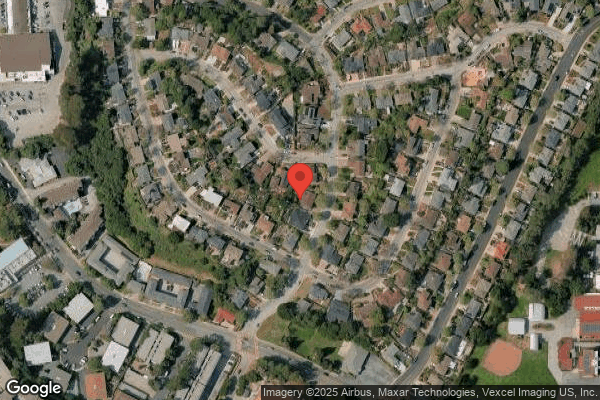

2140 CARLMONT DRIVE, BELMONT, CA 94002 (650) 591-9601
For profit - Corporation 74 Beds SPYGLASS HEALTHCARE Data: November 2025
Trust Grade
65/100
#296 of 1155 in CA
Last Inspection: December 2024

Within standard 12-15 month inspection cycle. Federal law requires annual inspections.

Overview

Belmont Healthcare Center has a Trust Grade of C+, indicating it is slightly above average among nursing homes. It ranks #296 out of 1,155 facilities in California, placing it in the top half, and is #7 out of 14 in San Mateo County, meaning there are only a few local options that are better. The facility is improving, having reduced significant issues from 5 in 2024 to just 1 in 2025, although staffing is a concern with a rating of 2 out of 5 stars and a turnover rate of 52%, which is higher than the state average. Notably, there have been no fines recorded, which is a positive sign, and the RN coverage is average, suggesting that while there is some oversight, it may not be robust enough to catch all issues. However, specific incidents of concern included a failure to remove surgical staples as prescribed, leading to infection, and a lack of proper monitoring for fall risks, indicating areas where care could be improved. Overall, while there are strengths such as the absence of fines, the facility does have weaknesses that families should consider.

Trust Score
C+
65/100
In California
#296/1155
Top 25%
Safety Record
Moderate
Needs review
Inspections
Getting Better
5 → 1 violations
Staff Stability
⚠ Watch
52% turnover. Above average. Higher turnover means staff may not know residents' routines.
Penalties
✓ Good
No fines on record. Clean compliance history, better than most California facilities.
Skilled Nurses
⚠ Watch
Each resident gets only 28 minutes of Registered Nurse (RN) attention daily — below average for California. Fewer RN minutes means fewer trained eyes watching for problems.
Violations
⚠ Watch
42 deficiencies on record. Higher than average. Multiple issues found across inspections.
★★★★☆
4.0
Overall Rating
★★☆☆☆
2.0
Staff Levels
★★★★☆
4.0
Care Quality
★★★★☆
4.0
Inspection Score
Stable
2024: 5 issues
2025: 1 issues

The Good

  • 4-Star Quality Measures · Strong clinical quality outcomes
  • Full Sprinkler Coverage · Fire safety systems throughout facility
  • No fines on record

Facility shows strength in quality measures, fire safety.

The Bad

Staff Turnover: 52%

Near California avg (46%)

Higher turnover may affect care consistency

Chain: SPYGLASS HEALTHCARE

Part of a multi-facility chain

Ask about local staffing decisions and management

The Ugly 42 deficiencies on record

1 actual harm
Jun 2025 1 deficiency
CONCERN (D) 📢 Someone Reported This

A family member, employee, or ombudsman was alarmed enough to file a formal complaint

Potential for Harm - no one hurt, but risky conditions existed

Assessment Accuracy (Tag F0641)

Could have caused harm · This affected 1 resident

**NOTE- TERMS IN BRACKETS HAVE BEEN EDITED TO PROTECT CONFIDENTIALITY** Based on observation, interview and record review the facility failed to ensure the accuracy of the Minimum Data Set (MDS, an as...

Read full inspector narrative →
**NOTE- TERMS IN BRACKETS HAVE BEEN EDITED TO PROTECT CONFIDENTIALITY** Based on observation, interview and record review the facility failed to ensure the accuracy of the Minimum Data Set (MDS, an assessment tool) for two (2) of six (6) sampled residents (Residents 1 and 2) when: 1. For Resident 1, the number of Pressure Injury (PI, a localized injury to the skin and/or underlying tissue, usually over a bony prominence, as a result of intense and/or prolonged pressure, or pressure in combination with shear), Stage 1 (intact skin with non-blanchable redness of a localized area usually over a bony prominence), was inaccurately coded as two (2) instead of one (1) on the MDS, section M. 2. For Resident 2, the number of PI, Stage 3 (full thickness tissue loss. Subcutaneous fat maybe visible but bone, tender or muscle is not exposed. Slough maybe present but does not obscure the depth of tissue loss) was inaccurately coded as four (4) instead of three (3) on MDS, section M. These deficient practices had the potential to negatively affect the care and services rendered to the residents. Findings: 1.Record review of the Face Sheet dated 6/10/25 indicated, Resident 1 was admitted to the facility on [DATE]. In an interview on 6/10/25, at 10:14 AM, with the Wound Care Nurse (WCN 1), WCN 1 stated, Resident 1 has PI in the coccyx (tailbone), it's resolving. Record review of the History and Physical (H&P) dated 4/29/25 indicated, the diagnoses that included subdural hematoma (a buildup of blood on the surface of the brain), vascular dementia (changes to memory, thinking, and behavior caused by reduced blood flow to the brain), Parkinson's disease (movement disorder). In a concurrent record review and interview on 6/10/25, at 11:20 AM, with the MDS Coordinator (MDS-C1), the admission MDS dated [DATE], was reviewed. The MDS section M0300, Current number of Unhealed Pressure Ulcers/injuries at Each stage, A. Stage 1, was reviewed. The MDS section M0300 section A. Stage 1 indicated, 1. Number of Stage 1 PI was marked 2 (two) in the box next to it. The MDS-C1 stated, the resident has one (1) Stage 1 pressure injury in the coccyx, but it was documented two (2). The MDS-C1 stated, he has to do the search to determine the number of PI since the MDS assessment was done by another MDS Coordinator, not him. After searching the Treatment Administration Record (TAR) and the Nurse's Progress Notes, (NPN), the MDS-C1 verified there was only one PI, Stage 1, not two, I don't see the other location (body areas) for Stage 1. 2. Record review of the Face Sheet indicated Resident 2 was admitted to the facility on [DATE]. In an interview on 6/10/25, at 10:20 AM, with the WCN 1, WCN 1 stated, Resident 2 has three (3) PIs: on the left shin, left heel, and left lateral malleolus (bony knob on the side of the ankle), it's now healing. Record review of the H&P dated 5/15/25 indicated, the diagnoses that included acute blood loss, upper gastrointestinal hemorrhage (bleeding occurs in the upper parts of the digestive tract), and chronic ulcer of left lower leg. In a concurrent record review and interview, on 6/10/25, at 11:30 AM, with the MDS-C1, the admission MDS dated [DATE], was reviewed. The MDS, section M0300, Current number of Unhealed Pressure Ulcers/injuries at Each Stage, section C. Stage 3 indicated, the Number of Stage 3 PI was marked four (4) in the box next to it. The MDS-C1 stated he has to search the TAR and the NPN to determine the number of the PI since another MDS coordinator has done the assessment and after searching the TAR and the NPN, the MDS-C1 verified, the resident has three (3) PI, Stage 3, not four (4) as documented. In an interview on 6/10/25 at 2:20 pm with the Facility Administrator -in Training (FA-iT), FA-iT stated, the facility followed the Resident Assessment Instrument (RAI,) Manual (a comprehensive process used to evaluate a resident's functional status, strengths, and needs). Record review of the CMS (Centers for Medicare & Medicaid Services) for Long-Term Care Facility Resident Assessment Instrument (RAI) 3.0 User's Manual, dated 10/24 indicated, Steps for Assessment: 1. Perform head-to-toe assessment. Conduct a full body skin . (sacrum, buttocks, heels, ankles, etc. 2. For the purposes of coding, determine that the lesion being assessed is primarily related to pressure and that other conditions have been ruled out.
Dec 2024 1 deficiency
CONCERN (D)

Potential for Harm - no one hurt, but risky conditions existed

Infection Control (Tag F0880)

Could have caused harm · This affected 1 resident

Based on observation, interview, record review, and facility policy review, the facility failed to ensure staff implemented enhanced barrier precautions (EBP) and wore the appropriate personal protect...

Read full inspector narrative →
Based on observation, interview, record review, and facility policy review, the facility failed to ensure staff implemented enhanced barrier precautions (EBP) and wore the appropriate personal protective equipment (PPE) while providing care for 1 (Resident #25) of 2 residents reviewed for tube feedings. Findings included: A facility policy titled, Enhanced Barrier Precautions, revised 11/14/2024, revealed, It is the policy of this facility to implement enhanced barrier precautions for the prevention of transmission of multidrug-resistant organisms. 'Enhanced barrier precautions' (EBP) refer to an infection control intervention designed to reduce transmission of multidrug-resistant organisms that employs targeted gown and gloves use during high contact resident care activities. The policy indicated, 2. Initiation of Enhanced Barrier Precautions: included b. An order for enhanced barrier precautions will be obtained for residents with any of the following: i. Wounds (e.g. [exempli gratia, for example] chronic wounds such as pressure ulcers, diabetic foot ulcers, unhealed surgical wounds, and chronic venous stasis ulcers) and/or indwelling medical devices (e.g., central lines, urinary catheters, feeding tubes, tracheostomy/ventilator tubes, hemodialysis catheters, PICC [peripherally inserted central catheter] lines, midline catheters) even if the resident is not known to be infected or colonized with a MDRO [multi-drug resistant organism]. The policy revealed, 3. Implementation of Enhanced Barrier Precautions: included b. PPE for enhanced barrier precautions is only necessary when performing high-contact care activities and may not need to be donned prior to entering the resident's room. According to the policy, 4. High-contact care activities include: g. Device care or use: central lines, urinary catheters, feeding tubes, tracheostomy/ventilator tubes, hemodialysis catheters, PICC lines, midline catheters. An admission Record indicated the facility re-admitted Resident #25 on 11/09/2020. According to the admission Record, the resident had a medical history that included diagnoses of dysphagia (difficulty swallowing) following cerebral infarction (stroke) and gastrostomy status (feeding tube). A quarterly Minimum Data Set (MDS), with an Assessment Reference Date (ARD) of 10/23/2024, revealed Resident #25 had severe impairment in cognitive skills for daily decision-making and had a short-term and long-term memory problems per a Staff Assessment of Mental Status (SAMS). The MDS indicated the resident had a feeding tube and received 51% of their total calories and 501 cubic centimeters (cc) of fluid a day through the feeding tube. Resident #25's care plan included a focus area revised 08/03/2024, that indicated the resident required EBP due to having a gastrostomy tube. Interventions directed staff to clean their hands before and when leaving the room; to wear gloves and a gown for device care and when using feeding tubes; and to instruct certified nurse assistants (CNAs) and licensed nurses regarding proper use of personal protective equipment. Resident #25's Order Summary Report for active orders as of 12/05/2024 revealed an order dated 08/01/2024 for enhanced barrier precautions related to the presence of a gastrostomy tube. During an observation on 12/04/2024 at 12:33 PM, Registered Nurse (RN) #1 entered Resident #25's room wearing a surgical mask and gloves, with no gown. RN #1 checked the placement of the resident's gastrostomy tube and residual. RN #1 also connected the resident's feeding to a pump and started the pump, while still not wearing a gown. During an interview on 12/05/2024 at 10:58 AM, RN #1 confirmed that he did not wear the proper PPE when setting up the tube feeding for Resident #25. He stated he was nervous and forgot. RN #1 stated he should have worn a gown while providing care to help prevent the spread of infection. During an interview on 12/05/2024 at 10:52 AM, the Infection Control Preventionist (ICP) stated EBP should be used for any resident that had an indwelling device, and the staff should wear a gown and gloves when providing care. He stated he provided training on EBP in November 2024. During an interview on 12/05/2024 at 11:56 AM, the Director of Nursing (DON) stated if a resident was on EBP, the staff should wear a gown, gloves, and a mask to help prevent the spread of infection to staff and other residents. She stated EBP was needed for residents that had feeding tubes. She stated RN #1 should have put on a gown and gloves prior to providing care to Resident #25. During an interview on 12/05/2024 at 12:16 PM, the Administrator stated EBP should be used for the safety of the residents, and he expected that the staff to use the appropriate PPE when providing care for a resident that was on EBP.
Jun 2024 4 deficiencies
CONCERN (D) 📢 Someone Reported This

A family member, employee, or ombudsman was alarmed enough to file a formal complaint

Potential for Harm - no one hurt, but risky conditions existed

Investigate Abuse (Tag F0610)

Could have caused harm · This affected 1 resident

Based on interview and record review, the facility failed to thoroughly investigate an allegation of abuse. A Physical Therapist (PT) reported she saw a nurse (RN 1) slapped Resident 4's hand and was ...

Read full inspector narrative →
Based on interview and record review, the facility failed to thoroughly investigate an allegation of abuse. A Physical Therapist (PT) reported she saw a nurse (RN 1) slapped Resident 4's hand and was yelling at him to wake him up. Failure to thoroughly investigate an allegation of abuse did not ensure residents were protected from abuse. Findings: During an interview on 06/14/2024 at 2:39 PM, the PT was asked what happened to Resident 4 on 03/20/2022. The PT stated .This happened at the end of my workday. I was walking down the hallway and I see . (Resident 4), he's sitting and there was this nurse (RN1), and she was trying to wake him up to give him his medication. She didn't gently shake his shoulder. She was slapping his hand and yelling at him to wake up. According to the .(residents) I worked with (the residents said) she (RN1) was disagreeable pushy, mean, and aggressive. When I saw this, .I called my supervisor and reported it and left a message. On 06/13/2024 at 10:00 AM during a concurrent interview and record review of the facility's abuse/neglect paperwork/folder with the Medical Record Clerk (MRC). There was no evidence the facility conducted a thorough investigation. On 6/13/24 at 3:30 PM, the Administrator was made aware that the only interview within the facility's abuse/neglect folder was with the alleged perpetrator. The Administrator was asked what her expectations were when staff conducts an abuse/neglect investigation. The Administrator stated she expected staff to interview other residents and other staff who may have knowledge of the allegation. Review of the facility's policy titled Abuse, Neglect and Exploitation, revised on 08/10/2023, indicated .Investigation of Alleged Abuse, Neglect and Exploitation .An immediate investigation is warranted when suspicion of abuse, neglect or exploitation, or reports of abuse, neglect or exploitation occur . Identifying and interviewing all involved persons, including the alleged victim, alleged perpetrator, witnesses, and others who might have knowledge of the allegations .
CONCERN (D) 📢 Someone Reported This

A family member, employee, or ombudsman was alarmed enough to file a formal complaint

Potential for Harm - no one hurt, but risky conditions existed

Deficiency F0657 (Tag F0657)

Could have caused harm · This affected 1 resident

**NOTE- TERMS IN BRACKETS HAVE BEEN EDITED TO PROTECT CONFIDENTIALITY** Based on interview, and record review, the facility failed to update the fall care plan for one of 3 sampled residents (Resident...

Read full inspector narrative →
**NOTE- TERMS IN BRACKETS HAVE BEEN EDITED TO PROTECT CONFIDENTIALITY** Based on interview, and record review, the facility failed to update the fall care plan for one of 3 sampled residents (Resident 3) when there was no evidence that the fall care plan was updated after her fall on [DATE]. This failure had the potential to put the resident at risk of not receiving appropriate care. Findings: Review of Resident 3's clinical record indicated, Resident 3 was [AGE] year-old female, and admitted to the facility on [DATE] with diagnoses including acute kidney failure (sudden loss of the ability of the kidneys to excrete wastes, concentrate urine, conserve electrolytes, and maintain fluid balance, with a mortality rate of between 50% and 80%), heart failure (a condition that develops when your heart does not pump enough blood for your body's needs), and diabetes (high blood sugar). Review of Resident 3's Minimum Data Set (MDS, resident assessment tool), dated [DATE] indicated, she was cognitively intact. But her MDS also indicated, Resident 3 had dementia (memory loss) and failure to thrive (a state of decline that is multifactorial and may be caused by chronic concurrent diseases and functional impairments). During an interview on [DATE] at 2:54 PM with Assistant Director of Nursing (ADON), ADON stated, Resident 3 was on DNR (a do-not-resuscitate order, written by a health care provider. It instructs providers not to do CPR which stands for cardiopulmonary resuscitation if a patient's breathing stops or if the patient's heart stops beating) and comfort focused treatment (a patient care plan that is focused on symptom control, pain relief, and quality of life. It is typically administered to patients who have already been hospitalized several times, with further medical treatment unlikely to change matters) upon admission, then became hospice (a program that gives special care to people who are near the end of life and have stopped treatment to cure or control their disease) on [DATE], then died on [DATE]. During a concurrent interview and record review on [DATE] at 2:59 PM with ADON, Resident 3's Resident Incident Report and Follow-up-Copy dated [DATE] at 00:02 AM was reviewed. The incident report indicated, . patient was found lying on her left side on the floor inside her room approximately at 9:10pm . No signs of injury . ADON verified, it was an unwitnessed fall approximately at 9:10 PM on [DATE]. During a concurrent interview and record review on [DATE] at 3:45 PM with ADON, Resident 3's fall care plan was reviewed. The fall care plan was initiated on [DATE]. But there was no evidence that the fall care plan was updated after her fall on [DATE]. ADON stated, No when asked if the fall care plan was updated. He stated, It should be updated when asked about the facility's policy and procedure of fall. Review of the facility's policy and procedure (P&P) titled, Fall Risk Assessment undated indicated, . It is the policy of this facility to . provide supervision . to prevent avoidable accidents . 4. The At Risk for Falls care plan will include interventions, including adequate supervision . in order to reduce the risk of an accident. 5. Monitor the effectiveness of the care plan interventions, and modify the interventions as necessary . Review of the facility's P&P titled, Care Plan Revisions Upon Status Change undated indicated, . The comprehensive care plan will be reviewed, and revised as necessary, when a resident experiences a status change . d. The care plan will be updated with the new or modified interventions .
CONCERN (D) 📢 Someone Reported This

A family member, employee, or ombudsman was alarmed enough to file a formal complaint

Potential for Harm - no one hurt, but risky conditions existed

Deficiency F0801 (Tag F0801)

Could have caused harm · This affected 1 resident

Based on interview and record review, the facility failed to have a Registered Dietitian (RD) working full-time or part-time at the facility from January to April 2024. Failure to have a RD working at...

Read full inspector narrative →
Based on interview and record review, the facility failed to have a Registered Dietitian (RD) working full-time or part-time at the facility from January to April 2024. Failure to have a RD working at the facility did not ensure residents were assessed appropriately to maintain the residents' weight and other nutritional parameters. Findings: During an interview on 06/12/2024 at 2:34 PM, the RD stated he had been contracted to work at the facility since 2022. The RD stated his employment at the facility .was not continuous. (I stopped working in) January (and) started back up in early April. During an interview on 06/12/2024 2:58 PM, the Administrator was asked if there was another RD covering the facility between January and April 2024. The Administrator stated .I don't want to answer those questions . Review of the facility's policy titled Nutritional Management (not dated) indicated . Facility Registered Dietitian is a registered member of the Academy of Nutrition and Dietetics, (AND) and is a staff member employed full-time, part-time, or on a consultant basis, depending on the needs of the facility. The Facility Registered Dietitian provides regularly scheduled on-premises consultation and guidance to the Administrator, .(food service director) , the residents, and other facility personnel and staff, as needed.
CONCERN (E) 📢 Someone Reported This

A family member, employee, or ombudsman was alarmed enough to file a formal complaint

Potential for Harm - no one hurt, but risky conditions existed

Comprehensive Care Plan (Tag F0656)

Could have caused harm · This affected multiple residents

**NOTE- TERMS IN BRACKETS HAVE BEEN EDITED TO PROTECT CONFIDENTIALITY** Based on interview and record review, the facility failed to implement fall care plans for two of 3 sampled residents (Resident ...

Read full inspector narrative →
**NOTE- TERMS IN BRACKETS HAVE BEEN EDITED TO PROTECT CONFIDENTIALITY** Based on interview and record review, the facility failed to implement fall care plans for two of 3 sampled residents (Resident 1 and Resident 2) when there was no evidence of frequent monitoring. This failure had the potential to delay the identification of needs, functional and health status for Resident 1 and Resident 2. Findings: 1. Review of Resident 1's clinical record indicated, Resident 1 was [AGE] year-old female, and admitted to the facility with diagnoses including hypertension (high blood pressure), diabetes (high blood sugar), hyperlipidemia (an excess of lipids or fats in your blood). Review of Resident 1's Minimum Data Set (MDS, resident assessment tool), dated 6/10/22, indicated, Resident 1 was cognitively moderately impaired. During a concurrent interview and record review on 6/13/24 at 1:39 PM with Assistant Director of Nursing (ADON), Resident 1's Resident Incident Report dated 6/25/22, and fall care plans were reviewed. The Resident Incident Report indicated, . After few minutes of taking her routine medicines. Noted resident found facing down the floor inside in her room. Noticed bruise on the right eye and episode of nose bleeding. This nurse called 911, resident is conscious (aware of and responding to one's surroundings) but still remains in the floor while waiting with paramedics and approximately at 8:25 pm resident was sent out to XXXX (hospital name) . ADON stated, it was an unwitnessed fall, and Resident 1 was at high risk for fall. ADON stated, the nurse called 911 because Resident 1 had a bruise on the right eye, and she was transferred to the hospital right after vital signs (measurements of the body's most basic functions such as blood pressure) were checked. Review of Resident 1's fall care plan, initiated 6/28/22 indicated, . frequent monitoring of the resident . ADON stated, they didn't have the evidence of frequent monitoring when asked. He stated, frequent monitoring meant checking a resident within 2 hours as standard of practice. During an interview on 6/13/24 at 3:21 PM with ADON, ADON disputed this surveyor's finding that there was no evidence of frequent monitoring per care plan of 6/28/22, but did not show any evidence when asked. 2. Review of Resident 2's clinical record indicated, Resident 2 was [AGE] year-old male, and admitted to the facility with diagnoses including dementia (memory loss), hypertension, and diabetes. Review of Resident 2's MDS dated [DATE] indicated, Resident 2 was cognitively severely impaired. During a concurrent interview and record review on 6/13/24 at 11:20 AM with ADON, Resident 2's Patient Incident Report and Follow-up dated 12/28/23, and Morse Fall Scale (a rapid and simple method of assessing a resident's likelihood of falling) dated 10/27/23 were reviewed. The incident report indicated, . Patient last seen at 1 am while doing routine rounds sleeping . Then at 2am CNA assign was about to give her Christmas present to him, but patient found lying down on the floor next to the bathroom on his room . Per patient statement He got up and tried to walk towards the bathroom and when he was closer to the bathroom loss his balance but he was able to hold on to the bathroom door frame and slowly falling the floor without hitting his head . no bruises, no skin breakdown was noted . ADON verified, Resident 2 fell on [DATE] at 2 AM. Review of Resident 2's Morse Fall Scale (MFS) dated 10/27/23 indicated, the scale was 75. The MFS also indicated, . High Risk 45 and higher ADON stated, Resident 2 was at high risk for fall even before the fall. During a concurrent interview and record review on 6/13/24 at 11:28 AM with ADON, Resident 2's fall care plan with initiated date of 7/17/23 was reviewed. The fall care plan indicated, . Check resident for safety every 2 hours . ADON stated, We don't have. I don't think I have this . There is no evidence . when asked if the facility had the evidence of monitoring safety every 2 hours. He stated, Yes when asked if the facility should have done 2 hours monitoring per the care plan. During a concurrent interview and record review on 6/13/24 at 11:35 AM with ADON, Resident 2's Q Shift charting (Nursing) dated 12/29/23 was reviewed. The nursing record indicated, . Patient was sent to #### (name of the hospital) . Patient c/o (complained of) pain from fall on left hip . Xray (an examination to show images of a resident's internal organs or bones) ordered and results show possible hip fracture (broken hip) . ADON stated, there was no injury at the time of Resident 2's fall on 12/28/23, but they found the fracture on X-ray. ADON stated, Resident was transferred to the hospital for fracture on 12/29/23, then came back to the facility on 1/11/24 after hip repair. Review of Resident 2's X-ray result titled, Patient Report dated 12/28/23 indicated, . Acute left intertrochanteric fracture (a type of broken hip) . Review of Resident 2's Discharge summary from the hospital dated 1/11/24 indicated, . ORIF (open reduction and internal fixation, a type of surgery used to stabilize and heal a broken bone) with IT (Intertrochanter, a part of the hip bone) nail on 12/30/23 . Review of the facility's policy and procedure (P&P) titled, Comprehensive Care Plans undated indicated, . It is the policy of this facility to develop and implement a comprehensive person-centered care plan for each resident, consistent with resident rights, that includes measurable objectives and timeframes to meet a resident's medical, nursing, and mental and psychosocial needs that are identified in the resident's comprehensive assessment . Review of the facility's P&P titled, Fall Risk Assessment undated indicated, . It is the policy of this facility to . provide supervision . to prevent avoidable accidents . 4. The At Risk for Falls care plan will include interventions, including adequate supervision . in order to reduce the risk of an accident .
Jun 2023 1 deficiency
CONCERN (E) 📢 Someone Reported This

A family member, employee, or ombudsman was alarmed enough to file a formal complaint

Potential for Harm - no one hurt, but risky conditions existed

Free from Abuse/Neglect (Tag F0600)

Could have caused harm · This affected multiple residents

**NOTE- TERMS IN BRACKETS HAVE BEEN EDITED TO PROTECT CONFIDENTIALITY** Based on interviews and record reviews, facility staff failed to protect Residents 1, 2, 3, 4, and 5, five out of five sample re...

Read full inspector narrative →
**NOTE- TERMS IN BRACKETS HAVE BEEN EDITED TO PROTECT CONFIDENTIALITY** Based on interviews and record reviews, facility staff failed to protect Residents 1, 2, 3, 4, and 5, five out of five sample residents from inappropriate touching by Resident 6 and wandering unsupervised into other resident ' s room. Review of facility documents indicated Resident 6 touched these residents inappropriately: 1. Resident 1 on 07/12/2021. 2. Resident 2 on 01/29/2022. 3. Resident 3 on 06/23/2022. Review of facility documents indicated Resident 6 was found unsupervised in these resident ' s room: 1. Resident 4 ' s room on 08/02/2022. 2. Resident 5 ' s room on 05/07/2023, and Resident 5 alleged that Resident 6 touched her .all over . Failure to manage Resident 6 ' s inappropriate behavior and/or supervising him around vulnerable/dependent residents, did not ensure vulnerable/dependent residents were protected from sexual abuse. These failures have severe consequences, as Resident 3 reported experiencing nightmares, feeling unsafe, and having to sleep with the lights on due to the traumatic experience of being touched by Resident 6. Findings: Resident 1 Review of Resident 1 ' s record titled admission RECORD, printed on 06/20/2023, indicated she was admitted with multiple diagnoses including: left thigh bone fracture, generalized muscle weakness, difficulty walking, dementia (memory loss and deterioration of thinking ability due to brain disease or brain injury), and cerebral infarct (blockage of blood supply to brain, resulting in death of brain cells). Review of Resident 1 ' s MDS (Minimum Data Set, a standardized resident assessment tool), dated 08/12/2021, indicated her BIMS (Brief Interview for Mental Status, a tool to assess thinking and memory) score was 5 out of 15. A score of 0-7 indicates severe impairment in cognition (serious decline in thinking and memory). Her MDS indicated she required extensive assistance from one staff with: bed mobility, transfers, walking in room, moving around the unit, dressing, toilet use, and personal hygiene. Review of Resident 1 ' s records titled Progress Notes, dated 07/12/2021, indicated .At .(4:30 PM), witnessed by .staff, was found with .(Resident 6 ' s) hands underneath resident's gown touching her chest & breast area.(Resident 6) was instructed immediately to step away from .(Resident 1) and return to his room.(Resident 1) was not harm and did not exhibit any signs of physical injury.At this time, .(Resident 6) was removed moved away from victim immediately & transferred to room . with staff assistance; order given from administrator via phone. Resident 2 Review of Resident 2 ' s record titled admission RECORD, printed on 06/20/2023, indicated he was admitted with multiple diagnoses including: weakness, depression, and dementia. Review of Resident 2 ' s MDS, dated [DATE], indicated his BIMS score was 4 out of 15 (serious decline in thinking and memory). His MDS indicated he required extensive assistance from two staff with: bed mobility, transfers, dressing, and toilet use. His MDS indicated he required extensive assistance of one staff for personal hygiene and limited assistance of one staff for moving around on the unit. Review of Resident 2 ' s records titled Progress Notes, dated 01/29/2022, indicated .(staff) reported entering room and observing .(Resident 6) with hand underneath bedspread of .(Resident 2).(staff) told .(Resident 6) to leave the room. The Administrator and Nurse visited the victim and asked what happened ' Resident answered he touched my penis ' .Denies injury- No injury observed Stated ' I don't want that to happen again ' . Resident 3 Review of Resident 3 ' s record titled admission RECORD, printed on 06/20/2023, indicated he was admitted with multiple diagnoses including: generalized muscle weakness, obesity (overweight due to body fat), and urine retention. Review of Resident 3 ' s MDS dated [DATE], indicated his BIMS score was 15 out of 15 (no problem with thinking and memory). His MDS indicated he required limited assistance from one staff with: bed mobility, transfers, walking in room, moving around the unit, dressing, and personal hygiene. His MDS indicated he required extensive assistance of one staff for personal hygiene and limited assistance of one staff for toilet use. Review of Resident 3 ' s record titled Progress Notes, dated 06/23/2022, indicated .Resident remains alert and verbal. At .(12:15 PM) today . (Resident 3) reported to . (staff) that he was awaken from his sleep because he felt something on his private part, when he opened his eyes he saw .(Resident 6) touching his ' penis' and asking him ' do you like it ' ? .(Resident 3) then press the call light and the .(staff) immediately answered and saw .(Resident 6) in the room, .(staff) immediately took .(Resident 6) out of the room and put him back to his room .(Resident 3) verbalizes that he does not want a room change. Will continue to monitor. During an interview on 06/20/2023 at 11:34 AM, Resident 3 stated I ' m still suffering from it. One night I woke up and he was in his wheelchair by my bedside and touching my groin. Rubbing it. I don ' t know how long he was there and rubbing me before I woke up. Now I sleep with the lights on. I thought I was in a safe place. I never thought that somebody could just come in and molest you. (crying) I have nightmares because of this. I finally got out of that place. They weren ' t monitoring him. Once in a while you would see staff trying to chase him down and redirect him. They try to restrict him to his room, but they are pretty lax in monitoring him, especially at night. There ' s less foot traffic and those nurses at night are behind the nurse ' s station, they can ' t see him. This happened again to my roommate. There was a power outage, it was at night, and it was dark, and I heard this noise, I pull open the curtain and there he was over there touching my roommate. I immediately yelled for help. That ' s when staff came and got him out of there. After the 2nd incident I thought they were going to move him. But I think it ' s just talk. I still see him later on going up and down the hallway to where some of the ladies lived. Making sexual comments to them. Resident 4 Review of Resident 4 ' s record titled admission RECORD, printed on 06/20/2023, indicated he was admitted with multiple diagnoses including: complete to partial paralysis of the left side of the body, and dementia. Review of Resident 4 ' s MDS dated [DATE], indicated he had severe problems with making decisions and severe problems with memory. His MDS indicated he was totally dependent on two staff with: bed mobility, transfers, dressing, and toilet use. His MDS indicated he was dependent on one staff for moving around the unit, and personal hygiene. Review of Resident 4 ' s record titled Progress Notes, dated 08/02/2022, indicated .(Resident 4 ' s roommate) was .(calling for staff). (The roommate) was shouting in a loud voice and immediately .(staff) went to the room . It was noted that .(Resident 6) was in the room by the foot (of Resident 4 ' s bed), and right away .(staff, brought Resident 6) out of the room. Resident 5 Review of Resident 5 ' s admission record, printed on 06/13/2023, she was admitted with multiple diagnoses including: schizoaffective disorder-bipolar type (mental illness that negatively impact your mood, thoughts, and behaviors), and diabetes (blood sugar control disease). Review of Resident 5 ' s Minimum Data Set (MDS, a standardized resident assessment tool), dated 06/21/2023, indicated she was severely impaired in her cognition (problems with reasoning, decision making and memory). Additionally, her MDS indicated she required extensive assistance from two staff with: bed mobility, dressing and personal hygiene. She was totally dependent on two staff for transfers and toilet use. Resident was assessed as having hallucinations (hearing voices and seeing things not based in reality), rejection of care, verbal, and physical inappropriate behaviors toward others (yelling, cursing, hitting, scratching) Review of Resident 5 ' s record titled Progress Notes, dated 05/07/2023, indicated .(Resident 6) was seen by . (staff) in the .(Resident 5 ' s) bedroom facing the sink, past 6 in the evening, .(staff) assisted .(Resident 6) outside the room and lead .(Resident 6) to his own room.(staff) asked .(Resident 5) how she is and .(Resident 5) said get him out of this room, and also allegedly said he touched me everywhere. Resident 6 Review of Resident 6 ' s MDS, dated [DATE], indicated he was admitted on [DATE] and had multiple diagnoses including: dementia, and depression. His BIMS score was 8 out of 15. A score of 8 out of 15 indicated moderate cognitive impairment. Moderate cognitive impairment is characterized by early stage of memory loss or other cognitive ability loss (such as trouble finding the right words or reasoning). His MDS indicated he required: supervision of one staff for 1. walking in the corridor 2. moving around the unit limited assistance from one staff for 1. transfers 2. walking in his room. extensive assistance of one staff for 1. bed mobility 2. dressing 3. personal hygiene 4. toilet use Review of Resident 6 ' s record titled Behavior Care Plan, initiated on 07/12/2021, indicated . Goal . The resident will not have any new incidences of actual or suspected inappropriate touching .Interventions .one on one caregiver visual monitoring .Observe resident where abouts and always remind not to go inside other residents' room . Resident will be accompanied by .staff . if wanted to ambulate for safety . The resident will be the only one to use the .(shared) bathroom, making sure that he cannot pass thru to the other door of the .(shared) bathroom which opens to the next room . Review of facility documents faxed to this Department (California Department of Public Health, CDPH, San Francisco) indicated the facility was aware of Resident 6 ' s pattern of inappropriate sexual behavior and unsupervised wandering into other resident ' s room. Furthermore, these documents recorded a pattern of failed attempts to monitor Resident 6, failed attempts at discharging Resident 6, and failed attempts to prevent Resident 6 from abusing other residents. On 02/04/2022, the facility sent a fax to this Department .Both . (Resident 2) and .(Resident 6) were interviewed by . (Social Service Director) following incident of abuse on 1/29/22. (Resident 6) has been separated from .(Resident 2) and closely monitored by staff to make sure he has not had any incidents of wandering into other's rooms. On 06/28/2022 the facility sent a fax to this Department . Since the incident on Thursday 6/23/22 involving .(Resident 6)and .(Resident 3) . Social Services has been actively in touch with [NAME] .(police department) and Ombudsman Services with the goal of finding placement elsewhere for .(Resident 6) as this has not been his first incident of sexual impropriety and he poses danger to other residents in the building. Facility is actively looking for options to find a facility or place that would be safer for him to go to. In the meantime, staff are logging a visual monitoring for him every shift and work to keep him at a safe distance from other residents. On 08/02/2022 the facility sent a fax to this Department .(Resident 6) has engaged In Inappropriate behavior in the past and . was observed loitering in .(other residents ' room) . In the meantime, he will be confined to his room and closely supervised at all times by facility personnel. During an interview on 6/16/2023 at 12:50 PM, the Medical Director of the facility stated .I heard reports that .(Resident 6) had been molesting another .(residents). When we heard about it we tried to get him out of the area. I think the facility move residents away (to other rooms). They tried to isolate him in his own room. They were keeping an eye on him. But he was ambulatory, and he would move around. They had him in a private room had people watching out for him to redirect him. They did have a Velcro barrier sign . (across his door) that says stop. But anybody can take that off. They did try to put surveillance on him. Earlier this year, I heard that he molested somebody .I deemed that surveillance was not effective. Because he was seen in a patient ' s room by a .(staff).I talked to the administrator and told them that they need eyes on him 24/7 (24 hours and seven days a week). They did not have the staffing initially, but they did find staffing later. They finally put that in place, and they finally moved him out of the facility. They were able to discharge him. The Medical Director was asked if Resident 6 was appropriate for a skilled nursing facility setting? The Medical Director stated No he would have been better off at a geriatric psych facility with more intense monitoring. He would have been better off at a different place.Looking back on, hindsight we should have had a 1-1 on him (one staff to monitor him on a continuous basis). During an interview with the Administrator (ADM) and the Director of Nursing (DON) on 06/15/2023 at 11:15 AM, the ADM agreed that sexual abuses should never happen in a nursing home. The DON identified visual monitoring every 30 minutes, two psychiatric consults with medication recommendations, relocating residents to another room and attempts at discharging Resident 6 as interventions in managing Resident 6 ' s inappropriate sexual behavior. The ADM stated these inteventions were not 100% effective and the latest incident was Resident 6 was found in a vulnerable/dependent resident ' s room on 05/07/2023. During the interview, the ADM and DON were asked to provide a policy on residents who are sexually abusive. The facility stated via an email to this Department on 6/20/2023 that they do not have a policy regarding residents who are sexually abusive. Review of facility policy titled Abuse Prevention & Reporting, not dated, indicated .ensure that residents are free from abuse, neglect, and misappropriation of property. The facility has a ZERO TOLERANCE for any/all types of abuse directed toward any resident, patient or dependent adult within its care. B. To provide guidelines to all staff regarding their roles and responsibilities in the prevention and reporting of resident abuse, neglect, and misappropriation of property. Sexual abuse: includes, but is not limited to, sexual harassment, sexual coercion, sexual assault, . (dependent adult): any person over the age of 18 who has physical or mental limitation which restricts his or her ability to carry out normal activities or to protect his or her own rights, including but not limited to, persons who have physical or developmental disabilities or whose physical or mental abilities have diminished because of age.
Jun 2023 5 deficiencies
CONCERN (D) 📢 Someone Reported This

A family member, employee, or ombudsman was alarmed enough to file a formal complaint

Potential for Harm - no one hurt, but risky conditions existed

Abuse Prevention Policies (Tag F0607)

Could have caused harm · This affected 1 resident

Based on interview and record review, the facility failed to ensure the facility's abuse policy was developed and implemented when: 1.There were no abuse care plans developed for two residents (Reside...

Read full inspector narrative →
Based on interview and record review, the facility failed to ensure the facility's abuse policy was developed and implemented when: 1.There were no abuse care plans developed for two residents (Resident A and Resident B) involved in a reported abuse allegation incident on 5/7/23. 2.The facility did not provide the state survey agency with sufficient information on the initial abuse allegation report that involved Resident A and Resident B on 5/7/23. 3.The facility did not provide the state survey agency with sufficient information on the results of investigation regarding an abuse allegation incident that involved Resident A and Resident B on 5/7/23. 4.The facility's abuse policy was not reviewed and updated annually and/or as necessary. 5.There was no written procedures for investigating allegations of abuse, neglect, exploitation, and misappropriation of resident property. These failures had the potential to not provide protections for the health, welfare, and rights of each resident in the facility. Findings: 1.During an interview on 5/10/23, at 1:28 PM, with the Registered Nurse (RN) 1, RN 1 stated the Certified Nursing Assistant (CNA) 1 informed on 5/7/23, at approximately after 6 PM, of an abuse allegation incident by Resident A towards Resident B. Refer to F689. During a concurrent interview and record review of Resident A and Resident B's care plans on 5/10/23, at 5:26 PM with the Director of Nursing (DON), DON stated there were no written care plans and interventions developed for both residents regarding the reported abuse allegation incident on 5/7/23. DON stated the nurses were responsible for initiating care plans for Resident A and Resident B, on the alleged abuse incident, to ensure there was a plan to keep both residents including other residents safe. DON further stated that Resident A's care plan was not updated and revised to include the physician's order on 5/8/23 at 3:45 PM, to have the resident monitored 24 hours by a dedicated person. Review of the facility's Policy and Procedures (P&P), titled, Abuse Prevention & Reporting, revision dated 1/13, the P&P indicated, I. Purpose . To provide guidelines to all staff regarding their roles and responsibilities in the prevention and reporting of resident abuse . II. Policy . F. The facility Administrator will be responsible for . d. Ensuring that the Interdisciplinary Team meets to review and revise the plan of care with appropriate interventions for residents who are victims or perpetrators of abuse to prevent further occurrences . Review of the facility's Policy and Procedures (P&P), titled, Comprehensive Care Plans, undated, the P&P indicated, Policy: It is the policy of this facility to develop and implement a comprehensive person-centered care plan for each resident, consistent with resident rights, that includes measurable objectives and timeframes to meet a resident's medical, nursing, and mental and psychosocial needs . The comprehensive care plan will describe, at a minimum the following: a. The services that are to be furnished to attain or maintain the resident's highest practicable, physical, mental, and psychosocial well-being .Qualified staff responsible for carrying out interventions specified in the care plan will be notified of their roles and responsibilities for carrying out the interventions, initially and when changes are made . 2.During a review of the facility's initial abuse allegation report titled, Report of Suspected Dependent Adult/Elder Abuse, dated 5/7/23, provided to the state survey agency, the report did not include the following: reporting party's name, signature, occupation, agency/name of business, relation to victim/how abuse is known, address and telephone; incident date and time of incident; reported type of abuse; reporter's observation of any known time frame; other person believed to have knowledge of abuse such as family, significant others, neighbors, medical providers, agencies involved, etc. and dates of written report mailed or faxed to agencies such as Ombudsman and State Licensing Agency. During a concurrent interview and record review with Registered Nurse (RN) 1, on 5/10/23 at 2 PM, the initial abuse allegation report titled, Report of Suspected Dependent Adult/Elder Abuse, dated 5/7/23 was reviewed. RN 1 confirmed she filled out the initial report. RN 1 acknowledged the findings and stated she did not completely fill out the report. RN 1 said, I probably missed some of the important details. RN 1 stated she was supposed to write the date and time of the alleged abuse incident on the report. RN 1 said, I need to fill out the form as accurate and complete as possible. RN 1 stated she was trained by the facility's Director of Staff Development (DSD) on abuse policy and procedures. Review of the facility's Policy and Procedures (P&P), titled, Abuse Prevention & Reporting, revision dated 1/13, the P&P indicated, . Policy . C. All staff will be oriented at time of hire and in-serviced at least annually regarding the topic of Abuse Prevention and Reporting. This training will include a review and discussion of . What, when, and to whom to report suspected, reported, or observed abuse . Employees will receive a copy of the facility's Mandated Reporter template . F. The facility Administrator will be responsible for: Ensuring that a thorough investigation of all suspected, reported, or observed abuse is completed in a timely manner and documented appropriately . Timely and accurate reporting to the appropriate agencies of any/all abuse incidents according to state and federal regulations . 3.During a concurrent interview and record review with the Director of Social Services (DSS), on 5/31/23 at 5:20 PM, the report titled, Exhibit 359 Follow-Up Investigation Report, related to the abuse allegation incident that involved Resident A and Resident B on 5/7/23 was reviewed. DSS confirmed she wrote the follow up investigation report. The report indicated, Within five (5) business days of the incident, the facility must provide in its report sufficient information to describe the results of the investigation, and indicate any corrective actions taken if the allegation was verified. It is important that the facility provide as much information as possible, to the best of its knowledge at the time of submission of the report. The facility should include any updates to information provided in the initial report and the following additional information, which should include, but are not limited to the following: 1. Additional/Updated Information Related to the Reported Incident, 2. Steps taken to investigate the allegation, 3. Conclusion, 4. Corrective Action(s) Taken 5. Facility Investigator and 6. Submitted by. Further review of the report titled, Exhibit 359 Follow up Investigation Report, written by the DSS, the report did not indicate a detailed summary of all steps taken to investigate the allegation such as the summary of interviews with the alleged victim and any visual cues from the resident of psychosocial distress and harm, summary of interviews with witnesses and what the individual observed or knowledge of the alleged incident or injury, summary information from the investigation related to the incident from the resident's clinical record such as relevant portions of the RAI, the resident's care plan, nurses' notes, social services note, physician or other practitioner reports or reports from other disciplines that are related to the incident, summary information of other documents obtained, such as hospital/medical progress notes/orders and law enforcement reports as applicable, detailed summary of all corrective actions taken, the name of the facility individual/s who had the primary responsibility for conducting the investigation, name of the administrator or designee who submitted the report, and time the report was submitted to the state survey agency. DSS acknowledged the report did not include sufficient information as indicated in the follow up investigation form or report she used. DSS said, I will be more clear. I was not nearly thorough and descriptive enough. DSS stated the assistant to the previous Director of Social Services taught her how to use the follow up investigation form or report submitted to the state survey agency. Review of the facility's Policy and Procedures (P&P), titled, Abuse Prevention & Reporting, revision dated 1/13, the P&P indicated, . Policy . C. All staff will be oriented at time of hire and in-serviced at least annually regarding the topic of Abuse Prevention and Reporting. This training will include a review and discussion of . What, when, and to whom to report suspected, reported, or observed abuse . F. The facility Administrator will be responsible for: Ensuring that a thorough investigation of all suspected, reported, or observed abuse is completed in a timely manner and documented appropriately . Timely and accurate reporting to the appropriate agencies of any/all abuse incidents according to state and federal regulations . 4.During a concurrent interview and record review with the ADM on 6/1/23 at 11:24 AM, the facility's policy and procedure (P&P), titled, Abuse Prevention & Reporting, revision dated 1/13 was reviewed. ADM confirmed the facility's current Abuse P&P was last revised on 1/2013. ADM stated there was no revision made on the policy after 1/2013. ADM stated the facility's abuse policy did not indicate it was reviewed by the Quality Assurance Staff and the Director of Nursing in 2022. When asked how often the facility review and updates the abuse policy, ADM said, we don't have a scripted review date. Review of the facility's Policy and Procedures (P&P), titled, Abuse Prevention & Reporting, revision dated 1/13, the P&P indicated, . Policy . E. The facility's Quality Assurance Committee will review . Abuse Prevention and Reporting policies and procedures will be reviewed at least annually and updated as warranted to better safeguard residents . 5.During a concurrent interview and record review with the Administrator (ADM) on 6/1/23 at 11:38 AM, the facility's policy and procedure, titled, Abuse Prevention & Reporting, revision dated 1/13 was reviewed. When asked to describe the facility's procedure for investigating patient abuse allegation incidents, ADM explained that concerned parties involved in the incident were interviewed to determine if there was any injury, including the need to relocate or guard people. ADM stated responsible parties had to be identified and notified of the incident and staff members involved or might have knowledge of the incident had to be interviewed. ADM also stated phone call notifications and submission of written and follow up incident reports to appropriate agencies within the required timeframes had to be made. When asked who was responsible for the investigation of abuse allegation incidents at the facility, ADM said, it depends on which department is involved and what kind of abuse occurred. ADM stated if the incident involved residents, the DON [Director of Nursing] is heavily involved, sometimes we involve our social worker. ADM further stated, we do a 5-day follow up [report of the investigation] and send that to CDPH (California Department of Public Health, state survey agency). When asked if the facility had a written policy and procedure for investigating abuse allegations, ADM said, I don't see it written, I don't see it in this policy [referring to facility's current policy and procedure on abuse]. ADM stated she thought the facility's current abuse policy and procedure had to be revised and said, it's time to do a major tweak. Review of the facility's Policy and Procedures (P&P), titled, Abuse Prevention & Reporting, revision dated 1/13, the P&P indicated, . Policy . E. The facility's Quality Assurance Committee will review . Abuse Prevention and Reporting policies and procedures will be reviewed at least annually and updated as warranted to better safeguard residents .
CONCERN (D) 📢 Someone Reported This

A family member, employee, or ombudsman was alarmed enough to file a formal complaint

Potential for Harm - no one hurt, but risky conditions existed

Report Alleged Abuse (Tag F0609)

Could have caused harm · This affected 1 resident

Based on interview and record review, the facility failed to ensure an allegation of abuse incident that occurred on 5/7/23 was reported within required timeframes to the State Survey Agency when: 1.T...

Read full inspector narrative →
Based on interview and record review, the facility failed to ensure an allegation of abuse incident that occurred on 5/7/23 was reported within required timeframes to the State Survey Agency when: 1.There was no documented evidence the abuse allegation incident that involved Resident A and Resident B on 5/7/23 was reported within 2 hours after the allegation was made. 2.There was no documented evidence the results of the abuse allegation investigation that involved Resident A and Resident B on 5/7/23 was reported within 5 working days of the incident. These failures could result in avoidable delays that help provide protections for the health, welfare, and rights of residents in the facility. Findings: 1.During an interview with the Director of Nursing (DON), on 5/30/23 at 2:15 PM, DON stated the nurse who reported the initial abuse incident that occurred on 5/7/23, between Resident A and Resident B, to the State Survey Agency cannot give me [DON] the date and time. DON was unable to provide documented evidence of the date and time the State Survey Agency was notified of the abuse allegation incident on 5/7/23. DON stated the fax machine that the nurse used to send the initial abuse report to the State Survey Agency had a date and time issue that was not fixed. 2.During an interview with the Director of Social Services (DSS), on 5/31/23 at 4:30 PM, DSS stated she was responsible to report the results of the abuse allegation investigation to the State Survey Agency on 5/12/23. DSS stated she faxed the follow up investigation report to CDPH (California Department of Public Health, State Survey Agency) on 5/17/23. DSS stated she faxed the follow up investigation report late. DSS was unable to provide documented evidence of the date and time the State Survey Agency was provided with the report on results of abuse allegation investigation. Review of the facility's Policy and Procedures (P&P), titled, Abuse Prevention & Reporting, revision dated 1/13, the P&P indicated, . Policy . C. All staff will be oriented at time of hire and in-serviced at least annually regarding the topic of Abuse Prevention and Reporting. This training will include a review and discussion of . What, when, and to whom to report suspected, reported, or observed abuse . Employees will receive a copy of the facility's Mandated Reporter template . F. The facility Administrator will be responsible for: Ensuring that a thorough investigation of all suspected, reported, or observed abuse is completed in a timely manner and documented appropriately . Timely and accurate reporting to the appropriate agencies of any/all abuse incidents according to state and federal regulations .
CONCERN (D) 📢 Someone Reported This

A family member, employee, or ombudsman was alarmed enough to file a formal complaint

Potential for Harm - no one hurt, but risky conditions existed

Deficiency F0943 (Tag F0943)

Could have caused harm · This affected 1 resident

Based on interview and record review, the facility failed to ensure staff were effectively trained on abuse reporting and investigation when: 1.The initial abuse allegation report did not have suffici...

Read full inspector narrative →
Based on interview and record review, the facility failed to ensure staff were effectively trained on abuse reporting and investigation when: 1.The initial abuse allegation report did not have sufficient information on the alleged abuse incident that involved Resident A and Resident B on 5/7/23. 2.The follow up investigation report did not have sufficient information on the results of the alleged abuse incident that involved Resident A and Resident B on 5/7/23. Lack of sufficient information and/or knowledge on abuse allegation reporting and investigations by staff could result in inconsistent implementation of the facility's abuse policies and procedures. These failures could result in avoidable delays that help provide protections for the health, welfare, and rights of residents in the facility. Findings: 1.During a review of the facility's initial abuse allegation report titled, Report of Suspected Dependent Adult/Elder Abuse, dated 5/7/23, provided to the state survey agency, the report did not include the following: reporting party's name, signature, occupation, agency/name of business, relation to victim/how abuse is known, address and telephone; incident date and time of incident; reported type of abuse; reporter's observation of any known time frame; other person believed to have knowledge of abuse such as family, significant others, neighbors, medical providers, agencies involved, etc. and dates of written report mailed or faxed to agencies such as Ombudsman and State Licensing Agency. During a concurrent interview and record review with Registered Nurse (RN) 1, on 5/10/23 at 2 PM, the initial abuse allegation report titled, Report of Suspected Dependent Adult/Elder Abuse, dated 5/7/23 was reviewed. RN 1 confirmed she filled out the initial report. RN 1 acknowledged the findings and stated she did not completely fill out the report. RN 1 said, I probably missed some of the important details. RN 1 stated she was supposed to write the date and time of the alleged abuse incident on the report. RN 1 said, I need to fill out the form as accurate and complete as possible. RN 1 stated she was trained by the facility's Director of Staff Development (DSD) on abuse policy and procedures. During a concurrent interview and record review with the Director of Staff Development (DSD) on 5/25/23 at 4:30 PM, the initial abuse allegation report used by the facility titled, Report of Suspected Dependent Adult/Elder Abuse, was reviewed. DSD stated she conducted abuse training and in-services to staff at the facility quarterly. DSD stated she provided training to staff on how to fill out the initial abuse report. DSD stated staff were taught to be objective and complete the form. DSD stated staff were expected to fill out all sections of the report and to indicate not applicable if appropriate. DSD stated it was not acceptable for the staff to not provide sufficient information on the initial report. DSD stated staff were taught and expected to fill out the report completely and accurately. When asked how she evaluated the staff's knowledge and competency on abuse policies and procedures, DSD stated staff were provided opportunities to ask questions during abuse training and in-services. DSD stated she had not done reviews of the initial abuse reports completed by the staff. DSD stated it was important to review the initial abuse reports to assess knowledge and competency of staff and ensure they were equipped with the right information when reporting abuse. 2.During a concurrent interview and record review with the Director of Social Services (DSS), on 5/31/23 at 5:20 PM, the report titled, Exhibit 359 Follow-Up Investigation Report, related to the abuse allegation incident that involved Resident A and Resident B on 5/7/23 was reviewed. DSS confirmed she wrote the follow up investigation report. The report indicated, Within five (5) business days of the incident, the facility must provide in its report sufficient information to describe the results of the investigation, and indicate any corrective actions taken if the allegation was verified. It is important that the facility provide as much information as possible, to the best of its knowledge at the time of submission of the report. The facility should include any updates to information provided in the initial report and the following additional information, which should include, but are not limited to the following: 1. Additional/Updated Information Related to the Reported Incident, 2. Steps taken to investigate the allegation, 3. Conclusion, 4. Corrective Action(s) Taken 5. Facility Investigator and 6. Submitted by. Further review of the report titled, Exhibit 359 Follow up Investigation Report, written by the DSS, the report did not indicate a detailed summary of all steps taken to investigate the allegation such as the summary of interviews with the alleged victim and any visual cues from the resident of psychosocial distress and harm, summary of interviews with witnesses and what the individual observed or knowledge of the alleged incident or injury, summary information from the investigation related to the incident from the resident's clinical record such as relevant portions of the RAI, the resident's care plan, nurses' notes, social services note, physician or other practitioner reports or reports from other disciplines that are related to the incident, summary information of other documents obtained, such as hospital/medical progress notes/orders and law enforcement reports as applicable, detailed summary of all corrective actions taken, the name of the facility individual/s who had the primary responsibility for conducting the investigation, name of the administrator or designee who submitted the report, and time the report was submitted to the state survey agency. DSS acknowledged the report did not include sufficient information as indicated in the follow up investigation form or report she used. DSS said, I will be more clear. I was not nearly thorough and descriptive enough. DSS stated the assistant to the previous Director of Social Services taught her how to use the follow up investigation form or report submitted to the state survey agency. During an interview with the Director of Staff Development (DSD) on 6/1/23 at 2:01 PM, DSD stated she was not responsible for providing training of staff in completing and submission of the 5-day follow up investigation report on abuse allegation incidents. DSD stated she was not aware if there was a training provided to staff on how to investigate and submit a follow up report on abuse allegation incidents to appropriate agencies to meet the regulations. DSD said, I just know that the Administrator, DON [Director of Nursing] and Social Services would always be the key people to do the investigation. Review of the facility's Policy and Procedures (P&P), titled, Abuse Prevention & Reporting, revision dated 1/13, the P&P indicated, . Policy . C. All staff will be oriented at time of hire and in-serviced at least annually regarding the topic of Abuse Prevention and Reporting. This training will include a review and discussion of . What, when, and to whom to report suspected, reported, or observed abuse . Employees will receive a copy of the facility's Mandated Reporter template . F. The facility Administrator will be responsible for: Ensuring that a thorough investigation of all suspected, reported, or observed abuse is completed in a timely manner and documented appropriately . Timely and accurate reporting to the appropriate agencies of any/all abuse incidents according to state and federal regulations .
CONCERN (E) 📢 Someone Reported This

A family member, employee, or ombudsman was alarmed enough to file a formal complaint

Potential for Harm - no one hurt, but risky conditions existed

Accident Prevention (Tag F0689)

Could have caused harm · This affected multiple residents

Based on interview and record review, the facility failed to ensure a resident (Resident A) with a known history of inappropriate sexual behaviors was consistently supervised and monitored by staff ac...

Read full inspector narrative →
Based on interview and record review, the facility failed to ensure a resident (Resident A) with a known history of inappropriate sexual behaviors was consistently supervised and monitored by staff according to his care plan. This failure resulted in Resident A to be found unsupervised inside the room of another resident (Resident B) on 5/7/23. This failure did not ensure Resident B and other residents at the facility were protected from a potential and/or actual sexual abuse by Resident A. This failure resulted in a potential violation of Resident B's rights to privacy and dignity. Findings: During a review of Resident A's admission Record (AR), the record indicated, Resident A's diagnoses included Dementia (loss of mental functions) and Depression (mood disorder). During a review of the Minimum Data Set (MDS, an assessment tool), dated 3/24/23, Resident A's assessment for Functional Status (Section G), indicated, supervision and one-person physical assist when walking in corridor on unit and moving between locations in his room and adjacent corridor on same floor. The MDS also indicated Resident A used a walker for mobility. During a review of Resident A's History & Physical (H&P), dated 12/8/22, the H&P indicated, He [Resident A] had inappropriate sexual behavior towards staff and patients and was evaluated by psychiatry. The H&P also indicated, He [Resident A] was placed in a private room and was discouraged from leaving his room unattended. During an interview on 5/10/23, at 9:52 AM, with the Director of Nursing (DON), DON confirmed a reported allegation of abuse on 5/7/23 when Resident A was found by a Certified Nursing Assistant (CNA) 1 standing inside Resident B's room facing the sink. DON confirmed the alleged abuse report provided to the state survey agency, indicated that Resident B told the CNA 1 that Resident A touched her everywhere and wants him [Resident A] out of the room. DON stated Resident B's conservator (a person appointed by a judge to act or make decisions for the person who needs help) was notified of the incident. During an interview on 5/10/23, at 10:10 AM, with the DON, DON stated staff conducted visual checks or visual monitoring of Resident A every 30 minutes. When asked how Resident A ended up in Resident B's room unsupervised on 5/7/23, DON stated Resident A was able to walk on his own with a walker. DON stated at the time the alleged abuse incident occurred, CNA 1 was in another resident's room. DON stated Resident A should not be inside Resident B's room. During a concurrent interview and record review on 5/10/23, at 4:39 PM with the DON, Resident A's Visual Monitoring (VM) records from 7/1/22 through 5/10/23 were reviewed. The DON stated she had oversight Resident A's visual monitoring to ensure that there was staff available and that records were completed. DON stated it was important that Resident A did not go out of his room without staff supervision to protect residents in the facility given Resident A's inappropriate behavior history. DON confirmed and acknowledged there was no visual monitoring by staff on Resident A and that Resident A's VM records had no information on the staff member who monitored the resident, any resident behaviors noted by the staff, and the resident's location or whereabouts for the following dates and times. July 2022 There were no visual monitoring records on file for Resident A from: 7/1/22 through 7/6/22 (6 days) 7/15/22 through 7/16/22 (2 days) 7/19/22 (1 day) August 2022 There were no visual monitoring records on file for Resident A from: 8/4/22 to 8/13/22 (10 days) 8/27/22 - no visual monitoring from 7:30 AM up to 3 PM 8/30/22 - no visual monitoring from 7:30 AM up to 3 PM September 2022 9/2/22 - no visual monitoring from 10 AM up to 3 PM 9/7/22 - no visual monitoring from 4 PM up to 11 PM October 2022 10/13/22 - no visual monitoring from 7:30 AM up to 3 PM December 2022 There were no visual monitoring records on file for Resident A from: 12/24/22 to 12/31/22 (8 days) 12/13/22 - no visual monitoring from 9:30 PM up to 11 PM March 2023 3/12/23 - no visual monitoring from 4 PM up to 11 PM 3/13/23 - no visual monitoring from 3:30 PM up to 11:30 PM 3/14/23 - no visual monitoring from 12 AM up to 7 AM April 2023 4/28/23 - no visual monitoring from 4 PM up to 11:30 PM 4/29/23 - no visual monitoring from 12 AM up to 6:30 AM 4/29/23 - no visual monitoring from 7:30 PM up to 11 PM May 2023 5/1/23 - no visual monitoring from 7:30 AM up to 3 PM 5/2/23 - no visual monitoring from 7:30 AM up to 11 PM 5/3/23 - no visual monitoring from 7:30 AM up to 11 PM 5/4/23 - no visual monitoring from 7:30 AM up to 3 PM 5/4/23 - no visual monitoring from 4 PM up to 11 PM 5/5/23 - no visual monitoring from 4 PM up to 11 PM 5/7/23 - no visual monitoring from 11 PM up to 11:30 PM 5/8/23 - no visual monitoring from 12 AM up to 7 AM 5/9/23 - no visual monitoring from 12 AM up to 6:30 AM During an interview on 5/10/23, at 1:35 PM, with the Registered Nurse (RN) 1 assigned to Resident A on 5/7/23, the date of Resident B's reported abuse allegation incident, RN 1 stated she did not know that Resident A was able to walk of his room unsupervised by staff at the time. RN 1 stated she was aware a staff had to be present when Resident A left his room based on his care plan. During an interview on 5/16/23, at 3:58 PM, with the CNA 1, who was assigned to Resident A on 5/7/23, the date of Resident B's reported abuse allegation incident, CNA 1 stated she and RN 1 were responsible to monitor and check Resident A's whereabouts to ensure the resident did not leave his room unsupervised given his history of inappropriate behavior towards other residents. CNA 1 stated she found Resident A inside Resident B's room at the time of the alleged incident on 5/7/23. When asked why Resident 1 was able to leave his room without staff supervision, CNA 1 said, At the time, we are busy and we are short handed and when you're busy you cannot watch a patient closely. CNA 1 stated she was helping a resident in another room when the alleged incident happened. CNA 1 stated, she was unable to monitor Resident A at the time of the alleged incident because they were short-handed. During a review of Resident A's behavioral care plan (BCP), dated 3/1/23, the BCP indicated an intervention initiated on 7/1/22 that included, On visual monitoring, to know the whereabout [sic] of the resident. Further, Resident A's care plan (CP), dated 3/1/23, indicated, Resident has episodes .inappropriately touching staff and other residents on genitals or breasts. The CP included an intervention that was initiated on 9/8/22 that indicated, Staff to accompany him when he leaves the room. During a concurrent interview and record review of Resident A's care plans on 5/10/23, at 5:16 PM with the DON, DON stated Resident A's care plan interventions on visual monitoring and supervision by staff when Resident A left his room were not followed and implemented by staff. Review of the facility's Policy and Procedures (P&P), titled, Comprehensive Care Plans, undated, the P&P indicated, Policy: It is the policy of this facility to develop and implement a comprehensive person-centered care plan for each resident, consistent with resident rights, that includes measurable objectives and timeframes to meet a resident's medical, nursing, and mental and psychosocial needs . The comprehensive care plan will describe, at a minimum the following: a. The services that are to be furnished to attain or maintain the resident's highest practicable, physical, mental, and psychosocial well-being .Qualified staff responsible for carrying out interventions specified in the care plan will be notified of their roles and responsibilities for carrying out the interventions, initially and when changes are made . Review of the facility's Policy and Procedures (P&P), titled, Visual Monitoring, dated 11/18/21, the P&P indicated, The facility may develop arrangements for Visual Monitoring for the staff or outside resources to provide dedicated individual to provide monitoring of the resident every 30 minutes for a specific period of time. Definition: Visual Monitoring is the term used by the Facility when assigning staff members or individual person to observe the resident's whereabouts and activities being done during the specific time. Policy Explanation: 1. Charge nurses may consult with the Director of Nursing or Administrator regarding the concern need for any resident to require Visual monitoring. 2. The director of Nursing or Administrator (or their designees) will assess the situation and confirm the need for visual monitoring. 3. Once confirmed, the charge nurse will assign CNA or non-nursing personnel to visually observe or monitor the resident every 30 minutes and it will be documented on a visual monitoring sheet with specific coding for behaviors observe and location codes at specific times. 4. The charge nurse from the resident's unit will be responsible for overseeing the process. 5. The Director of Nursing will validate that visual monitoring is being conducted, per instruction. Review of the facility's Policy and Procedures (P&P), titled, Resident Rights, dated 4/28/04, the P&P indicated, Policy - 1. The facility's governing body, administration and employees fully support the concept that each resident shall be informed of his/her rights in a language that the resident understands, and of the facility rules and regulations governing resident conduct and responsibilities . Procedure . Resident rights include: a. Federal - OBRA- Rights; b. Title 22 - Regulatory Rights; c. Statutory Rights .
CONCERN (E) 📢 Someone Reported This

A family member, employee, or ombudsman was alarmed enough to file a formal complaint

Potential for Harm - no one hurt, but risky conditions existed

Medical Records (Tag F0842)

Could have caused harm · This affected multiple residents

Based on interview and record review, the facility failed to ensure medical records related to provision of care and services to 1 resident (Resident A) were complete and accurately documented, in acc...

Read full inspector narrative →
Based on interview and record review, the facility failed to ensure medical records related to provision of care and services to 1 resident (Resident A) were complete and accurately documented, in accordance with accepted professional standards and practices, including the facility's policy and procedures when: 1.Resident A had two non-identical One-on-One Monitoring (is the term used by the Facility when assigning a staff member or other individual to provide close observation of a resident for a specific period of time) records completed by staff on 5/11/23. 2.Resident A's One-on-One Monitoring staff assignment record on 5/8/23 for Staff 1 (S1) did not correspond with S1's timecard report and employment status. 3.There was no record of half-hour Visual Monitoring checks (is the term used by the Facility when assigning a charge nurse to the caregiver watching One-on-One monitoring of a patient) conducted by charge nurses for Resident A on 5/16/23. These failures resulted in inconsistent and unreliable documentation of Resident A's records. These failures had the potential to not ensure Resident A was monitored consistently by staff. Findings: 1.During a concurrent interview and record review with the Medical Records Staff (MRS) on 5/17/23 at 9:35 PM, Resident A's Visual Monitoring binder was reviewed. MRS explained staff assigned to do One-on-One monitoring on Resident A were instructed and trained to fill out and complete the Visual Monitoring sheets for designated times. The Visual Monitoring sheets indicated the time, staff initials, and behavior and location codes noted on Resident A. The Visual Monitoring sheets from 5/10/23 through 5/17/23 were reviewed with MRS present. MRS confirmed there were two Visual Monitoring sheets noted in the Visual Monitoring binder, and completed by staff for Resident A on 5/11/23, that were not identical. When asked, MRS stated couldn't tell which one is real. MRS acknowledged she was unable to determine the accuracy and reliability of the One-on-One Visual Monitoring record for Resident A on 5/11/23. Review of the facility's Policy and Procedures (P&P), titled, One-on-One Monitoring, dated 5/11/23, the P&P indicated, . Policy Explanation .Once confirmed, a staff member or other trained individual will be assigned to perform the one-on-one monitoring for a specific amount of time .The Director of Nursing will validate that one-on-one monitoring is conducted, per instruction . The facility will retain written documentation of one-on-one monitoring for an appropriate length of time. Review of the facility's Policy and Procedures (P&P), titled, Documentation in Medical Record, undated, the P&P indicated, . Policy: Each resident's medical record shall contain an accurate representation of the actual experiences of the resident and include enough information to provide a picture of the resident's progress through complete, accurate, and timely documentation . Policy Explanation and Compliance Guidelines . Principles of documentation include, but are not limited to . Documentation shall be accurate, relevant and complete . 2.During review of Resident A's One-on-One Monitoring staff assignment record for 5/8/23, the record indicated Staff 1 (S1) was assigned to the resident from 11:30 PM to 5:30 AM the following day, 5/9/23. During a review of facility's the Employee Time Card Report, for 5/8/23, the report indicated the following: a record of S1's name, time In 11:30p [pm], and time Out 5:30a+1 [am] the next day, 5/9/23. During an interview with S1 on 5/25/23 at 12:18 PM, S1 stated she was promoted to a supervisor position for over a year now. S1 stated her new role as supervisor was a salaried position. S1 stated since she held the salaried position, she stopped clocking in and out from the facility's timecard system. S1 stated she had not clocked in and out for timecard purposes for more than a year since they put me to salaried. When asked, S1 stated she provided One-on-One Monitoring on Resident A on 5/8/23 from 11:30 PM up to 5:30 AM on 5/9/23. Review of the facility's Policy and Procedures (P&P), titled, Documentation in Medical Record, undated, the P&P indicated, . Policy: Each resident's medical record shall contain an accurate representation of the actual experiences of the resident and include enough information to provide a picture of the resident's progress through complete, accurate, and timely documentation . Policy Explanation and Compliance Guidelines . Principles of documentation include, but are not limited to . Documentation shall be accurate, relevant and complete . 3.During a concurrent interview and record review with Charge Nurse (CN) 1, on 5/17/23 at 8:51 PM, Resident A's half-hour Visual Monitoring binder used by charge nurses was reviewed. With CN 1 present, the half-hour Visual Monitoring sheets from 5/11/23 through 5/17/23 were reviewed. CN 1 confirmed the finding and said, I don't see a paper for monitoring by charge nurses for 5/16/23. CN 1 stated there should have been documentation on Resident A's visual monitoring by charge nurses for 5/16/23. CN 1 acknowledged no documentation meant the monitoring was not done by the nurses. CN 1 stated he was not working that day and said, I don't know what happened that day. CN 1 stated they were short-handed on 5/16/23 and had registry nurses on the schedule. Review of the facility's Policy and Procedures (P&P), titled, Documentation in Medical Record, undated, the P&P indicated, . Policy: Each resident's medical record shall contain an accurate representation of the actual experiences of the resident and include enough information to provide a picture of the resident's progress through complete, accurate, and timely documentation . Policy Explanation and Compliance Guidelines . Principles of documentation include, but are not limited to . Documentation shall be accurate, relevant and complete .
Nov 2021 13 deficiencies
CONCERN (D)

Potential for Harm - no one hurt, but risky conditions existed

Safe Environment (Tag F0584)

Could have caused harm · This affected 1 resident

**NOTE- TERMS IN BRACKETS HAVE BEEN EDITED TO PROTECT CONFIDENTIALITY** Based on observation, interview, and record review, the facility failed to ensure 1. Dresser surfaces covered with Formica (a th...

Read full inspector narrative →
**NOTE- TERMS IN BRACKETS HAVE BEEN EDITED TO PROTECT CONFIDENTIALITY** Based on observation, interview, and record review, the facility failed to ensure 1. Dresser surfaces covered with Formica (a thin plastic laminate glued onto furniture to provide a durable surface) in rooms [ROOM NUMBERS] were free of chipped damage. 2. The chipped and cracked surface of an enameled sink (metal sink coated with a shiny hard ceramic layer) in room [ROOM NUMBER] was repaired and/or replaced. These failures had the potential for surfaces not to be cleaned in a sanitary manner and may negatively impact residents' psychosocial health when they have to live in an unmaintained room that is not homelike. Findings: During observation and concurrent interview on 11/16/21, at 9:11 AM, the Maintenance Director stated, the Formica covering the bottom of the dresser in room [ROOM NUMBER] was chipped and the damaged area was approximately 2 inches by 4 inches. The Maintenance Director stated, the sink in room [ROOM NUMBER] had a ¼ inch by ¼ chip on the enamel surface with spider web like cracks next to the chip. In room [ROOM NUMBER], the Maintenance Director stated, there was a 1 inch by 6 inch damage on the Formica covering the dresser. The Maintenance Director stated, they were aware of the Formica/dresser problem and started replacing some dressers in 2016 (approximately five years ago). The Maintenance Director stated, the facility ran out of funds to replace other dressers. During a review of the facility's policy titled Preventative Maintenance Program (not dated), the policy indicated .2. The Maintenance Director shall assess all aspects of the physical plant to determine if Preventative Maintenance (PM) is required. Required PM may be determined from manufacturer's recommendations, maintenance requests, grand rounds, life safety requirements, or experience. 3. If preventative maintenance is required, the Maintenance Director shall decide what tasks need to be completed and how often to complete them.
CONCERN (D)

Potential for Harm - no one hurt, but risky conditions existed

Abuse Prevention Policies (Tag F0607)

Could have caused harm · This affected 1 resident

**NOTE- TERMS IN BRACKETS HAVE BEEN EDITED TO PROTECT CONFIDENTIALITY** Based on observation, interview and record review, the facility failed to ensure residents are protected from abuse when a verba...

Read full inspector narrative →
**NOTE- TERMS IN BRACKETS HAVE BEEN EDITED TO PROTECT CONFIDENTIALITY** Based on observation, interview and record review, the facility failed to ensure residents are protected from abuse when a verbal abuse allegation incident that involved Resident 42 and Resident 44 was not identified and reported to appropriate agencies within two hours after knowledge of the allegation. This failure put residents at risk from from further abuse. Findings: Resident 44 was admitted to the facility on [DATE] with diagnoses that included unspecified dementia (loss of cognitive functioning such as thinking, remembering, and reasoning) with behavioral disturbance, hypertension (high blood pressure) and glaucoma (an eye condition that can cause loss of vision and blindness). Resident 42 was admitted to the facility on [DATE] with diagnoses that included Type II Diabetes Mellitus (high blood sugar levels), atrial fibrillation (irregular heart rhythm) and chronic kidney disease (gradual loss of kidney function). During a concurrent observation and interview on 11/15/21, at 12:20 PM, with Resident 42, in her bed, Resident 42 was awake and alert. Resident 42 stated, she was upset and reported that her roommate [Resident 44] curses, yells . the language she [Resident 44] uses, it's filthy . During an observation on 11/15/21, at 12:38 PM, Resident 44 was in bed with eyes closed. During a record review of Resident 42's social services progress notes, the progress notes dated 10/15/21 indicated, Resident . alert and oriented x 4 [person, place, time, and situation]. She still has mental capacity to make decisions for herself . About two weeks ago, resident [Resident 42] had a new roommate . New roommate has a dementia with behavioral disturbance during ADLs (activities of daily living). Resident 42 [name redacted] is very upset about the new roommate's behavior and yet she does not want to be moved to a different room which was also offered to her . During an interview on 11/18/21, at 11:03 AM, with Certified Nursing Assistant (CNA) 1, CNA 1 stated, she was familiar with Resident 42. CNA 1 stated, Resident 42 did not want a roommate. CNA 1 stated, Resident 42 thought her roommates had a mental problem. CNA 1 stated, every day her [Resident 42] mood [was] different . up and down behavior . when angry, she starts yelling . During a record review of Resident 42's social services progress notes, the progress notes dated 10/27/21 at 3:11 PM indicated, Social Services met with resident [Resident 42] after CNA reported her [Resident 42] making foul verbal comments to her roommate [Resident 44] during ADLs this afternoon. Resident [Resident42] made comments such as you belong in a mental hospital and when roommate [Resident 44] asked where she was going to CNA, resident [Resident 44] said to a waste basket. SSD [Social Services Director] talked with resident [Resident 42] about inappropriate language and even if her roommate cannot hear her and is not aware of what is being said, it does not make it okay . During a concurrent interview and record review of Resident 42's social worker's progress notes on 11/19/21, at 9:22 AM, with the Social Services Director (SSD), SSD stated, her understanding of verbal abuse was use of harmful language, profanity . SSD stated, verbal abuse meant there was an intent to harm, intentional, malicious . causing emotional, psychological distress resulting in feeling unsafe and uncomfortable . SSD stated, verbal abuse allegation had to be reported to CDPH [state agency], Ombudsman and police within 2 hours of knowledge of the incident. When asked about Resident 42's social progress notes dated 10/27/21 regarding foul verbal comments made by Resident 42 towards her roommate, Resident 44, SSD stated, yes, it's considered verbal abuse. SSD stated, the incident happened around 11AM on 10/27/21 and was reported to her by CNA 3. SSD stated, she discussed the incident with the administrator at the time and they determined that the incident was not a reportable allegation of verbal abuse. SSD stated, moving forward, this [verbal abuse incident] would be a reportable incident. During a review of the facility's policy and procedure (P&P) titled, Abuse Prevention & Reporting, last revision dated 1/13, the P&P indicated, I. PURPOSE - A. To ensure that residents are free from abuse . The facility has a ZERO TOLERANCE for any/all types of abuse directed toward any resident, patient or dependent adult within its care. B. To provide guidelines to all staff regarding their roles and responsibilities in the prevention and reporting of resident abuse . II. POLICY - A. DEFINITIONS 1. ABUSE: the willful infliction of injury, unreasonable confinement, intimidation, or punishment with resulting physical harm, pain or mental anguish . Types of Abuse: a. Verbal abuse: any use of oral, written or gestured language that willfully includes disparaging and derogatory terms to residents or their families or are made within their hearing distance, regardless of their age, ability to comprehend, or disability . F. The facility Administrator will be responsible for: Ensuring that a thorough investigation of all suspected, reported, or observed abuse is completed in a timely manner and documented appropriately . Involving the Interdisciplinary Team to ensure that interventions, review and follow up are initiated in a timely manner. Ensuring that the resident is protected from further episodes of abuse during the investigation of an alleged abuse . Timely and accurate reporting to the appropriate agencies of any/all abuse incidents according to state and federal regulations .
CONCERN (D)

Potential for Harm - no one hurt, but risky conditions existed

Report Alleged Abuse (Tag F0609)

Could have caused harm · This affected 1 resident

**NOTE- TERMS IN BRACKETS HAVE BEEN EDITED TO PROTECT CONFIDENTIALITY** Based on interview and record review, the facility failed to report an allegation of abuse to appropriate agencies within the re...

Read full inspector narrative →
**NOTE- TERMS IN BRACKETS HAVE BEEN EDITED TO PROTECT CONFIDENTIALITY** Based on interview and record review, the facility failed to report an allegation of abuse to appropriate agencies within the required timelines when a verbal abuse allegation incident that involved Resident 42 and Resident 44 was not identified. This failure may result in further potential abuse of residents in the facility. Findings: Resident 44 was admitted to the facility on [DATE] with diagnoses that included unspecified dementia (loss of cognitive functioning such as thinking, remembering, and reasoning) with behavioral disturbance, hypertension (high blood pressure) and glaucoma (an eye condition that can cause loss of vision and blindness). Resident 42 was admitted to the facility on [DATE] with diagnoses that included Type II Diabetes Mellitus (high blood sugar levels), atrial fibrillation (irregular heart rhythm) and chronic kidney disease (gradual loss of kidney function). During a record review of Resident 42's social services progress notes, the progress notes dated 10/27/21 at 3:11 PM, indicated, Social Services met with resident [Resident 42] after CNA reported her [Resident 42] making foul verbal comments to her roommate [Resident 44] during ADLs this afternoon. Resident [Resident42] made comments such as you belong in a mental hospital and when roommate [Resident 44] asked where she was going to CNA, resident [Resident 44] said to a waste basket. SSD [Social Services Director] talked with resident [Resident 42] about inappropriate language and even if her roommate cannot hear her and is not aware of what is being said, it does not make it okay . During a concurrent interview and record review of Resident 42's social worker's progress notes on 11/19/21 at 9:22 AM with the Social Services Director (SSD), SSD stated that her understanding of verbal abuse was use of harmful language, profanity . SSD stated verbal abuse meant there was an intent to harm, intentional, malicious . causing emotional, psychological distress resulting in feeling unsafe and uncomfortable . SSD stated verbal abuse allegation had to be reported to CDPH [state agency], Ombudsman and police within 2 hours of knowledge of the incident. When asked about Resident 42's social progress notes dated 10/27/21 regarding foul verbal comments made by Resident 42 towards her roommate, Resident 44, SSD stated, yes, it's considered verbal abuse. SSD stated the incident happened around 11AM on 10/27/21 and was reported to her by CNA 3. SSD stated she discussed the incident with the administrator at the time and they determined that the incident was not a reportable allegation of verbal abuse. SSD stated, moving forward, this [verbal abuse incident] would be a reportable incident. During a review of the facility's policy and procedure (P&P) titled, Abuse Prevention & Reporting, last revision dated 1/13, the P&P indicated, I. PURPOSE - A. To ensure that residents are free from abuse . The facility has a ZERO TOLERANCE for any/all types of abuse directed toward any resident, patient or dependent adult within its care. B. To provide guidelines to all staff regarding their roles and responsibilities in the prevention and reporting of resident abuse . F. The facility Administrator will be responsible for: Ensuring that a thorough investigation of all suspected, reported, or observed abuse is completed in a timely manner and documented appropriately . Ensuring that the resident is protected from further episodes of abuse during the investigation of an alleged abuse . Timely and accurate reporting to the appropriate agencies of any/all abuse incidents according to state and federal regulations .
CONCERN (D)

Potential for Harm - no one hurt, but risky conditions existed

Deficiency F0657 (Tag F0657)

Could have caused harm · This affected 1 resident

**NOTE- TERMS IN BRACKETS HAVE BEEN EDITED TO PROTECT CONFIDENTIALITY** Based on observation, interview and record review, the facility failed to ensure the colostomy (surgical opening in the intestin...

Read full inspector narrative →
**NOTE- TERMS IN BRACKETS HAVE BEEN EDITED TO PROTECT CONFIDENTIALITY** Based on observation, interview and record review, the facility failed to ensure the colostomy (surgical opening in the intestine) care plan and the self-care/Activities (ADL, Activities of Daily Living) care plan for one of 17 sampled residents [Resident 11] were implemented and updated in accordance with Resident 11's current assessed needs. Failure to implement care plan interventions to teach Resident 11 how to manage her colostomy had the potential for Resident 11 to be continually dependent on staff for colostomy care. Failure to update Resident 11's care plan indicated staff was not following the facility's policies and procedures regarding updating care plans on a quarterly basis. This had the potential for outdated and/or inaccurate information to remain in Resident 11's care plans. Definitions: Person-Centered- means the facility focuses on the resident as the center of control and supports each resident in meeting his or her own choices and having control over their daily lives. Cognitive impairment is when a person has trouble remembering, learning new things, concentrating, or making decisions that affect their everyday life. Cognitive impairment ranges from mild to severe. Findings: During a review of Resident 11's face sheet, the face sheet indicated Resident 11 was admitted on [DATE], with diagnoses that included Lumbago with sciatica (chronic, ache in the lower back that goes down the leg), colostomy, and hypertension. During a review of Resident 11's Minimum Data Set (MDS- a standardized resident assessment tool), dated 8/7/21, indicated a score of 13 on her Brief Interview for Mental Status (BIMS, an assessment to detect cognitive impairment). Score of 13 indicated Resident 11 had no cognitive impairment. During a concurrent observation and interview on 11/18/21, at 10:30 AM, Resident 11 was in her room and Resident 11 stated, she had a colostomy in her left lower abdomen. Resident 11 stated, she did not receive any teaching about her colostomy care. Resident 11 stated, she does not think she can take care of her colostomy by herself and, it usually takes two people to do it. Resident 11 stated, the concern I have is not getting help timely when the colostomy leaks because the facility is shorthanded. During a review of Resident 11's care plan for colostomy, the care plan indicated, it was initiated on 1/27/20, with interventions such as teach ostomy care with return demonstration. Also initiated on 1/27/20, was a care plan for potential decline in self-care/ADL (activities of daily living) due to pain, colostomy status, hearing deficit, and advancing age. Interventions to manage self-care included: staff to assist the resident with ADLs daily in a way that maximizes participation and minimizes dependence. Both these care plans were initiated on 1/27/20 (23 months ago), and there was no documented evidence these interventions were implemented as of 11/19/21. During a review Resident 11's MDS, dated [DATE], MDS indicated Resident 11 required the extensive assistance of one staff for toileting/colostomy care. During a concurrent interview, on 11/18/21 at 10:55 AM, with LVN 2 and record review of Resident 11's care plans, LVN 2 stated, sometimes Resident 11 may have to wait for assistance with her colostomy bag because of medication pass or staff may be assisting other residents. LVN 2 further stated, she has not tried to teach Resident 11 how to manage her colostomy and was not sure if any other staff did. LVN 2 could not find documented evidence that staff tried to teach Resident 11 how to care for her colostomy for the last 23 months. During a concurrent interview and record review on 11/18/21, at around 3:10 PM, the DON was asked about the interventions to teach ostomy care with return demonstration. The intervention that was initiated on 1/27/20, for Resident 11, was still there. DON stated, the MDS coordinator is the one who updates the care plan 90 days, but the MDS coordinator was busy. During a concurrent interview and record review on 11/19/21, at 2:05 PM, with DON, DON acknowledged the care plans were not updated. DON stated, they update the baseline care plan first, then the comprehensive. DON stated, the MDS coordinator usually is the one who update the care plan for residents, when doing quarterly MDS. DON stated, the charge nurses are focused on medication and wound care and don't update the care plan; the night nurses initiate the care plan but updating is secondary to them. DON stated, she too sometimes updates the care plans. DON stated, the MDS coordinator is responsible for updating the care plans, but the MDS coordinator was busy. Duting a review of the facility's policy and procedure (P & P) titled, Comprehensive Care Plans, dated 2021, the P & P indicated, It is the policy of the facility to develop and implement a comprehensive person-centered care plan for each resident, . The comprehensive care plan will be reviewed and revised by the interdisciplinary team after each comprehensive and quarterly MDS assessment.
CONCERN (D)

Potential for Harm - no one hurt, but risky conditions existed

Deficiency F0688 (Tag F0688)

Could have caused harm · This affected 1 resident

**NOTE- TERMS IN BRACKETS HAVE BEEN EDITED TO PROTECT CONFIDENTIALITY** Based on observation, interview and record review, the facility failed to implement restorative nursing program (RNP, exercises ...

Read full inspector narrative →
**NOTE- TERMS IN BRACKETS HAVE BEEN EDITED TO PROTECT CONFIDENTIALITY** Based on observation, interview and record review, the facility failed to implement restorative nursing program (RNP, exercises or activities designed to maintain or improve residents' abilities to the highest practicable level such as: range of motion exercises, splint or brace assistance, training and skills practice in bed mobility, transfers, walking, dressing, grooming, eating, communication, etc.) for 3 out of 29 sampled residents (Resident 9, Resident 59, and Resident 45 on RNP when: 1. RNP physician's orders for Resident 9, Resident 59, and Resident 45 were unclear. 2. RNP was not provided to Resident 9, Resident 59, and Resident 45 as ordered by the physician. These failures had the potential for residents to decline or not maintain their highest practicable physical, mental, and psychosocial well-being. Findings: 1. Resident 9 was admitted to the facility on [DATE], with diagnoses that included unspecified dementia (loss of cognitive functioning such as thinking, remembering, and reasoning), hemiplegia and hemiparesis (weakness or paralysis on one side of the body) following cerebral infarction (also known as stroke due to interrupted or reduced blood supply to the brain). During an observation on 11/18/21, at 9:55 AM, Resident 9 was in her bed, with her eyes open. Resident 9 did not respond when greeted. Resident 9's right hand appeared contracted(stiff and fist closed tight). During an interview on 11/18/21, at 10 AM, with Certified Nursing Assistant (CNA) 5, CNA 5 stated Resident 9 was fully dependent on staff for care. CNA 5 stated, Resident 9 was provided restorative nursing program services either in bed or chair. During a review of Resident 9's physician order dated 3/13/20, the order summary indicated, RNA (Restorative Nursing Assistant, a person trained to provide specific treatment to residents to restore and maintain strength, coordination, and skills to perform functional activities of daily living) [services] for range of motion (ROM, measure of movement around a joint or body part) 5x a week. During a review of Resident 9's physician order dated 7/17/19, the order summary indicated, .RNA for ROM a splint 3-5x/week . During a concurrent interview and record review of Resident 9's RNP physician orders on 11/19/21 at 11:31 AM, with the Director of Nursing (DON), DON confirmed the RNP orders were current. DON stated the physician orders for Resident 9's RNP were incomplete. DON stated the orders were not clarified with the physician regarding type of range of motion exercises (i.e., active or passive ROM), body part/s (i.e., upper and/or lower extremities, etc.), side of the body (i.e., right, left, or bilateral) and duration of services (i.e., time in minutes). Further, the DON stated, she did not understand and was unable to explain Resident 9's RNP order for the splint. 2. During a review of Resident 9's physician order, dated 3/13/20, the order summary indicated, RNA for range of motion 5x a week. During a review of Resident 9's physician order dated 7/17/19, the order summary indicated, .RNA for ROM a splint 3-5x/week . During a review of Resident 9's RNA progress notes from 9/1/21 through 11/17/21, progress notes indicated, restorative nursing services were provided on the following dates: For September 2021: 9/1/21, 9/6/21, 9/8/21, 9/9/21, 9/14/21, 9/15/21, 9/16,21, 9/21/21, 9/26/21, 9/29/21, and 9/30/21. There were only 11 total restorative nursing program sessions in September 2021. For October 2021: 10/4/21, 10/5/21, 10/6/21, 10/7/21, 10/9/21, 10/11/21, 10/15/21, 10/17/21, 10/20/21, 10/21/21, 10/25/21, and 10/29/21. There were only 12 total restorative nursing program sessions in October 2021. For November 1 through 17, 2021: 11/9/21, 11/10/21, 11/11/21, 11/12/21, 11/13/21, 11/15/21, 11/16/21, and 11/17/21. There were only 8 total restorative nursing program sessions from November 1 through November 17, 2021. During a concurrent interview and record review of Resident 9's restorative nursing progress notes from September 1, 2021 through November 17, 2021 on 11/19/21, at 11:08 AM with Certified Nursing Assistant (CNA) 2, CNA 2 stated both him and CNA 6 performed RNP services to Resident 9. CNA 2 stated, he documented completion and refusals of RNP services in the resident's progress notes. CNA 2 stated, RNP services were not consistently provided to Resident 9 as ordered by the physician. During a concurrent interview and record review of Resident 9's restorative nursing progress notes from September 1, 2021 through November 17, 2021, on 11/19/21, at 11:35 AM, with the DON, DON confirmed Resident 9's RNP services were not provided as ordered by the physician. DON stated, she had oversight of the RNP services in the facility. DON stated, the facility had only 2 Restorative Nursing Assistants (RNAs). DON further stated, when the facility was short of staff on the nursing floor, they used agency staff and, also borrowed the designated RNA staff to work on the nursing floor. DON acknowledged, she had to review RNP process and services to residents in the facility. During an observation on 11/15/21, at 10:18 AM, Resident 59 who was admitted on [DATE], was still in bed sleeping with a blanket covering up to his head. During an interview on 11/19/21, at 11:18 AM, with CNA2, CNA2 stated, CNA4 will give me the order for RNA next week. CNA4 is the RNA. She is off today. During a review of the clinical record for Resident 59, the order summary report dated 11/19/21, diagnoses included: glaucoma (an eye condition that damage the optic nerve which is vital to good vision); acquired absence of right foot (amputated right foot); acquired absence of left leg below the knee (amputation below the knee), type 2 diabetes mellitus ( a disorder in which the body does not produce enough or respond normally to insulin, causing blood sugar (glucose) levels to be abnormally high), and more. During a review of the clinical record for Resident 59, the order summary dated 9/22/21, at 14:07, Order summary indicated: RNA 3-5 x per week: 1. Bilateral upper extremities (BUE) range of motion (ROM) to patient's tolerance, 2. Omni-cycle BUE/ Right lower extremity (RLE) at resistance level for 15 minutes or as tolerated. During a review of the clinical record for Resident 59, the progress notes dated 11/19/21, indicated Resident 59 received only four treatments from an RNA since July 29, 2021. The RNA notes are dated: 7/29/21 at 19:23; 9/28/21 at 16:53; 10/19/21 at 16:34 and 11/19/21. During a concurrent observation and interview of Resident 45 on 11/18/21, at 1:15 PM, who was admitted on [DATE], Resident 45 was awake sitting on the foot part of bed. She stated, hello. When asked if it is possible to come inside her room for an interview, she raised her arm with her hand signaling stop and said no! During an interview with CNA2 on 11/19/21, at 11:11 AM,. He stated, Lately, she (Resident 45) does not want to go out too much. I cannot recall the last I worked with her. Sometimes she gets a little agitated. During a review of the clinical record for Resident 45, the order summary report dated 11/19/21, her diagnoses included: atrial fibrillation (is an irregular and often very rapid heart rhythm (arrhythmia) that can lead to blood clots in the heart, Acute Respiratory Failure (ARF) [occurs when fluid builds up in the air sacs in your lungs. When that happens, your lungs can't release oxygen into your blood], Anxiety disorder (is a type of mental health condition. If you have an anxiety disorder, you may respond to certain things and situations with fear and dread), and more. During a review of the clinical record for Resident 45, the order summary dated 10/29/21, at 15:59 PM, the order summary indicated: RNA Clarification Orders: Functional maintenance -3-5x a week for gait training with stand by assist (SBA) <> SUP, Front wheel walker (FWW) and vital signs and Oxygen monitoring pre/during/post activity. BLE and BUE cycle ergometer training as tolerated. During a review of the clinical record for Resident 45, the RNA documentation indicated, treatments on 11/2/21, 11/4/21, 11/9/21, 11/10/21, 11/11/21, 11/13/21, 11/15/21, and 11/18/21. Resident 45 received no RNA treatment in October, and only 2x per week RNA treatment in the first week of November, 2021. During a review of the facility's policy and procedure (P&P) titled, Restorative Nursing Programs, dated 2021, the P&P indicated, Policy: It is the policy of this facility to provide maintenance and restorative services designed to maintain or improve a resident's abilities to the highest practicable level . Policy Explanation and Compliance . Residents, as identified during the comprehensive assessment process, will receive services from restorative aides when they are assessed to have a need for restorative nursing services . A resident's Restorative Nursing plan will include: a. The problem, need or strength the restorative tasks are to address. b. The type of activities to be performed. c. Frequency of activities. d. Duration of activities. e. Measurable goal and target date . Restorative aides will implement the plan for a designated length of time, performing the activities and documenting on the Restorative Aide Documentation Form. The Restorative Nurse or designated licensed nurse, will provide oversight of the restorative aide activities, review the documentation at least weekly, and evaluate the effectiveness of the plan monthly .
CONCERN (D)

Potential for Harm - no one hurt, but risky conditions existed

Deficiency F0744 (Tag F0744)

Could have caused harm · This affected 1 resident

**NOTE- TERMS IN BRACKETS HAVE BEEN EDITED TO PROTECT CONFIDENTIALITY** Based on observation, interview and record review, the facility failed to ensure Resident 44's behavior was appropriately monito...

Read full inspector narrative →
**NOTE- TERMS IN BRACKETS HAVE BEEN EDITED TO PROTECT CONFIDENTIALITY** Based on observation, interview and record review, the facility failed to ensure Resident 44's behavior was appropriately monitored and evaluated by staff since admission into the facility. This failure had the potential for Resident 44 to not attain or maintain her highest practicable physical, mental and psychosocial well-being. Findings: Resident 44 was admitted to the facility on [DATE], with diagnoses that included unspecified dementia (loss of cognitive functioning such as thinking, remembering, and reasoning) with behavioral disturbance, hypertension (high blood pressure) and glaucoma (an eye condition that can cause loss of vision and blindness). During an initial tour observation on 11/15/21, at 12:18 PM, in the resident room hallway, Resident 44 and Resident 42 were noted to share one room. During a concurrent observation and interview on 11/15/21, at 12:20 PM, with Resident 42, in her bed, Resident 42 was awake and alert. Resident 42 stated, she was upset and reported that her roommate [Resident 44] curses, yells . the language she [Resident 44] uses, it's filthy . Resident 42 also stated, Resident 44 would scream, hit, punch, and call staff with inappropriate names. During an observation on 11/15/21, at 12:38 PM, Resident 44 was in bed with eyes closed. During a concurrent observation and interview on 11/16/21, at 10:14 AM, with Resident 44, Resident 44 was awake and in her bed, watching television. Resident 44 stated, she did not want to speak with the surveyor and said, maybe later, not right now. During a concurrent observation and interview on 11/18/21, at 10:50 AM, with Resident 44, Resident 44 was awake and in her bed. When asked how she was doing, Resident 44 said, I'm getting better. The surveyor asked Resident 44 if she could talk to her for a few minutes. Resident 44 replied, some other time. During an interview on 11/18/21, at 11:15 AM, with CNA 1, CNA 1 stated, Resident 44 did not want to be bothered. CNA 1 stated, Resident 44 had behaviors that included hitting staff and using bad words such as [expletive]. CNA 1 stated, Resident 44's behavior of physical and verbal aggression happened almost every day. During a review of Resident 44's Care Plan (CP), created on 9/29/21, the CP indicated, Focus - The resident has impaired cognitive function/dementia or impaired thought processes r/t [related to] dementia . Goal . The resident will maintain current level of cognitive function through the review date . During a review of Resident 44's Care Plan (CP), created on 10/13/21, the CP indicated, Focus - Behavior Care Plan Physical Behavior-Hit, Kick, Combative, Resisting Care -ADL (Activities of Daily Living), Verbal Behavior (patient will scream and yells and curses). Patient has disruptive behavior . Goal - Episodes of disruptive behavior will be reduced to less screaming, yelling, combativeness during ADL . During a concurrent interview and record review of Resident 44's electronic medical records on 11/18/21, at 2:27 PM, with Registered Nurse (RN) 1, RN 1 stated, Resident 44 had episodes of disruptive behavior that included screaming, yelling and cursing. When asked how the staff monitored and evaluated Resident 44's behavior to identify any changes, improvement or deterioration, RN 1 was unable to respond nor show data on behavior monitoring. When asked if there were physician notes related to Resident 44's behavior, RN 1 did not find any information. RN 1 also did not find information regarding an Interdisciplinary Team meeting that discussed Resident 44's behavior. During a review of the facility's policy and procedure (P&P) titled, Behavioral Assessment, Intervention and Monitoring, revision dated 3/2019, the P&P indicated, .Policy Interpretation and Implementation . 2. As part of the comprehensive assessment, staff will evaluate, based on input from the resident, family and caregivers, review of medical record and general observations: a. The resident's usual patterns of cognition, mood and behavior . 3. The nursing staff will identify, document, and inform the physician about specific details regarding changes in an individual's mental status, behavior, and cognition, including: a. Onset, duration, intensity and frequency of behavioral symptoms; b. Any recent precipitation or relevant factors or environmental triggers . and c. Appearance and alertness of the resident and related observations. 4. New onset or changes in behavior that indicate newly evident or possible serious mental disorder, intellectual disability, or a related disorder .Cause Identification - 1. The interdisciplinary team will thoroughly evaluate new or changing behavioral symptoms in order to identify underlying causes and address any modifiable factors that may be contributed to resident's change in condition .Management 1. The interdisciplinary team will evaluate behavioral symptoms in residents to determine the degree of severity, distress and potential safety risk to the resident, and develop a plan of care accordingly .Interventions and approaches will be based on a detailed assessment of physical, psychological and behavioral symptoms and their underlying causes, as well as the potential situational and environmental reasons for the behavior . Monitoring - 1. If the resident is being treated for altered behavior or mood, the IDT will seek and document any improvements or worsening in the individual's behavior, mood, and function. 2. The IDT will monitor the progress of individuals with impaired cognition and behavior until stable. New or emergent symptoms will be documented and reported. 3. Interventions will be adjusted based on the impact on behavior and other symptoms, including any adverse consequences related to treatment .
CONCERN (D)

Potential for Harm - no one hurt, but risky conditions existed

Unnecessary Medications (Tag F0759)

Could have caused harm · This affected 1 resident

Based on observation, interview, and record review, the facility had a 27.5 % medication error rate when eight medication errors out of 29 opportunities were observed during medication pass for Reside...

Read full inspector narrative →
Based on observation, interview, and record review, the facility had a 27.5 % medication error rate when eight medication errors out of 29 opportunities were observed during medication pass for Residents 29, 55, 56, and 325. These medication errors resulted in Resident 29 not receiving his blood pressure medication in a timely manner. Additionally, staff failed to follow the manufacturers' recommendations and/or the facility policies and procedures for eye drop and inhaler administrations. These failures may result in sub-therapeutic administration of eye drops to Resident 29, 55, 56, and 325, and sub-therapeutic administration of inhalers to Residents 29 and 325. Findings: 1. During a Medication Pass (Med Pass is the process through which medication is administered to resident) observation on 11/16/21, at 8:02 AM, Licensed Vocational Nurse (LVN) 1 prepared and administered the following medications to Resident 29: one tablet Ferrous Sulfate (iron supplement) 325 milligrams (mg), one tablet Glipizide (blood sugar control medication) 5 mg, and one tablet Vitamin C 500 mg. There were total of three tablets administered to Resident 29. During a review of the November 2021 Physician's Order (PO), the PO indicated an order to give Metoprolol 25mg one tablet by mouth twice a day for Hypertension(high blood pressure). During concurrent record review of November 2021 Medication Administration Record (MAR) and an interview on 11/16/21, at 10:16 AM, with LVN 1, the November 2021 MAR had the initial of LVN 1 on Metoprolol indicating it was administered on 11/16/21, to the resident during 8:00-10:00 AM medication pass. LVN 1 verified there were only three (3) tablets administered and Metoprolol was not one of them. LVN 1 acknowledged he placed his initial on Metoprolol on the November 2021 MAR dated 11/16/21, but did not administered it during Med Pass and stated, I did not give it . missed administering the Metoprolol . got distracted. He also admitted that he did not go back to give it after the med pass between 8:02 and 10:16 AM During a review of the facility's Policy and Procedure (P&P) titled Medication Administration General Guidelines dated 09/10 indicated Medication Administration: 1. Medications are administered in accordance with written orders of the prescriber ., 14. Medications are administered with 60 minutes of schedule time, except before or after meal orders, which are administered based on mealtime. 2. During a Med Pass observation, on 11/16/21 at 8:06 AM, LVN 1, administered Azopt 1% (eye medication used to treat high pressure inside the eye due to glaucoma) one drop in each eye to Resident 29, LVN 1 did not pull the lower eyelid down and away from the eyeball to form a pocket, did not remove excess drops on the resident's face, did not instruct resident to look downward and gently close her eyes for 1- 2 minutes for the medication to be absorbed and did not ensure resident applied gentle pressure to the inner corner of the eye to prevent the medication from draining out to the sinuses. During a review of the November 2021 PO, the PO indicated an order to administer Azopt 1% 1 eye drop in each eye two times a day for glaucoma(increased pressure in the eyeball that may cause gradual loss of eyesight). During an interview on 11/16/21, at 10:16 AM, LVN 1 stated, I forgot to instruct the resident to close her eyes. forgot to pull the lower eyelid.I had the training on eye medication administration when I started here 2-3 years ago. During a review of the facility's P&P titled Medication Administration Eye Drops dated 10/07, the P&P indicated, .8. Pull the lower eyelid down and away from the eyeball to form a pocket, 10. Instruct the resident to look upward, and place one drop into the pocket, continuing to hold the eyelid for a moment to allow medication to distribute, 11. Release the eyelid and instruct the resident to close the eye for one to two minutes, 12. Use gauze or tissue to remove excess drops on the resident's face. According to Manufacturer's Product Information (MPI) for Azopt 1% eye drop, . after placing one drop into the pouch, . Look downward and gently close eyes for 1-2 minutes. Place one finger at the corner of the eye (near the nose) and apply gentle pressure. This will prevent the medication from draining out. During a Med Pass observation on 11/16/21, at 8:08 AM, LVN 1 was administering Advair (a medication to treat lung disease) HFA 230-21 micrograms (mcg) 2 puffs by mouth to Resident 29. After administering the first puff, LVN 1 did not instruct the resident to hold his/her breath for 5-10 seconds, did not wait for 1-2 minutes before administering the second inhaler(device used to administer medication through breathing) dose, and did not shake the inhaler in between administrations. During a review of the November 2021 PO for Resident 29, PO indicated, Advair HFA 230-21mcg/actuation 2 puffs daily for a chronic lung disease. During an interview on 11/16/21, at 10:06 AM, with LVN1, about his oral inhalation administration techniques, LVN 1 stated I forgot the procedure. During a review of the facility's P&P titled Medication Administration Oral Inhalations, dated 09/10 indicated, . 12. Hold breath for 5-10 seconds or as long as possible to allow medication to reach deeply into lungs, 14. If another puff of the same or different medication is required, wait at least 1-2 minutes between. According to MPI for ADVAIR HFA .shaking well for 5 seconds before each spray. During a Med Pass observation on 11/16/21, at 8:22 AM, Registered Nurse (RN) 3, administered two eye medications to Resident 325. The two eye medications Dorzolamide HCl-Timolol Maleate Ophthalmic solution 2%/0.5% (eye medication used to reduce elevated pressure inside the eye) one drop in each eye and Lumigan 0.01% (eye medication used to reduce elevated pressure inside the eye due to) one drop in each eye. RN 3 administered Dorzolamide HCl-Timolol Maleate Ophthalmic solution 2%/0.5% in each eye, did not wait a sufficient contact time of 3-5 minutes before applying Lumigan 0.01% to each eye. RN 3 did not pull the lower eyelid down and away from the eyeball to form a pocket to administer Dorzolamide HCl-Timolol Maleate Ophthalmic solution 2%/0.5% and Lumigan 0.01%, did not remove excess drops of the two eye medications on the resident's face, did not instruct resident to look downward and gently close her eyes for 1- 2 minutes for the medications to be absorbed, did not place a finger at the corner of the eye to apply gentle pressure to prevent the medications from draining out to the sinuses. During a review of the November 2021 PO for Resident 325, PO indicated, Dorzolamide HCl-Timolol Maleate Ophthalmic solution 2%/0.5% one drop in each eye twice a day for glaucoma and Lumigan 0.01% one drop in each eye once a day for glaucoma. During an interview on 11/16/21, at 10:40 AM, with RN3, about her eye medication administration technique, RN 3 stated, Sometimes we are kind of in a hurry, we know the rules but sometimes we forgot. It has been a long time since we had in-service. During a review of the facility's P&P titled Medication Administration Eye Drops dated 10/07, P&P indicated, . 8. Pull the lower eyelid down and away from the eyeball to form a pocket, 10. Instruct the resident to look upward, and place one drop into the pocket, continuing to hold the eyelid for a moment to allow medication to distribute, 11. Release the eyelid and instruct the resident to close the eye for one to two minutes, 12. Use gauze or tissue to remove excess drops on the resident's face. During a Med Pass observation on 11/16/21, at 8:33 AM, Registered Nurse (RN) 3, administered Fluticasone Propionate 110mcg/activation 2 puffs for asthma to Resident 325. RN 3 did not instruct resident to hold breath for 5-10 seconds after first inhalation for medication to reach deeper part of the lungs, did not wait 1-2 minutes between inhalation, and did not shake inhaler in between administration. During a review of the November 2021 PO for Resident 325, PO indicated, Fluticasone Propionate HFA 110mcg/activation 2 puffs twice a day for asthma. During an interview on 11/16/21, at 10:40 AM, with RN3, about her oral inhalation administration technique, RN 3 stated I know the rules but sometimes forgot it. During a review of the facility's P&P titled Medication Administration Oral Inhalations, dated 09/10, P&P indicated, . 12. Hold breath for 5-10 seconds or as long as possible to allow medication to reach deeply into lungs, 14. If another puff of the same or different medication is required, wait at least 1-2 minutes between. According to MPI for Fluticasone Propionate HFA . shaking well for 5 seconds before each spray. During a Med Pass observation on 11/16/21, at 8:46 - 10:00 AM, Registered Nurse (RN) 2, administered Artificial Tears one drop in each eye for dry eyes to Residents 55 and 56. RN 2 did not pull the lower eyelid down of Resident 55 and 56 and away from the eyeball to form a pocket and did not instruct residents to look downward and to gently close eyes for 1- 2 minutes for the medication to be absorbed. During an interview on 11/16/21, at 9:01 AM, with RN2, about his eye medication administration technique, RN 2 stated, just forgot the techniques. During review of the facility's P&P titled Medication Administration Eye Drops dated 10/07, P&P indicated, . 8. Pull the lower eyelid down and away from the eyeball to form a pocket, 10. Instruct the resident to look upward, and place one drop into the pocket, continuing to hold the eyelid for a moment to allow medication to distribute, 11. Release the eyelid and instruct the resident to close the eye for one to two minutes.
CONCERN (D)

Potential for Harm - no one hurt, but risky conditions existed

Deficiency F0813 (Tag F0813)

Could have caused harm · This affected 1 resident

Based on observation, interview and record review, the facility failed to ensure a safe and sanitary storage, handling and consumption of food items brought to residents by family members and other vi...

Read full inspector narrative →
Based on observation, interview and record review, the facility failed to ensure a safe and sanitary storage, handling and consumption of food items brought to residents by family members and other visitors. This failure had the potential to expose residents to food-borne illnesses. Findings: During a concurrent observation and interview on 11/16/21, at 9:54 AM, with the Activity Staff (AS), in the Activity Room, the refrigerator designated for residents was inspected. The freezer compartment of the refrigerator had significant frost and ice build up. No drain pan was noted underneath the freezer compartment, and directly below it were two labeled food items belonging to residents. The temperature control dial was also missing from the temperature control box. AS acknowledged the findings and stated, the freezer compartment had to be defrosted. AS stated, activity staff were responsible to clean and maintain the resident refrigerator. During a review of the facility's policy and procedure (P&P) titled, PROCEDURE FOR RECEIVING FOOD BROUGHT INTO FACILITY FROM OUTSIDE SOURCES, undated, the P&P indicated, Procedure/task . Recording and maintenance .Clean-up maintenance . Who will do it? Activity Staff . When? Every Sunday . During a review of the facility's policy and procedure (P&P) titled, PROCEDURE FOR REFRIGERATED STORAGE, dated 2018, the P&P indicated, .Refrigeration equipment should be routinely cleaned .
CONCERN (D)

Potential for Harm - no one hurt, but risky conditions existed

Infection Control (Tag F0880)

Could have caused harm · This affected 1 resident

**NOTE- TERMS IN BRACKETS HAVE BEEN EDITED TO PROTECT CONFIDENTIALITY** Based on observation, interview, and record review, the facility failed to ensure staff followed their infection control practic...

Read full inspector narrative →
**NOTE- TERMS IN BRACKETS HAVE BEEN EDITED TO PROTECT CONFIDENTIALITY** Based on observation, interview, and record review, the facility failed to ensure staff followed their infection control practices, when two staff members did not perform hand hygiene before entering Residents' rooms. This deficient practice had the potential for staff to spread infectious agents to residents within the facility. Findings: 1.During an observation on 11/15/21, at 10:25 AM, in room [ROOM NUMBER], Certified Nurse Assistant (CNA) 4, entered room [ROOM NUMBER] [Room of Resident 11 and Resident 68] to perform resident care, without performing hand hygiene. CNA took a Hoyer lift, stationed it at the entrance by bed 212 A and told CNA1 that she did not know CNA 1 already had another Hoyer lift for the resident, CNA 4 proceeded to 212 B to assist CNA 1 who was assisting resident in bed. During an interview on 11/15/21, at 10:30 AM, with CNA 4, CNA 4 acknowledged that she was supposed to use the hand sanitizer by the wall before entering the residents' room. CNA 4 stated, I'm sorry, I was rushing because I want to help CNA 1. 2. During an observation on 11/15/21, at 10:40 AM, in room [ROOM NUMBER]. Licensed vocational nurse (LVN) 1 knocked at the door of room [ROOM NUMBER], opened the door and entered room [ROOM NUMBER][room of Resident 63 and Resident 62], without performing hand hygiene. A functioning hand sanitizer cannister was on the wall by the right-hand side close to the door. During an interview on 11/15/21, at 10:42 AM, in front of room [ROOM NUMBER], LVN 1 stated, he was told a resident in room [ROOM NUMBER] need something, and he [LVN 1] came from another room. Informed LVN 1 he was being watched. LVN 1 confirmed he knocked at door of the room [ROOM NUMBER], opened the door and went into room [ROOM NUMBER], and was supposed to perform hand hygiene before entering the residents' room. During an interview on 11/15/21, at 12 PM, with RN 4, the designated Infection Preventionist [IP], RN 4 stated, their policy is for hand sanitizer use before entering Resident's room and after exiting, and during certain procedures in the room. The IP stated, staff were supposed to be doing that, as they had the training. During a review of the facility's policy and procedure titled, Procedure for Handwashing, undated, indicated, .When to Use alcohol Hand sanitizer: .Before entering the residents' room. Before exiting the residents' room .Advantages of Alcohol hand Sanitizer: Active against all bacteria and most clinically important viruses and fungi .
CONCERN (E)

Potential for Harm - no one hurt, but risky conditions existed

Deficiency F0761 (Tag F0761)

Could have caused harm · This affected multiple residents

Based on observation, interview, and record review, the facility failed to store medications and biologicals (biologicals are made from variety of natural sources- human, animal or microorganisms, may...

Read full inspector narrative →
Based on observation, interview, and record review, the facility failed to store medications and biologicals (biologicals are made from variety of natural sources- human, animal or microorganisms, may include a wide range of products such as vaccine, blood and blood components) in a safe condition when the temperature of two of two sampled medication refrigerators were out of range in accordance with Federal, State, and CDC vaccine storage and handling guidelines. This failure had the potential to compromise the integrity and effectiveness of medications and biologicals and could potentially cause harm to the residents. Findings: During an observation of the Medication Refrigerator 1 (MR 1) in the Medication Storage Room Area 1 (MSRA 1), on 11/16/21, at 1:45 PM, with the Registered Nurse (RN) 4, the temperature reading of MR 1 indicated, 32 degrees Fahrenheit (F). Inside MR I, a Novolin N FlexPen (a single-dose packet of medication to which a needle has been fixed by manufacturer) of NPH insulin (a hormone that lowers the level of blood sugar) for Resident # 59, the manufacturer ' s instruction written on the medication label, . Keep in a cold place. Store at 36 degrees to 46 degrees F, do not freeze. In a concurrent record review, the Refrigerator and Freezer Temperature Log 1 (RFTL 1) indicated, the temperature of MR 1 was .2 on 11/11/21 at 6 AM and 6 PM, no scale of temperature (Fahrenheit scale or Celsius scale. Celsius is a temperature scale based on the freezing point of water), recorded. The RFTL 1 indicated that MR 1 ' s temperature on 11/13/21, at 6 AM and 6 PM was both .0 (zero) ., with no temperature scale recorded. In a concurrent interview, RN 4 acknowledged the observation and stated, . Will refer this to maintenance . When asked about which temperature scale staff was using on the temperature log, RN 4 was unable to provide an answer. During an observation in the Medication Refrigerator 2 (MR2) in the Medication Storage Room Area 2 (MSRA 2) on 11/16/21, at 2:30 PM, with RN 2, the temperature reading of MR 2 indicated, 32 degrees Fahrenheit (F). Inside MR 2, an Influenza Vaccine, single dose, pre-filled syringe for resident use. The manufacturer ' s instruction on the label, . Store between 36 degrees - 46 degrees F. Do not freeze. Discard if the vaccine has been frozen . In a concurrent record review, the Refrigerator and Freezer Temperature Log 2 (RFTL 2) indicated, the temperature of MR 2 was .0 (zero) with no scale of temperature (Fahrenheit scale or Celsius scale. Celsius is a temperature scale based on the freezing point of water), recorded on 11/01- 11/16/21 at 6 AM and 6 PM. In a concurrent interview, RN 2 acknowledged the observation and stated, . will discard this vaccine now . During an interview on 11/16/21, at 2:15 PM, with the Director of Maintenance (DOM), DOM stated, . Every morning I checked the maintenance logbook, but there is no request to check refrigerator. I did not come to fix it . During an interview on 11/16/21, at 4:00 PM, with RN 1, RN stated, . staff to report to maintenance if the temperature is out of range . During an interview on 11/18/21, at 11:00 AM, with the Director of Nursing (DON), DON stated, . checked the thermometer, but did not check the log . During a review of the facility pharmacy Policy and Procedure (P&P) titled, Medication Storage, Storage of Medication dated 09/10, the P & P indicated, . 11. Medication requiring refrigeration or temperature between 36 to 46 degrees F are kept in a refrigerator with a thermometer to allow temperature monitoring.A daily recorded temperature should be documented and signed off . temperature should be recorded twice daily.A facility policy should be developed which describes the steps that will be followed if temperature falls out of the range .
CONCERN (E)

Potential for Harm - no one hurt, but risky conditions existed

Deficiency F0802 (Tag F0802)

Could have caused harm · This affected multiple residents

Based on observation, interview and record review, the facility failed to ensure competency of one dietary aide (DA) when: 1. Standardized recipes for pureed foods were not followed for three lunch me...

Read full inspector narrative →
Based on observation, interview and record review, the facility failed to ensure competency of one dietary aide (DA) when: 1. Standardized recipes for pureed foods were not followed for three lunch menu items on 11/16/21. 2. Scoop sizes for pureed foods were not followed during lunch tray line service on 11/16/21. Failure to ensure staff competency in kitchen related duties could negatively impact provision of prescribed diets and preferences for 13 residents who received pureed food from the kitchen. Findings: 1. During a review of the facility document titled, GOOD FOR YOUR HEALTH MENUS . November 15-21, 2021 - Week 3, the lunch menu indicated, .TUESDAY November 16 . Fish Fillet with Garlic Butter, [NAME] Pilaf, Ginger Carrots, Wheat Roll, Peanut Butter Cake . During an observation of food production activities in the kitchen on 11/16/21, that began at 10:30 AM, with the Assistant Dietary Supervisor (ADS) present, Dietary Aide (DA) 1 was observed to prepare pureed ginger carrots recipe. After proper hand hygiene and clean gloves worn, DA 1 used a slotted spoon to scoop and drain boiled crinkle-cut carrots from a pot into a plate then placed the boiled carrots in the blender, added a total of 4.5 cups of water that was used to boil the carrots and pureed the mixture for 5 minutes. During a concurrent interview with DA 1, the surveyor asked how the boiled carrots in the pot were prepared. DA 1 stated, he used 2 pounds of frozen crinkle cut medium carrots and boiled them with water. DA 1 then emptied contents of blender container and transferred the pureed carrot mixture into a rectangular, steam table container pan and set it aside on the counter. During an observation on 11/16/21, at 10:40 AM, with ADS present, DA 1 was observed to prepare pureed rice pilaf. DA 1 transferred cooked rice pilaf from a container vessel in the blender, added 2 cups of hot water and pureed the mixture for 5 minutes. During a concurrent interview with DA 1, the surveyor asked how much cooked rice pilaf was used for the pureed mixture. DA 1 stated, he used 2 pounds. DA 1 then transferred the pureed rice mixture from the blender into a rectangular steam table container pan, covered it with a transparent plastic wrap, and wrote puree rice 11/16/21 as label. During a concurrent observation and interview on 11/16/21, at 11 AM, the surveyor asked DA 1 how he prepared the pureed fish fillet on a rectangular steam table container pan that was set aside on the kitchen counter next to the stove. DA 1 stated, he used 7 pieces of cooked fish fillets, added 8 ounces of the fish juice from the container pan used to cook the fish, added 1 cup of water and pureed the mixture for 5 minutes. During a concurrent interview and record review of the recipe binder on 11/16/21, at 11:10 AM with DA 1 and ASD present, the surveyor asked DA 1 to show the recipes for pureed ginger carrots, pureed rice pilaf and pureed fish fillets. DA 1 was not able to identify the recipes in the binder. ASD assisted DA 1 and DA 1 was later able to point out recipes for pureed food items on the lunch menu that day. The recipe binder for GINGER CARROTS, indicated, . Portion size: ½ cup . Ingredients . Serves 8 . Frozen sliced carrots 1 lb (pound) 10 oz (ounces), Margarine 2 Tbsp (tablespoon) (1 oz), Ginger, ground* 1 tsp (teaspoon), Salt ¼ tsp, Parsley flakes as desired . *Cook: Taste carrots and more ginger if desired. DIRECTIONS: 1. Steam or boil carrots in a small amount of water until tender. Drain. Place in steam table pan. 2. Combine melted margarine with ginger and salt. 3. Pour margarine mixture over carrots and mix to blend. Garnish with parsley flakes as desired . SPECIAL DIETS . PUREEDS: Puree and serve #12 [scoop measure #12]. The recipe binder for RICE PILAF, indicated, .Portion size: 1/3 cup (#12) [scoop measure #12] . Ingredients . Serves 8 . [NAME] rice, uncooked . 1 cup (6 oz), Margarine, melted 2 ½ Tbsp, Boiling water 2 cups, Salt ½ tsp, [NAME] bell pepper, chopped ½ (inch) or less 1 oz, Onions, chopped ½ or less 1 oz, Fresh red bell pepper, chopped ½ or less 1 oz, Parsley, flakes As desired . DIRECTIONS: 1. Rinse vegetables well under cool running water. 2. Bring water and margarine to a boil in a pan and pour over rice in steam table pan. Combine all other ingredients, except parsley flakes with rice and stir to mix. 3. Cover with foil and bake for 45 minutes to 1 hour .Garnish with parsley flakes as desired .Fluff with fork, cover with towel and let sit for 5 minutes. Re-fluff . SPECIAL DIETS . PUREEDS/DYSPHAGIA: Puree and serve #12 [scoop measure #12]. (Small #16, [scoop measure # 16], large #8 [scoop measure #8]). See Binder # 1, misc. section for Puree Starch recipe . The recipe binder for FISH FILLET WITH GARLIC BUTTER, indicated, .Portion size: 3 oz fish + 1 tsp sauce (= 3 oz protein) . Ingredients . Serves 8 . Fish fillet of choice . thawed (About 4 servings/lb) 2 lbs, Lemon juice 1 TBSP + 1 tsp, Water ¼ cup, Dill, dried (optional) ½ tsp. Sauce: Margarine, melted 2 oz (2 Tbsp), [NAME] cooking wine or chicken broth, 1 Tbsp + 1 tsp, Garlic powder ¼ tsp, Onion powder ¼ tsp, Tartar Sauce ½ cup, Parsley: Sprinkle for color . DIRECTIONS: 1. Place pieces of fish close together in single layer on greased sheet pan. Combine lemon juice, water and dill, if using. Pour over fish. 2. Bake at 375 °F (Fahrenheit) approx. 10 minutes per inch of thickness . 3. Sauce: Combine sauce ingredients and simmer 3-5 minutes to blend flavors. Pour sauce over fish in steamtable pans. Sprinkle with parsley flakes for color. 4. Serve with 1 Tbsp. Tartar sauce per serving . SPECIAL DIETS . PUREEDS: Puree and serve hot #8 scoop. Use parsley flakes for color. Puree tartar sauce . Upon further interview and review of the recipes for pureed ginger carrots, pureed rice pilaf and pureed fish fillet with ASD, ASD confirmed and acknowledged DA 1 did not follow recipe directions. ASD stated DA 1 was a relatively new staff and began to work in the kitchen about 4 months ago. ASD stated a kitchen supervisor who no longer worked at the facility provided DA 1 with the required job training. During a review of the resident dietary tray tickets provided by the Dietary Supervisor (DS) on 11/16/21, there were 13 total residents who received pureed meals from the kitchen. 2. During a tray line service observation on 11/16/21, at around 12:08 PM, a large rectangular steam table pan moderately filled with water sat on top of lit stove. The large pan held three steam table pans that contained the prepared pureed fish fillets, pureed rice pilaf and pureed ginger carrots. Green-colored scoops were noted on all three pans. During a review of the facility document titled, Scoop Measurement Color Guide, undated, indicated, Number 12 - Color [NAME] - Measure 1/3 cup . During an observation on 11/16/21, at 12:10 PM, with the ASD present, the dietary tray ticket for Resident 28 was called for a regular diet, puree consistency and large portion. DA 1 used green-colored scoops of pureed rice pilaf and pureed ginger carrots from the steam table pans into Resident 28's plate. During a concurrent interview with DA 1, DA 1 confirmed green-colored scoops were used instead of the gray-colored scoops. During a review of the recipe for RICE PILAF, indicated, .SPECIAL DIETS . PUREEDS . Puree and serve . large #8 [scoop measure #8]) . Review of the menu for Pureed [NAME] Pilaf, indicated, .Large #8 . During a review of the menu for Pureed Ginger Carrots, indicated, .Large ½ c (cup) . During a review of the facility document titled, Scoop Measurement Color Guide, undated, indicated, . Number 8 - Color Gray - Measure ½ cup . During a concurrent observation and interview on 11/16/21, at 12:13 PM with ASD, ASD acknowledged incorrect scoops were used by DA 1 for Resident 28. ASD placed a gray-colored scoop on steam table pans for the pureed rice pilaf and pureed ginger carrots. ASD replaced Resident 28's plate with corrected portions of pureed food items. During an observation on 11/16/21, at 12:18 PM, with the ASD present, the dietary tray ticket for Resident 43 was called for a pureed diet, small portion. DA 1 used green-colored scoop of pureed rice pilaf from the steam table pans into Resident 43's plate. During a concurrent interview with DA 1, DA 1 acknowledged incorrect scoop was used. During a review of the recipe for RICE PILAF, indicated, .SPECIAL DIETS . PUREEDS . Puree and serve . (Small #16, .) . Review of the menu for Pureed [NAME] Pilaf, indicated, .Small #16 . During a review of the facility document titled, Scoop Measurement Color Guide, undated, indicated, . Number 16 - Color Blue - Measure ¼ cup . During a concurrent observation and interview on 11/16/21 at 12:22 PM with ASD, ASD confirmed the wrong scoop was used by DA 1 for Resident 43. ASD got a blue-colored scoop for the pureed rice pilaf pan and replaced Resident 43's plate with the corrected portion size. During a concurrent interview on 11/17/21, at 10:03 AM, with the Dietary Supervisor (DS) and Registered Dietitian (RD), DS stated, she had oversight of the kitchen operations. RD stated, he provided consultant services to the facility since September 2021. RD stated, he worked 8 hours, one day a week at the facility. When asked about an approximate percentage of time spent on kitchen-related responsibilities, RD said, can't say with certainty. RD stated, when in the facility, his time was spent mostly on clinical work. The surveyor discussed observed food and nutrition service practices in the facility that included pureed food preparation and tray line service noted on 11/16/21. During a concurrent record review of pureed diet menu and recipes for fish fillet, rice pilaf and ginger carrots with DS, DS stated, staff were expected to follow directions as indicated on the approved menus and recipes. RD stated, it was important that staff followed pureed recipe directions because it would affect the consistency and palatability of foods. RD stated, he had not yet done tray line service observations in the kitchen. During a review of the facility's policy and procedure (P&P) titled, FOOD PREPARATION, dated 2018, the P&P indicated, POLICY: Food shall be prepared by methods that conserve nutritive value, flavor and appearance. PROCEDURE: 1. The facility will use approved recipes, standardized to meet the resident census . 2. Recipes are specific as to portion yield, method of preparation, amounts of ingredients, and time and temperature guide . During a review of the facility's policy and procedure (P&P) titled, FOOD PREPARATION, dated 2018, the P&P indicated, PORTION CONTROL - POLICY: To provide specific portion control information. PROCEDURE: To be sure portions served equal portion sizes listed on the menu, portion control equipment must be used. A variety of portion control equipment should be available and utilized by employees portioning food. 1. Scoops are sized by number . Scoop numbers and amounts are listed in the RDs for Healthcare recipe book . During a review of the facility document titled, .DEPARTMENT OF FOOD AND NUTRITION SERVICES CONSULTANT (CONSULTANT DIETITIAN) JOB DESCRIPTION, dated 2018, indicated, POLICY . The Registered Dietitian provides consultation to the facility for the purpose of providing nutrition care and oversight of the operations of the Department of Food and Nutrition Services, which will result in optimal health of the resident/patient . RESPONSIBILITIES . Evaluates and monitors the food service department to assure that the department is providing adequate, acceptable quality food. Evaluates and monitors the meal delivery system. Monitors and recommends food service standards for sanitation, safety, and infection control. Advises and counsels Director of Food and Nutrition Services in all areas of food service and nutritional care . During a review of the facility document titled, JOB DESCRIPTION, dated 2018, indicated, POSITION: FNS (Food and Nutrition Service) Director . DUTIES AND RESPONSIBILITIES . Is responsible for the preparation and service of all food and ensures that approved menus and accompanying recipes are followed . Check trays to ensure diets are served as ordered . Review, update and follow policies & procedures . During a review of the facility document titled, JOB DESCRIPTION, dated 2018, indicated, POSITION: [NAME] A . QUALIFICATIONS . Ability to accurately measure food ingredients and portions . Knowledge of basic principles of quantity food cooking and equipment use . DUTIES AND RESPONSIBILITIES . Responsible for the preparation of food for breakfast and noon meals . During a review of the facility document titled, JOB DESCRIPTION, dated 2018, indicated, POSITION: Dietary Aide . DUTIES AND RESPONSIBILITIES .Assist with tray line . All other duties as assigned by the FNS (Food and Nutrition Service) Director . LIMITATIONS . Does not cook .
CONCERN (E)

Potential for Harm - no one hurt, but risky conditions existed

Food Safety (Tag F0812)

Could have caused harm · This affected multiple residents

Based on observation, interview and record review, the facility failed to store, prepare, and distribute food in a safe and sanitary manner when: 1.Food items stored in kitchen refrigerators were exp...

Read full inspector narrative →
Based on observation, interview and record review, the facility failed to store, prepare, and distribute food in a safe and sanitary manner when: 1.Food items stored in kitchen refrigerators were expired, not labeled and dated, had labels beyond dates of use, produce discolored and fruits had mold-like substance 2. Food item brought in by family member for a resident was stored in the kitchen refrigerator 3. Food items stored in dry storage room were not dated and stored properly 4. Equipment and food service trays were not cleaned and maintained properly, and dietary staff did not perform proper hand hygiene 5. Temperature in freezer was out of range This deficient practice had the potential to put residents at risk for foodborne illnesses. Findings: 1.During an initial kitchen tour observation and concurrent interview on 11/15/21 that began at 10:08 AM, in the kitchen, with Assistant Dietary Supervisor (ADS) present, ADS confirmed the findings below and stated these food items had to be discarded. ADS stated food items had to be labeled and dated. 1.1) In refrigerator 1, an opened jar of clam base paste labeled with use by date 9/15/21 1.2) In refrigerator 1, a container of cut, orange-colored lettuce leaves with use by date 11/16/21 1.3) In refrigerator 1, a container of sliced tomatoes and green bell pepper with use by date 11/14/21 1.4) In refrigerator 1, an undated cup of sliced strawberries 1.5) In refrigerator 1, 2 unopened yogurts with expiration date 11/10/21 1.6) In refrigerator 2, an undated glass of milk 1.7) In refrigerator 2, 2 unopened yogurts with expiration date of 11/10/21 1.8) In refrigerator 2, 4 packages of strawberries dated 11/15/21 that had mold-like substances During a review of the facility's policy and procedure (P&P) titled, LABELING AND DATING OF FOODS, dated 2018, the P&P indicated, POLICY: All food items in the storeroom, refrigerator, and freezer need to be labeled and dated. PROCEDURE: Food delivered to facility needs to be marked with a received date. Note that the delivery sticker is dated, and it can serve as the delivery date of the product . Newly opened food items will need to be closed and labeled with an open date and used by date . All prepared foods need to be covered, labeled and dated . During a review of the facility's policy and procedure (P&P) titled, PROCEDURE FOR REFRIGERATED STORAGE, dated 2018, the P&P indicated, . Produce will be delivered frequently and rotated in the order it is delivered to assure that a fresh product is used, free of any wilting or spoilage . During a review of the facility's policy and procedure (P&P) titled, GENERAL RECEIVING OF DELIVERY OF FOOD AND SUPPLIES, dated 2018, the P&P indicated, . POLICY: Food deliveries will be inspected to assure high quality food and supplies. They are to be received in proper condition. PROCEDURE . Carefully inspect deliveries for proper labeling, temperature and appearance .Produce is to be fresh and free of any wilting or spoilage . Label all items with delivery date or a use-by date . 2. During a kitchen tour observation and concurrent interview on 11/15/21, at 10:25 AM, with ADS present, a plastic container of soup with lid labeled 11/14/21 soup, use by 11/19/21 was found in refrigerator 1. The label indicated Resident 10's last name. ADS stated, the soup was store-bought and brought in by Resident 10's family member. ADS stated, kitchen staff would heat and serve the soup for Resident 10 during meals. During a review of the facility document, titled, Bringing in Food for A Resident, dated 7/19, the document indicated, .If you plan to bring food into the Facility for a resident, please be sure to follow these food safety guidelines . Resident should plan to consume prepared food within 2-3 hours of it being received into Facility. If food is to be eaten later, it should be taken immediately to the Activity Room where staff will label the food with the resident's name, date and time - and refrigerate it for up to 24 hours . Please consult facility staff regarding re-heating foods that have been refrigerated . 3. During an observation of the dry storage room located next to the kitchen, and concurrent interview on 11/15/21 that began at 11:08 AM, with ADS present, ADS acknowledged the findings below: 3.1) An opened, undated package of gelatin mix 3.2) An opened, undated package of polenta 3.3) 1 unused, undated package of cherry gelatin mix 3.4) An opened, package of pasta with use by date 10/16/22 was not tightly closed 3.5) 10 pieces of partly rotten bananas were found in plastic bin that was not kept clean and had had several brown-colored stains During a review of the facility's policy and procedure (P&P) titled, STORAGE OF FOOD AND SUPPLIES, dated 2017, the P&P indicated, POLICY: Food and supplies will be stored properly and in a safe manner. PROCEDURES FOR DRY STORAGE . The storeroom should be well-lighted, .dry and clean at all times . All food will be dated - month, day, year . Dry food items which have been opened . will be tightly closed, labeled and dated . During a review of the facility's policy and procedure (P&P) titled, GENERAL RECEIVING OF DELIVERY OF FOOD AND SUPPLIES, dated 2018, the P&P indicated, . POLICY: Food deliveries will be inspected to assure high quality food and supplies. They are to be received in proper condition. PROCEDURE . Carefully inspect deliveries for proper labeling, temperature and appearance .Produce is to be fresh and free of any wilting or spoilage . Label all items with delivery date or a use-by date . During a review of the facility's policy and procedure (P&P) titled, LABELING AND DATING OF FOODS, dated 2018, the P&P indicated, POLICY: All food items in the storeroom . need to be labeled and dated. PROCEDURE: Food delivered to facility needs to be marked with a received date. Note that the delivery sticker is dated, and it can serve as the delivery date of the product . Newly opened food items will need to be closed and labeled with an open date and used by date . 4.1 During a concurrent observation and interview on 11/15/21, at 10:31 AM, with ADS present, a gray-colored electric fan was on the counter of a three-compartment sink in the kitchen. The fan ran and blew air in the food production counter next to the stove. The fan's blade guards had significant accumulation of dust-like debris. The base of the fan was also wet. ADS confirmed the observations. ADS stated, the fan had been used in the same location for a while now. ADS acknowledged the blade guards were not clean, and location of the fan was unsafe. 4.2 During a follow-up observation and concurrent interview on 11/16/21, at 9:39 AM, with ADS, in the kitchen, a stack of 6 service trays used to hold clean beverage cups were inspected. The trays had sticky residues of paper tapes attached on the edges. There was also a stack of 5 resident food trays used during meal service that had several pieces of plastic tapes attached on the edges. ADS acknowledged the observations and stated, the tape and tape residues had to be removed to ensure the trays were washed and cleaned properly. During a concurrent interview on 11/17/21, at 10:20 AM, with the Registered Dietitian (RD), RD stated, the tapes and residues noted by the surveyor on food service trays were an infection control concern. 4.3 During an observation of food production activities in the kitchen on 11/16/21, that began at 10:30 AM, with the Assistant Dietary Supervisor (ADS) present, Dietary Aide (DA) 1 was observed to prepare pureed ginger carrots recipe. After proper hand hygiene and clean gloves worn, DA 1 used a slotted spoon to scoop and drain boiled crinkle-cut carrots from a pot into a plate then placed the boiled carrots in the blender, added a total of 4.5 cups of water that was used to boil the carrots and pureed the mixture for 5 minutes. DA 1 then emptied contents of blender container and transferred the pureed carrot mixture into a rectangular, steam table container pan and set it aside on the counter. With the same gloves worn, DA 1 removed the food container and cover from the blender base, washed them with water in the sink and re-attached the blender parts back to the base. With used wet gloves still worn, DA 1 then held and touched the interior container of the prepared pureed carrot mixture on the counter. ASD noted the observations and stated the pureed carrot mixture had to be discarded. DA 1 removed his used gloves. DA 1 did not perform proper hand hygiene and was about to proceed with preparation for another pureed food item. DA 1 acknowledged he did not wash his hands after glove removal. ASD acknowledged the blender parts were not properly washed. DA 1 and ASD confirmed dirty gloves had to be removed after use, and appropriate hand hygiene must be performed after glove removal. During a review of the facility's policy and procedure (P&P) titled, SANITATION, dated 2018, the P&P indicated, POLICY: The Food & Nutrition Services (FNS) Department shall have equipment of the type . for proper preparation, serving and storing of food . All equipment shall be maintained as necessary and kept in working order . PROCEDURE . The FNS Director is responsible for instructing Food and Nutrition Services personnel in the use of equipment. Each employee shall know how to operate and clean all equipment in his specific area . All utensils, counters, shelves and equipment shall be kept clean, maintained in good repair and shall be free from breaks, corrosions, open seam, cracks and chipped areas . Plastic ware, china and glassware that becomes unsightly, unsanitary or hazardous because of chips, cracks or loss of glaze shall be discarded .All Food & Nutrition service staff shall know the proper hand washing technique. The FNS Director is responsible for the proper training of this . The FNS Director is responsible for instructing employees in the fundamentals of sanitation in food service and for training employees to use appropriate techniques . During a review of the facility's policy and procedure (P&P) titled, HAND WASHING PROCEDURE, dated 2018, the P&P indicated, Hand washing is important to prevent the spread of infection . PROCEDURE: 1. Use warm running water . and soap, preferably from a dispenser. 2. Wet hands . Add soap and rub hands together . 3. Rinse thoroughly and dry hands . WHEN HANDS NEED TO BE WASHED: 1. Before starting work in kitchen 2. After handling soiled dishes and utensils . 4. Before and after handling foods with hands (cutting, peeling, mixing, etc.) . 5. During a concurrent observation and interview on 11/16/21, at 9:28 AM, with ADS present, the kitchen freezer #2 temperature was checked. There were ice cream cups and breads stored inside. The thermometer inside the freezer #2 indicated, 7° Fahrenheit (F). ADS stated the temperature was supposed to be zero or below. During a follow-up observation and concurrent interview on 11/16/21 at 11:29 AM, with ADS present, the kitchen freezer #2 temperature was checked. The thermometer inside the freezer #2 indicated, 10° Fahrenheit (F). During a follow-up observation and concurrent interview on 11/16/21 at 12:48 PM, with ADS present, the kitchen freezer #2 temperature was checked. The thermometer inside the freezer #2 indicated, 5° Fahrenheit (F). ADS stated she will notify the maintenance department. During a review of the facility's policy and procedure (P&P) titled, COLD STORAGE TEMPERATURE LOGGING, dated 2018, the P&P indicated, Food and Nutrition Services staff shall review and record temperatures of all refrigerators and freezers to ensure they are at the correct temperature for food storage and handling. PROCEDURE: 1. Food and Nutrition services staff will check the inside temperature of refrigerators and freezers . If temperatures are not withing standards, Food & Nutrition services staff will notify the FNS Director . Freezer temperature standards are 0° F (Fahrenheit) or below .
CONCERN (E)

Potential for Harm - no one hurt, but risky conditions existed

Room Equipment (Tag F0908)

Could have caused harm · This affected multiple residents

**NOTE- TERMS IN BRACKETS HAVE BEEN EDITED TO PROTECT CONFIDENTIALITY** Based on observation, interview, and record review, the facility failed to ensure call lights for six residents were maintained ...

Read full inspector narrative →
**NOTE- TERMS IN BRACKETS HAVE BEEN EDITED TO PROTECT CONFIDENTIALITY** Based on observation, interview, and record review, the facility failed to ensure call lights for six residents were maintained to ensure call lights were functioning as intended. Five call lights did not light up inside the resident's room when activated (Residents 21, 27, 38, 46, and 60). Resident 35's call light was not functioning when checked. Failure to maintain indicator lights had the potential to increase a resident's anxiety when there was no visual indication to let a resident know if their call light was functioning. Failure to ensure Resident 35's call light was functioning had the potential to delay staff's response to Resident 35's request for assistance. Findings: During a concurrent observation and interview on [DATE], at 10:00 AM, the Maintenance Director was asked to check call lights for Residents 21, 27, 38, 46, and 60. The Maintenance Director stated, there was an indicator light next to where the call light plugs into the wall. The Maintenance Director confirmed these indicator lights were not working for Residents 21, 27, 38, 46, and 60. The Maintenance Director checked Resident 35's call light and stated, the call light was not functioning and he would change the call light cord. The Maintenance Director said the facility had known about these call light indicators not working for one to two years. The Maintenance Director said this was an old system and replacement bulbs are not available. The Maintenance Director said the call light system needs to be replaced because he was unable to find companies with the knowledge to repair the facility's call light system. The Maintenance Director did not offer any alternative solution for the indicator lights. During a review of the facility's policy and procedure titled Call lights: Accessibility and Timely Response (not dated) indicated, .Staff will report problems with a call light or the call system immediately to the supervisor and/or maintenance director and will provide immediate or alternative solutions until the problem can be remedied.
Jun 2019 17 deficiencies 1 Harm
SERIOUS (G)

Actual Harm - a resident was hurt due to facility failures

Quality of Care (Tag F0684)

A resident was harmed · This affected 1 resident

**NOTE- TERMS IN BRACKETS HAVE BEEN EDITED TO PROTECT CONFIDENTIALITY** Based on observation, interview and record review, the facility failed to provide the necessary care and services for one of 16 ...

Read full inspector narrative →
**NOTE- TERMS IN BRACKETS HAVE BEEN EDITED TO PROTECT CONFIDENTIALITY** Based on observation, interview and record review, the facility failed to provide the necessary care and services for one of 16 sampled residents (Resident 53) when the facility did not remove the surgical site staples per the physician's orders; the facility did not assess the surgical site per the plan of care and the facility policy and procedure; or revise the comprehensive care plan to address a change in skin integrity and infection at the surgical site. This deficient practice resulted in an infected surgical site for Resident 53. Findings: During a review of the clinical record of Resident 53, it indicated he was admitted on [DATE] for rehabilitation following a joint replacement surgery. Resident 53's medical diagnoses included a fractured right femur (broken right leg), sepsis (a life threatening infection of the blood stream), difficulty walking, and prediabetes (a condition involving high blood sugar with no other presenting clinical signs or symptoms). Resident 53 is his own responsible party. A review of the Minimum Data Set (MDS - a resident assessment tool) for Resident 53, dated 3/24/19, indicated the Skin Condition section of the MDS reflected the resident had a surgical wound upon admission. Resident 53 had a Brief Interview for Mental Status (BIMS - an aide in detecting cognitive impairment) score of 15 (meaning no cognitive impairment). During an observation and a concurrent interview with Resident 53, on 6/3/19, at 9:14 AM, in the room of Resident 53, Resident 53 sat in a chair and stated he was admitted to the facility for a broken leg, which made it difficult to move, stand up, and use the bathroom. During a concurrent record review and interview with Staff 24, on 6/4/19, at 10:20 AM, Staff 24 reviewed the binder of treatment records and stated, There's no wound care treatment performed to his surgical site today. The Treatment Administration Record [TAR] for Resident 53, between 6/1/19 and 6/30/19, indicated an order effective 5/31/19 through 6/4/19 to cleanse the area and pat dry the surgical site on the right distal femur, and apply a nickel sized amount of Santyl ointment (an ointment that removes dead tissue) to the right distal femur surgical site's wound bed avoiding contact with surrounding skin, apply wet gauze (dressings are used to help maintain a moist wound healing environment) to the wound or Hydrogel gauze (a dressings used for packing deep wounds and maintaining a moist wound), and cover the area with a dressing, every other day. During a concurrent record review and interview with Staff 24, on 6/4/19, at 10:20 AM, Staff 24 reviewed the skin assessment records in the Treatment binder for Resident 53, such as the Non Pressure Sore Skin Report[s] from admission until present (6/4/19), the TAR, dated 6/1/19 and 6/30/19, and the initial skin assessment, dated 3/17 /19. Staff 24 stated, The last time a skin assessment sheet was completed was on 5/23/19, but the skin assessments records in the binder don't address the surgical site on the right lower femur. When asked if all skin assessments for surgical sites should be documented in the ''.Treatment binder, Staff 24 stated, They [the records in the Treatment binder] should [address the surgical wound] . The skin assessment sheets [reports] should be done every week . During a concurrent observation and interview with Resident 53, on 6/4/19, at 10:43 AM, in the room of Resident 53, a clean and dry dressing covered his right femur. Resident 53 declined an observation of his wound care for the surgical incision on the next day. A review of the Skin Assessment Record for Resident 53, dated 3/17/19, indicated 22 staples on the surgical site. There was no other documentation on the characteristics (such as redness and measurements) of the right femur surgical site or the signs or symptoms of infection present. A review of the Progress Notes for Resident 53, between 3/17/19 and 3/24/19, indicated a dressing covered the surgical incision site upon admission. No documentation of a physician or orthopedist (a medical specialty which focused on the skeletal system) notification on the staple removal from the surgical site 3/17/19 through 3/24/19. The notes indicated no documentation of an assessment or treatment performed to the surgical site between 3/18/19 and 3/24/19. A review of a Nursing Weekly Assessment for Resident 53, dated 3/24/19, indicated a description of surgical wound with 22 staples in the Skin Assessment section. A review of the Comprehensive Care Plan of Resident 53 included care plans to address the skin integrity of the surgical site and potential for infection related to the surgical site. The care plan for Resident 53 titled: .Altered Skin Integrity r/t [related to] Surgical Wound . with 22 staples . revised 3/24/19, indicated goal and interventions, such as assessing the site for signs and symptoms of infection (redness, swelling, pain, and drainage, the liquid produced by the body in response to tissue damage), to identify and prevent wound complications, such as infection. Another care plan for Resident 53 titled: .Potential for infection . surgical wound site, revised 3/17/19, indicated measures to address the risk for infection. A review of a Physician's Order for Resident 53, dated 3/25/19, indicated the physician ordered laboratory testing in one week (4/1/19). A review of the Progress Notes for Resident 53, dated 3/25/19, indicated the physician ordered a complete blood count [laboratory testing to evaluate the composition of the blood] for 4/1/19 without a documented reasoning for ordering the test. There was no documentation of a notification or communication to the physician or the orthopedic surgeon regarding the surgical staple removal. A review of the Progress Notes for Resident 53, dated 3/26/19, indicated, . at 10:30 [am] 22 staples were removed from his right thigh, applied skin closure strips and island dressing [a dressing used to absorb fluid from wounds, such as surgical sites] . A review of the Progress Notes for Resident 53, dated 3/27/19, indicated the nurse called the physician regarding surgical site drainage and redness noted at 16:01 PM. A note at 22:09 PM indicated no frequency of the New order to cleanse surgical incision on right thigh with . apply triple atb [antibiotic medication used against bacterial infections] ointment and cover with island dressing. A review of the TAR for Resident 53, between 3/1/19 and 3/31/19, indicated three orders unrelated to any treatments, e.g. the order for the removal of the surgical staples, or assessments or monitoring of the site. A review of the Laboratory Result Report for Resident 53, received 4/1/19, indicated a WBC (white blood cell - cells in the immune system involved in fighting infection) level of 9.3, higher than the Reference Range of 4.2 9.1 K/uL (cubic milliliter). According to Medline Plus, 2019, infection is a cause of a high white blood cell count. [https://medlineplus.gov/ency/article/003657.htm]. A review of a Progress Note for Resident 53, dated 4/2/19, indicated the nurse notified the physician of serosanginous/yellow [a combination of both blood and serous fluid] drainage noted on old dressing . The note also indicated, Resident denied pain, but [reported] tenderness. Warm to touch, right leg brace kept on. Received [a physician's] order to start Keflex [a medication used against bacterial infections] . Order carried out. A review of the Medication Administration Record [MAR] for Resident 53, between 4/1/19 and 4/30/19, indicated an order to give one capsule (containing 250 milligrams) of Keflex by mouth four times a day for a wound infection, from 4/2/19 until 4/9/19; order for Keflex repeated from 4/10/19 until 4/12/19. A review of the TAR for Resident 53, between 4/1/19 and 4/30/19, indicated three orders, none of which addressed an assessment or wound care orders for the surgical site. A review of the Physician's Progress Note for Resident 53, dated 4/3/19, indicated the right femur fracture had redness and slough [yellow or white colored dead skin tissue] on the incision site and an order to .add Santyl to the area of slough on 4/3/19. A review of the Nursing Weekly Assessment for Resident 53, dated 4/ 4/19, indicated one surgical site listed on the right trochanter [upper portion of the leg] had a description of a Surgical Wound with 22 staples. There was no documentation of a surgical site on the right distal femur included. A review of the Physician's Progress Note for Resident 53, dated 4/8/19, indicated the Santyl [was] not working well; will refer to orthopedic surgeon for debridement [a procedure that removes dead tissues]. Continue on Keflex . A review of the Physician's Order for Resident 53, dated 4/8/19, indicated an order to Refer back to orthopedic surgeon to debride wound at incision. During a concurrent record review and interview with Staff 3, on 6/5/19, at 10:09 AM, Staff 3 was asked to detail the skin assessments process and documentation. Staff 3 stated the nurses were trained to conduct skin assessments of a surgical site on admission and document a skin assessment in the Treatment binder once a week. When asked to describe the documentation for a skin assessment, Staff 3 answered, Nurses must document the wound's size, drainage, wound bed appearance, odor . Staff 3 reviewed the clinical record of Resident 53 and stated Resident 53 had a surgical site on the right distal femur. Staff 3 further reviewed the resident's records in the Treatment binder, the TARs, the Physician's Orders, the Non Pressure Sore Skin Report[s] recorded from admission until present (6/4/19), the Progress Notes, between 3/17/19 and 6/4/19, and acknowledged wound infection and orders for Keflex, wound care, and wound debridement began in the facility and were not present on admission. In addition, Staff 3 acknowledged there was no documentation of a skin assessment between 3/18/19 and 3/25/19. When asked if the Nursing Weekly Assessments incorporate a skin assessment of the surgical site, she stated, No due to the lack of information, such as the wound's measurements and drainage, in all the records (including 3/24/19 and 4/4/19). Staff 3 further stated, .The first assessment isn't even right, the surgical site is on the right lower leg, not the trochanter . Staff 3 also acknowledged the Progress Notes did not contain documentation of an assessment or treatment of the right distal femur surgical site between 3/18/19 and 3/25/19. Staff 3 reviewed the comprehensive care plan and stated the care plan on the skin integrity of the surgical site [on the right femur] and the potential for infection needs to be revised as no update occurred since March 24th [2019] [prior to the surgical staple removal and the surgical site infection]. During a concurrent record review and interview with Staff 20, on 6/5/19, at 3:11 PM, Staff 20 stated Resident 53 was admitted to the facility with a surgical wound. Staff 20 reviewed the Inter Facility Transfer Report (the general acute care hospital [GACH] discharge summary) for Resident 53, dated 3/17/19, and the clinical record of Resident 53. Staff 20 stated Resident 53 received discharged orders from the GACH's physician to remove the surgical staples on the right femur on 3/24/19. Staff 20 stated the progress notes did not document a skin assessment or treatment performed to the surgical site on the right femur between 3/18/19 and 3/25/19, and a Progress Note for Resident 53, on 3/26/19, was the first documentation covering the removal of the right femur's surgical staples. Staff 20 reviewed the Progress Notes, between 3/17 /19 and 3/25/19, and was unable to find documentation of a notification to the physician or orthopedist regarding the removal of the right femur's surgical site staples, or any documentation to remove the surgical site staples on different date than 3/24/19, ordered by the GACH physician. Staff 20 stated the surgical staples were removed late, and the resident's surgical site became infected, which required antibiotics, wound care treatments, and wound care debridement. Staff 20 acknowledged the Progress Notes for Resident 53, between 3/17/19 and 3/25/19, indicated no documentation of an assessment or treatment performed to the surgical site on the right femur between 3/18/19 and 3/25/19 or a notification to a physician or orthopedist (a medical specialty which focused on the skeletal system) regarding the removal of the surgical staples on the right femur's surgical site between 3/17 /19 through 3/25/19. Staff 20 reviewed the Initial Assessment, dated 3/17/19, and the Weekly Nursing Assessment, dated 3/24/19 and 4/4/19, and stated the records lacked the assessment information, such as the characteristics of the surgical site. When Staff 20 was asked to provide additional skin assessment of the surgical site on the right femur, Staff 20 was unable to provide additional documentation. Staff 20 acknowledged revision dates for the care plans on the potential for infection and the surgical wound's skin condition, were outdated and required revision. During a concurrent record review and interview with Staff 12, on 6/6/19, at 3:14 PM, Staff 12 was asked about performing and documenting skin assessments. Staff 12 replied, Skin assessments for surgical wounds are documented once a week in the Treatment binder . An assessment for a surgical wound includes noting the redness, appearance of the dressing . a wound infection assessment consists of documenting the amount and appearance of the drainage, the smell of the wound, the drainage, the temperature of the resident . Staff 12 was asked when care plans on wounds and infection were revised. Staff 12 answered, .The care plans are revised when there is a change in the wound or when there is a new infection present . Staff 12 reviewed the skin assessment records for Resident 53 in the Treatment binder and was unable to provide documentation of a surgical wound assessment. After reviewing the clinical record of Resident 53, Staff 12 acknowledged the surgical staples removal was late and the skin assessments records on the surgical wound's condition didn't have enough entries or details. In addition, upon further review of the care plan, Staff 12 stated the care plan addressing the skin integrity of the surgical site, revised 3/24/19, indicated the care plan still shows when the resident has surgical staples, and the care plan on the potential for infection is overdue for a revision. Staff 12 added both care plans had interventions and goals created no more than two weeks after he came here [was admitted to the facility]. Staff 12 added the comprehensive care plan needs to be revised as the resident was no longer at risk for infection, but had a diagnosis of infection at surgical site. Staff 12 acknowledged without the necessary care (the lack of skin assessments, late surgical staple removal and care plan revisions) the surgical site became infected, which required Keflex, wound care treatment, and debridement. During a record review and interview with Staff 2, on 6/7/19, at 12:12 PM, Staff 2 was asked about the skin assessment process. Staff 2 answered nurses assess surgical wounds once a week and document the findings in the Treatment binder. Staff 2 continued, To assess a wound, a nurse looks at the drainage, the redness, the location, the measurements of the wound . signs and symptoms of infection include odor, drainage . Staff 2 was asked when care plans for the skin integrity of surgical wounds and an infection were revised. Staff 2 stated care plan revisions should be completed when a wound, or infection, occurs or worsens. Staff 2 reviewed the clinical record of Resident 53. Staff 2 stated Resident 53 was admitted with orders from the GACH (General Acute Care Hospital) to remove the surgical staples following surgery on the right femur. Staff 2 was unable to provide documentation the staples were removed per the orders, and Staff 2 was unable to provide documentation supporting the staff notified the physician or orthopedic surgeon regarding the surgical staples prior to removal. When asked to provide additional documentation of a skin assessment for the surgical site, Staff 2 was unable to do so. Staff 2 reviewed the Weekly Nursing Assessments and was asked if the Weekly Nursing Assessments contained documentation which included a surgical site skin assessment. Staff 2 stated, No. Staff 2 acknowledged the (potential for) infection and skin integrity of the surgical site care plans required revisions to reflect the changes in the resident's condition. Staff 2 stated there was no policy and procedure on assessing and documenting a surgical wound, or removing surgical staples. Review of the facility policy and procedure titled: Wound Care Management, dated 2018, indicated the wound documentation assessments must contain characteristics of the wound and treatment performed to the wound. Review of the facility policy and procedure titled: Comprehensive Care Plan dated 8/24/18, indicated, .The plan of care shall be individualized, based on diagnosis, resident assessment and personal goals of the resident and his/her family .The needs of the resident, goals, time frames, required services and the service settings are critical considerations in determining the plan of care.
CONCERN (D)

Potential for Harm - no one hurt, but risky conditions existed

Deficiency F0554 (Tag F0554)

Could have caused harm · This affected 1 resident

**NOTE- TERMS IN BRACKETS HAVE BEEN EDITED TO PROTECT CONFIDENTIALITY** Based on observation, interview, and record review, the facility failed to allow one of one sampled resident (Resident 13) to se...

Read full inspector narrative →
**NOTE- TERMS IN BRACKETS HAVE BEEN EDITED TO PROTECT CONFIDENTIALITY** Based on observation, interview, and record review, the facility failed to allow one of one sampled resident (Resident 13) to self-administer medication when the facility failed to complete an assessment to determine if the resident was appropriate to self administer medication. This deficient practice had the potential for psychosocial harm on the resident. Findings: Resident 13 was admitted on [DATE] with diagnoses including knee pain, and history of hip fracture (broken bone). The Minimum Data Set (MDS, an assessment tool) dated 3/28/19 indicated a Brief Interview of Mental Status (BIMS, a brief scanner of cognitive impairment) score of six (meaning severe cognitive impairment). Resident 13 required assistance with activities of daily living such as transfer and ambulation (walking). During the initial tour on 6/3/19 at 10:11 AM, Resident 13 was in bed, awake, verbally responsive, and aware of the current date, time, and place. During an interview on 6/5/19 at 9:50 AM, Resident 13 stated, I have pain on my right shoulder. I told the staff that I want to keep the aspercreme (medication applied on the skin to relieve pain) here in my room so I can use it when I need it. The nurse takes an hour before she can bring the aspercreme to me. I bought three aspercremes and [name of staff and pointing to Staff 3] took it away at three different times. [Staff name] told me you cannot have medication in your room. I bought another aspercreme that I now keep in my room. I didn't tell anyone. During an interview on 6/6/19 at 10:30 AM, Staff 3 stated, They're not allowed to have medications in their room so I took them away. We did not perform assessment for self-administration of medication for Resident 13. During an interview on 6/6/19 at 11:30 AM, Staff 13 stated, Resident 13 usually complains of pain to her back and knees. I reported it to the nurse. During an interview on 6/6/19 at 12 PM, Staff 12 stated, Resident 13 cannot keep the aspercreme in her room. We have to keep it in the treatment cart. During a review of Staff 4 notes dated 4/8/19, it indicated, Resident is alert and oriented times 3 [aware of the current date, time, and place]. She is capable of making her own health decisions and is able to make her needs known During a review of facility policy and procedure titled, Medication Administration Self-Administration by Resident, dated 2007, on 6/6/19, it indicated under Policy, Resident who desires to self-administer medications, are permitted to do so with prescriber's order and if the nursing care center's interdisciplinary team has determined that the practice would be safe.
CONCERN (D)

Potential for Harm - no one hurt, but risky conditions existed

Assessment Accuracy (Tag F0641)

Could have caused harm · This affected 1 resident

**NOTE- TERMS IN BRACKETS HAVE BEEN EDITED TO PROTECT CONFIDENTIALITY** Based on observation, interview and record review, the facility failed to ensure the accuracy of the Minimum Data Set (MDS - a r...

Read full inspector narrative →
**NOTE- TERMS IN BRACKETS HAVE BEEN EDITED TO PROTECT CONFIDENTIALITY** Based on observation, interview and record review, the facility failed to ensure the accuracy of the Minimum Data Set (MDS - a resident assessment tool) for one of 16 residents (Resident 53) when the MDS for Resident 53, dated 5/28/19, indicated a presence of a stage two pressure ulcer (partial or full loss of skin-thickness to a localized, intact or shallow opened area), when Resident 53 did not have a pressure ulcer. This deficient practice could result in Resident 53 receiving inappropriate care and services. Findings: A review of the clinical record of Resident 53 indicated the resident was admitted on [DATE] for rehabilitation following a joint replacement surgery; his medical diagnoses included a fractured right femur (broken right leg), sepsis (a life threatening infection of the blood stream), difficulty walking, and prediabetes (a condition involving high blood sugar with no other presenting clinical signs or symptoms). Resident 53 is his own responsible party. A review of MDS for Resident 53, dated 5/28/19, indicated Resident 53 acquired a stage two pressure ulcer in the facility. The Functional Status section of the MDS indicated Resident 53 required a one person to physically assist him with transfers (moving between surfaces, e.g. the wheel chair to the bed), and toileting (the capability to transfer on and off the toilet, use the toilet, and groom after toileting). Resident had a Brief Interview for Mental Status (BIMS - an aide in detecting cognitive impairment) score of 15 (meaning no cognitive impairment). During an observation and a concurrent interview with Resident 53, on 6/3/19, at 9:14 AM, in the room of Resident 53, Resident 53 sat in a cushioned seated wheel chair, beside an empty urine bottle. Resident 53 stated he was admitted to the facility for a broken leg, which made it difficult to move, stand up, and use the bathroom. During a concurrent record review and interview with Staff 24, on 6/4/19, at 10:20 AM, Staff 24 reviewed the binder with the Treatment records and gathered the wound care treatment supplies. Then Staff 24 stated, The [Clotrimazole] cream was ordered for redness in the middle of buttocks [coccyx] - not the left buttock. Originally, the left buttock was thought to have a pressure sore, but it's actually a cyst [a closed pockets of tissue that can be filled with fluid, pus, or other material] . The middle of his buttocks is red and intact [no open areas]. He says the area [the mid buttocks] isn't painful, just itchy . A review of the Treatment binder records for Resident 53 indicated the Non-Pressure Sore Skin Problem Report, the Therapeutic Measures, and the Treatment Administration Record [TAR] . The Non-Pressure Sore Skin Problem Report, dated 5/14/19, indicated the left buttock had redness unrelated to pressure. The Therapeutic Measures reports for Resident 53 indicated all three entries, 5/11/19, 5/15/19, and 5/23/19, documented a stage two pressure ulcer on the mid buttocks, measuring 2.5 centimeter (cm) x 1.5 cm on 5/11/19 and 5/15/19, and 2.8 cm x 1.7 cm on 5/28/19, had redness and excoriation [damage or remove part of the surface of the skin] with no odor or drainage. On 5/15/19 and 5/23/19, the area received an application of Clotrimazole Cream 1% [an antifungal cream] twice a day. All three entries on the Therapeutic Measures report did not include whether the areas had presence of blanching (the fading of the skin's color when pressed) or non-blanching (a pressure ulcer indicator characterized by damaged tissue areas that do not lose color when pressed). The TAR, between 6/1/19 and 6/30/19, indicated the Clotrimazole Cream 1% was applied twice a day to the gluteal folds for redness. During an interview with Resident 53, on 6/4/19, at 10:41 AM, Resident 53 was asked about the condition of his buttock. Resident 53 answered, The doctor said I have a cyst on the left side [of the buttocks] . The middle of my bottom feels itchy . During a concurrent observation and interview with Resident 53 and Staff 24, on 6/4/19, at 10:43 AM, in the room of Resident 53, Resident 53 grunted while changing from a sitting to a right side-lying position in bed. The gluteal folds had diffuse, irregular patches of blanchable redness with no open areas. When the pressure was applied to the area, the redness disappeared. The hard dark reddened area on the left buttock was intact and blanchable. Resident 53 denied pain during the wound care to both areas, but reported itchiness. Staff 24 confirmed these findings. A review of the Skin Assessment Record of Resident 53, dated 3/17/19, indicated the resident did not have pressure ulcers. A review of the Progress Notes for Resident 53, between 3/17/19 and 3/25/19, indicated no documentation of a pressure ulcer, and on 3/22/19, blanchable redness was first observed on the coccyx. A review of the Nursing Weekly Assessment records of Resident 53, dated 3/26/19 and 4/4/19, indicated the coccyx had a description of blanchable redness. A review of the Progress Notes for Resident 53, between 3/25/19 and 6/3/19, indicated no documentation of a stage 2 pressure ulcer. The note on 5/10/19 indicated, Redness noted on his buttocks. Moisturizing body shield cream was applied by this writer. ADLs [activities of daily living, such as toileting] [for Resident 53 requires] one-person maximum assist [meaning, one staff member must physically assist the resident to perform an activity]. On 5/11/19, the attending physician gave an order for wound treatment for redness on the coccyx. On 5/20/19, the physician determined the skin condition on the left buttock was a cyst, not a pressure ulcer. A review of the Nursing Weekly Assessment records for Resident 53, between 5/2/19 and 5/31/19, indicated no documentation of a stage two pressure ulcer. A review of the Comprehensive Care Plan for Resident 53 indicated a care plan for the red hardened area on the left buttock, and another care plan addressing the skin integrity of a blanchable redness on coccyx, but no documentation of a care plan involving a stage two pressure ulcer. During a concurrent record review and interview with Staff 24, on 6/4/19, at 11:09 AM, Staff 24 reviewed the clinical record of Resident 53 and the resident's records in the Treatment binder again; Staff 24 was unable to provide documentation a skin assessment of a stage two pressure ulcer or the mid buttock performed before 5/11/19 or after 5/23/19. Staff 24 stated, .Those three dates in May are the only documented skin assessments I can find . There's no other place we chart skin assessments, other than the TAR and the skin assessment sheets in the binder . We [the staff] are supposed to document skin assessments for pressure areas, or pressure sores, every Wednesday . Staff 3 added the care plan should have been revised to reflect the current status of the coccyx. During a concurrent record review and interview with Staff 20, on 6/5/19, at 3:11 PM, Staff 20 stated she coded the MDS information. Staff 20 was asked to describe her process coding the Skin Condition section of the MDS. She replied, Information is gathered from assessment and input from the health care team . I also use the hospital discharge paperwork, the physician orders, the skin assessments sheets in the TAR, the care plan, and the nursing notes .The skin assessment [records] in the Treatment binder gives a good idea of the resident's skin condition. Staff 20 reviewed the MDS, dated [DATE], and stated the stage two pressure ulcer listed on the MDS was located on the mid-buttocks, not the left buttock. When asked to provide additional documentation on the presence of a pressure ulcer, Staff 20 reviewed the clinical record of Resident 53 and provided the Therapeutic Measures report. Staff 20 acknowledged the Therapeutic Measures report had missing information [the presence of blanching]. When asked to provide additional skin assessments, Staff 20 provided the physician's notes. Staff 20 reviewed the physician's notes and stated there was no documentation of a stage two pressure ulcer noted. Staff 20 acknowledged the coccyx was described as a blanchable in the care plan titled: Altered Skin Integrity r/t [related to] . blanchable redness on coccyx, revised 3/24/19, the progress notes, and the Nursing Weekly Assessment on 3/24/19 and 4/4/19, not a pressure ulcer. Staff 20 also acknowledged the Nursing Weekly Assessment did not contain documentation of the coccyx in May of 2019. During a concurrent interview and record review with Staff 2, on 6/7/19, at 12:20 PM, Staff 2 reviewed the MDS, dated [DATE] and acknowledged the MDS indicated Resident 53 had a stage two pressure ulcer. Staff 2 stated the stage two pressure ulcer was located on the resident's mid-buttocks. Staff 2 reviewed the clinical record of Resident 53. Staff 2 acknowledged the progress notes, two Nursing Weekly Assessment on 3/24/19 and 4/4/19, and the care plan indicated the coccyx was red blanchable area. Staff 2 further stated the Therapeutic Measures report contained documentation of a pressure ulcer, but the Therapeutic Measures report did not document the presence of blanching, which was necessary. Staff 2 added there was no policy on the accuracy of the MDS. A review of the Physician Progress Note for Resident 53, dated 5/28/19, indicated, Wound Clinic Note: Gluteal fold rash improving. Review of the facility policy and procedure titled: Skin Assessment, dated 2018, indicated the policy required, .A full body, or head to toe, skin assessment . upon admission .daily for three days, and weekly thereafter . for pressure injury prevention and management. The policy and procedure further indicated the Skin Assessment documentation was to include the presence of blanchable or non-blanchable redness and other observations.
CONCERN (D)

Potential for Harm - no one hurt, but risky conditions existed

Deficiency F0655 (Tag F0655)

Could have caused harm · This affected 1 resident

**NOTE- TERMS IN BRACKETS HAVE BEEN EDITED TO PROTECT CONFIDENTIALITY** Based on observation, interview and record review, the facility failed to provide a copy of the baseline care plan was offered t...

Read full inspector narrative →
**NOTE- TERMS IN BRACKETS HAVE BEEN EDITED TO PROTECT CONFIDENTIALITY** Based on observation, interview and record review, the facility failed to provide a copy of the baseline care plan was offered to one of 16 sampled residents (Resident 44) when there was no evidence a copy of the baseline care plan was offered to his responsible party (decision maker). This deficient practice had the potential to leave the responsible party unaware of the care and services provided to Resident 44. Findings: A review of the clinical record of Resident 44 indicated he was admitted on [DATE] with a diagnoses including benign neoplasm of the brain (abnormal cell growth in the brain) and cataracts (blurred vision due to the clouding of the lens). The Minimum Data Set (MDS - a resident assessment tool) for Resident 44, dated 2/5/19, indicated a Brief Interview for Mental Status (BIMS - an aide in detecting cognitive impairment) score of 8 (meaning moderate cognitive impairment). A family member is Resident 44's responsible party. During the initial tour, on 6/3/19, at 9:43 AM, Resident 44's door was closed with a sign to not disturb the resident prior to 10 am. A review of the baseline care plan for Resident 44, on 6/6/19, at 2:40 PM, indicated blank sections under the Signature of Resident and Representative. There was no documented evidence the facility offered a copy of the baseline care plan to the resident's representative. During a record review and concurrent interview with Staff 26, on 6/6/19, at 2:42 PM, Staff 26 reviewed clinical record and found an unsigned signed copy of the baseline care plan. Staff 26 stated the resident, or their representative, was supposed to sign the copy of the baseline care plan. When asked where the documentation the baseline care plan was offered, Staff 26 was unable to provide the documentation and stated, There is none. During a record review and concurrent interview with Staff 20 and Staff 26, on 6/6/19, at 2:46 PM, Staff 20 and Staff 26 provided an unsigned signed copy of the baseline care plan. Staff 20 stated, It should've been in there [documentation indicating the staff offered the resident's representative a copy of the baseline care plan], but it's not. There's nowhere else it would be. His representative did not receive a copy. It's [the baseline care plan] supposed to be signed within 48 hours of admission to prove a copy was offered to the resident or their responsible party [representative]. During an observation and a concurrent interview with Resident 44, on 6/7/19, at 11:52 AM, in the Room of Resident 44, Resident 44 laid in bed with the covers on top of him. Resident 44 denied his representative attended a meeting with the staff. During a record review and concurrent interview with Staff 2, on 6/7/19, at 12:44 PM, Staff 2 stated The resident and their representative should be involved in a discussion of the baseline care plan within 48 hours after admission. The baseline care plan needs a signature from the resident or the [resident's] representative. A telephone conference with the family needs to be documented too. Staff 2 reviewed the baseline care plan for Resident 44, dated 2/1/19, and could not find a signature from Resident 44's representative, or documentation the meeting occurred via telephone or the representative was offered a copy of the baseline care plan. Staff 2 reviewed the facility policy and procedure titled: Policy for Baseline Care Plan, revised 7/30/18, and stated, .the medical record must contain evidence that the summary was given to the resident and resident representative .
CONCERN (D)

Potential for Harm - no one hurt, but risky conditions existed

Deficiency F0657 (Tag F0657)

Could have caused harm · This affected 1 resident

Based on observation, interview and record review, for one of 16 sampled residents (Resident 24), the facility did not revise Resident 24's care plan on infection. This failure had the potential to ca...

Read full inspector narrative →
Based on observation, interview and record review, for one of 16 sampled residents (Resident 24), the facility did not revise Resident 24's care plan on infection. This failure had the potential to cause further spread of infection in the facility. (Cross Reference F880) Findings: During a review of the clinical record for Resident 24, the Minimum Data Set (MDS, a resident assessment tool), dated 3/21/19, indicated a Brief Interview for Mental Status (BIMS, a brief assessment to help detect cognitive impairment) score of 4, indicating Resident 24 had severely impaired cognition. The MDS also indicated Resident 24 required one-person supervision to extensive assistance with Activities of Daily Living (ADLs). During a review of the clinical record for Resident 24, the Resident Face Sheet, dated 4/1/19, indicated diagnoses that included dementia (group of symptoms associated with a decline in memory or other thinking skills severe enough to reduce a person's ability to perform everyday activities). During an observation on 6/3/19 at 10:22 AM, a contact precaution sign was by Resident 24's room entrance. There were no personal protective equipment (PPE) set-up by Resident 24's room entrance. During an observation on 6/3/19 at 10:54 AM, Staff 23 entered Resident 24's room. Staff 23 did not don gloves, mask or gown before entering the room. During an interview with Staff 23 on 6/3/19 at 11:08 AM, she stated that she helped Resident 24 with morning care including brushed her teeth, wiped her face and combed her hair. During a review of the clinical record for Resident 24, the Emergency Department Patient Discharge Instructions dated 6/2/19 at 6:36 PM, indicated, .Discharge Diagnosis: Herpes zoster ophthalmicus of right eye . Blister and rash care .Keep your rash covered with a loose bandage (dressing) . During a review of the clinical record for Resident 24, the Progress Notes dated 6/2/19 at 6:44 PM, indicated, .Resident returned to facility at 1920 [7:20 PM] via gurney . During a review of the clinical record for Resident 24, the Progress Notes dated 6/2/19 at 8 PM, indicated, .Infection Nurse notified. Instructed to put resident under contact precaution for shingles. Endorsed to next shift . During a review of Resident 24's care plan dated 6/3/19, it indicated, . Focus . The resident has Herpes Zoster ophthalmicus of right eye . Interventions . Standard precautions . During a staff interview with Staff 21 on 6/3/19 at 11:23 AM, when asked about the facility policy for contact precautions for Resident 24, she replied that Staff 23 should have worn gown, gloves and mask before entering the room to avoid spread of infection to other residents. When asked about the PPEs, Staff 21 responded that the evening nurse endorsed to the night nurse to set-up the PPEs, however, it was not set-up yet because the PPE tray cart was kept by the Housekeeping Department in a locked storage. During an interview with Staff 3 on 6/4/19 at 1:08 PM, when asked about the facility policy for cohorting residents on contact precautions, she responded that staff isolate the resident with infection or cohort the resident with another resident with the same type of infection. During an interview with Staff 7 on 6/5/19 at 1:53 PM, she stated that the evening staff should have taken the PPE's from the supply room and placed the PPE on a chair or bedside table by Resident 24's room entrance. Staff 7 further stated that Resident 24's infection care plan should have been revised to include contact isolation. Review of the facility policy and procedure titled, Procedure for Isolation: Initiation of Isolation, no date, indicated, .Transmission-Based Precautions . 3. Contact Precautions . use Contact Precautions for residents known or suspected to be infected with microorganisms that can be easily transmitted by direct or indirect contact, such as handling surfaces or resident care items . The above includes . highly transmissible infections such as . herpes (simplex or zoster) . IV. Gather Equipment . A. Obtain table/cart for 24 hour supply of masks, gown, etc. needed to maintain isolation . Points to Remember . Gather all equipment and supplies needed before going into the room . Review of the facility policy and procedure titled, Procedures for Airborne, Contact, and Droplet Isolation, undated, indicated, .Contact Precautions . Wear clean gloves when entering the resident's room or unit if a multi-bed room .
CONCERN (D)

Potential for Harm - no one hurt, but risky conditions existed

Pressure Ulcer Prevention (Tag F0686)

Could have caused harm · This affected 1 resident

**NOTE- TERMS IN BRACKETS HAVE BEEN EDITED TO PROTECT CONFIDENTIALITY** Based on observation, interview, and record review, the facility failed to address the risk of developing a pressure ulcers [los...

Read full inspector narrative →
**NOTE- TERMS IN BRACKETS HAVE BEEN EDITED TO PROTECT CONFIDENTIALITY** Based on observation, interview, and record review, the facility failed to address the risk of developing a pressure ulcers [loss of skin due to pressure] for one of sixteen sampled residents (Resident 53) when Resident 53 did not receive skin assessments per the plan of care, interventions ordered by the physician, or a care plan to prevent pressure ulcers, despite the Minimum Data Set (a resident Assessment tool) for Resident 53, dated 3/24/19, identifying the resident was at risk for developing pressure ulcers. This deficient practice increased the risk for Resident 53 to acquire a pressure ulcer. Findings: A review of the clinical record of Resident 53 indicated the resident was admitted on [DATE] for rehabilitation following a joint replacement surgery; his medical diagnoses included a fractured right femur (broken right leg), sepsis (a life threatening infection of the blood stream), difficulty walking, and prediabetes (a condition involving high blood sugar with no other presenting clinical signs or symptoms). Resident 53 was his own responsible party. A review of the Minimum Data Set (MDS - a resident assessment tool) for Resident 53, dated 3/24/19, indicated Resident 53 was at risk for pressure ulcers. The functional status section of the MDS indicated Resident 53 required a one person to physically assist him with transfers (moving between surfaces, e.g. the wheel chair to the bed), and toileting (the capability of transferring on and off the toilet, and using and grooming himself after toileting). Resident 53 had a Brief Interview for Mental Status (BIMS - an aide in detecting cognitive impairment) score of 15 (meaning no cognitive impairment). During an observation and a concurrent interview with Resident 53, on 6/3/19, at 9:14 AM, in the room of Resident 53, Resident 53 sat in a cushioned seated wheel chair, beside an empty urine bottle. There was no pressure relieving device on the resident's bed such as a waffle overlay mattress or a low air loss mattress. Resident 53 stated he was admitted to the facility for a broken leg, which made it difficult to move, stand up, and use the bathroom. During a record review and concurrent interview with Staff 24, on 6/4/19, at 10:20 AM, Staff 24 reviewed the binder with the Treatment records and gathered the wound care treatment supplies. The records in the Treatment binder for Resident 53, included documents such as skin assessment reports (for pressure and non-pressure related skin conditions) and the Treatment Administration Record [TAR], between 6/1/19 and 6/30/19. The Non-Pressure Sore Skin Problem Report, indicated the skin assessments for non-pressure related areas were conducted during May, 2019. The Therapeutic Measures reports for Resident 53 indicated three entries documented the skin was assessed for pressure ulcers entries on 5/11/19, 5/15/19, and 5/23/19. All three entries of the Therapeutic Measures report had missing documentation of blanching versus non-blanching areas (blanching is the fading of the skin's color when pressed; whereas non-blanching is a characteristic of pressure ulcers where the damage area will remain the same color when pressed). The TAR indicated the resident received a wheelchair seat cushion on 5/14/19, Clotrimazole Cream 1% [a medicated cream used against fungal infections] on the gluteal folds was applied twice a day for redness starting 5/28/19, and Dimethicone ointment [ointment used to protect the skin] on both lower extremities once a day from 3/17/19 until 6/3/19. During an interview with Resident 53, on 6/4/19, at 10:41 AM, Resident 53 was asked about the condition of his buttocks and the treatment. Resident 53 answered, .I got a wheel chair cushion, ice, some medicated creams and dressings applied to the middle and left side of my bottom, but that's about it . Review of the Skin Assessment Record for Resident 53, dated 3/17/19, indicated the resident did not have pressure ulcers. A review of the Nursing Weekly Assessment records of Resident 53, between 3/24/19 and 5/31/19, indicated the resident was at risk for pressure ulcers. A review of the Comprehensive Care Plan for Resident 53 indicated no documentation of a care plan to address the risk for pressure ulcers, and did not include documentation of a pressure relieving device for the bed or chair, or other non-pharmacologic measures to prevent pressure ulcers. The Care Plan for Resident 53 titled: . Altered Skin Integrity r/t [related to] Surgical Wound . blanchable redness on coccyx, revised on 3/24/19, indicated to Assess for healing process of wound to include progressive resolution of redness and edema, absences of necrosis [dead tissue] . Assess for signs and symptoms of infection such as redness, edema, pain, purulent [puss filled] drainage . During a concurrent record review and interview with Staff 24, on 6/4/19, at 11:09 AM, Staff 24 reviewed the clinical record of Resident 53, and the records in the Treatment binder again, and was unable to provide documentation of treatments to prevent pressure ulcers and skin assessments other than the admission skin assessment and in the Therapeutic Measures Report. Staff 24 stated, .There's no other place we chart skin assessments other than in the TAR and the skin sheets [skin assessment reports] in the binder . We [the staff] are supposed to document skin assessments for pressure areas, or pressure sores, every Wednesday . Staff 24 further stated the care plan should have been revised to reflect the current status of the coccyx. Review of the TAR for Resident 53, between 3/1/19 and 5/31/19, and the Medication Administration Record [MAR], for Resident 53, between 3/1/19 and 5/31/19, indicated no additional documentation of a skin assessment or interventions implemented to prevent pressure ulcers, such as a pressure relieving device for the bed. During a concurrent record review and interview with Staff 3, on 6/5/19, at 10:09 AM, Staff 3 was asked to detail the skin assessment process and documentation. Staff 3 responded the nurses are trained to conduct skin assessments on admission and once a week to prevent pressure ulcers and nurses must document their assessments in the Treatment binder records. When instructed to describe the documentation for a skin assessment, Staff 3 answered, Nurses document the wound's size, drainage, wound bed appearance, blanching, odor . Staff 3 acknowledged the MDS, dated [DATE], indicated Resident 53 was at risk for pressure ulcers. Staff 3 reviewed the clinical record of Resident 53 and stated the care plan should have contained a care plan to prevent the risk of pressure ulcers when the risk was identified. Staff 3 added the MAR and TAR did not have orders to prevent pressure ulcers, other than the application of Dimethicone to the bilateral extremities once a day, until the middle of last month [the order for the wheel chair seat cushion 5/15/19] . Staff 3 was unable to provide documentation of skin assessments performed before 5/11/19 or after 5/23/19 to pressure related areas. When asked if the documentation in the description of the Skin Assessment in the Nursing Weekly Assessments is a skin assessment, Staff 3 replied, No. It doesn't have the components of a skin assessment I mentioned earlier . During a concurrent record review and interview with Staff 20, on 6/5/19, at 3:11 PM, Staff 20 stated she coded the MDS information for Resident 53. Staff 20 was instructed to describe her process for coding the Skin Condition section in the MDS. She replied she gathered information from her assessments, Treatment binder records, the hospital discharge paperwork, physician orders, the TAR, care plans, nursing notes, and input from her coworkers and the resident. When asked how a resident's risk for pressure ulcers is determined and when are pressure ulcer prevention care plans initiated, Staff 20 answered, A care plan is developed after the resident is said to be at risk for pressure ulcers . Aside from the documents I review, I look at the resident's mobility function [at the time of the assessment], nutritional status, and their history with pressure ulcers . When instructed to provide details on the Resident 53's risk of pressure ulcers, Staff 20 responded, . He [Resident 53] was at risk for pressure ulcers on admission. He used a wheelchair . He needed help with transfers, turning and repositioning . When asked what pressure relieving device(s) are used for Resident 53's bed, Staff 20 denied Resident 53 received a pressure relieving device for his bed or a special mattress. After reviewing the Skin Condition section of the MDS, dated [DATE], Staff 20 stated the resident was identified at risk for pressure ulcers due to immobility. Staff 20 acknowledged the MDS indicated Resident 53 received a pressure relieving device for his bed and chair. After Staff 20 reviewed the Inter-Facility Transfer Report (the general acute care hospital [GACH] discharge summary) for Resident 53, dated 3/17/19, Staff 20 acknowledged a wound care order from the hospital for a waffle overlay mattress [a mattress that redistributes pressure]; Staff 20 then stated, We don't use a waffle overlay here [in the facility]. Staff 20 reviewed the clinical record for Resident 53 and was unable to provide documentation addressing waffle overlay mattress or an alternative pressure ulcer relieving device for the bed until 6/5/19. Staff 20 reviewed the physician order for Resident 53, dated 6/5/19, indicating Low Air Loss Mattress .Check proper functioning every shift and stated, I don't remember this order for this bed. Staff 20 acknowledged the clinical record contained no documentation of the resident used the low air loss mattress throughout his stay in the facility, or the wheel chair seat cushion prior to 5/15/19. Staff 20 was also unable to provide documentation of the risk for pressure ulcers in the Comprehensive Care Plan and stated the care plan did not address pressure ulcer prevention. During a concurrent record review and interview with Staff 12, on 6/6/19, at 3:14 PM, Staff 12 was asked about performing and documenting skin assessments. Staff 12 responded, An assessment of a wound includes documenting the redness, discharge, pain, measuring it . Skin assessments must be documented every week in treatment book . Staff 12 was asked when a care plan addressing the risk for pressure ulcers is initiated. Staff 12 responded, As soon as the risk is identified . When asked where the use of a pressure relieving device on the bed or an air mattress is documented, Staff 12 answered, In the progress notes and the TAR . there definitely needs to be an order. After reviewing the clinical record of Resident 53, Staff 12 stated the MDS was accurate in identifying Resident 53 as a risk for pressure ulcers. When instructed to provide documentation Resident 53 received a pressure relieving device for his bed, e.g. the low air flow mattress, Staff 12 stated, No. He's [Resident 53] had simple mattress - always. I don't know about these orders [the GACH discharge summary orders for the waffle overlay mattress and the physician orders on 6/5/19 for a low air loss mattress]. I don't think they were carried out. Staff 12 acknowledged the missing skin assessments and stated the only order to prevent pressure ulcers prior to May, 2019, on the MAR, the TAR, and Physician's Order's, is the Dimethicone ointment applied to the lower extremities. Staff 12 added, The skin assessments records only show the skin was inspected in May for pressure ulcers. If the skin assessment wasn't documented, it [the assessment] wasn't done. After reviewing the comprehensive care plan, Staff 12 stated no care plan addressed the risk for pressure ulcers. During an observation and concurrent interview with Staff 28, on 6/5/19, at 4:06 PM, in the room of Resident 53, Staff 28 noted Resident 53's unoccupied bed. When asked to describe Resident 53's mattress, and any pressure relieving device used for the resident's bed, Staff 28 stated, He [Resident 53] always had this [point to the regular mattress]. He didn't have any [pressure relieving] device . During an observation and concurrent interview with Staff 27, on 6/5/19, at 4:08 PM, in the room of Resident 53, Staff 27 noted the bed of Resident 53 was unoccupied and stated, The resident had a regular mattress without any air flow . there wasn't any [pressure relieving] device for his bed, or any other device for the chair, aside from his wheelchair cushion . During a record review and interview with Staff 2, on 6/7/19, at 12:12 PM, Staff 2 was asked about the process for skin assessments and identifying a resident at risk for pressure ulcers. Staff 2 answered, Nurses assess the wound every Wednesday . To assess a wound a nurse looks at the drainage, measurements of the wound . The nurse documents the wound assessments on the sheets in the Treatment binder . The risk for pressure ulcers is determined by the nutritional status of the resident, dietary, mobility, friction . Staff 2 was asked when area care plan to address the risk for pressure ulcers initiated. Staff 2 responded, The risk for developing pressure ulcers should be in the care plan once the risk is known . When asked if a pressure relieving device on a bed, such as mattress, need to be incorporated in the care plan or in the TAR, Staff 2 stated, Yes. When asked where a concern or clarification of orders from a GACH are documented, Staff 2 answered, .In the nurses notes . After reviewing the clinical record of Resident 53, Staff 2 stated, .The MDS and hospital discharge records are right, the resident is at risk for pressure ulcers . There's no care plan to address it [the risk for pressure ulcers] . Staff 2 was unable to provide a care plan addressing the resident's risk for pressure ulcers. Staff 2 could not provide documentation Resident 53 received the pressure relieving device for the bed ordered from the hospital and written in the MDS; Staff 2 denied the order for a low air loss mattress was implemented. When asked whether the Nursing Weekly Assessment[s] contains a skin assessment, Staff 2 shook her head No, and stated, It didn't include how the resident responded to the treatment or the description of wound . Staff 2 could not provide any documentation in the clinical record of pressure ulcer skin assessments performed. Review of the facility policy and procedure titled: Skin Assessment, dated 2018, indicated to approach Pressure injury prevention and management is to conduct .A full body, or head to toe, skin assessment . upon admission .daily for three days, and weekly thereafter .Documentation skin assessment . Document[s] observation (e.g. skin condition, how the resident tolerated the procedure . Describe[s] [the] wound (measurements, color .).
CONCERN (D)

Potential for Harm - no one hurt, but risky conditions existed

Accident Prevention (Tag F0689)

Could have caused harm · This affected 1 resident

Based on observation, interview and record review, the facility did not ensure that one of 16 sampled resident (Resident 160) environment was free from accident hazards when facility did not complete ...

Read full inspector narrative →
Based on observation, interview and record review, the facility did not ensure that one of 16 sampled resident (Resident 160) environment was free from accident hazards when facility did not complete an assessment and obtain informed consent prior to initiating the use of bed alarm. This deficient practice had the potential for Resident 160 to be at risk for accidents which could result in unnecessary injuries. Findings: During a review of the clinical record, the Minimum Data Set (MDS, a resident assessment tool), for Resident 160, dated 6/4/19, indicated a Brief Interview for Mental Status (BIMS, a brief assessment to help detect cognitive impairment) score of 5 indicating resident had severely impaired cognition. The Resident Face Sheet indicated diagnoses that included fractured neck of femur. During an observation and concurrent interview on 6/3/19 at 11:10 AM, Resident 160 was sitting in a wheelchair positioned adjacent to the bed. Resident 160 stated that he had this alarm that goes off everytime he changes position in bed and the sound of the alarm made it hard for him to go to sleep. Resident 160 demonstrated how he can successfully turn off the alarm by turning the alarm's switch to off. During a review of the clinical record for Resident 160, the care plan for falls dated 5/22/19, indicated, Focus . has the potential for falls related to . recent surgery, unsteady gait, weakness, hx [history] of falls . Interventions . Bed pad alarm as indicated . During an interview and concurrent record review on 6/3/19 at 11:23 AM, Staff 21 stated the staff applied the bed alarm after Resident 160 fell on 5/22/19. When asked about the policy of bed alarm, Staff 21 responded that the staff should have completed an assessment, obtained a consent from the resident, and afterwards, get a physician's order. Staff 21 reviewed Resident 160's clinical record and acknowledged there was no evidence that an assessment was completed, consent and physician's order were obtained by staff, prior to the use of the bed alarm. During an interview with Staff 2 on 6/6/19 at 2 PM, she stated the bed alarms are considered restraints, therefore, assessments, consents, and proper monitoring were necessary. Review of the facility policy and procedure titled, Resident Alarms dated 2018, indicated, .Policy Explanation and Compliance Guidelines: . 2. The facility shall establish and utilize a systematic approach for the safe and appropriate use of resident alarms, including efforts to identify risk; evaluate and analyze risk; implement interventions to reduce risk; and monitor for effectiveness of the interventions and modifying interventions when necessary . 7. When alarms are used, the interdisciplinary team shall determine whether the alarm meets the definition of a restraint . a. The Resident's assessment to determine whether the alarm meets a definition of a restraint shall be documented . b. If the alarm is considered a restraint for the resident, procedures for restraints shall be implemented . Review of the facility policy and procedures titled, Use of Restraints, dated 5/19, indicated, PROCEDURE: . All residents will be assessed upon admission or change of condition for physical or behavioral triggers which may necessitate the temporary use of restraint . Informed consent will be obtained from the alert resident or his/her Responsible Party prior to the initial use of a restraint . The physician will write an order that indicates a specific reason for the use of the restraint, the type of restraint to be used, and when it should be used . The resident's care plan will indicate the type and indications for use of the restraint as well as resident-specific observations and considerations for its use . The effectiveness of the restraint will be documented regularly by the licensed nurse; and the continued utilization or discontinuation of the restraint will be reviewed every quarter (or earlier, if resident's situation changes.)
CONCERN (D)

Potential for Harm - no one hurt, but risky conditions existed

Medication Errors (Tag F0758)

Could have caused harm · This affected 1 resident

**NOTE- TERMS IN BRACKETS HAVE BEEN EDITED TO PROTECT CONFIDENTIALITY** Based on observation, interview, and record review, the facility failed to ensure to monitor adverse consequences and effectiven...

Read full inspector narrative →
**NOTE- TERMS IN BRACKETS HAVE BEEN EDITED TO PROTECT CONFIDENTIALITY** Based on observation, interview, and record review, the facility failed to ensure to monitor adverse consequences and effectiveness of Lexapro (an anti-depressant medication) for one of 16 sampled residents (Resident 17). This deficient practice had the potential for Resident 17 to receive unnecessary psychotropic medications and suffer from adverse consequences. Findings: During a review of the clinical record for Resident 17, the Order Summary Report dated 4/28/19, at 2:35 PM, indicated the following orders for pain: 1. Morphine Sulfate 20 mg/ml 0.125 ml to be given by mouth every three hours as needed for moderate pain and 0.25 ml by mouth every three hours to be given as needed for severe pain. 2. Tramadol HCL tablet 50 mg, to give half a tab (25 mg) by mouth every six hours as needed for leg pain. with a note, not to be given at same time with Morphine Sulfate. 3. Fioricet tablet 50-325-40 mg to give 2 tablets by mouth one time a day for migraine, not to exceed 6 tablets per day, and 1 tab by mouth every 3 hours as needed for headache. not to exceed 6 tablets per day, and 4. Depakote extensive release (ER) tablet250 mg, one tablet by mouth at bedtime for migraine was ordered. 5. Lexapro 20 mg to be given by mouth, one time per day for chronic pain on both legs. A review of the latest Minimum Data Set (MDS - an assessment tool) for Resident 17, dated 3/13/19, indicated Resident 17's brief interview for mental status (BIMS) score was 15 (13 to 15 score indicates intact cognition) and she required supervision to limited assistance on her activities of daily living. The MDS also indicated diagnoses included depression with symptoms of feeling tired or having little energy for several days on the time of the assessment. A review of the facility's PSYCHOPHARMACOLOGICAL [Psychopharmacology - is the study of how drugs effect behavior] DRUG SUMMARY RECORD (PDSR) for Resident 17, indicated Lexapro was used for behavioral symptoms for chronic pain on both legs. The PDSR also indicated there were no behavioral incident episodes and no side effects on Resident 17. A review of Medication Administration Record (MAR) for Resident 17 dated 3/1/19 - 3/31/19, 4/1/19 - 4/30/19 and 5/1/19 - 5/31/19, did not indicate monitoring for adverse side effects of Lexapro and it did not indicate monitoring for pain on both legs for Resident 17. The MAR dated 5/1/19 to 5/31/19, indicated Resident 17 complained of headache every day. During a concurrent interview and record review with Staff 20 on 6/6/19, at 11 AM, she reviewed Resident 17's clinical record. Staff 20 was unable to find the monitoring of adverse consequences for the use of Lexapro. Staff 20 acknowledged the findings. She stated there should be monitoring for adverse effects. Staff 20 further stated Staff 4 was responsible for monitoring for behavior and side effects. During a concurrent record review and interview with Staff 4 on 6/6/19 at 11:25 AM, she was unable to verify and identify where and how she gathered the information documented (monitoring of effectiveness and adverse effects ) on the PDSR of Resident 17's Lexapro use. During a concurrent record review and interview with Staff 21 on 6/7/19, at 12:30 PM, she reviewed the MAR of Resident 17, and was unable to find monitoring for chronic pain on both legs and adverse side effects for Lexapro used for Resident 17. She stated Resident 17 was monitored for generalized pain instead. According to https://online.[NAME].com accessed, 6/12/19, .older patients with depression being treated with an antidepressant should be closely monitored for response and adverse effects . Adverse Reactions . Central nervous system: Headache (24%) .Fatigue 2% to 8 %) . Review of the facility policy and procedure titled PSYCHOTROPIC DRUGS, undated, indicated .This facility will assess each resident for the need for behavior control, monitor the usage of psychotropic drugs, evaluate the effectiveness of such treatment and observe for side effects .An unnecessary drug is any drug used .without adequate monitoring . 6. The medication record logs the medication administration and observation on a daily basis the effectiveness of the medication. For daily medication, a notation under medication data will indicate the presence of the behavior to be controlled .
CONCERN (D)

Potential for Harm - no one hurt, but risky conditions existed

QAPI Program (Tag F0867)

Could have caused harm · This affected 1 resident

Based on observation, interview, and record review, the facility failed to implement their plan of correction according to its completion date of 7/15/19 for one of 14 residents (Resident 51), when: 1...

Read full inspector narrative →
Based on observation, interview, and record review, the facility failed to implement their plan of correction according to its completion date of 7/15/19 for one of 14 residents (Resident 51), when: 1) The comprehensive care plan for monitoring the patency, placement, color of urine and intake/output levels of urine was not completed, 2) The Physician's Order was not obtained to check and document in the Treatment Administration Record (TAR) each shift the suprapubic catheter (a surgically created connection between the urinary bladder and the skin used to drain urine from the bladder in individuals with obstruction of normal urinary flow) for correct placement, patency and color of urine, 3) The weekly monitoring of the comprehensive care plans was not done, and 4) The weekly audits of the TAR for the suprapubic catheter placement, patency, color of urine, and urine input/ouput levels were not done. This failure had the potential to impact the quality of life and care for Resident 51 and place her at risk for infection. Findings: Review of the Physician Progress Notes dated 1/8/19 indicated Resident 51 was admitted with diagnoses that included neurogenic bladder with suprapubic catheter in place, urinary retention, and pressure ulcer of sacrum. Review of the facility's completed Plan of Correction dated 7/15/19 indicated, Resident 51 was assessed by the licensed nurse, and a physician's order was obtained to check each shift for correct placement and patency of the Resident's suprapubic catheter as well as the color of urine. Results were documented in the TAR .The comprehensive care plans will be monitored on a weekly basis by the MDS (MDS - Minimum Data Set, a resident assessment tool) Consultant to ensure that all areas of care are care planned appropriately .the care plan will include all of the following: placement and patency of the catheter, color of urine and the resident's intake/output levels. The TAR has been updated accordingly and will be audited by Medical Records personnel on a weekly basis for six months to ensure compliance. 1) Review of the Care Plan for Resident 51's use of a suprapubic catheter for bladder elimination related to neurogenic bladder and neuromuscular impairment indicated no revision until 8/13/19 to include interventions of checking catheter every shift for patency, placement, kinks, position for drainage below bladder level, and ensuring bag or tubing did not touch the floor. 1, 3, 4) During interview and concurrent record review on 8/14/19 at 11:56 AM, Licensed Vocational Nurse (LVN) 2 acknowledged there was no evidence to support weekly monitoring of comprehensive care plans by the MDS Consultant (MDSC), and stated she had no audit sheets to indicate monitoring of compliance with TAR because she only documented if there was non-compliance and there was no TAR for monitoring of catheter patency. When asked if there were notes of monitoring in the progress notes, LVN 2 stated she did not know because she was only monitoring the Medication Administration Record (MAR) and TAR for compliance with completion to make sure there were no holes in the clinical record. The TAR for Resident 51 indicated no record of monitoring for patency of a suprapubic catheter for the month of July and August 2019. 2) During review of the Order Summary Report for Resident 51 dated 8/14/19 at 10:55 AM, indicated no record of a physician's order in the TAR for monitoring each shift the correct placement, patency, and color of urine for the suprapubic catheter. During an interview on 8/13/19 at 3 PM, the Director of Nursing (DON) stated they have been working hard to implement the plan of correction but did not have any of the audits from the MDS consultant who is working from an offsite location. The DON further stated she didn't know a Physician's order was needed for the monitoring in the TAR. 4) During a concurrent observation and interview on 8/15/19 at 1:54 PM, Resident 51 was sleeping in bed, the catheter bag was hanging below the level of the bed and the room had malodorous smell of urine. The LVN 1 stated the catheter bag currently had less than 100 cc (cubic centimeter) of urine, was dark amber in color, and stated staff have not been monitoring patency, placement or position of the catheter in the TAR, only monitoring for signs and symptoms of infection. Review of the policy and procedure titled, Policy for Suprapubic Catheter Care, undated, indicated, It is the policy of this facility that all residents with suprapubic catheters will receive catheter care at the site of insertion at least daily to prevent irritation and possible infection .Procedure for Suprapubic Catheter Care .document care given and observations about the condition of insertion site.
CONCERN (E)

Potential for Harm - no one hurt, but risky conditions existed

Deficiency F0608 (Tag F0608)

Could have caused harm · This affected multiple residents

Based on interview and record review, the facility failed to inform all employed mandated reporters of their abuse reporting duties, annually, when the facility did not give information on elder abuse...

Read full inspector narrative →
Based on interview and record review, the facility failed to inform all employed mandated reporters of their abuse reporting duties, annually, when the facility did not give information on elder abuse reporting duties to all disciplines, such as social services and licensed nurses, within one year of previously covering the information (last given February, 2018). This deficient practice had the potential to put residents at risk for abuse. Findings: A review of the in-service attendance sheet for Elder Abuse Prevention and Reporting . dated April 2019, indicated only certified nurse assistants (CNAs) attended training on abuse reporting. Review of the facility policy and procedure titled: Abuse Prevention & Reporting, undated, indicated, All staff will be oriented at time of hire and in-serviced at least annually regarding the topic of Abuse Prevention & Reporting. During a record review and concurrent interview with Staff 3, on 6/5/19, at 10:09 AM, Staff 3 reviewed the undated facility policy and procedure titled: Abuse Prevention & Reporting, and stated, According to the policy, in-services on abuse prevention and reporting should be given education, at least annually, to all staff members on how to report abuse, including the time frame requirements and the form to send to the Ombudsman. Staff 3 reviewed the Abuse Prevention and Reporting . attendance sheet, dated April 2019, and stated only certified nursing assistance attended the in-service. After reviewing the 2018 and 2019 In-Service Record binders (containing such records as the list of 2018 and 2019 in-services), Staff 3 could not provide documentation of information on abuse reporting, such as in-services and monthly meeting records, provided to disciplines other than certified nursing assistance staff members between May, 2018 and June, 2019. Staff 3 also reviewed computer records, such as monthly in-service records, and denied abuse reporting information was given to disciplines other than certified nursing assistance staff members within the last year. During an interview with Staff 24, on 6/6/19, at 11:48 AM, Staff 24 was instructed to describe how to manage and report abuse. Staff 24 stated, I would first separate the individuals, call supervisor and the administrator, report the abuse to ombudsman . I'm not sure who completes the forms given to Ombudsman on the weekends - it's either the administrator or the Director of Nursing, but I'm not sure. It hasn't happened in a while, and we have a new Director of Nursing now . Staff 24 was asked when did the licensed nurses last receive information on abuse reporting, after orientation. Staff 24 responded, I don't know, and denied receiving information, e.g. in-services, on abuse reporting after orientation within the last year. A review of the List of Current Employees, dated 6/3/19, indicated three licensed nurses were hired prior to 1/1/2018. During a record review and interview with Staff 7 and Staff 3, on 6/6/19, at 1:45 PM, Staff 7 and Staff 3 stated the information on abuse reporting is given to employees and is documented in the 2018 and 2019 In-Service Record binders or on the computer, but not in the employee file. Staff 7 and Staff 3 reviewed the 2018 and 2019 training paper and electronic records and were unable to provide documentation of information given to all mandated reporters, other than certified nursing assistants, less than one year ago (since February, 2018). During a record review and interview with Staff 2, on 6/7/19, at 1:20 PM, Staff 2 reviewed the undated facility policy and procedure: Abuse Prevention & Reporting, and stated, all employees must receive abuse preventing and reporting training from the facility annually, So the employee understands the reporting process. Staff 2 reviewed the in-service records, including the Abuse Prevention and Reporting In-Service Attendance sheets and stated all mandated reporters, excluding Certified Nursing Assistance, had not received information on their duty in abuse reporting since the last in-service in February, 2018.
CONCERN (E)

Potential for Harm - no one hurt, but risky conditions existed

Comprehensive Care Plan (Tag F0656)

Could have caused harm · This affected multiple residents

Based on observation, interview and record review, the facility failed to develop and implement the comprehensive care plan for two of 16 sampled residents (Resident 51 and 17). 1. For Resident 51, th...

Read full inspector narrative →
Based on observation, interview and record review, the facility failed to develop and implement the comprehensive care plan for two of 16 sampled residents (Resident 51 and 17). 1. For Resident 51, the facility did not implement care plan interventions for catheter monitoring. 2. For Resident 17, the facility did not develop a care plan for the use of Lexapro (a medication used to treat depression and generalized anxiety disorder). This deficient practice had the potential for unmet care needs. Findings: 1. During a review of the clinical record, the Minimum Data Set (MDS, a resident assessment tool), for Resident 51, dated 5/6/19, it indicated a Brief Interview for Mental Status (BIMS, a brief assessment to help detect cognitive impairment) score of 15 indicating resident is cognitively intact. The MDS also indicated Resident 51 had an indwelling catheter and required 2-person extensive assist with toileting. During an observation on 6/3/19 at 10:06 AM in Resident 51's bedroom, Resident 51 was lying in bed and watching television. There was a urinary drainage bag hanging on the side of the bed. During a review of the clinical record for Resident 51, the care plan, dated 5/7/19, indicated use of suprapubic catheter due to neurogenic bladder (a bladder dysfunction which includes overflow incontinence, frequency, urgency, urge incontinence, and retention. ) and neuromuscular impairment, and .Interventions . Catheter check every shift for patency, placement, kinks . monitor urine output every shift . During an interview and concurrent record review on 6/6/19 at 10:04 AM, when asked about facility policy for residents with Foley catheter, Staff 12 responded that staff monitor catheter by checking placement, patency and color of the urine. Staff reviewed Resident 51's clinical record and was unable to find documentation of staff doing catheter check every shift for patency, placement, and kinks. Staff 12 further stated there should have been a physician order for monitoring the catheter, then the staff would sign the catheter monitoring order in the treatment administration record (TAR). During a review of the clinical record for Resident 51, the intake and output (I&O) sheet from 5/20/19 to 6/2/19, indicated, there were 10 instances the licensed staff did not document I&O for Resident 51 during their shift. For two out of two weeks (5/20-5/26 and 5/27-6/2), the I&O weekly evaluation were not completed by the evening shift charge nurse. During an interview with Staff 2 on 6/6/19 at 2:20 PM, she reviewed Resident 51's I&O sheet and acknowledged that the sheet had missing documentation and the weekly evaluation was not done. She further stated they will modify the form to address output monitoring for residents with catheter. 2. During a review of the clinical record for Resident 17, the Order Summary Report was reviewed. A physician's order dated 11/26/17, was noted for Lexapro (antidepressant medication) Tablet 20 mg (milligrams) by mouth one time a day for chronic pain on both legs. During a review of the care plans for Resident 17, there was no care plan developed for the use of Lexapro. During an interview with Staff 20 on 6/6/19, at 11 AM, Staff 20 acknowledged there should be a care plan developed for the use of Lexapro. After reviewing the clinical record for Resident 17, Staff 20 was unable to find a care plan for the Lexapro. Review of the facility policy and procedure titled, COMPREHENSIVE CARE PLAN, dated 8/24/18, indicated, .The plan of care shall be individualized, based on diagnosis, resident assessment and personal goals of the resident and his/her family .The needs of the resident, goals, time frames, required services and the service settings are critical considerations in determining the plan of care.
CONCERN (E)

Potential for Harm - no one hurt, but risky conditions existed

Deficiency F0727 (Tag F0727)

Could have caused harm · This affected multiple residents

Based on observation, interview and record review, the facility failed to utilize the services of a Registered Nurse (RN) for eight hours per day, seven days a week for three of 12 sampled days. This...

Read full inspector narrative →
Based on observation, interview and record review, the facility failed to utilize the services of a Registered Nurse (RN) for eight hours per day, seven days a week for three of 12 sampled days. This deficient practice increased the risk for resident harm or jeopardy due to the shortage of RNs available to perform assessments, and other RN duties, on the weekends. Findings: During an initial tour observation, on 6/3/19, at 10:59 AM, in the nursing station, a double-sided sheet of paper titled: Census and Direct Care Service Hours Per Patient Day (DHPPD), was displayed on the counter. Review of the record titled: Census and Direct Care Service Hours Per Patient Day (DHPPD), dated 6/3/19, indicated the total and actual hours for the direct care staff (the combined hours of RNs, LVNs, and unlicensed personnel, such as Certified Nurse Assistance), but the records did not list the total and actual hours of the RNs, exclusively. During an observation and interview with Staff 24, on 6/3/19, at 11:01 AM, in the nursing station, Staff 24 was asked where the staffing information for the public was located. Staff 24 replied, You're looking at it [the Census and DHPPD record]. During an observation and record review, on 6/5/19, at 11:19 AM, in the nursing station, a white binder containing staffing information was on the counter. The binder contained a record titled: Actual Nursing Hours Sign-in Sheet. A review of the Actual Nursing Hours Sign-in Sheet, between 5/30/19 and 6/5/19, indicated one RN was scheduled on 6/1/19: Staff 26. The record for 6/2/19 listed no RNs were scheduled that day, and Staff 26 was identified as a Licensed Vocational Nurse (LVN), not an RN. A review of the Time Schedule, between 6/1/19 and 6/2/19, indicated an RN was not scheduled either date, and the schedule listed Staff 26 as an LVN, not an RN. A review of the List of Hire from 7/2018 - Present, dated 6/3/19, and the List of Current Employees, dated 6/3/19, indicated RN scheduled on 6/1/19 had the same name as Staff 26, LVN. A review of communications from the facility titled: Waivers, undated, indicated the facility had no waivers (addressing the facility's staffing levels or RN staffing coverage) as of 6/3/19. During an interview with Staff 7 and Staff 25, on 6/5/19, at 1:52 PM, Staff 7 stated she created the June staffing schedule. Staff 7 stated she is an RN and is available eight hours two to three days a week - usually on Wednesday and Thursday. Staff 7 added the Director of Nursing (DON) and Director of Staff Development (DSD) are RNs who work Monday through Friday, and once in a while DSD will provide in-services on the weekend. When asked where RN hours were documented separately from other direct care staff (LVNs), Staff 7 stated the hours are on the Actual Nursing Hours Sign-in Sheet, and the Time Schedule, not on the Census and DHPPD records. Staff 7 and Staff 25 reviewed the Actual Nursing Hours Sign-in Sheet, between 5/30/19 and 6/5/19, and stated, We don't have the [total or actual] hours an RN worked [in each shift or a day] . Staff 7 and Staff 25 denied any employee signatures were unaccounted for on the sheet. Staff 7 and Staff 25 were asked to provide the hours an RN worked on 6/1/19 and 6/2/19: their answer was, There weren't any [hours]. Staff 7 and Staff 25 reviewed the Time Schedule, between 6/1/19 and 6/30/19, and there was no documentation of an RN working on 6/1/19 and 6/2/19. When instructed to provide any additional documentation of RN hours worked on 6/1/19 or 6/2/19, Staff 7 and Staff 25 were unable to provide additional documentation and stated, .There wasn't an RN scheduled on 6/1/19 and 6/2/19. Staff 7 denied any hours worked remotely, using a telephone or other means, or by a consultant. During a concurrent record review and interview with Staff 24, on 6/6/19, at 11:48 AM, Staff 24 was asked about RN staffing on the weekends. She replied, We're short [staffed] of RNs on weekends. During a concurrent record review and interview with Staff 26, on 6/6/19, at 2:59 PM, Staff 26 stated he is an LVN. Staff 26 reviewed the Actual Nursing Hours Sign-in Sheet, dated 6/1/19, and stated he signed the record, but his title .is wrong on the sheet .I don't know why it says I'm an RN . Staff 26 denied an RN worked on 6/1/19 and 6/2/19. During an interview with Staff 12, on 6/6/19, at 3:14 PM, Staff 12 was asked for the hours the Director of Nursing (DON) worked. Staff 12 responded, The DON works Monday through Friday during business hours [9 am to 5 pm], but she is new. Staff 12 denied the new DON worked this weekend, or since she's been here [employed at this facility]. Staff 12 was asked about RN staffing on the weekends, and this weekend. She replied, There's no RN [working] on the weekends, even when I worked this past weekend [6/1/19 and 6/2/19]. A review of staffing records produced by the facility for the nine dates: 6/2/19, 6/1/19, 5/25/19, 5/19/19, 5/18/19, 5/12/19, 5/11/19, 5/5/19, and 5/4/19, included one document: Actual Nursing Hours Sign-in Sheet. Three of the nine records, 6/2/19, 6/1/19, and 5/25/19, did not include an RN on the schedule; zero of the nine Actual Nursing Hours Sign-in Sheet records noted the total and actual RN hours worked. During a concurrent record review and interview with Staff 7 on 6/7/19, at 10:15 AM, Staff 7 reviewed the Actual Nursing Hours Sign-in Sheet, dated 6/2/19, 6/1/19, 5/25/19, 5/19/19, 5/18/19, 5/12/19, 5/11/19, 5/5/19, and 5/4/19, and stated there were no hours worked by an RN on 5/25/19, 6/1/19, and 6/2/19. During an interview with Staff 2, on 6/7/19, at 12:20 PM, Staff 2 was asked about her employment and the facility. Staff 2 stated the facility is licensed for 60 or more beds. Staff 2 stated she works 40 hours a week during the week day . Staff 2 denied working hours on the weekend, or remotely, since starting her employment at the facility in May, 2019. Staff 2 denied any hours worked remotely, using a telephone or other means, or by a consultant. Staff 2 further stated an RN must work eight hours everyday, seven days a week. During an interview with Staff 7, on 6/7/19, at 12:33 PM, Staff 7 stated all the information on RN staffing hours was provided. During a record review and concurrent interview with Staff 2, on 6/7/19, at 1:20 PM, Staff 2 reviewed the staffing records, the Department Response to Issues ., and the document titled: Waivers. Staff 2 was unable to provide new documentation of staffing hours worked by an RN (exclusively) and acknowledged no documentation of any RN hours worked on 5/25/19, 6/1/19, and 6/2/19. Staff 2 stated, I think we don't have a waiver, but I'll ask around and see if any information is posted . During an interview with Staff 20 and Staff 2, on 6/7/19, at 1:35 PM, Staff 20 stated the facility application for a staffing wavier was denied last year. During an observation and a concurrent interview with Staff 2, on 6/7/19, at 1:37 PM, in the facility hallways, she toured the facility and could not find any additional information on staffing, including any waivers. Staff 2 stated the facility did not have any waivers related to staffing applications or approval. During a record review and a concurrent interview with Staff 1, on 6/7/19, at 2 PM, Staff 1 stated the facility had no current waivers, and the staffing waiver application was denied last year. Staff 1 reviewed the staffing records and the Department Response to Issues ., signed 1/28/19, and stated the facility is required to have an RN Eight hours a day, seven days per week . an RN did not work those dates [5/25/19, 6/1/19, or 6/2/19].
CONCERN (E)

Potential for Harm - no one hurt, but risky conditions existed

Deficiency F0761 (Tag F0761)

Could have caused harm · This affected multiple residents

Based on observation, interview and record review, the facility failed to ensure safety of medications, biologicals, and medical supplies when: A. Controlled medication was found in a medication refr...

Read full inspector narrative →
Based on observation, interview and record review, the facility failed to ensure safety of medications, biologicals, and medical supplies when: A. Controlled medication was found in a medication refrigerator with no lock, in one of two medication rooms; B. Drugs and biologicals in one of two treatment carts had labels that did not include resident's name, instructions and precautions for use; C. Temperature was not monitored on the refrigerator containing vaccines in one of two medication rooms; and D. Expired drugs, biologicals and medical supplies were found available for use in one of two medication rooms, in one of two treatment carts, and in one of three medication carts. These deficient practices had the potential for drug diversion (illegal use), for residents to receive the wrong medication, and for residents not to receive the necessary care and treatments they need. Findings: A. During an observation and concurrent interview on 6/5/19 at 11:03 AM, an open bottle of liquid Ativan (medication to treat anxiety) 30 ml (milliliters, liquid unit measurement) was found in the medication refrigerator that had no lock in neighborhood 1/neighborhood 2 (N1/N2) medication room. Staff 3 acknowledged the medication refrigerator had no lock and contained an open 30 ml bottle of liquid Ativan in N1/N2 medication room. B. During an observation on 6/3/19 at 11:35 AM, the following drugs and biologicals were found with labels that did not include resident's name, instructions and precautions for use in N1/N2 treatment cart. 1. Two tubes of coloplast hydrophyllic dressing - used for managing wound drainage 2. One tube of hydrogel wound dressing - used for treatment of dry wounds, 3. One tube of skin protectant ointment - used for treatment of skin irritation and rashes caused by wetness, 4. One tube of remedy clear aid skin protectant, 5. One tube of silvasorb - an antimicrobial (destroys bacteria) used to manage draining wounds. C. During an observation and concurrent interview on 6/5/19, at 11 AM, the 6/2019 temperature log for both the food and biologicals refrigerator in the N1/N2 medication room, had no entries. Staff 3 acknowledged the finding. D. During an observation and concurrent interview on 6/5/19, at 11:03 AM, the following were found in the N1/N2 medication room. 1. 11 pre-filled syringes of influenza (flu) vaccines with expiration date of 5/3/19, 2. One bottle of iodoform wound dressings with expiration date of 5/2019, 3. 47 normal saline bottles with expiration date of 5/15/19, 4. Three boxes of tracheostomy (airway opening through the neck) dressings with expiration date of 4/2018, 5. Two central line kits with expiration date of 11/30/2018. Staff 3 acknowledged the findings. - During an observation and concurrent interview on 6/3/19 at 11:35 AM, the following were found in N1/N2 treatment cart. 1. One bottle of providone-iodine solution (a skin disinfectant, an anti-bacterial cleaning solution) with expiration date of 7/2018. 2. One bottle of Men-Phor (use to relieve itching) with expiration date of 1/2019 3. One open bottle of normal saline solution with expiration date of 5/15/19 Staff 3 acknowledged the findings. - During an observation on 6/5/19 at 8:56 AM, the following were found in neighborhood 3 (N3) medication cart. 1. One bottle of geri-tussin (cough medicine) with expiration date of 4/2019. 2. One bottle of Azopt Ophalmic suspension (medication used to lower the pressure inside the eye) with an open date of 4/29/19. Staff 11 acknowledged the findings and stated the Azopt Opthalmic suspension was good for 30 days after opening. - During an observation on 6/5/19 at 8:56 AM, the following was found in N3 medication cart. 1. One Combigan eye drop (medication used to reduce pressure in the eye) with no open date. Staff 11 acknowledged the findings During a review of facility policy and procedure titled, Medication Administration dated 2007, on 6/7/19, indicated under Procedures, Medication Preparation, c . the multi-use eye drops . should be disposed of 28 days after initial use . During a review of the facility policy and procedure titled, Medication Storage dated 2007, on 6/5/19, indicated under Procedures, 2. Schedule II controlled medications must be stored separately from non-controlled medications. The access system .used to lock Schedule II medications and other medications subject to abuse, cannot be the same access system to obtain the non-scheduled medications . 11.The temperature of any refrigerator that store vaccines should be monitored and recorded twice daily . 14. Outdated .medications .are immediately removed from stock. During a review of the facility policy and procedure titled, Medication Ordering and Receiving from Pharmacy Provider Medication and Medication Labels dated 2007, on 6/6/19, indicated under Procedures, 5. Non-prescription medications not labeled by the pharmacy are kept in the manufacturer's container. Nursing care center personnel may write the resident's name on the container or label as long as the required information is not covered . During a review of the facility policy and procedure titled, Medication with Special Expiration Date Requirements, on 6/6/19, indicated under Guidelines, 1. The date of opening should be noted on the container .
CONCERN (E)

Potential for Harm - no one hurt, but risky conditions existed

Food Safety (Tag F0812)

Could have caused harm · This affected multiple residents

Based on observation, interview, and record review, the facility failed to ensure dietetic services were implemented in accordance with the acceptable standards of practice when: 1. A loaf of bread in...

Read full inspector narrative →
Based on observation, interview, and record review, the facility failed to ensure dietetic services were implemented in accordance with the acceptable standards of practice when: 1. A loaf of bread in a shelf was found with gray-greenish substance; 2. A salad dressing was stored beyond used by date in the kitchen refrigerator, and three spices/herbs and sesame oil were stored beyond their used by date; 3. Multiple unlabeled liquid substances were stored in refrigerator 4; 4. There was a lack of an air gap for the food production sink in the kitchen; 5. Two uncovered garbage containers were in front of and touching the shelf of the clean utensils, bowls, trays and food containers by the dirty dishes area; 6. There was a lack of time/temperature monitoring during thawing of turkey meat; 7. Dietary staff were wearing unsecured dangling ear jewelry during food production activities; and 8. Dietary staff cleaned the stem of food thermometer, prior to use, with a damp cloth with visible stain and particles. These failures had the potential to place residents at risk for developing foodborne illnesses. Findings: 1. During the initial tour observation of the kitchen and concurrent interview on 6/3/19, at 9:32 AM, there was a loaf of bread with a date of 5/23/19 found with gray-greenish substance in the bread shelf area in the kitchen. Staff 19 verified and acknowledged the gray-greenish colored substance on the loaf of bread. Staff 19 stated it should be discarded. During an interview with Staff 15 on 6/5/19 at 2:40 PM, she verified the findings. Staff 15 stated the facility did not have a policy for expired food. She further stated when the food expired, the staff just discarded it. 2. During the initial tour observation of the kitchen and concurrent interview on 6/3/19, at 9:32 AM, there was one salad dressing with an open date of 2/28/19 stored in the refrigerator 1. Three bottles of spices/herbs (turmeric, ground glove, and nutmeg) each with a date of 5/18/18 were stored on the spices shelf. One sesame oil with open date of 12/17/18 was stored in the counter shelf. Staff 19 verified and acknowledged the findings. He stated the salad dressing, the spices/herbs and the sesame oil were stored beyond their used by dates and should be discarded. A review of the facility policy and procedure titled, PROCEDURE FOR REFRIGERATED STORAGE, dated 2018, indicated, . All refrigerated foods are to be kept the amount of time per Refrigerated Storage Guidelines . A review of the facility policy on DRY GOODS STORAGE GUIDELINES, dated 2018, indicated opened shelf herbs, should be stored for six months and refrigerated salad dressing should be stored for two months only. 3. During the initial tour observation of the kitchen and concurrent interview on 6/3/19, at 9:32 AM, there were multiple different color (yellow, amber and red) liquid substances in plastic covered glasses that were unlabeled and stored in refrigerator 4. Staff 14 verified and acknowledged the findings. Staff 14 stated the liquid substances in the glasses were different kinds of juices taken from the original packages and should be labeled. A review of the facility policy and procedure titled, LABELING AND DATING OF FOOD, dated 2018, indicated, .All prepared foods need to be covered, labeled and dated . A review of the facility policy and procedure titled, PROCEDURE FOR REFRIGERATED STORAGE, dated 2018, indicated, .Individual packages of refrigerated or frozen food taken from the original packing box need to be labeled and dated, 4. During the initial tour observation of the kitchen and concurrent interview on 6/3/19, at 9:32 AM, there was a lack of an air gap for the food production sink. Staff 14 verified the findings. During an interview with Staff 8 on 6/5/19 at 7:45 AM, he acknowledged the findings. He stated he used a drain snake (a slender, flexible auger used to clear a clogged drain pipe) when there was a backflow or clog on one of the kitchen sink. Staff 8 was unable to recall the date of the incident. During a Quality Assurance and Performance Improvement meeting (QAPI) on 6/6/19, at 2:45 PM, Staff 1 and Staff 2 verified and acknowledged the findings. Staff 1 stated the facility did not have an air gap policy. 5. During the initial tour observation of the kitchen and concurrent interview on 6/3/19, at 9:32 AM, there were two uncovered garbage containers in front of and touching the shelf of the clean utensils, bowls, trays and food containers located by the dirty dish area. Staff 18 verified and acknowledged the findings. 6. During the food preparation observation on 6/4/19 at 8:30 AM, there were two individually wrapped whole turkey meat in the sink placed in a deep container under running water. During an interview with Staff 19 on 6/4/19, at 8:45 AM, he stated, he was thawing the turkey meat to cook for the next day (6/5/19) for residents' lunch. He stated he was going to put back the turkey meat in the refrigerator after thawed. He added he never took the temperature of the turkey meat. During an interview with Staff 14 on 6/3/19 at 11:30 AM, she stated the facility does not take temperatures when thawing meat. Staff 14 added they cook the meat on the same day it's thawed. During an interview with Staff 15, on 6/5/19, at 2:40 PM, she verified and acknowledged the findings. Staff 15 stated the facility's thawing policy was to cook the thawed meat on the same day. A review of the facility policy and procedure titled, FOOD PREPARATION, dated 2018, indicated, .THAWING OF MEATS . Thawing meat properly can be done in these four ways . 3. Submerge under running potable water at temperature of 70 degrees Fahrenheit (F) or lower, with a pressure sufficient to flush away loose particles. a. The food product cannot remain in the temperature danger zone (41° F to 140° F) for more than four hours, which includes the time the food is thawed. Use immediately. 7. An additional hazard associated with jewelry is the possibility that pieces of the item or the whole item itself may fall into the food being prepared. Hard foreign objects in food may cause medical problems for consumers, such as chipped and/or broken teeth and internal cuts and lesions (United States Department of Agriculture Food Code, 2013 Annex 3). During food production observation and interview with Staff 16 and Staff 17 on 6/5/19, at 11:28 AM, Staff 16 was observed in food production activities. She was observed wearing unsecured, dangling, yellow colored jewelry on both ears. She stated she was preparing soup for residents' lunch. Staff 17 was observed preparing the tray carts and dishes to be used for lunch. She stated she helped in food preparation such as cutting the fruits and preparing the juices. Staff 17 was also observed wearing unsecured, dangling, yellow colored jewelry on both ears. During an interview with Staff 15 on 6/5/19, at 2:45 PM, Staff 15 acknowledged the above findings. A review of the facility policy and procedure titled, DRESS CODE, dated 2018, indicated, PURPOSE: Appropriate dress in Food & Nutrition Department Personal Hygiene and appropriate dress are very important part of the total appearance of the Food & Nutritional Services Department .7. No excessive jewelry, just wedding rings on hand, non-dangling earrings on ears, and wrist-watch . 8. During tray line observation and interview with staff 19 on 6/5/19 at 12:10 PM, Staff 19 was wiping the stem of the food thermometer with alcohol pads, then proceeded to wipe it again with a damp cloth with visible stains and wet particles. Staff 19 verified and acknowledged the findings. He stated he thought the damp cloth was clean. A review of the facility policy and procedure titled, MEAL SERVICE, dated 2018, indicated, .The Food and Nutrition Services staff member will take the food temperatures prior to service of the meal with a thermometer that has been cleaned and sanitized .The same thermometer may be used for all the hot foods, wiping the stem with an alcohol swab, clean cloth or paper towel between each food item.
CONCERN (E)

Potential for Harm - no one hurt, but risky conditions existed

Deficiency F0813 (Tag F0813)

Could have caused harm · This affected multiple residents

Based on observation, interview and record review, the facility failed to ensure a safe and sanitary storage, handling, and consumption of food items when foods were brought to residents by family and...

Read full inspector narrative →
Based on observation, interview and record review, the facility failed to ensure a safe and sanitary storage, handling, and consumption of food items when foods were brought to residents by family and visitors. These failures had the potential to expose residents to food-borne illnesses and to limit the resident's rights Findings: During an interview with Staff 3 on 6/5/19, at 2:40 PM, she stated the residents and staff shared food storage refrigerator located in the staff breakroom. During an observation of the residents and staff food storage refrigerator on 6/5/19, at 2:45 PM, the following were observed: 1. There was no thermometer for temperature monitoring. 2. There were multiple unlabeled containers with food and snack bags. 3. There were spillage on the door shelves of the refrigerator. 4. There was one salad dressing with no lid, with dried sticky debris on the top area of the container. 5. There was undated food belonging to a resident who was already discharged from the facility in the freezer. 6. There was no refrigerator cleaning schedule documentation. Staff 15, Staff 8, and Staff 9 verified and acknowledged the findings. During an interview with Staff 15 on 6/5/19, at 2:25 PM, regarding the facility procedure for handling food brought to residents by family and other visitors, Staff 15 stated she was not sure where the residents' food storage refrigerator was located and who was responsible for sharing the facility policy with residents, families, and visitors. During an interview with Staff 9 on 6/5/19, at 2:47 PM, she stated, staff in housekeeping department did the cleaning of the refrigerator every two days. Staff 9 stated there was no cleaning log documentation for the storage refrigerator. During an interview with Staff 8 on 6/5/19, at 2:50 PM, he stated there should be a thermometer in the refrigerator for temperature monitoring. During an interview with Staff 11 on 6/5/19, at 2:55 PM, she stated she was not aware of the facility's residents' food brought from outside policy nor was she in serviced about it. Staff 11 acknowledged that it was important for the resident's family and friends to be informed regarding the risk and benefits of the food they bring for the residents, and proper storing. She added some residents preferred the food cooked from home and sometimes would like to eat the food the next day. During an interview with Staff 1 and Staff 2 on 6/6/19, at 2:30 PM, Staff 1 stated the residents were allowed to have foods from the outside but had to consume the food within a few hours. She stated the facility was not responsible for storing the foods brought from outside for the residents. Staff 1 and Staff 2 acknowledged that their policy may not be updated with the regulation. A review of the facility policy and procedure titled, FOOD FOR RESIDENTS FROM OUTSIDE SOURCES FOR [facility name], dated 2018, indicated, .food brought in for resident's consumption from outside the kitchen will be monitored to be sure the food is within the guidelines of the diet order .3. Prepared food brought in for the resident (deemed suitable) must be consumed within 2 hours of receiving in an effort to prevent food borne illness. Storage of the food will not be the responsibility of the facility. Any unused food will be disposed of immediately thereafter. A review of the facility policy and procedure titled, REFRIGERATOR AND FREEZER, dated 2018, indicated, Maintaining a clean refrigerator and freezer can improve the safety and quality of your foods .1. Refrigerator and freezer should be on a weekly cleaning schedule. 2. Wipe up spills immediately. 3 Check all foods at least weekly, being mindful of expiration and used by dates .
CONCERN (E)

Potential for Harm - no one hurt, but risky conditions existed

Infection Control (Tag F0880)

Could have caused harm · This affected multiple residents

Based on observation, interview, and record review, the facility did not implement their Infection Control Program for 2 of 2 sampled residents (Residents 24 and 46) when: 1. Contact precautions were ...

Read full inspector narrative →
Based on observation, interview, and record review, the facility did not implement their Infection Control Program for 2 of 2 sampled residents (Residents 24 and 46) when: 1. Contact precautions were not followed for Resident 24. 2. Resident 46's Suction machine's components (tubing, and collection container) were not labeled and disposed after use. These failures had the potential to place residents at risk for infection. Findings: 1. During a review of clinical record for Resident 24, the Minimum Data Set (MDS, a resident assessment tool), dated 3/21/19, indicated a Brief Interview for Mental Status (BIMS, a brief assessment to help detect cognitive impairment) score of 4 indicating resident had severely impaired cognition. The MDS also indicated Resident 24 required one-person supervision to extensive assistance with Activities of Daily Living (ADLs). During review of clinical record for Resident 24, the Resident Face Sheet, dated 4/1/19, indicated diagnoses that included dementia (group of symptoms associated with a decline in memory or other thinking skills severe enough to reduce a person's ability to perform everyday activities). During an observation on 6/3/19 at 10:22 AM, there was a contact precaution sign by Resident 24' room entrance. There were no personal protective equipment (PPE) set-up by Resident 24's room entrance. During an observation on 6/3/19 at 10:54 AM, Staff 23 entered Resident 24's room. Staff 23 did not don gloves, mask or gown before entering the room. During an interview with Staff 23 on 6/3/19 at 11:08 AM, she stated that she helped Resident 24 with morning care including brushed her teeth, wiped her face and combed her hair. During a review of the clinical record for Resident 24, the Emergency Department Patient Discharge Instructions dated 6/2/19 at 6:36 PM, indicated .Discharge Diagnosis: Herpes zoster ophthalmicus of right eye . Blister and rash care .Keep your rash covered with a loose bandage (dressing) . During a review of the clinical record for Resident 24 titled, Progress Notes, dated 6/2/19 at 6:44 PM, indicated, .Resident returned to facility at 1920 [7:20 PM] via gurney . During a review of the clinical record for Resident 24, the Progress Notes dated 6/2/19 at 8 PM, indicated, .Infection Nurse notified. Instructed to put resident under contact precaution for shingles. Endorsed to next shift . During a review of Resident 24's care plan dated 6/3/19, it indicated, . Focus . The resident has Herpes Zoster ophthalmicus of right eye . Interventions . Standard precautions . During an interview with Staff 21 on 6/3/19 at 11:23 AM, when asked about the facility policy for contact precautions for Resident 24, she replied that Staff 23 should have worn gown, gloves and mask before entering the room to avoid spread of infection to other residents. When asked about the PPEs, Staff 21 responded that the evening nurse endorsed to the night nurse to set-up the PPEs, however, it was not set-up yet because the PPE tray cart was kept by the Housekeeping Department in a locked storage. During an interview with Staff 3 on 6/4/19 at 1:08 PM, when asked about the facility policy for cohorting residents on contact precautions, she responded that staff isolate the resident with infection or cohort the resident with another resident who had the same infection. During an interview with Staff 7 on 6/5/19 at 1:53 PM, she stated that the evening staff should have taken the PPE's from the supply room and placed the PPE on a chair or bedside table by Resident 24's room entrance. Staff 7 further stated that Resident 24's infection care plan should have been revised to contact isolation. A review of the facility policy and procedure titled, Procedure for Isolation: Initiation of Isolation, no date, indicated, .Transmission-Based Precautions . 3. Contact Precautions . use Contact Precautions for residents known or suspected to be infected with microorganisms that can be easily transmitted by direct or indirect contact, such as handling surfaces or resident care items . The above includes . highly transmissible infections such as . herpes (simplex or zoster) . IV. Gather Equipment . A. Obtain table/cart for 24 hour supply of masks, gown, etc. needed to maintain isolation . Points to Remember . Gather all equipment and supplies needed before going into the room . A review of the facility policy and procedure titled, Procedures for Airborne, Contact, and Droplet Isolation, undated, indicated, .Contact Precautions . Wear clean gloves when entering the resident's room or unit if a multi-bed room . 2. During a concurrent observation and interview with Staff 11 on 6/3/19, at 11 AM, Resident 46 was in bed, asleep. A suction machine was on his bedside table. It was connected with undated tubing, a collection container with condensed moisture inside, and a yaunkauer suction tube (an oral suctioning tool used in medical procedures) placed in an open package dated 5/14/19. Staff 11 verified the findings. During an interview and concurrent observation with Staff 11 on 6/3/19 at 11:05 AM, she checked the components of the suction machine and acknowledged the findings. She stated the suction machine looked like It's been used. Staff 11 stated the tubing and the container should have been dated upon use. A review of the facility policy and procedure titled, Suction Policy, undated, indicated, The purpose of oral suctioning is to maintain a patent airway and to improve oxygenation by removing mucous secretions .3. If the machine and components have been used, the supplies should be dated upon use and discarded and replaced Q [every] shift.
CONCERN (F)

Potential for Harm - no one hurt, but risky conditions existed

Staffing Information (Tag F0732)

Could have caused harm · This affected most or all residents

Based on observation, interview, and record review, the facility failed to display the total and actual hours worked by Registered Nurses (RNs), Licensed Vocational Nurses (LVNs) each shift, and the a...

Read full inspector narrative →
Based on observation, interview, and record review, the facility failed to display the total and actual hours worked by Registered Nurses (RNs), Licensed Vocational Nurses (LVNs) each shift, and the actual hours worked by the certified nurse aides (CNAs) each shift. This deficient practice had the potential to cause inadequate staffing to care for the resident census in the building. Findings: During an initial tour observation, on 6/3/19, at 10:59 AM, in the nursing station, a double-sided sheet of paper titled: Census and Direct Care Service Hours Per Patient Day (DHPPD), was displayed on the counter. During an observation and interview with Staff 24, on 6/3/19, at 11:01 AM, in the nursing station, Staff 24 was asked where the staffing information for the public. Staff 24 replied, You're looking at it [the Census and DHPPD record]. Review of the record titled: Census and Direct Care Service Hours Per Patient Day (DHPPD), dated 6/3/19, indicated the total and actual hours for the direct care staff (the combined hours of RNs, LVNs, and unlicensed personnel, such as Certified Nurse Assistance), but the records did not list the total and actual hours of the RNs, exclusively. During an observation, on 6/5/19, at 11:19 AM, in the nursing station, a white binder containing staffing information was on the counter. The binder contained a record titled: Actual Nursing Hours Sign-in Sheet. A review of the Actual Nursing Hours Sign-in Sheet, between 5/30/19 and 6/5/19, indicated one RN was scheduled on 6/1/19: Staff 26. The record for 6/2/19 listed no RNs were scheduled that day, and Staff 26 was identified as a Licensed Vocational Nurse (LVN), not an RN. A review of the Actual Nursing Hours Sign-in Sheet, dated 5/30/19 and 6/5/19, indicated no documentation of the total and actual hours worked by RNs, LVNs, or CNAs, exclusively, each shift. During an interview with Staff 7 and Staff 25, on 6/5/19, at 1:52 PM, Staff 7 stated she was responsible for creating the June staffing schedule. When asked where RN hours were documented separately from other direct care staff (LVNs and CNAs). Staff 7 stated the hours are on the Actual Nursing Hours Sign-in Sheet, and the Time Schedule, not on the Census and DHPPD records. Staff 7 and Staff 25 reviewed the Actual Nursing Hours Sign-in Sheet, between 5/30/19 and 6/5/19, and stated, We don't have the [total or actual] hours an RN worked [in each shift or a day] . Staff 7 and Staff 25 were asked to provide the hours an RN worked on 6/1/19 and 6/2/19: the answer was, There weren't any [hours]. Staff 7 and Staff 25 reviewed the Time Schedule, between 6/1/19 and 6/30/19, and there was no documentation of the total or actual hours by the LVNs, or RNs, exclusively. A review of staffing records produced by the facility for the nine dates: 6/2/19, 6/1/19, 5/26/19, 5/25/19, 5/19/19, 5/18/19, 5/12/19, 5/11/19, 5/5/19, and 5/4/19, included one document: Actual Nursing Hours Sign-in Sheet. Zero of nine Actual Nursing Hours Sign-in Sheet records documented the total and actual hours worked by an RN, CNA, or LVN, exclusively. During a record review and concurrent interview with Staff 7 on 6/7/19, at 10:15 AM, Staff 7 reviewed the Actual Nursing Hours Sign-in Sheet, for 6/2/19, 6/1/19, 5/25/19, 5/19/19, 5/18/19, 5/12/19, 5/11/19, 5/5/19, and 5/4/19, and acknowledged the document did not include the total or actual hours worked by the CNAs, or other staff. When Staff 7 asked if all the documents requested on the staffing information was given, Staff 7 stated, .I'll bring 'Census and DHPPD' sheets later .The assignment sheets aren't typically posted for the visitors . When asked what happened to the Census and DHPPD forms, Staff 7 replied, .They need more information . A review of the Census and Direct Care Service Hours Per Patient Day (DHPPD) forms, dated, 5/25/19, 5/26/19, 6/1/19, and 6/2/19, indicated blank entries for the total CNA hours work listed under every shift on 6/1/19 and 6/2/19. No total or actual hours worked exclusively by an LVN or RN hours were recorded. During an interview with Staff 2, on 6/7/19, at 12:33 PM, Staff 7 entered the room and presented the Census and DHPPD form dated 5/25/19, 5/26/19, 6/1/19. Staff 7 reviewed the four Census and DHPPD forms and acknowledged the three of four dates (5/26/19, 6/1/19, 6/2/19) did not have a signature authorizing the accuracy of the records. Additionally, Staff 7 acknowledged the total CNA hours work listed under every shift on 6/1/19 and 6/2/19, and the sheet did not list the total or actual hours worked exclusively by an LVN or RN, or the actual CNA hours worked each shift. When instructed to provide additional staffing records, Staff 7 stated all the information on staffing hours were provided. During a record review and concurrent interview with Staff 2, on 6/7/19, at 1:20 PM, Staff 2 reviewed the staffing records and acknowledged the total and actual nursing hours were missing, and was unable to provide any new documentation of staffing hours worked by an RN (exclusively), or any other role or member. Staff 2 added the facility had already provided all the documents on staffing hours. During an observation and a concurrent interview with Staff 2, on 6/7/19, at 1:37 PM, in the facility hallways, Staff 2 toured the facility and could not find any additional information on staffing. During an interview and record review with Staff 26 and Staff 12, on 6/17/19, at 1:50 PM, they were asked where the total and actual nursing hours were posted. They answered the only staffing information displayed is the Census and DHPPD. Both staff members reviewed the Census and DHPPD, dated 6/7/19, they could only find the total number of hours worked by a CNA each shift, and the actual CNA hours work has not been calculated yet. A review of the facility policy: Calculating & Posting of Direct Care Staffing Hours, dated 6/19, indicated, Purpose: to ensure that [the] facility has adequate staffing to care for [the] resident census in building; to post the direct staffing hours per patient day in an accurate and timely manner; to document for residents and family members that [the] facility is meeting the mandatory direct care staffing hours .
Understanding Severity Codes (click to expand)
Life-Threatening (Immediate Jeopardy)
J - Isolated K - Pattern L - Widespread
Actual Harm
G - Isolated H - Pattern I - Widespread
Potential for Harm
D - Isolated E - Pattern F - Widespread
No Harm (Minor)
A - Isolated B - Pattern C - Widespread

Questions to Ask on Your Visit

  • "Can I speak with families of current residents?"
  • "What's your RN coverage like on weekends and overnight?"

Our Honest Assessment

Strengths
  • • No fines on record. Clean compliance history, better than most California facilities.
Concerns
  • • 42 deficiencies on record, including 1 serious (caused harm) violation. Ask about corrective actions taken.
Bottom line: Mixed indicators with Trust Score of 65/100. Visit in person and ask pointed questions.

About This Facility

What is Belmont Healthcare Center's CMS Rating?

CMS assigns BELMONT HEALTHCARE CENTER an overall rating of 4 out of 5 stars, which is considered above average nationally. Within California, this rating places the facility higher than 99% of the state's 100 nursing homes. This rating reflects solid performance across the metrics CMS uses to evaluate nursing home quality.

How is Belmont Healthcare Center Staffed?

CMS rates BELMONT HEALTHCARE CENTER's staffing level at 2 out of 5 stars, which is below average compared to other nursing homes. Staff turnover is 52%, compared to the California average of 46%. RN turnover specifically is 67%, which is notably high. RNs provide skilled clinical oversight, so turnover in this role can affect medical care quality.

What Have Inspectors Found at Belmont Healthcare Center?

State health inspectors documented 42 deficiencies at BELMONT HEALTHCARE CENTER during 2019 to 2025. These included: 1 that caused actual resident harm and 41 with potential for harm. Deficiencies causing actual harm indicate documented cases where residents experienced negative health consequences.

Who Owns and Operates Belmont Healthcare Center?

BELMONT HEALTHCARE CENTER is owned by a for-profit company. For-profit facilities operate as businesses with obligations to shareholders or private owners. The facility is operated by SPYGLASS HEALTHCARE, a chain that manages multiple nursing homes. With 74 certified beds and approximately 73 residents (about 99% occupancy), it is a smaller facility located in BELMONT, California.

How Does Belmont Healthcare Center Compare to Other California Nursing Homes?

Compared to the 100 nursing homes in California, BELMONT HEALTHCARE CENTER's overall rating (4 stars) is above the state average of 3.2, staff turnover (52%) is near the state average of 46%, and health inspection rating (4 stars) is above the national benchmark.

What Should Families Ask When Visiting Belmont Healthcare Center?

Based on this facility's data, families visiting should ask: "Can you walk me through typical staffing levels on day, evening, and night shifts?" "Can I visit during a mealtime to observe dining assistance and food quality?" "How do you handle medical emergencies, and what is your hospital transfer rate?" "Can I speak with family members of current residents about their experience?" These questions are particularly relevant given the below-average staffing rating.

Is Belmont Healthcare Center Safe?

Based on CMS inspection data, BELMONT HEALTHCARE CENTER has a clean safety record: no substantiated abuse findings (meaning no confirmed cases of resident harm), no Immediate Jeopardy citations (the most serious violation level indicating risk of serious injury or death), and is not on the Special Focus Facility watch list (a federal program monitoring the lowest-performing 1% of nursing homes). The facility has a 4-star overall rating and ranks #1 of 100 nursing homes in California. While no facility is perfect, families should still ask about staff-to-resident ratios and recent inspection results during their visit.

Do Nurses at Belmont Healthcare Center Stick Around?

BELMONT HEALTHCARE CENTER has a staff turnover rate of 52%, which is 6 percentage points above the California average of 46%. Moderate turnover is common in nursing homes, but families should still ask about staff tenure and how the facility maintains care continuity when employees leave.

Was Belmont Healthcare Center Ever Fined?

BELMONT HEALTHCARE CENTER has no federal fines on record. CMS issues fines when nursing homes fail to meet care standards or don't correct problems found during inspections. The absence of fines suggests the facility has either maintained compliance or corrected any issues before penalties were assessed. This is a positive indicator, though families should still review recent inspection reports for the full picture.

Is Belmont Healthcare Center on Any Federal Watch List?

BELMONT HEALTHCARE CENTER is not on any federal watch list. The most significant is the Special Focus Facility (SFF) program, which identifies the bottom 1% of nursing homes nationally based on persistent, serious quality problems. Not being on this list means the facility has avoided the pattern of deficiencies that triggers enhanced federal oversight. This is a positive indicator, though families should still review the facility's inspection history directly.