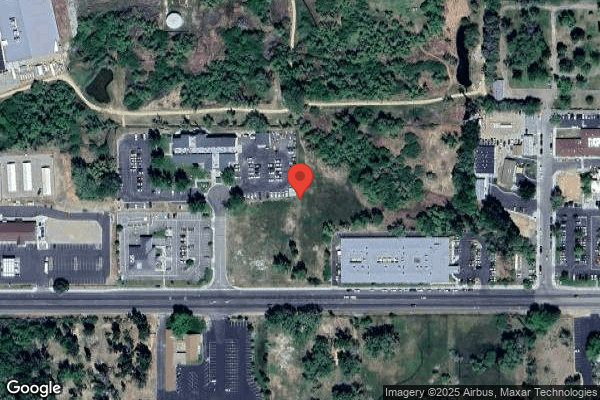
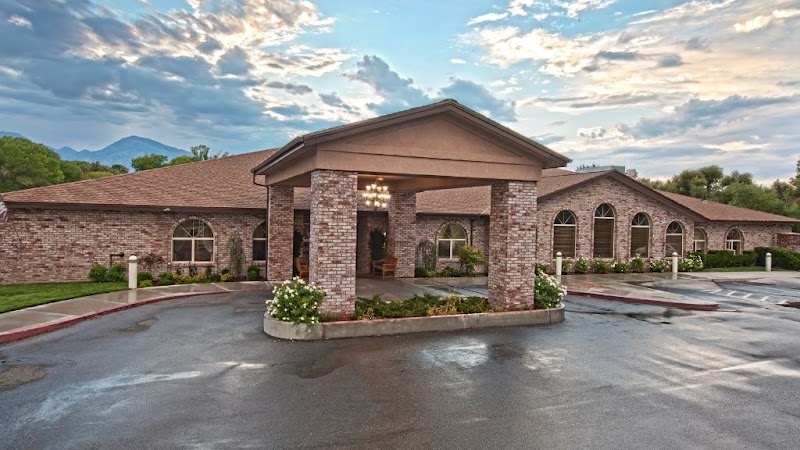
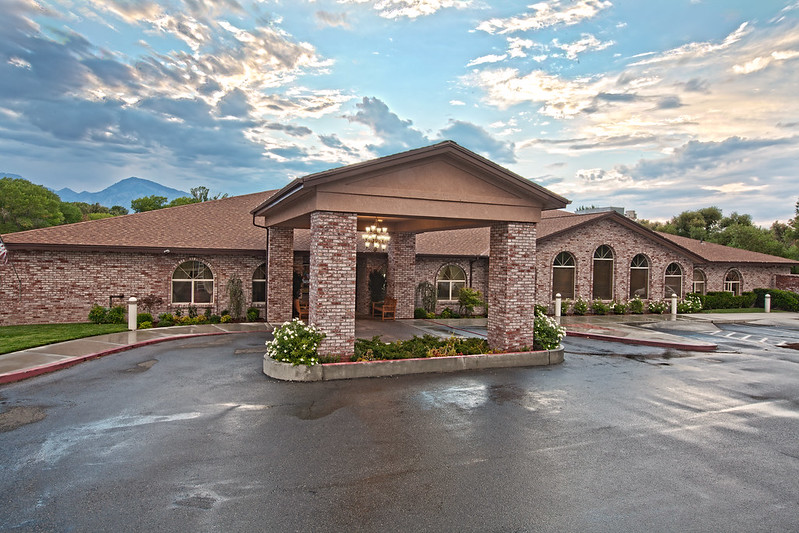
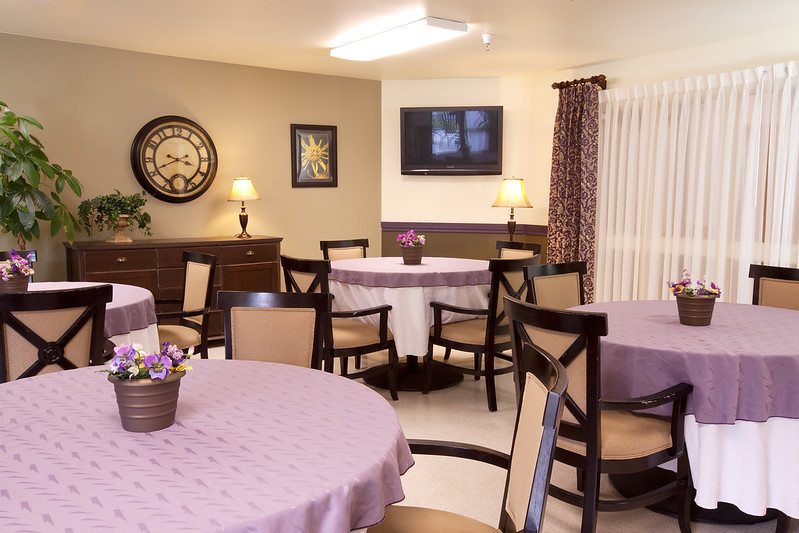
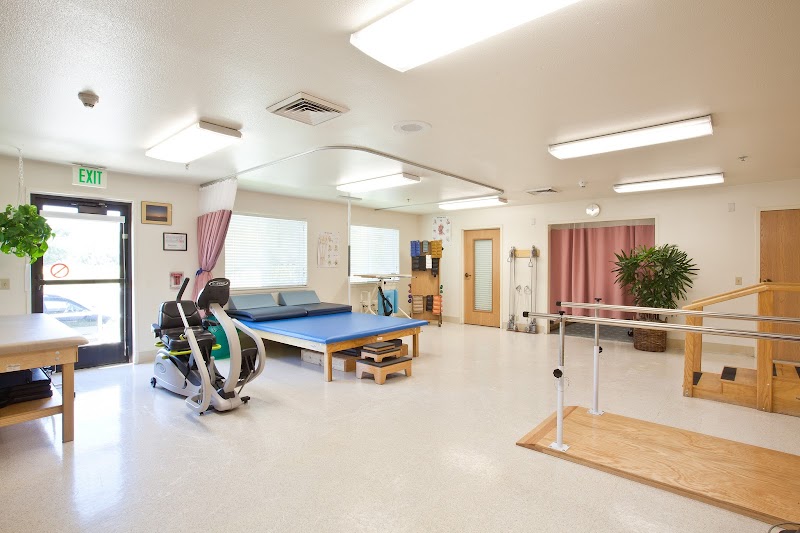
BISHOP CARE CENTER

151 PIONEER LANE, BISHOP, CA 93514 (760) 872-1000
For profit - Limited Liability company 99 Beds PACS GROUP Data: November 2025
Trust Grade
55/100
#535 of 1155 in CA
Last Inspection: March 2025

Within standard 12-15 month inspection cycle. Federal law requires annual inspections.

Overview

Bishop Care Center has a Trust Grade of C, which means it is average and sits in the middle of the pack compared to other facilities. It ranks #535 out of 1155 in California, indicating it is in the top half, but it is last in its county. The facility is improving, having reduced its issues from 11 in 2024 to 8 in 2025. While it has no fines, which is a positive sign, staffing is a concern with a low rating of 2 out of 5 stars and a high turnover rate of 55%, well above the state average. Specific incidents include a lack of sufficient staff to meet residents' needs, leading to potential safety risks, and an absence of a registered nurse for extended periods, which could compromise care quality. Overall, Bishop Care Center has strengths in its fine record but significant weaknesses in staffing that families should consider carefully.

Trust Score
C
55/100
In California
#535/1155
Top 46%
Safety Record
Low Risk
No red flags
Inspections
Getting Better
11 → 8 violations
Staff Stability
⚠ Watch
55% turnover. Above average. Higher turnover means staff may not know residents' routines.
Penalties
✓ Good
No fines on record. Clean compliance history, better than most California facilities.
Skilled Nurses
⚠ Watch
Each resident gets only 27 minutes of Registered Nurse (RN) attention daily — below average for California. Fewer RN minutes means fewer trained eyes watching for problems.
Violations
⚠ Watch
46 deficiencies on record. Higher than average. Multiple issues found across inspections.
★★★☆☆
3.0
Overall Rating
★★☆☆☆
2.0
Staff Levels
★★☆☆☆
2.0
Care Quality
★★★☆☆
3.0
Inspection Score
Stable
2024: 11 issues
2025: 8 issues

The Good

  • Full Sprinkler Coverage · Fire safety systems throughout facility
  • No fines on record

Facility shows strength in fire safety.

The Bad

3-Star Overall Rating

Near California average (3.1)

Meets federal standards, typical of most facilities

Staff Turnover: 55%

Near California avg (46%)

Frequent staff changes - ask about care continuity

Chain: PACS GROUP

Part of a multi-facility chain

Ask about local staffing decisions and management

Staff turnover is elevated (55%)

7 points above California average of 48%

The Ugly 46 deficiencies on record

Sept 2025 1 deficiency
CONCERN (D) 📢 Someone Reported This

A family member, employee, or ombudsman was alarmed enough to file a formal complaint

Potential for Harm - no one hurt, but risky conditions existed

Deficiency F0725 (Tag F0725)

Could have caused harm · This affected 1 resident

**NOTE- TERMS IN BRACKETS HAVE BEEN EDITED TO PROTECT CONFIDENTIALITY** F 725: Sufficient Staffing - [NAME] Care Center S/S D [NAME] S483.35 Nursing Services The facility must have sufficient nursing ...

Read full inspector narrative →
**NOTE- TERMS IN BRACKETS HAVE BEEN EDITED TO PROTECT CONFIDENTIALITY** F 725: Sufficient Staffing - [NAME] Care Center S/S D [NAME] S483.35 Nursing Services The facility must have sufficient nursing staff with the appropriate competencies and skills sets to provide nursing and related services to assure resident safety and attain or maintain the highest practicable physical, mental, and psychosocial well-being of each resident, as determined by resident assessments and individual plans of care and considering the number, acuity and diagnoses of the facility's resident population in accordance with the facility assessment required at S483.70(e). S483.35(a) Sufficient Staff. S483.35(a)(1) The facility must provide services by sufficient numbers of each of the following types of personnel on a 24-hour basis to provide nursing care to all residents in accordance with resident care plans: Intent:To assure that there is sufficient qualified nursing staff available at all times to provide nursing and related services to meet the residents' needs safely and in a manner that promotes each resident's rights, physical, mental and psychosocial well-being. F 725: Sufficient Staffing - [NAME] Care Center S/S D [NAME] Based on interview and record review, the facility failed to provide sufficient numbers of staff when six (6) out of 6 sampled days had less than 3.5 direct care service hours per patient day (DHPPD- the total number of hours worked per patient day divided by the average daily number of residents in the facility).This failure had the potential to result in unmet needs, such as psychosocial, physical needs, and safety concerns for 95 residents.Findings:An unannounced complaint investigation was conducted related to quality of care.During an interview with the Director of Nursing (DON) on August 11. 2025, at 4:00 PM, DON stated, We are short staffed mostly on night shift. The DON further stated three (3) Certified Nursing Assistants (CNA) recently quit and they are currently using travelers with the shortage.During a concurrent interview and record review on August 11 , 2025, at 4:15 PM, with the DON, the facility's document titled, Census and Direct Care Service Hours Per Patient Day (DHPPD- the number that results from dividing the actual nursing hours perform by direct caregivers per patient day and the number of residents in the facility), for dates: July 24, 2025 through July 29, 2025, were reviewed. The Census and Direct Care Service Hours Per Patient Day document indicated the following dates when the required 3.5 DHPPD hours was not met:a. July 24, 2025- 3.21 DHPPD (facility was short of 0.29)b. July 25, 2025 - 3.37 DHPPD (facility was short of 0.13)c. July 26, 2025- 2.33 DHPPD (facility was short of 1.17)d. July 27, 2025- 2.22 DHPPD (facility was short of 1.28)e. July 28, 2025- 3.48 DHPPD (facility was short of 0.2) A reference to a document titled All Facilities Letter (AFL) 18-12 [an official notice issued by the California Department of Public Health (CDPH) to licensed healthcare facilities to provides updates on regulations, policies, procedures, or urgent public health information that facilities must follow]. The AFL 18-12 indicated Skilled Nursing Facilities are required to provide a minimum of 3.5 direct care service hours per patient day, with a minimum of 2.4 performed by certified nurse assistants.During a review of the facility's policy titled, Staffing, Sufficient and Competent Nursing revised August 2022, was reviewed. The P&P indicated, Our facility provides sufficient numbers of staff with the appropriate skills and competency necessary to provide nursing and related care and services for all residents in accordance with resident care plans and the facility assessment. The DON acknowledged that the policy was not followed and acknowledged they were aware of having fewer DHPPD hours than required on the specified dates.
Jun 2025 1 deficiency
CONCERN (E) 📢 Someone Reported This

A family member, employee, or ombudsman was alarmed enough to file a formal complaint

Potential for Harm - no one hurt, but risky conditions existed

Deficiency F0725 (Tag F0725)

Could have caused harm · This affected multiple residents

Based on interview and record review, the facility failed to provide sufficient number of nursing staff when the 3.5 direct care service hours per patient day (DHPPD- the total number of hours worked ...

Read full inspector narrative →
Based on interview and record review, the facility failed to provide sufficient number of nursing staff when the 3.5 direct care service hours per patient day (DHPPD- the total number of hours worked per patient day divided by the average daily number of residents in the facility) staffing requirement was not met. This failure had the potential to result in unmet resident's needs, such as psychosocial, physical needs, and safety concerns for 95 vulnerable residents. Findings: An unannounced visit was conducted on June 9, 2025, to investigate a complaint with allegations that included quality of care and staffing concern. During a telephone interview on June 9, 2025, at 4:08 PM, with the License Vocational Nurse (LVN 1), LVN 1 reported that on May 18, 2025, she observed the call light was activated for 40 minutes without the Certified Nursing Assistant (CNA) present to respond to it. During a concurrent telephone interview and record review on June 11, 2025, at 3:30 PM, with the Director of Staff Development (DSD), the facility's staffing waiver for Certified Nursing Assistant (CNA), issued by the California Department of Public Health was examined. The staffing waiver document indicated approval for 2.4 [hours] DHPPD for CNA, valid from July 1, 2024 to June 30, 2025, under the following conditions: .2. The facility shall provide a minimum of no less than 3.5 direct care service hours per patient day . Additionally, the facility staffing assignments from May 18, 2025 through June 10, 2025, were reviewed with the DSD. The staffing assignment indicated the waiver condition to provide 3.5 direct care service hours per patient day was not met on the following dates: a. May 18, 2025 - actual DHPPD was 2.50 hours (short by 1) b. June 6, 2025 - actual DHPPD was 3.07 hours (short by 0.43) c. June 7, 2025 - actual DHPPD was 2.81 hours (short by 0.69) d. June 8, 2025 - actual DHPPD was 2.72 hours (short by 0.78) e. June 9, 2025 - actual DHPPD was 2.97 hours (short by 0.53) The DSD acknowledged the facility did not meet the staffing requirements on the above dates and emphasized the necessity of adequate staffing for patient safety. During a telephone interview on June 11, 2025, at 3:42 PM, with the Director of Nursing (DON), the DON acknowledged, the facility failed to meet the required staffing requirements on May 18, 2025, June 6, 2025, through June 9, 2025. Furthermore, the DON indicated inadequate staffing can adversely affects the quality of care, skin care, and all facets of resident care and safety.
Apr 2025 1 deficiency
CONCERN (D) 📢 Someone Reported This

A family member, employee, or ombudsman was alarmed enough to file a formal complaint

Potential for Harm - no one hurt, but risky conditions existed

Report Alleged Abuse (Tag F0609)

Could have caused harm · This affected 1 resident

**NOTE- TERMS IN BRACKETS HAVE BEEN EDITED TO PROTECT CONFIDENTIALITY** Based on interview and record review, the facility failed to report for one of 3 sampled residents (Resident 1) per there policy...

Read full inspector narrative →
**NOTE- TERMS IN BRACKETS HAVE BEEN EDITED TO PROTECT CONFIDENTIALITY** Based on interview and record review, the facility failed to report for one of 3 sampled residents (Resident 1) per there policy and procedure to the state agency and the local ombudsman for an alleged abuse/ injury of unknown cause. This failure has the potential to put (Resident 1) health, safety and well-being at risk. Findings: During review of Residents 1's admission Record (general demographics), the document indicated Resident 1 was admitted to the facility on [DATE], with diagnoses to include: Alzheimer's (disease destroys memory and mental functions), osteoarthritis (bones wear down), benign prostatic hyperplasia (enlargement gland causing urination difficulty), lack of coordination. During a review concurrent interview and record review of Resident 1's Medical Record reviewed are as follows: 1. March 01,2025, at 0612 Nurse Note: 1cm redness noted to resident Right side of face above eyebrow. No s/s of trauma, no bleeding, no drainage noted at this time. Will endorse to AM nurse. 2. March 01, 2025, at 1324 Social Service Note: Resident Power Of Attorney (POA) came to this writer with concerns regarding marks on resident face. Per notes from night nurse resident had small scratch above eyes. POA is concerns with discolorations of nose, and that resident has more than scratch above his left eye. She is requesting investigation to find out what happened with the resident. Director of Nursing (DON) and administrator notified. 3. March 06, 2025, SOC341, submitted to state agency. (facility could not provide 5 Day investigation). During an interview on April 01, 2025, with the Certified Nursing Assistant (CNA1), the CNA1 stated, I worked with Resident 1 on February 28,2025, he was good, nothing on his face. My shift ended CAN 2 took over for me, Saturday morning 6:30AM I came back and then that when supervisor told me he had bruises on his face, cheek area. I was confused because that's not how we left him. We used pillows on bed rales for him not to hit self. The Director of Staff Development (DSD) assistant interviewed me, then on Monday (DSD) interviewed me. They proceeded with Resident 1 sister; she was here Saturday they had meeting with her. On Saturday, his left side of face redness some bruising and nose scratches. If I would have seen this, I would report to the nurse. During an interview on April 01, 2025, with the Certified Nursing Assistant (CNA2), the CNA2 stated, I work 11PM-7AM shift, when I first arrived on shift February 28, 2025, I didn't notice anything to Resident 1 face, he is usually up during the night, he calmed around down 1:00AM, that's when I do my rounds. When I checked on his, I didn't notice his face, at 3:00AM I noticed redness to left side to face, I explained to the License Vocational Nurse (LVN) it's the first time I seen it. She told me she was going to chart it. At 6:30AM I got him up and the redness was still there I notified the LVN that it looked the same from 3:00AM. It looked like red like when you are laying too long, not a bruise no open wound, no blood. I didn't get a clean view of his face with light on until 3AM. During an interview on April 01, 2025, with the License Vocational Nurse (LVN), the LVN stated, The CAN did mention a small abrasion to side of his face, prior to endorsement his nails were jagged, but his sister or mom (I don't know who it is) cuts his nails and does not let staff doing it. The redness, it did not look open, he was not bleeding. I cannot say it was 100% how he got it, it was that night or the day before. I wrote a note on this, I let the next nurse and DON know about this. I did not think it needed to be reported, or investigated, I personally felt it didn't look intentional. It didn't seem anything more than or intentional. I did leave a voicemail to family sister, that was my last day working with him after that I don't know what happened. The DON said she would look into it and notify the doctor and wound care. For unknown injuries we document and endorse to next nurse and notify the DON. During an interview on April 01, 2025, with the Director of Staff Development (DSD), the DSD stated, I spoke with Resident 1 sister, she called me regarding the scratches to his face. I got statements from the staff, they were not able to identify where they came from, he did have long nails at the time when scratches occurred. They place padding on bedrails to prevent him grazing against bed rails. We did not know where the scratches came from. I was notified approx. March 03 or 04 2025, I spoke with Administrator and DON, the DON did the investigation and gathered statements I got from the CNAs. We are only speculating we don't know they came from. I think it occurred on NOC shift. I'm assuming it was reported, the sister spoke with the DON and administrator. We do a SOC341 form, it would have been DON to report. I think this was reportable, no intent to cause harm. It should have been reported. The sister told me, the CNAs did report to the nurses. There should have been a progress note. The sister wanted this investigated. A few days after the ombudsman talked to me and she interviewed the CNAs. I can agree, this should have been reported sooner. During an interview on April 01, 2025, with the Administrator (Admin), the Admin stated, On March 01, 2025 I heard about it this, the sister noticed the markings, we interviewed and got statements from CNAs, we had them write the statements. The sister asked us what happened, she wanted an investigation. After reviewing the SOC341 (a report of suspected abuse form), this was sent March 06, 2025, to the state agency. I don't know about the 5-day investigation, I gave it to DON to do. (facility could not provide 5Day investigation report). During a review of the facility's policy and procedure titled, Abuse, Neglect, Exploitation or Misappropriation- Reporting and Investigating revised September 2022, the policy and procedure indicated, All reports of resident abuse (including injuries of unknown origin), neglect, exploitation, or theft/ misappropriation of resident property are reported to local, state and federal agencies (as required by current regulations) and thoroughly investigated by facility management. Findings of all investigations are documented and reported . 2. The administrator or the individual making the allegation immediately reports his or her suspicion to the following persons or agencies: a. The state licensing/certification agency responsible for surveying/licensing the facility; b. The local/state ombudsman; c. The resident's representative .3.Immediately is defined as: a. within two hours of an allegation involving abuse or result in serious bodily injury; orb. Within 24 hours of an allegation that does not involve abuse or result in serious bodily injury.
Apr 2025 1 deficiency
CONCERN (F) 📢 Someone Reported This

A family member, employee, or ombudsman was alarmed enough to file a formal complaint

Potential for Harm - no one hurt, but risky conditions existed

Deficiency F0725 (Tag F0725)

Could have caused harm · This affected most or all residents

Based on interview and record review, the facility failed to provide sufficient numbers of staff when 52 sampled days from October ' 2024 till March ' 2025 had less than 3.5 direct care service hours ...

Read full inspector narrative →
Based on interview and record review, the facility failed to provide sufficient numbers of staff when 52 sampled days from October ' 2024 till March ' 2025 had less than 3.5 direct care service hours per patient day (DHPPD- the total number of hours worked per patient day divided by the average daily number of residents in the facility). This failure had the potential to result in unmet needs, such as psychosocial, physical needs, and safety concerns for 97 residents. Findings: During an interview with Certified Nurse Assistant 1 (CNA 1) on April 1. 2025, at 3:10 PM. CNA 1 stated we are unable to provide 1:1 care to one of our residents who wander off to other resident ' s room due to not having enough staff. We also have 2 CNA ' s that recently quit, and they have not found any replacement. CNA 1 also stated We recently had a meeting, and we were told by management that we are not using registry anymore. We have not had any registry in the facility. During an interview with Certified Nurse Assistant 2 (CNA 2) on April 1,2025 at 3:20 PM, CNA2 stated We are short staff on PM and NOC, especially when there ' s sick calls. We are short staff lately due to Travelers not working anymore and we also have 2 CNA that recently quit with no replacement at this time. During a concurrent interview and record review on April 1, 2025, at 3:45 PM, with the Acting Director of Nursing (DON), DON stated that we are still having issues with not enough staffing especially whenever we get sick calls. I ' m the MDS nurse, RN and now the acting DON because our current DON just resigned yesterday. When acting DON asked about the DHPPD hours below the minimum required hours. Acting DON stated that Director of Staff Developer (DSD), previous DON and Administrator (ADM) are aware. During record review on April 1, 2025, at 4:00 PM, with the Acting Director of Nursing (DON), the facility ' s policy and procedure (P&P), titled, Staffing, revised in April 2007, was reviewed. The P&P indicated, Our facility provides adequate staffing to meet needed care and services for our resident population. The acting DON stated the policy was not followed. During a phone interview with DSD on April 1,2025 at 4:15 PM, DSD stated We are aware that our DHPPD hours are less that 3.5 hours especially on those days when staff calls off. We are in a Rural area and it ' s difficult to get staff. When DSD asked if the facility admitting residents with low staffing, and she stated that it is the ADM ' s decision. During record review of DHPPD hours on April 1,2025, at 4:30 PM, it indicated, the Actual DHPPD was less than 3.5 hours on the following dates, October 5,2024- 3.0, October 6, 2024- 3.39, October 12, 2024- 3.09 , October 13, 2024,-3.13, October 19, 2024- 3.17, October 20, 2024,-3.21, October 26, 202- 2.77, October 27, 2024- 2.82, November 02, 2024- 3.25, November 03, 2024- 3.33, November 9, 2024- 3.36, November 10, 2024- 2.61, November 16,2024- 3.00, November 17, 2024- 2.69, November 23, 2024- 3.23, November 24, 2024- 2.99, November 30, 2024- 3.05, December 07, 2024- 2.83, December 08,2024- 3.10, December 14,2024- 2.45, December 15,2024- 3.06, December 21,2024- 3.42, December 22,2024- 3.36, December 28,2024- 2.91, December 29,2024- 2.90, January 05,2024 – 3.00, January 18,2025- 3.16, January 25,2025- 3.06, January 26/2025- 2.91, February 01,2025- 3.22, February 09/2025- 3.23, February 15, 2025- 2.92, February 22,2025 2.90, February 23,2025- 3.19, March 01,2025 – 3.22, March 02,2025 – 2.67, March 08,2025- 3.09, March 09,2025 – 3.09, March 13,2025 – 3.27, March 15,2025 – 2.16, March 16,2025 – 2.25, March 17,2025 – 3.02, March 18, 2025 – 3.25, March 19, 2025 2.85, March 20,2025 – 2.86, March 22,22025 – 2.47, March 23, 2025 – 2.41, March 25,2024 – 3.09, March 27/2025 – 2.86, March 28, 2025 – 2.48, March 29, 2025 – 2.23, March 30, 2025 – 2.95. During interview and record review of the document titled, Census and Direct Care Service Hours Per Patient Day with ADM on April 1,2025, at 6:00 PM, ADM acknowledged the facility did not meet the DHPPD required. ADM stated Yes, I ' m aware we are below the 3.5 minimum required hours. Since the beginning of 2025, we hired 6 RN ' s, 1 LVN ' s and 2 CNAs. We currently have 7 CNA ' s that are still doing their classes and Training. We are actively hiring to alleviate our staffing issues. During phone interview on April 14, 2025, at 10:32 AM, with the ADM, the facility ' s staffing waiver with a valid date of July 1, 2024, to June 30, 2025, which indicated, .2. The facility shall provide a minimum no less than 3.5 direct care service hours per patient day. 4. The facility shall employ, and schedule additional staff as needed to ensure quality resident care based on the needs of individual residents and to ensure compliance with all applicable state and federal staffing requirements . The ADM acknowledged the waiver was not followed during some days from October ' 2024 through March ' 2025 due to the DHPPD being below 3.5 . ADM stated we are working diligently in hiring Full Time staff so patient care is not affected and for the staff working to have enough help. .
Mar 2025 1 deficiency
CONCERN (D)

Potential for Harm - no one hurt, but risky conditions existed

Deficiency F0727 (Tag F0727)

Could have caused harm · This affected 1 resident

Based on interview, record review, and facility document and policy review, the facility failed to ensure there was registered nurse (RN) coverage eight consecutive hours, seven days a week for 6 days...

Read full inspector narrative →
Based on interview, record review, and facility document and policy review, the facility failed to ensure there was registered nurse (RN) coverage eight consecutive hours, seven days a week for 6 days (10/23/2024, 11/17/2024, 11/24/2024, 12/01/2024, 12/08/2024, and 12/22/2024) during Fiscal Year (FY) 2025, Quarter 1 (October 2024, November 2024, and December 2024) and 3 days (02/23/2025, 03/01/2024, and 03/02/2025) during the timeframe from 02/11/2025 through 03/11/2025. Findings included: A facility policy titled, Staffing, Sufficient and Competent Nursing, revised 08/2022, specified, Our facility provides sufficient numbers of nursing staff with the appropriate skills and competency necessary to provide nursing and related care and services for all residents in accordance with resident care plans and the facility assessment. The policy indicated, 3. A registered nurse [RN] provides services at least eight (8) consecutive hours every 24 hours, seven (7) days a week. RNs may be scheduled more than eight (8) hours depending on the acuity needs of the resident. A PBJ [Payroll-based Journal] Staffing Data Report CASPER [Certification and Survey Provider Enhanced Reports] Report 1705D FY Quarter 1 2025 (October 1 - December 31), with a run date of 03/05/2025, revealed the facility triggered for No RN Hours on the following Sundays: 10/13/2024, 11/17/2024, 11/24/2024, 12/01/2024, 12/08/2024, and 12/22/2024. Cross-reference of a facility schedule dated 10/13/2024 with a facility schedule for the timeframe from 02/11/2025 through 3/11/2025, highlighted in green by the facility to indicate which nurses were RNs, revealed there was no RN scheduled to work in the facility on 10/13/2024. Cross-reference of a facility schedule dated 11/17/2024 with a facility schedule for the timeframe from 02/11/2025 through 3/11/2025, highlighted in green by the facility to indicate which nurses were RNs, revealed there was no RN scheduled to work in the facility. A Nursing Staffing Assignment and Sign-In Sheet, dated 11/17/2024, revealed the Director of Nursing (DON) was scheduled on call from 8:00 AM to 4:00 PM. Cross-reference of a facility schedule dated 11/24/2024 with a facility schedule for the timeframe from 02/11/2025 through 3/11/2025, highlighted in green by the facility to indicate which nurses were RNs, revealed there was no RN scheduled to work in the facility. A Nursing Staffing Assignment and Sign-In Sheet, dated 11/24/2024, revealed the DON was scheduled on call from 8:00 AM to 4:00 PM. Cross-reference of a facility schedule dated 12/01/2024 with a facility schedule for the timeframe from 02/11/2025 through 3/11/2025, highlighted in green by the facility to indicate which nurses were RNs, revealed there was no RN scheduled to work in the facility. A Nursing Staffing Assignment and Sign-In Sheet, dated 12/01/2024, revealed the DON was scheduled on call from 8:00 AM to 4:00 PM. Cross-reference of a facility schedule dated 12/08/2024 with a facility schedule for the timeframe from 02/11/2025 through 3/11/2025, highlighted in green by the facility to indicate which nurses were RNs, revealed there was no RN scheduled to work in the facility. A Nursing Staffing Assignment and Sign-In Sheet, dated 12/08/2024, revealed the DON was scheduled on call from 8:00 AM to 4:00 PM. Cross-reference of a facility schedule dated 12/22/2024 with a facility schedule for the timeframe from 02/11/2025 through 3/11/2025, highlighted in green by the facility to indicate which nurses were RNs, revealed there was no RN scheduled to work in the facility. A Nursing Staffing Assignment and Sign-In Sheet, dated 12/22/2024, revealed the DON was scheduled on call from 8:00 AM to 4:00 PM. A facility schedule for the timeframe from 02/11/2025 through 3/11/2025, highlighted in green by the facility to indicate which nurses were RNs, revealed there was no RN scheduled for 02/23/2025 and 03/02/2025. Additionally, the schedule revealed there was an RN scheduled for only four hours on 03/01/2025. During an interview on 03/12/2025 at 9:20 AM, RN #3 stated there had been times when there was no RN scheduled to work in the facility. RN #3 stated that RNs were needed in the facility to administer treatments that licensed vocational nurses (LVNs) were not trained to do. During an interview on 03/12/2025 at 9:31 AM, the DON stated that an RN needed to be in the building seven days a week for eight consecutive hours each day. She stated she was on-call for some of the weekends that had no RN coverage in the facility. She clarified that being on-call was different from being in the facility, adding that on-call did not mean she was physically present in the facility. The DON stated the facility was not meeting the regulatory requirement and said the facility's schedule needed to be rearranged. During an interview on 03/12/2025 at 9:57 AM, Acting Administrator #1 and Acting Administrator #2 confirmed there needed to be an RN in the building eight consecutive hours a day, seven days a week. They both stated not having RN coverage in the building could be avoided with some reorganization of the schedule.
Feb 2025 1 deficiency
CONCERN (D) 📢 Someone Reported This

A family member, employee, or ombudsman was alarmed enough to file a formal complaint

Potential for Harm - no one hurt, but risky conditions existed

Deficiency F0725 (Tag F0725)

Could have caused harm · This affected 1 resident

Based on interview and record review, the facility failed to provide sufficient numbers of staff when 3 out of 5 sampled days (January 9, 2025-January 13, 2025) had less than 3.5 direct care service h...

Read full inspector narrative →
Based on interview and record review, the facility failed to provide sufficient numbers of staff when 3 out of 5 sampled days (January 9, 2025-January 13, 2025) had less than 3.5 direct care service hours per patient day (DHPPD- the total number of hours worked per patient day divided by the average daily number of residents in the facility). This failure had the potential to result in unmet needs, such as psychosocial, physical needs, and safety concerns for 93 residents. Findings: During interview with the Administrator (Admin) on January 22. 2025, Informed issues of staffing, (Admin) states, It's up to me to admit residents, I rely on my staff also, we have said no to admitting residents due to staffing. I listen to the staff; I never want the quality of care to go down. I'm not halting any hiring; we are hiring and have registry. During a concurrent interview and record review on January 22,2025 at 9:20 AM, with Director of Nursing (DON), the facility's policy and procedure (P&P), titled, Staffing, revised October 2017, was reviewed. The P&P indicated, Our facility provides sufficient numbers of staff with the skills and competency necessary to provide care and services for all residents in accordance with resident care plans and the facility assessment . The DON stated the policy was not followed. During a concurrent phone interview and record review on February 11 , 2025, at 11:15 AM, with DON, the facility's document titled, Census and Direct Care Service Hours Per Patient Day (DHPPD- the number that results from dividing the actual nursing hours perform by direct caregivers per patient day and the number of residents in the facility), for dates: January 9, 2025 thru January 13, 2025, were reviewed. The DHPPD indicated, the Actual DHPPD was 3.33 (facility was short of 0.17) on January 9, 2025, Actual DHPPD was 3.31 (facility was short of 0.19) on January 11, 2025, and Actual DHPPD was 3.15 (facility was short of 0.35) on January 12, 2025. The DON acknowledged the facility did not meet the DHPPD required for those dates. During a concurrent phone interview and record review on February 11, 2025, at 11:25 PM, with the DON, the facility's staffing waiver for certified nursing assistant (CNA), with a valid date of July 1, 2024, to June 30, 2025, which indicated, .2. The facility shall provide a minimum no less than 3.5 direct care service hours per patient day. 4. The facility shall employ, and schedule additional staff as needed to ensure quality resident care based on the needs of individual residents and to ensure compliance with all applicable state and federal staffing requirements . The DON acknowledged the waiver was not followed on January 9, 2025, January 11, 2025, and January 12, 2025, due to the DHPPD being below 3.5 and stated it was important to have enough staff so patient care is not affected and for the staff working to have enough help. .
Feb 2025 1 deficiency
CONCERN (D) 📢 Someone Reported This

A family member, employee, or ombudsman was alarmed enough to file a formal complaint

Potential for Harm - no one hurt, but risky conditions existed

Deficiency F0692 (Tag F0692)

Could have caused harm · This affected 1 resident

**NOTE- TERMS IN BRACKETS HAVE BEEN EDITED TO PROTECT CONFIDENTIALITY** Based on observation, interview, and record review, the facility failed to ensure three of five residents (Residents 1,2, and 3)...

Read full inspector narrative →
**NOTE- TERMS IN BRACKETS HAVE BEEN EDITED TO PROTECT CONFIDENTIALITY** Based on observation, interview, and record review, the facility failed to ensure three of five residents (Residents 1,2, and 3) received or were offered fluids during the day and night. This failure had the potential in putting Residents 1, 2 and 3's health and safety at risk when not receiving fluids to meet daily requirements consistent with resident's comprehensive assessment. Findings: 1. During review of Residents 1's admission Record (general demographics), the document indicated Resident 1 was admitted to the facility on [DATE], with diagnoses to include: contracture of left and right lower leg (tightening of muscle, tendon, prevents normal movement), thyrotoxicosis (life threatening condition, overactive thyroid), blindness in one eye (unable to see). During a concurrent observation and interview on January 21, 2025, with Resident 1 (R1), R1 stated, It happened 3 times, left me in soiled dirty diapers. All three times the CNA came in told me I will be back to change you. They never empty my urinal (observation urinal on bedside table half full, water pitcher empty) They come in look at it and walk out instead of dumping it. I asked my CNA for a refill on water a while ago and she has yet to come back. This is all the time. 2. During review of Residents 2's admission Record (general demographics), the document indicated Resident 2 was admitted to the facility on [DATE], with diagnoses to include: hemiplegia and hemiparesis following cerebral infarction (weakness and loss of movement to one side due to stroke, brain tissue has no blood flow), hypertension (high blood pressure), diabetes type II (body does not produce enough insulin). During an interview on January 21, 2025, at 3:34PM with Resident 2 (R2) R2 stated, It' takes about 1 hour to get assistance. It's a hit and miss but the usually it's an hour or more, I pull my cord, and I have (R1) call as well to get someone in here. I do have water here, but I must constantly ask for it, they don't just bring us water or check we have water. 3. During review of Residents 3's admission Record (general demographics), the document indicated Resident 3 was admitted to the facility on [DATE], with diagnoses to include: congested heart failure (heart doesn't pump blood as well), hypertension (high blood pressure), muscle weakness, lesion of sacral spinal cord (damage to the nerves can cause loss of bladder, pain and difficulty walking.) During an interview on January 21, 2025, with Resident 3 (R3), R3 states, they do take 30 minutes to an hour to get assistance. I must call to get water; then don't refill it, you need to call every time to get more water. During an interview on January 21, 2025, at 5:10PM with a Certified Nursing Assistant (CNA1), CNA1 stated, The water pitcher the white color is for day shift, someone passes them out 8:00AM, snacks and another water pass are around 11:00 AM then another snacks. Night shift CNAs we pass out water and offer it to residents. I will ask my residents if they need water. During an interview on January 21, 2025, at 5:13PM, with CNA2, CNA2 stated, We pass out water twice on our shift, [a staff assigned] at 9:30AM and 2:30PM, if the residents' water runs out, the resident asks for water. During an interview on January 22, 2025, at 9:02AM with the Kitchen Supervisor (KS), KS stated, the ice machine storage room is where the clean trays of clean water pitchers are for residents. We are constantly washing the water pitchers. The water pitcher color for morning is white and night is red color pitcher, there are some red pitchers in Ice machine room, I have more in storage. During an interview on January 22, 2025, at 9:12AM, with CNA3, CNA3 stated, I am starting off late today, but usually I start 6:30AM, all water pitchers are passed before 8:00AM, then I go on to pass trays and feed residents. At 9:30AM I start snacks. The white colored pitchers are in morning and the red colored are in the afternoon. When I'm not here I don't know who passes out the water, it should be the CNAs. I'm running late today, and someone should be passing water around 3:00PM. During on Observation on January 22, 2025, at 9:30AM, room [ROOM NUMBER] A and B bed did not have red colored pitcher from night shift, white pitchers were noted with no water in them for the residents in A and B bed. Surrounding rooms were observed to have white water pitchers, not maroon colored water pitchers as is should be, since no water has been passed out yet. Interview with CNA3, stated, the water pitchers should be red colored because I have yet to pass out water this morning, they should not have been white pitchers. During record review on January 21, 2025, at 11:07AM, A review of the Resident Council minutes indicated the following: 1. December 19, 2024: Residents discussed concerns about: Staffing, not getting water hydration and snacks at night and call lights not being answered. 2. November 21, 2024: Residents discussed concerns about: Staffing (not enough), staff ignoring call lights, looking at their phones, they don't get help. During an interview, with the Director of Nursing (DON), what date and time? The DON stated, Regarding the hydration, Hospitality (CNA 3) does this, the hydration is done by her in the morning shifts, the rest of passing water pitchers and offerings are done by the CNAs and license. It's the CNAs' responsibility to be handing out fresh water. Informed DON of observations. The DON stated, It should had been a red or burgundy color [water pitcher] because if CNA3 did not yet pass out the waters in the morning, the water pitcher should still have been burgundy color from PM shift. [NAME] pitcher is for morning shift. I know they get very busy, and we do have issues with staffing. I can agree the staff should be hydrating residents on all shifts. During a review of the facility's policy and procedure titled, Activities of Daily Living (ADLs), Supporting revised [March 2018], the policy and procedure indicated, Residents will be provided with care, treatment and services as appropriate to maintain or improve their ability to carry out activities of daily living (ADLs). Residents who are unable to carry out activities of daily living independently will receive the services necessary to maintain good nutrition, grooming and personal and oral hygiene. During a review of the facility's policy and procedure titled, Resident Hydration and Prevention of Dehydration revised [October 2017], the policy and procedure indicated, This facility will strive to provide adequate hydration and to prevent and treat dehydration.
Feb 2025 1 deficiency
CONCERN (D) 📢 Someone Reported This

A family member, employee, or ombudsman was alarmed enough to file a formal complaint

Potential for Harm - no one hurt, but risky conditions existed

Quality of Care (Tag F0684)

Could have caused harm · This affected 1 resident

**NOTE- TERMS IN BRACKETS HAVE BEEN EDITED TO PROTECT CONFIDENTIALITY** Based on observation, interview and record review the facility failed to follow its Activities of Daily Living ADLs policy and p...

Read full inspector narrative →
**NOTE- TERMS IN BRACKETS HAVE BEEN EDITED TO PROTECT CONFIDENTIALITY** Based on observation, interview and record review the facility failed to follow its Activities of Daily Living ADLs policy and procedure for 3 of 3 sampled Residents (Resident's 1,2 and 3) when: 1. Resident 1 used call light to get staff attention for help, waiting over an hour. 2. Resident 2 was left soiled for a long period of time. 3. Resident 3 used call light along with roommates to help call to get assistance that took over an hour. This failure has the potential to cause (Resident's 1,2, and 3) health and safety at risk for skin break down. Findings: During interview and Records Reviewed with (Resident 1,2, and 3) indicates as followed: 1. During review of Residents 1's admission Record (general demographics), the document indicated Resident 1 was admitted to the facility on [DATE], with diagnoses to include: chronic pulmonary disease (lung disease that block airflow and makes difficult to breath), idiopathic peripheral autonomic neuropathy (damage to nerves causing dizziness, sweating, bladder problems), cachexia (great weight loss and muscle loss, tiredness and loss of strength). During an interview on January 21, 2025, at 3:24PM with Resident 1 (R1) R1 states, the CNAs are short staffed at night about a week ago, I had to pound to get her attention, I understand because they are with other patients. But they are short staffed. That day I was so weak; I couldn't help myself and I needed help. 2. During review of Residents 2's admission Record (general demographics), the document indicated Resident 2 was admitted to the facility on [DATE], with diagnoses to include: contracture of left and right lower leg (tightening of muscle, tendon, prevents normal movement), thyrotoxicosis (life threatening condition, overactive thyroid), blindness in one eye (unable to see). During an observation and interview on January 21, 2025, at 3:34PM, with Resident 2 (R2), R2 states, It happened 3 times, left me in soiled dirty diapers. All three times the CNA came in told me I will be back to change you; she did not come back. This happened at around 2:00AM and I got changed by morning shift around 09:00AM. They never empty my urinal (observation urinal on bedside table half full, water pitcher empty) They come in look at it and walk out instead of dumping it. I asked my CNA for a refill on water a while ago and she has yet to come back. This is all the time. 3. During review of Residents 3's admission Record (general demographics), the document indicated Resident 3 was admitted to the facility on [DATE], with diagnoses to include: hemiplegia and hemiparesis following cerebral infarction (weakness and loss of movement to one side due to stroke, brain tissue has no blood flow), hypertension (high blood pressure), diabetes type II (body does not produce enough insulin). During an interview on January 21, 2025, at 3:42PM, with Resident 3 (R3) R3 states, It' takes about 1 hour to get assistance. It's a hit and miss but the usually it's an hour or more, I pull my cord, and I have (R2) call as well to get someone in here. I do have water here, but I must constantly ask for it, they don't just bring us water or check we have water. During an interview on January 21, 2025, at 5:10PM, with Certified Nursing Assistant CNA (CNA1) CNA1 states, there was a time, about 2 months ago, Resident 2 did complain he wasn't changed for a long time. I usually go to the nurse and give her a time frame resident told me and tell the Director of Staff Development (DSD). Some residents just complaint about not wanting this (CNA2). I think not answering call light over an hour is excessive and should not happened for resident. During an interview on January 21, 2025, at 5:13PM, with CNA3, CNA3 states, (CNA2) told me she changed Resident 2 at 3AM, but the resident was upset and told me I was waiting since 3 AM, he wanted to talk to the DSD because he was left soiled. I changed him, he had a bowel movement, it was dry by then. He was asking for water also. (CNA2) was asked, hey can you change Resident 2 before you leave and she said no she had to go pick up her daughter. During interview with the Director of Staff Development (DSD), DSD states, the only thing I heard from Resident 2 is, I think he asked CNA2 to get water, and she didn't return. At that time, we were short staffed, and she got called with another resident and she did forget to return. When I get complaints, I do a verbal with the CNA, education and disciplinary, suspension or termination depending on the issues. No resident should be left soiled, it is considered abuse. There is no excuse for lack of care, I know it wasn't malicious on the CNAs part, some days we are short staffed. During an interview with the Director of Nursing (DON), DON states, I know the CNAs get very busy and we do have issues with staffing. It's neglect the resident should not be left solid. They should not be left like this. I can agree this should not be happening. Call lights should be answered and there should be a system in place involving the nursing staff to help assist with the CNAs are with other residents. During interview with the Administrator (Admin) on January 22. 2025, Informed issues of staffing, quality of care, resident left soiled, staff not answering call lights. And residents complaining of no water being given not even when asking the staff. (Admin) states, It's up to me to admit residents, I rely on my staff also, we have said no to admitting residents due to staffing. I listen to the staff; I never want the quality of care to go down. I'm not halting any hiring; we are hiring and have registry. During a review of the facility's policy and procedure titled, Activities of Daily Living (ADLs), Supporting revised [March 2018], the policy and procedure indicated, Residents will be provided with care, treatment and services as appropriate to maintain or improve their ability to carry out activities of daily living (ADLs). Residents who are unable to carry out activities of daily living independently will receive the services necessary to maintain good nutrition, grooming and personal and oral hygiene. During a review of the facility's policy and procedure titled, Daily Work Assignments revised [August 2006], the policy and procedure indicated, All nursing service personnel shall follow daily work assignments and perform assigned duties in accordance with professional standards of practice and facility policy, 2. CNAs and trainees are expected to carry out their daily assignments in a professional manner and in accordance with established nursing procedures . During a review of the facility's policy and procedure titled, Answering the Call light revised [October 2010], the policy and procedure indicated, The purpose of this procedure is to respond to the resident request and needs .6. Some residents may not be able to use their call light. Be sure you check these residents frequently. 3. Listen to the resident request. 5. If you have promised the resident you will return with an item or information, do so promptly .
Oct 2024 1 deficiency
CONCERN (D) 📢 Someone Reported This

A family member, employee, or ombudsman was alarmed enough to file a formal complaint

Potential for Harm - no one hurt, but risky conditions existed

Deficiency F0804 (Tag F0804)

Could have caused harm · This affected 1 resident

**NOTE- TERMS IN BRACKETS HAVE BEEN EDITED TO PROTECT CONFIDENTIALITY** Based on observation, interview, and record review, the facility failed to adhere to its food and nutrition services policy when...

Read full inspector narrative →
**NOTE- TERMS IN BRACKETS HAVE BEEN EDITED TO PROTECT CONFIDENTIALITY** Based on observation, interview, and record review, the facility failed to adhere to its food and nutrition services policy when three of three sampled residents (Resident 1, 2, & 3) were served meals that were not presented at an appetizing temperature. This failure may decrease resident ' s appetite and has the potential to adversely affect the well-being of clinically compromised Residents (Residents 1, 2, & 3) when their meals were served cold. Findings: During a review of Resident 1 ' s admission record (It contains important information about the patient such as their personal details, the reason for their admission, and their medical history),the document indicated Resident 1 admitted to the facility on [DATE], with a diagnosis that included hyperlipidemia (also known as a high cholesterol, a condition where too many fats, or lipids in the blood). During a review of the clinical record for Resident 1 ' s the Brief Interview for Mental Status (BIMS- screening tool to identify and monitor cognitive decline), dated July 7, 2024, indicated, Resident 1 ' s score was a 13, which indicated Resident 1 had no mental impairment. During an interview on October 14, 2024, at 1:20 PM, with Resident 1, Resident 1 stated the food is not always served warm. During a review of Resident 2 ' s admission record (It contains important information about the patient such as their personal details, the reason for their admission, and their medical history), the document indicated Resident 2 admitted to the facility on [DATE], with a diagnosis that included bipolar disorder (a mental illness that causes extreme mood swings, or shifts in mood, energy, and activity). During a review of the clinical record for Resident 2 ' s the Brief Interview for Mental Status (BIMS- screening tool to identify and monitor cognitive decline), dated October 2, 2024, indicated, Resident 2 ' s score was a 14, which indicated Resident 2 had no mental impairment. During an interview on October 14, 2024, at 1:28 PM, Resident 2 stated food is cold a lot, mainly breakfast is not warm. During a review of Resident 3 ' s admission record (It contains important information about the patient such as their personal details, the reason for their admission, and their medical history), the document indicated Resident 3 admitted to the facility on [DATE], 2023, with a diagnosis that included muscle weakness (muscle can ' t perform their normal function as well as they could when rested). During a review of the clinical record for Resident 3 ' s the Brief Interview for Mental Status (BIMS- screening tool to identify and monitor cognitive decline), dated August 1, 2024, indicated, Resident 2 ' s score was a 15, which indicated Resident 3 had no mental impairment. During an interview on October 14, 2024, at 1:39 PM, with Resident 3, Resident 3 stated that sometimes food is cold, and there are days that the food is barely warm. During an interview on October 14, 2024, at 4:09 PM, with the Director of Nursing (DON)1, DON 1 acknowledged that the issue of food being served cold may be related to staffing challenges at times, which can lead to delays in food delivery. Furthermore, it could be possible that staff who are delivering meal trays to the residents does not close the cart when they deliver trays to each resident resulting in other trays in the cart gets cold too quickly. DON 1 agreed that meals given to the resident should be warm and not cold. A review of the facility ' s policy titled, Food and Nutrition Services, Dated October 2017, indicated, .Food and nutrition services staff will inspect food trays to ensure that the correct meal is provided to each resident, the food appears palatable and attractive, and it is served at a safe and appetizing temperature
Oct 2024 2 deficiencies
CONCERN (D) 📢 Someone Reported This

A family member, employee, or ombudsman was alarmed enough to file a formal complaint

Potential for Harm - no one hurt, but risky conditions existed

Garbage Disposal (Tag F0814)

Could have caused harm · This affected 1 resident

Based on observation, interview, and record review, the facility failed to adhere to its food-related garbage disposal policy when four outdoor dumpsters were left open. This failure had the potential...

Read full inspector narrative →
Based on observation, interview, and record review, the facility failed to adhere to its food-related garbage disposal policy when four outdoor dumpsters were left open. This failure had the potential to attract vermin (pest or animals that spread diseases) which could pose a significant health risk to the 89 clinically compromised residents currently residing in the facility. Findings: During a concurrent observation and interview, on October 14, 2024, at 1:39 PM, with the Maintenance Director (MD) 1, it was observed that some of the dumpsters outside of the facility were left open. During an interview on October 14, 2024, at 4:09 PM, with the Director of Nursing (DON) 1, I presented pictures of the open dumpsters located outside of the facility and pointed out the risk they pose to the residents as a breeding ground for rodents, DON 1 acknowledged and agreed with my observation. During a review of the facility ' s policy and procedure (P&P) titled, Food-Related Garbage and Rubbish Disposal, dated April 2006, the P&P indicated, .7. Outside dumpsters provided by garbage pickup services will be kept close and free of surrounding litter. During a review of the FDA Federal Food Code, 2022, it indicated, .Proper storage and disposal of garbage and refuse are necessary to minimize the development of odors, prevent such waste from becoming an attractant and harborage or breeding place for insects
CONCERN (D) 📢 Someone Reported This

A family member, employee, or ombudsman was alarmed enough to file a formal complaint

Potential for Harm - no one hurt, but risky conditions existed

Deficiency F0925 (Tag F0925)

Could have caused harm · This affected 1 resident

Based on observation, interview, and record review, the facility failed to adhere to its pest control policy, affecting 89 residents, after reports of mice sighting inside the facility. This failure h...

Read full inspector narrative →
Based on observation, interview, and record review, the facility failed to adhere to its pest control policy, affecting 89 residents, after reports of mice sighting inside the facility. This failure had the potential to pose a significant health risk to the 89 clinically compromised residents currently residing in the facility. Findings: During an interview on October 14, 2024, at 1:20 PM, with one of the residents (Resident) 1. Resident 1 reported that she is aware of a mouse running around inside the facility, describing it as a kangaroo mouse. This incident occurred two days ago and had been reported to the maintenance staff. During an interview on October 14, 2024, at 1:39 PM, with Maintenance Director (MD) 1, MD 1 confirmed that there was one recent reported occurrence of mice at the nursing station. During an interview on October 14, 2024, at 4:09 PM, with the Director of Nursing (DON) 1, DON 1 confirmed the presence of mice in one of the nursing stations. When asked whether the facility should be a rodent-free, DON 1 stated rodents could be a potential source of diseases. When asked about the facility ' s pest control program; DON 1 informed the program had been discontinued due to budget reason. During a review of the facility ' s policy and procedure (P&P) titled, Pest Control, dated May 2008, the P&P indicated, .1. This facility maintains an on-going pest control program to ensure that the building is kept free of insects and rodents .
Sept 2024 1 deficiency
CONCERN (D) 📢 Someone Reported This

A family member, employee, or ombudsman was alarmed enough to file a formal complaint

Potential for Harm - no one hurt, but risky conditions existed

Quality of Care (Tag F0684)

Could have caused harm · This affected 1 resident

**NOTE- TERMS IN BRACKETS HAVE BEEN EDITED TO PROTECT CONFIDENTIALITY** Based on observation, interviews, and record review, the facility failed to follow its policy and procedure to provide care and ...

Read full inspector narrative →
**NOTE- TERMS IN BRACKETS HAVE BEEN EDITED TO PROTECT CONFIDENTIALITY** Based on observation, interviews, and record review, the facility failed to follow its policy and procedure to provide care and services for residents and ensure call lights are answered in a timely manner for all four sampled residents (Residents 1, 2, 3, and 4). This failure has the potential to jeopardize the health and safety of clinically compromised Residents (Residents 1, 2, 3, and 4) when their requests for assistance with activities of daily living were not responded to promptly. Findings: During the review of Resident 1 ' s admission record (It contains important information about the patient such as their personal details, the reason for their admission, and their medical history), the document indicated Resident 1 was admitted on [DATE], with a diagnosis that included lack of coordination (poor muscle control and clumsy body movement), difficulty in walking, pain in the leg, and history of falling (had incident of falling in the past). During interview and observation with Resident 1 on 9/09/2024, at 2:50 p.m., Resident 1 stated, sometimes he has to wait a long time, and sometimes the staff don ' t respond to his call lights. During the review of Resident 2 ' s admission record, the document indicated Resident 2 was admitted to the facility 05/03/2024, with a diagnosis that muscle weakness (lack of muscle strength). During an interview and observation with Resident 2 on 9/09/2024 at 3:59 p.m., Resident 2 expressed concerns regarding the staff availability, noting at times, call lights go unanswered, sometimes the staff shows up and he does not see them again. During the review of Resident 3 ' s admission records the document indicated Resident 3 was admitted on [DATE], with a diagnosis that included osteoarthritis of the left shoulder (gradual wearing down of the cartilage [strong connective tissue] in the left shoulder), and difficulty in walking. During an interview and observation with Resident 3 on 9/09/2024, at 4:07 p.m., Resident 3 stated, sometimes it takes 45 minutes or longer for the staff to respond, even for simple requests like needing a washcloth. She expressed dissatisfaction with the breakfast being served late and cold, and ice cream being melted. Resident 3 also noted that meal carts are sometimes left in the hallway for extended periods and meal trays are not being distributed to the resident right away. During the review of Resident 4 ' s admission records the document indicated Resident 4 was admitted on [DATE], with a diagnosis that included difficulty in walking, lack of coordination, and weakness. During an interview and observation with Resident 4 on 9/09/2024, at 4:23 p.m., Resident 4 stated, the staff does not respond promptly when she calls. She mentioned that she has to wait at least 20 minutes and sometimes even 45 minutes. During an interview with the director of nursing (DON 1) on 9/09/2024, at 4:27 p.m., DON 1 acknowledged that call lights is a problem and that residents should not have to wait 45 minutes for assistance. DON 1 agreed that call lights should be answered as soon as possible, in line with the facility ' s policy for answering call lights. During a review of the facility ' s policy and procedure (P&P) titled, Answering Call Light, dated October 2010, one of the guidelines outlined of the P & P indicated, Answer the resident ' s call as soon as possible.
Jun 2024 2 deficiencies
CONCERN (D) 📢 Someone Reported This

A family member, employee, or ombudsman was alarmed enough to file a formal complaint

Potential for Harm - no one hurt, but risky conditions existed

Abuse Prevention Policies (Tag F0607)

Could have caused harm · This affected 1 resident

**NOTE- TERMS IN BRACKETS HAVE BEEN EDITED TO PROTECT CONFIDENTIALITY** Based on interview and record review, the facility failed to follow their policy and procedure in preventing, reporting, and inv...

Read full inspector narrative →
**NOTE- TERMS IN BRACKETS HAVE BEEN EDITED TO PROTECT CONFIDENTIALITY** Based on interview and record review, the facility failed to follow their policy and procedure in preventing, reporting, and investigating an allegation of suspected physical abuse for one of three sampled resident (Resident 3), when: 1. The facility employed Certified Nursing Assistant 1 (CNA 1, who was Resident 3 ' s alleged abuser) before the completion of her background check. 2. The facility Administrator did not respond immediately to initiate an investigation and promptly report the incident to the state agency and to other required agencies within specified timeframes after Resident 3 reported an alleged abuse by CNA 1 to the Administrator on April 24, 2024. These failures have the potential to jeopardize Resident ' s 3 health, safety, and well-being at risk and the other vulnerable population of 89 residents. Findings: 1. A review of State of California Form 341 [Suspected Dependent Adult/Elder Abuse form], dated May 1, 2024, indicated . Resident [Resident 3] reported . that last Friday the 24 of April [Named of CNA 1] the CNA grabbed her breast inappropriately. She [Resident 3] states he told the admin . During a concurrent interview and record review on May 8, 2024, at 4:23 PM, with the Human Recourses/Payroll (HR/Payroll), the HR/Payroll reviewed and acknowledged CNA 1 ' s employee file, which indicated her background check report order was dated August 23, 2023, while the hire date was August 21, 2023. The HR/Payroll stated she was not aware that CNA 1 background check initiated 2 days after she had been hired. During an interview on May 8, 2024, at 5:25 PM, with the Administrator (Admin), the Admin stated, I remember receiving an email from the corporate office indicating that background checks need to be initiated and completed, but I think it ' s only for employees with direct access to residents. Not sure whether they need to be completed before hiring, since we hired CNA 1 as a Student Nursing Assistant (SNA) program. During a phone interview on May 10, 2024, at 1:45 PM, with the Director of Staff Development (DSD), the DSD stated that the facility requires background checks to be completed with result prior to starting the hiring process for all employees, including those hired in the SNA program, as it is a paid training program provided by the facility. The DSD further stated that she was not aware that CNA 1 had been hired 2 days before completing her background check. During a phone interview on May 10, 2024, at 1:55 PM, with the Director of Nursing (DON), the DON stated that all employees need to have a clear background check before starting the hiring process because it ' s a mandatory requirement and everyone in the facility have direct access to all residents. The DON further stated stated that she was not aware that CNA 1 had been hired 2 days before her background check was completed. During a concurrent a phone interview and record review, on May 10, 2024, at 2:10 PM, with the DON, the facility ' s policy, and procedure (P&P) titled, Background Screening Investigations revised March 2019, was reviewed. The P&P indicated, Policy Statement. Our facility conducts employment background screening checks, reference checks and criminal conviction investigation checks on all applicants for positions with direct access to residents (direct access employees). Policy Interpretation and Implementation . 2. The Director of Personnel, or designee, conducts background checks, reference checks and criminal conviction checks (including fingerprinting as may be required by state law) on all potential direct access employees and contractors. Background and criminal checks are initiated within two days of an offer of employment or contract agreement, and completed prior to employment . The DON stated the facility did not follow the policy. 2. During review of Residents 3 ' s admission Record (general demographics), the document indicated Resident 3 was admitted to the facility on [DATE], with diagnoses to include: rheumatoid arthritis (a condition that can cause pain, swelling and stiffness in joints), hypertension (high blood pressure), and hyperglycemia (term for high blood sugar levels) During a review of Resident 3 ' s Minimum Data Set assessment [MDS assessment - a standardized assessment tool that measures the health status of nursing home residents], dated February 28, 2024, the assessment indicated the resident had a Brief Interview for Mental Status score (BIMS score - a score from 1-15 to assess cognitive functioning) score of 15. During a review of Resident 3 ' s history and physical examination, dated August 30, 2023, it indicated Resident 3 has the capacity to understand and make decisions. During an interview on May 8, 2024, at 2:45 PM, with the DON, the DON stated she was informed by the ombudsman regarding the alleged staff-to-resident abuse towards Resident 3 during her visit in the facility on May 1, 2024. The DON further stated she learned that Resident 3 had reported the incident to the Administrator on April 24, 2024 (seven days prior to the incident being reported to the DON). The DON stated the facility should have initiated the investigation immediately on April 24, 2024, and reported it to the state agency, local ombudsman, and Law enforcement officials within 24 hours not seven days later. During a review of the facility ' s untitled five-day summary [a written summary regarding the findings of the facility ' s investigation], May 1, 2024, documented by the DON, indicated, It was reported to me today by [name of representative] the Ombudsman from Inyo County that this resident had reported that she had a CNA 1 grab her breast. She asked if I had done anything, and I said, unfortunately not this was the first I have heard about it. I said I will be starting my investigation now. She stated that this resident had spoken to the Administrator After the incident.Interviewed the resident with the Social Services Director .She [Resident 3] than said, [CNA 1] came right over to her and grabbed her breast and left the room: She stated, I was shocked [Resident 3] remembered going to the Admins office and telling him about this aide and he would look into it. Unfortunately, he forgot. So today, . started the investigation. The aide was suspended per our policy, and CDPH, and Ombudsman was notified . During an interview on May 8, 2024, at 3:00 PM, with the Admin, the Admin stated he was the abuse coordinator for the facility. The Admin explained that Resident 3 visited his office on April 24, 2024, and reported that CNA 1 grabbed her breast. He further stated he did not initiate the investigation immediately until May 1, 2024, because he forgot about. Furthermore, he stated it should have been done on April 24, 2024, according to their facility policy. During a concurrent interview and record review, on May 8, 2024, at 5:20 PM, with the Admin, the facility ' s P&P titled, Abuse, Neglect, Exploitation or Misappropriation -Reporting and Investigating revised April 2021, was reviewed. The P&P indicated, Policy Statement. All reports of resident abuse (including injuries of unknown origin), neglect, exploitation, or theft/misappropriation of resident property are reported to local, state and federal agencies (as required by current regulations) and thoroughly investigated by facility management. Findings of all investigations are documented and reported .Investigating Allegations . The Admin stated the facility did not follow the policy. Based on interview and record review, the facility failed to follow their policy and procedure in preventing, reporting, and investigating an allegation of suspected physical abuse for one of three sampled resident (Resident 3), when: 1. The facility employed Certified Nursing Assistant 1 (CNA 1, who was Resident 3's alleged abuser) before the completion of her background check. 2. The facility Administrator did not respond immediately to initiate an investigation and promptly report the incident to the state agency and to other required agencies within specified timeframes after Resident 3 reported an alleged abuse by CNA 1 to the Administrator on April 24, 2024. These failures have the potential to jeopardize Resident's 3 health, safety, and well-being at risk and the other vulnerable population of 89 residents. Findings: 1. A review of State of California Form 341 [Suspected Dependent Adult/Elder Abuse form], dated May 1, 2024, indicated . Resident [Resident 3] reported . that last Friday the 24 of April [Named of CNA 1] the CNA grabbed her breast inappropriately. She [Resident 3] states he told the admin . During a concurrent interview and record review on May 8, 2024, at 4:23 PM, with the Human Recourses/Payroll (HR/Payroll), the HR/Payroll reviewed and acknowledged CNA 1's employee file, which indicated her background check report order was dated August 23, 2023, while the hire date was August 21, 2023. The HR/Payroll stated she was not aware that CNA 1 background check initiated 2 days after she had been hired. During an interview on May 8, 2024, at 5:25 PM, with the Administrator (Admin), the Admin stated, I remember receiving an email from the corporate office indicating that background checks need to be initiated and completed, but I think it's only for employees with direct access to residents. Not sure whether they need to be completed before hiring, since we hired CNA 1 as a Student Nursing Assistant (SNA) program. During a phone interview on May 10, 2024, at 1:45 PM, with the Director of Staff Development (DSD), the DSD stated that the facility requires background checks to be completed with result prior to starting the hiring process for all employees, including those hired in the SNA program, as it is a paid training program provided by the facility. The DSD further stated that she was not aware that CNA 1 had been hired 2 days before completing her background check. During a phone interview on May 10, 2024, at 1:55 PM, with the Director of Nursing (DON), the DON stated that all employees need to have a clear background check before starting the hiring process because it's a mandatory requirement and everyone in the facility have direct access to all residents. The DON further stated stated that she was not aware that CNA 1 had been hired 2 days before her background check was completed. During a concurrent a phone interview and record review, on May 10, 2024, at 2:10 PM, with the DON, the facility's policy, and procedure (P&P) titled, Background Screening Investigations revised March 2019, was reviewed. The P&P indicated, Policy Statement. Our facility conducts employment background screening checks, reference checks and criminal conviction investigation checks on all applicants for positions with direct access to residents (direct access employees). Policy Interpretation and Implementation . 2. The Director of Personnel, or designee, conducts background checks, reference checks and criminal conviction checks (including fingerprinting as may be required by state law) on all potential direct access employees and contractors. Background and criminal checks are initiated within two days of an offer of employment or contract agreement, and completed prior to employment . The DON stated the facility did not follow the policy. 2. During review of Residents 3's admission Record (general demographics), the document indicated Resident 3 was admitted to the facility on [DATE], with diagnoses to include: rheumatoid arthritis (a condition that can cause pain, swelling and stiffness in joints), hypertension (high blood pressure), and hyperglycemia (term for high blood sugar levels) During a review of Resident 3 ' s Minimum Data Set assessment [MDS assessment - a standardized assessment tool that measures the health status of nursing home residents], dated February 28, 2024, the assessment indicated the resident had a Brief Interview for Mental Status score (BIMS score - a score from 1-15 to assess cognitive functioning) score of 15. During a review of Resident 3's history and physical examination, dated August 30, 2023, it indicated Resident 3 has the capacity to understand and make decisions. During an interview on May 8, 2024, at 2:45 PM, with the DON, the DON stated she was informed by the ombudsman regarding the alleged staff-to-resident abuse towards Resident 3 during her visit in the facility on May 1, 2024. The DON further stated she learned that Resident 3 had reported the incident to the Administrator on April 24, 2024 (seven days prior to the incident being reported to the DON). The DON stated the facility should have initiated the investigation immediately on April 24, 2024, and reported it to the state agency, local ombudsman, and Law enforcement officials within 24 hours not seven days later. During a review of the facility ' s untitled five-day summary [a written summary regarding the findings of the facility ' s investigation], May 1, 2024, documented by the DON, indicated, It was reported to me today by [name of representative] the Ombudsman from Inyo County that this resident had reported that she had a CNA 1 grab her breast. She asked if I had done anything, and I said, unfortunately not this was the first I have heard about it. I said I will be starting my investigation now. She stated that this resident had spoken to the Administrator After the incident.Interviewed the resident with the Social Services Director .She [Resident 3] than said, [CNA 1] came right over to her and grabbed her breast and left the room: She stated, I was shocked [Resident 3] remembered going to the Admins office and telling him about this aide and he would look into it. Unfortunately, he forgot. So today, . started the investigation. The aide was suspended per our policy, and CDPH, and Ombudsman was notified . During an interview on May 8, 2024, at 3:00 PM, with the Admin, the Admin stated he was the abuse coordinator for the facility. The Admin explained that Resident 3 visited his office on April 24, 2024, and reported that CNA 1 grabbed her breast. He further stated he did not initiate the investigation immediately until May 1, 2024, because he forgot about. Furthermore, he stated it should have been done on April 24, 2024, according to their facility policy. During a concurrent interview and record review, on May 8, 2024, at 5:20 PM, with the Admin, the facility's P&P titled, Abuse, Neglect, Exploitation or Misappropriation -Reporting and Investigating revised April 2021, was reviewed. The P&P indicated, Policy Statement. All reports of resident abuse (including injuries of unknown origin), neglect, exploitation, or theft/misappropriation of resident property are reported to local, state and federal agencies (as required by current regulations) and thoroughly investigated by facility management. Findings of all investigations are documented and reported .Investigating Allegations . The Admin stated the facility did not follow the policy.
CONCERN (D) 📢 Someone Reported This

A family member, employee, or ombudsman was alarmed enough to file a formal complaint

Potential for Harm - no one hurt, but risky conditions existed

Investigate Abuse (Tag F0610)

Could have caused harm · This affected 1 resident

**NOTE- TERMS IN BRACKETS HAVE BEEN EDITED TO PROTECT CONFIDENTIALITY** Based on observation, interview, and record review, the facility failed to ensure immediate measure was put into place to provid...

Read full inspector narrative →
**NOTE- TERMS IN BRACKETS HAVE BEEN EDITED TO PROTECT CONFIDENTIALITY** Based on observation, interview, and record review, the facility failed to ensure immediate measure was put into place to provide protections to one of three sampled resident (Resident 3) when a Certified Nurse Assistance 1 (CNA 1) was not placed on administrative leave immediately after an alleged abuse to Resident 3 was reported on April 24, 2024. This failure had the potential for further abuse, neglect, exploitation, or mistreatment as the alleged perpetrators, CNA 1, continued to have access to the alleged victim, Resident 3, and to the other vulnerable population of 89 residents. Findings: During a review of Resident 3 ' s admission Record (clinical record with demographic information), it indicated, Resident 3 was admitted to the facility on [DATE], with diagnoses of rheumatoid arthritis (a condition that can cause pain, swelling and stiffness in joints) and hypertension (when your blood pressure is higher than the recommended level). During a review of Resident 3 ' s Minimum Data Set assessment [MDS assessment - a standardized assessment tool that measures the health status of nursing home residents], dated February 28, 2024, the assessment indicated the resident had a Brief Interview for Mental Status score (BIMS score - a score from 1-15 to assess cognitive functioning) score of 15. During a review of Resident 3 ' s history and physical examination, dated August 30, 2023, it indicated Resident 3 has the capacity to understand and make decisions. A review of State of California Form 341 [Suspected Dependent Adult/Elder Abuse form], dated May 1, 2024, indicated . Resident [Resident 3] reported . that last Friday the 24, of April [Named of CNA 1] the CNA grabbed her breast inappropriately. She [Resident 3] states he told the admin . A review of Resident 3 ' s clinical record of Social Service note date May 1, 2024, indicated, . Resident [Resident 3] states one of female staff came in her room and grabbed her breast. She states she was shocked and felt very uncomfortable. Resident states she reported to Administrator [named of Administrator] . During an interview, on May 8, 2024, at 3:00 PM, with the Administrator (Admin), the Admin stated he was the abuse coordinator for the facility. The Admin explained that Resident 3 visited his office on April 24, 2024, and reported that CNA 1 grabbed her breast. He acknowledged the facility policy was to suspend (placed on administrative leave) the respective employee immediately to protect the resident (s), however, he admitted that he did not remove the CNA 1 because he forgot about it. During a concurrent interview and record review, on May 8, 2024, at 4:15 PM, with the Human Resources/Payroll (HR/Payroll), the HR/Payroll reviewed CNA 1 ' s timesheet which indicated, .[named of the CNA 1] date . 4/24/2024 [April 24, 2024] in time 8:31 AM . out time 11:58 AM . in time 12:39 PM . out time 5:04 PM . date . 4/25/2024 [April 25, 2024] in time 7:59 AM . out time 12:01 PM . in time 12:45 PM . out time 5:20 PM. The HR/Payroll stated she was not aware that CNA 1 needed to be removed from the schedule because there was an ongoing investigation. (CNA 1, continued to have access to the alleged victim, Resident 3, and to the other 88 residents for 2 consecutive days during working hours of 8:30 AM to 5:30 PM.) During an interview, on May 8, 2024, at 4:15 PM, with the Director of Nursing (DON), the DON stated the facility policy was to remove CNA 1 immediately to protect Resident 3 and the other 88 residents. During a concurrent interview and record review, on May 8, 2024, at 5:20 PM, with the Admin, the facility ' s policy, and procedure (P&P) titled, Abuse, Neglect, Exploitation or Misappropriation -Reporting and Investigating revised April 2021, was reviewed. The P&P indicated, Policy Statement. All reports of resident abuse (including injuries of unknown origin), neglect, exploitation, or theft/misappropriation of resident property are reported to local, state and federal agencies (as required by current regulations) and thoroughly investigated by facility management. Findings of all investigations are documented and reported .Investigating Allegations . 6. Any employee who has been accused of resident abuse is placed on leave with no resident contact until the investigation is complete . The Admin stated the facility did not follow the policy. Based on observation, interview, and record review, the facility failed to ensure immediate measure was put into place to provide protections to one of three sampled resident (Resident 3) when a Certified Nurse Assistance 1 (CNA 1) was not placed on administrative leave immediately after an alleged abuse to Resident 3 was reported on April 24, 2024. This failure had the potential for further abuse, neglect, exploitation, or mistreatment as the alleged perpetrators, CNA 1, continued to have access to the alleged victim, Resident 3, and to the other vulnerable population of 89 residents. Findings: During a review of Resident 3's admission Record (clinical record with demographic information), it indicated, Resident 3 was admitted to the facility on [DATE], with diagnoses of rheumatoid arthritis (a condition that can cause pain, swelling and stiffness in joints) and hypertension (when your blood pressure is higher than the recommended level). During a review of Resident 3 ' s Minimum Data Set assessment [MDS assessment - a standardized assessment tool that measures the health status of nursing home residents], dated February 28, 2024, the assessment indicated the resident had a Brief Interview for Mental Status score (BIMS score - a score from 1-15 to assess cognitive functioning) score of 15. During a review of Resident 3's history and physical examination, dated August 30, 2023, it indicated Resident 3 has the capacity to understand and make decisions. A review of State of California Form 341 [Suspected Dependent Adult/Elder Abuse form], dated May 1, 2024, indicated . Resident [Resident 3] reported . that last Friday the 24, of April [Named of CNA 1] the CNA grabbed her breast inappropriately. She [Resident 3] states he told the admin . A review of Resident 3's clinical record of Social Service note date May 1, 2024, indicated, . Resident [Resident 3] states one of female staff came in her room and grabbed her breast. She states she was shocked and felt very uncomfortable. Resident states she reported to Administrator [named of Administrator] . During an interview, on May 8, 2024, at 3:00 PM, with the Administrator (Admin), the Admin stated he was the abuse coordinator for the facility. The Admin explained that Resident 3 visited his office on April 24, 2024, and reported that CNA 1 grabbed her breast. He acknowledged the facility policy was to suspend (placed on administrative leave) the respective employee immediately to protect the resident (s), however, he admitted that he did not remove the CNA 1 because he forgot about it. During a concurrent interview and record review, on May 8, 2024, at 4:15 PM, with the Human Resources/Payroll (HR/Payroll), the HR/Payroll reviewed CNA 1's timesheet which indicated, .[named of the CNA 1] date . 4/24/2024 [April 24, 2024] in time 8:31 AM . out time 11:58 AM . in time 12:39 PM . out time 5:04 PM . date . 4/25/2024 [April 25, 2024] in time 7:59 AM . out time 12:01 PM . in time 12:45 PM . out time 5:20 PM . The HR/Payroll stated she was not aware that CNA 1 needed to be removed from the schedule because there was an ongoing investigation. (CNA 1, continued to have access to the alleged victim, Resident 3, and to the other 88 residents for 2 consecutive days during working hours of 8:30 AM to 5:30 PM.) During an interview, on May 8, 2024, at 4:15 PM, with the Director of Nursing (DON), the DON stated the facility policy was to remove CNA 1 immediately to protect Resident 3 and the other 88 residents. During a concurrent interview and record review, on May 8, 2024, at 5:20 PM, with the Admin, the facility's policy, and procedure (P&P) titled, Abuse, Neglect, Exploitation or Misappropriation -Reporting and Investigating revised April 2021, was reviewed. The P&P indicated, Policy Statement. All reports of resident abuse (including injuries of unknown origin), neglect, exploitation, or theft/misappropriation of resident property are reported to local, state and federal agencies (as required by current regulations) and thoroughly investigated by facility management. Findings of all investigations are documented and reported .Investigating Allegations . 6. Any employee who has been accused of resident abuse is placed on leave with no resident contact until the investigation is complete . The Admin stated the facility did not follow the policy.
Jun 2024 1 deficiency
CONCERN (D) 📢 Someone Reported This

A family member, employee, or ombudsman was alarmed enough to file a formal complaint

Potential for Harm - no one hurt, but risky conditions existed

Quality of Care (Tag F0684)

Could have caused harm · This affected 1 resident

**NOTE- TERMS IN BRACKETS HAVE BEEN EDITED TO PROTECT CONFIDENTIALITY** Based on observation, interview, and record review, the facility failed to follow its policy and procedure when: 1.One of three ...

Read full inspector narrative →
**NOTE- TERMS IN BRACKETS HAVE BEEN EDITED TO PROTECT CONFIDENTIALITY** Based on observation, interview, and record review, the facility failed to follow its policy and procedure when: 1.One of three residents (Resident 1) did not receive medications timely as prescribed by the physician. 2.Three of three sampled residents, Resident 1, Resident 2, and Resident 3, experienced a delay in response to their call lights. These failures had the potential to put the health and safety of three clinically compromised residents (Resident 1, Resident 2, and Resident 3) at risk. Findings: 1. During a review of Resident 1's admission record (contains important information about the patient such as their personal details, the reason for their admission, and their medical history), the document indicated Resident 1 was admitted to the facility on [DATE], with a diagnosis that included unspecified peripheral vascular disease (a condition which narrowed blood vessels slows blood flow to the limb). During an interview and observation with Resident 1 on June 12, 2024, at 2:07 PM, Resident 1 stated that he noticed a decrease in the quantity of pills he was taking in the morning. When he raised his concerns to Licensed Vocational Nurse (LVN 1) LVN 1 informed Resident 1 that an error had occurred at the pharmacy. LVN 1 explained that a nurse had signed for the delivered medications from the pharmacy, but it was not placed in Resident 1's medication cart drawer for availability during medication administration. During an interview with Licensed Vocational Nurse (LVN 1), June 12, 2024, at 5:00 PM, LVN 1 stated that she had transmitted a refill request to the pharmacy via fax on June 15, 2024, and when she contacted the pharmacy to check the status of the requested medications, she was informed that the requested medications had been delivered to the facility. During an interview with Registered Nurse (RN 1), on June 12, 2024, at 5:35 PM, RN 1 acknowledged receiving the delivered medications from the pharmacy. Additionally, RN 1 stated that she informed a nurse at a different station about the delivered medications that she placed in the medication room to be stored in the medication cart. During an interview with Licensed Vocational Nurse 2 (LVN 2) on June 12, 2024, at 5:30 PM, LVN 2 acknowledged that RN 1 informed her about the delivered medications, but she forgot to notify LVN 1 about the delivered medications. LVN 2 concurred that LVN 1 should have checked the medication room to verify the delivery of her requested medications. During an interview with the Director of Nursing (DON), on June 12, 2024, at 5:38 PM, the DON acknowledged the medications that were not administered in accordance with the Medication Administration Record (MAR) and the corresponding note/reason indicated. During a review of Resident 1's records, the facility provided document titled Medication Administration Record (MAR) dated May 1, 2024, through May 31, 2024. The MAR indicated the following medications were not administered as prescribed: - Apixaban 5 mg: 5 doses were missed from May 15 to May 18, 2024 - Tamsulosin 0.4 mg: 2 doses were missed from May 17 to May 18, 2024 - Diltiazem HCL 120 mg: 2 doses were missed from May 17 to May 18, 2024 - Furosemide 40 mg: 3 doses were missed from May 16 to May 18, 2024 - Digoxin 125 mcg: Not administered doses on May 15, 16, and 18, 2024. During a review of the undated facility-provided document, the policy and procedure (P&P) titled Administering Medications, the P&P indicated, Medications are administered in a safe and timely manner, and as prescribed. 2. During a review of Resident 1's admission record (contains important information about the patient such as their personal details, the reason for their admission, and their medical history), the document indicated Resident 1 was admitted to the facility on [DATE], with a diagnosis that included unspecified peripheral vascular disease (a condition which narrowed blood vessels slows blood flow to the limb). During an interview and observation of Resident 1 on June 12, 2024, at 2:07 PM, Resident 1 stated the staff usually takes between half an hour to one hour to respond during the night, from 8:00 PM until dawn. He expressed that he has been left unattended for as long as 16 hours. Furthermore, Resident 1 noted that while seeking assistance, staff members sometimes inform him that they will assist him after attending to another resident, but then they do not return for hours or sometimes not at all. During a review of Resident 2's admission record (contains important information about the patient such as their personal details, the reason for their admission, and their medical history), the document indicated Resident 2 was admitted to the facility on [DATE] with a diagnosis that included hypertension (HTN - the pressure of blood is too high). During an interview with Resident 2 on June 12, 2024, at 2:45 PM, Resident 2 stated the staff takes close to an hour to respond to call lights during the night. Resident 2 concluded the facility simply does not have enough staff available. During a review of Resident 3's admission record (contains important information about the patient such as their personal details, the reason for their admission, and their medical history), the document indicated Resident 3 was admitted to the facility on [DATE], with a diagnosis that included chronic respiratory failure with hypoxia. (a condition where a patient does not have enough oxygen [gas essential to living] in the tissues or carbon dioxide [respiratory drive in a human body] in the blood which makes it hard to breath). During an interview with Resident 3 on June 12, 2024, at 3:20 PM, Resident 3 stated the wait times for call lights ranges from half an hour to nearly two hours, with the situation being particularly challenging from around 11:00 PM through the early morning hours. Resident 3 also emphasized that although his personal needs often revolve around requesting ice, he is worried about other residents who may have more urgent needs. During an interview with the DON on June 13, 2024, at 5:38 PM, the DON stated the call lights response by the staff is poor during nighttime due to having only four Certified Nursing Assistants (CNAs) for the entire facility. During a review of the undated facility's policy and procedure (P&) titled, Answering the Call Light, The P&P indicated, The purpose of this procedure is to respond to the residents requests and needs.
Jun 2024 1 deficiency
CONCERN (D) 📢 Someone Reported This

A family member, employee, or ombudsman was alarmed enough to file a formal complaint

Potential for Harm - no one hurt, but risky conditions existed

Report Alleged Abuse (Tag F0609)

Could have caused harm · This affected 1 resident

**NOTE- TERMS IN BRACKETS HAVE BEEN EDITED TO PROTECT CONFIDENTIALITY** Based on interview and record review, the facility failed to ensure Certified Nursing Assistant 1 (CNA 1) reported an allegation...

Read full inspector narrative →
**NOTE- TERMS IN BRACKETS HAVE BEEN EDITED TO PROTECT CONFIDENTIALITY** Based on interview and record review, the facility failed to ensure Certified Nursing Assistant 1 (CNA 1) reported an allegation of suspected physical abuse towards a resident (Resident 1) within the timeframe specified by their policy and procedures when the staff member (Certified Nursing Assistant 1 - CNA 1) was aware of the alleged abuse on April 2, 2024, but did not report it to the facility administration until two days later on April 4, 2024. This failure resulted in a delay in the facility ' s ability to promptly investigate the allegation of abuse and had the potential for Resident 1 to be at continued risk for ongoing physical abuse which may have been prevented had the allegation been reported timely. Findings: A review of Resident 1 ' admission Record, (contains medical and demographic information), indicated the resident was admitted [DATE], with diagnoses which included unspecified dementia (loss of memory, language, problem-solving and other thinking abilities that are severe enough to interfere with daily life), adjustment disorder (an emotional or behavioral reaction to a stressful event or change in a person ' s life) with mixed anxiety and depressed mood. During a review of Resident 1 ' s Minimum Data Set assessment [MDS assessment – a standardized assessment tool that measures the health status of nursing home residents], dated January 26, 2024, the assessment indicated the resident had a Brief Interview for Mental Status score (BIMS score – a score from 1-15 to assess cognitive functioning) score of 10 (moderately impaired). During a review of a typed statement from CNA 1, dated April 4, 2024, the statement indicated, I [CNA 1] unserstand [sic] how serious these allegations are that I am about to say but I wouldn ' t just say them if I didn ' t believe they were true. On Tuesday April 2nd a little after 3 pm I overheard [name of CNA 2] talking with [name of CNA 3] and [name of CNA 4] about an altercation that happened in [name of Resident 1 ' s] room. [name of CNA 2] said they got [Resident 1] inside the restroom and was splashing water in her face and pulling her hair back and forth and hitting her in spots no body [sic] will notice or find concerning [name of CNA 2] was also laughing at the fact [NAME] was crying out for her husband [name of Resident 1 ' s husband] help the whole time and that she didn ' t understand what was going on . During an interview on April 17, 2024, at 1:51 PM, with the Director of Nursing (DON), the DON stated she was made aware of the alleged staff to resident abuse towards Resident 1 on April 4, 2024. The DON further stated CNA 1 reported that she heard the discussion on April 2, 2024 (two days prior to the incident being reported to the DON). The DON stated CNA 1 should have reported the incident immediately on April 2, 2024, and should not have waited until April 4, 2024. During an interview on May 30, 2024, at 11:55 AM, with the Director of Staff Development (DSD), the DSD stated staff are supposed to report any instances of alleged or suspected abuse to their supervisor, or the Administrator (ADMIN) immediately. During a review of the facility ' s untitled five-day summary [a written summary regarding the findings of the facility ' s investigation], dated April 8, 2024, the summary (signed by the DON) indicated, .I also discussed with her that she is a mandatory reporter, and she was late in reporting and that is serious . During a review of the facility policy and procedure titled, Abuse, Neglect, Exploitation and Misappropriation Prevention Program, revised April 2021, the policy indicated, Residents have the right to be free from abuse, neglect, misappropriation of resident property and exploitation. This includes but is not limited to freedom from corporal punishment, involuntary seclusion, verbal, mental, sexual or physical abuse .The resident abuse, neglect and exploitation prevention program consists of a facility-wide commitment and resource allocation to support the following objectives: .9. Investigate and report any allegations within timeframes required by federal requirements. 10. Protect residents from any further harm during investigations . During a review of the facility policy and procedure titled, Abuse, Neglect, Exploitation or Misappropriation – Reporting and Investigating, revised April 2021, the policy indicated, .Reporting Allegations to the Administrator and Authorities. 1. If resident abuse, neglect, exploitation, misappropriation of resident property or injury of unknown source is suspected, the suspicion must be reported immediately to the administrator and to other officials according to state law. 2. The administrator or the individual making the allegation immediately reports his or her suspicion to the following persons or agencies: a. The state licensing/certification agency responsible for surveying/licensing the facility; b. The local/state ombudsman; c. The residents representative; d. Adult protective services (where state law provides jurisdiction in long-term care); e. Law enforcement officials; f. The resident ' s attending physician; and g. The facility medical director. 3. immediately is defined as: a. within two hours of an allegation involving abuse or result in serious bodily injury; or b. within 24 hours of an allegation that does not involve abuse or result in serious bodily injury .6. Upon receiving any allegations of abuse .the administrator is responsible for determining what actions (if any) are needed for the protection of residents .
Mar 2024 1 deficiency
CONCERN (D) 📢 Someone Reported This

A family member, employee, or ombudsman was alarmed enough to file a formal complaint

Potential for Harm - no one hurt, but risky conditions existed

Accident Prevention (Tag F0689)

Could have caused harm · This affected 1 resident

**NOTE- TERMS IN BRACKETS HAVE BEEN EDITED TO PROTECT CONFIDENTIALITY** Based on observation, interview, and record review, the facility failed to ensure 2 of 3 residents (Residents 1, and 2) received...

Read full inspector narrative →
**NOTE- TERMS IN BRACKETS HAVE BEEN EDITED TO PROTECT CONFIDENTIALITY** Based on observation, interview, and record review, the facility failed to ensure 2 of 3 residents (Residents 1, and 2) received safety devices to prevent accidents from occurring when staff did not ensure the pad alarm (a device applied to the bed surface that beeps when the resident tries to get up) was applied and turned on. This failure had the potential to place Resident 1, and Resident 2 at risk for falls and serious injury. Findings: An abbreviated survey was conducted on February 21, 2024, at 2:45 PM to investigate a complaint related to Quality of Care. 1. A review of Resident 1 ' s face sheet (contains demographic information) indicated, Resident 1 was admitted to the facility on [DATE], with diagnosis which included: Encephalopathy (disturbance in the way the brain functions), Dementia (gradual and progressive decline in memory, and thinking), dependence on wheelchair and difficulty in walking. During a resident room observation, on February 21, 2024, at 2:55 PM, Resident 1 is observed to be in bed asleep, with a bed sensor pad underneath him. The bed sensor pad is disconnected from the bed alarm monitor. The bed alarm monitor is in the off position. During a concurrent observation and interview in Resident 1's room with Cna 1, on February 21, 2024, at 3:31 PM, CNA 1 stated, (Resident 1) has a bed alarm. It is not active. It is broke. I did not come and check the bed alarm. I should have checked the bed alarm. Resident 1 likes to crawl out of bed. Cna 1 stated further, The bed alarm is there to prevent him from falling on the floor. It alarms so that I can hear when he tries to stand up. During an interview and concurrent record review with a Registered Nurse (RN 1) on February 21, 2024, at 3:42 PM, RN 1 stated, Resident 1 has an order for a bed alarm. Resident 1 is to have it on when in the bed. The bed alarm should have been activated. The cna should have checked to make sure the bed alarm was on. Resident 1 tries to get out of the bed. He is very confused and has dementia. He always put legs down. Review of residents 1's, Physicians Order dated May 7, 2023, indicated Resident 1 is to have a Bed alarm in use every shift. Review of resident 1's Care Plan dated July 20, 2023, indicated, Falls: Resident had a witnessed Fall and is at risk . Intervention: Safety devices as ordered. Review of resident 1's Fall Risk Assessment dated January 10, 2024, indicates a total score of 20 which indicated Resident 1 is a high risk for falls. 2. A review of Resident 2 ' s face sheet (contains demographic information) indicated, Resident 2, was admitted to the facility on [DATE], with diagnosis which included: fracture of left hip, Dementia (gradual and progressive decline in memory, and thinking), muscle weakness, difficulty in walking and history of falling. During a resident room observation, on February 21, 2024, at 3:07 PM, resident 2 was lying on a mattress on the floor. The bed alarm monitor is on top of the nightstand. The bed alarm monitor is not connected to the pad sensor. The bed alarm monitor is in the off position. During a concurrent observation and interview in Resident 2's room with Cna 1, on February 21, 2024, at 3:31 PM, CNA 1 stated, Resident 2 is a fall risk, and her bed alarm is not plugged in. The bed alarm is not activated. It should be activated. She tries to get up. I don ' t know why it ' s not connected. I didn ' t check her. During an interview and a concurrent record review with Registered Nurse (RN 1) on February 21, 2024, at 3:42 PM, RN 1 stated, The bed alarm should have been on Resident 2 ' s mattress. The tab alarms are to be on the wheelchair and the mattress or the bed. The alarm is to alert staff and prevent unassisted transfer and falls. Review of resident 2's Care plan dated January 26, 2024, indicated, Falls: Resident had a witnessed Fall and is at risk for injury. Intervention: Safety devices as ordered. Review of resident 2's Fall Risk assessment dated [DATE], indicated a total score of 29 which indicated Resident 2 is a high risk for falls. Review of residents 2's, Physicians Order dated January 2, 2024, indicated Resident 2 ' s Pad alarm is to be used while in bed for poor safety awareness every day and night. During an interview with the Director of Nurses (DON), on February 21, 2024, at 4:22 PM, DON stated, The nurse is to check that the alarms are on and in place. They, (Resident 1 and Resident 2), are to have bed alarms applied when they are in bed or lying down. They should be checked throughout the shift by the cna and the nurse. They check the alarms, to make sure they are working so that we can hear the alarm and assist the resident before they fall. DON stated further, The bed alarms should have been on for Resident 1 and 2. The facility policy and procedure titled, Falls and Fall Risk dated March 2018, indicated, Based on previous evaluations and current data, the staff will identify interventions related to the residents specific risks and causes to try to prevent the resident from falling and to try to minimize complications from falling .1.The staff, with the input of the attending physician, will implement a resident-centered fall prevention plan to reduce the specific risk factor(s) of falls at risk or with a history of falls .7. In conjunction with the attending physician, staff will identify and implement relevant interventions to try to minimize serious consequences of falling .
Mar 2024 1 deficiency
CONCERN (F) 📢 Someone Reported This

A family member, employee, or ombudsman was alarmed enough to file a formal complaint

Potential for Harm - no one hurt, but risky conditions existed

Deficiency F0725 (Tag F0725)

Could have caused harm · This affected most or all residents

Based on observation, interviews, and record reviews, the facility failed to provide sufficient numbers of direct care (staff who directly provide nursing services to residents) staff when eleven out ...

Read full inspector narrative →
Based on observation, interviews, and record reviews, the facility failed to provide sufficient numbers of direct care (staff who directly provide nursing services to residents) staff when eleven out of 15 sampled days (for the period of January 23, 2024, to February 07, 2024) had less than 2.4-3.5 direct care service hours per patient day (DHPPD- the total number of hours worked per patient day divided by the average daily number of residents in the facility). This failure had the potential to result in unmet needs, to include assisting residents who requiring feeding or incontinence care to prevent skin breakdown; delay in needed pain medications; prevention of falls or resident to resident altercations; and social isolation by not being able to get to activities of their choice in a universe of 90 residents. Findings: 1. During an interview on February 07, 2024, at 3:40 PM with Resident 1, (R1) stated, The facility needs more in Certified Nursing Assistant (CNA) and nursing staff. They stopped passing snacks, it ' s been a long time, the kitchen puts them out, but staff don ' t pass them out. 2. During an interview on February 07, 2024, at 3:48 PM,with Resident 2, (R2), when asked, How is the staffing in the facility? R2 stated, Sometimes they get overwhelmed especially, on the weekends. It depends on the staffing; they do their best. 3. During an interview on February 07, 2024, at 3:58 PM, with Resident 3, (R3) stated, At night they are short staffed, for both the CNAs (Certified Nursing Assistants) and the License Vocational Nurses (LVN)s. The nurse was backed up and my pain medications took a long time for her to give me. During an interview on February 07, 2024, at 4:23 PM, with Certified Nursing Assistant 1, CNA1 stated, For our assigned residents, morning shift for example are 8 -11 residents assigned per CNA, 3-11 PM shift would be 11-17 residents .NOC (night) shift I ' m not sure. The facility is short staffed especially for PM shift. Some staff work double shifts. During an interview on February 07, 2024, at 4:33 PM, with CNA2 stated, Today, I ' m working an extra shift because they are always short staffed here on CNAs. I get assigned 20-30 residents on a regular [basis]. We have an example, 90 residents in the facility and we have 3 CNAs on shift, and we get assigned 30 residents each. At another facility I worked, the most is 10 residents at night .I get resident[s] complaining and I must tell them I ' m with other residents and I will get to them. During an interview on February 07, 2024, at 5:08 PM, with, LVN1 stated, CNAs get usually assigned 8 residents in the morning .if short staffed they get 20 plus residents assigned. I do feel resident care is affected when we are short staffed. I have gotten complaints from residents. We are short staffed, with both CNAs and LVNs. It ' s been a couple months. We have voiced this to the administrator, and they keep telling us we are working on it and no changes. During an observation on February 07, 2024, at 5:43PM, observation of only 2 CNA staff working with a census of 89 residents. During a concurrent interview and record review of Direct Care Service Hours Per Patient Day (DHPPD), Nursing Assignment sheet, staff sign-in sheets and the Staffing waiver with the Director of Nursing (DON) and Director of Staff Development (DSD) the following information regarding the census, DHPPD and staff to resident rations were as follows: 1. January 23, 2024: DHPPD Census 90, Actual DHPPD 3.27, Actual CNA DHPPD 2.31(10:30PM-7:00AM) only 3 CNAs on schedule assignment sheet resulting in 30 residents per CNAs. (Requirement is DHPPD 2.4-3.5). 2. January 24, 2024: DHPPD .Census 90, Actual DHPPD 3.24, Actual CNA DHPPD 2.15. 3. January 25, 2024: DHPPD .Census 88, Actual DHPPD 3.48, Actual CNA DHPPD 2.36. shift 10:30PM-7:00AM only 2 CNAs signed in on assignment sheet). 4. January 26, 2024: DHPPD .Census 89, Actual DHPPD 3.48, Actual CNA DHPPD 2.43. 5. January 27, 2024: DHPPD .Census 89, Actual DHPPD 2.51, Actual CNA DHPPD 1.67. 6. January 28, 2024: DHPPD .Census 88, Actual DHPPD 2.05, Actual CNA DHPPD 1.35. 7. January 30, 2024: DHPPD .Census 88, Actual DHPPD 3.41, Actual CNA DHPPD 2.25 8. January 31, 2024: DHPPD .Census 89, Actual DHPPD 3.05, Actual CNA DHPPD 2.15. 9. February 01, 2024: DHPPD .Census 89, Actual DHPPD 3.25, Actual CNA DHPPD 2.24. 10. February 02, 2024: DHPPD .Census 89, Actual DHPPD 3.05, Actual CNA DHPPD 2.16. (10:30PM-7:00AM) only 3 CNAs on schedule assignment sheet 30 residents per CNAs. 11. February 03, 2024: DHPPD .Census 89, Actual DHPPD 2.71, Actual CNA DHPPD 1.85. 12. February 04, 2024: DHPPD .Census 89, Actual DHPPD 2.00, Actual CNA DHPPD 1.47. 13. February 05, 2024: DHPPD .Census 90, Actual DHPPD, not completed #8 (Actual Direct Care Service Hours/DHPPD and CNA Direct Care Service Hours), #9 section (Reviewed and acknowledge signatures from DON/Designee). 14. February 06, 2024: DHPPD .Census 89, Actual DHPPD, not completed #8,9 section. 15. February 07, 2024: DHPPD .Census 89, not completed #8,9 section. (Only 2 CNAs for 2:30PM-11PM sign in sheet). A REVIEW OF THE STAFFING WAIVER DATED July 7, 2023, indicated, Staff Waiver: Patient Needs and Workforce (PNW)=5615 Waiver to Title 22 (licensing regulations) .#2. The facility shall continue to provide a minimum of 3.5 direct care service hours per patient day. #3. When the facility cannot provide 2.4 certified nurse assistant CAN direct care services hours per patient day, the facility shall use licensed vocational nurses and or registered nurses. #4. The facility shall employ, and schedule additional staff as needed to ensure quality resident care based in the needs of individual residents and to ensure compliance with all applicable states and federal requirements . A review of the computer program used by the facility indicated, From January 03, 2024, to January 31, 2024: 20 Falls, with 18 being unwitnessed. During an interview on February 07, 2024, at 5:36 PM, with the Director of Nursing (DON), DON stated, We have 4 CNAs right now for the shift, with 89 residents. We have been short staffed with CNAs and LVNs. It ' s not safe for our residents if we are short staffed. We are having falls and yes, I can agree it ' s not safe. In the month of January 2024, we have had about 18 falls alone. When asked, are you meeting the DHPPD hours? The DON stated, No, we have a waiver from the state, and we are still not meeting the waiver. We are still admitting residents and the administrator is made aware. During a concurrent interview and record review on February 08, 2024, at 8:06 AM with the Director of Staff Development (DSD), DSD stated, We are struggling with staff .we have multiple interventions to try to increase staffing. The administrator knows of the problem, I don ' t have a say of the admissions. For February 07, 2024, PM shift we had 3-4 CNAs they all had 30 residents, it ' s not safe, on the NOC shift the residents are asleep but 3-11PM shift with 4 CNAs is harder, it ' s not safe, we have had falls. The facility should not be admitting more residents with our staffing issues. Staff waiver reviewed and DHPPD. During a concurrent interview and record review on February 08, 2024, at 9:18 AM with the Administrator (ADMIN), ADMIN stated, we have a staffing waiver, I am aware of the low staffing. Every day that we are admitting, we have the staff. No one wants to come up here and we must pay for housing. Our falls we are aware of that, we have students stay over to be our sitters. When asked, do you think it ' s safe to admit with you staffing issues? States, I don ' t think its unsafe. The ratio is 30:1, it is a lot for our staff but 98% if not more most of the residents here are from {here}, and the residents want to come here. From my perspective all the falls, most of them are dementia patients. That ' s where the students help for. We are aware of our staffing, and we are aware of what we can do. I will not state that it ' s not safe, I really don ' t think it is. During a review of the facility ' s policy and procedure titled, Staffing, Sufficient and Competent Nursing revised August 2022, the policy and procedure indicated, Our facility provides sufficient numbers of nursing staff with the appropriate skills and competency necessary to provide nursing and related care and services for all residents in accordance with resident care plans and the facility assessment . 5.Nurse aides/nursing assistants are individuals providing nursing or related services to residents in the facility, including those who provide services through an agency or under a contract with the facility. Licensed health professionals, registered dietitians, paid feeding assistants and individuals who volunteer to provide nursing or related services without pay are not considered nursing assistants and are not posted or reported as direct care staff. 6.Staffing numbers and the skill requirements of direct care staff are determined by the needs of the residents based on each resident's plan of care, the resident assessments, and the facility assessment. 7.Factors considered in determining appropriate staffing ratios and skills include an evaluation of the diseases, conditions, physical or cognitive limitations of the resident population, and acuity.
Feb 2024 1 deficiency
CONCERN (E) 📢 Someone Reported This

A family member, employee, or ombudsman was alarmed enough to file a formal complaint

Potential for Harm - no one hurt, but risky conditions existed

Quality of Care (Tag F0684)

Could have caused harm · This affected multiple residents

Based on observation, interview, and record review, the facility failed to follow their policy when they delivered snacks to the nursing station with no labels, to include residents name with no dates...

Read full inspector narrative →
Based on observation, interview, and record review, the facility failed to follow their policy when they delivered snacks to the nursing station with no labels, to include residents name with no dates and time. These failure had the potential for residents who have orders for snack to be subjected to foodborrn Illness (any illness resulting from food spoilage, pathogenic bacteria (a germ that causes disease), viruses (a small organism that causes disease), or parasites ( a creature that lives off another organism) that can contaminate the food. Findings: During an observation of the walk-in refrigerator in the kitchen on February 7, 2024, at 2:45 PM. There were fruit cocktails, yogurts, puddings, gelatins that were removed from the original containers and transferred to an individual container with no name of the food item, no date and time the food was removed from its original container. During a concurrent interview and observation with the Director of Nursing (DON), on February 7, 2024, at 3:10 PM of the snacks delivered to the Nursing Station inside the blue Ice Chest. Every single one of the individual snacks that was transferred from its original container has no label with the resident ' s name, and no date and time. During an interview with Resident 1 (R 1), on February 7, 2024, at 3:20 PM. R 1 stated that she has received snacks with no label, no date and time and has had a bad tapioca. During an interview with Resident 2 (R 2), on February 7, 2024, at 3:40 PM. R 2 stated, that he has received pudding snacks with molds and yogurts that are spoiled. During a concurrent interview and observation of individual resident ' s snacks with the Dietary Supervisor (DDS), on February 7, 2024, at 4:3. When DS was questioned as to why the individual snacks has no label with resident ' s name, date, and time that it was prepared. DS stated that their labeler has been broken. When HFEN asked DS if there should be a label on each of the snacks being serve to the residents, DS stated that there should be a label. He then stated that he was doing too many things and dietary department are understaffed. During a concurrent interview and observation of walk-in refrigerator in the kitchen and dry storage area with DS and Administrator (ADM). ADM and DS asked DS asked if individual snacks inside the refrigerator are to be label with date and time as it is prepared. Both DS and ADM stated that there was no label. When asked if there should have been a label on each of the snacks according to the facilities policy , both DS and ADM stated that there should have been a label on each of the snack cups. , ADM and DS went to the Dry Storage Area and observed [NAME] on a clear airtight container with a 12/2023 date on top of the lid. HFEN asked DS if December, 2023 was the expiration date, DS stated that the rice was just placed inside the bin a week ago and was not able to put the new date. During a concurrent interview and record review on February 7, 2024 at 5:35 PM, with the DON, the facility ' s policy and procedure (P&P), titled, Menu and Resident Services/ Supplement/Snack Procedures for NA/CNA, dated September 2008 , was reviewed. The P&P indicated, Supplement/Snacks will be prepared by dietary in individually labeled servings and delivered to the nursing stations at the appropriate time The DON stated the policy was not followed.
Nov 2023 1 deficiency
CONCERN (D) 📢 Someone Reported This

A family member, employee, or ombudsman was alarmed enough to file a formal complaint

Potential for Harm - no one hurt, but risky conditions existed

Investigate Abuse (Tag F0610)

Could have caused harm · This affected 1 resident

**NOTE- TERMS IN BRACKETS HAVE BEEN EDITED TO PROTECT CONFIDENTIALITY** Based on interview and record review, the facility failed to take precautionary measures to provide protection to one of three s...

Read full inspector narrative →
**NOTE- TERMS IN BRACKETS HAVE BEEN EDITED TO PROTECT CONFIDENTIALITY** Based on interview and record review, the facility failed to take precautionary measures to provide protection to one of three sampled Residents (Resident 1) when an allegation of sexual abuse was made against a Certified Nursing Assistant 1 (CNA 1) but CNA 1 was not suspended or removed from patient care during the facility's investigation into the allegation. This failure resulted in the facility to not provide protection for Resident 1 from potential sexual abuse by CNA 1. Findings: A review of Resident 1's face sheet (contains medical and demographic information) indicated Resident 1 was admitted on [DATE], with diagnoses which included fracture of lower end of left femur (leg bone), alcohol abuse, difficulty in walking, and major depressive disorder. During an interview on September 26, 2023, at 3:25 pm, with the Director of Nursing (DON), the DON stated on September 18, 2023, she received notification from the Ombudsman (an advocate for residents of nursing homes) of an alleged abuse allegation where Resident 1 had a finger inserted into her rectum by CNA 1 at the facility on September 17, 2023. The DON further stated the facility performed an investigation of the incident, which was concluded on September 20, 2023, but stated CNA 1 indicated in the alleged abuse was never suspended or removed from patient care pending results of the investigation. During a review of CNA 1's timesheet (hours worked) titled, Reported Time, dated September 17, 2023, through September 19, 2023, the document indicated CNA 1 worked the following days and hours: A. September 17, 2023 - 13.15 hours (date of alleged abuse incident) B. September 18, 2023 - 12.65 hours (date facility was made aware of incident) C. September 19, 2023 - 12.75 hours (date prior to completion of facility investigation) During a review of the facility's policy and procedure titled, Abuse Investigation and Reporting, dated July 2017, the policy indicated, .Role of the Administrator: .4. The Administrator will suspend immediately any employee who has been accused of resident abuse, pending the outcome of the investigation.
Nov 2023 1 deficiency
CONCERN (D) 📢 Someone Reported This

A family member, employee, or ombudsman was alarmed enough to file a formal complaint

Potential for Harm - no one hurt, but risky conditions existed

Quality of Care (Tag F0684)

Could have caused harm · This affected 1 resident

**NOTE- TERMS IN BRACKETS HAVE BEEN EDITED TO PROTECT CONFIDENTIALITY** Based on observation, interview and record review, the facility failed to ensure medication administration of drugs was in accor...

Read full inspector narrative →
**NOTE- TERMS IN BRACKETS HAVE BEEN EDITED TO PROTECT CONFIDENTIALITY** Based on observation, interview and record review, the facility failed to ensure medication administration of drugs was in accordance with the physician's orders for two of three Residents (Resident 1 and Resident 2). This failure resulted in increased pain and psychosocial (emotional) harm for Resident 1 and Resident 2. Finding: An abbreviated survey was conducted on October 25, 2023, at 11:48 AM to investigate a complaint related to quality of care. 1. During a review of Resident 1's clinical record, the face sheet indicated Resident 1 was admitted on [DATE], with diagnoses, which included cachexia (weakness and wasting of the body due to severe chronic illness), Neuropathy (nerve damage leads to pain, weakness, numbness or tingling), Dorsalgia (pain in the back), and migraine (headache with severe throbbing pain). During an interview with Resident 1 on October 25, 2023, at 12:37 PM, Resident 1 stated, Pain meds? They ' re always late. In the nurses own words somebody ' s medication is going to be late. I ' m waiting for my 12 PM dose right now. They have all read the memo that narcotics are supposed to be on time. Resident 1 stated further, if my pain medication is not given every 4 hours, the pain comes back worse than before. My pain is to my hip and back. My pain level is between 9 and 10 at this moment (refers to a 0 to ten pain scale, a way to measure pain. 0 means no pain and 10 means worst pain possible). Resident 2 asked Certified Nursing Assistant (CNA 1) Where ' s my medication? CNA 1 stated I will ask (Licensed Vocational Nurse 1) because she is still in the dining room. 2. During a review of Resident 2's clinical record, the face sheet indicated Resident 2 was admitted on [DATE] with diagnoses, which included osteoarthritis (cartilage within a joint begins to break down and the underlying bone begins to change), capsulitis of the right shoulder (painful condition in which the movement of the shoulder becomes limited), chronic pain syndrome, and chronic obstructive pulmonary disease with acute exacerbation (COPD, constriction of the airways and sudden worsening of symptoms that makes it hard to breath). During an observation and concurrent interview with Resident 2 on October 25, 2023, at 12:37 PM, Resident 2 was observed moaning whenever she moved. Resident 2 reached for the television remote control and moaned, Ow and then groaned in pain. Resident 2 stated, I feel bad right now. The pain makes me nauseated. My shoulders, upper arms, and tips of my fingers ache. Resident 2 appears restless while sitting on the side of the bed. Resident 2 was breathing rapidly with pursed lipped breathing (helps to keep the airway open longer.) Resident 2 stated, my pain level is 9. During an observation and concurrent interview with Licensed Vocational Nurse (LVN 1) on October 25, 2023, at 1:11 PM, LVN 1 walked into Resident 1 and 2 ' s room and administered their medication. LVN 1 stated, The medications are late and that she was in the dining room. LVN 1 confirmed the medications given to Residents 1 and 2 were late and not according to their physician ' s orders. During a review of the clinical record for Resident 1, the Medication Administration Record (MAR, list of medications prescribed by their Physician to be given at a specific time) dated October 2023, indicated the medication listed below was to be administered on October 25, 2023, at 12 PM: 1. Hydrocodone-Acetaminophen (pain medication) 10-325 mg (milligram, unit of measurement). Give 1 and a half tablets by mouth every 4 hours for pain. Residents 1 had a documented pain level of 8 at the time of administration. This medication was administered at 1:17 PM. During a review of the clinical record for Resident 2, the Medication Administration Record dated October 2023, indicated the medications listed below were to be administered on October 25, 2023, at 12 PM: 1. Daliresp (helps to control wheezing and shortness of breath) Tablet 250 MCG (microgram, unit of measurement). Give 1 tablet by mouth one time a day for chronic obstructive pulmonary disease with acute exacerbation (COPD, sudden worsening of symptoms that makes it hard to breath). 2. Theophylline (relaxes the muscles around the airways to open up and makes it easier to breathe) extended release, 24 hour, 100 mg (unit of measure). Give 100 mg by mouth, one time a day for COPD with acute exacerbation. 3. Trelegy Ellipta (improves lung function so you can breathe more freely) 100-62.5-25 mcg (unit of measure) inhaler. 1 puff inhale orally one time a day for COPD with acute exacerbation. 4. Hydrocodone-Acetaminophen (pain medication) 10-325 mg (milligram, unit of measurement). Give 1 and a half tablets by mouth every 4 hours for excruciating pain for osteoarthritis, left shoulder. Resident 2 had a documented pain level of 8 at the time of administration. The medications listed above were given at 1:19 PM. During an interview and concurrent record review of Resident 1 and 2 ' s Medication Administration Records (MAR, list of medications prescribed by their Physician to be given at a specific time) with Registered Nurse (RN 1) on October 25, 2023, at 3:07 PM, RN 1 stated, The medications were late for both residents (Resident 1 and Resident 2.) RN 1 stated further, We give it on time for continuity of care and to decrease the pain or to keep it at a normal level so they could function. RN 1 confirmed the medications were not given on time as their physicians ordered and per their policy and procedure. The facility policy and procedure titled, Medication Administration Schedule dated November 2020, indicated Medications are administered according to established schedules .Scheduled medications are administered within one hour of their prescribed time. Scheduled medications designated as time-critical (medications that may cause harm or sub-therapeutic effect if administered before or after the scheduled time) are administered at the scheduled time (for example rapid-acting insulin) or within 30 minutes of the scheduled time. Time critical medications are designated by the pharmacy and include: a. medications that are scheduled more than every four hours; b. scheduled opioids used for chronic pain. The facility policy and procedure titled, Administering Pain Medications dated October 2022, indicated the purpose of this procedures is to provide general guidelines for assessing the resident ' s level of pain prior to administering analgesic pain medication. 1. The pain management program is based on a facility wide commitment to appropriate assessment and treatment of pain, based on professional standards of practice, the comprehensive care plan, and the resident ' s choices related to pain management.
Sept 2023 2 deficiencies
CONCERN (D) 📢 Someone Reported This

A family member, employee, or ombudsman was alarmed enough to file a formal complaint

Potential for Harm - no one hurt, but risky conditions existed

Quality of Care (Tag F0684)

Could have caused harm · This affected 1 resident

**NOTE- TERMS IN BRACKETS HAVE BEEN EDITED TO PROTECT CONFIDENTIALITY** Based on observation, interview and record review the facility failed to follow policy and procedure to ensure call lights were ...

Read full inspector narrative →
**NOTE- TERMS IN BRACKETS HAVE BEEN EDITED TO PROTECT CONFIDENTIALITY** Based on observation, interview and record review the facility failed to follow policy and procedure to ensure call lights were answered in timely manner to provide care and services for one of three sampled residents (Resident 1). This failure had the potential to place a clinically compromised Resident (Resident 1) health and safety at risk when residents ' activities of daily living were not met in timely manner. Findings: During review of Residents 1 admission Record (general demographics), the document indicated Resident 1 was admitted to the facility on [DATE], with diagnoses to include Traumatic Subdural Hemorrhage without loss of consciousness ( pool of blood between the brain and its covering), Myocardial Infarction ( heart attack ), Hypoxic Ischemic Encephalopathy ( Brain Damage), Post traumatic stress disorder( a disorder in which a person has difficulty recovering after experiencing or witnessing a terrifying event, Paraplegia (Paralysis of the legs and lower body, anoxic brain damage (cessation of cerebral blood flow to brain tissue), and Type 2 Diabetes Mellitus without complication( body does not produce enough insulin ). During an observation of Resident 1 on August 28,2023 at 2:20 PM, Resident 1 was yelling for help and shortly after, I observed Resident 1 on the floor by the door yelling for help. Maintenance personnel was walking by and called staff to help the resident. As I was exiting Resident 1 ' s room, Operation manager (OM) was outside the door. He introduced himself and stated that he is aware of what had happened. During observation with OM, call lights are pressed. and observed visible lights illuminated but no audible sound heard. During Interview with OM on August 28, 2023, at 2:30 PM. HFEN asked how would staff know when residents are calling for help when there is no audible sound being heard in the hallways. OM stated that staff always has walkie talkies with them. The Audible sound can be heard at the nurse ' s station. The secretary at the front desk would call staff on their walkie talkies to alert them when residents are calling. HFEN observed a Certified Nurse Assistant (CNA 1) walking without a walkie talkie. I asked CNA1 in front of OM to show me her walkie talkie. She was unable to visibly show me her walkie talkie. During interview with Resident 1 on August 28, 2023, at 2:50 PM. Resident 1 stated that he stopped using his call lights because nobody comes when he uses it and instead, he scotches himself out of bed to the door and yells to get help. During an interview on August 28, 2023, at 4:00 PM with Director of Nursing (DON), DON stated that staff were supposed to sign out their walkie talkies at the beginning of the shift. She stated that few staff did not sign out their walkie talkies. During record review and interview with DON of Walkie Talkie Sign out sheet on September 26, 2023, 9:00 AM. DON stated on August 28,2023, Ten out of fourteen staff did not sign out their walkie talkies. During a review of the facility ' s policy and procedure titled, Answering the Call light revised October 2010, the policy and procedure indicated, The purpose of this procedure is to ensure timely responses to the resident ' s request and needs . During a review of the facility ' s policy and procedure titled, Activities of Daily Living, ADLSrevised March 2018, the policy and procedure indicated, Residents will be provided with care, treatment, and services as appropriate to maintain or improve their ability to carry out activities of daily living (ADLS) .to maintain good nutrition, grooming and personal and oral hygiene.
CONCERN (E) 📢 Someone Reported This

A family member, employee, or ombudsman was alarmed enough to file a formal complaint

Potential for Harm - no one hurt, but risky conditions existed

Deficiency F0725 (Tag F0725)

Could have caused harm · This affected multiple residents

Based on interview and record review, the facility failed to provide sufficient numbers of staff when 5 out of 8 sampled days (July 16, 2023- July 23, 2023) had less than 3.5 direct care service hours...

Read full inspector narrative →
Based on interview and record review, the facility failed to provide sufficient numbers of staff when 5 out of 8 sampled days (July 16, 2023- July 23, 2023) had less than 3.5 direct care service hours per patient day (DHPPD- the total number of hours worked per patient day divided by the average daily number of residents in the facility). This failure had the potential to result in unmet needs, such as psychosocial and physical needs, and safety concerns for 88 residents. Findings: During a concurrent interview and record review on August 28, 2023, at 3:00 PM, with the Staff Developer ( DSD) , the facility ' s document titled, Census and Direct Care Service Hours Per Patient Day (DHPPD- the number that results from dividing the actual nursing hours perform by direct caregivers per patient day and the number of residents in the facility), for dates: July 16, 2023, July 17, 2023, July 20, 2023, July 21,2023, and July 23, 2023, were reviewed. The DHPPD indicated, the Actual DHPPD was 2.12 (facility was short of 1.38) on July 16, 2023, Actual DHPPD was 2.53 (facility was short of 0.97) on July 17, 2023, Actual DHPPD was 2.87 (facility was short of 0.63) on July 20, 2023, Actual DHPPD was 2.78 (facility was short of 0.72) on July 21,2023 and Actual DHPPD was 2.10 (facility was short of 1.4) on July 23,2023. The DSD stated she was the one who placed all the hours from staff clock-ins to calculate the DHPPD and stated it was accurate. The DSD acknowledged the facility did not meet the DHPPD required for those dates. During a concurrent interview and record review on September 26, 2023, at 8:38 AM, with the DON and DSD, the facility ' s staffing waiver for certified nursing assistant (CNA), with a valid date of July 1, 2023, to June 30, 2024, which indicated, .2. The facility shall continue to provide a minimum of 3.5 direct care service hours per patient day. 3. When the facility cannot provide 2.4 certified nurse assistant (CNA) direct care service hours per patient day, the facility shall use licensed vocational nurses and/or registered nurses. 4. The facility shall employ, and schedule additional staff as needed to ensure quality resident care based on the needs of individual residents and to ensure compliance with all applicable state and federal staffing requirements . The DON and DSD acknowledged the waiver was not followed on July 16, 2023, July 17,2023, July 20,2023, July 21,2023, and July 23, 2023, due to the DHPPD being below 3.5 and stated it was important to have enough staff so patient care is not affected and for the staff working to have enough help. During a review of the facility ' s policy and procedure titled, Staffing, Sufficient and Competent Nursing revised August 2022, the policy and procedure indicated, Our facility provides sufficient numbers of nursing staff with the appropriate skills and competency necessary to provide nursing care and related care and services for all residents in accordance with resident care plans and the facility assessment.
Jun 2023 1 deficiency
CONCERN (E) 📢 Someone Reported This

A family member, employee, or ombudsman was alarmed enough to file a formal complaint

Potential for Harm - no one hurt, but risky conditions existed

Deficiency F0919 (Tag F0919)

Could have caused harm · This affected multiple residents

**NOTE- TERMS IN BRACKETS HAVE BEEN EDITED TO PROTECT CONFIDENTIALITY** Based on observation, interview, and record review the facility failed to follow policy and procedure to ensure nurse call syste...

Read full inspector narrative →
**NOTE- TERMS IN BRACKETS HAVE BEEN EDITED TO PROTECT CONFIDENTIALITY** Based on observation, interview, and record review the facility failed to follow policy and procedure to ensure nurse call system in Station 3 were answered in timely manner to provide care and services for eight of nine sampled residents. This failure placed these clinically compromised Residents ' (Resident 1, 2, 3, 4, 5, 6, 7 and 8) health and safety at risk for emotional distress when their needs not met in a timely manner. Findings: During review of Residents 1 ' s admission Record (general demographics), the document indicated Resident 1 was admitted to the facility on [DATE], with diagnoses to include cardiovascular disease (blood flow in the brain is impaired often with bleeding), aphasia (loss of ability to understand language), dysphagia (muscular damage causes difficulty swallowing). During review of Residents 2 ' s admission Record (general demographics), the document indicated Resident 2 was admitted to the facility on [DATE], with diagnoses to include adrenocortical insufficiency (adrenal glands do not make enough hormones), abnormalities of gait and mobility (feeling out of balance when you walk), osteoarthritis (declining function of joint). During review of Residents 3 ' s admission Record (general demographics), the document indicated Resident 3 was admitted to the facility on [DATE], with diagnoses to include bilateral osteoarthritis of knee (declining function of right and left knee joint), type 2 diabetes mellitus (body doesn ' t produce enough insulin, or is unable to utilize insulin), hypertension (high blood pressure). During review of Residents 4 ' s admission Record (general demographics), the document indicated Resident 4 was admitted to the facility on [DATE], with diagnoses to include hemiplegia and hemiparesis (weakness/paralysis on one side of body), heart failure (heart cannot pump enough oxygen and blood), muscle wasting and atrophy (thinning of muscle from disuse). During review of Residents 5 ' s admission Record (general demographics), the document indicated Resident 5 was admitted to the facility on [DATE], with diagnoses to include atrial fibrillation (irregular heartbeat), congestive heart failure (heart cannot pump blood well enough), morbid obesity (weight above ideal body weight). During review of Residents 6 ' s admission Record (general demographics), the document indicated Resident 6 was admitted to the facility on [DATE], with diagnoses to include lack of coordination (movement problem, causes inability to coordinate movements). During review of Residents 7 ' s admission Record (general demographics), the document indicated Resident 7 was admitted to the facility on [DATE], with diagnoses to include chronic obstructive pulmonary disease (airflow blockage to lungs, breathing-related problems), emphysema (affecting the tiny air sac of the lungs making it harder to breathe), dementia (impaired ability to remember, think, or make decisions). During review of Residents 8 ' s admission Record (general demographics), the document indicated Resident 8 was admitted to the facility on [DATE], with diagnoses to include hemiplegia affecting left dominant side (weakness/paralysis on left side of body), hypertension (high blood pressure), history of falling (increased susceptibility to fall). During an interview with Resident 1 on May 25, 2023, at 8:40 AM, the resident stated, Most of the time I don ' t know where my call light button is. I have to call them to come, or I will walk to the nurse station. During an interview with Resident 2 on May 25, 2023, at 8:53 AM, the resident stated, I don ' t want to get in trouble here, but call lights can be a while, maybe 15 to 20 minutes. I don ' t use the call bell. During an interview with Resident 3 on May 25, 2023, at 9:22 AM, the resident stated, I don ' t know if it ' s working, I think the lights work, but the sound I don ' t know. I have to use the call bell at times for them to come. During an interview with Resident 4 on May 25, 2023, at 10:18 AM, the resident stated, It takes time sometimes, I have to call or walk to the station to tell my needs. During an interview with Resident 5 on May 25, 2023, at 10:30 AM, the resident stated, Sometimes it takes a long time before they come in here. I had this one incident after midnight around 2:00 AM. I have to loudly bang the side of my bed or my side table for them to hear me for I need to be changed. I don ' t use the call bell. During an interview with Resident 6 on May 25, 2023, at 10:46 AM, the resident stated, I have this one-time late night I pushed the call light for I need to be changed and they come in to check me, didn ' t say anything and they leave then came back after 15 to 20 minutes. During an interview with Resident 7 on May 25, 2023, at 10:57 AM, the resident stated, Weekend night is something. It takes a while before they come. I have to shout help or hello for them to hear me. I hardly use the call bell. During an interview with Resident 8 on May 25, 2023, at 11:18 AM, the resident stated, It takes a while before they come in here. It takes about 30 minutes. I seldom use the call bell, I just used the call light if I need something. In an interview with Licensed Vocational Nurse (LVN 1) assigned to Station 3, on May 25, 2023, at 3:47 PM, LVN 1 stated, Call lights are working in all rooms at Station 3. It ' s the call sound system in the nurse station which does not work. But we do our every hour rounds and log to check the residents. If they need us, they can call us or use their call bell placed at their bedside. During an interview with the Administrator (ADM) on May 25, 2023, at 9:46 AM, he stated they have on-going work project replacing full call light hardware on Station 3. The company will be out starting next week Tuesday, May 30, 2023, and their aim is to have the project completed by June 15, 2023, or sooner if possible. He further stated they are confident they can complete the project in the timeline they are proposing. During a review of the facility ' s policy and procedure titled, Answering the Call Light dated October 2010, the policy and procedure indicated, .4. Be sure that the call light is always plugged in .5. When the resident is in bed or confined to a chair be sure you check these residents frequently .Report all defective call lights to the nurse supervisor promptly. During a concurrent interview and record review on May 25, 2023, at 1:30 PM, with the Administrator (ADM), the facility ' s policy and procedure titled, Call System Interruption undated, the policy and procedure indicated, 1. In the event of interruption of the facility ' s call system, instruct each affected resident in the use of the mechanical call bell .2. Make sure mechanical call bells are placed within the affected resident ' s reach .4. Answer mechanical call bells promptly. He further stated, he expected staffs to make effort to respond to every call light promptly to ensure resident safety and to assure their needs are being attended.
May 2023 11 deficiencies
CONCERN (D)

Potential for Harm - no one hurt, but risky conditions existed

Deficiency F0655 (Tag F0655)

Could have caused harm · This affected 1 resident

**NOTE- TERMS IN BRACKETS HAVE BEEN EDITED TO PROTECT CONFIDENTIALITY** Based on observation, interview, and record review, the facility failed to develop a baseline care plan (resident-specific plan ...

Read full inspector narrative →
**NOTE- TERMS IN BRACKETS HAVE BEEN EDITED TO PROTECT CONFIDENTIALITY** Based on observation, interview, and record review, the facility failed to develop a baseline care plan (resident-specific plan of care necessary to properly provide care immediately upon their admission) within 48 hours for one of 18 sampled residents (Resident 286). This failure had the potential to delay medical care and wound healing for Resident 286. Findings: During a review of Resident 286's clinical record, the face sheet (contains demographic and admission information) indicated Resident 286 was admitted on [DATE], with a diagnosis of non-pressure chronic (long term) ulcer (wound) of the left foot, and had just underwent surgery for amputation (surgical removal) of her left first and second toes. During an observation on May 8, 2023, at 4:35 PM, Resident 286 was observed in her room, lying in bed, with her left foot wrapped in a gauze bandage. A review of Resident 286's baseline care plan titled Baseline Care Plan Person-Centered Care Planning - V3.0, dated May 8, 2023, was conducted. The baseline care plan was not developed for Resident 286 until four days after admission. Upon further review, the baseline care plan did not include skin or wound care, or what kind of interventions were to be provided for Resident 286's left foot, after amputation of the toes. During a concurrent interview and record review with the Director of Nursing (DON), on May 11, 2023, at 11:25 AM, the facility's policy and procedure (P&P) titled, Care Plans - Baseline, revised December 2022, was reviewed. The P&P indicated, .A baseline plan of care should be developed for each resident within forty-eight (48) hours of admission .1. The baseline care plan should include instructions needed to provide effective, person-centered care of the resident, which may include the following: a. initial goals based on admission orders .b. Physician orders . The DON stated they did not follow their policy. The DON further stated the importance of a timely baseline care plan was to ensure proper wound care and treatment was being provided for Resident 286.
CONCERN (D)

Potential for Harm - no one hurt, but risky conditions existed

Comprehensive Care Plan (Tag F0656)

Could have caused harm · This affected 1 resident

**NOTE- TERMS IN BRACKETS HAVE BEEN EDITED TO PROTECT CONFIDENTIALITY** Based on observation, interview, and record review, the facility failed to develop a comprehensive and personalized care plan fo...

Read full inspector narrative →
**NOTE- TERMS IN BRACKETS HAVE BEEN EDITED TO PROTECT CONFIDENTIALITY** Based on observation, interview, and record review, the facility failed to develop a comprehensive and personalized care plan for one of five sampled residents (Resident 13). This failure had the potential to prevent Resident 13's medical and psychosocial needs from being met. Findings: During a review of Resident 13's clinical record, the face sheet (contains demographic and admission information) indicated Resident 13 was admitted on [DATE], with diagnoses of depression (mood disorder characterized by extreme sadness) and anxiety (mood disorder characterized by fear, nervousness, or panic). Further review of the clinical record indicated Resident 13 was being given medication to treat his depression and anxiety, since admission. During a concurrent observation and interview with Resident 13 on May 8, 2023, at 3:16 PM, Resident 13 was observed lying in bed, quietly watching television. Resident 13 stated he had been dealing with depression and anxiety for years. A review of Resident 13's plan of care was conducted. There was no evidence a comprehensive care plan had been developed for the risk of altered mood, related to Resident 13's diagnoses of depression and anxiety. During a concurrent interview and record review with the Director of Nursing (DON), on May 11, 2023, at 11:25 AM, the facility's policy and procedure (P&P) titled, Care Plans, Comprehensive Person-Centered, revised March 2022, was reviewed. The P&P indicated, .2. The comprehensive person-centered care plan should be developed within the seven (7) days of the completion of the required MDS Assessment [MDS - Minimum Data Set, a clinical assessment] .6. The comprehensive, person-centered care plan should: .b. Describe the services that are to be furnished in an attempt to assist the resident attain or maintain that level of physical, mental, and psychosocial wellbeing that the resident desires or that is possible . The DON stated they did not follow their policy.
CONCERN (D)

Potential for Harm - no one hurt, but risky conditions existed

Quality of Care (Tag F0684)

Could have caused harm · This affected 1 resident

**NOTE- TERMS IN BRACKETS HAVE BEEN EDITED TO PROTECT CONFIDENTIALITY** 2. During a review of Resident 78's clinical record, the face sheet (contains demographic and admission information) indicated R...

Read full inspector narrative →
**NOTE- TERMS IN BRACKETS HAVE BEEN EDITED TO PROTECT CONFIDENTIALITY** 2. During a review of Resident 78's clinical record, the face sheet (contains demographic and admission information) indicated Resident 78 was admitted on [DATE], with a diagnosis of Spondylosis (irreversible deterioration of the cartilage and bone of the spine) and had underwent spinal surgery during her most recent hospital stay, just prior to her admission to the facility. Further review of the clinical record indicated there was no skin assessment documented upon admission, for Resident 78. During a concurrent observation and interview with Resident 78, on May 9, 2023, at 9:58 AM, Resident 78 was observed in her room, getting ready for the day. Resident 78 stated her surgical site had improved since admission, but the nursing staff had not been providing consistent care or dressing changes to the site. A review of Resident 78's physician's orders was conducted. The physician's orders indicated treatment orders for Resident 78's surgical site had not been obtained until May 6, 2023, nine days after admission. During a concurrent interview and record review with the Director of Nursing (DON), on May 11, 2023, at 11:25 AM, the facility's policy and procedure (P&P) titled, admission Assessment, revised September 2012, was reviewed. The P&P indicated, .8. Conduct a physical assessment, including the following systems: .j. Skin; 9. Conduct supplemental assessments (following facility forms and protocol) including: .e. Skin Assessment; .12. Contact the Attending Physician to communicate and review the findings of the initial assessment and any other pertinent information and obtain admission orders that are based on these findings . The DON stated they did not follow their policy. The DON further stated her expectations were for the skin assessment to be done upon admission in order for proper skin care and treatments to be provided timely. Based on observation, interview, and record review, the facility failed to provide quality care according to professional standards of practice for 3 of 18 sampled residents (Resident 22, 232, and 78), when: 1. The facility failed to provide wound treatment as ordered for Residents 22 and 232. This failure had the potential for Resident 22 and 232's delayed wound healing. 2. The facility failed to complete a skin assessment and obtain treatment orders upon admission for Resident 78. This failure had the potential for Resident 78 to have serious infection or other complications to occur. Findings: 1. During a review of Resident 22's admission Record (a record that provides the demographic data of the resident), undated, indicated Resident 22 was re-admitted to the facility on [DATE], with a diagnosis of type 2 diabetes mellitus (high blood sugar in the blood), hypocalcemia (low calcium in the blood) and hypokalemia (low potassium in the blood). During an observation on May 8, 2023, at 3:18 PM, in Resident 22's room, Resident 22 was sitting on her wheelchair with bilateral lower extremities red and very swollen. Observed right leg was dangling and the left leg elevated slightly on a footrest. Resident 22's left foot was tightly strapped on a blue cushion, when strap was removed, deep indentation between the top of the leg and foot was observed. During a concurrent observation and interview on May 8, 2023, at 3:22 PM, with Licensed Vocational Nurse (LVN 4), in Resident 22's room, LVN 4 assessed Resident 22's left leg and she stated the blue cushion was too tight which could cause poor circulation and a wound to develop. During a concurrent observation and interview on May 9, 2023, at 9:00 AM, Resident 22 was observed lying in bed without her heels floated (lifted off the bed with pillows), the Director of Nursing (DON) stated, We try to float her heels, but she refuses all the time. During an observation on May 9, 2023, at 2:00 PM, Resident 22 was observed sitting in her wheelchair without a footrest, legs were not elevated, and bilateral lower extremities were still swollen. During an interview on May 9, 2023, at 2:30 PM, with LVN 4, LVN 4 stated, when Resident 22 is in bed her heels are floated and while on the wheelchair, however, she states, at times Resident 22 refuses because of pain. During a review of Resident 22's Electronic Health Record (EHR), undated, indicated there was no written documentation of Resident 22 refusing to float her heels. During a review of Resident 22's Physician's Order dated, April 27, 2023, indicated, Float heels when in bed (Maintain Skin Integrity) every shift and every day and night shift. During a review of Resident 22's Treatment Administration Record (TAR), dated May 2023, the TAR indicated there was no written documentation of Resident 22's heels being floated on the following dates and times: 1. May 1, 2023 - 6:30 am and 6:30 pm 2. May 2, 2023 - 6:30 am and 6:30 pm 3. May 3, 2023 - 6:30 am and 6:30 pm 4. May 4, 2023 - 6:30 am 5. May 5, 2023 - 6:30 am 6. May 6, 2023 - 6:30 am 7. May 7, 2023 - 6:30 pm 8. May 8,2023 - 6:30 am and 6:30 pm 9. May 9, 2023 - 6:30 pm During a concurrent interview and record review, on May 10, 2023, at 1:30 PM, with LVN 4, Resident 22's TAR was reviewed. The TAR indicated, there were missing documentation for floating Resident 22's heels as ordered. LVN 4 stated, Treatment documentation is incomplete. During a concurrent interview and record review, on May 10, 2023, at 1:35 PM, with the DON, Resident 22's TAR was reviewed. DON stated treatment was not done if not documented and her expectation was for staff to appropriately document interventions in the resident's chart. During a review of Resident 232's admission Record, undated, indicated Resident 232 was admitted to the facility on [DATE], with a diagnosis of flaccid hemiplegia (muscle weakness or partial paralysis on one side of the body) affecting right dominant side, unspecified sequelae of cerebral infarction (occurs as a result of disrupted blood flow to the brain), and epilepsy (a disorder in which nerve cell activity in the brain is disturbed, causing seizures). During a concurrent observation and interview on May 8, 2023, at 5:59 PM, with Resident 232's daughter, in Resident 232's room, his right foot was bandaged (undated) and covered by a green cushion boot. Daughter stated the wound was present on admission, but she had to remind staff to look at it because wound has not been checked by staff a few days after. During an observation on May 10, 2023, at 10:19 AM in Resident 232's room, Resident 232 had the same undated bandage and green boot on his right foot. During a review of Resident 232's Physician's Order dated, May 5, 2023, indicated, Open area to right lateral ankle (1) cleanse with NS [normal saline] and cover with NAD [non-adhesive dressing]. Wrap with [brand name of gauze] . Monitor redness for increased size, warmth, and drainage .Notify MD of any COC [change of condition]. Monitor x 14 days for need to continue treatment every day shift every other day for wounds to right ankle until 05/19/2023. During a concurrent interview and record review, on May 10, 2023, at 1:40 PM with LVN 4, Resident 232's TAR, dated May 2023, was reviewed. The TAR indicated, no treatment was documented on May 5 and May 7, 2023. LVN 4 stated, The treatment was done but [staff name] forgot to document in the TAR. During a concurrent interview and record review, on May 10, 2023, at 1:42 PM with the DON, Resident 232's TAR, dated May 2023, was reviewed. The TAR indicated, no treatment was documented on May 5 and May 7, 2023. The DON stated, Treatment was not done as ordered and her expectation was for the staff to follow the doctor's orders and document in the resident's chart. During a review of the facility's policy and procedure titled, Wound Care, dated revised October 2010, indicated, .Documentation The following information should be recorded in the resident's medical record: .4. The name and title of the individual performing the wound care .10. The signature and title of the person recording the data.
CONCERN (D)

Potential for Harm - no one hurt, but risky conditions existed

Pressure Ulcer Prevention (Tag F0686)

Could have caused harm · This affected 1 resident

**NOTE- TERMS IN BRACKETS HAVE BEEN EDITED TO PROTECT CONFIDENTIALITY** Based on interview and record review, the facility failed to provide evidence for one of two sampled residents (Resident 15) rev...

Read full inspector narrative →
**NOTE- TERMS IN BRACKETS HAVE BEEN EDITED TO PROTECT CONFIDENTIALITY** Based on interview and record review, the facility failed to provide evidence for one of two sampled residents (Resident 15) reviewed for pressure ulcers (bedsores - also called pressure ulcers - are injuries to skin and underlying tissue resulting from prolonged pressure on the skin) received care and monitoring for skin breakdown as was specified in the resident's care plan (an individualized plan for the medical care of a resident) and physicians orders when: Resident 15's clinical record did not indicate the residents low air loss mattress (LAL mattress - a special mattress designed to prevent and treat pressure ulcers) was monitored for proper settings and functioning for multiple shifts in January, February, and March of 2023. Resident 15's clinical record did not indicate the resident's sacral area was monitored for dressing dislodgement, redness, warmth and signs and symptoms of infection for multiple shifts in January and February of 2023. Resident 15's clinical record did not indicate the resident received cleansing and application of barrier cream/ointment to the buttock area for multiple shifts in January and February of 2023. Resident 15's clinical record did not indicate the resident's heels were elevated on pillows every shift and upon turning/repositioning every 2 hours for a pressure ulcer to the right foot in January, February, and March of 2023. Resident 15's clinical record did not indicate the resident received cleansing and zinc oxide cream (used to treat skin wounds) to the buttock area and monitoring for increased skin breakdown for Moisture Associated Skin Damage (MASD) for multiple shifts in March 2023. These failures had the potential for Resident 15 to experience worsening pressure ulcers and for the delay in the identification and subsequent treatment of new pressure ulcers. Findings: A review of Resident 15's admission record (contains medical and demographic information) indicated Resident 15 was re-admitted to the facility on [DATE], with diagnoses which included hemiplegia and hemiparesis of right dominant side (weakness and paralysis on the right side of the body), contracture of the left and right knee (a shortening of muscle, tendon, or scar tissue producing deformity or distortion), and Protein-calorie malnutrition. During a review of Resident 15's care plan titled, Actual or potential for skin impairment r/t [related to]: decreased mobility, contractures, incontinence, hx [history] of pressure ulcer. Initiated on September 29, 2022, the care plan indicated, physician orders/treatments r/t skin as ordered. During a review of Resident 15's care plan titled, .limited physical mobility r/t hemiplegia and hemiparesis following cerebral infarction (decreased oxygen supply to the brain resulting in damaged cells) affecting right dominant side. Initiated on May 10, 2022, the care plan indicated, Monitor/document/report PRN [as needed] any s/sx [signs and symptoms] of immobility: contractures forming .skin breakdown . During a review of Resident 15's Treatment Administration Records, (TARs - a document used to record treatments provided to the resident), dated January, February, and March of 2023, The TARs indicated the following: a. A physician's order dated September 28, 2022, indicated, LAL mattress. Set to Resident's weight. Check to ensure proper placement and function. Every shift for mattress check. The TARs had blanks (no entries) for this task for 40 of 62 shifts in January 2023, 30 of 56 shifts in February 2023, and 25 of 62 shifts in March 2023. b. A physician's order dated January 25, 2023, indicated, Monitor MASD to sacral area for dressing dislodgement, redness, warmth or s/sx [signs and symptoms] of infection. Make MD aware of any concerns noted. Every day and night shift. The TARs had blanks (no entries) for this task for 10 of 13 shifts in January 2023, and 30 of 56 shifts in February 2023. c. A physician's order dated September 28, 2022, indicated, Skin to buttock; cleanse with warm wet cloth and pat dry. Apply barrier cream ointment daily and PRN [as needed] to maintain skin integrity. Every day and night shift for skin integrity. The TARs had blanks (no entries) for this task for 40 of 62 shifts in January 2023, and 30 of 56 shifts in February 2023. d. A physician's order dated September 28, 2022, indicated, Keep heels elevated on pillows so they do not touch mattress. Check Q [every] shift and PRN turning/repositioning. Every 2 [two] hours for PU [pressure ulcer] right foot. The TARs had blanks (no entries) for this task for 243 of 372 opportunities in January 2023, 193 of 336 opportunities in February 2023, and 170 of 403 opportunities in March 2023. e. A physician's order dated February 28, 2023, indicated, Skin to buttock; cleanse with warm wet cloth and pat dry. Apply zinc oxide cream ointment q shift and PRN to maintain skin integrity x 14 days then re-eval [re-evaluate]. Monitor daily for signs of increased breakdown and make MD aware of any concerns noted. Every day and night shift for skin integrity for 14 days. The TARs had blanks (no entries) for this task for 13 of 27 shifts between March 1, 2023, and March 14, 2023. f. A physician's order dated March 16, 2023, indicated, Skin to buttock; cleanse with warm wet cloth and pat dry. Apply zinc oxide cream ointment q shift and PRN to maintain skin integrity x 14 days then re-eval [re-evaluate]. Monitor daily for signs of increased breakdown and make MD aware of any concerns noted. Every day and night shift for MASD to buttock for 14 days. The TARs had blanks (no entries) for this task for 9 of 28 shifts between March 16, 2023, and March 30, 2023. During a concurrent interview and record review on May 11, 2023, at 11:27 AM, with Registered Nurse 1, Resident 15's TARs dated January, February and March of 2023, were reviewed. RN 1 stated the documentation on the resident's TARs was evidence of which tasks were performed for the resident. RN 1 acknowledged there were multiple blanks indicated for the tasks of monitoring the residents LAL mattress, providing monitoring and cares to the residents sacral and buttocks area, and keeping of the heels elevated. RN 1 further stated the TARs for Resident 15 did not include documentation to indicate the monitoring and treatments were performed as ordered by the physician. During a concurrent interview and record review on May 11, 2023, at 11:58 AM, with the Director of Nursing (DON), Resident 15's TARs dated January, February and March of 2023, were reviewed. The DON acknowledged there were multiple blanks indicated for the tasks of monitoring the residents LAL mattress, providing monitoring and cares to the residents sacral and buttocks area, and keeping of the heels elevated. The DON further stated the facility had been experiencing some staffing issues which contributed to instances where wound cares were not performed. The DON stated Resident 15 should have received monitoring and treatments of skin integrity as ordered by the physician, but it was not documented as being done. During a review of the facility's policy and procedure titled, Care Plans, Comprehensive Person-Centered, revised December 2016, the policy indicated, A comprehensive, person-centered care plan that includes measurable objectives and timetables to meet the resident's physical, psychosocial and functional needs is developed and implemented for each resident.
CONCERN (D)

Potential for Harm - no one hurt, but risky conditions existed

Deficiency F0698 (Tag F0698)

Could have caused harm · This affected 1 resident

**NOTE- TERMS IN BRACKETS HAVE BEEN EDITED TO PROTECT CONFIDENTIALITY** Based on observation, interview, and record review, the facility failed to monitor the dialysis (process of filtering out the bl...

Read full inspector narrative →
**NOTE- TERMS IN BRACKETS HAVE BEEN EDITED TO PROTECT CONFIDENTIALITY** Based on observation, interview, and record review, the facility failed to monitor the dialysis (process of filtering out the blood through a machine, to remove excess fluid and toxins) access site for one sampled resident (Resident 13). This failure had the potential for serious bleeding or other complications to occur for Resident 13. Findings: During a review of Resident 13's clinical record, the face sheet (contains demographic and admission information) indicated Resident 13 was admitted on [DATE], with diagnoses which included end stage renal disease (impairment in kidney function which is irreversible and permanent, and requires dialysis or kidney transplantation to maintain life). Further review of the clinical record indicated Resident 13 had a left upper arm arteriovenous (AV - pertaining to the arteries and veins) shunt (a surgically made connection between an artery and a vein, for access to the blood during dialysis process). During a concurrent observation and interview with Resident 13 on May 8, 2023, at 3:16 PM, Resident 13 pointed to his left arm when asked where his dialysis access site was located. Resident 13 stated nursing staff checked his left arm access site but was unsure if it was checked every day. A review of Resident 13's physician's orders indicated there were current orders in place for the following: a. Dialysis - Check AV Shunt for Presence of Bruit [continuous whooshing pulse-like sound] and Thrill [continuous vibrating pulse-like sensation] upon return from Dialysis, then Qshift [every shift]. If negative, notify MD . b. Dialysis - check AV Shunt: to left upper extremity for color, warmth, and edema [swelling]. Make MD aware of any concerns noted every day shift . A review of Resident 13's Medication Administration Record (MAR), dated April 2023, was conducted. The April MAR contained documentation for the checking of bruit and thrill, for Resident 13's left arm. The MAR was noted with 19 blanks, indicating 19 shifts where Resident 13's AV Shunt was not checked by nursing staff. A review of Resident 13's Treatment Administration Record (TAR), for the month of April 2023 and May 2023, was conducted. The TARs contained documentation for the checking of warmth and swelling, for Resident 13's left arm. The April TAR was noted with 7 blanks, and the May TAR with 5 blanks, as of May 10, 2023. These 12 blanks indicated 12 days where Resident 13's AV shunt was not checked by nursing staff. During a concurrent interview and record review with the Director of Nursing (DON), on May 11, 2023, at 11:25 AM, the facility's policy and procedure (P&P) titled, Hemodialysis Access Care, Revised September 2010, was reviewed. The P&P indicated, .4. To prevent infection and/or clotting: .d. Check for signs of infection (warmth, redness, tenderness or edema) at the access site when performing routine care and at regular intervals .h. Check patency of the site at regular intervals. Palpate the site to feel the thrill or use a stethoscope to hear the whoosh or bruit of blood flow through the access . The DON confirmed there should not be blanks in the MAR or TAR because otherwise there is no indication it was done. The DON further stated they did not follow their policy.
CONCERN (D)

Potential for Harm - no one hurt, but risky conditions existed

Deficiency F0726 (Tag F0726)

Could have caused harm · This affected 1 resident

Based on interview and record review, the facility failed to ensure staff were evaluated for competencies when three of five sampled staff members did not have annual competency assessments for 2019, ...

Read full inspector narrative →
Based on interview and record review, the facility failed to ensure staff were evaluated for competencies when three of five sampled staff members did not have annual competency assessments for 2019, 2020, and 2021. This failure resulted in the facility to not have regular competency evaluations of staff to determine if staff had the required knowledge and skills needed to care for the residents in the facility as identified in the facility assessment. Findings: During an interview on May 11, 2023, at 10:20 AM, with the Director of Staff Development (DSD), the annual competency assessments for five randomly selected staff were requested. Amongst the five staff selected, three of them included Licensed Vocational Nurse 2 (LVN 2), Licensed Vocational Nurse 3 (LVN 3), and Certified Nursing Assistant 1 (CNA 1). During an interview on May 11, 2023, at 12:20 PM, with DSD, the DSD stated the facility ensured staff were competent with their skills and knowledge by performing annual competency evaluations. The DSD further stated the facility had not been able to perform annual competencies for multiple staff during the years 2019 through 2021. During an interview on May 11, 2023, at 2:18 PM, with the Director of Nursing (DON), the DON stated the facility performed annual competency evaluations which included the use of a checklist to ensure staff was competent. The DON further stated the annual competency evaluations were supposed to be done each year. During a concurrent interview and record review on May 11, 2023, at 1:55 PM, with the DSD, the DSD provided a document titled Hire Dates, undated, which indicated, [name of LVN 2] 10/24/03 [October 24, 2023] .[name of LVN 3] 11/15/17 [November 15, 2017] .[name of CNA 1] 1/16/15 [January 16, 2015] . The DSD stated she was unable to find evidence that LVN 2, LVN 3, and CNA 1 had annual competency evaluation assessments done for the years 2019, 2020, and 2021. During a review of the facility's policy and procedure titled, Staffing, Sufficient and Competent Nursing, revised August 2022, the policy indicated, Our facility provides sufficient numbers of nursing staff with the appropriate skills and competency necessary to provide nursing and related care and services for all residents in accordance with resident care plans and the facility assessment . During a review of the facility's assessment titled, Facility Assessment - [name of facility], dated April 19, 2023, the assessment indicated, .Staff training/education and competencies .describe the staff training/education and competencies that are necessary to provide the level and types of support and care needed for your resident population .Our primary objective is to deliver quality patient care, assisting our patients to achieve their highest possible level of function. We welcome staff members as part of our team dedicated to achieving our objectives with genuine caring, competency skills and high levels of motivation and professionalism. The process followed to achieve the objective: .3. Department training and skill competency .During the department training all new hires will have a competency skills check. The competency skills checks are performed at time of new hire training and annually in conjunction with the employee performance review .
CONCERN (D)

Potential for Harm - no one hurt, but risky conditions existed

Medication Errors (Tag F0758)

Could have caused harm · This affected 1 resident

**NOTE- TERMS IN BRACKETS HAVE BEEN EDITED TO PROTECT CONFIDENTIALITY** Based on observation, interview, and record review, the facility failed to monitor for side effects and behavior related to the ...

Read full inspector narrative →
**NOTE- TERMS IN BRACKETS HAVE BEEN EDITED TO PROTECT CONFIDENTIALITY** Based on observation, interview, and record review, the facility failed to monitor for side effects and behavior related to the prescription of an anti-anxiety medication (medication to treat anxiety - a mood disorder characterized by fear, nervousness, or panic) for one of five sampled residents (Resident 13). This failure had the potential for Resident 13 to experience serious side effects or psychosocial distress without proper monitoring or treatment. Findings: During a review of Resident 13's clinical record, the face sheet (contains demographic and admission information) indicated Resident 13 was admitted on [DATE], with a diagnosis of anxiety. Further review of the clinical record indicated a current physician's order for Lorazepam [anti-anxiety medication] Oral Tablet 1 mg [mg - milligram - a unit of measurement] Give 1 tablet by mouth one time a day for anxiety. During further review of Resident 13's clinical record, there was no indication Resident 13 was being monitored for how many episodes of anxiety he was experiencing each day. There was also no evidence of Resident 13 being monitored for potential side effects of the anti-anxiety medication Resident 13 was being given. During a concurrent observation and interview with Resident 13 on May 8, 2023, at 3:16 PM, Resident 13 was observed lying in bed, quietly watching television. Resident 13 stated he had been dealing with anxiety for years. During concurrent interview and record review with the Director of Nursing (DON), on May 11, 2023, at 11:25 AM, the facility's policy and procedure (P&P) titled, Behavioral Assessment, Intervention and Monitoring, revised March 2019, was reviewed. The P&P indicated, .1. If the resident is being treated for altered behavior or mood, the IDT will seek and document any improvements or worsening in the individual's behavior, mood, and function .3. Interventions will be adjusted based on the impact on behavior and other symptoms, including adverse consequences related to treatment 4 a. The IDT will monitor for side effects and complications related to psychoactive medications; for example lethargy, abnormal involuntary movements, anorexia, or recurrent falling . The DON stated they did not follow their policy.
CONCERN (D)

Potential for Harm - no one hurt, but risky conditions existed

Deficiency F0790 (Tag F0790)

Could have caused harm · This affected 1 resident

**NOTE- TERMS IN BRACKETS HAVE BEEN EDITED TO PROTECT CONFIDENTIALITY** Based on observation, interview, and record review the facility failed to perform annual dental reevaluation for two of five sam...

Read full inspector narrative →
**NOTE- TERMS IN BRACKETS HAVE BEEN EDITED TO PROTECT CONFIDENTIALITY** Based on observation, interview, and record review the facility failed to perform annual dental reevaluation for two of five sampled residents (Resident 29 and 49). This failure had the potential for residents 29 and 49 to develop oral diseases which may impact their physical, psychological, and social well-being through pain, diminished function, and may reduce quality of life. Findings: 1. During a review of Resident 29's admission Record (a record that provides the demographic data of the resident), undated, indicated Resident 29 was re-admitted to the facility on [DATE], with diagnoses which included lack of coordination, traumatic brain injury (Brain dysfunction caused by an outside force, usually a violent blow to the head), and old myocardial infarction (A blockage of blood flow to the heart muscle). During a concurrent observation and interview on May 9, 2023, at 10:24 AM, with Resident 29, by the nurse's station, Resident 29 had yellowish to brownish stains and dental tartar buildup on several of his upper and lower teeth. Resident 29 stated he had not seen a dentist and would want to see one. During a review of Resident 29's electronic health record (EHR), a dental evaluation for 2022 was not found. 2. During a review of Resident 49's admission Record, undated, indicated Resident 49 was admitted to the facility on [DATE], with a diagnoses which included osteoarthritis (joint disease that involves the degradation of joints), type 2 diabetes mellitus (too much sugar in the blood) and chronic pain syndrome. During a concurrent observation and interview on May 10, 2023, at 10:43 AM, with Resident 49, in her room, Resident 49 had no upper or lower teeth. Resident 49 stated she does not use any dentures because she has not seen her dentist recently. Resident 49 further stated, she would love to see her dentist however, she is unable to make an appointment because nobody can take her. During a review of Resident 49's EHR, a dental evaluation for 2022 was not found. During an interview on May 10, 2023, at 12:20 PM with the Social Worker (SW), SW stated, every six months a Dental Hygienist (DH) comes to the facility to see the residents, however, SW was unable to provide the list of residents the hygienist saw in 2022. SW further stated she was unable to find the 2022 dental evaluations for Resident 29 and 49. During a concurrent interview and record review, on May 11, 2023, at 11:24 AM, with the Director of Nursing (DON), EHR of Resident 29 and 49 was reviewed. The EHR indicated, no 2022 dental evaluation record was found for Resident 29 and 49, DON stated, They don't have it (2022 dental evaluation). During a concurrent interview and record review, on May 11, 2023, at 11:30 AM, with the DON, the facility's policy and procedure (P&P) titled, Dental Consultant, dated revised April 2007 was reviewed. The P&P indicated, .2. c. Performing or supervising an annual dental reevaluation for each resident. The DON stated the policy was not followed.
CONCERN (D)

Potential for Harm - no one hurt, but risky conditions existed

Medical Records (Tag F0842)

Could have caused harm · This affected 1 resident

**NOTE- TERMS IN BRACKETS HAVE BEEN EDITED TO PROTECT CONFIDENTIALITY** Based on observation, interview, and record review, the facility failed to properly document blood sugar levels as ordered for o...

Read full inspector narrative →
**NOTE- TERMS IN BRACKETS HAVE BEEN EDITED TO PROTECT CONFIDENTIALITY** Based on observation, interview, and record review, the facility failed to properly document blood sugar levels as ordered for one of 18 sampled residents (Resident 13). This failure caused Resident 13's medical record to be incomplete, and for Resident 13's blood sugar levels unable to be assessed. Findings: During a review of Resident 13's clinical record, the face sheet (contains demographic and admission information) indicated Resident 13 was admitted on [DATE], with a diagnosis of Type II Diabetes (difficulty in controlling blood sugar levels). Further review of the clinical record indicated a current physician's order for Novolog [insulin - medication used to lower blood sugar levels] . Inject 10 unit subcutaneously [below the skin, into the fat tissue] before meals for diabetes check blood sugar only give for BS [BS - blood sugar] over 200 or above . During a concurrent observation and interview with Resident 13 on May 8, 2023, at 3:16 PM, Resident 13 was observed lying in bed, quietly watching television. Resident 13 stated his blood sugars were being checked by staff before he ate his meals. A review of Resident 13's Medication Administration Record (MAR), dated May 2023, was conducted. The MAR indicated from May 1, 2023, to May 9, 2023, Resident 13 had his blood sugar checked 27 times. The following 16 entries were missing the numeric value of the blood sugar level: a. 7:30 AM administration time: May 1, 2, 3, 7, and 9, 2023 b. 11:30 AM administration time: May 1, 3, 6, 7, 8, and 9, 2023 c. 4:30 PM administration time: May 1, 3, 4, 7, and 8, 2023 During a concurrent interview and record review with the Director of Nursing (DON), on May 11, 2023, at 11:25 AM, the facility's policy and procedure (P&P) titled, Charting and Documentation, revised July 2017, was reviewed. The P&P indicated, . 2. The following information is to be documented in the resident medical record: .b. Medications administered .c. treatments or services performed .3. Documentation in the medical record will be objective (not opinionated or speculative), complete, and accurate . The DON stated they did not follow their policy. The DON further stated her expectations were for the nursing staff to enter the blood sugar in the MAR, so there would be proper documentation and assessment of Resident 13's diabetes.
CONCERN (F)

Potential for Harm - no one hurt, but risky conditions existed

Deficiency F0727 (Tag F0727)

Could have caused harm · This affected most or all residents

Based on interview and record review, the facility failed to provide the services of a Registered Nurse (RN) for 8 consecutive hours for multiple sampled days during the fiscal year Quarter 3 of 2022 ...

Read full inspector narrative →
Based on interview and record review, the facility failed to provide the services of a Registered Nurse (RN) for 8 consecutive hours for multiple sampled days during the fiscal year Quarter 3 of 2022 (April 2 - June 30). This failure had the potential for all residents living in the facility to not receive services and advanced care activities specifically performed by a registered nurse including resident assessments, administration of intravenous medications, and general oversight of the residents' clinical needs either directly by the RN or indirectly by the Licensed Vocational Nurses or Certified Nursing Assistants for whom the RN was responsible for overseeing resident care. Findings: During an interview on May 11, 2023, at 8:07 AM, with the Director of Staff Development (DSD), the DSD stated the facility was supposed to have an RN scheduled for eight (8) hours each day (seven days a week) but has had difficulties with staffing an RN for 8 consecutive hours during the weekends on Saturdays and Sundays. During a concurrent interview and record review on May 11, 2023, at 2:12 PM, with the Director of Nursing (DON), The facility documents titled, NHPPD [Nursing Hours Per Patient Day] Audit - [name of facility], (a document with the actual nursing hours performed by direct caregivers), were reviewed for the following sampled dates: April 2, 2022 (Saturday); April 23, 2022 (Saturday), May 7, 2022 (Saturday); and May 13, 2022 (Friday). The NHPPD Audit documents for the sampled days indicated there were no RN hours on any of the sampled days. The DON acknowledged the NHPPD audit documents indicated there was no RN for the sampled days. The DON stated the facility had issues in the past regarding RN coverage on the weekends and was unsure of why there was no RN coverage on the sampled days reviewed. During continued concurrent interview and record review on May 11, 2023, at 2:12 PM, with the DON, the facility documents titled, [name of facility] sign-in sheets, were reviewed for the following sampled dates: April 2, 2022 (Saturday); April 23, 2022 (Saturday), May 7, 2022 (Saturday); and May 13, 2022 (Friday). The sign in sheets did not include a signature or sign-in by an RN on any of the sampled days reviewed. The DON acknowledged there was no documentation on the sign in sheets to indicate an RN was present during the sampled days. During a review of the facility's job description titled, Registered Nurse (RN), dated September 2018, the job description indicated, Position Title. Registered Nurse (RN) .The primary responsibility of your job description is to supervise the day-to-day nursing activities of the facility during your tour of duty .make daily rounds of the nursing service department to ensure that all nursing service personnel are performing their work assignments in accordance with acceptable nursing standards .Visit residents on a daily basis in order to observe and evaluate each resident's physical and emotional status .Provide direct nursing care as necessary .Ensure that all RNs and LPN [licensed practical nurses] on your shift comply with written procedures for the administration, storage, and control of medications and supplies . During a review of the facility's policy and procedure titled, Staffing, Sufficient and Competent Nursing, revised August 2022, the policy indicated, .A registered nurse provides services at least eight (8) consecutive hours every 24 hours, seven (7) days a week. RNs may be scheduled more than eight (8) hours depending on the acuity needs of the resident .
CONCERN (F)

Potential for Harm - no one hurt, but risky conditions existed

Deficiency F0836 (Tag F0836)

Could have caused harm · This affected most or all residents

Based on interview and record review, the facility failed to ensure it met minimum staffing requirements of 3.5 Direct Care Service Hours Per Patient Day (DHPPD - number of hours of direct care servic...

Read full inspector narrative →
Based on interview and record review, the facility failed to ensure it met minimum staffing requirements of 3.5 Direct Care Service Hours Per Patient Day (DHPPD - number of hours of direct care service hours per patient day based upon the facility census [total resident count] and staff working within a 24 hour period) for multiple sampled days during the fiscal year 2022 Quarter 2 (January 1 - March 31), fiscal year 2022 Quarter 3 (April 1 - June 30), and fiscal year 2022 Quarter 4 (July 1 - September 30). This failure had the potential to result in unmet care needs for all residents who resided in the facility. Findings: During an interview on May 11, 2023, at 8:07 AM, with the Director of Staff Development (DSD), the DSD stated staffing levels each day were based on the facility census, and acuity of the residents and total staffing calculations were supposed to meet 3.5 DHPPD. During a concurrent interview and record review on May 11, 2023, at 2:12 PM, with the Director of Nursing (DON), the DON stated the facility was supposed to maintain a staffing level of 3.5 DHPPD and stated the facility has had issues maintaining the 3.5 staffing minimum in the past. The facility documents titled, Census and Direct Care Service Hours Per Patient Day (DHPPD), were reviewed for the following dates and indicated the following: a. For April 2, 2022, the actual DHPPD was 2.85 b. For April 9, 2022, the actual DHPPD was 3.27 c. For April 23, 2022, the actual DHPPD was 2.04 d. For May 6, 2022, the actual DHPPD was 2.6 e. For May 7, 2022, the actual DHPPD was 2.11 f. For May 13, 2022, the actual DHPPD was 2.49 g. For June 4, 2022, the actual DHPPD was 3.06 h. For June 10, 2022, the actual DHPPD was 2.4 i. For June 11, 2022, the actual DHPPD was 2.55 j. For August 8, 2022, the actual DHPPD was 1.67 k. For August 14, 2022, the actual DHPPD was 2.37 l. For November 12, 2022, the actual DHPPD was 3.03 m. For November 13, 2022, the actual DHPPD was 3.07 The DON acknowledged the DHPPD for the dates reviewed were less than the minimum required 3.5 hours per patient day. During a review of the facility's policy and procedure titled, Staffing, Sufficient and Competent Nursing, revised August 2022, the policy indicated, Our facility provides sufficient numbers of nursing staff with the appropriate skills and competency necessary to provide nursing and related care and services for all residents in accordance with resident care plans and the facility assessment .Minimum staffing requirements imposed by the state, if applicable, are adhered to when determining staff ratios but are not necessarily considered a determination of sufficient and competent staffing . During a review of the California Department of Public Health (CDPH) All Facilities Letter (AFL) 21-11 (a guidance document which specifies regulations), dated March 17, 2021, the AFL indicated, .The 3.5 DHPPD staffing requirement .is a minimum requirement for SNFs [skilled nursing facilities] .Any facility that falls below either the 3.5 or 2.4 DHPPD staffing requirement for any audited day is out of compliance, unless CDPH has approved a staffing requirement waiver for the facility . The facility did not have a waiver for the 3.5 DHPPD minimum staffing requirement.
Mar 2023 1 deficiency
CONCERN (D) 📢 Someone Reported This

A family member, employee, or ombudsman was alarmed enough to file a formal complaint

Potential for Harm - no one hurt, but risky conditions existed

Free from Abuse/Neglect (Tag F0600)

Could have caused harm · This affected 1 resident

**NOTE- TERMS IN BRACKETS HAVE BEEN EDITED TO PROTECT CONFIDENTIALITY** Based observation, interview, and record review, the facility failed to provide the necessary services for one of three sampled...

Read full inspector narrative →
**NOTE- TERMS IN BRACKETS HAVE BEEN EDITED TO PROTECT CONFIDENTIALITY** Based observation, interview, and record review, the facility failed to provide the necessary services for one of three sampled residents (Resident 1) when Resident 1's incontinence care was not provided in a timely manner. This failure resulted in Resident 1 having an incontinent episode of urine that was visibly puddled on the floor below her. Findings: An unannounced visit was made to the facility on January 30,2023, at 5:35 PM, to investigate a facility reported incident concerning quality of care /treatment. During a review of the facility's witness statement written by a Licensed Vocational Nurse1 (LVN 1) dated January 21, 2023, indicated, At approximately 1527 [3:27 PM] on January 21, 2023, writer was walking up South Hall and noticed resident [Resident 1] hitting face /head with left hand. Writer noticed a pool of liquid under the w/c and fluid dripping from w/c under resident . Resident started to pat her private area with left hand, I'm a mess , I've been waiting a long time .Puddles of urine noted on the floor under w/c as well as urine dripping from under resident. Strong odor noted. Pants extremely soiled from urine . During an interview on January 31, 2023, at 6:10 PM with LVN 1, LVN 1 stated Resident 1 was left soiled with urine for a long time. LVN 1 further stated, . I was upset because the resident was not attended to for a long time. During an interview on January 31, 2023, at 11:45PM with the Director of Staff Development (DSD), the DSD stated the resident was soiled before any staff from 3:00- 11:00 shift took over. During a telephone interview on February 16,2023 with the DON at 9:09 AM, DON stated her expectation from the Certified Nurse Assistant's (CNA) when it comes to patient rounding is for CNA's do be rounding every hour or two to make sure the residents are clean and dry . The DON further stated, while reviewing CNA 1's documentation, it indicated CNA 1 only rounded once during her shift. During a concurrent telephone interview and record review on March 2,2023 at 3:14 PM, with DON, policy and procedure (P & P) ,Abuse Prevention Program Policy , revised 2017 was reviewed. The P&P indicated, Our residents have the right to be free from abuse, neglect, misappropriation of resident property and exploitation. This includes but is not limited to freedom from corporal punishment, involuntary seclusion, verbal, mental, sexual, or physical abuse, and physical or chemical restraint not required to treat the resident's symptoms . DON stated that CNA 1 did not follow the policy when she did not change and left Resident 1 soaking wet during her shift. During a review of Resident 1's MDS (Minimum Data Set- a computerized assessment tool) record, under Section G: Functional Status, dated November 13, 2022, indicated Resident needed extensive assistance with one- person physical assist in toileting and use a wheelchair for mobility due to one sided weakness from a previous stroke (damage to the brain from interruption of its blood supply). During a review of Resident 1's face sheet (a document with basic demographic information about the resident) indicated, Resident 1 was admitted to the facility on [DATE], with diagnoses which includes hemiplegia (unable to move one side of the body), hemiparesis (muscle weakness) and dementia (a condition which causes memory loss).
Feb 2023 1 deficiency
CONCERN (D) 📢 Someone Reported This

A family member, employee, or ombudsman was alarmed enough to file a formal complaint

Potential for Harm - no one hurt, but risky conditions existed

Deficiency F0919 (Tag F0919)

Could have caused harm · This affected 1 resident

**NOTE- TERMS IN BRACKETS HAVE BEEN EDITED TO PROTECT CONFIDENTIALITY** Based on observation, interview, and record review, the facility failed to ensure call light was in good working order for one o...

Read full inspector narrative →
**NOTE- TERMS IN BRACKETS HAVE BEEN EDITED TO PROTECT CONFIDENTIALITY** Based on observation, interview, and record review, the facility failed to ensure call light was in good working order for one of three sampled residents (Resident A) when the call light was on and there was no sound at the North hall nursing station. The failure had the potential for Resident A needs not to be met. Finding: An unannounced visit was made to the facility on January 31, 2023, at 7:25 AM, to investigate a complaint about call lights. During an observation in Resident A ' s room in the North Hall on January 31, 2023, at 8:15 AM, the call light was on but there was no sound at the North Hall nursing station alerting the staff. During an interview with Resident A on January 31, 2023, at 8:19 AM, Resident A stated, I turned on my call light. Nobody has come to help me. During an interview with the maintenance personal (MP), the MP confirmed Resident A call light was on but had no sound at the nursing station. The MP stated, The call light system should have a sound. I am trying to get it fixed. During a review of Resident A ' s face sheet (a document containing basic information about Resident A), indicated Resident A was admitted to the facility on [DATE], with diagnoses which included lack of coordination, pressure ulcer of the left hip, and difficulty in walking. A review of the facility ' s policy and procedure titled, Call Light Or Other Notification System, undated, indicated, It is the policy of this facility to inspect and repair as necessary the Call Light System, or any installed notification system to insure it is operational at all times.
Feb 2023 2 deficiencies
CONCERN (D) 📢 Someone Reported This

A family member, employee, or ombudsman was alarmed enough to file a formal complaint

Potential for Harm - no one hurt, but risky conditions existed

Report Alleged Abuse (Tag F0609)

Could have caused harm · This affected 1 resident

**NOTE- TERMS IN BRACKETS HAVE BEEN EDITED TO PROTECT CONFIDENTIALITY** Based on interview and record review, the facility failed to report alleged abuse to the Department of Public Health (CDPH) for ...

Read full inspector narrative →
**NOTE- TERMS IN BRACKETS HAVE BEEN EDITED TO PROTECT CONFIDENTIALITY** Based on interview and record review, the facility failed to report alleged abuse to the Department of Public Health (CDPH) for one of 6 sampled residents (Resident 1) per the facility policy when a staff member allegedly cursed at (Resident 1). This failure has the potential to put (Resident 1) health, safety, and well-being at risk. Findings: During review of Residents 1's admission Record (general demographics), the document indicated Resident 1 was admitted to the facility on [DATE], with diagnoses to include hemiplegia (paralysis of one side of body), epilepsy (nerve activity in brain causing seizures), Todd's paralysis (due to seizures), hypertension (high blood pressure). During an interview with Residents 1 on January 4, 2023, Resident 1 stated . I asked my nurse [used the name of a Licensed Vocational Nurse -LVN 2] for my medication. She was talking with someone, later I found out it was her daughter. The nurse was cursing at me, she told me, ' Can you give me a minute, I'm talking to somebody'. I went to the front and the daughter there approached me saying, ' That's my mom'. I said, Can you please move I'm trying to go up front,' and (LVN2s daughter) still was in my way. And the daughter said, My dad is outside, and I said, ' OK, so what do I have to be scared or something? I told her she [LVN 2} is my nurse, so I was asking for my medication.' Then I go back inside and ask her for my meds again, and she [LVN 2] told me.' I'm not even on that side yet , started getting aggressive and walked towards me and the other CNA 2 stepped in the middle, and they started arguing. The nurse said, ' You can't hit him, he's a patient what is wrong with you?' And then she tried hitting that nurse as well, she was told there is a camera, and she said, I don't care.' The administrator told me ' Well, I know you don't feel safe here anymore,' and I said, ' Well she can accuse me of doing something now that she acted like this and abusive, so no I don't feel like I can trust this nurse anymore. During an interview with Certified Nursing Assistant (CNA2) on January 4, 2023, at 3:35 PM, CNA 2 stated, Resident 1 told me [name of LVN 2] called him an idiot , and 3 days later he was transferred out stated he was going to a motel . Another incident with involving [Name of LVN 2] with a different resident, that resident stated [Name of LVN 2} called him stupid. During an interview with the License Vocational Nurse (LVN 2) on January 4, 2023, at 4:16 PM, LVN 2 stated, Resident 1 kept questioning me, the aid (CNA 4) stepped in and started screaming at me. I walked to side of my med cart, I told Resident 1 three times, so I stepped on the side because I thought he couldn't hear me. He wanted to leave to the gas station, he is on electric wheelchair, I wasn't sure if he can go by himself, and the DON (Director of Nurses) said, ' Let him go'. Then (Name of CNA 4), came yelling in my face You can't do that to a resident I told her, ' I need to get close to him because he can't hear me.' This was reported to the Director of Nurses (DON), my write up is in writing for the aid, and the incident with resident. Administration came in to talk to CNA 4. We both finished out our shift (0630-700pm) and (name of CNA 4 [PHONE NUMBER] PM), No one was placed on leave, at least for me. During an interview with the Director of Staff Development (DSD) on January 5, 2023, at 9:14 AM, the DSD stated, LVN 2 text[ed] me, she was concerned about Resident 1 going out to gas station, I told her he needs to sign himself out, he wanted cigarettes. The DSD stated [Name of LVN 2} text[ed] me stating (Resident 1) is being an ass, he wants to go to the store for cigarettes. I'm taking care of two units if this continues, I'm walking out. I called the Administrator about the situation; I did not know of any name calling. Administrator came in to take care of the situation. During an interview with the Administrator on January 4, 2023, at 4:46 PM, the Administrator stated, [Name of LVN 2] and Resident 1 were talking, he wanted something done, and she was with the other residents. I do trust the nurse she is the medical professional. I have both stories, LVN 2 told him I will right back .CNA 4 stated that LVN 2 came around his chair fast. It didn't look like she saw the something, [CNA 4] said she thought something was going to happen . When asked, was this report to the California of Public Health (CDPH)? The Administrator stated, No, why would we? The DSD took statements from both staff involved, they talked it out and they stated they were both tired. I talked to the resident, he said I don't want to press charges, I don't want people to lose their license. He did not tell me {name of LVN 2] was cursing at him other than she was speaking loudly to him. This was not completed to the fullest of our Policy. It was Christmas and it fell through the cracks. We always report, but it was a flunk on this one, we didn't report it. During a review of the facility's policy and procedure titled, Abuse Investigation and Reporting revised July 2017, the policy and procedure indicated, All reports of resident abuse, neglect, exploitation, misappropriation of resident property, mistreatment and/or injuries of unknown source (abuse ) shall be promptly reported to local, state, and federal agencies (as defined by current regulations) and thoroughly investigated by facility management. Findings of abuse investigations will also be reported. Role of Administrator:4.will suspend immediately any employee who has been accused of resident abuse, pending the outcome of the investigation .Reporting 1. a. The State licensing/certification agency, b. local/state ombudsman, e. law enforcement .2 .will be reported immediately, but not later than: a. Two (2) hours of the alleged violation involves abuse OR has resulted in serious bodily injury or b. Twenty-four (24) hour if alleged violation does not involve abuse AND has not resulted in serious bodily injury. During a review of the facility's policy and procedure titled, Abuse Prevention Program revised December 2016, the policy and procedure indicated, Our residents have the right to be free from abuse, neglect, misappropriation of resident property and exploitation .freedom from .verbal .physical abuse .7. Investigate and report any allegations of abuse within timeframes as required by federal requirements, 8. Protect residents during abuse allegations. During a review of the facility's policy and procedure titled, Resident Rights revised December 2016, the policy and procedure indicated, Employees shall treat all residents with kindness, respect, and dignity. C. be free from abuse, neglect, misappropriation of property and exploitation.
CONCERN (D) 📢 Someone Reported This

A family member, employee, or ombudsman was alarmed enough to file a formal complaint

Potential for Harm - no one hurt, but risky conditions existed

Deficiency F0624 (Tag F0624)

Could have caused harm · This affected 1 resident

**NOTE- TERMS IN BRACKETS HAVE BEEN EDITED TO PROTECT CONFIDENTIALITY** Based on interview and record review, the facility failed to follow its policy for a safe discharge for one of 6 sampled residen...

Read full inspector narrative →
**NOTE- TERMS IN BRACKETS HAVE BEEN EDITED TO PROTECT CONFIDENTIALITY** Based on interview and record review, the facility failed to follow its policy for a safe discharge for one of 6 sampled residents (Resident 1). When the fancily failed to discharge Resident 1 to a lower level of care per the discharge plan. This failure has the potential to put Resident 1 ' s health, safety, and well-being at risk after being discharged from the facility. Findings: During review of Residents 1's admission Record (general demographics), the document indicated Resident 1 was admitted to the facility on [DATE], with diagnoses to include hemiplegia (paralysis of one side of body), epilepsy (nerve activity in brain causing seizures), Todd's paralysis (due to seizures), hypertension (high blood pressure). During an interview with Residents 1 on January 4, 2023, Resident 1 stated .The administrator told me, I know you don't feel safe here anymore, I stated, (LVN 2) can accuse me of doing something now that she acted like this and is abusive, so no I don't feel like I can trust this nurse anymore. Was told in 10-15 days would be getting moved to another facility. Was moved to a motel. Was told by facility will give you a $1000 on a card and pay for the room. Was transported out by a medical van, the motel was not aware I was coming, no info was given to motel by facility. During an interview with Certified Nursing Assistant (CNA2) on January 4, 2023, at 3:35 PM, (CNA 2) stated, Resident 1 told me LVN2 called him an idiot , and 3 days later he was transferred out stated he was going to a motel. During an interview on January 4, 2023, at 3:56 PM, with License Vocational Nurse (LVN1), stated Resident 1 didn't want to leave the facility. I believe he would have stayed, he didn't like the smoking policy, but he was able to check himself out to smoked. I feel he left because of the incident with LVN 2. He was nervous about going to a hotel. The facility got the doctor order, basis for discharge, doctor said sent with medications. When asked, do you fell this was a safe discharge and transfer? Reply I feel it was not a safe discharge, there was no discharge planning put in place. It was a wrongful discharge. During an interview on January 5, 2023, at 9:43 AM, with LVN 3, (LVN3) stated, I was told Resident 1 was discharging, it wasn't Against Medical Advice. I was given an address he was discharging to. Resident 1 was discharged to be closer to family, but I don't know if it was a home, or another facility. I was just thrown on me by the previous nurse to discharge. Not sure if the request was from the resident. During an interview with the Administrator, Administrator stated, Resident 1 would come in the office to state I need to get out or get transferred, because he stated there were too many rules here, with nonsmoking. We were looking at other facilities. I told him it's going to be difficult because of his noncompliance wanting to get to Riverside. Resident 1 is self-reliant, he went to (an address provided) and we set up transportation. He said his family can pick him up. We arrange transport to the address and family was going to pick him up. This was a safe transfer/discharge. We did not give this resident a voucher, no cash. I didn't ask where he was going, we set up the transportation for him and provided discharge. During record review and interview with the Director of Nursing DON, there is no documentation in Resident 1 chart of resident requesting to be transferred or discharged multiple times as per facility is stating. During an interview with transport company, states, Resident 1 was dropped off at address provided by facility, it was a motel. We called the facility because it was a motel and was told that's where the resident wanted, so he was transported and dropped off at the motel. During a review of the facility's policy and procedure titled, Discharge Summary and Plan revised October 2022, the policy and procedure indicated, When a resident's discharge is anticipated, a discharge summary and post discharge plan is developed to assist the resident with discharge .4a. where the individual plans to reside, arrangements that have been made for follow up care and services. 7 .if the resident indicated an interest in returning to the community, he or she will be refereed to local agencies and support services that can assist in accommodating the residents post discharge preferences.
Nov 2022 2 deficiencies
CONCERN (D) 📢 Someone Reported This

A family member, employee, or ombudsman was alarmed enough to file a formal complaint

Potential for Harm - no one hurt, but risky conditions existed

Deficiency F0563 (Tag F0563)

Could have caused harm · This affected 1 resident

**NOTE- TERMS IN BRACKETS HAVE BEEN EDITED TO PROTECT CONFIDENTIALITY** Based on observation, interview, and record review, the facility failed to ensure two of three sampled residents (Resident 2 and...

Read full inspector narrative →
**NOTE- TERMS IN BRACKETS HAVE BEEN EDITED TO PROTECT CONFIDENTIALITY** Based on observation, interview, and record review, the facility failed to ensure two of three sampled residents (Resident 2 and Resident 3), were able to receive visitors inside the facility in accordance with their policy and procedure. This failure resulted in Resident 2 and Resident 3, being denied the right to visit with their family and friends. Findings: An abbreviated survey was conducted on August 17, 2022, at 1:40 PM, to investigate a complaint related to Resident Rights. During a review of Resident 2 ' s face sheet (contains demographic information) indicated, Resident 2 was admitted to the facility on [DATE], with Depression, difficulty in walking, osteoarthritis (tissues in the joints break down), need for assistance with personal care and a artificial hip joint. During a review of Resident 3 ' s face sheet (contains demographic information) indicated, Resident 3 was admitted to the facility on [DATE], with diagnoses which included: right foot drop (inability to lift the foot), chronic obstructive pulmonary disease (causes airflow blockage and breathing-related problems), Depression, lack of coordination and difficulty in walking. A record review of the facility ' s COVID Tracking Log for Residents, undated, indicated: 1. From July 22 to July 31, 2022, 1 resident tested positive for COVID. 2. From August 1, 2022, to August 16, 2022, no residents tested positive for COVID during this time frame. During an interview with the Infection Prevention Nurse (Licensed Vocational Nurse, LVN 1) on August 17, 2022, at 2:45 PM, LVN 1 stated, On June 23, 2022,we went into COVID response mode. Today, we have no active cases. We have one patient in the yellow zone (observation for symptoms of COVID). We have no active or positive covid results for residents or staff. During an interview with the Receptionist on August 18, 2022, at 9:44 AM, the receptionist stated, To my knowledge we had no visits last week. That is because we were on COVID precautions. Visitors are only allowed inside the facility if they can show their vaccination card and bring in a COVID home test that is negative. Receptionist stated further, if they do not bring proof of vaccination status and proof of a COVID test, the visit is outside. The receptionist confirmed the visitors were not allowed inside of the building if they did not have the two requirements: their vaccination card and a negative COVID test. During a concurrent observation and interview with Resident 2, on August 18, 2022, at 10:05 AM, Resident 2 was alert and oriented and able to verbalize their needs. Resident 2 stated, My son, they did not let him inside of the facility. When there is a COVID outbreak, we go on lockdown and visitors cannot come inside the facility. I ' m suffering in the long run because since the COVID outbreak I have not been able to see my sons. None of my family members have come inside my room. They were not allowed. We ' re still in precautions. They have not told me that we are back to normal, that they are allowing visits inside the facility. During a concurrent observation and interview with Resident 3, on August 18, 2022, at 10:11 AM,Resident 3 was alert and oriented and able to verbalize their needs. Resident 3 stated, In the last 2 or 3 months, just because of Covid restrictions, they said we could not have visitors inside the facility. (Name of family friend) took me out for shopping. They wouldn ' t let him bring in the shopping bags. He had all his shots. We have all our vaccinations and the booster and so does he. He has all his vaccinations. Resident 3 stated further, No one has requested family or friends to visit because we knew they couldn ' t come inside and stay. During a review of the All Facilities Letter (AFL) 20-22.9, dated August 12, 2021, AFL 20-22.9 indicated, .Visitation must be person-centered, consider the residents' physical, mental, and psychosocial well-being, and support their quality of life. SNFs must also enable visits to be conducted with an adequate degree of privacy and should be scheduled at times convenient to visitors (e.g., outside of regular work hours) .Indoor, In-room visitation shall meet the following conditions: Facilities must verify vaccination status or document evidence of a negative test of the visitor During a concurrent interview and record review with LVN 1, on August 18, 2022, at 10:19 AM, After reviewing AFL 20-22.9, LVN 1 stated, Indoor visitations should always be allowed for all residents. They are allowed visitors. They, residents, should be aware that they are allowed visitors. During an interview with the Administrator, on August 18, 2022, at 11:43 AM, the Administrator stated, They should be allowing residents inside the building. We don ' t have a policy that states that are not allowed visitors. They are allowed to see their families. It is their right. The facility was unable to provide documentation that stated the visitors needed verification of a negative COVID test and proof of vaccination for visits made inside of the facility per federal or state regulations. A review of the facility ' s Policy and Procedure (P&P) titled, RESIDENT RIGHTS dated December 2016, the P&P indicated, Employees shall treat all residents with kindness, respect, and dignity. 1. Federal and state laws guarantee certain basic rights to all resident of this facility. These rights include the resident ' s right to .b. be treated with respect, kindness, and dignity; f. communication with and access to people and services, both inside and outside of the facility; h. be supported by the facility in exercising his or her rights .j. be informed about his or her rights; visit and be visited by others from outside the facility . A review of the facility ' s Policy and Procedure (P&P) titled Revised Visitation Policy dated February 8, 2022, the P&P indicated, The facility ' s revised visitation policy is developed in compliance with the most recent guidance from Centers for Disease Control and Prevention (CDC) and Centers for Medicare and Medicaid Services (CMS), particularly AFL 22-07. The facility shall adhere to the core principles of COVID-19 infection control and prevention and shall consider the COVID-19 cases, Covid-19 vaccination status and facility layout in choosing the safest and most appropriate person-centered visitations for residents to prevent the transmission of communicable disease to protect the health and safety of residents, staff, and the public .Visitor Testing Requirements. In compliance with AFL 22-07 issued February 7, 2022, the facility will verify visitors are fully vaccinated or have provided evidence of a negative SARS-CoV-2 test within one day of visitation for antigen and within two days for visitation for PCR tests for indoor visitation.A. Indoor in-room visitation. The facility will allow indoor in-room visitation regardless of vaccination status .
CONCERN (D) 📢 Someone Reported This

A family member, employee, or ombudsman was alarmed enough to file a formal complaint

Potential for Harm - no one hurt, but risky conditions existed

Deficiency F0564 (Tag F0564)

Could have caused harm · This affected 1 resident

**NOTE- TERMS IN BRACKETS HAVE BEEN EDITED TO PROTECT CONFIDENTIALITY** Based on observation, interview, and record review, the facility failed to ensure two of three sampled residents (Resident 2 and...

Read full inspector narrative →
**NOTE- TERMS IN BRACKETS HAVE BEEN EDITED TO PROTECT CONFIDENTIALITY** Based on observation, interview, and record review, the facility failed to ensure two of three sampled residents (Resident 2 and Resident 3), were informed of their rights to receive visitors inside the facility in accordance with their policy and procedure. This failure resulted in Resident 2 and Resident 3, being denied the right to visit with their family and friends. Findings: An abbreviated survey was conducted on August 17, 2022, at 1:40 PM, to investigate a complaint related to Resident Rights. During a review of Resident 2 ' s face sheet (contains demographic information) indicated, Resident 2 was admitted to the facility on [DATE], with Depression, difficulty in walking, osteoarthritis (tissues in the joints break down), need for assistance with personal care and artificial hip joint. During a review of Resident 3 ' s face sheet (contains demographic information) indicated, Resident 3 was admitted to the facility on [DATE], with diagnoses which included: right foot drop (inability to lift the foot), chronic obstructive pulmonary disease (cause airflow blockage and breathing-related problems), Depression, lack of coordination and difficulty in walking. A record review of the facility ' s COVID Tracking Log for Residents, undated, indicated: 1. From July 22 to July 31, 2022, 1 resident was tested positive for COVID. 2. From August 1, 2022, to August 16, 2022, no residents tested positive for COVID during this time frame. During an interview with the Infection Prevention Nurse (Licensed Vocational Nurse, LVN 1) on August 17, 2022, at 2:45 PM, LVN 1 stated, On June 23, 2022, we went into COVID response mode. Today, we have no active cases. We have one patient in the yellow zone (observation for symptoms of COVID). We have no active or positive covid results for residents or staff. During an interview with the Receptionist on August 18, 2022, at 9:44 AM, the receptionist stated, To my knowledge we had no visits last week. Visitors are only allowed inside the facility if they can show their vaccination card and bring in a COVID home test that is negative. Receptionist stated further, if they do not bring proof of vaccination status and proof of a COVID test, the visit is outside. The receptionist confirmed the visitors were not allowed inside of the building if they did not have the two requirements: their vaccination card and a negative COVID test. During a concurrent observation and interview, with Resident 2, on August 18, 2022, at 10:05 AM, Resident 2 was alert and oriented and able to verbalize their needs. Resident 2 stated, My son, they did not let him inside of the facility. When there is a COVID outbreak, we go on lockdown and visitors cannot come inside the facility. I ' m suffering in the long run because since the COVID outbreak I have not been able to see my sons. None of my family members have come inside my room. They were not allowed. We ' re still in precautions. They have not told me that we are back to normal, that they are allowing visits inside the facility. During a concurrent observation and interview, with Resident 3, on August 18, 2022, at 10:11 AM, Resident 3 was alert and oriented and able to verbalize their needs. Resident 3 stated, In the last 2 or 3 months, just because of Covid restrictions, they said we could not have visitors inside the facility. (Name of family friend) took me out for shopping. They wouldn ' t let him bring in the shopping bags. He had all his shots. We have all our vaccinations and the booster and so does he. He has all his vaccinations. Resident 3 further stated, No one has requested family or friends to visit because we knew they couldn ' t come inside and stay. During a review of the All Facilities Letter (AFL) 20-22.9, dated August 12, 2021, AFL 20-22.9, indicated, .Visitation must be person-centered, consider the residents' physical, mental, and psychosocial well-being, and support their quality of life. SNFs must also enable visits to be conducted with an adequate degree of privacy and should be scheduled at times convenient to visitors (e.g., outside of regular work hours) .Indoor, In-room visitation shall meet the following conditions: Facilities must verify vaccination status or document evidence of a negative test of the visitor During a concurrent interview and record review with LVN 1, on August 18, 2022, at 10:19 AM, After reviewing AFL 20-22.9, LVN 1 stated, Indoor visitations should always be allowed for all residents. They, residents, should be aware that they are allowed visitors. During an interview with the Administrator, on August 18, 2022, at 11:43 AM, the Administrator stated, They should be allowing residents inside the building. We don ' t have a policy that states that are not allowed visitors. They are allowed to see their families. It is their right. The facility was unable to provide documentation that stated the residents were informed of their right to have visitors inside the facility after the COVID outbreak. A review of the facility ' s policy and procedure (P&P) RESIDENT RIGHTS dated December 2016, the P&P indicated, Employees shall treat all residents with kindness, respect, and dignity. 1. Federal and state laws guarantee certain basic rights to all resident of this facility. These rights include the resident ' s right to .b. be treated with respect, kindness, and dignity; f. communication with and access to people and services, both inside and outside of the facility; h. be supported by the facility in exercising his or her rights .j. be informed about his or her rights; visit and be visited by others from outside the facility . A review of the facility ' s Policy and Procedure titled Revised Visitation Policy dated February 8, 2022, the P&P indicated, The facility ' s revised visitation policy is developed in compliance with the most recent guidance from Centers for Disease Control and Prevention (CDC) and Centers for Medicare and Medicaid Services (CMS), particularly AFL 22-07. The facility shall adhere to the core principles of COVID-19 infection control and prevention and shall consider the COVID-19 cases, Covid-19 vaccination status and facility layout in choosing the safest and most appropriate person-centered visitations for residents to prevent the transmission of communicable disease to protect the health and safety of residents, staff, and the public .Visitor Testing Requirements. In compliance with AFL 22-07 issued February 7, 2022, the facility will verify visitors are fully vaccinated or have provided evidence of a negative SARS-CoV-2 test within one day of visitation for antigen and within two days for visitation for PCR tests for indoor visitation.A. Indoor in-room visitation. The facility will allow indoor in-room visitation regardless of vaccination status .
Oct 2019 5 deficiencies
CONCERN (D)

Potential for Harm - no one hurt, but risky conditions existed

Deficiency F0558 (Tag F0558)

Could have caused harm · This affected 1 resident

**NOTE- TERMS IN BRACKETS HAVE BEEN EDITED TO PROTECT CONFIDENTIALITY** Based on observation, interview, and record review, the facility failed to ensure that for one of one sampled resident (Resident...

Read full inspector narrative →
**NOTE- TERMS IN BRACKETS HAVE BEEN EDITED TO PROTECT CONFIDENTIALITY** Based on observation, interview, and record review, the facility failed to ensure that for one of one sampled resident (Resident 48), the facility provided medications crushed and in applesauce as ordered by the physician to facilitate easy swallowing of the pills by Resident 48. This failure had the potential for Resident 48 to refuse medications due to difficulty swallowing or to choke on medications. Findings: During an observation and concurrent interview with the Licensed Vocational Nurse (LVN 1), on October 9, 2019, at 9:50 AM, LVN 1 was administering medications one pill or tablet at a time using a spoon to Resident 48. Resident 48 was having difficulty swallowing medication and would pause at times, with water dribbling from both sides of her mouth. LVN 1 stated although the physician's order states to crush medication with applesauce, she did not crush medications with applesauce and did not ask Resident 48 if she would prefer her medications crushed. During an interview with Resident 48, on October 9, 2019, at 1 0:51 AM, Resident 48 stated, It is hard for me to swallow. A nurse has never asked me if I want my medications crushed. During an interview with the Director of Nurses (DON) on October 9,2019, at 10:57 AM, stated that the order on the E-MAR (electronic medication administration record) for Resident 48, is not necessarily an order, it is a tool for the nurses, letting the nurse know how to dispense a medication. The DON further stated, If that is going to get us in trouble I will change it During an interview with LVN 2 on October 9, 2019, at 1 1 :21 AM, LVN 2 confirmed the order listed on the Electronic Medication Administration Record (E-MAR), for Resident 48 was to Administer medications crushed with applesauce. LVN 2 stated Resident 48 should be getting her medications crushed with applesauce. During a follow up observation and interview with Resident 48, on October 10, 2019, at 10:45 AM, Resident 48 was observed sitting in her reclined wheelchair. Resident 48 stated she received her morning medication, but the medications were not crushed or given with applesauce. During a review of Resident 48's clinical record, indicated Resident 48 was admitted to the facility on [DATE], with diagnoses that included UTI (urinary tract infection), unspecified lack of coordination, epilepsy (seizures), monoplegia (paralysis restricted to one limb or region of the body). A review of Residents 48's clinical record, indicated Physician's Order Report, dated October 9, 2019, indicated May crush medications unless contraindicated. A review of the electronic medication administration record (E-MAR) indicated, Administer medication crushed with applesauce. During a clinical record review for Resident 48's Assessment Instrument (RAI-a computerized assessment tool), section G dated [DATE], 2019, indicated Resident 48 is totally dependent on staff for performance of activities of daily living (bathing, eating etc.). Brief interview for Mental Status (BIMS), dated [DATE], 2019, indicated Resident 48 scored a 12 out of 15 which indicated intact cognitive mental status. The facility's policy and procedure titled Administering Medications revised March 22, 2018, indicated .(3). Medications must be administered in accordance with the orders, including any required time frame. The facility's policy and procedure titled Job Description- Charge Nurse revised March 1, 2014, indicated Essential Job Functions .(9).Administer medications, treatments, and provide direct care to residents on unit according to physician orders and in compliance with facility policies and procedures.
CONCERN (D)

Potential for Harm - no one hurt, but risky conditions existed

Comprehensive Care Plan (Tag F0656)

Could have caused harm · This affected 1 resident

Based on observation, interview, and record review, the facility failed to develop a comprehensive care plan for two of two residents (Resident 43 and Resident 53) when: 1. For Resident 43, the facili...

Read full inspector narrative →
Based on observation, interview, and record review, the facility failed to develop a comprehensive care plan for two of two residents (Resident 43 and Resident 53) when: 1. For Resident 43, the facility identified vision as an issue on August 21, 2019, but did not develop a plan of care. This failure had the potential to cause psychological and physical harm to Resident 43 who self-propels through the facility in her wheelchair, but cannot fully and safely interact with her environment due to limited vision. 2. For Resident 53, the facility implemented a bed pad alarm but did not develop a plan of care. This failure had the potential to result in psychological harm due to disrupted sleep and physical harm due to restricted movement placing Resident 53 at risk for impaired skin integrity and constipation. Findings: 1. During an observation and concurrent interview with Resident 43 on October 7, 2019, at 2:56 PM, Resident 43 verbalized that she needed new glasses. She stated social services staff was working on getting her an appointment for glasses and she had told the staff for months about her need. During an interview with the Interim Social Services Supervisor (ISSS) on October 10, 2019, at 9:37 AM, she stated she took Resident 43 to an optometrist (a physician who specializes in vision and eye health) to get a prescription for glasses. She stated that Resident 43 had two pairs of glasses made (one for reading and one for long distance) and that Resident 43 did not like the glasses. The ISSS stated she informed Resident 43 on October 7, 2019, that she will set up an appointment at the local optometrist. The ISSS states she has not set a date yet, but she can arrange for Resident 43 to go next week. During a a follow up interview with the ISSS on October 10, 2019, at 10:09 AM, she stated an appointment set for Wednesday October 16, 2019, for Resident 43's new glasses. The ISSS stated she did not care plan the resident's vision issue, she supposes she could care plan for the resident's glasses. During review of the clinical record for Resident 43, the ISSS note dated August 21, 2019 indicated Resident [43] has had two pairs of RX (prescription) glasses. Resident has stated she does not like either pair. A third pair of glasses has been ordered that resident has picked out. Resident keeps self-diagnosing then telling anyone who walks into the room her maladies. Resident 43 has spoken to Nursing and been kept updated on her health care There was no documented evidence either the visual or behavioral issues had been care planned. During a review of the clinical record, the quarterly SCSA (significant change of status assessment-Clinical signed by RN/MDS (Minimum data set- computerized assessment) Nurse dated September 5, 2019, under the section titled Visionindicated that the resident had moderately impaired-limited vision; not able to see newspaper headlines, but can identify objects. No care plan could be located in the resident's clinical record related to vision problems and the need for glasses The facility's document titled JOB DESCRIPTION, Social Services Supervisor, DEPARTMENT: Social Services revised March 1, 2014, indicates that one of the ISSS's job functions is to identify and support resident's individual needs and preferences, customary routines, concerns and choices through the assessment and care planning process and document on the resident's plan of care all identified social service problems with appropriate approaches and time measurable goals. 2. During an observation on October 8, 2019, at 09:35 AM, Resident 53 was noted to have two side rails in use in addition to a bed pad alarm (A device that is pressure sensitive if a resident attempted to rise without assistance.) During interview with a Certified Nursing Assistant (CNA 1) on October 8, 2019, at 9:51 AM, she confirmed the presence of the bed pad alarm on Resident 53's bed. A floor pad was noted on the right side of the bed. During an interview with a Licensed Vocational Nurse (LVN 1) on October 8, 2019, at 11:56 AM, she stated she has been at the facility for one week. LVN 1 was asked when would a bed monitor would be instituted and would that require a physician order. She responded that the resident would have to meet the facility's fall risk policy. She is uncertain of the particulars of the policy and would have to review the policy. LVN 1 entered Resident 53's room. Resident 53 was noted to be out of the room. LVN 1 demonstrated how bed pad alarms work by putting pressure on Resident 53's bed and when she lifted her hands the bed pad monitor alarmed. The LVN stated she will obtain the policy. During an interview with CNA 2 on October 10, 2019, at 8:25 AM, she stated bed pad alarms are used for resident at risk for falls and that CNAs get report from the previous shift that the bed pad alarm is in use. She states CNAs are instructed by licensed nurses to place bed pad alarms, if needed. During an interview with LVN 2 on October 10, 2019, at 8:35 AM, she stated bed pad alarms are used for residents at risk for falls. She stated that either a resident comes in at risk for falls, functionally declines to the point they become a fall risk, or a fall occurs and the resident is identified as at risk for falls. She states that if a bed pad alarm is used, it is care planned, informed consent is received, it is ordered, and the family is informed. During interview with LVN 3 on October 10, 2019, at 8:45 AM, LVN 3 states the procedure for bed pad alarms is that they are for residents who have fallen, the residents are put on a 3-day fall alert, referred to the Interdisciplinary Team (IDT) team for evaluation, and, if okay, with the IDT, doctor orders are obtained. She further stated the facility obtains consent, bed pad alarms are applied, the CNAs are informed, and the bed pad alarm is care planned. During an interview with the Director of Nurses (DON) on October 10, 2019, at 10:55 AM, The DON was asked to explain a bed pad alarm. She stated bed pad alarms notify the staff if a resident, who is identified as a fall risk, gets restless in bed or is attempting to get out of bed. The DON stated that bed pad alarms are used in conjunction with floor pads to protect residents from falls. She stated the facility has an IDT meeting for falls. If it is determined that a bed pad alarm is necessary, the facility puts one in place. During a review of the clinical record for Resident 53, there was no documented evidence a care plan had been developed for the use of a bed pad alarm. The facility policy and procedure titled Assistive Devices and Equipment revised July 2017, indicated Recommendations for the use of devices and equipment are .documented in the resident's plan of care.
CONCERN (D)

Potential for Harm - no one hurt, but risky conditions existed

Deficiency F0761 (Tag F0761)

Could have caused harm · This affected 1 resident

**NOTE- TERMS IN BRACKETS HAVE BEEN EDITED TO PROTECT CONFIDENTIALITY** Based on observation, interview, and record review, the facility failed to ensure there were no medications that expired and wer...

Read full inspector narrative →
**NOTE- TERMS IN BRACKETS HAVE BEEN EDITED TO PROTECT CONFIDENTIALITY** Based on observation, interview, and record review, the facility failed to ensure there were no medications that expired and were available for use when: 1. One bottle half full of Fiber Therapy was found in the RRU (rapid recovery unit) medication cart. 2. One bottle of expired nitroglycerin (treats episodes of chest pain) sublingual (placed under the tongue) tablets was found in one of four medication carts, ready to use for Resident 46. This failure had the potential for Residents to receive medication after their beyond-use date, which would cause the Residents to receive medication with reduced potency, placing Residents health and safety at risk. Findings: 1 During an observation of a medication cart in the RRU area, with the Licensed Vocational Nurse (LVN 1) on October 8, 2019, at 8:30 AM, a half full bottle of Fiber Therapy was in the medication cart ready to be used. LVN 1 verbalized that she,forgot to take it out of the medication cart and the medication should not be in the cart. LVN 1 stated we dispose of expired medications in the medication storage room and inform the Director of Nurses (DON). During an interview with LVN 2 on October 8, 2019, at 8:45 AM, LVN 2 acknowledged the medication Fiber Therapy was expired and should not be in the medication cart. 2. During an observation of medication cart 1, and a concurrent interview with LVN 3 on October 9, 2019, at 8:00 AM, LVN 3 acknowledged one bottle of nitroglycerin sublingual tablets was expired and available for use in the med cart for Resident 46. LVN 3 stated there should not be expired medications in the med cart and nurses should have disposed in the medication room and informed the DON. During a review of Resident 46's clinical record, the face sheet (Contains demographic information) indicated Resident 46 was admitted to the facility on [DATE], with diagnoses of chronic obstructive pulmonary disease (a group of lung diseases that block airflow and make it difficult to breathe), acute and chronic respiratory failure with hypoxia (difficulty breathing with low levels of oxygen in the blood). During an interview with the DON, on October 9, 2019, at 9:54 AM, the DON confirmed that the Nitroglycerin sublingual tablets had expired and should not be in the cart. The DON stated, The nurses should not have expired medications in their med carts. They need to be taken to the medication storage room and the nurses should inform me.' The facility's policy and procedure titled Storage of Medications revised [DATE], indicated .(4). The facility shall not use discontinued, outdated, or deteriorated drugs or biological's. Such drugs may be stored in the medication room in a labeled container. All such drugs shall be returned to the dispensing pharmacy or destroyed as soon as possible.
CONCERN (D)

Potential for Harm - no one hurt, but risky conditions existed

Food Safety (Tag F0812)

Could have caused harm · This affected 1 resident

Based on observation, interview, and record review, the facility failed to ensure professional standards for food service requirements and safety inside the facility kitchen when clean containers were...

Read full inspector narrative →
Based on observation, interview, and record review, the facility failed to ensure professional standards for food service requirements and safety inside the facility kitchen when clean containers were found to be stacked together and were still wet. This failure had the potential to cause food-borne illnesses (stomach infection), from bacterial growth in warm, moist environments that can negatively affect the health and safety for 64 medically-compromised residents. Findings: During an observation of the facility kitchen with the Dietary Services Supervisor (DSS) on October 9, 2019 at 7:20 AM, in the dish washing area, there were three rectangular containers observed stacked on top of each other still wet. During a concurrent interview with the DSS, the DSS confirmed wet dishes should not be stacked together because bacteria can grow leading to foodborne illness that could make residents ill. During an interview with the dishwasher on October 9, 2019, at 7:25 AM, the dishwasher stated dishes should not be shacked together if they are still wet because bacteria can grow and possible make residents ill. A review of the facility's policy and procedure titled, Personnel Management, dated 2018, indicated . Responsibilities of the Food Nutrition Supervisor Director: Food and Nutrition service orientation, staffing, supervision, staff training and in-service. Food storage and preparations. Maintaining acceptable standards of sanitation and food safety.
CONCERN (E)

Potential for Harm - no one hurt, but risky conditions existed

Deficiency F0804 (Tag F0804)

Could have caused harm · This affected multiple residents

Based on observation, interview, and record review, the facility failed to ensure the residents were served food at a safe and appetizing temperature when residents were served eggs with a temperature...

Read full inspector narrative →
Based on observation, interview, and record review, the facility failed to ensure the residents were served food at a safe and appetizing temperature when residents were served eggs with a temperature of 126 degrees Fahrenheit (F - a unit of measurement for temperature) instead of the safe food handling temperature of 135 degrees F affecting 64 residents. This failure had the potential to cause food-borne illnesses (stomach infection), poor palatability (taste), and to affect the quality of food served, which could negatively affect the health and safety of 64 medically-compromised residents that were served eggs for breakfast. Findings: During initial tour of the facility on October 8, 2019, three residents stated, The food does not taste good here. During an observation of tray line (the set up and serving of the meals to include various diets and food texture types) on October 9, 2019, at 6:30 AM, the following safe food range temperatures were confirmed with the Dietary Service Supervisor (DSS): Eggs - 185 degrees Fahrenheit (F) (safe food range is 155 degrees F) Oat Meal - 182 degrees F (safe food range is 155 degrees F) Sausage- 184 degrees F (safe food range is 160 degrees F) Coffee- 165 degrees F (safe food range is 160 degrees F) Juice-36 degrees F (safe food range is below 41 degrees F) Milk- 38 degrees F (safe food range is below 41 below F) During an observation of the test tray (tray placed on the last cart to the farthest area of food service to ensure hot foods stay hot, and cold foods stay cold within safe food temperatures) in the south hall with the DSS, on October 9, 2019, at 8:15 AM, the test tray contained eggs, oat meal, bran muffin, sausage, coffee, and juice. During an observation of the test tray that left the kitchen at 7:55 AM, on October 9, 2019, and was tested at 8:15 AM, after the last tray was delivered to residents, showed the following temperatures which were confirmed with the DSS: Eggs - 126 degrees F (29 degrees below safe food range) Oat Meal- 135 degrees F (20 degrees below safe range) Sausage- 160 Degrees F (24 degrees below food range) Juice- 43 degrees F (2 degrees above safe food range) Milk- 42 degrees F (1 degree above safe food range) During a concurrent interview with the DSS, the DSS confirmed the temperatures of the eggs were out of range and should be served at 155 degrees F. The DSS stated the eggs served at a low temperature could potentially cause food-borne illnesses and might not be palatable for the residents. A review of the facility policy and procedure titled, Meal Service, dated 2018, indicated . The food will be served on tray line at the recommended temperatures. Temperatures of the foods should be periodically monitored throughout the meal to ensure proper hot or cold holding temperatures. Graphic below shows temperatures as follows: Food Item: Service Temperature: 1. Hot Beverage 170-190 F 2. Eggs 150-170 F 3. Meat /Hot Cereal 160-180 F 4. Milk/Juice 41 or less F All trays will be delivered as completed to a designed area at a predetermined time.
Understanding Severity Codes (click to expand)
Life-Threatening (Immediate Jeopardy)
J - Isolated K - Pattern L - Widespread
Actual Harm
G - Isolated H - Pattern I - Widespread
Potential for Harm
D - Isolated E - Pattern F - Widespread
No Harm (Minor)
A - Isolated B - Pattern C - Widespread

Questions to Ask on Your Visit

  • "Can I speak with families of current residents?"
  • "What's your RN coverage like on weekends and overnight?"

Our Honest Assessment

Strengths
  • • No major safety red flags. No abuse findings, life-threatening violations, or SFF status.
  • • No fines on record. Clean compliance history, better than most California facilities.
Concerns
  • • 46 deficiencies on record. Higher than average. Multiple issues found across inspections.
  • • Grade C (55/100). Below average facility with significant concerns.
  • • 55% turnover. Above average. Higher turnover means staff may not know residents' routines.
Bottom line: Mixed indicators with Trust Score of 55/100. Visit in person and ask pointed questions.

About This Facility

What is Bishop's CMS Rating?

CMS assigns BISHOP CARE CENTER an overall rating of 3 out of 5 stars, which is considered average nationally. Within California, this rating places the facility higher than 0% of the state's 100 nursing homes. This mid-range rating indicates the facility meets federal standards but may have areas for improvement.

How is Bishop Staffed?

CMS rates BISHOP CARE CENTER's staffing level at 2 out of 5 stars, which is below average compared to other nursing homes. Staff turnover is 55%, which is 9 percentage points above the California average of 46%. High turnover can affect care consistency as new staff learn residents' individual needs. RN turnover specifically is 71%, which is notably high. RNs provide skilled clinical oversight, so turnover in this role can affect medical care quality.

What Have Inspectors Found at Bishop?

State health inspectors documented 46 deficiencies at BISHOP CARE CENTER during 2019 to 2025. These included: 46 with potential for harm.

Who Owns and Operates Bishop?

BISHOP CARE CENTER is owned by a for-profit company. For-profit facilities operate as businesses with obligations to shareholders or private owners. The facility is operated by PACS GROUP, a chain that manages multiple nursing homes. With 99 certified beds and approximately 95 residents (about 96% occupancy), it is a smaller facility located in BISHOP, California.

How Does Bishop Compare to Other California Nursing Homes?

Compared to the 100 nursing homes in California, BISHOP CARE CENTER's overall rating (3 stars) is below the state average of 3.1, staff turnover (55%) is near the state average of 46%, and health inspection rating (3 stars) is at the national benchmark.

What Should Families Ask When Visiting Bishop?

Based on this facility's data, families visiting should ask: "How do you ensure continuity of care given staff turnover, and what is your staff retention strategy?" "Can you walk me through typical staffing levels on day, evening, and night shifts?" "Can I visit during a mealtime to observe dining assistance and food quality?" "How do you handle medical emergencies, and what is your hospital transfer rate?" These questions are particularly relevant given the facility's high staff turnover rate and the below-average staffing rating.

Is Bishop Safe?

Based on CMS inspection data, BISHOP CARE CENTER has a clean safety record: no substantiated abuse findings (meaning no confirmed cases of resident harm), no Immediate Jeopardy citations (the most serious violation level indicating risk of serious injury or death), and is not on the Special Focus Facility watch list (a federal program monitoring the lowest-performing 1% of nursing homes). The facility has a 3-star overall rating and ranks #100 of 100 nursing homes in California. While no facility is perfect, families should still ask about staff-to-resident ratios and recent inspection results during their visit.

Do Nurses at Bishop Stick Around?

Staff turnover at BISHOP CARE CENTER is high. At 55%, the facility is 9 percentage points above the California average of 46%. Registered Nurse turnover is particularly concerning at 71%. RNs handle complex medical decisions and coordinate care — frequent RN changes can directly impact care quality. High turnover means new staff may not know residents' individual needs, medications, or preferences. It can also be disorienting for residents, especially those with dementia who rely on familiar faces. Families should ask: What is causing the turnover? What retention programs are in place? How do you ensure care continuity during staff transitions?

Was Bishop Ever Fined?

BISHOP CARE CENTER has no federal fines on record. CMS issues fines when nursing homes fail to meet care standards or don't correct problems found during inspections. The absence of fines suggests the facility has either maintained compliance or corrected any issues before penalties were assessed. This is a positive indicator, though families should still review recent inspection reports for the full picture.

Is Bishop on Any Federal Watch List?

BISHOP CARE CENTER is not on any federal watch list. The most significant is the Special Focus Facility (SFF) program, which identifies the bottom 1% of nursing homes nationally based on persistent, serious quality problems. Not being on this list means the facility has avoided the pattern of deficiencies that triggers enhanced federal oversight. This is a positive indicator, though families should still review the facility's inspection history directly.