SOUTHERN INYO HOSPITAL D/P SNF
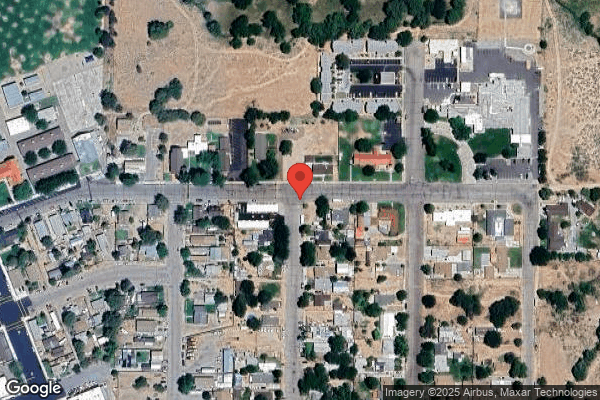

501 E LOCUST, LONE PINE, CA 93545 (760) 876-5501
Government - Hospital district 33 Beds Independent Data: November 2025
Trust Grade
83/100
#203 of 1155 in CA
Last Inspection: July 2024

Within standard 12-15 month inspection cycle. Federal law requires annual inspections.

Overview

Southern Inyo Hospital D/P SNF has a Trust Grade of B+, indicating it is recommended and above average in quality. It ranks #203 out of 1155 facilities in California, placing it in the top half, and is the best option in Inyo County. The facility is showing improvement, with issues decreasing from 6 in 2024 to just 1 in 2025. Staffing is a strong point, earning 5 out of 5 stars, but there is a 46% turnover rate, which is average for California. However, $17,290 in fines is concerning, as it is higher than 82% of facilities in the state, suggesting some compliance issues. Despite excellent RN coverage, which is better than 82% of state facilities, there have been significant incidents, such as failing to have a registered nurse onsite for required hours, which could lead to unsafe conditions. Additionally, there were concerns about food safety, including staff not wearing hair nets during food preparation and improper sanitary practices that could risk foodborne illness. Overall, while the facility has strengths in staffing and good RN coverage, families should be aware of the fines and specific incidents that highlight areas needing improvement.

Trust Score
B+
83/100
In California
#203/1155
Top 17%
Safety Record
Low Risk
No red flags
Inspections
Getting Better
6 → 1 violations
Staff Stability
⚠ Watch
46% turnover. Above average. Higher turnover means staff may not know residents' routines.
Penalties
⚠ Watch
$17,290 in fines. Higher than 79% of California facilities, suggesting repeated compliance issues.
Skilled Nurses
✓ Good
Each resident gets 57 minutes of Registered Nurse (RN) attention daily — more than average for California. RNs are trained to catch health problems early.
Violations
⚠ Watch
13 deficiencies on record. Higher than average. Multiple issues found across inspections.
★★★★★
5.0
Overall Rating
★★★★★
5.0
Staff Levels
★★★☆☆
3.0
Care Quality
★★★★☆
4.0
Inspection Score
Stable
2024: 6 issues
2025: 1 issues

The Good

  • 5-Star Staffing Rating · Excellent nurse staffing levels
  • Full Sprinkler Coverage · Fire safety systems throughout facility
  • No fines on record

Facility shows strength in staffing levels, fire safety.

The Bad

Staff Turnover: 46%

Near California avg (46%)

Higher turnover may affect care consistency

Federal Fines: $17,290

Below median ($33,413)

Minor penalties assessed

The Ugly 13 deficiencies on record

Apr 2025 1 deficiency
CONCERN (E) 📢 Someone Reported This

A family member, employee, or ombudsman was alarmed enough to file a formal complaint

Potential for Harm - no one hurt, but risky conditions existed

Quality of Care (Tag F0684)

Could have caused harm · This affected multiple residents

**NOTE- TERMS IN BRACKETS HAVE BEEN EDITED TO PROTECT CONFIDENTIALITY** Based on observation, interview and record review, the facility failed to provide a safe, functional, sanitary, and comfortable ...

Read full inspector narrative →
**NOTE- TERMS IN BRACKETS HAVE BEEN EDITED TO PROTECT CONFIDENTIALITY** Based on observation, interview and record review, the facility failed to provide a safe, functional, sanitary, and comfortable environment for residents, staff, and the public when four staff members complains of black material on ceiling and water leaks stains in the resident's activity room, front office, control room and ADON's (Assistant Director of Nursing) office. This failure has a potential to put residents, staff and visitors. health, safety and wellbeing at risk. Based on Interview with Licensed Vocational Nurse (LVN 1), on April 2, 2025, at 10:00 AM. LVN1 stated that there's water leak spots in some areas of the building, most especially in the activity room. LVN 1stated I have not seen the black materials on the ceiling, but our ADON has it in her office. I believe it has been reported to maintenance . She also stated I was sick 3 weeks ago with Flu- Coughing, sneezing, wheezing, weakness, fatigue, body aches, nasal congestion and fever. The IPN (Infection Preventionist Nurse) tested me for covid, and it was negative. I did not get tested for Mold exposure and we have few residents with respiratory symptom that started around February, and some were treated with antibiotics. Based on interview with Assistant Director of Nursing (ADON), on April 2, 2025, at 10:15 AM. ADON stated There's some Black Material/ Spot on the ceiling in my office, after the rain we had back in February, it got worse. One area in the ceiling were all black. I reported it to [NAME], our maintenance. He told me that he will get it tested for Molds. I have had a bad respiratory issue. I was coughing, wheezing, sneezing, and fatigue . ADON also stated. Maintenance was telling me that the result of the Mold testing has a low reading. He wiped all the BLACK stuff on the ceiling with a spray. He tested it after cleaning/wiping the black material. My respiratory symptoms got worse after maintenance wiped the black material off the tiles . Based on interview and concurrent record review of the Infection Control monitoring log with IPN (Infection Preventionist Nurse) on April 2, 2025, at 10:30AM. IPN stated Yes. We have had a few residents with respiratory symptoms. Two residents were diagnosed with Pneumonia and received antibiotics treatment. There were 7 residents with respiratory symptoms from February/March 2025. We did chest X-ray on all 7 residents, and we tested them for covid with negative results. We also have 10 staff with respiratory symptoms that started around February/March 2025 with sore throat, congestion, body aches and chills and 1 with fever . Based on interview with Staff 1, on April 2, 2025, at 10:45 AM. Staff 1 stated I'm in the same office with ADON. I've been having issues with my sinuses. I've seen the ENT specialist. Symptoms all started after the maintenance wiped the Black material /Spots off the ceiling. We relocated to a different area now. They contained that room. They removed the tiles that had the black material on it. We've seen that black discoloration from the ceilings since November and we reported to maintenance back in February 2025 . Based on interview with Maintenance on April 2, 2025, at 11:00 AM. Maintenance stated Yes. I received a report regarding the Black material in the ADON's office. We contained the area and relocated both ADON and STAFF 1. We already removed the tiles out from the ceiling, and we will replace it with a new one. I did a testing for presence of Mold and the report shows that it has a low reading When asked about the water leaks, Maintenance stated There's some water leaks in the activity room and front office and in the process of replacing the tiles. We have not tested it for molds. I can do the test myself; we don't have to call the Mold specialist to test it. We have the kit, and we can do it ourselves . Based on observation with Maintenance on April 2, 2025, at 11:15 AM, Noted water leak spots in the activity room's ceiling, front office and inside the control room. No black material/spots noted on the ceiling. Inside the ADON's office, noted some tiles had been removed from ceiling. Old Tiles that were removed had some black stained noted on it. No water leaks noted inside random' resident's room in the acute unit or Skilled facility Unit (SNF). Based on interview with Staff 2 on April 2, 2025, at 11:30AM, Staff 2 stated I've been complaining about the black material/Mold in the ceiling in the drug room. Every time it rains, it leaks. I've been e-mailing and reporting it to the maintenance, and nothing's being done. Management and Maintenance are aware of the Black material /water leaks in the buildings . Based on interview and record review of the policy's titled SAFE ENVIRONMENT with ADON on 4/2/2025 at 11:50 AM. Policy stated It is the policy of this facility to ensure the safety and wellbeing of residents by maintaining a hazard free environment 4. e. The facility will provide a safe, functional, sanitary, and comfortable environment for residents, staff, and the public. When ADON was asked if the policy was followed, she stated it is not a comfortable environment due to not having a Specialist on Mold Prevention and Treatment , doing the proper testing for the presence of mold in the facility for the safety and wellbeing of our residents, staff and visitors .
Aug 2024 1 deficiency
CONCERN (D) 📢 Someone Reported This

A family member, employee, or ombudsman was alarmed enough to file a formal complaint

Potential for Harm - no one hurt, but risky conditions existed

Free from Abuse/Neglect (Tag F0600)

Could have caused harm · This affected 1 resident

**NOTE- TERMS IN BRACKETS HAVE BEEN EDITED TO PROTECT CONFIDENTIALITY** Based on interview and record review, the facility failed to protect and prevent residents from an inappropriate resident-to-res...

Read full inspector narrative →
**NOTE- TERMS IN BRACKETS HAVE BEEN EDITED TO PROTECT CONFIDENTIALITY** Based on interview and record review, the facility failed to protect and prevent residents from an inappropriate resident-to-resident sexual contact for two of two residents (Resident A and Resident B) when Resident A was seen hovering over Resident B and kissing. This failure resulted in Resident A and Resident B engaging in resident-to-resident sexual contact while under the supervision of the facility ' s staff which had the potential to cause unsafe environment such as unsafe sexual activity that could negatively affect Resident A and Resident B ' s health and safety. Findings: During a review of Resident A ' s History and Physical (H&P), the H&P indicated, Resident A is a [AGE] year old male with medical histories which included epilepsy (neurological disorder characterized by recurrent, unprovoked seizures [sudden burst of abnormal electrical activity in the brain which can cause a wide range of symptoms depending part of the brain]), severe intellectual disabilities, and diabetes (medical condition that occurs when the body either does not produce enough insulin or cannot effectively use the insulin it produces). During a review of Resident A ' s Basic Interview for Mental Status (BIMS—a standardized assessment tool used primarily in healthcare settings, particularly nursing homes and other long term care facilities, to evaluate a resident ' s cognitive or thinking function), Resident A ' s BIMS score is 99, which indicates that the responses were incomplete and cannot provide baseline information about Resident A ' s cognitive function. During a record review of Resident ' s B H&P, the H&P indicated that Resident B is a [AGE] year-old female with medical diagnoses of multiple sclerosis (chronic autoimmune disease that affects the central nervous system and spinal cord, dementia (decline of cognitive function), anxiety disorder, and major depressive disorder. During a record review of Resident ' s B BIMS score, Resident B ' s BIMS score is 14, which indicated normal cognitive function. During a phone interview on August 19, 2024, at 12:03 PM, with Certified Nurse Assistant 1 (CNA1), CNA 1 stated Resident A was observed hovering on Resident B kissing. CNA 1 then approached Resident A and Resident B with CNA 2. CAN 1 stated, Resident A was then seen removing his hand from Resident B shirt and wipe his mouth. CNA 1 further stated, it was inappropriate for Resident A and Resident B to be involved. During a phone Interview on August 20, 2024, at 8:12 AM with CNA 2, CNA 2 stated that CNA 1 called her to accompany CNA 1 to outside the facility. CNA 2 further stated, when they went outside, CNA 2 witnessed Residents A and B were kissing. CNA 2 further explained Resident A and Resident B separated when CNA 1 asked what ' s going on? CNA 2 stated, she saw Resident A removed his hand from Resident B ' s shirt and wiped his mouth. CNA 2 further stated that this was an inappropriate incident and reported to the Registered nurse. A review of the facility ' s policy and procedure (P&P) titled, Resident Rights, undated, the P&P indicated, .Purpose: To ensure all facility staff including contract staff observe residents ' rights . Be free from abuse, neglect, misappropriation of resident property, and exploitation . Residents must not be subjected to abuse by anyone, including, but not limited to, facility staff, other residents, consultants or volunteers, staff of other agencies serving the resident, family members or legal guardians, friends, or other individuals .
Jul 2024 4 deficiencies
CONCERN (D)

Potential for Harm - no one hurt, but risky conditions existed

Room Equipment (Tag F0908)

Could have caused harm · This affected 1 resident

**NOTE- TERMS IN BRACKETS HAVE BEEN EDITED TO PROTECT CONFIDENTIALITY** Based on observation, interview, and record review, the facility failed to maintain a safe operating equipment for one (1) of 29...

Read full inspector narrative →
**NOTE- TERMS IN BRACKETS HAVE BEEN EDITED TO PROTECT CONFIDENTIALITY** Based on observation, interview, and record review, the facility failed to maintain a safe operating equipment for one (1) of 29 residents (Resident 27) when Resident 27's bedrail had sharp edges on it. This failure resulted in Resident 27 sustaining an abrasion on her right elbow from the sharp edges which may cause an infection and putting Resident 27's health in jeopardy. Findings: A review of resident 27's admission Record (which contains demographic and medical information), indicated, Resident 27 was admitted to the facility on [DATE], with diagnoses that included elevated white blood cell count, abnormality of albumin (a protein in your blood plasma), insomnia (difficulty falling asleep, staying asleep, or both), and weakness. During a concurrent observation and interview on July 8, 2024, at 4:14 PM, Resident 27's right elbow was observed in wound dressing. Resident 27 stated, she got a cut from a sharp edge of her bedrail. Upon closer inspection, the right-side bedrail's far end was found to have sharp edges. During an interview on July 9, 2024, at 10:18 AM, with the License Vocational Nurse (LVN) 1, LVN 1 stated that Resident 27 reported a cut on her right elbow coming from a sharp edge on the bedrail. LVN 1 further stated she cleaned the wound and put dressing on it. LVN 1 denied reporting the incident to the facility's management. LVN 1 confirmed, Resident 27's bedrail had a sharp edge. During an interview on July 10, at 8:35 AM, with the Director of Nursing (DON) 1, the DON 1 stated she was unaware of the sharp edge on resident 27's bedrail. The DON 1 further explained that one of her staff members reported that Resident 27 sustained an abrasion but did not chart how the wound occurred. The DON 1 stated that she has not followed up on the bedrail yet. During an interview on July 12, 2024, at 09:06 AM, with the Environmental Services Manager (EVSM) 1 filling in for the Director Facilities, the EVSM 1 stated he was unaware of any sharp edges on Resident 27's bedrail and that there was no report on the subject. A review of the facility's policy and procedure (P&P) titled, Safe Environment, dated July 20, 2022, indicated, .2. The facility will maintain all essential mechanical, electrical and patient care equipment in safe operating condition .
CONCERN (E)

Potential for Harm - no one hurt, but risky conditions existed

Deficiency F0678 (Tag F0678)

Could have caused harm · This affected multiple residents

**NOTE- TERMS IN BRACKETS HAVE BEEN EDITED TO PROTECT CONFIDENTIALITY** Based on interview and record review, the facility failed to ensure nursing staff were certified and kept current in cardiopulmo...

Read full inspector narrative →
**NOTE- TERMS IN BRACKETS HAVE BEEN EDITED TO PROTECT CONFIDENTIALITY** Based on interview and record review, the facility failed to ensure nursing staff were certified and kept current in cardiopulmonary resuscitation (first aid technique to help a person who has stopped breathing) for five (5) of 18 Certified Nurse Aide (CNA) (CNA 1, 2, 3, 4, and 5) when the facility was unable to provide documented evidence of current CPR certification. This failure had the potential to negatively affect residents' care due to unqualified or incompetent staff during emergencies at the facility. Findings: During a concurrent interview and record review on [DATE], at 11:10 AM, with the Assistant Director of Nursing (ADON) 1, and the Director of Staff Development (DSD) 1, CNA 1's file, undated, was reviewed. There was no CPR's certification on file. The ADON 1 and DSD 1 explained that when CNA 1 was hired on [DATE], the facility failed to check if the CNA 1 had a CPR card. The DSD 1 further stated that for the last six months, he has not kept track of the staff CPR certification status. During an interview on [DATE], at 1:58 PM, with the DSD 1, the DSD 1 stated that there are three other CNAs (CNA 2, 3, and 4) that did not have CPR cards, and one CNA (CNA 5) CPR card has expired in [DATE]. The DSD 1 stated he has forgotten to check the employee's CPR status. A review of the nursing staff CPR certificate list indicated that four CNAs (CNA 1, 2, 3, and 4) did not have CPR cards. A review of the CNA 5 CPR card issued on [DATE], indicated that the CPR card expired in [DATE]. During an interview on [DATE], at 2:59 PM, with the Director of Human Resources (DHR 1), the DHR 1 stated it was completely an oversight; it was an assumption that the CNAs had to have a CPR card before they received their CNA certification. The DHR further stated, It was their fault for not verifying. A review of the facility's policy and procedure (P&P) titled, C.P.R. Certification-Required dated [DATE], indicated, .1. All certified and licensed staff shall hold current cardiopulmonary resuscitation certification through the American Red Cross, the American Heart Association, or another accrediting or certifying agency. 2. C.P.R. certifications shall be kept current at all times .
CONCERN (F)

Potential for Harm - no one hurt, but risky conditions existed

Deficiency F0727 (Tag F0727)

Could have caused harm · This affected most or all residents

Based on observation, interview, and record review, the facility failed to ensure a Registered Nurse (RN) was available onsite at least eight (8) hours a day, seven (7) days a week for all admitted re...

Read full inspector narrative →
Based on observation, interview, and record review, the facility failed to ensure a Registered Nurse (RN) was available onsite at least eight (8) hours a day, seven (7) days a week for all admitted residents from April 1, 2024, through July 11, 2024 when the facility did not have RN onsite for 17 days and had fewer RN hours than eight (8) hours requirement for three (3) days. This failure had a potential to negatively affect residents care from an oversight of RN which may increase risk of avoidable resident safety events such as medication errors or delayed in comprehensive assessment that could jeopardize residents' health, safety, and lead to actual harm. Findings: During an observation on July 11, 2024, from 8:00 AM, through 10:00 AM, there was no RN working in the unit. During an interview on July 11, 2024, at 11:10 AM, with the Assistant Director of Nursing (ADON) 1, the ADON 1 stated that besides the Director of Nursing (DON) 1 as an RN, they have two other RNs (RN 1, RN 2). The ADON 1 claimed that there was no RN scheduled for today, and the facility was aware of the policy that requires eight (8) hours of RN on duty seven (7) days a week. During an interview on July 11, 2024, at 2:59 PM, with the Director of Human Resources (DHR) 1, the DHR 1 stated that the facility was unable to find RN to cover for DON 1 today. During a concurrent interview and record review on July 12, 2024, at 9:15 AM, with the ADON 1, the DON 1's timecard, dated April 9, 2024, April 17, 2024, and July 11, 2024, were reviewed. The ADON 1 clarified that the reason the DON 1's timecard showed hours on April 9 and April 17 was because DON 1 was working for the hospital on those days. She went on to say that although the DON 1's timecard showed hours on July 11, the DON 1 was not physically present at the facility. A continuous concurrent interview and record review on July 12, 2024, at 9:15 AM, with the ADON 1, RN staffing schedule and timecard, dated April 2024, were reviewed. The ADON 1 confirmed that for the month of April 2024, there were no RN hours on April 1, April 2, April 4, April 9, April 17, and April 29. On April 3, RN hours were 4.5 hours short. A continuous concurrent interview and record review on July 12, 2024, at 9:15 AM, with the ADON 1, RN staffing schedule and timecard, dated May 2024, were reviewed. The ADON 1 confirmed that for the month of May 2024, there were no RN hours on May 16, May 20, May 21, May 22, May 23, and May 27. On May 6, RN hours were 6 hours short, and on May 7, RN hours were 3.75 hours short. A continuous concurrent interview and record review on July 12, 2024, at 9:15 AM, with the ADON 1, RN staffing schedule and timecard, dated June 2024, were reviewed. The ADON 1 confirmed that for the month of June 2024, there were no RN hours on June 18, June 19, and June 27. A continuous concurrent interview and record review on July 12, 2024, at 9:15 AM, with the ADON 1, RN staffing schedule and timecard, dated July 1, 2024, through July 11, 2024, were reviewed. The ADON 1 confirmed that for the month of July 2024, there were no RN hours on July 4 and July 11. A review of the facility's policy and procedure (P&P) titled, RN/Director of Nursing Coverage, dated July 9, 2020, indicated, . 4. A registered nurse will be present 7 days a week for at least 8 consecutive hours a day .
CONCERN (F)

Potential for Harm - no one hurt, but risky conditions existed

Food Safety (Tag F0812)

Could have caused harm · This affected most or all residents

Based on observation, interview, and record review, the facility failed to protect residents from food contamination for a universe of 29 residents when one kitchen staff was not wearing a hair net du...

Read full inspector narrative →
Based on observation, interview, and record review, the facility failed to protect residents from food contamination for a universe of 29 residents when one kitchen staff was not wearing a hair net during food preparation. This failure had the potential to contaminate food, equipment, and utensils. Findings: During a concurrent observation and interview on July 8, 2024, at 02:08 PM, in the kitchen, Kitchen Aide (KA) 1 was not wearing a hair net while preparing food. When pointing out the absence of a hair net on, she then walked to the kitchen entrance and put on a hair net. KA 1 stated she should have put a hair net on, and the facility have said many times that staff are to wear hair net while in the kitchen. During an interview on July 12, 2024, at 11:07 AM, with the Dietary Services Supervisor (DSS) 1, the DSS stated staff should wear the hair net due to potential contamination of food, equipment, or utensils. During a review of the facility's policy and procedure (P&P) titled, Hair nets & personal permitted in FNSD (Food and Nutrition Services Department), dated September 2023, the P&P indicated, All Food and Nutrition staff are required to wear hairnets or caps or other suitable coverings to confine hair when required to prevent the contamination of food, equipment, or utensils.
Jan 2024 1 deficiency
CONCERN (D) 📢 Someone Reported This

A family member, employee, or ombudsman was alarmed enough to file a formal complaint

Potential for Harm - no one hurt, but risky conditions existed

Accident Prevention (Tag F0689)

Could have caused harm · This affected 1 resident

**NOTE- TERMS IN BRACKETS HAVE BEEN EDITED TO PROTECT CONFIDENTIALITY** Based on observation, interview, and record review, the facility failed to ensure their post-fall protocol and prevention was im...

Read full inspector narrative →
**NOTE- TERMS IN BRACKETS HAVE BEEN EDITED TO PROTECT CONFIDENTIALITY** Based on observation, interview, and record review, the facility failed to ensure their post-fall protocol and prevention was implemented in accordance with the facility's policy and procedure for one of three sampled residents (Resident 1) when Resident 1 had a fall incident on December 2, 2023. This failure had the potential to place Resident 1 at risk for further falls and injuries. Findings: During an observation on Resident 1, on January 4, 2024, at 12:15 PM, in Resident 1's room, Resident 1 was lying in bed with the head of the bed elevated. A review of Resident's 1's admission Record (a document that gives summary of the resident's information) indicated Resident 1 was admitted to the facility on [DATE] with a diagnoses that included dementia(a general term for loss of memory, language, problem-solving and other thinking abilities that are severe enough to interfere with daily life), mood disturbance (feeling of distress or sadness, or symptoms of depression and anxiety), and anxiety(feeling of fear, dread, & uneasiness). A review of Resident's 1 nursing notes, dated December 2, 2022, at 3:22 PM, indicated Slipped out wheelchair at 14:05 (2:05 PM) in activity area. unwitnessed. Head to toe assessment done. Take to ER by gurney . Back from ER at 14:35. No injuries reported upon return to SNF. Need to consider a wheelchair alarm . During a review of Resident 1's clinical records provided by the facility on January 9, 2024, there was no documented evidence to indicate that a Physical Therapist evaluated Resident 1 following a fall incident on December 2, 2023. During a telephone interview with a Physical Therapist (PT 1), on January 16, 2024, at 5:17 PM, PT 1 stated that PT evaluation was not ordered after Resident 1's fall incident on December 2, 2023. PT further stated the purpose of PT evaluation post fall, as per facility protocol, was to identify the risk factors of the fall incident, such as incontinence, confusion, weakness, and environmental hazards, and for them [PT] to recommend measures to prevent fall incidents such as resident reorientation, bed and chair alarm, placing of bed mat, frequent monitoring and toileting. During a telephone interview with the Assistant Director of Nursing, on January 18, 2024, at 10:55 AM, the ADON stated that a Physical Therapist did not evaluate Resident 1 following a fall incident per facility protocol because the nurse on duty failed to place an order for Physical Therapy evaluation. During a record review of the facility's undated policy and procedure titled, Fall Protocol & Prevention indicated .Physical Therapy will be notified via email and order entered (per Dr .) for assessment post fall .
May 2023 3 deficiencies
CONCERN (D)

Potential for Harm - no one hurt, but risky conditions existed

Deficiency F0637 (Tag F0637)

Could have caused harm · This affected 1 resident

**NOTE- TERMS IN BRACKETS HAVE BEEN EDITED TO PROTECT CONFIDENTIALITY** Based on interview and record review, the facility failed to complete a Minimum Data Set (MDS-a computerized clinical assessment...

Read full inspector narrative →
**NOTE- TERMS IN BRACKETS HAVE BEEN EDITED TO PROTECT CONFIDENTIALITY** Based on interview and record review, the facility failed to complete a Minimum Data Set (MDS-a computerized clinical assessment tool ) Significant Change in Status Assessment (SCSA-a comprehensive assessment that must be completed when the resident meets the significant change guidelines for either major improvement or decline) within 14 days, for one of six sampled residents (Resident 24) who was reviewed for a fall with fracture (broken bone) of first lumbar vertebra (backbone within the lower back). This failure had the potential to delay in identification and implementation of necessary interventions to address the resident's care and support needs. Findings: During a review of Resident 24's admission Record (contains demographic information), indicated, Resident 24 was admitted to the facility on [DATE], with a diagnoses included dementia (loss of cognitive functioning with thinking, memory which affects a person's daily activities), current pathological fracture of vertebrae and depression . During a review of Resident 24's clinical record titled, Nursing Progress Notes, by Licensed Vocational Nurse (LVN 1), dated April 23, 2023, at 1:07 PM, indicated, resident had a fall incident on April 19, 2023, and sent to emergency room for further evaluation. During a review of Resident 24's MDS, indicated, MDS SCSA Sections I (Active Diagnoses) and J (Health Conditions) were incomplete. During a concurrent interview and record with the Assistant Director of Nursing (ADON), on May 17, 2023, at 3:10 PM, Resident 24's MDS SCSA was reviewed. The ADON stated, the MDS SCSA should have been completed on May 8, 2023. The ADON further stated, it should have been completed within 14 days from the resident's fall incident. During an interview with the MDS Nurse on May 18, 2023, at 7:50 AM, the MDS Nurse stated, Resident 24's MDS SCSA was created on April 24, 2023, for the fall incident that resulted in a lumbar fracture. The MDS Nurse stated it should have been completed on May 8, 2023. The MDS Nurse further stated, the timeframes for completion and submission of assessments are based on the current requirements published in the Centers for Medicare and Medicaid Services (CMS) Resident Assessment Instrument (RAI) Manual. During a review of the facility's policy and procedure (P&P) titled, Comprehensive Assessment and Reassessment, indicated, .A comprehensive reassessment shall be completed within 14 days after it is determined that there has been a significant change in the resident's physical or mental condition. During a review of CMS RAI Version 3.0 Manual (helps nursing staff in gathering definitive information on a resident's strengths and needs), dated October 2019, indicated, An SCSA is appropriate when there is a determination that a significant change (either improvement or decline) in a resident's condition from his/ her baseline has occurred as indicated by comparison of the resident's current status . The ARD [assessment reference date] must be less than or equal to 14 days after the IDT's [interdisciplinary team] determination that the criteria for an SCSA are met (determination date + 14 calendar days).
CONCERN (D)

Potential for Harm - no one hurt, but risky conditions existed

Smoking Policies (Tag F0926)

Could have caused harm · This affected 1 resident

**NOTE- TERMS IN BRACKETS HAVE BEEN EDITED TO PROTECT CONFIDENTIALITY** Based on observation,interview and record review, the facility failed to follow their policy and procedure (P&P) for smoking for...

Read full inspector narrative →
**NOTE- TERMS IN BRACKETS HAVE BEEN EDITED TO PROTECT CONFIDENTIALITY** Based on observation,interview and record review, the facility failed to follow their policy and procedure (P&P) for smoking for one of six sampled residents (Resident 10) when the facility did not perform a Smoking Risk Assessment of Resident 10. This failure had the potential to delay in identification and implementation of necessary interventions to address the resident's care and which could jeopardize the health and safety of the other residents in the facility. Findings: During a review of Resident 10's admission Record (clinical record of resident's admission information) indicated, Resident 10 was admitted on [DATE]. During a concurrent observation and interview with Resident 10, on May 16, 2023, at 4: 42 PM, Resident 10 was awake alert, able to verbalize her needs. Resident 10 stated, she uses six to seven regualr cigarettes per day. During a review of Resident 10's admission Smoking Safety Evaluation, dated June 3, 2022, at 6:46 PM, indicated, Resident 10 utilizes tobacco. During a review of Resident 10's Assessments on May 16, 2023, Smoking Risk Assessments were not completed . During a concurrent interview and record review on May 16, 2023, at 5:20 PM, with Licensed Vocational Nurse (LVN 2), Resident 10's SmokingRisk Assessments was reviewed. LVN 2 stated, Resident 10's Smoking Risk Assessments were not done quarterly as indicated in the facility's Smoking P&P. During a concurrent interview and record review on May 17, 2023, at 3:14 PM, with the Assistant Director of Nursing (ADON), the facility's P&P titled, Smoking, dated March 2019, was reviewed. The P&P indicated, .4. Smoking risk assessments are performed quarterly with recommended changes, which could affect the safety of the Resident. The assessments are reviewed by the interdisciplinary team (team members from different areas of practice working together with a common purpose) for agreement and planning of interventions, as needed. The ADON further reviewed Resident 10's Smoking Risk Assessments records and stated Resident 10's Smoking Risk Assessment was incomplete. The ADON stated, Smoking Risk Assessments should have been completed and documented quarterly. The ADON further stated, facility did not follow the Smoking P&P when the facility did not complete the Smoking Risk Assessments quarterly.
CONCERN (F)

Potential for Harm - no one hurt, but risky conditions existed

Food Safety (Tag F0812)

Could have caused harm · This affected most or all residents

Based on observation, interview, and record review, the facility failed to ensure safe and sanitary food preparation and storage practices in the kitchen when: 1.There was no air gap (a separation be...

Read full inspector narrative →
Based on observation, interview, and record review, the facility failed to ensure safe and sanitary food preparation and storage practices in the kitchen when: 1.There was no air gap (a separation between the water supply and potentially contaminated [dirty] water in a sink or other plumbing fixture) found at the food preparation sink. When installed and maintained properly, the air gap works to prevent drain water from backing up into the sink and possibly contaminating the area used for washing food.), which had the potential for back flow from the drain to contaminate the sink. This had the potential to cause foodborne illness (stomach illness acquired from ingesting contaminated food). 2.The bench can opener (counter mounted) had dried crusted food on the shank (blade) which could transfer to residents' foods. This had the potential to cause foodborne illness. The facility's failures to ensure a safe and sanitary kitchen resulted in the increased risk of resident harm from food-borne illness to a population of 28 immuno-compromised (decreased ability to fight off infections and diseases) residents who received food from the kitchen. Findings: 1. During a concurrent observation and interview with the Certified Dietary Manager (CDM), on May 15, 2023, at 11:18 AM, in the kitchen, one sink used for food preparation did not have an air gap. The CDM verified, the sink drainpipes did not have an air gap. The CDM stated, air gaps are important to ensure there is good water flow through the pipes and that water does not get stuck and backflow (water flowing back) or overflow. This could lead to contamination (dirty) of food and is an infection control issue. During a concurrent observation and interview with the Director of Materials Management (DMM), on May 16, 2023, at 11:34 AM, verified, there was no visible air gap under the food preparation sink and there was a risk for dirty water to backflow into the food preparation sink, which would contaminate the food preparation area. The DMM stated, the air gap needed to be added. During an interview with the Facility Director (FD), on May 16, 2023, at 2:56 PM, the FD stated, it was brought to his attention that the food preparation sink does not have a visible air gap. The FD stated, an air gap will need to be added. During a concurrent interview and record review, on May 16, 2023, at 3:00 PM, with the CDM, the facility's Policy and Procedure (P&P) titled, Backflow Preventers, dated October 2022, was reviewed. The P&P indicated, . Policy: to maintain a safe water supply from backflow .Procedure: . 5. PIC (person in charge) must demonstrate: identifying the source of water used and measures taken to ensure that it remains protected from contamination such as providing protection from backflow and precluding the creation of cross contamination (movement or transfer of harmful bacteria (germs) from one person, object or place to another) . The CDM stated, the P&P was not followed when there was no airgap in the kitchen sink. During a review of the FDA Federal Food Code 2022 5-202.13 indicated, .Backflow Prevention, Air Gap. An air gap between the water supply inlet and the flood level rim of the PLUMBING FIXTURE, EQUIPMENT, or nonFOOD EQUIPMENT shall be at least twice the diameter of the water supply inlet and may not be less than 25 mm (1 inch) . Backflow Prevention, Air Gap. During periods of extraordinary demand, drinking water systems may develop negative pressure in portions of the system. If a connection exists between the system and a source of contaminated water during times of negative pressure, contaminated water may be drawn into and foul the entire system. Standing water in sinks, dipper wells, steam kettles, and other equipment may become contaminated with cleaning chemicals or food residue .Providing an air gap between the water supply outlet and the flood level rim of a plumbing fixture or equipment prevents contamination that may be caused by backflow . 2. During a concurrent observation and interview with the Certified Dietary Manager (CDM) on May 15, 2023, at 11:20 AM, the bench can opener was noted to have old crusty food along the shank (blade of the can opener). The CDM stated, the can opener should not be dirty, and the current condition of the can opener placed the residents at risk for infection and food borne illnesses (nausea, vomiting, and/or diarrhea). The CDM stated, the expectation is that the can opener is cleaned after each use (if dirty) and the process is to manually wash the can opener with soap and water and then run it through the dishwater. During an interview with the Cook, on May 15, 2023, at 4:59 PM, the [NAME] stated, the bench can opener should be cleaned whenever dirty or twice a week, and the process for cleaning the can opener is to first manually clean with soap and water and then clean in the dishwasher. The cook further stated, there should never be caked on food on the can opener. During a concurrent interview and record review, on May 16, 2023, at 3:05 PM, with the CDM, the facility's Guideline titled, Cleaning Procedure #42 - Bench can opener, undated, was reviewed. The guideline indicated, the shank and top of the base (of the can opener) are to be cleaned and sanitized after each use .Remove shank of can opener- take to dish machine, air dry . The DM stated, the guideline for cleaning the can opener was not followed, because there was dry food on the shank.
Dec 2022 1 deficiency
CONCERN (D) 📢 Someone Reported This

A family member, employee, or ombudsman was alarmed enough to file a formal complaint

Potential for Harm - no one hurt, but risky conditions existed

Report Alleged Abuse (Tag F0609)

Could have caused harm · This affected 1 resident

Based on interview and record review, the facility failed to report an allegation of controlled drug diversion (medications that can cause physical and mental dependence such as pain medicines, stimul...

Read full inspector narrative →
Based on interview and record review, the facility failed to report an allegation of controlled drug diversion (medications that can cause physical and mental dependence such as pain medicines, stimulants), within 24 hours to the California Department of Public Health (CDPH) in a timely manner for three residents (Residents 1, 2 and 3) in a universe of 29 residents. This failed practice had the potential for other unusual occurrences (an incident that threatens the welfare, safety and health of the resident) to go undetected and unreported which could compromise the health and safety of residents at the facility. Findings: During a review of the facility ' s letter notifying CDPH of suspected diversion, dated November 28, 2022, indicated, This letter is to inform you of a suspected medication diversion incident in our skilled nursing department. On November 15th, 2022, a nurse reported to the Director of Nursing of suspicious activity regarding controlled substance log and a possible discrepancy from an LVN. During an interview on November 29, 2022, at 12:48 PM, with the Director of Nursing (DON), the DON stated she was notified of an unresolved narcotic count irregularity on Monday, November 14, 2022. During an interview on December 6, 2022, at 1:45 PM, with the ADON, The ADON stated, if there is a suspected medication diversion, DON/ADON will report it to CDPH as soon as possible, but not later than 24 hours. I should have reported it within that time frame. During a review of the facility ' s policy and procedure (P&P) titled, Controlled Substances, revised February 4, 2021, the P&P indicated, it did not include the element of reporting to the State Agency . any reasonable suspicion of a crime against any individual who is a resident .of the facility. And the policy and procedure did not include the element of not later than 2 hours after forming the suspicion, if the events that cause the suspicion result in serious bodily injury, or not later than 24 hours if the events that cause the suspicion do not result in serious bodily injury.
May 2019 2 deficiencies
CONCERN (D)

Potential for Harm - no one hurt, but risky conditions existed

Drug Regimen Review (Tag F0756)

Could have caused harm · This affected 1 resident

**NOTE- TERMS IN BRACKETS HAVE BEEN EDITED TO PROTECT CONFIDENTIALITY** Based on observation, interview, and record review, the facility failed to ensure a monthly Medication Regimen Review (MRR, is t...

Read full inspector narrative →
**NOTE- TERMS IN BRACKETS HAVE BEEN EDITED TO PROTECT CONFIDENTIALITY** Based on observation, interview, and record review, the facility failed to ensure a monthly Medication Regimen Review (MRR, is the process of identifying and addressing significant medication issues at the time the resident is admitted to the facility) was done for four of four sampled residents (Resident 7, 9, 5, and 18) when: 1. For Resident 7, the MRR was not done for the months of March and April 2019; 2. For Resident 9, the MRR was not done for the month of February 2019; 3. For Resident 5, the MRR was not done for the month of April 2019; 4. For Resident 18, the MRR was not done for the month of April 2019. This failure had the potential for inadequate monitoring and missed medication recommendations that could affect the health and safety of the residents. Findings: 1. A review of Resident 7's admission facesheet (Resident's demographic information) indicated Resident 7 was admitted on [DATE], with diagnoses that included chronic kidney disease, stage 3 dementia (a condition that affects the elderly's memory and their ability to process information), visual hallucinations, age-related physical debility, essential [primary] hypertension (high blood pressure) and atherosclerotic heart disease (hardening of the heart vessel). During a review of Resident 7's physician orders sheet, dated May 9, 2019, indicated the following medications: a. Tramadol 50 mg [milligram- unit of measurement] tab [tablet] PO [per os- by mouth] Q [every] 6 hrs [hour-frequency in time] PRN [pro re nata- as needed] for pain; b. Acetaminophen tab 650 mg PO Q6H PRN for breakthrough pain; c. Risperidone tab 1 mg PO BID [bis in die- twice a day] for behavioral disturbance related to dementia; d. Melatonin cap [capsule]/tab 9 mg PO bedtime for insomnia; e. Sulfamethoxazole 800/Trimeth 160 mg 1 tablet PO BID X 7 days for UTI [urinary tract infection]; f. Bisacodyl sup [suppository], RTL [rectal] 10 mg RTL PRN Administer if no BM [bowel movement] 3 days; g. Mineral Oil Enema 135 ml [milliliters- unit of measurement] the contents of 1 bottle RTL PRN if no BM in 4 days for constipation notify MD if ineffective for further treatment; and, h.Trazodone 50 mg PO bedtime for depression. A review of Resident 7's clinical records, indicated there was no documented evidence that a monthly medication regimen review was done for the months of March 2019 and April 2019. During an interview with the facility's Pharmaceutical Consultant (PC) on May 8, 2019, at 12:21 PM, he stated that the monthly medication regimen review is usually done on the 20th of each month. The PC verified that he had not done some residents' medication regimen reviews and that included Resident 7. The PC acknowledged that resident's MRR should be done in a timely every month to identify medication side effects, if medication is effective, if medication had interactions with other resident's medication or if there is a duplicate therapy (medication of the same effect). 2. A review of Resident 9's admission facesheet indicated Resident 9 was admitted on [DATE], with diagnoses that included age-related physical debility, essential [primary] hypertension, paroxysmal atrial fibrillation (irregular heartbeat), benign prostatic hyperplasia (enlarged prostate), dysphagia, (difficulty swallowing), unspecified fracture of second lumbar vertebra ( fracture of the back), constipation, repeated falls, iron and age-related osteoporosis (a condition in which bones become brittle and weak). During a review of Resident 9's physician order sheet, dated May 9, 2019, indicated the following: a.Acetaminophen tab 650 mg PO Q6 hrs PRN for pain 1-4 pain scale; b.Potassium Chloride 20meq [millequivalent- unit of measurement]/15 ml [milliliters- unit of measurement] liquid PO daily for hypokalemia (low potassium); c. Pantoprazole tab EC [enteric coated] 40 mg PO QPM [every afternoon] for GERD [gastroesophageal reflux disease]; d. Ascorbic Acid tab 500 mg PO Daily for aid in iron absorption; e. Docusate NA [Sodium] 50 mg/5 ml liquid PO QPM; f. Magnesium hydroxide 1200 mg/15 ml susp [suspension] 15 ml PO daily PRN for constipation; g. Lorazepam tab 0.5 mg PO bedtime for anxiety/agitation; h.Docusate cap 100 mg PO QPM for constipation, i. Lactulose soln [solution] 10 gm[gram- unit of measurement]/30 ml PO daily for constipation; j. Tramadol tab 50 mg PO PRN take 1 tab[tablet] Q 8 hrs; k. Bisacodyl supp RTL 10 mg RTL PRN if no BM in 3 days for constipation, Iron cap 65 mg PO daily for anemia; l. Metropolol Tartrate 25 mg tab PO BID take ½ tab for hypertension Hold for SBP[systolic blood pressure <100 or hr [heart rate] <55; m. Cholecalciferol (Vitamin D 3) cap 1000 units PO daily for Vitamin D deficiency; n. Cyanoconalamin 500 mcg [microgram- unit of measurement] PO daily take two tabs for Anemia; o. Rivaroxaban 15 mg PO daily for A-fib [atrial fibrillation- an abnormal rapid conduction of the heart]; p. Furosemide 40 mg PO QAM [every morning] for hypertensive chronic kidney disease; q. Fexofenadine 180 mg PO daily for allergies; r. Tadalafil 5 mg PO daily for hypertensive chronic kidney disease; s. Levothyroxine 0.05 mg PO QAM for hyperthyroidism; t. Loratidine 10 mg PO QAM for allergies; and, u. Tamsulosin cap 0.4 mg PO QPM take 2 capsules by mouth at bedtime for BPH [benign prostatic hyperplasia- an enlargement of the prostate]. During a review of Resident 9's medical chart, there was no documented evidence that a monthly medication regimen review was done for the month of February, 2019. 3. A review of Resident 5's admission facesheet indicated Resident 5 was admitted on [DATE], with diagnoses that included unspecified dementia, urinary tract infection, hypothyroidism ( low levels of thyroid hormones), type 2 diabetes mellitus (increase blood sugar) and atherosclerotic heart disease (hardening of the heart blood vessels). During a review of Resident 5's physician order sheet, dated May 9, 2019, it indicated the following medications: a. Lorazepam 0.5 mg PO BID (twice a day) for anxiety; b. Hydrocodone 5 mg/Acetaminophen 325 mg 1 tablet PO (by mouth) PRN Q4 hours for breakthrough pain; c. Hydrocodone 5mg/Acetaminophen 325 mg 1 tab PO BID at 10:00 and 20:00 (8:00 PM) for pain management. d. Albuterol 3/Ipatroprium 0.5 mg/3 ml INHL [inhalation] Q4H PRN 1 unit dose via nebulizer [a drug delivery device used to administer medication in the form of a mist inhaled into the lungs] for SOB [shortness of breath]; e. Sertraline 50 mg PO Daily for depression; f. Sennosides 8.6 mg tab PO daily for constipation; g. Metoprolol tartrate 25 mg 1 tab PO for blood pressure hold for HR<65 or SBP <110; h. Quetiapine 25 mg PO BID for severe agitation; i. Levothyroxine 0.125 mg PO daily for hypothyroidism; j. Cranberry extract 1 cap/tab PO daily for chronic UTI; and, k. Donepezil 5 mg 1 tab PO bedtime for Dementia. During a review of Resident 5's medical chart, there was no documented evidence that a monthly medication regimen review was done for the month of April, 2019. 4. A review of Resident 18's admission facesheet indicated Resident 18 was admitted on [DATE], with diagnoses that included, Major depressive disorder, constipation, anxiety disorder, and gastro-esophageal reflux disease (overflow of stomach acid to the esophagus) During a review of Resident 18's physician order sheet, dated May 9, 2019, it indicated the following medications: a. Multivitamin with minerals 1 tab by mouth every day as supplement; b. Phenytoin Sodium extended 100 mg capsule by mouth twice daily for seizures; c. Acetaminophen 325 mg tab 2 tabs by mouth every 6 hours as needed for pain; d. Acetaminophen 325 mg tab 2 tabs by mouth every 6 hours as needed for fever; e. Senna 8.6 mg tablet twice daily as needed for constipation; f. Alprazolam 0.25 mg tablet 1 tab by mouth every 8 hours for anxiety; g. Paroxetine HCL [hydrochloric acid] 20 mg tablet take 1 tab by mouth every morning for depression; h. Quetiapine Fumarate 100 mg tablet take 1 tab by mouth twice daily for agitation; i. Quetiapine Fumarate 300 mg tab take 0.5 (150 mg) by mouth at bedtime for agitation; and, j. Trazodone 50 mg tab take 1 tab by mouth at bedtime for insomnia/agitation. During an interview with the Physician (MD) on May 9, 2019, at 1:14 PM, he stated it is important to conduct monthly medication regimen review (MRR) to ensure residents are safe to take the medications prescribed. He stated the pharmacist and nurses are expected to inform him of any changes in the resident's health condition, side effects, and effectiveness while taking prescribed medications. A review of the facility's policy and procedure titled, Monthly Medication Regimen Review, dated February 2019, indicated, Policy: The consultant pharmacist performs a comprehensive medication regimen review (MRR) at least monthly. MRR includes evaluating the resident's response to medication therapy, in order to promote the best outcome and prevent or minimize adverse consequences due to medication. Findings and recommendations are reported to director of nurses (DON), physician, and if necessary, the medical director and/or administration.
CONCERN (E)

Potential for Harm - no one hurt, but risky conditions existed

Infection Control (Tag F0880)

Could have caused harm · This affected multiple residents

Based on observation, interview, and record review, the facility failed to perform handwashing when providing assistance to five of five sampled residents (Residents 7, 22, 19, 11, and 75). This failu...

Read full inspector narrative →
Based on observation, interview, and record review, the facility failed to perform handwashing when providing assistance to five of five sampled residents (Residents 7, 22, 19, 11, and 75). This failure had the potential to cause cross-contamination (spread of infection among residents and staff) which could compromise the health and well- being of the residents. Findings: 1. During a dining observation on May 6, 2019, at 5:38 PM, Resident 7 was observed eating in the dining room, Table 1 and Resident 22 in Table 2. The Activities Director (AD) assisted Resident 7 while eating when Resident 22 called out and requested some salt. The AD stood up from Resident 7's table and assisted Resident 22. The AD opened a packet of salt and sprinkled it over Resident 22's food and went back to assist Resident 7. The AD was not observed to perform hand hygiene between these two residents. 2. During a dining observation on May 6, 2019, at 5:42 PM, Residents 19 and 11 were eating in Table 3 and both requested coffee. The AD stood up from Table 1 and assisted Residents 19 and 11 for a cup of coffee. The AD was not observed to perform hand hygiene between these residents. 3. During a dining observation on May 6, 2019, at 5:49 PM, Resident 75 was observed eating in Table 4 and asked for a cup of water. The AD left Table 3 and assisted Resident 75. The AD did not perform hand hygiene. During an interview with the AD on May 6, 2019, at 5:59 PM, he stated he did not perform hand hygiene in between residents. The AD acknowledged, he should wash his hands in between residents to avoid spread of infections. During an interview with the Director of Staff Development (DSD) on May 6, 2019 at 6:09 PM, she stated it is important to perform hand washing before assisting a resident and in between assisting residents to prevent spread of infection among residents and staff and staff to residents. A review of the facility's policy and procedure titled, Handwashing, dated September 2004, indicated, Policy: It is the policy of SIH [Southern Inyo Hospital] to thoroughly cleanse the hands with friction, soap, and water to control infection, to reduce transmission of organisms from resident to resident, from resident to staff, and from nursing staff to resident.
Understanding Severity Codes (click to expand)
Life-Threatening (Immediate Jeopardy)
J - Isolated K - Pattern L - Widespread
Actual Harm
G - Isolated H - Pattern I - Widespread
Potential for Harm
D - Isolated E - Pattern F - Widespread
No Harm (Minor)
A - Isolated B - Pattern C - Widespread

Questions to Ask on Your Visit

  • "Can I speak with families of current residents?"
  • "What's your RN coverage like on weekends and overnight?"

Our Honest Assessment

Strengths
  • • Grade B+ (83/100). Above average facility, better than most options in California.
  • • No major safety red flags. No abuse findings, life-threatening violations, or SFF status.
Concerns
  • • 13 deficiencies on record. Higher than average. Multiple issues found across inspections.
  • • $17,290 in fines. Above average for California. Some compliance problems on record.
Bottom line: Generally positive indicators. Standard due diligence and a personal visit recommended.

About This Facility

What is Southern Inyo Hospital D/P Snf's CMS Rating?

CMS assigns SOUTHERN INYO HOSPITAL D/P SNF an overall rating of 5 out of 5 stars, which is considered much above average nationally. Within California, this rating places the facility higher than 99% of the state's 100 nursing homes. This rating reflects solid performance across the metrics CMS uses to evaluate nursing home quality.
How is Southern Inyo Hospital D/P Snf Staffed?

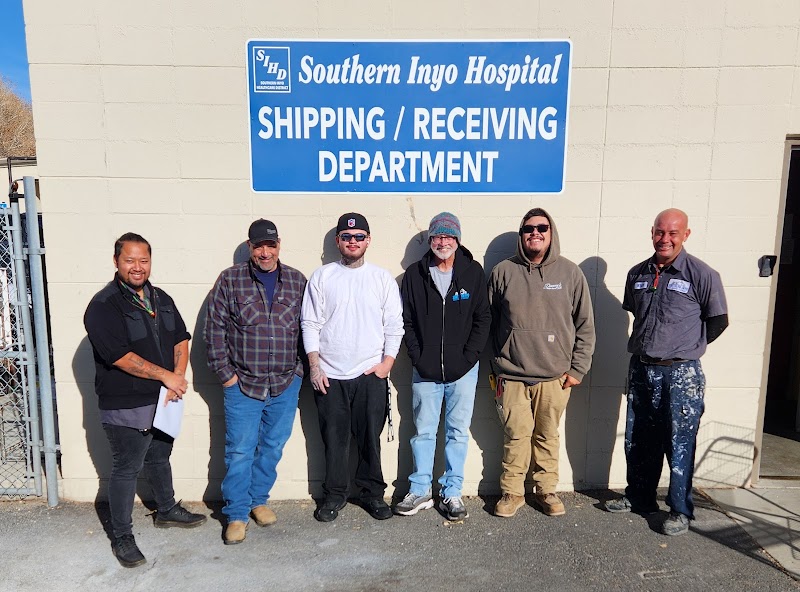
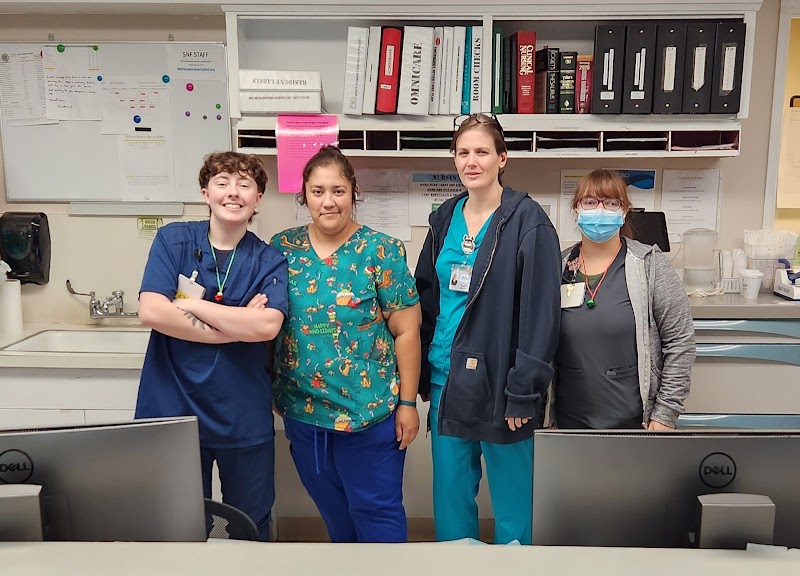
CMS rates SOUTHERN INYO HOSPITAL D/P SNF's staffing level at 5 out of 5 stars, which is much above average compared to other nursing homes. Staff turnover is 46%, compared to the California average of 46%.

What Have Inspectors Found at Southern Inyo Hospital D/P Snf?

State health inspectors documented 13 deficiencies at SOUTHERN INYO HOSPITAL D/P SNF during 2019 to 2025. These included: 13 with potential for harm.
Who Owns and Operates Southern Inyo Hospital D/P Snf?

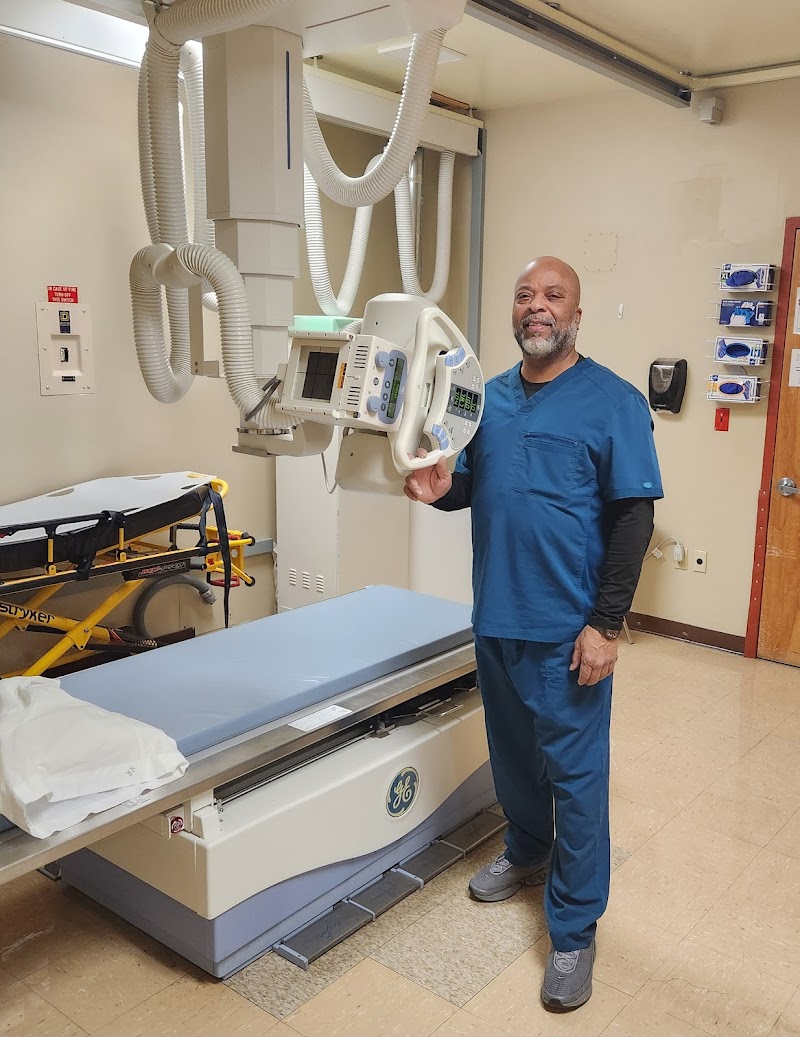
SOUTHERN INYO HOSPITAL D/P SNF is owned by a government entity. Government-operated facilities are typically run by state, county, or municipal agencies. The facility operates independently rather than as part of a larger chain. With 33 certified beds and approximately 26 residents (about 79% occupancy), it is a smaller facility located in LONE PINE, California.
How Does Southern Inyo Hospital D/P Snf Compare to Other California Nursing Homes?

Compared to the 100 nursing homes in California, SOUTHERN INYO HOSPITAL D/P SNF's overall rating (5 stars) is above the state average of 3.2, staff turnover (46%) is near the state average of 46%, and health inspection rating (4 stars) is above the national benchmark.

What Should Families Ask When Visiting Southern Inyo Hospital D/P Snf?

Based on this facility's data, families visiting should ask: "Can I visit during a mealtime to observe dining assistance and food quality?" "How do you handle medical emergencies, and what is your hospital transfer rate?" "Can I speak with family members of current residents about their experience?"

Is Southern Inyo Hospital D/P Snf Safe?

Based on CMS inspection data, SOUTHERN INYO HOSPITAL D/P SNF has a clean safety record: no substantiated abuse findings (meaning no confirmed cases of resident harm), no Immediate Jeopardy citations (the most serious violation level indicating risk of serious injury or death), and is not on the Special Focus Facility watch list (a federal program monitoring the lowest-performing 1% of nursing homes). The facility has a 5-star overall rating and ranks #1 of 100 nursing homes in California. While no facility is perfect, families should still ask about staff-to-resident ratios and recent inspection results during their visit.

Do Nurses at Southern Inyo Hospital D/P Snf Stick Around?

SOUTHERN INYO HOSPITAL D/P SNF has a staff turnover rate of 46%, which is about average for California nursing homes (state average: 46%). Moderate turnover is common in nursing homes, but families should still ask about staff tenure and how the facility maintains care continuity when employees leave.

Was Southern Inyo Hospital D/P Snf Ever Fined?

SOUTHERN INYO HOSPITAL D/P SNF has been fined $17,290 across 2 penalty actions. This is below the California average of $33,252. While any fine indicates a compliance issue, fines under $50,000 are relatively common and typically reflect isolated problems that were subsequently corrected. Families should ask what specific issues led to these fines and confirm they've been resolved.

Is Southern Inyo Hospital D/P Snf on Any Federal Watch List?

SOUTHERN INYO HOSPITAL D/P SNF is not on any federal watch list. The most significant is the Special Focus Facility (SFF) program, which identifies the bottom 1% of nursing homes nationally based on persistent, serious quality problems. Not being on this list means the facility has avoided the pattern of deficiencies that triggers enhanced federal oversight. This is a positive indicator, though families should still review the facility's inspection history directly.