KINDRED HOSPITAL BREA D/P SNF
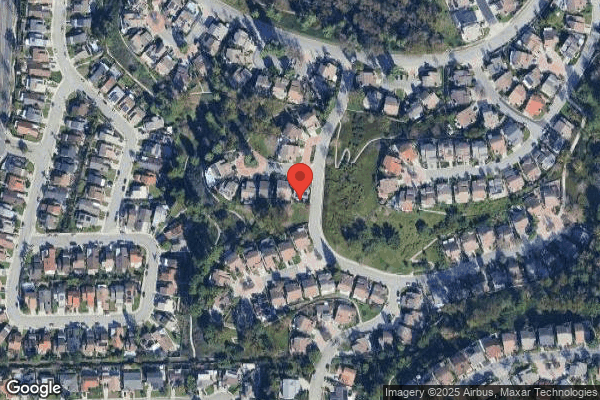

875 N BREA BLVD, BREA, CA 92821 (714) 529-6842
For profit - Corporation 38 Beds KINDRED HEALTHCARE Data: November 2025
Trust Grade
85/100
#107 of 1155 in CA
Last Inspection: November 2024

Within standard 12-15 month inspection cycle. Federal law requires annual inspections.

Overview

Kindred Hospital Brea D/P SNF has a Trust Grade of B+, which indicates that it is above average and recommended for families considering care options. In California, it ranks #107 out of 1155 facilities, placing it in the top half, and #9 out of 72 in Orange County, meaning there are only eight facilities nearby that are rated higher. The facility is improving, with issues dropping from 12 in 2024 to just 3 in 2025. Staffing is also a strength, receiving a 4/5 star rating with only a 17% turnover rate, significantly lower than the state average, and it has more RN coverage than 97% of California facilities. On the downside, there were some concerning findings from inspections, including a lack of proper sanitation in the kitchen, where food utensils and equipment were not kept clean, potentially risking residents' health. Additionally, there was an incident where a resident was found with side rails elevated despite no clear medical need, suggesting that the facility may not have always followed least restrictive practices for resident safety. Overall, while there are areas for improvement, the facility has strong staffing and a good reputation.

Trust Score
B+
85/100
In California
#107/1155
Top 9%
Safety Record
Low Risk
No red flags
Inspections
Getting Better
12 → 3 violations
Staff Stability
✓ Good
17% annual turnover. Excellent stability, 31 points below California's 48% average. Staff who stay learn residents' needs.
Penalties
✓ Good
No fines on record. Clean compliance history, better than most California facilities.
Skilled Nurses
✓ Good
Each resident gets 134 minutes of Registered Nurse (RN) attention daily — more than 97% of California nursing homes. RNs are the most trained staff who catch health problems before they become serious.
Violations
⚠ Watch
45 deficiencies on record. Higher than average. Multiple issues found across inspections.
★★★★★
5.0
Overall Rating
★★★★☆
4.0
Staff Levels
★★★★★
5.0
Care Quality
★★★★☆
4.0
Inspection Score
Stable
2024: 12 issues
2025: 3 issues

The Good

  • 4-Star Staffing Rating · Above-average nurse staffing levels
  • 5-Star Quality Measures · Strong clinical quality outcomes
  • Low Staff Turnover (17%) · Staff stability means consistent care
  • Full Sprinkler Coverage · Fire safety systems throughout facility
  • No fines on record
  • Staff turnover is low (17%)

    31 points below California average of 48%

Facility shows strength in staffing levels, quality measures, staff retention, fire safety.

The Bad

Chain: KINDRED HEALTHCARE

Part of a multi-facility chain

Ask about local staffing decisions and management

The Ugly 45 deficiencies on record

Sept 2025 3 deficiencies
CONCERN (D) 📢 Someone Reported This

A family member, employee, or ombudsman was alarmed enough to file a formal complaint

Potential for Harm - no one hurt, but risky conditions existed

Deficiency F0658 (Tag F0658)

Could have caused harm · This affected 1 resident

**NOTE- TERMS IN BRACKETS HAVE BEEN EDITED TO PROTECT CONFIDENTIALITY** Based on interview, closed medical record review, and facility P&P review, the facility failed to meet the professional standard...

Read full inspector narrative →
**NOTE- TERMS IN BRACKETS HAVE BEEN EDITED TO PROTECT CONFIDENTIALITY** Based on interview, closed medical record review, and facility P&P review, the facility failed to meet the professional standards of care for one of three sampled resident (Resident 1) reviewed for change of condition. * RT 1 failed to follow the professional standards of care when he attended Resident 1's change of condition. This failure posed the risk of not providing the appropriate and necessary care and services to the resident during a change of condition.Findings: Review of the facility's P&P titled Quality of Care released on 10/2022 showed the Subacute Unit (SAU) identifies and provides needed care and services that are resident centered, in accordance with the resident's preferences, goals for care, and professional standards of practice that will meet each resident's physical, mental, and psychosocial needs and ensure each resident receives necessary care and services to attain or maintain the highest practicable physical, mental, and psychosocial well-being consistent with the resident's comprehensive assessment and plan of care. According to the American Association for Respiratory Care (AARC) Statement of Ethics and Professional Conduct revised on 10/2021 showed in the conduct of professional activities, the Respiratory Therapist shall be bound by the following ethical and professional principles. Respiratory Therapist shall:- perform only those procedures or functions in which they are individually competent, and which are within their scope of accepted and responsible practice. Closed medical record review for Resident 1 was initiated on [DATE]. Resident 1 was admitted to the facility on [DATE]. Review of Resident 1's MDS assessment dated [DATE], showed Resident 1's BIMS score was zero, indicating severe cognitive impairment. Review of Resident 1's progress note dated [DATE], documented by RN 1 showed at 1145 hours, Resident 1's pulse oximeter machine was alarming and checked by RT 1. RT 1 was unable to obtain the resident's oxygen saturation. RT 1 suctioned Resident 1 and did not obtain any tracheal secretions and/or a gag reflex (a natural, involuntary protective response that prevents foreign objects from entering the airway). However, there was no documentation written by RT 1 regarding the actions and interventions provided to Resident 1. On [DATE] at 1352 hours, a telephone interview was conducted with RT 1. RT 1 stated he attended Resident 1's alarming pulse oximeter on [DATE]. RT 1 was asked to explain in detail to describe Resident 1's condition and what had occurred after he entered Resident 1's room on [DATE]. RT 1 stated on [DATE], he was covering for the assigned RT's lunch break when the licensed nurse asked him to check Resident 1's alarming pulse oximeter. RT 1 stated he went to the RT 1's room right away and a male family member was present at the bedside. The resident's pulse oximeter machine was alarming without any numbers showing on the machine. RT 1 stated he observed Resident 1 lying on the bed, with his eyes closed and appearing to be jaundice (a yellow discoloration of the body tissue) on his face, and lethargic (a state of feeling sluggish, tired, and lacking energy). RT 1 stated he introduced himself to the family member and explained he would check the pulse oximeter. RT 1 stated he was trouble shooting the pulse oximeter when he observed Resident 1's hand was wet and proceeded to apply a new pulse oximeter on a different finger. Meanwhile, RT 1 stated Resident 1 still appeared lethargic. In addition, RT 1 stated after changing the pulse oximeter and placing the pulse oximeter on a different finger, the pulse oximeter machine was alarming and not showing the pulse oximeter reading. RT 1 stated Resident 1's family member attempted to wake Resident 1; however, Resident 1 did not respond. RT 1 stated he tapped Resident 1 to wake him up and decided to suction Resident 1 since it usually induced a gag reflex. Prior to RT 1 suctioning Resident 1, RT 1 stated he observed Resident 1 with the same jaundice color on the face, lethargic, not gasping for air, or congested. RT 1 stated after he suctioned Resident 1 twice via the closed inline suction (a medical technique that uses a sterile, closed-loop system to remove secretions from a tracheostomy tube or endotracheal tube while the patient remains connected to a ventilator), there was no gag reflex observed. RT 1 then provided 100% oxygenation and grabbed the portable pulse oximeter from the cart located outside Resident 1's door. RT 1 checked Resident 1's oxygen saturation, however the pulse oximeter did not show the resident's oxygen saturation level and heart rate. RT 1 stated he proceeded to check Resident 1's pulse for the first time on the resident's right radial (smaller bone in the forearm) for 10-15 seconds and noted the resident had no pulse. RT 1 stated Resident 1 was observed to be unresponsive, so he pressed the blue button by the wall for emergency assistance. RT 1 stated after he pressed the blue button, he quickly went out of Resident 1's room to the nurse's station to ask the licensed nurse for Resident 1's code status. RT 1 stated Resident 1 was full code (a healthcare directive indicating that all life-saving measures, such as CPR, should be used if a resident's heart stops beating or they stop breathing). RT 1 stated when he went back to Resident 1's room, the nursing staff, including the DON and the assigned RT were present with the crash cart (wheeled container carrying medicine and equipment for use in emergency resuscitations) and providing CPR. RT 1 stated they continued the chest compressions until the paramedics arrived. RT 1 was asked if he checked Resident 1's pulse and listened to the resident's lung sounds prior to suctioning and he stated he did not check Resident 1's pulse or listen to the resident's lung sounds prior to suctioning. When RT 1 was asked how long it took him to call for help, RT 1 stated from the time he changed Resident 1's pulse oximeter to post suctioning the resident, approximately five to eight minutes had passed when he pressed the blue button. Furthermore, RT 1 stated after looking back to the incident, he probably could have asked for help sooner but he wanted to check and do his interventions first. RT 1 stated he thought Resident 1 was lethargic due to the physical therapy treatment. On [DATE] at 1442 hours, an interview was conducted with the DON. When the DON was asked regarding the expected appropriate and immediate action from the licensed staff, including the RTs, when attending to a lethargic resident with an alarming pulse oximeter, the DON stated if he was attending to a lethargic resident with the pulse oximeter alarming, he would apply sternal rub (medical procedure used to assess a resident's level of consciousness and responsiveness) and check for breathing pattern. If the breathing pattern was abnormal or there was no response from the resident, he would call for assistance immediately. The DON stated it would take less than a minute to check the resident for any change of condition and would not check the pulse oximeter or machine initially prior to checking on the resident. In addition, the DON stated all the licensed staff including the RTs, must document if they responded or attended to the residents during a change of condition, especially if the licensed staff assessed and provided any interventions to the residents. The DON stated if the actions/ interventions were not documented, then they were not done. On [DATE] at 1332 hours, an interview and concurrent medical record review was conducted with the RT Supervisor. The RT Supervisor stated Resident 1 did not have an episode of desaturation (blood oxygen levels fall below a healthy baseline, can be a serious medical issue) prior to [DATE]. When the RT Supervisor was asked regarding the expected appropriate and immediate action would be when a resident was observed to be lethargic and had an alarming pulse oximeter. The RT Supervisor stated the expectation would be to provide hyperoxygenation at 100%, call for help immediately, which should take less than a minute for other licensed staff to respond. The RT Supervisor stated she did not expect the RTs to wait five minutes or more to do an assessment and provide interventions when the RT observed the resident to be lethargic and pulse oximeter was alarming or if the RT was not certain about a resident's condition. In addition, the RT Supervisor stated the RTs must call for help from the licensed nurses and staff immediately. The RT Supervisor reviewed Resident 1's progress notes and verified the progress notes failed to show documentation regarding the incident from RT 1. The RT Supervisor verified the above findings. The RT Supervisor stated RT 1 did not need to document since the assigned RT responded to the code blue (a hospital code for a medical emergency, typically a patient in cardiac or respiratory arrest, requiring immediate medical intervention from a specialized team) and documented in Resident 1's progress notes. On [DATE] at 1520 hours, a follow up interview was conducted with the DON. The DON stated all the licensed staff must check the residents first and assess for the level of consciousness, breathing, and pulse, which should take less than 30 seconds then call for rapid response or code blue immediately. On [DATE] at 1545 hours, an interview was conducted with the Administrator and DON. The Administrator stated the nursing and respiratory therapy staff worked collaboratively as a part of the Interdisciplinary Collaborative Care Team. Together they develop the care plan(s) of the residents which were documented by the nursing staff. The Administrator stated all the facility's P&Ps must be followed by the Interdisciplinary Collaborative Care Team. The Administrator and DON were informed and acknowledged the above findings.
CONCERN (D) 📢 Someone Reported This

A family member, employee, or ombudsman was alarmed enough to file a formal complaint

Potential for Harm - no one hurt, but risky conditions existed

Quality of Care (Tag F0684)

Could have caused harm · This affected 1 resident

**NOTE- TERMS IN BRACKETS HAVE BEEN EDITED TO PROTECT CONFIDENTIALITY** Based on interview, closed medical record review, and facility P&P review, the facility failed to ensure the quality care and se...

Read full inspector narrative →
**NOTE- TERMS IN BRACKETS HAVE BEEN EDITED TO PROTECT CONFIDENTIALITY** Based on interview, closed medical record review, and facility P&P review, the facility failed to ensure the quality care and services were provided for one of five sampled residents (Resident 1). * The facility failed to obtain the physician's orders and informed consents prior to the beside debridement (the medical removal of dead, damage, or infected tissue to improve the healing potential of the remaining tissue) for Resident 1's scrotal and perineal/perianal wounds. In addition, the facility failed to ensure the wound assessments were completed after the bedside debridement. These failures had the potential for Resident 1 to not receive the necessary care and services to maintain the resident's highest physical well-being.Findings: Review of the facility's P&P titled CORE: Conservative Sharp Wound Debridement released 6/2021 showed conservative sharp wound debridement:a. May require more than one session (serial based on the needs of the patient and the characteristics of the wound).c. Each debridement requires a new and separate consent. (Example: physician orders a serial session of four debridement. Four separate consents should be attained, one before each debridement.) Further review of the facility's P&P showed to photograph, measure the wound, apply appropriate topical treatment and document the wound assessment procedure performed in the weekly wound documentation pathway. Closed medical record review for Resident 1 was initiated on 9/2/25. Resident 1 was admitted to the facility on [DATE], and discharged on 8/5/25. Review of Resident 1's MDS assessment dated [DATE], showed Resident 1 had severely impaired cognitive skills for daily decision making. a. Review of Resident 1's Informed Consent for Surgical and Special Procedures dated 6/21/25, showed a consent was obtained for: incision, drainage, and debridement of perineal abscess. Review of Resident 1's Wound Consultant Physician's Operative/Procedure Report dated 6/21/25, showed the following procedure was performed: incision drainage, and debridement of perineal, bilateral perianal, and scrotal abscess. Further review of the Operative Report showed the open wound was subsequently packed and dressed with Betadine (an antiseptic product that contains the active ingredient povidone-iodine) soaked Kerlix (a brand of pre-washed, 100% woven cotton gauze bandage rolls). Review of Resident 1's Wound Consultant Physician's Operative/Procedure Report dated 6/27/25, showed the following procedure was performed: excisional (to surgically remove) debridement of open wound of scrotum and perineum, with excision of devitalized (having been deprived of life, vigor, or effectiveness), necrotic (dead or dying cells and tissue resulting from necrosis, a pathological process where cells in living tissue die due to injury or lack of blood supply) skin and subcutaneous fat. However, review of Resident 1's Physician Order Sheet for June 2025 failed to show the physician's order for the procedures on 6/21 and 6/27/25. Further review of Resident 1's closed medical record failed to show an informed consent was obtained and signed for the excisional debridement of the open wound of the scrotum and perineum, with excision of devitalized, necrotic skin and subcutaneous fat on 6/27/25. On 9/7/25 at 1500 hours, an interview and concurrent closed medical record review for Resident 1 was conducted with the DON. The DON stated there should be a physician's order for any planned procedure including the order to obtain the consent for the procedure. The DON stated the procedure written on the informed consent should match the physician's order. The DON stated if the consent did not match the procedure to be performed, the licensed nurse needed to obtain a new consent to match the procedure to be performed. The DON stated per the facility's P&P, there should be one informed consent obtained for each procedure to be performed. The DON reviewed Resident 1's medical record and verified the above findings. The DON further verified the documented procedure on Resident 1's consent for 6/21/25, did not match the procedure documented on the Wound Consultant Physician's Operative/Procedure Report. b. Review of Resident 1's Wound Consultant Physician's Operative/Procedure Report dated 6/21/25, showed the following procedure was performed: incision, drainage, and debridement of perineal, bilateral perianal, and scrotal abscess. Further review of the Operative Report showed the wound was measured following the completion of the procedure and the measurements were documented accordingly. The open wound was subsequently packed and dressed with betadine soaked Kerlix. Review of Resident 1's Wound Consultant Physician's Operative/Procedure Report dated 6/27/25, showed the following procedure was performed: Excisional debridement of open wound of scrotum and perineum, with excision of devitalized, necrotic skin and subcutaneous fat. Further review of the Operative/Procedure Report showed the wound was measured following the completion of the procedure and the measurements were documented accordingly. The open wound was subsequently packed and dressed with Kerlix soaked in Dakin's (antiseptic) solution. Review of Resident 1's Wound Assessments for the scrotal wound showed the following documentation:- on 6/20/25, the licensed nurse documented Resident 1 was noted with scrotum excoriation MASD (Moisture-Associated Skin Damage).- on 6/21/25, the licensed nurse documented the presence of 100%, soft, adherent necrotic tissue with purulent exudate (a thick, opaque fluid that is typically yellow, green, or white in color) and odor. The wound was seen by the Wound Consultant Physician and debrided. The wound was re-classified to abscess (a localized collection of pus that forms when bacteria or other microorganisms infect a tissue or organ) filled. However, further review of the wound assessment failed to show any documentation of the wound measurements under the section for wound size.- on 6/25, 7/2, and 7/9/25, there were no measurements of the scrotal wound documented under the section for wound size. Further review of Resident 1's Wound Assessments for the scrotal wound failed to show an assessment was completed following the debridement on 6/27/25, as per the Wound Consultant Physician's Operative/Procedure Report. Review of Resident 1's Wound Assessments for the perineum/perianal wound showed the following documentation:- on 6/17/25, the licensed nurse documented Resident 1 was noted with perianal excoriation MASD.- on 6/21/25, the licensed nurse documented the presence of 100% soft, adherent necrotic tissue with purulent exudate and odor. The wound was seen and debrided by the Wound Consultant Physician. However, further review of the wound assessment failed to show any documentation of the wound measurements under the section for wound size.- on 6/25/25, there were no measurements of the wound documented under the section for wound size.- on 7/7/25, the licensed nurse documented the wound was noted to be stable in size and appearance, however, there were no measurements of the wound documented under the section for wound size. Further review of Resident 1's Wound Assessments for the perineal/perianal wound failed to show a wound assessment was completed following the debridement on 6/27/25, as per the Wound Consultant Physician's Operative/Procedure Report. On 9/17/25 at 1030 hours, an interview was conducted with LVN 3. LVN 3 stated for the residents with wounds, the skin assessments were completed weekly and as needed. LVN 3 stated following a bedside debridement with the physician, a wound assessment should be completed to include the measurements of the wound, the drainage, and tissue type present. LVN 3 stated the purpose of completing a wound assessment following a debridement was to document any changes to the wound after the debridement and monitor the progression of the wound. LVN 3 reviewed Resident 1's medical record and verified the above findings. LVN 3 stated following an incision and drainage, the scrotal and perineal/perianal wounds were opened and there should have been measurements documented, and thereafter for each weekly skin assessment. On 9/17/25 at 1500 hours, an interview was conducted with the DON. The DON stated following a bedside debridement, the wound should be measured, and the type of tissues and drainage present in the wound bed should be assessed and documented in the medical record. The DON stated the wound assessment should be completed on the day of the debridement. On 9/17/25 at 1545 hours, an interview was conducted with the Administrator and DON. The Administrator and DON were informed and acknowledged the above findings.
CONCERN (D) 📢 Someone Reported This

A family member, employee, or ombudsman was alarmed enough to file a formal complaint

Potential for Harm - no one hurt, but risky conditions existed

Pressure Ulcer Prevention (Tag F0686)

Could have caused harm · This affected 1 resident

**NOTE- TERMS IN BRACKETS HAVE BEEN EDITED TO PROTECT CONFIDENTIALITY** Based on observation, interview, medical record review, and facility P&P review, the facility failed to ensure the necessary car...

Read full inspector narrative →
**NOTE- TERMS IN BRACKETS HAVE BEEN EDITED TO PROTECT CONFIDENTIALITY** Based on observation, interview, medical record review, and facility P&P review, the facility failed to ensure the necessary care and services related to pressure injuries (areas of damaged skin caused by staying in one position for a long time which reduces blood flow to the area and causes the skin to die and develop a sore to promote wound healing) were provided to three of three sampled residents (Residents 1, 2, and 3) reviewed for wound management. * The facility failed to ensure the physician was informed and a change of condition was initiated when there was an increase in the wound size and necrotic tissue for Resident 1's sacrococcyx (fused bone at the very end of the spine) pressure injury. * The facility failed to ensure the LAL mattress setting was consistent with Residents 2 and 3's weight. These failures posed the risk for complications and delayed wound healing.Findings: Review of the facility's P&P titled CORE: Clinical Guidelines for Pressure Injury released 6/2022 showed each resident should have an individualized plan of care created around the identified risk level. Principles of wound healing: (d.) identify the type and volume of wound drainage, (e.) document the injury size, depth, and location per wound care team/designee, f. identify tissue type (necrotic, pink, yellow, etc.). Standard interventions for all patients can include but are not limited to: (a.) high specification support surface, (b.) skin and wound assessment, (c.) repositioning orders, (d). wound care consult. Review of the facility's P&P titled Prevention and Treatment of Pressure Injury and Other Skin Alterations released 11/2022 showed based upon the assessment and the resident's clinical condition, choices and identified needs, basic or routine care could include, but is not limited to, interventions to: (a.) redistribute pressure; (c.) provide appropriate, pressure-redistributing, support surfaces. When assessing the pressure injury itself, it is important that documentation addresses:a. the type of injury because interventions may vary depending on the specific type of injury.b. the pressure injury's stage.c. a description of the pressure injury's characteristics.d. the progress towards healing and identification of potential complications.e. if an infection is present. Further review of the P&P showed with each dressing change or at least weekly (and more often when indicted by wound complications or changes in wound characteristics), an evaluation of the pressure injury should be documented. 1. Closed medical record review for Resident 1 was initiated on 9/2/25. Resident 1 was admitted to the facility on [DATE], and discharged on 8/5/25. Review of Resident 1's MDS assessment dated [DATE], showed Resident 1 had severely impaired cognitive skills for daily decision making. The MDS further showed Resident 1 was at risk for pressure injuries and had an unhealed Stage 4 (full thickness tissue loss with exposed bone, tendon, or muscle) pressure ulcer present upon admission. Review of Resident 1's plan of care showed a care plan problem (undated) addressing Resident 1's potential for further pressure injury development, skin breakdown and skin discoloration related to the Stage 4 sacrococcyx pressure injury. The care plan interventions included to consult the Wound Care Physician as ordered. Review of Resident 1's Wound Assessments for the sacrococcyx wound showed the following documentation:- on 5/31/25, the wound measured 5.0 cm (length) x 5.5 cm (width) x UTD (unable to determine) depth, and the wound bed had 20% granulation, 60% slough, and 20% necrotic tissue.- on 6/11/25, the wound measured 5.0 cm x 5.0 cm x UTD, and the wound bed with 30% granulation, 60% slough, and 10% necrotic tissue.- on 6/18/25, the wound measured 6.5 cm x 6.5 cm x 2.5 cm, and the wound bed with 100% necrotic tissue. The licensed nurse documented the wound was to be debrided on Sunday.- on 6/25/25, the wound measured 8.0 cm x 7.0 cm x 3.0 cm, and the wound bed with 100% necrotic tissue. The licensed nurse documented the wound was noted to be declining. Further review of Resident 1's closed medical record failed to show the documentation the Wound Care Physician was informed of the increase in the wound size and necrotic tissue of Resident 1's Stage 4 sacrococcyx pressure ulcer on 6/18/25, and the increase in the wound size on 6/25/25. On 9/17/25 at 1030 hours, an interview was conducted with LVN 3. LVN 3 stated for the residents with wounds, the weekly skin assessments were completed weekly and as needed when there were any changes noted to the wound, for example if the wound was noted to be declining, deteriorating, or increasing in size. LVN 3 stated when conducting the weekly wound assessment, if the wound was noted with an increase in the size, drainage, or the presence of an odor, the treatment nurse should document the findings in the progress notes and notify the Wound Consultant Physician. LVN 3 verified on 6/18 and 6/25/25, she conducted the weekly wound assessment for Resident 1. LVN 3 reviewed Resident 1's closed medical record and verified the above findings. LVN 3 stated the Wound Care Physician should have been notified and the notification should have been documented. On 9/17/25 at 1500 hours, an interview was conducted with the DON. The DON stated the monitoring of the residents' wounds was done by the treatment nurses during the daily wound treatments and also upon the weekly wound assessments. The DON stated upon assessment of the wound, if the wound was noted with an increase in the size, odor, drainage or necrotic tissue, the treatment nurse was expected to inform the charge nurse and the Wound Consultant Physician and document in the resident's medical record. On 9/7/25 at 1545 hours, an interview was conducted with the Administrator and DON. The Administrator and DON were informed and acknowledged the above findings. 2. Medical record review for Resident 2 was initiated on 9/2/25. Resident 2 was admitted to the facility on [DATE]. Review of Resident 2's MDS assessment dated [DATE], showed Resident 2 was at risk for developing pressure injuries and Resident 2 was dependent on the facility staff to roll from left to right, and sit to lying in bed. Review of Resident 2's plan of care showed the following care plan problems:- undated, addressing Resident 2's actual alteration in skin integrity related to the reopened Stage 4 sacrococcyx pressure injury. The interventions included a pressure relieving/reducing mattress, pillows, sheepskin padding to protect the skin while in bed. -undated, addressing Resident 2's risk for slow-healing wounds and reopening of resolved wounds related to Resident 2's refusal of turning and repositioning. The interventions included a specialty pressure reduction/relieving mattress for the bed. Review of Resident 2's Physician Order Sheet for September 2025 showed a physician's order dated 9/20/23, to place Resident 2 on a LAL mattress for skin management. Review of Resident 2's Weight Worksheet showed on 8/2/25, Resident 2 weighed 141 pounds. On 9/2/25 at 0900, 1010, and 1120 hours, Resident 2 was observed lying in bed. The bed setting at the foot of Resident 2's bed was set at 75 to 115 kilograms (165 to 250 pounds). The facility staff was not observed in the room providing care to Resident 2. On 9/2/25 at 1124 hours, an interview and concurrent medical record review for Resident 2 was conducted with LVN 2. LVN 2 stated Resident 2 had a reopened Stage 4 sacrococcyx pressure injury. LVN 2 stated Resident 2 was on a special bed (C200), in which the LAL mattress feature was programed into the bed. LVN 2 stated for the residents on the C200 mattress, the residents should still be turned and repositioned. LVN 2 further stated the C200 bed had different weight ranges, and the selection of the weights should be specific to the resident's current weight. LVN 2 stated the treatment nurses were responsible for selecting the appropriate weight range specific to the resident's current weight. LVN 2 reviewed Resident 2's medical record and stated on 8/2/25, Resident 2 weighed 141 pounds. On 9/2/25 at 1235 hours, an interview and concurrent observation was conducted with LVN 2. Resident 2 was observed lying in bed. The setting on Resident 2's bed was observed set at 75 to 115 kilograms (165 to 250 pounds). LVN 2 verified the above findings and stated the bed setting should be set at 100 to 165 pounds, as per Resident 2's last weight. When asked LVN 2 stated she did not check the setting on Resident 2's bed when she had provided the wound treatment for Resident 2 earlier today. 3. Review of the Operator's Manual titled Med Air Pus 8 Alternating Pressure ad Low Air Loss Mattress Replacement System revised 3/15/16, showed the weight setting buttons (+) and (-) can be used to adjust the pressure of the inflated cells based on the patient's weight. The pressure of the mattress can be adjusted by choosing the patient's corresponding weight setting using the weight setting buttons. Medical record review for Resident 3 was initiated on 9/2/25. Resident 3 was admitted to the facility on [DATE], with the diagnosis of Stage 4 pressure ulcer of the sacral region. Review of Resident 3's MDS assessment dated [DATE], showed Resident 3 had severe cognitive impairment. The MDS further showed Resident 3 was at risk for developing pressure injuries, and was totally dependent on the facility staff for rolling from left to right. Review of Resident 3's Physician Order Sheet for August 2025 showed a physician's order dated 3/20/25, to place Resident 3 on a pressure relieving mattress due to her Stage 4 pressure injury. Review of Resident 3's plan of care showed an active care plan problem (undated) addressing Resident 3's potential for further pressure injury development, skin breakdown, and skin discoloration. The interventions included to provide the pressure reducing mattress for skin management. Review of Resident 3's Weight Worksheet showed on 8/4 and on 9/2/25, Resident 3 weighed 119 pounds. On 9/2/25 at 0915, 1020, and 1110 hours, Resident 3 was observed lying on a LAL mattress. The LAL mattress unit was observed on and set at 300 pounds. On 9/2/25 at 1124 hours, an interview and concurrent medical record review for Resident 3 was conducted with LVN 2. LVN 2 stated for the residents on a LAL mattress, the settings on the LAL mattress unit should correlate with the resident's current weight. LVN 2 reviewed Resident 3's medical record and stated on 9/2/25, Resident 3 weight 119 pounds. On 9/2/25 at 1240 hours, an interview and concurrent observation was conducted with LVN 2. Resident 3 was observed lying on the LAL mattress and the LAL unit was observed set at 300 pounds. LVN 2 verified the above findings and stated the weight setting should not be set at 300 pounds. LVN 2 stated if the setting was set too firm, or not appropriate to the resident's weight, then it might affect the healing of the resident's wounds. On 9/4/25 at 1400 hours, an interview was conducted with the DON. The DON stated the treatment nurses were responsible for checking to ensure the settings on the LAL mattress unit were appropriate for the resident when they went in the room to provide the wound treatment. The DON stated the licensed nurses entering the resident's room should also be looking at the settings. The DON stated if the residents were on the incorrect setting for a long period of time, it might affect the healing of the wound. On 9/7/25 at 1545 hours, an interview was conducted with the Administrator and DON. The Administrator and DON were informed and acknowledged the above findings.
Nov 2024 10 deficiencies
CONCERN (D)

Potential for Harm - no one hurt, but risky conditions existed

Tube Feeding (Tag F0693)

Could have caused harm · This affected 1 resident

**NOTE- TERMS IN BRACKETS HAVE BEEN EDITED TO PROTECT CONFIDENTIALITY** Based on observation, interview, medical record review, and facility P&P review, the facility failed to ensure the proper GT car...

Read full inspector narrative →
**NOTE- TERMS IN BRACKETS HAVE BEEN EDITED TO PROTECT CONFIDENTIALITY** Based on observation, interview, medical record review, and facility P&P review, the facility failed to ensure the proper GT care was provided for three of eight final sampled residents (Residents 17, 24, and 32) and one nonsampled resident (Resident 15) reviewed for enteral tubing. * The facility failed to ensure Residents 15 and 24 had the proper labeling of name and date of the GT feeding bottle, water irrigation bag and irrigation set. * The facility failed to ensure Residents 17 and 32's GT dressings were changed daily as ordered. These failures posed the risk for developing complications related to the residents' GT. Findings: Review of the facility's P&P titled Administration of Enteral Nutrition revised 6/2023 showed gather and prepare the necessary equipment. Label formula bag with two identifiers, feeding rate and hang date and time. Visually inspect the enteral formula for damage to the container, altered formula if the intgrity is compromised or expired. Label flush bag with date and contents i.e. water, 1/2 normal saline, normal saline 1. Medical record review was initiated for Resident 15 on [DATE]. Resident 15 was admitted to the facility on [DATE]. Review of Resident 15's Physician Order Sheet for the month of [DATE] showed an order dated [DATE], Jevity 1.5 at 55 ml/hour for 16 hrs, on at 1800 hours and off at 1000 hours or until dose completed, total dose 880 ml/1320 kcal. If Jevity 1.5 unavailable substitute with Vital 1.2 or Jevity 1.2 at 70 ml/hour for 16 hours, 1120 ml/ 1344 kcal. Another physician's order dated [DATE], showed to change enteral irrigation syringe daily. On [DATE] at 1509 hours, a concurrent observation of Resident 15 and interview was conducted with LVN 5. During the observation, a GT feeding formula of Jevity 1.5 was hung infusing at 55 ml/hour via enteral feeding pump. Resident 15 's GT feeding formula, water irrigation bag, and irrigation set were observed to have no label of name and date. LVN 5 verified all should have been labeled with the name and date. 2. Medical record review was initiated for Resident 24 on [DATE]. Resident 24 was admitted to the facility on [DATE]. Review of Resident 24's Physician Order Sheet for the month of [DATE] showed an order dated [DATE], Glucerna 1.5 at 55 ml/hr for 20 hrs daily via GT via enteral pump to yield 1100 ml/1650 cal, on at 1200 hours and off at 0800 hours, or until dose limit reached. Another physician's order dated [DATE], showed to change the enteral feeding syringe daily. On [DATE] at 1510 hours, a concurrent observation of Resident 24 and interview was conducted with LVN 5. During the observation, a GT feeding formula of Glucerna 1.5 was hung infusing at 55 ml/hr via enteral feeding pump. Resident 24's GT feeing formula, water irrigation bag, and irrigation set were observed to have no label of name and date. LVN 5 acknowledged the GT feeding bottle, water irrigation bag and irrigation set should have been labeled with the name and date. On [DATE] at 1320 hours, an interview was conducted with the DON. The DON verified the above findings. 3. Medical record review for Resident 17 was initiated on [DATE]. Resident 17 was admitted to the facility on [DATE]. Review of Resident 17's H&P examination dated [DATE], showed Resident 17 did not have capacity to understand choices and make healthcare decisions. Review of Resident 17's Physician Order Sheet for [DATE] showed a physician's order dated [DATE], for enteral tube site care, to cleanse with NS, pat dry, and apply t-drain daily for maintenance. On [DATE] at 0900 hours, a concurrent wound care observation and interview was conducted with LVN 5. Resident 17 was observed awake and lying in bed. Resident 17's GT dressing was dated [DATE]. LVN 5 verified the GT dressing was not changed daily as ordered. LVN 5 further stated she missed to change Resident 17's GT dressing yesterday, [DATE]. 4. Medical record review for Resident 32 was initiated on [DATE]. Resident 32 was admitted to the facility on [DATE]. Review of Resident 32's H&P examination dated [DATE], showed Resident 32 did not have the capacity to understand choices and make healthcare decisions. Review of Resident 32's Physician Order Sheet for [DATE] showed a physician's order dated [DATE], for enteral tube site care, to cleanse with NS, pat dry, and apply t-drain daily for maintenance. On [DATE] at 0945 hours, a concurrent wound care observation and interview was conducted with LVN 5. Resident 32 was observed awake and lying in bed. Resident 32's GT dressing was dated [DATE]. LVN 5 verified the GT dressing was not changed daily as ordered. LVN 5 further stated she missed to change Resident 32's GT dressing yesterday, [DATE]. On [DATE] at 1058 hours, a concurrent interview and medical record review for Residents 17 and 32 was conducted with RN 1. RN 1 stated the GT dressings for Residents 17 and 32 should be changed daily and as needed. RN 1 further stated the GT dressing should be changed daily as ordered for continuous assessment of site for signs and symptoms of infection. On [DATE] at 1625 hours, an interview was conducted with the DON. The DON was informed and acknowledged the above findings for Residents 17 and 32.
CONCERN (D)

Potential for Harm - no one hurt, but risky conditions existed

Deficiency F0694 (Tag F0694)

Could have caused harm · This affected 1 resident

**NOTE- TERMS IN BRACKETS HAVE BEEN EDITED TO PROTECT CONFIDENTIALITY** Based on observation, interview, medical record review, and facility P&P review, the facility failed to provide the necessary ca...

Read full inspector narrative →
**NOTE- TERMS IN BRACKETS HAVE BEEN EDITED TO PROTECT CONFIDENTIALITY** Based on observation, interview, medical record review, and facility P&P review, the facility failed to provide the necessary care and services to maintain the intravenous accesses for one nonsampled resident (Resident 30). * The facility failed to ensure the PICC line external catheter and arm circumference measurements were completed and documented in the medical record for Resident 30. In addition, the facility failed to develop a plan of care for the use of PICC line. These failures had the potential to delay the identification of catheter related complications for the resident. Findings: Review of the facility's P&P titled Central Line Placement, Maintenance and Dressing Change dated 6/2023 showed to measure the length of the external PICC line access device and arm circumference with each dressing change and compare with the length documented at insertion. Discrepancies in the measurements from one assessment from to next requires notification to physician. Medical record review for Resident 30 was initiated on 11/20/24. Resident 30 was admitted to the facility on [DATE]. Review of Resident 30's H&P examination dated 10/18/24, failed to show the information of the measurement and assessment of the PICC line was documented when the resident was admitted to the facility. Review of Resident 30's Comprehensive Nursing assessment dated [DATE], showed under the section for IV Line Assessment, Resident 30 had a peripheral IV site on the right upper arm, double lumen. However, the date of IV insertion, length of insertion site, and the IV site appearance information were not documented. Review of Resident 30's Physician Order Sheet for November 2024 showed a physician's order dated 10/17/24, to change the PICC line catheter site dressing on admission on e time and weekly with transparent dressing, with site change: to measure external catheter length with each dressing change and PRN one time a day every seven days; measure the mid arm circumference three inches or ten cm above intended insertion site; and document circumference in inches. Further review of the medical record failed to show a documented evidence the measurements of the length of the PICC line catheter above the insertion site and arm circumference were obtained upon admission. Review of Resident 30's plan of care failed to show a documented evidence a care plan problem was developed to address the use of PICC line. On 11/20/24 at 1055 hours, an observation and concurrent interview for Resident 30 was conducted with LVN 3 at Resident 30's room. LVN 3 verified Resident 30's use of the PICC line on the right upper arm with a transparent dressing dated 11/15/24. LVN 3 stated the RNs were responsible for the care of the IV access of the residents. On 11//21/24 at 1124 hours, an interview and concurrent medical record review for Residents 30 was conducted with RN 4. RN 4 stated Resident 30 had a PICC line on the right upper arm and with a dry dressing, two lumen catheters, and with a label of the date of the dressing was changed. RN 4 stated the dressing change for the PICC was performed once a week and as needed. RN 4 verified Residents 30's medical record did not show the PICC line external catheter and arm measurements upon admission to the facility. RN 4 stated there should have been a measurements of the length of catheter and arm circumference upon admission of the resident for a comparison. In addition, RN 4 verified there was no specific care plan developed for the use of PICC line. On 11/21/24 at 1552 hours, an interview and concurrent medical record review for Resident 30 was conducted with the DON. The DON was informed and verified the above findings.
CONCERN (D)

Potential for Harm - no one hurt, but risky conditions existed

Respiratory Care (Tag F0695)

Could have caused harm · This affected 1 resident

**NOTE- TERMS IN BRACKETS HAVE BEEN EDITED TO PROTECT CONFIDENTIALITY** Based on observation, interview, medical record review, and facility P&P review, the facility failed to ensure four of 12 final ...

Read full inspector narrative →
**NOTE- TERMS IN BRACKETS HAVE BEEN EDITED TO PROTECT CONFIDENTIALITY** Based on observation, interview, medical record review, and facility P&P review, the facility failed to ensure four of 12 final sampled residents (Residents 13, 23, 25, and 33) and seven nonsampled residents (Resident 2, 8, 12, 19, 26, 30, and 27) reviewed for respiratory care were provided with the appropriate respiratory care when: * The facility failed to ensure the nasal cannula was dated and properly stored for Residents 12 and 33. There was no signage for oxygen usage for Resident 33's room. * The facility failed to ensure the nebulizer mask, tubing, and bag were labeled with the date when it was changed and properly stored for Resident 23. * The facility failed to ensure Residents 2, 13, 25, 26,and 30's nasal cannula tubings were labeled, dated, and not touching the floor. In addition, there should date and label the set-up bags for nasal cannula tubings and nebulizer mask. * The facility failed to ensure the manufacture's maintenance care was followed for the BiPap for Resident 26. * The facility failed to ensure Residents 8 and 27's oxygen tubings were labeled and dated. In addition, there was no signage for oxygen usage in the residents' room. * The facility failed to ensure Resident 19's nasal cannula tubing was labeled with the date it was changed and the oxygen humidifier was changed weekly. These failures had the potential to affect the respiratory health and well-being of the residents in the facility. Findings: Review of the facility P&P title Pulmonary/Respiratory Care dated 10/2022 showed the maintenance of the equipment for the respiratory care in accordance with the manufacturer specifications consistent with federal, state, and local laws and regulations. Routine machine maintenance and care occurs on equipment used by the residents included to clean the equipment per manufacturer's recommendation. 1. Medical record review for Resident 12 was initiated on 11/20/24. Resident 12 was admitted to the facility on [DATE]. Review of Resident 12's Physician Order Sheet for the month of November 2024 showed an order dated 12/2/24, for oxygen at 2 liters per minute via nasal cannula for SOB. On 11/20/24 at 1035 hours, a concurrent observation and interview was conducted with LVN 3. Resident 12's nasal cannula was observed to have no label of the date when it was changed. In addition, there was no plastic bag to store the resident's nasal cannula when not in use. LVN 3 acknowledged Resident 12's nasal cannula should have been labeled with the date when it was changed, and there should be a plastic bag labeled with the resident's name to use for nasal cannula storage. On 11/22/24 at 1320 hours, an interview was conducted with the DON. The DON acknowledged the above findings. 2. Medical record review for Resident 23 was initiated on 11/20/24. Resident 23 was admitted to the facility on [DATE]. Review of Resident 23's Physician Order Sheet for the month of November 2024 showed an order dated 9/6/24, for nebulizer equipment change, change and date weekly for the nebulizer mask/tubing, nebulizer medication cup, tubing, and bag. On 11/20/24 at 1013 hours, a concurrent observation on Resident 23 and interview was conducted with LVN 1. Resident 23's nebulizer mask, tubing, and bag were observed to have no label of the date when it was last changed. In addition, there was no plastic bag to store the resident's nebulizer mask when not in use. LVN 1 acknowledged the nebulizer mask and tubing should have been dated when it was last changed and with available plastic bag with the resident's name for storage. 3. Medical record review for Resident 33 was initiated on 11/20/24. Resident 33 was admitted to the facility on [DATE]. Review of Resident 33's Social History assessment dated [DATE], showed Resident 33 had a BIMS of 15 (indicates intact cognition). Review of Resident 33's Physician Order Sheet for the month of November 2024 showed the following physician's orders: - dated 11/18/24, for oxygen administration at 2-3 liters per minute via nasal cannula. - dated 11/18/24, to change oxygen tubing, humidification bottle, and clean filter every Saturday night shift. Review of Resident 33's care plan showed the resident had a potential for respiratory distress, difficulty breathing, and alteration in breathing pattern; and an intervention dated 11/4/24, was to administer oxygen as prescribed. a. On 11/20/24 at 0922 hours, a concurrent observation and interview was conducted for Resident 33 with LVN 3. Resident 33's nasal cannula was observed to have no label of the date when it was last changed. In addition, there was no plastic bag to store the resident's nasal cannula when not in use. When LVN 3 was asked when it was last changed, LVN 3 had no idea when it was last changed and stated there should have a plastic bag available for the storage of the nasal cannula labeled with the resident's name. LVN 3 acknowledged the above findings. b. On 11/20/24 at 1015 hours, during the initial tour observation, Resident 33 was observed lying in bed with oxygen via nasal cannula which was attached to the oxygen machine concentrator setting at 4 liters per minute, with tubing unlabeled and undated, and no signage for oxygen usage by the room. On 11/20/24 at 1039 hours, a concurrent observation and interview was conducted with LVN 3. LVN 3 verified the oxygen tubing was unlabeled and undated, and there was no signage for oxygen usage in the resident's room. LVN 3 stated the oxygen tubing should be changed weekly on Saturday and should have been dated and labeled to know when it was changed. LVN 3 furthermore stated there should have been an oxygen signage in the resident's room due to hazard precaution. On 11/22/24 at 1320 hours, an interview was conducted with the DON. The DON verified the above findings. 11. Review of the facility's document titled Respiratory Equipment Change and Cleaning Guidelines, undated, showed the following in the Oxygen Equipment section: - Nasal cannula should be changed weekly and PRN. Discard and replace if heavily soiled. Date and initial. Discard in regular waste container and store in a plastic bag when not in use; and - Oxygen bubble concentrator humidifier should be changed weekly and PRN. Discard and replace if heavily soiled. Date and initial. Discard in regular waste container. During the initial tour of the facility on 11/20/24 at 1232 hours, Resident 19 was observed awake and lying in bed. Resident 19 did not answer when asked how he was doing. Resident 19 was observed receiving oxygen at 2 liters per minute via nasal cannula. Resident 19's nasal cannula tubing was observed undated and oxygen humidifier was dated 11/12/24. Medical record review for Resident 19 was initiated on 11/20/24. Resident 19 was admitted to the facility on [DATE]. Review of Resident 19's H&P examination dated 10/8/24, showed Resident 19 did not have capacity to understand choices and make healthcare decisions. Review of the Physician Order Sheet for November 2024 showed the following physician's orders: - dated 10/16/24, for oxygen at 2-5 liters per minute via nasal cannula and titrate FiO2 to keep SpO2 greater than 92%; and - dated 11/18/24, to change oxygen tubing, humidification, bottle, and clean filter one time weekly. On 11/20/24 at 1250 hours, an interview was conducted with RN 5 and RRT 3. RN 5 verified Resident 19's nasal cannula tubing was undated, and the oxygen humidifier was last changed more than a week ago. RRT 3 stated the nasal cannula should be changed weekly every Tuesday night and it should be labeled with the date when it was last changed, and the oxygen humidifier should be changed weekly as well. RRT 3 further stated the RTs changed the oxygen humidifier every Saturday night. On 11/21/24 at 1625 hours, an interview was conducted with the DON. The DON was informed and acknowledged the above findings for Resident 19. 9. On 11/20/24 at 1044 hours, during the initial tour observation, Resident 8 was observed lying in bed with oxygen via nasal cannula which was attached to the oxygen machine concentrator setting at 4 liters per minute, tubing unlabeled and undated and no signage for oxygen usage by the room. Medical record review for Resident 8 was initiated on 11/20/24. Resident 8 was admitted to the facility on [DATE]. Review of Resident 8's H&P examination dated 10/2/24, showed Resident 8 had no capacity to understand choices and make health care decisions. Review of Resident 8's Physician Order Sheet showed the following physician's orders dated 11/20/24: - for oxygen administration at 2-3 liters per minute via nasal cannula to maintain SPO2 at least 92% or higher. - to change oxygen tubing, humidification bottle, and clean filter every Saturday night shift. Review of Resident 8's care plan showed the resident had acute respiratory failure with hypoxia; and an intervention dated 10/1/24, was to administer oxygen as ordered and monitor for effectiveness. On 11/20/24 at 1044 hours, a concurrent observation and interview was conducted with LVN 3. LVN 3 verified the oxygen tubing was unlabeled and undated, and there was no signage for oxygen usage in the resident's room. LVN 3 stated the oxygen tubing should be changed weekly on Saturday and should have been dated and labeled to know when it was changed. LVN 3 furthermore stated there should have been an oxygen signage in the resident's room due to hazard precaution. On 11/20/24 at 1054 hours, a concurrent observation and interview was conducted with LVN 3. LVN 3 verified the oxygen machine concentrator was set at 4 liters per minute and the physician's order for the oxygen was to administer at 2-3 liters per minute for Resident 8. LVN 3 stated the physician's order should be followed. 10. On 11/20/24 at 1108 hours, during the initial tour observation, Resident 27 was observed lying in bed with oxygen on via nasal cannula which was attached to the oxygen machine concentrator setting at 4 liters per minute, tubing unlabeled and undated, and no signage for oxygen usage by the room. Medical record review for Resident 27 was initiated on 11/20/24. Resident 27 was admitted to the facility on [DATE]. Review of Resident 27's H&P examination dated 9/16/24, showed Resident 27 had the capacity to understand choices and make health care decisions. Review of Resident 27's Physician Order Sheet showed the following physician's orders: - dated 9/15/24, to change oxygen tubing, humidification bottle, and clean filter every Saturday night shift. - dated 9/26/24, for oxygen administration at 2-6 liters per minute via nasal cannula to keep SPO2 > 92%. Review of Resident 27's care plan showed the resident had a potential for respiratory distress, difficulty breathing, and alteration in breathing pattern; and an intervention dated 9/18/24, was to administer oxygen as ordered and monitor for effectiveness. On 11/20/24 at 1122 hours, a concurrent observation and interview was conducted with LVN 3. LVN 3 verified the oxygen tubing was unlabeled and undated, and there was no signage for oxygen usage in the resident's room. LVN 3 stated the oxygen tubing should be changed weekly on Saturday and should have been dated and labeled to know when it was changed. LVN 3 furthermore stated there should have been an oxygen signage in the resident's room due to hazard precaution. 4. O n 11/20/24 at 0832 hours, Resident 26 was observed in bed awake, alert, and with a BiPAP machine at the bedside on top of the drawer. The BiPAP machine (ResMed AirCurve 10) was turned off with the mask and strap were placed inside a clear plastic bag, and the oxygen concentrator machine was turned on. Resident 26 stated he used the BiPAP machine at night and the nurse put it on him and the RT removed in the morning. Medical record review for Resident 26 was initiated on 11/20/24. Resident 26 was admitted to the facility on [DATE]. Review oft Resident 26's H&P examination dated 9/12/24, showed Resident 26 had the capacity to understand choices and make health care decisions. Review of Resident 26's Physician Order Sheet for November 2024 showed a physician's order dated 10/8/24, for the respiratory equipment cleaning instructions. Another physician's order for the BiPAP machine settings: Home BiPAP at 16 cmH2O, Inspiration. 5 cmH20 Expiration with oxygen at Lpm/Bi-PAP scheduled for night and as needed. However, further review of the medical record failed to show documented evidence of a physician's order specific for cleaning and maintenance of the BiPAP machine per the manufacturer's recommendation. Review of the ResMed AirCurve 10 (BiPAP machine) user guide (undated) showed under the caring for the device section to regularly clean the tubing assembly, water tub, and mask to prevent the growth of the germs that can adversely affect the health of the resident. On 11/20/24 at 1057 hours, an observation and concurrent interview for Resident 26 was conducted with LVN 3 inside Resident 26's room. LVN 3 verified the oxygen concentrator machine was still turned on and the Bi-PAP machine was turned off and not placed on the resident. LVN 3 stated the RT was responsible for the removing and turning off the BiPAP machine when the resident was awake, and the machine was not in use. LVN 3 verified there was no specific order for the cleaning and maintenance of the BiPAP machine per the manufacturers manual instructions. On 11/21/24 at 1529 hours, an interview and concurrent medical record review for Resident 26 was conducted with the Respiratory Manager. The Respiratory Manager verified the respiratory staff cleaned all the respiratory equipment every day. The Respiratory Manager verified Resident 26's use of BiPAP machine and the RT was responsible for care and maintenance of the respiratory equipment including the BiPAP machine. The Respiratory Manager verified there was no specific order for the BiPAP machine care and maintenance per the manufacturer's instruction guide. 5. During the initial tour of the facility on 11/20/24 at 0819 and 1048 hours, Resident 2 was observed in bed receiving oxygen at 3 liters per minute via nasal cannula attached to an oxygen machine. Resident 2's oxygen nasal cannula tubing was observed unlabeled and touching the trash bin at the bedside. Medical record review for Resident 2 was initiated on 11/20/24. Resident 2 was admitted to the facility on [DATE]. Review of Resident 2' Physician Order Sheet for November 2024, showed the following physician's orders: - dated 11/13/24, to administer oxygen at 2 to 5 liters per minute via nasal cannula continuously two times daily, and - dated 11/13/24, to change oxygen tubing, humidification, bottle, and clean filter weekly. 6. During the initial tour of the facility on 11/20/24 at 0830 hours and 1055 hours, Resident 30 was observed in bed receiving oxygen at 2 liters per minute via nasal cannula attached to an oxygen machine. Resident 30's oxygen nasal cannula tubing was observed unlabeled and touching the floor. Medical record review for Resident 30 was initiated on 11/20/24. Resident 30 was admitted to the facility on [DATE]. Review of Resident 30' Physician Order Sheet for November 2024, showed the following physician's orders: - dated 11/19/24, to administer oxygen at 2 liters per minute via nasal cannula continuously every shift, and - dated 11/19/24, to change oxygen tubing, humidification, bottle, and clean filter weekly. 7. During the initial tour of the facility on 11/20/24 at 0843 and 1045 hours, Resident 13 was observed in bed. Resident 13's nebulizer machine was at the bedside with the part of the tubing was touching the floor. Medical record review for Resident 13 was initiated on 11/20/24. Resident 13 was admitted to the facility on [DATE]. Review of Resident 13' Physician Order Sheet for November 2024, showed the following physician's orders: - dated 10/31/24, to administer oxygen at 1 to 2 liters per minute as needed, and - dated 10/31/24, to change the nebulizer mask/tubing, nebulizer medication cup, tubing, and bag weekly. 8. During the initial tour of the facility on 11/20/24 at 0845 and 1050 hours, Resident 25 was observed in bed. Resident 13's nebulizer machine was at the bedside with tubing unlabeled and touching the floor. Medical record review for Resident 25 was initiated on 11/20/24. Resident 25 was admitted to the facility on [DATE]. Review of Resident 25' Physician Order Sheet for November 2024 showed the following physician's orders: - dated 7/16/24, to administer oxygen at 1 to 3 liters per minute as needed, and - dated 8/19/24, to change the nebulizer mask/tubing, nebulizer medication cup, tubing, and bag weekly. On 11/20/24 at 1057 hours, an observation and concurrent interview for Resident 2, 13, 25, 26, and 30 was conducted with LVN 3 inside the residents' room. LVN 3 verified the nasal cannula oxygen tubing were unlabeled, undated, and touching the floor. LVN 3 stated they would have to date and label the set-up bags for nasal cannula tubing and nebulizer mask. On 11/21/24 at 1552 hours, an interview and concurrent medical record review for Resident 2, 13, 25, 26, and 30 was conducted with the DON. The DON was informed and verified the above findings.
CONCERN (D) 📢 Someone Reported This

A family member, employee, or ombudsman was alarmed enough to file a formal complaint

Potential for Harm - no one hurt, but risky conditions existed

Deficiency F0761 (Tag F0761)

Could have caused harm · This affected 1 resident

**NOTE- TERMS IN BRACKETS HAVE BEEN EDITED TO PROTECT CONFIDENTIALITY** 4. Review of the facility's P&P titled Storage and Expiration Dating of Medications, Biologicals, syringes, and Needles revised ...

Read full inspector narrative →
**NOTE- TERMS IN BRACKETS HAVE BEEN EDITED TO PROTECT CONFIDENTIALITY** 4. Review of the facility's P&P titled Storage and Expiration Dating of Medications, Biologicals, syringes, and Needles revised 8/1/24, showed the facility staff should record the date opened on the primary medication container (i.e., vial, bottle, inhaler) when the medication has a shortened expiration date once opened. Medical review of Resident 22 was initiated on 11/20/24. The resident was admitted to the facility on [DATE]. Review of Resident 22's November 2024 Physician Order Sheet dated 11/30/23, showed an order for Water Flush Enteral Tube- Medication Administration; Notes: Flush feeding tube with 15-30 ml of water before and after medication administration and 15-30 millimeters between each individual medication. On 11/20/24 at 1010 hours, an observation and concurrent interview was conducted with LVN 1. A bottle of 1000 ml of 0.9% sodium chloride irrigation was found opened and undated on Resident 22's overhead table. LVN 1 was asked if the sodium chloride irrigation bottle had an opened dated. LVN 1 verified the bottle did not have an opened date on it and should have either been discarded after the first use or dated by the staff. On 11/22/24 at 0925 hours, an interview with the DON. The DON was informed and acknowledged the above findings. Based on observation, interview, facility document review, and facility P&P review, the facility failed to ensure the medications were properly stored and labeled. * The facility failed to ensure accuracy and complete records of the Medication Room and Medication Refrigerator temperature log. * The facility failed to dispose of an empty bottle of Hy[DATE] (Sodium Hypochlorite Solution) in the Treatment Cart. * The facility failed to ensure Medication Cart 1 was maintained in a sanitary condition. * The facility failed to ensure the medications were labeled with an opened date in accordance with the facility's policy for Resident 22. These failures had the potential to negatively impact the residents' well-being. Findings: Review of the facility's P&P titled Medication Storage and Delivery revised 3/5/24, showed to ensure that all medications are stored under proper conditions of sanitation, temperature, light, moisture, ventilation, segregation, safety and security. 1. On 11/20/24 at 1042 hours, a concurrent observation, facility document review, and interview was conducted with RN 5. There were missing document records for the temperature log of the Medication Room and Medication Refrigerator Temperature on the following dates: 7/11, 7/12, 7/15, and 7/29/24. RN 5 stated the temperatures of the Medication Room Storage and Medication Refrigerator should have been recorded. On 11/22/24 at 1320 hours, an interview was conducted with the DON. The DON verified the findings. 2. On 11/22/24 at 1145 hours, a concurrent observation and interview was conducted with LVN 5. The Hy[DATE] bottle was observed to be empty and still stored in the Treatment cart. LVN 5 stated the Hy[DATE] bottle solution should have been disposed. On 11/22/24 at 1320 hours,an interview was conducted with the DON. The DON verified the findings. 3. On 11/20/24 at 1127 hours, a concurrent observation and interview with LVN 4. The first drawer on the left side of Medication Cart 1 was observed to have medication residue spillage. LVN 4 acknowledged the medication residue spillage should have been cleaned for infection prevention control. On 11/22/24 at 1320 hours,an interview was conducted with the DON. The DON verified the findings.
CONCERN (D)

Potential for Harm - no one hurt, but risky conditions existed

Menu Adequacy (Tag F0803)

Could have caused harm · This affected 1 resident

Based on observation, interview, and facility document review, the facility failed to ensure the pureed recipes were followed for two residents who received pureed food from the kitchen. * The facilit...

Read full inspector narrative →
Based on observation, interview, and facility document review, the facility failed to ensure the pureed recipes were followed for two residents who received pureed food from the kitchen. * The facility failed to ensure the puree recipe for steamed green beans was followed. This failure had the potential for not providing nutritional meals to meet the needs of residents who were on a pureed diet. Findings: Review of the facility's document titled Patient Diet List dated 11/20/24, showed two residents received pureed food prepared from the kitchen, with no restrictions to steamed green beans. Review of the facility's diet spreadsheet titled Menu Plan Fall Winter 2024 showed the lunch menu included steamed green beans for PU4 pureed diet. Review of the facility's pureed recipe titled Steamed [NAME] Beans PU4, Version 12, undated, showed to remove the number of portions required from the regular recipe. Blend until smooth adding on three tablespoon of food thickener per 10 servings to achieve a smooth textured product. Final product should be smooth, pudding like, but not runny. One tablespoon of food thickener provides an additional 15 calories, four grams carbohydrate, and 10 mg sodium. On 11/21/24 at 1111 hours, a concurrent observation of the puree preparation and interview was conducted with [NAME] 1, RD 2, and Culinary Service Manager present. The following was observed: - For pureed steamed green beans, 10 portions of six oz servings were placed in the blender and half quarts of the vegetable juice was added and processed with the steamed green beans. [NAME] 1 added three tablespoons of food thickener to the pureed steamed green beans. [NAME] 1 mixed the pureed steamed green beans using a whisk then added one tablespoon of food thickener to the pureed steamed green beans. On 11/21/24 at 1203 hours, a pureed texture meal tray was checked with RD 2. RD 2 verified the pureed steamed green bean did not hold a form and was runny. On 11/21/24 at 1216 hours, RD 2 verified the recipe for pureed steamed green beans was not followed and stated the pureed recipe should have been followed. RD 2 stated the pureed steamed green beans should hold a shape and should not be runny. RD 2 further stated not following the puree recipe and adding more food thickener could increase the calorie in the diet.
CONCERN (E)

Potential for Harm - no one hurt, but risky conditions existed

Deficiency F0700 (Tag F0700)

Could have caused harm · This affected multiple residents

**NOTE- TERMS IN BRACKETS HAVE BEEN EDITED TO PROTECT CONFIDENTIALITY** 7. During the initial tour of the facility on 11/20/24 at 1031 hours, Resident 17 was observed sleeping and lying in bed with th...

Read full inspector narrative →
**NOTE- TERMS IN BRACKETS HAVE BEEN EDITED TO PROTECT CONFIDENTIALITY** 7. During the initial tour of the facility on 11/20/24 at 1031 hours, Resident 17 was observed sleeping and lying in bed with the bilateral upper side rails elevated. Medical record review for Resident 17 was initiated on 11/20/24. Resident 17 was admitted to the facility on [DATE]. Review of Resident 17's H&P examination dated 7/12/24, showed Resident 17 had no capacity to understand choices and make healthcare decisions. Review of the Physician Order Sheet for November 2024 showed a physician's order dated 7/10/24, to apply the upper bilateral side rails as per the family's request. Review of Resident 17's Side Rail Evaluation dated 10/21/24, under the side rails determination section showed Resident 17's condition did not indicate the need for the side rails at this time, but Resident 17's family requested for it. Further review of Resident 17's medical record failed to show documented evidence the least restrictive alternatives were attempted prior to the use of side rails. On 11/21/24 at 0830 hours, Resident 17 was observed awake and lying in bed with the bilateral upper side rails elevated. On 11/21/24 at 1115 hours, an interview was conducted with CNA 2. CNA 2 verified Resident 17's use of the bilateral upper side rails while in bed. CNA 2 stated the resident was able to grab the rails during repositioning. Cross reference to F909, example #7. 8. During the initial tour of the facility on 11/20/24 at 1232 hours, Resident 19 was observed awake and lying in bed with the bilateral upper side rails elevated. Medical record review for Resident 19 was initiated on 11/20/24. Resident 19 was admitted to the facility on [DATE]. Review of Resident 19's H&P examination dated 10/8/24, showed Resident 19 had no capacity to understand choices and make healthcare decisions. Review of the Physician Order Sheet for November 2024 showed a physician's order dated 10/8/24, to apply the bilateral upper side rails for assistance with turning and repositioning and per family's request. Review of Resident 19's Side Rail Evaluation dated 10/7/24, under the side rails determination section showed Resident 19's condition did not indicate the need for the side rails at this time. Further review of Resident 19's medical record failed to show documented evidence the least restrictive alternatives were attempted prior to the use of side rails. On 11/21/24 at 0800 hours, Resident 19 was observed sleeping and lying in bed with the bilateral upper side rails elevated. On 11/21/24 at 0820 hours, an interview was conducted with CNA 6. CNA 6 verified Resident 19's use of the bilateral upper side rails while in bed. CNA 6 stated the resident was able to grab the rails during repositioning. Cross reference to F909, example #8. 9. During the initial tour of the facility on 11/20/24 at 1245 hours, Resident 28 was observed awake and lying in bed with the bilateral upper side rails elevated. Medical record review for Resident 28 was initiated on 11/20/24. Resident 28 was admitted to the facility on [DATE]. Review of Resident 28's H&P examination dated 10/11/24, showed Resident 28 had no capacity to understand choices and make healthcare decisions. Review of the Physician Order Sheet for November 2024 showed a physician's order dated 10/10/24, to apply the bilateral upper side rails as enablers for bed mobility, turning, and repositioning. Review of Resident 28's Side Rail Evaluation dated 10/10/24, under the side rails determination section showed Resident 28 used the side rails as enabling device to turn and reposition self in bed. Further review of Resident 28's medical record failed to show documented evidence the least restrictive alternatives were attempted prior to the use of side rails. On 11/21/24 at 0854 hours, Resident 28 was observed sleeping and lying in bed with the bilateral upper side rails elevated. On 11/21/24 at 1115 hours, an interview was conducted with CNA 2. CNA 2 verified Resident 28's use of the bilateral upper side rails while in bed. CNA 2 stated the resident used the side rails to grab during repositioning. Cross reference to F909, example #9. 10. During the initial tour of the facility on 11/20/24 at 1113 hours, Resident 32 was observed sleeping and lying in bed with the bilateral upper side rails elevated. Medical record review for Resident 32 was initiated on 11/20/24. Resident 32 was admitted to the facility on [DATE]. Review of Resident 32's H&P examination dated 10/10/24, showed Resident 32 had no capacity to understand choices and make healthcare decisions. Review of the Physician Order Sheet for November 2024 showed a physician's order dated 10/8/24, to apply the bilateral upper side rails as per the family member's request. Review of Resident 32's Side Rail Evaluation dated 10/8/24, under the side rails determination section showed Resident 32's condition did not indicate the need for the side rails at this time. Further review of Resident 32's medical record failed to show documented evidence the least restrictive alternatives were attempted prior to the use of side rails. On 11/21/24 at 0815 hours, Resident 32 was observed awake and lying in bed with the bilateral upper side rails elevated. On 11/21/24 at 0820 hours, an interview was conducted with CNA 6. CNA 6 verified Resident 32's use of the bilateral upper side rails while in bed. CNA 6 stated the resident was able to grab the rails during repositioning. Cross reference to F909, example #10. 11. During the initial tour of the facility on 11/20/24 at 0956 hours, Resident 239 was observed awake and lying in bed with the bilateral upper side rails elevated. Medical record review for Resident 239 was initiated on 11/20/24. Resident 239 was admitted to the facility on [DATE]. Review of Resident 239's H&P examination dated 11/15/24, showed Resident 239 had capacity to understand choices and make healthcare decisions. Review of the Physician Order Sheet for November 2024 showed a physician's order dated 11/14/24, to apply the bilateral upper side rails as per the family's request. Review of Resident 239's Side Rail Evaluation dated 11/14/24, under the side rails determination section showed Resident 239's condition did not indicate the need for the side rails at this time. Further review of Resident 239's medical record failed to show documented evidence the least restrictive alternatives were attempted prior to the use of side rails. On 11/21/24 at 0806 hours, Resident 239 was awake and lying in bed with the bilateral upper side rails elevated. On 11/21/24 at 1115 hours, an interview was conducted with CNA 2. CNA 2 verified Resident 239's use of the bilateral upper side rails while in bed. CNA 2 stated the resident was able to grab the rails during repositioning. Cross reference to F909, example #11. On 11/21/24 at 1503 hours, a concurrent interview and medical record review for Residents 17, 19, 28, 32, and 239 was conducted with RN 4. RN 4 stated the licensed nurses performed the side rail evaluation assessment. RN 4 verified Residents 17, 19, 28, 32, and 239's medical records did not show the least restrictive alternatives were attempted prior to the use of side rails. On 11/21/24 at 1625 hours, an interview was conducted with the DON. The DON was informed and acknowledged the above findings for Residents 17, 19, 28, 32, and 239. 3. Review of the facility's P&P titled Restraints, Category Freedom from Abuse, Neglect and Exploitations, release date 10/2022. Rationale: Patients are assessed prior to application of restrictive devices to determine medical symptoms that may require the use of restraints, to determine how the use of restraints would treat the medical symptom, protect the patient's safety and assist the patient in attaining or maintaining highest practicable level of physical and psychosocial well-being. On admission, develop a plan of care individualized to patient's need as it relates to alternatives to restraining devices or least restrictive restraining devices and/or restraint reduction or elimination include interventions to address risks and negative outcomes. Complete the restraint assessment to determine the least restrictive. Obtain a physician order for the least restrictive restraints and frequency of use. On 11/20/24 at 0942 hours, Resident 10 was observed in bed with bilateral bed side rails (also known as bed guards, serves are barriers designed to prevent falls from the bed) elevated. Resident 10 was asked if aware of having side rails. Resident 10 stated, I requested it, I'm more secured to have it, I might roll. Medical record review for Resident 10 was initiated on 11/20/24. Resident 10 was admitted to the facility on [DATE]. Review of Resident 10's Physician Order Sheet for November 2024 dated 8/17/24, showed a physician's order for the upper and lower bilateral side rails, may have all four side rails up as requested by resident for safety and enablers for bed mobility. Further review of the resident's medical record failed to show documented evidence for a less restrictive measures were attempted prior to the use of the four side rails. On 11/20/24 at 1005 hours, interview was conducted with LVN 1. LVN 1 verified Resident 10 had bilateral upper and lower side rails elevated. LVN 1 stated there was a number indicator at the head of the bed along the wall showing number 4 which meant two upper side rails and two lower side rails were used. LVN 1 stated the four side rails were requested by Resident 10 for safety and feeling more secured if she had it. LVN 1 was asked if she discussed or offered other options which was less restrictive like bed bolster or other types. LVN 1 stated no, because Resident 10 requested for the four side rails. LVN 1 verified the above findings. Cross reference to F909, example #3. 4. On 11/20/24 at 1044 hours and 11/21/24 at 0929 hours, Resident 8 was observed lying in bed with the bilateral upper and lower side rails were elevated. Medical record review for Resident 8 was initiated on 11/20/24. Resident 8 was admitted to the facility on [DATE]. Review of Resident 8's H&P examination dated 10/2/24, showed Resident 8 had no capacity to understand choices and make health care decisions. Review of Resident 8's Physician Order Sheet for November 2024 showed a physician's order dated 10/10/24, to apply the upper and lower bilateral side rails as an enabler for turning and repositioning. Review of Resident 8's Side Rail Evaluation dated 10/10/24, showed Resident 8's use of the side rails as an enabling device to turn and reposition in bed. Further review of Resident 8's medical record failed to show documented evidence the least restrictive alternatives was attempted prior to the use of the side rails. On 11/21/24 at 1018 hours, an observation and concurrent interview was conducted with LVN 1. LVN 1 verified Resident 8 was in bed with the bilateral upper and lower side rails elevated and stated the side rails were used for Resident 8 due to attempts to get out of the bed unassisted. On 11/21/24 at 1532 hours, an interview and concurrent medical record review for Resident 8 was conducted with RN 4. RN 4 stated the Side Rail Evaluation was the only form that the facility used to show the least restrictive measures attempted prior to the use of side rails. RN 4 verified the Side Rail Evaluation form for Resident 8 did not show the least restrictive alternatives were attempted prior to the use of the side rails and stated the least restrictive intervention prior to the side rails used should have been attempted to prevent the risk of entrapment. On 11/21/24 at 1656 hours, the DON and DSD were informed and acknowledged the above findings . Cross reference to F909, example #4. 5. On 11/21/24 at 0944 hours and 1520 hours, Resident 27 was observed lying in bed with the bilateral upper and lower side rails were elevated. Medical record review for Resident 27 was initiated on 11/20/24. Resident 27 was admitted to the facility on [DATE]. Review of Resident 27's H&P examination dated 9/16/24, showed Resident 27 had the capacity to understand choices and make health care decisions. Review of Resident 27's Physician Order Sheet for November 2024 showed a physician's order dated 9/15/24, to apply the upper and lower bilateral side rails for bed mobility. Review of Resident 27's Side Rail Evaluation dated 9/15/24, showed Resident 27's use of the side rails as an enabling device to turn and reposition in bed. Further review of Resident 27's medical record failed to show documented evidence the least restrictive alternatives were attempted prior to the use of the side rails. On 11/21/24 at 1452 hours, an interview was conducted with CNA 4. CNA 4 verified Resident 27's use of all the side rails while in bed. CNA 4 stated the resident was able to use the side rails when turning and repositioning in bed. On 11/21/24 at 1600 hours, an interview and concurrent medical record review for Resident 27 was conducted with RN 4. RN 4 stated the Side Rail Evaluation was the only form used by the facility to show the least restrictive measures attempted prior to the use of side rails. RN 4 verified the Side Rail Evaluation form for Resident 27 did not show the least restrictive alternatives was attempted prior to the use of side rails and stated the least restrictive intervention prior to the side rails used should have been attempted to prevent the risk of entrapment. On 11/21/24 at 1656 hours, the DON and DSD were informed and acknowledged the above findings . Cross reference to F909, example #5. 6. On 11/20/24 at 1015 hours, and 11/21/24 at 0953 hours, Resident 33 was observed lying in bed with three side rails elevated. Medical record review for Resident 33 was initiated on 11/20/24. Resident 33 was admitted to the facility on [DATE]. Review of Resident 33's Social History assessment dated [DATE], showed Resident 33 had a BIMS score of 15 (indicates intact cognition). Review of Resident 33's Physician Order Sheet for November 2024 showed a physician's order dated 11/21/24, to apply the upper bilateral and left lower side rails as per the request. Review of Resident 33's Side Rail Evaluation dated 11/5/24, showed Resident 33's use of the side rails as enabling device to turn and reposition in bed and to transfer independently. Further review of Resident 33's medical record failed to show documented evidence the least restrictive alternatives were attempted prior to the use of side rails. On 11/21/24 at 1500 hours, an interview was conducted with CNA 4. CNA 4 verified Resident 33's use of three side rails while in bed and stated the resident was able to use the rails when turning and repositioning in bed. On 11/21/24 at 1522 hours, an observation and concurrent interview was conducted with LVN 1. LVN 1 verified Resident 33's used of the three side rails. On 11/21/24 at 1612 hours, an interview and concurrent medical record review for Resident 33 was conducted with RN 4. RN 4 stated the Side Rail Evaluation was the only form used by the facility to show the least restrictive measures prior to the use of side rails. RN 4 verified the Side Rail Evaluation form for Resident 33 did not show the least restrictive alternatives were attempted prior to the use of side rails and stated the least restrictive intervention prior to the side rails used should have been attempted to prevent the risk of entrapment. On 11/21/24 at 1656 hours, the DON and DSD were informed and acknowledged the above findings. Cross reference to F909, example #6. Based on observation, interview, medical record review, and facility P&P review, the facility failed to ensure the least restrictive alternatives were attempted prior to the use of side rails for six of 12 final sampled residents (Residents 10, 17, 25, 32, 33, and 239) and five nonsampled residents (Residents 8, 12, 19, 27, and 28) reviewed for side rails use. This failure had the potential to put the residents at risk for entrapment and serious injury. Findings: The FDA issued a Safety Alert entitled Entrapment Hazards with Hospital Bed Side Rails. Residents most at risk for entrapment are those who are frail or elderly or those who have conditions such as agitation, delirium, confusion, pain, uncontrolled body movement, hypoxia, fecal impaction, acute urinary retention, etc., that may cause them to move about the bed or try to exit from the bed. Entrapment may occur when a resident is caught between the mattress and bed rail or in the bed rail itself. Inappropriate positioning or other care related activities could contribute to the risk of entrapment. Review of the facility's P&P titled Restraints-Bed Rails dated 11/2022 showed if the bed or side rails were used, the facility will attempt appropriate alternatives before installing the bed rails. 1. On 11/20/24 at 0825 and 1048 hours, Resident 12 was observed lying in bed with the bilateral upper side rails were elevated. Medical record review for Resident 12 was initiated on 11/20/24. Resident 12 was admitted to the facility on [DATE]. Review of Resident 12's Physician Order Sheet for November 2024 showed a physician's order dated 1/21/23, to apply the bilateral side rails as enabler for turning and repositioning. Review of Resident 12's Side Rail Evaluation dated 11/1/24, under the side rails determination section showed Resident 12's condition did not indicate the need for the side rails at this time. Further review of Resident 12's medical record failed to show documented evidence the least restrictive alternatives were attempted prior to the use of side rails. On 11/21/24 at 1500 hours, an interview for Resident 12 was conducted with CNA 4. CNA 4 verified Resident 12's use of the upper side rails while in bed. CNA 4 stated the resident was able to grab the rails when asked to reposition in bed. On 11/21/24 at 1504 hours, an observation, interview, and concurrent medical record review for Resident 12 was conducted with LVN 1. LVN 1 verified Resident 12 was in bed with the bilateral side rails elevated. LVN 1 verified Resident 12's medical record did not show the least restrictive alternatives were attempted prior to the use of side rails. Cross reference to F909, example #1. 2. On 11/20/24 at 0844 hours and 11/21/24 at 0802 hours, Resident 25 was observed lying in bed with all four side rails were elevated. Medical record review for Resident 25 was initiated on 11/20/24. Resident 25 was admitted to the facility on [DATE]. Review of Resident 25's Physician Order Sheet for November 2024 showed a physician's order dated 2/29/24, to apply all the side rails for safety and as enabler. Review of Resident 25's Side Rail Evaluation dated 9/11/24, showed Resident 25's use of side rails as enabling device to turn and reposition in bed. Further review of Resident 25's medical record failed to show documented evidence the least restrictive alternatives were attempted prior to the use of side rails. On 11/21/24 at 1510 hours, an interview for Resident 125 was conducted with CNA 4. CNA 4 verified Resident 25's use of all the side rails while in bed. CNA 4 stated the resident was able to use the rails when repositioning in bed. On 11/21/24 at 1515 hours, an observation, interview, and concurrent medical record review for Resident 25 was conducted with LVN 1. LVN 1 verified Resident 25 was in bed with all the four side rails elevated. LVN 1 verified Resident 25's medical record did not show the least restrictive alternatives were attempted prior to the use of side rails. On 11/21/24 at 1519 hours, an interview and concurrent medical record review for Residents 12 and 25 was conducted with RN 4. RN 4 stated the side rail assessment form was the only form used to show the least restrictive measures prior to the use of side rails. RN 4 verified the side rail assessment forms for Residents 12 and 25 did not show the least restrictive alternatives were attempted prior to the use of side rails. On 11/21/24 at 1552 hours, an interview and concurrent medical record review for Residents 12 and 25 was conducted with the DON. The DON was informed and verified the findings. Cross reference to F909, example #2.
CONCERN (E)

Potential for Harm - no one hurt, but risky conditions existed

Food Safety (Tag F0812)

Could have caused harm · This affected multiple residents

Based on observation, interview, facility document review, and facility P&P review, the facility failed to ensure the sanitary requirements were met in the kitchen as evidenced by: * The facility fai...

Read full inspector narrative →
Based on observation, interview, facility document review, and facility P&P review, the facility failed to ensure the sanitary requirements were met in the kitchen as evidenced by: * The facility failed to ensure the ice machine utilized for the residents and staff was maintained in a sanitary condition. * The facility failed to ensure the microwave utilized to warm up the food was in sanitary condition and free of food residue. * The facility failed to ensure the sanitary condition of the hood over the stove was maintained. * The facility failed to ensure the kitchen utensils had a smooth cleanable surface and in good condition. * The facility failed to ensure the kitchenware and kitchen utensils were clean and free of food particle or residue. * The facility failed to ensure the cutting board was kept in a sanitary condition and with cleanable surface. * The facility failed to ensure the countertop mounted can opener was in sanitary condition and free of residue. * The facility failed to ensure the sanitizer test strips had not expired. * The facility failed to ensure the expired foods were discarded. These failures had the potential for cross contamination and foodborne illnesses to the residents consuming the foods prepared in the facility's kitchen. Findings: Review of the facility's Patient Diet List dated 11/20/24, showed 16 of 36 residents consumed the foods prepared in the kitchen. 1. Review of the facility's P&P titled Ice Production, Handling and Distribution revised date 6/2023 showed to keep equipment clean, including draining, cleaning, and sanitizing the ice machine as needed and according to manufacturer's specifications, cleaning schedules, and preventative maintenance schedules. This includes but not limited to: 1) removing the build-up of mineral scale from the ice machine's water systems and sensors, 2) sanitizing the ice machine's water system and ice storage bin or dispenser, 3) cleaning or replacing the air filter and the air-cooled condenser, and 4) cleaning and sanitizing ice bin monthly by culinary staff. According to the USDA Food Code 2017, Section 4-601.11, the equipment food-contact surfaces and utensils shall be clean to sight and touch. On 11/20/24 at 0833 hours, during the initial kitchen tour, a concurrent observation and interview was conducted with the Operational Engineer. The ice machine's interior top portion to the water curtain located directly above the ice bin, was observed with thick, yellowish residue. The Operational Engineer acknowledged the findings and stated the ice would not be used because it was dirty. 2. Review of the facility's P&P titled Cleaning and Sanitizing Equipment and Work Surfaces revised date 6/2021, showed food service equipment and food contact surfaces are clean and sanitized to prevent contamination of food and to minimize the risk of food borne illness. According to the USDA Food Code 2017, Section 4-101.11, Multiuse, Characteristics, materials that are used in the construction of utensils and food contact surfaces of equipment may not allow the migration of deleterious substances or impart colors, odors, or tastes to food and under normal use conditions shall be durable, corrosion-resistant, nonabsorbent, finished to have a smooth, easily cleanable surface, and resistant to pitting, chipping, crazing, scratching, scoring, distortion, and decomposition. On 11/20/24 at 0824 hours, during the initial kitchen tour, a concurrent observation and interview was conducted with the Culinary Service Manager. The microwave on a countertop table was observed dirty with dry, white food residue inside the microwave's door and had dry food stains inside the microwave. The Culinary Service Manager verified the findings and stated the microwave was old and needed to be replaced. 3. Review of the facility's P&P titled Maintaining Equipment and Serviceware revised date 6/2022 showed the ventilation hood is inspected and cleaned at least biannually. Check local regulations to ensure more frequent cleaning is not required. According to the USDA Food Code 2022 Section 4-204.11 Ventilation Hood Systems, Drip Prevention. The dripping of grease or condensation onto food constitutes adulteration and may involve contamination of the food with pathogenic organisms. Equipment, utensils, linens, and single service and single use articles that are subjected to such drippage are no longer clean. On 11/20/24 at 0824 hours, during the kitchen tour, a concurrent observation and interview was conducted with the Culinary Service Manager. The kitchen hood over the stove had black, grease residue. The Culinary Service Manager acknowledged the findings and stated the dietary staff cleaned the hood once a week and should have been cleaned due to fire hazard. 4. Review of the facility's P&P titled Maintaining Equipment and Serviceware revised date 6/2022 showed kitchenware with non-stick coatings have coating intact with minimal scoring or scratches and does not have a flaky surface where particles can contaminate food. Utensils and kitchenware are constructed to be durable. They are free of breaks, open seams, cracks, chips, and inclusion pits. They should have smooth welds/ joints and be free of sharp corners/ edges. Any dish, utensil, kitchenware, or patient serviceware that does not meet standard and in poor repair is discarded and replaced. According to the USDA Food Code 2022 Section 4-502.11 Good Repair and Calibration, (A) Utensils shall be maintained in a state of repair and condition that complies with the requirements specified under Parts 4-1 and 4-2 or shall be discarded. According to the USDA Food Code 2022, Section 4-101.11, Multiuse, Characteristics, materials that are used in the construction of utensils and food contact surfaces of equipment may not allow the migration of deleterious substances or impart colors, odors, or tastes to food and under normal use conditions shall be durable, corrosion-resistant, nonabsorbent, finished to have a smooth, easily cleanable surface, and resistant to pitting, chipping, crazing, scratching, scoring, distortion, and decomposition. On 11/20/24 at 0824 hours, during the initial kitchen tour, a concurrent observation and interview was conducted with the Culinary Service Manager. The following was observed and verified by the Culinary Service Manager: - One stainless steel ladle used for water transfer had crusted brownish residue. - One stainless steel potato masher with wooden handle had dry, crusted orange discoloration resembles a rust. - One stainless steel strainer was deformed and worn out. - One stainless steel pot had brownish discoloration inside the pot. - One black egg slicer was worn out, discolored, dirty, and had dry crusted white residue. - One scoop with green handle discolored and peeling. - One cutting knife with cream handle worn out and discolored. - One bread knife with black handle partially melted. - Three stainless steel spatulas with cream handles were discolored, partially melted, edges were uneven and deformed. - Three rubber spatulas with red handles were discolored, had chipped edges and one of the red handle was partially melted. - One dough cutter with cream handle was worn out and discolored. The Culinary Service Manager acknowledged the above findings and stated all will be discarded and replaced because it could get mix with the food. 5. Review of the facility's P&P titled Cleaning and Sanitizing Equipment and Work Surfaces revised date 6/2021 showed food service equipment and food contact surfaces are clean and sanitized to prevent contamination of food and to minimize the risk of food borne illness. According to the USDA Food Code 2022, 4-601.11 Equipment, Food - Contact Surfaces, Nonfood Contact Surface, and Utensils, the equipment food-contact surfaces and utensils shall be clean to sight and touch, the food-contact surfaces of cooking equipment and pans shall be kept free of encrusted grease deposits and other soil accumulations; and the nonfood- contact surface of equipment shall be kept free of an accumulation of dust, dirt, food residue, and other debris. According to the USDA Food Code 2017, 4-602.13, Non- Contact Surfaces, nonfood-contact surfaces of equipment shall be cleaned at a frequency necessary to preclude accumulation of soil residues. On 11/20/24 at 0824 hours, during the initial kitchen tour, a concurrent observation and interview was conducted with the Culinary Service Manager. The following was observed and verified by the Culinary Service Manager: - One Crock pot stored with the clean pots and pans was dirty and covered in white, flaky, dusty residue. - One stainless steel ladle used for water transfer was dirty and had dry, whitish/ brownish crusted residue. - Two stainless steel tongs were dirty and had dry, brownish/blackish discoloration. - Three stainless scoops with red, blue, and green handles were dirty and had dry, sticky food residue and water spots. - Three cutting knives with cream and black handles were dirty, fuzzy with cloudy film on the blades. - Three stainless steel spatulas with cream handles were dirty. - One blue peeler was dirty and had dry yellowish residue. - One dough cutter with cream handle was dirty and fuzzy with cloudy film. The Culinary Service Manager acknowledged the above findings and stated it needed to be washed and some needed to be replaced. 6. Review of the facility's P&P titled Maintaining Equipment and Serviceware revised date 6/2022 showed the cutting boards must be made of nonporous material and be free of cracks, seams, and crevices. The boards with heavy wear must be replaced. According to the USDA Food Code 2022, Section 4-501.12, Cutting Surfaces, for surfaces such as cutting boards and blocks that become scratched and scored may be difficult to clean and sanitize. As a result, pathogenic microorganisms transmissible through food may build up or accumulate. These microorganisms may be transferred to the foods that are prepared on such surfaces. On 11/20/24 at 0824 hours, during the initial kitchen tour, a concurrent observation and interview was conducted with the Culinary Service Manager. The brown, red, light blue, yellow and green cutting boards were observed fuzzy, heavily marred and had deep groves. The Culinary Service Manager verified the findings and stated the cutting boards were old and they had two new sets to replace it. 7. Review of the facility's P&P titled Maintaining Equipment and Serviceware revised date 6/2022, showed can opener blade is cleaned between use. The blades that are rusted are replaced. According to the USDA Food Code 2017, Section 4-101.11, Multiuse, Characteristics, materials that are used in the construction of utensils and food contact surfaces of equipment may not allow the migration of deleterious substances or impart colors, odors, or tastes to food and under normal use conditions shall be durable, corrosion-resistant, nonabsorbent, finished to have a smooth, easily cleanable surface, and resistant to pitting, chipping, crazing, scratching, scoring, distortion, and decomposition. On 11/20/24 at 0824 hours, during the initial kitchen tour, a concurrent observation and interview was conducted with the Culinary Service Manager. The countertop mounted can opener was observed with dry, crusted residue on the blade. The Culinary Service Manager verified the findings and stated the can opener should have been washed. 8. Review of the facility's P&P titled Cleaning and Sanitizing Equipment and Work Surfaces revised date 6/2021 showed prepare sanitizer solution per manufacturer's instructions. Before using and as needed, test concentration of sanitizer using the correct test strips. According to the USDA Food Code 2017, Section 4-501.116, Warewashing Equipment, Determining Chemical Sanitizer Concentration, concentration of the sanitizing solution shall be accurately determined by using a test kit or other device. On 11/21/24 at 1421 hours, an observation and concurrent interview was conducted with the Culinary Service Manager for the Sink and Surface Cleaner Sanitizer test. The Culinary Service Manager checked the concentration of the sanitizer solution using a paper test strip taken from a bottle of Sink and Surface Cleaner Sanitizer test strips. However, the sanitizer test strip container had an expiration date of 10/2024. The Culinary Service Manager verified the findings and stated the expired test strips would have given an inaccurate test result. 9. According to the FDA Food Code 2017, Section 3-501.17 Ready-To-Eat, Time/Temperature Control for Safety Food, Date Marking: Marking the date or day the original container is opened with a procedure to discard the food on or before the last date by which the food must be consumed. On 11/20/24 at 0824 hours, during the initial kitchen tour, a concurrent observation and interview was conducted with the Culinary Service Manager. The 26 single cups of thickened apple juice stored in the Dry Storage Room were expired. The thickened apple juice had an expiration date of 10/3/24. The Culinary Service Manager verified the findings and stated the expired items should have been discarded and not stored with the other food items.
CONCERN (E)

Potential for Harm - no one hurt, but risky conditions existed

Deficiency F0909 (Tag F0909)

Could have caused harm · This affected multiple residents

**NOTE- TERMS IN BRACKETS HAVE BEEN EDITED TO PROTECT CONFIDENTIALITY** 7. During the initial tour of the facility on 11/20/24 at 1031 hours, Resident 17 was observed sleeping and lying in bed with th...

Read full inspector narrative →
**NOTE- TERMS IN BRACKETS HAVE BEEN EDITED TO PROTECT CONFIDENTIALITY** 7. During the initial tour of the facility on 11/20/24 at 1031 hours, Resident 17 was observed sleeping and lying in bed with the bilateral upper side rails elevated. Medical record review for Resident 17 was initiated on 11/20/24. Resident 17 was admitted to the facility on [DATE]. Review of the Physician Order Sheet for November 2024 showed a physician's order dated 7/10/24, to apply upper bilateral side rails as per the family's request. Review of Resident 17's Side Rail Evaluation dated 10/21/24, under the side rails determination section showed Resident 17's condition did not indicate the need for the side rails at this time but Resident 17's family requested for it. Review of Resident 17's Mattress & Side Rail Safety Measurements Worksheet & Directions dated 7/10/24, showed the measurements on each entrapment zones of the bed. However, the document failed to show the assessments of entrapment for Zones 5 and 6. On 11/21/24 at 0830 hours, Resident 17 was observed awake and lying in bed with the bilateral upper side rails elevated. On 11/21/24 at 1115 hours, an interview was conducted with CNA 2. CNA 2 verified Resident 17's use of the bilateral upper side rails while in bed. CNA 2 stated the resident was able to grab the rails during repositioning. Cross reference to F700, example #7. 8. During the initial tour of the facility on 11/20/24 at 1232 hours, Resident 19 was observed awake and lying in bed with the bilateral upper side rails elevated. Medical record review for Resident 19 was initiated on 11/20/24. Resident 19 was admitted to the facility on [DATE]. Review of the Physician Order Sheet for November 2024, showed a physician's order dated 10/8/24, to apply bilateral upper side rails for assistance with turning and repositioning and per the family's request. Review of Resident 19's Side Rail Evaluation dated 10/7/24, under the side rails determination section showed Resident 19's condition did not indicate the need for the side rails at this time. Review of Resident 19's Mattress & Side Rail Safety Measurements Worksheet & Directions dated 10/8/24, showed the measurements on each entrapment zones of the bed. However, the document failed to show the assessments of entrapment for Zones 5 and 6. On 11/21/24 at 0800 hours, Resident 19 was observed sleeping and lying in bed with the bilateral upper side rails elevated. On 11/21/24 at 0820 hours, an interview was conducted with CNA 6. CNA 6 verified Resident 19's use of the bilateral upper side rails while in bed. CNA 6 stated the resident was able to grab the rails during repositioning. Cross reference to F700, example #8. 9. During the initial tour of the facility on 11/20/24 at 1245 hours, Resident 28 was observed awake and lying in bed with the bilateral upper side rails elevated. Medical record review for Resident 28 was initiated on 11/20/24. Resident 28 was admitted to the facility on [DATE]. Review of the Physician Order Sheet for November 2024 showed a physician's order dated 10/10/24, to apply bilateral upper side rails as enablers for bed mobility, turning, and repositioning. Review of Resident 28's Side Rail Evaluation dated 10/10/24, under the side rails determination section showed Resident 28 used the side rails as enabling device to turn and reposition self in bed. Review of Resident 28's Mattress & Side Rail Safety Measurements Worksheet & Directions dated 10/10/24, showed the measurements on each entrapment zones of the bed. However, the document failed to show the assessments of entrapment for Zones 5 and 6. On 11/21/24 at 0854 hours, Resident 28 was observed sleeping and lying in bed with the bilateral upper side rails elevated. On 11/21/24 at 1115 hours, an interview was conducted with CNA 2. CNA 2 verified Resident 28's use of the bilateral upper side rails while in bed. CNA 2 stated the resident used the side rails to grab during repositioning. Cross reference to F700, example #9. 10. During the initial tour of the facility on 11/20/24 at 1113 hours, Resident 32 was observed sleeping and lying in bed with the bilateral upper side rails elevated. Medical record review for Resident 32 was initiated on 11/20/24. Resident 32 was admitted to the facility on [DATE]. Review of Physician Order Sheet for November 2024, showed a physician's order dated 10/8/24, to apply bilateral upper side rails as per wife's request. Review of Resident 32's Side Rail Evaluation dated 10/8/24, under the side rails determination section showed Resident 32's condition did not indicate the need for the side rails at this time. Review of Resident 32's Mattress & Side Rail Safety Measurements Worksheet & Directions dated 10/8/24, showed the measurements on each entrapment zones of the bed. However, the document failed to show the assessments of entrapment for Zones 5 and 6. On 11/21/24 at 0815 hours, Resident 32 was observed awake and lying in bed with the bilateral upper side rails elevated. On 11/21/24 at 0820 hours, an interview was conducted with CNA 6. CNA 6 verified Resident 32's use of the bilateral upper side rails while in bed. CNA 6 stated the resident was able to grab the rails during repositioning. Cross reference to F700, example #10. 11. During the initial tour of the facility on 11/20/24 at 0956 hours, Resident 239 was observed awake and lying in bed with the bilateral upper side rails elevated. Medical record review for Resident 239 was initiated on 11/20/24. Resident 239 was admitted to the facility on [DATE]. Review of the Physician Order Sheet for November 2024, showed a physician's order dated 11/14/24, to apply bilateral upper side rails as per family's request. Review of Resident 239's Side Rail Evaluation dated 11/14/24, under the side rails determination section showed Resident 239's condition did not indicate the need for the side rails at this time. Review of Resident 239's Mattress & Side Rail Safety Measurements Worksheet & Directions dated 6/14/24, showed the measurements on each entrapment zones of the bed. However, the document failed to show the assessments of entrapment for Zones 5 and 6. On 11/21/24 at 0806 hours, Resident 239 was observed awake and lying in bed with the bilateral upper side rails elevated. On 11/21/24 at 1115 hours, an interview was conducted with CNA 2. CNA 2 verified Resident 239's use of the bilateral upper side rails while in bed. CNA 2 stated the resident was able to grab the rails during repositioning. Cross reference to F700, example #11. On 11/21/24 at 1503 hours, a concurrent interview and medical record review for Residents 17, 19, 28, 32, and 239 was conducted with RN 4. RN 4 stated the admitting nurse was responsible in completing the side rail entrapment assessment. RN 4 stated the admitting nurse would complete the worksheet and document the measurements. RN 4 verified the Mattress & Side Rail Safety Measurements Worksheet & Directions for Residents 17, 19, 28, 32, and 239 failed to show documented evidence of the measurements for the entrapment for Zones 5 and 6. On 11/22/24 at 1026 hours, an interview was conducted with RN 1. RN 1 stated the side rail entrapment assessment was to be completed by any licensed nurse. RN 1 stated no actual measurement of bed rails for gaps was being done to identify areas of possible entrapment. RN 1 stated they would just mark the worksheet with reference to how many side rails the resident had. RN 1 further stated the engineering department staff used to do the measurement for the entrapment zones. On 11/22/24 at 1600 hours, an interview was conducted with the DON. The DON was informed and acknowledged the above findings for Residents 17, 19, 28, 32, and 239. 3. Medical record review for Resident 10 was initiated on 11/20/24. Resident 10 was admitted to the facility on [DATE]. On 11/20/24 at 0942 hours, during a tour of facility, Resident 10 was observed in bed with bilateral upper and lower side rails (adjustable metal or rigid plastic bars that attach to the bed, also known as bed guards, serves are barriers designed to prevent falls from the bed) elevated. Resident was asked if the resident aware of having side rails. Resident 10 stated, I requested it, I'm more secured to have it, I might roll. On 11/21/24 at 1612 hours, an interview was conducted with RN 1. RN 1 was asked who was doing the actual measurement of side rails and gaps between the mattress to identify areas of possible entrapment. RN 1 stated the engineering/maintenance department was responsible for it. RN 1 was asked if there was acknowledgment or signature from engineering indicating they did measurement on the bed rails. RN 1 stated the engineering/maintenance department did not sign the assessment form indicating the measurements were completed. There was no documentation the engineering did the measurements of the side rails. On 11/22/24 at 0932 hours, an interview with concurrent medical record review was conducted with RN 1. RN 1 was unable to find any assessment for at risk for the entrapment for use of side rails. RN 1 verified there was no assessment for the potential risk for Resident 10's entrapment in the medical record. On 11/22/24 at 1007 hours, an interview was conducted with the Engineering Manager. The Engineering Manager was asked if their scope of responsibility in the facility included taking care of the beds. The Engineering Manager stated it was the Biomed [NAME], the contractor for Biomed company, the outside provider of the beds. The Engineering Manager stated they did not do any bed measuring services, and the nursing department would inform the company for any issue of the bed. On 11/22/24 at 1018 hours, an interview was conducted with the Biomed Technician (Biomed- third party outsource contract under [NAME] Healthcare). The Biomed Technician stated their main responsibility in the facility was to maintain repair and services of all the medical equipment. The Biomed Technician further stated there was another company, ARJO, that supplied the bed and manage the bed, but not sure if that company did any calibration regarding the beds. The Biomed Technician stated they did not touch or perform the measurements of the bed. On 11/22/24 at 1026 hours, an interview was conducted with RN 1. RN 1 stated the bed rail evaluation was performed by any licensed nurse. RN 1 stated, We don't do actual measurement of bed rails for gaps. Nursing just checks the gaps between the rails and mattress. There is no actual measurement done. Engineering used to do the measurement; we don't know why they stopped. RN 1 verified there was no assessment performed to identify areas of possible entrapment. Cross reference to F700, example #3. 4. On 11/20/24 at 1044 hours, and 11/21/24 at 0929 hours, Resident 8 was observed lying in bed with the bilateral upper and lower side rails elevated. Medical record review for Resident 8 was initiated on 11/20/24. Resident 8 was admitted to the facility on [DATE]. Review of Resident 8's H&P examination dated 10/2/24, showed Resident 8 had no capacity to understand choices and make health care decisions. Review of Resident 8's Physician Order Sheet for November 2024 showed a physician's order dated 10/10/24, to apply the upper and lower bilateral side rails as an enabler for turning and repositioning. Review of Resident 8's Side Rail Evaluation dated 10/10/24, showed Resident 8's use of side rails as an enabling device to turn and reposition in bed. Review of Resident 8's Mattress and Side Rail Safety Measurements Worksheet & Directions dated 9/30/24, showed the measurements on each of the entrapment zones of the bed. However, the document failed to show the assessments of entrapment for Zones 1, 2, and 3. On 11/21/24 at 1018 hours, an observation and concurrent interview was conducted with LVN 1. LVN 1 verified Resident 8 was in bed with the bilateral upper and lower side rails elevated and stated the side rails were used for Resident 8 due to attempts to get out of bed unassisted. On 11/21/24 at 1532 hours, an interview and concurrent medical record review for Resident 8 was conducted with RN 4. RN 4 stated the admitting nurse was responsible in completing the side rail entrapment assessment. RN 4 stated the admitting nurse would complete the worksheet and document the measurements. RN 4 reviewed the completed entrapment assessment worksheet for Resident 8. RN 4 verified the document failed to show documented evidence of the measurements for entrapment Zones 1, 2, and 3. On 11/21/24 at 1656 hours, the DON and DSD were informed and acknowledged the above findings . Cross reference to F700, example #4. 5. On 11/21/24 at 0944 hours and 1520 hours, Resident 27 was observed lying in bed with the bilateral upper and lower side rails elevated. Medical record review for Resident 27 was initiated on 11/20/24. Resident 27 was admitted to the facility on [DATE]. Review of Resident 27's H&P examination dated 9/16/24, showed Resident 27 had the capacity to understand choices and make health care decisions. Review of Resident 27's Physician Order Sheet for November 2024 showed a physician's order dated 9/15/24, to apply upper and lower bilateral side rails for bed mobility. Review of Resident 27's Side Rail Evaluation dated 9/15/24, showed Resident 27's use of the side rails as an enabling device to turn and reposition in bed. Review of Resident 27's Mattress and Side Rail Safety Measurements Worksheet & Directions dated 9/15/24, showed the measurements on each of the entrapment zones of the bed. However, the document failed to show the assessments of entrapment for Zones 5 and 6. On 11/21/24 at 1452 hours, an interview was conducted with CNA 4. CNA 4 verified Resident 27's use of all the side rails while in bed. CNA 4 stated the resident was able to use the side rails when turning and repositioning in bed. On 11/21/24 at 1600 hours, an interview and concurrent medical record review for Resident 27 was conducted with RN 4. RN 4 stated the admitting nurse was responsible in completing the side rail entrapment assessment. RN 4 stated the admitting nurse would complete the worksheet and document the measurements. RN 4 reviewed the completed entrapment assessment worksheet for Resident 27. RN 4 verified the document failed to show documented evidence of the measurements of entrapment for Zones 5 and 6. On 11/21/24 at 1656 hours, the DON and DSD were informed and acknowledged the above findings . Cross reference to F700, example #5. 6. On 11/20/24 at 1015 hours and 11/21/24 at 0953 hours, Resident 33 was observed lying in bed with all three side rails were elevated. Medical record review for Resident 33 was initiated on 11/20/24. Resident 33 was admitted to the facility on [DATE]. Review of Resident 33's Social History assessment dated [DATE], showed Resident 33 had a BIMS score of 15 (indicates intact cognition). Review of Resident 33's Physician Order Sheet for November 2024 showed a physician's order dated 11/21/24, to apply upper bilateral and left lower side rails as per the request. Review of Resident 33's Side Rail Evaluation dated 11/5/24, showed Resident 33's use of side rails as enabling device to turn and reposition in bed and to transfer independently. Review of Resident 33's Mattress & Side Rail Safety Measurements Worksheet & Directions dated 11/4/24, showed the measurements on each entrapment zones of the bed. However, the document failed to show the assessments of the entrapment for Zones 5 and 6. On 11/21/24 at 1500 hours, an interview was conducted with CNA 4. CNA 4 verified Resident 33's use of three side rails while in bed and stated the resident was able to use the rails when turning and repositioning in bed. On 11/21/24 at 1522 hours, an observation and concurrent interview was conducted with LVN 1. LVN 1 verified Resident 33's used of three side rails. On 11/21/24 at 1612 hours, an interview and concurrent medical record review for Resident 33 was conducted with RN 4. RN 4 stated the admitting nurse was responsible in completing the side rail entrapment assessment. RN 4 stated the admitting nurse would complete the worksheet and document the measurements. RN 4 reviewed the completed entrapment assessment worksheet for Resident 33. RN 4 verified the document failed to show documented evidence of the measurements for the entrapment for Zones 5 and 6. On 11/21/24 at 1656 hours, the DON and DSD were informed and acknowledged the above findings. Cross reference to F700, example #6. Based on observation, interview, medical record review, facility document review, and facility P&P review, the facility failed to ensure the residents' entrapment assessments were complete and the measurements were recorded during the bed inspection when identifying areas of possible entrapment with the use of side rails for six of 12 final sampled residents (Residents 10, 17, 25, 32, 33, and 239) and five nonsampled residents (Residents 8, 12, 19, 27, and 28) reviewed for side rails use. These failures had the potential to negatively impact the residents resulting in possible entrapment, serious injury, and death. Findings: According to the Hospital Bed System Dimensional and Assessment Guidance to Reduce Entrapment, the term entrapment describes an event in which a patient/resident is caught, trapped, or entangled in the space in or about the bed rail, mattress, or hospital bed frame. Patient entrapments may result in deaths and serious injuries. These entrapment events have occurred in openings within the bed rails, between the bed rails and mattresses, under bed rails, between split rails, and between the bed rails and head or foot boards. The population most vulnerable to entrapment are elderly patients and residents, especially those who are frail, confused, restless, or who have uncontrolled body movement. The seven areas in the bed system where there is a potential for entrapment are: - Zone 1: within the rail; - Zone 2: under the rail, between the rail supports or next to a single rail support; - Zone 3: between the rail and the mattress; - Zone 4: under the rail, at the ends of the rail; - Zone 5: between split bed rails; - Zone 6: between the end of the rail and the side edge of the head or foot board; and - Zone 7: between the head or foot board and the mattress end. Review of the facility's P&P titled Restraints-Bed Rails dated 11/2022 showed if the bed or side rails were used, the facility ensures the correct installation, use, and maintenance by assessing the resident risk for entrapment and review the risks and benefits of bed rails prior to installation. Assessed the bed's dimension to ensure the side rails are appropriate for the resident's size and weights. Review of the facility's P&P titled Restraints-Bed Rails, Category Quality of Care, Sub Category Bed Rails, release date November 2022 showed if the bed or side rail is used, the SAU ensures correct installation, use and maintenance of bed rails, including to but not limited to: assessing the patient for risk of entrapment and review possible risks and benefits of bed rails prior to installation or use. Assess the bed's dimensions to ensure they are appropriate for the patient's size and weight and follow the manufacturer's recommendations and specifications for installing. A concurrent observation, medical record review, and facility document review for Residents 8, 10, 12, 17, 19, 25, 27, 28, 32, 33, and 239 showed the residents' bed entrapment assessments were not completed or the bed inspection gap measurements for Zones 5 and 6 were recorded. For example: 1. On 11/20/24 at 0825 and 1048 hours, Resident 12 was observed lying in bed with bilateral upper side rails were elevated. Medical record review for Resident 12 was initiated on 11/20/24. Resident 12 was admitted to the facility on [DATE]. Review of Resident 12's Physician Order Sheet for November 2024 showed a physician's order dated 1/21/23, to apply the bilateral side rails as enabler for turning and repositioning. Review of Resident 12's Side Rail Evaluation dated 11/1/24, showed under the side rails determination section, Resident 12's condition did not indicate the need for side rails at this time. Review of Resident 12's Mattress & Side Rail Safety Measurements Worksheet & Directions dated 6/21/23, showed the measurements on each entrapment zones of the bed. However, the document failed to show the assessments of the entrapment for Zones 5 and 6. On 11/21/24 at 1500 hours, an interview for Resident 12 was conducted with CNA 4. CNA 4 verified Resident 12's use of the upper side rails while in bed. CNA 4 stated the resident was able to grab the rails when asked when repositioning in bed. On 11/21/24 at 1504 hours, an observation, interview, and concurrent medical record review for Resident 12 was conducted with LVN 1. LVN 1 verified Resident 12 was in bed with the bilateral side rails elevated. Cross reference to F700, example #1. 2. On 11/20/24 at 0844 hours and 11/21/24 at 0802 hours, Resident 25 was observed lying in bed with all the four side rails were elevated. Medical record review for Resident 25 was initiated on 11/20/24. Resident 25 was admitted to the facility on [DATE]. Review of Resident 25's Physician Order Sheet for November 2024 showed a physician's order dated 2/29/24, to apply all side rails for safety and as enabler. Review of Resident 25's Side Rail Evaluation dated 9/11/24, showed Resident 25's use of the side rails as enabling device to turn and reposition in bed. Review of Resident 25's Mattress and Side Rail Safety Measurements Worksheet and Directions dated 2/29/24, showed the measurements on each of the entrapment zones of the bed. However, the document failed to show the assessments of the entrapment for Zones 5 and 6. On 11/21/24 at 1510 hours, an interview for Resident 25 was conducted with CNA 4. CNA 4 verified Resident 25's use of all the side rails while in bed. CNA 4 stated the resident was able to use the rails when repositioning in bed. On 11/21/24 at 1515 hours, an observation, interview, and concurrent medical record review for Resident 25 was conducted with LVN 1. LVN 1 verified Resident 25 was in bed with all the four side rails elevated. On 11/21/24 at 1519 hours, an interview and concurrent medical record review for Residents 12 and 25 was conducted with RN 4. RN 4 stated the admitting nurse was responsible in completing the side rail entrapment assessment. RN 4 stated the admitting nurse would complete the worksheet and document the measurements. RN 4 reviewed the completed entrapment assessment worksheets for Residents 12 and 25. RN 4 verified the document failed to show documented evidence the measurements for the entrapment Zones 5 and 6. On 11/21/24 at 1552 hours, an interview and concurrent medical record review for Residents 12 and 25 was conducted with the DON. The DON informed of the findings and verified the findings. Cross reference to F700, example #2.
MINOR (B)

Minor Issue - procedural, no safety impact

Resident Rights (Tag F0550)

Minor procedural issue · This affected multiple residents

**NOTE- TERMS IN BRACKETS HAVE BEEN EDITED TO PROTECT CONFIDENTIALITY** Based on observation, interview, and medical record review, the facility failed to ensure the resident's right was promoted for ...

Read full inspector narrative →
**NOTE- TERMS IN BRACKETS HAVE BEEN EDITED TO PROTECT CONFIDENTIALITY** Based on observation, interview, and medical record review, the facility failed to ensure the resident's right was promoted for one of 12 final sampled resident (Resident 10). * Resident 10's catheter drainage bag was not placed in the dignity bag. This failure had the potential to affect the privacy and dignity of the resident. Findings: Medical record review for Resident 10 was initiated on 11/20/24. Resident 10 was admitted to the facility on [DATE]. Resident 10 had a diagnosis of neuromuscular dysfunction of the urinary bladder Review of Resident 10's physician's order dated 9/26/24, showed Resident 10 had an order for an indwelling urinary catheter, size Fr 16 with 10 ml balloon, to drainage bag, related to the above diagnosis. In addition, there was a physician's order dated 9/26/24, for a privacy bag, indwelling urinary catheter bag in a privacy bag every shift. On 11/20/24 at 0951 hours, an observation was conducted on Resident 10's indwelling urinary catheter. Resident 10's indwelling urinary catheter bag was observed with 100 ml of urine. The indwelling urinary catheter bag was observed not placed inside the dignity bag. The dignity bag was at the left side of the bed while the catheter bag with urine was at the right side of the bed. A concurrent observation and interview regarding Resident 10's indwelling urinary catheter was conducted with RRT 1. RRT 1 verified the indwelling urinary catheter bag was not inside the dignity bag. RRT 1 stated the indwelling urinary catheter bag should be inside the dignity bag. On 11/20/24 at 1615 hours, an interview was conducted with RN 2. RN 2 was asked about the use of dignity bag. RN 2 stated for the urine not to be seen for privacy. RN 2 further stated all the residents with an indwelling urinary catheter have the catheter bag with a separate blue bag that served as a dignity bag for privacy. On 11/20/24 at 1632 hours, an interview was conducted with the DON. The DON stated the facility provided dignity bag to all the residents with an indwelling urinary catheter. The DON stated the indwelling urinary catheter bag with urine must be placed inside the provided dignity bag otherwise it would violate the privacy.
MINOR (B)

Minor Issue - procedural, no safety impact

Garbage Disposal (Tag F0814)

Minor procedural issue · This affected multiple residents

Based on observation, interview, and facility P&P review, the facility failed to ensure the garbage was properly stored in four of nine garbage dumpsters. This failure had the potential to attract pes...

Read full inspector narrative →
Based on observation, interview, and facility P&P review, the facility failed to ensure the garbage was properly stored in four of nine garbage dumpsters. This failure had the potential to attract pest/rodents that carried diseases. Findings: Review of the facility's P&P titled Waste Management for Nutrition and Culinary Service revised on 6/2022 showed in the outside dumpster area, to confirm lid or door is closed on the dumpster before leaving the area. Do not leave any trash alongside or on top of the dumpster. Notify supervisor or other designee if the dumpster is too full to dispose the trash or close the lid or door. According to the 2022 FDA (Food and Drug Administration) Food Code, outside garbage receptacles must be constructed with tight-fitting lids or covers to prevent the scattering of the garbage or refuse by birds, the breeding of flies, or the entry of rodents. On 11/20/24 at 1005 hours, an observation with concurrent interview with the EVS Manager was conducted. Four of nine facility's outside garbage dumpsters were observed to have the lids partially propped open by garbage, preventing the lids from fully closing. The EVS Manager verified the findings. The EVS Manager stated all dumpsters lids should be fully closed to prevent animals from getting into the trash and it was an infection control issue.
Oct 2024 2 deficiencies
CONCERN (D) 📢 Someone Reported This

A family member, employee, or ombudsman was alarmed enough to file a formal complaint

Potential for Harm - no one hurt, but risky conditions existed

Free from Abuse/Neglect (Tag F0600)

Could have caused harm · This affected 1 resident

**NOTE- TERMS IN BRACKETS HAVE BEEN EDITED TO PROTECT CONFIDENTIALITY** Based on interview, medical record review, facility document review, and facility P&P review, the facility failed to protect the...

Read full inspector narrative →
**NOTE- TERMS IN BRACKETS HAVE BEEN EDITED TO PROTECT CONFIDENTIALITY** Based on interview, medical record review, facility document review, and facility P&P review, the facility failed to protect the resident's rights to be free from the verbal abuse by CNA 1 for one of two sampled residents (Resident 1) when CNA 1 yelled at Resident 1. Additionally, the facility staff failed to report the incident and intervene in the timely manner as per the facility's P&P. These failures had the potential to cause psychosocial harm to the residents. Findings: Review of the Facility's P&P titled Abuse, Neglect, Misappropriation and Exploitation dated 10/2022 showed the staff report any alleged violations involving verbal, sexual, physical, and mental abuse, corporal punishment, involuntary seclusion, and neglect of the resident as well as mistreatment, injuries of unknown source, and misappropriation immediately to the Senior Clinician, or Operational Leader, or District, or National Level and to other officials. Each resident is treated with dignity and respect and focuses on assisting the residents in maintaining, enhancing his or her self-esteem and self-worth and incorporates the residents' individuality as well as honor and value their input. Review of the facility's Investigation Report dated 10/7/24, showed the investigation of the incident between Resident 1 and CNA 1. The facility substantiated the allegation of verbal/emotional abuse. The report further showed a few staff members were able to confirm both the resident and accused CNA had a verbal exchange. Per the report, the CNA appeared to be frustrated due to the resident repeatedly pressing the call light after the CNA had explained to the resident that the social worker had been notified of Resident 1's request to speak with her and would come once she had a moment. CNA 1 was heard speaking to the resident in the elevated tone, this is why nobody visits you, this why your son doesn't like you, and this is why nobody likes you or visits you. The resident responded back, I hope you end up in a hospital with broken legs. The CNA responded with, I will pray for you and walked out of the door. Resident 1 slammed the door shut, and CNA 1 was heard repeating the same comments regarding Resident 1 in the hallway. Closed medical record review of Resident 1 was initiated on 10/14/24. Resident 1 was admitted to the facility on [DATE], and discharged on 10/4/24. On 10/14/24 at 1630 hours, a telephone interview was conducted with CNA 1. CNA 1 was asked about the incident with Resident 1. CNA 1 stated Resident 1 had been calling multiple times, asking for the social worker and inquiring about her discharge. CNA 1 stated she had informed the social worker and Resident 1 had to wait for the social worker. However, Resident 1 still pressed the call light. CNA 1 went into the room and told Resident 1 that she had been excessively pressing the call light. CNA 1 explained she could not answer the questions beyond her scope and Resident 1 was taking her time away from another resident. Resident 1 became upset, and CNA 1 walked out of the room to check on the resident next door. Then, Resident 1 slammed the door. CNA 1 told CNA 2 that Resident 1's neighbor and family member did not like the resident. CNA 1 stated she did not talk directly to Resident 1 but was venting about Resident 1 to CNA 2 in the hallway. CNA 1 stated she assumed Resident 1 shut the door and did not hear what she was saying. On 10/15/24 at 0830 hours, an interview was conducted with Resident 1. Resident 1 stated CNA 1 was upset and told her that she called 11 times every five minutes on 9/28/24. CNA 1 yelled at Resident 1 and said nobody wanted to take care of her, nobody liked her, and her family member did not like her. Resident 1 stated the other day, she was feeling sad and shared her life story with CNA 1. Resident 1 could not take it anymore, so she shut the door. CNA 1 broke the confidentiality of her personal life by telling other staff. Resident 1 was sad and upset. Resident 1 stated CNA 1 was unprofessional. CNA 1 had an attitude when Resident 1 called for assistance another time. CNA 1's attitude made Resident 1 felt that CNA 1 did not want to be bothered. On 10/15/24 at 1050 hours, an interview was conducted with LVN 1. LVN 1 was asked what happened on 9/28/24. LVN 1 stated she saw CNA 1 talking to Resident 1 as CNA 1 was walking toward Resident 1's door. CNA 1 stated, nobody likes you; your son does not like you, nobody visits you inside the room. Then, LVN 1 heard CNA 1 repeated the same statement in the hallway. LVN 1 reported this to RN 1. LVN 1 mentioned CNA 1 had a standoffish and unhelpful attitude when LVN 1 asked questions or needed help with the residents. On 10/15/24 at 1345 hours, a concurrent interview and closed medical record review was conducted with the DON. The DON was asked if he was aware of the incident happened on 9/28/24. The DON stated he became aware when Resident 1 filed the complaint about CNA 1. The DON said no staff reported the incident happened on 9/28/24, to the DON and Administrator. The DON was asked if there was any documentation of the incident and care plan to address the verbal altercation between Resident 1 and CNA 1. The DON was unable to provide the documentation. The DON stated the staff should have reported the incident to the DON and Administrator, documented it, and started the investigation and interventions early. The DON verified the findings.
CONCERN (D) 📢 Someone Reported This

A family member, employee, or ombudsman was alarmed enough to file a formal complaint

Potential for Harm - no one hurt, but risky conditions existed

Quality of Care (Tag F0684)

Could have caused harm · This affected 1 resident

**NOTE- TERMS IN BRACKETS HAVE BEEN EDITED TO PROTECT CONFIDENTIALITY** Based on observation, interview, medical record review, and facility P&P review, the facility failed to provide the necessary ca...

Read full inspector narrative →
**NOTE- TERMS IN BRACKETS HAVE BEEN EDITED TO PROTECT CONFIDENTIALITY** Based on observation, interview, medical record review, and facility P&P review, the facility failed to provide the necessary care and services to ensure the resident maintained their highest physical well-being for one of two sampled residents (Resident 2). * Resident 2 had a new skin discoloration on her wrist. The facility failed to create a change in condition, notify the physician, develop a care plan, and monitor Resident 2's skin discoloration on her right wrist area. This failure had the potential for the resident to not receive the appropriate care and services needed. Findings: Review of the facility's P&P titled Condition Change of a Patient release dated 10/2022 showed upon recognition of a potentially life threatening or significant change in status, the nurse should communicate with other health care providers to meet the needs of the patient. Under the Definitions, Change of Condition sections, the P&P showed to communicate the changes from the patient's normal status at the time of admission, at preset intervals based on the patient's condition and regulatory requirements, and whenever there is a change in the patient's medical condition. Medial record review for Resident 2 was initiated on 10/15/24. Resident 2 was admitted to the facility on [DATE]. Review of Resident 2's H&P examination dated 3/01/24, showed Resident 2 had the capacity to understand choices and make healthcare decisions. Review of Resident 2's MDS dated [DATE], showed the BIMS score was 15, indicating the resident was cognitively intact. Review of Resident 2's Physician's Order for October 2024 showed an order dated 9/20/24, for enoxaparin (anticoagulant medication) 40 mg/0.4 ml subcutaneous syringe. On 10/14/24 at 1530 hours, a concurrent observation and interview was conducted with Resident 2. Resident 2's right wrist area had a purplish skin discoloration. Resident 2 stated two days ago, she noticed a new skin discoloration to her right hand. Resident 2 did not remember if she informed the staff. On 10/14/24 at 1550 hours, CNA 2 was asked if she saw Resident 2's right wrist discoloration. CNA 2 stated it was new yesterday and spoke with LVN 1. CNA 2 stated Resident 2 told her that she might have hit into something. Further review of the medical record failed to show documentation regarding the resident's skin discoloration. There were no documented evidence the physician was notified and the resident was monitored for 72 hours. There were no change of condition and a care plan for the resident's skin discoloration. On 10/14/24 at 1620 hours, an interview was conducted with RN 1. RN 1 stated a weekly assessment was done every Thursday and next one was due on Thursday. RN 1 verified the new skin discoloration on the right wrist was found 10/13/24, and acknowledged no new skin assessment was completed. On 10/15/24 at 0930 hours, a concurrent observation and interview was conducted with Resident 2. Resident 2 had a skin discoloration on her right wrist area and right lower forearm. Resident 2 stated she got the bruise on the wrist last Sunday and probably had hit something.
Dec 2023 8 deficiencies
CONCERN (D)

Potential for Harm - no one hurt, but risky conditions existed

Accident Prevention (Tag F0689)

Could have caused harm · This affected 1 resident

**NOTE- TERMS IN BRACKETS HAVE BEEN EDITED TO PROTECT CONFIDENTIALITY** Based on observation, interview, medical record review, and facility's P&P review, the facility failed to ensure three of 14 fin...

Read full inspector narrative →
**NOTE- TERMS IN BRACKETS HAVE BEEN EDITED TO PROTECT CONFIDENTIALITY** Based on observation, interview, medical record review, and facility's P&P review, the facility failed to ensure three of 14 final sampled residents (Residents 3, 14, and 33) remained free from accident hazards. * The facility failed to continue to monitor and document assessment every shift for 72 hours post fall incident for Resident 33. * The facility failed to provide bilateral floor mats to Resident 3 as ordered by the physician and according to Resident 3's care plan interventions. * Resident 14's had bilateral upper and lower side rails in place with a physician's order for only the bilateral upper side rails. These failures had the potential to place the residents at risk for serious injuries. Findings: 1. Medical record review for Resident 33 was initiated on 11/30/23. Resident 33 was admitted to the facility on [DATE]. Review of Resident 33's History and Physical examination dated 10/27/23, showed Resident 33 was alert and oriented to time, place, and person. Review of Resident 33's MDS dated 11/323, showed Resident 33's BIMS was documented as 14 which indicated as cognitive intact. Resident 33 needed substantial to maximal assistance for mobility, transfers, and toileting. Review of Resident 33's Care Plan updated 11/15/23, showed to monitor/document/report PRN for 72 hours and notify MD for pain, bruises, change in mental status, new onset, confusion, sleepiness, inability to maintain posture, and agitation. On 11/29/23 at 1211 hours, a concurrent observation and interview was conducted with Resident 33 and Resident 33's family member. Resident 33 was observed awake, lying on his bed and watching TV. Resident 33's family member was at bedside. Resident 33's family member stated Resident 33 fell last night and it was Resident 33's third fall in the facility since his admission. Resident 33's family member stated Resident 33 was calling by using his call light, but no one had come so Resident 33 went to the restroom by himself using his walker. When Resident 33 was done with toileting, he stood up and fell. A floor mattress was observed on the floor on both sides of the bed. Resident 33's primary care physician came and informed Resident 33 and his family member that the x-ray of bilateral hips was negative (no acute fracture). Review of Resident 33's Post Fall Investigation Notes showed the following: - on 11/15/23 at 0045 hours, Resident 33 had a fall to floor witnessed by a LVN. Resident 33 was sitting on the floor when the LVN arrived. Resident 33 was walking with the CNA back to bed after using the bathroom. Resident 33 lost his balance, appeared weak, and lost his strength. Resident 33's primary care and family member were notified. Immediate interventions were taken, including body assessment, assisting Resident 33 back to bed with two-person assistance, neuro check was initiated, and x-ray and CT scan were ordered. The fall risk assessment showed Resident 33 was alert and had no change in his cognitive status from last assessment and mobility-balance problem while walking. The resident required use of assistive device and had no pain. Review of Resident 33's Progress Notes dated 11/15/23-11/18/23, failed to show documented evidence of continued monitoring to assess for the negative impact from the fall incident. On 11/30/23 at 1445 hours, an interview and concurrent medical record review was conducted with RN 1 who was the RN Supervisor. RN 1 stated after a fall incident, the nurse should have documented both the neurological check flow sheet for 72 hours and progress note regarding the nursing assessment and monitoring the post fall incident every shift for 72 hours. RN 1 verified there was no documented evidence of the monitoring and assessment by the nurse for the day shifts on 11/16 and 11/17/23. 2. Review of the facility's P&P titled Managing Fall Risk revised 11/2022 showed the patient are evaluated for fall risk upon admission, at designated intervals and after a fall. Pre-disposing risk factors for fall are identified to determine why a patient is at risk for falls, and interventions are develop based on the re-disposing risk factors to reduce the risk of falls and/or prevent falls from occurring. Under the section Procedure, showed facility establishes a process for managing patient's risk for falls, key components for managing risk should include development of interventions to address the unique risk factors such as medications, psychological, cognitive status, or recent changes in functional status and environmental safety. On 11/29/23 at 0849 hours and 11/30/23 at 1132 hours, Resident 3 was observed in bed with a gray floor mat on the left side of the bed. Medical record review for Resident 3 was initiated on 11/29/23. Resident 3 was admitted to the facility on [DATE]. Review of Resident 3's Post Fall Investigation dated 8/8/23, showed Resident 3 had an unwitnessed fall. Resident 3 was found on the floor with skin tear, abrasion, and bruise. Review of Resident 3's Physician Order Sheet showed a physician's order dated 8/8/23, to provide the bilateral floor mats for safety. Review of Resident 3's Care Plan dated 8/8/23, showed a care plan problem addressing the resident's potential for fall and injury related to Resident 3 was found on the floor. The care plan interventions included to place the bilateral floor mats next to the bed for safety. Review of Resident 3's Care Plan Participation Record dated 8/22/23, showed Resident 3 was provided with the bilateral floor mats. Review of Resident 3's Fall Risk assessment dated [DATE], showed Resident 3 was at high risk for falls. On 11/30/23 at 1425 hours, an observation and concurrent interview was conducted with LVN 1. LVN 1 verified Resident 3 had a floor mat only on the left side of the bed. On 11/30/23 at 1525 hours, a follow-up interview was conducted with LVN 1. When asked regarding Resident 3's floor mat, LVN 1 acknowledged Resident 3 should have the floor mat at each side of the bed. On 12/1/23 at 1453 hours, an interview was conducted with RN 1. RN 1 was made aware of Resident 3's physician's order for the bilateral floor mat. When asked regarding Resident 3's floor mat, RN 1 acknowledged Resident 3 should have a floor mat at each side of the bed as ordered by the physician. 3. Review of the facility's P&P titled Restraints - Bed Rails dated 11/2022, showed to obtain a physician's order for the use of the restraints. Medical record review for Resident 14 was initiated on 11/29/23. Resident 14 was admitted to the facility on [DATE]. Review of Resident 14's November 2023 Physician Order Sheet dated 11/30/23, showed a physician's order dated 9/16/23, for the upper bilateral side rails for safety and as an enabler. Review of Resident 14's Care Plan Report showed an undated active care plan problem addressing Resident 14's bilateral split-rails, with the goal dated 12/19/23. On 11/29/23 at 0821 hours and 1158 hours, and 11/30 23 at 1137 hours, Resident 14 was observed in their bed with bilateral upper and lower side rails up. On 11/30/23 at 1442 hours, a concurrent observation and interview was conducted with CNA 1. CNA 1 stated Resident 14 had bilateral upper siderails. When asked to observe the resident in their room, CNA 1 went to Resident 14's room and stated the resident had bilateral upper and lower side rails in place. On 11/30/23 at 1444 hours, a concurrent observation, interview, and record review was conducted with LVN 3. LVN 3 reviewed Resident 14's physician's orders and stated the resident had a physician's order for bilateral upper side rails. LVN 3 observed Resident 14 in bed with bilateral upper and lower side rails in use and verified the resident's physician's order was not being followed. On 11/30/23 at 1454 hours, an interview was conducted with the DON. The DON was asked what the bilateral split-rails meant when referenced in a care plan, the DON replied the bilateral split-side rails were the same as bilateral upper side rails. On 12/1/23 at 0815 hours, an interview and record review was conducted with the Assistant Executive Director. The Assistant Executive Director stated the P&P titled Restraints - Bed Rails was applicable to all bed rail devised, even if not a restraint. The Assistant Executive Director stated there should be a physician's order for all side rail use.
CONCERN (D)

Potential for Harm - no one hurt, but risky conditions existed

Tube Feeding (Tag F0693)

Could have caused harm · This affected 1 resident

**NOTE- TERMS IN BRACKETS HAVE BEEN EDITED TO PROTECT CONFIDENTIALITY** 3. Review of the facility P&P titled Enteral Feeding Tube Exit Site Care, Gastrostomy and Jejunostomy revised 11/28/23, showed w...

Read full inspector narrative →
**NOTE- TERMS IN BRACKETS HAVE BEEN EDITED TO PROTECT CONFIDENTIALITY** 3. Review of the facility P&P titled Enteral Feeding Tube Exit Site Care, Gastrostomy and Jejunostomy revised 11/28/23, showed when completing the procedure, label the dressing with the date and time and initials. Medical record review for Resident 32 was initiated on 11/30/23. Resident 32 was admitted to the facility on [DATE]. Review of Resident 32's History and Physical examination dated 10/26/23, showed Resident 32 was awake, opening eyes, sometimes tracking, and not following commands. Review of Resident 32's MDS dated [DATE], showed Resident 32's BIMS was documented as 3 which showed severe cognitive impairment. Review of Physician Order dated 10/30/23, showed an order for enteral Tube site care as follows: cleanse with NS, pat dry, apply a T-drain dressing daily and PRN if soiled or dislodged for maintenance. On 11/30/23 at 1014 hours, a concurrent observation and interview was conducted with Resident 32 and Resident 32's family member. Resident 32 was observed awake and lying on her bed. Resident 32's family member was at bedside. Resident 32's GT dressing was not labeled with date, time, nor initial. Resident 32's family member stated she was not in the facility yesterday, so she did not know if the dressing was changed. Resident 32 stated she could not remember if it was change yesterday. On 11/30/23 at 1014 hours, an interview and concurrent medical record review was conducted with LVN 4. LVN 4 stated the GT dressing had to be dated at all times to ensure that it was changed and the nurse had really assessed the site. LVN 4 verified the old dressing was not labeled with date, time, and initial even it was documented in the treatment administration record. On 11/30/23 at 1050 hours, an interview was conducted with RN 1. RN 1 verified the GT dressing should be labeled with date, time, and initial as per the policy. RN 1 stated if the dressing for gastrostomy tube was not dated, there might be confusion if the dressing change was really done. The nurses could easily document it in the treatment administration record. If the dressing was not really changed, there was a possibility that the site was not assessed for absence or presence of signs and symptoms of infection. On 11/30/23 at 1349 hours, an interview with the DON was conducted. The DON stated the nurses had to label the GT dressing. The DON was informed and acknowledged the above finding. Based on observation, interview, medical record review, and facility P&P review, the facility failed to provide the necessary care and services for GT management for two of 14 final sampled residents (Residents 3 and 32) and two nonsampled residents (Residents 13 and 586). * The facility failed to ensure Residents 3, 13, and 586's GT placement was verified as per the facility's P&P prior to administering the medications via GT. * The facility failed to ensure Resident 586's GT medication was administered by gravity. * The facility failed to ensure Resident 32's GT dressing was labeled with date, time, and initial of the nurse as per the facility's P&P. These failures posed the risk for the residents to experience complications related to their GT. Findings: 1. Review of the facility's P&P titled Administration of Enteral Nutrition dated 8/16/23, showed to verify tube placement by assessing for a change in the external length or incremental marking on the tube at the exit site; and visually inspect gastrostomy tube for significant movement from initial placement. If unsure if tube is in proper placement, to contact physician for further instructions. a. On 11/29/23 at 0830 hours, a medication administration observation was conducted with LVN 3. LVN 3 prepared Resident 13's medication for the GT administration. LVN 3 stated she would check the GT placement and proceeded to use a catheter tipped syringe to check the gastric residual. LVN 3 then pushed 20 ml of air into the GT using the syringe and listened to Resident 13's abdomen with a stethoscope. LVN 3 then administered Resident 13's medications. b. On 11/29/23 at 0911 hours, a medication administration observation was conducted with LVN 2. LVN 2 prepared Resident 586's medication for the GT administration. LVN 2 was observed with a catheter tipped syringe and had drawn up a water flush of 30 ml. LVN 2 attached the syringe to Resident 586's GT connecting port and proceeded to administer the Resident 586's medication and water flushes. LVN 2 did not verify the placement of the GT prior to administering Resident 586's medications. On 11/29/23 at 1232 hours, a follow-up interview was conducted with LVN 2. LVN 2 stated he checked Resident 586's GT placement by giving water using the valve and saw that it was not leaking. c. On 11/30/23 at 0815 hours, a medication administration observation was conducted with LVN 1. LVN 1 prepared Resident 3's medication for the GT administration. LVN 1 was observed to use a catheter tipped syringe attached to Resident 3's GT connecting port to check gastric residual. LVN 1 then pushed 10 ml of air into the GT using the syringe and listened to Resident 3's abdomen with a stethoscope. LVN 1 then administered Resident 3's medications. A follow-up interview was conducted with LVN 1 after Resident 3's medication administration observation. LVN 1 stated the facility's P&P was to check the black mark on the GT below the plug to check if the GT was in place. LVN 1 verified he did not follow the facility's policy. On 11/30/23 at 1029 hours, an interview was conducted with RN 1. RN 1 stated the facility's P&P to check the GT placement was to check the marking on the GT for the black mark from the insertion date. On 11/30/23 at 1145 hours, the DON was informed of and acknowledged the above findings. 2. On 11/29/23 at 0911 hours, a medication administration observation was conducted with LVN 2. LVN 2 prepared Resident 586's medications and placed them into individual medication cups and added water to the medication cups. LVN 2 verified he would be giving Resident 586 eight medications and one supplement via the GT. During the medication administration, LVN 2 was observed aspirating the contents of each medication cup with a syringe and pushing the medication through the GT. LVN 2 repeated this for all the eight medications and was not observed allowing the medications to flow down the syringe via gravity. On 11/29/23 at 1232 hours, a follow-up interview was conducted with LVN 2. LVN 2 stated they should give the GT medication free flow without using the plunger and verified he administered the GT medication via the syringe by pushing the medications with the plunger. On 11/30/23 at 1145 hours, an interview was conducted with the DON. The DON verified it was the facility's P&P to administer GT medications by gravity unless there were problems with flow rate or clog.
CONCERN (D)

Potential for Harm - no one hurt, but risky conditions existed

Unnecessary Medications (Tag F0759)

Could have caused harm · This affected 1 resident

**NOTE- TERMS IN BRACKETS HAVE BEEN EDITED TO PROTECT CONFIDENTIALITY** Based on observation, interview, and medical record review, the facility failed to ensure the medication error rate was below 5%...

Read full inspector narrative →
**NOTE- TERMS IN BRACKETS HAVE BEEN EDITED TO PROTECT CONFIDENTIALITY** Based on observation, interview, and medical record review, the facility failed to ensure the medication error rate was below 5%. The facility's medication error rate was 7.41%. Two of three licensed nurses (LVNs 2 and 3) who were observed during the medication administration were found to have made errors. * LVN 3 administered the potassium chloride (electrolyte/potassium supplement) liquid without dissolving the medication with water or juice as per the pharmacy instruction label. * LVN 2 administered the tamsulosin (used to treat enlarged prostate) oral capsule by opening the capsule and mixing the granules with water. However, the pharmacy note on the bubble pack showed to swallow the medication whole. These failures had the potential to negatively affect the residents' health conditions. Findings: 1.a. On 11/29/23 at 0830 hours, a medication administration observation for Resident 13 was conducted with LVN 3. While LVN 3 was preparing Resident 13's morning medications, Resident 13's potassium chloride liquid bottle with a pharmacy label was observed showing the following: potassium chloride 20 mEq/15 ml liquid, 7.5 ml GT every one day(s) and a pharmacy note showed to take with plenty of water, dissolve in four to eight ounces water/juice. However, LVN 3 administered the medication to Resident 13 without dissolving the medication in water/juice. Medical record review for Resident 13 was initiated on 11/29/23. Resident 13 was admitted to the facility on [DATE]. Review of Resident 13's November 2023 Physician Order Sheet, showed a physician's order dated 6/7/21, to administer potassium chloride 20 mEq/15 ml oral liquid 10 mEq liquid GT every day. On 11/9/23 at 1203 hours, an observation and concurrent interview for Resident 13 was conducted with LVN 3. LVN 3 acknowledged the above findings. LVN 3 stated she did not dissolve the medication in water. b. On 11/29/23 at 0911 hours, a medication administration observation for Resident 586 was conducted with LVN 2. While LVN 2 was preparing Resident 586's morning medications, Resident 586's tamsulosin (used to treat symptoms of an enlarged prostate gland) bubble pack with a pharmacy label was observed showing the following: tamsulosin hcl 0.4 mg one capsule GT one time daily. A pharmacy note was observed on the bubble pack to swallow whole - do not chew/crush. However, LVN 2 prepared the medication by opening the capsule and mixed the medication granules with water. LVN 2 was observed crushing resident 586's medication tablets and opened the tamsulosin capsule into separate cups. LVN 2 brought the medication cups to Resident 586's bedside table and administered each medication one by one via GT to Resident 586, and flushing the GT with water after each administration. However, after administering the tamsulosin medication, there were significant amounts of tamsulosin granules left in the catheter tipped syringe LVN 2 used to draw up the medication. During a follow-up interview with LVN 2 after administration of the medication, LVN 2 verified the leftover tamsulosin medication was still in Resident 586's catheter tip syringe. LVN 2 acknowledged Resident 586 did not receive the full dose of the tamsulosin medication and proceeded to administer the leftover medication to Resident 586. Medical record review for Resident 586 was initiated on 11/29/23. Resident 586 was admitted to the facility on [DATE]. Review of Resident 586's November 2023 Physician Order Sheet, showed a physician's order dated 11/28/23, to administer tamsulosin 0.4 mg capsule, one capsule via GT daily starting 11/29/23. On 11/29/23 at 1208 hours, a concurrent observation and interview was conducted with LVN 2. LVN 2 verified the pharmacy note on the tamsulosin medication bubble pack and verified he opened the medication capsule and mixed it with water. On 11/30/23 at 1338 hours, an interview was conducted with the Consultant Pharmacist. The Consultant Pharmacist stated per the manufacturer, they should not open the tamsulosin capsule and the nurses should contact the pharmacy and get an alternative to the medication.
CONCERN (D)

Potential for Harm - no one hurt, but risky conditions existed

Deficiency F0761 (Tag F0761)

Could have caused harm · This affected 1 resident

**NOTE- TERMS IN BRACKETS HAVE BEEN EDITED TO PROTECT CONFIDENTIALITY** Based on observation, interview, facility document review, and facility P&P review, the facility failed to store the drugs and b...

Read full inspector narrative →
**NOTE- TERMS IN BRACKETS HAVE BEEN EDITED TO PROTECT CONFIDENTIALITY** Based on observation, interview, facility document review, and facility P&P review, the facility failed to store the drugs and biologicals in a safe manner. * The facility failed to dispose the expired and discontinued medications and supplies in Medication room [ROOM NUMBER] and Medication Cart 1. This failure had the potential for the medications to be accidentally administered and/or diverted. * The facility failed to ensure the blood glucose strips containers in Medication Carts 2 and 3 were labeled with the opened date and discard date. This failure had the potential to result in adverse consequences for the residents. * The facility failed to ensure the medications were not left unattended by LVN 2. This failure had the potential for the medications to be diverted. Findings: Review of the facility's P&P titled Disposal/Destruction of Expired or Discontinued Medication dated [DATE], showed the facility should place all discontinued or outdated medications in a designated, secure location which is solely for discontinued medications or marked to identify the medications are discontinued and subject to destruction. Review of the facility's P&P titled CORE: Administration of Oral Medications dated [DATE] showed all medications must be properly stored/secured at all times prior to administration. Prepared medications must never be left unsecured. 1.a. On [DATE] at 1424 hours, an inspection of Medication room [ROOM NUMBER] and concurrent interview was conducted with RN 3. The following was observed: * For the cabinet containing the medications to be discard, the discharged residents' medications were stored together with the floor stock medications and supplies. For example: - nine boxes of solu-cortef (steroid) IM/IV vials for a discharged resident - one box of sealed scopolamine (used to treat motion sickness) patches for a discharged resident - one discontinued enema saline laxative (used to treat constipation) for a current resident - unlabeled enema saline laxative, and - floor stock of magnesium citrate bottle (used to treat constipation) RN 1 stated the medications with labels were for discharged residents or discontinued medications for more than 24 hours, and verified the medications should have been destroyed and/or disposed of. RN 1 verified the residents' discontinued/discharged medications should have not been stored together with the floor stock medications. * A cart with a drawer containing the following: - eight bubble packs of medications - two IV ferrous sulfate (iron) vials with two IV bags of 100 ml normal saline for a discharged resident RN 1 stated the medications were discontinued and verified these medications should have been stored with the cabinet for medications to be discarded. In addition, the following expired supplies were identified: - one pleur E-vac system (the chest drainage solution for thoracic, cardiovascular, trauma and critical care) with an expiration date of [DATE] - one Dignishield stool management system with an expiration date of [DATE] RN 1 verified the above findings. b. On [DATE] at 1502 hours, an inspection of Medication Cart 1 and concurrent interview was conducted with RN 3. The following was observed: - 36 female leur lock caps with an expiration date between 7/2020 through 7/2022 - one dressing change tray CVC with an expiration date of 5/2021 RN 3 verified the above findings. 2.a. On [DATE] at 1557 hours, an inspection of Medication Cart 2 and concurrent interview was conducted with LVN 3. One unlabeled and opened vial of Stat Strip glucose test strips was identified. LVN 3 stated she forgot to check on it but was not the one who opened the glucose test strips. LVN 3 stated the glucose test strips would be expired on [DATE]. A document titled Blood Glucose Equipment Check for 11/2023 was reviewed with LVN 3. LVN 3 verified there was no information written on the document to indicate when the control solution or glucose test strips would need to be discarded. b. On [DATE] at 1631 hours, an inspection of Medication Cart 3 and concurrent interview was conducted with RN 2. Two unlabeled and opened vials of Stat Strip glucose test strips were identified. The DSD, RN 2, and LVN 3 verified the above findings. The DSD reviewed the facility's P&P titled Nova StatStrip Point of Care Blood Glucose Testing dated [DATE], showed when opening a new vial of StatStrip glucose test strips, label the vial with the opened date, and discard date prior to use; and test strips may be used for 180 days after opening or until the expiration date listed on the original vial, whichever comes first. 3. On [DATE] at 0911 hours, a medication administration observation for Resident 586 was conducted with LVN 2. LVN 2 prepared and administered the following medications to Resident 586: - amantadine (used to treat Parkinson's disease and its symptoms) 100 mg two tablets - Eliquis (blood thinner) 5 mg one tablet - Jardiance (anti-diabetic medication) 10 mg one tablet - acidophilus (probiotic) 175 mg two capsules - methocarbamol (muscle relaxer) 500 mg one tablet - tamsulosin (used to treat enlarged prostate) 0.4 mg one capsule - cholestyramine (used to lower cholesterol) 5.718 gram one packet, and - lansoprazole (acid reducer) 30 mg one tablet LVN 2 was observed crushing the tablets and opening the capsule medications into separate cups. LVN 2 prepared two cups of water. LVN 2 went inside Resident 586's room to place the cups of water on the bedside table next to Resident 586 and left the medications unattended on the medication cart outside of the room. One staff with a laundry cart was observed to walk past the unattended medication cart. LVN 2 then brought six of the medication cups into the room and left two of the medications unattended on the medication cart. LVN 2 then brought the remaining two medications into the room. LVN 2 was observed to administer six of the eight medications. After the sixth medication, LVN 2 ran out of water. LVN 2 was observed to leave the room to get more water and to get a glucometer with the remaining two medications still on the resident's bedside table unattended. LVN 2 then re-entered the room with the water and glucometer, then administered these last two medications to Resident 586. On [DATE] at 1232 hours, a follow-up interview was conducted with LVN 2. LVN 2 was informed of the above observation. LVN 2 stated he could not find his medication tray until now and acknowledged he left Resident 586's medications unattended. On [DATE] at 1621 hours, the DON was informed of and acknowledged the above findings.
CONCERN (D)

Potential for Harm - no one hurt, but risky conditions existed

Deficiency F0882 (Tag F0882)

Could have caused harm · This affected 1 resident

Based on observations, interviews, facility document review, and facility P&P review, the facility failed to ensure two of two IP Nurses completed 10 hours of continuing education annually as recommen...

Read full inspector narrative →
Based on observations, interviews, facility document review, and facility P&P review, the facility failed to ensure two of two IP Nurses completed 10 hours of continuing education annually as recommended by CDPH. This failure had the potential for the IP nurses to not have current and updated infection control training and the potential to provide inaccurate information to the staff. Findings: Review of AFL 20-84 dated November 2020 showed the IP should complete 10 hours of continuing education in the field of IPC on an annual basis. Facilities should provide encouragement and support for IP staff to stay abreast of current news and training sources through a nationally recognized infection prevention and control association. Review of the facility's document titled Job Description for Infection Control (IP) Preventionist revised on November 2022 showed the Knowledge, Skills, Abilities, Expectations of the IP is to remain current with infection prevention and control issues. Review of the facility's document of IP Nurse 1's Certification of Training in Infection Prevention and Control showed the date completed was March 2019. Moreover, review of IP Nurse 2's Certification of Training in Infection Prevention and Control showed the date completed was August 2017. On 12/1/23 at 1057 hours, an interview and concurrent facility document review with IP Nurse 1 was conducted. IP Nurse 1 verified she received her IP certification in March 2019. IP Nurse 1 verified she did not complete 10 hours of continuing education in the field of IPC on an annual basis as recommended by CDPH. IP Nurse 1 stated training should be done annually to ensure the IP nurses were updated on the new policies and regulations. Furthermore, IP Nurse 1 verified IP Nurse 2 received his IP certification in August 2017; however, did not have verification IP Nurse 2 had 10 hours of continuing education in the field of IPC on an annual basis. There was no documented evidence of training for IP Nurse 1 after March 2019 and IP Nurse 2 after August 2017 to stay updated with current infection control prevention. On 12/1/23 at 1510 hours, an interview and concurrent facility's document review with the Assistant Executive Director was conducted. The Assistant Executive Director verified the above findings.
CONCERN (E)

Potential for Harm - no one hurt, but risky conditions existed

Food Safety (Tag F0812)

Could have caused harm · This affected multiple residents

Based on observation, interview, facility document review, and facility P&P review, the facility failed to ensure the sanitary requirements were met in the kitchen as evidenced by: * The facility fai...

Read full inspector narrative →
Based on observation, interview, facility document review, and facility P&P review, the facility failed to ensure the sanitary requirements were met in the kitchen as evidenced by: * The facility failed to ensure the ice machine utilized for the residents and staff was maintained in a sanitary condition. * The facility failed to ensure the microwave utilize to warm up the residents' food was in sanitary condition and free of food residue. * The facility failed to ensure the cutting boards were kept in a sanitary condition and with cleanable surface. * The facility failed to ensure the kitchen equipment was air dried prior to storage. * The facility failed to ensure the kitchen utensils had a smooth cleanable surface and were in good conditions. * The facility failed to ensure the kitchen utensils were clean and free of food particle or residue. * The facility failed to ensure the sanitary condition of the hood over the stove was maintained. These failures had the potential to cause foodborne illnesses for the residents in the facility. Findings: Review of the facility's census and verified by the Dietary Aide and RD 1 on 11/29/23, showed 16 of 32 residents in the facility received food prepared in the kitchen. 1. According to the USDA Food Code 2017, Section 4-601.11, the equipment food-contact surfaces and utensils shall be clean to sight and touch. Review of the facility's P&P titled Ice Production, Handling and Distribution released 6/23 showed to keep equipment clean, including draining, cleaning, and sanitizing the ice machine as needed and according to manufacturer's specifications, cleaning schedules, and preventative maintenance schedules. This includes but is not limited to removing the build-up of mineral scale from the ice machine's water systems and sensors. On 11/29/23 at 0922 hours, an observation and concurrent interview was conducted with RD 2 and the Lead Engineer. RD 2 stated the ice machine and ice bin were regularly cleaned by the dietary staff once a month, ice scoop was washed daily, and ice machine deep cleaning was done every six months by the engineering. An observation of the interior part of the ice machine was made with RD 2 and the Lead Engineer. The ice bin was observed full of ice. Ice machine internal side panel adjacent to the evaporator located directly above the ice bin had a brownish, yellowish, blackish residue. RD 2 and the Lead Engineer verified the findings. RD 2 stated the ice from the ice bin should not be use as dirt from the ice machine can cause cross contamination. The Lead Engineer stated the ice machine would be clean today and he oversaw the deep cleaning and maintenance of the ice machine. On 11/29/23 at 1626 hours, an observation with concurrent interview was conducted with the Maintenance Manager. A picture of the brownish, yellowish, blackish residue from the ice machine internal side panel was shown to the Maintenance Manager and verified the findings. The Maintenance Manager stated slime buillt up over time and a descaling agent was used to clean the ice machine. 2. According to the USDA Food Code 2017, Section 4-101.11, Multiuse, Characteristics, materials that are used in the construction of utensils and food contact surfaces of equipment may not allow the migration of deleterious substances or impart colors, odors, or tastes to food and under normal use conditions shall be durable, corrosion-resistant, nonabsorbent, finished to have a smooth, easily cleanable surface, and resistant to pitting, chipping, crazing, scratching, scoring, distortion, and decomposition. On 11/29/23 at 0820 hours, an observation and concurrent interview was conducted with RD 1 and the Dietary Aide. The microwave at a countertop table was observed dirty with dry, crusted, brownish debris inside the microwave and on the microwave's door. The Dietary Aide stated the microwave was cleaned by dietary staff. RD 1 acknowledged the findings and verbalized the microwave should have been cleaned after used and when it was dirty because the bacteria could grow and cause cross contamination. 3. Review of the facility's P&P titled Maintaining Equipment and Serviceware released date 6/22 showed the cutting boards must be made of nonporous material and be free of cracks, seams, and crevices. Boards with heavy wear must be replaced. According to the USDA Food Code 2022, Section 4-501.12, Cutting Surfaces, for surfaces such as cutting boards and blocks that become scratched and scored may be difficult to clean and sanitize. As a result, pathogenic microorganisms transmissible through food may build up or accumulate. These microorganisms may be transferred to the foods that are prepared on such surfaces. During the initial kitchen tour on 11/29/23 at 0820 hours, a concurrent observation and interview was conducted with RD 1 and the Dietary Aide. A white, red, brown, and green cutting boards were observed with deep groves, heavily marred, discolored, and fuzzy. The Dietary Aide and RD 1 acknowledged the findings and stated the cutting boards were ordered by the supervisor and manager as needed. RD 1 stated it should have been replaced when it was no longer in a good condition and could not be cleaned properly to prevent cross contamination. 4. Review of the facility's P&P titled Manual Washing- 2 & 3 Compartment Sink release date 6/21 showed to remove items, place open side down, and allow to air dry. According to the USDA Food Code 2022, 4-901.11, Equipment and Utensils, Air-Drying Required, that after cleaning and sanitizing, equipment, and utensils shall be air-dried or used after adequate draining before getting in contact with food. According to the USDA Food Code 2022, 4-903.11 Equipment, Utensils, Linens, and Single-Service and Single-Use Articles, cleaned equipment and utensils shall be stored in a self-draining position that allows air drying. During the initial kitchen tour on 11/29/23 at 0850 hours, a concurrent observation and interview was conducted with RD 1 and the Cook. A blender with lid was observed stored on the countertop still wet and with visible water inside. The [NAME] stated he had just used the blender. RD 1 verified the above findings and stated it should have been air dried because bacteria could grow and cause cross contamination. 5. Review of the facility's P&P titled Maintaining Equipment and Serviceware released date 6/22 showed kitchenware with non-stick coatings have coating intact with minimal scoring or scratches and does not have a flaky surface where particles can contaminate food. Utensils and kitchenware are constructed to be durable. They are free of breaks, open seams, cracks, chips, and inclusion pits. They should have smooth welds/ joints and be free of sharp corners/ edges. Any dish, utensil, kitchenware, or patient serviceware that does not meet standard and in poor repair is discarded and replaced. According to the USDA Food Code 2022 Section 4-502.11 Good Repair and Calibration, (A) Utensils shall be maintained in a state of repair and condition that complies with the requirements specified under Parts 4-1 and 4-2 or shall be discarded. According to the USDA Food Code 2022, Section 4-101.11, Multiuse, Characteristics, materials that are used in the construction of utensils and food contact surfaces of equipment may not allow the migration of deleterious substances or impart colors, odors, or tastes to food and under normal use conditions shall be durable, corrosion-resistant, nonabsorbent, finished to have a smooth, easily cleanable surface, and resistant to pitting, chipping, crazing, scratching, scoring, distortion, and decomposition. a. On 11/29/23 at 0850 hours, a concurrent observation and interview was conducted with RD 1 and the Cook. Four rubber spatulas with red handles were cracked, chipped at the edges, worn off with brownish discoloration (rubber part) which resembled burn mark. RD 1 verified the findings and stated the rubber spatulas should have been replaced to prevent cross contamination. On 11/29/23 at 0955 hours, a concurrent observation and interview was conducted with RD 2. RD 2 verified the above findings and stated the spatulas were ordered from Sysco as needed, and it could not be used if worn out, cracked, chipped, and burnt due to cross contamination. RD 2 stated any utensils and dishware with debris should have been washed again if debris did not come off, or should have been tossed and replaced. b. On 11/29/23 at 0850 hours, a concurrent observation and interview was conducted with RD 1 and the Cook. One wooden spatula was cracked, chipped at the edges, discolored, and worn off. RD 1 verified the findings and stated the wooden spatula should have been replaced to prevent cross contamination. c. On 11/29/23 at 0850 hours, a concurrent observation and interview was conducted with RD 1 and the Cook. Two of six metal spatulas were observed with partially melted handles. RD 1 verified the findings and stated the metal spatulas should have been changed to prevent cross contamination. d. On 11/29/23 at 0850 hours, a concurrent observation and interview was conducted with RD 1 and the Cook. One white basting brush was observed with a frayed bristle and discolored. One red rubber bristle basting brush with handle partially melted. RD 1 verified the findings and stated the basting brushes should have been changed to prevent cross contamination. e. On 11/29/23 at 0850 hours, a concurrent observation and interview was conducted with RD 1 and the Cook. One metal mixing spoon and one slotted spoon were observed with partially melted handles. RD 1 verified the findings and stated the mixing spoon and slotted spoon should have been replaced to prevent cross contamination. 6. Review of the facility's P&P titled Manual Washing- 2 & 3 Compartment Sink release date 6/21 showed inspect the items to ensure all items are clean, dry, and free of grease. Re-wash as needed. According to the USDA Food Code 2022, 4-601.11 Equipment, Food - Contact Surfaces, Nonfood Contact Surface, and Utensils, the equipment food-contact surfaces and utensils shall be clean to sight and touch, the food-contact surfaces of cooking equipment and pans shall be kept free of encrusted grease deposits and other soil accumulations; and the nonfood- contact surface of equipment shall be kept free of an accumulation of dust, dirt, food residue, and other debris. According to the USDA Food Code 2017, 4-602.13, Non- Contact Surfaces, nonfood-contact surfaces of equipment shall be cleaned at a frequency necessary to preclude accumulation of soil residues. On 11/29/23 at 0850 hours, a concurrent observation and interview was conducted with RD 1 and the Cook. The following was identifed: - One scoop with cream handle and two scoops with green handles used for food portioning were observed with dry, white, yellow crusted food residue and dirty. RD 1 verified the findings and stated it should have been washed to prevent cross contamination. - Six stainless spatulas had dry water marks and with dry, white, brown crusted food residue. RD 1 verified the findings and stated it should have been washed to prevent cross contamination. - One white basting brush was observed with dry, crusted, black food residue embedded on tips of the frayed bristles and dirty. RD 1 verified the findings and stated the basting brush should have been changed to prevent cross contamination. 7. Review of the facility's P&P titled Maintaining Equipment and Serviceware released date 6/22 showed the ventilation hood is inspected and cleaned at least biannually. Check local regulations to ensure more frequent cleaning is not required. According to the USDA Food Code 2022 Section 4-204.11 Ventilation Hood Systems, Drip Prevention. The dripping of grease or condensation onto food constitutes adulteration and may involve contamination of the food with pathogenic organisms. Equipment, utensils, linens, and single service and single use articles that are subjected to such drippage are no longer clean. During the initial kitchen tour on 11/29/23 at 0903 hours, a concurrent observation and interview was conducted with RD 2. Black dirt residue was observed on the kitchen stove hood. RD 2 verified the findings and stated the dietary staff were supposed to clean the stove hood weekly, and the stove hood was to be cleaned every six months by an outside company. RD 2 stated it was important to clean the stove hood for air circulation and fire hazard.
MINOR (B)

Minor Issue - procedural, no safety impact

Pressure Ulcer Prevention (Tag F0686)

Minor procedural issue · This affected multiple residents

**NOTE- TERMS IN BRACKETS HAVE BEEN EDITED TO PROTECT CONFIDENTIALITY** Based on observation, interview, and facility P&P review, the facility failed to ensure the wound dressing was labeled with date...

Read full inspector narrative →
**NOTE- TERMS IN BRACKETS HAVE BEEN EDITED TO PROTECT CONFIDENTIALITY** Based on observation, interview, and facility P&P review, the facility failed to ensure the wound dressing was labeled with date and initial as per the facility's P&P for one of 14 final sampled residents (Resident 32). This failure posed the risk for Resident 32's wound not possibly assessed for absence or presence of signs and symptoms of infection. Findings: Review of the facility's P&P titled Wound Identification/assessment dated [DATE], showed to redress the wound as ordered by the healthcare provider if applicable and label the dressing with the date and initial. Medical record review for Resident 32 was initiated on 11/30/23. Resident 32 was admitted to the facility on [DATE]. Review of Resident 32's History and Physical examination dated 10/26/23, showed Resident 32 was awake, opening eyes, sometimes tracking, and not following commands. Review of Resident 32's MDS dated [DATE], showed Resident 32's BIMS was documented as 3 which indicated severe cognitive impairment. Review of the Physician Order dated 11/13/23, showed for the occiput pressure injury, to cleanse with NS (wound cleansing solution), pat dry, apply calcium alginate (wound dressing) and cover with a dry dressing and PRN if soiled or dislodged until 12/4/23, then re-evaluate. On 11/30/23 at 1014 hours, a concurrent observation, interview, and medical record review was conducted with LVN 4. LVN 4 performed wound dressing on Resident 32's occiput pressure injury. LVN 4 stated the wound dressing had to be always dated to ensure that it was changed, and the nurse had to really assessed the site. LVN 4 verified the old dressing was not labeled with a date even though it was documented on the treatment administration record. On 11/30/23 at 1050 hours, an interview was conducted with RN 1. RN 1 verified the wound dressing should be labeled with the date and initial as per the policy. RN 1 stated if the wound dressing was not dated and there might be confusion if the dressing change was really done. The nurses could easily document it in the treatment administration record. If the dressing was not really changed, there was a possibility that the site was not assessed for absence or presence of signs and symptoms of infection. On 11/30/23 at 1349 hours, an interview with the DON was conducted. The DON stated the nurses had to label the dressing of wounds. The DON was made aware Resident 32's wound dressing on her occiput pressure injury was not labeled with date and initial as per the facility's policy. The DON acknowledged the above finding.
MINOR (B)

Minor Issue - procedural, no safety impact

Garbage Disposal (Tag F0814)

Minor procedural issue · This affected multiple residents

Based on observation and interview, the facility failed to ensure three of five garbage dumpsters with lids were properly closed. The failure had the potential to attract pest/rodents that carried dis...

Read full inspector narrative →
Based on observation and interview, the facility failed to ensure three of five garbage dumpsters with lids were properly closed. The failure had the potential to attract pest/rodents that carried diseases. Findings: According to the 2022 FDA (Food and Drug Administration) Food Code, outside garbage receptacles must be constructed with tight-fitting lids or covers to prevent the scattering of the garbage or refuse by birds, the breeding of flies, or the entry of rodents. On 11/29/23 at 1002 hours, an observation and concurrent interview was conducted with the Lead Engineer and EVS Manager. Three of five facility's outside garbage dumpsters were observed to have the lids partially propped open by garbage, preventing the lids from fully closing. The EVS Manager verified the findings. The EVS Manager stated the dumpsters lids should be fully closed to prevent animals, flies, and rodents from getting in to the trash and cause cross contamination.
Nov 2023 1 deficiency
CONCERN (D) 📢 Someone Reported This

A family member, employee, or ombudsman was alarmed enough to file a formal complaint

Potential for Harm - no one hurt, but risky conditions existed

Infection Control (Tag F0880)

Could have caused harm · This affected 1 resident

**NOTE- TERMS IN BRACKETS HAVE BEEN EDITED TO PROTECT CONFIDENTIALITY** Based on observation, interview, facility document review, and facility P&P review, the facility failed to implement the infecti...

Read full inspector narrative →
**NOTE- TERMS IN BRACKETS HAVE BEEN EDITED TO PROTECT CONFIDENTIALITY** Based on observation, interview, facility document review, and facility P&P review, the facility failed to implement the infection control practices designed to provide the safe and sanitary environment and help prevent the development and transmission of diseases and infections for two of sampled residents (Residents 1 and 2). * The facility failed to ensure the staff practiced the contact isolation precautions when entering the room of one sampled resident (Resident 1) who was on contact isolation precautions * The facility failed to ensure the staff practiced the enhanced barrier precautions during high contact-care for one sampled resident (Resident 2) who was on enhanced barrier precautions. These failures posed the risk for the transmission of diseases-causing microorganisms. Findings: 1. Review of the facility's P&P titled Transmission-Based Precautions released on 6/2022 showed contact precaution is a method designed to reduce the risk of transmission of microorganisms by direct or indirect contact. Contact precautions are used for patients with known or suspected infections or evidence of syndromes that represent an increased risk of contact transmission. Increased risks include but are not limited to presence of excessive drainage, fecal incontinence, or other discharges from the body suggesting an increased potential for extensive environmental contamination and risk for transmission. The Infection Preventionist or designee reviews isolation status for patients daily. Further review of the facility's P&P showed the precaution-specific expectations: 1. Contact Precautions a. Hand hygiene - is the most important method of control to prevent transmission. b. Gloves c. Gowns - [NAME] a gown whenever anticipating that clothing will have direct contact with the patient or potentially contaminated environmental surfaces or equipment in close proximity to the patient. Medical record review for Resident 1 was initiated on 11/3/23. Resident 1 was admitted to the facility on [DATE]. Review of Resident 1's Physician's Order Sheet for November 2023 showed an order to place Resident 1 on contact isolation for stool c-diff positive on 10/18/23. Review of Resident 1's medical record showed Resident 1 was incontinent of bowel and required extensive assistance to total dependence in toilet use. On 11/3/23 at 0854 hours, Resident 1's room was observed with a special droplet/contact precaution sign posted by the Resident 1's door. The signage showed Special Droplet/Contact Precautions in addition to Standard Precautions, everyone including visitors, doctors, and staff must clean hands when entering and leaving the room, wear mask (fit tested N-95 or higher required when performing aerosol-generating procedures), wear eye protection (face shield or goggles), gown and gloves at the door, keep door closed. However, EVS 1 was observed mopping Resident 1's bathroom floor wearing only gloves with the door open opened. On 11/3/23 at 0854 hours, an interview was conducted with EVS 1 outside Resident 1's room. EVS 1 verified she was mopping Resident 1's bathroom floor wearing only gloves. EVS 1 further verified she should have worn proper PPE and closed the door when cleaning Resident 1's room. On 11/3/23 at 0855 hours, an interview and concurrent medical record review was conducted with RN 1. RN 1 verified Resident 1 was on contact isolation for stool c-diff. RN 1 further stated for contact isolation residents, the staff should wear gloves and gown in mopping the bathroom for infection prevention. 2. According to the CDC, Enhanced Barrier Precautions expand the use of PPE and refer to the use of gown and gloves during high-contact resident care activities that provide opportunities for transfer of MDROs (Multidrug- Resistant Organisms) to staff hands and clothing. MDRO may be indirectly transferred from residents-to-residents during these high-contact care activities. Examples of high-contact resident care activities requiring gown and glove use for Enhanced Barrier Precautions include: - Dressing - Bathing/showering - Transferring - Providing hygiene - Changing linens - Changing briefs or assisting with toileting - Device care or use: central line, urinary catheter, feeding tube, tracheostomy/ventilator - Wound care: any skin opening requiring a dressing Review of the facility's Enhanced Barrier Precautions, undated, signage showed everyone must clean hands before entering and after leaving room. All healthcare personnel must wear gloves and gown for the following high contact resident care activities: - Dressing, bathing/showering - Transferring - Changing linens - Providing Hygiene - Changing briefs or assisting with toileting - Device care or use: central line, urinary catheter, feeding tube, tracheostomy - Wound care: any skin opening requiring a dressing Medical record review for Resident 2 was initiated on 11/3/23. Resident 2 was admitted to the facility on [DATE]. Review of Resident 2's Physician's Order for October 2023 showed an order to place Resident 2 on enhanced precaution for CRE on 9/27/23. On 11/3/23 at 0943 hours, Resident 2's room was observed with enhanced standard precautions sign posted on Resident 2's door. The signage showed Enhanced Standard Precautions, everyone must perform hand hygiene before entering the room, anyone participating in any of these six moments must also: don gown and gloves. - Morning and evening care - Toileting and changing incontinence briefs - Caring for devices and giving medical treatments - Wound care - Mobility assistance and preparing to leave room - Cleaning and disinfecting the environment On 11/3/23 at 0943 hours, an observation of medication administration was conducted for Resident 2. LVN 1 checked Resident 2's GT placement wearing gloves. LVN 1 verified she should have donned gloves and gown before checking GT placement for infection prevention. On 11/3/23 at 0950 hours, an interview and concurrent record review was conducted with RN 1. RN 1 verified Resident 2 was on enhanced precaution isolation for CRE. RN 1 further stated for enhanced precaution isolation, the staff should wear gloves and gown when checking GT placement for infection prevention. On 11/30/23 at 0837 hours, an interview was conducted with the DON. The DON verified the staff were expected to perform hand washing, don gloves, and wear a gown to prevent spread of c-diff spores and during GTplacement for infection prevention.
Oct 2023 2 deficiencies
CONCERN (D) 📢 Someone Reported This

A family member, employee, or ombudsman was alarmed enough to file a formal complaint

Potential for Harm - no one hurt, but risky conditions existed

Pressure Ulcer Prevention (Tag F0686)

Could have caused harm · This affected 1 resident

**NOTE- TERMS IN BRACKETS HAVE BEEN EDITED TO PROTECT CONFIDENTIALITY** Based on interview, medical record review, and facility P&P review, the facility failed to ensure the necessary care and service...

Read full inspector narrative →
**NOTE- TERMS IN BRACKETS HAVE BEEN EDITED TO PROTECT CONFIDENTIALITY** Based on interview, medical record review, and facility P&P review, the facility failed to ensure the necessary care and services were provided to prevent the development and worsening of pressure ulcers for one of the five sampled residents (Resident 3). * Resident 3's right heel pressure injury was not reassessed for improvement or deterioration. There were no treatment order and care plan developed to address the resident's right heel pressure injury. This failure had the potential for Resident 3 to not receive the appropriate wound treatment. Findings: Review of the facility's P&P titled Wound Identification/Assessment released on 10/2022 showed to document in the patient's EMR (electronic medical record): - Measurements of the size of the wound; - Evaluation of the wound bed; - Evaluation of the surrounding skin; - Evaluation of the drainage; - Evaluation of patient for pain or tenderness to touch; - If a change in condition, notification to healthcare provider; - Evaluation of the process of the wound toward healing and any potential complications (such as edema, purulent drainage, foul odor, etc.); - Revision of care plan, if applicable - Measurements of the wound in centimeters (cm) - Treatment and dressing change, if applicable - Notification of healthcare provider of the status of the wound, any new orders for treatment - Update the patient's care plan as necessary in the patient's medical record, and - Notification of the family member/responsible party Review of the National Pressure Injury Advisory Panel (NPIAP) dated 2016 defines the pressure ulcer stages as follows: - Stage 2 Pressure Injury: Partial-thickness skin loss with exposed dermis Partial-thickness loss of skin with exposed dermis. The wound bed is viable, pink or red, moist, and may also present as an intact or ruptured serum-filled blister. Adipose (fat) is not visible and deeper tissues are not visible. Granulation tissue, slough and eschar are not present. These injuries commonly result from adverse microclimate and shear in the skin over the pelvis and shear in the heel. - Stage 3 Pressure Injury: Full-thickness skin loss Full-thickness loss of skin, in which adipose (fat) is visible in the ulcer and granulation tissue and epibole (rolled wound edges) are often present. Slough and/or eschar may be visible. The depth of tissue damage varies by anatomical location; areas of significant adiposity can develop deep wounds. Undermining and tunneling may occur. Fascia, muscle, tendon, ligament, cartilage and/or bone are not exposed. If slough or eschar obscures the extent of tissue loss this is an Unstageable Pressure Injury. - Stage 4 Pressure Injury: Full-thickness skin and tissue loss Full-thickness skin and tissue loss with exposed or directly palpable fascia, muscle, tendon, ligament, cartilage or bone in the ulcer. Slough and/or eschar may be visible. Epibole (rolled edges), undermining and/or tunneling often occur. Depth varies by anatomical location. If slough or eschar obscures the extent of tissue loss this is an Unstageable Pressure Injury. - Unstageable Pressure Injury: Obscured full-thickness skin and tissue loss Full-thickness skin and tissue loss in which the extent of tissue damage within the ulcer cannot be confirmed because it is obscured by slough or eschar. If slough or eschar is removed, a Stage 3 or Stage 4 pressure injury will be revealed. Stable eschar (i.e., dry, adherent, intact without erythema or fluctuance) on the heel or ischemic limb should not be softened or removed. Review of the NPIAP's Prevention and Treatment of Pressure Ulcers: Quick Refence Guide dated 2014 showed comprehensive assessment of the individual and his or her pressure ulcer informs development of the most appropriate management plan and ongoing monitoring of wound healing. Effective assessment and monitoring of wound healing is based on scientific principles, as describe in this section of the guideline as follows: - Complete a comprehensive assessment of individual with a pressure ulcer. An initial assessment includes: values and goals of care of the individual and/or the individual's representative; a complete health/medical and social history; a focused physical examination that includes factors that may affect healing, vascular assessment in the case of extremity ulcers, and laboratory tests and x-rays as needed; nutrition; pain related to pressure ulcers; risk for developing additional pressure ulcers; psychological health, behaviors, and cognition; functional capacity; the employment of pressure relieving and redistributing maneuvers; knowledge and belief about prevention and management plan. - Reassess the individual, the pressure ulcer and the plan of care if the ulcer does not show signs of healing as expected despite appropriate local wound care, pressure redistribution, and nutrition. Expect some signs of pressure ulcer healing within two weeks. Adjust expectation for healing in the presence of multiple factors that impair wound healing. - Assess the pressure ulcer initially and reassess it at least weekly. Document the result of all wound assessment. - With each dressing change, observe the pressure ulcer for signs that indicate a change in treatment is required (e.g., wound improvement, wound deterioration, more or less exudate, signs of infection or other complication). - Assess and document physical characteristics including location, category/stage, size, tissue type, color, peri wound condition, wound edges, undermining, tunneling, exudate, and odor. - Use the finding of a pressure ulcer assessment to plan and document interventions that will best promote healing. Closed medical record review for Resident 3 was initiated on 10/25/23. Resident 3 was admitted to the facility on [DATE], and discharged on 10/12/23. Review of Resident 3's MDS showed Resident 3's cognitive skills for daily decision making were severely impaired. The MDS comprehensive assessment showed Resident 3 was totally dependent on the facility staff for bed mobility, transfers, toileting, and personal hygiene. Review of Resident 3's Comprehensive Nursing assessment dated [DATE], showed Resident 3 had a right heel pressure injury, measuring 2.2 cm (length) x 2.3 cm (width), with undermining at 4 o'clock, 1 cm and 9 o'clock, 1.2 cm. Review of Resident 3's Comprehensive Nursing assessment dated [DATE], showed pressure ulcers rash. Review of Resident 3's Physician Order for September 2023 did not show any treatment was obtained for the resident's right heel pressure injury. Review of Resident 3's Care Plan Report with date range from9/21/23-10/25/23, did not show initiation of any care plan to address Resident 3's right heel pressure injury. On 10/25/23 at 1500 hours, an interview and concurrent closed medical record review was conducted with LVN 4. LVN 4 verified Resident 3's comprehensive nursing assessment and weekly skin check on 9/21/23, showed the right heel pressure injury; however, the weekly skin checks on 9/28, 10/5, and 10/12/23, showed patient's weekly skin assessment done, and no issues noted at this time. LVN 4 stated the wound assessment and documentation must show how the wounds looked like, including measurement, presence of drainage, and odor. LVN 4 further stated the documentation did not show whether the wound improved or not. LVN 4 verified the Physician Order Sheet for September 2023 did not show any treatment order obtained for the resident's right heel pressure injury, and the comprehensive are plan did not show the right heel pressure injury was addressed. On 10/25/23 at 1610 hours, an interview and concurrent closed medical record review was conducted with the DON. The DON verified wound documentation should be accurate and precise. The DON verified the assessment did not show on the weekly skin checks dated 9/26, 10/5, and 10/12/23. The DON further verified no treatment was provided to Resident 3's right heel pressure injury, and comprehensive care plan did not address the right heel pressure injury
MINOR (B) 📢 Someone Reported This

A family member, employee, or ombudsman was alarmed enough to file a formal complaint

Minor Issue - procedural, no safety impact

Garbage Disposal (Tag F0814)

Minor procedural issue · This affected multiple residents

Based on observation and interview, the facility failed to ensure the garbage was properly stored in five of five garbage dumpsters. The failure had the potential to attract pest/rodents that carried ...

Read full inspector narrative →
Based on observation and interview, the facility failed to ensure the garbage was properly stored in five of five garbage dumpsters. The failure had the potential to attract pest/rodents that carried diseases. Findings: According to the 2022 FDA (Food and Drug Administration) Food Code, outside garbage receptacles must be constructed with tight-fitting lids or covers to prevent the scattering of the garbage or refuse by birds, the breeding of flies, or the entry of rodents. On 10/12/23 at 0825 hours, an observation of the facility's outside garbage dumpsters was conducted. Five of five garbage dumpsters were observed to have the lids open. Two of the five dumpsters were observed with garbage above the rim of the dumpster. Two of the five dumpsters were also observed with garbage on the ground around their perimeter. On 10/12/23 at 0930 hours, an observation and concurrent interview was conducted with the facility's Lead Engineer. The Lead engineer verified the above findings and acknowledged leaving the dumpster lids open and allowing trash to overflow on the ground can attract insects and rodents.
Aug 2023 1 deficiency
CONCERN (D) 📢 Someone Reported This

A family member, employee, or ombudsman was alarmed enough to file a formal complaint

Potential for Harm - no one hurt, but risky conditions existed

Infection Control (Tag F0880)

Could have caused harm · This affected 1 resident

**NOTE- TERMS IN BRACKETS HAVE BEEN EDITED TO PROTECT CONFIDENTIALITY** Based on observation, interview, medical record review, and facility P&P review, the facility failed to establish and maintain t...

Read full inspector narrative →
**NOTE- TERMS IN BRACKETS HAVE BEEN EDITED TO PROTECT CONFIDENTIALITY** Based on observation, interview, medical record review, and facility P&P review, the facility failed to establish and maintain the infection control practice designed to provide a safe, sanitary, and comfortable environment and help prevent the development and transmission of diseases and infections. * The facility failed to ensure the nursing staff washed their hands and changed gloves after removing the soiled diaper and providing perineal care. In addition, the staff failed to bag the soiled diapers but placed them on the bed while performing the clean tasks for two sampled residents (Residents 3 and 4). This failure posed the risk for spreading the infectious organisms throughout the facility. Findings: Review of the facility's P&P titled Routine Bathing dated 10/22 showed the following procedure for incontinence clean-up: 1. [NAME] gloves and open pre-packaged bathing cloths, remove 1- 2 cloths, remove bulk of stool using under pad or dry disposable patient washcloths. 2. Remove soiled gloves. 3. [NAME] clean gloves. 4. Clean the perineal area from front to back using the 1-2 pre-packaged bathing cloth removed in Step 1 and dispose in trash receptacle. 1. Medical record review for Resident 3 was initiated on 7/27/23. Resident 3 was admitted to the facility on [DATE]. Review of Resident 3's H&P examination dated 8/9/22, showed the resident had no capacity to understand and make decision. Review of Resident 3's care plan dated 6/10/23 showed the care plan addressing the resident's incontinency of bowel related to long history of incontinence, inability to hold the urge, limited mobility, and poor cognition. The care plan interventions included to check for incontinence and clean and dry skin if wet or soiled. On 7/27/23 at 1600 hours, CNA 2 was observed with gloves removing the soiled diaper of Resident 3 and then placed the soiled diaper next to a plastic bag on the top of the bed. Without washing hands or changing the dirty gloves, CNA 2 continued cleaning Resident 3's perianal area with wipes and putting the new diaper and new chuck for Resident 3, then helped the resident to reposition, and touched the resident's side rail and bedside table. On 7/27/23 at 1700 hours, CNA 2 was informed of the above observation. CNA 2 acknowledged the findings and stated he should have washed his hands, changed gloves, and bagged the soiled diaper. 2. Medical record review for Resident 4 was initiated on 7/27/23. Resident 4 was admitted to the facility on [DATE]. Review of Resident 4's H&P examination dated 1/11/23, showed the resident had capacity to understand and make decision. Review of Resident 4's care plan dated 1/20/22, addressing the resident's incontinency of bowel function related to no control with bowel movement, impaired mobility, and dependence on toilet needs. The care plan interventions included to check for incontinence and clean and dry skin if wet or soiled. On 7/27/23 at 1630 hours, CNA 1 was observed with gloves on while removing the soiled diaper and then placed the soiled diaper on the top of the bed. Without washing hands or changing the dirty gloves, CNA 1 continued cleaning Resident 4's perianal area with wipes and putting a new diaper and new chuck for Resident 4, then helped the resident to reposition, and touched the pillow and bed remote control. On 7/27/23 at 1710 hours, CNA 1 was informed of the above observation. CNA 1 verified the findings and stated he should have changed gloves and bagged the soiled diaper. On 7/31/23 at 1615 hours, an interview and concurrent medical record review was conducted with the IP. The IP was asked regarding the facility's P&P related to incontinence care. The IP stated the nurse should wash their hands and change gloves after removing the soiled diapers and cleaning the resident. They should bag the soiled items to prevent contamination. The IP verified the above findings.
Jun 2023 1 deficiency
CONCERN (D) 📢 Someone Reported This

A family member, employee, or ombudsman was alarmed enough to file a formal complaint

Potential for Harm - no one hurt, but risky conditions existed

Deficiency F0700 (Tag F0700)

Could have caused harm · This affected 1 resident

**NOTE- TERMS IN BRACKETS HAVE BEEN EDITED TO PROTECT CONFIDENTIALITY** Based on observation, interview, medical record review, and facility P&P review, the facility failed to ensure one of two sample...

Read full inspector narrative →
**NOTE- TERMS IN BRACKETS HAVE BEEN EDITED TO PROTECT CONFIDENTIALITY** Based on observation, interview, medical record review, and facility P&P review, the facility failed to ensure one of two sampled residents (Resident 1) was assessed for risk of entrapment, provided information on the bed rail use, and consented prior to the use of the bed rails. This failure had the potential to cause Resident 1 harm. Review of the facility's P&P titled Restraints-Bed Rails revised 11/2022 showed the facility must ensure the residents are assessed for risk of entrapment and provided information on the possible risk and benefits of bed rails prior to installation or use. Findings: Medical record review for Resident 1 was initiated on 5/31/23. Resident 1 was admitted to the facility on [DATE], with the diagnosis of encephalopathy (a condition that affects brain function). Review of Resident 1's History & Physical assessment dated [DATE], showed Resident 1 has no capacity to make health care decisions. Review of Resident 1's MDS assessment dated [DATE], showed Resident 1 was totally dependent and required two or more staff's assistance to move and turn in bed. On 5/31/23 at 0930 hours, Resident 1 was observed in bed with the bilateral upper bed rails elevated. On 5/31/23 at 1620 hours, an interview was conducted with Resident 1's family member. When asked about the resident's bed rail use, the family member stated the family member had seen Resident 1's bed with bilateral upper rails since his admission to the facility in March 2022. When asked if the family member was provided with the information or signed a consent for the use of the bed rails, the family member stated they did not remember. On 6/6/23 at 0813 hours, Resident 1 was observed in bed with the bilateral upper bed rails elevated. On 6/6/23 at 0817 hours, a concurrent interview and observation was conducted with RNA 1. RNA 1 verified Resident 1's bed had the bilateral upper rails elevated. When asked about the reason for Resident 1's elevated bed rails, she stated she did not know. When asked about Resident 1's mobility, she stated Resident 1 could not turn himself. On 6/6/23 at 0840 hours, a concurrent interview and observation was conducted with LVN 2. LVN 2 verified Resident 1's bed had the bilateral upper rails elevated. When asked about the reason for Resident 1's elevated bed rails, she stated Resident 1 should not have the bed rails. LVN 2 further stated a colored sticker placed next to a resident's name under his room number showed if a resident was cleared to have bed rails. LVN 2 stated a red sticker meant a resident should not have the bed rails. A green sticker meant a resident should have two bed rails. A blue sticker meant a resident should have four bed rails. Upon current observation with LVN 2, a red circular sticker with the number 0 written on it was found next to Resident 1's name, and LVN 2 stated the red sticker meant Resident 1 should not have the bed rails. On 6/6/23 at 0932 hours, an interview and concurrent medical record review was conducted with RN 1. When asked about the bed rail process, RN 1 stated a resident should have a bed rail evaluation, a bed rail measurement, a physician's bed rail order, and a care plan must be initiated before bed rails are used. When asked who was in charge of completing the facility's Mattress & Side Rail Safety Measurements Worksheet, she stated nursing completes the form and measures the bed. Upon review of Resident 1's medical record with RN 1, a Side Rail Evaluation dated 3/17/22 and a Side Rail Evaluation dated 3/25/23 showed the bed rails were not indicated for Resident 1. RN 1 also verified Resident 1 did not have a bed rail order, an informed consent, or the Mattress & Side Rail Safety Measurements Worksheet for the use of the bed rails. On 6/6/23 at 1455 hours, an interview was conducted with the DON. When asked about the bed rail policy, the DON stated bed rails were discussed with the physician and resident's family prior to use. The DON further stated a bed rail evaluation, a physician's order, an informed consent, and a bed rail measurement must be completed before initiating bed rails. When asked to review Resident 1's medical record for bed rail requirements, the DON stated RN 1 would be the best person to navigate the medical record. On 6/6/23 at 1700 hours, the DON, Administrator Assistant, and Administrator were informed and acknowledged the above findings.
Jan 2023 17 deficiencies
CONCERN (D)

Potential for Harm - no one hurt, but risky conditions existed

Deficiency F0558 (Tag F0558)

Could have caused harm · This affected 1 resident

Based on observation and interview, the facility failed to provide reasonable accommodation to meet the needs of one of 16 final sampled resident (Resident 15). The facility failed to ensure Resident ...

Read full inspector narrative →
Based on observation and interview, the facility failed to provide reasonable accommodation to meet the needs of one of 16 final sampled resident (Resident 15). The facility failed to ensure Resident 15's call light was within reach. This failure had the potential to negatively impact the resident's psychosocial well-being or result in delayed provision of care. Findings: On 1/17/23 at 0909 hours, an observation and interview was conducted with Resident 15. Resident 15 was observed in bed, awake. Resident 15 stated she needed assistance to put her head up and turn the lights off. There was no call light observed within the resident's reach. Resident 15 stated the staff did not let her have a call light so she just screamed when she needed help, and the staff would come in five to ten minutes. On 1/17/23 at 0910 hours, a staff was informed Resident 15 needed assistance. On 1/17/23 at 0915 hours, Resident 15 was observed screaming for help. RN 4 and LVN 3 immediately went inside the room and assisted the resident. RN 4 was observed looking for Resident 15's call light. RN 4 was observed taking a red touch pad call light hanging by the suction machine on the wall and placing the call light near Resident 15's right hand. On 1/17/23 at 0923 hours, an interview was conducted with RN 4. RN 4 verified Resident 15's call light was not within reach.
CONCERN (D)

Potential for Harm - no one hurt, but risky conditions existed

Deficiency F0578 (Tag F0578)

Could have caused harm · This affected 1 resident

**NOTE- TERMS IN BRACKETS HAVE BEEN EDITED TO PROTECT CONFIDENTIALITY** Based on interview, medical record review, and facility P&P review, the facility failed to determine whether a resident (Residen...

Read full inspector narrative →
**NOTE- TERMS IN BRACKETS HAVE BEEN EDITED TO PROTECT CONFIDENTIALITY** Based on interview, medical record review, and facility P&P review, the facility failed to determine whether a resident (Resident 12) wished to formulate an advanced directive for one of 16 final sampled residents. This failure had the potential for Resident 12's decisions regarding health care and treatment options not being honored. Findings: Review of the facility's P&P titled Advance Directives/Healthcare Decisions dated 10/22 showed the facility determines on admission, whether a resident has executed an advance directive, or furnishes the resident with information regarding the right to accept or refuse treatment and the right to formulate an advanced directive. If a resident has not formulated an advance directive, the facility determines whether the resident wishes to formulate an advance directive. The facility documents in the resident's medical record discussions regarding advance directives and any healthcare decision the resident executes. If the resident wishes to formulate an advance directive, a nurse or social worker provides the resident with written information concerning the right under state law to make decisions regarding medical care. Medical record review for Resident 12 was initiated on 1/17/23. Resident 12 was admitted to the facility on [DATE]. Review of Resident 12's MDS dated [DATE], showed Resident 12 was cognitively intact. Review of Resident 12's Social History assessment dated [DATE], showed Resident 12 had not formulated an Advanced Directive. On 1/19/23 at 1009 hours, an interview and concurrent medical record review was conducted with the Social Service Director. The Social Service Director stated upon admission [DATE]), she asked Resident 12 if he had formulated an advanced directive. The Social Service Director stated Resident 12 informed her he had not formulated an advanced directive. The Social Service Director was asked if Resident 12 wished to formulate an advance directive. The Social Service Director stated she could not remember if Resident 12 wished to formulate an advanced directive and would need to review Resident 12's medical record for documentation specific to whether Resident 12 wished to formulate an advanced directive. The Social Service Director reviewed Resident 12's medical record and verified the medical record failed to show documentation as to whether Resident 12 wished to formulate an advanced directive. The Social Service Director stated she was unsure if Resident 12 wished to formulate an advance directive. On 1/19/23 at 1535 hours, an interview was conducted with Resident 12. Resident 12 was asked if he had formulated an advance directive. Resident 12 stated he was unsure and may have formulated a document specific to his health care wishes (if he were to become incapacitated). Resident 12 stated if he had formulated such a document, his wife would have possession of the document. Resident 12 was informed that the facility would follow up with him regarding whether he formulated an advance directive, and if he had not formulated an advanced directive, the facility would provide him with the opportunity to do so.
CONCERN (D)

Potential for Harm - no one hurt, but risky conditions existed

Comprehensive Care Plan (Tag F0656)

Could have caused harm · This affected 1 resident

**NOTE- TERMS IN BRACKETS HAVE BEEN EDITED TO PROTECT CONFIDENTIALITY** Based on observation, interview, and medical record review, the facility failed to develop a comprehensive person-focused care p...

Read full inspector narrative →
**NOTE- TERMS IN BRACKETS HAVE BEEN EDITED TO PROTECT CONFIDENTIALITY** Based on observation, interview, and medical record review, the facility failed to develop a comprehensive person-focused care plans for one of 16 final sampled residents (Resident 9) and one nonsampled resident (Resident 330). * The facility failed to develop a plan of care addressing the use of side rails for Resident 9. * The facility failed to develop a plan of care addressing Resident 330's peripheral IV (a device inserted through the skin into a vein used to deliver medication and fluid). These failures posed the risk of Residents 9 and 330 not receiving the necessary care and services. Findings: 1. On 1/17/23 at 0857 hours, and 1/18/23 at 1324 hours, Resident 9 was observed in bed with bilateral upper side rails up. Medical record review for Resident 9 was initiated on 1/17/23. Resident 9 was admitted to the facility on [DATE]. Review of Resident 9's Side Rail Evaluation dated 11/30/22, showed Resident 9 had side rails as enabling device to turn and reposition self in bed. However, review of Resident 9's plan of care failed to show documented evidence a care plan problem was developed addressing Resident 9's use of side rails. On 1/18/23 at 1414 hours, an observation, interview, and concurrent medical record review for Resident 9 was conducted with RN 4. Resident 9 was observed in bed with bilateral upper side rails up. RN 4 stated the resident's care plans were initiated on admission and revised when there were changes to the resident's condition and treatment plan. RN 4 reviewed Resident 9's plan of care and verified the above finding. Cross reference to F909, example #1. 2. On 1/17/23 at 1000 hours, Resident 330 was observed with peripheral IV catheter on the left hand. Medical record review for Resident 330 was initiated on 1/17/23. Resident 330 was admitted to the facility on [DATE]. Review of Resident 330's Comprehensive Nursing assessment dated [DATE], under the IV/Sub Q Line Assessment, showed, peripheral IV on left hand dc (discharge) on admission. Review of Resident 330's plan of care failed to show documented evidence a care plan problem was developed addressing Resident 330's peripheral IV. On 1/19/23 at 1031 hours, an observation, interview, and concurrent medical record review for Resident 330 was conducted with RN 1. Resident 330 was observed with peripheral IV on her left hand. RN 1 stated the resident's care plans should have been started upon admission. RN 1 reviewed Resident 9's plan of care and verified the above finding. Cross reference to F694.
CONCERN (D)

Potential for Harm - no one hurt, but risky conditions existed

Accident Prevention (Tag F0689)

Could have caused harm · This affected 1 resident

**NOTE- TERMS IN BRACKETS HAVE BEEN EDITED TO PROTECT CONFIDENTIALITY** Based on observation, interview, and medical record review, the facility failed to ensure one of 16 final sampled residents (Res...

Read full inspector narrative →
**NOTE- TERMS IN BRACKETS HAVE BEEN EDITED TO PROTECT CONFIDENTIALITY** Based on observation, interview, and medical record review, the facility failed to ensure one of 16 final sampled residents (Resident 4) remained free from accident hazards. * The facility failed to ensure Resident 4's side rails were padded as per the physician's order. This failure put Resident 4 at risk for injury with the side rails. Findings: On 1/17/23 at 0830 hours, on 1/18/23 at 0900 and 0933 hours, Resident 4 was observed lying in bed with bilateral upper side rails up. The side rails were not padded. Medical record review for Resident 4 was initiated on 1/17/23. Resident 4 was admitted to the facility on [DATE]. Review of Resident 4's January 2023 Physician Order Sheet showed a physician's order dated 9/28/22, for bilateral ½ side rails up padded for seizure precautions. Review of Resident 4's Side Rail Evaluation dated 9/28/22, showed Resident 4 had problems with balance or poor trunk control, and was administered antiseizure medications that would require safety precautions. On 1/18/23 at 0936 hours, an observation, interview, and concurrent medical record review for Resident 4 was conducted with RN 4. Resident 4 was observed lying in bed with bilateral upper side rails up. RN 4 verified Resident 4's side rails were not padded as ordered. RN 4 stated if there was an order for padded side rails, the nursing department was supposed to place the pads on it. RN 4 further stated the padded side rails would protect Resident 4 from an injury if the resident had a seizure. Cross reference to F909, example #2.
CONCERN (D)

Potential for Harm - no one hurt, but risky conditions existed

Tube Feeding (Tag F0693)

Could have caused harm · This affected 1 resident

**NOTE- TERMS IN BRACKETS HAVE BEEN EDITED TO PROTECT CONFIDENTIALITY** Based on observation, interview, medical record review, and facility P&P review, the facility failed to ensure appropriate care ...

Read full inspector narrative →
**NOTE- TERMS IN BRACKETS HAVE BEEN EDITED TO PROTECT CONFIDENTIALITY** Based on observation, interview, medical record review, and facility P&P review, the facility failed to ensure appropriate care and services related to GT were provided to one of 16 final sampled residents (Resident 22). * Resident 22's enteral formula container was unlabeled and undated. This failure posed the risk for Resident 22 to experience complications related to the GT. Findings: Review of the facility's P&P titled Core: Administration of Enteral Nutrition revised 6/2020 showed to label formula bag with two patient identifiers, feeding rate, and hang date and time. Medical record review for Resident 22 was initiated on 1/17/23. Resident 22 was admitted on [DATE]. Review of Resident 22's January 2023 Physician Order Summary Report showed the following orders: - An order dated 7/28/22, to provide Kate's Farm GT feeding at 65 milliliters per hour for 20 hours, to yield 1300 milliliters in total or 1820 kilocalories. - An order dated 1/19/22, to label the formula container, syringe, and administration set with the resident's name, date, time, and nurse's initial. On 1/17/23 at 1007 hours, Resident 22 was observed in bed. Resident 22 had an unlabeled and undated enteral formula container with less than half filled formula. On 1/17/23 at 1019 hours, an observation and concurrent interview was conducted with RN 2. RN 2 verified Resident's 22 enteral formula container was unlabeled and undated. RN 2 stated the enteral formula container should be labeled with Resident 22's name, room number, feeding rate, hang date and time, and the nurse's initials who hung the formula container. RN 2 further stated it was important to label and date the formula container to make sure the correct feeding rate order was administered to Resident 22 and to prevent complications such as infections.
CONCERN (D)

Potential for Harm - no one hurt, but risky conditions existed

Deficiency F0694 (Tag F0694)

Could have caused harm · This affected 1 resident

**NOTE- TERMS IN BRACKETS HAVE BEEN EDITED TO PROTECT CONFIDENTIALITY** Based on observation, interview, and medical record review, the facility failed to ensure a peripheral IV for one nonsampled res...

Read full inspector narrative →
**NOTE- TERMS IN BRACKETS HAVE BEEN EDITED TO PROTECT CONFIDENTIALITY** Based on observation, interview, and medical record review, the facility failed to ensure a peripheral IV for one nonsampled resident (Resident 330) was maintained only if there was the physician's order. * Resident 330 was observed with a peripheral IV; however, there was no physician's order to maintain a peripheral IV. This failure posed the risk for Resident 330 to develop complications such as catheter- related infection or catheter-associated venous thrombosis (blood clot inside the vein). Findings: On 1/17/23 at 1000 hours, Resident 330 was observed with peripheral IV catheter on the left hand. Resident 330 stated she was unsure if she was still getting the antibiotics through the IV. Medical record review for Resident 330 was initiated on 1/17/23. Resident 330 was admitted to the facility on [DATE]. Review of Resident 330's Comprehensive Nursing assessment dated [DATE], under the IV/Sub Q (subcutaneous) Line Assessment, showed, peripheral IV on left hand dc (discharge) on admission. Review of Resident 330's January 2023 Physician Order Sheet failed to show a physician's order for the peripheral IV catheter. Review of Resident 330's medical record failed to show the IV site was being monitored. On 1/19/23 at 1031 hours, an observation, interview, and concurrent medical record review for Resident 330 was conducted with RN 1. Resident 330 was observed with peripheral IV catheter on her left hand. RN 1 verified there were no physician's orders for the IV medication and to maintain a peripheral IV for Resident 330. RN 1 stated the peripheral IV catheter should be removed if it was not being used. RN 1 also stated if the IV site was being used, then the RNs should be monitoring the IV site per shift for infection. RN 1 further stated the nurse assessed Resident 330 with an IV on admission and wrote dc (discharge) on admission; however, the nurse forgot to remove Resident 330's IV. On 1/23/23 at 0908 hours, an interview and concurrent medical record review for Resident 330 was conducted with the DON. The DON stated if the IV was not needed, the licensed staff should have removed it. The DON stated the RNs were responsible for the comprehensive assessment upon admission including the IV assessment. Cross reference to F656, example #2.
CONCERN (D)

Potential for Harm - no one hurt, but risky conditions existed

Respiratory Care (Tag F0695)

Could have caused harm · This affected 1 resident

**NOTE- TERMS IN BRACKETS HAVE BEEN EDITED TO PROTECT CONFIDENTIALITY** 2. On 1/17/23 at 0826 and 1040 hours, observations were conducted in Resident 481's room. The nasal cannula, nebulizer, nebulize...

Read full inspector narrative →
**NOTE- TERMS IN BRACKETS HAVE BEEN EDITED TO PROTECT CONFIDENTIALITY** 2. On 1/17/23 at 0826 and 1040 hours, observations were conducted in Resident 481's room. The nasal cannula, nebulizer, nebulizer tubing, yakauer suction tip and suction canister were not dated. Additionally, two supply plastic bags for Resident 481's equipment were not labeled with the resident's name and date. Medical record review for Resident 481 was initiated on 1/17/23. Resident 481 was admitted to the facility on [DATE]. Review of Resident 481's Physician Order Sheet showed a physician's order dated 1/17/23, to administer oxygen at two liters per minute via nasal cannula continuously, may titrate up to five liters to keep oxygen saturation above 92%; and a physician's order dated 12/13/22, to change oxygen tubing and humidification bottle, and clean filter every week during the night shift. On 1/17/23 at 0335 hours, an observation and concurrent interview was conducted with RN 5. When asked how often the nasal cannula, nebulizer, nebulizer tubing, yankauer suction tip, suction canister and plastic bag should be changed, RN 5 stated once a week during the night shift and as needed. RN 5 stated the supplies should be dated when it was changed and initialed by the staff who changed it. An observation was conducted in Resident 841's room with RN 5. RN 5 verified Resident 481's nasal cannula, nebulizer, nebulizer tubing, yankauer suction tip and suction canister were not dated and the suction tubing was touching the floor. RN 5 also verified the two plastic bags for Resident 481's equipment had no label of the resident's name and date on it. On 1/23/23 at 1303 hours, an interview was conducted with the DSD/IP. When asked how often the nasal cannula, nebulizer, nebulizer tubing, yankauer tip and tubing, suction canister and plastic bags should be changed, the DSD/IP stated once a week during the night shift. When asked why it should be changed once a week, the DSD/IP replied for infection control. Based on observation, interview, medical record review, and facility P&P review, the facility failed to ensure the equipment utilized to provide residents oxygen therapy for two of 16 final sampled residents (Residents 10 & 481) were labeled in accordance with the facility's P&P, * The facility failed to ensure Resident 10's nasal cannula tubing and oxygen concentrator humidification bottle were labeled with the date when they were changed. * The facility failed to ensure Resident's 481's nasal cannula, nebulizer, nebulizer tubing yankauer suction tip, suction canister and plastic bags were not labeled with the date when they were changed. These failures posed the risk for the resident's oxygen equipment to become contaminated which had the potential to negatively affect the residents' medical conditions. Findings: Review of the facility's P&P titled Respiratory Equipment - Care and Handling dated 10/22 showed the facility handles and cares for respiratory equipment appropriately to prevent contamination and the spread of infection. The oxygen nasal cannula and oxygen concentrator humidifier will be changed weekly and labeled with the date and initials (of the staff who changed the oxygen equipment). 1. Medical record review for Resident 10 was initiated on 1/17/23. Resident 10 was admitted to the facility on [DATE]. Review of Resident 10's H&P examination dated 8/9/22, showed Resident 10 had a history of respiratory failure. Review of Resident 10's Care Plan Report with a goal date of 3/8/23, showed Resident 10 had a potential for alteration in respiratory status and impaired breathing patterns, related to shortness of breath, a history of COVID-19, and oxygen saturation levels less than 92%. Review of Resident 10's active treatment orders showed an order dated 1/8/23, to administer oxygen at two liters per minute via nasal cannula, to keep Resident 10's oxygen saturation above 92%. On 1/17/23 at 1550 hours, an observation and concurrent interview was conducted with the DSD/IP. Resident 10 was observed lying in bed and receiving continuous oxygen via a nasal cannula connected to an oxygen concentrator. An oxygen concentrator humidification bottle was observed attached to the oxygen concentrator and a nasal cannula tubing. The nasal cannula oxygen tubing and humidification bottle were not labeled as per the facility's P&P. The DSD/IP verified the findings. The DSD/IP stated the facility changed Resident 10's nasal cannula and humidification bottle weekly and as needed. The DSD/IP stated the nurse who last changed Resident 10's oxygen equipment should have labeled the oxygen equipment with the date changed and his or her initials, in order to determine when the oxygen equipment should be changed. However, since Resident 10's nasal cannula and humidification bottle were not labeled, the DSD/IP was unable to determine when Resident 10's nasal cannula and humidification bottle were last changed.
CONCERN (D)

Potential for Harm - no one hurt, but risky conditions existed

Deficiency F0700 (Tag F0700)

Could have caused harm · This affected 1 resident

**NOTE- TERMS IN BRACKETS HAVE BEEN EDITED TO PROTECT CONFIDENTIALITY** Based on observation, interview, medical record review, and facility P&P review, the facility failed to ensure one of the 16 sam...

Read full inspector narrative →
**NOTE- TERMS IN BRACKETS HAVE BEEN EDITED TO PROTECT CONFIDENTIALITY** Based on observation, interview, medical record review, and facility P&P review, the facility failed to ensure one of the 16 sampled residents (Resident 18) remained free from accident hazard due to the use of side rails. * The facility failed to obtain the physician's order and informed consent for the use of the side rails and failed to review the risks and benefit of the side rails with Resident 18 and/or resident representative. This failure had the potential to place the resident at risk for entrapment and serious injury. Findings: Review of the facility's P&P titled Restraints-Bed Rails revised 11/2022 showed to obtain a physician's order for the use of restraints and the staff explains to the patient and/or family the medical symptoms the restraint addresses, potential risks, benefits of any option under consideration, and potential negative outcomes of restraint use to assist the patient in attaining his/her highest practicable level of physical or psychological well-being. On 1/17/23 at 0842 and 1218 hours, Resident 18 was observed lying in bed with bilateral side rails elevated at the head part and middle part of the bed. Medical record review for Resident 18 was initiated on 12/17/23. Resident 18 was admitted to the facility on [DATE]. Review of Resident 18's History and Physical examination dated 5/6/22, showed Resident 18 had the diagnosis of Parkinson's Disease, dementia, generalized weakness and bedridden. Review of Resident 18's Side Rail Evaluation form dated 11/23/22, showed Resident 18 did not express a desire to have the side rails raised while in bed for safety and/or comfort and did not use the side rails for positioning or support; and Resident 18's condition did not indicate the need for side rails. Review of Resident 18's January 2023 Physicians Order Sheet failed to show a physician's order for the use of side rails. Further review of Resident 18's medical record failed to show documented evidence an informed consent was obtained for the use of bilateral side rails and the risk and benefits of the use of side rails were explained to the family and/or family members. On 1/18/23 at 1248 hours, an observation and concurrent interview was conducted in Resident 18's room with Resident 18's family member. The side rails at the middle part of the bed were elevated. When Resident 18's family member was asked if the facility had explained the risk and benefits of the side rails and obtained an informed consent for the use of side rails, Resident 18's family member replied no and could not remember. On 1/18/23 at 1420 hours, an observation in Resident 18's room was conducted with LVN 4. The bilateral side rails at the head part and middle part of the bed were elevated. When asked if Resident 18's bilateral side rails at the head part and middle part of bed were always elevated, LVN 4 stated the side rails were always elevated. On 1/19/22 at 0841 hours, an observation and concurrent interview was conducted with Resident 18. Resident 18's bilateral side rails at the head and middle parts of the bed were elevated. When asked if the resident would use the side rails, Resident 18 stated he grabbed on the side rails to turn when the staff checked his back. On 1/20/23 at 1458 hours, an interview, observation, and concurrent Resident 18's medical record review was conducted with RN 1. RN 1 verified Resident 18's Side Rails Evaluation dated 11/23/22, showed the side rails were not indicated for Resident 18. RN 1 was unable to locate Resident 18's physician's order and informed consent for the use of side rails. An observation in Resident 18's room was conducted with RN 1. RN 1 verified Resident 18's bilateral side rails at the head part of the bed were elevated. RN 1 acknowledged Resident 18 did not have a physician's order and the informed consent was not obtained prior to the use of the bilateral side rails.
CONCERN (D)

Potential for Harm - no one hurt, but risky conditions existed

Pharmacy Services (Tag F0755)

Could have caused harm · This affected 1 resident

**NOTE- TERMS IN BRACKETS HAVE BEEN EDITED TO PROTECT CONFIDENTIALITY** Based on observation, interview, medical record review and the facility P&P review, the facility failed to provide the necessary...

Read full inspector narrative →
**NOTE- TERMS IN BRACKETS HAVE BEEN EDITED TO PROTECT CONFIDENTIALITY** Based on observation, interview, medical record review and the facility P&P review, the facility failed to provide the necessary pharmacy services for one of 16 sampled residents (Resident 481) and three nonsampled residents (Residents 5, 8, and 21). * The number of tablets for Resident 21's hydrocodone-acetaminophen (a narcotic pain medication) documented in the Controlled Drug Record sheet did not match the number of tablets remaining in the medication bubble pack. * Resident 481's vitamin B12 (supplement) and vitamin D3 (dietary supplements) were not administered as ordered. Resident 481's vitamin B12 and vitamin D3 medications were not available. * The facility failed to prepared Resident 5's polyethylene glycol medication as directed by the physician. * The facility's medication carts had loose unidentifiable medication tablets in the drawer. These failures posed the risk for diversion of controlled medications and possible complications related to residents not receiving the prescribed medications. Findings: 1. On 1/19/23 at 1528 hours, during the inspection of Med Cart 3, the Controlled Drug Record were reviewed with LVN 5. The Controlled Drug Record showed a pharmacy label for Resident 21's hydrocodone-acetaminophen 5 mg/325 mg one tablet via GT every day 30 minutes prior to wound care. The Controlled Drug Record sheet for hydrocodone-acetaminophen showed 25 remaining tablets for Resident 21. However, review of Resident 21's hydrocodone-acetaminophen 5 mg/325 mg bubble pack showed only 24 tablets were in the bubble packs. The Controlled Drug Record for Resident 21's hydrocodone-acetaminophen 5 mg/325 mg did not match the remaining number of tablets in the medication bubble pack. LVN 5 verified the findings. LVN 5 stated she administered Resident 21's hydrocodone-acetaminophen 5 mg/325 mg in the morning but forgot to document in the Controlled Drug Record. Review Resident 21's MAR for January 2023 showed the hydrocodone-acetaminophen 5 mg/325 mg one tablet was administered on 1/19/23 (no specified time), to the resident. When asked about the process of removing the narcotics from the bubble pack, LVN 5 stated it should have been documented as soon as the medication tablet was removed. 2. On 1/18/23 at 0819 hours, a medication administration observation for Resident 481 was conducted with LVN 4. LVN 4 prepared and administered Resident 481's medications. Medical record review for Resident 481 was initiated on 1/17/23. Resident 481 was admitted to the facility on [DATE]. Review of Resident 481's Physician Order Sheet showed a physician's order dated 12/13/22, to administer cyanocobalamin (vitamin B12) 1,000 microgram via GT daily and cholecalciferol vitamin D3 25 microgram via GT daily. However, during the medication administration observation, LVN 4 did not administer the vitamin B12 and vitamin D3 to Resident 481. On 1/18/23 at 1016 hours, review of Resident 481's MAR for January 2023 was conducted. Resident 481's MAR showed Resident 481's vitamin B12 and vitamin D3 should be administered at 0900 hours. On 1/18/23 at 1414 hours, an interview and concurrent Resident 481's record review was conducted with LVN 4. LVN 4 verified Resident 481 had a physician's order to administer vitamin B12 and vitamin D3 daily at 0900 hours. LVN 4 stated Resident 481's vitamin B12 and vitamin D3 were not administered because they were not available. On 1/23/23 at 1303 hours, an interview and record review conducted with the DSD IP. The DSD IP verified Resident 481's vitamin B12 and vitamin D3 were not administered on 1/8/23 at 0900 hours, because they were waiting to receive the medications from the pharmacy. Resident 481's medical record did not show a physician notification for not administering the ordered medications. The DSD IP stated Resident 481's physician should have been notified. 3. On 1/18/23 at 0905 hours, a medication administration observation for Resident 5 was conducted with LVN 4. LVN 4 prepared and administered Resident 5's medications. LVN 4 was observed pouring one packet of Resident 5's polyethylene glycol powder in a cup and poured water in the cup. When asked how much water was in the cup of Resident 5's Polyethylene Glycol medication, LVN 4 stated the medication cup showed 100 ml of water. Medical records review for Resident 5 was initiated on 1/18/23. Resident 5 was admitted to the facility on [DATE]. Review of Resident 5's Physician Order Sheet showed a physician's order dated 9/19/22, to administer polyethylene glycol 3350 17 grams oral powder packet via GT every day, mix with four to six ounces of water, hold for loose stools. Based on the liquid metric conversion, one ounce is equivalent to 29.574 ml, therefore, four to six ounces of water is equivalent to approximately 118 to 177 ml of water. On 1/18/23 at 1414 hours, an interview and concurrent medical record review was conducted with LVN 4. LVN 4 verified Resident 5 had an order to administer polyethylene glycol 3350 17 grams oral powder packet via GT every day, mix with four to six ounces of water. LVN 4 acknowledged the medication cup had only 100 ml of water mixed with Resident 5's polyethylene glycol powder. On 1/23/23 at 1345 hours, an interview was conducted with the DON. When asked regarding the instruction labels on the medications, the DON stated the instruction label on the medications should be followed by the nurses. 4. On 1/19/23 at 1427 hours, Med Cart 3 inspection was conducted with LVN 5. * There were two loose medication tablets found under the medication bubble packs inside the Med Cart 3 drawer. There was one white tablet and one light yellow tablet found. LVN 5 was unable to identify the name of the medications or to whom the medications belong to. LVN 5 stated the medication cart should not have loose medication tablets in the drawer. On 1/20/23 at 1019 hours, Med Cart 2 inspection was conducted with RN 5. * There was one white tablet in a medication pouch found inside the Med Cart 2 drawer. RN 5 was unable to identify the name medication or to whom the medication belongs to. RN 5 stated the medication cart should not have loose medication tablets in the drawer. On 1/23/2/3 at 1345 hours, an interview was conducted with the DON. When asked if the medication cart was supposed to have the loose unidentifiable medication tablets, the DON stated the medication cart should not have the loose unidentifiable medication tablets. Cross reference to F759
CONCERN (D)

Potential for Harm - no one hurt, but risky conditions existed

Unnecessary Medications (Tag F0759)

Could have caused harm · This affected 1 resident

**NOTE- TERMS IN BRACKETS HAVE BEEN EDITED TO PROTECT CONFIDENTIALITY** Based on observation, interview, and medical record review, the facility failed to ensure the medication error rate was below 5%...

Read full inspector narrative →
**NOTE- TERMS IN BRACKETS HAVE BEEN EDITED TO PROTECT CONFIDENTIALITY** Based on observation, interview, and medical record review, the facility failed to ensure the medication error rate was below 5%. The medication error rate was 17.86%. One of two licensed nurses (LVN 4) who were observed during the medication administration were found to have made errors. * LVN 4 failed to administer two prescribed medications to Resident 481 and failed to ensure Resident 481 received the correct doses of medications administered via GT. * LVN 4 failed to prepared Resident 5's medication as directed by the physician. These failures had the potential to negatively affect the residents' health. Findings: 1. On 1/18/23 at 0819 hours, a medication administration observation for Resident 481 was conducted with LVN 4. LVN 4 prepared and administered the following medications to Resident 481: - geri-care (stool softener) 100 mg one tablet - vitamin C (dietary supplement) 500 mg one tablet - lansoprazole (medication to treat stomach ulcers) 30 mg one tablet - Centrum Citrus (dietary supplement) 15 ml - potassium chloride (potassium supplement) 20 milliequivalent/15 ml 7.5 ml - ferrous sulfate (iron supplement) 300 mg/5 ml - heparin sodium (medication used to prevent blood clots) 5000 units in 1 ml SQ LVN 4 was observed crushing Resident 481's medication tablets and putting the crushed medication in separated cups. LVN 4 placed the liquid medications in separated cups. LVN 4 administered each medication one by one via GT to Resident 481 and flushing the GT with water after each administration. However, after administering the medications via GT, there were significant amounts of crushed medications left in two of three medication cups with crushed medications. During a follow-up interview with LVN 4 after administration of the medication, LVN 4 verified the leftover medications were from the medication administered to Resident 481. LVN 4 acknowledged two of Resident 481's medication cups had significant crushed medication residue and Resident 481 did not receive the full dose of her medications. Medical record review for Resident 481 was initiated on 1/18/23. Resident 481 was admitted to the facility on [DATE]. Review of Resident 481's Physician Order Sheet showed a physician's order dated 12/13/22, to administer cyanocobalamin (vitamin B12) 1,000 microgram via GT daily and cholecalciferol (vitamin D3) 25 microgram via GT daily (dietary supplements). However, LVN 4 was not observed administering the vitamin B12 and vitamin D3 during the medication administration observation on 1/18/23 at 0819 hours. On 1/18/23 at 1414 hours, an interview and concurrent Resident 481's record review was conducted with LVN 4. LVN 4 verified Resident 481 had a physician's order to administer vitamin B12 and vitamin D3 daily at 0900 hours. LVN 4 stated Resident 481's vitamin B12 and vitamin D3 were not administered because it was not available. 2. On 1/18/23 at 0905 hours, a medication administration observation for Resident 5 was conducted with LVN 4. LVN 4 prepared and administered the following medications to Resident 5: - amlodipine byselate (medication to treat high blood pressure) 5 mg one tablet - losartan potassium (medication to treat high blood pressure) 100 mg one tablet - docusate sodium liquid (stool softener) 50 mg/5 ml 25 ml - polyethylene glycol 3350 (stool softener) 17 grams powder, one packet mix with four to six ounces of water hold for loose stools - clonazepam (medication to treat seizure) 0.25 mg one tablet - methadone (pain medication) 5 mg one tablet - Visine eye relief 1% (medication to treat dry eyes) instill one drop to both eyes During medication preparation of Resident 5's medications, LVN 4 was observed pouring one packet of Resident 5's polyethylene glycol powder in a cup, then poured water in the cup. LVN 4 was asked how much water was in Resident 5's polyethylene glycol medication cup, LVN 4 responded the polyethylene glycol medication cup had 100 ml of water. Medical record review for Resident 5 was initiated on 1/18/23. Resident 5 was admitted to the facility on [DATE]. Review of Resident 5's Physician Order Sheet showed a physician order dated 9/19/22, to administer polyethylene glycol 3350 17 grams oral powder packet via GT every day, mix with four to six ounces of water, hold for loose stools. Based on the liquid metric conversion, one ounce is equivalent to 29.574 ml, therefore, four to six ounces of water is equivalent to approximately 118 to 177 ml of water. On 1/18/23 at 1414 hours, an interview and concurrent medical record review was conducted with LVN 4. LVN 4 verified Resident 5 had an order to administer polyethylene glycol 3350 17 grams oral powder packet via GT every day, mix with four to six ounces of water. LVN 4 acknowledged the medication cup had only 100 ml of water mixed with Resident 5's polyethylene glycol powder. On 1/23/23 at 1345 hours, an interview was conducted with the DON. When asked regarding the instruction labels on the medications, the DON stated the instruction label on the medications should be followed by the nurses. Cross reference to F755
CONCERN (D)

Potential for Harm - no one hurt, but risky conditions existed

Deficiency F0761 (Tag F0761)

Could have caused harm · This affected 1 resident

**NOTE- TERMS IN BRACKETS HAVE BEEN EDITED TO PROTECT CONFIDENTIALITY** Based on observation, interview, record review, and the facility P&P review, the facility failed to store the drugs and biologic...

Read full inspector narrative →
**NOTE- TERMS IN BRACKETS HAVE BEEN EDITED TO PROTECT CONFIDENTIALITY** Based on observation, interview, record review, and the facility P&P review, the facility failed to store the drugs and biologicals in a safe manner. * The facility failed to store the narcotic e-kit (emergency kit) and resident's narcotic medications in the locked compartment. These failures had a potential for the residents, staff, and visitors to have an easy access to the controlled medications. * Three expired Fluzone Quadrivalent (flu vaccine) vials were observed in Med room [ROOM NUMBER]'s refrigerator. This had the potential for the administration of expired medication or biologicals. * The medications of two discharged residents (Residents 8 and 26) were stored inside the active residents' medication cart. This had the potential for medication administration errors. Findings: Review of the facility's P&P titled Storage and Expiration Dating of Medication, Biologicals revised [DATE], showed the following: - Facility should store Scheduled II-V Controlled Substances, in a separate compartment within the locked medication carts and should have a different key or access device. Store all drugs and biological in locked compartments, including the storage of scheduled II-V medications in a separate locked, permanently affixed compartments, permitting only authorized personal to have access. - Facility should record the date opened on the primary medication container (vial, bottle, inhaler) when the medication has shortened expiration date once opened or opened. If a multi-dose vial of an injectable medication had been opened or accessed (example needle-punctured), the vial should be dated and discarded within 28 days unless the manufacturer specifies a different (shorter or longer) dater for that opened vial. - Facility should ensure that medications and biologicals for expired or discharged or hospitalized residents are store separately, away from use, until destroyed or returned to the provider. - Facility should destroy or return all discontinued, outdated/expired, or deteriorated medications or biologicals in accordance with pharmacy return/destruction guidelines and other applicable law. 1. On [DATE] at 0948 hours, Med Cart 1 and Med room [ROOM NUMBER] inspection was conducted with RN 3. The following was identified: a. Med Cart 1's compartment with a separate key access was observed unlocked. A plastic box of narcotic medication e-kit and multiple resident's morphine sulfate vials (pain medication) were found in the unlocked compartment of Med Cart 1. The narcotic e-kit box contained the following controlled medications: - eight tablets of hydrocodone-APAP (pain medication) 5/325 mg - four tablets of hydrocodone-APAP 7.5/325 mg - eight tablets of hydrocodone-APAP 10/325 mg - six tablets of oxycodone-APAP (pain medication) 5/325 mg - four tablets of oxycodone 5 mg - two vials of hydromorphone (pain medication) 2 mg/1 ml - four tablets of hydromorphone 2 mg - four tablets of morphine (pain medication) IR (immediate release) 15 mg - four tablets of morphine ER (extended release) 15 mg - two vials of morphine injectable 10 mg/1 ml vial - four tablets of APAP with codeine (pain medication) 300 mg/30 mg - four tablets of alprazolam (medication to treat anxiety) 0.25 mg - four tablets of lorazepam (medication to treat anxiety) 0.5 mg - four tablets of temazepam (medication to treat anxiety) 15 mg - four tablets of tramadol (pain medication) 50 mg - four tablets of zolpidem (medication to treat insomnia) 5 mg - four tablets of diphenoxylate/atropine (medication to treat diarrhea) 2.5/0.25mg Resident 12, 534, and 535's morphine sulfate vials were found inside the unlocked narcotic compartment of Med Cart 1. A follow-up interview with RN 3 was conducted. When asked if the narcotic compartment should be locked, RN 3 state the narcotic compartment should have been locked. On [DATE] at 1345 hours, an interview was conducted with the DON. When asked regarding the storage of narcotic medications, the DON stated the narcotic medications should be stored in a locked medication cart inside a locked bin or compartment. b. Resident 26's ondansetron (medication used to treat nausea and vomiting) was stored inside Med Cart 1. RN 3 stated Resident 26 had been discharged and Resident 26's ondansetron should have been removed and placed in the medication room for disposal. Review of Resident 26's closed medical record was initiated on [DATE]. Resident 26 was admitted to the facility on [DATE], and discharged from the facility on [DATE]. Review of Resident 26's Physician Order Sheet showed a physician order dated [DATE], to administer ondansetron 2 mg/ml 4 mg intravenously (given through the vein) every six hours as needed. c. Three opened flu vials were found inside one of two refrigerators in Med room [ROOM NUMBER]: - one flu vaccine vial was dated 11/2022; however, the day of the month was unidentifiable. - one flu vaccine vial was undated. - one flu vaccine vial was dated [DATE]. When asked how long the flu vaccine should be kept in the refrigerator once opened, RN 3 stated the flu vaccine could be stored in the refrigerator for 30 days. RN 3 acknowledged the flu vaccine vials were expired and should have been discarded. On [DATE] at 1303 hours, an interview was conducted with the DSD/IP. When asked regarding the flu vaccine vials, the DSD/IP stated the flu vaccine vials should be dated when opened; and any opened flu vials should be removed from the refrigerator and discarded after 30 days. 2. On [DATE] at 0328 hours, Med Cart 3's narcotic compartment inspection was conducted with LVN 5. Resident 8's cefdinir (a medication to treat infection) and hydrocodone (a narcotic pain medication) were stored inside Med Cart 3's narcotic compartment. LVN 5 stated Resident 8 had been discharged and the resident's medications were stored in case Resident 8 was readmitted to the facility. Review of Resident 8's medical record was initiated on [DATE]. Resident 8 was admitted to the facility on [DATE] and discharged on [DATE]. Review of Resident 8's [DATE] Physician Order Sheet showed a physician's order dated [DATE], to administer hydrocodone/acetaminophen 5-325 mg one tablet via GT every eight hours as and needed; and a physician's order dated [DATE], to administer cefdinir 300 mg one capsule two times a day for seven days. On [DATE] at 1345 hours, an interview was conducted with the DON. When asked regarding the medications of the discharged residents, the DON stated the discharged residents' medications should be taken out of the medication cart and placed in the medication room for disposal. The discharged residents' narcotic medications should be removed from the medication cart and given to the DON.
CONCERN (D)

Potential for Harm - no one hurt, but risky conditions existed

Food Safety (Tag F0812)

Could have caused harm · This affected 1 resident

Based on observation, interview, and facility P&P review, the facility failed to ensure food safety requirements were met in the kitchen as evidenced by: * Food items stored in the walk-in refrigerato...

Read full inspector narrative →
Based on observation, interview, and facility P&P review, the facility failed to ensure food safety requirements were met in the kitchen as evidenced by: * Food items stored in the walk-in refrigerator were observed on the floor. * Food items stored in the walk-in freezer were not labeled with a received date or an expiration date. * Food items in the dry storage area were observed past the use by date, pull date, and best by date. These failures had the potential to cause food borne illnesses in a medically vulnerable population of residents who consumed food from the kitchen. Findings: Review of the CMS 672 Resident Census and Conditions of Residents completed by the facility dated 1/17/23, showed 11 of 31 residents residing in the facility received food prepared in the kitchen. Review of the facility's P&P titled Food and Supply Storage dated 6/22 showed food must be stored six inches off the floor. Review of the facility's P&P titled Food Storage Guidelines dated 9/4/12, showed the following recommended dry storage times for food quality: fresh bread for 5 to 7 days, muffins for 2 weeks, and dried beans for12 months. Freezer food storage guidelines showed the following recommended freezer storage times: bacon for 1 month and ground pork for 3 to 4 months. On 1/17/23 at 0908 hours, an initial tour of the kitchen was conducted with the DSS. The following observations were made: a. The walk-in refrigerator was observed with a 40-pound box of California sweet potatoes stored on the floor. The DSS verified the finding and stated the box of sweet potatoes should be stored on a riser or food shelf and not on the floor, as the floor had the potential to contaminate the sweet potatoes. b. The walk-in freezer was observed with the following unlabeled (no expiration date or date received) food items: - 1 five-pound package of turkey bacon. - 1 five-pound package of ground pork. The DSS verified the findings and stated the facility ordered turkey bacon and ground pork on average every two weeks. The DSS was unable to determine the date of delivery, or expiration date, as the turkey bacon and ground pork were unlabeled (without an expiration date or date received). c. The following observations were made in the dry storage room: - 10 bran muffins labeled with a use by date of 1/13/23. - 5 loafs of wheat bread labeled with a pull date of 1/15/23. - A plastic bin containing lentils labeled with a best by date of 7/14/22. The DSS verified the findings and stated the food items that kept past the use by date, pull date, and best by date should be discarded from the dry storage.
CONCERN (D)

Potential for Harm - no one hurt, but risky conditions existed

Medical Records (Tag F0842)

Could have caused harm · This affected 1 resident

**NOTE- TERMS IN BRACKETS HAVE BEEN EDITED TO PROTECT CONFIDENTIALITY** Based on interview and medical record review, the facility failed to ensure the medical record for one of 16 final sampled resid...

Read full inspector narrative →
**NOTE- TERMS IN BRACKETS HAVE BEEN EDITED TO PROTECT CONFIDENTIALITY** Based on interview and medical record review, the facility failed to ensure the medical record for one of 16 final sampled residents (Resident 2) was accurately maintained. * Resident 2's POLST failed to show documentation as to whether Resident 2 had formulated an advance directive. This failure had the potential for the resident's care needs not being met as the medical record was incomplete. Findings: Medical record review for Resident 2 was initiated on 1/17/23. Resident 2 was admitted to the facility on [DATE]. On 1/19/23 at 1009 hours, an interview and concurrent medical record review was conducted with the Social Service Director. Review of Resident 2's POLST Section D (advance directive) dated 12/15/22, failed to show documentation as to whether Resident 2 had formulated an advance directive. However, review of Resident 2's Social History assessment dated [DATE], showed Resident 2 had not formulated an advance directive. The Social Service Director verified the findings and stated she would complete the advance directive section for Resident 2's POLST.
CONCERN (D)

Potential for Harm - no one hurt, but risky conditions existed

Antibiotic Stewardship (Tag F0881)

Could have caused harm · This affected 1 resident

Based on interview, facility document review, and the facility P&P review, the facility failed to establish an infection control program which included an antibiotic stewardship program designed to in...

Read full inspector narrative →
Based on interview, facility document review, and the facility P&P review, the facility failed to establish an infection control program which included an antibiotic stewardship program designed to include antibiotic use protocols and a system to monitor antibiotic use. * The facility failed to accurately classify the HAIs which met the McGeer's Criteria and failed to accurately track the use of antibiotics for the residents whose symptoms did not meet the McGeer's Criteria in the infection control surveillance. These failures posed the risk of inaccurately identifying if the residents met the criteria for true infections and appropriate antibiotic use. Findings: According to the CDC, unnecessary antibiotic use promotes development of antibiotic-resistant bacteria. Every time a person takes antibiotics, sensitive bacteria are killed, but resistant germs may be left to grow and multiply. Repeated and improper use of antibiotics is the primary cause of the increase in drug-resistant bacteria. Review of the facility's P&P titled Infection Prevention and Control Program dated 4/9/04, under the Definitions section showed the following: - Community-acquired infections (CAI, 'present on admission') refer to infections that are present or incubating at the time of admission and which generally develop within 72 hours of admission; and - Healthcare-acquired infections (HAI) refer to infections that residents acquire, that is associated with a medical or surgical intervention within a nursing home and was not present or incubating at the time of admission. Review of the facility's P&P titled Antibiotic (Antimicrobial) Stewardship dated 11/2022 showed the SAU's IP utilizes microbiologic, clinical symptoms, and radiological findings to confirm clinical evidence of infection, and validates the infection meets the definition of an active infection utilizing McGeer's Criteria. Review of the Definitions of Signs, Symptoms and Criteria, under Table 2 Definitions for Constitutional Criteria in residents of long-term care facilities showed fever, leukocytosis (high white blood cell count), acute change in mental status from baseline, and acute functional decline. a. Review of the Monthly Infection Surveillance Report for January to December 2022 did not show an accurate classification between HAIs and CAIs were conducted. For example: Review of the Monthly Infection Surveillance Report for December 2022 showed 11 HAIs and six CAIs. 1. Review of the Infection and Antibiotic Tracking Tool for December 2022 showed Resident 331 was classified as HAI, instead of CAI. Review of Resident 331's Surveillance Data Collection - Infection Control showed an incomplete form. The boxes for the criteria for respiratory infections showing whether the resident met McGeer's Criteria or not were not checked. In addition, the boxes to document whether it was an HAI or CAI were not checked. Review of Resident 331's Clinical Note Entry dated 12/7/22, showed Resident 331 was admitted with signs and symptoms of infection such as wheezing and occasional coughing. 2. Review of the Infection and Antibiotic Tracking Tool for December 2022 showed Resident 27 was classified as HAI, instead of CAI. Review of Resident 27's Surveillance Data Collection - Infection Control showed an incomplete form. The boxes for the criteria for the respiratory infections showing whether the resident met McGeer's Criteria or not were not checked. In addition, the boxes to document whether it was an HAI or CAI were not checked. On 1/19/23 at 1420 hours, an interview and concurrent facility document review and facility P&P review was conducted with the DSD/IP. When asked about the surveillance forms, the DSD/IP acknowledged the surveillance forms were incomplete. When asked about the classification of HAIs and CAIs, the DSD/IP acknowledged she classified the residents incorrectly. When asked about Resident 331, the DSD/IP stated Resident 331 should have been classified as CAI because the onset of signs and symptoms was on admission. When asked about Resident 27, the DSD/IP stated Resident 27 was classified as HAI because the antibiotic was started at the facility but should have been classified as CAI because the onset of the signs and symptoms of infection was on admission. b. Review of the Monthly Antibiotic Usage Report for January to December 2022 did not show an accurate number of true infections (met McGeer's Criteria). For example: 1. Review of the Infection and Antibiotic Tracking Tool for December 2022 showed Resident 9 had respiratory infection, was prescribed antibiotic, and met McGeer's Criteria. Review of Resident 9's Surveillance Data Collection - Infection Control for Respiratory Tract Infections showed the third criterion for at least one of the constitutional criteria was not checked. In addition, the boxes to document whether it was an HAI or CAI were not checked. Further review of Resident 9's medical record did not show he met any of the constitutional criteria. 2. Review of the Infection and Antibiotic Tracking Tool for December 2022 showed Resident 9 had skin and soft tissue infection, was prescribed antibiotic, and met McGeer's Criteria. Review of Resident 9's Surveillance Data Collection - Infection Control for Skin, Soft tissue, and Mucosal Infections showed the only two of the second criterion for at least four of the sub-criteria were checked. In addition, the boxes to document whether it was an HAI or CAI were not checked. Further review of Resident 9's medical record showed the resident only had two of the four signs and symptoms sub-criteria. On 1/19/23 at 1420 hours, an interview and concurrent facility document review and facility P&P review was conducted with the DSD/IP. When asked about the surveillance forms, the DSD/IP acknowledged the surveillance forms were incomplete. When asked about true infections or those meeting McGeer's Criteria, the DSD/IP acknowledged she did not accurately documented Resident 9 meeting McGeer's Criteria and should have completed the Surveillance Data Collection forms. The DSD/IP acknowledged the infection surveillance forms were incomplete and the summary of the monthly report for each month for HAIs not meeting the criteria and meeting the criteria were inaccurate. The DSD/IP stated she used this information to be presented to the infection control committee.
CONCERN (E)

Potential for Harm - no one hurt, but risky conditions existed

Infection Control (Tag F0880)

Could have caused harm · This affected multiple residents

**NOTE- TERMS IN BRACKETS HAVE BEEN EDITED TO PROTECT CONFIDENTIALITY** 4. On 1/18/23 at 0819 hours, an observation of Resident 481's medication administration was conducted with LVN 4. LVN 4 administ...

Read full inspector narrative →
**NOTE- TERMS IN BRACKETS HAVE BEEN EDITED TO PROTECT CONFIDENTIALITY** 4. On 1/18/23 at 0819 hours, an observation of Resident 481's medication administration was conducted with LVN 4. LVN 4 administered Resident 481's medications via GT wearing gloves. LVN 4 was also observed administering Resident 481's heparin (medication used to prevent blood clots) SQ injection wearing the same gloves. Review of the facility's P&P titled Administration of Medication via Injection revised date 06/2022, under the section of subcutaneous injection, showed to clean injection site with alcohol sponge, beginning in the center of site and moving outward in circular motion. Review of Resident 481's medical record was initiated on 1/17/23. Resident 481 was admitted to the facility on [DATE]. Review of Resident 481's Physician Order Sheet showed a physician's order dated 12/23/22, to administer heparin 5,000 units per milliliters subcutaneous every 12 hours for DVT prophylaxis. On 1/18/22 at 1414 hours, an interview was conducted with LVN 4. When asked if he performed hand hygiene and donned new pair of gloves before giving Resident 481's heparin SQ injection, LVN 4 stated he did not. LVN 4 acknowledged he cleaned Resident 481's injection site prior to administering SQ injection using dirty gloves. On 1/23/23 at 1303 hours, an interview was conducted with the DSD/IP. When asked if the nurse should perform hand hygiene and donned a new pair of gloves after administering GT medication and before giving the SQ injection, the DSD/IP stated the nurse should do hand hygiene and donned a new pair of gloves. The DSD/IP stated hand hygiene and changing gloves were important for infection control. Based on interview, facility document review, and facility P&P review, the facility failed to implement their infection control surveillance program in accordance with the facility's P&P. * The facility failed to maintain an accurate infection control surveillance program for the months of January through December 2022. The facility conducted surveillance only on the residents who exhibited signs and symptoms of an infection and were prescribed antimicrobial medications. The facility failed to ensure the residents exhibited signs and symptoms of an infection, met the facility's criteria for a true infection (McGeer's Criteria) but were not prescribed antimicrobial medications (including residents diagnosed with Candida Auris infection) were included in the facility's infection control surveillance log, and in the monthly infection surveillance report. In addition, the facility failed to ensure the monthly mapping of infections included information on the specific microorganisms such Candida Auris to identify possible outbreaks. These failures posed the risk for not identifying resident infections and thereby, preventing the implementation of interventions to control the potential transmission of communicable diseases to other residents in the facility. * The facility failed to ensure the clean linens were transported using a covered cart. This had the potential for cross contamination. * The facility failed to ensure non-hazardous wastes were disposed properly. This had the potential for cross contamination. * LVN 4 failed to perform hand hygiene and donned new set of gloves prior to administering Resident 481's SQ injection. This failure had the potential for increased risks of infection. Findings: 1. Review of the facility's P&P titled Infection Prevention and Control Program dated 4/9/04, showed the Infection and Prevention Control Program include processes to minimize healthcare associated infection through an organization-wide program. These processes include but not limited to: an ongoing system of surveillance designed to identify possible communicable diseases or infections before they can spread to other persons in the SAU (sub-acute unit), and records and identifies community acquired infections and HAIs and report any infection patterns or trends to the Infection Prevention and Control Committee and/ or the Performance Improvement Committee. The SAU designates an IP to coordinate the infection prevention and control program, and who collects, analyzes and provides infection-related data and trends to the Infection Prevention Control Committee as well as share trends with the staff responsible for providing care to the resident; and ensures that there is routine, ongoing, collection, analysis, interpretation and dissemination of data to identify HAI and community-acquired infection risks, communicable outbreaks and maintain or improve patient health status. a. Review of the Infection and Tracking Tool from January 2022 to December 2022 showed the infection control surveillance was only conducted for the residents prescribed with antibiotics. There was no documented evidence the residents who exhibited signs and symptoms of infection met the facility's criteria for a true infection (McGeer's Criteria) but were not prescribed antimicrobial medications, such as the residents diagnosed with Candida Auris infection were included in the surveillance logs. b. Review of the Monthly Infection Surveillance Report, and Infection Control and Management Analysis from January to December 2022 did not show the residents who exhibited signs and symptoms of an infection, met the facility's criteria for a true infection (McGeer's Criteria) but were not prescribed antimicrobial medications, such as the residents diagnosed with Candida Auris infection were included. c. Review of the maps from January to December 2022 showed the facility tracked the infections based on the sites such as urine, skin, blood, or respiratory. However, the infection tracking map failed to show the specific organisms such as Candida Auris. On 1/19/23 at 1420 hours, an interview and concurrent facility document review and facility P&P review was conducted with the DSD/IP. The DSD/IP was asked to describe the facility's infection surveillance program, the DSD/IP stated when a resident exhibited signs and symptoms of an infection and was prescribed an antibiotic medication, she or the nurses would initiate the Surveillance Data Collection - Infection Control form. The DSD/IP stated she would then document the information from the surveillance data form to the Infection and Antibiotic Tracking tool. The DSD/IP stated she would then gather the information from the Infection and Antibiotic Tracking tool to the Monthly Infection Surveillance Report, and Infection Control and Management Analysis which she presented to the monthly Infection Control Committee meeting. When asked if the residents who exhibited signs and symptoms of infection, met the McGeer's Criteria for true infection but were not prescribed antimicrobial medications were included in the surveillance logs for the months of January through December 2022, the DSD/IP answered no. The DSD/IP stated the facility conducted surveillance only on the residents with infections who were prescribed antimicrobial medications. The DSD/IP stated the facility did not include the residents who exhibited signs and symptoms of infection but were not prescribed antimicrobial medications such as those residents with Candida Auris. The DSD/IP stated she only provided a separate list of residents with Candida Auris. When asked about tracking of the infections, the DSD/IP stated she tracked the infection by using the facility map and indicated where there was an increase of infection based on the site of infection. The DSD/IP acknowledged she did not include the organisms. The DSD/IP stated it was necessary to map the specific organisms to identify outbreaks within the facility. 2. Review of the facility's P&P titled Linen Distribution Procedure dated 8/2004 showed carts with covers will be used to transport laundry to the resident floors, ensuring that all linens are covered during transportation. On 1/17/23 at 1438 hours, an observation of the laundry services and concurrent interview was conducted with EVS Aide 1. An uncovered cart with clean linens was observed in front of the storage room in the subacute unit. EVS Aide 1 was observed placing the linens from the uncovered cart to another cart in the storage room. EVS Aide 1 stated the EVS staff would get the clean linen from the main storage room and transport the clean linen using the uncovered cart to refill the storage area in the subacute unit. On 1/17/23 at 1443 hours, an observation of the laundry services and concurrent interview and facility P&P review was conducted with the EVS Manager. An uncovered cart with clean linens was observed in front of the storage room in the subacute unit. The EVS Manager verified the cart with the clean linens was not covered. The EVS Manager stated laundry services were provided by a contracted company which would then deliver the clean linen to the main storage room. The EVS Manager stated the EVS staff would have to get the clean linen from the main storage room and should have transported the clean linen to the storage rooms and resident rooms in the subacute unit using a covered cart. 3. Review of the facility's P&P titled Non-hazardous Waste Disposal dated 6/20/19, showed the housekeeping collects and discards non-hazardous waste on a routine schedule and by any other personnel as needed. Areas that may contain non-hazardous waste included waste basket in the resident rooms. The P&P, under the procedure for trash receptacle, showed to place the sealed trash bag in the trash cart, dirty utility trash receptacle or directly into the dumpster, and to cover the trash cart/ trash receptacle with a lid and proceed to the next location for trash location. On 1/17/23 at 1216 hours, an EVS staff was observed pushing a large open bin full of trash bags in the hallway. The EVS staff was observed parking the large open trash bin in front of the nurses' station. On 1/17/23 at 1224 hours, an observation and concurrent interview was conducted with EVS Aide 2. The large open trash bin was observed parked in front of the nurses' station. EVS Aide 2 stated she collected the trash from the waste baskets inside the residents' rooms and placed them in the open trash bin. EVS Aide 2 verified the trash bin was open and there was no lid to close it. EVS Aide 2 verified she parked the trash bin in front of the nurses' station. EVS Aide 2 stated it was okay for her to leave the trash bin there because she had to go talk to the EVS Manager. On 1/17/23 at 1235 hours, an observation and concurrent interview was conducted with EVS Aide 2. The large open trash bin was observed parked in front of the nurses' station. The IP verified the findings. When asked about the trash disposal, the IP stated stated she would check with the EVS regarding the protocol on trash disposal. On 1/17/23 at 1443 hours, an interview was conducted with the EVS Manager. When asked about the trash disposal, the EVS Manager stated the EVS Aide should not have parked the open trash bin in the hallways and should have pushed the trash bin all the way outside to the dumpsters.
CONCERN (E)

Potential for Harm - no one hurt, but risky conditions existed

Deficiency F0909 (Tag F0909)

Could have caused harm · This affected multiple residents

**NOTE- TERMS IN BRACKETS HAVE BEEN EDITED TO PROTECT CONFIDENTIALITY** Based on observation, interview, facility document review, and facility P&P review, the facility failed to ensure the regular in...

Read full inspector narrative →
**NOTE- TERMS IN BRACKETS HAVE BEEN EDITED TO PROTECT CONFIDENTIALITY** Based on observation, interview, facility document review, and facility P&P review, the facility failed to ensure the regular inspection of all bed frames, mattresses, and side rails as part of the regular maintenance program to identify areas of possible entrapment. This had the potential to negatively impact the residents resulting to entrapment, serious injuries, and death. Findings: According to the Hospital Bed System Dimensional and Assessment Guidance to Reduce Entrapment, the term entrapment describes an event in which a patient/resident is caught, trapped, or entangled in the space in or about the bed rail, mattress, or hospital bed frame. Patient entrapments may result in deaths and serious injuries. These entrapment events have occurred in openings within the bed rails, between the bed rails and mattresses, under bed rails, between split rails, and between the bed rails and head or foot boards. The population most vulnerable to entrapment are elderly patients and residents, especially those who are frail, confused, restless, or who have uncontrolled body movement. The seven areas in the bed system where there is a potential for entrapment are: - Zone 1: within the rail; - Zone 2: under the rail, between the rail supports or next to a single rail support; - Zone 3: between the rail and the mattress; - Zone 4: under the rail, at the ends of the rail; - Zone 5: between split bed rails; - Zone 6: between the end of the rail and the side edge of the head or foot board; and - Zone 7: between the head or foot board and the mattress end. Review of the facility's P&P titled Restraints-Bed Rails dated 4/9/04, showed if the bed or side rails is used, the SAU (Sub-Acute Unit) ensures correct installation, use and maintenance of bed rails, including to but not limited to: - assessing the resident for risk of entrapment and review possible risks and benefits of bed rails prior to installation or use; and - assess the bed's dimensions to ensure they are appropriate for the resident's size and weight. Review of the facility's document titled Clinical Monitor Report dated 1/23/23, showed there were 30 residents who used the side rails in the facility. Further review of the residents' medical records and facility document showed the residents' beds in the facility were not regularly inspected for possible entrapment. For example: 1. On 1/17/23 at 0857 hours, and 1/18/23 at 1324 hours, Resident 9 was observed in bed with bilateral upper side rails up. Medical record review for Resident 9 was initiated on 1/17/23. Resident 9 was admitted to the facility on [DATE]. Review of Resident 9's Side Rail Evaluation dated 11/30/22, showed Resident 9 used the side rails as enabling device to turn and reposition self in bed. Cross reference to F656, example #1. 2. On 1/17/23 at 0830 hours, on 1/18/23 at 0900 and 0933 hours, Resident 4 was observed lying in bed with bilateral upper side rails up. Medical record review for Resident 4 was initiated on 1/17/23. Resident 4 was admitted to the facility on [DATE]. Review of Resident 4's January 2023 Physician Order Sheet showed a physician's order dated 9/28/22, for bilateral ½ side rails up padded for seizure precautions. Review of Resident 4's Side Rail Evaluation dated 9/28/22, showed Resident 4 had problems with balance or poor trunk control, and was taking seizure medications that would require safety precautions. Cross reference to F689. 3. On 1/17/23 at 0909 hours, on 1/18/23 at 0945 and 0949 hours, Resident 15 was observed lying in bed with bilateral upper side rails up. Medical record review for Resident 15 was initiated on 1/17/23. Resident 15 was admitted to the facility on [DATE]. Review of Resident 15's January 2023 Physician Order Sheet showed a physician's order dated 6/3/21, for bilateral four side rails up as an enabler for bed mobility. Review of Resident 15's Side Rail Evaluation dated 8/18/22, showed Resident 15 had problems with balance or poor trunk control, and needed the side rail for positioning or support. The evaluation showed Resident 15 used the side rails as enabling device to turn and reposition self in bed. On 1/20/23 at 1325 hours, an interview was conducted with the Executive Director, DON, and Facility Manager present. When asked about regular bed inspections, the Facility Manager stated his department was not responsible for the bed inspections. When asked about the bed inspection process, the Executive Director stated the beds were measured and inspected for possible entrapment. The Executive Director stated an inspection of the bed inspections were conducted two years ago and the facility had used the same beds since then. The Executive Director stated the previous DON conducted the bed inspection, and the bed measurements and entrapment assessment were conducted by the wound treatment nurse. On 1/20/23 at 1348 hours, a follow-up interview and concurrent facility document review was conducted with the Executive Director. When asked for the documentation of the bed inspections, the Executive Director acknowledged she could not find their recent bed inspection or any bed inspection from two years ago. The Executive Director showed a blank form titled Mattress and Side Rail Measurements Worksheet that they were supposed to use to record the bed inspection. Review of the Mattress and Side Rail Measurements Worksheet showed the different zones demonstrating areas of entrapment that may occur when using the side rails. On 1/23/23 at 0916 hours, a follow-up interview was conducted with the DON. The DON stated the standard bed measurements should be done upon admission by the nursing department, and the bed inspection would be conducted yearly by the engineering department.
MINOR (B)

Minor Issue - procedural, no safety impact

Assessment Accuracy (Tag F0641)

Minor procedural issue · This affected multiple residents

**NOTE- TERMS IN BRACKETS HAVE BEEN EDITED TO PROTECT CONFIDENTIALITY** Based on interview and medical record review, the facility failed to ensure one of 16 final sampled residents (Resident 9) recei...

Read full inspector narrative →
**NOTE- TERMS IN BRACKETS HAVE BEEN EDITED TO PROTECT CONFIDENTIALITY** Based on interview and medical record review, the facility failed to ensure one of 16 final sampled residents (Resident 9) received an accurate assessment. * Resident 9 had the right trochanter Stage 3 pressure ulcer and sacral Stage 2 pressure ulcer. However, the MDS comprehensive assessment dated [DATE], showed one Stage 3 and one Stage 4 pressure ulcers upon admission/entry or re-entry were coded in Section M. This failure had the potential of not meeting the resident's care needs. Findings: According to the Long-Term Care Facility Assessment Instrument 3.0 User's Manual Version 1.17.1, October 2019, Chapter One, it is important to note here that information obtained should cover the same observation period as specified by the MDS items on the assessment and should be validated for accuracy (what the resident's actual status was during that observation period) by the IDT completing the assessment. As such, nursing homes are responsible for ensuring that all participants in the assessment process have the requisite knowledge to complete an accurate assessment. Medical record review for Resident 9 was initiated on 1/20/23. Resident 9 was admitted on [DATE]. Review of Resident 9's MDS comprehensive assessment dated [DATE], showed the following: - Section I, pressure ulcer to the right hip, Stage 3, and pressure ulcer to the sacral, Stage 2 were coded. - Section M, one Stage 3 and one Stage 4 pressure ulcers upon admission/entry or re-entry were coded. Review of the Weekly Wound assessment dated [DATE], showed the resident had an unstageable pressure ulcer to the right trochanter, but was reclassified to a Stage 3 and Stage 2 sacral pressure ulcer. On 1/20/23 at 1333 hours, an interview was conducted with the treatment nurse, LVN 1. LVN 1 stated Resident 9 was admitted with unstageable pressure ulcer to the right trochanter, but was reclassified to a Stage 3 pressure ulcer on 12/6/22, and a Stage 2 pressure ulcer to sacral area. LVN 1 further stated Resident 9 did not have a Stage 4 pressure ulcer wound. On 1/20/23 at 1402 hours, an interview and concurrent medical record review was conducted with the MDS nurse. The MDS nurse verified the above findings and stated she miscoded in Section M of the MDS comprehensive assessment dated [DATE]. The MDS nurse stated Resident 9 did not have a Stage 4 pressure ulcer wound. The MDS nurse further stated the importance of an accurate MDS assessment was to provide a proper plan of care for the resident.
Understanding Severity Codes (click to expand)
Life-Threatening (Immediate Jeopardy)
J - Isolated K - Pattern L - Widespread
Actual Harm
G - Isolated H - Pattern I - Widespread
Potential for Harm
D - Isolated E - Pattern F - Widespread
No Harm (Minor)
A - Isolated B - Pattern C - Widespread

Questions to Ask on Your Visit

  • "Can I speak with families of current residents?"
  • "What's your RN coverage like on weekends and overnight?"

Our Honest Assessment

Strengths
  • • Grade B+ (85/100). Above average facility, better than most options in California.
  • • No major safety red flags. No abuse findings, life-threatening violations, or SFF status.
  • • No fines on record. Clean compliance history, better than most California facilities.
  • • 17% annual turnover. Excellent stability, 31 points below California's 48% average. Staff who stay learn residents' needs.
Concerns
  • • 45 deficiencies on record. Higher than average. Multiple issues found across inspections.
Bottom line: Generally positive indicators. Standard due diligence and a personal visit recommended.

About This Facility

What is Kindred Hospital Brea D/P Snf's CMS Rating?

CMS assigns KINDRED HOSPITAL BREA D/P SNF an overall rating of 5 out of 5 stars, which is considered much above average nationally. Within California, this rating places the facility higher than 99% of the state's 100 nursing homes. This rating reflects solid performance across the metrics CMS uses to evaluate nursing home quality.
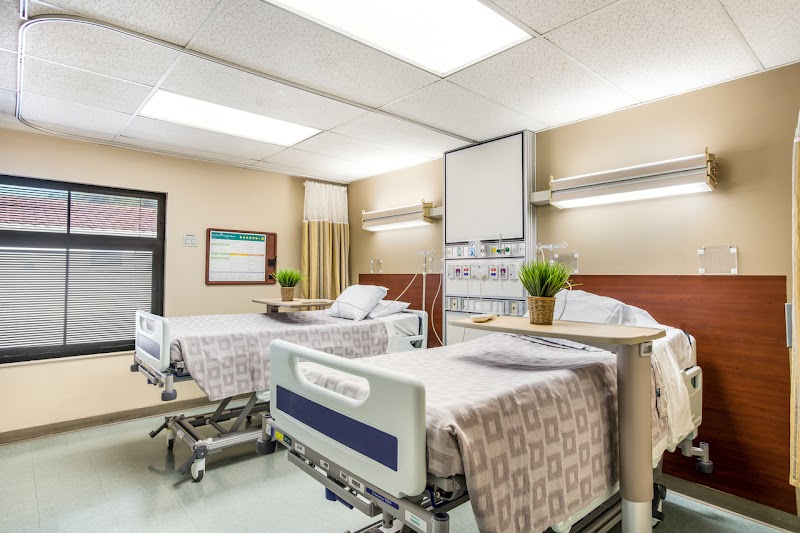
How is Kindred Hospital Brea D/P Snf Staffed?

CMS rates KINDRED HOSPITAL BREA D/P SNF's staffing level at 4 out of 5 stars, which is above average compared to other nursing homes. Staff turnover is 17%, compared to the California average of 46%. This relatively stable workforce can support continuity of care.

What Have Inspectors Found at Kindred Hospital Brea D/P Snf?

State health inspectors documented 45 deficiencies at KINDRED HOSPITAL BREA D/P SNF during 2023 to 2025. These included: 39 with potential for harm and 6 minor or isolated issues.

Who Owns and Operates Kindred Hospital Brea D/P Snf?

KINDRED HOSPITAL BREA D/P SNF is owned by a for-profit company. For-profit facilities operate as businesses with obligations to shareholders or private owners. The facility is operated by KINDRED HEALTHCARE, a chain that manages multiple nursing homes. With 38 certified beds and approximately 35 residents (about 92% occupancy), it is a smaller facility located in BREA, California.

How Does Kindred Hospital Brea D/P Snf Compare to Other California Nursing Homes?

Compared to the 100 nursing homes in California, KINDRED HOSPITAL BREA D/P SNF's overall rating (5 stars) is above the state average of 3.2, staff turnover (17%) is significantly lower than the state average of 46%, and health inspection rating (4 stars) is above the national benchmark.

What Should Families Ask When Visiting Kindred Hospital Brea D/P Snf?

Based on this facility's data, families visiting should ask: "Can I visit during a mealtime to observe dining assistance and food quality?" "How do you handle medical emergencies, and what is your hospital transfer rate?" "Can I speak with family members of current residents about their experience?"

Is Kindred Hospital Brea D/P Snf Safe?

Based on CMS inspection data, KINDRED HOSPITAL BREA D/P SNF has a clean safety record: no substantiated abuse findings (meaning no confirmed cases of resident harm), no Immediate Jeopardy citations (the most serious violation level indicating risk of serious injury or death), and is not on the Special Focus Facility watch list (a federal program monitoring the lowest-performing 1% of nursing homes). The facility has a 5-star overall rating and ranks #1 of 100 nursing homes in California. While no facility is perfect, families should still ask about staff-to-resident ratios and recent inspection results during their visit.

Do Nurses at Kindred Hospital Brea D/P Snf Stick Around?

Staff at KINDRED HOSPITAL BREA D/P SNF tend to stick around. With a turnover rate of 17%, the facility is 29 percentage points below the California average of 46%. Low turnover is a positive sign. It means caregivers have time to learn each resident's needs, medications, and personal preferences. Consistent staff also notice subtle changes in a resident's condition more quickly. Registered Nurse turnover is also low at 22%, meaning experienced RNs are available to handle complex medical needs.

Was Kindred Hospital Brea D/P Snf Ever Fined?

KINDRED HOSPITAL BREA D/P SNF has no federal fines on record. CMS issues fines when nursing homes fail to meet care standards or don't correct problems found during inspections. The absence of fines suggests the facility has either maintained compliance or corrected any issues before penalties were assessed. This is a positive indicator, though families should still review recent inspection reports for the full picture.

Is Kindred Hospital Brea D/P Snf on Any Federal Watch List?

KINDRED HOSPITAL BREA D/P SNF is not on any federal watch list. The most significant is the Special Focus Facility (SFF) program, which identifies the bottom 1% of nursing homes nationally based on persistent, serious quality problems. Not being on this list means the facility has avoided the pattern of deficiencies that triggers enhanced federal oversight. This is a positive indicator, though families should still review the facility's inspection history directly.