BUENA PARK NURSING CENTER
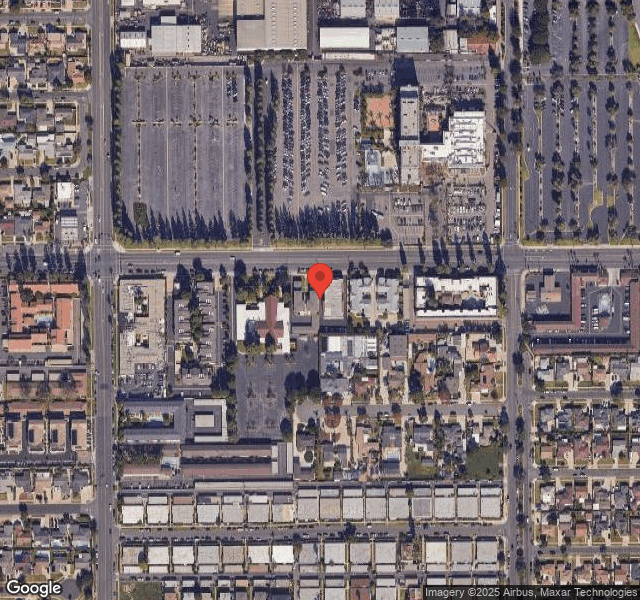
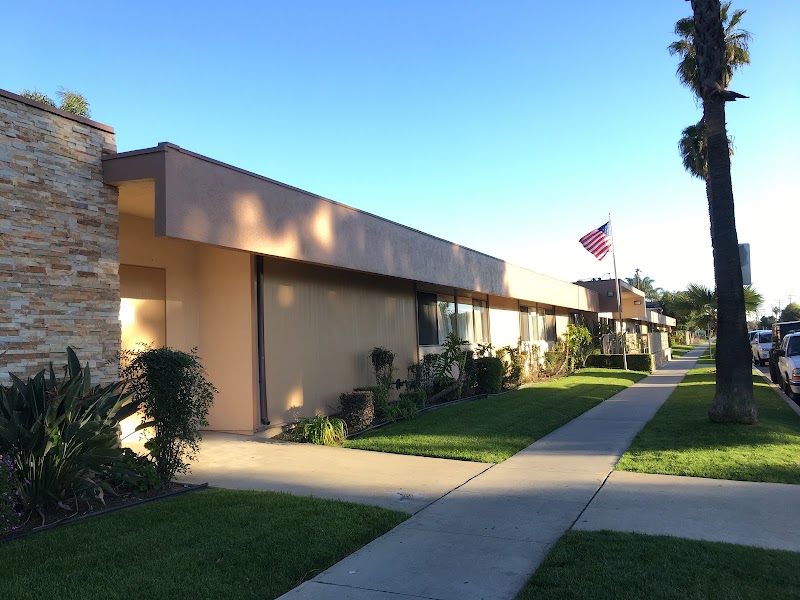
8520 WESTERN AVENUE, BUENA PARK, CA 90620 (714) 828-8222
For profit - Limited Liability company 143 Beds THE MANDELBAUM FAMILY Data: November 2025
Trust Grade
63/100
#540 of 1155 in CA
Last Inspection: November 2024

Within standard 12-15 month inspection cycle. Federal law requires annual inspections.

Overview

Buena Park Nursing Center has a Trust Grade of C+, indicating that it is slightly above average but still has room for improvement. It ranks #540 out of 1155 facilities in California, placing it in the top half of nursing homes in the state, and #39 out of 72 in Orange County, meaning only a few local options are better. However, the facility's trend is worsening, with the number of issues increasing from 2 in 2023 to 25 in 2024. Staffing is a relative strength with a rating of 4 out of 5 stars and a turnover rate of 28%, which is lower than the state average, suggesting that staff tend to stay and build relationships with residents. While the center has no fines, which is a positive sign, there are significant concerns regarding food safety practices, including improperly stored food that could lead to foodborne illnesses and inadequate sanitation in the kitchen. Additionally, there was a failure to properly document advance directives for a resident, which could lead to unmet health wishes. Overall, there are notable strengths in staffing but serious weaknesses in compliance and safety practices that families should consider.

Trust Score
C+
63/100
In California
#540/1155
Top 46%
Safety Record
Low Risk
No red flags
Inspections
Getting Worse
2 → 25 violations
Staff Stability
✓ Good
28% annual turnover. Excellent stability, 20 points below California's 48% average. Staff who stay learn residents' needs.
Penalties
✓ Good
No fines on record. Clean compliance history, better than most California facilities.
Skilled Nurses
✓ Good
Each resident gets 43 minutes of Registered Nurse (RN) attention daily — more than average for California. RNs are trained to catch health problems early.
Violations
⚠ Watch
50 deficiencies on record. Higher than average. Multiple issues found across inspections.
★★★☆☆
3.0
Overall Rating
★★★★☆
4.0
Staff Levels
★★★☆☆
3.0
Care Quality
★★★☆☆
3.0
Inspection Score
Stable
2023: 2 issues
2024: 25 issues

The Good

  • 4-Star Staffing Rating · Above-average nurse staffing levels
  • Low Staff Turnover (28%) · Staff stability means consistent care
  • Full Sprinkler Coverage · Fire safety systems throughout facility
  • No fines on record
  • Staff turnover is low (28%)

    20 points below California average of 48%

Facility shows strength in staffing levels, staff retention, fire safety.

The Bad

3-Star Overall Rating

Near California average (3.1)

Meets federal standards, typical of most facilities

Chain: THE MANDELBAUM FAMILY

Part of a multi-facility chain

Ask about local staffing decisions and management

The Ugly 50 deficiencies on record

Nov 2024 20 deficiencies
CONCERN (D)

Potential for Harm - no one hurt, but risky conditions existed

Deficiency F0578 (Tag F0578)

Could have caused harm · This affected 1 resident

**NOTE- TERMS IN BRACKETS HAVE BEEN EDITED TO PROTECT CONFIDENTIALITY** Based on interview and medical record review, the facility failed to ensure the POLST was signed and dated by the physician and ...

Read full inspector narrative →
**NOTE- TERMS IN BRACKETS HAVE BEEN EDITED TO PROTECT CONFIDENTIALITY** Based on interview and medical record review, the facility failed to ensure the POLST was signed and dated by the physician and failed to provide an advance directive Acknowledgement form for one of seven final sampled residents (Resident 104) reviewed for advanced directives. This failure had the potential of not following the resident's health wishes and not providing the resident and resident representative the information about the advance directive. Findings: Medical record review for Resident 104 was initiated on 11/18/24. Resident 104 was admitted to the facility on [DATE]. Review of Resident 104's H&P examination dated 7/24/24, showed Resident 104 did not have the capacity to understand and make decisions. Review of Resident 104's POLST dated 7/24/24, showed under Section D, the Information and Signatures portion was incomplete. The POLST failed to show documented evidence of the physician, NP, or PA's name and date signed. Further review of Resident 104's medical record failed to show documented evidence of an Advanced Directive Acknowledgment form provided to the resident or resident representative. On 11/21/24 at 0922 hours, an interview and concurrent medical record review was conducted with RN 1. RN 1 verified Resident 104's POLST was incomplete and not signed and dated by the resident's physician. RN 1 further verified there was no advance directive acknowledgement form in Resident 104's medical record. RN 1 stated there should be an Advance Directive Acknowledgement form and the POLST should be signed by the physician to be valid. On 11/21/24 at 0926 hours, an interview and concurrent medical record review was conducted with the SSD. The SSD verified Resident 104's POLST was not signed and dated by the physician. The SSD also verified Resident 104 did not have an Advance Directive Acknowledgement form. The SSD stated the Advance Directive Acknowledgement form was used to offer information to the resident and the resident's representatives about the advance directive. On 11/21/24 at 1437 hours, an interview was conducted with the Administrator and DON. The Administrator and DON verified the above findings.
CONCERN (D)

Potential for Harm - no one hurt, but risky conditions existed

Deficiency F0645 (Tag F0645)

Could have caused harm · This affected 1 resident

**NOTE- TERMS IN BRACKETS HAVE BEEN EDITED TO PROTECT CONFIDENTIALITY** Based on observation, interview, medical record review, and facility P&P review, the facility failed to ensure the PASRR screeni...

Read full inspector narrative →
**NOTE- TERMS IN BRACKETS HAVE BEEN EDITED TO PROTECT CONFIDENTIALITY** Based on observation, interview, medical record review, and facility P&P review, the facility failed to ensure the PASRR screening was completed as per the facility's P&P for two of two final sampled residents (Residents 61 and 76) reviewed for PASRR. * The facility failed to ensure Resident 76 had a Level 1 PASRR screening upon readmission back to the facility. * The facility failed to perform a PASRR Level 1 Screening Resident Review Status Change after Resident 61 was diagnosed with depression and prescribed a psychotropic medication. These failures had the potential of not providing the residents screened for mental illness or intellectual disabilities with additional resources if needed. Findings: Review of the facility's P&P titled PASRR (Preadmission Screening Resident Review) revised 3/2019 showed each resident is screened regardless of payment source, when applying for admission to, or residing in the facility, which is a Medicaid-certified facility, for mental illness and intellectual disability. Level 1 screenings are to be submitted online. All admissions to the facility will receive a Preadmission Screening (PAS) prior to the admission of the resident. The P&P further showed if the result of the Level 1 screening is positive due to a diagnosed or suspected mental illness identified, the Level 1 Screening will automatically be sent to the DHCS (Department of Health Care Services) Contractor for a Level II prescreening call. 1. Medical record review for Resident 76 was initiated on 11/18/24. Resident 76 was admitted to the facility on [DATE], and readmitted to the facility on [DATE]. Review of Resident 76's H&P examination dated 6/19/24, showed Resident 76 did not have the capacity to understand and make decisions. Further review of Resident 76's medical record showed the resident had a hospital stay from 6/9/24 to 6/13/24, and had a diagnosis of depression (mental health disorder that causes persistent feeling of sadness and loss of interest) with an onset date of 6/13/24. However, Resident 76's medical record failed to show a PASRR was completed when the resident was readmitted to the facility on [DATE]. On 11/20/24 at 1005 hours, an interview and concurrent medical record review was conducted with LVN 2. LVN 2 verified Resident 76's medical record showed no documented evidence a PASRR was completed after the resident was readmitted back to the facility on 6/13/24. LVN 2 stated the PASRR available in Resident 76's medical record was last dated 1/19/24. LVN 2 stated the PASRR should be updated so the physician could accurately assess the resident and the facility could provide the appropriate care. On 11/20/24 at 1457 hours, an interview and concurrent medical record review was conducted with the ADON. The ADON verified Resident 76 was readmitted back to the facility on 6/13/24. The ADON stated the residents returning from the hospital after 72 hours were considered a new admission and should have a PASRR completed. The ADON verified Resident 76 returned after 72 hours; however, the resident did not have a PASRR completed upon the resident's return to the facility on 6/13/24. The ADON stated a PASRR should have been done. The ADON further stated PASRR Level I was completed to assess if the resident qualified for Level II screening, which provided the facility more resources to care for residents who have a positive Level II screening. The ADON stated this ensured the facility provided the proper care for residents with mental illness or intellectual disabilities. On 11/21/24 at 1437 hours, an interview was conducted with the Administrator and the DON . The Administrator and the DON verified the above findings. 2. Medical record review for Resident 61 was initiated on 11/18/24. Resident 61 was admitted to the facility on [DATE]. Review of Resident 61's PASRR Level 1 Screening dated 9/20/24, showed Resident 61 had no diagnosis of a serious mental illness and had no prescribed psychotropic medications, consequently, a Level 2 mental health evaluation was not required. Review of Resident 61's H&P examination dated 9/25/24, showed Resident 61 had a diagnosis of mild depression. Review of Resident 61's physician's order dated 9/26/24, showed an order for mirtazapine (antidepressant medication) 15 mg orally at bedtime for depression manifested by poor oral intake. On 11/19/24 at 1600 hours, an interview and concurrent medical record review was conducted with the DON. The DON stated after Resident 61 was diagnosed with depression and prescribed a psychotropic medication (mirtazapine) on 9/26/24, a PASRR Level 1 Screening Resident Review Status Change should have been performed reflecting Resident 61's diagnosed mental illness and prescribed psychotropic medications.
CONCERN (D)

Potential for Harm - no one hurt, but risky conditions existed

Comprehensive Care Plan (Tag F0656)

Could have caused harm · This affected 1 resident

**NOTE- TERMS IN BRACKETS HAVE BEEN EDITED TO PROTECT CONFIDENTIALITY** Based on interview and medical record review, the facility failed to develop the comprehensive care plan to reflect the individu...

Read full inspector narrative →
**NOTE- TERMS IN BRACKETS HAVE BEEN EDITED TO PROTECT CONFIDENTIALITY** Based on interview and medical record review, the facility failed to develop the comprehensive care plan to reflect the individual care needs for two of 26 final sampled residents (Residents 73 and 88). * The facility failed to develop a care plan to address the use of elevated side rails for Resident 73. * The facility failed to develop a care plan for a high bed for Resident 88. These failures posed the risk for not providing appropriate and individualized care to the residents. Findings: 1. Medical record review for Resident 73 was initiated 11/18/24. Resident 73 was admitted to the facility on [DATE]. Review of Resident 73's physician's order dated 8/7/24, showed an order for bilateral grab bars for bed mobility and repositioning. On 11/18/24 at 0835 hours, an observation and concurrent interview was conducted with Resident 73. Resident 73 was observed lying in bed with bilateral grab bars elevated. Resident 73 stated he utilized the grab bars to get up in bed. On 11/21/24 at 1357 hours, an interview and concurrent medical record review was conducted with RN 1. RN 1 stated when the side rails were implemented for a resident who resided in the facility, a care plan specific to the use of side rails would then be developed. RN 1 reviewed Resident 73's medical record and verified the facility failed to develop a care plan specific to the use of side rails for Resident 73. 2. Medical record review of Resident 88 was initiated on 11/18//24. Resident 88 was admitted to the facility on [DATE], and readmitted on [DATE]. Review of Resident 88's care plan dated 9/11/24, showed a care plan problem addressing the resident's risk for fall or injury related medication and cognitive impairment. The intervention included to maintain the bed in the lowest or locked postiion. However, the care plan failed to identify the resident was noncompliant and the education was given to Resident 88 and other alternative was offered to prevent the fall or injury. On 11/18/24 at 0815 and 1000 hours, Resident 88 was sitting upright in a high bed, awake, and without bilateral floor mats. On 11/18/24 at 1100 hours, an interview and concurrent medical record review was conducted with RN 3, LVN 7, and CNA 3. RN 3 stated the resident requested a high bed and did not want the bed to be lowered. LVN 7 stated CNA 3 mentioned the resident preferred a high bed and acknowledged the absence of floor mats. CNA 3 confirmed the resident always preferred a high bed and would raise it if CNA lowered it. RN 3 was asked if any care plan had been developed to address the resident's noncompliance with care and risk of falls from the high bed. RN 3 acknowledged no interventions or alternatives had been offered to implement for the resident with a high bed. RN 3 verified the above findings.
CONCERN (D)

Potential for Harm - no one hurt, but risky conditions existed

Pressure Ulcer Prevention (Tag F0686)

Could have caused harm · This affected 1 resident

**NOTE- TERMS IN BRACKETS HAVE BEEN EDITED TO PROTECT CONFIDENTIALITY** 2. Medical record review for Resident 3 was initiated on 11/18/24. Resident 3 was readmitted to the facility on [DATE]. Review o...

Read full inspector narrative →
**NOTE- TERMS IN BRACKETS HAVE BEEN EDITED TO PROTECT CONFIDENTIALITY** 2. Medical record review for Resident 3 was initiated on 11/18/24. Resident 3 was readmitted to the facility on [DATE]. Review of Resident 3's Order Summary Report dated 11/19/24, showed a physician's order dated 9/6/24, to use a LAL mattress for skin maintenance and monitor for placement every shift. Review of Resident 3's Weekly Pressure Injury Record dated 11/4/24, showed Resident 3 had a left buttock Stage 4 pressure injury which was closed and resolved. Review of Resident 3's Weights and Vitals Summary dated 11/21/24, showed Resident 3's last weight taken was 119 lbs on 11/4/24. Review of the DynaRest Airfloat 100 Air Mattress with Pump instruction manual showed the DynaRest Airfloat 100 Air Mattress is designed for bed sore and wound care therapy treatment and prevention. Under the controls section, showed the Pressure Adjust Knob was adjustable by patient's weight and to turn the Pressure Adjust to set a comfortable pressure level by using the weight scale as a guide. On 11/18/24 at 1058 hours, 11/20/24 at 1120 hours, and 11/21/24 at 0820 hours, Resident 3 was observed lying on a LAL mattress. The LAL mattress was on and set to less than 80 pounds. On 11/21/24 at 0859 hours, a concurrent observation, interview, and medical record review was conducted with LVN 9. LVN 9 stated Resident 3 had a left buttock Stage 4 pressure injury which was resolved within the past month. LVN 9 stated they were doing daily dressing changes for the skin maintenance. LVN 9 verified Resident 3 was on a LAL mattress for preventative skin maintenance and stated all the nurses were responsible for checking the LAL mattress. LVN 9 stated the setting was according to the weight of the patient and comfort. LVN 9 was then brought to Resident 3's room for observation of the LAL mattress. LVN 9 verified Resident 3's current weight of 119 lbs and verified the above findings. LVN 9 stated the LAL mattress should be set between 100 - 120 lbs and verified the setting was not correct. On 11/21/24 at 1438 hours, the Administrator and DON were informed and acknowledged the above findings. 4. Medical record review for Resident 102 was initiated on 11/18/24. Resident 102 was admitted to the facility on [DATE]. Review of Resident 102's Order Summary Report dated active as of 11/21/24, showed a physician's order dated 8/14/24, to use a LAL mattress for skin and wound management and to check for proper setting and function every shift. Review of Resident 102's Plan of Care addressing Pressure Ulcers showed to provide LAL mattress as a pressure-relieving device in bed. Review of the Med-Aire 8 Alternating Pressure Mattress Replacement System with Low Air Loss instruction manual showed the low air loss mattress is designed for prevention of bedsores. Under the Pressure Set Up section, showed users can easily adjust the air mattress to a desired firmness according to the patient's weight and comfort. On 11/19/24 at 1054 hours, Resident 102 was observed lying on a LAL mattress. The LAL mattress was on and set to more than 150 pounds. On 11/20/24 at 1509 hours, a concurrent observation, interview, and medical record review was conducted with LVN 4. LVN 4 verified Resident 102 was on a LAL mattress for preventative skin maintenance and stated all the nurses were responsible for checking the LAL mattress. LVN 4 stated the setting was according to the weight of the patient and the comfort. LVN 4 verified Resident 102's current weight of 100 lbs and verified the above findings. LVN 4 stated the LAL mattress should be set according to the resident's weight and verified the setting was not correct. 3. Review of the facility document titled Oasis Alternating Pressure with Low Air Loss manual, undated, showed users determine the patient's weight and set the control knob to that weight setting on the control unit. Medical record review for Resident 103 was initiated on 11/19/24. Resident 103 was admitted to the facility on [DATE], and readmitted to the facility on [DATE]. Review of Resident 103's H&P examination dated 11/4/24, showed the resident had no capacity to understand and make decisions. Review of Resident 103's Order Summary Report dated 11/1/24, showed the following physician's order: - dated 11/1/24, for LAL mattress for skin and wound management, and to check for proper setting and function every shift. Review of Resident 103's Weights and Vital Summary showed Resident 103's weigh of 88 pounds on 11/17/24. On 11/18/24 at 0928 hours, during an observation, Resident 103 was in bed lying on a LAL mattress with the mattress pressure setting set between 120 to 155 pounds. On 11/18/24 at 0938 hours, a concurrent observation and interview with LVN 3 was conducted in Resident 103's room. LVN 3 verified the mattress pressure setting was between 120 to 155 pounds. LVN 3 further verified Resident 103 did not weigh between 120 to 155 pounds; however, she verified the resident's current weight was 88 pounds. LVN 3 stated the mattress pressure setting should be based on the resident's weight to prevent skin breakdown or cause worsen of wound. Based on observation, interview, medical record review, and facility P&P review, the facility failed to ensure the necessary care and services were provided to prevent the pressure ulcer for three final sampled residents (Residents 3, 102, and 103) and one nonsampled resident (Resident 334) reviewed for pressure injury and skin management. * Resident 334 was developing a new blister to the right underneath first and second toes. The facility failed to assess Resident 334's skin, inform the physician of new change of skin condition, and provide the treatment. * The facility failed to ensure the LAL mattress setting was consistently monitored to ensure the appropriate settings of the low air loss mattress for Resident 3. * The facility failed to ensure the LAL mattress setting was consistently monitored to ensure the appropriate settings of the low air loss mattress for Resident 102. * The facility failed to ensure Resident 103's LAL mattress setting was appropriate to the resident's weight. These failures had the potential of Resident 334 not receiving the appropriate care and services to prevent wound from getting worse. Findings: Review of the facility's P&P titled Pressure Ulcer/Injury management dated 7/2019 showed Stage 2 pressure sore. Medical record review was initiated for Resident 334 on 12/13/17. Resident 334 was admitted to the facility on [DATE], and readmitted on [DATE]. Review of Resident 334's Initial Nursing History and Assessment - Initial dated 11/6/24, under the skin condition section showed the resident had sacrococcyx redness, lower abdomen with multiple skin scratch, lower abdomen multiple with skin yellowish, left forearm IV site, and GT site. On 11/18/24 at 1100 hour, an observation and concurrent interview were conducted with Resident 334's family member. The family member stated last week, they notified the nurse about a small new blister on the right great toe, between the first and second toes, though they did not remember the specific day and shift. The family member also mentioned the nurse had treated it so far. The family member wondered why the dressing was on the other side and not on the blister area. A sterile dressing was observed on the opposite side of the great toe. On 11/19/24 at 1415 hours, LVN 3 was summoned to the room. LVN 3 was observed removing the sterile dressing and noticed there were no skin abnormalities. LVN 3 acknowledged there was a fluid-filled blister on the right great toe, between the first and second toes, and stated she was not aware of it. LVN 3 mentioned there had been no assessment, and the physician had not been informed about this new blister. LVN 3 acknowledged there was no treatment for the new blister and verified the findings. LVN 3 measured the fluid-filled blister, which was 1 cm (length) X 0.6 cm (width), and depth was unable to determine with intact surrounding skin. When asked if the blister was considered a pressure injury, LVN 3 stated it was a blister and not considered a pressure injury. When asked why the blister was not considered a pressure injury, LVN 3 stated she was not sure and would ask another treatment nurse. On 11/19/24 at 1430 hours, LVN 3 acknowledged the fluid-filled blister was considered a Stage 2 pressure injury and verified the findings. On 11/19/24 at 1500 hours, an interview was conducted with RN 5. RN 5 stated that if the fluid-filled blister's skin was closed, it would be considered a Stage 1 pressure injury, and if ruptured or open, it would be categorized as a Stage 2 pressure injury. On 11/19/24 at 1530 hours, an interview was conducted with LVN 6. LVN 6 stated a fluid-filled blister was considered a Stage 2 pressure sore, whether it was closed or open/ruptured. LVN 6 stated they should inform the physician of any skin condition changes and apply xeroform gauze and a dry dressing. Further review of the Resident Weekly Pressure Injury Record dated 11/19/24, showed the right first toes fluid filled blister was a Staged 2 pressure injury with mild erythema. On 11/21/24 at 1530 hours, the DON was informed and acknowledged the above findings.
CONCERN (D)

Potential for Harm - no one hurt, but risky conditions existed

Tube Feeding (Tag F0693)

Could have caused harm · This affected 1 resident

**NOTE- TERMS IN BRACKETS HAVE BEEN EDITED TO PROTECT CONFIDENTIALITY** Based on observation, interview, and medical record review, the facility failed to provide the necessary GT care and services fo...

Read full inspector narrative →
**NOTE- TERMS IN BRACKETS HAVE BEEN EDITED TO PROTECT CONFIDENTIALITY** Based on observation, interview, and medical record review, the facility failed to provide the necessary GT care and services for one of three residents (Resident 74) reviewed for tube feeding. * The facility failed to ensure Resident 74 was connected to the continuous infusing enteral feeding as ordered by the physician. This failure posed the potential risk for not meeting Resident 74's nutritional needs. Findings: Medical record review for Resident 74 was initiated on 11/18/24. Resident 74 was readmitted to the facility on [DATE]. Review of Resident 74's Order Summary Report dated 11/19/24, showed a physician's order dated 10/9/24, to administer Nepro 1.8 (type of enteral feeding) via enteral pump and infuse at 50 ml per hour over 16 hours or until volume limit was completed (800 ml), off at 0500 hours and on at 1300 hours. On 11/18/24 at 1400 hours, Resident 74 was observed laying in bed. Resident 74's GT feeding was connected via a feeding pump, which was turned on and infusing at 50 ml/hr. The GT feeding tubing was observed hanging from the pole where the feeding pump was connected, but the feeding tubing was not connected to Resident 74. The GT feeding was observed dripping onto the floor. On 11/18/24 at 1432 hours, an observation and concurrent interview was conducted with RN 4. RN 4 verified the above findings and stated she would need to inform the charge nurse. RN 4 proceeded to leave the room and stated she would get Resident 74's charge nurse. On 11/18/24 at 1434 hours, an observation and concurrent interview was conducted with LVN 10. LVN 10 verified Resident 74's GT feeding was not connected or infusing to Resident 74. LVN 10 stated she needed to change the whole GT feeding. LVN 10 stated Resident 74 just had dialysis and maybe the dialysis nurse disconnected it. LVN 10 also stated when the facility staff gave showers, they would disconnect the GT feeding. When asked who she was referring to, LVN 10 stated the CNAs. On 11/21/24 at 1438 hours, an interview was conducted with the Administrator and DON. The Administrator and DON were informed and acknowledged the findings.
CONCERN (D)

Potential for Harm - no one hurt, but risky conditions existed

Respiratory Care (Tag F0695)

Could have caused harm · This affected 1 resident

**NOTE- TERMS IN BRACKETS HAVE BEEN EDITED TO PROTECT CONFIDENTIALITY** 3. Review of the facility's P&P titled CPAP/BiPAP Support revised 6/2018 showed under the section for Preparation, the resident'...

Read full inspector narrative →
**NOTE- TERMS IN BRACKETS HAVE BEEN EDITED TO PROTECT CONFIDENTIALITY** 3. Review of the facility's P&P titled CPAP/BiPAP Support revised 6/2018 showed under the section for Preparation, the resident's physician's orders should be reviewed to determine the oxygen concentration and flow, and the PEEP pressure. On 11/18/24 at 0855 hours, Resident 58's CPAP mask was observed on the floor behind his bed. Resident 58 stated the staff helped him to clean and store his CPAP mask. There was no respiratory bag observed at the bedside. On 11/18/24 at 0935 hours, the IP was summoned to Resident 58's room. The IP verified the above findings and proceeded to pick up Resident 58's CPAP mask from the floor. The IP verified the CPAP mask should be cleaned and stored in a plastic bag when not in use. Medical record review for Resident 58 was initiated on 11/18/24. Resident 58 was readmitted to the facility on [DATE]. Review of Resident 58's Order Summary Report dated 11/18/24, showed a physician's order dated 4/30/24, for CPAP off in the morning and on at bedtime. Further review of Resident 58's Order Summary Report failed to show a physician's order for the settings of the CPAP. Review of Resident 58's plan of care showed a care plan problem dated 4/30/24, addressing Resident 58's risk for altered breathing pattern and risk for respiratory distress. The approach plan included to provide CPAP as ordered. On 11/20/24 at 1331 hours, an interview and concurrent medical record review was conducted with the DON. The DON verified the facility was required to have a physician's order for the settings of the CPAP. The DON verified Resident 58 did not have a physician's order for the settings of the CPAP. The DON was informed of the above findings. The DON stated the facility had to store the CPAP mask in a bag labeled with the resident's name on it for infection control. On 11/20/24 at 1438 hours, an interview was conducted with the Administrator and DON. The Administrator and DON were informed of the above findings. Based on observation, interview, medical record review, and facility P&P review, the facility failed to ensure four of seven final sampled residents (Residents 8, 44, 58, and 75) and one nonsampled resident (Resident 29) reviewed for respiratory care were provided the appropriate respiratory care. * The facility failed to ensure Resident 75's oxygen was administered as ordered and a No Smoking/Oyxgen in Use sign was outside the resident's door per the facility's P&P. In addition, the facility failed to ensure Resident 75 had a physician's order and care plan developed to address the use of the suction machine. The suction storage bag was also observed undated and unlabeled. * The facility failed to ensure Resident 8 who was on oxygen had a No Smoking/Oxygen in Use sign outside the resident's door as per the facility's P&P. In addition, the facility failed to ensure Resident 8's oxygen nasal cannula was stored in a sanitary manner. * The facility failed to ensure Resident 58's physician orders for the use of CPAP had the settings. Additionally, Resident 58's CPAP was not stored in a sanitary manner. * The facility failed to ensure Resident 44's oxygen was administered as ordered. * The facility failed to ensure a no smoking and oxygen in use sign was posted per the facility's P&P for Resident 29 who was receiving oxygen. These failures had the potential to affect the respiratory health and well-being of the residents in the facility. Findings: Review of the facility's P&P titled Oxygen Administration revised on 3/2017 showed to verify that there is a physician's order for oxygen administration and to review the resident's care plan for any special needs of the resident. Oxygen therapy is administered by way of an oxygen mask, nasal cannula or non-rebreather mask. The P&P further showed a No Smoking/Oxygen in use signs were necessary. 1. On 11/18/24 at 0823 hours, Resident 75 was observed with oxygen at three liters per minute via nasal cannula. There was no No Smoking/Oxygen in use sign observed inside or outside Resident 75's room. In addition, a suction machine was observed at Resident 75's bedside with the suction storage bag not dated or labeled. On 11/18/24 at 0906 hours, Resident 75 was observed with oxygen at three liters per minute via nasal cannula. Medical record review for Resident 75 was initiated on 11/18/24. Resident 75 was admitted to the facility on [DATE]. Review of Resident 75's H&P examination dated 3/22/24, showed Resident 75 did not have the capacity to understand and make decisions. Review of Resident 75's Order Summary Report showed a physician's order dated 3/16/24, to administer oxygen at two liters per minute via nasal cannula to keep oxygen saturation level above 92% every shift. Further review of Resident 75's Oder Summary Report for November 2024 showed no documented evidence the resident had a physician's order for suction. On 11/18/24 at 0911 hours, an observation, interview, and concurrent medical record review was conducted with LVN 15. LVN 15 verified Resident 75 had oxygen orders for two liters per minute; however, the resident was observed receiving three liters per minute of oxygen. LVN 15 verified there was No Smoking/Oxygen in Use signage outside of Resident 75's room. LVN 15 further verified a suction machine was at bedside with the suction storage bag not dated or labeled. On 11/20/24 at 1418 hours, an observation, interview, and concurrent medical record review was conducted with LVN 4. LVN 4 verified Resident 75 had a suction machine at bedside. LVN 4 verified the suction storage bag was not dated or labeled. LVN 4 stated the storage bags for the respiratory equipment were changed out weekly on Sundays, to ensure infection control was maintained. LVN 4 reviewed Resident 75's medical record and verified the resident did not have documented evidence to show a physician's order or care plan problem was initiated for the suction machine use. LVN 4 stated there should have been a physician's order and care plan for the use of the suction machine. LVN 4 further stated a physician's order was needed in order to suction a resident. On 11/21/24 at 1437 hours, an interview was conducted with the Administrator and DON . The DON stated the residents needed a physician's order to use the suction machine and to receive the oxygen as ordered. The DON further stated the respiratory storage bags were changed weekly and should be dated and labeled. The Administrator and DON verified the above findings. 2.a. On 11/18/24 at 0857 hours, Resident 8 was observed with oxygen at three liters per minute via nasal cannula. There was no No Smoking/Oxygen in use sign observed inside or outside of Resident 8's room. Medical record review for Resident 8 was initiated on 11/18/24. Resident 8 was admitted to the facility on [DATE], and readmitted to the facility on [DATE]. Review of Resident 8's H&P examination dated 11/1/24, showed Resident 8 had the capacity to understand and make decisions. Review of Resident 8's Order Summary Report showed a physician's order dated 10/17/24, to administer oyxgen at two liters per minute via nasal cannula to keep oxygen saturation level above 92% as needed. On 11/18/24 at 0949 hours, an observation and concurrent interview was conducted with RN 5. RN 5 verified Resident 8 was on oxygen; however, there was no signage for No Smoking/Oxygen in Use posted inside or outside of the resident's room. RN 5 stated the No Smoking/Oxygen in Use signage ensured everyone being informed about the potential fire hazard. RN 5 further stated the No Smoking/Oxygen in Use signage should be posted as a safety precaution. 5. On 11/18/24 at 0854 hours, Resident 29 was observed in bed receiving two liters per minute of oxygen via nasal cannula. A no smoking and oxygen in use sign was not posted at the door. Medical record review for Resident 29 was initiated on 11/18/24. Resident 29 was admitted to the facility on [DATE]. Review of Resident 29's Order Summary Report dated 11/21/24, showed a physician's order dated 6/20/24, to administer oxygen at two liters per minute via nasal cannula to keep oxygen saturation level above 92% every shift. Review of Resident 29's MAR for November 2024 showed Resident 29 was administered oxygen from 11/1 to 11/18/24, every shift. On 11/18/24 at 0909 hours, an observation for Resident 29 and concurrent interview was conducted with LVN 15. LVN 15 verified the above finding. b. On 11/18/24 at 1625 hours, an observation and concurrent interview was conducted with LVN 6. Resident 8 was observed lying in bed receiving continuous oxygen at a rate of two liters per minute via nasal cannula. Resident 8's wheelchair was observed adjacent to her bed. Resident 8's wheelchair was observed with an oxygen tank attached to the wheelchair. A nasal cannula was observed attached to the oxygen tank. The nasal cannula was observed hanging on the wheelchair. The nasal cannula was not stored in a clean bag. LVN 6 verified the findings and stated Resident 8's nasal cannula needed to be stored in a clean bag for infection control. LVN 6 stated she would change Resident 8's nasal cannula. 4. Medical record review for Resident 44 was initiated on 11/18/24. Resident 44 was admitted to the facility on [DATE], and readmitted on [DATE]. Review of Resident 44's Order Summary Report dated 10/31/24, showed a physician's order dated 9/25/23, to administer oxygen two liters per minute via nasal cannula as needed for shortness of breath and oxygen saturation level less than 90%. On 11/19/24 at 0830 hours, Resident 44 was observed with oxygen connected to an oxygen concentrator at three liters per minute via a nasal cannula . On 11/19/24 at 1030 hours, an observation and concurrent interview was conducted with LVN 3. LVN 3 verified the above finding. On 11/21/24 at 1530 hours, an interview was conducted with the DON. The DON was informed and acknowledged the above findings.
CONCERN (D)

Potential for Harm - no one hurt, but risky conditions existed

Deficiency F0698 (Tag F0698)

Could have caused harm · This affected 1 resident

**NOTE- TERMS IN BRACKETS HAVE BEEN EDITED TO PROTECT CONFIDENTIALITY** Based on interview, medical record review, and facility P&P review, the facility failed to ensure the appropriate dialysis care ...

Read full inspector narrative →
**NOTE- TERMS IN BRACKETS HAVE BEEN EDITED TO PROTECT CONFIDENTIALITY** Based on interview, medical record review, and facility P&P review, the facility failed to ensure the appropriate dialysis care was provided for one of two final sampled residents (Resident 82) reviewed for dialysis services. * The facility failed to ensure the dialysis communication forms were completed for Resident 82. This failure had the potential for the resident to experience medical complications. Findings: Review of the facility's P&P titled Dialysis Care Inhouse revised 1/2019, showed it is the policy of the facility that a resident admitted for dialysis care will receive quality care and quality of life from the dialysis nurse, dialysis staff, and facility nursing staff. There will be continuity of care and communication between nursing staff and the dialysis nursing staff. A pre-dialysis checklist will be completed by the facility each time the resident is scheduled for dialysis. This checklist includes information regarding the type of access site and the condition of the access site and the dressing. The post dialysis checklist part of the form is to be completed by the facility upon completion of dialysis. Information to be documented include information regarding the type of access site and condition of the dressing and access site. Medical record review for Resident 82 was initiated on 11/18/24. Resident 82 was admitted to the facility on [DATE]. Review of Resident 82's H&P examination dated 10/2/24, showed Resident 82 had no capacity to understand and make decisions. Review of Resident 82's admission Record showed Resident 82 had a diagnosis of ESRD and was dependent on renal dialysis. Review of Resident 82's Order Summary Report for November 2024 showed a physician's order dated 9/30/24, for hemodialysis every Monday, Wednesday, and Friday with the dialysis facility. Review of Resident 82's dialysis communication assessment forms showed multiple blank entries as follows: - on 10/30/24, the pre-dialysis access site assessment - on 11/1/24, the pre-dialysis access site assessment - on 11/13/24, the pre-dialysis access site assessment - on 11/20/24, the pre and post-dialysis access site assessments On 11/21/24 at 1431 hours, an interview and concurrent medical record review was conducted with LVN 12. LVN 12 verified the above findings. LVN 12 stated the dialysis forms should not have been left blank and should have been filled out accordingly.
CONCERN (D)

Potential for Harm - no one hurt, but risky conditions existed

Deficiency F0700 (Tag F0700)

Could have caused harm · This affected 1 resident

**NOTE- TERMS IN BRACKETS HAVE BEEN EDITED TO PROTECT CONFIDENTIALITY** Based on observation, interview, and medical record review, the facility failed to ensure two of 26 final sampled residents (Res...

Read full inspector narrative →
**NOTE- TERMS IN BRACKETS HAVE BEEN EDITED TO PROTECT CONFIDENTIALITY** Based on observation, interview, and medical record review, the facility failed to ensure two of 26 final sampled residents (Residents 46 and 73) remained free from accident hazards. * The facility failed to attempt the alternatives and failed to obtain the informed consent prior to the use of side rails for Resident 73. * For Resident 46, the facility failed to asses for the risk of entrapment and failed to attempt alternatives prior to the use of side rails. Additionally, the facility failed to inform the responsible party of side rail use. These failures had the potential for placing the residents at risk for entrapment for the use of side rails. Findings: The FDA issued a Safety Alert entitled Entrapment Hazards with Hospital Bed Side Rails. Residents most at risk for entrapment are those who are frail or elderly or those who have conditions such as agitation, delirium, confusion, pain, uncontrolled body movement, hypoxia, fecal impaction, acute urinary retention, etc., that may cause them to move about the bed or try to exit from the bed. Entrapment may occur when a resident is caught between the mattress and bed rail or in the bed rail itself. Inappropriate positioning or other care related activities could contribute to the risk of entrapment. 1. Medical record review for Resident 73 was initiated 11/18/24. Resident 73 was admitted to the facility on [DATE]. Review of the physician's order dated 8/7/24, showed an order for a bilateral grab bars for bed mobility and repositioning. Review of Resident 73's care plan titled Altered Cognitive Status revised 11/11/24, showed Resident 73 had moderately impaired cognition. The care plan showed to provide Resident 73 with a safe and comfortable environment and provide frequent visual checks. On 11/18/24 at 0835 hours, an observation and concurrent interview was conducted with Resident 73. Resident 73 was observed lying in bed with the bilateral grab bars elevated. Resident 73 stated he utilized the grab bars to get up in bed. On 11/21/24 at 1350 hours, an observation was conducted of Resident 73. Resident 73 was observed sitting in his bed with the bilateral grab bars elevated. Review of Resident 73's medical record failed to show an informed consent prior to the use of the side rails was obtained. Further review of the medical record failed to show alternatives were attempted prior to the use of side rails. On 11/21/24 at 1357 hours, an interview and concurrent medical record review was conducted with RN 1. RN 1 reviewed Resident 73's medical record and verified the facility failed to obtain an informed consent and failed to attempt alternatives prior to the use of the side rails. 2. Medical Record review for Resident 46 was initiated on 11/18/24. Resident 46 was admitted to the facility on [DATE]. Review of the Order Summary Report dated 10/31/24, showed a physician order dated 9/16/22, to have bilateral padded side rails up due to medical necessity for seizure. Review of the Bedrail/Grab bar use and Entrapment Risk Evaluation dated 10/24/24, showed under the section asking if the bedrails/grab bars place the resident at high risk for strangulation, entanglement, or asphyxiation. The answer was documented as no with explanation, the acute care hospital bed dimension was in within the recommended limit. However, there was no documented evidence to show the assessment of the bed zone entrapment. In addition, under the section for the least restrictive measures attempted or in place, and current measures effective or not was left blank. On 11/18/24 at 0930 and 1130 hours, Resident 46 was observed sleeping in bed with the bilateral padded side rails (from elbow to upper thigh). On 11/19/24 at 1450 hours, an interview and concurrent medical record review was conducted with RN 5. RN 5 was asked the purpose of the bilateral padded side rails. RN 5 stated the purpose of the bilateral padded side rails was for medical necessity and epilepsy. RN 5 was unable to locate the documentation for the assessment of the zone entrapment of the side rail installation, bed rail, and bed mattress. RN 5 stated she could not locate the documentation. RN 5 was asked if the resident or responsible party had informed for the use of side rails. RN 5 stated she was unable to provide the documentation. RN 5 acknowledged the side rail assessment was not completed. RN 5 verified the finding. On 11/21/24 at 1430 hours, an interview was conducted with the Medical Record Assistant. The Medical Record Assistant was asked regarding the informed consent of the side rails use. The Medical Record Assistant could not find the informed consent for the use of the side rails and acknowledged they did not have it. The Medical Record Assistant verified the findings.
CONCERN (D)

Potential for Harm - no one hurt, but risky conditions existed

Pharmacy Services (Tag F0755)

Could have caused harm · This affected 1 resident

**NOTE- TERMS IN BRACKETS HAVE BEEN EDITED TO PROTECT CONFIDENTIALITY** Based on observation, interview, medical record review, and facility P&P review, the facility failed to ensure the pharmaceutica...

Read full inspector narrative →
**NOTE- TERMS IN BRACKETS HAVE BEEN EDITED TO PROTECT CONFIDENTIALITY** Based on observation, interview, medical record review, and facility P&P review, the facility failed to ensure the pharmaceutical services were provided to meet the needs of one of 26 final sampled residents (Resident 74). * The facility failed to ensure Resident 74's GT medication was administered via gravity. * The facility failed to ensure Resident 74's bowel pattern was checked for loose stool/diarrhea prior to administering docusate sodium (stool softener). These failures had the potential to result in poor health outcomes to the resident. Findings: Review of the facility's P&P titled Medication Administration via Enteral Tube revised 4/2017 showed the purpose of the policy was to safely and accurately administer oral medications through an enteral tube. The policy showed under the section Administering Medications, to allow each medication to flow down the tube by gravity. Medical record review for Resident 74 was initiated on 11/18/24. Resident 74 was readmitted to the facility on [DATE]. Review of Resident 74's Order Summary Report dated 11/19/24, showed a physician's order dated 9/17/24, to administer docusate sodium tablet 100 mg one tablet by mouth one time a day for bowel management. Review of Resident 74's Task - B&B - Bowel Elimination POC Response History dated 11/19/24, showed the consistency of Resident 74's bowel movements over the past 30 days. The document showed Resident 74 had loose stools/diarrhea from 10/28/24 through 11/19/24. On 11/19/24 at 0835 hours, a medication administration observation was conducted with LVN 8. LVN 8 prepared Resident 74's medications and placed them into individual medication cups. Upon preparation of the docusate sodium medication, LVN 8 was observed not checking Resident 74's bowel pattern for loose stool/diarrhea. LVN 8 verified she would be giving Resident 74 seven medications via GT, two supplements via GT, and one insulin injection. During the medication administration, LVN 8 was observed mixing water into each of the medication cups and administered eight of the nine medications/supplements via GT by gravity. During the observation of the last medication administration, LVN 8 was observed aspirating the contents of the crushed docusate sodium tablet with a syringe and pushing the medication through Resident 74's GT. On 11/19/24 at 1123 hours, a follow-up interview was conducted with LVN 8. LVN 8 was informed of the observation of medication administration for the docusate sodium medication. LVN 8 acknowledged she did not administer the medication by gravity. LVN 8 was asked about Resident 74's bowel pattern prior to administering the docusate sodium medication. LVN 8 stated she got endorsement from the last nurse and the nurse stated Resident 74 did not have loose stools. LVN 8 verified she did not review Resident 74's documented bowel pattern and verified Resident 74 had been having loose stools/diarrhea since 10/28/24. LVN 8 stated she should have not given the docusate sodium medication since Resident 74 was reported to have loose stools. On 11/21/24 at 1438 hours, an interview was conducted with the Administrator and DON. The Administrator and DON were informed and acknowledged the above findings.
CONCERN (D)

Potential for Harm - no one hurt, but risky conditions existed

Deficiency F0757 (Tag F0757)

Could have caused harm · This affected 1 resident

**NOTE- TERMS IN BRACKETS HAVE BEEN EDITED TO PROTECT CONFIDENTIALITY** Based on interview and medical record review, the facility failed to provide adequate monitoring of the blood pressure and heart...

Read full inspector narrative →
**NOTE- TERMS IN BRACKETS HAVE BEEN EDITED TO PROTECT CONFIDENTIALITY** Based on interview and medical record review, the facility failed to provide adequate monitoring of the blood pressure and heart rate to ensure one of 26 final sampled residents (Resident 73) was free from unnecessary drugs. * Resident 73 was administered amlodipine (blood pressure medication) and lozartan (blood pressure medication) when the resident's blood pressure and heart rate were not checked prior to administering the medications, as prescribed by the physician. This failure had the potential to negatively affect Resident 73's health condition and well-being. Findings: Medical record review for Resident 73 was initiated on 11/18/24. Resident 73 was admitted to the facility on [DATE]. Review of Resident 73's Order Summary Report showed the following physician's orders dated 8/7/24: - to administer amlodipine 5 mg one tablet by mouth two times a day for hypertension (high blood pressure), and to hold if the systolic blood pressure less than 110 mmHg, and if the heart rate less than 60 beats per minute; and - to administer losartan 50 mg one tablet by mouth two times a day for hypertension, and to hold if the systolic blood pressure less than 110 mmHg, and if the heart rate less than 60 beats per minute. Review of Resident 73's MAR for November 2024 showed Resident 73 was administered the amlodipine and losartan medications from 11/1/24 to 11/19/24, at 0900 and 1700 hours. However, there was no documented evidence to show the licensed staff monitored Resident 73's blood pressure and heart rate prior to the administration of the amlodipine and losartan medications. On 11/20/24 at 1356 hours, an interview and concurrent medical record review for Resident 73 was conducted with RN 5. RN 5 verified the above findings.
CONCERN (D)

Potential for Harm - no one hurt, but risky conditions existed

Medication Errors (Tag F0758)

Could have caused harm · This affected 1 resident

**NOTE- TERMS IN BRACKETS HAVE BEEN EDITED TO PROTECT CONFIDENTIALITY** 2. Medical record review for Resident 86 was initiated on 11/18/24. Resident 86 was readmitted to the facility on [DATE], with d...

Read full inspector narrative →
**NOTE- TERMS IN BRACKETS HAVE BEEN EDITED TO PROTECT CONFIDENTIALITY** 2. Medical record review for Resident 86 was initiated on 11/18/24. Resident 86 was readmitted to the facility on [DATE], with diagnoses including dementia without behavioral disturbance, psychotic disturbance, mood disturbance, and anxiety. Review of Resident 86's Order Summary Report for November 2024 showed a physician's order dated 8/28/24, to administer quetiapine fumarate oral tablet 25 mg one-half tablet by mouth every morning and at bedtime for intermittent explosive disorder manifested by recurrent outburst of anger without apparent reason. Review of Resident 86's Acute Care Hospital ED Provider note dated 8/23/24 showed Resident 86 was previously taking quetiapine (Seroquel) 25 mg one-half tablet (12.5 mg total) by mouth two times a day every morning and at bedtime for psychosis. However, the hospital record did not show Resident 86 had a diagnosis of psychosis or intermittent explosive disorder. Review of Resident 86's H&P examination dated 8/29/24 showed the resident had a diagnosis of dementia and did not have the capacity to understand and make decisions. However, there was no documentation of the clinical rationale for continuing Resident 86's dose of quetiapine fumarate medication. Further review of Resident 86's medical record failed to show when or by whom Resident 86 was diagnosed with intermittent explosive disorder prior to continuing Resident 86's dose of quetiapine fumarate medication on 8/28/24. Review of Resident 86's Social Work Progress Notes dated 9/4/24, showed Resident 86 was seen by a psychiatrist. Review of Resident 86's Psychiatric Follow-Up dated 9/4/24 showed Resident 86 was diagnosed with intermittent explosive disorder. On 11/20/24 at 1529 hours, a concurrent interview and observation was conducted with RN 1. RN 1 verified Resident 86 did not have a documented diagnosis of intermittent explosive disorder prior to Resident 86 continuing the quetiapine fumarate medication on 8/28/24. On 11/21/24 at 1328 hours, a concurrent interview and observation was conducted with the ADON. The ADON verified there was no documented clinical rationale or diagnosis for Resident 86 to continue the quetiapine fumarate medication on 8/28/24. The ADON verified Resident 86 was first seen by the psychiatrist on 9/4/24. Based on interview, medical record review, and facility P&P review, the facility failed to ensure two of 26 sampled residents (Residents 86 and 124) were free from unnecessary medications. * Resident 124 was prescribed zolpidem (hypnotic) as needed, but this medication was not only limited to 14 days. * The facility failed to ensure Resident 86 was not prescribed quetiapine fumarate (antipsychotic medication) unless the medication was necessary to treat a specific condition or diagnosis. These failures posed the risk of providing residents with unnecessary medications and the potential for development of significant side effects. Findings: Review of the facility's P&P titled Psychotherapeutic Drug Treatment revised 1/2017 showed the facility is to provide psychotherapeutic drug treatment for a resident with a specific condition as diagnosed and documented in the clinical record. The resident has the right to be free from unnecessary drugs/medications and protection from medication errors. Residents should not receive psychotropic drugs with a PRN (as needed) order unless the medication is necessary to treat a diagnosed, specific condition that is documented in the resident's medical record and PRN orders for psychotropic medications are limited to 14 days. 1. Medical record review for Resident 124 was initiated on 11/18/24. Resident 124 was admitted to the facility on [DATE]. Review of Resident 124's H&P examination dated 8/4/24, showed Resident 124 did not have the capacity to understand and make decisions. Review of Resident 124's Order Summary Report dated active as of 11/20/24, showed a physician's order dated 8/22/24, for zolpidem 5 mg oral tablet as needed for insomnia manifested by inability to fall asleep at bedtime. On 11/21/24 at 1033 hours, a concurrent interview and medical record review was conducted with RN 2. RN 2 verified the zolpidem was ordered for Resident 124 on an as needed basis. RN 2 acknowledged the medication did not have a stop date of 14 days. On 11/21/24 at 1107 hours, a concurrent interview and medical record review was conducted with the DON. The DON verified the above findings.
CONCERN (D)

Potential for Harm - no one hurt, but risky conditions existed

Deficiency F0761 (Tag F0761)

Could have caused harm · This affected 1 resident

**NOTE- TERMS IN BRACKETS HAVE BEEN EDITED TO PROTECT CONFIDENTIALITY** Based on observation, interview, and facility P&P review, the facility failed to ensure for the safe storage of the medications ...

Read full inspector narrative →
**NOTE- TERMS IN BRACKETS HAVE BEEN EDITED TO PROTECT CONFIDENTIALITY** Based on observation, interview, and facility P&P review, the facility failed to ensure for the safe storage of the medications and supplies for one of three medication rooms (Medication Room A) and five of 10 medication carts (Medication Carts B, C, D, E, and F) inspected. In addition, the facility failed to ensure the medications were not stored at the resident's bedside. * Medication Room A contained multiple expired medications. This failure had the potential to result in the unsafe administration of medications. * The facility failed to ensure the antifungal cream was not kept at Resident 87's bedside. This failure had the potential for unauthorized persons having access to the medication. * Medication Cart D had external and internal medications, and bleach germicidal wipes stored together. This failure had the potential to result in the unsafe administration of medications. * Medication Cart E contained multiple expired vials of normal saline. This failure had the potential to result in the unsafe administration of medications. * The facility failed to ensure a medication cup with zinc oxide cream (medicated cream, ointment or paste that treats or prevents skin irritation) was not left at Resident 20's bedside table. This failure had the potential for unauthorized persons having access to the medication. * The facility failed to ensure germicidal wipes, adult washcloths and Povidone-Iodine swabsticks (antiseptic) were stored separately from a thickener and Boost supplement and failed to ensure the inhalation solutions were kept inside the foil pouch as per the manufacturer's recommendations, in Medication Cart F. This failure posed the risk for cross-contamination of the medications. * The facility failed to ensure . This posed the risk of affecting the potency of the medications. * The facility failed to ensure the DON signed the narcotic disposition log when the pharmacist and DON disposed the controlled medications. This failure had the potential for drug diversion (illegal distribution or abuse of prescription drugs or their use for purposes not intended by the prescriber). * Medication Cart B contained multiple expired alcohol free liquid skin prep and opened wound dressing treatment supplies. * Medication Cart C contained several expired povidone iodine prep pad (topical antiseptic wipe), intravenous (IV - infusion of substances such as an antibiotic directly into a vein) supplies, and opened sterile gloves. Findings: Review of the facility's P&P titled Storage of Medications dated 4/2008 showed the medications and biologicals are stored safely, securely, and properly, following manufacturer's recommendations or those of the supplier. Orally administered medications are kept separate from externally used medications, such as suppositories, liquids, and lotions. Potentially harmful substances such as urine test reagent tablets, household poisons, cleaning supplies; disinfectants are clearly identified and stored in a locked area separately from medications. Outdated, contaminated, or deteriorated medications and those in containers that are cracked, soiled, or without secure closures are immediately removed from stock, disposed of according to procedures for medication disposal, and reordered from the pharmacy if a current order exists. Review of the facility's P&P titled Bedside Medication Storage dated 4/2008 showed a written order for the bedside storage of medication is present in the resident's medical record. 1. On 11/19/24 at 1616 hours, an observation of Medication Room A was conducted with RN 3. The following items were observed in Medication Room A: - one bottle of acetaminophen (analgesic) 160 mg/5 ml had expired 1/2024. - one bottle of vitamin B6 100 mg had a best by date of 10/2024. - 28 vials of normal saline had expired 9/2024. RN 3 verified the above findings. 2. On 11/18/24 at 1031 hours, during an initial tour of the facility, an observation was made at Resident 87's bedside. One tube of clotrimazole (antifungal) cream 1% was observed on top of Resident 87's bedside table. LVN 7 was summoned to the room. LVN 7 verified the findings and stated Resident 87's wife applied the medication. LVN 7 verified the medication should be stored in the treatment cart and not at Resident 87's bedside. Medical record review for Resident 87 was initiated on 11/18/24. Resident 87 was admitted to the facility on [DATE]. Review of Resident 87's MDS Section C dated 9/5/24, showed Resident 87 had moderate cognitive impairment. Review of Resident 87's Self-Administration of Medication assessment dated [DATE] showed Resident 87 was not a candidate for self-administration of medications. Further review of Resident 87's medical record failed to show a physician's order for the use of clotrimazole cream 1%. On 11/20/24 at 1338 hours, a concurrent interview and medical record review was conducted with the DON. The DON was informed and acknowledged the above findings. The DON stated there should not be any medications stored at the resident's bedside. The DON verified Resident 87 did not have physician's orders for the clotrimazole cream 1% and did not know why the resident had the medication. 3. On 11/19/24 at 1511 hours, an observation of Medication Cart D was conducted with LVN 7. The following items were observed in Medication Cart D: - three boxes of artificial tears lubricant eye drops were stored together with two saline laxative enemas, one opened box of bisacodyl (laxative) suppositories and one opened box of acetaminophen suppositories 650 mg. - bleach germicidal wipes were stored together with four bottles of liquid medications. LVN 3 verified the above findings. 4. On 11/19/24 at 1525 hours, an observation of Medication Cart E was conducted with RT 1. 24 vials of normal saline had expired 9/2024 were observed in Medication Cart E. RT 1 verified the findings. 8. On 11/19/24 at 1408 hours, a concurrent observation and interview with LVN 3 was conducted at Medication Cart B. The following was observed: - 38 packets of DermaRite StingFree Alcohol Free Liquid Skin Prep and Shield had expired on 5/2024. - Five pieces of calcium alginate wound dressing were opened. LVN 3 verified the above findings. LVN 3 stated the expired items should not be used and should have been discarded. LVN 3 further stated the treatment supplies like calcium alginate wound dressings should be discarded after use for infection control. 9. On 11/19/24 at 1548 hours, a concurrent observation an interview with RN 1 was conducted at Medication Cart C. The following was observed: - One povidone iodine prep pad had expired on 5/2024. - Two povidone-iodine prep pad had expired on 4/2024. - Three povidone-iodine prep pad had expired on 2/2024. - Three sterile gloved were opened. - Two IV tubing had expired on 5/2024. - One IV tubing had expired on 3/2024. RN 1 verified the above findings. RN 1 stated the expired items should be discarded. RN 1 further stated the opened sterile gloves would no longer be considered sterile. On 11/21/24 at 1437 hours, an interview was conducted with the Administrator and DON. The Administrator and DON verified the above findings. 5. On 11/18/24 at 0830 and 0906 hours, during the initial tour of the facility, a medication cup containing a white cream was observed on the bedside table in Resident 20's room. On 11/18/24 at 0914 hours, an observation for Resident 20 and concurrent interview was conducted with LVN 4. A medication cup containing a white cream was observed on the bedside table in Resident 20's room. LVN 4 verified the above findings. LVN 4 stated the white cream could be a zinc oxide, and he was not sure why the zinc oxide cream was on Resident 20's bedside table. Medical record review for Resident 20 was initiated on 11/18/24. Resident 20 was admitted to the facility on [DATE], and readmitted on [DATE]. 6. On 11/19/24 at 1552 hours, an inspection of Medication Cart F, concurrent interview, and medical record review was conducted with LVN 14. The following was observed: a. A container of germicidal wipes was stored with a container of thickener. b. A container of adult washcloths, and two boxes of Povidone-Iodine swabsticks were stored with five containers of Boost supplement. c. Opened foil packets containing units of albuterol inhalation solution (used to prevent and treat wheezing, difficulty breathing, chest tightness, and coughing caused by lung diseases such as asthma and chronic obstructive pulmonary disease or COPD) with no open dates, and inhalation units were also observed outside the foil packets. Review of the medication insert for albuterol sulfate inhalation solution dated 10/2012 showed to store in pouch until time of use. LVN 14 verified the above findings. 7. Review of the facility's P&P titled Disposal of Medications and Medication-Related Supplies, under Controlled Medication Disposal section, dated 4/2008 showed Schedule II to V controlled substances (these are established five schedules of drugs, substances, and certain chemicals used to make drugs based on the potential for abuse and potential to create severe psychological and/ or physical dependence) remaining in the facility after a resident has been discharged , or the other discontinued, are disposed of in the facility by the DON or designated facility RN in conjunction with the pharmacist. On 11/21/24 at 1309 hours, a concurrent interview and facility document review was conducted with the DON. When asked about the disposal of controlled medications, the DON stated two licensed nurses would bring the controlled medication to the DON, and she would then verify the quantity of the controlled medications given. The DON stated she would then store the controlled medications inside a lock container, until the consultant pharmacist would come to the facility to destroy the controlled medications with the DON. The DON stated this was documented in the Antibiotic or Controlled Drug Record. Review of the Antibiotic or Controlled Drug Record did not show any documented evidence the DON verified the quantity of the controlled medications brought to her by the two licensed nurses. In addition, the record only showed the consultant pharmacist's signature but did not show the DON's signature to show the controlled medications were disposed by the DON (or designated facility RN) with the pharmacist as per the facility's P&P. For example: - The Antibiotic or Controlled Drug Record for hydrocodone/APAP (narcotic medication used for severe pain) 5-325 mg showed 30 doses were signed off by an RN and LVN. The record also showed the pharmacist's signature but did not show the DON's signature; - The Antibiotic or Controlled Drug Record for morphine sulfate (narcotic medication used for moderate to severe pain) 20 mg/ml solution showed 28 ml was signed off by the RN and LVN. The record also showed the pharmacist's signature but did not show the DON's signature; - The Antibiotic or Controlled Drug Record for another morphine sulfate 20 mg/ml solution showed 15 ml was signed off by the RN and LVN. The record also showed the pharmacist's signature but did not show the DON's signature; and - The Antibiotic or Controlled Drug Record for hydrocodone/APAP 5-325 mg showed 53 doses were signed off by the RN and LVN. The record also showed the pharmacist's signature but did not show the DON's signature. The DON verified the above findings. The DON stated the RN and LVN's signatures were when they brought the controlled medications to her for disposal. The DON stated the pharmacist also signed the record when the controlled medications were disposed. The DON acknowledged she did not sign the record to show she verified the quantity of the controlled medications brought to her by the RN and LVN. The DON also acknowledged she did not sign the record to show the controlled medications were disposed of by the pharmacist and herself.
CONCERN (D)

Potential for Harm - no one hurt, but risky conditions existed

Food Safety (Tag F0812)

Could have caused harm · This affected 1 resident

Based on observation, interview, facility document review, and facility P&P review, the facility failed to follow the food safety and sanitation guidelines in several areas as evidenced by: * The ble...

Read full inspector narrative →
Based on observation, interview, facility document review, and facility P&P review, the facility failed to follow the food safety and sanitation guidelines in several areas as evidenced by: * The blender used for preparing the pureed food was not air-dried properly. * Two kitchen frying pans showed signs of corrosion. * Staff members (Cooks 1 and 2) lacked the knowledge on proper food cooling procedures. * The storage area for water pitchers and cups was not maintained in a sanitary condition. These failures had the potential to negatively impact the residents' well-being. Findings: Review of the facility's diet count dated 11/18/24, showed 53 of 129 residents received regular and mechanical soft meals prepared in the kitchen. 1. Review of the facility's P&P titled Electrical Food Machines dated 2023 showed to keep and maintain all food machines in good operating, sanitary condition. This includes mixers, grinders, slicers and toasters. Mixing machine: after washing and rinsing, allow beater and bowl to air dry. Then store in the proper place. On 11/19/24 at 0950 hours, [NAME] 1 was observed making pureed chicken for 20 residents. [NAME] 1 then asked [NAME] 2 to wash the blender. After washing and rinsing, [NAME] 1 immediately took the blender without allowing it to air dry. [NAME] 1 used the wet blender to make pureed spinach. When [NAME] 1 removed the blender from the machine, the top of the blender was still wet. On 11/19/24 at 1030 hours, [NAME] 1 was informed the blender was not air-dried. [NAME] 1 verified the findings. 2. According to the USDA Food Code 2022, Section 4-101.11, Multiuse, Characteristics, for materials that are used in the construction of utensils and food-contact surfaces of equipment may not allow the migration of deleterious substances or impart colors, odors, or tastes to food and under normal use conditions shall be safe, durable, corrosion-resistant, nonabsorbent, finished to have a smooth, easily cleanable surface, and resistant to pitting, chipping, crazing, scratching, scoring, distortion, and decomposition. According to the USDA Food Code 2022, 4-601.11 Equipment, Food- Contact Surfaces, Nonfood Contact Surface, and Utensils, the food- contact surfaces of cooking equipment and pans shall be kept free of encrusted grease deposits and other soil accumulations. On 11/19/24 at 0950 hours, two corroded frying pans were hanging on the shelf rack. On 11/19/24 at 1030 hours, an observation and concurrent interview was conducted with [NAME] 1. [NAME] 1 acknowledged the inside and outside of the pans were black and corroded and the black substance had the potential to come into contact with the food. [NAME] 1 verified these findings. 3. Review of the facility's P&P titled Cooling and Reheating of Potentially Hazardous or Time/Temperature Control for Safety Food.dated 2023 showed the two stage method: cool cooked food from 140 degree Fahrenheit to 70 degree Fahrenheit within two hours. Then cool from 70 to 41 degree Fahrenheit or less in additional four hours for a total cooling time of six hours. Corrective action is to be taken when the cool down process is not done correctly. Take corrective action as follows: Discard cooked, hot food immediately when the food is: - Above 70 degree Fahrenheit and more than 2 hours into the cooling process or Above 41 degree Fahrenheit and more than 6 hours into the cooling process. On 11/18/24 at 1620 hours, an interview and concurrent facility document review of the cool down log was conducted with [NAME] 3. [NAME] 3 stated they rarely performed cooling down because they usually finished the food right away. When asked if they had ever needed to cool down food in the past, [NAME] 3 mentioned occasions with roasted beef or roasted turkey. [NAME] 3 described their cooling down method as placing the roasted beef with an internal temperature of 190°F on top of ice, waiting for 2 hours to cool down to 160°F, then another 2 hours to cool down to 140°F, and a further 2 hours to reach 40°F. When asked what they would do if the food had not cooled to 41°F within 6 hours (e.g., if the temperature remained at 45°F), [NAME] 3 stated they would either place it on top of ice for an additional 2 hours or put it in the refrigerator. On 11/18/24 at 1640 hours, [NAME] 1 was asked about how to cool down food. [NAME] 1 stated he always cooked Korean food and had never performed cooling down. [NAME] 1 stated he did not know how to do it and verified the finding. On 11/20/24 at 1600 hours, an interview was conducted with the DSS. The DSS stated after 6 hours of cooling down, if the temperature did not reach 41 degrees or less, the food should be discarded. The DSS verified the finding. 4. On 11/20/24 at 1100 hours, the cart inside the clean room that stored the water pitcher and cups was observed to be covered with a dirty curtain stained with brown residue. LVN 2 stated the curtain should have been cleaned. LVN 2 verified the finding. On 11/21/24 at 1600 hours, the DON and administrator was informed of the above findings.
CONCERN (D)

Potential for Harm - no one hurt, but risky conditions existed

Deficiency F0813 (Tag F0813)

Could have caused harm · This affected 1 resident

Based on observation, interview, facility P&P review, and facility document review, the facility failed to ensure the facility's P&P was updated and followed as evidenced by: * The facility failed to ...

Read full inspector narrative →
Based on observation, interview, facility P&P review, and facility document review, the facility failed to ensure the facility's P&P was updated and followed as evidenced by: * The facility failed to ensure the food items in the residents' refrigerator were labeled and dated for one of two resident refrigerators. This failure had the potential to cause foodborne illnesses to the medically vulnerable resident population who consumed food brought from outside sources. Findings: Review of the facility's P&P titled Bringing in Food for a Resident dated 2023 showed food or beverages should be labeled and dated to monitor for food safety. Food or beverages in the original containers marked with manufacturer expiration dates and unopened, need to be marked with resident's name. Food in unmarked or unlabeled containers will be marked with the current date and the resident's name. On 11/20/24 at 1015 hours, a concurrent observation and interview was conducted with RN 2 and LVN 13. The following items were observed in the resident refrigerator in Nursing Station 1: - One strawberry yogurt was unlabeled with expiration date of 9/29/24. - One vanilla yogurt was unlabeled with expiration date of 11/4/24. - Three lemon cookies were unlabeled with expiration date of 9/12/24. - One packet of beef kimbap was unlabeled and undated. - One plate of vegetarian kimbap was unlabeled and undated. - One 180 ml pouch of black bean and black sesame soy milk was unlabeled and undated. - One dirty Tupperware was unlabeled and undated. - A jar of chia seeds was unlabeled and undated. RN 2 stated food brought from outside should be labeled with the resident's name and dated. LVN 13 was informed the bottom inner part of the refrigerator was observed to be dirty and sticky. RN 2 stated the jar belonged to the staff and the staff should not keep their food in the resident's refrigerator. RN 2 and LVN 13 verified the above findings. On 11/21/24 at 1600 hours, the DON and administrator was informed of the above findings.
CONCERN (D)

Potential for Harm - no one hurt, but risky conditions existed

Medical Records (Tag F0842)

Could have caused harm · This affected 1 resident

**NOTE- TERMS IN BRACKETS HAVE BEEN EDITED TO PROTECT CONFIDENTIALITY** Based on observation, interview, and medical record review, the facility failed to ensure three of 26 final sampled residents (R...

Read full inspector narrative →
**NOTE- TERMS IN BRACKETS HAVE BEEN EDITED TO PROTECT CONFIDENTIALITY** Based on observation, interview, and medical record review, the facility failed to ensure three of 26 final sampled residents (Residents 73, 100, and 124) had accurate and complete medical records. * The facility failed to ensure the information on Resident 73's POLST was accurate and updated. * Resident 100 had conflicting information documented in the medical record as to whether Resident 100 had formulated an advance directive. * Resident 124 did not have a complete smoking assessment and accurate care plan problem for smoking. These failures had the potential of not following the residents' health wishes. Findings: 1. Medical record review for Resident 73 was initiated on 11/18/24. Resident 73 was admitted to the facility on [DATE]. Review of Resident 73's H&P examination dated 8/7/24, showed Resident 73 did have the capacity to understand and make decisions. Review of Resident 73's POLST dated 8/7/24, showed Section D, no advance directive. Further review of Resident 73's medical record showed an advanced directive dated 8/28/24, and signed by the resident, two witnesses, and the ombudsman. On 11/20/24 at 0941 hours, a concurrent interview and medical record review was conducted with LVN 2. LVN 2 verified Resident 73's POLST was not updated and showed the resident did not have an advance directive; however, LVN 2 stated Resident 73 did have a copy of an advance directive dated 8/28/24. LVN 2 stated the POLST should have been updated. On 11/21/24 at 0938 hours, a concurrent interview and medical record review was conducted with the SSD. The SSD verified the above findings. The SSD stated the POLST should have been updated to reflect Resident 73's current health care directive and status. On 11/21/24 at 1437 hours, an interview was conducted with the Administrator and DON. The Administrator and DON verified the above findings. 3. On 11/19/24 at 1300 hours, an observation of Resident 124 in the smoking patio was conducted. Resident 124 was observed in the smoking patio with the supervision of the Activity Assistant. The Activity Assistant was observed lighting Resident 124's cigarette and providing Resident 124 with a smoking apron. Medical record review for Resident 124 was initiated on 11/18/24. Resident 124 was admitted to the facility on [DATE]. Review of Resident 124's H&P examination dated 8/4/24, showed Resident 124 did not have the capacity to understand and make decisions. Review of Resident 124's plan of care showed a care plan problem dated 9/27/24, addressing Resident 124's choice to smoke. The care plan showed Resident 124 was an independent smoker. Review of Resident 124's Safe Smoking Assessments dated 9/27/24 and 11/11/24 showed no entries for the following sections: - cognitive function; - visual function; - communication function; - resident observation; and - resident interview. On 11/21/24 at 0824 hours, an interview and concurrent medical record review was conducted with the Activities Director. The Activities Director acknowledged and verified the above findings. 2. Medical record review for Resident 100 was initiated on 11/18/24. Resident 100 was admitted to the facility on [DATE]. Review of Resident 100's POLST dated 11/18/24, showed Resident 100 had not formulated an advance directive. Further review of the same document showed Resident 100 had formulated an advance directive, however, the advance directive was not available. On 11/20/24 at 1417 hours, a concurrent interview and medical record review was conducted with RN 1. RN 1 verified the findings and stated she would clarify whether Resident 100 had formulated an advance directive.
CONCERN (D)

Potential for Harm - no one hurt, but risky conditions existed

Infection Control (Tag F0880)

Could have caused harm · This affected 1 resident

**NOTE- TERMS IN BRACKETS HAVE BEEN EDITED TO PROTECT CONFIDENTIALITY** Based on observation, interview, medical record review, and facility P&P review, the facility failed to implement the safe and s...

Read full inspector narrative →
**NOTE- TERMS IN BRACKETS HAVE BEEN EDITED TO PROTECT CONFIDENTIALITY** Based on observation, interview, medical record review, and facility P&P review, the facility failed to implement the safe and sanitary environment to help prevent the development and transmission of infection when: * The facility failed to ensure LVN 1 changed gloves in between administering medications through a different route. * The facility failed to ensure LVN 1 changed the PPE in between administering medications to two nonsampled residents (Residents 26 and 40) on EBP precautions. These failures posed the risk for transmission of disease-causing microorganisms. Findings: Review of the facility's P&P titled Infection Control revised 5/2018 showed the facility has an established infection prevention and control program designed to provide a safe, sanitary, and comfortable environment and to help prevent the development and transmission of communicable diseases and infections. Review of the facility's P&P titled Medication Administration revised 5/2019, showed staff shall follow infection control procedures i.e., hand-washing, antiseptic techniques, gloves, isolation precautions, etc., as applicable. Review of the facility's P&P titled Enhanced Standard Precautions revised 5/2024, showed the purpose of enhanced standard precautions is a resident-centered and activity-based approach for preventing MDRO transmission in skilled nursing facilities. Enhanced barrier precautions (EBP) is an approach of targeted gown and glove use during high contact resident care activities, designed to reduce transmission of MDROs. 1. On 11/19/24 at 0848 hours, a medication observation for Resident 26 was conducted with LVN 1. LVN 1 was observed administering the following medications: - acetaminophen (pain medication) 325 mg 2 tablets by mouth, - amlodipine (medication used to treat high blood pressure) 2.5 mg one tablet by mouth, - vitamin C (supplement) 500 mg 1 tablet by mouth, - cranberry (supplement) 450 mg one tablet by mouth, - docusate sodium (laxative) 100 mg two tablets by mouth, - multivitamin with minerals (supplement) one tablet by mouth, - metoprolol succinate ER (medication used to treat high blood pressure) 25 mg one tablet by mouth, - Lidoderm (pain medication) patch 5% topically to both knees. Medical record review for Resident 26 was initiated on 11/21/24. Resident 26 was admitted to the facility on [DATE], and readmitted on [DATE]. Review of Resident 26's H&P examination dated 6/19/24, showed Resident 26 had the capacity to understand and make decisions. Review of Resident 26's admission Record showed Resident 26 had a diagnosis of a colostomy. Review of Resident 26's Order Summary Report for November 2024 showed a physician's order dated 6/14/24, for enhanced barrier precautions every shift. 2. On 11/19/24 at 0902 hours, a medication observation for Resident 40 was made with LVN 1. LVN 1 was observed to use the same gown previously used to administer the medications to Resident 26. Medical record review for Resident 40 was initiated on 11/21/24. Resident 40 was admitted to the facility on [DATE]. Review of Resident 40's H&P examination dated 3/13/24, showed Resident 40 had the capacity to understand and make decisions. Review of Resident 40's admission Record showed Resident 40 had a diagnosis of a GT. Review of Resident 40's Order Summary Report dated active as of 11/1/24, showed a physician's order dated 6/5/24, for enhanced barrier precautions every shift. On 11/19/24 at 0926 hours, an interview was conducted with LVN 1. LVN 1 acknowledged and verified the above findings. LVN 1 stated she should have changed gloves in between different routes of medication administration and changed the PPE in between medication administration of residents on enhanced barrier precautions.
CONCERN (D)

Potential for Harm - no one hurt, but risky conditions existed

Antibiotic Stewardship (Tag F0881)

Could have caused harm · This affected 1 resident

Based on interview, medical record review, facility document review, and facility P&P review, the facility failed to inform the physician of the residents who had not met McGeer's Criteria and were pr...

Read full inspector narrative →
Based on interview, medical record review, facility document review, and facility P&P review, the facility failed to inform the physician of the residents who had not met McGeer's Criteria and were prescribed antibiotics for two of 26 final sampled residents (Residents 82 and 87) and five nonsampled residents (Resident 12, 25, 57, 83, and 99). This failure had the potential for the continued use of unnecessary antibiotics, potentially resulting in adverse reactions associated with antibiotics, and the development of antibiotic resistant bacteria. Findings: According to the CDC, an estimated 70% of nursing home residents receive one or more courses of antibiotics during a year. Studies have shown that 40% to 75% of the antibiotics prescribed in nursing homes may be unnecessary or inappropriate. Frail and older adults are at significant risk of harm from antibiotic overuse including increased adverse drug events, increased drug interactions and infection with antibiotic-resistant organisms. The WHO cites antibiotic resistance as one of the biggest threats to human health. Review of the facility's P&P titled Infection Control - Antibiotic Stewardship revised 01/2018, showed it is the policy of the facility to establish an antibiotic stewardship program that promotes the appropriate use of antibiotics and a system of monitoring to improve resident outcomes and reduce antibiotic resistance. On 11/19/24 at 1040 hours, an interview and concurrent facility document review was conducted with the IP. The IP stated the facility's antibiotic stewardship program consisted of reviewing the residents' prescribed antibiotics and determining whether they had met the McGeer's criteria. The IP stated when a resident had failed to meet McGeer's criteria, the physician would then be notified that the resident had not met the facility's criteria for a true infection. The IP stated the purpose of notifying the physician of the residents with prescribed antibiotics and did not meet the McGeer's Criteria was to prevent the unnecessary use of antibiotics. The IP stated the unnecessary use of antibiotics could lead to the development of multidrug resistant organisms and result in the residents experiencing adverse reactions associated with the antibiotic use. Review of the facility's monthly Infection Prevention and Control Surveillance Logs for August, September, and October 2024 conducted with the IP showed the following documentation: * August 2024: - 15 residents who were prescribed antibiotics and did not meet MCGeer's criteria for infection. * September 2024: - 13 residents who were prescribed antibiotics and did not meet MCGeer's criteria for infection. * October 2024: - 14 residents who were prescribed antibiotics and did not meet MCGeer's criteria for infection. Review of the residents' McGeer's Criteria forms for the months of August, September, and October 2024 was conducted with the IP. After reviewing the residents' McGeer's Criteria forms, the IP verified Residents 25, 83, and 99 (August 2024); Residents 12, 57, and 87 (September 2024); and Residents 82 and 87 (October 2024) had not met the MCGeer's criteria. The IP verified the residents' physicians had not been notified of the residents not meeting the McGeer's criteria.
CONCERN (D)

Potential for Harm - no one hurt, but risky conditions existed

Room Equipment (Tag F0908)

Could have caused harm · This affected 1 resident

3. On 11/20/24 at 1135 hours, a concurrent inspection of Medication Cart D and interview was conducted with LVN 7. There was one glucometer with serial number 1040-4429790 inside Medication Cart D. LV...

Read full inspector narrative →
3. On 11/20/24 at 1135 hours, a concurrent inspection of Medication Cart D and interview was conducted with LVN 7. There was one glucometer with serial number 1040-4429790 inside Medication Cart D. LVN 7 stated the quality control for the glucometer was done during the night shift. Review of the Daily Quality Control Record for November 2024 showed a calibration log for glucometer 1040-4378229 on page one (which did not match the glucometer in Medication Cart D) with the results for the normal and high controls from 11/1 through 11/18/24, and a calibration log for glucometer 1040-4429790, on page two with the results for the normal and high controls for 11/19 and 11/20/24. Further review of the calibration log showed the following results were documented: - on 11/17/24, the control level 1 result was 98 mg/dL and control level 2 result was 215 mg/dL. - on 11/19/24, the control level 1 result was 96 mg/dL and control level 2 result was 248 mg/dL. Review of the quality control history on glucometer 1040-4429790 showed the results taken from 11/16 through 11/19/24. Upon review of the history, there was no history of a quality check performed on 11/17 and 11/19/24. LVN 7 verified the results on the Daily Quality Control Record did not match the quality control history on glucometer 1040-4429790 for 11/17 and 11/19/24. LVN 7 also verified the first page of the Daily Quality Control Record for November 2024 did not match the glucometer serial number in Medication Cart D. On 11/20/24 at 1349 hours, an interview was conducted with the DON. The DON was informed and acknowledged the above findings. The DON stated the glucometer control numbers should be the same according to what was on the Daily Quality Control Record. Based on observation, interview, facility document review, and the facility P&P review, the facility failed to ensure the glucometers (a device which measures the amount of sugar in the blood) were calibrated and the quality control was performed for these glucometers as evidenced by: * The facility failed to ensure the glucometer in Medication Cart A was calibrated and quality control was performed for several dates in November 2024. * The facility failed to ensure the two glucometers stored in Medication Cart F were calibrated and maintained in safe operating condition. * The facility failed to ensure the glucometer stored in Medication Cart D was maintained in safe operating condition. These failures had the potential for residents requiring blood glucose checks to have inaccurate readings. Findings: Review of the facility's P&P titled Quality Control Testing on Assure Glucometer revised 11/2024, showed quality control testing using the Assure Dose Control Solution will be performed to examine the performance of the Assure Blood Glucose Monitoring System. The Assure Dose Control Solution checks if the meter and test strips are working correctly as a system and if you are testing correctly. A control solution test should be performed every night. The P&P further showed to compare the result to the range printed on the test strip bottle. Make sure the results is within the acceptable range. If the result falls within this range, the meter and test strip are working correctly. Do not use system if control solution result is out of range. 1. Review of the facility document titled Quality Control Record dated 11/2024 for Medication Cart A, showed no documented evidence the glucometer was calibrated and had quality control check on 11/18/24. Further review of the Quality Control Record showed the following: - on 11/19/24, the normal control result was 93 mg/dL and the high control result was 221 mg/dL. - on 11/10/24, the normal control result was 96 mg/dL and the high control result was 231 mg/dL. - on 11/13/24, the normal control result was 96 mg/dL and the high control result was 240 mg/dL. - on 11/17/24, the normal control result was 97 mg/dL and the high conrol result was 238 mg/dL. However, the above normal control and high control results were not observed on the glucometer with the serial number of 1040-4378125. On 11/19/24 at 1408 hours, a concurrent inspection of Medication Cart A and interview with LVN 1 was conducted. LVN 1 verified the above findings. LVN 1 stated the licensed nurses on the 11-7 shift (2300 to 0700 hours) calibrated the glucometer and performed the quality control. LVN 1 further stated the glucometers and quality controls were checked nightly to ensure the facility had accurate blood sugar level check for the residents. On 11/21/24 at 1437 hours, an interview was conducted with the Administrator and DON . The Administrator and DON verified the above findings. 2. On 11/19/24 at 1552 hours, a concurrent inspection of Medication Cart F and interview was conducted with LVN 14. There were two glucometers with serial numbers 1040-4306940 and 1040-4381046 inside Medication Cart F. Review of the Quality Control Record for October 2024 showed a calibration log for glucometer with serial number 1040-4381046. However, the calibration log showed missing entries and no calibration was documented from 10/1 to 10/10, 10/12, 10/14, and from 10/20 to 10/28/24. In addition, there was no documented evidence the glucometer with serial numbers 1040-4306940 was calibrated in October. Review of the Quality Control Record for November 2024 showed a calibration log for glucometer with serial number 1040-4261376, which did not match the two glucometers stored in Medication Cart F. In addition, there was no documented evidence the two glucometers with serial numbers 1040-4306940 and 1040-4381046 inside Medication Cart F were calibrated in November. LVN 14 verified the above findings.
MINOR (B)

Minor Issue - procedural, no safety impact

Deficiency F0558 (Tag F0558)

Minor procedural issue · This affected multiple residents

**NOTE- TERMS IN BRACKETS HAVE BEEN EDITED TO PROTECT CONFIDENTIALITY** Based on observation, interview, clinical record review, and facility P&P review, the facility failed to ensure the call light w...

Read full inspector narrative →
**NOTE- TERMS IN BRACKETS HAVE BEEN EDITED TO PROTECT CONFIDENTIALITY** Based on observation, interview, clinical record review, and facility P&P review, the facility failed to ensure the call light was within reach for one of 26 final sampled residents (Residents 110). This failure had the potential for Resident 110 not being able to summon help if needed and not receiving care timely. Findings: Review of the facility's P&P titled Call lights dated 1/2017 showed when the resident is in bed or in the wheelchair or chair in the room, staff should make sure that the call light is within easy reach of the resident. Medical record review of Resident 110 was initiated on 11/18/24. Resident 110 was admitted to the facility on [DATE], and readmitted on [DATE]. Review of Resident 110's care plan dated 11/6/24, showed a care plan problem addressing the resident's impaired self-care and functional mobility related personal history of acute renal failure, transients ischemic attack (blockage blood flow to the brain), and cerebrovascular accident (stroke). The intervention included toileting/hygiene was total dependent on the assistance of the staff. On 11/18/24 at 0900 hours, Resident 110 was awake and his call light was hanging on the wall. On 11/18/24 at 1030 hours, LVN 11 was summoned to the room. LVN 11 acknowledged the call light was out of the resident's reach. LVN 11 stated the resident used the call light to call for assistance sometimes. LVN 11 verified the findings.
MINOR (B)

Minor Issue - procedural, no safety impact

Safe Environment (Tag F0584)

Minor procedural issue · This affected multiple residents

Based on observation and interview, the facility failed to maintain a clean and homelike environment for one of 26 final sampled residents (Resident 43) and five nonsampled residents (Residents 22, 98...

Read full inspector narrative →
Based on observation and interview, the facility failed to maintain a clean and homelike environment for one of 26 final sampled residents (Resident 43) and five nonsampled residents (Residents 22, 98, 99, 106, and 117). * Residents 43 and 106 resided in Room E. Room E was observed with the door frame casings in disrepair. * Resident 22 resided in Room A, Resident 98 resided in Room B, Resident 99 resided in Room C, and Resident 117 resided in Room D. Rooms A, B, C, and D were observed with yellowish stains on the residents' curtains. These failures posed the risk for unsanitary and unsightly conditions and had the potential to negatively impact the residents' quality of life. Findings: 1. On 11/18/24 at 1109 hours, an observation of Room E was conducted. Residents 43 and 106 resided in Room E. Room E was observed with the door frame casings in disrepair, as evidenced by cracks, scratches, and missing paint. On 11/21/24 at 1541 hours, an interview was conducted with the DON. The DON was shown a photograph taken of the Room E door frame casings and acknowledged the findings. The DON stated the damage may have resulted from the resident beds possibly hitting the door frame. The DON stated the resident rooms were in the process of being refurbished. 2. On 11/18/24 at 0830 hours, the curtains were observed with yellowish stained and dirty in Rooms A, B, C, and D. - Resident 22 resided in Room A, - Resident 98 resided in Room B, - Resident 99 resided in Room C, and - Resident 117 resided in Room D. On 11/18/24 at 1000 hours, LVN 7 was summoned to the rooms. LVN 7 acknowledged the curtains needed to be changed. LVN 7 verified the findings.
Aug 2024 1 deficiency
CONCERN (D) 📢 Someone Reported This

A family member, employee, or ombudsman was alarmed enough to file a formal complaint

Potential for Harm - no one hurt, but risky conditions existed

Quality of Care (Tag F0684)

Could have caused harm · This affected 1 resident

**NOTE- TERMS IN BRACKETS HAVE BEEN EDITED TO PROTECT CONFIDENTIALITY** Based on observation, interview, medical record review, and facility P&P review, the facility failed to provide the necessary ca...

Read full inspector narrative →
**NOTE- TERMS IN BRACKETS HAVE BEEN EDITED TO PROTECT CONFIDENTIALITY** Based on observation, interview, medical record review, and facility P&P review, the facility failed to provide the necessary care and services to attain or maintain the highest practicable well-being for one of three sampled residents (Resident 1). * The facility failed to ensure Resident 1 was assessed and monitored by a licensed nurse regarding bruises. In addition, the facility failed to ensure the physician or Resident 1's representative was notified of the bruises. This failure had the potential for not providing necessary care and services for the resident. Findings: Review of the facility's P&P titled Change in Condition dated 3/2021 showed it is the policy of this facility that any changes in a resident's condition be thoroughly assessed and evaluated with physician notification for early clinical management to avoid unnecessary readmissions to acute hospitals. If there is a significant change in the resident's physical or mental condition, a thorough assessment of the resident's condition must be done by a licensed nurse. The assessment results should assist the physician in determining the course of clinical management for the resident. Review of the facility's P&P titled Abuse Reporting and Prevention dated 4/2024 showed under the section for Reporting Procedure, the Administrator or designee shall make a reasonable attempt to reach a conclusion as to the cause of the injury and to take corrective actions during an investigation to provide a safe environment for the resident(s). Closed medical record review for Resident 1 was initiated on 8/1/24. Resident 1 was admitted to the facility on [DATE], and discharged to the acute care hospital on 6/28/24. Review of Resident 1's H&P examination dated 6/7/24, showed Resident 1 did not have the capacity to understand and make decisions. Review of Resident 1's Initial Nursing History and assessment dated [DATE], showed Resident had right upper cheek redness skin discoloration and right forehead redness. Review of Resident 1's Order Summary Report showed a physician's order dated 6/7/24, to administer Eliquis (blood thinner) 2.5 mg tablet one tablet by mouth two times a day for atrial fibrillation (irregular and very rapid heart rhythm). Review of the facility's investigation documents related to fall and purplish bilateral lower legs dated 6/21/24, showed the document titled Staff Declaration/Statement dated and signed by CNA 1 on 6/25/24, showed on 6/19/24, during the 2300 hours to 0700 hours shift, CNA 1 reported bruising and discoloration found on Resident 1's legs to the charge nurse. However, review of Resident 1's Daily Skilled Nurse's notes dated 6/19-6/20/24, showed no documented evidence Resident 1's lower legs bruises were assessed after it was reported by CNA 1 to the charge nurse. In addition, review of Resident 1's MAR for June 2024 showed the resident was being monitored for both bruising and signs and symptoms of bleeding related to Resident 1's use of anticoagulant medication. However, the licensed nurses documented Resident 1 did not have any signs and symptoms of bleeding, including bruising from 6/7 to 6/27/24, despite the documentation of skin discoloration and redness on the 6/7/24 initial nursing assessment, and the documentation of purplish bilateral lower legs on the facility's investigative report including CNA 1's interview. Further review of Resident 1's medical record showed no documentation a change in condition was completed to address the bruises noted on Resident 1's lower legs on 6/19/24, and if Resident 1's physician or representative was notified. In addition, there was no skin assessment, and/or care plan developed to address the resident's bruises. On 8/1/24 at 1304 hours, an interview was conducted with CNA 1. CNA 1 stated during her shift on 6/19/24 from 2300 hours to 0700 hours, when she was the sitter for Resident 1, CNA 1 noticed bruises on Resident 1's both lower legs. CNA 1 stated she informed the AM shift charge nurse on 6/20/24, of Resident 1's lower legs bruises. On 8/1/24 at 1400 hours, an interview and concurrent closed medical record review was conducted with the DON and ADON. The DON and ADON verified there were no documentation and/or care plan developed to address the bruises on Resident 1's both lower legs reported by CNA 1 on 6/20/24. In addition, the DON and ADON verified there was no change in condition documentation to show the physician or representative was notified of the bruises. When asked if there should have been documentation in Resident 1' medical record regarding the bruises on Resident 1's lower legs, the DON stated yes, and it was the facility's policy to document. During the interview, the DON and ADON verified Resident 1 was admitted with the right cheek and forehead redness. The DON and ADON also verified Resident 1's MAR for June 2024 showed the licensed nurses documented Resident 1 did not have any signs and symptoms of bleeding, including bruising from 6/7/24 to 6/27/24. The ADON stated Resident 1's MAR should have reflected the discoloration on Resident 1's right cheek and forehead beginning 6/7/24.
Jul 2024 2 deficiencies
CONCERN (D) 📢 Someone Reported This

A family member, employee, or ombudsman was alarmed enough to file a formal complaint

Potential for Harm - no one hurt, but risky conditions existed

Deficiency F0604 (Tag F0604)

Could have caused harm · This affected 1 resident

**NOTE- TERMS IN BRACKETS HAVE BEEN EDITED TO PROTECT CONFIDENTIALITY** Based on interview, medical record review, and facility P&P review, the facility failed to ensure one of four sampled residents ...

Read full inspector narrative →
**NOTE- TERMS IN BRACKETS HAVE BEEN EDITED TO PROTECT CONFIDENTIALITY** Based on interview, medical record review, and facility P&P review, the facility failed to ensure one of four sampled residents (Resident 1) was free from the physical restraints. * The facility failed to obtain the informed consent prior to applying the hand mittens (mittens which look like boxing gloves that immobilize the resident's fingers) and physician's order for the hand mitten use; and develop a plan of care related to the use of the hand mittens. This failure posed the risk of compromising the resident's independence and psychosocial well-being. Findings: Review of the facility's P&P titled Physical Restraints revised 1/2017 showed the restraints will only be used with the informed consents from the residents, physicians, and/or representatives. Upon admission, the residents shall be assessed for the need or lack of physical restraints. Written orders for the use of restraints should specify the use of the restraints. An interdisciplinary assessment team in coordination with the residents and his/her family or representatives develop and maintain the comprehensive care plans for the residents. The use of restraints should be identified on the residents' plans of care. Medical record review for Resident 1 was initiated on 7/1/24. Resident 1 was admitted to the facility on [DATE], and discharged to the acute care hospital on 6/13/24. Review of Resident 1's Restraint Assistive Device Assessment and Reduction Management Program dated 6/12/24, showed a possible approach of the hand mittens to prevent from pulling out the medical devices. Review of Resident 1's MDS dated [DATE], showed Resident 1's cognitive skills for daily decision making were severely impaired. Review of Resident 1's MDS, Section P, under the Physical Restraints, showed the physical restraints were not used. Review of Resident 1's Subacute Daily Progress Notes showed the hand mittens were applied on 6/12 and 6/13/24. Further review of Resident 1's medical record show no documented evidence of the following: - Informed consent was obtained prior to applying the hand mittens, - Physician's order was obtained for the hand mittens, and - Care plan was developed to address the hand mitten use. On 7/1/24 at 1205 hours, an interview and concurrent medical record review was conducted with RN 1. RN 1 verified the above findings.
MINOR (B) 📢 Someone Reported This

A family member, employee, or ombudsman was alarmed enough to file a formal complaint

Minor Issue - procedural, no safety impact

Safe Environment (Tag F0584)

Minor procedural issue · This affected multiple residents

**NOTE- TERMS IN BRACKETS HAVE BEEN EDITED TO PROTECT CONFIDENTIALITY** Based on observation, interview, and facility P&P review, the facility failed to maintain a clean and homelike environment for o...

Read full inspector narrative →
**NOTE- TERMS IN BRACKETS HAVE BEEN EDITED TO PROTECT CONFIDENTIALITY** Based on observation, interview, and facility P&P review, the facility failed to maintain a clean and homelike environment for one of four sampled residents (Resident 4). * Resident 4's portable AC unit tubing was observed to be disconnected and lying on the floor, and visible dust particles were observed on the surface of the tubing and floor. This failure had the potential to negatively impact the resident's quality of life. Findings: Review of the facility's P&P titled Comfortable Environment revised 01/2018 showed it is the policy of the facility to maintain a safe, clean, comfortable environment for the residents. Medical record review for Resident 4 was initiated on 7/1/24. Resident 4 was admitted to the facility on [DATE]. On 7/1/24 at 1230 hours, an observation and concurrent interview was conducted with the Maintenance Assistant. The portable AC unit closest to Resident 4 was observed with the tubing lying on the floor with visible dust particles on the surface of the tubing and floor. The Maintenance Assistant did not know how the AC unit tubing got disconnected and stated he did not clean the portable AC unit as per the manufacturer's guidelines. On 7/1/24 at 1330 hours, an interview was conducted with the Administrator. The Administrator stated the AC unit should be cleaned as per the manufacturer's guidelines.
May 2024 2 deficiencies
CONCERN (D) 📢 Someone Reported This

A family member, employee, or ombudsman was alarmed enough to file a formal complaint

Potential for Harm - no one hurt, but risky conditions existed

Report Alleged Abuse (Tag F0609)

Could have caused harm · This affected 1 resident

**NOTE- TERMS IN BRACKETS HAVE BEEN EDITED TO PROTECT CONFIDENTIALITY** Based on interview, medical record review, facility document review, and facility P&P review, the facility failed to implement t...

Read full inspector narrative →
**NOTE- TERMS IN BRACKETS HAVE BEEN EDITED TO PROTECT CONFIDENTIALITY** Based on interview, medical record review, facility document review, and facility P&P review, the facility failed to implement the P&P to ensure the reporting of a reasonable suspicion of a crime in accordance with section 1150B of the Act for one of two sampled residents (Resident 1). * The facility failed to report Resident 1's sexual abuse allegation to the CDPH L&C Program, Ombudsman office, and local law enforcement agency timely. This failure had the potential for abuse allegations to go unreported and uninvestigated timely. Findings: Review of the facility's P&P titled Abuse Reporting and Prevention revised 4/2024 showed the Administrator or his/her designee will report each alleged abuse to the Ombudsman office and CDPH immediately or within two hours as per the California Health and Safety Code, Section 1418.91 and all alleged violations and all substantiated incidents will be reported to the CDPH and all other agencies as required by State law, i.e., the local law enforcement agency, Certified Nursing Assistant Certification board, appropriate licensing board, and local Ombudsman office. Under the section for Reporting Procedures showed to notify the charge nurse as soon as possible. If the charge nurse is notified, the charge nurse will immediately notify the Administrator, Abuse Coordinator, Director of Nursing, and Social Services Department staff; and begin the interventions as indicated. Review of the facility's SOC 341 dated 5/28/24, showed Resident 1 reported an allegation of sexual abuse against CNA 1 to the RN supervisor on 5/25/24. Medical record review for Resident 1 was initiated on 5/29/24. Resident 1 was admitted to the facility on [DATE]. On 5/29/24 at 1033 hours, an interview was conductedwith Resident 1. Resident 1 stated she reported the allegation of sexual abuse against CNA 1 to RN 1 on 5/25/24. On 5/29/24 at 1340 hours, an interview was conducted with RN 2. RN 2 stated she was not working at the time when RN 1 notified her of the sexual abuse allegation on 5/25/24. RN 2 stated she instructed RN 1 to write an incident report. RN 2 further stated when she returned to work on 5/28/24, and read the incident report, she realized the seriousness of the abuse allegation and reported it to the Administrator and DON on 5/28/24. On 5/29/24 at 1456 hours, a telephone interview was conducted with RN 1. RN 1 stated she was notified by Resident 1 on 5/25/24, regarding CNA 1 inappropriately touching her. RN 1 stated the facility's policy for reporting abuse would be to notify the facility Administrator and DON within 24 hours. However, RN 1 verifiedshe did not notify the Administrator or DON on 5/25/24. On 5/30/24 at 0846 hours, a follow-up interview was conducted with RN 1. When asked who the facility's Abuse Coordinator was,RN 1 stated the Administrator. RN 1 acknowledged the Administrator should have been notified of the sexual abuse allegation reported by Resident 1. On 5/30/24 at 1227 hours, an interview and concurrent facility document review was conducted with the DON. The DON stated all staff were mandated reporters, and any abuse allegations were to be reported to the Administrator and DON. The DON acknowledged and verified the sexual abuse allegation made by Resident 1 against CNA 1 on 5/25/24, was not reported to the CDPH L&C Program, Ombudsman office, and law enforcement agency until 5/28/24, three days later. The DON stated all abuse allegations wereto be reported as soon as the facility was made aware. The DON acknowledged the above findings.
CONCERN (D) 📢 Someone Reported This

A family member, employee, or ombudsman was alarmed enough to file a formal complaint

Potential for Harm - no one hurt, but risky conditions existed

Investigate Abuse (Tag F0610)

Could have caused harm · This affected 1 resident

**NOTE- TERMS IN BRACKETS HAVE BEEN EDITED TO PROTECT CONFIDENTIALITY** Based on interview, medical record review, facility document review, and facility P&P review, the facility failed to ensure the ...

Read full inspector narrative →
**NOTE- TERMS IN BRACKETS HAVE BEEN EDITED TO PROTECT CONFIDENTIALITY** Based on interview, medical record review, facility document review, and facility P&P review, the facility failed to ensure the allegation of abuse was investigated timely to prevent further potential abuse for one of two sampled residents (Resident 1). * The facility failed to investigate Resident 1's sexual abuse allegation against CNA 1 when the facility received the report of the sexual abuse allegation from Resident 1 on 5/25/24. This failure had the potential to put Resident 1 and other vulnerable residents at increased risk for further sexual abuse. Findings: Review of the facility's P&P titled Abuse Reporting and Prevention revised 4/2024 showed when incidents involving the health, welfare, or safety of residents, including suspected abuse are reported, the Administrator, or his or her designee, shall take the following steps: - provide a safe environment for resident(s) as indicated by the situation. - if the suspected abuser is an employee remove employee immediately from the care of all residents and may suspend the employee immediately during the investigation in accordance with personnel policies and state law. The P&P section for Reporting Procedures showed to notify the charge nurse as soon as possible. If the charge nurse is notified, the charge nurse will immediately notify the Administrator, Abuse Coordinator, Director of Nursing, and Social Services Department staff; and begin the interventions as indicated. Review of the facility's SOC 341 dated 5/28/24, showed Resident 1 reported an allegation of sexual abuse against CNA 1 to the RN supervisor on 5/25/24. Medical record review for Resident 1 was initiated on 5/29/24. Resident 1 was admitted to the facility on [DATE]. On 5/29/24 at 1033 hours, an interview was conductedwith Resident 1. Resident 1 stated she reported the allegation of sexual abuse against CNA 1 to RN 1 on 5/25/24. Resident 1 further stated CNA 1 went in her room on 5/27/24,asking if he did something to upset her. Review of the facility's Nursing Staffing Assignment and Sign-in Sheet dated 5/27/24, showed CNA 1 was scheduled to work from 0700 to 1500 hours. The sign-in sheet further showed CNA 1's room assignments and signature. On 5/29/24 at 1340 hours, an interview was conducted with RN 2. RN 2 stated she was not working at the time when RN 1 notified her of the sexual abuse allegation on 5/25/24. RN 2 stated she instructed RN 1 to write an incident report. RN 2 further stated when she returned to work on 5/28/24, and read the incident report, she realized the seriousness of the abuse allegation and reported it to the Administrator and DON on 5/28/24. On 5/29/24 at 1433 hours, an interview was conducted with CNA 1. CNA 1 stated when he arrived to work on 5/27/24, he saw a notification that he was no longer allowed to care for Resident 1. CNA 1 stated he was not assigned to care for Resident 1 on 5/27/24; however, CNA 1 verified he went to Resident 1 to ask if he did something wrong. CNA 1 further stated he was notaware of the sexual abuse allegation made by Resident 1 against him until 5/28/24. On 5/29/24 at 1456 hours, a telephone interview was conducted with RN 1. RN 1 stated she was notified by Resident 1 on 5/25/24, regarding CNA 1 inappropriately touching her. RN 1 stated the facility's policy for reporting abuse would be to notify the facility Administrator and DON within 24 hours. However, RN 1 verifiedshe did not notify the Administrator or DON on 5/25/24. On 5/30/24 at 1227 hours, an interview was conducted with the DON. The DON stated the abuse allegation was not reported to the Administrator or DON until 5/28/24. The DON verified the abuse investigation did not begin until 5/28/24. The DON stated the investigation process should have been initiated on 5/25/24, when the sexual abuse allegation was reported by Resident 1. The DON verified CNA 1 was scheduled to work on 5/27/24, and not suspended until 5/28/24. The DON acknowledged the above findings.
Dec 2023 1 deficiency
CONCERN (D) 📢 Someone Reported This

A family member, employee, or ombudsman was alarmed enough to file a formal complaint

Potential for Harm - no one hurt, but risky conditions existed

Deficiency F0692 (Tag F0692)

Could have caused harm · This affected 1 resident

**NOTE- TERMS IN BRACKETS HAVE BEEN EDITED TO PROTECT CONFIDENTIALITY** Based on interview, medical record review, and facility P&P review, the facility failed to conduct a resident change of conditio...

Read full inspector narrative →
**NOTE- TERMS IN BRACKETS HAVE BEEN EDITED TO PROTECT CONFIDENTIALITY** Based on interview, medical record review, and facility P&P review, the facility failed to conduct a resident change of condition assessment specific to dehydration for one of two sampled residents (Resident 1) whoexhibited signs and symptoms of dehydration as evidenced by: * On 11/27/23 and 12/1/23, Resident 1 ' s family notified the nursing staff of a change in Resident 1 ' s condition which included Resident 1 not wanting to open his eyes or answer questions and Resident 1 ' s family requesting Resident 1 receive hydration. Resident 1 ' s fluid intakes (during the months of November and December 2023) were below the RD ' s recommended daily estimated needs for Resident 1. However, the facility failed to conduct a resident assessment specific to dehydration to determine whether Resident 1 was dehydrated. * On 12/1/23, Resident 1 ' s family requested Resident 1 receive hydration and requested the facility obtain a CMP test. On 12/4/23, a CMP was obtained, and Resident 1 was subsequently transferred to the acute care hospital, at which time Resident 1 was admitted for severe dehydration and acute renal failure. These failures posed the risk for a delay in the identification of potential dehydration, potentially inhibiting the implementation of interventions to treat dehydration, which posed the risk for negative health outcomes. Findings: Review of the facility ' s P&P titled Hydration Management dated 3/2021 showed it is the policy of the facility that residents are offered sufficient fluid to maintain proper hydration and health. Residents should receive an adequate amount of fluid during the 24-hour day in accordance with each resident ' s individual needs. Residents will be screened on admission, quarterly, annually, and when there is a significant change of status for their hydration and nutritional status. The resident ' s plan of care should be developed, implemented, evaluated, re-evaluated, and revised with input from the resident and/or their responsible party to develop resident specific interventions to prevent/treat potential dehydration. The interventions may include the following: resident ' s response to care and treatment plan. Notification of appropriate personnel of those residents at risk for dehydration to ensure appropriate hydration measures are implemented. Residents with active dehydration should be monitored for actual fluid intake and goals identified on the plan of care. Poor fluid intake, abnormal lab values for electrolytes, some medications, and resident conditions may affect a resident ' s fluid/electrolyte balance. Review of the facility ' s P&P titled Change of Condition dated 3/2021 showed if there is a significant change in a resident ' s physical or mental condition, a thorough assessment of the resident ' s condition must be done by a licensed nurse. The licensed nurse should assess a resident with a decline in activities of daily living since the decline may be due to a change in a resident ' s medical condition. A thorough assessment will include all important information related to the resident such as onset of current symptoms, vital signs, oxygen saturation if there is a respiratory problem, most current labs available, blood sugar if the resident is a diabetic, mental status, current diagnoses and a brief history of the resident. Review of the facility ' s P&P titled Significant Change of Condition dated 4/2017 showed a licensed nurse shall assess the resident for signs and symptoms of physical or mental change of condition. Each change of condition shall be documented on every shift for 72 hours post resolution in the nurses ' progress notes. Closed medical record review for Resident 1 was initiated on 12/14/23. Resident 1 was admitted to the facility on [DATE]. Review of Resident 1 ' s MDS dated [DATE], showed Resident 1 had severely impaired cognition. 1. Review of Resident 1 ' s care plan problem titled At Risk for Weight Loss/Dehydration revised 10/27/23, showed to monitor Resident 1 for signs and symptoms of dehydration which included poor skin turgor, sunken eyeballs, scant urine, confusion, dry mouth/oral mucosa, elevated BUN, creatine, hypotension and to notify physician for any. Review of Resident 1 ' s Nutritional Screening and Data Collection Form dated 10/28/23, showed the RD estimated Resident 1 ' s fluid needs were 1950 – 2340 ml per day. On 12/21/23 at 1321 hours, an interview was conducted with CNA 1. CNA 1 stated Resident 1 was totally dependent on staff for meals and fluid intakes. CNA 1 stated the facility staff documented Resident 1 ' s meal intakes and fluid intakes in Resident 1 ' s medical record. Review of Resident 1 ' s Meal Intakes and Medication Administration Records for November and December 2023 showed the facility documented the following daily fluid intakes, which were less than Resident 1 ' s estimated daily fluid needs of 1950 – 2340 ml/day. Resident 1 ' s Meal Intakes for November and December 2023 showed the following daily fluid intakes: - 11/1/23, 540 ml; 11/2/23, 450 ml; 11/3/23, 360 ml; 11/4/23, 560 ml; 11/5/23, 720 ml; 11/6/23, 480 ml; 11/7/23, 720ml; 11/8/23, 680 ml; 11/9/23, 1580 ml; 11/10/23, 660 ml; 11/11/23, 560 ml; 11/12/23, 240 ml; 11/13/23, 720 ml; 11/14/23, 605 ml; 11/15/23, 540 ml; 11/16/23, 440 ml; 11/17/23, 600 ml; 11/18/23, 480 ml; 11/19/23, 470 ml; 11/20/23, 200 ml; 11/21/23, 400 ml; 11/22/23, 700 ml; 11/23/23, 700 ml; 11/24/23, 480 ml; 11/25/23, 760 ml; 11/26/23, 1120 ml; 11/27/23, 560 ml; 11/28/23, 740 ml; 11/29/23, 480 ml; 11/30/23, 810 ml; 12/1/23, 500 ml; 12/2/23, 320 ml; 12/3/23, 500 ml. Review of Resident 1 ' s Medication Administration Records for November and December 2023 showed Resident 1 received Glytrol 250 ml orally daily. On 12/14/23 at 1513 hours, an interview and concurrent medical record review was conducted with RN 1. Review of Resident 1 ' s Licensed Nurses Progress Note dated 11/27/23 1420 hours, showed RN 1 documented Resident 1 was noted with an episode of lack of interest in leaving his room and participating in activities. Resident 1 did not want to open his eyes or answer questions. RN 1 stated Family Member 1 informed her she was concerned for Resident 1. RN 1 stated Family Member 1 was concerned as Resident 1 did not want to get up from bed, did not open his eyes, and was not answering questions. RN 1 stated she notified Resident 1 ' s physician Resident 1 had a lack of interest in leaving his room and participating in activities. RN 1 stated a psychiatric consultation was subsequently ordered. RN 1 stated Resident 1 was also placed on monitoring specific to Resident 1 ' s lack of interest in leaving his room and participating in activities. RN 1 was asked if she considered whether Resident 1 may be exhibiting signs and symptoms of dehydration and if she reviewed Resident 1 ' s medical record specific to fluid intake and vital signs. RN 1 stated 1 her focus was on Resident 1 not wanting to get out of bed to participate in activities. RN 1 verified Resident 1 ' s Meal Intake and Medication Administration Record for November 2023 showed the following daily fluid intakes: - Meal Intake: 11/1/23, 540 ml; 11/2/23, 450 ml; 11/3/23, 360 ml; 11/4/23, 560 ml; 11/5/23, 720 ml; 11/6/23, 480 ml; 11/7/23, 720ml; 11/8/23, 680 ml; 11/9/23, 1580 ml; 11/10/23, 660 ml; 11/11/23, 560 ml; 11/12/23, 240 ml; 11/13/23, 720 ml; 11/14/23, 605 ml; 11/15/23, 540 ml; 11/16/23, 440 ml; 11/17/23, 600 ml; 11/18/23, 480 ml; 11/19/23, 470 ml; 11/20/23, 200 ml; 11/21/23, 400 ml; 11/22/23, 700 ml; 11/23/23, 700 ml; 11/24/23, 480 ml; 11/25/23, 760 ml; 11/26/23, 1120 ml; 11/27/23, 560 ml. - Medication Administration Record: Glytrol 250 ml orally daily from11/1/23 to 11/27/23. Further review of Resident 1 ' s Vitals Summary form showed on 11/27/23 at 0918 hours, Resident 1 ' s blood pressure was 102/66 mm Hg and on 11/27/23 at 1825 hours, Resident 1 ' s blood pressure was 100/62 mm Hg. RN 1 verified the findings. After RN 1 reviewed Resident 1 ' s fluid intakes and blood pressure readings (as documented in Resident 1 ' s medical record), RN 1 stated she should have assessed Resident 1 specific to possible dehydration. RN 1 stated Resident 1 ' s fluid intakes (as documented in the medical record) were insufficient and Resident 1 ' s blood pressures were below his average blood pressures, which may have indicated dehydration. RN 1 stated if she were to have assessed Resident 1 for possible dehydration, her assessment would have included obtaining Resident 1 ' s blood pressures, reviewing Resident 1 ' s fluid intakes, assessing Resident 1 ' s cognition, skin turgor, urine output, and oral mucosa/lips for dryness, in accordance with Resident 1 ' s at Risk for Dehydration care plan. RN 1 stated if she determined Resident 1 was exhibiting signs and symptoms of dehydration, she would have notified Resident 1 ' s physician Resident 1 may be dehydrated, and Resident 1 would be monitored for 72 hours specific to dehydration. 2. On 12/21/23 at 1227 hours, an interview was conducted with RN 2. Review of Resident 1 ' s Licensed Nurses Progress Notes dated 12/1/23 1730 hours, showed RN 2 documented Resident 1 ' s blood pressure was 90/42 mm Hg and Resident 1 ate 30% of dinner. RN 2 documented Resident 1 ' s family requested Resident 1 receive hydration and Resident 1 ' s family also requested a CBC and CMP tests be drawn. RN 2 stated Family Member 2 contacted her and stated Resident 1 was not eating and was drinking only a very small amount of fluids. RN 2 stated she contacted Resident 1 ' s physician and informed the physician that Family Member 2 requested the CBC and CMP tests and Resident 1 receive hydration. RN 2 stated Resident 1 ' s physician ordered the CBC and CMP tests to be drawn on 12/4/23 (three days later) and to monitor Resident 1. RN 2 was asked when Family Member 2 informed her Resident 1 was not eating and was drinking a very small amount of fluids, if she conducted an assessment of Resident 1 for signs and symptoms of dehydration. RN 2 stated she did not feel Resident 1 was dehydrated and therefore RN 2 did not conduct a change of condition assessment for Resident 1. Further review of Resident 1 ' s medical record failed to show documentation status post change of condition assessments were performed for 72 hours, in accordance with the facility ' s P&P. Review of Resident 1 ' s medical record showed the following documented fluid intakes for Resident 1 from 11/28/23 through 12/1/23 (when Family Member 2 reported to RN 2 Resident 1 was drinking only a very small amount of fluid). Review of Resident 1 ' s Meal Intake for November and December 2023 showed the following daily fluid intakes: 11/28/23, 740 ml; 11/29/23, 480 ml; 11/30/23, 810 ml; 12/1/23, 500 ml. Review of Resident 1 ' s Medication Administration Records for November and December 2023showed Resident 1 received Glytrol 250 ml orally daily on 11/28/23 through 12/1/23. Resident 1 ' s documented fluid intakes on 11/28/23 through 12/1/23 were less than Resident 1 ' s RD estimated fluid needs of 1950 – 2340 ml/day as documented by the RD on Resident 1 ' s Nutritional Screening and Data Collection Form dated 10/28/23. Resident 1 subsequently had a CMP drawn on 12/4/23. Review of Resident 1 ' s Laboratory Report dated 12/4/23, showed the following laboratory tests were obtained: serum sodium (blood test to detect sodium imbalance) (normal sodium reference range 135-145); serum BUN (blood test used to detect a kidney disorder or dehydration) (normal BUN reference range 7-23); serum creatinine (blood test used to diagnosed kidney dysfunction) (normal creatinine reference range 0.6-1.4) with the following results: - Sodium 156 - Elevated; increased level may be associated with dehydration - BUN 88 - Elevated; elevated level may be associated with dehydration - Creatinine 4.1- Elevated; elevated level may indicate kidney dysfunction Review of Resident 1 ' s Licensed Nurses Progress Notes dated 12/4/23 0815 hours, showed Resident 1 ' s family requested Resident 1 be transferred to the acute care hospital due to decreased oral intakes. Resident 1 was subsequently transferred to Hospital 1 for further evaluation and treatment due to poor oral intakes. Resident 1 was admitted to Hospital 1 on 12/4/23. Review of Resident 1 ' s (Hospital 1) Assessment and Plan dated 12/4/23 1442 hours, showed Resident 1 ' s reason for hospitalization was due to severe dehydration and acute renal failure. On 12/21/23 at 1329 hours, an interview and concurrent medical record was conducted with the DON. The DON stated her expectation of RN 1 and RN 2 was a change of condition assessment specific to possible dehydration, should have been performed by RN 1 on 11/27/23 1420 hours, and by RN 2 on 12/1/23 1730 hours. The DON stated the change of condition assessment should have been performed based on Resident 1 ' s decreased meals and fluid intakes as documented in the medical record for November and December 2023. The DON stated Resident 1 ' s family having reported to RN 1 (as per RN 1 ' s documentation on 11/27/23 at 1420 hours) Resident 1 did not want to sit in his wheelchair, did not want to open his eyes, was not answering questions, and Resident 1 ' s blood pressure reading of 102/66 mm Hg on 11/27/23 at 0918 hours, warranted an assessment by RN 1 for possible dehydration. The DON stated Resident 1 ' s family having requested of RN 2 (as per RN 2 ' s documentation on 12/1/23 at 1730 hours) that Resident 1 receive hydration and a CMP test, and RN 2 having documented Resident 1 ' s blood pressure reading of 90/42 mm Hg warranted an assessment by RN 2 for possible dehydration. The DON stated the importance of conducting an assessment specific to potential dehydration was to identify any residents who were dehydrated and to treat dehydration.
Nov 2023 1 deficiency
MINOR (B) 📢 Someone Reported This

A family member, employee, or ombudsman was alarmed enough to file a formal complaint

Minor Issue - procedural, no safety impact

Deficiency F0919 (Tag F0919)

Minor procedural issue · This affected multiple residents

**NOTE- TERMS IN BRACKETS HAVE BEEN EDITED TO PROTECT CONFIDENTIALITY** Based on observation, interview, and medical record review, the facility failed to ensure the call light system was functioning ...

Read full inspector narrative →
**NOTE- TERMS IN BRACKETS HAVE BEEN EDITED TO PROTECT CONFIDENTIALITY** Based on observation, interview, and medical record review, the facility failed to ensure the call light system was functioning for one of three sampled residents (Resident 1). This failure had the potential for the delayed provision of assistance to Resident 1. Findings: On 11/9/23 at 0942 hours, a concurrent observation and interview was conducted with LVN 1. Resident 1 was observed lying in the bed with a call light within reach. Resident 1 pressed the call light; however, the call light system was not functioning. LVN 1 verified the observation. LVN 1 then checked the call light wire for the Resident 1 and found the call light wire to be detached from the wall connector. LVN 1 stated Resident 1 was able to use the call light and required extensive assistance for her activities of daily living. LVN 1 stated the staff should have made sure the call light for Resident 1 was functioning before leaving the room. Medical record review for Resident 1 was initiated on 11/9/23. Resident 1 was admitted to the facility on [DATE]. Review of Resident 1's Care Plan dated 11/1/23, showed a care plan problem addressing activities of daily living. Further review of the Care Plan showed Resident 1 was dependent on the staff for her activities of daily living. On 11/9/23 at 1516 hours, an interview was conducted with the DON. The DON was informed and acknowledged the above findings.
Jun 2022 10 deficiencies
CONCERN (D)

Potential for Harm - no one hurt, but risky conditions existed

Deficiency F0554 (Tag F0554)

Could have caused harm · This affected 1 resident

**NOTE- TERMS IN BRACKETS HAVE BEEN EDITED TO PROTECT CONFIDENTIALITY** Based on observation, interview, medical record review, and facility P&P review, the facility failed to ensure it was safe for o...

Read full inspector narrative →
**NOTE- TERMS IN BRACKETS HAVE BEEN EDITED TO PROTECT CONFIDENTIALITY** Based on observation, interview, medical record review, and facility P&P review, the facility failed to ensure it was safe for one nonsampled resident (Resident 54) to self-administer the medications. * LVN 4 left Resident 54's oral medications at bedside unattended. Resident 54 then took the oral medications without LVN 4's supervision. Resident 54 was not a candidate to safely self-administer the medications. This failure had the potential for Resident 54 to administer the medications unsafely and inaccurately. Findings: Review of the facility's P&P titled Medication Self-Administration revised January 2017 showed it is the responsibility of the IDT to determine if it is safe for the resident to self-administer the drugs before the resident may exercise that right. Review of the facility's P&P titled Medication Administration revised May 2019 showed the residents may self-administer their own medications only if the resident's attending physician in conjunction with the IDT has assessed the resident to be able to do so safely. On 6/23/22 at 0833 hours, observation of the medication administration was conducted with LVN 4. LVN 4 was observed to leave a medicine cup containing the medications on top of Resident 54's bedside table. LVN 4 went inside Resident 54's restroom, leaving the medications unattended. Resident 54 was then observed starting to self-administer the medications orally without the supervision of LVN 4. LVN 4 came back from the restroom and observed Resident 54 taking the rest of the medications. Medical record review for Resident 54 was initiated on 6/23/22. Resident 54 was admitted to the facility on [DATE]. Review of Resident 54's MDS dated [DATE], showed Resident 54 was cognitively intact. Review of Resident 54's Self-Administration of Medication assessment dated [DATE], showed Resident 54 was not a candidate for safe self-administration of medication. On 6/23/22 at 1501 hours, an interview and concurrent medical record review was conducted with LVN 4. LVN 4 verified she left Resident 54's medications at bedside unattended and stated she should not have. LVN 4 verified Resident 54 was not a candidate to safely administer her own medications. On 6/24/22 at 1500 hours, an interview was conducted with Resident 54. Resident 54 verified the licensed nurses would usually leave the medications at her bedside and leave the room without observing her take the medications.
CONCERN (D)

Potential for Harm - no one hurt, but risky conditions existed

Assessment Accuracy (Tag F0641)

Could have caused harm · This affected 1 resident

**NOTE- TERMS IN BRACKETS HAVE BEEN EDITED TO PROTECT CONFIDENTIALITY** Based on interview and medical record review, the facility failed to ensure the MDS was accurate for one of 29 final sampled res...

Read full inspector narrative →
**NOTE- TERMS IN BRACKETS HAVE BEEN EDITED TO PROTECT CONFIDENTIALITY** Based on interview and medical record review, the facility failed to ensure the MDS was accurate for one of 29 final sampled residents (Resident 60). The MDS failed to show Resident 60 had sustained a fall in the facility. This posed the risk of Resident 60 not receiving an individualized plan of care based on her specific needs. Findings: Medical record review for Resident 60 was initiated on 6/21/22. Resident 60 was admitted to the facility on [DATE], and readmitted on [DATE]. Review of Resident 60's Progress Notes dated 3/2/22 at 1400 hours, showed Resident 60 sustained a fall, in which she fell from her bed. However, review of the MDS dated [DATE], showed Resident 60 had no falls since admission/entry or reentry or the prior assessment. On 6/23/22 at 0956 hours, an interview and concurrent medical record review was conducted with MDS Assistant 1. MDS Assistant 1 verified Resident 60 had a fall in the facility on 3/2/22. MDS Assistant 1 stated the MDS dated [DATE], should have been coded to reflect Resident 60's fall, and whether Resident 60 sustained an injury. Cross reference to F689.
CONCERN (D)

Potential for Harm - no one hurt, but risky conditions existed

Comprehensive Care Plan (Tag F0656)

Could have caused harm · This affected 1 resident

**NOTE- TERMS IN BRACKETS HAVE BEEN EDITED TO PROTECT CONFIDENTIALITY** 2. According to the facility's P&P titled Siderail or Bedrail revised 8/2018, showed use of anything attached to a normal bed (t...

Read full inspector narrative →
**NOTE- TERMS IN BRACKETS HAVE BEEN EDITED TO PROTECT CONFIDENTIALITY** 2. According to the facility's P&P titled Siderail or Bedrail revised 8/2018, showed use of anything attached to a normal bed (that is, one-fourth rails as an enabler, grab bar attached to the bed, any assistive device, and others) requires a comprehensive assessment, physician's order, informed consent, and a care plan to address the use. On 6/21/22 at 0955 hours, and 6/23/22 at 0824 hours, Resident 48 was observed lying in bed with bilateral side rails elevated near the head of the bed. Medical record review for Resident 48 was initiated on 6/23/22. Resident 48 was admitted to the facility on [DATE]. Further review of Resident 48's medical record failed to show a care plan was developed to address Resident 48's bilateral bed side rails. On 6/23/22 at 0857 hours, an interview and concurrent medical record review was conducted with CNA 2. CNA 2 stated Resident 48 had bed side rails which helped Resident 48 turn by holding on to the bars. On 6/23/22 at 1541 hours, an interview and concurrent medical record review was conducted with the QA nurse. When asked about the process if a resident needed a bed side rail, the QA nurse stated once the resident was cleared to use a bed side rail, the informed consent, physician's order, and care plan were to be completed. The QA nurse verified there was no care plan addressing Resident 48's bed side rails use. Cross reference to F700. Based on observation, interview, and medical record review, the facility failed to ensure the comprehensive care plans were implemented for two of 29 final sampled residents (Residents 48 and 60). * The facility failed to implement the bilateral floor mats for Resident 60 as per the fall risk care plan. * The facility failed to develop a care plan for the use of elevated side rails for Resident 48. These failures placed the residents at risk of not being provided appropriate, consistent, and individualized care. Findings: 1. Medical record review for Resident 60 was initiated on 6/21/22. Resident 60 was admitted to the facility on [DATE], and readmitted on [DATE]. Review of Resident 60's Physician's Progress Notes dated 3/2/22, showed Resident 60 fell from her bed. Review of Resident 60's care plan problem titled Falls/Injury revised 4/21/22, showed Resident 60 was at risk for falls related to cognitive impairment, impaired vision, impaired hearing, and a history of falls. The care plan showed to implement bilateral floor mats. On 6/21/22 at 0811 hours, an observation and concurrent interview was conducted with LVN 2. LVN 2 stated Resident 60 had a history of falls and remained at risk for falls. LVN 2 verified Resident 60's care plan titled Falls/Injury revised 4/21/22, showed an intervention to implement bilateral floor mats; however, only one side of Resident 60's bed had a floor mat in place.
CONCERN (D)

Potential for Harm - no one hurt, but risky conditions existed

Accident Prevention (Tag F0689)

Could have caused harm · This affected 1 resident

**NOTE- TERMS IN BRACKETS HAVE BEEN EDITED TO PROTECT CONFIDENTIALITY** Based on observation, interview, and medical record review, the facility failed to ensure one of 29 final sampled residents (Res...

Read full inspector narrative →
**NOTE- TERMS IN BRACKETS HAVE BEEN EDITED TO PROTECT CONFIDENTIALITY** Based on observation, interview, and medical record review, the facility failed to ensure one of 29 final sampled residents (Resident 60) remained free from accident hazards. * The facility failed to implement the floor mats as per the physician's order for Resident 60. This failure had the potential to place the resident at risk for serious injury. Findings: Medical record review for Resident 60 was initiated on 6/21/22. Resident 60 was admitted to the facility on [DATE], and readmitted on [DATE]. Review of Resident 60's MDS 3.0 Notes Report dated 4/29/21, showed Resident 60 fell from her wheelchair on 4/3/21, while trying to reposition herself without assistance. Resident 60 sustained the left lower leg tibia and ankle fractures. Review of Resident 60's progress notes dated 3/2/22 at 1400 hours, showed Resident 60 sustained a fall, in which she fell from her bed. Review of Resident 60's Physician Order Report showed a physician's order dated 5/7/21, for bilateral floor mats. On 6/21/22 at 0751 hours, an observation of Resident 60 was conducted. Resident 60 was observed lying in bed with one floor mat in place. On 6/21/22 at 0811 hours, an observation and concurrent interview was conducted with LVN 2. LVN 2 stated Resident 60 had a history of falls and remained at risk for falls. LVN 2 verified Resident 60 had a physician's order for bilateral floor mats; however, only one side of Resident 60's bed had a floor mat in place. Cross reference to F656, example #1.
CONCERN (D)

Potential for Harm - no one hurt, but risky conditions existed

Respiratory Care (Tag F0695)

Could have caused harm · This affected 1 resident

**NOTE- TERMS IN BRACKETS HAVE BEEN EDITED TO PROTECT CONFIDENTIALITY** 5. Medical record review for Resident 55 was initiated on 6/22/22. Resident 55 was admitted to the facility on [DATE], and readm...

Read full inspector narrative →
**NOTE- TERMS IN BRACKETS HAVE BEEN EDITED TO PROTECT CONFIDENTIALITY** 5. Medical record review for Resident 55 was initiated on 6/22/22. Resident 55 was admitted to the facility on [DATE], and readmitted on [DATE]. On 6/22/22 at 0804 and 0823 hours, Resident 55 was observed eating breakfast in bed and receiving oxygen via nasal cannula at three liters per minute. Resident 55's nasal cannula had one nasal prong inside the nostril and the other nasal prong outside of the nostril. Furthermore, Resident 55's oxygen tubing was observed not connected hanging on top of oxygen concentrator (medical device that provides extra oxygen). Review of the Physicians Orders dated 6/5/22, showed to administer oxygen at two liters per minute via nasal cannula if oxygen saturation level (percentage of oxygen in a person's blood) less than 90%; and may titrate oxygen at five liters per minute to maintain oxygen saturation level greater than 92%. Review of Resident 55's Medication Administration Record dated June 2022 showed monitoring of oxygen saturation level every four hours on room air was discontinued on 6/22/22. In addition, Resident 55's oxygen saturation level was 98% at 0400 hours. There was no documented evidence of the oxygen saturation level at 0800 hours. On 6/22/22 at 0823 hours, an interview and concurrent medical record review was conducted with LVN 1. LVN 5 confirmed Resident 55 was on oxygen therapy and verified the above findings. When asked if Resident 55's oxygen saturation level was being monitored, LVN 1 verified the oxygen saturation level monitoring order was discontinued. Resident 55's oxygen saturation level was 88%. 6. Review of the facility's P&P titled Oxygen Administration revised 3/2017, showed it is the policy of the facility that there is a physician's order for oxygen administration. On 6/21/22 at 0815 and 1211 hours, and on 6/23/22 at 1554 hours, Resident 5 was observed in bed receiving oxygen via nasal cannula at two liters per minute. Medical record review of Resident 5 was initiated on 6/23/22. Resident 5 was admitted to the facility on [DATE]. Review of Resident 5's Physician Order Report for 6/1/22 - 6/30/22, showed no orders for oxygen therapy. Review of Resident 5's plan of care showed a care plan initiated 2/15/22, and revised 5/26/22, for alteration in cardiac output (volume of blood ejected from the left side of the heart in one minute) with an intervention to administer oxygen per the physician's order as needed. On 6/23/22 at 1653 hours, an interview and concurrent medical record review was conducted with LVN 1. LVN 1 verified Resident 5 was on oxygen therapy. When asked if Resident 5's physician had ordered to administer oxygen for Resident 5, LVN 1 verified there was no current order and stated there should be an order obtained from the physician for oxygen administration. On 6/24/22 at 1441 hours, an interview with the DON was conducted. The DON verified an order was needed for oxygen administration. 4. Review of the facility's P&P title Oxygen Administration revised March 2017 showed it is the policy of the facility to provide guidelines for the administration of oxygen. Under the procedure section showed verify that there is a physician's order for oxygen administration and review the resident's care plan for any special needs of the resident. Review of the facility's P&P title Oxygen Concentrators revised 7/2017 showed cannulas should be replaced weekly. Review of Resident 81's medical record was initiated on 6/22/22. Resident 81 was admitted to the facility on [DATE], and readmitted on [DATE]. On 6/21/22 at 0858 and 1422 hours, during initial pool, an observation and concurrent interview was conducted with Resident 81. An oxygen cylinder was observed strapped on the back of Resident 81's wheelchair. There were two nasal cannula tubings observed coiled around the wheelchair handle which were not connected to the oxygen cylinder. The two nasal cannula tubings were undated, exposed, and not stored in a labeled bag. Furthermore, one of the two nasal cannula tubings was observed to be torn. Resident 81 stated the last time he needed supplemental oxygen was two weeks ago. On 6/21/22 at 1547 hours, an observation and concurrent interview was conducted with RN 2. Resident 81 was observed outside by the patio area with an oxygen cylinder strapped on the back of Resident 81's wheelchair. RN 2 verified the two nasal cannula tubings were still coiled around the wheelchairs handle, not connected to the oxygen cylinder, undated, exposed, and not stored in a labeled bag. RN 2 also verified one of the two nasal cannula tubings was observed torn. When asked if Resident 81 needed supplemental oxygen, RN 2 stated Resident 81 was on oxygen as needed. RN 2 acknowledged the above findings and stated the nasal cannula tubings were changed every Sunday. RN 2 further stated the nasal cannula tubings should be dated to know when it needed to be changed or in this case, which one was the most recent. RN 2 also stated there should only be one nasal cannula tubing stored in a clean bag. Review of Resident 81's H&P examination dated 11/2/21, showed Resident 81 had the capacity to understand and make his own decisions. Review of Resident 81's Physician Order Report and Respiratory Orders did not show a physician's order for oxygen administration. Review of Resident 81's care plan showed the following: - a care plan problem addressing Resident 81's ineffective breathing pattern revised on 5/3/22, showed an intervention to have oxygen available as needed per the physician's order. - a care plan problem addressing Resident 81's respiratory treatment revised on 5/3/22, showed an intervention for oxygen inhalation as ordered. On 6/23/22 at 0848 hours, an interview was conducted with CNA 3. When asked if Resident 81 needed oxygen often, CNA 3 stated Resident 81 sometimes needed it. On 6/23/22 at 1543 hours, an interview and concurrent medical record review was conducted with LVN 5. When asked if Resident 81 needed oxygen often, LVN 5 stated sometimes but had not seen Resident 81 used it. When asked if there was an order to administer oxygen for Resident 81, LVN 5 verified an order was just written today on 6/23/22. LVN 5 stated there should have been an order obtained from the physician prior to administering oxygen. On 6/23/22 at 1655 hours, an interview was conducted with the DON. The DON verified and acknowledged the above findings. The DON stated the nasal cannula tubing should be dated and stored in a bag and there should be a physician's order prior to to administering oxygen. Based on observation, interview, medical record review, and facility P&P review, the facility failed to provide safe respiratory care to meet the needs of six of 29 final sampled residents (Residents 5, 55, 64 78, 81, and 474). * The facility failed to ensure Residents 64 and 78 were placed on the ventilator settings ordered by the physician. This failure had the potential to result in poor health outcomes for the residents. * The facility failed to ensure Resident 474 had a manual resuscitation device (a hand-held device used to provide ventilation to residents who are not breathing or not breathing adequately) at the bedside. This posed the risk of delayed intervention in the event of an emergency. * The facility failed to obtain a physician's order for Residents 5 and 81's supplemental oxygen therapy. This failure posed the risk of the residents receiving unnecessary oxygen. * The facility failed to ensure Resident 81's nasal cannula tubings (a small, flexible tube that contains two open prongs for oxygen delivery intended to sit just inside the nostril) were dated and changed once a week as per the facility's P&P. This deficient practice had the potential to result in contamination of the resident's oxygen equipment placing Resident 81 at risk for infection and the potential for Resident 81 receiving unnecessary oxygen * The facility failed to ensure Resident 55 was provided with supplemental oxygen therapy as ordered by the physician. This failure had the potential to put Resident 55 at risk for negative health outcomes and adverse effects of improper administration of oxygen. Findings: 1. On 6/21/22 at 0821 and 1050 hours, Resident 78 was observed in bed with a tracheostomy tube (breathing tube inserted through the neck into the airway to maintain an open airway) in place and connected to a mechanical ventilator (a machine that takes over the work of breathing when a person is not able to breathe enough on their own). Resident 78's ventilator was observed set to Assist Control mode (a volume-cycled mode of ventilation that works by setting a fixed tidal volume that the ventilator delivers at set intervals), rate of 12, tidal volume (the amount of air that moves in or out of the lungs with each respiratory cycle) of 500 ml, and PEEP (Positive end expiratory pressure, a pressure applied by the ventilator at the end of each breath to ensure that the alveoli are not so prone to collapse to improve oxygenation) of 5. On 6/23/22 at 0818 at 0946 hours, Resident 78's ventilator was observed set to Assist Control mode, rate of 12, tidal volume of 450 ml, and PEEP of 5. Medical record review for Resident 78 was initiated on 6/21/22. Resident 78 was admitted to the facility on [DATE]. Review of the Physician's Order Report showed an order dated 4/12/22, to set Resident 78's ventilator to Assist Control mode, rate of 12, tidal volume of 450 ml, and PEEP of 5. Review of Resident 78's Continuous Ventilator Flow Sheet dated 6/20/22 at 0635 to 1635 hours, showed Resident 78's tidal volume was set to 500 ml. However, there was no documented evidence to show a physician's order to change Resident 78's tidal volume from 450 to 500 ml. On 6/23/22 at 0957 hours, an interview and concurrent medical record review was conducted with the RT Supervisor. The RT Supervisor verified the findings, confirmed there was no documentation as to why the resident's tidal volume was changed, and verified there was no physician's order to change Resident 78's tidal volume from 450 to 500 ml. 2. On 6/21/22 at 0821 and 1031 hours, Resident 64 was observed in bed with a tracheostomy tube in place and connected to a mechanical ventilator. Resident 64's ventilator was observed set to SIMV (Synchronized intermittent mandatory ventilation, the ventilator delivers a set number of breaths at a fixed tidal volume, but the resident can trigger a spontaneous breath with the volume determined by their effort) mode, rate of 8, tidal volume of 500 ml, PEEP of 3, and pressure support of 14. Medical record review for Resident 64 was initiated on 6/21/22. Resident 64 was admitted to the facility on [DATE], and readmitted on [DATE]. Review of the Physician's Telephone Orders dated 6/21/22 at 0945 hours, showed to discontinue all previous ventilator setting orders. The order further showed to wean Resident 64 as follows: place Resident 64 on SIMV mode, rate of 8, tidal volume of 500 ml, PEEP of 3, and pressure support of 14 for three days, then decrease the rate to 6. On 6/23/22 at 0820 and 0946 hours, Resident 64's ventilator was observed set to SIMV mode, rate of 6, tidal volume of 500 ml, PEEP of 5, and pressure support of 14. On 6/23/22 at 1010 hours, an interview and concurrent medical record review was conducted with the RT Supervisor. The RT Supervisor verified the above findings and confirmed Resident 64's ventilator rate should be decreased to 6 on 6/24/22, if he had tolerated the rate of 8. 3. Review of the facility's P&P titled Manual Resuscitation Device (Ambu-Bag) (undated) showed a manual resuscitator device will be placed at the bedside of each patient and on the emergency cart. Medical record review for Resident 474 was initiated on 6/21/22. Resident 474 was admitted to the facility on [DATE]. On 6/21/22 at 0744 and 0849 hours, Resident 474 was observed in bed with a tracheostomy tube in place and connected to the mechanical ventilator. A manual resuscitation device was not observed available at the resident's bedside. On 6/21/22 at 0849 hours, an observation of Resident 474 was conducted with RT 3. RT 3 verified Resident 474 did not have a manual resuscitation device available at the bedside. RT 3 stated the residents with tracheostomy tubes required a manual resuscitation device at the bedside in case there was a medical emergency and they required manual ventilation.
CONCERN (D)

Potential for Harm - no one hurt, but risky conditions existed

Deficiency F0700 (Tag F0700)

Could have caused harm · This affected 1 resident

**NOTE- TERMS IN BRACKETS HAVE BEEN EDITED TO PROTECT CONFIDENTIALITY** Based on observation, interview, medical record review, and facility P&P review, the facility failed to ensure one of 29 final s...

Read full inspector narrative →
**NOTE- TERMS IN BRACKETS HAVE BEEN EDITED TO PROTECT CONFIDENTIALITY** Based on observation, interview, medical record review, and facility P&P review, the facility failed to ensure one of 29 final sampled residents (Residents 48) remained free from accident hazards related to the use of elevated bed side rails. * The facility failed to ensure Resident 48 was assessed for the risks of entrapment. Also, the facility failed to obtain the informed consent and physician's order prior to the use of bed side rails. This had the potential to place Residents 48 at risk for entrapment and serious injury. Findings: Review of the FDA (Food and Drug Administration) issued guidance titled Entrapment Hazards with Hospital Bed Side Rails showed the residents most at risk for entrapment are those who are frail or elderly or those who have conditions such as agitation, delirium, confusion, pain, uncontrolled body movement, hypoxia, fecal impaction, acute urinary retention, etc., have an increased likelihood of entrapment. Bed entrapment occurs when a resident is caught between the mattress and bed rail or within the bed rail itself. Review of the facility's P&P titled Siderail or Bedrail revised August 2018 showed the side rails or bed rails will only be used after other alternatives have been tried unsuccessfully and only with informed consent from the resident, physician and/or representative. The resident will be assessed for the risk of entrapment from the bedrail prior to their installation and the facility will make sure that the beds dimensions are appropriate for the resident's size and weight. The use of anything attached to a normal bed (that is, one-fourth rails as an enabler, grab bar attached to the bed, any assistive device, and others) requires a comprehensive assessment, physician's order, informed consent and a care plan to address the use. On 6/21/22 at 0955 hours, and 6/23/22 at 0824 hours, Resident 48 was observed lying in bed with bilateral side rails elevated near the head of the bed. Medical record review for Resident 48 was initiated on 6/23/22. Resident 48 was admitted to the facility on [DATE]. Review of Resident 48's medical record failed to show any documentation a bed side rail assessment for Resident 48's risk of entrapment was conducted. Furthermore, the medical record failed to show the physician's order and informed consent prior to the use of the bed side rails. On 6/23/22 at 0857 hours, an interview and concurrent medical record review was conducted with CNA 2. CNA 2 stated Resident 48 had the side rails which helped Resident 48 to turn by holding on to the bars. On 6/23/22 at 1529 hours, an interview and concurrent medical record review was conducted with LVN 5. When asked about Resident 48's bed side rails, LVN 5 stated Resident 48 used the bed rails to assist in turning. When asked, LVN 5 acknowledged the facility did not have any documentation for any assessments, informed consent or physician's order prior to the use of side rails for Resident 48. LVN 5 stated they would conduct an assessment, obtain informed consent, and contact the doctor. On 6/23/22 at 1541 hours, an interview and concurrent medical record review was conducted with the QA nurse. When asked what the process was if a resident needed a bed side rail, the QA nurse stated prior to the use of a bed side rail, the resident was assessed by the nurse, then the rehab staff will check for appropriateness of the bed side rails. The IDT would also do an assessment for the risk of entrapment. Once the resident was cleared to use a bed side rail, the informed consent, physician's order and care plan were to be completed. The QA nurse verified there was no assessment, informed consent and physician's order addressing Resident 48's bed side rail use. Cross reference to F656, example #2.
CONCERN (D)

Potential for Harm - no one hurt, but risky conditions existed

Unnecessary Medications (Tag F0759)

Could have caused harm · This affected 1 resident

Based on observation, interview, and medical record review, the facility failed to ensure the medication error rate was below 5%. The facility's medication error rate was 8.8%. * LVN 4 failed to admi...

Read full inspector narrative →
Based on observation, interview, and medical record review, the facility failed to ensure the medication error rate was below 5%. The facility's medication error rate was 8.8%. * LVN 4 failed to administer the correct multivitamin tablet for Resident 54 as per the physician's order. * LVN 5 failed to administer Ciprofloxacin for Resident 67 as per the physician's order. * LVN 5 failed to administer artificial tears for Resident 56 as per the physician's order. These failures had the potential to expose the residents to significant adverse reactions and complications. Findings: 1. On 6/23/22 at 0825 hours, a medication pass observation for Resident 54 was conducted with LVN 4. LVN 4 prepared and administered Resident 54's medications which inluded the following: - one tablet of oyster shell calcium with vitamin D (supplement) 500 mg - one tablet of hydrocodone/APAP (pain medication) 5 mg/325 mg - one tablet of Augmentin (antibiotic) 875 mg - one tablet of multivitamin with minerals (supplement) Review of Resident 54's Order Summary Report showed a physician's order dated 4/6/22, to administer one tablet of multivitamin orally once a day as a supplement for Resident 54. On 6/23/22 at 1052 hours, an interview and concurrent medical record review was conducted with LVN 4. LVN 4 verified she administered multivitamin with minerals to Resident 54 instead of multivitamin as per the physician's order. 2. On 6/23/22 at 0851 hours, a medication pass observation for Resident 67 was conducted with LVN 5. LVN 5 prepared and administered Resident 67's medications which included the following: - one tablet of vitamin D (supplement) 25 mcg - one tablet of baclofen (pain medication) 10 mg - one tablet of furosemide (medication for high blood pressure or fluid retention) 40 mg - one tablet of metoprolol succinate ER (medicaiton for high blood pressure or heart rate) 25 mg - one capsule of gabapentin (pain medication) 100 mg - one tablet of clonidine hydrichloride (medication for high blood pressure) 10 mg - 40 units of lantus (medication for diabetes) Review of Resident 67's Physician Telephone Order Sheet dated 6/23/22 at 0751 hours, showed a physician's order to administer one tablet of Ciprofloxacin (antibiotic medication) 500 mg orally twice a day for five days for a UTI. Resident 67 was not given Ciproflaxacin 500 mg tablet as ordered by the physician. On 6/23/22 at 1213 hours, an interview with the DON, RN 1, and LVN 5 was conducted. LVN 5 verified Ciprofloxacin was not given to Resident 67 and the medication was sitll in the medication cart. LVN 5 stated she did not give the medication since she did not see a phsyician's order transcribed in Resident 67's Medication Administration Record. Resident 67's physician order for Ciprofloxacin was transcribed in another resident's Medication Administration Record. Cross reference to F842, example #1. 3. On 6/23/22 at 0935 hours, a medication pass observation for Resident 56 was conducted with LVN 5. LVN 5 prepared and administered Resident 56's medicaitons which included the following: - two tablets of acetaminophen (pain medication) 325 mg; - one tablet of amlodipine (medication for high blood pressure) 10 mg; - one tablet of baclofen (pain medication) 10 mg; - one capsule of fish oil (supplement) 1000 mg; - tablet of multivitamin with minerals (supplement); - one tablet of spironolactone (medication for high blood pressure) 25 mg; - two tablets of vitamin D3 (supplement) 25 mcg; - one capsule of acidophillus with pectin (probiotic); - one tablet of docusate sodium (stool softener) 100 mg; and, - one capsule of Nuedexta (medication that can treat acondiction that causes involuntary crying or lauging) 20-10 mg. Review of Resident 56's Order Summary Report, showed a physician's order dated 6/17/21, to administer one drop of artificial tears to both eyes twice a day for dry eyes. Resident 56 was not given artifical tears as ordered by the physician. On 6/23/22 at 1306 hours, an interview was conducted with LVN 5. LVN 5 verified she did not administer Resident 56's artificial tears as ordered by the physician.
CONCERN (D)

Potential for Harm - no one hurt, but risky conditions existed

Deficiency F0761 (Tag F0761)

Could have caused harm · This affected 1 resident

Based on observation, interview, and facility P&P review, the facility failed to store the drugs and biologicals in a safe manner. * A bottle of lorazepam (medication used to treat anxiety) oral solu...

Read full inspector narrative →
Based on observation, interview, and facility P&P review, the facility failed to store the drugs and biologicals in a safe manner. * A bottle of lorazepam (medication used to treat anxiety) oral solution was stored in the medication drawer of Medication Cart 1 instead of being refrigerated as per the manufacturer's instructions. * Multiple opened medication vials with no open dates were observed in Respiratory Cart 3. * One opened medication bottle with no open date was observed in Respiratory Cart 1. * Multiple opened medication containers with no open dates were observed in Treatment Cart 1. * Multiple opened medications containers with no open dates were observed in Medication Cart 1. * LVN 12 left the medication cart unlocked and unattended with the medicine cup containing multiple pills on top of the unlocked medication cart. These failures had the potential to result in the unsafe medication administration and unauthorized persons having access to the medications. Findings: According to the facility's P&P titled Medication Storage in the Facility dated April 2008, under the Policy section, it showed the medications and biologicals are stored safely, securely, and properly, following manufactures recommendations or those of the supplier. The P&P also showed under the section K, the medications requiring refrigeration or temperature between 2 degrees centigrade (36-degree Fahrenheit) and 8 degrees centigrade (46-degree Fahrenheit) are kept in the refrigerator with a thermometer to allow temperature monitoring. 1. According to the production information for lorazepam oral concentrate, under the section, Protect from Light, it showed lorazepam has to be stored at 2 degrees to 8 degrees centigrade (36-46 degrees Fahrenheit). On 6/27/22 at 1350 hours, an inspection of Medication Cart 1 on Station 1 was conducted with LVN 7, the following medication was observed: - Resident 80's lorazepam oral concentrate 2 mg/ml label showed to refrigerate the medication at 2 degrees to 8 degrees centigrade. Resident 8's lorazepam oral concentrate was stored in the medication cart drawer, not refrigerated. LVN 7 verified the finding and acknowledged Resident 80's lorazepam should have been refrigerated. 2. According to the facility's P&P titled Medication Administration revised May 2019 showed the expiration date on the medication label must be checked prior to administering. When a multi-dose container is opened, the date opened should be recorded on the container. On 6/23/22 at 1045 hours, an inspection of Respiratory Cart 3 was conducted with RT 1, the following medication was observed: - an opened bottle of Chlorhexidine Gluconate (medication used to treat redness and swelling of the gums) 0.12% oral rinse, USP, no open date on the container. RT 1 verified the finding and acknowledged the bottle of Chlorhexidine Gluconate should have been labeled with an open date. 3. On 6/23/22 at 1057 hours, an inspection of Respiratory Cart 1 was conducted with RT 2, the following medications were observed: - Four opened vials of 2% Lidocaine (medication used to treat constant cough) 200 mg/10 ml with no open date. RT 2 verified the findings and acknowledged the opened vials should have been labeled with the date when they were initially opened. 4. On 6/23/22 at 1057 hours, an inspection of Treatment Cart 1 was conducted with LVN 6, the following medications were observed opened with no open date on the container: - Triad, Hydrophilic (medication used to treat pressure ulcers) wound dressing 6 oz. - 100% tea tree oil (medication used to treat acne, athlete's foot, lice, nail fungus and insect bites) 1 oz. - Zinc Oxide Ointment (medication used to treat or prevent minor skin irritations such as burns, cuts, and diaper rash) 15 oz - PVP 10% povidone iodine (medication used for skin disinfection) 16 oz. - Hydrogen Peroxide 3% (medication used on the skin to prevent infection of wounds) 16 oz. - Dakin's solution (medication used to cleanse wounds in order to prevent infection), half strength, 16 oz. - Triamcinolone Acetonide ointment (medication used to treat the itching, redness, dryness, crusting, scaling, inflammation, and discomfort of various skin conditions) USP 0.1% 8 oz. - Santyl ointment (medication used to remove dead tissue from wounds so they can start to heal) 250 units/g 30 g. LVN 6 verified the findings and acknowledged the opened medications should have been labeled with the date when they were initially opened. 5. On 6/27/22 at 1350 hours, an inspection of Medication Cart 1 on Station 1 was conducted with LVN 7, the following medications were observed open with no open dates on the containers. - Tums Smoothies (medication used to treat the symptoms of too much stomach acid) 750 mg. - Acetaminophen (medication used to treat mild to moderate pain and fever) 500 mg. LVN 7 verified the findings and acknowledged the opened medications should have been labeled with the date when they were initially opened. 6. On 6/23/22 at 1645 hours, LVN 12 was observed preparing the medications in front of Room A. LVN 12 was summoned to Room B. LVN 12 walked away and left the medication cart unlocked with a medication cup containing four pills on top of the medication cart which was parked in the hallway. During this time, a staff was observed passing by the hallway. On 6/23/22 at 1646 hours, an interview was conducted with LVN 12. When asked about the medications left on top of the unlocked medication cart, LVN 12 acknowledged her actions and stated the medication cart and medications should not be left unattended. On 6/24/22 at 1441 hours, an interview was conducted with the DON. The DON verified the medications and medication carts should never be left unattended.
CONCERN (D)

Potential for Harm - no one hurt, but risky conditions existed

Medical Records (Tag F0842)

Could have caused harm · This affected 1 resident

**NOTE- TERMS IN BRACKETS HAVE BEEN EDITED TO PROTECT CONFIDENTIALITY** Based on observation, interview, and medical record review, the facility failed to ensure the medical records of two nonsampled ...

Read full inspector narrative →
**NOTE- TERMS IN BRACKETS HAVE BEEN EDITED TO PROTECT CONFIDENTIALITY** Based on observation, interview, and medical record review, the facility failed to ensure the medical records of two nonsampled residents (Residents 67 and 11) were accurate. These failures had the potential for the residents' care needs not being met as their medical records were inaccurate. Findings: 1. Medical record review for Resident 67 was initiated on 6/23/22. Resident 67 was admitted to the facility on [DATE], and readmitted on [DATE]. Review of Resident 67's Telephone Order Sheet dated 6/23/22 at 0751 hours, showed a physician's order dated 6/23/22, to administer Ciprofloxacin 500 mg one capsule orally twice a day for five days for UTI. Review of Resident 67's Medication Administration Record for June 2022 failed to show any documented evidence Ciprofloxacin 500 mg was administered to Resident 67. The document also failed to show Ciprofloxacin 500 mg was transcribed into Resident 67's Medication Administration Record. On 6/23/22 at 1203 hours, an interview and concurrent medical record review was conducted RN 1. RN 1 verified the above findings. RN 1 acknowledged she read the resident's name wrong and transcribed Resident 67's physician's order for Ciprofloxacin to another resident's (Resident 11) Medication Administration Record. 2. Medical record review for Resident 11 was initiated on 6/23/22. Resident 11 was admitted to the facility on [DATE], and readmitted on [DATE]. Review of Resident 11's Medication Administration Record for June 2022, showed a transcribed physician's order dated 6/23/22, to administer Ciprofloxacin 500 mg one tablet orally twice a day for five days for a UTI. Further review of Resident 11's medical record failed to show Resident 11's physician ordered Ciprofloxacin 500 mg for Resident 11. On 6/23/22 at 1203 hours, an interview and concurrent medical record review was conducted RN 1. RN 1 verified the above findings. RN 1 acknowledged she transcribed another resident's (Resident 67) physician's order for Ciprofloxacin into Resident 11's Medication Administration Record.
CONCERN (E)

Potential for Harm - no one hurt, but risky conditions existed

Food Safety (Tag F0812)

Could have caused harm · This affected multiple residents

Based on observation, interview, and facility document review, the facility failed to ensure the sanitary conditions and proper storage of food items were maintained in the kitchen as evidenced by: * ...

Read full inspector narrative →
Based on observation, interview, and facility document review, the facility failed to ensure the sanitary conditions and proper storage of food items were maintained in the kitchen as evidenced by: * The facility failed to ensure the food items were not stored beyond the used by dates. This failure had the potential to cause foodborne illnesses in a medically vulnerable resident population who consumed affected food items in the kitchen. Findings: Review of the CMS 672 Resident Census and Conditions of Residents completed by the facility dated 6/22/22, showed 82 of 128 residents in the facility received food prepared in the kitchen. Review of the facility's document titled Freezer Storage Guidelines dated 2018 showed the length of time in the freezer for processed meats such as bacon, sausage, ham, hot dogs, and luncheon meat was one month. On 6/21/22 at 0735 hours, during the initial tour of the kitchen with the DSA, the following food items were observed inside the fresh produce refrigerator and freezer: - one bag of pepperoni slices dated 6/25/21, in the freezer - two containers of blueberries in the refrigerator were observed with a white feathery substance The DSA verified the findings and stated the pepperoni slices should be discarded and the blueberries had gone bad and would be discarded as well. On 6/22/22 at 1530 hours, an interview and concurrent facility document review was conducted with the Dietary Service Supervisor (DSS). The DSS verified and acknowledged the above findings. The DSS stated the pepperoni slices were the processed meats, and according to the Freezer Storage Guidelines, the processed meats would last in the freezer for one month. Both the pepperoni slices and blueberries should have been discarded.
Sept 2019 13 deficiencies
CONCERN (D)

Potential for Harm - no one hurt, but risky conditions existed

Deficiency F0657 (Tag F0657)

Could have caused harm · This affected 1 resident

**NOTE- TERMS IN BRACKETS HAVE BEEN EDITED TO PROTECT CONFIDENTIALITY** Based on observation, interview, and medical record view, the facility failed to revise the comprehensive plan of care to reflec...

Read full inspector narrative →
**NOTE- TERMS IN BRACKETS HAVE BEEN EDITED TO PROTECT CONFIDENTIALITY** Based on observation, interview, and medical record view, the facility failed to revise the comprehensive plan of care to reflect the specific care needs for three of 29 final sampled residents (Residents 32, 68, and 87). * The facility failed to review and update the care plan for Resident 32 regarding the frequency of hospice visits. * The facility failed to ensure Resident 87's plan of care was revised to reflect the physician's order for wound treatment. * The facility failed to revise Resident 68's care plan addressing the use of an antibiotic when the order for the use of the antibiotic was discontinued by the physician. These failures placed the residents at risk of not being provided appropriate, consistent, and individualized care. Findings: 1. Medical record review for Resident 32 was initiated on 9/24/19. Resident 32 was readmitted to the facility on [DATE]. Review of Resident 32's Physician Order Report showed an order dated 4/9/19, for hospice staff visits: RN 1x/2 wk. Review of Resident 32's plan of care showed a care plan problem dated 4/9/19, addressing Resident 32's hospice care. The approach plan included RN 1x/2wk. Review of Resident 32's plan of care showed another care plan problem revised date 4/22/19, addressing Resident 32's hospice services. The approach plan included RN visit 1x wk. On 9/26/19 at 1455 hours, an interview and concurrent medical record review was conducted with RN 1. RN 1 verified the above findings. When asked about the frequency of RN visits, RN 1 reviewed the physician's order and stated RN 1x/2wk meant RN visits weekly every two weeks. When asked what RN visit 1x wk meant, RN 1 stated RN visit 1x wk meant RN visits weekly. RN 1 could not locate any physician's order for weekly RN visits. RN 1 stated Resident 32's care plan should have been reviewed and revised to prevent confusion. 2. Medical record review for Resident 87 was initiated on 9/24/19. Resident 87 was readmitted to the facility on [DATE]. Review of Resident 87's Physician's Orders showed an order dated 7/12/19, for sacral pressure ulcer, cleanse with soap and water, pat dry and apply Santyl (debridement agent) ointment to wound base, and cover with foam dressing daily and as needed if dressing gets soiled or dislodged, for 30 days (end date 8/12/19). Review of Resident 87's Physician and Telephone Orders showed an order dated 8/29/19, for sacral pressure injury: clean with normal saline, pat dry, and apply Santyl ointment to wound base, zinc oxide to periwound (tissue surrounding a wound) and cover with foam dressing daily and as needed if dressing gets soiled or dislodged, for 30 days. Review of Resident 87's Physician and Telephone Orders showed an order dated 8/30/19, to discontinue oxygen at two liters per minute via nasal cannula (flexible tube to deliver oxygen into the nose) routine. It also showed an order to provide oxygen at two liters per minute as needed to maintain oxygen above 90%, may titrate oxygen up to four liters per minute. Review of Resident 87's plan of care showed a care plan problem with a revised date 8/29/19, addressing Resident 87's alteration in skin integrity, pressure ulcer to sacral area. The care plan problem showed high risk for further skin deterioration. The approach plan included cleanse with soap and water, then pat dry gently. Apply Santyl ointment then cover with Optifoam dressing daily and as needed for 30 days. This care plan problem also addressed Resident 87 was on oxygen at two liters per minute via nasal cannula continuously. On 9/26/19 at 1013 hours, an interview and concurrent medical record review was conducted with LVN 3. LVN 3 verified the above findings. LVN 3 stated if the care plan problems and approach plans were not highlighted, then the care plan problems and approach plans were all active in Resident 87's medical record. When asked about the care plan problem regarding Resident 87's sacral pressure ulcer, LVN 3 reviewed the physician's orders and stated Resident 87 was no longer on continuous oxygen. LVN 3 stated the physician's order for oxygen was changed to as needed. LVN 3 stated the physician's order to cleanse the sacral pressure ulcer with soap and water was already discontinued, and should have been discontinued in Resident 87's care plan. 3. Medical record review for Resident 68 was initiated on 9/24/19. Resident 68 was admitted to the facility on [DATE]. Review of Resident 68's Physician and Telephone Orders showed an order dated 9/9/19, for Levaquin (antibiotic) 500 mg, one tablet by mouth daily for sputum infection for 10 days. Review of Resident 68's plan of care showed a care plan problem dated 9/9/19, addressing Resident 68's use of an antibiotic for sputum infection. The approach plan included Levaquin 500 mg, one tablet by mouth daily for sputum infection. Review of Resident 68's plan of care showed a care plan problem with a revised date 9/14/19, addressing a black box warning for Levaquin. The approach plan included Levaquin 500 mg, one tablet by mouth daily, and Levaquin as ordered. On 9/30/19 at 1048 hours, an interview and concurrent medical record review was conducted with RN 1. RN 1 verified the above findings. RN 1 stated Resident 68 was on Levaquin for a sputum infection. RN 1 verified the care plan problems on Levaquin were all active in Resident 68's medical record. RN 1 stated the care plan problems addressing Levaquin should have been discontinued when Resident 68 completed her Levaquin treatment.
CONCERN (D)

Potential for Harm - no one hurt, but risky conditions existed

Accident Prevention (Tag F0689)

Could have caused harm · This affected 1 resident

Based on observation and interview, the facility failed to ensure the resident outdoor patio remained free from accident hazards. * A metal drain grate was observed on the outdoor resident patio missi...

Read full inspector narrative →
Based on observation and interview, the facility failed to ensure the resident outdoor patio remained free from accident hazards. * A metal drain grate was observed on the outdoor resident patio missing one of eight slats, which created a gap large enough for the front wheel of a resident's wheelchair to become entrapped. This posed the risk for resident falls and had the potential to place residents at risk for injury. Findings: On 9/25/19 at 0930 hours, a resident group interview was conducted on the resident outdoor patio. The resident patio was observed with a metal drain grate missing one of eight slats. The gap where the missing slat was observed measured approximately one and one half inches in width. Several residents who attended the resident group interview were observed seated in the wheelchairs. Resident 1 was observed sitting in his wheelchair. The front wheels of Residents 1's wheelchair measured approximately one inch in width. On 9/25/19 at 0945 hours, an observation and concurrent interview was conducted with the Administrator. The Administrator verified the outdoor resident patio metal drain grate was missing a slat.
CONCERN (D)

Potential for Harm - no one hurt, but risky conditions existed

Deficiency F0700 (Tag F0700)

Could have caused harm · This affected 1 resident

**NOTE- TERMS IN BRACKETS HAVE BEEN EDITED TO PROTECT CONFIDENTIALITY** 2. On 9/24/19 at 0833 and 1007 hours, Resident 44 was observed lying in bed with bilateral side rails elevated by the head of th...

Read full inspector narrative →
**NOTE- TERMS IN BRACKETS HAVE BEEN EDITED TO PROTECT CONFIDENTIALITY** 2. On 9/24/19 at 0833 and 1007 hours, Resident 44 was observed lying in bed with bilateral side rails elevated by the head of the bed. Medical record review for Resident 44 was initiated on 9/24/19. Resident 44 was admitted to the facility on [DATE]. Review of Resident 44's Informed Consent for the Use of Anything Attached to a Bed form dated 1/14/19, Restraint Assessment & Reduction Management Program form dated 1/4/19, with Physical Restraint Updates dated 1/14/19, the Restraint/Assistive Device Assessment and Reduction Management Program form with no date identified for the initial review and quarterly updates dated 4/17/19 and 7/17/19, and the Bedrail/Grab Bar Use and Entrapment Risk Evaluation dated 1/14/19, all failed to show documentation alternative measures were attempted prior to the use of the elevated side rails. On 9/25/19 at 1027 hours and on 9/26/19 at 1331 hours, Resident 44 was observed lying in bed with bilateral side rails elevated by the head of the bed. On 9/30/19 at 0941 hours, an interview and concurrent medical record review was conducted with RN 3. RN 3 stated Resident 44 used the side rails as enablers to move in bed. RN 3 was asked what alternative measures were attempted prior to the use of the elevated side rails. RN 3 stated, for certain cases, there were no alternative measures attempted prior to the use of elevated side rails. After reviewing Resident 44's medical record, RN 3 verified there was no documentation to show alternative measures were attempted prior to the use of the elevated side rails. Based on observation, interview, and medical record review, the facility failed to ensure two of 29 final sampled residents (Residents 125 and 44) remained free from accident hazards due to the use of elevated side rails. * The facility failed to attempt the alternatives prior to the use of side rails for Residents 125 and 44. This had the potential to place the residents at risk for entrapment and serious injury. Findings: The FDA issued a Safety Alert entitled Entrapment Hazards with Hospital Bed Side Rails. Residents most at risk for entrapment are those who are frail or elderly or those who have conditions such as agitation, delirium, confusion, pain, uncontrolled body movement, hypoxia, fecal impaction, acute urinary retention, etc., that may cause them to move about the bed or try to exit from the bed. Entrapment may occur when a resident is caught between the mattress and bed rail or in the bed rail itself. Inappropriate positioning or other care related activities could contribute to the risk of entrapment. 1. On 9/24/19 at 1145 hours, Resident 125's bed was observed with a side rail elevated on the right side of Resident 125's bed. On 9/25/19 at 1208 hours, an observation was conducted of Resident 125. Resident 125 was observed sitting in bed with a side rail elevated on the right side of the bed. Medical record review for Resident 125 was initiated on 9/24/19. Resident 125 was readmitted to the facility on [DATE]. Resident 125's diagnoses included a compression fracture of the lumbar spine, osteoarthritis, and generalized weakness. Resident 125 was being treated for pneumonia, urinary tract infection, and bronchitis. Review of the admission Orders dated 9/16/19, showed a physician's order for a grab bar (side rail) on the right side of Resident 125's bed for use as an enabler. Review of Resident 125's Restraint/Assistive Device Assessment and Reduction Management Program dated 9/16/19, showed the facility failed to address Risk Factors, Cognitive Pattern, and Communication. Under Functional: Bed Mobility: showed Resident 125 required assistance in turning from side to side, assistance in pulling self from laying to sitting, and assistance in transfer from the bed to a wheelchair. Transfers: showed Resident 125 required assistance in sitting to standing. Under Diagnosis Affecting Gait/Balance showed arthritis. Under Possible Approaches: only the grab bar on the right side was checked. There was no documentation to show other possible approaches were attempted. The form was signed by one IDT member with no date to identify when the assessment was completed by the IDT. The remainder of the form remained blank. On 9/25/19 at 1213 hours, an interview and concurrent medical record review was conducted with RN 4. RN 4 stated when side rails were initiated for use by a resident, informed consent for the use of side rails was obtained, and an entrapment assessment for the use of side rails was conducted. However, review of the Informed Consent for the Use of Bedrails/Siderails As an Enabler / Restraint / Assistive Device failed to show what less restrictive, alternative approaches had been proven to be ineffective. RN 4 verified Resident 125's medical record failed to show documentation alternatives to the use of side rails were attempted prior to the use of the side rail.
CONCERN (D)

Potential for Harm - no one hurt, but risky conditions existed

Pharmacy Services (Tag F0755)

Could have caused harm · This affected 1 resident

Based on observation, interview, and medical record review, the facility failed to provide the appropriate pharmacy services for one nonsampled resident (Resident 58). The licensed nurse failed to ass...

Read full inspector narrative →
Based on observation, interview, and medical record review, the facility failed to provide the appropriate pharmacy services for one nonsampled resident (Resident 58). The licensed nurse failed to assess Resident 58's pulse rate as ordered by the physician before administering the medications. This posed the risk of administering medication to the resident which could result in medical complications. Findings: On 9/25/19 at 0857 hours, LVN 2 was observed during the medication administration for Resident 58. LVN 2 was observed preparing Resident 58's medications, including metoprolol (a beta blocker used to treat high blood pressure, but could also lower the heart rate). LVN 2 proceeded to check Resident 58's blood pressure but did not check the pulse rate. LVN 2 proceeded to administer Resident 58's medications. Review of Resident 58's Physician Order Report for September 2019 showed a physician's order dated 10/9/15, to administer metoprolol tartrate 25 mg via GT with special instructions: to hold if the systolic blood pressure was lower than 110 mmHg or the heart rate was lower than 60 bpm. On 9/25/19 at 0940 hours, LVN 2 was informed of the observation. LVN 2 stated she should have checked Resident 58's pulse rate before administering the metoprolol. LVN 2 verified the finding.
CONCERN (D)

Potential for Harm - no one hurt, but risky conditions existed

Medication Errors (Tag F0758)

Could have caused harm · This affected 1 resident

**NOTE- TERMS IN BRACKETS HAVE BEEN EDITED TO PROTECT CONFIDENTIALITY** Based on interview and medical record review, the facility failed to ensure two of five unnecessary medication sampled residents...

Read full inspector narrative →
**NOTE- TERMS IN BRACKETS HAVE BEEN EDITED TO PROTECT CONFIDENTIALITY** Based on interview and medical record review, the facility failed to ensure two of five unnecessary medication sampled residents (Residents 9 and 14) were free from unnecessary psychotropic drugs (any drug that affects brain activity associated with mental processes and behavior). * The facility failed to ensure the PRN (as needed) orders for psychotropic drugs for Residents 9 and 14 were limited to 14 days or had a documented rationale from the physician for the appropriateness of extending the PRN order beyond 14 days. This had the potential for the residents to experience adverse consequences from the drugs. Findings: 1. Medical record review for Resident 14 was initiated on 9/30/19. Resident 14 was readmitted to the facility on [DATE]. Review of the Physician Order Report showed an order dated 9/6/19, to administer Ativan (antianxiety medication) 0.5 mg every six hours as needed for anxiety manifested by hyperventilation. The order showed the end date was open ended. Review of Resident 14's medical record failed to show the physician or prescribing practitioner documented a rationale for the appropriateness of extending the PRN order for Ativan beyond 14 days. On 9/30/19 at 1038 hours, an interview and concurrent medical record review was conducted with LVN 4. LVN 4 verified Resident 14's PRN order for Ativan showed the end date was open ended. LVN 4 stated open ended meant the order was continued indefinitely until it was discontinued or changed. After reviewing Resident 14's medical record, LVN 4 verified Resident 14's medical record failed to show documentation by the physician or prescribing practitioner of a rationale for the appropriateness of extending the PRN order beyond 14 days. 2. Medical record review for Resident 9 was initiated on 9/23/19. Resident 9 was admitted to the facility on [DATE]. Review of the Physician and Telephone Orders showed an order dated 8/31/19, to give Ativan 1 mg every six hours as needed for 30 days. Review of the physician's progress notes dated 8/28, 8/30, and 9/3/19, failed to show a documented rationale for exceeding the 14 day duration for the PRN Ativan. Review of the psychiatric progress notes dated 9/19/19, 7/23/19 and 6/28/19, failed to show the rationale to extend the Ativan to 30 days. On 9/27/19 at 0901 hours, an interview and concurrent medical record review was conducted with RN 2. RN 2 was asked to show documentation for the rationale of extending the PRN Ativan order past 14 days. RN 2 was unable to show the documentation. RN 2 verified the finding.
CONCERN (D)

Potential for Harm - no one hurt, but risky conditions existed

Deficiency F0773 (Tag F0773)

Could have caused harm · This affected 1 resident

**NOTE- TERMS IN BRACKETS HAVE BEEN EDITED TO PROTECT CONFIDENTIALITY** Based on interview and medical record review, the facility failed to ensure the physician was notified regarding laboratory serv...

Read full inspector narrative →
**NOTE- TERMS IN BRACKETS HAVE BEEN EDITED TO PROTECT CONFIDENTIALITY** Based on interview and medical record review, the facility failed to ensure the physician was notified regarding laboratory service refusal for one nonsampled resident (Resident 89). This failure had the potential to adversely affect Resident 89's physical health. Findings: Medical record review for Resident 89 was initiated on 9/24/19. Resident 89 was readmitted to the facility on [DATE]. Review of Resident 89's MDS showed the resident had severe cognitive impairment. Review of Resident 89's Diagnostic Laboratories & Radiology report dated 8/27/19, showed a hemoglobin (a protein in the red blood cells that carries oxygen to the organs and tissues) of 7.8 g/dl (Normal range 11.2-15.7 g/dl) and a hematocrit (the ratio of the volume of red blood cells to the total volume of blood) of 25% (Normal range 34.1-44.9 %). Review of Resident 89's Physician and Telephone Orders showed an order dated 8/27/19, for a CBC (complete blood count, a blood test to determine health status, including anemia and infection) to be done on 9/3/19. Review of the laboratory's Patient Service Log dated 9/3/19, showed Resident 89 refused the CBC. Review of Resident 89's Licensed Nurses Progress Notes failed to show documentation the physician was notified of the resident's refusal for the CBC to be drawn on 9/3/19. On 9/24/19 at 1055 hours, an interview was conducted with RN 1. RN 1 verified there was no documentation showing notification of the physician of Resident 89's refusal of the CBC.
CONCERN (D)

Potential for Harm - no one hurt, but risky conditions existed

Deficiency F0802 (Tag F0802)

Could have caused harm · This affected 1 resident

Based on observation, interview, and facility document review, the facility failed to ensure kitchen staff had the appropriate skill set to safely perform the daily operation of the Food and Nutrition...

Read full inspector narrative →
Based on observation, interview, and facility document review, the facility failed to ensure kitchen staff had the appropriate skill set to safely perform the daily operation of the Food and Nutrition Services Department. * Dietary Aides 2 and 4 were unable to correctly state the process for testing the dishwasher sanitizing solution used to sanitize food contact surfaces. * Dietary Aide 1 was unable to correctly describe how to manually wash dishes in an emergency. Failure to ensure the competencies of the food service staff had the potential to lead to foodborne illnesses in a highly susceptible population of residents who received food prepared in the kitchen. Findings: Review of the CMS 672 Resident Census and Conditions of Residents completed by the facility dated 9/25/19, showed 79 of 135 residents in the facility received food prepared in the kitchen. According to the USDA Food Code 2017, 4-301.12, Manual Ware washing, sink compartment requirements, alternative manual ware washing equipment must provide accomplishment of the application of cleaners and the removal of soil, removal of any abrasive and removal or dilution of cleaning chemicals and sanitation. 1. Review of the facility's P&P for the three compartment procedure for manual dishwashing (undated) showed items should be immersed in sanitizer for one minute. Review of Dietary Aide 1's Job description (undated) showed Dietary Aide 1 was responsible for assisting in daily cleaning duties and washing and cleaning utensils. Review of Dietary Aide 1's Evaluation/Annual Dietary Competency Evaluation dated 7/8/19, showed Dietary Aide 1 was competent in demonstrating how to utilize emergency three compartment sink procedure. On 9/25/19 at 1030 hours, an observation and interview was conducted with Dietary Aide 1 and the DSS. Dietary Aide 1 was asked to demonstrate how to check the sanitizing solution. When asked how long equipment or dishes were to be sanitized, Dietary Aide 1 stated five minutes. The DSS verified food contact equipment was to be submerged into the sanitizing solution for one minute. 2a. Review of Dietary Aide 2's Job description (undated) showed Dietary Aide 2 was responsible for assisting in daily cleaning duties and washing and cleaning utensils. Review of Dietary Aide 2's Orientation/Annual Dietary Competency Evaluation dated 7/22/19, showed Dietary Aide 2 was satisfactory in demonstrating knowledge of utilizing the dishwasher. On 9/25/19 at 1610 hours, an interview was conducted with Dietary Aide 2. Dietary Aide 2 was asked about the dishwasher. Dietary Aide 2 stated they had a high temperature dishwasher. When asked if he tested the dishwasher, Dietary Aide 2 stated he didn't need to test the sanitizer in the dishwasher. b. Review of Dietary Aide 4's Annual Dietary Competency Evaluation dated 7/22/19, showed Dietary Aide 4 received an exceptional on the ability to demonstrate and explain how to check the dishwasher utilizing chlorine test strips. On 9/25/19 at 1614 hours, an interview was conducted with Dietary Aide 4. Dietary Aide 4 was asked about the dishwasher. Dietary Aide 4 stated they had a high temperature dishwasher and stated they didn't need to test the dishwasher. Dietary Aide 4 stated he did not know how to test the sanitizer level and stated the tray line staff was responsible for testing the sanitizer. On 9/2519 at 1625 hours, an interview was conducted with the DSS. The DSS stated they had a low temperature dishwasher, and stated they were required to test the sanitizer at least twice a day using test strips.
CONCERN (D)

Potential for Harm - no one hurt, but risky conditions existed

Deficiency F0804 (Tag F0804)

Could have caused harm · This affected 1 resident

Based on observation, interview, and facility document review, the facility failed to ensure the food item served to one non-sampled resident (Resident 16) was palatable. Resident 16 was served a burn...

Read full inspector narrative →
Based on observation, interview, and facility document review, the facility failed to ensure the food item served to one non-sampled resident (Resident 16) was palatable. Resident 16 was served a burned grilled cheese sandwich. This had the potential of Resident 16 not enjoying his meal, and negatively impact the resident's well-being. Findings: On 9/24/19 at 1220 hours, Resident 16 was observed eating lunch in his room with Family Member 1 present. Resident 16 was served a grilled cheese sandwich for lunch. Uneaten portions of the grilled cheese sandwich were observed on Resident 16's plate. Review of Resident 16's tray card dated 9/24/19, showed Resident 16's dislikes included grilled cheese. Family Member 1 stated the food items served to Resident 16 were not appetizing. When asked to elaborate, Family Member 1 stated it just did not look good. Family Member 1 stated this was an issue because Resident 16 did not want to eat what was served, and he had to bring food for Resident 16 so he could eat. When asked about the uneaten portions of the grilled cheese sandwich on Resident 16's plate, Family Member 1 stated Resident 16 could not eat those portions of the grilled cheese sandwich because they were burned. On 9/24/19 at 1226 hours, the DSS was called to the room and verified the finding. The DSS stated Resident 16 requested a grilled cheese sandwich for lunch. The DSS verified Resident 16's tray card showed the resident's dislikes included grilled cheese. The DSS stated this should have been clarified with the resident, and the tray card should have been updated. The DSS verified the uneaten portions of the grilled cheese sandwich were burned, and a burned grilled cheese sandwich should not have been served to Resident 16.
CONCERN (D)

Potential for Harm - no one hurt, but risky conditions existed

Deficiency F0808 (Tag F0808)

Could have caused harm · This affected 1 resident

**NOTE- TERMS IN BRACKETS HAVE BEEN EDITED TO PROTECT CONFIDENTIALITY** Based on observation, interview, and medical record review, the facility failed to ensure one non-sampled resident (Resident 105...

Read full inspector narrative →
**NOTE- TERMS IN BRACKETS HAVE BEEN EDITED TO PROTECT CONFIDENTIALITY** Based on observation, interview, and medical record review, the facility failed to ensure one non-sampled resident (Resident 105) received the appropriate mechanically altered diet (the texture of the diet is altered) as ordered by the physician. This had the potential for the resident to choke and/or aspirate (inhalation of a foreign object into the airway and/or lungs). Findings: On 9/24/19 at 1215 hours, Resident 105 was observed eating lunch in her room. Review of Resident 105's meal ticket (used to identify the resident's diet and food preferences for meal service) showed Resident 105 required a pureed consistency diet (the food is put in a blender and blended into a puree consistency). Resident 105 had a side of kimchee (a spicy fermented cabbage) that was not pureed. On 9/24/19 at 1216 hours, an interview was conducted with CNA 2, who was in the room. CNA 2 verified Resident 105 was supposed to receive a pureed consistency diet. CNA 2 verified the kimchee was regular consistency, not pureed. Medical record review for Resident 105 was initiated on 9/24/19. Resident 105 was admitted to the facility on [DATE]. Review of the Speech Therapy SLP Evaluation and Plan of Treatment dated 7/30/19, showed the documented clinical impressions of Resident 105 were oral and pharyngeal dysphagia (difficulty swallowing). The evaluation further showed Resident 105 was at risk for aspiration due to the documented physical impairments and associated functional deficits. Review of the History and Physical Examination dated 7/30/19, showed Resident 105 had a history of aspiration pneumonia (a lung infection that develops after aspirating a foreign material into the lungs). Review of the Physician Order Report showed an order dated 8/1/19, to provide Resident 105 with a pureed textured diet with nectar thick liquids. On 9/24/19 at 1239 hours, an interview and concurrent medical record review was conducted with LVN 3. LVN 3 verified the above findings and stated Resident 105 required a pureed consistency diet.
CONCERN (D)

Potential for Harm - no one hurt, but risky conditions existed

Infection Control (Tag F0880)

Could have caused harm · This affected 1 resident

**NOTE- TERMS IN BRACKETS HAVE BEEN EDITED TO PROTECT CONFIDENTIALITY** Based on observation, interview, medical record review, and facility P&P review, the facility failed to implement infection cont...

Read full inspector narrative →
**NOTE- TERMS IN BRACKETS HAVE BEEN EDITED TO PROTECT CONFIDENTIALITY** Based on observation, interview, medical record review, and facility P&P review, the facility failed to implement infection control practices designed to provide a safe and sanitary environment and help prevent the development and transmission of diseases and infections for two of 29 final sampled residents (Residents 24 and 73). * The facility failed to ensure RT 1 and CNA 1 followed contact precautions before entering the isolation room of Resident 73. * The facility failed to ensure Resident 24's biliary drainage collection bag was kept off of the floor. These failures posed the risk for the transmission of disease-causing microorganisms. Findings: Review of the facility's P&P titled Infection Control Transmission-Based Precautions revised date 2/2018 showed contact precautions are intended to prevent the transmission of infections that are spread by direct (person-to-person) or indirect contact with the resident or environment, and require the use of appropriate PPE (personal protective equipment), including a gown and gloves before entering the resident's room or cubicle. On 9/24/19 at 0833 hours, during the initial tour of the facility, a yellow contact precaution sign was observed posted outside of Resident 73's room, alerting anyone entering the room to perform hand hygiene, don gloves, and don a gown prior to entering the room. A cart containing gloves and gowns was observed under the posted contact isolation sign. On 9/24/19 at 0834 hours, RT 1 was observed entering Resident 73's room without performing hand hygiene and without donning gloves and a gown. On 9/24/19 at 0841 hours, an interview was conducted with RT 1. RT 1 verified he did not perform hand hygiene and don gloves and a gown prior to entering Resident 73's room. On 9/24/19 at 0843 hours, CNA 1 was observed entering Resident 73's room without performing hand hygiene and without donning gloves and a gown. CNA 1 was observed opening Resident 73's privacy curtain with his bare hands and entering Resident 73's cubicle. On 9/24/19 at 0846 hours, an interview was conducted with CNA 1. CNA 1 stated he was going to help provide ADL care to Resident 73. CNA 1 verified Resident 73 was in contact isolation and he should have performed hand hygiene and donned gloves and a gown before entering Resident 73's room. Medical record review for Resident 73 was initiated on 9/24/19. Resident 73 was readmitted to the facility on [DATE]. Review of the Physician's Orders dated 9/22/19, showed Resident 73 was in contact isolation for ESBL of the urine. On 9/25/19 at 1224 hours, an interview was conducted with RN 5, who served as the facility's Infection Preventionist. RN 5 stated the staff have to perform hand hygiene and don gloves and a gown before entering a contact isolation room. 2. On 9/25/19 at 1144 hours, an observation and concurrent interview with LVN 1 was conducted regarding Resident 24. Resident 24 was observed lying in bed on the left side. A collection bag was observed on the floor. LVN 1 stated the collection bag was for biliary drainage and should not have been placed on the floor; someone forgot to place it in a privacy bag. LVN 1 placed the collection bag inside a privacy bag and hung it off the floor. LVN 1 verified the finding. Review of the facility's P&P titled Biliary Drain Care without Flush dated 6/2019 showed the collection bag of the biliary drain may be attached to a belt or strapped to the leg of the resident. On 9/30/19 at 0924 hours, an interview and concurrent review of the facility' s P&P titled Biliary Drain Care without Flush, was conducted with the DON. The DON was asked how the licensed nurse took care of the biliary collection bag if it was not attached to a belt or strapped to a resident's leg. The DON stated the collection bag could be hung on the bed frame below Resident 24's body, and should be off the floor.
CONCERN (E)

Potential for Harm - no one hurt, but risky conditions existed

Food Safety (Tag F0812)

Could have caused harm · This affected multiple residents

Based on observation, interview, and facility P&P review, the facility failed to ensure the sanitary requirements were met in the kitchen. * The facility failed to ensure proper labeling and dating o...

Read full inspector narrative →
Based on observation, interview, and facility P&P review, the facility failed to ensure the sanitary requirements were met in the kitchen. * The facility failed to ensure proper labeling and dating of foods in the kitchen and refrigerator. * The facility failed to ensure kitchen equipment and utensils were clean. * The facility failed to air dry equipment. * The facility failed to ensure the proper use of sanitizing solution. These failures had the potential to cause foodborne illnesses in a medically vulnerable resident population who consumed food prepared in the kitchen. Findings: Review of the CMS 672 Resident Census and Conditions of Residents completed by the facility dated 9/25/19, showed 79 of 135 residents in the facility received food prepared in the kitchen. 1. According to the USDA Food Code 2017, 4-601.11 Equipment, Food - Contact Surfaces, Nonfood Contact Surface, and Utensils, the food-contact surfaces of cooking equipment and pans shall be kept free of encrusted grease deposits and other soil accumulations; Nonfood-contact surfaces of equipment shall be kept free of an accumulation of dust, dirt, food residue, and other debris. According to the USDA Food Code 2017, 4-602.13, Non-Contact Surfaces, nonfood-contact surfaces of equipment shall be cleaned at a frequency necessary to preclude accumulation of soil residues. On 9/24/19 at 0745 hours and on 9/25/19 at 0950 hours, an observation and interview was conducted with Dietary [NAME] 1. The following was identified: - One wire rack with four shelves each appeared sticky with a gray fuzzy substance and dried food particles, - Four bowls with dried food debris, - Two metal scoops were observed wet in the storage container, - Standing mixer with dried food debris, - A table mounted can opener, with a yellow sticky substance. Dietary [NAME] 1 verified the above findings and stated they should have been properly cleaned and sanitized. 2. Review of the facility's P&P titled Refrigerated Storage Guide (undated) showed the following: - citrus should be stored in the refrigerator for two weeks; - Potatoes should be stored two to three weeks at room temperature - preferable in a cool/dark room; On 9/24/19 at 0745 hours, an initial tour of the kitchen was conducted with Dietary [NAME] 1. During the initial tour, the following items were observed: - A plastic container with multiple lemons, with a best buy date of 9/16/19. - A container of yogurt with no opened date, - Two packages of thawing chicken in the refrigerator were undated, - Three red potatoes with mold were in a plastic container stored with multiple red potatoes, and - A half peeled onion wrapped in plastic was unlabeled and stored in a plastic container with raw, peeled garlic cloves. Dietary [NAME] 1 verified the findings and stated the food items should have been properly labeled and dated with received and open dates. 3. According to the USDA Food Code 2017, 4-901.11, Equipment and Utensils, Air-Drying Required, items must be allowed to drain and air-dry before being stacked or stored. Stacking wet items such as pans prevents them from drying and may allow an environment where microorganism can begin to grow. Cloth drying of equipment and utensils is prohibited to prevent the possible transfer of microorganisms. Review of the facility's P&P titled Dish Washing dated 2018 showed dishes are to be air dried on racks before stacking and storing. a. On 9/24/19 at 0825 hours, an observation of water pitchers and a concurrent interview was conducted with Dietary Aide 3. Seven water pitchers were observed stored wet with the lids on. Dietary Aide 3 confirmed the water pitchers should have been air dried. b. On 9/25/19 at 1010 hours, an observation with a concurrent interview regarding food preparation for a cucumber salad was conducted with Dietary [NAME] 2 and the DSS. Dietary [NAME] 2 was observed holding the blender to use for food preparation. The blender was observed wet inside. Dietary [NAME] 2 stated It was okay to use the blender because the salad had water. The DSS verified the blender was wet and should have been washed and air dried. 4. According to the USDA Food Code 2017, 4-301.12, Manual Ware washing, sink compartment requirements, alternative manual ware washing equipment must provide accomplishment of the application of cleaners and the removal of soil, removal of any abrasive and removal or dilution of cleaning chemicals and sanitation. Review of the manufacturer's specifications for the quaternary sanitizer test strips showed to dip the strip into the sanitizing solution for ten seconds. The minimum reading of properly diluted sanitizer solution is 200 parts per million (ppm) (acceptable range: 200 to 400 ppm). If the reading is below 200 ppm, prepare a fresh sanitizer solution. On 9/25/19 at 1610 hours, an observation and concurrent interview was conducted with Dietary Aide 4. Dietary Aide 4 was asked to demonstrate how to check the sanitizing solution for two sanitizing buckets. When asked what the appropriate range was for the sanitizing solution, Dietary Aide 4 stated the range should be between 200 to 400 ppm. The test strips used to test the level of sanitation in the buckets showed the sanitizer concentration was zero to 200 ppm. Dietary Aide 4 verified the sanitizing solution in the two red buckets should be changed. On 6/21/19 at 0845 hours, an interview and concurrent facility document review was conducted with the DSS. The DSS stated the appropriate range for the sanitizing solution was between 200 to 400 ppm and stated the sanitizing solution in the red buckets needed to be changed.
MINOR (B)

Minor Issue - procedural, no safety impact

Comprehensive Care Plan (Tag F0656)

Minor procedural issue · This affected multiple residents

**NOTE- TERMS IN BRACKETS HAVE BEEN EDITED TO PROTECT CONFIDENTIALITY** Based on observation, interview, and medical record review, the facility failed to develop and implement a comprehensive person-...

Read full inspector narrative →
**NOTE- TERMS IN BRACKETS HAVE BEEN EDITED TO PROTECT CONFIDENTIALITY** Based on observation, interview, and medical record review, the facility failed to develop and implement a comprehensive person-focused care plan for one of 29 final sampled residents (Resident 120). * The facility failed to address Resident 120's the use of Lovenox (anticoagulant medication) in the resident's care plan. This failure posed the risk of Resident 120 not receiving necessary care to prevent complications related to the Lovenox. Findings: Medical record review for Resident 120 was initiated on 9/24/19. Resident 120 was readmitted to the facility on [DATE]. Review of Resident 120's MDS dated [DATE], showed Resident 120 was receiving an anticoagulant. Review of Resident 120's Physician and Telephone Orders dated 9/10/19, showed an order for Lovenox 40 mg/0.4 ml, subcutaneous, daily for deep vein thrombosis (blood clots) prophylaxis (prevention). Review of Resident 120's care plan failed to show a care plan problem was developed to address Resident 120's use of Lovenox. On 9/27/19 at 0843 hours, an interview and concurrent medical record review was conducted with RN 4. RN 4 stated the residents' care plans were initiated on admission and revised when there were any changes to the resident's treatment plan. RN 4 reviewed Resident 120's care plan and verified the above findings.
MINOR (B)

Minor Issue - procedural, no safety impact

Menu Adequacy (Tag F0803)

Minor procedural issue · This affected multiple residents

Based on observation, interview, facility P&P review, and facility document review, the facility failed to follow the menu. * The facility failed to follow the recipe for chicken cacciatore. The faci...

Read full inspector narrative →
Based on observation, interview, facility P&P review, and facility document review, the facility failed to follow the menu. * The facility failed to follow the recipe for chicken cacciatore. The facility was observed marinating chicken for chicken cacciatore. This failure had the potential of the menu not meeting the resident's nutritional needs, which could lead to nutrition related health complications. Findings: Review of the facility's document titled health menu Week 3 - Wednesday, showed chicken cacciatore was to be served on 9/25/19. Review of the Recipe: Chicken Cacciatore (undated) failed to show an instruction to marinade the chicken overnight. On 9/24/19 at 0745 hours, the thawing chicken was observed in the reach in refrigerator. The thawing chicken was observed with a date of 9/21/19. On 9/24/19 at 1530 hours, an observation and concurrent interview was conducted with the DSS. The DSS verified the thawing chicken was placed in a marinade. When asked about the recipe for chicken cacciatore, the DSS verified the recipe did not show to marinade the chicken. The DSS stated the chicken was not supposed to be in the marinade.
Understanding Severity Codes (click to expand)
Life-Threatening (Immediate Jeopardy)
J - Isolated K - Pattern L - Widespread
Actual Harm
G - Isolated H - Pattern I - Widespread
Potential for Harm
D - Isolated E - Pattern F - Widespread
No Harm (Minor)
A - Isolated B - Pattern C - Widespread

Questions to Ask on Your Visit

  • "Can I speak with families of current residents?"
  • "What's your RN coverage like on weekends and overnight?"

Our Honest Assessment

Strengths
  • • No major safety red flags. No abuse findings, life-threatening violations, or SFF status.
  • • No fines on record. Clean compliance history, better than most California facilities.
  • • 28% annual turnover. Excellent stability, 20 points below California's 48% average. Staff who stay learn residents' needs.
Concerns
  • • 50 deficiencies on record. Higher than average. Multiple issues found across inspections.
Bottom line: Mixed indicators with Trust Score of 63/100. Visit in person and ask pointed questions.

About This Facility

What is Buena Park Nursing Center's CMS Rating?

CMS assigns BUENA PARK NURSING CENTER an overall rating of 3 out of 5 stars, which is considered average nationally. Within California, this rating places the facility higher than 0% of the state's 100 nursing homes. This mid-range rating indicates the facility meets federal standards but may have areas for improvement.

How is Buena Park Nursing Center Staffed?

CMS rates BUENA PARK NURSING CENTER's staffing level at 4 out of 5 stars, which is above average compared to other nursing homes. Staff turnover is 28%, compared to the California average of 46%. This relatively stable workforce can support continuity of care.

What Have Inspectors Found at Buena Park Nursing Center?

State health inspectors documented 50 deficiencies at BUENA PARK NURSING CENTER during 2019 to 2024. These included: 44 with potential for harm and 6 minor or isolated issues.
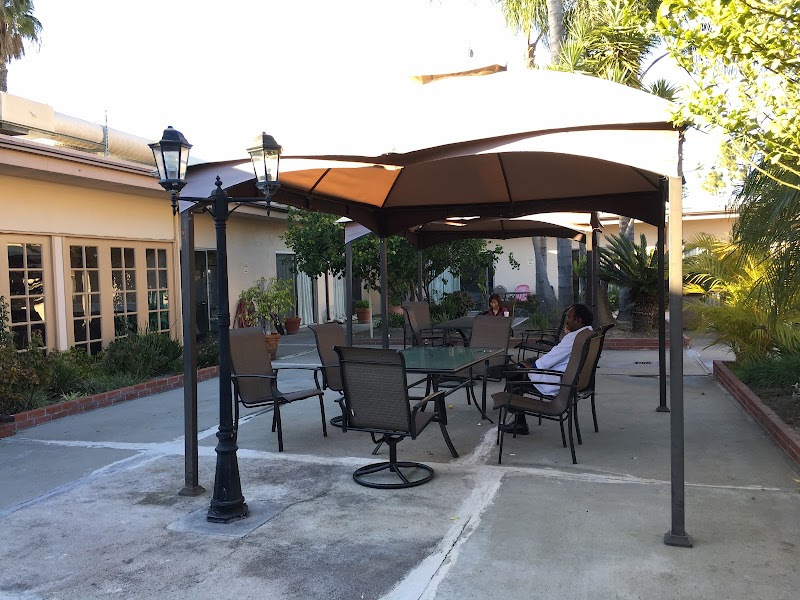
Who Owns and Operates Buena Park Nursing Center?

BUENA PARK NURSING CENTER is owned by a for-profit company. For-profit facilities operate as businesses with obligations to shareholders or private owners. The facility is operated by THE MANDELBAUM FAMILY, a chain that manages multiple nursing homes. With 143 certified beds and approximately 126 residents (about 88% occupancy), it is a mid-sized facility located in BUENA PARK, California.
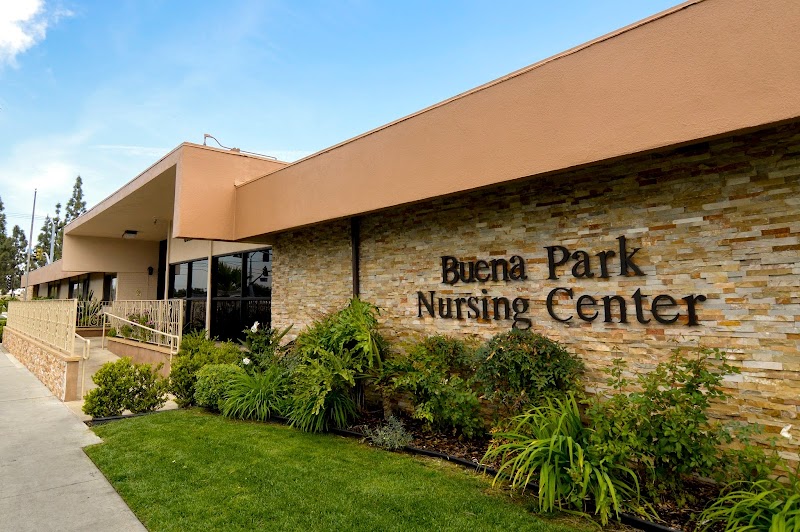
How Does Buena Park Nursing Center Compare to Other California Nursing Homes?

Compared to the 100 nursing homes in California, BUENA PARK NURSING CENTER's overall rating (3 stars) is below the state average of 3.1, staff turnover (28%) is significantly lower than the state average of 46%, and health inspection rating (3 stars) is at the national benchmark.

What Should Families Ask When Visiting Buena Park Nursing Center?

Based on this facility's data, families visiting should ask: "Can I visit during a mealtime to observe dining assistance and food quality?" "How do you handle medical emergencies, and what is your hospital transfer rate?" "Can I speak with family members of current residents about their experience?"

Is Buena Park Nursing Center Safe?

Based on CMS inspection data, BUENA PARK NURSING CENTER has a clean safety record: no substantiated abuse findings (meaning no confirmed cases of resident harm), no Immediate Jeopardy citations (the most serious violation level indicating risk of serious injury or death), and is not on the Special Focus Facility watch list (a federal program monitoring the lowest-performing 1% of nursing homes). The facility has a 3-star overall rating and ranks #100 of 100 nursing homes in California. While no facility is perfect, families should still ask about staff-to-resident ratios and recent inspection results during their visit.

Do Nurses at Buena Park Nursing Center Stick Around?

Staff at BUENA PARK NURSING CENTER tend to stick around. With a turnover rate of 28%, the facility is 18 percentage points below the California average of 46%. Low turnover is a positive sign. It means caregivers have time to learn each resident's needs, medications, and personal preferences. Consistent staff also notice subtle changes in a resident's condition more quickly.

Was Buena Park Nursing Center Ever Fined?

BUENA PARK NURSING CENTER has no federal fines on record. CMS issues fines when nursing homes fail to meet care standards or don't correct problems found during inspections. The absence of fines suggests the facility has either maintained compliance or corrected any issues before penalties were assessed. This is a positive indicator, though families should still review recent inspection reports for the full picture.

Is Buena Park Nursing Center on Any Federal Watch List?

BUENA PARK NURSING CENTER is not on any federal watch list. The most significant is the Special Focus Facility (SFF) program, which identifies the bottom 1% of nursing homes nationally based on persistent, serious quality problems. Not being on this list means the facility has avoided the pattern of deficiencies that triggers enhanced federal oversight. This is a positive indicator, though families should still review the facility's inspection history directly.