HEALTHCARE CENTER OF ORANGE COUNTY
9021 KNOTT AVE, BUENA PARK, CA 90620 (714) 826-2330
For profit - Limited Liability company 99 Beds CRYSTAL SOLORZANO Data: November 2025
Trust Grade
40/100
#1035 of 1155 in CA
Last Inspection: June 2025

Inspected within the last 6 months. Data reflects current conditions.

Overview

The Healthcare Center of Orange County has received a Trust Grade of D, indicating below-average performance with some significant concerns. It ranks #1035 out of 1155 nursing homes in California, placing it in the bottom half of facilities statewide, and #67 out of 72 in Orange County, suggesting limited options for improvement locally. While the facility is improving overall, with issues decreasing from 32 to 25 in the past year, staffing remains a concern with a high turnover rate of 53%, significantly above the California average of 38%. Although there have been no fines reported, which is a positive aspect, the facility has faced serious deficiencies, such as failing to maintain an adequate number of portable oxygen tanks for residents requiring supplemental oxygen, posing risks during emergencies. Additionally, there have been issues with improper medication storage and disposal, highlighting the need for better adherence to safety protocols.

Trust Score
D
40/100
In California
#1035/1155
Bottom 11%
Safety Record
Low Risk
No red flags
Inspections
Getting Better
32 → 25 violations
Staff Stability
⚠ Watch
53% turnover. Above average. Higher turnover means staff may not know residents' routines.
Penalties
✓ Good
No fines on record. Clean compliance history, better than most California facilities.
Skilled Nurses
○ Average
Each resident gets 37 minutes of Registered Nurse (RN) attention daily — about average for California. RNs are the most trained staff who monitor for health changes.
Violations
⚠ Watch
78 deficiencies on record. Higher than average. Multiple issues found across inspections.
★☆☆☆☆
1.0
Overall Rating
★☆☆☆☆
1.0
Staff Levels
★★★★☆
4.0
Care Quality
★★☆☆☆
2.0
Inspection Score
Stable
2024: 32 issues
2025: 25 issues

The Good

  • 4-Star Quality Measures · Strong clinical quality outcomes
  • Full Sprinkler Coverage · Fire safety systems throughout facility
  • No fines on record

Facility shows strength in quality measures, fire safety.

The Bad

1-Star Overall Rating

Below California average (3.1)

Significant quality concerns identified by CMS

Staff Turnover: 53%

Near California avg (46%)

Higher turnover may affect care consistency

Chain: CRYSTAL SOLORZANO

Part of a multi-facility chain

Ask about local staffing decisions and management

The Ugly 78 deficiencies on record

Jun 2025 1 deficiency
CONCERN (D) 📢 Someone Reported This

A family member, employee, or ombudsman was alarmed enough to file a formal complaint

Potential for Harm - no one hurt, but risky conditions existed

Deficiency F0679 (Tag F0679)

Could have caused harm · This affected 1 resident

**NOTE- TERMS IN BRACKETS HAVE BEEN EDITED TO PROTECT CONFIDENTIALITY** Based on observation, interview, medical record review, facility document review, and facility P&P review, the facility failed t...

Read full inspector narrative →
**NOTE- TERMS IN BRACKETS HAVE BEEN EDITED TO PROTECT CONFIDENTIALITY** Based on observation, interview, medical record review, facility document review, and facility P&P review, the facility failed to provide the individualized and ongoing activity program to meet the needs and interests for three of three sampled residents (Residents 1, 2, and 3) reviewed for activities. This failure had the potential for Residents 1, 2, and 3 to negatively impact the residents' well-being. Findings: Review of the facility's P&P titled Activity Evaluation revised on 6/2018 showed the following: - In order to promote physical, mental, and psychosocial well-being of residents, an activity evaluation is conducted and maintained for each resident at least quarterly and with any change of condition that could affect his or her participation in planned activities; - An activity evaluation is conducted as part of the comprehensive assessment to help develop activity plan that reflects the choices and interests of the resident; - The resident's activity evaluation is conducted by the Activity Department personnel, in conjunction with other staff who evaluate related factors such as functional level, cognition, and medical conditions that may affect activities participation; - The resident's lifelong interests, spirituality, life roles, goals, strengths, needs, and activity pursuit patterns ands preferences are included in the evaluation; and - The activity evaluation is used to develop an individual activity care plan (separate from or as part of the comprehensive care plan) that will allow the resident to participate in activities of his or her choice and interest. Review of the facility's P&P titled Quality of Life: Resident Self Determination and Participation revised on 12/2016 showed the following: - Each resident is allowed to choose activities, schedules, and health care that are consistent with his or her interests, values, assessments, and plan of care including activities, hobbies, and interests; - In order to facilitate the resident choices, the administration and staff must inform the residents and family members of the residents' right to self determination and participation in preferred activities; and - Residents are provided assistance as needed to engage in their preferred activities on a routine basis. 1. On 6/19/25 at 0851 hours, an observation and concurrent interview was conducted with Resident 1. Resident 1 was sitting up in his wheelchair outside his room. Resident 1 was awake, alert, oriented, and verbally responsive. Resident 1 stated the television (TV) channels kept on going out and this problem had been happening for the past three months. Resident 1 stated watching TV was his usual activity in the facility. Resident 1 stated watching TV and eating food were the only activities he enjoyed. Resident 1 stated the facility offered activities; however, he was not a social person. Resident 1 stated he enjoyed watching his TV shows. Resident 1 stated when he turned on the TV, certain channels did not show, or were gone and not showing. Resident 1 stated the last time the TV channels were not working was on 6/10/25 between 0900 to 1000 hours. Resident 1 stated he requested for the maintenance staff to check it. Per Resident 1, the maintenance staff said he needed to tell the Administrator to fix it. Resident 1 stated the maintenance staff did not fix his TV and he also informed the nurses. In addition, Resident 1 stated he did not inform the Administrator, and he did not meet the Administrator before. Resident 1 stated this facility has had different administrators since he was admitted . Medical record review for Resident 1 was initiated on 6/24/25. Resident 1 was readmitted to the facility on [DATE]. Review of Resident 1's MDS assessment Section F for Customary Routine and Activities dated 10/4/24, showed was coded 1 (one) for very important to do resident's favorite activities while in the facility. Review of Resident 1's Activities Quarterly Participation review dated 10/4/24, showed the resident preferred self-directive activities. Resident 1's favorite activities showed he had a huge passion for motorcycles, cars, and music. Resident 1 enjoyed watching TV in his room and spending time with his sister when she comes to visit him in the facility. Review of Resident 1's H&P examination dated 10/29/24, showed Resident 1 had the capacity to understand and make decisions. Review of Resident 1's MDS assessment dated [DATE], showed Resident 1's Brief Interview for Mental Status (BIMS) score was 15, indicating cognitively intact. Review of Resident 1's Interdisciplinary Team (IDT) Conference Note dated 4/15/25, failed to show discussion of Resident 1's TV channel concerns with Resident 1's sister. The note further showed the interventions and plan of care discussed in the IDT meeting were to encourage Resident 1 to attend activity of choice. Review of Resident 1's Grievance report dated on 6/16/25, showed the incident occurred on 6/16/25 at 1400 hours regarding TV channels disappearing. Further review of the Grievance report showed the SSD received the grievance from the resident and the Administrator was notified on 6/16/25. The follow-up section of the report dated 6/17/25, showed the maintenance staff was resetting the TV channels and will continue to follow up. On 6/19/25 at 1339 hours, an observation and concurrent interview was conducted with Resident 1. Resident 1 was lying in bed awake and watching TV. Resident 1 was asked to check if his favorite TV channels were working. Resident 1 stated he woould check tomorrow and on the weekend if the TV channels were working. Resident 1 verified he filed a grievance on 6/16/25. Resident 1 stated he did not directly speak to the SSD, he reported the concern to the nursing staff and maybe it was reported to the SSD. Resident 1 stated the maintenance staff and Administrator did not see him after he filed the grievance. Resident 1 stated the maintenance staff did not come in to fix the tv or check the channels, and the other staff did not offer any assistance to the problem. Resident 1 stated the TV channels were not working for at least five days prior to him filing a grievance report, and he had heard other residents complaining of their TV not working. Resident 1 stated he never even met the Administrator to talk or inform him of the issue. Resident 1 stated he told the maintenance staff last month regarding the tv and the maintenance staff told Resident 1 it is not about the TV, but the cable company. Resident 1 stated he was upset and bought Netflix for his phone so he can watch shows or movies since the tv channels were not working for a couple of days. On 6/19/25 at 1355 hours, an interview was conducted with the Administrator and Maintenance Director. The Administrator was asked regarding concerns with TV channels not working in residents' rooms. The Administrator stated it was not the TV or the cable company. The Administrator stated all the TV channels listed were working [NAME] the current TV channel guide, which were posted in each resident's room. In addition, the Administrator stated the facility notified the resident and the resident's family and had provided the updated TV channel guide list in each of the resident's room and to the family. Furthermore, the Administrator stated if the residents wanted other channels not listed on the facility current channel guide list, the resident and family must provide themselves. The Maintenance Director stated he only checked if the resident complained of the TV not working. On 6/19/25 at 1424 hours, an observation and concurrent interview were conducted with Administrator and Maintenance Director. The Administrator and Maintenance Director were asked to check Resident 1's roommate TV since Resident 1 refused to have the Maintenance Director check his TV. The Maintenance Director verified the posted TV channel guide posted was the updated list. The Maintenance Director turned on the TV and checked each channel per the channel list posted on the resident's wall. Channels 12, 16, 18, 19, 20, 21, 22, 24, 27, 28, 29, 31, 32, and 39, which were on the channel list, were not working. The Administrator and Maintenance Director verified the above findings. The Maintenance Director stated he would reset the TV. If the TV channels were not working after three attempts to reset the TV, the Maintenance Director stated he would look for a replacement TV. The Maintenance Director stated the TV might not be receiving signal since it was old and not a smart TV. The Maintenance Director stated the problem is not the cable company or internet, he stated it must be the facility's TVs. The Maintenance Director was asked if he had reset the Resident 1's TV for the past two months and he stated he never reset the TV for room Resident 1, only for Resident 1's roommate in room [ROOM NUMBER] A. The Administrator stated the current TV channel guide list in resident's rooms were not the updated list. The Administrator was reminded of his earlier statement regarding the updated list of available channels were currently provided and posted in each of resident's room. On 6/19/25 at 1619 hours, an interview and concurrent facility document review was conducted with the SSD. The SSD stated she filled out the Grievance form for Resident 1 on 6/16/25, when Resident 1 reported concerns with the TV channels not working. The SSD stated she reported to the Maintenance Director and Administrator. The SSD verified the Grievance report form dated 6/16/25 with Administrator's signature of acknowledgement. The SSD stated the facility's grievance process would take five days to respond to the concern/issue. The SSD verified the Grievance report follow up dated 6/17/25, showed maintenance is currently resetting tv channels under the question to describe the findings of the incident. The SSD stated this was follow up was not completed by the Maintenance Director. The SSD stated this was the plan for the maintenance staff to reset the TV channel. In addition, the SSD stated she informed the Maintenance Director on 6/16/25, regarding Resident 1's TV channel concerns and she did not inform the Maintenance Director again on the 6/17/25, since it was a follow up. Furthermore, the SSD stated no follow up was done since 6/16/25, to fix Resident 1's TV concerns from the Maintenance Director. On 6/24/25 at 0805 hours, an interview and concurrent medical record review was conducted with RN 1. RN 1 verified Resident 1's Activity assessment dated [DATE], showed his favorite activities were self-directed activities like music, passion for motorcycles, watching tv in his room and spending time with his sister when she visits. RN 1 was asked what the implication would be when Resident 1's preferred activity like watching TV would not be provided. RN 1 stated Resident 1 would be greatly affected in a negative way if the TV did not work since it was one of his specified preferences of enjoyment while in the facility. RN 1 reviewed Resident 1's care plan for activities with RN 1 and verified there was no care plans addressing his TV concern. RN 1 stated it must be the facility's responsibility to provide maintenance to Resident 1's TV if it was not working. In addition, RN 1 stated the Administrators and/or DON failed to inform her or any of the nursing staff of the recommendation for advising residents and their families to buy Roku, firestick, or Netflix when there would be complaints of the TV channels. Furthermore, RN 1 stated facility must do whatever it takes to fix the TV and provided channels to work. 2. On 6/19/25 at 1140 hours, an observation and concurrent interview was conducted with Resident 2. Resident 2 was sitting in a gerichair, awake, oriented x 4, and verbally responsive. Resident 2 was asked if he had any TV concerns during his stay in the facility. Resident 2 stated he did have concerns with the TV channels because they were constantly not working every day for the past year. Resident 2 stated he has been staying in the facility for five years. Resident 2 stated he gets pissed when the TV channels did not work. Resident 2 stated Channels 43 through 60 were static, meaning channels were not showing. Resident 2 stated he likes to watch baseball on Channel 23 since he used to be a baseball player and currently Channel 23 was not working. In addition, Resident 2 stated he reported this TV concern to the DON a couple months ago but nobody came to fix the TV. Resident 2 stated he received a copy of the updated TV channel guide, however, no one from the facility assisted him to get the firestick. Furthermore, Resident 2 stated watching TV was one of his main activities and reading his books since his accident. Resident 2 was asked to have his TV channels checked by CNA 1 and he agreed. On 6/19/25 at 1150 hours, an observation and concurrent interview was conducted with CNA 1 in Resident 2's room. CNA 1 was asked to check Resident 2's TV channels with Resident 2's permission. The TV channel guide list was observed posted on Resident 2's wall. CNA 1 was asked to check each channel listed on the TV channel guide. CNA 1 was observed going through each channel listed on the channel guide and channels 3, 9, 21, 22, 23, and 27 were observed not working. CNA 1 verified the findings. CNA 1 stated Rooms 106 A and 108 B also complained of their TV channels not showing. CNA 1 stated if there would be any TV concerns, he must report to the Maintenance Director. Medical record review for Resident 2 was initiated on 6/24/25. Resident 2 was admitted to the facility on [DATE]. Review of Resident 2's MDS assessment dated [DATE], showed Resident 2's BIMS score was 15, indicating cognitively intact. Review of Resident 2's care plan initiated 3/21/25, showed Resident 2 preferred independent activities like watching TV, listening to music, and reading. Review of Resident 2's MDS assessment Section F for Customary Routine and Activities dated 6/19/24, was coded 1 for very important to do resident's favorite activities while in the facility. On 6/19/25 at 1405 hours, an observation and concurrent interview was conducted with the Administrator and Maintenance Director. The Administrator reviewed the updated TV channel guide listed 33 channels and stated all the channels listed in the channel guide worked and posted in each resident's room. The Administrator and Maintenance Director stated they were certain the all the channels worked. The Administrator and Maintenance Director were requested to check the TV channels in Resident 2's room. The TV channel guide list was observed posted on Resident 2's wall near the TV. The Maintenance Director verified the channel guide list. The Administrator and Maintenance Director checked Resident 2's TV channel guide list and the Maintenance Director turned on Resident 2's TV. The Maintenance Director checked each channel listed on the channel guide. Channels 3, 9, 12, 16, 18, 19, 20, 21, 22, 24, 27, 28, 29, and 32 were not working or showing. The Maintenance Director stated he would reset Resident 2's TV and then all channels should work. On 6/19/25 at 1415 hours, a follow up concurrent observation and interview was conducted with the Maintenance Director and the Administrator. The Maintenance Director reset the TV, however Channels 3, 9, 12, 16, 18, 19, 20, 21, 22, 24, 27, 28, 29, and 32 were not showing . The Administrator asked the Maintenance Director to check the listed channels again and the channels were still not working or showing. The Administrator and Maintenance Director verified the above findings. 3. On 6/19/25 at 1200 hours, an observation and concurrent interview was conducted with Resident 3. Resident 3 was lying in bed awake, alert, and oriented x 3. Resident 3 stated she had been living in the facility for about six years. Resident 3 stated her favorites activities were puzzles books and watching TV. Resident 3 stated a lot of the TV channels did not work for the past two to three months and she reported it to the nurse. Resident 3 stated Channels 7, 13, 14, 16, and 29 were not working. In addition, Resident 3 stated she missed her soap operas, which she had been watching for years and the game shows. Resident 3 was observed with a sad face and teary eyes. Furthermore, Resident 3 stated she felt sad due to the TV channels not working. Medical record review for Resident 3 was initiated on 6/24/25. Resident 3 was readmitted to the facility on [DATE]. Review of Resident 3's Activities Quarterly Review dated 11/21/24, showed Resident 3's favorite activities were word search, crossword puzzles, read the bible, and watch television. Review of the Resident Council Minutes dated 5/5/25, showed there were identified issues during the meeting where the TV channels were not showing consistently. The Resident Council Response form dated 5/6/25, showed the activities department provided an updated list of all the available TV channels to the residents. The Resident Council Response form further showed a suggestion for the residents to provide their own firestick or roku box if they would like other channels not listed. The Resident Council Response form failed to show the issue had been resolved to the residents' reasonable satisfaction. Review of Resident 3's H&P examination dated 5/22/25, showed Resident 3 had the capacity to understand and make decisions. Review of Resident 3's MDS assessment dated [DATE], showed Resident 3's BIMS score was 15, indicating cognitively intact. Review of Resident 3's MDS assessment Section F Preferences for Customary Routine and Activities dated 5/22/25, showed was coded 1 for favorite activities were very important to the resident while in the facility. On 6/19/25 at 1446 hours, an interview was conducted with the Maintenance Director. The Maintenance Director stated he checked and resets the TV after receiving a complaint from the staff and/or family. The Maintenance Director stated the resident's family usually ask for the remote control and the staff usually requested for the TV to be reset since some channels did not work. The Maintenance Director stated Channels 35 to 64 usually work and Channels 20 through 30 did not work and have to reset on by one. The Maintenance Director stated he would go to the resident's room with TV concerns immediately and attempt to fix it. The Maintenance Director stated he never provided maintenance or resetting of the TV since 1/2025 for Resident 1. In addition, the Maintenance Director stated he did not receive any request or report regarding TV channels not working or available this month in room [ROOM NUMBER] ABC. The Maintenance Director stated did not receive any report from Social Service Director of any TV concerns or complaints for Resident 1 this month. The Maintenance Director stated since he started two and a half years ago, the TV issue had been going on and off. The Maintenance Director stated he had been informing the Administrators since he started, but the problem keeps going in circles. The Maintenance Director stated he did what he could to fix it, however he was waiting for the Administrator's plan to resolve it. Furthermore, the Maintenance Director stated he reported this TV channel problem in the stand up meeting and Administrator and Assistant Administrator were informed of the TV channels not working. On 6/19/25 at 1520 hours, an interview and concurrent facility document review was conducted with the Administrator. The Administrator stated he was aware of the tv channels not available or working since 5/5/25, due to the grievance. The Administrator stated he was informed by Activity Director. In addition, the Administrator stated this concern was brought up to his attention during the recent survey on 6/2-6/5/25. The Administrator reviewed Resident 1's grievance form dated 6/16/25, and verified his signature. The Administrator stated they were planning to follow up since this was ongoing issue. The Administrator was asked if he went to Resident 1's room to check his TV if it was working or to reset and he stated he did not go to the Resident 1's room since 6/16/25. The Administrator stated the Maintenance Director did not check Resident 1's TV since they were still resetting the box and pinpointing the cause. Furthermore, the Administrator stated his plan to fix it was whenever the TV channel issue comes up, he would have Maintenance Director reset the tv and no other plans or action. On 6/19/25 at 1527 hours, an interview was conducted with the Assistant Administrator. The Assistant Administrator stated the Administration including herself were aware of the TV channels not working since it was a constant issue and she had received complaints from the Ombudsman. The Assistant Administrator stated the all the resident rooms in the facility have a TV and the admission packet does not mention or inform the resident or family requiring to provide their TV. The Assistant Administrator stated the resident's activities were very important, it helps the residents with their quality of life and psychosocial well-being. On 6/19/25 at 1646 hours, an interview was conducted with the Activity Director. The Activity Director stated the importance of activities for the residents were to be able to socialize, entertainment, be productive, exercise, and stimulate their brain. The Activity Director stated an activity assessment includes the resident's interests and preferences. In addition, the Activity Director stated after assessment, they develop an activity care plan based on each resident's preferences/interest and family's input or request from IDT meeting. The Activity Director stated Resident 1 likes to watch TV in his room and talks to his sister over the phone. The Activity Director stated the TV channel concerns were brought up last month during the Resident Council meeting and had been an ongoing issue for the last two to three months. The Activity Director stated she informed the Maintenance Director and Assistant Administrator for the past three months. In addition, the Activity Director stated the Maintenance Director had checked TVs of the residents with complaints. The Activity Director stated the Maintenance Director did what he could to fix the TV channels, however, it had been a recurrent issue per the residents. The Activity Director stated there were no new recommendations or plan from the Assistant Administrator. The Activity Director stated the residents could be greatly affected in a negative way if their preferred activities would not be available like watching TV. Furthermore, the Activity Director stated the facility must provide a home like environment and part of it was having working TV channels especially if that was the residents' preferred interest and activity. On 6/19/25 at 1720 hours, an interview was conducted with the Administrator. The Administrator was asked if the Maintenance Director works over the weekend, after hours or on call for example for TV concerns or TV channels not working and he stated no, there was no maintenance staff after hours or over the weekend. The Administrator stated he will not have the Maintenance Director come in after hours or over the weekend just to fix TV concerns. The Administrator was asked if there were TV or channels problems after hours and weekends, who was responsible to fix it and the Administrator stated the Maintenance Director will have fix the TV concerns on Monday. On 6/24/25 at 0815 hours, an interview was conducted with RN 1. RN 1 stated activities were very important on the resident's daily life. The negative outcome of residents' preferred activities like music or tv not being provided would affect their mood, the would be sad or depressed. In addition, RN 1 stated it would affect residents' participation with their ADLs and high chance that residents will decline in their health and well-being. Furthermore, RN 1 stated we cannot say it's just tv since it's part of the residents' daily life, it's something they look forward to before they go to sleep and when they wake up. On 6/24/25 at 0905 hours, an interview was conducted with the Administrator. The Administrator stated there was no work order requested from Spectrum or any cable company prior to 6/19/25. The Administrator stated he spoke to a technician who would fix the rest of the channels. The Administrator stated he did not inform the residents or family upon admission they must provide their own TV, firestick or roku. In addition, the Administrator stated the Activity Director and the Maintenance Director manually checked the TV channels last Friday 6/20/25, and they were all working. On 6/24/25 at 1000 hours, a telephone interview was conducted with the Ombudsman. The Ombudsman stated since she took over last March 2025 she was aware of the TV channel issues and it has been ongoing issue. The Ombudsman stated the previous ombudsman was aware of the TV channel problem and facility's Administrators were disregarding the issue. Furthermore, the Ombudsman stated the Administrators did not seem to understand the TV channel concerns and it was important to the residents, especially if that was their favorite activity to do while in the facility. On 6/24/25 at 1242 hours, an interview was conducted with the DON. The DON stated the facility provided TV with cable channels and if any concerns, the facility was responsible to fix problem. The DON stated resident's personal interest or activities were very important for the residents since this place was a continuation of their homelike environment. The DON stated implications will be residents will be depressed and may get irritable. Furthermore, the DON stated she could not tell the resident No, you cannot watch TV. On 6/24/25 at 1305 hours, an interview was conducted with the Administrator, Assistant Administrator, and DON. The Administrator failed to provide evidence in documentation or any cable company work order receipt prior to 6/19/25, in attempts to resolve the TV channel problem. The Administrator and DON stated they have not discussed or had care plan meeting with Resident 1 regarding the TV concerns or issues. The DON stated Resident 1 had no care plan regarding TV concerns or issues. The Administrator, Assistant Administrator, and DON were informed and acknowledged the above findings.
Jun 2025 24 deficiencies
CONCERN (D)

Potential for Harm - no one hurt, but risky conditions existed

Deficiency F0565 (Tag F0565)

Could have caused harm · This affected 1 resident

Based on interview, facility document review, and facility P&P review, the facility failed to respond to the concerns brought up by the residents during the Resident Council meetings on 3/19 and 5/5/2...

Read full inspector narrative →
Based on interview, facility document review, and facility P&P review, the facility failed to respond to the concerns brought up by the residents during the Resident Council meetings on 3/19 and 5/5/25, regarding the call lights not being answered in a timely manner. This failure had the potential for the residents' identified issue to not be resolved and a decline in quality of care for the residents. Findings: Review of the facility's P&P titled Resident Council revised 4/2017 showed the following: - the purpose of the resident council was to provide a forum for discussion of concerns and suggestions for improvement; - a Resident Council Response Form should be utilized to track issues and their resolution. The facility department related to any issues should be responsible for addressing the items of concern. Review of the Resident Council minutes dated 3/19/25, under the Resident Interview and Nursing Department sections showed the call lights were not answered in a timely manner and nurses told the residents to turn off their call lights because they will return with assistance, however, the nursing staff did not come back to assist the residents. There was no documentation to show this concern was addressed by the nursing department. Review of the Resident Council minutes dated 5/5/25, under the Resident Interview section showed the call lights were not answered in a timely manner and could take 20 minutes for staff assistance. There was no documentation to show this concern was addressed by the nursing department. During the resident council meeting on 6/3/25 at 1100 hours, Residents 23, 29, 30, and 34 stated the facility did not respond to the group's concern regarding the call lights and the issue was still ongoing. On 6/3/25 at 1222 hours, an interview and concurrent facility document review was conducted with the Activities Director. The Activities Director acknowledged the concerns presented during the March and May 2025 resident council meetings had not been resolved. The Activities Director stated she had brought up the call light issue with the nursing staff at the nurses' station. The Activities Director failed to show documentation of the Resident Council Response form or documentation she addressed the concern with the nursing staff. The Activities Director stated the above concern should have been followed up. On 6/4/25 at 0821 hours, an interview was conducted with the DON. When asked what the expectation of the Activities Director was when concerns were brought up during the resident council, the DON stated within 72 hours the Activities Director should inform the affected department of the concerns. The DON stated concerns brought up during the resident council should be addressed because it was the right of the resident to feel comfortable and safe at the place they resided. The DON was made aware of the resident council concern of the call lights not answered in a timely manner. On 6/4/25 at 0925 hours, a follow up interview was conducted with the Activities Director. The Activities Director stated her role in the resident council if invited, was to write the meeting minutes and fill out the Resident Council Response form with the residents' concerns. The Activities Director stated she should communicate with the respective department when concerns were brought up in the Resident Council meeting. The Resident Council Response form should be given to the respective department within 72 hours of the resident council meeting. The department had 10 days to return the form with their goals to the Activities Director. Then, the department has 30 days to implement their interventions. On 6/4/25 at 1026 hours, a follow-up interview was conducted with Resident 23. Resident 23 verified the facility did not address the call light concern that was brought up at the resident council meeting. Resident 23 stated she used the call light when she needed assistance to go to the bathroom or to grab an item not within reach. Resident 23 further stated she would wait around twenty to thirty minutes to get the help she needed. On 6/5/25 at 1508 hours, an interview as conducted with the DON, ADON, and DSD. The DON, ADON, and DSD were informed and acknowledged the above findings.
CONCERN (D)

Potential for Harm - no one hurt, but risky conditions existed

Safe Environment (Tag F0584)

Could have caused harm · This affected 1 resident

**NOTE- TERMS IN BRACKETS HAVE BEEN EDITED TO PROTECT CONFIDENTIALITY** Based on observation and interview, the facility failed to maintain a homelike environment for one sampled resident (Resident 15...

Read full inspector narrative →
**NOTE- TERMS IN BRACKETS HAVE BEEN EDITED TO PROTECT CONFIDENTIALITY** Based on observation and interview, the facility failed to maintain a homelike environment for one sampled resident (Resident 15). * Resident 15 resided in Room A. Resident 15 was observed sitting on her bed eating lunch. A pest was observed floating on the surface of Resident 15's milk. This failure had the potential to negatively impact the resident's quality of life. Findings: Medical record review for Resident 15 was initiated on 6/2/25. Resident 15 was admitted to the facility on [DATE]. On 6/2/25 at 1224 hours, a dining observation was conducted with Resident 15 in her room. Resident 15 was observed sitting on her bed eating lunch. A pest was observed floating on the surface of Resident 15's milk. Resident 15 stated she put her milk to the side because there was a bug in it. Resident 15 stated the bug in her milk made her feel nauseated and would not drink her milk anymore because of the bug. Resident 15 stated she has seen the bugs flying around but they have not landed on her food. On 6/2/25 at 1232 hours, a concurrent observation and interview was conducted with LVN 3. LVN 3 verified the findings. LVN 3 stated there was an insect inside Resident 15's milk cup and it was the first time she observed this. LVN 3 was then observed to take the milk cup away and leave the room. On 6/3/25 at 1004 hours, an interview was conducted with the Central Supply Supervisor. The Central Supply Supervisor stated the facility conducted pest control once a month and had not heard of any concerns with pests inside the residents' rooms. The Central Supply Supervisor was informed of and acknowledged the above findings.
CONCERN (D)

Potential for Harm - no one hurt, but risky conditions existed

Deficiency F0605 (Tag F0605)

Could have caused harm · This affected 1 resident

**NOTE- TERMS IN BRACKETS HAVE BEEN EDITED TO PROTECT CONFIDENTIALITY** 2. Medical record review for Resident 15 was initiated on 6/2/25. Resident 15 was admitted to the facility on [DATE]. Review of...

Read full inspector narrative →
**NOTE- TERMS IN BRACKETS HAVE BEEN EDITED TO PROTECT CONFIDENTIALITY** 2. Medical record review for Resident 15 was initiated on 6/2/25. Resident 15 was admitted to the facility on [DATE]. Review of Resident 15's H&P examination dated 5/11/25, showed Resident 15 had the capacity to understand and make decisions. Review of Resident 15's Order Summary Report dated 6/2/25, showed the following physician's orders: - dated 5/9/25, to administer aripiprazole oral tablet 5 mg, one tablet by mouth in the morning for bipolar disorder manifested by angry outbursts; and - dated 5/9/25, to administer trazodone oral tablet 50 mg, one tablet by mouth at bedtime for depression manifested by inability to sleep. - dated 5/11/25, for the use of the aripiprazole medication, to monitor for bipolar disorder manifested by angry outburst every day and night shift; - dated 5/9/25, for the use of the trazodone medication, to monitor for depression manifested by inability to sleep every day and night shift; - dated 5/9/25, for the use of aripiprazole and trazodone medications, to monitor orthostatic hypotension weekly every Sunday. Monitor the BP lying down and sitting position; Review of Resident 15's MAR for May 2025 showed the following: - Resident 15 had been administered the aripiprazole medication daily from 5/10 through 5/31/25; - Resident 15 had been administered the trazodone medication daily from 5/9 through 5/31/25; - on 5/11/25, the BP readings were NA for the sitting and lying position, and 117/66 mmHg; - on 5/18/25, the BP readings were 122 for the sitting and lying position, and 122/69 mmHg; - Resident 15 had manifested behaviors of angry outbursts on 5/22, 5/23, and 5/27/25; and - Resident 15 had manifested behaviors of inability to sleep at night on 5/27/25. Further review of Resident 15's medical record failed to show documented evidence non-pharmacological interventions were provided for the use of the aripiprazole and trazodone medications. On 6/5/25 at 1143 hours, a concurrent interview and medical record review was conducted with the DON. The DON verified Resident 15 was being monitored for the side effect of the orthostatic hypotension. The DON stated the orthostatic blood pressures were taken laying down, sitting, and standing, and the nurse would check for a discrepancy if the BP went down. The DON stated they documented the BP in the MAR. The DON verified Resident 15's orthostatic BP were not accurately completed per the documentation on the MAR. The DON was asked about non-pharmacological interventions provided for the use of Resident 15's psychotropic medication. The DON stated they did not provide non-pharmacological interventions for the residents who were on routine psychotropic medications. Based on interview and medical record review the facility failed to ensure three of five final sampled residents (Residents 15, 30, and 58) reviewed for unnecessary medications were free from the unnecessary psychotropic medications. * The facility failed to ensure Resident 15's orthostatic blood pressure was accurately monitored as ordered by the physician for the use of the psychotropic medications. In addition, the facility failed to implement the non-pharmacological interventions for Resident 15's use of the aripiprazole (antipsychotic), and trazodone (antidepressant) medications. * The facility failed to ensure non-pharmacological interventions were implemented for Resident 30's physician's order of ativan (anti-anxiety medication) and risperidone (antipsychotic medication) medications. * The facility failed to ensure non-pharmacological interventions were implemented for Resident 58's physician's order of escitalopram medication (antidepressant medication). These failures had the potential for adverse effects from the psychotropic medications and the potential for not providing the correct data to the prescriber to adjust the dosage of psychotropic medications. Findings: Review of the facility's P&P titled Psychotropic Medication Use dated 7/2022 showed non-pharmacological approaches are used (unless contraindicated) to minimize the need for medications, permit the lowest possible dose, and allow for discontinuation of medications when possible. The residents on psychotropic medications receive gradual dose reductions (coupled with non-pharmacological interventions), unless clinically contraindicated, in an effort to discontinue these medications. Review of facility's P&P titled Antipsychotic Medication Use revised 12/2016 showed the diagnoses alone do not warrant the use of the antipsychotic medication. In addition to the above criteria, antipsychotic medications will generally only be considered if the following conditions are also met: a. The behavioral symptoms present a danger to the resident or other; AND (1) The symptoms are identified as being due to mania or psychosis (such as auditory, visual, or other hallucinations; delusions, paranoia or grandiosity); or (2) Behavioral interventions have been attempted and included in the plan of care, except in an emergency .(c) pertinent non-pharmacological interventions must be attempted, unless contraindicated, and documented following the resolution of the acute psychiatric situation. 1. a. Medical record review for Resident 30 was initiated on 6/2/25. Resident 30 was admitted to the facility on [DATE], and readmitted to the facility on [DATE]. Review of Resident 30's MDS assessment Section C Cognitive Patterns dated 3/28/25, showed a BIMS score of 14, indicating the individual's cognitive function is intact. Review of Resident 30's Order Summary Report dated 6/3/25, showed the following physician's orders: - dated 9/13/24, to monitor episodes of anxiety manifested by persistently concerned about money (regarding money inheritance from sister). - dated 9/13/24, to administer risperidone 3 mg one tablet by mouth at bedtime for schizophrenia manifested by paranoid delusions of persecution. - dated 4/23/25, to monitor episodes of psychotic behavior (paranoid delusions of persecution). - dated 5/25/25, to administer lorazepam 0.5 mg one tablet by mouth every six hours as needed for anxiety until 6/11/25 (end on 6/11/25) Review of Resident 30's care plan report showed a care plan problem dated 5/27/25, addressing Resident 30's use of anti-anxiety medication for anxiety disorder manifested by persistently concerned with money (regarding money inheritance from sister). The interventions included 1. Tally behavior anxiety manifested by verbalization of feeling anxious. 2. Approach patient in calm manner 3. Notify MD if any changes. Review of Resident 30's MAR for May 2025 showed Resident 30 had the episodes of persistently concerned about money (regarding money inheritance from sister) as follows: - on 5/1, 5/9, 5/10, 5/15, 5/24, 5/29, and 5/31/25, three episodes during the day shift, - on 5/1 and 5/9/25, three episodes during the evening shift, - on 5/2 and 5/16/25, five episodes during the day shift and five episodes during the evening shift, - on 5/17 and 5/21/25, 5/23, 5/30/25, four episodes during the day shift, - on 5/23/25, two episodes during the evening shift, - on 5/24 and 5/25/25, one episode during the evening shift, and - on 5/30/25, four episodes during the evening shift, Review of Resident 30's MAR for May 2025 showed Resident 30 had the episodes of psychotic behavior (paranoid delusions of persecution) as follows: - on 5/16 and 5/17/25, four episodes during the day shift, and - on 5/24/25, three episodes during the day shift. Review of Resident 30's MAR and Licensed Progress Notes for May 2025 showed no documentation that non-pharmacological interventions were implemented prior to administration of the lorazepam and risperidone medications by the licensed nurses except on one of the Licensed Progress note dated 5/17/25 at 0418 hours, showed Resident 30 requested for ativan which was given as ordered PRN. Behavior also distracted by encouraging him to write to friends which he usually do and calms him down. Review of Resident 30's care plan report showed a care plan problem dated 8/7/25, addressing Resident 30's use of psychotropic medication related to disease process schizophrenia manifested by paranoid delusions of persecutions. The interventions included to discuss with MD, family regarding ongoing need for the use of the medication; and review the behaviors/interventions and alternate therapies attempted and their effectiveness as per the facility process. b. Medical record review for Resident 58 was initiated on 6/2/25. Resident 58 was admitted to the facility on [DATE], and readmitted to the facility on [DATE]. Review of Resident 58's H&P examination dated 11/6/24, showed Resident 58 has the capacity to understand and make decisions. Review of Resident 58's MDS assessment Section C Cognitive Patterns dated 2/27/25, showed a BIMS score of 15, indicating the individual's cognitive function is intact. Review of Resident 58's Order Summary Report dated 6/3/25, showed the following physician's orders: - dated 1/17/25, to administer escitalopram 5 mg one tablet one time a day for depression manifested by sad facial expression. - dated 1/17/25, to monitor episodes of depression manifested by sad facial expression every day and nights shift and tally by hashmarks every day and night shift. Review of Resident 58's MAR for May 2025 showed Resident 30 had the episodes of psychotic behavior (paranoid delusions of persecution) as follows: - on 5/5, 5/6, 5/12, and 5/22/25, one episode during the night shift, - on 5/7, 5/12, 5/14, 5/26, and 5/28/25, one episode during the day shift, -on 5/13 and 5/31/25, two episodes during the night shift, - on 5/21/25, two episodes during the day shift, and - on 5/27/25, three episodes during the night shift. Review of Resident 58's MAR and Licensed Progress Notes for the month of May 2025, showed no documentation that non-pharmacological interventions were implemented prior to administration of escitalopram medication by the licensed nurses. Review of Resident 58's care plan report showed a care plan problem dated 6/3/25, addressing Resident 58's use of the anti-depressant medication related to depression manifested by sad facial expressions. The interventions included to administer anti-depressant medications as ordered by the physician. Monitor/document side effects and effectiveness every shift. Monitor and document the monthly psychotropic behavior for possible GDR if indicated. Educate the resident/family/caregivers about risks, benefits and the side effects and/or toxic symptoms of escitalopram. On 6/3/25 at 1435 hours, an interview and a concurrent medical record review for Residents 30 and 58 was conducted with RN 3. RN 3 was asked what was the facility process on non-pharmacological interventions intended on the residents' prescribed use of the psychotropic medications and/or anti-psychotic medications. RN 3 stated non-pharmacological interventions should be provided to the residents prescribed with the psychotropic and anti-psychotic medications. RN 3 verified she could not find any documentation in MAR and Licensed Progress Notes that non-pharmacological interventions were provided to Residents 30 and 58. On 6/5/25 at 1350 hours, an interview was conducted with the DON. The DON verified the above findings.
CONCERN (D)

Potential for Harm - no one hurt, but risky conditions existed

Deficiency F0628 (Tag F0628)

Could have caused harm · This affected 1 resident

**NOTE- TERMS IN BRACKETS HAVE BEEN EDITED TO PROTECT CONFIDENTIALITY** Based on interview, medical record review, facility document review, and facility P&P review, the facility to failed to ensure t...

Read full inspector narrative →
**NOTE- TERMS IN BRACKETS HAVE BEEN EDITED TO PROTECT CONFIDENTIALITY** Based on interview, medical record review, facility document review, and facility P&P review, the facility to failed to ensure the discharge instructions were documented for one of three sampled residents reviewed for closed records (Resident 100). This failure had the potential for Resident 100 to have an inappropriate discharge. Findings: Review of the facility's P&P titled Transfer or Discharge Documentation dated 12/2016 showed when a resident is transferred or discharged , details of the transfer or discharge will be documented in the medical record and appropriate information will be communicated to the receiving health care facility or provider. Closed medical record review for closed Resident 100 was initiated on 6/4/25. Resident 100 was admitted to the facility on [DATE], and readmitted to the facility on [DATE]. Review of Resident 100's Advance Directive Acknowledgement dated 12/19/24, showed Resident 100 had no decision making capacity. Review of Resident 100's H&P examination dated 1/23/25, showed Resident 100 could make needs known but could not make medical decisions. Review of Resident 100's POLST (Physician Orders for Life-Sustaining Treatment) dated 1/24/25, showed Resident 100's family member was the legally recognized decisionmaker. Review of Resident 100's Physician Order dated 3/25/25, showed an order to discharge the resident to home with family on 4/2/25, with Home Health for PT/OT/ST services, RN/LVN services for medication management, wound care, indwelling urinary foley catheter care; and CHHA services. Review of Resident 100's Discharge Planning Review dated 4/2/25, showed the following: - Resident 100's initial discharge goals : return to the community. - Does the resident have an interest in receiving information regarding to the community? - No. - Will the resident have a caregiver after discharge? - Yes. - Yes, please specify. - Home health caregiver and wife. - Complete only if A0310H =1 (A0310. Type of MDS assessment dated [DATE], showed 1, Type of discharge: 1. planned discharge At the time of discharge, did your facility provide resident's reconciled medication list to the resident, family and/or caregiver? The boxes are not filled out or was left blank on the following: No - current reconciled medication list not provided to the patient, family and/or caregiver. Yes -current reconciled medication list not provided to the patient, family and/or caregiver. Review of Transfer/Discharge Report dated 4/2/25, showed the list of the discharged medications with medications instructions sent with Resident 100; however, there was no documentation of the wound care and indwelling urinary foley catheter care instructions. The Transfer/Discharge Report also showed no documentation of Resident 100's wife's name, date, and signature to show the discharge medications instructions was received by the legally recognized decisionmaker. Review of Resident 100's Discharge Instruction Form dated 4/2/25, showed a blank documentation, no information provided on all the following sections: - Patient information - Responsible parties - Primary Physician(s) - Pharmacy - In home care or services - Medical equipment arrangements - Housing arrangements - Medication education - Prevention and disease management education - Emergency contact information - Brief medical history - Current treatments and therapies - Scheduled appointments and tests - If problems arise during discharge, please contact the following individual(s) at the nursing facility - Signatures - Allergies - Medications - Signature and date Review of Resident 100's Order summary Report dated 6//4/25 showed the following physician's orders: - dated 1/8/25, for indwelling urinary foley catheter size 16 Fr/10 cc connected to drainage bag, change as necessary if with leakage, soilage, or dislodged (diagnosis: catheter wound management). - dated 1/22/25, for indwelling urinary foley catheter care every day and night. - dated 1/27/25, for indwelling urinary foley catheter bedside drainage bag as necessary. - dated 3/17/25, for right second toe necrosis, cleanse with Dakin's 0.125%solution (topical antiseptic widely used to clean wounds) and apply silvadene (used for wound management) and cover with dry dressing and wrap with kerlix (roll gauze) daily for 21 days, then reevaluate and notify MD of any changes - dated 3/17/25, for right second toe necrosis, cleanse with sterile saline, pat dry and apply betadine solution and cover with dry dressing daily and wrap with kerlix daily for 21 days, then re-evaluate and notify MD of any changes. - dated 3/25/25, for right foot multiple dry scabs, cleanse with sterile saline, pat dry and apply betadine solution and cover with dry dressing daily for 30 days, then reevaluate and notify MD for any changes. - dated 3/25/25, for right pinky toe scab, cleanse with sterile saline, pat dry and apply betadine solution and cover with dry dressing daily for 30 days, then reevaluate and notify MD of any changes. - dated 3/25/25, for right shin dry scab, cleanse with sterile saline, pat dry, apply betadine solution and cover with dry dressing daily for 30 days, then re-evaluate and notify MD of any changes. - dated, 3/25/25, for sacrococcyx pressure injury, cleanse with Dakin's solution 0.125%, pat dry and apply santyl ointment with collagen powder (use for wound management) and pack lightly with calcium alginate and cover with dry dressing daily for 21 days, then reevaluate and notify MD of any changes. - dated 3/27/25, for right leg angiogram on 4/9/25 at 08:30 AM. On 6/4/25 at 1344 hours, an interview and concurrent closed medical record review for Resident 100 was conducted with LVN 4. LVN 4 was asked what was the facility process on providing the discharge instructions to the residents being discharged to home. LVN 4 stated the resident's representative should be provided with the discharge instructions. LVN was asked if she could show any documentation that Resident 100 was provided with discharge instructions on the medication management, wound care, and indwelling urinary foley catheter care. LVN verified the discharge instructions form was all blank. On 6/4/25 at 1354 hours, an interview and a concurrent medical record review was conducted with Medical Records Coordinator. The Medical Records Coordinator was asked if the Discharge Instruction Form should have been filled out. The Medical Records Coordinator verified Resident 100's Discharge Instructions Form should not be blank and should have been filled out. On 6/5/25 at 1350 hours, an interview was conducted with the DON. The DON verified the above findings.
CONCERN (D)

Potential for Harm - no one hurt, but risky conditions existed

PASARR Coordination (Tag F0644)

Could have caused harm · This affected 1 resident

**NOTE- TERMS IN BRACKETS HAVE BEEN EDITED TO PROTECT CONFIDENTIALITY** Based on interview and medical record review, the facility failed to coordinate an assessment with the PASARR program for one of...

Read full inspector narrative →
**NOTE- TERMS IN BRACKETS HAVE BEEN EDITED TO PROTECT CONFIDENTIALITY** Based on interview and medical record review, the facility failed to coordinate an assessment with the PASARR program for one of two final sampled residents (Resident 15) reviewed for PASARR when the resident had an updated diagnosis of depression, schizoaffective disorder, bipolar disorder, and anxiety disorder. This failure posed the risk for Resident 15 not receiving the necessary specialized services specific to treat mental illness. Findings: Medical record review for Resident 15 was initiated on 6/2/25. Resident 15 was admitted to the facility on [DATE], with diagnoses including depression, schizoaffective disorder, bipolar disorder, and anxiety disorder. Review of Resident 15's PASARR Level I Screening dated 5/9/25, showed the facility marked no when the question asked does the individual have a serious diagnosed mental disorder such as depressive disorder, anxiety disorder, panic disorder, schizophrenia and/or schizoaffective disorder, or symptoms of psychosis, delusions, and/or mood disturbance. Additionally, the facility had marked no when the question asked if the individual had been prescribed psychotropic medications for serious mental illness. Further review of Resident 15's PASARR failed to show a new PASARR was completed after the resident's medical record was updated to show the diagnosis of depression, schizoaffective disorder, bipolar disorder, and anxiety disorder and that Resident 15 had been prescribed medications for these mental illnesses. Review of Resident 15's H&P examination dated 5/11/25, showed Resident 15 had the capacity to understand and make decisions. Review of Resident 15's MDS admission assessment dated [DATE], showed Resident 15 had active diagnoses of anxiety, depression and schizophrenia. Additionally, the MDS assessment showed Resident 15 was taking antipsychotic, antianxiety, and antidepressant medications. On 6/4/25 at 0854 hours, an interview and concurrent medical record review was conducted with the MDS Assistant. The MDS Assistant stated on admission, they would check if the resident had a PASARR completed from the acute care hospital. The MDS Assistant verified the above findings. The MDS Assistant verified a new PASARR should have been completed with the updated diagnoses and medications listed on the MDS admission assessment. The MDS Assistant stated she would submit a new PASARR and modify the MDS admission assessment in Section A.
CONCERN (D)

Potential for Harm - no one hurt, but risky conditions existed

Comprehensive Care Plan (Tag F0656)

Could have caused harm · This affected 1 resident

**NOTE- TERMS IN BRACKETS HAVE BEEN EDITED TO PROTECT CONFIDENTIALITY** Based on observation, interview, and medical record review, the facility failed to ensure the comprehensive care plan was implem...

Read full inspector narrative →
**NOTE- TERMS IN BRACKETS HAVE BEEN EDITED TO PROTECT CONFIDENTIALITY** Based on observation, interview, and medical record review, the facility failed to ensure the comprehensive care plan was implemented for one of 22 final sampled residents (Resident 63). * The facility failed to implement the comprehensive plan for contact isolation precautions for Clostridium difficile, for Resident 63. This failure placed the resident at risk for not being provided appropriate, consistent, and individualized care. Findings: Medical record review for Resident 63 was initiated on 6/2/25. Resident 63 was admitted to the facility on [DATE]. Review of Resident 63's physician's order dated 5/27/25, showed an order to give Vancomycin (antibiotic) 125 mg via GT every 12 hours for Clostridium difficile colitis until 6/14/25. Review of Resident 63's care plan titled At Risk for Decrease Socialization due to Contact Isolation initiated 5/27/25, showed an intervention for contact isolation precautions for Clostridium difficile. On 6/5/25 at 0849 hours, an observation and medical record review was conducted with LVN 9. A sign which read Enhanced Barrier Precautions (EBP) was observed posted at the entrance to Resident 63's room (Room D). A review of Resident 63's active physician's orders was then conducted with LVN 9. LVN 9 verified Resident 63 had a physician's order for contact isolation precautions for Clostridium difficile colitis. LVN 9 stated the sign showing EBP which was posted at the entrance to Room D was incorrect, as Resident 63 had an order for Contact Isolation Precautions. On 6/5/25 at 0856 hours, an observation and concurrent interview was conducted with CNA 3. CNA 3 was observed having entered Room D carrying a plastic bag containing bed linens. CNA 3 set the plastic bag onto Resident 63's bed. CNA 3 failed to donn gloves and only donned a gown after having entered Room D. CNA 3 verified the findings and stated she should have donned the gown and gloves before entering Room D. CNA 3 was asked for the type of precautions implemented for Resident 63, to which she replied, EBP as posted at the entrance to Room D. CNA 3 was unaware Resident 63 had an order for contact isolation for Clostridium difficile. On 6/5/25 at 1000 hours, an interview and concurrent medical record review was conducted with the DON. The DON verified the facility failed to implement contact precautions for Clostridium difficile in accordance with Resident 63's care plan titled At Risk for Decrease Socialization due to Contact Isolation initiated on 5/27/25.
CONCERN (D)

Potential for Harm - no one hurt, but risky conditions existed

Deficiency F0688 (Tag F0688)

Could have caused harm · This affected 1 resident

**NOTE- TERMS IN BRACKETS HAVE BEEN EDITED TO PROTECT CONFIDENTIALITY** * The facility failed to ensure RNA services were provided as ordered by the physician for Resident 10. 4. On 6/2/25 at 1115 hou...

Read full inspector narrative →
**NOTE- TERMS IN BRACKETS HAVE BEEN EDITED TO PROTECT CONFIDENTIALITY** * The facility failed to ensure RNA services were provided as ordered by the physician for Resident 10. 4. On 6/2/25 at 1115 hours, Resident 10 was observed lying on his bed. Resident 10's left arm was observed in a flexed position. Medical record review for Resident 10 was initiated on 6/2/25. Resident 10 was admitted to the facility on [DATE]. Review of the Resident 10's Order Listing Report, showed the following physician's order dated 2/21/25: - for RNA for PROM (passive range of motion) exercise to bilateral upper and lower extremities every day for times a week as tolerated - for RNA to apply bilateral PRAFO (pressure relief ankle foot orthosis) four to six hours, every day five times a week, as tolerated. - for RNA to apply bilateral WHFO (wrist hand finger orthosis) four to six hours, every day five times a week, as tolerated. Review of Resident 10's Care Plan dated 2/21/25, showed the care plan problem addressing Resident 10's alteration in musculoskeletal status. The goal was to maintain the current ROM functions. The interventions included for the RNA to perform the PROM exercises to all the extremities, PRAFO bilateral to apply up to four to six hours, WHFO bilateral to apply up to four to six hours, everyday five times a week as tolerated. Review of Resident 10's MDS assessment dated [DATE], showed Resident 10's ROM functions were impaired for the bilateral upper and lower extremities. Review of Resident 10's documentation for RNA services from 5/1- 5/31/25 (four and half weeks), showed RNA services for PROM bilateral upper and lower extremities, bilateral PRAFO, and left WHFO was provided on 5/1, 5/2, 5/5, 5/8, 5/9, 5/13, 5/15, 5/16, 5/20, 5/21, 5/22, 5/23, 5/27, and 5/30/25. Total of 14 RNA services were provided in four and half weeks and Resident 10 had missed eight days of RNA services. Further review of the documentation of the RNA services failed to show if any of the RNA services for the right WHFO was provided to Resident 10 on 5/2025. There was no documented evidence to explain why the RNA services were not provided as ordered by the physician. On 6/4/25 at 0932 hours, an interview was conducted with RNA 1. RNA 1 stated some days, the facility was short of the RNAs and sometimes they got reassigned to be CNAs to care for the residents. RNA 1 stated when he got reassigned to be a CNA to care for the residents then he could not provide the RNA services to the residents in the facility. On 6/4/25 at 0950 hours, an interview and concurrent medical record review for Resident 10 was conducted with RN 1. RN 1 verified the above findings and stated RNA services were not provided to Resident 10 as ordered by the physician. RN 1 stated some days the facility had to reassign RNA to work as a CNA, so they can not provide RNA services to all the residents every day. RN 1 acknowledged the RNA services should have been provided as ordered by the physician. On 6/5/25 at 0933 hours, an interview was conducted with the DON. The DON acknowledged the above findings. 5. On 6/2/25 at 0835 hours, Resident 5 was observed lying on her bed. Resident 5's bilateral hands were observed contracted. Medical record review for Resident 5 was initiated on 6/2/25. Resident 5 was admitted to the facility on [DATE]. Review of Resident 5's Order Summary Report showed the following physician's orders dated 6/7/23: - for RNA to provide left and right hand rolls for four hours every day five times a week or as tolerated; - for RNA to provide PROM exercise on left lower and upper extremities every day five times a week or as tolerated; and - for RNA to provide PROM exercise on right lower and upper extremities every day five times a week or as tolerated. Review of Resident 5's plan of care dated 8/25/24, showed a care plan problem which addressed Resident 5's requirement for an RNA program. The goal was to maintain the ROM in all the extremities for three months. The interventions included for the RNA to perform PROM to the bilateral upper and lower extremities five times a week, for the RNA to apply a right and left hand roll for four hours everyday five times a week as tolerated, and for the RNA to apply a right elbow splint for four hours everyday five times a week as tolerated. Review of Resident 5's MDS assessment dated [DATE], showed Resident 5's ROM functions were impaired for the bilateral upper and lower extremities. Review of Resident 5's Documentation Survey Report dated 6/5/25, showed the RNA services provided from 5/1 - 5/31/25 (four and a half weeks), showed the RNA services for the PROM and splint/brace assistance was documented on 5/1, 5/5, 5/6, 5/7 (marked with NA), 5/8, 5/12, 5/23, 5/26, and 5/29/25, which was less than five times per week as per the physician orders. There was no documented evidence to explain why the RNA services were not provided as ordered by the physician. On 6/4/25 at 1347 hours, an interview and medical record review was conducted with RNA 1. RNA 1 stated he was assigned as an RNA, and sometimes would work on the floor as a CNA. RNA 1 stated he would document the RNA service was provided after providing the treatment under the task section on PCC. On 6/5/25 at 0950 hours, an interview and concurrent medical record review for Resident 5 was conducted with RN 2. RN 2 verified the above findings. RN 2 stated if they were short of CNAs, the RNA would be pulled to work on the floor. RN 2 verified there was no documented evidence Resident 5 had received the RNA services five times a week as ordered by the physician. Based on interview and medical record review, and facility P&P review, the facility failed to provide the RNA services as ordered for five of five final sampled residents (Resident 5, 10, 30, 58, and 67) reviewed for RNA services. * The facility failed to ensure Residents 30, 58, and 67's RNA services were provided as ordered by the physician. * The facility failed to ensure the RNA services were provided as ordered by the physician for Residents 5 and 10. These failures had the potential for decline in the residents' ROM functions and mobility. Findings: Review of the facility's P&P titled Restorative Nursing Services revised 7/2017 showed the residents will receive restorative nursing care as needed to help promote optimal safety and independence. Restorative goals and objectives are individualized and resident-centered and are outlined in the resident's plan of care. 1. Medical record review for Resident 30 was initiated on 6/2/25. Resident 30 was admitted to the facility on [DATE], and readmitted to the facility on [DATE]. Review of Resident 30's MDS Assessment Section C Cognitive Patterns dated 3/28/25, showed a BIMS score of 14, indicating that the individual's cognitive function was intact. Review of Resident 30's H&P examination dated 4/16/25, showed Resident 30 with past medical history of functional quadriplegia. Review of Resident 30's Care Plan Report revised on 5/23/25, showed a care plan problem addressing Resident 30 had limited physical mobility. The nursing interventions included RNA for ambulation with front wheel walker daily five times a week as tolerated. Review of Resident 30's Order Summary Report dated 6/3/25, showed the physician's order dated 12/21/24, for the RNA services for ambulation with front wheel walker five times a week as tolerated. Review of Resident 30's documentation for RNA services on Restorative Walking Program from 5/7/25 - 6/4/25 (four weeks) , showed RNA services for restorative walking program was provided on 5/7, 5/17, 5/20, 5/23, 5/24, 5/28, 6/1, 6/2, and 6/4/25. Total of nine RNA services were provided in four weeks. The documentation showed Resident 30 had missed 11 days of RNA services. On 6/4/25 at 1024 hours, an interview was conducted with Resident 30. Resident 30 was asked how his walking exercises with the RNAs was. Resident 30 stated he preferred his ambulation exercises five times a week but somehow the exercises were not done. 2. Medical record review for Resident 58 was initiated on 6/2/25. Resident 58 was admitted to the facility on [DATE], and readmitted to the facility on [DATE]. Review of Resident 58's H&P examination dated 11/6/24, showed Resident 58 had the capacity to understand and make decisions. Review of Resident 58's MDS assessment Section GG on functional limitations in range of motion dated 5/31/25, showed Resident 58 had impairment on one side of her upper extremity and had impairment on one side of her lower extremity. Review of Resident 58's Order Summary Report dated 6/3/25, showed the following physician's orders dated 11/6/25: - for RNA for AAROM exercises on the LUE daily five times a week as tolerated, - for RNA for AAROM exercises on the right hip daily five times a week as tolerated, and - for RNA for AAROM exercises on the RUE daily five times a week as tolerated. Review of Resident 58's Care Plan Report revised on 6/3/25, showed a care plan problem addressing Resident 30 had ADL deficit related to ventilator dependent respiratory failure, hypertension, hyperlipidemia, chronic obstructive pulmonary disease, post status gastrostomy placement. post status tracheostomy placement, hypothyroidism, gastroesophageal reflux with nursing interventions included RNA as per the MD order. Review of Resident 58's documentation for RNA services from 5/6/25 to 6/3/25 (four weeks), showed RNA services for RNA for AAROM exercises on the LUE daily five times a week as tolerated, AAROM exercises on the right hip daily five times a week as tolerated, and AAROM exercises on the RUE daily five times a week as tolerated was provided on 5/6, 5/8, 5/9, 5/13, 5/15, 5/16, 5/21, 5/22, 5/23, 5/27, 5/29, 6/2, and 6/3/25. Total of 13 RNA services were provided in four weeks and Resident 58 had missed seven days of RNA services. On 6/4/25 at 0934 hours, an interview was conducted with Resident 58. Resident 58 was asked how her RNA exercises program was. Resident 58 stated there were times her exercises were not provided, and she hoped she would be provided of the RNA exercises. 3. Medical record review for Resident 67 was initiated on 6/2/25. Resident 67 was admitted to the facility on [DATE]. Review of Resident 67's H&P examination dated 5/7/25, showed Resident 67 had no capacity to understand and make decisions. Review of Resident 67's Order Summary Report showed the following physician's orders dated 5/8/25: - for RNA for PROM exercises to the LLE daily five times a week as tolerated, - for RNA for PROM exercises to the LUE daily five times a week as tolerated, - for RNA for PROM exercises to the RLE daily five times a week as tolerated and - for RNA for PROM exercises to the RUE daily five times a week as tolerated. Review of Resident 67's MDS assessment Section GG on functional abilities dated 5/13/25, showed Resident 67 had impairment on one side on his upper extremity and has impairment on one side on his lower extremity. Review of Resident 67's Care Plan Report revised on 5/7/25, showed a care plan problem addressing the alteration in musculoskeletal related to: multiple contracture, and osteoarthritis. The interventions included for RNA program as ordered. Review of Resident 67's documentation for RNA services from 5/15 to 6/6/25 (three weeks and one day), showed RNA services for PROM exercises to the LLE daily five times a week as tolerated, PROM exercises to the LUE daily five times a week as tolerated, PROM exercises to the RLE daily five times a week as tolerated, and PROM exercises to RUE daily five times a week as tolerated were provided on 5/15, 5/16, 5/19, 5/20, 5/21, 5/22, 5/23, 5/27, 5/28, 5/29, 5/30, 6/3, 6/5, and 6/6/25. Total of 14 RNA services were provided in 16 days. Resident 67 had missed two days of RNA services. On 6/4/25 at 1332 hours, an interview was conducted with RNA 1. RNA 1 was asked how many times a week was he providing RNA exercises to his assigned residents. RNA 1 stated he was pulled out on the floor as a CNA at times, made him unable to provide RNA exercises to his assigned residents. On 6/3/25 at 1058 hours, an interview and a concurrent medical record review for Resident 30 was conducted with RN 3. RN 3 was showed the gaps in RNAs documentation on RNA services provided to the above residents. RNA 3 verified the missed RNA services for Residents 30, 58, and 67 and acknowledged the RNA services were missed at times due to the RNAs being pulled out as CNAs on the floor. On 6/5/25 at 1350 hours, an interview was conducted with the DON. The DON verified the above findings.
CONCERN (D)

Potential for Harm - no one hurt, but risky conditions existed

Deficiency F0692 (Tag F0692)

Could have caused harm · This affected 1 resident

**NOTE- TERMS IN BRACKETS HAVE BEEN EDITED TO PROTECT CONFIDENTIALITY** Based on interview, medical record review, and facility P&P review, the facility failed to monitor the onset of weight loss for ...

Read full inspector narrative →
**NOTE- TERMS IN BRACKETS HAVE BEEN EDITED TO PROTECT CONFIDENTIALITY** Based on interview, medical record review, and facility P&P review, the facility failed to monitor the onset of weight loss for one final sampled resident (Resident 33) reviewed for nutrition. * The facility failed to address Resident 33's weight loss of 28 lbs in two days after admission and another weight loss of 3 lbs after three days. This failure had the potential for Resident 33's condition to go unmonitored and cause delay in treatment. Findings: Review of the facility's P&P titled Weight Assessment revised dated 8/2008 showed the multidisciplinary team will strive to prevent, monitor, and intervene for desirable weight loss for our residents. The nursing staff will measure resident weights on admission, the next day, and the weekly for 2 weeks thereafter. If no weight concerns are noted at this point, weights will be measured monthly thereafter. Any weight change of 5% or more since the last weight assessment will be retaken the next day for confirmation. If the weight is verified, nursing will immediately notify the Dietitian in writing. Verbal notification must be confirmed in writing. The P&P also showed the following: the threshold for significant unplanned and undesired weight loss will be based on the following criteria a. 1 month - 5% weight loss is significant; greater than 5% is severe. b. 3 months - 7.5% weight loss is significant; greater than 7.5% is severe. c. 6 months - 10% weight loss is significant; greater than 10% is severe. Review of the facility's P&P titled Nutrition (Impaired)/Unplanned Weight Loss - Clinical Protocol revised 9/2017 showed under the monitoring section, the physician and staff will monitor nutritional status, an individual's response to interventions, and possible complications of such interventions (for example, additional weight gain or loss, nausea, or vomiting). Medical record review for Resident 33 was initiated on 6/2/25. Resident 33 was admitted to the facility on [DATE], and readmitted to the facility on [DATE]. Review of Residents 33's MDS assessment dated [DATE], showed Resident 33's BIMS score was 15 (meaning cognitively intact). Review of Resident 33's Weight Summary showed the following dates and weights: - on 3/20/25, weight of 219 lbs; - on 3/22/25, weight of 191 lbs; - on 3/25/25, weight of 188 lbs; - on 4/1/25, weight of 191 lbs; - on 5/21/25, weight of 192 lbs Review of Resident 33's Order Summary Report dated 6/3/25, showed an order dated 3/27/25, for regular diet, regular texture thin consistency. Review of Resident 33's medical record did not show documented evidence Resident 33 was assessed or monitored for the significant weight loss. Further review of Resident 33's medical record did not show a documentation the facility communicated and followed up with Resident 33's physician regarding the significant weight loss. The weight summary document showed Resident 33 loss 28 lbs two days after readmission and 27 lbs from 3/20/25 (readmission) to 5/21/25. There was no documented evidence the resident's weight loss of 28 lbs on 3/22/25, was address or explain the reason for the significant weight change. Review of Resident 33 Care Plan Report shows a care plan revised 3/26/25, addressing the resident had nutritional problem or potential nutritional problem related to refusing therapeutic diet and risks for fluctuation of weight due to dialysis, on and off refusal to go to dialysis treatment. The goal included will have no significant weight loss/gain every week or monthly. Further review of care plan failed to show documented evidence the goal included the specific weight loss/gain the facility will consider as significant to the resident. On 6/4/25 at 0806 hours, a concurrent meal observation and interview was conducted with Resident 33. Resident 33 was observed eating breakfast. Resident 33 stated the food was good and the dietary staff were providing food preferences. Resident 33 further stated when the food came out and was delivered, the resident had no appetite to eat. On 6/4/25 at 1550 hours, an interview and concurrent medical record review was conducted with the DON. The DON failed to show documented evidence the resident's weight was rechecked after the resident had a weight loss of 28 lbs two days after the admission. The DON stated Resident 33 should have been monitored after the weight loss of 28 lbs. The DON acknowledged there was no documentation to explain the resident's weight loss of 28 lbs in two days after the admission. The DON further verified there was no documented evidence a change of condition was completed for the weight loss.
CONCERN (D)

Potential for Harm - no one hurt, but risky conditions existed

Tube Feeding (Tag F0693)

Could have caused harm · This affected 1 resident

**NOTE- TERMS IN BRACKETS HAVE BEEN EDITED TO PROTECT CONFIDENTIALITY** Based on interview, medical record review, and facility P&P review, the facility failed to ensure the appropriate care and servi...

Read full inspector narrative →
**NOTE- TERMS IN BRACKETS HAVE BEEN EDITED TO PROTECT CONFIDENTIALITY** Based on interview, medical record review, and facility P&P review, the facility failed to ensure the appropriate care and services for the use of GT for two of four final sampled residents (Resident 27 and 72) and one nonsampled resident (Resident 54) reviewed for GT use. * The facility failed to ensure the physician's orders for the route of medication administration for Resident 27 was accurate. The medication route was ordered to be oral instead of the GT. * The facility failed to ensure a diet order was obtained from the physician for Residents 27, 54, and 72. * The facility failed to ensure Resident 27 and 72's HOB (head of bed) was elevated at a minimum of a 30 degree angle during the enteral feeding via GT, to reduce the risk of aspiration. These failures posed the risk of complications related to the use of the GT for Residents 27, 54, and 72. Findings: Review of the facility's P&P titled Administering Medications revised 4/2019 showed to verify the right resident, right medication, right dosage, right time, and right route of administration before giving the medication to the resident. Review of the facility's P&P titled Enteral Tube Feeding via Continuous Pump revised 11/2018 showed to position the head of the bed at 30 to 45 degrees for feeding, unless medically contraindicated. 1. Medical record review for Resident 27 was initiated on 6/4/25. Resident 27 was admitted to the facility on [DATE]. Review of Resident 27's MDS assessment dated [DATE], showed Resident 27 had a feeding tube and had a medical diagnosis of dysphagia (difficulty swallowing). a. Review of Resident 27's Order Summary Report dated 6/4/25, showed the following orders: - dated 5/18/25, to administer 81 milligrams of aspirin (blood thinner medication) by mouth one time a day for stroke prophylaxis. -dated 5/19/25, to administer one tablet of multivitamin-minerals by mouth one time a day for supplement. Review of Resident 27's MAR for May 2025 showed Resident 27 was administered the following medications: - dated 5/1 to 5/11/25 and 5/19 to 5/31/25, Resident 27 was administered the aspirin medication and signed for by the licensed nurse as administered via the oral route. - dated 5/20 to 5/31/25, Resident 27 was administered the multi-vitamin medication and signed for by the licensed nurse as administered via the oral route. Review of Resident 27's MAR for June 2025 showed Resident 27 was administered the aspirin and multi-vitamin medication from 6/1 to 6/4/25, and signed for by the licensed nurse as administered via the oral route. On 6/4/25 at 1122 hours, an interview and concurrent medical record review for Resident 27 was conducted with LVN 4. LVN 4 reviewed Resident 27's medical record and verified the above findings. LVN 4 stated Resident 27 had a GT and all of Resident 27's medications should be administered via GT because Resident 27 cannot have anything by mouth. LVN 4 further stated the ordered route for the above medications should be changed to accurately reflect the care that the resident was receiving, which was to receive the medications via GT. b. Review of Resident 27's Order Summary Report dated 6/4/25, did not show a diet order. Review of Resident 27's Nutritional Assessment V2 dated 5/20/25, showed Resident 27 had swallowing problems. On 6/4/25 at 1113 hours, an interview and concurrent medical record review for Resident 27 was conducted with LVN 3. LVN 3 stated all the residents should have a diet ordered, including the residents who had a GT. LVN 3 verified Resident 27 did not have a diet ordered. LVN 3 further stated the expectation when a resident did not have a diet ordered was to contact the physician to obtain a diet order or a swallow study. On 6/5/25 at 0914 hours, an interview was conducted with the DON. The DON stated all the residents were required to have a diet ordered, including the residents who had a GT. A diet order should be included in the admission orders and if there was no order the expectation was to notify the physician to obtain a NPO (nothing by mouth) order or speech therapy evaluation for a diet order. The DON further stated a diet order was important to ensure it was safe to give a resident anything, such as water, by mouth. c. Review of Resident 27's Order Summary Report dated 6/4/25, showed the following orders: - dated 5/18/25, to administer Jevity 1.5 (enteral feeding formula) via pump at 60 ml per hour for 20 hours per day, to provide 1200 ml/1800 kcals, and start at 1100 hours, and continue until the required dose is completed. - dated 5/18/25, to elevate the HOB at 30 to 45 degrees at all times during feeding and for at least 30 to 40 minutes after the feeding has stopped. On 6/2/25 at 1055 hours, Resident 27 was observed lying in bed and receiving the enteral feeding with the HOB elevated less than 30 degrees. On 6/2/25 at 1106 hours, an observation and concurrent interview was conducted with LVN 2. LVN 2 verified Resident 27's HOB was elevated less than 30 degrees while the resident was receiving the enteral tube feeding. LVN 2 stated Resident 27's HOB should have been elevated at 30 to 40 degrees to help the resident's digestion with enteral feeding. On 6/4/25 at 0821 hours, an interview was conducted with the DON. The DON stated when the resident was receiving the enteral feeding the expectation was to monitor the resident to ensure they tolerated the feedings and to elevate the HOB at least 30 degrees and above to prevent aspiration pneumonia (lung infection when food, liquid, or other material are inhaled into the lungs). On 6/5/25 at 1508 hours, an interview as conducted with the DON, ADON, and DSD. The DON, ADON, and DSD were informed and acknowledged the above findings. 2. Medical record review for Resident 72 was initiated on 6/4/25. Resident 72 was admitted to the facility on [DATE], and readmitted to the facility on [DATE]. Review of Resident 72's MDS assessment dated [DATE], showed Resident 72 had dysphagia. a. Review of Resident 72's Order Summary Report dated 6/4/25, did not show a diet order. Review of Resident 72's Nutrition Assessment V2 dated 2/11/25, showed Resident 72 had swallowing problems. On 6/4/25 at 0939 hours, an interview and concurrent medical record review for Resident 72 was conducted with RN 1. RN 1 stated all the residents were required to have a diet order, including the residents who had a GT. A diet order should be included in the resident's admission orders, and the licensed nurse would notify the resident's physician if an order needed to be changed or discontinued. RN 1 verified there was no diet order for Resident 72. RN 1 further stated the residents should have a diet order to make sure they had the appropriate diet for chewing and swallowing. On 6/5/25 at 0914 hours, an interview was conducted with the DON. The DON stated all the residents were required to have a diet ordered, including the residents who had a GT. A diet order should be included in the admission orders and if there was no physician's order, the expectation was to notify the resident's physician to obtain a NPO (nothing by mouth) order or speech therapy evaluation for a diet order. The DON further stated a diet order was important to ensure it was safe to give a resident anything, such as water, by mouth. b. Review of Resident 72's Order Summary Report dated 6/4/25, showed the following orders: - dated 2/28/25, to elevate the HOB at 30 to 45 degrees at all times during feeding and for at least 30 to 40 minutes after the feeding has stopped. - dated 3/26/25, to administer Nepro 1.8 (enteral feeding formula) at 45 ml an hour for 20 hours per day, to provide 900 ml/1620 kcals per day, start at 1100 hours, and continue until the required dose is completed. Review of Resident 72's plan of care dated 2/7/25, showed a care plan addressing Resident 72's dysphagia diagnosis. The interventions included to elevate the HOB at 45 degrees during and thirty minutes after tube feeds. On 6/2/25 at 1120 hours, Resident 72 was observed lying in bed and receiving the enteral feeding with the HOB elevated less than 30 degrees. On 6/2/25 at 1130 hours, an observation and concurrent interview for Resident 72 was conducted with LVN 1. LVN 1 verified Resident 72's HOB was elevated less than 30 degrees while the resident was receiving the enteral tube feeding. LVN 1 stated Resident 72's HOB should have been elevated at 30 to 45 degrees to prevent aspiration. On 6/4/25 at 0821 hours, an interview was conducted with the DON. The DON stated when the resident was receiving the enteral feeding the expectation was to monitor the resident to ensure they were tolerating the feedings and to elevate the HOB at least 30 degrees and above to prevent aspiration pneumonia (lung infection when food, liquid, or other material are inhaled into the lungs). On 6/5/25 at 1508 hours, an interview as conducted with the DON, ADON, and DSD. The DON, ADON, and DSD were informed and acknowledged the above findings. 3. Medical record review for Resident 54 was initiated on 6/4/25. Resident 54 was admitted to the facility on [DATE], and readmitted to the facility on [DATE]. Review of Resident 54's Nutrition Assessment V2 dated 4/29/25, showed Resident 54 had swallowing problems. Review of Resident 54's MDS assessment dated [DATE], showed Resident 54 had a feeding tube. Review of Resident 54's Order Summary Report dated 6/4/25, did not show a diet order. On 6/4/25 at 0939 hours, an interview and concurrent medical record review for Resident 54 was conducted with RN 1. RN 1 stated all the residents were required to have a diet order, including the residents who had a GT. A diet order should be included in the admission orders for the resident, the licensed nurse would notify the resident's physician if an order needs to be changed or discontinued. RN 1 verified there was no diet order for Resident 54. RN 1 further stated residents should have a diet order to make sure they had the appropriate diet for chewing and swallowing. On 6/5/25 at 0914 hours, an interview was conducted with the DON. The DON stated all the residents were required to have a diet ordered, including the residents who had a GT. A diet order should be included in the admission orders and if there was no order the expectation was to notify the resident's physician to obtain a NPO (nothing by mouth) order or speech therapy evaluation for a diet order. The DON further stated a diet order was important to ensure it was safe to give a resident anything, such as water, by mouth. On 6/5/25 at 1508 hours, an interview as conducted with the DON, ADON, and DSD. The DON, ADON, and DSD were informed and acknowledged the above findings.
CONCERN (D)

Potential for Harm - no one hurt, but risky conditions existed

Deficiency F0694 (Tag F0694)

Could have caused harm · This affected 1 resident

**NOTE- TERMS IN BRACKETS HAVE BEEN EDITED TO PROTECT CONFIDENTIALITY** Based on observation, interview, medical record review, and facility P&P review, the facility failed to provide the necessary ca...

Read full inspector narrative →
**NOTE- TERMS IN BRACKETS HAVE BEEN EDITED TO PROTECT CONFIDENTIALITY** Based on observation, interview, medical record review, and facility P&P review, the facility failed to provide the necessary care and services to maintain the IV accesses for one nonsampled resident (Resident 45) who had peripheral IV (PIV) access. * The facility failed to properly label Resident 45's PIV access and discontinue the PIV catheter per the facility's P&P. This failure posed the risk of Resident 45 developing complications related to the use of the peripheral IV catheter. Findings: Review of the facility's P&P titled Peripheral IV Catheter Insertion revised 4/2016 showed the label on the dressing should include date and time of dressing placement, initials, gauge size, and length of catheter. Remove the peripheral catheter if it has not been used for 24 hours or if therapy is discontinued. On 6/2/25 at 0918 hours, an observation of Resident 45 was conducted in Resident 45's room. Resident 45 was observed to have a PIV on his right arm. The PIV was not observed labeled. On 6/2/25 at 0927 hours, a concurrent observation and interview was conducted with RN 3. RN 3 stated Resident 45 had no IV orders. RN 3 observed and verified the above findings. RN 3 stated the IV site should be labeled with the day it was inserted and initials. RN 3 stated the last time Resident 45's IV was used was last week. On 6/2/25 at 1621 hours, a follow up interview was conducted with RN 3. RN 3 stated Resident 45's PIV was started on 5/25/25 for the antibiotics. RN 3 stated the IV antibiotics were discontinued on 5/29/25 and Resident 45 was started on oral antibiotics on 5/29/25. RN 3 stated the PIV should be discontinued after the IV antibiotics were completed and should be discontinued right away. RN 3 stated it should be discontinued because Resident 45 did not need it and it could cause an infection. Medical record review for Resident 45 was initiated on 6/2/25. Resident 45 was admitted to the facility on [DATE]. Review of Resident 45's telephone physician's order dated 5/25/25, showed an order for meropenem IV solution reconstituted, use one gram IV every eight hours for leukocytosis (increased white blood cells) for seven days. Review of Resident 45's telephone physician's order dated 5/29/25, showed an order to discontinue meropenem IV solution reconstituted, use one gram IV every eight hours for leukocytosis (increased white blood cells) for seven days. Review of Resident 45's Order Summary Report dated 6/2/25, showed a physician's order dated 5/30/25, for amoxicillin oral capsule (antibiotic) 500 mg, give one capsule via GT three times a day for urinary tract infection for five days. However, there were no active physician's orders for an IV medication or for IV maintenance. On 6/3/25 at 1433 hours, an interview was conducted with the DON. The DON was informed and acknowledged the above findings. The DON stated the PIV should be labeled with the date of the insertion and initials of the staff that started the IV line. The DON stated the PIV should be discontinued within 24 hours if infiltrated, if it needed to be replaced, or if the antibiotics were finished to prevent infection at the site.
CONCERN (D)

Potential for Harm - no one hurt, but risky conditions existed

Pharmacy Services (Tag F0755)

Could have caused harm · This affected 1 resident

**NOTE- TERMS IN BRACKETS HAVE BEEN EDITED TO PROTECT CONFIDENTIALITY** Based on interview, medical record review, and facility P&P review, the facility failed to provide the pharmaceutical services t...

Read full inspector narrative →
**NOTE- TERMS IN BRACKETS HAVE BEEN EDITED TO PROTECT CONFIDENTIALITY** Based on interview, medical record review, and facility P&P review, the facility failed to provide the pharmaceutical services to meet the resident's needs for one of five final sampled residents (Resident 78) reviewed for unnecessary medications. * The facility failed to ensure Resident 78's enoxaparin (anticoagulant medication) injection sites were rotated. This failure had the potential for poor health outcome for Resident 78. Findings: Review of the facility's P&P titled Subcutaneous Injections dated March 2011 showed the licensed nurses should verify the physician's order including the resident's name, drug name, dose, time, and route of administration. The procedures included the following: - To assist the resident to a comfortable position and asked to relax the arm, leg, or abdomen depending on the site chosen for the injection. Medical record review for Resident 78 was initiated on 6/5/25. Resident 78 was admitted to the facility on [DATE]. Review of Resident 78's Order Summary Report dated 6/4/25, showed a physician's order dated 3/18/25, to administer enoxaparin sodium injection 40 mg subcutaneously two time a day for DVT prophylaxis. Rotate the site. Review of Resident 597's Location of Administration Report for May 2025 for Resident 78's enoxaparin injection showed the injection sites were not rotated on the following dates and times: - On 5/11/25 at 0549 hours, the enoxaparin medication was administered subcutaneously to the left lower quadrant of the abdomen. - On 5/11/25 at 1820 hours, the enoxaparin medication was administered subcutaneously to the left lower quadrant of the abdomen. - On 5/12/25 at 0529 hours, the enoxaparin medication was administered subcutaneously to the left lower quadrant of the abdomen. - On 5/15/25 at 0039 hours, the enoxaparin medication was administered subcutaneously to the left lower quadrant of the abdomen. - On 5/15/25 at 2359 hours, the enoxaparin medication was administered subcutaneously to the left lower quadrant of the abdomen. - On 5/16/25 at 0621 hours, the enoxaparin medication was administered subcutaneously to the left lower quadrant of the abdomen. - On 5/21/25 at 1923 hours, the enoxaparin medication was administered subcutaneously to the right lower quadrant of the abdomen. - On 5/22/25 at 0604 hours, the enoxaparin medication was administered subcutaneously to the right lower quadrant of the abdomen. - On 5/23/25 at 1749 hours, the enoxaparin medication was administered subcutaneously to the right lower quadrant of the abdomen. - On 5/24/25 at 0530 hours, the enoxaparin medication was administered subcutaneously to the right lower quadrant of the abdomen. - On 5/27/25 at 0502 hours, the enoxaparin medication was administered subcutaneously to the left lower quadrant of the abdomen. - On 5/27/25 at 0229 hours, the enoxaparin medication was administered subcutaneously to the right lower quadrant of the abdomen. On 6/5/25 at 1146 hours, an interview and concurrent medical record review for Resident 78 was conducted with LVN 2. LVN 2 verified Resident 78 was on anticoagulant medication for DVT prophylaxis and monitored for any signs and symptoms for bleeding. LVN 2 was asked what the things were she need to remember when administering the enoxaparin medication injection to the resident. LVN 2 stated she would verify the physician's order and check the last injection sites administered by the licensed nurse from the MAR and would rotate the injection sites. LVN 2 was asked why it was important for the administration of injection sites to rotate. LVN 2 stated to prevent any pain or bruising on the injection sites. LVN 2 was asked to review the previous injection sites administered by licensed nurses for the enoxaparin injections. LVN 2 verified the previous injections sites documented in the MAR were not rotated. On 6/5/25 at 1046 hours, an interview and concurrent medical record review for Resident 78 was conducted with RN 2. RN 2 was asked what the facility's process for the licensed nurse was when administering a subcutaneous injection. RN 2 stated the licensed nurses should check, verify the physician's order for the correct medication and to rotate the injections sites. RN 2 stated the rotation of injections sites was needed to lessen the pain or discomfort of the resident. RN 2 was asked about Resident 78's enoxaparin injection medication for DVT prophylaxis. RN 2 verified the physician's order for the enoxaparin injection medication for DVT prophylaxis including the instruction to rotate the sites. RN 2 was asked to review the MAR for Resident 78's administration of enoxaparin medication injection sites. RN 2 reviewed the MAR and verified the injections sites were not rotated. RN 2 stated the administration injections sites should have been rotated. On 6/5/25 at 1027 hours, an interview and concurrent medical record review for Resident 78 was conducted with the DON. The DON stated she expected the licensed nurses would follow the facility's P&P on administering medications. The DON was informed and verified the above findings.
CONCERN (D)

Potential for Harm - no one hurt, but risky conditions existed

Drug Regimen Review (Tag F0756)

Could have caused harm · This affected 1 resident

**NOTE- TERMS IN BRACKETS HAVE BEEN EDITED TO PROTECT CONFIDENTIALITY** Based on observation, interview, medical record review, and facility P&P review, the facility failed to identify and report a me...

Read full inspector narrative →
**NOTE- TERMS IN BRACKETS HAVE BEEN EDITED TO PROTECT CONFIDENTIALITY** Based on observation, interview, medical record review, and facility P&P review, the facility failed to identify and report a medication irregularity to the facility for one of 22 final sampled residents (Resident 42). * Resident 42 had a physician's order for docusate sodium medication; however, there was no specified dose indicated on the order. This failure posed the risk for Resident 42 to have adverse consequences from the medication. Findings. Review of the facility's P&P titled Medication Utilization and Prescribing- Clinical Protocol dated 4/2018 showed the consultant pharmacist should use the monthly and interim drug regimen review to help identify potentially problematic medications, including medications regimens that are not supported based on clinical signs and symptoms. On 6/3/25 at 0752 hours, a medication administration observation was conducted with LVN 1 for Resident 42. LVN 1 was observed preparing for the following medications in the medication cup for each medication. - one tablet of docusate sodium 100 mg; - one tablet of pepcid (medication that treats and prevents heartburn from acid indigestion and upset stomach) 20 mg; - 5 ml of iron syrup (supplement) 220 mg/5 ml; - one tablet of folic Acid (supplement), one mg; - one tablet of metoprolol (medication that lowers the blood pressure) 100 mg; - one tablet of multivitamin with minerals (supplement); and, - two tablets of vitamin D3 (supplement) 1000 IU. LVN 1 then crushed the above medications, mixed them separately in the water and administered the above medications through the GT. Medical record review for Resident 42 was initiated on 6/3/25. Resident 42 was admitted to the facility on [DATE]. Review of the Resident 42's Order Summary Report showed an order dated 7/1/24, for docusate sodium one tablet via GT two times a day for bowel management. Hold for loose stools to give at 0900 hours and 2100 hours. Further review of the physician's order did not show the specified dose of the medication to be administered. Review of Resident 42's MAR from 5/1 to 6/3/25 showed an order dated 7/1/24, for docusate sodium one tablet via GT two times a day for bowel management. Further review of the MAR did not show the specified dose of the docusate sodium medication. In addition, the MAR showed Resident 42 had been receiving the above medication. Review of the Resident 42's medication regimen review document titled Note to Attending Physician/Prescriber dated 3/13/25 and 4/8/25, did not show if the medication regimen review identified the physician's order for the medication docusate sodium without the specified dose. On 6/3/25 at 1035 hours, an interview and concurrent medical record review for Resident 42 was conducted with LVN 1. LVN 1 verified the physician's order did not specify the dose of the medication. In addition, LVN 1 verified he administered one tablet of docusate sodium 100 mg medication. LVN 1 stated facility had tablet of 100 mg docusate sodium, and did not have other doses of docusate sodium in tablets, so he assumed it was 100 mg tablet and administered the medication. LVN 1 acknowledged there were other doses of docusate sodium tablet was available in the market and should have clarified the dose of the above medication with the physician before administering the medication to the Resident 42. LVN 1 stated Resident 42 had been receiving the above medication since it was ordered on 7/1/24. On 6/5/25 at 0933 hours, an interview was conducted with the DON. The DON acknowledged the above findings. On 6/5/25 at 1153 hours, a telephone interview was conducted with the Pharmacy Consultant. The Pharmacy Consultant was informed of the above findings. The Pharmacy Consultant stated each medication should have a specified dose. The Pharmacy Consultant further stated medication doses were also reviewed during the monthly medication regimen review. The Pharmacy Consultant stated the above medication order for the docusate sodium for Resident 42 without the specified dose was missed during the monthly review of the medication regimen and should have been identified during the monthly medication regimen review. Cross reference to F759, example #2
CONCERN (D)

Potential for Harm - no one hurt, but risky conditions existed

Unnecessary Medications (Tag F0759)

Could have caused harm · This affected 1 resident

**NOTE- TERMS IN BRACKETS HAVE BEEN EDITED TO PROTECT CONFIDENTIALITY** 2. Review of the facility's P&P titled Administering Medication through an Enteral Tube dated 11/2018 showed under the section p...

Read full inspector narrative →
**NOTE- TERMS IN BRACKETS HAVE BEEN EDITED TO PROTECT CONFIDENTIALITY** 2. Review of the facility's P&P titled Administering Medication through an Enteral Tube dated 11/2018 showed under the section preparation showed to verify that there is a physician's medication order for this procedure. Further review of the P&P showed to check the label, confirm the medication name and dose with the MAR . to calculate the medication dose and to re-check the calculation. On 6/3/25 at 0752 hours, a medication administration observation was conducted with LVN 1 for Resident 42. LVN 1 was observed preparing for the following medications in the seperate medication cup for each medication: - one tablet of docusate sodium (stool softener), 100 mg; - one tablet of pepcid (medication that treats and prevents heartburn from acid indigestion and upset stomach) 20 mg; - 5 ml of iron syrup (supplement), 220 mg/5 ml; - one tablet of folic acid (supplement), 1 mg; - one tablet of metoprolol (medication that lowers the blood pressure), 100 mg; - one tablet of multivitamin with minerals (supplement); and, - two tablets of vitamin D3 (supplement) 1000 IU. LVN 1 was then observed crushing the above medication, mixing separately in the water, and administering the above medication through the GT. Medical record review for Resident 42 was initiated on 6/3/25. Resident 42 was admitted to the facility on [DATE]. Review of the Resident 42's Order Summary Report showed a physician's order dated 7/1/24, for docusate sodium one tablet via GT two times a day for bowel management. Hold for loose stools to give at 0900 hours and 2100 hours. Further review of the physician's order did not show the dose of the medication to be administered. Review of the MAR dated 5/1 to 5/31/25 and 6/1 to 6/3/25 showed an order dated 7/1/24, for docusate sodium one tablet via GT two times a day for bowel management. Further review of the MAR did not show the dose of the above medication and also showed Resident 42 had been receiving the above medication. On 6/3/25 at 1035 hours, an interview and concurrent medical record review for Resident 42 was conducted with LVN 1. LVN 1 verified the physician's order did not specify the dose of the medication. In addition, LVN 1 verified he administered the medication docusate sodium 100 mg, one tablet. LVN 1 stated the facility had tablets of 100 mg docusate sodium, and did not have other doses of docusate sodium in tablets, so he thought it was 100 mg tablet and administered the medication. LVN 1 acknowledged there were other doses of docusate sodium tablet was available in the market and should have clarified the dose of the above medication with the physician before administering the medication to the Resident 42. LVN 1 verified the Resident 42 had order for the medication docusate sodium tablet with out specified dose since 7/1/24, and the resident was receiving the above medication. On 6/5/25 at 0933 hours, an interview was conducted with the DON. The DON acknowledged the above findings and stated every medication should have the dose specified and LVN 1 should have clarified the medication dose before administering the medication docusate sodium 100 mg to Resident 42. Cross reference F756 Based on observation, interview, medical record review, and facility P&P review, the facility failed to ensure the medication error rate was below 5%. The facility's medication error rate was 14.29%. Two of four licensed nurses (LVNs 1 and 6) were found to have made errors during the medication administration observation for two nonsampled residents (Residents 42 and 79). * LVN 6 failed to ensure the full dosages for three of nine prescribed medications were administered to Resident 79 as per the physician's orders. * The facility failed to ensure LVN 1 verified the dose of the medication before administration of the medication docusate sodium (stool softener) for Resident 42. These failures had the potential to negatively affect the residents' health. Findings: 1. On 6/3/25 at 0801 hours, a medication administration observation for Resident 79 was conducted with LVN 6. LVN 6 prepared the following medications for Resident 79: - artificial tears lubricant (eye drop, use for dry eye) - aspirin (nonsteroidal anti-inflammatory medication) 81 one tablet - clopidogrel (anti-platelet medication) 75 mg one tablet - famotidine (medication to reduce stomach acid production) 20 mg one tablet - heparin (anticoagulant medication) 5000 unit one vials - iron (supplement) 7.5 ml - multi vitamins with minerals (supplement) one tablet - povidone external swab, one packet swab - Pro-stat (supplement) 30 ml - vitamin C (supplement) 5 ml - vitamin D3 (supplement) 25 mcg (1000 IU) one tablet LVN 6 separately crushed the five tablet medications, placed them in a cup and individually labeled with the names of the medications. LVN 6 administered the medications individually via GT. After the administration, the medication cups used were inspected for medication residue with LVN 6. LVN 6 verified the medication cups for aspirin, vitamin D3, and multivitamins with minerals still had medication residue. Medical record review for Resident 79 was initiated on 6/2/25. Resident 79 was admitted on [DATE], and readmitted to the facility on [DATE]. Review of Resident 79's Order Summary Report dated 6/3/25, showed the following physician's orders dated 5/8/25 at 0900 hours, to administer the following: - multiple vitamins with minerals one tablet via GT one time a day; - cholecalciferol 25 mcg (1000 UT) one tablet via GT in the morning; - aspirin 81 mg chewable one tablet via GT one time a day; - clopidogrel bisulfate 75 mg one tablet via GT one time a day; - famotidine 20 mg one tablet via GT one time a day; - ferrous sulfate oral solution 220 mg/5 ml, give 7.5 ml via GT in the morning; - heparin injection 5000 unit/ml inject one ml subcutaneously two times a day; - polyvinyl alcohol ophthalmic solution 1.4% instill two drop in both eyes four times a day; -dated 5/8/25, to administer Pro-stat sugar free oral liquid (Amino Acids-Protein Hydrolysate) 30 ml via GT every 12 hours; - vitamin C 500 mg/5 ml, give 5 ml via GT in the morning; and - Povidone-Iodine external swab 10% one applicator in each nostril every 12 hours. On 6/5/25 at 1415 hours, an interview was conducted with the DON. The DON was informed and acknowledged the above findings.
CONCERN (D)

Potential for Harm - no one hurt, but risky conditions existed

Deficiency F0761 (Tag F0761)

Could have caused harm · This affected 1 resident

3. Review of the facility's P&P titled Storage of Medications revised 4/2019 showed the facility stores all the drugs and biologicals in a safe, secure, and orderly manner. Drugs and biologicals used ...

Read full inspector narrative →
3. Review of the facility's P&P titled Storage of Medications revised 4/2019 showed the facility stores all the drugs and biologicals in a safe, secure, and orderly manner. Drugs and biologicals used in the facility are stored in locked compartments under proper temperature, light, and humidity controls. On 6/2/25 at 0945 hours, a concurrent observation and interview was conducted with Resident 47 in her room. Resident 47 was observed with a clean dressing over her below the knee amputation stump. A clear medicine cup was observed filled with a dark liquid and placed on top of her nightstand. Resident 47 stated she did not know what was in the medicine cup. On 6/2/25 at 0950 hours, a concurrent observation and interview was conducted with the DON in Resident 47's room. The medicine cup was filled with a dark liquid was observed on Resident 47's nightstand. The DON was observed to pick up the medicine cup and smell the dark liquid. The DON stated it was Betadine (an antiseptic solution which helps prevent skin infections), it should not be kept at the bedside and proceeded to take the medicine cup out of Resident 47's room. On 6/3/25 at 1433 hours, a follow up interview was conducted with the DON. The DON stated the Betadine was a medication and was prescribed to the resident as a treatment. The DON stated they were not allowed to keep it at the bedside because it could spill, or some might think they had to drink it. Based on observation, interview, medical record review, and facility P&P review, the facility failed to provide the necessary pharmacy services to ensure proper medication storage. * The facility failed to ensure the expired medications were removed from the medication cart. * Medication Cart A was left unlocked in an area where the resident, other staff or visitor could access it * The facility failed to ensure the betadine medication was not stored at Resident 47's bedside. These failures had the potential to negatively impact the residents' well-being, and medication errors. Findings: Review of the facility's P&P titled Storage of Medications revised 4/2019 showed the discontinued, outdated, or deteriorated drugs or biologicals are returned to the dispensing pharmacy or destroyed. 1. a. On 6/3/25 at 1117 hours, an inspection for Medication Cart A was conducted with LVN 2. During the inspection of Medication Cart A, the following was observed: - one bottle of Instant hand sanitizer non-sterile with expiration date 6/1/23 LVN 2 verified the above findings. b. On 6/3/25 at 1145 hours, an inspection for Medication Cart B was conducted with LVN 7. During the inspection of Medication Cart B, the following was observed: - one bottle of Curad iodoform packing strip with expiration date of 1/10/25 LVN 7 verified the above findings. 2. Review of the facility's P&P titled Storage of Medication revised 4/2019 showed the facility stores all the drugs and biologicals in a safe, secure, and orderly manner. Unlocked medication carts are not left unattended. On 6/3/25 at 0859 hours, a concurrent observation and interview was conducted with LVN 2. LVN 2 left the medication cart unlocked and went into a resident's room to administer the medications. LVN 2 verified the medication cart was not locked when she went inside the resident's room to administer medications. On 6/5/25 at 1415 hours, an interview was conducted with the DON. The DON was informed and acknowledged the above findings.
CONCERN (D)

Potential for Harm - no one hurt, but risky conditions existed

Food Safety (Tag F0812)

Could have caused harm · This affected 1 resident

Based on observation, interview, facility document review, and facility P&P review, the facility failed to ensure the food safety and sanitation guidelines were followed as evidenced by: * The can op...

Read full inspector narrative →
Based on observation, interview, facility document review, and facility P&P review, the facility failed to ensure the food safety and sanitation guidelines were followed as evidenced by: * The can opener blade's coating was observed to be removed. * Two frying pans were observed to have grayish black residue. * Strainer was observed to be with white residue. * An opened box of gloves was placed on top of plates where clean plates were stored. * The roof surface of the microwave used by residents was observed to be scattered food residue. These failures posed the risk for food borne illnesses for the 39 residents who consumed food prepared in the kitchen. Findings: Review of the facility's Matrix dated 6/2/25, showed 39 of 93 residents who resided in the facility consumed food prepared in the kitchen. According to the USDA Food Code 2022, Section 4-601.11 Equipment, Food -Contact Surfaces, Nonfood-Contact Surfaces, and Utensils. (A) EQUIPMENT FOOD-CONTACT SURFACES AND UTENSILS shall be clean to sight and touch. (C) NonFOOD -CONTACT SURFACES OF EQUIPMENT shall be kept free of an accumulation of dust, dirt, food residue and other debris. On 6/2/25 at 0756 hours, an initial tour and a concurrent interview was conducted with the Dietary Service Supervisor. The following observations were noticeable for further inquiries to the Dietary Service Supervisor during the initial tour: - the Dietary Service Supervisor was asked to pull out the can opener blade located near the preparation table. The can opener's blade coating was observed to be removed or stripped. - two frying pans that was hung together with other clean pots and pans were observed to have grayish black residue. - one strainer that was hung together with other clean pots and pans was observed to be with white residue. The Dietary Service Supervisor verified the can opener, two frying pans, and strainer would be disposed of and would change to a new one. On 6/3/25 at 0844 hours, an observation on the dishwashing area and a concurrent interview was conducted with the Kitchen Dishwasher. An opened box of gloves was observed to be placed on top of white plates where clean plates were stored. The Kitchen Dishwasher verified the opened box of gloves should have not been placed in the shelf where clean plates were stored. On 6/3/25 at 1356 hours, an observation on residents' microwave and a concurrent interview was conducted with LVN 1. The roof surface of residents' microwave was observed to be with scattered yellow brown residue. On 6/5/25 at 1350 hours, an interview was conducted with the DON. The DON verified the above findings.
CONCERN (D)

Potential for Harm - no one hurt, but risky conditions existed

Garbage Disposal (Tag F0814)

Could have caused harm · This affected 1 resident

Based on observation, interview, and facility P&P review, the facility failed to dispose and store the trash in a sanitary manner. Three of four dumpster were observed overflowing with trash which pre...

Read full inspector narrative →
Based on observation, interview, and facility P&P review, the facility failed to dispose and store the trash in a sanitary manner. Three of four dumpster were observed overflowing with trash which prevented the lids from fully closing. This failure had the potential to harbor pests and for pest contamination. * Two of five dumpster bins were observed to be overflowing with trash which prevented the lids from fully closing. * Seven sharps' disposal containers were not properly disposed in the biohazard waste dumpster bins in the Infectious Waste Matter Room. These had the potential to attract and harbor pests and/ or rodents and potentially cause spread of diseases. Findings: According to the US Food Code 2013, 5-501.113, Covering Receptacles, receptacle units for refuse shall be kept covered with tight fitting lids after they are filled. On 6/2/25 at 1056 hours, an observation of the trash disposal and concurrent interview was conducted with the Central Supply Supervisor. One recyclable dumpster bin and one regular trash dumpster bin were observed to be overflowing with trash which prevented the lids from fully closing. Scattered trash such as used gloves, used masks, red straw, ketchup sachet, white plastic, and a portable table were found scattered on the ground where the recyclable dumpster bin was located. The Central Supply Supervisor verified the dumpster bins should not be overflowing, should be closed and the ground where the dumpster bins were located should always be maintained clean to pest prevention and control. On 6/2/25 at 1102 hours, an observation on sharps disposal in the Infectious Waste Matter Room and a concurrent interview was conducted with the Central Supply Supervisor. There were two biohazard dumpsters in the Infectious Waste Matter Room. Two sharps disposable containers were observed to be placed on top of one biohazard dumpster bin and five sharps disposable containers were placed on top of another biohazard dumpster bin. The Central Supply Supervisor verified the sharps disposable containers should be properly disposed in the biohazard dumpster bins to prevent spread of diseases. On 6/2/25 at 1105 hours, an observation where the facility's generator machine was located and a concurrent interview was conducted with the Central Supply Supervisor. A rolling cart containing two wheels of a wheelchair, wrecked filing cabinet, and a pot was observed to be beside the generator machine. The Central Supply Supervisor acknowledged the trash should not be in the generator machine area and should have been disposed in the recyclable dumpster bin. The Central Supply Supervisor stated he would throw them away after the interview. On 6/5/25 at 1350 hours, an interview was conducted with the DON. The DON verified the above findings.
CONCERN (D)

Potential for Harm - no one hurt, but risky conditions existed

Medical Records (Tag F0842)

Could have caused harm · This affected 1 resident

**NOTE- TERMS IN BRACKETS HAVE BEEN EDITED TO PROTECT CONFIDENTIALITY** Based on interview and medical record review, the facility failed to ensure the medical records for two of 22 final sampled resi...

Read full inspector narrative →
**NOTE- TERMS IN BRACKETS HAVE BEEN EDITED TO PROTECT CONFIDENTIALITY** Based on interview and medical record review, the facility failed to ensure the medical records for two of 22 final sampled residents (Residents 58 and 33) were complete and accurate. * The facility failed to ensure Resident 58's physician's order dated 1/29/25, on NPO diet, NPO texture, NPO consistency was discontinued (NPO stands for nil per os or nothing by mouth). * The facility failed to ensure Resident 33's blood pressure access site was accurately documented in the resident's medical record. These failures had the potential for the residents' care needs not being met as their medical information was incomplete and inaccurate. Findings: 1. Medical record review for Resident 58 was initiated on 6/2/25. Resident 58 was admitted to the facility on [DATE], and readmitted to the facility on [DATE]. Review of Resident 58's Order Summary Report dated 6/2/25, showed a physician's orders: - dated 1/29/25, for NPO diet, NPO texture, NPO consistency. - dated 5/13/25, for NAS (No added salt) diet pureed texture , regular/thin consistency for oral gratification. On 6/2/25 at 1238 hours, an interview and concurrent medical record review was conducted with RN 1. RN 1 was asked about Resident 58's physician's orders on NPO diet and NAS diet for oral gratification. RN 1 showed documentation Resident 58 was offered for oral gratification since 5/13/25, however, RN 1 verified the physician's order dated 1/29/25, on NPO diet was missed to be discontinued and should have been discontinued to avoid confusion. On 6/5/25 at 1350 hours, an interview was conducted with the DON. The DON verified the above findings. 2. Review of the facility's P&P titled Hemodialysis Catheters-Access and Care of revised 2/2023 showed do not use the resident's access arm to take the blood pressure. Medical record review for Resident 33 was initiated on 6/2/25. Resident 33 was admitted to the facility on [DATE], and readmitted to the facility on [DATE]. Review of Resident 33's Order Summary Report dated 6/3/25, showed an order dated 3/21/25, for no blood pressure, IV, IM and blood draw on the left upper extremity AV shunt. Review of Residents 33's MDS assessment dated [DATE], showed Resident 33's BIMS score was 15 (meaning cognitively intact). Review of Resident 33's Weights and Vitals Summary from 5/16 to 5/31/25, showed documentation the BP readings were obtained from the left arm one to three times each day. For example: - On 5/21/25 at 0520 hours, a BP reading of 116/70 mmHg on the left arm - On 5/23/25 at 0452 hours, a BP reading of 148/80 mmHg on the left arm - On 5/23/25 at 2318 hours, a BP reading of 128/75 mmHg on the left arm - On 5/24/25 at 1004 hours, a BP reading of 155/89 mmHg on the left arm - On 5/24/25 at 1245 hours, a BP reading of 132/56 mmHg on the left arm - On 5/24/25 at 2038 hours, a BP reading of 143/66 mmHg on the left arm - On 5/25/25 at 0934 hours, a BP reading of 156/86 mmHg on the left arm - On 5/25/25 at 2039 hours, a BP reading of 132/74 mmHg on the left arm - On 5/26/25 at 0101 hours, a BP reading of 130/72 mmHg on the left arm - On 5/26/25 at 0945 hours, a BP reading of 158/89 mmHg on the left arm - On 5/27/25 at 1535 hours, a BP reading of 121/66 mmHg on the left arm - On 5/31/25 at 0935 hours, a BP reading of 100/53 mmHg on the left arm - On 5/31/25 at 1423 hours, a BP reading of 128/74 mmHg on the left arm On 6/4/25 at 0806 hours, an observation and concurrent interview with Resident 33 was conducted. Resident 33 was observed lying in bed with an AV shunt to the left upper arm. Resident 33 stated the left upper arm AV shunt was use for the hemodialysis and did not allow the licensed nurse to take blood pressure on his left arm. On 6/4/25 at 1349 hours, an interview and concurrent medical record review for Resident 33 was conducted with LVN 3. LVN 3 verified the licensed nurses' documentation of BP showed Resident 33's blood pressure(s) were obtained from the resident's left upper extremity. On 6/4/25 at 1403 hours, an interview and concurrent medical record review for Resident 33 was conducted with LVN 5. The LVN 5 verified and acknowledged he documented a BP reading on the left arm. On 6/4/25 at 1451 hours, an interview and concurrent medical record review for Resident 33 was conducted with the DON. The DON verified the findings and stated the blood pressure should not have been taken on the left upper arm for Resident 33.
CONCERN (D)

Potential for Harm - no one hurt, but risky conditions existed

Infection Control (Tag F0880)

Could have caused harm · This affected 1 resident

**NOTE- TERMS IN BRACKETS HAVE BEEN EDITED TO PROTECT CONFIDENTIALITY** Based on observation, interview, medical record review, and facility P&P review, the facility failed to implement the infection ...

Read full inspector narrative →
**NOTE- TERMS IN BRACKETS HAVE BEEN EDITED TO PROTECT CONFIDENTIALITY** Based on observation, interview, medical record review, and facility P&P review, the facility failed to implement the infection control program and practices designed to provide a safe and sanitary environment to help prevent the development and transmission of communicable diseases, for one final sampled resident (Resident 63) and five nonsampled residents (Residents 8, 21, 42, 66 and 79). * The facility failed to follow the physician's order for contact isolation, for Clostridium Difficile colitis, for Resident 63, as evidenced by the following. The facility failed to place Resident 63 in a private room. The LVN failed to utilize a designated blood pressure cuff and thermometer for Resident 63 while obtaining vital signs. The CNA failed to donn PPE in accordance with contact isolation precautions. The facility failed to post a sign at the entrance to Resident 63's room showing Resident 63 had a physician's order for contact isolation. Additionally, the IP provided Resident 63's physician with incomplete information specific to Resident 63 no longer exhibiting episodes of diarrhea/loose stools. * The facility failed to ensure there was signage for isolation precautions posted outside of Room B, whose residents were on enhanced barrier precautions (Residents 8 and 66). * The facility failed to develop a facility specific water management program. * The facility failed to ensure a staff member did not transport the dirty linens against her clean scrubs. The dirty linens were from a resident on enhanced barrier precautions (Resident 21). * The facility failed to ensure LVN 1 performed hand hygiene during medication administration for Resident 42. * The facility failed to ensure LVN 6 performed hand hygiene during medication administration for Resident 79. These failures had the potential for the spread of infection to the residents, staff and visitors in the facility. Findings: Review of the facility's P&P titled Isolation Categories of Transmission Based Precaution revised 10/2018 showed when a resident is placed on transmission-based precautions, appropriate notification is placed on the room entrance door so that personnel and visitors are aware of the need for and type of precaution. The signage informs the staff of the type of CDC precautions, instructions for use of PPE, and/or instructions to see a nurse before entering the room. Contact Precautions: The individual on contact precautions will be placed in a private room if possible. Staff and visitors will wear a disposable gown upon entering the room and remove before leaving the room and avoid touching potentially contaminated surface with clothing after gown is removed. Review of the facility's P&P titled Clostridium Difficile (undated) showed while a resident is in isolation for Clostridium Difficile, gloves and a gown should be worn when giving direct care or having contact with the Clostridium Difficile resident's environment. Non-critical care equipment including thermometers, sphygmomanometers and stethoscopes should be dedicated to the Clostridium Difficile resident. 1. Medical record review for Resident 63 was initiated on 6/2/25. Resident 63 was admitted to the facility on [DATE]. Review of Resident 63's Order Summary Report showed a physician's order dated 5/27/25, for contact isolation precaution for Clostridium Difficile colitis until 7/8/25. Review of Resident 63's physician's order dated 5/27/25, showed an order to give Vancomycin (antibiotic) 125 mg via GT every 12 hours for Clostridium Difficile colitis until 6/14/25. On 6/5/25 at 0849 hours, an observation, medical record review, and concurrent interview was conducted with LVN 9. A sign which read Enhanced Barrier Precautions (EBP) was observed posted at the entrance to Resident 63's room (Room D). LVN 9 was observed obtaining vital signs from the three residents who resided in Room D (Residents 63, 44 and 60). LVN 9 stated he utilized the same blood pressure cuff and thermometer to obtain the three residents blood pressure and temperature (Residents 44 and 60 did not have a diagnosis of Clostridium Difficile). A review of Resident 63's active physician's orders was then conducted with LVN 9. LVN 9 verified Resident 63 had a physician's order for contact isolation precautions for Clostridium Difficile colitis. LVN 9 stated in accordance with the physician's order for contact isolation for Clostridium Difficile colitis and the facility's P&P for Clostridium Difficile, LVN 9 stated he should have utilized a designated blood pressure cuff and thermometer for Resident 63. Additionally, LVN 9 stated the sign showing EBP which was posted at the entrance to Room D was incorrect, as Resident 63 had an order for Contact Isolation Precautions. On 6/5/25 at 0856 hours, an observation and concurrent interview was conducted with CNA 3. CNA 3 was observed having entered Room D carrying a plastic bag containing bed linens. CNA 3 set the plastic bag onto Resident 63's bed. CNA 3 failed to donn gloves and only donned a gown after having entered Room D. CNA 3 verified the findings and stated she should have donned the gown and gloves before entering Room D. CNA 3 was asked the type of precautions implemented for Resident 63, to which she replied, EBP as posted at the entrance to Room D. (CNA 3 was unaware Resident 63 had an order for contact isolation for Clostridium Difficile). On 6/5/25 at 0912 hours, an interview and concurrent medical record review was conducted with the IP. The IP stated Resident 63 was readmitted to the facility from the acute care hospital on 5/27/25, with a diagnosis of Clostridium Difficile and an order for contact isolation for Clostridium Difficile. Review of Resident 63's Infection Control Note dated 5/30/25 1450 hours, showed the IP documented to discontinue the contact isolation for Resident 63, as Resident 63 was asymptomatic. The IP stated she contacted Resident 63's physician on 5/30/25, and informed Resident 63's physician Resident 63 was asymptomatic (however, the IP verified she failed to discontinue the order for contact isolation for Clostridium Difficile). The IP was asked if she reviewed Resident 63's medical record specific to whether Resident 63 continued to have loose stools/diarrhea before having informed Resident 63's physician that Resident 63 was asymptomatic. The IP stated she failed to review Resident 63's medical record specific to whether Resident 63 continued to have loose stools/diarrhea after being readmitted to the facility status post diagnosis of Clostridium Difficile colitis. A review of Resident 63's Bowel Elimination record was then conducted with the IP. Resident 63's Bowel Elimination record showed (from the date of Residents 63's readmission [DATE]) to the date she informed Resident 63's physician (5/30/25) Resident 63 had four episodes of loose stools/diarrhea. Additionally, Resident 63 had episodes of loose stool/diarrhea on 6/1, 6/2, and 6/3/25. The IP verified the findings and stated she was incorrect having relayed to the physician (on 5/30/25) that Resident 63 was asymptomatic. The IP stated as per the CDC guidelines a resident diagnosed with Clostridium Difficile needed to be free from loose stools/diarrhea for two consecutive days before being considered asymptomatic, and Resident 63 had not met this criterion. Cross reference F656. 5. Review of the facility's P&P titled Handwashing/Hand Hygiene dated 8/2019 showed the facility considered hand hygiene the primary means to prevent the spread of the infection. All personnel shall follow the hand washing/hand hygiene procedures to help prevent the spread of the infection to other personnel, resident and visitor. The facility staff to use an alcohol-based hand rub containing at least 62% alcohol; or alternatively, soap and water for the following situations: - Before and after direct contact with the residents, and, - After contact with objects (e.g. medical equipment) in the immediate vicinity of the resident. On 6/3/24 at 0840 hours, medication administration observation was conducted for LVN 1 to Resident 42. LVN 1 was observed performing hand hygiene, wearing gown and gloves and taking the vital sign of the Resident 42. LVN 1 was then observed touching the GT feeding pump of another resident in the room and continued to take the vital sign of Resident 42. LVN 1 was not observed removing gloves and performing hand hygiene after touching the GT feeding pump of another resident in the room and before continue to take the vital sign of Resident 42. On 6/3/25 at 0924 hours, an interview and concurrent record review for Resident 42 was conducted with LVN 1. LVN 1 verified the above observation and stated he should have performed hand hygiene after touching GT feeding pump of another resident in the room and before he continued taking the vital signs of Resident 42. On 6/5/25 at 0933 hours, an interview was conducted with the DON. The DON acknowledged the above findings. 2. Review of the CDC's guidelines titled Implementation of Personal Protective Equipment (PPE) Use in Nursing Homes to Prevent Spread of Multidrug-resistant Organisms (MDROs) dated 4/2/24, showed when implementing contact precautions or Enhanced Barrier Precautions (EBP), it is critical to ensure that staff have awareness of the facility's expectations about hand hygiene and gown/glove use, initial and refresher training, and access to appropriate supplies. To accomplish this: Post clear signage on the door or wall outside of the resident room indicating the type of precautions and required PPE. For EBP, signage should also clearly indicate the high-contact resident care activities that require the use of gown and gloves. On 6/2/25 at 0816 hours and 6/3/25 at 0811 hours, Room B (which Residents 8 and 66 resided in) was observed with an isolation cart filled with isolation gowns in front of the room. There was a signage posted to show how to don and doff PPE, however, there was no signage posted to show what type of isolation precautions were required to enter Room B. a. Medical record review for Resident 8 was initiated on 6/2/25. Resident 8 was readmitted to the facility on [DATE]. Review of Resident 8's Order Summary Report dated 6/2/25, showed a physician's order dated 4/15/25, for enhanced standard precautions for candida auris (a fungus that can cause severe, often multidrug-resistant, infections). b. Medical record review for Resident 66 was initiated on 6/2/25. Resident 66 was admitted to the facility on [DATE]. Review of Resident 66's Order Summary Report dated 6/2/25, showed a physician's order dated 9/23/24, for enhanced barrier precautions for candida auris and carbapenem-resistant pseudomonas aeruginosa (a bacteria which is a common cause of infections in healthcare settings and are particularly dangerous for patients with chronic lung diseases) sputum. On 6/3/25 at 1408 hours, a concurrent observation and interview was conducted with the IP. The IP stated all the residents' rooms in the subacute unit were on EBP (including Room B). The IP stated every visitors and CNAs were educated about the EBP and they put a signage outside of the room, gowns, and wipes. The IP stated they would have to read everything on the signage posted and the signage was required. The IP was informed of and verified there was no signage posted outside of Room B to show the room was under EBP. The IP was observed obtaining an EBP signage and posting it outside of Room B. 3. Review of the CMS QSO 17-30 titled Requirement to Reduce Legionella Risk in Healthcare Facility Water Systems to Prevent Cases and Outbreaks of Legionnaires' Disease revised 7/2018 showed the facilities must develop and adhere to policies and procedures that inhibit microbial growth in building water systems that reduce the risk of growth and spread of Legionella and other opportunistic pathogens in water. Facilities must have water management plans and documentation that, at a minimum, ensure each facility: - Conducts a facility risk assessment to identify where Legionella and other opportunistic waterborne pathogens (e.g. Pseudomonas, Acinetobacter, Burkholderia, Stenotrophomonas, nontuberculous mycobacteria, and fungi) could grow and spread in the facility water system. - Develops and implements a water management program that considers the ASHRAE (American Society of Heating, Refrigerating, and Air-Conditioning Engineers) industry standard and the CDC toolkit. - Specifies testing protocols and acceptable ranges for control measures and document the results of testing and corrective actions taken when control limits are not maintained. - Maintains compliance with other applicable federal, state, and local requirements. Review of the facility's P&P titled Policy for Legionnaire's Disease revised 6/2017 showed it is the policy of the facility to have a plan for the prevention of Legionnaire's disease. Under the section titled Process to Develop a Water Management Program showed the following: - The facility will develop a Water Management Program which will be reviewed annually. - The facility will complete Water Flow Diagram specific to the facility to identify risk areas in which Legionella can grow. - The facility will determine risk areas by completing the Building Water System Process Flowchart and implement controls and indicate where these controls are located by completing the Control Area Monitoring Flowchart. - During routine inspections of control areas, the facility will attempt to reduce areas of concern with the specific plans that have been developed. Preventative maintenance plans have been developed for each control area. Further review of the facility's water management program binder failed to show the Building Water System Process Flowchart, and the Control Area Monitoring Flowchart were completed as per the facility's P&P. In addition, the CDC toolkit titled Developing a Legionella Water Management Program was in the facility's water management binder, however, there was no documented evidence of a facility water management program which specified testing protocols, acceptable ranges for control measures, and corrective actions taken when control limits were not maintained. On 6/3/25 at 1600 hours an interview and concurrent facility document review was conducted with the Adminstrator Assistant. The facility's P&P and water management binder was reviewed. The Adminstrator Assistant stated what was in their water management binder was what they had. The Adminstrator Assistant was able to provide the risk assessment created for the facility. The Adminstrator Assistant was unable to provide documented evidence the facility had a facility specific water management program and flowcharts per their facility P&P. The Adminstrator Assistant acknowledged the findings. On 6/3/25 at 1609 hours, an interview and concurrent facility document review was conducted with the Case Manager. The Case Manager stated she was the previous IP. The facility's P&P and water management binder was reviewed. The Case Manager stated they had the CDC toolkit titled Developing a Legionella Water Management Program in their water management binder as a reference. The Case Manager was unable to provide documented evidence the facility had a facility specific water management program and flowcharts per their facility P&P. 4. Review of the facility's P&P titled Standard Precautions revised 10/2018 showed the linen soiled with blood, body fluids, secretions, excretions are handled and processed in a manner that prevents skin and mucous membrane exposures, contamination of clothing, and avoids transfer of microorganisms to other residents and environments. On 6/3/25 at 1408 hours, a concurrent observation and interview was conducted with the IP. The IP stated all the residents' rooms in the subacute unit were on EBP (which included Room C). On 6/4/25 at 1319 hours, CNA 2 was observed inside of Room C carrying Resident 21's dirty linens with only the gloves on. CNA 2 was observed carrying the dirty linens against her scrubs to the linen cart placed outside of Room C. Room C was observed with signage posted outside the room, for EBP. The EBP signage showed the providers and staff must wear gloves and a gown for the following high-contact resident care activities: dressing, bathing/showering, transferring, changing linens, and providing hygiene. On 6/4/25 at 1329 hours, an interview was conducted with CNA 2. CNA 2 stated she gave a bed bath to Resident 21. CNA 2 stated Resident 21 was incontinent, wet with urine, and had to change her. CNA 2 verified Resident 21 was on EBP and stated she had worn an isolation gown and gloves during the bed bath, however, removed the gown inside the room before going out. CNA 2 verified she did not wear the isolation gown to transport Resident 21's dirty linen to the linen cart outside Room B and acknowledged she was carrying the linens against her scrubs. On 6/5/25 at 1007 hours, an interview was conducted with the IP. The IP was informed and acknowledged the above findings. The IP stated the staff should transport the dirty linen to the linen cart prior to removing the isolation gown to prevent the spread of infection. 6. Review of the facility's P&P titled Handwashing/Hand Hygiene revised 8/2019 showed the facility considered hand hygiene the primary means to prevent the spread of infection. Perform hand hygiene after removing gloves. On 6/3/25 at 0801 hours, a medication administration observation for Resident 79 was conducted with LVN 6. LVN 6 was observed removing the gloves and putting on another pair of gloves without performing hand hygiene. On 6/3/25 at 1058 hours, an interview was conducted with LVN 6. LVN 6 verified the above findings. On 6/5/25 at 1415 hours, an interview was conducted with the DON. The DON was informed and acknowledged the above findings.
CONCERN (D)

Potential for Harm - no one hurt, but risky conditions existed

Deficiency F0883 (Tag F0883)

Could have caused harm · This affected 1 resident

**NOTE- TERMS IN BRACKETS HAVE BEEN EDITED TO PROTECT CONFIDENTIALITY** Based on interview, medical record review, facility document review, and facility P&P review, the facility failed to offer the P...

Read full inspector narrative →
**NOTE- TERMS IN BRACKETS HAVE BEEN EDITED TO PROTECT CONFIDENTIALITY** Based on interview, medical record review, facility document review, and facility P&P review, the facility failed to offer the PCV 20, PCV 21, or PCV 15 (PCV 20 protects against 20 types of pneumococcal bacteria, PCV 15 protects against 15 types of pneumococcal bacteria, and PCV 21 protects against 21 types of pneumococcal bacteria), immunizations for one of five residents (Resident 15) reviewed for pneumococcal vaccination (a vaccine given to protect the resident from pneumococcal disease) in accordance with the CDC's recommendations. This failure increased the resident's risk for being inadequately vaccinated for the pneumococcal disease and its associated complications. Findings: Review of the facility's P&P titled Pneumococcal Vaccine revised October 2019 showed all residents will be offered pneumococcal vaccines to aid in preventing pneumonia/pneumococcal infections. Prior to or upon admission, the residents will be assessed for eligibility to receive the pneumococcal vaccine series and when indicated, offered the vaccine series within thirty (30) days of admission to the facility unless medically contraindicated or the resident has already been vaccinated. Assessment of pneumococcal vaccination status will be conducted within five (5) working days of the resident's admission if not conducted prior to admission. Administration of the pneumococcal vaccines or revaccinations will be made in accordance with current Centers for Disease Control and Prevention (CDC) recommendations at the time of the vaccination. Review of the CDC's Pneumococcal Vaccine Timing for Adults dated 10/2024 showed for adults 50 years or older who had only received the PPSV23 (23-valent pneumococcal polysaccharide vaccine, use for protected adults and children older than 2 years of age against invasive disease caused by the 23 capsular serotypes contained in the vaccine), to give one dose of PCV 20, PCV 21, or PCV 15 at least one year after the most recent PPSV 23 vaccination. Review of the CDC's Adult Immunization Schedule Notes dated 11/21/24, showed to administer recommended vaccines if vaccination history is incomplete or unknown. For adults 50 years or older who have previously received only PPSV23, give one dose of PCV 15, one dose of PCV 20, or one dose of PCV 21 at least one year after the last PPSV23 dose. If PCV 15 is used, no additional PPSV23 doses are recommended. Review of the new CDC guideline Morbidity and Mortality Weekly Report (MMWR) dated 1/8/25, showed Expanded Recommendations for Use of Pneumococcal Conjugate Vaccines Among Adults Aged 50 years or older: Recommendations of the Advisory Committee on Immunization Practices (ACIP) - United Stated, 2024. Review of the CDC MMWR Report titled Expanded Recommendations for Use of Pneumococcal Conjugate Vaccines Among Adults Aged 50 years or older: Recommendations of the Advisory Committee on Immunization Practices (ACIP) dated 1/8/25 showed on 10/23/24, the ACIP recommended a single dose of PCV for all adults 50 years or older who are PCV-naïve or who have unknown vaccination history. Medical record review for Resident 15 was initiated on 6/2/25. Resident 15 was admitted to the facility on [DATE]. Review of Resident 15's Immunization Report dated 6/4/25 showed Resident 15 had a history of administration of the PPSV23 on 12/24/21. Review of Resident 15's CAIR2 (California Immunization Registry, a statewide computerized immunization information system for California residents) information dated 5/12/25, showed Resident 15's immunization record. The record showed the resident had only received one pneumococcal vaccination, PPSV23 on 12/24/21. Further Review of Resident 15's medical record failed to show Resident 15 was offered the PCV 20, PCV 21, or PCV 15 vaccinations after receiving the PPSV23 as per the CDC's guidelines. On 6/3/25 at 1408 hours, an interview and concurrent medical record review was conducted with the IP. The IP was asked how she knew if a resident's vaccinations were up to date. The IP stated she would base it one the CAIR2 data to determine if the pneumococcal vaccine was updated and would ask the resident's family member if the resident was updated with the vaccination. The IP stated she would review the vaccinations upon admission and yearly. The IP verified Resident 15 had received the PPSV23 on 12/24/21, outside of the facility and stated Resident 15 would not need a new vaccine until five years after the PPSV23 per their pharmacy consultant. The CDC recommendations were then reviewed with the IP. The IP verified Resident 15's pneumococcal vaccination was not up to date with the current CDC recommendations.
CONCERN (D)

Potential for Harm - no one hurt, but risky conditions existed

Room Equipment (Tag F0908)

Could have caused harm · This affected 1 resident

2. On 6/3/25 at 1148 hours, an observation and concurrent interview was conducted with RN 1. The refrigerator in the facility to store the residents' medication located in Medication Room A was observ...

Read full inspector narrative →
2. On 6/3/25 at 1148 hours, an observation and concurrent interview was conducted with RN 1. The refrigerator in the facility to store the residents' medication located in Medication Room A was observed with thick ice buildup in the frozen storage area. The frozen storage area was observed inside medication refrigerator with no separate door for the frozen storage area. Multiple medications for multiple residents were observed stored in the refrigerator. RN 1 verified the observations and stated the above refrigerator was being defrosted every month and acknowledged refrigerator needed more frequent defrosting. On 6/5/25 at 0933 hours, an interview was conducted with the DON. The DON was informed and acknowledged the above findings. Based on observation, interview, and facility document review the facility failed to maintain the essential equipment in a clean and safe operating condition when: * The facility failed to ensure the quality control checks were performed for the glucometer in Medication Cart C. * The facility failed to ensure the frozen storage area inside the residents' medication refrigerator in Medication Room A was free of thick ice buildup. These failures had the potential for the essential equipment not to function in the way it was intended and exposed residents to unsafe practices and may lead to negative outcomes. Findings: 1. On 6/3/25 at 1158 hours, an inspection of the glucometer in Medication Cart C and concurrent facility document review and interview was conducted with LVN 8. LVN 8 stated there was one glucometer for each cart. When asked about glucometer calibration, LVN 8 stated the night shift nurses performed the glucometer calibration nightly between 1900 to 0700 hours. LVN 8 stated the glucometer calibration was documented in the quality control record. The LVN 8 verified there was no documentation to show the calibration was done on 6/1 and 6/2/25. On 6/5/25 at 1415 hours, an interview was conducted with the DON. The DON was informed and acknowledged the above findings.
CONCERN (D)

Potential for Harm - no one hurt, but risky conditions existed

Deficiency F0909 (Tag F0909)

Could have caused harm · This affected 1 resident

**NOTE- TERMS IN BRACKETS HAVE BEEN EDITED TO PROTECT CONFIDENTIALITY** 2. Medical record review for Resident 19 was initiated on 6/2/25. Resident 19 was admitted to the facility on [DATE]. Review of ...

Read full inspector narrative →
**NOTE- TERMS IN BRACKETS HAVE BEEN EDITED TO PROTECT CONFIDENTIALITY** 2. Medical record review for Resident 19 was initiated on 6/2/25. Resident 19 was admitted to the facility on [DATE]. Review of Resident 19's Order Summary Report showed an order dated 7/3/23, for bilateral siderails as an enabler to promote independence and bed mobility. Review of Resident 19's care plan titled Use of Siderails dated 12/2/24, showed the risk and benefits of side rails including entrapment and other injury such as death, were explained to Resident 19 and her responsible party. On 6/2/25 at 0947 hours, an observation and concurrent interview was conducted with Resident 19. Resident 19 was observed lying in her bed with the bilateral side rails elevated. Resident 19 stated she utilized the siderails to reposition herself in bed. On 6/5/25 at 1418 hours, an observation was conducted of Resident 19. Resident 19 was observed lying in her bed with the bilateral side rails elevated. Review of Resident 19's Bed Safety Checklist for Residents with Bed Rails undated, showed Zone 1 gaps (within the side rail) measured 10.5 inches and Zone 2 gaps (under the rail between rail and mattress) measured 10 inches. Further review of Resident 19's Bed Safety Checklist for Residents with Bed Rails (undated) showed Zones 1 and 2 gaps should measure less than 4.75 inches. On 6/5/25 at 1430 hours, an interview and concurrent facility record review was conducted with the Central Supply Supervisor. The Central Supply Supervisor stated the Maintenance Director who obtained Resident 19's bed measurements was not available for interview, however, the Central Supply Supervisor was familiar with the facility's Bed Safety Checklist for Residents with Bed rails form. The Central Supply Supervisor reviewed Resident 19's Bed Safety Checklist for Residents with Bed Rails undated form and verified the measurements for Resident 19's Zone 1 gaps (10.5 inches) and Zone 2 gaps (10 inches) were not within the 4.75-inch dimensions established by the FDA, and in accordance with the facility's P&P titled Bed Safety revised 12/2007. The Central Supply Supervisor verified there was no documentation which showed the facility ensured Resident 10's Zones 1 and 2 gaps were within the dimensions established by the FDA, and in accordance with the facility's P&P titled Bed Safety revised 12/2007. 3. On 6/2/25 at 0830 hours, Resident 35 was observed laying in bed with bilateral upper siderails elevated. Medical record review for Resident 35 was initiated on 6/2/25. Resident 35 was readmitted to the facility on [DATE]. Review of Resident 35's Order summary Report dated 6/2/25, showed a physician's order dated 4/7/25, for bilateral one-half side rails as enabler and for seizure precautions and non-convulsive epilepsy per family request. Review of Resident 35's Bed Rails assessment dated [DATE], showed the bilateral siderails were recommended to serve as an enabler to promote independence. Review of Resident 35's Bed Safety Checklist for Residents with siderails undated shows the measurement as follows: Zone 1 gaps within the siderails: <4¾ inches, measurement was 10 ½ inches; Zone 2 under the rail between rails and mattress: <4 ¾, measurement was 10 inches; Zone 3 space between the rails and mattress: <4 ¾ inches, measurement was 1 ¼ inches; Zone 4 under the rails at the end of the rails: <4 ¾ inches, measurement was 5 ½ inches; Zone 5 between split rails: possible neck or check entrapment: NA; Zone 6 gap between edge of rail and head or foot board, measurement was 2 7/8 inches; and Zone 7 gap between mattress and head or foot board, measurement was 3/12 inches. On 6/4/25 at 1542 hours, an interview was conducted with the Central Supply Supervisor. The Central Supply Supervisor stated the Maintenance Director was responsible for maintaining the resident beds. The Central Supply Supervisor stated the Maintenance Director told him they did not have logs for maintaining the beds and they did not have a regular schedule for maintaining the beds. The Central Supply Supervisor stated they would not know if all the beds have been serviced unless it is written down in the maintenance log. On 6/4/25 at 1618 hours, an interview and concurrent record review was conducted with RN 1. RN 1 verified Resident 35 had the bilateral upper siderails on her bed. RN 1 stated Resident 35 used the siderails for enabler and seizure precautions. On 6/5/25 at 0845 hours, a concurrent observation, interview, and facility record review for Resident 35 was conducted with the Central Supply Supervisor. The Central Supply Supervisor verified the Maintenance Director was responsible for the entrapment assessments and measurements for the beds. The Central Supply Supervisor verified the measurements on Resident 35's Bed Safety Checklist for Resident with Bed Rails form for Zones 1, 2, and 4 were measuring above the requirements per the stated guideline. The Central Supply Supervisor verified there was no documented evidence a follow up had occurred to correct the gaps for the findings for the three zones which were out of range. Based on observation, interview, medical record review, facility document review, and facility P&P review, the facility failed to implement P&P specific to FDA recommendation for side rails gap were accurate for the of three final sampled residents (Residents 19, 35, and 92) reviewed for bilateral side rails use. This failure had the potential to negatively impact the residents resulting in possible entrapment, serious injury, and death. Findings: According to the Hospital Bed System Dimensional and Assessment Guidance to Reduce Entrapment, the term entrapment describes an event in which a patient/resident is caught, trapped, or entangled in the space in or about the bed rail, mattress, or hospital bed frame. Patient entrapments may result in deaths and serious injuries. These entrapment events have occurred in openings within the bed rails, between the bed rails and mattresses, under bed rails, between split rails, and between the bed rails and head or foot boards. The population most vulnerable to entrapment are elderly patients and residents, especially those who are frail, confused, restless, or who have uncontrolled body movement. The seven areas in the bed system where there is a potential for entrapment are: - Zone 1: within the rail; - Zone 2: under the rail, between the rail supports or next to a single rail support; - Zone 3: between the rail and the mattress; - Zone 4: under the rail, at the ends of the rail; - Zone 5: between split bed rails; - Zone 6: between the end of the rail and the side edge of the head or foot board; and - Zone 7: between the head or foot board and the mattress end. Review of the facility's P&P titled Bed safety revised 12/2007 showed the facility shall strive to provide a safe sleeping environment for the resident. To try to prevent deaths/injuries from the beds and related equipment (including the frame, mattress, siderails, headboard, footboard, and bed accessories), the facility shall promote the following approaches: - Inspection by maintenance staff of all the beds and related equipment as part of our regular bed safety program to identify risks and problems including potential entrapment risks; - Review the gaps within the bed system are within the dimensions established by the FDA. Review of the facility's Measurement Guideline Bed Safety Entrapment (undated) prior to measuring the zones, take the following measurement. If an adult's head or neck measurements are smaller than these standard measurements or an adult's chest depth is larger than 318 mm, consider implication for bed safety. - Head breadth (distance across the face from ear to ear: greater than 120 mm) - Neck breadth (diameter/width): greater than 60 mm - Chest Depth (anterior to posterior of chest): less than 318 mm 1. On 6/4/25 at 0910 hours, an observation and concurrent interview for Resident 92 with CNA 1 was conducted. Resident 92 was observed lying in bed with the bilateral upper siderails elevated. Resident 92 was awake alert and verbally responsive. CNA 1 verified Resident 92's bilateral upper side rails were elevated. CNA 1 stated Resident 92 used the siderails to assist with turning during care. Medical record review for Resident 92 was initiated on 6/2/25. Resident 92 was admitted to the facility on [DATE]. Review of Resident 92's H&P examination dated 1/31/25, showed Resident 92 had the capacity to understand and make decisions. Review of Resident 92's Informed Consent for a Bilateral upper siderails up as an enabler to promote independence and bed mobility dated 3/13/25, showed Resident 92's representative gave consent to the use of the bilateral siderails. Review of Resident 92's Order Summary Report showed a physician's order dated 3/13/25, for bilateral upper siderails up as an enabler to promote independence and bed mobility. Review of Resident 92's Bed Rail Entrapment Risk assessment dated [DATE], showed the Resident 92's head breadth was 508 mm, neck breadth was 393.7 mm, and chest depth was 1168.4 mm. Review of Resident 92's Bed Safety Checklist for the Residents with siderails (undated) shows the measurement as follows: Zone 1 gaps within the siderails: <4¾ inches, a measurement of 3 7/8 inches Zone 2 under the rail between rails and mattress: <4 ¾ inches, a measurement of 9 ½ inches Zone 3 space between the rails and mattress: <4 ¾ inches, a measurement of 1 inches Zone 4 under the rails at the end of the rails: <4 ¾ inches, a measurement of 3 ½ inches Zone 5 between split rails: possible neck or check entrapment: N/A Zone 6 gap between edge of rail and head or foot board, a measurement of 1 inches Zone 7 gap between mattress and head or foot board, a measurement of 1 inches On 6/5/25 at 0845 hours, a concurrent observation, interview and facility record review was conducted for Resident 92 with the Central Supply Supervisor. Resident 92 was observed in bed with the bilateral side rails elevated. The Central Supply Supervisor verified the measurements on the Bed Safety Checklist for Resident with siderails, Zone 2 measurement was higher than the recommended measurement, and there was no other documentation shows the gaps were fix. On 6/5/25 at 1501 hours, an interview with the Assistant Administrator and DON was conducted. The Assistant Administrator and DON verified and acknowledged above findings.
CONCERN (E)

Potential for Harm - no one hurt, but risky conditions existed

Respiratory Care (Tag F0695)

Could have caused harm · This affected multiple residents

**NOTE- TERMS IN BRACKETS HAVE BEEN EDITED TO PROTECT CONFIDENTIALITY** Based on observation, interview, medical record review, and facility P&P review, the facility failed to ensure adequate respirat...

Read full inspector narrative →
**NOTE- TERMS IN BRACKETS HAVE BEEN EDITED TO PROTECT CONFIDENTIALITY** Based on observation, interview, medical record review, and facility P&P review, the facility failed to ensure adequate respiratory services. * The facility failed to ensure an adequate number of portable oxygen tanks were kept on site for use in an emergency for the residents with a physician's order for continuous supplemental oxygen therapy for 51 of 52 residents who resided in the subacute unit and four of 41 residents who resided in skilled nursing unit. * The facility's total number of portable oxygen tanks consisted of 46 tanks (43 E tanks and three H tanks). However, a total of 55 residents in the facility had a physician's order for a continuous supplemental oxygen. Failure to ensure an adequate number of portable oxygen tanks were available on site, for the residents who required continuous supplemental oxygen, posed the risk for negative health outcomes in the event of an emergency, in which the building was rendered unsafe and an evacuation of the residents from the facility was necessary. * The facility failed to ensure one of 22 final sampled residents (Resident 30) BiPap machine (bilevel positive airway pressure, type of medical device that is commonly used to help people with breathing difficulties during sleep) and stand was maintained in a clean and sanitary condition. This failure had the potential to adversely affect the health and well-being Resident 30 and posed the risk for equipment contamination and respiratory complications. Findings: 1. Review of facility's Order Listing Report dated 6/2/25, showed 51 residents who resided in the subacute unit and four residents who resided in the skilled nursing unit, had a physician's order for continuous supplemental oxygen therapy. On 6/2/25 at 1001 hours, an observation, interview, and concurrent medical record review was conducted with RT 1. An inventory of the facility's portable oxygen tanks was conducted with RT 1. A total of 43 E oxygen tanks and three H oxygen tanks were observed stored at several locations throughout the facility. RT 1 verified the facility's total number of onsite portable oxygen tanks consisted of 46 tanks (43 E tanks and three H tanks). However, a total of 55 residents in the facility had an active physician's order for continuous supplemental oxygen. RT 1 verified in the event of an emergency in which the building was rendered unsafe (e.g. an earthquake) and an evacuation of the residents from the facility was necessary, the facility did not have enough portable oxygen tanks available (46 tanks), to supply all the residents (55 residents) with orders for continuous supplemental oxygen, with oxygen during an evacuation of the facility. Cross reference F838. 2. Review of the facility's P&P titled CPAP/BiPap Support dated 3/2015 showed general guidelines for cleaning. Specific cleaning instructions are obtained from the manufacturer/supplier for the PAP device. These guidelines are for single-resident use cleaning. Machine cleaning: Wipe machine with warm, soapy water and rinse at least once a week and as needed. Humidifier (if used): a. use clean, distilled water only in the humidifier chamber. b. clean humidifier weekly and air dry. c. to disinfect, place vinegar-water solution (1:3) in clean humidifier. Soak for 30 minutes and rinse thoroughly. 6. Filter cleaning; a. rinse washable filter under running water once a week to remove dust and debris. Replace this filter at least once a year. 7. Masks, nasal pillows and tubing: Clean daily by placing in warm, soapy water and soaking/agitating for 5 minutes. Mild dish detergent is recommended. Rinse with warm water and allow it to air dry between uses. 8. Headgear (strap): Wash with warm water and mild detergent as needed. Allow to air dry. Medical record review for Resident 30 was initiated on 6/2/25. Resident 30 was admitted to the facility on [DATE], and readmitted to the facility on [DATE]. Review of Resident 30's H&P examination dated 9/14/24, showed Resident 30 had the capacity to understand and make decisions. Review of Resident 30's Order Summary Report dated 6/3/25, showed the physician's order dated 9/13/24, to apply the BIPAP per nasal cannula mask. Settings: Pressure 5 cmH2O at bedtime until morning for diagnosis: acute respiratory failure with hypoxia. Review of Resident 30's licensed progress notes, MAR and TAR for June 2025 showed no documentation Resident 30's BiPAP machine and stand was cleaned. On 6/2/25 at 0948 hours, during the initial tour of the facility, Resident 30 was not in his room, however, Resident 30's BiPAP machine basket and stand was observed to contain an overflowing trash of used facial tissues, crumpled papers, empty soda cans collected in clear plastic bag and an unlabeled urinal. On 6/2/25 at 1128 hours, an observation and a concurrent interview was conducted with Resident 30. The BiPAP machine basket was still observed to be with overflowing trash, used soda cans and an unlabeled urinal. Resident 30 was asked when his BiPAP machine was last cleaned. Resident 30 stated he asked the facility staff to clean his BiPAP machine, but they did not. On 6/2/25 at 1131 hours, an observation and a concurrent interview was conducted with LVN 3. LVN 3 saw the overflowing trash, empty soda cans in a clear plastic bag and unlabeled urinal found on Resident 30's BiPAP machine basket and stand. LVN 3 was asked what the facility's process was on maintaining the cleanliness of the BiPAP machine. LVN 3 verified Resident 30's BiPAP should have been maintained clean for infection prevention and control. LVN 3 acknowledged Resident 30's urinal should have been labeled and not hung on a BiPAP machine stand. On 6/5/25 AT 0948 hours, an interview and a concurrent medical record review for Resident 30 was conducted with LVN 4. LVN 4 was asked when Resident 30's BiPAP machine was recently cleaned. LVN 4 stated it was usually cleaned every Sunday. LVN 4 was informed on Resident 30's BiPAP machine basket and stand was overflowing with trash, empty soda cans placed in a clear plastic bag and unlabeled urinal last 6/2/25, on a Monday. LVN 4 stated since it was found to be with overflowing trash last Monday 6/2/25, she verified that it was not cleaned the day before 6/1/25, a Sunday. LVN 4 acknowledged there was no documentation she could find from Resident 30's MAR, TAR, and licensed progress notes that Resident 30's BiPAP machine was cleaned. On 6/5/25 at 1350 hours, an interview was conducted with the DON. The DON verified the above findings.
CONCERN (E)

Potential for Harm - no one hurt, but risky conditions existed

Deficiency F0838 (Tag F0838)

Could have caused harm · This affected multiple residents

**NOTE- TERMS IN BRACKETS HAVE BEEN EDITED TO PROTECT CONFIDENTIALITY** Based on interview and facility document review, the facility failed to determine the number of portable oxygen tanks needed to ...

Read full inspector narrative →
**NOTE- TERMS IN BRACKETS HAVE BEEN EDITED TO PROTECT CONFIDENTIALITY** Based on interview and facility document review, the facility failed to determine the number of portable oxygen tanks needed to conduct an emergency evacuation of residents who required continuous supplemental oxygen therapy for 51 of 52 residents who resided in the subacute unit and four of 41 residents who resided in skilled nursing unit. * The total number of residents residing in the facility (subacute unit and skilled nursing unit) who had an active physician's order for continuous supplemental oxygen was 55. However, the facility had a total inventory of 46 full oxygen tanks on site. This posed the risk for negative health outcomes for the residents in the event of an emergent evacuation from the facility. Findings: Review of the Facility assessment dated [DATE], showed the central supply staff would monitor the availability of supplies in the facility. Emergency supplies were being monitored and replenished daily, weekly, and monthly. Further review of the Facility Assessment failed to show information specific to the number of portable oxygen tanks needed to be stored on site (for residents who required continuous supplemental oxygen) in the event of an emergency in which the building was rendered unsafe and an evacuation of the residents from the facility was necessary. On 6/4/25 at 1414 hours, an interview and concurrent facility document review was conducted with the Assistant Administrator. The Assistant Administrator stated the annual Facility Assessment was conducted to determine the care residents needed and to determine what resources were necessary to provide care for residents during day-to-day operations and in the event of an emergency. The Assistant Administrator reviewed the Facility assessment dated [DATE], and verified the Facility Assessment failed to show the number of portable oxygen tanks the facility needed to store on site, in order to conduct a resident evacuation (for residents with orders for continuous oxygen therapy) in the event of an emergency (e.g. earthquake). The Assistant Administrator verified past facility assessments included information specific to the average number of residents who received continuous oxygen therapy and included a section which indicated the total number of portable oxygen tanks needed onsite. The Assistant Administrator stated the current facility assessment (dated 4/1/25) should have included this information to ensure the facility could safely evacuate residents (with orders for continuous oxygen) in the event of an emergent evacuation of the facility. The Assistant Administrator verified the facility's Order Listing Report dated 6/2/25, showed 51 residents who resided in the subacute unit and four residents who resided in the skilled nursing unit, had an active physician's order for continuous supplemental oxygen therapy. The Assistant Administrator was informed on 6/2/25, an inventory of the facility's portable oxygen tanks was conducted with RT 1. A total of 43 E oxygen tanks and three H oxygen tanks were observed stored on site within the facility. The Assistant Administrator verified if the 55 residents who required continuous supplemental oxygen (as of 6/2/25), had to be transferred outside of the building in the event of an earthquake that damaged and rendered the building unsafe, the facility's inventory of 46 full oxygen tanks would be insufficient to provide those residents with continuous oxygen during an emergent transfer from the building.
MINOR (B)

Minor Issue - procedural, no safety impact

Assessment Accuracy (Tag F0641)

Minor procedural issue · This affected multiple residents

**NOTE- TERMS IN BRACKETS HAVE BEEN EDITED TO PROTECT CONFIDENTIALITY** Based on interview and medical record review, the facility failed to accurately complete the MDS assessments for two of three re...

Read full inspector narrative →
**NOTE- TERMS IN BRACKETS HAVE BEEN EDITED TO PROTECT CONFIDENTIALITY** Based on interview and medical record review, the facility failed to accurately complete the MDS assessments for two of three residents reviewed for closed records (Residents 71 and 101). This failure had the potential to negatively affect the residents' well-being because the medical record information was not accurate. Findings: 1. Closed medical record review for Resident 101 was initiated on 6/4/25. Resident 101 was admitted to the facility on [DATE]. Review of the Resident 101's Physician's Order dated 4/14/25, showed an order to discharge the resident to a board and care under palliative and hospice care. Review of the Resident 101's Progress Notes Dated 4/14/25 at 1603 hours, showed at 1603 hours Resident 101 left the facility via gurney to the board and care under palliative and hospice care. Review of Resident 101's MDS assessment dated [DATE], under the section discharge status showed the resident was discharged to the short-term general hospital. On 6/4/25 at 0149 hours, and interview and concurrent closed medical record review for Resident 101 was conducted with the MDS Coordinator. The MDS Coordinator verified Resident 101's MDS assessment showed the resident was transferred to the acute care hospital; however, it should show Resident 101 was discharged to the board and care. On 6/5/25 at 0933 hours, an interview was conducted with the DON. The DON acknowledged the above findings. 2. Review of the facility's P&P titled MDS Completion and Submission Timeframe revised 7/2017 showed the facility will conduct and submit resident assessments in accordance with current federal and state submission. Review of Facility's P&P titled Electronic Transmissionof the MDS revised 11/2019 showed all the MDS assessments (e.g.admission, annual, significant change, quarterly review, etc.) and discharge and renetry of records are completed and electronically encoded into our facility's MDS information system and transmitted to CMS'QIES Assessment Submission and Processing (ASAP) system in accordance with current OBRA regulations governing the transmission of MDS data. Closed medical record review for Resident 71 was initiated on 6/5/25. Resident 71 was admitted to the facility on [DATE]. Review of Resident 71's Physician Order dated 1/2/25, showed an order to discharge the resident to home under the hospice care. Review of Resident 71's MDS assessment dated [DATE], showed the resident's discharge return was not anticipated, in-progress. Review of the Resident 71's Licensed Progress Note dated 1/3/25, showed the resident was discharged to home. On 6/5/25 at 1207 hours, an interview and concurrent closed medical record review was conducted with the MDS Coordinator. The MDS Coordinator was asked to review Resident 71's MDS assessment dated [DATE]. The MDS Coordinator acknowledged it was blank, missed, and not completed. The MDS Coordinator verified Resident 71's MDS discharge assessment should have been completed. On 6/5/25 at 1350 hours, an interview was conducted with the DON. The DON verified the above findings.
Oct 2024 2 deficiencies
CONCERN (D) 📢 Someone Reported This

A family member, employee, or ombudsman was alarmed enough to file a formal complaint

Potential for Harm - no one hurt, but risky conditions existed

Deficiency F0757 (Tag F0757)

Could have caused harm · This affected 1 resident

**NOTE- TERMS IN BRACKETS HAVE BEEN EDITED TO PROTECT CONFIDENTIALITY** Based on interview, medical record review, and facility P&P review, the facility failed to ensure one of five sampled residents ...

Read full inspector narrative →
**NOTE- TERMS IN BRACKETS HAVE BEEN EDITED TO PROTECT CONFIDENTIALITY** Based on interview, medical record review, and facility P&P review, the facility failed to ensure one of five sampled residents (Resident 3) was free from the unnecessary drugs. * The facility failed to ensure Resident 3's metoprolol tartrate (a beta-blocker, a medication a medication that works by affecting the nerve impulses in the body such as the heart and slows the heartbeat and decreases blood pressure) and hydralazine (medication used to treat high blood pressure) were administered as per the physician's orders. This failure had the potential for the resident to receive unnecessary medications and develop significant side effects. Findings: Review of the facility's P&P titled Administering Medications revised April 2019 showed the medications are administered in accordance with prescriber orders, including any required time frame. Medical record review for Resident 3 was initiated on 10/17/24. Resident 3 was readmitted to the facility on [DATE]. Review of Resident 3's Order Summary Report showed the following physician's orders: - On 2/16/22, to administer metoprolol tartrate 25 mg one tablet orally two times a day for HTN and to hold if SBP less than 110 mmHg or HR less than 60 beats per minute; and - On 2/16/22, to administer hydralazine HCl 100 mg one tablet orally three times a day for HTN, and to hold if SBP less than 110 mmHg. Review of Resident 3's eMAR for October 2024 showed Resident 3 was administered the following medications: - The metoprolol medication was administered on 10/12/24 at 0600 hours, with the BP (blood pressure) of 105/54 mmHg, 10/13/24 at 0600 hours, with the HR of 55, and on 10/13/24 at 1800 hours, with the HR of 55 beats per minute. - The hydralazine medication was administered on 10/11/24 at 1400 hours, with the BP of 106/55 mmHg. Review of Resident 3's plan of care showed a care plan problem initiated on 7/27/24, addressing Resident 3's hypertension. The interventions included to check and verify the vital signs for each resident prior to their medication administration if necessary. On 10/17/24 at 1515 hours, an interview and concurrent medical record review was conducted with LVN 1. LVN 1 verified the above findings. LVN 1 stated the blood pressure medications were not administered per the physician's orders and parameters. LVN 1 stated upon administering the blood pressure medications, the blood pressures were checked, and the results were compared with the ordered parameter. LVN 1 stated administering the blood pressure medications outside of the ordered parameters could further lower the resident's blood pressures and/or heart rates and lead to negative outcomes. On 10/17/24 at 1610 hours, an interview was conducted with the DON. The DON stated the nurses administering the blood pressure medications were expected to read the physician's orders and administer the medications as ordered. On 10/17/24 at 1615 hours, an interview was conducted with the AIT and DON. The AIT and DON acknowledged the above findings.
MINOR (B) 📢 Someone Reported This

A family member, employee, or ombudsman was alarmed enough to file a formal complaint

Minor Issue - procedural, no safety impact

Resident Rights (Tag F0550)

Minor procedural issue · This affected multiple residents

**NOTE- TERMS IN BRACKETS HAVE BEEN EDITED TO PROTECT CONFIDENTIALITY** Based on interview, facility document review, and facility P&P review, the facility failed to ensure Resident 4 was provided car...

Read full inspector narrative →
**NOTE- TERMS IN BRACKETS HAVE BEEN EDITED TO PROTECT CONFIDENTIALITY** Based on interview, facility document review, and facility P&P review, the facility failed to ensure Resident 4 was provided care in a manner that promoted dignity and respect. * The facility failed to consistently honor Resident 4's request not to assign CNA 1 for her ADL care needs. This failure had the potential to negatively impact the resident's psychosocial well-being. Findings: Review of the facility's P&P titled Resident's Rights revised on December 2016 showed Federal and State laws guarantee certain basic rights to all residents of this facility. These rights include the resident's rights to a dignified existence, be treated with respect, kindness, and dignity; exercises her rights as a resident of the facility, be informed of and participate in, his or her care planning and treatment. On 10/17/24 at 1126 hours, an interview was conducted with CNA 3 for Resident 4. CNA 3 stated Resident 4 had complained about CNA 1 and requested not to have CNA 1 assigned to her care. On 10/17/24 at 1335 hours, an interview was conducted with Resident 4. Resident 4 stated she complained about CNA 1 to the facility and requested not to have CNA 1 assigned to her care. Resident 4 stated CNA 1 had not cared for her since she complained. However, Resident 4 stated CNA 1 was assigned to her during the night shift on 10/16/24, and changed her incontinence brief. Resident stated she informed CNA 1 not to touch her, but CNA 1 told Resident 4 that she needed to check if Resident 4's incontinence brief was soiled. Resident 4 verified she gave CNA 1 the permission to change her incontinence brief on 10/16/24. Review of the facility's Assignment Binder showed the following signage: Attencion License Nurses when making assignments please do not assign these residents in room [ROOM NUMBER]C (Resident 4) and resident in room [ROOM NUMBER]B to CNA 1 per residents request.
May 2024 1 deficiency
CONCERN (D) 📢 Someone Reported This

A family member, employee, or ombudsman was alarmed enough to file a formal complaint

Potential for Harm - no one hurt, but risky conditions existed

Accident Prevention (Tag F0689)

Could have caused harm · This affected 1 resident

**NOTE- TERMS IN BRACKETS HAVE BEEN EDITED TO PROTECT CONFIDENTIALITY** Based on interview, medical record review, and facility P&P review, the facility failed to provide the necessary care and servic...

Read full inspector narrative →
**NOTE- TERMS IN BRACKETS HAVE BEEN EDITED TO PROTECT CONFIDENTIALITY** Based on interview, medical record review, and facility P&P review, the facility failed to provide the necessary care and services to ensure one of four sampled residents (Resident 1) was free from accidents when the facility failed to follow their care plan requiring two-person assistance with bed mobility for Resident 1. * Resident 1 fell to the floor while being changed and turned in bed by one CNA. This failure resulted in Resident 1 falling to the floor with profuse bleeding from the head requiring Resident 1 to be transferred to the acute care hospital, which had the potential to negatively impact the resident's well-being. Findings: Review of facility's P&P tilted Activities of Daily Living (ADL), Supporting revised 3/2018 showed the appropriate care and services will be provided for the residents who are unable to carry out ADL care independently with the consent of the resident and in accordance with the plan of care, including the appropriate support and assistance with hygiene (bathing, dressing, grooming, and oral care); and mobility (transfer and ambulation, including walking). Review of the facility's P&P titled Falls and Fall Risk Managing revised 3/2018 showed based on the previous evaluation and current data, the staff will identify interventions related to the resident's specific risk and try to prevent the resident from falling and try to minimize complications from falling. The staff, with the input of the attending physician, will implement a resident-centered fall prevention plan to reduce the specific risk factor(s) of falls for each resident at risk or with a history of falls. Review of the facility's P&P titled Care Plans, Comprehensive Person- Centered revised 12/2016 showed a comprehensive, person- centered care plan that includes measurable objectives and timetables to meet the resident's physical, psychosocial and functional needs is developed and implemented for each resident. Closed medical record review for Resident 1 was initiated on 5/15/24. Resident 1 was admitted to the facility on [DATE], and was transferred to the acute care hospital on 5/7/24. Resident 1 had a diagnosis which included dependence on a respirator (ventilator, a machine that helps to breathe). Review of Resident 1's History and Physical Examination dated 4/28/24, showed Resident 1 had no capacity to understand and make decisions. Review of Resident 1's MDS dated [DATE], showed Resident 1 was dependent on the staff to roll from lying on the back, to the left and right sides, and return to be lying on the back on the bed. Further review of the MDS showed to code the resident dependent when the resident did not provide any effort to complete the activity or the assistance of two or more helper was required for the resident to complete the activity. Review of the Resident 1's Plan of Care dated 5/1/24, showed a care plan problem addressing the resident's ADL deficits. Further review of the care plan showed Resident 1 required total care with two-persons assist for bed mobility. In addition, the plan of care showed a care plan problem dated 5/7/24, for Resident 1 rolling out of the bed secondary to the use of LAL mattress. The care plan interventions included to have two plus persons assist for the bed mobility and during ADL care. Review of the Resident 1's Progress Note dated 5/7/24 at 0729 hours, showed at 0450 hours Resident 1 fell from the bed while the CNA was changing him, and according to the CAN, it was so sudden that she was not able to hold the resident as she was on the other side of the bed. The Progress Note further showed Resident 1 sustained an injury on the head and was bleeding profusely, a pressure dressing was applied, 911 was called, and Resident 1 was transferred to the acute care hospital at 0510 hours. Review of the Resident1's Acute Care Hospital record dated 5/7/24, showed Resident 1 fell while being turned and sustained a fracture of the first cervical vertebra which was unstable, no surgery could be done, and the Resident 1 was placed in a collar to stabilize his cervical spine. Review of the Resident 1's Acute Care Hospital's CT head result dated 5/7/24 showed the cervical right anterior and posterior arch acute mildly displaced fracture with prevertebral (muscles of the head and neck) edema (swelling). The CT result further showed withright scalp injury without an underlying acute fracture. On 5/14/24 at 1536 hours, a telephone interview was conducted with CNA 1. CNA 1 stated on 5/7/24 at around 0400 hours to 0430 hours, Resident 1 was about to be transferred to the acute care hospital for a blood transfusion. The RN had asked her to getResident 1 ready for the transfer. CNA 1 stated Resident 1 was not wearing a diaper. The RN asked her to put a diaper on Resident 1. CNA 1 stated she noted a wound on Resident 1's back and notified the LVN. The LVN then performed the treatment on Resident 1's wound and left the room. CNA 1 stated she was at the left side of the bed of Resident 1 when she attempted to turn Resident 1 towards his right side on the bed to clean Resident 1. CNA 1 lost control of Resident 1 and the resident fell on the floor on the right side of the bed. When asked if CNA 1 asked for assistance from another staff before turning Resident 1 on his bed, CNA 1 stated she did not ask for assistance and thought she could change Resident 1 herself. CNA 1 stated it was her first time working with Resident 1. CNA 1 further stated she was not informed Resident 1 needed two-persons assist. On 5/14/24 at 1617 hours, an interview and concurrent closed medical record review for Resident 1 was conducted with LVN 2. LVN 2 stated Resident 1 was dependent on the staff for his ADL care. LVN 2 further stated Resident 1 weighed around 180-200 pounds and it would be a safety risk for one person to attempt to turn Resident 1 on his bed and required two-persons staff assistance for bed mobility. LVN 2 verified the care plan for Resident 1 dated 5/1 and 5/7/24, showed Resident 1 required two-persons staff assistance for bed mobility. On 5/15/24 at 1047 hours, an interview was conducted with CNA 4. CNA 4 stated she had taken care of Resident 1. CNA 4 stated Resident 1 occasionally opened his eyes and was not able to move and communicate. In addition, CNA 4 stated Resident 1 was dependent on the staff for his care and required two-persons staff assistance to change and turn Resident 1 on his bed. CNA 4 further stated she always asked for another staff to help her to change or turn the Resident 1 on his bed. On 5/15/24 at 1338 hours, an interview and concurrent closed medical record review for Resident 1 was conducted with the DON. The DON was informed and verified of the above findings. The DON verified the care plan identified Resident 1 required two-persons staff assistance for bed mobility. The DON further stated CNA 1 should have asked for assistance from another staff before turning Resident 1 in the bed himself. On 5/15/24 at 1411 hours, a telephone interview was conducted with RN 1. RN 1 stated on 5/7/24 around 0445 hours, a staff from the facility came towards her and said Resident 1 fell from his bed. RN 1 stated she rushed towards Resident 1's room and saw Resident 1 on the floor on his right side of the bed profusely bleeding from his head and a respiratory therapist was putting a pressure on Resident 1 ' s head to control the bleeding. RN 1 further stated she called 911 and transferred Resident 1 to the acute care hospital. On 5/15/24 at 1424 hours, a telephone interview was conducted with LVN 1. LVN 1 stated on 5/15/24 around 0430 hours, Resident 1 was about to be transferred to the acute care hospital for the blood transfusion. LVN 1 stated he performed the dressing change and asked CNA 1 if she needed help to clean Resident 1. CNA 1 told him she did not need assistance and she could clean Resident 1 by herself, so LVN 1 left the room. LVN 1 further stated he heard a noise, rushed towards Resident 1's room, then saw Resident 1 already on the floor bleeding from his head, and a respiratory therapist was putting the pressure on his head to control the bleeding. On 5/15/24 at 1524 hours, a telephone interview was conducted with the DSD. The DSD stated CNA 1 was hired from the registry company and on 5/7/24, it was CNA 1's first day working in the facility. The DSD stated she came to the facility to provide orientation and perform competency evaluation of CNA 1 before her shift started on 5/7/24, and discussed with CNA 1 regardingtaking care of the residents with ventilators, and CNA 1 verbalized she was competent and to only provide care to the residents who were on ventilators in the presence of a respiratory therapist or LVN. The DSD further stated CNA 1 should have called a respiratory therapist or LVN to assist her to provide care to Resident 1. On 5/15/24 at 1605 hours, a telephone interview was conducted with the Rehabilitation Director. The Rehabilitation Director stated Resident 1 required total, two-persons assistance during bed mobility for safety. On 5/15/24 at 1650 hours, an interview was conducted with the Administrator and the DON. The Administrator and the DON were informed and acknowledged the above findings.
Apr 2024 27 deficiencies
CONCERN (D) 📢 Someone Reported This

A family member, employee, or ombudsman was alarmed enough to file a formal complaint

Potential for Harm - no one hurt, but risky conditions existed

Deficiency F0558 (Tag F0558)

Could have caused harm · This affected 1 resident

**NOTE- TERMS IN BRACKETS HAVE BEEN EDITED TO PROTECT CONFIDENTIALITY** Based on observation, interview, medical record review, and facility document review, the facility failed to provide the residen...

Read full inspector narrative →
**NOTE- TERMS IN BRACKETS HAVE BEEN EDITED TO PROTECT CONFIDENTIALITY** Based on observation, interview, medical record review, and facility document review, the facility failed to provide the residents' care timely for the residents on the SNF unit and two nonsampled residents (Residents A and 32). * The residents on the SNF unit were not repositioned or provided their usual care when only two CNAs were on duty. * Residents A and 32 waited more than an hour for incontinent care. These failures resulted in a delay of the residents' care, putting them at risk for negative outcome and resulting in feelings of discomfort. Findings: 1. Review of the Nursing Staffing Assignment and Sign-In Sheet for 3/20/24, for the 2300 to 0700-hours shift, showed two CNAs were assigned to care for 43 residents. On 4/17/24 at 1614 hours, a telephone interview was conducted with CNA 4. CNA 4 stated they worked on 4/14/24 at night shift, when there was a sick call, so they only had two CNAs for 43 residents. CNA 4 stated they were not able to get to the residents timely and some of the residents got angry. CNA 4 stated one resident had the call light on, and the charge nurse explained to the resident there were only two CNAs for the shift and they was busy with another resident. Then 10 minutes later, the resident used the call light again. CNA 4 stated, I went in their room to let them know I would be there as soon as possible to change her incontinent brief, and the resident said, yeah, but I'm hurting. On 4/18/24 at 0617 hours, an interview was conducted with CNA 2. CNA 2 stated on 3/20/24, the third assigned CNA called off, and there were only two CNAs for all the SNF residents. CNA 2 stated they had 22 residents each that night. CNA 2 stated there was too much to do and they were not able to perform their routine care during that shift. CNA 2 stated they usually did the incontinent care for the incontinent residents two to three times a shift but was only able to change them twice during that shift. CNA 2 stated the residents were not repositioned during her shift. 2. Review of the Nursing Staffing Assignment and Sign-In Sheet for 4/14/24 for the 2300 to 0700 hours shift, showed two CNAs were assigned to care for 43 residents. a. Medical record review for Resident 32 was initiated on 4/16/24. Resident 32 was readmitted to the facility on [DATE]. Review of Resident 32's MDS dated [DATE], showed the resident was cognitively intact. On 4/16/24 at 0924 hours, an interview was conducted with Resident 32. Resident 32 stated sometimes it took an hour for staff to change her incontinent brief after using the call light; and specially when they were short of a CNA on the night shift, there was only one CNA for the entire hall of the residents. Resident 32 stated they had watched their wall clock that was how they knew it took an hour; and being in a soiled incontinent brief, it made them feel yucky. b. Medical record review for Resident A was initiated on 4/16/24. Review of Resident A's MDS dated [DATE], showed the resident was cognitively intact. On 4/17/24 at 1531 hours, an interview was conducted with Resident A. Resident A stated there was only one CNA for their hallway on 4/14/24, during the night shift and it took over an hour for their incontinent brief to be changed. Resident A stated the nurse explained they were short of a CNA. Resident A stated they were in pain and uncomfortable and wanted their incontinent brief to be changed, and it took more than an hour for the CNA to come and change them. On 4/18/24 at 0602 hours, an interview was conducted with LVN 9. LVN 9 stated on 4/14/24 at 2300 to 0700 hours shift, they had two CNAs instead of their usual three CNAs for 43 residents. LVN 9 stated most of the residents needed things and the CNAs were unable to answer all the call lights. LVN 9 stated the nurses tried their best to help, but they also had two LVNs for 43 residents. LVN 9 stated the nurses tried and helped by answering the call lights and getting water. When asked what cares were delayed that she was aware of, the LVN replied the incontinent cares. LVN 9 stated they explained to the residents they only had two CNAs and most of them were understanding. On 4/18/24 at 1007 hours, an interview and concurrent record review was conducted with the DON. The DON stated for the 2300 to 0700 hours shift, they staffed with three CNAs. If there was a sick call, the facility would try and get other staff to come in, or would call a registry. If they were unable to find anyone to come in, then the two CNAs would just have to split the number of residents in the SNF unit. The DON stated the Director of Staff Development Assistant was responsible for the CNA scheduling. On 4/18/24 at 1024 hours, an interview and concurrent record review were conducted with the Director of Staff Development Assistant. The Director of Staff Development Assistant stated they were staffed with three CNAs for the 2300 to 0700 hours shift, and if there was a sick call, they would see if other staff wanted to stay extra and try and get the registry staff to come in and work. The Director of Staff Development Assistant reviewed the staffing sheets for 3/20/24 and 4/14/24, for the 2300 to 0700 hours shift, and verified there were a CNA called off for both dates, and they were unable to find other staff to work. The Director of Staff Development Assistant reviewed the staff time punched for those days and verified the 1500 to 2300 hours shift staff did not stay over, and the following 0700 to 1500 hours shift did not come in early, apart from a CNA coming clocking in at 0630 hours, 30 minutes early for their shift, to assist.
CONCERN (D)

Potential for Harm - no one hurt, but risky conditions existed

Deficiency F0582 (Tag F0582)

Could have caused harm · This affected 1 resident

**NOTE- TERMS IN BRACKETS HAVE BEEN EDITED TO PROTECT CONFIDENTIALITY** Based on interview, medical record review, facility document review, and facility P&P review, the facility failed to provide two...

Read full inspector narrative →
**NOTE- TERMS IN BRACKETS HAVE BEEN EDITED TO PROTECT CONFIDENTIALITY** Based on interview, medical record review, facility document review, and facility P&P review, the facility failed to provide two of three final sampled residents reviewed for the Notice of Medicare Non-coverage (NOMNC) and Skilled Nursing Facility Advance Beneficiary Notice of Non-coverage (SNF ABN) Form CMS-10055 (Residents 901 and 902). The NOMNC and SNF ABN Forms were used to inform the residents of their potential financial liability and appeal rights and protections should they wish to receive care and services that may not be covered by Medicare. This failure had the potential for not allowing Residents 901 and 902 to make an informed decision regarding their Medicare services. Findings: Review of the facility's P&P titled Medicare Non-Coverage Notice dated April 2018 showed a Medicare provider or health plan must give an advance, completed copy of the Notice of Medicare Non-Coverage (NOMNC) to beneficiaries/enrollees receiving skilled nursing, home health, comprehensive outpatient rehabilitation facility, and hospice services not later than two days before the termination of services. 1. Medical record review for Resident 901 was initiated on 4/17/24. Resident 901 was admitted to the facility on [DATE], and discharged home on [DATE]. Review of Resident 901's Physician's Orders dated 10/31/23, showed Resident 901 was discharged home. However, further medical record review for Resident 901 did not show Resident 901 and Resident 901's representative were provided a NOMNC. 2. Medical record review for Resident 902 was initiated on 4/17/24. Resident 902 was readmitted to the facility on [DATE], and discharged home on [DATE]. Review of Resident 902's Physician Orders List showed the following orders: - dated 10/6/23, to discharge skilled services; and, - dated 10/18/23, to discharge home 10/19 or 10/20/23, as per the family's request with medications and instructions. However, further medical record review for Resident 902 did not show Resident 902 and Resident 902's representative were provided a NOMNC or SNF ABN Form. On 4/17/24 1326 hours, an interview and concurrent facility document review for Residents 901 and 902 was conducted with the Administrator. The Administrator stated Resident 901's Medicare Part A skilled services episode start date was 10/26/23, and the last covered day of Part A service was 10/31/23. The Administrator also stated Resident 902's Medicare Part A skilled services episode start date was 8/8/23, and the last covered day of Part A service was 10/6/23. The Administrator was asked to provide the original notice or documentation Resident 901 was provided with the NOMNC and Resident 902 was provided with the NOMNC and the SNF ABN Form CMS-10055. The Administrator stated she was unable to find copies or documentation to show the NOMNC was provided to Residents 901 and 902 or the SNF ABN Form CMS-10055 was provided to Resident 902. The Administrator stated the previous SSD did not keep copies of the forms.
CONCERN (D)

Potential for Harm - no one hurt, but risky conditions existed

Deficiency F0604 (Tag F0604)

Could have caused harm · This affected 1 resident

**NOTE- TERMS IN BRACKETS HAVE BEEN EDITED TO PROTECT CONFIDENTIALITY** 2. On 4/15/24 at 1020 hours, and 4/16/24 at 0938 hours, Resident 46 was observed in bed with the hand mittens on both hands. Med...

Read full inspector narrative →
**NOTE- TERMS IN BRACKETS HAVE BEEN EDITED TO PROTECT CONFIDENTIALITY** 2. On 4/15/24 at 1020 hours, and 4/16/24 at 0938 hours, Resident 46 was observed in bed with the hand mittens on both hands. Medical record review for Resident 46 was initiated on 4/15/24. Resident 46 was admitted to the facility on [DATE], and readmitted on [DATE]. Review of Resident 46's H&P examination dated 10/28/23, showed Resident 46 did not have the capacity to understand and make decisions. Review of Resident 46's Physician Orders for the month of April 2024 showed an order dated 10/26/23, to apply the bilateral hand mittens and monitor for pulling out devices every day and night shift; and to remove the bilateral hand mittens every two hours for at least ten minutes and change the resident position. The order also showed to exercise the resident as tolerated and check for circulation, mobility, and sensation. Review of Resident 46's plan of care showed a care plan problem dated 10/26/23, addressing the use of the bilateral hand mitten due to pulling out of the vital tubings and medical devices. The interventions included to check and release every two hours for circulation. Review of Resident 46's Medical Administration Record for the month of April 2024 showed documented evidence the bilateral hand mittens were checked and released every two hours as per the plan of care. However, there was no documented evidence the bilateral hands mittens were released at least for ten minutes duration as per the physician's order. Further review of Resident 46's medical record failed to show documented evidence for monitoring of the bilateral hand mitten for at least ten minutes duration after every two hours of released. On 4/17/24 at 0922 hours, an interview was conducted for Resident 46 with CNA 10. CNA 10 verified Resident 46 was always wearing the hand mittens on both hands because Resident 46's pulling out the medical devices and tubings. On 4/17/24 at 0936 hours, an interview and concurrent medical record review for Resident 46 was conducted with RN 5. RN 5 verified Resident 46's use of the bilateral hand mittens due to Resident 46's behavior of pulling out devices and hitting the staff. RN 5 was asked for the documentation about the release of the hand mittens every two hours with a duration of at least ten minutes and the assessment of the resident circulation and mobility. RN 5 verified there was no documentation for the assessment of the skin and mobility of the resident when the bilateral hand mittens were released after two hours. On 4/18/24 at 1026 hours, an interview and concurrent medical record review for Resident 46 was conducted with the DON. The DON verified the above findings. Based on observation, interview, medical record review, and facility P&P review, the facility failed to implement the restraint free periods for two of three final sampled residents reviewed for restraints (Residents 39 and 46). * The facility failed to ensure the mittens (mitten which look like boxing gloves with a Velcro or tie at the wrist to hold them in place and immobilize the resident's fingers) were released every two hours as per the resident's care plan and physician's order to release at least 10 minutes for Residents 39 and 46's both hands. These failures posed the risk of compromising the residents' independence and psychosocial well-being. Findings: Review of the facility's P&P titled Use of Restraints dated 4/2017 showed the following safety guidelines shall be implemented and documented while a resident is in restraints: A resident placed in restraint will be observed at least every thirty minutes by nursing personnel and an acoount of the resident's condition shall be recorded in the resident's medical reword. The opportunity of motion and exercise is provided for a period of not less than 10 minutes during each two hours in which restraints are employed. 1. Medical record review of Resident 39 was initiated on 4/15/24. Resident 39 was admitted to the facility on [DATE], and readmitted on [DATE]. Review of the Order Summary Report of April 2024 showed a physician order dated 4/5/24, to apply the bilateral hand mittens, remove the restraints every two hours for at least 10 minutes and change the resident's position; and to exercise resident as tolerated and check the circulation, mobility, and sensation. On 4/15/24 at 0930 and 1220 hours, Resident 39 was observed lying in bed with the bilateral hand mitten. On 4/16/24 at 0955 hours, an interview and concurrent medical record review of Resident 39 was conducted with LVN 1. LVN 1 was asked how often she checked for the hand mitten. LVN 1 stated every two hours and released it sometimes for five minutes but most of the time for 10 minutes. On 4/17/24 at 1315 hours, an interview and concurrent medical record review of Resident 39 was conducted with RN 5. RN 5 was asked to provide documentation about the release of the bilateral hand mitten and assessment of skin and mobility. RN 5 acknowledged the MAR did not show the release of the hand mitten was documented for 10 minutes of the release period, and there was no assessment of the resident's skin and mobility was documented for 10 minutes release. RN 5 verified the findings.
CONCERN (D)

Potential for Harm - no one hurt, but risky conditions existed

Comprehensive Care Plan (Tag F0656)

Could have caused harm · This affected 1 resident

**NOTE- TERMS IN BRACKETS HAVE BEEN EDITED TO PROTECT CONFIDENTIALITY** Based on observation, interview, and facility P&P review, the facility failed to ensure the comprehensive resident centered care...

Read full inspector narrative →
**NOTE- TERMS IN BRACKETS HAVE BEEN EDITED TO PROTECT CONFIDENTIALITY** Based on observation, interview, and facility P&P review, the facility failed to ensure the comprehensive resident centered care plan was developed for one nonsampled residents (Resident 40) when the perishable and nonperishable food items were stored in Resident 40's room. This failure posed the risk to not provide appropriate, consistent, and individualized care. Findings: Review of the facility's P&P titled Care Plans, Comprehensive Person-Centered revised 12/2016 showed a comprehensive, person-centered care plan that includes measurable objectives and timetables to meet the resident's physical, psychosocial, and functional needs is developed and implemented for each resident. Medical record review for Resident 40 was initiated on 4/5/24. Resident 40 was admitted to the facility on [DATE], and readmitted on [DATE]. On 4/5/24 at 1511 hours, an observation and concurrent interview was conducted with Resident 40. Resident 40's room had multiple nonperishable food items: chips, dehydrated soup, pastries, instant hot chocolate, canned goods, fresh potatoes and tomatoes stored on shelves in her room. Resident 40 had a small refrigerator stored on the shelf in her room. Resident 40 stated the small refrigerator was a cooler to chill items. The cooler contained pudding, potato salad, butter, and cheese. Resident 40 stated it was her right to have the food items stored in her room. On 4/16/24 at 1007 hours, an interview was conducted with LVN 11. LVN 11 stated it was nursing's responsibility to create a baseline care plan for each resident and was revised as needed, quarterly, and annually. LVN 11 confirmed Resident 40 was not compliant with facility's P&P regarding the storage of food from the outside and this should be on Resident 40's care plan. LVN 11 confirmed there was no care plan for Resident 40 regarding storage of food from the outside.
CONCERN (D)

Potential for Harm - no one hurt, but risky conditions existed

Deficiency F0658 (Tag F0658)

Could have caused harm · This affected 1 resident

Based on observation, interview, medical record review, and facility P&P review, the facility failed to ensure the services provided met the professional standards of care when LVN 7 failed to properl...

Read full inspector narrative →
Based on observation, interview, medical record review, and facility P&P review, the facility failed to ensure the services provided met the professional standards of care when LVN 7 failed to properly administer the medication for one nonsampled resident (Resident 44). This failure had the potential to negatively impact the resident's health due to malabsorption and reduction in the effectiveness of the medication. Findings: Review of the facility's P&P titled Nasal Inhalers, Sprays, and Pumps Administration Procedure dated 03/2023 showed the following instructions: - have the resident keep upright, - press a finger against the side of the nose to close one nostril, - keeping mouth closed, tip of pump, spray or inhaler is inserted into the nostril, - have resident sniff in through open nostril while pump or inhaler is quickly and firmly squeezed or activated, - instruct resident to hold his/her breath for a few seconds and then breathe out through mouth, and - repeat for other nostril if indicated. On 4/17/24 at 0846 hours, a medication administration observation was conducted with LVN 7 for Resident 44. LVN 7 was observed administering Flonase Allergy (use to treat allergy symptoms like sneezing, itching and a runny nose) nasal spray to Resident 44. LVN 7 primed the nasal spray, administered two consecutive sprays to Resident 44's left nostril, primed nasal spray again, then immediately administered two consecutive sprays to Resident 44's right nostril. LVN 7 did not instruct the resident to press a finger against the side of the nose to close one nostril, keep his mouth closed, and sniff in through the open nostril while the nasal spray was squeezed as per the P&P. In addition, LVN 7 did not instruct Resident 44 to hold his breath for a few seconds then breathe out through mouth after squeezing the nasal spray. On 4/17/24 at 1134 hours, an interview was conducted with LVN 7. LVN 7 verified he did not provide Resident 44 with any directions when he administered the nasal spray and stated the resident already knew how the medication worked. On 4/18/24 at 1458 hours, an interview was conducted with the DON. The DON was informed and acknowledged the above finding.
CONCERN (D)

Potential for Harm - no one hurt, but risky conditions existed

Quality of Care (Tag F0684)

Could have caused harm · This affected 1 resident

**NOTE- TERMS IN BRACKETS HAVE BEEN EDITED TO PROTECT CONFIDENTIALITY** Based on observation, interview, medical record review, facility document review, and facility P&P review, the facility failed t...

Read full inspector narrative →
**NOTE- TERMS IN BRACKETS HAVE BEEN EDITED TO PROTECT CONFIDENTIALITY** Based on observation, interview, medical record review, facility document review, and facility P&P review, the facility failed to provide the necessary care and services for one of 21 final sampled residents (Resident 33) to ensure the residents maintained their highest physical well-being. * The facility failed to ensure the heel protector boots were applied to Resident 33's BLEs as per the physician's order. This failure had the potential to affect the resident's well-being. Findings: On 4/17/24 at 0832 hours, a medical record review of Resident 33 was initiated. Resident 33 was admitted to the facility on [DATE], and readmitted on [DATE]. Review of Resident 33's physician's order dated 3/3/24, showed an order to apply heel protector boots to the BLEs every shift for wound management and prevention while in bed. On 4/17/24 at 0832 hours, an observation and concurrent interview was conducted with CNA 8. Resident 33 was observed without the bilateral heel protectors while in bed. CNA 8 verified Resident 33 was not wearing heel protectors while in bed, and stated the nurses or physical therapy usually placed the heel protectors on. On 4/17/24 at 0832 hours, an observation and concurrent interview was conducted with LVN 12. LVN 12 verified Resident 33 was not wearing the bilateral heel protectors while in bed.
CONCERN (D)

Potential for Harm - no one hurt, but risky conditions existed

Deficiency F0688 (Tag F0688)

Could have caused harm · This affected 1 resident

**NOTE- TERMS IN BRACKETS HAVE BEEN EDITED TO PROTECT CONFIDENTIALITY** Based on interview, medical record review, and facility P&P review, the facility failed to provide the RNA services as ordered b...

Read full inspector narrative →
**NOTE- TERMS IN BRACKETS HAVE BEEN EDITED TO PROTECT CONFIDENTIALITY** Based on interview, medical record review, and facility P&P review, the facility failed to provide the RNA services as ordered by the physician for one of two final sampled residents reviewed for ROM functions (Resident 87). This failure had the potential for decline in the resident's range of motion and mobility. Findings: Review of the facility's P&P Charting and Documentation dated July 2017 shows documentation in the medical record may be electronic, manual, or a combination of both. The following information is to be documented in the resident's medical record: - treatments or services performed. Medical record review for Resident 87 was initiated on 4/15/24. Resident 87 was admitted to the facility on [DATE]. Review of Resident 87's Physician Orders List dated 9/1 to 9/30/23, showed the following orders dated 9/29/23, for RNA services: - RNA to provide PROM on BUE every day five times a week or as tolerated. - RNA to provide PROM on BLE every day five times a week or as tolerated. - RNA to apply RUE elbow extension splint every day five times a week for one to two hours or as tolerated. - RNA to monitor skin check before and after application of splints. - RNA to apply RLE knee extension splint every day five times a week for one to two hours or as tolerated. Review of Resident 87's Restorative Record for February and April 2024 showed there were no RNA's initials to show RNA services were provided as ordered on 2/10, 2/24, 4/7, and 4/13/24. On 4/16/24 at 1224 hours, an interview and concurrent medical record review was conducted with RNA 5. RNA 5 verified Resident 87's Restorative Record for February and April 2024 were missing documentation for 2/10, 2/24, 4/7, 4/13/24. RNA 5 stated he was not working on those days listed above. On 4/16/24 at 1239, an interview and concurrent medical record review was conducted with the DON. The DON verified the above finding and stated if the RNA missed the ROM exercises on a Saturday, the exercises could be done on the following Thursday.
CONCERN (D)

Potential for Harm - no one hurt, but risky conditions existed

Accident Prevention (Tag F0689)

Could have caused harm · This affected 1 resident

**NOTE- TERMS IN BRACKETS HAVE BEEN EDITED TO PROTECT CONFIDENTIALITY** Based on observation, interview, and medical record review, the facility failed to ensure one of one final sampled resident revi...

Read full inspector narrative →
**NOTE- TERMS IN BRACKETS HAVE BEEN EDITED TO PROTECT CONFIDENTIALITY** Based on observation, interview, and medical record review, the facility failed to ensure one of one final sampled resident reviewed for fall risks (Resident 23) remained free from accident hazards. The facility failed to implement the bilateral floor mats as per the physician's order and plan of care. This failure had the potential to place Resident 23 at risk for serious injury. Findings: On 4/15/24 at 0857 hours, during the initial tour of the facility, Resident 23 was observed lying in bed with a yellow wrist band (indicating fall risk), and no fall matts were observed in place. Medical record review for Resident 23 was initiated on 4/15/24. Resident 23 was admitted to the facility on [DATE]. Review of Resident 23's H&P examination dated 4/15/23, showed Resident 23 could make her needs known but could not make medical decisions. Review of Resident 23's Physician's Orders for April 2024 showed a physician's order dated 8/28/23, to implement bilateral floor mats to prevent from injury in the event of a fall. Review of Resident 23's plan of care showed a care plan problem dated 1/20/23, addressing Resident 23's risk for falls/injury related to history of falls, balance problems, poor safety awareness, hearing/vision problems, fall assessment score of eight. The interventions included to implement matt on the floor as ordered and apply a yellow star sticker beside resident's name to alert the staff that the resident at high risk for fall/has history of fall. On 4/16/24 at 0910 hours, Resident 23 was observed lying in bed, with the head of the bed elevated. A yellow star sticker was observed by Resident 23's name on the door. No fall matts were observed. On 4/16/24 at 1047 hours, an interview was conducted with LVN 3. LVN 3 was asked if Resident 23 was a fall risk resident. LVN 3 stated yes, Resident 23 had a history of falls; and the residents at high risk for falls were identified with a star by their name and a yellow wristband. A subsequent interview, medical record review, and concurrent observation of Resident 23 was conducted with LVN 3. LVN 3 verified Resident 23 did not have bilateral floor mats at the bedside as per the physician's order and the resident's care plan. LVN 3 was asked about the potential risk and LVN 3 stated there was a potential for injury in the instance Resident 23 fell. On 4/16/24 at 1100 hours, LVN 3 was observed asking staff to place the bilateral floor matts for Resident 23. A subsequent observation was conducted of the staff placing the bilateral floor mats beside Resident 23's bed. On 4/17/24 at 0910 hours, the DON was informed and acknowledged the above findings.
CONCERN (D)

Potential for Harm - no one hurt, but risky conditions existed

Deficiency F0694 (Tag F0694)

Could have caused harm · This affected 1 resident

**NOTE- TERMS IN BRACKETS HAVE BEEN EDITED TO PROTECT CONFIDENTIALITY** Based on observation, interview, medical record review, and facility P&P review, the facility failed to provide the necessary ca...

Read full inspector narrative →
**NOTE- TERMS IN BRACKETS HAVE BEEN EDITED TO PROTECT CONFIDENTIALITY** Based on observation, interview, medical record review, and facility P&P review, the facility failed to provide the necessary care and services to maintain the IV accesses for two of two final sampled residents reviewed for IV care (Residents 53 and 67). * The facility failed to ensure the PICC line external catheter and arm circumference measurements were completed and documented in the medical record for Residents 53 and 67 upon admission to the facility. In addition, the facility failed to obtain a physician's order for care and maintenance of the PICC line, and failed to develop a plan of care for the use of PICC. These failures had the potential to delay the identification of catheter related complications for these residents. Findings: Review of the facility's P&P titled Peripheral and Midline IV Dressing Changes with a revised 3/22 showed for central line catheters, to measure arm circumference and compare to baseline when clinically indicated to assess for possible complications. The P&P also showed to document the indication for use, insertion date, and type of catheter in the resident's medical record. 1. On 4/15/24 at 1221 hours, Resident 53 was observed in bed. Resident 53 was observed with a PICC line on the right upper arm with a transparent dressing dated 4/14/24. Medical record review for Resident 53 was initiated on 4/15/24. Resident 53 was admitted to the facility on [DATE], and readmitted on [DATE]. On 4/16/24 at 1414 hours, an observation and concurrent interview for Resident 53 was conducted with LVN 13. LVN 13 verified Resident 53's PICC line on the right upper arm. LVN 13 stated the PICC line was use for Resident 53's IV antibiotic medication. Review of Resident 53's Intravenous Therapy Medication Record for the month of April 2024 showed the care and maintenance of the PICC line on the resident's right upper arm. However, there was no documented evidence the measurement of the length of the PICC line above the insertion site and arm circumference were obtained upon admission. Review of Resident 53's physician's order failed to show documented evidence an order for the care and maintenance of the PICC line were obtained. In addition, review of Resident 53's plan of care failed to show documented evidence a care plan problem was developed to address the use of the PICC line. On 4/16/24 at 1422 hours, an interview and concurrent medical record review for Residents 53 was conducted with RN 1. RN 1 verified Residents 53's medical record did not show the PICC line external catheter and arm circumference measurements documented upon admission to the facility. 2. On 4/16/24 at 0945 hours, Resident 67 was observed in bed. Resident 67 was observed with a PICC line on the left upper arm with a transparent dressing dated 4/15/24. Medical record review for Resident 67 was initiated on 4/16/24. Resident 67 was admitted to the facility on [DATE], and readmitted on [DATE]. Review of Resident 67's Intravenous Therapy Medication Record from 3/18/24 to 4/16/24, showed the care and maintenance of the PICC line on the resident's left upper arm. However, there was no documented evidence the measurement of the length of the PICC line above the insertion site and arm circumference obtained upon admission. Review of Resident 67's physician's order failed to show documented evidence an order for the care and maintenance of the PICC line were obtained. In addition, review of Resident 67's plan of care failed to show documented evidence a care plan problem was developed to address the use of the PICC line. On 4/16/24 at 1439 hours, an interview and concurrent medical record review for Residents 67 was conducted with RN 1. RN 1 verified Residents 67's medical record did not show the PICC line external catheter and arm circumference measurements documented upon admission to the facility. On 4/17/24 at 1352 hours, an interview and concurrent medical record review for Residents 53 and 67 was conducted with RN 6. RN 6 verified Residents 53 and 67's use of PICC line. RN 6 verified there was no physician's order for the care and maintenance of the PICC line obtained. On 4/18/24 at 0908 hours, an interview and concurrent medical record review for Residents 53 and 67 was conducted with the MDS Coordinator. The MDS Coordinator verified there were no specific plan of care developed for the use of PICC line for Residents 53 and 67. The MDS Coordinator stated there should have been a plan of care formulated for the use of PICC line of the residents. On 4/18/24 at 1018 hours, an interview and concurrent medical record review for Residents 53 and 67 was conducted with the DON. The DON was informed and verified the above findings.
CONCERN (D)

Potential for Harm - no one hurt, but risky conditions existed

Respiratory Care (Tag F0695)

Could have caused harm · This affected 1 resident

**NOTE- TERMS IN BRACKETS HAVE BEEN EDITED TO PROTECT CONFIDENTIALITY** 3. Review of the facility's P&P titled Oxygen Administration revised 10/2010 showed the purpose of this procedure is to provide ...

Read full inspector narrative →
**NOTE- TERMS IN BRACKETS HAVE BEEN EDITED TO PROTECT CONFIDENTIALITY** 3. Review of the facility's P&P titled Oxygen Administration revised 10/2010 showed the purpose of this procedure is to provide guidelines for safe oxygen administration. The Preparation section showed to verify that there is a physician's order for this procedure; review the physician's orders or facility protocol for oxygen administration; and review the resident's care plan to assess for any special needs of the resident. On 4/15/24 at 0929 hours, Resident 10 was observed lying in bed. Resident 10 was observed wearing an oxygen nasal cannula tubing (flexible tube to deliver oxygen into the nose) connected to an oxygen concentrator machine (a machine to provide continuous flow of oxygen). The oxygen meter was not on. Medical record review for Resident 10 was initiated on 4/15/24. Resident 10 was admitted to the facility on [DATE], and readmitted on [DATE]. Review of Resident 10's H&P examination dated 12/23/23, showed Resident 10 had a diagnosis of chronic obstructive pulmonary disease (a progressive lung disease which blocks air flow making breathing difficult). Review of Resident 10's Physician's Orders for April 2024 showed a physician's order dated 2/16/24, may administer oxygen at two liters per minute via nasal cannula as needed for shortness of breath. Review of Resident 10's MAR for April 2024 showed the physician's order dated 2/16/24, to administer oxygen at two liters per minute via nasal cannula as needed for shortness of breath. The MAR showed Resident 10 was administered with oxygen from 4/1/24 to 4/15/24, for all the shifts, day, evening, and night. On 4/16/24 at 1430 hours, an interview and concurrent medical record review for Resident 10 was conducted with LVN 4. LVN 4 stated per the physician's order, Resident 10 was on two liters per minute of oxygen, continuously. A subsequent interview and concurrent observation was conducted at Resident 10's bedside. LVN 4 verified the oxygen concentrator flow meter was set at 2.5 liters per minute. LVN 4 stated per the physician's order, the resident should be receiving two liters per minute of oxygen. On 4/18/24 at 0924 hours, an interview was conducted with the DON. The DON was asked about her expectation of staff regarding the orders for oxygen therapy. The DON stated the staff should check the oxygen meter every day and compare it to the physician's orders. The DON stated the residents should be administered what ordered by the physician. When asked about the potential risk for a resident with COPD receiving more oxygen than ordered, the DON stated there may be a possibility of over oxygenation. The DON was informed and acknowledged the findings. Based on observation, interview, medical record review, and facility P&P review, the facility failed to provide the safe respiratory care to meet the needs for three of four final sampled residents (Residents 10, 16, and 53) and one nonsampled resident reviewed for respiratory care (Resident 51). * The facility failed to ensure Resident 16's ventilator machine alarms were set for high pressure alarms. In addition, the facility failed to ensure the nebulizer machine tubing was labeled. * The facility failed to ensure Resident 53's ventilator machine alarms were set for high pressure alarms. In addition, the facility failed to ensure the oxygen tubing labeled. * The facility failed to ensure Resident 10 received the amount of oxygen as ordered by the physician. * The facility failed to ensure Resident 51's oxygen concentrator was clean. These failures had the potential to result in poor health outcomes to the resident and posed the risk of delayed intervention in the event of an emergency. Findings: Review of the facility's P&P titled Ventilator Alarm and Corrective Action undated showed it is the responsibility of all health care providers to respond immediately to all ventilator alarms and perform corrective action to resolve the problem. Failure to respond immediately to ventilator alarms can be life threatening to the residents. 1. On 4/15/24 at 1438 hours, and 4/16/24 at 1017 hours, Resident 16 was observed in bed with a tracheostomy tube in place and connected to a mechanical ventilator. Resident 16's ventilator machine was observed set to 55 for high pressure alarm and 10 for low pressure alarm. The ventilator machine display showed a flashing of red light for the high pressure. However, there was no audible sound alarm heard in the resident's room, hallways, and nurse's station. Medical record review for Resident 16 was initiated on 4/16/24. Resident 16 was admitted to the facility on [DATE], and readmitted on [DATE]. Review of Resident 16's Physician's Order showed an order dated 3/8/24, to set Resident 16's ventilator to AC mode, rate of 22, tidal volume of 450 ml, PEEP of +5, and FlO2/LPM: 2 LPM. Review of Resident 16's plan of care showed a care plan problem dated 3/8/24, addressing the ventilator alarm. The interventions included for the staff to respond promptly and assess the resident for any signs of respiratory distress when there was an audible alarm sound. On 4/16/24 at 1130 hours, an observation and concurrent interview at Resident 16's bedside was conducted with RT 3. RT 3 verified Resident 16's use of the ventilator machine. RT 3 verified the flashing red light on the ventilator machine. RT 3 stated the resident might have been coughed earlier and the ventilator machine alarmed. RT 3 verified there was no audible sound of the ventilator machine alarm. In addition, RT 3 verified there was no label in place for the tubing of the nebulizer machine. 2. On 4/15/24 at 1145 hours, and 4/16/24 at 0843 hours, Resident 53 was observed in bed with a tracheostomy tube in place and connected to a mechanical ventilator. The ventilator machine display showed a flashing of red light for the high pressure. However, there was no audible sound alarm heard in the resident's room, hallways, and nurse's station. Medical record review for Resident 53 was initiated on 4/15/24. Resident 53 was admitted to the facility on [DATE], and readmitted on [DATE]. On 4/16/24 at 1043 hours, an observation and concurrent interview at Resident 53's bedside was conducted with RT 4. RT 4 verified Resident 53's use of ventilator machine. RT 4 verified the flashing red light on the ventilator machine. RT 4 was asked why the ventilator machine had no audible alarm when flashing a red light. RT 4 verified and stated he accidentally silenced the alarm. In addition, RT 4 verified there was no label of the oxygen tubing in place. On 4/18/24 at 0952 hours, an interview was conducted for Residents 16 and 53 with the DON. The DON was informed of the above findings. The DON stated the ventilator machine alarms should have been placed on a setting that sounded an alarm to alert staff and attended the needs of the residents. The DON verified the findings. 4. Review of facility's P&P titled Respiratory equipment change and cleaning schedule, undated, showed on Sunday for day shift, all non disposable equipment (oxygen concentrators) will be disinfected by wiping down exterior casing of the unit using batercidal wipes. Medical record review of Resident 51 was initiated on 4/15/24. Resident 51 was admitted to the facility on [DATE]. On 4/15/24 at 0830 and 1120 hours, Resident 51 was observed receiving oxygen at three liters via TBAR (T piece connect endotracheal tube to deliver supplemental oxygen) from an oxygen concentrator. Resident 51's oxygen concentrator exterior was observed to have black and brown stained and dirty. On 4/15/24 at 1430 hours, RN 3 was summoned to the resident's room. Resident 51's oxygen concentrator was observed to have black and brown stained and dirty. RN 3 stated the oxygen concentrator should be cleaned. RN 3 verified the findings.
CONCERN (D)

Potential for Harm - no one hurt, but risky conditions existed

Deficiency F0698 (Tag F0698)

Could have caused harm · This affected 1 resident

**NOTE- TERMS IN BRACKETS HAVE BEEN EDITED TO PROTECT CONFIDENTIALITY** Based on observation, interview, medical record review, and facility P&P review, the facility failed to ensure the dialysis care...

Read full inspector narrative →
**NOTE- TERMS IN BRACKETS HAVE BEEN EDITED TO PROTECT CONFIDENTIALITY** Based on observation, interview, medical record review, and facility P&P review, the facility failed to ensure the dialysis care and services were provided for two of two final sampled residents reviewed for dialysis care (Residents 10 and 74). * The facility failed to ensure emergency supplies/kits were accessible at Resident 10's bedside in the event of dialysis (a treatment to rid the body of wastes and toxins when the kidneys fail to function) access bleeding/emergency. * The facility failed to ensure Resident 74's emergency dialysis kit was available at the bedside. These failures had the potential for Residents 10 and 74 not being provided appropriate care and treatment, and possibility of medical complications. Findings: Review of the facility's P&P titled Hemodialysis Catheters- Access and Care of revised 2/23, under the section for Care Immediately Following Dialysis Treatment, showed mild bleeding from site (post-dialysis) can be expected, and to apply pressure to insertion site and contact the dialysis center for instructions. If there is major bleeding from the site (post dialysis), apply pressure to the insertion site and contact the emergency services and dialysis censer; and to verify that clamps are closed on lumens. This is a medical emergency. 1. On 4/15/24 at 1516 hours, an interview was conducted with Resident 10. Resident 10 stated she received dialysis on Tuesdays, Thursdays, and Saturdays. Resident 10 stated her dialysis access site was located on her right upper chest. Medical record review for Resident 10 was initiated on 4/15/24. Resident 10 was admitted to the facility on [DATE], and readmitted on [DATE]. Resident 10 had a diagnosis of end stage renal disease (a loss of kidney function) which required dialysis. Review of Resident 10's MDS dated [DATE], showed Resident 10 had a BIMS score of 12 (indicating moderately impaired cognition). Review of Resident 10's Physician's Orders for April 2024 showed the following physician's orders dated 12/21/23: - hemodialysis treatment three times a week on Tuesday, Thursday, and Saturday. - to check the right chest perma catheter (a special catheter used for short-term dialysis treatment) site every shift for redness, swelling, and unusual color. - to check the right chest perma catheter dressing every day and night shift for bleeding. If present, reinforce dressing and document in nurse's notes and notify physician and dialysis center promptly. - hemodialysis- if bleeding occurs, apply pressure and call the physician. On 4/18/24 at 0956 hours, an interview was conducted with LVN 7. LVN 7 was asked about the protocol if Resident 10's dialysis access started bleeding. LVN 7 stated the protocol was to apply a pressure dressing with sterile gauze and apply a dressing over it. When asked if Resident 10 had the supplies available at her bedside, in the event of an emergency or bleeding, LVN 4 stated Resident 10 should have supplies at her bedside. On 4/18/24 at 1002 hours, an interview and concurrent observation was conducted with LVN 4. LVN 4 was observed checking Resident 10's bedside, drawers, and closet. LVN 4 verified Resident 10 did not have a dialysis kit at the bedside. On 4/18/24 at 1006 hours, an interview was conducted with the DON. The DON was asked about the protocol for the dialysis residents in the event of an emergency, or bleeding. The DON stated all dialysis residents, regardless of their dialysis access, should have a dialysis kit at their bedside. The kit contained a tourniquet, tape, kerlex, clamp, and gauze. The DON further stated the dialysis kit should be kept at the resident's bedside. A subsequent interview and concurrent observation was conducted with the DON. The DON verified Resident 10 did not have a dialysis kit at her bedside. The DON verified the above findings. 2. Medical record review for Resident 74 was initiated on 4/15/24. Resident 74 was admitted to the facility on [DATE], and readmitted on [DATE], with diagnoses including end stage renal disease requiring hemodialysis. Review of Resident 74's H&P examination dated 03/12/24, showed Resident 74 had no capacity to understand and make decisions. Review of the physician's order dated 03/11/24, showed Resident 74 was to receive dialysis every Mondays, Wednesdays, and Fridays at a dialysis center. On 4/18/24 at 1020 hours, a concurrent observation and interview was conducted with RN 2. RN 2 verified Resident 74's emergency dialysis kit was not found and not available at the resident's bedside. On 4/18/24 at 1040 hours, an interview with the DON was conducted. The DON was informed and acknowledged the above findings
CONCERN (D)

Potential for Harm - no one hurt, but risky conditions existed

Pharmacy Services (Tag F0755)

Could have caused harm · This affected 1 resident

**NOTE- TERMS IN BRACKETS HAVE BEEN EDITED TO PROTECT CONFIDENTIALITY** Based on observation, interview, medical record review, facility document review, and facility P&P review, the facility failed t...

Read full inspector narrative →
**NOTE- TERMS IN BRACKETS HAVE BEEN EDITED TO PROTECT CONFIDENTIALITY** Based on observation, interview, medical record review, facility document review, and facility P&P review, the facility failed to provide the pharmaceutical services to meet the resident's needs for one of 21 final sampled residents (Resident 39). * The facility failed to ensure Resident 39's lorazepam (antianxiety medication) was accurately reconciled. The lorazepam tablets removed as shown on the Record of Controlled Substances was not recorded as administered on the electronic MAR. This failure had the potential for drug diversion. Findings: Review of the facility's P&P titled Control Substances revised November 2022 showed controlled substance inventory is monitored and reconciled to identify loss or potential diversion in a manner that minimizes the time between loss/diversion and detection/follow-up. Nursing staff count controlled medication inventory at the end of each shift, using these records to reconcile the inventory count. Review of the facility's P&P titled Documentation of Medication Administration revised November 2022 showed a nurse documents all medications administered to each resident on the resident's medication administration record. Medical record review for Resident 39 was initiated on 4/15/24. Resident 39 was readmitted to the facility on [DATE]. Review of Resident 39's H&P examination dated 1/17/24, showed Resident 39 did not have the capacity to understand and make decisions. Review of the Physician Orders for April 2024 showed a physician's order dated 4/15/24, to administer lorazepam 2 mg one tablet via GT every four hours as needed for anxiety. On 4/16/24 at 0914 hours, a controlled medication reconciliation for Resident 39 was conducted with LVN 1. Review of Resident 39's Record of Controlled Substances showed lorazepam was signed out on 4/16/24 at 0507 hours. Resident 39's medication bubble pack (a package used to dispense medication) for lorazepam showed seven tablets remaining, which matched with the number of lorazepam tablets on the Record of Controlled Substances. However, review of Resident 39's electronic MAR for April 2024 failed to show documented evidence the lorazepam was administered to Resident 39 on 4/16/24 at 0507 hours, as shown in the Record of Controlled Substances. LVN 1 verified the above finding. LVN 1 stated the staff were expected to sign the narcotic count sheet and MAR immediately after the medication was removed from the bubble pack. On 4/18/24 at 1458 hours, an interview was conducted with the DON. The DON was informed and acknowledged the above finding.
CONCERN (D)

Potential for Harm - no one hurt, but risky conditions existed

Medication Errors (Tag F0758)

Could have caused harm · This affected 1 resident

**NOTE- TERMS IN BRACKETS HAVE BEEN EDITED TO PROTECT CONFIDENTIALITY** 2. Medical record review for Resident 25 was initiated on 4/15/24. Resident 25 was admitted to the facility on [DATE]. Review o...

Read full inspector narrative →
**NOTE- TERMS IN BRACKETS HAVE BEEN EDITED TO PROTECT CONFIDENTIALITY** 2. Medical record review for Resident 25 was initiated on 4/15/24. Resident 25 was admitted to the facility on [DATE]. Review of Resident 25'S H&P examination dated 2/16/24, showed Resident 25 had the capacity to understand and make decisions. The H&P examination also showed Resident 25 had the following diagnoses: major depressive disorder, generalized anxiety disorder, and post-traumatic stress disorder. Review of Resident 25's Physician's Orders for April 2024 showed a physician's order dated 3/30/24, to administer diazepam 5 mg one tablet by mouth two times a day for anxiety manifested by verbalization of panic attack; and to record the number of behaviors noted. Review of Resident 25's MAR for April 2024 showed Resident 25 was administered diazepam 5 mg one tablet by mouth two times a day for anxiety manifested by verbalization of panic attack from 4/1/24 to 4/16/24, at 0900 and 2100 hours, and 4/17/24 at 0900 hours. Review of Resident 25' s Informed Consent for the use of diazepam showed a consent for diazepam 5 mg tablet by mouth two times a day for anxiety manifested by panic attack. The Informed Consent failed to show a physician's signature and date and the signature of the nurse verifying the consent. On 4/18/24 at 0925 hours, an interview was conducted with the DON. The DON stated for antipsychotic medications, an informed consent showing the medication, dose, frequency, and manifestations would be obtained. The DON stated the consent would be signed by the physician who provided the informed consent to the resident. The consent was then verified by the nurse prior to administration of the medication. On 4/18/24 at 0937 hours, an interview and concurrent record review for Resident 25 was conducted with the DON. The DON reviewed the informed consent and verified the consent was not signed or dated by the physician and failed to show a signature by the verifying nurse. On 4/18/24 at 1417 hours, the DON was informed and acknowledged the findings. Based on interview, medical record review, and facility P&P review, the facility failed to ensure two of five final sampled residents sampled reviewed for unnecessary medications (Residents 25 and 42) were free from unnecessary psychotropic drugs (any drug that affects brain activity associated with mental processes and behavior). * The facility failed to ensure the informed consent was obtained from Resident 42 for the use of Seroquel (quetiapine fumarate, an antipsychotic medication). In addition, the facility failed to ensure the non-pharmacological interventions were implemented prior to administering Resident 42's Seroquel. * The facility failed to ensure Resident 25's informed consent for diazepam (an antianxiety medication) was signed and dated by the physician. These failures had the potential for the residents receiving the unnecessary psychotropic medications. Findings: Review of the facility's P&P titled Psychotropic medication use dated 7/2022 showed non-pharmacological approaches are used (unless contraindicated) to minimize the need for medications, permit the lowest possible dose, and allow for discontinuation of medications when possible. Residents (and/or representatives) have the right to decline treatment with psychotropic medications. The staff and physician will review with the resident/representative the risks related to not taking the medication as well as appropriate alternatives. 1. Medical record review for Resident 42 was initiated on 4/15/24. Resident 42 was admitted to the facility on [DATE]. Review of Resident 42's H&P examination dated 3/22/24, showed Resident 42 had the capacity to understand and make decisions. Review of Resident 42's Physician's Orders dated April 2024 showed an order dated 3/21/24, to administer Seroquel 50 mg tablet one table via GT at bedtime for psychosis manifested by screaming and yelling for 30 days. Review of Resident 42's Informed Consent undated for Seroquel 50 mg tablet one tablet via GT at bedtime for 30 days showed the informed consent was obtained from the responsible party; however, there was no indication of who contacted, how and when the responsible party was contacted. In addition, the consent was not signed or dated by the physician, nor the licensed nurse who verified the informed consent. Further review of Resident 42's medical record failed to show non-pharmacological interventions were ordered or completed for Resident 42 for the use of Seroquel. On 4/18/24 at 1058 hours, a concurrent interview and medical record review was conducted with LVN 12. LVN 12 stated the informed consents for the psychotropic medication use were done with the responsible party and the admission nurse would do the consents. LVN 12 stated it was the charge nurses' responsibility to follow up if there was no informed consent for the psychotropic medication use. LVN 12 was informed of the above findings. LVN 12 verified Resident 42's informed consent for the use of Seroquel was not complete. In addition, LVN 12 verified there were no non-pharmacological interventions done for Resident 42 for the use of the Seroquel medication.
CONCERN (D)

Potential for Harm - no one hurt, but risky conditions existed

Unnecessary Medications (Tag F0759)

Could have caused harm · This affected 1 resident

Based on observation, interview, medical record review, and facility P&P review, the facility failed to ensure the medication error rate was below 5%. The facility's medication error rate was 6.06%. T...

Read full inspector narrative →
Based on observation, interview, medical record review, and facility P&P review, the facility failed to ensure the medication error rate was below 5%. The facility's medication error rate was 6.06%. Two of the four licensed nurses (LVNs 6 and 7) who were observed during the medication administration were found to have made errors. * LVN 6 failed to ensure Resident 12's vitamin B12 (supplement) was administered as ordered. * LVN 7 failed to ensure Resident 44's aspirin was administered as ordered. These failures had the potential to negatively impact the residents' health and safety and posed the risk for possible complications. Findings: Review of the facility's P&P titled Administering Medications revised April 2019 showed the medications are administered in accordance with prescriber orders, including any required time frame. 1. On 4/17/24 at 0814 hours, a medication administration observation was conducted with LVN 6 for Resident 12. LVN 6 prepared and administered Resident 12's medications which included the following: - one tablet of finasteride 5 mg (medication use to shrink enlarged prostates in men) - one tablet of metformin 1000 mg (use to treat diabetes) - one tablet of multivitamin with mineral (supplement) - two tablets of acetaminophen 325 mg (use to treat minor aches and pains, and reduces fever). The number of medication tablets were verified with LVN 6 prior to administering the medications to Resident 12. Review of Resident 12's Physician Orders for April 2024 showed a physician's order dated 3/28/24, for vitamin B12 500 mcg one tablet via GT daily at 0900 hours. However, LVN 6 was observed not administering the medication during the above medication administration. On 4/17/124 at 1111 hours, an interview and concurrent medical record review was conducted with LVN 6. LVN 6 verified he missed the dose of vitamin B12 during the medication administration observation. 2. On 4/17/24 at 0846 hours, a medication administration observation was conducted with LVN 7 for Resident 44. LVN 7 prepared and administered Resident 44's medications which included the following: - one tablet of amlodipine besylate 10 mg (antihypertensive) - one tablet of carvedilol 25 mg (antihypertensive) - one tablet of clopidogrel 75 mg (medication used to prevent blood clots) - one tablet of losartan potassium 100 mg (antihypertensive) - one soft gel of docusate sodium 250 mg (use to treat occasional constipation) - one tablet of multivitamin with mineral (supplement) - one tablet of metformin 1000 mg (use to treat diabetes) - one tablet of Jardiance 10 mg (use to treat diabetes) - one soft gel of fish oil 1000 mg (supplement) - two sprays of fluticasone 50 mcg to both nostrils (use to treat sneezing, itchy or runny nose) The number of medication tablets, soft gels, and nasal spray were verified with LVN 7 prior to administering the medications to Resident 44. Review of Resident 44's Physician Orders for April 2024 showed a physician's order dated on 10/20/22, aspirin 81 mg chewable tablet by mouth daily at 0900 hours. However, LVN 7 was observed not administering the aspirin medication during the above medication administration. On 4/17/24 at 1134 hours, an interview and concurrent medical record review was conducted with LVN 7. LVN 7 verified he missed the dose of aspirin during the medication administration observation. On 4/18/24 at 1458 hours, an interview was conducted with the DON. The DON was informed and acknowledged the above findings.
CONCERN (D)

Potential for Harm - no one hurt, but risky conditions existed

Deficiency F0806 (Tag F0806)

Could have caused harm · This affected 1 resident

**NOTE- TERMS IN BRACKETS HAVE BEEN EDITED TO PROTECT CONFIDENTIALITY** Based on observation, interview and facility document review, the facility failed to provide the food substitute of similar nutr...

Read full inspector narrative →
**NOTE- TERMS IN BRACKETS HAVE BEEN EDITED TO PROTECT CONFIDENTIALITY** Based on observation, interview and facility document review, the facility failed to provide the food substitute of similar nutritive value when the meal alternate recipes were not followed for four of 36 sampled residents who received meals from the kitchen (Residents 13, 21, 32, and 80). This failure had the potential for Residents 13, 21, 32, and 80 who received a meal alternate from the kitchen to not meet their nutritional needs. Findings: 1. Review of the facility's document titled Standard Substitutes for Dinner and Supper undated showed a grilled cheese sandwich and a cheese quesadilla were available for a meal substitute. Review of the facility's document titled Spring Cycle Menus, Cook's Spreadsheet dated 4/15/24, showed the mechanical soft diet was to receive ground Roast Turkey #10 scoop (three ounces), ½ (half) cup of parsley and herb penne (pasta), ½ cup of green beans with garlic, one wheat roll, one teaspoon of margarine, one serving of apple crisp, and four ounces of milk. Review of the facility's document titled Spring Cycle Menus, Cook's Spreadsheet dated 4/16/24, showed the mechanical soft diet was to receive ground BBQ chicken #10 scoop (three ounces), #8 scoop (1/2 cup) potato salad, ½ cup of cooked carrots, a wheat roll, one teaspoon of margarine, strawberry gelatin whip, and four ounces of milk. Review of the facility's document titled Recipe: Peanut Butter and Jelly Sandwich dated 2024 showed one portion size: one sandwich = one ounce protein. The directions showed to spread two tablespoons (rounded #40 scoop) of peanut butter plus one to two Tablespoons (#40 scoop) jelly per sandwich. Medical record review of Resident 32 was initiated on 4/16/24. Resident 32 was admitted to the facility on [DATE], and readmitted on [DATE]. During the lunch meal observation in the dining room on 4/15/24 at 1207 hours, an observation and concurrent interview was conducted with Resident 32. Resident 32's meal tray ticket showed she was on a mechanical soft No Added Salt (NAS) diet. Resident 32 complained the food was lousy and stated she always got a peanut butter and jelly sandwich with her meals, so she had something she liked to eat instead of the meal. Resident 32 stated the lunch was too salty, and she refused to eat the meal provided and would eat the peanut butter and jelly sandwich instead. On 4/16/24 at 1224 hours, an observation of the lunch meal tray line was conducted with the DSS. Resident 32's lunch meal tray was observed with a peanut butter and jelly sandwich. The DSS stated Resident 32 received a peanut butter and jelly sandwich with each meal in case she did not like the meal. On 4/17/24 at 0808 hours, an interview and concurrent observation was conducted with [NAME] 3. [NAME] 3 was asked to make a peanut butter and jelly sandwich. [NAME] 3 used two slices of bread then used a knife to spread an unmeasured quantity of peanut butter thinly on one slice of bread. [NAME] 3 then spread a thin layer of jelly on the other slice of bread. [NAME] 3 stated she did not use a recipe to make the peanut butter and jelly sandwiches because she had made the sandwiches for a long time. The peanut butter and jelly sandwich as prepared by [NAME] 3 provided less than one ounce of protein as indicated by the peanut butter and jelly recipe as compared to the three ounces of roast turkey served on 4/15/24, and three ounces of BBQ chicken served on 4/16/24. 2. Review of the facility's document titled Recipe: Grilled Two-Cheese Sandwich dated 2024 showed the ingredients included cheese of choice (suggest one ounce cheddar and one ounce Monterey [NAME] cheese). The directions showed the following: - To make sandwiches: two ounces cheese per sandwich (sliced cheese may not weigh one ouncer per slice. Make sure to weigh cheese to know how many slices equal two ounces. If using shredded cheese, ½ cup = two ounces cheese. Do not use American Cheese. Review of the facility's document titled Recipe: Cheese Quesadilla undated showed portion size, one = two ounces protein. The directions showed to add ½ cup cheese per tortilla, on one half. Medical Record review of Resident 80 was initiated on 4/17/24. Resident 80 was admitted to the facility on [DATE]. Medical Record review of Resident 13 was initiated on 4/17/24. Resident 13 was admitted to the facility on [DATE], and readmitted on [DATE]. Medical Record review of Resident 21 was initiated on 4/17/24. Resident 21 was admitted to the facility on [DATE], and readmitted on [DATE]. On 4/16/24 at 1150 hours, an observation and concurrent interview was conducted with [NAME] 1. A grilled cheese sandwich and two cheese quesadillas were observed prepared on two plates for the lunch meal. [NAME] 1 stated the grilled cheese sandwich and cheese quesadillas were for the resident's lunch requests. On 4/16/24 at 1230 hours, an interview was conducted with [NAME] 1. [NAME] 1 was asked how he prepared the grilled cheese sandwich. [NAME] 1 stated he used two slices of American cheese and two slices of bread, then grilled the sandwich. [NAME] 1 was asked to describe how he prepared a cheese quesadilla. [NAME] 1 stated he used ½ a # 20 scoop (equivalent to 0.6 tablespoon) of shredded white cheese for each corn tortilla (total one #20 scoop equivalent three and 1/3 tablespoons) of shredded white cheese. Review of the nutritional information for the American cheese used to make the grilled cheese sandwich showed one slice of American cheese provided 70 calories and three grams of protein. The grilled cheese sandwich as prepared by [NAME] 1 provided a total of six grams of protein; equivalent to less than one ounce of protein compared to the three ounces protein of BBQ chicken on the weekly menu. Review of the nutritional information of the shredded white cheese used to make the cheese quesadillas showed one ounce (1/4 cup) cheese provided 100 calories and seven grams of protein. The cheese quesadilla as prepared by [NAME] 1 provided seven grams of protein equivalent to one ounce of protein as compared to the three ounce protein of BBQ chicken on the weekly menu. On 4/17/24 at 0926 hours, an interview was conducted with the DSS. The DSS was asked how many residents received meal alternates. The DSS explained the residents were given a weekly menu and they had the option to write in a meal alternate. Review of the weekly menus for the week 4/15/24-4/21/24, showed Resident 80 ordered two cheese quesadillas four times in the week, Resident 13 ordered two cheese quesadillas once in the week, and Resident 21 ordered a grilled cheese sandwich everyday for lunch and dinner. On 4/17/24 at 0945 hours, the DSS confirmed she did not have a recipe for a cheese quesadilla and would need to contact the menu company. On 4/15/24 at 1112 hours, a telephone interview was conducted with the RD. The RD confirmed the recipes should always be followed and meal alternates should be equivalent in the protein and nutrients to the weekly menu entrée.
CONCERN (D) 📢 Someone Reported This

A family member, employee, or ombudsman was alarmed enough to file a formal complaint

Potential for Harm - no one hurt, but risky conditions existed

Food Safety (Tag F0812)

Could have caused harm · This affected 1 resident

Based on observation, interview, and facility P&P review, the facility failed to ensure the food safety guidelines were met in the kitchen as evidenced by: * The facility failed to ensure Time Temper...

Read full inspector narrative →
Based on observation, interview, and facility P&P review, the facility failed to ensure the food safety guidelines were met in the kitchen as evidenced by: * The facility failed to ensure Time Temperature Control for Safety (TCS) Food (food that require time and temperature controls to limit the growth of illness causing bacteria) were monitored with a cool down log. * Resident 40's room was observed with non-perishable and perishable food items brought from the outside. The food items were not labeled and dated and the mini fridge with perishable food was not being monitored by the facility. * The residents' food items brought from outside were not labeled and dated. * The facility failed to ensure the ice machine drainpipe located in the kitchen had an air gap. These failures had the potential to place the 34 residents who received food prepared in the facility kitchen at risk for foodborne illness. Findings: The facility had 36 of 94 residents receiving food from the kitchen. 1. According to the USDA Food Code 2022 Section 3-501.14 Cooling, (A) Cooked time/temperature control for safety food shall be cooled: (1) Within 2 hours from 57º Celsius (C) [135º Fahrenheit (F)] to 21ºC (70°F); and (2) Within a total of six hours from 57ºC (135ºF) to 5ºC (41°F) less. On 4/17/24 at 1330 hours, an interview was conducted with [NAME] 2 and the DSS regarding the preparation of egg salad sandwiches. [NAME] 2 stated the menu had egg salad sandwiches for dinner and would cook their own eggs the day before and put them in the fridge unpeeled. [NAME] 2 stated she would peel the eggs around 1430 hours, the next day and start prepping them so they could be in the fridge an hour before prep. [NAME] 2 stated tray line was at 1640 - 1650 hours, and the DSS stated dinner was at 1700 hours. [NAME] 2 was asked about temperature monitoring when she made the egg salad. [NAME] 2 stated she took the temperature of the egg salad the day she served the food and verified there was no documentation of the time or temperature for the egg salad being made. The DSS stated the menu had an egg salad once a month. The DSS verified they did not use a cooling log to monitor the time or temperature of the egg salad. 2.a. Review of the facility's P&P titled Food Brought by Family/Visitors revised 3/2022 showed food brought by the family/visitors that is left with the resident to consume later is labeled and stored in a manner that it is clearly distinguishable from facility-prepared food. Non-perishable foods are stored in re-sealable containers with tight-fitting lids. Intact fresh fruit may be stored without a lid. Perishable foods are stored in re-sealable containers with tightly fitting lids in a refrigerator. Containers are labeled with the resident's name, the item and the use by date. On 4/15/24 at 1431 hours, an interview was conducted with the IP. The IP stated if a resident wanted food from the outside, it would depend on the resident's diet and if the physician was okay with it. The IP stated they stored the food in a refrigerator located in the medication room. On 4/15/24 at 1434 hours, an observation and concurrent interview was conducted with LVN 11 regarding the facility's refrigerator used for the residents' food brought in by the resident's family or visitors. LVN 11 stated after 24 hours, if there was something leftover and the resident did not eat it, by the next day the food would get discarded. LVN 11 stated for the residents who brought in food, they wrote the name and room number and use the expiration date on the food. The refrigerator was observed to contain the following items: - Eight sealed meal kits containing cheese and meat labeled with a resident's room number but without a resident's name or use by date. - One mighty shake without a resident's name or use by date. - Four packages of six pudding cups labeled with a resident's room number but without a resident's name or use by date. - One carton of heavy whipping cream labeled with a resident's room number but without a resident's name or use by date. - One opened gallon of milk without a resident's name or use by date, expired on 4/14/24. During the inspection of the freezer portion of the refrigerator, there were four ice cream bars and one Stouffers frozen dinner lasagna observed without a resident's name or use by date. LVN 11 verified the above findings and stated the food should be labeled with both the resident's name and date. LVN 11 stated the refrigerator was supposed to be checked daily. On 4/15/24 at 1449 hours, an interview was conducted with the DON. The DON stated it was the LVN's responsibility for checking the refrigerator when they were in the medication room daily. b. On 4/15/24 at 1511 hours, a concurrent observation and interview was conducted with Resident 40 in her room. The wall to the left of the bed was observed with shelves filled with food items, including opened bags of chips sealed with a clip, instant noodles, potatoes stored in a plastic bag, and tomatoes. In addition, there was a mini refrigerator Resident 40 referred to as a cooler containing perishable food items such as a container of opened potato salad, a carton of creamer, butter, and two packets of Cracker Barrel cheese. The food items were labeled with a room number, however, were not labeled with the resident's name or date. Resident 40 stated her family member was the one who bought the food and the nursing staff did not give her guidelines on shelf storage. Resident 40 stated she used the cooler to chill items and stated the staff did not look into the cooler. Resident 40 stated the nursing staff did not check the cooler and verified the nursing staff did not monitor the temperature of the refrigerator. On 4/15/24 at 1527 hours, the DSD was informed of the above findings. The DSD stated she was not aware Resident 40 had a mini refrigerator and verified Resident 40 should not be storing perishable food in the mini refrigerator without monitoring the temperature of the refrigerator. On 4/16/24 at 0836 hours, an interview was conducted with the DON. The DON stated she did not know Resident 40 had a mini refrigerator and verified the non-perishable food should be sealed as per the facility's policy. On 4/17/24 at 1639 hours, the DSS, DON, and Administrator were informed of and acknowledged the above findings. 3. According to the USDA Food Code 2022 Section 5-202.13, Backflow Prevention, Air Gap, an air gap between the water supply inlet and the flood level rim of the plumbing fixture, equipment, or nonfood equipment, shall be at least twice the diameter of the water supply inlet and may not be less than 25 mm (1 inch). On 4/15/24 at 0930 hours, an initial tour of the kitchen was conducted with the DSS. The ice machine drainpipe was observed with no air gap and touching the rim of the floor sink. On 4/15/24 at 1131 hours, a concurrent observation and interview was conducted with the Maintenance Director in the kitchen. The Maintenance Director verified there was not an air gap on the ice machine drainpipe and would need to fix it.
CONCERN (D)

Potential for Harm - no one hurt, but risky conditions existed

Deficiency F0813 (Tag F0813)

Could have caused harm · This affected 1 resident

**NOTE- TERMS IN BRACKETS HAVE BEEN EDITED TO PROTECT CONFIDENTIALITY** Based on observation, interview, and facility P&P review, the facility failed to ensure the P&P regarding outside food for resid...

Read full inspector narrative →
**NOTE- TERMS IN BRACKETS HAVE BEEN EDITED TO PROTECT CONFIDENTIALITY** Based on observation, interview, and facility P&P review, the facility failed to ensure the P&P regarding outside food for residents was followed. * The facility failed to ensure the facility staff responsible for handling food brought for the residents from the outside and visitors who brought food for residents from the outside were educated on safe food handling procedures. * The facility failed to provide appropriate equipment needed to reheat food items brought in for residents from the outside. These failures posed the risk for food borne illness in residents who consume food from outside sources. Findings: Review of the facility's P&P titled Foods Brought by Family/Visitors revised 3/2022 showed: - Foods brought by family/visitors for individual residents are not shared with or distributed to other residents. - Family/visitors are asked to prepare and transport food using safe food handling practices, including safe cooling and reheating processes, holding temperatures, preventing cross-contamination with raw or undercooked foods, and hand hygiene. - Safe food handling practices are explained to family/visitors in a language and format they understand. On 4/15/24 at 1431 hours, an interview was conducted with the IP. The IP stated if a resident wanted food from the outside, it would depend on the resident's diet and if the resident's physician was okay with it. The IP stated they stored the food in a refrigerator located in the medication room. On 4/15/24 at 1434 hours, an interview was conducted with LVN 11. LVN 11 was asked if she had received any safe food handling education and if she provided information about safe food handling to visitors when they bring food from the outside. LVN 11 was unable to recall if she had received any education and stated she was not aware of any education about safe food handling given to the visitors. LVN 11 stated she would explain to the visitors they would put the food in the fridge, label it, and the food would get discarded after 24 hours. On 4/15/24 at 1449 hours, an interview was conducted with the DON. The DON was asked how the visitors who brought food from the outside for residents were informed of safe food handling practices and how the residents would heat up the food from the outside. The DON verified they did not give education to the visitors for safe food handling practices. The DON verified the facility did not have a microwave for the residents to heat up their food. On 4/15/24 at 1455 hours, an interview was conducted with the DSD. The DSD stated she had not given any in-service education to the staff about safe food handling practices to the staff. Medical record review for Resident 40 was initiated on 4/15/24. Resident 40 was readmitted to the facility on [DATE]. Review of Resident 40's MDS dated [DATE], showed Resident 40 was cognitively intact. Review of Resident 40's medical record failed to show a care plan addressing Resident 40's food brought in from the outside. In addition, the care plan failed to show education was given to Resident 40 on safe food handling practices. On 4/15/24 at 1511 hours, a concurrent observation and interview was conducted with Resident 40 in her room. The wall to the left of the bed was observed with shelves filled with food items, including opened bags of chips sealed with a clip and a portable mini refrigerator containing perishable food items such as a container of opened potato salad and a carton of creamer. Resident 40 stated the facility did not give her any education about safe food handling. On 4/16/24 at 0836 hours, a follow-up interview and facility P&P review was conducted with the DON. The DON verified when the resident had food brought in from the outside, it was only for the resident and stated the food should not be shared.
CONCERN (D)

Potential for Harm - no one hurt, but risky conditions existed

Medical Records (Tag F0842)

Could have caused harm · This affected 1 resident

**NOTE- TERMS IN BRACKETS HAVE BEEN EDITED TO PROTECT CONFIDENTIALITY** Based on interview and medical record review, the facility failed to ensure the medical records for three of 21 final sampled re...

Read full inspector narrative →
**NOTE- TERMS IN BRACKETS HAVE BEEN EDITED TO PROTECT CONFIDENTIALITY** Based on interview and medical record review, the facility failed to ensure the medical records for three of 21 final sampled residents (Residents 23, 25, and 61) were complete and accurate. * The facility failed to ensure Resident 23's CNA flowsheet for meal percentages and nourishments were complete and accurately documented. * The facility failed to ensure Resident 25's Advance Directive Acknowledgment form was complete to reflect Resident 25's wishes; and failed to ensure Resident 25's informed consent for Xanax (an antianxiety medication) had the correct date as the physician's order date. * The facility failed to ensure Resident 61's POLST information had the same information with the Advance Directive Acknowledgement form. These failures had the potential for the residents' care needs not being met as their medical information was incomplete and inaccurate. Findings: 1. Medical record review for Resident 23 was initiated on 4/15/24. Resident 23 was admitted to the facility on [DATE]. Review of Resident 23's Physician Orders for April 2024 showed the following physician's orders: - dated 2/15/24, to provide health shake two times per day, between meals for nourishment. - dated 3/7/24, to provide a pureed diet with thin liquids. Review of Resident 23's MAR for April 2024, under Supplements, showed to give health shake two times a day between meals for nourishment. The MAR showed check marks from 4/1 to 4/15/24, at 1000 and 1400 hours. Review of Resident 23's plan of care showed a care plan problem dated 1/25/23, addressing Resident 23's risk for altered nutrition related to dementia, dysphagia (difficulty swallowing), end stage disease, on hospice care, and underweight. The intervention included to provide supplements as ordered. Review of Resident 23's CNA Flow Sheet for April 2024, under meal percentage, showed to enter the percentage (%) consumed, if less than 50 % or refused, substitute. If the resident refused substitute, to document on the additional notes page. Under the nourishment section showed to put A for accepted, or R for refused. The CNA Flow sheet showed missing entries for the following meals: - Breakfast: on 4/13/24. - Lunch: on 4/5, 4/12, and 4/13/24. - Dinner: on 4/1, 4/2, 4/5, 4/6, 4/9, and 4/14/24. - Nourishment at 1000 hours: on 4/13/24. - Nourishment at 1400 hours: on 4/5, 4/8, and 4/13/24. Further review of Resident 23's Flow Sheet showed on 4/1/24, Resident 23 consumed 30 % of lunch. Under the substitute section showed the entry as 0. The additional notes page failed to show any documentation of what Resident 23 was offered. Under nourishments, the entries were documented as 0 or 09- not applicable from 4/1-4/17/24. On 4/17/24 at 1417 hours, an interview and concurrent record review was conducted with the DON. The DON stated Resident 23 was previously on monitoring for weight loss and the nourishment shakes were ordered for the resident between meals. When asked where the information should have been documented, the DON stated the documentation was done by CNAs on their flowsheet, under nourishments. Concurrent review of Resident 23's CNA Flowsheet for April 2024 was conducted with the DON. The DON verified the above findings. The DON stated the entries should be completed to accurately track the resident's intake. On 4/18/24 at 0920 hours, a follow-up interview was conducted with the DON. The DON stated she expected the staff documentation to be precise and complete by the end of their shift. When asked about the potential risks for incomplete or inaccurate documentation on CNA flowsheet, the DON stated the actual food intake and consumption of meals by the resident would have been inaccurate, in the instance the resident was losing weight, the facility would not have been able to determine if the weight loss was due to the disease process, an issue with swallowing, or resident's appetite. On 4/18/24, at 1417 hours, the DON was informed and acknowledged the above findings. 2.a. Medical record review for Resident 25 was initiated on 4/15/24. Resident 25 was admitted to the facility on [DATE]. Review of Resident 25's H&P examination dated 2/16/24, showed Resident 25 had the capacity to understand and make decisions. Review of Resident 25's Physician Orders for Life-Sustaining Treatment (POLST) dated 2/11/24, showed no advance directive, (a legal document that states a person's wishes about receiving medical care if that person is not longer able to make decision) was selected. Review of Resident 25's Advance Directive Acknowledgement form signed and initialed by the resident on 10/30/23, under I have not executed an Advance Directive failed to show Resident 25's selection whether he wished to decline, or wished to execute an advance directive. The Advance Directive Acknowledgement form was also missing a facility representative's signature. On 4/16/24 at 1408 hours, an interview was conducted with Resident 25. When asked, Resident 25 stated he vaguely remembered discussing about an advanced directive. Resident 25 stated he did not remember what was signed. On 4/17/24 at 0954 hours, an interview was conducted with the SSD. The SSD stated on admission, she would go over the advance directive with the resident or responsible party (RP). If the resident or RP wished to execute or decline to formulate an advanced directive, she would provide them an acknowledgement form. The SSD stated the nursing or Social Services staff were responsible for reviewing the form, and to check for completion. The SSD further stated the form was reviewed on admission, quarterly, and after any change of condition. A concurrent review of Resident 25's Advance Directive Acknowledgement form was conducted with the SSD. The SSD stated the form was missing a selection as to whether Resident 25 wished to decline or execute an advance directive, and also missing a facility representative signature. On 4/17/24 at 1045 hours, an Advance Directive Acknowledgment form was provided for Resident 25. The form showed the date of admission as 10/30/24, and I decline to execute an Advance Directive was selected. The form also showed two facility staff signatures, with a note that indicated the resident refused to sign at this time. The form failed to show a date or time for the encounter. On 4/17/24 at 1101 hours, an interview was conducted with LVN 11. LVN 11 stated she saw the resident with the previous SSD to discuss his selection for the formulation of an advance directive. LVN 11 stated Resident 25 refused to sign as documented on the form. LVN 11 stated she signed as a witness with the previous SSD. LVN 11 verified the form failed to show a date or time of the encounter, and the admission date was incorrect. When asked if the encounter was documented by her or the previous SSD, LVN 11 stated there was no documentation. On 4/18/24 at 0925 hours, an interview was conducted with the DON. The DON stated she expected the documentation of the staff to be precise and complete at the end of shift. On 4/18/24 at 1417 hours, the DON was informed and acknowledged the above findings. b. Medical record review for Resident 25 was initiated on 4/15/24. Resident 25 was admitted to the facility on [DATE]. Review of Resident 25's H&P examination, dated 2/16/24, showed Resident 25 had major depressive disorder, generalized anxiety disorder, and post-traumatic stress disorder. Review of Resident 25's Physician Order List for October 2023, showed a physician's order dated 10/30/23, to administer Xanax (an anti anxiety medication) 2 mg one tablet by mouth every 12 hours for anxiety manifested by inability to relax. Review of Resident 25's Physician Orders for April 2024 showed a physician's order dated 2/9/24, to administer Xanax 2 mg one tablet by mouth at 0730 hours every day for anxiety manifested by inability to relax. Review of Resident 25's Informed Consent for Psychotropic Drug showed a consent dated 10/30/23, for Xanax 2 mg by mouth every day at 0730 hours, for anxiety manifested by inability to relax. On 4/18/24 at 0925 hours, an interview was conducted with the DON. The DON stated for antipsychotic medications, an informed consent indicating the medication, dose, frequency, and manifestations would be obtained. The DON stated the consent would be signed by the physician who provided the informed consent to the resident. The consent was then verified by the nurse prior to administration of the medication. When asked when a new consent must be obtained, the DON stated a new consent would be obtained when the dose or frequency was increased. On 4/18/24 at 0935 hours an interview and concurrent record review was conducted with the DON. The DON verified the date on Resident 25's consent dated 10/30/23, for Xanax 2 mg every day at 0730 hours, did not match the ordered date on 2/9/24. The DON also verified the frequency on the consent did not match the physician's order dated 10/30/23, for Xanax 2 mg every 12 hours. On 4/18/24 at 1417 hours, the DON was informed and acknowledged the findings. 3. Medical record review for Resident 61 was initiated on 4/15/24. Resident 61 was admitted to the facility on [DATE], and readmitted on [DATE]. Review of Resident 61's H&P Examination dated 3/10/24, showed Resident 61 did not have the capacity to understand and make decisions. Review of Resident 61's POLST dated 3/9/24, showed Resident 61 had no advance directive. However, the Advance Directive Acknowledgement form dated 4/3/24, showed the responsible party had executed an advance directive. Further review of Resident 61's medical record failed to show documented evidence of the advance directive for Resident 61. On 4/16/24 at 1214 hours, an interview and concurrent medical record review for Resident 61 was conducted with the SSD. The SSD verified Resident 61's POLST and Advance Directive Acknowledgement form had different information. The SSD verified there was no documentation found in the medical record for Resident 61's advance directives. On 4/18/24 at 1023 hours, an interview and concurrent medical record review for Resident 61 was conducted with the DON. The DON stated the advance directive and POLST of Resident 61 should have been consistent and should have been clarified with the family representative. The DON verified the above findings.
CONCERN (D)

Potential for Harm - no one hurt, but risky conditions existed

Infection Control (Tag F0880)

Could have caused harm · This affected 1 resident

**NOTE- TERMS IN BRACKETS HAVE BEEN EDITED TO PROTECT CONFIDENTIALITY** 3. On 4/16/24 at 1404 hours, an interview and concurrent inspection of the laundry area was conducted with the Maintenance Direc...

Read full inspector narrative →
**NOTE- TERMS IN BRACKETS HAVE BEEN EDITED TO PROTECT CONFIDENTIALITY** 3. On 4/16/24 at 1404 hours, an interview and concurrent inspection of the laundry area was conducted with the Maintenance Director and Laundry Staff 1. In the clean side of the laundry area, there were two wheeled linen bins for transporting clean linen: from the washer to the dryer and from the dryer to the folding area. On the hard plastic bin, layers of peeling red tape were observed on two corners and along the side edge or the top rim. Threadlike fibers were observed exposed under the peeling layers of tape in all three areas. Laundry Staff 1 stated they cleaned the bin every two hours with disinfecting wipes and grabbed a large container of Super Sani-Cloth germicidal disposable wipes. The wipe label showed it was to disinfect hard, nonporous surfaces. The Maintenance Director verified the peeling layers of tape with exposed string-like fibers were not cleanable hard, nonporous surfaces. Based on observation, interview, and medical record review, the facility failed to ensure the appropriate infection control practices designed to provide a safe and sanitary environment and to prevent the spread of infections within the facility were implemented. * Resident 17's urinary tubing and Resident 81's indwelling catheter drainage bag were laying on the floor. * One of two clean linen wheeled bins had layers of peeling tape on the hard plastic cart. These failures posed the risk of transmission of nfectious organisms from the floor to the urinary tract and transmission of infection in the facility. Findings: Review of the facility's P&P titled Catheter Care, Urinary dated 9/2014 showed under the section for Infection Control, be sure the catheter tubing and drainage bag are kept off the floor. 1. Medical record review for Resident 17 was initiated on 4/15/24. Resident 17 was admitted to the facility on [DATE]. Review of Resident 17's Order Summary Report for April 2024 showed a physician's order dated 3/27/24, to apply indwelling catheter attached to bedside drainage bag for diagnosis benign prostatic hyperplasia (enlarged prostate which can cause urgent or frequent need to pee). On 4/16/24 at 0900, 1100 and 1430 hours, Resident 17's urinary catheter tubing was observed not hooked on Resident 17's bed frame. The urinary collection tubing was laying on the floor. This observation was verified by LVN 6. LVN 6 acknowledged the urinary collection tubing should not have been touching the floor. 2. Medical record review for Resident 81 was initiated on 4/15/24. Resident 81 was admitted to the facility on [DATE], and readmitted on [DATE]. Review of Resident 81's Order Summary Report for April 2024, showed a physician's order dated 4/15/24, to apply indwelling catheter attached to bedside drainage bag for diagnosis of wound management, neurogenic bladder, or urinary retention. On 4/16/24 at 1045 hours and at 1210 hours, Resident 81's urinary catheter drainage bag with cover was observed laying on the floor. On 4/17/24 at 1405 hours and at 1500 hours, Resident 81's urinary catheter drainage bag with cover was observed laying on the floor. On 4/17/24 at 1500 hours, RN 4 was summoned to Resident 81's room. RN 4 stated the urinary catheter drainage bag should not be laying on the floor. RN 4 stated she would take a basin to prevent the bag from touching the floor. RN 4 verified the findings.
CONCERN (D)

Potential for Harm - no one hurt, but risky conditions existed

Room Equipment (Tag F0908)

Could have caused harm · This affected 1 resident

**NOTE- TERMS IN BRACKETS HAVE BEEN EDITED TO PROTECT CONFIDENTIALITY** Based on observation, interview, facility document review, and facility P&P review, the facility failed to ensure the essential ...

Read full inspector narrative →
**NOTE- TERMS IN BRACKETS HAVE BEEN EDITED TO PROTECT CONFIDENTIALITY** Based on observation, interview, facility document review, and facility P&P review, the facility failed to ensure the essential kitchen equipment was maintained in safe operation condition when the ice machine manufacturer cleaning and sanitizing instructions were not followed. This failure had the potential to result in the equipment to not function in the way it was intended which could affect the health status of the residents. Findings: Review of the facility's P&P titled Ice Machine Cleaning Procedures dated 2023 showed the ice machine needs to be cleaned and sanitized monthly. Clean inside of ice machine with a sanitizing agent per the manufacturer's procedures to clean and sanitize the machine. Review of the ice machine instruction manual titled LB Series Ice Machine Installation and maintenance instructions, undated, showed in part, in order to make the operation of the ice machine stable and efficient, the user is responsible for the operation according to the cleaning and disinfection requirements. Under the section 14.1 cleaning process showed to add two packs of cleaning agent ([NAME] DELIMER, 56.7g/pack) or mixed cleaning liquid into the ice maker water tank. Further review of the manual, under the section 14.2 Disinfection process, showed to mix 8 liters warming water (45 - 50 C) and two packages of disinfectant (KAY5, 28.4/package) into a disinfectant. Soak the cleaned parts in the prepared disinfectant. Use 1 liter of water and ½ package of disinfectant (KAY5, 28.4/package) to make a disinfectant .when water starts to flow on the evaporator, add the disinfectant solution that has been prepared into the ice machine skink and at the same time, spray the outer surface of the sink with a spray can containing disinfectant water. On 4/15/24 at 1124 hours, an observation of the facility's ice machine located in the kitchen and concurrent interview was conducted with the Maintenance Director. The Maintenance Director stated the ice machine was cleaned by an outside company (Maintenance Company 1) once a month. Review of the facility invoices from Maintenance Company 1 dated 6/9/23, 9/25/23, and 11/13/23, showed the service of the ice machine preventative of maintenance. The invoice stated Maintenance Company 1 cleaned the evaporator coil with nickel safe ice machine cleaner and cleaned and sanitized the entire ice machine and storage bin by diluting 5.25% chlorine bleach with warm water. On 4/16/24 at 0848 hours, a telephone interview was conducted with Maintenance Company 1. Maintenance Company 1 stated he used Calgon nickel safe cleaner and bleach to sanitize the ice machine. Maintenance Company 1 verified he used a generic cleaner and sanitizer because he cleaned many types of ice machines. On 4/17/24 at 1639 hours, the DSS, DON, and Administrator were informed of and acknowledged the above findings.
CONCERN (D)

Potential for Harm - no one hurt, but risky conditions existed

Deficiency F0925 (Tag F0925)

Could have caused harm · This affected 1 resident

Based on observation, interview, and facility document review, the facility failed to ensure the kitchen was free of pests. This failure posed the risk for pests to transmit disease to residents by co...

Read full inspector narrative →
Based on observation, interview, and facility document review, the facility failed to ensure the kitchen was free of pests. This failure posed the risk for pests to transmit disease to residents by contaminating food and food contact surfaces for 36 residents who received food prepared in the kitchen. Findings: Review of the facility's P&P titled Pest Control revised 5/08 showed this facility maintains an on-going pest control program to ensure that the building is kept free of insects and rodents. Review of the facility's pest control invoices showed the pest control company had performed pest control maintenance in the kitchen for cockroaches on 1/16, 2/20, and 3/20/24. During the initial tour of the kitchen on 4/15/24 at 0810 hours, with the DSS, a live bug which resembled a Jerusalem cricket (a large flightless insect) was observed under the manual ware washing sink. The DSS stated the pest control company came to treat the kitchen for pests monthly. The DSS confirmed the live bug observed under the manual ware washing sink. On 4/15/24 at 1622 hours, an observation of the kitchen back door and screen was conducted with the DSS. A gap of approximately one inch was observed between the ground and the bottom of the door and between the ground and the bottom of the metal screen door. The kitchen back door and metal screen opened to the back parking lot where the trash dumpsters were stored. On 4/15/24 at 1624 hours, an interview was conducted with the Maintenance Director. The Maintenance Director confirmed the door and metal screen had a gap between the bottom of the door and metal screen and the ground. The Maintenance Director stated he would attach a door sweep to cover the gaps. The Maintenance Director was asked if he had contacted the pest control company since the last pest treatment, the Maintenance Director stated he had not contacted the pest control company. The Maintenance Director stated the pest control company treated the facility kitchen for pest monthly. On 4/16/23 at 0919 hours, an interview was conducted with the facility Administrator. The Administrator stated the pest control company was scheduled monthly or as needed and the DSS or Maintenance Director could contact the pest control company more frequently if needed. On 4/17/24 at 0810 hours, an interview was conducted with the DSS. The DSS confirmed she had not contacted the pest control company for additional pest treatment since the treatment on 3/20/24.
CONCERN (E)

Potential for Harm - no one hurt, but risky conditions existed

Deficiency F0761 (Tag F0761)

Could have caused harm · This affected multiple residents

**NOTE- TERMS IN BRACKETS HAVE BEEN EDITED TO PROTECT CONFIDENTIALITY** Based on observation, interview, and facility P&P review, the facility failed to ensure the staff implemented the proper storage...

Read full inspector narrative →
**NOTE- TERMS IN BRACKETS HAVE BEEN EDITED TO PROTECT CONFIDENTIALITY** Based on observation, interview, and facility P&P review, the facility failed to ensure the staff implemented the proper storage, labeling, and disposal of medications in a safe manner as evidenced by: * The facility failed to ensure the medications were properly stored in Medication Cart A. In addition, thexpired medications and two blood glucose strip bottles were found in Medication Cart A. * The facility failed to dispose the expired [NAME] luer lock caps (use as a protective cap on access ports on medical devices or intravenous sets when not in use) inside Medication Cart C. * The facility failed to ensure the medications were not stored with the odor eliminator spray in Medication Cart B. * The facility failed to dispose of the expired medication in Medication Cart D and failed to ensure the medications administered orally were stored separately from the externally used medications in Medication Cart D. * The facility failed to dispose of the expired BinaxNOW COVID-19 Ag card (test kit to check for COVID-19) in Medication Cart F. * The facility failed to ensure medications were not stored with disinfecting wipes, odor eliminator spray, and personal perfume in Medication Cart G. * The facility failed to ensure the medications administered orally were stored separately from the externally used medications in Medication room [ROOM NUMBER], dispose of the expired medication in Medication room [ROOM NUMBER], and ensure completion of signatures and co-signatures on the Facility Medication Destruction Form for February and March in Medication room [ROOM NUMBER]. * Unauthorized personnel was observed inside Medication room [ROOM NUMBER] without supervision. * The facility failed to ensure the medications administered orally were stored separately from the externally used medications in Medication Cart H. In addition, Med Cart H was observed with two unknown loose pills in the top drawer. * The facility failed to ensure the medications administered orally were stored separately from the externally used medications in Medication Cart E. These failures had potential to result in unsafe medication administration, cross-contamination of the medications and posed the risk for non-licensed staff to have access to the medications. Findings: Review of the facility's P&P titled Medication Labeling and Storage revised February 2023 showed the facility stores all medications and biologicals in locked compartments under proper temperature, humidity, and light controls. Only authorized personnel have access to keys. Medications are stored in an orderly manner in cabinet, drawers, carts or automatic dispensing systems. Each resident's medications are assigned to an individual cubicle, drawer, or other holding area to prevent the possibility of mixing medications of several residents. For over the counter medications in bulk containers the label contains: the medication name, strength, quantity, accessory instructions, lot number and expiration date. Medications for external uses, as well as hazardous drugs and biologicals, are clearly marked as such, and are stored separately from other medications. Antiseptics, disinfectants, and germicides used in any aspect of resident care must have legible, distinctive labels that identify the contents and the directions for use, and shall be stored separately from regular medications. Review of the facility's P&P titled Discarding and Destroying Medications revised October 2014 showed the medications will be disposed of in accordance with federal, state, and local regulations governing management of non-hazardous pharmaceuticals, hazardous waste and controlled substances. 1. On 4/16/24 at 0914 hours, an inspection of Medication Cart A was conducted with LVN 1, the following was observed: - Two Assure Platinum blood glucose strip bottles (use to test blood glucose levels) lot numbers and expiration dates not readable. - One box of povidone iodine (antiseptic to help prevent infection in minor cuts and burns) swab sticks stored with two bottles of lactulose (use to treat constipation) solution, one bottle of potassium chloride (supplement) solution, two bottles of Keppra (use to treat seizures) solution and one bottle of Megace (appetite stimulant) oral suspension. - One box of oxymetazoline HCL (use to relieve nasal discomfort caused by colds or allergies) nasal spray stored with one bottle of vitamin D (supplement) capsules. - One box of Arginaid (supplement) powder stored with one bottle of expired fiber (prevents constipation) powder (expired on 2/25/24), one box of bisacodyl (laxative) suppository, one bottle of milk of magnesia (laxative) liquid, two bags of enoxaparin sodium (blood thinner) subcutaneous injection, one box of Gvoke hypopen (use to treat high blood glucose level) subcutaneous injection, one bag of lidocaine (pain reliever) transdermal patch and one box of povidone iodine swab sticks. - A container of Sani-Cloth germicidal disposable wipes was stored with one bottle of hydrogen peroxide (antiseptic to help prevent infection in minor cuts and burns) topical solution. LVN 1 verified the above findings. 2. On 4/16/24 at 1004 hours, an inspection of Medication Cart C was conducted with RN 1. One box of [NAME] luer lock caps had expired on 3/31/24. RN 1 verified the above finding. 3. On 4/16/24 at 1014 hours, an inspection of Medication Cart B was conducted with RT 1. One bottle of Bye Bye odor eliminator spray was stored with ten bottles of chlorhexidine gluconate (use to treat and prevent oral bacterial growth) oral rinse. RT 1 verified the above finding. 4. On 4/16/24 at 1022 hours, an inspection of Medication Cart D was conducted with LVN 10. The following was observed: - One box of fluticasone propionate (use to treat sneezing, itchy or runny nose) nasal spray was stored with one bottle of aspirin tablets, one bottle of acetaminophen tablets, on bottle of vitamin D tablets and one bottle of nitroglycerin (use to treat chest pain) tablets in the top drawer. - One open box of budesonide (use to prevent difficulty breathing or wheezing caused by asthma) inhalation solution was stored with one box of rufinamide (use to prevent seizures) oral suspension and 13 packets of Lokelma (use to treat high levels of potassium) oral suspension in the second drawer. - One box of povidone iodine swabsticks stored with one box of rufinamide oral suspension and one box of ipratropium and albuterol (use to prevent wheezing or difficulty breathing caused by lung diseases) inhalation solution in the third drawer. - One bottle of sore throat spray had expired on 3/24. LVN 10 verified the above findings. 5. On 4/16/24 at 1054 hours, an inspection of Medication Cart F was conducted with RN 2. One box of BinaxNOW COVID-19 Ag cards had expired on 2/16/23. RN 2 verified the above finding. 6. On 4/16/24 at 1105, an inspection of Medication Cart G was conducted with Treatment Nurse 1. The followings was observed: - One bottle of antidandruff shampoo was stored with one bottle of Dakin's (use to clean infected wounds) solution and one container of Sani-Cloth germicidal disposable wipes. - One bottle of povidone iodine prep solution and a bottle of hydrogen peroxide were stored with the Bye Bye odor eliminator spray and personal perfume. Treatment Nurse 1 verified the above finding. 7. On 4/16/24 at 1113 hours, an inspection of Medication room [ROOM NUMBER] was conducted with LVN 2. The following was observed: - One bottle of lactulose solution had expired on 9/9/23. - Five bottles of lactulose solution and one bottle of theophylline (use to treat symptoms of asthma) were stored with one box of ipratropium and albuterol inhalation solution. - One box of Juven Ensure therapeutic nutrition powder (supplement for wound healing) was stored with one box of povidone iodine swabsticks. - Four boxes of ipratropium and albuterol inhalation solution were stored together with one box of lidoderm transdermal patches. In addition, review of the facility's Facility Medication Destruction Forms for January to March 2024 showed missing signatures from the licensed nurse who prepared the list of medications for destruction and/or the licensed nurse who verified the medication destruction on 1/27, 2/4, 2/8, 2/18, 3/3, 3/7, 3/9, and 3/31/24. LVN 2 verified the above findings. LVN 2 stated the non-controlled medication destruction was done weekly; however, there were no specific licensed nurses responsible for the task. LVN 2 stated there should be two signatures from the licensed nurses on the Facility Medication Destruction Forms. On 4/16/24 at 1147 hours, an interview and concurrent facility document review was conducted with the DON. The DON verified the Facility Medication Destruction Forms for 1/27, 2/4, 2/8, 2/18, 3/3, 3/7, 3/9, and 3/31/24, were missing the signatures from the licensed nurse who prepared the list of medications for destruction and/or the licensed nurse who verified the medication destruction. The DON stated two licensed nurses should sign the Facility Medication Destruction Form after completing the non-controlled medication destruction. The DON stated the second licensed nurse who signed the form was the witness of the medication destruction. 8. On 4/16/24 at 1052 hours, an observation and concurrent interview was conducted with the DON and Electrician 1. Medication Room A's door was observed propped open. Electrician 1 was observed inside Medication Room A unaccompanied. Electrician 1 stated he was working on the electrical panel for the fire alarm located inside Medication room [ROOM NUMBER]. The DON verified the finding and stated any unlicensed personnel should be accompanied by a licensed nurse when accessing the medication rooms. The DON verified Medication Room A had medications inside. The DON stated the licensed nurses were the only authorized personnel to have access to the medication rooms. 9. On 4/16/24 at 1147 hours, an inspection of Medication Cart H was conducted with LVN 3. The following was observed: - Three boxes of artificial tears (use to relieve dry eyes) eye drops were stored with one bottle of ibuprofen (use to treat fever and pain) tablets and one bottle of guaifenesin (use to relieve chest congestion) tablets. -One bottle of acetaminophen suppository was stored with one box of budesonide inhalation solution, two boxes of ipratropium and albuterol inhalation solution and one bottle of hyoscyamine (use to decrease acid production in the stomach) tablets. -One box of povidone iodine swabsticks was stored with one fluticasone propionate nasal spray. -Multiple bags of enoxaparin sodium subcutaneous injections and one bag of heparin (blood thinner) injections were stored with one bag of lidoderm patches and three naloxone (use to treat opiate overdose) nasal spray. -One tube of diclofenac sodium (pain reliever) topical gel was stored with two boxes of albuterol sulfate inhalers. -Two unknown orange loose pills were found in the top drawer. LVN 3 verified the above findings. 10. On 4/16/24 at 1450 hours, an inspection of Medication Cart E was conducted with LVN 4. The following was observed: -Two bottles of nitroglycerin tablets were stored with one box of Transderm-Scop patches in the top drawer. -Two boxes of Gvoke hypopen were stored with three boxes of ipratropium and albuterol inhalation solutions. -Three boxes of lidoderm transdermal patches were stored with multiple bags of enoxaparin sodium subcutaneous injections and one bag of heparin injections. LVN 4 verified the above findings. On 4/18/24 at 1458 hours, a follow-up interview was conducted with the DON. The DON was informed and acknowledged the above findings.
CONCERN (E)

Potential for Harm - no one hurt, but risky conditions existed

Menu Adequacy (Tag F0803)

Could have caused harm · This affected multiple residents

Based on observation, interview, facility document review and facility P&P review, the facility failed to ensure 36 of 94 residents who received food from the kitchen received the proper diets and por...

Read full inspector narrative →
Based on observation, interview, facility document review and facility P&P review, the facility failed to ensure 36 of 94 residents who received food from the kitchen received the proper diets and portion sizes when the facility's menus were not followed. * The facility failed to follow the menu for the BBQ Chicken puree recipe. * The facility failed to ensure the kitchen staff served the correct portion size as per the menu when serving the ground BBQ chicken and the potato salad. * The facility failed to ensure the residents who were on CCHO diets (diet for diabetics) received homemade BBQ sauce with their BBQ chicken as per the menu. These failures had the potential for the resident's nutritional needs not being met which could result in medical complications. Findings: Review of the CMS 802 Matrix For Providers completed by the facility 4/15/24, showed 36 of 94 residents in the facility received food prepared in the kitchen. Review of the facility's P&P titled Menus revised 10/2017 showed menus meet the nutritional needs of residents in accordance with the recommended dietary allowances of the Food and Nutrition Board of the National Research Council and National Academy of Sciences. 1. Review of the facility's document titled Spring Cycle Menus, Week 3 Tuesday dated 4/16/24, showed the pureed BBQ chicken was to be served for lunch for the residents on a pureed diet. The BBQ chicken portion size was 3 ounces (equivalent to a #10 scoop). Review of the facility's recipe titled Recipe: Puree Meats dated 4/2017 showed the directions to make the pureed meats for 12 servings. The directions showed to complete the regular recipe and measure out the number of portions needed for pureed diets, and gradually add warm liquid (low sodium broth or gravy), 1 ½ to 3 cups. If meat is moist, to start with only a few ounces of liquid. These amounts are only an average and may vary. Puree should reach a consistency slightly softer than whipped topping, and may add more liquid if needed to reach this consistency. On 4/16/24 at 1033 hours, an observation of the puree preparation and concurrent interview with [NAME] 1 was conducted. [NAME] 1 stated he was preparing 10 portions of pureed BBQ chicken. [NAME] 1 added six overfilled #6 scoops of the previously prepared BBQ chicken which was made with BBQ sauce and salt to the robot coupe (a device used to puree foods). [NAME] 1 then blended the contents and stated it needed more BBQ sauce. [NAME] 1 then poured ½ cup of BBQ sauce and another ½ #6 scoop of BBQ chicken into the robot coupe and blended the contents. Afterwards, [NAME] 1 placed the contents into a pan. [NAME] 1 stated he would make a little more chicken then added another three #6 scoops of BBQ chicken and poured an unmeasured amount of BBQ chicken into the robot coupe, blended, then put into the pan. On 4/17/24 at 1112 hours, a telephone interview was conducted with the RD. The RD confirmed all the recipes should be followed. On 4/17/24 at 1639 hours, the DSS, DON, and Administrator were informed of and acknowledged the above findings. 2. Review of the facility's document titled Spring Cycle Menus, Week 3 Tuesday dated 4/16/24, showed the BBQ chicken for the mechanical soft texture diet would be served with a #10 scoop (3/8 cup) for regular portion and a #16 (1/4 cup) scoop for small portion. The menu also showed the regular diet potato salad would be served with a #8 (1/2 cup) scoop and a #16 scoop for the small portion. The pureed potato salad showed a P under the menu, indicating the potato salad would be pureed and served a regular size portion #8 scoop. On 4/16/24 at 1146 hours, during the lunch tray line observation, [NAME] 1 was observed using a #8 scoop to serve the mechanical soft texture BBQ chicken. [NAME] 1 was also observed to use a #6 (2/3 cup) scoop for the regular portion potato salad, a #12 (1/3 cup) scoop for the regular small portion potato salad, and a #12 scoop for the pureed potato salad. [NAME] 1 stated he would use a #12 scoop for the pureed potato salad because the menu spreadsheet did not indicate a scoop size. On 4/17/24 at 1112 hours, a telephone interview was conducted with the RD. The RD confirmed all menu and recipes should be followed. On 4/17/24 at 1639 hours, the DSS, DON, and Administrator were informed of and acknowledged the above findings. 3. Review of the facility's document titled Spring Cycle Menus, Week 3 Tuesday dated 4/16/24, showed the BBQ chicken for the CCHO diets was to be served with homemade BBQ sauce. On 4/16/24 at 1146 hours, during the lunch tray line observation, [NAME] 1 was observed to serve the prepared BBQ chicken for all of the therapeutic diets with the same BBQ sauce. On 4/17/24 at 0814 hours, an interview was conducted with [NAME] 1. [NAME] 1 stated he used a bottled BBQ sauce for all the diets for all the BBQ chicken. [NAME] 1 was informed on the menu from 4/16/24, showed the CCHO diet stated to use homemade BBQ sauce. [NAME] 1 verified he used the same bottled BBQ sauce for the CCHO diets and verified he did not use or make a homemade BBQ sauce. The homemade BBQ sauce recipe was reviewed with the DSS and [NAME] 1. The DSS verified they did not make the homemade BBQ sauce.
CONCERN (E)

Potential for Harm - no one hurt, but risky conditions existed

Deficiency F0805 (Tag F0805)

Could have caused harm · This affected multiple residents

**NOTE- TERMS IN BRACKETS HAVE BEEN EDITED TO PROTECT CONFIDENTIALITY** Based on observation, interview and facility document review, the facility failed to ensure the residents on mechanically altere...

Read full inspector narrative →
**NOTE- TERMS IN BRACKETS HAVE BEEN EDITED TO PROTECT CONFIDENTIALITY** Based on observation, interview and facility document review, the facility failed to ensure the residents on mechanically altered diets received food in a form that met their individual needs when: 1. The pureed bread was not prepared according to the recipe. 2. One of 21 sampled residents (Resident 33) on a mechanical soft NAS (No added salt) CCHO (consistent carbohydrate- a diet to control blood sugar) diet received regular textured meat. 3. One of 73 nonsampled residents (Resident 29) on a mechanical soft finely chopped meat diet received a pureed diet. These failures posed the risk for complications such as choking for nine residents on mechanically altered diets: seven residents on a pureed diet and two residents on mechanical soft diets. Findings: 1. Review of the facility document titled Therapeutic Diet Count dated 4/16/24, showed seven residents were on a puree diet. Review of the facility's recipe titled pureed breads, cakes, cookies, pancakes, french toast, sweet rolls, waffles, tortillas, sandwiches and other bread products dated 3/2017 showed the directions: 3. Puree should reach a consistency of applesauce, 6. Serve on tray line at room temperature or warm. During the lunch meal tray line observation on 4/16/24 at 1150 hours, with [NAME] 1, the temperature of the pureed rolls was 190 degrees Fahrenheit (F). The pureed rolls were stored on the heated steam table covered with foil. The edges of the pureed rolls in the pan on the steam table were a dark brown color and appeared thick and gummy. A photo was taken of the pureed rolls. On 4/16/24 at 12:39 hours, a test tray of the pureed lunch meal was performed with the Dietary Services Supervisor (DSS) and Registered Dietitian (RD). Upon tasting the pureed roll, both the DSS and RD confirmed the pureed roll did not have a smooth texture but was sticky, gummy and had pieces of thickened bread throughout the product. On 4/16/24 at 16:01 hours, an interview was conducted with the Speech Language Pathologist (SLP). The SLP confirmed pureed bread should have a very smooth texture. The SLP verified the pureed bread should not have a sticky or gummy texture. Upon review of the photograph taken of the pureed rolls on the lunch meal tray line, the SLP confirmed of the pureed rolls appeared dried out and hardened. On 4/17/24 at 11:12 hours, a telephone interview was conducted with the RD. The RD stated all the recipes should be followed. The RD agreed that the pureed bread should not be heated. 2. Review of the facility's document titled Spring Cycle Menus, Cooks Spreadsheet dated 4/16/24, showed the mechanical soft diets should receive three ounces of ground BBQ chicken with homemade BBQ sauce. Review of the medical record for Resident 33 was initiated on 4/17/24. Resident 33 was admitted to the facility on [DATE], and readmitted on [DATE]. Review of Resident 33's physician's order dated 3/3/24, showed an order for a mechanical soft NAS, CCHO diet. On 4/16/24 at 1150 hours, an observation of the lunch meal tray line was conducted with the DSS. The lunch meal tray for Resident 33 was observed with the DSS. Resident 33's lunch meal ticket showed Resident 33 was on a mechanical soft, NAS, CCHO diet. Resident 33's lunch meal contained regular texture chicken. The DSS confirmed the finding and corrected Resident 33's lunch meal tray. 3. Review of the facility's document titled Spring Cycle Menus, Cooks Spreadsheet dated 4/16/24, showed the diets for Mechanical Soft and Dysphagia Mechanical, but the menu did not include a diet titled Mechanical Soft finely chopped. The lunch meal the Dysphagia Mechanical diet was to receive three ounces ground BBQ chicken, ½ (half) cup pureed potato salad, ½ cup chopped carrots, and chopped ½ inch roll soaked in milk. Review of the medical record for Resident 29 was initiated on 4/17/24. Resident 29 was admitted to the facility on [DATE]. Review of Resident 29's physician's order dated 3/1/24, showed an order for a mechanical soft diet with finely chopped meat and honey thick liquids. On 4/16/24 at 1150 hours, an observation of the lunch meal tray line was conducted with the DSS. The lunch meal tray for Resident 29 was observed with the DSS. Resident 29's lunch meal ticket showed Resident 29 was on a mechanical soft finely chopped diet. When questioned what a mechanical soft finely chopped diet was, the DSS stated the facility followed the dysphagia mechanical diet that appeared on the cook's spreadsheet. The lunch meal for Resident 29 was a pureed diet. The DSS corrected the meal tray to match the dysphagia mechanical diet per the cook's spreadsheet. On 4/16/24 at 1601 hours, an interview was conducted with the SLP. The SLP was asked to define a mechanical soft finely chopped diet. The SLP defined a mechanical soft finely chopped diet as all food finely chopped. The SLP added if the diet order specified mechanical soft finely chopped meat, only the meat was finely chopped. The SLP stated each facility had different terminology for mechanically altered diets. The SLP was informed the facility Cook's Spreadsheet did not include a diet titled mechanical soft finely chopped. The SLP confirmed it was important to verify what terminology was to be used to distinguish between the different mechanically altered diets. The SLP stated he would be more specific in the future when writing diet orders.
CONCERN (E)

Potential for Harm - no one hurt, but risky conditions existed

Deficiency F0909 (Tag F0909)

Could have caused harm · This affected multiple residents

**NOTE- TERMS IN BRACKETS HAVE BEEN EDITED TO PROTECT CONFIDENTIALITY** 4. On 4/15/24 at 0835 hours, Resident 18 was observed lying in bed, awake, head of the bed elevated with bilateral upper side ra...

Read full inspector narrative →
**NOTE- TERMS IN BRACKETS HAVE BEEN EDITED TO PROTECT CONFIDENTIALITY** 4. On 4/15/24 at 0835 hours, Resident 18 was observed lying in bed, awake, head of the bed elevated with bilateral upper side rails up. On 4/15/24 at 1623 hours, Resident 33 was observed lying in bed asleep, head of bed elevated with bilateral side rails up. On 4/15/24 at 0820 hours, Resident 62 was observed lying in bed, awake, head of the bed elevated watching in his computer. The bilateral upper enablers in his bed were both up. On 4/15/24 at 1415 hours, an interview was conducted with the Maintenance Director. When asked about the inspections of bed frames, mattresses, and side rails, the Maintenance Director stated he only checked on the side rails when the staff reported problems with the rails. When asked if he performed measurements of side rails before installation, the Maintenance Director stated he did not do measurements of bed side rails, only installed them. The Maintenance Director verified the residents' bed side rails had wide gap wide enough to entrap a resident's head or body. On 4/18/24 at 1035 hours, an interview and concurrent facility P&P review was conducted with the DON. The DON verified the facility's Bed Safety and Bed Rails P&P showed the maintenance staff routinely inspects all beds and related equipment to identify risks and problems including potential entrapment risks. Regardless of mattress type, width, length, and/or depth, the bed frame, bed rail, and mattress will have no wide gap wide enough to entrap a resident's head or body. 2. On 4/15/24 at 1438 hours, and 4/16/24 at 0935 hours, Resident 16 was observed in bed with bilateral side rails elevated. Medical record review for Resident 16 was initiated on 4/16/24. Resident 16 was admitted to the facility on [DATE], and readmitted on [DATE]. Review of Resident 16's MDS dated [DATE], showed Resident 16 was cognitively intact and required extensive assistance of two staff for bed mobility. Review of Resident 16's Physician Orders for April 2024 showed order dated 3/19/24, for Resident 16 to have side rail and to monitor for entrapment every day and night shifts. Review of Resident 16's Side Rail assessment dated [DATE], showed the half side rail was indicated for mobility/transfer purposes as an enabler. Review of Resident 16's Bedside Rails Entrapment Risk Assessment, undated, showed Resident 16's entrapment low risk score. However, the document failed to show the assessment of the different entrapment zones for using the side rail in bed. On 4/16/24 at 1028 hours, an interview was conducted for Resident 16 with RNA 2. RNA 2 verified Resident 16's use of the upper side rail in bed. RNA 2 stated the resident was able to grab and hold the rails when repositioning in bed. 3. On 4/15/24 at 1021 hours, and 4/16/24 at 1036 hours, Resident 61 was observed in bed with bilateral side rails elevated. Medical record review for Resident 61 was initiated on 4/16/24. Resident 61 was admitted to the facility on [DATE], and readmitted on [DATE]. Review of Resident 61's Physician Orders List showed order dated 3/11/24, for Resident 61 to have upper side rail for security purposes. Review of Resident 61's Side Rail assessment dated [DATE], showed the bilateral side rail was indicated for mobility/transfer purposes as an enabler. However, further review of the medical record for Resident 61 failed to show documentation of entrapment assessment completed for the use of side rails. On 4/17/24 at 0916 hours, an interview was conducted for Resident 61 with CNA 10. CNA 10 verified Resident 61's use of side rails in bed. CNA 10 stated Resident 61 was able to grab and hold the side rail when providing care. On 4/17/24 at 1029 hours, an interview and concurrent medical record review for Residents 16 and 61 was conducted with RN 5. RN 5 verified Residents 16 and 61's use of side rails in bed. RN 5 verified there was no entrapment assessment completed for Resident 61. RN 5 stated the Maintenance Director was responsible for the completion of entrapment assessment of the residents who used the side rails in bed. On 4/17/24 at 1035 hours, an interview was conducted for Residents 16 and 61 with the Maintenance Director. The Maintenance Director stated he was responsible for the bed maintenance. The Maintenance Director was asked about the entrapment assessment for the side rails use in bed of the residents. The Maintenance Director verified and acknowledged the side rail entrapment assessment for the residents were not done and there was no documentation. On 4/18/24 at 1013 hours, an interview was conducted for Resident 16 and 61 with the DON. The DON was informed of the above findings. The DON stated the facility have an inconsistent assessment and acknowledged the facility did not have an entrapment assessment for the residents who used the side rails in bed. Based on observation, interview, medical record review, and facility document review, the facility failed to ensure the residents' entrapment assessments were complete and the measurements were recorded during the bed inspection when identifying areas of possible entrapment with the use of side rails for six of 21 final sampled residents (Residents 16, 18, 33, 61, 62, and 351). These failures had the potential to negatively impact the residents resulting in possible entrapment, serious injury, and death. Findings: Review of the facility's P&P titled Proper use of side rail dated 12/2016 showed an assessment will be made to determine the resident's symptoms, risk for entrapment. When side rail usage is appropriate, the facility will assess the space between the mattress and side rails to reduce the risk for entrapment (the amount of safe space may carry depending the type of bed and mattress being used). According to the Hospital Bed System Dimensional and Assessment Guidance to Reduce Entrapment, the term entrapment describes an event in which a patient/resident is caught, trapped, or entangled in the space in or about the bed rail, mattress, or hospital bed frame. Patient entrapments may result in deaths and serious injuries. These entrapment events have occurred in openings within the bed rails, between the bed rails and mattresses, under bed rails, between split rails, and between the bed rails and head or foot boards. The population most vulnerable to entrapment are elderly patients and residents, especially those who are frail, confused, restless, or who have uncontrolled body movement. The seven areas in the bed system where there is a potential for entrapment are: - Zone 1: within the rail; - Zone 2: under the rail, between the rail supports or next to a single rail support; - Zone 3: between the rail and the mattress; - Zone 4: under the rail, at the ends of the rail; - Zone 5: between split bed rails; - Zone 6: between the end of the rail and the side edge of the head or foot board; and - Zone 7: between the head or foot board and the mattress end. 1. On 4/15/24 at 0900 hours, 4/15/24 at 1215 hours, and 4/16/24 at 0915 hours, Resident 351 was observed lying in bed with bilateral upper side rails elevated (length from head to waist). Medical record review for Resident 351 was initiated on 4/15/24. Resident 351 was admitted to the facility on [DATE], and readmitted on [DATE]. Review of Resident 351's Order Summary Report showed a physician's order dated 1/9/24, to apply bilateral upper side rail for security purpose as per the family request. Review of Resident 351's bedside rail entrapment risk dated 4/2/24, showed bed side rail entrapment score was 7 (high risk). However, the document failed to show the assessments of the entrapment for each entrapments zone of the bed. On 4/16/24 at 1040 hours, an interview and concurrent medical record review for Resident 351 was conducted with the MDS coordinator. The MDS coordinator was asked if Resident 351's use of the side rails in bed was assessed for the entrapment for each entrapments zone of the bed. The MDS coordinator was unable to provide the documentation. The MDS coordinator stated she completed side rail entrapment risk assessment based on question that they asked in the computer, but the MDS coordinator did not measure the bed side rail or zone for risk entrapment. The MDS acknowledged Resident 351 was at high risk of entrapment and stated the maintenance might have measured it. The MDS coordinator verified the finding. On 4/16/24 at 1100 hours, an interview was conducted with the Maintenance Director. The Maintenance Director stated he did not do measurement of bed rails or inspect for entrapment and verified the finding. On 4/16/24 at 1115 hours, an observation and concurrent interview was conducted with the Maintenance Director. The Maintenance Director was observed measuring the side rail for Resident 351's bed and the side rail was observed to have three gaps: two small gaps with one big middle gap. The Maintenance Director stated the gap for small one measurement was 2.5 inches (length) x 3.5 inches in width and big one was 23 inches X 4 inches. The Maintenance Director verified the gap could be a possible risk for hand or arm to be trapped and verified the finding.
MINOR (B) 📢 Someone Reported This

A family member, employee, or ombudsman was alarmed enough to file a formal complaint

Minor Issue - procedural, no safety impact

Safe Environment (Tag F0584)

Minor procedural issue · This affected multiple residents

**NOTE- TERMS IN BRACKETS HAVE BEEN EDITED TO PROTECT CONFIDENTIALITY** Based on observation, interview, medical record review, and facility P&P review, the facility failed to maintain the clean, sani...

Read full inspector narrative →
**NOTE- TERMS IN BRACKETS HAVE BEEN EDITED TO PROTECT CONFIDENTIALITY** Based on observation, interview, medical record review, and facility P&P review, the facility failed to maintain the clean, sanitary, and homelike environment for one of 10 restrooms observed. * Resident 84's restroom was observed with multiple streaks of yellow stain on the wall near the mirror and sink. In addition, the restroom's floor was also observed with multiple brown circular stains. This failure posed the risk for unsanitary conditions and a negatively effect on Resident 84's well-being. Findings: Review of the facility's P&P titled Homelike Environment revised February 2021 showed the facility staff and management maximizes, to the extent possible, the characteristics of the facility that reflect a personalized, homelike setting. These characteristics include clean, sanitary and orderly environment. Medical record review for Resident 84 was initiated on 4/15/24. Resident 84 was readmitted to the facility on [DATE]. Review of the Resident 84's MDS dated [DATE], showed Resident 84's cognitive skills for daily decision making was severely impaired. On 4/15/24 at 1150 hours, during the initial tour, the shared restroom of Resident 84 was observed with multiple yellow streak stains on the wall by the mirror and multiple brown circular stains on the floor. On 4/16/24 at 1425 hours, Resident 84's restroom was observed with multiple yellow streak stains on the wall by the mirror and multiple brown circular stains on the floor. Family Member 1 stated he was pleased with the care provided to the resident, however, had a concern with the cleanliness of the restroom. On 4/18/24 at 0935 hours, an observation and concurrent interview was conducted with CNA 1. CNA 1 verified the above finding and stated the housekeeper was expected to clean the residents' room daily and as needed. On 4/18/24 at 0933 hours, an observation and concurrent interview was conducted with the Maintenance Director. The Maintenance Director verified the above finding and stated he was not aware of the stains. The Maintenance Director stated he would talk to the housekeeper to clean the restroom. The Maintenance Director stated he was in the process of replacing the floor tiles in the restroom; however, he stated he would have the housekeeper remove the stains in the meantime.
MINOR (B)

Minor Issue - procedural, no safety impact

Deficiency F0657 (Tag F0657)

Minor procedural issue · This affected multiple residents

**NOTE- TERMS IN BRACKETS HAVE BEEN EDITED TO PROTECT CONFIDENTIALITY** Based on interview, medical record review, and facility P&P, the facility failed to ensure the comprehensive plan of care for on...

Read full inspector narrative →
**NOTE- TERMS IN BRACKETS HAVE BEEN EDITED TO PROTECT CONFIDENTIALITY** Based on interview, medical record review, and facility P&P, the facility failed to ensure the comprehensive plan of care for one of four final sampled residents reviewed for care plans (Resident 25) was revised to reflect the resident's current care needs and interventions. * Resident 25's care plan for behavior of anxiety manifested by inability to relax was not revised to address the new order for diazepam (an antianxiety medication). This posed the risk of not providing the resident with individualized and person-centered care. Findings: Review of the facility's P&P titled Care Plans, Comprehensive- Person Centered revised 12/2016 showed a comprehensive, person-centered care plan that includes measurable objectives and timetables to meet the resident's physical, psychosocial and functional needs is developed and implemented for each resident. The P&P showed a comprehensive person-centered care plan will incorporate identified problem areas and assessments of the residents are ongoing and care plan are revised as information about the residents and the resident's condition change. Medical record review for Resident 25 was initiated on 4/15/24. Resident 25 was admitted to the facility on [DATE]. Review of Resident 25's H&P examination dated 2/16/24, showed Resident 25 had major depressive disorder, generalized anxiety disorder, and post-traumatic stress disorder. Review of Resident 25's Physician Orders for April 2024 showed a physician's order dated 3/30/24, to administer diazepam 5 mg one tablet by mouth two times a day for anxiety manifested by verbalization of panic attack, and to record the number of behaviors noted. Review of Resident 25's MAR for April 2024 showed Resident 25 was administered diazepam 5 mg one tablet by mouth two times a day for anxiety manifested by verbalization of panic attack from 4/1 to 4/16/24 at 0900 and 2100 hours, and on 4/17/24 at 0900 hours. Review of Resident 25's plan of care showed a care plan problem dated 10/30/23, addressing Resident 25's behavior of anxiety manifested by inability to relax. The care plan showed a black box warning for Xanax (an antianxiety medication). The care plan failed to include diazepam or indicate the manifestations of verbalizations of panic attacks. On 4/18/24 at 0937 hours, an interview was conducted with the DON. The DON verified the above findings. The DON stated Resident 25's care plan for anxiety was not revised to address the resident's order for diazepam on 3/30/24. The DON stated the care plan should have been updated or revised to indicate the new medication, dose, and manifestations of verbalization of panic attacks.
Mar 2024 1 deficiency
CONCERN (D) 📢 Someone Reported This

A family member, employee, or ombudsman was alarmed enough to file a formal complaint

Potential for Harm - no one hurt, but risky conditions existed

Safe Environment (Tag F0584)

Could have caused harm · This affected 1 resident

**NOTE- TERMS IN BRACKETS HAVE BEEN EDITED TO PROTECT CONFIDENTIALITY** Based on observation, interview, and medical record review, the facility failed to provide a homelike environment by maintaining...

Read full inspector narrative →
**NOTE- TERMS IN BRACKETS HAVE BEEN EDITED TO PROTECT CONFIDENTIALITY** Based on observation, interview, and medical record review, the facility failed to provide a homelike environment by maintaining the comfortable sound levels for one of six sampled residents (Resident 3). * Resident 3's roommates (Residents A and B) had caused the disruption due to their noise levels and Resident 3 reported the noise issue to the staff and subsequently requested a room change; however, there was no resolution or follow up to Resident 3's concern. This failure had to the potential for Resident 3 to continuously have interruption of sleep and disrupting their homelike environment. Findings a. Medical Record Review for Resident 3 was initiated on 3/25/24. Resident 3 was admitted to the facility on [DATE]. Review of Resident 3's H&P examination dated 9/21/23, showed Resident 3 could make needs known but was unable to make medical decisions. b. Medical record review of Resident A was initiated on 3/26/24. Resident A was admitted to the facility on [DATE], and readmitted on [DATE]. Review of Resident A's H&P examination dated 6/7/23, showed Resident A had no capacity to understand and make decisions. c. Medical record review of Resident B was initiated on 3/26/24. Resident A was admitted to the facility on [DATE]. Review of Resident B's H&P examination dated 1/30/24, showed Resident B had no capacity to understand and make decisions. On 3/25/24 at 1430 hours, a concurrent observation and interview was conducted with the Resident 3. Resident 3 was observed sitting upright in bed. Resident 3's roommates were Residents A and B. Resident A was observed lying in bed with the head of the bed more than 45 degrees and talking to himself. Resident 3 had expressed concern with the noise level from Residents A and B, especially at night. Resident 3 stated Resident A would talk to himself and sometimes screamed when the staff came in. Resident B's radio or TV was loud especially at night. Resident 3 stated he reported the noise issue to the staff and wanted to move to a quieter room, but there was no resolution or follow up to his concern. Resident 3 further stated the noise level was disturbing his sleep. On 3/25/24 at 1530 hours, an interview was conducted with the SSD. The SSD stated she was new to the facility and was not aware of Resident 3's concerns regarding the noise level and requested a room change. The SSD stated no one hadreported to her regarding the above issue. On 3/25/24 at 1620 hours, an interview was conducted with CNA 1. CNA 1 stated Resident A was confused when talking to self and sometimes screamed or yelled when the staff came into the room. Resident B turned on the TV or radio loud at night. CNA 1 stated Resident 3 complained about Resident B and when CNA 1 asked Resident B to turn off the TV or turn the volume down, Resident B became upset. CNA 1 stated sometimes they turned off the devices, but Resident B turned it back on. CNA 1 stated it was an ongoing issue. ON 3/25/24 at 1645 hours, an interview was conducted with CNA 2. CNA 2 stated Resident 3 complained about Resident B's television or radio being too loud especially at night. Resident 3 could not relax and sleep due to the noise level. CNA 2 reported it to the charge nurse, and the charge nurse was able to turn it off but once the charge nurse went outside of room, Resident B turned on the radio. CNA 2 stated Resident A could be redirected but continued to talk to himself and staff.
Feb 2024 1 deficiency
CONCERN (D) 📢 Someone Reported This

A family member, employee, or ombudsman was alarmed enough to file a formal complaint

Potential for Harm - no one hurt, but risky conditions existed

Report Alleged Abuse (Tag F0609)

Could have caused harm · This affected 1 resident

**NOTE- TERMS IN BRACKETS HAVE BEEN EDITED TO PROTECT CONFIDENTIALITY** Based on interview, medical record review, facility document review, and facility P&P review, the facility failed to implement t...

Read full inspector narrative →
**NOTE- TERMS IN BRACKETS HAVE BEEN EDITED TO PROTECT CONFIDENTIALITY** Based on interview, medical record review, facility document review, and facility P&P review, the facility failed to implement the P&P for ensuring the reporting of a reasonable suspicion of a crime in accordance with section 1150B of the Act when the facility did not report an allegation of verbal abuse to the CDPH, L&C Program, Ombudsman Office, and local law enforcement agency for one of two sampled residents (Resident 1). This failure had the potential for Resident 1 to be vulnerable to further abuse and emotional distress. Findings: Review of the facility's P&P titled Abuse Investigation and Reporting revised 7/2017 showed all reports of resident abuse, neglect, exploitation, misappropriation of resident property, mistreatment and/or injuries of unknown source shall be promptly reported to the local, State, and Federal agencies (as defined by current regulations) and thoroughly investigated by facility management. Findings of abuse investigations will also be reported. Further review of the P&P, under the section Reporting showed: 1. All alleged violations involving abuse, neglect exploitation, or mistreatment, including injuries of an unknown source and misappropriation of property will be reported by the facility Administrator, or his/her designee, to the following persons or agencies: the state licensing/certification agency responsible for surveying/licensing the facility, the local/State Ombudsman, the Resident's Representative, Adult Protective Services , Law enforcement officials, the resident's attending physician, and the facility Medical Director. 2. An alleged violation of abuse, neglect, exploitation or mistreatment will be reported immediately, but no later than: two hours if the alleged violation involves abuse or has resulted in serious bodily injury; or 24 hours if the alleged violation does not involve abuse and has not resulted in serious bodily injury. 3. Verbal/written notices to agencies may be submitted via special carrier, fax, e-mail, or by telephone. On 2/13/24, a complaint was filed with the CDPH, L&C program, alleging CNA 1 told Resident 1 that he is just a dog that barks and don't do shit. Medical record review for Resident 1 was initiated on 2/26/24. Resident 1 was admitted to the facility on [DATE], and readmitted on [DATE]. Review of Resident 1's H&P examination dated 1/31/23, showed Resident 1 had the capacity to understand and make decisions. Review of Resident 1's MDS dated [DATE], showed Resident 1 had a BIMS score of 15, cognitively intact. Review of the facility document titled Resident Grievance for Resident 1 dated 2/7/24, showed documentation by the DON describing the nature of the grievance/complaint as poor customer service from the CNA and alleged inappropriate response to the resident. Further review of the grievance document showed the involved person was CNA 1. Under what actions or recommendations do you feel need to be taken, the DON documented she had discussed with Resident 1 to remove CNA 1 as his CNA, but Resident 1 declined. On 2/26/24 at 0900 hours, an interview was conducted with Resident 1. When asked what took place on 1/19/24, Resident 1 stated CNA 1 said to him, in Spanish, you're like a dog that barks but doesn't bite. When Resident 1 was asked how the incident made him feel, Resident 1 stated he felt demeaned and felt CNA 1 could do and say whatever she wanted to him. When asked if he reported the incident, Resident 1 stated the DON and Ombudsman came to speak to him about the incident. Resident 1 further stated he notified the DON and Ombudsman what CNA 1 had said, and the DON offered to reassign CNA 1. On 2/27/24 at 0930 hours, an interview was conducted with the DON. When asked to describe the process for allegations of abuse, the DON stated for allegations of abuse, the resident would be assessed for negative outcomes and a report would be made within two hours to the police, CDPH, and Ombudsman office; and an investigation would be initiated. When asked about the incident regarding Resident 1, the DON stated on 2/7/24, she visited Resident 1 with the Ombudsman. Resident 1 informed her that CNA 1 was mean and rude to him, and CNA 1 said Resident 1 was like a dog that barks but did not bite. When the DON was asked if being called a dog that barked but did not bite, a type of verbal abuse. The DON stated yes. When asked if the DON reported the incident to the CDPH, law enforcement, or Ombudsman's office, the DON stated Resident 1 did not seem bothered so she documented the encounter as a grievance. The DON verified she did not report the allegation of verbal abuse to the Administrator, CDPH, L&C Program, and stated she should have reported the incident and filed an SOC 341 (form to report suspected dependent adult/elder abuse). On 2/27/24 at 1100 hours, a telephone interview was conducted with the Administrator. The Administrator stated all staff members were mandated reporters and all the allegations of abuse should be reported. When the Administrator was asked if she expected her staff to report verbal abuse for an allegation that a CNA called a resident a dog that barked but did not bite, the Administrator stated yes. The Administrator further stated if the resident was bothered and verbalized the incident to the staff, it should have been reported immediately. When asked if the Administrator was aware of any reports of verbal abuse regarding Resident 1, the Administrator stated yesterday, the DON informed her of the details. On 2/27/24 at 1130 hours, a telephone interview was conducted with the Ombudsman. The Ombudsman verified on 2/7/24, she visited Resident 1 with the DON to discuss the incident with CNA 1. The Ombudsman further stated she did not receive an SOC 341 from the facility regarding the incident.
Apr 2023 21 deficiencies
CONCERN (D)

Potential for Harm - no one hurt, but risky conditions existed

Deficiency F0554 (Tag F0554)

Could have caused harm · This affected 1 resident

**NOTE- TERMS IN BRACKETS HAVE BEEN EDITED TO PROTECT CONFIDENTIALITY** 3. Medical record review for Resident 39 was initiated on 4/10/23. Resident 39 initially admitted to the facility on [DATE], and...

Read full inspector narrative →
**NOTE- TERMS IN BRACKETS HAVE BEEN EDITED TO PROTECT CONFIDENTIALITY** 3. Medical record review for Resident 39 was initiated on 4/10/23. Resident 39 initially admitted to the facility on [DATE], and readmitted on [DATE]. On 4/3/23 at 1230 hours, an observation was conducted for Resident 39. Resident 39 was observed eating lunch at the bedside, there were five colored blue and white capsules placed in a clear medication cup on the lunch tray. Resident 39 was asked what the medications were in the medication cup. Resident 39 stated she could not remember and the nurse just left the medications on the lunch tray to take. On 4/3/23 at 1230 hours, an interview conducted with CNA 4 who was inside the resident's room. CNA 4 verified Resident 39 was observed with five blue and white capsules inside a clear medication cup on the lunch tray. Review of the Self Administration of Medication Evaluation form dated 1/19/23, showed Resident 39 did not self-administer the medications. Review of the H&P examination dated 3/16/23, showed Resident 39 had the capacity to understand and make decisions. Review of Resident 39's physician's orders showed an order dated 5/05 22, to administer five capsules of calcium acetate (medication to control high blood levels of phosphorus in people with kidney disease who are on dialysis) 667 mg by mouth three times a day with meals for supplement at 0715, 1215, and 1715 hours. On 4/10/23 at 1237 hours, an interview and concurrent medical record review was conducted with LVN 7. LVN 7 verified Resident 39 did not have the assessment, physician's order, or care plan problem addressing the self-administration of medications. On 4/10/23 at 1340 hours, an interview was conducted with the DON. The DON stated when a resident had requested to self-administer own medications, the resident needed to be assessed whether or not they could administer their own medications. The DON stated Resident 39 needed to have a physician's order to self-administer her medications. Based on observation, interview, medical record review, and facility P&P review, the facility failed to ensure three of 19 final sampled residents (Residents 39, 46, and 340) were assessed to self-administer their medications. This had the potential for Residents 39, 46, and 340 to have medication administration errors. Findings: Review of the facility's P&P titled Self-Administration of Medications dated 12/2016, showed if the team determines a resident cannot safely self-administer the medications, the nursing staff will administer resident's medications. Nursing staff will review the self-administered medication record on each nursing shift and they will transfer pertinent information to the Medication Administration record (MAR) kept at the nursing station, appropriately noting that doses were self-administered. 1. Medical record review for Resident 46 was initiated on 4/5/23. Resident 46 was admitted to the facility on [DATE] and readmitted on [DATE]. Review of the H&P examination dated 1/12/23, showed Resident 46 had the capacity to understand and make decisions. Review of the Physician's Orders for April 2023 showed an order dated 1/10/23, to administer Flucatisone prop 50 mcg spray one spray in each nostril every 12 hours for allergic Rhinitis at 0900 and 2100 hours. Review of the Self- Administration of Medication Evaluation dated 1/10/23, showed the following: - The list all the medications that were being considered for self-administration that would be stored at the bedside with the resident showed none. - The resident could correctly administer all inhalant medications being considered according to proper procedure section showed unable. -The resident agrees to terms and policies for self-administration section showed the answer yes or no was not completed. - The IDTC feels resident is safe to self-administer listed medication section showed the answer yes or no was not completed. - The Physician order section showed, resident may not self-administer medications. On 4/4/23 at 0850 hours, LVN 1 was observed to hand the nasal spray bottle to Resident 46 to self-administer. Resident 46 self-administered the nasal spray to both nostrils. On 4/4/23 at 1415 hours, a concurrent interview and medical record review was conducted with LVN 1. LVN 1 was asked if Resident 46 was assessed for self-administration of the medications. LVN 1 stated she did not know about it. LVN 1 was asked about the Self- Administration of Medication Evaluation dated 1/10/23, showing the physician's order: may not self-administer the medications. LVN 1 stated if the resident would like to self-administer the medications, they should reassess the resident's ability to self-administer the medications. LVN 1 was informed of the Self- Administration of Medication Evaluation on 1/10/23, showing the resident may not self-administer the medications. LVN 1 verified the findings. On 4/4/23 at 1430 hours, a concurrent interview and medical record review was conducted with the MDS Assistant. The MDS Assistant was asked to show if Resident 46 had a care plan for self-administration of the medications. The MDS Assistant could not provide the documentation. The MDS assistant verified the above findings. 2. Medical record review for Resident 340 was initiated on 4/5/23. Resident 340 was admitted to the facility on [DATE]. Review of the H&P examination dated 3/8/23, showed Resident 340 had the capacity to understand and make decisions. Review of the Self- Administration of Medication Evaluation dated 3/6/23 showed the following: - The list all the medications that were being considered for the self-administration that will be stored at the bedside with resident showed none. - The resident could correctly administer all eye drop or ointment medication being considered according to proper procedure section was not completed or blank. - The resident agrees to terms and policies for self-administration section showed the answer yes or no was not completed. - The IDTC feels resident is safe to self-administer listed medication section was blank. - The Physician order section showed the resident may not self-administer medications. On 4/3/23 at 0830 hours, Resident 340's bedside table was observed with an open bottle of Refresh eye drops 15 ml. Resident 340 stated she had been self-administering the eye drop medicine every four hours every day since she was admitted to the facility. Resident 340 stated her family member brought her the eye drop. On 4/3/23 at 0910 hours, an interview was conducted with LVN 1. LVN 1 was asked if she knew about the eye drop at the resident's bedside table. LVN 1 stated she knew the resident had it since admission and had been self-administering. LVN 1 was asked if the resident had been assessed for self-administration of the medications. LVN 1 stated she did not know. LVN 1 asked the IP regarding the self-administration assessment. On 4/3/23 at 0920 hours, an interview and medical record review was conducted with LVN 1 and IP. The IP was asked if the resident was assessed to self-administer the medications. The IP and LVN 1 stated the resident was assessed on admission and the resident could not self-administer the medications. The IP and LVN 1 were informed of the self-administration of the medication evaluation was incomplete. The IP and LVN 1 verified the above findings. On 4/4/23 at 1400 hours, an interview and medical record review was conducted with the MDS Coordinator. The MDS Coordinator was asked if the resident had a care plan for self-administration of the medications. The MDS Coordinator stated she could not find the documentation. The MDS Coordinator verified the findings.
CONCERN (D)

Potential for Harm - no one hurt, but risky conditions existed

Deficiency F0578 (Tag F0578)

Could have caused harm · This affected 1 resident

**NOTE- TERMS IN BRACKETS HAVE BEEN EDITED TO PROTECT CONFIDENTIALITY** Based on interview, medical record review, and facility P&P review, the facility failed to determine whether one of 19 final sam...

Read full inspector narrative →
**NOTE- TERMS IN BRACKETS HAVE BEEN EDITED TO PROTECT CONFIDENTIALITY** Based on interview, medical record review, and facility P&P review, the facility failed to determine whether one of 19 final sampled residents (Resident 49) wished to formulate an advance directive. This had the potential for the resident's decisions regarding his health care and treatment options not being honored. Findings: Review of the facility's P&P titled Advance Directives revised 12/2016 showed upon admission the Social Services Director or designee will inquire of the resident about the existence of any written advance directives. Upon admission, the resident will be provided with written information concerning the right to refuse or accept medical or surgical treatment and to formulate an advance directive, if he chooses to do so. If the resident indicates he has not established an advance directive, the facility staff will offer assistance in establishing an advance directive. Staff will document in the medical record the offer to assist and the resident's decision to accept or decline assistance. Medical record review for Resident 49 was initiated on 4/3/23. Resident 49 was admitted to the facility on [DATE]. Review or Resident 49's H&P examination dated 3/12/22, showed Resident 49 had the capacity to understand and make decisions. Review of Resident 49's medical record failed to show documentation the staff offered to assist Resident 49 in establishing and advance directive. Review of Resident 49's Advance Directive Acknowledgement form dated 5/6/21, showed Resident 49 was to read and initial the following four statements: (1) Resident 49 was given written materials and informed about his right to accept or refuse medical treatment. (2) Resident 49 has been informed of his right to formulate an Advance Directive. (3) Resident 49 understood he is not required to have an advance directive in order to receive medical treatment at the facility. (4) Resident 49 understood that the terms of any advance directive he executed would be followed by the health care facility and his caregivers to the extend permitted by law. Further review of Resident 49's Advance Directive Acknowledgment form dated 5/6/21, failed to show Resident 49 initialed to acknowledge the four statements. On 4/5/23 at 1235 hours, an interview was conducted with Resident 49. Resident 49 was asked if he had formulated an advance directive. Resident 49 stated he did not believe he had. Resident 49 was then asked if the facility provided him with information specific to formulating an advance directive, to which Resident 49 replied, he was uncertain. On 4/5/23 at 1414 hours, an interview and concurrent medical record review was conducted with the SSD. The SSD stated when a resident was admitted to the facility, she would determine if the resident had formulated an advance directive. The SSD stated she would document this information on the facility's Advance Directive Acknowledgement form and her initial Social Service Assessment. The SSD reviewed Resident 49's medical record and verified Resident 49 was admitted to the facility on [DATE]. The SSD reviewed Resident 49's Advance Directive Acknowledgment form dated 5/6/21, and verified the four (4) sections of the form in which Resident 49 was to initial were blank, including the section which showed Resident 49 had been informed of his right to formulate an advance directive. The SSD then reviewed Resident 49's Social Services assessment dated [DATE], and verified the Social Services Assessment failed to show whether Resident 49 wished to formulate an advance directive.
CONCERN (D)

Potential for Harm - no one hurt, but risky conditions existed

Safe Environment (Tag F0584)

Could have caused harm · This affected 1 resident

Based on observation and interview, the facility failed to maintain a clean, safe, and homelike environment for two of 19 final sampled residents (Residents 49 and 62). * Residents 49 and 62 were room...

Read full inspector narrative →
Based on observation and interview, the facility failed to maintain a clean, safe, and homelike environment for two of 19 final sampled residents (Residents 49 and 62). * Residents 49 and 62 were roommates. The residents' room (Room A) was observed with stained areas on the ceiling above Resident 62's bed and the wall was observed in a state of disrepair with exposed sharp edges. * Resident Room B was observed with the wall baseboard protruding out from the wall. These failures had the potential to negatively impact the residents' safety and quality of life. Findings: 1. On 4/3/23 at 0902 hours, an observation and concurrent interview was conducted with Resident 62. Resident 62 was observed in his room. The wall adjacent to the head of Resident 62's bed was observed in disrepair with exposed sharp edges. Resident 62 stated the wall was in a state of disrepair for as long as he could remember. Resident 62 was observed with a bandage on his left knee. Resident 62 stated he ambulated independently and fell a few days ago. On 4/3/23 at 1200 hours, an observation and concurrent interview was conducted with the Director of Maintenance. The Director of Maintenance verified the findings and stated he would patch the wall in Room A immediately. On 4/5/23 at 1235 hours, an observation and concurrent interview was conducted with Resident 49 (Resident 62's roommate). Resident 49 was observed lying in his bed. Resident 49 was asked how he felt specifically to his living environment. Resident 49 stated he felt his room was unkept as evidenced by the wall being in a state of disrepair and visibly stained ceilings. Cross reference to F689. 2. On 4/4/23 at 1100 hours, Room B's wall baseboard was observed protruding out from the wall. On 4/4/23 at 1115 hours, an interview was conducted with the Director of Maintenance. The Director of Maintenance stated he would patch the wall and fix it soon. The Maintenance Director verified the findings.
CONCERN (D)

Potential for Harm - no one hurt, but risky conditions existed

Assessment Accuracy (Tag F0641)

Could have caused harm · This affected 1 resident

**NOTE- TERMS IN BRACKETS HAVE BEEN EDITED TO PROTECT CONFIDENTIALITY** Based on interview and medical record review, the facility failed to accurately code the MDS for one of 19 final sampled residen...

Read full inspector narrative →
**NOTE- TERMS IN BRACKETS HAVE BEEN EDITED TO PROTECT CONFIDENTIALITY** Based on interview and medical record review, the facility failed to accurately code the MDS for one of 19 final sampled residents (Resident 58). The facility failed to ensure Residents 58's diagnosis of schizophrenia (a severe brain disorder in which people interpret reality abnormally) was coded accurately. This failure posed the risk of the resident not receiving an individualized plan of care based on the resident's specific needs. Findings: Medical record review for Resident 58 was initiated on 4/4/23 . Resident 58 was admitted to the facility on [DATE]. Review of the admission Information Sheet for Resident 58 showed Resident 58's diagnosis including schizophrenia. However, there was no date when Resident 58 was diagnosed with schizophrenia. Review of Resident 58's admission MDS assessment dated [DATE], showed the resident's diagnosis when admitted to the facility. However, there was no diagnosis of schizophrenia coded. On 4/6/23 at 1001 hours, an interview and concurrent medical record review for Resident 58 was conducted with the MDS Coordinator. The MDS Coordinator was asked about the admission MDS assessment when Resident 58 was admitted to the facility. The MDS Coordinator verified Resident 58 had diagnoses of schizophrenia on the admission Information Sheet. The MDS Coordinator was asked to review the admission MDS assessment and verified the schizophrenia diagnosis was not coded on admission.
CONCERN (D)

Potential for Harm - no one hurt, but risky conditions existed

Deficiency F0645 (Tag F0645)

Could have caused harm · This affected 1 resident

**NOTE- TERMS IN BRACKETS HAVE BEEN EDITED TO PROTECT CONFIDENTIALITY** Based on interview and medical record review, the facility failed to ensure the level 1 PASRR (used to ensure a resident with a ...

Read full inspector narrative →
**NOTE- TERMS IN BRACKETS HAVE BEEN EDITED TO PROTECT CONFIDENTIALITY** Based on interview and medical record review, the facility failed to ensure the level 1 PASRR (used to ensure a resident with a mental illness is evaluated and receives care in a setting appropriate to meet their needs) contained accurate information for one of 19 final sampled residents (Resident 3). * Resident 3 had a diagnosis of depression and was prescribed citalopram (antidepressant medication); however, the level 1 PASRR screen showed Resident 3 had no diagnosis of mental illness and was not prescribed with psychotropic medications. This failure posed the risk for inappropriate placement in a long-term care nursing home if a PASRR level 2 (used to determine if residents with a mental disorder are placed in a appropriate setting and receive necessary recommendations for specialized services) was indicated, and the facility subsequently could not provide the resident with the necessary mental health services. Findings: Medical record review for Resident 3 was initiated on 4/3/23. Resident 3 was admitted to the facility on [DATE]. Review of Resident 3's level 1 PASRR dated 7/6/21, showed Resident 3 had no diagnosis of mental illness and no prescribed psychotropic medications. The form showed the level 1 screening was negative and a level 2 evaluation was not required for reasons which included Resident 3 did not have a mental illness. Review of Residents 3's physician's order dated 7/6/21, showed an order to administer citalopram daily for depression. Review of Resident 3's psychiatric evaluation dated 7/16/21, showed Resident 3 was diagnosed with bipolar disorder. On 4/6/23 at 1429 hours, an interview and concurrent medical record review was conducted with the admission Coordinator. The admission Coordinator stated she conducted Resident 1's PASRR level 1 screening on 7/6/21. The admission Coordinator stated the residents diagnosed with a mental illness who were prescribed psychotropic medications may trigger a level 2 evaluation, which functioned to ensure residence at the nursing facility is appropriate, and to identify any specialized services the resident (living at the nursing facility) may need. The admission Coordinated reviewed Resident 3's medical record and verified Resident 3 was admitted to the facility on [DATE]; and upon admission, Resident 3 was prescribed citalopram for depression. The admission Coordinated then verified she failed to accurately conduct the PASRR level 1 screening, which should have reflected Resident 3 had a diagnosis of depression and was receiving psychotropic medications.
CONCERN (D)

Potential for Harm - no one hurt, but risky conditions existed

Deficiency F0658 (Tag F0658)

Could have caused harm · This affected 1 resident

**NOTE- TERMS IN BRACKETS HAVE BEEN EDITED TO PROTECT CONFIDENTIALITY** Based on interview and medical record review, the facility failed to ensure a care and services provided meeting the accepted st...

Read full inspector narrative →
**NOTE- TERMS IN BRACKETS HAVE BEEN EDITED TO PROTECT CONFIDENTIALITY** Based on interview and medical record review, the facility failed to ensure a care and services provided meeting the accepted standards of quality for one of 19 final sampled residents (Resident 58). * Resident 58 was diagnosed with schizophrenia (a severe brain disorder in which people interpret reality abnormally) without a complete clinical assessment and was prescribed with an antipsychotic medication. This failure posed the risk and the potential for the resident to suffer the adverse effects of the antipsychotic medication prescribed. Findings: Medical record review for Resident 58 was initiated on 4/4/23. Resident 58 was admitted to the facility on [DATE]. On 4/3/23 at 1009, 1242, and 1444 hours, Resident 58 was observed having a hand mitten on the left hand and able to moved her hands touching her face and body. Review of the MDS dated [DATE], showed Resident 58 had severe cognitive impairment. Review of the Physician Orders for April 2023 showed an order dated 10/22/22, to administer Seroquel (antipsychotic medication) 12.5 mg via GT at bedtime for schizoaffective disorder manifested by pulling out of the medical devices. Review of the H&P examination dated 7/24/21, showed the resident's medical diagnosis from the attending physician; however, there was no diagnoses of schizophrenia documented. Review of the Physicians Progress Notes dated 7/24, 7/30, and 8/3/21, showed no diagnosis of schizophrenia documented. Review of the Discharge Summary from the previous facility dated 7/23/21, showed the discharged diagnosis of Resident 58. However, there no diagnosis of schizophrenia documented. Review of the Psychiatric follow Up Note dated 2/17/23, showed the examination and assessment of the NP for Resident 58. The examination and assessment included Resident 58's thought process was linear, speech was pressured, with impaired memory, intellect and judgment. On 4/5/23 at 1431 hours, a telephone interview was conducted with Family Member 1. Family Member 1 stated Resident 58 was using hand mitten due to the pulling out of the medical devices. Family Member 1 stated she was not aware the facility used any other devices before the use of the hand mitten. Family Member 1 was asked if Resident 58 had any history of mental health issues before, Family Member 1 stated no history. Family Member 1 stated Resident 58 was easily anxious and agitated maybe because she was tired of being in bed, had pain on her right leg and sometimes itchiness. Family Member 1 stated she did not know why the resident wanted to take out her medical devices. On 4/6/23 at 0935 hours, an interview was conducted with the SSD. The SSD stated Resident 58 was unable to communicate and responded by looking. The SSD stated she had a conversation with Family Member 1 about Resident 58 and there was no mention about history of mental health issues for Resident 58. On 4/6/23 at 1001 hours, a concurrent interview and medical record review for Resident 58 was conducted with the MDS Coordinator. The MDS Coordinator verified Resident 58 was unable to talk and communicate. The MDS Coordinator reviewed the MDS dated [DATE], showed Resident 58 was unable to understand and understood with severe cognitive impairment. On 4/6/23 at 1645 hours, a concurrent telephone interview and medical record review for Resident 58 was conducted with the NP. The NP stated he was familiar with Resident 58. The NP verified the assessment and evaluation of Resident 58. The NP verified and stated Resident 58 was unable to talk and provide a good history of medical information. The NP acknowledged it was very hard to get information for the thorough psychological assessment of Resident 58. The NP stated he based his assessment on the written history in the medical record. The NP stated he was not able to communicate to Resident 58's family to get a medical history of Resident 58. The NP stated the diagnosis of Schizophrenia and prescription of Seroquel medication were based on Resident 58's medical record for use of the medication. The NP stated for the diagnosis of Schizophrenia, he needed to have a solid evidence of the symptoms of the resident's psychological based on the face to face conversation of the resident who was able to talk, but not on the case of Resident 58. Cross reference to F740.
CONCERN (D)

Potential for Harm - no one hurt, but risky conditions existed

Deficiency F0676 (Tag F0676)

Could have caused harm · This affected 1 resident

**NOTE- TERMS IN BRACKETS HAVE BEEN EDITED TO PROTECT CONFIDENTIALITY** Based on observation, interview, and medical record review, the facility failed to accommodate the needs for one of 19 sampled r...

Read full inspector narrative →
**NOTE- TERMS IN BRACKETS HAVE BEEN EDITED TO PROTECT CONFIDENTIALITY** Based on observation, interview, and medical record review, the facility failed to accommodate the needs for one of 19 sampled residents (Resident 27). * A Vietnamese communication board was not available when required by Resident 27 for communication. This has the potential to impede the resident in maintaining and/or achieving independent functioning, dignity, and well-being. Findings: Medical record review of Resident 27 was initiated on 4/3/23. Resident 27 was admitted to the facility on [DATE]. Review of Resident 27' care plan dated 1/20/23, showed a care plan problem addressing Resident 27's communication problem related to moderate hearing difficulty and severe difficulty for altered ability to make self-understood rarely or never understood or sometimes understood, altered ability to understand others: sometimes understand, rarely/ never understands, and altered speech clarity clear speech. The intervention included to explore use of assistive device such as communication board, letterboard, and memory book, and assigned Vietnamese speaking staff if possible. Review of the care plan problem dated 1/20/23, addressing the resident's language barrier, unable to communicate in English, speaks Vietnamese, and also understand Cantonese showed the interventions including to invite the resident to activities which involve music, parties, games and non verbal gestures, encourage family to bring in music in their language, introduce other resident who speak the same language, and to contact the family regularly. Review of the care plan dated 1/20/23 showed a care plan problem addressing the resident's visual impairment as manifested by adequate-see fines details such as regular print in newspapers/books, impaired to sees large print but not regular print in newspaper or books, highly impaired- object identification in question but eyes appear to follow objects. The interventions included providing materials with large print, instill/apply eye medicine as ordered, involved auditory activities such as music, parties, and exercises. During an interview with LVN 1 and RN 3 on 4/3/23 at 0850 hours, they stated Resident 27 spoke Vietnamese, communicated with nods, gestures or Vietnamese speaking staff helped with translation. RN 3 and LVN 1 stated they did not use the communication board. On 4/4/23 at 1230 hours, an interview was conducted with the RT and CNA 2. The RT stated the resident was speaking Vietnamese and Cantonese. CNA 2 was asked how he communicated daily with the resident, CNA 2 stated he understood gesture and few word of basic needs using a communication board. Resident 27's communication board was observed hanged on the wall. CNA 2 showed the communication board in English and Spanish but not in Vietnamese or Cantonese. CNA 2 stated he used English communication board with the resident. CNA 2 was informed the communication board was printed in small print and the picture was dark color and unclear. CNA 2 verified the findings.
CONCERN (D)

Potential for Harm - no one hurt, but risky conditions existed

Quality of Care (Tag F0684)

Could have caused harm · This affected 1 resident

**NOTE- TERMS IN BRACKETS HAVE BEEN EDITED TO PROTECT CONFIDENTIALITY** Based on observation, interview, medical record review, and facility P&P review, the facility failed to provide the needed care ...

Read full inspector narrative →
**NOTE- TERMS IN BRACKETS HAVE BEEN EDITED TO PROTECT CONFIDENTIALITY** Based on observation, interview, medical record review, and facility P&P review, the facility failed to provide the needed care and services for two of 19 sampled Resident (Residents 27 and 340). * Resident 340 had developed multiple skin discolorations; however, the direct care staff failed to report these skin discolorations to the licensed nurses to conduct a thorough assessments and obtain orders for appropriate treatment. Failure to report and assess areas of skin discoloration in a timely manner placed this resident at increased risk for further injury to their skin. * Resident 27 had reported to the licensed nurse about lower eyelids' discomfort and redness, but the license nurse did not communicate in timely manner with the hospice staff and other staff to address the issue. Failure to report the discomfort of the eyes in a timely manner placed this resident at risk for delay in the treatment. Findings: 1. Medical record review for Resident 340 was initiated on 4/5/23. Resident 340 was admitted to the facility on [DATE]. Review of the facility's P&P titled Pressure ulcer/ skin breakdown dated April 2018 showed staff and practitioner will examine the skin of newly admitted resident for existing pressure ulcers or other skin conditions. Review of the Skin assessment dated [DATE], showed Resident 340 had no skin problem for the left arm. Review of the H&P examination dated 3/8/23, showed Resident 340 had the capacity to understand and make decisions. On 4/3/23 at 0830 hours, Resident 340 was observed had multiple purple skin discoloration to the left upper extremity. CNA 1 was asked about the resident's skin discoloration, CNA 1 stated the resident had it since admission. Resident 340 was asked regarding about the skin discoloration, Resident 340 stated it was from the blood draw. On 4/5/23 at 1310 hours, an interview was conducted with CNA 3. CNA 3 stated she had been working with Resident 340 for the last two days. Resident 340 had it already but she was not sure for how long the resident had it. On 4/5/23 at 1330 hours, an interview was conducted with LVN 3. LVN 3 was asked if she knew about Resident 340 had multiple discoloration, LVN 3 stated she was aware of it this morning but did not know how long the resident had it. LVN 3 was asked to provide the documentation for the skin assessment regarding skin discoloration left upper extremity. LVN 3 was unable to provide the documentation. LVN 3 verified the findings. On 4/5/23 at 1400 hours, an interview was conducted with LVN 2. LVN 2 was asked if she knew about the resident's left upper extremity multiple discoloration. LVN 2 stated she was not aware of it. LVN 2 stated the CNA was doing shower for the resident and never reported to her. LVN 2 asked Resident 340 who stated she had it for two weeks. LVN 2 verified the findings. On 4/5/23 at 1410 hours, a concurrent interview and medical record review was conducted with LVN 5. LVN 5 was asked if the resident had a care plan problem to address the left arm multiple purple skin discoloration. LVN 5 stated she could not find the documentation. LVN 5 verified the findings. 2. Medical record review of Resident 27 was initiated on 4/3/23. Resident 27 was admitted to the facility on [DATE]. On 4/3/23 at 0850 hours, Resident 27 was observed kept pointing to both eyes. Resident 27's both eyes were observed having slight redness. On 4/3/23 at 0900 hours, the Director of Maintenance was summoned to the room. Resident 27 was observed pointed to both eyes and showed her lower eyelids. The Director of Maintenance told LVN 1 that Resident 27 complained of eyes discomfort and redness to the lower eyelids. On 4/3/23 at 1235 hours, an interview was conducted with LVN 1. LVN 1 was asked if Resident 27 had anything to relief the eyes discomfort. LVN 1 stated she already informed the desk nurse, LVN 4, to call the hospice. On 4/3/23 at 1240 hours, an interview was conducted with LVN 4. LVN 4 was asked if she had been informed of Resident 27's lower eyelids' discomfort and redness. LVN 4 stated she was not aware of it and she will follow up with it.
CONCERN (D)

Potential for Harm - no one hurt, but risky conditions existed

Pressure Ulcer Prevention (Tag F0686)

Could have caused harm · This affected 1 resident

**NOTE- TERMS IN BRACKETS HAVE BEEN EDITED TO PROTECT CONFIDENTIALITY** Based on observation, interview, medical record review, and facility P&P review, the facility failed to provide the wound care i...

Read full inspector narrative →
**NOTE- TERMS IN BRACKETS HAVE BEEN EDITED TO PROTECT CONFIDENTIALITY** Based on observation, interview, medical record review, and facility P&P review, the facility failed to provide the wound care in a manner to prevent infection of wound for one of 19 final sampled residents (Resident 17). LVN 7 failed to maintain a clean field during the preparation of Resident 17's wound care supplies and treatment. This posed the risk of cross contamination and the potential for wound infection. Findings: Review of the facility's P&P titled Dressings, Dry/Clean revised 9/2013 showed under the procedure section, to open the dry, clean dressings by pulling corners of the exterior wrapping outward, and touching only the exterior surface. Medical record review for Resident 17 was initiated on 4/5/23. Resident 17 was admitted to the facility on [DATE], and readmitted on [DATE]. Review of Resident 17's H&P examination dated 12/30/22, showed Resident 17 did not have the capacity to understand and make decisions. Review of Resident 17's Physician Orders List dated 4/5/23, showed a wound care order for the left trochanter pressure injury as follows: cleanse with sterile saline, pat dry, apply medihoney (an ointment made with a special honey with antibacterial properties and anti-inflammatory effects used for wound management and treatment) and pack the wound with calcium alginate (a dressing used for wound drainage absorption), and cover with a dry dressing daily. On 4/6/23 at 1003 hours, a wound care observation for Resident 17 was conducted. LVN 7 was observed preparing the wound care supplies on an established clean field, poured medihoney in a medicine cup, placed individually wrapped tongue depressors on the clean field. LVN 7 opened the treatment cart and put clean gauze pads in a cup with bare hands, placed an open date on the normal saline bottle, performed hand hygiene using hand sanitizer, opened the treatment cart, added more clean gauze pads in the cup with bare hands, pressing down on the gauze pads, and poured normal saline in the cup. LVN 7 opened the treatment cart drawer, grabbed the individually wrapped adhesive island dressing and calcium alginate, placed clean gloves on the established clean field and performed hand hygiene. LVN 7 donned a pair of clean gloves, cleaned the wound with the gauze pads soaked in normal saline in a circular motion and dried the surrounding areas of the wound with dry gauze pads. LVN 7 changed gloves, applied medihoney ointment using tongue depressor, packed wound with calcium alginate dressing, applied zinc oxide cream (medicated cream used for treatment or prevention of skin irritation like cuts, burns or diaper rash) to the surrounding areas of the wound and covered with adhesive island dressing. On 4/6/23 at 1023 hours, an interview was conducted with LVN 7. When asked about handling the clean gauze pads with bare hands, LVN 7 stated she performed the hand hygiene, cleaned her treatment cart every morning, it had been her practice, and no one had said anything. On 4/6/23 at 1504 hours, an interview was conducted with LVN 2. When asked about the wound care process, LVN 2 stated she used her bare hands to get clean gauzes, and when she would open the treatment cart drawers in between, she should wear gloves. On 4/6/23 at 1544 hours, an interview was conducted with the DON. The DON was informed and verified the above findings. The DON was asked about the wound care process . The DON stated LVN should clean hands properly, sanitized, and should wear gloves when touching the clean gauze pads and treatment cart drawers to prevent spread of bacteria and cross contamination of the wound.
CONCERN (D)

Potential for Harm - no one hurt, but risky conditions existed

Accident Prevention (Tag F0689)

Could have caused harm · This affected 1 resident

**NOTE- TERMS IN BRACKETS HAVE BEEN EDITED TO PROTECT CONFIDENTIALITY** Based on observation, interview, and medical record review, the facility failed to ensure one of 19 final sampled residents (Res...

Read full inspector narrative →
**NOTE- TERMS IN BRACKETS HAVE BEEN EDITED TO PROTECT CONFIDENTIALITY** Based on observation, interview, and medical record review, the facility failed to ensure one of 19 final sampled residents (Resident 62) remained free from accident hazards. * The wall located adjacent to the head of Resident 62's bed was observed in disrepair with exposed sharp edges. This failure had the potential to place the resident at risk for serious injury. Findings: Medical record review for Resident 62 was initiated on 4/3/23. Resident 62 was admitted to the facility on [DATE]. Review of Resident 62's care plan titled At Risk for Falls/Injury revised 3/23, showed Resident 62 had a history of falls, balance problems, and memory problems. The nursing interventions to address Resident 62's risk for falls and injury included maintenance of a safe environment. On 4/3/23 at 0902 hours, an observation and concurrent interview was conducted with Resident 62. Resident 62 was observed in his room (Room A). The wall adjacent to the head of Resident 62's bed was observed in disrepair with exposed sharp edges. Resident 62 stated the wall was in a state of disrepair as long as he could remember. Resident 62 was observed with a bandage on his left knee. Resident 62 stated he ambulated independently, and he fell a few days ago. On 4/3/23 at 1200 hours, an observation and concurrent interview was conducted with the Director of Maintenance. The Director of Maintenance verified the findings and stated he would patch the wall in Room A immediately.
CONCERN (D)

Potential for Harm - no one hurt, but risky conditions existed

Deficiency F0697 (Tag F0697)

Could have caused harm · This affected 1 resident

**NOTE- TERMS IN BRACKETS HAVE BEEN EDITED TO PROTECT CONFIDENTIALITY** Based on observation, interview, medical record review, and facility P&P review, the facility failed to provide the necessary ca...

Read full inspector narrative →
**NOTE- TERMS IN BRACKETS HAVE BEEN EDITED TO PROTECT CONFIDENTIALITY** Based on observation, interview, medical record review, and facility P&P review, the facility failed to provide the necessary care and services to maintain the highest practicable physical, mental, and psychosocial well-being for one of 19 sampled residents (Resident 43). * The facility failed to completely assess Resident 43 for pain prior to administering morphine (an opioid pain medication), creating the risk for the resident's pain not being properly managed. Findings: Review of the facility's P&P titled Pain assessment and Management dated 3/2020 showed to assess pain for location of pain, intensity of pain, characteristics of pain (aching, burning, crushing, numbness, burning, etc), pattern of pain and frequency, timing, and duration of pain. Medical record review of Resident 43 was initiated on 4/3/23. Resident 43 was admitted to the facility on [DATE]. Review of the care plan problem addressing the resident's alteration in comfort potential for pain diagnosis Chronic Obstuctive Pulmonary Disease, respiratory failure, hypertension, atrial fibrillation ( irregular heart rate), black box warning for Acetaminophen (analgesic), Norco (opioid analgesic), Hydrocodone may cause hallucination, circulatory collapse, bradycardia, dizziness, drowsiness and respiratory depression and Morphine Sulphate (opioid analgesic) my cause nausea or vomiting constipation, dizziness, drowsiness dated 3/4/23, showed the approaches included to monitor pain every shift, position for comfort, medications as ordered, rest after medications to facilitate relief, notify physician if pain medicine is not effective, provide a calm and relaxing environment, encourage out of bed, to attend activity, and encourage relaxation technique to relieve pain. Review of the Physician Order dated 3/4/23, showed morphine sulfate IR (Roxanol) 5 mg per 0.25 ml oral or sublingual every four hours for shortness of breath or pain. Review of the Physician Order dated 3/4/23, showed Norco 10-325 mg one tablet by mouth every four hours as needed for severe pain (pain scale of 7-10). On 4/3/23 at 1120 hours, Resident 43 was observed making a request for a pain medication to the central supply staff. On 4/3/23 at 1225 hours, an interview was conducted with LVN 1. LVN 1 was asked if she had given something to the resident to relieve for her pain. LVN 1 stated she administered morphine to Resident 43. LVN 1 was asked for the location of pain. LVN 1stated she did not ask the resident. LVN 1 stated she should have asked before she administered the pain medication. LVN 1 verified the findings. On 4/10/23 at 1445 hours, an interview and concurrent medical record review was conducted with LVN 1. LVN 1 was asked about the morphine medication administered for which pain level. LVN 1 stated she would administer morphine for severe pain. LVN 1 was asked when the resident had Norco for the same indication severe pain, how the nurse would know which one of the pain medications to give first. LVN 1 acknowledged the indication of pain level for morphine should be clarified with the physician. LVN 1 verified the findings. On 4/10/23 at 1600 hours, an interview and concurrent medical record review was conducted with DON. The DON was asked if she could provide any documentation of the resident's pain level assessments for the use of Norco and Morphine and every shift. The DON was unable to provide the documentation. The DON stated they should document the pain levels in the MAR. The DON verified the findings.
CONCERN (D)

Potential for Harm - no one hurt, but risky conditions existed

Deficiency F0700 (Tag F0700)

Could have caused harm · This affected 1 resident

**NOTE- TERMS IN BRACKETS HAVE BEEN EDITED TO PROTECT CONFIDENTIALITY** Based on observation, interview, and medical record review, the facility failed to ensure one of 19 final sampled residents (Res...

Read full inspector narrative →
**NOTE- TERMS IN BRACKETS HAVE BEEN EDITED TO PROTECT CONFIDENTIALITY** Based on observation, interview, and medical record review, the facility failed to ensure one of 19 final sampled residents (Resident 26) remained free from accident hazards due to the use of elevated side rails. * The facility failed to attempt alternatives prior to the use of elevated side rails for Resident 26. This had the potential to place the resident at risk for entrapment and serious injury. Findings: The FDA issued a Safety Alert entitled Entrapment Hazards with Hospital Bed Side Rails. Residents most at risk for entrapment are those who are frail or elderly or those who have conditions such as agitation, delirium, confusion, pain, uncontrolled body movement, hypoxia, fecal impaction, acute urinary retention, etc., that may cause them to move about the bed or try to exit from the bed. Entrapment may occur when a resident is caught between the mattress and bed rail or in the bed rail itself. Inappropriate positioning or other care related activities could contribute to the risk of entrapment. Medical record review for Resident 26 was initiated on 4/3/23. Resident 26 was admitted to the facility on [DATE], and readmitted [DATE]. Review of Resident 26's Side Rail assessment dated [DATE], showed the bilateral side rails would be implemented on Resident 26's bed. Review of Resident 26's care plan problem titled At Risk for Falls/Injury dated 9/1/22, showed Resident 26 was at risk for falls/injury associated with epilepsy, glaucoma, osteoporosis, and dementia. Resident 26's care plan goal showed Resident 26 would be free from falls or injury, and a safe environment would be maintained for the resident. On 4/3/23 at 0900 hours, an observation and concurrent interview was conducted with Resident 26. Resident 26 was observed lying in bed watching television. Resident 26's bed was observed with bilateral side rails elevated at the head of the bed. Resident 26 stated she utilized the side rails to reposition herself in bed. Resident 26 was asked if the facility attempted alternatives to the use of elevated side rails prior to the side rails being implemented upon her readmission to the facility on 9/1/22, to which Resident 26 replied, no. On 4/5/23 at 1452 hours, an observation was conducted of Resident 26. Resident 26 was observed lying in bed with bilateral side rails elevated at the head of the bed. On 4/6/23 at 0950 hours, an observation was conducted of Resident 26. Resident 26 was observed lying in bed with bilateral side rails elevated at the head of the bed. On 4/6/23 at 1000 hours, an interview and concurrent medical record review was conducted with LVN 5. LVN 5 stated when Resident 26 was readmitted to the facility on [DATE], Resident 26 requested for the use of side rails as an enabler. LVN 5 reviewed and verified she had conducted Resident 26's Side Rail Assessment on 9/1/22. LVN 5 stated on 9/1/22, she obtained a consent for the use of elevated side rails and conducted a side rail assessment for Resident 26. LVN 5 stated alternatives were not attempted prior to the use of elevated side rails for Resident 26. LVN 5 reviewed Resident 26's medical record and verified alternatives prior to the use of elevated side rails were not documented in Resident 26's medical record. On 4/6/23 at 1026 hours, an interview and concurrent medical record review was conducted with the DON. The DON was asked about the facility's P&P for the use of side rails. The DON stated before elevated side rails were implemented for a resident, the informed consent was obtained and entrapment risk assessment was performed. The DON was asked when Resident 26 was readmitted to the facility on [DATE], if alternatives prior to the use of elevated side rails were attempted prior to the implementation of bilateral elevated side rails for Resident 26, and where this information would be documented in Resident 26's medical record. The DON stated the alternatives for the use of the side rails would be documented in Resident 26's progress notes. The DON reviewed Resident 26's medical record and verified no alternatives attempted prior to the use of elevated side rails on 9/1/22, documented in Resident 26's medical record .
CONCERN (D)

Potential for Harm - no one hurt, but risky conditions existed

Deficiency F0740 (Tag F0740)

Could have caused harm · This affected 1 resident

**NOTE- TERMS IN BRACKETS HAVE BEEN EDITED TO PROTECT CONFIDENTIALITY** Based on observation, interview, and medical record review, the facility failed to ensure the individualized behavioral health c...

Read full inspector narrative →
**NOTE- TERMS IN BRACKETS HAVE BEEN EDITED TO PROTECT CONFIDENTIALITY** Based on observation, interview, and medical record review, the facility failed to ensure the individualized behavioral health care needs and services for one of 19 final sampled residents (Resident 58) were met. * Resident 58 was diagnosed with schizophrenia (a severe brain disorder in which people interpret reality abnormally) without a thorough clinical assessment and was prescribed a Seroquel (antipsychotic medication). The pharmacological interventions was used when the clinical psychological assessment was not thoroughly done. This failure had the potential for the resident not able to attain her highest practicable well being. Findings: Medical record review for Resident 58 was initiated on 4/4/23. Resident 58 was admitted to the facility on [DATE]. On 4/3/23 at 1009, 1242, and 1444 hours, Resident 58 was observed with hand mitten on the left hand and was able to moved her hands touching her face and body. Review of the MDS dated [DATE], showed Resident 58 had severe cognitive impairment. Review of the Preadmission Screening and Resident Review (PASARR) Level 1 Screening dated 7/23/21, showed Resident 58 had no serious mental illness. However, another (PASARR) Level 1 Screening was conducted for Resident 58 on 7/27/22, showed Resident 58 had a diagnosis of mental disorder and on prescribed psychotropic medication (Seroquel) for mental illness. Resident 58 was diagnosed with schizophrenia (a severe brain disorder in which people interpret reality abnormally) without a complete clinical assessment and was prescribed with an antipsychotic medication. Cross reference to F658. Review of Resident 58's plan of care showed a care plan problem dated 7/26/22, addressing the use of the left hand mitten. However, Resident 58's care plan did not have specific interventions for how long the staff to release the hand mitten and there was no less restrictive interventions planned for use when the hand mitten was released every two hours. Review of the Physician Orders for April 2023 showed an order dated 10/22/22, to administer Seroquel 12.5 mg via GT at bedtime for Schizoaffective disorder manifested by pulling out medical devices. Review of the Physician Orders for April 2023 showed an order dated 2/16/23, to apply bilateral hand mittens, release every two hours, and check for skin integrity and circulation. On 4/6/23 at 0935 hours, an interview was conducted with the SSD. The SSD stated she was familiar with Resident 58. The SSD stated Resident 58 was non-verbal, stayed the same state in her room, unable to communicate, and responded by looking to her. The SSD stated she talked to the family about the consent and documented the assessment upon admission and annually. The SSD stated the process on decision to place a restraint on the resident was through an IDT meeting including the family member. On 4/10/23 at 1247 hours, an interview was conducted with the DON. The DON stated the process before applying the restraint to the resident was to monitor the residents for 72 hours and document. The DON stated if the behavior of the resident continued, the facility would inform the doctor and ask for an order for restraints. The DON was asked about Resident 58. The DON verified Resident 58 had a hand mitten and was on Seroquel medication for pulling out medical devices. The DON stated Resident 58's diagnosis of Schizophrenia came from the doctor or NP who assessed the resident when she was admitted to the facility. The DON stated the staff based the formulation of care plan on the diagnosis, behavior of the resident, and order from the doctor. The DON stated the formulation of care plan should be based on the condition of the resident. The DON verified the above findings.
CONCERN (D)

Potential for Harm - no one hurt, but risky conditions existed

Medication Errors (Tag F0758)

Could have caused harm · This affected 1 resident

**NOTE- TERMS IN BRACKETS HAVE BEEN EDITED TO PROTECT CONFIDENTIALITY** Based on observation, interview, and medical record review, the facility failed to ensure one of 19 final sampled residents (Res...

Read full inspector narrative →
**NOTE- TERMS IN BRACKETS HAVE BEEN EDITED TO PROTECT CONFIDENTIALITY** Based on observation, interview, and medical record review, the facility failed to ensure one of 19 final sampled residents (Resident 58) was free from unnecessary psychotropic medications. This failure had the potential for the resident to experience adverse consequences from the psychotropic medications. Findings: On 4/3/23 at 1009, 1242, and 1444 hours, Resident 58 was observed had hand mitten on the left hand and was able to moved her hands touching her face and body. Medical record review for Resident 58 was initiated on 4/4/23. Resident 58 was admitted to the facility on [DATE]. Review of the MDS dated [DATE], showed Resident 58 had severe cognitive impairment. Review of the Physician Orders for April 2023 showed an order dated 10/22/22, to administer Seroquel 12.5 mg via GT at bedtime for Schizoaffective disorder manifested by pulling out medical devices. Review of the Psychiatric follow Up Note dated 2/17/23, showed the examination and assessment of the NP for Resident 58. The examination and assessment included Resident 58 thought process was linear, speech was pressured, and with impaired memory, intellect, and judgment. On 4/10/23 at 1247 hours, an interview was conducted for Resident 58 with the DON. The DON was informed of the above findings and verified the psychotropic medication, Seroquel, used for Resident 58 was for the episodes of pulling out of the medical devices. Cross references to F658 and F740.
CONCERN (D)

Potential for Harm - no one hurt, but risky conditions existed

Garbage Disposal (Tag F0814)

Could have caused harm · This affected 1 resident

Based on observation and interview, the facility failed to ensure garbage was properly stored in three of three garbage dumpsters. The failure of the facility to ensure the garbage was contained and c...

Read full inspector narrative →
Based on observation and interview, the facility failed to ensure garbage was properly stored in three of three garbage dumpsters. The failure of the facility to ensure the garbage was contained and covered had the potential to attract pest/rodents that carried disease. Findings: According to the 2022 FDA (Food and Drug Administration) Food Code, outside garbage receptacles must be constructed with tight-fitting lids or covers to prevent the scattering of the garbage or refuse by birds, the breeding of flies, or the entry of rodents. On 4/3/23 at 0820 hours, an observation of the facility's outside garbage dumpsters was conducted. Three of three garbage dumpsters were observed to have the lids propped open by garbage, preventing the lids from fully closing. The Maintenance Director verified the findings. On 4/4/23 at 1349 hours, an observation of the facility's outside garbage dumpsters was conducted. Three of three garbage dumpsters were observed with the lids propped open by garbage, preventing the lids from fully closing. The Maintenance Director verified the findings. The Maintenance Director stated the facility ordered another garbage dumpster to accommodate the facility's waste.
CONCERN (D)

Potential for Harm - no one hurt, but risky conditions existed

Deficiency F0836 (Tag F0836)

Could have caused harm · This affected 1 resident

Based on interview and facility record review, the facility failed to comply with the State regulation for not submitting a written notice timely to the Stage Agency responsible for licensing the faci...

Read full inspector narrative →
Based on interview and facility record review, the facility failed to comply with the State regulation for not submitting a written notice timely to the Stage Agency responsible for licensing the facility when the facility had a changes of the facility's Administrator. * The facility's new Administrator began employment at the facility on 3/1/23; however, the facility had yet to notify the State Agency. This failure had the potential to cause confusion specific to communication between the State Agency and facility's administrative staff. Findings: Review of Title 22 Chapter 3 (Skilled Nursing Facilities) Subsection 72211(b), showed when a change of Administrator occurs, the Department shall be notified within 10 days in writing by the licensee. Such writing shall include the name and license number of the new Administrator. On 4/3/23 at 0825 hours, an observation was made of the information posted at the facility's entrance. The facility posted a copy of the Administrator's license adjacent to the entrance to the facility; however, the Administrator was not present in the facility. On 4/4/23 at 0939 hours, an interview was conducted with the facility's Administrator in Training (AIT). The AIT stated she was hired by the facility on 2/27/23. The AIT stated she submitted her AIT application to the State Agency last week; however, her application was pending approval. The AIT was asked if the facility's Administrator would be in the facility today. The AIT stated the Administrator was potentially ill and would not be in the facility today. On 4/5/23 at 0903 hours, a telephone interview was conducted with the facility's Administrator. The Administrator stated she started employment at the facility on 3/1/23. The Administrator was asked if the facility had notified the State of Agency specific to her role as the facility's Administrator. The Administrator stated she had yet to notify the State Agency. On 4/5/23 at 1030 hours, an interview was conducted with the facility's [NAME] President (VP) of Operations. The VP stated the facility hired the facility's current Administrator on 3/1/23. The VP was asked if the State Agency was notified at the time of change of the facility's new Administrator. The VP stated at this time, the State Agency had yet to be notified.
CONCERN (D)

Potential for Harm - no one hurt, but risky conditions existed

Medical Records (Tag F0842)

Could have caused harm · This affected 1 resident

**NOTE- TERMS IN BRACKETS HAVE BEEN EDITED TO PROTECT CONFIDENTIALITY** Based on interview and medical record review, the facility failed to ensure the medical records for two of 19 final sampled resi...

Read full inspector narrative →
**NOTE- TERMS IN BRACKETS HAVE BEEN EDITED TO PROTECT CONFIDENTIALITY** Based on interview and medical record review, the facility failed to ensure the medical records for two of 19 final sampled residents (Residents 19 and 70) were accurate and complete. This failure had the potential for the residents' care needs not being met as their medical information was incomplete. Findings: 1. Medical record review for Resident 70 was initiated on 4/3/23. Resident 70 was readmitted to the facility on [DATE]. Review of Resident 70's POLST dated 4/26/21, showed the sections for the physician's signature and license number were left blank and undated. The section for the patient's signature was left undated. On 4/10/23 at 1413 hours, an interview and concurrent medical record review was conducted with the SSD. The SSD verified the findings. On 4/10/23 at 1501 hours, an interview and concurrent medical record review was conducted with RN 2. RN 2 verified the findings and stated the incomplete POLST would cause confusion during transfer to the hospital. 2. Medical record review for Resident 19 was initiated on 4/3/23. Resident 19 was readmitted to the facility on [DATE]. Review of Resident 19's POLST dated 1/17/23, showed the sections for the physician's name, phone number, license number, signature, patient and legally recognized decisionmaker's name and signature were left blank and undated. On 4/10/23 at 1401 hours, an interview and concurrent medical record review was conducted with the SSD. The SSD verified the findings and stated the POLST should have been filled out, completed, and signed by the patient or responsible party and physician within 48 hours upon admission to acknowledge the resident's wishes. On 4/10/23 at 1512 hours, an interview and concurrent medical record review was conducted with RN 2. RN 2 acknowledged the findings and stated the incomplete POLST would cause confusion during transfer to the hospital.
CONCERN (D)

Potential for Harm - no one hurt, but risky conditions existed

Deficiency F0919 (Tag F0919)

Could have caused harm · This affected 1 resident

**NOTE- TERMS IN BRACKETS HAVE BEEN EDITED TO PROTECT CONFIDENTIALITY** Based on observation and interview, the facility failed to ensure the call light for Resident 43 was operable. This posed the ri...

Read full inspector narrative →
**NOTE- TERMS IN BRACKETS HAVE BEEN EDITED TO PROTECT CONFIDENTIALITY** Based on observation and interview, the facility failed to ensure the call light for Resident 43 was operable. This posed the risk for staff not knowing and answering the calls for the residents needed assistance in the room. Findings: Medical record review of Resident 43 was initiated on 4/3/23. Resident 43 was admitted to the facility on [DATE]. On 4/3/23 at 0930 hours, Resident 43's call light was observed not working when the resident pressed the call light. Resident 43 stated the call light was not working since four days ago, and she had been telling the staff about it. Resident 43 needed assistance from the staff to get water for her. Resident 43 was feeling upset and sometimes had to yell at staff when the call light did not work. On 4/3/23 at 0935 hours, the Central supply staff was summoned to the resident's room and Resident 43 pressed call light but the call light was functioned. The Central supply staff verified the finding. On 4/3/23 at 1000 hours, an interview was conducted with the Director of Maintenance. The Director of Maintenance stated he had fixed the call light. On 4/3/23 at 1210 hours, the Maintenance Assistant was observed replacing the call light. The Maintenance Assistance stated he needed to change the whole call light.
CONCERN (E)

Potential for Harm - no one hurt, but risky conditions existed

Deficiency F0604 (Tag F0604)

Could have caused harm · This affected multiple residents

**NOTE- TERMS IN BRACKETS HAVE BEEN EDITED TO PROTECT CONFIDENTIALITY** Based on observation, interview, medical record review, and facility P&P review, the facility failed to ensure four of four nons...

Read full inspector narrative →
**NOTE- TERMS IN BRACKETS HAVE BEEN EDITED TO PROTECT CONFIDENTIALITY** Based on observation, interview, medical record review, and facility P&P review, the facility failed to ensure four of four nonsampled residents (Residents 51, 58, 73, and 80) were free from the physical restraints. The facility to ensure the least restrictive measures were attempted prior to the use of hand mittens. This failure had the potential to result in compromising Residents 51, 58, 73, and 80's independence and psychological well-being. Findings: Review of the facility's P&P titled Use of Restraints dated 4/2017 showed the physical restraints are defined as any manual method or physical or mechanical device, material or equipment attached or adjacent to the resident's body that the individual cannot remove easily, which restricts freedom of movement or restricts normal access to one's body. Examples of the devices that are/may be considered physical restraints include leg restraints, arm restraints, hand mitts, soft ties or vest, wheelchair safety bars, gerichairs and lap cushions and trays that the resident cannot remove. Prior to placing a resident in restraints, there shall be a pre-restraining assessment and review to determine the need of restraints. The assessment shall be used to determine possible underlying causes of the problematic medical symptom and to determine if there are less restrictive interventions that may improve the symptoms. Consents must be obtained prior to applications of the restraint. 1. On 4/5/23 at 0825 hours, Resident 73 was observed in bed, eyes closed. The left hand mitten was observed on Resident 73's left hand inhibiting Resident 73 from freely moving the left hand. Medical record review was initiated for Resident 73 on 4/03/23. Resident 73 was admitted to the facility on [DATE]. Review of the H&P Examination dated 9/11/22, showed Resident 73 did not have the capacity to understand and make decisions. Review of Resident 73's plan of care showed a care plan problem dated 9/29/22, addressing the resident's episodes of pulling out medical devices. The interventions included release the left hand mitten and check at least every two hours for circulatory check. On 4/5/23 at 1323 hours, an interview and concurrent medical record interview was conducted with RN 1. RN 1 acknowledged Resident 73's left hand mitten was used to prevent Resident 73 from pulling out medical devices. RN 1 was asked to show documentation if the care plan problem was developed to address the use of left hand mitten, and if the least restrictive measures were attempted. RN 1 was unable to show the least restrictive measures attempted prior the use of left hand mitten. On 4/5/23 at 1431 hours, an interview and concurrent interview was conducted with LVN 9 while at Resident 73's bedside. LVN 9 stated Resident 73 was able to move the left hand on his own. LVN 9 stated Resident 73 required total assistance with ADL care. LVN 9 stated the left hand mitten was to prevent the resident from pulling his medical devices. On 4/10/23 at 1340 hours, a concurrent interview and medical record review was conducted with the DON. The DON was asked if the resident's care plan addressed any less restrictive measures were attempted prior to the use of the left hand mitten. The DON acknowledged the care plan did not show any least restrictive measures attempted prior to the use of left hand mitten. The DON verified the above findings. 2. On 4/05/23 at 0827 hours, Resident 80 was observed in bed, asleep. The right hand mitten was observed on Resident 80's right hand inhibiting Resident 80 from freely moving the right hand. Medical record review was initiated for Resident 80 on 4/03/23. Resident 80 was admitted to the facility on [DATE]. Review of the H&P Examination dated 1/02/23, showed Resident 80 could make needs known but could not make medical decisions. Review of Resident 80's plan of care showed a care plan problem dated 12/28/22, to address the resident's episodes of pulling out medical devices due to S/P Craniotomy and ICH. The interventions included the following: - release the right hand mitten and check at least every two hours for circulatory check. - trial reduction of the right hand mitten, release every two hours and replace the mitten back after two hours. On 4/05/23 at 0958 hours, an interview and concurrent interview was conducted with CNA 5 regarding Resident 80. CNA 5 stated Resident 80 was able to move her right hand on her own. CNA 5 stated Resident 80 required extensive assistance with the ADL care. CNA 5 stated the right hand mitten was to prevent the resident from pulling her medical devices. On 4/05/23 at 1059 hours, an interview and concurrent record interview was conducted with the MDS LVN. The MDS LVN acknowledged Resident 80's right hand mitten was used to prevent Resident 80 from pulling out the medical devices. The MDS LVN was asked to show documentation if the care plan problem was developed to address the use of the right hand mitten, and if the least restrictive measures were attempted. The MDS LVN was unable to show the least restrictive measures were attempted prior to the use of the right hand mitten. On 4/10/23 at 1350 hours, a concurrent interview and medical record review was conducted with the DON. The DON was asked about Resident 80's care plan, if any less restrictive measures were attempted prior to the use of the right hand mitten. The DON acknowledged the care plan did not show any least restrictive measures attempted prior to the use of the right hand mitten. The DON verified the above findings. 3. Medical record review for Resident 51 was initiated on 4/4/23. Resident 51 was admitted to the facility on [DATE], and readmitted on [DATE]. On 4/3/23 at 1031, 1239, and 1438 hours, Resident 51 was observed with hand mittens on both hands. Review of the MDS dated [DATE], showed Resident 51 had severe cognitive impairment. Review of the Physician Orders for April 2023 showed an order dated 2/16/23, to apply bilateral hand mittens, release every two hours and check for skin integrity and circulation. Review of the Physical Restraint Assessment form dated 2/16/23, showed the less restrictive measures and interventions attempted was bilateral mittens. There was no documentation of other less restrictive measures attempted prior to application of the bilateral hand mittens. Review of the Medication Administration Record for March 2023 showed the release of the bilateral hand mittens every two hours and to check for the skin integrity and circulation. However, there was no less restrictive interventions documented when the hand mittens were released. On 4/5/23 at 1104 hours, a concurrent interview and medical record review for Resident 51 was conducted with LVN 10. LVN 10 verified the physician's order of bilateral hand mittens for Resident 51. LVN 10 stated Resident 51's hand mittens were released every two hours for 15 minutes checking for circulation; and Resident 51 grabbed his medical devices when awake. LVN 10 was asked what interventions including less restrictive alternatives were attempted and whether the interventions were successful to meet the resident's assessed needs. LVN 10 stated the RNA therapy was attempted but not effective. 4. Medical record review for Resident 58 was initiated on 4/4/23. Resident 58 was admitted to the facility on [DATE]. On 4/3/23 at 1009, 1242, and 1444 hours, Resident 58 was observed with hand mitten on the left hand and was able to moved her hands touching her face and body. Review of the MDS dated [DATE], showed Resident 58 had severe cognitive impairment. Review of the Physician Orders for April 2023 showed an order dated 1/24/23, to apply the left hand mitten, release every two hours to check for skin integrity and circulation every day and night shift. Review of the Physical Restraint Assessment form dated 7/23/21, showed no restraint needed. However, the Physical Restraint assessment dated [DATE], showed Resident 58 needed a left hand restraint for pulling out the medical devices. There was no documentation of less restrictive measures and interventions attempted. On 4/5/23 at 1157 hours, a concurrent interview and medical record review for Resident 58 was conducted with LVN 11. LVN 11 verified the physician had ordered the left hand mitten for Resident 58. LVN 11 stated Resident 58's hand mitten was released every two hours checking for circulation and Resident 58 grabbed his medical devices when awake. LVN 11 was asked what interventions including less restrictive alternatives were attempted and whether the interventions were successful to meet the resident's assessed needs. LVN 11 was unable to mention any less restrictive interventions attempted. On 4/5/23 at 1117 hours, a concurrent interview and medical record review for Residents 51 and 58 were conducted with the MDS Coordinator. The MDS Coordinator verified for the two residents, there was no less restrictive interventions attempted and documented prior to the application of the hand mittens for Residents 51 and 58. On 4/10/23 at 1247 hours, an interview was conducted with the DON. The DON was informed of the above findings and verified the findings.
CONCERN (E)

Potential for Harm - no one hurt, but risky conditions existed

Comprehensive Care Plan (Tag F0656)

Could have caused harm · This affected multiple residents

**NOTE- TERMS IN BRACKETS HAVE BEEN EDITED TO PROTECT CONFIDENTIALITY** Based on interview, medical record review, and facility P&P review, the facility failed to develop the plans of care to reflect ...

Read full inspector narrative →
**NOTE- TERMS IN BRACKETS HAVE BEEN EDITED TO PROTECT CONFIDENTIALITY** Based on interview, medical record review, and facility P&P review, the facility failed to develop the plans of care to reflect the individual care needs for four of four nonsampled residents (Residents 51, 58, 73, and 80). This posed the risk of not providing appropriate, consistent, and individualized care to these residents. Findings: Review of the facility's P&P titled Care Plans, Comprehensive Person - Centered dated 12/2016 showed a comprehensive, person-centered care plan that includes measurable objectives and timetables to meet the resident's physical, psychosocial and functional needs is developed and implemented for each resident. The comprehensive, person - centered care plan is developed within the completion of the required comprehensive assessment (MDS). 1. Medical record review was initiated for Resident 73 on 4/03/23. Resident 73 was admitted to the facility on [DATE]. Review of Resident 73's plan of care showed a care plan problem dated 9/29/22, to address the resident's episodes of pulling out medical devices. The interventions included to release the left hand mitten and check at least every two hours for circulatory check. Resident 73's care plan showed no documented evidence of the care plan interventions for the release time for the use of the left hand mitten. Review of Resident 73's physical restraint assessment form dated 3/21/23, showed no restraint release time plan for the use of left hand mitten. On 4/05/23 at 1030 hours, an interview and concurrent medical record review was conducted with the MDS LVN. The MDS LVN verified Resident 73's care plan did not include the care plan interventions for the restraint release time for the use of the left hand mitten. On 4/10/23 at 1340 hours, an interview and concurrent medical record review was conducted with the DON. The DON was asked about Resident 73's care plan addressing restraint release time for the use of the left-hand mitten. The DON verified the restraint release time for the use of the left-hand mitten was not addressed in Resident 73's plan of care. 2. Medical record review was initiated for Resident 80 on 4/03/23. Resident 80 was admitted to the facility on [DATE]. Review of the H&P Examination dated 1/02/23, showed Resident 80 could make needs known but could not make medical decisions. Review of Resident 80's plan of care showed a care plan problem dated 12/28/22, addressing the resident's episodes of pulling out medical devices due to status post Craniotomy and ICH. The interventions included to release the right hand mitten and check at least every two hours for circulatory check. However, Resident 80's care plan did not include the care plan interventions for the restraint release time for the use of the right hand mitten. Review of Resident 80's physical restraint assessment form dated 4/03/23, showed no restraint release time plan for the use of the right hand mitten. On 4/05/23 at 1059 hours, an interview and concurrent medical record review was conducted with the MDS LVN. The MDS LVN verified Resident 80's care plan did not include the care plan interventions for the restraint release time for the use of the left-hand mitten. On 4/10/23 at 1350 hours, an interview and concurrent medical record review was conducted with the DON. The DON was asked about Resident 80's care plan intervention for the restraint release time for the use of left-hand mitten. The DON verified the restraint release time for the use of the left-hand mitten was not addressed in Resident 80's plan of care. 3. Medical record review for Resident 51 was initiated on 4/4/23. Resident 51 was admitted to the facility on [DATE], and readmitted on [DATE]. On 4/3/23 at 1031 hours, 1239 hours, and 1438 hours, Resident 51 was observed with bilateral hand mittens. Review of the MDS dated [DATE], showed Resident 51 had severe cognitive impairment. On 4/5/23 at 0926 hours, an interview was conducted with RNA 1. RNA 1 stated Resident 51 was using the hand mittens because Resident 51 tried to pull the medical devices. RNA 1 stated the hand mittens were released every two hours for 10 to 15 minutes and checked for circulation and the skin. Review of Resident 51's plan of care showed a care plan problem dated 2/15/23, addressing the use of hand mittens. However, Resident 51's care plan had no specific interventions for how long the staff to release the hand mittens and there was no less restrictive interventions planned for use when the hand mittens were released every two hours. 4. Medical record review for Resident 58 was initiated on 4/4/23. Resident 58 was admitted to the facility on [DATE]. On 4/3/23 at 1009, 1242, and 1444 hours, Resident 58 [NAME] observed with the hand mitten on the left hand and was able to moved her hands touching her face and body. Review of the MDS dated [DATE], showed Resident 58 had severe cognitive impairment. On 4/5/23 at 0955 hours, an interview was conducted for Resident 58 with RNA 2. RNA 2 stated Resident 58 was using the hand mitten because Resident 58 tried to pull the medical devices. RNA 2 stated the hand mitten was released every two hours by the nursing staff to check the circulation and skin. Review of Resident 58's plan of care showed a care plan problem dated 7/26/22, addressing the use of the left hand mitten. However, Resident 58's care plan had no specific interventions for how long for the staff to release the hand mitten, and there was no less restrictive interventions planned for use when the hand mitten was relaesed every two hours. On 4/5/23 at 1117 hours, a concurrent interview and medical record review for Residents 51 and 58 was conducted with the MDS Coordinator. The MDS Coordinator was asked about the residents' plan of care addressing the use of the hand mittens. The MDS Coordinator reviewed the care plan and stated there was a care plan for the use of the hand mittens. The MDS Coordinator was asked if there was a specific timeframe for the staff to implement when the hand mittens were removed and what the less restrictive interventions were planned for use. The MDS Coordinator verified there was no specific interventions addressed in the care plan of the two residents who had a hand mittens. On 4/10/23 at 1247 hours, an interview was conducted with the DON. The DON was informed of the above findings and verified the findings.
CONCERN (E)

Potential for Harm - no one hurt, but risky conditions existed

Food Safety (Tag F0812)

Could have caused harm · This affected multiple residents

Based on observation, interview, and facility document review, the facility failed to ensure the food safety and sanitation requirements were met in the kitchen as evidenced by: * The facility failed ...

Read full inspector narrative →
Based on observation, interview, and facility document review, the facility failed to ensure the food safety and sanitation requirements were met in the kitchen as evidenced by: * The facility failed to ensure the ice machine drain pipe had an air gap and not touching the drain. * The facility failed to ensure the sanitary condition of the hood over the stove was maintained. * The facility failed to ensure the kitchen utensils had smooth cleanable surface. These failures had the potential to cause foodborne illnesses in a medically vulnerable resident population who consumed food prepared in the kitchen. Findings: Review of the form CMS-672 Resident Census and Conditions of Residents completed by the DON dated 4/3/23, showed 37 of 85 residents residing in the facility received food prepared in the kitchen. 1. According the USDA 2017 Food Code, Section 5-202.13, Backflow Prevention, Air Gap, an air gap between the water supply inlet and the flood level rim of the plumbing fixture, equipment, or nonfood equipment, shall be at least twice the diameter of the water supply inlet and may not be less than 25 mm (1 inch). On 4/3/23 at 0810 hours, an inspection of the ice machine was conducted with the Dietary Manager. The drain pipe was observed resting on the ground and touching the drain. The Dietary Manager acknowledged the findings and stated the drain pipe should have been above the ground to prevent backflow which could be an infection control issue. 2. Review of the facility's P&P titled Hood, Vents and Filters dated 2018 showed hoods must be cleaned every two weeks and must be free of dust and grease. On 4/5/23 at 1254 hours, a concurrent observation and interview was conducted with the Dietary Manager. A black residue was observed on the kitchen hood. The Dietary Manager verified the findings. The Dietary Manager stated the hood/vent system deep cleaning was scheduled every six months by the outside vendor. A sticker on the hood showed the vendor had last cleaned the hood on 2/20/23. The Dietary Manager stated the dietary staff were supposed to clean the hood and changed filter weekly. 3. According to the USDA Food Code 2017, Section 4-101.11, Multiuse, Characteristics, materials that are used in the construction of utensils and food contact surfaces of equipment may not allow the migration of deleterious substances or impart colors, odors, or tastes to food and under normal use conditions shall be durable, corrosion-resistant, nonabsorbent, finished to have a smooth, easily cleanable surface, and resistant to pitting, chipping, crazing, scratching, scoring, distortion, and decomposition. On 4/3/23 at 0810 hours, an observation and concurrent interview was conducted with the Dietary Manager. Two white spatulas with red handles were observed to be worn off, chipped, and discolored. The Dietary Manager verified the findings. The Dietary Manager stated it should not be used as it could mix with the resident's food.
Understanding Severity Codes (click to expand)
Life-Threatening (Immediate Jeopardy)
J - Isolated K - Pattern L - Widespread
Actual Harm
G - Isolated H - Pattern I - Widespread
Potential for Harm
D - Isolated E - Pattern F - Widespread
No Harm (Minor)
A - Isolated B - Pattern C - Widespread

Questions to Ask on Your Visit

  • "Can I speak with families of current residents?"
  • "What's your RN coverage like on weekends and overnight?"

Our Honest Assessment

Strengths
  • • No major safety red flags. No abuse findings, life-threatening violations, or SFF status.
  • • No fines on record. Clean compliance history, better than most California facilities.
Concerns
  • • 78 deficiencies on record. Higher than average. Multiple issues found across inspections.
  • • Grade D (40/100). Below average facility with significant concerns.
Bottom line: Trust Score of 40/100 indicates significant concerns. Thoroughly evaluate alternatives.

About This Facility

What is Healthcare Center Of Orange County's CMS Rating?

CMS assigns HEALTHCARE CENTER OF ORANGE COUNTY an overall rating of 1 out of 5 stars, which is considered much below average nationally. Within California, this rating places the facility higher than 0% of the state's 100 nursing homes. A rating at this level reflects concerns identified through health inspections, staffing assessments, or quality measures that families should carefully consider.
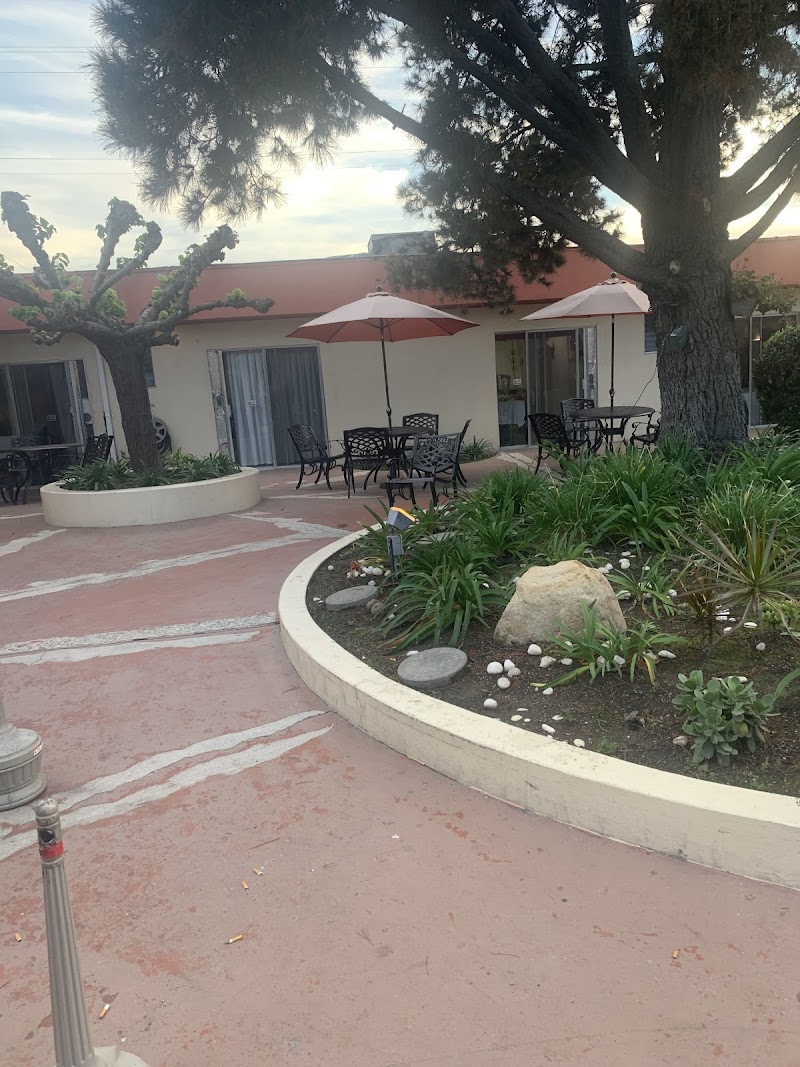
How is Healthcare Center Of Orange County Staffed?

CMS rates HEALTHCARE CENTER OF ORANGE COUNTY's staffing level at 1 out of 5 stars, which is much below average compared to other nursing homes. Staff turnover is 53%, compared to the California average of 46%.

What Have Inspectors Found at Healthcare Center Of Orange County?

State health inspectors documented 78 deficiencies at HEALTHCARE CENTER OF ORANGE COUNTY during 2023 to 2025. These included: 74 with potential for harm and 4 minor or isolated issues. While no single deficiency reached the most serious levels, the total volume warrants attention from prospective families.
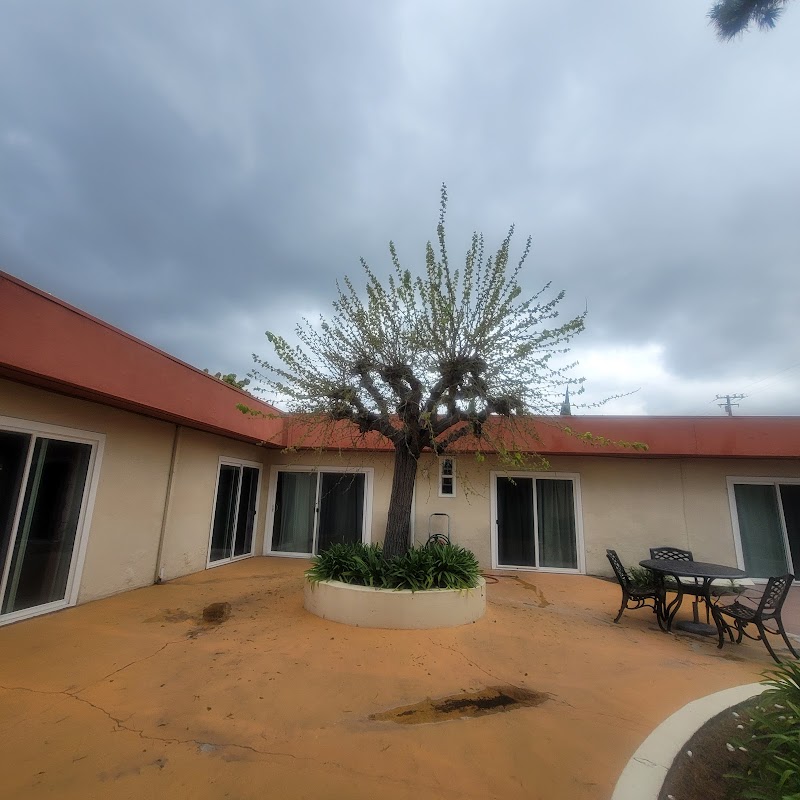
Who Owns and Operates Healthcare Center Of Orange County?

HEALTHCARE CENTER OF ORANGE COUNTY is owned by a for-profit company. For-profit facilities operate as businesses with obligations to shareholders or private owners. The facility is operated by CRYSTAL SOLORZANO, a chain that manages multiple nursing homes. With 99 certified beds and approximately 94 residents (about 95% occupancy), it is a smaller facility located in BUENA PARK, California.
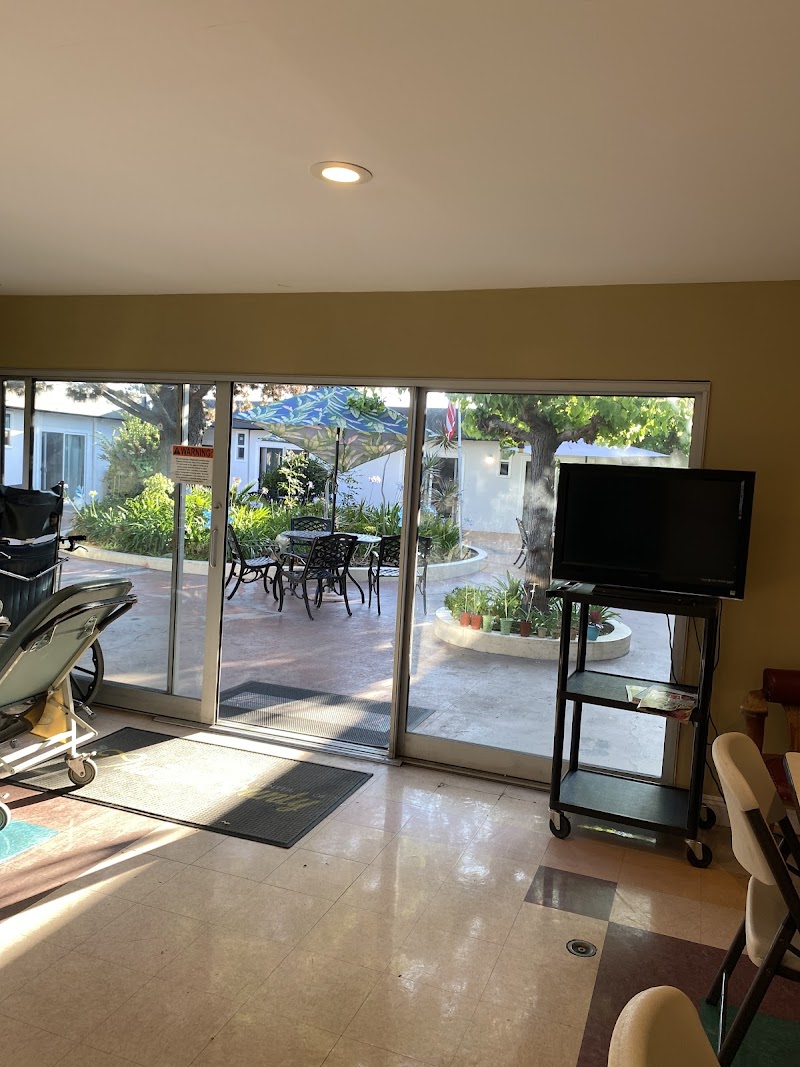
How Does Healthcare Center Of Orange County Compare to Other California Nursing Homes?

Compared to the 100 nursing homes in California, HEALTHCARE CENTER OF ORANGE COUNTY's overall rating (1 stars) is below the state average of 3.1, staff turnover (53%) is near the state average of 46%, and health inspection rating (2 stars) is below the national benchmark.

What Should Families Ask When Visiting Healthcare Center Of Orange County?

Based on this facility's data, families visiting should ask: "Can you walk me through typical staffing levels on day, evening, and night shifts?" "Can I visit during a mealtime to observe dining assistance and food quality?" "How do you handle medical emergencies, and what is your hospital transfer rate?" "Can I speak with family members of current residents about their experience?" These questions are particularly relevant given the below-average staffing rating.

Is Healthcare Center Of Orange County Safe?

Based on CMS inspection data, HEALTHCARE CENTER OF ORANGE COUNTY has a clean safety record: no substantiated abuse findings (meaning no confirmed cases of resident harm), no Immediate Jeopardy citations (the most serious violation level indicating risk of serious injury or death), and is not on the Special Focus Facility watch list (a federal program monitoring the lowest-performing 1% of nursing homes). The facility has a 1-star overall rating and ranks #100 of 100 nursing homes in California. While no facility is perfect, families should still ask about staff-to-resident ratios and recent inspection results during their visit.

Do Nurses at Healthcare Center Of Orange County Stick Around?

HEALTHCARE CENTER OF ORANGE COUNTY has a staff turnover rate of 53%, which is 7 percentage points above the California average of 46%. Moderate turnover is common in nursing homes, but families should still ask about staff tenure and how the facility maintains care continuity when employees leave.

Was Healthcare Center Of Orange County Ever Fined?

HEALTHCARE CENTER OF ORANGE COUNTY has no federal fines on record. CMS issues fines when nursing homes fail to meet care standards or don't correct problems found during inspections. The absence of fines suggests the facility has either maintained compliance or corrected any issues before penalties were assessed. This is a positive indicator, though families should still review recent inspection reports for the full picture.

Is Healthcare Center Of Orange County on Any Federal Watch List?

HEALTHCARE CENTER OF ORANGE COUNTY is not on any federal watch list. The most significant is the Special Focus Facility (SFF) program, which identifies the bottom 1% of nursing homes nationally based on persistent, serious quality problems. Not being on this list means the facility has avoided the pattern of deficiencies that triggers enhanced federal oversight. This is a positive indicator, though families should still review the facility's inspection history directly.