PENINSULA POST-ACUTE

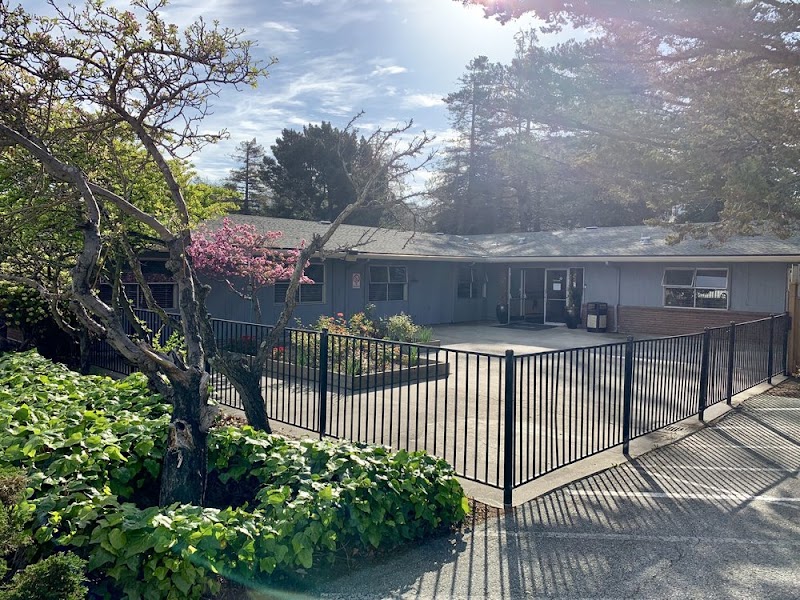
1609 TROUSDALE DRIVE, BURLINGAME, CA 94010 (650) 652-3969
For profit - Limited Liability company 62 Beds PACS GROUP Data: November 2025
Trust Grade
55/100
#655 of 1155 in CA
Last Inspection: October 2024

Within standard 12-15 month inspection cycle. Federal law requires annual inspections.

Overview

Peninsula Post-Acute has a Trust Grade of C, which means it is in the average range-neither particularly good nor bad. It ranks #655 out of 1155 nursing homes in California, placing it in the bottom half, and #10 out of 14 in San Mateo County, indicating that only four local facilities are rated lower. The facility's trend is worsening, with issues increasing from 3 in 2023 to 20 in 2024. Staffing is a concern, rated 2 out of 5 stars with a high turnover rate of 49%, indicating that many staff members leave, which can affect resident care. However, it does have good RN coverage, surpassing 86% of state facilities, which helps catch potential problems. Specific incidents reported include a resident who was left in wet clothing due to rude staff and another resident who experienced severe pain because a nurse ignored their request for medication for almost an hour. Additionally, there were significant concerns about food safety, with issues like improperly cooked fish and unclean kitchen equipment that could lead to foodborne illnesses. While there are strengths in RN coverage, the facility's staffing issues and recent complaints about care quality raise important concerns for families considering this option for their loved ones.

Trust Score
C
55/100
In California
#655/1155
Bottom 44%
Safety Record
Moderate
Needs review
Inspections
Getting Worse
3 → 20 violations
Staff Stability
⚠ Watch
49% turnover. Above average. Higher turnover means staff may not know residents' routines.
Penalties
✓ Good
No fines on record. Clean compliance history, better than most California facilities.
Skilled Nurses
✓ Good
Each resident gets 55 minutes of Registered Nurse (RN) attention daily — more than average for California. RNs are trained to catch health problems early.
Violations
⚠ Watch
44 deficiencies on record. Higher than average. Multiple issues found across inspections.
★★★☆☆
3.0
Overall Rating
★★☆☆☆
2.0
Staff Levels
★★★★★
5.0
Care Quality
★★☆☆☆
2.0
Inspection Score
Stable
2023: 3 issues
2024: 20 issues

The Good

  • 5-Star Quality Measures · Strong clinical quality outcomes
  • Full Sprinkler Coverage · Fire safety systems throughout facility
  • No fines on record

Facility shows strength in quality measures, fire safety.

The Bad

3-Star Overall Rating

Near California average (3.1)

Meets federal standards, typical of most facilities

Staff Turnover: 49%

Near California avg (46%)

Higher turnover may affect care consistency

Chain: PACS GROUP

Part of a multi-facility chain

Ask about local staffing decisions and management

The Ugly 44 deficiencies on record

1 actual harm
Oct 2024 17 deficiencies
CONCERN (D)

Potential for Harm - no one hurt, but risky conditions existed

Deficiency F0578 (Tag F0578)

Could have caused harm · This affected 1 resident

**NOTE- TERMS IN BRACKETS HAVE BEEN EDITED TO PROTECT CONFIDENTIALITY** Based on interview and record review, the facility failed to ensure a Physician Orders for Life-Sustaining Treatment (POLST, a w...

Read full inspector narrative →
**NOTE- TERMS IN BRACKETS HAVE BEEN EDITED TO PROTECT CONFIDENTIALITY** Based on interview and record review, the facility failed to ensure a Physician Orders for Life-Sustaining Treatment (POLST, a written medical order that specifies the types of medical treatment a patient wants to receive in the event of a serious illness) was obtained on admission for one of 18 sampled residents (Resident 219). This failure had the potential to result in resident's wishes in an emergency situation and end-of-life choices not being honored. Findings: Review of Resident 219's admission record indicated, was admitted to the facility on [DATE] with diagnoses including fracture of head and neck of left femur (a break in the bone that connects the femoral head to the femoral shaft in the hip), abnormalities of gait and mobility (changes to a person's normal walking pattern), type 2 diabetes mellitus (high blood sugar), anxiety disorder (a mental health disorder characterized by feelings of worry, anxiety, or fear that are strong enough to interfere with one's daily activities), and hypertension (high blood pressure). Review of Resident 219's Minimum Data Set (MDS - a federally mandated resident assessment tool) dated [DATE] indicated, resident has no cognitive impairment. Review of Resident 219's History and Physical (H&P) dated [DATE] indicated, .LCP (Life Care Planning) Status Checked [No Goals of Care Discussion: Review of Life Care Planning Documentation: No existing LCP Documentation: Code status established with Patient . Review of Resident 219's Order Summary Report dated [DATE] indicated, DNR (Do Not Resuscitate- a medical order written by a doctor to instruct health care providers NOT to do cardiopulmonary resuscitation (CPR) if breathing stops or the heart stops beating) was ordered on [DATE]. During concurrent interview and record review on [DATE] at 2:02 PM, Licensed Vocational Nurse(LVN) 2 did not find an advance directive and/or POLST form in Resident 219's clinical record. LVN stated, I don't see it here. According to the California Emergency Medical Services Authority, .POLST does not replace the Advance Directive. When available, review the Advance Directive and POLST form to ensure consistency, and update forms appropriately to resolve any conflicts. o POLST must be completed by a health care provider based on patient preferences and medical indications .
CONCERN (D)

Potential for Harm - no one hurt, but risky conditions existed

MDS Data Transmission (Tag F0640)

Could have caused harm · This affected 1 resident

Based on interview and record review, the facility failed to accurately encode one of 18 sampled residents' (Resident 20) Minimum Data Set (MDS - a federally mandated resident assessment tool) when Re...

Read full inspector narrative →
Based on interview and record review, the facility failed to accurately encode one of 18 sampled residents' (Resident 20) Minimum Data Set (MDS - a federally mandated resident assessment tool) when Resident 20 was encoded has being diagnosed with Depression, but the Resident had no current or past medical history of that diagnosis. This failure has the potential to result in MDS assessments that inaccurately captures quality metrics and a resident's condition over time. Findings: A review of Resident 20's face sheet (front page of the chart that contains a summary of basic information about the resident), dated 10/18/24, indicated that Resident 20 was admitted 2024 with multiple diagnoses including SPINAL STENOSIS (when the space inside the backbone is too small causing pressure and pain) and LOW BACK PAIN. During a concurrent interview and record review on 10/17/24 at 2:31 PM with the MDS Director (MDSD), Resident 20's list of active diagnoses, dated 10/17/24, was reviewed. The list of active diagnoses indicated all the conditions that Resident 20 was being treated or cared for. The MDSD stated that she did not see Depression as an active diagnosis. During a concurrent interview and record review on 10/18/24 at 12:07 PM with the MDSD, Resident 20's discharge summary, date 09/09/24, was reviewed. The discharge summary indicated a summary of the Resident's hospital course including Resident 20's past medical history. The MDSD stated that she did not see Depression as a diagnosis at the hospital or on Resident 20's documented past medical history. During a concurrent interview and record review on 10/18/24 at 12:07 PM with the MDSD, Resident 20's MDS assessment, dated 09/11/24, was reviewed. The MDS assessment indicated that Resident 20 had an active diagnosis of depression. The MDSD stated that this was an inaccurate assessment as Resident 20 had no history of Depression. A review of a facility policy titled Certifying Accuracy of the Resident Assessment, last revised November 2019, indicated that Any person who completes any portion of the MDS assessment .is required to sign the assessment certifying the accuracy .The information captured on the assessment reflects the status of the resident during the observation.
CONCERN (D)

Potential for Harm - no one hurt, but risky conditions existed

Comprehensive Care Plan (Tag F0656)

Could have caused harm · This affected 1 resident

**NOTE- TERMS IN BRACKETS HAVE BEEN EDITED TO PROTECT CONFIDENTIALITY** Based on interview and record review, the facility failed to develop an accurate comprehensive care for two of 18 sampled reside...

Read full inspector narrative →
**NOTE- TERMS IN BRACKETS HAVE BEEN EDITED TO PROTECT CONFIDENTIALITY** Based on interview and record review, the facility failed to develop an accurate comprehensive care for two of 18 sampled residents (Resident 20 and Resident 31) when: 1. Resident 20's care plan for Duloxetine (an anti-depressant medication that can also be used to treat nerve pain) had the incorrect indication (reason to give a medication) 2. Resident 31's care plan for indefinite use of Cephalexin (an antibiotic) was not developed. These failures have the potential for residents' care plans to not be person-centered and specific enough for residents to meet their medical and physical needs. Findings: 2. A review of Resident 20's face sheet (front page of the chart that contains a summary of basic information about the resident), dated 10/18/24, indicated that Resident 20 was admitted 2024 with multiple diagnoses including SPINAL STENOSIS (when the space inside the backbone is too small causing pressure and pain) and LOW BACK PAIN. A review of Resident 20's Order Summary Report (a list of a medical provider's orders for care), dated 10/18/24, indicated that Resident 20 was being given DULoxetine .by mouth one time a day for Chronic low back pain During a concurrent interview and record review on 10/17/24 at 2:31 PM Interim Director of Nursing (IDON), Resident 20's care plan for Duloxetine, initiated on 09/11/24, was reviewed. The care plan for Duloxetine indicated that Resident requires antidepressant medication related to diagnosis of depression as evidence by verbalization of feeling sad/depressed. The IDON stated that this is not an accurate care plan as it has the wrong indication. During a concurrent interview and record review on 10/17/24 at 2:31 PM Interim Director of Nursing (IDON), Resident 20's list of active diagnoses, dated 10/17/24, was reviewed. The list of active diagnoses indicated all the conditions that Resident 20 was being treated or cared for. The IDON stated that she did not see Depression as an active diagnosis. During a concurrent interview and record review on 10/18/24 at 12:07 PM Interim Director of Nursing (IDON), Resident 20's discharge summary, date 09/09/24, was reviewed. The discharge summary indicated a summary of the Resident's hospital course including Resident 20's past medical history. The IDON stated that she did not see Depression as a diagnosis at the hospital or on Resident 20's documented past medical history. 2. Review of Resident 31's admission record indicated, was admitted to the facility on [DATE] with diagnoses including fracture of sacrum (a break in the sacrum, the large triangular bone at the base of the spine between the hipbones), osteoporosis (a progressive disorder of the joints, caused by a gradual loss of cartilage), dementia (a progressive state of decline in mental abilities), cancer of right breast, gastro-esophageal reflux disease (GERD - a chronic disease that occurs when stomach acid or bile flows into the food pipe and irritates the lining), and personal history of urinary tract infections (UTI - an infection in any part of the urinary system). Review of Resident 31's Medical Practitioner Narrative Note dated 9/10/24 indicated, .Cephalexin (an antibiotic used to treat infections caused by bacteria, including urinary tract infections) Oral Capsule 250 MG (milligrams) , Give 1 capsule by mouth in the evening every Mon, Wed, Fri for recurrent UTIs Take 1 cap (capsule) PO (per orem - orally or via the mouth) three times weekly . 9. UTI: This can cause discomfort, urinary frequency/urgency, and overall malaise (a general feeling of discomfort, uneasiness, or lack of well-being), potentially impacting patient participation in therapy . Be mindful of potential side effects of antibiotics, which may include fatigue, dizziness, or gastrointestinal issues . Review of Resident 31's Active Orders in the electronic health record (EHR) indicated, 9/7/24: Cephalexin Oral Capsule 250 MG (Cephalexin). Give 1 capsule by mouth in the evening every Mon, Wed, Fri for recurrent UTIs Take 1 cap PO three times weekly. Review of Resident 31's care plan indicated, has dx (diagnosis): Urinary Tract Infection Date Initiated: 09/07/2024 Revision on: 10/15/2024 . Give antibiotic therapy as ordered. Monitor/document for side effects and effectiveness. Date Initiated: 09/07/2024 . During an interview on 10/18/24 at 1:47 PM, Licensed Vocational Nurse (LVN) 2 stated, Resident 31 was admitted with an order of cephalexin 200 mg three times a week for recurrent UTI with no stop date. During concurrent review, LVN 2 did not find a care plan for the use of cephalexin. Additionally, there was no monitoring for the side effects of the medications and signs and symptoms of UTI for Resident 31. During further interview, LVN 2 stated the care plan for the use of cephalexin was only added today and that it should have been completed when it was initiated. During an interview on 10/18/24 at 3:07 PM, Interim Director of Nursing (IDON) stated, indefinite use of antibiotic should be care planned as soon as the antibiotic is started. Review of Resident 31's Medication Regimen Review dated 9/9/24 indicated, CURRENT ORDER: Cephalexin Oral Capsule 250 MG - Give 1 capsule by mouth in the evening every Mon, Wed, Fri for recurrent UTIs Take 1 cap PO three times weekly. The above order does not include a stop date. RECOMMENDATION: Please update the above order with a stop date. If the order is to be continued indefinitely, please document to that effect below. Under section Physician/Prescriber Response indicated, Disagree - Family requested for PPX (prophylaxis - action taken to prevent disease). Review of facility's policy and procedure titled, Care Plans, Comprehensive Person-Centered, revised March 2022, indicated, .2. The Comprehensive person-centered care plan should be developed within the seven (7) days of the completion of the required MDS assessment .and should be completed within 21 days of admission .
CONCERN (D)

Potential for Harm - no one hurt, but risky conditions existed

Deficiency F0658 (Tag F0658)

Could have caused harm · This affected 1 resident

Based on observation, interview, and record review, the facility failed to provide care and treatment according to facility policies and procedures and professional standards of practice for two of 18...

Read full inspector narrative →
Based on observation, interview, and record review, the facility failed to provide care and treatment according to facility policies and procedures and professional standards of practice for two of 18 sampled residents (Resident 291 and Resident 24) when: 1. Insulin (a hormone that removes excess sugar from the blood, can be produced by the body or given artificially via medication) injection was not prepared and administered according to current professional standard of practice and facility's insulin administration policy and procedure for Resident 219 and Resident 24. 2. Glucose (blood sugar) reading for Resident 24 was obtained during meals. Additionally, insulin was administered without a prescribed glucose check for Resident 24. These failures resulted in a medication error and had the potential to affect the absorption rate and efficacy of the insulin which could result in serious complications for Resident 219 and Resident 24. Findings: During medication pass observation on 10/15/24 at 12:13 PM, Licensed Vocational Nurse (LVN) 3 prepared to administer 4 units of Humulin R (also known as regular insulin, is a short-acting insulin used to treat diabetes) insulin based on Resident 219's glucose level of 206. During preparation, LVN 3 wiped the top of the vial, pushed the needle on top of the vial and immediately draw 4 units of Humulin R insulin from the vial. During insulin administration, LVN 3 held the back of Resident 219's right upper arm and injected the insulin in a 90 degree (0) and immediately removed the syringe from the injection site. During a follow up interview on 10/15/24 at 12:22 PM, LVN 3 stated, you don't need to pinch the site when injecting. During medication pass observation on 10/15/24 at 12:25 PM, LVN 3 went to Resident 24's room and saw the speech therapist sitting with a lunch tray in front of the resident. During concurrent interview, LVN 3 stated the speech therapist started to feed Resident 24 and that she will proceed with the blood sugar check since resident just started eating which will not affect the result. During further observation on 10/15/24 at 12:29 PM, LVN 3 obtained Resident 24's blood sugar level which was 202 and prepared to administer 4 units of Insulin Lispro (a fast-acting insulin used to control high blood sugar in adults and children with diabetes) per sliding scale (refers to the progressive increase in the pre-meal or nighttime insulin dose, based on pre-defined blood glucose ranges). During preparation, LVN 3 wiped the top of the vial, pushed the needle on top of the vial and immediately draw 4 units of Insulin Lispro from the vial. During insulin administration, LVN 3 directly injected the insulin on the right upper quadrant of the abdomen in a 900 angle and immediately removed the syringe from the injection site. During a follow up interview on 10/15/24 at 12:36 PM, LVN 3 stated she knows that Resident 24 had already eaten but did not think it will have an effect on the blood sugar result and insulin administration. Review of Resident 24's active orders in the EHR, indicated, the following (ff) orders: Order date 10/6/24: Check blood glucose at bedtime. Order date 10/6/24: Insulin Lispro Injection 100 unit/ml (Insulin Lispro) Inject as per sliding scale: if 70-150 = 0 Do Not Hold if NPO. Give the ff insulin in addition to nutritional insulin; 151-200 = 2; 201-249 = 4; 250-300 = 6; 301-350 = 8; 351-400 = 10; BG (blood glucose) >400, give 12 units, subcutaneously with meals for DM2. During concurrent interview on 10/15/24 at 12:41 PM. LVN 3 stated, there is no order in the EHR for Resident 24's blood glucose to be checked before meals. I only see the bedtime order. LVN 3 added, there should be a separate order for the blood glucose check every meal. During an interview on 10/16/24 at 10:18 AM, ADON stated there should be an order in place for blood sugar checks and it should be done before meals, not during meals. During further interview, ADON was asked about their policy and procedure on insulin administration. ADON stated, the amount of air to be injected in the vial should be the same as to the dose of insulin to be drawn from the vial. Injecting of air and drawing insulin from the vial should be done within eye level. In addition, ADON stated to gently pinch the injection site, inject the insulin in a 450 or 900 angle depending on the injection site, leave the syringe for at least 5 to 10 seconds, then release and remove the syringe. ADON further stated that a 450 angle technique is followed when injecting on the upper and/or back of the arm while the 900 angle is followed when injecting on the abdomen. Review of facility's policy and procedure titled, Insulin Administration, updated 8/15/24, indicated, .Steps in the Procedure (Insulin Injections via Syringe) . 2. Check blood glucose per physician order or facility protocol . 6. Gently roll the insulin vial between the palms of both hands to resuspend the insulin . 10. Create a vacuum in the vial by injecting air into the vial in the amount equal to the dose of insulin . 18. Light grasp a fold of skin and insert the needle into the skin at a 900 angle. For very thin residents, insert at a 450 angle to avoid intramuscular injection. 19. Depress the plunge rand remove the needle after approximately five (5) seconds . According to the American Diabetes Association article titled, Insulin Administration, dated 1/1/23, indicated, .INJECTION TECHNIQUE . Dose preparation .For all insulin preparations, except rapid- and short-acting insulin and insulin glargine, the vial or pen should be gently rolled in the palms of the hands (or shaken gently) to resuspend the insulin. An amount of air equal to the dose of insulin required should first be drawn up and injected into the vial to avoid creating a vacuum . After the insulin is drawn into the syringe, the fluid should be inspected for air bubbles. One or two quick flicks of the forefinger against the upright syringe should allow the bubbles to escape. Air bubbles themselves are not dangerous but can cause the injected dose to be decreased. Injection procedures - Injections are made into the subcutaneous tissue. Most individuals are able to lightly grasp a fold of skin, release the pinch, then inject at a 90° angle. Thin individuals or children can use short needles or may need to pinch the skin and inject at a 45° angle to avoid intramuscular injection, especially in the thigh area. Routine aspiration (drawing back on the injected syringe to check for blood) is not necessary. Particularly with the use of insulin pens, the needle should be embedded within the skin for 5 s after complete depression of the plunger to ensure complete delivery of the insulin dose . Injection site - Insulin may be injected into the subcutaneous tissue of the upper arm and the anterior and lateral aspects of the thigh, buttocks, and abdomen (with the exception of a circle with a 2-inch radius around the navel) . Site selection should take into consideration the variable absorption between sites. The abdomen has the fastest rate of absorption, followed by the arms, thighs, and buttocks .
CONCERN (D)

Potential for Harm - no one hurt, but risky conditions existed

Deficiency F0676 (Tag F0676)

Could have caused harm · This affected 1 resident

Based on interview and record review, the facility failed to ensure that one of 18 sampled residents (Resident 26) had the necessary language systems for translation accessible when Resident 26 reques...

Read full inspector narrative →
Based on interview and record review, the facility failed to ensure that one of 18 sampled residents (Resident 26) had the necessary language systems for translation accessible when Resident 26 requested a translator but multiple staff were not aware of resources except for family or the use of a communication board (a tool that helps people with limited language skills express themselves by pointing to images or symbols). This failure has the potential for staff to not properly assess residents who speak a different language or make it difficult for a resident to make their unique needs known. Findings: A review of Resident 26's face sheet (front page of the chart that contains a summary of basic information about the resident), dated 10/18/24, indicated that Resident 26 was admitted in 2024 with a primary language of Japanese. During an interview on 10/15/24 at 12:10 PM with Resident 26, Resident 26 stated that their English was not good, and they requested an translator to continue the interview. A review of Resident 26's Medical Practitioner Narrative Note titled, PHYSICAL MEDICINE & REHABILITATION FOLLOW UP EVALUATION, dated 10/24/24, indicated that on assessment by Medical Doctor (MD) 1, MD 1 documented that Resident 26 had precautions (a measure taken in advance to prevent something dangerous, unpleasant, or inconvenient from happening) including speaks Japanese > [greater than] English. During an interview on 10/15/24 at 12:20 PM with Registered Nurse (RN) 1, RN 1 stated that Resident 26 spoke Mandarin. RN 1 further stated that usually a staff member that speaks Mandarin can help translate for the resident. RN 1 also stated that if more complex communication is needed, he would need a translation line [an audio or audio-visual translation service]. During an interview on 10/15/24 at 2:10 PM with RN 1, a translator was requested. RN 1 stated that he does not know how to access a translation line and would need to follow up with social services. During an interview on 10/16/24 at 8:53 AM with RN 1, RN 1 stated that he that usually speaks to Resident 26 in English and Resident 26 can understand a little but if it's more complex questions . you'll have a more difficult time. During an interview 10/17/24 at 11:47 AM with Licensed Vocational Nurse (LVN) 1, LVN 1 stated that if she needs help with translation with Resident 26, she would talk to the family or use non-verbal actions to understand the Resident. LVN 1 further stated, I've never used a translator service. During an interview on 10/17/24 at 2:42 PM with the Director of Social Services (DSS), the DSS stated that staff will often use family for translation services. If the family is not available, the DSS stated that staff can use communication boards with set phrases. If family in unavailable and the Resident has more complex needs that go beyond the communication board, the DSS stated that staff could use translation applications like Google Translate. The DSS further stated that the facility is not subscribed to any medical translation services.
CONCERN (D)

Potential for Harm - no one hurt, but risky conditions existed

Medication Errors (Tag F0758)

Could have caused harm · This affected 1 resident

**NOTE- TERMS IN BRACKETS HAVE BEEN EDITED TO PROTECT CONFIDENTIALITY** Based on interview and record review, the facility failed to monitor for behavioral symptoms, side effects and/or adverse conseq...

Read full inspector narrative →
**NOTE- TERMS IN BRACKETS HAVE BEEN EDITED TO PROTECT CONFIDENTIALITY** Based on interview and record review, the facility failed to monitor for behavioral symptoms, side effects and/or adverse consequences for one of 3 sampled residents (Resident 220) on psychotropic (drugs that affects brain activities associated with mental processes and behavior) medications. Additionally, the informed consent for the use of psychotropic medication was signed seven days after Resident was admitted to the facility. This failure had the potential to place residents on psychotropic medications at risk for adverse health consequences which could negatively impact the resident's mental, physical, and psychosocial well-being. Findings: Review of Resident 220's admission record indicated, was admitted to facility on 10/10/24 with diagnoses including osteoarthritis (a progressive disorder of the joints, caused by a gradual loss of cartilage) of right ankle and foot, schizophrenia, (a mental illness that is characterized by disturbances in thought), and type 2 diabetes mellitus (DM - high blood sugar). Review of Resident 220's SNF (skilled nursing facility) admission history and physical (H&P) dated 10/12/24, indicated, .Hx (history) schizophrenia: con (continue) amisulpride (an antiemetic and antipsychotic medication used at lower doses intravenously to prevent and treat postoperative nausea and vomiting; and at higher doses by mouth to treat schizophrenia and acute psychotic episodes) tab 400 mg (milligrams) po (per orem, meaning orally or via the mouth) qhs (every hours of sleep) with pt's (patient) own supply. Cont benztropine (treats symptoms that affect your movement caused by Parkinson's disease and other conditions) 0.5 mg po daily for TD (tardive dyskinesia - a chronic condition that causes involuntary, repetitive movements in the body) symptom control . PATIENT TAKES 400 QHS OF AMISULPRIDE TABLETS THESE ARE NOT AVAIALBLE IN USA, PLEASE ALLOW PATIENT TO TAKE HOME MEDICATIONS. DAUGHTER [Name] APPROVES . Review of Resident 220's active orders indicated, start date 10/10/24 AMISULPRIDE 400 MG TABLET. Take 1 tablet at bedtime for Schizophrenia. Daughter will supply the medication. Review of Resident 220's informed consent indicated, LN (licensed nurse) verified verbal or phone consent was received from daughter [Name] on 10/10/24. The informed consent also indicated was signed by the physician on 10/17/24, seven days after Resident 220 was admitted and started taking amisulpride at the facility. Review of Resident 220's Medication Regimen Review dated 10/12/24, indicated, AMISULPRIDE 400 MG TABLET. Take 1 tablet at bedtime for Schizophrenia. Daughter will supply the medication. Recommendation: Please enter orders in PCC to monitor target behavior and SE for the medication(s) listed above. During a concurrent record review and interview with Assistant Director of Nursing (ADON) on 10/18/24 at 11:59 AM, ADON stated, monitoring of behavior and side effects for residents on psychotropic medications should start as soon as soon as the medication was administered. Resident 220's active orders and medication administration record indicated, amisulpride was first administered on 10/10/24 and the side effects monitoring was started on 10/17/24. Review of facility's policy and procedure titled, Psychoactive/Psychotropic Medication Use, updated August 2022, indicated, .1. General Guidelines: .g. Prior to administration of Psychotropic medication, the prescribing clinician will obtain informed consent from resident (or, as appropriate, the resident representative), and document the consent in the medical record. 2. Psychotropic Medication Management - a. Psychotropic medication management for the resident will involve the facility interdisciplinary team consideration of the following: indication and clinical need for medication, dose, duration, and adequate monitoring for efficacy and adverse consequences. Management will also include preventing (where possible), identifying, and responding to adverse consequences .e. Monitoring of resident receiving Psychotropic medication will include evaluation of the effectiveness of the medication, as well as an assessment for possible adverse consequences. Behavioral symptoms are reevaluated periodically to determine the potential for reducing or discontinuing the drug based on therapeutic goals, and any adverse effects or functional impairment. f. Staff will monitor for potential adverse consequences, such as: .tardive dyskinesia . 3. Informed Consent . iii. Prior to administration of Psychotropic medication, the prescribing clinician will obtain informed consent from resident (or, as appropriate, the resident representative), and document the consent in the medical record . vii. The personal examination and signatures can be completed and signed using remote technology .
CONCERN (D)

Potential for Harm - no one hurt, but risky conditions existed

Deficiency F0760 (Tag F0760)

Could have caused harm · This affected 1 resident

Based on observation, interview, and record review the facility failed to ensure that one of 18 sampled Residents (Resident 269) was free of significant medication errors when Resident 269 was given A...

Read full inspector narrative →
Based on observation, interview, and record review the facility failed to ensure that one of 18 sampled Residents (Resident 269) was free of significant medication errors when Resident 269 was given Acetaminophen (a pain medication) beyond the parameters ordered by the medical provider. This failure has the potential to lead to Acetaminophen adverse effects (undesired effect of a drug) including abdominal pain, nausea/vomiting, or liver damage. Findings: A review of Resident 269's face sheet (front page of the chart that contains a summary of basic information about the resident), dated 10/18/24, indicated that Resident 269 was admitted in 2024 for multiple diagnosis including Fracture, Left femur (break in the upper leg bone) and Fracture .of left humerus (break in the left upper arm bone). A review of Resident 269's medication administration record (MAR, a daily documentation record used by a licensed nurse to document medications and treatments given to a resident), dated 10/17/24, indicated that Resident 269 had two orders for Acetaminophen. The first order indicated Acetaminophen . 500 MG [milligrams, metric unit of measurement used for medication dosage and/or amount] . Give 2 tablet by mouth three times a day for Left should pain DNE [do not exceed] 3g/24hours [Grams, metric unit of measurement used for medication dosage and/or amount, in 24 hours] of APAP [another name for Acetaminophen] from all sources. The second order indicated Resident 269 can receive 325 MG (Acetaminophen) .2 tablet by mouth every 4 hours as needed .DNE 3g/24hours of APAP from all sources. During a concurrent interview and record review 10/17/24 at 11:52 AM with Licensed Vocational Nurse (LVN) 1, Resident 269's MAR, dated 10/17/24, was reviewed. The MAR indicated that Resident 269's Acetaminophen was given as ordered-1000 MG three times a day on October 12, 13, 14, and 16, 2024. The MAR further indicated that Resident 269 received an additional 650mg of Acetaminophen on October 13, 2024 at 2108 (9:08 PM) and October 14, 2024 at 0110 (1:10 AM). LVN 1 stated that for the dates of October 13 and October 14, Resident 269 exceeded the ordered maximum dose of Acetaminophen. LVN 1 stated that this was not okay because Resident 269's medication orders indicated that Resident 269 should not exceed 3000mg in 24 hours. LVN 1 further stated that she would be concerned about any effects on the liver or kidney when taking too much Acetaminophen. During a concurrent interview and record review 10/17/24 at 2:09 PM with the Interim Director of Nursing (IDON), Resident 269's MAR, dated 10/17/24, was reviewed. The MAR indicated that Resident 269's Acetaminophen was given as ordered-1000 MG three times a day on October 12, 13, 14, and 16, 2024. The MAR further indicated that Resident 269 received an additional 650mg of Acetaminophen on October 13, 2024 at 2108 (9:08 PM) and October 14, 2024 at 0110 (1:10 AM). The IDON stated that on October 13 and October 14, Resident 269 was given Acetaminophen that went over the parameter. The IDON further stated that taking too much Acetaminophen can have an effect on liver function. A review of a facility policy titled Administering Medications, dated 2001, indicated that Medications are administered in accordance with prescriber orders, including any required time frame.
CONCERN (D)

Potential for Harm - no one hurt, but risky conditions existed

Deficiency F0802 (Tag F0802)

Could have caused harm · This affected 1 resident

Based on observation, interview, and facility document review, the facility failed to ensure one kitchen staff competency for manual warewashing (warewashing: cleaning and sanitizing of utensils and f...

Read full inspector narrative →
Based on observation, interview, and facility document review, the facility failed to ensure one kitchen staff competency for manual warewashing (warewashing: cleaning and sanitizing of utensils and food-contact surfaces of equipment) using the three-compartment sink. The failure to ensure staff competency for 1 of 8 kitchen staff regarding manual warewashing had the potential to result in contamination of food and/or utensils and equipment leading to illness caused by pathogens (harmful organisms). Findings: Review of the policy and procedure titled 3-Compartment Procedure for Manual Dishwashing, dated 2023, showed if the dish machine is not working properly manual dishwashing will be initiated. All items should be rinsed, scraped, or soaked before washing. The first compartment is used for washing. Fill the first compartment with detergent and hot water. The second compartment is used for rinsing. Fill the sink with clean, clear hot water, 110 -120 degrees Fahrenheit (F, temperature scale) and the temperature should be recorded. Items should be thoroughly rinsed to remove detergent and the water should be replaced if it becomes cloudy or dirty, or when temperature falls below 110 degrees F. The third compartment is used for sanitizing. Fill the third compartment with clean, clear water then add sanitizer. Immerse all washed items in the sanitizer solution. During a concurrent kitchen observation in the presence of the Registered Dietitian (RD) and Dietary Supervisor (DS) and interview on 10/15/24 at 9:38 AM, Dietary Aide (DA) 1 stood in front of the three-compartment sink and described how items such as dishes, cooking utensils, and cooking equipment would be cleaned using the three-compartment sink in the event the dish machine could not be used. DA 1 stated the first sink was for scraping food, the second sink was for washing with soap/detergent, and the third sink was for rinsing in plain water without anything added to the water. DA 1 did not mention sanitizing as part of the procedure. DS stated mostly a Dietary Aide would use the 3-compartment sink to wash items if the dish machine was not working. During an interview on 10/15/24 at 12:30 PM, DS stated the procedures for manual warewashing including scraping, washing, rinsing, and sanitizing. DS further stated the first sink was for washing, the second sink was for rinsing, and the third sink was for sanitizing.
CONCERN (D)

Potential for Harm - no one hurt, but risky conditions existed

Deficiency F0808 (Tag F0808)

Could have caused harm · This affected 1 resident

Based on observation, interview and record review, the facility failed to ensure the facility's electronic medical record was designed to provide physicians with diet order selections, for residents w...

Read full inspector narrative →
Based on observation, interview and record review, the facility failed to ensure the facility's electronic medical record was designed to provide physicians with diet order selections, for residents with renal (kidney) insufficiency/failure, that was consistent with current standards of practice and terminology used by the approved diet manual of the Food and Nutrition Services Department. This failure had the potential for 3 residents (Resident 34, 43, and 54), out of a facility census of 56, who were prescribed a Renal diet (a diet aimed at keeping levels of fluids, electrolytes, and mineral balanced in the body in individuals with chronic kidney disease or who are on dialysis) to receive inappropriate nutrient levels for their individual medical status. Findings: Review of the facility Policy and Procedure (P&P) titled Therapeutic Diets revised 2017, showed the terminology of physician ordered diets should match the terminology used by the Food and Nutrition Services department. Review of the facility's 2023 Diet Manual for Long Term Care Facilities showed it was approved by the RD on 10/15/24 but was not yet approved by the Medical Director. The diet manual included the following protein restricted diets, designed for those with acute or chronic renal failure: 40 gm (gram, unit of measurement) Protein Diet; 60 gm Protein Diet; 80 gm Protein Diet; 80 gm Protein, Low Potassium, Low Salt, in combination with Controlled Carbohydrate (a diet used to stabilize blood sugar) and; 120-125 gm Protein, Low Salt, Moderate Potassium (3 gms). The standard of practice would be to consult with the healthcare team to determine the amount of nutrients appropriate to a resident with renal deficiency/failure. According to the National Kidney Foundation, for kidney patients, the amount of nutrients such as protein, potassium, phosphorous, and sodium are dependent the individual such as body size, nutritional status, and dialysis status. It is important to consult with a healthcare team to determine appropriate nutrient amounts. National Kidney Foundation. www.kidney.org. Accessed 25 October 2024. Review of the facility's Fall Menus spreadsheet dated 10/14/24, listed the Renal Diets as: 1) 60 gm Protein, Low Potassium, Low Salt; 2) 80 gm Protein, Low Potassium, Low Salt and 3) 80 gm Protein CCHO, Low Potassium, Low Salt. A record review of lunch meal tickets dated 10/14/24, showed Resident 32's diet type was Renal. A record review for Resident 32 showed the physician prescribed diet ordered on 8/1/24 was Liberal Renal. The Order Summary showed Liberal Renal, extra bowl of gravy served at every meal, and low potassium. There was no approved guidance of the term Liberal Renal. Resident 43's diet type was CCHO, Renal. A record review for Resident 43 showed the physician prescribed diet ordered on 9/13/24 was CCHO, Liberal Renal. The Order Summary showed CCHO, Liberal Renal, double protein with meals, no concentrated sweets. Review of the Progress Notes documented by the RD on 10/10/24, showed Resident 43 had End Stage Renal Disease and was on dialysis. A record review for Resident 54 showed the physician prescribed diet ordered on 10/16/24 was CCHO, Liberal Renal. The Order Summary showed CCHO, Liberal Renal diet, no concentrated sweets (a therapeutic diet limiting foods and drinks with added sugar or high-calorie sweetener; this diet is not a current standard of practice.). During an interview on 10/18/24 at 9:30 AM, the Registered Dietitian (RD) navigated through the computer software to show what diets were available for doctors to order for residents. There was only one diet choice available, Liberal Renal, for residents with renal disease. The RD stated he thought the Liberal Renal diet was the same as the Renal diet shown on the meal tickets. RD stated to his understanding the Liberal Renal Diet was low in phosphorous and protein. The electronic medical record did not give physician's options to order diets that were consistent with standards of practice, or the facility approved diet manual. During a consecutive interview and document review with the RD, on 10/18/24 at 9:30 AM, the 2023 Diet Manual for Long Term Care Facilities the RD confirmed Liberal Renal was not in the diet manual. When asked what diet in the diet manual would match the Liberal Renal diet, RD stated questions regarding the diet manual should be referred to the Dietary Supervisor. During an interview on 10/18/24 at 1:05 PM, despite the physician orders not indicating the amount of protein, or low salt, the Dietary Supervisor stated when an order was received for a Renal diet, the 80 gram protein, Low Potassium Low salt, diet on the Fall Menus spreadsheet was followed.
CONCERN (D) 📢 Someone Reported This

A family member, employee, or ombudsman was alarmed enough to file a formal complaint

Potential for Harm - no one hurt, but risky conditions existed

Deficiency F0836 (Tag F0836)

Could have caused harm · This affected 1 resident

Based on interview and record review, the facility failed to operate and provide services to residents of 62 beds when the facility exceeded that capacity and reached 63-64 beds for 13 days in Septemb...

Read full inspector narrative →
Based on interview and record review, the facility failed to operate and provide services to residents of 62 beds when the facility exceeded that capacity and reached 63-64 beds for 13 days in September, 2024. The facility failed to provide services to 62 residents when they admitted 63-64 residents. Findings: Review of a Detailed Census Report for September, 2024 showed 63 residents were admitted on Sept. 1, and 2nd. 64 residents were admitted on Sept. 4, and 9th. 63 residents were admitted on Sept. 15, and 16th. 64 residents were admitted on Sept. 19, and 23rd. 63 residents were admitted on Sept. 24, and 25th. 64 residents were admitted on Sept. 26th. 63 residents were admitted on Sept. 27, and 29th. The facility had admitted 63-64 residents for 13 days in a facility licensed for 62 beds. Review of facility license titled, State of California, Department of Public Health in accordance with applicable provisions of the Health and Safety Code of California and its rules and regulations, the Department of Public Health hereby issues this License to facility, to operate and maintain the following Skilled Nursing Facility, name and address of facility, Bed Classifications/Services/Stations: 62 Skilled Nursing (beds). Other Approved Services: Occupational Therapy, Physical Therapy, Social Services, Speech Pathology. This LICENSE is not transferable and is granted solely upon the following conditions, limitations and comments: Signed by the Director and State Public Health Officer and Staff Services Manager. During an interview on 10/18/2024, at 12:25 PM, Infection Preventionist/Assistant Director of Nursing (ADON) and Administrator provided NHPPD (nursing hours per patient day) postings for September and staffing numbers for a week in October. Administrator agreed he admitted 63-64 residents in the month of September because the Fire Marshall had approved a bed census of 68, now, to increase to 70 beds while awaiting approval of facility application requested 8/6/2023. The license only permits 62 skilled nursing beds.
CONCERN (D)

Potential for Harm - no one hurt, but risky conditions existed

Infection Control (Tag F0880)

Could have caused harm · This affected 1 resident

Based on observation, interview, and record review the facility failed to follow infection control standards for one of 18 sampled residents (Resident 19) when Physical Therapist (PT) 1 and Occupation...

Read full inspector narrative →
Based on observation, interview, and record review the facility failed to follow infection control standards for one of 18 sampled residents (Resident 19) when Physical Therapist (PT) 1 and Occupational Therapist (OT) 1 were observed providing care without the necessary personal protective equipment (PPE, clothing and equipment that is worn or used to provide protection against hazardous substances and/or environments) used for a resident on enhanced barrier precaution (EBP, an approach where PPE is used during high contact resident care activities to reduce spread of drug-resistant organisms). This failure has the potential to spread infection in the facility or cause infection to a resident that is at higher risk for acquiring an infection. Findings: A review of Resident 19's face sheet (front page of the chart that contains a summary of basic information about the resident), dated 10/18/24, indicated that Resident 19 was admitted in 2024 with multiple diagnoses including QUADRIPLEGIA (paralysis from the neck down, including legs, and arms, usually due to a spinal cord injury) and RESISTANCE TO MULTIPLE ANTIBIOTICS. A review of Resident 19's Order Summary Report (a list of a medical provider's orders for care), dated 10/18/24, indicated that Resident 29 had an order for Indwelling Urinary (Foley) Catheter [a hollow tube inserted into the bladder to drain or collect urine] .For neurogenic bladder [lack of bladder control due to a brain, spinal cord or nerve problem]. During an interview on 10/16/24 at 2:08 PM with the Infection Preventionist (IP), the IP stated that EBP is used for residents with medical devices that are at higher risk for infection like indwelling devices like foley and urinary catheters. When a resident is on EBP, the IP stated that she expects staff to wear a gown and gloves while preforming high contact care activities. The IP further stated that she expects for there to be signage to notify staff and visitors of the EBP requirements. During a concurrent observation and interview on 10/16/24 at 4:12 PM with PT 1, PT 1 and OT 1 were observed repositioning and assisting Resident 19 with exercises. PT 1 and OT 1 were observed only wearing gloves. PT 1 stated that she and OT 1 were preforming range of motion exercises with Resident 19 and getting him up and transferred as well. PT 1 stated yes when asked if she was aware if Resident 19 had a foley catheter. During a concurrent observation and interview on 10/16/24 at 4:23 PM with the IP, PT 1 and OT 1 were observed transferring Resident 19 from the bed to a chair using a Hoyer lift (a mechanical device used to lift and/or transfer a person from place to place). The IP stated that when a resident is on EBP, staff should wear gown and gloves when doing activities like dressing, bathing, [or] transferring. When the IP was asked if PT 1 or OT 1 were wearing the appropriate PPE for EBP during the observed transfer, the IP stated right now I don't see .the PT said she forgot and she knows . that PPE should have been used. The IP further stated that there is no signage on the door indicating that Resident 19 was on EBP. A review of facility policy titled Categories of Transmission-Based Precautions, last revised September 2022, indicated that additional usage of PPE (enhanced barrier precautions) may be used for residents who do not meet criteria for contact precautions but are infected . with MDROs [Multi-Drug Resistant Organisms] (or have risk factors for MDRO acquisition.)
CONCERN (E)

Potential for Harm - no one hurt, but risky conditions existed

Unnecessary Medications (Tag F0759)

Could have caused harm · This affected multiple residents

Based on observation, interview, and record review, the facility failed to ensure the medication error rate was less than five percent (5%) when 10 medication errors occurred out of 40 opportunities d...

Read full inspector narrative →
Based on observation, interview, and record review, the facility failed to ensure the medication error rate was less than five percent (5%) when 10 medication errors occurred out of 40 opportunities during the medication administration for four residents (Resident 53, Resident 43, Resident 219, and Resident 24, resulting in an error rate of 25%. 1. Licensed Vocational Nurse (LVN) 3 did not observe Resident 53 take her medications after leaving seven (7) of the prescribed medications on the bedside table. 2. Registered Nurse (RN) 1 administered Resident 43's Repaglinide (used to treat type 2 diabetes mellitus [high blood sugar]) during meals. 3. Insulin was not administered according to professional standard of practice for Resident 219 and Resident 24. In addition, insulin was administered without a prescribed blood sugar check for Resident 24. These failures resulted in medications not given according to the prescriber's orders and/or manufacturer's specifications and had the potential for residents not receiving the full therapeutic effects of the medications. Findings: 1. During medication pass observation on 10/15/24 at 9:50 AM, LVN 3 prepared ten (10) medications for Resident 53: a. 1 packet - MiraLAX powder (used to treat occasional constipation) 17 grams (g). b. 2 tablets (tabs) - Oxycodone (a controlled substance used to treat moderate to severe pain) Tablet 5 milligrams (mg). c. 1 tab - Simethicone (used to relieve painful pressure caused by excess gas in the stomach and intestines) 80 mg chewable tablet. d. 4 tabs - Metoprolol Succinate (used to treat chest pain, heart failure and high blood pressure) tablet 25 mg Extended Release (ER). e. 1 tab - Losartan Potassium (used to treat high blood pressure) tab 50 mg. f. Fluticasone Furoate Nasal Spray (used to prevent difficulty breathing, chest tightness, wheezing, and coughing caused by asthma in adults and children) 27.5 micrograms (mcg) per spray. g. ½ tab - Spironolactone (used to treat high blood pressure and fluid retention) 25 mg 1 tab, take ½ (12.5 mg) by mouth once daily. h. 1 tab - Trospium chloride (used to treat an overactive bladder) tab 20 mg. i. Docusate sodium (a stool softener medication used to treat occasional constipation) tab 100 mg which was refused by Resident 53. j. 3 patches - Aspercreme with 4% Lidocaine (used for pain relief) pain relief patch. On the same medication pass observation, LVN 3 administered 2 tabs of Oxycodone, MiraLAX powder that was mixed with Gatorade in a small cup full of ice cubes and applied 1 patch of Aspercreme on Resident 53's back. Resident 53 consumed three quarters of the mixture and left the remaining portion on the bedside table. Resident 53 told LVN 3 to leave the rest of the medications on the bedside table and that she will take them later since she was in a rush to use the bed pan and get her peri-care (also known as perineal care - means cleaning the private area of patients) done. During further observation, LVN 3 left the Fluticasone Furoate nasal spray and medicine cup that had the rest of the medications she prepared for Resident 53 on the bedside table and took the 2 Aspercreme patch and stored it in the medication (med) cart to be applied at a later time. During an interview on 10/15/24 at 10:05 AM, LVN 3 stated she was not supposed to leave the medications at the bedside and that she should observe the resident taking it. LVN 3 stated she take the medications with her and store it in the med cart while the resident is not yet ready. LVN 3 further stated, she would come back to check if Resident 53 took the medications she left on the bedside table. Furthermore, LVN 3 stated a total of seven medications were left at the bedside. Review of the manufacturer's instructions for MiraLAX indicated, the medication should be administered with 4 to 6 ounces (oz) of fluid and taken immediately after mixing. Waiting too long before consuming the mixture can cause it to thicken, potentially leading to choking. Review of Resident 53's electronic health record (EHR) indicated, there was no order obtained and assessment completed for Resident 53 to self-administer her medications. During concurrent interview on 10/15/24 at 12:47 PM, LVN 3 stated Resident 53 has no order for self-administration of medication. During an interview on 10/15/24 at 4:31 PM, Assistant Director of Nursing (ADON) stated, the nurse should observe the resident take the medications before leaving the room and that nurses are not supposed to leave any medications at the bedside. Review of facility's policy and procedure titled, Administering Oral Medications, revised October 2010, indicated, .Steps in the Procedure .9. Prepare the correct dose of medication: .c. For powdered medications. Mix with liquids at the bedside . 21. Remain with the resident until all medications have been taken . Review of facility's policy and procedure titled, Administering Medications, copyright 2001, indicated, .20. For residents not in their rooms or otherwise unavailable to receive medication on the pass, the MAR (Medication Administration Record) may be 'flagged'. After completing the medication pass, the nurse will return to the missed resident to administer the medication . 27. Residents may self-administer their own medications only if the attending physician, in conjunction with the interdisciplinary planning team, has determined that they have the decision-making capacity to do so safely . 2. During medication pass observation on 10/15/24 at 12:08 PM, Registered Nurse (RN) 1 prepared two medications for Resident 43 including Repaglinide (used to treat type 2 diabetes mellitus [high blood sugar]) tablet 0.5 mg. RN 1 administered the Repaglinide while Resident 43 was eating his lunch. During concurrent interview, RN 1 stated Repaglinide can be taken before or after meals. Review of Resident 43's active orders in the EHR indicated, Repaglinide Tablet 0.5 MG. Give 1 tablet by mouth two times a day for DM 2 Give 30 minutes before breakfast and lunch. According to the Food and Drug Administration (FDA, is a federal agency responsible for protecting the public health by ensuring the safety, efficacy, and security of human and veterinary drugs, vaccines and other biological products for human use, and medical devices) prescribing information for Repaglinide, .2. Repaglinide Tablets Dosage and Administration . The recommended starting dose for patients whose HbA1c is less than 8% is 0.5 mg orally before each meal. For patients whose HbA1c is 8% or greater the starting dose is 1 mg or 2 mg orally before each meal. The recommended dose range is 0.5 mg to 4 mg before meals, with a maximum daily dose of 16 mg. The patient's dose should be doubled up to 4 mg with each meal until satisfactory glycemic control is achieved. At least one week should elapse to assess response after each dose adjustment. Instruct patients to take repaglinide tablets within 30 minutes before meals. Repaglinide tablets may be dosed 2, 3, or 4 times a day in response to changes in the patient's meal pattern . Review of facility's policy and procedure titled, Administering Medications, copyright 2001, indicated, .4. Medications are administered in accordance with prescriber orders, including the required time frame. 5. Medication administration times are determined by the resident need and benefit, not staff convenience. Factors that are considered include: a. enhancing optimal therapeutic effect of the medication; b. preventing potential medication or food interactions . 7. Medications are administered within one (1) hour of their prescribed time, unless otherwise specified (for example, before and after meal orders) . 10. The individual administering the medication checks the label THREE (3) times to verify the right resident, right medication, right dosage, right time and right method (route) of administration before giving the medication . 3a. During medication pass observation on 10/15/24 at 12:13 PM, LVN 3 prepared to administer 4 units of Humulin R (also known as regular insulin, is a short-acting insulin used to treat diabetes) insulin (a hormone that removes excess sugar from the blood, can be produced by the body or given artificially via medication) based on Resident 219's glucose (blood sugar) level of 206. During preparation, LVN 3 wiped the top of the vial, pushed the needle on top of the vial and immediately draw 4 units of Humulin R insulin from the vial. During insulin administration, LVN 3 held the back of Resident 219's right upper arm and injected the insulin in a 90 degree (0) and immediately removed the syringe from the injection site. During a follow up interview on 10/15/24 at 12:22 PM, LVN 3 stated, you don't need to pinch the site when injecting. 3b. During medication pass observation on 10/15/24 at 12:25 PM, LVN 3 went to Resident 24's room and saw the speech therapist sitting with a lunch tray in front of the resident. During concurrent interview, LVN 3 stated the speech therapist started to feed Resident 24 and that she will proceed with the blood sugar check since resident just started eating which will not affect the result. During further observation on 10/15/24 at 12:29 PM, LVN 3 obtained Resident 24's blood sugar level which was 202 and prepared to administer 4 units of Insulin Lispro (a fast-acting insulin used to control high blood sugar in adults and children with diabetes) per sliding scale (refers to the progressive increase in the pre-meal or nighttime insulin dose, based on pre-defined blood glucose ranges). During preparation, LVN 3 wiped the top of the vial, pushed the needle on top of the vial and immediately draw 4 units of Insulin Lispro from the vial. During insulin administration, LVN 3 directly injected the insulin on the right upper quadrant of the abdomen in a 900 angle and immediately removed the syringe from the injection site. During a follow up interview on 10/15/24 at 12:36 PM, LVN 3 stated she knows that Resident 24 had already eaten but did not think it will have an effect on the blood sugar result and insulin administration. Review of Resident 24's active orders in the EHR, indicated, the following (ff) orders: Order date 10/6/24: Check blood glucose at bedtime. Order date 10/6/24: Insulin Lispro Injection 100 unit/ml (Insulin Lispro) Inject as per sliding scale: if 70-150 = 0 Do Not Hold if NPO. Give the ff insulin in addition to nutritional insulin; 151-200 = 2; 201-249 = 4; 250-300 = 6; 301-350 = 8; 351-400 = 10; BG (blood glucose) >400, give 12 units, subcutaneously with meals for DM2. During concurrent interview on 10/15/24 at 12:41 PM. LVN 3 stated, there is no order in the EHR for Resident 24's blood glucose to be checked before meals. I only see the bedtime order. LVN 3 added, there should be a separate order for the blood glucose check every meal. During an interview on 10/16/24 at 10:18 AM, ADON stated there should be an order in place for blood sugar checks and it should be done before meals, not during meals. During further interview, ADON was asked about their policy and procedure on insulin administration. ADON stated, the amount of air to be injected in the vial should be the same as to the dose of insulin to be drawn from the vial. Injecting of air and drawing insulin from the vial should be done within eye level. In addition, ADON stated to gently pinch the injection site, inject the insulin in a 45 or 90 degree angle depending on the injection site, leave the syringe for at least 5 to 10 seconds, then release and remove the syringe. ADON further stated that a 450 angle technique is followed when injecting on the upper and/or back of the arm while the 900 angle is followed when injecting on the abdomen. Review of facility's policy and procedure titled, Insulin Administration, updated 8/15/24, indicated, .Steps in the Procedure (Insulin Injections via Syringe) . 2. Check blood glucose per physician order or facility protocol . 6. Gently roll the insulin vial between the palms of both hands to resuspend the insulin . 10. Create a vacuum in the vial by injecting air into the vial in the amount equal to the dose of insulin . 18. Light grasp a fold of skin and insert the needle into the skin at a 900 angle. For very thin residents, insert at a 450 angle to avoid intramuscular injection. 19. Depress the plunge rand remove the needle after approximately five (5) seconds . According to the American Diabetes Association article titled, Insulin Administration, dated 1/1/23, indicated, .INJECTION TECHNIQUE . Dose preparation .For all insulin preparations, except rapid- and short-acting insulin and insulin glargine, the vial or pen should be gently rolled in the palms of the hands (or shaken gently) to resuspend the insulin. An amount of air equal to the dose of insulin required should first be drawn up and injected into the vial to avoid creating a vacuum . After the insulin is drawn into the syringe, the fluid should be inspected for air bubbles. One or two quick flicks of the forefinger against the upright syringe should allow the bubbles to escape. Air bubbles themselves are not dangerous but can cause the injected dose to be decreased. Injection procedures - Injections are made into the subcutaneous tissue. Most individuals are able to lightly grasp a fold of skin, release the pinch, then inject at a 90° angle. Thin individuals or children can use short needles or may need to pinch the skin and inject at a 45° angle to avoid intramuscular injection, especially in the thigh area. Routine aspiration (drawing back on the injected syringe to check for blood) is not necessary. Particularly with the use of insulin pens, the needle should be embedded within the skin for 5 s after complete depression of the plunger to ensure complete delivery of the insulin dose . Injection site - Insulin may be injected into the subcutaneous tissue of the upper arm and the anterior and lateral aspects of the thigh, buttocks, and abdomen (with the exception of a circle with a 2-inch radius around the navel) . Site selection should take into consideration the variable absorption between sites. The abdomen has the fastest rate of absorption, followed by the arms, thighs, and buttocks .
CONCERN (E)

Potential for Harm - no one hurt, but risky conditions existed

Deficiency F0761 (Tag F0761)

Could have caused harm · This affected multiple residents

Based on observation, interview, and record review, the facility failed to ensure medications and biologicals were labeled and stored according to manufacturer's instruction and facility policy and pr...

Read full inspector narrative →
Based on observation, interview, and record review, the facility failed to ensure medications and biologicals were labeled and stored according to manufacturer's instruction and facility policy and procedure; expired biologicals were removed from the active storage area; and medication cart was locked when left unattended. These deficient practices had the potential to compromise the integrity and effectiveness of the drugs and biologicals; and may jeopardize the health and safety of residents. Findings: 1A. During an observation on 10/14/24 at 10:25 AM, in resident's room, a medicine bottle was observed in plain sight in Resident 52's bedside drawer. The medication bottle indicated, FETILIDE 500 MCG (Generic for Dofetilide) ., a medication used to treat an irregular heartbeat (arrhythmia). During concurrent interview, Resident 52 stated she had asked the doctor to have her keep this medication at the bedside so she can take it on time to prevent her heart rate to increase. During concurrent interview and record review on 10/16/24 at 3:31 PM, Licensed Vocational Nurse (LVN) 3 reviewed Resident 52's active orders and did not find an order or documentation indicating resident can keep her medication (Dofetilide) at the bedside. LVN 3 stated, there was no order or assessment in the chart. I don't see it here. LVN 3 added, there should be an order to store or keep medications at the bedside. Review of facility's policy and procedure titled, Administering Medications, copyright 2001, indicated, .27. Residents may self-administer their own medications only if the attending physician, in conjunction with the interdisciplinary planning team, has determined that they have the decision-making capacity to do so safely . 1B. During medication pass observation on 10/15/24 at 10:13 AM, LVN 3 prepared Adult Tussin DM (used to treat cough and congestion caused by the common cold or minor throat or bronchial irritation) 10 milliliters (ml) for Resident 50. The Adult Tussin DM bottle was opened and undated. During concurrent interview, LVN 3 stated, they're supposed to write an open date, either put a yellow sticker label or write the open date directly on the bottle. 1C. During medication pass observation on 10/15/24 at 12:08 AM, Registered Nurse (RN) 1 prepared two medications for Resident 43 including Sevelamer Carbonate (a phosphate binder medication used to control high blood level of phosphorous, a mineral found in food, in people with kidney disease who are on dialysis) 800 mg 1 tablet. The medication label indicated, take 2 tablets by mouth three times daily with meal. The medication label did not indicate a note or change of direction. During concurrent interview, RN 1 reviewed the order and stated, to administer 1 tablet only. Review of Resident 43's Order Summary Report dated 10/18/24, indicated, Sevelamer Carbonate Tablet 800 MG Give 2 tablet by mouth with meals for hypocalcemia was discontinued on 9/14/24. The Order Summary Report also indicated a new order was entered on 9/24/24 for Sevelamer Carbonate Tablet 800 MG Give 2 tablet by mouth with meals for hypocalcemia. 1D. During an inspection of the Medication Cart (Med Cart) 1 and concurrent interview with LVN 1, on 10/17/24 at 10:47 AM, in station 1, one bottle of multi-dose insulin vial (Humulin R) was opened and undated. LVN 1 stated, it needs to be discarded 28 days after opening, therefore there should be an open date. 1E. During further inspection and concurrent interview with LVN 1, on 10/17/24 at 10:55 AM, in station 1, acknowledged the following were stored in the locked compartment of Med Cart 1: a. Multiple controlled drugs (a drug or chemical whose manufacture, possession, or use is regulated by a government) of discharged residents and those that were discontinued remained and were stored in the locked compartment. b. Resident's money in a plastic (Ziploc) bag was stored in the locked box together with the controlled drugs. During a concurrent interview, LVN 1 stated that resident's valuables including money, should not be in the medication cart because of infection control concerns and that it should be kept in a safe by the social services. During an interview on 10/17/24 at 11:23 AM, ADON stated, resident's money is given to social services, DON, or whoever has a locked box for safe keeping. ADON added, it should not be stored in the medication cart and that the locked compartment are only for narcotic drugs (controlled drugs). Review of facility's policy and procedure titled, Controlled Substances, revised November 2023, indicated, .13. Controlled substances remaining in the facility after the order has been discontinued or the resident has been discharged are securely locked in an area with restricted access until destroyed. 16. The director of nursing services maintains and disseminates to appropriate individuals a list of staff who have access to medication storage areas and controlled substance containers . 2. During inspection of the medication cart and concurrent interview with LVN 1, on 10/17/24 at 10:50 AM, in station 1, one bottle of Assure Dose Control Solution (a testing solution to ensure your blood glucose monitor produces accurate results) was stored beyond the manufacturer's expiration date, Exp. 2024-10-06. LVN 1 acknowledged and stated, the control solution was past the expiration date. According to the manufacturer's information sheet for Assure Dose Control Solution, .Storage and Handling: . Use before the expiration date printed on the bottle. Use the control solution within 90 days (3 months) of first opening. It is recommended that you write the date of opening on the control solution bottle label (Date Open) as a reminder to dispose of the opened solution after 90 days . 3. During an observation on 10/16/24 at 10:03 AM, in resident's room, LVN 2 left the medication cart unlocked in the hallway during medication pass. During an interview on 10/16/24 at 10:09 AM, Assistant Director of Nursing (ADON) stated, the medication cart should not be left unlocked and unattended. Review of facility's policy and procedure titled, Medication Labeling and Storage, revised February 2023, indicated, The facility stores all medications and biologicals in locked compartments under proper temperature, humidity and light controls . Medication Storage . 2. The nursing staff is responsible for maintaining medication storage and preparation areas in a clean, safe, and sanitary manner. 3. If the facility has discontinued, outdated, or deteriorated medications or biologicals, the dispensing pharmacy is contacted for instructions regarding returning or destroying these items. 4. Compartments (including, but not limited to, drawers, cabinets, rooms, refrigerators, carts, and boxes) containing medications and biologicals are locked when not in use, and trays or carts used to transport such items are not left unattended if open or otherwise potentially available to others . Medication Labeling - 1. Labeling of medications and biologicals dispensed by the pharmacy is consistent with applicable federal and state requirements and currently accepted pharmaceutical practices . 5. Multi-dose vials that have been opened or accessed (e.g., needle punctured) are dated and discarded within 28 days unless the manufacturer specifies a shorter or longer date for the open vial . 12. The nursing staff must inform the pharmacy of any changes in physician orders for a medication.
CONCERN (E)

Potential for Harm - no one hurt, but risky conditions existed

Menu Adequacy (Tag F0803)

Could have caused harm · This affected multiple residents

Based on observation, interview, and record review, the facility failed to ensure meals were plated in accordance with the approved menu when the incorrect scoop size was used for serving green beans ...

Read full inspector narrative →
Based on observation, interview, and record review, the facility failed to ensure meals were plated in accordance with the approved menu when the incorrect scoop size was used for serving green beans to residents for a lunch meal. This failure to follow the planned menu had the potential to result in residents' diets not being given in accordance with the prescriber's order and diet specifications, resulting in residents not receiving the amount of nutrients to meet their nutritional needs to 49 residents who received regular textured green beans according to the menu and the lunch tray tickets. Findings: Review of the facility provided document titled Fall Menus spreadsheet dated 10/14/24, showed the serving size for regular textured Southern [NAME] beans was ½ cup. According to the facility's lunch tray tickets dated 10/14/24, showed 49 residents had a diet allowing regular textured green beans and did not have a dislike for beans/green beans. Review of the undated facility document titled Scoop Measurements, showed the gray color scoop (number 8) measures ½ cup, and the green color scoop (number 12) measures 1/3 cup. During a kitchen observation on 10/14/24 at 12:00 PM, [NAME] 1 used a green scoop to serve green beans during trayline. During an interview on 10/15/24 at 1:43 PM, DS acknowledged [NAME] 1 used an incorrect scoop size according to the menu to serve green beans and she used a green scoop (number 12), intended for 1/3 cup portions, instead of the gray scoop for ½ cup portions.
CONCERN (E)

Potential for Harm - no one hurt, but risky conditions existed

Deficiency F0804 (Tag F0804)

Could have caused harm · This affected multiple residents

Based on observation, interview, and facility document review, the facility failed to provide palatable food for a lunch meal including: 1. Meatballs; and 2. Pureed green beans. The failure to prov...

Read full inspector narrative →
Based on observation, interview, and facility document review, the facility failed to provide palatable food for a lunch meal including: 1. Meatballs; and 2. Pureed green beans. The failure to provide palatable food had the potential to reduce residents' food and nutrient intake leading to weight loss and/or nutritional medical complications for 34 residents who received meatballs or pureed green beans according to diet orders on the lunch meal tickets out of 56 residents who received food from the kitchen. Findings: 1. Review of the facility policy and procedure (P&P) titled Meal Service dated 2023, showed the Food and Nutrition Services staff member will take the food temperature prior to service of the meal with a thermometer. It may be necessary to take the temperature in more than one location on the food item to confirm the proper temperature has been reached. The food temperatures will be recorded. The minimum hot holding temperature on steam table is 140 degrees F. Temperatures of the food when the resident receives it is based on palatability. The goal is to serve hot food hot. The document also showed the recommended temperature for hot entrees at delivery to the resident should be at or over 120 degrees F. Review of the facility's job description titled Cook prepared by Human Resources on 10/2016, showed the [NAME] essential duties included but were not limited to preparing tasteful meals, and recording food temperatures for meals. Review of the facility provided document titled Fall Menus spreadsheet dated 10/14/24 and used as the menu for lunch on 10/14/24, showed all regular textured diets received a meatball sandwich. Review of the lunch meal tickets dated 10/14/24, showed 34 residents received a regular textured diet. However, the tray tickets showed 2 of the 34 residents did not like beef, so according to the menu and tray tickets, 32 residents received meatballs for lunch. During a concurrent observation in the kitchen and interview on 10/14/24 at 11:45 AM with [NAME] 1 and the Dietary Supervisor (DS) , trayline was started for the lunch meal. [NAME] 1 started to plate the first tray. When DS was asked what the holding temperatures of the food were on trayline, DS stated the food temperatures were not measured before trayline was started. DS informed [NAME] 1 to measure the food temperatures on the trayline and handed her a thermometer. [NAME] 1 inserted the thermometer with cover over probe in a meatball. [NAME] 1 stated the thermometer was not working. When [NAME] 1 was informed, the thermometer probe cover was on, she removed it and started to measure the food temperature. [NAME] 1 measured the temperatures of two meatballs and stated the temperatures were 125 degrees Fahrenheit (F, temperature scale) and 126.4 degrees F. The surveyor also measured the temperature of meatballs with a calibrated thermometer the temperature of one meatball towards the bottom of the pan was 133 degrees F. The temperatures of three meatballs toward the top of the pan were 113.6 degrees F, 118.6 degrees F, and 102.2 degrees F. During a concurrent observation and interview with the Registered Dietitian (RD) on 10/14/24 at 1:22 PM, a regular texture meal was sampled immediately following the delivery of the last resident tray. The temperature of the food was measured. A meatball temperature measured with a calibrated thermometer was 105.1 degrees F. The RD stated the meatball was cool in the mouth, not cold but lower than ideal, The RD further stated all food temperature should be checked before trayline begins. 2. Review of the facility provided document titled Fall Menus Spreadsheet dated 10/14/24 and used as the menu for lunch on 10/14/24, showed regular textured diets received Southern [NAME] Beans and pureed diets received pureed Southern [NAME] Beans. Review of the lunch meal tickets dated 10/14/24, showed 2 residents received a pureed diet. Review of the facility's undated Recipe: Pureed Vegetables, showed to prepare the vegetables per the regular recipe, puree the vegetables (using a food processor or blender) to a paste consistency before adding any liquid. Gradually add a warm liquid such as low sodium broth if needed. Taste and adjust seasoning as needed. Review of the facility's job description titled Cook prepared by Human Resources on 10/2016, showed the [NAME] essential duties included but were not limited to preparing tasteful meals, and preparing pureed foods. During a concurrent observation and interview with the RD and DS on 10/14/24 at 1:22 PM, a regular and a pureed texture meal was sampled immediately following the delivery of the last resident tray. The regular green beans tasted like green beans and were not overly seasoned. The pureed green beans were extremely salty and did not taste like green beans. The RD stated the pureed green beans were a little salty. The RD tasted the regular green beans and said the regular and the pureed tasted different. When DS tasted the pureed green beans, she stated they tasted salty.
CONCERN (E)

Potential for Harm - no one hurt, but risky conditions existed

Deficiency F0840 (Tag F0840)

Could have caused harm · This affected multiple residents

Based on interview and record review, the facility failed to furnish a completed written agreement for dialysis (a treatment to cleanse the blood of wastes and extra fluids artificially through a mach...

Read full inspector narrative →
Based on interview and record review, the facility failed to furnish a completed written agreement for dialysis (a treatment to cleanse the blood of wastes and extra fluids artificially through a machine when the kidney(s) have failed) services or transportation to dialysis that was being provided by an agency outside the facility. This failure has the potential for residents that require dialysis to not have services held to a standard agreed upon by the facility. Findings: During a concurrent interview and record review on 10/15/24 at 9:50 AM with the Administrator, a document titled INTERNAL AGREEMENT REQUEST PREP FORM NURSING HOME DIALYSIS TRANSFER AGREEMENT, dated 05/18/21. The documented indicated that This Agreement type is for nursing home residents who are transferred from a nursing home to a chronic dialysis facility for treatment .Once approved, agreement sent for signatures; you will receive a copy once all parties sign. The Administrator stated this is a request for an agreement but not an actual contract. During a concurrent interview and record review on 10/15/24 at 3:05 PM with the Administrator, a document titled Transportation Contract, dated 01/01/24, was reviewed. The document indicated that the facility was going to receive transportation services from an outside agency starting on 01/01/24 and terminating the contract on 12/31/24. The document further indicated that the contract was signed by Owner/CEO of the transportation agency on 01/01/24 but the signature for the Facility representative was blank. The Administrator stated that this is their current transportation contract but acknowledged that it is not a signed contract. During an interview on 10/16/24 at 9:37 AM with the Administrator, the facility's Dialysis contract was requested. The Administrator stated that it was still pending and not available for review at that time. During an interview on 10/17/24 at 10:33 AM with the Administrator, the facility's Dialysis contract was requested again. The Administrator stated that we don't have that on file, but stated that the facility is providing that [dialysis] service, to those that need it.
CONCERN (F)

Potential for Harm - no one hurt, but risky conditions existed

Food Safety (Tag F0812)

Could have caused harm · This affected most or all residents

Based on observation, interview, and facility document review, the facility failed to ensure food was stored, prepared, and served in a safe and sanitary environment when: 1. The fish served was not ...

Read full inspector narrative →
Based on observation, interview, and facility document review, the facility failed to ensure food was stored, prepared, and served in a safe and sanitary environment when: 1. The fish served was not cooked to the appropriate temperature; 2. The fish was not thawed properly; 3. The resident's refrigerator contained unlabeled, undated and expired items; 4. Proper hand hygiene and glove use was not followed; 5. The microwave was not clean; 6. The plate warmer was not clean; and 7. The food carts were not cleaned appropriately; These failures had the potential to result in contamination of food, food preparation equipment, and utensils used for food, leading to food borne illness (any illness resulting from eating contaminated/spoiled foods) for 56 residents who received food from the kitchen. 1. During a kitchen observation on 10/14/24 at 12:02 PM, the Dietary Supervisor (DS) removed a pan of fish from the oven and placed a piece of fish on a plate for a resident's lunch. The tray holding the resident's plate was placed in the cart to serve to the resident. DS stated the fish temperature was not measured before it was placed on the resident's plate. DS measured the temperature of a piece of fish on pan. The initial temperature of the fish was 126.6 degrees Fahrenheit (F, a temperature scale). The surveyor also measured the temperature of two pieces of fish on the pan with a calibrated thermometer and the temperatures were 109.1 degrees F and 117.9 degrees F. DS removed the resident's tray with the fish from the serving cart and placed all pieces of fish back in the oven. When DS removed the fish from the oven she rechecked the temperature of one piece of fish, which was 137.1 degrees F. DS placed the piece of fish on the resident's plate which was placed on the food cart to serve to the resident. During an interview on 10/15/24 at 1:17 PM, DS stated the recommended cooking temperature for fish was 145 degrees F and confirmed the fish was cooked to 137 degrees F. Review of facility's policy and procedure (P&P) titled Meal Service, dated 2023, showed meals that meet the nutritional needs of the resident will be served in an accurate and efficient manner, and served at the appropriate temperatures. The food will be served on trayline at the recommended temperatures to cook potentially hazardous foods (PHF, food capable of supporting bacterial growth associated with foodborne illness) to specific time and temperature standards. For fish, the standard is 145 degrees F for 15 seconds. 2. During a concurrent kitchen observation and interview on 10/15/24 at 9:24 AM with [NAME] 2, raw fish fillets were laid out on four large metal pans sitting on the countertop. The fish appeared frozen but slightly thawed with clear fluid surrounding the fish in the pan. [NAME] 2 stated the fish was frozen and was thawing. A concurrent observation and interview with [NAME] 2 on 10/15/24 at 10:30 AM, showed the pans of raw fish remained on the countertop. [NAME] 2 stated he planned to place the fish in the oven about 11:15 AM. During an interview on 10/15/24 at 1:17 PM, DS confirmed thawing fish on the countertop was not acceptable. DS stated, proper ways of thawing fish are using running water and the use of microwave. Review of facility's P&P titled Thawing of Meats, dated 2023, showed thawing meat properly can be done in four ways: 1. In a refrigerator at 41 °F or colder 2. In a microwave if foods are to be cooked immediately following the thawing process 3. Submerge under running, potable water at a temperature of 70°F or lower, with a pressure sufficient to flush away loose particles 4. Foods can be thawed as part of the cooking process. 3. A concurrent observation and facility document review on 10/15/24 at 11:40 AM, showed a residents' refrigerator located in the hallway across from the therapy room. A document posted on the outside of the refrigerator read To all residents and families . Please make sure ALL items are labeled clearly with RESIDENT'S NAME (not room numbers) and CURRENT DATE. Any items not properly labeled will be thrown away or any items older than 3 days will be thrown out . The following items were noted in the residents' refrigerator: a. Four individual containers of yogurt, two with a manufacturer's expiration date of July 8, 2024, and two with a manufacturer's expiration date of July 27, 2024. The yogurts were inside a Ziploc bag labeled with one discharged resident's name; b. An individual sized carton of a protein drink with no resident's name and a manufacturer's expiration date of July 3, 2024. c. An opened 48 fluid ounce container of almond milk with no resident's name, no open date or use by date label; d. Two individual serving size nutrition shakes with no resident's name; and e. An opened 64 fluid ounce carton of oat milk with no resident's name and a manufacturer's expiration date of September 30, 2024. During an interview on 10/15/24 at 11:40 AM, DS stated the items observed in the refrigerator including expired yogurt, expired protein drink, opened almond milk, opened and expired oat milk, and the individual nutrition shakes were all items belonging to residents. DS stated all resident items stored in the refrigerator should have a label indicating the resident name and an open date if opened. DS further stated, she was responsible for monitoring the refrigerator for expired items and expired items should be discarded. DS stated she monitored the refrigerator every Friday. DS confirmed the refrigerator should be monitored daily to ensure no expired items were stored in the refrigerator. Review of the facility's P&P titled Foods Brought in by Family/Visitors, revised March 2022, showed perishable food containers are labeled with the resident's name and the use-by date. The nursing staff will discard perishable foods on or before the use-by date. Review of facility's P&P titled Labeling and Dating of Foods, dated 2023, showed newly opened food items will need to be labeled with an open date and used by the date that follows the various storage guidelines. 4. According to the 2022 Federal Food Code, Food employees shall clean their hands immediately when changing tasks and after engaging in other activities that contaminate the hands. Review of facility's P&P titled Glove Use Policy, dated 2023, showed the appropriate use of gloves is essential on preventing food borne illness. Gloved hands are considered a food contact surface that can get contaminated or soiled. The P&P also showed the glove use procedure: 1. Wash hands and forearms 2. Using clean, dry hands, place glove on each hand. 3. Wash hands when changing to a fresh pair. Gloves must never be used in place of hand washing. During a kitchen observation on 10/14/24 at 9:34 AM, DS picked up a thermometer that fell from the freezer to the floor and placed it back in the freezer without cleaning the thermometer and washing her hands, before putting on gloves. During a kitchen observation on 10/14/24 at 9:57 AM, DS picked up a plastic bag from the floor while wearing gloves but did not remove the gloves after touching the bag from the floor, or wash her hands before opening a drawer where the food scoops were stored. During an interview on 10/15/24 at 2:21 PM, DS acknowledged it was not appropriate to not remove gloves and wash hands after picking up items dropped on the floor. DS added, it could cause cross contamination (physical transfer of harmful bacteria from one person, object or place to another) when you do that. 5. During a concurrent kitchen observation and interview with DS on 10/14/24 at 9:38 AM, the microwave had noticeable orange and black residue on the internal top surface. DS stated, the cook is responsible for cleaning (the microwave) after the preparation of food. During a concurrent kitchen observation and interview on 10/14/24 at 11:21 AM, DS stated the microwave was just cleaned by [NAME] 1. [NAME] 1 confirmed she just cleaned the microwave. The inside top surface was wiped with a clean paper towel and noticeable orange and black residue transferred to the paper towel. Then DS confirmed the microwave was not clean. Review of the facility provided document titled Job Description: Cook, dated 10/2016, showed one of the cook's essential duties is to maintain the kitchen and cooking area in a safe, orderly, clean, and sanitary manner. During a concurrent interview and record review on 10/16/24 at 9:43 AM with DS, the facility provided undated document titled Food Safety & Cleaning Schedule for Aides was reviewed. DS stated the cleaning schedule did not include the microwave. Then DS provided another document titled Food & Nutrition Services Department Cleaning Schedule and Check List, dated 2023, which showed to clean the microwave weekly. According to the 2022 Federal Food Code, equipment food-contact surfaces are to be clean to sight and touch. Nonfood-contact surfaces of equipment are to be kept free of an accumulation of food residue and other debris. In addition, the cavities and door seals of microwave ovens shall be cleaned at least every 24 hours by using the manufacturer's recommended cleaning procedure. 6. During a concurrent kitchen observation and interview on 10/14/24 at 9:48 AM with DS, the plate warmer had orange and brown residue on the inside surface. DS confirmed the inside surface of the plate warmer was not clean and it should be cleaned after each trayline food service. During a concurrent interview and record review on 10/16/24 at 9:43 AM with DS, the facility provided undated document titled Food Safety & Cleaning Schedule for Aides was reviewed. DS stated the plate warmer was not on the cleaning schedule. According to the 2022 Federal Food Code, food-contact surfaces of equipment are to be clean to sight and touch. Nonfood-contact surfaces are to be kept free of an accumulation of food residue and other debris. 7. Review of the facility's P&P titled Food Carts, dated 2023, showed the food cart cleaning procedure included 1. Brush or wipe off all loose soil. Clean out corners. 2.Prepare a hot solution of detergent following manufacturer's instructions. Clean cart inside and outside with a clean cloth. Be sure to get into corners, under shelves and brackets, and into seams or joints. Then rinse with clean warm water. 3.Prepare quaternary sanitizing solution (commonly used in water dilution to create a highly effective sanitizing solution) following manufacturer's-instructions and spray or wipe down cart .For heavily soiled carts, take cart outside and clean with a pressure washer and detergent following manufacturer's instructions. During a concurrent observation and interview on 10/16/24 at 10:02 AM with [NAME] 3, food carts were outside near the trash dumpster area. The carts were wet. [NAME] 3 stated she cleaned the food carts outside. [NAME] 3 stated she hosed them down, sprayed and wipe them with bleach, then hosed them down again. [NAME] 3 further stated the sanitizer bleach solution used was half bleach and half water. During a concurrent interview and facility document review on 10/16/24 at 11:32 AM with DS, the facility provided undated document titled Food Safety & Cleaning Schedule for Aides was reviewed. DS confirmed the cleaning schedule showed to wipe and sanitize food carts every meal and daily. In addition, the facility provided document titled Food & Nutrition Services Department Cleaning Schedule and Check List, dated 2023 was reviewed. DS confirmed on this cleaning schedule, it showed weekly cleaning of food carts. DS stated the weekly cleaning was deep cleaning. During an interview and document review on 10/17/24 at 10:22 AM, DS stated the concentration of the bleach solution used to sanitize the food carts should have been one tablespoon of bleach to one gallon of water. DS confirmed the concentration of the bleach solution used by [NAME] 3 was much stronger than needed. DS also stated bleach was used for a sanitizer when Quat (quaternary sanitizing solution) was not available. DS confirmed Quat was currently used in the kitchen and was available. DS confirmed according to the P&P Quat should be used to clean the carts. DS provided the container of bleach used. Review of the manufacturer's instruction on the container of bleach provided by DS showed in sanitizing work surfaces, dishes, glasses, utensils, refrigerators, and freezers, to mix one tablespoon of bleach to one gallon of water . During a concurrent interview and facility document review on 10/17/24 at 1:52 PM with DS, the facility provided document titled Food Carts dated 2023 was reviewed. DS stated, when the weekly deep cleaning was done with a power washer, the daily cleaning should also be completed with detergent and sanitizer.
Apr 2024 1 deficiency
CONCERN (D) 📢 Someone Reported This

A family member, employee, or ombudsman was alarmed enough to file a formal complaint

Potential for Harm - no one hurt, but risky conditions existed

Deficiency F0573 (Tag F0573)

Could have caused harm · This affected 1 resident

**NOTE- TERMS IN BRACKETS HAVE BEEN EDITED TO PROTECT CONFIDENTIALITY** Based on interview and record review, the facility failed to respond in a timely manner to a request for medical records for Res...

Read full inspector narrative →
**NOTE- TERMS IN BRACKETS HAVE BEEN EDITED TO PROTECT CONFIDENTIALITY** Based on interview and record review, the facility failed to respond in a timely manner to a request for medical records for Resident 1, 1 of 1 sample resident. Failure to provide requested medical records in a timely manner violated Resident 1's right to access her medical records. Additionally, the facility's policy of subjecting residents to a wait of 30-60 days before providing a copy of their medical records does not meet the regulatory definition of timely provision of medical records upon request. Findings: During an interview on 04/25/2024 at 12:16 PM, the Complainant stated she faxed a medical record request to the facility on [DATE] and followed up with two voicemails on 04/05/2024 and 04/08/2024 asking about the requested medical records. The Complainant stated as of today (36 days later), she still has not received the requested medical records for Resident 1. Nor has the facility contacted her regarding her request. The Complainant then provided this Department with a copy of a medical record request faxed to the facility, including the fax confirmation page and dates and time of voice mail communications with the facility. During an interview on 04/29/2024 at 11:17 AM, the Assistant Director of Nursing (ADON) stated the facility will respond to a medical record request within .24 to 48 hours . The ADON was shown a fax for a medical record request for Resident 1. The confirmation page from the fax indicated it was sent 03/19/2024 and documentation within the fax indicated the fax was received by the facility. After viewing the fax confirmation page, the ADON confirmed the fax phone number was indeed the fax number for the facility. The ADON said the facility never received the fax. The ADON was asked if the complainant had called back to follow up on the fax request. The ADON stated I remember hearing her voice mail and writing her name down .I just forgot to call her back. On 05/02/2024, the facility was asked to provide their policy regarding medical record requests. Review of a facility policy titled Protected Health Information (PHI), Residents' Rights Relative to, revised on March 2014, indicated .Our facility will act upon a resident's request for access to his/her medical records or other information no later than thirty days after receipt of such request, unless the time period is extended as described below: a. If the information to be accessed is not maintained or accessible on premises, our facility will act upon such request within sixty (60) days of receipt of such request. b. lf the facility is unable to act on the request within the applicable thirty (30) or sixty (60) day period, the facility may extend the time for response by thirty (30) days, provided that the resident is given a written notice of the reason(s) for the delay and the date by which a responsive action will be taken. Review of the facility's time frame of providing a resident with a copy of their medical records within 30 to 60 days does not meet the regulatory requirement of providing a resident with a copy of his or her medical records within two working days.
Feb 2024 2 deficiencies
CONCERN (D) 📢 Someone Reported This

A family member, employee, or ombudsman was alarmed enough to file a formal complaint

Potential for Harm - no one hurt, but risky conditions existed

Accident Prevention (Tag F0689)

Could have caused harm · This affected 1 resident

Based on observation, interview and record review, the facility failed to prevent an injury to one of one sampled resident (Resident 1) when Resident 1 hit her head during the transfer from the wheelc...

Read full inspector narrative →
Based on observation, interview and record review, the facility failed to prevent an injury to one of one sampled resident (Resident 1) when Resident 1 hit her head during the transfer from the wheelchair to the bed. The facility failure resulted to resident to experience severe pain and sustain a bump on the back of her head. Findings: A review of the face sheet indicated Resident 1 was admitted with diagnoses including left ankle wound, congestive heart failure (when the heart does not pump as strong as it should) and osteopenia (weakened bones). A review of the Minimum Data Set (MDS, a standard assessment tool) dated 3/30/23, Brief interview of mental status (BIMS, a brief memory test to help determine cognitive functioning [thinking, learning, and decision- making abilities]) score of 5 indicated severe cognitive impairment (rarely/never make decisions). Resident 1 required extensive assistance with one-person physical assist to perform activities of daily living including bed mobility, transfer, personal hygiene, and toilet use. Resident 1 was non ambulatory (unable to walk). During an interview on 11/14/23, at 2:36 PM, Certified Nurse Assistant (CNA, care giver) 1 stated that with CNA 2, they attempted to transfer Resident 1 back to bed. The resident was sitting on the wheelchair with the sling underneath. The wheelchair was on the left side of the bed facing the foot of the bed and in front of the hoyer lift. During an interview on 2/27/24, at 2:52 PM, CNA 2 stated that CNA 1 was operating the hoyer lift and had started raising the resident from the wheelchair but unable to roll the hoyer lift due the wound vacuum tubing on the floor blocking the hoyer lift's wheels to roll. CNA 2 stated she left the resident side and went to the right side and under the bed to move the wound vacuum tubing out of the hoyer lift's wheels way. CNA 2 also stated, The resident (Resident 1) panic, screamed, moved backwards, and she flipped. (CNA 2 gestured, and with her left hand down and right hand up moved them to the left hand up and right-hand down position). She (Resident 1) was hanging on the lift. CNA 2 continued that Resident 1, with the lower part of the sling placed under and over between the legs/thighs kept Resident 1 off the floor. CNA 2 further stated, The back of the sling doesn't give enough support. The sling was thrown away. During an interview on 2/27/24, at 3:02 PM, Occupational Therapist (OT, she responded after hearing a scream and saw Resident 1 upside down, hanging from the hoyer lift. During an interview on 2/27/24, at 3:06 Vocational Nurse (LVN) 1 stated, I was called to the resident's room. The OT was already there, and the resident was already lowered on the floor. LVN further stated that after completing assessment to Resident 1, he decided that Resident 1 can be transferred to bed. A review of the nurses' notes, dated 4/11/23, indicated, .resident (patient) complained of pain on the back of her head. Resident rated pain as 10/10 (severe pain) .while being transferred was noted to have hit her head. Resident also noted with a small bump on her head .Notified Director of Nursing (DON) and Assistant DON (ADON) of current situation and upon assessment ordered to send the resident out . A review of the nurses' notes, a late entry, dated 4/12/23, indicated, .Resident hit her head on the base of the hoyer lift during transfer .resident was given tramadol (used to relieve moderate to severe pain). Prior to sending resident out, this writer (LVN 2) assessed the resident .A bump at the back of the head was noted . A review of the Policy and Procedure titled, Safe Lifting and Movement of Residents dated 7/2017, indicated, .In order to protect the safety and well-being of the staff and residents, and to promote quality care, this facility uses appropriate techniques and devices to lift and move residents .Nursing staff, in conjunction with the rehabilitation staff, shall assess individual resident' needs for transfer assistance on an ongoing basis. Staff will document resident transferring and lifting needs in the care plan . A review of the facility policy titled, Lifting Machine, using a Mechanical dated 7/2017, indicated, .Before using a lifting device, assess the resident's current condition including: .Can the resident understand and follow instructions? Does the resident express fear or appear anxious about the use of the lift? Is the resident agitated, resistant or combative? . Check the resident's comfort by observing for signs of pinching or pulling of the skin. Slowly lift the resident. Only lift the resident as high as necessary to complete the transfer. Gently support the resident as he or she is moved .
CONCERN (E) 📢 Someone Reported This

A family member, employee, or ombudsman was alarmed enough to file a formal complaint

Potential for Harm - no one hurt, but risky conditions existed

Deficiency F0726 (Tag F0726)

Could have caused harm · This affected multiple residents

Based on observation, interview and record review, the facility failed to ensure that a Registered Nurse (RN) completed an assessment to 4 of 4 sampled residents (Resident 1, 2, 3, and 4) when the res...

Read full inspector narrative →
Based on observation, interview and record review, the facility failed to ensure that a Registered Nurse (RN) completed an assessment to 4 of 4 sampled residents (Resident 1, 2, 3, and 4) when the residents had a change in condition. The deficient practice had the potential for harm on the resident's safety and well-being. Findings: A review of the face sheet indicated Resident 1 was admitted with diagnoses including left ankle wound, congestive heart failure (when the heart does not pump as strong as it should) and osteopenia (weakened bones). During an interview on 2/27/24, at 3:02 PM, Occupational Therapist (OT, help people recover from injuries to regain abilities to perform daily activities) she responded after hearing a scream and saw Resident 1 upside down, hanging from the hoyer lift. During an interview on 2/27/24, at 3:06 Vocational Nurse (LVN) 1 stated, I was called to the resident's room. The OT was already there, and the resident was already lowered on the floor. LVN further stated that after completing assessment to Resident 1, he decided that Resident 1 can be transferred to bed. A review of the nurses' notes, dated 4/11/23, indicated, .resident (patient) complained of pain on the back of her head. Resident rated pain as 10/10 (severe pain) .while being transferred was noted to have hit her head. Resident also noted with a small bump on her head . A review of the nurses' notes, a late entry, dated 4/12/23, indicated, .Resident hit her head on the base of the hoyer lift during transfer .resident was given tramadol (used to relieve moderate to severe pain). Prior to sending resident out, this writer (LVN 2) assessed the resident . A review of the nurses' notes dated 4/12/23, indicated, Resident 1 returned to the facility from the emergency department with a diagnosis of neck fracture (broken) on the second cervical vertebra . b. A review of the face sheet indicated Resident 2 was admitted with diagnoses including sepsis (generalized infection), diabetes (Abnormally high blood sugar level), and heart failure (when the heart does not pump as strong as it normally does). A review of the nurses' notes dated 2/8/24, indicated Resident 2 had an unwitnessed fall. There was no assessment completed by a Registered Nurse. c. A review of the face sheet indicated Resident 3 was admitted with diagnoses including fracture (break, broken) femur (thigh bone), hypertension (abnormally high blood pressure) and osteomyelitis (inflammation[swelling] of the bones). A review of the nurses' notes dated 2/28/24, indicated Resident 3 had a fall incident. There was no assessment completed by an RN. d. A review of the face sheet indicated Resident 4 was admitted with diagnoses including osteoarthritis of the knee (pain and inflammation of the bones), atrial fibrillation (abnormal heartbeat) and fibromyalgia (general body pain). A review of the nurse notes dated 2/6/24, indicated Resident 4 had a fall, where Resident 1 was found lying on the floor on his left side. There was no assessment completed by an RN. During an interview on 3/5/24, at 11:15 AM, the Director of Nursing stated the LVN's performs assessment on residents with changes in conditions. A review of the faciity Job Description for the LVN dated 11/2018, indicated, The purpose of the job position is to provide direct nursing care to the resident and to supervise the day-to-day nursing activities performed by nursing assistants . Administer professional services such as catheterization, tube feedings, suction, applying and changing dressings/bandages, packs, colostomy, and drainage bags, taking blood, giving massages and range of motion exercises, care for dead/dying .obtain sputum, urine, and other specimens for lab tests .Take and record TPR's, blood pressures . The job description for LVN did not include performing resident assessments.
Apr 2023 2 deficiencies
CONCERN (D) 📢 Someone Reported This

A family member, employee, or ombudsman was alarmed enough to file a formal complaint

Potential for Harm - no one hurt, but risky conditions existed

Report Alleged Abuse (Tag F0609)

Could have caused harm · This affected 1 resident

Deficiency Text Not Available

Read full inspector narrative →
Deficiency Text Not Available
CONCERN (D) 📢 Someone Reported This

A family member, employee, or ombudsman was alarmed enough to file a formal complaint

Potential for Harm - no one hurt, but risky conditions existed

Investigate Abuse (Tag F0610)

Could have caused harm · This affected 1 resident

Based on interview and record review the facility failed to maintain documentation that the alleged violation is thoroughly investigated. This failure resulted in Resident 1, not receiving the monitor...

Read full inspector narrative →
Based on interview and record review the facility failed to maintain documentation that the alleged violation is thoroughly investigated. This failure resulted in Resident 1, not receiving the monitoring and care needed while under investigation when: Findings: 1. An interview on 4/4/23 at 12:00 noon, with the Assistant Director of Nursing (ADON), ADON stated, Resident 1 reported to her MD, resident wanted to speak to me about an abuse. The ADON acknowledged care plan not updated, nurses progress notes, not found. Interdisciplinary Team Meeting not done. 2. An interview on 4/4/23 at 12:15 PM with the Social Worker (SW), SW stated, I got a call from Dialysis SW on 1/27/23, a Friday, that resident reported about some abuse. No details given. I was not able to get hold of the Dialysis SW. The resident came back late to facility and I was gone by that time she came back. The next day resident was transferred to another SNF. SW acknowledged, I did not have notes.
Mar 2023 1 deficiency
CONCERN (D) 📢 Someone Reported This

A family member, employee, or ombudsman was alarmed enough to file a formal complaint

Potential for Harm - no one hurt, but risky conditions existed

Deficiency F0558 (Tag F0558)

Could have caused harm · This affected 1 resident

Based on interviews and record review the facility failed address resident request for assistance in a timely manner for two out of three residents reviewed. This failure resulted in Residents 2 and 3...

Read full inspector narrative →
Based on interviews and record review the facility failed address resident request for assistance in a timely manner for two out of three residents reviewed. This failure resulted in Residents 2 and 3 having increased pain and distress while waiting for assistance. Findings. During an interview on 2/15/23 at 2:21 PM with Licensed Vocational Nurse (LVN) 1, stated that after dinner all the residents want bedtime care all at the same time, so it becomes hard to accommodate everyone at the same time. LVN 1 stated more Certified nursing assistant (CNA) would better because they often hear the CNA's complain that their work load is too much. During an interview on 2/15/23 at 3:27 PM with CNA1, stated that call lights are difficult to answer when giving another CNA breaks. CNA 1 stated that they average 10-12 resident per shift. 10 is manageable and 12 is difficult. When one CNA goes on break another watches their own Residents and the Residents of the CNA on break, and this is difficult. CNA 1 stated Sometimes your group is hard enough, then another group (of residents) becomes too much, LVN's try to help with call lights but they are busy too, and often stay late to finish their work. Review of Resident 2's Progress note written on 3/8/23 by the Physician indicates that Resident 2 is Alert and oriented X4 (The resident is alert and knows their name, date, time, and situation they are in. highest score is to be alert to all four questions and indicates a completely normal level of consciousness and orientation). Resident 2 was admitted with the diagnosis including Multiple fractures, and morbid obesity. During an interview on 3/20/23 at 1249 PM with Resident 2, stated that it is not unusual to wait for the call light to be answered. Resident 2 stated they waited three to four hours to get help one night during shift change one CAN came in to answer the call light and left, another CNA didn't show up until hours later. Review of Resident 3's progress note written on 3/9/23 at by the Physician indicates that Resident 3 is alert and oriented X4, with medical diagnosis of Spinal stenosis (narrowing of the spinal canal), multiple falls, and thyroplasty (procedure to change position of vocal cord). During an interview on 3/20/23 at 12:54 PM with Resident 3, stated that facility is often short staffed, staff is often running around to get the work done, and that they feel sorry for the staff. Resident 3 stated that very morning they asked for pain medication at 05:30 AM and got it at 08:30 AM and their pain had significantly increased while they waited. During review of the Resident 3's Medication Record dated 3/20/23 it was documented that Resident 3 received Norco (pain medication) on 3/20/23 at 8:23 AM, and Norco was available to them if needed at 05:30 AM on 3/20/23. During review of the policy and procedure titled Call Lights dated October 2010, indicates to Listen to the resident's request. Do what the resident asks of you, if permitted . If you have promised the resident you will return with an item or information, do so promptly .
Feb 2022 15 deficiencies 1 Harm
SERIOUS (G)

Actual Harm - a resident was hurt due to facility failures

Free from Abuse/Neglect (Tag F0600)

A resident was harmed · This affected 1 resident

**NOTE- TERMS IN BRACKETS HAVE BEEN EDITED TO PROTECT CONFIDENTIALITY** Based on interview and record review, the facility failed to ensure two out of 13 sampled residents (Residents 53 and 168) were ...

Read full inspector narrative →
**NOTE- TERMS IN BRACKETS HAVE BEEN EDITED TO PROTECT CONFIDENTIALITY** Based on interview and record review, the facility failed to ensure two out of 13 sampled residents (Residents 53 and 168) were free from neglect when: 1 . Resident 53 reported a staff was rude and failed to help him change out of his wet adult brief. As a result, Resident 53 still have ongoing unpleasant memory of this event and is fearful of working with this staff. 2. Resident 168's family requested pain medication from a nurse. This request was ignored for almost an hour while the Resident was in severe pain. As a result, Resident 168 continued to have severe pain for an hour. Findings: A thorough review of staff response to request for assistance was initiated during this survey due to two factors: i. There were three prior complaints alleging delay in staff response and/or substandard response to requests for assistance. ii. review of resident council meeting minutes for the last three months (November 2021 to January 2022) indicated slow response to requests for assistance may be a systemic issue. The meeting minutes indicated 10 out of 15 feedbacks (66.7%) identified slow call light response time as a problem within the facility. 1. Review of Resident 53's records titled Clinical Admission notes, dated 1/20/22, indicated he was admitted to the facility on [DATE] with multiple diagnoses including: a recent fall resulting in a left hip fracture and a right upper arm bone fracture. His Clinical Admission notes indicated he had .complaints of pain upon assessment 4/10 to left hip while moving, 4/10 right humerus (upper arm) while moving hand or arm patient has lots of discomfort. (this is a 10-point pain scale, with 4 to 6 = moderate pain and 10 = worst possible pain). Review of Resident 53's MDS (Minimum Data Set, a standardized clinical assessment), dated 1/23/22, indicated his had no problems with his cognition (brain-based skills) or his memory. According to his MDS, he required extensive assistance of one staff with bed mobility, dressing, toilet use, and personal hygiene. He was totally dependent on staff for bathing and was frequently incontinent of urine. During an interview, on 2/16/22 at 11:47 AM, Resident 53 was asked about call light response. Resident 53 said there was a pattern of staff neglect at the facility. Resident 53 stated About two and a half weeks (after admission) I had to wait (about) 45 minutes for help to change my (adult brief). When the CNA (Certified Nursing Assistant) finally came, she made me feel like I was just a burden. The CNA looked like she was pissed off when she came in. She threw the clean (adult brief) on the bed and said someone else will be in later to help. I was so angry. I was sitting in my wet (adult brief). Even though I was in pain when I move my arm and legs. I had to reach with my other good leg and grab the (adult brief) with my toes bring it up to my good arm. Then I have to take off my wet (adult brief) to put on the clean one. During a concurrent interview and record review, on 2/18/22 at 9:21 AM, Resident 53 was provided with his charting titled Progress Notes, dated 2/16/22 at 4:00 PM and 2/17/22 at 8:37 AM. Resident 53 stated these documentation were not an accurate account of his feelings about the incident. Resident 53 stated I'm still angry when I think back about what happened. This feeling of being helpless . it's painful to think about what happened. Resident 53 stated he is still on the lookout for this CNA. Resident 53 stated I don't know who she is because she was wearing a mask. I don't really want to work with her because of what she did. I feel scared. 2. Review of Resident 168's records titled Resident Face Sheet, dated 12/2/21, indicated she was admitted to the facility on [DATE] with multiple diagnoses including: history of falls resulting in fractures of the left thigh bone, left forearm bone, left upper arm bone, arthritis of the bones of the right hip, depressed mood, glaucoma, age related bone loss resulting in fragile and brittle bones. Review of Resident 168's MDS, dated [DATE], indicated her BIM (Brief Interview for Mental Status test used to determine cognition and memory condition) was 13/15 (a score of 13-15 indicated the subject was cognitively intact). According to her MDS, she required extensive assistance of two staff for bed mobility and transfers. She required extensive assistance of one staff for dressing, toilet use and personal hygiene. Additionally, she was assessed as being frequently incontinent of bowel and bladder. According to her MDS, she experienced pain almost constantly, making it hard for her to sleep at night and to do her day-to-day activities. Her pain level was assessed as 8 out of 10 (this is a 10-point pain scale, with 7 to 9 = very severe pain and 10 = worst possible pain) Review of Resident 168's Medication Administration records, dated 12/2/21 to 12/9/21, indicated she was experiencing severe pain almost on a daily and/or more frequent basis. Staff documented Resident 168 reported very severe pain levels (7-9 out of 10) at least 14 times during her stay. On 12/8/21 at 8:00 PM, staff documented Resident 168 had pain level 10 out of 10 (worst possible pain). During a telephone interview, on 2/16/22 at 12:20 PM, Resident 168's daughter stated when family visited, they witnessed numerous occasions when staff were slow in responding to call lights/request for assistance. Resident 168's daughter stated, You would buzz and buzz, but they never come. Then you would have to go out there looking for them. Sometimes you would see them at the nurse's station. They would be on their phones or just talking and laughing among themselves. On Saturday, December 4th, 2-3 PM, she was in terrible pain. My husband . went out to get help. My husband said a staff member told him 'I have 23 other patients. I'll get to her when it's her turn.' My husband stayed for about an hour after the request and no one ever came in to help her. On Sunday, December 5th, she called me crying and said I went to the bathroom, I've been laying in feces for over two hours. I told her to just use her call button. She said the call button was on the floor. Two hours? Are they even checking on her? We tried to give them a chance. But one day she called me crying in pain. We finally had to get her out of there. It just wasn't a safe place for her. Review of Resident Progress Notes, dated 12/9/21, indicated At approximately 09:30 am .daughter .of patient . (stated) that her mother was in severe pain. Daughter .insisted that her mother be transferred to . Hospital immediately for further evaluation/pain management. MD ordered to have her sent to (hospital). Review of the facility's Abuse Prevention Program (not dated) indicated Our residents have the right to be free from abuse, neglect, . (The facility will) Develop and implement policies and procedures to aid our facility in preventing abuse, neglect, or mistreatment of our residents.
CONCERN (D)

Potential for Harm - no one hurt, but risky conditions existed

Report Alleged Abuse (Tag F0609)

Could have caused harm · This affected 1 resident

Based on interview and record review, the facility failed to ensure allegations of neglect for three of 13 sampled residents (Residents 53, 168 , and 24) were reported within the prescribed timeframes...

Read full inspector narrative →
Based on interview and record review, the facility failed to ensure allegations of neglect for three of 13 sampled residents (Residents 53, 168 , and 24) were reported within the prescribed timeframes, when the alleged incidents on 2/16/22 was reported on 2/18/22 to the required authorities. This failure had put residents at risk for safety. Findings: During an interview on 2/16/22 at 3:13 PM, the Administrator and Director of Nursing (DON) were made aware of allegations of neglect regarding Residents 53, 168 and 24. The facility staff was made aware of the alleged residents' neglect on 2/16/22, and the facility reported the incident on 2/18/22 to the required authorities. Review of Resident 53's Progress Notes, dated 2/16/22 at 4:00 PM and 2/17/22 at 8:37 AM, indicated the facility was aware of allegations of neglect regarding call light response. During interview on 2/18/22 at 12:34 PM, the Administrator and Director of Nursing were asked to provide documented evidence these allegations of neglect were reported to the required authorities. The facility was unable to provide documented proof that these allegations were reported within 2 hours as required.
CONCERN (D)

Potential for Harm - no one hurt, but risky conditions existed

Pharmacy Services (Tag F0755)

Could have caused harm · This affected 1 resident

**NOTE- TERMS IN BRACKETS HAVE BEEN EDITED TO PROTECT CONFIDENTIALITY** Based on observation, interview, and record review, the facility failed to implement policies and procedures for accurate provis...

Read full inspector narrative →
**NOTE- TERMS IN BRACKETS HAVE BEEN EDITED TO PROTECT CONFIDENTIALITY** Based on observation, interview, and record review, the facility failed to implement policies and procedures for accurate provision of pharmaceutical services when: 1.Licensed staff failed to accurately reconcile metoprolol (a medication to treat blood pressure) for Resident 368, 2.Tramadol (a medication for pain that is regulated) 50mg (milligram) for Resident 60 was not accurately reconciled on control drug count sheet and medication administration record (MAR). These failures had a potential for Resident 368 to experience adverse effects, Resident 60 having unmedicated pain, and controlled substance discrepancy leading to diversion (stealing of medications). Findings: 1.During record review on 2/15/22, the MAR from Hospital 1 showed Resident 368 received metoprolol 25mg half a tablet by mouth two times a day or 12.5mg by mouth two times a day. A review of the Facility's MAR indicated Resident 368 had a physician order for metoprolol 25mg (milligram - a unit of measure) by mouth two times a day and had received the medication as ordered since admission on [DATE]. Review of Resident 368's clinical record indicated that he had received metoprolol as ordered by physician from 2/14/22 thru 2/15/22. During an interview and record review with DON (Director of Nursing) on 2/17/22 at 9:42 AM, DON stated 2 people must perform a medication reconciliation for a new admit to the facility as soon as possible the next day during the week and for admits on Friday thru Sunday, medication reconciliation must be performed on Monday. DON further explained that any discrepancies must be immediately reported to DON and a medication error report must be filled out. DON stated it is important for residents to receive correct medication for their overall well-being and to address their clinical conditions. Review of the facility's policy and procedure (P&P) titled, Reconciliation of Medication on Admission, dated 2017, indicated, Medication reconciliation is the process of comparing pre-discharge medications to post-discharge medications by creating accurate list of both prescription . Medication reconciliation .in the correct dosages and routes .helps to ensure that all medications, routes and dosages on the list are appropriate . Review the list carefully to determine if there are discrepancies/conflicts . If there is a discrepancy or conflict in medications .determine the most appropriate action to resolve the discrepancy . If the discrepancy was unresolved, document how the discrepancy was communicated to the charge nurse, physician, pharmacy, and/or next shift. 2.During a concurrent interview and record review on 2/14/22 at 2:54 PM with Licensed Vocational Nurse (LVN) 5, reviewed controlled substance accountability sheet for Resident 60 that read tramadol 50mg take half tablet by mouth every 4 hours as needed for pain administered on 2/12/22 at 6:33 PM. LVN 5 reviewed the MAR which showed the tramadol was given 2/13/22 at 6:33 PM. LVN 5 explained that any discrepancies are supposed to be reported immediately to DON. During a concurrent interview and record review with DON on 2/17/22 at 9:31 AM, DON explained that at shift exchange a narcotic reconciliation is supposed to performed. DON stated at shift change the nurses do not review the administration times. DON stated that at the next administration the nurse should review the previous administration and report and discrepancies to DON. DON stated that nurses are expected to call regardless of time. DON explained narcotic count sheets are important for counting medications, dispensing medications, accountability, preventing diversion and should match the MAR. Review of the facility's P&P titled, Controlled Substances, dated 2019, indicated, Controlled substances are reconciled upon receipt, administration, disposition, and at the end of each shift Any discrepancies in the controlled substance count are documented and reported to the DON immediately.
CONCERN (D)

Potential for Harm - no one hurt, but risky conditions existed

Medication Errors (Tag F0758)

Could have caused harm · This affected 1 resident

**NOTE- TERMS IN BRACKETS HAVE BEEN EDITED TO PROTECT CONFIDENTIALITY** Based on interview, and document review, the facility failed to ensure one of 13 sample residents (Resident 74) was free from un...

Read full inspector narrative →
**NOTE- TERMS IN BRACKETS HAVE BEEN EDITED TO PROTECT CONFIDENTIALITY** Based on interview, and document review, the facility failed to ensure one of 13 sample residents (Resident 74) was free from unnecessary psychotropic (drugs that affects brain activities associated with mental processes and behavior) medications when: 1. Abilify (antipsychotic medication to treat mental health issues) was administered without a specific condition that was diagnosed and documented in the clinical record and without documented behavioral interventions (individualized non - pharmacological approaches). 2. Celexa (a medication used to treat depression, a persistent feeling of sadness and loss of interest) and Abilify were administered as duplicate therapy (multiple medications for same diagnosis) for depression. These failures had the potential for the resident to receive unnecessary medication which increased the risk of preventable side effects and death. Findings: 1.Review of Resident 74's clinical record indicated that she was [AGE] years old and admitted to the facility on [DATE]. Record showed Resident 74 had a diagnosis of unspecified dementia (loss of thinking, memory, and reasoning that interferes with a person's ability to perform daily life activities) with behavioral disturbance. Review of Resident 74's clinical record indicated that she had a physician order for Abilify 2 mg (milligrams a unit of measure) one tablet by mouth daily in the morning as indicated for depression from 2/12/22 thru 2/14/22 and received three (3) doses. Review of Resident 74's clinical record indicated that she had a physician order for Abilify 2 mg one tablet by mouth daily in the morning as indicated for dementia with behavioral disturbance from 2/15/22 thru 2/16/22 and received two (2) doses. In an interview and record review with Director of Nursing (DON) on 2/17/22 at 9:54 AM, stated that Resident 74 did not have a care plan for anti-psychotic use or a non-pharmacological intervention resident specific plan for behaviors associated with psychosis. DON showed there was no documentation at time of administration for evaluation of continued use of anti-psychotic by Inter- Disciplinary Team (IDT) and the resident's prescriber. DON stated the resident is not a danger to self or others and it is important ensure medications have proper indications. Review of the facility's policy and procedure (P&P) titled, Antipsychotic Medication Use, dated 2015, indicated, Antipsychotic medications may be considered for residents with dementia but only after medical, physical, functional, psychological .have been identified and addressed Residents will only receive antipsychotic medications when necessary to treat specific conditions for which they are indicated and effective Residents who are admitted from the community or .are already receiving antipsychotic medications will be evaluated for the appropriateness and indications for use .antipsychotic medications will generally only be considered if the following conditions are also met: the behavioral symptoms present a danger to the resident or others . Review of the facility's P&P titled, Dementia - Clinical Protocol, dated 2015, indicated, As part of initial assessment, the physician will help identify individuals who have been diagnosed as having dementia . The Inter-Disciplinary Team (IDT - a specific group of healthcare providers in the facility that evaluates care issues of residents) will evaluate individuals with new or progressive cognitive impairment . The IDT will review past and current physical, functional and . For the individual with confirmed dementia, the IDT will identify a resident-centered care plan to maximize remaining function and quality of life. The IDT will adjust interventions and the overall plan depending on the individual's response . Review of the facility's P&P titled, Behavioral Assessment, Intervention, and Monitoring, dated 2015, indicated, Interventions will be individualize and part of an overall care environment that supports physical, functional and psychosocial needs, and strives to understand, to prevent or relieve the resident's distress or loss of abilities Interventions and approaches will be based on a detailed assessment of physical, psychological and behavioral symptoms and their underlying causes . Non-pharmacologic approaches will be utilized to the extent possible to avoid or reduce the use of antipsychotic medications to manager behavioral symptoms Lexicomp (an online medication data base) indicated antipsychotics have a boxed warning which is the strongest warning that the Federal Drug Administration (FDA) requires. The warning includes INCREASED MORTALITY IN ELDERLY PATIENTS WITH DEMENTIA-RELATED PSYCHOSIS. Elderly patients with dementia-related psychosis treated with antipsychotic drugs are at an increased risk of death. 2. Review of Resident 74's clinical record indicated two medications prescribed for depression. Resident 74 had a physician order for Celexa 10 mg one tablet by mouth daily in the morning as indicated for depression/anxiety from 2/12/22 thru 2/17/22 for a total of six (6) doses. Review of Resident 74's clinical record indicated that she had a physician order for Abilify 2 mg one tablet by mouth daily in the morning as indicated for depression from 2/12/22 thru 2/14/22 for a total of three (3) doses. In an interview and record review with DON on 2/17/22 at 9:54 AM, stated that Resident 74 did receive the Celexa and Abilify for depression as indicated by the resident's MAR. DON stated IDT and resident's prescriber should have done a review of Celexa and Abilify to clarify continued utilization. Review of the facility's P&P titled, Medication Therapy, dated 2007, indicated, Each resident's medication regimen shall include only those medications necessary to treat existing conditions and address significant risks All medication orders will be supported by appropriate care processes and practices All decisions related to medications shall include .principles of prescribing for the elderly .identify whether: .potential or suspected side effects are present Periodically, and when circumstances are present that represent a greater risk for medication-related complications .will review the medication regimen for continued indications, proper dosage and duration, and possible adverse consequences
CONCERN (D)

Potential for Harm - no one hurt, but risky conditions existed

Deficiency F0761 (Tag F0761)

Could have caused harm · This affected 1 resident

Based on observation, interview and record review, the facility failed to label and store drugs in accordance with current professional standards for four of 13 sampled residents (70, 76, 81, and 82) ...

Read full inspector narrative →
Based on observation, interview and record review, the facility failed to label and store drugs in accordance with current professional standards for four of 13 sampled residents (70, 76, 81, and 82) when: 1.Ensure potentially expired medications were not available for use, 2.Properly label resident medications available for use with expiration date when applicable and in accordance with facility policy and procedures (P & P). These failures placed residents 70, 76, 81, and 82 at risk for receiving ineffective or expired medications and had the potential of exposing residents to infections due to cross contamination. Findings: 1.During a concurrent observation and interview on 2//14/22 at 12:11 PM of medication cart 3 at Station 3 with Registered Nurse (RN) 1, one opened vial of Lantus (medication for treating high blood sugar levels) 100 units/1ml (milliliter - a unit of measurement for liquid) 10 ml vial for Resident 76 was observed. The vial did not have a label attached that contained the date opened or an expiration date. RN 1 acknowledged the opened and undated vial and stated the medication was good for 28 days after opening. RN 1 explained that it is important to ensure medications are properly labeled to prevent a resident from receiving expired medications because they could be ineffective and cause the resident to experience symptoms of high blood sugar. Review of the medication administration record (MAR) for Resident 76 indicated resident had received the Lantus 10 units injected at 9 AM daily as ordered by physician from 2/8/22 thru 2/14/22. Review of the manufacturer monograph, in the section Storage and Stability, indicated, Opened Lantus vials, whether or not refrigerated, must be discarded after 28 days . Review of the facility's P&P titled, Labeling of Medication Containers, dated 2019, indicated, Medication labels must be legible at all times Labels for individual resident medications include all necessary information, such as resident's name .expiration date when applicable . 2. During a concurrent observation and interview, on 2/14/22 at 12:15 PM of medication cart 3 at Station 3 with RN 1, observed a plastic zip lock bag for Resident 82 of Wixela (an inhaled medication for treatment of lung diseases) 250 mcg/50 mcg (micrograms - a unit of measure) that did not have an open date or expiration date and no resident identification tag on inhaler. RN 1 acknowledged the opened and undated inhaler. RN 1 explained that it is important to ensure medications are properly labeled to prevent a resident from receiving expired medications that could be ineffective. Review of the MAR for Resident 82 on 2/15/22 at 10:30 AM, indicated resident had received the Wixela 1 puff two times per day as ordered by physician from 2/10/22 thru 2/14/22. Review of the Wixela Inhaler label with RN 1 indicated printed on the side manufacturer instructions for storage that the medication should be discarded 1 month after being removed from foil pouch. During a concurrent observation and interview, on 2/14/22 at 12:19 PM of medication cart 3 at Station 3 with RN 1, observed one package of Advair (a medication used to treat lung diseases) 500/50 mcg inhaler for Resident 70 did not have an open date or expiration date and no resident identification tag on inhaler. RN 1 stated medication should be labeled so can prevent giving to wrong resident. RN 1 explained that it is important to ensure medications are properly labeled to prevent a resident from receiving expired medications that could be ineffective. Review of the MAR for Resident 70 on 2/15/22 at 10:30 AM, indicated resident had received the Advair 1 puff two times per day as ordered by physician from 2/9/22 thru 2/14/22. Review of the Advair package with RN 1 indicated printed on the side, manufacturer instructions that the medication should be discarded 1 month after being removed from foil pouch. During a concurrent observation and interview, on 2/14/22 at 12:23 PM of medication cart 3 at Station 3 with RN 1, observed one package of Breo 100 mcg/25 mcg (a medication used to treat lung diseases) for Resident 81 that did not have an open date or expiration date and no resident identification tag on inhaler. RN 1 stated medication should be labeled so can prevent giving to wrong resident. RN 1 explained that it is important to ensure medications are properly labeled to prevent a resident from receiving expired medications that could be ineffective. Review of the MAR for Resident 81 on 2/15/22 at 10:35 AM, indicated resident had received the Breo 1 puff per day as ordered by physician from 2/9/22 thru 2/14/22. Review of the Breo package with RN 1 indicated printed on the side, manufacturer instructions that the medication should be discarded 6 weeks after being removed from moisture - protective foil pouch. During a concurrent observation and interview, on 2/14/22 at 2:33 PM of medication cart 2 at Station 1-2 with Licensed Vocational Nurse (LVN) 1, observed one opened vial of Humulin R (a medication for treating high blood sugar) that did not have an open date or a resident identification tag. LVN 1 stated medication should be labeled with resident specific tag so can prevent giving to wrong resident. LVN 1 stated mixing insulins (medications that treat high blood sugar) could cause allergic reactions and adverse reactions. During a concurrent observation and interview, on 2/14/22 at 2:37 PM of medication cart 2 at Station 1-2 with LVN 1, observed a Lantus Solostar (medication for treating high blood sugar) with a resident identification tag that was not clearly legible. LVN 1 confirmed the label was not easy to read and could not identify the necessary information for administering the medication. During a concurrent interview and record review on 2/15/2022 at 2:51 PM at Station 1-2 with Infection Preventionist (IP) 1, stated insulins and inhalers should have proper labels to prevent cross contamination that could cause infections. IP stated labels should have first and last name of resident and other information per policy. During a concurrent interview and record review, with Director or Nursing (DON), on 2/17/22 at 9:04 AM, explained that when a resident specific insulin or inhaler is opened it should have proper labeling including a resident identification tag, date opened, and expiration date. DON stated that when a nurse finds a vial or inhaler without a resident identifier to get a new vial. DON indicated the facility policy is not to utilize inhalers and insulins for multiple residents. DON further stated proper labels and dating ensure residents receive the right medication and prevent cross contamination and infections. Review of the facility's P & P titled, Labeling of Medication Containers, dated 2019, indicated, Medication labels must be legible at all times Labels for individual resident medications include all necessary information, such as resident's name .expiration date when applicable .
CONCERN (D)

Potential for Harm - no one hurt, but risky conditions existed

Deficiency F0804 (Tag F0804)

Could have caused harm · This affected 1 resident

Based on observations, interview and record review the facility failed to ensure meals were palatable (refers to the taste and/or flavor of the food, acceptable to the taste) when the pureed entr&eacu...

Read full inspector narrative →
Based on observations, interview and record review the facility failed to ensure meals were palatable (refers to the taste and/or flavor of the food, acceptable to the taste) when the pureed entrée for the noon meal lacked flavor and was not like the regular entrée. This deficient practice had the potential to affect resident's appetite which may result in poor dietary intake that could potentially compromise their health and nutritional status. Findings: During general dining observation, on 2/14/21 at 12:56 PM, It was noted Resident 4's tray consisted of a plain hamburger; stir fried vegetables consisting of grilled peppers and onions; watermelon and grape juice. Resident 4 refused the grilled vegetables stating they were Not tasty, cold, don't want to eat it. They were tasteless (referring to the vegetables). During a concurrent observation and interview, on 2/16/22, at 1:15 PM, with Registered Dietician (RD), a test tray was conducted in the hallway by the activity room area. The pureed beef stew did not taste like the regular beef stew. The RD tasted the pureed beef stew and stated, Pureed stew tasted bland. There's no taste. Review of Registered Dietician (RD) approved facility menu dated 10/10/21 listed the noon meal as a blue cheese hamburger with lettuce, tomatoes, onions and pickles. There was no blue cheese, onions or pickles. Stir fried vegetables were not listed on the menu.
CONCERN (E)

Potential for Harm - no one hurt, but risky conditions existed

Resident Rights (Tag F0550)

Could have caused harm · This affected multiple residents

**NOTE- TERMS IN BRACKETS HAVE BEEN EDITED TO PROTECT CONFIDENTIALITY** Based on interviews and record reviews, the facility failed to ensure staff upheld a resident's right to be treated with dignity...

Read full inspector narrative →
**NOTE- TERMS IN BRACKETS HAVE BEEN EDITED TO PROTECT CONFIDENTIALITY** Based on interviews and record reviews, the facility failed to ensure staff upheld a resident's right to be treated with dignity for three of 13 sampled residents (Residents 53, 168, and 24) when: 1. Staff did not answer Resident 53's request for assistance in a timely manner and when staff did not assist Resident 53 with incontinence care. (Refer to F600) 2. Staff did not provide pain management intervention(s) to Resident 168 in a timely manner when requested by a family member and staff did not provide incontinence care in a timely manner. (refer to F600) 3. Staff did not to assist Resident 24 with incontinent care in a timely manner. Failing to treat each residents with dignity had the potential to make them feel unwanted, depressed, and not respected. Findings: A thorough review of staff response to request for assistance was initiated during this survey due to two factors: i. There were three prior complaints alleging delay in staff response and/or substandard response to requests for assistance. ii. Review of resident council meeting minutes for the last three months (November 2021 to January 2022) indicated slow response to requests for assistance may be a systemic issue. The meeting minutes indicated that 10 out of 15 feedbacks (66.7%) identified slow call light response time as a problem within the facility. 1. Review of Resident 53's records titled Clinical Admission notes, dated 1/20/22, indicated he was admitted to the facility on [DATE] with multiple diagnoses including: a recent fall resulting in a left hip fracture and a right upper arm bone fracture. His Clinical Admission notes indicated he had .complaints of pain upon assessment 4/10 to left hip while moving, 4/10 right humerus (upper arm) while moving hand or arm patient has lots of discomfort. Review of Resident 53's MDS (Minimum Data Set, a standardized clinical assessment), dated 1/23/22, indicated his had no problems with his cognition (brain-based skills) or his memory. According to his MDS, he required extensive assistance of one staff with bed mobility, dressing, toilet use, and personal hygiene. He was totally dependent on staff for bathing and was frequently incontinent of urine. During an interview on 2/16/22 at 11:47 AM, Resident 53 was asked about call light response. Resident 53 said requests for assistance can take a long time. Resident 53 stated On Sunday the thirteenth (2/13/22) around 9 PM, I had to wait about an hour trying to get back to bed from my wheelchair. I had been up for seven hours. I already pushed the call light. I knew it was around 9 PM because my wife just flew in from Orange county and she called to check in on me. After I told her what happened, she had to call the facility to get someone to come in to help me. I was pissed that night. What's going on they can't help. I was just mad. This wasn't the first time something like this happened. About two and a half weeks (after admission) I had to wait 45 minutes for help to change my (adult brief). When the CNA (Certified Nursing Assistant) finally came, she made me feel like I was just a burden. The CNA looked like she was pissed off when she came in. She threw the clean (adult brief) on the bed and said someone else will be in later to help. I was so angry. I was sitting in my wet (adult brief). Even though I was in pain when I move my arm and legs. I had to reach with my other good leg and grab the (adult brief) with my toes bring it up to my good arm. Then I have to take off my wet (adult brief) to put on the clean one. 2. Review of Resident 168's records titled Resident Face Sheet dated 12/2/21, indicated she was admitted to the facility on [DATE] with multiple diagnoses including: history of falls resulting in fractures of the left thigh bone, left forearm bone, left upper arm bone, arthritis of the bones of the right hip, depressed mood, glaucoma, age related bone loss resulting in fragile and brittle bones. Review of Resident 168's MDS, dated [DATE], indicated her BIM (Brief Interview for Mental Status test used to determine cognition and memory condition) was 13/15 (a score of 13-15 indicated the subject was cognitively intact). According to her MDS, she required extensive assistance of two staff for bed mobility and transfers. She required extensive assistance of one staff for dressing, toilet use and personal hygiene. Resident 168 was assessed as being frequently incontinent of bowel and bladder. The MDS also indicated, she experienced pain almost constantly, making it hard for her to sleep at night and to do her day-to-day activities. Her pain level was assessed as 8 out of 10 (this is a 10-point pain scale, with 7 to 9 = very severe pain and 10 = worst possible pain) Review of Resident 168's Medication Administration records, dated 12/2/21 to 12/9/21, indicated she was experiencing severe pain almost on a daily and/or more frequent basis. Staff documented Resident 168 reported very severe pain levels (7-9 out of 10) at least 14 times during her stay. On 12/8/21 at 8:00 PM, staff documented Resident 168 had pain level 10 out of 10 (worst possible pain). During an interview, on 2/16/22 at 12:20 PM, Resident 168's daughter stated when family visited, they witnessed numerous occasions when staff were slow in responding to call lights/request for assistance. Resident 168's daughter stated You would buzz and buzz, but they never come. Then you would have to go out there looking for them. Sometimes you would see them at the nurse's station. They would be on their phones or just talking and laughing among themselves. On Saturday, December 4th, 2-3 PM, she was in terrible pain. My husband . went out to get help. My husband said a staff member told him 'I have 23 other patients. I'll get to her when it's her turn.' My husband stayed for about an hour after the request and no one ever came in to help her. On Sunday, December 5th, she called me crying and said I went to the bathroom, I've been laying in feces for over two hours. I told her to just use her call button. She said the call button was on the floor. Two hours? Are they even checking on her? We tried to give them a chance. But one day she called me crying in pain. We finally had to get her out of there. It just wasn't a safe place for her. 3. Review of Resident 24's MDS, dated [DATE], indicated she was admitted to the facility on [DATE] with multiple diagnoses including: anemia (lack of red blood cells), heart problem, kidney problem, urinary tract infection, diabetes, arthritis (degeneration of joints), hip fracture, stroke (death of brain cells due to blockage or disease), malnutrition, history of falls and vision problem. According to Resident 24's MDS, she required extensive assistance of two or more staff with bed mobility, and transfers. She required extensive assistance of one staff with dressing, toilet use, and personal hygiene. Resident 24 was assessed as frequently incontinent of bowel and bladder. Resident 24's BIM score was 14 out of 15. This indicated that she was cognitively intact. During an interview on 2/16/22 at 10:17 AM, Resident 24's daughter stated My mom said it took them a long time to answer her call light. She told me that she soiled herself and she would ask for help and it took them a long time to help her. She said when no one comes, sometimes even her roommate had to help her by either using her call light or calling out to staff for help.
CONCERN (E)

Potential for Harm - no one hurt, but risky conditions existed

Safe Environment (Tag F0584)

Could have caused harm · This affected multiple residents

Based on observation, interview, and record review, the facility failed to maintain a safe and homelike environment when the Communal Shower Room (CSR) 2 had peeled and torn non-skid strips. This fail...

Read full inspector narrative →
Based on observation, interview, and record review, the facility failed to maintain a safe and homelike environment when the Communal Shower Room (CSR) 2 had peeled and torn non-skid strips. This failure posed a safety risk that may result in injuries to the residents and staff. Findings: During a concurrent observation and interview, with the Environmental Services Director (ESD) on 2/16/22 at 11:46 AM, there were dark-colored strips installed at the entrance, in front of the toilet bowl, and beside the bathtub in the CSR 2. The strips had areas that were torn and peeled off. The ESD stated, I want that removed (damaged strips) because it's hard to clean across the lifted areas. I feel like patients could trip if they come in with walker. The ESD also stated that the CSR 2 is used by the residents. During an interview, on 2/17/22 at 12:23 PM, the Maintenance Director (MD) stated that the dark-colored strips on the CSR 2 floor were non-skid strips. The MD stated he was aware of the torn and peeled non-skid strips. The MD also stated that if the non-skid strips were not fixed, It may not be safe (for the residents). A review of the facility policy and procedure (P&P) titled, Maintenance Service, dated 12/2009, the P&P indicated, .Policy statement . Maintenance service shall be provided to all areas of the building, grounds, and equipment . Policy Interpretation and Implementation .1. The Maintenance Department is responsible for maintaining the buildings, grounds, and equipment in a safe and operable manner at all times. 2. Functions of maintenance personnel include, but are not limited to: a. Maintaining the building in compliance with current federal, state, and local laws, regulations, and guidelines. b. Maintaining the building in good repair and free from hazards .
CONCERN (E)

Potential for Harm - no one hurt, but risky conditions existed

Deficiency F0801 (Tag F0801)

Could have caused harm · This affected multiple residents

Based on observations, interview and record review the facility failed to ensure effective Registered Dietitian (RD) oversight of food services when there were lapses in safe food handling standards o...

Read full inspector narrative →
Based on observations, interview and record review the facility failed to ensure effective Registered Dietitian (RD) oversight of food services when there were lapses in safe food handling standards of practice, and independent evaluation of food service operations. Lack of a Registered Dietitian's oversight may result in 1. consumption of contaminated food, 2. provision of inadequate nutrition to residents, 3. Provision of incorrect food texture or 4. an increase in food related illnesses (Cross Reference F800, F812 and F880). Findings: 1. During observations, on 2/14/22, at 11:55 AM, C1 was seen using her right hand to open the door to the back of the kitchen. C1 then took off the glove on her right hand. C1 did not wash her hands and proceeded to put another glove on her right hand. During an observation, on 2/15/22, at 10:28 AM, in the kitchen, C1 was observed placing cucumber peels in the garbage can. After dumping the peels, C1 removed both her gloves. C1 did not wash her hands and proceeded to fold white towels. During an observation, on 2/15/22, at 10:40 AM, in the kitchen, Dietary Aide (DA) 1 was observed with gloves on both hands. DA 1 opened the refrigerator with her gloved hands and placed two containers of tuna salad inside the refrigerator. DA 1 was observed rinsing her gloves under running water at the sink. DA 1 then proceeded to slice onions with her gloved hands. Review of the facility's inspection check list titled CAHF Food &Nutrition -RDN Monthly Inspection Checklist (this document is used internally for medical and peer - review committee functions, including Quality Assurance), updated 6/15/20, the checklist indicated the facility failed practice when dietary staff were observed not washing their hands after removing gloves. While the facility identified the infection control lapse, the practice continued. 2. During a tray line observation, on 2/14/22, at 12:15 PM, in the kitchen, C1 was observed preparing Resident 38's meal tray indicating a physician ordered regular chopped diet. C1 was observed cutting the hamburger patty in a bun in half. It was also noted there were greater than five residents on physician ordered cardiac diets. During an interview, with the RD and the DM (Dietary Manager) on 2/15/22, at 1:37 PM, the RD stated, regular chopped diet is for resident who cannot cut regular meat on their own, with fracture or surgery on the arm. During an interview with the Speech Therapist (ST) on 2/16/22, at 10:26 AM, the ST stated, regular chopped diet is an alternative to regular ground diet, hamburger patty should be chopped to bite size, placed inside the bun, cut in quarter, more to self- feeding for resident who can utilize utensils. During an interview, on 2/16/22, at 3:18 PM, the RD stated, Kitchen audits done by DM using Monthly Inspection Checklist. I am doing more clinical work outside of the kitchen due to COVID. RD indicated, she is not physically in the kitchen, she counter signs the inspection checklist supplied by the kitchen manager without actual verification. 3. During initial tour, on 2/14/22 at 10:15 AM, there was a container of tuna salad in the refrigerator with a preparation date of 2/12/22. In an interview, on 2/14/22 at 2:30 PM, C1 pulled six cans of tuna from the dry storage. Review of the cooldown log indicated the last menu item recorded was on 1/28/22, at 6:00 a.m., listed as Chx [chicken] stew. There was no temperature monitoring of the tuna salad prepared on 2/12/22. 4. During a concurrent observation and interview, on 2/16/22, at 9:37 AM, with DA 3, in the kitchen, DA 3 stated, We clean the food cart with water and bleach before and after the tray line. DA 3 obtained a white transparent spray bottle with clear liquid solution, DA 3 stated, We spray the food cart by mixing 10 fluid ounces bleach and 25 fluid ounces water, then wipe it down. DA 3 also indicated the was no ability to test the strength of chlorine solution. During an interview, on 2/16/22, at 3:18 PM, the RD stated, Kitchen audits done by DM using Monthly Inspection Checklist. I am doing more clinical work outside of the kitchen due to COVID. RD indicated, she is not physically in the kitchen, she counter signs the inspection checklist supplied by the kitchen manager without actual verification. Review of position description titled Registered Dietitian Nutritionist revised 11/2017 listed oversight of food preparation and service as an essential job function.
CONCERN (E)

Potential for Harm - no one hurt, but risky conditions existed

Menu Adequacy (Tag F0803)

Could have caused harm · This affected multiple residents

Based on observations, interview and record review the facility failed to ensure meals were plated in accordance with the approved menu. This failure can result in diet not given in accordance with th...

Read full inspector narrative →
Based on observations, interview and record review the facility failed to ensure meals were plated in accordance with the approved menu. This failure can result in diet not given in accordance with the prescriber's order and diet specification which may result in resident not receiving the full therapeutic effect of the resident nutritional need and/ or provision of inadequate nutrition to residents. Findings: During a tray line observation, on 2/14/22, at 12:15 PM, in the kitchen, Cook1 (C1) was observed plating resident lunch trays. The following was noted: a. Resident 61 with a physician ordered pureed liberal renal diet received mashed potatoes. Concurrent review of the therapeutic spreadsheet (a document used by kitchen staff to determine types and quantities of food to be plated for each diet) approved by the Registered Dietitian on 10/10/21 indicated renal diets should have received parslied noodles in place of potato. b. Resident 71 had a physician ordered carbohydrate consistent diet with twice the amount of protein at the noon meal. Resident 71's meal was plated as a diet with the regular amount of protein. c. All residents with physician ordered Carbohydrate Consistent (CCHO) diets received ½ cup of peas. Peas were not listed on the approved menu. Review of meal tray tickets for 2/16/22 revealed there were 19 residents with ordered CCHO diets. During an interview, on 2/16/22, at 3:18 PM, the Registered Dietician (RD) stated, Kitchen audits done by Dietary Manager (DM) using Monthly Inspection Checklist. I am doing more clinical work outside of the kitchen due to Covid. RD indicated, she is not physically in the kitchen, she counter signs the inspection checklist supplied by the kitchen manager without actual verification. Review of position description titled Registered Dietitian Nutritionist revised 11/2017 listed oversight of food preparation and service as an essential job function.
CONCERN (E)

Potential for Harm - no one hurt, but risky conditions existed

Deficiency F0805 (Tag F0805)

Could have caused harm · This affected multiple residents

Based on meal plating observations, speech therapy interview and departmental document review the facility failed to ensure meal production was consistent with standards of practice when residents wit...

Read full inspector narrative →
Based on meal plating observations, speech therapy interview and departmental document review the facility failed to ensure meal production was consistent with standards of practice when residents with orders for a chopped diet were served a regular hamburger that was cut in half. Additionally, the facility lacked specific diet manual guidance on what constitutes a chopped diet. This deficient practice had the potential to negatively impact nutritional intake for residents with limited range of motion of their hands/arms, and residents with chewing and swallowing deficits. Findings: During a tray line observation, on 2/14/22, at 12:15 PM, in the kitchen, [NAME] 1 (C1) was observed preparing a meal tray for Resident 38. The tray had a meal ticket for a regular chopped diet. C1 was observed cutting the hamburger patty in a bun in half. During an interview, with the Registered Dietician (RD) and the Dietary Manager (DM) on 2/15/22, at 1:37 PM, the RD stated, regular chopped diet is for residents who cannot cut regular meat on their own, with fracture or surgery on the arm. RD and DM acknowledged, that the RD reviewed approved and signed menu along with the changes. During an interview, with the Speech Therapist (ST) on 2/16/22, at 10:26 AM, the ST stated, regular chopped diet is an alternative to regular ground diet, hamburger patty should be chopped to bite size pieces, placed inside the bun, then cut in quarters. It's more to self- feeding, for resident who can utilize utensils. Review of the facility diet manual, on 2/15/22, at 1:53 PM, the diet manual did not indicate physician approval or standardized staff guidance for preparing a chopped diet.
CONCERN (E)

Potential for Harm - no one hurt, but risky conditions existed

Infection Control (Tag F0880)

Could have caused harm · This affected multiple residents

Based on observation, interview, and record review, the facility failed to implement infection control practices when: 1. Certified Nursing Assistant (CNA) 2 did not perform hand hygiene before puttin...

Read full inspector narrative →
Based on observation, interview, and record review, the facility failed to implement infection control practices when: 1. Certified Nursing Assistant (CNA) 2 did not perform hand hygiene before putting on and after removing gloves during resident care activities, and did not remove his gown before leaving Resident 28's room, who was under observation for COVID-19 infection; 2. CNA 3 did not perform hand hygiene before putting on and after removal of gloves; and 3. Two kitchen staff did not perform hand hygiene before putting on and after removing gloves. These deficient practices had the potential to spread infection to the residents, staff, and visitors. Findings: 1. During an observation on 2/14/22 at 12:44 PM, Certified Nursing Assistant (CNA) 2 was inside Resident 28's room, assisting the resident in using the commode (a portable toilet). CNA 2 was wearing protective personal equipment (PPE - equipment worn to minimize exposure to hazards that cause serious workplace injuries and illnesses) that include gloves and a gown. During further observation, CNA 2 picked up the basin from the commode used by Resident 28 and left the room wearing the same gloves and gown. CNA 2 then walked across the hallway outside Resident 28's room towards the communal shower room, opened the door, and entered the shower room. At 12: 46 PM, CNA 2 stepped out of the communal shower room and removed his gloves and gown at the entrance of Resident 28's room. Without performing hand hygiene, CNA 2 donned new gloves and a gown, and entered Resident 28's room. During an interview on 2/14/22 at 12:48 PM, CNA 2 stated that he should have changed his gown and gloves before exiting Resident 28's room and performed hand hygiene after removing and before putting on gloves. CNA 2 stated, To not spread germs (referring to hand hygiene). 2. During an observation on 2/16/22 at 9:52 AM, CNA 3 put on a gown and gloves without performing hygiene and entered Resident 28's room. At 9:56 AM, CNA 3, removed her gown and gloves and exited Resident 28's room. CNA 3 did not perform hand hygiene after removal of gown and gloves. In a concurrent interview, CNA 3 stated that she should have performed hand hygiene before putting on and after removing PPE. During an interview on 2/16/22 at 11:51 AM, the Director of Nursing (DON) stated that staff are supposed to perform hand hygiene before putting on and after removal of PPE and the staff are expected to remove their gown before coming out of the resident's room, to prevent the spread of infection A review of the facility policy and procedure titled, Handwashing/Hand Hygiene, dated 8/19, indicated, .Policy Statement . The facility considers hand hygiene the primary means to prevent the spread of infections. Policy Interpretation and Implementation .2. All personnel shall follow the handwashing/hand hygiene procedures to help prevent the spread of infections to other personnel, residents, and visitors . 7. Use an alcohol-based hand rub containing at least 62% alcohol; or alternatively, soap . and water for the following situations: . m. Before and after entering isolation precaution settings .8. Hand hygiene is the final step after removing and disposing of personal protective equipment . Applying and Removing Gloves .1. Perform hand hygiene before applying non-sterile gloves .3. When removing gloves, pinch the glove at the wrist and peel away from the hand, turning the glove inside out .5. Perform hand hygiene . A review of the undated facility policy and procedure titled, Personal Protective Equipment - Using Gowns, indicated .Purpose .To guide the use of gowns. Objectives .1. To prevent the spread of infections; 2. To prevent soiling of clothing with infectious material; 3. To prevent splashing or spilling blood or body fluids onto clothing or exposed skin . Equipment and Supplies .1. Disposable gowns .Miscellaneous . 1. Use gowns only once and then discard into an appropriate receptacle inside the exam or treatment room .3. Use gowns only when indicated or as instructed .4. Follow established handwashing procedures .8. After completing the treatment or procedure, gowns must be discarded in the appropriate container located in the room .Procedure Guidelines .Putting on the Gown .1. Obtain the gown (disposable or reusable) .3. Wash hands .Removing the Gown .4. Remove the gown by rolling it away from the body. Handle the inside of the gown only .6. If the gown is disposable, discard it into the waste receptacle inside the room. If the gown is reusable (washable), discard it into the soiled laundry container inside the room. 7. Wash hands . 3. During observation on 2/14/22, at 11:55 AM, [NAME] 1 (C1) was seen using her right hand to open the door to the back of the kitchen. C1 then took off the glove on her right hand. C1 did not wash her hands and proceeded to put another glove on her right hand. During an observation on 2/15/22, at 10:28 AM, in the kitchen, C1 was observed placing cucumber peels in the garbage can. After dumping the peels, C1 removed both her gloves. C1 did not wash her hands and proceeded to fold white towels. During an observation on 2/15/22, at 10:40 AM, in the kitchen, Dietary Aide (DA) 1 was observed with gloves on both hands, placed two containers of tuna salad inside the refrigerator touching the refrigerator handle, rinsed gloves on the running water at the sink then sliced onions. DA1 did not wash hands, did not change gloves before slicing the onions. During an interview on 2/15/22, at 10:40 AM, in the kitchen with C1, C1 stated, wash hands after removing gloves and before putting on a new one. During an observation on 2/15/22, at 10:40 AM, in the kitchen, DA1 was observed with gloves on both hands. DA1 opened the refrigerator with her gloved hands and placed two containers of tuna salad inside the refrigerator. DA1 was observed rinsing her gloves under running water at the sink. DA1 then proceeded to slice onions with her gloved hands. During an interview on 2/15/22, at 10:40 AM, C1 was asked about glove use and hand washing. C1 stated, wash hands after removing gloves and before putting on a new one. C1 did not have an explanation why she failed to implement this practice. During a review of facility policy titled Preventing Foodborne Illness-Employee Hygiene and Sanitary Practices, dated October 2017, the policy indicated .Employees must wash their hands: . whenever entering or re-entering the kitchen. After engaging in other activities that contaminated the hands.Gloves are considered single-use items and must be discarded after completing the task for which they are used. The use of disposable gloves does not substitute for proper handwashing.
CONCERN (E)

Potential for Harm - no one hurt, but risky conditions existed

Room Equipment (Tag F0908)

Could have caused harm · This affected multiple residents

**NOTE- TERMS IN BRACKETS HAVE BEEN EDITED TO PROTECT CONFIDENTIALITY** Based on observation, interview and record review, the facility failed to maintain patient care equipment in safe operating cond...

Read full inspector narrative →
**NOTE- TERMS IN BRACKETS HAVE BEEN EDITED TO PROTECT CONFIDENTIALITY** Based on observation, interview and record review, the facility failed to maintain patient care equipment in safe operating condition when: 1. Two drawers of infection control cabinet lack wheels and were resting on the floor, and one drawer had a cracked plastic top, which had the potential to contaminate the PPE (personal protective equipment) stored within the drawers and prevents staff from effectively sanitizing the outside of the drawers. 2. The water pressure gauge of the facility dishwashing machine did not exceed 12 PSI that was not within the manufacturer's recommended Pounds per Square Inch (PSI) of 15-25 PSI. This failure may decrease the dishwasher's effectiveness in cleaning dishes, utensils and other kitchen items. Findings: 1. During initial observation on 2/14/22 at 11:40 AM, an infection control plastic container/drawer was found without wheels on the floor outside room [ROOM NUMBER]. Another infection container was found without wheels on the floor outside room [ROOM NUMBER] on 2/14/22 at 2:52 PM. During an interview on 2/14/2022 at 12:50 PM, the Director of Nursing (DON) acknowledged the infection control drawers should have wheels and be elevated off the floor. Additionally, the top of the drawer outside room [ROOM NUMBER] was found to be cracked. The DON acknowledged the drawer should be replaced. 2. During an observation of the dishwasher on 2/14/22, at 3:09 PM, and on 2/15/22 at 2:47 PM, the dishwasher was on its rinse cycle and the water pressure gauge was hovering around 12 PSI. This was below the manufacturer's recommended pressure range of 15 to 25 PSI (this area was marked in green). This observation was shared with the Dietary Manager (DM) on 2/14/22, at 3:09 PM . DM acknowledged the water pressure should be higher and stated, Ecolab Technician (ET) recently serviced the machine. The facility was asked to provide documentation that the dishwasher was serviced and checked to ensure it was functioning as intended. Review of an Ecolab report, dated 2/3/22 at 12:52 PM, indicated ET checked the dishwasher but there was no evidence the ET checked the water pressure of the dishwasher.
CONCERN (F)

Potential for Harm - no one hurt, but risky conditions existed

Deficiency F0800 (Tag F0800)

Could have caused harm · This affected most or all residents

Based on observation, interview and record review the facility failed to ensure the hospital menu met the nutritional needs in accordance with the Medical Director (MD) approved diet manual, physician...

Read full inspector narrative →
Based on observation, interview and record review the facility failed to ensure the hospital menu met the nutritional needs in accordance with the Medical Director (MD) approved diet manual, physician ordered diets and current standards of practice. This failure resulted in diets not given in accordance with the prescriber's order and diet specification which may result in resident's not receiving food to meet their nutritional needs and/or receiving food that may worsen their clinical conditions. The lack of comprehensive nutritional analysis, in general, affected 47 residents who were receiving meals from the kitchen. Additionally, of the 47 Residents receiving meals there were 19 Residents with physician ordered carbohydrate consistent diets and eight Residents with chopped diets who did not receive meals in accordance with standards of practice. There were also 14 Residents with physician ordered cardiac diets, however the cardiac diet was not part of the facility's Medical Director approved diet manual. Findings: Diet manuals establish a common language and practice for physician's and other health care professionals to use when providing nutrition care to residents. The facility's diet manual and diet ordered by the physician should mirror the nutritional care provided by the facility. The analysis of the menu is the foundation of meal planning to assure that the nutritional needs of residents are met in accordance with the physician order. (CDPH AFL 14-32). Carbohydrate consistent (CCHO) diets are utilized in the management of diabetes. The intent of the CCHO diets is to evenly spread carbohydrates throughout the day and throughout the week. This helps to reduce blood sugar highs and lows. The total amount of carbohydrate in each meal is important and allows flexibility in the diet. Carbohydrates have the largest effect on blood sugar levels as they turn into blood sugar. It is also known complex carbohydrates such as dried beans, which have a higher fiber content, have less effect on blood sugar levels than simpler carbohydrates such as bread. To allow for greater flexibility and patient compliance the CCHO diet does allow for some simple carbohydrates, such as those found in dessert products, however the portions would be smaller. 1 carbohydrate choice is considered to contain 15 grams of carbohydrate (American Diabetes Association, 2022). The Dietary Reference Intakes (DRI) are documents issued by the Institute of Medicine (IOM). The DRI is the general term for a set of references used to plan and assess nutrient intakes. These values vary by age and sex and include the Recommended Dietary Allowance (National Institutes of Health). During meal plating observation and concurrent menu review, on 2/14/22 beginning at 12 PM, the noon meal consisted of lentil soup, a hamburger, potato wedges and fresh fruit. Residents with CCHO diet were not given the lentil soup, or potato wedges. Additional review of the menu for the evening meal on 2/14/21 the portion of brussels sprouts was decreased to ¼ cup rather than ½ cup and the brownie was eliminated in favor of sugar free chocolate pudding. An additional review of the breakfast meal on 2/15/22 also revealed the cold cereal and orange juice were eliminated from the CCHO diet. The only carbohydrate containing food offered was ½ of an English muffin and 4 ounces of milk, a total of 1.5 carbohydrates (22 grams of carbohydrate). It was also noted, daily, there were multiple handwritten alterations of the menu. Similar lower levels of carbohydrate were seen on the remaining meals from 2/14/22 -2/16/22. On two of three days reviewed the orange juice was eliminated for the CCHO diet. Orange juice is a source of Vitamin C, which is important in forming blood vessels, bone health and the body's healing process (Mayo Clinic, 2022). There was no substitution listed for the elimination of Vitamin C. During an interview, on 2/15/22 at 1:50 PM, the Registered Dietitian (RD) and Dietary Manager (DM) indicated the menu was purchased through their food vendor. The DM acknowledged making changes on the menu, which were in turn approved by the RD. They also indicated while there were menu changes there was no re-evaluation of the nutritional analysis of the menu, as the analysis was also completed by the food vendor and would not include any facility alterations. The RD and DM also confirmed the diet manual was not consistent with the menu, rather was obtained from a different source. Concurrent review of the CCHO sample meal plan in the diet manual, approved by the Medical Director, dated 2015, revealed the approved CCHO meal plan was intended to contain 4 carbohydrates at each meal, equaling 60 grams. The surveyor requested a daily meal by meal (breakfast, lunch dinner and snacks) breakdown of the CCHO diet. The RD and DM also stated that all residents received a physician's order for a multi-vitamin upon admission. The nutritional analysis, as requested, was not received as of 2/11/22. While the facility did submit a daily nutritional analysis it was not complete and would have not accurately reflected the menu changes made by the DM and approved by the RD. The analysis did not fully reflect the DRI. The submitted nutrient analysis had no Vitamin E value, was low in Vitamin D and Iron, and was absent of any B vitamins, remaining minerals or folic acid. Random review of physician's orders for seven sampled Residents (Residents 16, 32, 38, 40, 53, 61 and 270) revealed only two of seven sampled had an order for a multi-vitamin. Review of position description titled Registered Dietitian Nutritionist revised 2017 included development and evaluation or regular and therapeutic diets, oversight of food preparation, service and storage and oversight of regulatory compliance as essential job functions. During meal plating observation on 2/14/22, at 12:15 PM, in the kitchen, [NAME] 1 (C1) was observed preparing the noon meal tray for Resident 38, the tray had a meal ticket indicating a regular chopped diet. C1 was observed cutting a hamburger patty in a bun into half. It was also noted there were greater than five residents with physician ordered Cardiac Diets. During a concurrent interview with the RD and the DM, on 2/15/22, at 1:37 PM, the RD stated, regular chopped diet is for resident who cannot cut regular meat on their own, it's for resident with fracture or surgery on the arm. RD stated, she reviews and sign menu and any changes from a set menu provided by the vendor. Concurrent review of the Medical Director approved diet manual and the RD approved menu revealed the RD approved the facility to offer a cardiac menu, however there was no cardiac diet in the Medical Director approved diet manual. During an interview, on 2/16/22, at 10:26 AM with the Speech Therapist (ST), the ST stated, regular chopped diet is an alternative to regular ground diet, the hamburger patty should have been chopped to bite size pieces, placed inside the bun, cut in quarters. It is for self- feeding, for residents who can utilize utensils. Review of the facility's document titled 2015 Diet Manual, dated 05/2015, confirmed the diet manual indicated, CHO (Chopped) and Cardiac (heart healthy) diets were not included on the manual as a diet approved by the MD (Physician). During an interview on 2/15/22, at 1:53 PM, the RD verified a cardiac diet was not included on the facility diet manual as an approved diet. During an interview on 2/18/22, at 11:20 AM, the RD acknowledged, CHO written on resident tray card is a chopped diet. This CHO designation was not clearly defined in the facility's Diet Manual.
CONCERN (F)

Potential for Harm - no one hurt, but risky conditions existed

Food Safety (Tag F0812)

Could have caused harm · This affected most or all residents

**NOTE- TERMS IN BRACKETS HAVE BEEN EDITED TO PROTECT CONFIDENTIALITY** Based on food production observations, dietary staff interview and dietary document review the facility failed to ensure food wa...

Read full inspector narrative →
**NOTE- TERMS IN BRACKETS HAVE BEEN EDITED TO PROTECT CONFIDENTIALITY** Based on food production observations, dietary staff interview and dietary document review the facility failed to ensure food was stored and/or prepared in a sanitary manner when there were 1) lapses in infection control, 2) lack of comprehensive cooldown monitoring of potentially hazardous foods prepared from ingredients at room temperature; 3) improper washing/sanitation of food service equipment; 4) ineffective sanitizer strength; and 5) storage of unlabeled and/or undated items. This failure had the potential to put residents at risk for foodborne illnesses (any illness resulting from the consumption of foods contaminated by bacteria, viruses, or parasites). Findings: 1. During a tray line observation, on 2/14/22, at 12:15 PM, in the kitchen, [NAME] 1 (C1) was observed preparing meal trays. C1 was wearing a black smock (a loose garment worn over street clothing) unbuttoned in the front. Parts of C1's smock was observed touching the plated food when C1 was plating the food to the meal trays. During an interview, on 2/15/22, at 2:00 PM, the Dietary Manager (DM) stated, C1 should have buttoned and secured her smock to ensure her smock was not touching food items. 2. Potentially hazardous foods (PHF) are those capable of supporting bacterial growth associated with foodborne illness. PHF's include protein products such as meat. PHF's require time/temperature control during preparation and storage. It is the standard of practice to ensure foods prepared from ingredients at room temperature are monitored to ensure the product reaches 41 degrees Fahrenheit or below within four hours (USDA Food Code, 2017). During initial tour, on 2/14/22 beginning at 10:15 AM, there was a container of tuna salad in the refrigerator with a preparation date of 2/12/22. In an interview on 2/14/22 beginning at 2:30 PM with C1, C1 pulled six cans of tuna from the dry storage. C1 also stated that tuna was prepared when it was on the menu and occasionally as a special request. Review of the departmental document titled Special Cool Down Log (SCDL), the SCDL indicated, guided staff to utilize the cool down log for potentially hazardous foods prepared from ingredients at ambient temperature (room temperature) such as canned tuna. The last menu item recorded was on 1/28/22, at 6:00 a.m., listed as Chx [chicken] stew. There was no temperature monitoring of the tuna salad prepared on 2/12/22. 3a. During a concurrent observation and interview, on 2/16/22, at 9:37 AM, with Dietary Aide (DA) 3, in the kitchen, DA 3 stated, We clean the food cart with water and bleach before and after the tray line. DA 3 obtained a white transparent spray bottle with clear liquid solution, DA 3 stated, We spray the food cart by mixing 10 fluid ounces bleach and 25 fluid ounces water, then wipe it down. DA 3 staff was not testing the strength of chlorine cleaning solution. A review of the information on the gallon container of Monogram® disinfectant bleach on 2/16/22, at 9:40 AM, indicated, it could be used as a sanitizer for dishes, utensils, refrigerator, and freezer. The direction for use was one tablespoon bleach to one gallon water (0.5 fluid ounce of bleach to 153.7 fluid ounce of water). A review of the facility document titled Food Carts(FC) dated 2018, indicated, cleaning procedure (2.) prepare a hot solution of detergent following manufacturer's instructions. Then rinse with clean warm water. (3.) prepare quat sanitizing solution following manufacturer's instructions and spray or wipe down cart. These documented FC cleaning procedures were not reflective of current practice. b. During a concurrent observation and interview, on 2/16/22, at 11:55 AM, C1 rinsed the Robot Coupe (a commercial food processor/blender) at the sink without washing in the dishwasher. C1 then placed beef stew in the Robot Coupe. C1 stated, beef stew is for the mechanical soft diet. When C1 was asked the item she blenderized before the beef stew, C1 stated, I forgot. Failure to properly sanitize and/or clean a kitchen equipment before use did not ensure prevention of cross contamination from the previous preparation and/or introduction of unwanted ingredients into current food items. A review of facility's policy and procedure (P&P) titled, Kitchen Sanitation, dated 2001 revised October 2008, the P&P indicated, (3.) All equipment, food contact surfaces and utensils shall be washed to remove or completely loosen soils by using the manual or mechanical means necessary and sanitized using hot water and/or chemical sanitizing solutions. 4. During a concurrent observation and interview, on 2/16/22, at 10:00 AM, in the kitchen, there was a red bucket with a white towel soaked in a solution in the sink. C1 stated the red bucket contained sanitizing solutions and tested the solution with a test strip. The test strip was for multi-quat (Quaternary Ammonia) sanitizer and indicated a low result of 100 PPM (parts per million). C1 stated, solution's been there for a while. C1 then tested a fresh solution and obtained a normal reading of 200 PPM. A review of the policy and procedure (P&P) titled Kitchen Sanitation (KS) revised on October 2008, indicated, Kitchen sanitation (4.) sanitizing of environmental surfaces must be performed with one of the following solutions: (b.) 150-200 ppm quaternary ammonium compound (QAC). 5. During an observation, on 2/14/22, at 10:09 AM, in the kitchen, an opened thickened cranberry juice and Ready Care® water were inside the refrigerator, adjacent to the window, with no opened date or use by date label. During an interview on 2/14/22, at 10:09 AM, the Registered Dietician (RD) acknowledged opened cranberry juice and ready care water should have been dated with use by date when opened. A review of an e-mail message from the manufacturers' customer service representative, dated 2/14/22, at 11:03 AM, indicated, [NAME] Ready Care® the product has an opened shelf life of seven days once opened and properly refrigerated. It is recommended that the contents be discarded after seven days. Failure to label these items had the potential for outdated items to be served to residents. During a kitchen observation, on 2/14/22, at 10:22 AM, of the center two-door refrigerator there was, an unlabeled/undated prepared sandwich placed inside an open white sandwich bag exposing the end part of the sandwich. During an interview, on 2/14/22, at 10:24 AM with DA 1, DA 1 stated, I don't know what sandwich that is . DA 1 proceeded to ask DA 4, DA 4 stated, I don't know. During an interview, on 2/14/22, at 10:25 AM, with the RD, the RD stated, I don't know what sandwich that is, sandwich is going to dry out, it won't taste very good. During an interview, on 2/15/22, at 2:00 PM, with the DM, the DM stated, normally, made the sandwich for dialysis resident, bag should be sealed and placed in the refrigerator with use by date and meat label. During an observation, on 2/14/22, at 10:24 AM, inside the center two-door refrigerator there was a clear plastic bin with a use by date 2/28/22. Inside the bin there were greater than three deli meat products in clear small plastic bags. There were no labels on the meat. Additionally, there was one unlabeled, undated, and unsealed small plastic bag with deli meat inside. During an interview, on 2/14/22, at 10:25 AM, with DA 1, DA 1 stated, it's turkey deli. DA 2 acknowledged, it's a turkey deli. During an interview, on 2/15/22, at 2:00 PM, with the DM, the DM stated, I pull out deli meat from the refrigerator every three to five days. Acknowledged by stating, I got it, deli meat was not labeled in a Ziploc plastic bag. Review of facility policy titled Food Receiving and Storage, dated 10/2017 indicated, .14e. other opened containers must be dated and sealed or covered during storage .
Feb 2020 6 deficiencies
CONCERN (D)

Potential for Harm - no one hurt, but risky conditions existed

Transfer Notice (Tag F0623)

Could have caused harm · This affected 1 resident

Based on interview and record review of one of three closed record reviews, (Resident 43), the facility failed to send a copy of the notice before transfer to an acute care hospital to a representativ...

Read full inspector narrative →
Based on interview and record review of one of three closed record reviews, (Resident 43), the facility failed to send a copy of the notice before transfer to an acute care hospital to a representative of the Office of the State Long-Term Care Ombudsman. This failure may result in an inappropriate transfer of the resident. Findings: During a closed record review of Resident 43's clinical record, there was no documentation a notice before transfer to an acute care hospital was sent out to a representative of the Office of the State Long-Term Care Ombudsman, when Resident 43 was transferred to an acute care hospital due to his change in condition. During an interview with the social service director on 2/9/2020 at 1:34 p.m., she stated the facility did not send a copy of the notice of transfer to a representative of the Office of the State Long-Term Care Ombudsman.
CONCERN (D)

Potential for Harm - no one hurt, but risky conditions existed

Unnecessary Medications (Tag F0759)

Could have caused harm · This affected 1 resident

Based on observation, interview, and record review, the facility failed to ensure medication error rate was not five percent or greater when the facility had 7.41% medication error rate for two medica...

Read full inspector narrative →
Based on observation, interview, and record review, the facility failed to ensure medication error rate was not five percent or greater when the facility had 7.41% medication error rate for two medication errors with 27 medication observation opportunities. This failure is potential to affect the residents' health condition related to medication treatment. Findings: During a medication pass observation on 2/8/2020 at 8:02 a.m. with licensed nurse A (LVN A) on Station 3, she prepared and administered the oral and subcutaneous (a type of injection, with a short needle is used to inject a drug into the tissue layer between the skin and the muscle) medications for Resident 114 such as, Insulin lispro (insulin is normally produced by the body and helps move sugar from the blood into other body tissues where it is used for energy. It also stops the liver from producing more sugar) two unit (U) sq once a day given in LUQ (left upper quadrant) and Glargine (Lantus, the most prescribed long acting insulin) five U sq given in LLQ (left lower quadrant). During a medication cart inspection on station 3 at 2:10 p.m., an unopened eye drop bottle medication for Resident 114 with written instruction, Prednisolone Acetate Drops, suspension (steroid medicine used to treat eye swelling caused by allergy, infection, injury, surgery, or other conditions. feeling like something is in your eye, and. allergic reactions); 1 % one drop ophthalmic (eye) twice a day was found inside the medication cart. During a concurrent interview with LVN A at 2:30 p.m., she stated she gave it but the surveyor was not around. However, the opened eye dropped bottle used could not be found in the medication cart. During an interview with Resident 114 on 2/9/2020 at 9:10 a.m., she confirmed she received an eye drop in the morning. However, she could not remember if she received an eye drop on 2/8/2020 a.m. An additional medication cart inspection on Station 3 with the assistant director of nursing (ADON), indicated an Advair Diskus for Resident 168 with written instruction Advair Diskus (fluticasone propion-salmeterol ; used to prevent and treat wheezing, shortness of breath, coughing, and chest tightness caused by chronic obstructive pulmonary disease (COPD; a group of lung diseases that includes chronic bronchitis and emphysema) 100-50 mcg/dose; amount to administer: one puff; inhalation every 12 hours, DX COPD. The diskus' counter window showed 51 count was available in a 60 total quantity. During a concurrent review of Resident 168's medication administration record (MAR), indicated the inhaleler was signed out 15 times. The count was not the same with the diskus window counter (showing only nine was used). The ADON confirmed the observation and could not account for the discrepancy. Review on 2/9/2020 of the facility's policy and procedure, dated December 2018, Documenting and Reporting Medication Errors indicated types of medication errors and when a medication administration discrepancy is identified: the licensed nurse will evaluate the resident as necessary in relation to the medication and its indication for use.
CONCERN (D)

Potential for Harm - no one hurt, but risky conditions existed

Deficiency F0761 (Tag F0761)

Could have caused harm · This affected 1 resident

Based on observation, interview, and record review, the facility failed to ensure expired medications were discarded when during the medication storage rooms and medication carts inspection the follow...

Read full inspector narrative →
Based on observation, interview, and record review, the facility failed to ensure expired medications were discarded when during the medication storage rooms and medication carts inspection the following were observed: 1. An opened vial of PPD (purified protein derivative) dated 12/31/2020, was inside the medication refrigerator in the medication storage room; 2. An opened bottle of Latanosprost (used to treat high pressure inside the eye) 0.005% eye drop dated 12/11/2020 with a label to discard after 42 days from the open date was still with the active medications in the medication cart in station three; 3. An opened Dozalamide HCL 2% (used to treat high pressure inside the eye) eye drops was undated when it was first used was still with other eye drops in the medication cart in station three. This failure is potential to affect the effectivity of the medication and possible medication error. Findings: During the medication storage room and medication cart inspection with the assistant director of nursing (ADON) on 2/8/2020 at 12: 13 p.m., the following were observed: 1. An opened vial of PPD (purified protein derivative) dated 12/31/2020 was inside the medication refrigerator in the medication storage room; 2. An opened bottle of Latanosprost (used to treat high pressure inside the eye) 0.005% eye drop dated 12/11/2020 with a label to discard after 42 days from the open date was still with the active medications in the medication cart in station three; 3. An opened Dozalamide HCL 2% (used to treat high pressure inside the eye) eye drops was undated when it was first used was still with other eye drops in the medication cart in station three. During a concurrent interview with the ADON she confirmed the above observations. Review of the facility's policy and procedure, dated November, 2017, Storage of Medications and Documenting and Reporting of Medication Errors, indicated the facility shall not use outdated drugs or biologicals. All such drugs shall be returned to the dispensing pharmacy or destroyed as soon as possible. Types of medication errors includes administration of deteriorated/expired medications.
CONCERN (E)

Potential for Harm - no one hurt, but risky conditions existed

Food Safety (Tag F0812)

Could have caused harm · This affected multiple residents

Based on observation, interview, and record review, the facility failed to ensure the kitchen staff knew how to use the temperature test strip properly for dishwasher sanitation using the high tempera...

Read full inspector narrative →
Based on observation, interview, and record review, the facility failed to ensure the kitchen staff knew how to use the temperature test strip properly for dishwasher sanitation using the high temperature machine and failed to label thawed raw meat inside the refrigerator. This failures are potential to result for occurrence of food borne illnesses in the facility. Findings: 1. During observation in the kitchen on 2/8/2020 at 11:00 a.m. [NAME] 1(C 1) relieved the dishwasher aide. When ask to demonstrate how to do the test strip. [NAME] 1 took the chemical strip (used to test the chemical in the green bucket) and dipped it in the newly washed bowls from the dishwasher. The strip did not change in color and she repeatedly dipped several test strips without success. The dietary supervisor (DS) came and used the dishwasher temperature test strip (used to test the dishwasher temperature) and followed the steps as indicated in the instruction. It took several tries to achieve the right color which was from blue to orange. The DS acknowledged all kitchen staff should know how to do the dishwasher temperature test and not only the staff assigned to do dishwashing. On 2/9/2020 review of the facility's policy and procedure, dated 2018, Dish Washing, indicated a temperature log will be kept and maintained by the dishwasher to assure that the dishwasher machine is working correctly. The dishwasher will run the dish machine until the temperature is within the manufacturer's recommendations. High-temperature machine: use the machine at a temperature of 150 F to 165 F or higher for wash and 180 F or above for the rinse. If the proper temperature is not achieve, resort to manual method of dish washing. 2. During inspection of the kitchen refrigerator on 2/8/2020, a thawed raw ground turkey in a pan and thawed raw chicken thighs in a pan covered with plastic were undated inside the refrigerator. During a concurrent interview with [NAME] 2 (C 2), he stated they forgot to date them. Review of the facility's policy and procedure, dated 2018, Thawing of Meats, indicated label defrosting meat with pull and use by date.
CONCERN (F)

Potential for Harm - no one hurt, but risky conditions existed

Menu Adequacy (Tag F0803)

Could have caused harm · This affected most or all residents

Based on observation and interview, the facility failed to ensure menus was followed when during breakfast trayline observation, canned fruits were served for the residents when the menu (a list of th...

Read full inspector narrative →
Based on observation and interview, the facility failed to ensure menus was followed when during breakfast trayline observation, canned fruits were served for the residents when the menu (a list of the dishes served at a meal) indicated fresh fruits. This failure is potential to affect the residents' appetite and nutritional needs and may result to poor nutritional status of the residents. Findings: During initial tour of the facility on 2/8/2020, residents expressed concerns regarding food served, which were mostly canned fruits or canned vegetables. During breakfast trayline observation on 2/9/2020 at 7:28 a.m., with [NAME] 2 (C 2), he served canned fruits to the residents instead of fresh fruits as written on the menu. During a concurrent review of the breakfast menu, indicated the following; orange juice, corn flakes, fresh fruits, scrambled eggs, toast, margarine, jelly, milk, coffee or hot tea. During a concurrent interview with C 2, he stated there was no fresh fruits available. The dietary supervisor (DS) was present and she stated half of the residents were served with fresh fruits and half were served with canned fruits.
CONCERN (F)

Potential for Harm - no one hurt, but risky conditions existed

Antibiotic Stewardship (Tag F0881)

Could have caused harm · This affected most or all residents

Based on interview and record review, the facility failed to have an antibiotic stewardship program when their antibiotic stewardship program only had the monthly control data sheet which recorded th...

Read full inspector narrative →
Based on interview and record review, the facility failed to have an antibiotic stewardship program when their antibiotic stewardship program only had the monthly control data sheet which recorded the infections which the residents had in the facility. This incomplete program results in the inability of the facility to monitor and track the infections and use of antibiotics of the residents in the facility. Findings: During an interview with concurrent review of her antibiotic stewardship program binder with the facility's infection control nurse (ICN) on 2/9/2020 at 10:43 a.m., she showed the monthly control data sheet which indicated the type of infection which a resident had and a monthly diagram of the facility's floor map with no annotations on it. The binder did not have any monitoring system, tracking measures of outcome surveillance and regular meetings with laboratory staff, pharmacist and medical director on the use of the antibiotics in the facility. The ICN confirmed that there is no monitoring system, tracking measures of outcome surveillance and regular meetings with her and the laboratory staff, the pharmacist and the medical director.
Understanding Severity Codes (click to expand)
Life-Threatening (Immediate Jeopardy)
J - Isolated K - Pattern L - Widespread
Actual Harm
G - Isolated H - Pattern I - Widespread
Potential for Harm
D - Isolated E - Pattern F - Widespread
No Harm (Minor)
A - Isolated B - Pattern C - Widespread

Questions to Ask on Your Visit

  • "Can I speak with families of current residents?"
  • "What's your RN coverage like on weekends and overnight?"

Our Honest Assessment

Strengths
  • • No fines on record. Clean compliance history, better than most California facilities.
Concerns
  • • 44 deficiencies on record, including 1 serious (caused harm) violation. Ask about corrective actions taken.
  • • Grade C (55/100). Below average facility with significant concerns.
Bottom line: Mixed indicators with Trust Score of 55/100. Visit in person and ask pointed questions.

About This Facility

What is Peninsula Post-Acute's CMS Rating?

CMS assigns PENINSULA POST-ACUTE an overall rating of 3 out of 5 stars, which is considered average nationally. Within California, this rating places the facility higher than 0% of the state's 100 nursing homes. This mid-range rating indicates the facility meets federal standards but may have areas for improvement.
How is Peninsula Post-Acute Staffed?

CMS rates PENINSULA POST-ACUTE's staffing level at 2 out of 5 stars, which is below average compared to other nursing homes. Staff turnover is 49%, compared to the California average of 46%. RN turnover specifically is 58%, which is notably high. RNs provide skilled clinical oversight, so turnover in this role can affect medical care quality.

What Have Inspectors Found at Peninsula Post-Acute?

State health inspectors documented 44 deficiencies at PENINSULA POST-ACUTE during 2020 to 2024. These included: 1 that caused actual resident harm and 43 with potential for harm. Deficiencies causing actual harm indicate documented cases where residents experienced negative health consequences.

Who Owns and Operates Peninsula Post-Acute?

PENINSULA POST-ACUTE is owned by a for-profit company. For-profit facilities operate as businesses with obligations to shareholders or private owners. The facility is operated by PACS GROUP, a chain that manages multiple nursing homes. With 62 certified beds and approximately 62 residents (about 100% occupancy), it is a smaller facility located in BURLINGAME, California.
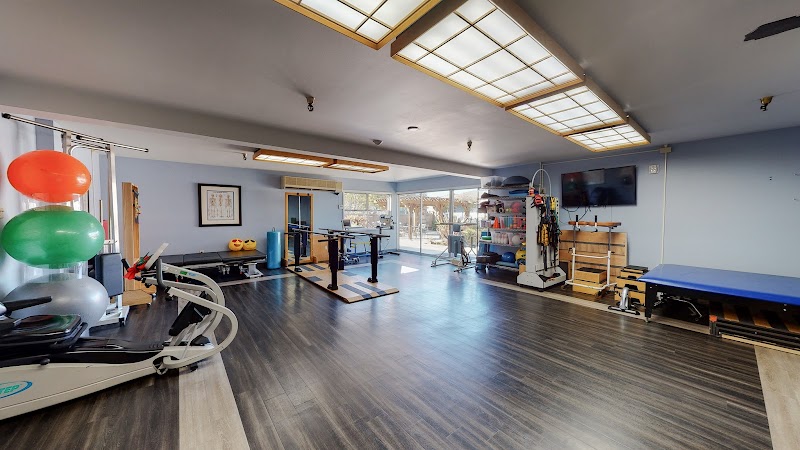
How Does Peninsula Post-Acute Compare to Other California Nursing Homes?

Compared to the 100 nursing homes in California, PENINSULA POST-ACUTE's overall rating (3 stars) is below the state average of 3.1, staff turnover (49%) is near the state average of 46%, and health inspection rating (2 stars) is below the national benchmark.

What Should Families Ask When Visiting Peninsula Post-Acute?

Based on this facility's data, families visiting should ask: "Can you walk me through typical staffing levels on day, evening, and night shifts?" "Can I visit during a mealtime to observe dining assistance and food quality?" "How do you handle medical emergencies, and what is your hospital transfer rate?" "Can I speak with family members of current residents about their experience?" These questions are particularly relevant given the below-average staffing rating.

Is Peninsula Post-Acute Safe?

Based on CMS inspection data, PENINSULA POST-ACUTE has a clean safety record: no substantiated abuse findings (meaning no confirmed cases of resident harm), no Immediate Jeopardy citations (the most serious violation level indicating risk of serious injury or death), and is not on the Special Focus Facility watch list (a federal program monitoring the lowest-performing 1% of nursing homes). The facility has a 3-star overall rating and ranks #100 of 100 nursing homes in California. While no facility is perfect, families should still ask about staff-to-resident ratios and recent inspection results during their visit.

Do Nurses at Peninsula Post-Acute Stick Around?

PENINSULA POST-ACUTE has a staff turnover rate of 49%, which is about average for California nursing homes (state average: 46%). Moderate turnover is common in nursing homes, but families should still ask about staff tenure and how the facility maintains care continuity when employees leave.

Was Peninsula Post-Acute Ever Fined?

PENINSULA POST-ACUTE has no federal fines on record. CMS issues fines when nursing homes fail to meet care standards or don't correct problems found during inspections. The absence of fines suggests the facility has either maintained compliance or corrected any issues before penalties were assessed. This is a positive indicator, though families should still review recent inspection reports for the full picture.

Is Peninsula Post-Acute on Any Federal Watch List?

PENINSULA POST-ACUTE is not on any federal watch list. The most significant is the Special Focus Facility (SFF) program, which identifies the bottom 1% of nursing homes nationally based on persistent, serious quality problems. Not being on this list means the facility has avoided the pattern of deficiencies that triggers enhanced federal oversight. This is a positive indicator, though families should still review the facility's inspection history directly.