CHILDRENS HC ORG NO CA -PEDIATRIC HOSPITAL D/P SNF
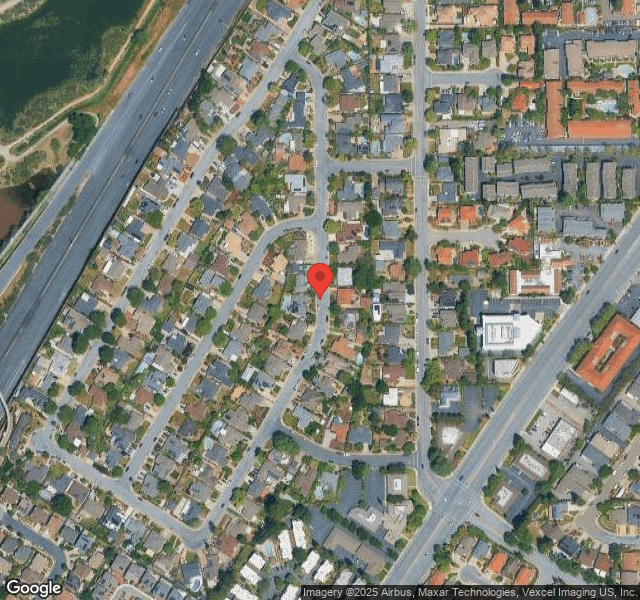
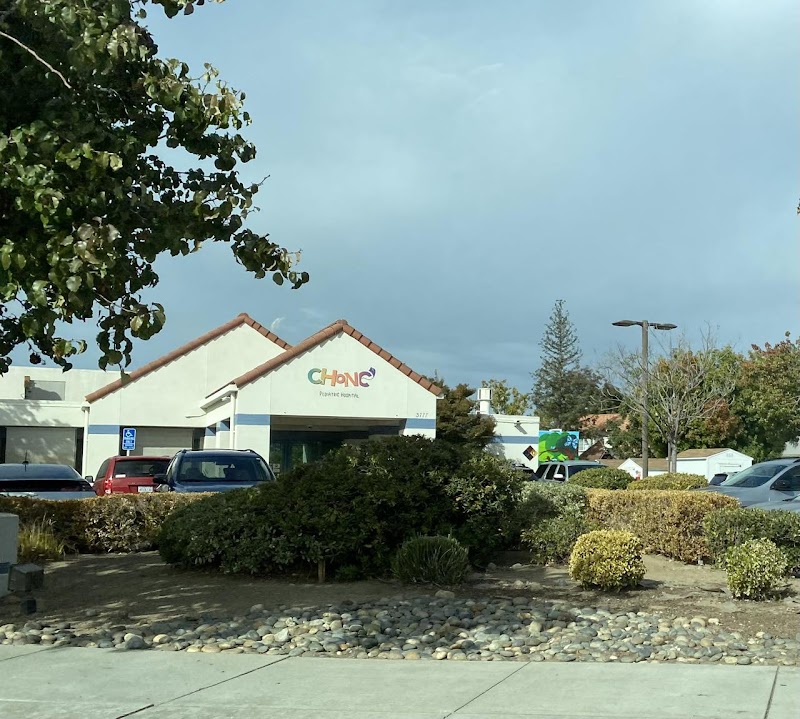
3777 SOUTH BASCOM AVENUE, CAMPBELL, CA 95008 (408) 558-3640
For profit - Limited Liability company 27 Beds Independent Data: November 2025
Trust Grade
83/100
#43 of 1155 in CA
Last Inspection: July 2024

Within standard 12-15 month inspection cycle. Federal law requires annual inspections.

Overview

Families considering Children's HC Organization No CA - Pediatric Hospital D/P SNF in Campbell, California should note its Trust Grade of B+, which indicates it is above average and recommended for care. Ranked #43 out of 1,155 facilities in California, it sits comfortably in the top half and is #2 of 50 in Santa Clara County, showing it is one of the better local options. However, the facility is experiencing a worsening trend, with the number of reported issues increasing from 3 in 2022 to 6 in 2024. Staffing is a concern, as it received a poor 0 out of 5 stars and despite a turnover rate of 0%, which is significantly below the state average, the lack of sufficient staff can impact resident care. Additionally, the facility faced fines totaling $3,145, which is average, but there were concerning incidents such as failing to provide identification bracelets for residents and not maintaining proper sanitary conditions in the kitchen, which could lead to health risks. Overall, while the facility excels in certain areas, families should weigh these strengths against the noted weaknesses when making their decision.

Trust Score
B+
83/100
In California
#43/1155
Top 3%
Safety Record
Low Risk
No red flags
Inspections
Getting Worse
3 → 6 violations
Staff Stability
○ Average
Turnover data not reported for this facility.
Penalties
⚠ Watch
$3,145 in fines. Higher than 87% of California facilities, suggesting repeated compliance issues.
Skilled Nurses
○ Average
RN staffing data not reported for this facility.
Violations
⚠ Watch
16 deficiencies on record. Higher than average. Multiple issues found across inspections.
★★★★★
5.0
Overall Rating
☆☆☆☆☆
0.0
Staff Levels
★★★★★
5.0
Care Quality
★★★★★
5.0
Inspection Score
Stable
2022: 3 issues
2024: 6 issues

The Good

  • 5-Star Quality Measures · Strong clinical quality outcomes
  • Full Sprinkler Coverage · Fire safety systems throughout facility
  • No fines on record

Facility shows strength in quality measures, fire safety.

The Bad

Federal Fines: $3,145

Below median ($33,413)

Minor penalties assessed

The Ugly 16 deficiencies on record

Oct 2024 1 deficiency
CONCERN (D) 📢 Someone Reported This

A family member, employee, or ombudsman was alarmed enough to file a formal complaint

Potential for Harm - no one hurt, but risky conditions existed

Deficiency F0658 (Tag F0658)

Could have caused harm · This affected 1 resident

**NOTE- TERMS IN BRACKETS HAVE BEEN EDITED TO PROTECT CONFIDENTIALITY** Based on interview and record review, the facility failed to provide services in accordance with professional standards of pract...

Read full inspector narrative →
**NOTE- TERMS IN BRACKETS HAVE BEEN EDITED TO PROTECT CONFIDENTIALITY** Based on interview and record review, the facility failed to provide services in accordance with professional standards of practice for one of three sampled residents (Resident 1) when license nurses did not accurately complete Resident 1's Skin Assessments. This failure had the potential to compromise the facility's ability to provide resident-centered interventions based on assessment data. Findings: Review of Resident 1's medical record indicated he was admitted on [DATE] and had the diagnoses including hypoxic ischemic encephalopathy (a type of brain damage that occurs when the brain has decreased oxygen or blood flow). Review of Resident 1's Nursing Notes, dated 8/15/24, indicated a license nurse checked on Resident 1's skin and noted dryness on left breast. Resident 1's weekly Skin Assessments, dated 8/16/24, were reviewed. There was a section asking if Resident 1 had impaired skin, and it was marked on No. Review of Resident 1's IDT: Special Issue, dated 8/19/24, indicated a licensed nurse checked on Resident 1's skin and noted swelling and discharge on the left nipple. Review of Resident 1's physician's order, dated 8/19/24, indicated to clean the affected site with NS (normal saline), put on Xeroform (topical medicated gauze used to cover wound), and cover it with Mepilex (topical foam dressing used to treat wound) every shift for 7 days on the left nipple. Review of Resident 1's physician's order dated 8/19/24 indicated, Amoxicillin-Pot Clavulanate (antibiotics, a medication to treat infections) Suspension reconstituted 400-57 milligram (mg, a type of unit measurement)/5 millimeter (ml, a type of unit measurement), give 3.1 ml two times a day for cellulitis for 7 days. Resident 1's weekly Skin Assessments, dated 8/22/24, were reviewed. There was a section asking if Resident 1 had impaired skin, and it was marked on No. During an interview and concurrent record review on 9/3/24 at 3 p.m. with the director of nursing (DON), she reviewed the above Skin Assessments and confirmed Resident 1's dryness on the left breast, and swelling and discharge on left nipple wound were not documented in the designated sections. The DON acknowledged Resident 1's Skin Assessments on 8/16/24 and 8/22/24 were not accurate. During a review of the facility's policy and procedure (P&P) titled, Skin Breakdown review date 11/30/2021, the P&P indicated, It is the policy of Sub-Acute/Skilled Nursing Facility to carefully assess and aggressively treat skin breakdown. It is the licensed nurse's responsibility to . document the lesions and skin assessment with appropriate interventions. During a review of the facility's policy and procedure (P&P) titled, Wound Care/Dressing Changes revised 11/22/2021, the P&P indicated, Perform wound assessment noting: location, size, depth, exudate, necrotic tissue, or granular tissue, appearance, surrounding skin condition, tunneling and infection. Also, note any redness, streaking, hot or swollen areas.
Jul 2024 5 deficiencies
CONCERN (D)

Potential for Harm - no one hurt, but risky conditions existed

Medication Errors (Tag F0758)

Could have caused harm · This affected 1 resident

**NOTE- TERMS IN BRACKETS HAVE BEEN EDITED TO PROTECT CONFIDENTIALITY** Based on interview and record review, the facility failed to ensure one of 12 sampled residents (Residents 16) was free from unn...

Read full inspector narrative →
**NOTE- TERMS IN BRACKETS HAVE BEEN EDITED TO PROTECT CONFIDENTIALITY** Based on interview and record review, the facility failed to ensure one of 12 sampled residents (Residents 16) was free from unnecessary psychotropic (drug that affects brain activities associated with mental processes and behavior) medications when there was no documentation indicating the facility obtained informed consent before the medication start date. This failure had the potential to result in unnecessary use of medications. Findings: A review of Resident 16's face sheet indicated Resident 16 was admitted to the facility on [DATE]. Review of Resident 16's physician order summary indicated: a. Diazepam (a Schedule IV controlled drug under the Convention on Psychotropic Substances and used to treat a range of conditions, including anxiety, seizures, alcohol withdrawal syndrome, muscle spasms, insomnia, and restless legs syndrome) Injectable Solution 50mg (one-thousandth of a gram)/10 ml(unit of capacity): Use 0.2 ml intravenously (a way of giving a drug or other substance through a needle or tube inserted into a vein) every 2 hours as needed for dysautonomia (a nervous system disorder that disrupts autonomic body processes) and /or agitation for 90 days from 6/24/2024 to 9/22/2024. b. Diazepam solution 5 mg/ml give 0.4ml via J-Tube (a jejunostomy tube is a soft, plastic tube placed through the skin of the abdomen into the midsection of the small intestine) every 6 hours as needed for dysautonomia and/or agitation for 90 days from 6/23/2024 to 9/21/2024. A review of Resident 16's medical records, lacked documented evidence to indicate the facility obtained informed consents to use Diazepam from Resident 16's parents or the responsible party before 6/23/2024. During a concurrent interview and record review with the Director of Nursing (DON) on 7/26/2024 at 11:57 a.m., the DON reviewed Resident 16's medical record and confirmed there was no no documentation to indicate the facility obtained informed consent before the medication start date of 6/23/2024 for the two Diazepam physician orders. A review of the facility's policy and procure (P&P) Psychotropic Medication, Revised: 6/12, indicated, . It is the policy of Children's Recovery Center to obtain informed consent on all patients receiving psychotropic medications. Informed consent must be obtained before an order can be carried through .
CONCERN (D)

Potential for Harm - no one hurt, but risky conditions existed

Safe Environment (Tag F0921)

Could have caused harm · This affected 1 resident

Based on observation, interview, and record review the facility failed to maintain a safe environment for one resident (Residents 9) out of 12 sampled residents, when the front vent cover of an air-co...

Read full inspector narrative →
Based on observation, interview, and record review the facility failed to maintain a safe environment for one resident (Residents 9) out of 12 sampled residents, when the front vent cover of an air-conditioning unit was loosely ajar. This failure had the potential to cause injury to staff and residents. Findings: During a concurrent observation and interview on 7/22/24 at 10:02 a.m., Resident 9 stood adjacent to the end of the bed and front of a working air-conditioning unit. The air-conditioning unit's front vent cover was loosely ajar. There were traces of old tape residue on the outer surface of both sides of the airconditioning unit and its vent cover. Gray duct tape (strong cloth-backed waterproof adhesive tape) was stuck to the length of the right side of the panel with grayish strips of medical paper tape (medical paper tape is whitish in color when it is new and is designed to attach bandages, gauze, and other dressings to a patient's skin around wounds) atop the duct tape. Strips of grayish paper tape was also used to tether the front vent cover at its upper left corner to the air-conditioning unit. The inner fins of the airconditioning unit were exposed where the vent cover was loosely ajar. Certified Nurse Aide (CNA) K confirmed this observation of the airconditioning unit's condition. CNA K stated the front cover was usually taped, but got loose. During an interview on 7/23/24 at 1:56 p.m. with Maintenance Supervisor (MS), MS stated the parts of the air-conditioning unit were brittle and replacement parts for it were not requested. MS also stated the only repair was to put a tape on it. MS confirmed the airconditioning unit's vent cover that was loosely ajar could be a potential accident hazard for the residents. A review of facility's undated policy and procedure (P&P) titled Accidents and Incidents, indicated, It is the policy of this facility to ensure that the patient environment remains free of accident hazards as is possible .
CONCERN (E)

Potential for Harm - no one hurt, but risky conditions existed

Deficiency F0658 (Tag F0658)

Could have caused harm · This affected multiple residents

**NOTE- TERMS IN BRACKETS HAVE BEEN EDITED TO PROTECT CONFIDENTIALITY** Based on observation, interview, and record review, the facility failed to provide care and services in accordance with professi...

Read full inspector narrative →
**NOTE- TERMS IN BRACKETS HAVE BEEN EDITED TO PROTECT CONFIDENTIALITY** Based on observation, interview, and record review, the facility failed to provide care and services in accordance with professional standards of practice for four of 12 sampled residents (Resident 125, 9, 16, and 19) when: 1. There were no Identification (ID) bracelets for Resident 125 and 9, 2. Licensed nurses documented medication administration completed before administering the medication for Residents 16 and 19. The failures had the potential to compromise residents' health and well-being. Findings: 1.A Review of Resident 125's medical record indicated Resident 125 was admitted on [DATE] with diagnoses including Choanal Atresia (a congenital condition where a baby is born with tissue blocking their nasal airway), acute respiratory failure (a life-threatening condition that occurs when patients' lungs cannot exchange oxygen and carbon dioxide properly), and tracheostomy status (a hole in the neck that helps a patient breathe when their airway is blocked or reduced). During an observation and concurrent interview with Registered Nurse (RN) M on 7/22/24 at 9:12 a.m., RN M provided suction care to Resident 125 and confirmed no ID bracelet for Resident 125 on his arms or legs. RN M stated that every resident should have an ID bracelet. During an observation and concurrent interview with RN N on 7/23/24 at 4:01 p.m., RN N administered medications to Resident 125 and confirmed no ID bracelet on his arms or legs. RN N stated that Resident 125 should have the Identification bracelet. A Review of Resident 9's medical record indicated Resident 9 was admitted on [DATE]. During an observation and concurrent interview with RN G on 7/23/24 at 4:12 p.m., RN G entered Resident 9's room to administer medication and confirmed no ID bracelet on Resident 9's arms or legs. She stated that every resident should have an Identification bracelet. During an interview with the Director of Nursing (DON) on 7/26/24 at 1:50 p.m., The DON stated that every resident should have an ID bracelet for identification to prevent medical errors. A review of the facility's undated police and procure (P&P) Patient Identification indicated, . if the ID bracelet is removed or lost, the nurse should obtain a new ID bracelet and assure replacement . the ID bracelet or photo ID shall be used for identification of residents during medication administration, treatment, lab draws, and other treatments . 2. During a medication pass observation in the hallway with RN O on 7/23/24 at 11:29 a.m., RN O prepared two medications: Midodrine (a medication for low blood pressure) 5mg(one-thousandth of a gram) 1 tablet and Docusate Sodium (a stool softener used to treat occasional constipation) 1 ml (one thousandth of a liter ) for Resident 16. RN O documented that those two medications were administered before she brought them to Resident 16's room. RN O confirmed the above observation and stated that she should have documented it after administering medications. During a medication pass observation in the hallway on 7/22/24 at 8:39 a.m., Licensed Vocational Nurse (LVN) P prepared the three medications for Resident 19: Chlorothiazide Suspension (used to treat fluid retention and hypertension)1.5ml, vitamin D (a group of fat-soluble secosteroids responsible for increasing intestinal absorption of calcium, magnesium, and phosphate, and for many other biological effects) oral liquid 1ml and Bactrim zinc ointment (used to prevent minor skin infections caused by small cuts, scrapes) 500 units. LVN P documented those three medications were administered before she brought the medication to Resident 19's room. She confirmed the above observation and stated that she should have documented it after administering the medications. During an interview with the Director of Nursing (DON) on 7/26/24 at 1:45 p.m., the DON stated the nurse should document administered medication after administering medications to keep the document accurate and prevent medication error.
CONCERN (E)

Potential for Harm - no one hurt, but risky conditions existed

Food Safety (Tag F0812)

Could have caused harm · This affected multiple residents

Based on observation, interview, and record review, the facility failed to maintain sanitary conditions in the kitchen when: 1. Two dietary aides (DA) did not cover their hair completely with hairnets...

Read full inspector narrative →
Based on observation, interview, and record review, the facility failed to maintain sanitary conditions in the kitchen when: 1. Two dietary aides (DA) did not cover their hair completely with hairnets; 2. Temperature logs of a free-standing side-counter refrigerator and freezer had missing temperatures entries; 3. An undercounter refrigerator temperature log for clients' use had missing temperatures entries; 4. A daily dishwasher temperature log had missing temperatures entries, and a chlorine water strip check log had missing results, and 5. One opened bottle of ranch dressing inside the undercounter refrigerator lacked an open date. These failures had the potential to cause food-borne illness for the residents. Findings: 1. During an initial kitchen tour on 7/22/24 at 8:23 a.m., Dietary Aide D (DA D), prepared bottled formula for the patients in the food preparation area while her hair on the right side and back was not completely covered with a hairnet. During a concurrent observation and interview with DA D on 7/22/24 at 8:25 a.m., she confirmed the above observation and stated she should fix her hairnet and make sure that her hair was fully covered by the hairnet while preparing the bottled formula. During a follow up kitchen observation with the director of nursing (DON) on 7/24/2410:07 a.m., DA E prepared the bottled formula in the food preparation area while her hair on the right side and back was not completely covered with a hairnet. The DON confirmed the above observation and stated all of the hair should have been covered by the hairnet while preparing the bottled formula to prevent cross contamination and keep the hair from contacting the bottled formula, clean equipment, and utensils. During a concurrent observation and interview on 7/24/24 at 10:08 a.m., DA E acknowledged the above observation and stated the hairnet was too small for the staff to wear. Review of the facility's policy and procedure Manual 7-19, Personal Hygiene Training, dated 2013, indicated, all dietary employees will be trained on personal hygiene . Keep hair neat and clean, wear a hair restraint when around exposed foods, in the kitchen or food service areas including dining areas. 2. During record review of temperature logs on 7/24/24 at 10:17 a.m., the free-standing side-counter refrigerator's temperature log and a freezer's temperature log were missing entries for several months from the end of 2023 to the middle of 2024. During a concurrent interview and record review with the DON on 7/24/24 at 10:22 a.m., The DON confirmed the refrigerator and freezer had unrecorded dates on them. The DON stated kitchen staff should have checked and recorded the temperatures daily. 3. During a concurrent interview and record on 7/24/24 at 11:04 a.m., the DON reviewed the undercounter refrigerator temperature log for clients' use and confirmed there were missing entries from the end of December through early January. The DON stated that the kitchen staff should have checked and recorded the temperatures daily. Review of facility's Freezer, Refrigerator and Pantry Temperature log Form, indicated, . temperature for refrigerator should be at 36-46 degrees Fahrenheit, Freezer should be negative 20 to 0 degrees Fahrenheit . Alert change if temperatures are out of acceptable range. 4. During a concurrent interview and record on 7/24/24 at 11:07 a.m., the DON reviewed the daily dishwasher temperature log and chlorine test log. Temperature entries were missing on 3/21/24, 5/15/24, 6/10/24, 6/12/24 and 6/14/24. Chlorine test results were missing from 4/15/24 through 4/18/24, 4/21/24 through 4/23/24, 4/25/24 through 4/30/24, 5/1/24, 5/2/24, 5/5/24 through 5/9/24, 5/12/24 through 5/14/24, 5/26/24 through 5/31/24, 6/1/24, 6/3/24 through 6/9/24, 6/15/24 through 6/21/24, 6/24/24 through 6/30/24 and 7/4/24 through 7/14/24. The DON stated kitchen staff should and check record the dishwasher temperature and chlorine water test strip results daily. Review of facility's Daily Dishwasher Temperature, chlorine log Form, indicated, . dishwasher, Water temperature should be 120 degrees Fahrenheit or greater and Chlorine Acceptable >50 ppm. 5. During an observation in the kitchen on 7/24/24 at 1:52p.m., one opened bottle of ranch dressing inside the undercounter refrigerator lacked an open date. During a concurrent observation and interview with Dietary supervisor C (DS C) on 7/24/24 at 1:53 p.m., she acknowledged the above observation and stated that ranch dressing should have been labeled with a date for when it was opened. Review of facility's policy and procedure titled Refrigerated Storage, revised 9/18, indicated, Foods held in refrigerator or other storage areas shall be stored appropriately, clearly labeled, and dated.
CONCERN (E)

Potential for Harm - no one hurt, but risky conditions existed

Infection Control (Tag F0880)

Could have caused harm · This affected multiple residents

**NOTE- TERMS IN BRACKETS HAVE BEEN EDITED TO PROTECT CONFIDENTIALITY** 2a. A review of Resident 19's medical record indicated Resident 19 was admitted to the facility on [DATE] with diagnoses includi...

Read full inspector narrative →
**NOTE- TERMS IN BRACKETS HAVE BEEN EDITED TO PROTECT CONFIDENTIALITY** 2a. A review of Resident 19's medical record indicated Resident 19 was admitted to the facility on [DATE] with diagnoses including bronchopulmonary dysplasia (a lung condition that affects premature babies with breathing problems and oxygen needs) originating in the perinatal period (the time frame surrounding childbirth, including pregnancy, labor, delivery, and postpartum), chronic respiratory failure (a life-threatening condition that occurs when patients' lungs cannot exchange oxygen and carbon dioxide properly), and gastrostomy status (the creation of an artificial external opening into the stomach for nutritional support or gastric decompression). A review of Resident 19's physician order indicated Resident 19 would receive the following medications in the morning: a). Chlorothiazide Suspension (used to treat fluid retention and hypertension) 250mg (one-thousandth of a gram)/5ml (one-thousandth of a liter) given via G-tube (A gastrostomy tube, often called a G tube, is a surgically placed device used to provide direct access to patient's stomach for supplemental feeding, hydration or medicine) every 12 hours for severe bronchopulmonary dysplasia, b). Vitamin D (a group of fat-soluble secosteroids responsible for increasing intestinal absorption of calcium, magnesium, and phosphate, and for many other biological effects) oral liquid 10mcg/ml give1ml via a G-tube in the morning for a supplement, c). Bactrim zinc ointment (used to prevent minor skin infections caused by small cuts or scrapes) 500 units of left dorsal foot topically. During a medication pass observation in Resident 19's room on 7/22/24 at 8:11 a.m., after administering the medications via G-tube, Licensed Vocational Nurse (LVN) P did not change gloves and used her fingers to apply Bactrim Zinc ointment topically to the cut on Resident 19's left dorsal foot. During an interview with LVN P on 7/22/24 at 8:39 a.m., LVN P confirmed the above observation that she did not change gloves before using her finger to apply Bactrim zinc ointment to Resident 19's cut on the left dorsal foot. LVN P stated that she should have used a new pair of gloves to apply the ointment to prevent infection. During an interview with the Director of Nursing (DON) on 7/26/24 at 1:45 p.m., the DON stated that the nurse should have changed gloves to apply Bactrim Zinc ointment topically to Resident 19's cuts on the left dorsal foot to prevent infection. 2b. A review of Resident 1's medical record indicated Resident 1 was admitted to the facility on [DATE] with diagnoses including anoxic brain damage (damage to the brain due to a lack of oxygen supply) and gastrostomy status. During a medication pass observation in Resident 1's room on 7/25/24 at 12:35 p.m., LVN Q administered three medications via G-Tube and changed to a new pair of gloves to administer the eye drops. She did not wash or sanitize her hands between the glove changes. During an interview with LVN Q on 7/25/24 at 1:00 p.m., LVN Q confirmed that she did not sanitize her hands between the glove change and that she should have. During an interview with the Director of Nursing (DON) on 7/26/24 at 1:55 p.m., the DON stated that nurses should wash or sanitize their hands after removing gloves and wearing a new pair of gloves. A review of the facility's undated policy and procedure (P&P) gloves indicated, . [gloves] removed and hand hygiene performed after completing procedure that involves direct patient contact . 3. During a medication cart inspection with Registered Nurse (RN) O on 7/23/24 at 10:38 a.m., a bottlecap of an iron supplement had brownish stains in Medication Cart 1. RN O confirmed the above observation and stated the cap should be cleaned. During a medication cart inspection with LVN I on 7/23/24 at 10:50 a.m., a box of Anti-Diarrheal 24 caplets had a brown stain, and a bottle of Children's All-day Allergy had some solid white substance on the cap in Medication Cart 2. LVN I confirmed the above observation and stated that the box and the bottle cap should be cleaned. During an interview with the Director of Nursing (DON) on 7/26/24 at 1:55 p.m., the DON stated the nurses should have kept all the medications in the medication carts clean to prevent infection. Based on observation, interview, and record review, the facility failed to ensure infection control practices were implemented for three of 12 sampled residents (Residents 14, 19 and 1) when: 1. A white plastic garbage can by the bathroom inside Resident #14's room was overflowing with used yellow disposable gowns and gloves, 2. Licensed Nurses did not change gloves bewtween tasks, nor did they perform hand hygiene during glove changes, 3. Three medications were not kept clean in two medication carts. These failures could result in the spread of infection and cross-contamination for residents in the facility. Findings: 1.During an observation inside Resident #14's room on 7/23/24 at 1:45 p.m., There was one white plastic garbage can by the bathroom overflowing with used yellow disposable gowns and gloves. During a concurrent observation and interview on 7/23/24 at 1:46 p.m., with registered nurse A (RN A), RN A confirmed the above observation and stated the garbage can should not be overflowing with used gowns and gloves. During an interview on 7/26/24 at 10:05 a.m., with infection preventionist (IP), she stated that the housekeeper is the one collecting the garbage inside the resident rooms every shift, and as needed. She stated garbage cans should not be overflowing with used gowns and gloves due to the infection control issues it could pose. During an interview on 7/26/24 at 10:13 a.m., with director of nursing (DON), she stated that it was the facility staff's responsibility to ensure the garbage cans were not overflowing, and the staff need to notify housekeeping for collection to do so. DON further stated that garbage cans should not be overflowing to prevent the spread of infectious microorganism. Review of facility's policy and procedure dated 1/2018, titled Infection Prevention and Control indicated, Disposal of PPE . Trash disposal bins to be positioned inside of the . Designated room for staff to discard PPE after removal and prior to exiting the room . Housekeeping is to empty trash bins at least once during day shift and as needed thereafter.
Jul 2022 3 deficiencies
CONCERN (D)

Potential for Harm - no one hurt, but risky conditions existed

Deficiency F0658 (Tag F0658)

Could have caused harm · This affected 1 resident

Based on observation, interview and record review, the facility failed to provide care and services in accordance with professional standards or practice for one of six residents observed for medicati...

Read full inspector narrative →
Based on observation, interview and record review, the facility failed to provide care and services in accordance with professional standards or practice for one of six residents observed for medication administration (Resident 1) when Resident 1 did not have Systane (lubricant eye gel) overnight therapy. This failure had the potential to compromise the resident's health and well-being to meet the therapeutic needs. Findings: During the concurrent medication pass observation and interview with Registered Nurse E (RN E) on 7/7/22 at 2:08 p.m., RN E prepared the medications for Resident 1. RN E was not able to prepare Resident 1's Systane overnight therapy gel because it was not available. RN E confirmed that they should have available medication for Resident 1. She further stated that they should have ordered the Systane overnight therapy gel before it ran out. Review of Resident 1's admission Record dated 7/6/22, indicated Resident 1 was a two year old male initially admitted with the diagnoses of congenital malformation syndromes (physical defect present in a baby at birth) predominantly affecting facial appearance, dysphagia (difficulty swallowing), dependence on ventilator (machine that helps in breathing), tracheostomy status (provides air passage to help in breathing), gastrostomy status (opening into the stomach made surgically for the introduction of food) and colostomy status (surgical opening in the colon or large intestine). Review of Resident 1's Medication Administration Record (MAR), dated 7/1/22 to 7/31/22, indicated Resident 1 has an order of Systane overnight therapy gel 0.3 percent instill one application in both eyes, three times a day for ocular lubrication (for relief of eye irritation caused by dry eyes). During an interview with the Director of Nursing (DON) on 7/7/22 at 4:00 p.m., she verified Resident 1 should have at least three days supply of medications. The DON further stated that the nurses should make sure that the residents have enough supply of medications. During another interview with RN E on 7/8/22 at 10:05 a.m., she verified that Resident 1's Systane overnight therapy gel just came this morning, and Resident 1 missed two doses of systane overnight therapy gel on 7/7/22. Review of the facility's policy, Ordering and Obtaining Medications, reviewed 1/2019, indicated, Reordering of Medications: Medications should be refilled when a three-day supply of the prescription remains. The nurse was to list the medication on the medication order sheet and notify the pharmacy by telephone.
CONCERN (E)

Potential for Harm - no one hurt, but risky conditions existed

Food Safety (Tag F0812)

Could have caused harm · This affected multiple residents

**NOTE- TERMS IN BRACKETS HAVE BEEN EDITED TO PROTECT CONFIDENTIALITY** Based on observation, interview, and record review, the facility failed to ensure food was stored and prepared in accordance wit...

Read full inspector narrative →
**NOTE- TERMS IN BRACKETS HAVE BEEN EDITED TO PROTECT CONFIDENTIALITY** Based on observation, interview, and record review, the facility failed to ensure food was stored and prepared in accordance with professional standards for food safety when expired foods and unlabeled food items were found in the refrigerator, freezer, dry storage area and the storage cabinets for plastic containers were unsafe. These failures had the potential to cause the growth of microorganisms which could cause foodborne illness (illness caused by food or water contaminated with bacteria, viruses, parasites or toxins) and cross-contaminated food for the 25 residents residing at the facility. Findings: During the initial kitchen tour observation on 7/5/22 at 9:45 a.m. with the Dietary Supervisor (DS), the following were observed in the freezer, refrigerator, dry storage and storage cabinets: 1. seven boxes of pedialyte freezer pops and expired on 1/1/22; 2. one box deep dish singles pizza and expired on 6/30/22; 3. six expired kids' meals and one unlabeled kid meal; 4. one almost empty cheetos puffs pack left in the rack of the dry storage room; 5. one can of [NAME] snacks crunches and expired 6/1/22; 6. 30 pieces of unlabeled candies; 7. 3 pieces of unlabeled cookies; 8. two unlabeled plastic containers with kids' snacks and; 9. two uncleaned storage cabinets for plastic containers. During the interview with DS on 7/5/22 at 10:15 a.m., she verified the above findings was expired. DS further stated that expired food items should have been discarded, food items or their storage containers should have been labeled, and storage cabinets should have been cleaned. During an interview with Director of Nursing (DON) on 7/8/22 at 1:59 p.m., she confirmed that expired food items should have been discarded immediately. DON further stated that food stuffs should have been labeled with open dates and kitchen cabinets should be cleaned. Review of facility's inservice titled, Expiration Dates, Labeling and Dating, dated 7/5/22, indicated, Dietary aides will understand labeling and dating for food/formula items. Foods must be labeled with open dates. Ready to eat foods will remain properly stored until expiration date noted on the label or product. Dietary aides would check the beginning and end of shifts for any expired food products or damaged food products. Review of the facility's policy and procedure, Storage, Preparation, Delivery and Rotation of Formula, Tube Feedings and Supplements, reviewed January, 2019, indicated, Dietary would check the expiration date and ensure that the product is acceptable. The nursing unit was responsible for double checking the expiration date and whether the product was damaged or otherwise unusable. Outdated formula/supplements would have been disposed. Review of the facility's policy and procedure, General Sanitation in the Kitchen, reviewed January 2019 indicated, Kitchen personnel should have washed all work areas of kitchen area with soapy water followed by sanitizing agent before preparing formula. Review of the facility's policy, Food Storage, reviewed January 2019 indicated, Food storage areas should have been clean at all times.
CONCERN (E)

Potential for Harm - no one hurt, but risky conditions existed

Infection Control (Tag F0880)

Could have caused harm · This affected multiple residents

Based on observation, interview and record review, the facility failed to implement their infection control practices and precautions when: 1. Staff did not wear N95 (a type of respirator mask) while ...

Read full inspector narrative →
Based on observation, interview and record review, the facility failed to implement their infection control practices and precautions when: 1. Staff did not wear N95 (a type of respirator mask) while caring for Coronavirus 2019 (COVID-19, an infectious disease caused by the SARS-CoV-2 virus) exposed residents; 2. A nurse did not change gloves after touching a contaminated object; 3. A nurse did not perform hand hygiene after removing gloves and before donning new gloves. These failures have the potential to spread infection in the facility. Findings: 1. During an observation on 7/5/22 at 9:59 a.m., therapist A (TA) was in Resident 2's room. TA did not have an N95 on. During an observation on 7/5/22 at 10:16 a.m., TA was in Resident 16's room. TA did not wear an N95 mask. During an observation on 7/5/22 at 10:32 a.m., licensed vocational nurse B (LVN B) was in Resident 12's room. LVN B did not wear N95 mask. During an concurrent interview with the registered nurse C (RN C) confirmed the residents were exposed to COVID-19 and staff were not wearing N95. During an interview on 7/5/22 at 11:20 a.m., RN C stated the staff should have been wearing N95. During an interview on 7/8/22 at 11:15 a.m., the infection preventionist (IP) stated staff should have been wearing N95s in the rooms of COVID-19 exposed residents. Review of Resident 2's physician orders indicated she had an order for contact droplet precaution, dated 6/26/22. Review of Resident 12's physician orders indicated he had an order for contact droplet precaution, dated 6/26/22. Review of Resident 16's physician orders indicated he had an order for contact droplet precaution, dated 6/26/22. Review of the facility's 8/4/21 policy, COVID-19 Infection Control, indicated for residents with suspected COVID-19 infection, the residents would have been placed on contact/droplet precautions and staff providing care for suspected COVID-19 residents would wear full personal protective equipment which includes N95 mask, face shield, disposable gown, and disposable gloves. 2. During a concurrent medication pass observation and interview with registered nurse E (RN E) on 7/7/22 at 12:17 p.m., RN E was preparing the prune juice and feeding for Resident 24. RN E saw gloves fall on the floor. RN E picked up the gloves on the floor with her gloved hand. RN E did not change her gloves, wash her hands, or put on new gloves. She then proceeded to give the prune juice and the feeding with the contaminated gloves. RN E also proceeded to apply Amlactin (skin moisturizer) daily lotion with the contaminated gloves. RN E verified that she should have removed her gloves after she picked up the gloves that fell on the floor, washed her hands, and put on a new pair of gloves. During an interview on 7/8/22 at 1:59 p.m., with the director of nursing (DON), she verified that RN E should have removed her gloves after picking up the gloves that fell on the floor, washed her hands, and she should have put on a new pair of gloves. 3. During an observation of tracheostomy (an opening surgically created through the neck into the trachea [windpipe] to allow direct access to the breathing tube) care on 7/7/22 at 4:15 p.m., registered nurse D (RN D) removed Resident 9's tracheostomy tie (bands around the neck which holds tracheostomy in place). After cleaning Resident 9's neck and applying A+D ointment (moisturizer) and RN D removed her gloves. RN D put on new gloves without performing hand hygiene. During an interview on 7/7/22 at 4:34 p.m., RN D stated she should have used hand sanitizer after removing her gloves. During an interview on 7/7/22 at 4:34 p.m., the IP stated before putting on new gloves, staff should wash hands or hand sanitize. Review of the facility's Hand Hygiene Policy and Procedure, created 1/2018, indicated, Perform hand hygiene: Before patient contact . After removing gloves or other personal protective equipment . After contact with inanimate objects (including medical equipment) in the immediate vicinity of the patient . After personal contact that may contaminate hands .
Oct 2019 7 deficiencies
CONCERN (D)

Potential for Harm - no one hurt, but risky conditions existed

Comprehensive Care Plan (Tag F0656)

Could have caused harm · This affected 1 resident

**NOTE- TERMS IN BRACKETS HAVE BEEN EDITED TO PROTECT CONFIDENTIALITY** Based on observation, interview, and record review, the facility failed to ensure: 1. two residents (Residents 8 and 9) care pla...

Read full inspector narrative →
**NOTE- TERMS IN BRACKETS HAVE BEEN EDITED TO PROTECT CONFIDENTIALITY** Based on observation, interview, and record review, the facility failed to ensure: 1. two residents (Residents 8 and 9) care plan was implemented related to elevation of the head of bed during tube feedings, and 2. the care plan was developed for a bruise for one resident (Resident 10). These failures resulted in less then optimal care for three out of 12 residents. Findings: 1a. Record review on 10/28 to 10/31/19 indicated Resident 8 had diagnoses that included spastic quadriplegic cerebral palsy (a loss of use of the whole body marked by the inability to control and use the legs, arms, and body). Additionally, Resident 8 had a tracheostomy (a surgically created hole through the front of the neck and windpipe that provides an air passage to breathe when the usual route for breathing is somehow obstructed or impaired) and a jejunostomy tube (J-tube, a surgically placed feeding tube into the small intestine to help with nutrition and growth). Review of Resident 8's [NAME] (a medical information system used by nursing staff as a way to communicate important information on the residents) dated 10/29/19, for Treatment/Procedure indicated Head of bed 20-40 degrees. Review of Resident 8's LONG TERM CARE PLAN for the area of Altered Nutrition/Hydration indicated an intervention of HOB increased 20-40 degrees. Review of Resident 8's Physician admission Orders dated 10/23/19, stated Elevate HOB 20-40 degrees. During an observation on 10/29/19 at 11:18 a.m., the resident was lying in bed, the bed was flat and the tube feeding bag was on and hanging. During an interview on 10/31/19 at 9:02 a.m., RN D stated Resident 8's HOB should be at 20-40 degrees. 1b. Record review on 10/28 to 10/31/19 indicated Resident 9 had diagnoses that included traumatic brain injury (a form of acquired brain injury that occurs when a sudden trauma causes damage to the brain) and persistent vegetative state (condition in which a medical patient is completely unresponsive to psychological and physical stimuli and displays no sign of higher brain function, being kept alive only by medical intervention). Additionally, Resident 9 had a tracheostomy for breathing and a gastrostomy tube for nutrition. Review of Resident 9's [NAME] dated 10/29/19, for Treatment/Procedure stated HOB 35-40 [degrees]. Review of Resident #9's LONG TERM CARE PLAN for the area of Altered Nutrition/Hydration indicated an intervention of HOB increased 20-40 degrees during feeding & 30-60 minutes after. During an observation on 10/31/19 at 11:05 a.m., Resident 9 was lying in bed with the tube feeding pumping. Additionally, the HOB bed was flat. During an interview on 10/31/19 at 11:20 a.m., RN D stated Resident 9's HOB should be elevated during tube feedings and proceeded to raise the resident's HOB. During an interview on 10/31/19 at 1:54 p.m., the Director of Quality and Infection Prevention stated the residents beds should be elevated during tube feedings. Review of the facility's undated policy and procedure, Enteral Tube Feeding Intermittent or Bolus, Pediatric, indicated Maintain the child with the head of the bed elevated to at least 30 degrees . Review of the facility's undated policy and procedure, Enteral Feeding, Continuous Drip, Pediatric, indicated under Implementation .position the child supine [lying on the back] with the head of the bed elevated to at least 30 degrees .to help avoid aspiration of gastric contents. 2. Resident 10 was admitted on [DATE] with diagnoses to include Exomphalos (weakness of baby's abdominal wall causing the bowel and liver to protrude in a loose sac) chronic respiratory failure, with tracheostomy (trach). Record review indicated Resident 10 attended an off-site school on Mondays (9:45 a.m. to 12 p.m.), and Tuesday through Fridays he went to school from 10:30 a.m. to 3 p.m On 10/14/19 a Student Accident Report indicated the school nurse did a skin check with the facility nurse at the start of the shift. It indicated Resident 10 had a 1/8 inch scab on his left posterior hand; on his right upper inner arm a 1 inch x 1 inch circular bruise and a scab 1/8 inch on his left lower (inside) leg. During a concurrent interview with Director of Quality and Infection Prevention (DQIP), she stated both the school nurse and the facility nurse would usually do a report at start of shift. She stated the responsible family member was notified. The DQIP stated it was not investigated as Resident 10 was an active child and he would hit and bang his arms/legs. As well as, sometimes when the resident had blood work done it would cause easy bruising. Review of Resident 10's weekly summary also indicated same type of scabs and discoloration on arms and legs. Review of the nursing 24 hour flow sheet dated 10/13/19, indicated similar descriptions of the skin in the same areas (i.e. shin, right arm, antecubital areas, right inner arm). Review of Resident 10's short term and care plan indicated the potential for impaired skin integrity was addressed. However, it did not address the specific behaviors of the resident that would cause skin discoloration. During an interview with the minimum data set coordinator on 10/29/19 at 2 p.m., she confirmed the findings. She stated it should be addressed initially in the short term care plan. However, if the behavior or incident which caused the skin discoloration to continue, then it should be addressed in the long term care plan. During an observation on 10/30/19 at 10:10 a.m., Resident 10 was in his wheelchair with a lap support. He was dressed for school and had his trach on room air Oxygen saturation at 95%. Resident 10 appeared comfortable and playful, moving upper extremities, and banging his hands on the lap support. The nursing staff aide stated he was doing well. There were no bruises or discoloration noted on upper arms, including right upper inner arm. Review of the facility's undated policy,''Care Plan Management, indicated . Ensure that the interdisciplinary (group of individuals from different disciplines of care who meet to discuss the plan of care for each patient/resident) patient plan of care is based on the patient's assessed needs in conjunction with the patient 's strengths, limitations, values and goals .The registered nurse (RN) review patient's care plan every shift for achievement of goals or the need for new focus areas or problems to be incorporated in the plan of care .Evaluate the patient's progress and revise the care plan as appropriate.
CONCERN (D)

Potential for Harm - no one hurt, but risky conditions existed

Deficiency F0657 (Tag F0657)

Could have caused harm · This affected 1 resident

**NOTE- TERMS IN BRACKETS HAVE BEEN EDITED TO PROTECT CONFIDENTIALITY** Based on observation, interview, and record review, the facility failed to review and revise the care plan (provides direction o...

Read full inspector narrative →
**NOTE- TERMS IN BRACKETS HAVE BEEN EDITED TO PROTECT CONFIDENTIALITY** Based on observation, interview, and record review, the facility failed to review and revise the care plan (provides direction on the type of nursing care the individual, family may need) for one of 24 residents (Resident 23), when the interventions did not reflect the current tube feeding order, and the positioning of the head of the bed (HOB) did not reflect the current information in the [NAME] (a medical information system used by nursing staff to communicate important information on their patients). This failure could affect outcomes in the residents' care. Findings: During the initial tour on 10/28 /19 at 2:45 p.m., Resident 23 was laying on a pillow flat in bed with oral secretions noted. Resident 23 had a tracheostomy (a tube inserted into the windpipe to allow air into the lungs via a machine (ventilator). He was on intermittent tube feedings (TF) via gastric tube (liquid form of nourishment delivered through a flexible tube inserted into the stomach, GT)). The feeding bag's label indicated Nutren Jr. + 1 Tbsp (tablespoon) protein + water. Review of the Resident 23's clinical record indicated he was admitted on [DATE] with diagnoses to include infantile spinal muscular atrophy (neuromuscular disorder that results in worsening muscle weakness with muscle twitching, affecting respiratory muscles, arm and legs), chronic respiratory failure, tracheostomy and dependence on ventilator. Review of Resident 23's care plan indicated it was reviewed and revised on 9/27/19 (quarterly). The interventions for potential in altered nutrition included TF order, dated 5/22/15, Nutren Jr. Fiber Prosource + lite salt + water via GT. The current order was for 1200 Nutren Jr. + 1 Tbsp protein + H20 (water) = 1830 milliliter (ml. unit of liquid measure). One of the interventions also indicated the HOB (head of bed ) increased to 20-40 degrees during feeding and 30-60 minutes after feeding. Review of the [NAME], under treatment and procedure indicated, the HOB to increase at 20 to 40 degrees at all times. During an interview with the director of quality and infection prevention (DQIP) on 10/30/19 at 10 a.m., she stated the tube feeding orders were written in the [NAME] which was updated each shift. The [NAME] also included information regarding treatment and procedure orders. She stated the nurses used the [NAME] during a shift report. During an interview withe the minimum data set coordinator on 10/31/19 at 9:51 a.m., she stated she was responsible for updating the care plan. She confirmed the findings and stated the care plan should have been revised and updated to reflect the current orders. During another observation on 10/31/19 at 9:30 a.m. Resident 23 was laying on a pillow flat in bed. Tube feeding was off at this time. During a concurrent interview with registered nurse A (RN A), she confirmed the findings based on the [NAME]. She stated the resident's HOB was elevated because the resident had a pillow but acknowledged the HOB was not at 20 to 40 degrees. Review of the facility's undated policy,''Care Plan Management, indicated . Ensure that the interdisciplinary (group of individuals from different disciplines of care who meet to discuss the plan of care for each patient/resident) patient plan of care is based on the patient's assessed needs in conjunction with the patient 's strengths, limitations, values and goals .Evaluate the patient's progress and revise the care plan as appropriate. Review of the facility's undated policy, [NAME], indicated .The [NAME] will be utilized for staff to easily locate information and status determined by the interdisciplinary staff (nursing, rehab, respiratory, MD) . The [NAME] will be updated electronically, dated, and changed PRN (as needed) as patient status changes with assistance form he charge nurse.
CONCERN (D)

Potential for Harm - no one hurt, but risky conditions existed

Deficiency F0658 (Tag F0658)

Could have caused harm · This affected 1 resident

**NOTE- TERMS IN BRACKETS HAVE BEEN EDITED TO PROTECT CONFIDENTIALITY** Based on observation, interview and record review the facility failed to ensure enteral (delivers liquid nutrition through a cat...

Read full inspector narrative →
**NOTE- TERMS IN BRACKETS HAVE BEEN EDITED TO PROTECT CONFIDENTIALITY** Based on observation, interview and record review the facility failed to ensure enteral (delivers liquid nutrition through a catheter inserted directly into the gastrointestinal tract) tube feedings were labeled with the recipe of the contents of the formula for six residents (Residents 6, 8, 9, 15, 22, and 25) out of 12 sampled residents. This failure had the potential for all the residents to receive an inaccurate formula as ordered by the physician. Findings: 1.Record review on 10/28 to 10/31/19 indicated Resident 6 had diagnoses that included myotonic muscular dystrophy (a genetic disorder characterized by both progressive muscle wasting and stiffness, or an inability to relax muscles at will. It can affect the skeletal muscles, muscles in the digestive system and the heart muscles). Additionally, had a gastrostomy (an opening into the stomach from the abdominal wall, made surgically for the introduction of food). Review of the physician orders for Resident 6's diet stated, 900 Nutren Jr + 1 TBSP protein and 1/2 tsp lite salt and 550 ml of water = 1450 ml. Further review of Resident 6's [NAME] (a medical information system used by nursing staff as a way to communicate important information on the residents) dated 10/22/19, stated FEEDINGS 3/28/19 Nutren Jr w.Fiber + protein + lite salt + H2O 220 ml via GT q [every] 4 hr .0800 .). The [NAME] did not identify the measurements of the contents in the enteral tube feeding. During an observation on 10/31/19 at 10:55 a.m., Resident 6's tube feeding was hung on the pump. On the outside of the bag was written the residents name. The enteral tube feeding bag did not have a label on it identifying the measurements of the contents. 2. Record review on 10/28-31/19 indicated Resident 8 had diagnoses that included spastic quadriplegic cerebral palsy (a loss of use of the whole body marked by the inability to control and use the legs, arms, and body) and had a jejunostomy (J-tube, a surgically placed feeding tube into the small intestine to help with nutrition and growth). Review of Resident 8's [NAME] dated 10/29/19, for FEEDINGS 10/23/19 Peptamen Jr. 80ml/hr via J-tube continuously. During an observation on 10/29/19 at 11:18 a.m., Resident 8 was lying in bed. The enteral tube feeding bag was hung and the pump was at 60 ml/hr. The enteral tube feeding bag did not have a label on it identifying the measurements of the contents. 3. Record review on 10/28 to 10/31/19 indicated Resident 9 had diagnoses that included traumatic brain injury (a form of acquired brain injury that occurs when a sudden trauma causes damage to the brain) and persistent vegetative state (condition in which a medical patient is completely unresponsive to psychological and physical stimuli and displays no sign of higher brain function, being kept alive only by medical intervention). Additionally, Resident 9 had a gastrostomy tube for nutrition. Review of Resident 9's [NAME] dated 10/29/19, for FEEDINGS 10/17/19 Nutren Jr. c Fiber + protein + lite salt + H2O . During an observation on 10/29/19 at 11:38 a.m. and on 10/30/19 at 10:08 a.m., Resident 9's enteral tube feeding bag was hung. The enteral tube feeding bag had the Resident's name on it and was dated. There was no label on the bag indicating the measurements of the contents of the enteral tube feeding mixture. 4. Record review on 10/28 to 10/31/19 indicated Resident 15 was admitted to the facility with diagnoses that included deformities of brain, and dependence on a respirator/ventilator (a machine that mechanically assists the patient/resident in the exchange of oxygen and carbon dioxide [artificial respiration]). Additionally, Resident 15 had a gastrostomy tube for nutrition. Review of Resident 15's [NAME] dated 10/23/19, for FEEDINGS 8/7/19 Nutren Jr w/ fiber + protein + H2O . During an observation on 10/29/19 at 10:00 a.m., Resident 15's enteral tube feeding bag was not labeled with the measurements of the contents. 5. Record review on 10/28 to 10/31/19 indicated Resident 22 had diagnoses that included congenital central alveolar hypoventilation syndrome (a disorder that affects normal breathing. People with this disorder take shallow breaths (hypoventilate), especially during sleep, resulting in a shortage of oxygen and a buildup of carbon dioxide in the blood). Additionally, Resident 22 had a gastrostomy tube for nutrition. Review of Resident 22's [NAME] dated 10/30/19, for FEEDINGS .9/24/19 Alfamino Jr + water . During an observation on 10/29/19 at 3:51 p.m., Resident 22's enteral tube feeding bag did not specify the measurements of the contents of the tube feeding. 6. Record review on 10/28 to 10/31/19 indicated Resident 25 had diagnoses that included cerebral palsy. Additionally, Resident 25 had a gastrostomy tube for nutrition. Review of Resident 25's [NAME] dated 10/17/19, for FEEDINGS 10/9/19 Alfamino Jr + H2O 63 ml/hr continuous . Review of the physicians orders dated 9/19/19 indicated Alfamino Jr. 1 cup + 14 T, + water = 1600 ml . During an observation on 10/29/19 at 2:00 p.m. and 10/30/19 at 10:35 a.m., Resident 25's enteral tube feeding was pumping at 63 ml/hr. No date was on the enteral tube feeding and there was no label identifying the measurements of the contents of the tube feeding. During an interview on 10/28/19 at 1:40 p.m., Licensed Vocational Nurse B (LVN B) stated the night shift changed the feeding bags and tubing every night. During an interview on 10/29/19 at 7:45 a.m., the Dietary Supervisor (DS) stated the tube feedings are prepared in the kitchen in the evening by the dietary staff. The DS stated the dietary staff had the recipes for the individual residents' formula and prepared them accordingly. Review of the facility's undated policy and procedure, Enteral Feeding, Cntinuous Drip, Pediatric, indicated under Implementation .Compare the label on the enteral feeding to the order in the child's medical record .Make sure that the enteral formula container is labeled with the child's identifiers; formula name (and strength if diluted); date and time of formula preparation; date and time that the formula was hung; administration route; rate of administration; administration duration (if cycled or intermittent); initials of who prepared , hung, and checked the enteral formula against the order; expiration date and time. Review of the facility's undated policy and procedure, Storage, Preparation, Delivery and Rotation of Formula, Tube Feedings and Supplements indicated Patient Labels are used to label feeding containers. The label includes: patient's name, room number, date, time, and description of contents.
CONCERN (D)

Potential for Harm - no one hurt, but risky conditions existed

Medication Errors (Tag F0758)

Could have caused harm · This affected 1 resident

**NOTE- TERMS IN BRACKETS HAVE BEEN EDITED TO PROTECT CONFIDENTIALITY** Based on observation, interview, and record review, the facility failed to ensure psychotropic medications (medications that are...

Read full inspector narrative →
**NOTE- TERMS IN BRACKETS HAVE BEEN EDITED TO PROTECT CONFIDENTIALITY** Based on observation, interview, and record review, the facility failed to ensure psychotropic medications (medications that are capable of affecting the mind, emotions, and behavior) ordered as PRN (as needed) for one of six residents (Resident 18), was limited to 14 days and if extended would indicate the duration for the PRN order. This failure could potentially create an unnecessary medication for the resident. Findings: 1. During the initial tour on 10/28/19 at 1:47 p.m., Resident 18 was lying in the crib with a tracheostomy (a tube inserted into the windpipe to allow air into the lungs via a machine (ventilator). He also had tube feeding in progress. Resident 18 appeared comfortable and in no distress. Review of Resident 18's clinical record indicated he was admitted on [DATE] with diagnoses to include epilepsy (a neurological condition in which a person has recurrent seizures). Review of the physician's order dated 10/15/19, indicated an order for Lorazepam (anti-anxiety medication) 0.5 milligram (mg., a unit of measure) every four hours as needed for anxiety or seizure. Do not discontinue due to periodic emergency need. During an telephone interview with the registered pharmacist (RPH) on 10/30/19 at 2:30 p.m., he stated he would usually write a note to the physician regarding the 14 day limit on psychotropic medications ordered as PRN. Review of the medication regimen review (MRR) record dated 9/25/19, indicated the RPH recommendation to add do not DC (discontinue) due to periodic emergency need to the PRN Lorazepam order. Review of the physician's progress notes dated 10/30/19, indicated . Resident 18 had rare seizures, controlled with phenobarbital and Keppra (medications for seizures). Review of the monthly Psychotropic Drug Review/Monitoring, dated 9/30/19, indicated there was no PRN medication (Lorazepam) administered for that month. During a concurrent interview with the director of nursing (DON) and the minimum data set coordinator (MDSC) on 10/31/19 at 9:30 a.m., the MDSC stated monitoring for seizure and anxiety was documented separately as indicated in the treatment administration record (TAR). Both the DON and the MDSC stated there was a rationale for the extended use of Lorazepam. During a meeting with the DON, the MDSC, and the medical director (MD) on 10/31/19 at 2 p.m., they acknowledged that in addition to the rationale for the extended 14 day PRN order, the order should indicate the duration of the extended PRN order.
CONCERN (D)

Potential for Harm - no one hurt, but risky conditions existed

Unnecessary Medications (Tag F0759)

Could have caused harm · This affected 1 resident

**NOTE- TERMS IN BRACKETS HAVE BEEN EDITED TO PROTECT CONFIDENTIALITY** Based on observation, interview, and record review, the facility had a medication error rate of 11.54% when the facility failed ...

Read full inspector narrative →
**NOTE- TERMS IN BRACKETS HAVE BEEN EDITED TO PROTECT CONFIDENTIALITY** Based on observation, interview, and record review, the facility had a medication error rate of 11.54% when the facility failed to ensure the enteral feeding tube was flushed as ordered by the physician prior to administration of medications for three out of nine residents (Residents 3, 14, and 21) observed during a medication pass. This failure had the potential to compromise the residents' medical health. Findings: 1. Record review on 10/28 to 10/31/19 indicated Resident 14 had diagnoses that included chondrodysplasia punctata (a condition that impairs the normal development of many parts of the body. The major features of this disorder include skeletal abnormalities, distinctive facial features, intellectual disability, and respiratory problems) and had a gastrostomy tube (GT, a tube inserted through the abdomen that delivers nutrition directly to the stomach). Further review of Resident 14's [NAME] (a medical information system used by nursing staff as a way to communicate important information on the residents), dated 10/26/19, indicated 12/27/18 Flush with 5 ml water before passing first med to verify placement of enteral tube [GT]. Flush with additional 5 ml water after passing last med. During an observation of a medication pass on 10/30/19 at 11:30 a.m., Licensed Vocational Nurse B (LVN B) mixed 10.2 grams (15 ml) of polyethylene glycol (a laxative) with 30 ml of water for Resident #14. RN B then went to Resident 14's room and opened the Resident's enteral tube. Without flushing, LVN B gave the polyethylene glycol via the enteral tube. After the medication was administered, LVN B flushed the enteral tube with 5 ml of water. During an interview on 10/30/19 at 11:45 a.m., LVN B stated the procedure was to flush the tube with 5 ml after medications were administered. RN B stated it was not required to flush prior to administering the medication. 2. Record review on 10/28 to 10/31/19 indicated Resident 21 had diagnosis that included chronic respiratory failure (is a condition in which not enough oxygen passes from your lungs into your blood) and had a gastrostomy tube. Further review of Resident 21's [NAME] dated 9/19/19, indicated 2/11/18 Flush GT with 5ml water before passing first medication . During an observation of a medication pass on 10/30/19 at 12:05 p.m., LVN B administered the following medications to Resident 21, via the GT: Levetiracetam solution, 200 mg (an anti-seizure mediation); Clonazepam, 0.1 mg (a muscle relaxant); and Topiramate, 72 mg (an anti-seizure medication). During the observation, LVN B did not flush the GT prior to administering the medications. During an interview on 10/30/19 at 4:28 p.m., Registered Nurse C (RN C) stated the facility did not flush the enteral tubes between the medications. RN C stated the facility flushed before and after medication administration unless specified differently for a resident. 3. Record review on 10/28 to 10/31/19 indicated Resident 3 had diagnoses that included chronic respiratory failure and had a GT. During an observation of a medication pass on 10/31/19 at 12:40 p.m., LVN B administered the following medications to Resident 3, via the GT: Famotidine 8.8 mg (for GERD - gastroesophageal reflux disease); Furosemide 10 mg (a diuretic); Polyethylene glycol 4.25 grams; and Sodium chloride 30 mEq (milliequivalent), a dietary supplement. During the observation, LVN B did not flush the GT prior to administering the medications. During an interview on 10/31/19 at 12:55 p.m., LVN B stated .not required that you flush prior to the medication given. During an interview on 10/31/19 at 7:30 a.m., the director of quality and infection prevention (DQIP) stated the enteral tube should be flushed before and after medication administration with 5 ml of water. Record review of the facility's standing, Physician admission Orders last revised 2/9/18, indicated a standing order Flush with 5 ml water before passing first med to verify placement of enteral tube . The facility's policy and procedure, Enteral Tube Feeding, Intermittent or Bolus, Pediatric printed on 10/30/19, indicated .Flush the tube with water using the lowest volume needed to clear the tube (typically 2 to 5 ml in children .), as ordered .
CONCERN (D)

Potential for Harm - no one hurt, but risky conditions existed

Deficiency F0802 (Tag F0802)

Could have caused harm · This affected 1 resident

Based on observation, interview, and record review, the facility failed to ensure the kitchen staff were safely performing their functions when the dishwasher's temperature was below the manufacturer'...

Read full inspector narrative →
Based on observation, interview, and record review, the facility failed to ensure the kitchen staff were safely performing their functions when the dishwasher's temperature was below the manufacturer's specifications for the water temperature. This failure could cause unsanitary cleaning of the feeding bottles and could cause illnesses in the residents. Findings: During an observation of the kitchen with dietary supervisor (DS) on 10/29/19 at 7:42 a.m., he stated they only have one small dishwasher for the feeding bottles, since meals were not prepared in the kitchen. He stated the feeding bottles were washed around 3 p.m. He proceeded to run the dishwasher for the chlorine sanitizer test. The temperature gauge read 110 F. During a concurrent interview with the DS, he stated he was not sure of the dishwasher's manufacturer. He also stated there was no maintenance or sanitation schedule as he called maintenance only when needed. During an interview with the director of maintenance (DOM) on 10/29/19 at 2:20 p.m., he confirmed the temperature reading at 110 F. He stated he obtained the manufacturer's manual online and the specification for the water temperature was 120 F. He stated he had increased the water temperature of the heater tank that supplied the kitchen. He also stated there was a procedure for cleaning and maintenance of the dishwasher in the manual but did not specify how often it should be done. Review of the manufacturer's owner manual (MODEL EAH/EC) Revision 1.02, under Specifications, Water Requirements indicated the minimum requirement was 120 degrees F and the recommended water temperature was 140 degrees F. The specification for the cycle temperatures was 120 F. Review of the facility's undated policy, Dishwasher Procedure, indicated . 5. When the door is completely closed, begin cycle by first holding down white button with tape (on right side of the machine) until temperature on temperature gauge reaches 120 degrees. Review of the facility's undated policy, Job Description, Dietary Service Supervisor, indicated one of the responsibilities of the DS is to oversee cleaning of the kitchen and dining areas, and washing of kitchen utensils and equipment according to sanitary methods.
CONCERN (E)

Potential for Harm - no one hurt, but risky conditions existed

Room Equipment (Tag F0908)

Could have caused harm · This affected multiple residents

Based on observation, interview, and record review, the facility failed to maintain one of one dishwasher when the dishwasher temperature was below the manufacturer's water requirements of 120 to 140 ...

Read full inspector narrative →
Based on observation, interview, and record review, the facility failed to maintain one of one dishwasher when the dishwasher temperature was below the manufacturer's water requirements of 120 to 140 degrees Fahrenheit (F, temperature scale that bases the boiling point of water at 212 and the freezing point at 32). This failure could cause improper sanitation of the feeding bottles and potentially cause illness in the residents. Findings: During an observation of the kitchen with the dietary supervisor (DS) on 10/29/19 at 7:42 a.m., he stated they only have one small dishwasher for the feeding bottles, since meals are not prepared in the kitchen. He stated the feeding bottles were washed around 3 p.m. He proceeded to run the dishwasher for the chlorine sanitizer test. The temperature gauge read 110 F. He stated it should be at 120 F. During a concurrent interview with the DS, he stated he was not sure of the dishwasher's manufacturer. He also stated there was no maintenance schedule as he called maintenance only on as needed basis. During an interview with the director of maintenance (DOM) on 10/29/19 at 2:20 p.m., he confirmed the temperature reading at 110 F. He stated he obtained the manufacturer's manual online and the specification for the water temperature was 120 F. He stated he had increased the water temperature of the heater tank that supplied the kitchen. During another dishwasher run observation with the DS on 10/29 at 3 p.m., the dishwasher temperature reading was initially at 120 F but after a few minutes, the temperature began to fluctuate down to 117 degrees F. The DS notified the DOM. During an interview with the administrator(ADM) on 10/30/19 at 10 a.m., he stated the corrective action plan was immediately in place. Review of the facility's current daily dishwasher temperature log including the last two months (August and September) indicated the temperature was at 120 degrees F. Review of the manufacturer's owner manual (MODEL EAH/EC) Revision 1.02, under Specifications, Water Requirements , indicated the minimum requirement was 120 degrees F and the recommended water temperature was 140 degrees F. The specification for the cycle temperatures was 120 F.
Understanding Severity Codes (click to expand)
Life-Threatening (Immediate Jeopardy)
J - Isolated K - Pattern L - Widespread
Actual Harm
G - Isolated H - Pattern I - Widespread
Potential for Harm
D - Isolated E - Pattern F - Widespread
No Harm (Minor)
A - Isolated B - Pattern C - Widespread

Questions to Ask on Your Visit

  • "Can I speak with families of current residents?"
  • "What's your RN coverage like on weekends and overnight?"

Our Honest Assessment

Strengths
  • • Grade B+ (83/100). Above average facility, better than most options in California.
  • • No major safety red flags. No abuse findings, life-threatening violations, or SFF status.
  • • $3,145 in fines. Lower than most California facilities. Relatively clean record.
Concerns
  • • 16 deficiencies on record. Higher than average. Multiple issues found across inspections.
Bottom line: Generally positive indicators. Standard due diligence and a personal visit recommended.

About This Facility

What is Childrens Hc Org No Ca -Pediatric Hospital D/P Snf's CMS Rating?

CMS assigns CHILDRENS HC ORG NO CA -PEDIATRIC HOSPITAL D/P SNF an overall rating of 5 out of 5 stars, which is considered much above average nationally. Within California, this rating places the facility higher than 99% of the state's 100 nursing homes. This rating reflects solid performance across the metrics CMS uses to evaluate nursing home quality.
How is Childrens Hc Org No Ca -Pediatric Hospital D/P Snf Staffed?

Detailed staffing data for CHILDRENS HC ORG NO CA -PEDIATRIC HOSPITAL D/P SNF is not available in the current CMS dataset.
What Have Inspectors Found at Childrens Hc Org No Ca -Pediatric Hospital D/P Snf?

State health inspectors documented 16 deficiencies at CHILDRENS HC ORG NO CA -PEDIATRIC HOSPITAL D/P SNF during 2019 to 2024. These included: 16 with potential for harm.
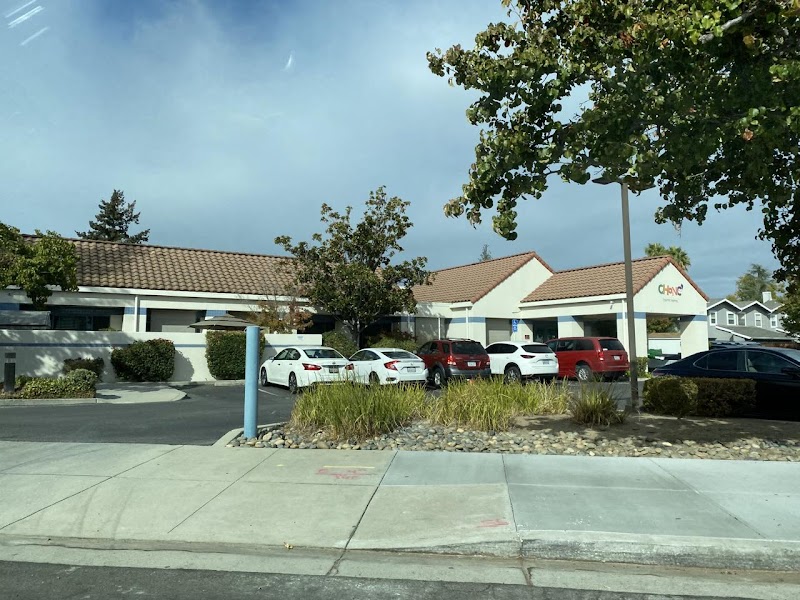
Who Owns and Operates Childrens Hc Org No Ca -Pediatric Hospital D/P Snf?

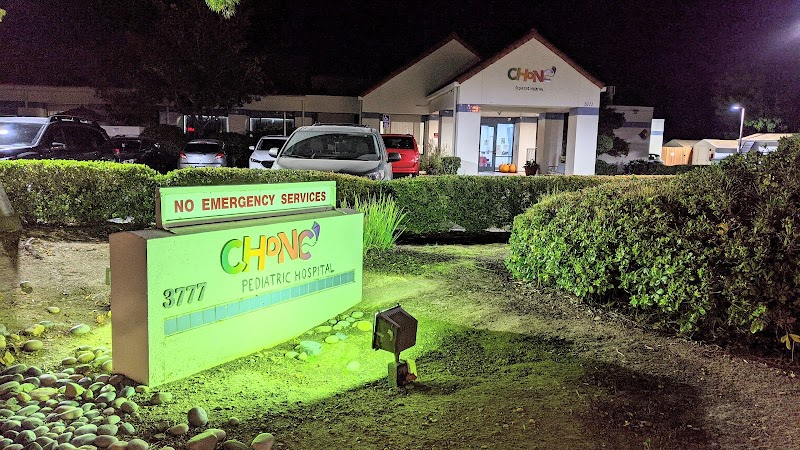
CHILDRENS HC ORG NO CA -PEDIATRIC HOSPITAL D/P SNF is owned by a for-profit company. For-profit facilities operate as businesses with obligations to shareholders or private owners. The facility operates independently rather than as part of a larger chain. With 27 certified beds and approximately 25 residents (about 93% occupancy), it is a smaller facility located in CAMPBELL, California.

How Does Childrens Hc Org No Ca -Pediatric Hospital D/P Snf Compare to Other California Nursing Homes?

Compared to the 100 nursing homes in California, CHILDRENS HC ORG NO CA -PEDIATRIC HOSPITAL D/P SNF's overall rating (5 stars) is above the state average of 3.2 and health inspection rating (5 stars) is much above the national benchmark.

What Should Families Ask When Visiting Childrens Hc Org No Ca -Pediatric Hospital D/P Snf?

Based on this facility's data, families visiting should ask: "Can I visit during a mealtime to observe dining assistance and food quality?" "How do you handle medical emergencies, and what is your hospital transfer rate?" "Can I speak with family members of current residents about their experience?"

Is Childrens Hc Org No Ca -Pediatric Hospital D/P Snf Safe?

Based on CMS inspection data, CHILDRENS HC ORG NO CA -PEDIATRIC HOSPITAL D/P SNF has a clean safety record: no substantiated abuse findings (meaning no confirmed cases of resident harm), no Immediate Jeopardy citations (the most serious violation level indicating risk of serious injury or death), and is not on the Special Focus Facility watch list (a federal program monitoring the lowest-performing 1% of nursing homes). The facility has a 5-star overall rating and ranks #1 of 100 nursing homes in California. While no facility is perfect, families should still ask about staff-to-resident ratios and recent inspection results during their visit.

Do Nurses at Childrens Hc Org No Ca -Pediatric Hospital D/P Snf Stick Around?

CHILDRENS HC ORG NO CA -PEDIATRIC HOSPITAL D/P SNF has not reported staff turnover data to CMS. Staff turnover matters because consistent caregivers learn residents' individual needs, medications, and preferences. When staff frequently change, this institutional knowledge is lost. Families should ask the facility directly about their staff retention rates and average employee tenure.

Was Childrens Hc Org No Ca -Pediatric Hospital D/P Snf Ever Fined?

CHILDRENS HC ORG NO CA -PEDIATRIC HOSPITAL D/P SNF has been fined $3,145 across 1 penalty action. This is below the California average of $33,110. While any fine indicates a compliance issue, fines under $50,000 are relatively common and typically reflect isolated problems that were subsequently corrected. Families should ask what specific issues led to these fines and confirm they've been resolved.

Is Childrens Hc Org No Ca -Pediatric Hospital D/P Snf on Any Federal Watch List?

CHILDRENS HC ORG NO CA -PEDIATRIC HOSPITAL D/P SNF is not on any federal watch list. The most significant is the Special Focus Facility (SFF) program, which identifies the bottom 1% of nursing homes nationally based on persistent, serious quality problems. Not being on this list means the facility has avoided the pattern of deficiencies that triggers enhanced federal oversight. This is a positive indicator, though families should still review the facility's inspection history directly.