
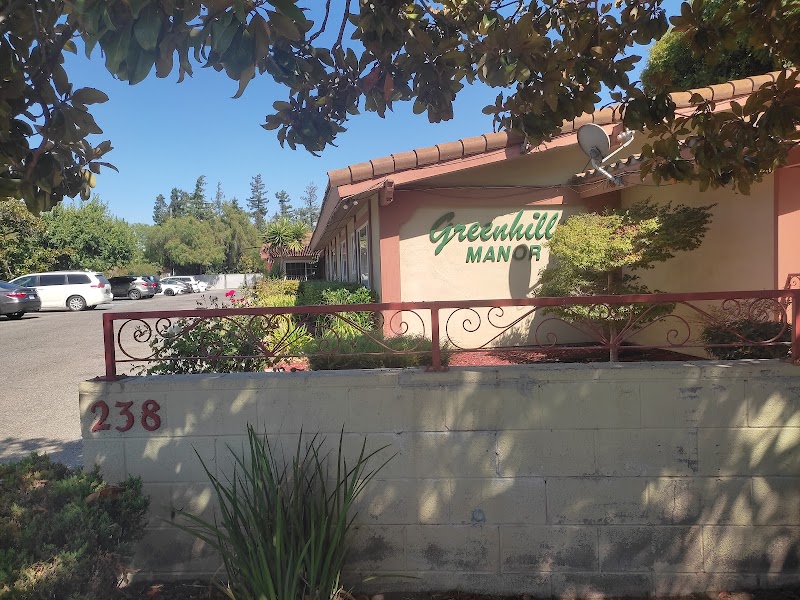
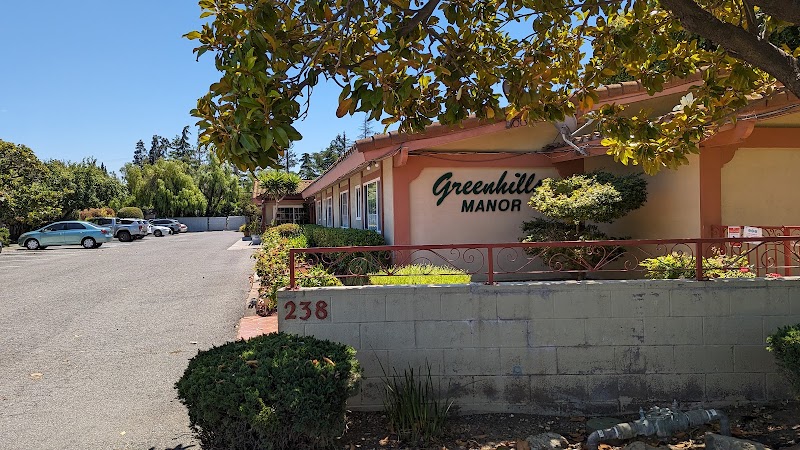
GREENHILLS MANOR

238 VIRGINIA AVENUE, CAMPBELL, CA 95008 (408) 379-8114
For profit - Limited Liability company 45 Beds Independent Data: November 2025
Trust Grade
68/100
#363 of 1155 in CA
Last Inspection: April 2025

Within standard 12-15 month inspection cycle. Federal law requires annual inspections.

Overview

Greenhills Manor in Campbell, California has a Trust Grade of C+, indicating it is slightly above average but not without issues. It ranks #24 out of 50 facilities in Santa Clara County, meaning it's among the better local options but still has room for improvement. The facility is on an improving trend, with the number of reported issues decreasing from 15 to 14 over the past year. Staffing is a strength, with a turnover rate of 0%, much lower than the state average, which suggests that employees are stable and familiar with the residents' needs. However, the facility has faced $16,803 in fines, which is concerning and indicates some compliance issues. While there is more RN coverage than many facilities, inspections revealed some specific problems, including a malfunctioning freezer that could lead to food spoilage and potential illness, and lapses in assessing the safety of bed rails for residents. Overall, while Greenhills Manor has strong staffing and is improving, families should be aware of the fines and recent inspection findings when considering this facility.

Trust Score
C+
68/100
In California
#363/1155
Top 31%
Safety Record
Low Risk
No red flags
Inspections
Getting Better
15 → 14 violations
Staff Stability
○ Average
Turnover data not reported for this facility.
Penalties
⚠ Watch
$16,803 in fines. Higher than 93% of California facilities. Major compliance failures.
Skilled Nurses
○ Average
Each resident gets 34 minutes of Registered Nurse (RN) attention daily — about average for California. RNs are the most trained staff who monitor for health changes.
Violations
⚠ Watch
34 deficiencies on record. Higher than average. Multiple issues found across inspections.
★★★★☆
4.0
Overall Rating
★★★☆☆
3.0
Staff Levels
★★★★★
5.0
Care Quality
★★★☆☆
3.0
Inspection Score
Stable
2024: 15 issues
2025: 14 issues

The Good

  • 5-Star Quality Measures · Strong clinical quality outcomes
  • Full Sprinkler Coverage · Fire safety systems throughout facility
  • No fines on record

Facility shows strength in quality measures, fire safety.

The Bad

Federal Fines: $16,803

Below median ($33,413)

Minor penalties assessed

The Ugly 34 deficiencies on record

Apr 2025 14 deficiencies
CONCERN (D)

Potential for Harm - no one hurt, but risky conditions existed

Resident Rights (Tag F0550)

Could have caused harm · This affected 1 resident

**NOTE- TERMS IN BRACKETS HAVE BEEN EDITED TO PROTECT CONFIDENTIALITY** Based on observation, interview, and record review, the facility failed to treat the resident with respect for one of 12 residen...

Read full inspector narrative →
**NOTE- TERMS IN BRACKETS HAVE BEEN EDITED TO PROTECT CONFIDENTIALITY** Based on observation, interview, and record review, the facility failed to treat the resident with respect for one of 12 residents (34) when Resident 34 requested to have female certified nursing assistant (CNA) to work with her, but male CNAs were still assigned to her. This failure violated the resident's rights and had the potential to cause frustration for the resident. Findings: Review of Resident 34's admission Record indicated she was admitted to the facility on [DATE]. During an interview with Resident 34 on 4/1/25, at 9 a.m., she stated that she told licensed nurses and CNAs, and she also told the administrator (ADM) last week on Wednesday that she did not want male CNA and would prefer to have female CNA to work with her, but most of the time male CNAs were still assigned to her. During an observation and interview with certified nursing assistant B (CNA B) on 4/1/25, at 9:24 a.m., CNA B was in Resident 34's room, and he stated he was assigned CNA for Resident 34 today. He came to Resident 34's room to change her, but she did not want him and asked for a female CNA. During an interview with the ADM on 4/1/25, at 10:14 a.m., he confirmed that last Wednesday Resident 34 talked to him and requested to have female CNA assigned to her. ADM mentioned about Resident 34's request in the staff meeting last week. The ADM stated female CNA should have been assigned to Resident 34 per her request and preference. Review of the facility's policy, Resident Rights, dated 2/2021, indicated . 1. Federal and state laws guarantee certain basic rights to all residents of this facility. These rights include the resident's right to: . h. be supported by the facility in exercising his or her rights; .
CONCERN (D)

Potential for Harm - no one hurt, but risky conditions existed

Deficiency F0552 (Tag F0552)

Could have caused harm · This affected 1 resident

**NOTE- TERMS IN BRACKETS HAVE BEEN EDITED TO PROTECT CONFIDENTIALITY** Based on interview and record review, the facility failed to ensure two of five residents (20 and 38) had informed consents (wri...

Read full inspector narrative →
**NOTE- TERMS IN BRACKETS HAVE BEEN EDITED TO PROTECT CONFIDENTIALITY** Based on interview and record review, the facility failed to ensure two of five residents (20 and 38) had informed consents (written permission before implementing a healthcare intervention) prior to initiating psychotropic medication (medication capable of affecting the mind, emotions, and behavior). These failures resulted in the residents receiving psychotropic medications without being informed about their risks and side effects. Findings: 1. Review of Resident 20's admission Record indicated he was admitted to the facility on [DATE] with dementia (loss of memory, language, problem-solving and other thinking abilities that are severe enough to interfere with daily life) diagnosis. Review of Resident 20's physician order indicated he had orders for Seroquel (an antipsychotic medication) 25 milligrams (mg, unit of measurement) in the morning and Seroquel 37.5 mg in the afternoon for dementia with behavioral disturbance, dated 12/9/24. Review of Resident 20's clinical record indicated there were no informed consents for Seroquel 25 mg in the morning and Seroquel 37.5 mg in the afternoon. During an interview with the director of nursing (DON) on 4/4/25, at 1:44 p.m., he reviewed Resident 20's clinical record and was unable to locate the informed consent for Seroquel 25 mg in the morning and Seroquel 37.5 mg in the afternoon. 2. Review of Resident 38's admission Record indicate he was admitted to the facility on [DATE] with insomnia (difficulty falling or staying asleep) diagnosis. Review of Resident 38's physician order indicated he had orders for Seroquel 25 mg in the morning, started on 1/23/25, and Seroquel 50 mg in the evening, started on 1/28/25, for psychosis (a loss of contact with reality); and Trazodone (an antidepressant medication) 50 mg in the evening for insomnia, started on 1/28/25. Review of Resident 38's clinical record indicated there were no informed consents for Seroquel 25 mg in the morning, and Seroquel 50 mg and trazodone 50 mg in the evening. During an interview with the director of nursing (DON) on 4/4/25, at 1:50 p.m., he reviewed Resident 38's clinical record and was unable to locate the informed consents for Seroquel 25 mg in the morning and Seroquel 50 mg and trazodone 50 mg in the evening. Review of the facility's policy, Psychotropic Medication Use, dated 7/2022, indicated . 15. Physician's orders related to the use of psychotherapeutic drug, antipsychotic drug shall not be initiated until the facility is able to verify that the resident or their authorized representative has given informed consent.
CONCERN (D)

Potential for Harm - no one hurt, but risky conditions existed

MDS Data Transmission (Tag F0640)

Could have caused harm · This affected 1 resident

**NOTE- TERMS IN BRACKETS HAVE BEEN EDITED TO PROTECT CONFIDENTIALITY** Based on interview and record review, the facility failed to timely complete and submit a Discharge Minimum Data Set (MDS, a cli...

Read full inspector narrative →
**NOTE- TERMS IN BRACKETS HAVE BEEN EDITED TO PROTECT CONFIDENTIALITY** Based on interview and record review, the facility failed to timely complete and submit a Discharge Minimum Data Set (MDS, a clinical assessment tool) data to the Centers for Medicare & Medicaid Services (CMS, oversees federal healthcare programs) for two of four residents (25 and 31). This failure resulted in non-compliance with CMS regulatory requirements. Findings: Review of Resident 25's clinical record indicated he was admitted to the facility on [DATE] and discharged from the facility on 3/17/25. Review of Resident 31's clinical record indicated she was admitted to the facility on [DATE] and discharged from the facility on 12/12/24. On 4/4/25, review of Resident 25's and Resident 31's clinical records indicated their Discharge MDS were overdue, not started, and not submitted to the CMS. During an interview with the assistant director of nursing (ADON) on 4/4/25, at 2:02 p.m., she reviewed Resident 25's and Resident 31's clinical records and confirmed that their discharge MDS were overdue, not started, and not submitted to the CMS. The ADON stated the residents' Discharge MDS should be completed within 14 days and submitted to the CMS within 28 days after the residents were discharged . The ADON stated the discharge MDS of Resident 25 and Resident 31 should have already been completed and submitted to the CMS. Review of the facility's policy, MDS Completion and Submission Timeframes, dated 7/2017, indicated The assessment coordinator or designee is responsible for ensuring that resident assessments are submitted to CMS' QIES Assessment Submission and Processing (ASAP) system in accordance with current federal and state guidelines. Review of the CMS's Resident Assessment Instrument (RAI) Version 3.0 Manual, dated 10/2024, indicated discharge MDS Completion Date was no later than discharge date plus 14 calendar days and the MDS Transmission Date was no later than MDS Completion Date plus 14 calendar days.
CONCERN (D)

Potential for Harm - no one hurt, but risky conditions existed

Deficiency F0658 (Tag F0658)

Could have caused harm · This affected 1 resident

**NOTE- TERMS IN BRACKETS HAVE BEEN EDITED TO PROTECT CONFIDENTIALITY** Based on observation, interview, and record review, the facility failed to ensure service provided to met professional standards...

Read full inspector narrative →
**NOTE- TERMS IN BRACKETS HAVE BEEN EDITED TO PROTECT CONFIDENTIALITY** Based on observation, interview, and record review, the facility failed to ensure service provided to met professional standards when the licensed nurses did not follow the physician order to float Resident 27's heels while he was in bed. This failure had the potential for Resident 27 to develop skin damage to his heels. Findings: Review of Resident 27's admission Record indicated he was admitted to the facility on [DATE] with protein -calorie malnutrition diagnosis. Review of Resident 27's physician order, dated 11/4/24, indicated he had a physician order to float Resident 27's heels with pillows at his calves or apply Prevalon boots (heel protector that floats the heel off the surface of the mattress, helping to reduce pressure) while he was in bed. During observations on 4/2/25, at 11:57 a.m., and on 4/3/25, at 6:46 p.m., Resident 27 was lying in his bed, and he did not have pillows at his calves or Prevalon boots on. During an observation and interview with registered nurse E (RN E) on 4/4/25, at 9:55 a.m., Resident 27 was in bed, and he did not have pillows at his calves or Prevalon boots on. RN E reviewed Resident 27's physician orders and confirmed that Resident 27's heels should be floated with pillows at his calves or Prevalon boots on while he was in bed as ordered by the physician. Review of the facility's undated job description, Licensed Vocational Nurse, indicated Duties and Responsibilities: Administrative Functions: . Provides basic wound care and other treatments as ordered by the healthcare provider.
CONCERN (D)

Potential for Harm - no one hurt, but risky conditions existed

Staffing Information (Tag F0732)

Could have caused harm · This affected 1 resident

Based on observation, interview, and record review, the facility failed to ensure the nurse staffing information was posted clearly visible in a prominent place that was readily accessible to resident...

Read full inspector narrative →
Based on observation, interview, and record review, the facility failed to ensure the nurse staffing information was posted clearly visible in a prominent place that was readily accessible to residents and visitors. This failure had the potential to result in nurse staffing information not available for resident's, families, and visitors. Findings: During an observation on 4/1/25 at 9:33 a.m., in the nurse station, there was no nurse staffing information and no total actual hours posted. During an observation on 4/2/25 at 1:50 p.m., in the nurse station, there was no nurse staffing information and no total actual hours posted. During a concurrent observation and interview on 4/3/25 at 1:10 p.m. with the Infection Preventionist (IP), the IP stated there was no staffing information and no total hours posted for residents or visitors for the daily staffing.
CONCERN (D)

Potential for Harm - no one hurt, but risky conditions existed

Drug Regimen Review (Tag F0756)

Could have caused harm · This affected 1 resident

**NOTE- TERMS IN BRACKETS HAVE BEEN EDITED TO PROTECT CONFIDENTIALITY** Based on interview and record review, the facility failed to ensure the consultant pharmacist's recommendations were acted upon ...

Read full inspector narrative →
**NOTE- TERMS IN BRACKETS HAVE BEEN EDITED TO PROTECT CONFIDENTIALITY** Based on interview and record review, the facility failed to ensure the consultant pharmacist's recommendations were acted upon for two of 12 residents (14 and 20) when: 1. Resident 14's chewable Aspirin (a drug that reduces pain, fever, inflammation, and blood clotting) was not changed to plain film coated form of baby aspirin; and 2. Resident 20's consultant pharmacist's Note to the Attending Physician/Prescriber regarding duplicate therapy of Protonix (used to treat heartburn and certain other conditions caused by too much acid in the stomach) and Pepcid (used to treat heartburn and certain other conditions caused by too much acid in the stomach) was not presented to the physician. This failure had the potential for Residents 14 and 20 to receive ineffective and unnecessary medications that could negatively impact their health and well-being. Findings: 1. Review of Resident 14's admission Record indicated he was admitted to the facility on [DATE]. Review of Resident 14's physician order, dated 1/28/25, indicated he had an order for Aspirin chewable 81 milligrams (mg, a metric unit of mass) via nasogastric tube (NG-tube, a thin, flexible tube inserted through the nose, down the throat, and into the stomach, used for delivering fluids, crushed medications, or nutrition, or removing substances from the stomach) in the morning. Review of Resident 14's Consultant Pharmacist's Medication Regimen Review (MRR, a comprehensive evaluation of a patient's medications to ensure their effectiveness and safety), dated 2/13/25, indicated the consultant pharmacist stated Resident 14's chewable Aspirin should have not crushed and pharmacy recommended a chewable Aspirin to be changed to plain film coated form of baby Aspirin, and crush, and give through NG-tube. During an interview with the director of nursing (DON) on 4/4/25, at 1:33 p.m., he reviewed Resident 14's clinical record and confirmed that the consultant pharmacist's recommendation for Resident 14 was not acted on. Resident 14 continue to received chewable Aspirin 81 mg in the morning. 2. Review of Resident 20's admission Record indicated he was admitted to the facility on [DATE]. Review of Resident 20's physician order, dated 11/21/24, indicated he had orders for Protonix 40 mg every day and Pepcid 20 mg two times a day. Review of Resident 20's consultant pharmacist's Note to the Attending Physician/Prescriber, dated 1/21/25, indicated the consultant pharmacist asked the physician to evaluate the duplicate therapy of Protonix and Pepcid. Review of Resident 20's consultant pharmacist's Note to the Attending Physician/Prescriber was not presented to the physician; there were no physician's response and no physician's signature on it. During an interview with the DON on 4/4/25, at 1:31 p.m., he reviewed Resident 20's consultant pharmacist's Note to the Attending Physician/Prescriber and confirmed that it was not presented to the physician. Review of the facility's policy, Medication Regimen Review and Reporting, dated 9/2008, indicated . 6. Resident-specific MRR recommendations and findings are documented and acted upon by the nursing care center and/or physician.
CONCERN (D)

Potential for Harm - no one hurt, but risky conditions existed

Deficiency F0801 (Tag F0801)

Could have caused harm · This affected 1 resident

Based on interview and record review, the facility failed employ sufficient staff with the appropriate competencies and skills sets to carry out the food service operations when the facility did not h...

Read full inspector narrative →
Based on interview and record review, the facility failed employ sufficient staff with the appropriate competencies and skills sets to carry out the food service operations when the facility did not have a full-time dietitian and the requirements were not met as specified in established standards for food service managers as a full-time, qualified dietetic supervisor when the dietitian was not full time. This failure had the potential to unsafe food practices and food-borne illness for 38 residents eating facility-prepared foods. Findings: Reviewing the Food and Nutrition Services schedule for February, March, and April 2025 indicated no dietary manager (dietetic supervisor) was working in the facility. A review of the actual working schedules for all staff received on 4/1/2025 indicated that the Registered Dietician (RD) worked only two days a week. During an interview with the registered dietitian (RD) on 4/3/25 at 9:41 a.m., the RD stated that she was a part-time employee working approximately 20 hours per week and that the facility did not have a full-time dietary manager. She confirmed that the facility should have had a full-time dietary manager because she was a part-time RD. She further stated that as of 4/1/25, she became a full-time RD. During an interview with the [NAME] (CK) on 4/3/2025 at 1:37 p.m., the CK confirmed that the RD was a part-time employee and that the facility did not have a designated full time dietary manager. A review of the facility's policy and procedure titled Dietation indicated if a dietician is not employed full time (35 or more hours per week), a director of food and nutrition services will be designated . A Review of the California Code, Health, and Safety Code - HSC § 1265.4 indicated that a licensed health facility shall employ a full-time, part-time, or consulting dietitian. A health facility that employs a registered dietitian less than full time, shall also employ a full-time dietetic services supervisor who meets the requirements of subdivision (b) to supervise dietetic service operations.
CONCERN (D)

Potential for Harm - no one hurt, but risky conditions existed

Room Equipment (Tag F0908)

Could have caused harm · This affected 1 resident

Based on observation, interview, and record review, the facility failed to maintain the kitchen freezer and the meal cart in a good and safe operating condition, when 1. Excessive ice buildup was obse...

Read full inspector narrative →
Based on observation, interview, and record review, the facility failed to maintain the kitchen freezer and the meal cart in a good and safe operating condition, when 1. Excessive ice buildup was observed in the reach-in freezer. 2. Kitchen Meal Cart 3 was missing a proper handle, and the meal cart door was no closing. These deficiencies could compromise the freezer's ability to keep food adequately frozen and the meal cart door may not prevent proper food temperature maintenance that could cause food-borne illness for 38 out of 39 residents who received meals prepared in the kitchen. Findings: 1. During a kitchen tour on April 3, 2024, at 11:51 a.m., significant ice buildup was observed inside the reach-in freezer, on the exterior of the freezer doors, and along both sides of the freezer gaskets. 2. During a meal pass observation on April 2, 2025, at 12:22 p.m., Meal Cart 3 was found to be missing a proper handle, the door was detached, and unable to close the door properly. During an interview with the Registered Dietitian (RD) on April 3, 2025, at 4:52 p.m., she confirmed that ice had built up inside the freezer, between the doors, and on the bottom. She stated that ice should have not accumulate in those areas and that maintenance was responsible for keeping the freezer in good condition. She further stated that the meal cart should have been maintained in proper working condition. During an interview with the Maintenance Manager (MM) on April 4, 2024, at 1:54 p.m., he stated that he was aware of the issue with the reach-in freezer and had removed the ice earlier that day. He acknowledged that ice should not have ice build up, as it may affect the freezer's functionality. He also stated that the meal cart should have been maintained in good condition. A review of 2017 Food Code Section 4-501.11 indicated that equipment must be maintained in a state of repair and condition that meets the requirements specified by the food code. A review of the facility's policy titled, Refrigerators and Freezers, dated November 2022, indicated .Supervisors inspect refrigerators and freezers monthly for gasket condition, fan condition, presence of rust, excess condensation, and any other damage or maintenance needs. Necessary repairs are initiated immediately. Maintenance schedules per manufacturer guidelines are scheduled and followed. Refrigerators and freezers are kept clean, free of debris, and disinfected with sanitizing solution on a scheduled basis and more often as necessary .
CONCERN (E)

Potential for Harm - no one hurt, but risky conditions existed

Deficiency F0700 (Tag F0700)

Could have caused harm · This affected multiple residents

2. During an observation on 4/3/25, at 3:05 p.m., Residents 21 and 24 had bilateral bed rails. Review of Resident 21's Side Rails Assessments indicated he had side rail assessment on 3/28/24 and did n...

Read full inspector narrative →
2. During an observation on 4/3/25, at 3:05 p.m., Residents 21 and 24 had bilateral bed rails. Review of Resident 21's Side Rails Assessments indicated he had side rail assessment on 3/28/24 and did not have any side rail assessment until 2/20/25. Review of Resident 24's Side Rails Assessments indicated the only one side rail assessment he had was on 9/30/24. During an interview with the ADON, on 4/4/25 at 10:28 a.m., the ADON stated, the Side Rail Assessments are completed every quarter with the Minimum Data Set (MDS, standardized assessment tool used to evaluate and document the health status and functional capabilities of residents). During an observation on 4/1/25 at 8:15 a.m., in Resident 29's room, Resident 29's left and right upper bed rails were in an upright position. During a concurrent interview and record review with the Assistant Director of Nursing (ADON) on 4/4/25 at 1:00 p.m., the ADON reviewed Resident 29's Side Rail Assessment for bed rail use, dated 10/1/2024. The ADON confirmed that this was the only side rail assessment available for Resident 29, and that the required quarterly bedside rail assessment had not been completed. During an observation on 4/1/25 at 8:20 a.m., in Resident 30's room, Resident 30 's left and right upper bed rails were in an upright position. During a concurrent interview and record review with the Assistant Director of Nursing (ADON) on 4/4/25 at 1:05 p.m., the ADON reviewed Resident 30's Side Rail Assessment for bed rail use, dated 8/15/2024. The ADON confirmed that this was the only side rail assessment available for Resident 30 and that the required quarterly bedside rail assessment had not been completed. Based on observation, interview, and record review, the facility failed to ensure the proper use of bed or side rails (adjustable rigid bars attached to the side of a bed) for 10 of 36 residents (9. 21. 24, 29, 30, 34, 41, 42, 145, and 146) when: 1. Alternatives were not attempted prior to the use of bed or side rails for Residents 9, 34, 41, 42, 145, and 146; and 2. Bed or Side Rail Assessment was not done quarterly for Residents 21, 24, 29, and 30. These failures had the potential to place the residents at risk of entrapment and serious injury. Findings: 1. During an observation, on 4/1/25 at 9:36 a.m., in Resident 41's room, Resident 41 was sleeping in the bed with left and right upper bed rails in upright position. During an observation, on 4/1/25 at 9:36 a.m., in Resident 42's room, Resident 42 was in the bed with left and right upper bed rails in upright position. During an observation, on 4/1/25 at 9:41 a.m., in Resident 145's room, Resident 145's bed had left and right upper bed rails attached. During an observation, on 4/1/25 at 9:42 a.m., in Resident 146's room, Resident 146's was in bed with left and right upper bed rails in upright position. During a concurrent interview and record review with the Assistant Director of Nursing (ADON), on 4/4/25 at 10:09 a.m., the ADON reviewed Resident 41's Side Rail Assessment for bed rail use dated 2/23/25. ADON confirmed the form was incomplete, Section C Recommendation was not completed, and there was no documentation that indicated alternatives were offered or attempted prior to Resident 41's bilateral upper bed rails used. The ADON stated a prior version of the form was used. During a concurrent interview and record review with the ADON, on 4/4/25 at 10:11 a.m., the ADON reviewed Resident 42's Side Rail Assessment for bed rail use dated 3/4/25. ADON confirmed the form was incomplete, Section F Alternatives was not completed, there was no documentation that indicated alternatives were offered or attempted prior to Resident 42's bilateral upper bed rails used. During a concurrent interview and record review with the ADON, on 4/4/25 at 10:12 a.m., the ADON reviewed Resident 145's Side Rail Assessment for bed rail use dated 3/13/25. ADON confirmed the form was incomplete, Section F Alternatives was not completed, there was no documentation that indicated alternatives were offered or attempted prior to Resident 145's bilateral upper bed rails used. During a concurrent interview and record review with the ADON, on 4/4/25 at 10:13 a.m., the ADON reviewed Resident 146's Side Rail Assessment for bed rail use dated 3/28/25. ADON confirmed the form was incomplete, Section F Alternatives was not completed, there was no documentation that indicated alternatives were offered or attempted prior to Resident 146's bilateral upper bed rails used. During an observation on 4/3/25, at 3:05 p.m., Residents 9 and 34 had bilateral bed rails. Review of Resident 9's and Resident 34's Side Rails Assessments indicated alternatives were not attempted before implementing their side rails. During an interview with the Assistant Director of Nursing (ADON) on 4/4/25, at 10:09 a.m., she stated the prior version of the Side Rail Assessment form was used for Resident 9 and Resident 34, and there were no indication that the alternatives were attempted prior to the use of bed rails for Resident 9 and Resident 34. Review of the facility's policy, Bed Rails, dated revised August 2022, indicated The use of bed rails is prohibited unless the criteria for use of bed rails have been met., Prior to the use of bed rail, alternatives to the use of side or bed rails are attempted. Alternatives may include: a. roll guards; b. foam bumpers; c. lowering the bed; and/or d. use of concave mattresses to reduce rolling off the bed.
CONCERN (E)

Potential for Harm - no one hurt, but risky conditions existed

Medication Errors (Tag F0758)

Could have caused harm · This affected multiple residents

**NOTE- TERMS IN BRACKETS HAVE BEEN EDITED TO PROTECT CONFIDENTIALITY** 2. Review of Resident 20's admission Record indicated he was admitted to the facility on [DATE] with dementia (loss of memory, l...

Read full inspector narrative →
**NOTE- TERMS IN BRACKETS HAVE BEEN EDITED TO PROTECT CONFIDENTIALITY** 2. Review of Resident 20's admission Record indicated he was admitted to the facility on [DATE] with dementia (loss of memory, language, problem-solving and other thinking abilities that are severe enough to interfere with daily life) diagnosis. Review of Resident 20's physician order indicated he had orders for Cymbalta 30 milligram (mg, a metric unit of mass) every day for depression (persistent feeling of sadness and loss of interest), dated 11/21/24; and for Seroquel 25 mg in the morning and Seroquel 37.5 mg in the afternoon for dementia with behavioral disturbance, dated 12/9/24. Review of Resident 20's clinical record indicated he did not have quarterly review on the use of Cymbalta 30 mg, Seroquel 25 mg, and Seroquel 37.5 mg. During an interview with the director of nursing (DON) on 4/4/25, at 1:44 p.m., he reviewed Resident 20's clinical record and confirmed that Resident 20 did not have quarterly review on the use of Cymbalta 30 mg, Seroquel 25 mg, and Seroquel 37.5 mg. Review of the facility's policy, Psychotropic Medication Use, dated 7/2022, indicated . 8. Consideration of the use of any psychotropic medication is based on comprehensive review of the resident. 3. Review of Resident 145's record indicated multiple diagnoses including dementia (a general term for a group of brain disorders that cause a decline in cognitive abilities, such as memory, thinking, problem-solving, and language) with mood disturbances, anxiety disorder (feelings of worry, nervousness, or fear, which can manifest physically and emotionally), and brief psychotic disorder (a severe mental disorder characterized by a loss of contact with reality, often involving hallucinations, delusions, and/or disorganized thinking and behavior). Review of Resident 145's orders, dated 3/13/25, indicated Resident 145 was ordered Abilify 10 mg once a day for diagnosis of psychotic disturbances/mood disturbances and anxiety related to dementia. The specific behaviors Abilify was to treat was not specified. Review of Resident 145's Medical Administration Record (used to document medications taken by each individual)(MAR), dated April 2025, indicated there was no record of monitoring the behaviors patterns requiring the use of the antipsychotic medication. Review of Resident 145's care plan focus impaired behavior patterns requiring the use of antipsychotic medications, dated 3/14/25, indicated Resident 145's goal: will have less than 3x episodes per week, with the intervention monitor occurrence of target behavior symptoms and document per facility protocol. During a concurrent interview and record review, on 4/4/25 at 2:22 p.m. with the Infection Preventionist (IP), the IP reviewed Resident 145's MAR for monitoring the occurrences of target behavior symptoms. The IP confirmed there was no specific behaviors or monitoring of behavior related to the need for antipsychotic medication. Review of the facility's policy and procedure (P&P) titled, Antipsychotic Medication Use dated revised December 2016, indicated, The Attending Physician and other staff will gather and document information to clarify a resident's behavior, mood, function, medical condition, specific symptoms, and risks to the resident and others. Diagnoses alone do not wanant the use of antipsychotic medication. In addition to the above criteria, antipsychotic medications will generally only be considered if the following conditions are also met: a. The behavioral symptoms present a danger to the resident or others; AND: ( I) the symptoms are identified as being clue to mania or psychosis (such as auditory, visual, or other hallucinations; delusions, paranoia or grandiosity); or (2) behavioral interventions have been attempted and included in the plan of care, . The staff will observe, document, and report to the Attending Physician information regarding the effectiveness of any interventions, including anti psychotic medications. Based on interview and record review, the facility failed to ensure three of five residents (20, 29, and 145) was free from unnecessary psychotropic medications (drugs that affects brain activities associated with mental processes and behavior) when: 1. Resident 29's physician's order for as needed psychotropic medication was not limited to 14 days of use; 2. Resident 20 received psychotropic medications without quarterly review on the use of these medications; and 3. Resident 145 received Abilify (an antipsychotic that helps treat several kinds of mental health conditions) with no specific behaviors (the way in which one acts or conducts oneself), identified and no evidence of monitoring for behaviors documented. This failure had the potential for the residents to receive the psychotropic medications unnecessarily, which had the potential for increased risks associated with psychotropic medication use that include but not limited to sedation, respiratory depression, falls, constipation, anxiety, agitation, abnormal involuntary movements, and memory loss. Findings: 1. A Review of Resident 29's clinical record indicated she was admitted to the facility on [DATE] with diagnoses including dementia ( a group of symptoms affecting memory, thinking, and social abilities ) in other diseases classified elsewhere as severe, with other behavior disturbances. A further review of Resident 29's clinical record indicated a physician's order, dated 9/6/2024, for Lorazepam oral tablet 0.5 milligrams (mg., a unit of measurement) give one tablet by mouth every 6 hours as needed (PRN) for anxiety. The order did not have a stop date. During a concurrent interview and record review with the Assistant Director of Nursing (ADON)., the ADON reviewed Resident 29's physician order and confirmed there was no stop date for Lorazepam (a psychotropic medication). ADON stated that there should have been a 14-day limit for PRN psychotropic medication. A review of the facility's policy and procedure dated July 2022 titled psychotropic medication use indicated . psychotropic medications are not prescribed or given on a PRN basis unless that medication is necessary to treat a diagnosed specific condition that is documented in the clinical record. a PRN orders for psychotropic medications are limited to 14 days .
CONCERN (E)

Potential for Harm - no one hurt, but risky conditions existed

Unnecessary Medications (Tag F0759)

Could have caused harm · This affected multiple residents

Based on observation, interview and record review, the facility had a medication error rate of 25.93% when 7 medication errors occurred out of 27 opportunities during medication administrations for fo...

Read full inspector narrative →
Based on observation, interview and record review, the facility had a medication error rate of 25.93% when 7 medication errors occurred out of 27 opportunities during medication administrations for four out of six residents (5, 6, 14, and 146). This failure resulted in medications not given in accordance with the prescriber's orders which resulted in residents not receiving the full therapeutic effects of the medications. Findings: 1. During a medication pass observation on 4/1/25, at 10:29 a.m. with Licensed Vocational Nurse C (LVN C), LVN C stated he did not have gabapentin (pain reliever) 100 milligrams (mg, a metric unit of mass) and tamsulosin (helps increase the flow of urine) 0.4 mg on hand to give to Resident 146. During a concurrent medication pass observation LVN C also crushed levetiracetam (helps control seizures) one 500mg tablet and Klor-Con (used to treat and prevent low potassium) M10 Extended Release (ER) one 20 milliequivalent (mEq, a unit of measure that expresses the combining power of a substance) tablet, mixed with apple sauce, and administered to Resident 146. During a medication pass observation on the labels of levetiracetam 500 mg and Klor-Con 20 mEq bubble pads and interview with LVN C on 4/1/25, at 11:21 a.m., LVN C confirmed that he crushed levetiracetam 500 mg and Klor-Con 20 mEq, but their labels stated, Do Not Chew or Crush. Review of Resident 146's physician orders indicated Resident 146 was to receive gabapentin 100 mg, started on 4/1/25; tamsulosin 0.4 mg, started on 3/29/25; levetiracetam 500 mg, started 3/29/25; and Klor-Con 20 mEq, started on 3/29/25, at 9 a.m. Review of the facility's policy, Medication Administration - General Guidelines, dated 2007, indicated . 5. b. Long-acting, extended release or enteric-coated dosage forms should generally not be crushed; an alternative should be sought. Review of the facility's undated job description, Registered Nurse, indicated Job Functions: . Obtains medications, supplies, and medical records needed to provide safe, efficient, and therapeutic care to residents on a continuing basis. 2. During a medication pass observation on 4/1/25, at 4:07 p.m. with LVN D, LVN D administered calcium carbonate (used to treat low calcium conditions) 500 mg crushed through Resident 14's nasogastric tube (NG-tube, a thin, flexible tube inserted through the nose, down the throat, and into the stomach, used for delivering fluids, crushed medications, or nutrition, or removing substances from the stomach). Review of Resident 14's physician order, dated 1/29/25, indicated he was to receive calcium carbonate 1250 mg one tablet enterally two times a day at 8 a.m. and 5 p.m. During an interview with LVN D on 4/1/25, at 5:32 p.m., he reviewed Resident 14's physician orders and confirmed that the physician ordered calcium carbonate 1250 mg for Resident 14, but he administered calcium carbonate 500 mg to him. 3. During a medication pass observation on 4/1/25, at 4:46 p.m. with LVN D, LVN D gave Symbicort inhaler (helps reducing inflammation in the lungs and keeping airways open) to Resident 6 to administer herself two puff inhales orally without instructing her to shake the Symbicort inhaler well and rinse mouth after use. During a medication pass observation on the label of Symbicort inhaler and interview with LVN D on 4/1/25, at 5:03 p.m., LVN D confirmed that the label stated, Shake well before using; rinse mouth after each use, and he did not instruct Resident 6 to do that. 4. During a medication pass observation on 4/3/25, at 10:24 a.m. with registered nurse E (RN E), RN E administered one tablet of Multiple Vitamin to Resident 5. Review of Resident 5's physician order, dated 2/11/25, indicated she was to receive one tablet of Multiple Vitamin with 400 micrograms (ug, a metric unit of mass) of folic acid (helps the body make new cells) one time a day at 8 a.m. During an observation on the ingredients of Multiple Vitamin bottle and interview with RN E on 4/3/25, at 11:48 a.m., RN E confirmed that the Multiple Vitamin tablet that she administered to Resident 5 did not have folic acid ingredient in it. Review of the facility's policy, Administering Medications, dated 4/2019, indicated . 4. Medications are administered in accordance with prescriber orders . 8. If a dosage is believed to be inappropriate or excessive for a resident, or a medication has been identified as having potential adverse consequence for the resident or is suspected of being associated with adverse consequences, the person preparing or administering the medication will contact the prescriber, the resident's attending physician or the facility's medical director to discuss the concerns.
CONCERN (E)

Potential for Harm - no one hurt, but risky conditions existed

Deficiency F0761 (Tag F0761)

Could have caused harm · This affected multiple residents

Based on observation, interview, and record review, the facility failed to ensure medications were stored appropriately when expired medications and the medication opened over the period found in Medi...

Read full inspector narrative →
Based on observation, interview, and record review, the facility failed to ensure medications were stored appropriately when expired medications and the medication opened over the period found in Medication Cart 1. This failure had the potential for residents to be given expired or over open period medication. Findings: On 4/1/25, at 11:24 a.m., during an observation on Medication Cart 1 with licensed vocational nurse C (LVN C), the following were observed: a. One bottle of Calcium Citrate Magnesium and Zinc with vitamin D3 (supplements) and one bottle of Centrum Silver Women 50+ (multivitamin) had an expiration date of 3/2025. b. A bottle of latanoprost 0.005% (used to treat increased pressure inside the eye) for Resident 6 was opened on 2/17/25, and a bottle of latanoprost 0.005% for Resident 22 was opened on 2/17/25 with the labels on them stated Discard 42 days after opening. During a concurrent observation on the labels of latanoprost 0.005% and interview with LVN C, LVN C confirmed that the labels stated Discard 42 days after opening. LVN C acknowledged that over open period and expired medications should have not be inside the medication cart. LVN C stated he would put them away. Review of the facility's policy, Medication Labeling and Storage, dated 2/2023, indicated . 3. If the facility has discontinued, outdated or deteriorated medications or biologicals, the dispensing pharmacy is contacted for instructions regarding returning or destroying these items.
CONCERN (E)

Potential for Harm - no one hurt, but risky conditions existed

Infection Control (Tag F0880)

Could have caused harm · This affected multiple residents

3. During an observation on 4/1/25, at 12:21 p.m., certified nursing assistant F (CNA F) brought the lunch tray to Resident 146 without sanitizing his hands. During a concurrent interview with CNA F, ...

Read full inspector narrative →
3. During an observation on 4/1/25, at 12:21 p.m., certified nursing assistant F (CNA F) brought the lunch tray to Resident 146 without sanitizing his hands. During a concurrent interview with CNA F, he stated he should sanitize his hands before carrying the lunch tray to Resident 146. During an interview with the infection preventionist (IP) on 4/4/25, at 3:06 p.m., she stated staff should have sanitize their hands before bringing the meal trays to the residents. 4. During an observation on 4/1/25, at 9:07 a.m., certified nursing assistant B (CNA B) carried a bag of soiled brief and linen with his gloved hand, walked out of Resident 17's room, walked in the hallway and went to the shower room to throw the bag in the big container bin. During a concurrent interview with CNA B, he stated he changed Resident 17 and transferred her to the wheelchair in her room. CNA B stated he should have remove his gloves in Resident 17's room and before walking in the hallway. During an interview with the IP on 4/4/25, at 3:08 p.m., she stated the staff should have remove their gloves in the resident's room. Review of the facility's policy, Handwashing/Hand Hygiene, dated 8/2019, indicated . 7. Use an alcohol-based hand rub containing at least 62% alcohol; or, alternatively, soap and water for the following situations: . b. Before and after direct contact with residents; . p. Before and after assisting a resident with meals; . 5. During a medication pass observation with licensed vocational nurse D (LVN D) on 4/1/25, at 4:46 p.m., LVN D administered oral medications to Resident 6, gave Symbicort inhaler (helps reducing inflammation in the lungs and keeping airways open) to Resident 6 to administered herself, then administered Artificial Tears (lubricating eye drops) one drop to each eye to Resident 6 without changing gloves and washing his hands. During an interview with LVN D on 4/1/25, at 5:03 p.m., he stated he should have change his gloves and wash his hands before administering Artificial Tears to Resident 6. Review of the facility's policy, Instillation of Eye Drops, dated 1/2014, indicated . 2. Wash and dry hands thoroughly. 3. Put on gloves . 6. During a medication pass observation with registered nurse E (RN E) on 4/3/25, at 10:24 a.m., RN E needed half of docusate sodium (stool softener) 100 mg, so that she could administered two tablets and a half of docusate sodium to Resident 5. RN E cut one 100 mg docusate sodium tablet to two halves. She placed one half into the medicine cup to give it to Resident 5 and put the other half back to the docusate sodium bottle. During an interview with RN E on 4/3/25, at 10:33 a.m., RN E stated she should have not put the half of docusate sodium back to its bottle. Review of the facility's policy, Medication Administration - General Guidelines, dated 2007, indicated . 4. d. Unused tablet portions are disposed of . 7. During a medication pass observation with registered nurse E (RN E) on 4/3/25, at 9:53 a.m., RN E took Resident 196's blood pressure before giving her metoprolol (treat high blood pressure) 50 milligrams (mg, a metric unit of mass) and did not cleanse the blood pressure cup. During a medication pass observation on 4/3/25, at 10:33 a.m., RN E used the same blood pressure cup to take Resident 32's blood pressure before giving her metoprolol 25 mg without cleansing it. During an interview with RNE on 4/3/25, at 10:49 a.m., she stated the blood pressure cup should have been cleansed the blood pressure cup between each resident. During an interview with the infection IP on 4/4/25, at 3:10 p.m., she stated the nursing staff should have cleanse their hands and change gloves before giving eye drops; after cutting the medication, the left-over medication should have been discarded, and the staff should have cleanse the blood pressure cup between each resident. Review of the facility's policy, Cleaning and Disinfection of Resident-Care Items and Equipment, dated 9/2022, indicated . 5. Reusable items are cleansed and disinfected or sterilized between residents. 8. During a treatment observation on Resident 14's right heel wound with licensed vocational nurse A (LVN A) on 4/2/25, at 2:05 p.m., LVN A cleansed his hands and put on gloves. LVN A pulled down the sock on Resident 14's right foot, opened a plastic bag for trash, removed the old dressing on Resident 14's right heel, then without changing gloves and cleansing his hands, LVN A cleansed Resident 14's right heel wound and applied new dressing. During an interview with LVN A on 4/2/25, at 2:14 p.m., he stated he should have change his gloves and cleanse his hands before cleansing Resident 14's right heel wound and applying new dressing. During an interview with the IP on 4/4/25, at 3:03 p.m., she stated the licensed nurse should have cleanse their hands and change gloves before cleansing the wound and applying treatment. Review of the facility's policy, Wound Care, dated 10/2010, indicated . 4. Put on exam glove. Loosen tape and remove dressing. 5. Wash and dry hands thoroughly. 6. Put on gloves. Based on observation, interview, and record review, the facility failed to ensure infection control practices were implemented when: 1. A Urinary catheter (a semi-flexible plastic tube, one end inserted into the bladder [body organ that stores urine] and the other end is attached to a bag that collects urine) drain bag and tubing was on the floor; 2. The staff provided ice to residents using ice from trays made in the employee room freezer; 3. Certified nursing assistant F (CNA F) brought the lunch tray to Resident 146 without sanitizing his hands; 4. Certified nursing assistant B (CNA B) walked out of Resident 17's room without removing his gloves and sanitizing his hands; 5. Licensed vocational nurse D (LVN D) administered eye drops to Resident 6 without changing his gloves and cleansing his hands; 6. After cutting docusate sodium (stool softener) 100 milligrams (mg, a metric unit of mass) tablet into two halves, registered nurse E (RN E) put one half of docusate sodium tablet back to its bottle; 7. RN E did not cleanse the blood pressure cup between residents; and 8. Licensed vocational nurse A (LVN A) did not change gloves and cleanse his hands before cleansing and applying dressing to Resident 14's right heel wound. These failures had the potential to spread infection to resident and staff. Findings: 1. During an observation on 4/2/25 at 8:51 a.m., the urinary catheter drainage bag and tubing was on the floor for Resident 22. During an interview with Licensed Vocational Nurse A (LVN A) on 4/2/25 at 8:55 a.m., LVN A confirmed Resident 22's urinary catheter drainage bag was on the floor. LVN A stated the drainage bag should have been off the floor, and hanging from the bed properly to prevent infection. Review of the facility's policy & procedure titled Catheter Care, Urinary, dated 8/2022, indicated, Infection Control . Be sure the catheter tubing and drainage bag are kept off the floor. 2. During a concurrent observation and interview with the Certified Nursing Assistant (CNA) G on 4/3/25 at 1:55 p.m., seven ice trays containing ice cubes were observed in the employee room freezer, located next to two boxes and a bag of employee food. The CNA G confirmed that they sometimes provide ice to residents using ice from the trays made in the employee room freezer. During an interview with the Activity Staff (AS) on 4/3/25 at 2:00 p.m., the AS stated that the facility staff provide ice to residents using ice from trays made in the employee room freezer. During an interview with the Registered Dietitian (RD) on 4/3/25 at 4:52 p.m., the RD stated that ice from the ice trays made by the employees are not allowed to be provided to residents due to infection control protocols.
MINOR (B)

Minor Issue - procedural, no safety impact

Deficiency F0912 (Tag F0912)

Minor procedural issue · This affected multiple residents

**NOTE- TERMS IN BRACKETS HAVE BEEN EDITED TO PROTECT CONFIDENTIALITY** Based on observation, interview, and record review, the facility failed to ensure three of resident rooms have at least 80 squar...

Read full inspector narrative →
**NOTE- TERMS IN BRACKETS HAVE BEEN EDITED TO PROTECT CONFIDENTIALITY** Based on observation, interview, and record review, the facility failed to ensure three of resident rooms have at least 80 square feet per resident. Findings: 1. room [ROOM NUMBER], a four-person room, measured 73.4 square feet per resident. 2. room [ROOM NUMBER], a four-person room, measured 73.4 square feet per resident. 3. room [ROOM NUMBER], a four-person room, measured 73.4 square feet per resident. During the survey, none of the rooms were observed to inhibit the staff from providing care or services, or the residents from receiving adequate care and services. The staff and residents moved freely in the rooms unhampered by the lack of space. Wheelchairs were easily accommodated. The residents had no concerns regarding the space or privacy in their room. Recommend waiver remain in effect.
Jan 2024 15 deficiencies
CONCERN (D)

Potential for Harm - no one hurt, but risky conditions existed

Resident Rights (Tag F0550)

Could have caused harm · This affected 1 resident

Based on observation, interview, and record review, the facility failed to ensure need was accommodated and to ensure dignity was maintained for two of twelve sampled residents (10 and 24) when: 1. Fa...

Read full inspector narrative →
Based on observation, interview, and record review, the facility failed to ensure need was accommodated and to ensure dignity was maintained for two of twelve sampled residents (10 and 24) when: 1. Facility staff failed to ensure a communication device was provided for Resident 10; and 2. Certified Nursing Assistant G (CNA G) were standing while feeding Resident 24. These failures had the potential to negatively affect the resident's physical and psychosocial well- being. Findings: 1. During observations on 1/8/24, at 10:05 a.m., and on 1/9/24, at 9:02 a.m., Resident 10 was lying in bed in her room. Resident 10 was using gestures and communicating with her own language other than English and no communication device at the bedside or drawers. During a concurrent observation and interview with CNA D on 1/9/24, at 9:05 a.m., Resident 10 was communicating with CNA D through gestures, pointing her fingers in native language other than English. CNA D stated that Resident 10 needed a communication device during activities of daily living (ADL's) care and CNA D could not find any communication device inside Resident 10's drawers and bedside. CNA D further stated there was no communication board provided by the facility and Resident 10 needed a communication device during ADL's care. A record review of the care plan, dated 4/21/23 and was revised on 11/9/23, indicated a problem of cognitive communication deficit related to language barrier. The care plan indicated to provide communication board to the resident. The facility's undated policy and procedure titled, Communication Barriers-Non-English, indicated, it was the Policy of the facility to provide methods of communication to assure adequate communication between the Resident and staff. Purpose: Aid residents in communicating their needs . Methods instituted to aid the resident in communicating their needs would have been identified in the Resident's Plan of Care. 2. During an observation in the dining room on 1/8/24 at 12:21 p.m., CNA G was standing while feeding Resident 24. During a concurrent interview with CNA G, he stated he should have sit down to feed Resident 24 and not standing. During an interview with the infection preventionist (IP) on 1/12/24 at 10:50 a.m., she stated CNA should have sit down to feed Resident 24 and not standing. Review of the facility's policy, Assistance with Meals, dated 3/2022, indicated . 3. Residents who cannot feed themselves would have been fed with attention to safety, comfort, and dignity, for example: a. not standing over the residents while assisting them with meals; .
CONCERN (D)

Potential for Harm - no one hurt, but risky conditions existed

Deficiency F0578 (Tag F0578)

Could have caused harm · This affected 1 resident

**NOTE- TERMS IN BRACKETS HAVE BEEN EDITED TO PROTECT CONFIDENTIALITY** Based on interview and record review, the facility failed to ensure documentation of whether the advance directive was discussed...

Read full inspector narrative →
**NOTE- TERMS IN BRACKETS HAVE BEEN EDITED TO PROTECT CONFIDENTIALITY** Based on interview and record review, the facility failed to ensure documentation of whether the advance directive was discussed with one of 12 residents (Resident 13) was discussed with the resident or family upon admission/re-admission, when the Physicians Order for Life-Sustaining Treatment (POLST) section D was not filled in completely. This failure had the potential of the incorrect treatment being administered in a life-threatening emergency. Findings: During a chart review for Resident 13, a POLST, dated 2/14/17, was located. Section D had three check boxes: 1. Advance directive dated___ available and reviewed. 2. Advance directive unavailable. 3. No advance directive. None of these boxes were checked. So, no indication if advance directive was discussed with Resident 13 or her family. During an interview with the infection preventionist (IP), on 1/10/24 at 11:46 a.m., she confirmed the latest POLST in chart, dated 2/14/17, did not indicate about advance directive (Section D is blank). During an interview on 1/10/24 at 12:01 p.m., with the IP, she stated that medical records confirmed that Resident 13 was readmitted on [DATE], and the family did not indicate about advance directive, so section D on POLST was not filled out. During an interview on 1/12/24 at 9:45 a.m., with the director of nursing (DON), he stated the doctor should have review the advance directive, and a representative (staff member, usually DON or admission coordinator) would review with the Resident and/or responsible party (RP). Someone should have verified the previous POLST on Resident's readmission, or at least discussed with Resident 13 or her RP if there are any updates. A review of the facility's policy and procedure (P&P), titled Advance Directive, revised 09/2022, indicated .Information about whether or not the resident has executed an advance directive was displayed prominently in the medical record in a section of the record that was retrievable by any staff.
CONCERN (D) 📢 Someone Reported This

A family member, employee, or ombudsman was alarmed enough to file a formal complaint

Potential for Harm - no one hurt, but risky conditions existed

Abuse Prevention Policies (Tag F0607)

Could have caused harm · This affected 1 resident

**NOTE- TERMS IN BRACKETS HAVE BEEN EDITED TO PROTECT CONFIDENTIALITY** Based on interview and record review, the facility failed to implement their abuse policy for one of 12 residents (7) when activ...

Read full inspector narrative →
**NOTE- TERMS IN BRACKETS HAVE BEEN EDITED TO PROTECT CONFIDENTIALITY** Based on interview and record review, the facility failed to implement their abuse policy for one of 12 residents (7) when activities assistant J (AA J) reported that she heard certified nursing assistant K (CNA K) slapped Resident 7 twice, but the incident was not reported to the state agency department. Findings: Review of Resident 7's admission Record indicated she was admitted to the facility on [DATE]. Review of Resident 7's Daily Nurses Notes by the infection preventionist (IP), dated 11/30/23 at 6 p.m., indicated one staff reported that while passing by Resident 7's room, she heard another staff slapped Resident 7 twice. During an interview with the IP on 1/11/24 at 3:15 p.m., she stated AA J reported to her about Resident 7's room when she heard CNA K slapped Resident 7 twice. The IP stated the facility did the investigation and did not substantiate the allegation, so the facility did not report the incident to the state agency department. During an interview with the director of nursing (DON) on 1/11/24 at 4:55 p.m., he stated he reviewed the facility's abuse policy and confirmed Resident 7's allegation should have been reported to the state agency department. Review of the facility's policy, Abuse, Neglect, Exploitation or Misappropriation - Reporting and Investigating, dated 9/2022, indicated Reporting Allegations to the Administrator and Authorities: 1. If resident abuse, neglect, exploitation, misappropriation of resident property or injury of unknown source is suspected, the suspicion must be reported immediately to the administrator and to other officials according to state law. 2. The administrator or the individual making the allegation immediately reports his or her suspicion to the following persons or agencies: a. The state licensing/certification agency responsible for surveying/licensing the facility; . 3. Immediately is defined as: a. within two hours of an allegation involving abuse or result in serious bodily injury; or b. within 24 hours of an allegation that does not involve abuse or result in serious bodily injury.
CONCERN (D)

Potential for Harm - no one hurt, but risky conditions existed

Deficiency F0645 (Tag F0645)

Could have caused harm · This affected 1 resident

**NOTE- TERMS IN BRACKETS HAVE BEEN EDITED TO PROTECT CONFIDENTIALITY** Based on interview and record review, the facility failed to develop and accurately assess the preadmission screening and reside...

Read full inspector narrative →
**NOTE- TERMS IN BRACKETS HAVE BEEN EDITED TO PROTECT CONFIDENTIALITY** Based on interview and record review, the facility failed to develop and accurately assess the preadmission screening and resident review report (PASRR, an evaluation data requirement to determine whether a resident with mental illness (MI) requires specialized services such as referral to a mental health authority), received mental illness diagnoses and did not receive a level two screening to ensure they received the services needed for two of twelve sampled residents (5 and 6). This failure had the potential to put the residents at risk for not receiving appropriate care and services. Findings: Review of Resident 5's clinical record indicated she was admitted to the facility on [DATE] and re admitted on [DATE] with diagnoses including bipolar disorder (mental illness which a person can experience mood swings (period of overly happy or periods of feeling sad), anxiety disorder (feelings of worry and fears), and dementia (impaired ability to remember, think, or make decisions that interferes with doing everyday activities). During a concurrent interview and record review on 1/10/24, at 10:12 a.m., with the director of nursing (DON), he reviewed Resident 5's PASSR dated 5/5/21, indicated the resident did not have a mental illness and no referral for a level two screening (an evaluation to determine the need for services and the appropriate setting for those with Disabilities). No other PASRR with the updated diagnoses to include the mental illnesses was located in Resident 5's medical record and he confirmed the PASRR was not coded correctly and stated that diagnosis of bipolar and anxiety disorder was not indicated. During a concurrent interview and record review on 1/10/24, at 10:30 a.m., with the minimum data set nurse (MDSN), She reviewed Resident 5's clinical record and stated Resident 5 was originally admitted on [DATE] with diagnoses including bipolar disorder. 2. Review of Resident 6's admission Record indicated she was admitted to the facility on [DATE] with diagnoses including depression (feeling empty, sad, or worthless), bipolar disorder (extreme mood swings that include emotional highs and lows), psychosis (conditions in which people have trouble distinguishing between what is real and what is not), and chizoaffective disorder (a mental health disorder that is marked by having false, fixed beliefs, hearing voices or seeing things that aren't there, periods of increase in energy and decrease need for sleep, and depression). Review of Resident 6's PASRR Level 1 Screening Document, dated 1/16/19, indicated Resident 6 was not marked for having diagnosed mental disorder such as schizoaffective disorder, psychosis, depression, or bipolar disorder. During an interview with the director of nursing (DON) on 1/12/24 at 12:40 p.m., he reviewed Resident 6's PASRR Level 1 Screening Document and stated Resident 6 should be marked for having diagnosed mental disorder because Resident 6 had schizoaffective disorder, psychosis, depression, and bipolar disorder diagnoses. Review of the facility's policy titled admission Criteria revised date 3/2019, indicated all new admissions and readmissions are screened for mental disorders (MD), intellectual disabilities (ID) or related disorders (RD) per the Medicaid Pre- admission Screening and Resident Review (PASRR) process. The facility conducts a level 1 PASRR screen for all potential admissions, regardless of payer source, to determine if the individual meets the criteria for a MD, ID or RD. If the level 1 screen indicates that the individual may meet the Criteria for a MD, ID, or RD, he or she is referred to the state PASRR representative for the Level II (evaluation and determination) screening process. The admitting nurse notifies the social services department when a resident is identified as having a possible (or evident) MD, ID or RD. The social worker is responsible for making referrals to the appropriate state- designated authority. Upon completion of the Level II evaluation, the state PASRR representative determines if the individual has a physical or mental condition, what specialized or rehabilitative services he or she needs and weather placement in the facility is appropriate.
CONCERN (D)

Potential for Harm - no one hurt, but risky conditions existed

Comprehensive Care Plan (Tag F0656)

Could have caused harm · This affected 1 resident

**NOTE- TERMS IN BRACKETS HAVE BEEN EDITED TO PROTECT CONFIDENTIALITY** Based on interview and record review, the facility failed to develop and implement comprehensive person-centered care plans for ...

Read full inspector narrative →
**NOTE- TERMS IN BRACKETS HAVE BEEN EDITED TO PROTECT CONFIDENTIALITY** Based on interview and record review, the facility failed to develop and implement comprehensive person-centered care plans for two of 12 sampled residents (Residents 5 and 10) when: 1. Resident 5's antipsychotic medication (medications work by altering brain chemistry to help reduce psychotic symptoms like having false, fixed beliefs, hearing voices or seeing things that aren't there, and disordered thinking) care plan was incomplete and not person-centered; and 2. For Resident 10, there was no care plan developed specifically for communication deficit related to language barrier. These failures had the potential for inaccurate development and implementation of personalized and resident-centered care plans that would address the residents' identified concerns and needs. Findings: 1. Review of Resident 5's clinical records indicated she was re admitted to the facility on [DATE] with diagnoses of bipolar disorder (mental disorder characterized by periods of elevated mood) and depression (mood disorder that causes a persistent feeling of sadness and loss of interest and can interfere with your daily functioning, often with poor decision-making). During a concurrent interview and record review on 1/10/24 at 9:51 a.m., with the minimum data set nurse (MDSN), she reviewed Resident 5's care plans and stated a care plan for Zyprexa (an antipsychotic medication that can treat several mental health conditions) was initiated on 2/16/22 and revised on 12/22/23, the care plan was focused on psychotropic medications for bipolar disorder and did not indicate Resident 5's history of behavior manifestations to monitor for bipolar disorder. The MDSN further stated the care plan was incomplete and not person-centered care planning because Abnormal Involuntary Movement Scale (AIMS, a rating scale that was designed in the 1970s to measure involuntary movements known as tardive dyskinesia). 2. During observations on 1/8/24, at 10:05 a.m.,1/9/24, at 9:02 a.m., Resident 10 was lying in bed in her room and was using gestures talking in her own native language other than English and on 1/9/24, at 9:05 a.m., Resident 10 was communicating with certified nursing assistant D (CNA D) through gestures, pointing and using her native language other than English. Review of Resident 10's clinical record indicated she was admitted on [DATE], and had diagnoses of cognitive communication deficit, history of falling, hypertension (high blood pressure), and type 2 diabetes mellitus (high blood sugar). During an interview and concurrent record review on 1/10/24 at 11:24 a.m., with the MDSN, she reviewed Resident 10's minimum data set (MDS, an assessment tool), dated 10/25/23, indicated the resident had communication problem sometimes could makes self-understood and sometimes could understand others. The MDSN confirmed there was no care plan developed specifically intended for communication deficit related to language barrier and person-centered care planning should have been developed. Review of the facility policy and procedure Care plans Comprehensive Person- Centered, revised 3/2022, indicated The comprehensive, person- centered resident care plan was developed within 7 days upon resident's admission, reviewed quarterly, annually or as often as needed as there is a change of condition. A comprehensive, person-centered care plan that includes measurable objectives and timetables to meet the resident's physical, psychosocial and functional needs is develop and implemented for each resident.
CONCERN (D)

Potential for Harm - no one hurt, but risky conditions existed

Quality of Care (Tag F0684)

Could have caused harm · This affected 1 resident

**NOTE- TERMS IN BRACKETS HAVE BEEN EDITED TO PROTECT CONFIDENTIALITY** Based on interview and record review, the facility failed to ensure the residents received the necessary care and services for o...

Read full inspector narrative →
**NOTE- TERMS IN BRACKETS HAVE BEEN EDITED TO PROTECT CONFIDENTIALITY** Based on interview and record review, the facility failed to ensure the residents received the necessary care and services for one of 12 residents (6) when Resident 6's electrocardiogram (EKG, records the electrical signal from the heart to check for different heart conditions) was not done every year as ordered by the physician. This failure had the potential to affect the resident's care and could jeopardize her health and well-being. Findings: Review of Resident 6's admission Record indicated she was admitted to the facility on [DATE]. Review of Resident 6's physician order indicated she had an order for her EKG to be checked every year to rule out QT (the space between the start of the Q wave and the end of the T wave on EKG which indicates the time it takes for the heart to contract and refill with blood before it beats again) prolongation (occurs when the heart muscle takes longer to contract and relax than usual; it can affect heart rhythms and lead to sudden cardiac arrest), started on 2/25/20. Review of Resident 6's clinical record indicated the EKG was done for her was on 2/15/21. During an interview with the director of nursing (DON) on 1/12/24 at 11:03 a.m., he reviewed Resident 6's clinical record and confirmed the EKG was done for Resident 6 was on 2/15/21. There was no documented evidence EKG for year 2020, and 2022. Review of the California Board of Registered Nursing website, California Business and Professions Code, Division 2, Chapter 6, Article 2, Section 2725(b)(2), indicated registered nurses should ensure the safety, protection of residents; administration of medications, and therapeutic agents, necessary to implement a treatment, disease prevention, ordered by and within the scope of the licensure of a physician.
CONCERN (D)

Potential for Harm - no one hurt, but risky conditions existed

Respiratory Care (Tag F0695)

Could have caused harm · This affected 1 resident

Based on observation, interview, and record review, the facility failed to follow their oxygen administration policy for one of two sampled residents (Resident 8) when staff did not place an Oxygen in...

Read full inspector narrative →
Based on observation, interview, and record review, the facility failed to follow their oxygen administration policy for one of two sampled residents (Resident 8) when staff did not place an Oxygen in Use sign outside the entrance to the resident's room. This failure had the potential to compromise the resident's safety. Findings: Review of Resident 8's clinical record indicated she was admitted on hospice care (to assist in the care and comfort of individuals with terminal illness) with a diagnosis of hypertensive heart disease with heart failure (heart problems that occur because of high blood pressure that is present over a long time). Resident 8 had a physician order, dated 12/15/23, for oxygen at 2 liters per minute (LPM, oxygen flow rate) via nasal cannula (NC, flexible tubing inserted into the nostrils and attached to an oxygen source) as needed for shortness of breath. During an observation on 1/8/24 at 9:43 a.m., Resident 8 was lying in bed receiving oxygen via NC. There was no Oxygen in Use sign posted outside the entrance to Resident 8's room. During a concurrent observation and interview on 1/8/24 at 10:33 a.m. with licensed vocational nurse B (LVN B), LVN B acknowledged there was no Oxygen in Use sign posted outside the room entrance. She stated there should have a sign posted outside the room. During an interview on 1/9/24 at 9:41 a.m. with the director of nursing (DON), the DON stated there should have been an Oxygen in Use sign posted outside the room. Review of facility's Oxygen Administration policy, dated October 2010, indicated place an Oxygen in Use sign on the outside of the room entrance door.
CONCERN (E)

Potential for Harm - no one hurt, but risky conditions existed

Safe Environment (Tag F0584)

Could have caused harm · This affected multiple residents

Based on observation, interview, and record review, the facility failed to maintain safe and comfortable temperature of 71 to 81 degrees Fahrenheit (F) when: 1. One of 12 sampled residents (Resident 9...

Read full inspector narrative →
Based on observation, interview, and record review, the facility failed to maintain safe and comfortable temperature of 71 to 81 degrees Fahrenheit (F) when: 1. One of 12 sampled residents (Resident 9) complained that the room was cold; and 2. 12 resident rooms, dining/activity room, living room, and one of the two hallways were found to be below the comfortable temperature range. This failure had the potential to result in residents' decreased sense of well-being and exposed to an uncomfortable environment. Findings: During a concurrent observation and interview on 1/10/24 at 10:05 a.m., Resident 9 was in the dining/activity room with blankets over her. Resident 9 stated she informed the staff that the room was cold, and the staff provided blankets. During a concurrent environmental tour and interview on 1/10/24 at 10:40 a.m., and at 3:12 p.m. with the maintenance staff (MS), the MS measured the temperature of the following rooms using the infrared thermometer (a handheld device used to measure the temperature from a distance): Dining/Activity Room = 63.3 F Hallway MM = 70.2 F Living Room = 63.7 F Room AA = 68.2 F Room BB = 63.1 F Room CC = 70.9 F Room DD = 67.8 F Room EE = 68.5 F Room FF = 67.8 F Room GG = 68.4 F Room HH = 66.7 F Room II = 68.2 F Room JJ = 65.5 F Room KK = 65.7 F Room LL = 70.9 F The MS stated the nurse should have inform him if a resident complained of cold room temperature. The MS stated he was not informed about the cold rooms. During an interview on 1/11/24 at 9:01 a.m. with certified nursing assistant C (CNA C), CNA C stated they offered blankets to the residents and reported it to the licensed nurse. During an interview on 1/11/24 at 9:41 a.m. with the director of nursing (DON), he stated the facility staff would monitor the temperature and notify the licensed nurse. During an interview on 1/11/24 at 3:34 p.m. with the MS, he stated he did not check the temperature of the rooms. Review of facility's Homelike Environment policy, dated February 2021, indicated The facility staff and management maximizes, to the extent possible, the characteristics of the facility that reflect personalized, homelike setting. These characteristics include comfortable and safe temperatures (71-81 degrees Fahrenheit).
CONCERN (E)

Potential for Harm - no one hurt, but risky conditions existed

Deficiency F0700 (Tag F0700)

Could have caused harm · This affected multiple residents

During an observation on 1/8/24 at 8:58 a.m., Resident 12 was in bed sleeping with half side rails in the up position. During an interview on 1/9/24 at 9:02 a.m., Resident 12 stated he used the side ...

Read full inspector narrative →
During an observation on 1/8/24 at 8:58 a.m., Resident 12 was in bed sleeping with half side rails in the up position. During an interview on 1/9/24 at 9:02 a.m., Resident 12 stated he used the side rails to help him get up in bed. During a concurrent observation and interview on 1/8/24 at 9:02 a.m., Resident 3 had the half side rails in the up position. Resident 3 stated he used the side rails for positioning and to help him to get out of bed. During an observation on 1/8/24 at 9:43 a.m., Resident 8 was in bed sleeping with the half side rails in the up position. During an observation on 1/8/24 at 9:47 a.m., Resident 14 was in bed with half side rails in the up position. During an observation on 1/8/24 at 9:49 a.m., Resident 18 was in bed sleeping with half side rails in the up position. During an observation on 1/12/24 at 2:44 p.m., the bed of Resident 5 had partial side rail on one side. During an observation on 1/12/24 at 2:47 p.m., the bed of Resident 24 had partial side rails on both sides. During an observation on 1/12/24 at 2:50 p.m., the bed of Resident 10 had partial side rail on one side During an observation on 1/9/24 at 10:35 a.m., the beds of Residents 4, 6, 7, 17, and 22 had partial side rails on both sides. During an interview with the maintenance staff (MS) on 1/10/24 at 2:14 p.m., he stated for the first three months the residents had bed side rails, he inspected the bed side rails every week. After that three months, he inspected the bed side rails every month. However, the MS was only able to provide the logs for the bed side rail assessments from 1/2023 to 4/2023. The MS stated he did not assess the bed side rails from 5/2023 to 11/2023, but he inspected the bed side rails last month in 12/2023. However, the MS was still not able to provide the log for his assessment in 12/2023. The MS stated the residents' bed side rails should have been inspected every month. MS acknowledged there were no assessment log documented, and there were no proof the bed side rail assessments were done. Review of the facility's 2023 user manual, User-Service Manual Joerns Bed Frames Easy Care Bed, indicated Maintenance: Maintenance/Inspection Information: Visually inspect the bed and accessories for broken welds or cracks and check for loose hardware on a monthly basis. If any broken welds or cracks are found, remove bed from service immediately and replace affected parts. Tighten any loose hardware . Preventative Maintenance: . A thorough inspection should be conducted monthly . 3. Check monthly for loose bolts, nuts, pins, and other retaining hardware. Tighten any loose hardware . 5. Visually inspect the bed frame and accessories for any cracking, bending, or hole enlargement. If found, remove the bed from service immediately, and replace the affected parts. Based on observation, interview, and record review, the facility failed to follow the manufacturer's recommendations for maintaining the bed side rails for 15 residents (3, 4, 5, 6, 7, 8, 10, 12, 13, 14, 17, 18, 22, 23, and 24). This failure had the potential to place the residents at risk of entrapment and injury. Findings: During an observation on 1/12/24 at 2:02 PM, Resident 13 was in bed sleeping, and had both upper 1/4 side rails in the up position. During an observation on 1/12/24 at 2:02 PM, Resident 23 was observed having 1/4 upper side rails up whenever she was in bed.
CONCERN (E)

Potential for Harm - no one hurt, but risky conditions existed

Pharmacy Services (Tag F0755)

Could have caused harm · This affected multiple residents

Based on observation, interview, and record review, the facility failed to ensure the emergency kits (E-kits, containers with specialty medications which may be needed in an emergency) did not contain...

Read full inspector narrative →
Based on observation, interview, and record review, the facility failed to ensure the emergency kits (E-kits, containers with specialty medications which may be needed in an emergency) did not contain expired medications, when two of four E-kits had expired medications. This failure had the potential of a resident being administered an emergency medication which was expired, and not effective. Findings: During an observation of the facility's medication room, on 1/09/24 at 1:43 PM, with licensed vocational nurse E (LVN E), the injectable E-kit (E-kit with liquid medications which are administered by needle, either directly or through an IV (catheter inserted into a blood vessel for direct access)) had a. 3 ampules of Chlorpromazine (used to treat mental illness) that had expiration dates of 12/2023, b. 3 ampules of Gentamycin (used to treat infections) 80 milligrams (mg, a metric unit of mass) per 2 milliliters (ml, a metric unit of volume) that had expiration dates of 12/2023, c. 2 ampules of Epinephrine (a hormone involved in the body's fight-or-flight response) 1 mg/1 ml that had expiration dates of 12/2023, d. 2 ampules of Atropine (used to treat heart rhythm problems, stomach or bowel problems) 1 mg/1 ml that had expiration dates of 11/2023, and e. an IV supply E-kit bin that had an expiration date of 4/2023. During an interview on 1/9/24 at 1:54 PM, with licensed vocational nurse E (LVN E), he stated there was no excuse for the IV E-kit to be expired, and he also acknowledged the medications in the injectable E-kit which were expired. During an interview on 1/12/24 at 9:50 AM, with the director of nursing (DON), he stated the nurses should be monitoring expiration dates on the E-kits. DON also stated pharmacy should have monitored the expiration dates on the E-kits. A review of the facility's policy and procedure (P&P), titled Medication Storage: Storage of Medication, indicated .outdated, contaminated, discontinued, or deteriorated medications .are immediately removed from stock, disposed of according to procedures for medication disposal, and reordered from the pharmacy if a current order exists.
CONCERN (E)

Potential for Harm - no one hurt, but risky conditions existed

Deficiency F0761 (Tag F0761)

Could have caused harm · This affected multiple residents

Based on observation, interview, and record review, the facility failed to ensure 1. The medication cart was locked when unattended; and 2. The opened multi-dose containers of house medications/suppl...

Read full inspector narrative →
Based on observation, interview, and record review, the facility failed to ensure 1. The medication cart was locked when unattended; and 2. The opened multi-dose containers of house medications/supplements had no open date. These failures had the potential of medication (or other items) being taken without the nurse's knowledge and medications being held past the usage period after being opened. Findings: 1. During an observation, on 1/8/24 at 8:29 a.m., the medication cart was in the nurses station, unattended and unlocked. After approximately one minute, a nurse came into the nurses station. During an interview, on 1/8/24, at 08:30 a.m., with licensed vocational nurse A (LVN A), she stated when she got report, at about 8:00 a.m., the medication cart was unlocked. She stated she did not notice until she was asked, by surveyor, about cart being unlocked, which was at 8:30 a.m. During an interview, on 1/12/24 at 9:54 AM, with the director of nursing, (DON), he stated the unlocked cart was unacceptable. It should have been locked at any time. A review of the facility's policy and procedure (P&P), titled Administering Medications, revised April 2019, indicated .the medication cart was kept closed and locked when out of site of the medication nurse or aide. 2. During an observation of medications being administered to residents, on 1/8/24 at 9:31 AM, with LVN A, Aspirin (used to treat pain, fever, headache, and inflammation) 81 milligrams (mg, a metric unit of mass), Vitamin B12 (plays an essential role in red blood cell formation), Docusate capsules (used to treat constipation), and Florastor (a supplement to help promote the body's own natural intestinal flora) were all opened but did not have a date written on them as to when they were first opened. During an interview on 1/8/24 at 9:31 AM, with LVN A, she confirmed that there were no open dates on the four containers. A review of the facility's policy and procedure (P&P), titled Administering Medications, revised April 2019, indicated .When opening a multi-dose container, the date opened is recorded on the container.
CONCERN (E)

Potential for Harm - no one hurt, but risky conditions existed

Food Safety (Tag F0812)

Could have caused harm · This affected multiple residents

**NOTE- TERMS IN BRACKETS HAVE BEEN EDITED TO PROTECT CONFIDENTIALITY** Based on observation, interview, and facility document review, the facility failed to store, prepare, and serve food in accordan...

Read full inspector narrative →
**NOTE- TERMS IN BRACKETS HAVE BEEN EDITED TO PROTECT CONFIDENTIALITY** Based on observation, interview, and facility document review, the facility failed to store, prepare, and serve food in accordance with professional standards for food service safety when: 1. Food preparation equipment were not maintained clean and/or in good condition including: a. Commercial can opener b. Cutting boards; 2. Five dented can goods were stored on the rack with ready to use cans; 3. Nine bananas with multiple blackish dots on top of the tray cart inside the dry storage area has no date; 4. One orange fruit soft and rotten with grayish particles, three pieces of green peppers has multiple blackish spots with grayish particles without date and one white onion inside the plastic has no date; and 5. One [NAME] bottled with approximately 300 milliliters (ml, a metric unit of volume) yellow liquid has no label and two bottles of opened Ajax powder cleanser was stored between the sink and the stove with food on top of the stove or cooking equipment. These failures had the potential to cause food contamination and food-borne illness for 23 residents who received food from the kitchen out of a census of 24. Findings: 1.a. An observation in the kitchen and concurrent interview with the cook on 1/8/24 11:32 a.m., showed a commercial can opener stored in a holder attached to a preparation table. The can opener blade surface was covered with a thick, wet, brownish residue. Also on the blade, in the seam where the blade attached to the can opener, and on the cogwheel (the part of the can opener that helps turn the can), there was a thick, brown residue. The shaft (handle) of the can opener was sticky to touch. The cook confirmed the above observations and he stated the can opener was rusty and dirty. 1.b. An observation on 1/8/24 at 12:10 p.m., showed plastic cutting boards stored in a rack on the bottom shelf of the preparation table located across from the stove. Two green cutting boards had deep cut marks and one yellow plastic cutting board had significant cut marks on the surface. During a concurrent observation and interview on 1/8/24 at 12:11 p.m., with the cook she confirmed the above observation and stated that the cutting boards were in poor condition and need to be thrown. The cook further stated that everything in the kitchen should be clean and when equipment was worn, like cutting boards, and should have been replaced. Review of the policy and procedure titled Sanitization dated 11/2022, indicated all utensils, equipment was kept clean, maintained in good repair and are free from corrosions, breaks, cracks and etc . Cutting boards are washed and sanitized between uses. The food service area was maintained in a clean and sanitary manner. 2. During an observation tour and concurrent interview on 1/8/24 at 8:23 a.m., one dented can of 6.63 Lbs. unsweetened applesauce, two Mandarins oranges cans, and two cans of Las [NAME] chili beans vegetables were stored in the rack along with the ready to use cans inside the dry food storage room. The cook stated the dented cans should have been seperated. Review of the facility's policy titled, Food Storage-Dented Cans, dated 2018, indicated All dented cans (defined as side seam or rim dents) and rusty cans are to be separated from remaining stock and placed in a specified labeled area for return . 3. During the initial tour of the kitchen on 1/8/24 at 8:17 a.m., nine bananas with multiple blackish dots on top of the tray cart inside the dry storage area has no delivery date. During a concurrent observation and interview on 1/8/24 at 8:21 a.m., with the cook, she confirmed the above observation and the food delivered to the facility needs to be marked with a received date or without dated delivery sticker. Review of the facility's policy titled, Storing Produce, dated 2018, indicated, check boxes of fruit and vegetables for rotten, spoiled items Throw away all spoiled items . Bananas should be stored at room temperature. When fully ripe, bananas may be stored in the refrigerator for five days, as long as they have no open skins 4. During a concurrent observation and interview on 1/8/24 at 8:45 a.m., with the cook and she confirmed that there was one orange fruit soft and rotten with grayish particles, three pieces of green peppers has multiple blackish spots with grayish particles without date and one white onion inside the plastic without received date or without dated delivery sticker. She further stated there should have delivery received date or dated delivery sticker on it. Review of the undated facility's policy titled, Labeling and Dating of foods, indicated All food items in the storeroom, refrigerator, and freezer need to be labeled and dated. Food delivered to facility needs to be marked with a received date Delivery sticker is dated, and it can serve as the delivery date for the product Produce is to be dated with received date. Review of the facility's policy titled, Storing Produce, dated 2018, indicated, check boxes of fruit and vegetables for rotten, spoiled items Throw away all spoiled items, when storing vegetables that should remain crisp, such as green peppers celery and etc .they will stay fresh longer if you place them in a sealed bag or container. 5. During a concurrent observation and interview on 1/8/24 at 11:04 a.m., with the cook she confirmed there were one spray bottled with approximately 300 mls yellow liquid has no label and two bottles of opened Ajax powder cleanser was stored between the sink and the stove. The stove or cooking area had food on top. The cook stated that chemicals should have been stored in the storage area away from the food service area and all containers of poisonous and toxic materials should have been labeled for easy identification. The cook open the unlabeled [NAME] bottled, smelled and stated this liquid is pine sol used to clean the floor. Review of the facility's policy titled, Poisonous and Toxic Materials, dated April 2007, indicated, Poisonous and toxic materials shall be stored in areas away from the food service area . All containers of poisonous and toxic materials will be prominently and distinctively marked or labeled for easy identification. When not in use, poisonous and toxic materials will be stored on selves that are used for no other purpose, or stored in a place outside the food storage, food preparation, and cleaned equipment and utensil storage area.
CONCERN (E)

Potential for Harm - no one hurt, but risky conditions existed

Infection Control (Tag F0880)

Could have caused harm · This affected multiple residents

**NOTE- TERMS IN BRACKETS HAVE BEEN EDITED TO PROTECT CONFIDENTIALITY** Based on observation, interview, and record review, the facility failed to implement infection control practices for 5 of 12 res...

Read full inspector narrative →
**NOTE- TERMS IN BRACKETS HAVE BEEN EDITED TO PROTECT CONFIDENTIALITY** Based on observation, interview, and record review, the facility failed to implement infection control practices for 5 of 12 residents (6, 8, 10, 18, and 24) when: 1. For Resident 6, oxygen tubing was not changed for 3 weeks; storage bag for oxygen tubing was not changed for about one and a half year; the humidifier bottle was undated; and the filter of oxygen concentrator was so dusty; 2. Certified nursing assistant F (CNA F) did not sanitize her hands before serving lunch tray to Resident 10; and 3. CNA G, CNA H, and CNA I did not sanitize their hands after carrying the chair and before feeding Resident 24, Resident 8, and Resident 18. These failures had the potential to spread infection in the facility. Findings: 1. Review of Resident 6's admission Record indicated she was admitted to the facility on [DATE] with chronic obstructive pulmonary disease (COPD, a chronic inflammatory lung disease that causes obstructed airflow from the lungs) diagnosis. Review of Resident 6's physician order, dated 8/30/22, indicated she had a physician order for oxygen 2 liters (L, a metric unit of volume) per minute per resident's request every shift for comfort. During an observation with the infection preventionist (IP) on 1/8/24 at 8:52 a.m., Resident 6 was on oxygen, and her oxygen tubing was dated 12/18/23; the humidifier bottle was undated, and the filter of the oxygen concentrator was so dusty. The filter had a layer of dust on it. During a concurrent interview with the IP, she stated the oxygen tubing should be changed every week; the humidifier bottle should have been dated and changed every week; and the filter of oxygen concentrator should be cleansed every week. During an observation and interview with the IP on 1/8/24 at 12:06 p.m., Resident 6's storage bag for oxygen tubing was dated 6/26/22. Resident 6 stated she put her oxygen tubing in the storage bag when she went out of the room, but her storage bag had not been changed for months. The IP stated the storage bag for oxygen tubing should have been changed every week. Review of the facility's undated policy, Oxygen Equipment, indicated Procedure for Oxygen Equipment: . 3. Pre-filled humidifiers are to be dated and replaced every week. 4. Tubing should be replaced every week . 7. Oxygen concentrator filters will be cleansed every week. 2. During an observation on 1/8/24 at 12:10 p.m., CNA F threw trash into the trash can, CNA F fixed Resident 4's scarf then went to the meal cart and carry the lunch tray to Resident 10. CNA F opened the tea bag and put it in the cup of hot water for Resident 10 without sanitizing her hands. During an interview with CNA F on 1/8/24 at 12:15 p.m., CNA F stated she should have sanitize her hands before serving the residents their meals. During an interview with the IP on 1/12/24 at 10:50 a.m., she stated CNA should have sanitize their hands before serving the residents their meals. 3. During an observation and interview with CNA G on 1/8/24 at 12:25 p.m., CNA G carried a chair over, sit down, and fed Resident 24 without sanitizing his hands. CNA G stated he should have sanitize his hands before feeding the residents. During an observation and interview with CNA H on 1/8/24 at 12:35 p.m., CNA H carried a chair over, sit down, and fed Resident 8 without sanitizing her hands. CNA H stated she should have sanitize her hands before feeding the residents. During an observation and interview with CNA I on 1/8/24 at 12:40 p.m., CNA I carried a chair over, sit down, and fed Resident 18 without sanitizing his hands. CNA I stated he should have sanitize his hands before feeding the residents. During an interview with the IP on 1/11/24 at 11:14 a.m., she stated CNA should have sanitize their hands before feeding the residents. Review of the facility's policy, Handwashing/Hand Hygiene, dated 8/2019, indicated The facility considers hand hygiene the primary means to prevent the spread of infections . 7. Use an alcohol-based hand rub containing at least 62% alcohol; or, alternatively, soap and water for the following situations: . l. After contact with objects . o. Before or after eating or handling food; p. Before and after assisting a resident with meals; .
CONCERN (F)

Potential for Harm - no one hurt, but risky conditions existed

Room Equipment (Tag F0908)

Could have caused harm · This affected most or all residents

Based on observation, interview, and record review, the facility failed to maintain the reach-in freezer in good and safe operating condition when the reach-in freezer had ice-build up and freezer tem...

Read full inspector narrative →
Based on observation, interview, and record review, the facility failed to maintain the reach-in freezer in good and safe operating condition when the reach-in freezer had ice-build up and freezer temperature was negative forty degrees Fahrenheit. This failure had the potential to cause the freezer to be ineffective for keeping food frozen and may lead to food spoilage and food-borne illness (illness resulting from contaminated food) for 23 residents who received food from the kitchen out of 24 residents. Findings: During the kitchen initial tour with the cook on 1/8/24, at 8:30 a.m., she confirmed the temperature logs for refrigerator 1, 2 and freezer were blank. She stated that checking of the temperature for refrigerator 1, 2 and freezer was done at 6:00 a.m., and p.m. every day but she forgot to log this morning. During the kitchen initial tour with the cook on 1/8/24, at 8:33 a.m., the reach-in freezer had significant ice build-up inside, outside the freezer doors and both sides of the freezer gaskets. The outside thermostat and the two thermometers inside the freezer indicated negative forty degrees Fahrenheit. The cook confirmed the above observation and stated the maintenance needs to come and check the freezer problem. During an interview on 1/8/24 at 3:00 p.m., with the maintenance staff (MS), he stated he was aware about the problem in the reach-in freezer this morning 1/8/24 at 9:30 a.m., and he fixed the thermostat late this morning. The MS further stated the company that the facility was contracted with will be in the facility later this afternoon or tomorrow morning 1/9/24. During a concurrent observation and interview with the MS on 1/8/24 at 3:13 p.m., the reach-in freezer still had significant ice build-up inside, outside the freezer doors and both sides of the freezer gaskets. The MS checked the two thermometers inside the freezer and thermostat oust side the freezer and it was negative twenty-nine degrees Fahrenheit. During a concurrent interview and record review on 1/11/24 at 10:10 a.m., with the director of nursing (DON), he reviewed the work order from the service company of the freezer dated 1/9/24 indicate thermostat kit was replaced and cleaning coil. During a concurrent observation and interview on 1/11/24 at 10:19 a.m., with the DON, he checked the thermostat outside the refrigerator, two thermometers inside the freezer and it was 19 degrees Fahrenheit, the freezer gasket on the left side was ripped and on the right-side bottom part was loose. He stated the maintenance would replace the gasket today. 2017 Food Code Section 4-501.11 states that equipment must be maintained in a state of repair and condition that meets the requirements specified by the food code. Review of the facility's policy titled, Refrigerators and Freezers, dated November 2022, indicated This facility would ensure safe refrigerator and freezer maintenance, temperatures, and sanitation Food service supervisors or designated employees check and record refrigerator and freezer temperatures daily with first opening and closing in the evening. The supervisor takes immediate action if temperatures are out range. Actions necessary to correct the temperatures are recorded on the tracking sheet, including the repair personnel and/or department contracted. Supervisors inspect refrigerators and freezers monthly for gasket condition, fan condition, presence of rust, excess condensation, and any other damage or maintenance needs. Necessary repairs are initiated immediately. Maintenance schedules per manufacturer guidelines are scheduled and followed.
MINOR (B)

Minor Issue - procedural, no safety impact

Deficiency F0912 (Tag F0912)

Minor procedural issue · This affected multiple residents

**NOTE- TERMS IN BRACKETS HAVE BEEN EDITED TO PROTECT CONFIDENTIALITY** Based on observation, interview, and record review, the facility failed to ensure three of resident rooms have at least 80 squar...

Read full inspector narrative →
**NOTE- TERMS IN BRACKETS HAVE BEEN EDITED TO PROTECT CONFIDENTIALITY** Based on observation, interview, and record review, the facility failed to ensure three of resident rooms have at least 80 square feet per resident. Findings: 1. room [ROOM NUMBER], a four-person room, measured 73.4 square feet per resident. 2. room [ROOM NUMBER], a four-person room, measured 73.4 square feet per resident. 3. room [ROOM NUMBER], a four-person room, measured 73.4 square feet per resident. During the survey, none of the rooms were observed to inhibit the staff from providing care or services, or the residents from receiving adequate care and services. The staff and residents moved freely in the rooms unhampered by the lack of space. Wheelchairs were easily accommodated. The residents had no concerns regarding the space or privacy in their room. Recommend waiver remain in effect.
Dec 2022 5 deficiencies
CONCERN (D)

Potential for Harm - no one hurt, but risky conditions existed

Deficiency F0761 (Tag F0761)

Could have caused harm · This affected 1 resident

**NOTE- TERMS IN BRACKETS HAVE BEEN EDITED TO PROTECT CONFIDENTIALITY** Based on observation, interview, and record review, the facility failed to ensure one opened multi-dose eye medication was dated...

Read full inspector narrative →
**NOTE- TERMS IN BRACKETS HAVE BEEN EDITED TO PROTECT CONFIDENTIALITY** Based on observation, interview, and record review, the facility failed to ensure one opened multi-dose eye medication was dated with an open and discard date, to make sure it was not used beyond the discard date. The deficient practice had the potential for unsafe and ineffective use of medication being used past the expiration date. Finding: During an inspection of the medication cart on [DATE], at 9:54 a.m., with Licensed Vocational Nurse (LVN) C, one opened lubricant eye drop bottle for Resident 19 was identified without an open date, LVN C stated, the bottle was newly opened, and confirmed it should have been labeled with an open date upon opening. During an interview with the Director of Nursing (DON) on [DATE], at 1:28 p.m., he stated for multi-dose medications, the licensed nurses should have verify expiration date before opening and administering the medication, and they should have label the bottle with an open date upon opening. The DON further stated lubricant eye drops were good for 60 days after opening. A review of facility's policy and procedure (P&P), titled Medication Administration - General Guidelines, dated 01/2021, indicated, Certain products or package types such as multi-dose vials and ophthalmic drops have specified shortened end-of-use dating, once opened, to ensure medication purity and potency. When date open expiration dating was not available from the manufacturer, the following may be considered in determining facility policy: Position statements from American Society of Ophthalmic Registered Nurses and American Society of Cataract & Refractive Surgery (ASCRS) state that the multi-use eye drops and ointments should have been disposed of 28 days after initial use. [ .] All other ophthalmic drops are to be considered expired after 60 days from the date opened. A review of facility's P&P, titled Medication and Medication Labels, dated 2007, indicated the Multi-dose vials should have labeled to assure product integrity, and considering the manufacturer's specifications. (Example: Modified expiration dates upon opening the multi-dose vial).
CONCERN (D)

Potential for Harm - no one hurt, but risky conditions existed

Staffing Data (Tag F0851)

Could have caused harm · This affected 1 resident

Based on interview and record review, the facility failed to electronically submit staffing information based on payroll data on a quarterly schedule to the Centers for Medicare & Medicaid Services (C...

Read full inspector narrative →
Based on interview and record review, the facility failed to electronically submit staffing information based on payroll data on a quarterly schedule to the Centers for Medicare & Medicaid Services (CMS) in 2022. The deficient practice prevented the provision of complete and accurate direct care staffing information to the public. Findings: A review of facility's Payroll - Based Journal (PBJ - nurse staffing and non-nurse staffing datasets) submission, facility did not submit the third fiscal quarter of 2022 (April 1 - June 30) staffing information to CMS. During an interview with the business office manager (BOM) on 12/8/22 at 10:59 a.m., he stated the previous BOM failed to submit the staffing information from April 1 to June 30, 2022. During an interview with the director of nursing (DON) on 12/8/22 at 11:15 a.m., the DON acknowledged the previous BOM failed to report direct care staffing and census information electronically. A review of the facility's policy titled, Reporting Direct - Care Staffing Information (Payroll - Based Journal) dated October 2017, it indicated Census data was reported each fiscal quarter and includes resident census on the last day of each month of the quarter. A review of CMS's PBJ Policy Manual Version 2.6, dated June 2022, indicated, Submission schedule. The facility must submit direct care staffing information on the schedule specified by CMS, but no less frequently than quarterly. [ .] Direct care staffing and census data will be collected quarterly, and it was required to be timely and accurate.
CONCERN (D)

Potential for Harm - no one hurt, but risky conditions existed

Infection Control (Tag F0880)

Could have caused harm · This affected 1 resident

Based on observation, interview and record review, the facility failed to ensure effective infection process when: 1. Foley catheter (FC, a tube inserted in the bladder to drain urine) and drainage ba...

Read full inspector narrative →
Based on observation, interview and record review, the facility failed to ensure effective infection process when: 1. Foley catheter (FC, a tube inserted in the bladder to drain urine) and drainage bag were in direct contact with Resident's wheelchair wheel. 2. Staff did not perform hand hygiene in between tasks. 3. One licensed nurse did not perform hand hygiene between tasks during tube feeding. These failures had the potential to result in transmission of infection in the facility. Findings: 1. During an observation on 12/5/22 at 8:43 a.m., inside Resident 24's room, Resident 24's FC tubing and drainage bag were in direct contact with Resident 24's wheelchair wheel. During an interview with licensed vocational nurse (LVN) B on 12/5/22 at 8:43 a.m. inside Resident 24's room, LVN B acknowledged the above observation and stated the FC tubing and drainage bag should have not touched the dirty surfaces such as wheelchair wheel. During an interview with infection preventionist (IP) on 12/7/22 at 10:07 a.m., the IP stated urinary tubing and drainage bags should have not direct contact with dirty surfaces. She further stated urinary drainage bag should have been placed inside a cover bag to prevent contamination Review of the facility's Policy and Procedure (P&P), titled, Catheter Care, Urinary, dated October 2010, it indicated Be sure the catheter tubing and drainage bag are kept off the floor and place drainage catheter bag inside the cover bag. Cover bag protects catheter bag from damage, contamination, and contains spills or leaks, if a leak in the catheter bag will occur. 2. During an observation on 12/5/22 at 8:21 a.m., certified nursing assistant (CNA) A stepped out of Resident 22's room wearing gloves and carrying a plastic bag of trash. CNA A went to the dirty utility room and disposed trash and gloves, CNA A did not wash or sanitize hands and took clean linens from the clean linen room and went back to the Resident 22's room. During an interview with CNA A on 12/5/22 at 8:23 a.m., CNA acknowledged the above observation and stated he should have washed his hands after disposing trash bags and before touching clean linens. During an interview with the IP on 12/7/22 at 10:02 a.m., she stated hand hygiene should have been performed by all staff after touching dirty items and gloves should have not worn in the hallway to prevent cross contamination. During an interview with the director of nursing (DON) on 12/8/22 at 10:19 a.m., the DON stated all staff should have perform hand hygiene after touching disposing trash and gloves should have never be worn in the hallway. 3. During an observation of gastrostomy tube (G-tube - a tube inserted through the belly that brings nutrition directly to the stomach) bolus feeding (a type of feeding where a syringe is used to send formula through the G-tube) on 12/6/22, at 11:49 a.m., with LVN D, observed him donning gloves after entering Resident 16's room. LVN D repositioned resident's leg and elevated resident's head of bed. LVN D also reconnected resident's call light cord to the wall. Then he started with the tube feeding without performing hand hygiene and did not change the gloves. During an interview on 12/7/22, at 9:22 a.m., with LVN D, he confirmed above observation, and stated he should have performed hand hygiene before starting the tube feeding, he further stated hand hygiene should be done between tasks. During an interview on 12/7/22, at 11:11 a.m., with IP, she stated staffs should perform hand hygiene between tasks. A review of facility's P&P, titled Handwashing/Hand Hygiene, dated April 2012, indicated, Employees must wash their hands for at least fifteen (15) seconds using antimicrobial or non-antimicrobial soap and water under the following conditions: [ .] Upon and after coming in contact with a resident's intact skin, (e.g., when taking pulse or blood pressure, and lifting a resident); [ .] After handling soiled or used linens; After handling soiled equipment. [ .] and after removing gloves.
CONCERN (E)

Potential for Harm - no one hurt, but risky conditions existed

Food Safety (Tag F0812)

Could have caused harm · This affected multiple residents

Based on observation, interview, and record review, the facility failed to store, prepare, and serve food under sanitary conditions when: 1. The kitchen microwave was not clean; 2. Employee's food was...

Read full inspector narrative →
Based on observation, interview, and record review, the facility failed to store, prepare, and serve food under sanitary conditions when: 1. The kitchen microwave was not clean; 2. Employee's food was inside the kitchen refrigerator; and 3. The test strip to check the red bucket (sanitizer bucket) was expired. These failures had the potential to cause food borne illnesses to the residents in the facility. 1. During the initial kitchen observation on 4/5/2022, at 8:28 a.m., there were brown, black, and white substances at the top of the inside of the microwave and food buildup. During a follow up observation and concurrent interview with the dietary aide (DA) on 4/5/2022, at 1:40 p.m., DA confirmed the above observation. DA stated the microwave was used to warm residents' food. DA tried to clean them but DA could not remove the debris. DA further stated it should have been replaced. During an interview with the Registered Dietitian (RD) 4/8/2022 at 3:30 p.m., RD stated all kitchen equipment should have been kept clean. RD further stated microwave ovens should have been cleaned weekly or as needed. Review of the facility's undated policy, Kitchen Sanitation, indicated, All utensils, counters, shelves and equipment should have been kept clean and maintained in good repair. 2. During a kitchen observation and concurrent interview with DA and [NAME] E on 4/5/2022, at 8:38 a.m., there was a plastic bag inside the kitchen refrigerator labeled 12/5/2022. DA stated it was his food for lunch. During an interview with the RD on 4/8/2022, at 3:35 p.m., RD was made aware of the above observation. RD stated employee's food should have been separated from the resident's food. RD further stated the employee's food should have been kept inside the employee's refrigerator in the break room. 3. During a kitchen observation and concurrent interview with the DA on 12/8/2022, at 8:40 a.m., after checking the red bucket sanitizer concentration. The surveyor noted the test strip was expired. The test strip label indicated, Expired: March 2022. During an observation and concurrent interview with the RD and [NAME] F, on 12/8/2022, at 8:43 a.m., RD acknowledged the test strip was expired. [NAME] F called Auto-Chlor (the test-strip manufacturer) and stated that the test strip should have not used when expired. Review of the facility's undated policy, titled, Quaternary Ammonium Policy, indicated, Check for test strip expiration date.
MINOR (B)

Minor Issue - procedural, no safety impact

Deficiency F0912 (Tag F0912)

Minor procedural issue · This affected multiple residents

**NOTE- TERMS IN BRACKETS HAVE BEEN EDITED TO PROTECT CONFIDENTIALITY** Based on observation, interview, and record review, the following resident rooms provided less than 80 square feet per resident....

Read full inspector narrative →
**NOTE- TERMS IN BRACKETS HAVE BEEN EDITED TO PROTECT CONFIDENTIALITY** Based on observation, interview, and record review, the following resident rooms provided less than 80 square feet per resident. Findings: 1. room [ROOM NUMBER], a four-person room, measured 73.4 square feet per resident. 2. room [ROOM NUMBER], a four-person room, measured 73.4 square feet per resident. 3. room [ROOM NUMBER], a four-person room, measured 73.4 square feet per resident. During the survey, none of the rooms were observed to inhibit the staff from providing care or services, or the residents from receiving adequate care and services. The staff and residents moved freely in the rooms unhampered by the lack of space. Wheelchairs were easily accommodated. The residents had no concerns regarding the space or privacy in their room. Recommend waiver remain in effect.
Understanding Severity Codes (click to expand)
Life-Threatening (Immediate Jeopardy)
J - Isolated K - Pattern L - Widespread
Actual Harm
G - Isolated H - Pattern I - Widespread
Potential for Harm
D - Isolated E - Pattern F - Widespread
No Harm (Minor)
A - Isolated B - Pattern C - Widespread

Questions to Ask on Your Visit

  • "Can I speak with families of current residents?"
  • "What's your RN coverage like on weekends and overnight?"

Our Honest Assessment

Strengths
  • • Licensed and certified facility. Meets minimum state requirements.
Concerns
  • • 34 deficiencies on record. Higher than average. Multiple issues found across inspections.
  • • $16,803 in fines. Above average for California. Some compliance problems on record.
Bottom line: Mixed indicators with Trust Score of 68/100. Visit in person and ask pointed questions.

About This Facility

What is Greenhills Manor's CMS Rating?

CMS assigns GREENHILLS MANOR an overall rating of 4 out of 5 stars, which is considered above average nationally. Within California, this rating places the facility higher than 99% of the state's 100 nursing homes. This rating reflects solid performance across the metrics CMS uses to evaluate nursing home quality.

How is Greenhills Manor Staffed?

CMS rates GREENHILLS MANOR's staffing level at 3 out of 5 stars, which is average compared to other nursing homes.

What Have Inspectors Found at Greenhills Manor?

State health inspectors documented 34 deficiencies at GREENHILLS MANOR during 2022 to 2025. These included: 31 with potential for harm and 3 minor or isolated issues.

Who Owns and Operates Greenhills Manor?

GREENHILLS MANOR is owned by a for-profit company. For-profit facilities operate as businesses with obligations to shareholders or private owners. The facility operates independently rather than as part of a larger chain. With 45 certified beds and approximately 41 residents (about 91% occupancy), it is a smaller facility located in CAMPBELL, California.

How Does Greenhills Manor Compare to Other California Nursing Homes?

Compared to the 100 nursing homes in California, GREENHILLS MANOR's overall rating (4 stars) is above the state average of 3.2 and health inspection rating (3 stars) is at the national benchmark.

What Should Families Ask When Visiting Greenhills Manor?

Based on this facility's data, families visiting should ask: "Can I visit during a mealtime to observe dining assistance and food quality?" "How do you handle medical emergencies, and what is your hospital transfer rate?" "Can I speak with family members of current residents about their experience?"

Is Greenhills Manor Safe?

Based on CMS inspection data, GREENHILLS MANOR has a clean safety record: no substantiated abuse findings (meaning no confirmed cases of resident harm), no Immediate Jeopardy citations (the most serious violation level indicating risk of serious injury or death), and is not on the Special Focus Facility watch list (a federal program monitoring the lowest-performing 1% of nursing homes). The facility has a 4-star overall rating and ranks #1 of 100 nursing homes in California. While no facility is perfect, families should still ask about staff-to-resident ratios and recent inspection results during their visit.

Do Nurses at Greenhills Manor Stick Around?

GREENHILLS MANOR has not reported staff turnover data to CMS. Staff turnover matters because consistent caregivers learn residents' individual needs, medications, and preferences. When staff frequently change, this institutional knowledge is lost. Families should ask the facility directly about their staff retention rates and average employee tenure.

Was Greenhills Manor Ever Fined?

GREENHILLS MANOR has been fined $16,803 across 1 penalty action. This is below the California average of $33,247. While any fine indicates a compliance issue, fines under $50,000 are relatively common and typically reflect isolated problems that were subsequently corrected. Families should ask what specific issues led to these fines and confirm they've been resolved.

Is Greenhills Manor on Any Federal Watch List?

GREENHILLS MANOR is not on any federal watch list. The most significant is the Special Focus Facility (SFF) program, which identifies the bottom 1% of nursing homes nationally based on persistent, serious quality problems. Not being on this list means the facility has avoided the pattern of deficiencies that triggers enhanced federal oversight. This is a positive indicator, though families should still review the facility's inspection history directly.