
PACIFIC COAST MANOR

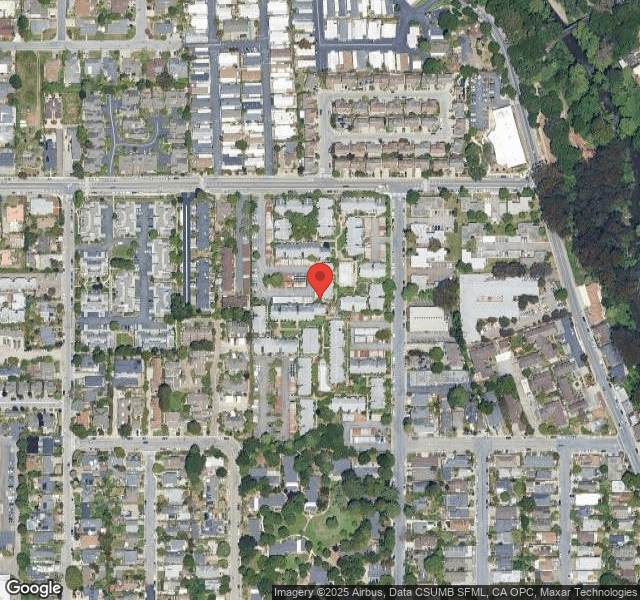
1935 WHARF ROAD, CAPITOLA, CA 95010 (831) 476-0770
For profit - Limited Liability company 99 Beds COVENANT CARE Data: November 2025
Trust Grade
80/100
#155 of 1155 in CA
Last Inspection: February 2025

Within standard 12-15 month inspection cycle. Federal law requires annual inspections.

Overview

Pacific Coast Manor in Capitola, California has a Trust Grade of B+, which means it is above average and recommended for families considering care for their loved ones. It ranks #155 out of 1,155 nursing homes in California, placing it in the top half of facilities statewide, and it is the highest-ranked option among the seven facilities in Santa Cruz County. The facility's trend is stable, maintaining three concerns over the last two years, indicating no significant deterioration in quality. Staffing is an area of concern, with a 3/5 star rating and a turnover rate of 44%, which is around the state average. While the facility has no fines on record, there have been incidents such as staff not performing hand hygiene after leaving resident rooms, and issues with insufficient nursing staff coverage that could impact resident care. Overall, while Pacific Coast Manor has strong health inspection and quality measure ratings, families should be aware of staffing challenges and specific incidents that may affect their loved ones' experience.

Trust Score
B+
80/100
In California
#155/1155
Top 13%
Safety Record
Low Risk
No red flags
Inspections
Holding Steady
3 → 3 violations
Staff Stability
○ Average
44% turnover. Near California's 48% average. Typical for the industry.
Penalties
✓ Good
No fines on record. Clean compliance history, better than most California facilities.
Skilled Nurses
✓ Good
Each resident gets 63 minutes of Registered Nurse (RN) attention daily — more than 97% of California nursing homes. RNs are the most trained staff who catch health problems before they become serious.
Violations
⚠ Watch
30 deficiencies on record. Higher than average. Multiple issues found across inspections.
★★★★★
5.0
Overall Rating
★★★☆☆
3.0
Staff Levels
★★★★★
5.0
Care Quality
★★★★★
5.0
Inspection Score
Stable
2024: 3 issues
2025: 3 issues

The Good

  • 5-Star Quality Measures · Strong clinical quality outcomes
  • Full Sprinkler Coverage · Fire safety systems throughout facility
  • No fines on record
  • Staff turnover below average (44%)

    4 points below California average of 48%

Facility shows strength in quality measures, fire safety.

The Bad

Staff Turnover: 44%

Near California avg (46%)

Typical for the industry

Chain: COVENANT CARE

Part of a multi-facility chain

Ask about local staffing decisions and management

The Ugly 30 deficiencies on record

Apr 2025 1 deficiency
CONCERN (D) 📢 Someone Reported This

A family member, employee, or ombudsman was alarmed enough to file a formal complaint

Potential for Harm - no one hurt, but risky conditions existed

Quality of Care (Tag F0684)

Could have caused harm · This affected 1 resident

During a review of Resident 1's MD (medical doctor) Progress note dated 1/23/25, note indicated, Pt [patient] admitted for fall at home.Assessment/Plan.10. OSA (obstructive sleep apnea) G47.33 [diagno...

Read full inspector narrative →
During a review of Resident 1's MD (medical doctor) Progress note dated 1/23/25, note indicated, Pt [patient] admitted for fall at home.Assessment/Plan.10. OSA (obstructive sleep apnea) G47.33 [diagnosis code] Continue home CPAP. During a review of Resident 1's Order Summary Report dated 3/25/25 at 10:40 am, current orders indicated, no active orders for the use of a CPAP machine. During a review of Resident 1's Medication Administration Record (MAR) dated 1/21/25-2/28/25, MAR indicated no administrations charted for the use of a CPAP machine for any day. During an observation on 3/25/25, at 10:40 a.m., in Resident 1's room, no CPAP machine was observed in the room. During a review of Resident 1's Facesheet, dated 3/25/25, facesheet indicated Resident 1 had a diagnosis listed for Obstructive Sleep Apnea (Adult).onset date 12/20/24. During an interview on 3/25/25 at 11:59 a.m., with Licensed Vocational Nurse (LVN) A. LVN A stated, she was assigned nurse to Resident 1 and took care of Patient 1 multiple times. LVN A stated, Resident 1 had a complaint that he did not have a CPAP machine to use at night and trying to get him the CPAP. LVN A stated, she knows Resident 1 had a CPAP machine when he was here at the facility but he had no CPAP during this current admission. During a review of Resident 1's Progress Note dated 2/28/25, note indicated, Received call from [MD B-medical doctor B] .states he feels resident was having cognitive issues perhaps related to CPAP not using at bedtime. [MD C & NP D-Nurse Practitioner D] notified to obtain CPAP order. Signed by LVN A. During a review of Resident 1's Progress Note dated 3/13/25, note indicated, [MD B] contacted nurse.Asked about getting a CPAP machine for the pt [patient-Resident 1]. During an interview on 3/25/25, at 12:55 p.m., with Director of Nursing (DON), DON stated, the MD should have put an order (for CPAP) for the resident (Resident 1). They (MD/NP) are responsible for putting their orders in. During an interview on 3/25/25 at 3:09 p.m., with MD C, MD C stated, he was not sure the protocol for getting the CPAP machine once it was recommended to use. MD C stated the Director of Nursing would know. During an interview on 3/26/25, at 10:43 a.m., with MD B, MD B stated, he sees Resident 1 outside the facility for outpatient visits. MD B stated, he had some concerns about Resident 1's change in behavior, Resident 1 had severe sleep apnea, and the facility was not using the CPAP machine. MD B stated, he notified the facility multiple times Resident 1 needs to use the CPAP machine but Resident 1 did not have a CPAP machine.
Feb 2025 2 deficiencies
CONCERN (D)

Potential for Harm - no one hurt, but risky conditions existed

PASARR Coordination (Tag F0644)

Could have caused harm · This affected 1 resident

Based on interview, record reviews, and facility policy review, the facility failed to ensure a Preadmission Screening and Resident Review (PASARR) Level I Screening was updated to reflect the presenc...

Read full inspector narrative →
Based on interview, record reviews, and facility policy review, the facility failed to ensure a Preadmission Screening and Resident Review (PASARR) Level I Screening was updated to reflect the presence of newly diagnosed serious mental disorders for 1 (Resident #67) of 3 residents reviewed for PASARR requirements. Findings included: A facility policy titled, Resident Assessment - Coordination with PASARR Program, reviewed/revised 05/2024, revealed, This facility coordinates assessments with the preadmission screening and Resident review (PASARR) program under Medicaid to ensure that individuals with a mental disorder, intellectual disability, or a related condition receives care and services in the most integrated setting appropriate to their needs. The policy specified, 9. Any Resident who exhibits a newly evident or possible serious mental disorder, intellectual disability, or a related condition will be referred promptly to the state mental health or intellectual disability authority for a level Il Resident review. Resident #67's admission Record indicated the facility admitted the resident on 12/01/2023. According to the admission Record, the resident had a medical history that included diagnoses of post-traumatic stress disorder (PTSD) (onset date 12/04/2023), anxiety disorder (onset date 02/20/2024), and unspecified psychosis not due to a substance or known physiological condition (onset date 05/21/2024). Resident #67's care plan included a focus area, initiated 02/21/2024, that indicated the resident had a mood problem related to a diagnosis of PTSD. A quarterly Minimum Data Set (MDS), with an Assessment Reference Date (ARD) of 02/09/2025, revealed Resident #67 had short- and long-term memory problems and severely impaired cognitive skills for daily decision-making per a Staff Assessment of Mental Status (SAMS). According to the MDS, at the time of the assessment, the resident had active diagnoses that included anxiety disorder, psychotic disorder, and PTSD. Resident #67's Level I PASARR Screening, dated 11/30/2023, revealed Section III- Serious Mental Illness, question 10, was answered no to indicate the resident did not have a serious diagnosed mental disorder such as depressive disorder, anxiety disorder, panic disorder, schizophrenia/schizoaffective disorder, or symptoms of psychosis, delusions and/or mood disturbance. The Level I PASARR screening indicated the screening was Negative, due to No Serious Mental Illness, and a Level II evaluation was Not Required. Resident #67's medical record revealed no documented evidence a new Level I PASARR Screening was completed after the addition of new mental illness diagnoses, including additions of PTSD in 12/2023, anxiety disorder in 02/2024, and psychosis in 05/2024. During an interview on 02/19/2025 at 10:12 AM, the Director of Resident Assessment (DRA) stated Resident #67 had diagnoses that indicated there was a need for a new Level I Screening. During an interview on 02/19/2025 at 1:58 PM, the DRA stated she was unable to find another PASARR for Resident #67, aside from the one completed at the time of the resident's admission to the facility. During an interview on 02/20/2025 at 8:12 AM, the Executive Director (ED) stated Resident #67 should have had another PASARR submitted when their condition changed and new diagnoses were added.
CONCERN (D)

Potential for Harm - no one hurt, but risky conditions existed

Deficiency F0761 (Tag F0761)

Could have caused harm · This affected 1 resident

Based on observation, interview, record review, and facility policy review, the facility failed to ensure medications were securely stored for a resident deemed safe to self-administer medications for...

Read full inspector narrative →
Based on observation, interview, record review, and facility policy review, the facility failed to ensure medications were securely stored for a resident deemed safe to self-administer medications for 1 (Resident #247) of 1 resident reviewed for secure storage of self-administered medications. Findings included: A facility policy titled, Resident Self-Administration of Medication, reviewed/revised 06/26/2024, specified, 7. Bedside medication storage is permitted only when it does not present a risk to confused residents who wander into other resident's [sic] rooms or to confused roommates of the resident who self-administers medications. The following conditions are met for bedside storage to occur: a. The manner of storage prevents access by other residents. Lockable drawers and cabinets are required only if locked storage is ineffective. b. The medications provided to the resident for bedside storage are kept in containers dispensed by the provider pharmacy. An admission Record indicated the facility admitted Resident #247 on 01/31/2025. An admission Minimum Data Set (MDS), with an Assessment reference Date (ARD) of 02/06/2025, revealed Resident #247 had a Brief Interview for Mental Status (BIMS) score of 14, which indicated the resident was cognitively intact. A Self-Administration of Medication assessment, dated 02/18/2025, indicated the facility determined Resident #247 was fully capable of self-administering their inhaler and storing their medication in a secure location. Resident #247's Order Summary Report contained an order dated 02/18/2025 for albuterol sulfate hydrofluoroalkane (HFA, a propellant used in some metered-dose inhalers) inhalation aerosol solution to be administered every four hours as needed for shortness of breath (SOB). The Order Summary Report also contained an order dated 02/18/2025 that indicated Resident #247 May self administer Albuterol inhaler. Resident #247's Care Plan Report included a focus area, initiated 02/18/2025, that indicated the resident had a physician's order for unsupervised self-administration of their prescribed albuterol inhaler. An observation on 02/19/2025 at 11:15 AM revealed Resident #247's albuterol inhaler was in an open, zippered bag on the resident's bedside table in their room. The bag had no locking mechanism. Resident #247 shared a room with two other residents, and at the time of the observation, Resident #247 was observed sitting outside their room in an outdoor courtyard. During a concurrent observation and interview on 02/19/2025 at 12:34 PM, Resident #247 was observed lying in bed with their inhaler in an open, zippered bag beside them. Resident #247 said the facility had not offered them a lockable container to store their inhaler in. During an observation on 02/20/2025 at 8:50 AM, Resident #247 was lying in bed with an open, zippered bag that contained their albuterol inhaler. During an interview on 02/19/2025 at 1:52 PM, Case Manager (CM) #3 said residents could keep a medication at their bedside and self-administer if they had a physician's order to do so. CM #3 said the medication would usually be stored in the bedside table, or the resident should have a lockbox to store the medication in. During an interview on 02/19/2025 at 2:01 PM, Registered Nurse (RN) #4 said if a resident requested to self-administer a medication, the resident had to be assessed and their physician had to approve self-administration. RN #4 said if a resident was approved to self-administer and store their medication at the bedside, the resident should have a lockbox in their room to use for medication storage. During an interview on 02/20/2025 at 10:05 AM, RN #6 stated she was assigned to care for Resident #247. RN #6 said Resident #247 had orders to keep their inhaler in their room but the inhaler should be stored in a drawer or other lockable storage area to prevent other residents from accessing it. RN #6 said they did not know where Resident #247 was storing their inhaler. RN #6 said they would check and went to Resident #247's room and noted the bedside drawers were not lockable and that the inhaler was not in a bedside drawer. RN #6 confirmed the resident's inhaler was being kept in an unzipped bag with no lock in the resident's room. During an interview on 02/20/2025 at 10:28 AM, the Director of Nursing (DON) said Resident #247 had their inhaler in their room, and the inhaler was being kept in a bag with a zipper. The DON said they had lockboxes to provide to residents but did not think Resident #247 had been offered one. The DON said they thought a bag with a zipper was secure. When asked about the facility policy pertaining to self-administration of medications, the DON said they read the policy when they provided it to the surveyor and noted it mentioned the use of locked storage for medications. During an interview on 02/20/2025 at 10:49 AM, the Executive Director (ED) stated medications kept in residents' rooms should be stored in an area that was not accessible to other residents, but accessible to the resident for whom the medication was prescribed. The ED said if a medication was kept in a resident's room, it should be stored in a lockbox to prevent other residents from accessing the medication.
Aug 2024 1 deficiency
CONCERN (D) 📢 Someone Reported This

A family member, employee, or ombudsman was alarmed enough to file a formal complaint

Potential for Harm - no one hurt, but risky conditions existed

Transfer Notice (Tag F0623)

Could have caused harm · This affected 1 resident

**NOTE- TERMS IN BRACKETS HAVE BEEN EDITED TO PROTECT CONFIDENTIALITY** Based on interview and record review, the facility failed to follow their policy and procedure (P&P) to notify the Office of Sta...

Read full inspector narrative →
**NOTE- TERMS IN BRACKETS HAVE BEEN EDITED TO PROTECT CONFIDENTIALITY** Based on interview and record review, the facility failed to follow their policy and procedure (P&P) to notify the Office of State Long-Term Care Ombudsman (organization that advocates for the residents) when one of two sample resident (Resident 1) was transferred to the acute care hospital (ACH: provides treatment for brief but severe episode of illness and conditions) from the facility. This failure had the potential to compromise Resident 1's admission, transfer, and discharge rights. Findings: Review of Resident 1's face sheet (FS: a document that gives a resident's information at a quick glance) indicated Resident 1 was admitted to the facility on [DATE]. Review of Resident 1's discharge summary from ACH dated 4/11/2024 indicated, diagnoses included dementia (loss of ability to think, remember, and reason to levels that affect daily life and activities) with behavior changes. Review of Resident 1's clinical record indicated Resident 1 was transferred to ACH same day on 4/11/2024 following episode of aggressive and combative behavior. Further review of Resident 1's clinical record review indicated, there was no documented evidence for fax (electronic communication) confirmation for Resident 1's ACH transfer notification to the Ombudsman. During an interview with administrator (ADMN) on 7/9/2024 at 1:55 p.m., ADMN confirmed there was no documentation for fax confirmation of notification of transfer to Ombudsman for Resident 1. ADMN stated medical record manager (MRD) responsible to notify Ombudsman via fax for ACH transfers from facility. ADMN also stated MRD should have notified Ombudsman via fax after Resident 1 was transferred to ACH on 4/11/2024. ADMN stated MRD should have notified the ombudsman weekly for any discharge and transfer residents. Review of facility's P&P titled, Transfer and Discharge (including AMA), revised 7/20/2023, the P&P indicated, a. The health and/or safety of individuals in the facility would be endangered due to the clinical or behavioral status of the resident; 6. In these exceptional cases, the notice must be provided to the resident, resident's representative if appropriate, and LTC (long term care) ombudsman as soon as practicable before the transfer or discharge. The facility will maintain evidence that the notice was sent to the Ombudsman.
Aug 2024 1 deficiency
CONCERN (D) 📢 Someone Reported This

A family member, employee, or ombudsman was alarmed enough to file a formal complaint

Potential for Harm - no one hurt, but risky conditions existed

Deficiency F0699 (Tag F0699)

Could have caused harm · This affected 1 resident

**NOTE- TERMS IN BRACKETS HAVE BEEN EDITED TO PROTECT CONFIDENTIALITY** Based on interview and record review the facility failed to ensure to follow their policy and procedure (P&P) to assess for hist...

Read full inspector narrative →
**NOTE- TERMS IN BRACKETS HAVE BEEN EDITED TO PROTECT CONFIDENTIALITY** Based on interview and record review the facility failed to ensure to follow their policy and procedure (P&P) to assess for history of psychosocial, trauma and stressors trigger an event, for two of two sample residents (Resident 1 and 2). This failure had the potential to effect health, psychosocial well-being, and person-centered trauma informed care for Resident 1 and 2. Findings: Review of Resident 1's FS (FS: a document that gives a resident's information at a quick glance) indicated Resident 1 was admitted to the facility on [DATE] and readmitted to facility on 6/14/2024. Review of Resident 1's FS indicated Resident 1's admission diagnoses included depression (a mood disorder that causes a persistent feeling of sadness and loss of interest in daily living activities), anxiety (a mental health condition involves persistent and excessive worry that interferes with daily living activities), and insomnia (a sleep disorder that make it hard to fall asleep or stay asleep). Review of Resident 1's physician medication orders dated 6/14/2024 indicated, buspirone (used to treat anxiety) 5 mg (milligram: unit of measurement equal to a thousandth of a gram) two times a day for anxiety. Sertraline (used to treat depression) 200 mg in the morning for depression dated 6/14/2024, and trazodone (used to treat depression) 100 mg at bedtime for depression dated 6/14/2024. Review of Resident 1's minimum data set (MDS: clinical assessment tool) assessment dated [DATE] indicated Resident 1's brief interview for mental status (BIMS, an assessment to test a person's cognition level) ) score of 14 of 15 meaning he had intact cognition (score of 0-7: severe impaired cognition, 8-12: moderately impaired cognition, 13-15: intact cognition). Review of Resident's MDS assessment dated [DATE] indicated Resident 1's BIMS score of 14 of 15, intact cognition. Review of Resident 1's initial admission social service assessment dated [DATE] upon Resident 1's initial admission indicated, questions for history for psychosocial, trauma and stressors trigger an event were left blank, incomplete. Review of Resident 1's initial readmission social service assessment dated [DATE] indicated, questions for history for psychosocial, trauma and stressors trigger an event were left blank, incomplete. During an interview with Resident 1 on 7/9/2024 at 2:10 p.m., Resident 1 stated facility staff did not enquire or questioned Resident 1 for mental health history or history of trauma. Resident 1 also stated facility's documentation was not reflected with Resident 1's history of mental health and childhood trauma. Review of Resident 2's FS indicated Resident 2 admitted to facility on 1/9/2021. Review of Resident 2's FS also indicated diagnoses included depression, anxiety, insomnia, bipolar disorder (a mental disorder with episodes of mood swings ranging from lows to manic highs), parkinson's disease (a brain disorder that causes unintended or uncontrollable body movements), and adult failure to thrive (a syndrome of unexplained weight loss, deterioration in mental and functional ability and social isolation). Review of Resident 2's physician orders indicated citalopram (used to treat depression) 100 mg daily for depression, dated 9/29/2022, trazadone 200 mg at bedtime for depression, dated 2/1/2023, and melatonin (used to treat for sleep disorders) 10 mg at bedtime for promote sleep dated 11/30/2021. Review of Resident 2's MDS assessment dated [DATE] indicated Resident 2's BIMS score of 15 of 15, intact cognition. Review of Resident 2's quarterly social service assessment dated [DATE] indicated, questions for Resident 2's history for psychosocial, trauma and stressors trigger an event were left blank, incomplete. Review of Resident 2's another quarterly social service assessment dated [DATE] indicated, questions for Resident 2's history for psychosocial, trauma and stressors trigger an event were left blank, incomplete. During an interview with Resident 2 on 7/9/2024 at 2:30 p.m., Resident 2 stated facility staff did not ask for history of trauma or mental health concerns for Resident 2. During concurrent review of Resident 1's social service assessments and interview with license vocational nurse/case manager (LVN/CM) on 7/9/2024 at 3:22 p.m., LVN/CM confirmed social service assessments done by LVN/CM on 4/19/2024 and 6/17/2024. LVN/CM also confirmed psychosocial history, trauma and stressors trigger an event, were left blank and not completed for both assessments. LVN/CM stated history of psychosocial assessment questions were not reviewed with Resident 1 on both dates. LVN/CM stated she should have questioned Resident 1 for history of psychosocial assessment to meet Resident 1's mental health needs. During a concurrent interview and record review of social service assessments for Resident 2's dated 4/11/2024, and 7/4/2024 with social service director (SSD) on 7/9/2024 at 3:45 pm., SSD confirmed assessment for history of psychosocial, trauma and stressors were not verified with resident 2. SSD also confirmed questions for history for psychosocial assessment were left blank and not completed for above both assessments. SSD stated she should have asked and completed Resident 2's psychosocial history to meet Resident 2's trauma informed care, health and psychosocial well-being. During an interview with director of nursing (DON) on 7/9/2024 at 4:04 p.m., DON stated social service staff were responsible to complete social service assessments for all residents. DON also stated social service staff should have questioned resident's psychosocial history and completed social service assessments upon the admission, readmission and every quarter to meet resident centered plan of care for Resident 1 and 2. During a review of the facility's P&P titled, Initial Assessment, December 2011, the P&P indicated, 1. The Social Service staff will complete the Initial Social Service Assessment. 2. The resident and /or family will be interviewed to obtain accurate information to complete the assessment. 5. This assessment will include: n. Psychosocial stressors During a review of facility's P&P titled, Job Description/Performance Evaluation for Social Service Director, revised 11/13/2017, the P&P indicated, Manages department to assure assessments, discharges and psychological needs of residents are met. Timely, accurate and on-going comprehensive social history assessment and care planning of identified psychosocial needs.
May 2024 1 deficiency
CONCERN (D) 📢 Someone Reported This

A family member, employee, or ombudsman was alarmed enough to file a formal complaint

Potential for Harm - no one hurt, but risky conditions existed

Free from Abuse/Neglect (Tag F0600)

Could have caused harm · This affected 1 resident

**NOTE- TERMS IN BRACKETS HAVE BEEN EDITED TO PROTECT CONFIDENTIALITY** Based on interview and record review, the facility failed to protect resident's right to be free from physical abuse for two of ...

Read full inspector narrative →
**NOTE- TERMS IN BRACKETS HAVE BEEN EDITED TO PROTECT CONFIDENTIALITY** Based on interview and record review, the facility failed to protect resident's right to be free from physical abuse for two of two sampled residents (Resident 1 & Resident 2) when: 1. Resident 1 was hit in the face by Resident 3 2. Resident 2 was kicked in the leg by Resident 3. These failures resulted in Resident 1 sustaining a minor laceration to the face and Resident 2 sustaining a minor laceration to the leg, both requiring minor medical care. Findings: 1. During an interview on 5/7/24, at 10:20 a.m., with Administrator (ADM), ADM stated, we got a report from Resident 4, he saw Resident 2 grab Resident 3's arm, then Resident 3 punched Resident 1 in the head. ADM stated both Resident 1 and Resident 3 have been involved in resident-to-resident altercations before. During a review of SBAR-Alleged Abuse Report of Incident dated 5/6/24, indicated, Resident 3 was involved in an incident of alleged: Physical abuse with redness [to] right hand 2nd and 3rd knuckle.Behavior status 1.Agitated.Staff responded to yelling from the room. [Resident 1] was holding onto his [Resident 3's] left wrist and [Resident 1] observed with blood coming from his left temple.[Resident 4] confirmed that [Resident 3] hit roommate on the face. During a review of Report of Suspected Dependent Adult/Elder Abuse form dated 5/6/24, form indicated Reported Types of Abuse (check all that apply).a.Physical abuse was reported by facility between Resident 1 and Resident 3. During a review of Interview/Investigative record dated 5/6/24, indicated, Resident 4 was interviewed by Social Services Director (SSD), Content of interview: [Resident 4] stated he saw [Resident 2] grabbing [Resident 3] and not letting go. [Resident 4] stated [Resident 3 then 'slapped [Resident 1] with his fist'. Record was signed by Resident 4 and SSD. During a review of Resident 3's Progress Note dated 5/6/24 at 11:28 a.m., note indicated, Was a behavior observed? YES. Pt [patient-Resident 3] appears irritated and short tempered. Using distraction and reorientation, and reassurance. During a review of Resident 3's Progress Note dated 5/6/24 at 11:31 a.m., note indicated, Pt [patient-Resident 3] is still agitated.using distraction methods to calm patient. During a review of Resident 3's Progress Note dated 5/6/24 at 1:44 p.m., indicated, staff responded to yelling from the room. [Resident 1] was holding on to [Resident 3's] left wrist and [Resident 1] observed with blood coming from his left temple. Resident 4[roommate] confirmed that [Resident 3] hit [Resident 1] on the face. During a review of SBAR-Alleged Abuse Report of Incident dated 5/6/24, indicated, Resident 1 was involved in an incident of alleged: a. Physical abuse.on 5/6/24. Assessment 3.Laceration or cut. During a review of the Summary of Investigation dated 5/6/24, Summary indicated, Residents affected:[Resident 3 and Resident 1] on 5/6/24 about 11:30am.Allegation: On 5/6/24 it was reported to supervisory of an incident between two roommates [Resident 3 & Resident 1]. [Resident 1] had a cut to his eyebrow.Roommate [Resident 4] reported seeing [Resident 1] holding [Resident 3's] arm while in a wheelchair and [Resident 3] hitting him in the face.Conclusion: Based on interviews and record reviews, the incident did happen. During a review of Resident 3's Brief Interview for Mental Status (BIMS-screening used to determine cognitive condition) dated 2/12/24, indicated a BIMS score of 1 (indicating severe cognitive impairment: a very hard time remembering things, making decisions, concentrating, or learning). During a review of Resident 1's BIMS score, dated, 3/2/24, resident is rarely/never understood.skip. Indicating resident was cognitively impaired. 2. During a review of Summary of Investigation dated 5/8/24, Summary indicated, Residents affected: [Resident 3 and Resident 2].Allegation: it was reported of a resident to resident [incident] [Resident 2] and [Resident 3]. [Licensed Vocational Nurse (LVN) A] reported [residents] shaking fists and yelling at each other in the hallway and [Resident 3] stood up and kicked [Resident 2] in the leg.Conclusion: confirmed incident. During an interview on 5/7/24, at 10:02 a.m., with LVN A, LVN A stated, she was in the hallway during the incident between Resident 2 and Resident 3 on 5/6/24. LVN A stated, she saw Resident 2 in his wheelchair going towards Resident 3, and thought they were talking, then Resident 2 tried to punch Resident 3 and missed, then Resident 3 stood up and kicked Resident 2 in the leg. Resident 2 began bleeding from his shin. During a review of Resident 2's Order Summary Report dated 5/7/24, report indicated, Monitor right shin skin tear. During a review of Resident 2's Progress note dated 5/8/24, note indicated, [Resident 2] was in the hallway in w/c [wheelchair] when he moved his w/c forward and approached another male resident [Resident 3] in a threatening way to which the other residents stood up and kicked [Resident 2] on the right shin twice causing the skin tear. Incident observed by nurse nearby, no other physical contact, residents were separated immediately, [Resident 2's] wound attended. During a review of Resident 2's BIMS score, dated, 4/21/24, indicated a BIMS score of 08. Indicating moderate cognitive impairment. During a review of the facility's policy and procedure (P&P) titled, Alleged or Suspected Abuse and Crime Reporting dated 2022, P&P indicated, Each resident has the right to be free from abuse.Abuse is the willful infliction of injury.Physical abuse includes, but is not limited to, hitting, slapping, pinching, and kicking.Resident-to-Resident abuse means the willful infliction of injury.willful as used in the above definition of abuse, means the individual must have acted deliberately.
Dec 2023 1 deficiency
CONCERN (D) 📢 Someone Reported This

A family member, employee, or ombudsman was alarmed enough to file a formal complaint

Potential for Harm - no one hurt, but risky conditions existed

Free from Abuse/Neglect (Tag F0600)

Could have caused harm · This affected 1 resident

Based on interview and record review, the facility failed to protect a resident's right to be free from sexual abuse for one of two sampled residents (Resident 1) when Certified Nursing Assistant (CNA...

Read full inspector narrative →
Based on interview and record review, the facility failed to protect a resident's right to be free from sexual abuse for one of two sampled residents (Resident 1) when Certified Nursing Assistant (CNA A) observed kissing Resident 1 on the face. This failure had the potential to endure emotional and psychological harm for Resident 1. Findings: During a review of Resident 1's admission Record, dated 10/31/23, admission Record indicated, diagnosis information of metabolic encephalopathy (a disorder causing brain dysfunction), muscle weakness, unspecified dementia (a condition where the person loses ability to think, remember, learn or makes decisions), and major depressive disorder. During a review of Verification of Incident/ Administrative Summary, dated 10/20/23, indicated an incident with Resident 1 and CNA A occurred on 10/24/23. Summary indicated, Type of incident: Allegation of Sexual Abuse. The brief description of the incident/event when C.N.A. witnessed a kiss between CNA A and Resident 1. Futhermore, the immediate actions taken: Resident 1 had a BIMS [brief interview for mental status-exam used to determine cognitive level] of 8 [indicating Resident 1 was not cognitively intact] and dependent to max assist with ADLs [activities of daily living]. After facility investigation we found the allegation was substantiated. During a review of Resident 1's SBAR-[Situation, Background, Assessment, and Recommendation: type of report used to communicate the condition of a resident] Alleged Abuse report of incident dated 10/24/23, SBAR indicated, 2. This patient was involved in an incident of alleged: d. Sexual Abuse.2a. Which occurred at approximately 10/23/23 11:00. A. Assessment Pertinent Assessment Findings: 1. Cognitive State/Status of Resident a. Oriented to person. SBAR indicated, Resident 1 was only oriented to person, not oriented to the place he is at, not oriented to the time of day, and does not have the capacity to make decisions. SBAR indicated, Briefly describe the nature of the occurrence: [Resident 1] introduced a staff [CNA A] as his fiancé to another staff [CNA B]. [CNA B] thought it was a joke. When he came back to that room, he witnessed [CNA A] leaning over [Resident 1] who was on his bed. They were found kissing. During a review of Resident 1's Speech Therapy SLP [Speech Language Pathology-professional who assesses diagnoses and treats speech and cognitive communication] Evaluation and Plan of Treatment dated 9/7/23, Speech Therapy note indicated, Clinical Impressions.Brief Cognitive Impairment Scale[BCIS-screening assessment for cognitive dysfunction: deficit in memory, problem solving, decision making] administered. [Resident 1] scoring 8/14, which was consistent with patients who have severe stage dementia. From BCIS Report: Caregiving demands are significant. The ability to make new memories, learn new things, and control executive functions was very impaired. ' Working memory ' (Temporarily storing, organizing, and manipulating information) was severely impaired. During a review of Resident 1's BIMS Score dated, 10/28/23, BIMS Score indicated, a score of 8, which indicated cognitive impairment. During an interview on 10/31/23, at 10:55 a.m., with CNA B, CNA B stated, he went to assist Resident 1's roommate to walk to the restroom on 10/23/23 around 11 a.m. to use the restroom. CNA B stated, he saw CNA A and Resident 1 in the room. Resident 1 told CNA B You haven't met my fiancé yet and gestured toward CNA A. CNA B thought it was a joke and laughed then left the room. CNA B stated, he went back to Resident 1's room after a few moments to assist Resident 1's roommate back to bed. CNA B stated, he went back into Resident 1's room, he saw CNA A leaning over Resident 1 and heard two kissing sounds and saw CNA A was kissing Resident 1 somewhere on the face. During an interview on 10/31/23, at 11:38 a.m., with Social Services (SS), SS stated she considered sexual abuse when CNA A kissed Resident 1. During an interview on 10/31/23, at 12:45 p.m., with Director of Staff Development (DSD), DSD stated, CNA A was given a one-on-one in-service(education) on 9/25/23, after CNA A was recently observed by staff giving Resident 1 more attention and care while she was not assigned to care for Resident 1. DSD stated, she considered sexual abuse when CNA A kissed Resident 1 on 10/23/23. During an interview on 10/31/23, at 2:08 p.m., with Administrator, Administrator stated, the facility did substantiate the allegation of sexual abuse between CNA A and Resident 1 on 10/23/23. During a review of the facility's policy and procedure (P&P) titled Alleged or Suspected Abuse and Crime Reporting, dated 11/2016 , P&P indicated, Each resident has the right to be free from abuse.
Sept 2023 1 deficiency
CONCERN (D) 📢 Someone Reported This

A family member, employee, or ombudsman was alarmed enough to file a formal complaint

Potential for Harm - no one hurt, but risky conditions existed

Deficiency F0745 (Tag F0745)

Could have caused harm · This affected 1 resident

Based on observation, interview, and record review the facility failed to ensure social services advocating and assisting residents to promote resident's rights for one of three residents (Resident 1)...

Read full inspector narrative →
Based on observation, interview, and record review the facility failed to ensure social services advocating and assisting residents to promote resident's rights for one of three residents (Resident 1) and significant family members (SFM). This failure had the potential to result in the Resident 1 for not receiving necessary mental, psychosocial, emotional support, care, and services to attain Resident 1's highest practicable well-being. Findings: During the review of Resident 1's face sheet (a document that gives a resident's information at a quick glance) indicated, Resident 1 admitted to facility on 5/10/2023 with diagnoses including alcoholic cirrhosis of liver with ascites (a disease caused by heavy use of alcohol with buildup of fluids in the abdomen), depression (a mood disorder that causes a persistent feeling of sadness and loss of interest), adjustment disorder (an emotional or behavioral reaction to a stressful event or change in person's life), chronic pain (pain that lasts for over three months despite medication or treatment) hypertension (a condition in which the force of the blood against the artery walls is too high), and malignant neoplasm of breast (a cancer that forms in the cells of the breasts). Review of Resident 1's Minimum data set (MDS- clinical and functional assessment tool) dated 8/6/2023 indicated Resident 1's brief interview for mental status (BIMS) score of 14 of 15 (13-15 means Intact cognition). During an observation and interview with Resident 1 on 8/28/2023 at 1:47 p.m., Resident 1 was observed up in w/c in her room. Resident 1 stated social service director (SSD) was judgmental, uncooperative, won't listen. Resident 1 also stated SSD came on to her (Resident 1) face and talked to her with loud voice made Resident 1 intimidated and threatened. Resident 1 further stated she (Resident 1) felt scarred and terrified to talk to SSD and Resident 1 avoiding talking to SSD directly. During an interview with Resident 1's SFM 1 over the telephone on 8/18/2023 at 10:23 a.m., SFM 1 stated facility's social service director (SSD) threatened SFM 1 for sending Resident 1 to a facility 152 miles away from this facility while Resident 1's family lives in this area. SFM 1 stated SSD was unprofessional, uncooperative, used loud voice, and did not listen SFM 1's concerns for Resident 1. SFM 1 also stated SSD's showed bullying personality towards SFM 1 while dealing with facility's proposed discharge to a homeless shelter for Resident 1. During an interview with license vocational nurse A (LVN A) on 8/18/2023 at 12:36 p.m., LVN A stated SSD was not approachable, intimidating, and unprofessional when LVN A approaching SSD for concerns in general in the facility. During an interview with Ombudsman (OBM) over the telephone on 8/21/2023 at 1:27 p.m., OBM stated she attended a meeting along with SSD and Resident 1 in the past. OBM stated SSD dominated the conversation, took advantage of Resident 1 for not knowing her rights. OBM also stated SSD was intimidated, manipulated with conversation, and power move during the meeting. OBM further stated she (OBM) observed SSD was put down another resident's family member, unapproachable and dismissive towards that family member. During review of Resident 2's face sheet indicated, Resident 2 has an assigned SFM as Resident 2's power of attorney-financial (POA-financial: a written instrument in which one person designates another person or agent to act on behalf of the money). During an interview with Resident 2's SFM (SFM 2) over the telephone on 8/28/2023 at 11:35 a.m., SFM 2 stated SSD talked rude, and unprofessional with SFM 2 during conversation over the telephone. SFM 2 also stated SSD was harassing and threatening SFM 2 for payment for Resident 2's stays at the facility while SFM 2 paying to facility on time. During an interview with facility administrator (ADMN) on 9/11/2023 at 11:45 a.m., ADMN stated SSD should not have spoken unprofessionally, threatened, and scarred resident and family members. ADMN also stated SSD should have always maintained professionalism, caring and courteous attitude with residents, families, staff, and visitors in the facility. During review of facility's job description for director, social services, titled, Job description/performance Evaluation, revised 11/13/2017, job description indicated, the purpose of this position is to manage and direct the Social Service Department, and identify and provide for each resident social, emotional and psychological needs. Provides effective facilitation and support for family/resident/staff conferences. Organize family groups to promote communication, education between family, resident, and facility staff. Treats everyone and specially our residents and patients with kindness, respect, and genuine caring. Interacts with everyone in a friendly, courteous manner and recognizes everyone as an unique, special human being .
Jun 2023 13 deficiencies
CONCERN (D)

Potential for Harm - no one hurt, but risky conditions existed

Deficiency F0552 (Tag F0552)

Could have caused harm · This affected 1 resident

Based on interview and record review, the facility failed to ensure one of eight residents (59) had informed consent (written permission before implementing a healthcare intervention) prior to initiat...

Read full inspector narrative →
Based on interview and record review, the facility failed to ensure one of eight residents (59) had informed consent (written permission before implementing a healthcare intervention) prior to initiating a change in dosage of psychotropic medication (medication capable of affecting the mind, emotions, and behavior). This failure resulted in the resident receiving psychotropic medication without being informed about the change in dosage, the risks and side effects. Findings: Review of Resident 59's admission Record indicated Resident 59 was admitted to the facility with diagnoses including pneumonia (a lung infection), malignant neoplasm (cancer) of prostate (a gland in the male reproductive system), insomnia (a disorder in trouble falling asleep or staying asleep), and depression (an illness characterized by persistent sadness and a loss of interest in activities). Further review of Resident 59's admission Record indicated Resident 59 was the responsible party (health care decision maker). Review of Resident 59's Order Summary Report indicated, Trazodone HCl (antidepressant - a medication to treat depression) tablet 50 milligrams (mg, unit measurement) give 1 tablet by mouth at bedtime for DEPRESSION mb (manifested by) difficulty sleeping, date ordered, 04/03/2023. Review of Resident 59's clinical records, indicated there was no consent for the increased in Trazodone's dosage on April 2023. Further record review indicated, there was no documentation the nurses or the doctor notified Resident 59 and he agreed about the increased in Trazodone's dosage changes for April 2023. During an interview with Resident 59 on 06/13/2023 at 9:18 a.m., Resident 59 stated he was not aware about the name of the medication and he was not aware the dosage was increased to help him sleep. Resident 59 further stated nobody informed him about the Trazodone. During an interview with the health information manager (HIM) on 06/15/2023 at 5:38 p.m., HIM confirmed there was no consent for the increased in Trazodone's dosage on 04/03/2023. During a review of the facility's policy and procedure titled, Psychotropic Medication Management, dated November 2022 indicated, 7. Informed Consent for psychoactive medications must be verified prior to use.
CONCERN (D)

Potential for Harm - no one hurt, but risky conditions existed

MDS Data Transmission (Tag F0640)

Could have caused harm · This affected 1 resident

**NOTE- TERMS IN BRACKETS HAVE BEEN EDITED TO PROTECT CONFIDENTIALITY** Based on interview and record review, the facility failed to complete and transmit the Minimum Data Set (MDS, a comprehensive as...

Read full inspector narrative →
**NOTE- TERMS IN BRACKETS HAVE BEEN EDITED TO PROTECT CONFIDENTIALITY** Based on interview and record review, the facility failed to complete and transmit the Minimum Data Set (MDS, a comprehensive assessment tool) discharge assessment in a timely manner for two of five residents (Residents 69 and 23). This failure resulted in the resident's discharge assessment not being transmitted and received by the Center for Medicare and Medicaid System (CMS) within the time requirement. Findings: 1. During a concurrent interview and record review on 6/16/2023 at 1:44 p.m., the MDS Director (MDS D) reviewed Resident 69's clinical records. Resident 69 was admitted to the facility on [DATE] and Resident 69 was discharged to home on 1/30/2023. The MDS discharge assessment was completed on 6/14/2023. MDS D confirmed the discharge assessment was completed late. MDS D stated she missed completing the MDS discharge assessment on time. 2. During a concurrent interview and record review on 6/16/2023 at 1:50 p.m., the MDS D reviewed Resident 23's clinical records. Resident 23 was admitted to the facility on [DATE] and was discharged to assisted living facility (ALF) on 2/8/2023. MDS D confirmed she missed to complete Resident 23's MDS discharge assessment. Review of Center for Medicare and Medicaid Services' Resident Assessment Instrument (CMS's RAI - a guide for facility staff to existing coding and transmission) Version 3.0 Manual, dated October 2019, indicated, 09. Discharge Assessment-Return Not Anticipated .Must be completed within 14 days after the discharge date ; Must be submitted within 14 days after the MDS completion date.
CONCERN (D)

Potential for Harm - no one hurt, but risky conditions existed

PASARR Coordination (Tag F0644)

Could have caused harm · This affected 1 resident

Based on interview and record review, the facility failed to accurately complete the PASRR (pre-admission screening and resident review, a federal requirement to help ensure individuals are not inappr...

Read full inspector narrative →
Based on interview and record review, the facility failed to accurately complete the PASRR (pre-admission screening and resident review, a federal requirement to help ensure individuals are not inappropriately placed in nursing homes for long term care) for one of two residents (Resident 3). This failure had the potential to put the resident at risk for not receiving appropriate care and services. Findings: Review of Resident 3's clinical record indicated he had the diagnoses of depression (a group of conditions associated with the elevation or lowering of a person's mood), dementia (disorder of the mental process caused by brain disease or injury), schizoaffective disorder (a combination of schizophrenia [a disorder that affects a person's ability to think, feel, and behave clearly] and mood disorder), and unspecified psychosis (a mental disorder characterized by a disconnection from reality). Resident 3's preadmission PASRR Level 1 screening, dated 12/03/22, was reviewed. Question number 10, section 3 asked, Does the individual have a serious diagnosed mental disorder such as Depressive Disorder, Anxiety Disorder, Panic Disorder, Schizophrenia/Schizoaffective Disorder, or symptoms of Psychosis, Delusions, and/or Mood Disturbance? The person who filled out the PASRR Level 1 screening marked no. Resident 3's physician's order, dated 3/14/23, indicated he was receiving Risperidone (medication used to treat schizophrenia, bipolar disorder (a disorder associated with episodes of mood swings ranging from depressive low to manic high), or irritability associated with autistic disorder (a serious developmental disorder that impairs the ability to communicate and interact) 0.25 milligrams (mg, unit of dose measurement) one tablet by mouth one time a day for schizoaffective disorder evidenced by striking out/continued yelling. During an interview with the Minimum Data Set Consultant (MDS C) on 6/16/23, at 10:07 a.m., she stated the admissions personnel or the MDS was responsible for the PASRR program. During a concurrent interview and record review with the MDS Director (MDS D) on 6/16/23, at 1:34 p.m., she verified that Resident 3's PASRR Level 1 screening, dated 12/03/22, was filled out incorrectly. The MDS director confirmed the person who filled out the form should have marked yes for question number 10, section 3. According to Center for Medicare & Medicaid Services (CMS.gov) [was created to administer oversight of the Medicare Program and the federal portion of the Medicaid program], titled Preadmission Screening and Resident Review (PASRR) Technical Assistance for States dated 9/30/2009, description ,The state uses the evaluation to determine, prior to admission , whether Nursing Facilities (NF) placement is appropriate for the individuals, and whether the individuals requires specialized services for mental illness (MI)/mental retardation (MR),These screens generally consist of forms completed by hospital discharge planners, community health nurses , or other as defined by the state. Individuals who do or may have MI/MR are referred for a level II PASRR evaluation .( https://www.cms.gov/research-statistics-data-and-systems/statistics-trends-and-reports/activeprojectreports/active-projects-reports-items/cms1187516; accessed on 6/22/23).
CONCERN (D)

Potential for Harm - no one hurt, but risky conditions existed

Deficiency F0658 (Tag F0658)

Could have caused harm · This affected 1 resident

Based on observation, interview, and record review, the facility failed to follow professional standards for one of 22 sampled selected residents (Resident 6) when Licensed Vocational Nurse G (LVN G) ...

Read full inspector narrative →
Based on observation, interview, and record review, the facility failed to follow professional standards for one of 22 sampled selected residents (Resident 6) when Licensed Vocational Nurse G (LVN G) did not wait for the recommended time between each puff of the inhaler medications. This deficient practice had the potential for Resident 6 to not receive the full amount of each medication and the adverse effects on resident's health. Findings: During a record review of Resident 6's clinical record indicated he was admitted to the facility with diagnosis including Chronic Obstructive Pulmonary Disease (COPD, a common lung disease causing restricted airflow and breathing problems). During a record review of Resident 6's physician orders included the following: - Tiotropium Bromide Monohydrate (Spiriva, oral inhaler to treats asthma) 18 micrograms (mcg, unit of mass), 1 capsule inhale orally in the morning for 2 inhalations. - Symbicort 80-4.5 mcg (oral inhaler, used long-term to improve symptoms of chronic obstructive pulmonary disease), 1 puff inhale orally and two times a day. During a medication pass observation on 6/14/2023 at 9:17 a.m., LVN G administered the Spiriva inhaler to Resident 6. Resident 6 self-administered the inhaler and performed two inhalations. Following this, the nurse immediately administered the Symbicort to Resident 6. Resident 6 self-administered the inhaler with one puff. However, LVN G did not instruct Resident 6 to wait five minutes between the two different medications. During an interview with LVN G on 6/15/2023 at 5:27 p.m., LVN G confirmed the above observation and she stated that she was not aware of the requirement to wait between different medications. During a review of the facility's policy and procedure (P&P) titled, Medication Administration Operating Standard Guideline, dated 12/2012, indicated, Inhalers - .Wait 5 minutes between different medications .
CONCERN (D)

Potential for Harm - no one hurt, but risky conditions existed

Accident Prevention (Tag F0689)

Could have caused harm · This affected 1 resident

**NOTE- TERMS IN BRACKETS HAVE BEEN EDITED TO PROTECT CONFIDENTIALITY** Based on interview and record review, the facility failed to ensure residents were free of accidents and hazards for two of 22 s...

Read full inspector narrative →
**NOTE- TERMS IN BRACKETS HAVE BEEN EDITED TO PROTECT CONFIDENTIALITY** Based on interview and record review, the facility failed to ensure residents were free of accidents and hazards for two of 22 sampled residents (39 and 145) when: 1. Resident 39's smoking safety was not reviewed quarterly and the smoking care plan was not followed; and 2. Resident 145 was not properly assessed for Smoking Safety Screen. These failures had the potential to result in serious injury to the residents in the facility. Findings: 1. Review of Resident 39's admission Record indicated, Resident 39 was admitted to the facility with diagnoses including unspecified dementia (a group of symptoms affecting thinking and social abilities interfering with daily functioning), ataxia (impaired balance or coordination), polyneuropathy (nerve problem that causes pain, numbness, tingling, swelling, or muscle weakness in different parts of the body), history of falling, nicotine dependence and unspecified visual loss. Review of Resident 39's Annual Minimum Data Set (MDS-an assessment tool), dated 2/25/2023, indicated Resident 39's Brief Interview for Mental Status (BIMS, cognition level) score was 13, meaning he was cognitively intact. A review of Resident 39's Quarterly MDS, dated [DATE], indicated Resident 39's BIMS score dropped to a 10, meaning he was moderately impaired with his cognition. Review of Resident 39's Smoking Safety Screen dated 2/27/2023, indicated, Resident is safe to smoke independently and smokes about 2 cigarettes daily. Staff keeps his lighter while resident may keep his cigarettes in his own possession. Resident agrees with the plan. Review of Resident 39's care plan titled, At Risk for accidental injury; smoking . date initiated 8/5/2021, indicated, Interventions .Review smoking safety quarterly .Smoking Plan: Independent Smoking; staff keep the lighter. Resident may keep tobacco products in his possession. During an interview with Resident 39 inside his room on 06/12/23 at 3:34 p.m., Resident 39 stated he smoked 2 cigarettes a day and did not notify nurses whenever he went out to smoke. Resident 39 further stated he kept his cigarettes and lighter in his secret compartment. During an interview with the nurse supervisor (NS) on 6/14/2023 at 12:10 p.m., NS confirmed they never kept Resident 39's smoking materials like lighter, and cigarettes. During a concurrent interview and record review on 6/14/2023 at 1:10 p.m., social service director (SSD) reviewed Resident 39's Smoking Safety Screen dated 2/27/2023 and the Smoking care plan. SSD stated Smoking Safety Screen should have been done quarterly, annually and if there was a significant change in resident's condition. SSD confirmed Resident 39's Smoking Safety Screen should have been done in May 2023. SSD agreed nurses should have kept Resident 39's lighter in the medication cart as care planned. During a review of the facility's policy and procedure titled, SMOKING POLICY, date revised February 2018, indicated, .PURPOSE: To assess, monitor, and manage resident safety specific to smoking .PROCEDURE .2. Staff will control the distribution of smoking material (cigarettes, cigars, tobacco, lighters). 2. Review of Resident 145's clinical record indicated she was admitted to the facility on [DATE] with diagnoses including post-traumatic stress disorder (mental health condition that may develop after a traumatic event). Review of Resident 145's physician orders indicated she had an order for oxygen at 2 liters per minute via nasal cannula (a device used to deliver supplemental oxygen or airflow) as needed for oxygen saturation less than 92% on room air, dated 7/17/22 and discontinued on 6/5/23. Review of Resident 145's Smoking Safety Screen, dated 1/11/23 indicated the answer, Yes to Resident has expressed continued desire to smoke despite explained health and safety risks. The Smoking Safety Screen also indicated, Resident is a safe smoker and may smoke independently. (Note: Residents on Oxygen may not be independent smokers.) During an interview on 6/15/23 at 10:15 a.m., the director of nursing (DON) confirmed Resident 145 should not have been assessed to be an independent smoker because the resident was on oxygen. Review of the facility's policy, Smoking Policy, revised 2/2018 indicated the IDT (interdisciplinary team, a group of health care professionals from diverse fields who work toward a common goal for residents) was responsible for evaluating safety risks and staff will provide appropriate supervision for prohibiting smoking in the presence of oxygen use.
CONCERN (D)

Potential for Harm - no one hurt, but risky conditions existed

Deficiency F0700 (Tag F0700)

Could have caused harm · This affected 1 resident

**NOTE- TERMS IN BRACKETS HAVE BEEN EDITED TO PROTECT CONFIDENTIALITY** Based on observation, interview, and record review, the facility failed to review the risks and benefits of bed rails (adjustabl...

Read full inspector narrative →
**NOTE- TERMS IN BRACKETS HAVE BEEN EDITED TO PROTECT CONFIDENTIALITY** Based on observation, interview, and record review, the facility failed to review the risks and benefits of bed rails (adjustable metal or rigid plastic bars that attach to the bed) for three of 22 sampled residents (Residents 81, 72 and 53). This failure had the potential to put the residents at risk for entrapment and serious injury due to not being aware of the risks and benefits of bed rails. Finding: 1. During a concurrent observation and interview on 6/12/23 at 9:49 a.m., in Resident 81's room, Resident 81 was lying in bed with half side rails up bilaterally (on both sides of the bed). Resident 81 stated her bed rails were very wobbly and seemed like they were going to break off. Review of Resident 81's clinical record indicated she was admitted on [DATE] and had the diagnoses of dementia (disorder of the mental process caused by brain disease or injury), muscle weakness, low back pain, altered mental status, history of falling, anxiety disorder (characterized by feelings of worry, anxiety, or fear that are strong enough to interfere with one's daily activities), and depression (a group of condition associated with the elevation or lowering of a person's mood). During a concurrent observation and interview on 6/15/23, at 10:05 a.m., with Maintenance Director (MD), in Resident 81's room, MD verified the bed rails were loose and stated it was due to wear and tear. During an interview with director of nursing (DON) on 6/16/23 at 9:50 a.m., she stated the facility should have continued communication for loose bedrails to prevent injury of the residents. During an interview with Executive Director (ED) on 6/16/23 at 3:49 p.m., she stated the facility should check the bedrails often for safety of the residents. During a review of the facility's policy and procedure (P&P) titled, Proper Use of Bed Rails, dated October 2022, the P &P indicated, Installation and Maintenance of Bed Rails by Inspecting and regularly checking the mattress and bed rails for areas of possible entrapment; Ensuring the bed frame, bed rails and mattress do not leave a gap wide enough to entrap a resident's head or body , regardless of mattress width, length, and/or depth. Checking bed rails regularly to make sure they are still installed correctly, and have not shifted, or loosened over time. Conducting routine preventable maintenance of beds and bed rails to ensure they meet current safety standards and are not in need of repair. 2. During a review of Resident 72's clinical record, indicated resident was re-admitted to the facility on [DATE]. Diagnoses included, but were not limited to, Presence of Left Artificial Knee Joint; Parkinson's Disease (a brain disorder that causes unintended or uncontrollable movements, such as shaking, stiffness, and difficulty with balance and coordination); Obesity, unspecified; History of falling, unspecified; Abnormalities of gait and mobility. During a concurrent observation and interview on 6/15/2023 at 10:30 a.m. with Resident 72, in resident's room, it was observed that the right bed rail of the resident's bed was loose and wobbly. Resident 72, who was alert and oriented, confirmed that the facility's staff was aware of the issue but had not addressed it. Resident 72 verbalized feeling unsafe when attempting to use the bed rail. During a concurrent observation and interview on 6/15/2023 at 10:45 a.m., with the MD, in Resident 72's room. MD acknowledged the observation and confirmed that the right bed rail was indeed loose and wobbly. During a concurrent observation and interview on 6/16/2023 at 2:04 p.m. with the Certified Nursing Assistant J (CNA J), in Resident 72's room, the CNA J stated the loose bed rail had been reported verbally to the MD a few months ago, but unsure of the exact date. 3. During a review of Resident 53s clinical record indicated resident was admitted to the facility with diagnoses including history of falling. During a concurrent observation and interview on 6/15/2023 at 10:55 a.m. with MD in Resident 53's room, surveyor brought to MD's attention the right bed rail of Resident 53 was loose and wobbly. MD confirmed the issue, acknowledging the screw on the back of the bed rail needed to be tightened. MD proceeded to tighten the screw. During a review of the facility's policy and procedure (P&P) titled, Proper Use of Bed Rails, dated 10/2022, the P&P indicated, Installation and Maintenance of Bed Rails: Checking bed rails regularly to make sure they are still installed correctly, and have not shifted or loosened over time.
CONCERN (D)

Potential for Harm - no one hurt, but risky conditions existed

Pharmacy Services (Tag F0755)

Could have caused harm · This affected 1 resident

Based on interview and record review, the facility failed to ensure controlled medications (those with high potential for abuse and addiction) reconciled with the corresponding Medication Administrati...

Read full inspector narrative →
Based on interview and record review, the facility failed to ensure controlled medications (those with high potential for abuse and addiction) reconciled with the corresponding Medication Administration Records (MAR) for two of 3 randomly selected residents (Residents 53 and 13). This deficient practice had the potential to result in medication error and/or drug diversion. Findings: 1. During a review of Resident 53's physician order for Percocet (Oxycodone with Acetaminophen, a controlled medication for pain) 5-325 milligrams (mg, unit of measurement), 1 tablet by mouth every 4 hours as needed for moderate pain, dated 4/18/2023. During a review of Resident 53's Controlled Drug Record (CDR) for Percocet 5-325 mg and MAR for May and June 2023 reflected the nursing staff removed and documented on the Controlled Drug Record: 1 tablet on 5/9/23 at 4:40 a.m.; 5/30/23 at 5:55 p.m.; and 6/8/23 at 9:00 p.m., but did not document in the MAR. During a concurrent interview and record review on 6/13/2023 at 5:20 p.m., with the Director of Nursing (DON) and Health Information Manager (HIM), Resident 53's Controlled Drug Records and MAR for May and June 2023 were reviewed. DON and HIM confirmed the above findings. 2. During a review of Resident 13's physician's order for Oxycodone (controlled medication for pain) 5 mg, 1 tablet by mouth every 4 hours as needed for moderate to severe pain, dated 2/8/2023. During a review of Resident 13's Controlled Drug Record for Oxycodone 5 mg and the May and June 2023 MAR reflected the nursing staff removed and documented on the Controlled Drug Record: 1 tablet on 5/21 at 1:11 p.m.; 5/22 at 4:22 p.m.; 6/1 at 9:39 p.m.; 6/13 at 9:58 a.m., but did not document in the MAR. During a concurrent interview and record review on 6/13/2023 at 5:30 p.m., with the DON and HIM, Resident 13's Controlled Drug Record and MAR for May and June 2023 were reviewed. DON and HIM confirmed the above fndings. The DON acknowledged that ideally, license nurses should have documented the administration of narcotics in both the controlled drug record and the MAR. During a review of the facility's policy and procedure (P&P) titled, Safeguarding Controlled Substances, dated 10/08, the P&P indicated, The licensed nurse is to immediately enter the following information when removing doses from controlled storage on the residents individual controlled substance accountability record: 1. Date medication was removed; 2. Time medication was removed; 3. Amount of medication removed; 4. Amount of medication remaining; 5. Signature of nurse removing the medication. Following removal and administration the nurses is to document on the resident's MAR the date, time, and reasons a controlled substance had been given.
CONCERN (D)

Potential for Harm - no one hurt, but risky conditions existed

Medication Errors (Tag F0758)

Could have caused harm · This affected 1 resident

**NOTE- TERMS IN BRACKETS HAVE BEEN EDITED TO PROTECT CONFIDENTIALITY** 4. During a review of Resident 59's admission Record indicated Resident 59 was admitted to the facility with diagnoses including...

Read full inspector narrative →
**NOTE- TERMS IN BRACKETS HAVE BEEN EDITED TO PROTECT CONFIDENTIALITY** 4. During a review of Resident 59's admission Record indicated Resident 59 was admitted to the facility with diagnoses including pneumonia (a lung infection), malignant neoplasm (cancer) of prostate (a gland in the male reproductive system), insomnia (a disorder in trouble falling asleep or staying asleep), depression (an illness characterized by persistent sadness and a loss of interest in activities), repeated falls, and alcohol dependence, in remission (a decrease in or disappearance of signs and symptoms). During a review of Resident 59's Order Summary Report, indicated, Lorazepam (an anti-anxiety medication to help treat anxiety) Tablet 0.5 mg Give 1 tablet by mouth every 4 hours as needed for Anxiety (a feeling of worry, nervousness, or unease) m/b (manifested by) excessive worry, panic, with order date on 4/21/2023. The order for Lorazepam did not indicate a stop date. During a review of Resident 59's medication administration record (MAR) from May 2023 through June 14, 2023, indicated Resident 59 have not taken Lorazepam since May 7 through June 14, 2023. During a review of the Pharmacist Consultation Report, dated 5/15/2023, indicated, Comment: Resident 59 has a PRN (Pro Re Nata - Latin phrase as necessary) order for an anxiolytic (anti-anxiety), which has been in place for greater than 14 days without a stop date . Recommendation: Please document the intended duration of therapy, and the rationale for the extended time period. Further review of the above document the attending physician's (AP) response, indicated, I decline the recommendation(s) above and do not wish to implement any changes due to the reasons below. Rationale: not appropriate on comfort care, signed by AP on 5/23/2023. During an interview with DON on 6/15/2023 at 4:38 p.m., DON acknowledged Resident 59's use of Lorazepam should have been reviewed with the interdisciplinary team (IDT - (a group of health care professionals from diverse fields who work toward a common goal for residents). DON stated the use of Lorazepam should have been reassessed and should have been ordered for 14 days. During a phone interview with PC on 6/16/2023 at 4:00 p.m., PC confirmed there should be a duration for the use of PRN Lorazepam. PC stated she would follow up with MD. During a review of the facility's policy and procedure titled, Psychotropic Medication Management, dated November 2022, indicated, PURPOSE: To avoid unnecessary medications and facilitate the proper use, dose, and duration of psychotropic agents in accordance with Resident assessed need(s) and condition(s) .PROCEDURAL GUIDELINES .4. Clinically necessary PRN psychotropic drug orders are limited to 14 days. If the prescribing practitioner determines a need for continued PRN use beyond the original 14 days, it is accompanied by supporting documentation in the electronic health record (EHR) including the rationale for continued use and duration. Based on interview and record review, the facility failed to ensure three of 8 sampled residents (Residents 57, 63, and 59) were free from unnecessary psychotropic medications (drugs that affect brain activities associated with mental processes and behaviors) when: 1. Resident 57 received Seroquel (used to treat certain mental or mood conditions) without an appropriate diagnosis and monitoring behavior, as recommended by the Pharmacy Consultant (PC); 2. Resident 57 received PRN (as needed) Lorazepam (medication used to treat anxiety) beyond 14 days and without supportive rationale for its continued use; 3. Resident 63 received prn (as needed) Temazepam (used to treat insomnia (difficulty falling asleep or staying asleep) without monitoring hours of sleep; and 4. Resident 59 received Lorazepam without documentation of its specific duration in the resident's clinical record. These failures had the potential for increased risks associated with the use of psychotropic medications that could negatively affect the residents physical mental and psychosocial well-being. Findings: 1. During a review of Resident 57's clinical record, indicated resident was admitted on [DATE]. Diagnoses included, but were not limited to, Parkinson's Disease (a brain disorder that causes unintended or uncontrollable movements, such as shaking, stiffness, and difficulty with balance and coordination), Major Depressive Disorder (a mood disorder that causes a persistent feeling of sadness and loss of interest), Unspecified Psychosis not due to a substance or known physiological condition (a mental state characterized by a loss of touch with reality and may involve hallucinations, delusions, disordered thinking, and behavioral changes). During a review of Resident 57's Order Summary Report, dated 6/16/2023, indicated the following: Seroquel 25 milligrams (mg, unit of measurement), 1 tablet by mouth 2 times a day for hallucinations manifested by concerns of absence of wife. Seroquel 50 mg, 1 tablet by mouth at bedtime for Parkinson's Disease manifested by hallucinations about wife. During a review of the Psychiatrist Visit Note, dated 3/9/2023, indicated: Problem list: Unspecified Psychosis Not Due to A Substance or Known Physiological Condition. Subjective: Staff report that Resident 57 has been having hallucinations of people playing instruments in his room. Patient also having ongoing delusions that his wife is dead which she is not. During a review of the Pharmacist Consultation Report, dated 4/19/2023, indicated: Comment: Resident 57 receives an antipsychotic, Seroquel 25 milligrams twice a day and 50 milligrams at bedtime for hallucination and Parkinson's. These are not appropriate diagnosis for antipsychotics. Per psych note on 3/9/2023, patient has a diagnosis for psychosis manifested by hallucination about hearing people playing instrument in his room and that his wife is dead. Recommendation: Please update this order to include appropriate diagnosis and monitoring behavior. The Pharmacist Consultation Report above indicated that the recommendation was documented as updated, done, and signed by the Director of Nursing (DON). However, during the surveyor's investigation, there was no proof that the order was updated to reflect the appropriate diagnosis and monitoring behavior, as recommended by the PC. During a concurrent interview and record review on 6/15/2023 at 5:00 p.m., with the DON, the Pharmacist Consultation Report, dated 4/19/2023 was reviewed. Surveyor informed the DON, there was no proof of documentation that the order was updated or a follow-up response by the physician. DON stated the order may not have been updated because she disagreed with the recommendation. During a phone interview on 6/16/2023 at 4:00 p.m. with the Pharmacy Consultant (PC), PC confirmed the above recommendation was not implemented. The PC stated she had sent the recommendation to the facility again, three days ago. During a review of the facility's policy and procedure titled, Psychotropic Medication Management, dated 11/2022, indicated, When psychoactive medications are prescribed, the clinical record should reflect the diagnosis and specific condition, or targeted behavior being treated. 2. During a review of Resident 57's physician's order, indicated, resident was admitted to Santa [NAME] Hospice for Parkinson's Disease on 3/11/2023 and discharged from Hospice on 5/24/2023 due to improvement. Upon further review, indicated, Ativan every 4 hours as needed for a period of 90 days for Parkinson's manifested by yelling, restlessness, agitation, and combative behaviors. This order was issued by Hospice on 4/3/2023 and had an end date of 7/2/2023. During a concurrent interview and record review on 6/15/2023 at 4:30 p.m., with the Director of Nursing (DON), Resident 57's physician's order, dated 6/2023 was reviewed. Surveyor inquired regarding Resident's Ativan order from Hospice when the Hospice services ended on 5/24/2023. DON acknowledged that this should have been evaluated by the physician, and she stated Resident 57's medications would be reviewed accordingly. During a review of facility's policy and procedure (P&P) titled, Use of Psychotropic Medication, dated 2/2022, the P&P indicated, 12. The effects of the psychotropic medications on a resident's physical, mental, and psychosocial well-being will be evaluated on an ongoing basis, such as: a. Upon physician evaluation (routine and as needed); b. During the pharmacist monthly medication regimen review. During a Minimum Data Set (MDS, an assessment tool) review; d. In accordance with nurse assessments and medication monitoring parameters consistent with clinical standards of practice, manufacturers specifications, and the resident's comprehensive plan of care. 3. During a review of Resident 63's clinical record indicated she was admitted to the facility with diagnoses including Insomnia, Unspecified (inability to sleep). During a review of Resident 63's physician orders, indicated, Temazepam 7.5 mg PRN for sleep for 30 days at bedtime. During a concurrent interview and record review on 6/15/2023 at 4:50 p.m. with the DON, the physician's orders was reviewed. DON confirmed there was no hours of sleep monitored. DON stated it should have been monitored. During a review of the facility's policy and procedure titled, Use of Psychotropic Medication, dated 2/2022, the P&P indicated, Residents are not given psychotropic drugs unless the medication is necessary to treat a specific condition, as diagnose and documented in the clinical record, and the medication is beneficial to the resident, as demonstrated by monitoring and documentation of the resident's response to the medication(s).
CONCERN (D)

Potential for Harm - no one hurt, but risky conditions existed

Deficiency F0761 (Tag F0761)

Could have caused harm · This affected 1 resident

Based on observation, interview, and record review, the facility failed to appropriately label a Tuberculin (TB, aid in the detection of infection with Mycobacterium tuberculosis) vial for 1 of 2 medi...

Read full inspector narrative →
Based on observation, interview, and record review, the facility failed to appropriately label a Tuberculin (TB, aid in the detection of infection with Mycobacterium tuberculosis) vial for 1 of 2 medication rooms observed. This deficient practice had the potential to affect residents' health and well-being in the facility. Findings: During a concurrent observation and interview on 6/12/2023 at 02:04 p.m., with Registered Nurse F (RN F) in the Station 1 medication room, there was an opened TB vial inside the refrigerator without an open date. RN F acknowledged the TB vial should have been dated upon opening. During a review of the facility's policy and procedure, titled, Medication Administration Operating Standard Guideline, dated 12/2012, the P&P indicated, Date tuberculin . when opened. Discard TB vial after 30 days.
CONCERN (D)

Potential for Harm - no one hurt, but risky conditions existed

Deficiency F0813 (Tag F0813)

Could have caused harm · This affected 1 resident

Based on observation, interview, and record review, the facility failed to ensure safe food storage when food brought by visitors to one of 22 residents (Resident 46) was not properly stored. This fai...

Read full inspector narrative →
Based on observation, interview, and record review, the facility failed to ensure safe food storage when food brought by visitors to one of 22 residents (Resident 46) was not properly stored. This failure had the potential to result in food-borne illness and food contamination. Findings: During an observation and concurrent interview on 6/15/23 at 10:20 a.m., with the director of nursing (DON), the DON confirmed there was an employee refrigerator in the parlor that had a sign that indicated, No residents food. There was an undated container of yogurt in the employee refrigerator labeled with Resident 46's name and room number. During an interview on 6/15/23 at 10:22 a.m. with registered nurse A (RN A), RN A stated Resident 46's visitors brought food for Resident 46 all the time, but was unsure where the food was stored. During an observation and concurrent interview on 6/15/23 at 10:25 a.m., with certified nursing assistant B (CNA B), CNA B confirmed Resident 46's container of yogurt was stored inside the employee refrigerator in the parlor. During an observation and concurrent interview on 6/15/23 at 10:30 a.m., the dietary supervisor (DS) confirmed the employee refrigerator in the parlor did not have a thermometer and the refrigerator temperature was not monitored or maintained by kitchen staff. The DS stated staff should not be storing resident's food in the employee refrigerator in the parlor. During an interview on 6/16/23 at 8:59 a.m., the DS stated the facility's storage of outside food policy was still on hold because of COVID-19. He stated the facility was not allowing storage of outside food. Review of the facility's policy, Use and Storage of Food Brought in by Family or Visitors, reviewed/revised on 2/2022 indicated the facility may refrigerate labeled and dated prepared items in the nourishment refrigerator. Review of the U.S. Food and Drug Administration's 2022 Food Code, indicated time/temperature control for safety foods (requires time/temperature control for safety (TCS) to limit pathogenic microorganism growth or toxin formation) must be stored within refrigeration units and held at temperatures of 41°F or below.
CONCERN (D)

Potential for Harm - no one hurt, but risky conditions existed

Deficiency F0909 (Tag F0909)

Could have caused harm · This affected 1 resident

Based on observation, interview, and record review, the facility failed to conduct regular inspections of resident bed frames for one of 22 beds. The facility failed to ensure the footboard was secure...

Read full inspector narrative →
Based on observation, interview, and record review, the facility failed to conduct regular inspections of resident bed frames for one of 22 beds. The facility failed to ensure the footboard was securely, properly installed, and maintained according to the manufacturer's requirements. This failure had the potential to place the residents at risk for accidents and unsafe environment. Findings: During an observation on 6/12/23, at 9:16 a.m., in Resident 3' room, Resident 3 was lying in bed asleep. The wooden lining of the bed's footboard was in disrepair and coming off. There was a piece of surgical tape attached to the end of the wooden lining. During a concurrent observation and interview on 6/12/23, at 11:22 a.m., with Certified Nurse Assistant C (CNA C), in Resident 3's room, he verified the above observation and stated he would call someone to check on it. During a concurrent observation and interview on 6/12/23, at 11:26 a.m., with Maintenance Director (MD), in Resident 3's room, MD verified the above observation and stated that the footboard should have been securely and properly intalled accordingly. During a concurrent interview and record review on 6/15/23, at 10:05 a.m., MD stated he did not get a request to repair the footboard, and no work order was logged in. During an interview on 6/16/23, at 3:49 p.m., with the Executive Director (ED), she stated the beds should have been checked for resident safety. During a review of the facility's policy and procedure (P&P) titled, Preventive Maintenance Program, dated 5/26/2023, the P&P indicated, The Maintenance Director is responsible for developing and maintaining a schedule of maintenance services to ensure that the building, ground, and equipment are maintained in a safe and operable manner.
CONCERN (E)

Potential for Harm - no one hurt, but risky conditions existed

Deficiency F0725 (Tag F0725)

Could have caused harm · This affected multiple residents

Based on interview and document review, the facility failed to provide sufficient number of nursing staff on a 24-hour basis based on Staffing Data Report submitted to Centers for Medicare & Medicaid ...

Read full inspector narrative →
Based on interview and document review, the facility failed to provide sufficient number of nursing staff on a 24-hour basis based on Staffing Data Report submitted to Centers for Medicare & Medicaid Services (CMS). This failure had the potential to affect resident's care, health, and psychosocial wellbeing. Findings: During an interview with the staffing coordinator (SC) on 6/16/2023 at 4:10 p.m., SC confirmed staffing was a struggle. SC agreed the Direct Care Service Hours Per Patient Day (DHPPD) should have been 3.5. During an interview with the Excutive Director (ED) on 6/16/2023 at 4:23 p.m., ED stated the low staffing back on January - March 2023 was due to the storm, and Coronavirus disease (COVID-19, a disease caused by a contagious virus) outbreak. During a document review titled, Census and Direct Care Service Hours Per Patient Day, from January through March 2023, indicated the following dates with actual DHPPD were below 3.5: 1/1- 2.73; 1/2-3.08; 1/3-3.17; 1/4-3.21; 1/7-2.8; 1/8-2.85; 1/9-3.19; 1/10-3.18; 1/14 -2.36; 1/15-2.64; 1/17-3.29; 1/18-3.3; 1/19-3.06; 1/20-2.88; 1/21-2.84; 1/22-2.53; 1/28-3.06; 1/29-2.56; 1/31-3.34; 2/4-3.02; 2/5-3.28; 2/6-3.12; 2/7-3.34; 2/8-3.31; 2/11-3.22; 2/12-2.92; 2/17-3.35; 2/18-3.10; 2/19-3.07; 2/21-3.37; 2/25-3.38; 3/5-3.19; 3/11-3.24; 3/12-2.83; 3/18-2.71; 3/25-2.84; and 3/27-3.07. During a review of the facility's Certified Nursing Assistant's (CNA) waiver from the California Department of Public Health (CDPH) dated, June 20, 2022, indicated, Your request is approved, only as applicable to the required 2.4 CNA staffing standard, and valid from July 1, 2022, until June 30, 2023, under the following conditions .2. The facility shall provide no less than 3.5 direct care hours per patient day. During a review of the All Facilities Letter (AFL) 21-11 dated March 17, 2021, indicated, The 3.5 DHPPD staffing requirement, of which 2.4 hours per patient day must be performed by CNAs, is a minimum requirement for SNFs (Skilled Nursing Facility). SNFs shall employ and schedule additional staff and anticipate individual patient needs for the activities of each shift, to ensure patients receive nursing care based on their needs. The staffing requirement does not ensure that any given patient receives 3.5 or 2.4 DHPPD; it is the total number of actual direct care service hours performed by direct caregivers per patient day divided by the average patient census.
CONCERN (E)

Potential for Harm - no one hurt, but risky conditions existed

Infection Control (Tag F0880)

Could have caused harm · This affected multiple residents

3a. During an observation on 6/12/23, at 2:12 p.m., CNA D entered resident 9's room and did not perform hand hygiene. He took a small pink pitcher of water then exited the room without performing hand...

Read full inspector narrative →
3a. During an observation on 6/12/23, at 2:12 p.m., CNA D entered resident 9's room and did not perform hand hygiene. He took a small pink pitcher of water then exited the room without performing hand hygiene. CNA D then went to another room and came out of the room without performing hand hygiene. During an observation on 6/12/23, at 2:20 p.m., CNA D stepped out of another room without performing hand hygiene. During an interview on 6/16/23, at 10:30 a.m., with Infection Preventionist (IP), IP stated staff should have perform hand hygiene before she went inside the room and after she comes out the resident room. 3b. During an observation on 6/12/23, at 10:49 a.m., CNA E entered Resident 8's room with a clean diaper in her hand, pulled the privacy curtain, and went to the resident's bathroom to wet a towel. CNA E stepped out of the room wearing gloves, then removed them. CNA E opened the door to the storage and got clean socks, then went to the resident again. She pulled the privacy curtain open, helped the resident into a wheelchair, and wheeled the resident out of the room. CNA E did not perform hand hygiene between these tasks. During a concurrent observation and interview on 6/12/23, at 11:08 a.m., CNA E entered in Resident'8 room and stated she should have performed hand hygiene in between tasks. During an interview on 6/16/23, at 10:30 a.m., with Infection Preventionist (IP), IP stated staff should perform hand hygiene in between tasks. During a review of the facility's policy and procedure (P&P) titled, Hand Hygiene, dated October 2022, the P&P indicated, All staff will perform proper hand hygiene procedures to prevent the spread of infection to other personnel, resident, and visitors. This applies to all staff working in all locations within the facility. The policy further indicated to perform hand hygiene between resident contacts. 4. During a concurrent observation and interview on 6/16/23, at 12:25 p.m., with IP, IP stated there were three Residents with clostridium-difficile (c-diff, inflammation of colon causing diarrhea). She stated the residents were cohorted (practice of grouping residents infected or colonized with the same infectious agent together) and other residents were being moved. IP stated she don't know who to report this to. During an interview on 6/16/23, at 03:05 p.m., with IP, she stated she did not have a line list of residents who had c-diff. She stated she was coordinating with her DON and residents were cohorted. During an interview and record review on 6/16/23, at 3:28 p.m., with Director of Nursing (DON), DON stated, Should I report to the local / state health? The DON then reviewed the facility's reporting policy and confirmed it was not followed because it indicated, An outbreak will be reported to the local and/or state health department in accordance with the state's reportable disease website. During a review of the facility's policy and procedure (P&P) titled, Infection Outbreak Response and Investigation, dated 3/2020 and reviewed on 4/2023, the P&P indicated An outbreak may involve only one case. An outbreak will be reported to the local and/or state health department in accordance with the state's reportable disease website. Based on observation, interview, and record review, the facility failed to ensure infection control practices were implemented when: 1. Two staff did not perform hand hygiene during meal assistance; 2. Certified nursing assistant H (CNA H) did not perform hand hygiene in between task and upon removal of gloves with Resident 37; 3. Two CNAs did not perform hand hygiene in between task with resident's care; and 4. Infection Preventionist (IP) did not implement the surveillance plan during clostridium difficile (C. Diff. colitis - inflammation of the colon caused by the bacteria Clostridium difficile) outbreak. These failures had the potential to spread infection among staff, visitors and 94 residents who reside in the facility. Findings: 1a. During a dining observation on 6/12/2023 at 12:35 p.m., inside the facility's dining room, Resident 42 was sitting on his wheelchair. CNA I placed Resident 42's lunch tray on the table, repositioned Resident 42's wheelchair closer to the table by touching the wheels and started removing the cover of the plate and juice. CNA I did not perform hand hygiene prior to setting up Resident 42's lunch tray. CNA I stood up, went outside the dining room, came back with some clean table napkins, sat down beside Resident 42 and touched the utensils again. CNA I did not perform hand hygiene prior to touching Resident 42's utensils. CNA I stood up again, checked something inside the lunch cart, touched her hair, sat down beside Resident 42, and assisted Resident 42 with his lunch. CNA I did not perform hand hygiene prior to meal assistance. During an interview with CNA I on 6/12/2023 at 1:46 p.m., CNA I confirmed above observation. CNA I stated, It's my fault. I should have performed hand hygiene after touching the wheelchair. CNA I further stated, It is important to perform hand hygiene before assisting resident to eat to prevent the spread of germs. 1b. During another dining observation on 6/12/2023 at 12:37 p.m., inside the facility's dining room, the restorative nursing assistant (RNA) have been touching the lunch cart, giving out lunch trays to residents inside the dining room. Once the lunch trays were distributed inside the dining room, RNA sat down beside Resident 57, set up Resident 57's lunch tray by touching the utensils, assisted Resident 57 with his drinks, adjusted his chair, and continued feeding Resident 57. RNA did not perform hand hygiene prior to touching Resident 57's lunch tray, and prior to feeding Resident 57. During an interview with the RNA on 6/12/2023 at 2:19 p.m., RNA confirmed the above observation. RNA stated, It is easy to spread bacteria if we don't wash our hands. RNA further stated he was aware that he touched the lunch cart and he missed to perform hand hygiene before assisting Resident 57 with lunch. During an interview with the IP on 6/16/2023 at 9:00 a.m., IP acknowledged above observations. IP stated CNA I should have performed hand hygiene prior to assisting resident with meals. IP further stated staff should always perform hand hygiene prior to meal assistance. During a review of the facility's policy and procedure title, Hand Hygiene, dated October 2022, indicated, All staff will perform proper hand hygiene procedures to prevent the spread of infection to other personnel, residents, and visitors. This applies to all staff working in all locations within the facility. 2. During an observation on 6/13/2023 at 9:38 AM, in Resident 37's room, CNA H applied Resident 37's Foley catheter's dignity bag with both gloved hands. However, after leaving the resident's room, the CNA H disposed of her gloves in the trash bin located in the hallway without performing hand hygiene immediately. The CNA H proceeded to open the storage closet in the hallway, removed linens, and then returned to Resident 37's room. CNA H did not perform hand hygiene promptly after disposing of her gloves and handling the linens in the hallway. During an interview on 6/13/2023 at 1:44 p.m., with CNA H, she acknowledged the observation and stated she should have performed hand hygiene after disposing of her gloves. During an interview on 6/16/2023 at 4:00 p.m., with the Infection Preventionist (IP), IP stated hand hygiene should have been performed between tasks and after removing gloves. During a review of the facility's policy and procedure titled, Hand Hygiene, dated October 2022, indicated, .2.Hand hygiene is indicated and will be performed under the conditions listed in, but not limited to .After handling contaminated objects .6. Additional considerations: a. The use of gloves does not replace hand hygiene. If your task requires gloves, perform hand hygiene prior to donning gloves, and immediately after removing gloves.
May 2023 1 deficiency
CONCERN (D) 📢 Someone Reported This

A family member, employee, or ombudsman was alarmed enough to file a formal complaint

Potential for Harm - no one hurt, but risky conditions existed

Transfer Requirements (Tag F0622)

Could have caused harm · This affected 1 resident

**NOTE- TERMS IN BRACKETS HAVE BEEN EDITED TO PROTECT CONFIDENTIALITY** Based on interview and record review, the facility failed to complete the discharge summary for one of three residents (Resident...

Read full inspector narrative →
**NOTE- TERMS IN BRACKETS HAVE BEEN EDITED TO PROTECT CONFIDENTIALITY** Based on interview and record review, the facility failed to complete the discharge summary for one of three residents (Resident 1). This failure had the potential to compromise Resident 1's health and wellbeing due to inappropriate discharge. Findings: Review of Resident 1's clinical record indicated he was admitted on [DATE] and had the diagnoses of congestive heart failure (the heart does not pump blood as efficiently as it should), chronic kidney disease (progressive damage and loss of function in the kidneys), hypotension (low blood pressure), hypothyroidism (the thyroid gland does not produce enough thyroid hormone) and bradycardia (slow heart rate). Further review of clinical record indicated Resident 1 was discharged on 10/21/22 against medical advice (AMA). There was no documentation of the physician discharge summary. During a concurrent interview and record review on 5/31/23, at 1:15 p.m., with Administrator (ADM), she confirmed that there was no discharge summary completed. During a phone interview on 6/1/23, at 3:33 p.m., with ADM, she stated that the discharge summary should be completed within 30 days. During an interview on 6/1/23, at 4:15 p.m. , with Director of Nursing (DON), she stated that the discharge summary should be completed within 30 days. Review of facility's Discharge/Transfer of the Resident policy, dated 2006, indicated complete a discharge summary and place signed original form in the medical record.
Mar 2023 1 deficiency
CONCERN (E) 📢 Someone Reported This

A family member, employee, or ombudsman was alarmed enough to file a formal complaint

Potential for Harm - no one hurt, but risky conditions existed

Infection Control (Tag F0880)

Could have caused harm · This affected multiple residents

Based on observation, interview and record review, the facility failed to implement infection control measures for 14 of 14 residents when there were no designated unit and no dedicated staff for resi...

Read full inspector narrative →
Based on observation, interview and record review, the facility failed to implement infection control measures for 14 of 14 residents when there were no designated unit and no dedicated staff for residents with Coronavirus disease (COVID-19, a disease caused by a contagious virus). These failures had the potential to result in transmission and spread of infection with the rest of 80 residents, visitors and staff. Findings: During an observation along the facility's hallways and interview with the infection preventionist (IP-a licensed nurse responsible for the facility's activities aimed at preventing healthcare-associated infections by ensuring that sources of infections are isolated to limit the spread of infectious organisms) on 1/19/2023 at 10:15 a.m., IP confirmed there was a COVID-19 outbreak since November 22, 2022. Isolation carts were found in Station X hallway with rooms AA, BB and CC had some signs of droplet isolation. IP confirmed the three rooms mentioned had residents with positive COVID-19 infection and the rest of the residents in the other rooms in Station X were negative of the infection. Station Y had an isolation cart at the hallway and rooms DD, EE and FF also had some droplet infection signs at the door. IP confirmed residents in rooms DD, EE and FF were positive for COVID-19. Station Z hallway also had an isolation cart and room GG had a droplet infection sign observed. IP confirmed, residents in room GG were also positive for COVID-19 infection. IP stated they did not have a designated hallway or unit for COVID-19 residents only. Review of the facility's staffing assignments dated 1/19/2023, indicated licensed nurses and certified nursing assistants assigned to residents with positive COVID-19 were also assigned to residents without COVID-19 infection in Stations X, Y and Z. During a concurrent interview with the IP and the nurse supervisor (NS) on 1/19/2023 at 10:40 a.m., IP and NS confirmed they did not have a dedicated staff assigned to COVID -19 residents. IP stated there should have been a dedicated staff assigned to residents with positive COVID-19 infection. During a virtual team meeting with local public health IP (LPH IP), Public Health Investigator (PHI) and local public health County Registered Nurse Supervisor (LPHC RN Sup) on 1/23/2023 at 10:00 a.m., they confirmed there should have been a designated hallway or unit for residents with positive COVID-19 to prevent the spread of infection. The LPH IP stated it was accepted to leave one or two residents affected in their rooms, but 14 residents should have been in the same hallway with dedicated staff to prevent the spread of infection. Review of the All Facilities Letter (AFL) 22-13.1, dated October 5, 2022, indicated, SNFs should continue to ensure resident identified with confirmed COVID-19 are promptly isolated in a designated COVID-19 isolation area. The COVID-19 isolation area may be a designated floor, unit, or wing, or a group of rooms at the end of a unit that is physically separate and ideally includes ventilation measures to prevent transmission to other residents outside the isolation area. SNFs that do not have any residents with COVID-19 and do not have a current need for an isolation area should remain prepared to quickly reestablish the area and provide care for and accept admission of resident with COVID-19.
Feb 2023 1 deficiency
CONCERN (D) 📢 Someone Reported This

A family member, employee, or ombudsman was alarmed enough to file a formal complaint

Potential for Harm - no one hurt, but risky conditions existed

Accident Prevention (Tag F0689)

Could have caused harm · This affected 1 resident

Based observation, interview and record review, the facility failed to communicate the fall care plan interventions and failed to notify the facility attending physician reagarding change of condition...

Read full inspector narrative →
Based observation, interview and record review, the facility failed to communicate the fall care plan interventions and failed to notify the facility attending physician reagarding change of condition for one of three residents (Resident 101). These failures had the potential to put Resident 101's health and well-being at risk. Findings: Review of Resident 101's clinical records, titled admission RECORD, dated 1/6/2023, indicated, Resident 101 was admitted at the facility on 10/13/2022 with diagnoses including metabolic encephalopathy (a problem in the brain cause by a chemical imbalance in the blood), chronic obstructive pulmonary disease (COPD, a disease that affects airflow in the lungs and makes it difficult to breathe), depression (a mood disorder that causes a persistent feeling of sadness and loss of interest), cervicalgia (neck pain that does not radiate outward to the shoulders or arms) and low back pain. Review of Resident 101's minimum data set (MDS, an assessment tool) admission assessment, dated 10/19/2022, indicated Resident 101's brief interview for mental status (BIMS, cognition level) score was 5 (severe impairment in cognition). Resident 101 required limited assistance (staff provide guided maneuvering of extremities) with one-person physical assist for transfers, and walking. Resident 101 required extensive assistance (staff provide weight-bearing support) with one-person assist for toileting. Review of Resident 101's admission fall risk assessment, dated 10/13/2022, score of 26, indicating at moderate risk for falling. The fall risk assessment indicated a balance problem while walking, steps are short, and Resident 101 may shuffle. Review of Resident 101's Fall Report of Incident, dated 10/25/2022, indicated Resident 101 self-ambulated (walked) to the bathroom without using call light for assistance and fell. Further review of the Fall Report of Incident indicated one of the Fall Care Plan interventions indicated, Toileting Schedule (scheduling regular bathroom trips to facilitate bowel and bladder training and avoid accidents). Review of Resident 101's Fall Report of Incident, dated 12/18/2022, indicated, Resident 101 had a fall inside the bathroom at 6:30 a.m. and complained of right elbow pain. During an interview with the certified nursing assistant (CNA A) on 1/6/2023 at 11:46 a.m., CNA A stated he did not know Resident 101's fall interventions regarding the scheduled toileting. During an interview with the certified nursing assistant C (CNA C), on 1/6/2023 at 1:01 p.m., CNA C stated she was aware Resident 101 was at risk of falling. CNA C confirmed Resident 101 should have been on scheduled toileting program. During a concurrent interview and record review with the health information manager (HIM) on 1/19/2023 at 2:10 p.m., the HIM confirmed he found one document for the toileting record. The HIM confirmed Resident 101 was last toileted on 12/17/2022 at 5:53 p.m., and there was no scheduled toileting. During a review of the facility's policy and procedure titled, Falls Management, dated October 2010, indicated, Initiate a fall prevention care plan when appropriate with strategies to minimize risk and potential for injuries. During a review of the undated facility's policy and procedure titled, BOWEL AND BLADDER SCHEDULED TOILETING PLAN, indicated, PRACTICE: Develop plan where by staff members at scheduled times each day either take the resident to the bathroom, or give the resident a receptacle with or without reminders (prompting) .C. Systems that are critical to the success of the program are: *The communication with the CNA's for the implementation of the resident's plan. *Transdisciplinary documentation to support the resident's response to the program. Ways that this could be done are on the walking rounds document, MDS supporting documentation format, etc. *Communication between all departments that the resident is on a scheduled toileting plan and the need to be toileted per their schedule. During an interview with CNA A on 1/6/2023 at 11:46 a.m., he stated Resident 101 required staff supervision with walking to the bathroom using a front wheeled walker (FWW), prior to fall on 12/18/2022. CNA A further stated Resident 101 had some changes after the fall like complained of pain, stayed in bed, could not tolerate sitting up for a long period of time, and required assistance with meals. During a concurrent interview and record review on 1/6/2023 at 12:08 p.m. with LVN B, she stated she found Resident 101 inside the bathroom laid on her right side. LVN B further stated, she called the on-call physician to notify him about the fall and Resident 101's complained of right elbow pain. LVN B confirmed x-rays were done on 12/18/2022 as ordered. LVN B reviewed Resident 101's report of x-rays to right shoulder, right humerus (the bone of the upper arm), right elbow, and right forearm. The right shoulder, right humerus and right forearm x-ray's impression indicated, Osteoporosis (a medical condition in which the bones become brittle and fragile) without fracture. The right elbow x-ray's impression indicated, Suspected old supracondylar (just above the elbow) fracture (broken) of the distal (away from the center of the body) humerus. LVN B stated, Resident 101 was on routine and as needed pain medicines. During an interview with CNA C on 1/6/2023 at 1:01 p.m., she stated Resident 101 only required limited assistance with walking and transfers using a FWW prior to falling. CNA C confirmed Resident 101 always called for assistance with the use of her call light. CNA C stated, Resident 101 required two person assist with transfers on 12/20/2022 when she went out for her doctor's appointment. Review of Resident 101's Fall Report of Incident, Post Fall Note 4, dated 12/20/2022, indicated, resident noted with limit ROM (range of motion) however still moves arms or lays on it with c/o (complain of) pain .11. Describe any injuries: swelling to whole arms. Further review, Post Fall Note 5, dated 12/21/2022, indicated, Resident was on pain and swelling to the right arm. MRI (magnetic resonance imaging, a procedure that uses radio waves, a powerful magnet, and a computer to make a series of detailed pictures of areas inside the body) scheduled. Review of Resident 101's clinical records, titled General Note, dated 12/22/2022, indicated, Patient's daughter came to visit patient. Daughter spoke to SS (social service) and addressed concern. Then daughter started taken pictures around the R (right) arm where is swollen r/t fall. Daughter requested the nurse to see mom to stand up and to walk. Stood up assisted by two staffs while daughter was videoing the staff informed SS. Additional review of the General Note, dated 12/27/2022, indicated, Resident 101 was transferred to the hospital due to c/o pain to right arm and hip. Additional review of Resident 101's General Note, dated 12/28/2022, the director of nursing's (DON) documentation indicated, .Daughter reached out to patient's PCP (primary care physician), asking for patient to be seen in his office. PCP assessed patient after the fall. He ordered MRI that was scheduled for 1/11/23. Unfortunately, his assessment was not shared with Dr. D (Doctor D, who currently cares for her at the facility level). Review of the hospital's records, titled Discharge Summary, dated 1/13/2023, indicated Resident 101's discharge diagnoses including fall, humerus fracture and hip fracture. Surgical procedures were performed to treat both fractures. During a concurrent observation and interview with Resident 101 on 1/19/2023 at 11:00 a.m., Resident 101 laid in bed, no indication of pain, and could not keep eyes open. Resident 101 stated, she slipped by the sink area and fell. During a concurrent interview and record review with the nurse supervisor (NS) on 1/19/2023 at 12:39 p.m., she reviewed Resident 101's clinical records. NS stated, Resident 101's attending physician visited almost every day, and the physician assistant was available every Mondays thru Fridays. NS further stated nursing should have notify the facility's attending physician for any change in condition for Resident 101. NS confirmed there were no notification for Resident 101's attending physician about her changed in conditions on 12/20/2022. During a concurrent interview and record review with the health information manager (HIM) on 1/19/2023 at 2:10 p.m., he reviewed Resident 101's communication forms to the attending physician. HIM confirmed there were no other notification about the changed in Resident 101's condition. HIM stated there were only two communication forms found to notify Dr. D, it was about the fall on 12/18/2023 and the MRI scheduled on 12/22/2022. Review of Resident 101's care plans titled, The resident had had an actual fall Unwitnessed fall 12/18/22, date revised 12/19/2022, indicated, Monitor/document/report PRN (pro re nata, which means as needed) x 72h ( for 72 hours) to MD (Medical Doctor) for s/sx (signs and symptoms): Pain, and bruises (an injury appearing as an area of discolored skin on the body, caused by a trauma), During a review of the facility's policy and procedure titled, Falls Management, dated October 2010, indicated, PROCEDURE FOR RESPONDING TO A FALL .5. Observe condition for a minimum of 72 hours. Document pertinent details and notifications.
Dec 2019 6 deficiencies
CONCERN (D)

Potential for Harm - no one hurt, but risky conditions existed

Deficiency F0558 (Tag F0558)

Could have caused harm · This affected 1 resident

**NOTE- TERMS IN BRACKETS HAVE BEEN EDITED TO PROTECT CONFIDENTIALITY** Based on observation, interview and record review, the facility failed to ensure call lights (a device to call help when needed)...

Read full inspector narrative →
**NOTE- TERMS IN BRACKETS HAVE BEEN EDITED TO PROTECT CONFIDENTIALITY** Based on observation, interview and record review, the facility failed to ensure call lights (a device to call help when needed) were within residents' reach and answered in timely manner for seven of 18 residents (Residents 2, 8, 9, 27, 32, 46, and 231). This failure placed residents at risk for unmet needs and a diminished quality of life. Findings: 1. During observation on 12/5/19 at 9:12 a.m., Resident 9 was sitting in bed and her call light was on the floor not within reach for the resident. Resident 9 was asking for bread and juice. During interview with CNA B (certified nursing assistant B) on 12/5/19 9:15 a.m., CNA B picked up the call light and clipped it on the pillowcase for Resident 9 within reach. CNA B stated there would be no way for the resident to ask for assistance if her call light was not within reach. During a review of the facility's policy and procedure, dated copyright 2006, Call light, Use of, indicated 11. Be sure all call lights are placed on the bed at all times, never on the floor or bedside stand. 2. During interview with Resident 231 on 12/2/19 at 10:08 a.m., Resident 231 stated staff response times takes 45 minutes to receive his medication. Review of his admission MDS dated [DATE], indicated Resident 231 was cognitively intact. 3.during an interview with Resident 46 on 12/02/19 at 8:30 a.m., Resident 46 stated, Staff don't come reasonably on time and when staff call in sick, the facility finds no one to replace them. 4. During a concurrent observation and interview on 12/5/19 at 12:50 p.m., Resident 8's call light was on. Resident 8 stated he was waiting for the CNA to get his urinal to pee, and it had been 15 minutes of waiting. Resident 8 also stated this happened all throughout the shift and it made him angry when he had to wait long just to be able to pee. At 1:06 p.m., the CNA came to respond. Review of Resident 8's annual MDS dated [DATE], indicated Resident 8 was cognitively intact. 5. During a concurrent observation and interview on 12/3/19 at 10:45 a.m., the no. 16 in nursing station C (STN C) call light panel was lighted. When asked, Resident 2 stated she was waiting for assistance to take her to the bathroom. At 11:05 a.m., the call light was turned off when the facility staff came. It took 20 minutes for staff to respond to the call light. Review of Resident 2's quarterly MDS dated [DATE], indicated Resident 2 was cognitively intact. 6. During observation on 12/4/19 at 8:03 p.m., Resident 32 had pressed her call light. At 8:18 p.m., staff turned off Resident 32's call light, and told her to wait for the CNA to come. It took 15 minutes for the staff to respond to the call light. During an interview with Resident 32 on 12/4/19 at 8:18 p.m., Resident 32 stated, It's been many times I had to wait for staff to take me to the bathroom especially in the evening shift. Resident 32 also stated she felt bad that nobody seems to care and staff let them (residents) feel they were busy to give assistance. Review of Resident 32's annual MDS dated [DATE], indicated Resident 32 was cognitively intact. 7. During a resident council meeting on 12/2/19 at 2:15 p.m., Resident 27 stated, Call light response takes half an hour to answer, they do not have enough staff . All the other residents in the meeting acknowledged that their call lights were not answered in a timely manner. During a review of the facility's policy and procedures, Call light, Use of, dated copyright 2006, indicated 2. Answer ALL call lights promptly whether or not you are assigned to the resident .7. Never make the resident feel you are too busy to give assistance, offer further assistance before you leave the room .
CONCERN (D)

Potential for Harm - no one hurt, but risky conditions existed

Deficiency F0658 (Tag F0658)

Could have caused harm · This affected 1 resident

**NOTE- TERMS IN BRACKETS HAVE BEEN EDITED TO PROTECT CONFIDENTIALITY** 2. During review of Resident 23's clinical record, Resident 23 was admitted on [DATE] with diagnoses included epilepsy (brain di...

Read full inspector narrative →
**NOTE- TERMS IN BRACKETS HAVE BEEN EDITED TO PROTECT CONFIDENTIALITY** 2. During review of Resident 23's clinical record, Resident 23 was admitted on [DATE] with diagnoses included epilepsy (brain disorder that causes to have recurring seizures), hypertensive chronic kidney disease(uncontrolled high blood pressure with long standing kidney disease leading to renal failure) and presence of cardiac pacemaker (small device placed in chest or abdomen to help control abnormal heart rhythms. During review of Resident 23's vital signs record, there was no vital signs record for the period from 11/25/19 to 12/4/19 every shift. Resident 23 was not assessed for vital signs in nine consecutive days. During interview with CNA D on 12/4/19 at 9:41 a.m., CNA D stated they did not take Resident 23's vital signs because she was not on the list to be observed for vital signs. During review of VS & Pertinent Information dated 11/25/19 to 12/4/19, Resident 23 was not included on the list to take VS monitoring. Review of the physician's order dated 11/5/17, indicated Pacemaker: Observe for signs of pacemaker failure, such as pulse below 60, bradycardia, syncope, palpitations, prolonged hiccups, chest pain, dizziness, and/or weakness every shift. Notify MD for any observed signs & document in nurses notes. Based on observation, interview and record review, the facility failed to ensure services provided meet professional standards for two of five residents reviewed, when Resident 286's multivitamins with minerals was not given and Resident 23's vital signs (VS, clinical measurements, specifically pulse rate, temperature, respiration and blood pressure) were not monitored as ordered, which had the potential to result in compromising residents' health conditions. Findings: 1. During a random medication pass observation on 12/4/19 at 9:48 a.m., registered nurse F (RN F) prepared and administered Resident 286's morning medications. RN F did not administer a tablet of multivitamins and minerals. Review of Resident's 286's physician order, dated 11/24/19, indicated to administer multiminerals one tablet by mouth in the morning. During an interview on 12/4/19 at 12:39 p.m. with RN F, he confirmed the above observation and stated the medication was not available. During an interview with the director of nursing (DON) on 12/4/19 at 12:46 p.m., she stated licensed nurses should be aware of availability of multivitamins and minerals as house supply. The DON opened the medication room where the house supply was stored and confirmed the availability of the medications. During a review of the facility's policy, General Dose Preparation and Medication Administration, dated 12/1/07, indicated to administer medications within timeframe.
CONCERN (D)

Potential for Harm - no one hurt, but risky conditions existed

Pressure Ulcer Prevention (Tag F0686)

Could have caused harm · This affected 1 resident

**NOTE- TERMS IN BRACKETS HAVE BEEN EDITED TO PROTECT CONFIDENTIALITY** Based on interview and record review, the facility failed to monitor wound progress for one of four residents when there was lac...

Read full inspector narrative →
**NOTE- TERMS IN BRACKETS HAVE BEEN EDITED TO PROTECT CONFIDENTIALITY** Based on interview and record review, the facility failed to monitor wound progress for one of four residents when there was lack of wound assessments that included Braden scale (for predicting pressure ulcer risk) and description of skin condition or wound measurement for the period of 10/20/19 to 11/15/19, which had resulted in Resident 52's Stage 2 pressure ulcer (partial thickness skin loss involving the epidermis) on the coccyx (tailbone). Findings: During review of Resident 52's clinical record, Resident 52 was admitted on [DATE] with diagnoses including encephalopathy (brain disease), heart failure, and age-related physical debility (weakness) During review of Resident 52's minimum data set (MDS, resident tool assessment) dated 11/2/19, indicated Resident 52 was cognitively intact. Section M (Skin condition) indicated no pressure ulcer. During review of Resident 52's admission wound assessment dated [DATE], indicated wound location: coccyx, type: moisture related rash, treatment: nystatin and barrier cream, wound progress: First observation, no reference. score: 0. Review of Resident 52's electronic medical record, standard assessments indicated the following: (1) Braden assessment dated [DATE], score showed 17 (at risk), (2) Braden assessment dated [DATE] score showed 17 (at risk), and (3) Braden assessment dated [DATE], score showed 11 (high risk). There was no Braden scale completed on 9/27/19 and 10/4/19, Additionally, the next assessment due indicated Braden Assessment at 27 days overdue - 11/9/19. During interview with LVN A on 12/4/19 at 2:40 p.m., LVN A confirmed the lack of Braden scale assessment on 9/27/19, 10/4/19, and 11/9/19, and stated the designated licensed nurse missed to do it on those days. During review of the facility's policy and procedure titled Skin Integrity dated 12/16, indicated 2. New admission residents will have a skin risk assessment (Braden or Norton Plus Scale) on admission and then weekly for three weeks (for total of four weekly assessments upon admission), quarterly, and with change in functional ability. Review of Resident 52's wound assessments dated 9/26/19, 10/3/19, and 10/16/19, indicated wound location: coccyx, type: moisture related rash, treatment: nystatin & barrier cream, wound progress: Improving. Review of Resident 52's wound assessment dated [DATE], indicated Resident 52 had developed an acquired open area at coccyx, with scant bleeding when use of towel to clean area with one centimeter (cm) in length and 0.5 by width. There was lack of wound assessment to monitor wound progress that included description of skin condition, wound measurement and wound progress on 10/21/19, 10/28/19, 11/4/1,9 and 11/11/19. On 11/18/19, wound assessment indicated Resident 52 had acquired stage 2 pressure ulcer. Treatment plan indicated Nutrashield and A and D ointment. During interview with LVN A on 12/4/19 at 2:42 p.m., LVN A confirmed the lack of wound assessment on dates of 10/21, 10/28, 11/4, and 11/11/19. The designated licensed nurse missed to do it. LVN A stated staff needs to measure the moisture related rash on weekly basis so we can evaluate the wound progress if its healed, improving, unchanged or worsening and notify the physician to update changes in treatment plan. Review of Resident 52's physician order dated 9/16/19, indicated Skin Inspection/Nursing Weekly Assessment on Monday AM shift every day shift Monday. Review of Resident 52's care plan to address potential for impaired skin integrity, indicated Evaluate Skin Weekly. During review of the facility's policy and procedure, Skin Integrity dated 12/16, indicated 15. If skin integrity issues are identified post-admission to the facility the following documented information is required: (1) Wound specifics: A. location of wound - as specifically as possible. B. Size of the wound including length, width, and depth in centimeters. b.1 For superficial wound depth state the smallest measure on the measuring guide. (i.e., 0.1 cm or less than 0.1 cm). b.2. Indicate if undermining or tunneling exists the depth must be measured. C. Amount of drainage using terms of light, moderate, or heavy. D. Description of the wound bed: presence of necrotic tissue, eschar or slough, color, moist or dry. E. Odor (presence or not) F. Signs/symptoms of infection (presence or not) G. Description of surrounding tissue. H. Stage of the wound. (2) Notation on the 24 hour report indicating the skin condition. (3) Notification of the physician. (4) Notification of the responsible party. 18. DON/Designee completes weekly random skin assessments. 19. If the wound has shown no signs of improvement in 2-4 weeks reevaluate interventions and the plan of care .
CONCERN (D)

Potential for Harm - no one hurt, but risky conditions existed

Deficiency F0757 (Tag F0757)

Could have caused harm · This affected 1 resident

Based on interview and record, review the facility failed to ensure two of 18 residents (Residents 47 and 72) were free from unnecessary drugs when there was no evidence of documentation that the the ...

Read full inspector narrative →
Based on interview and record, review the facility failed to ensure two of 18 residents (Residents 47 and 72) were free from unnecessary drugs when there was no evidence of documentation that the the side effects for the use of psychotropic medications (medications capable of affecting the mind, emotions, and behavior) was monitored. This failure had the potential for the residents to receive unnecessary medications. Findings: Resident 47's clinical record was reviewed. Her diagnosis included depression (a persistent feeling of sadness or a lack of interest) and dementia (a loss of mental ability severe enough to interfere with normal activities of daily living). Her physician order dated 10/29/19, indicated Risperdal (medication used to treat certain mental/mood disorders) 0.5 milligram (mg, unit of measurement) in the evening and dated 12/3/19 indicated Risperdal 0.25 mg by mouth in the morning every Tuesdays, Thursdays, and Saturdays for dementia. Review of Resident 72's clinical record indicated diagnoses that included depression. His physician order dated 11/8/19, indicated Fluoxetine hydrochloride (medication used to treat depression) 40 mg capsule by mouth at bedtime for depression. Review of Residents 47 and 72's medication administration records (MAR), indicated no documentation of side-effects monitored every shift for the use of the above medications. During an interview with licensed vocational nurse H (LVN H) on 12/5/19 at 8:43 a.m., she stated there was no evidence of documentation regarding side-effects monitoring for the use of the above medications every shift for Residents 47 and 72. During an interview with the director of nursing (DON) on 12/5/19 at 9:42 a.m., she confirmed there was no data collection of the documentation in Residents 47 and 72 clinical records regarding side-effects monitoring for the use of the above medications every shift by facility's licensed staff. The DON acknowledged the side-effects of the above medications should have been monitored by the licensed staff every shift. Review of the facility's policy and procedures, dated 12/2017, Psychotropic Medication Management, indicated observed or reported behaviors, effectiveness of non-drug approaches, and monitoring of medication side effects are to be documented in the electronic health record (EHR).
CONCERN (D)

Potential for Harm - no one hurt, but risky conditions existed

Deficiency F0761 (Tag F0761)

Could have caused harm · This affected 1 resident

Based on observation, interview, and record review, the facility failed to ensure that medications were dated, labeled properly, and not expired in two of five medication carts. This failure had the p...

Read full inspector narrative →
Based on observation, interview, and record review, the facility failed to ensure that medications were dated, labeled properly, and not expired in two of five medication carts. This failure had the potential to result in an altered effectiveness of medications. Findings: During an observation on 12/2/19 at 2:44 p.m., with licensed vocational nurse G (LVN G), medications inside the cart for Resident 47 included the following: (1) Breo Ellipta (a medication used to help with breathing) with no open date and an expiration date of 11/2019 (2) Albuterol (medication used to help with breathing) with a discard date of 11/18/19 and (3) Symbicort 160/4.5 (medication used to help with breathing) with a discard date of 11/18/19. During a concurrent interview with LVN G, she stated the above expired and undated medications should be removed from the cart and discarded. During a concurrent observation and interview on 12/3/19 at 2:22 p.m. with LVN E, medications inside cart #4 for Resident 3 included Albuterol (medication used to help with breathing) which indicated an expiration date of 9/19. LVN E stated she should discard it. During an interview with the director of nursing (DON) on 12/4/19 at 12:46 p.m., she stated medications should be dated and labeled properly. The DON also stated expired medications should be destroyed and be removed from medication carts. During a review of the facility's policy and procedure, 5.3 Storage and Expiration of Medications, Biologicals, Syringes and Needles, dated 12/1/07, revised 10/31/16, indicated the facility should ensure that medications and biologicals that: (1) have an expired date on the label; (2) have been retained longer than recommended by manufacturer or supplier guidelines .are stored separate from other medications until destroyed or returned to the pharmacy or supplier.
CONCERN (D)

Potential for Harm - no one hurt, but risky conditions existed

Food Safety (Tag F0812)

Could have caused harm · This affected 1 resident

Based on observation, interview, and record review, the facility failed to follow the manufacturer's guidelines, and policy and procedures for checking the sanitizing solution concentration. This fail...

Read full inspector narrative →
Based on observation, interview, and record review, the facility failed to follow the manufacturer's guidelines, and policy and procedures for checking the sanitizing solution concentration. This failure could result in the potential to spread food-borne illness. Findings: During a concurrent observation and record review on 12/2/19 at 8:34 a.m., with the dietary manager (DM), in the kitchen, the DM tested the sanitizing solution in the third compartment of the three-compartment sink (sink used in the kitchen to wash, rinse, and sanitize items such as pots and pans), and in two red sanitizer buckets (used for cleaning kitchen counters and food prep areas). For each test, the DM dipped the test paper in the sanitizing solution for less than ten seconds and her bare hands touched the sanitizing solution. During a concurrent observation and interview on 12/3/19 at 11:07 a.m., in the kitchen, with the cook, the DM, and registered dietician (RD), the cook tested the sanitizing solution in the three-compartment sink seven times. During the first and third through seventh tests, the cook dipped the test paper in the sanitizing solution for less than 10 seconds. The RD stated the cook did not dip the paper in the solution for 10 seconds. The DM tested the sanitizing solution in a red sanitizer bucket. The DM dipped the test paper for less than ten seconds and her bare hands touched the solution. During an interview on 12/4/19 at 2:31 p.m. with the DM, she stated she should wear gloves to check the sanitizing solution. During a review of the instructions for Ecolab Oasis 146 Multi-Quat Sanitizer, copyright 2015 posted on the kitchen wall, it indicated to dip the test paper for 10 seconds in test solution. During a review of the manufacturer's label for Oasis 146 Multi-Quat Sanitizer (undated), the label indicated Do not let sanitizing solution come in contact with exposed skin. During a review of the facility's policy and procedure, Chemical Sanitizing, dated 2/09, it indicated Proper concentration of chemicals will be used to sanitize equipment and work surfaces after cleaning. The procedure indicated to dilute the sanitizing agent to the proper strength: 1) Ammonia 200 ppm for pots, pans, and silverware 2) Ammonia 220 ppm for work tables.
Understanding Severity Codes (click to expand)
Life-Threatening (Immediate Jeopardy)
J - Isolated K - Pattern L - Widespread
Actual Harm
G - Isolated H - Pattern I - Widespread
Potential for Harm
D - Isolated E - Pattern F - Widespread
No Harm (Minor)
A - Isolated B - Pattern C - Widespread

Questions to Ask on Your Visit

  • "Can I speak with families of current residents?"
  • "What's your RN coverage like on weekends and overnight?"

Our Honest Assessment

Strengths
  • • Grade B+ (80/100). Above average facility, better than most options in California.
  • • No major safety red flags. No abuse findings, life-threatening violations, or SFF status.
  • • No fines on record. Clean compliance history, better than most California facilities.
  • • 44% turnover. Below California's 48% average. Good staff retention means consistent care.
Concerns
  • • 30 deficiencies on record. Higher than average. Multiple issues found across inspections.
Bottom line: Generally positive indicators. Standard due diligence and a personal visit recommended.

About This Facility

What is Pacific Coast Manor's CMS Rating?

CMS assigns PACIFIC COAST MANOR an overall rating of 5 out of 5 stars, which is considered much above average nationally. Within California, this rating places the facility higher than 99% of the state's 100 nursing homes. This rating reflects solid performance across the metrics CMS uses to evaluate nursing home quality.

How is Pacific Coast Manor Staffed?

CMS rates PACIFIC COAST MANOR's staffing level at 3 out of 5 stars, which is average compared to other nursing homes. Staff turnover is 44%, compared to the California average of 46%. This relatively stable workforce can support continuity of care.

What Have Inspectors Found at Pacific Coast Manor?

State health inspectors documented 30 deficiencies at PACIFIC COAST MANOR during 2019 to 2025. These included: 30 with potential for harm.

Who Owns and Operates Pacific Coast Manor?

PACIFIC COAST MANOR is owned by a for-profit company. For-profit facilities operate as businesses with obligations to shareholders or private owners. The facility is operated by COVENANT CARE, a chain that manages multiple nursing homes. With 99 certified beds and approximately 97 residents (about 98% occupancy), it is a smaller facility located in CAPITOLA, California.

How Does Pacific Coast Manor Compare to Other California Nursing Homes?

Compared to the 100 nursing homes in California, PACIFIC COAST MANOR's overall rating (5 stars) is above the state average of 3.2, staff turnover (44%) is near the state average of 46%, and health inspection rating (5 stars) is much above the national benchmark.

What Should Families Ask When Visiting Pacific Coast Manor?

Based on this facility's data, families visiting should ask: "Can I visit during a mealtime to observe dining assistance and food quality?" "How do you handle medical emergencies, and what is your hospital transfer rate?" "Can I speak with family members of current residents about their experience?"

Is Pacific Coast Manor Safe?

Based on CMS inspection data, PACIFIC COAST MANOR has a clean safety record: no substantiated abuse findings (meaning no confirmed cases of resident harm), no Immediate Jeopardy citations (the most serious violation level indicating risk of serious injury or death), and is not on the Special Focus Facility watch list (a federal program monitoring the lowest-performing 1% of nursing homes). The facility has a 5-star overall rating and ranks #1 of 100 nursing homes in California. While no facility is perfect, families should still ask about staff-to-resident ratios and recent inspection results during their visit.

Do Nurses at Pacific Coast Manor Stick Around?

PACIFIC COAST MANOR has a staff turnover rate of 44%, which is about average for California nursing homes (state average: 46%). Moderate turnover is common in nursing homes, but families should still ask about staff tenure and how the facility maintains care continuity when employees leave.

Was Pacific Coast Manor Ever Fined?

PACIFIC COAST MANOR has no federal fines on record. CMS issues fines when nursing homes fail to meet care standards or don't correct problems found during inspections. The absence of fines suggests the facility has either maintained compliance or corrected any issues before penalties were assessed. This is a positive indicator, though families should still review recent inspection reports for the full picture.

Is Pacific Coast Manor on Any Federal Watch List?

PACIFIC COAST MANOR is not on any federal watch list. The most significant is the Special Focus Facility (SFF) program, which identifies the bottom 1% of nursing homes nationally based on persistent, serious quality problems. Not being on this list means the facility has avoided the pattern of deficiencies that triggers enhanced federal oversight. This is a positive indicator, though families should still review the facility's inspection history directly.