WATSONVILLE NURSING CENTER
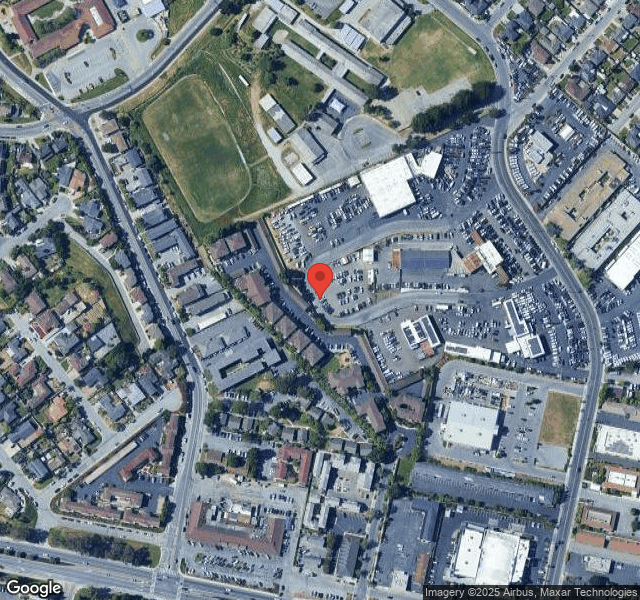

535 AUTO CENTER DRIVE, WATSONVILLE, CA 95076 (831) 724-7505
For profit - Limited Liability company 87 Beds CAMBRIDGE HEALTHCARE SERVICES Data: November 2025
Trust Grade
45/100
#718 of 1155 in CA
Last Inspection: August 2024

Within standard 12-15 month inspection cycle. Federal law requires annual inspections.

Overview

Watsonville Nursing Center has a Trust Grade of D, indicating below-average conditions with notable concerns. Ranked #718 out of 1155 facilities in California, they are in the bottom half, and #4 out of 7 in Santa Cruz County, meaning only three local options are better. The facility's situation is worsening, with issues increasing from 2 in 2023 to 17 in 2024. Staffing is a relative strength, with a rating of 4 out of 5 stars and a turnover rate of 32%, which is better than the state average. However, they have accumulated $44,488 in fines, suggesting significant compliance problems. Specific incidents include a serious failure to use a mechanical lift properly, leading to a resident falling and sustaining injuries, and another case where residents did not receive critical medications, resulting in serious health consequences. Additionally, there are concerns about food safety practices, as unsanitary conditions in the kitchen were noted. While staffing appears stable, the facility's overall quality and safety issues present significant concerns for families considering this nursing home.

Trust Score
D
45/100
In California
#718/1155
Bottom 38%
Safety Record
Moderate
Needs review
Inspections
Getting Worse
2 → 17 violations
Staff Stability
○ Average
32% turnover. Near California's 48% average. Typical for the industry.
Penalties
✓ Good
$44,488 in fines. Lower than most California facilities. Relatively clean record.
Skilled Nurses
○ Average
Each resident gets 30 minutes of Registered Nurse (RN) attention daily — about average for California. RNs are the most trained staff who monitor for health changes.
Violations
⚠ Watch
42 deficiencies on record. Higher than average. Multiple issues found across inspections.
★★★☆☆
3.0
Overall Rating
★★★★☆
4.0
Staff Levels
★★★★☆
4.0
Care Quality
★★★☆☆
3.0
Inspection Score
Stable
2023: 2 issues
2024: 17 issues

The Good

  • 4-Star Staffing Rating · Above-average nurse staffing levels
  • 4-Star Quality Measures · Strong clinical quality outcomes
  • Full Sprinkler Coverage · Fire safety systems throughout facility
  • No fines on record
  • Staff turnover below average (32%)

    16 points below California average of 48%

Facility shows strength in staffing levels, quality measures, fire safety.

The Bad

3-Star Overall Rating

Near California average (3.1)

Meets federal standards, typical of most facilities

Staff Turnover: 32%

14pts below California avg (46%)

Typical for the industry

Federal Fines: $44,488

Above median ($33,413)

Moderate penalties - review what triggered them

Chain: CAMBRIDGE HEALTHCARE SERVICES

Part of a multi-facility chain

Ask about local staffing decisions and management

The Ugly 42 deficiencies on record

2 actual harm
Aug 2024 17 deficiencies
CONCERN (D)

Potential for Harm - no one hurt, but risky conditions existed

Resident Rights (Tag F0550)

Could have caused harm · This affected 1 resident

Based on observation, interview and record review, the facility failed to ensure dignity and privacy was upheld for 1 of 2 sampled Residents (Resident 12) when Resident 12's Suprapubic catheter [SP Ca...

Read full inspector narrative →
Based on observation, interview and record review, the facility failed to ensure dignity and privacy was upheld for 1 of 2 sampled Residents (Resident 12) when Resident 12's Suprapubic catheter [SP Catheter, a device inserted into your bladder (organ that collects urine) to drain urine if you cannot urinate on your own made of a semi-flexible plastic tube, one end inserted into the bladder and the other end attached to a bag that collects urine] drain bag was left uncovered. This failure had the potential for adverse effects on the psychosocial well-being and health of Resident 12. Findings: During a review of Resident 12's Facesheet (FS, a document that gives a resident's information at a quick glance), undated, the FS indicated, admission diagnoses include End Stage Renal Disease (ESRD, condition in which the kidneys lose the ability to remove waste and balance fluids). During a review of Resident 12's physician order dated, 7/8/2024 indicated, an order for a Suprapubic Catheter due to diagnosis of obstructive uropathy (a disorder of the urinary tract that occurs due to obstructed urinary flow). During an observation on 08/13/24 at 04:18 p.m., in Resident 12's Room. Resident 12 was lying in bed, urine bag hanging on the right inside of resident bed, yellow colored urine is visible from drainage bag, was uncovered. Resident stated, he just came back few hours ago from dialysis. During an interview with Certified Nursing Assistant B (CNA B) on 08/13/24, at 04:32 p.m., CNA B stated, Resident 12's drainage bag was not covered. CNA B stated, we need the thing to always cover the urinary drainage bag. During an interview with Licensed Vocational Nurse A (LVN) on 08/13/24, at 04:35 p.m., LVN A stated, Resident 12's drainage bag should not be left uncovered. LVN A stated, urinary drainage bag should have covered with privacy/dignity bag all the time. During an interview with Director of Nursing (DON) on 08/19/24, at 03:00 p.m., DON stated, Urinary drainage bag should be always covered with privacy or dignity bag. Inside or outside the facility. During a review of facility's policy and procedure (P&P) titled, Dignity revised February 2023, the P&P indicated, Residents are treated with dignity and respect at all times.
CONCERN (D)

Potential for Harm - no one hurt, but risky conditions existed

Deficiency F0552 (Tag F0552)

Could have caused harm · This affected 1 resident

Based on interview and record review, the facility failed to obtain an informed consent for one of two sampled residents (Resident 44), for the medication lorazepam (medication used for anxiety). Thi...

Read full inspector narrative →
Based on interview and record review, the facility failed to obtain an informed consent for one of two sampled residents (Resident 44), for the medication lorazepam (medication used for anxiety). This deficient practice had the potential for the resident or the representative not to be informed of the risks, benefits, and alternatives of the given treatment (medication) and may lead to the inability to exercise the rights to a preferred choice or alternative treatment. Findings: A record review of Resident 44's clinical record, indicated medical diagnoses including Major Depressive Disorder (a mood disorder that causes a persistent feeling of sadness and loss of interest) and Catatonic Schizophrenia (a rare and severe mental disorder that's characterized by extreme changes in movement, behavior, and communication). A record review of Resident 44's Physician Orders indicated an order dated 7/4/2023 for Lorazepam, give 1 milligram (mg, unit of measurement) by mouth three times a day for Catatonic Schizophrenia, started on 7/4/2023. A review of Resident 44's Informed Consent form for Ativan (other name for Lorazepam) 1 mg indicated, a physician's signature dated 7/10/2023 and a signature of licensed nurse verification of informed consent being obtained by physician dated 7/4/2023. It also indicated that consent was obtained by phone. However, it neither indicated if consent was given by Resident 44 or by a surrogate decision maker. During concurrent interview and record review on 8/14/2024 at 11:42 a.m. with Director of Nursing (DON), DON confirmed there was no name written on the Informed Consent form for Ativan from whom consent was obtained. A review of facility's policy and procedure (P&P) titled Psychotropic Medication Use/Informed Consent dated March 2004, the P&P indicated, Before prescribing a psychotherapeutic drug, the prescriber must personally examine the resident and obtain informed written consent signed by the resident or the resident's representative .If the resident or resident's representative cannot sign the form, a licensed nurse can sign the form and document the name of the person who gave the consent and the date.
CONCERN (D) 📢 Someone Reported This

A family member, employee, or ombudsman was alarmed enough to file a formal complaint

Potential for Harm - no one hurt, but risky conditions existed

Report Alleged Abuse (Tag F0609)

Could have caused harm · This affected 1 resident

**NOTE- TERMS IN BRACKETS HAVE BEEN EDITED TO PROTECT CONFIDENTIALITY** 2. Review of Resident 24's clinical record indicated she was initially admitted on [DATE] and had the diagnoses Dementia (term f...

Read full inspector narrative →
**NOTE- TERMS IN BRACKETS HAVE BEEN EDITED TO PROTECT CONFIDENTIALITY** 2. Review of Resident 24's clinical record indicated she was initially admitted on [DATE] and had the diagnoses Dementia (term for loss of memory, language, problem -solving and other thinking abilities that are severe enough to interfere with daily life) unspecified severity with other behavioral disturbance ; major depressive disorder (a mental health disorder characterized by persistently depressed mood or loss of interest in activities), anxiety disorder (characterized by feeling of worry, anxiety, or fear), Epilepsy (disorder in which nerve cell activity in the brain is disturbed , causing seizure). Review of Resident 24's quarterly BIMS score dated 5/29/24, was 7 (0-7 indicates severe cognitive impairment). During a review of Confidential Report-Not Subject to Public Disclosure -SOC 341 faxed by the facility to the Department dated 1/3/23 which indicated Resident randomly struck another Resident in the face in station 5 hallway while he was self-propelling in wheelchair. During a concurrent interview and record review on 8/19/24 at 3:15 p.m., with Director of Nursing (DON), stated she remember the incident and was reported late to her, it should be reported ASAP or within 2 hours to the appropriate agency. DON further stated monitoring within 72 hours. During a review of the facility's policy and procedure (P&P) titled, Abuse Prevention Program, dated revised July 2021, indicated, All reports of resident abuse, neglect, exploitation, misappropriation of resident property, mistreatment and /or injuries of unknown source(abuse) shall be promptly reported to local, state, and federal agencies (as defined by current regulation) and thoroughly investigated by facility management. Findings of abuse investigation s will also be reported. Reporting 2. All alleged violation of abuse, neglect, exploitation, or mistreatment (including injuries of unknown source and will be reported immediately, but not later than: a. Two (2) hours if the alleged violation involve abuse OR has resulted in serious bodily injury, or twenty-four (24) hours if the alleged violation does not involve abuse AND has not resulted in serious bodily injury. Based on interview and record review, the facility failed to report a suspected allegation of resident abuse in a timely manner for two of two residents (Residents 196 and 24) when: 1. The alleged missing money of Resident 196 was not reported to the California Department of Public Health (CDPH, a state department responsible for public health in California), Adult Protective Services (APS) and Office of the Long Term Care Ombudsman ( LTCO, an advocate for residents of nursing homes, assisted living facilities, and other residential care communities) when it was first reported to the Social Services Director (SSD) on 11/18/2022; and 2. The alleged Resident/Patient/Client Abuse (Resident to Resident) incident on 12/31/22 was not reported to CDPH , Ombudsman , and Law Enforcement when the incident was first reported on 12/31/22 not until 1/3/23. When Resident 24 randomly struck another Resident on the face at the hallway while alleged victim was self-propelling in wheelchair. These failures had the potential to delay identification and implementation of appropriate corrective action and put the residents at risk for abuse. Findings: 1. Review of Resident 196's clinical records titled, admission Record, dated August 19, 2024, indicated Resident 196 was admitted to the facility on [DATE] with diagnoses including cerebral aneurysm (also known as brain aneurysm, a weak spot in the brain's arterial circulation that balloons and fills with blood), nonruptured, acute embolism (an obstruction of an artery, typically by a clot of blood or an air bubble) and thrombosis (clotting of the blood in a part of the circulatory system) of unspecified deep veins of right lower extremity, and bilateral (both) primary osteoarthritis [type of arthritis (painful inflammation and stiffness of the joints) more common in older people having joint pain, and after rest or inactivity, stiffness for a short period of time] of knee. Further review indicated Resident 196 was discharged on 8/12/2023. Review of Resident 196's quarterly minimum data set (MDS, an assessment tool), dated 12/21/2022, indicated Resident 196's brief interview for mental status (BIMS, a tool used to assess cognition [knowing, learning, and understanding things]; a score of 0 to 7 indicates severe cognitive impairment, 8-12 moderate impairment, 13-15 patient is cognitively intact) score was 12. Review of Resident 196's SSD's note dated 11/18/2022, indicated, the SSD met with Resident 196 to hear a concern. Further review indicated, Res (resident) reported missing money that were brought to her by her friend .res asked to file police report .SSD educated patient about financial responsibility by choosing to manage her own finances. Review of Resident 196's SSD's note, dated 12/13/2022, indicated the SSD met with Resident 196 to follow up on LTCO's visit on 12/13/2022. The LTCO instructed SSD to file the SOC 342 (a report of suspected dependent adult/elder financial abuse) regarding the reported lost money on 11/18/2022. Further review indicated, Resident stated during the interview that she does not remember the exact date of the incident, but she remembers she had reported it to the Social Worker. Translator asked the resident if the lost money she had reported to the Ombudsman was the same report she had made previously to the Social Worker and she said yes .Resident reports she has no idea how her money went missing and that it was about $345.00 Review of the Resident 196's interdisciplinary team's [IDT, (a group of health care professionals from diverse fields who work toward a common goal for residents)] review note, dated 12/14/2022, indicated, IDT met to review resident grievance report and new report filed for possible misappropriation of funds per ombudsman request .Resident states that she left her money in an envelope on her bedside table when she went to shower and noticed later that it was gone. The new filed report for possible misappropriation of funds was the same reported by Resident 196 to SSD on 11/18/2022. During an interview with SSD on 8/19/2024 at 11:32 a.m., SSD stated any reported lost properties should be reported right away to CDPH, LTCO and police. During an interview with director of nursing (DON) on 8/19/2024 at 2:22 p.m., DON confirmed the reported Resident 196's lost money on 11/18/2024 and 12/13/2022 was the same incident. DON stated she was not aware that the Resident 196's reported lost money was not reported to CDPH and LTCO on 11/18/2022. DON further stated it should have been reported to CDPH and LTCO on 11/18/2022. During an interview with the administrator (ADM) on 8/19/2024 at 4:15 p.m., ADM stated she couldn't find any documentation why Resident 196's lost money was not reported on 11/18/2022 to CDPH and LTCO. During a review of the facility's policy and procedure titled, Abuse Investigation and Reporting, date revised July 2017, indicated, Reporting: 1. All alleged violations involving abuse, neglect, exploitation, or mistreatment, including injuries of an unknown source and misappropriation of property will be reported by the facility Administrator, or his/her designee, to the following persons or agencies: a. The State licensing/certification agency responsible for surveying/licensing the facility; b. The local/State Ombudsman; c. The Resident's Representative (Sponsor) of Record; d. Adult Protective Services (where state law provides jurisdiction in long-term care); e. Law enforcement officials; f. The resident's Attending Physician; and g. The facility Medical Director. 2. An alleged violation of abuse, neglect, exploitation or mistreatment (including injuries of unknown source and misappropriation of resident property) will be reported immediately, but not later than: a. Two (2) hours if the alleged violation involves abuse OR has resulted in serious bodily injury; or b. Twenty-four (24 hours) if the alleged violation does not involve abuse AND has not resulted in serious bodily injury. 3. Verbal/written notices to agencies may be submitted via special carrier, fax, e-mail, or by telephone.
CONCERN (D)

Potential for Harm - no one hurt, but risky conditions existed

Deficiency F0655 (Tag F0655)

Could have caused harm · This affected 1 resident

**NOTE- TERMS IN BRACKETS HAVE BEEN EDITED TO PROTECT CONFIDENTIALITY** Based on observation, interview, and record review, the facility failed to develop a baseline care plan to include instructions ...

Read full inspector narrative →
**NOTE- TERMS IN BRACKETS HAVE BEEN EDITED TO PROTECT CONFIDENTIALITY** Based on observation, interview, and record review, the facility failed to develop a baseline care plan to include instructions on care of oxygen use for one of three residents (Resident 190). This failure resulted in improper level of oxygen administration for Resident 190 and had the potential to result in oxygen toxicity such as lung damage. Findings: Review of Resident 190's admission Record indicated, Resident 190 was admitted to the facility on [DATE] with diagnoses including displaced (the pieces of the bone moved so much that a gap formed around the broken bone) supracondylar fracture of left femur (when the thigh bone is broken at the knee), morbid obesity (a person weighing more than 100 pounds over the ideal weight for men and 80 pounds for women) and obstructive sleep apnea (a common sleep disorder that causes breathing to pause during sleep due to a blocked or narrowed airway). Review of Resident 190's physician's order dated 8/2/2024, indicated, Oxygen @ [at] 0.5 liter/min [liter per minute] via [thru] Nasal Cannula [NC - a device that consists of plastic tube that fits behind the ears, and a set of two prongs that are placed in the nostrils for oxygen administration] at bedtime, as needed. Review or Resident 190's physician order dated 8/5/2024, indicated, the order of oxygen at 0.5 liter/min was changed to 1 liter/min at bedtime, as needed. During an observation on 8/12/2024 at 10:25 a.m., inside Resident 190's room, Resident 190 was asleep, the oxygen's NC was in placed and the level of oxygen administration was at 1.5 liter/min. During a concurrent interview with registered nurse D (RN D) and record review on 8/14/2024 at 1:49 p.m., RN D confirmed Resident 190 had an oxygen order since admission on [DATE]. RN D stated there should be a baseline care plan for Resident 190's oxygen use. During an interview with minimum data set nurse (MDSN) on 8/15/2024 at 9:33 a.m. MDSN stated admission nurses should initiate the baseline care plan after they completed their assessment. MDSN further stated the interdisciplinary team (IDT, team composed of members from different departments involved in resident's care) should review the baseline care plan with the resident or resident's responsible party (RP, a person empowered to make decisions for the resident/ person legally responsible and liable for a decision or an action). During a concurrent interview with MDSN and record review on 8/15/2024 at 9:39 a.m., MDSN reviewed Resident 190's baseline care plans. MDSN confirmed there was no baseline care plan regarding the oxygen use of Resident 190. During an interview with director of nursing (DON) on 8/19/2024 at 2:12 p.m., DON stated the baseline care plan for Resident 190's oxygen use should have been developed within 72 hours of admission since oxygen use was ordered upon Resident 190's admission. During a review of the Long Term Care Solutions postings titled, Baseline Care Plan Requirements Outlined by CMS [Centers for Medicare and Medicaid Services], date posted 5/14/2024, indicated, Long term care facilities must develop and implement a baseline care plan for each resident within 48 hours of admission .the instructions needed to provide effective and person-centered care of the resident that meet professional standards of quality care, including but not limited to: initial goals based on admission orders, physician orders .
CONCERN (D)

Potential for Harm - no one hurt, but risky conditions existed

Quality of Care (Tag F0684)

Could have caused harm · This affected 1 resident

**NOTE- TERMS IN BRACKETS HAVE BEEN EDITED TO PROTECT CONFIDENTIALITY** Based on observation, interview, and record review, the facility failed to ensure that proper care and treatment services for ox...

Read full inspector narrative →
**NOTE- TERMS IN BRACKETS HAVE BEEN EDITED TO PROTECT CONFIDENTIALITY** Based on observation, interview, and record review, the facility failed to ensure that proper care and treatment services for oxygen (O2) was provided for three of three sampled residents (Residents 190, 18 and 36) when: 1.Resident 190's physician'a order for oxygen administration was not followed and the Oxygen in Use sign was not visible to all passersby (staff, residents and visitors); 2.Resident 18's physician's order for oxygen administration was not followed; and 3.Resident 36's physician's order for oxygen administration was not followed. These failures had the potential to result in complications related to improper treatment while receiving O2 therapy. Findings: 1a. Review of Resident 190's admission Record indicated, Resident 190 was admitted to the facility on [DATE] with diagnoses including displaced (the pieces of the bone moved so much that a gap formed around the broken bone) supracondylar fracture of left femur (when the thigh bone is broken at the knee), morbid obesity (a person weighing more than 100 pounds over the ideal weight for men and 80 pounds for women) and obstructive sleep apnea (a common sleep disorder that causes breathing to pause during sleep due to a blocked or narrowed airway). Review or Resident 190's physician's order dated 8/5/2024, indicated, the order of oxygen at 0.5 liter/min was changed to 1 liter/min at bedtime, as needed. During an observation on 8/12/2024 at 10:25 a.m., inside Resident 190's room, Resident 190 was asleep with O2 at 1.5 liter/min (liter per minute) via (thru) nasal cannula (NC - a device that consists of plastic tube that fits behind the ears, and a set of two prongs that are placed in the nostrils for oxygen administration). During a concurrent interview with registered nurse D (RN D) and record review on 8/14/2024 at 1:46 p.m., RN D reviewed Resident 190's oxygen order. RN D confirmed there was an order for oxygen administration at 1 liter/min at bedtime, and as needed. During another concurrent interview with RN D and review on 8/14/2024 at 2:00 p.m., RN D reviewed Resident 190's level of oxygen administration taken on 8/12/2024. RN D confirmed Resident 190's level of oxygen administration on 8/12/2024 was at 1.5 liter/min. RN D stated nurses should follow the level of oxygen administration as ordered by the physician. 1b. During a concurrent observation and interview with registered nurse M (RN M) on 8/12/2024 at 11:16 a.m., outside Resident 190's room, in front of the door, the Oxygen in use sign was observed posted under the Enhanced Barrier Precaution signage. RN M confirmed above observation. RN M stated the Oxygen in use sign should be posted visible to all staff, visitors, and residents. During an interview with director of nursing (DON) on 8/19/2024 at 2:07 p.m., DON stated the Oxygen in Use posting should be visible and usually posted by the resident's door. 2.Review of Resident 18's admission Record indicated, Resident 18 was admitted to the facility with diagnoses including congestive heart failure (a weakness of the heart that leads to a buildup of fluid in the lungs and surrounding body tissues), acute (present or experienced in a severe degree) and chronic (persisting for a long time or constantly recurring) respiratory failure (a condition in which your blood doesn't have enough oxygen or has too much carbon dioxide) with hypoxia (occurs when oxygen level in the body organs are low), encounter palliative care (a type of medical care that helps people with serious illnesses and their families improve their quality of life), and obstructive sleep apnea. Review of Resident 18's physician's order dated 8/9/2024, indicated, Oxygen @4 liter/min via Nasal Cannula continuously every shift. During an observation on 8/12/2024 at 10:30 a.m., inside Resident 18's room, Resident 18 was asleep and was on oxygen at 4.5 liter/min via NC. During a concurrent interview with RN D and record review on 8/14/2024 at 1:50 p.m., RN D reviewed Resident 18's oxygen order. RN D confirmed Resident 18's oxygen order was supposed to be at 4 liter/min. At 1:54 p.m., RN D reviewed the picture of Resident 18's oxygen level of administration taken on 8/12/2024. RN D confirmed Resident 18's oxygen administration on 8/12/2024 was at 4.5 liter/min. 3. Review of Resident 36's admission Record indicated, Resident 36 was admitted to the facility with diagnoses including cerebrovascular disease (referred to as stroke), chronic congestive heart failure, chronic obstructive pulmonary disease (COPD - a long lasting lung disease), and morbid obesity. Review of Resident 36's physician's order dated 8/15/2024, indicated, an order for oxygen use at 3 liter/min as needed only for shortness of breath. During an observation on 8/12/2024 at 11:00 a.m., inside Resident 36's room, Resident 36 was asleep and had an oxygen in placed at 3.5 liter/min via NC. During a concurrent interview with RN D and record review on 8/14/2024 at 1:51 p.m., RN D reviewed Resident 36's oxygen order. RN D confirmed Resident 36's oxygen order should be at 3 liter/min. During a concurrent observation and interview with RN D on 8/14/2024 at 1:56 p.m., inside Resident 36's room, Resident 36 was seated at the edge of his bed with oxygen in placed at 3.5 liter/min via NC. RN D confirmed above observation and stated nurses should follow the level of oxygen administration ordered by the physician. During an interview with minimum data set nurse (MDSN) on 8/15/2024 at 9:50 a.m., MDSN stated nurses should follow the doctor's order and they should check the order first prior to administration of oxygen. During an interview with DON on 8/19/2024 at 2:07 p.m., DON stated nurses should check doctor's order first prior to administration of oxygen whether the order was as needed or a routine order. During a review of the facility's policy and procedure titled, Oxygen Administration, date revised February 2024, indicated, The purpose of this procedure is to provide guidelines for safe oxygen administration. Verify that there is a physician's order for this procedure. Review the physician's orders or the facility protocol for oxygen administration .Place an Oxygen in Use sign in a designated place on or over the resident's bed.
CONCERN (D)

Potential for Harm - no one hurt, but risky conditions existed

Deficiency F0700 (Tag F0700)

Could have caused harm · This affected 1 resident

**NOTE- TERMS IN BRACKETS HAVE BEEN EDITED TO PROTECT CONFIDENTIALITY** During an observation on 08/12/24 09:38 a.m., Resident 39 was lying in bed with 1/4 mid bilateral (middle both sides) rails. Dur...

Read full inspector narrative →
**NOTE- TERMS IN BRACKETS HAVE BEEN EDITED TO PROTECT CONFIDENTIALITY** During an observation on 08/12/24 09:38 a.m., Resident 39 was lying in bed with 1/4 mid bilateral (middle both sides) rails. During a review of Resident 39's face sheet (FS: a document that gives a resident's information at a quick glance) indicated, Resident 39 was readmitted to facility on 02/22/23. diagnoses includes Chronic obstructive pulmonary disease (COPD, long-term lung disease that makes it hard to breathe), Diabetes Mellitus Type 2 (condition in which the body has trouble controlling blood sugar). Morbid (severe) obesity due to excess calories (body mass index of 40 or higher). During a review of Resident 39's Clinical record on 08/13/24 at 09:34 a.m., there was no order for ¼ mid bilateral rails and no care plan for side rails. The Side rails utilization assessment dated [DATE] indicated, side rails are not in use or requested. During a concurrent observation and interview with Interim Director of Nursing (IDON) on 08/14/24 at 10:30 a.m., IDON stated, Resident 39 use the ¼ mid bilateral side rails for repositioning, helps with Activity of daily living (ADL's), also help him with transferring. During a concurrent interview and record review with Interim Director of Nursing (IDON) on 08/14/24 at 10:42 a.m., IDON stated, Resident 39 has no physician order for side rails, no current care plan, Side rails utilization assessment indicate, side rails are not in use or requested. IDON stated, prior to installation of side rails it should have Consent, Physician order, Rehab assessment, side rail assessment, and care plan. During a review of the facility's policy and procedure (P&P) titled, Bed Safety and Bed Rails, date revised August 2023, indicated, Resident beds meet the safety specifications established by the Hospital Bed Safety Workgroup. The use of Bed rails is prohibited unless the criteria for use of bedrails have been met. Use of Bed Rails 2. The use of bed rails or side rails (including temporarily raising the side rails for ) is prohibited unless the criteria for use of bed rails have been met, including attempts to use alternatives, resident assessment, and informed consents. Based on observation, interview, and record review, the facility failed to ensure the proper use of side or bed rails (adjustable rigid bars attached to the side of the bed) for 2 of 24 sampled residents (residents who used bed or side rails), (Residents 39, and 78) when: 1. There was no physician orders obtained prior to the use of bed rails for Residents 39 and 78; 2. There was no side rail assessment completed prior to the use of side rails for residents 39 and 78; and 3. There were no side rail care plans for Residents 39 and 78. These failures had the potential to place the residents at risk of entrapment and serious injury. Findings: 1. During an observation on 8/12/24 at 10:15 a.m., inside Resident 78's room, Resident 78 was seated on a wheelchair and her bed was observed with ¼ bilateral siderails. Review of Resident 78's Side Rails Utilization Assessment, dated 7/18/24, indicated there was no documentation and was blank. There was no physician's order for side rails, and care plan regarding the use of side rails. During a concurrent interview and record review on 8/15/24 at 3:07 p.m., with Minimum Data Set Nurse (MDSN), stated the Side Rail Utilization Assessment -V 4 was updated on 8/14/24. She further stated it was brought to her attention that the record was inaccurate, and it was not in used and she update it. During a concurrent interview and record review on 08/14/24 at 11:30 a.m., with Interim Director of Nursing (IDON), the IDON stated and confirmed there was no physician order for use of 1/4 bilateral side rail and, no side rail current care plan for Resident 78. IDON further stated they should have a physician order and care plan to use side rails.
CONCERN (D)

Potential for Harm - no one hurt, but risky conditions existed

Deficiency F0745 (Tag F0745)

Could have caused harm · This affected 1 resident

**NOTE- TERMS IN BRACKETS HAVE BEEN EDITED TO PROTECT CONFIDENTIALITY** Based on interview, and record review, the facility failed to provide sufficient social services for one out of three sampled re...

Read full inspector narrative →
**NOTE- TERMS IN BRACKETS HAVE BEEN EDITED TO PROTECT CONFIDENTIALITY** Based on interview, and record review, the facility failed to provide sufficient social services for one out of three sampled residents (Resident 44) when follow up psychological evaluation was not arranged. This failure had the potential to result in unmet psychosocial care needs. Findings: A review of Resident 44's face sheet (a document that includes pertinent resident information and medical diagnoses) indicated, Resident 44 was admitted on [DATE] with diagnoses including Major Depressive Disorder (a mood disorder that causes a persistent feeling of sadness and loss of interest) and catatonic schizophrenia (a rare and severe mental disorder that's characterized by extreme changes in movement, behavior, and communication). During a concurrent interview and record review on 8/14/24 at 11:42 a.m. with the Interim Director of Nursing (IDON), IDON confirmed there was only one psychological evaluation done for Resident 44 since admission. IDON confirmed the only psychological evaluation recorded on Resident 44's progress notes was dated 3/1/23 at 3:00 p.m. During a concurrent interview and record review on 8/16/24 at 1:01 p.m. with the Social Services Director (SSD), SSD stated her responsibilities include scheduling follow up appointments for residents. SSD confirmed Resident 44 only had one psychological evaluation done since admission. SSD confirmed the progress notes dated 3/12/24 at 4:04 p.m. indicated that SSD called to schedule a follow up psychological evaluation for Resident 44. However, SSD confirmed that the clinician assigned to resident was on leave. SSD confirmed it had been five months since she had called to schedule an appointment for Resident 44. SSD stated that follow up call should have been made and appointment for psychological evaluation should have been scheduled for Resident 44. During an interview on 8/19/24 at 2:07 p.m. with Director of Nursing (DON), DON stated residents with psychological diagnoses were usually seen by a clinician monthly or every two weeks. DON confirmed that SSD is responsible for scheduling and setting up follow up appointments for residents. DON also stated that SSD should have followed up on scheduling an appointment for psychological evaluation for Resident 44. A review of facility's undated document titled Director of Social Services, essential duties and responsibilities of SSD included but is not limited to Discharging, appointment setting and arranging transportation for resident.
CONCERN (D)

Potential for Harm - no one hurt, but risky conditions existed

Deficiency F0757 (Tag F0757)

Could have caused harm · This affected 1 resident

**NOTE- TERMS IN BRACKETS HAVE BEEN EDITED TO PROTECT CONFIDENTIALITY** Based on interview and record review the facility failed to ensure one of two sampled residents (Resident 46) was free from unne...

Read full inspector narrative →
**NOTE- TERMS IN BRACKETS HAVE BEEN EDITED TO PROTECT CONFIDENTIALITY** Based on interview and record review the facility failed to ensure one of two sampled residents (Resident 46) was free from unnecessary medication when the facility failed to provide sufficient documentation to support a diagnosis of Dementia (decline in mental capacity affecting daily function) with psychotic (A mental disorder characterized by a disconnection from reality) disturbance m/b (manifested by) paranoia (An unrealistic distrust of others or a feeling of being persecuted) in one of two sampled residents for unnecessary medication (Resident 46.) This deficient practice increased the risk of Resident 46 to receive unnecessary medication. Findings: During a review of Resident 46's admission Record on 08/14/24 at 02:11 p.m., indicated, Resident 46 was admitted to the facility on [DATE] and readmitted on [DATE] with diagnoses includes Hemiplegia (one-sided weakness) and Hemiparesis (one-sided paralysis), Depression unspecified (constant feeling of sadness and loss of interest, which stops you doing normal activities), Vascular dementia (term describing problems with reasoning, planning, judgment, memory, and other thought processes) severe with other behavioral disturbance. During a review of Resident 46's Physician Order dated, 6/18/24 indicated, an order for Quetiapine fumarate Brand name: Seroquel, Antipsychotic medications (type of prescription psychiatric drug to treat symptoms of psychosis and other mental health conditions) 25 milligram (mg) tablet give 2 tablet by mouth at bedtime for dementia with psychotic disturbance m/b paranoia, believes others are out to get him. During a review of Resident 46's Hospital Physician notes dated, 5/04/24 indicated, history of dementia continue with home medication, Nursing home placement, started on Seroquel to help with agitation. During a review of Resident 46's Facility Physician notes dated, 6/19/24 indicated, Vascular dementia - with recent worsening of mental status likely due to dehydration, and hypernatremia (level of sodium in blood is too high). Cont. Seroquel for agitation. During a review of Resident 46's Facility Physician notes dated, 7/14/24 indicated, Vascular dementia - with recent worsening of mental status likely due to dehydration, and hypernatremia. Cont. Seroquel for agitation. During a review of Resident 46's Facility Physician notes dated, 8/01/24 indicated, Vascular dementia - back to baseline. Cont. Seroquel for agitation. During an interview with Medical Records Director on 08/16/24 at 03:00 p.m., MRD stated, Resident 46 has no psychiatrist (physicians who specialize in mental health) notes, and he is not being followed by a psychiatrist. During a concurrent interview and record review with Director of Nursing (DON) on 08/19/24 at 02:59 p.m., Resident 46's Physician notes dated, 8/01/24 indicated, Vascular dementia - back to baseline. Cont. Seroquel for agitation. DON Stated, no active diagnosis and no psychiatrist notes to support the indication of Seroquel for dementia with psychosis disturbance m/b paranoia, the indication should be vascular dementia with other behavioral disturbance, it should be clarified with the Doctor. During a review of facility's policy and procedure (P&P) titled, Review of Psychotropic Medication Use/Informed Consent, dated March 2024, the P&P indicated, Residents who have not used psychotropic medications are not prescribed or given these medications unless the medication is determined to be necessary to treat a specific condition that is diagnosed and documented in the medical record.
CONCERN (D)

Potential for Harm - no one hurt, but risky conditions existed

Unnecessary Medications (Tag F0759)

Could have caused harm · This affected 1 resident

Based on observation, interview, and record review, the facility had a medication error rate of 5.88% when two medication errors occurred out of 34 opportunities during the medication administration f...

Read full inspector narrative →
Based on observation, interview, and record review, the facility had a medication error rate of 5.88% when two medication errors occurred out of 34 opportunities during the medication administration for one of four residents (Residents 58). Residents 58 did not receive the medications as ordered. These failures resulted in medications not given according to the physician's orders and had the potential for Resident 58 not receiving the full therapeutic effects of the medications. Finding: 1. During a medication administration observation and interview on 8/13/24 at 9:35 a.m., with Licensed Vocational Nurse (LVN) C, she was observed giving several medications to Resident 58 including a bottle of Zaditor Ophthalmic Solution (Ketotifen Fumarate (Ophth) Eye drops. Upon checking the medication, she verified there was no open date on the Zaditor eye drop. She confirmed the eye drop should have an open date on the bottle of the eye drop. LVN C further stated she will inform and ask the physician to give a new order for Zaditor. During a review of Resident 58's physician's order dated 2/19/24, indicated Zaditor Ophthalmic Solution (Ketotifen Fumarate (Ophth) Instill 1 drop in both eyes two times a day for Eye itchiness Strength of medication 0.025%. During a review of the facility's policy and procedure (P&P) titled, Administering Medications, dated revised April 2023, indicated, Medications are administered in a safe and timely manner, and as prescribed. 4. Medications are administered in accordance with prescriber order, including any required time frame. 10. The expiration /beyond use date on the medication label is checked prior to administering. When opening a multi-dose container, the date opened is recorded on the container. 2. During a medication administration observation on 8/13/24 at 10:25 a.m., with LVN C, she administered several medications to Resident 58 including Levetiracetam (Brand name Keppra used to treat seizure). The stock dose was Levetiracetam 500 mg tab, Generic for Keppra 500 mg tab. Give 3 tablet s (1500 mg) by mouth two times a day for Clonic Seizure. LVN C administered 3 tablets of Levetiracetam 500 mg tab. Review of Resident 58's clinical record indicated Resident 58 had a physician's order, dated 8/1/24, for Keppra Oral Tablet 2000 milligram (mg) by mouth every 12 hours for GENERALIZED IDIOPHATIC EPILEPSY AND EPILEPTIC. During a concurrent interview and record review on 814/24 on 11:25 a.m., with LVN K, LVN K verified the order was Keppra Oral Tablet 2000 milligram (mg) by mouth every 12 hours for GENERALIZED IDIOPHATIC EPILEPSY AND EPILEPTIC, and the blister pack was Keppra 1500 mg to give 3 tab. LVN K confirmed the order was Keppra oral tab 1000 mg - give 2000 mg by mouth every 12 hours for generalized idiopathic Epilepsy and Epileptic. During a review of the facility's policy and procedure (P&P) titled, Administering Medications, dated revised April 2023, indicated, Medications are administered in a safe and timely manner, and as prescribed. 7. If a dosage is believed to be inappropriate or excessive for a resident, or a medication has been identified as the person preparing or administering the medication will contact the prescriber, the resident's attending physician or the facility's medical director to discuss the concerns.
CONCERN (D)

Potential for Harm - no one hurt, but risky conditions existed

Deficiency F0802 (Tag F0802)

Could have caused harm · This affected 1 resident

Based on observation and interview, the facility failed to ensure the dietary staff had the appropriate competencies and skills set to carry out the functions of the food and nutrition services when: ...

Read full inspector narrative →
Based on observation and interview, the facility failed to ensure the dietary staff had the appropriate competencies and skills set to carry out the functions of the food and nutrition services when: 1. A pair of tongs with visual residues was found in the kitchen drawer; 2. Dietary cook E (DC E) was not able to state the cool down process; and 3. Dietary aide G (DA G) did not demonstrate the correct process of checking the chemical sanitation concentration of the dish machine. These failures had the potential to negatively impact the facility's ability to ensure foods were prepared in competent and efficient manners that prevent food borne illnesses. Findings: 1. During the initial kitchen tour on 8/12/24 at 9:32 a.m. with Registered Dietician (RD) and Dietary Supervisor (DS), a pair of tongs with residual substance was found inside a kitchen drawer. DS stated it should not be stored in the drawer if there were visible residual substance. DS then took the pair of tongs and asked another staff to have it washed. A review of facility's policy and procedure (P&P) titled Sanitization revised on October 2008, the P&P indicated 2. All utensils .shall be kept clean . 2. During an interview on 8/12/24 at 2:07 p.m. with DC E in the facility kitchen, DC E was asked about the cool down process of food. DC E stated I don't know. A review of facility document titled In-Service Meeting Minutes dated 4/12/24, indicated, RD was the lecturer of the in-service with the topic Food Temperature/Danger Zone. Summary of lecture indicated, Discussed temperature danger zone, hot and cold temps for food safety. Food temps prior to food service and proper reheating techniques. The document indicated that DC E attended the in-service. A page titled Cooling Food included in the document indicated the steps of the cool down process. 3. During a concurrent observation and interview on 8/13/24 at 3:48 p.m. with DA G and DS, DA G was asked to demonstrate the correct process of checking the chemical concentration of the facility dish machine. DA G took a test strip (measure the concentration of sanitizer) and stuck the strip on the running water coming out of the metal drain from the dish machine. DA G then compared the tip of the strip that turned into a purplish color onto the plastic vial that indicated multiple colors with corresponding numerical values. DS stated, We test the strip right on the plate and not from the drain. A review of facility document titled In-Service Meeting Minutes dated 4/15/24, indicated, RD was the lecturer of the in-service with the topic Dishwasher. Summary of lecture indicated, How to test sanitation concentration. Check temps and daily record. When to test and how often. The document indicated that DA G attended the in-service. An untitled page included in the document indicated, Check chemicals! Steps on how to check the chemical concentration of dish machine was not included in the document. Manufacturer's recommendation document was requested but was not provided.
CONCERN (D)

Potential for Harm - no one hurt, but risky conditions existed

Menu Adequacy (Tag F0803)

Could have caused harm · This affected 1 resident

Based on observation, interview, and record review, the facility failed to ensure recipe was followed for puree diet. This failure had the potential to not meet adequate nutritional value and nutriti...

Read full inspector narrative →
Based on observation, interview, and record review, the facility failed to ensure recipe was followed for puree diet. This failure had the potential to not meet adequate nutritional value and nutritional requirements for the residents. Findings: During a concurrent observation and interview on 8/13/24 at 11:42 a.m. in the facility kitchen with Dietary Aide (DA) F and Registered Dietician (RD), DA F was preparing pureed bread. DA F put a cut whole loaf of bread in the food processor machine. DA F then transferred the processed bread in a rectangular steel container. DA F brought the metal container under the hot water machine and let the water run onto the container. When DA F was asked how much water must be added onto the mixture, DA F stated, I don't measure water. RD stated Typically, we have a recipe, but we are also watching for consistency. A review of facility provided menu for Pureed Bread indicated, Scratch method: Place portions of bread/margarine into a food processor, process to fine crumbs. For every 5 portions needed, add 1 cup of warm milk or water .
CONCERN (E)

Potential for Harm - no one hurt, but risky conditions existed

Comprehensive Care Plan (Tag F0656)

Could have caused harm · This affected multiple residents

**NOTE- TERMS IN BRACKETS HAVE BEEN EDITED TO PROTECT CONFIDENTIALITY** 5a. During a review of Resident 59's admission Record on 08/16/24 at 09:03 a.m., Indicated, Resident 59 was admitted to the fac...

Read full inspector narrative →
**NOTE- TERMS IN BRACKETS HAVE BEEN EDITED TO PROTECT CONFIDENTIALITY** 5a. During a review of Resident 59's admission Record on 08/16/24 at 09:03 a.m., Indicated, Resident 59 was admitted to the facility on [DATE] with diagnoses includes Contracture(a condition of shortening and hardening of muscles, tendons, or other tissue) of left knee, Hypothyroidism (a condition in which the thyroid gland doesn't produce enough thyroid hormone), asthma (A condition in which a person's airways become inflamed, narrow and swell, and produce extra mucus, which makes it difficult to breathe). Uncomplicated, Vitamin D deficiency (don't have enough vitamin D in your body) During a review of Resident 59's clinical record indicated, he has a physician order dated, 02/09/2024 Alendronate sodium oral tablet 70 milligram (mg) give one tablet by mouth one time a day every thu (Thursday) for osteoporosis (A condition in which bones become weak and brittle). There was no care plan developed for Osteoporosis and alendronate. During a concurrent interview and record review with the Interim Director of Nursing (IDON) on 08/16/24 at 01:34 p.m., IDON stated, Resident 59 has no care plan developed for Osteoporosis, it should have a care plan in place for osteoporosis. 5b. During an observation on 08/12/24 at10:47 a.m., Resident 59 was lying on bed, using concave mattress with 1/4 bilateral (Both Side) rails up, Watching TV. During a concurrent observation and interview with Interim Director of Nursing (IDON) on 08/14/24 at 10:57 a.m., IDON stated, Resident 59 use the concave mattress, there should be a physician order and it should be care planned. During a concurrent interview and record review with Interim Director of Nursing (IDON)on 08/14/24 at 11:00a.m., IDON stated, Resident 59 has no concave mattress care plan. IDON stated, not sure why resident 59 is using a concave mattress with bed rails, will find out and comeback to you. During a concurrent interview and record review with Infection Prevention (IP) and Interim Director of Nursing (IDON) on 08/14/24 at 01:28 p.m., IP stated, it's a reminder for Resident 59 not to fall out of bed, it is a fall intervention, and it should be care planned. IP confirmed Resident 59 has no care plan related to the use of concave mattress. Review of the facility's policy and procedure (P&P) titled Care Plans, Comprehensive Person Centered, dated revised March 2023, the P&P indicated A comprehensive, person-centered care plan that includes measurable objectives and timetable to meet the resident's physical psychosocial and functional needs is developed and implemented for each resident. 10. When possible, interventions addresses the underlying source(s) of the problem area(s), not just symptoms or trigger. 11. Assessment of residents are ongoing and care plans are revised as information about the residents and the residents' condition change. 2. Review of Resident 66's admission Record, indicated Resident 66 was admitted to the facility on [DATE] with diagnoses including Encounter for Palliative Care(specialized medical care that focuses on providing relief from pain and other symptoms of a serious illness), End Stage Renal Disease (a condition in which the kidneys lose the ability to remove waste and balance fluids), Obstructive and reflux uropathy (a condition in which the flow of urine is blocked), personal history of malignant neoplasm (refer to an abnormal growth of tissue). Reviewed of Resident 66's admission MDS assessment dated [DATE] indicated, Resident 66's brief interview for mental status (BIMS, a tool used to assess cognition [knowing, learning, and understanding things]); [a score of 0 to 7 indicates severe cognitive impairment, 8-12 moderate impairment, 13-15 patient is cognitively intact] score was 13. Review of Resident 66's physician's order, dated 5/9/2024, indicated, Ciprofloxacin Hydrochloride Oral Tablet 500 MG [milligram, unit of measurement] Give 1 tablet by mouth at bedtime for status post nephrostomy (a tube that lets urine drain from the kidney through an opening in the skin on the back) placement for 2 days. During a review of Resident 66's Antibiotic Time Out Record, indicated with presenting clinical symptoms of UTI, positive Morganella Morganii (a gram -negative considered as an unusual opportunistic pathogen [organism or agent that can produce disease] that mainly causes post-operative wound and urinary tract infections. During a record review of Resident 66's clinical records, no care plan was developed for UTI and for the medication Ciprofloxacin Hydrochloride Oral Tablet 500 MG. During a concurrent interview and record review on 8/15/24 at 10:30 a.m., with Minimum Data Set Nurse (MDSN), she confirmed no care plan was develop for Urinary Tract Infection (UTI an illness that often start when bacteria get into the tube through which urine leaves) and the medication Ciprofloxacin Hydrochloride. MDSN stated I don't see a care plan for the UTI. There should be a care plan for UTI and the use of Ciprofloxacin HCL. 3. Review of Resident 78's admission Record, indicated Resident 78 was admitted to the facility on [DATE] with diagnoses including Fractured of Shaft (a long slender cylindrical [ a tubular form] body or part) of Right Femur, Asthma (a condition in which a person's airway become inflamed, narrow, and swell, and produce extra mucus, which makes it harder to breath. Hypertension (a condition in which the force of the blood against the artery walls is too high. Bilateral primary osteoarthritis of hips (the cartilage in the hip joint gradually wears away over time), pressure ulcer (injury to skin and underlying tissue resulting from prolonged pressure on the skin) of sacral region. Reviewed of Resident 78's quarterly MDS assessment dated [DATE] indicated, Resident 78's brief interview for mental status (BIMS, a tool used to assess cognition [knowing, learning, and understanding things]); [a score of 0 to 7 indicates severe cognitive impairment, 8-12 moderate impairment, 13-15 patient is cognitively intact] score was 8. Review of Resident 78's physician's order, dated 5/30/2024, indicated, Cephalexin Oral Tablet 250 mg Give 2 capsule by mouth every 8 hours for UTI for 5 days. During a record reviewed of Resident 78's electronic Medication Administration Record (eMAR) for the month of May 2024. Resident 78 received the medication from 5/30/24, 5/31/24, 6/1/24, 6/2/24, 6/3/24, 6/4/24 Time 06:00, 14:00, 22:00. During a record reviewed of Resident 78's clinical records, no care plan was developed for UTI and for the medication order of Cephalexin Oral Capsule. During a concurrent interview and record review on 8/15/24 at 10:37 a.m., with MDSN, she confirmed no care plan was developed for UTI and the medication Cephalexin. MDSN stated Care plan are initiated upon admission, then we update the care plan. During a review of the facility's policy and procedure (P&P) titled Care Plans, Comprehensive Person Centered, dated revised March 2023, the P&P indicated A comprehensive, person-centered care plan that includes measurable objectives and timetable to meet the resident's physical psychosocial and functional needs is develop and implemented for each resident.11. Assessment of residents are ongoing and care plans are revised as information about the residents and the residents' condition change. 4. Review of Resident 238's admission Record, indicated Resident 238 was admitted to the facility on [DATE] with diagnoses including Anxiety Disorder (characterized by feelings of worry, or fear that interfere with one's daily activities), Dementia (loss of cognitive functioning-thinking, remembering, and reasoning) and Depression (condition of mental and behavioral disorder that causes intense shifts in mood, energy levels, thinking patterns and behavior). During record review of Resident 238's Order Summary Report for the month of August 2024, Resident 238 has physician order for Aripiprazole Oral Tablet 20 mg (Aripiprazole) Give 1 tablet by mouth one time a day manifested by (m/b) verbalization of sadness verified informed consent signed by MD (Medical Doctor) and Zoloft Oral Tablet 50 mg ( Sertraline HCL ) Give 1 tablet by mouth one time a day for Depression and Anxiety m/b verbalization of sadness; Informed consent obtained and signed by MD with order date of 7/26/24. During a record review of Resident 238's clinical records, no care plan was developed for the medication order of Zoloft and Aripiprazole. During a concurrent interview and record review on 8/15/24 at 3:15 p.m., with MDSN, she confirmed no care plan was develop for the used of the medication Zoloft and Aripiprazole. MDSN stated any order should be care plan for both medication Zoloft and Aripiprazole (Abilify). During a review of the facility's policy and procedure (P&P) titled Care Plans, Comprehensive Person Centered, dated revised March 2023, the P&P indicated A comprehensive, person-centered care plan that includes measurable objectives and timetable to meet the resident's physical psychosocial and functional needs is developed and implemented for each resident. 10. When possible, interventions addresses the underlying source(s) of the problem area(s), not just symptoms or trigger. 11. Assessment of residents are ongoing and care plans are revised as information about the residents and the residents' condition change. Based on observation, interview, and record review, the facility failed to develop and implement care plans for five of five residents (Residents 19, 66, 78, 238, and 59): 1. For Resident 19, the facility did not develop care plan for activities of daily living (ADLs, a term used to describe the basic skills needed to independently care for oneself) to address hygiene and did not implement the anticoagulant therapy (sometimes called blood thinning medicines that reduces blood clots and can cause bleeding) care plan; 2. For Resident 66, the facility did not develop care plan for Urinary Tract Infection (UTI- an illness that often start when bacteria get into the tube through which urine leaves), and the physician order of Ciprofloxacin Hydrochloride (medication for bacterial infections). 3. For Resident 78, the facility did not develop care plan for UTI and the physician order of Cephalexin Oral Capsule (medication for bacterial infections). 4. For Resident 238, the facility did not develop care plan for the use of two medication Zoloft (medication for depression) and Aripiprazole (an antipsychotic medication). 5. For Resident 59, the facility did not develop care plan for alendronate sodium (a medication to prevent bone breakdown and increase bone thickness) and for concave mattress (also called a scoop mattress, designed with raised edges, or contoured sides that 'scoop' upward, creating a barrier to help prevent users from rolling off the bed) used. These failures had the potential to result in not having the specific care and services necessary to meet Residents 19, 66, 78, 238, and 59's needs. Findings: 1a. Review of Resident 19's admission Record, indicated Resident 19 was admitted to the facility with diagnoses including nondisplaced (still broken bones, but the pieces weren't moved far enough during the break to be out of alignment) intertrochanteric fracture of left femur (broken thigh bone), colles fracture of left radius (break in forearm bone, near the wrist), type 2 diabetes mellitus (DM, occurs when the body is unable to regulate glucose [sugar] in the blood), unspecified atrial flutter (a type of heart rhythm disorder in which the heart's upper chambers beat too quickly), and sheltered homelessness (people spend the night in emergency shelters or in transitional, or temporary housing). Further review indicated Resident 19 was a female. Review of Resident 19's admission minimum data set (MDS, an assessment tool) assessment dated [DATE], indicated, Resident 19's brief interview for mental status (BIMS, a tool used to assess cognition [knowing, learning, and understanding things]); [a score of 0 to 7 indicates severe cognitive impairment, 8-12 moderate impairment, 13-15 patient is cognitively intact] score was 15. Further review indicated, Resident 19 required partial/moderate physical assist (helper does less than half the effort. Helper lifts, holds, or supports trunk or limbs, but provides less than half the effort) with personal hygiene and upper body dressing. During an observation on 8/12/2024 at 10:47 a.m., at the hallway near Resident 19's room, Resident 19 was seated on a wheelchair and was able to propel self along the hallway with the used of her legs. Resident 19 was observed to have noticeable black and gray mustache and beard. During a concurrent observation and interview with Resident 19 on 8/13/2024 at 4:30 p.m., inside Resident 19's room, she was in bed, her shirt had some food dripping stains, still with facial hair and fingernails were about half inch long with brownish substance build up underneath. Resident 19 confirmed she did not want to be shaved. Resident 19 stated, if only she had the cream to apply to her mustache and beard, it would easily fall off. Resident 19 also declined to trim her fingernails. During an interview with licensed vocational nurse H (LVN H) on 8/16/2024 at 9:54 a.m., LVN H stated Resident 19 refused to be shaved when they attempted. LVN H confirmed Resident 19 was admitted with facial hair and it should have been care planned for staff to know how to care for Resident 19. During an interview with director of nursing (DON) on 8/19/2024 at 2:16 p.m., DON stated Resident 19 should have a care plan for staff to know how to manage her hygiene. During a review of the facility's policy and procedure titled, Activities of Daily Living (ADLs), Supporting, date revised March 2023, indicated, 2. Appropriate care and services will be provided for residents who are unable to carry out ADLs independently, with the consent of the resident and in accordance with the plan of care, including appropriate support and assistance with: a. hygiene (bathing, dressing, grooming, and oral care) .5. Interventions to improve or maintain a resident's functional abilities will be in accordance with the resident's assessed needs, preferences, stated goals and recognized standards of practice. During a review of the facility's policy and procedure titled, Care Plans, Comprehensive Person-Centered, date revised March 2023, indicated, A comprehensive, person-centered care plan that includes measurable objectives and timetables to meet the resident's physical, psychosocial and functional needs is developed and implemented for each resident .The care plan interventions are derived from analysis of the information gathered as part of the comprehensive assessment .Care plan interventions are chosen only after data gathering, proper sequencing of events, careful consideration of the relationship between the resident's problem areas and their causes, and relevant clinical decision making. 1b. Review of Resident 19's physician's order, dated 6/18/2024, indicated, Apixaban [Brand name: Eliquis, an anticoagulant medication] Oral Tablet 2.5 MG [milligram, unit of measurement] (Apixaban) Give 1 tablet by mouth two times a day for dvt [deep vein thrombosis, occurs when a blood clot forms in one of more of the deep vein in the body, usually in the legs] prophylaxis [the prevention of disease or the control of its spread]. Review of Resident 19's care plan titled, Anticoagulant therapy, dated 6/19/2024, interventions indicated, Daily skin inspection. Report abnormalities to the nurse. Monitor/document/report to MD [medical doctor] PRN [pro re nata, which means as needed] s/sx [signs and symptoms] of anticoagulant complications: blood tinged or frank blood in urine, black tarry stools, dark or bright red blood in stools, sudden severe headaches, nausea, vomiting, diarrhea, muscle joint pain, lethargy, bruising, blurred vision, SOB [shortness of breath], Loss of appetite, sudden changes in mental status, significant or sudden changes in v/s [vital signs: blood pressure, respiration rate, temperature, heart rate]. During a concurrent interview with LVN H and record review on 8/16/2024 at 9:44 a.m., LVN H reviewed Resident 19's medication administration record (MAR). LVN H confirmed Resident 19 was taking an anticoagulant. LVN H stated, nurses should have monitored Resident 19 for any s/sx of bleeding. LVN H further stated, they usually document the monitoring of s/sx of bleeding in the MAR but LVN H confirmed it was not documented. During an interview with interim director of nursing (IDON) on 8/16/2024 at 1:11 p.m., IDON stated, nurses should have monitored Resident 19 for s/sx of bleeding for anticoagulant use. During an interview with DON on 8/19/2024 at 2:36 p.m., DON stated, there should be monitoring of s/sx of bleeding for Resident 19 as care planned. DON further stated, the monitoring should be documented in Resident 19's MAR. During a review of the facility's policy and procedure titled, Anticoagulation - Clinical Protocol, date revised November 2023, indicated, The staff and physician will monitor for possible complications in individuals who are being anticoagulated, and will manage related problems. A. If an individual on anticoagulation therapy show signs of excessive bruising, hematuria (blood in urine), hemoptysis (coughing up blood), or other evidence of bleeding, the nurse will discuss the situation with the physician before giving the next scheduled dose of anticoagulant.
CONCERN (E)

Potential for Harm - no one hurt, but risky conditions existed

Deficiency F0761 (Tag F0761)

Could have caused harm · This affected multiple residents

Based on observation, interview, and record review, the facility failed to ensure expired medications were removed, and medications were labeled and stored according to manufacturer's instructions for...

Read full inspector narrative →
Based on observation, interview, and record review, the facility failed to ensure expired medications were removed, and medications were labeled and stored according to manufacturer's instructions for two out of three medication rooms and two out of three medication carts when: 1. There was an outdated vial (cylindrical container) of tuberculin (liquid used to test for tuberculosis) in the medication refrigerator in med storage CC; 2. There was an open, unlabeled Ozempic (medication used to lower blood sugar) injection pen in the medication refrigerator in med storage CC; 3. There were three medications in med cart BB that were not refrigerated as ordered; 4. There were two outdated antiperspirants and one outdated biohazard spill kit (a collection of materials used to clean up blood, vomit, mucus, saliva, and other bodily fluids) in med storage CC; 5 Two over the counter (OTC) eye medication bottles, for two residents were identified in the medication cart; and 6. A medication Eplerenone 25 mg tablet on the blister pack label was not the same order as the physician order. These deficient practices had the potential for residents to receive medications with reduced potency and had the potential to result in medication errors. Findings: 1. During an observation of med storage CC and concurrent interview with Licensed Vocational Nurse K (LVN K) on 8/12/24, at 2:00 p.m., there was a vial of Tuberculin in the medication refrigerator. The container for the Tuberculin vial had an open date of 7/3/24. The instructions printed on the container indicated to discard 30 days after opening. LVN K confirmed this observation and acknowledged the vial of Tuberculin was outdated. During a review of the facility's policy and procedure (P&P) titled, Medication Labeling and Storage, dated 2/2023, the P& P indicated, 5. Multi-dose vials that have been opened or accessed (e.g., needle punctured) are dated and discarded within 28 days unless the manufacturer specified a shorter or longer date for the open vial. 2. During an observation of med storage CC and concurrent interview with LVN K on 8/12/24, at 1:56 p.m., there was one open Ozempic injection pen in the medication refrigerator. The box was labeled with the resident's name, but the Ozempic injection pen itself was unlabeled. LVN K verified this observation and acknowledged that if the box were lost or destroyed, the unlabeled Ozempic injection pen had the potential to result in a medication error. During a review of the facility's policy and procedure (P&P) titled, Medication Labeling and Storage dated 2/2023, the P& P indicated, 1. Labeling of medications and biologicals dispensed by the pharmacy is consistent with applicable federal and state requirements and currently accepted pharmaceutical practices. 3a. During an observation and concurrent interview with LVN A on 8/14/24, at 3:30 p.m., there were two unopened bottles of latanoprost ophthalmic solution 0.005% eye drops (medication used to treat glaucoma) in med cart BB. The instructions printed on the medication packaging indicated, REFRIGERATE. LVN A confirmed this observation and acknowledged the medication was not refrigerated. 3b. During an observation and concurrent interview with LVN A on 8/14/24, at 3:45 p.m., there was an unopened Insulin Glargine U 100 pen (medication used to lower blood sugar) in med cart BB. The instructions printed on the medication packaging indicated, REFRIGERATE. LVN A confirmed this observation and acknowledged the medication was not refrigerated. 3c. During a concurrent medication cart inspection and interview on 8/14/24 at 3:45 p.m., with LVN Q, an unopened Insulin Humalog 100-unit pen was on the med cart EE drawer not stored in the refrigerator. On the medication packaging indicated REFRIGERATE, LVN Q verified the medication was not opened and not stored in refrigerator. LVN Q stated it should be refrigerated if not yet in use. During an interview with the Interim Director of Nursing (IDON) on 8/16/24, at 1:55 p.m., the IDON stated if the facility receives new medications from the pharmacy, the medications should be refrigerated and not removed until used. During a review of the facility's policy and procedure (P&P) titled, Medication Labeling and Storage dated 2/2023, the P&P indicated, 6. Medications requiring refrigeration are stored in a refrigerator located in the medication room at the nurse's station or other secured location. Medications are stored separately 4. An inspection of the medication storage CC, was conducted with LVN L on 8/12/24, at 2:06 p.m., as follows: a. An unopened plastic of Biohazard (a biological substance that poses a threat to the health of living organism, primarily that of human) Spill Kit (used to handle liquid biohazards like blood) with expiration date of 03/13/21. LVN L confirmed that was expired and not being used. b. Two bottles of anti -perspirant deodorant spray with expiration of 06/24. LVN L confirmed that was expired and stated those are part of house supply. During a review of the facility's policy and procedure (P&P) titled, Medication Labeling and Storage, dated 2/2023, the P&P indicated, Medication Ordering and Receiving from Pharmacy, dated April 2024, the P&P indicated, Medication are labeled in accordance with facility requirements and state and federal laws. Only the dispensing pharmacy can modify or change prescription labels. 5. During a concurrent medication cart BB inspection and interview with LVN A on 8/14/24 at 3:38 p.m., two over the counter (OTC) eye medication bottles, for two residents were identified in the medication cart: 2 bottles of Artificial Tears (for eye lubrication). The eye drops were labeled (handwritten) with only residents' room number and date open on the carton. They had no residents' names on the eye drop. LVN A verified the findings and acknowledge patients have room change from time to time, and the labeling had the potential for the resident to receive this medication in error. She further stated the medication should have a name on the bottles. During an interview on 8/16/24 at 2:00 p.m., with Interim Director of Nursing (IDON), stated room number is not acceptable, because there are times room changes. The name of resident and date open should be in the bottle itself. During a review of the facility's policy and procedure (P&P) titled, Medication Ordering and Receiving from Pharmacy, dated April 2024, the P&P indicated, Medication are labeled in accordance with facility requirements and state and federal laws. Only the dispensing pharmacy can modify or change prescription labels. A. Labels are permanently affixed to the outside of the prescription container. No medication is accepted with the label inserted into a vial. If a label does not fit directly on the product, e.g., eye drops, the label may be affixed to an outside container or carton, but the resident 's name, at least, must be maintained directly on the actual product. 6. During a concurrent medication cart AA inspection and interview with LVN K on 8/14/24 at 11:17 a.m., a medication Eplerenone 25 mg tablet on the blister pack label Take 1 tablet (25 mg total) by mouth daily with medication order of Eplerenone Oral Tablet 50 MG (Eplerenone) Give 1 tablet by mouth one time a day for Hypertension (HTN) HOLD for SBP under 110. LVN K verified the medication order was Eplerenone 50 mgs. LVN K acknowledge it can cause medication error. During an interview on 8/16/24 at 1:52 p.m., with IDON, she stated nurses giving medication pass should follow the 5 Rights, making sure the bubble pack is right and compared with the physician order. During a review of the facility's policy and procedure (P&P) titled, Medication Labeling and Storage, dated February 2023, the P&P indicated, 7. If medication container has missing, incomplete, improper, or incorrect labels, contact the dispensing pharmacy for instruction
CONCERN (E)

Potential for Harm - no one hurt, but risky conditions existed

Deficiency F0804 (Tag F0804)

Could have caused harm · This affected multiple residents

**NOTE- TERMS IN BRACKETS HAVE BEEN EDITED TO PROTECT CONFIDENTIALITY** Based on observations, interviews, and record reviews, the facility failed to ensure the food was prepared by methods that conse...

Read full inspector narrative →
**NOTE- TERMS IN BRACKETS HAVE BEEN EDITED TO PROTECT CONFIDENTIALITY** Based on observations, interviews, and record reviews, the facility failed to ensure the food was prepared by methods that conserved nutritive value and appearance when eight out of 18 resident sample (Residents 51, 6, 26, 20, 17, 192, 59, and 41) stated facility food was served cold without flavor and not at the appropriate texture. These deficient practices had the potential to decrease the food intake of residents and negatively impact their nutritional status. Cross Reference F803 Findings: During an interview on 8/12/24 at 10:12 a.m. with Resident 51, Resident 51 stated food is not very good and had no taste. During an interview on 8/12/24 at 10:15 a.m., with Resident 6, Resident 6 stated that food was absolutely horrible. During an interview on 8/12/24 at 10:23 a.m. with Resident 26, Resident 26 stated food was inedible, and meat was tough. During an interview on 8/12/24 at 10:34 a.m., with Resident 20 and Resident 17, Resident 20 stated that meatloaf was bland and had no seasoning. Resident 17 stated she was served fried egg that was hard to cut with a knife. Resident 17 also stated that on weekends, foods served were not to Resident 17's liking. During an interview on 8/12/24 at 10:46 a.m., with Resident 192, Resident 192 stated food was horrible and was hard to chew. During an interview on 8/12/24 at 10:47 a.m., with Resident 59, Resident 59 stated that chicken was too dry. During an interview on 08/13/24 at 11:33 a.m. with Resident 41, Resident 41 stated, Food is bad and sometimes cold. A test tray evaluation was conducted due to resident complaints on 8/13/24 at 1:39 p.m. with Registered Dietician (RD) and Dietary Supervisor (DS) for the regular and puree meals. The meal was tested for taste, temperature, and palatability. The chicken and vegetables for both textures tasted bland. The pureed chicken was dry. The pureed bread was bland. The food temperatures were: pureed vegetables, 114.1 Fahrenheit (F, unit of temperature measurement), pureed bread, 118 F, pureed chicken 113.9 F, pureed rice, 117.4 F, regular chicken 112.9 F, regular rice, 116.5 F, and cold milk, 50.8 F. A review of facility document titled In-Service Meeting Minutes dated 4/12/24, indicated, RD was the lecturer of the in-service with the topic Food Temperature/Danger Zone. Summary of lecture indicated, Discussed temperature danger zone, hot and cold temps for food safety. Food temps prior to food service and proper reheating techniques. The document indicated, Cold food items need to be at 41 or below. Hot food items need to be at 135 or above. According to the New Dining Practice Standards dated in 2011 by the [NAME] Regulatory Task Force, food and dining requirements are core components of quality of life and quality of care in nursing homes .
CONCERN (E)

Potential for Harm - no one hurt, but risky conditions existed

Infection Control (Tag F0880)

Could have caused harm · This affected multiple residents

7. During dining observation on 8/12/24 at 12:35 p.m., NA P applied clothing protector to five residents without hand hygiene in between. During dining observation at 8/12/24 at 12:46 p.m., NA P pick...

Read full inspector narrative →
7. During dining observation on 8/12/24 at 12:35 p.m., NA P applied clothing protector to five residents without hand hygiene in between. During dining observation at 8/12/24 at 12:46 p.m., NA P picked up something off the floor, put it on an empty tray and proceeded to clear out a table without doing hand hygiene. During an interview on 8/12/24 at 1:02 p.m. with NA P, NA P confirmed hand hygiene was not done in between assisting residents with clothing protector, and right after picking up something off the floor. NA P stated hand hygiene should have been done in both instances. A review of facility's policy and procedure (P&P) titled Handwashing/Hand Hygiene revised October 2023, the P&P indicated, .Hand hygiene is indicated: a. immediately before touching a resident; .c. after contact with blood, body fluids, or contaminated surfaces; d. after touching a resident; e. after touching the resident's environment; 3. During a medication pass observation on 8/13/24 at 10:22 a.m., with LVN C in Resident 58's room, LVN C took Resident 58's BP with a BP apparatus. LVN C did not disinfect the BP apparatus before and after using it. During an interview with LVN C on 8/13/24 at 10:53 a.m., LVN C confirmed she did not disinfect the BP apparatus before and after using it on Resident 58. LVN C stated she was supposed to disinfect it with a disinfectant wipe before and after using it. During an interview with the infection preventionist (IP) on 8/19/24 at 10:51 a.m., the IP stated the nurses should disinfect the BP apparatus in between residents to prevent the spread of infection. A review of the facility's policy and procedure titled Cleaning and Disinfecting, revised 5/2023, indicated, Non-disposable medical equipment used for that resident is cleaned and disinfected according to the manufacturer's instruction and facility policies before use on another resident. 4. During an observation on 8/12/24 at 9:53 a.m., Resident 238's nebulizer mask and tubing were on the resident's bedside table. The mask and tubing were dated 7/2/24. During a concurrent observation and interview with LVN C on 8/12/24 at 1:01 p.m., LVN C verified Resident 238's nebulizer mask and tubing were outdated. LVN C stated the mask and tubing should be changed every week and as needed. LVN C stated these items should be stored in a plastic bag when not in use. 5. During an observation on 8/12/24 at 9:29 a.m., Resident 50 was lying in bed receiving oxygen. The humidifier bottle attached to the oxygen concentrator (a machine that supplies oxygen) was on the floor. During a concurrent observation and interview with LVN C on 8/12/24, at 10:41 a.m., LVN C verified Resident 50's oxygen humidifier bottle was on the floor. LVN C stated the humidifier bottle should not be on the floor. Review of the facility's policy and procedure titled Cleaning and Disinfecting, revised 5/2023, indicated, Standard cleaning and disinfection practices in accordance with the Centers for Disease Control and Prevention, measures are implemented when areas, material or equipment have likely been contaminated. 6. During a medication pass observation on 8/13/24 at 4:42 p.m., RN I removed a glucometer from the medication cart. RN I cleaned the glucometer with an alcohol swab and checked Resident 189's blood sugar. After checking Resident 189's blood sugar, RN I removed a wipe from a container with a lavender-colored top and wiped the glucometer. The container indicated the product was Micro Kill One Germicidal Alcohol Wipes. During an interview with RN I on 8/13/24 at 4:54 p.m., RN I confirmed she wiped the glucometer with an alcohol swab before using it and used Micro Kill One Germicidal Alcohol Wipes to disinfect the glucometer afterwards. During an interview with the IP on 8/19/24 at 10:54 a.m., the IP stated the glucometer should have been disinfected with an EPA-registered product, such as Clorox (a specific brand of disinfectant). The IP confirmed the facility did have Clorox wipes, which were in a container with a blue top. The manufacturer's instructions for the facility's glucometer, dated 10/2023, indicated to obtain a commercially available EPA-registered disinfectant or germicidal wipe and clean/disinfect the glucometer by following step-by-step instructions. Based on observation, interview, and record review, the facility failed to implement infection control practices when: 1. Certified nursing assistant N (CNA N) and certified nursing assistant O (CNA O) did not perform hand hygiene when serving lunch trays; 2. Resident 187's nebulizer mask (a device used to convert a drug from liquid form into a mist, inhaled through the mask) was not properly stored when not in used and undated; 3. Licensed Vocational Nurse C (LVN C) did not disinfect the blood pressure (BP) apparatus (BP apparatus, a cuff that is wrapped around the arm to measure BP) in between residents; 4. Resident 238's nebulizer tubing was outdated and left on top of the resident's bedside table; 5. Resident 50's humidifier bottle was on the floor; 6. Registered nurse I (RN I) did not follow manufacturer's instructions for disinfecting the glucometer (device used to check blood sugar levels); and 7. Nursing Assistant (NA) P did not do hand hygiene in between residents' assistance during lunch. These failures had the potential to compromise resident's health and safety in the facility. Findings: 1. During observation of lunch tray distribution on 8/12/2024 at 12:52 p.m., at the hallway, CNA N touched, and pushed the food cart then, parked it in front of Resident 42's room. CNA N touched and opened the food cart, took out Resident 42's lunch tray without performing hand hygiene. CNA N delivered the lunch tray and set it up for Resident 42. At 12:53 p.m., CNA N touched the food cart, pull it in front of Resident 189's room. CNA N took Resident 189's lunch tray without performing hand hygiene and served it to Resident 189. At 12:54 p.m., CNA N and CNA O touched, pushed the food cart, and parked in front of Resident 187's room. CNA N prepared coffee without performing hand hygiene. CNA O took Resident 187's lunch tray and served it to Resident 187 without performing hand hygiene. During an interview with CNA N on 8/12/2024 at 12:54 p.m., CNA N confirmed above observation and stated she should have performed hand hygiene before she touched Resident 42 and Resident 189's lunch tray. CNA N further stated she should have performed hand hygiene before she prepared coffee because food cart could be dirty. During an interview with CNA O on 8/12/2024 at 12:58 p.m., CNA O confirmed above observation and stated, I should have sanitized my hands before touching [Resident 187's] lunch tray. During an interview with infection preventionist (IP) on 8/16/2024 at 1:55 p.m., IP stated hand hygiene should be performed in between residents and after staff touched a possible dirty area. During a review of the facility's policy and procedure titled, Handwashing/Hand Hygiene, date revised October 2023, indicated, The facility considers hand hygiene the primary means to prevent the spread of healthcare-associated infections .All personnel are expected to adhere to hand hygiene policies and practices to help prevent the spread of infections to other personnel, residents, and visitors. 2. During an observation on 8/12/2024 at 9:58 a.m., inside Resident 187's room, Resident 187 was awake but observed to be confused. Resident 187's nebulizer's mask was placed on top of Resident 187's bedside drawer. There was no date labeled in the nebulizer kit (tubing, mask, nebulizing chamber. During a concurrent observation and interview with registered nurse M (RN M) on 8/12/2024 at 11:05 a.m., inside Resident 187's room, RN M confirmed above observation. RN M stated nurses should have rinsed the nebulizer kit, airdried and stored inside a bag when not in used. RN M confirmed the nebulizer kit was undated and there was no nebulizer kit bag available in Resident 187's bed side drawer. RN M stated they should change the nebulizer kit once a week. During an interview with IP on 8/16/2024 at 1:55 p.m., IP stated the nebulizer kit should be changed once a week. IP further stated the nebulizer kit should be stored in a black mesh bag when not in used and the black mesh bag should be changed monthly. During an interview with director of nursing (DON) on 8/19/2024 at 2:13 p.m., DON stated the nebulizer kit should be changed once a week or as needed when visibly soiled. DON further stated the nebulizer kit should have been stored in a bag and the bag should be changed once a month. During a review of the facility's policy and procedure titled, Cleaning and Disinfecting, date revised May 2023, indicated, .for medical devices and equipment, standard cleaning and disinfection procedures for healthcare facilities are practiced as recommended in the cleaning and disinfecting policies.
CONCERN (F)

Potential for Harm - no one hurt, but risky conditions existed

Food Safety (Tag F0812)

Could have caused harm · This affected most or all residents

Based on observation, interview and record review, the facility failed to store and prepare food under sanitary conditions in accordance with professional standards when: 1. Steel trays with black sta...

Read full inspector narrative →
Based on observation, interview and record review, the facility failed to store and prepare food under sanitary conditions in accordance with professional standards when: 1. Steel trays with black stains were found inside the kitchen freezer; 2. The ice machine had black substance build up found inside and yellow stain on the baffle; 3. Dietary staffs did not wear hairnet/beard restraints while inside the facility kitchen and; 4. Facility did not follow their policy and procedure regarding labeling of foods brought in by family or visitors for one out of two sampled residents (Resident 237). These failures had the potential to expose residents to contaminants that could cause foodborne illness. Findings: 1. During the initial kitchen tour on 8/12/24 at 9:44 a.m. with Dietary Supervisor (DS), two steel trays with visible black stains on the edges were found inside the facility freezer. DS took out the trays from the freezer. A review of facility's policy and procedure titled Sanitization revised October 2008, the P& P indicated, 2. All utensils, counters, shelves and equipment shall be kept clean and maintained in good repair 2. During a concurrent observation and interview on 8/12/24 at 2:15 p.m. with Registered Dietician (RD), the facility ice machine had black substance build up inside. RD stated that housekeeping department cleans the ice machine once every month and a contracted company comes every six months to check and clean the ice machine as per manufacturer guidelines. During a concurrent observation and interview on 8/12/24 at 2:41 p.m. with Housekeeping Manager (HKM) and Maintenance Supervisor (MS), HKM opened the top part of the ice machine and took out the baffle. HKM and MS confirmed yellow stain and black substance build up were observed along the edges of the baffle. HKM stated that housekeeping department cleans the ice machine once a month. A review of facility's policy and procedure (P&P) titled Sanitization revised October 2008, P&P indicated, Ice machines and ice storage containers will be drained, cleaned and sanitized per manufacturer's instructions and facility policy 3. During an observation on 8/12/24 at 2:03 p.m. with DS in the facility kitchen, DS confirmed Dietary [NAME] (DC) E, had a head cap on and hair was not fully covered, Dietary Aide (DA) J wore a head cap, long hair in loose braid without hairnet and Dietary Aide (DA) F had facial beard exposed without covering. DS stated they should have worn a hairnet and beard must be covered. During an interview on 8/12/24 at 2:22 p.m. with DA F, DA F stated Sometimes, I forget to cover my beard. A review of facility document titled In-Service Meeting Minutes dated 4/12/24, indicated, RD was the lecturer of the in-service with the topic Hair Restraint and Fingernail/Hand Hygiene. Summary of lecture indicated,Proper use of hairnets, caps, and beardguards during food prep, service and all duties within the kitchen. Appropriate fingernail length and coatings. The document also indicated, .Hairnets or other hair restraints need to cover all hair to prevent it falling into food and other contact surfaces. Hat comes off hairnet goes on!!! .Staff who have facial hair need to wear a beard restraint. DC E, DA J and DA F were listed as attendees of the in-service. A review of facility's policy and procedure (P&P) titled Preventing Foodborne Illness- Employee Hygiene and Sanitary Practices revised October 2017, the P&P indicated, 12. Hair nets, caps and/or beard restraints must be worn to keep hair from contacting exposed food, clean equipment, utensils, and linens. 4. During a concurrent observation and interview on 8/19/24 at 10:39 a.m. with Licensed Vocational Nurse (LVN) K of a facility refrigerator which stored foods brought-in by resident's relatives, LVN K confirmed a re-sealable bag of cooked French fries had a written date of 8/17/24 and Resident 237's name. LVN K also confirmed another re-sealable bag of cooked chicken strips with written date of 8/17/24 had Resident 237's name. LVN K stated the written date on both bags was the date on when it was received. LVN K stated they usually keep brought- in foods for three days. During a concurrent interview and record review on 8/19/24 at 2:37 p.m. with Director of Nursing (DON), DON confirmed that according to facility's policy and procedure regarding brought-in foods, brought-in foods should be labeled with the date on when it should be discarded. DON agreed they should follow the facility policy and procedure. A review of facility's policy and procedure (P&P) title Foods Brought by Family/Visitors revised December 2021, the P&P indicated, Perishable foods must be stored in re-sealable containers with tightly fitting lids in a refrigerator. Containers will be labeled with the resident's name, the item and the 'use by' date (maximum of 72 hours).
MINOR (C)

Minor Issue - procedural, no safety impact

Deficiency F0912 (Tag F0912)

Minor procedural issue · This affected most or all residents

**NOTE- TERMS IN BRACKETS HAVE BEEN EDITED TO PROTECT CONFIDENTIALITY** Based on observation, interview, and record review, the following multi-resident rooms provided less than 80 square feet per res...

Read full inspector narrative →
**NOTE- TERMS IN BRACKETS HAVE BEEN EDITED TO PROTECT CONFIDENTIALITY** Based on observation, interview, and record review, the following multi-resident rooms provided less than 80 square feet per resident. Findings: room [ROOM NUMBER], 2 beds, 73 square feet per resident room [ROOM NUMBER], 2 beds, 73 square feet per resident room [ROOM NUMBER], 2 beds, 73 square feet per resident room [ROOM NUMBER], 2 beds, 73 square feet per resident room [ROOM NUMBER], 2 beds, 73 square feet per resident room [ROOM NUMBER], 2 beds, 73 square feet per resident room [ROOM NUMBER], 3 beds, 77.7 square feet per resident room [ROOM NUMBER], 2 beds, 74 square feet per resident room [ROOM NUMBER], 3 beds, 77.7 square feet per resident room [ROOM NUMBER], 2 beds, 76 square feet per resident room [ROOM NUMBER], 2 beds, 77 square feet per resident room [ROOM NUMBER], 2 beds, 73 square feet per resident room [ROOM NUMBER], 3 beds, 73 square feet per resident room [ROOM NUMBER], 2 beds, 70 square feet per resident room [ROOM NUMBER], 2 beds, 73 square feet per resident room [ROOM NUMBER], 2 beds, 71 square feet per resident room [ROOM NUMBER], 3 beds, 74 square feet per resident room [ROOM NUMBER], 3 beds, 74 square feet per resident room [ROOM NUMBER], 3 beds, 74 square feet per resident room [ROOM NUMBER], 2 beds, 76 square feet per resident room [ROOM NUMBER], 3 beds, 78.5 square feet per resident room [ROOM NUMBER], 2 beds, 71 square feet per resident room [ROOM NUMBER], 3 beds, 72 square feet per resident room [ROOM NUMBER], 2 beds, 73 square feet per resident room [ROOM NUMBER], 3 beds, 73 square feet per resident room [ROOM NUMBER], 2 beds, 73 square feet per resident room [ROOM NUMBER], 3 beds, 72 square feet per resident room [ROOM NUMBER], 2 beds, 73 square feet per resident room [ROOM NUMBER], 3 beds, 73 square feet per resident room [ROOM NUMBER], 2 beds, 70.8 square feet per resident room [ROOM NUMBER], 3 beds, 73 square feet per resident room [ROOM NUMBER], 2 beds, 70.8 square feet per resident room [ROOM NUMBER], 3 beds, 73 square feet per resident room [ROOM NUMBER], 2 beds, 70.8 square feet per resident room [ROOM NUMBER], 3 beds, 70.5 square feet per resident room [ROOM NUMBER], 3 beds, 72.3 square feet per resident During multiple observations on 8/12/2024 to 8/19/2024, none of the rooms were observed to inhibit the staff providing care. The staff and the residents moved freely in the rooms. The residents and staff stated the square footage of the rooms was not a concern. Continuance of the room waiver is recommended.
Aug 2023 1 deficiency 1 Harm
SERIOUS (G) 📢 Someone Reported This

A family member, employee, or ombudsman was alarmed enough to file a formal complaint

Actual Harm - a resident was hurt due to facility failures

Accident Prevention (Tag F0689)

A resident was harmed · This affected 1 resident

**NOTE- TERMS IN BRACKETS HAVE BEEN EDITED TO PROTECT CONFIDENTIALITY** Based on interview and record review, the facility failed to ensure staff followed the Policy and Procedure (P&P) titled Lifting...

Read full inspector narrative →
**NOTE- TERMS IN BRACKETS HAVE BEEN EDITED TO PROTECT CONFIDENTIALITY** Based on interview and record review, the facility failed to ensure staff followed the Policy and Procedure (P&P) titled Lifting machine, using a mechanical when transferring residents from the bed to a chair for two out of three residents (Residents 1 and 2). A mechanical lift is a metal assistive device with a U-shaped base, an overhead bar and a sling that work together to lift, reposition, and lower a resident into a chair or a bed. On 6/23/2023, Resident 1 was being transferred with a mechanical lift from her bed to a shower chair by one staff member (Certified Nursing Assistant (CNA) A). During the transfer, one of the straps from the sling became disconnected, which resulted in Resident 1 falling out of the sling onto the floor. Resident 1 sustained head injuries and lacerations to the left arm, requiring an emergency room transfer and admission to the hospital. Resident 2 also required a mechanical lift transfer. During an interview on 6/28/2023, Resident 2 stated that approximately 2-3 times a month, only one staff member uses a mechanical lift to transfer her from the bed to the chair. The failure to ensure two staff members were present during mechanical lift transfers resulted in Resident 1 to fall, sustained head injuries and lacerations to the left arm, requiring an emergency room transfer and admission to the hospital. This failed practice also had the potential for other residents that use the lift to fall. Findings: On 6/26/2023 at 8:42 a.m., the facility notified the California Department of Public Health that on 6/23/2023, at approximately 3:35 p.m., Resident 1 sustained lacerations to her left forearm, laceration to the bottom of her lip, bruising to her right arm/elbow and crepitus (grating sound) to an area above her eyebrow after falling from a mechanical lift to the ground. Clinical record review for Resident 1 was conducted on 6/28/2023. Review of Resident 1's Emergency Department Provider Report, dated 6/23/2023, indicated Resident 1 was brought to the emergency room after falling from a mechanical lift at the skilled nursing facility. The resident groaned in discomfort. Examination of her head indicated a laceration to her right forehead region requiring suture repairs, a right eye hematoma (bleeding around the eye), abrasion to the lips and dried blood in her mouth. Her left lower leg had a small hematoma on the front of her shin. A computerized tomography (CT scan - combines a series of X-ray images taken from different angles around the body and uses computer processing to create cross-sectional images (slices) of the bones, blood vessels and soft tissues inside the body. CT scan images provide more-detailed information than plain X-rays do.) indicated Resident 1 also sustained a right-sided subdural hemorrhage (bleeding in the brain). Review of Resident 1's hospital Neurosurgery (medical discipline that specializes in surgery performed on the nervous system, especially the brain and spinal cord) Consultation Note, dated 6/23/2023, indicated no surgery would be performed and that the subdural hematoma was potentially life-threatening. The family requested comfort care only (symptom control, pain relief, and quality of life). Review of the facility's P&P, Lifting machine, using a mechanical (revised 7/2017) indicated, . at least two nursing assistants are needed to safely move a resident with a mechanical lift. Steps in the procedure (using the lift) included, .to make sure the straps to the sling bar are securely attached to the clips and that it is properly balanced, before the resident is lifted, double check the security of the sling attachment and lift the resident two inches from the surface (bed) to check the stability of the attachments, the fit of the sling, and the weight distribution. Review of the manufacturer's manual titled Manual/electric Portable Patient Lift Owner's Installation and Operating Instructions, dated 2001, showed warning: when elevated a few inches off the surface of the bed and before moving the resident, check again to make sure that the sling is properly connected to the hooks of the swivel bar. Review of the facility's Unusual Occurrence Initial Report, dated 6/24/2023, indicated, on 6/23/2023 at approximately 3:35 p.m., Licensed Vocational Nurse (LVN) C was called to Resident 1's room after it was reported Resident 1 had fallen. The nurse found Resident 1 on the floor laying on her right side on top of one of the Hoyer legs with CNA A by her side. Resident 1 sustained lacerations to her left forearm, laceration to her bottom lip, bruising to her right arm/elbow and crepitus (grating sound) was noted to her forehead above her eyebrow. The maintenance staff checked the mechanical lift and sling and noted both were functioning properly. Review of Resident 1's Unusual Occurrence Final Report indicated that, on 6/23/2023 at approximately 3:35 p.m., LVN C was called into Resident 1's room by a CNA. LVN C stated she saw Resident 1 lying on the ground and there was blood on the floor. LVN C yelled for additional staff to help with Resident 1. CNA A stated she went to transfer Resident 1 with the mechanical lift and a sling. She placed the sling under the resident and hooked the straps to the machine. CNA A stated she lifted Resident 1 off the bed (with the lift) and pulled the machine towards the right to place Resident 1 into a shower chair, when the resident started to fall towards her right side. CNA A's statement included, I was by myself transferring the patient (resident). I am aware that this is not the proper protocol. The Director of Nurses (DON) documented, the facility concluded that the resident fell from the Hoyer lift (mechanical lift) due to CNA error. Review of Resident 1's admission Record face sheet (summary overview of the resident's important information) indicated she was admitted to the facility with diagnoses including hemiplegia (one-sided muscle paralysis or weakness) and hemiparesis (weakness or inability to move on one side of the body) affecting her right-side (arm and leg), right-hand contracture (deformity) and unspecified dementia (decreased memory and thinking capabilities). Review of Resident 1's Minimum Data Set (MDS-an assessment tool) dated 4/12/2023, indicated she required extensive assistance from two staff members for transfers. Her balance during transfers indicated she was not steady and required stabilization with staff for assistance. Review of Resident 1's care plan to address her activities of daily living (ADL) care indicated on 8/12/2020, she was total dependent with transfers via a mechanical lift, which requires two people. Review of Resident 1's Progress Note, dated 6/23/2023 at 3:35 p.m., indicated Resident 1 sustained lacerations to her left forearm (approximately 8 centimeters (cm)) and to the bottom of her lip (approximately 3 cm), bruising to her right arm/elbow and crepitus to her forehead above her eyebrow. Review of Resident 1's Post-Fall Review form, dated 6/23/2023 at 3:50 p.m., indicated the Interdisciplinary Department Team (IDT) determined the root cause of the fall to be when the resident fell from the mechanical lift, the resident had no trunk control and no ability to brace herself due to hemiparesis and hemiplegia (paralysis) to her right side coupled with contractures (deformity). Review of CNA A's Performance Skill Check lists show she had met her return demonstration on the proper transferring and safety of a mechanical lift dated 12/14/2022 and again on 3/20/2023. Review of the Maintenance Safety Inspection Checklists for the two mechanical lifts, dated 6/7/2023, indicated the lifts were inspected and in proper working order. Another checklist dated 6/23/2023, was performed following Resident 1's incident. Both lifts were inspected and were in proper working order. An interview was conducted with the Director of Nursing (DON) on 6/28/2023 at 10:25 a.m. She stated Resident 1 was not able to make her needs known and her right arm and leg were contracted. The DON stated, on 6/23/2023 at approximately 3:30 p.m., she was notified of Resident 1 being on the floor. She stated when she entered Resident 1's room, only CNA A was in the room. The DON stated the mechanical lift was upright and the sling's straps were still attached except the front right strap (near the foot). She stated Resident 1 was on the floor, her torso was on top of the leg of the mechanical lift and the resident's left hand was grasping the lift. The DON stated Resident 1 was moderately bleeding above her right eyebrow, nose, and mouth. She stated further assessment of Resident 1 indicated the resident had a skin tear to her left forearm, bruises to her right elbow and her lip was bleeding. The DON stated she assessed the sling and there were no visible signs of rips or tears on the sling/straps. She confirmed two staff members should be transferring a resident when a mechanical lift was to be used. On 6/28/2023 at 12:05 p.m., an interview was conducted with the Maintenance Director. He stated he checked the mechanical lifts monthly and the lifts are in proper functioning order. The Maintenance Director stated he performed a routine maintenance check on the mechanical lifts on 6/7/2023, and the lift was functioning properly. He was asked to recheck the lifts on 6/23/2023, after Resident 1 had fallen during a transfer and the lift and slings were in good working order. During an interview on 6/28/2023 at 1:45 p.m., CNA E stated Resident 1 was nonverbal and unable to make her needs known. She stated Resident 1 was unable to stand and required the use of a mechanical lift during transfers. CNA E stated two staff are required to assist when using a mechanical lift. On 6/28/2023 at 4:40 p.m., a telephone interview was conducted with CNA A. She stated Resident 1 was nonverbal and could move one arm, but her legs were contracted. She stated she was aware two staff members are needed to use the mechanical lift and she had previously asked another CNA to help her transfer Resident 1 with the mechanical lift, but the CNA never came back into the room, so she transferred the resident by herself. CNA A stated when she started to move the mechanical lift, the left strap came off and Resident 1 fell out of the sling. On 6/28/2023 at 6:34 p.m., a telephone interview was conducted with LVN C. She stated Resident 1 was nonverbal, moans and cries. LVN C continued to state Resident 1's right arm was flaccid (limp), and her left leg was contracted. She stated, on 6/23/2023 at approximately 3:30 p.m., CNA B came to the nurses' station and notified her that a resident was on the floor. LVN C stated when she entered Resident 1's room, she saw Resident 1 on the floor on top of the mechanical lift and a lot of blood was on the floor. She stated Resident 1's head sustained a laceration to the right side of her head. LVN C stated the sling was still attached to the mechanical lift; however, one of the straps was not hooked. She stated two staff members are needed when a resident was to be transferred using a mechanical lift. A telephone interview was conducted on 6/28/2023 at 6:45 p.m. with CNA B. She stated Resident 1 was nonverbal and unable to move her extremities. CNA B stated two staff members are needed for a resident to be transferred using a mechanical lift. Clinical record review for Resident 2 was conducted on 6/28/2023. Resident 2 was admitted to the facility with diagnoses including lack of coordination. Her MDS dated [DATE] indicated a Brief Interview for Mental Status (BIMS) of 15 (cognitively intact). Resident 2 required extensive assistance of two staff members for transferring. Review of Resident 2's care plan problem to address her performance deficit related to muscular impairment, dated 5/31/2017, indicated she required two staff members to transfer via a mechanical lift. On 6/28/2023 at 2:30 p.m., an interview was conducted with Resident 2. She confirmed she requires a mechanical lift to transfer from the bed to her wheelchair. Resident 2 stated sometimes there is only one staff member doing the transfer because they cannot find any other staff member to help them. She stated this usually happens two to three times a month.
Mar 2023 1 deficiency 1 Harm
SERIOUS (G) 📢 Someone Reported This

A family member, employee, or ombudsman was alarmed enough to file a formal complaint

Actual Harm - a resident was hurt due to facility failures

Pharmacy Services (Tag F0755)

A resident was harmed · This affected 1 resident

**NOTE- TERMS IN BRACKETS HAVE BEEN EDITED TO PROTECT CONFIDENTIALITY** Based on interview and record review, the facility failed to provide routine medications to meet the needs of residents for two ...

Read full inspector narrative →
**NOTE- TERMS IN BRACKETS HAVE BEEN EDITED TO PROTECT CONFIDENTIALITY** Based on interview and record review, the facility failed to provide routine medications to meet the needs of residents for two of three sampled residents (Resident 1 and Resident 2) when: 1. Resident 1 did not receive his Keppra (generic name: levetiracetam, a medication to treat seizure disorder [a sudden, uncontrolled electrical disturbance in the brain. It can cause changes in your behavior, movements or feelings, and in levels of consciousness]) for 48 hours due to the medication not being available. The nursing staff did not notify the physician when the medication was not available to give, nor did they follow up with the pharmacy to receive the medication timely. The failure resulted in Resident 1 experiencing multiple episodes of seizures, became unresponsive while being transferred to Emergency Department (ED), and was hospitalized for treatment. 2. Resident 2 did not receive her Keppra due to medication not available x 1 dose. This failure placed Resident 2 at risk to experience seizures, falls, and injuries related to seizures. Findings: According to an online publication titled Missed Medicines as a Seizure Trigger by the Epilepsy Foundation, it indicated, Missing doses of seizure medicine is the most common cause of breakthrough seizures. Missed medicines can trigger seizures in people with both well-controlled and poorly controlled epilepsy. Seizures can happen more often than normal, be more intense or develop into long seizures called status epilepticus. Status epilepticus is a medical emergency and can lead to death if the seizures aren't stopped. Missing doses of medicine can also lead to falls, injuries and other problems from seizures and changes in medicine levels. (https://www.epilepsy.com/what-is-epilepsy/seizure-triggers/missed-medicines; accessed 3/22/23) 1. On 3/17/23, a review of Resident 1's clinical record indicated he was admitted to the facility with diagnoses including multiple sclerosis (a disabling disease of the brain and spinal cord where immune system attacks the protective sheath [myelin] that covers nerve fibers and causes communication problems between your brain and the rest of your body), muscle weakness, abnormality of gait and mobility, and epilepsy (also called seizure disorder). A review of Resident 1's Minimum Data Set (MDS, a care area assessment and screening tool), dated 2/1/23, indicated he had a BIMS score of 12 (Brief Interview for Mental Status, a test given by medical professionals that helps determine a patient's cognitive understanding that can be scored from 1 to 15), which indicated his cognitive condition was moderately impaired. Further review of Resident 1's clinical record indicated a physician's order, dated 7/28/22, for Keppra 500 milligrams (mg, unit of measurement), Give 1,000 mg by mouth two times daily for seizures. The facility scheduled it to be given daily at 9 a.m. and 5 p.m. Resident 1 was also receiving Dilantin (anti-seizure medication) 100 mg, 2 capsules in the morning and 2 capsules in the evening, starting 1/29/23. A review of Resident 1's March 2023 medication administration record (MAR) indicated Keppra tablets were not administered for 48 hours, on 3/3/23 at 9 a.m. and 5 p.m. and 3/4/23 at 9 a.m. and 5 p.m., as follows: a. On 3/3/23: 9 a.m. entry: Code 10 entered by registered nurse (RN) A; 5 p.m. entry: Code 10 entered by RN B b. On 3/4/23: 9 a.m. entry: Code 10 entered by licensed vocational nurse (LVN) C; 5 p.m. entry: Code 10 entered by RN B The MAR's Chart Code indicated each number code had a different meaning, such as 1 = resident refused, 2 = resident not available. The 10 code meant Other (specify). A review of the corresponding nursing progress notes indicated the following: a. 3/3/23 at 9:21 a.m., RN A wrote Keppra Tablet 500 mg .[dosing and frequency] . on order b. 3/3/23 at 4:17 p.m., RN B wrote: Keppra Tablet 500 mg . on order c. 3/4/23 at 10 a.m., LVN C wrote: Keppra Tablet 500 mg . on order d. 3/4/23 at 4:28 p.m., RN B wrote: Keppra Tablet 500 mg . on order Further review of Resident 1's clinical record indicated the nursing progress notes, documented by RN B on 3/5/23 at 2:20 a.m., indicating: 3/4/23 at 2330, Resident started having seizures 5x [meaning 5 times] lasting more than 3 minutes. Turned resident on his side to avoid aspiration [accidental breathing in of food or fluid into the lungs]. VS [vital signs] taken. Afebrile [not feverish]. MD [physician] notified with order to send to ER [Emergency Room] for further eval[uation] . A review of the 3/5/23 Emergency Medical Services (EMS) Prehospital Care Report w/o [without] Attachments, provided by the hospital, indicated: Responded to seizures. Upon arrival pt [patient] found lying left lateral position . postictal [period of time immediately following a seizure] . Per staff pt has been witnessed to have multiple seizures starting at approx. 23:45 tonight. Per staff pt has a history of seizures . Pt is noted to have shaking of extremities and pt reports impending seizure. Pt is noted to have a full-body generalized seizure lasting approx. 2 minutes. Pt administered 2.5 mg Versed [medication to treat seizures] IM [intramuscularly, meaning deep muscle injection] . Pt is noted to be unresponsive . During transport pt remained altered and unstable. At hospital pt moved to Emergency Department . A review of the acute care hospital's History and Physical (document that provides concise information about a patient's history and exam findings at the time of admission), date of service 3/5/23 at 4:55 a.m., indicated the hospital received Resident 1 for Chief Complaint of seizure. Under History of Present Illness (HPI), a hospital's physician wrote, [Age of resident] year-old male, institutionalized due to multiple sclerosis, presents with seizures. He has a longstanding seizure disorder for which he takes Dilantin and Keppra. The patient had 2 seizures in the nursing home for which 911 was called. He seized again for paramedics and they gave him intramuscular Versed at least twice. Seizure. When the patient got to the emergency room. However he was postictal and unresponsive. Dilantin level was subtherapeutic [lower than normal range] and it turns out the nursing home ran out of Keppra 48 hours ago. Under Plan, the H&P indicated, [Age] year-old male . presents with seizures 48 hours after running out of his Keppra, also with a subtherapeutic Dilantin level. He will be admitted to [Name of Hospital] for loading of Dilantin and Keppra and resumption of both medications orally . A review of the ED Physician Documentation, dated 3/5/23, indicated Resident 1 arrived on 3/5/23 at 1:06 a.m. via EMS. The ED physician wrote, on 3/5/23 at 1:11 a.m., The patient presents with 'More seizures' tonight per nursing home staff . He was found postictal by EMS and then said he felt like he was when have a seizure and had a full-blown seizure with O2 [oxygen] as low as 75% [normal: 95% - 100%] at the end. Was given 2.5 mg of Versed . and 3/5 4:00 [a.m.] Awaiting: History from the nursing home is helpful . it turns out they have not had Keppra since the 2nd so the patient has missed 48 hours of Keppra. They do not have any still. This is clearly at least contributing to why he is seizing. I will have to admit him since I can send him back to place the does not have the medicine to care for him. A review of the ED Nurse Documentation, dated 3/5/23 at 3:58 a.m., indicated: Contacted Watsonville Nursing Center, spoke with [name of nurse] . It was also reported to this RN by [name of nurse] that the patient has not had any of his scheduled Keppra doses (patient is prescribed 1000mg Keppra BID [meaning twice daily] for seizure prevention), reported to RN that the last dose patient received was 3/2/23 evening, and has not had any dosed since then. It was reported that the facility had ran out and they were waiting for the pharmacy to deliver more . Resident 1's clinical record indicated the resident was admitted to the hospital on [DATE] at 4:30 a.m., and discharged on 3/6/23 at 10:45 a.m. The nursing progress notes, dated 3/6/23, indicated he was re-admitted to the facility on [DATE] at approximately 2:50 p.m. A review of the hospital's Discharge summary, dated [DATE], indicated the following under Final Diagnoses: Epileptic seizure related to external causes, not intractable [untreatable], without status epilepticus [prolonged seizure lasting longer than 5 minutes or when seizures occur close together and the person doesn't recover between seizures] . Uses less medication than prescribed . Patient's unintentional underdosing of medication regimen. The History Course in the Discharge Summary indicated, .male with multiple sclerosis . Apparently they ran out of his seizure medications at the nursing facility. Seizures. Patient was admitted and received a loading dose [large dose of a medicine used to ensure a quick therapeutic response] of Dilantin and Keppra. By hospital day 2. The patient was alert and oriented and mentating at baseline. A review of the Medical Provider progress notes, written by Resident 1's attending physician (Physician A) on 3/7/23 at 9:56 p.m., indicated: Seizure d/o [disorder] . Unfortunately was out of Keppra x 2 days and had recurrent seizures. hospitalized and dilantin dose increased again. Discussed care with DON [director of nursing] re: missed medications . For now continue current doses of Dilantin and Keppra, may try to reduce Dilantin again in future. During an interview with Resident 1 on 3/17/23 at 1:27 p.m., Resident 1 stated he had been on Dilantin and Keppra for many months for seizure disorder. He stated the day he had the seizures he was very confused and did not know what was going on. He stated prior to that the nursing staff had told him they ran out of Keppra and were waiting for the pharmacy to deliver. He stated he told them he needed the medication, but they said they were still waiting for it to come. He stated he was not aware of what went on when he was at the hospital, but they put him back on the medications and sent him back. Resident 1 stated he was aware he had the seizures because he was missing a few days of Keppra. During an interview with RN A on 3/17/23 at 2:01 p.m., she confirmed she was the morning shift nurse on 3/3/23 and coded a 10 on the MAR for Resident 1's Keppra administration. She stated Code 10 meant the medication was not available, and she ordered it through the facility's computerized system. She stated she informed Resident 1 the medication was not available. She continued, I knew he had gotten it the day prior; he was stable, they didn't have the med. RN A stated she was not aware the medication was available in the facility's automatic dispensing cabinet (ADC, an automated machine where medications are stored and electronically tracked) so she could get it from there and did not inform the doctor. She confirmed she should have informed the doctor when Keppra was not available to give to the resident. RN A confirmed she was aware Resident 1 was hospitalized for seizures due to missing his Keppra when she was counseled by the DON on 3/10/23. On 3/17/23 at 2:16 p.m., the DON provided an inventory list of medications available in the facility's ADC. The list indicated the ADC contained 115 different medications including levetiracetam (Keppra) 250 mg tablets. During a telephone interview with the Pharmacist on 3/17/23 at 2:18 p.m., she stated the facility staff requested a refill for Keppra on 3/3/23 at 9:21 a.m. (this is consistent with the interview with RN A above) but it was not delivered until 3/5/23 at 4:13 p.m. (2 days later). She stated most of the refill requests were processed and delivered from a sister pharmacy in southern California, that was why it took two days to deliver. She stated, We ask [facilities] for a few days to process refills. If they need medications urgently, they give us a call to [name of pharmacy] to send with the next run. The Pharmacist reviewed the pharmacy dispensing records and stated a 30-day supply of Keppra was delivered on 1/3/23 and on 3/5/23; there were no request for and delivery in February 2023. During a concurrent interview and record review with RN B on 3/17/23 at 3:09 p.m., she stated she coded a 10 on the Keppra 5 p.m. administrations on 3/3 and 3/4/23. When asked what Code 10 meant, RN B stated, I think that was when we ran out of Keppra. She stated, I was not able to call the doctor on those days the medication was not available and could not recall whether she called the pharmacy to follow up. She stated she informed Resident 1 that they were waiting for the pharmacy to deliver. RN B reviewed the March 2023 MAR and confirmed she administered the last dose at 5 p.m. on 3/2/23, but she stated she could not remember if she ordered it. She confirmed when the medication supply was running low, the nursing staff was to re-order it 3 to 5 days ahead to allow time for the pharmacy to deliver. She also added that she was not aware the Keppra tablets were available in the ADC. RN B reviewed Resident 1's clinical record and confirmed both times, on 3/3 and 3/4/23 at 5 p.m. that she only documented on order in the nursing progress notes. During the interview above, RN B stated on the day of event, the aide called her about Resident 1 having a seizure. They ran to the resident's room, found him seizing, had him turned to his side, and probed a pillow on the wall to stop him from hitting the wall. She stated it lasted about 1 to 2 minutes, then it stopped, and he started seizing again that lasted more than 2 minutes. She called the doctor and asked to have him sent to the ER. RN B stated she was made aware Resident 1 experienced seizures because of the missing Keppra when she was counseled by the DON later that week. During a concurrent interview and record review with the DON on 3/17/23 at 3:50 p.m., the DON explained Resident 1 experienced the seizures on the weekend when he was out of Keppra for 2 days. She stated she was not aware he missed 4 doses. She stated, The nurses notified me that he went to the hospital, but I was not aware about the Keppra until I reviewed his re-admission papers the next day [after the resident returned] that's when I noticed. The DON explained, [RN A] re-ordered the Keppra on 3/3 [March 3rd] but the pharmacy delivered it on 3/5 by the time the resident was already in the hospital. The DON stated when the nursing staff ran out of the medication, they should be checking the ADC list to see if the medication is available in it; and if not, call the pharmacy to get it satellited (special delivery by a nearby pharmacy). She continued, If that's not an option, to notify the doctor to get another medication [for the resident]. She stated, They could have called the doctor to increase his Dilantin while waiting for Keppra. The DON reviewed Resident 1's clinical record and confirmed there were no documented evidence the nursing staff calling the physician or the pharmacy. The DON also said the staff should re-order the medications 3 to 5 days before they run out. She stated LVN C was not available for interview as she had tried to contact her to come in for the in-service related to this incident. During a telephone interview with Physician A on 3/17/23 at 4:25 p.m., he stated the nursing staff called him after Resident 1 had a couple of seizures on 3/4/23 around midnight, and he gave the order to send him to the ER. He stated he was not told about the missing Keppra and became aware after he pulled the hospital ER record and Discharge Summary after the resident returned from the hospital. He stated it was really concerning and that was the reason why he spoke with the DON regarding the missing medications. He stated he expected the nursing staff to call him when they did not have the Keppra. When asked if the seizure was brought on by the missing Keppra, Physician A said, Yes. He further explained that he had been working with Resident 1's neurologist (doctor who specializes in disorders that affect the brain, spinal cord, and nerves) to reduce the Dilantin due to his increased liver enzymes (a potential side effect of Dilantin); the goal was to decrease the Dilantin if his seizure could be well controlled by Keppra. He continued to explain that at first when he was called about the seizures, he thought it was due to the low Dilantin level, not until he reviewed the hospital's records, he realized it was due to the missing Keppra. When asked whether this incident could be life-threatening, Physician A responded, Any seizure is life-threatening for sure. During another interview with the DON on 3/20/23 at 9:45 a.m., she stated the expectation was for the nursing staff to call the doctor when a medication was not available. She stated it was not addressed in policy and procedures, but it is a known thing and expected that the nurse to call the doctor for missing medications or when a resident refuses medication. A review of Resident 1's Care Plan for seizure, dated 8/24/22, indicated the goal was for the resident to be/remain free of seizure activity through the review date, and to [g]ive medications as ordered. 2. A review of Resident 2's clinical record indicated she was admitted to the facility with diagnoses including muscle weakness and epilepsy. Her 1/25/23 MDS reflected she had a BIMS score of 13, indicating she had intact cognition. Resident 2's clinical record indicated a physician's order, dated 4/13/22, for Keppra Tablet 500 mg, give 1 tablet by mouth two times a day related to epilepsy. It was scheduled to be given daily at 9 a.m. and 5 p.m. A review of Resident 2's March 2023 MAR indicated LVN D entered a code 10 for the administration entry on 3/6/23 at 5 p.m. A review of the corresponding nursing progress notes, dated 3/6/23 at 5:54 p.m., indicated: Keppra Tablet 500 mg . on order. During an interview with Resident 2 on 3/20/23 at 1:55 p.m., she stated she recalled the nursing staff having told her they did not have the Keppra to give her a couple of times within the past couple of months but did not recall the exact dates. During an interview with LVN D on 3/20/23 at 3:21 p.m., she stated, The number 10 on the MAR meant we ran out of the medication. Someone ordered it. I didn't call the pharmacy [to follow up]. She also stated she did not inform the doctor when she ran out of the medication to give and confirmed she should have informed and asked the doctor for advice as the medication was for controlling the resident's seizure. A review of Resident 2's Care Plan for seizure, dated 8/23/22, indicated the goal was for the resident to remain free of seizure activity through the review date, and to [g]ive medications as ordered. A review of the facility's policy & procedures (P&P) titled Administering Medications, dated April 2019, it indicated, Medications are administered in a safe and timely manner, and as prescribed . Medications are administered in accordance with prescriber orders, including any required time frame. A review of the facility's P&P titled MEDICATION ORDERING AND RECEIVING FROM PHARMACY, dated April 2008, indicated, Medications and related products are received from the dispensing pharmacy on a timely basis . Reorder medication five days in advance of need to assure an adequate supply is on hand. Based on interview and record review, the facility failed to provide routine medications to meet the needs of residents for two of three sampled residents (Resident 1 and Resident 2) when: 1. Resident 1 did not receive his Keppra (generic name: levetiracetam, a medication to treat seizure disorder [a sudden, uncontrolled electrical disturbance in the brain. It can cause changes in your behavior, movements or feelings, and in levels of consciousness]) for 48 hours due to the medication not being available. The nursing staff did not notify the physician when the medication was not available to give, nor did they follow up with the pharmacy to receive the medication timely. The failure resulted in Resident 1 experiencing multiple episodes of seizures, became unresponsive while being transferred to Emergency Department (ED), and was hospitalized for treatment. 2. Resident 2 did not receive her Keppra due to medication not available x 1 dose. This failure placed Resident 2 at risk to experience seizures, falls, and injuries related to seizures. Findings: According to an online publication titled Missed Medicines as a Seizure Trigger by the Epilepsy Foundation, it indicated, Missing doses of seizure medicine is the most common cause of breakthrough seizures. Missed medicines can trigger seizures in people with both well-controlled and poorly controlled epilepsy. Seizures can happen more often than normal, be more intense or develop into long seizures called status epilepticus. Status epilepticus is a medical emergency and can lead to death if the seizures aren't stopped. Missing doses of medicine can also lead to falls, injuries and other problems from seizures and changes in medicine levels. (https://www.epilepsy.com/what-is-epilepsy/seizure-triggers/missed-medicines; accessed 3/22/23) 1. On 3/17/23, a review of Resident 1's clinical record indicated he was admitted to the facility with diagnoses including multiple sclerosis (a disabling disease of the brain and spinal cord where immune system attacks the protective sheath [myelin] that covers nerve fibers and causes communication problems between your brain and the rest of your body), muscle weakness, abnormality of gait and mobility, and epilepsy (also called seizure disorder). A review of Resident 1's Minimum Data Set (MDS, a care area assessment and screening tool), dated 2/1/23, indicated he had a BIMS score of 12 (Brief Interview for Mental Status, a test given by medical professionals that helps determine a patient's cognitive understanding that can be scored from 1 to 15), which indicated his cognitive condition was moderately impaired. Further review of Resident 1's clinical record indicated a physician's order, dated 7/28/22, for Keppra 500 milligrams (mg, unit of measurement), Give 1,000 mg by mouth two times daily for seizures. The facility scheduled it to be given daily at 9 a.m. and 5 p.m. Resident 1 was also receiving Dilantin (anti-seizure medication) 100 mg, 2 capsules in the morning and 2 capsules in the evening, starting 1/29/23. A review of Resident 1's March 2023 medication administration record (MAR) indicated Keppra tablets were not administered for 48 hours, on 3/3/23 at 9 a.m. and 5 p.m. and 3/4/23 at 9 a.m. and 5 p.m., as follows: a. On 3/3/23: 9 a.m. entry: Code 10 entered by registered nurse (RN) A; 5 p.m. entry: Code 10 entered by RN B b. On 3/4/23: 9 a.m. entry: Code 10 entered by licensed vocational nurse (LVN) C; 5 p.m. entry: Code 10 entered by RN B The MAR's Chart Code indicated each number code had a different meaning, such as 1 = resident refused, 2 = resident not available. The 10 code meant Other (specify). A review of the corresponding nursing progress notes indicated the following: a. 3/3/23 at 9:21 a.m., RN A wrote Keppra Tablet 500 mg .[dosing and frequency] . on order b. 3/3/23 at 4:17 p.m., RN B wrote: Keppra Tablet 500 mg . on order c. 3/4/23 at 10 a.m., LVN C wrote: Keppra Tablet 500 mg . on order d. 3/4/23 at 4:28 p.m., RN B wrote: Keppra Tablet 500 mg . on order Further review of Resident 1's clinical record indicated the nursing progress notes, documented by RN B on 3/5/23 at 2:20 a.m., indicating: 3/4/23 at 2330, Resident started having seizures 5x [meaning 5 times] lasting more than 3 minutes. Turned resident on his side to avoid aspiration [accidental breathing in of food or fluid into the lungs]. VS [vital signs] taken. Afebrile [not feverish]. MD [physician] notified with order to send to ER [Emergency Room] for further eval[uation] . A review of the 3/5/23 Emergency Medical Services (EMS) Prehospital Care Report w/o [without] Attachments, provided by the hospital, indicated: Responded to seizures. Upon arrival pt [patient] found lying left lateral position . postictal [period of time immediately following a seizure] . Per staff pt has been witnessed to have multiple seizures starting at approx. 23:45 tonight. Per staff pt has a history of seizures . Pt is noted to have shaking of extremities and pt reports impending seizure. Pt is noted to have a full-body generalized seizure lasting approx. 2 minutes. Pt administered 2.5 mg Versed [medication to treat seizures] IM [intramuscularly, meaning deep muscle injection] . Pt is noted to be unresponsive . During transport pt remained altered and unstable. At hospital pt moved to Emergency Department . A review of the acute care hospital's History and Physical (document that provides concise information about a patient's history and exam findings at the time of admission), date of service 3/5/23 at 4:55 a.m., indicated the hospital received Resident 1 for Chief Complaint of seizure. Under History of Present Illness (HPI), a hospital's physician wrote, [Age of resident] year-old male, institutionalized due to multiple sclerosis, presents with seizures. He has a longstanding seizure disorder for which he takes Dilantin and Keppra. The patient had 2 seizures in the nursing home for which 911 was called. He seized again for paramedics and they gave him intramuscular Versed at least twice. Seizure. When the patient got to the emergency room. However he was postictal and unresponsive. Dilantin level was subtherapeutic [lower than normal range] and it turns out the nursing home ran out of Keppra 48 hours ago. Under Plan, the H&P indicated, [Age] year-old male . presents with seizures 48 hours after running out of his Keppra, also with a subtherapeutic Dilantin level. He will be admitted to [Name of Hospital] for loading of Dilantin and Keppra and resumption of both medications orally . A review of the ED Physician Documentation, dated 3/5/23, indicated Resident 1 arrived on 3/5/23 at 1:06 a.m. via EMS. The ED physician wrote, on 3/5/23 at 1:11 a.m., The patient presents with 'More seizures' tonight per nursing home staff . He was found postictal by EMS and then said he felt like he was when have a seizure and had a full-blown seizure with O2 [oxygen] as low as 75% [normal: 95% - 100%] at the end. Was given 2.5 mg of Versed . and 3/5 4:00 [a.m.] Awaiting: History from the nursing home is helpful . it turns out they have not had Keppra since the 2nd so the patient has missed 48 hours of Keppra. They do not have any still. This is clearly at least contributing to why he is seizing. I will have to admit him since I can send him back to place the does not have the medicine to care for him. A review of the ED Nurse Documentation, dated 3/5/23 at 3:58 a.m., indicated: Contacted Watsonville Nursing Center, spoke with [name of nurse] . It was also reported to this RN by [name of nurse] that the patient has not had any of his scheduled Keppra doses (patient is prescribed 1000mg Keppra BID [meaning twice daily] for seizure prevention), reported to RN that the last dose patient received was 3/2/23 evening, and has not had any dosed since then. It was reported that the facility had ran out and they were waiting for the pharmacy to deliver more . Resident 1's clinical record indicated the resident was admitted to the hospital on [DATE] at 4:30 a.m., and discharged on 3/6/23 at 10:45 a.m. The nursing progress notes, dated 3/6/23, indicated he was re-admitted to the facility on [DATE] at approximately 2:50 p.m. A review of the hospital's Discharge summary, dated [DATE], indicated the following under Final Diagnoses: Epileptic seizure related to external causes, not intractable [untreatable], without status epilepticus [prolonged seizure lasting longer than 5 minutes or when seizures occur close together and the person doesn't recover between seizures] . Uses less medication than prescribed . Patient's unintentional underdosing of medication regimen. The History Course in the Discharge Summary indicated, .male with multiple sclerosis . Apparently they ran out of his seizure medications at the nursing facility. Seizures. Patient was admitted and received a loading dose [large dose of a medicine used to ensure a quick therapeutic response] of Dilantin and Keppra. By hospital day 2. The patient was alert and oriented and mentating at baseline. A review of the Medical Provider progress notes, written by Resident 1's attending physician (Physician A) on 3/7/23 at 9:56 p.m., indicated: Seizure d/o [disorder] . Unfortunately was out of Keppra x 2 days and had recurrent seizures. hospitalized and dilantin dose increased again. Discussed care with DON [director of nursing] re: missed medications . For now continue current doses of Dilantin and Keppra, may try to reduce Dilantin again in future. During an interview with Resident 1 on 3/17/23 at 1:27 p.m., Resident 1 stated he had been on Dilantin and Keppra for many months for seizure disorder. He stated the day he had the seizures he was very confused and did not know what was going on. He stated prior to that the nursing staff had told him they ran out of Keppra and were waiting for the pharmacy to deliver. He stated he told them he needed the medication, but they said they were still waiting for it to come. He stated he was not aware of what went on when he was at the hospital, but they put him back on the medications and sent him back. Resident 1 stated he was aware he had the seizures because he was missing a few days of Keppra. During an interview with RN A on 3/17/23 at 2:01 p.m., she confirmed she was the morning shift nurse on 3/3/23 and coded a 10 on the MAR for Resident 1's Keppra administration. She stated Code 10 meant the medication was not available, and she ordered it through the facility's computerized system. She stated she informed Resident 1 the medication was not available. She continued, I knew he had gotten it the day prior; he was stable, they didn't have the med. RN A stated she was not aware the medication was available in the facility's automatic dispensing cabinet (ADC, an automated machine where medications are stored and electronically tracked) so she could get it from there and did not inform the doctor. She confirmed she should have informed the doctor when Keppra was not available to give to the resident. RN A confirmed she was aware Resident 1 was hospitalized for seizures due to missing his Keppra when she was counseled by the DON on 3/10/23. On 3/17/23 at 2:16 p.m., the DON provided an inventory list of medications available in the facility's ADC. The list indicated the ADC contained 115 different medications including levetiracetam (Keppra) 250 mg tablets. During a telephone interview with the Pharmacist on 3/17/23 at 2:18 p.m., she stated the facility staff requested a refill for Keppra on 3/3/23 at 9:21 a.m. (this is consistent with the interview with RN A above) but it was not delivered until 3/5/23 at 4:13 p.m. (2 days later). She stated most of the refill requests were processed and delivered from a sister pharmacy in southern California, that was why it took two days to deliver. She stated, We ask [facilities] for a few days to process refills. If they need medications urgently,[TRUNCATED]
May 2022 14 deficiencies
CONCERN (D)

Potential for Harm - no one hurt, but risky conditions existed

Deficiency F0554 (Tag F0554)

Could have caused harm · This affected 1 resident

**NOTE- TERMS IN BRACKETS HAVE BEEN EDITED TO PROTECT CONFIDENTIALITY** Based on observation, interview and record review, the facility failed to implement their policies on medication self-administra...

Read full inspector narrative →
**NOTE- TERMS IN BRACKETS HAVE BEEN EDITED TO PROTECT CONFIDENTIALITY** Based on observation, interview and record review, the facility failed to implement their policies on medication self-administration (resident takes medication without staff assistance) and bedside medication storage for one of 18 sampled residents (Resident 15) when: 1. The facility did not determine that the resident was clinically appropriate and safe to self-administer medications; 2. The facility did not ensure self-administered medications were stored in a safe and secure place; 3. The facility did not remove an expired medication from the resident's bedside; 4. The facility did not obtain a physician's order to store medications at bedside; and 5. The facility did not develop care plans to address self-administration of medications or bedside storage of medications. These failures had the potential to result in unsafe medication self-administration. These failures also had the potential to result in other residents gaining unapproved access to the medications. Findings: Review of Resident 15's medical record indicated she was admitted on [DATE]. Resident 15's Minimum Data Set (MDS, an assessment tool), dated [DATE], indicated she had a brief interview for mental status (BIMS) score of 12 (a score of 8 to 12 indicates moderate cognitive impairment). During an observation in Resident 15's room on [DATE] at 10:45 a.m., there was a bottle of Mylanta (liquid medication used to treat stomach upset, heartburn and indigestion) and a box of Refresh Optive eye drops (medication used to lubricate the eyes) on the resident's bedside table. One of the individual bottles of Refresh Optive eye drops had an expiration date of 6/2020. During a follow-up observation and concurrent interview with Resident 15 on [DATE] at 8:35 a.m., the bottle of Mylanta and box of Refresh Optive eye drops were still on the resident's bedside table. The individual bottle of Refresh Optive eye drops that expired on 6/2020 was on the resident's overbed table. Resident 15 stated she did use these medications and that staff knew she had them. Resident 15 stated staff did not check the medications to ensure they were not outdated. During an observation and concurrent interview with licensed vocational nurse A (LVN A) on [DATE], LVN A entered Resident 15's room and confirmed the resident had the above-listed medications on the bedside table. She also confirmed one bottle of Refresh Optive eye drops expired on 6/2020. LVN A stated if staff sees medications at bedside, they are supposed to take them away or keep them in a locked place. LVN A explained that if a resident wants to self-administer medications, the facility should do an assessment, obtain a physician's order and develop a care plan. LVN A stated the nurses should check to make sure medications stored at bedside are not expired. During an interview and concurrent record review with LVN A on [DATE] at 8:52 a.m., LVN A reviewed Resident 15's medical record and confirmed there was no assessment indicating it was safe for the resident to self-administer medications. She confirmed there was no physician's order for Resident 15 to self-administer medications or keep medications at bedside. LVN A also confirmed Resident 15 did not have care plans to address self-administration of medications, bedside storage of medications, or non-compliance with bedside medication storage policies. Review of the facility's policy titled Medication Storage in the Facility ID4: Bedside Medication Storage, dated 4/2008 indicated, Bedside medication storage is permitted for residents who are able to self-administer medications, upon the written order of the prescriber and when it is deemed appropriate in the judgement of the facility's interdisciplinary resident assessment team. A written order for the bedside storage of medication is present in the resident's medical record. The manner of storage prevents access by other residents. Lockable drawers or cabinets are required if unlocked storage is deemed inappropriate. Review of the facility's policy titled Self-Administration of Medications, revised 2/2021 indicated, Residents have the right to self-administer medications if the interdisciplinary team has determined that it is clinically appropriate and safe for the resident to do so. If it is deemed safe and appropriate for a resident to self-administer medications, this is documented in the medical record and the care plan. Self-administered medications are stored in a safe and secure place, which is not accessible by other residents. The nursing staff routinely checks self-administered medications and removes expired, discontinued, or recalled medications.
CONCERN (D)

Potential for Harm - no one hurt, but risky conditions existed

Quality of Care (Tag F0684)

Could have caused harm · This affected 1 resident

**NOTE- TERMS IN BRACKETS HAVE BEEN EDITED TO PROTECT CONFIDENTIALITY** Based on observation, interview, and record review, the facility failed to ensure three of 18 sampled residents (Residents 227, ...

Read full inspector narrative →
**NOTE- TERMS IN BRACKETS HAVE BEEN EDITED TO PROTECT CONFIDENTIALITY** Based on observation, interview, and record review, the facility failed to ensure three of 18 sampled residents (Residents 227, 20 and 226) received necessary and proper care and services when: 1. For Resident 227, licensed vocational nurse D (LVN D) did not give the medication per physician's order; 2. For Resident 20, LVN did not wear gloves during administration of insulin (used to treat high blood sugar) by subcutaneous (SC, under the skin) injection; and 3. For Resident 226, the facility failed to develop a care plan (a document which communicates and directs the care and services, including goals and interventions, required to meet residents' needs and recognizes potential needs or risks) related to resident's pain and change of condition on 1/14/2022. These failures could affect the residents' health and individualized care and services provided while in the facility. Findings: 1. Review of Resident 227's clinical record with diagnoses of Diverticulitis of intestine (infection or inflammation of pouches that can form in the intestines), encounter for surgical aftercare following surgery on the digestive system. During a medication pass observation on 5/4/2022 at 12:43 p.m., while in the resident's room, Resident 227 was sitting upright in bed. Resident 227 was eating lunch and had already consumed about 70 percent of the meal. LVN D administered Erythromycin (antibiotic) tablet 250 milligrams (mg) by mouth. Review of Resident 227's, Medication Administration Record (MAR), indicated Erythromycin tablet 250 mg and give one tablet by mouth before meals related to diverticulitis of intestine. To be administered on 0630, 1130, and 1630. During a follow up interview with LVN D on 5/4/2022 at 2:45 p.m., LVN D confirmed the above observation. She further stated that the Erythromycin should be given at least half an hour before meals. During an interview with the facility's pharmacy consultant (PC) on 5/6/2022 at 12:55 p.m., the surveyor informed PC regarding the above observation. PC stated that when administering medication before meals, it was normally given half an hour before. Review of the facility's policy, titled, Administering Medications, dated 4/2019, indicated, Interpretation and Implementation: 4) Medications are administered in accordance with prescribed orders, including any required time frame. 7) Medications are administered within 1 hour of their prescribed time, unless otherwise specified (for example, before and after meal orders.) 2. During an observation on 5/2/2022 at 12:30 p.m., Resident 20 was in the hallway, sitting in the wheelchair. LVN P did not wear gloves during the administration of insulin via SC injection tp Resident 20. During an interview with the DON on 5/6/2022 at 9:35 a.m., DON stated that LVN P should wear gloves during injection administration. DON further stated it is in their policy and procedure. During a review of the facility's policy with the DON on 5/6/2022 at 9:40 p.m., titled Subcutaneous Injection revised 3/2011, indicated, Steps in the Procedure: 1. Perform hand antisepsis 2. Put on gloves . 3. Review of Resident's 226's Medication Administration Record (MAR) for 11/2021, indicated the resident had physician's order for Gabapentin (medication that works in the brain to prevent seizures and relieve pain for certain conditions in the nervous system) 300 mg by mouth three times a day for nerve pain; Tylenol 325 mg, give 650 mg by mouth every 4 hours as needed for mild pain; Tramadol (a specific type of narcotic medicine called an opioid that is approved to treat moderate to moderately severe pain) tablet 50 mg, give 1 tablet every 6 hours as needed for moderate to severe pain. There was no comprehensive care plan noted related to pain. Review of Resident 226's Situation, Background, Assessment and Recommendation (SBAR, a communication tool), dated 1/14/2022, indicated that Resident 226 complained of pain and was crying. Resident 226's intensity of pain was 10 (rate on scale of 1-10, with 10 being the worst). Resident 226 was sent to the emergency room (ER) for further evaluation on the same day. There was no short-term care plan noted related to Resident 226's change of condition. During a concurrent interview and record review of Resident 226's clinical record (physician's order, MAR, SBAR, Care plans) with the DON on 5/6/2022, at 9:15 a.m., DON confirmed that they did not develop a comprehensive care plan related to Resident 226's pain, and no short-term care plan when Resident 226 complained of 10/10 pain and was transferred to the ER on [DATE]. DON stated there should be care plans related to Resident 226's pain and during change of condition on 1/14/2022. Review of the facility's policy, titled Care Plans, Comprehensive Person-Centered, indicated, A comprehensive, person-centered care plan that includes measurable objectivesand timetables to meet the resident's physical, psychosocial and functional needs is developed and implemented for each resident. The comprehensive, person-centered care plan will: include measurable objectives and timeframes; incorporate identified problem areas; incorporate risk factors associated with identified problems; reflect treatment goals, timetables and objectives in measurable outcomes; developed within seven days of the completion of the required comprehensive assessment.
CONCERN (D)

Potential for Harm - no one hurt, but risky conditions existed

Deficiency F0687 (Tag F0687)

Could have caused harm · This affected 1 resident

**NOTE- TERMS IN BRACKETS HAVE BEEN EDITED TO PROTECT CONFIDENTIALITY** Based on observation, interview and record review, the facility failed to arrange podiatry (medical specialty concerned with the...

Read full inspector narrative →
**NOTE- TERMS IN BRACKETS HAVE BEEN EDITED TO PROTECT CONFIDENTIALITY** Based on observation, interview and record review, the facility failed to arrange podiatry (medical specialty concerned with the care and treatment of the foot) services for two of 18 sampled residents (Residents 43 and 64). This had the potential to affect the residents' physical and psychosocial health and well-being. Findings: 1. During a concurrent observation and interview on 5/5/2022 at 10:52 a.m., while in the resident's room. Resident 43 was alert and oriented and was sitting on the edge of the bed. Resident 43 stated his toenails on both feet were so long and thick that it is hard to walk comfortably. Resident 43's had long, thick and discolored toenails on both feet. Resident 43 stated he reported it to the staff (could not remember their names) about his long, thick toenails. During an interview with the director of nursing (DON) on 5/6/2022 at 09:16 a.m., the DON stated if the resident requested podiatry services, facility staff should notify the social worker or the DON via email, then the resident would be added to their list to be seen by the podiatrist. Review of Resident 43's Ancillary Tracking Form, no podiatry appointment indicated. Review of Resident 43's Physician's order summary report, order date 3/1/2022, indicated, Podiatry consult and treatment as needed. 2. Review of Resident 64's medical record indicated she was admitted on [DATE]. Resident 64's Minimum Data Set (MDS, an assessment tool) indicated she was cognitively intact. Further review of the record indicated Resident 64 had a physician's order, dated 2/3/20, for podiatry consult and treatment as needed. During an observation and concurrent interview with Resident 64 on 5/2/22 at 11:23 a.m., the resident was wearing open-toed shoes and her toenails were long, jagged and thick. Resident 64 stated she had not seen a podiatrist and was not even aware there was a podiatrist who came to see the residents. During a follow-up observation and concurrent interview with Resident 64 on 5/4/22 at 10:07 a.m., Resident 64 was sitting on her bed wearing open-toed shoes. Her toenails were long, jagged and thick and unchanged from the previous observation above. During an interview with licensed vocational nurse A (LVN A) on 5/4/22 at 10:21 a.m., she stated it was not facility staff, but the podiatrist who trimmed the residents' toenails. LVN A was not sure how often the podiatrist came to the facility, but she stated the nurses could make podiatry referrals if needed. She explained the nurses could either request that a podiatrist come to the facility to see the resident, or make arrangements to have the resident go to an outside podiatrist. LVN A confirmed she has arranged podiatry appointments as needed in the past. During an observation and concurrent interview with LVN A on 5/4/22 at 10:31 a.m., LVN A entered Resident 64's room and confirmed the resident's toenails were long, jagged and thick. LVN A asked Resident 64 if the podiatrist had seen her, to which Resident 64 replied that she did not even know there was a podiatrist. LVN A stated she was never informed by direct care staff that Resident 64's toenails needed to be trimmed. LVN A acknowledged if staff saw Resident 64's toenails needed to be trimmed, they should have reported this to the nurse. During an interview and concurrent record review with the DON on 5/4/22 at 10:50 a.m., she stated the podiatrist came to the facility every 90 days, but the facility could make referrals for residents to see a podiatrist as needed. The DON reviewed the facility's ancillary services (services including, but not limited to dental, optometry and podiatry) binder. She confirmed that Resident 64's Ancillary Tracking Form indicated she had not been seen by a podiatrist. Review of the facility's policy titled Foot Care, revised 3/2018 indicated, Residents will be provided with foot care and treatment in accordance with professional standards of practice. Residents will be assisted in making transportation appointments to and from specialists (podiatrist, endocrinologist, etc.) as needed. Trained staff may provide routine foot care (e.g., toenail clipping) within professional standards of practice for residents without complicating disease processes. Residents with foot disorders or medical conditions associated with foot complications will be referred to qualified professionals.
CONCERN (D)

Potential for Harm - no one hurt, but risky conditions existed

Tube Feeding (Tag F0693)

Could have caused harm · This affected 1 resident

**NOTE- TERMS IN BRACKETS HAVE BEEN EDITED TO PROTECT CONFIDENTIALITY** Based on observation, interview, and record review, the facility failed to provide the appropriate services for two of 18 sample...

Read full inspector narrative →
**NOTE- TERMS IN BRACKETS HAVE BEEN EDITED TO PROTECT CONFIDENTIALITY** Based on observation, interview, and record review, the facility failed to provide the appropriate services for two of 18 sampled residents (Residents 29 and 72) who had a gastrostomy tube (GT, tube surgically placed through the abdomen and into the stomach to administer nutrition, hydration and medications) when: 1. For Resident 29, licensed vocational nurse J (LVN J) did not check the GT placement and did not raise the head of the bed during feeding, and 2. For Resident 72, staff did not label and date the GT feeding formula bag. Findings: 1. Review of Resident 29's medical record indicated with diagnoses of nontraumatic intracerebral hemorrhage (refers to bleeding into the substance of the brain in the absence of trauma or surgery), diabetes mellitus (high blood sugar), and gastro-esophageal reflux without esophagitis (when stomach contents and acids back up into the esophagus). During an observation and interview with LVN J on 5/4/2022 at 2:07 p.m., while in the resident's room. Resident 29 was lying in bed, LVN J stated she will administer resident's feeding. LVN J performed hand hygiene, applied gloves, inserted a syringe into the GT, aspirated gastric residual (the amount of fluid in the stomach), and no residual noted. LVN instilled approximately 30 milliliters (ml, unit of liquid volume) of water into the tube, then instilled Glucerna (tube feeding formula) 1.5 formula into the tube. LVN did not check the GT placement or raise the head of the bed to 30 degrees to 45 degrees during feeding. During a concurrent interview with LVN J, she acknowledged the above observation and stated that she should check the GT placement with a stethoscope and raised the head of the bed to prevent regurgitation (gastric juices, sometimes undigested food, rises back up the esophagus and into the mouth). Review of facility's policy titled Enteral Feedings - Safety Precautions, revised 11/2018, indicated, Preventing Aspiration: 1) Check enteral tube placement every 4 hours and prior to feeding or administration of medication; 2) Elevate the head of the bed at least 30 degrees during tube feeding and at least 1 hour after feeding. 2. Review of Resident 72's medical record indicated she had a physician order, dated 4/19/22, for an enteral feeding of [NAME] Farms Standard 1.4 (GT formula brand) at 40 milliliters per hour (mL/hour, formula flow rate) for 10 hours. During an observation in Resident 72's room on 5/3/22 at 9:51 a.m., there was a bag of GT feeding formula hanging on a pole next to Resident 72's bed. More than half the bag of formula had already been administered. The bag of formula was unlabeled and undated. During a follow-up observation and concurrent interview with licensed vocational nurse A (LVN A) on 5/3/22 at 9:58 a.m., LVN A confirmed Resident 72's GT feeding formula bag was unlabeled and undated. LVN A explained the bag should have been labeled with the resident's name, the name of the formula, the rate at which the formula was to be administered, and the date and time the feeding was initiated. During an interview with the director of nursing (DON) on 5/6/22 at 2:44 p.m., she confirmed GT feeding formula bags should be labeled. The DON presented an unopened GT feeding formula bag. Inside the packaging was a blank label with designated spaces for staff to fill out information, including but not limited to the resident's name, room number, name of the formula, rate of administration, name of the staff who prepared the formula, the date and time the formula was hung, and the date and time the formula expires. Review of the facility's policy titled Enteral Feedings - Safety Precautions, revised 11/2018 indicated, Preventing errors in administration: 1. Check the enteral nutrition label against the order before administration. Check the following information: a. Resident name, ID and room number; b. Type of formula; c. Date and time formula was prepared; d. Route of delivery; e. Access site; f. Method (pump, gravity, syringe); and g. Rate of of administration (mL/hour). 2. On the formula label document initials, date and time the formula was hung, and initial that the label was checked against the order.
CONCERN (D)

Potential for Harm - no one hurt, but risky conditions existed

Respiratory Care (Tag F0695)

Could have caused harm · This affected 1 resident

2. Review of Resident 62's Order Summary Report indicated, Oxygen at 3 LPM via NC continuously. During an observation on 5/2/2022 at 9:10 a.m., Resident 62 was lying in bed and was receiving oxygen at...

Read full inspector narrative →
2. Review of Resident 62's Order Summary Report indicated, Oxygen at 3 LPM via NC continuously. During an observation on 5/2/2022 at 9:10 a.m., Resident 62 was lying in bed and was receiving oxygen at 3 LPM via NC connected to an oxygen concentrator machine (a type of medical device used for delivering oxygen to individuals with breathing-related disorders). There was no Oxygen in Use sign posted at the door or in the resident's room. Review of the facility's policy titled Oxygen Administration, revised 10/2010 indicated, Place an 'Oxygen in Use' sign on the outside of the room entrance door. Based on observation, interview and record review, the facility failed to follow their oxygen administration policy for one of 18 sampled residents (Resident 54) and one non-sampled resident (Resident 62) when staff did not place an Oxygen in Use sign outside the entrance to the residents' rooms. This failure had the potential to compromise the residents' safety. Findings: 1. Review of Resident 54's medical record indicated he had a physician order, dated 3/30/22, for oxygen at 3 liters per minute (LPM, oxygen flow rate) via nasal cannula (NC, flexible tubing inserted into the nostrils and attached to an oxygen source) continuously. During observations on 5/3/22 at 10:42 a.m. and 5/5/22 at 9:12 a.m., Resident 54 was lying in bed receiving oxygen via NC. There was no Oxygen in Use sign posted outside the entrance to Resident 54's room. During a follow-up observation and concurrent interview with licensed vocational nurse D (LVN D) on 5/5/22 at 9:34 a.m., LVN D visualized Resident 54 in his room receiving oxygen via nasal cannula. LVN D acknowledged there was no Oxygen in Use sign posted outside the room entrance. She stated it was her understanding that there should be an Oxygen in Use sign posted outside the room entrance. During an interview with certified nursing assistant E (CNA E) on 5/5/22 at 10:11 a.m., she stated Resident 54 used oxygen at all times. CNA E confirmed that if a resident used oxygen, there should be an Oxygen in Use sign posted outside the room entrance.
CONCERN (D)

Potential for Harm - no one hurt, but risky conditions existed

Drug Regimen Review (Tag F0756)

Could have caused harm · This affected 1 resident

**NOTE- TERMS IN BRACKETS HAVE BEEN EDITED TO PROTECT CONFIDENTIALITY** Based on interview and record review, the facility failed to act upon consultant pharmacist reports for two of 18 sampled reside...

Read full inspector narrative →
**NOTE- TERMS IN BRACKETS HAVE BEEN EDITED TO PROTECT CONFIDENTIALITY** Based on interview and record review, the facility failed to act upon consultant pharmacist reports for two of 18 sampled residents (Residents 39 and 27). This failure had the potential to negatively affect the residents' health and well-being. Findings: 1. Review of Resident 39's medical record indicated he was admitted on [DATE] and had the diagnosis of major depressive disorder (a mood disorder that causes persistent feelings of sadness or loss of interest). Further review of the record indicated Resident 39 had a physician's order dated 12/15/19, for Duloxetine (medication used to treat depression) 60 milligrams (mg, unit of dose measurement) one capsule by mouth two times a day. Review of Resident 39's Note to Attending Physician/Prescriber, dated 2/12/22, indicated for Duloxetine 60 mg BID (two times a day), Per Federal CMS guidelines, gradual psychotropic [medications that affect the mind, emotions and behavior] dose reductions should be attempted in two separate quarters within the first year (with at least one month between attempts) and then annually unless clinically contraindicated. Please review the resident's condition and assess if a gradual dose reduction (GDR) was warranted. Document as appropriate below. The portions of the note designated for the physician to provide a response were left blank. During an interview and concurrent record review with the director of nursing (DON) on 5/4/22 at 1:31 p.m., she reviewed Resident 39's Note to Attending Physician/Prescriber and confirmed the physician did not complete the portion of the document he was supposed to fill out. The DON explained that she does forward the consultant pharmacist reports to the physicians, but the physicians do not always do their part. 2. Review of Resident 27's medical record indicated she was admitted on [DATE] and had the diagnosis of hypothyroidism (thyroid gland does not produce enough of certain hormones). Further review of the record indicated Resident 27 had a physician's order, dated 6/8/19, for Levothyroxine Sodium (medication used to treat hypothyroidism) 150 micrograms (mcg, unit of dose measurement) one tablet by mouth daily. Review of Resident 27's Note to Attending Physician/Prescriber, dated 3/8/21 indicated, [Resident 27] has an order for Levothyroxine 150 mg daily. If appropriate, may we check a TSH [thyroid stimulating hormone, a test to evaluate thyroid gland function] with the next lab draw? The physician did not provide a response to this question. The portions of the note designated for the physician to provide a response were left blank. During an interview and concurrent record review with the DON on 5/6/22 at 9:00 a.m., she reviewed Resident 27's Note to Attending Physician/Prescriber and confirmed the physician did not complete the portion of the document he was supposed to fill out. The DON reviewed Resident 27's medical record and confirmed the physician did not order the TSH test as recommended. The DON stated the most recent physician's order to check Resident 27's TSH was on 7/12/2019 (almost two years and ten months prior to this interview). Review of the facility's policy titled Consultant Pharmacist Reports, dated 6/2021 indicated, Recommendations are acted upon and documented by the facility staff and/or the prescriber.
CONCERN (D)

Potential for Harm - no one hurt, but risky conditions existed

Deficiency F0761 (Tag F0761)

Could have caused harm · This affected 1 resident

Based on observation, interview, and record review, the facility failed to ensure that medications were stored safely and properly when: 1. Two of two medication room refrigerators in Stations A and B...

Read full inspector narrative →
Based on observation, interview, and record review, the facility failed to ensure that medications were stored safely and properly when: 1. Two of two medication room refrigerators in Stations A and B were not kept locked; 2. Two of two Xalatan (Latanoprost, to treat high pressure inside the eye due to glaucoma) eye drops for Resident 23, and Resident 69 did not have an open date; and 3. One opened Humalog insulin (fast acting insulin) vial for Resident 228 did not have an open date. Findings: 1.a. During an initial observation of the medication room in Station A with the infection preventionist (IP) on 5/2/2022 at 9:03 a.m., the medication room refrigerator was not locked. The medication room refrigerator had controlled medications (drug or other substance that is tightly controlled by the government because it may be abused or cause addiction). IP stated the medication refrigerator should be locked. 1b. During another observation of the medication room in Station B, with the director of nursing (DON) on 5/2/2022 at 10:00 a.m., the medication refrigerator was not locked. There were biologicals (vaccines) and controlled medications inside the refrigerator. DON stated that it should be kept locked. Review of the facility's policy, titled, Storage Medications, dated 11/2020, Compartments (including, but not limited to, drawers, cabinets, rooms, refrigerators, carts, and boxes) containing drugs and biologicals are locked when not in use. 2. During an inspection of the medication cart #1 on 5/5/2022 at 11:53 a.m., with licensed vocational nurse D (LVN D), two opened Xalatan eyedrops for Residents 23 and 69 had no open dates written on the medication label. LVN D stated there should be an opened date. The manufacturer's label indicated: Once a bottle is opened for use, it may be stored at room temperature up to 25°C (77°F) for 6 weeks. During a concurrent interview with LVN D she acknowledged the above observation and stated there should have been an opened date and should not be kept longer than 28 days after opening. 3.During the same inspection of medication cart 1 with LVN D, an opened Humalog 100 units (u, standard units for measurement) per milliliter (ml, unit of volume for liquids) for Resident 228 was found without an open date. Indicated on the label was to discard on the 28th day after opening. During a concurrent interview with LVN D, she acknowledged the above observation and stated that it should be dated when it was first opened. Review of facility's policy, titled, Administering Medication, dated 4/2019, indicated, .When opening a multi-dose container, the date opened is recorded on the container.
CONCERN (D)

Potential for Harm - no one hurt, but risky conditions existed

Deficiency F0805 (Tag F0805)

Could have caused harm · This affected 1 resident

Based on observation, staff interview, and facility document review, the facility failed to provide food in a form that meets the needs of two residents (Residents 31 and 45) on either mechanical soft...

Read full inspector narrative →
Based on observation, staff interview, and facility document review, the facility failed to provide food in a form that meets the needs of two residents (Residents 31 and 45) on either mechanical soft (texture modified diet for people with difficulty chewing or swallowing) or ground meat diets when: a. Residents 31 and 45 received whole pork chops, and b. Resident 45 received two whole bean burritos. This failure had the potential to place residents on a mechanical soft or ground meat diet at an increased risk for choking. Findings: 1. During an observation of the lunch meal service starting on 5/2/22 at 11:38 am in the presence of dietary services supervisor N (DSS N), food service worker B (FSW B) placed a whole pork chop on Resident 45's plate. food service worker C (FSW C) placed the plate on a tray and put the tray in the meal delivery cart for delivery. Once the cart was full, FSW C rolled the cart out to the hall for delivery to residents. During a concurrent observation of Resident 45's plate and tray ticket (a form placed on each resident's meal tray with diet order, foods to serve, likes and dislikes) and interview on 5/2/22 at 12:02 p.m. in the hallway outside the kitchen, DSS N confirmed Resident 45 was served a whole pork chop and should have gotten a chopped pork chop since the resident was on a mechanical soft diet. DSS N then took the plate back to the kitchen and changed the whole pork chop to chopped pork chop. During a further observation of the lunch meal service starting on 5/2/22 at 12:34 p.m. in the presence of DSS N, FSW B served Resident 31 a whole pork chop. FSW C placed the plate on a tray and into a food delivery cart for delivery to residents. During a concurrent record review at that time, the tray ticket on Resident 31's tray indicated Resident 31 was to get a Regular diet with ground meat. Review of the tray tickets for lunch 5/2/22 for Resident 31 under Diet Consistency indicated Ground meats, and the list of foods to serve included Ground pork chop/Gravy 1 each. Review of the tray ticket for lunch 5/2/22 for Resident 45 under Diet Consistency indicated Mechanical Soft, and the list of foods to serve included Ground Pork Chop/Gravy 1 each. Review of the facility menu titled {Facility name} Cycle 2 2022 Therapeutic Spreadsheet Week 4 Monday, dated 5/2/22, indicated the Mechanical Soft/Ground diet should get Ground pork chop with gravy. During an interview on 5/4/22 at 9:58 a.m. with DSS N in the presence of RD, DSS N stated ground meat is the same as mechanical soft meat. He further indicated they put ground meat on the tray ticket when a resident can eat the regular texture of other foods (vegetables, bread, dessert), but needs meat cut up. RD confirmed a pork chop should be cut up for mechical soft and ground meat diets. During an interview on 5/5/22 at 10:00 am, RD verified that what is on the tray ticket and menu was what should be served to the resident. Review of facility diet manual for Mechanical Soft (Ground), dated July 2019, indicated all meat (such as beef, fish, poultry and pork) should be ground or chopped. It further indicated definitions of menu terms Chopped: ¼(inch - a unit of measurement) - ½ pieces and Ground: 1/8 or less - consistency of ground meat. 2. During a lunch meal observation on 5/4/22 at 12:29 p.m. in Resident 45's room, Resident #45's meal tray had two whole bean burritos with no sauce as an alternate for the main entree. Resident 45's brother confirmed Resident 45 could not eat them. Review of the tray ticket for lunch 5/4/22 for Resident 45 under Diet Consistency indicated Mechanical Soft. Review of Resident 45's diet order dated 3/9/22 indicated Regular diet, Mechanical soft texture, Moist - add gravy/sauce to all meats. During an interview on 5/5/22 at 9:33 a.m. with DSS N and RD, DSS N stated mechanical soft should be really soft and that a whole burrito should have been cut up. RD confirmed the kitchen should have cut up the burrito for a mechanical soft diet. Review of facility diet manual for Mechanical Soft (Ground), dated July 2019, indicated the diet requires a reduced amount of mastication (chewing).
CONCERN (D)

Potential for Harm - no one hurt, but risky conditions existed

Antibiotic Stewardship (Tag F0881)

Could have caused harm · This affected 1 resident

Based on interview and record review, the facility failed to implement their antibiotic stewardship program (program intended to prevent the overuse of antibiotics) for one of 18 sample residents (Res...

Read full inspector narrative →
Based on interview and record review, the facility failed to implement their antibiotic stewardship program (program intended to prevent the overuse of antibiotics) for one of 18 sample residents (Resident 54). Resident 54 received a course of antibiotics for pneumonia (a lung infection), but did not meet all the criteria that needed to be present for antibiotic use. This failure had the potential to increase the prevalence of multi-drug resistant organisms in the facility. Findings: Review of Resident 54's Progress Notes, dated 4/23/22, indicated he had intermittent (no continuous or steady) coughing and the doctor ordered a chest x-ray (procedure that produces images of the internal components of the chest). Review of Resident 54's Progress Notes, dated 4/24/22 indicated, Received xray result date of service 4/22/22, with impression of left lung base infiltrate (a substance in the left lung). Review of Resident 54's medication administration record (MAR) indicated he had a physician's order dated 4/24/22, for Amoxicillin-Pot Clavulanate (an antibiotic used to treat a variety of infections) 250-125 milligrams (mg, unit of dose measurement) one tablet by mouth every 12 hours for 10 days for pneumonia. Further review of the MAR indicated Resident 54 received this antibiotic twice a day from 4/24/22 to 5/3/22. During an interview with the infection preventionist (IP) on 5/6/22 at 9:44 a.m., she stated the antibiotic stewardship program was in place to avoid the prescribing of antibiotics that were not truly needed. The IP explained if a resident was taking antibiotics but did not meet all the criteria, she should contact the resident's doctor to see whether or not the antibiotic should be continued. When asked what criteria a resident must meet to receive antibiotics for pneumonia, the IP presented a document titled Surveillance Data Collection - Infection Control. Review of the facility's undated document titled Surveillance Data Collection - Infection Control indicated for pneumonia, three criteria must be present. The third criteria on the document indicated the resident must have at least one of the following: 1. Fever (temperature above 100 degrees Fahrenheit (F, unit of temperature measurement); 2. Leukocytosis (increased number of white blood cells); 3. Acute change in mental status from baseline; and 4. Acute functional decline. During an interview and concurrent record review with the IP on 5/6/22 at approximately 10:15 a.m., the IP reviewed Resident 54's medical record and confirmed there was no documentation indicating the resident had a fever, leukocytosis, acute change in mental status from baseline, or acute functional decline before and during the time he received the above antibiotic. The IP acknowledged Resident 54 did not meet all the criteria listed on the facility's Surveillance Data Collection - Infection Control document. The IP stated she did not notify Resident 54's doctor. Review of the facility's policy titled Antibiotic Stewardship, revised 12/2016 indicated, Antibiotics will be prescribed and administered to residents under the guidance of the facility's Antibiotic Stewardship Program.
CONCERN (E)

Potential for Harm - no one hurt, but risky conditions existed

Deficiency F0698 (Tag F0698)

Could have caused harm · This affected multiple residents

Based on interview and record review, the facility failed to ensure proper communication with the dialysis (a treatment that does some of the things done by healthy kidneys) Center for two of seven re...

Read full inspector narrative →
Based on interview and record review, the facility failed to ensure proper communication with the dialysis (a treatment that does some of the things done by healthy kidneys) Center for two of seven residents (Residents 46 and 41) who get dialysis treatments, when the dialysis communication forms were not completely filled out. This failure had the potential to result in a lack of knowledge of the residents' health status. Findings: Resident 46 was admitted with diagnoses which included end stage renal disease (a medical condition in which a person's kidneys cease functioning on a permanent basis leading to the need for a regular course of long-term dialysis), chronic kidney disease (a gradual loss of kidney function) type 1 diabetes (increase blood sugar), and resident's non-compliance with renal dialysis. 1. During a review of Resident 46's dialysis communication forms, the forms indicated: a. the form dated 5/2/22 did not have a post-dialysis assessment; b. the form dated 4/20/22 did not have vital signs post-dialysis and no post-dialysis assessment; c. the form dated 4/29/22 had a blank dialysis center section, which did not include pre-dialysis weight, vital signs before or after dialysis; d. the form dated 4/12/22 did not have a post-dialysis weight; e. the form dated 4/11/22 did not have the dialysis center section filled out; f. the form dated 4/8/22 was missing Residents 46's pre-dialysis and post-dialysis weights; g. the form dated 3/28/22 did not have a pre-dialysis weight; h. the form dated 3/25/22 did not have the dialysis center section filled out; and i. the form dated 3/18/22 did not have the dialysis center section filled out. Resident 41 was admitted with diagnoses which included end stage renal disease, chronic kidney disease, congestive heart failure, and dependence on renal dialysis. 2. During a review of Resident 41's dialysis communication forms, the forms indicated: a. the form dated 4/27/22 did not have the Post Dialysis Assess section filled out and did not have a post weight; b. the form dated 4/1/22 did not have the dialysis center section filled out; c. the form dated 3/30/22 did not have the end vital signs filled out; d. the form dated 3/25/22 did not have the dialysis center section filled out; and e. the form dated 2/7/22 did not have the post dialysis assess section filled out. During an interview on 5/04/22 at 1:47 p.m. with licensed vocational nurse D (LVN D), LVN D stated if the dialysis communication form is missing information, she would call the dialysis center, let them know and fax the form back to the dialysis center. During an interview on 5/05/22 at 10:08 a.m. with the medical records staff member (MR), MR stated when dialysis sends back forms that were faxed to the dialysis center, the forms would be in the hard copy chart. MR stated there were no dialysis forms, from the dialysis center in the overflow. MR stated the forms in the hard copy chart are not completed. During an interview on 5/05/22 at 3:53 a.m. with registered nurse F (RN F), RN F stated We call the dialysis center to clarify, if it's not filled out, then we fax the form to them. The dialysis center fills it out and faxes it back. If the form is not back in 2-3 hrs, we follow-up by calling them. During an interview on 5/05/22 at 4:09 p.m. with RN F, RN F stated she did not see a note dated 3/25/22, nor on 4/29/22 about notifying the dialysis center. A review of the facility's policy titled Renal Dialysis, Care of Residents, revised December 2013, indicated, .Record date, time, access site conditions, patency after dialysis, and access site care in the Dialysis Communication Form. To have pertinent data available for all caregivers of dialysis residents to provide quality care. The Facility will document the following in the resident's care plan: .11. Weight: pre/post (Dialysis unit determines both pre and post dialysis weights .).
CONCERN (E)

Potential for Harm - no one hurt, but risky conditions existed

Menu Adequacy (Tag F0803)

Could have caused harm · This affected multiple residents

Based on observation, interview and record review the facility failed to ensure the planned menu was followed when: 1. Seven of seven residents (Residents 19, 20, 30, 46, 54, 56, and 63) on a renal di...

Read full inspector narrative →
Based on observation, interview and record review the facility failed to ensure the planned menu was followed when: 1. Seven of seven residents (Residents 19, 20, 30, 46, 54, 56, and 63) on a renal diet (renal diet is one that is low in sodium, phosphorous, and protein, limit potassium and calcium) did not receive rice and one received potatoes; 2. One of one resident (Resident 72) on a vegan diet did not receive planned menu items and received foods that were not on the menu including foods with milk and chicken, 3. [NAME] beans were served instead of seasoned beans as indicated on the menu during the lunch meal on 5/2/22, and, 4. Portion size was not followed for seasoned greens during the lunch meal on 5/2/22. Theses failures had the potential to result in the facility not meeting the nutritional needs of the residents and compromising their nutritional status. Seventy-six residents received meals from the kitchen. The resident census was 82. Findings: 1.a. During a review of the facility's menu titled, Therapeutic Spreadsheet dated 5/2/22, the lunch menu indicated for Liberal Renal and RCS/Liberal Renal diets one Pork Chop/Gravy SF (salt free), #8 scoop (1/2 cup) steamed rice SF, #8 scoop seasoned greens SF. During an observation of the lunch meal service on 5/2/22 starting at 11:38 a.m., Resident 20's plate included one pork chop, a #8 scoop green beans, #12 scoop greens, and no evidence of steamed rice. There was no evidence that rice was prepared or served at this meal. During an interview on 5/2/22 at 12:34 p.m. with the dietary services supervisor (DSS) N, the DSS N confirmed rice was on the menu for the renal diets and stated rice was not made or served today. During an interview on 5/03/22 at 9:18 a.m., registred dietition (RD) stated she expects staff to serve what is on the menu. She further confirmed when there are changes to the menu, there should be a substitution log that RD approves and that she did not approve any changes to the menu yesterday (5/2/22). During a review of Residents 19, 20, 30, 46, 54, 56, and 63's lunch tray cards (card containing a list of the right food, drinks, portions, assistive devices, other food preferences and diet orders of each resident) dated 5/2/22, indicated the residents' diet orders were Liberal Renal (Residents 19, 30, 54) or RCS (Reduced Concentrated Sweets)/Liberal Renal (Residents 20, 46, 56, 63) and that the noon meal included steamed rice. None of the tray cards indicated a dislike of steamed rice. b. During a review of the facility's menu titled, Therapeutic Spreadsheet dated 5/4/22, the lunch menu indicated residents on Liberal Renal diets receive steamed rice in place of the potatoes. During an observation on 5/4/22 at 12:16 p.m. in the small dining room, Resident 30's lunch included potatoes (a high potassium vegetable) and no rice. During an interview on 5/4/22 at 12:20 p.m. with certified nursing assistant (CNA) G, CNA G verified she was feeding Resident 30 potatoes and the tray card indicated rice not potatoes. CNA G stated she had not noticed it was wrong and maybe instead of rice she had potatoes. During a review of Resident 30's dietary order dated 2/28/22, the dietary order indicated Resident 30's diet was Liberal Renal Diet. Review of facility diet manual for Liberal Renal Diet, dated July 2019, indicated limit vegetables high in potassium. During an interview on 5/5/22 at 10:00 a.m. with the DSS N and RD, the DSS N stated residents should be served what is on the tray card. RD verified that what foods are on the tray card and menu is what should be served. 2.a. During a review of the facility's menu titled Therapeutic Spreadsheet dated 5/2/22, the lunch menu indicated the vegan diet included oat nut patties -2 each, #8 scoop (1/2 cup) seasoned beans, #8 scoop seasoned greens, #12 scoop (1/3 cup) puree vegan bread/margarine. During an observation on 5/2/22 at 11:38 a.m. in the kitchen during tray line, Resident 72's plate included #24 scoop (2 2/3 tablespoons) refried beans, #8 scoop puree greens, and #12 scoop pureed cornbread. During a review of Resident 72's noon meal tray card dated 5/2/22, the tray card indicated under Diet order: vegan, consistency pureed, and the noon meal included 2- #8 scoops pureed oat nut patties, #8 scoop pureed seasoned beans, #8 scoop pureed seasoned greens, 1- pureed vegan bread/margarine. During an interview on 5/2/22 at 12:44 pm in the presence of DSS N, food services worker B (FSW B) stated she knows what to serve each resident based on what is on the tray card. b. During a review of Resident 72's noon meal tray card dated 5/3/22, on the serving tray in Resident 72's room, the tray card indicated Resident 72's tray contained pureed #6 scoop tofu patty, pureed #8 scoop angel hair pasta, pureed #10 scoop Italian blend vegetables, #16 scoop pureed vegan garlic bread, #10 scoop pureed mandarin oranges, 8 fl oz (fluid ounces a unit of measurement) soy milk, and 8 fl oz water. During a concurrent observation and interview on 5/3/22 at 10:56 a.m. in the kitchen with FSW B, FSW B was observed making the pureed pasta, using the ingredients from the chicken and the pasta. FSW B stated the pasta and chicken ingredients included chicken, pasta, pepper, chicken broth, Italian seasoning and a little bit of sour cream (pointing to an open container of sour cream). During an observation on 5/3/22 at 1:03 p.m. in Resident 72's room, the meal tray on the bedside table contained a plate with 3 scoops -pureed refried beans, pureed pasta, pureed vegetables, on the tray was a glass of soy milk, water, and a cup with pureed orange cake. There was no evidence of a tofu patty or mandarin oranges. During an interview on 5/3/22 at 1:10 p.m. with the RD, the RD confirmed the pureed pasta on Resident 72's tray contained chicken broth and chicken that was in the sauce used to puree the pasta. During an interview and concurrent record review on 5/3/22 at 1:16 p.m. with DSS N, the recipe for the orange cake included yellow cake mix as an ingredient. Review of the yellow cake mix package ingredients indicated nonfat milk was included as an ingredient. DSS N confirmed that the yellow cake mix did include milk and should not be served on a vegan diet. During an interview on 5/3/22 at 1:23 p.m. with DSS N and food service worker (FSW) B, DSS N confirmed that Resident 72's tray included refried beans, vegetables, and pasta with alfredo sauce puree. Resident 72 was not served tofu patties as indicated on the menu. FSW B confirmed tofu was not made, and Resident 72 received beans instead of the tofu patties on her plate. During an observation and interview on 5/3/22 at 1:32 p.m. in Resident 72's room with certified nursing assistant (CNA) H and Resident 72, CNA H confirmed Resident 72 had orange cake, not pureed oranges as listed on the tray card. Resident 72 stated she did not like the beans, CNA H confirmed none of the beans were eaten. During review of the facility's dietary Therapeutic Spreadsheet dated 5/3/22, the therapeutic spreadsheet indicated the vegan menu included tofu patty -2 each, angel hair pasta, Italian blend vegetables, vegan garlic bread, mandarin oranges, soy milk, and water. c. During an observation and interview on 5/4/22 at 12:51 p.m. in Resident 72's room, with Resident 72 and CNA I, Resident 72 was having lunch. The tray contained pureed green beans, white mashed potatoes, tofu with ketchup on top, pureed bread, water, soymilk, coffee-decaf and a cup with watery brownish liquid. CNA I indicated she was not sure what it was, stated maybe vanilla wafers. During a review of Resident 72's noon meal tray card dated 5/4/22, the tray card indicated the noon meal included 2 #6 scoops pureed tofu loaf/gravy, #8 scoop pureed O'Brien potatoes, #12 scoop pureed seasoned green beans, 1 each pureed vegan bread/margarine, #10 scoop pureed vanilla wafers, 8 fl oz soy milk and 8 fl oz water. During a review of the facility's Tofu loaf/gravy recipe, Recipe # 6683 (not dated), the recipe indicated some of the ingredients included onions, canola oil, carrots, green pepper, dill weed, soy sauce. During an interview on 5/5/22 at 9:20 a.m. with FSW B, FSW B stated tofu loaf was made with a slice of tofu cooked in margarine in a pan and served with ketchup on top. During an interview on 5/3/22 at 9:18 a.m., RD stated she expects staff to serve what is on the menu. She further confirmed when there are changes to the menu, there should be a substitution log that RD approves. During a review of Resident 72's diet order dated 3/29/22, the diet order indicated Vegan diet, Pureed. During a review of facility document titled Menu Substitution Log, undated, the log indicated When a planned menu item has to be substituted with another item (of similar nutritive value) please add to this log, RD needs to review and sign off on the substitution upon notification. There were two entries 1/21 BBQ ribs and 5/2/22 Strawberries. 3. During an observation of the lunch meal service on 5/2/22 starting at 11:41 a.m. in the kitchen, there was no evidence that seasoned beans were prepared or served; pork chops, green beans, greens, and cornbread were served. During review of facility's posted menu dated 5/2/22, the menu indicated the noon meal on 5/2/22 included pork chop, seasoned beans, seasoned greens, and cornbread. During a review of the facility's menu titled Therapeutic Spreadsheet dated 5/2/22, the menu indicated seasoned beans to be served to all diets except Liberal Renal and RCS Liberal Renal. During a review of residents' tray cards dated 5/2/22, the tray cards for 59 residents indicated seasoned beans for the noon meal. None indicated a dislike for beans. During an interview on 5/3/22 at 9:18 a.m., RD stated she expects staff to serve what was on the menu. She further confirmed when there are changes to the menu there should be a substitution log that RD approves and that she did not approve any changes to the menu yesterday (5/2/22). The RD stated the green beans served were nutritionally different than the seasoned beans (legumes) on the menu. During an interview on 5/3/22 at 11:00 a.m with the DSS N and RD, DSS N stated when something different is served like a vegetable, he does not notify the RD since nutrients are basically the same. DSS N stated dried beans were ordered but the facility was sent green beans. During an observation and interview on 5/3/22 at 11:05 a.m. in facility's dry storage room/DSS N office, the RD stated as she pointed to a can of baked beans, she would have substituted the seasoned beans with canned beans, not green beans, to better match the nutrition of the seasoned beans, which are higher in protein than green beans. Multiple cans of beans (black beans, baked beans) and dried beans (black and white) were observed in the room by the surveyors and acknowledged by the RD and DSS N. During a review of the facility's recipe titled SEAS BEANS dated 2002-2022, Week 4 Monday Noon Meal Recipe #: 1481, the recipe indicated Any type of bean can be used for this recipe: red (kidney), pinto, navy, white, black etc. 4. During a review of the facility's menu titled, Therapeutic Spreadsheet dated 5/2/22, the lunch menu indicated for Regular, Large portions, Fortified/High Protein, Vegetarian, Vegan, Liberal Renal, RCS/Liberal Renal diets #8 scoop (1/2 cup) Seasoned Greens. During an observation of the lunch meal service on 5/2/22 starting at 11:38 a.m., food service worker B (FSW B) served Seasoned Greens, using a #12 scoop (1/3 cup) only. During an interview and concurrent record review on 5/2/22 at 12:44 p.m. after the lunch meal service ended, DSS N and FSW B confirmed only the green scoop, which they confirmed was a #12 scoop (1/3 cup), was used to serve the seasoned greens. DSS N stated FSW B had the gray scoop (#8) out but did not use it. DSS N further confirmed that the serving size should have been #8 scoop (1/2 cup) for all the seasoned greens while looking at the therapeutic spreadsheet. Review of the lunch tray cards from 5/2/22 revealed there were 75 residents with either regular, large portions, fortified/high protein, vegetarian, vegan, liberal renal, RCS/liberal renal diets. During an interview on 5/3/22 at 9:18 a.m., RD stated she expects staff to serve what is on the menu.
CONCERN (E)

Potential for Harm - no one hurt, but risky conditions existed

Room Equipment (Tag F0908)

Could have caused harm · This affected multiple residents

Based on observation, interview, and record review the facility failed to ensure essential kitchen equipment was maintained in a safe operating condition when: 1.The produce refrigerator was not maint...

Read full inspector narrative →
Based on observation, interview, and record review the facility failed to ensure essential kitchen equipment was maintained in a safe operating condition when: 1.The produce refrigerator was not maintaining temperatures below 41 Fahrenheit (F); the oven temperature dial did not contain numbers or markings for the temperature setting; and the plate warmer handle was detached from the lid on one side. These failures had the potential to cause equipment to not be functionally safe and impact the ability of the equipment to operate as intended or cause contamination of food, leading to foodborne illnesses. Findings: 1.a. During an observation on 5/2/22 at 9:17 a.m. in the kitchen during the initial tour, the plate warmer cover handle was broken. One side of the handle was not attached making it difficult to lift the lid. 1.b. During an observation on 5/2/22 at 9:38 a.m. in the kitchen during the initial tour, the left oven temperature dial had no numbers or markings to indicate the temperature setting. During a concurrent interview with food service worker (FSW) B, FSW B confirmed there were no numbers or markings. She stated it had been like that for a while and she guesses the temperature setting by adjusting the dial similar to the other oven dial. 1.c. During an observation on 5/2/22 at 9:41 a.m. in the kitchen on the initial kitchen tour, the reach in refrigerator that contained produce, contents included whole tomatoes, bagged lettuce, margarine, and whole green peppers. The inside thermometers read 42 F and 45 F. The refrigerator contained two thermometers inside next to each other on the same shelf. During an observation on 5/3/22 at 9:00 a.m. in the kitchen, the produce refrigerator inside temperatures read 40 F and 45 F. Contents included bagged lettuce, whole tomatoes, and a tray of cooked potatoes. The internal temperature of the cooked potatoes was 48 F and they were labeled with date 5/2/22 use 5/3/22 (cross-reference F812). During an interview on 5/3/22 at 11:37 a.m. in the kitchen, with FSW K, FSW K stated she cooked the potatoes last night (5/2/22), cooked them in the skins, peeled them, then placed them in the refrigerator covered, and went home. During an observation on 5/3/22 at 9:26 a.m. in the kitchen, the produce refrigerator door did not completely close on its own. It needed to be pushed closed. The refrigerator was directly next to a freezer and the refrigerator door rubbed against the freezer as it closed. The temperatures on the two thermometers inside the produce refrigerator were 40 F and 45 F. During an observation on 5/3/22 at 10:24 a.m., the produce refrigerator temperatures were 40F and 45F on the two thermometers inside. During an observation on 5/3/22 at 10:50 a.m. in the kitchen, the produce refrigerator's internal thermometers read 40 F and 45 F and the outside digital refrigerator thermometer read 33 F. During a concurrent interview with the dietary services supervisor (DSS) O, DSS O stated staff check the interior refrigerator thermometer when recording temperatures on the log. During review of the facility's Refrigerator Temperature Monitor Log Refrigerator Location: Produce dated May 2022, the log indicated, 5/1 a.m. 5:00 Temp 33, Afternoon 1:30 Temp 34, p.m. 6:30 Temp 31. 5/2 A.M. 5:00 Temp 33, Afternoon Temp -no entry, P.M. 6:30 Temp 35. 5/3 A.M. Temp - no entry. Log provided to surveyors 5/3/22 at 11:00 A.M. During an interview on 5/3/22 at 9:26 a.m. in the kitchen, with the registered dietitian (RD), the RD stated she had not noticed the oven dial with no numbers or the broken handle on the plate warmer cover. During an interview on 5/5/22 at 10:37 A.M in DSS N's office, with DSS N and RD present, DSS N stated when something breaks, cooks or staff tell DSS N, and maintenance is notified. During concurrent review of the maintenance binder there was no evidence that an oven temperature dial, refrigerator, or the handle of a plate warmer was reported to maintenance. During review of the facility's policy Refrigerators and Freezers revised December 2014, the policy indicated, This facility will ensure safe refrigerator, freezer maintenance, and temperature. Acceptable temperature ranges are 35 F to 40 F for refrigerators. Food service supervisors or designated employees will check and record refrigerator and freezer temperatures daily . According to Food and Drug Administration (FDA) Food Code 2017, section 4-501.11 Good Repair and Proper Adjustment, equipment components such as doors, seals, hinges, fasteners, and kick plates shall be kept intact, tight, and adjusted in accordance with manufacturer's specifications.
CONCERN (F)

Potential for Harm - no one hurt, but risky conditions existed

Food Safety (Tag F0812)

Could have caused harm · This affected most or all residents

**NOTE- TERMS IN BRACKETS HAVE BEEN EDITED TO PROTECT CONFIDENTIALITY** Based on observation, interview, and record review the facility failed to store, prepare, and distribute food safely when: 1. G...

Read full inspector narrative →
**NOTE- TERMS IN BRACKETS HAVE BEEN EDITED TO PROTECT CONFIDENTIALITY** Based on observation, interview, and record review the facility failed to store, prepare, and distribute food safely when: 1. Ground beef was not submerged in water during the thawing process; 2. Cooked potatoes (a potentially hazardous food capable of supporting bacterial growth associated with foodborne illness) were not logged for proper cool down; 3. Resident refrigerator contained multiple food items beyond the discard date; and 4. Cups and mugs used to serve resident drinks were stored stacked and wet; These failures had the potential to cause food Borne illness to a highly susceptible population of 76 residents who received food from the kitchen. The facility census was 80. Findings: 1. During concurrent observation and interview on 5/2/22 at 12:36 p.m. in the kitchen with food service worker (FSW) K, three, five-pound chubs of ground beef were observed in a plastic container in the sink with cold water running over them. The chubs were not fully submerged in the water. FSW K stated she was defrosting the meat in the sink to make meatloaf for tomorrow (5/3/22). FSW K stated she will mix up the meat and bake it tomorrow, and stated it takes about three hours sometimes four to defrost frozen meat in this manner. During an observation on 5/2/22 at 3:23 p.m. in the kitchen, the three chubs of ground beef were still in a container, in the sink with cold water running, not fully submerged. During an observation and interview on 5/2/22 at 4:17 p.m. in the kitchen with FSW K. The three chubs of ground beef were in the reach in refrigerator. FSW K stated they were placed in the refrigerator about 20 minutes ago. The meat chubs were 50.2 F (Fahrenheit), and 51.4 F between the meat chubs, temperature taken by the surveyor. During a concurrent observation and interview on 5/2/22 at 4:28 p.m. in the kitchen with FSW K, three chubs of ground meat was observed in the reach in refrigerator. FSW K confirmed she does not take temperatures of the water or the meat while defrosting in the sink, just runs the water over it. At 4:34 p.m. the temperature of the reach in refrigerator was 42 F, the temperature between the ground meat chubs was 47.7 F and 46.8 F. FSW K stated they were placed in the refrigerator because she was too busy to make the meatloaf now. During an interview on 5/3/22 at 11:00 a.m. with the dietary services supervisor (DSS) N in the kitchen, the DSS N stated, meat needs to be completely submerged to thaw when using running water. During an interview on 5/5/22 at 1:12 p.m. with the registered dietitian (RD), the RD confirmed when thawing meat in the sink it should be in the appropriate sized container and be fully submerged with the cold water running. During review of the facility's policy Food Preparation and Service date revised October 2017, the Food Preparation and Service policy indicated Thawing frozen food . Thawing procedures include: .Submerging the item in cold running water (70 F). According to Food and Drug Administration (FDA) Food Code 2017, Section 3-501.13 Thawing, when thawing temperature control for safety foods such as ground beef under running water the following steps should be adhered to: Completely submerged under running water: (1) At a water temperature of 70 F or below, (2) With sufficient water velocity to agitate and float off loose particles in an overflow, and (3) For a period of time that does not allow thawed portions of a raw animal food requiring cooking to be above 41 F, for more than 4 hours including: (a) The time the food is exposed to the running water and the time needed for preparation for cooking, or (b) The time it takes under refrigeration to lower the food temperature to 41oF. 2. During an observation on 5/3/22 at 9:26 a.m. in the kitchen there was a large metal pan of cooked potatoes (approximately 12 x 24x 4 (inches), half full, and covered in foil, dated 5/2/22 to be used 5/3/22 in the produce refrigerator. The temperature reading of the potatoes was 48 F. The refrigerator temperature readings were 45 F and 40 F on the two thermometers next to each other on the same shelf in the refrigerator. Recheck of the internal temperature of the cooked potatoes, in the presence of the dietary services supervisor (DSS) O with another thermometer reading was 48.9 F. There was no evidence of a cool down log. During an interview on 5/3/22 at 9:30 a,m. in the kitchen with the RD, the RD stated hot foods should get down to 70 F in two hours, then get below 41 F in four hours, potatoes should be on the cool down list, they are in the danger zone (temperatures between 41 F -135 F) now so not safe to eat. During an interview on 5/3/22 at 10:42 a.m. in the kitchen with the RD, RD confirmed cooked potatoes are a time and temperature-controlled food (TCS, food that requires time/temperature control for safety to limit the growth of pathogens i.e., bacterial or viral organisms capable of causing a disease or toxin formation. During a concurrent interview and record review on 5/3/22 at 11:14 a.m. in the kitchen with the DSS N reviewing the cool down log, the DSS N stated, he would expect cooked potatoes to be on the cool down log and confirmed there was no documentation. During an interview on 5/3/22 at 11:37 a.m. in the kitchen with FSW K, FSW K stated she cooked the potatoes last night (5/2/22), cooked them in the skins, peeled them, then placed them in the refrigerator covered, and went home. No temperatures were taken, or temperature log completed. During review of the facility's policy Food Preparation and Service date revised October 2017, the Food Preparation and Service policy indicated, .Potentially hazardous foods [another word commonly used to mean TCS foods] should be cooled rapidly. This is defined as cooling from 135 F to 70 F within two hours and then to a temperature of below 41 F within the next four hours. The total cooling time between 135 F and 41 F is not to exceed six hours. According to the FDA Food Code 2017 Annex section 3-501.14 Cooling, safe cooling requires removing heat from food quickly enough to prevent microbial growth. Excessive time for cooling of time/temperature control for safety foods has been consistently identified as one of the leading contributing factors to foodborne illness. 3. An observation and interview were conducted on 5/2/22 at 3:27 p.m. in the medication room with licensed vocational nurse (LVN) M inspecting the Residents food refrigerator. LVN M stated food labeled with the residents' name and date is placed in the refrigerator, food is kept for 7 days or until the manufacture's expiration date. Residents' food observed in the refrigerator included leftover hummus with three areas of green/black spots dated 4/26/22 for Resident 72, cheese and crackers in a sealed package. The cheese had white fuzzy spot and dry white crust along the edges. The date written indicated placed in the refrigerator 4/26/22 for Resident 64. LVN M said she would serve the cheese and crackers because it is still within best by date of 5/9/22. That was an eight ounces package of [NAME] salami, unopened, manufacturer use by dated 4/23/22. There were oysters in jar with a sell by date of March 11, air dried sausage opened with a best by date of 3/27/22 for Resident 19, and opened pickles with a sell by date 2/2022 for Resident 33. LVN M stated she was not sure how often nurses look in the refrigerator to clean foods out, and temperatures are checked two times a day. LVN M confirmed all those foods listed were not safe for the residents. During an interview with LVN A on 5/3/22 at 9:43 a.m. at the nursing station nearest to the resident refrigerator, LVN A stated she checks the resident refrigerator in the morning. She checks the temperature and checks that food has a name and date. Food can stay in the refrigerator 48 hours and she throws food away if over 48 hours. During an interview on 5/3/22 at 4:22 p.m with the director of staff development (DSD), the DSD stated the residents' refrigerator should have food labeled with name and the date it is put in the refrigerator. We hold food for 72 hours, the nurse that has the station closest to the refrigerator checks the temperature and tosses food older than 72 hours. During an interview on 5/5/22 at 1:12 p.m. in the DSS N office in the kitchen, with the RD and DSS N, the RD stated she was, not involved in the residents' refrigerator, it is all nursing. During a record review of the facility's policy Foods Brought by Family/Visitors revised date 12/2021, the facility policy indicated .Food brought by family/visitors that is left with the resident to consume later will be labeled and stored .nursing staff will discard perishable foods within 72 hours. The nursing staff and/or food service staff will discard any foods that show obvious signs of potential foodborne danger (for example, mold growth, foul odor, past due package expiration dates). 4. During an observation on 5/3/22 at 4:08 p.m., in the kitchen on the shelf in the dishwashing area, 11 plastic cups and six mugs were upside down on a food tray double stacked. When lifted the cups and mugs were wet inside and there was puddled water on the tray. Concurrent interview with FSW L verified cups and mugs were wet inside. During an interview on 5/4/22 at 9:58 a.m. in the kitchen with the DSS N and RD, DSS N stated they do not usually dry cups on a tray, as they usually allow them to air dry on racks. RD confirmed cups would not dry when placed upside down wet directly on a tray. During an interview on 5/5/22 at 2:10 p.m. in the kitchen with the DSS N and RD, DSS N stated staff had not been in-serviced on air drying of kitchen utensils and equipment. During a record review of the facility's policy Dishwashing Machine Use, revised March 2010, the policy indicated The following guidelines will be followed when dishwashing .after running items through entire cycle, allow to air-dry.
MINOR (C)

Minor Issue - procedural, no safety impact

Deficiency F0912 (Tag F0912)

Minor procedural issue · This affected most or all residents

**NOTE- TERMS IN BRACKETS HAVE BEEN EDITED TO PROTECT CONFIDENTIALITY** Based on observation, interview, and record review, the following multi-resident rooms provided less than 80 square feet per res...

Read full inspector narrative →
**NOTE- TERMS IN BRACKETS HAVE BEEN EDITED TO PROTECT CONFIDENTIALITY** Based on observation, interview, and record review, the following multi-resident rooms provided less than 80 square feet per resident. Findings: room [ROOM NUMBER], 2 beds, 73 square feet per resident room [ROOM NUMBER], 2 beds, 73 square feet per resident room [ROOM NUMBER], 2 beds, 73 square feet per resident room [ROOM NUMBER], 2 beds, 73 square feet per resident room [ROOM NUMBER], 2 beds, 73 square feet per resident room [ROOM NUMBER], 2 beds, 73 square feet per resident room [ROOM NUMBER], 3 beds, 77.7 square feet per resident room [ROOM NUMBER], 2 beds, 74 square feet per resident room [ROOM NUMBER], 3 beds, 77.7 square feet per resident room [ROOM NUMBER], 2 beds, 76 square feet per resident room [ROOM NUMBER], 2 beds, 77 square feet per resident room [ROOM NUMBER], 2 beds, 73 square feet per resident room [ROOM NUMBER], 2 beds, 73 square feet per resident room [ROOM NUMBER], 2 beds, 70 square feet per resident room [ROOM NUMBER], 2 beds, 73 square feet per resident room [ROOM NUMBER], 2 beds, 71 square feet per resident room [ROOM NUMBER], 3 beds, 74 square feet per resident room [ROOM NUMBER], 3 beds, 74 square feet per resident room [ROOM NUMBER], 3 beds, 74 square feet per resident room [ROOM NUMBER], 2 beds, 76 square feet per resident room [ROOM NUMBER], 3 beds, 78.5 square feet per resident room [ROOM NUMBER], 2 beds, 71 square feet per resident room [ROOM NUMBER], 3 beds, 72 square feet per resident room [ROOM NUMBER], 2 beds, 73 square feet per resident room [ROOM NUMBER], 3 beds, 73 square feet per resident room [ROOM NUMBER], 2 beds, 73 square feet per resident room [ROOM NUMBER], 3 beds, 72 square feet per resident room [ROOM NUMBER], 2 beds, 73 square feet per resident room [ROOM NUMBER], 3 beds, 73 square feet per resident room [ROOM NUMBER], 2 beds, 70.8 square feet per resident room [ROOM NUMBER], 3 beds, 73 square feet per resident room [ROOM NUMBER], 2 beds, 70.8 square feet per resident room [ROOM NUMBER], 3 beds, 73 square feet per resident room [ROOM NUMBER], 2 beds, 70.8 square feet per resident room [ROOM NUMBER], 3 beds, 70.5 square feet per resident room [ROOM NUMBER], 3 beds, 72.3 square feet per resident During multiple observations on 5/1/18 and 5/4/18, none of the rooms were observed to inhibit the staff providing care. The staff and the residents moved freely in the rooms. The residents and the staff stated the square footage of the rooms was not a concern. Continuance of the room waiver is recommended.
May 2019 9 deficiencies
CONCERN (D)

Potential for Harm - no one hurt, but risky conditions existed

Comprehensive Care Plan (Tag F0656)

Could have caused harm · This affected 1 resident

**NOTE- TERMS IN BRACKETS HAVE BEEN EDITED TO PROTECT CONFIDENTIALITY** 2b. Review of Resident 50's clinical record indicated she was admitted to the facility on [DATE] with diagnoses including histor...

Read full inspector narrative →
**NOTE- TERMS IN BRACKETS HAVE BEEN EDITED TO PROTECT CONFIDENTIALITY** 2b. Review of Resident 50's clinical record indicated she was admitted to the facility on [DATE] with diagnoses including history of urinary tract infections and ESBL (Extended Spectrum Beta Lactamase) resistant urinary tract infection on 3/15/19. Review of Resident 50's Order Listing Report indicated a physician's order, dated 4/23/19, for a non-valved single lumen, Midline catheter in the right upper extremity for intravenous infusion of antibiotics. During an observation on 5/1/19 at 8:47 a.m., Resident 50 had a Midline catheter with transparent dressing on her right upper arm. Review of Resident 50's clinical record indicated it did not have a care plan, including goals and interventions, to address the care of her Midline catheter. During an interview with the DON on 5/2/19 at 10:53 a.m., she stated she was unable to find a care plan regarding care of Resident 50's Midline catheter. The DON stated there should be a care plan for Midline catheter care and it should be completed within 48 hours after the Midline catheter's placement. Review of the facility's 2016 policy Care Plans, Comprehensive Person-Centered indicated a comprehensive, person-centered care plan that includes measurable objectives and timetables to meet the resident's physical, psychosocial and functional needs is developed and implemented for each resident . describe the services that are to be furnished . incorporate identified problem areas; incorporate risk factors associated with identified problems. Based on observation, interview and record review the facility failed to develop and implement comprehensive person-centered care plan plans (a written document which communicates and directs the care and services, including goals and interventions required to meet a resident's individualized needs) for two of 18 sampled residents (13 and 33) and Resident 50 when: 1. Resident 33 did not have a care plan developed for pain. 2. Residents 13 and 50 did not have care plans developed for care of a peripherally inserted central catheter (PICC, a long, thin tube inserted into a vein in the arm, leg or neck; the tip is positioned in a large vein that carries blood into the heart. The line is used for long-term delivery of antibiotics, nutrition or medications, and for blood draws) line. These failures posed the risk of not providing residents with the necessary care and services required to meet their needs. Findings: 1. Review of Resident 33's clinical record indicated Resident 33 had diagnoses of chronic pain and mononeuropathy (nerve damage often associated with pain) of bilateral lower limbs. Review of Resident 33's Order Summary Report dated 5/4/19, indicated a physician's order dated 5/26/17 for pregabalin (medication used to treat chronic pain) 300 milligram (mg, a unit of measure) by mouth, two times per day. The Report also indicated a physician's order for amitriptyline 25 mg by mouth at bedtime for mononeuropathy of bilateral lower limbs. Review of the clinical record indicated Resident 33 did not have a care plan, including goals and interventions, to address her pain. During an interview with the assistant director of nursing (ADON) on 5/4/19 at 9:38 a.m., he stated he was unable to find a care plan for Resident 33's pain. The ADON stated Resident 33 should have had a care plan for pain. 2a. Review of Resident 13's clinical record indicated she was admitted to the facility on [DATE] from the acute care facility with diagnoses of sepsis (widespread infection in the blood) and encounter for adjustment and management of a vascular access device (PICC line). Review of Resident 13's Order Listing Report indicated a physician's order, dated 4/25/19, for a single lumen (one tube), PICC line in the left upper extremity (arm) for intravenous infusion of antibiotics. During an observation on 5/1/19 at 10:45 a.m., Resident 13 had a PICC line on her left upper arm. Review of the clinical record indicated Resident 13 did not have a care plan, including goals and interventions, to address the care of her PICC line. During an interview with the director of nursing (DON) on 5/2/19 at 10:53 a.m., she stated she was unable to find a care plan regarding care of Resident 13's PICC line. The DON stated there should be a care plan for PICC line care and it should be completed within 48 hours after the PICC line's placement.
CONCERN (D)

Potential for Harm - no one hurt, but risky conditions existed

Deficiency F0658 (Tag F0658)

Could have caused harm · This affected 1 resident

**NOTE- TERMS IN BRACKETS HAVE BEEN EDITED TO PROTECT CONFIDENTIALITY** 3. Review of Resident 50's clinical record indicated Resident 50 was admitted to the facility on [DATE] with diagnoses including...

Read full inspector narrative →
**NOTE- TERMS IN BRACKETS HAVE BEEN EDITED TO PROTECT CONFIDENTIALITY** 3. Review of Resident 50's clinical record indicated Resident 50 was admitted to the facility on [DATE] with diagnoses including history of urinary tract infections and ESBL (Extended Spectrum Beta Lactamase) resistant urinary tract infection on 3/15/19. During an observation on 5/1/19 at 8:47 a.m., Resident 50 had a Midline catheter with transparent dressing present on her right upper arm. Review of Resident 50's Order Listing Report indicated a physician's order dated 4/23/19, for a non-valved single lumen (one tube) Midline catheter in the right upper extremity (arm) for intravenous infusion of antibiotics. Review of Resident 50's clinical record indicated a physician order dated 4/25/19 to change Midline catheter dressing every week on Wednesdays only and PRN (pro re nata, as needed) for dislodgment. During an interview with the DON on 5/2/19 at 11:50 a.m., she stated she was unable to find any documentation that indicated the licensed nurse did any measurements during the dressing change for Resident 50. The DON stated there should be measurements of the length of Midline catheter documented during each dressing change of the Midline catheter for Resident 50. Review of the facility's policy dated 6/2018, PICC Dressing Change, indicated length of external catheter is obtained during dressing changes . documentation in the medical record includes the length of external catheter. Based on observation, interview and record review the facility failed to provide services which met professional standards of quality for one of 18 sampled residents (Resident 69) and Resident 50, when: 1. nursing staff did not notify the physician of Resident 69's increased hematuria (blood in urine); 2. nursing staff did not include Resident 69's need for monitoring for bleeding precautions while she was on an anti-coagulant (blood thinner) medication on the comprehensive care plan (a written document which communicates and directs the care and services, including goals and interventions required to meet a resident's individualized needs); and 3. nursing staff did not measure the external length of Resident 50's Midline catheter during dressing change. Findings: 1. Review of Resident 69's clinical record indicated Resident 69 had diagnoses of retention of urine (inability to empty the bladder of urine) and atrial fibrillation (irregular, rapid heart rate which increases the risk for a stroke) Review of Resident 69's Order Summary Report dated 5/3/19, indicated physician's orders, dated 3/29/19, for urinary catheter to drainage related to retention of urine and for apixaban (a blood thinner) 2.5 milligrams (mg, a unit of measure) two times per day for atrial fibrillation. Review of the Health Status Progress Notes dated 4/30/19 at 3:30 p.m., indicated Resident 69's urine color was pink-tinged. During an observation of Resident 69's urinary catheter tubing on 5/1/19 at 9 a.m., at 10:25 a.m., and 3 p.m., Resident 69's urine color was dark, blood-tinged (not bright red). During an observation of Resident 69's urinary catheter tubing on 5/2/19 at 8:32 a.m., 10 a.m., and 1:10 p.m., Resident 69's urine color was dark and blood tinged. During an observation of Resident 69's urinary catheter tubing on 5/2/19 at 2 p.m., Resident 69's urine color was darker than earlier in the day. During an observation of Resident 69's urinary catheter tubing on 5/3/19 at 11:37 a.m., Resident 69's urine color was dark and blood tinged. Review of Resident 69's primary care physician (PCP)'s Progress Note dated 5/3/19 at 14:07 p.m., indicated the PCP planned to reduce Resident 69's dose of apixaban 2.5 mg from two times per day to one time per day due to her hematuria. During an interview with the DON on 5/3/19 at 2:30 p.m., the DON stated she was unable to provide documentation the PCP was made aware of Resident 69's hematuria prior to 5/3/19. The DON stated nursing staff should have notified the physician promptly of changes in a resident's condition. Review of the facility's 2017 policy, Change in a Resident's Condition or Status, indicated the facility should notify the attending physician of changes in the resident's medical condition when there is a need to alter the resident's treatment. 2. Review of Resident 69's clinical record indicated there was no care plan for bleeding precautions while on an anti-coagulant medication. During an interview with the assistant director of nursing (ADON) on 5/2/19 at 1:49 p.m., he stated he was unable to find a care plan regarding Resident 69's need for monitoring for bleeding precautions while she was on the anti-coagulant of apixaban. The ADON stated Resident 69 should have a care plan which includes goals and interventions to monitor Resident 69 for bleeding precautions because she was taking apixaban. Review of the facility's 2016 policy, Care Plans, Comprehensive Person-Centered, indicated a comprehensive, person-centered care plan that includes measurable objectives and timetables to meet the resident's physical, psychosocial and functional needs is developed and implemented for each resident . describe the services that are to be furnished . incorporate identified problem areas; incorporate risk factors associated with identified problems. Review of the Business and Professions Code, Division 2, Chapter 6. Nursing, Article 2. Scope of Regulation, 2725(4) indicated observations of signs and symptoms of illness, reactions to treatment, general behavior, or general physical condition, and (A) determination of whether signs, symptoms, reactions, behavior, or general appearance exhibit abnormal characteristics, and (B) implementation, based on observed abnormalities, of appropriate reporting, or referral, or standardized procedures, or changes in treatment regimen in accordance with standardized procedures.
CONCERN (D)

Potential for Harm - no one hurt, but risky conditions existed

Pressure Ulcer Prevention (Tag F0686)

Could have caused harm · This affected 1 resident

**NOTE- TERMS IN BRACKETS HAVE BEEN EDITED TO PROTECT CONFIDENTIALITY** Based on observation, interview, and record review the facility failed to ensure necessary treatment and services related to pre...

Read full inspector narrative →
**NOTE- TERMS IN BRACKETS HAVE BEEN EDITED TO PROTECT CONFIDENTIALITY** Based on observation, interview, and record review the facility failed to ensure necessary treatment and services related to pressure ulcer were implemented for one of 18 sampled residents (Resident 49) when Resident 49's physician's orders to elevate heels and keep heels from touching each other were not followed. These failures had the potential to result in worsening of the residents' pressure ulcers. Findings: Review Resident 49's clinical record indicated she was admitted to the facility on [DATE] with diagnoses including Alzheimer's disease (a progressive disease that destroys memory and mental functions), major depressive disorder (persistent feeling of sadness and loss of interest), age related osteoporosis (a medical condition in which the bones become brittle and fragile), and diabetes (high blood sugar). The clinical record also indicated Resident 49 had sustained a deep tissue injury (DTI, a pressure-related injury to subcutaneous tissues under intact skin and the lesions have the appearance of a deep bruise) pressure sore on the right and left heels identified on 4/9/19. Review of Order Summary Report dated 5/2/19 indicated a physician order dated 4/10/19 for bilateral heel DTI's to float bilateral heels, keep heels from touching each other, can separate with pillow, every shift. Review of Resident 49's Braden Skin Assessments (an assessment tool for pressure ulcer risk) on 3/20/19, 12/19/18, 9/19/18, and 6/20/18 indicated Resident 49 was at risk for the development of pressure ulcers. Review of Resident 49's minimum data set (MDS, an assessment tool) dated 4/19/19, indicated her cognition was severely impaired, had impairment of both lower extremities, and needed extensive assistance with bed mobility. Review of Resident 49's nursing care plan (NCP, an outline of care rendered for the resident based on their needs) dated 4/23/19, indicated both heels to be floated at all times and to be separated using pillow if appropriate. During an observation and interview on 5/1/19 at 5:21 p.m. and 5/2/19 at 4:00 p.m., with licensed vocational nurse G (LVN G), Resident 49's heels were touching the mattress and there was no device in place to separate or float both heels. LVN G confirmed both heels were not floating and were not separated and stated they should be. During an observation and interview on 5/1/19 at 5:19 p.m., with certified nursing assistant H (CNA H), Resident 49's heels were touching the mattress and there was no device in place to separate or float both heels. CNA H confirmed the observation and stated she did not know Resident 49's heels should be floated or separated by a pillow. During an observation and interview with CNA I on 5/2/19 at 4:14 p.m., Resident 49's heels were touching the mattress and there was no device in place to separate or float both heels. CNA I confirmed the observation and stated he did not know Resident 49's heels should be floated or separated by a pillow. During an interview with the director of nursing (DON) on 5/3/19 at 11:02 a.m., she stated nursing staff should follow physician orders consistently to float heels and separate heels with pillow at all times for Resident 49's pressure ulcer management.
CONCERN (D)

Potential for Harm - no one hurt, but risky conditions existed

Medication Errors (Tag F0758)

Could have caused harm · This affected 1 resident

**NOTE- TERMS IN BRACKETS HAVE BEEN EDITED TO PROTECT CONFIDENTIALITY** Based on interview and record review, the facility failed to ensure psychotropic drugs (drugs that affects the brain activities ...

Read full inspector narrative →
**NOTE- TERMS IN BRACKETS HAVE BEEN EDITED TO PROTECT CONFIDENTIALITY** Based on interview and record review, the facility failed to ensure psychotropic drugs (drugs that affects the brain activities associated with mental processes and behavior) ordered as PRN (pro re nata, as needed) are limited to 14 days for one of two residents (Resident 18) who were on PRN psychotropic drug. Resident 18 received an anti-anxiety medication as needed longer than 14 days and there was no physicians' rationale for continued use beyond 14 days. This failure could potentially result in the unnecessary use of a psychotropic medication for Resident 18. Findings: Review of Resident 18's clinical record indicated he was admitted to the facility on [DATE] with diagnoses including dementia (decline in mental capacity affecting daily function), and major depressive disorder (persistent feeling of sadness and loss of interest). Review of Resident 18's clinical record indicated lorazepam (anti-anxiety drug ) 1 milligram (mg, a unit of measure) was ordered on 12/18/18. The order indicated to give 1 mg by mouth every 12 hours as needed for anxiety manifested by hitting and striking others. Review of Resident 18's medication administration record (MAR) for January 2019, indicated lorazepam was given on 1/4/19, 1/5/19, 1/6/19, 1/10/19, 1/14/19, 1/17/19, 1/19/19, 1/29/19, and 1/31/19. Review of Resident 18's MAR for February 2019, indicated lorazepam was given on 2/11/19 and 2/14/19. Review of Resident 18's MAR for March 2019, indicated lorazepam was given two times on 3/4/19, 3/11/19, and 3/25/19, two times on 3/27/19 and on 3/28/19. Review of Resident 18's MAR for April 2019, indicated lorazepam was given on 4/23/19, 4/24/19, two times on 4/25/19, on 4/28/19, 4/29/19, and 4/30/19. Review of Resident 18's MAR for May 2019, indicated lorazepam was given on 5/1/19, 5/2/19, and 5/3/19. Review of Resident 18's clinical records indicated there were no physician documents indicating the rationale for continued use of Lorazepam beyond 14 days for Resident 18. During an interview and concurrent record review with the director of nursing (DON) on 5/2/19 at 10:50 a.m., she stated the PRN order for the anti-anxiety should have a 14-day limit and there were no physician documents indicating the rationale for continued lorazepam use beyond 14 days for Resident 18. Review facility's policy dated October 2017, PSYCHOTROPIC MEDICATION USE, indicated pro re nata (PRN, from Latin, means as needed, when necessary) .PRN order for psychotropic drugs are limited to 14 days .If the attending physician or prescribing practitioner believes that it is appropriate for the PRN order to be extended beyond 14 days, he or she should document their rationale in the resident's medical record and indicated the duration for the PRN order.
CONCERN (E)

Potential for Harm - no one hurt, but risky conditions existed

Menu Adequacy (Tag F0803)

Could have caused harm · This affected multiple residents

Based on observation, interview, and record review, the facility failed to prepare the menu per recommended recipe for 12 out of 12 residents who were on puree diets when dietary cook B (DC B) did not...

Read full inspector narrative →
Based on observation, interview, and record review, the facility failed to prepare the menu per recommended recipe for 12 out of 12 residents who were on puree diets when dietary cook B (DC B) did not follow the puree recipe. This failure could affect the nutritional needs of the residents. Findings: During a concurrent observation and interview on 5/1/19 at 10:32 a.m., there was a pan filled with citrus roasted chicken with chicken broth. DC B prepared to puree the roasted chicken and added the broth without measuring it. DC B did not have a recipe or menu in front of her while preparing the puree. DC B stated she knew the recipe without looking at the menu. She acknowledged she added the chicken broth without measuring it. During an interview with the registered dietitian (RD) on 5/2/19 at 2:18 p.m., the RD stated DC B should have looked at the menu or recipe in order to follow the recipe. She further added the recipe should have been followed to achieve the maximum nutritional goal. During an interview with DC C on 5/2/19 at 2:40 p.m., she stated DC B did not follow the recipe for the puree. DC C confirmed DC B did not measure the broth when she prepared the pureed chicken. Review of the citrus chicken recipe indicated to add one cup of hot liquid for every five portions.
CONCERN (E)

Potential for Harm - no one hurt, but risky conditions existed

Infection Control (Tag F0880)

Could have caused harm · This affected multiple residents

Based on observation, interview and record review, the facility failed to maintain proper infection control practices when glucometer (medical device to check residents' blood sugar level) was not san...

Read full inspector narrative →
Based on observation, interview and record review, the facility failed to maintain proper infection control practices when glucometer (medical device to check residents' blood sugar level) was not sanitized with an approved EPA (Environmental Protection Agency, an independent agency of the United States federal government for environmental protection) disinfectant. This failure had the potential to result in transmission of infection among residents. Findings: During an observation on 5/1/19 at 4:22 p.m., licensed vocational nurse G (LVN G) cleaned the glucometer with an alcohol swab before he checked Resident 18's blood sugar. LVN G cleaned the glucometer with an alcohol swab after use. During an interview with LVN G on 5/2/19 at 4:18 p.m., LVN G confirmed he used an alcohol swab to disinfect the glucometer. LVN G stated he was not aware an alcohol swab should not be used for disinfecting glucometers. During an interview with the director of staff development (DSD) on 5/3/19 at 1:04 p.m., the DSD stated an alcohol swab should not be used to disinfect glucometers and staff should use an approved EPA disinfectant. Review of the facility's policy revised September 2014, Blood Sampling - Capillary (Finger stick), indicated follow the manufacturers instruction, clean and disinfect reusable equipment, parts and/or devices after each use. Manufacturers guideline for cleaning and disinfecting guidelines indicated cleaning and disinfecting glucometer can be completed by using a commercially available EPA-registered disinfectant germicidal wipes.
CONCERN (E)

Potential for Harm - no one hurt, but risky conditions existed

Deficiency F0925 (Tag F0925)

Could have caused harm · This affected multiple residents

During a concurrent observation and interview with the registered dietitian (RD) on 5/1/19 at 5:40 p.m., four flying insects were observed in the kitchen. The RD confirmed the observation. During an i...

Read full inspector narrative →
During a concurrent observation and interview with the registered dietitian (RD) on 5/1/19 at 5:40 p.m., four flying insects were observed in the kitchen. The RD confirmed the observation. During an interview with the RD on 5/2/19 at 2:18 p.m., the RD stated there should be no insects in the kitchen. During concurrent observation and interview with the assistant director of nursing (ADON) on 5/2/19 at 10: 36 a.m., one black flying insect was observed in medication room A. The ADON stated there should be no flying insect in the medication room. A review of facility's Pest Control dated May 2008, indicated facility shall maintain an effective pest control and facility maintains an ongoing pest control program to ensure that the building is kept free form insects. Based on observation, interview, and record review, the facility failed to ensure the environment was free of pests as evidenced by several flying insects seen in the dining area, medication room, and the kitchen. This failure had the potential to cause a health hazard to the residents. Findings: During a concurrent observation, and interview with certified nursing assistant A (CNA A) on 5/1/19 at 12:23 p.m., one black flying insect (fruit fly) was observed in the dining area. CNA A stated she never saw a fruit fly in the facility.
CONCERN (F)

Potential for Harm - no one hurt, but risky conditions existed

Food Safety (Tag F0812)

Could have caused harm · This affected most or all residents

Based on observation, interview, and record review, the facility failed to ensure food was stored, prepared, and served under sanitary conditions when: 1. The dishwashing machine was not reaching prop...

Read full inspector narrative →
Based on observation, interview, and record review, the facility failed to ensure food was stored, prepared, and served under sanitary conditions when: 1. The dishwashing machine was not reaching proper temperature of minimum of 120 F (low temperature machine, F: unit of temperature); 2. Butcher block table (style of assembled wood used as heavy duty chopping blocks, table tops, and cutting boards) and can opener base had gray matter; 3. Cracked and chipped trays in disrepair condition; and 4. Ventilation canopies had gray fuzzy matter. These failures had the potential to cause food borne illness from contaminated food for 71 out of 71 residents who received food from the kitchen. Findings: 1. During a concurrent observation and interview with kitchen aide F (KA F) on 5/1/19 at 11:06 a.m., the dishwashing machine was 105 F temperature for washing and 110 F temperature for rinsing. KA F stated the temperature should have reached 120 F temperature for washing and 140 F temperature for rinsing. During a concurrent observation and interview with dietary cook C (DC C) on 5/1/19 at 11:30 a.m., the dishwashing machine temperature was at 115 F. DC C stated it should reach to a minimum of 120 F. During an interview with the dietary supervisor (DS) on 5/1/19 at 12:05 p.m., she stated the dishwasher did not reach the minimum temperature of 120 F. During an interview with the registered dietitian (RD) on 5/2/19 at 2:18 p.m., the RD confirmed the dishwasher did not reach the minimum temperature of 120 F because the booster (device that keeps the temperature to minimum of 120 F) did not function. Review of facility's policy dated 2017 indicated low temperature dish machine should be between 120-140 F. According to Federal Food Code 2-17 section 4-501.110 indicated the temperature of the wash solution for spray-type ware washers that uses chemicals to sanitize may not be less than 120 F. 2. During an initial tour of the kitchen on 5/1/19 at 8:15 a.m., the wooden butcher block table was used to store blender and food processor equipment. The can opener base was attached to the butcher block table. The butcher block table and the can opener base had gray matter residue. During an interview on 5/2/19 at 2:18 p.m., the RD confirmed the above observation and stated the butcher block was not thoroughly cleaned. She further stated the can opener base should be cleaned after each use. According to the Federal Food Code 2017 section 4-501.12 indicated cutting blocks and boards should be resurfaced if they can no longer be cleaned. 3. During an observation of the kitchen on 5/2/19 at 8:42 a.m., more than 10 chipped, cracked, and discolored resident food trays were placed on the preparation table. During a follow-up observation on 5/2/19 at 12:05 p.m., more than 10 trays with cracked plastic on the side were set up for resident's lunch meals. During an interview on 5/2/19 at 2:18 p.m., the RD stated trays should not be chipped or cracked because they could not be thoroughly cleaned. The RD stated the kitchen should not use chipped and cracked trays for the residents. Review of facility's policy dated 2017, indicated the facility should examine all dishes before using and discard any trays that are chipped, cracked or have lost their glaze. 4. During an initial tour of the kitchen on 5/1/19 at 8:15 a.m., ceiling ventilation canopy had gray fuzzy matter. During a concurrent observation and interview with the maintenance supervisor (MS) on 5/1/19 at 8:24 a.m., the MS confirmed the presence of gray fuzzy matter in the ventilation canopies in the kitchen, he also stated that maintenance was supposed to maintain and clean the vents. During an interview on 5/2/19 at 2:18 p.m., the RD stated the ventilation canopy should be maintained clean at all times. The facility was not able to provide a policy regarding kitchen sanitation. According to the Federal Food Code 2017 section 3-305.14 indicated unpacked food during preparation should be protected from environmental sources of contamination.
MINOR (C)

Minor Issue - procedural, no safety impact

Deficiency F0912 (Tag F0912)

Minor procedural issue · This affected most or all residents

**NOTE- TERMS IN BRACKETS HAVE BEEN EDITED TO PROTECT CONFIDENTIALITY** Based on observation, interview, and record review, the following multi-resident rooms provided less than 80 square feet per res...

Read full inspector narrative →
**NOTE- TERMS IN BRACKETS HAVE BEEN EDITED TO PROTECT CONFIDENTIALITY** Based on observation, interview, and record review, the following multi-resident rooms provided less than 80 square feet per resident. Findings: room [ROOM NUMBER], 2 beds, 73 square feet per resident room [ROOM NUMBER], 2 beds, 73 square feet per resident room [ROOM NUMBER], 2 beds, 73 square feet per resident room [ROOM NUMBER], 2 beds, 73 square feet per resident room [ROOM NUMBER], 2 beds, 73 square feet per resident room [ROOM NUMBER], 2 beds, 73 square feet per resident room [ROOM NUMBER], 3 beds, 77.7 square feet per resident room [ROOM NUMBER], 2 beds, 74 square feet per resident room [ROOM NUMBER], 3 beds, 77.7 square feet per resident room [ROOM NUMBER], 2 beds, 76 square feet per resident room [ROOM NUMBER], 2 beds, 77 square feet per resident room [ROOM NUMBER], 2 beds, 73 square feet per resident room [ROOM NUMBER], 2 beds, 73 square feet per resident room [ROOM NUMBER], 2 beds, 70 square feet per resident room [ROOM NUMBER], 2 beds, 73 square feet per resident room [ROOM NUMBER], 2 beds, 71 square feet per resident room [ROOM NUMBER], 3 beds, 74 square feet per resident room [ROOM NUMBER], 3 beds, 74 square feet per resident room [ROOM NUMBER], 3 beds, 74 square feet per resident room [ROOM NUMBER], 2 beds, 76 square feet per resident room [ROOM NUMBER], 3 beds, 78.5 square feet per resident room [ROOM NUMBER], 2 beds, 71 square feet per resident room [ROOM NUMBER], 3 beds, 72 square feet per resident room [ROOM NUMBER], 2 beds, 73 square feet per resident room [ROOM NUMBER], 3 beds, 73 square feet per resident room [ROOM NUMBER], 2 beds, 73 square feet per resident room [ROOM NUMBER], 3 beds, 72 square feet per resident room [ROOM NUMBER], 2 beds, 73 square feet per resident room [ROOM NUMBER], 3 beds, 73 square feet per resident room [ROOM NUMBER], 2 beds, 70.8 square feet per resident room [ROOM NUMBER], 3 beds, 73 square feet per resident room [ROOM NUMBER], 2 beds, 70.8 square feet per resident room [ROOM NUMBER], 3 beds, 73 square feet per resident room [ROOM NUMBER], 2 beds, 70.8 square feet per resident room [ROOM NUMBER], 3 beds, 70.5 square feet per resident room [ROOM NUMBER], 3 beds, 72.3 square feet per resident During multiple observations on 5/1/18 and 5/4/18, none of the rooms were observed to inhibit the staff providing care. The staff and the residents moved freely in the rooms. The residents and the staff stated the square footage of the rooms was not a concern. Continuance of the room waiver is recommended.
Understanding Severity Codes (click to expand)
Life-Threatening (Immediate Jeopardy)
J - Isolated K - Pattern L - Widespread
Actual Harm
G - Isolated H - Pattern I - Widespread
Potential for Harm
D - Isolated E - Pattern F - Widespread
No Harm (Minor)
A - Isolated B - Pattern C - Widespread

Questions to Ask on Your Visit

  • "Can I speak with families of current residents?"
  • "What's your RN coverage like on weekends and overnight?"

Our Honest Assessment

Strengths
  • • 32% turnover. Below California's 48% average. Good staff retention means consistent care.
Concerns
  • • 42 deficiencies on record, including 2 serious (caused harm) violations. Ask about corrective actions taken.
  • • $44,488 in fines. Higher than 94% of California facilities, suggesting repeated compliance issues.
  • • Grade D (45/100). Below average facility with significant concerns.
Bottom line: Trust Score of 45/100 indicates significant concerns. Thoroughly evaluate alternatives.

About This Facility

What is Watsonville Nursing Center's CMS Rating?

CMS assigns WATSONVILLE NURSING CENTER an overall rating of 3 out of 5 stars, which is considered average nationally. Within California, this rating places the facility higher than 0% of the state's 100 nursing homes. This mid-range rating indicates the facility meets federal standards but may have areas for improvement.

How is Watsonville Nursing Center Staffed?

CMS rates WATSONVILLE NURSING CENTER's staffing level at 4 out of 5 stars, which is above average compared to other nursing homes. Staff turnover is 32%, compared to the California average of 46%. This relatively stable workforce can support continuity of care.

What Have Inspectors Found at Watsonville Nursing Center?

State health inspectors documented 42 deficiencies at WATSONVILLE NURSING CENTER during 2019 to 2024. These included: 2 that caused actual resident harm, 37 with potential for harm, and 3 minor or isolated issues. Deficiencies causing actual harm indicate documented cases where residents experienced negative health consequences.

Who Owns and Operates Watsonville Nursing Center?

WATSONVILLE NURSING CENTER is owned by a for-profit company. For-profit facilities operate as businesses with obligations to shareholders or private owners. The facility is operated by CAMBRIDGE HEALTHCARE SERVICES, a chain that manages multiple nursing homes. With 87 certified beds and approximately 80 residents (about 92% occupancy), it is a smaller facility located in WATSONVILLE, California.

How Does Watsonville Nursing Center Compare to Other California Nursing Homes?

Compared to the 100 nursing homes in California, WATSONVILLE NURSING CENTER's overall rating (3 stars) is below the state average of 3.1, staff turnover (32%) is significantly lower than the state average of 46%, and health inspection rating (3 stars) is at the national benchmark.

What Should Families Ask When Visiting Watsonville Nursing Center?

Based on this facility's data, families visiting should ask: "Can I visit during a mealtime to observe dining assistance and food quality?" "How do you handle medical emergencies, and what is your hospital transfer rate?" "Can I speak with family members of current residents about their experience?"

Is Watsonville Nursing Center Safe?

Based on CMS inspection data, WATSONVILLE NURSING CENTER has a clean safety record: no substantiated abuse findings (meaning no confirmed cases of resident harm), no Immediate Jeopardy citations (the most serious violation level indicating risk of serious injury or death), and is not on the Special Focus Facility watch list (a federal program monitoring the lowest-performing 1% of nursing homes). The facility has a 3-star overall rating and ranks #100 of 100 nursing homes in California. While no facility is perfect, families should still ask about staff-to-resident ratios and recent inspection results during their visit.

Do Nurses at Watsonville Nursing Center Stick Around?

WATSONVILLE NURSING CENTER has a staff turnover rate of 32%, which is about average for California nursing homes (state average: 46%). Moderate turnover is common in nursing homes, but families should still ask about staff tenure and how the facility maintains care continuity when employees leave.

Was Watsonville Nursing Center Ever Fined?

WATSONVILLE NURSING CENTER has been fined $44,488 across 1 penalty action. The California average is $33,524. While any fine indicates a compliance issue, fines under $50,000 are relatively common and typically reflect isolated problems that were subsequently corrected. Families should ask what specific issues led to these fines and confirm they've been resolved.

Is Watsonville Nursing Center on Any Federal Watch List?

WATSONVILLE NURSING CENTER is not on any federal watch list. The most significant is the Special Focus Facility (SFF) program, which identifies the bottom 1% of nursing homes nationally based on persistent, serious quality problems. Not being on this list means the facility has avoided the pattern of deficiencies that triggers enhanced federal oversight. This is a positive indicator, though families should still review the facility's inspection history directly.