
BAYSHIRE CARLSBAD

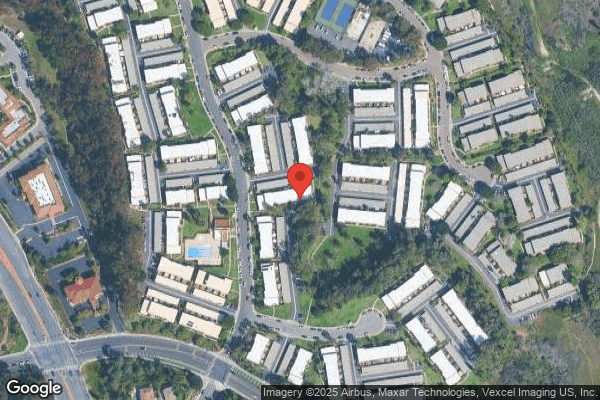
3140 EL CAMINO REAL, CARLSBAD, CA 92008 (760) 720-9898
For profit - Limited Liability company 45 Beds BAYSHIRE SENIOR COMMUNITIES Data: November 2025
Trust Grade
80/100
#19 of 1155 in CA
Last Inspection: February 2025

Within standard 12-15 month inspection cycle. Federal law requires annual inspections.

Overview

Bayshire Carlsbad has a Trust Grade of B+, which means it is recommended and above average in quality. It ranks #19 out of 1,155 facilities in California, placing it well within the top half of options available in the state, and #2 out of 81 in San Diego County, indicating only one local facility is better. The facility is improving, with reported issues dropping from 13 in 2024 to 6 in 2025. Staffing is rated at 3 out of 5 stars, with a turnover rate of 47%, which is average, suggesting that while some staff stay, there is room for consistency improvements. Importantly, the facility has not incurred any fines, which is a good sign, and has better RN coverage than 84% of California facilities, ensuring that registered nurses are present to catch potential problems. However, there are some areas of concern. Recent inspections revealed that the kitchen staff failed to maintain proper food safety practices, which could expose residents to foodborne illnesses. Additionally, there was an incident where a resident did not receive appropriate pain management as prescribed, potentially leading to inadequate pain relief. Despite these weaknesses, the facility overall shows a commitment to quality care as evidenced by its high ratings in health inspections and quality measures.

Trust Score
B+
80/100
In California
#19/1155
Top 1%
Safety Record
Low Risk
No red flags
Inspections
Getting Better
13 → 6 violations
Staff Stability
⚠ Watch
47% turnover. Above average. Higher turnover means staff may not know residents' routines.
Penalties
✓ Good
No fines on record. Clean compliance history, better than most California facilities.
Skilled Nurses
✓ Good
Each resident gets 57 minutes of Registered Nurse (RN) attention daily — more than average for California. RNs are trained to catch health problems early.
Violations
⚠ Watch
26 deficiencies on record. Higher than average. Multiple issues found across inspections.
★★★★★
5.0
Overall Rating
★★★☆☆
3.0
Staff Levels
★★★★★
5.0
Care Quality
★★★★☆
4.0
Inspection Score
Stable
2024: 13 issues
2025: 6 issues

The Good

  • 5-Star Quality Measures · Strong clinical quality outcomes
  • Full Sprinkler Coverage · Fire safety systems throughout facility
  • No fines on record

Facility shows strength in quality measures, fire safety.

The Bad

Staff Turnover: 47%

Near California avg (46%)

Higher turnover may affect care consistency

Chain: BAYSHIRE SENIOR COMMUNITIES

Part of a multi-facility chain

Ask about local staffing decisions and management

The Ugly 26 deficiencies on record

Mar 2025 1 deficiency
CONCERN (D) 📢 Someone Reported This

A family member, employee, or ombudsman was alarmed enough to file a formal complaint

Potential for Harm - no one hurt, but risky conditions existed

Deficiency F0697 (Tag F0697)

Could have caused harm · This affected 1 resident

**NOTE- TERMS IN BRACKETS HAVE BEEN EDITED TO PROTECT CONFIDENTIALITY** Based on interview and record review, the facility failed to follow a physician's order for pain management for one of three res...

Read full inspector narrative →
**NOTE- TERMS IN BRACKETS HAVE BEEN EDITED TO PROTECT CONFIDENTIALITY** Based on interview and record review, the facility failed to follow a physician's order for pain management for one of three residents (Resident 1), for pain when: 1. Non-pharmalogical interventions (NPI- any intervention intended to improve the health or the well-being of individuals that do not involve the use of any drugs or medicine) were not consistently provided prior to pain medication being administered; and 2. Pain medication doses were not administered according to the pain scale ranges level (scale to indicate level of pain 0=no pain, 10 =greatest pain), indicated by the physician. These failures had the potential for pain medication to not necessarily be required and for pain medication doses to be over or under administered. Findings: According to the facility's admission Record, Resident 1 was admitted to the facility on [DATE], with diagnoses which included neoplasm of bronchus and lung (a cancerous tumor that originates in the airways {bronchi} or lung tissue). On 3/21/25, an unannounced visit was made to the facility in response to a complaint. Resident 1 was no longer at the facility and had been transferred out on 3/8/25. On 3/21/25 Resident 1's medical record was reviewed. According to the Admissions Minimum Data Set, (MDS-a clinical assessment tool) dated 3/1/25, Resident 1 had a cognitive score of 13, indicating cognition was intact. The Pain Assessment section indicated frequent pain with a pain scale of 9 within the past 5 days. According to the facility's admission Pain Assessment Evaluation, dated 2/22/25, indicated chronic pain with the use of pharmalogical medication and non-pharmalogical interventions, such as rest or re-positioning relieved pain. 1. According to the physician's order, dated 2/22/25, Monitor for the presence of pain every shift using scale 0-10. Use non-pharmacological pain intervention-every shift using: 0-No pain observed. 1-reposition/limb elevation. 2-reassure/emotional support. 3-Provide distraction/diversionary activities. 4-Exerises/range of motion/ambulating/stretching. 5-Rest period/quiet environment. 6-Deep breathing/relaxation exercises. 7. Guided Imagery/medication. 8. Laughter/socialization. 9-music. 10-Other, document in progress note. The Medication Administration Record for Resident 1 was reviewed from 2/22/25 through 2/28/25. Non-pharmalogical interventions were attempted 3 out of 23 opportunities. Pain medication was administered 20 times throughout the same period. The Medication Administration Record for Resident 1 was reviewed from 3/1/25 through 3/8/25. Non-pharmalogical interventions were attempted 5 out of 19 opportunities. Pain medication was administered 24 times throughout the same period. According to facility's the care plan, titled Pain, dated 2/22/25, interventions included: Monitor and provide Non-Pharmacological interventions as applicable, and Notify physician if interventions were unsuccessful. There was no documented evidence in the nursing progress notes, that NPIs were unsuccessful. An interview was conducted with Licensed Nurse 1 (LN 1) on 3/21/25 at 11:30 A.M. LN 1 stated non-pharmacological interventions (NPI) were something nurses could perform prior to administering pain medication. LN 1 stated NPIs had no risk involved and could lessen pain, and the pain medication might not be required. LN 1 stated pain medication had risk of side effects and could lead to dependency. LN 1 stated NPIs should always be attempted before administering pain medications, especially if it was a physician's order. An interview was conducted with LN 2 on 3/21/24 at 11:41 A.M. LN 2 stated NPIs should always attempted prior to administering pain medication. LN 2 stated the importance of NPIs was to provide comfort and pain relief, because pain medication might not be required after the NPIs. LN 2 stated it was aways important to follow the physician's order. An interview was conducted with the Director of Nursing (DON) on 3/21/25 at 11:55 A.M. The DON stated NPIs were important to apply, before giving pain medication. The DON stated she did not believe NPIs would have been helpful for Resident 1, who had chronic pain. The DON stated if the physician ordered it, it should be attempted, or the physician's order should have been revised. According to the facility's policy, titled Pain-Clinical Protocol, dated October 2022, .Treatment/Management: .2. The physician will order appropriate non-pharmacological and medication interventions to address the individual's pain . 2. According to the physician's order, date 2/22/25, Oxycodone (pain medication that treats moderate to severe pain with a high risk for addiction and dependence) 10-325 milligrams (mg) give 1/2 tablet by mouth every 4 hours as needed for moderate pain, 4-6 scale, and Oxycodone 10-325 mg give 1 tablet by mouth for moderate to severe pain, 5-10 scale. The Medication Administration Record for Resident 1 was reviewed from 2/22/25 through 2/28/25. Oxycodone ½ tablet for moderate pain 4-6 scale was administered 2/23/25 at 8:07 A.M., for a documented pain level of 8. Oxycodone 1 tablet was administered for a moderate to severe 5-10 scale on 2/27/25 at 1:49 P.M., for a documented pain level of 4. According to the care plan, titled Pain, dated 2/22/25, interventions included Administer pain medication as per orders. Monitor and record pain characteristics as ordered to include Severity 1-10 scale. Anatomical location. Onset/Duration as needed. An interview was conducted with LN 1 on 3/21/25 at 11:30 A.M. LN 1 stated pain scale levels and pain medication needed to be followed, according to the physician's order. LN 1 stated if not followed, there was a risk of pain not being relieved, being over medicated, and even addiction. An interview was conducted with LN 2 on 3/21/24 at 11:41 A.M. LN 2 stated it was very important to follow the physician's order related to pain medication administration. LN 2 stated if giving more pain medication then required, it could lead to medication dependance or a higher tolerance, which could be harmful. An interview was conducted with the DON on 3/21/25 at 11:55 A.M. The DON stated she expected nurses to follow the physician orders related to pain medication administration. The DON stated there was a potential risk of addiction and the physician should have been notified that the order was not followed. According to the facility's policy, titled Pain-Clinical Protocol, dated October 2022, .Treatment/Management: .4. If the physician determines that opioid medication is an appropriate option for managing acute (or in some cases chronic) pain in the resident, the lowest possible effective dose is prescribed fore the shortest time possible .
Feb 2025 5 deficiencies
CONCERN (D)

Potential for Harm - no one hurt, but risky conditions existed

Comprehensive Assessments (Tag F0636)

Could have caused harm · This affected 1 resident

**NOTE- TERMS IN BRACKETS HAVE BEEN EDITED TO PROTECT CONFIDENTIALITY** Based on observation, interview, and record review, the facility failed to ensure a comprehensive assessment was completed accur...

Read full inspector narrative →
**NOTE- TERMS IN BRACKETS HAVE BEEN EDITED TO PROTECT CONFIDENTIALITY** Based on observation, interview, and record review, the facility failed to ensure a comprehensive assessment was completed accurately for one of 12 sampled residents (Resident 146) when Resident 146's Minimum Data Set (MDS, an assessment tool) did not reflect she had an indwelling catheter (a thin, flexible tube inserted and left in the bladder to collect and drain urine). This failure increased the risk for Resident 146 to not receive the appropriate care. Findings: Resident 146 was initially admitted to the facility on [DATE], and re-admitted on [DATE], with diagnoses including acute kidney failure (when the kidney suddenly stops working correctly) and urinary tract infection (UTI- an infection in the bladder/urinary tract) per the admission Record. An observation was conducted on 2/3/25 at 9:38 A.M. in Resident 146's room. Resident 146 was observed to have an indwelling catheter. A review of Resident 146's medical record was conducted on 2/3/25 at 11:31 A.M. Resident 146's MDS assessment, dated 1/15/25, indicated Resident 146 did not have an indwelling catheter. An interview and record review were conducted with the Director of Nursing (DON) and the Director of Staff Development (DSD) on 2/5/25 at 1:35 P.M. A review of nursing documentation, dated 1/9/25 at 12:55 A.M., indicated Resident 146 had an indwelling urinary catheter. A review of a physician's note, dated 1/13/25 at 12:54 P.M., indicated .Patient does have [an indwelling] catheter . An interview and record review were conducted with the DON on 2/5/25 at 2:56 P.M. The DON stated the MDS, dated [DATE], did not reflect Resident 146 had an indwelling catheter. The DON stated the MDS should have been accurate and reflected Resident 146 had an indwelling catheter. The DON stated the MDS assessment should have been accurate as it would have helped create Resident 146's plan of care. A review of the facility's policy titled Resident Assessments, revised October 2023, indicated .All persons who have completed any portion of the MDS resident assessment form must sign the document attesting to the accuracy of such information . The Centers for Medicare & Medicaid Services' (CMS, a federal agency) Long-Term Care Facility Assessment Instrument 3.0 User's Manual (a manual on how to complete the MDS assessment tool), dated October 2024, indicated .multiple regulatory requirements .require that (1) the assessment accurately reflects the resident's status .
CONCERN (D)

Potential for Harm - no one hurt, but risky conditions existed

ADL Care (Tag F0677)

Could have caused harm · This affected 1 resident

**NOTE- TERMS IN BRACKETS HAVE BEEN EDITED TO PROTECT CONFIDENTIALITY** Based on observation, interview, and record review, the facility failed to ensure one of two residents (Resident 98), who were u...

Read full inspector narrative →
**NOTE- TERMS IN BRACKETS HAVE BEEN EDITED TO PROTECT CONFIDENTIALITY** Based on observation, interview, and record review, the facility failed to ensure one of two residents (Resident 98), who were unable to carry out activities of daily living (ADL-self- care activities such as grooming), received assistance with nail care (cleaning, trimming and/or filing of nails) and removal of facial hair. This failure resulted in Resident 98 having long fingernails, and facial hair which had the potential to negatively impact the resident's self-esteem and comfort. Findings: Resident 98 was admitted to the facility on [DATE], with diagnoses including sepsis (infection in the blood) and muscle weakness according to the facility's admission Record. A review of Resident 98's history and physical, completed by Resident 98's attending physician, dated 1/28/25, indicated Resident 98 could make needs and concerns known. A review of Resident 98's minimum data set (MDS - a federally mandated resident assessment tool), dated 2/2/25, Resident 1 had a Brief Interview for Mental Status (BIMS, ability to recall) score of 7/15, (a score of 13 to 15 suggests the patient is cognitively [process of acquiring knowledge and understanding] intact, 8 to 12 suggests moderately impaired and 0 to 7 suggests severe impairment). Resident 98's functional abilities of the MDS indicated Resident 98 required maximum assistance on personal hygiene. On 2/3/25 at 12:47 P.M., an observation was conducted with Resident 98 in the dining area. Resident 98 had facial hair and long fingernails. On 2/3/25 at 2:25 P.M., an observation was conducted with Resident 98 in her room. Resident 98 still had facial hair and long fingernails. A review of Resident 98's care plan on ADLs was conducted. The care plan indicated one of Resident 98's interventions was for the staff to check Resident 98's nail length and trim and clean on bath day and as necessary. On 2/5/25 at 8:12 A.M., a follow up observation and an interview was conducted with Resident 98 in her room. Resident 98 still had facial hair and long fingernails. Resident stated her nails were long and needed to be cut. On 2/5/25 at 9:19 A.M., an interview was conducted with Certified Nursing Assistant (CNA) 11. CNA 11 stated Resident 98 was under her care yesterday 2/4/25 and today, 2/5/25. CNA 11 stated she had not seen Resident 98's fingernails and did not notice Resident 98's facial hair. On 2/5/25 at 9:27 A.M., a joint observation of Resident 98, an interview of Resident 98 and an interview with CNA 11 was conducted. Resident 98 had facial hair and long fingernails. Resident 98 stated she wanted her facial hair removed and her fingernails cut. CNA 11 stated she needed to remove Resident 98's facial hair and cut her fingernails. CNA 11 stated it was important to provide nail care to prevent Resident 98 scratching and cutting herself. CNA 11 stated it was to maintain Resident 98's personal hygiene and for dignity. On 2/5/25 at 4:06 P.M., an interview was conducted with the Director of Nursing. The DON stated the expectation was for the staff to ensure residents facial hair was removed and residents' fingernails were trimmed and cut per the residents' preference for hygiene and dignity. A review of the facility's policy titled, Activities of Daily Living (ADLs), Supporting, revised March 2018, indicated, .Residents who are unable to carry out activities of daily living independently will receive the services necessary to maintain good .grooming and personal .hygiene .2. Appropriate care and services will be provided for residents who are unable to carry out ADLs independently, with the consent of the resident and in accordance with the plan of care, including .support and assistance with: a. Hygiene ( .grooming) .
CONCERN (D)

Potential for Harm - no one hurt, but risky conditions existed

Accident Prevention (Tag F0689)

Could have caused harm · This affected 1 resident

Based on interview and record review, the facility staff failed to document consistently the removal of lint from the drying machine trap after drying machine used in the laundry room. This failure ha...

Read full inspector narrative →
Based on interview and record review, the facility staff failed to document consistently the removal of lint from the drying machine trap after drying machine used in the laundry room. This failure had the potential to cause fire in the laundry room which could affect the safety of all residents and staff in the facility. Findings: On 2/5/25 at 10:40 A.M., an observation of the laundry room was conducted. The laundry room was separated by clean and dirty area with separate doors, an entry door to the dirty area and an entry door to the clean area. There were two staff folding linens in the clean area of the laundry room. The washing machine was in use with hot water temperature noted. The drying machine was in use with hot temperature noted. On 2/5/25 at 10:42 A.M., a review of the laundry dryers cleaning log was conducted. The laundry dryers cleaning log had missed entries from November 2024 through January 2025. The log indicated the following: - November 2024 missed entries - 11/2/24, and 11/18/24. - December 2024 missed entries - 12/13/24, 12/15/24, 12/16/24, 12/18/24, 12/20/24, 12/22/24, 12/23/24, 12/25/24, 12/26/24, 12/28/24 and 12/30/24. - January 2025 missed entries - 1/5/25, 1/7/25, 1/11/25, 1/24/25 and 1/31/25. On 2/5/25 at 10:45 A.M., an interview with laundry staff (LS) 12 was conducted with the interpretation of Payroll staff (PS) 14. LS 12 stated the facility did the laundry every day and the lint was removed from the drying machine trap every two hours. LS 12 stated it was important to remove the lint in the drying machine to ensure the dryer was cleaned for infection and the heat in the drying machine was appropriate to dry the clothes and linens. On 2/5/25 at 4:06 P.M., an interview with the Director of Nursing (DON) was conducted. The DON stated the expectation was for the laundry staff to have removed the lint and documented in the log to show that the removal of the lint from the drying machine was done for the dryer to work effectively and to ensure prevention of fire. A review of the facility's policy titled, Fire Safety and Prevention, revised May 2011, indicated, All personnel must learn methods of fire prevention .Overheating .b. Keep filters on .dryers, etc. free of lint .
CONCERN (D)

Potential for Harm - no one hurt, but risky conditions existed

Incontinence Care (Tag F0690)

Could have caused harm · This affected 1 resident

**NOTE- TERMS IN BRACKETS HAVE BEEN EDITED TO PROTECT CONFIDENTIALITY** Based on interview and record review, the facility failed to ensure one of three residents (Resident 146) screened for an indwel...

Read full inspector narrative →
**NOTE- TERMS IN BRACKETS HAVE BEEN EDITED TO PROTECT CONFIDENTIALITY** Based on interview and record review, the facility failed to ensure one of three residents (Resident 146) screened for an indwelling catheter (a thin, flexible tube inserted and left in the bladder to collect and drain urine) had a physician's order for an indwelling catheter, and catheter care was consistently provided. This failure had a potential for Resident 146 to develop a urinary tract infection (UTI- an infection in the bladder/urinary tract). Findings: Resident 146 was initially admitted to the facility on [DATE], and re-admitted on [DATE], with diagnoses including acute kidney failure (when the kidney suddenly stops working correctly) and urinary tract infection (UTI- an infection in the bladder/urinary tract) per the admission Record. A review of Resident 146's medical record was conducted on 2/3/25. A review of active and discontinued orders for an indwelling catheter was conducted. There was an order to document output from an indwelling catheter, but there were no orders found for an indwelling catheter or indwelling catheter care from 1/8/25 through 1/25/25 A review of Resident 146's medical record was conducted with the Director of Nursing (DON) and the Director of Staff Development (DSD) on 2/5/25 at 1:35 P.M. The DON stated there was no order for an indwelling catheter or indwelling catheter care from 1/8/25 through 1/25/25. A review of nursing documentation, dated 1/9/25 at 12:55 A.M., indicated Resident 146 had an indwelling urinary catheter. A review of a physician's note, dated 1/13/25 at 12:54 P.M., indicated .Patient does have [an indwelling] catheter . The DON further stated toileting hygiene or catheter care should be performed every shift (three times a day). A review of the documentation for toileting hygiene for 1/17/25, 1/22/25, and 1/24/25 indicated toileting hygiene was not performed on all three shifts. The DON stated there were no documentation specific for catheter care found for 1/8/25 through 1/25/25. A review of a physician's progress note, dated 1/25/25 at 12:33 P.M., indicated .UTI noted . A review of the facility's policy titled Catheter Care, Urinary, revised September 2014, indicated .Purpose: the purpose of this procedure is to prevent catheter-associated urinary tract infections .The following should be recorded in the resident's medical record: 1. The date and time that catheter care was given .
CONCERN (D)

Potential for Harm - no one hurt, but risky conditions existed

Deficiency F0725 (Tag F0725)

Could have caused harm · This affected 1 resident

Based on interview and record review, the facility failed to ensure call lights were answered in a timely manner. This failure had the potential for residents' needs to be unmet. Findings: An intervi...

Read full inspector narrative →
Based on interview and record review, the facility failed to ensure call lights were answered in a timely manner. This failure had the potential for residents' needs to be unmet. Findings: An interview with Resident 147 on 2/3/25 at 9:18 A.M. Resident 147 stated her only concern about the facility was the call light response time. Resident 147 stated it took over half an hour to get help when needed. Resident 147 stated she needed help to be cleaned after having an incontinence episode. An interview with Resident 148 was conducted on 2/4/25 at 8:58 A.M. Resident 148 stated it took over an hour to get assistance to get ready for bed at night. An interview with Confidential Resident (CR) 1 and CR 2 was conducted on 2/4/25 at 9:57 A.M. CR 1 and CR 2 stated it took half an hour to get assistance. CR 2 stated she checked her watch and monitored the response time. CR 2 stated she needed assistance to complete various tasks. A review of the Payroll-based Journal (PBJ) Staffing Data Report (a system used by a federal agency to collect a facility's staffing information) indicated the facility had a one-star staffing quality rating for the fourth quarter of 2024 (July 2024 through September 2024). An interview was conducted with the Director of Nursing (DON) on 2/6/25 at 3:05 P.M. The DON stated it was her expectation for call lights to be acknowledged within five to 7 minutes. The DON stated it was important to answer call lights timely to meet the needs of the residents. A review of the facility's policy titled Answering the Call Light, revised September 2022, indicated .The purpose of this procedure is to ensure timely responses to the resident's requests and needs .
Feb 2024 13 deficiencies
CONCERN (D)

Potential for Harm - no one hurt, but risky conditions existed

Deficiency F0692 (Tag F0692)

Could have caused harm · This affected 1 resident

**NOTE- TERMS IN BRACKETS HAVE BEEN EDITED TO PROTECT CONFIDENTIALITY** Based on observations, interviews, and record reviews the facility failed to ensure a sampled resident, (Resident 21) with an un...

Read full inspector narrative →
**NOTE- TERMS IN BRACKETS HAVE BEEN EDITED TO PROTECT CONFIDENTIALITY** Based on observations, interviews, and record reviews the facility failed to ensure a sampled resident, (Resident 21) with an unintended, unplanned severe weight loss of 14.98% in one month, receive timely nutrition assessments and supplements according to facility policy and standards of practice. This failure had the potential to further impair sampled Resident 21's nutritional status, reduce lean body mass (body weight that includes muscles, bones, and organs; and excludes fat), and increase the risk of malnutrition. Cross reference: F806, F808 Findings: According to the Academy of Nutrition & Dietetics, Nutrition Care Manual, dated 2022, Treatment of unintended weight loss is imperative to ensure optimal outcomes for the older adult. Unintended weight loss is linked to increased mortality (death) among older adults . residents in long-term-care facilities who continue losing weight have a higher mortality rate compared with those who stop losing weight. Weight loss of 5% or more within 30 days is associated with a tenfold increase in the likelihood of death. Unintended weight loss often results in protein-energy undernutrition (low protein or calorie intake resulting in insufficient nutrient absorption), as the older adult loses critical lean body mass and is more prone to pressure ulcers (injuries to the skin and underlying tissue due to consistent pressure), infections (when a virus or bacteria enters the body and causes harm), immune dysfunction (when the body's system does not fight off infections or illness), anemia (low levels of oxygen in the blood), falls resulting in hip fractures (breaks or tears), and other conditions. https://www.nutritioncaremanual.org/ Per the facility's admission Record dated Feb. 27, 2024, Resident 21 was admitted on [DATE] with diagnoses which included acute endocarditis (a life-threatening inflammation of the inner lining of the heart's chambers and valves), protein-calorie malnutrition, and congestive heart failure (a long-term condition in which your heart can't pump blood well enough to meet your body's needs). A review of Resident 21's Weight and Vitals summary dated Feb. 27, 2024 indicated: 2/27/24 - 102 pounds 2/25/24 - 102 pounds 2/22/24 - 102.2 pounds 2/21/24 - 101.4 pounds 2/18/24 - 102.6 pounds 2/15/24 - 105.2 pounds 2/13/24 - 107.6 pounds 2/11/24 - 108.6 pounds 2/8/24 - 110 pounds 2/6/24 - 112.8 pounds 2/3/24 - 116.1 pounds 1/31/24 - 113.4 pounds 1/29/24 - 117.8 pounds 1/26/24 - 118.2 pounds During a review of Resident 21's physician's diet orders dated 1/26/24, the orders indicated .Phone .Heart Healthy (Low Fat/Low Cholest/2-2.5 Sodium) diet Regular texture, Regular/Thin consistency, Fluid restriction 1200 ml (milliliters) per day . During a review of Resident 21's physician's diet orders dated 2/22/24, the orders indicated .Phone .Ensure Plus two times a day, CHOCOLATE flavor . A review of the nutrition facts for the eight ounce bottle of Ensure Plus, Chocolate flavor supplement indicated one bottle provides 350 calories and 16 grams of protein. During a review of the physician's progress notes dated 1/29/24 for Resident 21, the progress notes indicated .Severe protein calorie malnutrition .will add Ensure 3 times a day . During a review of for Resident 21's physician's progress notes dated 2/2/24, 2/6/24, 2/9/24, 2/12/24, and 2/26/24, the progress notes indicated .Nutritional Assessment: Patient has evidence of severe malnutrition .Weight loss: present, Muscle mass: low . During a review of Resident 21's meal intake percentage reports from 1/29/24-2/27/24, the resident averaged a 25%-75% meal intake. During a review of Resident 21's Nutrition Care Plan, the care plan indicated Focus: Resident at risk for alteration in nutrition status related to weight loss .Interventions/Tasks: .Ensure Max Protein BID (twice a day) .Monitor labs as ordered and report abnormalities to physician .Monitor meal intake with each meal .report weight loss . Supplements as ordered . During a review of Resident 21's Nutrition Risk Review Form assessment dated [DATE] completed by the Registered Dietitian (RD) indicated .Usual body weight - 115 pounds .Diagnosis (Dx) of malnutrition .Recommend maintaining current nutrition plan, meal intake of 51%-75% and monitoring weekly weights . A review of facility policy and procedure (P&P) titled Best Practice Guidelines for Nutrition Intervention Protocol, dated 2/28/2019 indicated .High Risk for Weight Loss .7. Consider appetite stimulant x 30 days if there is continued weight loss . During an interview with the RD on 2/28/24 at 2:47 P.M., the RD stated she was concerned about Resident 21's weight loss and from now on she would make sure the prescribed doctor ordered supplements were in the facility, and the residents receive them. The RD stated the severe weight loss could be harmful for the resident's nutrition status. During an interview on 2/28/24 at 10:33 A.M. with Resident 21's physician (MD 1), MD 1 stated the resident was thin at baseline and had edema from the hospital. MD 1 stated he has known about her weight loss since admission but was unaware she had not received the chocolate flavored Ensure Plus supplement. MD 1 stated he expected the facility to provide the residents with their prescribed supplements ordered by the physician. During an interview on 2/29/24 at 11:48 A.M. with the Director of Nursing (DON), the DON stated, weight loss has the potential for all kinds of negative outcomes. The DON further stated following the facility's weight loss policy and providing the chocolate flavored Ensure supplement may have decreased the risk of malnutrition and potentially prevented severe insidious weight loss. A review of facility policy and procedure (P&P) titled Weight Loss/Gain- A Change in Condition, dated 7/26/2018 indicated .2. Significant weight loss/gain is .5% or greater in 30 days .7. Continue every nutritional intervention possible and continue weekly weight until the weight stabilizes . A review of facility policy and procedure (P&P) titled Weight Loss/Gain- A Change in Condition, dated 3/11/2019 indicated .Policy .Residents with significant weight variance should be identified and appropriate intervention implemented .9. All .unplanned .weight loss should be care planned and have nutritional goals and approaches .12. Insidious weight loss .can be a nutritional concern when unplanned. Be aware of this type of weight loss .and intervene .
CONCERN (D)

Potential for Harm - no one hurt, but risky conditions existed

Respiratory Care (Tag F0695)

Could have caused harm · This affected 1 resident

Based on observation, interview and record review, the Licensed Nurses (LNs) failed to monitor oxygen (O2) concentrator (machine that delivers oxygen) humidifier (humidifies the oxygen delivered to th...

Read full inspector narrative →
Based on observation, interview and record review, the Licensed Nurses (LNs) failed to monitor oxygen (O2) concentrator (machine that delivers oxygen) humidifier (humidifies the oxygen delivered to the resident) per the physician's order for one of two sampled residents (14) reviewed for respiratory therapy. This failure had the potential for Resident 14 to develop dry mucus membrane, bleeding, and injury. Findings: During a review of Resident 14's admission Record dated 12/14/23, the admission Record indicated Resident 14 was readmitted to the facility from acute care hospital with diagnoses which included head injury. During a review of Resident 14's minimum data set (MDS, an assessment tool) dated 12/19/23, the MDS indicated Resident 14's brief interview for mental status (BIMS, ability to recall) score was 13, which meant Resident 14's cognition was intact. During an observation and an interview of Resident 14 in his room on 2/26/24 at 10:26 AM., Resident 14 was lying in bed. Resident 14 stated he was on isolation because of COVID (highly contagious droplet disease). Resident 14 wore a nasal cannula (tubing) connected to an oxygen concentrator. The tubing was connected to an O2 concentrator humidifier bottle (a refillable bottle that infuses the normal flow of O2 with water droplets). The O2 concentrator humidifier bottle was empty. A follow up observation was conducted of Resident 14 in his room on 2/27/24 at 4:39 P.M. The O2 concentrator humidifier bottle was empty. During a joint observation of Resident 14 in his room and an interview with LN 1 on 2/28/24 at 3:17 P.M., LN 1 stated Resident 14's O2 concentrator humidifier bottle was empty. LN 1 stated Resident 14 was on continuous O2 therapy. During a concurrent review of Resident 14's physician's order and an interview with LN 1 on 2/28/24 at 3:31 P.M., LN 1 stated a physician's order dated 2/21/24, indicated Monitor oxygen humidifier bottle every shift, change when bottle close to empty . LN 1 stated it was important to keep the oxygen delivered to the resident was moist because it may dry his mucus membrane and may cause bleeding and injury to the resident. During an interview with the Director of Nursing (DON) on 2/29/24 at 2:47 P.M., the DON stated the LNs should have monitored the residents who were on O2 to have sufficient fluid in the O2 concentrator humidifier bottle to humidify the oxygen delivered to the resident because it was a dry air to prevent injury to the residents. During a review of the facility's policy titled Oxygen Administration, revised October 2010, the policy indicated, The purpose of this procedure is to provide guidelines for safe oxygen administration .Steps in the Procedure .11. Check the .humidifying jar .Be sure there is water in the humidifying jar and that the water level is high enough that the water bubbles as oxygen flows through .
CONCERN (D)

Potential for Harm - no one hurt, but risky conditions existed

Deficiency F0699 (Tag F0699)

Could have caused harm · This affected 1 resident

**NOTE- TERMS IN BRACKETS HAVE BEEN EDITED TO PROTECT CONFIDENTIALITY** Based on observation, interview and record review, the facility failed to identify one of one resident (42) reviewed for Trauma ...

Read full inspector narrative →
**NOTE- TERMS IN BRACKETS HAVE BEEN EDITED TO PROTECT CONFIDENTIALITY** Based on observation, interview and record review, the facility failed to identify one of one resident (42) reviewed for Trauma Informed Care (TIC - an intervention and organization approach that focuses on how trauma may affect an individual's life and his or her response to behavioral health), and received care and services in accordance with professional standards when Resident 42's PTSD (post-traumatic stress disorder- a disorder in which a person has difficulty recovering after experiencing or witnessing a terrifying event) was not identified and addressed by the healthcare providers. This failure resulted in the facility's inability to identify possible triggers that could result in re-traumatization (the reactivation of trauma symptoms via thoughts, memories, or feelings related to the past traumatic experience). Findings: Resident 42 was admitted to the facility on [DATE] with diagnoses including PTSD and psoriatic arthritis (joint pain and swelling) according to the facility's admission Record. During a review of Resident 42's history and physical (H&P) dated 2/4/24, the attending physician documented, .He expresses grief after his wife's death . During a review of Resident 42's minimum data set (MDS, an assessment tool) dated 2/9/24, the MDS indicated Resident 42's brief interview for mental status (BIMS, ability to recall) score was 14, which meant Resident 42's cognition was intact. The MDS section I indicated PTSD was one of Resident 42's active diagnosis. During an observation and an interview of Resident 42 on 2/26/24 at 12:58 P.M., Resident 42 was sitting up in bed and watching a television show. Resident 42 stated he lost his wife of 48 years two years ago and missing her so much. Resident 42 was teary eyed, and his hands were shaking. A review of psychologist progress notes dated 2/7/24 was conducted. The progress notes indicated Resident 42 was referred to the psychologist for treatment of depression and PTSD, and symptoms of maladaptive behavior was despondence (in low of spirits from loss of hope and courage). The psychologist progress notes indicated Resident 42, Endorsed having anxiety symptoms and is still dealing with great loss of his wife . The psychologist progress notes indicated Resident 42's mood and affect were anxious and depressed. During an interview with Certified Nursing Assistant (CNA) 1 on 2/27/24 at 3:30 P.M., CNA 1 stated she was not aware of Resident 42's diagnosis of PTSD and what were the possible triggers for Resident 42. During a concurrent review of Resident 42's record and an interview with Licensed Nurse (LN) 1 on 2/28/24 at 2:59 P.M., LN 1 stated she was not aware of Resident 42's diagnosis of PTSD and what would trigger Resident 42's PTSD. During an interview with the Director of Nursing (DON) on 2/29/24 at 2:47 P.M., the DON stated it was important to identify residents with diagnoses of PTSD to prevent possible triggers. The DON further stated Resident 42 was not assessed properly upon admission to the facility. A review of the facility's policy and procedure (P&P) titled, Trauma-Informed and Culturally Competent Care, dated August 2022 was conducted. The P&P indicated, .Resident Screening, 1. Perform universal screening of residents .identification of possible exposure to traumatic events .Resident Assessment 1. Assessment involves an in-depth process of evaluating the presence of symptoms, their relationship to trauma, as well as the identification of triggers .
CONCERN (D)

Potential for Harm - no one hurt, but risky conditions existed

Deficiency F0740 (Tag F0740)

Could have caused harm · This affected 1 resident

**NOTE- TERMS IN BRACKETS HAVE BEEN EDITED TO PROTECT CONFIDENTIALITY** Based on observation, interview, and record review, the facility failed to ensure one of one resident (42) was reviewed and asse...

Read full inspector narrative →
**NOTE- TERMS IN BRACKETS HAVE BEEN EDITED TO PROTECT CONFIDENTIALITY** Based on observation, interview, and record review, the facility failed to ensure one of one resident (42) was reviewed and assessed for overall psychosocial well-being, received a psychosocial assessment related to Post traumatic stress disorder (PTSD, an anxiety disorder that develops following distressing life events). As a result, Resident 42 did not receive appropriate and adequate psychosocial assessment, and mental health treatment. Findings: Resident 42 was admitted to the facility on [DATE], with diagnoses which included PTSD, per the facility's admission Record. During a review of Resident 42's history and physical (H&P) dated 2/4/24, the attending physician documented, .He expresses grief after his wife's death . During a review of Resident 42's minimum data set (MDS, an assessment tool) dated 2/9/24, the MDS indicated Resident 42's brief interview for mental status (BIMS, ability to recall) score was 14, which meant Resident 42's cognition was intact. The MDS section I indicated PTSD was one of Resident 42's active diagnosis. During an observation and an interview of Resident 42 on 2/26/24 at 12:58 P.M., Resident 42 was sitting up in bed and watching a television show. Resident 42 stated he lost his wife of 48 years two years ago and missing her so much. Resident 42 was teary eyed, and his hands were shaking. A review of psychologist progress notes dated 2/7/24 was conducted. The progress notes indicated Resident 42 was referred to the psychologist for treatment of depression and PTSD, and symptoms of maladaptive behavior was despondence (in low of spirits from loss of hope and courage). The psychologist progress notes indicated Resident 42, Endorsed having anxiety symptoms and is still dealing with great loss of his wife . The psychologist progress notes indicated Resident 42's mood and affect were anxious and depressed. During an interview with Certified Nursing Assistant (CNA) 1 on 2/27/24 at 3:30 P.M., CNA 1 stated she was not aware of Resident 42's diagnosis of PTSD and what were the possible triggers for Resident 42. During a concurrent review of Resident 42's record and an interview with Licensed Nurse (LN) 1 on 2/28/24 at 2:59 P.M., LN 1 she was not aware of Resident 42's diagnosis of PTSD and what would trigger Resident 42's PTSD. LN 1 stated there was no psychosocial assessment related to Resident's diagnosis of PTSD. LN 1 stated there was no in-service conducted related to PTSD. During a concurrent review of Resident 42's record and an interview with the Director of Staff Development (DSD) on 2/28/24 at 4:08 P.M., the DSD stated she did not conduct any in-service related to PTSD. The DSD stated she was not aware Resident 42 had a diagnosis of PTSD and that there was no assessment done for Resident 42. The DSD stated an assessment was important to get an opportunity to ask what triggered Resident 42 and to plan what kind of care will be provided to him. During an interview with the Director of Nursing (DON) on 2/29/24 at 2:47 P.M., the DON stated it was important to identify residents with diagnoses of PTSD to prevent possible triggers and to plan his care while at the facility. The DON further stated Resident 42 was not assessed properly upon admission to the facility.
CONCERN (D)

Potential for Harm - no one hurt, but risky conditions existed

Unnecessary Medications (Tag F0759)

Could have caused harm · This affected 1 resident

Based on observations, interviews, and record review, the facility failed to ensure the medication error rate was less than five percent. Two medication errors out of 30 opportunities were identified ...

Read full inspector narrative →
Based on observations, interviews, and record review, the facility failed to ensure the medication error rate was less than five percent. Two medication errors out of 30 opportunities were identified during medication (med) administration, when Licensed Nurse (LN) 2: 1. Administered an aspirin tablet to Resident 147 compared to aspirin capsule ordered by the physician, and 2. Administered omeprazole (antacid) to Resident 197 after Resident 197 had her breakfast. These failures resulted in a medication error rate of 6.6%. Findings: 1. On 2/28/24 at 8:32 A.M., a med pass observation for Resident 147 was conducted with LN 2. LN 2 prepared Resident 147's medications which included aspirin tablet and administered them to Resident 147. On 2/28/24 at 3:45 P.M., a concurrent review of Resident 147's physician order and Medication Administration Record (MAR, a record that keeps track medications that were given to an individual which includes key information about the individual's medication including, the medication name, dose taken, special instructions and date and time), and an interview with LN 2 was conducted. LN 2 stated the physician order for Resident 147's aspirin was in the form of capsule. LN 2 stated the facility did not carry aspirin capsule but all tablet forms. LN 2 stated the difference was some tablet forms were just plain aspirin (non-coated aspirin gets broken down and absorbed in the stomach) compared to the capsule (enteric-coated aspirin protects it from stomach acid, so it can pass into the small intestine and be absorbed there). LN 2 stated LNs had been administering Resident 147 the aspirin tablet from 2/6/24 to 2/28/24. LN 2 stated checking the medication form should have been ensured as part of LNs responsibility during med administration. On 2/29/24 at 2:47 P.M., an interview with the Director of Nursing (DON) was conducted. The DON stated the expectation was for the LNs to review the physician's order, made sure the medication form was correct, get the right medication from the pharmacy and follow the physician's order. A review of the facility's policy titled, Administering Medication, revised April 2019, indicated, .4. Medications are administered in accordance with prescriber orders .10. The individual administering the medication checks the label .to verify the right .medication .before giving the medication . 2. On 2/28/24 at 9:08 A.M., a med pass observation for Resident 197 was conducted with LN 2. LN 2 prepared Resident 197's medications which included omeprazole. The medication blister pack (a card that packages the medication per dose within a transparent plastic bubble or blisters) had a special instruction that indicated the omeprazole should be taken on empty stomach. On 2/28/24 at 9:32 A.M., a joint observation and an interview of Resident 197 with LN 2 was conducted in Resident 197's room. Resident 197 had her meal tray by the table. Resident 197 stated she had just eaten her breakfast. LN 2 took out Resident 197's meal tray out and administered Resident 197's medications including omeprazole. On 2/28/24 at 3:45 P.M., a concurrent review of Resident 197's physician order and the MAR, and an interview with LN 2 was conducted. LN 2 stated LNs had been administering omeprazole to Resident 197 around nine or past nine in the morning and breakfast was served before then. LN 2 stated omeprazole should be given on empty stomach for the residents to get the most benefit and prevent acid reflux. On 2/29/24 at 2:47 P.M., an interview with the DON was conducted. The DON stated the expectation was for the LNs to read the labels and special instructions from the packaging to ensure the medication was effective and to prevent gastric acidity. A review of the facility's policy titled, Administering Medication, revised April 2019, indicated, .5. Medication administration times are determined by resident need and benefit .Factors that are considered include: a. enhancing optimal therapeutic effect of the medication .10. The individual administering the medication checks the label .to verify the right .medication .right time .before giving the medication . The facility did not provide a policy related to keeping medication error rate of less than 5%.
CONCERN (D)

Potential for Harm - no one hurt, but risky conditions existed

Deficiency F0760 (Tag F0760)

Could have caused harm · This affected 1 resident

**NOTE- TERMS IN BRACKETS HAVE BEEN EDITED TO PROTECT CONFIDENTIALITY** Based on observation, interview and record review, the facility failed to ensure medication (med) was administered correctly whe...

Read full inspector narrative →
**NOTE- TERMS IN BRACKETS HAVE BEEN EDITED TO PROTECT CONFIDENTIALITY** Based on observation, interview and record review, the facility failed to ensure medication (med) was administered correctly when Licensed Nurse (LN) 3 did not check a resident's (Resident 198) heart rate prior to medication administration of metoprolol (Lopressor, anti-hypertensive medication, one side effect would slow down an individual's heart rate). This failure could cause harm to Resident 198 due to unsafe administration of the medication. Findings: Resident 198 was admitted to the facility on [DATE], with diagnoses which included high blood pressure, per the facility's admission Record. On 2/29/24 at 8:43 A.M., an observation of med administration for Resident 198 was conducted with licensed nurse (LN) 3. LN 3 prepared Resident 198's 11 different types of medications which included metoprolol. The medication blister pack (a card that packages the medication per dose within a transparent plastic bubble or blisters) had a special instruction that indicated Resident 198's heart rate should be checked and to hold metoprolol if heart rate is less than 60 beats per minute (BPM). LN 3 administered metoprolol to Resident 198 without checking the Resident 198's heart rate. On 2/29/24 at 9:17 A.M., an interview with LN 3 was conducted. LN 3 stated there was a parameter to check resident's heart rate and to hold the metoprolol if below 60 BPM. On 2/29/24 at 2:47 P.M., an interview with the Director of Nursing (DON) was conducted. The DON stated the expectation was for the LNs to ensure parameters were followed prior to administering medications to the residents because it could possibly cause low blood pressure or slow down the heart rate. A review of the facility's policy titled, Administering Medication, revised April 2019, indicated, .11. The following information is checked for each resident prior to administering medications .b. Vital signs . A review of the facility's pharmacy general information dated July 2022 was conducted. The pharmacy general information indicated, .M. Medication Administration System (Passing) .4 .Licensed Nurse must take vital signs before administration .Hold Lopressor if heart rate less than 60 .
CONCERN (D)

Potential for Harm - no one hurt, but risky conditions existed

Deficiency F0761 (Tag F0761)

Could have caused harm · This affected 1 resident

Based on observation, interview, and record review, the facility failed to ensure the temperature was monitored and documented consistently for two of two medication (med) refrigerators during med sto...

Read full inspector narrative →
Based on observation, interview, and record review, the facility failed to ensure the temperature was monitored and documented consistently for two of two medication (med) refrigerators during med storage observation. This failure had the potential to affect the efficacy and effectiveness of the medications. Findings: On 2/29/24 at 10:13 A.M., an observation of the medication storage room, and an interview and record review with the License Nurse (LN) 4 was conducted. There were two medication refrigerators in the med storage room. LN 4 stated one refrigerator was for the vaccines, and one was for medications for the residents. The vaccine refrigerator contained flu vaccines and residents' intravenous antibiotic (anti-infective) medications. The medication refrigerator contained tuberculin (solution to test tuberculosis by injecting a small amount underneath the skin) and residents' medications to include unopened insulin (diabetic medicines). There was a missing refrigerator temperature reading for the vaccines and the medication refrigerator which contained insulin vials on 2/27/24 in the afternoon shift. LN 4 stated monitoring the med refrigerators were important to ensure meds were safe and were in the correct temperatures. LN 4 stated the policy was to check the temperatures in the morning and in the afternoon to maintain the temperature of 36 - 46 degrees Fahrenheits. On 2/29/24 at 2:47 P.M., an interview with the DON was conducted. The DON stated the expectation was for the LNs to follow the policy, to check the medication refrigerators temperature twice daily to prevent deactivation of the medications that would affect the effectiveness of the medication and potency of the vaccines. A review of the facility's pharmacy general information dated July 2022 was conducted. The pharmacy general information indicated, .K. Temperature of Medications, Drugs shall be stored in appropriate temperatures .B. Drugs requiring refrigeration shall be stored in a refrigerator between 2 degrees Celsius [C] (36 degrees F) and 8 degrees C (46 degrees F) .1) If storing vaccines .temperature will be documented on log twice daily (AM & PM) .I. Injectable Medications .B .1) Insulin injections .Recommend storing unopened bottles in the refrigerator between 2 degrees C (36 degrees F) and 8 degrees C (46 degrees F) .2) Tuberculin .should be stored between 2 degrees C (36 degrees F) and 8 degrees C (46 degrees F) .
CONCERN (D)

Potential for Harm - no one hurt, but risky conditions existed

Menu Adequacy (Tag F0803)

Could have caused harm · This affected 1 resident

**NOTE- TERMS IN BRACKETS HAVE BEEN EDITED TO PROTECT CONFIDENTIALITY** Based on observations, interviews, and record reviews the facility did not ensure the menus were followed for the diets as print...

Read full inspector narrative →
**NOTE- TERMS IN BRACKETS HAVE BEEN EDITED TO PROTECT CONFIDENTIALITY** Based on observations, interviews, and record reviews the facility did not ensure the menus were followed for the diets as printed. This failure had the potential to alter the palatability and nutritional value of the food, which could decrease food intake and compromise the resident's nutritional status. Cross reference F804 Findings: According to a literature review of malnutrition, leading modifiable risk factors of malnutrition in Long-term care (LTC) include .poor nutrition .poor food/fluid intake .dependence on others for eating and impaired mobility. Additional .factors that lead to poor oral intake include poor food delivery systems, timing of menu and menu selections . ([NAME], K.N.P., [NAME], S.R. & [NAME], C.W. Nutritional Vulnerability in Older Adults: A Continuum of Concerns. [NAME] Nutr Rep 4, 176-184 (2015). During an observation and interview on 2/27/24 at 8:25 A.M., Resident 5 was eating breakfast in her room. The resident had pancakes, bacon, a cup of apple juice, a small box of cheerios cereal, and an 8-ounce carton of 2% milk. Resident 5 stated, I only get milk with my Cheerios for breakfast, but not at any other times. During an interview with the Food and Nutrition services Director (FSD) on 2/28/24 at 1:52 P.M., the FSD stated, We don't serve milk at every meal even though it's on the menu because the resident requests milk. During a record review and interview with the Registered Dietitian (RD) on 2/28/24 at 1:53 P.M., the RD confirmed the milk was listed on the printed menu. The RD stated, Milk is not always served on the tray, if it's not going to be served it should be taken off the menu and replaced with something else. The RD further acknowledged the menu nutrient analysis is based on all item on the menu, and therefore needed to be revised when the menu changes. During a review of the facility's Week at a Glance, Regular Menu dated February 26, 2024, the menu for Sunday-Saturday indicated .Breakfast: .Choice of Juice, Milk, Coffee/Tea/Decaf . Lunch: .Choice of Beverage . Evening .Milk, Coffee/Tea/Decaf . A review of an 8-ounce carton of 2% milk served at the facility indicated the milk carton provided 140 calories and 10 grams of protein. During a review of facility document titled Menu Planning Criteria dated 2020, the document indicated .1. Daily menus should contain standard levels of nutrients as stated in the current recommended Dietary Reference Intakes (DRIs) for residents 51 and over .a. Milk .2 or more servings per day .3. A nutrient analysis must be available for each cycle menu and is the final basis used to determine nutritional adequacy . During a review of facility document titled Nutritional Analysis Regular Diet, dated 2024, the analysis indicated an average of 2583 calories, and 114 grams of protein served per day. A review of facility policy and procedure (P&P) titled Cycle Menus dated 2018, the P&P indicated .3. Menus must be followed as written .
CONCERN (D)

Potential for Harm - no one hurt, but risky conditions existed

Deficiency F0804 (Tag F0804)

Could have caused harm · This affected 1 resident

Based on observations, interviews, and record reviews the facility did not follow standardized recipes and ensure the food was palatable to the residents, according to facility policy. This failure ha...

Read full inspector narrative →
Based on observations, interviews, and record reviews the facility did not follow standardized recipes and ensure the food was palatable to the residents, according to facility policy. This failure had the potential to affect meal and food intake which could impair the nutrition status of the residents. The facility census was 41. Cross reference F803 Findings: During the initial resident screening on 2/26/24 at 11:52 A.M., an unsampled resident (Resident 18) was interviewed. Resident 18 stated the food had no flavor and the facility did not serve fresh fruits and vegetables. On 2/27/24 at 9:10 AM, an interview was conducted with an unsampled resident (Resident 145). Resident 145 stated the food tasted bland and did not have enough seasoning. During a review of the facility's Resident Council Minutes dated 2/8/24, the minutes indicated .Resident was requesting extra seasoning (herbs) on the meals . During a test tray observation on 2/27/24 at 12:53 P.M. with the FSD and the RD, both the FSD and RD stated the food temperatures were good, but confirmed the textured vegetables of cauliflower and carrots was watery and could use more seasoning. Additionally, the FSD and RD agreed the pureed meal food items tasted a little grimy and the flavor did not taste exactly like the regular meal foods. A review of the facility's Regular Menu indicated the lunch meal on Wednesday 2/28/24 was Chicken cordon bleu, scalloped potatoes, steamed carrots, bread roll, tapioca pudding with topping, and choice of beverage. During an interview and observation on 2/28/24 at 10:05 A.M. in the kitchen, [NAME] (CK 1) was preparing the pureed lunch meal entrée and side items. CK 1 stated she was preparing five pureed meals for lunch. CK 1 took five premade/precooked cordon bleu chicken breasts from the warmer oven and added two cups (16 ounces) of chicken broth to them, then blended them in the robo-coup mixer. CK 1 stated, I made the pureed meat and used two cups of liquid. CK 1 then used 5 - 4 oz servings of carrots, 1 oz of thickener and 1/2 oz of chicken broth then blended in robot coupe machine. During an interview and observation on 2/29/24 at 9:44 AM in the kitchen, CK 1 was preparing the pureed lunch meal. CK 1 took 2 cups of chicken broth and added it to the robo-coup mixer after placing 5 cooked pieces of fried chicken in there to blend. CK 1 then blended three one-half (1/2) ounces of thickener and 1/2 cup of chicken broth to five 3-ounce servings of greens in the robo-coupe. CK 1 stated she knows the pureed recipes and follows them. A review of the facility recipe titled Pureed Vegetables undated, indicated .Ingredients Seasoned Vegetables, Cooked and Drained .5 servings (2 and ½ cup) and ½ to 3 tablespoons of thickener . The recipe did not include chicken broth. During an interview and record review of the undated facility recipe titled Pureed .Meat/Poultry on 2/29/24 at 1:50 P.M., the recipe indicated .10 ounces cooked meat and 6 ounces of liquid . The FSD acknowledged ten ounces more than the recipe called for were used by the CK 1. The FSD further stated the SNF always provides fresh fruit at breakfast, but it depends on the modified texture diet. The FSD further stated he will provide canned fruit to residents if necessary. During an interview with the Registered Dietitian (RD) on 2/28/24 at 1:55 P.M., the RD stated the recipes and menus should be followed to ensure the residents received adequate nutrition. A review of the facility policy titled Menu Planning Criteria dated 5/20/2020 indicated Recipes are available for each menu item and have appropriate seasonings (spices, herbs, etc.) noted in order to assure well acceptance of the menu items. A review of the facility policy titled Vegetable Preparation and Cookery dated 2020, indicated .The Food and Nutrition .department should ensure that all food shall be prepared in a manner to preserve quality, maximum nutrient retention .
CONCERN (D)

Potential for Harm - no one hurt, but risky conditions existed

Deficiency F0806 (Tag F0806)

Could have caused harm · This affected 1 resident

**NOTE- TERMS IN BRACKETS HAVE BEEN EDITED TO PROTECT CONFIDENTIALITY** Based on observation, interview, and record review, the facility failed to ensure that a food preference was honored for one sam...

Read full inspector narrative →
**NOTE- TERMS IN BRACKETS HAVE BEEN EDITED TO PROTECT CONFIDENTIALITY** Based on observation, interview, and record review, the facility failed to ensure that a food preference was honored for one sampled resident (Resident 21). This failure led to fewer caloric and nutrient intake and had the potential to increase the 14.98% unintended and unplanned weight loss experienced by Resident 21. Cross reference F692, F808 Findings: Per a review of Resident 21's admission Record the resident was admitted on [DATE] with diagnoses which included protein-calorie malnutrition (a nutritional status in which reduced availability of nutrients leads to changes in body). During an observation and interview on 2/26/24 at 12:27 P.M. with Resident 21, the resident was eating her lunch. Resident 21 had a visible midline thoracic incision (a surgical scar in the center of the chest) and was notably cachectic (had loss of body weight and muscle mass). Resident 21 had a Boost brand nutritional supplement next to her meal tray and stated she preferred chocolate flavored Ensure brand on ice, and that she would not drink the Boost supplement. Resident 21 stated she had not received Ensure during her admission to the facility. Resident 21 was admitted on [DATE]. On 2/27/24 at 8:30 A.M., a concurrent observation and interview was conducted with Resident 21. The resident stated she was seen by the Dietitian a couple of times and wants me to eat more. The resident stated she would prefer chocolate Ensure. During observation and interview on 2/27/24 at 10:40 A.M. of the central supply closet, the closet did not have any chocolate flavored Ensure supplements. There were cases of vanilla flavored Ensure supplements. The central supply clerk (CSC) stated she was not informed to order any chocolate Ensure supplements because if she was told to order it, it would be there. During an interview on 2/27/24 10:42 A.M. with CSS, the CSS stated if a supplement flavor is wanted by a resident like a chocolate Ensure supplement, then it's the facility responsibility to provide it. During an observation and interview on 2/27/24 at 9:15 A.M. with Resident 21, the resident was eating her breakfast meal. A Boost supplement was on the resident's meal tray which was on the bedside table. The meal tray did not have a chocolate flavored Ensure supplement on it. The resident stated she had not received a chocolate Ensure but would like to have one. During an interview on 2/27/24 at 4:45 P.M., Certified Nurse Assistant (CNA 2) stated he takes care of Resident 21 and had not served or seen her receive a chocolate Ensure since she was admitted . During an interview with the RD on 2/28/24 at 2:47 P.M., the RD stated the facility didn't have Ensure supplements in house. The RD stated she told nursing to keep the Boost supplement in place until they got the Ensure in stock. Five days later she learned the Ensure didn't arrive to the facility. The RD stated, It would have been wise for me to go back and check, especially for a resident who was in this condition, and follow through with nursing on the status of the chocolate Ensure supplement. A review of facility policy titled Initial Resident Visitation/Nutritional Screening, dated 2018, the policy indicated .6. Obtain food preferences, allergies, and intolerances and not on Dietary Interview/Pre-Screen form 101 .
CONCERN (D)

Potential for Harm - no one hurt, but risky conditions existed

Deficiency F0808 (Tag F0808)

Could have caused harm · This affected 1 resident

**NOTE- TERMS IN BRACKETS HAVE BEEN EDITED TO PROTECT CONFIDENTIALITY** Based on observation, interview and record review, the facility failed to ensure a sampled resident (Resident 21) with a physici...

Read full inspector narrative →
**NOTE- TERMS IN BRACKETS HAVE BEEN EDITED TO PROTECT CONFIDENTIALITY** Based on observation, interview and record review, the facility failed to ensure a sampled resident (Resident 21) with a physician prescribed therapeutic dietary supplement order received the supplement as prescribed. This failure led to Resident 21's decreased nutrient intake and may have contributed to the resident's 14.98% severe weight loss in 30 days. Cross reference: F692, F806 Findings: According to a literature review of malnutrition, leading modifiable risk factors of malnutrition in Long-term care (LTC) include .poor nutrition .poor food/fluid intake .dependence on others for eating and impaired mobility. Additional .factors that lead to poor oral intake include poor food delivery systems . ([NAME], K.N.P., [NAME], S.R. & [NAME], C.W. Nutritional Vulnerability in Older Adults: A Continuum of Concerns. [NAME] Nutr Rep 4, 176-184 (2015). Per Resident 21's admission Record dated 2/27/24, the resident was admitted on [DATE] with diagnoses that included protein-calorie malnutrition (a nutritional status in which reduced availability of nutrients leads to changes in body). During an observation and interview on 2/26/24 at 12:27 P.M. with Resident 21, the resident was eating her lunch. Resident 21 was lying in bed and notably cachectic (had loss of body weight and muscle mass). Resident 21 had a Boost brand nutritional supplement next to her meal tray on her bedside table. The resident stated she preferred chocolate flavored Ensure brand on ice, and that she would not drink the Boost supplement because she didn't like the taste. Resident 21 stated she had not received Ensure during her admission to the facility. During an observation and interview on 2/27/24 at 9:15 A.M. with Resident 21, the resident was eating her breakfast meal. A Boost supplement was on the resident's meal tray which was on the bedside table. The meal tray did not have a chocolate flavored Ensure supplement on it. The resident stated she had not received a chocolate Ensure but would like to have one. During a review of Resident 21's Nutrition Care Plan, the care plan indicated Focus: Resident at risk for alteration in nutrition status related to Weight loss .Interventions/Tasks: .Ensure Max Protein BID (twice a day) . Supplements as ordered . During a review of Resident 21's physician's diet orders dated 1/26/24, the orders indicated .Phone .Heart Healthy (Low Fat/Low Cholest/2-2.5 Sodium) diet Regular texture, Regular/Thin consistency, Fluid restriction 1200 ml (milliliters) per day . During a review of Resident 21's physician's diet orders dated 2/22/24, the orders indicated .Phone .Ensure Plus two times a day, CHOCOLATE flavor . A review of the nutrition facts for the eight ounce bottle of Ensure Plus, Chocolate flavor supplement indicated one bottle provides 350 calories and 16 grams of protein. During a review of the physician's progress notes dated 1/29/24 for Resident 21, the progress notes indicated .Severe protein calorie malnutrition .will add Ensure 3 times a day . During a review of for Resident 21's physician's progress notes dated 2/2/24, 2/6/24, 2/9/24, 2/12/24, and 2/26/24, the progress notes indicated .Nutritional Assessment: Patient has evidence of severe malnutrition .Weight loss: present, Muscle mass: low . During an interview with the RD on 2/28/24 at 2:47 P.M., the RD stated it was important for the residents to receive their prescribed nutrition supplements as ordered. The RD stated the facility didn't have Ensure supplements at one point, and she told nursing to keep the Boost supplement in place until they got the Ensure Plus, chocolate in stock. Five days later she learned the Ensure didn't get ordered by the facility. The RD stated, It would have been wise for me to go back and check, especially for a resident who was in this condition, and follow through with nursing on the status of the chocolate Ensure supplement. During an interview on 2/28/24 at 10:33 A.M. with Resident 21's physician (MD 1), MD 1 stated the resident was thin at baseline and had edema from the hospital. MD 1 stated he has known about her weight loss since admission but was unaware she had not received the chocolate flavored Ensure Plus supplement. MD 1 stated he expected the facility to provide the residents with their prescribed supplements ordered by the physician. During an interview on 2/29/24 at 11:48 A.M. with the Director of Nursing (DON), the DON stated it residents should receive their physician prescribed diet and supplement orders to provide adequate nutrition. The DON further stated Our residents are here short term, so time is of the essence. Weight loss has the potential for all kinds of negative outcomes. A review of the facility policy title Therapeutic Diets dated 2018, indicated .Therapeutic diets are prepared and served as prescribed by the attending physician .PROCEDURE .1. A therapeutic diet is defined as any deviation from the regular diet .fortified food and supplements at mealtime .
CONCERN (E)

Potential for Harm - no one hurt, but risky conditions existed

Deficiency F0802 (Tag F0802)

Could have caused harm · This affected multiple residents

Based on observation, interview, and record review, the facility failed to ensure the kitchen staff competently carried out the functions of the food and nutrition services department according to fac...

Read full inspector narrative →
Based on observation, interview, and record review, the facility failed to ensure the kitchen staff competently carried out the functions of the food and nutrition services department according to facility policy and standards of practice when: 1. A Kitchen manager took a thermometer and dipped it in a sanitizer bucket with food debris before checking the temperature of a food item. 2. Two Dietary Aides did not use proper food safety and sanitation practices to prevent cross-contamination. 3. A [NAME] (CK 1) did not properly verbalize the correct cool down process. These failures had the potential to expose residents to bacterial contamination, that could result in food borne illnesses for all residents who consume food from the kitchen. The census was 41. Cross reference F812 Findings: 1. During the initial kitchen tour, an observation and interview on 2/26/24 at 8:30 A.M. was conducted with the Food Services Manager (FSM). The FSM checked the temperature of mayonnaise with a thermometer that he dipped in a red sanitizer solution bucket. The FSM stated, It's ok to dip the thermometer in the sanitizer. During an interview on 2/26/24 at 1:00 P.M., the FSM stated I dipped the thermometer in the sanitizer bucket this morning before I checked the temperature of the mayonnaise. It's only ok to do that if it's fresh and hasn't been used to clean anything. I shouldn't put the thermometer in the sanitizer bucket if the sanitizer is used because of risk of cross-contamination because the sanitizer was not fresh this morning. A review of the facility's liquid sanitizer solution Safety Data Sheet (SDS) titled OASIS 146 MULTI-QUAT SANITIZER, dated 2/4/20 indicated, .Hazard Statements: Harmful if swallowed. Causes severe skin burns and eye damage . 2. During an observation and interview on 2/26/24 at 12:47 P.M., a Dietary Aide 1 (DA 1) was observed taking trash out to a dumpster from the kitchen. DA 1 opened the lid of the dumpster with his ungloved left hand. DA 1 returned to the kitchen and did not change his disposable apron after emptying the trash. DA 1 began to handle clean dishes without performing hand hygiene and while still wearing a soiled apron. During an observation and interview on 2/26/24 at 12:57 P.M., a Dietary Aide 2 (DA 2) did not wash his hands after washing dirty dishes and before he started removing clean dishes from the dishwasher. The FSM stated Food Service Workers and Dietary Aides should wash their hands between tasks and change their apron after they have left the kitchen and returned because of the risk of cross-contamination. According to the 2022 Federal Food and Drug Administration (FDA) Food Code section 2-301.14, titled When to Wash, indicated Food Employees shall clean their hands and exposed portions of their arms .immediately before engaging in food preparation including working with exposed FOOD, clean EQUIPMENT and UTENSILS .and: .(E) After handling soiled EQUIPMENT or UTENSILS; .(G) When switching between tasks .and (I) After engaging in other activities that contaminate the hands. A review of the facility job description for .Diet Aide, Dishwasher . dated 8/31/2018 indicated .Specific responsibilities: .7. Follow defined Infection Control procedures.9. Be knowledgeable of federal, state and community's rules, regulations, policies and procedures. A review of the facility policy titled Handwashing and Glove Use dated 4/15/2020 indicated Handwashing is a priority for infection control.Hands must be washed .following contact with any unsanitary surface . A review of the facility policy titled Dishwashing Procedure dated 8/31/2018 indicated Either two people are in the dish room, one on dirty side, one on clean side .they must wash their hands between dirty and clean areas. In addition, aprons (disposable) must be changed between clean and dirty dish machine areas. 3. During an observation and interview with a [NAME] (CK 1) on 2/29/24 at 9:52 A.M., CK 1 stated the cool down process for chicken was to reach the final cooking temp of 165 degrees Fahrenheit, then place the chicken in the refrigerator and check the temperature every two hours. The FSD acknowledged the [NAME] did not correctly verbalize the cool down process and stated she needed more training. A review of the facility job description for the Cook, dated 9/21/2018 indicated .1.b. Prepare, season, cook and serve meat, main dish, soup, vegetable, salad and dessert for assigned meal; ensure appropriate portioned servings according to portion control standards and recipes.e. Monitor temperatures of hot and cold foods through food preparation and service to ensure that established temperature goals are met prior to steamtable transfer and maintained through meal service. According to the 2022 Federal FDA Food Code, Section 3-501.14, The Cool Down process occurs because bacteria rapidly grow between the temperatures of 40 degrees and 140 degrees Fahrenheit (F). Therefore, the cool down process is a method to prevent bacteria growth by safely reducing the temperature of cooked and prepared foods for later consumption. The Food Code identifies cooling as an essential control measure for food safety, particularly after cooking meats or preparing perishable foods with ingredients that are at ambient temperatures. When cooling cooked foods, after it reaches a safe minimum final internal cooking temperature (> than 145 degrees F), within two hours the temperature shall reach 70 degrees F or less, and within an additional four hours, it should reach 41 degrees F or less. For foods prepared with ingredients at ambient temperature, such as canned tuna, the food shall be cooled to a temperature of 41 degrees F or less within 4 hours. A review of the facility policy titled Cooling Monitor for Hazardous Foods dated 5/20/2020 indicated .Procedure. 1. Transfer cooked product to a container(s) with a depth no greater than two inches. 2. Label and date the container(s). 3. Leave container uncovered or loosely covered during the cooling process. 4. Place container(s) in the refrigerator for cooling. 5. Using the Cooling Monitoring Form (FORM 406) or other designated form record temperature of food every hour. The food should be cooled from 140* to 70* within 2 hours and cooled from 70* to 41* in an additional 4 hours. If a prepared product is initially at (less than or equal to) 41*F there is no need to record this on the Cooling Monitoring form but cover tightly and store in the refrigerator. 6. If temperature is not dropping adequately consider using an ice bath, if it is a roast, cut into smaller pieces, make sure you are using shallow (2 inches or less in depth) pans, etc. Record action taken to achieve proper temperature on the Cooling Monitoring form. 7. When temperature reaches 41*F, cover tightly and store in the refrigerator or freezer .
CONCERN (E)

Potential for Harm - no one hurt, but risky conditions existed

Food Safety (Tag F0812)

Could have caused harm · This affected multiple residents

Based on observation, interview and record review, the facility failed to ensure safe and sanitary conditions were maintained in the kitchen for food storage methods and food sanitation equipment, acc...

Read full inspector narrative →
Based on observation, interview and record review, the facility failed to ensure safe and sanitary conditions were maintained in the kitchen for food storage methods and food sanitation equipment, according to standards of practice and facility policy when: 1. Food was not dated or stored correctly at the appropriate temperature, 2. The high temperature dish machine did not reach appropriate internal temperature, 3. The sanitizer in the satellite kitchen was not at the appropriate strength, 4. The floor around the dining room refrigerator had a thick layer of sticky dirt at the outside bottom, 5. Two kitchen cutting boards were observed discolored and overworn with several cuts and groves on them, 6. The ice machine was observed to have shiny black and red residue substances inside. These failures had the potential for food contamination, which could result in food borne illnesses for all residents who consume food from the kitchen. The census was 41. Cross reference F802 Findings: 1. During an initial kitchen tour on 2/26/24 at 8:10 A.M., two boxes of chicken dated 2/20/24 and 2/23/24 were observed in the walk-in refrigerator. The Food and Nutrition Services Director (FSD) stated the date on the boxes were the dates the chicken was placed inside the walk-in refrigerator to thaw. One box of chicken had pulled 2/23/24 and was opened, fully thawed with half of the contents missing. Neither case had an open date. The FSD acknowledged the chicken should have had an open date and a use by date. According to the 2022 Federal FDA Food Code, Section 5- Conducting Risk based Assessments, .In addition, raw animal foods should be separated by cooking temperatures such that foods requiring a higher cooking temperature, like chicken, should be stored below or away from foods requiring a lower temperature, like pork and beef. If TCS foods are not being cooled, they should be covered or packaged while in cold storage . A record review of kitchen staff training titled Labeling and Dating for Safe Storage of Food indicated .All products should be dated when opened. Use Use-By dates on all food once opened and stored under refrigeration. The in-service sign in sheet was dated 1/30/24. A review of the facility policy titled, Food Storage dated 3/9/2020 indicated .All products should be . dated upon receipt, when open, and when prepared. Use the Use-By dates on all food stored in refrigerators and use dates according to the timetable in the Dry, Refrigerated and Freezer Storage Charts . fresh chicken should be cooked within one to two days of purchase. During the initial kitchen tour on 2/26/24 at 8:00 A.M., an observation and interview was conducted. An open plastic storage bin of onions with black and brown discoloration resembling mold was observed. Small flying insects were observed landing on the onions. The storage bin had a label that indicated Item: onion. Prep date 2/20/24. Use by: 3/20/24. Shelf life: 1 month. The Food and Nutrition Services Director (FSD) stated the facility had one month to use produce from the date of receipt. A thermometer indicated the temperature in the dry storage room was 70 degrees Fahrenheit. During an interview and concurrent observation on 2/26/24 at 1:46 P.M., the Food Services Manager (FSM) stated the onions should be stored at appropriate temperatures. A review of the facility document titled Refrigerated Storage Chart dated 12/2020 indicated Recommended storage time at 35-41*F or less: .Onions During an interview on 2/28/24 at 1:53 P.M. with the Registered Dietitian (RD), the RD stated, I did a kitchen staff in-service last month about labeling food. There's always a terrible risk for infection with salmonella from chicken, and once you have that infection there is a possibility of death. We are here to keep safety levels high. The RD furthe stated she expected the kitchen staff to know how to properly label and date foods to avoid exposure to possible food contamination. A record review of staff training titled Labeling and Dating for Safe Storage of Food indicated .All products should be dated when opened. Use Use-By dates on all food once opened and stored under refrigeration. The in-service sign in sheet was dated 1/30/24. A review of the facility policy titled Food Storage dated 3/9/2020 indicated All products should be . dated upon receipt, when open, and when prepared. A review of the facility document titled Food Storage dated 3/9/2020 indicated Fresh vegetables: Most vegetables should be used within 3 to 5 days . 2. On 2/26/24 at 12:53 A.M., an observation of the high temperature dish machine was conducted with the FSM. The machine failed to reach 180 degrees Fahrenheit three times when tested with a thermometer placed on a rack of dishes inside the machine while it ran through a cycle. The external thermometer of the machine differed by up to five degrees Fahrenheit from the internal temperature. During an interview on 2/28/24 at 1:55 P.M., the RD stated she expected the work properly to sanitize the dishes to avoid exposing residents to possible food contamination. A review of the facility document titled Recording of Dishmachine Temperatures dated 6/8/2019 indicated Periodically the Director of Food and Nutrition Services or other clinically qualified nutrition professional should check the accuracy of the gauges by sending a thermometer or thermal strip through the dishmachine. The internal thermometer should experience a 15*F temperature loss and should read 160*-165*F.Regular monitoring and maintenance are essential to maintain proper temperature. This is on high temperature dishmachines. 3. On 2/26/24 at 2:00 P.M., an observation and interview were conducted with Dietary Aide 3 (DA 3), who tested the sanitizer in the red bucket with a test strip. DA 3 dipped the test strip in the solution for seven seconds, and the test strip was yellow which indicated 100 parts per million. DA 3 checked it against the test strip contained color panel and stated, it should be green, which indicated 200 parts per million. According to the manufacturer ' s guidance for Ammonium sanitizer testing test strips titled Hydrion (QT-10) Quat, indicated Dip the strip into the sanitizing solution for 10 seconds . According to the 2022 Federal Food and Drug Administration (FDA) Food Code, a sanitizing solution that is too weak would be a violation of section 4-501.114. A solution that is too strong would be a violation of section 7-204.11. 4. On 2/27/24 at 10:30 A.M., a concurrent observation of the refrigerator in the dining room were conducted with the FSD. The floor around the dining room refrigerator had a thick layer of sticky dirt at the outside bottom. The FSD acknowledged the dirty around the base and bottom of the refrigerator and stated it needed to be clean. According to the FDA Food Code 2017, Section 4-601.11 Equipment, Food-Contact Surfaces, Nonfood-Contact Surfaces, and Utensils. Indicated (A) EQUIPMENT FOOD-CONTACT SURFACES and UTENSILS shall be clean to sight and touch . 5. During an observation and interview on 2/27/24 at 10:24 AM, there was a green cutting board and a light brown cutting board observed under the Cooks prep station. The cutting boards were discolored with white stains and overworn with several knife cuts and groves. The FSM stated they needed to be replaced. According to the Food and Drug Administration (FDA) Food Code 2022, Section 4-501.12 Cutting Surfaces, Surfaces such as cutting blocks and boards that are subject to scratching and scoring shall be resurfaced if they can no longer be effectively cleaned and sanitized, or discarded if they are not capable of being resurfaced. A review of facility policy titled Dish and Utensil Procedure dated 2020, indicated .10. Cutting boards need to be washed and sanitized between use. Replace cutting boards once lined with knife marks and they are un-sanitizable . 6. On 2/28/24 at 8:45 A.M., an observation of a facility contracted technician who opened the ice machine was conducted concurrently with the Maintenance Director (MDir), FSD and FSM. The interior of the machine had shiny black and red discoloration at crevices and seams as well as at the chute where ice was delivered to the bin. The technician from the facility contractor stated, I cleaned the machine last week and I missed those areas. I do carry a mirror and I could have used my phone to look inside but I didn't. The MDir stated the ice machine was last cleaned on 2/14/24 by the same technician. The FSM stated he did not check the ice machine to ensure it was cleaned after the technician finished the service on 2/14/24. During an interview on 2/28/24 at 9:45 A.M. with the Administrator (ADM), MDir, FSM and contracted technician, the ADM stated he expected the ice machine to be cleaned according to the manufacturer's guidelines. The ADM stated it was unacceptable for the dirt and debris to be found in the ice machine during the observation by the Surveyors. During an interview on 2/29/24 at 2:05 P.M., the RD stated she expected the ice machine to be clean and for the kitchen staff to ensure it is clean. The RD agreed that ice is food and a dirty ice machine could potentially expose residents to food contamination. A review of an invoice from the facility contractor indicated the ice machine was serviced on 2/14/24. A review of the Indigo NXT Ice Machines Installation, Operation and Maintenance Manual revised 9/2017 indicated An extremely dirty ice machine must be taken apart for cleaning and sanitizing. According to the 2022 Federal FDA Food Code, section 4-204.17, titled Ice Units, Separation of Drains, .Liquid waste drain lines passing through ice machines and storage bins present a risk of contamination due to potential leakage of the waste lines and the possibility that contaminants will gain access to the ice . the potential for mold .growth in this area is very likely due to the high moisture environment. Molds . that form on the drain lines are difficult to remove and present a risk of contamination to the ice stored in the bin. The facility policy titled Ice Machine dated 10/18/2018 indicated Per Food Code the internal components must be cleaned and sanitized per manufacturer guidelines, county or state regulations and not less than 2x per year.
Dec 2023 1 deficiency
CONCERN (D) 📢 Someone Reported This

A family member, employee, or ombudsman was alarmed enough to file a formal complaint

Potential for Harm - no one hurt, but risky conditions existed

Pharmacy Services (Tag F0755)

Could have caused harm · This affected 1 resident

**NOTE- TERMS IN BRACKETS HAVE BEEN EDITED TO PROTECT CONFIDENTIALITY** Based on interview and record review, the facility did not keep an accurate accounting of oxycontin (a prescribed schedule 2 con...

Read full inspector narrative →
**NOTE- TERMS IN BRACKETS HAVE BEEN EDITED TO PROTECT CONFIDENTIALITY** Based on interview and record review, the facility did not keep an accurate accounting of oxycontin (a prescribed schedule 2 controlled substance for moderate to severe pain). This failure allowed the medication to go missing from the facility. Findings: A review of Resident 1's admission Record indicated the resident was admitted to the facility on [DATE] with diagnoses that included spondylolisthesis (a painful condition when one of the bones in your spine, called a vertebra, slips forward). On 11/15/23 at 12:10 P.M., an interview was conducted with the Director of Nursing (DON) who stated, The missing medication should have been in the medication cart. The nurses went to the medication cart to see if the medication was stored there but there was none so they asked me to check the locked cabinet, but nothing was found. The medications are counted every shift, three times in a 24-hour period, and documented on a count sheet. There was a nurse working a double shift who didn't sign the narcotic count sheet. On 12/6/23 at 9:38 A.M. a telephone interview was conducted with the DON who stated, Both the 20 milligram extended-release and 5 milligram immediate-release pills are missing. We never found out where they went. We are missing 60 of five milligram pills and 57 of 20 milligram pills. The DON stated a Pharmacy Manual is used in place of a facility policy. A review of the undated Pharmacy Manual indicated, XIV. G. 4.0. Shift Change Narcotic Counts. 4.1. Incoming and outgoing nurse will initial that the narcotic inventory (II – V) was accurately completed for all meds (medications) . in med cart and refrigerator, and emergency kits. A review of the medication count sheet dated 11/4/23 indicated no count was recorded by Licensed Nurse 1 (LN 1) on the 7 A.M. to 3 P.M. shift and only the oncoming nurse (LN 2) initialed for the 3 P.M. to 11 P.M. shift.
Apr 2023 3 deficiencies
CONCERN (D) 📢 Someone Reported This

A family member, employee, or ombudsman was alarmed enough to file a formal complaint

Potential for Harm - no one hurt, but risky conditions existed

Resident Rights (Tag F0550)

Could have caused harm · This affected 1 resident

**NOTE- TERMS IN BRACKETS HAVE BEEN EDITED TO PROTECT CONFIDENTIALITY** Based on observation, interview, and record review, the facility failed to provide dignity, when a urine catheter drainage bag w...

Read full inspector narrative →
**NOTE- TERMS IN BRACKETS HAVE BEEN EDITED TO PROTECT CONFIDENTIALITY** Based on observation, interview, and record review, the facility failed to provide dignity, when a urine catheter drainage bag was not covered for one of three residents (Resident 3), reviewed for Resident Rights. As a result, there was the potential Resident 3 to experience a decline in dignity and self-esteem. Findings: Resident 3 was admitted to the facility on [DATE], with diagnoses which included hemiplegia (weakness on one side of the body) following cerebral infarction (stroke) affecting the left side, per the facility's admission Record. On 4/3/23 at 1:49 P.M. an observation and interview was conducted with certified nurse assistant 1 (CNA 1), of Resident 3, as he sat up in bed. Resident 3 had a urinary drainage catheter bag, attached to the right side of the bed frame, which was visible from the hallway. CNA 1 stated Resident 3's urine was visible, and he should have a dignity bag covering the urinary drainage bag, to provide the resident with dignity. CNA 1 stated Resident 3's dignity could be affected, because his privacy was not protected. On 4/3/23 at 1:53 P.M., an interview was conducted with CNA 2. CNA 2 stated all residents with urinary catheter drainage bags should be covered with a blue dignity bag, to protect the resident's dignity and privacy. On 4/3/23 at 1:55 P.M., an interview was conducted with the Director of Nursing, (DON). The DON stated she expected all residents with urinary catheter drainage bags to be covered, because it protected their dignity and was a privacy issue. On 4/3/23, Resident 3'a clinical record was reviewed: According to the Skilled Nursing (Brief Interview for Mental Status (BIMS-a cognitive assessment tool), dated 3/29/23, indicated a score of 11, indicating moderate impairment for cognition. According to the physician's order, dated 3/28/23, .Indwelling catheter care .every shift . There was no documented evidence a care plan had been developed for catheter care. According to the facility's policy, titled Resident Rights, dated December 2016, .1. Federal and state laws guarantee certain basic rights to all residents of this facility. These rights include the resident's right to: .b. be treated with .dignity; .t. privacy .
CONCERN (D) 📢 Someone Reported This

A family member, employee, or ombudsman was alarmed enough to file a formal complaint

Potential for Harm - no one hurt, but risky conditions existed

Deficiency F0559 (Tag F0559)

Could have caused harm · This affected 1 resident

**NOTE- TERMS IN BRACKETS HAVE BEEN EDITED TO PROTECT CONFIDENTIALITY** Based on interview and record review, the facility failed to notify the Responsible Party, (RP- a person selected to make medica...

Read full inspector narrative →
**NOTE- TERMS IN BRACKETS HAVE BEEN EDITED TO PROTECT CONFIDENTIALITY** Based on interview and record review, the facility failed to notify the Responsible Party, (RP- a person selected to make medical and financial decisions on the resident's behalf), of room changes for one of three residents, (Resident 1), reviewed for resident rights. As a result, the resident and RP were not given the opportunity to accept or decline the facility-initiated room change. Findings: On 3/16/23, an interview was conducted with Resident 1's RP. The RP stated Resident 1's room had been changed about seven times, and the RP was never notified or asked if the room change was alright with them. The RP stated Resident 1 was moved one time, due to a Covid-19 outbreak (a highly contagious virus) and she was told about it after the fact, which she could accepted, but the other moves were unacceptable because they were never informed. On 3/27/23, and on 4/3/23, unannounced visits were made to the facility. Resident 1 had been discharged on 3/22/23, prior to the unannounced visits. Resident 1 was admitted to the facility on [DATE], with diagnoses which included aftercare for joint replacement of the right femur head (right hip), and fracture of lumbar 1-4 vertebra (lower spine) [NAME] the facility's admission Record. The RP was listed as the responsible party. The Minimum Data set (a clinical assessment tool), dated 1/20/23, listed a cognitive score of 11, indicating moderately impaired cognition. The Functional Status for activities of daily living, indicated a one-person staff assist was required for bed mobility, transferring, and toiletry. Resident 1's room change listed was reviewed. Resident 1 was re-admitted to the facility on [DATE] from the hospital after a fall. Room changes were conducted on 2/21/23, 2/22/23, changed on 2/25/23 due to covid outbreak, changed on 2/27/23, and again on 3/4/23. On 4/3/23 at 1:55 P.M., an interview and record review was conducted with the Director of Nursing (DON) regarding Resident 1's room change list. The DON reviewed Resident 1's room change list, and stated the resident was moved to five different room during February and March 2023, excluding the room change due to a COVID outbreak. The DON reviewed Resident 1's Progress Notes and stated she could not find any documentation indicating the resident or the RP were notified of the room changes, which goes against their policy. The DON stated the facility divided the notifications of room changes among the licensed nurses, the case managers, and the social services workers. The DON stated it was important to notify residents and their RPs of pending room changes, so they had the right to decline or refuse the room change. The DON stated if the RP had been notified, it would have been documented in the Progress Notes, that they agreed or declined the room change. The DON stated based on her review, the room notifications were not done, which violated the resident's right. According to the facility's policy, titled Room Change/Roommate Assignment, dated March 2017, .2. Prior to changing a room .all parties involved in the change/assignment (e.g., residents and/or their representatives (sponsors) will be given advance notice of such a change 5. Residents have the right to refuse to move to another room .8. Documentation of a room change is documented .
CONCERN (D) 📢 Someone Reported This

A family member, employee, or ombudsman was alarmed enough to file a formal complaint

Potential for Harm - no one hurt, but risky conditions existed

Deficiency F0761 (Tag F0761)

Could have caused harm · This affected 1 resident

**NOTE- TERMS IN BRACKETS HAVE BEEN EDITED TO PROTECT CONFIDENTIALITY** Based on observation, interview and record review, the facility failed to safely store prescribed medication, when two tablets o...

Read full inspector narrative →
**NOTE- TERMS IN BRACKETS HAVE BEEN EDITED TO PROTECT CONFIDENTIALITY** Based on observation, interview and record review, the facility failed to safely store prescribed medication, when two tablets of medication were left at the bedside for one of three residents (Resident 2), reviewed for medication storage. As a result, there was the potential of misuse or diversion (theft) by staff, residents, or visitors. Findings: Resident 1 was admitted to the facility on [DATE], with diagnoses which included kidney failure (the inability to process and remove waste from the body), per the facility's admission Record. On 4/3/23 at 12:54 P.M., an observation and interview was conducted with Resident 2 as he sat up in bed, eating lunch. Next to the lunch tray on the bedside table, was a clear plastic medication cup. The medication cup contained two white tablets. Resident 2 stated he planned on taking his medication after he finished lunch. On 4/3/23 at 1 P.M., an observation and interview was conducted with licensed nurse 1 (LN 1), inside Resident 2's room. LN 1 observed the medication left unattended on Resident 2's bedside table. LN 2 stated she administered the medication to Resident 2 earlier and was unaware he had not taken it. LN 2 believed the medication to be Gabapentin (medication for nerve pain). LN 2 stated she should have stayed with the resident to ensure it was ingested. LN 2 stated by leaving the medication unattended on the bedside table, others could have taken the medication, or it could have fallen onto the floor and would never have been administered. On 4/3/23 at 1:17 P.M., an interview was conducted with LN 2. LN 2 stated it was never acceptable to leave medication at a resident's bedside unattended. LN 2 stated anyone could have accessed the medication and taken it, which might be harmful to them. LN 2 stated medication was always to be locked up or administered with a LN present, to ensure it was swallowed. On 4/3/23 at 1:19 A.M., an interview was conducted with the Director of Nursing (DON). The DON stated medication should never be left unattended by a LN. The DON stated anyone could pick up the medication, or it could be dropped on the floor, and the resident would never receive their medication, both of which could cause injury. On 4/3/23, Resident 2's clinical record was reviewed: According to physician's order sheet, dated April 2023, Resident 1 was not prescribed Gabapentin medication. According to the medication administration record, dated 4/3/23, Resident 1 was administered variety of medications at 9 A.M., and one tablet of Sodium Bicarbonate (an antacid) at 1 P.M. It was unclear what the medication was previously left at the resident's bedside. According to the facility's policy, titled Storage of Medications, dated October 2018, .C. Drugs shall be stored .in cabinets, draws or carts .F. Drugs shall be accessible only to personnel designated in writing by licensee.
Apr 2022 3 deficiencies
CONCERN (D)

Potential for Harm - no one hurt, but risky conditions existed

Free from Abuse/Neglect (Tag F0600)

Could have caused harm · This affected 1 resident

**NOTE- TERMS IN BRACKETS HAVE BEEN EDITED TO PROTECT CONFIDENTIALITY** Based on observation, interview and record review, the facility failed to protect a resident (98) from financial abuse. This fai...

Read full inspector narrative →
**NOTE- TERMS IN BRACKETS HAVE BEEN EDITED TO PROTECT CONFIDENTIALITY** Based on observation, interview and record review, the facility failed to protect a resident (98) from financial abuse. This failure had the potential to cause emotional and financial stress. Findings: Resident 98 was admitted to the facility on [DATE] per the facility's admission Record. On 4/26/22 at 8:39 A.M. a concurrent observation and interview was conducted with Resident 98. Resident 98 was sitting on the side of the bed, eating breakfast. Resident 98 stated her wallet had been missing and was found in the laundry room. Resident 98 stated, The wallet was returned, but $80 in cash was missing; no charges were made to my credit cards or debit cards. On 4/27/22 at 9 A.M., a review of Resident 98's Inventory of Personal Effects, dated, 4/18/22 was conducted. The section for credit cards, debit cards, checks was blank; the section for cash was blank. In addition, the section for other indicated a wallet, with no list of the contents. On 4/27/22 at 9:40 A.M. a joint interview was conducted with the Adm and the DON. The DON stated, We did not inventory in detail, just that she had a wallet. The amount of money was not clear. The wallet was found in the laundry, no cash in it. The Adm stated, We did not follow our policy. On 4/27/22 at 9:47 A.M. an interview was conducted with the BOD. The BOD stated, We did not detail the credit cards and the money on the inventory list. On 4/27/22 at 10 A.M. a review of the facility's policy, dated 4/2017, titled, Investigating Incidents of Theft and/or Misappropriation of Resident Property, indicated, .Policy Interpretation: 1. Residents have the right to be free from theft and/or misappropriation of personal property .3. Our facility will exercise reasonable care to protect the resident from property loss or theft, including: Inventorying resident belongings upon admission.
CONCERN (D)

Potential for Harm - no one hurt, but risky conditions existed

Pharmacy Services (Tag F0755)

Could have caused harm · This affected 1 resident

**NOTE- TERMS IN BRACKETS HAVE BEEN EDITED TO PROTECT CONFIDENTIALITY** Based on interview and record review, the facility failed to administer medication according to a physician's order for one (41)...

Read full inspector narrative →
**NOTE- TERMS IN BRACKETS HAVE BEEN EDITED TO PROTECT CONFIDENTIALITY** Based on interview and record review, the facility failed to administer medication according to a physician's order for one (41) of twelve sampled residents. This failure had the potential to cause side effects for Resident 41. Findings: Resident 41 was admitted to the facility on [DATE] according to the facility's admission Record. No observation of Resident 41 was conducted, as Resident 41 was no longer a resident of the facility. On 4/26/22 at 11 A.M., a review of Resident 41's medical record was conducted. Per a progress note, dated 4/1/22 at 8:30 P.M., .On 4/1/22, LN reported un-prescribed medication had been given to patient .resident was given medications identified as not being prescribed to this patient . Additionally, the progress notes, dated, 4/3/22 indicated, . On Sunday, 4/3/22, the resident starting to exhibit aggressive behaviors striking out at caregivers and staff .send patient to ED (emergency department) .blood pressure elevated, and 02 saturation (decrease in oxygen in the blood) decreased . An interview was conducted with the DON on 4/27/22 at 11A.M. The DON stated, The Resident received medications not prescribed for him, it should not have happened. The LN (who gave the medication) claimed she was distracted, and resigned. The Resident had changes in behavior and vital signs and was sent to the hospital. A review of the facility's policy, dated April 2019, titled, Administering Medications, indicated, .Medications are administered in a safe and timely manner, and as prescribed .medications are administered in accordance with prescribers orders .
CONCERN (D)

Potential for Harm - no one hurt, but risky conditions existed

Unnecessary Medications (Tag F0759)

Could have caused harm · This affected 1 resident

Based on observation, interview and record review, the facility failed to ensure the medication error rate was less than five percent. The facility's medication error rate was 5.71%. Two medication er...

Read full inspector narrative →
Based on observation, interview and record review, the facility failed to ensure the medication error rate was less than five percent. The facility's medication error rate was 5.71%. Two medication errors were observed, a total of 35 opportunities, during the medication administration process for two of four randomly observed residents (Residents 11, 151). As a result, the facility could not ensure medications were correctly administered to all residents. Findings: 1. On 4/27/22 at 9:45 A.M., an observation of medication administration was conducted with LN 1. LN 1 prepared and administered medication to Resident 11, including a Salonpas Lidocaine 4% Gel-Patch (a pain patch). LN 1 removed a Gel-Patch (undated), and replaced it with a new patch, dated 4/27/22. 2. On 4/27/22 at 10:05 A.M., LN 1 prepared and administered medication to Resident 151, including a five percent lidocaine patch. Resident 151 stated the patch from the previous day had fallen off in the bed, and the previous shift nurse had not removed it. On 4/27/22 at 10:45 A.M., a record review was conducted of Resident 11 and Resident 151's electronic medical record (EMR). Per a physician's order, dated 4/28/22, Resident 11 was to have a Salonpas Lidocaine patch applied daily at 9 A.M., and removed at 9 P.M. daily. Per a physician's order, dated 4/24/22, Resident 151 was to have a lidocaine patch applied daily at 9 A.M., and removed daily at 9 P.M. On 4/27/22 at 11:59 A.M., a concurrent interview and record review was conducted with LN 1. LN 1 stated, It's important to follow the manufacturers' instructions, plus any orders from the physician. It could cause a problem if we do not follow the orders. On 4/27/22 at 2:19 P.M., an interview was conducted with the DON. Per the DON, The expectation is to follow the physician's orders, and to consider the manufacturers' instructions. If we fail to do that, it could cause a problem, such as a medication reaction. Per a facility policy, revised April 2019 and titled Administering Medications, Medications are administered in a safe and timely manner, and as prescribed .4. Medications are administered in accordance with prescriber orders, including any required time frame .31 .Manufacturer's instructions .are kept with the devices or at the nurses' station.
Understanding Severity Codes (click to expand)
Life-Threatening (Immediate Jeopardy)
J - Isolated K - Pattern L - Widespread
Actual Harm
G - Isolated H - Pattern I - Widespread
Potential for Harm
D - Isolated E - Pattern F - Widespread
No Harm (Minor)
A - Isolated B - Pattern C - Widespread

Questions to Ask on Your Visit

  • "Can I speak with families of current residents?"
  • "What's your RN coverage like on weekends and overnight?"

Our Honest Assessment

Strengths
  • • Grade B+ (80/100). Above average facility, better than most options in California.
  • • No major safety red flags. No abuse findings, life-threatening violations, or SFF status.
  • • No fines on record. Clean compliance history, better than most California facilities.
Concerns
  • • 26 deficiencies on record. Higher than average. Multiple issues found across inspections.
Bottom line: Generally positive indicators. Standard due diligence and a personal visit recommended.

About This Facility

What is Bayshire Carlsbad's CMS Rating?

CMS assigns BAYSHIRE CARLSBAD an overall rating of 5 out of 5 stars, which is considered much above average nationally. Within California, this rating places the facility higher than 99% of the state's 100 nursing homes. This rating reflects solid performance across the metrics CMS uses to evaluate nursing home quality.

How is Bayshire Carlsbad Staffed?

CMS rates BAYSHIRE CARLSBAD's staffing level at 3 out of 5 stars, which is average compared to other nursing homes. Staff turnover is 47%, compared to the California average of 46%.

What Have Inspectors Found at Bayshire Carlsbad?

State health inspectors documented 26 deficiencies at BAYSHIRE CARLSBAD during 2022 to 2025. These included: 26 with potential for harm.

Who Owns and Operates Bayshire Carlsbad?

BAYSHIRE CARLSBAD is owned by a for-profit company. For-profit facilities operate as businesses with obligations to shareholders or private owners. The facility is operated by BAYSHIRE SENIOR COMMUNITIES, a chain that manages multiple nursing homes. With 45 certified beds and approximately 41 residents (about 91% occupancy), it is a smaller facility located in CARLSBAD, California.

How Does Bayshire Carlsbad Compare to Other California Nursing Homes?

Compared to the 100 nursing homes in California, BAYSHIRE CARLSBAD's overall rating (5 stars) is above the state average of 3.2, staff turnover (47%) is near the state average of 46%, and health inspection rating (4 stars) is above the national benchmark.

What Should Families Ask When Visiting Bayshire Carlsbad?

Based on this facility's data, families visiting should ask: "Can I visit during a mealtime to observe dining assistance and food quality?" "How do you handle medical emergencies, and what is your hospital transfer rate?" "Can I speak with family members of current residents about their experience?"

Is Bayshire Carlsbad Safe?

Based on CMS inspection data, BAYSHIRE CARLSBAD has a clean safety record: no substantiated abuse findings (meaning no confirmed cases of resident harm), no Immediate Jeopardy citations (the most serious violation level indicating risk of serious injury or death), and is not on the Special Focus Facility watch list (a federal program monitoring the lowest-performing 1% of nursing homes). The facility has a 5-star overall rating and ranks #1 of 100 nursing homes in California. While no facility is perfect, families should still ask about staff-to-resident ratios and recent inspection results during their visit.

Do Nurses at Bayshire Carlsbad Stick Around?

BAYSHIRE CARLSBAD has a staff turnover rate of 47%, which is about average for California nursing homes (state average: 46%). Moderate turnover is common in nursing homes, but families should still ask about staff tenure and how the facility maintains care continuity when employees leave.

Was Bayshire Carlsbad Ever Fined?

BAYSHIRE CARLSBAD has no federal fines on record. CMS issues fines when nursing homes fail to meet care standards or don't correct problems found during inspections. The absence of fines suggests the facility has either maintained compliance or corrected any issues before penalties were assessed. This is a positive indicator, though families should still review recent inspection reports for the full picture.

Is Bayshire Carlsbad on Any Federal Watch List?

BAYSHIRE CARLSBAD is not on any federal watch list. The most significant is the Special Focus Facility (SFF) program, which identifies the bottom 1% of nursing homes nationally based on persistent, serious quality problems. Not being on this list means the facility has avoided the pattern of deficiencies that triggers enhanced federal oversight. This is a positive indicator, though families should still review the facility's inspection history directly.