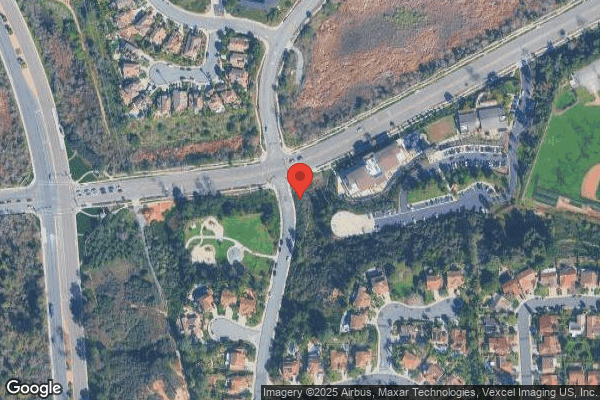
GLENBROOK

1950 CALLE BARCELONA, CARLSBAD, CA 92009 (760) 704-6800
For profit - Limited Liability company 94 Beds CONTINUING LIFE Data: November 2025
Trust Grade
78/100
#79 of 1155 in CA
Last Inspection: August 2023

Over 2 years since last inspection. Current conditions may differ from available data.

Overview

Glenbrook in Carlsbad, California has a Trust Grade of B, indicating it is a good choice among nursing homes, not the best but still a solid option. The facility ranks #79 out of 1,155 nursing homes in California, placing it in the top half, and #10 out of 81 in San Diego County, meaning there are only nine better local options. The facility is improving, with a significant reduction in reported issues from 12 in 2023 to just 1 in 2024. Staffing is a strength, boasting a 5-star rating and only a 24% turnover rate, which is below the state average, suggesting experienced staff are available to care for residents. However, there have been some concerning incidents, such as a resident experiencing severe weight loss due to inadequate monitoring of their nutritional status, and issues in the kitchen related to food safety and sanitation that could potentially harm residents. Overall, while Glenbrook shows many strengths, families should be aware of these weaknesses in care and food service.

Trust Score
B
78/100
In California
#79/1155
Top 6%
Safety Record
Moderate
Needs review
Inspections
Getting Better
12 → 1 violations
Staff Stability
✓ Good
24% annual turnover. Excellent stability, 24 points below California's 48% average. Staff who stay learn residents' needs.
Penalties
⚠ Watch
$9,311 in fines. Higher than 92% of California facilities. Major compliance failures.
Skilled Nurses
✓ Good
Each resident gets 69 minutes of Registered Nurse (RN) attention daily — more than 97% of California nursing homes. RNs are the most trained staff who catch health problems before they become serious.
Violations
⚠ Watch
24 deficiencies on record. Higher than average. Multiple issues found across inspections.
★★★★★
5.0
Overall Rating
★★★★★
5.0
Staff Levels
★★★★★
5.0
Care Quality
★★★☆☆
3.0
Inspection Score
Stable
2023: 12 issues
2024: 1 issues

The Good

  • 5-Star Staffing Rating · Excellent nurse staffing levels
  • 5-Star Quality Measures · Strong clinical quality outcomes
  • Low Staff Turnover (24%) · Staff stability means consistent care
  • Full Sprinkler Coverage · Fire safety systems throughout facility
  • No fines on record
  • Staff turnover is low (24%)

    24 points below California average of 48%

Facility shows strength in staffing levels, quality measures, staff retention, fire safety.

The Bad

Federal Fines: $9,311

Below median ($33,413)

Minor penalties assessed

Chain: CONTINUING LIFE

Part of a multi-facility chain

Ask about local staffing decisions and management

The Ugly 24 deficiencies on record

1 actual harm
Oct 2024 1 deficiency
CONCERN (D) 📢 Someone Reported This

A family member, employee, or ombudsman was alarmed enough to file a formal complaint

Potential for Harm - no one hurt, but risky conditions existed

Comprehensive Care Plan (Tag F0656)

Could have caused harm · This affected 1 resident

**NOTE- TERMS IN BRACKETS HAVE BEEN EDITED TO PROTECT CONFIDENTIALITY** Based on interview and record review, the facility failed to ensure one resident ' s (Resident 1) written care plan for transfer...

Read full inspector narrative →
**NOTE- TERMS IN BRACKETS HAVE BEEN EDITED TO PROTECT CONFIDENTIALITY** Based on interview and record review, the facility failed to ensure one resident ' s (Resident 1) written care plan for transfers was consistently implemented. Resident 1 had an unwitnessed fall while transferring into a chair. Findings: A review of the admission Record for Resident 1 reflected Resident 1 was admitted to the facility on [DATE] with diagnoses that included: unspecified dementia (a condition of decline in thinking ability and memory); diabetic neuropathy (a severe condition caused by high blood sugar, and symptoms can include sensations of pain, numbness or burning, loss of balance or weakness). On 9/20/24 an unscheduled visit was made to the facility in response to a report of Resident 1 falling and fracturing her left wrist. On 9/20/24 at 12:10 P.M. Resident 1 was interviewed in her room. Resident 1 is sitting up in bed, with a clean cast on her left wrist. Resident 1 stated her arm and cast is very awkward, and needs extra care. Resident 1 stated she was still working with therapy as much as she could, since she wanted to be independent. Resident 1 recalled the incident: (The facility) was showing a movie and I wanted to see it. I was helped to the community room by the girl who was helping me and was going to lead the exercises for us. Resident 1 stated, they tell me that I reached back and missed the arm of the chair, and the girl was distracted and didn ' t make sure I got the arm of the chair. My hand slipped off and down I went. I guess neither of us did our job. I don ' t remember the fall, just that all of a sudden, I was on the floor. On 9/20/24 at 1:10 P.M. Certified Nursing Assistant (CNA) 2 was interviewed. CNA 2 stated Resident 1 walked with her walker until recently. Resident 1 now needs assistance for everything except eating, and gets around in a wheelchair pushed by staff. CNA 2 stated he would see Resident 1 walk with her walker and transfer herself without problems, it seemed ok. CNA 2 stated he has access to (any) resident care plan to review for changes or updates in care. CNA 2 stated he used the information from the nurses and other CNA ' s. On 9/20/24 at 1:30 P.M. CNA 3 was interviewed. CNA 3 stated Resident 1 was always walking with someone when CNA 3 saw her. Also, staff was there to remind her to reach back when sitting, or Resident 1 would forget. CNA 3 stated, without a reminder, Resident 1 would keep both hands on the walker and sit. On 9/20/24 at 1:50 P.M. a joint interview and record review was conducted. The Director of Therapy (DPT) was interviewed, and recent therapy notes (Physical Therapy Treatment Encounter Notes and Occupational Therapy Treatment Encounter Notes) dated 9/1/24 through 9/5/24, and 9/8/24 were reviewed. The DPT stated Resident 1 prior to her fall needed to be assisted by 1 person when walking and transferring for supervision, reminders, and light touching assistance, if needed, for her safety. The DPT also stated Resident 1 was not walking safe or transferring by herself, nor any other Activities of Daily Living, such as bathing, dressing, and undressing. On 9/202/24 Resident 1's record was reviewed. Resident 1's Occupational Therapy Treatment Encounter Notes dated 9/2/24 and 9/4/24 reflected that Resident 1 needed education and reminders to feel for the chair with the back of her legs, lock her walker brakes, and reach back before sitting to increase safety. On 9/20/24 the nursing note dated 9/11/24 timed, 5:59 P.M. was reviewed. The note reflected Resident 1 was found lying on the floor in the sunroom with her walker next to her. The CNA stated she walked to the sunroom with the resident before finding Resident 1 on the floor. The activities assistant stated she saw Resident 1 try to sit down and slip and fall to the floor. On 9/20/24 the Care Plan for Resident 1 was reviewed. The Focus of .Dementia reflected the staff are to provide cuing, and reorientation as needed. The Focus of .risk for falls or injury. noted prior falls on 8/10/24 and 8/12/24. On 8/13/24 the care plan was revised for staff to provide partial to maximum assistance with ADL ' s (bathing, dressing, transfers, etc.).Offer toileting every contact to resident to be able to assist and avoid the tempt [sic] of self-transferring to toilet.be at standby assist to prevent fall and injuries. The Focus of ADL self-care deficit . : Staff assistance is listed as: TRANSFER: the resident (1) requires limited assistance by (1) staff to move between surfaces.
Aug 2023 11 deficiencies 1 Harm
SERIOUS (G)

Actual Harm - a resident was hurt due to facility failures

Deficiency F0692 (Tag F0692)

A resident was harmed · This affected 1 resident

**NOTE- TERMS IN BRACKETS HAVE BEEN EDITED TO PROTECT CONFIDENTIALITY** Based on observations, interviews, and record reviews the facility failed to ensure the nutritional status was monitored and acc...

Read full inspector narrative →
**NOTE- TERMS IN BRACKETS HAVE BEEN EDITED TO PROTECT CONFIDENTIALITY** Based on observations, interviews, and record reviews the facility failed to ensure the nutritional status was monitored and acceptable parameters were maintained for one of one resident, (Resident 23), with unintended, unplanned severe weight loss of 16.43% in six months (9/4/22-2/4/23) when: 1) The resident's nutritional status was not reassessed, the laboratory values were not drawn, or the interventions were modified after five, ten, or fifteen percent of weight loss occurred, according to facility policy and standards of practice. 2) The resident was not placed on weekly weights from 9/1/2022-3/31/2023 to monitor weight status after a loss of five or ten percent of body weight, according to policy. 3) The resident's meals and snack/nourishment consumption were not monitored to determine the resident's actual food intake in order to evaluate nutrition status, according to facility policy. These failures had the potential to result in Resident 23 experiencing further functional decline, loss of lean body mass (the body weight that includes muscles, bones, and organs and excludes fat) and reduce the risk of developing chronic conditions such as diabetes (inability to manage blood sugar) and heart disease. The facility census was 57. Findings: According to the Academy of Nutrition & Dietetics, Nutrition Care Manual, dated 2022, Treatment of unintended weight loss is imperative to ensure optimal outcomes for the older adult. Unintended weight loss is linked to increased mortality (death) among older adults . residents in long-term-care facilities who continue losing weight have a higher mortality rate compared with those who stop losing weight. Weight loss of 5% or more within 30 days is associated with a tenfold increase in the likelihood of death. Unintended weight loss often results in protein-energy undernutrition (low protein or calorie intake resulting in insufficient nutrient absorption), as the older adult loses critical lean body mass and is more prone to pressure ulcers (injuries to the skin and underlying tissue due to consistent pressure), infections (when a virus or bacteria enters the body and causes harm), immune dysfunction (when the body's system does not fight off infections or illness), anemia (low levels of oxygen in the blood), falls resulting in hip fractures (breaks or tears), and other conditions. Per the facility's admission Record, dated 8/23/23, Resident 23 was admitted on [DATE] with diagnoses of hypertension (high blood pressure), depressive disorder (condition of sadness), and hyperlipidemia (high concentration of fat content in the blood). During an observation and interview on 8/21/23, at 11:12 A.M., Resident 23 was sitting in his room in a wheelchair. The resident looked physically thin. Resident 23 stated he has lost at least 40 pounds since he has been at the facility and thinks he needs a special diet but stated they won't listen to me. During an observation and interview on 8/21/23, at 12:23 P.M., of the lunch meal service in the dining room, Resident 23 was sitting in the dining room and received an entrée of two Harissa marinated chicken breasts fillets chopped, 2 slices of Boston cream pie, a 4-ounce cup of cranberry juice, and a 4-ounce cup of milk. Resident 23 stated he did not like the lunch meal and gave it a thumbs down. Resident 23 consumed ½ of his soup, ¾ of his chopped grilled chicken breast, and 2 slices of dessert pie. Resident 23 drank ¼ cup of milk and ½ cup of cranberry juice. Resident 23 gave the dessert a thumbs up and stated, it tasted good. During a review of Resident 23's physician's ordered diet, dated 1/14/23, the diet order indicated Regular diet, Regular texture, mildly thick liquids. On 1/21/23, the diet order was updated to include Health shakes three times a day with meals. During a review of Resident 23's Weights and Vitals Summary, dated 8/22/23, the weight report indicated the following weights: 8/6/22- 152.6 pounds 9/4/22- 152.2 pounds* 10/1/22- 152.8 pounds 11/6/22- 149 pounds 12/3/22- 146 pounds 12/31/22- 137.6 pounds 1/8/23 - 137.4 pounds 2/4/23- 127.4 pounds* 3/4/23 - 130.3 pounds 4/1/23 - 131 pounds 5/6/23 - 130.7 pounds 6/3/23 - 130.2 pounds 7/1/23 - 126 pounds 8/5/23 - 126.3 pounds During a review of Resident 23's Physician's Progress Notes dated 6/3/23, the progress note indicated, Resident 23 .Diagnosis .poor fluid intake, Unexplained weight loss .5. Cognitive (related to thinking and reasoning) status .appears to have capacity to make his own medical and financial decisions. During a review of Resident 23's Minimum Data Set (MDS- a federally mandated clinical assessment of all residents in Medicare or Medicaid insurance program), section C- Cognitive Patterns, dated June 5, 2023, the MDS indicated, Resident 23 had a BIMS (Brief Interview of Mental Status) score of 15, which is the highest total possible score (00-15), and indicated the resident had a high mental capacity, as well as able to make medical decisions. During a review of Resident 23's Lab Results Report, dated 1/4/23, the basic metabolic panel (blood sample test of eight chemicals that break down food into nutrients for energy) results indicated the following lab values: *Hemoglobin (hgb)- 12.4 g/dL (grams per deciliter) (low); (normal range= 13 g/dL - 17.7 g/dL) *Neutrophils - 8.8 (high); (normal= 1.4- 7.0) A low hemoglobin (red blood cells containing iron that transport oxygen) value and high value for neutrophils (white blood cells). Low hemoglobin values may indicate the body is unable to receive enough oxygen, and high levels of neutrophils may indicate the body is under stress, and unable to effectively fight against infections. A pre-albumin (protein made in the liver and helps control how the body uses energy and is a sign of malnutrition) or albumin (measure of protein in the blood and indication of liver and kidney function) lab test was not ordered for Resident 23 when the resident experienced a five or ten percent significant weight loss, which occurred from 9/4/2022 - 2/4/23; or through 8/23/23 according to standards of practice. During an interview on 8/23/23 at 3:40 P.M., with resident 23's physician (PHYS), the PHYS stated Resident 23 had been on the Remeron mirtazapine (a drug to manage unhappy mood) since August 2022. The PHYS also stated monitoring pertinent labs such as prealbumin and albumin were important to monitor a person's nutrition status, especially someone with significant weight loss. PHYS acknowledged Resident 23 did not have an albumin or prealbumin lab test and stated it would have been important for monitoring nutrition status, that may have likely prevented further weight loss. During a review of Resident 23's Nutritional Screening and Assessment, dated 6/3/22, completed by the facility's Registered Dietitian (RD) indicated that the resident's target weight goal range was 150 - 165 pounds. The estimated daily nutritional requirements indicated the calories 1886 - 2264/day, protein 76-91/day and fluid 1886 ml/day (milliliters - one thousandth of a liter per day). During a review of Resident 23's Nutritional Risk Review dated completed 12/1/22 by the facility's Registered Dietitian (RD) indicated that the resident target weight goal range was 150 - 165 pounds and No significant weight change in 3 months. During a review of Resident 23's Nutritional Risk Review dated 3/2/23 completed by the facility's Registered Dietitian (RD) indicated that the resident's target weight goal range was 150 - 165 pounds. Significant weight change, negative -9.7 pounds/7% in 1 month and negative -21 pounds/14% in 3 months. Continue present regimen, health shakes TID (three times a day). During an interview on 8/23/23 at 10:25 A.M., with the Registered Dietitian (RD), the RD stated residents are placed on weekly weights and discussed at interdisciplinary meetings to provide interventions. The RD stated Resident 23 should have been on weekly weights when the significant weight loss was identified early at five or ten percent weight loss. The RD stated, although the resident received health shakes three times a day with meals, his food preferences were not received or documented by the food and nutrition department staff, which may have led to modifying his weight loss interventions. The RD also stated weight loss interventions such as fortified foods (the addition of calories and protein rich foods such as butter, milk, and other foods at meals), larger food portions, and additional foods and snacks offered at meals may have helped prevent further weight loss, once it was identified. The RD further stated earlier interventions may have possibly prevented the significant/severe weight loss because any gaps between intake and assessment to help minimize or prevent any unplanned weight loss. During an interview on 08/24/23 with Certified Nurse Assistant (CNA 1) at 10:55 A.M., the CNA 1 stated Resident 23 usually drank half of his health shakes, but she did not have a way to enter the morning and lunch snacks or health shake consumption into the computer system. CNA 1 stated she was unaware of how Resident 23's snacks/nourishments intake was fully assessed. During a record review of Resident 23's Activities of Daily Living (ADL) Eating report dated 6/29/23-8/22/23, the ADL intake Eating report indicated Resident 23 ate 50-75% of his meals. During a record review of the Nutrition-HS (hour of sleep) Snack report, dated 6/1/23-8/22/23, the intake HS Snack report indicated Resident 23 accepted the snack but consumed 50-75% of the snack five times. During a review of the facility's policy and procedure (P&P) titled, Weight Loss/Gain- A Change in Condition, dated 11/2010, the P&P indicated, Significant unplanned weight loss .is considered a change in condition when the intervention is tried and fails .5. Those residents who continue to have unplanned significant weight loss for 2 weeks are considered to have a change in condition .6. A change in condition precipitates a new MDS and a change in condition Nutritional Risk Review by the Dietary Manager or .Registered Dietitian. 7. Continue every nutritional intervention possible and continue weekly weights until the weight loss stabilizes over a 30-day period . During a review of the facility's policy and procedure (P&P) titled, Weight Management Guidelines, dated 2016, the P&P indicated, .Residents with significant weight variance should be identified and appropriate interventions implemented .8. Nursing should notify the physician and family of significant or severe weight loss .9. All .unplanned, and unavoidable weight loss should be care planned and have nutritional goals and approaches. The Dietitian, resident, and family must approve the weight loss .14. Follow best practice guidelines for interventions. Obtain resident preferences regarding interventions and individualize. Try food first 16.Closely follow the resident's .labs, skin, and other factors . During a review of the facility's policy and procedure (P&P) titled, Special Nutrition Program, dated 2018, the P&P indicated, .The Special Nutrition Program (SNP) is a fortified program that should provide for the increased nutritional requirements of residents who are underweight .experiencing significant weight loss, have poor intake and/or have low albumin .SNP breakfast, noon meal, evening meal .Approx. 880 to 1000 calories and 23 to 34 grams (unit measurement of mass) of protein .4.offer the resident one to two additional fortified foods per day per resident needs and preferences .each fortified food should furnish 200 calories or more and 6 grams of protein . During a review of the facility's policy and procedure (P&P) titled Criteria for Intervention with Abnormal Labs, dated 2017, the P&P indicated .they should be put on nutrition intervention list for the Dietitian for intervention and documentation .a. Hgb less than 12 g/dl (grams per deciliter) .d. Albumin less than 3.5 g/dl or as indicated as low based on the lab used or prealbumin less than 15 .a. Labs which can be indicators for dehydration are increased .Albumin .
CONCERN (D)

Potential for Harm - no one hurt, but risky conditions existed

Deficiency F0658 (Tag F0658)

Could have caused harm · This affected 1 resident

**NOTE- TERMS IN BRACKETS HAVE BEEN EDITED TO PROTECT CONFIDENTIALITY** Based on interview and record review, the facility failed to ensure care/treatment was provided according to professional standa...

Read full inspector narrative →
**NOTE- TERMS IN BRACKETS HAVE BEEN EDITED TO PROTECT CONFIDENTIALITY** Based on interview and record review, the facility failed to ensure care/treatment was provided according to professional standards of practice for two of 15 sampled residents (Resident 3 and 45) when: 1. Licensed nurses (LN) did not respond to Resident 3's low blood glucose reading (a value less than 70 mg/dl [milligrams/deciliter]) by assessing the resident for signs and symptoms of hypoglycemia (low blood glucose/sugar) and notifying the resident's physician. In addition, LN did not clarify Resident 3's physician order related to a low blood glucose parameter. 2. A response to a change of condition related to nutritional assessment was not conducted in a timely manner. As a result, there was the potential risk to the residents' health and well-being. Findings: 1. A review of Resident 3's admission Record indicated the resident was readmitted on [DATE] with diagnoses to include diabetes mellitus (the body's inability to regulate blood sugar) and dementia (a condition characterized by impairment of at least two brain functions, such as memory loss and judgment). A review of Resident 3's medication administration record for August 2023, indicated the resident had the following blood glucose readings: 65 mg/dl on 8/6, 67 mg/dl on 8/16, 58 mg/dl on 8/19, and 53 mg/dl on 8/22. A review of Resident 3's physician order for injectable insulin (hormone used to regulate blood glucose) dated 2/9/23, did not have a parameter for addressing a low blood glucose reading. On 8/23/23 at 2:51 P.M., a joint interview and record review was conducted with LN 1. LN 1 stated it was a professional standard of nursing practice to assess a resident for signs and symptoms of hypoglycemia (such a sweating or loss of consciousness) when a blood glucose reading was less than 70 mg/dl. LN 1 reviewed Resident 3's clinical record and stated the resident's blood glucose readings on 8/6, 8/16, 8/19, and 8/22 were lower than 70 mg/dl and the resident should have been assessed by the registered nurse. LN 1 stated there was no documentation that an assessment for hypoglycemia had been done on those dates. LN 1 further stated for blood glucose levels to be 53 and 58 mg/dl that It's pretty low. LN 1 stated the standard of practice was to notify the resident's physician when a blood glucose reading was less than 70 mg/dl. LN 1 stated there was no documentation Resident 3's low blood glucose readings had been reported to the resident's physician. LN 1 stated since Resident 3's insulin order did not have a parameter for low blood glucose, the physician should have been called for clarification of the order. LN 1 stated low blood glucose levels were dangerous with a possibility of the resident losing consciousness and slipping into a diabetic coma (unable to wake). On 8/23/23 at 3:05 P.M., a joint interview and record review was conducted with the director of nursing (DON). The DON stated it was a professional standard of nursing practice to assess a resident having a blood glucose reading less than 70 mg/dl in order to check for signs and symptoms of hypoglycemia. The DON stated it was her expectation that the LN assessment be documented, and the physician notified when a resident's blood glucose reading was less than 70 mg/dl. The DON reviewed Resident 3's clinical record and stated this should have been done when the resident's blood glucose readings were less than 70 mg/dl. The DON stated Resident 3's insulin order should have been clarified to provide a parameter for a low blood glucose reading. The DON further stated the facility did not have a policy or procedure to guide diabetes and insulin management. The DON stated she expected the standard of practice to be followed. According to the American Nurses Association (professional organization for nursing standards) and the American Nurses Credentialing Center, undated, at https://www.nursingworld.org/practice-policy/workforce/what-is-nursing/the-nursing-process, the first step in the nursing process is assessment. According to Lippincott Nursing Center (professional guidance and procedures for nursing practice), Managing Acute Diabetic Complications dated November 2022, .The blood glucose level that defines hypoglycemia varies in each patient, a less than 70 mg/dl . is considered hypoglycemia in patients with diabetes .Hypoglycemic management protocol . A standardized nurse-initiated hypoglycemic treatment protocol to immediately address blood glucose levels less than 70 mg/dl . Reassessment of the insulin treatment plan if blood glucose drops below 70 mg/dl .Tracking and documentation of each episode in the medical record . 2. Resident 45 was re-admitted to the facility on [DATE] with diagnoses which included polyneuropathy (malfunctioning of several nerves in the body which could cause numbness, weakness and pain) per the facility's admission Record. A review of Resident 45's records was conducted. A Weekly Pressure Injury Evaluation, dated 7/18/23, indicated Resident 45 acquired a pressure injury (breakdown of skin integrity due to pressure) on the left heel. A Weekly Pressure Injury Evaluation, dated 7/25/23, indicated Resident 45 acquired a pressure injury on the right heel on 7/18/23. A Weekly Pressure Injury Evaluation, dated 7/26/23, indicated Resident 45 acquired a pressure injury on the medial upper right buttock. A Nutritional Evaluation for a Significant Change of Condition was conducted by the Registered Dietitian (RD) on 8/18/23. On 8/24/23 at 9:31 A.M., an interview with LN 5 was conducted. LN 5 stated a newly acquired pressure injury was considered a change of condition. LN 5 stated the RD should have done an assessment definitely not a month after it was acquired. On 8/24/23 at 10:44 A.M., an interview with the DON was conducted. The DON stated when a resident developed new pressure ulcers, the RD had to assess within the week they were acquired. On 8/24/23 at 3:06 P.M., an interview with the RD was conducted. The RD stated the resident needed to be assessed within the week of a change of condition which included new pressure ulcers. Per the facility's policy and procedure titled, Nutritional Intervention for Pressure Injuries dated 12/13/16, .Procedures: 4 .There is an expectation that recognized .nutrition recommendation will be given to individuals at risk for pressure injuries which should be taken into consideration in assessment and developing the care plan .
CONCERN (D) 📢 Someone Reported This

A family member, employee, or ombudsman was alarmed enough to file a formal complaint

Potential for Harm - no one hurt, but risky conditions existed

Pharmacy Services (Tag F0755)

Could have caused harm · This affected 1 resident

Based on observation, interview and record review, the facility failed to ensure that one of eight sampled residents (Resident 361) reviewed for medication administration, received the medication in a...

Read full inspector narrative →
Based on observation, interview and record review, the facility failed to ensure that one of eight sampled residents (Resident 361) reviewed for medication administration, received the medication in accordance with the physician's orders. This failure had the potential for the for Resident 361 to experience unexpected medication side effects or decreased drug action. Findings: During an observation on 8/23/23 at 9:38 A.M., licensed nurse (LN) 2 gave Resident 361 Aspirin 81 (milligram) mg chewable using a plastic spoon. Resident 361 swallowed the medication and did not chew the chewable Aspirin. LN 2 did not provide instructions to Resident 361 and the resident did not chew the Aspirin before swallowing. An interview on 8/23/23 at 9:42 A.M., with LN 2 was conducted. LN 2 stated that Resident 361 should have been instructed that the Aspirin was chewable and needed to be chewed first before swallowing to help with absorption. A review of Resident 361's physician's order on 8/23/2023 indicated an order for Aspirin chewable 81 milligram 1 tablet daily. During an interview on 8/25/2023 at 2:00 P.M., with the Director of nursing (DON), the DON stated that the licensed nurse should have followed the Physician's order and provide instructions to Resident 361 before the resident took the medication. A record review of the facility's Policy and procedure titled, Medication Administration, dated 11/2027, indicated . I. transcribing of medication orders, medical records and medication administration, #4 Nursing must read and compare POS and MAR being given and charted each time medication are administered. #5 If directions on medication do not exactly match order on MAR, must clarify orders, and direction change sticker and notify pharmacy of changes .
CONCERN (D)

Potential for Harm - no one hurt, but risky conditions existed

Medication Errors (Tag F0758)

Could have caused harm · This affected 1 resident

Deficiency Text Not Available

Read full inspector narrative →
Deficiency Text Not Available
CONCERN (D)

Potential for Harm - no one hurt, but risky conditions existed

Menu Adequacy (Tag F0803)

Could have caused harm · This affected 1 resident

Deficiency Text Not Available

Read full inspector narrative →
Deficiency Text Not Available
CONCERN (D)

Potential for Harm - no one hurt, but risky conditions existed

Deficiency F0804 (Tag F0804)

Could have caused harm · This affected 1 resident

Based on observation, interview and record review, the facility failed to ensure residents received foods that retained nutritive value and were served at an appetizing temperature when holding temper...

Read full inspector narrative →
Based on observation, interview and record review, the facility failed to ensure residents received foods that retained nutritive value and were served at an appetizing temperature when holding temperatures on the steam table and resident trays were below acceptable range. These failures had the potential to result in decreased food intake and further compromise the nutritional status of medically vulnerable residents in the facility. The facility census was 57. Cross reference F692, F800, F802, F803 Findings: During a kitchen observation and interview on 8/21/23 at 11:48 A.M., with [NAME] 1 (CK1) and the EXC of the steam table, the temperature of lunch meal main entrée Harissa Marinated Chicken was at 153 degrees F. CK1 stated the temperature of the chicken entrée was 165 degrees F right after cooking, but she never re-checks it or logs the final cooking temperature. CK 1 stated she takes the temperature again when the food is on the steam table. The EXC stated CK 1 should have checked to ensure the holding temperature was safe to make sure it was at the steam table. During a record review on 8/22/23 at 11:20 A.M., of the resident council meeting minutes, seven residents (10, 39, 18, 47,43, 356, 35) attended. Residents complained hot foods being served at lukewarm temperatures and not hot enough, especially food in the dining room. During a test tray observation on 8/22/23 at 11:25 A.M., with the Registered Dietitian (RD), the Director of Food and Nutrition Services (DFS) and the Executive Chef (EXC), the lunch meal regular diet and pureed diet trays were tested for temperature, taste, and palatability. Once all residents on the unit received their trays and were eating at 11:43 A.M., the temperatures were taken of the foods by the DFS and two Surveyors using the facility thermometer and compared with the Surveyor's thermometer. The temperatures were within three degrees of each other. The regular diet meal food temperatures from the Surveyor's thermometer included: Beef Tenderloin 120.3 degrees Fahrenheit (F); [NAME] Red Potatoes 111 degrees F; Brussels sprouts 114 degrees F; Chicken soup 141 degrees F. The puree diet temperatures were as: beef puree 133.7 degrees F; mashed potatoes 132 degrees F; brussels sprouts puree 119 degrees F; chicken pureed soup 124.1 degrees F. The temperatures of the regular and pureed diet food items varied between warm and lukewarm. The DFS, EXC and RD also tasted each food item with the surveyors. The pureed food items were not flavorful and according to the DFS, tastes grindy and not like the regular diet foods. The pureed brussels sprouts did not have the taste and flavor of brussels sprouts. The DFS stated the pureed brussels sprouts could use more seasoning to improve palatability. The temperature of the apple juice was at 71.6 degrees F. The DFS stated the juice should have been cooler before it is served to the residents. According to the 2022 US Food and Drug Administration (FDA) Food Code, Section 3-403.11, titled Reheating for Hot Holding, When food is held, cooled, and reheated in a food establishment, there is an increased risk from contamination caused by personnel, equipment, procedures, or other factors. If food is held at improper temperatures for enough time, pathogens can multiply to dangerous numbers. Proper reheating provides a major degree of assurance that pathogens will be eliminated. It is especially effective in reducing the numbers of Clostridium perfringens that may grow in meat, poultry, or gravy if these products were improperly cooled. According to the 2022 Federal FDA Food Code, Annex section 3-501.16, Bacterial growth and/or toxin production can occur if time/temperature control for safety food remains in the temperature Danger Zone of 41 degrees F to 135 degrees F for too long. During a review of the facility's policy and procedure (P & P) titled, Food temperatures, dated 2014, the P & P indicated, .Foods should be served at proper temperature to insure food safety and palatability .3. Record reading on food temperature Chart at beginning of tray line and end of tray line .4. Acceptable serving temperatures are: .Meat, entrees greater than or equal to 140 degrees F (Fahrenheit), potatoes greater than or equal to 140 degrees F, Vegetables greater than or equal to 140 degrees F, and Milk, juice less than or equal to 41 degrees F . 8. Palatability of foods determines appropriate temperature at bedside or tableside food Resident's surveys will determine their acceptability.
CONCERN (D)

Potential for Harm - no one hurt, but risky conditions existed

Infection Control (Tag F0880)

Could have caused harm · This affected 1 resident

**NOTE- TERMS IN BRACKETS HAVE BEEN EDITED TO PROTECT CONFIDENTIALITY** Based on observation, interview and record review, the facility failed to ensure a visitor wore the proper personal protective e...

Read full inspector narrative →
**NOTE- TERMS IN BRACKETS HAVE BEEN EDITED TO PROTECT CONFIDENTIALITY** Based on observation, interview and record review, the facility failed to ensure a visitor wore the proper personal protective equipment (PPE) while in contact with one of one sampled resident (Resident 8) on isolation precaution. As a result, there was a potential for spread of infection. Findings: Resident 8 was re-admitted to the facility on [DATE] with diagnoses which included sepsis (blood infection) per the facility's admission Record. On 8/21/23 at 3:12 P.M., a joint observation with Certified Nurse Assistant (CNA) 4 was conducted. Resident 8's room had a sign indicating Resident 8 was on Enhanced Barrier Precautions (everyone must perform hand hygiene and wear gown and gloves for certain activities with the resident). Resident 8's family member was observed going inside the room and sat on the resident's bed without the proper PPE. CNA 4 stated she did not know if Resident 8's family member should be wearing PPE while sitting on the resident's bed. On 8/22/23 at 9:29 A.M., an interview with Resident 8 was conducted. Resident 8 stated her visitors did not wear PPE when they were inside the room. On 8/24/23 at 10:50 A.M., an interview with the Director of Nursing (DON) was conducted. The DON stated Resident 8's family member should not have sat on the resident's bed without the proper PPE due to the precautions in place. On 8/24/23 at 11:11 A.M., an interview with Infection Preventionist (IP) 1 was conducted. IP 1 stated Resident 8 was on enhanced barrier precautions due to the presence of a multi-drug resistant organism in the urine. IP 1 stated it would have been better if Resident 8's family member was wearing the proper PPE while she was sitting on the resident's bed. IP 1 stated the staff should have educated the family member not to sit on the bed [without PPE] in general. Per the facility's policy and procedure titled, Enhanced Standard Precautions Guidelines, dated 10/24/22, .High-Risk residents: Wear gowns and gloves .associated with the greatest risk for MDRO contamination .hands, clothes, and the environment: changing bed linens .contact with environmental surfaces .
CONCERN (D)

Potential for Harm - no one hurt, but risky conditions existed

Deficiency F0925 (Tag F0925)

Could have caused harm · This affected 1 resident

Based on observations, interview and record review, the facility failed to ensure the kitchen and dry storage room was free of pests. This failure had the potential to contaminate food stored in the k...

Read full inspector narrative →
Based on observations, interview and record review, the facility failed to ensure the kitchen and dry storage room was free of pests. This failure had the potential to contaminate food stored in the kitchen which could lead to widespread foodborne illness. The facility census was 57. Cross- reference F800, F802, F812 Findings: During the initial kitchen tour on 8/21/23 at 8:25 A.M., there were three flies observed flying around the tray line counter area. During a concurrent observation and interview on 8/21/23 at 8:45 A.M., with the Director of Food and Nutrition Service (DFS), in the kitchen, three flies were observed flying around throughout the kitchen. The DFS acknowledged the fruit flies and stated there should be no fruit flies in the kitchen, to prevent cross contamination. The DFS stated he will call the pest control company to come out and look at it. During a concurrent observation and interview on 8/21/23 at 9:40 A.M., with the Executive Chef (EXC), in the kitchen dry storage room, there were four fruit flies observed flying around and an uncovered open 5-quart plastic bin with white sugar inside. The bin was unclosed with a red lid hanging off the top. The EXC acknowledged the fruit flies and stated they've been flying around for a while, but they should not be in the kitchen at all. The EXC stated he will follow up with the pest control company to spray again. During an interview on 8/23/23 at 12:16 P.M., with the Director of Food and Nutrition Services (DFS) and Registered Dietitian (RD), both the DFS and RD stated the kitchen should be free of bugs and pests and kitchen staff need to keep the kitchen clean to avoid pests. During a review of the pest company invoice records dated 8/23/2023, the invoice indicated the presence of drain flies in the kitchen, and Fruit flies come from specific sources .the two spices . find were uncovered produce such as onions and the drains . According to the 2022 Federal Food Code, section 6-501.111, .Controlling Pests .The premises shall be maintained free of insects, rodents and other pests . by . routinely inspecting the premises for evidence of pests . During a review of the facility's policy and procedure (P & P) titled Pest Control, dated 3/1/18, the Pest Control indicated .The Community shall implement a pest control program .1. Will help ensure that the community's residents .offers minimal risk of infection from unwanted insects.
CONCERN (F)

Potential for Harm - no one hurt, but risky conditions existed

Deficiency F0800 (Tag F0800)

Could have caused harm · This affected most or all residents

Based on observations, interview and record review, the facility failed to ensure overall systems were met for the Food and Nutrition Services in the kitchen when: a resident experienced an unplanned ...

Read full inspector narrative →
Based on observations, interview and record review, the facility failed to ensure overall systems were met for the Food and Nutrition Services in the kitchen when: a resident experienced an unplanned insidious severe weight loss of 16% in a six months; residents' food temperatures were not monitored for safety and palatability; kitchen staff did not perform tasks competently for food safety in food preparation, food storage, and sanitation for dishwashing and dish storage; kitchen staff did not monitor the temperatures in the dry storage room and emergency food supply room closet to ensure safe quality of the food supply; recipes were not followed for time and temperature control for food safety foods (TCS); and fruit fly pests were found in the kitchen. These failures placed all residents at risk for harm and exposure to contamination that had the potential to impair their nutrition and health status. The facility census was 57. Cross reference F692, F802, F803, F804, F812, F925 Findings: During the initial kitchen tour on 8/21/23 at 8:14 A.M., multiple observations and concurrent staff interviews were conducted in the kitchen for food safety, sanitation, cleanliness, and nutrition care, and food services delivery to residents. There were several deficient practices identified including a severe unplanned weight loss resident (Resident 23), menu and recipe compliance, dirty floors in the walk-in refrigerators and freezers, food debris on utensils, unchecked dish machine sanitation logs, unlabeled/misdated/expired foods in the refrigerators, and fruit fly pests in the dry storage and food preparation areas. During an interview on 8/23/23 at 12:16 P.M., with the Director of Food and Nutrition Services (DFS) and Registered Dietitian (RD), both the DFS and RD acknowledged the poor overall kitchen cleanliness, menu compliance, food safety and sanitation practices, and pest control practices, and stated the kitchen should be free of bugs and pests and kitchen staff need to keep the kitchen clean to avoid pests. The DFS stated the kitchen staff should have cleaned their areas and performed their job tasks correctly because they had received in-services this year. The DFS stated the Dietary Hitlist completed daily by the Lead [NAME] (LCK), identified the areas in the kitchen such as labeling and dating of refrigerated foods and dish machine logs incorrectly completed during July-August 2023. The DFS stated the staff know what they need to clean and how to follow menus and recipes but they may need to be reminded. The RD stated she worked an average of 16 hours a week in the facility. The RD further acknowledged there may have been alternative efforts to implement for the resident with severe unplanned weight loss, Resident 23, such as taking his food preferences within a couple of months of admission, and modifying the nutrition regimen within a few months when the significant weight loss was identified. The DFS and RD each stated they expect the food and nutrition services operations be carried out safely and effectively for the nursing home residents. According to the 2022 Federal FDA Food Code, section 2-103.11, titled Person in Charge, .(Q) Written procedures and plans, where specified by this Code and as developed by the Food Establishment .are maintained and implemented as required. During a review of the facility job description titled Food and Nutrition Services Director, dated April 2021, the job description indicated, .The Food and Nutritions Services Director is primarily responsible for providing effective food and nutrition services in the skilled nursing facility .Assures efficiency of food serving; compliance with local, state, and federal standards; sanitation, and hygiene . During a review of the facility job description titled Dietitian, dated April 2014, the job description indicated, .7. Through observation and evaluation, promote food production and services procedures that conserve nutritive value, flavor, appearance, quality, and are attractively served at the proper temperature .
CONCERN (F)

Potential for Harm - no one hurt, but risky conditions existed

Deficiency F0802 (Tag F0802)

Could have caused harm · This affected most or all residents

Based on observations, interview and record review, the facility failed to ensure kitchen staff competently carried out the functions of the food and nutrition services department when: 1. A Kitchen ...

Read full inspector narrative →
Based on observations, interview and record review, the facility failed to ensure kitchen staff competently carried out the functions of the food and nutrition services department when: 1. A Kitchen staff did not correctly label and date TCS (Time/Temperature Controlled for food safety) foods in a walk-in refrigerator and did not monitor the dry storage room by correctly labeling, dating, and checking the quality of the food supply. 2. A Lead [NAME] (LCK) did not prepare the tuna salad correctly using the cool down process for ambient temperature foods. 3. A Dishwasher did not enter the dish machine wash and rinse temperatures on a log in a timely manner. These failures placed all residents at risk of cross contamination and the potential to acquire food-borne illnesses. The census was 57. Cross reference F800, F804, F812 Findings: 1. During the initial kitchen tour on 8/21/23 at 8:25 A.M., an observation of the walk-in refrigerator and interview with the Executive Chef (EXC) was conducted. There was a metal tray of soup ingredients on the first two shelves that included sliced tomatoes, sliced white onions and sliced green bell peppers. These were not labeled or dated. There was a large black plastic bin with spoiled green bell peppers and a large bin with red bell peppers. Each bin had three bell peppers with black and gray mold spots on them, and they were dated 8/18/23. Additionally, there was a case of asparagus uncovered, dated 8/19/23. The EXC stated the case of asparagus should had been covered with plastic wrap, and the molded bell peppers should have been thrown out. The EXC further stated, the kitchen staff member pours the new produce on top of the existing food items when they receive deliveries but they should have checked them first to prevent them from developing mold. During an interview on 8/21/23 at 8:45 A.M., with LCK, LCK stated these tray of soup ingredients should have been dated and labeled to prevent being used past the expiration date. During the initial kitchen tour on 8/21/23 at 9:05 A.M., an observation of the kitchen's dry storage room was conducted. There was a medium sized clear plastic uncovered container with a white sugar label on it and no date. There was also a metal canister with vinegar, without a date and clear plastic wrap stuffed in the opening. During an interview on 8/23/23 at 12:08 P.M., with the DFS, the DFS stated the expectation is for the kitchen staff to complete all labeling and dating of foods by the end of the day. According to the 2017 Federal FDA Food Code, Section 3-602.11 Food Labels.(A) Food packaged .shall be labeled as specified in LAW, including 21 CFR 101 - Food labeling, and 9 CFR 317 Labeling .and containers. (B) Label information shall include: (1) The common name of the FOOD, or absent a common name, an adequately descriptive identity statement .and date. During a review of the facility's policy and procedure (P&P) titled Labeling and Dating for Safe Storage of Food, dated 3/6/2020, The P and P indicated, . labeling and dating are critical in order to promote food safety .all products should be dated upon receipt . During a review of the facility's policy and procedure (P & P) titled Food Storage, dated 1/12/16, the P & P indicated, .1. Fresh vegetables should be checked and sorted for ripeness .4. Fresh vegetables .should be left in cartons .paper wrapping . it retards spoilage and loss of moisture .5. Rotate so that oldest produce is used first 2. During the initial kitchen tour on 8/21/23 at 9:45 A.M., an observation of kitchen was conducted. LCK was observed preparing tuna salad for the residents. During an interview on 8/21/23 at 9:46 A.M., with LCK, LCK stated he made the tuna salad this morning. LCK stated he made the tuna salad using a large can of tuna from the dry storage, chopped celery, mayonnaise and relish from the refrigerator. LCK stated he and did not do the cool down process for the tuna, because it came from a can. During an interview on 8/23/23 at 12:16 P.M., with the Director of Food and Nutrition Services (DFS) and Registered Dietitian (RD), the RD stated the tuna salad should have been prepared using food safe practices by following the recipe to chill the tuna down to 41 degrees before serving it. During a review of the facility's policy and procedure ( P&P) titled, Standardized Recipes, dated 12/2013, indicated standardized recipes will be used for all products .7. HACCP (Hazard Analysis Critical Control Points) controls are also noted on recipes .Albacore Tuna salad Sandwich . 2. Combine tuna, mayonnaise, celery and relish: chill under refrigeration (41 degrees F) . According to the Federal Food and Drug Administration (FDA) Food Code 2022, Section 3-501.14, titled Cooling, .(B) Time/temperature control for safety food shall be cooled within 4 hours to 41 degrees F or less if prepared from ingredients at ambient temperature such as reconstituted foods and canned tuna. According to the Federal Food and Drug Administration (FDA) Food Code 2022, chapter 3 Annex section 3-501.16, Bacterial growth and/or toxin production can occur if time/temperature control for safety food remains in the temperature Danger Zone of 41 degrees F to 135 degrees F for too long. 3. During the initial kitchen tour on 8/21/23 at 8:40 A.M., an observation of the kitchen dishwashing area was conducted. The Dishwashing temperature log was already filled up for Breakfast and Lunch time. During an interview on 8/21/23 at 8:41 A.M. with Dishwasher (DW) 1, DW 1 stated he usually put the dishwashing temperature in the log after every meal. During an observation on 8/22/23 at 8:45 A.M., an observation of the kitchen dishwashing area was conducted. The Dishwashing temperature log was not filled up for 8/22/23. During an interview on 8/22/23 at 8:48 A.M., with DW 2, the DW 2 stated the dishwashing temperature log should have been filled up by the second dishwasher assigned for the day by this time. During an interview on 8/23/23 at 12:17 P.M. with DFS, the DFS stated dishwashing temperature logs must be completed daily, after each meal to ensure that the dishwashing machine is working and monitored. During a review of the facility's policy and procedure (P&P) titled Recording of Dishmachine Temperatures, dated 1/31/2017, the policy and procedure indicated 8.a. To ensure that the wash and rinse temperatures are properly monitored and controlled, a log must be completed by those who are directly involved in the dishwashing process. Entries must be made for each meal .
CONCERN (F)

Potential for Harm - no one hurt, but risky conditions existed

Food Safety (Tag F0812)

Could have caused harm · This affected most or all residents

Based on observation, interview and record review, the facility failed to ensure food safety and sanitation practices were met in the kitchen according to standards of practice when: 1. An ice scoope...

Read full inspector narrative →
Based on observation, interview and record review, the facility failed to ensure food safety and sanitation practices were met in the kitchen according to standards of practice when: 1. An ice scooper was left inside the ice machine. 2. The kitchen's clean dish storage area had dirty serving utensils and debris in tray with clean dishes. 3. A Lead cook (LCK) did not prepare the tuna salad correctly using the cool down process for ambient temperature foods. 4. The floor in the walk-refrigerator and freezer had dirty label, brown stains, trash and other debris on the floor. 5. Fruit flies were in the flying around uncovered food in the kitchen and dry storage area. These failures exposed residents to contaminated food and unsanitary practices, which had the potential to place them at risk of developing foodborne illness. The facility census was 57. Cross- reference F800, F802, F925 Findings: 1. During an initial kitchen tour on 8/21/23 at 8:25 A.M., an ice machine scooper was found inside the ice machine. During an interview on 8/21/23 at 8:30 A.M., with the Director of Food and Nutrition Service (DFS), The DFS stated he did not know which kitchen staff left the ice scooper inside the ice machine, but stated it should not have been left there because that was unsanitary. According to the 2022 Federal FDA regulations, ice needs to be stored and handled like food, and that means ice machines need to be regularly cleaned. Food Law . Chapter 4 specifies the ice machines and scoops must be cleaned and sanitized . 2. During an initial kitchen tour on 8/21/23 at 8:50 A.M., an observation the kitchen's clean dish storage area was conducted. The clean area with serving utensils, colored serving scoopers were observed to have small brown debris and residues. During an interview on 8/21/23 at 8:52 A.M., with the Executive Chef (EXC) and Director of Food and Nutrition Service (DFS), the EXC stated the serving utensils, scoopers, and eating utensils should not have debris and residues after washing them. The DFS stated the kitchen staff should have checked them before they were stored with clean dishes. According to the 2022 Federal FDA Food Code, section 4-601.11, .it is the standard of practice to ensure non-food contact surfaces of equipment shall be kept free of an accumulation of dust, dirt, food residue and other debris. According to the 2022 Federal FDA Food Code, section 4-602.11, titled Clean-Food Contact Surfaces, Equipment food contact surfaces of shall be cleaned at any time during the operation when contamination may have occurred. During a review of the facility's policy and procedure ( P&P) titled, Dry Storage- Dishes and Utensils, dated 2012, the P&P indicated .1.Spoon, knives, and forks shall be stored in containers .or shall be covered. 2. Storage areas should be cleaned and sanitized . During a review of the facility's policy and procedure (P & P) titled, Dish and Utensil Procedure dated 7/1/2014, the P & P indicated 9. Any dish, tray or utensil with debris should not be used. Send back to the dish room to be properly washed and sanitized 3. During the initial kitchen tour on 8/21/23 at 9:45 A.M., an observation of kitchen was conducted. Lead [NAME] (LCK) was observed preparing tuna salad. During an interview on 8/21/23 at 9:46 A.M., with LCK, LCK stated he made the tuna salad this morning. LCK stated he made the tuna salad from a canned tuna, celery, mayonnaise and relish. LCK stated he did not do the cool down process for the tuna, because it came from a canned tuna. During a review of the facility's policy and procedure ( P&P) titled, Standardized Recipes, dated 12/2013, indicated standardized recipes will be used for all products .7. HACCP (Hazard Analysis Critical Control Points) controls are also noted on recipes .Albacore Tuna salad Sandwich . 2. Combine tuna, mayonnaise, celery and relish: chill under refrigeration (41 degrees F) . According to the Food and Drug Administration (FDA) Food Code 2022, Section 3-501.14, titled Cooling, .(B) Time/temperature control for safety food shall be cooled within 4 hours to 41 degrees F or less if prepared from ingredients at ambient temperature such as reconstituted foods and canned tuna. According to the 2022 Federal FDA Food Code, Annex section 3-501.16, Bacterial growth and/or toxin production can occur if time/temperature control for safety food remains in the temperature Danger Zone of 41 degrees F to 135 degrees F for too long. During an interview on 8/23/23 at 12:16 P.M., with the Director of Food and Nutrition Services (DFS) and Registered Dietitian (RD), the RD stated the tuna salad should have been prepared using food safe practices by following the recipe to chill the tuna down to 41 degrees before serving it. 4. During the initial kitchen tour on 8/21/23 at 8:45 A.M., an observation of the walk-in refrigerator and freezer floor and interview with the EXC was conducted. The floors in both walk in areas were dirty with stains, food debris, labels, and paper throughout. The EXC stated the walk-in refrigerator and freezer floors should be cleaned at all times. During an interview on 8/23/23 at 12:16 P.M., with the Director of Food and Nutrition Services (DFS) and Registered Dietitian (RD), both the DFS and RD stated the walk-in freezer and refrigerator floors in the kitchen should have been clean. 5. During the initial kitchen tour on 8/21/23 at 8:25 A.M., There were more than three fruit flies observed flying around the tray line counter area with exposed food. During a concurrent observation and interview on 8/21/23 at 8:45 A.M., with the Director of Food and Nutrition Service (DFS), in the kitchen, three flies were observed flying around throughout the kitchen. The DFS acknowledged the flies and stated there should be no fruit flies in the kitchen, to prevent cross contamination. The DFS stated he will call the pest control company to take a look at it. During a concurrent observation and interview on 8/21/23 at 9:40 A.M., with the Executive Chef (EXC), in the kitchen dry storage room, there were four fruit flies observed flying around on a large metal can of vinegar. The metal can did not have a top on it and contained a piece of clear, thin plastic wrapped around the opening. The EXC acknowledged the fruit flies and stated they've been flying around for a while, but they should not be in the kitchen at all. The EXC stated he will follow up with the pest control company to spray again. During an interview on 8/23/23 at 12:16 P.M., with the Director of Food and Nutrition Services (DFS) and Registered Dietitian (RD), both the DFS and RD stated the kitchen should be free of bugs and pests and kitchen staff need to keep the kitchen clean to avoid pests. During a review of the pest company invoice records dated 8/23/2023, the invoices indicated a presence of drain flies in the kitchen, and Fruit flies come from specific sources .The two spices .were uncovered produce such as onions and the drains . During a review of the facility's policy and procedure (P & P) titled Pest Control, dated 3/1/18, the P and P indicated The Community shall implement a pest control program .1. Will help ensure that the community's residents .offers minimal risk of infection from unwanted insects. According to the 2022 Federal Food Code, section 6-501.111, stated .Controlling Pests .The premises shall be maintained free of insects, rodents and other pests . by . routinely inspecting the premises for evidence of pests .
Aug 2023 1 deficiency
CONCERN (D) 📢 Someone Reported This

A family member, employee, or ombudsman was alarmed enough to file a formal complaint

Potential for Harm - no one hurt, but risky conditions existed

Comprehensive Care Plan (Tag F0656)

Could have caused harm · This affected 1 resident

**NOTE- TERMS IN BRACKETS HAVE BEEN EDITED TO PROTECT CONFIDENTIALITY** Based on interview and record review, the facility failed to develop and implement a care plan for bladder scanning for one of t...

Read full inspector narrative →
**NOTE- TERMS IN BRACKETS HAVE BEEN EDITED TO PROTECT CONFIDENTIALITY** Based on interview and record review, the facility failed to develop and implement a care plan for bladder scanning for one of three residents (Resident 1) when: 1. Resident 1's bladder scanning, and straight catheterization were not done as ordered by the physician. 2. The Licensed Nurses (LN) did not follow their straight catheterization procedure. 3. The facility did not educate their nurses on bladder scanning and straight catheterization. As a result, Resident 1 had a change of condition and was transported to the hospital where he was treated with intravenous (IV) antibiotics for a urinary tract infection, sepsis (blood infection), and urinary retention. Findings: A review of Resident 1's undated facility face sheet was conducted. Resident 1 sustained a fall at home, which resulted in a collar bone fracture. After stay in the hospital the resident was admitted to the facility on [DATE], with diagnoses which also included a history of type 2 diabetes mellitus (condition of having elevated blood sugar), and stage 3 kidney failure (a moderate amount of kidney damage due to chronic kidney disease). 1. On 4/7/22, a review of Resident 1's facility record was conducted. The record titled Order Summary Report indicated on 2/26/21, Resident 1's physician ordered, Bladder scan every 8 hours. May straight cath (catheterization) if over 400 cc (cubic centimeter) . Per Resident 1's Treatment Record for February and March 2021, the order stated, Bladder scan every 8 hours. May straight cath if over 400 cc and report to MD as needed for Bladder discomfort. Hours: PRN (as needed). Per the treatment record Resident 1's bladder was scanned only twice in 6 days, on 2/27/21 and 3/4/21. Further review of Resident 1's Progress Notes indicated that Resident 1 was straight cathed for 1000 cc of clear urine on 2/27/21, and 1400 cc of cloudy colored urine on 3/4/21, resident noted to be having chills, temperature was recorded at 98 degrees Fahrenheit and blood pressure at 100/53, the physician was notified, and an order was obtained for an antibiotic and a urine culture. Per the record titled Progress Notes dated 3/5/21 at 5:38 A.M., Resident 1 was difficult to arouse, blood pressure was 72/35 and he was non-verbal. Physician 2 (PH 2) ordered for Resident 1 to be transferred to the emergency room for further evaluation. On 4/18/22 at 4 P.M., an interview and concurrent record review was conducted with License Nurse (LN) 1 [in person] and the Director of Nurses (DON) [via phone]. LN 1 stated the physician's order, written for Resident 1 on 2/26/21 to bladder scan was a PRN (as needed) order and not a regular routine every 8-hour order. LN 1 was insistent and repeated that the order was PRN, and the bladder scanning did not need to be done every 8 hours. The DON stated the order clearly indicated the physician wanted Resident 1 to be scanned every 8 hrs. The DON stated the nurses did not follow the physician's order. The DON stated if Resident 1 was retaining urine and he needed the bladder scanning as ordered to prevent bladder and/or kidney infection and possible kidney failure. The DON stated the licensed nurses should have bladder scanned Resident 1 every 8 hrs. as ordered. The DON stated the nurses should have also contacted the physician when the resident was having that much urine retention at one time. On 5/2/22, a review of Resident 1's acute care hospital record was conducted. The record titled Hospital Medicine Discharge summary dated [DATE], indicated that Resident 1 was admitted to the acute care hospital on 3/5/21, from the facility with UTI, sepsis, acute renal failure (kidneys not functioning), and urinary retention. He was treated with IV antibiotics and was discharged to home on 3/10/21, with an indwelling catheter and a recommendation for outpatient urology follow up. On 5/17/22 at 12:09 P.M., a phone interview and concurrent record review was conducted with Physician (PH) 1. PH 1 stated it was his expectation that facility was going to bladder scan Resident 1 every 8 hours and then straight cath the resident if the bladder scan read more than 400 cc in the bladder per his 2/26/22 order. PH 1 stated his order was not a PRN (as needed) order. PH 1 stated Yes, that is a problem if the resident was retaining 1400 cc of urine and not straight cathed. PH 1 stated if continuous bladder retention was occurring and not addressed it could lead to bladder discomfort and could result in renal failure, UTI (urinary tract infection), or post obstructive nephropathy (kidney dysfunction). PH 1 stated he would have expected a phone call from the facility if resident was having continued amount of urine retention. A facility document review was conducted. The document titled Required Services revised 8/02/2021 indicated, .(f) The facility shall ensure that all orders, written by a person lawfully authorized to prescribe, shall be carried out unless contraindicated . 2. A review of a facility document was conducted. The document titled Catheterization, Intermittent, Male Resident with a revision date of 2010 indicated, .Do not remove more than 800 mL (milliliters) of urine at one time . On 4/18/22 at 4 P.M., a phone interview and concurrent record review was conducted with License Nurse (LN) 1 and the facility's Director of Nursing (DON). LN 1 stated she did not follow the policy when straight catheterizing Resident 1 when she removed over 1400 cc of urine from his bladder. LN 1 stated she should have stopped at 800 cc. LN 1 was unable to give a rationale as to why she should not remove more than 800 cc. The DON stated catheterizing someone for more than 800 mL could cause infection, pain, possible renal failure and was just too big of a shift in fluid at one time in the body. On 6/2/22 at 8:50 A.M., a phone interview was conducted with the facility's Director of Staff Development (DSD). The DSD stated the licensed nurses should not be removing more than 800 cc of urine when straight catheterizing a resident because it is too much of a fluid shift for the resident and could cause medical complications. The DSD stated it is important to remove no more than 800 cc of urine from the bladder at one time when catheterizing a resident to prevent fluid shift complications. 3. On 5/9/22 at 7:07 A.M., a phone interview was conducted with License Nurse (LN) 3. LN 3 stated the facility had a new bladder scanner when Resident 1 was at the facility. LN 3 stated he did not receive formal training from the facility on the new bladder scanner. LN 3 stated he did not remember receiving any education from the facility on straight catheterization of a resident. LN 3 stated if the bladder scanner said a resident had 1500 cc in a resident's bladder, he would straight catheterize them and remove 1300 cc to 1500 cc from their bladder if there was an order to straight catheterize the resident. On 5/17/22 at 10:51 A.M., the facility's Director of Nursing (DON) confirmed via email that LN 1, LN 2, LN 3, and LN 4 who cared for Resident 1 while at the facility did not receive any education or competency evaluation on bladder scanning or straight catheterization of a resident prior to June 2021. On 6/2/22 at 8:50 A.M., a phone interview was conducted with the facility's Director of Staff Development (DSD). The DSD stated it was very important for the Licensed Nurses (LNs) to have education on bladder scanning and bladder catheterization. The DSD stated if the LNs do not catheterize a patient correctly it could lead to bladder infections and kidney problems. The DSD stated if the LNs do not know how to use the bladder scanner properly the LNs may not be able to identify if the resident is retaining urine. The DSD stated if the LNs do not identify if the resident is retaining urine it could lead to the resident getting a bladder infection and/or kidney problems. The DSD stated if the resident is retaining urine the nurse should call the doctor to let them know. The DSD stated the LNs should not be removing more than 800 cc of urine when straight catheterizing a resident because it is too much of a fluid shift for the resident and could cause medical complications. The DSD stated it is important to remove no more than 800 cc of urine from the bladder at one time when catheterizing a resident to prevent fluid shift complications.
Jan 2020 9 deficiencies
CONCERN (D)

Potential for Harm - no one hurt, but risky conditions existed

Infection Control (Tag F0880)

Could have caused harm · This affected 1 resident

**NOTE- TERMS IN BRACKETS HAVE BEEN EDITED TO PROTECT CONFIDENTIALITY** Based on observation, interview and record review, the facility failed to implement correct infection control practices when a l...

Read full inspector narrative →
**NOTE- TERMS IN BRACKETS HAVE BEEN EDITED TO PROTECT CONFIDENTIALITY** Based on observation, interview and record review, the facility failed to implement correct infection control practices when a licensed nurse did not consistently perform hand hygiene (hand washing or use of hand sanitizer) after glove removal during a gastrostomy tube (g-tube - a tube that is placed directly into the stomach through an abdominal wall incision for administration of food, fluids, and medications) dressing change on Resident 50. This failure had the potential to transmit infectious agents to Resident 50. Findings: Resident 50 was readmitted to the facility on [DATE], with diagnoses which included malnutrition and diverticulum of the esophagus (a pouch that protrudes outward in a weak portion of the esophageal lining), per the facility's admission Record. Per Resident 50's H & P (History & Physical), dated 11/30/19, Resident 50 was oriented to person, place, and time. On 1/16/20 at 10:49 A.M., an observation of a g-tube dressing change by LN 11 on Resident 50 was conducted. LN 11 performed hand hygiene and put on gloves, then removed the old dressing on Resident 50. LN 11 removed the gloves, and put a new pair of gloves without performing hand hygiene. LN 11 put a new dressing on, removed the gloves, put on a new pair of gloves without performing hand hygiene, and placed a tape on the edges of the new dressing. On 1/16/20 at 10:50 A.M., an interview with LN 11 was conducted. LN 11 stated she should have washed her hands between glove changes to prevent infection. On 1/16/20 at 12:52 A.M., an interview with the DSD was conducted. The DSD stated the expectation was for LN 11 to perform hand hygiene between glove changes. On 1/16/20 at 3:14 P.M., an interview with the DON was conducted. The DON stated LN 11 should have performed hand hygiene between glove changes. The DON also stated there was no guarantee hands were clean especially between dressing changes. A review of the facility's policy titled, Hand Washing and Hand Hygiene, revised 8/26/19, indicated, This facility considers hand hygiene the primary means to prevent the spread of infections .Guidelines and Implementation: 5. Employees must wash their hands .using antimicrobial or non- antimicrobial soap and water .6. In most situations, the preferred method of hand hygiene is with an alcohol-based hand rub .h. After handling used dressings .j. After removing gloves .8. The use of gloves does not replace handwashing/ hand hygiene.
CONCERN (E)

Potential for Harm - no one hurt, but risky conditions existed

Deficiency F0805 (Tag F0805)

Could have caused harm · This affected multiple residents

Based on observation, interview, and departmental document review, the facility failed to ensure the appropriate food texture was served to 11 residents who were on mechanical soft diets (a diet with ...

Read full inspector narrative →
Based on observation, interview, and departmental document review, the facility failed to ensure the appropriate food texture was served to 11 residents who were on mechanical soft diets (a diet with a soft and chopped texture for one who had difficulty chewing or swallowing) when they received a whole meatloaf slice instead of meatloaf chopped into bite size pieces. This deficient practice had the potential for residents to choke and/or aspirate (a condition in which food, liquids, saliva, or vomit is breathed into the airway) on unchopped food, which could further compromise their medical and nutritional status. Findings: During a lunch meal tray line service observation in the kitchen on 1/13/20 at 11:25 A.M., residents with regular and mechanical soft diets received whole slices of meatloaf. During a concurrent review of facility document titled, Daily Spreadsheet: Monday-1/13/2020, it indicated .meatloaf with bite size pieces for the mechanical soft diet. During an interview and concurrent review of the daily spreadsheet with the FSDRD on 1/15/20 at 5:01 P.M., the FSDRD stated the residents with the mechanical soft diets should have received meatloaf chopped into bite size pieces after she reviewed the daily spreadsheet for the Monday lunch meal. The FSDRD stated the CK failed to follow the recipe and daily spreadsheet for the meatloaf. A review of an undated facility document titled, Recipe name: Meat Loaf, showed the meatloaf should be chopped into bite size pieces for mechanical soft diet. A review of the facility document dated 10/17/16, titled Mechanically Altered Diet Explanation (3 levels), indicated .Mech Soft .meats .must be ground or chopped into less than 2 inch pieces .
CONCERN (E)

Potential for Harm - no one hurt, but risky conditions existed

Garbage Disposal (Tag F0814)

Could have caused harm · This affected multiple residents

Based on observation, interview, and departmental document review, the facility failed to dispose of garbage and refuse properly when a dietary staff did not cover the garbage receptacles with lids wh...

Read full inspector narrative →
Based on observation, interview, and departmental document review, the facility failed to dispose of garbage and refuse properly when a dietary staff did not cover the garbage receptacles with lids when removing trash from the kitchen to the dumpster. This failure had the potential for an unsafe environment for the residents and visitors due to possible pest infestation and spread of diseases in the facility. Findings: On 1/13/20 at 3:55 P.M., an observation and interview of the garbage disposal process was conducted with DW 1. DW 1 was preparing to take the garbage bin full of trash bags with tied knots to the dumpster without a lid covering it. DW 1 stated yes when asked if he always transported the garbage bin to the dumpster without a lid. During an interview with DW 1 after the garbage was disposed of, on 1/13/20 at 4:05 P.M., he stated there was only one lid for four garbage bins in the kitchen, and that was why he did not use a lid to cover the garbage bin when taking it to the dumpster. DW 1 further stated the garbage bin with the lid had to stay in the kitchen. During an interview with the FSDRD on 1/13/20 at 4:20 P.M., she stated she was not aware there was only one garbage bin lid for the large garbage bins. During a follow up interview with the FSDRD on 1/15/20 at 5:01 P.M., she stated the garbage bin needed to be covered with a lid when transporting it from the kitchen to the dumpster. During a review of departmental policy titled, Garbage and Trash Cans, revised February 24, 2016, showed that trash cans need to be covered when transporting to the dumpster. Per the 2017 US Food and Drug Administration Food Code, section 5-501.113 Covering Receptacles, .Improperly handled garbage creates nuisance conditions, makes housekeeping difficult, and may be a possible source of contamination of food, equipment, and utensils.receptacles must be constructed with tight-fitting lids or covers to prevent the scattering of the garbage or refuse . the breeding of flies, or the entry of rodents. Proper equipment and supplies must be made available .so that unsanitary conditions can be eliminated.
CONCERN (F)

Potential for Harm - no one hurt, but risky conditions existed

Deficiency F0800 (Tag F0800)

Could have caused harm · This affected most or all residents

Based on food and nutrition services observations, staff interviews, and record reviews, the facility failed to ensure effective overall operational systems were established for oversight of the Food ...

Read full inspector narrative →
Based on food and nutrition services observations, staff interviews, and record reviews, the facility failed to ensure effective overall operational systems were established for oversight of the Food and Nutrition Services department. This failure to ensure an effective system for day to day oversight of dietary operations may have placed 84 facility residents at health and nutritional risk of unsafe, unsanitary, and ineffective food practices that could further compromise their health status. (Cross reference F801, F802, F805, F812, F813, and F814) Findings: During the initial kitchen tour and review of operations in the food and nutrition services department from 1/13/20-1/16/20, multiple observations and concurrent interviews were conducted with kitchen staff of the overall food and nutrition services department regarding storage of unlabeled and undated foods, serving unpasteurized eggs unsafely for over a month, and kitchen sanitation. In addition, other deficient practices were identified during the survey in the areas of poor staff competence of food safety, equipment cleaning maintenance, and following recipes and menus. Storage of Unlabeled, Undated, and Expired Foods: During the initial kitchen tour observation on 1/13/20 at 8:41 A.M., several potentially hazardous foods/time control for food safety foods (PHF/TCS) were unlabeled, undated, or expired, were found in the walk-in refrigerators and dry storage rooms. These foods included meats, cheese, ready-to-eat foods, onions, and vinegar. A concurrent interview was conducted with the CKS on 1/13/20 at 8:41 A.M., during the kitchen tour. CKS stated the dietary staff should have dated the food products when they were opened, and followed the storage guidelines. The CKS stated if the dietary staff had followed the storage guidelines, they would have known when the food was to be discarded. On 1/15/20 at 8:26 A.M., an observation and interview was conducted of the patient's refrigerator in the Sun Room. Several expired, unlabeled and undated foods were found in the refrigerator, including meat sandwiches wrapped in plastic wrap, containers with red sauce, and beverages. On 1/15/20 at 4:55 P.M., an interview was conducted with the FSDRD. The FSDRD stated resident food stored in the Sun Room refrigerator should have been labeled and dated by kitchen staff. The FSDRD stated the food should have been thrown out after three days. Proper storage of potentially hazardous foods (PHF)/time and temperature control for safety (TCS) foods could lead to the development of pathogens that contaminate the food and may cause foodborne illness if consumed. The facility staff failed to demonstrate an effective system for ordering safe food, storing meats, particularly fish, produce, and liquids; or sufficient knowledge to ensure that unsafe food was stored or served to residents. (cross refer F 812) Unpasteurized eggs: On 1/13/20 at 8:45 A.M., an observation and interview was conducted with CKS in the walk-in refrigerator #1. Two cases of shell eggs, one case half used and one case unopened were stored in a walk-in refrigerator. The individual eggs did not have the letter P printed on them to indicate they were pasteurized, and the cases did not have the word pasteurized on them. CKS stated he was not sure if the eggs were pasteurized but they were used when residents requested fried and over-easy eggs. At 4:07 P.M., CKS stated the eggs were pasteurized because the vendor had told him they were when he ordered them, and the item number had CDFA on the invoice for the eggs. On 1/14/20 at 7:58 A.M., an observation and interview of the breakfast trayline was conducted. CK 1 prepared poached eggs for residents, and there were 11 poached eggs in a pan on the tray line. CK 1 stated he used the shell eggs in the walk-in refrigerator to make the poached eggs. On 1/14/20 at 8:17 A.M., an observation was conducted of the Dining Room for breakfast. Two residents had eaten half of the pouched eggs with runny yolks. On 1/14/20 at 8:50 A.M., an interview was conducted with the vendor who delivered the shell eggs to the facility. The vendor stated the shell eggs were unpasteurized eggs. A record review of the facility food invoices for June-December 2019 indicated unpasteurized eggs had been ordered and delivered to the facility since December 6, 2019. During an interview with the FSDRD on 1/14/20 at 10:48 A.M., the FSDRD stated CKS placed the food orders for the kitchen, and she assumed the shell eggs were pasteurized. Residents were placed at risk of food contamination that further compromised their health condition when unpasteurized eggs were served to them in an unsafe manner. The kitchen leadership and staff were unable to demonstrate competence in skills necessary to effectively cover the operations in the food and nutrition services department. Improper Storage of wet Pans and dirty Dishes: On 1/13/20 at 10:23 A.M., an observation and interview was conducted in the kitchen. Fifteen wet stainless steel pans with water dripping on the floor were stacked on top of each other on the dry dish storage rack. DA 1 stated he stacked the wet pans on the rack but acknowledged they should have been on the drying rack first. At 11:58 A.M., during a subsequent kitchen observation, there were 5 dirty serving scoops (3 number 8 scoops, 2 number 16 scoops) with dried crusted brown and green food debris inside them, and these scoops were stored with the clean scoops. There were also three wet scoops stored with the clean, dry scoops. DA 1 stated the scoops looked dirty, and three were wet. The FSDRD and CKS agreed the five dirty scoops and three wet scoops should not have been stored with the clean, dry scoops. Food and Nutrition Staff competence: On 1/13/20 at 9:14 A.M., an interview was conducted with CK 2 regarding thermometer calibration. CK 2 stated she would use ice water in a cup to calibrate the thermometer. When CK 2 was asked what temperature she was looking for the thermometer to have, CK 2 stated she was unsure. CK 2 also stated there was no calibration log in the kitchen. At 3:30 P.M., an interview was conducted with CK 3 about thermometer calibration. CK 3 stated he would place ice water in a cup, put the thermometer inside and the temperature on the thermometer should read less than 40 degrees Fahrenheit. At 4:13 P.M., an interview was conducted with CKS about thermometer calibration. CKS stated that the staff had an in-service on the procedure for the thermometer calibration, and they should have known how to calibrate the thermometer. On 1/14/20 at 7:56 A.M., a joint observation and interview was conducted of a thermometer calibration procedure with CKS and CK 2. CK 2 placed a digital thermometer in a cup of iced water (1/3 ice and 2/3 water). The thermometer read 42.4 degrees F. CKS stated there might have been a problem with the thermometer because it did not reach a lower temperature. CKS placed a new digital thermometer in the cup of iced water. The digital thermometer temperature read 41.8 degrees F. Neither CKS or CK 2 could explain why the thermometers did not reach the correct calibration temperature of 32 degrees F. On 1/15/20 at 4:55 P.M., an interview was conducted with the FSDRD. The FSDRD stated she was unaware the CKs did not know how to correctly calibrate the thermometers. The validation, verification reassessment section of the Hazard Analysis and Critical Control Point (HACCP) system stated in the Code of Federal Regulations (9CFR 3:417.4) specifies that instruments used for monitoring critical control points must be calibrated. All thermometers using an ice bath (more ice than water) calibration method should reach a temperature of 32 degrees Fahrenheit after at least two minutes. Therapeutic menu and recipe compliance: 1. On 1/13/20 at 11:25 A.M., an observation and record review was conducted of the lunch service meal tray line. Three residents did not receive items from their meal ticket according to the facility's menu spreadsheet. A review of the Menu Daily Spreadsheet Week 5 - Day 2, 2019 December 15 to January 15, indicated for Monday 1/13/20, - Lunch: Regular Portion: Meat Loaf 3 oz., Gravy 1 oz., Yellow [NAME] #8 Scoop, Brussel Sprouts #8 Scoop. The Lunch - Mechanical Soft (level 3) included: Meat Loaf bite sized pieces, Gravy 1 oz., Yellow [NAME] with broth 1 oz., Brussel Sprouts soft and chopped ½ inch and smaller. An observation of three residents (71, 79 and 284) meal tickets was conducted. Resident 71 was served a 1 ¾ oz. slice of uncut meat loaf, no gravy, no broth; Resident 79 was served a 1 ¾ oz. slice of uncut meat loaf with gravy, no broth; and Resident 284 was served 1 ¾ oz. slice of ground meat loaf, no broth and no gravy. On 1/13/20 at 12:15 P.M., an interview was conducted with CK 1 and FSDRD. CK 1 weighed a meat loaf slice and it was 1 ¾ oz. for the regular diets. CK 1 stated the slices should have been 3 oz. The FSDRD and CKS acknowledged the meatloaf slices should have been thicker. The 1 ¾ oz. slice of Meat Loaf provided less calories and protein than the requirements for the regular diet meal. The facility's policy titled Standard Menu Information Regarding Calorie and Protein Levels, dated 2015, included .General Information - Diet - Regular - Average Calories = 2500 - Average Protein = 90-100 grams. 2. On 1/13/20 at 3:51 P.M., an interview was conducted with CK 3. CK 3 stated CKS would tell CK 3 what ingredients were needed to cook the Sausage Jambalaya. CK 3 stated CKS would tell him what to use for the ingredients such as chopped white onion, six green and red bell peppers, and two long andouille sausages. CK 3 stated he did not know how long the andouille sausages were. CK 3 stated he made about 80 to 90 servings for dinner but was not sure how accurate that was. CK 3 stated he did not use a recipe for the Sausage Jambalaya which was on the dinner menu for 1/13/20. A review of the facility's recipe for Sausage Jambalaya was conducted. The recipe included . Portion Size 8 oz., Number of Servings - 60, .14 ¾ pounds of Sausage (bulk), 2 pounds 1 ¾ oz. Onions, medium, fresh, yellow, 2 pounds 1 ¾ oz. Pepper, bell, green, fresh, medium . In an interview with the FSDRD on 1/15/20, the FSDRD stated she was unaware the CKs had not followed the recipes or the menus. The FSDRD stated the expectation was that the recipes and menus be followed. The facility's policy titled Food Production Sheets, dated 2016, included .3. Production of all diets, regular, therapeutic and texture modified are produced by following recipes. The production process is observed and supervised by Dietary Management staff. These duties are planned, prepared, and served with supervision or consultation from a Registered Dietitian . Lack of Cool down process for PHF/TCS foods: On 1/13/20 at 4:10 P.M., an interview was conducted with CKS about cooling down foods. CKS stated they used the cool down process and log a long time ago, but they did not use it anymore since the food was cooked the day the food was to be served. CKS further stated We don't have a cool down log. We cook everything fresh the day of. On 1/13/20 at 4:14 P.M., an observation and interview was conducted with CK 4 about chicken and tuna salad preparation. CK 4 was setting up the cold side of the tray line station for dinner. CK 4 placed the tuna and chicken salad on the station. CK 4 stated he made the chicken salad yesterday and he never checked the temperature when he made it. CK 4 stated he used packages of chicken and tuna from the dry storage when he made the salads. CK 4 further stated he was not sure there was a cool down log and he had not used one since he started working at the facility three months ago. At 4:20 P.M., an interview was conducted with the FSDRD about cool down process for ambient temperature foods. The FSDRD stated the tuna, chicken, and egg salads were made fresh daily. The FSDRD further stated We never have left overs. We don't have a cool down log for chicken, tuna, or egg salad. The FSDRD stated she was unaware the kitchen staff made tuna and chicken salad the day before. The FSDRD further stated she was unaware of a cool down process for ambient temperature foods. According to the Food and Drug Administration (FDA) Food Code 2017, Section 3-501.14 Cooling, Time/Temperature control for Safety Food shall be cooled within 4 hours to 5 degrees C (41 degrees F) or less if prepared from ingredients at ambient temperature, such as .canned tuna. Use of unsafe cleaning chemicals in the kitchen: During an observation and interview on 1/13/20 at 3:19 P.M., in the kitchen with CK 3 about the use of sanitizer to clean food preparation surfaces. CK 3 stated he used a peroxide multi surface cleaner and disinfectant solution. CK 3 stated he sometimes poured the solution in a green bucket because it was small. CK 3 further stated he would use a kitchen towel to wipe the surface with the solution and a scrub brush if necessary. When asked if he tested the strength of the sanitizer, CK 3 stated No, it did not need to be tested. On 1/16/20 at 1:05 P.M,, an interview was conducted with the FSDRD and ADM. The FSDRD stated she thought there were test strips for the solution to test the strength but further stated she was unsure. The ADM and FSDRD stated they did not know the solution was not approved as safe to use on food contact surfaces in kitchens. A review of the manufacturer's guidelines for the kitchen cleaning solution indicated, .cleaner is formulated to be a true multi-surface solution effective on a wide range of non-food contact surfaces . According to the 2017 US Food and Drug Administration (FDA) Food Code, section 4-601.11, titled Equipment, Food-Contact Surfaces, Nonfood-Contact Surfaces, and Utensils, The objective of cleaning focuses on the need to remove organic matter from food-contact surfaces so that sanitization can occur and to remove soil from nonfood contact surfaces so that pathogenic microorganisms will not be allowed to accumulate . The standard of practice was to ensure that chemical cleaning and sanitizing agents met specified criteria and were used in accordance with the EPA (Environmental Protection Agency) registered label use instructions (Food Code, 2017).
CONCERN (F)

Potential for Harm - no one hurt, but risky conditions existed

Deficiency F0801 (Tag F0801)

Could have caused harm · This affected most or all residents

Based on food and nutrition services observations, staff interviews, and record reviews, the facility failed to ensure effective oversight of dietetic services was provided to the food and nutrition s...

Read full inspector narrative →
Based on food and nutrition services observations, staff interviews, and record reviews, the facility failed to ensure effective oversight of dietetic services was provided to the food and nutrition services department, as evidenced by lapses in the delivery of food services associated with tags 800, 802, 803, 805, 812, 813 and 814. This failure to ensure effective oversight of day to day food and nutrition services operations placed 84 facility residents at nutritional risk, and in turn, may have further compromised their health and nutrition status. Findings: During the initial kitchen tour on 1/13/20 at 7:49 A.M., multiple observations and interviews were conducted about food and nutrition services operations with the kitchen staff. The CKS stated he was primarily in charge of ensuring kitchen staff performed their duties such as labeling and dating, dishwashing, and food preparation. On 1/13/20 at 4:20 PM, an interview was conducted with the FSDRD about the cool down process for ambient temperature foods. The FSDRD stated the tuna, chicken, and egg salads were made fresh daily. The FSDRD further stated We never have left overs. We don't have a cool down log for chicken, tuna, or egg salad. The FSDRD was told the kitchen staff stated they prepared the tuna and chicken salad the day before and placed it in the refrigerator. The FSDRD stated she was unaware the kitchen staff made tuna and chicken salad the day before. The FSDRD further stated she was unaware of a cool down process for ambient temperature foods. According to the Food and Drug Administration (FDA) Food Code 2017, Section 3-501.14 Cooling, Time/Temperature control for Safety Food shall be cooled within 4 hours to 5 degrees C (41 degrees F) or less if prepared from ingredients at ambient temperature, such as .canned tuna. On 1/14/20 at 10:48 A.M., an interview was conducted with the FSDRD. The FSDRD stated she was unaware the kitchen was using unpasteurized shell eggs. The FSDRD stated the CKS did the food ordering for the kitchen and the last time she checked in June 2019, the shell eggs were pasteurized. The FSDRD stated she assumed that all facilities in healthcare used pasteurized eggs. The FSDRD stated she did not do all the monthly kitchen sanitation checks because a part-time consultant registered dietitian (RD) who worked once a week, did them. The FSDRD stated her typical day at the facility included most of the time on clinical nutrition care, which was 75 - 80 percent, and 20 percent in the kitchen. The FSDRD stated the clinical work included reviewing new admissions, annual assessments, MDS, care conferences, monthly weights, and other communications from nursing all on the skilled nursing side of the facility. She also stated she checked lunch trayline and trays when she was able to. The FSDRD stated overall, she spent 60-70 percent of her time on the skilled nursing side and the other 30-40 percent on the assisted living side. A review the Kitchen Sanitation audits completed by the FSDRD and consultant Registered Dietitian (RD) from June-December 2019 were conducted. The audits indicated labeling and dating had been areas of concern but did not identify following the menu or recipe, cool down for ambient temperature food, or storage of wet dishes on the audits. One audit dated 11/2019, completed by the consultant RD indicated use all unpasteurized eggs in the recommendations section of the audit. During the interview with the FSDRD on 1/14/20 at 10:48 AM, the FSDRD stated she was unaware the consultant RD wrote on the 11/2019 kitchen sanitation audit use all unpasteurized eggs. The FSDRD was asked if she and the consultant RD discussed or communicated their kitchen findings with each other, she stated they mostly did but it may not be enough. FSDRD stated she needed to communicate better, especially with the Dietary manager, who recently resigned a week ago. The FSDRD stated the Dietary Manager usually handled managing the dietary aides and the kitchen operations. But now, the CKS had to pick up the Dietary manager's tasks since the position is vacant. The FSDRD stated the CKS was responsible for managing the Cooks duties, the Cooks' work schedules, the Dishwashers, oversee the trayline, food ordering and inventory. A review of the facility's job description titled Nutrition Services Manager, indicated .Qualifications: .Certificate in Dietary Services Management, a degree in nutrition or similar food service program .Knowledge of all Title 22 requirements . A review of the CKS's personnel file was conducted. CKS did not have a Certified Dietary Manager Certificate, or a Dietary Services Supervisor credential from an accredited program, or a degree in nutrition. Therefore, CKS was not qualified to perform the duties of the Dietary Manager's position. On 1/15/20 at 12:49 P.M., an interview was conducted with the ADM about the FSDRD's job duties at the facility. The ADM stated that the FSDRD worked with both the skilled nursing side and assisted living residents. However, the ADM stated his expectation is that the FSDRD spends more time with the skilled nursing residents than with the assisted living residents. On 1/15/20 at 5:01 PM, an interview was conducted with the FSDRD. The FSDRD what her expectation was for the Cooks when serving residents who had textured modified diets. The FSDRD stated when she reviewed the menu spreadsheet for Monday 1/13/20, the cook failed to follow the menu spreadsheet and residents on mechanical soft diets should have received the meatloaf chopped into bite sized pieces. The FSDRD also stated on that same day for lunch, the rice should have been served with 1 ounce of broth, not gravy. During the interview with the FSDRD on 1/15/20 at 5:01 PM, the FSDRD stated she was unaware of any maintenance concerns in the kitchen or of Quality Assurance (QA) projects in the food and nutrition services department. The FSDRD further stated she does not test tray audits at the facility but sometimes the consultant RD does them for temperature checks. The FSDRD stated she does do them because she's never heard of an issue with the food from the residents. The FSDRD was asked about the menus used by the facility and posted in the dining room. The FSDRD stated she thought the signature on the menus from the vendor Registered Dietitian was appropriate. The FSDRD was unaware the facility's menus had to be approved by the facility's Registered Dietitian, which is a state regulatory requirement. A review of the facility's job description titled Nutrition Services Director indicated, .1) Organizes, directs, and supervises all front-of-house food and nutrition activities; 2) Assures efficiency of food serving, compliance with local, state, and federal standards, sanitation and hygiene and health standards . The standard of practice and regulatory requirement is for the facility's Registered Dietitian to provide guidance, support, and oversight to staff in the Food and Nutrition Services Department to assure appropriate practices are met for routine food service operations. Additionally, a manager or supervisor of the Food and Nutrition Services department is required to have regularly scheduled consultations with the facility's Registered Dietitian, in order to meet regulatory requirements to effectively oversee the department operations.
CONCERN (F)

Potential for Harm - no one hurt, but risky conditions existed

Deficiency F0802 (Tag F0802)

Could have caused harm · This affected most or all residents

Based on observation, interview and record review, the facility failed to ensure dietary staff were competent to carry out the functions of the food and nutrition services in a safe and sanitary manne...

Read full inspector narrative →
Based on observation, interview and record review, the facility failed to ensure dietary staff were competent to carry out the functions of the food and nutrition services in a safe and sanitary manner when: 1. Wet dish pans were stacked with clean dry pans in the storage area. 2. Dirty serving scoops with brown crusted food residue were stored with clean scoops. 3. Kitchen staff incorrectly demonstrated thermometer calibration. 4. Kitchen staff did not know the cool down process for ambient (room) temperature foods. These failures placed 84 residents at risk of widespread food borne illness. Cross reference 800, 812 Findings: 1. On 1/13/20 at 10:23 A.M., an observation was conducted of the pots and pans dry/clean storage area in the facility's kitchen. Fifteen wet stainless steel pans were stacked inside one another with clean dry pans. At 10:25 A.M., an interview was conducted with DA 1. DA 1 stated the pans should not have been stored wet. CK 16 stated the pans should have been air dried in the rack near the dishwasher before being stored on the dry/clean storage racks. According to the 2017 US Food and Drug Administration (FDA) Food Code, section 4-901.11, titled Equipment and Utensils, Air-Drying Required; indicated .Items must be allowed to drain and to air-dry before being stacked or stored. Stacking wet items such as pans prevents them from drying and may allow an environment where microorganisms can begin to grow . The facility's policy titled Dishwashing Procedure, updated November 2010, included, .13. Air dry dishes by racking or putting on single trays lined with mesh .14. Clean and soiled dishes, utensils and pots and pans must be separated. 2. On 1/13/20 at 11:59 A.M., an observation was conducted of the dry/clean storage area of the kitchen. Three #8 food scoops and two #16 food scoops had dried food residue adhered to the inside of each scoop. At 12 P.M., an interview was conducted with DA 1. DA 1 stated the food scoops were dirty and should have been cleaned of food residue before being stored in the dry/clean storage area. According to the 2017 US Food and Drug Administration (FDA) Food Code, section 4-601.11, titled Equipment, Food-Contact Surfaces .and Utensils. (A) Equipment Food-Contact Surfaces and Utensils shall be clean to sight and touch . 3. On 1/13/20 at 9:14 A.M., an interview was conducted with CK 2. CK 2 stated she did not know what the temperature of the thermometer should read when calibrated correctly. On 1/13/20 at 3:51 P.M., an interview was conducted with CK 3. CK 3 stated he calibrated the thermometer by placing the thermometer in a glass of iced water, and waited for the thermometer temperature to reach less than 40 degrees F (Farenheit). On 1/14/20 at 7:56 A.M., a joint observation and interview was conducted of a thermometer calibration procedure with CKS and CK 2. CK 2 placed a digital thermometer in a cup of iced water (1/3 ice and 2/3 water). The thermometer read 42.4 degrees F. CKS stated there might have been a problem with the thermometer because it did not reach a lower temperature. CKS placed a new digital thermometer in the cup of iced water. The digital thermometer temperature read 41.8 degrees F. Neither CKS or CK 2 could explain why the thermometers did not reach the correct calibration temperature of 32 degrees F. On 1/15/20 at 4:55 P.M., an interview was conducted with the FSDRD. The FSDRD stated she was unaware the CKs did not know how to correctly calibrate the thermometers. The validation, verification reassessment section of the Hazard Analysis and Critical Control Point (HACCP) system stated in the Code of Federal Regulations (9CFR 3:417.4) specifies that instruments used for monitoring critical control points must be calibrated. All thermometers using an ice bath (more ice than water) calibration method should reach a temperature of 32 degrees Fahrenheit after at least two minutes. According to the 2017 US Food and Drug Administration Food Code, section 4-204.112 titled Temperature Measuring Devices, .The importance of maintaining time/temperature control for safety foods at the specified temperatures requires that temperature measuring devices .be appropriately scaled per Code requirements to ensure accurate readings. The facility's policy dated 2014, titled Calibrating a Probe or Digital Thermometer, included, .digital thermometers should be calibrated weekly to assure accuracy .1. Fill a medium sized glass with ice. 2. Add ½ cup water to the ice. 3. Place thermometer in middle of the glass of ice water. 4. Wait three (3 minutes). 5. Stir water occasionally. 6. After three (3) minutes, thermometer should read 32 degrees F . 4. On 1/13/20 at 9:17 A.M., an observation of the cold food preparation, including tuna sandwiches, was conducted. There were three stainless steel pans inside the cold preparation unit, one pan each of tuna salad, egg salad, and chicken salad. At 4:12 P.M., an interview was conducted with CK 4 and CKS. CK 4 stated he was not sure dietary services used a cooling log. CK 4 stated he had never used a cooling log and never took the temperature of tuna and chicken salad when he prepared them. CK 4 further stated he prepared the chicken salad yesterday and that was being served today. CKS stated a long time ago the facility used the cool down process and cool down log, but they did not use it anymore because all the food was prepared the day the food was served. CKS stated therefore a cool down log was not needed. On 1/13/20 at 4:17 P.M., an interview was conducted with the FSDRD. The FSDRD stated the egg, tuna and chicken salads were made fresh every day. The FSDRD stated perhaps CK 4 made the chicken salad late last night, to be served today. The FSDRD stated she was not aware of a cool down log for food prepared and stored at ambient temperature. The 2017 US Food and Drug Administration (FDA) Food Code, Section 3-501.14, titled Cooling, includes, Time/Temperature Control for Food Safety shall be cooled within 4 hours to 50 degrees C (degrees Celsius) (41 degrees F) (degrees Fahrenheit) or less if prepared from ingredients at ambient temperature, such as .chicken salad and canned tuna.
CONCERN (F)

Potential for Harm - no one hurt, but risky conditions existed

Menu Adequacy (Tag F0803)

Could have caused harm · This affected most or all residents

Based on observation, interview, and record review, the facility failed to ensure dietary staff followed recipes and menus accurately as printed when: 1. The Daily Spreadsheet Menu for lunch was not f...

Read full inspector narrative →
Based on observation, interview, and record review, the facility failed to ensure dietary staff followed recipes and menus accurately as printed when: 1. The Daily Spreadsheet Menu for lunch was not followed when a CK served 1 ¾ oz. meat entrée portions instead of 3 oz. portions. 2. The recipe for Sausage Jambalaya was not followed 3. The lunch puree recipe for roast turkey was not followed. These failures resulted in a vulnerable resident population receiving inadequate and/or incorrect nutrition that could compromise their health status. The facility census at the time of survey was 84. Cross reference 800, 801, 805 Findings: 1. On 1/13/20 at 11:25 A.M., an observation and record review was conducted of the lunch service meal tray line. A review of the Daily Spreadsheet Week 5 - Day 2, 2019 December 15 to January 15 Monday 1/13/20 - Lunch Menu included: Regular Portion: Meat Loaf 3 oz., Gravy 1 oz., Yellow [NAME] #8 Scoop, Brussel Sprouts #8 Scoop. Small Portion: Meat Loaf 2 oz., Yellow [NAME] #16 Scoop, Brussel Sprouts #16 Scoop. Mechanical Soft (level 3): Meat Loaf bite sized pieces, Gravy 1 oz., Yellow [NAME] with broth 1 oz., Brussel Sprouts soft and chopped ½ inch and smaller. CCHO m/s: Meat Loaf bite sized pieces, Gravy 1 oz., Yellow [NAME] with broth 1 oz., Brussel Sprouts soft and chopped ½ inch or smaller. During the lunch trayline on1/13/20, an observation of three residents (71, 79 and 284) meal tickets was conducted. 1a. Resident 71's meal ticket stated regular diet, chopped meats to bite sized pieces, with gravy or broth, and rice. Resident 71's meal tray contained one, 1 ¾ oz. slice of uncut meat loaf, no gravy and yellow rice. 1b. Resident 79's meal ticket included CCHO mechanical, soft chopped (level 3), regular portion. Resident 79's meal tray included one slice of meatloaf uncut, with gravy, m/s Brussel Sprouts, yellow rice. The 1 oz. of broth to be added to the yellow rice was not on the meal tray - per the Daily Spreadsheet. 1c. Resident 284's meal ticket included mechanical soft ground . Resident 284's meal tray included ground meatloaf, yellow rice, and no broth was added to the yellow rice. On 1/13/20 at 12 P.M., an observation was conducted of CK 1. CK 1 used the Regular Portion size #8 scoop only to serve the yellow rice and Brussel Sprouts. The Small Portion size #16 scoop was not used. CK 1 scooped a smaller portion of the size #8 scoop for the Small Portion sized meal. CK 1 weighed a regular portion slice of meatloaf on a kitchen scale. The slice of meatloaf weighed 1 ¾ oz. The Daily Spreadsheet Menu indicated a 3 oz. portion of meatloaf was to be served for the regular portion meals. On 1/13/20 a record review was conducted. The facility's recipe for Meat Loaf included, . Portion Size 3 oz.Directions .7. Slice into 3 oz. portions . The facility's policy titled Standard Menu Information Regarding Calorie and Protein Levels, dated 2015, included .General Information - Diet - Regular - Average Calories = 2500 - Average Protein = 90-100 grams. A 1 ¾ oz. portion of Meat Loaf provided less calories and protein than the regular diet portion required. 2. On 1/13/20 at 3:51 P.M., an interview was conducted with CK 3. CK 3 stated CKS would tell CK 3 what ingredients were needed to cook the Sausage Jambalaya. CK 3 stated CKS would tell him to use chopped white onion, six green and red bell peppers, two long andouille sausages. CK 3 stated he did not know how long the andouille sausages were. CK 3 stated he made about 80 to 90 servings for dinner but was not sure how accurate that was. On 1/13/20 a record review was conducted. The facility's recipe for Sausage Jambalaya included . Portion Size 8 oz., Number of Servings - 60, .14 ¾ pounds of Sausage (bulk), 2 pounds 1 ¾ oz. Onions, medium, fresh, yellow, 2 pounds 1 ¾ oz. Pepper, bell, green, fresh, medium . 3. On 1/15/20 at 10:24 A.M., an observation and interview was conducted with CK 2. CK 2 was pureeing the roast turkey for the lunch service that day. CK 2 pureed 21 ounces of cut turkey in the blending machine. CK 2 stated there were three ounces of turkey per serving for six people. CK 2 stated she pureed 21 ounces of turkey meat which gave one additional serving portion. CK 2 stated the puree included one ounce of turkey broth. CK 2 added turkey broth to the pureed meat but did not measure the amount of broth added. CK 2 stated the consistency of the pureed turkey looked too thick, and proceeded to add more turkey broth to the blender without measuring the amount of broth added. On 1/15/20 at 5 P.M., an interview and record review was conducted with FSDRD. The FSDRD stated after reviewing the Daily Spreadsheet, CK 2 failed to follow the Spreadsheet and Resident's 19, 20, and 21 did not receive their modified diet as indicated on the Daily Spreadsheet. The FSDRD stated CK 3 failed to follow the recipe for Sausage Jambalaya and CK 2 did not follow the recipe for the pureed diet. The FSDRD stated the CKs should have followed the recipes and the CKS should have supervised the food preparation. The facility's policy titled Food Production Sheets, dated 2016, included .3. Production of all diets, regular, therapeutic and texture modified are produced by following recipes. The production process is observed and supervised by Dietary Management staff. These duties are planned, prepared, and served with supervision or consultation from a Registered Dietitian .These failures had the potential to result in a vulnerable resident population receiving inadequate and/or incorrect nutritional requirements necessary to sustain optimal health.
CONCERN (F)

Potential for Harm - no one hurt, but risky conditions existed

Food Safety (Tag F0812)

Could have caused harm · This affected most or all residents

**NOTE- TERMS IN BRACKETS HAVE BEEN EDITED TO PROTECT CONFIDENTIALITY** Based on observation, staff interviews, and record review the facility did not ensure food was stored and prepared in safe and s...

Read full inspector narrative →
**NOTE- TERMS IN BRACKETS HAVE BEEN EDITED TO PROTECT CONFIDENTIALITY** Based on observation, staff interviews, and record review the facility did not ensure food was stored and prepared in safe and sanitary conditions according to professional standards of practice; and kitchen equipment was maintained according to manufacturer's guidelines in the Food and Nutrition Services department when: 1) Unpasteurized eggs were served to residents; 2) The hot water in the hand wash sink at the main kitchen entrance was 80.6 degrees; 3) Unlabeled, undated, and expired food items were stored in kitchen refrigerators and the dry storage area, and in the nursing unit; 4) Pots, pans and dishes were stacked and stored wet; 5) The ice machine had blackish-brownish smudge inside the condenser of the ice making section; 6) Lack of cool-down process for ambient temperature foods; 7) Use of a non-food grade approved chemical to clean food-contact surfaces; 8) [NAME] nets were not worn by five kitchen employees. These deficient practices had the potential to jeopardize the health and safety of 84 residents and place them at risk to foodborne illnesses. (Cross reference F800, 801, 802, F813, and F814) Findings: 1) During an observation and interview of the meat walk-in refrigerator on 1/13/20 at 8:45 AM, there were two cases of hard shelled eggs on the floor next to the walk-in freezer entrance door. One case was half full and the other case unopened. Neither case had the word pasteurized printed on it and the eggs did not have the purple letter 'P' stamped on them. CKS was asked if the eggs were pasteurized and he said I believe so. CKS said he ordered the cases of eggs and would confirm with the vendor they were pasteurized. CKS further stated the shelled eggs were used to make fried eggs when residents requested them. On 1/13/20 at 4:18 PM, an interview was conducted with CKS. CKS stated the vendor informed him the cases of shelled eggs were pasteurized because they had a CDFA on the invoice. CKS initially stated he did not know what CDFA stood for but later stated it meant California Department of Food and Agriculture. On 1/14/20 at 7 A.M., an observation and interview of the breakfast meal service was conducted. CK 1 had prepared poached and fried eggs for residents. The poached eggs were resting in a pan on the tray line. CK 1 stated he used the unpasteurized shell eggs from the case in the walk-in refrigerator to make the eggs. A review of the facility's Resident Breakfast Meal Ticket List, dated 1/14/20, indicated, eleven residents requested poached eggs for breakfast. On 1/14/20 at 8:05 A.M., an observation of the dining room was conducted. Two residents were eating poached eggs with runny yolks for breakfast. On 1/14/20 at 8:15 A.M., an interview was conducted with the vendor who provided the eggs. The vendor stated the eggs ordered on the invoice with the CDFA and invoice number on the case were not pasteurized eggs. A review of facility's kitchen food vendor invoices dated June 2019 - January 2020 was conducted. The invoices indicated pasteurized shell eggs were last ordered and delivered to the facility on [DATE]. On 1/14/20 at 9:48 A.M., an interview was conducted with the FSDRD. The FSDRD stated she thought the eggs were pasteurized because CKS always ordered pasteurized eggs. A Centers for Medicare and Medicaid Services (CMS) Survey and Certification (S&C) letter dated 5/20/14, titled Advanced Copy of Revised F371; Interpretive Guidance and Procedures for Sanitary Conditions, Preparation of Eggs in Nursing Homes, indicated Skilled nursing facilities should use pasteurized shell eggs or liquid shell eggs to eliminate the risk of Salmonella Enteriditis (SE). The use of pasteurized eggs allows for the use of resident preference soft-cooked, undercooked or sunny-side up eggs while maintaining food safety . According to the 2017 US Food and Drug Administration (FDA) Food Code, section 3-302.13, titled Pasteurized Eggs, Substitute for Raw Shell Eggs for Certain Recipes, Raw or undercooked eggs that are used in certain dressings or sauces are particularly hazardous because the virulent organism Salmonella Enteritidis may be present in raw shell eggs. Pasteurized eggs provide an egg product that is free of pathogens and is a ready-to-eat food. The pasteurized product should be substituted in a recipe that requires raw or undercooked eggs. 2) On 1/13/20 at 7:54 A.M., an observation and interview of the hand wash sink at the kitchen entrance was conducted. The hot water tap was turned on and cold water ran for one minute and twelve seconds before the water felt lukewarm. On 1/13/20 at 10:04 A.M., the hot water tap was turned on at the kitchen entrance hand wash sink and cold water ran for 54 seconds before it felt lukewarm. The surveyor took the temperature of the water and it was 80.6 degrees. CKS stated the hot water usually only took a few seconds to warm up. The FSDRD stated she was unaware it took so long for the water in the hand wash sink to warm up. According to the 2017 US Food and Drug Administration Food Code, section 5-202.12 Handwashing Sink, Installation; Warm water is more effective than cold water in removing the fatty soils encountered in kitchens. An adequate flow of warm water will cause soap to lather and aid in flushing soil quickly from the hands. The American Society for Testing and Materials (ASTM) .specify a safe water temperature of 40°C ± 2°C (100 to 108°F). An inadequate flow or temperature of warm water may lead to poor handwashing practices by food employees . 3) During the initial kitchen tour on 1/13/20 at 8:26 A.M., an observation and interview of the walk-in refrigerators and dry storage area was conducted. Inside the walk-in refrigerator #2 there were following items: a. One stainless steel pan contained an opened bag of raw diced butter squash. The bag containing the butter squash did not have a product description label, a date when the butter squash was opened, or a date when it was due to be discarded. b. A plastic bag of French Fries, a plastic bag of raw shrimp, and a plastic bag of fresh mussels in the shell had no labels of content, date of opening or use by date on them. c. An opened bottle of seafood cocktail sauce was not dated. d. A plastic bag of smoked salmon had no description label. The smoked salmon was dated 12/22/19. e. An opened block of Mozzarella cheese was dated 1/5/20 and a plastic bag of shredded Mozzarella cheese was dated 1/11/20. On 1/13/20 at 8:41 A.M., an interview was conducted with CKS. CKS stated the DS should have dated the food products when they were opened, and following the storage guidelines, would then know when the food was due to be discarded. On 1/13/20 at 8:50 A.M., an observation underneath the preparation table in the kitchen was conducted. A box of fresh onions was stored at room temperature. The box of onions included a peeled ½ cut white onion wrapped in plastic wrap. There was no label or opened date on the onion. A moldy half red onion was wrapped in plastic wrap. The red onion was not labeled or had a date of opening on it. A plastic container holding white powder was sitting on the food preparation bench. The container was labeled thickener. The food thickener had a use by date on the container of 1/6/20. The container had a pulled date of 1/11/20. At 8:57 A.M., an interview was conducted with CKS. CKS stated the box of fresh onions was usually checked by himself or one of the cooks once a week or week and a half. CKS stated a CK must have wrongly labeled the container of food thickener, but the thickener powder could be used for three months before being discarded. On 1/13/20 at 9:02 A.M., an observation of the dry food storage area was conducted. The dry storage area contained various food items that included: a. A bottle of distilled vinegar, a bottle of soy sauce, and a bottle of sesame oil were opened but did not have an opened date written on them. b. A bottle of red wine vinegar, dated 9/1/19, soy sauce, dated 12/3/19, sesame oil, dated 6/30/19, apple cider vinegar, dated 11/20/19, white truffle oil, dated 12/17/19, a container of honey, dated 12/10/19, extra virgin olive oil, dated 12/30/19, liquid smoke, dated 3/20/19, and a bottle of rice vinegar, dated 1/1/20. At 9:15 A.M., an interview was conducted with CKS. CKS stated the containers of food should have the opened and use by dates written on them. On 1/13/20 at 9:21 A.M., an observation was conducted of the salad and sandwiches cold preparation unit in the Kitchen. A refrigerator under the cold preparation unit contained an opened bag of Monterey cheese cubes with a date of 1/8/20 on the bag. Boxes of fresh fruit were also stored in the cold preparation unit. At 9:25 A.M., an interview was conducted with CK 2. CK 2 stated she did not know the boxes of fruit stored in the cold preparation unit, needed to be dated. CK 2 stated the date written on the Monterey cheese cubes was the date the cheese was opened. CK 2 stated she followed the manufacturer's used by date when discarding food. On 1/13/20 at 3:07 P.M., an observation of the patient food refrigerator in the Sun Room was conducted. The refrigerator contained a plastic container of red beets with a label on it. The label said 1A/1B dinner snacks, one for each resident. The container had no opened date or use by date on it. On 1/15/20 at 8:44 A.M., a subsequent observation of the Sun Room refrigerator was conducted. The Sun Room refrigerator contained: a. Five bottles of nutritive drink. One bottle had an expiration date of 10/1/18, a second bottle had an expiration date of 7/25/19, and a third had an expiration date of 8/20/19. b. Three sandwiches wrapped in plastic and sitting on a plate. The sandwiches were not named or labeled and had no date of preparation or expiration. c. An undated plastic bag of four containers of food. The containers had no date of when they were opened or when they should have been discarded. d. A jar of dill pickles with no date of when the jar was opened. On 1/15/20 at 8:55 A.M., an interview was conducted with the AD. The AD stated the activity staff, the nursing staff and the dietary staff checked the temperature and cleanliness of the refrigerator every day. At 9:09 A.M., an interview was conducted with the DON, and the FSDRD. The DON stated the nutritive drinks were expired and needed to be discarded. The FSDRD stated the DA's needed to check the refrigerators for expired foods. On 1/15/20 an observation of the sign posted on the Sun Room refrigerator was conducted. The sign read, Help ensure the safety of our residents, any food items placed in this refrigerator must have a resident name and date present. All nursing and activities: food items must be securely covered and dated. On 1/15/20 at 4:55 P.M., an interview was conducted with the FSDRD. The FSDRD stated food brought in to the facility from the outside for residents should have been labeled and dated. The food should have been thrown out after three days. According to the 2017 US Food and Drug Administration (FDA) Food Code, section 3-501.17, Labeling and Dating Food; .For commercially prepared, refrigerated, ready-to-eat TCS food, the food is to be marked with the time the container is opened. If the food will be held for more than 24 hours it is to indicate the date or day it will be consumed or discarded. According to the 2017 US Food and Drug Administration (FDA) Food Code, section 3-302.12; .Except for food that can be readily and unmistakably recognized such as dry pasta, containers holding food such as cooking oils, flour, herbs, potato flakes, salt, sugar are to be labeled with the common name of the food. The facility's policy titled Food Storage, dated 2016, included, .Food items should be stored, thawed, and prepared in accordance with good sanitary practice. Any expired or outdated food products should be discarded . All products should be dated upon receipt and when they are prepared. Use use-by-dates on all food stored in refrigerators and use dates according to the timetable in the Dry, Refrigerated and Freezer Storage Chart found in this section . Any opened products should be placed in seamless plastic or glass containers with tight fitting lids and labeled and dated . 4) On 1/13/20 at 10:23 A.M., an observation of the clean dry pots and pans storage rack was conducted. Fifteen wet stainless steel pans were stacked inside one another with clean dry pans. At 10:25 A.M., an interview was conducted with DA 1. DA 1 stated the pans should not have been stored wet. CKS stated the pans should have been air dried in the rack near the dishwasher before being stored on the dry/clean storage racks. According to the 2017 US Food and Drug Administration (FDA) Food Code, section 4-901.11, titled Equipment and Utensils, Air-Drying Required; indicated .Items must be allowed to drain and to air-dry before being stacked or stored. Stacking wet items such as pans prevents them from drying and may allow an environment where microorganisms can begin to grow . The facility's policy titled Dishwashing Procedure, updated November 2010, included, .13. Air dry dishes by racking or putting on single trays lined with mesh .14. Clean and soiled dishes, utensils and pots and pans must be separated. On 1/13/20 at 11:59 A.M., an observation was conducted of the dry/clean storage area of the kitchen. Three #8 food scoops and two #16 food scoops had dried food residue adhered to the inside of each scoop. At 12 P.M., an interview was conducted with DA 1. DA 1 stated the food scoops were dirty and should have been cleaned of food residue before being stored in the dry/clean storage area. According to the 2017 US Food and Drug Administration (FDA) Food Code, section 4-601.11, titled Equipment, Food-Contact Surfaces .and Utensils. (A) Equipment Food-Contact Surfaces and Utensils shall be clean to sight and touch . 5) On 1/13/20 at 9:46 A.M., a joint observation of the ice machine and concurrent interviews were conducted with the CKS, the MDR and MW 1. CKS stated the machine was cleaned monthly by maintenance. MW 1 stated he cleaned the inside of the ice machine coils and bin monthly. MW 1 stated he used a brush and cleaning solution to clean the ice machine. MW 1 then opened the cover of the ice machine, and there was large black smudge throughout the filters where the water runs and forms ice. The MDR stated he had to solder (a metal [NAME] used when melted to join metal surfaces) the coils that were leaking to seal them so it caused some black smearing on the filter covers. The MDR acknowledged the black smearing on the filter covers could get into the water running through the filters to form ice and could cause potential danger to the residents who may consume it because ice is food. The FSDRD acknowledged the black smudge and also agreed the black smudge could potentially get in the running water that formed ice. On 1/16/20 at 1:05 P.M., an interview was conducted with MW 1 and the AMS. MW 1 stated he did not use the manufacturer's guidelines to clean the ice machine because a previous maintenance worker taught him how to clean it. MW 1 stated he used a scrubbing brush to clean the sides and under the walls of the ice machine. MW 1 stated he was unaware the manufacturer's guidelines did not mention use of a scrubbing brush to clean the inside of the ice machine. The AMS stated it was his expectation that manufacturers guidelines for cleaning the ice machine were followed A review of the ice machine manufacturer's guideline instructions for cleaning was conducted. The ice machine cleaning instructions did not require a brush during the cleaning of the filters or inside the machine. According to the 2017 US Food and Drug Administration (FDA) Food Code, section 4-602.11, titled Equipment Food-Contact Surfaces and Utensils, indicated .equipment contacting food .such as .ice bins must be cleaned on a routine basis to prevent the development of slime, mold, or soil residues that may contribute to an accumulation of microorganisms . 6) During the initial kitchen tour on 1/13/20 at 12:01 P.M., an observation of the lunch meal tray line service was conducted. CK 2 was loading the cold foods station to prepare sandwiches for lunch. There was a pan of tuna salad and chicken salad on the station. CK 2 was asked when the tuna and chicken salad was prepared and CK 2 stated yesterday. CK 2 also stated the tuna used to make the salad was stored in the dry storage room. CK 2 stated she did not take temperatures of the tuna or chicken salad while preparing it. CK 2 stated she takes the temperatures when the tuna and chicken salad are placed on the cold prep station. CK 2 stated a log was not kept of the temperatures. On 1/13/20 at 4:10 P.M., an interview was conducted with CK 4 and CKS. CK 4 stated he never used a cool down log since he started working at the facility months ago. CK 4 also stated the chicken salad placed on the cold prep station for dinner trayline was from yesterday. CK 3 was asked did he ever check temperature of the tuna or chicken salad while preparing it and he stated No. On 1/13/20 at 4:14 P.M., an interview was conducted about cool down logs with CKS. CKS stated we used to use a cool down log a long time ago when we had leftovers. CKS further stated now, we don't have a cool down log because we cook everything fresh the day of. On 1/13/20 at 4:20 P.M., an interview was conducted with the FSDRD. The FSDRD stated her expectation was that the tuna and chicken salads were made fresh daily and since we do not have leftovers, we do not have a cool down log. According to the Center for Disease Control and Prevention (CDC) report for 1993 - 1997, titled Surveillance for Food-borne Disease Outbreaks - United States, improper cool down was identified as one of the most significant factors contributing to food borne illness. Improper holding temperatures was identified as a contributing factor directly related to food safety concerns. A review of the 2017 US Food and Drug Administration (FDA) Food Code, Section 3-501.14 Cooling, indicated Time/Temperature control for Safety Food shall be cooled within 4 hours to 5 degrees Celsius (41 degrees Fahrenheit) or less if prepared from ingredients at ambient temperature, such as .canned tuna. 7) On 1/13/20 at 3:19 P.M., an observation of the sanitizer solution used in the kitchen was conducted. A concurrent interview was conducted with CK 3. CK 3 stated he used a peroxide multi surface cleaner and disinfectant solution in a spray bottle instead of a red bucket with sanitizing solution and gray towel to wipe the food preparation counters. CK 3 also stated he used a wire scrubber to scrape tough areas on the counter along with more peroxide multi surface cleaner and disinfectant. A review of the manufacturer's safety guidelines of the peroxide cleaner solution indicated it was designed to clean windows, glass, floors, and other hard surface materials; and not registered to sanitize or disinfect. During an interview with the ADM and FSDRD on 1/16/20 at 2:15 P.M., the FSDRD and ADM stated they were unaware the cleaning solution used in the kitchen may not have been safe to use in the kitchen because it did not sanitize surfaces. A review of the 2017 US Food and Drug Administration (FDA) Food Code, section 4-601.11, titled Equipment Food-Contact Surfaces and Utensils, indicated .food service equipment and surfaces contacting food .be cleaned on a routine basis to prevent the development of slime, mold, or soil residues that may contribute to an accumulation of microorganisms . The standard of practice is to ensure that chemical cleaning and sanitizing agents meet specified criteria and are used in accordance with the EPA (Environmental Protection Agency) registered label use instructions (Food Code, 2017). 8) During the initial kitchen tour on 1/13/20 at 8 A.M., an observation was conducted in the facility's kitchen. CKS and CK 1 wore beard nets which did not cover their moustaches. On 1/13/20 at 9:17 A.M., an observation and concurrent interview was conducted in the kitchen. A food delivery employee walked through the kitchen and was not wearing a hair net. The FSDRD stated the food delivery employee should have been wearing a hair net when he entered the kitchen. On 1/13/20 at 12:02 P.M., during the lunch tray line meal observation, CK 1 wore a beard net which did not cover his moustache. On 1/13/20 at 3:25 P.M., an observation of the trash disposal process was conducted in the kitchen. DW 1 did not wear a beard net over his beard and moustache while working in the kitchen. During an interview with the FSDRD on 1/15/20 at 5:01 P.M., the FSDRD stated kitchen hair nets and beard nets should be worn by kitchen staff and visitors while working or entering the kitchen. The 2017 US Food and Drug Administration (FDA) Food Code; Section 2-402.11, titled Hair Restraints, included, .(A) Except as provided in (B) of this section, FOOD EMPLOYEES shall wear hair restraints such as hats, hair coverings or nets, beard restraints, and clothing that covers body hair, that are designed and worn to effectively keep their hair from contacting exposed food . The facility's policy titled Personal Hygiene, dated 2016, included .3. Head Covering Worn: a. Wear a clean hat or other hair restraint. Hair must be appropriately restrained or completely covered .
CONCERN (F)

Potential for Harm - no one hurt, but risky conditions existed

Deficiency F0813 (Tag F0813)

Could have caused harm · This affected most or all residents

Based on observation, interview, and departmental document review, the facility failed to follow the policy on Food from Outside Sources that included provisions on how they will provide safe food han...

Read full inspector narrative →
Based on observation, interview, and departmental document review, the facility failed to follow the policy on Food from Outside Sources that included provisions on how they will provide safe food handling practices for resident food brought from the outside. This failure had the potential to lead to food borne illnesses in a medically compromised population of 83 out of 84 residents who could consume food. Cross reference 800, 801, 812 Findings: On 1/13/20 at 3:07 P.M., an observation of the refrigerator located in the Sun Room was conducted. The refrigerator had a poster on the outside door that read, Help ensure the safety of our residents, any food items placed in this refrigerator must have a resident name and date present . During an observation inside the refrigerator, there was a plastic lunch box with beets, and a resident's room number but no date. During an interview on 1/15/20 at 8:41 A.M., CNA 27 stated she would put the resident's food brought from outside in the refrigerator in the Sun Room which was designated for resident's food only. She stated she would put resident's name and date on the food. CNA 27 was not aware of how long the food should stay in the refrigerator and was not aware of the policy on food brought from outside sources for the residents. During an observation of the resident's refrigerator located in the Sun Room on 1/15/20 at 8:44 A.M., there were six containers of food and five nutritional drinks (three out of five nutritional drinks were expired by manufacturer's used by date) had residents' names but no dates, and a plate of three plastic wrapped half sandwiches had no resident's name and no date. During an interview on 1/15/20 at 9:04 A.M., CNA 28 stated when food was brought by visitors he would confirm with the charge nurse for permission to put it in the resident's refrigerator. He stated he would put the resident's name and a date on the food container. He also stated he would let the charge nurse check the food before resident consumed it because he did not know if the food was still fresh. CNA 28 stated he did not know how long the food should kept in the refrigerator and was not aware of the policy on food brought from outside sources for the residents. During an interview with DA 2 on 1/15/20 at 9:20 A.M., DA 2 stated the nursing staff were responsible for putting residents' names and dates on the residents' food, and then they put in the refrigerator located in the Sunroom. He stated dietary aides were responsible for checking the food and throwing them away if they were bad. DA 2 stated the food could be kept three to five days in the refrigerator but not sure if there were any guidelines regarding the time frame. He stated the dietary aides usually checked the refrigerator every other day or sometimes every two days. During an interview with the FSDRD on 1/15/20 at 5:01 P.M., she stated most often nursing staff manage residents' outside food and they should be labeled with residents' names and dates when put in the refrigerator. She confirmed that the current Food from Outside Sources policy had no guideline for how long the food could keep in the refrigerator. The FSDRD stated the facility did not have a system to manage residents' food brought in from the outside. During a review of the departmental policy titled, Food from Outside Sources, updated July 2013, showed, .the community does have the responsibility to help staff and visitors understand safe food handling practices .food is brought in by visitors .the community should help them understand safe food handling practices .Perishable food should be sealed and dated with a used-by-date and placed in refrigerator .the community will also designate who be responsible . discard outdated or uneaten foods .nursing staff will be trained also in safe food handling . It did not show any guidelines for the staff about how long the food could be kept in the refrigerator and when to discard it.
Dec 2018 2 deficiencies
CONCERN (D)

Potential for Harm - no one hurt, but risky conditions existed

Infection Control (Tag F0880)

Could have caused harm · This affected 1 resident

Based on observation and interview, 1 of 8 CNAs failed to maintain hand hygiene while feeding 4 unsampled residents (8, 26, 32, 39). As a result, there was the potential for resident exposure to infec...

Read full inspector narrative →
Based on observation and interview, 1 of 8 CNAs failed to maintain hand hygiene while feeding 4 unsampled residents (8, 26, 32, 39). As a result, there was the potential for resident exposure to infections. Findings: On 12/4/18 at 11:48 A.M., an observation was conducted of the dining room in the memory care unit. CNA 11 entered the dining room, ran her fingers through her hair, then took meal trays from the cart and served residents. CNA 11 delivered the meal trays for three residents. For each resident, CNA 11 placed a clothing protector on the resident and tucked it into the top of the front of the resident's shirt without performing hand hygiene between residents. On 12/4/18 from 11:58 A.M. to 12:07 P.M., CNA 11 was observed feeding residents in the dining room. CNA 11 moved herself from table to table by pulling on the handles of residents' wheelchairs while sitting on a wheeled stool. CNA 11 touched multiple wheelchairs between feeding residents. CNA 11 did not perform hand hygiene as she fed a total of 4 residents (8, 26, 32, and 39), touched 6 residents' wheelchairs (8, 20, 26, 32, 39, and 49), and 1 visitor's front wheel walker. On 12/4/18 at 2:22 P.M., an interview was conducted with CNA 11. CNA 11 stated, she should have washed her hands before serving residents food, after touching other resident's wheelchairs, or after putting a clothing protector on a resident. On 12/7/18 at 9:30 A.M., an interview was conducted with CNA 12. CNA 12 stated, CNAs should perform hand hygiene before serving a meal tray, after touching a resident, after touching a wheelchair, or after touching her own hair before serving a meal tray. On 12/7/18 at 10:27 A.M., an interview was conducted with CNA 13. CNA 13 stated, CNAs should wash their hands before passing meal trays, and before the next meal tray if they placed a clothing protector on a resident, touched a wheelchair, or touched their hair. On 12/7/18 at 10:38 A.M., an interview was conducted with the DSD. The DSD stated, facility staff had to wash their hands when they entered the dining room, after touching a wheelchair, anytime they come into contact with a resident or touched their own hair. Per the undated facility policy, titled Handwashing/Hand Hygiene, .5. Employees must wash their hands . under the following conditions . c. Before and after direct resident contact . g. Before and after assisting a resident with meals . l. Upon and after coming in contact with a resident's intact skin .
CONCERN (E)

Potential for Harm - no one hurt, but risky conditions existed

Safe Environment (Tag F0584)

Could have caused harm · This affected multiple residents

**NOTE- TERMS IN BRACKETS HAVE BEEN EDITED TO PROTECT CONFIDENTIALITY** F. On 12/5/18 at 7:43 A.M., an observation and interview was conducted with Resident 45. The thermostat in Resident 45's room re...

Read full inspector narrative →
**NOTE- TERMS IN BRACKETS HAVE BEEN EDITED TO PROTECT CONFIDENTIALITY** F. On 12/5/18 at 7:43 A.M., an observation and interview was conducted with Resident 45. The thermostat in Resident 45's room read 70° F. Resident 45 was lying in bed, wearing a shirt, pajamas, and a sweater. Resident 45 stated she had to wear so many layers while in bed because the room was too cold. On 12/5/18 at 3:56 P.M., a follow up interview was conducted with Resident 45. Resident 45 stated her room was cold at all hours of the day, and the facility had always been cold. Resident 45 further stated, when she told the staff they would give her an extra blanket, but did not increase the temperature. G. On 12/5/18 at 7:48 A.M., an observation and interview was conducted with Resident 191. The thermostat in Resident 191's room read 70° F. Resident 191 stated the room was cold and would have liked the room to be warmer. H. On 12/5/18 at 8:01 A.M., an interview and observation was conducted with Resident 13. The thermostat in Resident 13's room read 69° F. Resident 13 stated she was cold at that time, was always too cold, and regularly had the staff increase the temperature and get her extra blankets. On 12/5/18 at 3:58 P.M., a follow up interview was conducted with Resident 13. Resident 13 stated the facility was primarily cold in the morning and the facility had always been that way. On 12/7/18 at 7:37 A.M., an interview was conducted with the DPO. The DPO stated, the thermostats in resident rooms were able to be set as low as 66° F. Per the facility's policy titled Quality if Life- Homelike Environment, dated 5/17, .i. The facility shall heat rooms that residents occupy to a minimum of 68 degrees F . B. On 12/4/18 at 10:11 A.M., an observation and interview was conducted with Resident 187. Resident 187 stated at 4 A.M. that morning, the thermostat read 67.5° F and she notified staff. Resident 187 stated, staff did not adjust her thermostat and brought her an extra blanket. Resident 187 stated the last several nights she had been cold. Resident 187 had three blankets on her bed. C. On 12/4/17 at 10:31 A.M., an observation and interview was conducted with Resident 58. Resident 58 stated her room was cold last night. Resident 58 had three blankets on her bed, with blanket pulled up to her neck. On 12/5/18 at 7:50 A.M, an observation was conducted of Resident 58's room thermostat. The thermostat read 68.5° F. On 12/6/18 at 8:38 A.M., an observation was conducted of Resident 58's room thermostat. The thermostat read 69.5° F. D. On 12/5/18 at 7:43 A.M., an observation and interview was conducted with Resident 190. Resident 190's thermostat read 69° F. Resident 190 stated, I was very cold last night. Resident 190 stated I needed extra blankets and I had to wear a sweater to stay warm. Resident 190 was wearing a sweater. E. On 12/5/18 at 7:49 A.M., an observation and interview was conducted with Resident 40. Resident 40 had three blankets on her bed. Resident 40 stated, I was cold last night. In addition, Resident 40 stated there were always problems with her room temperature and she had notified staff and maintenance. Based on observation, interview, and record review, the facility failed to maintain room temperatures at or above 71° F for 3 of 19 sampled residents (13, 58, 187) and 5 unsampled residents (40, 45, 190, 191, 192). As a result, residents were exposed to cold temperatures, and had the potential to affect their health and wellbeing. Findings: A. On 12/5/18 at 7:37 A.M., a random temperature check was conducted in the following rooms: room [ROOM NUMBER] - 67° F room [ROOM NUMBER] - 67° F room [ROOM NUMBER] - 69° F room [ROOM NUMBER] - 69° F room [ROOM NUMBER] - 68° F Sun Room - 68° F On 12/5/18 at 7:46 A.M., a concurrent observation and interview was conducted with LN 1. LN 1 stated it was cold in room [ROOM NUMBER], and acknowledged the temperatures in rooms [ROOM NUMBER] were below 70° F. On 12/5/18 at 7:55 A.M., a joint interview and observation was conducted with the MP and DPO. The MP stated the thermostat reading in some of the rooms were below 70° F. The MP performed a room temperature check using a laser thermometer and stated the reading was 2 to 3 degrees higher from the thermostat mounted in the residents room. The DPO stated, We don't really know if the laser thermometer was 2-3 degrees higher, we need to get some new ones. In addition, the DPO stated he preferred the resident rooms to be at 72° F. On 12/5/18 at 10:46 A.M., a joint observation and interview was conducted with Resident 192. Resident 192 was observed wearing sweat pants, a shirt, a long sleeve sweater, socks, and shoes. The thermostat reading in Resident 192's room was 68° F. Resident 192 stated he was cold the previous night and said, They finally gave me two blankets at five in the morning. In addition, Resident 192 stated he was still cold and had to wear his long sleeve sweater. On 12/6/18 at 9:04 A.M., an interview was conducted with DPO. The DPO stated maintenance staff did the room temperature checks based on their personal availability. The DPO further stated they do not make adjustments in the room temperature during different seasons of the year. The DPO stated room temperature adjustments were based on resident preferences and the resident or staff could make the adjustments themselves. The DPO further stated resident room temperatures should be within, 65 to 85 degrees, around 70 -75 degrees was best.
Understanding Severity Codes (click to expand)
Life-Threatening (Immediate Jeopardy)
J - Isolated K - Pattern L - Widespread
Actual Harm
G - Isolated H - Pattern I - Widespread
Potential for Harm
D - Isolated E - Pattern F - Widespread
No Harm (Minor)
A - Isolated B - Pattern C - Widespread

Questions to Ask on Your Visit

  • "Can I speak with families of current residents?"
  • "What's your RN coverage like on weekends and overnight?"

Our Honest Assessment

Strengths
  • • 24% annual turnover. Excellent stability, 24 points below California's 48% average. Staff who stay learn residents' needs.
Concerns
  • • 24 deficiencies on record, including 1 serious (caused harm) violation. Ask about corrective actions taken.
Bottom line: Generally positive indicators. Standard due diligence and a personal visit recommended.

About This Facility

What is Glenbrook's CMS Rating?

CMS assigns GLENBROOK an overall rating of 5 out of 5 stars, which is considered much above average nationally. Within California, this rating places the facility higher than 99% of the state's 100 nursing homes. This rating reflects solid performance across the metrics CMS uses to evaluate nursing home quality.

How is Glenbrook Staffed?

CMS rates GLENBROOK's staffing level at 5 out of 5 stars, which is much above average compared to other nursing homes. Staff turnover is 24%, compared to the California average of 46%. This relatively stable workforce can support continuity of care.

What Have Inspectors Found at Glenbrook?

State health inspectors documented 24 deficiencies at GLENBROOK during 2018 to 2024. These included: 1 that caused actual resident harm and 23 with potential for harm. Deficiencies causing actual harm indicate documented cases where residents experienced negative health consequences.

Who Owns and Operates Glenbrook?

GLENBROOK is owned by a for-profit company. For-profit facilities operate as businesses with obligations to shareholders or private owners. The facility is operated by CONTINUING LIFE, a chain that manages multiple nursing homes. With 94 certified beds and approximately 56 residents (about 60% occupancy), it is a smaller facility located in CARLSBAD, California.

How Does Glenbrook Compare to Other California Nursing Homes?

Compared to the 100 nursing homes in California, GLENBROOK's overall rating (5 stars) is above the state average of 3.2, staff turnover (24%) is significantly lower than the state average of 46%, and health inspection rating (3 stars) is at the national benchmark.

What Should Families Ask When Visiting Glenbrook?

Based on this facility's data, families visiting should ask: "Can I visit during a mealtime to observe dining assistance and food quality?" "How do you handle medical emergencies, and what is your hospital transfer rate?" "Can I speak with family members of current residents about their experience?"

Is Glenbrook Safe?

Based on CMS inspection data, GLENBROOK has a clean safety record: no substantiated abuse findings (meaning no confirmed cases of resident harm), no Immediate Jeopardy citations (the most serious violation level indicating risk of serious injury or death), and is not on the Special Focus Facility watch list (a federal program monitoring the lowest-performing 1% of nursing homes). The facility has a 5-star overall rating and ranks #1 of 100 nursing homes in California. While no facility is perfect, families should still ask about staff-to-resident ratios and recent inspection results during their visit.

Do Nurses at Glenbrook Stick Around?

Staff at GLENBROOK tend to stick around. With a turnover rate of 24%, the facility is 22 percentage points below the California average of 46%. Low turnover is a positive sign. It means caregivers have time to learn each resident's needs, medications, and personal preferences. Consistent staff also notice subtle changes in a resident's condition more quickly. Registered Nurse turnover is also low at 17%, meaning experienced RNs are available to handle complex medical needs.

Was Glenbrook Ever Fined?

GLENBROOK has been fined $9,311 across 1 penalty action. This is below the California average of $33,172. While any fine indicates a compliance issue, fines under $50,000 are relatively common and typically reflect isolated problems that were subsequently corrected. Families should ask what specific issues led to these fines and confirm they've been resolved.

Is Glenbrook on Any Federal Watch List?

GLENBROOK is not on any federal watch list. The most significant is the Special Focus Facility (SFF) program, which identifies the bottom 1% of nursing homes nationally based on persistent, serious quality problems. Not being on this list means the facility has avoided the pattern of deficiencies that triggers enhanced federal oversight. This is a positive indicator, though families should still review the facility's inspection history directly.