CERES POSTACUTE CARE
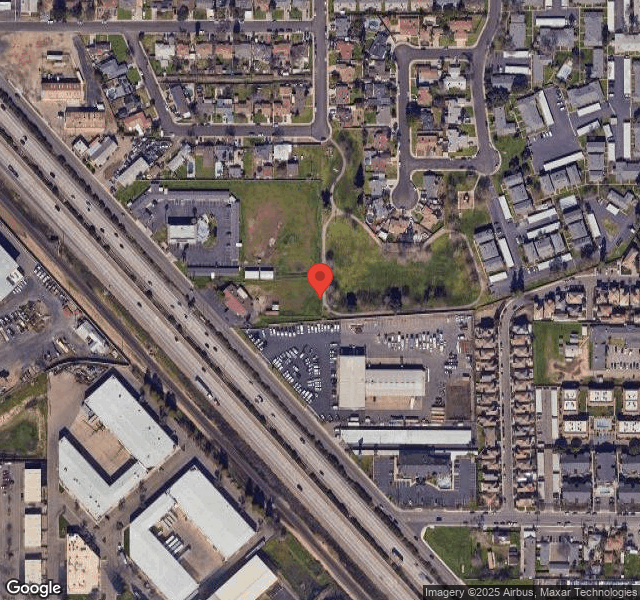
1711 RICHLAND AVENUE, CERES, CA 95307 (209) 537-4581
For profit - Corporation 46 Beds RMG CAPITAL PARTNERS Data: November 2025
Trust Grade
63/100
#309 of 1155 in CA
Last Inspection: May 2025

Inspected within the last 6 months. Data reflects current conditions.

Overview

Ceres Postacute Care has a Trust Grade of C+, indicating it is slightly above average in quality, but not exceptional. It ranks #309 out of 1155 facilities in California, placing it in the top half, and #3 out of 17 in Stanislaus County, meaning only two local options are better. Unfortunately, the facility is experiencing a worsening trend, with issues increasing from 8 in 2024 to 14 in 2025. Staffing is somewhat of a concern, with a 3-star rating and 26% turnover, which is lower than the state average, but they have less RN coverage than 92% of California facilities, meaning residents may not receive as much attention from registered nurses. While the facility has no fines, which is a positive sign, there have been serious incidents, including a failure to properly assess and treat wounds for one resident, resulting in avoidable necrotic wounds and hospitalization for sepsis. Additionally, they did not provide important survey results to residents and families, which could hinder transparency. Overall, while Ceres Postacute Care has some strengths, families should be aware of the significant weaknesses in care and communication.

Trust Score
C+
63/100
In California
#309/1155
Top 26%
Safety Record
Moderate
Needs review
Inspections
Getting Worse
8 → 14 violations
Staff Stability
✓ Good
26% annual turnover. Excellent stability, 22 points below California's 48% average. Staff who stay learn residents' needs.
Penalties
✓ Good
No fines on record. Clean compliance history, better than most California facilities.
Skilled Nurses
⚠ Watch
Each resident gets only 15 minutes of Registered Nurse (RN) attention daily — below average for California. Fewer RN minutes means fewer trained eyes watching for problems.
Violations
⚠ Watch
35 deficiencies on record. Higher than average. Multiple issues found across inspections.
★★★★☆
4.0
Overall Rating
★★★☆☆
3.0
Staff Levels
★★★★★
5.0
Care Quality
★★★☆☆
3.0
Inspection Score
Stable
2024: 8 issues
2025: 14 issues

The Good

  • 5-Star Quality Measures · Strong clinical quality outcomes
  • Low Staff Turnover (26%) · Staff stability means consistent care
  • Full Sprinkler Coverage · Fire safety systems throughout facility
  • No fines on record
  • Staff turnover is low (26%)

    22 points below California average of 48%

Facility shows strength in quality measures, staff retention, fire safety.

The Bad

Chain: RMG CAPITAL PARTNERS

Part of a multi-facility chain

Ask about local staffing decisions and management

The Ugly 35 deficiencies on record

2 actual harm
May 2025 12 deficiencies
CONCERN (D)

Potential for Harm - no one hurt, but risky conditions existed

Assessment Accuracy (Tag F0641)

Could have caused harm · This affected 1 resident

Based on observation, interview and record review the facility failed to ensure the accuracy of assessments for one of one sampled residents (Resident 10) when they did not accurately assess the condi...

Read full inspector narrative →
Based on observation, interview and record review the facility failed to ensure the accuracy of assessments for one of one sampled residents (Resident 10) when they did not accurately assess the condition of an area of excoriation (injury to the skin caused by scratching or wearing away the surface) on Resident 10's left buttock. This failure to assess Resident 10's left buttock resulted in an inability to monitor the progression of the condition- and determine if it was improved or had worsened. Findings: During a review of Resident 10's admission Record (AR-a document that provides resident contact details, a brief medical history, level of functioning, preferences and wishes), dated 1/09/25, the AR indicated Resident 10 has a history of hemiplegia (total paralysis of the arm, leg and trunk on the same side of the body), diabetes mellitus (DM-a disorder characterized by difficulty in blood sugar control) and failure to thrive (a decline caused by chronic diseases and functional impairments). During a review of Resident 10's Minimum Data Set (MDS-resident assessment tool which indicates physical and cognitive abilities), the MDS indicated a Brief Interview for Mental Status (BIMS-an assessment of cognitive function) score of 15 (0-7 severe cognitive impairment, 8-12 moderate cognitive impairment, 13-15 no cognitive impairment) indicating Resident 10 had no cognitive impairment. During an interview on 5/12/25 at 3:12p.m. with Resident 10, Resident 10 stated he had a wound on his bottom. During a review of Resident 10's Care Plan Report (CP) dated 4/2/25, the CP indicated the focus was Resident 10 had excoriation located on left buttock. The CP indicated interventions for the left buttock area to be monitored for signs of infection. During a review of Resident 10's Treatment Administration Record (TAR) dated 5/1/25-5/31/25, the TAR indicated staff were to monitor the excoriation for signs and symptoms of infection. During a review of Resident 10's Progress Note (PN) dated 4/16/25, the PN indicated excoriation was still present upon assessment. MD notified of the condition, will continue to monitor for fourteen days. During a review of Resident 10's PN dated 4/2/25, the PN indicated the nurse reassessed Resident 10 and noted excoriation was still present. The MD was notified, and the monitoring order was renewed. During a review of Resident 10's Nursing admission Assessment (NAA) dated 1/9/25, the NAA indicated Resident 10 had excoriation to the buttock. The NAA did not indicate measurements or additional information regarding the skin condition at that time. During an interview on 5/15/25 at 2:41p.m. with Licensed Vocational Nurse 3 (LVN), LVN 3 stated Resident 10 had excoriation on his buttock for some time and that it was not a new issue. LVN 3 stated the assessments and documentation was to be completed in the nursing progress notes. LVN 3 stated it would have been helpful to include information on how the area of excoriation was progressing. LVN 3 stated although wound length was not typically assessed or documented by the facility staff, it would be beneficial to have a record of the progress. During an interview on 5/16/25 at 9:40p.m. with the Director of Nurses (DON), the DON stated the expectation for skin documentation included appearance, stage, measurements, progression, odor and drainage. The DON stated having documentation of the skin's appearance would be helpful in determining whether the condition had improved or worsened. During a review of Job Description: Licensed Vocational Nurse, dated 10/19/15, the LVN documents accurately and thoroughly .collects, reports and documents objective and subjective data.
CONCERN (D)

Potential for Harm - no one hurt, but risky conditions existed

Comprehensive Care Plan (Tag F0656)

Could have caused harm · This affected 1 resident

Based on observation, interview and record review, the facility failed to develop and implement person-centered care plans for two of five sampled residents (Resident 5 and Resident 9) when: 1. Reside...

Read full inspector narrative →
Based on observation, interview and record review, the facility failed to develop and implement person-centered care plans for two of five sampled residents (Resident 5 and Resident 9) when: 1. Resident 5 who was dependent on a wireless call light system, did not have one accessible. This failure had the potential to result in unmet personal care needs, inconsistent care and compromised dignity and safety for Resident 5; 2. Resident 9 who had been refusing snacks and meal alternatives and was on meal monitoring due to weight loss did not reciece supplimental snacks or meal alternatives. This failure had the potential to result in continued or worsening weight loss, compromised quality of life and failure to meet therapeutic goals. Findings: 1. During a review of Resident 5's admission Record (AR- a document that provides resident contact details, a brief medical history, level of functioning, preferences, and wishes), dated 2/7/25 , the AR indicated Resident 5 had the following diagnoses: Dementia (a progressive state of decline in mental abilities), muscle weakness, and bipolar disorder (sometimes called manic-depressive disorder; mood swings that range from lows of depression to elevated periods of emotional highs). During a review of Resident 5's Minimum Data Set (MDS- resident assessment tool which indicated physical and cognitive abilities), dated 3/25/25, the MDS indicated a Brief Interview for Metal Status (BIMS- an assessment of cognitive function) score of five (0-7 severe cognitive impairment, 8-12 moderate cognitive impairment, 13-15 no cognitive impairment), indicating Resident 5 had severe cognitive impairment. During a concurrent observation and interview on 5/12/25 at 12:28 p.m. in Resident 5's room, no call light was observed in Resident 5's room. Resident 5 stated she was unsure of the location of her call light. During a review of Care Plan (CP) dated 6/22/21, the CP for Resident 5's aggressive behavior, which included wrapping up her call light and throwing it under her bed, was in place; however, the listed interventions did not include the use of the wireless handheld call light device. During an interview on 5/14/25 at 2:03 p.m. with Certified Nursing Assistant (CNA) 7, CNA 7 Stated when a resident needed assistance, they were to use their call lights to request help. CNA 7 stated staff were responsible for being attentive and responsive to call light alerts. CNA 7 stated the risk to the residents, if a call light was not available or accessible, included falls, hunger, and unmet care needs. CNA 7 stated call lights were expected to be within the residents' reach and every resident should have had one available. During an interview on 5/14/25 at 2:53 p.m. with Licensed Vocation Nurse (LVN) 3, LVN 3 stated staff were alerted to residents' needs when the call lights were activated. LVN 3 stated it was essential for staff to respond in a timely manner to call lights as delays could result in serious consequences such as falls, or other adverse outcomes. During a concurrent observation and interview on 5/15/25 at 10:33 a.m. with CNA 1, CNA 1 stated that a care plan was the plan of care for a resident and that care plans were individualized based on each residents' needs. CNA 1 stated Resident 5 did not have a cord call light because she preferred using the handheld wireless device. CNA 1 stated anything could happen if a resident did not have access to a call light. CNA 1 stated a call light was essential in helping staff meet residents' needs. CNA 1 stated since Resident 5 had a specific preference of call light, it should have been reflected in the care plan. During a concurrent interview and record review on 5/15/25 at 10:54 a.m. with LVN 2, LVN 2 stated Resident 5 had a history of hiding the corded call light. LVN 2 stated Resident 5 used the handheld wireless call light, which was typically hung on her wheelchair. LVN 2 stated this method of call for assistance should have been included in her care plan to inform all staff of how Resident 5 requested assistance. LVN 2 stated Resident 5 had been using the wireless call light system for over a month. LVN 2 stated care plans needed to be resident-specific to ensure staff were aware of each resident's individual needs and the appropriate interventions. During an interview on 5/16/25 at 9:40 a.m. with the Director of Nursing (DON), the DON stated her expectation was for Resident 5 to have a care plan addressing the use of her handheld call light. During a review of the facilities policy and procedure (P&P) titled, Care Plans, Comprehensive Person-Centered, dated 1/2018, the P&P indicated, the comprehensive, person-centered care plan will maintain the residents highest practicable physical, mental and psychosocial well-being .incorporate identified problem areas .incorporate risk factors associated with identified problems .reflect the residents expressed wishes regarding care and treatment goals .when possible, interventions address the underlying sources of the problem areas, not just addressing only symptoms or triggers. 2. During a review of Resident 9's admission Record (AR- a document that provides resident contact details, a brief medical history, level of functioning, preferences, and wishes), dated 2/7/25 , the AR indicated Resident 9 had the following diagnoses: muscle wasting (weakening, shrinking and loss of muscle), and protein-calorie malnutrition (when someone doesn't eat enough food with energy and protein, making them weak, tired and more likely to get sick). During a review of Resident 9's Minimum Data Set (MDS-a federally mandated resident assessment tool), dated 2/6/25, the MDS section C indicated, Resident 9 had a Brief Interview for Mental Status (BIMS-an assessment tool used by facilities to screen and identify memory, orientation, and judgement status of the resident) score of 99 out of 15 (a score of 13-15 indicates cognitively intact, 08-12 indicates moderately impaired, and 00-07 indicates severe impairment, 99 indicates unable to complete the interview), which indicated Resident 9 was unable to complete the interview. During a review of Resident 9's Medication Review Report (MRR), dated 5/15/25, the MRR indicated Resident 9 had an active order to monitor episodes of eating less than 75% of meals. During a review of Resident 9's Medication Administration Review (MAR), dated 5/1/25-5/15/25, the MAR indicated, in the month of May, Resident 9 consumed more than 75% of her meals on only two occasions: Dinner on 5/13/25, and lunch on 5/15/25. During a review of Resident 9's Progress Notes (PN), dated 4/29/25, the PN indicated Resident 9 ate 60% of her dinner. Staff offered an alternative three times, but Resident 9 refused each offer. During a review of Resident 9's Progress Notes (PN), dated 5/1/25, the PN indicated Resident 9 ate 55% of her dinner. Staff offered an alternative three times, but Resident 9 refused each offer. During a review of Resident 9's Progress Notes (PN), dated 5/4/25, the PN indicated Resident 9 ate 50% of her dinner. Staff offered an alternative three times, but Resident 9 refused each offer. During a review of Resident 9's Progress Notes (PN), dated 5/7/25, the PN indicated Resident 9 ate 55% of her dinner. Staff offered an alternative three times, but Resident 9 refused each offer. During a review of Resident 9's Progress Notes (PN), dated 5/12/25, the PN indicated Resident 9 ate 65% of her dinner. Staff offered an alternative three times, but Resident 9 refused each offer. During an interview on 5/15/25 at 10:33 a.m. with CNA 1, CNA 1 stated the care plan served as the guiding plan of care for the residents. CNA 1 stated the care plan identified the residents' problems, which varied depending on the resident's medical history. During an interview on 5/15/25 at 10:48 a.m. with Licensed Vocational Nurse (LVN) 2, LVN 2 stated meal monitoring should have been care planned. LVN 2 stated Resident 9 was on meal monitoring and if she ate less than 75%, staff were expected to offer a snack or an alternative meal. LVN 2 stated that Resident 9 sometimes refused these offers. LVN 2 stated Resident 9 did not have a care plan in place addressing interventions for when Resident 9 refused supplements or alternatives. LVN 2 states there should have been a care plan for Resident 9. During an interview on 5/15/25 at 11:41a.m. with the Director of Nurses (DON), the DON stated there was no care plan with specific interventions in place for when Resident 9 refused alternatives or supplement meals. The DON stated interventions were scattered among other care plans. The DON stated interventions, should have been clearly defined and specific to each specific problem. During an interview on 5/16/25 at 9:40 a.m. with the DON, the DON stated it was her expectation of staff for a care plan to be in place for when Resident 9 refused alternatives and supplements. During a review of the facilities policy and procedure (P&P) titled, Care Plans, Comprehensive Person-Centered, dated 1/2018, the P&P indicated, the comprehensive, person-centered care plan will maintain the residents highest practicable physical, mental and psychosocial well-being .incorporate identified problem areas .incorporate risk factors associated with identified problems .reflect treatment goals, timetables and objectives in measurable outcomes .aid in preventing or reducing decline in the resident's functional status and or functional levels .when possible, interventions address the underlying sources of the problem areas, not just addressing only symptoms or triggers.
CONCERN (D)

Potential for Harm - no one hurt, but risky conditions existed

Deficiency F0657 (Tag F0657)

Could have caused harm · This affected 1 resident

**NOTE- TERMS IN BRACKETS HAVE BEEN EDITED TO PROTECT CONFIDENTIALITY** Based on observation, interview, and record review, the facility failed to revise a fall care plan for one of four sampled resid...

Read full inspector narrative →
**NOTE- TERMS IN BRACKETS HAVE BEEN EDITED TO PROTECT CONFIDENTIALITY** Based on observation, interview, and record review, the facility failed to revise a fall care plan for one of four sampled residents (Resident 24) when, Resident 24 had a fall on 1/3/25, a post fall assessment recommended interventions to monitor proper wearing of shoes when up walking with a front wheeled walker (FWW) and Resident 24's care plan interventions indicated for him to wear nonskid socks when up walking with a FWW. This failure had the potential to result in Resident 24 not receiving the care and services from nursing staff and the potential for subsequent falls and injury. Findings: During observation on 5/12/25 at 10:28 a.m. with Resident 24, by the door of Resident 24's room, Resident 24 was self-ambulating with the use of a walker, with upper body bending forward and both arms extended pushing the walker in front of him. Resident 24 was wearing shoes to both feet with regular socks. Resident 24 was heading towards the dining room. During a concurrent observation and interview on 5/12/25 at 4:20 p.m. with Resident 24, at the dining room, Resident 24 was sitting in a regular chair with a walker in front of him. Resident 24 was pleasant, clean and well groomed. Resident 24 stated his correct name and stated the correct location indicating he was alert and oriented times two. Resident 24 stated he needed more therapy to strengthen his legs, and stated, I appreciate any help I could get. Resident 24 stated he was wearing a brief and someone helped him for a brief change. Resident 24 stated he can put on his shoes. During a review of Resident 24's admission Record (AR), dated 1/14/25, the AR indicated, Resident 24 was admitted to the facility on [DATE] with primary diagnosis of Cerebral Infarction (occurs when the blood supply to part of the brain is blocked or reduced) and other diagnoses of Macular Degeneration (an eye disease that affects central vision), generalized muscle weakness abnormalities of gait (the manner of walking) and mobility. During a review of Resident 24's Minimum Data Set (MDS - a federally mandated resident assessment tool), dated 4/4/25, the MDS section C indicated, Resident 24 had a Brief Interview for Mental Status (BIMS-an assessment tool used by facilities to screen and identify memory, orientation, and judgement status of the resident) score of 11, which indicated Resident 24's cognition was moderately impaired. During an interview on 5/14/25 at 2:00 p.m. with Restorative Nurse Assistant (RNA) 1, RNA 1 stated Resident 24 is receiving restorative services (are services to maintain and maximize a person's level of function). RNA 1 stated Resident 24 is on Restorative Nursing Program for ambulation. RNA 1 stated Resident 24 can walk with a walker without staff assistance. During a concurrent interview and record review on 5/15/25 at 10:20 a.m. with the Director of Nursing (DON), Resident 24's Electronic Medical Records (EMR- a digital version of a patient's paper chart) titled, Care Plan Report, (undated) and Rehab Post Fall Assessment -V2 dated 1/6/25 were reviewed. The Care Plan Report, indicated, . The resident is at risk for falls related to forgetful gait balance problem. The Rehab Post Fall Assessment -V2 indicated, . 13. Recommendation will monitor proper wearing of shoes and utilization of Front-wheeled walker (FWW) for ambulation . The DON stated Resident 24 had a fall on 1/3/25 and stated Resident 24's at risk for fall care plan did not indicate new intervention (any action or measures taken to prevent a fall). The DON stated Resident 24's fall care plan should have been updated based on Rehab recommendations and interventions to reflect current intervention prevent further falls. The DON stated it was nurses' responsibility to update and revise the care plan , the care plan goal and interventions must be revised after the fall, and stated, . to prevent from happening again. During an observation on 5/16/25 at 8:29 a.m. with Resident 24, in Resident 24's room, Resident 24 was lying in the middle of bed asleep, with feet on the ground, wearing a shoe to his left foot and regular sock to the right foot. During a concurrent interview and record review on 5/16/25 at 8:50 a.m. with Licensed Vocational Nurse (LVN) 4, Resident 24's fall care plan, dated 9/26/20 was reviewed. The fall care plan indicated, . The resident is at risk for falls related to forgetful gait balance problem. Interventions anticipate and meet resident's needs, ensure wearing non-skid socks when ambulating, follow facility protocol, . LVN 4 stated Resident 24 was wearing shoes when ambulating with a walker and not with non-skid socks. LVN 4 stated Resident 24 is at risk for falls and had a fall on 1/3/25. LVN 4 stated Resident 24 leans forward with walker out in front of him when ambulating, and stated, . his walker should stay closed to him to prevent falls. LVN 4 stated monitoring and reminding Resident 24 to keep his walker close to him should be included in the fall interventions. LVN 4 stated Resident 24's fall care plan should be person-centered and needs to be revised and updated to reflect the current function of Resident 24. LVN stated Resident 24's care plan should be reviewed if care plan goal was met. LVN 4 stated a care plan is very important for the staff to know how to take care of the residents to prevent and minimize the falls. During a review of facility's policy and procedure (P&P) titled, Falls and Fall Risk, Managing, dated 1/18, the P&P indicated, . Resident-centered approaches to managing falls and fall risk 1. The staff, with the input of the attending physician, will implement a resident-centered fall prevention plan to reduce the specific risk factor(s) of falls for each resident at risk or with a history of falls. 5. If falling recurs despite initial interventions, staff will implement additional or different interventions or indicate why the current approach remains relevant .
CONCERN (D)

Potential for Harm - no one hurt, but risky conditions existed

Deficiency F0658 (Tag F0658)

Could have caused harm · This affected 1 resident

**NOTE- TERMS IN BRACKETS HAVE BEEN EDITED TO PROTECT CONFIDENTIALITY** Based on observation, interview, and record review, the facility failed to meet professional standards of quality by not followi...

Read full inspector narrative →
**NOTE- TERMS IN BRACKETS HAVE BEEN EDITED TO PROTECT CONFIDENTIALITY** Based on observation, interview, and record review, the facility failed to meet professional standards of quality by not following facility's policy and procedure (P&P) for Administering Medications for two of nine sampled residents (Residents 1 and 3) when, 1. Licensed Vocational Nurse (LVN) 1 and LVN 3 used one resident identifier (name, date of birth , photograph, wrist band [containing resident information of name and date of birth for proper resident identification], and staff verification) before medication administration for Resident 1 and Resident 3. This failure had the potential for medication errors and negative drug interactions (occur when the effects of one drug are altered by another drug that can lead to decreased effectiveness of medication) for Residents 1 and Resident 3. 2. LVN 1 signed (documented medication was administered) Resident 1's Electronic Medication Administration Records (EMAR -an electronic daily documentation record used by a licensed nurse to document medications and treatments given to a resident) when the inhaler medication salbutamol (medication used to treat asthma (a condition in which person's airways become inflame, narrow , and swell, and produce extra mucus, which makes it difficult to breathe) and exercise-induced bronchospasm (a life-threatening emergency that occurs when the muscles surrounding the lungs' small airways tighten, narrowing the airways) was not administered. This failure had the potential for Resident 2 not to receive the inhaler medication as prescribed by the doctor and placed Resident 2 at risk for negative outcome including shortness of breath. Findings: 1. During an observation on 5/13/25 11:43 a.m. with LVN 3, in Resident 3's room, LVN 3 stated I am your nurse, [stated resident's name]. Resident 3 did not respond when LVN 3 stated his name. LVN 3 stated she would check his gastrostomy tube (GT- a feeding tube inserted directly into the stomach through a small incision in the abdomen) placement and will administer one medication and stated, Synthroid (brand name for Levothyroxine [use to treat underactive thyroid]). Resident 3 did not look at LVN 3 while she explained the procedure to Resident 3. Resident 3 wore a wrist band (containing resident information of name and date of birth for proper resident identification) to his right wrist. LVN 3 did not check Resident 3's wrist band. LVN 3 checked GT placement with the use of stethoscope and checked gastric residual (the amount of liquid remaining in the stomach after the feeding). LVN 3 dissolved one tablet of Levothyroxine in 15 millimeters (ml- unit of measurement) of water and administered through GT via gravity. LVN 3 used one resident identifier [Resident 3's name] prior to administering the medication for Resident 3. During a review of Resident 3's admission Record (AR- a document that provides resident contact details, a brief medical history, level of functioning, preferences, and wishes), dated 5/15/25, the AR indicated, Resident 3 was admitted to the facility on [DATE] with a primary diagnosis of Dementia (a progressive state of decline in mental abilities), Gastrostomy Status (refers to the presence of absence of gastrostomy, which is a surgical opening into the stomach), and Hypothyroidism ( a condition in which the thyroid gland doesn't produce enough thyroid hormone). During a review of Resident 3's Minimum Data Set (MDS - a federally mandated resident assessment tool), dated 3/15/25, the MDS section C indicated, Resident 3 had a Brief Interview for Mental Status (BIMS-an assessment tool used by facilities to screen and identify memory, orientation, and judgement status of the resident) was blank, which indicated, Section C -Cognitive Patterns C0100 was coded 0 No (resident is rarely/never understood). During an observation on 5/14/25 at 8:59 a.m. with LVN 1, outside Resident 1's room, LVN 1 was preparing Resident 1's medications for 7:00 a.m. and 8:00 a.m. on the top of the medication cart. During an observation on 5/14/25 at 9:02 a.m. with LVN 1, in Resident 1's room, LVN 1 put on a pair of gloves before entering Resident 1's room. LVN 1 was wearing a glove while holding a medication tray with oral medications, insulin pen, and eye drops and knocked on Resident 1's door. LVN 1 stated, Hello [stated Resident 1's first name], I will give your medications, Insulin Glargine (a hormone that removes excess sugar from the blood, can be produced by the body or given artificially via medication) and eyedrops. Resident 1 did not respond when LVN 1 stated Resident 1's first name. LVN 1 administered three of three medications by mouth to Resident 1 using one resident identifier [Resident 1's first name). During an observation on 5/14/25 at 9:03 a.m. with LVN 1, in Resident 1's room, LVN 1 stated, I am giving your long-acting insulin on your left arm. LVN 1 stated Resident 1's first name and injected the insulin into Resident 1's left arm. LVN 1 used one resident identifier [Resident 1's first name] prior to administering Resident 1's insulin injection. During an observation on 5/14/25 at 9:04 a.m. with LVN 1, in Resident 1's room, LVN 1 stated Resident 1's first name and instilled one drop of lubricant eye drops in the middle of both eyes. LVN 1 used one resident identifier [Resident 1's first name] prior to administering Resident 1's eye drops. During an interview on 5/14/25 9:38 a.m. with LVN 1, at the nursing station, LVN 1 stated he did not check Resident 1'swrist band and photo of Resident 1 before administering her medications. LVN 1 stated he addressed Resident 2 by her first name. LVN 1 stated it was important to check three resident identifiers including the photo and wrist band to ensure the nurses are administering medication to the right patient to prevent medication error. During an interview on 5/14/25 at 3:15 p.m. with LVN 3, at the nursing station, LVN 3 stated nurses needed to check the resident's photo, wrist band and allergies to make sure nurses are administering medication to the right resident to prevent medication error. LVN 3 stated checking two or more resident identifiers is important for non-verbal (non-speaking) and cognitively impaired residents and stated, . we need to do all the check. During an interview on 5/15/25 at 9:58 a.m. with the Director of Nursing (DON), the DON stated her expectation was for the nurses to follow the P&P for medication administration. The DON stated nurses should use two or more resident identifiers, including resident's photo and wrist band before administering the medications. The DON stated the verification with another staff is important for non-verbal and cognitively impaired residents. During a review of the facility's P&P titled, Administering Medications, dated 1/18, the P&P indicated, Medications shall be administered in a safe and timely manner, and as prescribed. 6. The individual administering medication must verify the resident's identity before giving the resident his/her medication. Methods of identifying the residents include: a. Check identification band; b. Checking photograph attached to medical record; and c. If necessary, verifying resident identification with other facility personnel. 2. During an observation on 5/14/25 at 8:25 a.m. with Licensed Vocational Nurse (LVN) 1, outside Resident 2's room, LVN 1 was preparing Resident 2's 8:00 a.m. medications on the top of the medication cart. LVN 1 prepared nine oral medications and placed them in 2 separate medication cups. During an observation on 5/14/25 at 8:39 a.m. with LVN 1, outside Resident 2's room, LVN 1 knocked on Resident 2's door and stated Resident 2's last name. LVN 1 informed Resident 2 the name of medications in the medication cups and administered nine oral medications to Resident 2. LVN 1 went back to the medication cart parked outside Resident 2's room and signed all 8:00 a.m. medications as administered, including Resident 2's salbutamol inhaler . LVN 1 did not administer Resident 2's inhaler. During a concurrent interview and record review on 5/14/25 at 9:38 a.m. with LVN 1, at the nursing station, LVN 1 reviewed Resident 2's EMAR, dated 5/14/25, the EMAR indicated, Albuterol Sulfate HFA Inhalation Aerosol Solution (mist that has medicine in it) 108 (90 Base) MCG/ACT (refers to the unit of measurement for drug dosage which indicates the amount of medication in a single dose from an inhaler) 2 puff inhale orally three times a day for shortness of breath at 0800 1200 1600 [4 p.m.]. LVN 1 stated he did not administer Resident 2's inhaler at 8:00 a.m. and stated, I forgot. LVN 1 stated he signed the EMAR for salbutamol inhaler during the morning medication pass and did not administer it. LVN 1 stated, I should not sign the EMAR. During an interview on 5/16/25 10:48 a.m. with the DON, the DON stated her expectation was for nurses to follow the P&P for medication administration and documentation. The DON stated nurses should not sign the EMAR if the medication was not given. The DON stated this practice can result in medication error. During a review of the facility's P&P titled, Administering Medications, dated 1/18, the P&P indicated, Medications shall be administered in a safe and timely manner, and as prescribed. 19. The individual administering the medication must initial the resident's MAR after giving each medication.
CONCERN (D)

Potential for Harm - no one hurt, but risky conditions existed

Accident Prevention (Tag F0689)

Could have caused harm · This affected 1 resident

**NOTE- TERMS IN BRACKETS HAVE BEEN EDITED TO PROTECT CONFIDENTIALITY** Based on observation, interview and record review, the facility failed to ensure the resident environment remains free of accide...

Read full inspector narrative →
**NOTE- TERMS IN BRACKETS HAVE BEEN EDITED TO PROTECT CONFIDENTIALITY** Based on observation, interview and record review, the facility failed to ensure the resident environment remains free of accident hazards (a danger or risks) as possible for one of four sampled residents (Resident 31) when, Resident 31's room was cluttered (filled with disorganized items, making it difficult to move around and find things) with multiple boxes at the back of Resident 31's room blocking the door from opening fully and the carpet on the floor had curled edges. These failures placed Resident 31 at risk for an avoidable accident including falling and fall related injuries. Findings: During a concurrent observation and interview on 5/12/25 at 11:30 a.m. with Resident 31, in Resident 31's room, Resident 31 was lying in bed facing the door, watching a movie on his personal computer. Resident 31 stated he had been at the facility for eight months and came from an acute care hospital. Resident 31 was alert and oriented times 4 (indicating correct awareness of person, places, time and event). Resident 31 requested to keep his door closed. Resident 31's room smelled of strong urine. Resident 31 had an indwelling urinary catheter (a hollow tube inserted into the bladder to drain or collect urine) bag that was covered with a privacy bag attached to the bed frame. Resident 31 stated he had a catheter to drain his urine and was being followed by a urologist (a medical doctor who specializes in the diagnosis and treatment of diseases and conditions of the urinary tract), and stated, .had a blockage. Resident 31 had a walker by the foot of the bed and stated he could walk with or without his walker. Resident 31's room was disorganized with scattered personal belongings, bedside table filled with food, and carpet on the floor with curled edges. Resident 31's door to his room was unable to fully open due to the presence of multiple boxes at the back of the door. During a review of Resident 31's admission Record (AR), dated 5/14/25, the AR indicated, Resident 31 was admitted to the facility on [DATE] with a primary diagnosis of Type 2 Diabetes Mellitus (DM-a disorder characterized by difficulty in blood sugar control and poor wound healing) and generalized muscle weakness. During a review of Resident 31's Minimum Data Set (MDS - a federally mandated resident assessment tool), dated 4/6/25, the MDS section C indicated, Resident 31 had a Brief Interview for Mental Status (BIMS-an assessment tool used by facilities to screen and identify memory, orientation, and judgement status of the resident) score of 15, which indicated Resident 31's cognition was cognitively intact (a person's mental functions, such as thinking, remembering, and understanding, are in good shape and not impaired). During a concurrent interview and record review on 5/16/25 at 8:30 a.m. with the Social Services Director (SSD), Resident 31's Electronic Medical Records (EMR- a digital version of a patient's paper chart) titled, Care Plan Report, (undated) and Interdisciplinary Team (IDT) Care Conference, dated 4/11/25 and 1/9/25 were reviewed. The Care Plan Report and IDT Care Conference, indicated no documentation for the cluttered room. The SSD stated the IDT did not identify and discuss Resident 31's safety and health risks related to a cluttered room. The SSD stated she was aware of Resident 31's cluttered room and she had no discussion with Resident 31 about it. The SSD stated Resident 31's cluttered room was posing lots of risks for Resident 31 and stated .can be a fire risk and a fall risk. The SSD stated Resident 31 had a carpet on the floor inside his room that could be a trip hazard. During an observation on 5/16/25 at 8:47 a.m. with Resident 31, at the front entrance area, Resident 31 was ambulating without a walker, holding the indwelling catheter bag. During a concurrent interview and record review on 5/16/25 at 8:50 a.m. with Licensed Vocational Nurse (LVN) 4, LVN 4 stated Resident 31 had a lot of personal belongings inside his room and a carpet on the floor and stated, . a trip hazard. LVN 4 reviewed Resident 31's EMR titled, Care plan Report, dated 9/29/24, the care plan report indicated, The resident is at risk for falls related to gait/balance problems, incontinence . LVN 4 stated Resident 31 used a walker when ambulating and had episodes of ambulating without assistive device. LVN 4 stated IDT was aware of the cluttered room and strong smell of urine. During an observation on 5/16/25 at 9:10 a.m. with Housekeeping Staff (HS) 1, HS 1 was observed mopping Resident 31's floor and pointed at the multiple boxes at the back of Resident 31's room. HS 1 stated Resident 31's room was always cluttered and stated, . too much things, too much food . Resident 31's door to the room was partially open. During an interview on 5/16/25 9:17 a.m. with Certified Nursing Assistant (CNA) 5, CNA 5 stated she was the assigned CNA for Resident 31. CNA 5 stated Resident 31 had a cluttered room, and he refused to allow staff to touch his personal belongings. CNA 5 stated there was a safety risk and stated .heavy fall risk. CNA 5 stated she reported to the nurses about Resident 31's cluttered room. During an interview on 5/16/25 at 10:35 a.m. with the Director of Nursing (DON), the DON stated Resident 31's cluttered room posted safety and health risks to Resident 31. The DON stated Resident 31's carpet on the floor was a potential trip hazard and could result in a fall. During a concurrent observation and interview on 5/16/25 at 11:34 a.m. with Resident 31, outside Resident 31's room, Resident 31 was sitting in his walker seat facing the television in his room. Resident 31's door was partially open. Resident 31 stated he asked the staff to put that tape around the floor carpet and stated . so the girls cannot trip. Resident 31 stated, . this facility is not doing anything for me. During a review of facility's policy and procedure (P&P) titled, Falls and Fall Risk, Managing, dated 1/18, the P&P indicated, Based on previous evaluations and concurrent data, the staff will identify the interventions related to the resident's specific risks and causes to try to prevent the resident from falling and to try to minimize complications from falling. Fall Risk Factors 1. Environmental factors that contribute to the risk of falls include: . d. obstacles in footpath; 3. Medical Factors that contribute to the risk for falls include: .e. balance and gait disorders; Resident-Centered Approaches to Managing Falls and Fall Risk 1. The staff, with the input of the attending physician, will implement a resident-centered fall prevention plan to reduce the specific risk factor(s) of falls for each resident at risk or with a history of falls .
CONCERN (D)

Potential for Harm - no one hurt, but risky conditions existed

Deficiency F0726 (Tag F0726)

Could have caused harm · This affected 1 resident

Based on interview and record review, the facility failed to ensure a staff member was aware of their job duties when Restorative Nurse Aide (RNA) 1 did not have a signed job description prior to her ...

Read full inspector narrative →
Based on interview and record review, the facility failed to ensure a staff member was aware of their job duties when Restorative Nurse Aide (RNA) 1 did not have a signed job description prior to her working as an RNA. This failure had the potential to cause RNA 1 to be unaware of her job duties. Findings: During an interview on 5/14/25 at 1:35 p.m. with RNA 1, RNA 1 stated she had transitioned from being a Certified Nursing Assistant (CNA) to an RNA three months ago. RNA 1 stated she did not recall signing a job description for her new role. During a concurrent interview and record review with the Director of Staff Development RNA 1's Employee Files, undated, were reviewed. The DSD stated she could not find a signed job description for RNA 1. The DSD stated whenever a staff member gets a new role, like going from a CNA to and RNA, they should have signed a job description going over their new duties otherwise they may not be fully aware of their responsibilities. During an interview on 5/15/25 at 4:11 p.m. with the Director of Nursing (DON), the DON stated RNA 1 should have signed her job description before starting her new role. The DON stated signing the new job description ensured RNA 1 was familiar with her new job duties and responsibilities. During a review of the facility's RNA Job Description, dated 10/23/25, the Job Description indicated, . Job skills . 1. Knowledge of procedures and techniques involved in administering simple treatments and providing related bedside care services . 2. Knowledge of basic medical asepsis, sterile technique and standard precautions . 3. Willingness to work rotating shifts and different units. 4. Ability to contribute to a patient- centered environment . I understand this job description and its requirements; I understand that this is not an exclusive list of the job functions and that I am expected to complete all duties as assigned; I understand the job functions may be altered by management without notice; I understand this job description in no way constitutes an employment agreement and I am an at-will employee. I certify that I am able to perform the essential functions of this position with or without reasonable accommodation .
CONCERN (D)

Potential for Harm - no one hurt, but risky conditions existed

Deficiency F0757 (Tag F0757)

Could have caused harm · This affected 1 resident

**NOTE- TERMS IN BRACKETS HAVE BEEN EDITED TO PROTECT CONFIDENTIALITY** Based on observation, interview, and record review the facility failed to ensure a resident's drug regimen was free from unneces...

Read full inspector narrative →
**NOTE- TERMS IN BRACKETS HAVE BEEN EDITED TO PROTECT CONFIDENTIALITY** Based on observation, interview, and record review the facility failed to ensure a resident's drug regimen was free from unnecessary drugs for one of six sampled residents (Resident 19) when Resident 19 was administered oxycodone hydrochloride (medication used to treat intense pain) without adequate monitoring. This failure had the potential to cause Resident 19 to experience side effects such as constipation, decreased respirations, dizziness, and increased fall risk. Findings: During a review of Resident 19's admission Record (AR- a document that provides resident contact details, a brief medical history, level of functioning, preferences, and wishes), dated 5/15/25, the AR indicated, Resident 19 was admitted to the facility on [DATE] with a diagnosis of chronic pain syndrome (condition that causes pain which does not easily go away). During an interview on 5/12/24 at 10:30 a.m. with Resident 19, Resident 19 stated he had had a diagnosis of chronic pain which he needed to take oxycodone hydrochloride continuously for it. During a concurrent observation and interview on 5/15/25 at 10:15 a.m. with Licensed Vocational Nurse (LVN) 1, Resident 19's Medication Administration Record (MAR), dated 5/25, and Progress Notes dated 5/15/25 were reviewed. The MAR indicated Resident 19 received oxycodone hydrochloride continuously every eight hours for chronic pain. The Progress Notes indicated no documentation was present to monitor Resident 19's side effects after taking oxycodone hydrochloride. LVN 1 stated there was nothing documented indicating Resident 19 was being monitored for potential side effects of the medication on his MAR or Progress Notes. LVN 1 stated properly documenting the monitoring for Resident 19's oxycodone hydrochloride should have been done because it helped ensure side effects such as constipation, decreased respirations, dizziness, increased fall risk were well tracked. During an interview on 5/15/25 at 3:55 p.m. with the Director of Nursing (DON), the DON stated staff were not documenting any monitoring of potential side effects of Resident 19's use of oxycodone hydrochloride. The DON stated nurses should have documented whether or not Resident 19 was experiencing side effects, otherwise staff would not know what effect the medication had on Resident 19. During a review of the facility's policy and procedure (P&P) titled, Pain assessment and management, dated 1/18, the P&P indicated, . 2. Monitor the following factors to determine if the resident's pain is being adequately controlled . c. the presence of adverse consequences or treatment . During a review of the professional reference (PR), found on https://www.ncbi.nlm.nih.gov/books/NBK482226/ titled, Oxycodone dated 2/20/24, the PR indicated, . Patients taking oxycodone require monitoring for the presence of constipation, pain relief, adverse effects, and appropriate usage .
CONCERN (D)

Potential for Harm - no one hurt, but risky conditions existed

Unnecessary Medications (Tag F0759)

Could have caused harm · This affected 1 resident

**NOTE- TERMS IN BRACKETS HAVE BEEN EDITED TO PROTECT CONFIDENTIALITY** Based on observation, interview, and record review, the facility failed to ensure the medication error rate was less than five p...

Read full inspector narrative →
**NOTE- TERMS IN BRACKETS HAVE BEEN EDITED TO PROTECT CONFIDENTIALITY** Based on observation, interview, and record review, the facility failed to ensure the medication error rate was less than five percent when the facility's medication error rate was 5.88 % percent. There were 34 opportunities for errors and two medication errors occurred for two of nine sampled residents (Resident 1 and Resident 2) when: 1. Resident 2 did not receive the inhaler medication Salbutamol (medication used to treat asthma (a condition in which person's airways become inflame, narrow , and swell, and produce extra mucus, which makes it difficult to breathe) and exercise-induced bronchospasm (a life-threatening emergency that occurs when the muscles surrounding the lungs' small airways tighten, narrowing the airways) at the prescribed time of administration of 8:00 a.m. on 5/14/25. 2. Resident 1 did not receive the eye drops medication (Lubricant eye drops Ophthalmic [relating to or representing the eye] Solution 0.5% at the prescribed time of administration of 7:00 a.m. on 5/14/25. These failures resulted in a medication error for Resident 1 and Resident 2 and the potential for Resident 1 to experience worsening of dry eyes and Resident 2 to experience shortness of breath. Findings: 1. During an observation on 5/14/25 at 8:25 a.m. with Licensed Vocational Nurse (LVN) 1, outside Resident 2's room, LVN 1 was preparing Resident 2's 8:00 a.m. medications on the top of the medication cart. LVN 1 prepared nine of nine oral medications and placed them in 2 separate medication cups. During an observation on 5/14/25 at 8:39 a.m. with LVN 1, outside Resident 2's room, LVN 1 knocked on Resident 2's door and stated Resident 2's last name. LVN 1 informed Resident 2 the name of medications in the medication cups and administered nine of nine oral medications. LVN 1 went back to the medication cart parked outside Resident 2's room and signed Resident 2's Electronic Medication Administration Record (EMAR -an electronic daily documentation record used by a licensed nurse to document medications and treatments given to a resident), indicating she had administered all 8:00 a.m. medications to Resident 2. Resident 2 had a doctor's order for an inhaler medication Salbutamol (medication used to treat asthma (a condition in which person's airways become inflame, narrow , and swell, and produce extra mucus, which makes it difficult to breathe) and exercise-induced bronchospasm (a life-threatening emergency that occurs when the muscles surrounding the lungs' small airways tighten, narrowing the airways) to be administered at 8:00 a.m. and it was not administered. During a record review of Resident 2's admission Record (AR), dated 5/15/25, the AR indicated Resident 2 was admitted to the facility on [DATE] with diagnosis of Chronic Obstructive Pulmonary Disease (COPD-a chronic lung disease causing difficulty in breathing) and Pneumonia (an infection that inflames the air sacs in one or both lungs). During a concurrent interview and record review on 5/14/25 at 9:38 a.m. with LVN 1, Resident 2's EMAR dated 5/14/25 was reviewed. The EMAR indicated, Albuterol Sulfate (brand name of Salbutamol) HFA Inhalation Aerosol Solution (mist that has medicine in it) 108 (90 Base) MCG/ACT (refers to the unit of measurement for drug dosage which indicates the amount of medication in a single dose from an inhaler) 2 puff inhale orally three times a day for shortness of breath at 0800 1200 1600 [4 p.m.]. LVN 1 stated he did not administer Resident 2's inhaler at 8:00 a.m. LVN 1 stated I forgot. LVN 1 stated he signed the EMAR indicating he administered Salbutamol inhaler during the morning medication pass and did not administer it. LVN 1 stated, I should sign the EMAR. LVN 1 stated he administered Resident 2's Salbutamol inhaler at 9:30 a.m. LVN 1 stated he did not follow the prescribed time of the administration for Resident 2's inhaler which was due at 8:00 a.m. LVN 1 stated the inhaler medication was one and a half hours late. LVN 1 stated Resident 2 had the potential risk of difficulty in breathing. During an interview on 5/16/25 at 9:26 a.m. with LVN 1 , LVN 1 stated when a medication is administered at the wrong time it was considered a medication error. LVN 1 stated he notified the doctor and family about the medication error, and staff would monitor for any change in condition for Resident 2. During an interview on 5/15/25 at 9:58 a.m. with the Director of Nursing (DON), the DON stated her expectation was for nurses to follow the Policy and Procedures (P&P) for medication administration to prevent medication error. The DON stated late administration of medication was a medication error. The DON stated nurses should follow the prescribed time of the medication administration. The DON stated nurses should call the doctor for instructions on when to give the next dose if the prescribed time is three times a day. The DON stated the time of administration will be too close for the next dose and stated, .do not know the outcome. of being too close in timing of medication administration. The DON stated the late administration of the inhaler had the potential for Resident 2 experiencing a difficulty in breathing. During a review of the facility's P&P titled, Administering Medications, dated 1/18, the P&P indicated, Medications shall be administered in a safe and timely manner, and as prescribed. 3. Medications must be administered in accordance with the orders, including any required time frame. 4. Medications must be administered within one (1) hour of their prescribe time, .7. The individual administering the medication must check the label to verify the right resident, right medication, right dosage, right time and right method (route) of administration before giving the medication. During a review of the professional reference (PR), found on https://www.ncbi.nlm.nih.gov/books/NBK519065/ an article titled, Medication Dispensing Errors and Prevention, dated 2/12/24, the PR indicated, . Types of Medication Errors: Prescribing, Omission, Wrong time, Unauthorized medication, Improper dose, Wrong dose prescription or wrong dose preparation, Administration errors such as incorrect route of administration, administering the drug to the wrong patient, extra dose, or wrong rate, Monitoring errors such as failing to take into account the patient's liver and renal function, failing to document allergy or potential for drug interaction, Compliance errors such as not following protocol or rules established for dispensing and prescribing medications . 2. During an observation on 5/14/25 at 8:59 a.m. with LVN 1, outside Resident 1's room, LVN 1 was preparing Resident 1's medications for 7:00 a.m. and 8:00 a.m. on the top of the medication cart. LVN 1 put on a pair of gloves before entering Resident 1's room. LVN 1 was wearing a glove while holding a medication tray with oral medications, insulin [Glargine] pen, and eye drops and knocked on Resident 1's door. LVN 1 stated, Hello stated Resident 1's first name], I will give your medications, insulin [Glargine] and eyedrops. LVN 1 did not check Resident 1's wrist band and did not check allergies before administering the medication to Resident 1. During an observation on 5/14/25 at 9:04 a.m. with LVN 1, in Resident 1's room, LVN 1 was wearing a glove, pulled Resident 1's upper lid and instilled one drop of lubricant eye drops in the middle of both eyes. During a concurrent interview and record review on 5/14/25 9:38 a.m. with LVN 1, Resident 1's EMAR, dated 5/14/25 was reviewed. The EMAR indicated, Lubricant eye drops Ophthalmic Solution 0.5% instill 1 drop to both eyes three time a day 0700 1130 1700 [5 p.m.]. LVN 1 stated based on the doctor's order, the lubricant eye drops were prescribed for dry eyes three times a day. LVN 1 stated Resident 1's eye drops medication was due at 7:00 a.m. and was administered at 9:00 a.m. LVN 1 stated Resident 1's eye drops medication was administered two hours late. LVN 1 stated he should follow the prescribed time of administration to prevent dryness of the eyes. LVN 1 stated . maybe I asked the doctor to change the time of administration. During a record review of Resident 1's admission Record (AR), dated 5/15/25, the AR indicated Resident 1 was admitted to the facility on [DATE] with diagnosis of Dry Eye Syndrome (a condition when your tears can't produce and adequate lubrication for your eyes). During an interview on 5/15/25 at 9:58 a.m. with the Director of Nursing (DON), the DON stated her expectation for nurses was to follow the Policy and Procedures (P&P) for medication administration to prevent medication error. The DON stated late administration of medication was a medication error. The DON stated nurses should follow the prescribe time of the medication administration. The DON stated nurses should call the doctor for instructions on when to give the next dose if the prescribed time was three times a day. The DON stated the time of administration will be too close for the next dose and stated, .do not know the outcome. of being too close in timing of medication administration. The DON stated late administration of the lubricated eye drops can cause worsening of the Resident 1's eyes. During an interview on 5/16/25 at 9:26 a.m. with LVN 1, LVN stated the wrong time of medication administration was considered a medication error. LVN 1 stated he notified the doctor and family about the medication error, and staff will monitor for any change in condition for Resident 1. During a review of the facility's P&P titled, Administering Medications, dated 1/18, the P&P indicated, Medications shall be administered in a safe and timely manner, and as prescribed . 3. Medications must be administered in accordance with the orders, including any required time frame. 4. Medications must be administered within one (1) hour of their prescribe time, .7. The individual administering the medication must check the label to verify the right resident, right medication, right dosage, right time and right method (route) of administration before giving the medication. During a review of the professional reference (PR), found on https://www.ncbi.nlm.nih.gov/books/NBK519065/ an article titled, Medication Dispensing Errors and Prevention, dated 2/12/24, the PR indicated, .Types of Medication Errors: Prescribing, Omission, Wrong time, Unauthorized medication, Improper dose, Wrong dose prescription or wrong dose preparation, Administration errors such as incorrect route of administration, administering the drug to the wrong patient, extra dose, or wrong rate, Monitoring errors such as failing to take into account the patient's liver and renal function, failing to document allergy or potential for drug interaction, Compliance errors such as not following protocol or rules established for dispensing and prescribing medications .
CONCERN (E)

Potential for Harm - no one hurt, but risky conditions existed

Food Safety (Tag F0812)

Could have caused harm · This affected multiple residents

Based on observation, interview, and record review, the facility failed to ensure cold food storage was stored under sanitary conditions in accordance with professional standards for food service safe...

Read full inspector narrative →
Based on observation, interview, and record review, the facility failed to ensure cold food storage was stored under sanitary conditions in accordance with professional standards for food service safety when refrigerator A was observed at 42 degrees Fahrenheit (F) (unit of measure for temperature) which was above the recommended safe temperature range of 32 to 40 degree F for cold food storage. This failure had the potential to contribute to the growth of foodborne pathogens (a tiny organism, like a germ, that could cause disease. Pathogens included things like bacteria, viruses and fungi) and posed a risk of foodborne illness (any illness resulting from eating contaminated/spoiled foods) symptoms which could range from nausea, vomiting, diarrhea, abdominal pain, fever, headache, and confusion to residents who received meals and nourishment from refrigerator A. During an observation on 5/12/25 at 10:18 a.m. in the kitchen, during the initial tour the temperature of refrigerator A measured at 42 degrees F. During an observation on 5/13/25 at 8:28 a.m. in the kitchen, refrigerator A's temperature was again measured at 42 degrees F. During an interview on 5/13/25 at 2:02 p.m. with Kitchen Staff (KS) 1, KS 1 stated the refrigerator should be maintained between 34- and 36-degrees F. KS 1 stated the temperature of refrigerator A fluctuated depending on how frequently the unit door was opened. During an interview on 5/14/25 at 8:29 a.m. with KS 1, KS 1 stated the refrigerator temperature was checked up to three times per day- at 5:00 a.m., in the afternoon, and during the night shift. KS 1 stated if the temperature was found to be out of range, staff were to report it to maintenance. KS 1 stated if the refrigerator remained out of temperature range for an extended period, the food could spoil. During an interview on 5/16/25 at 8:36 a.m. with Certified Dietary Manager (CDM), the CDM stated the refrigerator temperature should be maintained between 34 and 39 degrees F, allowing for a two-degree range of flexibility. The CDM stated if the temperature rose above this acceptable range, staff were expected to contact her and maintenance immediately and remove the food from the affected refrigerator. The CDM stated the failure to address temperature deviations could result in spoiled food and posed a risk for foodborne illness to residents. During a review of the facility's policy and procedure (P&P) titled, Cold Storage Temperature Monitoring and Record Keeping, dated 2023, the P&P indicated, Refrigerator temperature standards are less or equal to forty-one degrees .the goal is to keep the temperature at thirty-four - thirty-nine degrees . During a review of the facility's P&P titled, Procedure For Refrigerated Storage, dated 2023, the P&P indicated, To keep food at a specific temperature, the air temperature in the refrigerator usually must be about two degrees lower .for example, to hold chicken at forty one degrees, the air temperature must be thirty nine degrees.
CONCERN (F)

Potential for Harm - no one hurt, but risky conditions existed

Deficiency F0577 (Tag F0577)

Could have caused harm · This affected most or all residents

Based on observation, interview, and record review, the facility failed to post the results of the most recent survey in a place readily accessible for 41 of 41 residents, families, and their legal re...

Read full inspector narrative →
Based on observation, interview, and record review, the facility failed to post the results of the most recent survey in a place readily accessible for 41 of 41 residents, families, and their legal representatives. This failure had the potential to violate the rights of residents and their representatives to be informed of previous survey deficiencies. Findings: During an observation on 5/12/25 at 10:35 a.m., the facility's survey binder was located in a holder on the wall, next to the main entrance in the facility. The binder did not contain recertification results for the facility's last survey on 5/23/24. During a concurrent interview and record review on 5/16/25 at 9:01 a.m. with the Senior [NAME] President of Clinical Operations (SCO) and the Administrator (ADM), the facility's Survey Results binder, undated was reviewed. The SCO stated the previous years survey results were not included in the Survey Results binder. The ADM stated the previous year's survey results were not included in the binder. The ADM stated a staff member took out the survey results and never returned it. The ADM stated the binder should always have the survey results readily available. During a review of the facility's Policy and Procedure (P&P) titled, Resident Rights, dated 8/09, the P&P indicated, . 1. Federal and state laws guarantee certain basic right to all residents of this facility. These rights include the resident's right to: . w. examine survey results .
CONCERN (F)

Potential for Harm - no one hurt, but risky conditions existed

Infection Control (Tag F0880)

Could have caused harm · This affected most or all residents

**NOTE- TERMS IN BRACKETS HAVE BEEN EDITED TO PROTECT CONFIDENTIALITY** Based on observation, interview, and record review, the facility failed to follow an infection prevention and control program de...

Read full inspector narrative →
**NOTE- TERMS IN BRACKETS HAVE BEEN EDITED TO PROTECT CONFIDENTIALITY** Based on observation, interview, and record review, the facility failed to follow an infection prevention and control program designed to provide a safe and sanitary environment for three of the eight (Residents 1, 2 and 14) sampled residents when: 1. The facility's written policies and procedures (P&P) for infection prevention and control program (IPCP) did not include the list of communicable diseases (infectious illnesses that spreads from one person to another or from surface to a person), when and to whom possible incidents of communicable disease or infections should be reported, and COVID-19 (Coronavirus disease 2019 -an illness caused by a virus) infection prevention and control was not updated. These failures had potential risk in the development and transmission of communicable diseases and infections for all residents. 2. Certified Nursing Assistant (CNA)1 did not wear appropriate personal protective equipment (PPE- specialized clothing, equipment, and supplies worn by healthcare workers protect residents and themselves from potential infectious hazards) when she provided care to Resident 2 who was on enhanced barrier precaution (EBP- measures used in healthcare settings to prevent the spread of infections) for a wound to the left leg. This failure had the potential for CNA 1 to cause cross contamination (spread infections to other people and places) from Resident 2's left leg wound and to other residents CNA 1 came into contact within the facility, for other residents to become infected, potentially causing health complications. 3. Licensed Vocational Nurse (LVN) 1 used one pair of gloves to administer oral medication, injectable insulin glargine (a hormone that removes excess sugar from the blood, can be produced by the body or given artificially via medication), and eye drops to Resident 1. LVN 1 did not wash hands or apply different gloves to administer the injectable or the eye drops. This failure had the potential risk for Resident 1 to develop an eye and skin infection. 4. Resident 14's urinal (a container used to collect a urine) was hanging in the trash can with urinal's handle touching the trash. This failure had potential for causing cross contamination (spread infections to other people and places) and spread of infection to Resident 14 and other residents. Findings: 1. During a concurrent observation and interview on 5/15/25 at 9:15 a.m. with LVN 1 at Nursing Station 2, LVN 1 was looking for the written P&P for IPCP binder (a set of facility's policies and procedures aimed at preventing the spread of infection) and found the binder inside the closed top cabinet. LVN 1 stated he had not checked the written P&P for IPCP binder for months. LVN 1 with the help of the Infection Preventionist (IP) were unable to locate the posting of the local health department at the nursing station. LVN 1 stated he was not aware of the local health department contact information for reporting communicable diseases. LVN 1 handed the written P&P for infection prevention and control program binder to the IP. During an interview on 5/15/25 at 10:44 a.m. with Director of Nursing (DON), the DON stated the P&P for IPCP should be reviewed. The DON stated, I am assuming every year, not sure. The DON stated she needed to check who's responsibility it was to review the P&P for IPCP. During a concurrent interview and record review on 5/15/25 at 2:59 p.m. with the IP, the IPCP binder and the written P&P's for infection control was reviewed. IPCP Binder indicated, the list of communicable diseases, when and to whom possible incidents of communicable disease or infections should be reported were not included in current written P&P for IPCP binder. The IP stated she needed to put the communicable diseases list and contact information of the local health department in the infection control (a set of procedures and policies aimed at preventing the spread of infection) binder. The IP stated the P&P for COVID 19 - Vaccine was last updated 10/6/2022. The IP stated, .it should be updated. The IP stated written P&P for IPCP was reviewed by Interdisciplinary Team (IDT ) on 1/25. The IP stated she reviewed the IPCP every month. The IP stated she could not locate the date when the IDT last reviewed their current written P&P for IPCP. The IP stated it is important to review the P&P for IPCP to prevent the transmission of communicable disease, infections, and outbreaks. During an interview on 5/15/25 at 3:52 p.m. with CNA 2, CNA 2 stated she had not received an in-service (a training) about communicable diseases. CNA 2 stated she received an in-service with the IP about no gloves on hallways and no dirty linen on the floor. During an interview on 5/15/25 at 3:55 p.m. with LVN 2, LVN 2 stated she was not sure if she received training about communicable diseases. LVN 2 was not aware of where to find the P&P for Communicable Diseases. LVN 2 stated, I am not familiar, let me find out. During an interview on 5/15/25 at 4:01 p.m. with Restorative Nursing Assistant (RNA) 1, RNA 1 did not know where to find the list of communicable diseases. RNA 1 stated she had not received training about communicable diseases. During an interview on 5/15/25 at 4:06 p.m. with CNA 3, CNA 3 stated did not know about communicable diseases and not aware where to locate the infection control P&P. CNA 3 stated she did not remember receiving a training about communicable diseases. During an interview on 5/15/25 at 4:10 p.m. with LVN 3, LVN 3 was unable to state any of the communicable diseases. LVN 3 stated she did not know where to find the P&P for communicable diseases, and stated, I'll find out. During an interview on 5/16/25 at 11:31 a.m. with CNA 4, CNA 4 stated he did not know there was a list of communicable diseases and did not know where to access it. CNA 4 stated he was not familiar with the P&P for IPCP binder. During a review of facility's P&P titled, Policies and Practices-Infection Control, dated 1/18, the P&P indicated, The facility's infection control policies and practices are intended to facilitate maintaining a safe, sanitary and comfortable environment to help prevent and manage transmission of diseases and infections. All personnel will be trained in our infection policies and practices upon hire and periodically thereafter, including how to find and use pertinent procedures and equipment related to infection control. The depth of employee training shall be appropriate to the degree of direct resident contact and job responsibilities. 2. During a review of Resident 2's admission Record (AR- a document that provides resident contact details, a brief medical history, level of functioning, preferences, and wishes), dated 5/15/25, the AR indicated, Resident 2 was admitted to the facility on [DATE] with a diagnosis of chronic ulcer of left leg (a small open sore or wound generally found in the stomach or on the skin). During an observation on 5/12/25 at 11:13 a.m. outside of Resident 2's room, Resident 2's room had an EBP sign outside of his room. CNA 1 entered Resident 2's room to provide care and did not wear PPE. During an interview on 5/12/25 at 3:14 p.m. with CNA 1, CNA 1 stated she should have worn PPE when entering Resident 2's room. CNA 1 stated Resident 1 had a wound to his left leg and wearing appropriate PPE helped to prevent any cross contamination. During an interview on 5/15/25 at 10:13 a.m. with Licensed Vocational Nurse (LVN) 1, LVN 1 stated all staff needed to wear PPE before providing care to residents on EBP. LVN 1 stated wearing proper PPE when providing care helped prevent contamination to the residents and other staff. During an interview on 5/15/25 at 3:49 p.m. with the Infection Preventionist (IP), the IP stated all staff needed to wear PPE when entering EBP rooms to provide care. The IP stated Resident 2 had a chronic ulcer in his leg and staff needed to wear gowns and gloves if they had to touch him or the wound. The IP stated proper PPE helped prevent cross contamination from occurring; cross contamination could prevent Resident 2's wound from healing. During an interview on 5/15/25 at 3:55 p.m. with the Director of Nursing (DON), the DON stated CNA 1 needed to wear PPE when providing care to Resident 2 so no cross contamination occurred. The DON stated Resident 2's wound had the potential to become infected if proper PPE was not worn. During a review of the professional reference (PR), found on https://www.cdc.gov/long-term-care-facilities/hcp/prevent-mdro/PPE.html an article titled, Implementation of Personal Protective Equipment (PPE) Use in Nursing Homes to Prevent Spread of Multidrug-resistant Organisms (MDROs), dated 7/12/22, the PR indicated, . [Multi Drug Resistant organisms] (MDROs - germs which have become resistant to medications) may be indirectly transferred from resident-to-resident during these high-contact care activities. Nursing home residents with wounds . are at especially high risk of both acquisition of and colonization with MDROs. The use of gown and gloves for high-contact resident care activities is indicated, when Contact Precautions do not otherwise apply . 3. During an observation on 5/14/25 at 8:59 a.m. with LVN 1, outside Resident 1's room, LVN 1 was preparing Resident 1's medications for 7:00 a.m. and 8:00 a.m. on the top of the medication cart. LVN 1 put on a pair of gloves before entering Resident 1's room. LVN 1 was wearing a glove while holding a medication tray with oral medications, insulin glargine pen, and eye drops and knocked on Resident 1's door. LVN 1 stated, Hello [stated Resident 1's first name], I will give your medications, insulin glargine and eyedrops. LVN 1 did not check Resident 1's wrist band and did not check allergies before administering the medication to Resident 1. During an observation on 5/14/25 at 9:02 a.m. with LVN 1, in Resident 1's room, LVN 1 administered three of three medications by mouth to Resident 1 using a glove to both hands. During an observation on 5/14/25 at 9:03 a.m. with LVN 1, in Resident 1's room, LVN 1 stated, I am giving your long-acting insulin [glargine] on your left arm. LVN 1 used the same gloves when injecting the insulin glargine into Resident 1's left arm. LVN 1 did not change his gloves. During an observation on 5/14/25 at 9:04 a.m. with LVN 1, in Resident 1's room, LVN 1 used the same pair of gloves when instilling one drop of lubricant eye drops to both eyes of Resident 1. LVN 1 used one pair of gloves for different routes of medication administration including oral, insulin glargine injection, and eye drops. During an interview on 5/14/25 at 9:38 a.m. with LVN 1, LVN 1 stated, I did not change my gloves before applying the eyedrops. LVN 1 stated he used one pair of gloves when administering oral, insulin injection and eyedrops medications to Resident 1. LVN 1 stated he should have changed his gloves when administering the eyedrops to both eyes of Resident 1 to prevent cross contamination and potential eye infection. During an interview on 5/15/25 at 8:32 a.m. with the IP, the IP stated nurses should follow standard precautions for medication administration. The IP stated nurses should change the gloves after oral medication administration, insulin glargine administration, and eye drops administration. The IP stated using the same pair of gloves when administering different routes of medications had the potential risk for cross contamination and infection. During an interview on 5/15/25 at 10:44 a.m. with the DON, the DON stated gloves must be changed after each route of medication administrations (oral, insulin glargine injections, and eye drops) to prevent cross contamination and potential infection to the eye and skin. During a review of facility's P&P titled, Standard Precautions, dated 1/18, the P&P indicated, Standard precautions are used in the care of all residents in all situations regardless of their diagnoses, or suspected or confirmed infection status. Standard precautions include the following practices:2. Gloves e. Gloves are changed as necessary, during the care of a resident to prevent cross-contamination from one body site to another . 4. During a concurrent observation and interview on 5/12/25 at 10:28 a.m. with Resident 14, in Resident 14's room, Resident 14 was laying in bed, awake, alert and oriented times 4 (person, place, time, and event). Resident 14 was pleasant, clean, and well groomed. Resident 14 stated he's been at the facility since 2016. Resident 14 stated he was admitted to the facility from the hospital. Resident 14 stated he has a diagnosis of Diabetes Mellitus (DM-a disorder characterized by difficulty in blood sugar control and poor wound healing) and nurses have been checking his blood sugar four times a day. Resident 14 stated he uses urinal and a brief for episode of urine leakage. Resident 14 pointed to his urinal hanging in the trash can with the urinal holder touching the trash in the trash can at bedside. Resident 14 stated he prefers hanging his urinal in the trash can because of easy access and easily available when he needs it. Resident 14 stated staff remove the trash and empty his urinal at the end of each shift. During a review of Resident 14's AR, dated 5/14/25, the AR indicated, Resident 14 was admitted to the facility on [DATE] with a diagnosis of Type 2 Diabetes Mellitus, Atherosclerotic Heart Disease (a buildup of fats and other substances in and on the artery walls), and Atrial Fibrillation (irregular heartbeat). During a review of Resident 14's Minimum Data Set (MDS - a federally mandated resident assessment tool), dated 3/1/25, the MDS section C indicated, Resident 14 had a Brief Interview for Mental Status (BIMS-an assessment tool used by facilities to screen and identify memory, orientation, and judgement status of the resident) score of 15, which indicated Resident 31 was cognitively intact (a person's mental functions, such as thinking, remembering, and understanding, are in good shape and not impaired). During a concurrent observation and interview on 5/13/25 at 11:15 a.m. with LVN 3, LVN 3 stated the urinal was hanging in the trash can with trash present in the trash can, and his urinal was half full of amber colored urine. LVN 3 stated Resident 14 wanted his urinal hanging in the trash can. LVN 3 stated having the urinal in the trash can cause cross contamination and potential infection to Resident 14. LVN 3 stated nurses needed to monitor Resident 14 for infection and address in Resident 14's weekly progress notes the risk for infection. During an interview on 5/15/25 at 8:32 a.m. with the IP, the IP stated Resident 14 wanted to hang the urinal in the trash can and refused the urinal holder. The IP stated using the trash can as urinal holder can cause cross contamination and potential infection and stated, .more infection issues . The IP stated she verbally talked to the resident about the risk of infection and created a care plan. The IP stated there was no IDT meeting regarding Resident 14's use of trash can as urinal holder and how to minimize and prevent infection. During a concurrent observation and interview on 5/16/25 at 8:24 a.m. with Resident 14, in Resident 14's room, Resident 14's urinal was hanging in the trash can (with trash) at bedside. Resident 14' urinal was a quarter full of yellow colored urine. Resident 14 stated he requested to keep the urinal hanging in the trash can for easy access and easy reach. Resident 14 stated he tried the urinal holder, and he had difficulty accessing his urinal. Resident 14 stated he had been hanging his urinal in the trash can since 2016. Resident 14 stated staff changed his brief at least once a shift. Resident stated staff did not empty his urinal after he used it. During an interview on 5/16/25 at 10:35 a.m. with the DON, the DON stated using a trash can as urinal holder could put Resident 14 at risk for cross contamination and infection. The DON stated emptying the urinal and trash can once a shift would not be sufficient to minimize the risk of infection. During a review of Resident 14's EMR document titled Care Plan Report dated 5/13/25, the Care Plan Report, indicated, .Risk for infection and environmental contamination related to improper storage of urinal bottle . During a review of facility's P&P titled, Standard Precautions, dated 1/18, the P&P indicated, Standard precautions are used in the care of all residents in all situations regardless of their diagnoses, or suspected or confirmed infection status. Standard precautions include the following practices:5. Resident-Care Equipment a. Resident-care equipment soiled with blood, body fluids, secretions, and excretions are handled in a manner that prevents skin and mucous membrane exposure, contamination of clothing, and transfer of microorganisms to other residents and environments.
MINOR (B)

Minor Issue - procedural, no safety impact

Deficiency F0912 (Tag F0912)

Minor procedural issue · This affected multiple residents

Based on observation and interview during the survey period of 5/12/25 to 5/16/25, the facility failed to provide the minimum of at least 80 square feet per resident in multiple residents rooms (Rooms...

Read full inspector narrative →
Based on observation and interview during the survey period of 5/12/25 to 5/16/25, the facility failed to provide the minimum of at least 80 square feet per resident in multiple residents rooms (Rooms 1, 2, 3, 4, 5, 6, 11, 12, 13, 14, 15, 16, 17 and 18), when the amount of usable living space was not adequate for residents. This failure had the potential for residents in Rooms 1, 2, 3, 4, 5, 6, 11, 12,13, 14, 15, 16, 17 and 18 to not have reasonable privacy or adequate space. Findings: During an environmental tour with the Maintenance Supervisor (MS) and Maintenance Assistant (MA), on 05/15/25 11:09 a.m., the inspection indicated the following rooms did not meet the minimum square footage as required by regulation. However, variations were in accordance with the particular needs of the residents. The residents had a reasonable amount of privacy. Closets and storage space were adequate. Bedside stands were available. There was sufficient room for nursing care and for residents to ambulate. Wheelchairs and toilet facilities were accessible. The waiver will not adversely affect the health and safety of residents. These rooms were as follows: Room number(#) Square feet #Residents 1 140 2 2 140 2 3 140 2 4 140 2 5 210 3 6 210 3 11 140 2 12 140 2 13 210 3 14 210 3 15 140 2 16 140 2 17 148 2 18 168 2 Recommend waiver to be continue in effect. _____________________________________ Health Facilities Evaluator Supervisor Signature Date:
Apr 2025 2 deficiencies 2 Harm
SERIOUS (G) 📢 Someone Reported This

A family member, employee, or ombudsman was alarmed enough to file a formal complaint

Actual Harm - a resident was hurt due to facility failures

Deficiency F0658 (Tag F0658)

A resident was harmed · This affected 1 resident

**NOTE- TERMS IN BRACKETS HAVE BEEN EDITED TO PROTECT CONFIDENTIALITY** Based on interview and record review, the facility failed to ensure licensed nurses assessed and provided interventions in accor...

Read full inspector narrative →
**NOTE- TERMS IN BRACKETS HAVE BEEN EDITED TO PROTECT CONFIDENTIALITY** Based on interview and record review, the facility failed to ensure licensed nurses assessed and provided interventions in accordance with professional standards of practice as outlined in the comprehensive care plan for one of four residents (Resident 1), when Resident 1 did not receive a complete and accurate initial wound assessment on readmission [DATE]) and did not have weekly wound monitoring, assessments and wound measurements for Resident 1's left inner ankle (wound #8) and right outer ankle (wound #9) from 4/25/2024 to 5/9/2024 and licensed nurses did not assess, measure and notify a physician of changes to wound #8 and wound #9 from 5/9/2024 to 6/27/2024. These failures resulted in an avoidable necrotic (death of cells or tissue through disease or injury) wounds to Resident 1's lower extremities which included Resident 1's left inner ankle (wound #8) and right outer ankle (wound #9) wounds; and resulted in an admission to a general acute care hospital (GACH) on 7/14/2024 for sepsis (a serious condition in which the body responds to an infection) related to left foot necrotizing fasciitis (a serious bacterial infection that destroys tissue under the skin) that required surgical amputation (the removal by surgery of a limb because of injury) on 7/15/2024 to Resident 1's left lower extremity . Findings: During a review of Resident 1's admission Record (a summary of important information regarding a patient which include patient identification, past medical history, insurance status, care providers, family contact information and other pertinent information), the admission record indicated, Resident 1 was readmitted from the hospital to the facility on 4/25/2024. Resident 1 has a history that includes but not limited to end stage renal disease (a condition in which the kidneys lose the ability to remove waste and balance fluids), anemia (a problem of not having enough healthy red blood cells or hemoglobin to carry oxygen to the body's tissues), diabetes type II (high levels of sugar in the blood) chronic pain syndrome (persistent pain), atrial fibrillation (an irregular and often very rapid heart rhythm), unspecified dementia (symptoms that negatively affect memory, thinking, and social abilities severely enough to interfere with daily functioning), and chronic obstructive pulmonary disease (disease causing restricted airflow and breathing problems). During a review of Resident 1's Minimum Data Set (MDS - a resident assessment tool used to identify resident cognitive and physical function) assessment dated [DATE], Resident 1's MDS assessment indicated Resident 1's Brief Interview for Mental Status (BIMS -assessment of cognitive status for memory and judgment) assessment score was 9 out of 15 (0-7 severe cognitive impairment, 8-12 moderate cognitive impairment, 13-15 no cognitive impairment) indicating moderate cognitive impairment. During a record review of Resident 1's Progress Nurses Note, dated 4/25/2024, the Progress Nurses Note indicated, Licensed Vocational Nurse (LVN) 1 . notified Resident 1's primary physician via phone regarding Resident 1's readmission [DATE]) and made aware regarding skin issues . Primary physician provided phone orders to .monitor skin discolorations .[times] 14 days and reassess . There was no documentation in the Progress Nurses Note to indicated nursing staff identified wound #8 and wound #9 individually to the primary physician. During a record review of Resident 1's Wound Evaluation & Management Summary, dated 5/9/2024, the Wound Evaluation & Management Summary indicated, Wound Physician 1 identified wound #8 .Unstageable (Due to Necrosis) of the left [inner] ankle .wound size .1.0x2.0 centimeter [cm- units of measurement] surface area 2.00 cm .Duration [greater than] 35 days . 100% thick adherent black necrotic tissue .Wound #9 . Unstageable (Due to Necrosis) of the right [outer] ankle .wound size .1.5x1.0 centimeter surface area 1.5 cm . Duration [greater than] 35 days .100% thick adherent black necrotic tissue . During a concurrent interview and record review on 3/21/2025 at 12 :10 p.m., with the Administrator (ADM), Resident 1's electronic medical records , Nursing admission Assessment and Wound Evaluation & Management Summary, dated 4/25/2024 to 7/14/2024 were reviewed. The ADM stated Resident 1's wound # 8 and wound #9 could not have developed necrosis (death of cells or tissue through disease or injury) from the time they were identified as discoloration on the Nursing admission Assessment dated 4/25/2024, to the Wound Physician 1 assessment Wound Evaluation & Management Summary dated 5/9/2024. The ADM stated on 4/25/2024 discoloration was documented by LVN 1 regarding Resident 1's left inner ankle (wound #8) and right outer ankle (wound #9); the ADM stated that LVN 1 did not document wounds. The ADM stated on 5/9/2024 Wound Physician 1 documented Resident 1 had a left inner ankle wound (#8) and right outer ankle wound (#9). The ADM was not able to explain how Resident 1 was assessed to have necrotic wounds per the Wound Physician note of 5/9/25 and that LVN 1 should have identified more than discoloration on the initial readmission assessment on 4/25/2024. During a concurrent interview and record review on 3/21/2025 at 1:35 p.m., with Licensed Vocational Nurse (LVN) 1, Resident 1's Nursing admission Assessment (NAA, dated 4/8/2024 and 4/25/2024 was reviewed. The NAA, dated 4/8/2024, indicated Resident 1's right outer ankle (wound #9) had a scab (a dry, rough protective crust that forms over a cut or wound during healing) measuring 10.5 centimeters (cm-unit of measurement) x 11.5 cm and residents left inner ankle (wound #8) was documented to have a popped blister measuring 15cm x 9 cm. The NAA indicated, on 4/25/2024, Resident 1 was admitted with left inner ankle discoloration (wound #8) and right foot discoloration (wound #9) no measurements were taken on 4/25/2024. LVN 1 stated his initial assessment of Resident 1 on 4/25/2024 indicated left inner ankle and right outer ankle discoloration and that these areas were not documented as wounds. LVN 1 stated he did not consider the discolored areas, wounds at the time of readmission on [DATE]. LVN 1 stated he did not review descriptions of wound #8 and wound #9 documented in previous facility records for Resident 1. LVN 1 stated facility licensed nurses do not stage wounds, only describe them in progress nursing notes. LVN 1 stated the facility NAA defines wound staging for skin assessments. LVN 1 stated as an example on Resident 1's prior admission on [DATE] the popped blister would be considered a stage II pressure injury. LVN 1 stated only the facility wound physician stages wounds. LVN 1 stated nurses have not had wound training. LVN 1 stated he did not ask the Director of Nurses (DON) for guidance when assessing Resident 1's skin on 4/25/2024. LVN 1 stated nurses are responsible for accurate resident assessments. LVN 1 stated in his clinical judgement, he appropriately documented Resident 1's left inner ankle as discoloration and the right outer ankle as discoloration, and he did not consider those areas wounds. LVN 1 stated the facility has never taken any pictures of wounds, and the nurses are responsible for daily skin assessments and notification to the primary physician if there are any skin changes. LVN 1 stated he was aware of Wound Physician 1's assessment of Resident 1's necrotic wounds #8 and #9 on 5/9/2024 and stated he believed his description of discoloration was accurate. During a record review of Resident 1's Hospital Discharge records, dated 4/25/2024, the Hospital Discharge records indicated active routine continuous wound care orders signed 4/18/2024, .Paint all foot ulcer s (an open sore on an external or internal surface of the body, caused by a break in the skin or mucous membrane) with betadine and allow to air dry [twice a day] . During a concurrent interview and record review on 3/21/2025 at 2:10 p.m., with LVN 1, Resident 1's Hospital Discharge records, dated 4/25/2024 was reviewed. LVN 1 stated he was not aware of any wound care treatments being conducted in the hospital prior to Resident 1's readmission to the facility on 4/25/2024. LVN 1 stated Resident 1was not continued on hospital wound care on 4/25/2024. LVN 1 stated he was the admission nurse for Resident 1 on 4/25/2024, and it is the admission nurse's responsibility to review and transcribe all incoming discharge orders from the hospital. LVN 1 stated he did not review, transcribe or follow up with active hospital discharge wound orders for Resident 1 upon admission on [DATE]. LVN 1 stated during his head-to-toe skin assessment he did not identify the left inner or right outer ankle as wounds, so no wound treatments were obtained. LVN 1 stated in his clinical judgment he believed his assessment was accurate on 4/25/2024 and stated necrosis would not develop from 4/25/2024 to 5/9/2024. LVN 1 stated failure to follow orders and assess and monitor residents accurately could cause harm or injury to residents. LVN 1 stated clinically, nurses have the knowledge to assess and stage wounds, but facility DON instructed licensed nursing staff not to stage wounds. LVN 1 stated licensed nursing staff along with certified nursing staff (CNA) should be monitoring each residents' skin daily while providing care. LVN 1 stated there was no documentation by nursing staff of changes to Resident 1's ankles from admission on [DATE] until Wound Physician 1 identified wound #8 and #9 on 5/9/2024. LVN 1 was aware of Physician Wound 1's assessment of necrotic wounds on 5/9/2024 and could not explain how that could have occurred. LVN 1 stated the necrotic wounds assessed by Wound Physician 1 were in the same location as the discoloration that he documented on 4/25/2024 During a concurrent interview and record review on 3/21/2025 at 2:48 p.m., with the Director of Staff Development (DSD), Resident 1's Wound Evaluation and Management Summary , dated 5/9/2024 was reviewed. The Wound Evaluation and Management Summary indicated, Wound Physician 1 identified, measured and treated ankle wounds (#8 & #9) and indicated wounds were unstageable due to necrosis. The DSD stated per documentation, the ankle wounds to the outer right ankle (wound # 9) and inner left ankle (wound #8) went untreated and unmeasured from 4/25/2024 to 5/9/2024 and were not measured or assessed from 5/9/2024 to 6/27/2024. The DSD stated the Interdisciplinary Team (IDT- group of health care professionals with various areas of expertise who work together to meet the resident's goals) meetings are conducted for pressure wounds and there was no IDT meetings held for wound #8 and #9. The DSD stated there was no IDT meetings conducted because nursing staff did not identify wounds #8 and #9. During an interview on 3/21/2025 at 4:17 pm, with the Director of Nurses (DON), the DON stated facility staff have had wound education and clinical nurses should be capable of assessing wounds appropriately during skin assessment. The DON stated the facility is not allowed to photograph wounds, the wound physician is the only individual measuring wounds, providing treatment plans and recommendations for residents. The DON stated Resident 1's wounds # 8 and #9 were not documented as wounds and were instead documented as discoloration during nursing admission assessment on 4/25/2024. The DON stated the licensed nurse (LVN 1) assessed the resident inaccurately during the readmission skin assessment on 4/25/2024 and should have known the difference between discoloration and necrosis. The DON stated the facility nursing staff were not competent during the assessment and care of the wounds for Resident 1 between 4/25/2024 and 6/27/2024. The DON indicated facility nursing staff failed to assess and treat Resident 1's ankles (wounds #8 and 9) from 4/25/2024 until identified by the Wound Physician 1 on 5/9/2024. The DON stated the IDT team would not have reviewed the discoloration because the facility did not consider discoloration as a wound. The DON stated once identified on 5/9/2024 by Wound Physician 1, no additional wound assessment by the wound physician were conducted until 6/27/2024 when Wound Physician 2 assessed, measured and provided an updated treatment plan for Resident 1's necrotic ankle wounds (#8 and #9). The DON stated licensed nurses did not assess, measure and notify a physician of changes to wound #8 and wound #9 from 5/9/2024 to 6/27/2024. The DON stated it was her expectation that all licensed nursing staff should have been measuring wounds weekly. The DON stated the facility did not have a wound physician from 5/9/2024 to 6/27/2024. The DON stated the facility does not have designated wound nurses and charge nurses are responsible for wound treatments of their residents. The DON stated nursing staff failed to follow protocols for wound policy and procedures indicating accurate assessment, measurement and description of all wounds. The DON stated facility nursing staff failed their job description and their responsibility to ensure the plan of care was followed and the needs of the resident were met. The DON stated nursing staff failed to assess wounds on admission and then failed to monitor wounds #8 and #9 once identified by a Wound Physician 1 on 5/9/2024. The DON stated there were no updates provided to the primary physician. The DON stated the potential risk for Resident 1 due to the lapse in care and the lack of monitoring of the wounds could have potentially led to an amputation of lower extremities. During a concurrent interview and record review on 4/4/2025 at 9:15 a.m., with the DON, Resident 1's Nursing admission Assessment, dated 4/8/2024 to 7/14/2024 were reviewed. The DON stated on the NAA dated 4/8/2024 had documentation indicating Resident 1's right ankle had a dry scab measuring 10.5 cm x 11.5cm and left inner ankle had a popped blister measuring 15cm x 9 cm. DON then stated Resident 1 had a hospitalization from 4/16-4/25/2024 and upon readmission the NAA dated 4/25/2024, the NAA indicated Residents 1 left inner ankle and right outer ankle were documented as discoloration by the admitting nurse LVN 1. The DON stated LVN 1 should have reviewed previous wound notes during Resident 1's readmission on [DATE] in order to identify prior recorded wounds indicated in NAA dated 4/8/2024. During a concurrent interview and record review on 4/4/2025 at 9:45 a.m., with the DON, Resident 1's electronic medical records , Wound Evaluation & Management Summary and Pressure Ulcers/Skin Breakdown- Clinical Protocol, dated 4/8/2024 to 7/14/2024 were reviewed. The DON stated Wound Physician 1 identified and measured wounds on 5/9/2024. The DON stated the next physician assessment of wound #8 and #9 were not conducted until 6/27/2024. The DON stated licensed nursing staff failed to measure wounds #8 and #9 weekly from 5/9/2024 to 6/27/2024 as indicated in Pressure Ulcers/Skin Breakdown- Clinical Protocol policy and procedure. The DON stated documentation did not indicate measurements of wounds #8 and #9 in the weekly skin summary assessments or progress notes. The DON stated her expectations were that staff follow wound treatments ordered by the physician and track progress which includes wound measurements needed to communicate to the resident's primary physician. The DON stated all licensed nursing staff have the clinical knowledge to follow wound treatments and to take measurements of wounds. DON stated licensed nursing staff have been instructed to describe wounds but not stage any wounds. During a record review of the Resident 1's general acute care hospital (GACH) Consult Note , dated 7/14/2024, the Consult Note indicated, .the foot and ankle team has been consulted for the treatment of necrotizing infection of the medial (means toward the middle or center) rear foot and ankle on the left lower extremity .When informed that the patient may need debridement (the removal of damaged tissue) did reach out the family to discuss my concerns with the lower extremity .Patient has multiple wounds of the bilateral lower extremities with more concerning being the medial ankle of the left foot . Boggy (feeling of sponginess in the tissue) appearance noted to the medial ankle wound on the left leg with necrotic center in a circular ulceration deep and probing to the bone. Slight malodor (a very unpleasant smell) noted from the area with the surrounding erythema (reddening of the skin) to the left ankle including the heel . During a record review of Resident 1's GACH Post-Op (after surgery) Note dated, 7/15/2024, the Post-Op Note indicated, .Pre-operative (before surgery) diagnosis: Septic shock (complication of sepsis)[and] Left foot gangrene (death of body tissue due to a lack of blood flow or a serious bacterial infection) .Procedure . Left guillotine (all of the tissues from the skin to the bone are cut at the level of the ankle) [below the knee] .Description .[surgical instrument] was used to amputate the distal (furthest part of the body) left lower extremity below the knee . During a review of the facility policy and procedure (P&P) titled, Competency of Nursing Staff dated [DATE], the P&P indicated, .licensed nurses and nursing assistants employed by the facility will . demonstrate specific competencies and skill sets deemed necessary to care for the needs of the residents, as identified through resident assessments and described in the plans of care .competency in skills and techniques necessary to care for residents' needs includes but is not limited to competencies in areas such as . basic nursing skills .skin and wound care .infection control . identification of changes in condition . Competency demonstrations will be evaluated based on the staff member's ability to use and integrate knowledge and skills obtained in training, which will be evaluated by staff already deemed competent in that skill or knowledge . During a review of the facility policy and procedure (P&P) titled, Resident Examination and Assessment dated [DATE], the policy and procedure indicated, .Review the residents admission assessment and/or preliminary care plan to assess for any special situations regarding the resident' care .Physical exam .skin . intactness .moisture .color .texture .presence of bruises, pressure ulcers, redness, edema, rashes .Documentation .all assessment data .notify the physician of any abnormalities . wounds or rashes on the residents skin . During a review of the facility policy and procedure (P&P) titled, Pressure Ulcers/Skin Breakdown- Clinical Protocol dated [DATE], the policy and procedure indicated, .The nurse shall describe and document/report the following: Full assessment of pressure sore including location, stage, length and depth, presence of exudates and necrotic tissue .the staff .will examine the skin of newly admitted residents for evidence of existing pressure ulcers or other skin conditions .During resident visits, the physician will evaluate and document the progress of wound healing- especially for those with complicated, extensive, or poor-healing wounds . During a review of the facilities job description manual titled, Licensed Vocational Nurse dated 10/19/2015, the job description indicated, . Job skills . comprehensive knowledge of nursing principles required, including the ability to recognize and identify symptoms and manager emergency situations .collect, reports and documents objective and subjective data .contributes to establishing individualized patient goals . implements the plan of care . evaluates effectiveness of intervention's to achieve patient goals and minimize re-hospitalization . administers medication and performs treatments per physician orders . documents accurately and thoroughly . consults and seeks guidance from RN as necessary During a review of the facilities Wound Physicians [name of company] Wound Service Agreement dated and signed 2/7/2023, the agreement indicated, . [name of company] shall .document the patient status and wound care needs and include specific dressing orders .provide education to the wound care nurse and/or facility personnel on wound treatments .
SERIOUS (G) 📢 Someone Reported This

A family member, employee, or ombudsman was alarmed enough to file a formal complaint

Actual Harm - a resident was hurt due to facility failures

Quality of Care (Tag F0684)

A resident was harmed · This affected 1 resident

**NOTE- TERMS IN BRACKETS HAVE BEEN EDITED TO PROTECT CONFIDENTIALITY** Based on interview and record review, the facility failed to ensure one of four sampled residents (Resident 1) received treatmen...

Read full inspector narrative →
**NOTE- TERMS IN BRACKETS HAVE BEEN EDITED TO PROTECT CONFIDENTIALITY** Based on interview and record review, the facility failed to ensure one of four sampled residents (Resident 1) received treatment and care in accordance with professional standards of practice when Resident 1 did not receive a complete and accurate initial wound assessment on readmission [DATE]) and did not have weekly wound monitoring, assessments and wound measurements for Resident 1's left inner ankle (wound #8) and right outer ankle (wound #9) from 4/25/2024 to 5/9/2024 and licensed nurses did not assess, measure and notify a physician of changes to wound #8 and wound #9 from 5/9/2024 to 6/27/2024. And Resident 1 did not have a comprehensive person-centered care plan (an individual summary of a person's health conditions, specific care needs, and current treatments) for wounds #8 and #9. These failures resulted in no individual care plan for the avoidable necrotic (death of cells or tissue through disease or injury) wounds to Resident 1's lower extremities which included Resident 1's left inner ankle (wound #8) and right outer ankle (wound #9) wounds; and resulted in an admission to a general acute care hospital (GACH) on 7/14/2024 for sepsis (a serious condition in which the body responds to an infection) related to left foot necrotizing fasciitis (a serious bacterial infection that destroys tissue under the skin) that required surgical amputation (the removal by surgery of a limb because of injury) on 7/15/2024 to Resident 1's left lower extremity . Findings: During a review of Resident 1's admission Record (a summary of important information regarding a patient which include patient identification, past medical history, insurance status, care providers, family contact information and other pertinent information), the admission record indicated, Resident 1 was readmitted from the hospital to the facility on 4/25/2024. Resident 1 has a history that includes but not limited to end stage renal disease (a condition in which the kidneys lose the ability to remove waste and balance fluids), anemia (a problem of not having enough healthy red blood cells or hemoglobin to carry oxygen to the body's tissues), diabetes type II (high levels of sugar in the blood) chronic pain syndrome (persistent pain), atrial fibrillation (an irregular and often very rapid heart rhythm), unspecified dementia (symptoms that negatively affect memory, thinking, and social abilities severely enough to interfere with daily functioning), and chronic obstructive pulmonary disease (disease causing restricted airflow and breathing problems). During a review of Resident 1's Minimum Data Set (MDS - a resident assessment tool used to identify resident cognitive and physical function) assessment dated [DATE], Resident 1's MDS assessment indicated Resident 1's Brief Interview for Mental Status (BIMS -assessment of cognitive status for memory and judgment) assessment score was 9 out of 15 (0-7 severe cognitive impairment, 8-12 moderate cognitive impairment, 13-15 no cognitive impairment) indicating moderate cognitive impairment. During a record review of Resident 1's Progress Nurses Note, dated 4/25/2024, the Progress Nurses Note indicated, Licensed Vocational Nurse (LVN) 1 . notified Resident 1's primary physician via phone regarding Resident 1's readmission [DATE]) and made aware regarding skin issues . Primary physician provided phone orders to .monitor skin discolorations .[times] 14 days and reassess . There was no documentation in the Progress Nurses Note to indicated nursing staff identified wound #8 and wound #9 individually to the primary physician. During a record review of Resident 1's Wound Evaluation & Management Summary, dated 5/9/2024, the Wound Evaluation & Management Summary indicated, Wound Physician 1 identified wound #8 .Unstageable (Due to Necrosis) of the left [inner] ankle .wound size .1.0x2.0 centimeter [cm- units of measurement] surface area 2.00 cm .Duration [greater than] 35 days . 100% thick adherent black necrotic tissue .Wound #9 . Unstageable (Due to Necrosis) of the right [outer] ankle .wound size .1.5x1.0 centimeter surface area 1.5 cm . Duration [greater than] 35 days .100% thick adherent black necrotic tissue . During a concurrent interview and record review on 3/21/2025 at 12 :10 p.m., with the Administrator (ADM), Resident 1's electronic medical records, Nursing admission Assessment and Wound Evaluation & Management Summary, dated 4/25/2024 to 7/14/2024 were reviewed. The ADM stated Resident 1's wound # 8 and wound #9 could not have developed necrosis (death of cells or tissue through disease or injury) from the time they were identified as discoloration on the Nursing admission Assessment dated 4/25/2024, to the Wound Physician 1 assessment Wound Evaluation & Management Summary dated 5/9/2024. The ADM stated on 4/25/2024 discoloration was documented by LVN 1 regarding Resident 1's left inner ankle (wound #8) and right outer ankle (wound #9); the ADM stated that LVN 1 did not document wounds. The ADM stated on 5/9/2024 Wound Physician 1 documented Resident 1 had a left inner ankle wound (#8) and right outer ankle wound (#9). The ADM was not able to explain how Resident 1 was assessed to have necrotic wounds per the Wound Physician note of 5/9/25 and that LVN 1 should have identified more than discoloration on the initial readmission assessment on 4/25/2024. During a concurrent interview and record review on 3/21/2025 at 1:35 p.m., with Licensed Vocational Nurse (LVN) 1, Resident 1's Nursing admission Assessment (NAA, dated 4/8/2024 and 4/25/2024 was reviewed. The NAA, dated 4/8/2024, indicated Resident 1's right outer ankle (wound #9) had a scab (a dry, rough protective crust that forms over a cut or wound during healing) measuring 10.5 centimeters (cm-unit of measurement) x 11.5 cm and residents left inner ankle (wound #8) was documented to have a popped blister measuring 15cm x 9 cm. The NAA indicated, on 4/25/2024, Resident 1 was admitted with left inner ankle discoloration (wound #8) and right foot discoloration (wound #9) no measurements were taken on 4/25/2024. LVN 1 stated his initial assessment of Resident 1 on 4/25/2024 indicated left inner ankle and right outer ankle discoloration and that these areas were not documented as wounds. LVN 1 stated he did not consider the discolored areas, wounds at the time of readmission on [DATE]. LVN 1 stated he did not review descriptions of wound #8 and wound #9 documented in previous facility records for Resident 1. LVN 1 stated facility licensed nurses do not stage wounds, only describe them in progress nursing notes. LVN 1 stated the facility NAA defines wound staging for skin assessments. LVN 1 stated as an example on Resident 1's prior admission on [DATE] the popped blister would be considered a stage II pressure injury. LVN 1 stated only the facility wound physician stages wounds. LVN 1 stated nurses have not had wound training. LVN 1 stated he did not ask the Director of Nurses (DON) for guidance when assessing Resident 1's skin on 4/25/2024. LVN 1 stated nurses are responsible for accurate resident assessments. LVN 1 stated in his clinical judgement, he appropriately documented Resident 1's left inner ankle as discoloration and the right outer ankle as discoloration, and he did not consider those areas wounds. LVN 1 stated the facility has never taken any pictures of wounds, and the nurses are responsible for daily skin assessments and notification to the primary physician if there are any skin changes. LVN 1 stated he was aware of Wound Physician 1's assessment of Resident 1's necrotic wounds #8 and #9 on 5/9/2024 and stated he believed his description of discoloration was accurate. During a record review of Resident 1's Hospital Discharge records, dated 4/25/2024, the Hospital Discharge records indicated active routine continuous wound care orders signed 4/18/2024, .Paint all foot ulcers (an open sore on an external or internal surface of the body, caused by a break in the skin or mucous membrane) with betadine and allow to air dry [twice a day] . During a concurrent interview and record review on 3/21/2025 at 2:10 p.m., with LVN 1, Resident 1's Hospital Discharge records, dated 4/25/2024 was reviewed. LVN 1 stated he was not aware of any wound care treatments being conducted in the hospital prior to Resident 1's readmission to the facility on 4/25/2024. LVN 1 stated Resident 1was not continued on hospital wound care on 4/25/2024. LVN 1 stated he was the admission nurse for Resident 1 on 4/25/2024, and it is the admission nurse's responsibility to review and transcribe all incoming discharge orders from the hospital. LVN 1 stated he did not review, transcribe or follow up with active hospital discharge wound orders for Resident 1 upon admission on [DATE]. LVN 1 stated during his head-to-toe skin assessment he did not identify the left inner or right outer ankle as wounds, so no wound treatments were obtained. LVN 1 stated in his clinical judgment he believed his assessment was accurate on 4/25/2024 and stated necrosis would not develop from 4/25/2024 to 5/9/2024. LVN 1 stated failure to follow orders and assess and monitor residents accurately could cause harm or injury to residents. LVN 1 stated clinically, nurses have the knowledge to assess and stage wounds, but facility DON instructed licensed nursing staff not to stage wounds. LVN 1 stated licensed nursing staff along with certified nursing staff (CNA) should be monitoring each residents' skin daily while providing care. LVN 1 stated there was no documentation by nursing staff of changes to Resident 1's ankles from admission on [DATE] until Wound Physician 1 identified wound #8 and #9 on 5/9/2024. LVN 1 was aware of Physician Wound 1's assessment of necrotic wounds on 5/9/2024 and could not explain how that could have occurred. LVN 1 stated the necrotic wounds assessed by Wound Physician 1 were in the same location as the discoloration that he documented on 4/25/2024. During a concurrent interview and record review on 3/21/2025 at 2:20 p.m., with LVN 1, Resident 1's Care Plan Report, dated 4/25/2024 was reviewed. LVN 1 stated right foot and left ankle were identified as discoloration and not wounds, and interventions were for staff to monitor for signs and symptoms of infection and notify primary physician of any changes. LVN 1 stated the wounds should have been identified as wounds not discoloration on readmission. LVN 1 stated he did not assess correctly during his readmission assessment. LVN 1 stated because he did not assess Resident 1 correctly, Resident 1's care plans did not meet the needs of Resident 1. During a concurrent interview and record review on 3/21/2025 at 2:48 p.m., with the Director of Staff Development (DSD), Resident 1's Wound Evaluation and Management Summary , dated 5/9/2024 was reviewed. The Wound Evaluation and Management Summary indicated, Wound Physician 1 identified, measured and treated ankle wounds (#8 & #9) and indicated wounds were unstageable due to necrosis. The DSD stated per documentation, the ankle wounds to the outer right ankle (wound # 9) and inner left ankle (wound #8) went untreated and unmeasured from 4/25/2024 to 5/9/2024 and were not measured or assessed from 5/9/2024 to 6/27/2024. The DSD stated the Interdisciplinary Team (IDT- group of health care professionals with various areas of expertise who work together to meet the resident's goals) meetings are conducted for pressure wounds and there was no IDT meetings held for wound #8 and #9. The DSD stated there was no IDT meetings conducted because nursing staff did not identify wounds #8 and #9. During an interview on 3/21/2025 at 4:17 pm, with the Director of Nurses (DON), the DON stated facility staff have had wound education and clinical nurses should be capable of assessing wounds appropriately during skin assessment. The DON stated the facility is not allowed to photograph wounds, the wound physician is the only individual measuring wounds, providing treatment plans and recommendations for residents. The DON stated Resident 1's wounds # 8 and #9 were not documented as wounds and were instead documented as discoloration during nursing admission assessment on 4/25/2024. The DON stated the licensed nurse (LVN 1) assessed the resident inaccurately during the readmission skin assessment on 4/25/2024 and should have known the difference between discoloration and necrosis. The DON stated the facility nursing staff were not competent during the assessment and care of the wounds for Resident 1 between 4/25/2024 and 6/27/2024. The DON indicated facility nursing staff failed to assess and treat Resident 1's ankles (wounds #8 and 9) from 4/25/2024 until identified by the Wound Physician 1 on 5/9/2024. The DON stated the IDT team would not have reviewed the discoloration because the facility did not consider discoloration as a wound. The DON stated once identified on 5/9/2024 by Wound Physician 1, no additional wound assessment by the wound physician were conducted until 6/27/2024 when Wound Physician 2 assessed, measured and provided an updated treatment plan for Resident 1's necrotic ankle wounds (#8 and #9). The DON stated licensed nurses did not assess, measure and notify a physician of changes to wound #8 and wound #9 from 5/9/2024 to 6/27/2024. The DON stated it was her expectation that all licensed nursing staff should have been measuring wounds weekly. The DON stated the facility did not have a wound physician from 5/9/2024 to 6/27/2024. The DON stated the facility does not have designated wound nurses and charge nurses are responsible for wound treatments of their residents. The DON stated nursing staff failed to follow protocols for wound policy and procedures indicating accurate assessment, measurement and description of all wounds. The DON stated facility nursing staff failed their job description and their responsibility to ensure the plan of care was followed and the needs of the resident were met. The DON stated nursing staff failed to assess wounds on admission and then failed to monitor wounds #8 and #9 once identified by a Wound Physician 1 on 5/9/2024. The DON stated there were no updates provided to the primary physician. The DON stated the potential risk for Resident 1 due to the lapse in care and the lack of monitoring of the wounds could have potentially led to an amputation of lower extremities. During a concurrent interview and record review on 4/4/2025 at 9:15 a.m., with the DON, Resident 1's Nursing admission Assessment, dated 4/8/2024 to 7/14/2024 were reviewed. The DON stated on the NAA dated 4/8/2024 had documentation indicating Resident 1's right ankle had a dry scab measuring 10.5 cm x 11.5cm and left inner ankle had a popped blister measuring 15cm x 9 cm. DON then stated Resident 1 had a hospitalization from 4/16-4/25/2024 and upon readmission the NAA dated 4/25/2024, the NAA indicated Residents 1 left inner ankle and right outer ankle were documented as discoloration by the admitting nurse LVN 1. The DON stated LVN 1 should have reviewed previous wound notes during Resident 1's readmission on [DATE] in order to identify prior recorded wounds indicated in NAA dated 4/8/2024. During a concurrent interview and record review on 4/4/2025 at 9:45 a.m., with the DON, Resident 1's electronic medical records, Wound Evaluation & Management Summary, Pressure Ulcers/Skin Breakdown- Clinical Protocol, and Care plan Report dated 4/8/2024 to 7/14/2024 were reviewed. The DON stated Wound Physician 1 identified and measured wounds on 5/9/2024. The DON stated the next physician assessment of wound #8 and #9 were not conducted until 6/27/2024. The DON stated licensed nursing staff failed to measure wounds #8 and #9 weekly from 5/9/2024 to 6/27/2024 as indicated in Pressure Ulcers/Skin Breakdown- Clinical Protocol policy and procedure. The DON stated documentation did not indicate measurements of wounds #8 and #9 in the weekly skin summary assessments or progress notes. The DON stated her expectations were that staff follow wound treatments ordered by the physician and track progress which includes wound measurements needed to communicate to the resident's primary physician. The DON stated all licensed nursing staff have the clinical knowledge to follow wound treatments and to take measurements of wounds. DON stated licensed nursing staff have been instructed to describe wounds but not stage any wounds. During a concurrent interview and record review on 4/4/2025 at 10 a.m., with the DON, Resident 1's Care Plan Report, dated 4/25/2024 was reviewed. The DON stated the care plans for right foot and left ankle were identified as discoloration and not wounds, and interventions included staff to monitor for signs and symptoms of infection and notify primary physician of any changes. The DON stated Resident 1's care plans did not have an accurate description of all of Resident 1 wounds. The DON verified wounds #8 and #9 were not on the care plan. The DON stated Resident 1's care plan did not meet his wound needs. During a record review of the Resident 1's general acute care hospital (GACH) Consult Note , dated 7/14/2024, the Consult Note indicated, .the foot and ankle team has been consulted for the treatment of necrotizing infection of the medial (toward the middle or center) rear foot and ankle on the left lower extremity .When informed that the patient may need debridement (the removal of damaged tissue) did reach out the family to discuss my concerns with the lower extremity .Patient has multiple wounds of the bilateral lower extremities with more concerning being the medial ankle of the left foot . Boggy (feeling of sponginess in the tissue) appearance noted to the medial ankle wound on the left leg with necrotic center in a circular ulceration deep and probing to the bone. Slight malodor (a very unpleasant smell) noted from the area with the surrounding erythema (reddening of the skin) to the left ankle including the heel . During a record review of Resident 1's GACH Post-Op (after surgery) Note dated, 7/15/2024, the Post-Op Note indicated, .Pre-operative (before surgery) diagnosis: Septic shock (complication of sepsis)[and] Left foot gangrene (death of body tissue due to a lack of blood flow or a serious bacterial infection) .Procedure . Left guillotine (all of the tissues from the skin to the bone are cut at the level of the ankle) [below the knee] .Description .[surgical instrument] was used to amputate the distal (furthest part of the body) left lower extremity below the knee . During a review of the facility policy and procedure (P&P) titled, Care Plans, Comprehensive Person-Centered dated [DATE], the P&P indicated, .A comprehensive, person-centered care plan that includes measurable objectives and timetables to meet the resident's physical, psychosocial and functional needs is developed and implemented for each resident .The interdisciplinary team (IDT [team of healthcare professionals]) , in conjunction with the resident and his/her family or legal representative, develops and implements a comprehensive, person-centered care plan for each resident .The care plan interventions are derived from a thorough analysis of the information gathered as part of the comprehensive assessment .The comprehensive, person-centered care plan will .include measurable objectives and timeframes .incorporate identified problem areas .aid in preventive or reducing decline in the residents functional status .enhance the optimal functioning of the resident .areas of concern that are identified during the resident assessment will be evaluated before interventions are added to the care plan .Identifying problem areas and their causes, and developing interventions that are targeted and meaningful to the resident, are the endpoint of an interdisciplinary process .Care plan interventions are chosen only after careful data gathering, proper sequencing of events, careful consideration of the relationship between the resident's problem areas and their causes .When possible, interventions address the underlying source(s) of the problem area(s), not just addressing only symptoms or triggers .The nurse and/or the interdisciplinary team must review and update the care plan . During a review of the facility policy and procedure (P&P) titled, Competency of Nursing Staff dated [DATE], the P&P indicated, .licensed nurses and nursing assistants employed by the facility will . demonstrate specific competencies and skill sets deemed necessary to care for the needs of the residents, as identified through resident assessments and described in the plans of care .competency in skills and techniques necessary to care for residents' needs includes but is not limited to competencies in areas such as . basic nursing skills .skin and wound care .infection control . identification of changes in condition . Competency demonstrations will be evaluated based on the staff member's ability to use and integrate knowledge and skills obtained in training, which will be evaluated by staff already deemed competent in that skill or knowledge . During a review of the facility policy and procedure (P&P) titled, Resident Examination and Assessment dated [DATE], the policy and procedure indicated, .Review the residents admission assessment and/or preliminary care plan to assess for any special situations regarding the resident' care .Physical exam .skin . intactness .moisture .color .texture .presence of bruises, pressure ulcers, redness, edema, rashes .Documentation .all assessment data .notify the physician of any abnormalities . wounds or rashes on the residents skin . During a review of the facility policy and procedure (P&P) titled, Pressure Ulcers/Skin Breakdown- Clinical Protocol dated [DATE], the policy and procedure indicated, .The nurse shall describe and document/report the following: Full assessment of pressure sore including location, stage, length and depth, presence of exudates and necrotic tissue .the staff .will examine the skin of newly admitted residents for evidence of existing pressure ulcers or other skin conditions .During resident visits, the physician will evaluate and document the progress of wound healing- especially for those with complicated, extensive, or poor-healing wounds . During a review of the facilities job description manual titled, Licensed Vocational Nurse dated 10/19/2015, the job description indicated, . Job skills . comprehensive knowledge of nursing principles required, including the ability to recognize and identify symptoms and manager emergency situations .collect, reports and documents objective and subjective data .contributes to establishing individualized patient goals . implements the plan of care . evaluates effectiveness of intervention's to achieve patient goals and minimize re-hospitalization . administers medication and performs treatments per physician orders . documents accurately and thoroughly . consults and seeks guidance from RN as necessary During a review of the facilities Wound Physicians [name of company] Wound Service Agreement dated and signed 2/7/2023, the agreement indicated, . [name of company] shall .document the patient status and wound care needs and include specific dressing orders .provide education to the wound care nurse and/or facility personnel on wound treatments . During a review of professional reference from the National Library of Medicine titled, Patient Safety and Quality: Chapter 12 Pressure Ulcers: A patient Safety Issue, dated April 2008, the professional reference indicated .The nurse should assess and stage the pressure ulcer at each dressing change. Experts believe that weekly assessments and staging of pressure ulcers (an open sore on an external or internal surface of the body, caused by a break in the skin or mucous membrane) will lead to earlier detection of wound infections as well as being a good parameter for gauging of wound healing Most experts agree that when a pressure ulcer develops its location, size (length, width, and depth), and color of the wound; amount and type of exudate (serous(producing serum), sangous (bloodred), pustular (pus-filled); odor; nature and frequency of pain if present (episodic [short amount of time] or continuous); color and type of tissue/character of the wound bed, including evidence of healing (e.g., granulation tissue ) (new connective tissue that develop at the wound site in the process of healing) or necrosis(death of cells or tissue through disease or injury) (slough (yellow devitalized tissue)or eschar (a dry, dark scab or falling away of dead skin); and description of wound edges and surrounding tissue (e.g., rolled edges, redness, hardness/induration, maceration(A softening and breaking down of skin resulting from prolonged exposure to moisture) should be assessed and documented. Upon identifying the ulcer characteristics, the initial stage of the should be completed .
May 2024 7 deficiencies
CONCERN (D)

Potential for Harm - no one hurt, but risky conditions existed

Infection Control (Tag F0880)

Could have caused harm · This affected 1 resident

Based on observation, interview, and record review, the facility failed to maintain an effective infection control program when one of four sampled residents' (Resident 1) oxygen concentrator (a devic...

Read full inspector narrative →
Based on observation, interview, and record review, the facility failed to maintain an effective infection control program when one of four sampled residents' (Resident 1) oxygen concentrator (a device that concentrates the oxygen from the ambient air) filters were found covered with lint and dust. This failure placed Resident 1 at an increased risk to develop respiratory and healthcare-associated infections. Findings: During a review of Resident 1's admission Record (AR, a document that provides resident contact details, a brief medical history, level of functioning, preferences, and wishes), dated 5/21/24, the AR indicated, Resident 1 was admitted from an acute care hospital on 3/21/24 to the facility, with diagnoses which included Myocardial Infarction (heart attack), Hypertension (high blood pressure), Anxiety Disorder (a mental health illness characterized by a sudden feeling of panic and fear, restlessness, and uneasiness), and Morbid Obesity (overweight). During a review of Resident 1's Minimum Data Set (MDS, an assessment tool which indicates physical, medical, and cognitive abilities), dated 4/4/24, the MDS indicated Resident 1's Brief Interview for Mental Status (BIMS) score was 14 out of 15 (0-7 indicated severe cognitive impairment [memory loss, poor decision making-skills], 8-12 moderate cognitive impairment, 13-15 cognitively intact). During a review of Resident 1's Order Summary Report (OSR), dated 4/2/24, the OSR indicated, . Order Summary . Administer oxygen at 2LPM [Liters Per Minute, unit of measurement] via nasal cannula, may titrate [adjust] oxygen flow to 2-5 LPM to keep oxygen saturations equal or more than 92% [percent]. Monitor oxygen saturation with oxygen use every shift for Shortness of breath . During a review of Resident 1's Nursing Care Plan (CP), dated 4/2/24, the CP indicated, . Potential for Shortness of Breath and/or wheezing . Interventions . administer oxygen via nasal cannula as per MD [Medical Doctor] orders . During a concurrent observation and interview on 5/20/24, at 12:15 p.m., with Resident 1, in Resident 1's room. Resident 1 had an oxygen cannula (a device used to deliver supplemental oxygen) connected to an oxygen concentrator. The oxygen was operating at 2L/min (LPM-Liters Per Minute, unit of measurement). The oxygen concentrator filters were covered with white and gray material. Resident 1 stated, the dirty oxygen concentrator filters were not acceptable. Resident 1 stated, she wanted the oxygen concentrator filters to be cleaned or replaced. During a concurrent observation and interview on 5/20/24, at 2:22 p.m., in Resident 1's room with Licensed Vocational Nurse (LVN) 2, LVN 2 observed Resident 1's oxygen concentrator and stated the concentrator filters were not clean and were covered with dust and lint. LVN 2 stated, using a dirty oxygen concentrator was not acceptable. LVN 2 stated, Resident 1's respiratory condition could worsen. LVN 2 stated, maintaining the cleanliness of an oxygen concentrator is the responsibility of all staff. During an interview on 5/22/24, at 3:27 p.m., with the Director of Nursing (DON), the DON stated, using a dirty oxygen concentrator was not acceptable and could potentially cause residents to become ill. The DON stated, the purpose of the oxygen concentrator was to improve resident's oxygen level. The DON stated, residents using a dirty oxygen concentrators could have respiratory infection such as Pneumonia (lung infection caused by bacteria) or Bronchitis (inflammation of the airways). The DON stated, she expects the oxygen concentrator to be cleaned weekly and as needed for the safety and well-being of all residents receiving oxygen. During a review of the facility's document titled, Job Description: Licensed Vocational Nurse, dated 10/15, the document indicated, . the Licensed Vocational Nurse delivers efficient and effective nursing care while achieving positive clinical outcomes and patient/family satisfaction . The LVN contributes to nursing assessments and care planning, provides direct patient care, and supervises patient care provided by unlicensed staff . During a review of the facility's policy and procedure (P&P) titled, Infection Control, dated 1/18, the P&P indicated, . The objectives of our infection control policies and practices are to . Maintain a safe, sanitary, and comfortable environment for personnel, residents, visitors, and the general public . Provide guidelines for the safe cleaning and reprocessing of reusable resident-care equipment . During a review of the facility's policy and procedure (P&P) titled, Cleaning and Disinfection of Environmental Surfaces, dated 1/18, the P&P stated, . Environmental surfaces will be cleaned and disinfected according to current CDC (Center for Disease Control) recommendations for disinfection of healthcare facilities and the OSHA (Occupational Safety and Health Administration) bloodborne pathogens standard . Process . Manufacturer's instructions must be followed for proper use of disinfecting (or detergent) products . During a review of the oxygen concentrator manual titled, [Brand X] Oxygen Concentrator User Manual, dated 2016, the manual indicated, . Periodically clean the concentrator's cabinet as follows: 1. Use a damp cloth, or sponge, with a mild detergent such as dish washing soap to gently clean the exterior case. 2. Allow the concentrator to air dry, or use a dry towel, before operating the concentrator . To limit bacterial growth, air dry the humidifier thoroughly after cleaning when not in use .
CONCERN (E)

Potential for Harm - no one hurt, but risky conditions existed

Safe Environment (Tag F0584)

Could have caused harm · This affected multiple residents

Based on observation, interview, and record review the facility failed to ensure a safe clean comfortable homelike environment was provided for four of 21 residents when: 1.One third of the floor in R...

Read full inspector narrative →
Based on observation, interview, and record review the facility failed to ensure a safe clean comfortable homelike environment was provided for four of 21 residents when: 1.One third of the floor in Resident 10, 18, 19, and 26's rooms had yellow and brown stains. This failure resulted in Residents 10, 18, 19 and 26 not being provided a clean comfortable homelike environment. 2. In Resident 6 and Resident 23 room red tape was used to attach the call light cord to the call light socket. This failure resulted in a potenial fire hazard and Resident 6 and 20 not being provided a safe, comfortable homelike environment. Findings: 1. During a review of Resident 10's Minimum Data Set (MDS- resident assessment tool which indicates physical and cognitive abilities), dated 4/1/24, the MDS indicated a Brief Interview for Mental Status (BIMS-an assessment of cognitive function) score of nine (0-7 severe cognitive impairment, 8-12 moderate cognitive impairment, 13-15 no cognitive impairment), indicating Resident 10 had moderate cognitive impairment. During a review of Resident 18's MDS, dated 2/21/24, the MDS indicated a BIMS score of 99. The MDS indicated, Resident 18 was unable to complete the interview. During a review of Resident 19's MDS, dated 2/21/24, the MDS indicated a BIMS score of six out of 15 which indicated Resident 19 had severe cognitive impairment. During a review of Resident 26's MDS, dated 4/29/24, the MDS indicated a BIMS score of nine out of 15 which indicated Resident 18 had moderate cognitive impairment. During a concurrent observation and interview on 5/20/24 10:10 a.m. with Certified Nursing Assistant (CNA) 4 in Resident 19's room, one third of Resident 19's floor had yellow and brown stains. CNA 4 stated the floors looked stained and they should have been in a cleaner condition. CNA 4 stated stained floors could cause people to question the cleanliness of the facility. During a concurrent observation and interview on 5/20/24 at 10:18 a.m. with CNA 4 in Resident 10, 18, and 26's room, the floor had yellow and brown stains. CNA 4 stated the flooring in this room was also stained. CNA 4 stated the floor should be clean. CNA 4 stated the condition of the floor makes the room appear dirty. During a concurrent observation and interview on 5/20/24 at 10:18 a.m. with Licensed Vocational Nurse (LVN) 3 in Resident 10, 18, and 26's room, one third of the floor had yellow and brown stains. LVN 3 stated housekeeping regularly mops, sweeps, and disinfects the floor but the stains do not come out. LVN 3 stated the stains on the floor do not make the room look homelike. LVN 3 stated stains on Residents 10,18, and 26's rooms was not a homelike environment, During an interview on 5/23/24 at 9:29 a.m. with the Housekeeping Supervisor (HS), the HS stated housekeeping staff regularly cleaned the floors in Resident 10, 18, 19, and 26's rooms and the stains could not be removed. The HS stated the floors needed to be stripped (process in which the top layer of floor's wax is removed in order to better clean the floors) and rewaxed in order to get rid of the stains, the floors should not have looked as stained as they did. The HS stated having a clean room was important because the rooms are the residents' homes. The HS stated the condition of Residents 10, 18, 19, and 26's rooms did not promote a homelike environment. During an interview on 5/23/24 at 9:34 a.m. with the Maintenance Staff (MAINS), the MAINS stated Residents 10, 18, 19, and 26's floors should have been stripped and waxed to remove the stains when the stains were noticed. The MAINS stated the stained floors did not provide a homelike environment. During an interview on 5/23/24 at 10:00 a.m. with the Director of Nursing (DON), the DON stated the flooring in Resident's 10, 18, 19, and 26's rooms should be clean and not have any stains. The DON stated a cognitively intact Resident may have expressed their concern regarding the floors' cleanliness because of the stains. The DON stated stained floors may make the residents uncomfortable when in their rooms. The DON stated stained floors did not promote a homelike environment. During a review of the facility's policy and procedure (P&P) titled Homelike Environment, dated 1/2018, indicated . 2. The facility staff and management maximizes, to the extent possible, the characteristics of the facility that reflect a personalized, home like setting. These characteristics include: a. clean, sanitary and orderly environment . During a review of the facility's Housekeeping Supervisor job description, dated 10/19/2015, the job description indicated, . Responsibilities/Accountabilities: 1. Manages the housekeeping department to ensure the provision of a clean and safe environment for customers, visitors and staff; . 5. Inspects the center on a regular basis to determine the effectiveness of the housekeeping function; 6. Ensures that the building is maintained in an odor free and clean condition; 7. Takes immediate action on any observed deficiencies . During a review of the facility's Maintenance Director job description, dated 10/19/2015, the job description indicated, . the maintenance director is responsible for the overall maintenance operation of the center, and he/she is responsible for performing repairs and maintenance on equipment . Responsibilities/Accountabilities 1. Performs overall supervision of the maintenance department including 'hands on' performance of maintenance and repair work . 3. maintains the building and grounds in compliance with federal, state, and local laws . 15. performs other responsibilities, as may be required, and as directed by the administrator . 20. performs other duties as requested . 2. During a review of Resident 6's MDS, dated 4/6/24, the MDS indicated a BIMS score of 12 which indicated Resident 6 had moderate cognitive impairment. During a review of Resident 23's MDS, dated 2/23/24, the MDS indicated a BIMS score of 9 which indicated Resident 23 had moderate cognitive impairment. During an observation on 5/20/24 at 9:58 a.m. in Resident 6 and 23's room, red tape was attached to the call light wall socket and to the call light cord. The call light was approximately two feet above the bed. During a concurrent observation and interview on 5/20/24 at 10:02 a.m. with the Activities Assistant (AA), in Resident 6 and 23's room, the AA validated the red tape was attached to the call light socket and call light cord. The AA stated tape should not be on the socket . it could catch fire and harm the residents . During a concurrent observation and interview on 5/20/24 at 10:06 a.m. with the Maintenance Staff (MAINS), in Resident 6 and 23's room, the MAINS stated . the tape was to hold the call light cord to the call light socket . the tape is electrical tape and is not flammable . During a concurrent observation and interview on 5/20/24 at 10:12 a.m. with the MAINS, the MAINS provided the red tape, that was used on the call light socket, the red tape was labeled on the inside of the tape was labeled Duct Tape - a multi-purpose duct tape used for discreet repairs, crafts and decorating projects.) the MAINS sated the red tape should not be used to hold the call light in place. The tape should have been removed it could be a safety hazard and does not provide a homelike environment. During a review of the facility's policy and procedure (P&P) titled Homelike Environment, dated 1/2018, indicated . 2. The facility staff and management maximize, to the extent possible, the characteristics of the facility that reflect a personalized, home like setting. These characteristics include: a period clean, sanitary, and orderly environment . During a review of the facility's Maintenance Director job description, dated 10/19/2015, the job description indicated, . the maintenance director is responsible for the overall maintenance operation of the center, and he/she is responsible for performing repairs and maintenance on equipment . Responsibilities/Accountabilities 1. Performs overall supervision of the maintenance department including hands on performance of maintenance and repair work . 3. maintains the building and grounds in compliance with federal, state, and local laws . 15. performs other responsibilities, as may be required, and as directed by the administrator . 20. performs other duties as requested .
CONCERN (E)

Potential for Harm - no one hurt, but risky conditions existed

Comprehensive Care Plan (Tag F0656)

Could have caused harm · This affected multiple residents

Based on observation, interview, and record review, the facility failed to develop and implement comprehensive person-centered care plans (CP - a detailed approach to care customized to an individual ...

Read full inspector narrative →
Based on observation, interview, and record review, the facility failed to develop and implement comprehensive person-centered care plans (CP - a detailed approach to care customized to an individual resident's needs) for four of 13 sampled residents (Residents 4, 18, 30, and 138) when Residents 4 and 138 did not have an individualized care plan developed and implemented for the use of side rails. This failure had the potential for Residents 4 and 138 to be injured while using the side rails. Findings: During a review of Resident 138's admission Record (AR- a document that provides resident contact details, a brief medical history, level of functioning, preferences, and wishes), dated 5/21/24, the AR indicated, Resident 138 was admitted from home on 5/13/24 to the facility, with diagnoses that included Chronic Obstructive Pulmonary Disease (COPD- is a chronic inflammatory lung disease that causes obstructed airflow of the lungs), Heart Failure (weakness in the heart where fluid accumulates in the lungs), Anxiety (a mental health disorder characterized by feelings of worry, anxiety, or fear that are strong enough to interfere with one's daily activities), Hypotension (low blood pressure), and Nicotine Dependence (addiction to tobacco products caused by the drug nicotine). During a review of Resident 4's AR, dated 9/4/19, the AR indicated Resident 4 was admitted to the facility with the following diagnoses: hypertension (high blood pressure), bipolar disorder (condition characterized by fluctuations in mood), muscle weakness, dysphagia (difficulty swallowing), and history of falling. During a concurrent observation and interview with Resident 138, on 5/21/24, at 10:14 a.m., inside Resident 138's room, Resident 138 was observed resting in her bed, with upper bilateral side rails up. Resident 138 stated, she was using the side rails to transfer from her bed to her wheelchair and vice versa. Resident stated, I get up several times to smoke cigarettes in the designated smoking area. During a concurrent interview and record review with Licensed Vocational Nurse (LVN) 2, on 5/21/24, at 2:26 p.m., Resident 138's clinical record (CR) was reviewed. LVN 2 reviewed Resident 138's CR and stated there was no care plan developed for the use of side rails. LVN 1 stated, the use of side rails should have been care planned to include interventions such as bed inspection, education of residents about safe and proper use of side rails safely, and frequent visual checks and monitoring of side rails for continued use. LVN 2 stated, the facility failed to follow the policy on use of side rails, care planning, and potentially placed Resident 138 at risk for injury or harm. During an interview with the Director of Nursing (DON), on 5/22/24, at 12:30 p.m., the DON stated upon reviewing the risks and benefits form for side rail use and obtaining the consent from the resident or RP, a physician order should be obtained from the Attending Physician and a care plan should be developed. The DON stated the care plan drove resident care to ensure residents care was being met. The DON stated the facility failed to follow the facility's policy and procedures related to care planning process. During an interview on 5/23/24 at 8:40 a.m. with Resident 4, Resident 4 stated he had been in and out of the facility for the past six years. Resident 4 stated he had used his bed rails for a long time because the bed rails helped him to move around due to having leg weakness. During an interview on 5/23/24 at 8:49 a.m. with Certified Nursing Assistant (CNA) 5, CNA 5 stated Resident 4 liked to use his bed rails for mobility. CNA 5 stated all nursing staff look at care plans and the bed rails should have been care planned. CNA 5 stated care plans let staff know how to properly take care of a resident. CNA 5 stated if no care plan is in place for bed rails staff might not have known if Resident 4 was using his bed rails safely or as intended and he could have gotten hurt. During a concurrent interview and record review on 5/23/24 at 9 a.m. with LVN 3, Resident 4's CR was reviewed. LVN 3 stated Resident 4 had no consents signed for care plans, no doctor's orders, and no safety assessment done. LVN 3 reviewed Resident 4's care plan and stated there was no care plan present prior to 5/23/24. LVN 3 stated there should have been a care plan before 5/23/24 for bed rail use due to Resident 4's known use of the bed rails. LVN 3 stated having a proper care plan in place was important because it would describe the reason for bed rail use, and it would have detailed interventions which could prevent Resident 4 from getting hurt. During an interview on 5/23/24 at 10:00 a.m. with The Director of Nursing (DON), The DON stated updating care plans was the responsibility of the nurses. The DON stated Resident 4 had his side rails up frequently. The DON stated she was not aware care planning and side rail assessments were needed when side rails were used for mobility. The DON stated it was important to have pertinent care plan in place in order to properly communicate to staff a resident's needs and so residents don't get hurt. During a review of the facility's policy and procedure (P&P) titled Care Plans, Comprehensive Person-Centered, dated 1/18, the P&P indicated, . A comprehensive, person-centered care plan that includes measurable objectives and timetables to meet the resident's physical, psychosocial and functional needs is developed and implemented for reach resident . The comprehensive, person-centered care plan will: a. include measurable objectives and timeframes; b. describe the services that are to be furnished to attain or maintain resident's highest practicable physical, mental, and psychosocial well-being . During a review of the facility's P&P titled Proper Use of Side Rails dated 1/18, the P&P indicated, . 2. Side rails are only permissible if they are used to treat a resident's medical symptoms or to assist with mobility and transfer of residents . An assessment will be made to determine the resident's symptoms, risk of entrapment and reason for using siderails. When used for mobility or transfer, assessment will include a review of resident's bed mobility, ability to change positions, transfer to and from bed or chair . 4. The use of side rails as an assistive device will be addressed in the resident care plan . During a review of the facility's document titled, Job Description: Licensed Vocational Nurse, dated 10/15, the document indicated, . the Licensed Vocational Nurse delivers efficient and effective nursing care while achieving positive clinical outcomes and patient/family satisfaction . The LVN contributes to nursing assessments and care planning . Responsibilities . 2. Care Planning: . Contributes to establishing individualized patient goals . Assist in developing interventions to achieve goals . Implements the plan of care .
CONCERN (F)

Potential for Harm - no one hurt, but risky conditions existed

Deficiency F0577 (Tag F0577)

Could have caused harm · This affected most or all residents

Based on observation, interview and record review, the facility failed to post the results of the most recent abbreviated survey document titled, Statement of Deficiencies in a place readily accessibl...

Read full inspector narrative →
Based on observation, interview and record review, the facility failed to post the results of the most recent abbreviated survey document titled, Statement of Deficiencies in a place readily accessible to residents and their representatives. This failure had the potential to violate the rights of the residents and their representatives to be informed of abbreviated survey deficiencies and the facility's plan of correction. Findings: During an observation on 5/21/24 at 9:20 a.m., a binder labeled Survey Inspection was located in a holder on the wall in the main entrance. The binder contained the 2019 health recertification survey deficiencies and plan of corrections and previous years abbreviated surveys. There were no abbreviated survey documents available from 2020 to 2024. During a concurrent interview and record review on 5/21/24 at 11:05 a.m., with the Administrator (ADM), a document titled, Survey Inspections, undated was reviewed. The ADM stated, the binder contained the 2019 health recertification survey deficiencies and plan of corrections and previous years abbreviated surveys. The ADM stated, there were no abbreviated survey documents from 2020 to 2024. The ADM stated, the facility had one complaint and three facility reported incidents (FRI) for the past 12 months that resulted in deficiencies and should be placed in the survey binder and they were not. The ADM stated, the survey binder allows residents and visitors to know survey deficiencies and the facility's plan of correction. During a review of the facility's Policy and Procedure (P&P) titled, Resident Rights, dated 1/18, the P&P indicated, . Federal and state laws guarantee certain basic rights to all residents of this facility. These rights include the resident's right to . w. examine survey results .
CONCERN (F)

Potential for Harm - no one hurt, but risky conditions existed

Food Safety (Tag F0812)

Could have caused harm · This affected most or all residents

Based on observation, interview, and record review the facility failed to have an air gap (an unobstructed vertical space between the water outlet and the flood level of a fixture), under the food pre...

Read full inspector narrative →
Based on observation, interview, and record review the facility failed to have an air gap (an unobstructed vertical space between the water outlet and the flood level of a fixture), under the food preparation sink. This failure had the potential to result in 36 of 36 residents being exposed to contaminated water (when substances pollute the water and make it unusable for cooking and drinking) which could ultimately result in food born illness from eating contaminated food. Findings: During a concurrent observation and interview with Certified Dietary Manager (CDM), on 5/20/24 at 8:52 p.m., at the food prep sink in the facilities kitchen, the CDM validated that there was not an air gap under the food prep sink. The CDM stated she does not know why there is not an air gap under the food prep sink. The CDM stated there should be an air gap under the sink so that the water does not back up into the sink. The CDM stated that maintenance would be the person responsible for making sure there is an air gap. During an interview on 5/20/24 at 9:43 p.m., with Maintenance Staff (MAINS), MAINS stated that he was not aware that the food prep sink did not have an air gap under the sink. MAINS stated the facility should have an air gap under the sink to prevent the back flow of contaminateddirty water (when substances pollute the water and make it unusable for cooking and drinking) into the sink. During a concurrent observation and interview on 5/22/24 at 4 p.m., in the hot water heater closet, MAINS provided the location of the air gap for the food prep sink. MAINS explained that the plumbing under the sink runs through the wall into the hot water closet and drains into a drain in the corner of the hot water closet. The drain had three black pipes draining into the drain. Each pipe was a different length, there was a pipe for the handwashing sink in the hot water closet, the handwashing sink in the kitchen and the food prep sink in the kitchen. Each sink was turned on to identify the pipes. The drain for the food prep sink was less than two inches from the bottom of the drain. MAINS stated the food prep sink should be greater than two inches from the bottom of the drain and the food prep sink pipe was not greater than two inches from the bottom of the drain. The MAINS stated and the water could back flow into the food prep sink and contaminate the food and make the residents sick. During an interview with the Registered Dietitian (RD), the RD stated, . I did not notice the air gap . I saw the hot water closet where the air gap is located once when I first started . the food prep sink is required to have an air gap to prevent the back flow of dirty water and contamination of the food . During a review of the facility's policy and procedure titled, Accident-Safety Precautions [undated] indicated . Backflow Prevention/Air Gaps . An air gap is the most reliable backflow prevention device . All food preparation sinks, ice machines . or other equipment that discharge liquid waste or condensate shall be drained through an air gap into an open floor sink . An air gap between the water supply inlet (drainpipe) and the flood level rim of the plumbing fixture (floor sink drain), equipment or non-food equipment shall be at least twice the diameter of the water supply inlet and may not be less than one inch. During a review of the Food Code U.S Food and Drug Administration, dated 2022, indicated, . 5-202.13 Backflow Prevention, Air Gap. During periods of extraordinary demand, drinking water systems may develop negative pressure (when water flows in the opposite direction) in portions of the system. If a connection exists between the system and a source of contaminated (dirty) water during times of negative pressure, contaminated water may be drawn into and foul (to make dirty) the entire system. Standing water in sinks . and other equipment may become contaminated with cleaning chemicals or food residue .
CONCERN (F)

Potential for Harm - no one hurt, but risky conditions existed

Garbage Disposal (Tag F0814)

Could have caused harm · This affected most or all residents

Based on observation, interview and record review, the facility failed to cover one of one outside trash bin with a lid. This failure had the potential to harbor and feed pests. This failure had the ...

Read full inspector narrative →
Based on observation, interview and record review, the facility failed to cover one of one outside trash bin with a lid. This failure had the potential to harbor and feed pests. This failure had the potential for an infestation of pests which could lead to unsanitary conditions and the spread of disease. Findings: During an observation on 5/22/24 at 2:01 p.m. in the parking lot of the facility, the trash bin was uncovered, the lid was open and hanging on the back of the bin. During a concurrent observation and interview on 5/22/24 at 3:47 p.m. with Maintenance Staff (MAINS), MAINS validated the lid of trash bin was open MAINS stated, . the lid on the trash should always be closed to prevent rodents and insects . During a review of the facility's policy and procedure titled, Waste Disposal dated 1/2018, indicated, .1. All .waste destined for disposal shall be placed in closeable leak proof containers .b. Disposal of all . waste shall be in accordance with applicable federal, state, and local regulations .
MINOR (B)

Minor Issue - procedural, no safety impact

Deficiency F0912 (Tag F0912)

Minor procedural issue · This affected multiple residents

Based on observation and interview during the survey period of 5/20/24 to 5/23/24, the facility failed to provide the minimum of at least 80 square feet per resident in multiple residents rooms (Rooms...

Read full inspector narrative →
Based on observation and interview during the survey period of 5/20/24 to 5/23/24, the facility failed to provide the minimum of at least 80 square feet per resident in multiple residents rooms (Rooms 1, 2, 3, 4, 5, 6, 11, 12, 13, 14, 15, 16, 17 and 18), when the amount of usable living space was not adequate for residents. This failure had the potential for residents in Rooms 1, 2, 3, 4, 5, 6, 11, 12, 13, 14, 15, 16, 17 and 18 to not have reasonable privacy or adequate space. Findings: During an environmental tour with the Maintenance Supervisor (MS) and Administrator (ADM), on 5/23/24, at 10:16 a.m., the inspection indicated the following rooms did not meet the minimum square footage as required by regulation. However, variations were in accordance with the particular needs of the residents. The residents had a reasonable amount of privacy. Closets and storage space were adequate. Bedside stands were available. There was sufficient room for nursing care and for residents to ambulate. Wheelchairs and toilet facilities were accessible. The waiver will not adversely affect the health and safety of residents. These rooms were as follows: Room number(#) Square feet #Residents 1 140 2 2 140 2 3 140 2 4 140 2 5 210 3 6 210 3 11 140 2 12 140 2 13 210 3 14 210 3 15 140 2 16 140 2 17 148 2 18 168 2 Recommend waiver to be continue in effect. _____________________________________ Health Facilities Evaluator Supervisor Signature Date:
Jan 2024 1 deficiency
CONCERN (E) 📢 Someone Reported This

A family member, employee, or ombudsman was alarmed enough to file a formal complaint

Potential for Harm - no one hurt, but risky conditions existed

Resident Rights (Tag F0550)

Could have caused harm · This affected multiple residents

**NOTE- TERMS IN BRACKETS HAVE BEEN EDITED TO PROTECT CONFIDENTIALITY** Based on observation, interview, and record review, the facility failed to treat residents with respect and dignity when staff s...

Read full inspector narrative →
**NOTE- TERMS IN BRACKETS HAVE BEEN EDITED TO PROTECT CONFIDENTIALITY** Based on observation, interview, and record review, the facility failed to treat residents with respect and dignity when staff spoke with each other in a foreign language not understood or spoken by three of four sampled residents (Residents 1, 2, and 3). This failure made Residents 1, 2 and 3 feel uncomfortable and believed staff spoke about them in a language they did not understand and Resident 3 felt disrespected when staff spoke in a language she did not understand. Findings: During a concurrent observation and interview on 1/29/24 at 10:29 a.m. with Resident 1, in Resident 1 ' s room, Resident 1 was lying in bed. Resident 1 stated he heard staff speak a foreign language to each other in the facility. Resident 1 stated it made him feel like they were talking about him when they spoke in a foreign language. During a review of Resident 1's Minimum Data Set (MDS - a resident assessment tool used to identify resident cognitive and physical function) Assessment dated 10/5/23, indicated Resident 1's Brief Interview for Mental Status (BIMS -assessment of memory and judgment) assessment scored was 15 (a score of 13-15 indicates cognitively intact, 08-12 indicates moderately impaired, 00-07 indicates severe impairment). The BIMS assessment indicated Resident 1 was cognitively intact. During a concurrent observation and interview on 1/29/24 at 10:37 a.m. with Resident 2, in Resident 2 ' s room, Resident 2 was lying in bed. Resident 2 stated he heard staff speak a foreign language to each other in the facility. Resident 2 stated it made him feel paranoid thinking that staff were talking about him. Resident 2 stated staff should speak in English so he knows what they are talking about. During a review of Resident 2's MDS dated [DATE], indicated Resident 2's BIMS assessment score was 15. The BIMS assessment indicated Resident 2 was cognitively intact. During a concurrent observation and interview on 1/29/24 at 10:57 a.m. with Resident 3, in Resident 3 ' s room, Resident 3 was seated on her wheelchair. Resident 3 stated she heard staff speak a foreign language to each other at the nurses station all the time. Resident 3 stated it was rude and disrespectful when staff spoke in a language she did not speak or understand. Resident 3 stated she felt like staff were talking about her when they spoke in foreign language. During a review of Resident 2's MDS dated [DATE], indicated Resident 3's BIMS assessment score was 15. The BIMS assessment indicated Resident 3 was cognitively intact During a concurrent interview and record review on 1/29/24 at 12:30 p.m. with Administrator (ADM), the facility Employee Handbook (EH) dated 2016 was reviewed. The EH indicated, .Use of English Policy .Staff conversing with co-workers in the presence of resident/patient (e.g., while in the process of providing care or related activities) must confine to themselves to the English language. If the resident ' s/patient ' s primary language is other than English, it may also be appropriate to have such a conversation in that language, so long as the employees are comfortable using that language .staff must converse with each other in English, whether or not such communication occurs in the presence of resident/patient. If such a conversation occurs in a language other than English, staff should translate the communication into English immediately prior to or following the communication, so that the resident/patient (if the conversation has occurred in the presence of a resident/patient) and others may also understand . ADM stated the handbook was signed by all staff upon hire. ADM stated staff should speak in English language because it was disrespectful to speak in a language residents did not understand.
Jun 2019 13 deficiencies
CONCERN (D)

Potential for Harm - no one hurt, but risky conditions existed

Abuse Prevention Policies (Tag F0607)

Could have caused harm · This affected 1 resident

**NOTE- TERMS IN BRACKETS HAVE BEEN EDITED TO PROTECT CONFIDENTIALITY** Based on interview and record review, the facility failed to operationalize their policy and procedure to investigate abuse when...

Read full inspector narrative →
**NOTE- TERMS IN BRACKETS HAVE BEEN EDITED TO PROTECT CONFIDENTIALITY** Based on interview and record review, the facility failed to operationalize their policy and procedure to investigate abuse when the Director of Nursing (DON) and the Administrator (ADM) did not conduct an investigation after one of three sampled residents (Resident 23) engaged in disruptive yelling and abusive verbal behavior toward Resident's 13 and 26. This failure resulted in the missed opportunity to provide Resident 13 and Resident 26 emotional support and counseling during and after the investigation, as needed. This failure had the potential for all allegations of abuse to continue. Findings: During a telephone interview with Certified Nursing Assistant (CNA) 3, on 6/4/19, at 8:08 a.m., she stated she was on duty on 5/23/19, at 10 p.m. and assigned to a 1:1 (a caregiver assigned to one resident only) with Resident 23. CNA 3 stated Resident 23 had been restless and agitated and therefore required the 1:1 to keep him safe. CNA 3 stated Resident 23 woke up got out of bed on the night shift of 5/23/19. CNA 3 stated Resident 23 was restless and paced back and forth in the room. CNA 3 stated she opened the door to Resident 23's room and shouted for help. CNA 3 stated there was a change of shift going on and no one came to help. CNA 3 stated she tried to calm Resident 23 down by offering him a sandwich. CNA 3 stated Resident 23 did not accept her redirection and became angry with her attempt to calm him down. CNA 3 stated Resident 23 grabbed the sandwich, threw it at CNA 3 which hit on her left shoulder. Resident 23 then, in an agitated manner, rummaged through the briefs and linens in his closet. CNA 3 stated she persuaded Resident 23 to lie in bed but Resident 23 yelled, No, No, No. Resident 23 climbed on to his bed, standing tall and came down towards CNA 3 very fast pushing her on the wall and grabbed her by the neck and attempted to choke her. CNA 3 stated she attempted to release herself from Resident 23, when CNA 4 opened the door to the room. CNA 3 stated this was when Resident 23 ran out of the room toward the hallway disruptively screaming out. CNA 3 stated Resident 23 entered room [ROOM NUMBER] and hovered over Resident 26 who was lying in bed; he hit Resident 26's bedrails and yelled at Resident 26 and told him to get up. CNA 3 stated Resident 26 was non-verbal and woke up wide-eyed with a terrified look on his face. CNA 3 stated staff attempted to redirect Resident 23 without effective results. Resident 23 continued with his agitated behavior and disruptive yelling. Resident 23 entered another room this time cursing at Resident 13. CNA 3 stated both residents began to yell at each other and were verbally abusive during the encounter. CNA 3 stated Resident 13 attempted to defend herself and yelled and cursed at Resident 23 which in turn caused Resident 23 to continue with his agitated behavior. During a telephone interview with CNA 4, on 6/4/19, at 9 a.m., she validated Resident 23 went to Resident 26 and 13 's room and dirsupted their environment. CNA 4 stated Resident 23 cursed at Resident 13. During an interview with Resident 13, on 6/4/19, at 10:12 a.m., she stated Resident 23 entered her room that night shift of [5/23/19], she became terrified and told him to get out of her room, yelling for help. Resident 13 stated she engaged in a verbal confrontation with Resident 23 in an attempt to protect herself. Resident 13 stated she was cursed at by Resident 23 and she cursed at Resident 23 in return. During a joint interview with the DON, the ADM, and the Director of Clinical Services (DOC), on 6/4/19, at 3:16 p.m., the DON stated when Resident 23 attempted to strangle CNA 3, they did not know about the interaction and the incident between Resident 23, 26, and 13 that took place on the night shift of 5/23/19. During a telephone interview with CNA 3, on 6/4/19, at 4 p.m., she stated she made a written statement dated 5/24/19, at 9:30 a.m., and submitted it to the Director of Staff Development (DSD). CNA 3 stated she was reading the copy of the written statement she submitted to the DSD, and described how Resident 23 went in and out of Resident 26's room aggravating the resident then went to Resident 13's room and engaged in verbally heated exchanges with each other. CNA 3 stated she did not file a State of California (SOC) 341 (document used by healthcare providers to report all forms of abuse and neglect) to report the verbal abuse she witnessed between the residents. During an interview with the DSD, on 6/4/19, at 4:30 p.m., she stated she did not receive the written statement from CNA 3 informing her about Resident 23's behavior the night shift of 5/23/19. During an interview with Licensed Vocational Nurse (LVN) 4, on 6/5/19, at 9:45 a.m., she stated LVN 1 reported to her about Resident 23's attempt to strangle a CNA and Resident 23 running into Resident 26's room. During a telephone interview with the Ombudsman (OMB) 2, on 6/6/19, at 1:30 p.m., she stated the DSD called her on 5/24/19 and informed her Resident 23 tried to choke a staff member on Thursday night 5/23/19. OMB 2 stated the DSD informed her about Resident 23 entering into other resident rooms and shook the bedrails. During a review of Resident 23's nurse's notes dated 5/24/19, at 11:50 p.m., indicated, At the beginning of the shift, [Resident 23] was observed sleeping in his room. During report approximately [11:30 p.m.,] [Resident 23] woke up and was yelling continuously. [Resident 23] came out of his room and began yelling and wandering up and down hallways from Station 1 to Station 2. [Resident 23] began reaching out towards staff .[Resident 23] was walking getting increasingly agitated and yelling louder. When at Station 1 [Resident 23] tried going to several rooms and ran after another resident into the room . During a review of Resident 23's progress notes dated 5/24/19, at 10:02 a.m., indicated,Late Entry - As per NOC (night), resident was yelling, hitting, trying to leave facility and attempted to strangle a cna (certified nursing assistant). Resident had his hands around cna's neck which left finger marks. The Director of Nursing (DON) notified and called MD (physician) . at 7:00 am and get the order to send resident out. During a review of Resident 23's progress notes documented by LVN 3 dated 5/25/19, at 7:30 p.m., indicated, At around 6:45 p.m. heard [Resident 23] yelling at CNA staff in his room .two CNA's were attempting to change resident's soiled clothing and resident was yelling, and pushing both CNA and attempting to bite CNA staff also . called MD and notified him of the incident . got telephone order to transfer resident to an acute hospital due to resident's aggressive behavior .also telephoned . police department . During a review of Resident 23's face sheet (a document with background information) dated 6/4/19, indicated Resident 23 had the following diagnosis: Alzheimer's disease (a progressive brain disease affecting long and short term memory), Picks disease (a brain disease similar to Alzheimer's affecting memory, mood and behavior), aphasia (loss of ability to understand or express speech). The facility's policy and procedure titled, Abuse Prevention Program dated 1/18, indicated, Our resident have the right to be free from abuse, neglect, misappropriation of resident property and exploitation. This includes but is not limited to freedom from corporal punishment involuntary seclusion, verbal, mental sexual of physical abuse .
CONCERN (D)

Potential for Harm - no one hurt, but risky conditions existed

Report Alleged Abuse (Tag F0609)

Could have caused harm · This affected 1 resident

**NOTE- TERMS IN BRACKETS HAVE BEEN EDITED TO PROTECT CONFIDENTIALITY** Based on interview and record review, the facility failed to implement the abuse prohibition policy and procedure for two of two...

Read full inspector narrative →
**NOTE- TERMS IN BRACKETS HAVE BEEN EDITED TO PROTECT CONFIDENTIALITY** Based on interview and record review, the facility failed to implement the abuse prohibition policy and procedure for two of two residents (Resident 26 and 13) when Certified Nursing Assistant (CNA) 3, CNA 4, CNA 5, Licensed Vocational Nurse (LVN 1), Director of Staff Development (DSD), Director of Nursing (DON) and Administrator (ADM) failed to report an incident of verbal abuse from Resident 23 toward Resident 26 and 13 in accordance with the State law. These failures subjected the staff and the residents' safety at risk and had the potential for these incidents to continue endangering the well-being of the residents. Findings: During a telephone interview with Certified Nursing Assistant (CNA) 3, on 6/4/19, at 8:08 a.m., she stated she was on duty on 5/23/19, at 10 p.m. and assigned to a 1:1 (a caregiver assigned to one resident only) with Resident 23. CNA 3 stated Resident 23 had been restless and agitated and therefore required the 1:1 to keep him safe. CNA 3 stated Resident 23 woke up got out of bed on the night shift of 5/23/19. CNA 3 stated Resident 23 was restless and paced back and forth in the room. CNA 3 stated she opened the door to Resident 23's room and shouted for help. CNA 3 stated there was a change of shift going on and no one came to help. CNA 3 stated she tried to calm Resident 23 down by offering him a sandwich. CNA 3 stated Resident 23 did not accept her redirection and became angry with her attempt to calm him down. CNA 3 stated Resident 23 grabbed the sandwich, threw it at CNA 3 which hit on her left shoulder. Resident 23 then, in an agitated manner, rummaged through the briefs and linens in his closet. CNA 3 stated she persuaded Resident 23 to lie in bed but Resident 23 yelled, No, No, No. Resident 23 climbed on to his bed, standing tall and came down towards CNA 3 very fast pushing her on the wall and grabbed her by the neck and attempted to choke her. CNA 3 stated she attempted to release herself from Resident 23, when CNA 4 opened the door to the room. CNA 3 stated this was when Resident 23 ran out of the room toward the hallway disruptively screaming out. CNA 3 stated Resident 23 entered room [ROOM NUMBER] and hovered over Resident 26 who was lying in bed; he hit Resident 26's bedrails and yelled at Resident 26 and told him to get up. CNA 3 stated Resident 26 was non-verbal and woke up wide-eyed with a terrified look on his face. CNA 3 stated staff attempted to redirect Resident 23 without effective results. Resident 23 continued with his agitated behavior and disruptive yelling. Resident 23 entered another room this time cursing at Resident 13. CNA 3 stated both residents began to yell at each other and were verbally abusive during the encounter. CNA 3 stated Resident 13 attempted to defend herself and yelled and cursed at Resident 23 which in turn caused Resident 23 to continue with his agitated behavior. During a telephone interview with CNA 4, on 6/4/19, at 9 a.m., she validated Resident 23 went to Resident 26 and 13 's room and disruptive their environment. CNA 4 stated Resident 23 cursed at Resident 13. CNA 4 stated she was a mandated reporter and did not file an SOC 341 (document used by healthcare workers to report abuse). During an interview with Resident 13, on 6/4/19, at 10:12 a.m., she stated Resident 23 entered her room that night shift of [5/23/19], she became terrified and she told him to get out of her room and she yelled for help. Resident 13 stated she engaged in a verbal confrontation with Resident 23 in an attempt to protect herself. Resident 13 stated she was cursed at by Resident 23 and she cursed at Resident 23 in return. During a telephone interview with CNA 4 on 6/4/19, at 9 a.m., she validated Resident 23 went to Resident 26 and 13 's room. During interview with Resident 13 in her room on 6/4/19, at 10:12 a.m., she stated Resident 23 entered her room that night. Resident 13 stated she became terrified and told Resident 23 to get out of her room and yelled for help. Resident 13 stated she engaged in a verbal confrontation with Resident 23 in an attempt to protect herself. During a joint interview with the DON, the ADM and the Director of Clinical Services (DOC), on 6/4/19, at 3:16 p.m., the DON stated when Resident 23 strangled CNA 3, they did not report the incident of abuse because they did not know about the incident between Resident 23, 26, and 13 that took place on the night of 5/23/19. During a telephone interview with CNA 3, on 6/4/19 at 4 p.m. she stated she made a written statement dated 5/24/19 at 9:30 a.m. and had submitted this to the DSD CNA 3 stated she was reading the copy of the written statement she submitted to the DSD, and described how Resident 26 went in and out of Resident 23's room aggravating the resident then went to Resident 13 and traded verbal abuse with each other. CNA 3 stated she knew she was a mandated reporter and reported this incident through a written statement to the DSD before she left for the hospital for treatment. CNA 3 stated she did not report it to other agencies and did not complete the State of California SOC 341 which she should have as a mandated reporter. During an interview with the DSD on 6/4/19 at 4:30 p.m., she stated she did not receive any written statement from CNA 3 about the incident of strangling and Resident 23 going on and out of the resident's room. During a telephone interview with LVN 1, on 6/5/19 at 7:55 a.m., she stated she was a mandated reporter but she was not sure if she had to report a resident to a staff abuse. LVN 1 stated she did not report the verbal abusive encounter that she witnessed between Residents 13, 23, and 26 the night shift of 5/23/19. During an interview with LVN 4, on 6/5/19, at 9:45 a.m. she stated during shift change report LVN 1 reported to her about Resident 23's behavior of aggression and his attempt to strangle a CNA. LVN 4 stated she was made aware of Resident 23's abusive and threatening behavior toward Resident 13 and 26. She stated she knew of her obligation to report all forms of abuse and she did not file an abuse report. During a joint interview with the Corporate [NAME] President, DON, Director of Clinical Services (DOC) and Ombudsman (OMB) 1, on 6/5/19, at 2:22 p.m., the DON stated the staff were aware of the incident and were expected to complete an abuse report by filing an SOC 341 as soon as possible. During a telephone interview with OMB 2, on 6/6/19, at 1:30 p.m., she stated the DSD called her on 5/24/19, and informed her Resident 23 tried to choke a staff member on Thursday night 5/23/19. OMB 2 stated the DSD informed her Resident 23 entered other resident rooms and shaken the bedrails. During an interview with the DSD, on 5/6/19, at 1:45 p.m., she stated all staff were mandated reporters and the CNAs and LVNs who were involved in the incident of 5/23/19 should have reported the incident and completed an SOC 341 form. The DSD stated the form SOC 341 was available anywhere at the facility. The DSD stated she did not make sure the SOC 341 was filed. The facility's policy and procedure titled, Abuse Prevention Program dated 1/18 indicated, Process; as part of the resident abuse prevention, the administrator will .7. Investigate and report any allegation of abuse within time frames as required by the federal requirement . The facility's policy and procedure titled, Policy: Reporting Suspicion of Crime dated 1/18 indicated, The Administrator, Director of Nursing or any designated individual will report (within the required time frame) any reasonable suspicion of a crime against a resident to the State Survey agency and local law enforcement agency .Process: . 4. The timing of reporting will be based on the events that cause the suspicion and will be as follows: . 4 b. If the event does not result in serious bodily injury, the suspicion will be reported not more than 24 hours after the individual first suspects that a crime has occurred . 5. if multiple individuals intend to report the same incident, these individuals may file a single report to the state Survey Agency as long as the report contains information about the suspected crime from each covered individual's perspective and the report includes each covered individual's name. 6. Additional Information or suspicion that are formed after the report is made made be included as a supplement to the report. The supplement will include the names of individuals reporting a suspicion, as well as the date and time that they became aware of the incident. 7. No report that has already been submitted (single or multiple person) will preclude an individual from reporting his or her suspicion independently, in his or her own words. 8. Employees (covered individuals or not) are encouraged to report any reasonable suspicion of a crime and will be protected against retaliation for their reporting . The facility's policy and procedure titled, Abuse Investigation and Reporting dated 2/18, indicated, All reports of resident abuse . shall be promptly reported to local, state and federal agencies . Reporting 1. All alleged violations involving abuse . will be reported by the facility administrator, or his/her designee, to the following persons or agencies: f. The State licensing/certification agency responsible for surveying/ licensing the facility .
CONCERN (D)

Potential for Harm - no one hurt, but risky conditions existed

Deficiency F0685 (Tag F0685)

Could have caused harm · This affected 1 resident

Based on observation, staff interview and record review, the facility failed to ensure residents were assisted in gaining access to hearing services for one of three sampled residents (Resident 17). T...

Read full inspector narrative →
Based on observation, staff interview and record review, the facility failed to ensure residents were assisted in gaining access to hearing services for one of three sampled residents (Resident 17). This failure resulted in not meeting Resident 17's functional hearing needs necessary to improve her quality of life. Findings: During an observation on 6/3/19, at 9:30 a.m., the TV volume inside Resident 17's room was heard from the hallway outside of her room. During an interview with Resident 17, on 6/3/19, at 11 a.m., in her room. Resident 17 stated she could not hear well, which caused her to increase the TV volume. Resident 17 stated the staff knew she could not hear well and needed the TV volume to be loud enough for her to hear. During a concurrent interview and record review with the Social Service Director (SSD), on 6/6/19, at 3 p.m., she was unable to find documented evidence of a hearing consult scheduled for Resident 17. The SSD stated Resident 17's hearing needs were not met and should have been followed up by scheduling a consultation with an audiologist. The facility's policy and procedure titled, Referrals, Social Services dated 1/18 indicated Social Services personnel shall coordinate most resident referrals with outside agencies. Policy Interpretation and Implementation . 6. Social service will help arrange transportation to outside agencies, clinic appointments, etc. as appropriate.
CONCERN (D)

Potential for Harm - no one hurt, but risky conditions existed

Deficiency F0790 (Tag F0790)

Could have caused harm · This affected 1 resident

Based on observation, staff interview and record review, the facility failed to ensure one of three sample residents (Resident 27) received routine dental care when a follow-up with dental recommendat...

Read full inspector narrative →
Based on observation, staff interview and record review, the facility failed to ensure one of three sample residents (Resident 27) received routine dental care when a follow-up with dental recommendations for Resident 27 to have an upper partial denture fitting was not done. This failure resulted in Resident 27 feeling embarrassed and inability to eat regular textured food. Findings: During a concurrent observation and interview with Resident 27, on 6/3/19, at 9:45 a.m., Resident 27 had no front upper teeth and interfered with her speech. Resident 27 stated she had a partial upper denture before and had lost it. During an observation and interview of Resident 27, on 6/6/19, at 4:45 p.m., Resident 27 stated she would be able to eat regular food and would be able to smile if she had a new denture plate. Resident 27 stated she was known for her smile and felt embarrassed to smile. During a review of the clinical record for Resident 27's, the dental notes dated 5/13/19, indicated Resident 27 had under gone a dental evaluation with X-ray. The recommendation indicated a referral to a prosthetic dentist (a person who restores /reconstructs intra-oral defects such as missing teeth). During an interview with the Social Service Director (SSD), on 6/7/19, at 4:54 p.m., she stated Resident 27's referral to a prosthetic dentist should have been followed up as soon as possible and was not. The facility's policy and procedure titled, Referrals, Social Services dated 1/18 indicated, Social Services personnel shall coordinate most resident referrals with outside agencies. Policy Interpretation and Implementation . 6. Social service will help arrange transportation to outside agencies, clinic appointments, etc. as appropriate.
CONCERN (D)

Potential for Harm - no one hurt, but risky conditions existed

Deficiency F0810 (Tag F0810)

Could have caused harm · This affected 1 resident

Based on observation, interview and record review, the facility failed to provide one of three sampled residents (Resident 21) with eating equipment necessary to facilitate drinking and reduce fluid s...

Read full inspector narrative →
Based on observation, interview and record review, the facility failed to provide one of three sampled residents (Resident 21) with eating equipment necessary to facilitate drinking and reduce fluid spillage when two nosey cups (designed with a cut out on the non-drinking side enabling tilting without interference by the nose) were not included in Resident 21's lunch tray. This failure had the potential for Resident 21's fluids to spill and difficulty to drink fluids. Findings: During a lunch observation of Resident 21, on 6/3/19, at 11:50 a.m., Resident 21 lunch tray consisted of a pureed diet served in separate bowls, one four ounce (oz) glass of juice and one four oz glass of water. Resident 21 ate her pureed food from the separate bowls while a Certified Nursing Assistant (CNA) 1 supervised. Resident 21's meal ticket indicated, Serve food in bowls and 2 nosey cups. During an interview with CNA 1 and CNA 2, on 6/3/19, at 12 p.m., both CNA's stated Resident 21's lunch tray should have included 2 nosey cups for Resident 21's use. CNA 2 stated anyone of them could have transferred the water and the juice in the nosey cups if they were provided to prevent fluid spillage when Resident 21 drank. During an interview with the Head [NAME] (HC), on 6/4/19, at 11:00 a.m., the HC stated she forgot to include the two nosey cups in Resident 21's lunch tray on 6/3/19. During an interview with the Certified Dietary Manager, on 6/6/19, at 3 p.m., she stated the nosey cups for Resident 21 should have been included in her meal tray. The facility's policy and procedure titled, Resident Nutrition Services dated 1/18, indicated PROCESS . 3. Nursing personnel will provide assistance with eating and ensure that assuasive devices are available to residents as needed .
CONCERN (D)

Potential for Harm - no one hurt, but risky conditions existed

Deficiency F0914 (Tag F0914)

Could have caused harm · This affected 1 resident

Based on observation, and interview, the facility failed to assure full visual privacy for one of 23 sampled residents (Resident 7) when Resident's 7's cubicle curtain (material suspended from the cei...

Read full inspector narrative →
Based on observation, and interview, the facility failed to assure full visual privacy for one of 23 sampled residents (Resident 7) when Resident's 7's cubicle curtain (material suspended from the ceiling to circle around the bed to provide privacy during resident personal care) was removed and not replaced. This failure had the potential for Resident 7 to receive personal care with out being afforded privacy. Findings: During a medication pass observation and interview with Licensed Vocational Nurse (LVN ) 2 on 6/4/19, at 8:30 a.m., LVN 2 tried to pull the curtain from the middle of the room. The curtain did not provide full circle privacy around Resident 7's bed. LVN 2 stated Resident 7 could not speak. LVN 2 stated the privacy curtain was missing for Resident 7. LVN 2 stated the hooks for the curtains were hanging in the curtain rail and the housekeepers were responsible for the replacement of the privacy curtain after their removal. During an interview with the Housekeeper/Laundry staff, on 6/5/19, at 4:17 p.m., stated she was responsible to check privacy curtains were in place for each resident and did not do so. Review of the facility document titled, Washing & Drying Cubicle Curtains dated April 2005 indicated, . Procedure:1 Identify cubicle curtains that need washing and take them down from their hangers .4. Air dry cubicle curtains in dryer for 3 to 5 minutes .5. Remove promptly from dyer and re-hang curtains .
CONCERN (E)

Potential for Harm - no one hurt, but risky conditions existed

Safe Environment (Tag F0584)

Could have caused harm · This affected multiple residents

Based on observation, interview and record review, the facility failed to ensure residents were provided with comfortable sound levels for three of three sampled residents (Resident 15, 13 and 20) whe...

Read full inspector narrative →
Based on observation, interview and record review, the facility failed to ensure residents were provided with comfortable sound levels for three of three sampled residents (Resident 15, 13 and 20) when: Resident 17's television (TV) sound was so loud, it was heard in the hallways and adjacent rooms and disrupted Resident 15,13 and 20. This failure violated the residents' rights to a comfortable and homelike environment that would respect the residents' dignity, privacy and well-being. Findings: During an observation in the facility hallway on 6/3/19, at 9:30 a.m., a very high volume of sound came from a TV inside Resident 17's room. Resident 15 who tried to form words to speak was unable to (non-verbal) do so. She immediately signaled and pointed to her ears and Resident 17's TV. Resident 17 held her TV remote control while she watched the TV show in a loud volume. During an interview with Resident 17, on 6/3/19, at 11 a.m., in her room. Resident 17 stated she could not hear well, which caused her to increase the TV volume. Resident 17 stated the staff knew she could not hear well and needed the TV volume to be loud enough for her to hear. During an interview with Resident 20, on 6/6/19, at 10:01 a.m., he stated he could hear the loud volume of TV sound coming from a room in Station I hallway. The loud sound was heard through out the day and it became really annoying during the night. During an interview with Resident 13, on 6/6/19, at 10:15 a.m., she stated she was completely bothered by the loud volume of the TV sound from across her room. Resident 13 stated she told staff about the loud TV volume from across her room bothered her. She stated the volume went down for a while but would later the loud TV volume would come back again. She stated she told the former Director of Nursing about this but nothing was done. Resident 13 stated she deserved a quiet and private environment paid for by her insurance and instead she was bombarded with blasting TV shows and news sounds. Resident 13 stated,It was a torture. Resident 13 stated she could not leave her bed and she needed quiet time for her to meditate. During a concurrent observation and joint interview with Resident 15 and the Director of Nursing (DON) on 6/6/19, at 10:35 a.m., the DON stated Resident 15 was non verbal and was able to answer to yes and no questions by raising her left and right arm. The DON stated Resident 15 would answer yes by raising her left arm and would answer no by raising her right arm. Resident 15 was asked if Resident 17's TV volume was loud and bothersom. Resident 15 raised her left arm and validated the loud volume from Resident 17's TV was bothersome to her. During an interview with the Administrator (ADM), on 6/5/19, at 10:20 a.m., the ADM stated the previous Social Service Director (SSD) informed him about Resident 17's loud TV volume and her non compliance in lowering the TV volume. The ADM stated nothing was done to address the loud TV volume and he should have done something about addressing the loud noise. The ADM stated an interdisciplinary team (group of health care providers from different fields who worked together to provide best care) meeting could have been held to find out interventions to address the problem with the loud TV volume. The ADM stated the residents should have been provided with a comfortable sound level and were not. The facility's policy and procedure titled,Quality of Life - Homelike Environment dated 2018, indicated, Residents are provided with a safe, clean, comfortable and homelike environment . The facility's policy and procedure titled Quality of Life- Accommodation of Needs dated 1/18, indicated, Our facility's environment and staff behaviors are directed toward assisting the resident in maintaining and/or achieving independent functioning, dignity and well-being .
CONCERN (E)

Potential for Harm - no one hurt, but risky conditions existed

Assessment Accuracy (Tag F0641)

Could have caused harm · This affected multiple residents

**NOTE- TERMS IN BRACKETS HAVE BEEN EDITED TO PROTECT CONFIDENTIALITY** The facility failed to ensure residents' Minimum Data Set (MDS) (an assessment of memory, recall and functional abilities) asses...

Read full inspector narrative →
**NOTE- TERMS IN BRACKETS HAVE BEEN EDITED TO PROTECT CONFIDENTIALITY** The facility failed to ensure residents' Minimum Data Set (MDS) (an assessment of memory, recall and functional abilities) assessment accurately reflected the residents functional status for three of three sampled residents (Resident 17, 30 and 33) when: 1. Resident 17's hard of hearing status was not coded in the MDS assessment. 2. Resident 30's dialysis (filters a patient's blood to remove excess water and waste products when the kidneys are damaged, dysfunctional, or missing) treatment was not coded in the MDS assessment. 3. Resident 33 ate by mouth and the MDS assessment coding indicated nasogastric feeding or percutaneous endoscopic Gastrostomy (PEG-tube) (tube inserted by was of the nose or stomach for administration of nutrition, fluids and/or medications) instead. These failures had the potential for the residents' needs to be unmet. Findings: During an observation on 6/3/19, at 9:30 a.m., the TV volume inside Resident 17's room was heard from the hallway outside of her room. During an interview with Resident 17, on 6/3/19, at 11 a.m., Resident 17 stated she could not hear well and the facility staff knew she could not hear well. During a review of the clinical record for Resident 17, the MDS assessment dated [DATE], indicated Resident 17 had adequate hearing and had no difficulty hearing normal conversation, social interaction, listening to TV . During a concurrent interview and record review with the Social Service Director (SSD), on 6/5/19, at 10:08 a.m., she stated the MDS assessment on Resident 17's hearing was not accurate. The SSD stated the ADM knew Resident 17 was hard of hearing. During an interview with the ADM, on 6/5/19, at 10:20 a.m., the ADM stated the previous SSD informed him Resident 17 could not hear the TV unless the volume was loud. The ADM stated Resident 17 had a hearing problem and the hearing assessment was inaccurate. 2. During an observation and interview with Resident 33, on 6/5/19, at 9 a.m., the resident had a arteriovenous (AV) fistula (an access point for the dialysis) on his left forearm. During a review of Resident 33's clinical record the physician's order dated 6/19, indicated, Dialysis treatment . on Tuesdays, Thursdays and Saturdays . Resident 33's MDS assessment dated [DATE], indicated Resident 33 was not on dialysis. During a concurrent interview and record review with the Director of Nursing (DON), on 6/7/19, at 11 a.m., she stated Resident 33 was on dialysis and her MDS assessment was inaccurate. 3. During a lunch observation in Resident 30's room on 6/3/19, at 11:59 a.m., Resident 30 ate by mouth and was fed by a staff. Resident 30's meal ticket indicated, Regular Puree, Fortified [diet]. During a review Resident 30's clinical record, the physician orders dated 6/19, indicated,Dietary- Diet- Regular diet: Puree texture. Regular liquids consistency . Resident 30's, MDS dated [DATE], indicated Resident 30 was tube fed and had a nasogastric or abdominal PEG-tube. During a concurrent observation and interview of Resident 30, on 6/7/19, at 9:30 a.m. with the Director of Staff Development (DSD), the inspection of Resident 30's abdominal area indicated Resident 30 had no feeding tube. The DSD stated Resident 30's MDS assessment was inaccurate. During an interview with the Certified Dietary Manager (CDM) on 6/7/19, at 2 p.m., the CDM stated Resident 30 was on a pureed diet and had no feeding tube. The CDM stated Resident 30's MDS assessment was inaccurate. The facility's policy and procedure titled, MDS Accuracy dated 4/05, indicated, The accuracy of the MDS is checked to assure that each resident receives an accurate assessment by staff that are qualified to assess relevant care areas and are knowledgeable of the resident's status, needs, strengths, and areas of potential or actual decline .
CONCERN (F)

Potential for Harm - no one hurt, but risky conditions existed

Food Safety (Tag F0812)

Could have caused harm · This affected most or all residents

Based on observation, interview and record review, the facility failed to ensure the chemical sanitizing solution used for dishes, utensils and kitchen working surfaces met the recommended sanitation ...

Read full inspector narrative →
Based on observation, interview and record review, the facility failed to ensure the chemical sanitizing solution used for dishes, utensils and kitchen working surfaces met the recommended sanitation concentration when expired chemical test strips were used. This practice failed to ensure the required level of sanitation was followed and placed the residents and staff of the facility at risk for food borne illness. Findings: During a concurrent observation and interview with [NAME] 1, on 6/3/19, at 8:15 a.m., [NAME] 1 took a test strip to test the sanitizing solution in a red bucket. [NAME] 1 stated the solution in the red bucket was used to sanitize the countertops of the kitchen. The Quaternary Sanitizer (a form of disinfectant) (QT) test strip used by [NAME] 1 indicated an expiration date of 2/2019. During a concurrent observation and interview with [NAME] 1, on 6/3/19, at 8:20 a.m., [NAME] 1 took the chlorine test paper to verify the sanitation solution for the dishwasher. The container for the chlorine test paper indicated an expiration date of 5/19. [NAME] 1 stated the test strip she used to test the sanitation solution in the red bucket was already expired and was expired for more than three months. [NAME] 1 stated the chlorine test paper to test the sanitation of the dishes was also expired for three days. [NAME] 1 stated she did not know the test strips had an expiration date. [NAME] 1 stated she did not know she was using expired test strips. [NAME] 1 stated if the test strips were already expired, then the test result would not be right. During an interview with the facility's contracted dietary hygienist (DH) representative, on 6/3/19, at 10:10 a.m., he stated his company was the supplier of the test strips. The DH stated he called the manufacturer of the sanitizing strips, and was informed the company would stand by the expiration date of the test strips. During an interview with the Registered Dietician (RD), on 6/5/19, at 3:43 p.m., she stated the test strips used to verify the chemical concentration would not be accurate when used after their expiration date. The facility's undated policy and procedure titled, Inservice: Cleaning and Sanitizing Dishes, Utensils, Pots and Pans indicated, Note: Chlorine and Quat Test Strips may have expiration dated, Please check before using. During a review of the professional reference retrieved from https://www.microessentiallab.com/help.aspx dated 6/11/19, indicated, The shelf life of Hydrion pH (chemistry) paper is 3 years from the date of manufacture. The color chart is marked with the expiration and lot number for that specific roll. Our PH paper will remain accurate until the expiration date listed.
CONCERN (F)

Potential for Harm - no one hurt, but risky conditions existed

Deficiency F0838 (Tag F0838)

Could have caused harm · This affected most or all residents

Based on interview and record review, the facility failed to conduct a facility wide assessment specific to the facility needs when the facility assessment did not include a water management plan. Thi...

Read full inspector narrative →
Based on interview and record review, the facility failed to conduct a facility wide assessment specific to the facility needs when the facility assessment did not include a water management plan. This practice failed to establish an individualized facility assessment to meet the requirement for a water management plan which had the potential for waterborne bacteria exposure to the residents including Legionella (disease is a severe form of pneumonia - lung inflammation usually caused by infection, caused by bacterium known as legionella, most people get legionnaires' disease from inhaling the bacteria in showers, water faucets, water fountain) in an event of an outbreak. Findings: During an interview with the Administrator (ADM), on 6/5/19, at 9:30 a.m., he stated he was aware of the facility's requirement to establish a water management plan issued by the Centers of Medicare and Medical Services (CMS) in September 17, 2018. The ADM stated the requirement indicated all healthcare facilities were required to develop a plan for water management in an effort to reduce the risk of growth and spread of waterborne bacteria. The ADM stated he did not develop the water management plan. During a concurrent interview and record review with the ADM on 6/5/19 at 9:30 a.m., the facility document titled, Facility Assessment Tool dated May, 2019, did not include information regarding the facility's need for a water management program. The ADM stated the water management program was not developed and should have been in their facility risk assessment. Professional references CMS Quality, Safety & Oversight (QSO) letter dated and revised 7/6/18, indicated, Expectations for Healthcare Facilities: CMS expects Medicare and Medicare/Medicaid certified healthcare facilities to have water management policies and procedures to reduce the risk of growth and spread of Legionella and other opportunistic pathogens in building water systems. Facilities must have water management plans and documentation that, at a minimum, ensure each facility: 1) Conducts a facility risk assessment to identify where Legionella and other opportunistic waterborne pathogens .could grow and spread in the facilitywater system. 2) Develops and implements a water management program that considers the [American Society of Heating, Refrigeration and Air-Conditioning] ASHRAE industry standard and the [Centers for Disease Control] CDC tool kit. 3) Specifies testing protocols and acceptable ranges for control measures, and document the results of testing and corrective actions taken when control limits are maintained. 4) Maintains compliance with other applicable Federal, State and local requirements.
CONCERN (F)

Potential for Harm - no one hurt, but risky conditions existed

QAPI Program (Tag F0867)

Could have caused harm · This affected most or all residents

Based on interview and record review, the facility failed to have an effective Quality Assurance and Performance Improvement (QAPI) program that had a data driven approach to maintain safety and quali...

Read full inspector narrative →
Based on interview and record review, the facility failed to have an effective Quality Assurance and Performance Improvement (QAPI) program that had a data driven approach to maintain safety and quality when the facility's QAPI program did not develop and implement a water management program as part of the infection Control Program. These failure resulted in the facility not having a program in place to reduce the risk of waterborne illnesses including Legionella (a severe form of pneumonia) (lung inflammation usually caused by infection, caused by a bacterrium known as legionella, most people get legionnaires'disease from inhaling the bacteria in showers, water faucets, water fountain). Findings: During an interview with the Maintenance Supervisor (MS), on 6/5/19, at 9:15 a.m., the MS stated he was not aware of the water management plan for Legionella and did not know what Legionella was. During a concurrent interview and facility document review with the Administrator (ADM), on 6/6/19, at 11 a.m., he stated he was aware of the facility's requirement to establish a water management plan issued by the Centers of Medicare and Medical Services (CMS) in September 17, 2018. The ADM stated the facility did not discuss the need to develop a water management program during the QAPI meeting. The ADM stated he did not have any information regarding the facility's need for water management program in the facility QAPI. The ADM stated, he had not developed and implemented a water management plan. Review of Professional references, CMS Quality, Safety & Oversight (QSO) letter dated and revised 7/6/18, indicated, Expectations for Healthcare Facilities: CMS expects Medicare and Medicare/Medicaid certified healthcare facilities to have water management policies and procedures to reduce the risk of growth and spread of Legionella and other opportunistic pathogens in building water systems. Facilities must have water management plans and documentation that, at a minimum, ensure each facility: 1) Conducts a facility risk assessment to identify where Legionella and other opportunistic waterborne pathogens .could grow and spread in the facilitywater system. 2) Develops and implements a water management program that considers the [American Society of Heating, Refrigeration and Air-Conditioning] ASHRAE industry standard and the [Centers for Disease Control] CDC tool kit. 3) Specifies testing protocols and acceptable ranges for control measures, and document the results of testing and corrective actions taken when control limits are maintained. 4) Maintains compliance with other applicable Federal, State and local requirements.
CONCERN (F)

Potential for Harm - no one hurt, but risky conditions existed

Infection Control (Tag F0880)

Could have caused harm · This affected most or all residents

Based on observation, interview and record review, the facility failed to maintain an effective infection prevention and control program when: 1. The facility water management plan was not created or...

Read full inspector narrative →
Based on observation, interview and record review, the facility failed to maintain an effective infection prevention and control program when: 1. The facility water management plan was not created or implemented to reduce the risk of Legionella (waterborne bacteria which can cause life threatening pneumonia) (a lung infection) and other waterborne pathogens (germs that cause disease) in accordance with Centers for Medicare and Medicaid Services (CMS). These failures placed the residents at risk for cross contamination, infection and had the potential for not identifying the risk of waterborne illnesses such as Legionella. 2. The Infection Surveillance Logs (to track residents with infections) was not completed in accordance with the facility policy and procedure titled, Infection Control Plan. These failures had the potential to result in an ineffective infection surveillance program which could potentially lead to undetected infection outbreaks, unnecessary antibiotic use and place residents at risk to develop antibiotic resistance. Findings: 1. During an interview with the Maintenance Supervisor (MS), on 6/5/19, at 9:15 a.m.,the MS stated he was not aware of the water management plan to reduce the risk of Legionella and other water borne bacteria. During an interview with the Administrator (ADM), on 6/5/19, at 9:30 a.m., he stated he was aware of the facility's requirement to establish a water management plan issued by the Centers of Medicare and Medical Services (CMS) in September 17, 2018. The ADM stated the requirement indicated all healthcare facilities were required to develop a plan for water management in efforts to reduce the risk of growth and spread of waterborne bacteria. The ADM stated he did not have any information regarding the facility's need for a water management program in the facility quality assurance program and in the facility assessment tool. The ADM stated, he had not developeded a water management plan. During an interview the Director of Staff Development (DSD), on 6/5/19, at 1:30 p.m., she stated she was not aware of the water management plan to reduce the risk of Legionella. Professional references CMS Quality, Safety & Oversight (QSO) letter dated and revised 7/6/18, indicated, Expectations for Healthcare Facilities: CMS expects Medicare and Medicare/Medicaid certified healthcare facilities to have water management policies and procedures to reduce the risk of growth and spread of Legionella and other opportunistic pathogens in building water systems. Facilities must have water management plans and documentation that, at a minimum, ensure each facility: 1) Conducts a facility risk assessment to identify where Legionella and other opportunistic waterborne pathogens .could grow and spread in the facility water system. 2) Develops and implements a water management program that considers the [American Society of Heating, Refrigeration and Air-Conditioning] ASHRAE industry standard and the [Centers for Disease Control] CDC tool kit. 3) Specifies testing protocols and acceptable ranges for control measures, and document the results of testing and corrective actions taken when control limits are maintained. 4) Maintains compliance with other applicable Federal, State and local requirements. 2. During a concurrent interview and record review with the Director of Development (DSD) on 6/4/19, at 10:05 a.m., the DSD stated she was responsible for the facility's Infection Prevention and Control Program. The DSD stated she did not have the infection surveillance (a system designed to identify, record and track incidents of infections or possible communicable diseases) logs for the months of December 2018 through the month of July 2019. The DSD stated she was unaware of the requirement to document infection surveillance information. The DSD stated, I use the McGreer Criteria (clinical guidance on evaluating and managing infections, tools used to determine minimum criteria for infection symptoms prior to the start of antibiotics) and print the list of residents on antibiotic therapy every month. During an interview with the Director of Nursing (DON), on 6/5/19, at 1:16 p.m., she stated the DSD was in charge of the facility's Infection Control Program and needed to document the infection surveillance. The DON stated the infection surveillance log was important in order to track and identify any trends on the facility's infections and if interventions were effective to prevent re-occurrence of infections. Review of the facility policy and procedure titled, Infection Control Plan undated, indicated, .Objectives .maintain accurate records of nosocomial (facility acquired infection) infections, infection controls measure and surveillance . Review of the facility document titled, Infection Control Plan undated, indicated Position Description .Administrative .5. Provides monthly summary of surveillance sheets (Monthly Infection Reports) .
MINOR (B)

Minor Issue - procedural, no safety impact

Deficiency F0912 (Tag F0912)

Minor procedural issue · This affected multiple residents

Based on observation and interview, during the annual recertifiction survey period of 6/3/19 to 6/7/19, the facility failed to provide the minimum of at least 80 square feet per resident in multiple r...

Read full inspector narrative →
Based on observation and interview, during the annual recertifiction survey period of 6/3/19 to 6/7/19, the facility failed to provide the minimum of at least 80 square feet per resident in multiple residents rooms (Rooms 1, 2, 3, 4, 5, 6, 11, 12, 13, 14, 15, 16, 17 and 18). This failure had the potential for residents to not have reasonable privacy or adequate space. Findings: During an environmental tour with the Maintenance Supervisor (MS), on 6/5/19, at 10:30 a.m., the inspection indicated the following rooms did not meet the minimum square footage as required by regulation. However, variations were in accordance with the particular needs of the residents. The residents had a reasonable amount of privacy. Closets and storage space were adequate. Bedside stands were available. There was sufficient room for nursing care and for residents to ambulate. Wheelchairs and toilet facilities were accessible. The waiver will not adversely affect the health and safety of residents. These rooms were as follows: Room number (#) Square feet #Residents 1 140 2 2 140 2 3 140 2 4 140 2 5 210 3 6 210 3 11 140 2 12 140 2 13 210 3 14 210 3 15 140 2 16 140 2 17 148 2 18 168 2 Recommend waiver be continue in effect. ______________________________________ Signature of Administrator ______________________________________ Signature of HFEN
Understanding Severity Codes (click to expand)
Life-Threatening (Immediate Jeopardy)
J - Isolated K - Pattern L - Widespread
Actual Harm
G - Isolated H - Pattern I - Widespread
Potential for Harm
D - Isolated E - Pattern F - Widespread
No Harm (Minor)
A - Isolated B - Pattern C - Widespread

Questions to Ask on Your Visit

  • "Can I speak with families of current residents?"
  • "What's your RN coverage like on weekends and overnight?"

Our Honest Assessment

Strengths
  • • No fines on record. Clean compliance history, better than most California facilities.
  • • 26% annual turnover. Excellent stability, 22 points below California's 48% average. Staff who stay learn residents' needs.
Concerns
  • • 35 deficiencies on record, including 2 serious (caused harm) violations. Ask about corrective actions taken.
Bottom line: Mixed indicators with Trust Score of 63/100. Visit in person and ask pointed questions.

About This Facility

What is Ceres Postacute Care's CMS Rating?

CMS assigns CERES POSTACUTE CARE an overall rating of 4 out of 5 stars, which is considered above average nationally. Within California, this rating places the facility higher than 99% of the state's 100 nursing homes. This rating reflects solid performance across the metrics CMS uses to evaluate nursing home quality.

How is Ceres Postacute Care Staffed?

CMS rates CERES POSTACUTE CARE's staffing level at 3 out of 5 stars, which is average compared to other nursing homes. Staff turnover is 26%, compared to the California average of 46%. This relatively stable workforce can support continuity of care.

What Have Inspectors Found at Ceres Postacute Care?

State health inspectors documented 35 deficiencies at CERES POSTACUTE CARE during 2019 to 2025. These included: 2 that caused actual resident harm, 30 with potential for harm, and 3 minor or isolated issues. Deficiencies causing actual harm indicate documented cases where residents experienced negative health consequences.

Who Owns and Operates Ceres Postacute Care?

CERES POSTACUTE CARE is owned by a for-profit company. For-profit facilities operate as businesses with obligations to shareholders or private owners. The facility is operated by RMG CAPITAL PARTNERS, a chain that manages multiple nursing homes. With 46 certified beds and approximately 40 residents (about 87% occupancy), it is a smaller facility located in CERES, California.

How Does Ceres Postacute Care Compare to Other California Nursing Homes?

Compared to the 100 nursing homes in California, CERES POSTACUTE CARE's overall rating (4 stars) is above the state average of 3.2, staff turnover (26%) is significantly lower than the state average of 46%, and health inspection rating (3 stars) is at the national benchmark.

What Should Families Ask When Visiting Ceres Postacute Care?

Based on this facility's data, families visiting should ask: "Can I visit during a mealtime to observe dining assistance and food quality?" "How do you handle medical emergencies, and what is your hospital transfer rate?" "Can I speak with family members of current residents about their experience?"

Is Ceres Postacute Care Safe?

Based on CMS inspection data, CERES POSTACUTE CARE has a clean safety record: no substantiated abuse findings (meaning no confirmed cases of resident harm), no Immediate Jeopardy citations (the most serious violation level indicating risk of serious injury or death), and is not on the Special Focus Facility watch list (a federal program monitoring the lowest-performing 1% of nursing homes). The facility has a 4-star overall rating and ranks #1 of 100 nursing homes in California. While no facility is perfect, families should still ask about staff-to-resident ratios and recent inspection results during their visit.

Do Nurses at Ceres Postacute Care Stick Around?

Staff at CERES POSTACUTE CARE tend to stick around. With a turnover rate of 26%, the facility is 20 percentage points below the California average of 46%. Low turnover is a positive sign. It means caregivers have time to learn each resident's needs, medications, and personal preferences. Consistent staff also notice subtle changes in a resident's condition more quickly.

Was Ceres Postacute Care Ever Fined?

CERES POSTACUTE CARE has no federal fines on record. CMS issues fines when nursing homes fail to meet care standards or don't correct problems found during inspections. The absence of fines suggests the facility has either maintained compliance or corrected any issues before penalties were assessed. This is a positive indicator, though families should still review recent inspection reports for the full picture.

Is Ceres Postacute Care on Any Federal Watch List?

CERES POSTACUTE CARE is not on any federal watch list. The most significant is the Special Focus Facility (SFF) program, which identifies the bottom 1% of nursing homes nationally based on persistent, serious quality problems. Not being on this list means the facility has avoided the pattern of deficiencies that triggers enhanced federal oversight. This is a positive indicator, though families should still review the facility's inspection history directly.