SHARP CHULA VISTA MED CTR SNF
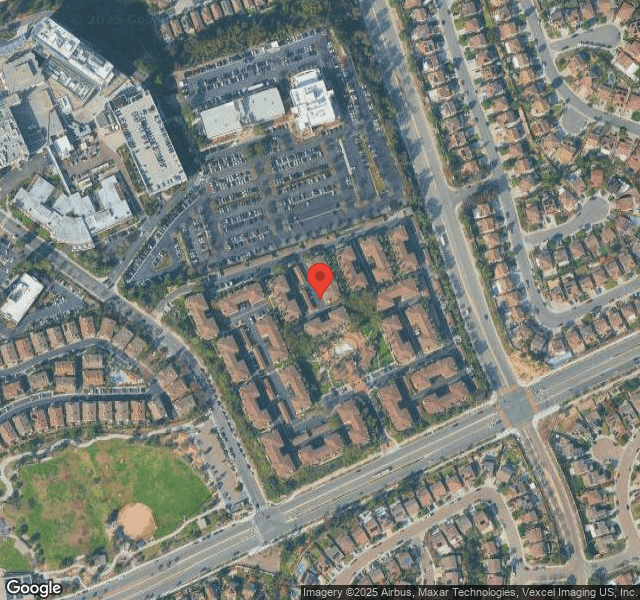

751 MEDICAL CENTER COURT, CHULA VISTA, CA 91911 (619) 502-3540
Non profit - Corporation 100 Beds Independent Data: November 2025
Trust Grade
70/100
#459 of 1155 in CA
Last Inspection: October 2024

Within standard 12-15 month inspection cycle. Federal law requires annual inspections.

Overview

Sharp Chula Vista Medical Center's Skilled Nursing Facility has a Trust Grade of B, indicating it is a good choice for families seeking care for their loved ones. Ranked #459 out of 1,155 facilities in California, they are in the top half, and #50 out of 81 in San Diego County, meaning only one local option is better. The facility is improving, with a decrease in reported issues from 14 in 2023 to 13 in 2024. Staffing is a particular strength, rated 5 out of 5 stars with a low turnover rate of 25%, which is significantly below the state average, ensuring that staff are familiar with residents’ needs. However, there are weaknesses to consider. The facility has reported 43 issues, including one serious incident where a resident developed a pressure injury due to a lack of movement interventions as prescribed. Additionally, there are concerns about timely activity preferences not being met for residents, which means their choices for outings are not being accommodated. Overall, while there are notable strengths in staffing and care quality, families should be aware of some ongoing concerns regarding specific resident needs.

Trust Score
B
70/100
In California
#459/1155
Top 39%
Safety Record
Moderate
Needs review
Inspections
Getting Better
14 → 13 violations
Staff Stability
✓ Good
25% annual turnover. Excellent stability, 23 points below California's 48% average. Staff who stay learn residents' needs.
Penalties
✓ Good
No fines on record. Clean compliance history, better than most California facilities.
Skilled Nurses
✓ Good
Each resident gets 81 minutes of Registered Nurse (RN) attention daily — more than 97% of California nursing homes. RNs are the most trained staff who catch health problems before they become serious.
Violations
⚠ Watch
43 deficiencies on record. Higher than average. Multiple issues found across inspections.
★★★★☆
4.0
Overall Rating
★★★★★
5.0
Staff Levels
★★☆☆☆
2.0
Care Quality
★★★☆☆
3.0
Inspection Score
Stable
2023: 14 issues
2024: 13 issues

The Good

  • 5-Star Staffing Rating · Excellent nurse staffing levels
  • Low Staff Turnover (25%) · Staff stability means consistent care
  • Full Sprinkler Coverage · Fire safety systems throughout facility
  • No fines on record
  • Staff turnover is low (25%)

    23 points below California average of 48%

Facility shows strength in staffing levels, staff retention, fire safety.

The Bad

No Significant Concerns Identified

This facility shows no red flags. Among California's 100 nursing homes, only 1% achieve this.

The Ugly 43 deficiencies on record

1 actual harm
Oct 2024 11 deficiencies
CONCERN (D)

Potential for Harm - no one hurt, but risky conditions existed

Deficiency F0582 (Tag F0582)

Could have caused harm · This affected 1 resident

**NOTE- TERMS IN BRACKETS HAVE BEEN EDITED TO PROTECT CONFIDENTIALITY** Based on observations, interviews, and document review, the facility failed to give one of three reviewed residents (Resident 28...

Read full inspector narrative →
**NOTE- TERMS IN BRACKETS HAVE BEEN EDITED TO PROTECT CONFIDENTIALITY** Based on observations, interviews, and document review, the facility failed to give one of three reviewed residents (Resident 282) the Advanced Beneficiary Notice (ABN/CMS 10055: a form which gave the choice to continue services under private pay if Medicare did not provide payment) for discontinued skilled (rehabilitation and nursing) services who remained in the facility for custodial (non-medical assistance with daily tasks, such as bathing, dressing, eating, and toileting) services. As a result, Resident 282 did not have the choice to appeal the decision or have knowledge of the costs to continue custodial care in the facility. Findings: A review of Resident 282's Medical Record indicated Resident 282 was admitted to the facility on [DATE] with diagnoses which included a history of arteriosclerotic cardiovascular disease (thickening or hardening of the arteries). On 10/9/24 at 9:26 A.M., an interview and document review was conducted with AD 1. AD 1 stated that Resident 282 last coverage day for skilled services ended on 7/31/24 and a Notice of Medicare Non-Coverage (NOMNOC: a notice given to a resident for discharge when plans are to discharge out of the facility) was discussed and mailed out to Resident 282's grandchild. AD 1 stated Resident 282 did not exhaust his Medicare skilled days when he transitioned to custodial services and still had Medicare days remaining. AD 1 stated she did not give an ABN because she gave a NOMNOC. AD 1 further stated Resident 282's discharge plan was to go back home with his family, but his family was not able to care for Resident 282. AD 1 also stated, that was the reason why Resident 282 remained at the facility for custodial care. AD 1 stated an ABN letter was supposed to be given because Resident 282 still had remaining Medicare days and remained at the facility for custodial care. AD 1 stated she would look for Resident 282's documents to see if the ABN form was completed. On 10/9/24 at 11:51 A.M., an interview and document review was conducted with AD 2. AD 2 stated the ABN given by AD 1 did not have a signature that Resident 282 or Responsible Party (RP) were notified. AD 2 the business office had not given them an ABN document prior to September 2024, that was why it was not signed. AD 2 stated that Resident 282 transitioned to custodial services in July 2024. AD 2 further stated, she was not aware that they had to issue an ABN because they have never used the document before. On 10/10/24 at 11:26 A.M., an interview with the DON was conducted, in the DON's office. The DON stated her expectations were that the ADs (AD 1 or AD 2) gave Resident 282 an ABN. The DON further stated because his Medicare days were not exhausted when Resident 282 transitioned to custodial care. The DON stated it was important to notify Resident 282 and his RP so they can make decisions regarding custodial services. The DON also stated so they know they have the right to appeal and know the costs of non-coverage during Resident 282's transition to custodial care. A review of the facility's policy and procedure titled, ADVANCED BENEFICIARY NOTICE (ABN) dated 2/15/24 indicated, . It is the policy of [Facility name] to complete an Advanced Beneficiary Notice of Noncoverage (ABN) and obtain the signature of the Medicare beneficiary or their authorized representative when there is reason to believe services will not be covered in accordance with Medicare requirements. Medicare will only pay for services, which are determined to be reasonable and necessary .
CONCERN (D)

Potential for Harm - no one hurt, but risky conditions existed

Deficiency F0637 (Tag F0637)

Could have caused harm · This affected 1 resident

**NOTE- TERMS IN BRACKETS HAVE BEEN EDITED TO PROTECT CONFIDENTIALITY** Based on interview and clinical record review, the facility failed to ensure a significant change of status assessment (SCSA) wa...

Read full inspector narrative →
**NOTE- TERMS IN BRACKETS HAVE BEEN EDITED TO PROTECT CONFIDENTIALITY** Based on interview and clinical record review, the facility failed to ensure a significant change of status assessment (SCSA) was completed within 14 days after a significant change in the resident's physical or mental condition had been determined for one of 18 sampled residents (Resident 42). This had the potential to delay necessary health services and updated plan of care based on the Resident 42's current health status. Findings: A review of Resident 42's Medical Record indicated Resident 42 was re-admitted to the facility on [DATE] with diagnoses which included a history of stroke (when the blood flow to the brain is blocked that could lead to muscle weakness, paralysis, or death). A review of Resident 42's Minimum data set (MDS: nursing facility assessment tool) dated 8/4/24 indicated Resident 42 was able to participate with the brief interview for mental status (BIMS) interview and had a BIMS score of 9 out of 15 to indicate moderate cognitive (mental process involved in knowing, learning, and understanding things) deficits. A record review of Resident 42's MDS dated [DATE] indicated that Resident 42's BIMS was unable to be conducted. On 10/9/24 at 8:16 A.M., an interview and record review was conducted with MDSC 1, in MDS office. MDSC 1 stated that Resident 42's previous admission was on 7/28/24 and that Resident 42 was verbal and able to participate with the BIMS interview. MDSC 1 stated Resident 42 was ambulatory, and participated with activities of daily living (ADL-personal hygiene or grooming, dressing, toileting, transferring or ambulating, and eating) such as: Maximal Assistance (helper lifts or holds trunk or limbs and provides more than half the effort) with: - eating and was not on tube feeding (TF) - performed upper body dressing - personal hygiene, chair/bed-to-chair transfer Partial assistance (helper lifts or holds trunk or limbs and provides less than half the effort) with: - sit to stand and lying to sitting on side of bed. MDSC 1 stated Resident 42 returned to the facility with a new diagnosis of stroke on 8/26/24. MDSC 1 stated when Resident 42 returned to the facility on 9/24/24 she had declined in all ADLs as dependent. MDSC 1 also stated, Resident 42 was unable to feed self and had orders for TF and was unable to be interviewed for BIMS for cognition/mental process. On 10/9/24 at 11:06 A.M., an interview and record review was conducted with MDSC 2, in the conference room. MDSC 2 stated Resident 42 did have a significant change of condition when Resident 42 was re-admitted to the facility on [DATE]. MDSC 2 stated Resident 42 was verbal and had the mental capacity to make decisions during her first admission on [DATE] and was not on TF. MDSC 2 stated Resident 42 then became dependent with all her ADLs when she returned from acute care. MDSC 2 stated that Resident 42 had a comprehensive admission's MDS dated [DATE] with the first admission but did not complete a SCSA MDS upon Resident 42's re-admission but instead did another comprehensive admission MDS dated [DATE]. MDSC 2 stated that they should have completed a SCSA MDS instead of doing another admission MDS. MDSC stated Resident 42 because was not expected to return to her prior levels within two weeks such because of the new stroke diagnosis and had a decline in more than two areas to include: - mental status - nutrition TF status - Dependent care with most ADLS MDSC 2 stated it was important for SCSA to be completed within the two-week period of Resident 42's re-admission to reflect the decline in Resident 42's health status. MDSC further stated they should have re-evaluated and re-setting Resident 42's comprehensive assessments with the updated plan of care that was reflective of Resident 42's current health status. On 10/10/24 at 11:40 A.M., an interview with the DON was conducted, in the DON's office. The DON stated Resident 42 had a decline in more than two areas (decline in ADLs relying on TF, mobility with ambulation, and non-verbal) after the stroke diagnosis. The DON also stated Resident 42 was not expected to return back to prior ADL and cognitive levels within the 2 weeks of re-admission. The DON stated MDSC should have completed the SCSA for Resident 42 per the Resident Assessment Instrument (RAI-Instructions on how to complete the MDS assessment) manual. A review of Centers for Medicare and Medicaid Services (CMS, a federal agency) RAI Manual 3.0 October 2024, was conducted. This RAI Manual 3.0 inidicated, .Comprehensive Assessments: Significant Change in Status Assessment (SCSA) (A0310A = 04) .An SCSA is appropriate when .The resident's condition is not expected to return to baseline within two weeks .If the condition has not resolved within 2 weeks, staff should begin a SCSA .An SCSA is also appropriate if there is a consistent pattern of changes, with either two or more areas of decline or two .
CONCERN (D)

Potential for Harm - no one hurt, but risky conditions existed

Comprehensive Care Plan (Tag F0656)

Could have caused harm · This affected 1 resident

**NOTE- TERMS IN BRACKETS HAVE BEEN EDITED TO PROTECT CONFIDENTIALITY** Based on observation, interview and record review, the facility failed to implement care plans for three of seven sampled reside...

Read full inspector narrative →
**NOTE- TERMS IN BRACKETS HAVE BEEN EDITED TO PROTECT CONFIDENTIALITY** Based on observation, interview and record review, the facility failed to implement care plans for three of seven sampled residents (1, 45 and 51) related to Restorative Nursing Assistant (RNA) range of motion (ROM- a measure of joint functionality and flexibility) exercises. This failure had the potential for residents to not meet their functional abilities. Cross Reference to F 688. Findings: a. Resident 1 was admitted to the facility on [DATE], per the facility's Medical Record. On 10/8/24, a review of Resident 1's history and physical (H & P) dated 6/18/24, indicated Resident 1 had diagnoses which included traumatic brain injury (TBI - a disruption in the normal function of the brain that can be caused by a bump, blow, or jolt to the head) and was in vegetative state (residents may look like they are awake but have no awareness of their surroundings). The H & P also indicated Resident 1 had contractures in both upper and lower extremities. On 10/8/24, a review of Resident 1's minimum data set (MDS - a federally mandated resident assessment tool), dated 7/22/24, indicated Resident 1 was dependent to staff in his activities of daily living (ADL like eating, hygiene, toileting, bathing .) and functional abilities (like mobility). On 10/7/24 at 12:34 P.M., an observation of Resident 1 was conducted in his room. Resident 1 was lying in bed, looking up over the head light and did not respond when his name was called. Resident 1's hands were exposed and were contracted. On 10/9/24 at 10:05 A.M., an observation of Resident 1 was conducted in his room. Resident 1 was lying in bed, looking up the ceiling and did not respond to his name. On 10/9/24 at 10:39 A.M., an interview with CNA 11 was conducted. CNA 11 stated she was familiar with Resident 1. CNA 11 stated Resident 1 did not respond to verbal cues, and he was dependent to staff for all his ADLs and functional mobilities. CNA 11 stated Resident 1 had contractures in his hands, his legs were stiff and stretched. On 10/9/24 at 3:16 P.M., a concurrent record review and an interview with MDSC 2 was conducted. MDSC 2 stated Resident 1 was enrolled in RNA program for his upper and lower extremities. On 10/10/24 at 9:41 A.M., a concurrent review of Resident 1's electronic record and an interview with LN 11 was conducted. LN 11 stated the physician's order on 2/26/24 for Resident 1 indicated RNAs to provide passive ROM (PROM - Movement applied to a joint solely by another person) exercises for both upper and lower extremities seven times a week (7x/wk). LN 11 stated the RNA weekly summary dated 10/8/24 indicated Resident 1 received five times (5x/wk) of PROM exercises. LN 11 stated Resident 1's care plan indicated RNAs to provide PROM on both upper and lower extremities daily for Resident 1 to prevent further contractures. LN 11 stated the physician's order should be carried out and the care plan should be implemented for Resident 1. On 10/10/24 at 2:59 P.M., an interview with the DON was conducted. The DON stated the staff should have provided the ROM exercises to the residents as ordered by the physician and the care plan should have been implemented for the residents to attain their maximum movement and functional ability. A review of the facility's policy titled Care Plan/ Interdisciplinary Care Conferences, revised on 1/12/22, indicated, I. Purpose: To establish guidelines for development, review .of resident plan of care . The policy did not indicate implementation of care plan. A review of the facility's policy titled Restorative Nursing Program, revised on 1/12/22, indicated, .III .B. 3. The RNA will implement the treatment programs following the written plan . b. Resident 45 was admitted to the facility on [DATE], per the facility's Medical Record. On 10/8/24, a review of Resident 45's History and Physical (H & P) dated 4/3/24, indicated Resident 45 had a chief complaint of weakness. The H & P also indicated Resident 45 was confused. On 10/8/24, a review of Resident 45's Minimum Data Set (MDS - a federally mandated resident assessment tool) dated 7/12/24, indicated Resident 45 depended on staff for some of her activities of daily living (ADL like eating, hygiene, toileting, bathing .) and required maximum assistance from the staff when performing her functional abilities (like mobility). On 10/7/24 at 10:21 A.M., an observation and an interview of Resident 45 was conducted in her room. Resident 45 was up in bed and was asking to be moved. On 10/9/24 at 11:33 A.M., an interview with CNA 12 was conducted. CNA 12 stated Resident 45 required assistance in some of her ADLs and mobility. CNA 12 stated she had not seen RNAs provided ROM exercises to Resident 45. On 10/10/24 at 10:36 A.M., a concurrent review of Resident 45's electronic record and an interview with LN 11 was conducted. LN 11 stated the physician's order on 4/19/24 for Resident 45 indicated RNAs to provide active (AROM - Movement of a joint provided entirely by the individual performing the exercise) and PROM (PROM - Movement applied to a joint solely by another person) exercises for both upper and lower extremities five times a week (5x/wk). LN 11 stated the care plan indicated Resident 45 had the potential for decreased in ROM and ROM exercises should have been maintained to prevent contractures and decline. LN 11 stated the care plan was not implemented for Resident 45. On 10/10/24 at 2:59 P.M., an interview with the DON was conducted. The DON stated the staff should have provided the ROM exercises to the residents as ordered by the physician and the care plan should have been implemented for the residents to attain their maximum movement and functional ability. A review of the facility's policy titled Care Plan/ Interdisciplinary Care Conferences, revised on 1/12/22, indicated, I. Purpose: To establish guidelines for development, review .of resident plan of care . The policy did not indicate implementation of care plan. A review of the facility's policy titled Restorative Nursing Program, revised on 1/12/22, indicated, .III .B. 3. The RNA will implement the treatment programs following the written plan . c. Resident 51 was admitted to the facility on [DATE], per the facility's Medical Record. On 10/8/24, a review of Resident 51's History and Physical (H & P) dated 6/25/24, indicated Resident 51 had diagnoses which included stroke with right sided hemiparesis (weakness or the inability to move one side of the body). The H & P indicated Resident 51 responded to questions in the form of yes or no. The H & P also indicated the plan for Resident 51 was to continue RNA. On 10/8/24, a review of Resident 51's Minimum Data Set (MDS - a federally mandated resident assessment tool), dated 7/17/24, indicated Resident 51 was dependent to staff in most of her activities of daily living (ADL- like hygiene, toileting, bathing .). The MDS indicated Resident 51 was dependent to the staff in performing functional abilities (like mobility). On 10/7/24 at 12:25 P.M., an observation and an interview of Resident 51 was conducted in her room. Resident 51 lied in bed and responded yes and yeah to questions. On 10/9/24 at 8:04 A.M., an observation and an interview of Resident 51 was conducted in her room. Resident 51 was in bed and responded yeah to questions. On 10/9/24 at 11:01 A.M., an interview with CNA 11 was conducted. CNA 11 stated Resident 51 responded yes to everything. CNA 11 stated Resident 51 was enrolled in RNA program but was not sure if she was getting the program five times per week (5x/wk) or every day. On 10/10/24 at 10:12 A.M., a concurrent review of Resident 51's electronic record and an interview with LN 11 was conducted. LN 11 stated the physician's order on 3/13/24 for Resident 51 indicated RNAs to provide (AROM - Movement of a joint provided entirely by the individual performing the exercise) and PROM (PROM - Movement applied to a joint solely by another person) exercises for both upper and lower extremities daily. LN 11 stated the RNA weekly summary dated 9/28/24 and 10/4/24 indicated Resident 51 received (5x/wk) of ROM exercises instead of the 7x/wk exercises. LN 11 stated Resident 51's care plan indicated will maintain ROM daily . LN 11 stated the physician's order should be carried out and the care plan should be implemented to prevent Resident 51 from developing contractures and decline in performing her ADLs. On 10/10/24 at 2:59 P.M., an interview with the Director of Nursing (DON) was conducted. The DON stated the staff should have provided the ROM exercises to the residents as ordered by the physician and the care plan should have been implemented for the residents to attain their maximum movement and functional ability. A review of the facility's policy titled Care Plan/ Interdisciplinary Care Conferences, revised on 1/12/22, indicated, I. Purpose: To establish guidelines for development, review .of resident plan of care . The policy did not indicate implementation of care plan. A review of the facility's policy titled Restorative Nursing Program, revised on 1/12/22, indicated, .III .B. 3. The RNA will implement the treatment programs following the written plan .
CONCERN (D)

Potential for Harm - no one hurt, but risky conditions existed

Deficiency F0688 (Tag F0688)

Could have caused harm · This affected 1 resident

**NOTE- TERMS IN BRACKETS HAVE BEEN EDITED TO PROTECT CONFIDENTIALITY** Based on observation, interview and record review, the facility failed to consistently provide Restorative Nursing Assistant (RN...

Read full inspector narrative →
**NOTE- TERMS IN BRACKETS HAVE BEEN EDITED TO PROTECT CONFIDENTIALITY** Based on observation, interview and record review, the facility failed to consistently provide Restorative Nursing Assistant (RNA) for range of motion (ROM- a measure of joint functionality and flexibility) exercises per physician's order for three of seven residents (1, 45, and 51), reviewed for limited ROM. This had the potential to worsen Resident 1's contractures (condition of shortening and hardening of muscles, tendons, or other tissue leading to deformity and rigidity of joints) and promote the development of contractures to Resident 45 and Resident 51. Cross Reference to F 656. Findings: a. Resident 1 was admitted to the facility on [DATE], per the facility's Medical Record. On 10/8/24, a review of Resident 1's history and physical (H & P) dated 6/18/24, indicated Resident 1 had diagnoses which included traumatic brain injury (TBI - a disruption in the normal function of the brain that can be caused by a bump, blow, or jolt to the head) and was in vegetative state (residents may look like they are awake but have no awareness of their surroundings). The H & P also indicated Resident 1 had contractures in both upper and lower extremities. On 10/8/24, a review of Resident 1's minimum data set (MDS - a federally mandated resident assessment tool), dated 7/22/24, indicated Resident 1 was dependent to staff in his activities of daily living (ADL like eating, hygiene, toileting, bathing .) and functional abilities (like mobility). On 10/7/24 at 12:34 P.M., an observation of Resident 1 was conducted in his room. Resident 1 was lying in bed, looking up over the head light and did not respond when his name was called. Resident 1's hands were exposed and were contracted. On 10/9/24 at 10:05 A.M., an observation of Resident 1 was conducted in his room. Resident 1 was lying in bed, looking up the ceiling and did not respond to his name. On 10/9/24 at 10:39 A.M., an interview with Certified Nursing Assistant (CNA) 11 was conducted. CNA 11 stated she was familiar with Resident 1. CNA 11 stated Resident 1 did not respond to verbal cues, and he was dependent to staff for all his ADLs and functional mobilities. CNA 11 stated Resident 1 had contractures in his hands, his legs were stiff and stretched. On 10/9/24 at 3:16 P.M., a concurrent record review and an interview with MDSC 2 was conducted. MDSC 2 stated Resident 1 was enrolled in RNA program for his upper and lower extremities. On 10/10/24 at 9:41 A.M., a concurrent review of Resident 1's electronic record and an interview with LN 11 was conducted. LN 11 stated the physician's order on 2/26/24 for Resident 1 indicated RNAs to provide passive ROM (PROM - Movement applied to a joint solely by another person) exercises for both upper and lower extremities seven times a week (7x/wk). LN 11 stated the RNA weekly summary dated 10/8/24 indicated Resident 1 received five times (5x/wk) of PROM exercises. LN 11 stated the RNAs should have provided the PROM exercises for Resident 1 as ordered by the physician to prevent worsening of his contractures. On 10/10/24 at 9:50 A.M., a concurrent review of Resident 1's electronic record and an interview with RNA 11 was conducted. RNA 11 stated RNAs provided PROM exercises five times (5x/wk) for Resident 1 because there was not enough RNA the week of 10/1/24 to 10/8/24 to provide ROM exercises to all residents enrolled in RNA program. On 10/10/24 at 2:16 P.M., an interview with the DON was conducted. The DON stated the staff should have provided the ROM exercises to the residents as ordered by the physician for the residents to attain their maximum movement and functional ability. A review of the facility's policy titled Restorative Nursing Program, revised on 1/12/22, indicated, I. Purpose: To establish a restorative care program to ensure [name of the facility] Skilled Nursing Facilities assist each resident to achieve and maintain the highest possible levels of independence .III .B. 3. The RNA will implement the treatment programs following the written plan . b. Resident 45 was admitted to the facility on [DATE], per the facility's Medical Record. On 10/8/24, a review of Resident 45's history and physical (H & P) dated 4/3/24, indicated Resident 45 had a chief complaint of weakness. The H & P also indicated Resident 45 was confused. On 10/8/24, a review of Resident 45's (MDS - a federally mandated resident assessment tool) dated 7/12/24, indicated Resident 45 depended on staff for some of her ADLs and required maximum assistance from the staff when performing her functional abilities (like mobility). On 10/7/24 at 10:21 A.M., an observation and an interview of Resident 45 was conducted in her room. Resident 45 was up in bed and was asking to be moved. On 10/9/24 at 11:33 A.M., an interview with CNA 12 was conducted. CNA 12 stated Resident 45 required assistance in some of her ADLs and mobility. CNA 12 stated she had not seen RNAs provided ROM exercises to Resident 45. On 10/10/24 at 10:36 A.M., a concurrent review of Resident 45's electronic record and an interview with LN 11 was conducted. LN 11 stated the physician's order on 4/19/24 for Resident 45 indicated RNAs to provide active ROM (AROM - Movement of a joint provided entirely by the individual performing the exercise) and passive ROM (PROM - Movement applied to a joint solely by another person) exercises for both upper and lower extremities five times a week (5x/wk). LN 11 stated there were no ROM exercises provided to Resident 45 from 4/19/24. LN 11 stated the physician's order related to the RNA program for Resident 45 should have been carried out because it was important for Resident 45 to receive the ROM exercises to prevent her from developing contractures and decline in performing her ADLs. On 10/10/24 at 10:54 A.M., an interview with RNA 12 was conducted. RNA 12 stated Resident 45 was not enrolled in the RNA program. RNA 12 stated there were no ROM exercises provided to Resident 45. On 10/10/24 at 2:16 P.M., an interview with the DON was conducted. The DON stated the staff should have provided the ROM exercises to the residents as ordered by the physician for the residents to attain their maximum movement and functional ability. A review of the facility's policy titled Restorative Nursing Program, revised on 1/12/22, indicated, I. Purpose: To establish a restorative care program to ensure [name of the facility] Skilled Nursing Facilities assist each resident to achieve and maintain the highest possible levels of independence .III .B. 3. The RNA will implement the treatment programs following the written plan . c. Resident 51 was admitted to the facility on [DATE], per the facility's Medical Record. On 10/8/24, a review of Resident 51's history and physical (H & P) dated 6/25/24, indicated Resident 51 had diagnoses which included stroke with right sided hemiparesis (weakness or the inability to move one side of the body). The H & P indicated Resident 51 responded to questions in the form of yes or no. The H & P also indicated the plan for Resident 51 was to continue RNA. On 10/8/24, a review of Resident 51's minimum data set (MDS - a federally mandated resident assessment tool) dated 7/17/24, indicated Resident 51 was dependent to staff in most of her activities of daily living (like hygiene, toileting, bathing .). The MDS indicated Resident 51 was dependent to the staff in performing functional abilities (like mobility). On 10/7/24 at 12:25 P.M., an observation and an interview of Resident 51 was conducted in her room. Resident 51 lied in bed and responded yes and yeah to questions. On 10/9/24 at 8:04 A.M., an observation and an interview of Resident 51 was conducted in her room. Resident 51 was in bed and responded yeah to questions. On 10/9/24 at 11:01 A.M., an interview with CNA 11 was conducted. CNA 11 stated Resident 51 responded yes to everything. CNA 11 stated Resident 51 was enrolled in RNA program but was not sure if she was getting the program five times 5x/wk or every day. On 10/10/24 at 10:12 A.M., a concurrent review of Resident 51's electronic record and an interview with LN 11 was conducted. LN 11 stated the physician's order on 3/13/24 for Resident 51 indicated RNAs to provide (AROM - Movement of a joint provided entirely by the individual performing the exercise) and PROM (PROM - Movement applied to a joint solely by another person) exercises for both upper and lower extremities daily. LN 11 stated the RNA weekly summary dated 9/28/24 and 10/4/24 indicated Resident 51 received (5x/wk) of ROM exercises instead of the 7x/wk exercises. LN 11 stated the RNAs should have provided the ROM exercises for Resident 51 as ordered by the physician to prevent her from developing contractures and decline in performing her ADLs. On 10/10/24 at 2:16 P.M., an interview with the DON was conducted. The DON stated the staff should have provided the ROM exercises to the residents as ordered by the physician for the residents to attain their maximum movement and functional ability. A review of the facility's policy titled Restorative Nursing Program, revised on 1/12/22, indicated, I. Purpose: To establish a restorative care program to ensure [name of the facility] Skilled Nursing Facilities assist each resident to achieve and maintain the highest possible levels of independence .III .B. 3. The RNA will implement the treatment programs following the written plan .
CONCERN (D)

Potential for Harm - no one hurt, but risky conditions existed

Deficiency F0761 (Tag F0761)

Could have caused harm · This affected 1 resident

Based on observation, interview and record review, the facility failed to properly store and label house supply/stock medications with open dates. As a result, the facility could not ensure medication...

Read full inspector narrative →
Based on observation, interview and record review, the facility failed to properly store and label house supply/stock medications with open dates. As a result, the facility could not ensure medications were safely stored to ensure their integrity. Findings: On 10/9/24 at 3:31 P.M., a concurrent observation and interview was conducted with LN 1, LN 21 and Pharm 1. During the medication storage observation, there were two boxes of insulin aspart (an injectable drug used to decrease blood sugar) stored in a tray inside a medication refrigerator. The two boxes contained one bottle each of insulin aspart. One box of insulin aspart was labeled with date open 9/21/24 and the bottle inside the box was not labeled with an open date. The other box of insulin aspart was labeled with expiration date 10/18/24 and the bottle inside the box was not labeled with an open date. The manufacturer's expiration date and lot numbers of the two insulin aspart in the tray were the same. LN 1 stated this had the potential for interchanging the bottles when returning to their boxes. On 10/10/24 at 3:26 P.M., an interview was conducted with the DON. The DON stated insulin have 28 days expiration upon opening. The DON stated the bottles were not labeled with the dates opened, LNs would not know for sure which was the appropriate bottle for the appropriate box with open dates and the medications would not be effective. Per the facility policy entitled Drug Storage/Security dated 9/19/2024 indicated .7. All medications .will be accurately labeled with .expiration dates 9. Look-Alike/sound-alike (LASA) medications will be stored in a manner that reduces the likelihood of error .
CONCERN (D)

Potential for Harm - no one hurt, but risky conditions existed

Deficiency F0865 (Tag F0865)

Could have caused harm · This affected 1 resident

Based on observations, interviews, and facility document review, the facility did not identify and address concerns that was in the residents council minutes meeting regarding transportation for the o...

Read full inspector narrative →
Based on observations, interviews, and facility document review, the facility did not identify and address concerns that was in the residents council minutes meeting regarding transportation for the outdoor activities in quality assurance and performance improvement (QAPI). This failure had the potential to effect all residents quality of life. Cross-Reference F558 Finding: On 10/10/24 at 3:49 P.M., an interview with the QAPI program members were conducted, in the conference room. The members of the QAPI team stated that they used information gathered from family, residents, pharmacy, national and state comparisons, best practices, clinical guidelines and CASPER report (a report for skilled nursing facilities used for quality improvement/assurance projects). The QAPI team further stated, these were used to track performance and to see what was not working to make changes with policies and procedures. On 10/10/24 at 3:51 P.M., an interview was conducted with the DON. The DON stated that the activities department participated in QAPI. The DON further stated, she and the AC discussed all concerns that the resident council brought to them, however they did not write it down and formalized it in to the QAPI plan. The DON further stated the activity outing concerns and the transportation issue was halted during the pandemic. The DON also stated the facility have been working on trying to bring back the transportation options to continue with outing activities pre-pandemic. The DON stated this could have effect the quality of life for the residents when their concerns were not being addressed. The DON stated the resident council feedback and concern regarding to the activities concerns should be formally addressed in QAPI but was not. A review of the facility's policy and procedure titled, CHARTER: [Facility Name] QUALITY ASSURANCE AND PERFORMANCE IMPROVEMENT (QAPI) dated 2024, indicated .Scope: The scope of QAPI program encompasses all segments of care and services provided by [Facility Name] that Impact clinical care, quality of life, resident choice, and transitions with participation from all department .
CONCERN (D)

Potential for Harm - no one hurt, but risky conditions existed

Infection Control (Tag F0880)

Could have caused harm · This affected 1 resident

**NOTE- TERMS IN BRACKETS HAVE BEEN EDITED TO PROTECT CONFIDENTIALITY** Based on observations, interviews, and record reviews the facility failed to implement infection prevention and control practice...

Read full inspector narrative →
**NOTE- TERMS IN BRACKETS HAVE BEEN EDITED TO PROTECT CONFIDENTIALITY** Based on observations, interviews, and record reviews the facility failed to implement infection prevention and control practices with two of 18 sampled residents (Resident 52 and Resident 1) according to standards of practice and provide evidence of a tracking log of infections when: 1. A CNA did not wear appropriate personal protective equipment (PPE-use of gown, gloves, mask to prevent spread of infection) prior to entering a contact precautions (intended to prevent transmission of infectious agents) room. Cross Reference F881 2. A LN did not wear a gown for Resident 1 with enhanced barrier precautions (EBP -involves gown and glove use during high-contact resident care activities for residents [example: residents with medical devices]). This failure had the potential to spread infection or outbreaks amongst all residents, staff, and visitors entering the facility. Findings: 1. A review of Resident 52's Medical Record indicated Resident 52 was admitted to the facility on [DATE] with diagnoses which included a history of methicillin-resistant staphylococcus aureus (MRSA- is a staph germ [bacteria] that does not get better with the type of antibiotics that usually cure staph infections. When this occurs, the germ is said to be resistant to certain antibiotics). A review of Resident 52's clinical record titled Urology Progress note dated 10/9/24 indicated Resident 52 had orders for CIPROfloxacin [broad-spectrum antibiotic], 400mg, intravenous every 12 hours. A record review of Resident 52's active orders indicated Resident 52 was on Contact Precautions as of 9/23/24 for MRSA in the nares. On 10/7/24 at 9:52 A.M., an observation was conducted in Resident 52's room. Prior to entering Resident 52's room a contact precautions sign was posted outside resident 52's room with PPE that included gowns and gloves hanging outside of Resident 52's door. The contact precautions sign had an image of gloves and a gown that indicated REQUIRED UPON ENTRY BY ALL HEALTH CARE WORKERS. Guests should check with the nurse before entering. Resident 52 was asleep on his bed wearing a hospital gown along with a urinary catheter (a flexible tube used to empty the bladder and collect urine in a drainage bag) drainage bag positioned hanging on the left side of the bed frame. On 10/7/24 at 11:54 A.M., an observation and interview was conducted with CNA 1, outside of Resident 52's room in the hallway. Resident 52 was in his bed asleep when CNA 1 entered his room without performing hand hygiene or applying PPEs. CNA 1 was interviewed after walking out of Resident 52's room and stated she did not know why Resident 52 was on contact precautions. CNA 1 stated she did not perform hand hygiene prior to entering Resident 52's room nor did she gown up or applied gloves. CNA 1 stated prior to entering rooms with contact precautions signs that it was mandatory to use PPEs and perform hand hygiene. CNA 1 stated it was important to follow the signs for contact precautions in case they have anything in their urine, poop, skin has open wounds to protect me and the resident and anyone else to prevent the spread of infection. On 10/8/24 at 8:12 A.M., an interview and record review was conducted with LN 3, outside of Resident 52's room. LN 3 stated Resident 52 was transferred during the evening/night shift on 10/7/24. LN 3 stated that Resident 52 was at risk for infection due to his urinary catheter along with a stage one pressure ulcers to his sacrum, buttocks and groin area. LN 3 stated Resident 52 was on contact precautions because of MRSA. LN 3 stated it was important to follow contact precautions for Resident 52 because he had wounds and a urinary catheter that could be easily contaminated with germs that could spread from one person to another and bring about an outbreak when PPEs and hand hygiene were not properly performed for someone with contact precautions. On 10/9/24 at 1:11 P.M., an interview was conducted with LN 2, in the west wing hallway. LN 2 stated if any nursing staff went inside any contact precautions room without performing the proper hand hygiene and applying PPEs that they need to be stopped prior to entering a contact precautions room. LN 2 stated it was also important that any shared equipment used (examples such as blood pressure, temperature, oxygen saturation machines) need to be wiped down with an appropriate sanitizer to all equipment used. On 10/10/24 at 9:01 A.M., an interview and record review was conducted with the Infection Prevention (IP) nurse, in the conference room. The IP nurse stated she did not have a complete list of which residents were on infection control precautions except for residents with urinary tract infections (UTI-infection of the urinary system) or had an antibiotic stewardship log but confirmed that Resident 52 was on contact precautions per Resident 52's active orders. The IP nurse stated her expectations was for CNA 1 to follow the signs outside of Resident 52's room and performed proper hand hygiene and applied PPEs prior to entry. A review of the facility's policy and procedure titled, STANDARD PRECAUTIONS and TRANSMISSION-BASED PRECAUTIONS dated 5/31/24, indicated .Contact Precautions use contact precautions for patients with known or suspected infections .1. PPE Required Isolation Gown and Gloves . 2. Resident 1 was admitted to the facility on [DATE], per the facility's Medical Record. On 10/8/24, a review of Resident 1's history and physical (H & P) dated 6/18/24, indicated Resident 1 was in vegetative state (residents may look like they are awake but have no awareness of their surroundings). The H & P indicated Resident 1 had a gastrostomy tube (gtube - a tube inserted through the belly that brings nutrition and medication directly to the stomach). On 10/7/24 at 12:34 P.M., an observation of Resident 1 was conducted in his room. There was a sign by the door that indicated Resident 1 was on EBP. Resident 1 was lying in bed, looking up over the head light and did not respond when his name was called. There was a pole by the side of Resident 1's bed for tube feeding (TF-provides nutrition via tube). On 10/9/24 at 10:05 A.M., an observation of Resident 1 was conducted in his room. Resident 1 was lying in bed, looking up the ceiling and did not respond to his name. On 10/9/24 at 10:39 A.M., an interview with CNA 11 was conducted. CNA 11 stated she was familiar with Resident 1. CNA 11 stated Resident 1 did not respond to verbal cues, and he was on tube feeding. CNA 11 stated the LNs administered TF to Resident 1 at around 4 P.M. On 10/9/24 at 4:11 P.M., an observation of LN 12 preparing a TF for Resident 1 was conducted. LN 12 with no gown and gloves, spiked the tube feeding with an administration tubing set. Still with no gown, LN 12 put on a pair of gloves, pulled the curtain, auscultated (listened) Resident 1's stomach, opened the gtube port, pushed some air to the gtube and flushed some water to the gtube. LN 12 then connected the administration tubing to Resident 1's gtube. LN 12 did not change her gloves in between procedures. On 10/9/24 at 4:17 P.M., an interview with LN 12 was conducted. LN 12 stated she had worked with Resident 1 for a long period of time and was familiar with him. LN 12 stated Resident 1 was on EBP and the process was when a resident was on EBP, it was important to put on gloves. LN 12 stated wearing a gown was up to the discretion of the staff member. LN 12 stated she wore the same gloves completing the procedures. LN 12 stated she pulled the curtain, and the curtain was considered Dirty, and she should have changed her gloves to prevent infection to Resident 1. LN 12 was not able to verbalize a gown and gloves were to use during high contact activities with the resident on EBP. On 10/10/24 at 2:16 P.M., an interview with the DON was conducted. The DON stated the process when the residents were on EBP, the expectation was for the staff to wear a gown and gloves to prevent spread of infection to the residents, staff, and others. A review of the facility's policy titled, Enhanced Barrier Precautions in the Skilled Nursing Units, revised 8/5/24, indicated, I. Purpose: To establish appropriate infection prevention measures to reduce the spread of multidrug resistant organisms (MDROs) in the long-term care setting. Enhanced Barrier Precautions expand the use of gown and gloves during high contact resident care activities .
CONCERN (D)

Potential for Harm - no one hurt, but risky conditions existed

Antibiotic Stewardship (Tag F0881)

Could have caused harm · This affected 1 resident

Based on interview and record reviews, the facility failed to follow its own policy and procedure to establish an antibiotic stewardship program when the Infection Preventionist (IP) did not track and...

Read full inspector narrative →
Based on interview and record reviews, the facility failed to follow its own policy and procedure to establish an antibiotic stewardship program when the Infection Preventionist (IP) did not track and monitor appropriate use of antibiotics. This failure had the potential for lack of oversight and direction for staff. Cross reference F880 Findings. A concurrent interview and record review on 10/10/24 at 9:01 A.M., with IP was conducted. The IP stated the pharmacy helped with the antibiotics logging and tracking. The IP stated she did the urinary tract infection (UTI) tracking and the pharmacy helped with data collection and did the other infection tracking. The IP stated it was important to tracked antibiotic to make sure they are used appropriately and monitor patterns of infections and thus preventing outbreaks. An interview with the MDSC 1 on 10/10/24 at 9:12 A.M., was conducted. MDSC 1 stated a resident was coded for use of antibiotics on the MDS (a federally mandated resident assessment tool) but was not on the medication administration record (MAR) and resident was placed on contact precautions (measures to prevent infections disease). An interview with the Pharm 1 on 10/10/24 at 9:25 A.M., was conducted. Pharm 1 stated he did not track the antibiotic line list. Pharm 1 stated there was another pharmacist that probably tracked the antibiotic line list in the pharmacy. An interview with Pharm 2 on 10/10/24 at 9:44 A.M., was conducted. Pharm 2 stated she used escalation of the antibiotics but believed they should have a collaborative process so that all information was available. Pharm 2 stated, they would need to re-write the antibiotic tracking and all the information that goes with it, so that it would be reviewable and readily accessible for the healthcare team. There was no documented evidence of a line tracking list for an antibiotic stewardship program. A record review of the facility's long term care policy titled, antimicrobial stewardship program (LTC-ASP) 39135, indicated 1. purpose: develop a process for evaluating the judicious use of antimicrobials, the results of which shall be monitored jointly by appropriate .designate an appropriate antimicrobial stewardship committee .
CONCERN (E)

Potential for Harm - no one hurt, but risky conditions existed

Deficiency F0558 (Tag F0558)

Could have caused harm · This affected multiple residents

Based on observation, interview and record review, the facility failed to provide activity preference per confidential group request timely. As a result, residents' needs and choices were not met and ...

Read full inspector narrative →
Based on observation, interview and record review, the facility failed to provide activity preference per confidential group request timely. As a result, residents' needs and choices were not met and accommodated. The facility census was 82. Findings: On 10/8/24 at 10 A.M., a confidential group meeting was conducted. Six out of six residents in attendance indicated complaints regarding the facility outings. According to the confidential group, the facility had bus outings before but it was temporarily discontinued during the COVID (a highly infectious respiratory disease caused by a virus) pandemic (global infection outbreak). The facility bus and bus driver were no longer available. The bus outings before would include residents and staff member, volunteers or family members. The bus outings activity before would include places like going to stores to buy what they needed, watching movies, walking in the park, sightseeing or just going out. According to the confidential group, their respective doctors would allow and give them out on pass. Currently there was discussion of the outings with the facility but until now the facility could not find a bus for the residents' outings. The confidential group stated it was too expensive to rent a transportation. The confidential group stated they would like outings together as a group because they wanted to get out of here and the facility have done bus outings before and then why stopped the outings now. The confidential group stated they wanted to go out in a group, want to get out of here to see the outside world. The confidential group stated bus outings was a distraction and we want our independence. The confidential group further stated they wanted do something and experience the outside world. On 10/8/24, a record review of Resident Council Minutes on Activity Program from February to September 2024 was conducted and indicated the following: 2/27/24 - canceled outings, transportation company has closed and will have to look for a new company. 3/26/24 - still looking for transportation. Most transportation buses only can take two wheelchairs. No transportation buses can take more than two at this time. 4/30/24 - continue to look for transportation to outings transports. 5/29/24 - working on transportation for outings 6/27/24 - transports 7/30/24 - still looking for bus. 8/27/24 - still looking for bus. 9/24/24 - still looking for transport. On 10/8/24 at 11 A.M., an interview and record review with AA 1 was conducted. AA 1 stated he was aware of Resident Council Minutes for July, August and September 2024. AA 1 stated he wrote the resident council minutes for August and September 2024. AA 1 stated the facility was still working on the shuttle because the facility needed a bus that would accommodate six (6) or more with wheelchairs. On 10/8/24 at 11:15 A.M., an interview with AA 1 and AA 2 was conducted. AA 2 stated she had been here for 30 years, and the facility had a bus to go places like zoo, casinos, restaurants, parks and shopping. AA 2 stated we would bring five to six (5 to 6) residents in wheelchairs and a volunteer for each resident or a family members. AA 2 stated the hospital sold the bus during COVID. AA 2 stated when COVID ended in July 2022 the facility were still waiting for the bus service. AA 2 stated she understood how the residents felt regarding the bus outings and the residents wanted to go out. AA 1 stated going to bus outings would increase resident's self-worth, independence and honor resident's rights and choices. On 10/10/24 at 8:08 A.M., an interview and record review were conducted with the AC. The AC stated the facility received a grant for bus outings. The AC stated she was looking for a transportation that would accommodate four to six (4 to 6) residents with wheelchairs. The AC stated going on bus outings was important to make a home-like environment for residents and change of scenery. The AC stated they have not accommodated the residents bus outings. On 10/10/24 at 3:30 P.M., an interview was conducted with the DON. The DON stated during the pandemic the van was sold, and it was old and [hospital name] got rid of it. The DON stated the facility received a grant for outside activities amounting to approximately $27,000 dollars in November 2023. The DON stated the facility was looking for transportation but the transportation company went out of business. The DON stated the residents wanted to go out to see the Christmas lights and residents wanted to do things. The DON stated the residents have a right to go to outings and that the facility did not accommodate the outing. Per the facility policy entitled Scope of Care - Activity Program dated 12/14/23, indicated .Activities refer to endeavor, other than Activities of Daily Living (ADLs) in which a resident participates that is intended to enhance his/her sense of well-being and to promote or enhance physical, cognitive and emotional health. These include, but are not limited to, activities that promote self-esteem, pleasure, comfort, education, creativity, success, and independence .Activity intervention which may include but is not limited to .community outings .facilitating opportunities for increasing socialization .facilitating community resources for leisure and recreation .the facility, to the extent possible, will accommodate an individual's needs and choices for how he/she spends time, both inside and outside the facility .A resident has right to participate in .community activities .
CONCERN (E)

Potential for Harm - no one hurt, but risky conditions existed

Medication Errors (Tag F0758)

Could have caused harm · This affected multiple residents

**NOTE- TERMS IN BRACKETS HAVE BEEN EDITED TO PROTECT CONFIDENTIALITY** Based on observations, interviews, and record review, the facility failed to indicate the appropriate target behavior and monito...

Read full inspector narrative →
**NOTE- TERMS IN BRACKETS HAVE BEEN EDITED TO PROTECT CONFIDENTIALITY** Based on observations, interviews, and record review, the facility failed to indicate the appropriate target behavior and monitor side effects for four of thirty residents (274, 35, 58, and 51) when: 1. Resident 274 was not being monitored for appropriate behaviors and side effects for two anti-depressants (medication used for feeling of sadness) and one anti-anxiety (medication used for worry and fear) medications. 2. Residents 35 and 58 did not have monitoring for behavior and side effects for anti-depressant medications. 3. Resident 51 did not have appropriate indications for the use of anti-depressant medications. These failures had the potential for unnecessary psychotropic (mind-altering medications) medication use and side effects to decrease therapeutic effects and a decline for residents psychological and mental well-being. Findings: 1. A review of Resident 274's Medical Record indicated Resident 274 was admitted to the facility on [DATE] with diagnoses which included a history of major depressive disorder (a mood disorder that causes severe symptoms that affect how a person feels, thinks, and handles daily activities, such as sleeping, eating, or working). A record review of Resident 274's Minimum Data Set (MDS- a nursing assessment tool that is used to develop a plan of care) dated 10/8/24, indicated a Brief Interview for Mental Status (BIMS- developed by reviewing the resident's cognitive status during the prior seven day period) score of 15 points out of 15 possible points which indicated Resident 274 had no cognitive (pertaining to memory, judgement and reasoning ability) deficits. On 10/8/24 at 11:49 A.M., an observation and interview was conducted with Resident 274, in 274's room. Resident 274 stated he takes medications for depression and anxiety to help alleviate his symptoms of depression and worry especially with current health status with a compressed back fracture (break in bone) from a fall he sustained prior to admission. On 10/9/24 at 3:50 P.M., an interview was conducted with CNA 3, outside of Resident 274's room in the west wing hallway. CNA 3 stated Resident 274 had episodes of mood changes and often gets anxious (irritable) for example gets up by himself at night without asking for help to get to the bathroom. CNA 3 stated Resident 274 needed reminders for safety to prevent falls but was a little hardheaded when he was reminded to use the call light prior to getting up. CNA 3 stated that Resident 274 took naps and woke up again in an hour during the night and was mostly anxious when it came to his medications and wanting coffee. On 10/9/24 at 3:55 P.M., an interview and record review was conducted with LN 4, in the west wing nursing station. LN 4 stated Resident 274 was on three psychotropic medications, two for depression and one as needed (PRN) for anxiety with a 14 day stop date and re-evaluation. LN 4 stated Resident 274's psychotropic medications were: a. Trazodone (antidepressant medication) Trazodone for depression at bedtime as evidenced by inability to sleep at night. LN 4 stated the monitoring of inability to sleep at night was because the monitoring was not measurable (objective) but based on what Resident 274 said (subjective). LN 4 stated it should reflect what measure of sleep worked for Resident 274 to monitor the depressive behavior at night of what Resident 274 thinks was therapeutic. LN 4 stated Resident 274's clinical record did not indicate what side effects were being monitored and was not recorded in the medication administration record (MAR). b. Duloxetine (anti-depression medication): LN 4 stated Resident 274 had physician orders to be given in the morning for depression related to frequent complaints of pain with behavioral monitoring. LN 4 stated side effects should also be in the orders but was not included. LN 4 stated I don't see monitoring of side effects in the order. LN 4 stated it was important to document the side effects for the nurses to know what to look for and notify the physician to re-evaluate and update the psychotropic medication orders as appropriate. c. Lorazepam (anti-anxiety medication): LN 4 stated Resident 274 had physician's orders for anxiety PRN with behavior monitoring for increased irritability with a start date of 10/3/24 and stop date 10/17/24. LN 4 stated I don't see side effect monitoring for the orders . LN 4 acknowledged there was no evidence of side effects monitoring in Resident 274 record. On 10/10/24 at 10:23 A.M., a dual interview was conducted with LN 1 and Pharm 1, in the conference room. LN 1 stated that Resident 274's trazodone orders was for the inability to sleep. LN 1 furthers stated that was the behavior monitored for this medication. Pharm 1 stated the LN's assessment of Resident 274's behaviors was subjective and not objective. Pharm 1 and LN 1 both agreed it would have been better when the monitoring was objective instead of subjective to better monitor the effectiveness of medication. LN 1 and Pharm 1 both stated that side effect monitoring should have been included with Resident 274's psychotropic medications record. On 10/10/24 at 11:32 A.M., an interview with the DON was conducted, in the DON's office. The DON stated it was her expectations for the LNs to be aware of the psychotropic medication side effects. The DON also stated it was also her expectation for LNs to monitor the appropriate behaviors. The DON stated residents on psychotropic medications could have had adverse reactions and should have been monitored appropriately for side effects. A review of the facility's policy and procedure titled, PSYCHOTROPIC MEDICATIONS dated 8/13/21, indicated .The practice of polypharmacy shall be reviewed by the Treatment Team. Review shall include the following, as appropriate: .a. Appropriateness of medications for diagnosis/indications. b. Suspected adverse drug reactions and appropriate intervention strategies . 2. a) A review of Resident 35's Medical Record indicated that Resident 35 was admitted to the facility on [DATE] with diagnoses that included Major Depressive Disorder (a mental disorder characterized by persistently depressed mood or loss of interest in activities causing impairment in daily life) and non-Alzheimer's dementia (progressive state of decline in mental abilities). A review of Resident 35's physician order dated 9/10/21 indicated the following order: -Trazodone (a medication used to treat depression) with behavior monitoring for inability to sleep at night. An interview on 10/9/24 at 4:39 P.M., with LN 12 was conducted. LN 12 stated there was no measurement on the hours of sleep, so if Resident 35 slept that night, it was counted as zero behaviors. LN 12 stated it would have been better if we have a number of hours she slept at night every day to be more accurate. An interview and record review with LN 12 on 10/10/24 at 12:16 P.M., was conducted. LN 12 stated Trazodone was ordered for depression with inability to sleep as its behavior monitoring. LN 12 stated however there was no way to evaluate or measure the behavior in Resident 35's medical record. LN 12 stated it would be better if staff can count the number of hours of sleep to be more accurate in monitoring the medication usage. LN 12 stated the MAR indicated zeros for a month of Trazodone use. A review of Resident 35's minimum data set (MDS: a nursing assessment tool) dated 9/6/24, with a brief interview of mental status (BIMS- developed by reviewing the resident's cognitive status during the prior seven day period) score of three out of 15 which indicated severe cognitive impairment. A review of the facility's policy and procedure titled, PSYCHOTROPIC MEDICATIONS dated 8/13/21, indicated .The practice of polypharmacy shall be reviewed by the Treatment Team. Review shall include the following, as appropriate: .b. Suspected adverse drug reactions and appropriate intervention strategies . 2. b) A review of Resident 58's Medical record indicated that Resident 58 was admitted to the facility on [DATE] with diagnoses which included Unspecified Depression and Unspecified Dementia (a group of thinking and social symptoms that interferes with daily functioning) with psychotic (a mental condition with loss in reality) disturbance. A review of Resident 58's physician order dated 2/29/24 indicated the following order. - Trazodone with behavior monitoring of inability to sleep at night. - Quetiapine (unspecified dementia with psychotic disturbance)with behavior monitoring of hallucinations at night. An interview and record review with LN 12 on 10/10/24 at 12:16 P.M. was conducted. LN 12 stated Trazodone was ordered for depression with inability to sleep as its behavior monitoring. LN 12 stated however there was no way to evaluate or measure the behavior in Resident 58's medical record. LN 12 stated it would be better if staff can count the number of hours of sleep to be more accurate in monitoring the medication usage. LN 12 stated the medication administration record (MAR) showed zeros for a month's use. A review of Resident 58's minimum data set (MDS: a nursing assessment tool) dated 9/26/24 indicated a brief interview for mental status (BIMS- developed by reviewing the resident's cognitive status during the prior seven day period) score of eight out of 15 for moderate cognitive impairment. An interview on 10/10/24 at 2:10 P.M., with the DON was conducted. The DON stated behavior monitoring for psychotropic medications was important to evaluate medication effectiveness and monitoring the exact behaviors was detrimental to ensure progress of treatment. A review of the facility's policy and procedure titled, PSYCHOTROPIC MEDICATIONS dated 8/13/21, indicated .The practice of polypharmacy shall be reviewed by the Treatment Team. Review shall include the following, as appropriate: .a. Appropriateness of medications for diagnosis/indications. b. Suspected adverse drug reactions and appropriate intervention strategies . 3. Resident 51 was admitted to the facility on [DATE], per the facility's Medical Record. On 10/8/24, a review of Resident 51's history and physical (H & P) dated 6/25/24, indicated Resident 51 had diagnoses which included stroke with right sided hemiparesis (weakness or the inability to move one side of the body). The H & P indicated Resident 51 responded to questions in the form of yes or no. The H & P also indicated the assessment and plan for Resident 51 was to continue sertraline (antidepressant) and lorazepam (antianxiety) as needed for agitation and or anxiety. On 10/7/24 at 12:25 P.M., an observation and an interview of Resident 51 was conducted in her room. Resident 51 lied in bed and responded Yes and Yeah to questions. On 10/9/24 at 8:04 A.M., an observation and an interview of Resident 51 was conducted in her room. Resident 51 was in bed and responded yeah to questions. On 10/9/24 at 11:01 A.M., an interview with CNA 11 was conducted. CNA 11 stated Resident 51 responded yes to everything. CNA 11 stated Resident 51 cried when she was wet or had bowel movement. CNA 11 stated Resident 51 was being monitored for her behavior and was documented in her chart when she scratched staff or pulled on something. CNA 11 stated it had not happened recently in her shift. On 10/10/24 at 10:12 A.M., a concurrent review of Resident 51's electronic record and an interview with LN 11 was conducted. LN 11 stated Resident 51's target behavior for antidepressant was for continuous crying and refusing care. LN 11 stated Resident 51's care plan indicated the antidepressant was indicated for depression as exhibited by low motivation and decreased interest. LN 11 stated the target behavior for Resident 51's antidepressant was not the same as to the target behavior for monitoring. LN 11 stated she was not sure how to measure depressive behavior of Resident 51 when she refused care or continuously cried. LN 11 stated the physician's order, and the care plan were not the same as to what was the target behavior being monitored. LN 11 stated there should be a clear target behavior that was monitored for Resident 51 to address her needs and problems. On 10/10/24 at 2:16 P.M., an interview with the DON was conducted. The DON stated there should be an appropriate target behavior monitoring for Resident 51 to ensure the effectiveness of the medication. A review of the facility's policy titled, Monitoring of Antidepressant Medications, revised 2/27/24, indicated, I. Purpose: To provide guidelines for safe and effective use of antidepressant medications .Antidepressant use is monitored to facilitate residents receiving the intended benefit of the medications .III. A .the necessity for the medication is documented in the resident's medical record and included in the care planning for the resident .B .the effect of pharmacologic behavioral modifiers are addressed .in the resident's care planning .
CONCERN (E)

Potential for Harm - no one hurt, but risky conditions existed

Food Safety (Tag F0812)

Could have caused harm · This affected multiple residents

**NOTE- TERMS IN BRACKETS HAVE BEEN EDITED TO PROTECT CONFIDENTIALITY** Based on observation, interview and record review, the facility failed to ensure safe and sanitary measures were met in the kitc...

Read full inspector narrative →
**NOTE- TERMS IN BRACKETS HAVE BEEN EDITED TO PROTECT CONFIDENTIALITY** Based on observation, interview and record review, the facility failed to ensure safe and sanitary measures were met in the kitchen during dietary operations according to standards of practice when: 1. Food can items were dented. 2. Food items were expired. 3. Opened food items were not properly labeled and dated. 4. Grains and dust on the lids, loose and cracked lids of the clear plastic bins with food in it. 5. Food items with molds in it, and wilted produce. 6. Dirty rugs on the floor in the dry storage room, trash found in the dry food storage room and in the freezer room. 7. Ready to eat food item on top of the raw meat, and metal bin with ready to cook condensed soup on top of the food rack. 8. Food utensils such as ladles, slotted spoons and [NAME] kitchen utensil stored as clean with crusted food debris. 9. Boxes on top of the food rack past the red line/mark. 10. The following items were stored inappropriately in a food preparation area: an employee cup of coffee, a pump-up foam unit, employee drinks with no lids, and a staff personal belonging. 11. Nutrition Assistant was preparing food items in a basket with no hair covering. These findings had the potential to expose the facility's residents to unsafe and unsanitary food practices that could lead to widespread foodborne illnesses. Findings: 1. On 10/7/24 at 8 A.M., an observation and interview was conducted with the FSM. There was a dented can of thyme and a dented can of hoisin sauce. The FSM stated, They should not be here. On 10/7/24 at 8:37 A.M., an interview was conducted with FOM. The FOM stated the dented cans should not belong there because they might be infected and could cause botulism (caused by a toxin that attacks the body's nerves and causes difficulty breathing, muscle paralysis, and even death). On 10/10/24 at 11:39 A.M., an interview was conducted with the GMK. The GMK stated, We have to make sure we are compliant to ensure food is not compromised, they are secured, fresh and safe for consumption. According to the 2017 Federal Food and Drug Administration (FDA) Food Code, Section 3-101.11 (Annex) - According to the FDA dented, pitted, and rusted cans can potentially be a serious hazard, 3-202.15 (Annex) - damaged cans may allow the entry of bacteria or other contaminants and must be returned. 2. On 10/7/24 at 8 A.M, an observation and interview was conducted with the FSM. These observations included: - wonton chips in an opened plastic bag with expiration date of 6/18/24 - split peas in a clear container with a use by date of 9/11/24 - corn starch in a clear container with a use by date of 7/11/24 - barley in a clear bin with use by date of 9/20/24 - beans in a clear container with a use by date of 5/4/24 - dried red chili peppers in a clear bin with expiration date of 6/11/24 The FSM stated, We will take them out, we have to make sure we are not using outdated food items. On 10/7/24 at 8:37 A.M., an observation and interview was conducted with the FOM. These observations included: - 12 individual servings of mango mousse with a use by date of 9/27/24 - a bag of parmesan cheese with a use by date of 10/1/24 - shredded zucchini in a plastic container with a use by date of 10/6/24 The FOM stated, Those should be discarded. On 10/10/24 at 11:39 A.M., an interview was conducted with the GMK. The GMK stated, We have to make sure we are compliant to ensure food is not compromised, they are secured, fresh and safe for consumption. Per review of the facility's policy titled, Infection Prevention for Food and Nutrition Services, revised 8/31/21, .F. Food preparation and Service, 1. All food will be of good quality . 3. On 10/7/24 at 8:15 A.M., an observation and interview was conducted with the FSM. These observations included: - an opened box of pasta with no label - a brown box with opened graham crumbs with no use by date label - dried chili pepper in a bin with no label The FSM stated the food items should have labels to ensure food were fresh and safe. On 10/7/24 at 8:51 A.M., an observation and interview was conducted with the FOM. These observations were of unlabeled food items: - bread and hash brown - opened plastic corn in a cob - opened plastic of crinkle sliced carrots - opened plastic of green beans - opened plastic of mixed vegetables - opened ready to serve fish puree - herbs in the produce refrigerator - 2 one-gallon lemon juice and 1 one gallon lime juice with no use by or opened date The FOM stated the food items should be labeled to make sure the food was fresh and safe for consumption. The FOM stated the opened plastic bags with food items should have been tightly sealed to prevent freezer burn. On 10/10/24 at 11:39 A.M., an interview was conducted with the GMK. The GMK stated, We have to make sure we are compliant to ensure food is not compromised, they are secured, fresh and safe for consumption. According to the 2017 Federal Food and Drug Administration (FDA) Food Code, Section 3-501.17 (A) (B) (C) (D), .required food labeling and dating .the day the original container is opened in the food establishment shall be counted as Day 1 .The date marked shall not exceed a manufacturer's use-by date .mark the date or day of preparation, with a procedure to discard the food on or before the last date or day by which the food must be consumed on the premises. Per review of the facility's policy titled, Infection Prevention for Food and Nutrition Services, revised 8/31/21, .G. Food Storage .1. All foods are labeled, covered, and dated when stored . 4. On 10/7/24 at 8:15 A.M., an observation and interview was conducted with the FSM. These observations included: - cracked and loose container lids - dust and spilled split peas on top of the split peas container lids - spilled barley beans on top of the corn starch container's lids The FSM stated the kitchen staff should have ensured the bins were tightly sealed and cleaned to ensure food was fresh and prevent food contamination. On 10/10/24 at 11:39 A.M., an interview was conducted with the GMK. The GMK stated, We have to make sure we are compliant to ensure food is not compromised, they are secured, fresh and safe for consumption. According to the 2017 Federal Food and Drug Administration (FDA) Food Code, Section 2017 4-601.11) Equipment .Non-food contact surfaces .Non-food contact surfaces of equipment shall be kept free from accumulation of dust, dirt, food residue, and other debris. Additionally, the presence of food debris or dirt on nonfood contact surfaces may provide a suitable environment for the growth of microorganisms which employees may inadvertently transfer to food. Per review of the facility's policy titled, Infection Prevention for Food and Nutrition Services, revised 8/31/21, .F. Food preparation and Service, 1. All food will be of good quality . 5. On 10/7/24 at 9:14 A.M, an observation and interview was conducted with the FOM. There were two packs of strawberry with molds, a box of sweet potatoes and an opened box of wilted green onions. The FOM stated, They will be discarded. On 10/10/24 at 11:39 A.M., an interview was conducted with the GMK. The GMK stated, We have to make sure we are compliant to ensure food is not compromised, they are secured, fresh and safe for consumption. Per review of the facility's policy titled, Infection Prevention for Food and Nutrition Services, revised 8/31/21, .F. Food preparation and Service, 1. All food will be of good quality . 6. On 10/7/24 at 8:15 A.M, an observation and interview was conducted with the FSM. There were dirty rugs on the floor under the food racks. The FSM stated, There was an overflow from the drain and so they put some towels in there. The FSM stated the dry storage room should be kept dry and ensure the towels were taken out to prevent infestation. On 10/7/24 at 8:51 A.M., an observation and an interview was conducted with the FOM. There were crumpled paper trash in the clear bin in the food rack, an individual crumpled opened carton of protein shake, individual ice cream scattered on the floor, and old food debris on the floor. The FOM stated the kitchen and storage area should be cleaned and organized to prevent contamination and food borne illnesses to the residents. On 10/10/24 at 11:39 A.M., an interview was conducted with the GMK. The GMK stated, We have to make sure the kitchen area is cleaned and organized to prevent pest and pathogens that could breed in the debris that could cause a foodborne illness. According to the 2017 Federal Food and Drug Administration (FDA) Food Code, Section 2017 4-601.11) Equipment .Non-food contact surfaces .Non-food contact surfaces of equipment shall be kept free from accumulation of dust, dirt, food residue, and other debris. Additionally, the presence of food debris or dirt on nonfood contact surfaces may provide a suitable environment for the growth of microorganisms which employees may inadvertently transfer to food . Per review of the facility's policy titled, Infection Prevention for Food and Nutrition Services, revised 8/31/21, .E. Equipment and Sanitation .9. Food services floors are cleaned according to cleaning schedule . 7. On 10/7/24 at 8:51 A.M., an observation and an interview was conducted with the FOM. There were 12 individual ready to eat mango mousse in a metal bin on top of the raw beef, and a ready to cook condensed soup in a metal tray on top of the rack. The FOM stated the mango mouse will be discarded and the ready to cook soup should not be on top of the food rack. On 10/10/24 at 11:39 A.M., an interview was conducted with the GMK. The GMK stated, We have to make sure we are compliant to ensure food is not compromised, they are secured, fresh and safe for consumption. According to the 2017 Federal Food and Drug Administration (FDA) Food Code, Section 2017 3-302.1 -Ready-to-Eat food storage: Food is to be protected from cross contamination by separating raw animal foods during storage, preparation, holding, and display from ready-to-eat food (raw and cooked). 8. On 10/8/24 at 10:15 A.M., an observation and an interview was conducted with the GMK. There was a worn out food tong (a tool used to grip something and lift it), a ladle (large deep spoon), a slotted spoon (spoon with narrow holes) and a [NAME] (is a hot water bath used for cooking delicate foods such as custards) utensil stored as clean with crusted food debris. The GMK stated, Those should not be there, and we will upgrade with our kitchen utensils. According to the 2017 Federal Food and Drug Administration (FDA) Food Code, Section 4-601.11, Equipment .Food-Contact Surfaces .indicate, (A) Equipment Food-Contact Surfaces .shall be clean .sight and touch . Per review of the facility's policy titled, Infection Prevention for Food and Nutrition Services, revised 8/31/21, .E. Equipment and Sanitation .4. Cooking utensil are cleaned .according to procedures .6 . Defective or deteriorating equipment is .replaced . 9. On 10/7/24 at 8:51 A.M., an observation and an interview was conducted with the FOM. There were brown boxes and white boxes above the red mark in the storage area. The FOM stated boxes should not past the red line because that was a fire hazard. On 10/10/24 at 11:39 A.M., an interview was conducted with the GMK. The GMK stated, the boxes should not past the red mark or above 18 inches because it was a fire hazard. 10. On 10/7/24 at 10:40 A.M., an observation and an interview was conducted with the FOM. These observations were: - an employee cup of coffee on top of the food rack - a pump-up foam unit in the dry food storage room - employee drinks with no lids - staff personal belongings in the kitchen area The FOM stated the coffee belonged to the kitchen staff, and the pump-up unit did not belong there. The FOM stated the process was for the kitchen staff to put lids to their drinks and the kitchen staff personal belongings should be in a locker room to prevent contamination and food borne illness. According to the 2017 Federal Food and Drug Administration (FDA) Food Code, Section 6-305.11(B), .Storage of personal items: Lockers or other suitable facilities are to be provided for the storage of employee personal possessions, 6-403.11 (b) - lockers or suitable facilities are to be located in a designated area where contamination of food, equipment, utensils cannot occur . Per review of the facility's policy titled, Food Safety Management System, revised 4/1/22, .Personal items may not be stored in a way that could contaminate exposed food or clean equipment and utensils. Employee food in storage should be .segregated to avoid possible contamination of food and food contact surfaces .An employee may drink from a closed beverage container . 11. On 10/7/24 at 8:36 A.M., an observation and an interview was conducted with the NA. The NA with no hair covering was preparing individual crackers in a basket in the dry food storage room. The NA stated he forgot but he had them in his pocket. The NA stated it was important to prevent hair going to the food. On 10/10/24 at 11:39 A.M., an interview was conducted with the GMK. The GMK stated hair should be kept and a hair covering should be worn to prevent contamination and possible foodborne illness. Per review of the facility's policy titled, Infection Prevention for Food and Nutrition Services, revised 8/31/21, .A. Personnel .5. Hair is kept clean and neat. Hairnets covering the entire hair are worn while working in food service or food preparation area .
Oct 2024 1 deficiency
CONCERN (D) 📢 Someone Reported This

A family member, employee, or ombudsman was alarmed enough to file a formal complaint

Potential for Harm - no one hurt, but risky conditions existed

Investigate Abuse (Tag F0610)

Could have caused harm · This affected 1 resident

**NOTE- TERMS IN BRACKETS HAVE BEEN EDITED TO PROTECT CONFIDENTIALITY** Based on interview and record review, the facility failed to investigate an allegation of abuse for one of three sampled residen...

Read full inspector narrative →
**NOTE- TERMS IN BRACKETS HAVE BEEN EDITED TO PROTECT CONFIDENTIALITY** Based on interview and record review, the facility failed to investigate an allegation of abuse for one of three sampled residents (1). As a result, Resident 1 had an increased risk of abuse. Findings: Per the facility ' s untitled resident information sheet dated 9/26/24, Resident 1 was admitted to the facility on [DATE]. Per the facility ' s Social Work Interdisciplinary Note, dated 9/20/24 10:55 A.M., Resident 1 ' s Responsible Party (RP) notified the Social Worker (SW) of her concerns about Resident 1 ' s care, which included, .the patient stated that the CNA (Certified Nursing Assistant) pulled her arm and hurt her, and spoke to her in a hurtful way . On 9/26/24 at 10:20 A.M., an interview was conducted with the SW. The SW stated, she notified the facility ' s management of the RP ' s concerns, including the allegation of abuse. The SW further stated, that the abuse allegation was related to an incident that happened multiple months ago, but the RP did not notify the facility of the allegation of abuse until 9/20/24. On 9/26/24 at 10:37 A.M., a concurrent interview was conducted with the Director of Nursing (DON) and the Clinical Lead (CL). The DON and the CL both stated that they were not aware of the abuse allegation. The CL stated that she conducted the investigation into the RP ' s concerns, but did not investigate the allegation of abuse because she thought it was an old incident and did not recognize that it was a new abuse allegation. Per the facility ' s policy, titled Elder Abuse, revised 12/12/18, .Any charge of resident abuse will be investigated immediately .
Jul 2024 1 deficiency
CONCERN (D) 📢 Someone Reported This

A family member, employee, or ombudsman was alarmed enough to file a formal complaint

Potential for Harm - no one hurt, but risky conditions existed

Comprehensive Care Plan (Tag F0656)

Could have caused harm · This affected 1 resident

**NOTE- TERMS IN BRACKETS HAVE BEEN EDITED TO PROTECT CONFIDENTIALITY** Based on observation, interview and record review, the facility failed to ensure a care plan was developed to ensure one of thre...

Read full inspector narrative →
**NOTE- TERMS IN BRACKETS HAVE BEEN EDITED TO PROTECT CONFIDENTIALITY** Based on observation, interview and record review, the facility failed to ensure a care plan was developed to ensure one of three sampled resident's safety (Resident 1). As a result, restricted persons were able to visit the resident in the facility. Findings: Resident 1 was admitted to the facility on [DATE] with diagnoses which included ill-defined liver mass concerning for malignancy per the facility's History and Physical. On 6/27/24 at 10:50 A.M., an observation of Resident 1's room was conducted. There was a sign next to the door to see the nurse prior to visiting the resident. On 6/27/24 at 11:15 A.M., an interview with Licensed Nurse (LN) 2 was conducted. LN 2 stated there was an Adult Protective Services (APS) case opened for Resident 1 because Resident 1's family member expressed concern that Resident 1's properties were transferred to the neighbors. LN 2 stated the family member informed the facility the name of the person who was not allowed to visit Resident 1. On 6/27/24 at 11:33 A.M., a concurrent interview and record review with Social Worker (SW) 1 were conducted. SW 1 stated Resident 1's family member was concerned Resident 1 had a visitor who the family member believed had stolen money from Resident 1. Per the SW, the family member also stated concern that Resident 1 had signed over forms to her neighbors giving them her property and became Resident 1's executor. SW 1 stated she confirmed with Resident 1 these allegations were true and informed Resident 1 she would file an APS report which the resident agreed to. SW 1 stated the physician ordered a psychiatrist consult for Resident 1 which was conducted on 6/11/24 and which determined the resident did not have the capacity to give or refuse to give informed consent for financial decision making. On 6/27/24 at 1:39 P.M., a concurrent interview and review of visitor logs with Social Worker (SW) 1 were conducted. SW 1 stated she filed the APS report for Resident 1 on 6/4/24. SW 1stated she informed the facility Resident 1 was not supposed to have contact with her neighbor on 6/5/24. SW 1 stated on 6/7/24, she informed the staff of the person who allegedly stole money from the resident but she did not document that she did. The visitor logs indicated the neighbor visited Resident 1 on 6/6/24 and the person who allegedly stole money from the resident visited Resident 1 on 6/7/24, 6/11/24, 6/12/24 and 6/13/24. On 6/27/24 at 12:31 P.M., an interview with the Director Of Nursing (DON) was conducted. The DON stated the staff should have been aware there were people who cannot visit Resident 1. The DON stated the visitors could gain access to the resident before the staff would know they were there. On 6/27/24 at 3:02 P.M. an interview with Certified Nurse Assistant (CNA) 2 was conducted. CNA 2 was not able to identify who the restricted visitors were for Resident 1. A review of Resident 1's records was conducted. There was no care plan ensuring how to keep Resident 1 safe after the APS report was filed. In addition, there was no documentation there were restricted visitors for Resident 1. On 7/8/24 at 3:15 P.M, an interview with the DON was conducted. The DON stated there was no care plan created for Resident 1 after the APS report was done for Resident 1. The DON stated the SW should have created a care plan for Resident 1 after the report. On 7/8/24 at 3:52 P.M., an interview with LN 4 was conducted. LN 4 stated she was aware there was an APS report filed for Resident 1 but was not able to articulate what it was about. LN 4 stated the sign next to Resident 1's door regarding visitation should have been at the facility entrance instead because visitors could have been inside the resident's room already if they did not see the nurse prior to visiting the resident. On 7/8/24 at 4 P.M., an interview with LN 5 was conducted. LN 5 stated she was not aware what the actual APS issue was about. On 7/8/24 at 4:15 P.M., an interview with CNA 3 was conducted. CNA 3 stated she was not aware there were people not allowed to visit Resident 1 and that there was an APS report filed. On 7/8/24 at 4:18 P.M., an interview with CNA 4 was conducted. CNA 4 stated she was not aware there were people not allowed to visit Resident 1 and that there was an APS report filed. CNA 4 stated the facility should have informed the staff who were allowed and not allowed to visit Resident 1. Per the facility's policy and procedure titled Care Plan/Interdisciplinary Care Conference dated 1/12/22, .III. Plan of Care will be .3. Reviewed and revised by IDT members as needed weekly, with significant changes .
Nov 2023 12 deficiencies 1 Harm
SERIOUS (G)

Actual Harm - a resident was hurt due to facility failures

Pressure Ulcer Prevention (Tag F0686)

A resident was harmed · This affected 1 resident

**NOTE- TERMS IN BRACKETS HAVE BEEN EDITED TO PROTECT CONFIDENTIALITY** Based on observations, interviews, and medical record reviews the facility failed to provide interventions to prevent the develo...

Read full inspector narrative →
**NOTE- TERMS IN BRACKETS HAVE BEEN EDITED TO PROTECT CONFIDENTIALITY** Based on observations, interviews, and medical record reviews the facility failed to provide interventions to prevent the development of pressure injuries (skin damaged by lack of movement for staying in a position for too long) in accordance with the physician's order for one of six residents (Resident 51) reviewed for pressure ulcer. As a result, Resident 51 developed a new pressure injury on the sacral area (area below the lower back). Findings: Resident 51 was re-admitted to the facility on [DATE], per admission record, with diagnosis which included Coronary Artery disease (A major blood vessel [coronary arteries]) that supply the heart with blood, oxygen and nutrients to the heart muscle due poor circulation [the flow of blood]) and history of pressure ulcers to sacrum (area below the lower back) and upper back as documented per the progress note dated 08/22/23 written by a Nurse Practitioner (NP). A record review of Resident 51's document titled Braden Risk Assessment Flowsheet (An assessment tool used to indicate pressure ulcer risk), dated 06/15/2023, indicated Resident 51 was at risk for developing pressure ulcers due to limited mobility .unable to make frequent or significant changes independently ., and chairfast .Cannot bear own weight and/or must be assisted into chair or wheelchair. A record review of Resident 51's document titled Physician's Orders dated 06/29/23 indicated, .Low Air Loss Mattress (LAL mattress - pressure relieving mattress that uses air that continues to flow through the mattress so that the user floats on the soft cushion of air relieving pressure to skin). for Wound Management ., and .Turn Patient Strict L/R (Left/Right) turns only every 2 hrs (hours) to remove pressure from sacral . A review of Resident 51's care plan related to pressure injury, dated 09/23/23, indicated, Stage 2 (an open wound with red or pink appearance sometimes may contain fluid filled blisters that are open or closed caused by pressure to the skin and is non-blanchable [reoccurrence]) location: sacrum . Reposition q (every) 2 hours . A record review on Resident's 51's document titled Physician's Orders dated 10/24/23 indicated, Cleanse with NS (normal saline is a mixture of table salt and water for medical use) wound on Sacral and L (left) inner buttock with NS, pat dry, apply Medi-honey (wound paste to treat wounds) and cover with adaptic (non-stick wound dressing) and 4x4 gauze (loosely woven cotton surgical bandage) daily and PRN (as needed) . Observations of Resident 51 were conducted on following dates and times: • 11/06/2023 at 10:56 A.M. and 1:00 P.M.- sat in an upright position in bed without a low air-loss mattress (LAL mattress - pressure relieving mattress that uses air that continues to flow through the mattress so that the user floats on the soft cushion of air relieving pressure to skin). 11/06/2023 at 2:51 P.M.- slightly turned to right (R) side while bottom half of the body laid directly on the bed. No LAL mattress. 11/06/2023 at 3:00 P.M.- slightly turned to L side while bottom half of the body laid directly on the bed. No LAL mattress. • 11/07/2023 at 8:41 A.M.,10:41 A.M., and 12:53 A.M. - sat in an upright position in bed without a low air-loss mattress. 11/07/2023 at 1:57 P.M.- slightly turned to L side while bottom half of the body laid directly on the bed. No LAL mattress. • 11/08/2023 at 8:30 A.M.- slightly turned to R side with wedge pillow (triangular pillow used for positioning while bottom half of the body laid directly on the bed). No LAL mattress. 11/08/2023 at 10:12 A.M.- slightly turned to R side with wedge pillow (triangular pillow used for positioning while bottom half of the body laid directly on the bed). No LAL mattress. 11/08/2023 at 10:38 A.M.- slightly turned to L side with wedge pillow while bottom half of the body laid directly on the bed. No LAL mattress. 11/08/2023 at 12:30 P.M and 1:45 P.M.- sat in an upright position in bed with wedge pillow set aside without a low air-loss mattress. 11/08/2023 at 3:30 P.M.- slightly turned to L side with wedge pillow while bottom half of the body laid directly on the bed. No LAL mattress. • 11/09/2023 at 7:52 A.M.- sat in an upright position in bed with wedge pillow set aside without a low air-loss mattress. 11/09/2023 at 10:55 A.M- slightly turned to R side with wedge pillow while bottom half of the body laid directly on the bed. No LAL mattress. 11/09/2023 at 11:08 A.M.- CNA 50 repositioned Resident 51 to L side for wound treatment. An interview was conducted on 11/06/23 at 2:51 PM, with Certified Nurse Assistant (CNA) 42. CNA 42 stated residents who require extensive assistance with bed mobility such as Resident 51 should be turned every two hours and checked by all nursing staff. CNA 42 stated if there were skin issues or refusal of care, these issues would be reported to the licensed nurse (LN). A joint observation of Resident 51's wounds and interview of licensed nurse (LN) 46 was conducted on 11/07/23 at 2:52 PM. Resident 51's sacral area had two round open wounds. Below one of the open wounds, a round quarter-size reddish-purple discoloration was observed. LN 46 pressed on the reddish-purple discoloration and stated that the area was non-blanchable (a skin abnormality where the discoloration of the skin that does not turn white when pressed). An interview and joint record review of Resident 51's physician's order was conducted on 11/09/23 at 10:55 A.M., with LN 46. LN 46 stated Resident 51 was not on a LAL mattress because the resident had stage two pressure injuries. LN 46 stated that LAL mattresses were only ordered for stage three pressure injuries (an open wound caused by pressure that extends through the skin into deeper tissue and fat but do not reach muscle, tendon, or bone and is non-blanchable). LN 46 reviewed Resident 51's physician's order and stated that the LAL mattress order was active and should have been provided to Resident 51. A joint observation of Resident 51's wounds and interview of LN 46 was conducted on 11/09/23 at 11:08 AM. A new open wound developed on Resident 51's sacral area, where the reddish-purple discoloration was observed on 11/07/23. LN 46 measured the new wound at 0.3 centimeters (cm) by 0.3 cm. LN 46 stated Resident 51 had histories of pressure ulcers and required assistance with bed mobility. LN 46 stated a LAL mattress would be beneficial due to Resident 51's high risk for developing pressure injuries. LN 46 stated it was important to reposition Resident 51 every 2 hours to help prevent the development of pressure ulcers. An interview with the Director of Nursing (DON) was conducted on 11/09/23 at 3:55 PM. The DON stated that the LAL mattress should have been provided to Resident 51 and that Resident 51 should have been repositioned every two hours as ordered to prevent skin breakdown. A review on the facility's policy, titled Pressure Ulcer/Injury Prevention and Treatment effective 07/12/23, was conducted. The policy defined a stage two pressure injury as .Partial-thickness skin loss with exposed dermis (the layer of skin just underneath the part you can see and touch). The wound bed is viable (alive), pink or red, moist, and may also present as an intact or ruptured serum (clear liquid or yellowish fluid that does not clot from blood) -filled blister . and defined a DTI (deep tissue injury) as . Persistent non-blanchable deep red, maroon or purple discoloration . The policy section III under Text indicated PUPT (Pressure Ulcer/Injury Prevention and Treatment) is designed to . 2. Define early interventions for prevention of pressure ulcer/injury. 3. Provide treatment options for Stages 1-4, Unstageable pressure ulcer/injury and DTI and 4. Define appropriate documentation of pressure ulcer/injury .
CONCERN (D)

Potential for Harm - no one hurt, but risky conditions existed

Deficiency F0676 (Tag F0676)

Could have caused harm · This affected 1 resident

**NOTE- TERMS IN BRACKETS HAVE BEEN EDITED TO PROTECT CONFIDENTIALITY** Based on interview and record review, the facility failed to provide assistance for the hygiene for one (Resident 365) of five r...

Read full inspector narrative →
**NOTE- TERMS IN BRACKETS HAVE BEEN EDITED TO PROTECT CONFIDENTIALITY** Based on interview and record review, the facility failed to provide assistance for the hygiene for one (Resident 365) of five residents. This failure resulted in the resident not being provided a shower or bed bath for four days. This includes two regularly scheduled shower days and a day the resident had an offsite appointment (on day four). This failure caused Resident 365 to feel unclean and embarrassed at the offsite appointment. Findings: Resident 365 was admitted on [DATE], for antibiotic therapy due to an ongoing infection per resident facesheet. Resident 365 had a BIMS (Brief Interview for Mental Status, an assessment tool to measure mental functioning and memory) score of 15. The resident was alert, oriented, and able to make needs known. An interview was conducted on 11/07/23 at 9:34 AM. Resident 365 was seated at bedside. Family was in Resident 365's room. Resident 365 stated she was offered a shower yesterday afternoon but had not received one since 11/3/23. Resident 365 stated she was going off site for a primary care physician (PCP) appointment within the hour and a shower at this time would not be possible. A record review was conducted of the Certified Nursing Assistant Flowsheet, for the week of 10/30/23 and 11/6/23. Resident 365's last documented shower/bath was on 11/03/23. A review of Resident 365's ADL (activities of daily living) care plan indicated Resident 365 was to have a shower twice a week (Monday and Friday) with bed baths in between. An interview was conducted on 11/07/23 at 1:53 PM, Resident 365 stated she did not have a shower on Friday, Saturday, or Sunday. Resident 365 stated, on Monday, she was told it would be later in the day, but it did not occur. Resident 365 said it was no good that she had to go to her PCP appointment without having bathed. Resident 365 stated she felt unfresh. An interview was conducted on 11/07/23 at 1:55 PM. with Certified Nursing Assistant (CNA) 13. CNA 13 stated, she was too busy to shower Resident 365. CNA 13 stated she informed the nurse that she was too busy and running behind. CNA 13 stated she informed Resident 365. CNA stated her expectation would be that the following shift would be able to complete Resident 365's shower. CNA 13 stated missing a shower would be hard on any resident. CNA 13 stated a resident would feel nasty and bad when they do not get a shower. An interview was conducted on 11/08/23 at 9:37 AM. with Charge Nurse (CN) 11 at the nursing station. CN 11 stated, if a CNA is unable to provide a shower on the scheduled shift it is passed on to the next shift. If a resident did not receive a shower for four days and one day being the scheduled shower day the resident would feel really bad and it would impact their quality of life. An interview was conducted on 11/08/23 at 1:48 PM with the Director of Restorative Care and Nursing (DON) in her office. The DON stated a missed shower should be passed down to the next shift. The DON stated a resident missing four shower days would feel dirty and that should not happen.
CONCERN (D)

Potential for Harm - no one hurt, but risky conditions existed

Medication Errors (Tag F0758)

Could have caused harm · This affected 1 resident

**NOTE- TERMS IN BRACKETS HAVE BEEN EDITED TO PROTECT CONFIDENTIALITY** Based on observation, interview, and record review for one of six sampled residents (Resident 29), the facility failed to docume...

Read full inspector narrative →
**NOTE- TERMS IN BRACKETS HAVE BEEN EDITED TO PROTECT CONFIDENTIALITY** Based on observation, interview, and record review for one of six sampled residents (Resident 29), the facility failed to document an appropriate indication for the use of Seroquel (a medication used for mental/mood conditions that help regulate mood, thoughts, and behaviors). This failure placed Resident 29 at unnecessary risk for adverse consequences related to the use of Seroquel. Findings: Review of the clinical record indicated Resident 29 was admitted to the facility on [DATE] with diagnoses which included dementia (a gradual decline with memory, language, problem-solving and other thinking abilities) per Medical Doctor (MD) notes dated 9/12/23. A record review of Resident 29's physicians orders, Antipsychotic Medication Order, dated 9/12/23, indicated the use of Seroquel 12.5 mg (milligrams) PO (by mouth) q (every) HS (bedtime) for Behavioral Disturbance secondary to dementia. Episode monitoring to include monitoring for Agitation QS (every shift) AEB (as evidenced by) a. continuous yelling, b. inability to sleep at night . A review of a nursing progress note, dated 9/14/23 at 8:30 P.M., indicated new orders to decrease Seroquel to 6.25 mg. Review of Resident 29's Minimum Data Set assessment (MDS; assessment tool), dated 8/11/23, indicated Resident 29 had short and long-term memory problems, along with severely impaired (weakened or diminished) cognitive (the ability to understand, learn, process information, and react appropriately) skills for decision making. An interview was conducted on 11/7/23 at 2:22 P.M., with certified nurse assistant (CNA) 45. CNA 45 stated Resident 29 had episodes of confusion with yelling out [MD Name] but did not recall episodes of Resident 29 hitting anyone or herself. CNA 45 stated Resident 29 was sleepier in the morning, but was more alert when family visited. An interview was conducted on 11/7/23 at 3:10 P.M., with CNA 47. CNA 47 stated Resident 29 was very talkative and refused to eat at certain times, due to customary preference of Mexican food, and that the family also brought food for the resident. CNA 47 stated that Resident 29 spoke Spanish, talked to self, forgets recent information, and had never seen Resident 29 have outbursts with other residents. CNA 47 stated Resident 29 was verbal but used body language, such as using arms to sway people away, but not in a harmful way. CNA 47 stated Resident 29 can be threatening by trying to scare CNAs off verbally, but never physically. CNA 47 stated Resident 29 was always looking for her kids, and that her behavior was calm when family was present. A telephone interview was conducted on 11/8/23 at 2 P.M., with RP 55. RP 55 stated Resident 29 was put into rehab after a fall two years ago, and was diagnosed with dementia. RP 55 stated that resident did not have symptoms of calling out at night for [MD name] until admitted to the facility and had not improved with the Seroquel and was still not asleep at night. RP 55 stated, Resident 29 slept more during the day. RP 55 stated resident 29 was calmer when family visited and would be open to other options versus medication management. An interview with licensed nurse (LN) 49 was conducted on 11/8/23 at 3:22 P.M., LN 49 stated that Resident 29 was taking Seroquel for dementia due to behavioral episodes of yelling and for sleep that may indicate signs of psychosocial distress, pain, or infection. A review of the nursing progress notes dated, 9/15/23 at 1 P.M., indicated that RP 55 .verbalized that [Resident 29] is not aggressive and did not scratch daughter's hands last visit (referring to 9/11/23 nurse progress notes at 1414 [2:14P.M.] .episode of hitting staff when putting back pt to bed. Scratched daughter) . and only reacting to pain . During an interview on 11/9/23 at 2:29 P.M., with LN 57, LN 57 stated that Resident 29 was on Seroquel for dementia and agitation. Resident 29 was on medication due to resident's inability to sleep. A telephone interview with Resident 29's physician was conducted on 11/9/23 at 3:01 P.M., The physician stated that Resident 29 was taking Seroquel for dementia and develops agitations such as staying awake the whole night to cause disturbance when Resident 29 shares a room with somebody. During an interview on 11/9/23 at 3:40 P.M., with the Director of Nursing (DON), the DON stated psychotropic medications should have clear indications of appropriate use. Review of the facility's policy and procedure titled, Monitoring of Antipsychotic Medications, last revised 5/11/22 indicated, . Antipsychotic medications should be used for the following conditions/diagnosis . Schizophrenia, Schizo-affective Disorder, Schizophreniform Disorder, Tourette's Disorder and Huntington Disease, Hiccups (not induced by other medications), or Nausea and vomiting associated with cancer or chemotherapy .
CONCERN (D)

Potential for Harm - no one hurt, but risky conditions existed

Unnecessary Medications (Tag F0759)

Could have caused harm · This affected 1 resident

**NOTE- TERMS IN BRACKETS HAVE BEEN EDITED TO PROTECT CONFIDENTIALITY** Based on observation, interview, and record review, the facility failed to ensure medications were administered correctly for 2 ...

Read full inspector narrative →
**NOTE- TERMS IN BRACKETS HAVE BEEN EDITED TO PROTECT CONFIDENTIALITY** Based on observation, interview, and record review, the facility failed to ensure medications were administered correctly for 2 of 25 medication administration attempts, which resulted in an 8% medication error rate. This failure had the potential to cause harm to the residents. Findings: A review of Resident 26's medical records indicated the resident was admitted to the facility on [DATE] with diagnoses of dysphagia (difficulty swallowing), and had a gastrostomy tube (G-Tube, a tube inserted directly into the stomach to give medications, liquids and liquid food). On 11/08/23 at 9:33 A.M., a medication administration observation and interview was conducted with Licensed Nurse (LN) 21. LN 21 prepared Resident 26's medications which included: 1. Vitamin C 500 mg (milligram) 1 tablet; 2. Aspirin 81 mg (helps to prevent heart attacks) 1 tablet; 3. Calcium Carbonate 500 mg (dietary supplement) 1 tablet; 4. Vitamin D3 2000 u ([units] dietary supplement) 1 tablet; 5. Donepezil (for dementia [loss of cognitive thinking, remembering, and reasoning]); 10 mg 1 tablet; 6. Multivitamin with minerals 1 tablet; 7. Tylenol 650 mg/20.3 ml 20.3 ml (milliliter); 8. Senna (helps to prevent constipation) 8.6 mg/5 ml, 5 ml. On 11/08/23 at 9:50 A.M., LN 21 placed each tablet medication in a crushing container, crushed the medication, and poured each one into separate medication cups. LN 21 mixed and diluted each crushed medication with 5 ml of water. On 11/08/23 at 10:06 A.M., LN 21 was observed accessing the G-Tube to administer medications. LN 21 administered 30 cc (cubic centimeters) of air and confirmed tube placement. LN 21 flushed the G-Tube with 30 ml of water prior to administration of the medications. LN 21 flushed the G-Tube with 5 ml of water between medications. After administering the last medication, LN 21 stated she was done, and had administered all the medications of Resident 26. LN 21 removed the syringe and closed the G-Tube. LN 21 did not flush the G-Tube with water after the administration of medications. On 11/08/23 at 10:23 A.M., an interview was conducted with LN 21. When asked if she needed to flush the G-Tube with water after administering medications, LN 21 stated she did not but should have flushed with 30 ml of water, to ensure Resident 26 received all of the medications. On 11/08/23 at 10:24 A.M., an observation and interview with LN 21 was conducted. LN 21 was asked by the surveyor to look at the medication cup that the crushed calcium carbonate was diluted in. On the inside of the medication cup was a pink layer of undissolved medication. LN 21 acknowledged the wrong dose of the medication was administered when the undissolved medication in the cup was not given. On 11/08/23 at 2:04 P.M., a record review of the facility policy and procedures titled, Enteral Feeding - Feeding Tube Site/s, G-J Tubes, dated 4/01/23, indicated that feeding tubes must be flushed .with 30 ml of water before and after meds . On 11/08/23 at 3:54 P.M., an interview was conducted with the director of nursing (DON). The DON acknowledged and agreed that it was important to flush a G-Tube with 30 ml of water before and after medication administration to ensure the resident received all of the administered medications. The DON agreed that medications crushed for G-Tube administration should be diluted enough to ensure the full amount of medication is drawn up and given. The DON stated LN 21 should have put more water into the medicine cup to dilute and ensure all of the medication was given.
CONCERN (D)

Potential for Harm - no one hurt, but risky conditions existed

Menu Adequacy (Tag F0803)

Could have caused harm · This affected 1 resident

Based on observations, interviews, and record reviews the facility failed to ensure standardized recipes were used for preparing meals for skilled nursing home residents on regular and therapeutic die...

Read full inspector narrative →
Based on observations, interviews, and record reviews the facility failed to ensure standardized recipes were used for preparing meals for skilled nursing home residents on regular and therapeutic diets. This deficient practice had the potential to compromise the nutritional content of foods prepared for all skilled nursing facility residents. Findings: On 11/8/23 at 10:39 A.M., an observation and interview was conducted with [NAME] (CK) 1 in the main kitchen. CK 1 used a clear plastic cup to scoop a white powder from a clear plastic bin, labeled thickener, into a stainless steel food blender. CK 1 stated he was pureeing chicken soup for residents who had orders for a modified texture diet. CK 1 stated he did not follow a standardized recipe to add powdered thickener to pureed foods. CK 1 stated he just eyeballs the amount of thickener to add to a puree until it was velvety. CK 1 stated he did not use a standardized recipe to make chicken soup because he had been making chicken soup for 20 years. CK 1 stated he did not know where instructions on how to use the thickener were located, and there were no instructions on the container for the thickener. On 11/8/23 at 10:45 A.M., an interview and record review was conducted with CK 1 and the Registered Dietitian (RD). A review of the standardized recipe book for the week's menu indicated the facility did not have a standardized chicken soup recipe available for the regular or modified diet. The RD stated a standardized recipe with puree instructions should be available in the recipe book and followed by all cooks for regular and pureed items offered to residents, to ensure the nutritional content of the meal was preserved. The RD stated if a standardized recipe was not followed there was no way to ensure the nutritive value of the food served. A record review of the facility's menu items offered to residents on regular, therapeutic, and pureed diets indicated chicken noodle soup was a food item listed as available every day. A review of the facility policy titled, Meal Service Procedures; Recipes and Portions, revised 10/20/23, indicated, Policy: The Food and Nutrition Service Department will maintain strict food preparation procedures using standardized recipes . Guidelines: 1. All foods will be prepared in the best possible manner to maintain quality, nutritive value, and appearance, according to standardized recipes.
CONCERN (D)

Potential for Harm - no one hurt, but risky conditions existed

QAPI Program (Tag F0867)

Could have caused harm · This affected 1 resident

**NOTE- TERMS IN BRACKETS HAVE BEEN EDITED TO PROTECT CONFIDENTIALITY** Based on interview and document review, the facility's Quality Assurance and Performance Improvement (QAPI - a systematic, inter...

Read full inspector narrative →
**NOTE- TERMS IN BRACKETS HAVE BEEN EDITED TO PROTECT CONFIDENTIALITY** Based on interview and document review, the facility's Quality Assurance and Performance Improvement (QAPI - a systematic, interdisciplinary, comprehensive, and data-driven approach to maintaining, and improving safety and quality in nursing homes) failed to formally identify, investigate and act on staffing deficiencies in regard to the Restorative Nursing Assistant (RNA) program. (Cross reference F-tag 688 and F-tag 725) This failure placed residents who were ordered to receive RNA treatment at risk for a decline in mobility. Findings: On 11/9/23 at 1:55 P.M., a concurrent interview was conducted with the Director of Nursing (DON), the Clinical Manager (CM). The DON stated the issues the facility planned to monitor for QAPI were identified in the facility document during the quarterly QAPI meeting. The CM stated facility management was aware that insufficient RNA staffing was a problem, but it had not been identified as a formal issue to measure and monitor in QAPI meetings. On 11/9/23 at 3:31 P.M., an interview was conducted with the Director of Staff Development (DSD). The DSD stated the facility had insufficient RNA staffing because RNAs were being pulled out of their assigned role to cover for Certified Nursing Assistants (CNA) who would call out. The DSD stated the QAPI committee had not identified measures to address insufficient staffing related to RNAs or monitor and collect data in an attempt to improve resident RNA care. The DSD stated the purpose of QAPI program was to address and monitor care areas that were identified as needing performance improvement. A review of the facility's QAPI meeting notes, dated October 2023, indicated the meeting agenda did not review insufficient staffing as an area of improvement that was discussed to measure and monitor. A review of the facility document titled, Charter: Birch [NAME] Skilled Nursing facility (SNF) Quality Assurance and Performance Improvement (QAPI) Committee (Charter) dated 7/30/23, indicated, .Scope: The scope of the QAPI program encompasses all segments of care and services provided by Birch [NAME] SNF that impact clinical care, quality of life, resident choice and care transitions with participation from all departments . In addition, insufficient staffing was not listed as an area of improvement to measure and monitor by the QAPI committee Charter.
CONCERN (E)

Potential for Harm - no one hurt, but risky conditions existed

Resident Rights (Tag F0550)

Could have caused harm · This affected multiple residents

Based on observations, interviews and document review, the facility failed to provide an environment that promoted dignity for 3 of 5 residents during mealtime when, all three residents were not serve...

Read full inspector narrative →
Based on observations, interviews and document review, the facility failed to provide an environment that promoted dignity for 3 of 5 residents during mealtime when, all three residents were not served their meal trays the same time as the other residents, in the multi-purpose room. This failure had the potential to affect the residents' dining experience and quality of life. Findings: On 11/6/23 at 12:09 P.M., a meal observation was conducted in the facility's multi-purpose room. Five residents and a family member (FM) were in the multi-purpose room. Staff served the lunch tray of two of the five residents in the multi-purpose room. On 11/6/23 at 12:15 P.M., the following activities were observed in the multi-purpose room: - Two family members came to the multipurpose room with food and started eating. - Two of the five residents were eating, while the rest were waiting to be served their lunch tray. - Two staff brought their food in the east side of the multipurpose room that was open to the rest of the room, while the three residents were waiting to be served their lunch tray. On 11/6/23 at 12:20 P.M., an interview with a FM that was in the multi-purpose room was conducted. The FM stated they could smell the food in the multi-purpose room and that the other residents were eating while the rest were not served. The FM stated it made her think that they have been forgotten. On 11/6/23 at 12:25 P.M., the three residents in the multi-purpose room were not served their meal tray, while the other 2 residents finished their lunch. On 11/6/23 at 12:45 P.M., an interview with certified nursing assistant (CNA) 50 was conducted. CNA 50 acknowledged that all the residents in the multi-purpose room should have been served their lunch around the same time. CNA 50 stated the resident may feel bad if they were not served while the rest were eating. A review of the facility's policy and procedure titled Resident/Patient Rights in Sub Acute/LTC (Long Term Care, revised on 5/18/23, indicated, Each resident has a right to a dignified existence, self-determination, and communication with, access to, persons and services inside and outside the facility.
CONCERN (E)

Potential for Harm - no one hurt, but risky conditions existed

Assessment Accuracy (Tag F0641)

Could have caused harm · This affected multiple residents

**NOTE- TERMS IN BRACKETS HAVE BEEN EDITED TO PROTECT CONFIDENTIALITY** Based on observation, interview, and medical record review, the facility failed to accurately code the Minimum Data Set (MDS, a ...

Read full inspector narrative →
**NOTE- TERMS IN BRACKETS HAVE BEEN EDITED TO PROTECT CONFIDENTIALITY** Based on observation, interview, and medical record review, the facility failed to accurately code the Minimum Data Set (MDS, a nursing assessment tool) for four of 21 residents (Resident 51, Resident 32, Resident 29 and Resident 12). This deficient practice had the potential to affect the residents by delaying resident care needs and provided inaccurate information to the Federal database. Findings: 1. Resident 12 was admitted to the facility on [DATE] with diagnosis which included Cerebral Vascular Attacks (CVA, is a brain attack, that interrupts in the flow of blood to cells [basic living blocks of all living things] in the brain) per progress notes on 10/31/2023 by Medical Doctor (MD). Record review of resident 12's document titled, Physician's Orders dated 05/13/21 indicated, . Admit to [Hospice Name] on Routine Level of Care Terminal . Dx (diagnosis) Cerebrovascular Disease (a group of conditions that affect blood flow and the blood vessels in the brain) . Review of resident's care plan initiated 05/13/21 Admit to Hospice care .[Hospice Name] . A concurrent interview and record review was conducted on 11/07/23 at 10:13 A.M., with MDS Nurse 44. Resident 12's most recent completed MDS dated [DATE] was reviewed. MDS Nurse 44 stated, Resident 12 was admitted as a Hospice resident with a prognosis of six months or less and it should have been coded in MDS Section O0110K1 Hospice because Resident 12 was on hospice. MDS Nurse 44 stated, it was important to code accurately to avoid any delay of care for any residents and to make sure hospice was part of Resident 12's plan of care. MDS Nurse 44 stated, will modify MDS and re-submit to federal database. 2. Resident 32 was admitted to the facility on [DATE] with diagnosis which included CVA as noted in Resident 32's History and Physical (H&P) dated 07/29/2023. Record review of Resident 32's document titled, Physician's Orders dated 01/19/22 indicated, orders for RNA (Restorative Nursing Assistant, helps provide rehabilitative services to residents such as exercises to upper and lower body to prevent the decline in mobility) that include: • RNA program on standing exercise . • RNA ROM (range of motion) to BUE (bilateral upper extremities) Daily . A concurrent interview and record review was conducted on 11/09/23 at 10:20 AM, with MDS Nurse 44. Resident 32's most recent completed MDS dated [DATE] was reviewed. MDS Nurse 44 stated, RNA services provided during the look-back period (from 10/20/23-10/26/23) was coded for seven days. MDS 44 reviewed Resident 32's Restorative Nursing Progress Report that indicated RNA services were provided for three days (10/22/23 for 20 minutes, 10/23/23 for 20 minutes and 10/25/23 for 20 minutes) versus the seven days that was coded on Resident 32's MDS. MDS Nurse 44 confirmed that Resident 32's MDS dated [DATE] was not accurate to code seven days of RNA services in MDS Section O0500 Restorative Nursing Program Section B range of motion (active). MDS Nurse 44 stated, Resident 32's MDS needs to be modified to reflect to provide accurate information to the federal database. 3. Resident 29 was admitted to the facility on [DATE] with diagnoses which included dementia (a gradual decline with memory, language, problem-solving and other thinking abilities) per Medical Doctor (MD) notes dated 09/12/23. Record review of resident 29's document titled, Physician's Orders dated 10/21/23 indicated, orders for restorative nursing services (restorative nursing assistant [RNA] is a program provided by nursing services for residents to restore or maintain physical function) that included: • RNA program 4x/week (four times a week) standing frame . • RNA program For SCI-FIT 3x/week (three times a week) . A concurrent interview and record review was conducted on 11/09/23 at 10:35 A.M., with MDS Nurse 53. Resident 29's most recent completed MDS dated [DATE] was reviewed. MDS Nurse 53 stated, RNA services during the look-back period (from 08/05/23-08/11/23) was coded as being done for seven days. MDS Nurse 53 reviewed Resident 29's Restorative Nursing Progress Report that indicated RNA services were provided on 08/07/23 for 15 minutes and 08/08/23 for 10 minutes. MDS Nurse 53 confirmed that the MDS dated [DATE] was not accurate to code seven days of RNA services in MDS Section O0500 Restorative Nursing Program Section A range of motion (passive) and should be modified to accurately reflect Resident 29's health status and prevent any delays in care. 4. Resident 51 was re-admitted to the facility on [DATE] with diagnosis which included coronary artery disease (A major blood vessel [coronary arteries]) that supply the heart with blood, oxygen, and nutrients to the heart muscle due poor circulation [the flow of blood]) and history of pressure ulcers to sacrum and upper back as documented per the progress note dated 08/22/23 written by a Nurse Practitioner (NP). Record review of resident 51's document titled, Physician's Orders dated 10/19/23 indicated, RNA program 5-7x/week for progressive ambulation . A concurrent interview and record review was conducted on 11/09/23 at 10:38 A.M., with MDS Nurse 44. Resident 51's most recent completed MDS dated [DATE] was reviewed. MDS Nurse 44 stated, RNA services during the look-back period (from 10/27/23-11/02/23) was coded as being done for seven days. MDS Nurse 44 reviewed Resident 51's Restorative Nursing Progress Report that indicated RNA services were provided only on 11/01/23 for 20 minutes. MDS Nurse 44 confirmed that the MDS dated [DATE] was not accurate to code seven days of RNA services in MDS Section O0500 Restorative Nursing Program Section B range of motion (active) and F walking. MDS Nurse 44 stated, Resident 51's MDS needs to be modified because MDS data was sent to federal database and drives the care to the residents for patient centered care. During an interview on 11/09/23, at 4:10 P.M., the Director of Nursing (DON) acknowledged inaccurate MDS assessments and was verified of the above findings. Review of Centers for Medicare and Medicaid Services (CMS, a federal agency) Resident Assessment Instrument (RAI, a standardized assessment tool for resident) RAI Manual 3.0 October 2019, (Page O-42) Section O0500: Restorative Nursing Program. Record the number of days each of the following restorative program was performed (for at least 15 minutes a day) in the last 7 calendar days (enter 0 if none or less than 15 minutes daily .A. Range of Motion (passive), B. Range of motion (active), .F. Walking. RAI Manual3.0 October 2023, (Pages O- Section O0110K Hospice Care. Code residents identified as being in a hospice program .)
CONCERN (E)

Potential for Harm - no one hurt, but risky conditions existed

Deficiency F0688 (Tag F0688)

Could have caused harm · This affected multiple residents

**NOTE- TERMS IN BRACKETS HAVE BEEN EDITED TO PROTECT CONFIDENTIALITY** Based on observation, interview, and record review, the facility failed to provide Restorative Nursing services to 45 of 45 resi...

Read full inspector narrative →
**NOTE- TERMS IN BRACKETS HAVE BEEN EDITED TO PROTECT CONFIDENTIALITY** Based on observation, interview, and record review, the facility failed to provide Restorative Nursing services to 45 of 45 residents with orders for restorative nursing assistant (RNA) treatments, which included two residents (Resident 29 and Resident 44) reviewed for limited range motion (ROM, amount of joint's ability to move in any direction to its limits) when: 1. Resident 29 did not receive RNA services at the frequency ordered by the physician. 2. Resident 44 did not receive RNA services at the frequency ordered by the physician. This deficient practice could place all 45 residents with orders for RNA treatment at increased risk of further decline in range of motion ROM to resident's extremities (hands, arms, legs, and feet). Cross Reference F725 and F641 Findings: 1. Resident 29 was admitted to the facility on [DATE] with diagnoses which included dementia (a gradual decline with memory, language, problem-solving and other thinking abilities) per Medical Doctor (MD) notes dated 09/12/23. Record review of Resident 29's document titled, Physician's Orders dated 10/21/23, indicated orders for restorative nursing services that include: 1) RNA (restorative nursing assistant [RNA] is a program provided by nursing services for residents to restore or maintain physical function) program 4x/week (four times a week) standing frame and 2) RNA program for SCI-FIT 3x/week (three times a week). Review of Resident 29's Minimum Data Set assessment (MDS - a nursing assessment tool), dated 08/11/23, indicated Resident 29 had short- and long-term memory problems along with severely impaired (weakened or diminished) cognitive (the ability to understand, learn, process information, and react appropriately) skills for decision making. An observation and interview on 11/06/23 at 11:36 A.M., with CNA 42 was conducted. Resident 29 was in bed getting ready for lunch in upright position with two liters per minute (LPM) nasal canula (NC, a tube that delivers oxygen through the nose) with CNA 42. CNA 42 stated, resident requires limited assistance with meals. CNA 42 stated resident talks to self and is Spanish speaking. CNA 42 stated resident is forgetful and requires assistance with activities of daily living (ADLs) to be safe. An interview was conducted on 11/07/23 at 2:22 P.M., with CNA 45. CNA stated Resident 29 had one sided weakness and requires total dependence with care. Resident was also bowel and bladder incontinent and on an RNA program. During a concurrent interview and record review on 11/09/23 at 08:24 A.M., with RNA 51. RNA 51 reviewed flow sheets to include Resident 29 titled, Restorative Nursing Progress Report and stated if the report was undated or blank this indicated no RNA services were provided. RNA 51 stated providing RNA services had been a problem for a while, several months now. The fix was to hire more CNAs and RNAs to train but would resign retention wise is a problem. RNA 51 stated RNA services should be done to help residents with exercises that can prevent complications such as contractures and ADL decline. On 11/9/23 at 9:19 A.M., an interview with RNA 51 was conducted. RNA 51 provided a list of all the residents with orders for RNA treatment. Per the list, there were a total of 45 residents with orders to receive RNA treatments. RNA 51 reviewed the RNA documentation and stated that all residents with orders for RNA treatment, did not receive their treatments as ordered by their physicians. An interview was conducted in the conference room on 11/09/23 at 2:57 P.M., with the DON. The DON stated, the facility was not fully meeting RNA needs. An interview was conducted on 11/09/23 at 03:31 P.M., with licensed nurse (LN) 58. LN 58 stated, We made the decision to pull RNAs because CNA care tasks were deemed more important. A review of the facility's Policy and Procedures titled, Restorative Nursing Program, revised 01/01/2016, indicated To establish a restorative program to ensure Sharp HealthCare Skilled Nursing Facilities assist each resident/patient to achieve and maintain the highest possible levels of independence . The RNA will implement the treatment programs following the written plan, documenting daily and weekly in each resident/patient's medical record. 2. Resident 44 was admitted to the facility on [DATE] with an active diagnosis of amyotrophic lateral sclerosis (ALS, a progressive disease that breaks down nerve cells in the brain and spinal cord resulting in muscle weakness) per the resident's admission record. A review of Resident 44's Minimum Data Set (MDS, an assessment tool used to direct resident care), dated 9/14/23, section B, indicated Resident 44 was cognitively intact and scored a 15 out of 15 on the Brief Interview for Mental Status (BIMS, an assessment tool to measure mental functioning and memory). On 11/6/23 at 11:24 A.M., a concurrent observation and interview with Resident 44 was conducted. Resident 44 was sitting in a wheelchair watching television and had a electronic tablet, that used eye movements to point, click and type, set up on the bedside table for communication. Resident 44 indicated, via tablet, she received RNA services two to three times a week but that it was ordered every day. Resident 44 indicated, via tablet, she had communicated to staff she was not getting RNA services daily and indicated staff was always busy and in a hurry. On 11/8/23 at 2:08 P.M., an interview was conducted with RNA (restorative nursing assistant [RNA] is a program provided by nursing services for residents to restore or maintain physical function) 1. RNA 1 stated Resident 44's RNA therapy was ordered five to seven days a week for both upper and lower extremities. RNA 1 stated she had not been able to give Resident 44 RNA therapy as ordered because they had been short staffed. RNA 1 stated, Resident 44 had communicated, via tablet, that she is upset when she does not get her ordered RNA therapy. On 11/8/23 at 2:17 P.M., an interview was conducted with Licensed Nurse (LN) 1. LN 1 stated Resident 44 did not always get RNA therapy because of understaffing. LN 1 stated if a resident did not get RNA therapy as prescribed they were at risk of getting contractures (shortening and hardening of muscles and tissue that may result in a limb deformity), and increased pain from lack of mobility. A record review of Resident 44's Physician Orders, ordered on 7/28/23 indicated Resident 44 was to receive passive range of motion (PROM, movement of a body part without voluntary effort) to both upper and lower extremities five to seven days a week. A review of Resident 44's Restorative Nursing Progress Report (RNPR) for September 2023 and October 2023 was conducted with RNA 1. The weekly RNPR indicated Resident 44 received PROM from the RNA the following number of days per week: September 10-16th: three days September 17-21st: two days September 24-30th: three days October 1-7th: two days October 8-14th: three days October 15-21st: one day October 22-28th: one day A review of the facility's Policy and Procedures titled, Restorative Nursing Program, revised 01/01/2016, indicated To establish a restorative program to ensure Sharp HealthCare Skilled Nursing Facilities assist each resident/patient to achieve and maintain the highest possible levels of independence . The RNA will implement the treatment programs following the written plan, documenting daily and weekly in each resident/patient's medical record.
CONCERN (E)

Potential for Harm - no one hurt, but risky conditions existed

Deficiency F0725 (Tag F0725)

Could have caused harm · This affected multiple residents

**NOTE- TERMS IN BRACKETS HAVE BEEN EDITED TO PROTECT CONFIDENTIALITY** Based on interview and document review, the facility failed to ensure that sufficient restorative nursing assistants (RNAs) were...

Read full inspector narrative →
**NOTE- TERMS IN BRACKETS HAVE BEEN EDITED TO PROTECT CONFIDENTIALITY** Based on interview and document review, the facility failed to ensure that sufficient restorative nursing assistants (RNAs) were available to provide restorative treatments to the residents. There were a total of 45 residents in the facility receiving restorative treatment from the RNAs. This failure had the potential for residents on the RNA program to experience decline in their range of motions and affect their quality of life. Findings: On 11/7/23 at 10:04 A.M., a confidential interview was conducted with the Resident Council (an organized group of residents who meet regularly to discuss and address concerns about their rights and their care). Nine residents attended the Resident Council meeting. During the meeting, five of the nine attendees stated that they were not receiving RNA treatments in accordance to their physician's orders. One of the residents stated that the RNAs were being removed from their duties to cover the certified nursing assistants (CNAs). On 11/7/23 at 2:48 P.M., an interview with RNA 1 was conducted. RNA 1 stated there used to be three RNAs to provide RNA treatments. RNA 1 stated currently there were two RNAs working and sometimes only one. RNA 1 stated the RNAs were being pulled from their duties to cover a CNA on the floor, when the floor was short of a CNA. RNA 1 stated that RNA treatments were not being provided for the residents when their was no RNA avaiable to provide the care. On 11/9/23 at 9:19 A.M., an interview with RNA 51 was conducted. RNA 51 provided a list of all the residents with orders for RNA treatment. Per the list, there were a total of 45 residents with orders to receive RNA treatments. RNA 51 reviewed the RNA documentation and stated that all residents with orders for RNA treatment, did not receive their treatments as ordered by their physicians. An interview with the Director of Nursing (DON) was conducted on 11/9/23 at 3:10 P.M. The DON stated the facility were not able to fully provide RNA services and that they were working on the plan. A review of the facility's document titled Staffing Plan for Birch [NAME] Convalescent Center, dated January 2023, was conducted. The document did not provide guidance regarding RNA staffing.
CONCERN (E)

Potential for Harm - no one hurt, but risky conditions existed

Food Safety (Tag F0812)

Could have caused harm · This affected multiple residents

Based on observation, interview and record review, the facility failed to ensure food safety and sanitation practices were maintained in the kitchen according to standards of practice and facility pol...

Read full inspector narrative →
Based on observation, interview and record review, the facility failed to ensure food safety and sanitation practices were maintained in the kitchen according to standards of practice and facility policy when: 1. Three walk-in refrigerators (Ref 1, 2 & 3) had TCS (time/temperature control for food safety foods - meats, produce, etc.) foods that were stored opened, unlabeled, and available for preparation beyond the use by date. 2. Multiple food items in the dry storage room were uncovered, mislabeled, and available for meal preparation beyond the use by date. 3. Holding temperatures for TCS foods were not recorded in the temperature log book. 4. Kitchen staff was observed working in the kitchen without a beard net. 5. A bag of expired enteral nutrition (EN, liquid nutrition placed directly into the stomach by a tube) was stored in the skilled nursing satellite kitchen and available for use. 6. Fruit cups in the trayline refrigerator (Ref 4) were stored and transported to the skilled nursing facility for lunch uncovered and undated. These deficient practices exposed the facility's residents to potentially hazardous and contaminated food which had the potential to cause foodborne illness and disease in 86 residents who receive food from the facility's kitchens. Findings: 1. On 11/6/23 at 10:14 A.M., an observation of the facility's walk-in produce refrigerator (Ref 1) was conducted in the main kitchen. Ref 1 contained a large bag of opened iceberg lettuce, 1/3 full, undated and unlabeled. On 11/6/23 at 10:25 A.M., an observation of the facility's walk in tray line refrigerator (Ref 2) was conducted in the main kitchen. A small metal container sitting on a storage rack, containing green sauce, 1/4 full, was unlabeled and undated covered in plastic wrap. In addition, the container had a small, round, clear condiment cup lying in the green sauce. On 11/6/23 at 10:30 A.M., an observation of the facility's walk in meat refrigerator (Ref 3) was conducted in the main kitchen. A large white foam container with frozen salmon filets was sitting on the bottom shelf of the meat rack. The label on the container indicated, Use by: Date: 9/25/23, Salmon w/Mizo. 2. On 11/6/23 at 10:42 A.M., an observation of the facility's dry storage room was conducted in the main kitchen. In a large open and uncovered box, on the bottom shelf of a dry goods rack, laid a large open blue bag of unlabeled raisins. A use-by date of 8/13/23 was indicated on a large plastic bin with a red top containing small cream colored, oval-shaped beans labeled white beans, located on a separate dry goods rack. On 11/6/23 at 10:47 A.M., an interview was conducted with the Registered Dietitian (RD). The RD stated that a food item that has been opened should be sealed in a container, labeled with the correct name and date before re-storing the item on the shelf. The RD stated frozen foods should be cooked by the use by date on the use by label. RD stated the importance of labeling a food product with a date was to prevent foodborne illness and identify items correctly. According to the 2022 US FDA Food Code, Section 3-602.11 Food Labels.(A) FOOD PACKAGED in a FOOD ESTABLISHMENT, shall be labeled as specified in LAW, including 21 CFR 101 - Food labeling, and 9 CFR 317 Labeling, marking devices, and containers. (B) Label information shall include: (1) The common name of the FOOD, or absent a common name, an adequately descriptive identity statement . A review of the facility policy titled, Infection Prevention for Food & Nutrition Services, last revised 8/31/23, indicated, I Purpose: To prevent the spread of microorganisms among patients, personnel and visitors and maintain effective Infection Prevention measures within the kitchen area and outlying areas stocked by food service personnel . III. Text .G. Food Storage/Disposal: 1. All foods are labeled, covered and dated when stored . Outdated foods are discarded . 3. On 11/8/23 at 9:46 A.M., a concurrent interview and record review was conducted with the RD and [NAME] (CK) 1. The facility's HACCP Critical Control Points Daily Temperature Log (T-Log), dated 11/7/23 was reviewed. The T-Log listed menu items for lunch on 11/7/23 at 11:30 AM. The T-Log included a space to record the final internal cooking temperature, the holding temperatures, cooling temperatures and reheating temperatures for each item. The holding temperature section for all the listed lunch foods on 11/7/23 was blank with no temperatures recorded. CK 1 stated holding temperatures should be recorded for all items available for consumption. CK 1 stated holding temperatures below 140 degrees farenheit and above 41 degrees farenheit could cause bacteria growth and foodborne illness. The RD stated the holding temperatures for all items served should be recorded in the temperature log book. A review of the facility policy titled, Infection Prevention for Food & Nutrition Services, last revised 8/31/23, indicated, . F. Food Preparation and Service . 3. All readily perishable foods or beverages capable of supporting rapid and progressive growth of microorganisms which can cause food infections shall be maintained at temperatures less than or equal to 40 degrees or greater than or equal to 140 degrees at all times . This is monitored by documentation of temperature logs . 4. On 11/8/23 at 10:29 A.M., a concurrent observation and interview was conducted with kitchen Utility Worker (UW) 1 and the RD. During meal preparation for lunch, UW 1 was observed emptying trash bags from trash bins in the main kitchen area. An observation was made that UW 1 had a beard but was not wearing a beard net. UW 1 stated he was not aware he should be wearing a beard net. RD stated UW 1 should be wearing a beard net anytime he is in the kitchen because it is possible to contaminate resident foods with bacteria from any type of hair. A review of the facility policy titled, Infection Prevention for Food & Nutrition Services, last revised 8/31/23, indicated, I Purpose: To prevent the spread of microorganisms among patients, personnel and visitors and maintain effective Infection Prevention measures within the kitchen area and outlying areas stocked by food service personnel . III. Text: A. Personnel . 5. Hair is kept clean and neat. Hairnets covering the entire hair are worn while working in food service or food preparation areas. Beards and moustaches that are not closely cropped or neatly trimmed are covered . 5. On 11/8/23 at 3:16 P.M., an observation, record review and interview was conducted in the satellite kitchen with the Director of Nursing (DON). Upon observation there was a large metal cart with multiple bags of EN formula for tube feeding available for use. The label on one 1000 milliliter (mL) bag of EN, labeled Glytrol, indicated a use by date of 7/6/23. The DON stated it was her job to remove expired EN bags and that she must have missed the expired bag. A review of the facility policy titled, Infection Prevention for Food & Nutrition Services, last revised 8/31/23, indicated, .G. Food Storage/Disposal: 1. All foods are labeled, covered and dated when stored . Outdated foods are discarded . 6. On 11/9/23 at 11:08 A.M., an observation and interview was conducted with Diet Checker (DC) 1 and the RD while lunch trays were being plated in the kitchen for residents in the skilled nursing facility (SNF). During an observation of the trayline refrigerator (Ref 4) canned peaches and applesauce were observed lined in rows in small plastic bowels, uncovered, unlabeled and undated. An observation of DC 1 plating meal ticket orders for the SNF was conducted and the uncovered, unlabeled, and undated bowels of peaches and applesauce from Ref 4 were placed on meal trays and put in the meal transportation carts uncovered. DC 1 stated it was not procedure for her to cover fruit side dishes with plastic wrap or anything else while being transported in the meal cart to the SNF. On 11/9/23 at 12:04 P.M., an interview was conducted with the RD. The RD stated it was the expectation that all foods being sent to residents for consumption be covered and have lids before being placed into the dietary cart and transported to the resident. RD stated this practice is to keep foods safe from contamination with insects and bacteria while being transported. A review of the facility policy titled, Infection Prevention for Food & Nutrition Services, last revised 8/31/23, indicated, I Purpose: To prevent the spread of microorganisms among patients, personnel and visitors and maintain effective Infection Prevention measures within the kitchen area and outlying areas stocked by food service personnel . III. Text: F. Food Preparation and Service .4. Food transported to patients will be covered or transported in an enclosed cart .and served as soon as possible after preparation .
CONCERN (E)

Potential for Harm - no one hurt, but risky conditions existed

Deficiency F0838 (Tag F0838)

Could have caused harm · This affected multiple residents

Based on interview and document review, the facility failed to ensure that sufficient restorative nursing assistants (RNAs) were available to provide restorative treatments to the residents, as indica...

Read full inspector narrative →
Based on interview and document review, the facility failed to ensure that sufficient restorative nursing assistants (RNAs) were available to provide restorative treatments to the residents, as indicated in the facility's Facility Assessment Report. There were a total of 45 residents in the facility with orders to receive restorative treatments from the RNAs. This failure had the potential for residents on the RNA program to experience decline in their range of motions and affect their quality of life. (cross reference to F-tag 688 and F-tag 725) Findings: On 11/7/23 at 10:04 A.M., a confidential interview was conducted with the Resident Council (an organized group of residents who meet regularly to discuss and address concerns about their rights and their care). Nine residents attended the Resident Council meeting. During the meeting, five of the nine attendees stated that they were not receiving RNA treatments in accordance to their physician's orders. One of the residents stated that the RNAs were being removed from their duties to cover the certified nursing assistanst (CNAs). On 11/7/23 at 2:48 P.M., an interview with RNA 1 was conducted. RNA 1 stated there used to be three RNAs to provide RNA treatments. RNA 1 stated currently there were two RNAs working and sometimes only one. RNA 1 stated the RNAs were being pulled from their duties to cover the floor, when the floor was short of a CNA. RNA 1 stated that RNA treatments were not being provided for the residents when their was no RNA avaiable to provide the care. On 11/9/23 at 9:19 A.M., an interview with RNA 51 was conducted. RNA 51 provided a list of all the residents with orders for RNA treatment. Per the list, there were a total of 45 residents with orders to receive RNA treatments. RNA 51 reviewed the RNA documentation and stated that all residents with orders for RNA treatment, did not receive their treatments as ordered by their physicians. A interview with the Director of Nursing (DON) was conducted on 11/9/23 at 3:10 P.M. The DON stated the facility were not able to fully provide RNA services and that they were working on the plan. A review of the facility's Facility Assessment Report, dated August 2023, was conducted. The report indicated, The facility assessment determines what resources, services and the needs are to care for our residents competently during the day-today operations and in emergencies. The report also indicated, The Nursing Services department always maintains an adequate number of staff with different levels of skill mix (i.e., RNs [registered nurses], LVNs [licensed vocational nurses], Certified Nursing Assistants, Restorative Nursing Assistants, and other administrative support staff) who are responsible in rendering care for the residents on 3 shifts/24 hours, 7days/week [sic], and 365days/year [sic].
Jun 2023 1 deficiency
CONCERN (D) 📢 Someone Reported This

A family member, employee, or ombudsman was alarmed enough to file a formal complaint

Potential for Harm - no one hurt, but risky conditions existed

Comprehensive Care Plan (Tag F0656)

Could have caused harm · This affected 1 resident

**NOTE- TERMS IN BRACKETS HAVE BEEN EDITED TO PROTECT CONFIDENTIALITY** Based on interview and record review, the facility failed to ensure nursing staff implement a plan of care related to fall preve...

Read full inspector narrative →
**NOTE- TERMS IN BRACKETS HAVE BEEN EDITED TO PROTECT CONFIDENTIALITY** Based on interview and record review, the facility failed to ensure nursing staff implement a plan of care related to fall prevention for 1 of 3 residents. Failure to implement a plan of care had the potential for Resident 1 to fall and sustain injury. Findings: Resident 1 was admitted to the facility on [DATE] with diagnoses which included dementia (with impaired ability to make decisions that interferes with doing everyday activities), hemiparesis (weakness or the inability to move on one side of the body) and generalized weakness per the facility's face sheet. and MDS. A review was conducted on Resident 1's [NAME] Fall Risk Assessment Tool (a tool used to identify resident's risk for falling while in the facility), dated 5/10/23. Resident 1 had a [NAME] Fall Risk Assessment Tool score of 5 (A [NAME] score of 3 or more identifies a resident at risk for falling). This documentation indicated Resident 1 was a high risk for fall. A review of Resident 1's Progress Notes, dated 5/12/23, was conducted. This documentation indicated, Resident 1 was found lying on the floor, on her left side @ 8:50 P.M by Unit Clerk. Per this documentation, it also indicated Resident 1 stated she hit her head on the floor and was trying to get out of bed. A review of Resident 1's plan of care titled, At risk for fall/injury, dated 5/10/23, was conducted. The plan of care indicated, . Versacare Bed Alarm On: High intensity sound (3 lights on) . An interview with Certified Nursing Assistant (CNA) 1 was conducted on 5/25/23 at 1:25 P.M. CNA 1 stated Resident 1's bed alarm was not on when Resident 1 was found on the floor. CNA 1 stated that she forgot to turn the bed alarm on after transferring Resident 1 from wheelchair to bed. CNA 1 stated she should have made sure that bed alarm was on before leaving the room. The CNA further stated the bed alarm was for Resident 1's safety. An interview with Licensed Nurse (LN) 1 was conducted on 5/25/23 at 3:35 P.M. LN 1 stated Resident 1's bed alarm was not on, when Resident 1 was found lying on the floor on 5/12/23. LN 1 stated CNA 1 should had put the bed alarm on, per Resident's 1 care plan. LN 1 stated CNA 1 should have always turned the bed alarm on. LN 1 further stated, by not having the bed alarm on was a safety issue and put Resident 1 at risk for falling. An interview was conducted with the DON on 5/25/23 at 1:10 P.M. The DON stated Resident 1 was a fall risk. The DON also stated Resident 1 had an unwitnessed fall on 5/12/23. The DON further stated Resident 1's bed alarm was not on when staff found her on the floor. The DON stated Resident 1's plan of care had intervention which included bed alarm on at all times. The DON stated not having the bed alarm on at all times was a safety issue. The DON acknowledged bed alarm should have been turned on but was not. A review of facility policy and procedure titled, Fall Prevention, dated 3/1/22, was conducted. This policy indicated, . To provide guidelines for initial and post-fall assessment, planning, implementation . for fall prevention. 2. Verify implementation of Universal Fall precautions for all
Apr 2023 1 deficiency
CONCERN (D) 📢 Someone Reported This

A family member, employee, or ombudsman was alarmed enough to file a formal complaint

Potential for Harm - no one hurt, but risky conditions existed

Resident Rights (Tag F0550)

Could have caused harm · This affected 1 resident

**NOTE- TERMS IN BRACKETS HAVE BEEN EDITED TO PROTECT CONFIDENTIALITY** Based on observation, interview and record review, the facility failed to ensure the staff followed preferences for one of one r...

Read full inspector narrative →
**NOTE- TERMS IN BRACKETS HAVE BEEN EDITED TO PROTECT CONFIDENTIALITY** Based on observation, interview and record review, the facility failed to ensure the staff followed preferences for one of one resident (Resident 1) with dementia (memory disorder) when the staff cut Resident 1 ' s hair without permission from the resident ' s Responsible Party (RP). As a result, Resident 1 ' s right to have a preference was not respected. Findings: Resident 1 was admitted to the facility on [DATE] per the facility ' s Facesheet. A review of records was conducted. The Facesheet indicated Resident 1 ' s son as the Power of Attorney (POA) or the RP for the resident. The physician Progress Note dated 4/7/23 indicated Resident 1 had a diagnoses which included dementia. In addition, Resident 1 ' s Brief Interview for Mental Status (BIMS- a type of cognitive assessment) score was 6 indicating severe cognitive impairment. On 4/10/23 at 9:30 A.M., an interview with the Director of Nursing (DON) was conducted. The DON stated Certified Nurse Assistant (CNA) 1 cut Resident 1 ' s hair because Resident 1 had knots in her hair. The DON stated CNA 1 stated she knew Resident 1 had dementia. The DON stated, a resident or a RP ' s consent should be obtained before providing a haircut for any resident. On 4/10/23 at 9:43 A.M., an observation and interview of Resident 1 was conducted. Resident 1 ' s hair length was noted to be above the shoulder. Resident 1 stated she liked her hair long. On 4/10/23 at 9:49 A.M., an interview with Licensed Nurse (LN) 1 was conducted. LN 1 stated CNAs cannot cut a resident ' s hair. LN 1 stated CNA 1 should have asked Resident 1 ' s permission before providing a haircut to Resident 1. On 4/10/23 at 9:53 A.M., an interview with LN 2 was conducted. LN 2 stated LNs and CNAs were not allowed to cut hair and a haircut needed to be scheduled with a beautician. LN 2 also stated CNA 1 should have informed the Charge Nurse (CN) before and after she cut Resident 1 ' s hair. LN 2 stated Resident 1 ' s RP informed her Resident 1 preferred her hair long. LN 2 stated for any non-routine care, like a haircut, was going to be provided to a resident, the RP should have been informed first. On 4/10/23 at 10:19 A.M., an interview with CNA 2 was conducted. CNA 2 stated CNAs and LNs were not allowed to cut residents ' hair. CNA 2 stated if a resident ' s hair was matted, it should have been reported to the CN. On 4/10/23 at 10:41 A.M., an interview with CNA 1 was conducted. CNA 1 stated she cut Resident 1 ' s hair because it was tangled and she cut about three inches of hair above resident ' s shoulder. CNA 1 stated should not have cut Resident 1 ' s hair and should have asked the RP first. CNA 1 stated she should have informed the CN before and after she cut Resident 1 ' s hair. CNA 1 stated she knew Resident 1 had dementia. On 4/10/23 at 11:08 A.M., an interview with LN 3 was conducted. LN 3 stated CNA 1 should have asked the resident ' s family and the CN what she should have done with Resident 1 ' s hair. On 4/10/23 at 11:18 A.M., an interview with LN 4 was conducted. LN 4 stated LNs and CNAs were not allowed to cut any resident ' s hair especially without the resident or RP ' s knowledge. Per the facility ' s Policy titled Patient Rights and Responsibilities, dated 01/12, .II. Care provided will be considerate, respectful and focused on the patient's individual needs .
Dec 2022 16 deficiencies
CONCERN (D)

Potential for Harm - no one hurt, but risky conditions existed

Deficiency F0552 (Tag F0552)

Could have caused harm · This affected 1 resident

**NOTE- TERMS IN BRACKETS HAVE BEEN EDITED TO PROTECT CONFIDENTIALITY** Based in interview and record review, the facility failed to obtain an informed consent from the resident's representative prior...

Read full inspector narrative →
**NOTE- TERMS IN BRACKETS HAVE BEEN EDITED TO PROTECT CONFIDENTIALITY** Based in interview and record review, the facility failed to obtain an informed consent from the resident's representative prior to the use of an antipsychotic medication (a class of drug that helps decrease symptoms like hallucinations, delusions and disordered thinking associated with psychiatric illness) for one of 5 residents (Resident 324) reviewed for consents. This failure resulted in the resident (Resident 324) receiving an antipsychotic medication without the resident or resident representative being informed of the risks and benefits of the medication and prescribed treatment. Findings: A review of Resident 324's Record of admission on [DATE] indicated the resident was admitted to the facility on [DATE], with diagnoses that included dementia (a disease that affects the brain's ability to think, remember and reason) with behavioral features, and weakness following an acute care hospital admission for a recent mechanical fall and fracture of the right ankle. A review of Resident 324's physician order titled, Antipsychotic Medication Order, dated 12/5/22, indicated an order of, Seroquel (antipsychotic medication) 25 mg (milligrams) po (oral) QHS (every night at bedtime) prn (as needed) x 14 days then reassess. The order indicated that the placement of the order was due to episodes of agitation, related to behavioral manifestation secondary to encephalopathy, as evidenced by angry outbursts and getting out of bed unassisted. A review of Resident 324's history and physical, dated 12/9/22, indicated a diagnosis of dementia with behavioral features with a plan cont. Seroquel 25 mg po qhs prn agitation. A review of Resident 324's Medication Administration Record (MAR) indicated the resident was administered Seroquel during the evening shift (3pm-11pm) on 12/7/22, 12/8/22, 12/12/9/22, 12/10/22, 12/11/22, 12/13/22, 12/14/22. The MAR indicated the Seroquel was discontinued on 12/16/22. During a telephone interview with Resident 324's representative (RR), on 12/15/22, at 10:04 A.M., the RR stated that a nurse from the facility called her around 11:00 P.M., on the day after of Resident 324's admission [DATE]), stating that Resident 324's behavior was erratic. During the interview, the RR explained that the nurse asked the RR for consent to give Resident 324 a medication (Seroquel) to treat the erratic behavior. The RR stated she did not know the name of the medication Resident 324 was given. LN 34 stated she was not informed about the risks and benefits of the medication or the length of time Resident 324 would be on the medication. During an interview and concurrent record review with Licensed Nurse (LN 43) on 12/15/22, at 3:08 P.M., LN 43 stated she took a telephone order from the medical doctor (MD1) for Seroquel 25 mg po QHS prn x 14 days. LN 43 stated she called Resident 324's RR and explained to the RR that Resident 324 was agitated and getting out of bed. LN 43 stated she explained to the RR that the facility would like the RR's consent to give a medication to Resident 324 that would help decrease the resident's agitation and anxiety. LN 43 stated she filled out the consent form titled, Informed Consent to Receive Psychotropic Medication for the Seroquel 25 mg po QHS prn. LN 43 stated she did not confirm that MD1 obtained informed consent from the from the RR prior to completing the form. During an interview with MD1 on 12/16/22, at 10:43A.M., MD1 stated he spoke with LN 43 about Resident 324's agitation and behavior the evening the Seroquel was ordered and confirmed he gave the telephone order for to LN 43 Seroquel 25 mg po QHS prn x 14 days on 12/5/22. MD1 stated that he did not obtain informed consent from Resident 324's RR. A review of the facility's Informed Consent P&P, dated 07/5/22, defines 'Consent Form' as, a form which does not provide the actual Informed Consent, but which when signed by the patient/legal representative verifies that Informed Consent was obtained by the physician, and confirms that the patient has had an opportunity to have all his/her questions answered and wishes to proceed with the procedure. The P&P defined informed consent as, A process whereby the physician explains to the patient the nature of the treatment, the risks, possible complications and expected benefits or the effects of the treatment, as well as alternatives to treatment and their risks and benefits. After the patient is allowed to asked questions and understands the information to his/her satisfaction, he/she gives the physician 'informed consent. The P&P also indicated, The hospital may not permit treatment, unless the patient or person legally authorized to act on the patient's behalf, has consented to the treatment.
CONCERN (D)

Potential for Harm - no one hurt, but risky conditions existed

Deficiency F0604 (Tag F0604)

Could have caused harm · This affected 1 resident

**NOTE- TERMS IN BRACKETS HAVE BEEN EDITED TO PROTECT CONFIDENTIALITY** Based on observation, interview and record review, the facility failed to ensure one of one resident (Resident 324) was free fro...

Read full inspector narrative →
**NOTE- TERMS IN BRACKETS HAVE BEEN EDITED TO PROTECT CONFIDENTIALITY** Based on observation, interview and record review, the facility failed to ensure one of one resident (Resident 324) was free from physical restraint when a Geri-Chair (a chair with the ability to recline and designed to promote comfort) was used to stop the patient from getting up and restricted the resident's mobility. These deficient practices had the potential to cause physical harm to Residents 324. Findings: A review of Resident 324's Record of Admission, indicated the resident was admitted to the facility on [DATE], with diagnoses that included dementia (a disease that affects the brain ' s ability to think, remember and reason) with behavioral features, and weakness following an acute care hospital admission for a recent mechanical fall and fracture of the right ankle. A review of Resident 324's Minimum Data Set (MDS, a clinical assessment tool), dated 12/4/22, indicated Resident 324's needed extensive assistance and a two-person physical assist to transfer (move between surfaces) to or from: bed, chair, wheelchair, standing position. A review of Resident 324's Brief Interview and Mental Status (a screening tool to assess mental functioning) in the MDS, indicated severe cognitive impairment. A record review of Resident 324's [NAME] Fall Risk Criteria (a tool that determines a resident's risk of falling), dated 12/4/22, indicated a score of seven (7) for Resident 324 on admission. According to the [NAME] Fall Risk guidelines, a score of 3 or > indicated a resident was at high risk for falls. A record review of Resident 324's Safety Assessment Information Consent, dated 12/4/22, indicated Resident 324 was confused, impulsive, with episodes of getting up unassisted. During an observation on 12/13/22, at 12:20 P.M., Resident 324 was seen seated in a wheelchair facing the nursing station. During this observation, Resident 324 made multiple attempts to stand up from his wheelchair. A boot on Resident 324's right foot was visible during this observation. During the observation, staff approached Resident 324 and Resident 324 stated, stay away and I'm going home. A record review of the Nursing Assessment narrative notes, dated 12/13/22, at 12:30 P.M., indicated Resident 324 was alert but confused and had repeated episodes of being impulsive and getting up unassisted. Further review of the nursing narrative notes, dated 12/13/22, at 5 P.M., indicated that Resident 324 was up in chair and was not showing signs of distress, pain, discomfort or agitation but continued getting up unassisted. The following nursing narrative note dated 12/13/22, at 6 P.M., indicated, received new order from MD: Geri-chair for comfort & positioning, not a restraint. A record review of the interdisciplinary notes on Resident 324's Safety Assessment Information Consent form, indicated, Geri-Chair ordered for positioning & comfort on 12/13/22, at 6 P.M. A record review of physician orders, dated 12/13/22, at 6 P.M., indicated an order for Geri-chair for comfort & positioning (not a restraint) was obtained by telephone from MD 41 from licensed nurse (LN 43). During an interview with Resident 324's certified nursing assistant (CNA 41) on 12/14/22, at 3:59 P.M., CNA 41 stated, Resident 324 has dementia and gets confused. CNA 41 stated, yesterday (12/13/22), Resident 324 was bad about getting up. CNA 41 stated, he believes Resident 324 has anxiety because Resident 324 says he wants to go home. CNA 41 stated they tried to put him in a Geri-chair yesterday (12/13/22) but that Resident 324 tried to continue to get up from the chair. CNA 41 stated, the Geri-chair is a long chair that helps to prevent falls. CNA 41 stated that the resident did not seem to have an issue sitting in the wheelchair. During a concurrent observation and interview with Licensed Nurse (LN 41) on 12/15/22, at 2:30 P.M., Resident 324 was observed sitting in the hallway in a wheelchair near the nurse's station. LN 41 stated, Resident 324 did not seem to be uncomfortable sitting in the wheelchair. During an interview with LN 43 on 12/15/22, at 3:08 P.M., LN 43 stated she was the nurse who obtained the telephone order for the Geri-Chair on 12/13/22. LN 43 stated the reason she requested the order from MD 41 was because Resident 324 was repeatedly trying to get up. LN 43 stated Resident 324 did not complain of any discomfort when seating in the wheelchair. During an interview with the Director of Nursing (DON), on 12/16/22, at 2:01 P.M., the DON was informed of the order and use of the Geri-Chair to keep Resident 324 from getting up on 12/13/22. The DON stated she was not aware of the use of the Geri-Chair for Resident 324 and the Geri-chair should not have be used as a restraint. A review of the facility's policy and procedure (P&P) Restraints - Physical (In Sub Acute/Long Term Care), dated 6/3/20, defines physical restraints as, any manual method or physical or mechanical device, material or equipment attached to or adjacent to the resident's body that the individual cannot remove easily which restricts freedom or movement or normal access to one's body. Use of a physical or mechanical device to involuntarily restrain the movement of the whole or a portion of a patient's body for the reason of controlling his/her physical activities in order to protect him/her or others from injury. Under section V.C.3(c) Restraint Type of the P&P, the policy lists, a Geri chair as a restraint and attempting to get out of chair as an example this type of restraint could be ordered.
CONCERN (D)

Potential for Harm - no one hurt, but risky conditions existed

Report Alleged Abuse (Tag F0609)

Could have caused harm · This affected 1 resident

**NOTE- TERMS IN BRACKETS HAVE BEEN EDITED TO PROTECT CONFIDENTIALITY** Based on observation, interview, and record review, the facility failed to ensure staff reported to the facility's administratio...

Read full inspector narrative →
**NOTE- TERMS IN BRACKETS HAVE BEEN EDITED TO PROTECT CONFIDENTIALITY** Based on observation, interview, and record review, the facility failed to ensure staff reported to the facility's administration and to other agencies, including the California Department of Public Health (CDPH- the State Survey and Certification Agency) an injury of unknown origin as potential abuse for one of 18 resident (13) when Resident 13, a vulnerable resident who could not explain what happened, had bruising and swelling of his left eye. This deficient practice had the potential for incidents of abuse to go unreported and for residents to be unprotected from abuse. Findings: A review of Resident 13's face sheet indicated the resident was admitted to the facility on [DATE]. A review of Resident 13's History and Physical exam dated 5/29/22, indicated the resident had dementia (a group of thinking and social skills that interferes with daily functioning and is characterized by memory loss) with behavioral features. The document also indicated Resident 13 was receiving hospice care (end of life care). A review of Resident 13's Minimum Data Set Assessment (an assessment tool) dated 10/30/22, indicated the resident scored 6 out of 15 on the brief interview of mental status (a score of 6 indicated the resident was cognitively impaired). The MDS further indicated the resident required extensive assistance provided by one staff for bed mobility and required total assistance provided by one staff for performing activities of daily living (self-care activities such as grooming, eating, and toileting). On 12/14/22 at 9:16 A.M., an observation was conducted with Resident 13 while he was being brought to the shower room. Resident 13 was observed with bluish discoloration underneath his left eye that went from the inner eye and extended to the outer eye. A review of Resident 13's nursing notes dated 11/30/22 and authored by licensed nurse (LN) 1, indicated, Noted ecchymosis [bruising] on L [left] inner canthus of his eye: blackish bluish in color and slightly swollen. Per hospice nurse he [Resident 13] might have inflicted it himself LN 1 was not available for interview. On 12/14/22 at 9:46 A.M., an interview was conducted with hospice certified nursing assistant (HCNA). The HCNA stated Resident 13 was confused and seemed anxious at times. The HCNA stated he noticed bruising near Resident 13's left eye about two weeks ago and had reported it to the facility's charge nurse. The HCNA stated he could not recall the charge nurse's name. The HCNA stated Resident 13 had been unable to tell him what had happened to his eye. On 12/16/22 at 9 A.M., a joint interview and record review was conducted with the director of staff development (DSD). The DSD stated she provided the staff with abuse prevention training. The DSD stated Resident 13 was confused and was not a reliable historian. The DSD reviewed Resident 13's clinical record and nursing note dated 11/30/22. The DSD stated bruising and swelling around a cognitively impaired resident's eye would be considered suspicious and that it was an injury of unknown origin. The DSD stated an injury of unknown origin should be treated as potential abuse. The DSD stated Resident 13's eye injury was a reportable injury. The DSD stated as a mandated reporter, LN 1 should have reported Resident 13's eye injury up the chain of the facility's administration immediately on 11/30/22 when it was first brought to her attention. The DSD stated the facility's administration would have then reported the incident to other agencies including CDPH. The DSD reviewed Resident 13's clinical record and stated there was no documentation that the resident's eye injury on 11/30/22 had been reported to the facility's administration or to other agencies. The DSD stated timely reporting of suspicious injuries was important in order to safeguard residents from abuse. The DSD further stated the facility did not have an abuse preventionist/coordinator and that everyone in the leadership position was considered the abuse preventionist/coordinator. On 12/16/22 at 9:15 A.M., an interview was conducted with clinical nurse lead (CNL) 1 who was in charge of Resident 13's unit. The DSD was also present. CNL 1 stated she had not been aware of the injury to Resident 13's left eye. CNL 1 stated the bruising around Resident 13's eye should have been reported to the facility's administration starting with the CNL. On 12/16/22 at 10 A.M., an interview was conducted with the director of nursing (DON). The DON stated the facility did not have an abuse preventionist/coordinator, and that the expectation was for staff to report allegations of abuse or injuries of unknown origin first to the CNL. The DON stated it could also be reported to the DON and clinical manager (CM). On 12/16/22 at 10:04 A.M., a joint interview and record review was conducted with CNL 2. CNL 2 stated she was also in charge of Resident 13's unit. CNL 2 stated she had not been aware of the injury to Resident 13's eye. CNL 2 stated Resident 13's eye injury was a reportable injury and that LN 1 should have reported up the chain of the facility's administration. CNL 2 stated, This did not happen to my expectation. CNL 2 further stated there was no documentation the registered nurse had done a complete assessment of Resident 13's eye injury on 11/30/22. CNL 2 stated this should have been done. On 12/16/22 at 10:26 A.M., an interview was conducted with LN 2. LN 2 stated if one of her cognitively impaired residents had bruising and swelling around the eye, she would investigate it herself and then decide it it was reportable. LN 2 was not able to verbalize that an injury of unknown origin would have been areportable incident as potential abuse. On 12/16/22 at 2:48 P.M., a joint interview was conducted with the DON and CM. The DON and CM both stated Resident 13 was cognitively impaired and the resident's eye injury was considered a reportable injury. The DON stated LN 1 should have reported the incident to the facility administration on 11/30/22 as potential abuse. The DON stated the facility administration would have then reported the incident to the various agencies including CDPH. On 12/16/22 at 3:22 P.M. a joint interview and review of facility documents was conducted with the DSD. Staff in-services related to abuse training were reviewed, including LN 1 and LN 2's attendance during the in-services. An undated lesson plan titled Dependent Adult & Elderly Abuse Prevention (Patient's Perspective) Prompt Reporting and Investigation Process/Resident Rights was reviewed. The DSD stated she utilized the lesson plan during the abuse in-services. The lesson plan did not include the facility's internal chain of reporting and did not include injuries of unknown origin as topics. The DSD stated those topics were not on the lesson plan, but that she did include them during the training. The DSD stated, I tell them [staff] report anything unusual. The DSD stated anything unusual meant everything even a skin tear. A review of the facility's policy titled Abuse- Reporting of Elder and Dependent Adult, 01828.99, revised 7/15/20, indicated, . Possible indicators of adult abuse . Bruises, welts, discolorations, swelling, .injury is unexplained . all mandated reporters are responsible to immediately report abuse to the authorities as specified below and further are to refer the matter to Social Work for follow up . 6. If the suspected abuse does not result in serious bodily injury, a mandated reporter makes a report by telephone and in writing within 24 hours of the reporter observing, obtaining knowledge of, or suspecting the physical abuse, as specified A review of the facility's policy titled Elder Abuse- Identification & Reporting, 39600.99, revised 12/12/18, indicated, . Any alleged violations involving mistreatment, neglect, or abuse, including injuries of unknown source . shall be reported immediately to the facility administration and other officials in accordance with state law . will be investigated immediately by the supervisor and the facility's administrator, DON, or designee . The results of all investigations will be reported to the administration or designee and to other officials in accordance with state law (including to the State Survey and Certification Agency [California Department of Public Health])
CONCERN (D)

Potential for Harm - no one hurt, but risky conditions existed

Investigate Abuse (Tag F0610)

Could have caused harm · This affected 1 resident

**NOTE- TERMS IN BRACKETS HAVE BEEN EDITED TO PROTECT CONFIDENTIALITY** Based on observation, interview, and record review, the facility failed to investigate one of 18 residents' (13) injury of unkno...

Read full inspector narrative →
**NOTE- TERMS IN BRACKETS HAVE BEEN EDITED TO PROTECT CONFIDENTIALITY** Based on observation, interview, and record review, the facility failed to investigate one of 18 residents' (13) injury of unknown origin as potential abuse when Resident 13, a vulnerable resident who could not explain what happened, had bruising and swelling of his left eye. This deficient practice had the potential for residents to experience abuse. Findings: A review of Resident 13's face sheet indicated the resident was admitted to the facility on [DATE]. A review of Resident 13's History and Physical exam dated 5/29/22, indicated the resident had dementia (a group of thinking and social skills that interferes with daily functioning and is characterized by memory loss) with behavioral features. The document also indicated Resident 13 was receiving hospice care (end of life care). A review of Resident 13's Minimum Data Set Assessment (an assessment tool) dated 10/30/22, indicated the resident scored 6 out of 15 on the brief interview of mental status (a score of 6 indicated the resident was cognitively impaired). The MDS further indicated the resident required extensive assistance provided by one staff for bed mobility and required total assistance provided by one staff for performing activities of daily living (self-care activities such as grooming, eating, and toileting). On 12/14/22 at 9:16 A.M., an observation was conducted with Resident 13 while he was being brought to the shower room. Resident 13 was observed with bluish discoloration underneath his left eye that went from the inner eye and extended to the outer eye. A review of Resident 13's nursing notes dated 11/30/22, indicated, Noted ecchymosis [bruising] on L [left] inner canthus of his eye: blackish bluish in color and slightly swollen. Per hospice nurse he [Resident 13] might have inflicted it himself On 12/14/22 at 9:46 A.M., an interview was conducted with hospice certified nursing assistant (HCNA). The HCNA stated Resident 13 was confused and seemed anxious at times. The HCNA stated he noticed bruising near Resident 13's left eye about two weeks ago and had reported it to the facility's charge nurse. The HCNA stated he could not recall the charge nurse's name. The HCNA stated Resident 13 had been unable to tell him what had happened to his eye. On 12/16/22 at 9 A.M., a joint interview and record review was conducted with the director of staff development (DSD). The DSD stated she provided the staff with abuse prevention training. The DSD stated Resident 13 was confused and was not a reliable historian. The DSD reviewed Resident 13's clinical record and nursing note dated 11/30/22. The DSD stated bruising and swelling around a cognitively impaired resident's eye would be considered suspicious and that it was an injury of unknown origin and should be treated as potential abuse. The DSD stated investigating Resident 13's injury of unknown origin would safeguard the resident and other residents and ensure abuse was not occurring within the facility. The DSD stated Resident 13's injury of unknown origin to his left eye on 11/30/22 had not been investigated by the facility and it should have been. On 12/16/22 at 9:15 A.M., an interview was conducted with clinical nurse lead (CNL) 1 who was in charge of Resident 13's unit. The DSD was also present. CNL 1 stated she had not been aware of the injury to Resident 13's left eye. CNL 1 stated the bruising around Resident 13's eye required a thorough investigation into the incident. CNL 1 stated this should have been done to make sure there was not abuse. On 12/16/22 at 10:04 A.M., a joint interview and record review was conducted with CNL 2. CNL 2 stated she was also in charge of Resident 13's unit. CNL 2 stated she had not been aware of the injury to Resident 13's eye. CNL 2 stated a thorough investigation into the incident to make sure abuse had not occurred should have been done. CNL 2 stated, This did not happen to my expectation. On 12/16/22 at 2:48 P.M., a joint interview was conducted with the director of nursing (DON) and clinical manager (CM). The DON and CM both stated Resident 13 was cognitively impaired and the resident's eye injury should have been thoroughly investigated starting when staff noticed the injury on 11/30/22. The DON and CM both stated an investigation into the incident had not taken place. A review of the facility's policy titled Abuse- Reporting of Elder and Dependent Adult, 01828.99, revised 7/15/20, indicated, . Possible indicators of adult abuse . Bruises, welts, discolorations, swelling, .injury is unexplained . A review of the facility's policy titled Elder Abuse- Identification & Reporting, 39600.99, revised 12/12/18, indicated, . Any alleged violations involving mistreatment, neglect, or abuse, including injuries of unknown source . shall be reported immediately to the facility administration and other officials in accordance with state law . will be investigated immediately by the supervisor and the facility's administrator, DON, or designee . The results of all investigations will be reported to the administration or designee and to other officials in accordance with state law (including to the State Survey and Certification Agency [California Department of Public Health])
CONCERN (D)

Potential for Harm - no one hurt, but risky conditions existed

Comprehensive Care Plan (Tag F0656)

Could have caused harm · This affected 1 resident

**NOTE- TERMS IN BRACKETS HAVE BEEN EDITED TO PROTECT CONFIDENTIALITY** Based on observation, interview, and record review, the facility did not develop and/or implement patient centered care plans fo...

Read full inspector narrative →
**NOTE- TERMS IN BRACKETS HAVE BEEN EDITED TO PROTECT CONFIDENTIALITY** Based on observation, interview, and record review, the facility did not develop and/or implement patient centered care plans for 3 of 18 residents (46, 13, and 224). As a result, three residents did not receive care to meet their needs. Findings: 1. Per the facility face sheet, Resident 46 was admitted to the facility on [DATE] with a diagnosis of dementia. Resident 46's plans of care were reviewed. Resident 46's plan of care for angry outbursts related to dementia, updated 11/20/22, did not identify the need to talk to the resident in his primary language, the resident's choices, or his daily routine. The interventions did not identify the need to find the cause of the outbursts or behaviors. Resident 46's plan of care for cognitive impairment, updated 11/20/22, stated to bring the resident back to reality. On 12/15/22 10:10 A.M., an interview and record review was conducted with LN 31. LN 31 reviewed Resident 46's plan of care and stated it did not identify the resident's language, daily routine, or interests. LN 31 acknowledged that Resident 46 needed to have staff talk to him in his native language. LN 31 stated the staff needed to know and support Resident 46's daily routine and interests such as cooking and taking care of his clothes. LN 31 stated it would help Resident 46 and the staff that took care of the resident. On 12/15/22 at 11:12 A.M., an interview was conducted with the DSD. The DSD stated the staff should be implementing resident centered care, including speaking to Resident 46 in his native language, promoting his daily routine, and interests. The DSD stated the staff should not be providing reality orientation for Resident 46's dementia. 2. A review of Resident 13's face sheet indicated the resident was admitted to the facility on [DATE]. On 12/13/22 at 10:16 A.M., an observation of Resident 13 was conducted while inside the resident's room. Resident 13 was in bed, and was observed to have long fingernails on both hands. There was gray matter underneath Resident 13's fingernails. On 12/13/22 at 4:09 P.M., a joint observation was conducted with certified nursing assistant (CNA) 11 while inside Resident 13's room. CNA 11 observed Resident 13's fingernails and stated the nails were long on both hands. A review of Resident 13's written care plan titled ADL's (activities of daily living, Self- care activities such as grooming) Total Dependence (the resident depended on staff to provide the care), revised 10/19/22, indicated the resident was to be provided with nail care on bath days. On 12/15/22 at 11:45 A.M., a joint observation and interview was conducted with licensed nurse (LN) 2 while inside Resident 13's room. LN 2 stated nail care involved cleaning, cutting, or filing a resident's nails. LN 2 observed Resident 13's fingernails and stated, His nails are too long, and He needs nail care. On 12/15/22 at 11:48 A.M., a joint interview and record review was conducted with LN 2. LN 2 reviewed Resident 13's written care plan titled ADL's Total Dependence, revised 10/19/22, and stated it did not look like the resident's care plan had been followed. LN 2 further stated Resident 13's care plan intervention to provide nail care on bath days was not implemented and that it should have been. On 12/16/22 at 2:48 P.M., an interview was conducted with the director of nursing (DON) and the clinical manager. The DON stated Resident 13's written care plan for ADL care had not been implemented when nail care was not provided to the resident. 3. A review of Resident 224's Face Sheet indicated the resident was admitted to the facility on [DATE]. A review of Resident 224's dialysis (the process of removing toxic substances from the blood via machine when a person's kidneys no long function adequately) orders dated 12/7/22, indicated the resident had an arteriovenous (AV) fistula (the surgical joining of an artery with a vein to facilitate dialysis treatment) in her left arm and, .Remove dialysis dressing on AV [fistula] site 4-6 hours post treatment On 12/15/22 at 4:26 P.M., a joint observation and interview was conducted with Resident 224 while inside the resident's room. Resident 224 was seated next to her bed in her wheelchair. Resident 224 stated she had gone to her dialysis treatment yesterday (12/14/22) and had returned to the facility around 8 P.M. Resident 224's left upper arm was observed with two dialysis dressings over her access site. Resident 224 stated her dialysis dressings should have been removed last night. On 12/15/22 at 4:33 P.M., a joint interview and observation was conducted with licensed nurse (LN) 4 while inside Resident 224's room. LN 4 observed Resident 224's left upper arm and dialysis dressings. LN 4 stated Resident 224's dialysis dressings should have been removed within 4-6 hours after returning to the facility. On 12/16/22 at 8:30 A.M., a joint interview and record review was conducted with LN 5. LN 5 stated the dialysis dressings should be removed within 4-6 hours after the resident returned from dialysis. LN 5 reviewed Resident 224's written plan of care titled, Hemodialysis dated 12/8/22, and stated it was important to include the physician's ordered care and treatment when the resident returned from dialysis. LN 5 stated the resident's care plan should have been developed to include checking the resident's AV fistula for any bleeding upon return to the facility. LN 5 stated if bleeding was noted, the dressings should be changed. LN 5 further stated Resident 224's hemodialysis care plan should have included the removal of the dressings within 4-6 hours after returning from dialysis treatment. On 12/16/22 at 2:48 P.M., an interview was conducted with the director of nursing (DON) and clinical manager. The DON stated Resident 224's hemodialysis written care plan should have been resident specific to include the appropriate assessment of the resident's AV fistula and removal of the dialysis dressings within 4-6 hours after returning from dialysis treatment. A review of the facility's policy titled Care Plan/interdisciplinary Care Conference, revised 12/1/22, did not provide guidance for developing and implementing resident-centered care plans for the long-term care resident.
CONCERN (D)

Potential for Harm - no one hurt, but risky conditions existed

ADL Care (Tag F0677)

Could have caused harm · This affected 1 resident

**NOTE- TERMS IN BRACKETS HAVE BEEN EDITED TO PROTECT CONFIDENTIALITY** Based on observation, interview, and record review, the facility failed to ensure one of 18 residents (13), whom was unable to c...

Read full inspector narrative →
**NOTE- TERMS IN BRACKETS HAVE BEEN EDITED TO PROTECT CONFIDENTIALITY** Based on observation, interview, and record review, the facility failed to ensure one of 18 residents (13), whom was unable to carry out activities of daily living (self- care activities such as grooming, bathing, and toileting), received assistance with nail care (cleaning, trimming and/or filing of nails). As a result of this deficient practice, Resident 13's fingernails were long and had debris underneath the nails. Findings: A review of Resident 13's face sheet indicated the resident was admitted to the facility on [DATE]. A review of Resident 13's History and Physical exam dated 5/29/22, indicated the resident had dementia (a group of thinking and social skills that interferes with daily functioning and is characterized by memory loss) with behavioral features. The document also indicated Resident 13 was receiving hospice care (end of life care). A review of Resident 13's Minimum Data Set Assessment (an assessment tool) dated 10/30/22, indicated the resident scored 6 out of 15 on the brief interview of mental status (a score of 6 indicated the resident was cognitively impaired). The MDS further indicated the resident required total assistance provided by one staff for performing activities of daily living (self-care activities such as grooming, eating, and toileting). On 12/13/22 at 10:16 A.M., an observation of Resident 13 was conducted while inside the resident's room. Resident 13 was in bed, and was observed to have long fingernails on both hands. There was gray matter underneath Resident 13's fingernails. On 12/13/22 at 4:09 P.M., a joint observation was conducted with certified nursing assistant (CNA) 11 while inside Resident 13's room. CNA 11 observed Resident 13's fingernails and stated the nails were long on both hands. On 12/14/22 at 9:46 A.M., an interview was conducted with hospice certified nursing assistant (HCNA). The HCNA stated Resident 13 was confused. The HCNA stated CNAs could only file and clean the resident's nails while the licensed nurse (LN) could cut a resident's nails. The HCNA stated if nail care was provided or the resident refused, it would be documented in the resident's medical record. The HCNA stated Resident 13's fingernails were long and that it was a matter of getting around to filing them. The HCNA stated he would not want his own fingernails to be as long as Resident 13's were. The HCNA stated he would prefer his own nails to be kept short. On 12/15/22 at 10:53 A.M., a joint observation and interview was conducted with CNA 3 while inside Resident 13's room. Resident 13 was laying in bed and his fingernails were observed. CNA 3 stated Resident 13's fingernails varied from approximately one eighth of an inch long, to some that were approximately one fourth of an inch long and a couple nail that were close to a half an inch long. Resident 13's right hand was observed contracted (permanent muscle shortening) into a fist with the fingernails pressing into the palm of the hand. Resident 13 could not open his right hand. Resident 13's left hand had partially contracted fingers with his pointer finger extending straight out. Resident 13 stated, I ask them to cut it but they don't. Resident 13 stated he would not refuse having his nails cut and that he wanted them cut because they were too long. CNA 3 stated nail care was supposed to be provided to residents on shower days and that CNAs could file and clean the residents' nails. CNA 3 stated the LN was the one who cut residents' nails. CNA 3 stated CNAs did not have a place to document that nail care was offered and provided to residents. CNA 3 further stated that Resident 13 was not able to perform his own nail care and depended on staff to do it for him. On 12/15/22 at 11:28 A.M., a joint interview and record review was conducted with LN 2. LN 2 stated nail care was provided on shower days to the residents. LN 2 stated Resident 13 was cognitively impaired and was totally dependent on staff for his care. LN 2 stated the LN was responsible for cutting Resident 13's fingernails since the resident's hands had contractures. LN 2 reviewed Resident 13's clinical record and stated there was no documentation nail care had been provided to the resident or that the resident had refused nail care. LN 2 stated if the resident was refusing nail care that there should have been a care plan developed to address his refusal. LN 2 stated Resident 13's nail care was a shared responsibility with the hospice provider. On 12/15/22 at 11:45 a joint observation and interview was conducted with LN 2 while inside Resident 13's room. Resident 13 asked LN 2 to cut his nails. LN 2 stated, His nails are too long, and, He needs nail care. On 12/16/22 at 2:48 P.M., a joint interview was conducted with the director of nursing (DON) and the clinical manager. The DON stated nail care should have been provided to Resident 13. A review of the facility's undated document titled Activity of Daily Living-Hygiene indicated, .7. Nail care as needed is done every Sunday by the CNA/LN
CONCERN (D)

Potential for Harm - no one hurt, but risky conditions existed

Pressure Ulcer Prevention (Tag F0686)

Could have caused harm · This affected 1 resident

**NOTE- TERMS IN BRACKETS HAVE BEEN EDITED TO PROTECT CONFIDENTIALITY** 2. A review of Resident 324's Record of admission on [DATE] indicated the resident was admitted to the facility on [DATE], with ...

Read full inspector narrative →
**NOTE- TERMS IN BRACKETS HAVE BEEN EDITED TO PROTECT CONFIDENTIALITY** 2. A review of Resident 324's Record of admission on [DATE] indicated the resident was admitted to the facility on [DATE], with a diagnosis of weakness following an acute care hospital admission for a recent mechanical fall and fracture of the right ankle. A record review of Resident 324's skin assessment on admission, dated 12/4/22, indicated the resident was at risk of skin breakdown and had a intact, non-blanchable pressure ulcer on the left heel that was reddened and 4cm x 3cm in size. In an observation on 12/14/22, at 3:59 P.M., Resident 324 was seen lying in bed with both heels touching the bed with no offloading device (pillow, foam or boot used to keep heels or other body parts from touch bed) in place. In an interview with Resident 324's certified nursing assistant (CNA) 42 on 12/15/22, at 8:35 A.M.,, CNA 42 stated she was not aware that Resident 324 had a pressure ulcer. CNA 42 stated that when residents have a pressure ulcer the use elevation, positioning, boots and pillows to offload the affected area. In an interview and concurrent record review with licensed nurse (LN) 42 on 12/15/22 at 2:42 P.M., LN 42 looked through the chart and stated there was an order to offload Resident 324's heels. A record review of Resident 324's care plan titled, Skin Impairment: Pressure Injury, dated 12/4/22, indicated a Stage I pressure ulcer was present and indicated, keep heel/s off pressure when in bed as an action to implement to heal the pressure ulcer. In an interview with the Director of Nursing (DON) on 12/16/22, at 2:01 P.M., the DON was informed that CNA 42 was not aware Resident 324 had a pressure ulcer on the heel. The DON stated that CNAs should have been alerted to the pressure ulcer and offloading of the heel should have been implemented as ordered to avoid worsening of the pressure injury. A review of the facility's policy and procedure (P&P) titled, Pressure Ulcer/Injury Prevention and Treatment, indicated the definition for a Stage 1 Pressure Injury as being Intact skin with a localized area of non-blanchable erythmea (redness). The P&P also indicated, Pressure Ulcer/Injury Prevention and Treatment, indicated that if a pressure ulcer is present on admission the facility should initiate and document a plan of care. Based on observation, interview and record review, the facility did not ensure two of three residents (Resident 45 and Resident 324) reviewed for pressure ulcers, received the necessary care and services related to pressure ulcer treatment in accordance with the physician's order and plan of care. This failure had the potential for pressure ulcer deterioration and infection. Findings: 1. Resident 45 was admitted to the facility 6/24/22 according to the resident's face sheet, with diagnoses that included weakness and history of CVA (Cerebrovascular Accident or stroke- a sudden loss of brain function resulting from a disruption of the blood supply to a part of the brain) per the physician's progress note dated 11/29/22. During a review of Resident 45's Minimum Data Set (MDS-a process which provides a comprehensive assessment of each resident to help nursing home staff identify health problems, dated 12/5/22, the MDS indicated in Section M0300C. Number of Stage 3 pressure ulcers, 1. The MDS indicated, Section M1200C. Turning/repositioning program, E. Pressure ulcer/injury care, H. Applications of ointments/medications . A record review of Resident 45's care plan was conducted. Resident 45's care plan titled, Skin Impairment: Pressure Injury, dated 5/24/22, indicated Impaired skin integrity R/T (related to) pressure as evidenced by: Stage 3 sacral wound. The care plan approaches indicated, Reposition q (every) 2 hrs (hours), and perineal (the space between the anus and scrotum in males) care after episodes of incontinency (the lack of voluntary control of the urine or stool). During an observation on 12/13/22 at 9:54 A.M., Resident 45 was lying in bed with his eyes closed. During an observation on 12/13/22 at 10:37 A.M., Resident 45 was lying in bed with his eyes closes. Resident 57's meal tray was untouched and was on the overbed table at foot of the resident's bed. During an interview on 12/13/22 at 11:16 A.M., Resident's wife stated Resident 45 was heavier and weighed 200 lbs. Resident 45's wife stated Resident 45 developed a stage 4 pressure ulcer (pressure injury reaching into muscle and bone) because Resident 45 was not repositioned at the hospital. An interview was conducted on 12/14/22 at 4:09 P.M., with certified nursing assistant (CNA) 11. CNA 11 stated Resident 45 had an open wound on Resident 45's coccyx (tailbone area). A concurrent review of Resident 45's physician orders was conducted with licensed nurse (LN) 11 on 12/15/22, at 9:51 A.M. LN 11 stated Resident 45 had a stage 3 pressure ulcer (pressure injury extending into the tissues) on the sacrum (tailbone area). LN 11 stated Resident 45's pressure ulcer was treated with wound cleanser, iodoform packing and covered with dry dressing. During an interview on 12/15/22, at 10:58 A.M., with the wound ostomy nurse, the wound ostomy nurse stated the wound ostomy team from the hospital conducted a monthly wound measurement for Resident 45. The wound ostomy nurse stated she will recommend an evaluation for a specialty mattress for the resident. During an observation on 12/15/22, at 10:58 A.M., Resident 45 was in high fowler's position in bed with overbed table and breakfast tray in front of Resident 45. An interview on 12/15/22, at 11:25 A.M., with the wound ostomy nurse was conducted. The wound ostomy nurse stated Resident 45's weekly wound measurements were completed on Wednesdays by either the medication nurse or the treatment nurse. The wound ostomy nurse stated residents with a stage 3 pressure ulcer should have a special mattress for pressure distribution. The wound ostomy nurse stated Resident 45 had a regular mattress like the other residents in the facility, and an incontinent pad was used for regular mattress. During an observation on 12/15/22, at 11:27 A.M., with LN 13, LN 13 provided incontinence care for Resident 45 due to presence of bowel movement. There was no dressing and packing on Resident' 45's pressure ulcer. Resident 45's pressure ulcer on the sacrum had white wound edges, and red with light green slough on the wound bed. LN 13 stated the pressure ulcer was at stage 3. Resident 45's pressure ulcer was measured, and it was 2 cm x 1 cm x 0.75 cm. An interview was conducted on 12/15/22, at 2:10 P.M., with the assigned CNA 12 for Resident 45. CNA 12 stated she was assigned to the resident today,12/15/22. CNA 12 stated she did not provide morning care to Resident 45 prior to the wound treatment today. CNA 12 stated she was aware that Resident 45 had a wound on his sacrum. During an interview on 12/15/22, at 2:10 P.M., with LN 13, LN 13 acknowledged Resident 45 did not have a dressing on the sacrum to cover the pressure ulcer. LN 13 stated a dressing was necessary to protect the wound and not aggravate it. LN 13 stated without the dressing the wound could get worse and become infected. During an interview on 12/15/22, at 4:01 P.M., with CNA 11, CNA 11 stated Resident 45 required repositioning because Resident 45 had wound on the sacrum. CNA 11 stated Resident 45 was checked every hour because of the facility's hourly rounding program. CNA 11 stated if Resident 45 was not repositioned, Resident 45's wound would get worse. An interview was conducted with the Director of Nursing (DON) on 12/16/22, at 9:02 A.M., The DON stated the assigned CNA should have made rounds in the beginning of the shift to reposition, provide toileting and provide for Resident 45's needs. The DON stated they had every hour rounding program. The DON stated if rounding and wound treatment were not completed, Resident 45 could have further skin breakdown and infection. A review of the facility's undated guideline titled, Pressure Injury Prevention and Treatment, was conducted. The guideline indicated, .7. Turn and reposition patients at least every 2h (hour) . A review of the facility's P&P titled, Pressure Ulcer/Injury Prevention and Treatment, 30303.99, last revised on 2/25/20 was conducted. The P&P did not have information regarding providing incontinence care and repositioning residents with pressure ulcers.
CONCERN (D)

Potential for Harm - no one hurt, but risky conditions existed

Deficiency F0694 (Tag F0694)

Could have caused harm · This affected 1 resident

**NOTE- TERMS IN BRACKETS HAVE BEEN EDITED TO PROTECT CONFIDENTIALITY** Based on observation, interview, and record review, the facility failed to ensure: 1. A peripheral intravenous line (PIV - a fle...

Read full inspector narrative →
**NOTE- TERMS IN BRACKETS HAVE BEEN EDITED TO PROTECT CONFIDENTIALITY** Based on observation, interview, and record review, the facility failed to ensure: 1. A peripheral intravenous line (PIV - a flexible tube inserted to a vein used to provide medication or hydration) dressing was changed according to facility's policy and procedure and, 2. The PIV assessment was done and documented consistently for one of one sampled resident (55). These failures had the potential for residents to be exposed to infections, and staff unaware of the PIV site condition. Findings: Resident 55 was admitted to the facility on [DATE] with diagnoses which included urinary tract infection per the facility's Face Sheet. 1. On 12/13/22 at 9:38 A.M., a joint observation and interview was conducted with Resident 55. Resident 55's left wrist area had a PIV which had a handwritten date of, 12/6/22. The clear dressing on the PIV was peeling off the edges. Resident 55 stated he needed the PIV because he had, Blood infection and was taking antibiotics (medication to treat infection). On 12/13/22 at 3:37 P.M., a joint observation and interview with LN 25 was conducted of Resident 55. LN 25 stated Resident 55's PIV dressing was dated 12/6/22. LN 55 stated the PIV dressing should have a date when it was inserted and the initial of the staff who performed the procedure. On 12/13/22 at 4:05 P.M., an interview was conducted with LN 26. LN 26 stated PIV dressing was changed every seven days and as needed to prevent infection. On 12/15/22 at 4:05 P.M., an observation of Resident 55 was conducted. Resident 55's left wrist PIV dressing indicated 12/6/22, nine days since it was changed. On 12/15/22 at 9:06 A.M., an interview was conducted with LN 27. LN 27 stated PIV dressing should be changed every three days because, That's how we knew if the PIV was still okay to use. 2. On 12/13/22 at 3:37 P.M., a joint interview and record review of Resident 55 was conducted with LN 28. LN 28 stated the nurse who was doing the assessment should sign and date the assessment form to indicate the PIV site was assessed. LN 28 stated if it was not documented, it was never done because there was no evidence. On 12/13/22 at 3:48 P.M., an interview was conducted of LN 29. LN 29 stated every time a PIV was flushed and assessed, it should have been documented on the Intravenous Site Assessment form. On 12/15/22 at 9:06 A.M., an interview was conducted with LN 27. LN 27 stated the PIV assessment should be documented on the Intravenous Site Assessment form. LN 27 further stated that if it was not documented, it was never done. Per the facility's policy titled IV Therapy: Peripheral IV Insertion, Assessment, Maintenance and Removal, 30608.99, dated 9/14/21, B. Indicate the date, and initials of who performed the insertion on the dressing.Q. Peripheral IV catheter maintenance: 1. Change dressing every 6-7 days and prn if soiled, non-occlusive or wet: .d. Label with dressing change date and initials. Document in medical record . Per the facility's form titled SNF Nursing Documentation dated 2022, . 2. The purposes of the medical record documentation includes, but not limited to: a. communication between health care team members, b. written evidence of physician's orders, care provided and patient's response to care/services .
CONCERN (D)

Potential for Harm - no one hurt, but risky conditions existed

Deficiency F0697 (Tag F0697)

Could have caused harm · This affected 1 resident

**NOTE- TERMS IN BRACKETS HAVE BEEN EDITED TO PROTECT CONFIDENTIALITY** Based on observation, interview, and record review, the facility failed to ensure that pain management was provided in accordanc...

Read full inspector narrative →
**NOTE- TERMS IN BRACKETS HAVE BEEN EDITED TO PROTECT CONFIDENTIALITY** Based on observation, interview, and record review, the facility failed to ensure that pain management was provided in accordance with professional standard of practice for 1 of one resident (Resident 45) reviewed for pain management. This failure resulted in Resident 45 to experience pain during pressure ulcer treatment. Findings: According to Resident 45's face sheet, Resident 45 was admitted to the facility on [DATE]. Resident 45 had a diagnosis of Sacral Stage 3 Pressure Ulcer (pressure injury that extends into tissues) per the physician's Progress Note, dated 11/29/22. During pressure ulcer treatment observation on 12/15/22 at 11:27 A.M., licensed nurse (LN) 13 provided incontinence care for Resident 45 due to presence of bowel movement. There was no dressing and packing on Resident' 45's pressure ulcer. Resident 45's pressure ulcer on the sacrum had white wound edges, undermining and red with light green slough on the wound bed. LN 13 stated Resident 45 had a stage 3 pressure ulcer. The wound ostomy nurse measured Resident 45's pressure ulcer. Resident 45 stated it was painful and started yelling out, Help, help. Resident 45 continued to yell out Help as the wound was being measured. During an interview on 12/15/22 at 11:48 A.M., LN 13 stated she asked the medication nurse to assess Resident 45 for pain before treatment. LN 13 stated Resident 45 should have routine pain medication. An interview was conducted on 12/16/22 at 8:28 A.M., with LN 15. LN 15 stated she completed Resident 45's dressing changes last week. LN 15 stated she treated Resident 45's pressure ulcer with wound cleanser, iodoform packing, then covered it with dry dressing. LN 15 stated Resident 45 had pain while sitting up in wheelchair. LN 15 stated Resident 45 requested for pain medication but Resident 45 was not able to verbalize the location of pain. During a review of Resident 45's care plan titled, Altered Comfort, dated 5/25/22 indicated, At risk for alteration in comfort related to: BPH, Brain Injury, Presence of Pressure Injury. The care plan approaches indicated, Administer pain medication as indicated . A review of Resident 45's Medication record, dated 12/1/22 - 12/31/22 was conducted. The medication record indicated Resident 45 received Tramadol (a pain medication) 50mg on 12/1/22 through 12/10/22, then Tylenol 325 mg 2 tablets on 12/14/22. During an interview on 12/16/22 at 9:02 A.M., with the Director of Nursing (DON), the DON stated residents were assessed for pain by asking them or by assessing their body language. The DON stated if a resident had a pressure ulcer with tunneling or undermining, there will be pain during measurement. The DON stated staff who were assigned to Resident 45 had been consistent and should anticipate that the resident would have pain during wound measurement. During a review of the facility's P&P titled, Patient Screening, Assessment and Management of Pain, 30327.99, last revised 3/5/21, the P&P indicated, III. TEXT: E. In patients who cannot self-report the presence of pain or intensity, use one of the following to assess pain: 1. Assume pain present for conditions or procedures that are known to be painful.
CONCERN (D)

Potential for Harm - no one hurt, but risky conditions existed

Deficiency F0698 (Tag F0698)

Could have caused harm · This affected 1 resident

**NOTE- TERMS IN BRACKETS HAVE BEEN EDITED TO PROTECT CONFIDENTIALITY** 2. According to Resident 45's face sheet, Resident 45 was admitted to the facility on [DATE] with the diagnosis of End Stage Ren...

Read full inspector narrative →
**NOTE- TERMS IN BRACKETS HAVE BEEN EDITED TO PROTECT CONFIDENTIALITY** 2. According to Resident 45's face sheet, Resident 45 was admitted to the facility on [DATE] with the diagnosis of End Stage Renal Disease (ESRD- a medical condition in which a person's kidneys cease functioning on a permanent basis leading to the need for a regular course of long-term dialysis or a kidney transplant to maintain life), per the physician's progress note, dated 11/29/22. During an observation on 12/13/22, at 9:54 A.M., Resident 45 was in bed laying on his back with his eyes closed. An interview with Resident 45's wife was conducted on 12/13/22, at 11:16 A.M. According to the resident's wife, Resident 45 was transported to the dialysis center on Tuesdays, Thursdays, and Saturdays. Resident's wife stated Resident 45 had a catheter on right chest, and a new graft on the right arm. Resident's wife stated Resident 45 has had the graft for 6 weeks. Resident's wife showed Resident 45's dialysis catheter on resident's right chest and the graft on resident's left upper arm. The dialysis catheter on the resident's chest and graft on resident's left arm were not covered with a dressing. During an interview on 12/15/22, at 4:09 P.M., with LN 14, LN 14 stated Resident 45 had a right upper arm graft. LN 14 stated she checked Resident 45's graft by feeling thrill and feeling bruit with 2 fingers. LN 14 stated if she did not feel bruit & thrill, she would report to the charge nurse. An interview was conducted with LN on 12/16/22, at 8:28 A.M. LN 15 stated Resident 45 had a graft on the left arm. LN 15 stated she listened to bruit and thrill. LN 15 stated she listened to the bruit which sounded like Tog, tog, and the thrill sounded like a swishing sound. LN 15 stated she used a stethoscope to listen to the bruit and thrill on Resident 45's dialysis graft. LN 15 stated she changed the gauze on Resident 45's graft site if there was bleeding. LN 15 stated if there was no bleeding from the graft, the dressing was left the entire shift on Resident 45's graft site. A review of Resident 45's Dialysis Communication Record, dated 12/1/22, 12/3/22,12/6/22, 12/8/22, 12/10/22, and 12/15/22 was conducted. The access site condition on the document did not have documentation by the licensed nurses. A review of Resident 45's physician orders, dated 12/1/22 through 12/31/22 was conducted. The physician's orders indicated an order on 5/24/22, Monitor AV graft on left upper arm QS (every shift) for: thrill, bruit, redness, c/o (complaint of) pain, swelling, bleeding and notify MD for abnormals and document. A review of Resident 45's care plan for dialysis, dated 6/25/22 was reviewed. The care plan approaches indicated, Monitor access area for thrill, bruit, redness, c/o pain, swelling and notify MD for abnormal and document. During an interview on 12/16/22, at 9:02 A.M., with the Director of Nurses (DON), the DON stated Resident 45's graft should be assessed every shift to ensure it was not clotted. DON stated if the graft was clotted, the resident may need another procedure, will have delayed dialysis treatment, and the Resident 45 would have fluid buildup and become toxic. During a review of the facility's policy and procedure (P&P) titled, Dialysis-Outside Services, dated 10/96, the P&P indicated, 2. When a resident is in skilled nursing facility, that facility has direct responsibility for the care of resident including the customary standard care provided by the facility and the following: A. Assessment of Dialysis patient including: 2. Assessment of AV shunt every eight hours. B. Communication 1. Facility will notify dialysis center .any complications with AV access. Based on observation, interview and record review, the facility failed to ensure two of two residents (Resident 224 and Resident 45) reviewed for dialysis (the process of removing toxic substances from the blood via machine when a person's kidneys no long function adequately) care, received care and treatment that followed the physician's orders and/or the residents' plan of care when: 1. Resident 224's dialysis dressings (bandage applied over the access site to prevent bleeding) were not removed within 4-6 hours after dialysis treatment as was ordered by the physician. 2. Resident 45's dialysis access site was not accurately assess for bruit (the sound of blood flow) and thrill (vibrating sensation felt on the skin). As a result of these deficient practices, Residents 224 and 45 were at risk for developing dialysis access complications. Findings: 1. A review of Resident 224's Face Sheet indicated the resident was admitted to the facility on [DATE]. A review of Resident 224's dialysis orders dated 12/7/22, indicated the resident was to received dialysis treatments at the dialysis clinic on Mondays, Wednesdays, and Fridays, and that the resident had an arteriovenous (AV) fistula (the surgical joining of an artery with a vein to facilitate dialysis treatment) in her left arm. Resident 224's physician's orders further indicated, .Remove dialysis dressing on AV [fistula] site 4-6 hours post treatment A review of Resident 224's Minimum Data Set Assessment (an assessment tool) dated 12/14/22, indicated the resident scored 15 out of 15 on the brief interview of mental status (a score of 15 meant the resident was cognitively intact). On 12/15/22 at 4:26 P.M., a joint observation and interview was conducted with Resident 224 while inside the resident's room. Resident 224 was seated next to her bed in her wheelchair. Resident 224 stated she had gone to her dialysis treatment yesterday (12/14/22) and had returned to the facility around 8 P.M. Resident 224's left upper arm was observed with two dialysis dressings over her access site. Resident 224 stated her dialysis dressings should have been removed last night. On 12/15/22 at 4:33 P.M., a joint interview and observation was conducted with licensed nurse (LN) 4 while inside Resident 224's room. LN 4 observed Resident 224's left upper arm and dialysis dressings. LN 4 stated Resident 224's dialysis site should have been assessed to ensure it was not bleeding when the resident returned from dialysis and that the dressings should have been removed within 4-6 hours after returning to the facility. Resident 224 stated no one had checked her dialysis dressings last night. LN 4 stated she would remove the resident's dialysis dressings and that they had been on too long. LN 4 further stated dialysis dressings had to be removed in a timely manner or the resident's fistula could be affected negatively. On 12/16/22 at 8:30 A.M., a joint interview and record review was conducted with LN 5. LN 5 stated residents returning to the facility from dialysis, should have their access sites assessed for bleeding and have the dressings replaced if there was bleeding present. LN 5 stated the dialysis dressings should be removed within 4-6 hours after the resident returned from dialysis. LN 5 stated leaving the dialysis dressings on longer than 4-6 hours could cause clotting in the resident's access site and affect the patency of the AV fistula. LN 5 reviewed Resident 224's treatment administration record (TAR) and stated the TAR was blank on 12/14/22 related to removing the resident's dialysis dressings. LN 5 stated the TAR should have included removing the dialysis dressings on the night shift to ensure it was done within 4-6 hours after the resident returned to the facility. On 12/16/22 at 2:48 P.M., a joint interview was conducted with the director of nursing (DON) and clinical manager (CM). The DON and CM both stated Resident 224's dialysis dressings should have been removed from the resident's fistula within 4-6 hours after the resident returned from dialysis. The DON and CM stated it was a physician's order and it should have been followed. A review of the facility's policy titled Dialysis- Outside Services dated 10/96, did not provide guidance related to providing care and treatment to a resident's AV fistula after the resident returned from dialysis treatment.
CONCERN (D)

Potential for Harm - no one hurt, but risky conditions existed

Deficiency F0744 (Tag F0744)

Could have caused harm · This affected 1 resident

**NOTE- TERMS IN BRACKETS HAVE BEEN EDITED TO PROTECT CONFIDENTIALITY** Based on observation, interview, and record review, the facility did not assure that 2 of 18 residents (46 and 54) with dementia...

Read full inspector narrative →
**NOTE- TERMS IN BRACKETS HAVE BEEN EDITED TO PROTECT CONFIDENTIALITY** Based on observation, interview, and record review, the facility did not assure that 2 of 18 residents (46 and 54) with dementia (impaired memory and reasoning) received the necessary treatment to promote their wellbeing. As a result, the residents became distressed, acting out because they felt misunderstood. Findings: 1. Per the facility face sheet, Resident 46 was readmitted to the facility on [DATE] with a diagnosis of dementia. Resident 46's records were reviewed. Per Resident 46's history and physical, dated 8/4/22, the physician determined the resident had dementia. Per Resident 46's psychiatric exam, dated 6/1/22, Resident 46 had memory issues, was able to verbalize his thoughts, and had the ability to answer questions correctly when given choices. The psychiatrist went on to say the assessment was conducted in the resident's native language as the resident did not speak English. Per Resident 46's quarterly assessment, dated 11/1/22, the resident was not assessed for dementia. On 12/13/22 at 9:38 A.M., 12/14/22 at 8:31 A.M., and 12/15/22 at 9:02 A.M., Resident 46 was observed and interviewed. In all three observations and interviews, Resident 46 was highly active, walking back and forth, waving his hands, and speaking in his native language. Resident 46 stated the staff do not understand me because they do not speak in my native language, and they do not try understanding what I want. Resident 46 stated this upset him and sometimes when he did not like his food, he threw his tray on the floor. Resident 46 stated sometimes he cussed. Resident 46 went on to say he would like to cook and take care of his clothes. On 12/15/22 at 9:08 A.M., an interview was conducted with CNA 31 who stated Resident 46 became easily upset when he felt misunderstood. CNA 31 could not verbalize what Resident 46 liked to do but did state that Resident 46 usually calmed down when spoken to in his native language. On 12/15/22 at 10:10 A.M., an interview was conducted with LN 31. LN 31 stated that Resident 46 became easily upset and would often throw things. LN 31 could not verbalize what Resident 46 liked to do but did state Resident 46 usually calmed when staff spoke to him in his native language. LN 31 went on to say dementia patients who were disoriented like Resident 46 required reality orientation. On 12/15/22 at 11:12 A.M., an interview was conducted with the DSD. The DSD stated that residents with dementia often act out if they cannot understand others and the staff need to communicate in a language the residents can understand. The DSD stated the staff need to allow the resident to function in their own reality, because it might increase the resident's agitation, so the staff should not provide reality orientation for dementia residents. The DSD stated it is important for the staff to meet the resident's needs and know the activities they enjoy and food they want to eat. 2. A review of Resident 54's Face Sheet indicated the resident was readmitted to the facility on [DATE]. A review of Resident 54's physicians orders antipsychotic medication (a medication that alters mood, thoughts, and behavior) order, dated 11/16/22, 11/30/22, and 12/14/22, indicated the resident had a diagnosis of dementia with behavioral disturbance. On 12/14/22 at 4:45 P.M., an interview was conducted with certified nursing assistant (CNA) 7. CNA 7 stated she was very familiar with Resident 54. CNA 7 stated Resident 54 was sometimes confused and did not speak English. CNA 7 stated Resident 54 would get frustrated when she could not understand the staff. CNA 7 stated when Resident 54 did not understand the staff trying to provide care, she would get agitated and try to hit the staff when they did not stop trying to provide care. CNA 7 stated there was a language barrier. CNA 7 stated she spoke the same native language as Resident 54 and, I don't have that problem [with Resident 54] because we speak the same language. CNA 7 stated Resident 54 could perform her own activities of daily living (ADL, self-care activities such as grooming and toileting) but required supervision. CNA 7 stated Resident 54 did not like for staff to watch her while she performed her ADL and would refuse if she was being watched. CNA 7 stated, I tell her it's time to get dressed, and then pretend to leave the room. CNA 7 stated she would stand outside Resident 54's privacy curtain or the door while the resident did her own ADL. CNA 7 stated Resident 54 thought her room was her apartment and would become surprised then agitated when staff were there in her room and would ask, Who gave me the key? CNA 7 stated she would tell Resident 54 that she was there to help her son take care of her and the resident accepted that and did not become agitated. CNA 7 stated, What I do [to manage Resident 54's behavior] usually works most of the time. On 12/15/22 at 10:35 A.M., an interview was conducted with CNA 8. CNA 8 stated she provided care to Resident 54 and knew the resident. CNA 8 stated, [Resident 54] doesn't speak English and I don't speak [Resident 54's language]. CNA 8 stated Resident 54 would get agitated when she did not understand. CNA 8 stated Resident 54 liked to be alone and would tell staff to get out of her room. CNA 8 stated Resident 54 was independent with her ADL but required supervision. CNA 8 stated there was an incident when she tried to walk with Resident 54, and explained in English that she would walk with the resident. CNA 8 stated Resident 54 did not understand her, became agitated, and threw the walker at her. CNA 8 stated a staff who spoke Resident 54's language told her that the resident had been telling her to go away. CNA 8 stated, The language barrier is big. On 12/16/22 at 10:36 A.M., a joint interview and record review was conducted with licensed nurse (LN) 9. LN 9 stated Resident 54 would get frustrated not being understood and not understanding staff. LN 9 stated Resident 54 would start yelling at staff in her native language. LN 9 stated, I don't speak [Resident 54's language]. LN 9 stated Resident 54 could perform her own ADL and required supervision for safety. LN 9 stated privacy was important to Resident 54. LN 9 stated she would keep Resident 54's bathroom door open a crack so she could see the resident while the resident could not see her. LN 9 stated, It works. LN 9 stated Resident 54 knew when she was finished in the bathroom and could use the call light to let staff know she was finished. LN 9 stated if Resident 54 was not provided privacy and she saw staff watching her use the bathroom, she would get upset and hit the staff. LN 9 stated, She hates being watched. LN 9 stated Resident 54 sometimes refused to take her medications. LN 9 stated Resident 54 would usually take the medication if staff tried again later. LN 9 stated having the resident speak with her son also helped with the resident's behavior. LN 9 stated using Resident 54's native language to communicate with her, providing a sense of privacy to the resident, having the resident speak with her son, and providing time and/or trying the task again later, were effective in managing Resident 54's behavior about 95% of the time. LN 9 stated Resident 54 may still become agitated sometimes, but those interventions if consistently done, would help with her behavior by lessening the frustration and agitation. LN 9 reviewed Resident 54's clinical record and stated there were no assessments done related to the residents dementia behaviors. LN 9 stated there was no documentation of interdisciplinary team meetings or care conferences that discussed the resident's behavioral triggers as it related to her dementia. LN 9 reviewed Resident 54's written plan of care for dementia, dated 8/12/22, and stated it did not include interventions that worked for the resident. LN 9 stated Resident 54's dementia plan of care was not individualized to meet her needs and did not address the resident's dementia. On 12/16/22 at 1 P.M., a joint interview and record review was conducted with clinical nurse lead (CNL) 2 and the director of staff development (DSD). The DSD and CNL 2 reviewed Resident 54's clinical record. CNL 2 stated there was no documentation the facility investigated the cause of Resident 54's dementia behaviors to identify the possible triggers. The DSD stated there was no documentation of an assessment done for Resident 54's dementia behaviors. The DSD stated Resident 54's behavioral triggers identified by some of the direct care staff were not included in the resident's dementia plan of care. The DSD and CNL 2 both stated there should have been a dementia plan of care that met Resident 54's individualized needs and addressed the causes of her behavior. On 12/16/22 at 2:48 P.M., an interview was conducted with the director of nursing (DON) and clinical manager. The DON stated Resident 54's behavioral triggers should have been identified and should have been part of the resident's dementia plan of care. Per the facility policy, revised 7/2021, titled Dementia Care in LTC, .assess patient to determine habits, choices, .speak slowly and calmly limit reality checks - reasoning may not work . encourage staff to interact with the dementia patient with every opportunity and in a manner that meets their needs and preferences .
CONCERN (D)

Potential for Harm - no one hurt, but risky conditions existed

Pharmacy Services (Tag F0755)

Could have caused harm · This affected 1 resident

**NOTE- TERMS IN BRACKETS HAVE BEEN EDITED TO PROTECT CONFIDENTIALITY** Based on observation, interview, and record review, the facility failed to ensure a medication was administered according to the...

Read full inspector narrative →
**NOTE- TERMS IN BRACKETS HAVE BEEN EDITED TO PROTECT CONFIDENTIALITY** Based on observation, interview, and record review, the facility failed to ensure a medication was administered according to the physician's order for one of three residents (Resident 22) observed during medication administration. As a result of this deficient practice, the facility could not ensure pharmaceutical services were safely provided to its residents. Findings: A review of Resident 22's Face Sheet indicated the resident was admitted to the facility on [DATE] with diagnosis to included congestive heart failure (chronic condition wherein the heart cannot pump blood adequately). A review of Resident 22's physician's orders, dated 10/16/21, indicated the resident was to receive 125 micrograms of digoxin (medication that controls heart rate) daily, and that the nurse was to hold the medication if the resident's apical pulse (a measurement of the heart rate taken directly above the heart using a stethoscope) was less that 60 beats per minute. On 12/15/22 at 8:40 A.M., a medication observation was conducted with licensed nurse (LN) 11. LN 11 was observed preparing medication for Resident 22. At 8:50 A.M., LN 11 was observed asking certified nursing assistant (CNA) 6 for Resident 22's vital signs (respiration rate, heart rate, blood pressure, oxygen saturation, and temperature) and recorded it on a piece of paper. At 8:54 A.M., LN 11 stated she was ready to administer the medications to Resident 22. At 8:55 A.M., Resident 22 was administered his oral medications, including 125 micrograms of digoxin. On 12/15/22 at 3 P.M., an interview was conducted with CNA 6. CNA 6 stated when she started her shift in the morning, she would round on her assigned residents, and then take their vital signs. CNA 6 stated the vital signs measurements for her assigned residents were given to the LN. CNA 6 stated she took Resident 22's vital signs that morning using the vitals machine and reported the measurements to LN 11. On 12/15/22 at 3:06 P.M., an interview was conducted with LN 11. LN 11 stated she did not take Resident 22's apical pulse prior to administering his digoxin. LN 11 stated she should have as it was part of the physician's order. On 12/15/22 at 3:37 P.M., an interview was conducted with clinical nurse lead (CNL) 3. CNL 3 stated the LN giving digoxin was responsible to take the resident's apical pulse before giving the medication. CNL 3 stated checking the apical pulse prior to giving digoxin was done to make sure the medication was safe to give to the resident. CNL 3 stated checking the resident's apical pulse was part of the physician's order for giving digoxin and should have been followed. On 12/16/22 at 2:48 P.M., an interview was conducted with the director of nursing (DON) and clinical manager (CM). The DON stated LN 11 should have took Resident 22's apical pulse before administering digoxin. The DON stated the physician's order had not been followed. A review of the facility's policy titled Medication Administration revised 3/5/21, indicated, . Prior to any medication administration . 2. Right Medication: Validate the medication you are planning to administer [with the] provider order
CONCERN (D)

Potential for Harm - no one hurt, but risky conditions existed

Medication Errors (Tag F0758)

Could have caused harm · This affected 1 resident

**NOTE- TERMS IN BRACKETS HAVE BEEN EDITED TO PROTECT CONFIDENTIALITY** Based on observation, interview and record review, the facility failed to ensure approved indications for the use of antipsychot...

Read full inspector narrative →
**NOTE- TERMS IN BRACKETS HAVE BEEN EDITED TO PROTECT CONFIDENTIALITY** Based on observation, interview and record review, the facility failed to ensure approved indications for the use of antipsychotic medications (drugs that affect brain activities associated with mental processes and behavior) were identified and documented for two of five residents (Resident 324 and Resident 54) reviewed for unnecessary use of psychotropic medications (medications that can affect the brain and nervous system). These deficient practices increased the potential for adverse consequences, such as injury and death, to occur for Resident 324 and Resident 54). Findings: 1. A record review indicated Resident 324 was admitted to the facility on [DATE] with a diagnosis of dementia (a disease that affects the brain's ability to think, remember and reason) with behavioral features and a past medical history of altered mental status (a change in mental function), according to the History and Physical dated 12/13/22. No indication or documentation of mental illness or psychiatric diagnosis was found in during Resident 324's clinical record review. A review of Resident 324's antipsychotic medication administration record (MAR) indicated Seroquel 25mg PO QHS PRN was ordered on 12/5/22 and administered on 12/7/22, 12/8/22, 12/9/22, 12/10/22, 12/11/22, 12/12/22, 12/13/22, 12/14/22. During an observation on 12/13/22, at 12:20 P.M., Resident 324 was seen seated in a wheelchair by the nurse's station eating lunch independently. Resident 324 made multiple attempts to stand up from his wheelchair which set off the wheelchair alarm. A staff member directed Resident 324 to sit down. Resident 324 stated, stay away and stated I'm going home. During an interview with Resident 324's certified nursing assistant (CNA 41) on 12/14/22, at 3:59 P.M., CNA 41 stated he was familiar with the resident and Resident 324's diagnosis of dementia (memory loss). CNA 41 stated Resident 324 was unable to walk because Resident 324 had a broken right ankle. CNA 41 stated Resident 324 was confused. CNA 41 stated Resident 324 tried to get up because the resident stated a desire to go home. CNA 41 stated she had not spoken to the family about what activities may help to decrease Resident 324's anxiety. CNA 41 stated a sitter had not been tried as an intervention for Resident 324's anxiety and attempts to get up. In a telephone interview with Resident 324's responsible party (RP) on 12/15/22, the RP stated that Resident 324 did not have a known history of behavior issues or disorders. The RP stated that she was called by a licensed nurse the day after Resident 324's admission to the hospital, 12/5/22, and was told Resident 324's behavior was erratic and the facility would like the RP's permission to give Resident 324 medication to treat this behavior. During a concurrent interview and record review on 12/15/22, at 2:30 P.M., with the licensed nurse (LN 41), LN 41 stated the section for psychotropic medications (medicine used to treat psychiatric illness) was not marked in the interdisciplinary care conference (IDT) form. LN 41 stated the use of Seroquel (a psychiatric medication approved to schizophrenia and bipolar disorder) for Resident 324 was not reviewed or discussed. LN 41 stated Resident 324 had orders for Seroquel 25 milligrams (mg) PO (by mouth) QHS (daily at night) for 14 days prn (ask needed) for episodes of agitation, as evidenced by angry outbursts and getting out of bed unassisted. LN 41 stated the indication Resident 324 was placed on Seroquel was because the resident was hitting and being combative with staff. A concurrent interview and record review was conducted on 12/15/22, at 2:42 P.M., with LN 41 and a second licensed nurse (LN 42). Resident 324's behavior care plan, dated 12/9/22, and nursing notes from admission to 12/15/22 were reviewed and discussed. LN 41 and LN 42 stated the interventions listed on the behavior care plan were followed. LN 41 stated the non- pharmacological interventions were not documented. LN 41 stated it was something they do, but don't necessarily document in the chart. In a concurrent interview and record review, conducted on 12/15/22, at 3:08 P.M., with licensed nurse 43 (LN 43), LN 43 stated she was the nurse who obtained the telephone order from the medical doctor (MD 1) for the Seroquel for Resident 324. LN 43 stated Resident 324 was very agitated during the shift and that the resident was yelling and trying to get out of bed. LN 43 stated she thought the antipsychotic was needed because Resident 324 had a history of dementia. LN 43 stated she was not aware dementia was an approved diagnosis for the use of an antipsychotic. In an interview with MD 1 on 12/16/22, at 10:43 A.M., MD 1 stated he was called by LN 43 the night of 12/5/22 because Resident 324 was agitated. MD 1 stated LN 43 told him the staff was not able to control the residents behavior. MD 1 stated that he gave LN 43 the telephone order for the Seroquel 25 mg PO QHS PRN. MD 1 stated Resident 324 sundowns (a state of confusion that occurs late in the afternoon and into the night which is often associated with dementia) and he is very difficult to control. MD 1 stated he spoke to the RP this morning, 12/16/22, about the use of Seroquel for Resident 324 and the RP asked that the medication be discontinued. MD 1 stated that he has discontinued the order for Seroquel. 2. A review of Resident 54's Face Sheet indicated the resident was readmitted to the facility on [DATE]. A review of Resident 54's physicians orders antipsychotic medication (a medication that alters mood, thoughts, and behavior) order, dated 11/16/22, 11/30/22, and 12/14/22, indicated the resident had a diagnosis of dementia with behavioral disturbance and was prescribed Seroquel (antipsychotic medication) 25 milligrams PRN (as needed) every eight hours as evidenced by hitting staff and refusing care. The appropriateness of the medication was to be reassessed after 14 days. A review of Resident 54's physician orders, dated 11/30/22, also indicated the resident was routinely prescribed Seroquel 25 milligrams at bedtime for dementia with behavioral disturbance. On 12/14/22 at 4:45 P.M., an interview was conducted with certified nursing assistant (CNA) 7. CNA 7 stated she was very familiar with Resident 54. CNA 7 stated Resident 54 was sometimes confused and did not speak English. CNA 7 stated Resident 54 would get frustrated when she could not understand the staff. CNA 7 stated when Resident 54 did not understand the staff trying to provide care, she would get agitated and try to hit the staff when they did not stop trying to provide care. CNA 7 stated there was a language barrier. CNA 7 stated she spoke the same native language as Resident 54 and, I don't have that problem [with Resident 54] because we speak the same language. CNA 7 stated Resident 54 could perform her own activities of daily living (ADL, self-care activities such as grooming and toileting) but required supervision. CNA 7 stated Resident 54 did not like for staff to watch her while she performed her ADL and would refuse if she was being watched. CNA 7 stated, I tell her it's time to get dressed, and then pretend to leave the room. CNA 7 stated she would stand outside Resident 54's privacy curtain or the door while the resident did her own ADL. CNA 7 stated Resident 54 thought her room was her apartment and would become surprised then agitated when staff were there in her room and would ask, Who gave me the key? CNA 7 stated she would tell Resident 54 that she was there to help her son take care of her and the resident accepted that and did not become agitated. CNA 7 stated, What I do [to manage Resident 54's behavior] usually works most of the time. CNA 7 further stated all residents had the right to refuse care. On 12/15/22 at 10:35 A.M., an interview was conducted with CNA 8. CNA 8 stated she provided care to Resident 54 and knew the resident. CNA 8 stated, [Resident 54] doesn't speak English and I don't speak [Resident 54's language]. CNA 8 stated Resident 54 would get agitated when she did not understand. CNA 8 stated Resident 54 liked to be alone and would tell staff to get out of her room. CNA 8 stated Resident 54 was independent with her ADL but required supervision. CNA 8 stated there was an incident when she tried to walk with Resident 54, and explained in English that she would walk with the resident. CNA 8 stated Resident 54 did not understand her, became agitated, and threw the walker at her. CNA 8 stated a staff who spoke Resident 54's language told her that the resident had been telling her to go away. CNA 8 stated, The language barrier is big. CNA 8 further stated Resident 54 had the right to refuse care. On 12/16/22 at 10:36 A.M., a joint interview and record review was conducted with licensed nurse (LN) 9. LN 9 stated Resident 54 would get frustrated not being understood and not understanding staff. LN 9 stated Resident 54 would start yelling at staff in her native language. LN 9 stated, I don't speak [Resident 54's language]. LN 9 stated Resident 54 could perform her own ADL and required supervision for safety. LN 9 stated privacy was important to Resident 54. LN 9 stated she would keep Resident 54's bathroom door open a crack so she could see the resident while the resident could not see her. LN 9 stated, It works. LN 9 stated Resident 54 knew when she was finished in the bathroom and could use the call light to let staff know she was finished. LN 9 stated if Resident 54 was not provided privacy, and she saw staff watching her use the bathroom, she would get upset and hit the staff. LN 9 stated, She hates being watched. LN 9 stated Resident 54 was not trying to hurt staff, and when she hit staff, it was because they would not go away. LN 9 stated Resident 54 was, Not hitting staff out of the blue, for no reason. LN 9 stated Resident 54 sometimes refused to take her medications. LN 9 stated Resident 54 would usually take the medication if staff tried again later. LN 9 stated having the resident speak with her son also helped with the resident's behavior. LN 9 stated using Resident 54's native language to communicate with her, providing a sense of privacy to the resident, having the resident speak with her son, and providing time and/or trying again with the task later, were effective in managing Resident 54's behavior about 95% of the time. LN 9 stated Resident 54 may still become agitated sometimes, but those interventions if consistently done, would help with her behavior by lessening the frustration and agitation. LN 9 reviewed Resident 54's clinical record and stated, It's not appropriate to have a Seroquel order because of dementia as evidenced by refusing care. LN 9 stated all residents had the right to refuse care. LN 9 stated, I don't think she [Resident 54] needs Seroquel. LN 9 further stated there was no documentation of interdisciplinary team meetings or care conferences that discussed the resident's behavioral triggers as it related to her dementia. LN 9 stated there was no documentation individualized, non-pharmacological interventions to address the resident's behavior were attempted prior to placing the resident on routine Seroquel, and prior to renewing the PRN order. LN 9 stated there was no documentation the physician reassessed and/or evaluated the resident prior to renewing the resident's PRN Seroquel order on 11/16/22, 11/30/22, and 12/14/22. On 12/16/22 at 1 P.M., a joint interview and record review was conducted with clinical nurse lead (CNL) 2 and the director of staff development (DSD). The DSD and CNL 2 reviewed Resident 54's clinical record. CNL 2 stated Resident 54's Seroquel was an order that came from the hospital when the resident was readmitted in September 2022. CNL 2 stated there was no documentation individualized non-pharmacological interventions were attempted prior to continuing the Seroquel and prior to reordering it. The DSD and CNL 2 both stated they did not think it was an appropriate indication for Seroquel to be administered for dementia as evidenced by refusing care. The DSD and CNL 2 both stated residents had the right to refuse care. The DSD stated there was no documentation the ordering physician had reassessed and/or evaluated the appropriateness of Seroquel prior to reordering it for another 14 days on 11/16/22, 11/30/22, and 12/14/22. On 12/16/22 at 2 P.M., a joint interview and record review was conducted with the facility's pharmacist consultant (PC). The PC reviewed Resident 54's physicians orders antipsychotic medication order, dated 11/16/22, 11/30/22, and 12/14/22 for Seroquel 25 mg PRN and stated that it was not an appropriate indication to have a Seroquel order for dementia as evidenced by refusing care. The PC further stated the facility should have identified Resident 54's dementia behaviors and triggers and attempted those individualized and non-pharmacological interventions prior to continuing the Seroquel orders. On 12/16/22 at 2:48 P.M., an interview was conducted with the director of nursing (DON) and clinical manager (CM). The DON stated it was not appropriate for Resident 54 to have an order for Seroquel for refusing care. The DON stated all residents had the right to refuse care. The DON stated Resident 54's dementia behavior triggers should have been identified and interventions developed to treat the behavior non-pharmacologically before renewing the resident's Seroquel orders. The CM stated she agreed with the DON's statements. A review of the facility's policy titled, Monitoring of Antipsychotic Medications, 39103, revised 5/11/22, indicated, .A. An antipsychotic medication should be used for the following condition/diagnoses as documented in the record and meets the definition(s) in the Diagnostic and Statistical Manual of Mental Disorders, Fifth Edition or subsequent editions: 1. Schizophrenia 2. Schizo-affective disorder 3.Schizophreniform disorder 4. Tourette's Disorder 5. Huntington disease 6. Hiccups (not induced by other medications) 7. Nausea and vomiting associated with cancer of chemotherapy . The policy did not include dementia as a condition/diagnoses. The policy further indicated, .C. The continued need for and the effectiveness of the antipyschotic medication is reassessed monthly by the responsible physician .F. PRN orders for anti-psychotic drugs are limited to 14 days and cannot be renewed unless the attending physician or prescribing practitioner evaluate the resident for the appropriateness of the medication .
CONCERN (D)

Potential for Harm - no one hurt, but risky conditions existed

Food Safety (Tag F0812)

Could have caused harm · This affected 1 resident

Based on observation, interview, and record review, the facility failed to store food in a sanitary manner when; A. An opened package of cheese wrapped in a clear plastic had a greenish-black fuzzy lo...

Read full inspector narrative →
Based on observation, interview, and record review, the facility failed to store food in a sanitary manner when; A. An opened package of cheese wrapped in a clear plastic had a greenish-black fuzzy looking material inside and, B. Batter mixes, frostings, glaze, pastry toppings had no opened date or use by date. These failures had the potential to spread food-born illness to residents. Findings: On 12/13/22, an initial tour and interview with the Kitchen General Manager (KGM) was conducted of the kitchen. The KGM stated the kitchen prepared food for the residents in the skilled nursing facility. A. Inside the pastry refrigerator, the following food items were observed to be opened and used per the KGM: 1. Pecan sticky bun topping 2. Cream cheese icing 3. A container with an unknown white colored frosting 4. Blueberry muffin batter 5. Half gallon of milk All the food items listed did not have a use by date label. The KGM stated whenever staff opened a food product to use, a use by date label should be placed. B. Inside the pastry refrigerator was a tray bin that contained different kinds of opened cheese packages. One cheese product was wrapped with a clear plastic that had a handwritten use by date sticker. The sticker indicated, Use by 9/22/22. In addition, the cheese had a greenish- brown fuzzy looking material scattered on the cheese. The KGM stated, I have no excuse to this. This should have been thrown away to prevent cross contamination and infection. On 12/14/22 at 8:35 A.M., an interview was conducted with dietary aid (DA) 1. The DA 1 stated after chopping or preparing foods, the process was to put a use by sticker, put the name of the item, and date when it needed to be consumed. DA 1 stated that if there was no use by date label, the food should be thrown away because, It does not look good. On 12/14/22 at 8:40 A.M., an interview was conducted with DA 2. DA 2 stated food items that were not labeled should be tossed away. In addition DA 2 stated foods that were prepared should have a use by date label to prevent infection. On 12/14/22 at 8:52 A.M., an interview was conducted with the cook (CK). The CK stated everyone who did food preparation should place a use by date label. The CK stated, There was no excuse for not putting one. Per the facility's undated document titled Procurements, Storage, Inventory, Floor Supplies, .Food Labeling. 1. All items will be labeled, covered and dated when placed in refrigerators or freezers using an established labeling rule .
CONCERN (D)

Potential for Harm - no one hurt, but risky conditions existed

Medical Records (Tag F0842)

Could have caused harm · This affected 1 resident

**NOTE- TERMS IN BRACKETS HAVE BEEN EDITED TO PROTECT CONFIDENTIALITY** Based on observation, interview, and record review, the facility failed to ensure a medical record was complete and accurate for...

Read full inspector narrative →
**NOTE- TERMS IN BRACKETS HAVE BEEN EDITED TO PROTECT CONFIDENTIALITY** Based on observation, interview, and record review, the facility failed to ensure a medical record was complete and accurate for one of one sampled resident (63). This failure had the potential to affect the treatment and coordination of care for residents. Findings: Resident 63 was sent back to the facility on [DATE] with diagnoses which included worsening ataxia (impaired balance and coordination due to damage on the brain) per the physician's history and physical note dated 11/21/22. On 12/13/22 at 11:49 A.M., Resident 63 was observed laying on his bed and moved constantly. On the wall was a sign that indicated, Offer q2 (every 2) hours urinal . On 12/15/22 at 3:00 P.M., an interview was conducted with CNA 21. CNA 21 stated Resident 63 was incontinent of urine and was not able to go to the bathroom independently. On 12/15/22 at 3:21 P.M., a joint interview and record review of Resident 63 was conducted with CNA 22 and CNA 23. CNA 22 stated staff documented the residents' fluid intake and output on the fluid intake and output form because nurses, Used the information for their knowledge. CNA 23 stated nurses used the information documented in the fluid intake and output form to do their weekly summary. CNA 22 and 23 both reviewed Resident 63's fluid intake and output documentation then stated it was incomplete and there were days and shifts that there was no amount of intake and output documented. Resident 63's clinical record was reviewed on 12/15/22. The following information was documented on the fluid intake and output form: 12/8/22, NOC shift (11 PM - 7 AM), there was no intake and output documented. 12/8/22 PM shift (3 PM - 11 PM), there was no intake and output documented. 12/10/22 PM shift, there was no intake and output documented. 12/11/22 AM shift (7 AM - 3 PM), there was no intake and output documented. 12/11/22 PM shift, there was no intake and output documented. 12/13/22 PM shift, there was no intake and output documented. There was an intake recorded and was marked as, Error. 12/14/22, AM, PM, and NOC shift, there were no intake and output documented. On 12/15/22 at 3:46 P.M., a joint interview and record review of Resident 63 was conducted of LN 24, and LN 25. LN 24 and 25 both stated that the fluid intake and output form should be completed every day on each shift. LN 25 acknowledged that the form had inconsistent documentation and there were some missing fluid intake and output values. On 12/16/22 at 7:52 A.M., an interview was conducted with the DON. The DON stated that the expectation for staff was to document the amount of fluid intake and output each shift. The DON further stated, I have no excuse for not having any documented fluid amount values on those shifts. On 12/16/22 at 10:34 A.M., an interview was conducted with the Medical Director (MD). The MD stated he would ask the nurse how much Resident 63 ate and voided to look at his overall general condition to have an appropriate treatment plan. Per the facility's undated form titled SNF Nursing Documentation, .3. Nursing Documentation Principles: (If not charted, it did not happen) a. must be entered in a timely manner, legible .f. document on procedure performed, results/outcome . Per the facility's form titled SNF Nursing Documentation dated 2022, . 2. The purposes of the medical record documentation includes, but not limited to: a. communication between health care team members, b. written evidence of physician's orders, care provided and patient's response to care/services .
CONCERN (D)

Potential for Harm - no one hurt, but risky conditions existed

QAPI Program (Tag F0867)

Could have caused harm · This affected 1 resident

Based on interview and record review, the facility's QAPI/QAA (quality assessment performance improvement/quality assessment and assurance) committee failed to identify, develop, and implement action ...

Read full inspector narrative →
Based on interview and record review, the facility's QAPI/QAA (quality assessment performance improvement/quality assessment and assurance) committee failed to identify, develop, and implement action plans related to the use of unnecessary psychotropic medications (medications that alter mood, thoughts, and/or behavior) and abuse (cross reference F609, F610, and F758). This failure had the potential to affect the health and safety of the residents. Findings: On 12/16/22 at 3:38 P.M., an interview was conducted with the following members of the facility's QAPI/QAA committee: The director of nursing, the clinical manager, clinical nurse lead (CNL) 2, the director of staff development (DSD), and the pharmacy consultant. The members of the QAPI/ QAA committee stated they met quarterly and held their most recent QAPI/QAA committee meeting in November 2022. The QAPI/QAA committee stated the current issues that were identified and discussed during their November meeting included: bowel and bladder, pain management, pressure injuries and skin issues, pharmacology updates, falls, weight management, and vaccination rates. The DSD stated the QAPI/QAA committee reviewed the data collected from facility's quality indicators during the QAPI/QAA meetings. The QAPI/QAA committee stated resident abuse, reporting, and investigation had not been discussed nor identified as an area for improvement. The QAPI/QAA committee stated moving forward, abuse would be discussed. The QAPI/QAA committee stated residents' psychotropic medication use was reviewed as part of the facility's QAPI/QAA meeting held in November 2022. The QAPI/QAA acknowledged action plans related to incorrect indications for psychotropic use were not developed and had not been corrected. A review of the facility's policy titled QAPI Process in SNF (skilled nursing facilities), dated 9/21, indicated, .The QAPI process will be utilized to develop, implement, and maintain an effective, data driven on-going quality assessment program that focuses on indicators that foster quality of life and quality of care for our residents . Quality indicators are identified based on, but not limited to regulatory compliance needs, feedback from staff, resident's clinical care outcomes, risk management concerns, identified problem prone & high risk clinical issues . Priorities for action planning . will be based on the following considerations: impact of resident care and outcomes, duration of the problem, requirements for further investigation and resolution . Likewise, the elder abuse, neglect, and exploitation prevention process will be integrated with the [facility identifier] QAPI program through staff education and practices scrutiny . [facility identifier] has an established quality assurance performance improvement program that includes, but not limited to the following quality indicators: .c. Psychotropic drugs utilization .s. Elder & dependent adult abuse, neglect & exploitation prevention .
Understanding Severity Codes (click to expand)
Life-Threatening (Immediate Jeopardy)
J - Isolated K - Pattern L - Widespread
Actual Harm
G - Isolated H - Pattern I - Widespread
Potential for Harm
D - Isolated E - Pattern F - Widespread
No Harm (Minor)
A - Isolated B - Pattern C - Widespread

Questions to Ask on Your Visit

  • "Can I speak with families of current residents?"
  • "What's your RN coverage like on weekends and overnight?"

Our Honest Assessment

Strengths
  • • No fines on record. Clean compliance history, better than most California facilities.
  • • 25% annual turnover. Excellent stability, 23 points below California's 48% average. Staff who stay learn residents' needs.
Concerns
  • • 43 deficiencies on record, including 1 serious (caused harm) violation. Ask about corrective actions taken.
Bottom line: Mixed indicators with Trust Score of 70/100. Visit in person and ask pointed questions.

About This Facility

What is Sharp Chula Vista Med Ctr Snf's CMS Rating?

CMS assigns SHARP CHULA VISTA MED CTR SNF an overall rating of 4 out of 5 stars, which is considered above average nationally. Within California, this rating places the facility higher than 99% of the state's 100 nursing homes. This rating reflects solid performance across the metrics CMS uses to evaluate nursing home quality.
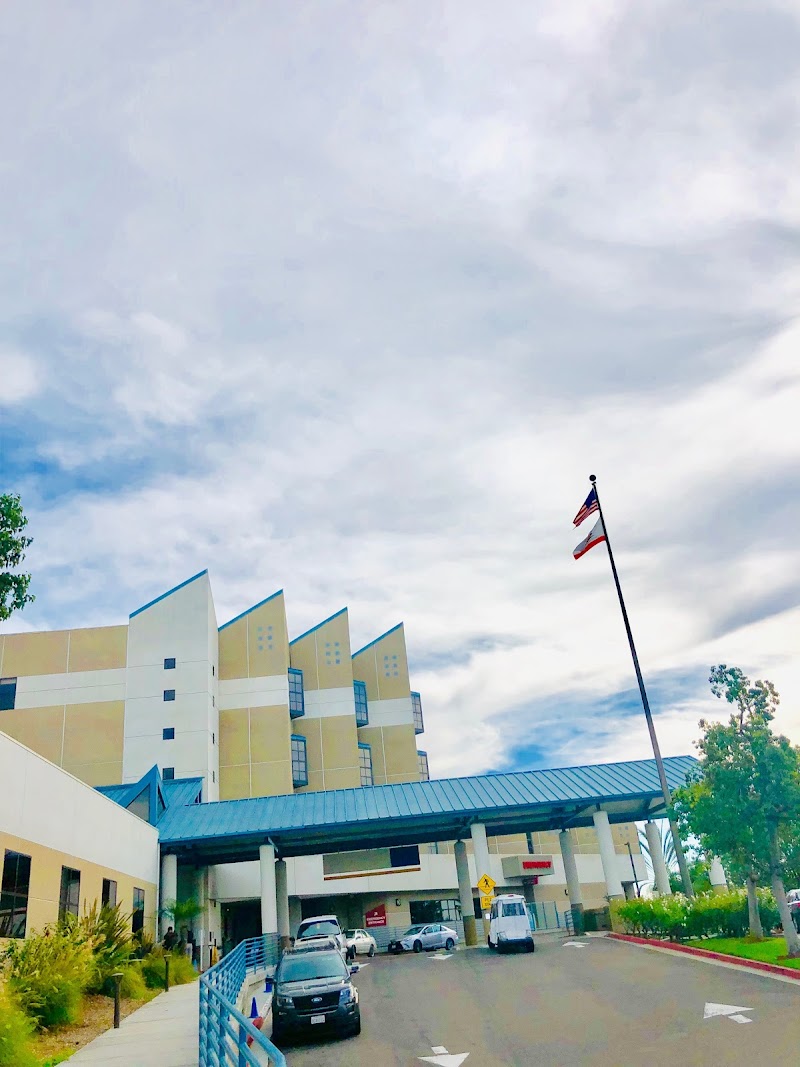
How is Sharp Chula Vista Med Ctr Snf Staffed?

CMS rates SHARP CHULA VISTA MED CTR SNF's staffing level at 5 out of 5 stars, which is much above average compared to other nursing homes. Staff turnover is 25%, compared to the California average of 46%. This relatively stable workforce can support continuity of care.

What Have Inspectors Found at Sharp Chula Vista Med Ctr Snf?

State health inspectors documented 43 deficiencies at SHARP CHULA VISTA MED CTR SNF during 2022 to 2024. These included: 1 that caused actual resident harm and 42 with potential for harm. Deficiencies causing actual harm indicate documented cases where residents experienced negative health consequences.
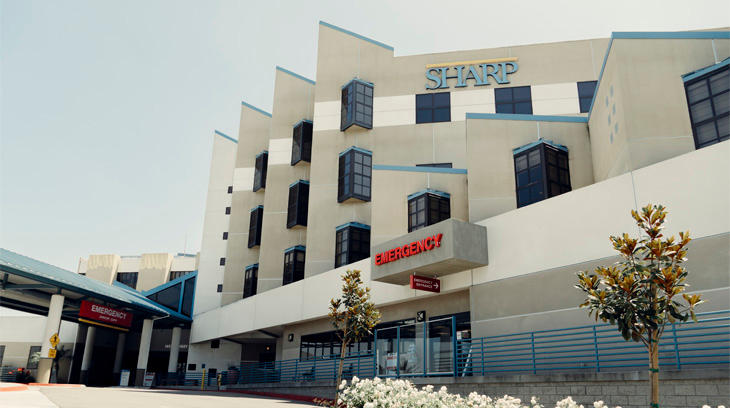
Who Owns and Operates Sharp Chula Vista Med Ctr Snf?

SHARP CHULA VISTA MED CTR SNF is owned by a non-profit organization. Non-profit facilities reinvest revenue into operations rather than distributing to shareholders. The facility operates independently rather than as part of a larger chain. With 100 certified beds and approximately 83 residents (about 83% occupancy), it is a mid-sized facility located in CHULA VISTA, California.
How Does Sharp Chula Vista Med Ctr Snf Compare to Other California Nursing Homes?

Compared to the 100 nursing homes in California, SHARP CHULA VISTA MED CTR SNF's overall rating (4 stars) is above the state average of 3.2, staff turnover (25%) is significantly lower than the state average of 46%, and health inspection rating (3 stars) is at the national benchmark.

What Should Families Ask When Visiting Sharp Chula Vista Med Ctr Snf?

Based on this facility's data, families visiting should ask: "Can I visit during a mealtime to observe dining assistance and food quality?" "How do you handle medical emergencies, and what is your hospital transfer rate?" "Can I speak with family members of current residents about their experience?"

Is Sharp Chula Vista Med Ctr Snf Safe?

Based on CMS inspection data, SHARP CHULA VISTA MED CTR SNF has a clean safety record: no substantiated abuse findings (meaning no confirmed cases of resident harm), no Immediate Jeopardy citations (the most serious violation level indicating risk of serious injury or death), and is not on the Special Focus Facility watch list (a federal program monitoring the lowest-performing 1% of nursing homes). The facility has a 4-star overall rating and ranks #1 of 100 nursing homes in California. While no facility is perfect, families should still ask about staff-to-resident ratios and recent inspection results during their visit.

Do Nurses at Sharp Chula Vista Med Ctr Snf Stick Around?

Staff at SHARP CHULA VISTA MED CTR SNF tend to stick around. With a turnover rate of 25%, the facility is 21 percentage points below the California average of 46%. Low turnover is a positive sign. It means caregivers have time to learn each resident's needs, medications, and personal preferences. Consistent staff also notice subtle changes in a resident's condition more quickly. Registered Nurse turnover is also low at 13%, meaning experienced RNs are available to handle complex medical needs.

Was Sharp Chula Vista Med Ctr Snf Ever Fined?

SHARP CHULA VISTA MED CTR SNF has no federal fines on record. CMS issues fines when nursing homes fail to meet care standards or don't correct problems found during inspections. The absence of fines suggests the facility has either maintained compliance or corrected any issues before penalties were assessed. This is a positive indicator, though families should still review recent inspection reports for the full picture.

Is Sharp Chula Vista Med Ctr Snf on Any Federal Watch List?

SHARP CHULA VISTA MED CTR SNF is not on any federal watch list. The most significant is the Special Focus Facility (SFF) program, which identifies the bottom 1% of nursing homes nationally based on persistent, serious quality problems. Not being on this list means the facility has avoided the pattern of deficiencies that triggers enhanced federal oversight. This is a positive indicator, though families should still review the facility's inspection history directly.