VETERANS HOME OF CALIFORNIA - CHULA VISTA
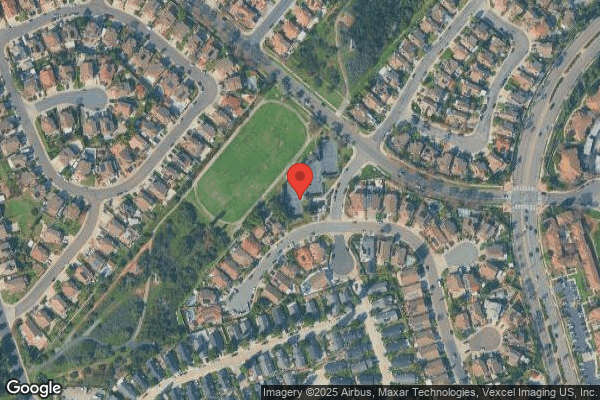
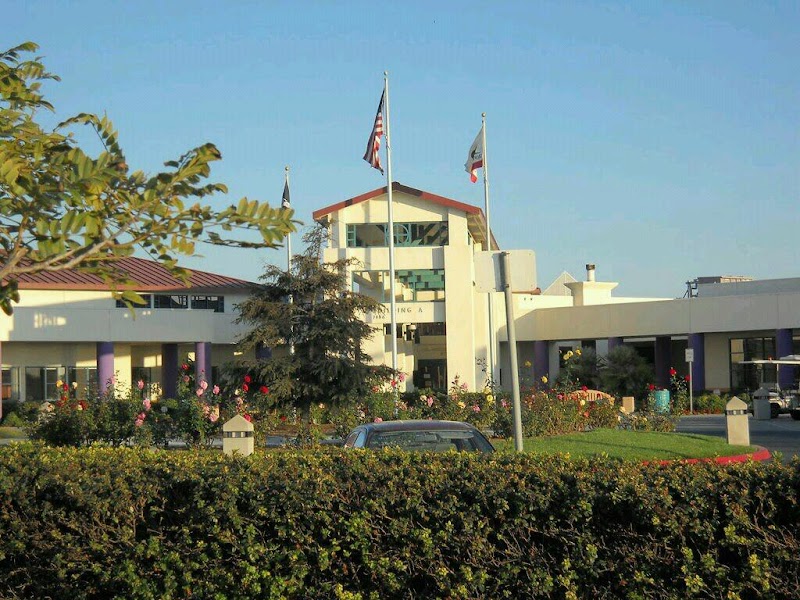
700 EAST NAPLES COURT, CHULA VISTA, CA 91911 (619) 482-6010
Government - State 180 Beds Independent Data: November 2025
Trust Grade
68/100
#491 of 1155 in CA
Last Inspection: January 2025

Within standard 12-15 month inspection cycle. Federal law requires annual inspections.

Overview

The Veterans Home of California - Chula Vista has a Trust Grade of C+, which indicates it is slightly above average in quality. It ranks #491 out of 1,155 facilities in California, placing it in the top half of state options, and #52 out of 81 in San Diego County. The facility is improving, having reduced its reported issues from 14 in 2024 to 12 in 2025. Staffing is a strong point, with a 5/5 star rating and an 18% turnover rate, significantly lower than the state average. However, the home has faced some concerns, including a serious incident where a resident, who required supervision, eloped and suffered a fall that resulted in a forehead laceration, and other issues related to food safety and sanitation practices in the kitchen. While the nursing home has good RN coverage and a solid staffing rating, the presence of fines totaling $8,018 and ongoing food safety concerns highlight areas needing attention.

Trust Score
C+
68/100
In California
#491/1155
Top 42%
Safety Record
Moderate
Needs review
Inspections
Getting Better
14 → 12 violations
Staff Stability
✓ Good
18% annual turnover. Excellent stability, 30 points below California's 48% average. Staff who stay learn residents' needs.
Penalties
⚠ Watch
$8,018 in fines. Higher than 91% of California facilities. Major compliance failures.
Skilled Nurses
✓ Good
Each resident gets 70 minutes of Registered Nurse (RN) attention daily — more than 97% of California nursing homes. RNs are the most trained staff who catch health problems before they become serious.
Violations
⚠ Watch
47 deficiencies on record. Higher than average. Multiple issues found across inspections.
★★★★☆
4.0
Overall Rating
★★★★★
5.0
Staff Levels
★★★☆☆
3.0
Care Quality
★★★☆☆
3.0
Inspection Score
Stable
2024: 14 issues
2025: 12 issues

The Good

  • 5-Star Staffing Rating · Excellent nurse staffing levels
  • Low Staff Turnover (18%) · Staff stability means consistent care
  • Full Sprinkler Coverage · Fire safety systems throughout facility
  • No fines on record
  • Staff turnover is low (18%)

    30 points below California average of 48%

Facility shows strength in staffing levels, staff retention, fire safety.

The Bad

Federal Fines: $8,018

Below median ($33,413)

Minor penalties assessed

The Ugly 47 deficiencies on record

1 actual harm
Sept 2025 1 deficiency
CONCERN (D) 📢 Someone Reported This

A family member, employee, or ombudsman was alarmed enough to file a formal complaint

Potential for Harm - no one hurt, but risky conditions existed

Infection Control (Tag F0880)

Could have caused harm · This affected 1 resident

Based on observation, interview, and record review, the facility failed to ensure surgical masks (a loose-fitting mask worn over the nose and mouth to help reduce the spread of infection) were worn on...

Read full inspector narrative →
Based on observation, interview, and record review, the facility failed to ensure surgical masks (a loose-fitting mask worn over the nose and mouth to help reduce the spread of infection) were worn on Unit 300 where Covid-19 (a contagious respiratory disease) positive residents resided. This failure had the potential to spread respiratory disease to the residents, staff, and visitors.Findings:During an observation on 9/3/2025 at 10:14 a.m., on Unit 300, Certified Nursing Assistant (CNA 1) and CNA 2, were observed in the hallway at a cart containing food items. CNA 1 and CNA 2 were observed wearing a surgical mask around their necks not covering their nose and mouth. In addition, a Licensed Vocational Nurse (LVN 1) was observed at the nurse's station not wearing a mask.During an interview on 9/3/2025 at 10:20 a.m., with CNA 1, CNA 1 stated she and CNA 2 were passing nourishments to the residents. CNA 1 stated she was supposed to wear the surgical mask over her nose and mouth.During an interview on 9/3/2025 at 10 a.m., with the Infection Preventionist (IP), IP stated four residents on Unit 300, one resident on Unit 700, and four staff had tested positive for Covid-19. IP stated, a surgical mask was required to be worn on the residents' units, and an N-95 mask (a tight-fitting mask that filtered out small and large infectious airborne particles) for direct care of Covid-19 positive residents.During an interview on 9/3/2025 at 10:22 a.m., with the Director of Nursing (DON), the DON stated staff should not pull their surgical masks down around their necks.During an interview on 9/3/2025 at 10:35 a.m., with LVN 1, LVN 1 stated she was the visiting hospice nurse for a resident. LVN 1 stated she was supposed to follow the facility's masking procedures. LVN 1 stated she should have been wearing a surgical mask.During an interview on 9/3/2025 at 12:22 p.m., with Standard Compliance Coordinator (SCC) and the DON, SCC stated the facility's Covid-19 policy and procedure was being developed. SCC stated, We have a mitigation plan we are following. The DON stated staff, visitors, and visiting hospice nurses were to follow the mitigation's plan for source control and masking.During a review of the facility's mitigation plan titled, Viral Respiratory Illness Mitigation Plan, dated August 2025, the mitigation plan indicated, 15. Source Control Masking, Source control masking reduces the risk of spreading VRI (Viral Respiratory Illness) to others and is recommended for Residents and Staff especially in gatherings and during periods of increased VRI activity. There are times when source control masking is required. 15.1 General Indications for Source Control Masking Specific masks types or universal source control masking may be required at times when: The facility is experiencing a VRI Outbreak and/or a surge in cases.
Jan 2025 11 deficiencies
CONCERN (D)

Potential for Harm - no one hurt, but risky conditions existed

Transfer Notice (Tag F0623)

Could have caused harm · This affected 1 resident

**NOTE- TERMS IN BRACKETS HAVE BEEN EDITED TO PROTECT CONFIDENTIALITY** Based on interview and record review, the facility failed to ensure a copy of a notice of transfer/discharge was sent to the Omb...

Read full inspector narrative →
**NOTE- TERMS IN BRACKETS HAVE BEEN EDITED TO PROTECT CONFIDENTIALITY** Based on interview and record review, the facility failed to ensure a copy of a notice of transfer/discharge was sent to the Ombudsman (an advocate for residents of nursing homes) for three of 44 sampled residents (Residents 19, 47, and 99) when: 1. Resident 19 was transferred to the hospital on 1/22/2025. 2. Resident 47 was transferred to the hospital on 8/27/2024. 3. Resident 99 was transferred to the hospital on 1/8/2025. This failure had the potential for residents to be inappropriately transferred or discharged which could result in violating their rights. Findings: 1. During a review of Resident 19's Physician's Progress Note, dated 12/4/2024, the Physician's Progress Note indicated Resident 19 had diagnoses of diabetes mellitus (a disorder that results in too much sugar in the blood) and sacral (buttocks) moisture associated skin damage (MASD, skin irritation caused by prolonged exposure to moisture usually from incontinence). During a review of Resident 19's Physician's Orders, dated 1/22/2025, the Physician's Orders indicated, for Resident 19 to be Send to [hospital's name] for further evaluation and treatment related to left and right buttocks wound. Further review of Resident 19's medical record indicated there was no documented evidence that the ombudsman was notified of Resident 19's transfer to the hospital on 1/22/2025. During an interview on 1/29/2025 at 4:05 p.m., with the Assistant Director of Nursing (ADON), the ADON stated the facility does not notify an ombudsman when a resident is transferred to the hospital or discharged from the facility. During an interview on 1/30/2025 at 11:56 a.m. with the ADON, the ADON stated he was not aware the ombudsman had to be notified of resident transfers or discharges. During a review of the facility's policy and procedure (P&P) titled, Transfer/Discharge, dated 9/27/2022, the P&P did not address notifying the ombudsman of resident transfers/discharges. 2. During a review of Resident 47's Physician's Progress Note, dated 12/9/2024, the Physician's Progress Note indicated Resident 47 was readmitted to the facility from the hospital on [DATE] with a diagnosis of status post right above knee amputation. The Physician's Progress Note further indicated Resident 47 was hospitalized from [DATE] - 12/6/2024. During a review of Resident 47's Nursing Notes, dated 8/27/2024 at 10:46 p.m., the Nursing Notes indicated the facility placed a call to [hospital's name] and was informed that Resident 47 will be admitted . Further review of Resident 47's medical record indicated there was no documented evidence that the ombudsman was notified of Resident 47's transfer to the hospital on 8/27/2024. During an interview on 1/29/2025 at 4:05 p.m., with the Assistant Director of Nursing (ADON), the ADON stated the facility does not notify an ombudsman when a resident is transferred to the hospital or discharged from the facility. During an interview on 1/30/2025 at 11:56 a.m. with the ADON, the ADON stated he was not aware the ombudsman had to be notified of resident transfers or discharges. During a review of the facility's policy and procedure (P&P) titled, Transfer/Discharge, dated 9/27/2022, the P&P did not address notifying the ombudsman of transfers/discharges. 3. During a review of Resident 99's admission Face Sheet Record (demographics), [undated], the Face Sheet indicated Resident 99 had a diagnosis of osteomyelitis (a chronic bone infection). During a review of Resident 99's Physician Order, the Physician Order indicated, send Resident 99 to [hospital's name] on 1/8/2025 for further evaluation and treatment related to the bone infection. Further review of Resident 99's medical record indicated there was no documented evidence that the ombudsman was notified of Resident 99's transfer to the hospital on 1/8/2025. During an interview on 1/29/2025 at 4:05 p.m., with the Assistant Director of Nursing (ADON), the ADON stated the facility does not notify the ombudsman when a resident is transferred to the hospital or discharged from the facility. The ADON confirmed that the ombudmsman was not notified when Resident 99 was transferred out. During a review of the facility's policy and procedure (P&P) titled, Transfer/Discharge, dated 9/27/2022, the P&P did not address notifying the ombudsman of transfers/discharges.
CONCERN (D)

Potential for Harm - no one hurt, but risky conditions existed

Deficiency F0625 (Tag F0625)

Could have caused harm · This affected 1 resident

**NOTE- TERMS IN BRACKETS HAVE BEEN EDITED TO PROTECT CONFIDENTIALITY** Based on interview and record review, the facility failed to provide a written bed hold policy notification to one of 44 sampled...

Read full inspector narrative →
**NOTE- TERMS IN BRACKETS HAVE BEEN EDITED TO PROTECT CONFIDENTIALITY** Based on interview and record review, the facility failed to provide a written bed hold policy notification to one of 44 sampled residents (Resident 47) and/or his representative upon Resident 47's transfer to an acute care hospital on 8/27/2024. This failure had the potential for Resident 44 and/or his representative to not be informed of his rights to return to the facility following hospitalization. Findings: During a review of Resident 47's Physician's Progress Note, dated 12/9/2024, the Physician's Progress Note indicated Resident 47 was readmitted to the facility from the hospital on [DATE] with a diagnosis of status post right above knee amputation. The Physician's Progress Note further indicated Resident 47 was hospitalized from [DATE] - 12/6/2024. During a review of Resident 47's Nursing Notes, dated 8/27/2024 at 10:46 p.m., the Nursing Notes indicated the facility placed a call to [hospital's name] and was informed that Resident 47 will be admitted . Further review of Resident 47's medical record indicated there was no documented evidence of a bed hold notification to Resident 47 and/or his representative. During an interview on 1/29/2025 at 3:27 p.m., with Registered Nurse 5 (RN 5), RN 5 stated a bed hold notification was not completed for Resident 47 when he transferred to the hospital on 8/27/2024. During an interview on 1/30/2025 at 12:01 p.m., with RN 6, RN 6 stated the facility should have completed a bed hold notification form for Resident 47 when he transferred to the hospital on 8/27/2024. During a review of the facility's policy and procedure (P&P) titled, Bed Hold Policy, dated 1/29/2025, the P&P indicated, If a Resident is transferred to a general acute hospital, the facility will afford the Resident a bed hold of seven (7) days, which may be exercised by the Resident or the Resident's representative . II. Transfer/Discharge To Acute A. When a Resident is transferred to an acute hospital the licensed nurse will: 1. Notify the Resident, family or legal representative of the reason for the transfer in a language and manner they understand. 2. If a Resident is alert, discuss bed hold notification/election form and provide a copy and file the original form in the medical record. 3. If the Resident has a responsible party, notify and discuss the bed hold notification/election form. Explain that the form will be mailed to him/her by the Veterans Home designated department for his/her signature and must be mailed back as soon as possible.
CONCERN (D)

Potential for Harm - no one hurt, but risky conditions existed

Deficiency F0657 (Tag F0657)

Could have caused harm · This affected 1 resident

**NOTE- TERMS IN BRACKETS HAVE BEEN EDITED TO PROTECT CONFIDENTIALITY** Based on observation, interview, and record review, the facility failed to ensure a person-centered care plan for weight loss wa...

Read full inspector narrative →
**NOTE- TERMS IN BRACKETS HAVE BEEN EDITED TO PROTECT CONFIDENTIALITY** Based on observation, interview, and record review, the facility failed to ensure a person-centered care plan for weight loss was updated for one of 44 sampled residents (Resident 20). This failure had the potential for Resident 20 not to receive nutrition interventions and treatments according to evaluation of his needs and contributing to continued weight loss. Cross reference F692 Findings: During a review of Resident 20's admission Face Sheet Record (demographics), [undated], the Face Sheet indicated Resident 20 was admitted on [DATE] with diagnoses of Hypertension (HTN, high blood pressure), rheumatoid arthritis (a chronic progressive disease-causing inflammation in the joints and resulting in painful deformity and immobility), and chronic obstructive pulmonary disease (COPD, a chronic lung disease causing difficulty in breathing). During a review of Resident 20's Minimum Data Set (MDS, a resident assessment tool), dated 12/5/2024, the MDS indicated the Resident 20 had a BIMS (brief interview of mental status) score of 10 (moderate impairment) and experienced a weight loss of 5% or more in the last month or loss of 10% or more in last 6 months, but was not on a physician-prescribed weight-loss regimen. During a review of Resident 20's Monthly Weights, from 6/20/2024 -1/18/2025 indicated: 6/20/2024 -136.1 lbs. (pounds) 7/20/2024 -132.8 lbs. 8/17/2024 -128.4 lbs. 9/21/2024 -129.8 lbs. 10/19/2024 -128 lbs. 11/6/2024 - 126 lbs. 12/21/2024 - 121.8 lbs. 1/18/2025 - 118.4 lbs. Resident 20 experienced an unintentional weight loss of 7.79% from August 2024 through January 2025. During a concurrent observation and interview on 1/29/2025 at 9:30 a.m., with Resident 20 in the resident's room, Resident 20 was sitting in his wheelchair next to his bed watching television. Resident 20 stated that he ate breakfast, but he was not a heavy eater. Resident 20 stated he preferred eating vegetables and fruits, and he liked grilled cheese and tuna sandwiches. Resident 20 stated he was aware that he had lost weight because he remembered he was 160 pounds in 2023 and has lost 40 pounds, but did not know how. Resident 20 further stated the Dietitian was aware of his food preferences. During a review of Resident 20's ADL (Activities of Daily Living) Supplemental Flow Sheet, indicated the following: For the Month of December 2024: Average Breakfast Consumed was 55% Average Lunch Consumed was 51% Average Dinner Consumed was 48% For the Month of January 2025: Average Breakfast Consumed was 49% Average Lunch Consumed was 51% Average Dinner Consumed was 44% During an interview on 1/30/2025 at 10:11 a.m., with Registered Nurse 3 (RN 3), RN 3 stated Resident 20 had an order for Prostat (a concentrated liquid protein drink). RN 3 further stated she would offer Resident 20 substitutions for his food but she did not give it to Resident 20 for breakfast. During a review of the Resident 20's Physician Orders, dated 1/17/2025, indicated Prostat supplement 30 ml (milliliters), PO (by mouth), BID (twice a day). During a review of Resident 20's Medication Administration Record (MAR), dated 1/1/2025- 1/31/2025, the MAR indicated, 30 milliliters of Prostat supplement was given to Resident 20 at 9:00 AM and at 5:00 PM on 1/18/2025 through 1/29/2025. Resident 20 did not receive Prostat on 1/30/25 at 9:00 AM. During a review of Resident 20's Nutrition Care plan created 1-5-22 and updated 1-27-25 indicated Problems/Conclusions .9/9/24-WT LOSS OF 17.2#/6MOS AT 11% IS SIGNIFICANT, RESIDENT IS SURPRISED BY Loss .9/9/24 & 12/6/24: Referred resident to MD d/t (due to) ongoing weight loss . Measurable Goals .Weight, No significant variances: Resident will maintain wt greater than 121 pounds (+/- 5 pounds) every week x 3 months .Interventions .Diet, Document % consumed: Regular .Chop Meat . During a concurrent interview and record review on 1/30/2025 at 2:47 p.m. with Registered Dietitian (RD) and the Director of Dietetics (DD), Resident 20's care plan titled, Risk of Alteration in Nutrition, was reviewed. The RD stated she was responsible for entering information and updating the nutrition care plans for residents. The RD confirmed Resident 20's nutrition care plan was updated on 6/19/2022, 3/14/2024, 9/9/2024, and 12/6/2024 and was not sure when she last updated the goal for Resident 20. The RD stated she notified Resident 20's physician of the weight loss and she sees Resident 20 quarterly or as needed but, the care plan did not reflect those dates. The DD confirmed, the care plan was not updated to reflect the additional food or other items Resident 20 received which was recommended by the RD. The DD stated Resident 20's interventions should have been updated in the care plan. During an interview on 1/30/2025 at 4:15 p.m. with the Assistant Director of Nursing (ADON), the ADON stated the RD was responsible for updating the care plan of the residents after dietary meetings and should be followed up every month. The ADON stated dietary notes were separated from nursing notes and the nursing staff did not have access to the dietary notes. The ADON stated his expectation for the RD was to document their goals clearly to communicate to the rest of the staff. The ADON further stated the documented goals were important so nursing staff can carry out interventions correctly. During a review of the facility's policy and procedure (P&P) titled, Care Planning, dated 8/12/2024, the P&P indicated, Resident care plans will be reviewed, evaluated and updated as necessary by professional personnel involved in the care of the resident at least quarterly. Implementation: Delivery of actual resident care, IDT [interdisciplinary] activities, putting approaches or solutions to work. Services provided must meet professional standards of quality and be provided by qualified persons. Evaluation: Consists of reassessment and comparing the observed resident goals/outcomes of the interventions with the expected outcomes established during the planning phase; this is an on-going process. During a review of the facility's policy & procedure (P&P) titled, Food & Nutrition Services- Assessments and Care/ Treatment Plans, dated 1/2/2025, the P&P indicated, The home will ensure the resident maintains acceptable parameters of nutritional status (such as usual body weight range, protein). D. Significant Change of Status Assessment (SCSA): 1. The dietitian will complete a comprehensive reassessment. 2. Within fourteen (14) days of change of condition. 3. Examples of significant changes are not limited to: a. Unplanned weight loss of 5% change in 30 days, 7.5% change in 90 days, or 10% change in 180 days. b. Chronic unplanned weight loss. E. Quarterly Nutrition Assessment: 2. Review and revision of the resident's care plan to ensure the continued accuracy of the resident's assessment. G. Care Plan: A comprehensive person-centered care plan including measurable objectives and time frames to meet resident's needs, preferences and goals that are identified in the comprehensive assessment.
CONCERN (D)

Potential for Harm - no one hurt, but risky conditions existed

Deficiency F0692 (Tag F0692)

Could have caused harm · This affected 1 resident

**NOTE- TERMS IN BRACKETS HAVE BEEN EDITED TO PROTECT CONFIDENTIALITY** Based on observation, interview, and record review, the facility failed to ensure a comprehensive systematic approach for monito...

Read full inspector narrative →
**NOTE- TERMS IN BRACKETS HAVE BEEN EDITED TO PROTECT CONFIDENTIALITY** Based on observation, interview, and record review, the facility failed to ensure a comprehensive systematic approach for monitoring nutrition interventions was implemented for one of 44 sampled residents, (Resident 20), who experienced an unplanned unintentional weight loss of 7.79% in six months, according to facility policy. This failure had the potential for Resident 20 to experience additional unintentional weight loss, which could lead to further decline in the resident's health and nutrition status. Cross reference F657 Findings: During a review of an article titled, 2002 American Academy of Family Physicians Journal, indicated, Involuntary weight loss can lead to muscle wasting, decreased immunocompetence, (the ability for the body to develop an immune response) depression and an increased rate of disease complications. Research has shown institutionalized elderly patients who lost 5 percent of their body weight in one month were found to be four times more likely to die within one year. (www.aafp.org/afp) During a review of the professional reference titled, The Academy of Nutrition and Dietetics Evidence Analysis Library, regarding Unintended Weight Loss for Older Adults Evidence-Based Nutrition Practice Guidelines, dated 2007-2009, indicated, The Registered Dietitian should monitor and evaluate weekly body weights of older adults with unintended weight loss, until body weight has stabilized, to determine effectiveness of medical nutrition therapy (MNT). During a review of Resident 20's admission Face Sheet Record (demographics), [undated], the Face Sheet indicated Resident 20 was admitted on [DATE] with diagnoses of hypertension (HTN, high blood pressure), rheumatoid arthritis (a chronic progressive disease-causing inflammation in the joints and resulting in painful deformity and immobility), and chronic obstructive pulmonary disease (COPD, a chronic lung disease causing difficulty in breathing). During a review of Resident 20's Minimum Data Set (MDS, a resident assessment tool), dated 12/5/2024, the MDS indicated Resident 20 had a BIMS (brief interview of mental status) score of 10 (moderate cognitive impairment) in section C, indicating he was cognitively intact. The MDS further indicated Resident 20 experienced a weight loss of 5% or more in the last month or loss of 10% or more in last 6 months but was not on a physician-prescribed weight-loss regimen. During a review of Resident 20's Monthly Weights, from 6/20/2024 -1/18/2025 indicated: 6/20/2024 -136.1 lbs. (pounds) 7/20/2024 -132.8 lbs. 8/17/2024 -128.4 lbs. 9/21/2024 -129.8 lbs. 10/19/2024 -128 lbs. 11/6/2024 - 126 lbs. 12/21/2024 - 121.8 lbs. 1/18/2025 - 118.4 lbs. Resident 20 experienced a 10.84% significant weight loss from July 2024 and January 2025, and a 7.79 % significant weight loss from August 2024 through January 2025. During a review of Resident 20's Physician Diet Order, dated 12/6/2024, indicated, Change Diet to: Regular/thin liquids per ST (Speech Therapy)/resident; nursing to help out PRN (as needed). During a review of Resident 20's Physician Orders, dated 1/17/2025, indicated, Prostat (a concentrated liquid protein drink supplement), 30 ml (milliliters), PO (by mouth), BID (twice a day). During a review of Resident 20's Medication Administration Record (MAR), from 1/1/2025- 1/31/2025, indicated 30 ml of Prostat supplement was given to Resident 20 at 9:00 a.m. and 5:00 p.m. on 1/18/2025 through 1/29/2025. Further review of the MAR indicated Resident 20 did not receive Prostat on 1/30/2025. During a review of the Facility's List of Resident's and Diets, dated 1/25/2025, indicated Resident 20's diet as Regular, No Yogurt at breakfast, lunch, and dinner. During a review of Resident 20's ADL (Activities of Daily Living) Supplemental Flow Sheet, indicated the following: For the Month of November 2024: Average Breakfast consumed: 62.5% Average Lunch consumed: 75% Average Dinner consumed: 50% For the Month of December 2024: Average Breakfast Consumed: 55% Average Lunch Consumed: 51% Average Dinner Consumed: 48% For the Month of January 2025: Average Breakfast Consumed: 49% Average Lunch Consumed: 51% Average Dinner Consumed: 44% During a concurrent observation and interview on 1/29/2025 at 9:42 a.m., Resident 20 was sitting in his wheelchair next to his bed in his room with a 1/2 cup of coffee on his bedside table in front of him. Resident 20 stated he ate most of his breakfast and liked the banana, sausage links, and some cereal along with fruit. Resident 20 further stated he's lost 40 pounds in two years and has not spoken with his doctor about his weight loss. Resident 20 stated some of his food preferences were sausages, pears, bananas, grilled cheese sandwiches, tuna sandwiches, and chicken meals. Resident 20 stated he did not like oatmeal or yogurt. During a concurrent observation and interview on 1/30/2025 at 10:00 a.m. with Resident 20, Resident 20 stated he did not like some foods and meals served at the facility. Resident 20 stated he does not receive any sandwiches at lunch or dinner, or other foods with meals but would like to have a grilled cheese sandwich sometimes. Resident 20 stated he also received a supplement shake three times a day. During an interview on 1/30/2025 at 10:11 a.m., with Registered Nurse 3 (RN 3), RN 3 stated Resident 20 had an order for Prostat. RN 3 further stated she would offer Resident 20 substitutions for his food but did not give it to Resident 20 for breakfast. During an interview on 1/30/2025 at 11:34 a.m., with the Resident 20's Physician (PHYS), the PHYS stated Resident 20 had a stroke a few years ago and received chemotherapy ten years ago for prostate cancer. The PHYS further stated he was aware of Resident 20's weight loss a month ago and believed the Registered Dietitian (RD) was giving the resident supplements to address it. The PHYS stated he wasn't aware Resident 20's weight loss was severe for six or seven months. The PHYS further stated severe weight loss was a priority and could potentially be treated with interventions. During a review of Resident 20's Nutrition Care Plan, created 1/5/2022 and updated 1/27/2025, indicated, Problems/Conclusions .9/9/2024-WT. (weight) LOSS OF 17.2#/6MOS AT 11% IS SIGNIFICANT, RESIDENT 20 IS SURPRISED BY Loss .9/9/2024 & 12/6/2024: Referred Resident 20 to MD (medical doctor) d/t (due to) ongoing weight loss . Measurable Goals .Weight, No significant variances: Resident 20 will maintain wt. greater than 121 pounds (+/- 5 pounds) every week x 3 months .Interventions .Diet, Document % consumed: Regular .Chop Meat. During a concurrent interview and record review on 1/29/2025 at 2:47 p.m. with Registered Dietitian (RD) and the Director of Dietetics (DD), Resident 20's care plan titled, Risk of Alteration in Nutrition, was reviewed. The RD stated she was responsible for entering information and updating the nutrition care plans for residents. The RD confirmed Resident 20's nutrition care plan was updated on 6/19/2022, 3/14/2024, 9/9/2024, and 12/6/2024 and was not sure when she last updated the nutrition and weight goals for Resident 20. The RD stated the Resident 20's weight loss was unintentional, and Resident 20's physician was notified of the weight loss in November 2024. The RD stated she assessed Resident 20 quarterly or as needed but the interventions were not always updated. The DD acknowledged the care plan was not updated to reflect the additional food or other items Resident 20 received which was recommended by the RD. The DD stated Resident 20's interventions should have been updated in the care plan. The DD acknowledged the care plans did not have a weight loss goal. During a review of Resident 20's Nutritional Assessment, dated 3/15/2024, completed by the RD indicated, Resident 20's current body weight 145.6 pounds, ideal body weight (IBW) 148 pounds, usual body weight (UBW) was 160 pounds; Estimated caloric needs: 1600 calories per day, 65 grams of protein; .Plan and Goals: Resident 20 reports good appetite and is aware of weight loss .Continue supplement at HS (evening) .no further changes at this time. During a review of Resident 20's Nutritional Assessment, dated 6/11/2024 completed by the RD indicated, Resident 20's current body weight 140 pounds, ideal body weight was 148 pounds; Estimated caloric needs: 1600 calories per day, 65 grams of protein; .Nutrition Diagnosis: Resident 20 with inadequate intake as evidenced by ongoing weight loss . Plan and Goals: Resident 20 reports good appetite and is aware of weight loss but surprised of total weight loss . Resident 20 indicates prefers weight of 160 pounds as his goal .Continue supplement TID (three times a day) and sandwich at 10 AM to increase calories. During a review of Resident 20's Nutritional Assessment, dated 11/27/2024 completed by the RD indicated, Resident 20's current weight was 126 pounds, IBW: 148 pounds, IBW: 86%; Oral supplementation/additional foods: Chocolate house supplement TID; .Nutrition Requirements: Total kcals (kilocalorie): 1800 per day .; protein: 68 grams/day; Plan: .Resident 20 Goals: weight > 126 pounds +/- 5 pounds as desired by resident .Comments: .Wt. loss of 14 pounds/6 months @ 10% change .RD recommend appetite stimulant High nutrition risk .Monitor changes and f/up prn (as needed) During a concurrent interview and record review on 1/30/2025 at 2:54 p.m., with Registered Dietitian (RD) and the Director of Dietetics (DD), the DD stated the RD was responsible for attending the Nutritional At Risk (NAR) monthly meetings and reporting to the interdisciplinary NAR committee the resident's nutrition interventions. The August 2024 through December 2024 NAR meeting minutes indicated added Super Suds to L/D (lunch/dinner). The RD stated she mentioned fortified food items to Resident 20 like super suds (buttered mashed potatoes), and per Resident 20 he told her he would try them. The RD stated she did not recommend Resident 20 be placed on a fortified diet, which could have provided up to 300 to 500 additional calories per day at every meal. The RD stated she was unsure if Resident 20 was regularly receiving the super suds (mashed potatoes) at lunch and dinner after she informed the kitchen in August. The RD further stated Resident 20 could have benefitted from the extra calories and acknowledged she could have followed up with Resident 20 on the different interventions. The RD stated she should have updated Resident 20's nutrition calorie goals in the assessment to reflect the resident's continuous weight loss. The RD further stated Resident 20's food preferences were taken a while ago, but she did not know where they were in the medical record system because the facility had a new system last year. The DD acknowledged Resident 20's nutrition assessment did not have the additional foods recommended by the RD for Resident 20. The DD stated Resident 20's interventions should have been updated and included. During an interview on 1/30/2025 at 4:15 p.m. with the Assistant Director of Nursing (ADON), the ADON stated the RD was responsible for updating the care plan of the residents after dietary meetings and should be followed up every month. The ADON stated dietary notes were separated from nursing notes and the nursing staff did not have access to the dietary notes. The ADON stated his expectation for the RD was to document their goals clearly to communicate to the rest of the staff. The ADON further stated the documented goals were important so the nursing staff can carry out interventions correctly. During a review of the facility's job description titled, Registered Dietitian, dated 2/23/2018 indicated, Complete nutrition assessments for assigned residents within specified time frames. Identify risk factors and nutrition-related problems; coordinate MNT for residents; communicate recommendations to appropriate health care team members and monitor response to plan of care. Provide follow-up care and documentation as needed according to nutritional risk, nutrition care plan (NCP), and IDT meetings. Provide nutrition counseling, diet intervention, and resident education regarding disease/disability management, food medication interactions, weight management, health promotion, wellness, and other education as needed. Monitor quality control as assigned to evaluate effectiveness of resident nutritional care and food service. Communicate with appropriate staff any problems, changes, or recommendations found through meal observations; .Provider will complete documentation in a thorough and timely manner. During a review of the facility's policy & procedure (P&P) titled, Food & Nutrition Services- Assessments and Care/ Treatment Plans, dated 1/2/2025, the P&P indicated, The [name of the facility] will ensure the resident maintains acceptable parameters of nutritional status (such as usual body weight range, protein) .D. Significant Change of Status Assessment (SCSA): 1. The dietitian will complete a comprehensive reassessment. 2. Within fourteen (14) days of change of condition. 3. Examples of significant changes are not limited to: a. Unplanned weight loss of 5% change in 30 days, 7.5% change in 90 days, or 10% change in 180 days. b. Chronic unplanned weight loss. E. Quarterly Nutrition Assessment: 2. Review and revision of the resident's care plan to ensure the continued accuracy of the resident's assessment. G. Care Plan: A comprehensive person-centered care plan including measurable objectives and time frames to meet resident's needs, preferences and goals that are identified in the comprehensive assessment. During a review of the facility's policy & procedure (P&P) titled, Food & Nutrition Services- Weight Policy SNF/ICF, dated 6/12/2024, the P&P indicated, Body weight and laboratory results can often be stabilized with time. I. Monitoring Weights and Weight Variances .A. The Registered Dietitian (RD) will monitor weights and significant weight changes. C. The RD will assess each Resident with a monthly significant weight change and determine if weight loss was planned or unplanned. II. Systemic approach. C. Developing and consistently implementing pertinent approaches. D. Monitoring the effectiveness of interventions and revising them, as necessary. V. Significant Weight Change is defined as: B. decrease of 5% or more body weight in 30 days. C. decrease of 7.5% or more body weight in 90 days. D. decrease of 10% or more of body weight in 180 days. VII. Nutrition Care Planning. C. On-going monitoring of care planned interventions is necessary for all residents.
CONCERN (D)

Potential for Harm - no one hurt, but risky conditions existed

Pharmacy Services (Tag F0755)

Could have caused harm · This affected 1 resident

**NOTE- TERMS IN BRACKETS HAVE BEEN EDITED TO PROTECT CONFIDENTIALITY** Based on observation, interview, and record review, the facility failed to ensure safe and effective pharmaceutical services for...

Read full inspector narrative →
**NOTE- TERMS IN BRACKETS HAVE BEEN EDITED TO PROTECT CONFIDENTIALITY** Based on observation, interview, and record review, the facility failed to ensure safe and effective pharmaceutical services for a universe of 103 residents when: 1. During an inspection of one of two medication rooms, outdated Procrit (drug to treat low red blood cell count), Mantoux (diagnostic test to detect tuberculosis infection which is a lung infection) vial, and insulin (drug to manage blood sugar levels) pen were observed stored and available for resident use. This failure had the potential for residents to receive outdated and/or ineffective medications which could result in adverse clinical outcomes. 2. During an inspection of one of two medication carts, one expired nitroglycerin (drug to manage chest pain) vial was observed stored and available for resident use. This failure had the potential for residents to receive outdated and/or ineffective medications which could result in adverse clinical outcomes. 3. For Resident 5, the facility could not demonstrate controlled drug (narcotics with potential for physical and psychological dependence) records were maintained in an organized and orderly manner to show the receipt to disposition (Chain of custody) of each dose was readily traced in sufficient detail. This failure had the potential for inadequate narcotic accountability and/or drug diversion (illegal use of medication unauthorized individuals), abuse, or misuse. Findings: 1. During a concurrent observation and interview on [DATE] at 10:55 a.m., an inspection of the Unit 300 Medication Room was conducted with Pharmacist 1 (RPH 1). 1A. During a concurrent observation and interview on [DATE], at 10:59 a.m., one vial of Procrit 10,000 units/mL (milliliter - a unit of measurement) was observed stored in the medication refrigerator with a manufacturer expiration date of 05/24 [[DATE]]. RPH 1 acknowledged the Procrit vial observed stored in the Unit 300 medication refrigerator expired in [DATE]. 1B. During a concurrent observation and interview on [DATE], at 10:59 a.m., one opened vial of Mantoux was observed stored in the medication refrigerator with O.D (Open Date): [DATE] and Exp. (expiration date) [DATE] handwritten in black ink. The manufacturer's product labeling on the vial indicated Discard opened product after 30 days. RPH 1 acknowledged the opened Mantoux vial with the manufacturer's product labeling observed stored in the Unit 300 medication refrigerator was labeled outdated on [DATE]. During a review of the Mantoux package insert (information on how to safely use a drug) dated [DATE], indicated A vial of TUBERSOL (also known as Mantoux) which has been entered and in use for 30 days should be discarded. 1C. During a concurrent observation and interview on [DATE] at 2:48 p.m., an inspection of the Unit 700 Medication Room was conducted with RPH 1. During a concurrent observation and interview on [DATE] at 2:48 p.m., one insulin pen labeled with a yellow sticker was observed stored in the medication refrigerator with a Date Opened 11/26 [[DATE]] and Exp Date 12/24 [[DATE]]. RPH 1 acknowledged the insulin pen was labeled outdated on [DATE]. During a concurrent interview and record review on [DATE] at 2:23 p.m., the facility's policy and procedure (P&P) titled Drug Storage dated [DATE] was reviewed with the Director of Pharmacy (DOP). The DOP acknowledged the policy indicated Drugs will not be kept in stock after the expiration date on the label and no contaminated or deteriorated drugs will be available for use. The DOP stated the outdated Procrit vial and insulin pen should have been removed from the medication refrigerator when the resident's medication was discontinued. During a concurrent interview and record review on [DATE] at 2:38 p.m., the facility's P&P titled Drug Storage dated [DATE] was reviewed with the DOP. The DOP acknowledged the policy indicated Drugs will not be kept in stock after the expiration date on the label and no contaminated or deteriorated drugs will be available for use. The DOP stated the outdated Mantoux vial should have been removed from the medication refrigerator. 2. During a concurrent interview and record review on [DATE] at 2:38 p.m., the facility's policy and procedure (P&P) titled Drug Storage dated [DATE] was reviewed with the Director of Pharmacy (DOP). The DOP acknowledged the policy indicated, Drugs will not be kept in stock after the expiration date on the label and no contaminated or deteriorated drugs will be available for use. The DOP stated that anything out of date should be removed. During a concurrent observation and interview on [DATE] at 9:32 a.m., an inspection of the Unit 700 Medication Cart 800-5 was conducted with the Assistant Director of Nursing (ADON). When the medication cart was opened, one nitroglycerin vial was observed stored with an expiration date of 07 24 [[DATE]]. The ADON acknowledged the nitroglycerin vial stored in the Unit 700 Medication Cart 800-5 expired in [DATE]. 3. During a concurrent observation and interview on [DATE] at 12:42 p.m., at Medication Cart 600, Resident 5's opioid (narcotic painkiller) medications were reviewed with Licensed Vocational Nurse 3 (LVN 3). The medical record was reviewed and LVN 3 retrieved the Controlled Drug Record (CDR - narcotic count sheet where licensed nurses log out narcotics from the drug supply for accounting) for the Resident 5's PRN (as needed) hydrocodone/acetaminophen (a strong opioid combining two pain medications) 5 milligrams / 325 milligrams (mg - a unit of measurement for dose) bubblepack (medication card) stored in the medication cart. The medication bubblepack indicated the prescription number Rx# 589768 and the corresponding Controlled Drug Record indicated the prescription number Rx# 587116. LVN 3 acknowledged the prescription number on Resident 5's PRN hydrocodone/acetaminophen 5 mg / 325 mg Rx# 589768 did not match the prescription number Rx# 587116 on the CDR. During a concurrent interview and record review on [DATE] at 1:17 p.m. with the Assistant Director of Nursing (ADON), Resident 5's medical record was reviewed. The physician's orders dated [DATE] indicated medication orders for PRN hydrocodone/acetaminophen 5 mg / 325 mg. The medication order indicated one tablet by mouth for mild to moderate pain. The medication order indicated two tablets by mouth for severe pain. The ADON acknowledged the two PRN hydrocodone/acetaminophen 5 mg/325 mg medication orders. During an interview on [DATE] at 4:16 p.m., Resident 5 stated it took some time for him to start receiving his PRN hydrocodone/acetaminophen medications. Resident 5 stated he has chronic pain in his ankles, knees, and shoulders. During a concurrent interview and record review on [DATE] at 3:15 p.m., Resident 5's PRN hydrocodone/acetaminophen medication orders, hydrocodone/acetaminophen bubblepack Rx# 589768, and the CDR hydrocodone/acetaminophen Rx# 587116 were reviewed with the DOP. The DOP acknowledged the prescription number on Resident 5's PRN hydrocodone/acetaminophen 5 mg / 325 mg Rx# 589768 did not match the prescription number Rx# 587116 on the Controlled Drug Record. The DOP stated to talk to the Supervisor Registered Nurse 1 (SRN 1) for clarification of prescription number discrepancies. During a concurrent interview and record review on [DATE] at 4:06 p.m., Resident 5's PRN hydrocodone/acetaminophen medication orders, hydrocodone/acetaminophen bubblepack Rx# 589768, and the CDR hydrocodone/acetaminophen Rx# 587116 were reviewed with Supervising Registered Nurse 1 (SRN 1). SRN 1 acknowledged the prescription number on Resident 5's PRN hydrocodone/acetaminophen 5 mg / 325 mg Rx# 589768 did not match the prescription number Rx# 587116 on the Controlled Drug Record. During a concurrent interview and record review on [DATE] at 9:54 a.m., Resident 5's narcotic drug records were reviewed with SRN 1. SRN 1 stated that nursing staff sometimes does not check to verify the prescription numbers match the narcotic supply in the bubblepack with the corresponding Controlled Drug Record. During a concurrent interview and record review on [DATE] at 10:21 a.m., Resident 5's narcotic drug records were reviewed with the DOP. The DOP stated, the key is excessive ordering and that there was a delay from when the Pharmacy dispensed the narcotic bubblepack to the nursing home to when the nursing staff starts using the narcotic supply from that bubblepack. During a concurrent interview and record review on [DATE] at 10:21 a.m., the facility's policy and procedure (P&P) titled Controlled Scheduled [degree of abuse potential] Drugs, dated [DATE] was reviewed with the DOP and the SRN 1. The policy indicated, RECEIPT OF CONTROLLED SCHEDULED DRUGS .When the controlled scheduled drugs are delivered from the pharmacy, there will be a Controlled Drug Record sheet created for each drug (see Attachment A). The DOP and SRN1 acknowledged the policy and both stated Attachment A was the narcotic count sheet (CDR). During a review of the facility's policy and procedure (P&P) titled, Controlled Scheduled [degree of abuse potential] Drugs, dated [DATE], the P&P indicated, The [name of facility] will establish a system of records of receipt and disposition of all controlled drugs in sufficient detail to enable an accurate reconciliation and will ensure drug records are in order and that an account of all controlled scheduled drugs is maintained. RECEIPT OF CONTROLLED SCHEDULED DRUGS .When the controlled scheduled drugs are delivered from the pharmacy, there will be a Controlled Drug Record sheet created for each drug (see Attachment A) .STORAGE, SECURITY AND ACCOUNTABILITY OF CONTROLLED SCHEDULED DRUGS .Separate drug records will be maintained for all controlled scheduled drugs in such a way that the receipt and disposition of each dose of any such drug may be readily traced. During a review of the facility's policy and procedure (P&P) titled, Controlled Drugs, dated [DATE], the P&P indicated, A separate record will be maintained for all controlled scheduled drugs. It will include the name of the prescriber, the prescription number, the drug name, strength and dose administered, the date and time of administration and the signature of the person administering the drug (see Controlled Drug Record).
CONCERN (D)

Potential for Harm - no one hurt, but risky conditions existed

Unnecessary Medications (Tag F0759)

Could have caused harm · This affected 1 resident

Based on observation, interview, and record review, the facility did not ensure the medication error rate was less than 5% when three errors for Resident 9 and Resident 87 occurred out of 42 opportuni...

Read full inspector narrative →
Based on observation, interview, and record review, the facility did not ensure the medication error rate was less than 5% when three errors for Resident 9 and Resident 87 occurred out of 42 opportunities for a medication administration error rate of 7.14%. For Resident 9, the medication glipizide (drug to manage blood sugars) was not administered 30 minutes before meals. For Resident 87, one medication was omitted, and the medication fexofenadine (drug to manage allergies) was given to the resident at the same time as fruit juice. This failure had the potential to expose residents to preventable medication errors which could result in adverse health outcomes. Findings: a. During a concurrent observation and interview on 1/28/2025 at 9:27 a.m., Licensed Vocational Nurse 2 (LVN 2), at the medication cart outside of Resident 9's room, the medication glipizide was prepared at the medication cart. LVN 2 acknowledged glipizide tablet was poured into the medication cup for Resident 9. During an observation on 1/28/2025 at 9:40 a.m., in Resident 9's room, LVN 2 administered glipizide to Resident 9. During a concurrent interview and record review on 1/28/2025 at 10:54 a.m., the Nursing2020 Drug Handbook for the medication glipizide was reviewed with LVN 1, obtained from the facility's Unit 700 Nursing Station, indicated Give immediate-release tablet about 30 minutes before meals. LVN 1 stated the facility's drug handbook obtained from the nursing station indicated to give immediate release about 30 minutes before meals. LVN 2 was not available for interview. During an interview on 1/29/2025 at 10:14 a.m., the Director of Pharmacy (DOP) stated the facility staff uses Lexi-comp as their reference for drug information. During an interview on 1/29/2025 at 10:28 a.m., LVN 2 stated breakfast is served around 7:45 a.m. and residents eat between 8:00 a.m to 9:00 a.m. LVN 2 stated the resident needs food to take the diabetic medications glipizide and metformin. LVN 2 stated Resident 9 ate about 75% of breakfast on 1/28/2025. During an observation on 1/29/2025 at 10:30 a.m., at the medication cart outside of Resident 9's room, the glipizide medication bubblepack for Resident 9 was observed to be immediate-release tablets. During a concurrent interview and record review on 1/29/2025 at 3:05 p.m., the drug information for glipizide was reviewed with the DOP, obtained from the facility's Lexi-comp on 1/29/2025, indicated once daily 30 minutes before the first main meal. The DOP acknowledged Lexi-comp drug reference indicated the medication glipizide is to be administered 30 minutes before the first main meal. During a concurrent interview and record review on 1/29/2025 at 3:05 p.m., the Nursing 2020 Drug Handbook for the medication glipizide was reviewed with the DOP, obtained from the facility's Unit 700 Nursing Station, indicated Give immediate-release tablet about 30 minutes before meals. The DOP acknowledged the facility's drug handbook obtained from the nursing station indicated to give immediate release about 30 minutes before meals. During a review of the facility's policy and procedure (P&P) titled, Medication Pass dated 8/12/2024, the P&P indicated I. PRIOR TO PASSING MEDICATIONS . D. Review Medication Administration Records (MAR) for special time medications like .medications before and after meals . II. DURING THE PASS . H. Special considerations should be noted on the MAR. b. During a concurrent observation and interview on 1/29/2025 at 9:07 a.m., at the medication cart outside of Resident 87's room, Registered Nurse 3 (RN 3) prepared and poured Resident 87's medications into the medicine cup: 1. Amlodipine (blood pressure drug) 10 mg (milligrams - a unit of measurement for dose) x 1 tablet 2. Atorvastatin (cholesterol drug) 20 mg x 1 tablet 3. Fexofenadine (allergy drug) 180 mg x 1 tablet 4. Finasteride (prostate drug) 5 mg x 1 tablet 5. Metolazone (diuretic drug) 5 mg x 1 tablet 6. Fish Oil 1000 mg x 1 softgel 7. Calcium Oyster Shell (mineral) 500 mg x 1 tablet 8. Vitamin D3 IU (international unit - a unit of measurement for dose) x 1 tablet 9. Sodium Chloride (electrolyte) 1 gram (a unit of measurement for dose) x 1 tablet 10. Senna (laxative) 8.6 mg x 2 tablets 11. Telmisartan (blood pressure drug) 80 mg x 1 tablet 12. Hydroxyzine (antihistamine) 50 mg x 1 tablet 13. Furosemide (diuretic drug) 40 mg x 1 tablet 14. Potassium Chloride (drug to treat low potassium levels) 20 MEQ (milliequivalent - a unit of measurement) x 1 tablet 15. Gabapentin (chronic pain drug) 600 mg x 1 tablet 16. Ferrous Sulfate (iron supplement) 325 mg x 1 tablet During a concurrent observation and interview on 1/29/2025 at 9:27 a.m., at the medication cart outside of resident 87's room, RN 3 stated she had 17 pills in her medication cup including two senna tablets. During a concurrent observation and interview on 1/29/2025 at 9:30 a.m., at the medication cart outside of resident 87's room, RN 3 was observed pouring orange juice into a cup. RN 3 stated it was 120 milliliters (mL - a unit of measurement) of orange juice. During an observation on 1/29/2025 at 9:31 a.m., in Resident 87's room, RN 3 administered all 17 medications to Resident 87 including fexofenadine with the 120 mL's of orange juice. During an interview on 1/29/2025 at 9:32 a.m., RN 3 stated Resident 87 drank all 120 mL's of orange juice with all the medications. During an interview on 1/29/2025 at 9:38 a.m., RN 3 stated all medications due at this time were administered to Resident 87. During an interview on 1/29/2025 at 10:14 a.m., the Director of Pharmacy (DOP) stated the facility staff uses Lexi-comp as their reference for drug information. During a concurrent interview and record review on 1/29/2025 at 11:15 a.m., Resident 87's medical record and physician's orders were reviewed with RN 3. The physician's orders indicated a medication order for CEROVITE TAB SENIOR .TAKE ONE (1) TABLET BY MOUTH DAILY - SUPPLEMENT. RN 3 stated that they may not have given it. RN 3 stated they were going to go administered it to Resident 87 now and that it had already been signed off in the Medication Administration Record (MAR - section of the medical record where medications are documented after they have been administered). During a concurrent interview and record review on 1/29/2025 at 2:56 p.m., the drug information for fexofenadine was reviewed with the DOP, obtained from the facility's Lexi-comp on 1/29/2025, indicated Administration: Oral .do not administer with fruit juices. The DOP acknowledged the Lexi-comp drug reference indicated the medication fexofenadine should not be administered at the same time with fruit juice. During a concurrent interview and record review on 1/29/2025 at 2:56 p.m., the facility's policy and procedure (P&P), titled Medication Pass, dated 8/12/2024, the P&P indicated II. DURING THE PASS .H. Special considerations should be noted on the MAR. The DOP acknowledged the policy. During a review of the facility's policy and procedure (P&P) titled, Drug Administration, dated 9/24/2024, the P&P indicated, Medications and treatments shall be administered as prescribed. During a review of the facility's policy and procedure (P&P) titled, Medication Pass, dated 8/12/2024, the P&P indicated I. PRIOR TO PASSING MEDICATIONS . D. Review Medication Administration Records (MAR) for special time medications like .medications before and after meals . II. DURING THE PASS . H. Special considerations should be noted on the MAR . L. Medications must be given as prescribed. During a review of the facility's policy and procedure (P&P) titled, Medication and Treatment Administration, dated 4/15/2024, the P&P indicated, I. ADMINISTRATION OF MEDICATION . I. Doses shall be administered within (1) hour of prescribed time . IV. ROUTINE MEDICATIONS AND TREATMENT SCHEDULE .medication and treatments are administered according to the following schedule: QD [every day] -----0900 [9:00 a.m.]
CONCERN (D)

Potential for Harm - no one hurt, but risky conditions existed

Deficiency F0761 (Tag F0761)

Could have caused harm · This affected 1 resident

Based on observation, interview, and record review, the facility failed to ensure medications were appropriately labeled in accordance with accepted standards of practice and/or manufacturer's instruc...

Read full inspector narrative →
Based on observation, interview, and record review, the facility failed to ensure medications were appropriately labeled in accordance with accepted standards of practice and/or manufacturer's instructions when: 1. During an inspection of one of two medication rooms, one outdated insulin vial was stored and available for resident use. 2. During an inspection of one of two medication rooms, a bulk bottle of atovaquone (anti-infective drug) oral suspension (liquid) for Resident 39 was not stored in accordance with manufacturer's instructions and available for resident use. These failures had the potential for residents to receive outdated and/or ineffective medications which could result in adverse clinical outcomes. Findings: 1. During a concurrent observation and interview on 1/27/2025 at 2:48 p.m., an inspection of the Unit 700 Medication Room was conducted with Pharmacist 1 (RPH 1). During a concurrent observation and interview on 1/27/2025 at 3:11 p.m., in the medication room, an insulin vial was observed stored with a pharmacy label indicating Do Not Use After 01/22/25. RPH 1 acknowledged the outdated insulin vial stored in the refrigerator with the pharmacy label indicating to not use the medication after January 22, 2025. RPH 1 stated the insulin vial should not go back into the medication room refrigerator. During a concurrent interview and record review on 1/29/2025 at 2:23 p.m., the facility's policy and procedure (P&P) titled, Drug Storage, dated 8/15/2022, was reviewed with the Director of Pharmacy (DOP). The DOP acknowledged the policy indicated Drugs will not be kept in stock after the expiration date on the label and no contaminated or deteriorated drugs will be available for use. The DOP stated the outdated insulin vial should have been removed from the medication refrigerator when the resident's medication was discontinued. 2. During a concurrent observation and interview on 1/27/2025 at 10:55 a.m., an inspection of the Unit 300 Medication Room was conducted with Pharmacist 1 (RPH 1). The medication room refrigerator was observed at a temperature of 38 degrees Fahrenheit (F - unit of temperature measurement) and RPH 1 acknowledged the refrigerator temperature. During a concurrent observation and interview on 1/27/2025, at 10:59 a.m., in the medication room, a bulk bottle of atovaquone oral suspension for Resident 39 was observed stored in the medication refrigerator with the manufacturer's product labeling indicated on the bottle Store at 20 to 25C [Celsius - Unit of temperature measurement] (68 to 77F); excursion permitted between 15 to 30C (59 to 86F). The atovaquone medication carton indicated Store at 20 to 25C (68 to 77F); excursion permitted between 15 to 30C (59 to 86F). RPH 1 acknowledged the manufacturer's product labeling on the medication bottle, the medication carton labeling, and the atovaquone oral suspension was stored in the refrigerator with a temperature of 38 degrees Fahrenheit. During a review of the Atovaquone oral suspension package insert (information on how to safely use a drug) dated December 2023, obtained from the facility, indicated HOW SUPPLIED/STORAGE AND HANDLING .Store at 20 to 25C (68 to 77F); excursion permitted between 15 to 30C (59 to 86F). During a concurrent interview and record review on 1/29/2025 at 2:28 p.m., the facility's policy and procedure (P&P) titled Drug Storage, dated 8/15/2022, was reviewed with the Director of Pharmacy (DOP). The DOP acknowledged the policy indicated, STORAGE TEMPERATURES A. Nursing staff will review manufacturer's recommendations for proper storage to ensure that drugs are stored in appropriate temperatures. Drugs required to be stored at room temperature will be stored at a temperature between 15C (59F) and 25C (77F).
CONCERN (D)

Potential for Harm - no one hurt, but risky conditions existed

Dental Services (Tag F0791)

Could have caused harm · This affected 1 resident

**NOTE- TERMS IN BRACKETS HAVE BEEN EDITED TO PROTECT CONFIDENTIALITY** Based on observation, interview, and record review, the facility failed to ensure a dental appointment was scheduled for one of ...

Read full inspector narrative →
**NOTE- TERMS IN BRACKETS HAVE BEEN EDITED TO PROTECT CONFIDENTIALITY** Based on observation, interview, and record review, the facility failed to ensure a dental appointment was scheduled for one of 44 sampled residents (Resident 72). This failure had the potential to result in Resident 72 experiencing infection, pain, or complications from ill-fitting dentures. Findings: During a review of Resident 72's Face Sheet (demographics), dated 1/30/2025, the Face Sheet indicated Resident 72 was admitted to the facility on [DATE] with diagnosis of dysphagia (difficulty swallowing foods and liquids). During a concurrent observation and interview on 1/28/2025 at 10:02 a.m., with Resident 72, Resident 72 was observed without any teeth or dentures in his mouth. Resident 72 stated he had dentures but did not wear them because the dentures were uncomfortable. Resident 72 stated, I haven't been seen by dentist in a while. During a concurrent interview and record review on 1/29/2025 at 2:45 p.m. with Registered Nurse 4 (RN 4), RN 4 stated Resident 72 had not been to the dentist since 10/23/2023. During a follow up interview and record review on 1/30/2025 at 9:53 a.m., with RN 4, Resident 72's Physician's Order, dated 11/10/2024, was reviewed and indicated, Dental evaluation and treatment. RN 4 stated, the Charge Nurse should have notified the Office Assistant (OA) to arrange a dental appointment for Resident 72 and documented the notification in the record. RN 4 confirmed there was no documentation in Resident 72's record which indicated a dental appointment was requested for Resident 72. RN 4 confirmed the Physician's Order was not followed and Resident 72 had not been evaluated by the dentist. During a review of the facility's policy and procedure (P&P) titled, Dental Services for Residents, dated 09/01/2024, the P&P indicated, Each resident shall have an initial dental screening examination, in conjunction with complete medical evaluation, on admission to the facility.
CONCERN (D)

Potential for Harm - no one hurt, but risky conditions existed

Deficiency F0804 (Tag F0804)

Could have caused harm · This affected 1 resident

**NOTE- TERMS IN BRACKETS HAVE BEEN EDITED TO PROTECT CONFIDENTIALITY** Based on observation, interview, and record review, the facility failed to ensure food was served at an acceptable temperature t...

Read full inspector narrative →
**NOTE- TERMS IN BRACKETS HAVE BEEN EDITED TO PROTECT CONFIDENTIALITY** Based on observation, interview, and record review, the facility failed to ensure food was served at an acceptable temperature to be appetizing for residents according to the facility's resident council and the facility policy. This failure had the potential to affect meal and food intake which could impair the nutrition status of the residents. Findings: During a review of the facility's menu titled, January 26, 2025-February 01, 2025, the menu for Tuesday 1/28/2025 indicated, the lunch meal for a Regular diet included, Carrot Raisin Pineapple Salad, Carne [NAME]/Soft Tortilla, Pinto Beans/Corn Muffin, Tomato/Onion/Cilantro, Sour Cream/Salsa and Chocolate Cake with Icing for dessert. During a concurrent test tray observation and interview on 1/28/2025 at 12:50 p.m. in the 1000 Unit pod common dining area, the meal cart left the kitchen and arrived at the Unit at 12:18 p.m. The entrée of carne [NAME] with tortilla was 128 degrees Fahrenheit (F- measurement of temperature) and the 8-ounce carton of 2% milk was 50.8 degrees F on the surveyor's thermometer. The regular side item, beans, were dried out. The Director of Dietetics (DD) acknowledged the low food temperatures and stated she expected the foods to be served to residents at an acceptable temperature and palatability (how pleasant a food or drink tastes and appeals to the senses). On 1/29/2025 at 9:33 a.m., a Resident Council meeting was conducted with residents. During the meeting, nine out of nine residents (Resident's 6, 11, 21, 38, 40, 60, 61, 73 and 75) stated the meals served to them was often cold, especially the breakfast foods. During a concurrent observation and interview on 1/30/2025 at 7:50 a.m. in the 400 Unit pod dining area with Resident 46, Resident 46 was seated at a table eating breakfast. Resident 46 stated some of his food was often cool when he receives his meal, and he would prefer to have his food served a little hotter. During a review of the 2022 Federal Food and Drug Administration Food Code (FDA Food Code), Section 3-501.16 titled, Time/Temperature Control for Safety . Holding, the FDA Food Code indicated, Food shall be maintained . held at a temperature of 54 degrees Celsius (130 degrees F) or above. During a review of the facility's policy and procedure (P&P) titled, Food Preparation Guidelines, dated 8/7/2024, the P&P indicated, Food preparation and holding methods allow for maximum conservation of nutrients, flavor and appearance. Food will be served at required temperatures.
CONCERN (D)

Potential for Harm - no one hurt, but risky conditions existed

Infection Control (Tag F0880)

Could have caused harm · This affected 1 resident

**NOTE- TERMS IN BRACKETS HAVE BEEN EDITED TO PROTECT CONFIDENTIALITY** 2. During a review of Resident 25's Face Sheet (demographics), [undated], the face sheet indicated, Resident 25 was admitted to ...

Read full inspector narrative →
**NOTE- TERMS IN BRACKETS HAVE BEEN EDITED TO PROTECT CONFIDENTIALITY** 2. During a review of Resident 25's Face Sheet (demographics), [undated], the face sheet indicated, Resident 25 was admitted to the facility on [DATE], with diagnoses of multiple sclerosis (a condition that affects the brain), dysphagia (difficulty swallowing) and status post gastrostomy (G-tube, a tube inserted into the stomach to provide medication and liquid nutrition). During an observation on 1/28/2025 at 9:14 a.m. outside Resident 25's room, an EBP sign was posted. The EBP sign indicated, Providers and Staff must also: Wear gloves and a gown for the following High-Contact resident Care activities . Device care or use: feeding tube. During a concurrent observation and interview on 1/29/2025 at 4 p.m. with Licensed Vocational Nurse 4 (LVN 4) in Resident 25's room, LVN 4 was observed administering medications to Resident 25 via a G-tube. LVN 4 did not have on a gown. LVN 4 stated, I only wear a gown when the resident has an active infection. During an interview on 1/29/2025 at 4:34 p.m. with Registered Nurse 4 (RN 4), RN 4 stated Resident 25 was on Enhanced Barrier Precautions and staff should have worn a gown and gloves for Resident 25's G-tube care. During an interview on 1/30/2025 at 11:50 a.m. with the Infection Control Nurse (ICN), the ICN stated staff should have worn a gown and gloves when performing G-tube care to include medication administration. The ICN stated staff should have worn a gown and gloves to prevent/limit the spread of MDRO (Multidrug-Resistant Organisms- bacteria that has become resistant to multiple antibiotics) transmission. The facility did not provide an Enhanced Barrier Precautions policy and procedure during the survey, as requested. During a review of the CDC (Centers for Disease Control) Guidance, dated 4/2/2024, the guidance indicated, Use EBP for residents with indwelling medical devices, wounds, or those who are colonized by or infected with a multidrug-resistant organism. Use EBP when: Dressing or bathing, transferring, changing linens, assisting with toileting, accessing indwelling medical devices, providing wound care, other high-contact resident care activities .before entering a resident's room with an EBP sign, correctly put on a gown and gloves. 3. During a concurrent observation and interview on 1/27/2025 at 2:48 p.m., an inspection of the Unit 700 Medication Room was conducted with Pharmacist 1 (RPH 1) and Registered Nurse 1 (RN 1). During a concurrent observation and interview on 1/27/2025 at 2:48 p.m., in the medication room, an opened single-use syringe labeled sterile was observed attached with a rubber band to a gabapentin (drug to manage chronic pain condition) medication bottle for Resident 51. The syringe was stored in Unit 700 Medication Room refrigerator inside an opened manufacturer's packaging. The syringe manufacturer's product labeling indicated Sterile. Do Not Reuse. RPH 1 acknowledged the syringe in the open manufacturer's packaging was stored and rubber banded to the gabapentin medication bottle. RPH 1 and RN 1 acknowledged the syringe manufacturer's product labeling indicated Sterile. Do Not Reuse. RPH 1 and RN 1 stated the opened syringe had risk for contamination. During an interview on 1/30/2025 at 11:53 a.m., the Infection Control Nurse (ICN) stated there is potential for contamination if the single-use syringes are reused on the resident. During a review of the facility's policy and procedure (P&P) titled, Drug Storage, dated 8/15/2022, the P&P indicated, Drugs will not be kept in stock after the expiration date on the label and no contaminated or deteriorated drugs will be available for use. During a review of the facility's policy and procedure (P&P) titled, Infection Prevention and Control Program, dated 3/26/2024, the P&P indicated, The [name of the facility] each maintain a comprehensive Infection Prevention and Control Program (ICP) and is an essential component of quality care. The ICP is a facility-wide system designed to prevent the occurrence or limit the spread of infections through the prevention, identification, and control of infectious organisms. The ICP is based on the facility assessment, best practices and maintains compliance with all county, state, and federal regulations. 4. During a concurrent observation and interview on 1/27/2025 at 2:48 p.m., an inspection of the Unit 700 Medication Room was conducted with Pharmacist 1 (RPH 1). During a concurrent observation and interview on 1/27/2025 at 2:48 p.m., in the Unit 700 medication room, one unsealed bottle of saline spray was stored with other sealed bottles, and was observed missing the red printed neckband. The manufacturer's product labeling indicated on the bottle DO NOT USE IF PRINTED NECKBAND IS BROKEN OR MISSING. RPH 1 acknowledged the saline spray was missing the printed neckband and the manufacturer's product labeling. During an interview on 1/30/2025 at 11:53 a.m., the Infection Control Nurse (ICN) stated there is potential for contamination if an unsealed saline spray is used on the resident. During a review of the facility's policy and procedure (P&P) titled, Drug Storage, dated 8/15/2022, the P&P indicated, Drugs will not be kept in stock after the expiration date on the label and no contaminated or deteriorated drugs will be available for use. During a review of the facility's policy and procedure (P&P) titled, Infection Prevention and Control Program, dated 3/26/2024, the P&P indicated, The [name of the facility] each maintain a comprehensive Infection Prevention and Control Program (ICP) and is an essential component of quality care. The ICP is a facility-wide system designed to prevent the occurrence or limit the spread of infections through the prevention, identification, and control of infectious organisms. The ICP is based on the facility assessment, best practices and maintains compliance with all county, state, and federal regulations. Based on observation, interview, and record review, the facility failed to ensure safe infection control practices were followed when: 1. Enhanced Barrier Precautions (EBP - infection control practice that uses PPE-personal protective equipment to reduce the spread of bacteria) was not followed for Resident 84 during perineal hygiene care (cleaning of genital area), medication administration, and tube feeding (liquid nutrition delivered through a tube that is inserted through the skin into stomach) administration. 2. Enhanced Barrier Precautions (EBP-infection control practice that uses PPE-personal protective equipment to reduce the spread of bacteria) was not followed for Resident 25 during medication administration via tube feeding (liquid nutrition delivered through a tube that is inserted through the skin into stomach). 3. An opened single-use syringe labeled sterile was observed attached with a rubber band to a gabapentin (drug to manage chronic pain condition) medication bottle for Resident 51. 4. One unsealed bottle of saline spray was observed stored missing the printed neckband. These failures had the potential to result in the spread of communicable diseases (illnesses that spread from one person to another) to residents, staff, and visitors. In addition this had the potential for transfer of microorganisms (germs) to the residents and/or for the residents to be treated with ineffective or deteriorated (reduced quality) supplies, which could negatively impact the resident's clinical conditions. Findings: 1. During a review of Resident 84's Face Sheet (demographics), dated 1/30/2025, the Face Sheet indicated Resident 84 was admitted on [DATE] with diagnoses which included dysphagia (difficulty swallowing foods and liquids) and gastrostomy tube (G-tube, a tube inserted through the skin directly into the stomach to provide medications and liquid nutrition). During an observation on 1/29/2025 at 4:04 p.m., in Resident 84's room, a sign was observed outside of the room alerting staff Resident 84 required EBP. The EBP sign indicated, Providers and staff must also: wear gloves and a gown for the following High-Contact resident care activites . Device care or use: feeding tube . Resident 84 was observed lying in bed. Certified Nursing Assistant 1 (CNA 1) was at the resident's bedside holding soiled linen and a bag containing soiled cleansing wipes and a soiled brief. CNA 1 was not wearing a gown. Licensed Vocational Nurse 5 (LVN 5) was observed entering Resident 84's room. LVN 5 administered medications through Resident 84's G-tube and administered tube feeding formula (liquid nutrition) through Resident 84's G-tube. LVN 5 was not wearing a gown. During an interview on 1/29/2025 at 4:19 p.m. with CNA 1, CNA 1 stated she did not wear gown during perineal hygiene care for Resident 84. CNA 1 stated a gown was required for perineal hygiene care for the protection of residents and staff. CNA 1 confirmed, she should have worn a gown while attending to Resident 84. During a concurrent observation and interview on 1/29/2025 at 4:22 p.m., with LVN 5, LVN 5 confirmed EBP signage was posted outside of Resident 84's room but was unaware why Resident 84 was on EBP. LVN 5 confirmed she did not wear a gown during medication and G-tube feeding administration, and should have worn a gown. During an interview on 1/30/2025 at 12:03 p.m. with Infection Control Nurse (ICN), ICN stated EBP was required for perineal hygiene care, G-tube medication administration, and G-tube feeding. ICN stated CNA 1 and LVN 5 should have worn a gown while performing these tasks for Resident 84. ICN stated EBP was important to prevent and reduce the spread of Multiple Drug Resistant Organisms (MDRO - bacteria that are resistant to multiple antibiotics and can cause serious infections). During a review of Resident 84's Care Plan, dated 1/30/2025, the Care Plan indicated, Enhanced Barrier Precautions due to G-tube use. The facility did not provide an Enhanced Barrier Precautions policy and procedure during the survey, as requested. During a review of the CDC (Centers for Disease Control) Guidance, dated 4/2/2024, the guidance indicated, Use EBP for residents with indwelling medical devices, wounds, or those who are colonized by or infected with a multidrug-resistant organism. Use EBP when: Dressing or bathing, transferring, changing linens, assisting with toileting, accessing indwelling medical devices, providing wound care, other high-contact resident care activities .before entering a resident's room with an EBP sign, correctly put on a gown and gloves.
CONCERN (E)

Potential for Harm - no one hurt, but risky conditions existed

Food Safety (Tag F0812)

Could have caused harm · This affected multiple residents

**NOTE- TERMS IN BRACKETS HAVE BEEN EDITED TO PROTECT CONFIDENTIALITY** Based on observation, interview, and record review, the facility failed to ensure food safety and sanitation measures were maint...

Read full inspector narrative →
**NOTE- TERMS IN BRACKETS HAVE BEEN EDITED TO PROTECT CONFIDENTIALITY** Based on observation, interview, and record review, the facility failed to ensure food safety and sanitation measures were maintained in the kitchen according to standards of practice and facility policy when: 1. One plastic bin containing white colored powder was observed underneath food preparation counter and was unlabeled and undated. 2. One bag of opened frozen peanut butter cookies was observed in the walk-in freezer and three sandwiches observed in the refrigerator were unlabeled and undated. 3. One bag of food labeled, meat substitute was observed expired in the walk-in freezer. 4. Five broken tiles were observed at the base of the wall in the kitchen next to the dish drying racks. These failures had the potential to place residents at risk for developing foodborne illnesses by exposing residents to contaminated food and unsanitary practices. Findings: 1. During a concurrent observation and interview on 1/27/2025 at 1:10 p.m. with the Food Service Manager 1 (FSM 1) in the kitchen, there was a plastic bin underneath the preparation counter which was filled with a white powdered substance. No label or date was found on the plastic bin. The FSM 1 stated the white powdered substance was a thickening agent used for pureed foods. The FSM 1 stated the bin should have been labeled and dated. During a review of the 2022 Federal Food and Drug Administration Food Code (FDA Food Code), Section 3-601.11 titled, Food Labels, the FDA Food Code indicated, (A) FOOD PACKAGED in a FOOD ESTABLISHMENT, shall be labeled as specified in LAW, including 21 CFR 101 - Food labeling, and 9 CFR 317 Labeling, marking devices, and containers. (B) Label information shall include: (1) The common name of the FOOD, or absent a common name, an adequately descriptive identity statement. 2. During a concurrent observation and interview on 1/27/2025 at 11:00 a.m. with the Food Service Manager 1 (FSM 1) in the kitchen, a bag of frozen peanut butter cookies was found in the walk-in freezer, two peanut butter and jelly sandwiches, and one egg sandwich in the refrigerator were found unlabeled and undated. The FSM 1 stated the sandwiches did not have labels. During a review of the 2022 Federal Food and Drug Administration Food Code (FDA Food Code), Section 3-501.18 titled, Ready-to-Eat, Time/Temperature Control for Safety Food, Disposition, the FDA Food Code indicated, A food shall be discarded if it is in a container or PACKAGE that does not bear a date or day. 3. During a concurrent observation and interview on 1/27/2025 at 11:05 a.m. with the Food Service Manager 1 (FSM 1) in the kitchen, a clear medium sized plastic bag of ground crumbled brown food labeled as, meat substitute was found in the freezer. The date on the bag indicated, 7 [DATE]- 7 [DATE]. The FSM 1 stated it should not be in the freezer because it is past the date on the label. During a review of the 2022 Federal Food and Drug Administration Food Code (FDA Food Code), Section 3-501.17 titled, Ready-to-Eat, Time/Temperature Control for Safety Food, Disposition, the FDA Food Code indicated, Refrigerated, READY-TO-EAT TIME/TEMPERATURE CONTROL FOR SAFETY FOOD prepared and PACKAGED by a FOOD PROCESSING PLANT shall be clearly marked, at the time the original container is opened in a FOOD ESTABLISHMENT and if the FOOD is held for more than 24 hours to indicate the date or day by which the FOOD shall be consumed on the PREMISES, sold, or discarded. During a review of the facility's policy and procedure (P&P) titled, Food & Nutrition Services - Food Storage Procedure Guidelines, dated 1/2/2025, the P&P indicated, A 'Use-By' date is the last date recommended for the use of the product. 4. During a concurrent observation and interview on 1/28/2025 at 10:40 a.m. with the Food Service Manager 2 (FSM 2) in the kitchen, multiple broken tiles were found near the base of the wall next to the dish drying racks. There were 9 total damaged tiles, 5 of the tiles had large cracks and/or were broken from the wall which resulted in holes the size of an orange. The FSM 2 stated she was unsure of how long the tiles had been broken. During a review of the facility's policy and procedure (P&P) titled, Food & Nutrition Services - Sanitation, dated 8/7/2024, the P&P indicated, Kitchen and serving area(s): Will be kept clean, free from litter and rubbish. Ceilings, walls, windows, floors, and doors will be kept clean and maintained in good repair [i.e. free from breaks, corrosion, holes, cracks, chips, dirt, and/or grime].
Oct 2024 1 deficiency
CONCERN (D) 📢 Someone Reported This

A family member, employee, or ombudsman was alarmed enough to file a formal complaint

Potential for Harm - no one hurt, but risky conditions existed

Comprehensive Care Plan (Tag F0656)

Could have caused harm · This affected 1 resident

**NOTE- TERMS IN BRACKETS HAVE BEEN EDITED TO PROTECT CONFIDENTIALITY** Based on observation, interview, and record review, the facility failed to implement an accurate comprehensive person-centered c...

Read full inspector narrative →
**NOTE- TERMS IN BRACKETS HAVE BEEN EDITED TO PROTECT CONFIDENTIALITY** Based on observation, interview, and record review, the facility failed to implement an accurate comprehensive person-centered care plan for one of three sampled residents (Resident 1), when Resident 1's exhibited behaviors were not monitored or documented. This failure had the potential to result in Resident 1 not receiving interventions necessary to maintain mental and psychosocial well-being. Findings: During a review of Resident 1's admission Face Sheet Record (face sheet), dated 10/13/2023, the face sheet indicated, Resident 1 was admitted to the facility on [DATE] with diagnoses which included Major Depressive Disorder (mood disorder causing persistently low or depressed mood and a loss of interest in activities), Panic Disorder (disorder with unexpected and repeated episodes of intense fear), and Post-Traumatic Stress Disorder (disorder that develops in some people who have experienced a shocking, scary, or dangerous event). During a concurrent observation and interview on 9/30/2024 at 10:45 a.m. with Resident 1, Resident 1 was observed in bed with a manual wheelchair at his bedside. Resident 1 stated that he was in the process of obtaining a power motorized wheelchair (wheelchair that is propelled by and electric motor), for easier mobility around the facility and its grounds. Resident 1 stated there was a meeting with his Interdisciplinary Team (IDT-team of professional and direct care staff that have primary responsibility for the development of a plan of care and treatment) on 7/22/2024, which the resident believed was to discuss obtaining the power motorized wheelchair, but instead, the team discussed Resident 1's aggressive behavior towards staff. During an interview on 9/30/24 4:45 p.m. with Director of Physical Therapy (DPT) 1, DPT 1 stated Resident 1 had a history of harassing behavior and was verbally aggressive toward her for the past two years which caused her to fear for her safety. DPT 1 stated Resident 1 approached her while she was alone in her office 4-5 times over the past two years yelling at her and calling her names. DPT 1 stated she did not document Resident 1's behaviors in the medical record and did not notify the IDT. DPT 1 stated she notified the psychiatrist of the resident's behaviors in July 2024 which prompted an IDT meeting. During an interview on 9/30/2024 at 4:30 p.m. with Social Services Director (SSD) 1, SSD 1 stated Resident 1 had a history of having verbally aggressive behaviors but has not had any episodes since Resident 1's readmission on [DATE]. SSD 1 was not aware of any behavior issues. SSD 1 further stated she was not aware Resident 1 was verbally aggressive toward DPT 1 until the IDT meeting on 7/22/2024. SSD 1 stated the Social Services Department should be the first point of contact when behavior issues occured so that the IDT could develop a plan to address the resident's mental health needs. During an interview on 10/1/2024 at 9 a.m. with Supervising Registered Nurse (SRN) 1, SRN 1 stated behavior monitoring should be documented as indicated in Resident 1's care plan and nursing staff should document any behaviors noticed on their shift. SRN 1 stated other departments should notify nursing staff when a resident exhibits aggressive behavior so that the behaviors could be documented, and the resident could be monitored. SRN 1 stated she was not aware of Resident 1's aggressive behavior toward DPT 1 until a few days before Resident 1's IDT meeting on 7/22/2024. During an interview on 10/1/2024 at 9:35 a.m. with Medical Doctor (MD) 1, MD 1 stated the IDT depended on the documentation in the medical record for an accurate assessment of the resident. MD 1 stated Resident 1's exhibited pattern of behavior were traits of Resident 1's diagnoses and should have been documented in the medical record for the treatment team to effectively address the resident's mental health needs. During a review of Resident 1's care plan (CP) titled, PSYCO16A: CP#6A . Alteration in Mood/Behavior ., dated 10/7/2023 and updated 9/23/2024, the CP indicated interventions included, Monitor and Record Episodes of Targeted behaviors Every Shift on Monthly Drug Summary Sheet. During a review of the facility's policy and procedure (P&P) titled, Care Planning, updated 8/12/2024, the P&P indicated, . identify care needs based on an initial written and continuing assessment of the residents needs with input, as necessary, from health professionals involved in the care of the resident.
Jun 2024 1 deficiency 1 Harm
SERIOUS (G) 📢 Someone Reported This

A family member, employee, or ombudsman was alarmed enough to file a formal complaint

Actual Harm - a resident was hurt due to facility failures

Accident Prevention (Tag F0689)

A resident was harmed · This affected 1 resident

**NOTE- TERMS IN BRACKETS HAVE BEEN EDITED TO PROTECT CONFIDENTIALITY** Based on observation, interview and record review, the facility failed to provide adequate/ necessary supervision to prevent elo...

Read full inspector narrative →
**NOTE- TERMS IN BRACKETS HAVE BEEN EDITED TO PROTECT CONFIDENTIALITY** Based on observation, interview and record review, the facility failed to provide adequate/ necessary supervision to prevent elopement (when a resident leaves the premises or safe area without the facility's knowledge and supervision) with injury for one of three sampled residents (Resident 1), when the facility staff failed to assess level of supervision required for safety for Resident 1, who was cognitively impaired, for elopement risk when he attempted to leave the facility and fell at the facility's back gate on 6/5/2023. In addition, the facility staff did not follow the facility expectation as directed to visualize the resident every two hours. Resident 1 eloped and fell approximately one mile from the facility, and was missing for approximately 9 hours, on 1/24/2024. These failures resulted in a two-centimeter forehead laceration that required five sutures for Resident 1 and had the potential to result in serious impairment and death. Findings: During a review of the Minimum Data Set (MDS- assessment tool that measures health status in nursing home residents), dated 12/10/2023, the MDS indicated Resident 1 had a BIMS (Brief Interview for Mental Status- a tool to measure and track a resident's cognitive decline or improvement) score of 9 out of 15 (a score of 8 to 12 suggests moderate cognitive decline). During a review of the Physician Order (PO), dated 9/29/2023, indicated Resident 1 may go out of the facility on pass with a responsible party. During a review of the History and Physical (H&P), dated 5/22/2023, the H&P indicated Resident 1 was readmitted to the facility on [DATE]. Resident 1's diagnoses included dementia (the loss of cognitive function-thinking, remembering, and reasoning, which interferes with a person's daily life) and paranoid schizophrenia (serious mental illness that causes disorganized thinking). During an interview with the Facility Administrator (FM) on 1/26/2024 at 10 AM, the FM stated the facility's staff did not know Resident 1's whereabouts on 1/24/2024 after 9:12 AM until he was returned to the facility via ambulance from the hospital at 6:40 PM. (Resident 1 was missing for approximately 9 hours). During a concurrent observation and interview on 1/26/2024 at 10:19 AM, in the facility's Activity Room, Resident 1 was observed with a bandage on his forehead, dark purple discoloration on the skin under both eyes, and an abrasion/scab along the entire length of his nose. Resident 1 was ambulatory with a walker. He had on a red color-coded identification (ID) badge. Resident 1 was alert and oriented. Resident 1 stated he walked without his walker to the nearby shopping center (approximately a one mile walk from the facility), tripped, and fell on his face in the parking lot, on 1/24/2024. He stated he was taken by ambulance to the hospital for his injuries. Resident 1 stated that he did not notify staff that he was leaving the campus, and he did not sign out when he left. Resident 1 further stated he attempted to go to the same shopping center a few months ago (on 6/5/2023) but he could not control his walker going downhill and fell by the facility's back gate (South Gate). During a review of Resident 1's Nursing Note, dated 6/5/2023, indicated the facility's Security Guard called at 8:50 AM to report that Resident 1 fell on the pavement at the facility's South Gate (back gate). Resident 1 sustained a forehead abrasion, and skin tears on his left elbow and right fourth finger. Resident 1 stated, I tripped from my walker, and I lost my balance. During a review of the Interdisciplinary Team (IDT) Meeting Note for Resident 1's fall on 6/5/2023, the IDT Meeting Note indicated Resident 1 was alert and oriented x2, with intermittent confusion and forgetfulness. Resident 1 was found by nursing staff on the pavement outside of the South Gate (back gate). Per the resident, he wanted to go to the store to buy reading glasses, but had difficulty maneuvering his walker going downhill, lost his balance on the pavement and fell. During a concurrent interview and review with the Standards Compliance Coordinator (SCC) on 2/14/2024 at 5:32 PM, the facility's Security Video Surveillance Record, dated 1/24/2024, indicated Resident 1's physical locations as follows: a. At 9:07 AM - walking through the facility's lobby past the Pharmacy. b. At 9:10 AM - walking on campus towards the South Gate (back gate leads to public roads). c. At 9:12 AM - walking toward the South Gate (back gate), and then he walked out of camera view. The SCC stated Resident 1 left the facility's campus unsupervised on 1/24/2024 at 9:12 AM. During a review of the acute care hospital's Emergency Department (ED) Record, dated 1/24/2024 at 10:40 AM, the ED Record indicated Resident 1 arrived via ambulance after he fell down in the parking lot, face forward and sustained a two-centimeter forehead laceration that required five sutures. During a concurrent interview and record review with the Certified Nurse Assistant (CNA 1), on 3/6/2024 at 2:55 PM, the AM Shift Resident Monitoring Sheet, dated 1/24/2024, included documentation of Resident 1's physical locations as follows: a. At 7 AM -documented as [in] Room. b. At 9 AM -documented as [in] Room. c. At 11 AM -documented as Around/out of POD [common area]. CNA 1 stated she did not look for Resident 1 on 1/24/2024 at 11 AM because she knew his routine. She stated that he usually went to the Canteen to buy ice cream, and then he would go back to the POD. CNA 1 stated that when she went to deliver Resident 1's lunch on 1/24/2024 at around 12:15 PM, he was not in his room, but his walker was there. CNA 1 stated she looked for him but could not find him, so she notified the nurse. During an interview with the Registered Nurse (RN 1) on 6/5/2024 at 3:20 PM, RN 1 stated she expected CNA 1 to visualize Resident 1 when she monitored and documented his whereabouts. RN 1 stated it was unacceptable to document Around/out of POD, without the actual visualization on 1/24/2024 at 11 AM. During an interview with the Director of Nursing (DON) on 6/5/2024 at 10 AM, the DON stated CNAs were directed to observe and document the residents' whereabouts every two hours, as a Best practice. The DON further stated it was unacceptable for CNA 1 to document Resident 1's location without direct visualization on 1/24/2024 at 11 AM. During a review of Resident 1's Safety/Fall Risk Care Plan (CP) initiated on admission included Red ID badge, initiated on 3/27/2020, without an end date. The CP was updated after Resident 1's attempted elopement and fall with injuries on 6/5/2023. The interventions included to monitor resident's whereabout frequently, remind resident for safety precautions, and to not go out of the campus without a responsible party. During an interview with the Director of Nursing (DON) on 2/23/2024 at 11:58 AM, the DON stated that after Resident 1's attempt to leave the facility's campus without staff knowledge on 6/5/2023, the IDT Team agreed that Resident 1 was still able to travel safely throughout the campus and should continue to have [NAME] ID badge privileges. She stated there was no documented assessment, rather a discussion among IDT members. During a review the medical record, there was no documented evidence to show an order or an assessment for [NAME] ID badge privileges for Resident 1 after 6/5/2023 when Resident 1 attempted to go to the store (off of the facility's premises) by himself to buy reading glasses. During a follow-up interview on 2/23/2024 at 1 PM, with the DON, the DON stated they did not develop policies and procedures to prevent elopements because they were an unlocked facility, and residents had the right to leave the facility. The DON also stated an Elopement Risk Assessment was not conducted for Resident 1, after incident 6/5/2023 when he attempted to go to the store by himself. During a review of Resident 1's medical record, the medical record failed to show documented evidence of an Elopement Risk assessment was completed when Resident 1 attempted to elope on 6/5/2023, to prevent the elopement and fall with injuries on 1/24/2024. During a review of the facility Policy and Procedure (P&P), Campus Access Identification of (Facility) Residents, dated 5/30/2023, the P&P included, the purpose of identification (ID) badge color codes was to communicate to staff the primary care provider recommended safety protocols for all residents. [NAME] was for residents deemed able to safely travel throughout the campus without assistance, and Red was for residents with Physician recommendations to limit unsupervised travel within Building A and the sidewalks around Building A (facility's campus). During a review of the facility Policy and Procedure (P&P), Elder Abuse, Prevention and Reporting, dated 6/6/2022, the P&P included Neglect- the failure of the facility to provide services to the Resident necessary to avoid physical harm, and to identify, correct and intervene in situations in which neglect is more likely to occur.
Mar 2024 11 deficiencies
CONCERN (D)

Potential for Harm - no one hurt, but risky conditions existed

Safe Environment (Tag F0584)

Could have caused harm · This affected 1 resident

2. During a concurrent observation and interview on 3/4/2024 at 10:20 a.m. with Resident 76, in Resident 76's room, there was an area above the corner desk where purple and white paint was peeling off...

Read full inspector narrative →
2. During a concurrent observation and interview on 3/4/2024 at 10:20 a.m. with Resident 76, in Resident 76's room, there was an area above the corner desk where purple and white paint was peeling off from the ceiling and the wall. Resident 76 stated she had reported the peeling paint to the staff about a month ago. Resident 76 stated the peeling paint was getting bigger every day. Resident 76 stated the peeling paint bothered her because it looked like water damage, and she was concerned about the area having mold. During an interview on 3/4/2024 at 3:12 p.m. with Office Assistant (OA), OA stated she saw the peeling paint on Resident 76's room last week and put in a Sprocket Work Order (a document that includes details of maintenance tasks and outlines a process for completing those tasks). During a review of the Sprocket Work Order dated 2/29/2024, the order indicated a work order description of paint/patch repair in Resident 76's room. During an interview on 3/5/2024 at 3:39 p.m. with the Chief of Plant Operation (CPO), the CPO stated water got behind the paint and thus the paint started to peel off from the wall. The CPO stated plant operation was waiting on nursing staff to remove Resident 76's belongings near the area where the paint was peeling off to start the work. During an interview on 3/5/2024 at 3:51 p.m. with the Supervising Registered Nurse 1 (SRN 1), SRN 1 stated she was waiting for the CPO to tell her when they will start working on Resident 76's room. SRN 1 stated she told Resident 76 that they are waiting for plant operation on the date when plant operation will work on her room. During an interview on 3/7/2024 at 3:37 p.m. with the Director of Health Information Management (HIM), the HIM stated there was no facility policy regarding work order or homelike environment. Based on observation, interview, and record review, the facility failed to provide a clean and comfortable homelike environment when: 1. In the dining room, a door by the dirty tray drop off area had peeling paint and dirt by the door handle. 2. Peeling paint was observed in Resident 76's room. These failures had the potential to contaminate items and resulted in Resident 76 feeling uncomfortable in her room. Findings: 1. During a concurrent observation and interview on 3/07/2024 at 9:33 a.m. with Custodian 1 (C 1) in the dining room, a door by the dirty tray drop off area had peeling paint and dirt by the door handle. C 1 stated the paint was chipping and the door was discolored. During a review of the facility's policy and procedure (P&P) titled, Environmental Services (EVS) Guidelines, dated 12/06/2023, the P&P indicated, Complete daily cleaning to include all interior areas. Clean sanitize, and disinfect daily and as needed. This includes, but is not limited to: High touch areas (Walls, knobs and door).
CONCERN (D) 📢 Someone Reported This

A family member, employee, or ombudsman was alarmed enough to file a formal complaint

Potential for Harm - no one hurt, but risky conditions existed

Deficiency F0638 (Tag F0638)

Could have caused harm · This affected 1 resident

**NOTE- TERMS IN BRACKETS HAVE BEEN EDITED TO PROTECT CONFIDENTIALITY** Based on interview and record review, the facility failed to ensure the Quarterly Minimum Data Set (MDS, assessment tool to guid...

Read full inspector narrative →
**NOTE- TERMS IN BRACKETS HAVE BEEN EDITED TO PROTECT CONFIDENTIALITY** Based on interview and record review, the facility failed to ensure the Quarterly Minimum Data Set (MDS, assessment tool to guide care) was completed within 14 days of the Assessment Reference Date (ARD, end-point date for the observation periods of the assessment) for one of 25 sampled residents (Resident 16). This failure had the potential to result in Resident 16 not receiving timely and appropriate care based on changes in his health care status. Findings: During a review of Resident 16's face sheet (resident demographics), the face sheet indicated Resident 16 was admitted to the facility on [DATE] with a diagnosis of hemiplegia (paralysis of one side of the body) following cerebrovascular disease (CVD, condition that affects blood flow to brain). During a concurrent interview and record review on 3/7/2024 at 9:40 a.m. with MDS Coordinator (MDSC), Resident 16's quarterly MDS indicated, the ARD was 12/22/2023 and the MDS completion date was 3/5/2024. MDSC stated MDS assessments were usually completed within a week after the ARD. MDSC stated Resident 16's MDS assessment's ARD was 12/22/2023, but it was not completed until 3/5/2024 - 74 days late. During a review of the MDS Manual, Centers of Medicare and Medicaid Services (CMS) Long-Term Care Facility Resident Assessment Instrument 3.0 User's Manual, dated October 2023, indicated for assessments, Quarterly . MDS completion date . no later than . ARD + 14 calendar days.
CONCERN (D) 📢 Someone Reported This

A family member, employee, or ombudsman was alarmed enough to file a formal complaint

Potential for Harm - no one hurt, but risky conditions existed

Comprehensive Care Plan (Tag F0656)

Could have caused harm · This affected 1 resident

**NOTE- TERMS IN BRACKETS HAVE BEEN EDITED TO PROTECT CONFIDENTIALITY** F919 483.  the call system must be accessible to residents in their beds. Based on observation, interview, and record revi...

Read full inspector narrative →
**NOTE- TERMS IN BRACKETS HAVE BEEN EDITED TO PROTECT CONFIDENTIALITY** F919 483.  the call system must be accessible to residents in their beds. Based on observation, interview, and record review, the nursing staff needed to ensure the call light was within reach of Resident 108. This deficient practice ZjQcmQRYFpfptBannerStart ZjQcmQRYFpfptBannerEnd Based on observation, interview, and record review, the facility failed to develop a care plan (resident demographic) for mobility related to right ankle fracture for one of 25 sampled residents (Resident 108). This failure had the potential to result in a decline in physical mobility for Resident 108. Findings: A review of Resident 108's face sheet (resident demographics) indicated Resident 108 was admitted on [DATE] with diagnoses of fracture to upper and lower end of right fibula (calf bone), difficulty in walking and pain. During a review of the quarterly Minimum Data Set (MDS-a standardized assessment and care screening tool) for Resident 108, dated 12/20/2023, indicated that Resident 108 was using a walker as a mobility device, was independent with minimal assistance in activities of daily living (basic independent activities such as bathing, dressing, walking), and had no fall since admission. During a concurrent observation and interview on 3/4/2024 at 10:54 a.m. with Resident 108 in his room, Resident 108 was observed trying to change position from lying to sitting on the edge of the bed and struggling. Resident 108 stated, I want to get out of bed more, but I can't. During a review of Resident 108's Nursing Clinical Notes, dated 2/20/2024 through 2/23/2024, indicated that Resident 108 sustained a fall on 2/20/2024 and the X-ray results indicated right distal fracture, broken right ankle. During a concurrent interview and record review on 3/7/2024 at 2:30 p.m. with Registered Nurse 1 (RN 1), the care plans for Resident 108 were reviewed. There was no evidence of a care plan for mobility related to Resident 108's right ankle fracture sustained on 2/23/2024. RN 1 confirmed there was no care plan for mobility following a right ankle fracture. During a review of the facility's policy and procedure (P&P) titled Care Plans, dated 2/13/2024, indicated, The facility must develop and implement a comprehensive person-centered care plan for each Resident, consist with the Resident rights and includes measurable objectives and timeframes to meet a Resident ' s medical, nursing, and mental and psychosocial needs that are identified in the comprehensive assessment.
CONCERN (D)

Potential for Harm - no one hurt, but risky conditions existed

Deficiency F0692 (Tag F0692)

Could have caused harm · This affected 1 resident

**NOTE- TERMS IN BRACKETS HAVE BEEN EDITED TO PROTECT CONFIDENTIALITY** Based on observation, interview, and record review the facility failed to ensure a severe weight loss of 14.75% (percent) in six...

Read full inspector narrative →
**NOTE- TERMS IN BRACKETS HAVE BEEN EDITED TO PROTECT CONFIDENTIALITY** Based on observation, interview, and record review the facility failed to ensure a severe weight loss of 14.75% (percent) in six months, was assessed for one of four unsampled residents (Resident 17). In addition Resident 17's weight loss was not addressed according to standards of practice for weight loss. This failure had the potential to result in functional decline, infections, decubitus ulcers (injury to skin, tissue from prolonged pressure), exacerbation of cognitive and mood disorders, and an increased risk of death for Resident 17. Findings: During a review of Resident 17's Face Sheet, (resident demographics), dated 3/7/2024, the face sheet indicated, Resident 17 was admitted to the facility on [DATE] with diagnoses including hyponatremia (low sodium in the blood), nutritional deficiency (lack of sufficient nutrients in the body), constipation (difficulty having bowel movements), iron deficiency anemia (lack of iron causing the body to produce red blood cells) and hypertensive heart disease with heart failure (weak heart functioning). During a review of Resident 17's Resident Vital Sign Report, (weight record) dated 3/6/2024, the Resident Vital Signs Report indicated the following weights: 6/18/2023 -197.30 pounds (lbs.) 7/20/2023 - 193.4 lbs. 8/20/2023 - 188.9 lbs. 9/17/2023 - 187.6 lbs.* 10/15/2023 - 190 lbs.** 11/18/2023 - 187.8 lbs.** 12/17/2023 - 168.2 lbs. Resident 17 experienced a 14.75% weight loss in six months, from June 2023 to December 2023, and a 10.44% weight loss from November 2023 to December 2023. *The weights on 9/17/2023 were handwritten on the facility document September 2023-Weekly Weight Report. **The weights on 10/15/2023 and 11/18/2023 were handwritten on the facility document October/November 2023- Monthly Weight Report. During a review of Resident 17's Minimum Data Set, (MDS, a standardized assessment and care planning tool), dated 1/8/2024, the MDS indicated, Resident 17 needs assistance with set up or clean up with eating. The MDS also indicated Resident 17 had a weight loss of 5% or more in the last month or 10% or more in the last six months and was not on a physician prescribed weight loss regimen. During a review of Resident 17's Lab Results, dated 7/19/2023 and 12/9/2023, the Lab Results indicated on 7/19/2023 Resident 17's total protein (measures the total amount of protein in your blood) was 5.9 and albumin (a protein made by the liver) was 3.5. On 12/9/2023 Resident 17's total protein was 5.5 and albumin was 3.3. During a review of Resident 17's Diet Order, dated 10/4/2023, the Diet Order indicated, Regular Diet, CCHO (consistent carbohydrate), soft and bite-sized chopped meat, mildly thickened liquids- Nectar. During a concurrent observation and interview on 3/5/2024 at 12:40 p.m. with Supervising Registered Nurse 1 (SRN 1), SRN 1 was observed assisting Resident 17 with his lunch meal feeding and set-up. SRN 1 stated Resident 17 ate 95% of his meal. During an interview on 3/6/2024 at 2:20 p.m. with Certified Nurse Assistant 3 (CNA 3), CNA 3 stated Resident 17 used to eat by himself but now staff must feed him. CNA 3 further stated Resident 17 usually consumed 75%-100% of his meals, when assisted. During a review of Resident 17's Plan of Care-Nutritional Status Alteration / Potential for Decline, dated 3/9/2013 and signed by the Registered Dietician (RD), indicated, IBWR (ideal body weight range) 182-222 pounds .NURSING-Approaches/Interventions: Notify MD [Medical Doctor] and RD [Registered Dietitian] of 5 # (pound) weight change in 1 month or significant change in weight .NUTRITION-Goal/Evaluations: no desired/beneficial planned weight loss. During a review of Resident 17's Progress Notes, dated 10/18/2023, completed by the RD, the progress notes indicated, Nutrition Risk: Moderate risk .Care Plan Goal: Maintain weight 190 pounds (+/-) 5 pounds .Plan: 1) Continue soft and bite sized, all liquids, CCHO diet, 2) RD monitor changes 3) Care plan updated. During a review of Resident 17's Nutrition Assessment, dated 4/15/2023, completed by the RD, the Nutrition Assessment indicated Continue diet as ordered, monitor PO (oral) intake, weight., labs, skin, preferences as available, F/U (follow up) as indicated and scheduled. During an interview on 3/7/2024 at 12:12 p.m. with the Director of Dietetic Services (DDS), the DDS stated that Resident 17 had previously always had a stable weight. The DDS stated that if resident's weights are stable, the dietitians see them quarterly for a full nutritional assessment, but the residents are weighed each month. The DDS stated if a resident's weight is trending down, then she would assess them and add a supplement. When asked if Resident 17's weight loss could have been missed due to his history of having a stable weight, the DDS responded Yes, it must have been missed. When asked if Resident 17's weight loss was intentional or unintentional the DDS stated, Unintentional. The DDS stated she didn't think Resident 17 wanted to lose weight. When asked if the facility could have done something else to manage or monitor Resident 17's weight loss, the DDS stated she would have fortified his diet or given him a supplement with his meals. During a review of Resident 17's Medical Doctor Progress Notes, dated from 6/1/2023 to 3/6/2024 completed by Medical Doctor 1 (MD 1), the MD progress notes indicated Resident 17 is stable medically and will remain on alternate schedule to be seen every 60 days. During an interview, on 3/7/2024 at 9:55 a.m. with MD1, MD 1 stated he was not aware of Resident 17's weight loss and he did not see the weight loss addressed in his notes. MD 1 further stated that Resident 17's only main concern for nutrition was hyponatremia. MD 1 stated that if he was aware of a Resident with severe weight loss, he would check for underlying conditions, eating habits, or other factors and track the weight trend. MD 1 stated that the Registered Dietitians would have tracked the weight loss and notified him. During an interview on 3/720/24 at 1:55 p.m. with the Director of Nursing (DON), the DON stated if a resident had more than a 3 pound weight loss then the resident is reweighed for verification and the Medical Doctor should be notified of the weight loss by the Registered Nurse. When asked if the DON was aware of Resident 17's weight loss the DON stated no. During a review of the facility's policy and procedure (P&P) titled Food and Nutrition Services- Weight Policy, dated, 9/11/2023, the P&P indicated, Weight loss should be considered avoidable unless the facility can prove it has assessed/reassessed the Resident's needs, consistently implemented related care planned interventions, monitored for effectiveness, and ensured coordination of care among the interdisciplinary team. Significant weight change is defined as decrease of 10% or more body weight in 180 days. The Registered Dietitian (RD) will monitor weights and significant weight changes for each Resident. The RD will have a method of calculating and tracking monthly, quarterly, and bi-annual weights. The RD will assess each Resident with a monthly significant weight change and determine if weight change was planned or unplanned. During a review of the Academy of Nutrition & Dietetics, Nutrition Care Manual, dated 2022, indicated, Treatment of unintended weight loss is imperative to ensure optimal outcomes for the older adult. Unintended weight loss is linked to increased mortality (death) among older adults . residents in long-term-care facilities who continue losing weight have a higher mortality rate compared with those who stop losing weight. Weight loss of 5% or more within 30 days is associated with a tenfold increase in the likelihood of death. Unintended weight loss often results in protein-energy undernutrition (low protein or calorie intake resulting in insufficient nutrient absorption), as the older adult loses critical lean body mass and is more prone to pressure ulcers (injuries to the skin and underlying tissue due to consistent pressure), immune dysfunction (the body's inability to fight off infections or illness), anemia (low levels of oxygen in the blood), falls resulting in hip fractures, and other conditions.
CONCERN (D)

Potential for Harm - no one hurt, but risky conditions existed

Deficiency F0849 (Tag F0849)

Could have caused harm · This affected 1 resident

2. During a review of Resident 66's Physician's orders, the Physician orders indicated Resident 66 was admitted to (name of agency) hospice on 8/29/2023, with a terminal (can't be cured) diagnosis of ...

Read full inspector narrative →
2. During a review of Resident 66's Physician's orders, the Physician orders indicated Resident 66 was admitted to (name of agency) hospice on 8/29/2023, with a terminal (can't be cured) diagnosis of heart failure. During a review of Resident 66's hospice binder, (book of documents provided to the facility by the hospice agency), there were no documented notes by a hospice registered nurse or hospice Home Health Aide to reflect care provided to Resident 66 between 8/29/2023 and 3/7/2024. During an interview on 3/7/2024 at 10:14 a.m., with Supervising Registered Nurse 2 (SRN 2), SRN 2 stated the facility staff was responsible for obtaining the notes from the hospice nursing and aide visits and the facility did not have a designated person who was responsible to ensure the notes were obtained. SRN 2 stated the nursing and aide notes were important to ensure continuity of care for the residents. During an interview on 3/7/2024 at 2:52 p.m., with the Director of Nursing (DON), the DON stated there was a person previously designated to obtain the hospice nursing and aide notes, but that person was no longer employed by the facility. The DON stated it was important for the facility to obtain the notes for continuity of care for the residents. During a review of the facility policy and procedure (P&P) titled Hospice Care, dated 3/25/2023, the P&P did not have any information regarding hospice nursing and aide notes and/or contents of the hospice binder. Based on interview and record review, the facility failed to ensure hospice nursing and aide notes, reflective of assessments and care provided, were obtained from the hospice (end of life care) provider for two of three sampled residents (Residents 66 and 78) for hospice review. This failure had the potential for inconsistent or inadequate communication in the coordination of care for the residents. Findings: 1. During a review Resident 78's Physician's orders, dated 9/26/2023 the Physician orders indicated Resident 78 was admitted to (name of agency) hospice on 9/23/2023, with a terminal (can't be cured) diagnosis of heart failure. During a review of Resident 78's hospice binder, (book of documents provided to the facility by the hospice agency), the binder contained a Table of Contents, which was a list of items expected to be found in the binder. Included in the Table of Contents was, Hospice Nursing Clinical Notes, and Hospice Aide Visit Notes. The binder also had sign-in sheets indicating when a nursing or aide visit had occurred. The sign-in sheets, between 12/27/2023 and 1/24/2024, indicated a hospice nurse visited the resident 6 times and the hospice aide visited the resident 15 times. There were no documented notes from the hospice nursing and aide visits for Resident 78 between 12/27/2023 and 1/24/2024. During an interview on 3/7/2024 at 10:14 a.m. with Supervising Registered Nurse 2 (SRN 2), SRN 2 stated, the facility staff was responsible for obtaining the notes from the hospice nursing and aide visits and the facility did not have a designated person who was responsible to ensure the notes were obtained. SRN 2 stated, the nursing and aide notes were important to ensure continuity of care for the residents. During an interview on 3/7/2024 at 2:52 p.m. with the Director of Nursing (DON), the DON stated there was a person previously designated to obtain the hospice nursing and aide notes, but that person was no longer employed by the facility. The DON stated it was important for the facility to obtain the notes for continuity of care for the residents. During a review of the facility's policy and procedure (P&P) titled, Hospice Care, dated 3/25/2023, the P&P did not have any information regarding hospice nursing and aide notes and/or contents of the hospice binder.
CONCERN (D) 📢 Someone Reported This

A family member, employee, or ombudsman was alarmed enough to file a formal complaint

Potential for Harm - no one hurt, but risky conditions existed

Deficiency F0919 (Tag F0919)

Could have caused harm · This affected 1 resident

**NOTE- TERMS IN BRACKETS HAVE BEEN EDITED TO PROTECT CONFIDENTIALITY** F919 483.  the call system must be accessible to residents in their beds. Based on observation, interview, and record revi...

Read full inspector narrative →
**NOTE- TERMS IN BRACKETS HAVE BEEN EDITED TO PROTECT CONFIDENTIALITY** F919 483.  the call system must be accessible to residents in their beds. Based on observation, interview, and record review, the nursing staff needed to ensure the call light was within reach of Resident 108. This deficient practice ZjQcmQRYFpfptBannerStart ZjQcmQRYFpfptBannerEnd F919 483.  the call system must be accessible to residents in their beds. Based on observation, interview, and record review, the nursing staff needed to ensure the call light was within reach of Resident 108. This deficient practice ZjQcmQRYFpfptBannerStart ZjQcmQRYFpfptBannerEnd Based on observation, interview, and record review the facility failed to ensure the call light was within reach for one out of 25 sampled residents (Resident 108). This failure resulted in Resident 108 not able use the call light for staff assistance, for care and services when needed and had the potential for accidents such as falls and injuries. Findings: During a review of Resident 108's face sheet (resident demographics), [undated], the face sheet indicated, Resident 108 was admitted to the facility on [DATE] with diagnoses of difficulty walking and pain. During a review of Resident 108's Quarterly Minimum Data Set, (MDS-a standardized assessment and care screening tool), dated 12/20/2023, the MDS indicated Resident 108 could understand verbal content and express ideas and wants. The MDS indicated Resident 108 had a Brief Interview of Mental Status (BIMS- a quick snapshot of cognitive patterns scored from 0 to 15, with 0 being the most decline in cognitive pattern and 15 being the highest cognitive pattern), score of 12. During a concurrent observation and interview on 3/5/2024 at 2:21 p.m with Resident 108, in Resident 108's room, Resident 108 was observed unable to reach the call light that was dangling over the right side of the bed. Resident 108 stated, I can't reach the call light. During an interview on 3/5/2024 at 2:24 p.m. with Certified Nurse Assistant 1 (CNA 1), CNA 1 confirmed, Resident 108 was unable to reach the call light that was dangling over the right side of the bed. During a review of the facility's policy and procedure (P&P) titled, Resident Call Light, dated 5/26/2023, the P&P indicated, Nursing staff will ensure the call button is within reach at all times.
CONCERN (E) 📢 Someone Reported This

A family member, employee, or ombudsman was alarmed enough to file a formal complaint

Potential for Harm - no one hurt, but risky conditions existed

MDS Data Transmission (Tag F0640)

Could have caused harm · This affected multiple residents

**NOTE- TERMS IN BRACKETS HAVE BEEN EDITED TO PROTECT CONFIDENTIALITY** Based on interview and record review, the facility failed to ensure the Minimum Data Set (MDS, assessment tool to guide care) as...

Read full inspector narrative →
**NOTE- TERMS IN BRACKETS HAVE BEEN EDITED TO PROTECT CONFIDENTIALITY** Based on interview and record review, the facility failed to ensure the Minimum Data Set (MDS, assessment tool to guide care) assessments were transmitted to the Centers for Medicare and Medicaid Services (CMS) in a timely manner by: 1. Failing to transmit the completed annual MDS assessment within 14 days after completion for one of four unsampled residents (Resident 65). 2. Failing to complete and transmit the MDS discharge assessment for one of four unsampled residents (Resident 112) in a timely manner. 3. Failing to transmit the completed MDS discharge assessment within 14 days after completion for one of four unsampled residents (Resident 43). These failures resulted in the MDS discharge assessments not being received by CMS for quality measure monitoring and had the potential to result in the residents not receiving timely and appropriate care based on changes in their health care status. Findings: 1. During a review of Resident 65's face sheet (resident demographics), the face sheet indicated Resident 65 was admitted on [DATE] with a diagnosis of urinary tract infection (infection affecting urinary function) and need for assistance with personal care. During a concurrent interview and record review on 3/7/2024 at 8:49 a.m. with MDS Coordinator (MDSC), Resident 65's annual MDS indicated, the Care Plan completion date was 1/17/2024. MDSC stated, We have 14 days to submit transmittal from the completion date, but was unable to provide documented evidence that the MDS assessment was transmitted 14 days after the MDS completion date. During a review of the MDS Manual, Centers of Medicare and Medicaid Services (CMS) Long-Term Care Facility Resident Assessment Instrument 3.0 User's Manual, dated October 2023, indicated for assessments, Annual . Transmission Date no later than . Care Plan Completion Date + 14 calendar days. 2. During a review of Resident 112's face sheet (resident demographics), the face sheet indicated Resident 112 was admitted on [DATE] with a diagnosis of Type 2 diabetes mellitus (blood sugar disorder) and was discharged on 10/3/2023. During a review of Resident 112's Discharge summary, dated [DATE], the Discharge Summary indicated, the date of discharge was 10/3/2023. During an interview on 3/7/2024 at 2:59 p.m. with MDS Coordinator (MDSC), MDSC stated Resident 112 was discharged on 10/3/2023 and the MDS Discharge assessment should have been done, but was unable to provide evidence of documentation. MDSC stated no MDS Discharge assessment seemed to have been completed for Resident 112. During a review of the MDS Manual, Centers of Medicare and Medicaid Services (CMS) Long-Term Care Facility Resident Assessment Instrument 3.0 User's Manual, dated October 2023, indicated for assessments, Discharge Assessment . MDS completion date . no later than . discharge date + 14 calendar days. 3. During a review of Resident 43's face sheet (resident demographics), the face sheet indicated Resident 43 was admitted on [DATE] with a diagnosis of chronic obstructive pulmonary disease (disease that causes breathing-related problems) and was discharged on 11/14/2023. During a concurrent interview and record review on 3/7/2024 at 8:49 a.m. with MDS Coordinator (MDSC), Resident's 43's MDS Discharge assessment indicated, the MDS completion date was 11/15/2023. MDSC stated, We have 14 days to submit transmittal from the completion date, but was unable to provide documented evidence that the MDS assessment was transmitted 14 days after the MDS completion date. During a review of the MDS Manual, Centers of Medicare and Medicaid Services (CMS) Long-Term Care Facility Resident Assessment Instrument 3.0 User's Manual, dated October 2023, indicated for assessments, Discharge Assessment .Transmission Date no later than .MDS Completion Date + 14 calendar days.
CONCERN (E)

Potential for Harm - no one hurt, but risky conditions existed

Deficiency F0761 (Tag F0761)

Could have caused harm · This affected multiple residents

Based on observations, interviews, and record review, the facility to ensure the charge nurse key sets for Unit 300, 700, and 1100 were kept in a location not accessible by unlicensed staff. This fail...

Read full inspector narrative →
Based on observations, interviews, and record review, the facility to ensure the charge nurse key sets for Unit 300, 700, and 1100 were kept in a location not accessible by unlicensed staff. This failure had the potential for unauthorized staff to have access to the medication rooms and had the potential for drug diversion (the illegal distribution or abuse of prescription drugs or their use for purposes not intended by the prescriber). Findings: During a concurrent medication storage observation and interview on 3/7/2024 at 9:53 a.m. with the Licensed Vocational Nurse 2 (LVN 2), in Unit 700, LVN 2 was observed retrieving a key set from a black drawer underneath a desk in the nursing station. Upon further inspection of the black drawer, 2 more key sets were found in the top drawer. LVN 2 stated the drawer had no locking system. LVN 2 stated one key set is for Unit 700 which had the keys for the Unit 700's medication room, emergency kit (E-kit, a container with emergency medications including pain and antibiotic medications) cabinet, the oxygen room, and storage room. LVN 2 stated the two key sets were for Unit 1100 which had the keys for Unit 1100's medication room, E-kit, and medication carts. During an interview on 3/7/2024 at 10:12 a.m. with Registered Nurse 1 (RN 1), RN 1 stated she was the charge nurse for Unit 700. RN 1 stated she usually carries the charge nurse key sets with her. RN 1 stated it was the facility's practice to put the charge nurse key sets in the black drawer next to where the charge nurse sits in the nursing station. During a concurrent observation and interview on 3/7/2024 at 10:26 a.m. with Supervising Registered Nurse 1 (SRN 1), in Unit 300, SRN 1 was observed retrieving a key set from a black drawer underneath a desk in the nursing station. The black drawer had no locking system. SRN 1 stated the charge key set is usually with the charge nurse, but it can be placed in the black drawer next to where the charge nurse sits in the nursing station. SRN 1 further stated, the charge nurse key set has the keys for Unit 300's medication room. During an interview on 3/7/2024 at 11:38 a.m. with the Director of Nursing (DON), the DON stated the charge nurse should have the charge nurse key set with them at all times. During a review of the facility's policy and procedure (P&P) titled, Drug Storage, dated 8/15/2022, the P&P indicated, III. Security of Drugs and Biologicals . C. Keys to medication cabinets, carts, and controlled drug cabinets must be personally held by a licensed nurse. Keys must not be left in drawers, hung on the wall, or given to non-medical personnel.
CONCERN (E)

Potential for Harm - no one hurt, but risky conditions existed

Menu Adequacy (Tag F0803)

Could have caused harm · This affected multiple residents

Based on observation, interview, and record review the facility failed to ensure the regular menu was followed as printed. This failure had the potential to alter the nutritional value of the meal, w...

Read full inspector narrative →
Based on observation, interview, and record review the facility failed to ensure the regular menu was followed as printed. This failure had the potential to alter the nutritional value of the meal, which could decrease food intake and compromise the residents' nutritional status in a facility population of 113 residents. Findings: During a concurrent observation and interview on 3/5/2024 at 11:32 a.m. in the kitchen of the lunch tray line, the lunch meal trays were observed with white rice being served as the alternate rice on a regular diet tray and not rice pilaf as listed on the menu. The [NAME] Specialist 1 (CS1) stated that she had forgotten to make the rice pilaf. Three meal carts with 60 lunch trays were served without the rice pilaf. During a review of the Diet Spreadsheet, dated 2/24/2024, the Diet Spreadsheet indicated, Day 3 Regular Lunch Alternate [NAME] Pilaf. During a review of the Rice Pilaf Recipe, the recipe indicated .½ cup of rice pilaf provide 114 calories, 20 grams of carbohydrates, 2.86 grams of protein, and 25 milligrams (mg) of calcium. During a review of the Resident Council Surveyor Notes, dated 3/5/2024 at 9:55 a.m. indicated, Resident 20 stated that their meals would contain items not ordered or what was ordered was not sent. The notes indicated, Resident 20 stated that sometimes items would be listed on the menu but not available. The notes indicated, Resident 76 stated, when an alternate food item was not available, the residents will receive another food item as a replacement that may not be the same type of food item. During a concurrent test tray observation and interview on 3/5/2024 at 11:32 a.m. of the Regular meal and Pureed meals, with the Director of Dietetic Services (DDS), the DDS acknowledged the white rice was served as the alternate rice, and not rice pilaf. The DDS stated it was important for residents to receive the correct foods on the menu to meet their nutritional needs. During a review of the facility's policy and procedure (P&P) titled, Diet Manual & Menu Guidelines, dated 10/31/2023, indicated, If any meal served varies from the planned menu, the change and the reason for the change will be noted in writing and posted in the kitchen. All menus will be approved by the Registered Dietitian to ensure appropriateness of food items. Menus must be prepared in advance and followed.
CONCERN (E)

Potential for Harm - no one hurt, but risky conditions existed

Food Safety (Tag F0812)

Could have caused harm · This affected multiple residents

Based on observation, interview, and record review the facility failed to ensure safe and sanitary conditions were maintained in the food and nutrition services department for food safety and storage ...

Read full inspector narrative →
Based on observation, interview, and record review the facility failed to ensure safe and sanitary conditions were maintained in the food and nutrition services department for food safety and storage according to standards of practice and facility policy when: 1. Three ice machines were dirty with light brown, grayish colored residue inside the ice chutes that flows into the ice bin. 2. Kitchen Cutting boards were found overworn, discolored, scratched, and scored. 3. Kitchen Storage bins for serving utensils were dirty and contained debris. 4. A mixing blade attachment was found soiled with dried brown debris in the kitchen. 5. The electrical outlet on the food preparation island in the kitchen was missing a cover and had a dark colored stain around the outlet. 6. Perishable food items in a Reach-in refrigerator and a Walk-in refrigerator were mislabeled and were not disposed of by their use-by-dates. These failures had the potential to expose residents to food contamination, resulting in food borne illnesses for all residents who consume food from the kitchen for a facility population of 113 residents. Findings: 1. During an observation on 3/6/2024 at 9:15 a.m. in the Unit 300 Kitchenette, the ice machine was observed to have light brown, grayish colored residue buildup on the inside and outside of the ice dispenser chute. During an observation on 3/6/2024 at 10:08 a.m. in the Unit 700 Kitchenette, the ice machine was observed to have light brown, grayish colored residue buildup on the inside and outside of the ice dispenser chute. During an observation on 3/6/2024 at 10:47 a.m. in the cafeteria, the ice machine was observed to have light brown, grayish colored residue buildup on the inside and outside of the ice dispenser chute. During an interview on 3/7/2024 at 11:59 a.m. with the Station Engineer (SE), the SE stated the ice machines were cleaned every quarter by the other Station Engineer. When shown pictures of the deposit build up on the ice machines, the SE stated, It [the ice machines] needs more cleaning. When asked to provide cleaning logs for the ice machines, SE stated there were no cleaning logs for those ice machines. During a review of the 2022 Federal Food and Drug Administration (FDA) Food Code, Section 4-204.17, titled Ice Units, Separation of Drains, dated 1/18/2023, indicated, Liquid waste drain lines passing through ice machines and storage bins present a risk of contamination due to potential leakage of the waste lines and the possibility that contaminants will gain access to the ice through condensate (liquid phase) migrating along the exterior of the lines. Liquid drain lines passing through the ice bin are, themselves, difficult to clean and create other areas that are difficult to clean where they enter the unit as well as other surfaces. The potential for mold and algae growth in this area is very likely due to the high moisture environment. Molds and algae that form on the drain lines are difficult to remove and present a risk of contamination to the ice stored in the bin. During a review of the facility's policy and procedure (P&P) titled, Preventative Maintenance, dated 11/27/2023, the P&P indicated, .Ice Machines-Perform quarterly maintenance of all ice machines in the Home as follows . clean and sanitize ice making system with ice machine cleaner following the manufacturer's instruction and applicable infection control policy. Document cleaning in preventative maintenance log. 2. During an concurrent observation and interview on 3/4/2024 at 3:50 p.m. with the Food Service Manager (FSM), in the kitchen, three cutting boards were observed discolored with deep grooves and scratches. FSM stated the cutting boards were used all the time. FSM confirmed, they were worn. During a review of the facility's policy and procedure (P&P) titled, Food and Nutrition Services- Sanitation, dated 11/5/2023, the P&P indicated, All utensils, counters, shelves, and equipment will be kept clean and maintained in good repair (i.e. free from breaks, corrosion, open seams, cracks, and chipped areas). During a review of the 2022 Federal Food and Drug Administration (FDA) Food Code, Section 4-501.12, titled Cutting Surfaces, dated 1/18/2023 indicated, Surfaces such as cutting boards and blocks that become scratched and scored may be difficult to clean and sanitize. As a result, pathogenic microorganisms transmissible through food may build up or accumulate. These microorganisms may be transferred to foods that are prepared on such surfaces. 3. During a concurrent kitchen observation and interview on 3/4/2024 at 3:52 p.m., with the Food Service Supervisor 1 (FSS 1), four clear plastic storage bins storing cooking and serving utensils were observed with smudges on the sides and dried debris on the bottom of the bins. Three serving utensils also had brown crusted debris on them. FSS 1 stated, the storage bins and cooking utensils should have been cleaned. During a review of the facility's policy and procedure (P&P) titled, Food and Nutrition Services- Sanitation, dated 11/5/2023, the P&P indicated, All utensils, counters, shelves, and equipment will be kept clean. During a review of the 2022 Federal Food and Drug Administration (FDA) Food Code, Section 4-903.12 titled, Prohibitions, dated 1/18/2023 indicated, The improper storage of clean and sanitized equipment, utensils, laundered linens, and single-service, single-use articles may allow contamination before their intended use. Contamination can be caused by moisture from absorption, flooding, drippage, or splash. It can also be caused by food debris. 4. During a concurrent observation and interview on 3/4/2024 at 3:52 p.m. with the Food Services Supervisor 1 (FSS 1), in the kitchen, a mixing blade was observed with dried brown debris on the outer and inner part of the attachment area inside a bin on the food prep counter. FSS 1 stated the mixing blade should have been cleaned. During a review of the facility's policy and procedure (P&P) titled, Food and Nutrition Services- Sanitation, dated 11/5/2023, the P&P indicated, All utensils, counters, shelves, and equipment will be kept clean. 5. During a concurrent observation and interview on 3/4/2024 at 3:52 p.m. with the Food Services Manager (FSM), in the kitchen, an electrical outlet on the food preparation island was observed with dark colored debris around the outlet plug receptacles and in the rectangular shape of the missing outlet cover. FSM confirmed, the electrical outlet was missing the cover, and needed to be covered. During a review of the facility's policy and procedure (P&P) titled, Food and Nutrition Services- Sanitation, dated 11/5/2023, the P&P indicated, Kitchen and serving area(s): Will be kept clean .All utensils, counters, shelves, and equipment will be kept clean and maintained in good repair (i.e. free from breaks, corrosion, open seams, cracks, and chipped areas). 6. During the initial kitchen tour observation on 3/4/2024 at 8:54 a.m., the reach-in refrigerators for the dining room were observed. Inside there were five individual servings of cottage cheese dated with a use-by-date of 2/6/2024, and an individual serving of garden salad dated with a use-by-date of 4/5/2024. During an interview on 3/4/2024 at 8:59 a.m. with the Food Service Manager (FSM), FSM stated the cottage cheese servings and salad were labeled wrong, and the items would need to be removed. During a kitchen observation on 3/4/2024 at 9:40 a.m., the walk-in refrigerator had food items that were observed with outdated labels: an opened container of 46 ounce (oz.) 100% apple juice dated use-by 2/28/2024, an opened container of 46 oz cranberry juice cocktail without an open date label, two full cases (48 individual servings per case) and one opened case of 4 ounce containers of vanilla pudding dated best-by 3/1/2024. There was an opened case of beef flank steak with a use-by-date of 3/4/2024. During an interview on 3/4/2024 at 3:34 p.m. with the FSM, FSM stated, the apple juice, cranberry cocktail, and vanilla puddings were missed today when the Supervising [NAME] (SC) did his walk through and should have been discarded. During a concurrent observation and interview on 3/5/2024 at 9:15 a.m. with SC, in the walk-in refrigerator, the same box containing Beef Flank Steak that was observed the day before, 3/4/2024 was relabeled to use-by 3/7/2024. SC stated the beef flank steak was mislabeled and should have been labeled with a use-by 3/7/2024 and not 3/4/2024. During a review of the facility's policy and procedure (P&P) titled, Food and Nutrition Services- Leftover and Extra Food, dated 11/5/2023, the P&P indicated, Labeling, dating, and monitoring refrigerated food, including but not limited to, leftovers, so it is used by its used-by date or frozen were applicable or discarded.
CONCERN (E)

Potential for Harm - no one hurt, but risky conditions existed

Room Equipment (Tag F0908)

Could have caused harm · This affected multiple residents

Based on observation, interview, and record review, the facility failed to ensure essential kitchen equipment were maintained in a safe, operating, and fully functioning manner when: 1. The water at t...

Read full inspector narrative →
Based on observation, interview, and record review, the facility failed to ensure essential kitchen equipment were maintained in a safe, operating, and fully functioning manner when: 1. The water at the hand wash sink by the entrance to the kitchen took an extended period to reach 100 degrees Fahrenheit (F, a scale for measuring temperature), 2. The high temperature dish machine did not come to the required final rinse temperature for sanitation, and 3. There was condensation dripping from a ceiling pipe on cases of milk cartons in a walk-in refrigerator. These failures had the potential to impact the ability of dietary staff to prepare, store, and serve food in a safe and sanitary manner. Findings: 1. During the initial kitchen tour observation on 3/4/2024 at 8:50 a.m., an observation of the hand wash sink near the entrance of the kitchen was conducted. The hand wash sink took 67 seconds to reach a temperature of 100 degrees F. During an observation on 3/4/2024 at 2:45 p.m., an observation of the hand wash sink near the entrance of the kitchen was conducted. The hand wash sink took 48 seconds to reach a temperature of 100 degrees F. During a concurrent observation and interview on 3/4/2024 at 3:36 p.m. with the Food Service Manager (FSM) and the Chief of Plant Operations (CPO), the hand wash sink at the entrance to the kitchen was observed to take over 50 seconds to reach 100 degrees Fahrenheit. The FSM and CPO acknowledged the water was cold, and the long amount of time it took for the water to warm to the appropriate temperature. The CPO stated it took about a minute on his watch for the temperature to reach 100 degrees Fahrenheit. During a review of the California Health and Safety Code, dated 1/1/2018, indicated, Article 4. Handwashing-113953(c), Handwashing facilities shall be equipped to provide warm water under pressure for a minimum of 15 seconds through a mixing valve or combination faucet. If the temperature of water provided to a handwashing sink is not readily adjustable at the faucet, the temperature of the water shall be at least 100°F, but not greater than 108°F. During a review of the 2022 Federal Food and Drug Administration (FDA) Food Code, Section 5-205.11, dated 1/18/2023, indicated, Using a Handwashing Sink- A HANDWASHING SINK shall be maintained so that it is accessible at all times for EMPLOYEE use. 2. During a concurrent observation and interview on 3/5/2024, at 9:00 a.m. with the Food Service Manager (FSM), in the kitchen of the high temperature dish machine, FSM stated the dish machine final rinse temperature was not reaching the appropriate temperature of 180 degrees. FSM stated the highest reading that morning was 166 degrees. FSM further stated they would use a manual process to sanitize the dishes until the dish machine is fixed. During a concurrent observation and interview on 3/6/2024 at 9:10 a.m. with FSM, in the kitchen of the high temperature dish machne, FSM stated the dish machine was still not holding the required final rinse temperature. During an interview on 3/7/2024 at 10:35 a.m. with the Chief of Plant Operations (CPO), the CPO stated there was a faulty thermostat in the dish machine and they needed to order the part. During a review of the Federal Food and Drug Administration (FDA) Food Code 2022, Section 4-501.11, dated 1/18/2023, indicated, High temperature machines depend on the buildup of heat on the surface of dishes to accomplish sanitization. If the exposure time during any of the cycles is not met, the surface of the items may not reach the time-temperature parameter required for sanitization.as measured by an irreversible registering temperature measuring device to affect sanitization . 82ºC (180ºF). 3. During the initial kitchen tour observation on 3/4/2024 at 9:43 a.m., an observation of Walk-in Refrigerator #2 was conducted. A ceiling pipe in the back of the refrigerator was dripping a clear liquid fluid on two cardboard box cases of milk cartons. During a concurrent observation and interview on 3/4/2024 at 3:34 p.m. with the Food Service Manager (FSM) and Chief of Plant Operations (CPO), in the walk-in refrigerator, the liquid fluid was observed dripping on the two box cases at the back of the refrigerator. The CPO checked the source of the fluid, and stated there was condensation dripping from the pipe above the boxes. During a review of the facility's policy and procedure (P&P) titled, General Maintenance, dated 10/11/2023, the P&P indicated, Maintenance of the Home, including the grounds, in a clean and sanitary condition and in good repair at all times to ensure safety and well-being of Residents, staff, and visitors. During a review of the Federal Food and Drug Administration (FDA) Food Code 2022, Section 4-501.11, dated 1/18/2023, indicated, Failure to properly maintain equipment could lead to violations of the associated requirements of the Code that place the health of the consumer at risk. For example, refrigeration units in disrepair may no longer be capable of properly cooling or holding time/temperature control for safety foods at safe temperatures.
Feb 2024 1 deficiency
CONCERN (D) 📢 Someone Reported This

A family member, employee, or ombudsman was alarmed enough to file a formal complaint

Potential for Harm - no one hurt, but risky conditions existed

Quality of Care (Tag F0684)

Could have caused harm · This affected 1 resident

**NOTE- TERMS IN BRACKETS HAVE BEEN EDITED TO PROTECT CONFIDENTIALITY** Based on observation, interview and record review, the facility failed to ensure licensed nurses administered gabapentin (used t...

Read full inspector narrative →
**NOTE- TERMS IN BRACKETS HAVE BEEN EDITED TO PROTECT CONFIDENTIALITY** Based on observation, interview and record review, the facility failed to ensure licensed nurses administered gabapentin (used to treat pain) medication at the correct time (9 PM), as ordered by the physician for 1 of 3 sampled residents (Resident 1). This failure had the potential for Resident 1 to have unresolved pain and disruption of sleep. Findings: An onsite visit was made to the facility on 2/14/2024 in response to a facility reported incident. During a review of the face sheet (demographics), the face sheet indicated, Resident 1 was admitted to the facility on [DATE], with diagnoses which included unspecified pain. During a review of a physician's order, dated 2/1/2024, the order indicated, Gabapentin 300 MG (milligrams) capsule .Take one (1) capsule by mouth twice a day at 09:00 (9 AM) and 21:00 (9 PM) for right shoulder pain . During a review of the February 2024-Medication Administration Record (MAR), dated February 2024, the MAR indicated the 2/1/2024 order for gabapentin 300 mg capsule was being administered at 9 AM and 17:00 (5 PM) from 2/1/2024 through 2/14/2024. In the notes section of the order on the MAR it indicated, Take 1 capsule by mouth twice a day at 09:00 and 21:00 for right should pain . During an observation on 2/14/2024 at 12:30 PM, Resident 1's gabapentin (PM dose to be administered on 2/14/2024) medication pack (small bag of individual medication labeled with the name, dose, date and time of next administration), was labeled TAKE CONTENTS AT 02/14 21:00. During an interview with the facility Pharmacist (PharmD) on 2/14/2024 at 12:45 PM, PharmD stated when the pharmacy received the new order of gabapentin 300 mg (milligrams) twice daily for Resident 1, the pharmacy staff entered the times of administration as 9 AM and 9 PM, as ordered by the physician and that was why the evening medication pack was labeled to take the contents at 9 PM. PharmD stated, once the order was entered in the pharmacy system, the order was then communicated electronically to the facility nursing electronic system. PharmD was unable to verbalize why Resident 1's gabapentin order on the MAR indicated it was to be administered at 5 PM. PharmD further stated, nurses were supposed to administer medications as ordered by the physician. During an interview with the Director of Nursing (DON) on 2/14/2024 at 3 PM, the DON stated, per the facility policy, twice daily medication administration times were 9 AM and 5 PM. The DON stated, when a twice daily physician ordered medication communicated with the nursing system, the nursing system automatically populated the times in coordination with the facility policy times for twice daily administration. The DON further stated, when the nursing staff activated Resident 1's gabapentin order, they should have customized the administration time to 9 PM, to ensure the medication was administered to the resident at the times it was ordered by the physician. During a concurrent interview and record review on 2/14/2024 at 3:26 PM with Registered Nurse 1 (RN 1), Resident 1's February 2024 Medication Administration Record (MAR), was reviewed. RN 1 confirmed she administered Resident 1's gabapentin at 5 PM on 2/3/2024, 2/5/2024, 2/8/2024, 2/9/2024, and 2/10/2024. RN 1 stated, she would receive a computer alert when a medication was due to be administered and the alert, she received for Resident 1's evening dose of gabapentin was for 5 PM. RN 1 further stated, prior to administering medications, she compared the name of resident, name of medication and dose on the medication pack to the MAR to ensure they matched. RN 1 stated, she did not compare the time the medication pack indicated the dose was supposed to be administered to the MAR, nor did she read the notes section of the order on the MAR. RN 1 confirmed Resident 1's evening dose of gabapentin was not being administered at the time the physician ordered. During a review of the facility's policy and procedure (P&P), titled, Medication and Treatment Administration, last reviewed, 7/14/2021, the P&P indicated, Medications and treatments will be administered as prescribed .
Dec 2023 1 deficiency
CONCERN (D) 📢 Someone Reported This

A family member, employee, or ombudsman was alarmed enough to file a formal complaint

Potential for Harm - no one hurt, but risky conditions existed

Abuse Prevention Policies (Tag F0607)

Could have caused harm · This affected 1 resident

**NOTE- TERMS IN BRACKETS HAVE BEEN EDITED TO PROTECT CONFIDENTIALITY** Based on interview and record review, the facility failed to implement their policy and procedure for reporting suspected financ...

Read full inspector narrative →
**NOTE- TERMS IN BRACKETS HAVE BEEN EDITED TO PROTECT CONFIDENTIALITY** Based on interview and record review, the facility failed to implement their policy and procedure for reporting suspected financial abuse, for one of three sampled residents (Resident 1), within 24 hours. This failure resulted in a year long delay of California Department of Public Health (CDPH) oversight and investigation of the suspected abuse, placing other residents at risk for potential financial abuse. Findings: On 7/19/2023, the facility sent an e-mail to CDPH as a courtesy report of their notification to APS (Adult Protective Services) for the failure of Resident 1's DPOA (Durable Power of Attorney- person legally appointed to manage another person's finances) to pay monthly residential fees, and that an SOC 341 (Report of Suspected Dependent Adult/Elder Abuse) had been submitted to APS. A review of Resident 1's Face Sheet indicated she was admitted to the facility on [DATE] with diagnoses which included need for assistance with personal care. A review of the MDS (Minimum Data Set- an assessment tool used to develop a plan of care for skilled nursing residents) dated 6/12/2022, indicated Resident 1's BIMS (Brief Interview for Mental Status) score was 2. A score of 0 to 7 points suggests severe cognitive impairment (problems with memory and thought processes). A review of a facility document to calculate Resident 1's monthly fees, effective 1/1/2022, included Resident 1's monthly income of $1,688.74, and total monthly fees (residential fees) of $1,012.02. A review of the facility's Delinquent Fees spreadsheet included the following notes documented by the Financial Case Worker (FCW 1): 8/25/2022- Left a voicemail (to DPOA) and sent him an e-mail regarding the payment status .I will be completing the APS report requested by upper management. There was no evidence an APS report had been filed. 9/13/2022- Received an e-mail from DPOA notifying him that I will have to complete an APS report because we have not received a payment since July . He states he is unable to make a payment prior to the 1st of October. There was no evidence an APS report had been filed. 10/17/2022- .he told us he would be making a payment on 10/3, but now he is pushing it back again, notified Finance Manager (FM 1). Received notification from FM 1 to complete APS report .Notified Social Worker (SW 1) of case and received confirmation to complete APS report. There was no evidence an APS report had been filed. A review of an e-mail from FCW 2 to DPOA dated 10/31/2022, included, .FCW 1's last day is on Friday, and I will be Resident 1's caseworker .Upon review of the file, I noticed Resident 1 is delinquent A subsequent unsigned note in the Delinquent Fees spreadsheet dated 1/17/2023, included, I did not report the DPOA to APS. There was not enough evidence or documentation to file the report. During an interview with FCW 2 on 11/14/2023, FCW 2 stated she took over managing Resident 1's account after FCW 1 left in October 2022, and upon reviewing the file, she suspected the DPOA was misusing the money in Resident 1's personal bank account. FCW 2 stated she did not report to APS, at that time, because she didn't have enough documentation to make a case for financial abuse. FCW 2 stated she did not know the suspicion of abuse needed to be reported immediately, and confirmed she did not submit an SOC 341 to APS until 7/17/2023. A review of the SOC 341 dated 7/17/2023, submitted by the Finance Case Worker (FCW 2) included the following statement: I suspect that . Resident 1's DPOA (a family member) . is financially abusing Resident 1 by misappropriating her funds. She currently has an outstanding balance of $11,801.21 in residential fees. During an interview with the Facility Administrator (FA 1) on 11/29/2023 at 1:50 PM, he stated he attended periodic meetings to discuss delinquent resident accounts with the Finance Manager (FM 1) and the Social Work Manager (SWM 1). FA 1 stated they should have identified financial abuse by Resident 1's DPOA when the account became delinquent, and said, We missed it. FA 1 acknowledged the suspected abuse should have been reported to CDPH immediately. A review of the facility Policy and Procedure, Elder Abuse, Prevention and Reporting, dated 6/20/23, indicated, Reporting . Supervisors will report .suspected elder abuse to the Home Administrator . or designee (who) will report to officials in accordance with State law, including the State Agency (CDPH) and Adult Protective Services (APS) .all alleged violations will be reported .no later than twenty-four (24) hours .
Sept 2023 2 deficiencies
CONCERN (D) 📢 Someone Reported This

A family member, employee, or ombudsman was alarmed enough to file a formal complaint

Potential for Harm - no one hurt, but risky conditions existed

Deficiency F0602 (Tag F0602)

Could have caused harm · This affected 1 resident

**NOTE- TERMS IN BRACKETS HAVE BEEN EDITED TO PROTECT CONFIDENTIALITY** Based on observation, interview and record review, the facility failed to ensure personal belongings were secured for one of thr...

Read full inspector narrative →
**NOTE- TERMS IN BRACKETS HAVE BEEN EDITED TO PROTECT CONFIDENTIALITY** Based on observation, interview and record review, the facility failed to ensure personal belongings were secured for one of three Residents (1) when another Resident (2) occupied Resident 1's room while he was at the hospital. This failure resulted in Resident 1's personal belongings being left unsecured in his room with the potential to be lost or stolen. Findings: A review of Resident 1's Face Sheet indicated Resident 1 was admitted to the facility on [DATE]. During an interview with the Standards Compliance Coordinator (SCC) on 7/26/23 at 10 AM, the SCC stated Resident 1 was transferred to the hospital on 7/14/23 and had not yet returned to the facility. During an observation in Resident 1's room, and a concurrent interview with Licensed Vocational Nurse (LVN) 1 on 7/26/23 at 1:15 PM, Resident 2 was observed sleeping in the bed. LVN 1 stated Resident 2 had been temporarily moved to this room while his roommate was on isolation. LVN 1 pointed to a desk in the corner and stated Resident 1's belongings were under the white sheet. The pile of belongings included a laptop computer with cables, framed photos, books, and other items. A key on a lanyard hung on a hook on the wall, next to the bedside table. LVN 1 inserted the key into the lock of the bedside table drawer and said, This is his (Resident 1's) key. LVN 1 stated that the key should have been locked in the safe after Resident 1 transferred to the hospital. LVN 1 acknowledged all of Resident 1's personal belongings should have been secured during his absence. A review of the facility policy and procedure, Securing a Resident's Belongings, dated [DATE], did not include a procedure to safeguard a resident's belongings during a hospital stay.
CONCERN (D) 📢 Someone Reported This

A family member, employee, or ombudsman was alarmed enough to file a formal complaint

Potential for Harm - no one hurt, but risky conditions existed

Accident Prevention (Tag F0689)

Could have caused harm · This affected 1 resident

Based on observation interview and record review, the facility failed to implement its policy for Suicide Prevention, for one of three Residents (1), when sharp objects remained in Resident 1's room a...

Read full inspector narrative →
Based on observation interview and record review, the facility failed to implement its policy for Suicide Prevention, for one of three Residents (1), when sharp objects remained in Resident 1's room after staff conducted a safety sweep. This failure resulted in Resident 1 having access to sharp objects, with the potential to use them for self-harm. Findings: A review of Resident 1's Face Sheet dated 5/24/21, indicated Resident 1 was admitted to the facility with diagnoses which included major depressive disorder. A review of the Social Work Progress Note dated 7/14/23, indicated, Per resident, he has suicidal thoughts 2 to 3 times a week . A review of the facility Investigation Report dated 7/14/23, indicated, The resident was placed on enhanced monitoring and staff searched his room for any blunt or sharp instruments, and none were found. The call light cord and other cords were removed . There was no documentation that glass objects had been removed from Resident 1's room. During an observation of Resident 1's room, with Licensed Vocational Nurse (LVN) 1 on 7/26/23 at 1:15 PM, personal belongings, which included several photo frames with clear glass panes, were observed stacked on the desk. LVN 1 confirmed that the personal items belonged to Resident 1. During an interview on 7/27/23 at 3:54 PM, with LVN 2, she stated she and other staff members conducted a safety sweep, on 7/14/23, to remove items that could be used for self-harm after Resident 1 made a statement to the Social Worker (SW 1) that he had suicidal thoughts. LVN 2 stated they did not have a checklist of items to look for, but that they just looked for things the resident could use to hurt himself, like cords, razors and plastic bags. During an interview on 7/28/23 at 11 AM, Registered Nurse (RN) 1, RN 1 confirmed that the picture frames with glass panes were not removed from Resident 1's room when staff performed a safety sweep on 7/14/23. RN 1 stated they should have been removed because Resident 1 could have used the glass to cut himself. A review of the facility's policy and procedure, Suicide Prevention Guidelines reviewed 5/16/2023, included Harmful objects will be removed from the resident's immediate vicinity. This includes .glass objects.
Mar 2023 10 deficiencies
CONCERN (D)

Potential for Harm - no one hurt, but risky conditions existed

Deficiency F0554 (Tag F0554)

Could have caused harm · This affected 1 resident

Based on observation, interview, and record review, the facility failed to completely assess Resident 27 for self administration of medication and did not obtain a physician's order. These failures ha...

Read full inspector narrative →
Based on observation, interview, and record review, the facility failed to completely assess Resident 27 for self administration of medication and did not obtain a physician's order. These failures had the potential for the Resident 27 to take medications without supervision. Findings: During a concurrent observation and interview on 3/1/23 at 6:23 AM, Resident 27 was observed eating breakfast. Resident 27 had multiple colored tablets in a medication cup on her meal tray. Resident 27 stated, They (staff) don't need to stay here for my meds, they give it to me when my tray comes. A review of Resident 27's face sheet (a document that gives a resdient's information at a glance) indicated a diagnosis of dementia (is a general term for loss of memory, language, problem-solving and other thinking abilities that are severe enough to interfere with daily life). During a review of Resident 27's Self-administration of Medication Assessment Form dated 1/17/23, indicated IDT (Inter Disciplinary Team - a team of staff from diffrent departments, working collaboratively with a common purpose) assessed Resident 27 has capability of self-administering medication. However, IDT, explained Res (Resident 27) prefers licensed nurses to administer meds except for the artificail tears. A review of the Quarterly Minimum Data Set (MDS - a ssessment tool) dated 1/9/23, Resident 27 was alert and oriented, without cognitive difficulties. A review of Recapitulation (summary) Physician's Order dated 3/1/23 to 3/31/23, indicated Resident 27's had no physicians order for self administration of medication. During an interview on 3/1/23 at 9:42 AM, with Registered Nurse 1 (RN 1), RN 1 confirmed there was no physician's order for self-administration of medication for Resident 27. A review of the facility's policy and procedure titled, Medication Self-Administration, dated 8/1/22, indicated, The interdisciplinary team will determine if the resident is able to self-administer medications, and a physician's order will be obtained.
CONCERN (D)

Potential for Harm - no one hurt, but risky conditions existed

Deficiency F0675 (Tag F0675)

Could have caused harm · This affected 1 resident

**NOTE- TERMS IN BRACKETS HAVE BEEN EDITED TO PROTECT CONFIDENTIALITY** Based on observation, interview, and record review, the facility failed to provide the necessary care and services to attain or ...

Read full inspector narrative →
**NOTE- TERMS IN BRACKETS HAVE BEEN EDITED TO PROTECT CONFIDENTIALITY** Based on observation, interview, and record review, the facility failed to provide the necessary care and services to attain or maintain the highest practicable well-being when: 1. Resident 98 was unable to sleep at night due to his roommate yelling. 2. Meal times were not properly communicated to Residents 111 and 5. These failures resulted in Resident 98's quality of life to be negatively affected and for Residents 111 and 5 to extensively wait for their meals. Findings: 1. A review of Resident 98's face sheet (a document that gives a resident's information at a quick glance) indicated Resident 98 was admitted on [DATE], with diagnoses of hyperlipidemia (high levels of fat in the blood) and cerebrovascular accident (stroke, damage to the brain from interruption of blood supply). A review of Resident 98's Minimum Data Set (MDS, a health status screening and assessment tool) Section C (cognitive patterns) dated 2/2/23, indicated Resident 98 was cognitively intact. During a concurrent observation and interview on 2/27/23 at 10:16 AM, with Resident 98, Resident 98 was observed in bed, awake. Resident 98 stated that since he moved to his current room, he is unable to sleep at night. Resident 98 stated his roommate, yells all day and all night. Resident 98 stated his appetite has decreased as a result of this and he is tired. Resident 98 stated he could not do his exercise because he is tired. Resident 98 stated that he had told the staff about this. During a concurrent observation and interview with Certified Nursing Assistant 1 (CNA 1) on 2/27/23 at 1:09 PM, Resident 98's lunch tray was by his bedside table. CNA 1 stated that Resident 98 consumed 25% of his lunch. During an interview on 2/27/23 at 3:18 PM, with CNA 1, CNA 1 stated Resident 98's roommate, Usually sleeps in the day and awake at night. During an interview on 3/1/23 at 10:58 AM, with Licensed Vocational Nurse 2 (LVN 2), LVN 2 stated Resident 98 was new in the unit. LVN 2 stated Resident 98 mentioned that on the first night of his transfer to his current room, Resident 98 could not sleep because his roommate was loud that night. During a subsequent interview on 3/2/23 at 11:21 AM, with Resident 98, Resident 98 stated he was still not sleeping at night because his roommate was yelling out. During a review of Resident 98's nursing notes dated 2/2/23 at 2:40 PM, the nursing notes indicated, Res. (Resident 98) aware for plan transfer to another unit . res for plan to move to room (current room number). Move after lunch as planned . During a review of Resident 98 roommate's Medication Administration Record (MAR) dated February 2023, the MAR indicated, Medication Name Monitor QS (every shift) for behavioral episodes of Yelling out. The number of episodes of yelling out on 3 PM - 11 PM shift ranged between zero to three episodes and on 11 PM - 7 AM shift ranged between one to three episodes. During a review of the facility's admission agreement titled, California Standard admission Agreement For Skilled Nursing Facilities and Intermediate Care Facilities, dated May 2011, the admission agreement indicated, Subpart B - Requirements for Long Term Care Facilities Sec. 483.15 Quality of life. A facility must care for its residents in a manner and in an environment that promotes maintenance or enhancement of each resident's quality of life. During a review of the facility's policy and procedure titled, Resident Grievance Policy - Excluding ADA (All Homes SNF/ICF), with last review date of 2/25/23, the policy and procedure indicated, Skilled Nursing Facility (SNF) and Intermediate Care Facility (ICF) Residents have the right to present/file verbal or written grievances or concerns and to have them addressed in a timely manner without fear of reprisal . Grievances Rights: Residents rights include, but not limited to: A. Voice grievances without discrimination or reprisal and without fear of discrimination or retaliation. B. Expect the Home to make prompt efforts to resolve grievances . 2. A review of Resident 111's face sheet (a document that gives a resident's information at a quick glance) indicated Resident 111 was admitted on [DATE] with diagnoses of bradycardia (low heart rate) and anxiety. A review of Resident 111's Minimum Data Set (MDS, a health status screening and assessment tool) Section C (cognitive patterns) dated 12/8/22, indicated Resident 111 was cognitively intact. A review of Resident 5's face sheet indicated Resident 5 was admitted on [DATE] with diagnoses of end-stage renal (kidney) disease and hypertension (high blood pressure). A review of Resident 5's MDS Section C dated 12/29/22, indicated Resident 5 was cognitively intact. A meal observation was conducted on 3/1/23 at 7:15 AM, in1000 POD. Resident 5 and Resident 111 were observed in the POD. During a concurrent observation and interview on 3/1/23 at 7:24 AM, with Resident 111, Resident 111 was observed looking at his watch. Resident 111 stated that he has been waiting for his breakfast. Resident 111 stated that breakfast was usually late between 15-20 minutes. He stated that he does not remember breakfast being on time or early. Resident 111 stated that it bothered him when breakfast was late because it was his favorite meal. He stated that breakfast was supposed to be at 7:25 AM. During an interview on 3/1/23 at 7:27 AM, with Resident 5, Resident 5 stated that he was waiting for breakfast. Resident 5 stated that it bothered him that breakfast was late because he wakes up early. On 3/1/23 at 7:45 AM, the breakfast cart arrived on 1000 POD. During a review of the posted Dining Times flyer revised on 9/15/22, the flyer indicated, 700 unit breakfast 7:25 am. Unit meal times start when the FIRST CARTS arrive on each unit and conclude within 30 min (minutes). During an interview on 3/1/23 at 9:04 AM, with the Director of Dietetics Food and Nutrition Services (DDFN), DDFN stated that each unit has three pods. Each POD gets its own meal cart. The meal carts do not all come at the same time in a unit. One POD gets it first, then the next pod, and then the next pod. The meal tray arrival in a unit concludes within 30 minutes. DDFN stated when the first meal cart arrives in a unit, that was when the meal starts for that unit. A concurrent interview and record review was conducted on 3/1/23 at 12:44 PM, regarding the meal time for lunch, with Certified Nursing Assistant 1 (CNA 1). CNA 1 was shown the posted Dining Times flyer. CNA 1 stated that from his understanding, the meal cart for lunch was supposed to arrive on the posted time. CNA 1 stated that for lunch, the meal cart was supposed to be in 1000 POD at 12:25 PM. A concurrent interview and record review was conducted on 3/1/23 at 12:49 PM, regarding the meal time for lunch with Licensed Vocational Nurse 2 (LVN 2). LVN 2 was shown the posted Dining Times flyer. LVN 2 stated the meal cart for lunch had to be in 1000 POD at 12:25 PM. During a review of the facility's policy and procedure titled, Skilled Nursing Meal Service Procedure, dated 9/1/17, the policy and procedure indicated, IV. Meal Times A. Meal trays shall be served between the following times: 1. Breakfast: 7:00 a.m. - 7:45 a.m. 2. Lunch: 11:40 a.m. - 12:20 p.m. 3. Dinner: 5:00 p.m. - 5:45 p.m.
CONCERN (D)

Potential for Harm - no one hurt, but risky conditions existed

Deficiency F0679 (Tag F0679)

Could have caused harm · This affected 1 resident

**NOTE- TERMS IN BRACKETS HAVE BEEN EDITED TO PROTECT CONFIDENTIALITY** Based on observation, interview, and record review, the facility failed to provide an activity program that meets the interest a...

Read full inspector narrative →
**NOTE- TERMS IN BRACKETS HAVE BEEN EDITED TO PROTECT CONFIDENTIALITY** Based on observation, interview, and record review, the facility failed to provide an activity program that meets the interest and preference for one of 28 sampled residents (Resident 73). This failure had the potential for Resident 73 to experience feelings of social isolation. Findings: A review of Resident 73 face sheet (a document that gives a resident's information at a quick glance) indicated Resident 73 was admitted on [DATE], with diagnoses of cerebrovascular accident (stroke, damage to the brain from interruption of blood supply), hemiplegia (loss of strength in the arm, leg, and sometimes face on one side of the body), and major depressive disorder (a mental health disorder characterized by persistently depressed mood or loss of interest in activities, causing significant impairment in daily life). A review of Resident 73's Minimum Data Set (MDS, a health status screening and assessment tool) Section C (cognitive patterns) dated 2/17/23, indicated Resident 73 cognition was moderately impaired. During an interview on 2/28/23 at 9:12 AM, with Resident 73, Resident 73 stated that he wants to go to activities, but no one brings him. Resident 73 stated he wants to go to, Bingo and music. Resident 73 stated the staff make excuses not to bring him to activities. Resident 73 stated he knows how to play the harmonica. During an interview on 2/28/23 at 11:51 AM, with Certified Nursing Assistant 1 (CNA1), CNA 1 stated Resident 73 screams during the day and does not go to activities because he screams all the time. CNA 1 stated Resident 73 gets up for one and a half to two hours in his chair. CNA 1 stated activity staff said Resident 73 could not go to activity because Resident 73 yells and bothers the other residents. During an interview on 3/1/23 at 10:06 AM, with Activity Coordinator 1 (AC 1), AC 1 stated Resident 73 was on 1 to 1 visitation for activities. AC 1 stated Resident 73 likes music, animal planet documentary, and reminiscing. AC 1 stated Resident 73 was very vocal and yells. AC 1 stated he brings Resident 73 to entertainment on Fridays. During an interview on 3/1/23 at 10:55 AM, with Licensed Vocational Nurse 2 (LVN 2), LVN 2 stated Resident 73 is on 1 to 1 activity. LVN 2 stated Resident 73 attended activities before, but many residents complain about him because he is noisy. During a review of Resident 73's MDS Section F (preferences for customary routine and activities) dated 8/21/22, Section F indicated it is very important to Resident 73 to listen to music he likes, and it is somewhat important to do his favorite activities. During a review of facility's activity calendar for the month of February 2023, the activity calendar indicated there were at least 24 days scheduled for music activity and at least 21 days scheduled for bingo. During a review of Resident 73's Activities of Daily Living Care Plan (an individualized plan that provides direction on the type of care the resident needs) dated 3/15/18, the care plan approaches and interventions indicated, Invite, encourage, and assisted resident in/to group & independent activity of interest such as sing-a-longs/music, sunshine & music/dance moves, assisted strolls, spiritual visits/catholic services, happy hour/special events. During a review of Resident 73's Activity Quarterly Notes dated 2/21/23, the notes have no documented evidence that Resident 73 was offered to attend scheduled music or bingo. During a review of Resident 73's Activities 1:1 Log Form dated February 2023, the log had no documented evidence that Resident 73 was offered to attend scheduled music or bingo. During an interview on 3/2/23 at 8:46 AM, with AC 1, AC 1 stated he does not document the actual time that he is with the resident, and he only documents the amount of time that was spent with the resident. AC 1 stated Resident 73 did not attend activities last month because Resident 73 did not want to go. AC 1 stated Resident 73 rarely attends activities. During a review of the facility's manual titled, Activity Program-Requirements, with a review date of 2/16/23, the manual indicated, An ongoing program of activities shall be provided, based on comprehensive care plans, designed to meet the interests and physical, mental, and emotional, social, spiritual and leisure needs of each resident . A. Residents shall be encouraged to choose and participate in activities planned to meet their individual needs . During a review of the facility's admission agreement titled, California Standard admission Agreement For Skilled Nursing Facilities and Intermediate Care Facilities, dated May 2011, the admission agreement indicated, Subpart B - Requirements for Long Term Care Facilities Sec. 483.15 Quality of life. A facility must care for its residents in a manner and in an environment that promotes maintenance or enhancement of each resident's quality of life . (b) Self-determination and participation. The resident has the right to - (1) Choose activities, schedules, and health care consistent with his or her interests, assessments, and plans of care; . During a review of the facility's policy and procedure titled, Activity Assessment & Documentation, with last review date of 2/26/23, the policy and procedure indicated, G. One-to-One (1:1) Activity Notes are documented on designated residents each session, and are hand-written on the Activities One-to-One Log Form. Forms are filed in binder designated for 1:1's located in the Activity office.
CONCERN (D)

Potential for Harm - no one hurt, but risky conditions existed

Deficiency F0692 (Tag F0692)

Could have caused harm · This affected 1 resident

Based on observation, interview, and record review, the facility failed to maintain fluid restriction for Resident 27 as ordered byt the physician. This failure had the potential for Resident 27 to de...

Read full inspector narrative →
Based on observation, interview, and record review, the facility failed to maintain fluid restriction for Resident 27 as ordered byt the physician. This failure had the potential for Resident 27 to develop fluid overload, that may result to serious health complications. Findings: During an observation on 3/1/23, at 6:23 AM, the following were observed in Resident 27's meal tray: a. 6 ounce /177.44 ml (milliliter) hot chocolate b. V8 (vegetable drink) 5.5 ounce / 162.65 ml c. apple juice 4 ounce / 118.29 ml A review of Resident 27's physician's order dated 2/24/23, indicated, Fluid restriction of 1 to 1.2 L (Liters)(1000 to 1200 milliliters) / day due to diagnosis of CKD (Chronic Kidney Disease - when the kidneys are not working as well as they should). On 2/27/23 a physician's order indicated, Resident 27's fluid restriction was changed to 1.2 L / day with the following breakdown on different shifts: Breakfast = 240 ml, Lunch = 240 ml, Dinner = 240 ml, Nursing will provide the following: 7AM-3PM = 200 ml, 3PM-11PM = 200 ml, 11PM - 7AM = 80 ml. During a review of Resident 27's intake and output Record (I&O), dated 2/24 to 2/28/23, indicated the following: On 2/25 total input was 1280 ml, 80 ml in excess of the 1200 ml fluid restriction. On 2/28 total inout was 1320 ml, 120 ml in excess of the 1200 ml fluid restriction. During a concurrent interview and meal ticket (tray card) review on 3/1/23 at 9:57 AM, with Diet Technician 1 (DT 1) and Registered Dietician 1 (RD 1), DT 1 stated she is responsible in entering Resident 27's food preferences into Geri menu (computer based nutritional program). A meal ticket will be generated that contains Resident 27's meal. However, RD 1 stated, she was not informed by DT 1 of Resident 27's fluid restriction not followed per physician's order. During a follow up interview on 3/1/23 at 3:45 PM, with RD 1, RD 1 stated the nursing department is responsible for communicating any changes of the physician's order. During a review of the facility's policy and procedure titled, Physician Orders, Progress Notes and Document, dated 11/28/22, indicated Physician order: a prescription to prepare or dispense a specific treatment for the care of a resident, i.e., medications, restraints, diet, therapy, type of care.
CONCERN (D)

Potential for Harm - no one hurt, but risky conditions existed

Deficiency F0761 (Tag F0761)

Could have caused harm · This affected 1 resident

Based on observation, interview and record review, the facility failed to ensure nursing staff removed a controlled substance medication, when the packaging was compromised, from 1 of 3 medication car...

Read full inspector narrative →
Based on observation, interview and record review, the facility failed to ensure nursing staff removed a controlled substance medication, when the packaging was compromised, from 1 of 3 medication carts. This failure had the potential for diversion (redirected from intended person) and/or administration of a potentially contaminated medication. Findings: On 3/1/23 at 2:44 PM, an inspection of the 600 POD medication cart was conducted with Licensed Vocational Nurse 1 (LVN 1). A random inspection comparing controlled substances to the accounting sheet was performed at that time. A bubble pack (medication card with each dose numbered and packaged individually in a plastic bubble), labeled with Resident 62's name, of lorazepam (medication to treat anxiety) 0.5 milligrams was found with number 20 in the bubble pack to have a hole in the foil at the back and with a tablet taped back into the bubble on the card. LVN 1 stated she was unaware when Resident 62's lorazepam packaging was initially compromised but confirmed she saw the damage when she performed the morning count of controlled substances with another licensed nurse. LVN 1 said the nurses were not supposed to tape medications back in to bubble packs. LVN 1 also said the tablet in the compromised packaging of Resident 62's lorazepam should have been wasted (removed from inventory witnessed by 2 licensed staff) when she performed the morning count. On 3/2/23 at 10:44 AM, an interview with Pharmacist II (Pharm II) was conducted. Pharm II stated when a bubble pack of a controlled substance was compromised, the licensed nurses were supposed to waste the medication. Pharm II said when the licensed nurses observe a damaged bubble pack of a controlled substance medication during counting, the nurses should waste the medication. During a review of the facility's policy and procedure titled, Controlled Scheduled Drugs, undated, the policy and procedure did not address what the licensed staff were supposed to do when the packaging of a controlled substance was compromised. According to the Institute for Safe Medication Practices (ISMP), Controlled Substance Drug Diversion by Healthcare Workers as a Threat to Patient Safety-Part I, dated 2/23/23, .Signs of Diversion . Other patterns or trends that may be identified within the organization's medication-use system include . signs of tampering with medication packaging .
CONCERN (D)

Potential for Harm - no one hurt, but risky conditions existed

Garbage Disposal (Tag F0814)

Could have caused harm · This affected 1 resident

Based on observation, interview and record review, the facility failed to dispose of garbage and refuse properly when trash and food residual were found outside on the floor under the dumpster. This ...

Read full inspector narrative →
Based on observation, interview and record review, the facility failed to dispose of garbage and refuse properly when trash and food residual were found outside on the floor under the dumpster. This failure had the potential to attract pests and rodents. Findings: During a concurrent observation and interview on 2/27/23 at 1:52 PM, with Supervising [NAME] 1 (CK), outside facility behind kitchen, there was a big blue dumpster. Trash and food residual were found outside on the floor under the dumpster. CK 1 stated, The floor under the dumpster was not supposed to have trash and food residual because it would attract animals. CK 1 stated, The floor under and surrounding the dumpster should be clean. During a review of the facility's policy titled Waste Management Program, reviewed 9/27/22, indicated, . Solid wastes will be stored and eliminated in a manner to preclude the transmission of communicable disease. These wastes will not be a nuisance or a breeding place for insects or rodents nor be a food source for either. All garbage and refuse will be disposed of properly.
CONCERN (E)

Potential for Harm - no one hurt, but risky conditions existed

Safe Environment (Tag F0584)

Could have caused harm · This affected multiple residents

During a concurrent observation and interview on 3/1/23 at 7:15 AM, with Certified Nursing Assistant 2 (CNA 2) in the 500 POD, an accumulation of gray and black debris around the four air vents by the...

Read full inspector narrative →
During a concurrent observation and interview on 3/1/23 at 7:15 AM, with Certified Nursing Assistant 2 (CNA 2) in the 500 POD, an accumulation of gray and black debris around the four air vents by the dining area was noted. CNA 2 stated the vents, Were dusty. During a concurrent observation and interview on 3/1/23 at 7:17 AM, with Registered Nurse 2 (RN 2) at 600 POD, gray and black debris around the four air vents by the television area was noted. RN 2 stated the vents were dirty. During a review of the facility's policy and procedure titled, EVS (environmental services) Guidelines, dated 10/13/22, the policy and procedure indicated, D. Clean, sanitize, and disinfect weekly and as requested. This includes, but is not limited to: 2. Vents . An environmental observation was conducted on 3/1/23 at 6:48 AM, in 400 POD . In the POD, there were four air vents with visible accumulation of gray and black debris on and around them. During a concurrent observation and interview on 3/1/23 at 7:01 AM, with Licensed Vocational Nurse 3 (LVN 3), LVN 3 observed and verified the accumulation of gray and black debris on and around the air vents. During a concurrent observation and interview on 3/1/23 at 7:21 AM, with LVN 2, there were four air vents in 1000 POD that had visible gray and black debris on and around them. LVN 2 confirmed the observation and stated that she did not know when the air vents were cleaned. During an interview on 3/1/23 at 9:23 AM, with the Hospital General Services Administrator 1 (Admin 1), Admin 1 stated that the air vents were cleaned weekly. Admin 1 stated the facility did not maintain a log to show when the air vents were cleaned. Based on observation, interview, and record review, the facility failed to maintain a clean environment when the air vents on 400, 500, 600, and 1000 PODS contained grey and black debris on and around them. These PODS were multi-purpose rooms used for meals and activities for the residents. This failure had the potential to negatively affect the health of the residents. Findings:
CONCERN (E)

Potential for Harm - no one hurt, but risky conditions existed

Deficiency F0688 (Tag F0688)

Could have caused harm · This affected multiple residents

Based on interview and record review, the facility failed to consistently provide physician ordered restorative nursing assistance (RNA) for 4 of 16 sampled residents (Residents 4, 43, 56, and 98) and...

Read full inspector narrative →
Based on interview and record review, the facility failed to consistently provide physician ordered restorative nursing assistance (RNA) for 4 of 16 sampled residents (Residents 4, 43, 56, and 98) and 12 unsampled residents (14, 22, 42, 44, 48, 53, 60, 74, 86 91, 93 and 104) in one of three nursing units (1100 unit). In addition, RNA staff did not consistently document weekly treatment summaries for each resident. This failure had the potential for the residents to decline in their strength and range of motion (ROM) functions. Findings: During an interview with Resident 43 on 2/28/23 at 11 AM, Resident 43 said he did not receive all his RNA therapies over the last two months. Resident 43 said the Restorative Nursing Assistant (RNA) was frequently reassigned to perform Certified Nurse Assistance (CNA) duties and was unavailable to help him. Resident 43 said he was able to do the upper body range of motion exercises on his own, but he needed help to do the leg press exercises in the gym. He said he was concerned he would lose range of motion in his legs if he didn't get all his therapy sessions. A review of the unit 1100 Nursing Staffing Sign-in Sheet for February 2023 revealed no RNA services provided on the following dates: RNA reassigned to CNA duties 2/1, 2/2, 2/11, 2/20, and 2/27/23. No RNA scheduled 2/5, 2/15, 2/16, 2/21, and 2/26/23. RNA assigned to escort Resident to off-site medical appointment 2/8 and 2/28/23. RNA sick call with no replacement 2/9/23. A review of the 1100 unit RNA treatment records for January and February 2023 included physician orders and RNA Flow Sheets with therapy sessions missed on the following dates: Resident 4's physician order of 11/4/22 included RNA three times a week, ambulation with a four-wheel walker (FWW) 50 feet. Services were not performed on 2/27, and 3/1/23. Resident 14's physician order of 4/30/22 included RNA three times a week, ambulate up with walker 100 feet. Services were not performed on 2/28 and 3/1/23. Resident 22's physician order of 12/21/22 included RNA three times a week, active range of motion (AROM-resident exerts effort) to bilateral upper extremities, shoulder flexion and abduction, biceps curls. Services were not performed on 2/26/23. Resident 42's physician order of 1/3/23 included RNA three times a week, rickshaw, pulleys, and 10 lb. resisted scapular retraction (weights for upper body strength). Services were not performed on 1/18, 1/25, 1/31, 2/1, 2/2, 3/9, 2/15, 2/16, 2/21, and 2/28/23. Resident 43's physician order of 1/19/23 included RNA two times a week, leg press, rolls, high rolls (weights for lower body strength and ROM). Services were not performed on 1/4, 1/9, 1/18, 1/30, 2/1, 2/15, 2/27, and 3/1/23. Resident 44's physician order of 1/17/23 included RNA three times a week, ambulation with FWW. Services were not performed on 2/15, 2/16, 2/21, 2/28, 3/1, and 3/2/23. Resident 48's physician order of 12/23/22 included RNA four times a week, leg press 40 lbs. Services were not performed on 2/14, 2/15, 2/17, 2/21, 2/23, 2/24, 2/27, 2/28, and 3/2/23. Resident 53's physician order of 2/14/23 included RNA three times a week, ambulation with FWW, sit/stand, up on toes, squats, and side steps. Services were not performed on 2/28 and 3/2/23. Resident 56's physician order of 1/23/23 included RNA three times a week, passive ROM. Services were not performed on 2/28 and 3/2/23. Resident 60's physician order of 1/17/23 included RNA three times a week, transfers motorized wheelchair to bed, sit to stand with FWW. Services were not performed on 2/15, 2/17, 2/27, and 3/1/23. Resident 74's physician order of 10/25/22 included RNA two times a week, leg press 35 lbs., rickshaw 10 lbs. Services were not performed on 2/15, 2/21, and 2/27/23. Resident 86's physician order of 1/12/23 included RNA three times a week, ambulation with FWW, sit to stand. Services were not performed on 2/27 and 3/1/23. Resident 91's physician order of 11/17/22 included RNA three times a week, sit to stand and weight shift side to side. Services were not performed on 2/17, 2/21, 2/26/23. Resident 93's physician order of 11/26/22 included RNA three times a week, AROM and PROM to all extremities, joints. Services were not performed on 1/29, 1/31, 2/1, 2/2, 2/15, 2/16, 2/21, 2/26, 2/28, 3/1, and 3/2/23. Resident 98's physician order of 12/30/22 included RNA three times a week, upper extremity cycle, sit/stand using horizontal bar with weight shifting. Services were not performed on 2/15, 2/27, and 3/1/23. Resident 104's physician order of 12/16/22 included RNA three times a week, 1/3, 2/9, 2/13, 2/17, 2/18, 1/30, 2/1, 2/15, 2/21, 2/24, 2/27, and 3/1/23. During an interview with RNA 2 on 3/1/23 at 11:11 AM, RNA 2 confirmed that RNA's did get pulled from their duties to cover for gaps in CNA staffing. She said they also got pulled to provide escorts to residents for offsite medical appointments which could take up to two hours away from RNA duties. RNA 2 acknowledged that there were times when residents didn't receive their therapies. A review of the Unit 1100 RNA Flow Sheets revealed weekly summaries were not documented on the following dates: For the week of 1/8/23, Resident 93 did not have a weekly summary. For the week of 1/29/93, Residents 4, 42, 43, 93, and 104 did not have weekly summaries. For the week of 2/5/23, Resident 43 did not have a weekly summary. For the week of 2/12/23, Residents 44, 48, and did not have wekly summaries. For the week of 2/19/23, Residents 14, 42, 44, 53, 60, and 93 did not have weekly summaries. During an interview with the Director of Nursing (DON) on 3/2/23 at 4:40 PM, the DON said she and the Assistant DON monitored the work of the RNA's. The DON said they met with the RNA's monthly and asked if they completed their assigned therapies, weekly summaries, and whether any residents had a decline in their ROM abilities. She said none of the RNA's reported any problems in the January meeting. The DON said she did not review the RNA Flow Sheets to verify the treatments had been completed. The facility's policy and procedure titled, Restorative Nursing Program, reviewed 7/19/22, included, A resident with limited range of motion shall receive appropriate treatment and services to increase range of motion and/or to prevent further decrease in range of motion, and, A. The RNA will write daily notes on each resident in the restorative flow sheet, and B. Complete weekly summary documentation of programs and treatment modalities and their effectiveness to show resident progress or decline in the restorative program.
CONCERN (E)

Potential for Harm - no one hurt, but risky conditions existed

Deficiency F0806 (Tag F0806)

Could have caused harm · This affected multiple residents

Based on observations, interviews, and record reviews, the facility failed to ensure residents' food and beverage preferences were honored for 1 sampled resident (43) and 2 unsampled residents (62 and...

Read full inspector narrative →
Based on observations, interviews, and record reviews, the facility failed to ensure residents' food and beverage preferences were honored for 1 sampled resident (43) and 2 unsampled residents (62 and 91) when 1. Resident 62 requested no pasta, and he received Chicken [NAME] for lunch on 2/27/23. 2. Resident 91 disliked carrots and she received Carrot Raisin Pineapple Salad for lunch on 2/28/23. 3. Resident 43 did not receive two sodas as indicated in the meal tray ticket for lunch on 2/28/23. These failures had the potential to result in decreased food and beverage intake, and could result in unplanned weight loss, further compromising Resident 43's, 62's and 91's nutritional and medical status. 1. During a concurrent observation and interview on 2/27/23 at 12:07 PM, with Resident 62, Resident 62 received Chicken [NAME] as his entrée. Resident 62 stated, I do not like pasta. I told Certified Nurse Assitant (CNA), License Vocational Nurse (LVN), in Charge Nurse and Dietitian. I do not like pasta, but the kitchen still send me pasta. Resident 62's lunch meal tray ticket did not include a request for no pasta. During an interview on 3/1/23 at 9:19 AM, with the Registered Dietitian 1 (RD), the RD 1 stated the Diet Technician visited the resident within 24 - 72 hours of admission to obtain food preferences. The dietitians also visited residents during initial nutrition assessment, quarterly nutrition assessment and as needed to obtain food preferences. Residents' food preferences obtained by dietitians would be sent to a Diet Technician. The Diet Technician transferred those food preferences information into the nutrition service computer system, Geri menu. Geri menu then would generate meal tray tickets which had food preferences information. During tray line, Dietary staff followed the meal tray tickets food items and beverage items served to residents. Any staff in the facility could also updated food preferences by calling Dietary. During a concurrent interview and record review on 3/1/23 at 9:19 AM, with the Director of Dietetics Food and Nutrition Services (DDFN) and the Registered Dietitian 1 (RD), Resident 62's Quarterly Nutrition Assessment, dated 12/28/22 was reviewed. The Quarterly Nutrition Assessment indicated, . no pasta unless requested . The DDFN was unable provide communication documentation between the Dietitians and Diet Technicians indicated that Resident 62 did not want pasta. The DDFN and the RD stated, Things slipped through. By not honoring food preferences can cause residents have low food intake. Our expectation would be making meal rounds to update food preferences and honor residents' food preferences. During a review of Resident 62's MDS (Minimum Data Set - standardized assessment and care-planning tool) dated 1/2/23, Resident 62's BIMS (Brief Interview for Mental Status- assessment of cognitive function) score was 13, indicated intact cognition. During a review of the facility's policy titled Skilled Nursing Meal Service Procedures, approved 9/01/17, indicated, Overview: Food and Nutrition Services Program for all Skilled Nursing Facility (SNF) residents that meet individual resident's nutritional needs and regulatory requirements.DIET TECHNICIAN . B. The Diet Technician shall transfer all pertinent information such as .food preferences, .and instructions to be followed in the preparation and serving of food into the nutrition services computer system. FOOD PREFERENCES C. Resident's food preferences shall be honored as possible.TRAY SERVICE .B. Tray tickets with resident's name, . and appropriate menu selections shall be placed on each tray . 2. During a concurrent meal observation and interview on 2/28/23 at 11:32 PM, with the DDFN and Resident 91, in the POD area, Resident 91 did not touch the served Carrot Raisin Pineapple Salad on her meal tray. Resident 91 stated, I do not like carrots, so I just leave it on the meal tray. I think I go over with the staff here before. I do not like carrots. The DDFN validated Resident 91 did not touch Carrot Raisin Pineapple Salad on her meal tray. During an interview on 3/1/23 at 9:19 AM, with the DDFN and the RD 1, the RD 1 stated, Any staff in the facility could updated food preferences by calling Dietary. The DDFN and the RD stated, Things slipped through. By not honoring food preferences can cause residents have low food intake. Our expectation would be making meal rounds to update food preferences and honor residents' food preferences. During a review of Resident 91's MDS (Minimum Data Set - standardized assessment and care-planning tool) dated 1/26/23, Resident 91's BIMS (Brief Interview for Mental Status- assessment of cognitive function) score was 15, indicated intact cognition. During a review of the facility's policy titled Skilled Nursing Meal Service Procedures, approved 9/01/17, indicated, Overview: Food and Nutrition Services Program for all Skilled Nursing Facility residents that meet individual resident's nutritional needs and regulatory requirements.FOOD PREFERENCES . C. Resident's food preferences shall be honored as possible . 3. During a concurrent meal observation and interview on 2/28/23 at 11:35 PM, with the DDFN, Resident 43's lunch tray sat in the POD area awaiting Resident 43 to come out from the room to eat. Resident 43's meal tray ticket indicated 2x (times) Cola (8 ounce). There was no Cola on the meal tray. The DDFN validated there was no Cola on the meal tray. During an interview on 3/1/23 at 9:19 AM, with the DDFN and the RD 1, the DDFN and the RD stated, Things slipped through. By not honoring food preferences can cause residents have low food intake. Our expectation would be making meal rounds to update food preferences and honor residents' food preferences. During a review of the facility's policy titled Skilled Nursing Meal Service Procedures, approved 09/01/17, indicated, Overview: Food and Nutrition Services Program for all Skilled Nursing Facility residents that meet individual resident's nutritional needs and regulatory requirements.FOOD PREFERENCES . C. Resident's food preferences shall be honored as possible.TRAY SERVICES .B. Tray tickets with resident's name, . appropriate menu selections shall be placed on each tray.
CONCERN (F)

Potential for Harm - no one hurt, but risky conditions existed

Food Safety (Tag F0812)

Could have caused harm · This affected most or all residents

**NOTE- TERMS IN BRACKETS HAVE BEEN EDITED TO PROTECT CONFIDENTIALITY** Based on observation, interview, and record review, the facility failed to ensure safe and sanitary food preparation and storage...

Read full inspector narrative →
**NOTE- TERMS IN BRACKETS HAVE BEEN EDITED TO PROTECT CONFIDENTIALITY** Based on observation, interview, and record review, the facility failed to ensure safe and sanitary food preparation and storage practices in the kitchen when: 1. There were multiple areas in the kitchen that were not clean and covered with brown debris. 2. The can opener's blade and base in the kitchen was not kept in a sanitary condition. 3. There were four gray colored plastic food racks, and one silver colored food rack that were not kept in a sanitary condition. 4. The kitchen's cutting boards surfaces were heavily marred. 5. There were multiple areas in the kitchen, kitchen equipment, storage areas were not clean and had buildup. 6. There was ice buildup on the light fixture and plastic curtain in the walk-in freezer. 7. Trash, brown debris, and food crumbs were found on the floor in the walk- in freezer and dry storage room. 8. There was food debris found under the griddle. 9. Expired and unlabeled food items were found in the Resident's refrigerator in Kitchenette A 730. These failures had potential cross contamination and exposure of microorganisms (a microscopic organism, especially a bacterium, virus, or fungus) that harbor foodborne pathogens (a bacterium, virus, or other microorganism that can cause disease) of residents' food resulting in food-borne illness (stomach illness acquired from ingesting contaminated food) to a population of 122 of 127 residents who received food from the kitchen. Finding: 1. During a concurrent observation and interview on 2/27/23 at 9:37 AM, with Supervising [NAME] 1 (CK), in the walk-in freezer, there was brown debris covered around the black pipe behind the evaporator. CK 1 stated brown debris appeared to be dust and dust was not supposed to be around the balck pipe because it would contaminate everything in the walk in freezer. During a concurrent observation and interview on 2/27/23 at 9:57 AM, with CK 1, in the walk- in refrigerator number (#) 1, there was brown debris covered around the copper pipe behind the evaporator. Boxes of food were stored under the copper pipe. CK 1 stated, It is dust on the copper pipe. During a concurrent observation and interview on 2/27/23 at 10:01 AM, with CK 1, in the walk- in refrigerator # 2, there was brown debris covering the wall behind the evaporator and the evaporator fans' covers. CK 1 stated brown debris appeared to be dust and dust was not supposed covering the wall behind the evaporator and the evaporator fans' covers. During a concurrent observation and interview on 2/27/23 at 11:19 AM, with CK 1, in the back cook area above the stoves, there was brown debris hanging on the three fire hood pipes. A cook was observed cooking food on the stove. CK 1 stated, The dust was not supposed to be on the three fire hood pipes. The dust could potential fall into foods while we are cooking. The fire hood pipes supposed to be clean. During a concurrent observation and interview on 2/27/23 at 11:26 AM, with CK 1, in the back cook area, there was brown debris hanging underneath the stainless steel prep table. Five clean serving bowls were stored on the bottom shelve of the stainless steel prep table. CK 1 stated brown debris appeared to be dust and dust was not supposed to be underneath the stainless steel prep table. CK 1 stated dust would contaminated the clean serving bowls. During a concurrent observation and interview on 2/27/23 at 11:32 AM, with CK 1, in the utensil storage area, there was brown debris hanging underneath the stainless steel prep table. Five clean cooking pans were stored on the bottom shelve of the stainless steel prep table. CK 1 stated brown debris appeared to be dust and dust was not supposed to be underneath the stainless steel prep table. CK 1 stated dust would contaminated the clean cooking pans. During a concurrent observation and interview on 2/27/23 at 11:49 AM, with CK 1, in the [NAME] station, there was brown debris hanging underneath the stainless steel prep table. Four stacks (estimate 130) clean sheet pans were stored on the bottom shelve of the stainless steel prep table. CK 1 stated brown debris appeared to be dust and dust was not supposed to be underneath the stainless steel prep table. CK 1 stated dust would contaminated the clean sheet pans. During a concurrent observation and interview on 2/27/23 at 11:52 AM, with the Director of Dietetics Food and Nutrition Services (DDFN) and CK 1, in the [NAME] station, five fire hood pipes had brown debris hanging and the kitchen hood intake had black and brown substances. The DDFN and CK 1 stated, The black and brown substances on the kitchen hood intake is a combination of grease and dust. And all fire hood pipes covered with dust. The grease and dust were not supposed to be on the kitchen hood intake and fire hood pipes due to potential risk grease and dust falling into foods. Our expectation is keeping the fire hood pipes and kitchen hood intake clean. During a review of the facility's policy titled Food and Nutrition Services - Sanitation (All Homes), reviewed 10/7/22, indicated, The kitchen will be kept clean and sanitized. Kitchen and serving area(s): A. Will be kept clean . EQUIPMENT II. All . counters, shelves and equipment will be kept clean . 2. During a concurrent observation and interview on 2/27/23 at 10:33 AM, with CK 1, the can opener blade had white substance and the base had black grime. CK 1 stated, the white substance on the blade was condensed milk and was not supposed to be on the blade. It would contaminated next food product. and it was not supposed to be on the blade. CK 1 validated there was black grime on the can opener base. CK 1 stated, Can opener needed to be keep clean, and the blade needed to clean after each use. During a review of the facility's policy titled Food and Nutrition Services - Sanitation (All Homes), reviewed 10/7/22, indicated, .EQUIPMENT II. All .equipment will be kept clean . 3. During a concurrent observation and interview on 2/27/23 at 11:05 AM, with CK 1, four gray colored plastic food racks, and 1 silver colored food rack found had food debris. CK 1 stated, those food racks were used to transport foods during preparations. The food debris should had been removed to avoid for cross contamination. During a review of the facility's policy titled Food and Nutrition Services - Sanitation (All Homes) , reviewed 10/7/22, indicated, .EQUIPMENT II. All . equipment will be kept clean . 4. During a concurrent observation and interview on 2/27/23 at 10:44 AM, with CK 1, the cutting board storage rack contained three heavily marred cutting boards (2 green colored with 24 inch width x 48 inch length, 1 brown color with 24 inch width x 48 inch length). A diet aide was observed cutting lettuce using a heavily marred green colored 15 inch width x 20 inch length cutting board. The CK stated, the heavily marred cutting boards were not appropriate to use because they could trap food particles, caused grow bacteria and also could cause build up. CK 2 stated his expectation was to replace new cutting boards. During a review of the facility's policy titled Food and Nutrition Services - Sanitation (All Homes), reviewed 10/7/22, indicated, .EQUIPMENT II. All . equipment will be kept clean and maintained in good repair . During a review of the Food and Drug Administration (FDA) Food code 2022, Section 4-501.12 Cutting Surfaces, indicated, Cutting surfaces such as cutting boards and blocks that become scratched and scored may be difficult to clean and sanitize. As a result, pathogenic microorganisms transmissible through food may build up or accumulate. These microorganisms may be transferred to foods that are prepared on such surfaces. 5. During a concurrent observation and interview on 2/27/23 at 10:44 AM, with CK 1, the pallet (a piece of kitchen equipment used as a base to keep food hot) warmer's door found had brown substances buildup. CK 1 stated, I do not know what the brown substances buildup on the door of the pallet warmer. It was not supposed to be there because it can cause cross contamination. The pallet warmer's door was supposed to be keep clean at all time. During a concurrent observation and interview on 2/27/23 at 10:56 AM, with CK 1, hot water dispense with the red color handle had black grime buildup. CK 1 stated, the hot water handle should be kept clean all the time. During a concurrent observation and interview on 2/27/23 at 10:59 AM, with CK 1, in the coffee station area, there was black and brown grime buildup underneath the stainless steel prep table. Two clean coffee dispensers were stored on the bottom shelve of the stainless steel prep table. CK 1 state, the black and brown grime buildup underneath stainless steel prep table was not supposed to be there. CK 1 stated, the potential risk that black and brown grime buildup could fall into clean coffee dispenser and cross contaminate the coffee. During a concurrent observation and interview on 2/27/23 at 11:38 AM, with CK 1, in the Reach in refrigerator # 7, there was black grime buildup on the gasket (rubber piece that lined between the refrigerator's door and refrigerator to prevent leaking cool air) and brown, white and black buildup on the bottom hinge of the reach in refrigerator door. The CK validated there was black grime buildup on the gasket and brown, white and black build up on the bottom hinge of the reach in refrigerator door. During a concurrent observation and interview on 2/27/23 at 11:41 AM, with the DDFN and CK 1, in the hot box # 1, there was brown buildup on bottom shelves. The DDFN stated, The brown buildup looked like food particles. It was not supposed to be there. It needs to be clean up. Bacteria could potentially grown with the food particles buildup and cause physical contamination of the foods stored in the hot box. It needs to be clean on a regular basis. During a concurrent observation and interview on 2/27/23 at 11:46 AM, with the DDFN and CK 1, in the Reach in refrigerator # 8, there was black grime buildup on the gasket. CK 1 stated, the buildup in reach in refrigerators # 7 and # 8 were not supposed to be there. CK 1 stated the gaskets in reach in refrigerators # 7 and # 8 needed to be clean. CK 1 futher explained unclean gaskets promoted bacteria grow which could cause physical contamination of foods. CK 1 stated his expectation was cleaned the gaskets on regular basis. During a review of the facility's policy titled Food and Nutrition Services - Sanitation (All Homes) , Reviewed 10/7/22, indicated, The kitchen will be kept clean and sanitized. Kitchen and serving area(s): A. Will be kept clean .EQUIPMENT II. All .counters, shelves and equipment will be kept clean . 6. During a concurrent observation and interview on 2/27/23 at 9:37 AM, with CK 1, in the walk in-freezer, there was ice buildup in the plastic curtain and light fixture in front of the evaporator. Under the light fixture, there was a food storage shelving unit which stored boxes of foods. CK 1 validated the ice buildup in the plastic curtain and light fixture in front of the evaporator. CK 1 stated, I do not know why there was ice buildup on the light fixture, may be ask maintainer. During a concurrent observation and interview on 2/27/23 at 3:17 PM, with the Maintainer, in the walk in freezer, the Maintainer stated, Ice buildup on the light fixture and plastic curtain due to moisture and condensation in the walk-in freezer. It should not be ice buildup in the light fixture in front of the evaporator and plastic curtain. During a review of the facility's policy titled Food and Nutrition Services - Sanitation (All Homes) , reviewed 10/7/22, indicated, . EQUIPMENT II. All . equipment will be . maintained in good repair . During a review of the facility's policy titled Food and Nutrition Services - Equipment (All Homes) , reviewed 04/12/22, indicated, . ADEQUATE EQUIPMENT . equipment will be . maintained in good working order . 7. During a concurrent observation and interview on 2/27/23 at 9:37 AM, with CK 1, in the walk-in freezer, there was brown debris and plastic tape found on the floor under shelves. CK 1 stated, It is dust and tape of boxes on the floor. The tape of boxes and dust were not supposed to be there. The floor was supposed to be clean. The potential risk the floor had dust and trash will be cross contamination. My expectation is keeping the floor clean. During a concurrent observation and interview on 2/27/23 at 10:19 AM, with CK 1, in the dry storage room, the floor under food storage shelves had white particles, brown debris and trash. The CK validated the floor had white particle, dust and trash. CK stated, white particles was grit and the floor was supposed free of trash, dust and food particles. During a review of the facility's policy titled Food and Nutrition Services - Sanitation (All Homes) , reviewed 10/7/22, indicated, The kitchen will be kept clean and sanitized. Kitchen and serving area(s): A. Will be kept clean, free from litter and rubbish.floors . will be kept clean . 8. During a concurrent observation and interview on 2/27/23 at 11:52 AM, with the DDFN and CK 1, in the [NAME] station in front of the griddle, there was food debris under the griddle. CK 1 stated, Food service workers cleaned under the griddle once per week. Food debris were not supposed to be there due to possible cross contamination. The DDFN stated, Dietary staff needed to clean under the griddle at least twice per week. During a review of the facility's policy titled Food and Nutrition Services - Sanitation (All Homes), reviewed 10/7/22, indicated, The kitchen will be kept clean and sanitized. Kitchen and serving area(s): A. Will be kept clean .EQUIPMENT II. All .counters, shelves and equipment will be kept clean . 9. During a concurrent observation and interview on 2/27/23 at 11:52 AM, with the Quality Assurance Nurse (QA), in the Kitchenette A 730, there were two 500 milliliter (ml) beverage labeled with expired, dated [DATE], found in resident refrigerator. There was a box of 10 ounce frozen food with no labeled found in the resident freezer. The QA stated, Two bottles of 500 ml beverage expired on [DATE]. The expired beverages should have been thrown away. Food items needed to be label with resident's name, so we know the food items belong to which residents. During a review of the facility's policy titled Food and Nutrition Services - Outside Food for Residents (All Homes), reviewed 5/23/22, indicated, .PERISHABLE FOODS . b. All prepared/perishable food or beverages brought by resident, family or visitors for resident's use will be stored in the unit refrigerator; labeled with the resident's name and the date item was stored.LABELED AND DATED . f. Any food or beverage that is not labeled with resident name and dated will be discarded immediately.
Feb 2023 1 deficiency
CONCERN (D) 📢 Someone Reported This

A family member, employee, or ombudsman was alarmed enough to file a formal complaint

Potential for Harm - no one hurt, but risky conditions existed

Deficiency F0573 (Tag F0573)

Could have caused harm · This affected 1 resident

**NOTE- TERMS IN BRACKETS HAVE BEEN EDITED TO PROTECT CONFIDENTIALITY** Based on interview and record review, the facility failed to ensure a request for records was fulfilled in a timely manner for o...

Read full inspector narrative →
**NOTE- TERMS IN BRACKETS HAVE BEEN EDITED TO PROTECT CONFIDENTIALITY** Based on interview and record review, the facility failed to ensure a request for records was fulfilled in a timely manner for one of three sampled residents (Resident 1) when the facility did not respond to the request within two days. Findings: A review of the admission Face Sheet revealed Resident 1 was admitted to the facility on [DATE]. During an interview on 12/22/22 at 12:15 PM, the Standards and Compliance Coordinator (SCC 1), SCC 1 said the first faxed record request for Resident 1 was received on 12/15/22. SSC 1 said an unknown staff member removed the fax from the machine and placed it on the desk of a Health Information Staff (HIS 1) who was out on leave until 12/21/22, so the fax sat on the desk for six days. A review of the faxed documents submitted to the facility on [DATE], from the legal representative of Resident 1, included a cover sheet with, Note: If you do not receive the number of pages (14) stated above .please contact this firm at the telephone numbers provided in the instant letterhead. Pages 1 thru 4 were not received by the facility fax machine. Pages 5 thru 14 included a signed authorization for release of Resident 1 ' s records to the representative. A review of the faxed documents submitted to the facility on [DATE], from the legal representative of Resident 1, included all 14 pages noted on the cover sheet. Pages 1 thru 4 included a letter from the legal representative which outlined the specific records, including facility policies and procedures, and nurse staffing information. During an interview with the Health Information Manager (HIM 1) on 2/24/23 at 1:20 PM, HIM 1 said she was not aware Resident 1 ' s legal representative submitted a faxed record request on 12/15/22. HM 1 said it was brought to her attention on 12/21/22. HIM 1 said the staff member who removed the records request from the fax machine on 12/15/22, should have immediately brought it to the attention of a supervisor. HM 1 acknowledged the records request required a response within two days.
Feb 2023 2 deficiencies
CONCERN (D) 📢 Someone Reported This

A family member, employee, or ombudsman was alarmed enough to file a formal complaint

Potential for Harm - no one hurt, but risky conditions existed

Transfer Notice (Tag F0623)

Could have caused harm · This affected 1 resident

**NOTE- TERMS IN BRACKETS HAVE BEEN EDITED TO PROTECT CONFIDENTIALITY** Based on interview and record review, the facility failed to notify Resident 1's durable power of attorney for health (DPOA &nda...

Read full inspector narrative →
**NOTE- TERMS IN BRACKETS HAVE BEEN EDITED TO PROTECT CONFIDENTIALITY** Based on interview and record review, the facility failed to notify Resident 1's durable power of attorney for health (DPOA – health, a person who is authorized to handle someone's certain matters such as financial or health) when Resident 1 was transferred to an acute care hospital from a dialysis center. This failure resulted for Resident's 1 DPOA not knowing Resident 1's status and whereabouts. Findings: During an interview on 2/1/23 at 8:24 AM, with Resident 1's DPOA, the DPOA stated that Resident 1 was transferred to the hospital on [DATE] and stayed in the hospital from [DATE] – 10/13/22. The DPOA stated she was not made aware that Resident 1 was in the hospital until 10/13/22 when she called the facility and asked to speak to the Resident 1 and Resident 1 was not in the facility. An unannounced visit was conducted on 2/2/23 to investigate a complaint. During a review of the clinical record of Resident 1, the clinical record indicated Resident 1 was admitted to the facility on [DATE] with diagnoses including End-Stage Renal Disease on hemodialysis (a procedure where a machine filters wastes, salts, and fluid from your body when your kidneys are no longer healthy enough to do this work adequately). A review of Resident 1's Minimum Data Set (MDS, health status screening and assessment tool) dated 1/9/23 was conducted. Section C (cognitive pattern) of the MDS indicated Resident 1 was moderately cognitive impaired. During a review of the nursing progress note dated 10/10/22 at 11 AM, the progress note indicated, Received call this morning at 0800H (8 AM) at dialysis center to inform that res (Resident 1) was sent out 911 to hospital from the dialysis center for c/o (complaint of) chest pain. SRN (supervising registered nurse) and case manager inform. During a review of the nursing progress noted dated 10/10/22 at 11:18 PM, the progress note indicated, Placed a call to (name of hospital) & spoke with (name of registered nurse) & stated that res (Resident 1), is admitted for . During an interview on 2/2/23 at 12:33 PM, with Resident 1, Resident 1 stated that his daughter makes decisions for him. Resident 1 stated that he wants his daughter to be called when he goes out to the hospital. A concurrent interview and record review was conducted on 2/2/23 at 2:15 PM, with Registered Nurse 1 (RN 1). RN 1 confirmed that she documented the nursing progress note dated 10/10/22 at 11 AM. RN 1 stated that she probably called Resident 1's daughter but did not chart it. A concurrent interview and record review was conducted on 2/2/23 at 2:48 PM, with the Director of Nursing (DON). The nursing progress notes dated 10/10/22 was shown to the DON. The DON confirmed no documentation of DPOA-health notification of Resident 1's transfer to the hospital from the dialysis center. During a review of the facility's policy and procedure titled, Documentation, Transfers/Discharges (All Homes), with a review date of 9/1/22, indicated, .B. The Home's designated staff will include the following in the resident's official health record: 1. The details of physician and next of kin notification (date, time, name of person contacted, and summary of communication) .
CONCERN (D) 📢 Someone Reported This

A family member, employee, or ombudsman was alarmed enough to file a formal complaint

Potential for Harm - no one hurt, but risky conditions existed

Deficiency F0625 (Tag F0625)

Could have caused harm · This affected 1 resident

**NOTE- TERMS IN BRACKETS HAVE BEEN EDITED TO PROTECT CONFIDENTIALITY** Based on interview and record review, the facility failed to provide a bed hold notice (a notice for holding or reserving a resi...

Read full inspector narrative →
**NOTE- TERMS IN BRACKETS HAVE BEEN EDITED TO PROTECT CONFIDENTIALITY** Based on interview and record review, the facility failed to provide a bed hold notice (a notice for holding or reserving a resident's bed while the resident is absent from the facility for therapeutic leave or hospitalization) to one of three sampled residents (Resident 1). This failure had the potential for the resident or the responsible party to not be informed of the rights and benefits of a bed-hold while a resident is absent from the facility. Findings: An unannounced visit was conducted on 2/2/23 to investigate a complaint. During a review of the clinical record of Resident 1, the clinical record indicated Resident 1 was admitted to the facility on [DATE] with diagnoses including End-Stage Renal Disease on hemodialysis (a procedure where a machine filters wastes, salts, and fluid from your body when your kidneys are no longer healthy enough to do this work adequately). During a review of Resident 1's physician order dated 10/10/22, the physician order indicated, Bed hold x 7 days. A concurrent interview and record review was conducted with Health Record Technician 1 (HRT 1) and Registered Nurse 1 (RN 1) on 2/2/23 at 2:16 PM. A request for the bed hold notification form for 10/10/22 was made. HRT 1 stated that she could not find the bed hold notification form on Resident 1's chart. RN 1 stated that since Resident 1 was not directly transfer from here to the hospital, then the staff do not need to fill out the bed hold notification form. Resident 1 was transfer from the dialysis center to the hospital. During a review of Resident 1's physician order dated 1/21/23, the physician order indicated, Transfer to ER for extra dialysis. During a review of Resident 1's nursing progress note dated 1/21/23 at 10:49 PM, the note indicated, @ (at) 2230 PM (10:30 PM) – called (hospital's name) to check the status of the resident. Nurse gave report that resident is admitted . with dx hyperkalemia (elevated potassium level).) During an interview with the Director of Nursing (DON) on 2/2/23 at 2:48 pm, the DON stated that the staff do not fill out the bed hold notification form if the transfer was initiated outside the facility such as in a dialysis center. DON confirmed that there was no bed hold notification form for the transfer of Resident 1to the emergency room on 1/21/23 because Resident 1 was expected to come back to the facility. DON stated that if the facility is expecting the resident to come back in one to two days from the hospital, then the staff do not need to complete a bed hold notification form. During a review of the facility's policy and procedure titled, Bed hold Policy, with a review date of 11/29/22, the policy indicated, If a Resident is transferred to a general acute care hospital, the facility will afford the Resident a bed hold of seven (7) days, which may be exercised by the Resident or the Resident's representative. Upon transfer of a Resident to an acute care facility, the Home will inform the Resident or the Resident's representative, in writing of the right to exercise this bed hold provision . A. When a Resident is transferred to an acute hospital the license nurse will: 1. Notify the Resident, family or legal representative of the reason for the transfer in a language and manner they understand. 2. If Resident is alert, discuss bed hold notification/election form and provide a copy and file the original form in the medical record. 3. If the Resident has a responsible party (DPOA), notify and discuss the bed hold notification/election form .
Feb 2023 1 deficiency
MINOR (B) 📢 Someone Reported This

A family member, employee, or ombudsman was alarmed enough to file a formal complaint

Minor Issue - procedural, no safety impact

Medical Records (Tag F0842)

Minor procedural issue · This affected multiple residents

**NOTE- TERMS IN BRACKETS HAVE BEEN EDITED TO PROTECT CONFIDENTIALITY** Based on interview and record review, the facility failed to maintain complete and accurately documented records for 4 of 4 samp...

Read full inspector narrative →
**NOTE- TERMS IN BRACKETS HAVE BEEN EDITED TO PROTECT CONFIDENTIALITY** Based on interview and record review, the facility failed to maintain complete and accurately documented records for 4 of 4 sampled residents (Resident 1, 2, 3, and 4), when the resident clinical records did not include the time vital signs (blood pressure, heart rate, etc.) were taken. This failure resulted in incomplete clinical records for all the sampled residents. Findings: 1. A review of Resident 1 ' s admission Face Sheet Record revealed Resident 1 was admitted to the facility on [DATE], with diagnoses which included hypertension (high blood pressure). Resident 1 ' s Medication Administration Record (MAR) for October 2022, included a physician ' s order, dated 9/1/22, for carvedilol (blood pressure medication) with instructions to hold the medication for systolic (maximum pressure the heart exerts while beating) blood pressure less than 100. None of the documented blood pressures included the time they were taken. 2. A review of Resident 2 ' s admission Face Sheet Record revealed Resident 2 was admitted to the facility on [DATE], with diagnoses which included hypertension. Resident 2 ' s Medication Administration Record (MAR) for November 2022, included a physician ' s order, dated 4/16/21, for carvedilol with instructions to hold the medication for systolic blood pressure less than 100. None of the documented blood pressures included the time they were taken. 3. A review of Resident 3 ' s admission Face Sheet Record revealed Resident 3 was admitted to the facility on [DATE], with diagnoses which included heart disease. Resident 3 ' s Medication Administration Record (MAR) for October 2022, included a physician ' s order, dated 3/4/22, for carvedilol with instructions to hold the medication for systolic blood pressure less than 110. None of the documented blood pressures included the time they were taken. 4. A review of Resident 4 ' s admission Face Sheet Record revealed Resident 4 was admitted to the facility on [DATE], with diagnoses which included heart disease. Resident 4 ' s Medication Administration Record (MAR) for November 2022, included a physician ' s order, dated 9/20/22, for losartan (blood pressure medication) with instructions to hold the medication for systolic blood pressure less than 110. None of the documented blood pressures included the time they were taken. In an interview with Registered Nurse (RN 1) on 2/3/23 at 11:15 AM, RN 1 said there is nowhere on the MAR to accurately document when vital signs were taken, and that it ' s not accurate to write, for example, 9 AM when they were taken at 9:45 AM. During an interview with the Supervising Registered Nurse (SRN 1) on 2/3/23 at 11:20 AM, SRN 1 said vital signs were taken by the medication nurse before medication administration and documented at that time rather than the actual time the vital signs were taken. In addition, SRN 1 said the Certified Nurse Assistants obtained and documented vital signs on a Vital Signs Check sheet for each resident. She confirmed that the documentation did not include the time the vital signs were taken. The facility policy and procedure titled Vital Signs Monitoring, dated 6/24/22, included, Vital sign documentation shall include date, time, and signature.
Jan 2023 1 deficiency
CONCERN (D) 📢 Someone Reported This

A family member, employee, or ombudsman was alarmed enough to file a formal complaint

Potential for Harm - no one hurt, but risky conditions existed

Report Alleged Abuse (Tag F0609)

Could have caused harm · This affected 1 resident

Based on interview and record review, the facility failed to report investigation results for an allegation of misappropriation of resident property to the State Survey Agency (CDPH- California Depart...

Read full inspector narrative →
Based on interview and record review, the facility failed to report investigation results for an allegation of misappropriation of resident property to the State Survey Agency (CDPH- California Department of Public Health), within five [5] working days of the incident for two of three sampled residents (Resident 1 and 2). This failure resulted in a delay for CDPH to review the facility investigation for thoroughness, and thus, potential for the residents to be at a continued risk for the loss of their valuables. Findings: A review of the facility Investigation Report, dated 9/8/22, revealed Resident 1's Family Member (FM 1) reported a check posted to Resident 1's account forged by a non-family member on 9/8/22. The investigation was completed on 9/8/22. A review of the facility Investigation Report, dated 9/15/22, revealed Resident 2 reported his wedding band missing on 9/13/22. The investigation was completed on 9/15/22. During an interview with the Standards Compliance Coordinator (SCC) and the Director of Nursing (DON) on 12/29/22 at 1PM, the SCC said the Investigation Reports, for Residents 1 and 2, were submitted to CDPH via e-mail on 9/21/22 (nine [9] days late and one [1] day late, respectively). The DON said she was not aware of the requirement to submit the investigation results within five working days. A review of the facility's policy titled, Elder Abuse, Prevention and Reporting, dated 6/22, indicated, the home will .report the results of all investigations . to the State Survey Agency (CDPH), within 5 working days of the incident .
Jan 2023 2 deficiencies
CONCERN (D) 📢 Someone Reported This

A family member, employee, or ombudsman was alarmed enough to file a formal complaint

Potential for Harm - no one hurt, but risky conditions existed

Abuse Prevention Policies (Tag F0607)

Could have caused harm · This affected 1 resident

**NOTE- TERMS IN BRACKETS HAVE BEEN EDITED TO PROTECT CONFIDENTIALITY** Based on interview and record review, the facility failed to implement their policy and procedure for safeguarding a resident ' ...

Read full inspector narrative →
**NOTE- TERMS IN BRACKETS HAVE BEEN EDITED TO PROTECT CONFIDENTIALITY** Based on interview and record review, the facility failed to implement their policy and procedure for safeguarding a resident ' s valuables, for one of three sampled residents (Resident 1), when: 1. A key was issued to Resident 1, who did not meet the criteria for managing the use of a locked drawer, and; 2. The financial office staff did not notify a Social Worker by e-mail when Resident 1 withdrew more than $50.00. This failure resulted in Resident 1 to be at risk for the theft and/or loss of his unsecured valuables. Findings: 1. The facility policy and procedure titled, Safeguarding Resident ' s Valuables, dated 6/6/22, indicated, Criteria for Issuing a Key: The Charge Nurse will determine if a key will be issued to a Resident to secure valuables. This will be determined using the following criteria: 1. Orientation, 2. Physical Status, 3. Demonstration of use. A review of Resident 1 ' s History and Physical, dated 1/14/21, included a diagnosis of vascular dementia (changes to memory, thinking, and behavior resulting from conditions that affect the blood vessels in the brain). Resident 1 ' s Minimum Data Set (MDS- a comprehensive, standardized assessment of each resident's functional capabilities and health needs) dated 6/17/22, revealed a Brief Interview for Mental Status (BIMS- a screening test for short term memory and orientation to month, day, and year) score of 8 out of 15 (a score of 8-12 indicates moderate impairment). An interview and concurrent record review was conducted with the Director of Nursing (DON) on 1/13/22 at 10:13 AM. A review of a Resident Education note, dated 8/31, indicated Resident 1 was oriented to himself and place, but was unable to tell time. Additionally, Resident 1 was unable to put the key in the lock due to poor hand dexterity. Resident 1 was issued a key on 9/1/22. The DON acknowledged that Resident 1 did not meet the cognitive or physical criteria for use of a locked drawer and should not have been issued a key, per their policy. 2. The facility policy and procedure titled Safeguarding Resident ' s Valuables, dated 6/6/22, indicated the finance office will notify the social work services staff by e-mail every time a resident withdraws $50.00 or more. A review of Resident 1 ' s Trust Fund Statement dated 6/30/19 to 8/30/22, revealed Resident 1 withdrew $200.00 from his account on 5/26/22. During an interview with the DON on 1/13/22 at 10:12 AM, the DON said she asked the Finance Office Staff ([NAME] 1) for a copy of the e-mail notification to the Social Worker (SW 1) of Resident 1 ' s cash withdrawal of $200.00. The DON said [NAME] 1 confirmed she did not send an e-mail because she notified SW 1 verbally. During an interview with SW 1 on 1/19/23 at 11:13 AM, SW 1 said she did not receive verbal notification from [NAME] 1, and added that wasn ' t the process, they receive notification by e-mail. SW 1 said she went back through all her e-mails, and she didn ' t receive one concerning Resident 1 ' s withdrawal of $200.00.
CONCERN (D) 📢 Someone Reported This

A family member, employee, or ombudsman was alarmed enough to file a formal complaint

Potential for Harm - no one hurt, but risky conditions existed

Investigate Abuse (Tag F0610)

Could have caused harm · This affected 1 resident

The facility failed to thoroughly investigate an allegation of misappropriation of property for one of three sampled residents (Resident 1), and to implement measures to prevent further loss of reside...

Read full inspector narrative →
The facility failed to thoroughly investigate an allegation of misappropriation of property for one of three sampled residents (Resident 1), and to implement measures to prevent further loss of resident property when: 1. Staff did not review Resident 1 ' s financial records as part of their investigation into Resident 1 ' s allegation of missing money, and; 2. No new interventions were implemented to prevent potential loss until six [6] days after the investigation was completed. These failures resulted in Resident 1 to be at risk for the theft and/or loss of his property. Findings: 1. A review of the facility Theft and Loss Report, dated 8/26/22, indicated Resident 1 reported his wallet, with $200.00 cash was missing from his room. A review of Resident 1 ' s Trust Fund Statement dated 8/1/19 to 8/30/22, revealed Resident 1 withdrew $200.00 from his account on 5/26/22. A review of the Investigation Report, dated 8/26/22, did not include a review of Resident 1 ' s financial records (Trust Fund Statement). The Director of Nursing (DON) stated she did not review Resident 1 ' s financial Trust Fund Statement as part of her record review for the investigation, and said she should have. A review of the facility Policy titled, Elder Abuse, Prevention and Reporting dated 6/22, indicated, Depending upon the type of allegation received, it is expected that the investigation would include . conducting a record review for pertinent information related to the alleged violation, as appropriate, such as progress notes .financial records . 2. A review of Resident 1 ' s History and Physical, dated 1/14/21, included a diagnosis of vascular dementia (changes to memory, thinking, and behavior resulting from conditions that affect the blood vessels in the brain). An interview and concurrent record review was conducted with the Director of Nursing (DON) on 1/13/22 at 10:13 AM.Resident 1 ' s care plan for Potential for misunderstanding, confusion r/t (related to) Vascular Dementia, created on 6/7/19, indicated the care plan had no interventions to address to Resident 1 ' s inability to securely store his money. The DON acknowledged Resident 1 ' s cognitive deficits placed him at increased risk for misappropriation of his property, and interventions should have been implemented immediately to prevent any potential further loss. A review of the facility Policy titled, Elder Abuse, Prevention and Reporting dated 6/22, included, A. Prevention 2. Identify, correct, and intervene in situations in which abuse, neglect, and/or misappropriation of Resident property is more likely to occur.
Nov 2022 1 deficiency
CONCERN (D) 📢 Someone Reported This

A family member, employee, or ombudsman was alarmed enough to file a formal complaint

Potential for Harm - no one hurt, but risky conditions existed

Report Alleged Abuse (Tag F0609)

Could have caused harm · This affected 1 resident

**NOTE- TERMS IN BRACKETS HAVE BEEN EDITED TO PROTECT CONFIDENTIALITY** Based on interview and document review, the facility failed to implement their policy for reporting allegations of theft of a re...

Read full inspector narrative →
**NOTE- TERMS IN BRACKETS HAVE BEEN EDITED TO PROTECT CONFIDENTIALITY** Based on interview and document review, the facility failed to implement their policy for reporting allegations of theft of a resident's property for one of three residents (Resident 1), within 24 hours, when the facility reported the allegation to the State Agency eight days after the initial report. This failure resulted in a delay of the State Agency investiation of the allegation, with the potential for continued loss for Resident 1. Findings: Resident 1 was admitted to the facility on [DATE] per the admission Face Sheet Record. A review of the Theft/Loss Report dated 6/19/22, indicated Resident 1 reported to the Charge Nurse (CN) he could not find his wallet which contained $240.00. Resident 1's room was searched but the wallet and cash were not found. During an interview with the Director of Nursing (DON) on 8/16/22 at 1:56 PM, the DON stated she placed the completed theft and loss report in the Social Worker's (SW 1) in-box on 6/20/22. The DON said it was the Social Worker's responsibility to pick up messages from the in-box at least once a week. The DON also said the process had always been to put the report in the in-box for the Social Worker to pick up, and added, That was part of my investigation, I asked the other units and they said this is how they do it. During an interview with the Social Worker (SW 1) on 8/16/22 at 3:25 PM, SW 1 said she returned to work on 6/27/22, after a few days off, and was handed the theft and loss report. SW 1 said she was covering for another Social Worker (SW 2), who usually processed theft reports. SW 1 stated she was unaware of any in-box and added that it must have been SW2's process. During an interview with the Director of Staff Development (DSD) on 8/16/22 at 3:35 PM, the DSD said she trained staff to do a thorough search for lost valuables and complete a Theft/Loss Report to route to the Social Worker. She said they are also trained to immediately notify the DON. During an interview with the Administrator on 8/16/22 at 4:25 PM, he stated all designated staff should have been notified immediately to meet the reporting deadline of 24 hours, and added, they did not get that done. The facility policy and procedure titled Elder Abuse, Prevention and Reporting dated 6/4/20, included supervisors will report alleged elder abuse to the Home Administrator or designee, who will report to the State Agency, all alleged violations immediately, but no later than 24 hours.
Understanding Severity Codes (click to expand)
Life-Threatening (Immediate Jeopardy)
J - Isolated K - Pattern L - Widespread
Actual Harm
G - Isolated H - Pattern I - Widespread
Potential for Harm
D - Isolated E - Pattern F - Widespread
No Harm (Minor)
A - Isolated B - Pattern C - Widespread

Questions to Ask on Your Visit

  • "Can I speak with families of current residents?"
  • "What's your RN coverage like on weekends and overnight?"

Our Honest Assessment

Strengths
  • • 18% annual turnover. Excellent stability, 30 points below California's 48% average. Staff who stay learn residents' needs.
Concerns
  • • 47 deficiencies on record, including 1 serious (caused harm) violation. Ask about corrective actions taken.
Bottom line: Mixed indicators with Trust Score of 68/100. Visit in person and ask pointed questions.

About This Facility

What is Veterans Home Of California - Chula Vista's CMS Rating?

CMS assigns VETERANS HOME OF CALIFORNIA - CHULA VISTA an overall rating of 4 out of 5 stars, which is considered above average nationally. Within California, this rating places the facility higher than 99% of the state's 100 nursing homes. This rating reflects solid performance across the metrics CMS uses to evaluate nursing home quality.

How is Veterans Home Of California - Chula Vista Staffed?

CMS rates VETERANS HOME OF CALIFORNIA - CHULA VISTA's staffing level at 5 out of 5 stars, which is much above average compared to other nursing homes. Staff turnover is 18%, compared to the California average of 46%. This relatively stable workforce can support continuity of care.

What Have Inspectors Found at Veterans Home Of California - Chula Vista?

State health inspectors documented 47 deficiencies at VETERANS HOME OF CALIFORNIA - CHULA VISTA during 2022 to 2025. These included: 1 that caused actual resident harm, 45 with potential for harm, and 1 minor or isolated issues. Deficiencies causing actual harm indicate documented cases where residents experienced negative health consequences.
Who Owns and Operates Veterans Home Of California - Chula Vista?

VETERANS HOME OF CALIFORNIA - CHULA VISTA is owned by a government entity. Government-operated facilities are typically run by state, county, or municipal agencies. The facility operates independently rather than as part of a larger chain. With 180 certified beds and approximately 105 residents (about 58% occupancy), it is a mid-sized facility located in CHULA VISTA, California.
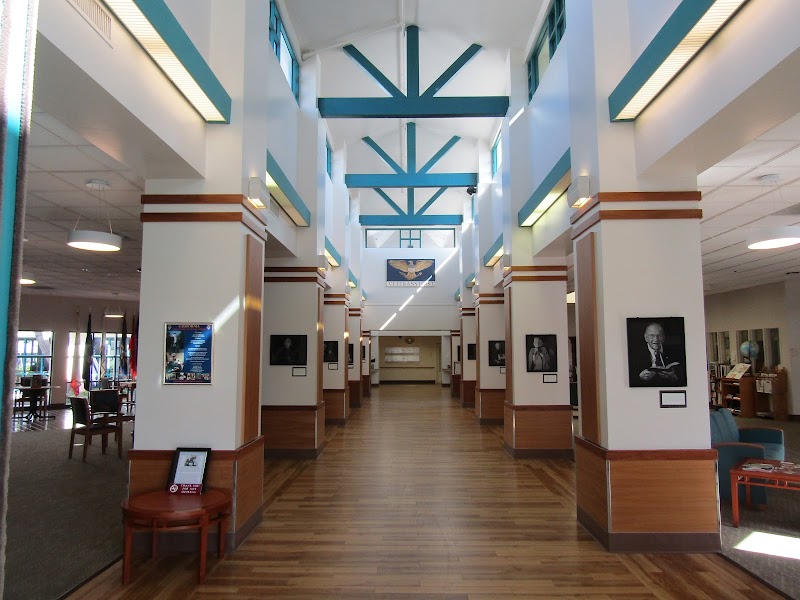
How Does Veterans Home Of California - Chula Vista Compare to Other California Nursing Homes?

Compared to the 100 nursing homes in California, VETERANS HOME OF CALIFORNIA - CHULA VISTA's overall rating (4 stars) is above the state average of 3.2, staff turnover (18%) is significantly lower than the state average of 46%, and health inspection rating (3 stars) is at the national benchmark.

What Should Families Ask When Visiting Veterans Home Of California - Chula Vista?

Based on this facility's data, families visiting should ask: "Can I visit during a mealtime to observe dining assistance and food quality?" "How do you handle medical emergencies, and what is your hospital transfer rate?" "Can I speak with family members of current residents about their experience?"

Is Veterans Home Of California - Chula Vista Safe?

Based on CMS inspection data, VETERANS HOME OF CALIFORNIA - CHULA VISTA has a clean safety record: no substantiated abuse findings (meaning no confirmed cases of resident harm), no Immediate Jeopardy citations (the most serious violation level indicating risk of serious injury or death), and is not on the Special Focus Facility watch list (a federal program monitoring the lowest-performing 1% of nursing homes). The facility has a 4-star overall rating and ranks #1 of 100 nursing homes in California. While no facility is perfect, families should still ask about staff-to-resident ratios and recent inspection results during their visit.

Do Nurses at Veterans Home Of California - Chula Vista Stick Around?

Staff at VETERANS HOME OF CALIFORNIA - CHULA VISTA tend to stick around. With a turnover rate of 18%, the facility is 28 percentage points below the California average of 46%. Low turnover is a positive sign. It means caregivers have time to learn each resident's needs, medications, and personal preferences. Consistent staff also notice subtle changes in a resident's condition more quickly. Registered Nurse turnover is also low at 15%, meaning experienced RNs are available to handle complex medical needs.

Was Veterans Home Of California - Chula Vista Ever Fined?

VETERANS HOME OF CALIFORNIA - CHULA VISTA has been fined $8,018 across 1 penalty action. This is below the California average of $33,159. While any fine indicates a compliance issue, fines under $50,000 are relatively common and typically reflect isolated problems that were subsequently corrected. Families should ask what specific issues led to these fines and confirm they've been resolved.

Is Veterans Home Of California - Chula Vista on Any Federal Watch List?

VETERANS HOME OF CALIFORNIA - CHULA VISTA is not on any federal watch list. The most significant is the Special Focus Facility (SFF) program, which identifies the bottom 1% of nursing homes nationally based on persistent, serious quality problems. Not being on this list means the facility has avoided the pattern of deficiencies that triggers enhanced federal oversight. This is a positive indicator, though families should still review the facility's inspection history directly.