MORNING STAR POST ACUTE

111 BARSTOW AVE., CLOVIS, CA 93612 (559) 299-2591
For profit - Limited Liability company 57 Beds BAYSHIRE SENIOR COMMUNITIES Data: November 2025
Trust Grade
48/100
#635 of 1155 in CA
Last Inspection: December 2024

Within standard 12-15 month inspection cycle. Federal law requires annual inspections.

Overview

Morning Star Post Acute in Clovis, California has a Trust Grade of D, which indicates that the facility is below average and has some concerns that families should be aware of. It ranks #635 out of 1155 facilities in California, placing it in the bottom half overall, and #15 out of 30 in Fresno County, meaning there are better options nearby. The facility is showing signs of improvement, having reduced its issues from 9 in 2024 to 3 in 2025. Staffing ratings are below average at 2 out of 5 stars, with a turnover rate of 44%, which is about average for the state. While the facility has also incurred $7,443 in fines, which is typical for the area, it has strong RN coverage, meaning there are more registered nurses available than in many other facilities, helping to catch potential issues early. However, specific incidents of concern include a failure to act on a resident's critical health changes, leading to severe complications, and inadequate supervision that resulted in a resident suffering a fall and subsequent fractures. Additionally, there have been issues with food safety in the kitchen, raising worries about sanitation. Overall, while there are strengths, particularly in RN coverage, families should carefully consider these significant weaknesses when evaluating this facility.

Trust Score
D
48/100
In California
#635/1155
Bottom 46%
Safety Record
Moderate
Needs review
Inspections
Getting Better
9 → 3 violations
Staff Stability
○ Average
44% turnover. Near California's 48% average. Typical for the industry.
Penalties
✓ Good
$7,443 in fines. Lower than most California facilities. Relatively clean record.
Skilled Nurses
⚠ Watch
Each resident gets only 27 minutes of Registered Nurse (RN) attention daily — below average for California. Fewer RN minutes means fewer trained eyes watching for problems.
Violations
⚠ Watch
45 deficiencies on record. Higher than average. Multiple issues found across inspections.
★★★☆☆
3.0
Overall Rating
★★☆☆☆
2.0
Staff Levels
★★★★★
5.0
Care Quality
★★☆☆☆
2.0
Inspection Score
Stable
2024: 9 issues
2025: 3 issues

The Good

  • 5-Star Quality Measures · Strong clinical quality outcomes
  • Full Sprinkler Coverage · Fire safety systems throughout facility
  • No fines on record
  • Staff turnover below average (44%)

    4 points below California average of 48%

Facility shows strength in quality measures, fire safety.

The Bad

3-Star Overall Rating

Near California average (3.1)

Meets federal standards, typical of most facilities

Staff Turnover: 44%

Near California avg (46%)

Typical for the industry

Federal Fines: $7,443

Below median ($33,413)

Minor penalties assessed

Chain: BAYSHIRE SENIOR COMMUNITIES

Part of a multi-facility chain

Ask about local staffing decisions and management

The Ugly 45 deficiencies on record

2 actual harm
Sept 2025 1 deficiency 1 Harm
SERIOUS (G) 📢 Someone Reported This

A family member, employee, or ombudsman was alarmed enough to file a formal complaint

Actual Harm - a resident was hurt due to facility failures

Notification of Changes (Tag F0580)

A resident was harmed · This affected 1 resident

**NOTE- TERMS IN BRACKETS HAVE BEEN EDITED TO PROTECT CONFIDENTIALITY** Based on interview and record review, the facility failed to recognize and appropriately act on the clinical change in condition...

Read full inspector narrative →
**NOTE- TERMS IN BRACKETS HAVE BEEN EDITED TO PROTECT CONFIDENTIALITY** Based on interview and record review, the facility failed to recognize and appropriately act on the clinical change in condition for one of three residents, (Resident 1), when: Nursing staff did not notify the physician on 9/12/25 for abnormal blood lab results. Nursing staff did not notify the physician on 9/13/25 for Resident 1's low blood pressure of 91/55 millimeters of mercury (mmHg- unit of measurement), (normal BP 120/80), elevated heart rate (HR) 116 beats per minute (bpm), (normal range 60-100 bpm). Nursing staff did not recognize and act on the clinical decline of Resident 1 on 9/14/25 when Resident 1 had altered mental status, was weaker than normal, had declined in communication, exhibited shortness of breath and distress, with a BP 86/64 mmHg, HR 118 bpm, temperature 99.2 Fahrenheit (F-unit of measurement) and Oxygen saturation (amount of oxygen in the blood) 75% (normal range 95%-100%). These failures resulted in the grandson (GS) of Resident 1 bringing a change in Resident 1's condition to the attention of the nursing staff. This led to avoidable emergency transport to the local acute care hospital (ACH) emergency department and an admission from September 14 through October 3, 2025. During the hospitalization, Resident 1 was diagnosed with potentially avoidable sepsis (a life-threatening condition that occurs when the body's immune system overreacts to an infection) and acute kidney injury (AKI- when the kidneys suddenly are not able to filter waste products from the blood), which required admission to the intensive care unit (ICU-refers to specialized hospital unit that provides close monitoring and critical care to patients with life-threatening conditions). During a review of Resident 1's admission Record (a summary of important information regarding a patient, which include patient identification, past medical history, insurance status, care provider, family contact information and other pertinent information), the admission Record indicated, Resident 1 was admitted to the facility on [DATE] with diagnoses including hemiplegia (total paralysis of the arm, leg and trunk on the same side of the body), hemiparesis (weakness on one side of the body), cerebral infarction (stroke-when part of the brain was damaged, because it did not get enough blood and oxygen), dysphagia (when a person had trouble using language because of brain damage, often from a stroke) and diabetes mellitus (a disease where the body had trouble controlling the amount of sugar (glucose) in the blood. During a review of Resident 1's Minimum Data Set (MDS-resident assessment tool which indicates physical and cognitive abilities), the MDS indicated a Brief Interview for Mental Status (BIMS-an assessment of cognitive function) score of 11 (0-7 severe cognitive impairment, 8-12 moderate cognitive impairment, 13-15 no cognitive impairment) indicating Resident 1 had moderate cognitive impairment.During an interview on 9/16/25 at 10:04 a.m., with Adult Protective Services Representative (APS- a public social program services that receives and investigates reports of abuse, neglect, in vulnerable adults), the APS Representative stated she received a call from Resident 1's grandson (GS) on 9/15/25. The APS Representative stated GS reported on 9/14/25, GS visited the facility and found Resident 1 warm to touch, and unresponsive. GS requested staff to check Resident 1's temperature which was recorded at 99 F (Fahrenheit-a temperature [normal range 97.7-98F] scale). The APS Representative stated the staff told GS since the temperature was only 99 F, there was no need to call 911. During an interview on 9/16/25 at 12:54 p.m., with the GS, the GS stated Resident 1 was admitted in the facility for acute rehabilitation (an intensive, goal-oriented therapy that begins soon after a severe injury or illness to help patients regain function and independence) after hospitalization for a stroke (occurs when blood flow to the brain is interrupted). The GS stated, on 9/14/25, between 3 and 4 p.m., he arrived at the facility and observed Resident 1 sitting up in bed with her head tilted back in an uncomfortable position, unresponsive, unable to speak, and felt hot to touch. The GS stated he requested assistance to check Resident 1's temperature. The GS stated the charge nurse took Resident 1's temperature, which was 99 F, but dismissed the findings, stating it was only 99. The GS stated he requested staff to call 911 three times while staff obtained Resident 1's oxygen saturation, which was 75%. The GS stated Resident 1 was transferred to an acute care hospital and later diagnosed with sepsis secondary to urinary tract infection (UTI- infection in the bladder). During an interview on 9/17/25 at 9:18 a.m. with the Director of Nursing (DON), the DON stated the GS of Resident 1 had visited the facility on 9/14/25. The DON reported GS was very upset and requested Resident 1 be sent to the hospital. The DON confirmed Resident 1 was sent to the hospital following his request. During a record review of Resident 1's Acute Care Hospital document titled ED [Emergency Department] Provider Notes (EPN) dated 9/14/25, the EPN indicated, Chief Compliant: Altered Mental Status (AMS hot and tachycardic [elevated HR].). [AGE] year old Spanish speaking female with a medical history of CVA [cerebrovascular accident - blood flow to the brain is interrupted, causing brain cells to die] with left side deficits [weakness on the left side of the body], HTN [hypertension- high blood pressure]. BIBA [brought in by ambulance] due to AMS . At 1600 [4p.m.] today. patient was coming from SNF [skilled nursing facility] where grandson stated he noted patient being altered. EMS [emergency medical services] states that nursing staff last rounded at 1430 [2:30 p.m.] and did not report that patient is altered. HR was 118. BP was 86/64. the patient was hot to touch. Patient was placed on O2 [oxygen] en route [on the way] . Sepsis: Per my clinical assessment, patient has sepsis. During a record review of Resident 1's Acute Care Hospital document titled ED [Emergency Department] Provider Notes (EPN) dated 9/14/25, the EPN indicated, Critical Care. Performed by: [name of physician] Critical care provider statement. Critical care time exclusive of: Bedside assessment. Due to the patient's unstable presentation, the patient required my immediate attention and intervention. I had to stop attending other patients to immediately assess the patient. Critical care was necessary to treat or prevent imminent or life-threatening deterioration of the following conditions: Sepsis (AKI [Acute Kidney Injury, Hyperkalemia [a condition where the potassium level in the blood is too high] . During a record review of Resident 1's Acute Care Hospital document titled Critical Care Progress Notes (CCPN) dated 9/16/25, the CCPN indicated, . This patient is critically ill.On admission, patient was diagnosed with pyelonephritis (an infection of the upper urinary tract, caused by bacteria that ascend from the bladder) in the ED. Despite administration of three liters of crystalloid fluids (an intravenous [IV-into the veins] solution containing water, and electrolytes that can easily pass from the blood stream into the tissues), the patient's hemodynamic status failed to improve. and acute kidney injury with elevated BUN [blood urea nitrogen-waste product when the body breakdowns protein] (62 mg/dl[milligrams per deciliter-unit of measurement]) and creatinine (a normal waste product of the body) (1.89 mg/dl). Urinalysis consistent with urinary tract infection.admitted to the intensive care unit for further management of septic shock (a life-threatening condition that happens when your blood pressure drops to a dangerously low level after an infection) secondary to pyelonephritis [infection of the kidneys] . During an interview on 9/17/25 at 11:59 a.m., with Certified Nursing Assistant (CNA) 2, CNA 2 stated she was familiar with Resident 1, having provided care to her when she was initially admitted to the facility. CNA 2 described Resident 1 as a Spanish-speaking resident who had been unable to use her left side and often experienced pain in her left arm due to a skin tear. Although Resident 1 had required assistance with mobility, she had typically been able to assist with turning onto her right side. CNA 2 reported she had worked the P.M. (2:00p.m.-10:30p.m.) shift on 9/14/25. At the beginning of her shift, she had checked Resident 1 and observed that Resident 1 had been asleep. Later during the shift, Resident 1's GS arrived. CNA 2 observed GS speaking to Resident 1 and repositioning her in the bed. CNA 2 stated the GS had then left the room, gone to the nurse's station, and expressed concern, stated that Resident 1 had not been like that the day before. CNA 2 stated Resident 1's vital signs had been obtained, with a temperature of 99.2F and an oxygen saturation level of 75%. Oxygen had been applied, and her oxygen level had improved to 96%. CNA 2 stated Resident 1 had appeared weaker than her normal baseline, had shown changes inher communication, had appeared to be in distress, and had experienced shortness of breath. CNA 2 also stated Resident 1 had been unable to assist with turning, as she normally would have. CNA 2 reported the GS had appeared very concerned and had repeatedly requested that 911 be called. Although the nursing staff had initially indicated they would continue to monitor Resident 1, 911 had ultimately been contacted. During an interview on 9/17/25 at 12:32 p.m., with License Vocational Nurse (LVN) 1, LVN 1 stated on 9/14/25 [EJ10] she worked the p.m. shift (2 p.m.-10:30 p.m.) and was assigned to Resident 1. LVN 1 stated she had cared for Resident 1 previously. LVN 1 stated Resident 1was normally alert with mild confusion, Spanish speaking, able to communicate, able to engage, make eye contact, and was able to use the call light. LVN 1 stated on 9/14/25 during the handoff (the real-time process of a nurse giving detailed, essential patient-specific information, responsibility, and authority to another nurse or team for the purpose of ensuring patient safety and care continuity) from the day shift nurse, Resident 1 was asleep, and no concerns were reported. LVN 1 stated at around 4 p.m., she heard a nurse call for her, reporting Resident 1's family was at the nurse's station and had concerns. LVN 1 stated she went to Resident 1's room. LVN 1 stated when she assessed Resident 1 her oxygen saturation was low and improved to 96%-97% after oxygen was applied. LVN 1 stated Resident 1 was not at her baseline (BIMS of 11) when first assessed, appeared weaker than usual, and had impaired alertness. LVN 1 stated the GS was upset and requested 9-1-1 to be called three to four times. LVN 1 stated Resident 1 was transported to ACH and was not alert at the time of transport. During an interview on 9/17/25 at 2:24 p.m. with CNA 3, CNA 3 stated on 9/14/25, during the day shift (6:00 a.m. to 2:30 p.m.) she was assigned to Resident 1. CNA 3 stated during the first few rounds after breakfast, Resident 1 was quiet and slow to respond, and appeared to be in pain. CNA 3 stated before lunch, Resident 1 requested to call her daughter. CNA 3 stated Resident 1 spoke with her daughter and reported she did not feel well, and her arm hurt . CNA 3 stated she informed the nurse Resident 1 was requesting pain medication .During a concurrent interview and record review on 9/17/25 at 3:21 p.m. with Licensed Vocational Nurse (LVN) 1, Resident 1's Progress notes (PN) were reviewed. The PN indicated on: On 9/10/2025 Resident 1's vitals signs were as follow: BP 101/59 mmHg, T 98.4, HR 114 bpm, Resp [respiratory- the number of breaths a person takes in one minute] 19. On 9/11/2025 no resident assessment (a medical check done for someone living in a care facility to understand their health and needs) was conducted. On 9/12/25 no resident assessment was conducted. On 9/13/25 Resident 1's vital signs were as follows: BP 91/55 mmHg, T 97.3F, HR 116 bpm, resp 18. Resident 1 was oriented to person, breathing normally, with redness to the perineal area (part of the body between the thighs). On 9/14/25 at 9:15 a.m. Resident 1's vital signs were as follows: BP 105/63, T 97.4 F, HR 64, resp 18, and O2 [oxygen] 95% on room air. Resident 1 was alert to self , breathing normal, with redness to the perineal area. On 9/14/25 at 7:38 p.m. Resident 1 had altered mental status (AMS), difficulty speaking, elevated temperature 99.2 F and Oxygen dropped to 75%. Resident 1 was sent to ACH. During a concurrent interview and review of Resident 1's electronic health record on 9/17/25 at 3:21p.m. with LVN 1, LVN 1 stated the facility protocol was to complete a resident assessment daily. LVN 1 stated Resident 1's daily assessment was not completed on 9/11/25 and 9/12/25 and should have been done to detect subtle or sudden changes in resident condition to ensure timely medical interventions. LVN 1 stated Resident 1's low blood pressure of 91/55 and a HR of 116 should have been communicated to the physician by the nurse to ensure timely interventions. During a concurrent interview and record review on 9/17/25 at 3:40 p.m., with LVN 1, Resident 1's Lab Result Report (LRP) dated 9/12/25 was reviewed. The LRP indicated, WBC 17.930 H [high]. BUN 45 mg/dl H [high-indicates that the kidneys may not be functioning properly] . LVN 1 stated as part of the facility's standard protocol for new admissions was to collect basic laboratory (lab) after 3 - 4 days of admission. LVN 1 stated the lab results were received on 9/12/25 at 12:31 p.m., showing an elevated WBC of 17.930, indicating an infection process. LVN 1 stated the physician was not notified of the abnormal lab results and the delay could have contributed to Resident 1's decline on 9/14/25. LVN 1 stated the physician should have been notified of the elevated WBC. During a concurrent interview and record review on 9/17/25 at 4:19 p.m. with the Director of Nurses (DON), the facility's policy and procedure P&P titled Blood Pressure Measuring, revised 9/2010 was reviewed. The P&P indicated, hypotension is defined as blood pressure less than 100/60.hypotension [a condition where the BP is abnormally low] should be reported to the physician. Staff should record several readings throughout the day, including before and after meals. The DON stated the nurse should have notified the physician when Resident 1's BP was 91/55 mmHg with a HR of 116 on 9/13/25, and with an elevated WBC at 17.930, but it was not reported to the physician. The DON stated the nurse should have rechecked Resident 1's BP and HR to confirm accuracy and ensure a safe clinical decision to prevent serious adverse outcomes. The DON stated the daily resident assessment should have been completed to detect early changes in resident's condition and communicated promptly with the physician to ensure timely medical interventions and that was not done for Resident 1. During an interview on 9/19/25 at 11:28 a.m. with Registered Nurse (RN) 1, RN 1 stated she was the nurse assigned to Resident 1 on 9/12/25. RN 1 stated she did not complete Resident 1's daily assessment on 9/12/25. RN 1 stated she should have completed the daily assessment to detect early changes in Resident 1's condition. RN 1 stated she received Resident 1's elevated WBC result of 17.930 on 9/12/25 but did not notify the physician. RN 1 stated the delay of notifying the physician could have contributed to Resident 1's development of sepsis on 9/14/25. RN 1 stated sepsis was an infection process that spreads rapidly to organs in the body, especially in vulnerable residents like Resident 1. During an interview on 10/7/25 at 11:04 a.m. with the GS, the GS stated Resident 1 was discharged from the hospital with Home Health services (a medically necessary skilled care provided by qualified professional in a patient's residence). The GS stated Resident 1 had been hospitalized for approximately one month and was just recently discharged on 10/3/25. The GS stated Resident 1 was still recovering from the infection. During a review of R1's Acute Care Hospital document titled Progress Notes (PN) dated 9/30/25, the PN indicated, Patient is medically discharged . Septic shock, resolved. UTI . AKI, resolved. During a review of the facilities policy and procedure (P&P) titled, Change in a Resident's Condition or Status, revised 11/2015, the P&P indicated, 1. The Nurse Supervisor/Charge Nurse will notify the resident's attending physician or on-call physician when there has been d. a significant change in the resident's physical/emotional/mental condition.2. A significant change of condition is a decline or improvement in the resident's status that: a. will not normally resolve itself without intervention by staff or by implementing disease-related clinical interventions b. impacts more than one area of the resident's health status, d. ultimately is based on the judgement of the clinical staff. During a review of the facilities policy and procedure (P&P) titled, Vital Signs, dated 2022, the P&P indicated, nurse aids may be assigned responsibility for obtaining routine vital signs and reporting abnormal findings to the nurse.licensed nurses are responsible for knowing the usual range of a residents vital signs, analyzing and interpreting routine vital signs and notifying the physician of abnormalfindings.4. Acceptable ranges for adults b. pulse 60-100 beats per minute d. blood pressure: average <120/ <80 . During a review of the facilities policy and procedure (P&P) titled, Laboratory Services and Reporting, revised 9/2022, the P&P indicated, promptly notify the ordering physician assistant, nurse practitioner, or clinical nurse specialist of laboratory results that fall outside the clinical reference range. During a review of the facilities policy and procedure (P&P) titled, Resident Examination and Assessment, revised 2/2014, the P&P indicated, the purpose of this procedure is to examine and assess the resident for any abnormalities in health status, which provides a basis for the care plan.Reporting 2. Notify the physician of any abnormalities such as, but not limited to a. abnormal vital signs, 3. Report other information in accordance with facility policy and professional standards of practice. During a review of a professional reference from https://pathwayhealth.com/change-of-condition-the-quiet-signal-that-demands-a-loud-response/ titled Change of Condition: The Quiet Signal That Demands a Loud Response dated 5/28/25, the professional reference indicated, In the fast-paced world of clinical care, it's often the quietest signs that speak the loudest. A resident who suddenly seems more withdrawn. A subtle shift in appetite. A new complaint of pain. These aren't just passing moments, they could be the first indicators of a Change of Condition (COC), and your clinical instincts are the first line of defense. As nurses, CNAs, and interdisciplinary team members , your ability to recognize and act on these changes is critical-not just for compliance with CMS and RAI guidelines , but for the safety, dignity, and outcomes of the people you care for. This article is your guide to understanding what qualifies as a COC, how to document it effectively, and why your role in this process is not just important, it's essential. Why Early Detection Matters. Early detection of a Change of Condition can be the difference between a manageable intervention and a medical emergency. When clinical staff identify subtle changes early-before they escalate into acute issues, residents benefit from faster treatment, fewer hospital transfers, and better overall outcomes. It also allows the care team to adjust care plans proactively, reducing stress for residents and families alike. During a review of a professional reference from https://www.ahrq.gov/patient-safety/settings/long-term-care/resource/facilities/ltc/gdmod1.html titled Improving Patient Safety in Long-Term Care Facilities the professional reference indicated, . A change in a resident's condition may mean that he or she is at risk. Action can be taken only if changes are noticed and reported, the earlier the better. Changes that are not reported can lead to serious outcomes, including medical complications, transfer to a hospital, or even death. In order to identify a change in condition and know when to report it, staff need to understand what is normal (baseline) for a particular resident's condition when he or she first comes into the nursing center, and over time after that. Armed with this information, staff will be able to identify changes and decide which ones need to be reported to others on the care team.
Aug 2025 1 deficiency
CONCERN (D) 📢 Someone Reported This

A family member, employee, or ombudsman was alarmed enough to file a formal complaint

Potential for Harm - no one hurt, but risky conditions existed

Deficiency F0658 (Tag F0658)

Could have caused harm · This affected 1 resident

**NOTE- TERMS IN BRACKETS HAVE BEEN EDITED TO PROTECT CONFIDENTIALITY** Based on interview and record review, the facility failed to provide services which met professional standards of practice for t...

Read full inspector narrative →
**NOTE- TERMS IN BRACKETS HAVE BEEN EDITED TO PROTECT CONFIDENTIALITY** Based on interview and record review, the facility failed to provide services which met professional standards of practice for two of the five sampled residents (Resident 1, and Resident 5) when Resident 1 and Resident 5's medications were not available, and the license nurse did not notify the physician the medications were not administered. This failure had the potential risk for Resident 1 and Resident 5 to experience worsening of existing health conditions and delayed medical response. During a record review on 8/7/25 at 11:47 a.m. with the Licensed Vocational Nurse (LVN) at the nurses' station, Resident 1's admission Record (AR- a document that provides resident contact details, a brief medical history, level of functioning, preferences, and wishes), dated 8/7/25 was reviewed. The AR indicated Resident 1 was admitted [DATE] with diagnoses of left knee osteoarthritis (a degenerative joint disease, in which the tissues in the joint break down over time), asthma (a chronic lung disease caused by inflammation and muscle tightening around the airways making it hard to breathe), hypertensive heart disease (problems with your heart that can develop if you have high blood pressure), hypothyroidism (thyroid gland doesn't make enough thyroid hormone), attention-deficit (not being able to keep focus), hyperactivity (excess movement that is not fitting to the setting) disorder, hyperlipidemia (high cholesterol), major depressive disorder (persistent feeling of sadness and loss of interest), anxiety (differ from normal feelings of nervousness or anxiousness and involve excessive fear or anxiety) disorder and dry eye syndrome. During a concurrent interview and record review on 8/7/25 at 11:50 a.m. with the LVN, Resident 1's MAR dated 7/2025 was reviewed. The MAR indicated the Gabapentin (medication used to treat epilepsy [a brain condition that causes abnormal brain electrical activities]) 600 milligrams (mg-unit of measurements) tablet - give 2 tablets by mouth at bedtime for pain, Nortriptyline Hydrochloride (medication used to treat depression and its commonly prescribed for various pain) 10 mg capsule- give 10 mg by mouth at bedtime for depression, Sertraline Hydrochloride (medication used to treat depression and panic disorder) 100 mg tablet - give 100 mg by mouth at bedtime for depression and Icosapent ethyl (omega-3 fatty acids) 1gm capsule-give 1 capsule by mouth two times a day for HLD (hyperlipidemia-abnormal high levels of fats), all scheduled to start on 7/10/25, were not administered due to pending pharmacy delivery. The LVN stated when medications are unavailable and not given, the licensed nurse (LN) should have notified the physician so the physician could decide whether Resident 1 can skip the dose, needs an alternative medication, or should go to the hospital. The LVN stated she could not find any documentation the LN notified the provider. The LVN stated failure to follow the facility's unavailable medication procedure could put Resident 1 at risk for worsening chronic conditions. During a review of Resident 5's admission Record (AR- a document that provides resident contact details, a brief medical history, level of functioning, preferences, and wishes), dated 8/7/25, the AR indicated Resident 5 was admitted to the facility on [DATE] with diagnoses: right knee effusion (fluids in the tissues around your joint causing swelling), right knee arthritis (joint inflammation), anxiety disorder(differ from normal feelings of nervousness or anxiousness and involve excessive fear or anxiety), irritable bowel syndrome (a common condition characterized by abdominal discomfort associated with altered bowel movements), and pain. During a review of Resident 5's MAR dated July 2025, the MAR indicated 7/19/25 Brimonidine Tartrate Ophthalmic Solution 0.2% (medication used to lower eye pressure by reducing fluid production in the eye) instill 1 drop in both eyes two times a day for eye lubricant at 18:00 [6 p.m.].Latanoprost Solution 0.0005% (medication used to lower eye pressure by increasing fluid outflow from the eye) instill 1 drop in both eyes at bedtime for eye lubricant at 20:00 [8 p.m.]. were held. During a review of Resident 5's Progress Note dated 7/19/25 indicated Brimonidine Tartrate Ophthalmic Solution and Latanoprost Solution 0.005% were pending delivery. During an interview on 8/7/25 at 2:37 p.m. with the Registered Nurse (RN), the RN stated when medications were not available, the LN would call the pharmacy to find out when the medications would be delivered. The RN stated if medications were not given, the LN would document in the MAR and progress note. The RN stated if medications ordered were new and the facility was awaiting pharmacy to deliver the medications; the LN did not need to notify the physician. During an interview on 8/14/25 at 3:15 p.m. with the Director of Nursing (DON), the DON stated the LN should have notified the physician when medications are unavailable and not given. The DON stated the nurse should have called the physician to report the medications were not available so the physician could decide if an alternative medication was needed. The DON stated the LN placed the residents at risk for worsening chronic health conditions by not reporting to the physician the medications were not given. The DON stated notifying the physician of medications not available and not given was standard practice. During a review of the facility's policy and procedure (P&P) titled, 7.0 Medication Shortages/Unavailable Medications, dated 8/01/24, the P&P indicated 5. If the medication is unavailable from Pharmacy or third-party Pharmacy, and cannot be supplied from the manufacturer, facility should obtain alternate Physician/Prescriber orders, as necessary. 6. If the medication is unavailable from the Pharmacy.Facility should collaborate with Pharmacy and Physician/Prescriber to determine a suitable therapeutic alternative. 7. If Facility nurse is unable to obtain a response from the attending Physician/Prescriber in a timely manner, Facility nurse should notify the nursing supervisor and contact Facility's Medical Director for alternate orders/directions, making sure to explain the circumstances of the medication shortage.9. When a missed does is unavoidable, Facility nurse should document the missed dose, and the explanation for such missed dose, on the MAR (Medication Administration Record) or TAR (Treatment Administration Record) and the nurse's notes per Facility policy.During a review of the National Library of Medicine Professional Referenced titled, Nursing Rights of Medication Administration, published 4/4/23, (found at https://www.ncbi.nlm.nih.gov/books/NBK560654/) the reference indicated, .Right time-administering medications at a time that was intended by the prescriber.A guiding principle of this ‘right' is that medications should be prescribed as closely to the time as possible, and nurses should not deviate from this time by more than half an hour to avoid consequences such as altering bioavailability of other chemical mechanisms.
Jun 2025 1 deficiency
CONCERN (D) 📢 Someone Reported This

A family member, employee, or ombudsman was alarmed enough to file a formal complaint

Potential for Harm - no one hurt, but risky conditions existed

Deficiency F0658 (Tag F0658)

Could have caused harm · This affected 1 resident

**NOTE- TERMS IN BRACKETS HAVE BEEN EDITED TO PROTECT CONFIDENTIALITY** Based on interview and record review, the facility failed to follow professional standards practice and the facility's policy an...

Read full inspector narrative →
**NOTE- TERMS IN BRACKETS HAVE BEEN EDITED TO PROTECT CONFIDENTIALITY** Based on interview and record review, the facility failed to follow professional standards practice and the facility's policy and procedure for one of four sampled residents (Resident 1) when Resident 1 was not administered medications as ordered by the physician on 5/23/25. This failure had the potential for Resident 1 to experienced worsening chronic conditions, health deterioration, re-hospitalization and or death. Findings: During a concurrent interview and record review on 6/12/25 at 3:33 p.m. with Licensed Vocational Nurse (LVN 2) at the nursing station, Resident 1's Medication Administration Record (MAR) and Progress Notes dated 5/23/25 were reviewed. The MAR, dated 5/23/25 at 9 a.m. indicated Resident 1 did not receive Allopurinol for gout (a type of inflammatory arthritis that causes pain and swelling in your joints, usually as flares that last for a week or two, and then resolve) , Duloxetine for depression (feelings of sadness don't go away and can get in the way of your everyday life), Empagliflozin for Diabetes Mellitus Type 2 Mellitus (DM2- a condition where your body does not use a hormone that helps move sugar from your blood into your cells for energy properly), Linagliptin for DM2, and Rifaximin for cirrhosis (a type of liver damage where healthy cells are replaced by scar tissue ) due to code 11 which indicated the medication was not available. The Progress Notes (PN) dated 5/23/25 indicated the Licensed Nurse (LN) did not document the provider was notified of Resident 1's missed medication dose. LVN 2 stated when a medication is unavailable and cannot be administered, the nurse was required to notify the prescribing physician so appropriate actions can be taken, such as ordering a substitute medication or directing staff to monitor Resident 1 for change of conditions. LVN 2 stated this failure could place Resident 1 at risk for worsening of chronic medical condition, overall health decline, increased chances of rehospitalization, or even death. LVN 2 stated the licensed nurse did not follow facility's policies and procedure for missed medication. During a review of Resident 1's admission Record (AR- a document that provides resident contact details, a brief medical history, level of functioning, preferences, and wishes), dated 6/13/25, the AR indicated Resident 1 was admitted to the facility on [DATE] with diagnoses: encephalopathy (a disturbance of brain function that causes confusion, memory loss and coma in severe cases ), DM2, other liver cirrhosis, chronic gout, anxiety disorder (differ from normal feelings of nervousness or anxiousness and involve excessive fear or anxiety), and recurrent Major Depressive Disorder. During a review of Resident 1's Minimum Data Set assessment tool (MDS- resident assessment tool which indicated physical and cognitive abilities), dated 5/22/25, the MDS indicated a Brief Interview for Metal Status (BIMS- an assessment of cognitive function (a mental process such as memory, language, or problem-solving that helps someone to think and process information) score of 14 (0-7 severe cognitive impairment, 8-12 moderate cognitive impairment, 13-15 no cognitive impairment), indicating Resident 1 had no cognitive impairment. During a concurrent interview and record review on 6/12/25 at 4:57 p.m. with the Director of Staff Development (DSD) in the DSD's office, Resident 1's MAR and Progress Notes dated 5/23/25 were reviewed. The MAR, dated 5/23/25 at 9 a.m. indicated Resident 1 did not receive Allopurinol for gout, Duloxetine for depression, Empagliflozin for Diabetes Mellitus Type 2 Mellitus, Linagliptin for DM2, and Rifaximin for cirrhosis due to code 11 which indicated the medication was not available. The PN dated 5/23/25 indicated the LN did not document the provider was notified of Resident 1's missed medication dose. The DSD stated the LN should have notified the physician of the missed dose and documented the communication with the physician but did not. The DSD stated when a medication dose was missed and the provider was not informed, Resident 1 might not maintain the correct therapeutic drug level (the specific amount or concentration of a drug or medicine that needs to be present in a person's bloodstream to produce the desired positive effect). The DSD stated this could lead for Resident 1's chronic health condition becoming worse. The DSD stated the LN did not follow the facility's policies and procedure for missed medication dose. During a review of the facility's policy and procedure titled, Administering Medications, revised 12/2012, the policy indicated 3. Medications must be administered in accordance with the orders, including any required time frame. 4. Medications must be administered within one (1) hour of their prescribed time . During a review of the facility's P&P titled, IF11: Unavailable Medications not dated, the P&P indicated B. Nursing staff shall: 1) Notify the attending physician of the situation and explain the circumstances, expected availability and optional therapy(ies) that are available. a. If the facility nurse is unable to obtain a response from the attending physician, the nurse should notify the nursing supervisor and contact the Facility Medical Director for orders and/or direction. 2) Obtain a new order and cancel/discontinue the order for the non-available medication. 3) Notify the pharmacy of the replacement order. During a review of the National Library of Medicine Professional Referenced titled, Nursing Rights of Medication Administration, published 4/4/23, (found at https://www.ncbi.nlm.nih.gov/books/NBK560654/) the reference indicated, .Right time-administering medications at a time that was intended by the prescriber .A guiding principle of this 'right' is that medications should be prescribed as closely to the time as possible, and nurses should not deviate from this time by more than half an hour to avoid consequences such as altering bioavailability of other chemical mechanisms .
Dec 2024 9 deficiencies
CONCERN (D)

Potential for Harm - no one hurt, but risky conditions existed

Deficiency F0658 (Tag F0658)

Could have caused harm · This affected 1 resident

**NOTE- TERMS IN BRACKETS HAVE BEEN EDITED TO PROTECT CONFIDENTIALITY** Based on observation, interview and record review, the facility failed to provide services which met the professional standards ...

Read full inspector narrative →
**NOTE- TERMS IN BRACKETS HAVE BEEN EDITED TO PROTECT CONFIDENTIALITY** Based on observation, interview and record review, the facility failed to provide services which met the professional standards of practice of care for one of 13 sampled residents (Resident 14) when Licensed Vocational Nurse (LVN) 2 allowed Resident 14 to self-administer her two inhaler (a device used to give medications in the form of a spray that is breathed in through the mouth) not following their own policy and procedure of self-administration of medication. This failure had the potential for Resident 14 to not received the correct medication dose as ordered by the physician. Findings: During a review of Resident 14's clinical record titled admission Record (AR-a medical document which contains resident's medical history, current health status, diagnosis, medications, and legal documents), dated 12/6/24, indicated Resident 14 was admitted to the facility on [DATE] with diagnoses which included Chronic Obstructive Pulmonary Disease (COPD-a chronic lung disease causing difficulty breathing) and asthma (chronic lung disease that causes swelling and tightening of the muscles around the airways, making breathing difficult). During a review of Resident 14's Minimum Data Set (MDS-a federally mandated resident assessment tool) assessment dated [DATE], indicated Resident 14's Brief Interview for Mental Status (BIMS-screening tool used in nursing home to assess cognition) assessment score was 14 out of 15 (0-15 scale [0-6 severe cognitive deficit, 7-12 moderate cognitive deficit, 13-15 no cognitive deficit]) indicating Resident 14 had no cognitive deficit. During a review of Resident 14's Order Summary Report (OSR), dated 12/6/24m the OSR indicated, . Budesonide-Formoterol Fumarate Inhalation Aerosol [medication use to treat asthma and COPD] inhale orally two times a day . Tiotropium Bromide Monohydrate Inhalation [medication use to treat asthma and COPD] . 1 (one) puff inhale orally one time a day . During an observation on 12/6/24 at 10:40 a.m. in the east wing hallway with LVN 2, LVN 2 prepared Resident 14's medications. LVN 2 entered Resident 14's room, Resident 14 was sitting up in her wheelchair. LVN 2 proceeded to administer Resident 14's oral medications. LVN 2 proceeded and gave Resident 14 her budesonide-formoterol fumarate (prescription medication used to treat COPD) and tiotropium bromide monohydrate inhalers (prescription medication used to treat asthma). Resident 14 pumped the dose of her inhaler in her mouth. During an interview on 12/10/24 at 1:55 p.m. with Infection Preventionist (IP), the IP stated residents are allowed to self-administer medications only after completing self-administration assessment, obtained physician order and a care plan. The IP stated Resident 14 did not have an assessment, a physician's order and a care plan in place to self-administer medications. During a concurrent interview and record review on 12/10/24 at 2:44 p.m. with LVN 2, LVN 2 stated he gave Resident 14 her two inhaler medications and let Resident 14 self-administer her inhalers. LVN 2 stated he should have not let Resident 14 self-administered her inhaler medications to ensure Resident 14 receives the accurate physician's order dose for inhalers. LVN 2 reviewed Resident 14's clinical record and stated Resident 14 did not have an assessment for self-administration of medication, there was no physician's order and no care plan. LVN 2 stated there should have been an assessment, physician's order, and a care plan in order for Resident 14 to self-administer medication. During an interview on 12/10/24 at 5:30 p.m. with the Director of Nursing (DON), the DON stated, |Residents are assessed first before they are allowed to self-administer medications to make sure they are capable and competent to administer their own medications. The DON stated there need to have an order and a care plan when resident is allowed to self-administer medication. The DON stated Resident 14 did not have a self-administration of medication assessment, no physician's order and no care plan and should have before she was allowed to self-administer her medication. During a review of facility's policy and procedure (P&P) titled, Self-Administration of Medications, dated 2/2021, the P&P indicated, . The interdisciplinary [IDT-group of healthcare professionals from different disciplines who work together to create a patient-centered care plan] assesses each resident's cognitive and physical abilities to determine whether self-administering medication is safe and clinically appropriate for the resident . If it is deemed safe and appropriate . this is documented in the medical record and the care plan . During a review of facility's policy and procedure (P&P) titled, Administering Medications, dated 4/2019, the P&P indicated, . Residents may self-administer their own medications only if the attending physician with the interdisciplinary care planning team, has determined that they have the decision-making capacity to do so safely .
CONCERN (D)

Potential for Harm - no one hurt, but risky conditions existed

ADL Care (Tag F0677)

Could have caused harm · This affected 1 resident

**NOTE- TERMS IN BRACKETS HAVE BEEN EDITED TO PROTECT CONFIDENTIALITY** Based on observation, interview and record review, the facility failed to ensure residents who were unable to carry out activiti...

Read full inspector narrative →
**NOTE- TERMS IN BRACKETS HAVE BEEN EDITED TO PROTECT CONFIDENTIALITY** Based on observation, interview and record review, the facility failed to ensure residents who were unable to carry out activities of daily living (ADLs-routine tasks/activities a person perform daily to care for themselves) were provided assistance to maintain personal hygiene and grooming for one of seven sampled residents (Resident 22) when Resident 22's fingernails were long, jagged, with dark colored particles under the nails and his mouth and in between her teeth had food particles. These failures resulted in Resident 22's poor personal hygiene and had the potential to result in serious health condition. Findings: 1. During a concurrent observation and interview on 12/3/24 at 8:58 a.m. in west wing hallway, Resident 22 was lying in bed with eyes closed. Resident 22 stated she had been in the facility for a long time. Resident had long, jagged, and dirty nails with dark colored particles underneath the nails. Resident 22 stated staff would help her trim her fingernails but did not remember when the last time her fingernails were trimmed. Resident 22 had food particles in her mouth and between in her teeth. Resident 22 stated she did not remember when the last time she brushed her teeth. Resident 22 stated she would like to brush her teeth, but she needed assistance from facility staff. During a review of Resident 22's clinical record titled, admission Record (AR-a medical document which contains resident's medical history, current health status, diagnosis, medications, and legal documents), dated 12/10/24. The AR indicated Resident 22 was admitted to the facility on [DATE] with diagnoses which included asthma (chronic lung disease that causes inflammation [swelling] and tightening of the muscles around the airways, making breathing difficult) and pain. During a review of Resident 22's Minimum Data Set (MDS-a federally mandated resident assessment tool) assessment dated [DATE]. The MDS indicated Resident 22's Brief Interview for Mental Status (BIMS-screening tool used in nursing home to assess cognition) assessment score was 3 out of 15 (0-15 scale [0-6 severe cognitive deficit, 7-12 moderate cognitive deficit, 13-15 no cognitive deficit]) indicating Resident 22 had severe cognitive deficit. During a concurrent observation and interview on 12/4/24 at 9:01 a.m. with Director of Staff development (DSD), the DSD stated, Her [Resident 22] fingernails are long, jagged and dirty, it should have been trimmed and cleaned. The DSD stated CNAs' were responsible to trim fingernails for non-diabetic residents on their scheduled shower days. The DSD stated Resident 22 was not diabetic and her nails should have been trimmed. The DSD stated Resident 22 had food particles in her mouth and her teeth should have been brush. The DSD stated mouth or oral care should have been provided at least twice a day, in the morning and before bedtime. The DSD stated it was a dignity issue and could lead to health problems by not providing oral care and not trimming Resident 22's fingernails. During an interview on 12/4/24 at 9:10 a.m. with Certified Nurse Assistant (CNA) 2, CNA 2 stated she was familiar with Resident 22's care. CNA 2 stated she did not remember cutting or trimming Resident 22's fingernails because Resident 22 sometimes refused ADL care. CNA 2 stated the facility practice was to provide nail care on shower days and as needed and each resident are scheduled for two showers a week. CNA 2 stated the practice was to provide oral or mouth care to residents twice a day. CNA 2 stated she did not remember providing oral or mouth care to Resident 22. CNA 2 stated she should have tried to provide nail care and oral care to Resident 22 and notify the licensed nurse if Resident 22 refused care. During an interview on 12/5/24 at 9:26 a.m. with CNA 1, CNA 1 stated she was familiar with Resident 22's care. CNA 1 stated Resident 22 had episodes of refusing care and gets upset at staff during care and staff usually just leave her alone. CNA 1 stated she did not remember the last time Resident 22 allowed her to trim and clean her fingernails. CNA 1 stated, Her [Resident 22's] fingernails are long, jagged, and dirty and should have been cleaned. CNA 1 stated the practice was to provide mouth care twice a day in the morning and before bedtime. CNA 1 stated Resident 22 had dentures and had tried to convinced Resident 22 into letting her clean her dentures but Resident 22 refused. CNA 1 stated she remembers Resident 22 allowed her only once to clean her dentures. CNA 1 stated it was a dignity issue which could lead to health issues when ADL was not provided to Resident 22. During an interview on 12/10/24 at 3:45 p.m. with Licensed Vocational Nurse (LVN) 3, LVN 3 stated the expectations was to provide nail care on shower days and as needed and mouth care at least twice a day. LVN 3 stated the expectation was for CNAs' to notify licensed nurses when residents refused care. LVN 3 stated Resident 2 had a history of scratching self and staff during care. LVN 3 stated oral care should have been provided to Resident 22 at least twice a day in the morning and at bedtime. LVN 3 stated, Not providing oral care could cause infection because the mouth is always moist, and bacteria loves moist places and could lead to serious health issues. During an interview on 12/10/24 at 5:35 p.m. with Director of Nursing (DON), the DON stated some residents used their hands to pick up their food and if nail care not provided regularly there are bacteria living under the nails which could potentially lead to infection. The DON stated the expectations was to make sure resident's fingernails are kept clean and short. The DON stated oral care or dental care should be provided at least twice a day in the morning and at bedtime. The DON stated staff should report to licensed nurses when residents refused care and licensed nurses could try to talk to resident to allow staff to provide ADL care. During a review of facility's policy and procedure (P&P) titled, Nail Care, dated 9/2/22, the P&P indicated, . Assessments of resident nails will be conducted to determine the resident's nail condition . Routine cleaning and inspection of nails will be provided during ADL care on an ongoing basis . Routine nail care, to include trimming and filing, will be provided on a regular schedule . Nails should be kept smooth to avoid skin injury . During a review of facility's policy and procedure (P&P) titled, Oral Care, dated 9/2/22, the P&P indicated, . It is the practice of the facility to provide oral care to residents in order to prevent and control plaque-associated oral disease .
CONCERN (E)

Potential for Harm - no one hurt, but risky conditions existed

Deficiency F0557 (Tag F0557)

Could have caused harm · This affected multiple residents

**NOTE- TERMS IN BRACKETS HAVE BEEN EDITED TO PROTECT CONFIDENTIALITY** Based on observation, interview and record review, the facility failed to ensure residents were treated with dignity and respect...

Read full inspector narrative →
**NOTE- TERMS IN BRACKETS HAVE BEEN EDITED TO PROTECT CONFIDENTIALITY** Based on observation, interview and record review, the facility failed to ensure residents were treated with dignity and respect for nine of 13 sampled residents (Residents' 2, 4, 6, 9, 14, 21, 26, 29, 31, 34, and 106) when: 1. Licensed Vocational Nurse (LVN) 1 checked Resident 106's blood sugar level (BS-amount of sugar in the blood) without closing the privacy curtain or the door. 2. LVN 3 checked Resident 34's blood pressure (B/P-measures the pressure of circulating blood against the walls of blood vessels [channels that carry throughout the body]) and did not provide privacy. 3. LVN 3 administered medications to Residents' 2, 4, 6, 9, 21, 26, 29, 31, and 34 without closing the privacy curtain. These failures resulted in Resident 2, 4, 6, 9, 21, 26, 29, 31, 34, and 106 not provided respect and dignity during care which could potentially impact residents' well-being leading to vulnerability, decreased dignity, anxiety, stress and depression. Findings: 1. During a concurrent observation and interview on 12/5/24 at 4:35 p.m. in the East Wing cart with LVN 1, LVN 1 entered Resident 106's room. Resident 106 was lying in bed and inside the room with Resident 106 was another resident, facility staff, and a visitor. LVN 1 approached Resident 106 bedside and checked his blood sugar without closing the privacy curtain or the door, while the other resident, staff and the visitor watched LVN 1 performed the BS checked to Resident 106. LVN 1 stated he did not close the privacy curtain or the door when he checked Resident 106's blood sugar and should have. During a review of Resident 106's clinical record titled, admission Record (AR-a medical document which contains resident's medical history, current health status, diagnosis, medications, and legal documents), dated 12/6/24, the AR indicated Resident 106 was admitted to the facility on [DATE] with diagnoses which included diabetes (high blood sugar level in the blood) and respiratory failure (a serious condition that occurs when the lungs cannot get enough oxygen into the blood). During a review of Resident 106's Minimum Data Set (MDS- a standardized tool that collects clinical and demographic information about residents in a nursing home), assessment dated [DATE], the MDS indicated Resident 106's Brief Interview for Mental Status (BIMS-screening tool used in nursing home to assess cognition) assessment score was 15 out of 15 (0-15 scale [0-6 severe cognitive deficit, 7-12 moderate cognitive deficit, 13-15 no cognitive deficit]) indicating Resident 106 had no cognitive deficit. During an interview on 12/10/24 at 1:55 p.m. with Infection Preventionist (IP), the IP stated the facility practice was to provide privacy and to maintain residents' dignity during care. The IP stated LVN 1 should have closed the privacy curtain or closed the door to ensure staff and visitors walking in the hallway would not see LVN 1 checked Resident 106's blood sugar. 2. During a concurrent observation and interview on 12/5/24 at 5:39 p.m. in the west wing inside Resident 34's room, Resident 34 was sitting in her wheelchair at bedside. LVN 3 approached Resident 34 and checked Resident 34's blood pressure without closing the privacy curtain or the door, while staff and other residents was outside the room walking by the hallway. LVN 3 stated she did not provide privacy to Resident 34 when she checked the blood pressure and should have closed the privacy curtain. During a review of Resident 34's clinical record titled, AR, dated 12/6/24, the AR indicated Resident 34 was admitted to the facility on [DATE] with diagnoses which included hypertension (high blood pressure) and pain. During a review of Resident 34's MDS, assessment dated [DATE], indicated Resident 34's BIMS assessment score was 13 out of 15 indicating Resident 34 had no cognitive deficit. 3. During an observation on 12/5/24 at 5:05 p.m. in the west wing hallway, LVN 3 prepared Resident 31's medications. LVN 3 walked inside Resident 31's room and Resident 31 was sitting on her wheelchair. LVN 3 proceeded to administer Resident 31's medication without closing the privacy curtain. During a review of Resident 31's clinical record titled, AR, dated 12/6/24, indicated Resident 31 was admitted to the facility on [DATE] with diagnoses which included diabetes and back pain. During a review of Resident 31's MDS, assessment dated [DATE], indicated Resident 31's BIMS assessment score was 15 out of 15 indicating Resident 34 had no cognitive deficit. During an observation on 12/5/24 at 5:15 p.m. in the west wing hallway, LVN 3 prepared Resident 21's medications. LVN 3 walked inside, and Resident 21 was lying in bed watching TV. LVN 3 proceeded to administer Resident 21's medications without closing the privacy curtain. During a review of Resident 21's clinical record titled, AR, dated 12/6/24, indicating Resident 21 was admitted to the facility on [DATE] with diagnoses which included hypertension and diabetes. During a review of Resident 21's MDS, assessment dated [DATE], indicated Resident 21's BIMS assessment score was 9 out of 15 indicating Resident 21 had moderate cognitive deficit. During an observation on 12/5/24 at 5:22 p.m. in the west wing hallway, LVN 3 prepared Resident 26's medications. LVN 3 walked inside Resident 26's room and Resident 26 was lying in bed watching TV. LVN 3 proceeded to administer Resident 26's medications without closing the privacy curtain. During a review of Resident 26's clinical record titled, AR, dated 12/6/24, indicated Resident 26 was admitted to the facility on [DATE] with diagnoses which included morbid obesity (more than 80 to 100 pounds above ideal body weight) and pain. During a review of Resident 26's MDS, assessment dated [DATE], indicated Resident 26's BIMS assessment score was 15 out of 15 indicating Resident 26 had no cognitive deficit. During an observation on 12/5/24 at 5:25 p.m. in the west wing hallway, LVN 3 prepared Resident 29's medication. LVN 3 walked inside Resident 29's room and administered Resident 29's medication without closing the privacy curtain. During a review of Resident 29's clinical record titled, AR, dated 12/6/24, indicated Resident 29 was admitted to the facility on [DATE] with diagnoses which included muscle weakness and Parkinson's disease (a progressive disease of the nervous system marked by tremor, muscular rigidity, and slow, imprecise movements). During a review of Resident 29's MDS, assessment dated [DATE], indicated Resident 29's BIMS assessment score was 14 out of 15 indicating Resident 29 had no cognitive deficit. During an observation on 12/5/24 at 5:35 p.m. in the west wing hallway, LVN 3 prepared Resident 2's medications. LVN 3 walked inside Resident 2's room and Resident 2 was sitting up in her wheelchair at bedside eating dinner. LVN 3 proceeded to administer Resident 2's medications without closing the privacy curtain. During a review of Resident 2's clinical record titled, AR, dated 12/6/24, indicated Resident 2 was admitted to the facility on [DATE] with diagnoses which included history of falling and dementia (a progressive state of decline in mental abilities). During a review of Resident 2's MDS, assessment dated [DATE], indicated Resident 2's BIMS assessment score was 6 out of 15 indicating Resident 2 had severe cognitive deficit. During an observation on 12/5/24 at 5:39 p.m. in the west wing hallway, LVN 3 prepared Resident 34's medication. LVN 3 walked inside Resident 34's room and Resident 34 was sitting up in her wheelchair at bedside. LVN 3 administered Resident 34's medication without closing the privacy curtain. During a review of Resident 34's clinical record titled, AR, dated 12/6/24, indicated Resident 34 was admitted to the facility on [DATE] with diagnoses which included fracture (break in bone) and history of falls. During a review of Resident 34's MDS, assessment dated [DATE], indicated Resident 34's BIMS assessment score was 13 out of 15 indicating Resident 34 had no cognitive deficit. During an observation on 12/5/24 at 6:08 p.m. in the west wing hallway, LVN 3 prepared Resident 6's medication. LVN 3 walked inside Resident 6's room and Resident 6 was lying in bed watching TV. LVN 3 proceeded to administer Resident 6's medication without closing the privacy curtain. During a review of Resident 6's clinical record titled, AR, dated 12/6/24, indicated Resident 6 was admitted to the facility on [DATE] with diagnoses which included hemiplegia (one-sided muscle weakness) and hemiparesis (partial weakness on one side of the body), and muscle weakness. During a review of Resident 6's MDS, assessment dated [DATE], indicated Resident 6's BIMS assessment score was 9 out of 15 indicating Resident 6 had moderate cognitive deficit. During an observation on 12/5/24 at 6:12 p.m. in the west wing hallway, LVN 3 prepared Resident 9's medications. LVN 3 walked inside Resident 9's room and Resident 9 was lying in bed watching TV. LVN 3 proceeded to administer Resident 9's medications without closing the privacy curtain. During a review of Resident 9's clinical record titled, AR, dated 12/6/24, indicated Resident 9 was admitted to the facility on [DATE] with diagnoses which included osteoporosis (condition in which bones become weak and brittle) and back pain. During a review of Resident 9's MDS, assessment dated [DATE], indicated Resident 9's BIMS assessment score was 14 out of 15 indicating Resident 9 had no cognitive deficit. During an interview on 12/10/24 at 2:44 p.m. with LVN 2, LVN 2 stated it was important to make sure privacy was provided to residents during medication administration. LVN 2 stated it was a dignity issue and residents rights to their privacy. LVN 2 stated, We need to provide as much privacy as we can to our residents, there are residents, staff and visitors walking by. During an interview on 12/10/24 at 3:38 p.m. with LVN 3, LVN 3 stated it was the facility practice to provide privacy when administering medications to residents. LVN 3 stated she did not close the privacy curtain and doors when she administered medications to multiple residents. LVN 3 stated she violated resident's rights to their privacy when she did not close the privacy curtain or closed the door. LVN 3 stated there are residents, staff and visitors walking by and did not need to see what was going on inside resident's room. During an interview on 12/10/24 at 5:21 p.m. with the Director of Nursing (DON), the DON stated her expectation was for licensed nurses to provide privacy during medication administration. DON stated it was a dignity issue and violation of resident rights for not closing privacy curtains and doors. The DON stated there are other resident in the rooms and family members visiting in the room and did not need to know what is going on. During a review of facility's policy and procedure (P&P) titled, Dignity, dated 2/2021, the P&P indicated, . Residents are treated with dignity and respect at all times . Residents' private space and property are respected at all times . Staff promote, maintain and protect resident privacy, including bodily privacy during assistance . During a review of facility's policy and procedure (P&P) titled Promoting/Maintaining Resident Dignity, dated 9/2/22, the P&P indicated, . All staff members are involved in providing care to residents to promote and maintain resident dignity and respect resident rights . Maintain resident privacy .
CONCERN (E)

Potential for Harm - no one hurt, but risky conditions existed

Pharmacy Services (Tag F0755)

Could have caused harm · This affected multiple residents

Based on observation, interview, and record review, the facility failed to provide pharmaceutical services on acquiring, receiving, dispensing, and administering of all drugs to meet the needs of 54 r...

Read full inspector narrative →
Based on observation, interview, and record review, the facility failed to provide pharmaceutical services on acquiring, receiving, dispensing, and administering of all drugs to meet the needs of 54 residents residing in the facility when the contracted pharmacist did not check the expiration date of the lorazepam (medication used to treat anxiety and seizure- [a burst of uncontrolled electrical activity in the brain]) medication stored in the emergency kit (E-kit-contains medications provided to residents during emergency situations). This failure placed residents at potential risk for taking expired medications which could lead to serious consequences including reduced effectiveness in treating resident's condition in an event of an emergency and potential adverse reaction. Findings: During a concurrent observation, interview and record review on 12/6/24 at 12:25 p.m. with the Director of Nursing (DON) in the medication room, the refrigerator e-Kit which contained two vials of lorazepam 2MG/ML (milligram-unit of measurement/milliliter-unit of measurement), with an expiration date of 11/30/24. The DON stated The E-kit should have been replaced before or on the date the medication [lorazepam] expired. The DON stated a resident could have needed the medication after it expired and there was no medication available to administer. The DON stated the pharmacist was in the facility in November 2024 and did not order a new E-kit for replacement if she noticed the lorazepam was near expiration. During an interview on 12/10/24 at 2:55 p.m. with Licensed Vocational Nurse (LVN) 2. LVN 2 stated he checked the temperature of the medication room including the refrigerator and he did not remember checking the refrigerator E-kit for the expiration dates of the medications. LVN 2 stated the pharmacist comes in the facility every month and inspects medications and expiration dates stored in the E-kit. The LVN 2 stated the pharmacist should have noticed the lorazepam was expired and should have ordered a new E-kit. During an interview on 12/10/24 at 4:50 p.m. with the DON, the DON stated the refrigerator E-kit was last opened on 10/17/24 when a resident needed a lorazepam injection. The DON stated it was the responsibility of the pharmacist to check the expiration dates of medications in the E-kit. The DON stated it was also the responsibility of the licensed nurses to check the expiration date of medications in the E-kit when checking the temperature of the refrigerator every shift and to notify the pharmacy if the E-kit needed to be replaced. During a phone interview on 12/10/24 at 5:46 p.m. with the pharmacist (PHARM), the PHARM stated, I was in the facility last month, I did a quick glance of the E-kit and checked if it was opened, and it was not, and I did not see any expired medications. The PHARM stated she would have recommended to have the E-kit replaced if there was medication nearing its expiration date. The PHARM stated there was only one vial of lorazepam in the E-kit to use during an emergency and was expired which could result in neglecting residents needs during an emergency. During a review of facility's policy and procedure (P&P) titled, Automated Dispensing Machine for First Dose and Emergency Medications, dated 1/22, the P&P indicated, . The pharmacy will provide (e.g., weekly, semi-annual, monthly) inspection to evaluate . Condition and expiration dates of medications stored in the dispensing machine .
CONCERN (E)

Potential for Harm - no one hurt, but risky conditions existed

Deficiency F0761 (Tag F0761)

Could have caused harm · This affected multiple residents

**NOTE- TERMS IN BRACKETS HAVE BEEN EDITED TO PROTECT CONFIDENTIALITY** Based on observation, interview, and record review, the facility failed to ensure medications were stored and labeled in accorda...

Read full inspector narrative →
**NOTE- TERMS IN BRACKETS HAVE BEEN EDITED TO PROTECT CONFIDENTIALITY** Based on observation, interview, and record review, the facility failed to ensure medications were stored and labeled in accordance with the facility's Administering Medications, Discontinued Medications, and Storage of Medications policy and procedure when: 1. Treatment cart was left unlocked and unsupervised in front of the nursing station. This failure had the potential for residents and staff to access medicated ointments inside the cart and used which could lead to serious health condition. 2. Resident 14's two inhalers (a device used to give medications in the form of a spray that is breathed in through the mouth) did not have an open date or expiration date on the medication. 3. Resident 14's nasal spray (a devised used to give medications in the form of spray through the nose) did not have an on date or expiration date on the medication. 4. Resident 18's inhaler did not have an open date or expiration date on the medication. These failures had the potential for the medications to be given to Residents' 14 and 18 which could cause adverse reactions (harmful, unintended result caused by a medication) and decreased medication potency and could compromise therapeutic effectiveness of Resident 14 and Resident 18's inhaler and nasal spray. 5. Discontinued inhalation and anticoagulant injection medications with no label and resident name was kept in a clear plastic container placed in the corner of medication room. This failure had the potential for the medications to be administered to residents which could cause adverse reactions. Findings: 1. During initial tour on 12/3/24 at 7:34 a.m. in front of the nursing station, the treatment cart was unlocked and unsupervised. During a concurrent observation and interview on 12/3/24 at 7:42 a.m. with Licensed Vocational Nurse (LVN) 1 in front of the nursing station, LVN 1 verified treatment cart parked near the nursing station was unlocked. LVN 1 stated there are medicated ointments, and other medications inside the treatment cart. LVN 1 stated the treatment cart should have been locked to prevent residents and unauthorized staff access the medications inside the treatment cart which could result in serious health condition. During an interview on 12/10/24 at 5:30 p.m. with the Director of Nursing (DON) the DON stated her expectation was for licensed nurses to ensure the treatment cart was locked when not supervised. The DON stated residents with dementia could access cart, and ingest the medications, which could lead to adverse side effects of medications or more serious health issues. 2. During a review of Resident 14's admission Record, (document containing resident personal information) dated 12/6/24, the AR indicated Resident 14 was admitted to the facility on [DATE] with diagnoses which included Chronic Obstructive Pulmonary Disease (COPD-chronic lung disease causing difficulty breathing) and asthma (a chronic lung disease that causes inflammation[swelling] and tightening of the muscles around the airways making breathing difficult). During a review of Resident 14's Minimum Data Set (MDS- a functional and cognitive abilities assessment) assessment, dated 11/1324, indicated the Brief Interview for Mental Status (BIMS) score was 14 out of 15 (a BIMS score of 13-15 indicates cognitively intact, 8-12 indicates moderately impaired and 0-7 indicates severe impairment), which indicated Resident 14 had no cognitive impairment. During a concurrent observation and interview on 12/06/24 at 10:40 a.m. in east wing hallway, Licensed Vocational Nurse (LVN) 2 prepared Resident 14's medications including Budesonide-Formoterol Fumarate inhaler (a prescription medication used to treat COPD) which did not have open date or expiration date. LVN 2 prepared Tiotropium Bromide Monohydrate Inhaler (prescription medication used to treat asthma) with no open date or expiration date. LVN 2 stated there should have been an open dates and expiration dates for both inhalers to know when medications would expire. LVN 2 stated he did not know when medications were opened. LVN 2 stated it was important to know the date medication was opened to ensure medication was not administered past the expiration date. LVN 2 stated expired medications could be less effective and would not benefit Resident 14 who has COPD and asthma. LVN 2 stated licensed nurses are responsible in making sure to write on the box the date medications were opened. 3. During a concurrent observation and interview on 12/6/24 at 2:41 p.m. with LVN 4 in east wing cart, LVN 4 opened the medication cart and inside one of the drawers was Resident 14's Ipratropium nasal spray (prescription medication used to treat asthma) which did not have open date and expiration date. LVN 4 stated there should have been an open date and expiration date to ensure medication was not administered to Resident 14 past its expiration date. During an interview on 12/10/24 at 1:52 p.m. with Infection Preventionist (IP), the IP stated it was the responsibility of the licensed nurse opening the medication box for the first time to write down the date it was opened and the expiration date to prevent administration of expired medications to residents. The IP stated expired medication may be less effective or sometimes could be stronger which could cause serious health issues. During an interview on 12/10/24 at 3:40 p.m. with LVN 3, LVN 3 stated it was the responsibility of the licensed nurse opening the box of medication to write the date medication it was opened and the expiration date. LVN 3 stated it was important to label medication with open date and expiration date to ensure expired medications are not administered to residents. LVN 3 stated medications past its expiration dates are less effective and would not benefit residents receiving the medication. 4. During a review of Resident 18's admission Record, dated 12/10/24, the AR indicated Resident 18 was admitted to the facility on [DATE] with diagnoses which included dementia (a progressive state of decline in mental abilities) and wheezing (a high-pitched sound made when breathing is restricted/obstructed in the lungs). During a review of Resident 18's MDS assessment dated [DATE] indicated Resident 18's BIMS was seven of 15 which indicated Resident 18 had severe impairment in daily decision making. During a concurrent observation and interview on 12/6/24 at 3:06 p.m. with LVN 4 in the hallway next to the nursing station, LVN 4 opened east wing medication cart and inside one of the drawers was one albuterol sulfate inhaler (prescription medication used to treat asthma) which did not have an open date or expiration date. LVN 4 stated there should have been an open date and expiration date written on the packaging to ensure effectiveness of medication. LVN 4 stated the medication was only good for 30 days from the time it was opened. LVN 4 stated albuterol sulfate inhaler would not be effective after 30 days of being opened and it would not benefit Resident 18 who has asthma. 5. During a concurrent observation and interview on 12/6/24 at 12:25 p.m. with the Director of Nursing (DON) in the medication room, placed in the corner was a clear plastic bag which stored a box of enoxaparin (prescription medication used to prevent deep vein thrombosis [blood clots]) with no label and patient identifier, two unopened foil pack of ipratropium inhalation solution and one unopened foil pack of albuterol inhalation solution which did not have label and patient identifier. The DON stated the medication labels should not have been removed and medications placed in the clear plastic container for destruction. The DON stated the medications are not facility supplies and should have been labeled specific to residents. The DON stated it was not acceptable because there was a potential to be administered to other residents. The DON stated she was responsible in destroying non-narcotic medications at least once a week with another licensed nurse. During an interview on 12/10/24 at 1:46 p.m. with the IP, the IP stated expired and discontinued medications should be pulled out from the medication cart and placed in the clear plastic container in the medication room for destruction. The IP stated medication label with patient information should not be removed from the box of the medication to prevent administration of medication to other residents. During an interview on 12/10/24 at 4:46 p.m. with the DON, the DON stated her expectation was for licensed nurses to write the date medication was opened and the expiration date to ensure expired medications are not administered to residents. The DON stated expired or discontinued medication should be pulled out from the medication cart right away and placed in the plastic container in the medication room for destruction and labels should not be removed. The DON stated there was a potential risk for expired or discontinued medications could be administered to residents when not removed from the medication cart which could lead to adverse reaction. During a review of facility's policy and procedure (P&P) titled, Administering Medications, dated 4/19, the P&P indicated, . The expiration/beyond use date on the medication label is checked prior to administering. When opening a multi-dose container, the date opened is recorded on the container . During administration of medications, the medication cart is kept closed and locked when out of sight . the cart must be clearly visible . During a review of facility's P&P titled, Discontinued Medications, dated 4/07, the P&P indicated, . Discontinued medications must be destroyed or returned to the issuing pharmacy in accordance with established policies . During a review of facilities P&P titled, Storage of Medications, dated 11/2020, the P&P indicated, . Drugs and biologicals used in the facility are stored in locked compartments . Drug containers that have missing, incomplete, or incorrect labels are returned to the pharmacy for proper labeling . Compartments . containing drugs and biologicals are locked when not in use. Unlocked medication carts are not left unattended .
CONCERN (E)

Potential for Harm - no one hurt, but risky conditions existed

Deficiency F0911 (Tag F0911)

Could have caused harm · This affected multiple residents

**NOTE- TERMS IN BRACKETS HAVE BEEN EDITED TO PROTECT CONFIDENTIALITY** Based on observation and staff interview during the survey period from 12/3/24 through 12/10/24, the facility failed to ensure e...

Read full inspector narrative →
**NOTE- TERMS IN BRACKETS HAVE BEEN EDITED TO PROTECT CONFIDENTIALITY** Based on observation and staff interview during the survey period from 12/3/24 through 12/10/24, the facility failed to ensure each bedroom accommodated no more than four residents in (room [ROOM NUMBER], room [ROOM NUMBER] and room [ROOM NUMBER]). Findings: Throughout the survey period from 12/3/24 through 12/10/24 three resident bedrooms had more than four residents in each bedroom. rooms [ROOM NUMBER] had eight residents per room. Although the bedrooms accommodated more than four residents, each room met the required needs of the residents, as well as the required square footage. The residents had a reasonable amount of privacy, and closet and storage space were adequate. Bedside stands were available. There was sufficient room for nursing care and for the mobility of the residents. Wheelchairs, devices, and toilet facilities were accessible. The health and safety of the residents will not be adversely affected by the continuance of this waiver. Room Number: Number of Beds: 11 8 12 8 14 8 Recommend waiver continue in effect Don [NAME], HFES Health Facilities Evaluator Supervisor Date Request waiver continue in effect. ____________________________________ Administrator Date
CONCERN (E)

Potential for Harm - no one hurt, but risky conditions existed

Deficiency F0919 (Tag F0919)

Could have caused harm · This affected multiple residents

**NOTE- TERMS IN BRACKETS HAVE BEEN EDITED TO PROTECT CONFIDENTIALITY** 2. During an observation on 12/3/24 at 8:30 a.m., in Resident 19's room, Resident 19 was lying in bed watching television. Resid...

Read full inspector narrative →
**NOTE- TERMS IN BRACKETS HAVE BEEN EDITED TO PROTECT CONFIDENTIALITY** 2. During an observation on 12/3/24 at 8:30 a.m., in Resident 19's room, Resident 19 was lying in bed watching television. Resident 19 would not answer questions asked, her call light was observed to be hung off of her bedframe and touching the ground, not within the reach of the resident. During an observation on 12/3/24 at 3:45 p.m., in Resident 30's room, Resident 30 was sitting up in bed watching television and her call light was on the floor on the right side of her bed. Resident 30 stated she did not realize the call light was on the floor. Resident 30 stated yeah I couldn't reach it down there if I needed it. Resident 30 stated I can't really move unless staff helps me. During a concurrent observation and interview on 12/3/24 at 4 p.m., with LVN 2, in Resident 30's room, Resident 30's call light was on the floor. LVN 2 stated call lights should always be within a resident's reach and it was not. LVN 2 stated this was a safety issue and something could have happened to the resident and staff not know about it. During a review of Resident 19's admission Record, the AR indicated, Resident 19 was admitted to the facility on [DATE] with a diagnosis which included generalized muscle weakness (feeling weak in most of your muscles throughout your body) and cognitive communication deficit (the brain has difficulty processing information needed for smooth communication). During a review of Resident 19's Minimum Data Set, assessment dated [DATE], indicated Resident 19's Brief Interview for Mental Status assessment score was 6 out of 15 (0-15 scale [0-6 severe cognitive deficit, 7-12 moderate cognitive deficit, 13-15 no cognitive deficit]) indicating Resident 19 had a severe cognitive deficit. During a review of Resident 30's AR, the AR indicated, Resident 30 was admitted to the facility on [DATE] with a diagnosis which included acute respiratory failure with hypoxia, asthma (a chronic lung disease that makes it difficult to breathe) and Morbid Obesity (a person's weight that exceeds an individual's desirable weight by more than 100 pounds). During a review of Resident 30's MDS, assessment dated [DATE], indicated Resident 30's BIMS assessment score was 15 out of 15 indicating Resident 30 had no cognitive deficit. During an interview on 12/3/24 at 4:15 p.m., with Certified Nursing Assistant CNA stated call lights needed to always be next to the resident. During an interview on 12/10/24 at 9:20 a.m., with the Director of Staff Development (DSD)/IP, the DSD stated call lights should be within the resident's reach and not on the ground. The DSD stated serious repercussions like a resident getting hurt, or a delay in care could happen from a call light not within a residents reach. The DSD stated staff did not follow the policy and procedure Answering the Call Light. During an interview on 12/10/24 at 2:34 p.m. with the DON, the DON stated call lights should be within the reach of residents and shouldn't be on bed rails or on the floor. The DON stated if a resident had an emergency, they would not have been able to grab or use it. The DON stated a resident could have been injured due to the call light not within their reach. The DON stated the policy and procedure for call lights was not followed by staff. During an interview on 12/10/24 at 11:06 a.m., with LVN 5, LVN 5 stated the expectation for call lights would to be clipped to the bed and within the reach of the residents. The LVN stated if a resident needed help, staff would not know and a resident could die. The LVN stated the policy and procedure for call lights was not followed. During a review of facility's policy and procedure (P&P) titled, Answering the Call Light, dated 4/16, the P&P indicated, . 4. Be sure that the call light is plugged in and functioning at all times. 5. When the resident is in bed or confined to a chair be sure the call light is within easy reach of the resident . Based on observation, interview and record review, the facility failed to ensure call light was within reach for three of 14 sampled (Residents' 104, 19 and 30) when: 1. Resident 104's call light was under his bed and not within his reach. 2. Resident 19 and Resident 30's call lights were on the floor and not within their reach. This failures resulted in the potential harm of Resident 19, Resident 30 and Resident 104 to not be able to call for assistance by using the call light in the event of an emergency. Findings: 1. During an observation on 12/3/24 at 7:50 a.m. in Resident 104's room, Resident 104 was sitting up in bed with breakfast tray on top of the overbed table in front of Resident 104. Resident 104 did not answer questions asked, but repeatedly requested for coffee. Call light was not within Resident 104's reach, it was on the floor under Resident 104's bed. During a review of Resident 104's clinical record titled, admission Record, (AR-document containing resident personal information) dated 12/10/24, the AR indicated Resident 104 was admitted to the facility on [DATE] with diagnoses which included heart failure (heart doesn't pump enough blood for your body's needs), dysphagia (disorder that makes it difficulty swallowing) and end stage renal disease (kidneys stopped functioning). During a review of Resident 104's Minimum Data Set, assessment dated [DATE], indicated Resident 104's Brief Interview for Mental Status (BIMS-screening tool used in nursing home to assess cognition) assessment score was 6 out of 15 (0-15 scale [0-6 severe cognitive deficit, 7-12 moderate cognitive deficit, 13-15 no cognitive deficit]) indicating Resident 104 had severe cognitive deficit. During a concurrent observation and interview on 12/3/24 at 8:04 a.m. with Licensed Vocational Nurse (LVN) 5, LVN 5 checked for Resident 104's call light and found the call light on the floor under Resident 104's bed. LVN 5 stated Resident 104's call light should have been placed within his reach and not on the floor under the bed. LVN 5 stated, It was a resident right to have call lights within reach so they can call for assistance. During an interview on 12/4/24 at 9: 10 a.m. with Certified Nursing Assistant (CNA) 2, CNA 2 stated she was familiar with Resident 104 and she did not know Resident 104's call light was on the floor under the bed. CNA 2 stated the practice was to ensure call lights are placed within resident reach in order for residents to use when assistance was needed. CNA 2 stated Resident 104's call light should have been within his reach to call for assistance when needed. During an interview on 12/5/24 at 9:20 a.m. with CNA 3, CNA 3 stated the practice was to ensure call lights are placed within resident reach and not under resident's bed because it was the only way resident can call for assistance. CNA 3 stated it was everyone's responsibility to ensure call lights are within resident reach. During an interview on 12/10/24 at 3:30 p.m. with LVN 3, LVN 3 stated call lights should be placed within resident reach at all times to ensure residents can use it to call for assistance as needed. During an interview on 10/10/24 at 4:41 p.m. with the Director of Nursing (DON), the DON stated the practice was to ensure call lights are within resident reach. The DON stated call lights are placed within resident reach in order for residents to call for help when needing assistance. The DON stated staff should ensure call light are always within resident reach to avoid accidents.
CONCERN (F)

Potential for Harm - no one hurt, but risky conditions existed

Food Safety (Tag F0812)

Could have caused harm · This affected most or all residents

Based on observation, interview, and record review, the facility failed to ensure safe and sanitary food preparation and storage practices in the kitchen according to facility policy and procedures an...

Read full inspector narrative →
Based on observation, interview, and record review, the facility failed to ensure safe and sanitary food preparation and storage practices in the kitchen according to facility policy and procedures and the FDA (Food and Drug Administration-is a government agency responsible for protecting the public health) Food Code when: 1. There was brown, grey, and black debris observed in several areas in the kitchen, including one ventilator fan in the milk refrigerator, two vents above the dishwasher area, one vent in front of the milk refrigerator and one vent in front of the food warming table. 2. There was black and brown debris found on the cabinet shelves next to the stored clean bowls. 3. There was brown debris on every shelf inside of one food cart. 4. There was brown debris on top of the toaster and brown particles found inside the toaster. 5. There was a beef roast inside a plastic bag covered in ice stored in the meat freezer. These failures had potential for cross contamination (when harmful bacteria accidentally moves from one food item to another) and exposure of microorganisms (a microscopic organism, especially a bacterium, virus, or fungus) that harbor foodborne pathogens (a bacterium, virus, or other microorganism that can cause disease) of residents' food resulting in food-borne illness (stomach illness acquired from ingesting contaminated food) to a population of 53 of 54 residents who received food from the kitchen. Findings: 1. During a concurrent observation and interview on 12/3/24 at 7:40 a.m., with the Dietary Manager (DM), in the kitchen, the ventilator fan in the milk refrigerator had black debris. The milk and juice ready for resident consumption were stored directly underneath the fan. The DM stated the black debris in the ventilator fan should have been cleaned. The DM stated the drinks stored underneath the ventilator fan were ready to go [ready for residents' consumption] to residents. During a concurrent observation and interview on 12/3/24 at 8:13 a.m., with the DM, in the kitchen, two vents on the ceiling above the dishwasher, one above the food warmer and one in front of the milk refrigerator had brown, grey and black debris. The DM stated the two vents were dirty and needed to be cleaned. During an interview on 12/5/24 at 2:37 p.m., with the Infection Preventionist (IP), the IP stated the vents and fan in the milk refrigerator were dirty and needed to be cleaned. The IP stated the black stuff, I don't know what that is. The IP stated cross contamination (when harmful bacteria accidentally move from one food item to another) could have occurred. The IP stated potential outcomes for residents would be gastrointestinal (the organs and systems that process food and liquids in the body) infections with hospitalizations up to death. During an interview on 12/5/24 at 3:45 p.m., with the DM, the DM stated the expectation would be for the vents and fans to be clean with no debris. The DM stated there was potential for cross contamination to have occurred to residents. The DM stated residents could get sick. The DM stated the facilities Sanitation policy was not followed. During an interview on 12/5/24 at 4:35 p.m., with the Maintenance Director (MD) the MD stated he was responsible for cleaning the vents and the vents should have been clean and spotless and were not. The MD stated residents could have been affected by airborne pathogens (bacteria floating in the air which attach to surfaces of products or fall down to the ground) and dust from the debris on the vents. The MD stated the Sanitation policy and procedure was not followed. During an interview on 12/10/24 at 9:20 a.m., with the Director of Staff Development (DSD)/IP, the DSD stated the expectation was for the vents and fan to be cleaned and replaced if needed. The DSD stated residents could get sick from cross contamination. The DSD stated the policy and procedure Sanitation was not followed by kitchen and maintenance staff. During an interview on 12/10/24 at 10:17 a.m., with the Registered Dietician (RD), the RD stated the expectation was for the vents and fan to be cleaned every month and as needed, but they didn't appear to be. The RD stated cross contamination could have occurred to residents. The RD stated dust or particles could have fell in food and caused a food-borne illness. The RD stated food-borne illness could cause sickness, weight loss and death. The RD stated staff did not follow the facility kitchen Sanitation policy and procedure. During a review of FDA (Food and Drug Administration) Food Code 2022, 4-602.13 Nonfood-Contact Surfaces, the FDA Food Code indicated, The presence of food debris or dirt on nonfood contact surfaces may provide a suitable environment for the growth of microorganisms which employees may inadvertently transfer to food. If these areas are not kept clean, they may also provide harborage for insects, rodents, and other pests. During a review of FDA (Food and Drug Administration) Food Code 2022, 4-601.11 Equipment, Food-Contact Surfaces, Nonfood-27B Contact Surfaces, and Utensils, the FDA Food Code indicated, The objective of cleaning focuses on the need to remove organic matter from food-contact surfaces so that sanitization can occur and to remove soil from nonfood contact surfaces so that pathogenic microorganisms will not be allowed to accumulate and insects and rodents will not be attracted. During a review of the facility's policy and procedure (P&P) titled, Sanitation, dated 2023, the P&P indicated, POLICY: The Food & Nutrition Services Department shall have equipment of the type and in the amount necessary for the proper preparation, serving and storing of food. There shall be adequate equipment for cleaning and disposal of waste and general storage. All equipment shall be maintained as necessary and kept in working order. PROCEDURE: . 11. All utensils, counters, shelves, and equipment shall be kept clean, maintained in good repair and shall be free from breaks, corrosion, open seams cracks and chipped areas . 16. The kitchen staff is responsible for all the cleaning with the exception of ceiling vents . which will be cleaned by maintenance staff . 2. During a concurrent observation and interview on 12/3/24 at 8:10 a.m., with the DM, in the kitchen, two cabinet shelves had black and brown debris. and next to the shelves were stored clean bowls. The DM stated, the cabinet shelves should be cleaned to prevent cross contamination. During an interview on 12/5/24 at 2:37 p.m., with the IP, the IP stated the black and brown debris on the shelves next to the stored clean bowls looked like rust. The IP stated the shelves with black and brown debris should have been replaced. The IP stated cross contamination could have occurred. The IP stated potential outcomes for residents would be gastrointestinal infections with hospitalizations up to death. During an interview on 12/10/24 at 9:20 a.m., with the DSD/IP, the DSD stated the shelving and cabinet with black and brown debris should have been cleaned and/or replaced. The DSD stated residents could get sick from cross contamination. The DSD stated the Sanitation policy and procedure was not followed by kitchen staff. During an interview on 12/10/24 at 10:17 a.m., with the RD, the RD stated the black and brown debris on the shelves looked like corrosion and was not in good repair. The RD stated cross contamination could have occurred to residents. The RD stated particles could fall from the shelves and get into the food which could cause food-borne illness. The RD stated food-borne illness could result in resident sickness, weight loss and death. The RD stated staff did not follow the facility kitchen Sanitation policy and procedure. During a review of FDA (Food and Drug Administration) Food Code 2022, 4-602.13 Nonfood-Contact Surfaces, the FDA Food Code indicated, The presence of food debris or dirt on nonfood contact surfaces may provide a suitable environment for the growth of microorganisms which employees may inadvertently transfer to food. If these areas are not kept clean, they may also provide harborage for insects, rodents, and other pests. During a review of FDA (Food and Drug Administration) Food Code 2022, 4-601.11 Equipment, Food-Contact Surfaces, Nonfood-27B Contact Surfaces, and Utensils, the FDA Food Code indicated, The objective of cleaning focuses on the need to remove organic matter from food-contact surfaces so that sanitization can occur and to remove soil from nonfood contact surfaces so that pathogenic microorganisms will not be allowed to accumulate and insects and rodents will not be attracted. During a review of the facility's policy and procedure (P&P) titled, Sanitation, dated 2023, the P&P indicated, POLICY: The Food & Nutrition Services Department shall have equipment of the type and in the amount necessary for the proper preparation, serving and storing of food. There shall be adequate equipment for cleaning and disposal of waste and general storage. All equipment shall be maintained as necessary and kept in working order. PROCEDURE: . 11. All utensils, counters, shelves, and equipment shall be kept clean, maintained in good repair and shall be free from breaks, corrosion, open seams cracks and chipped areas . 16. The kitchen staff is responsible for all the cleaning with the exception of ceiling vents . which will be cleaned by maintenance staff . 3. During a concurrent observation and interview on 12/3/24 at 8:15 a.m., with the DM, in the kitchen, the food cart shelves had brown debris. The DM stated the tray cart should have been cleaned and was not. The DM stated, I don't know what that is [brown debris in the food cart shelves]. The DM stated prepared resident food trays were stored inside the cart and cross contamination could have occurred. During an interview on 12/5/24 at 2:37 p.m., with the IP, the IP stated prepared resident food were stored inside food carts and cross contamination could have occurred. The IP stated the food cart needed to be replaced. The IP stated potential outcomes for residents would be gastrointestinal infections with hospitalizations up to death. The IP stated kitchen Sanitation policy and procedure was not followed. During an interview on 12/10/24 at 9:20 a.m., with the DSD/IP, the DSD stated the food cart needed to be cleaned and replaced. The DSD stated residents could get sick from cross contamination. The DSD stated the Sanitation policy and procedure was not followed by kitchen staff. During an interview on 12/10/24 at 10:17 a.m., with the RD, the RD stated the expectation was for the food cart to be clean and was not. The RD stated residents could have gotten food-borne illness from cross contamination which could result in resident sickness, weight loss and death. The RD stated staff did not follow the facility kitchen Sanitation policy and procedure. During a review of FDA (Food and Drug Administration) Food Code 2022, 4-602.13 Nonfood-Contact Surfaces, the FDA Food Code indicated, The presence of food debris or dirt on nonfood contact surfaces may provide a suitable environment for the growth of microorganisms which employees may inadvertently transfer to food. If these areas are not kept clean, they may also provide harborage for insects, rodents, and other pests. During a review of FDA (Food and Drug Administration) Food Code 2022, 4-601.11 Equipment, Food-Contact Surfaces, Nonfood-27B Contact Surfaces, and Utensils, the FDA Food Code indicated, The objective of cleaning focuses on the need to remove organic matter from food-contact surfaces so that sanitization can occur and to remove soil from nonfood contact surfaces so that pathogenic microorganisms will not be allowed to accumulate and insects and rodents will not be attracted. During a review of the facility's policy and procedure (P&P) titled, Sanitation, dated 2023, the P&P indicated, POLICY: The Food & Nutrition Services Department shall have equipment of the type and in the amount necessary for the proper preparation, serving and storing of food. There shall be adequate equipment for cleaning and disposal of waste and general storage. All equipment shall be maintained as necessary and kept in working order. PROCEDURE: . 11. All utensils, counters, shelves, and equipment shall be kept clean, maintained in good repair and shall be free from breaks, corrosion, open seams cracks and chipped areas . 16. The kitchen staff is responsible for all the cleaning with the exception of ceiling vents . which will be cleaned by maintenance staff . 4. During a concurrent observation and interview on 12/3/24 at 7:56 a.m., with the DM, in the kitchen, brown debris was found on top of the toaster and brown particles were found inside the toaster. The DM stated the expectation for the toaster was to be clean and not have crumbs (small fragments of bread or crackers). During an interview on 12/5/24 at 2:37 p.m., with the IP, the IP stated the toaster should have been clean. The IP stated cross contamination could have occurred. The IP stated potential outcomes for residents would be gastrointestinal infections with hospitalizations up to death. The IP stated kitchen Sanitation policy and procedure was not followed. During an interview on 12/5/24 at 3:45 p.m., with the DM, the DM stated staff did not follow the kitchen policy and procedures. During an interview on 12/10/24 at 9:20 a.m., with the DSD/IP, the DSD stated it looked like grease on top of toaster. The DSD stated the toaster needed to be cleaned and/or replaced. The DSD stated residents could get sick from cross contamination. The DSD stated the policy and procedure Sanitation and Electrical Food Machines were not followed by kitchen staff. During an interview on 12/10/24 at 10:17 a.m., with the RD, the RD stated the expectation for the toaster was to be clean and was not. The RD stated there was corrosion (the gradual breakdown of material) on top of the toaster. The RD stated residents could have gotten a food-borne illness from cross contamination. The RD stated food-borne illness could cause resident sickness, weight loss and death. The RD stated staff did not follow the facility kitchen Sanitation and Electrical Food Machines policy and procedures. During a review of the facility's policy and procedure (P&P) titled, Electrical Food Machines, dated 2023, the P&P indicated, .Keep and maintain all food machines in good operating, sanitary condition. This includes . toasters . TOASTERS: 1. Clean daily. 2. Remove crumbs from the crumb tray daily and wipe the toaster case with a soft, damp cloth. If the case is greasy, use a non-abrasive cleaning compound to clean it . During a review of the facility's policy and procedure (P&P) titled, Sanitation, dated 2023, the P&P indicated, POLICY: The Food & Nutrition Services Department shall have equipment of the type and in the amount necessary for the proper preparation, serving and storing of food. There shall be adequate equipment for cleaning and disposal of waste and general storage. All equipment shall be maintained as necessary and kept in working order. PROCEDURE: . 11. All utensils, counters, shelves, and equipment shall be kept clean, maintained in good repair and shall be free from breaks, corrosion, open seams cracks and chipped areas . 16. The kitchen staff is responsible for all the cleaning with the exception of ceiling vents . which will be cleaned by maintenance staff . During a review of FDA (Food and Drug Administration) Food Code 2022, 4-601.11 Equipment, Food-Contact Surfaces, Nonfood-27B Contact Surfaces, and Utensils, the FDA Food Code indicated, The objective of cleaning focuses on the need to remove organic matter from food-contact surfaces so that sanitization can occur and to remove soil from nonfood contact surfaces so that pathogenic microorganisms will not be allowed to accumulate and insects and rodents will not be attracted. 5. During a concurrent observation and interview on 12/3/24 at 8:03 a.m., with the DM, in the kitchen, a beef roast inside a plastic bag covered in ice, was stored inside the meat freezer. The DM stated, it [roast beef] is not supposed to look like that. During an interview on 12/5/24 at 3:45 p.m., with the DM, the DM stated the expectation for the roast was not have any ice buildup. The DM stated bacteria could have grown on the roast and residents could get sick. During an interview on 12/10/24 at 9:20 a.m., with the DSD/IP, the DSD stated the roast had freezer burnt and the roast quality was not good and should be thrown away. The DSD stated residents could get food-borne illness from eating the roast. During an interview on 12/10/24 at 10:17 a.m., with the RD, the RD stated the roast was not sealed properly and had freezer burn (when the meat becomes dry and tough due to moisture loss from being exposed to cold air in the freezer). The RD stated the roast should have been discarded (thrown in the trash). The RD stated the freezer burn would affect the quality of the meat and texture. The RD stated staff did not follow the facility kitchen Freezer Storage policy and procedure. During a review of the facility's policy and procedure (P&P) titled, Freezer Storage, dated 2023, the P&P indicated, .PROCEDURE: . 5. Store frozen foods in an airtight moisture-resistant wrapper such as a plastic bag or freezer paper to prevent freezer burn .
CONCERN (F)

Potential for Harm - no one hurt, but risky conditions existed

Infection Control (Tag F0880)

Could have caused harm · This affected most or all residents

**NOTE- TERMS IN BRACKETS HAVE BEEN EDITED TO PROTECT CONFIDENTIALITY** Based on observation, interview and record review, the facility failed to maintain an effective infection prevention and control...

Read full inspector narrative →
**NOTE- TERMS IN BRACKETS HAVE BEEN EDITED TO PROTECT CONFIDENTIALITY** Based on observation, interview and record review, the facility failed to maintain an effective infection prevention and control program for 54 of 54 sampled residents when: 1. The facility's Water Management Program (WMP) was not implemented since 4/8/22 to reduce the risk of Legionella (waterborne bacteria which can cause life threatening pneumonia - a lung infection) and other waterborne pathogens (germs that cause disease) in accordance with the facility's WMP. This failure placed the residents at risk for cross contamination (when harmful bacteria accidentally move from one food item to another), infection and had the potential for not identifying the risk of waterborne illnesses such as Legionella. 2. Resident 13 and Resident 30's oxygen nasal cannula (a small thin flexible tube with two prongs that fit into the nostrils and connects to an oxygen source) was on the floor. These failures placed Resident 13 and Resident 30 at risk for cross contamination which could result in infections and illness. 3. Licensed Vocational Nurse (LVN) 2 did not wipe or sanitize Resident 14's two inhaler's mouthpiece after use and prior to puting the inhalers in the box. This failure had the potential for Resident 14 to develop infection which could lead to serious health condition. Findings: 1. During a concurrent interview and record review on 12/6/24 at 2:39 p.m. with the Maintenance Director (MD), the facility policy and procedure titled WMP, dated 4/2022 was reviewed. The WMP indicated, . [Facility Name] promotes proactive steps to establish healthy, infection-free environments for their residents, staff and visitors. When residents contact Legionnaires' disease, it is often the result of exposure to inadequately managed building water systems, which can be prevented. Date of Plan Review: 4/8/22 .Water Management Team . Maintenance Director . Administrator . Director of Staff Development . Director of Nursing . Infection Prevention . The MD stated the last facility annual review of the WMP was in April 2022. The MD stated he was responsible for Legionella oversight in the facility. The MD stated he has been in his position since April 2024 and had never been part of an annual review or committee for Legionella. The MD stated a yearly review of the WMP was important to identify areas in the facility where legionella could grow, implement interventions to reduce the risk of legionnaires disease and ensure early detection. The MD stated due to a lack of WMP annual review, legionella could have been in building undetected. During an interview on 12/6/24 at 3:20 p.m., with the Infection Preventionist (IP), the IP stated she had not been part of an annual review or committee for legionella. The IP stated Legionella was a reportable communicable disease. The IP stated due to the lack of an annual review, the facility could have missed legionella in the water system. The IP stated the facility did not follow the WMP policy and procedure for Legionella. During an interview on 12/10/24 at 3:05 p.m. with the Administrator (ADM), the ADM stated the facility had not conducted an annual review of the WMP for Legionella since 4/2022 and he had not been part of an annual review for Legionella. The ADM stated the WMP policy and procedure for Legionella was not followed. During a review of the facility's policy and procedure (P&P) titled, Legionella Water Management Program, dated July 2017, the P&P indicated, Policy Statement: our facility is committed to the prevention, detection and control of waterborne contaminants, including Legionella . Policy Interpretation and Implementation: 1. As part of the infection prevention and control program, our facility has a water management program, which is overseen by the water management team. 2. The water management team will consist of at least the following personnel: A. The infection preventionist. B. the administrator. C. The medical director. D. The director of Maintenance and E. The director of environmental services . 3. The purposes of the water management program are to identify areas in the water system where Legionella bacteria can grow and spread, and to reduce the risk of legionnaires disease. 4. The water management program used by our facility is based on the Centers for Disease Control and Prevention . recommendations for developing a Legionella water management system. 5. The water management program includes the following elements: . 6. The Water Management Program will be reviewed at least once a year, or sooner if any of the following occur: A. the control limits are consistently not met; B. There is a major maintenance or water service change; C. There are any disease cases associated with the water system; or D. There are changes in laws, regulations, standards, or guidelines . 2. During an observation on 12/3/24 at 8:38 a.m., in Resident 13's room, Resident 13 oxygen nasal cannula was on the floor while her oxygen concentrator (a medical device that gives patient supplemental oxygen) continued to deliver oxygen. During an observation on 12/3/24 at 3:45 p.m., in Resident 30's room, Resident 30's oxygen nasal cannula was on the floor while her oxygen concentrator continued to deliver oxygen. During a concurrent observation and interview on 12/3/24 at 4 p.m., with Licensed Vocational Nurse (LVN) 2, in Resident 30's room, Resident 30's nasal cannula was on the floor while her oxygen concentrator continued to deliver oxygen therapy. LVN 2 stated the nasal cannula should not be on the floor and was an infection control issue. LVN 2 stated cross contamination (when harmful bacteria accidentally move from one food item to another) could have occurred. During a concurrent observation and interview on 12/3/24 at 4:05 p.m., with LVN 2, in Resident 13's room, Resident 13's oxygen nasal cannula was on the floor while her oxygen concentrator continued to deliver oxygen therapy. LVN 2 stated the oxygen nasal cannula should not be on the floor. LVN 2 stated the nasal cannula should be replaced. During a review of Resident 13's Face Sheet (a summary of important information regarding a patient which include patient identification, past medical history, insurance status, care providers, family contact information and other pertinent information), the face sheet indicated, Resident 13 was admitted to the facility on [DATE] with a diagnosis which included Chronic Obstructive Pulmonary Disease (COPD- a common lung disease that makes it difficult to breathe) and acute respiratory failure with hypoxia (lungs are suddenly not able to get enough oxygen into their blood, causing a lack of oxygen throughout their body). During a review of Resident 13's Order Listing Report (OLR), dated 12/10/24, the OLR indicated, . [Resident 13] . Order Summary: Oxygen therapy- Apply Oxygen at 4 liters (unit of measurement) per/minute as needed for COPD . Order status: Active . Created Date/By: 11/3/24 . During a review of Resident 30's Face Sheet, the face sheet indicated, Resident 30 was admitted to the facility on [DATE] with a diagnosis which included acute respiratory failure with hypoxia, asthma (a chronic lung disease that makes it difficult to breathe) and Morbid Obesity (a person's weight that exceeds an individual's desirable weight by more than 100 pounds). During a review of Resident 30's Order Listing Report (OLR), dated 12/10/24, the OLR indicated, . [Resident 30] . Order Summary: Oxygen therapy- Apply Oxygen at 4 liters (unit of measurement) per/minute as needed for acute respiratory failure . Order status: Active . Created Date/By: 11/11/24 . During an interview on 12/5/24 at 2:37 p.m., with the Infection Preventionist (IP), the IP stated the oxygen nasal cannula on the floor was unacceptable. The IP stated the potential outcome for a resident could be an infection, rehospitalization and even death. The IP stated cross contamination for Resident 13 and Resident 30 could have occurred. The IP stated staff did not follow the facility policy and procedure for Oxygen Administration. During an interview on 12/10/24 at 9:20 a.m., with the Director of Staff Development (DSD)/IP, the DSD stated the oxygen nasal cannula on the floor would have been considered infectious and needed to be thrown away and replaced. The DSD stated Resident 13 and Resident 30 had the potential for an infection and could get really sick. During an interview on 12/10/24 at 2:34 p.m. with the Director of Nursing (DON), the DON stated the expectation was for the oxygen nasal cannula to be on Resident 13 and Resident 30's nose and not on the floor. The DON stated Resident 13 and Resident 30 could have acquire bacteria and germs from cross contamination. The DON stated the facility's policy and procedure for Oxygen Administration was not followed by staff. During a review of a professional reference from https://www.homecaremag.com/february-2020/dont-let-oxygen-concentrator-lead-infection titled Don't Let an Oxygen Concentrator Lead to Infection, Dated 1/2020, the professional reference indicated, .2 In Use Nasal Cannula . For patients switching to portable oxygen or pro re nata home oxygen administration, nasal cannula storage can be problematic. The nasal cannula prongs often become contaminated when patients don't properly protect the cannula between uses (i.e., leaving the nasal cannula on the floor, furniture, bed linens, etc.). Then the patient puts the contaminated nasal cannula back in their nostrils and directly transfers potentially pathogenic organisms from these surfaces onto the mucous membranes inside their nasal passages, putting them at risk of developing a respiratory infection. Educate the patient on how to store the nasal cannula between uses in a manner that does not allow it to have direct contact with potentially contaminated surfaces. Either keep the in-use nasal cannula somewhere that does not allow contact with a surface or place it on a cleaned surface, inside an open clean container, or in an open plastic bag . 3. During a review of Resident 14's admission Record, dated 12/6/24, the AR indicated Resident 14 was admitted to the facility on [DATE], with diagnoses which included congestive obstructive pulmonary disease [COPD- a chronic lung disease causing difficulty breathing]) and asthma [a chronic lung disease that causes inflammation and tightening of the muscles around the airways, making breathing difficult]). During concurrent observation and interview on 12/6/24 at 10:45 a.m. with Licensed Vocational Nurse (LVN) 2, LVN 2 prepared Resident 14's medications including two inhalers. Resident 14 administered her inhalers and gave inhalers back to LVN 2 and LVN 2 placed the inhalers back in the box without cleaning or sanitizing the mouth piece. LVN 2 stated he should have wiped the inhaler's mouthpiece before putting it back in the box because Resident 14 put the inhaler in her mouth and mouth have bacteria. LVN 2 stated, Moisture is a breeding ground for bacteria, and mouth is moist all the time. LVN 2 stated not sanitizing or wiping the mouth piece of the inhaler could result in respiratory infection. During an interview on 12/10/24 at 1:46 p.m. with Infection Preventionist (IP), the IP stated the practice was to clean or rinse the mouthpiece of inhalers after each use use to prevent infection. The IP stated bacteria could grow around the mouthpiece when not cleaned and transferred in the oral cavity and when inhaled goes straight in the lungs and cause infection. During an interview on 12/10/24 at 5:30 p.m. with the Director of Nursing (DON), the DON stated her expectation was to wipe the inhaler's mouthpiece after each use. The DON stated mouth have bacteria and when the inhaler's mouthpiece was placed in the mouth and not cleaned after use, bacteria could multiply and transfer to the mouth, causing infection which could lead to serious health condition. During a review of facility's policy and procedure (P&P) titled, Administering Medications, dated 4/2019, the P&P indicated, . Staff follows established facility infection control procedures ([ . handwashing, antiseptic technique, gloves .]) for the administration of medications, as applicable .
Nov 2023 16 deficiencies
CONCERN (D)

Potential for Harm - no one hurt, but risky conditions existed

Deficiency F0658 (Tag F0658)

Could have caused harm · This affected 1 resident

**NOTE- TERMS IN BRACKETS HAVE BEEN EDITED TO PROTECT CONFIDENTIALITY** Based on interview and record review, the facility failed to ensure services provided meet professional standards of practice fo...

Read full inspector narrative →
**NOTE- TERMS IN BRACKETS HAVE BEEN EDITED TO PROTECT CONFIDENTIALITY** Based on interview and record review, the facility failed to ensure services provided meet professional standards of practice for one of three sampled residents (Resident 6) when Resident 6's Physician order for weekly weights was not done on 7/17/23, 7/24/23, 8/7/23, 8/14/23, 8/21/23, 9/4/23, 9/11/23, 9/18/23, 9/25/23, 10/9/23, 10/16/23, and 10/23/23. This failure resulted in Resident 6 unmonitored weight loss. During a concurrent observation and interview on 11/7/23 at 11:57 a.m. with Resident 6 at the bedside, Resident 6 was lying in bed with the noon meal tray in front of her. Resident 6 took a bite of pasta and stated she likes to eat steak and thought she was in her grandparents' home. During an interview on 11/8/23 at 9:15 a.m. with Resident 6 at Resident 6's bedside. Resident 6 stated her appetite was not good, and she preferred liquid foods for breakfast. During a review of Resident 6's admission Face Sheet (a document containing resident profile information which includes patient identification, past medical history, insurance status, care providers, family contact information), indicated Resident 6 was admitted to the facility on [DATE] with diagnoses included Morbid Obesity (Body Mass Index (BMI- is a screening tool used to assess whether an individual's weight is within a healthy range based on their height) of 40 or higher due to excess calories, dementia (a progressive impairment of intellectual functioning, memory, and abstract thinking), and major depressive disorder (a mental health condition that causes persistent feeling of sadness and loss of interest in activities that once brought joy). During a review of Resident 6's Minimum Data Set (MDS), a standardized assessment and care-planning tool, dated 2/25/23, the MDS indicated Resident 6 had a BIMS (Brief Interview for Mental Status) score of 6 (0-7: severely impaired cognition), and very important for Resident 6 to have snacks available between meals; active Diagnoses with Malnutrition. During a concurrent interview and record review on 11/8/23 at 11:37 a.m. with the Family Nurse Practitioner (FNP), Resident 6's Weights and Vital Summary (WVS), dated was reviewed. The WVS indicated Resident 6's weight was not done on 7/17/23, 7/24/23, 8/7/23, 8/14/23, 8/21/23, 9/4/23, 9/11/23, 9/18/23, 9/25/23, 10/9/23, 10/16/23, and 10/23/23. The FNP stated she was not aware Resident 6 was not weighed weekly. The FNP stated it was important to monitor Resident 6's weight and recommend interventions for Resident 6's weight loss. During an interview on 11/9/23 at 8:16 a.m. with CNA 5. CNA 5 stated she noticed Resident 6 had been losing weight and had loose skin on her face and arms. CNA 5 stated Resident 6 eats poorly. During a concurrent interview and record review on 11/9/23 at 1:14 p.m. with Registered Nurse (RN), Resident 6's Physician Weight Order, dated 6/8/23 was reviewed. The Physician Weight Order indicated, . Monitor Weekly Weights . The RN stated the expectation was to follow the physician's weekly weight order and to document resident's refusal including interventions done to successfully performed the order. RN stated Resident 6 was refusing the weekly weight order and the Director of Nursing and Physician should have been notified. During a concurrent interview and record review on 11/9/23 at 1:23 p.m. with the DON, Resident 6's Physician Weight Order, dated 6/8/23 was reviewed. The Physician Weight Order indicated, . Monitor Weekly Weights . The DON stated the expectation was for staff to follow the physician's order. The DON stated Resident 6 refused the weekly weight order and staff should have to notify the physician. During a review of the facility's policy and procedure titled, Weighing and Measuring the Resident, dated March 2011, indicated, .The purpose of this procedure is to determine the resident's weight . to provide a baseline and an ongoing record of the resident's body weight and as an indicator of the nutritional status and medical condition of the resident . The following information should be recorded in the resident's medical record . if the resident refused the procedure, the reason(s) why and the intervention taken .Notify the Nurse Supervisor if the resident refuses the procedure . During a review of the facility's job description titled, Registered Nurse, dated 8/31/23, the job description indicated, .the RN is responsible for assisting with resident care under the medical direction and supervision of the residents' attending physicians .Perform nursing duties as directed and in accordance with appropriate scope of the Nurses Practice Act, including . performing treatments ordered by physician . observe residents and collect data pertinent to resident care. Communicate all relevant resident information with physicians and other healthcare professionals as needed . During a professional reference review titled, Lippincott Manual of Nursing Practice 11th Edition dated 2020, pages 15 indicated, . Standards of Practice . General Principles . These standards describe what nursing is, what nurses do, and the responsibilities for which nurses are accountable . A deviation from the protocol should be documented in the patient's chart with clear, concise statements of the nurse's decisions, actions, and reasons for the care provided, including any apparent deviation. This should be done at the time the care is rendered because passage of time may lead to a less than accurate recollection of the specific events . Common Departures from the Standards of Nursing Care . Legal claims most commonly made against professional nurses include the following departures from appropriate care: .follow physician orders, follow appropriate nursing measures, communicate information about the patient . document appropriate information in the medical record . and follow physician's orders that should have been questioned or not followed . Common Legal Claims for Departure from Standards of Care . Failure to implement a physician's . order properly .
CONCERN (D)

Potential for Harm - no one hurt, but risky conditions existed

Deficiency F0692 (Tag F0692)

Could have caused harm · This affected 1 resident

**NOTE- TERMS IN BRACKETS HAVE BEEN EDITED TO PROTECT CONFIDENTIALITY** Based on observation, interview, and record review, the facility failed to monitor the effectiveness of nutrition interventions ...

Read full inspector narrative →
**NOTE- TERMS IN BRACKETS HAVE BEEN EDITED TO PROTECT CONFIDENTIALITY** Based on observation, interview, and record review, the facility failed to monitor the effectiveness of nutrition interventions and recommend interventions to maintain acceptable parameters of nutritional status for one of three sampled Residents (Resident 6), during which time weight loss continued. These failures resulted in Resident 6 experiencing an unhealthy, unplanned, and undesired severe weight loss of 33 pounds (lb) or 15 percent in six months and a 54 lb weight loss of 22.5 percent in eight months, which placed Resident 6 at risk for further health status decline. Findings: During a concurrent observation and interview on 11/7/23 at 11:57 a.m. with Resident 6 at the bedside, Resident 6 was lying in bed with the noon meal tray in front of her. Resident 6 took a bite of pasta and stated she likes to eat steak and thought she was in her grandparents' home. During an interview on 11/7/23 at 12:09 p.m. with Certified Nursing Assistant (CNA) 1, CNA 1 stated Resident 6 had about 25 % meal intake most of the time and always finished her Oral Nutrition Supplement (ONS-Nutrition drinks that has high calories and protein). CNA 1 stated she documented the ONS intake under the task for supplement intake. During a concurrent observation and interview on 11/7/23 at 12:45 p.m. with CNA 1, observed Resident 6 as she finished eating her lunch. CNA 1 stated Resident 6 only ate half of the Jell-O, half of the salad and a few bites of pasta, which was approximately 25 % of the meal. During an interview on 11/8/23 at 8:44 a.m. with CNA 1. CNA 1 stated Resident 6 was a little confused but communicated well. CNA 1 stated Resident 6 ate better for lunch, eating 25 -50 % but not breakfast. During breakfast Resident 6 would only drink the ONS. Resident 6 normally drinks100 % of ONS. CNA 1 stated Resident 6 was not a feeder, refused feeding assistance and would get angry when encouraged to eat. During an interview on 11/8/23 at 9:15 a.m. with Resident 6 at Resident 6's bedside. Resident 6 stated her appetite was not good, and she preferred liquid foods for breakfast. Resident 6 could not express her opinion regarding her weight loss. During an interview on 11/9/23 at 8:16 a.m. with CNA 5. CNA 5 stated she noticed Resident 6 had been losing weight and had loose skin on her face and arms. CNA 5 stated Resident 6 eats poorly. Sometimes Resident 6 gets mad and frustrated when she was encourage to eat and drink. CNA 5 stated Resident 6 gets ONS and milk during lunch and she always drinks the ONS and milk. CNA 5 stated she documented the ONS intake. CNA 5 stated she did not document the intake of milk or fortified cereal. During a review of Resident 6's admission Face Sheet (a summary of important information regarding a patient which include patient identification, past medical history, insurance status, care providers, family contact information and other pertinent information), indicated Resident 6 was admitted to the facility on [DATE] and readmitted on [DATE]. Resident 6's diagnoses included Morbid (Severe) Obesity [means that Body Mass Index (BMI) of 40 or higher; BMI is a screening tool used to assess whether an individual's weight is within a healthy range based on their height] due to excess calories, Non pressure Chronic ulcers of left and right thigh, Dementia (a chronic or persistent disorder of the mental processes caused by brain disease or injury and marked by memory disorders, personality changes, and impaired reasoning), Chronic Kidney Disease [ (CKD) means that your kidneys are damaged and can't filter blood as they should]. During a review of Resident 6's Minimum Data Set (MDS), a standardized assessment and care-planning tool, dated 2/25/23, the MDS indicated Resident 6 had a BIMS (Brief Interview for Mental Status) score of 6 (0-7: severely impaired cognition), and very important for Resident 6 to have snacks available between meals; active Diagnoses with Malnutrition. During a review of Resident 6's MDS, dated [DATE], the MDS indicated Resident 6 had a BIMS score of 3 (0-7: severely impaired cognition), poor eating with 7-11 days over the last 2 weeks, with active Diagnoses with Malnutrition. During a review of Resident 6's MDS, dated [DATE], the MDS indicated Resident 6 had a BIMS score of 4 (0-7: severely impaired cognition), with poor eating with 2-6 days over the last 2 weeks, weighed 203 lb and had a Weight Loss of 5 % or more in the last month or loss of 10% or more in the last 6 months. , and was not on physician-prescribed weight-loss regimen [a program that is supervised by a medical professional that specializes primarily in weight loss for individuals that have a hard time losing weight despite their efforts]. During a review of Resident 6's MDS, dated [DATE], the MDS indicated Resident 6 had a BIMS score of 6 (0-7: severely impaired cognition), active Diagnoses with Malnutrition, weighed 202 lb and had a Weight Loss of 5% or more in the last month or loss of 10% or more in the last 6 months. During a review of Resident 6's weights (wts.) showed: 2/22/23: 240 lb (admission wt.) from Registered Dietitian Nutrition assessment 3/1/23: 242 lb 3/7/23: 242 lb 3/25/23: 235 lb (readmission wt.) 4/4/23: 225 lb 4/11/23: 223 lb 4/17/23: 224 lb 4/25/23: 220 lb (20 lb, 8.3 % severe weight loss in two month, severe since admission) 5/2/23: 219 lb 5/9/23: 218 lb 5/16/23: 217 lb (23 lb, 9.5 % severe weight loss in three month, severe since admission) 6/1/23: 207 lb 6/8/23: 204 lb 6/12/23: 202 lb 6/19/23: 203 lb (37 lb, 15.4% weight loss in 4 months, severe since admission) 6/26/23: 201 lb 7/1/23: 203 lb 7/11/23: 202 lb 8/2/23: 199 lb 9/1/23: 202 lb 10/2/23: 193 lb 11/2/23: 186 lb (54 lb, 22.5 % since admission in 8 months which indicated severe wt. loss) Based on the weight history, Resident 6 lost 20 lb in two months and 23 lb in three months. Resident 6 lost 33 lb (15%) from 5/2/23-11/2/23 severe weight loss in 6 months. Resident 6 lost a total of 54 lb (22.5 %) from 2/22/23 -11/2/23 is considered as severe weight loss in 8 months. According to the Journal of the American Dietetic Association (currently called the Academy of Nutrition and Dietetics), indicated Unintended weight loss is defined as a gradual, unplanned weight loss that may occur slowly over time or have a rapid onset. In older adults, a 5% or more unplanned weight loss in 30 days often results in protein-energy undernutrition as critical lean body mass is lost. (Journal of the American Dietetic Association, October 2010/Volume 110, Number 10). During a review of the physician's orders dated, showed on 2/21/23, No Added Salt diet, regular texture, Regular consistency until discontinued on 4/10/23. During a review of Resident 6's Nutrition Assessment dated 2/22/23, completed by the RD indicated, Resident 6's estimated nutritional needs were 1800 -2190 calories and 109 grams of protein. The assessment also indicated the physician ordered diet would meet Resident 6's nutritional needs. Resident 6 was also admitted with one State 3 pressure injury. The documented nutrition diagnosis listed the need for increased vitamins, minerals and protein related to the need for wound healing. The nutritional diagnosis also included morbid obesity. The plan of care was listed as wound healing and a Body Mass Index (BMI) of less than 40, however there was no documented plan on how the BMI would be reduced. During a review of Resident 6's Physician Orders for Life-Sustaining Treatment (POLST), dated 3/24/23, the POLST indicated, Trial period of artificial, including feeding tubes. During a review of Resident 6's readmission Nutrition Assessment dated 3/29/23, RD documented the estimated nutrient needs as 1855 -2165 calories and 85-107 grams of protein. The assessment indicated Resident 6's total nutritional intake, which was listed as an average of 39 %, did not meet estimated nutrition needs and also acknowledged a recent weight loss of 5# in 30 days. Nutrition interventions included offering healthy snacks between meals however there was no snacks ordered for Resident 6. During a review of Resident 6's Interdisciplinary team (IDT-a group of health care professionals all working toward a common goal) Malnutrition /At Risk for Malnutrition note, dated 3/29/23, the IDT Malnutrition /At Risk for Malnutrition note indicated, Date admitted : 3/24/23. Discussion/Review: Resident presents with High Risk for Malnutrition due to recent hospitalization, abnormal labs, Dx: Morbid Obesity, CKD 3, CHF, Hypothyroidism, Hyperlipidemia (HLD), Dementia, requires therapeutic diet order, significant wt. fluctuations related Dx: CHF, and skin impairment receiving treatment and supplements. While the IDT listed current malnutrition risks, there was no documentation of Resident 6's poor meal intake or recommend additional interventions for the decreased intake. During a review of the facility's nutrient analysis for the menu, indicated on average the No Added Salt (NAS) diet provided 2204 calories per day. During a review of Resident 6's meal intake record from 3/25/23 to 4/1/23, Resident 6's oral intake had an average range from 21 % to 38 % providing an average 651 calories, an average daily deficit of 1359 calories. During a review of Resident 6's Nutritional Management Committee Weight Note (NMCWN), dated 4/5/23, the NMCWN indicated, A 17 lb (7%) loss from initial weight and a 10 lb 4.25 % wt. l week (3/25/23 - 4/4/23). Resident 6's meal intake was listed as 10%. The plan was for staff to encourage and assist PRN with all PO intakes.IDT recommendations: Resident likes oatmeal and will try to give fortified cereal in a.m. for added calories (kcals). 4/10/23 No Added Salt diet with Fortified (enriched with adding extra calories and protein) cereal at breakfast, regular texture, Regular consistency. During a review of Resident 6's Monthly weight note by CDM, dated 4/10/23, the weight note indicated, Resident states she has not been feeling good with decrease intake notes. Was 10 % PO intake last week but upon review today it is up to 25 % PO intake. Still poor but improving. Started resident on fortified cereal last week and monitoring for acceptance. During a review of Resident 6's NMCWN, dated 4/17/23, the NMCWN indicated, . (4/4/23) Wt. 225 lb. Current body weight (CBW) 223 lb (4/11/23). A 2 lb wt. loss this week. While the facility recognized additional weight loss, there was no evaluation of the effectiveness of current interventions or recommendations of additional interventions. During a review of Resident 6's NMCWN, dated 4/19/23, indicated, a stable 1 lb weight gain per week, however intake was poor. IDT recommendations: . change 2 % milk to whole milk with all meals for added kcals. With a plan to continue to monitor. During a review of Resident 6's RD note, dated 4/26/23, RD documented, .Resident has been losing weight since admission.Resident intakes very low 0- 50 % most of the time. Resident is being monitored by wt. variance.Provided a sample of no sugar added house supplement. Resident liked it and agreed to add to for a month with meals to supplement diet and prevent significant weight loss.Will continue to monitor though weight variance committee. While the RD recommended a nutritional supplement there was no assessment of whether the additional supplements would adequately meet Resident 6's nutritional needs. During a review of Resident 6's meal intake record from 4/3/23 to 5/1/23, Resident 6's oral intake had an average range from 12 % to 25 %. Resident 6's meal intake provided approximately on average 424 calories and 18 grams of protein an average daily deficit of 1586 calories. During a review of Resident 6's NMCWN, dated 5/11/23, the NMCWN indicated, . (3/1/23) Wt. 242 lb, (5/2/23) Wt. 219 lb. CBW 218 lb (5/9/23). A 1 lb wt. loss from last week following 24 lb (9.9%) loss since admit. Diet: NAS. Oral Intake 7 % . IDT recommendations: . Continue to monitor.Weekly weight stable. Continue with current interventions. While the facility recognized additional weight loss and poor po intake, there was no evaluation of the effectiveness of current interventions or recommendations of additional interventions. During a review of Resident 6's NMCWN, dated 5/18/23, the NMCWN indicated, . (5/9/23) Wt. 218 lb. CBW 217 lb (5/16/23). A 1 lb wt. loss from last week . resident had previously stated weight loss OK. Diet: NAS. Oral Intake 11 % . IDT recommendations: . Continue to monitor.Weekly weight stable. Continue with current interventions. Discontinue from weekly monitoring. During a review of Resident 6's meal intake record from 5/4/23 to 6/1/23, Resident 6's oral intake had an average range from 6 % to 15 %. Resident 6's meal intake provided approximately on average 198 calories when compared to the facility menu's nutrient analysis. And Resident 6's Sugar free house supplement intake record from 5/4/23 to 6/1/23 had an average range from refused to 360 ml which provided approximately on average 535 calories daily. Resident 6 had a deficit of 1277 calories. During a review of Resident 6's NMCWN, dated 6/8/23, the NMCWN indicated, .Wt.: Admit Wt. (3/1/23) 242 lb, (4/4/23) 225 lb, (5/2/23) 219 lb, (6/1/23) 207. A 35 lb (14 %) loss noted from admit. A 12 lb 5.4 % loss noted in the past month. Diet order: NAS oral intake: 4 %.Antidepressant medication changed to Mirtazapine (medication used to treat depression) 7.5 mg PO every evening (HS). Labs TSH (a test to find out how well the thyroid is working) ordered, Levothyroxine (medication used to treat hypothyroidism [a condition where the thyroid gland does not produce enough thyroid hormone]) decreased to 50 mcg (Microgram- a unit of measurement), will do follow up TSH level on 6/22/23. Social service: Mirtazapine 7.5 mg for depression as evidence by poor po intake of meals. IDT recommendation: .RD recommended give Ensure plus twice per day with breakfast and dinner daily.Will continue to monitor to see if new interventions will help increase intake and prevent further wt. loss. During a review of Resident 6's meal intake record from 6/3/23 to 7/1/23, Resident 6's oral intake had an average range from 7 % to 16 %. Resident 6's meal intake provided approximately on average 237 calories. Resident 6's ONS intake had range from refused to 480 ml from 6/5/23 to 7/1/23 which provided approximately average intake 467 calories. Resident 6 had an average daily deficit of 1306 calories. During a review of Resident 6's meal intake record from 7/4/23 to 8/1/23, unable calculate Resident 6's oral intake related to provided meal intake record indicated no data is available. Confirmed with CDM, no data was available for meal intake record from 7/4/23 to 8/1/23. During a review of Resident 6's meal intake record from 8/4/23 to 9/1/23, Resident 6's oral intake had an average range from 8 % to 14 %. Resident 6's meal intake provided approximately on average 247 calories. Resident 6's ONS intake had a range from refused to 480 ml from 8/4/23 to 9/1/23 which provided approximately average intake 640 calories. Resident 6 had an average daily deficit of 1123 calories. During a review of Resident 6 weights, showed on 8/2/23, Resident 6 weighed 199 lb which was a loss of 20 lb (5/2/23 wt.: 219 lb - 8/2/23 wt.: 199 lb), 9% weight loss in 3 months, which is a severe weight loss. On 9/1/23, Resident 6 was 202 lb, which was a loss of 40 lb (3/1/23 wt.: 242 lb - 9/1/23 wt.: 202 lb) and 16.5% severe weight loss in 6 months. While the facility continuously monitored the weight loss there was no assessment of Resident 6's meal and supplement intake in comparison to estimated nutritional needs. During a review of Resident 6's discontinue medications, Resident 6 received [brand name appetite stimulator] 20 mg daily started on 9/28/23 until discontinued on 10/28/23. During a review of Resident 6's meal intake record from 9/3/23 to 10/1/23, Resident 6's oral intake had an average range from 8 % to 24 %. Resident 6's meal intake provided approximately on average 270 calories. Resident 6's ONS intake had a range from refused to 500 ml from 9/3/23 to 10/1/23 which provided approximately average intake 623 calories. Resident 6 had an average daily deficit of 1117 calories. During a review of Resident 6 weight record, showed on 10/2/23, Resident 6 weighed 193 lb, which was a loss of 32 lb (4/4/23 wt.: 225 lb; 10/2/23 wt.: 193 lb) and 14% severe weight loss in 6 months. There was no documentation from the IDT or RD addressing the weight loss. During a review of Resident 6's meal intake record from 10/4/23 to 11/1/23, Resident 6's oral intake had an average range from 6 % to 10 %. Resident 6's meal intake provided approximately on average 187 calories. Resident 6's ONS intake had a range from refused to 240 ml from 10/2/23 to 11/1/23 which provided approximately average intake 633 calories. Resident 6 had an average daily deficit of 1190 calories. During a review of Resident 6's meal intake record from 11/2/23 to 11/7/23, Resident 6's oral intake had an average range from 8 %. Resident 6's meal intake provided approximately on average 176 calories. Resident 6's ONS intake had a range from 180 to 237 ml from 11/2/23 to 11/5/23 which provided approximately average intake 671 calories. Resident 6 had an average daily deficit of 1163 calories. During a review of the physician's orders dated, showed on 11/6/23 [Brand name] high calories Oral Nutrition Supplement 2 times a day. During an interview on 11/8/23 at 10:20 a.m. with Registered Nurse (RN) 1. RN 1 stated she aware of Resident 6 had weight loss for a few months and was on appetite stimulator. RN 1 stated CNA documented fortified Cereal as part of breakfast meal intake, there was no separate individual monitoring for fortified cereal intake. RN 1 aware Resident 6 received whole milk with her meals. RN 1 stated she and CNA did not specifically monitor the whole milk intake. RN 1 stated she was not aware whole milk was part of nutrition intervention for Resident 6 wt. loss and it was documented in Resident 6 weight loss care plan. During an interview on 11/8/23 at 10:57 a.m. with Dietary Service Director (CDM). CDM stated 2 percent milk was changed to whole milk on 4/20/23. CNAs only document intake for house supplement and Oral Nutrition Supplements. CNAs did not separate documented whole milk and fortified cereal intake. During a concurrent interview and record review on 11/8/23 at 11:38 a.m. with Family Nurse Practitioner (FNP), Resident 6's weigh history was reviewed. FNP stated Resident 6 had poor po intake and depression. FNP stated Resident 6 weight loss desired by Resident and daughter as resident diagnosed with obesity. FNP was not aware of Resident 6's admission weight. After review Resident 6's weigh history, FNP acknowledged Resident's 6 loss of 54 # with poor po intake was an unhealthy, unplanned and undesired weight loss. FNP stated she participated in IDT wt. variance on Wednesday. FNP could not recall when Resident 6 was discussed on IDT wt. variance. FNP stated Resident 6 should not have been discontinued on weekly IDT wt. variance on 5/18/23 since Resident 6 had an unhealthy, unplanned, and undesired wt. loss with poor po intake. FNP stated Resident 6 was not stable enough to remove her from IDT weekly weight variance. FNP further explained it was important to put Resident 6 on IDT weekly wt. variance consecutively to monitor Resident 6, implement interventions, provide her or IDT team more data and information to analyze Resident 6 and evaluate the effectiveness of interventions. During a concurrent interview and record review on 11/8/23 at 12:11 p.m. with Assistant Director of Nurses (ADON), Resident 6's NMCWN, dated 4/5/23, 4/10/23, 4/17/23, 4/19/23, 4/26/23, 5/4/23, 5/11/23, 5/18/23 and physician orders were reviewed. ADON stated Resident 6 was confused with Dementia and often refused meals intake and facility staff has a hard time encouraging Resident 6 to eat. Resident 6 had poor appetite with 0-25 % intake. ADON stated Resident 6 wt. loss has been happening since admission and her appetite had not been great. ADON stated IDT recommended fortified cereal for extra calories as part of intervention to help wt. loss. ADON stated the fortified cereal was not monitor, there is no way to tell whether Resident 6 was eating the fortified cereal, as a result there was no way to tell the effectiveness of the intervention. Reviewed NMCWN, dated 4/19/23, ADON stated change 2 percent milk to whole milk with each meal were to increase calories as part of intervention. ADON confirmed there was no monitoring intake whole milk intake so there was no way to tell the effectiveness of intervention. ADON stated she participated in IDT wt. variance. ADON stated the criteria for Residents who qualify to be on IDT wt. variance was residents who experienced weight loss and poor po intake. The IDT wt. variance committee would continue to monitor Residents weekly weights until the resident was stable, gaining weight, and eating meals. Review Resident 6's NMCWN, dated on 5/18/23 with ADON. ADON stated IDT recommended discontinued from IDT weekly weight variance monitoring because weight was stable with 1 # weight loss from last week and Resident 6 had previously stated that her wt. loss ok. ADON stated, As a nurse and clinical judgment. I would not take the resident's word for wanting to lose weight. ADON acknowledged Resident 6 only had BIMS score of 6 (0-7: severely impaired cognition). ADON stated Resident 6 loss 54 # since admission was unhealthy, unplanned and undesired. ADON acknowledged with poor appetite and weight loss, it would be beneficial to continue close monitoring on the IDT weekly wt. variance committee and should not have been discontinued on 5/18/23. ADON stated it is important to keep Resident 6 on IDT weekly weight variance for monitoring the effectiveness of interventions and making sure Resident 6 was offered enough nutrition. ADON acknowledged if IDT recommended some other interventions like increased frequency of ONS, started Megace (a medication used to improved appetite) earlier than September, discuss feeding tube with the family it could have helped Resident 6 to prevent continue wt. loss. During a concurrent interview and record review on 11/8/23 at 2:22 p.m. with Director of Nurses (DON), Resident 6's NMCWN, dated 4/5/23,4/19/23 and 5/18/23 were reviewed. DON stated the purpose of the IDT wt. variance committee was to discuss Residents who had weight changes, analyze the cause of wt. changes, and attempt new interventions. DON stated the criteria for Residents who qualify to be on IDT wt. variance included residents who experienced 5% weight change in 1 month, 10% weight change in 6 months, 3 lb per week wt. change depending on the resident's comorbidity, and to continue monitoring those residents until their weight stabilized, same wt. within 2 lb over a month, or they reach their desired weight or the family's goal weight. Review Resident 6's NMCWN, dated 4/5/23 and 4/19/23. DON stated fortified cereal and whole milk as an interventions were not monitor. He could not say if the interventions were working or not for Resident 6 to help her weight loss. Review NMCWN, dated 5/18/23, DON stated IDT discontinue Resident 6 on IDT weekly wt. variance because Resident 6 wt. stable. The surveyor reviewed the past 4 weeks of wts. (wt.: 4/17/23: 224 lb - 5/16/23: 217 lb), demonstrating Resident 6's weight was not stable, rather exhibited a loss of 7 lb. DON stated his expectation was the IDT went back to 4 weeks at time to review the weights. He stated the IDT committee should have kept Resident 6 on weekly wt. variance to see the whole picture and closely monitor and should not have discontinue Resident 6 on IDT weekly wt. vagrancies on 5/18/23. DON acknowledged the Wt. loss for Resident 6 was an unplanned and undesired weight loss. DON Acknowledged there were other interventions such as increasing the frequency of ONS to three time per day, providing snacks, or discussing the tube feeding option with family. During a concurrent interview and record review on 11/8/23 at 3:57 p.m. with RD, Resident 6's NMCWN, dated 4/5/23, 4/10/23, 4/17/23, 4/19/23, 4/26/23, 5/4/23, 5/11/23, 5/18/23, RD note on 4/26/23, 5/11/23, and Monthly weight note by CDM,, dated 4/10/23. RD stated she recommended fortified cereal and whole milk as part of interventions for Resident 6 wt. loss. RD stated CNAs or nurses did not document the intake of fortified cereal and whole milk. RD acknowledged without documentation as part of monitoring fortified cereal and whole milk intake, there was no way she could know whether Resident 6 accepted the interventions (fortified cereal and whole milk), or whether the interventions (fortified cereal and whole milk) were effectively helping Resident 6 gain weight. RD also acknowledged she could not do nutrition analysis for Resident 6 without monitoring intake of fortified cereal and whole milk. RD acknowledged Resident 6 weight loss is unhealthy, unplanned, and undesired related to insufficient calorie intake. RD stated Resident 6 should not have been discontinued on IDT weekly weight variance on 5/18/23. RD acknowledged if the IDT had recommended other interventions like increase the frequency of ONS to three time per day or between meals, adding snacks, liberalizing the diet and evaluating the effectiveness of the interventions, and continue monitoring Resident 6, it could have slowed or prevented further weight loss. During a review of the facility's Policy and Procedure (P&P) titled Weight Assessment and Intervention, Revised September 2008, the P&P indicated, The multidisciplinary team will strive to prevent, monitor, and intervene for undesirable weight loss for our residents .negative trends will be evaluated by the treatment team .The threshold for significant unplanned and undesired weight loss will be based on the following criteria a. 1 month - 5% weight loss significant ; greater than 5 % is severe. b. 3 months - 7.5 % weight loss significant; greater than 7.5 % is severe. c. 6 months - 10 % weight loss significant; greater than 10 % is severe.Analysis: 1. Assessment information shall be analyzed by the multidisciplinary team and conclusions shall be made regarding: .b. the appropriate calories .needs compared with the resident's current intake. c. the relationship between current medical condition or clinical situation and recent fluctuation in weight; . According to the American Academy of Family Physician journal, indicated Elderly patients with unintentional weight loss are at higher risk for infection, depression and death. (American Family Physician, February 15, 2002/Volume 65, Number 4) According to the American Academy of Family Physician journal, indicated Involuntary weight loss can lead to muscle wasting, .depression and an increased rate of disease complications. Various studies demonstrated a strong correlation between weight loss and morbidity and mortality. One study showed that nursing home patients had a significantly higher mortality rate in the six months after losing 10 percent of their body weight, irrespective of diagnoses or cause of death. In another study, institutionalized elderly patients who lost 5 percent of their body weight in one month were found to be four times more likely to die within one year. (February 15, 2002/Volume 65, Number 4 www.aafp.org/afp American Family Physician)
CONCERN (D)

Potential for Harm - no one hurt, but risky conditions existed

Deficiency F0697 (Tag F0697)

Could have caused harm · This affected 1 resident

**NOTE- TERMS IN BRACKETS HAVE BEEN EDITED TO PROTECT CONFIDENTIALITY** Based on observation, interview, and record review, the facility failed to provide pain management services consistent with prof...

Read full inspector narrative →
**NOTE- TERMS IN BRACKETS HAVE BEEN EDITED TO PROTECT CONFIDENTIALITY** Based on observation, interview, and record review, the facility failed to provide pain management services consistent with professional standards of practice for one of 53 residents (Resident 2) when Resident 2 was making loud noise and yell during nighttime and was assess for pain by the License Vocational Nurses (LVNs) using the numerical pain scale (a pain assessment tool in which the resident picks or draw a circle around the number that best describes their pain, 0 no pain, 1-3 mild pain, 4-6 moderate pain, and 7-10 severe pain) which was the wrong pain assessment tool because Resident 2's had severe cognitive impairment. This failure resulted in Resident 2's experienced of pain not accurately assess and manage which could have resulted for Resident 2's increased in making loud noise and yelling during nighttime. Findings: During a record review of Resident 2's admission Record (AR), dated 11/8/23, the AR indicated, Resident 2 was admitted to the facility on [DATE] with the diagnoses of Unspecified Dementia (loss of thinking, remembering, and reasoning to the extent that it interferes with daily life), Cognitive Communication Deficit (difficulty with thinking and how someone uses language) Attention and Concentration Deficit (Difficulties in focusing, sustaining attention and maintaining concentration) and Pain. During a review of Resident 2's Minimum Data Set (MDS), dated 10/20/23, the MDS Section C indicated resident 2 had a BIMS (Brief Interview for Mental Status - a test given by medical professionals to determine cognitive understanding on a scale of 1-15 with 15 being the highest score) of 5 (a score of 0-7 suggests severe cognitive impairment, 8-12 suggests moderately impaired, 13-15 suggests cognitively intact) which indicated Resident 2 has severe cognitive impairment. During an interview on 11/6/23 at 12:20 p.m. with Resident 23 (Resident 2's roommate), Resident 23 stated Resident 2 was loud at night. Resident 23 stated sometimes at night the noise level from Resident 2 was unbearable. Resident 23 stated, Why don't they help her, give her something like they give me, medicine. During an interview on 11/6/23 at 12:27 p.m. with Resident 36 (Resident 2's roommate), Resident 36 stated Resident 2 yells and kept everyone up all night. Resident 36 stated she would get up at night and ask the license nurses to administer medicine to Resident 2 to help with Resident 2's yelling. Resident 36 stated she requested LVN 5 to administer medications to Resident 2 on 11/3/23 and 11/4/23 around midnight. During a record review of Resident 2's Order Summary Report (OSR), dated 11/8/23, the OSR indicated, Resident 2 had a doctor's order for Acetaminophen (a medication used to relieve pain) 325 MG (milligram - unit of measure) give two tablets by mouth every six hours as needed for pain. During a review of Resident 2's Medication Administration Record (MAR), dated 11/1/23 through 11/30/23, the MAR indicated, LVN 5 administered two tablets of Acetaminophen 325 MG to Resident 2 on 11/4/23, at 11:45 p.m. During an observation on 11/8/23 at 3:31 p.m. in room [ROOM NUMBER], Resident 2 was lying in bed, looking straight at the curtains, talking to herself, and goes between yelling and talking in normal tone. Resident 2 was making animated faces, smiling, and furrowing her eyebrows. During an observation on 11/8/23 at 3:39 p.m. in room [ROOM NUMBER], Resident 2 was lying in bed. Resident 2 would yell at Resident 36 every time Resident 36 passed by her bed going to the bathroom. During a concurrent interview and record review on 11/8/23 at 3:10 p.m. with LVN 3, Resident 2's Weights and Vitals Summary, dated 11/8/23 was reviewed. The Weights and Vitals Summary indicated, Resident 2 had her pain assessed using the numerical pain scale on 9/16/23, 9/22/23, 10/1/23, 10/4/23, 10/21/23, and 11/4/23. LVN 3 stated Resident 2 was confused and talks to herself. LVN 3 stated Resident 2 would start yelling at around 8 p.m. till 10 p.m. LVN 3 stated Resident 2's roommates would complain to the license nurses. LVN 3 stated the license nurses would redirect Resident 2 or administer pain medications. LVN 3 stated the license nurses used the numerical pain scale on 9/16/23, at 11:31 p.m., 9/22/23 at 2:23, 10/1/23, at 1 a.m., 10/4/23, at 6 p.m., 10/21/23, at 11:30 p.m., and 11/4/23 at 11:45 p.m. LVN 3 stated Resident 2's pain level was documented by license nurses between 3 out of 10 to 4 out of 10 which indicated mild to moderate pain. LVN 3 stated Resident 2 was cognitively impaired and unable to pick a number that best describes her pain. LVN 3 stated license nurses should have use the PAINAD scale (a pain assessment tool that uses five behaviors; breathing, negative vocalization, facial expression, body language, and the ability to be consoled) to assess Resident 2's pain accurately. LVN 3 stated it was important to use the correct pain assessment tool to accurately assess and adequately manage Resident 2's pain. LVN 3 stated the use of the wrong pain assessment tool had the potential for Resident 2 to experienced continues pain which could result to increased making of loud noise, yelling, and declined in activities of daily living. During a review of Resident 2's Medication Administration Record (MAR), dated 9/1/23 through 9/30/23, the MAR indicated, LVN 5 administered two tablets of Acetaminophen 325 MG to Resident 2 on 9/16/23, at 11:31 p.m. The MAR, indicated LVN 7 administered two tablets of Acetaminophen 325 MG to Resident 2 on 9/22/23, at 2:23 a.m. During a review of Resident 2's Medication Administration Record (MAR), dated 10/1/23 through 10/31/23, the MAR indicated, LVN 5 administered two tablets of Acetaminophen 325 MG to Resident 2 on 10/1/23, at 1:24 a.m. and on 10/21/23, at 11:30 p.m. The MAR indicated LVN 6 administered two tablets of Acetaminophen 325 MG to Resident 2 on 10/4/23, at 6 p.m. During an interview on 11/9/23 at 10:58 a.m. with the Director of Nursing (DON). The DON stated residents who are confused and unable to describe their pain should be assessed for pain using the PAINAD scale. The DON stated license nurses should have not used the numerical pain scale for residents who are confused. The DON stated Resident 2 was confused and unable to pick a number that best describes her pain intensity. The DON stated license nurses should have use the PAINAD scale to assess Resident 2's pain level. The DON stated it was important for license nurses to use the correct pain scale to accurately assess residents' pain. The DON stated this resulted for Resident 2's experienced of pain not accurately assessed and not properly manage. During a review of the facility's policy and procedure (P&P) titled, Pain Assessment and Management dated, 3/2020, the P&P indicated, . The purpose of this procedure are to help staff identify pain in the resident, and to develop interventions that are consistent with the resident's goals and needs and that address the underlying causes of pain . Pain management is a multidisciplinary care process that includes the following: a. Assessing the potential for pain; b. Recognizing the presence of pain; c. Identifying the characteristics of pain . Cognitive, cultural, familial or gender-specific influences on the resident's ability or willingness to verbalize pain are considered when assessing and treating pain . Recognizing Pain . Observe the resident (during rest and movement) for physiologic and behavioral (non-verbal) signs of pain . Possible Behavioral Signs of Pain, including: a. Verbal expressions such as groaning, crying, screaming; b. Facial expressions such as grimacing, frowning, clenching of the jaw . insomnia . Assess pain using a consistent approach and a standardized pain assessment instrument appropriate to the resident's cognitive level . During a review of Professional Reference from National Library of Medicine https://www.ncbi.nlm.nih.gov/pmc/articles/PMC8544573/, titled, Pain Assessment for Individuals with Advanced Dementia in Care Homes: A Systematic Review, dated. 10/2019, indicated, . Pain is prevalent in older people, especially in those with advanced dementia who have communication impairments. Although pain is recognized to be present in this population, it is often under-assessed and ineffectively managed. The assessment of pain in advanced dementia is extremely challenging and complex, particularly in institutional setting such ad care homes . The detection of pain in individuals with advanced dementia presents unique challenges associated with the reduced ability to comprehend information and reliably communicate pain. In t his group, behavioral indicators provide more reliable signs of pain . The six behavioral domains of pain . Facial expressions such as grimacing; Verbalizations and vocalizations such as groaning; Body movements, such as rocking; Changes in interpersonal interactions such as aggression; Changes in activity patterns and routines such as sleep; and Changes in mental state such as confusion . A recommendation by an expert group that focused on nursing homes recommended . PAINAD . , but the first two were the most clinically relevant. Use of these recommended pain scales is reflected in findings of this review, with . PAINAD being the most widely used in studies for this specific population and setting .
CONCERN (D)

Potential for Harm - no one hurt, but risky conditions existed

Deficiency F0698 (Tag F0698)

Could have caused harm · This affected 1 resident

**NOTE- TERMS IN BRACKETS HAVE BEEN EDITED TO PROTECT CONFIDENTIALITY** Based on interview and record review, the facility failed to ensure the policy and procedure for dialysis (procedure to remove w...

Read full inspector narrative →
**NOTE- TERMS IN BRACKETS HAVE BEEN EDITED TO PROTECT CONFIDENTIALITY** Based on interview and record review, the facility failed to ensure the policy and procedure for dialysis (procedure to remove wastes and excess fluids from the body) was followed and professional standards of quality were met when one of three sampled residents (Resident 307) did not have documentation of completed post-dialysis weight assessments on multiple dates. This failure placed Resident 307 at risk for delayed identification, reporting, and management of complications from dialysis. Findings: During a review of Resident 307's admission Record, undated, the admission record indicated, Resident 307 was admitted to the facility on [DATE] with diagnoses which included spinal stenosis, diabetes mellitus type 2, fluid overload, end stage renal disease and dependence on renal dialysis. During a concurrent observation and interview on 11/6/23 at 9:22 a.m. with Resident 307 in room [ROOM NUMBER], Resident 307 had a sign hanging above his bed which indicated, .no BP (blood pressures), Sticks (blood withdrawals) to left arm . Resident 307 stated he had a dialysis graft to his left forearm and was scheduled for dialysis every Tuesday, Thursday, and Saturday. During a concurrent interview and record review on 11/9/23 at 9:23 a.m. with Licensed Vocational Nurse (LVN) 4, Resident 307's Physician Orders (PO) dated 11/9/23 was reviewed. The PO indicated, .Pre and Post Dialysis Weight Only Per MD (Refer to Dialysis Communication Form) . Resident 307's Fluid Overload Care Plan, dated 10/12/23, was reviewed. The care plan indicated, .resident has fluid overload or potential fluid volume overload and weight changes related to the end stage renal disease . Interventions . Monitor residents post dialysis weight .Resident 307's Dialysis Communication Forms (DCF) titled Dialysis/Observation Communication Form, dated 11/2/23, 11/4/23, and 11/7/23 were reviewed. LVN 4 stated the PO indicated Resident 307's weight should be performed and documented on the DCF. LVN 4 stated the DCF was incomplete and did not have Resident 307's weights. LVN 4 stated the dialysis provider did not document Resident 307's on the DCF and the charge nurse on duty should have called the dialysis provider to request the information. During a concurrent interview and record review on 11/9/23 at 10:23 a.m. with the Director of Nursing (DON), Resident 307's DCF's dated 10/26/23, 10/28/23, 10/31/23, 11/2/23, 11/4/23, and 11/7/23 were reviewed. The DON stated the DCFs did not have Resident 307's weight post dialysis. The DON stated the expectation was for the charge nurse to call the dialysis provider for missing information and complete the DCF to help identify potential complications. During a review of the facility's policy and procedure (P&P) titled Hemodialysis Access Care, dated 9/2010, the P&P indicated, .The general medical nurse should document in the resident's medical record every shift as follows . Any part of report from dialysis nurse post-dialysis being given . During a review of Professional Reference from National Kidney Foundation https://www.kidney.org/atoz/content/dry-weight#:~:text=It%20will%20also%20make%20you,tell%20your%20healthcare%20provider%20immediately, titled, What is Dry Weight?, undated, indicated, Your normal weight without any extra fluid in your body is called dry weight. Extra fluid can be dangerous and cause extra strain on your body, including your heart and lungs. When you have kidney failure, your body depends on dialysis to get rid of the extra fluid and wastes that build up in your body between treatments . Keep track of your daily weight. Keeping track of your weight is important between dialysis sessions. If you see sudden weight gain between sessions, you should tell your healthcare provider immediately .
CONCERN (D)

Potential for Harm - no one hurt, but risky conditions existed

Deficiency F0761 (Tag F0761)

Could have caused harm · This affected 1 resident

Based on observation, interview and record review the facility failed to ensure expired medications were discarded and not available for use when a stool softener was stored and available for use in o...

Read full inspector narrative →
Based on observation, interview and record review the facility failed to ensure expired medications were discarded and not available for use when a stool softener was stored and available for use in one of one medication cart. This failure had the potential to result in the administration of expired medication that may have lost their potency and may be ineffective. Findings: During a concurrent observation and interview on 11/8/23 at 10:05 a.m., with Licensed Vocational Nurse (LVN) 1, LVN 1 identified one bottle of a stool softener medication with an expiration date of 8/2023. LVN 1 stated the expired stool softener medication should have been discarded to avoid giving the expired medications to residents. LVN 1 stated expired medications had the potential to lose its efficacy. During an interview on 11/8/23 at 10:18 a.m., with Registered Nurse (RN) 1, RN 1 stated, . checking the expiration date of medication is important because medication can lose it's efficacy and possibly cause unwanted side effects . During an interview on 11/8/23 at 10:28 a.m., with Director of Nurses (DON), the DON stated the expired stool softener medication should have been discarded and not stored in the medication cart ready for residents use. During a concurrent interview and record review on 11/9/23 at 11:14 a.m., with the ADM, the facility's policy, and procedure (P&P) titled, Storage of Medications dated 11/2020 was reviewed. The P&P indicated, . The facility stores all drugs and biologicals in a safe, secure, and orderly manner . 4. Drug containers that have missing, incomplete, improper, or incorrect labels are returned to pharmacy . Discontinued, outdated, or deteriorated drugs . are returned to the dispensing pharmacy or destroyed . ADM stated the expired stool softener medication should not have been stored in the medication cart.
CONCERN (D)

Potential for Harm - no one hurt, but risky conditions existed

Garbage Disposal (Tag F0814)

Could have caused harm · This affected 1 resident

**NOTE- TERMS IN BRACKETS HAVE BEEN EDITED TO PROTECT CONFIDENTIALITY** Based on observation, interview and record review, the facility failed to dispose of garbage under sanitary condition when the f...

Read full inspector narrative →
**NOTE- TERMS IN BRACKETS HAVE BEEN EDITED TO PROTECT CONFIDENTIALITY** Based on observation, interview and record review, the facility failed to dispose of garbage under sanitary condition when the facility's trash dumpster was left uncovered and overfilled. This failure had the potential to attract rodents, insects, and flies which could place residents at risk for cross contamination (the process by which bacteria are unintentionally transferred from one substance or object with harmful effect) and foodborne illness (illnesses cause from ingestion contaminated food). Findings: During an observation on 11/6/23 at 8:33 a.m. outside the facility. The facility green recycle dumpster was not fully closed and was overflowing with boxes, tree branches, leaves and landscaping materials. During a concurrent observation and interview on 11/6/23 at 8:38 a.m. with the Dietary Service Director (CDM), in front of the green recycle dumpster. The CDM confirmed the facility dumpster was not fully close and was overfilled with boxes, tree branches, leaves and landscaping materials. The CDM stated the facility dumpster was to be used for recycling boxes only and should not be used for [NAME] branches and landscaping materials. The CDM stated the facility dumpsters was left open and had the potential to attract pests or rodents into the facility. During an interview on 11/7/23 at 3:33 p.m. with the Registered Dietitian (RD), the RD stated the dumpster was not fully close and was overfilled with trash. The RD stated the dumpster had the potential to attract rodents, flies, and bacteria growth that could spread into the facility. The RD stated the expectation was for all dumpsters in the facility to be fully closed. During a review of the facility's policy and procedure titled, Food-Related Garbage and Refuse Disposal, dated October 2017, indicated, .outside dumpsters provided by garbage pickup services will be kept closed .
CONCERN (E)

Potential for Harm - no one hurt, but risky conditions existed

Deficiency F0559 (Tag F0559)

Could have caused harm · This affected multiple residents

**NOTE- TERMS IN BRACKETS HAVE BEEN EDITED TO PROTECT CONFIDENTIALITY** Based on interview and record review the facility failed to provide written notification before a room change for three of 53 sa...

Read full inspector narrative →
**NOTE- TERMS IN BRACKETS HAVE BEEN EDITED TO PROTECT CONFIDENTIALITY** Based on interview and record review the facility failed to provide written notification before a room change for three of 53 sampled residents (Resident 31, Resident 27, and Resident 307) when the residents were moved to another room without a written notification including the reason for the move provided to residents and responsible representative (an individual chosen to act on behalf of the resident in order to support the resident in decision-making; access medical, social or other personal information of the resident; manage financial matters; or receive notifications). This failure violated the right of Resident 31, Resident 27, and Resident 307 to receive a written notice explaining the reason for the move before the room changed. Findings: During an interview on 11/7/23, at 9:22 a.m. in Resident 31's room, Resident 31 stated, she would like to be in a room with four persons. Resident 31 stated, It's noisy here. During a review of Resident 31's admission Record (AR), dated 11/8/23, the AR indicated Resident 31 was admitted to the facility on [DATE] with the diagnoses of Major Depressive Disorder (a mental health disorder characterized by persistently depressed mood or loss of interest in activities) and Cognitive Communication Deficit (difficulty with thinking and how someone uses language). During a telephone interview on 11/8/23, at 9:22 a.m. with Resident 31's Responsible Representative (RR) 1, RR 1 stated I'm not happy with this place. RR 1 stated Resident 31 was moved from a room by herself to a room with eight people a few months ago. RR 1 stated she thought they were going to move Resident 31 back to her previous room, but she remained in the new room. RR 1 stated she notified the Administrator (ADM) she wanted Resident 31 to move back to her previous room but was not move. RR 1 stated she did not receive written notification and the reason for the room change. During an interview on 11/8/23, at 10:44 a.m. with the Social Services Director (SSD), the SSD stated the process for room change was to provide verbal notification to residents and responsible representative prior to the room change. The SSD stated it was not the practice of the facility to provide written notifications to residents or their responsible representative prior to room change. The SSD stated Resident 31 was in room [ROOM NUMBER]A and was moved to room [ROOM NUMBER]A on 1/27/23 and was move again to room [ROOM NUMBER]A on 5/1/23, and from 18A was move to room [ROOM NUMBER]H on 7/19/23. The SSD stated the facility did not provide Resident 31 and her responsible representative a written notification and reason for the move prior to room changed. During a review of Resident 31's Census List (CL), dated 11/8/23, the CL indicated on 1/27/23, Resident 31 was moved from room [ROOM NUMBER]A to room [ROOM NUMBER]A, on 5/1/23, Resident 31 was moved from room [ROOM NUMBER]A to room [ROOM NUMBER]A, and on 7/19/23 Resident 31 was moved from room [ROOM NUMBER]A to room [ROOM NUMBER]H. During an interview on 11/8/23 at 11:17 a.m. with the Assistant Director of Nursing (ADON), the ADON stated the facility's practice for room changes was to notify residents or responsible representative by phone or in person. The ADON stated she was not aware of the requirement to provide written notification to the residents and responsible representative prior to room changed. During an interview on 11/8/23, at 11:19 a.m. with the Director of Nursing (DON), the DON stated the residents and responsible representative are notified in person or by phone for room changed. The DON stated it was not the facility's practice to provide written notification and the reason for the room change to the residents and the responsible representative. During a telephone interview on 11/9/23 at 2:36 p.m. with Resident 27's RR 2, RR 2 stated Resident 27 was in room [ROOM NUMBER]A and moved to room [ROOM NUMBER]A. RR 2 stated the facility did not provide written notification and reason for the move prior to room changed. During a review of Resident 27's AR, dated 11/9/23, the AR indicated Resident 27 was admitted to the facility on [DATE] with the diagnoses of Cognitive Communication Deficit and Major Depressive Disorder. During a review of Resident 27's Room Change (RC) report, dated 11/9/23, the RC report indicated Resident 27's room was moved from room [ROOM NUMBER]A to 16A on 10/12/23. During an interview on 11/09/23 at 8:28 a.m. with Resident 307, Resident 307 stated, he was moved from room [ROOM NUMBER]C to room [ROOM NUMBER]A. Resident 307 stated he did not recall receiving a written notice prior to the room change. During a review of Resident 307's Minimum Data Set (MDS), dated 10/13/23, the MDS Section C indicated resident 307 had a BIMS (Brief Interview for Mental Status - a test given by medical professionals to determine cognitive understanding on a scale of 1-15 with 15 being the highest score) of 12 (a score of 0-7 suggests severe cognitive impairment, 8-12 suggests moderately impaired, 13-15 suggests cognitively intact). During a review of Resident 307's AR, dated 11/9/23, the AR indicated Resident 307 was admitted to the facility on [DATE] with the diagnosis of Cognitive Communication Deficit. During a review of Resident 307's RC report, dated 11/9/23, the RC report indicated Resident 307's room was moved from room [ROOM NUMBER]C to 2A on 10/18/23. During an interview on 11/9/23 at 8:35 a.m. with Resident 307's spouse (SP) 1, SP 1 stated she was surprised with Resident 307's room changed. SP 1 stated, I did not get a written notification prior to the room change. During a concurrent interview and policy and procedure (P&P) review on 11/9/23, at 11:31 a.m. with the DON, the P&P Room Change/Roommate Assignment dated 3/21, was reviewed. The Room Change/Roommate Assignment indicated, . Prior to changing a room or roommate assignment all parties involved in the change/assignment (e.g., residents and their representatives) are given at least a one hour advanced verbal notice of such change . The DON stated only verbal notification was given to residents and responsible representative prior to the room change. The DON stated he was not aware of the federal regulations which required the facility to provide written notice, including the reason for the room change to residents and the responsible representative. The DON stated the facility was ultimately responsible for the policies being up to date with the current federal regulations. The DON stated the ADM was responsible for reviewing and updating the policies and procedures of the facility. During an interview on 11/09/23 at 3:39 p.m. with the ADM, the ADM stated the facility's practice was to provide verbal notifications prior to room changes to residents and responsible representative. The ADM stated he was not aware of the federal regulations which required the facility to provide written notice, including the reason for the room change to residents and the responsible representative. The ADM stated the expectation was for the facility's policy and procedure for room change was up to date with the current federal regulations.
CONCERN (E)

Potential for Harm - no one hurt, but risky conditions existed

Comprehensive Care Plan (Tag F0656)

Could have caused harm · This affected multiple residents

**NOTE- TERMS IN BRACKETS HAVE BEEN EDITED TO PROTECT CONFIDENTIALITY** 2. During a review of Resident 6's admission Face Sheet (a document containing resident profile information which includes patie...

Read full inspector narrative →
**NOTE- TERMS IN BRACKETS HAVE BEEN EDITED TO PROTECT CONFIDENTIALITY** 2. During a review of Resident 6's admission Face Sheet (a document containing resident profile information which includes patient identification, past medical history, insurance status, care providers, family contact information), indicated Resident 6 was admitted to the facility on [DATE] with diagnoses included Morbid Obesity (Body Mass Index (BMI- is a screening tool used to assess whether an individual's weight is within a healthy range based on their height) of 40 or higher due to excess calories, dementia (a progressive impairment of intellectual functioning, memory, and abstract thinking), and major depressive disorder (a mental health condition that causes persistent feeling of sadness and loss of interest in activities that once brought joy). During a concurrent interview and record review on 11/7/23 at 3:49 p.m. with the Registered Dietitian (RD), Resident 6's Weights and Vital Summary (WVS), dated was reviewed. The WVS indicated Resident 6's weight was not done on 7/17/23, 7/24/23, 8/7/23, 8/14/23, 8/21/23, 9/4/23, 9/11/23, 9/18/23, 9/25/23, 10/9/23, 10/16/23, and 10/23/23. The RD stated Resident 6's weight loss could have been prevented if weight loss interventions were implemented and monitored weekly as care planned. During a concurrent interview and record review on 11/8/23 at 11:37 a.m. with the Family Nurse Practitioner (FNP), Resident 6's Weights and Vital Summary (WVS), dated was reviewed. The WVS indicated Resident 6's weight was not done on 7/17/23, 7/24/23, 8/7/23, 8/14/23, 8/21/23, 9/4/23, 9/11/23, 9/18/23, 9/25/23, 10/9/23, 10/16/23, and 10/23/23. The FNP stated she was not aware Resident 6 was not weighed weekly. The FNP stated it was important to monitor Resident 6's weight and recommend interventions for Resident 6's weight loss. During a concurrent interview and record review on 11/9/23 at 1:14 p.m. with Registered Nurse (RN) 1, Resident 6's Weight Loss Care Plan (WLCP), dated 4/12/23 was reviewed. The WLCP indicated, . Monitor weekly weight via weight variance . RN 1 stated the expectation was for the WLCP to be followed and Resident 6 weekly weight monitoring should have been done. During a concurrent interview and record review on 11/9/23 at 1:23 p.m. with the Director of Nurses (DON), Resident 6's Weight Loss Care Plan (WLCP), dated 4/12/23 was reviewed. The WLCP indicated, . Monitor weekly weight via weight variance . The DON stated the nursing staff should have followed Resident 6's WLCP for weekly weights to identify the weight loss, provide appropriate interventions, and evaluate if the interventions were effective. During a review of Resident 6's physician weight order, dated 6/8/23, the physician weight order indicated, .Monitor Weekly Weights . During a review of the Registered Nurse Job description, dated 8/31/23, the Job description indicated, . Observe residents and collect data pertinent to resident care. Communicate all relevant resident information with physicians and other healthcare professionals as needed . During a review of the facility's policy and procedure (P&P) titled, Care Plans, Comprehensive Person-Centered, dated March 2022, the P&P indicated, . care plan interventions are chosen only after data gathering, proper sequencing of events, careful consideration of the relationship between the resident's and their causes . care plans are revised as information about the residents and the residents' conditions change .The interdisciplinary team reviews and updates the care plan . when desired outcome is not met . During a review of Resident 8's admission Record (AR- document containing resident's brief medical history and contact information), undated, the AR indicated, Resident 8 was admitted to the facility on [DATE] with diagnoses which included fracture (broken) of one rib, chronic obstructive pulmonary disease (a group of diseases that cause airflow blockage and breathing-related problems), type 2 diabetes mellitus (high levels of sugar in the body), atrial fibrillation (a-fib- abnormal heartbeat which could lead to clot formation) and peripheral vascular disease (reduced circulation of the blood). During a concurrent interview and record review on 11/9/23 at 1:57 p.m. with LVN 4, Resident 8's Physician Orders (PO), and Care Plan undated, The PO indicated, Resident 8 was prescribed apixaban oral tablet 2.5 MG two times per day. LVN 4 stated she was unable to locate an anticoagulant care plan. LVN 4 stated an anticoagulant care plan was important for Resident 8 because the anticoagulant medication placed her at high risk for easy bruising, gastrointestinal (relating to the stomach and intestines) and urinary tract (the body's drainage system for removing urine) bleeding. LVN 4 stated Resident 8 was prescribed anticoagulant medication for a-fib diagnosis. LVN 4 stated Resident 8 did not have a care plan for a-fib. LVN 4 stated Resident 8 should have a care plan for a-fib to monitor Resident 8 for signs and symptoms of a-fib. LVN 4 stated the care plan was important to meet residents individualized care needs. During a concurrent interview and record review on 11/9/23 at 2:06 p.m. with the DON, Resident 8's Electronic Medical Record (EMR), undated was reviewed. The EMR indicated, Resident 8 had a physician's order of apixaban 5 milligrams (mg-unit of measurement) for a-fib. The DON reviewed Resident 8's care plans in the EMR and was unable to locate a care plan for a-fib and anticoagulant use. The DON stated Resident 8 should have a care plan for anticoagulant use which includes interventions to monitor for signs and symptoms of bleeding and a care plan for a-fib to monitor signs and symptoms a-fib such as chest pain. The DON stated care plans were important to provide personalized care and to keep residents safe. The DON reviewed the facility's policy and procedure (P&P) titled Care Plans, Comprehensive Person-Centered, dated 3/2022, the P&P indicated, .A comprehensive, person-centered care plan that includes measurable objectives and timetables to meet the resident's physical, psychosocial and functional needs is developed and implemented for each resident . The comprehensive, person-centered care plan is developed within seven (7) days of the completion of the required MDS assessment . no more than 21 days after admission . The comprehensive, person-centered care plan . describes the services that are to be furnished to attain or maintain the resident's highest practicable physical, mental, and psychosocial well-being . The DON stated the P&P was not followed and should have been followed. During a review of the facility's P&P titled Anticoagulation - Clinical Protocol, dated 11/2018, the P&P indicated, .The staff and physician will monitor for possible complications in individuals who are be anticoagulated and will manage problems . Based on interview and record review, the facility failed to develop and implement a comprehensive person-centered care plan for three of 53 sampled residents (Resident 27, Resident 8, and Resident 6) when: 1. Resident 27 and Resident 8 did not have a comprehensive care plan for atrial fibrillation (a-fib- an abnormal heartbeat which reduces the heart's ability to pump properly and increases risk of blood clots) and the use of anticoagulation medication (medication that helps prevent blood clot formation). These failures placed Resident 27 and Resident 8 at risk for signs and symptoms of a-fib and bleeding complications from the used of anticoagulant to go unmonitored. 2. Resident 6's weight loss care plan intervention for weekly weights were not done. This failure placed Resident 6 at risk for delayed identification, reporting, and timely management for weight loss. Findings: During a concurrent interview and record review on 11/8/23 at 11:40 a.m., with Licensed Vocational Nurse (LVN) 1, Resident 27's electronic medical record (EMAR), was reviewed. The EMAR indicated, on 6/02/23 Resident 27 was prescribed apixaban oral tablet 2.5 mg (milligrams- unit of measurement) two times per day. LVN 1 stated Resident 27 was prescribed anticoagulant medication and residents taking anticoagulant medication has increased risk for bleeding. Resident 27 should have a comprehensive care plan with personalized interventions to monitor for signs of bleeding and to prevent injuries which could lead to bleeding. Resident 27 did not have a comprehensive care plan for the use anticoagulant medication. During a concurrent interview and record review on 11/8/23 at 11:48 a.m., with the Assistant Director of Nurses (ADON) and the Director of Nurses (DON), Resident 27's EMAR dated 6/2/23 was reviewed. The EMAR indicated, Resident 27 was prescribed apixaban oral tablet 2.5 mg two times per day for a-fib. The ADON stated Resident 27 was prescribed anticoagulant medication but did not have a care plan for anticoagulant used. The ADON stated residents prescribed with anticoagulant medication should have a comprehensive care plan to monitor for signs of bleeding and prevent accidents that could lead to injury. The DON stated Resident 27 should have an anticoagulant comprehensive care plan for the used of Apixaban but did not. During a concurrent interview and record review on 11/09/23 at 11:13 a.m., with the Administrator (ADM), the facility's policy and procedure (P&P) titled, Anticoagulation - Clinical Protocol dated 11/2018 and Care Plans, Comprehensive Person-Centered dated 3/2022. The P&P Anticoagulation - Clinical Protocol indicated; .Monitoring and Follow-Up . 5. The staff and physician will monitor for possible complications in individuals who are anticoagulated and will manage problems . The P&P Care Plans, Comprehensive Person-Centered indicated, A comprehensive person-centered care plan that includes measurable objectives and timelines to meet the resident's physical. Psychosocial and functional needs is developed and implemented for each resident. The ADM stated a comprehensive care plan should have been initiated for residents with physician's order for anticoagulant medication.
CONCERN (E)

Potential for Harm - no one hurt, but risky conditions existed

Menu Adequacy (Tag F0803)

Could have caused harm · This affected multiple residents

Based on observation, interview, and record review, the facility failed to ensure the nutritional needs for four of four sampled residents (Residents 1, 18, 34, and 309) was met for lunch on 11/7/23 w...

Read full inspector narrative →
Based on observation, interview, and record review, the facility failed to ensure the nutritional needs for four of four sampled residents (Residents 1, 18, 34, and 309) was met for lunch on 11/7/23 when the meal was not plated in accordance with menu guidance for purred diet portion size for purred meat. This failure had the potential to result in under nutrition further compromising the medical status of Residents 1, 18, 34, and 309 who received pureed meat from the kitchen. Findings: During a concurrent observation and interview on 11/7/23 at 9:41 a.m., with [NAME] (CK)1 in the kitchen, CK 1 pour a bowl of dice chicken into blender to make pureed meat. CK 1 stated he weighed the dice chicken and was 6 ounces (oz- a unit of measurement). CK 1 stated he put 6 oz of dice chicken in the blender to make 5 portions of pureed meat for lunch meal. During a concurrent interview and record review on 11/7/23 at 3:13 p.m., with the Registered Dietitian (RD), the Cooks Spreadsheet Fall Menus dated 11/7/23 was reviewed. The Cooks Spreadsheet Fall Menus indicated, 1 portion of Lemon Chicken Piccata is 3 oz . The RD stated 1 portion of pureed meat is 3 oz of chicken. The RD stated CK I should have put 15 oz of dice chicken in the blender to make 5 portions of purred meat. The RD stated CK 1 could run out of purred meat for the lunch meal serving. The RD stated residents who received pureed meat did not get the amount of the portion size on the menu which could lead to weight loss and nutrients deficiency. The RD stated the expectation was for CK 1 to follow the Cooks Spreadsheet. During a review of the facility's provided physician diet orders, dated 11/7/23, the physician diet orders indicated, Residents 1, 18, 34, and 309 had physician's orders for pureed meat texture diet. During a review of the facility's provided recipe titled, PUREED MEATS, dated 4/17/23, the PUREED MEATS recipe indicated, .6. Follow the portion size to serve as per the cook's spreadsheet. During a review of the facility's policy and procedure (P&P) titled, Menus, revised October 2017, the P&P indicated, Menus are developed and prepared to meet resident .needs while following established national guidelines for nutritional adequacy.1. Menus meets the nutritional needs of residents in accordance with the recommended dietary allowances of the Food and Nutrition Board (National Research Council and National Academy Sciences). During a review of the facility's Job Description titled, Cook, dated 1/1/23, the Job Description indicated, .ESSENTIAL DUTIES: .Adhere to all guidelines and approved menus and recipes when preparing meals, .Follow guidelines for preparing special diet meals.
CONCERN (E)

Potential for Harm - no one hurt, but risky conditions existed

Deficiency F0805 (Tag F0805)

Could have caused harm · This affected multiple residents

**NOTE- TERMS IN BRACKETS HAVE BEEN EDITED TO PROTECT CONFIDENTIALITY** Based on observation interview and record review, the facility failed to ensure food was prepared in a form designed to meet ind...

Read full inspector narrative →
**NOTE- TERMS IN BRACKETS HAVE BEEN EDITED TO PROTECT CONFIDENTIALITY** Based on observation interview and record review, the facility failed to ensure food was prepared in a form designed to meet individual needs for six of six residents (Resident 33, Resident 45, Resident 1, Resident 18, Resident 34, and Resident 309) when: 1. [NAME] 2 served Resident 33 and Resident 45 a regular textured Brussels sprouts for lunch instead of the physician ordered mechanical soft diet (a diet with food texture of chopped and ground designed for residents who have trouble chewing and swallowing). 2. [NAME] 1 served Resident 1, Resident 18, Resident 34, and Resident 309 chunks of chicken for lunch instead of the physician ordered puree diet (a diet with food texture of soft pudding-like consistency). These failures placed Residents at risk for aspiration (accidentally inhaling food or liquid into the lungs) and choking. Findings: 1. During a review on 11/6/23 at 12:00 p.m. of Resident 45 & Resident 33's Meal Tray Ticket (menu based on the resident's diet physician order and food preference), dated 11/6/23, the Meal Tray Ticket indicated Resident 45 & Resident 33 had a diet order for Mechanical Soft diet. During a concurrent observation and interview on 11/6/23 at 12 p.m. with Resident 45 in the dining room, Resident 45's lunch meal was observed to have a whole Brussels sprouts with a length of 1 inches (unit of measurement). Resident 45 stated it was difficult for him to chew the served Brussels sprouts, due to having missing teeth. During a concurrent observation, interview, and record review on 11/6/23 at 12:22 p.m., with the Registered Dietitian (RD) in dining room, the Cooks Spreadsheet dated 11/6/23 was reviewed. The Cooks Spreadsheet indicated, Mechanical Soft Brussels sprouts chopped ½ inch. The RD confirmed Resident 45 and Resident 33 received regular texture Brussels sprouts which measured at 1 inch in length. The RD stated Residents 33 and Resident 45 should have received chopped Brussels sprouts with a measurement of ½ inch or less than ½ inch. The RD stated Resident 33 and Resident 45 with a physician order for mechanical soft diet and were served with regular texture Brussels sprouts could have difficulty chewing and swallowing which could lead to choking . The RD stated the expectation was for dietary staff to follow the menu, cook spreadsheet and recipe for serving chopped ½ inch Brussels sprouts for residents on mechanical soft diet. During a concurrent interview and record review on 11/7/23 at 12:13 p.m. with the Speech Therapist (ST), the photo of Resident 45's lunch tray which contained a whole Brussels sprouts taken on 11/6/23 at 12:27 p.m. was reviewed. The ST stated Resident 45 had an order for mechanical soft diet and was served Brussels sprouts which were not chopped into smaller pieces. The ST stated the Brussels sprouts could cause aspiration, which could lead to aspiration pneumonia or even death for Resident 45 who had missing teeth and difficulty in chewing. During a concurrent interview and record review on 11/9/23 at 10:39 a.m. with Registered Nurse (RN) 1, the photo of Resident 45's lunch tray which contained a whole Brussels sprouts taken on 11/6/23 at 12:27 p.m. was reviewed. RN 1 stated Resident 45 had an order for mechanical soft diet and was served Brussels sprouts which were not chopped into smaller pieces. RN 1 stated the expectation for mechanical soft diet was for vegetables to be chopped into small pieces. RN 1 stated Resident 45 could have aspirated and choked from the large pieces of Brussels sprouts. During a review of Resident 45's admission Face Sheet (a summary of important information regarding a patient which include patient identification, past medical history, insurance status, care providers, family contact information and other pertinent information), indicated Resident 45 was admitted to the facility on [DATE]. Resident 45's diagnoses included, .Dysphagia (residents who have difficulty swallowing), oral phase . During a review of Resident 45's physician diet order, dated 6/8/23, the physician diet order indicated, . Mechanical Soft Texture . During review of Resident 33's admission Face Sheet, indicated Resident 33 was admitted to the facility on [DATE]. The admission Record indicated Resident 33's diagnosis information included, . Hemiplegia (function loss of one side of body), unspecified affecting left nondominant side . During a review of Resident 33's physician diet order, dated 9/16/22, the physician diet order indicated, . Mechanical Soft Texture . During a review of facility's Regular Mechanical Soft Diet document, dated 2023, the Regular Mechanical Soft Diet document indicated, .The mechanical soft diet is designed for residents who experience chewing or swallowing limitations . modified by mechanically altering, chopped, or ground. Food that may need to be modified include .Cooked Vegetables . Chopped soft Brussels sprouts - ½ inch or less . 2. During a concurrent observation and interview on 11/7/23 at 12:30 p.m. with the ST in Resident 34's room, Resident 34's was served chicken for lunch meal. The ST stated the chicken meat looks minced and not pureed. During a concurrent observation and interview on 11/7/23 at 12:45 p.m., with the RD, Certified Dietary Manager (CDM) and ST, a test meal was performed for food palatability and food texture of the regular, mechanical soft and puree diet meals. The pureed chicken was observed to have chunks of meat. The ST acknowledged there were some chunks of meat in the pureed chicken. The RD stated the Dietary Cooks should have left the chicken in the blender for a longer period to reach the smooth consistency with no meat chunks. During a concurrent interview and record reviewed on 11/7/23 at 3:22 p.m., with the RD. The Recipe: Pureed Meats dated 4/17/23 was reviewed. The Recipe: Pureed Meats indicated, .Puree should reach a consistency slightly softer than whipped topping. The RD stated pureed chicken needs to be smooth like whipped topping as indicated in recipe with no chunks. The RD stated residents who had physician's order for pureed diet and received chunks of meat on their meal could have difficulty in chewing and could choke. The RD stated the expectation was for the Dietary Cooks to follow the recipe to serve smooth pureed foods. During a review of the physician diet orders, dated 11/7/23, the physician diet orders indicated, Residents 1, 18, 34, and 309 had physician's order for pureed meat texture diet. During a review of the facility's Pureed Diet document, the Pureed diet indicated, The pureed diet is a regular diet that has been designed for residents who have difficulty chewing and/or swallowing. The texture of the food should be of a smooth and moist consistency and able to hold its shape.
CONCERN (E)

Potential for Harm - no one hurt, but risky conditions existed

Deficiency F0911 (Tag F0911)

Could have caused harm · This affected multiple residents

**NOTE- TERMS IN BRACKETS HAVE BEEN EDITED TO PROTECT CONFIDENTIALITY** Based on observation and interview, during the survey period of 11/6/23 through 11/9/23, the facility failed to ensure each bedr...

Read full inspector narrative →
**NOTE- TERMS IN BRACKETS HAVE BEEN EDITED TO PROTECT CONFIDENTIALITY** Based on observation and interview, during the survey period of 11/6/23 through 11/9/23, the facility failed to ensure each bedroom accommodated no more than four residents in three of 16 rooms (rooms 11, 12 and 14). This failure had the potential for residents to not have reasonable privacy or adequate space. Findings: During a concurrent observation and interview on 11/7/23 at 9:55 a.m. with Resident 23 in room [ROOM NUMBER], Resident 23 was lying in bed watching television. Resident 23 had a dresser within her curtained area and had personal belongings within reach. Resident 23 stated she had her own area in the room and 8 residents in the room did not affect her privacy. During a concurrent observation and interview on 11/07/23 at 10:05 a.m. with the Director of Maintenance (DOM) in rooms 11, 12 and 14, 8 resident beds were observed in each room. The DOM stated the facility needed a waiver if there were more than 4 residents per room. There was adequate closet and storage space observed for each resident and wheelchairs and bathrooms were accessible. There was sufficient room for nursing care and for residents to ambulate. The health and safety of residents would not be adversely affected by the continuance of this waiver. During an interview on 11/8/23 at 8:00 a.m. with the Administrator (ADM), the ADM stated he was aware the regulations required a waiver for more than four residents per resident room. The ADM stated rooms 11, 12 and 14 housed 8 residents each. During an interview on 11/8/23 at 11:40 a.m. with Certified Nursing Assistant (CNA) 1, CNA 1 stated she had worked for the facility for 30 years. CNA 1 stated rooms 11, 12 and 14 each had eight residents per room. CNA 1 stated the residents had their own space and it was adequate for resident care. CNA 1 stated the residents in rooms 11, 12 and 14 had not complained to her regarding the number of residents in each room. Room Number Number of Beds 11 8 12 8 14 8 Recommend waiver continue in effect. ______________________________________________ HFES Signature Date Request waiver continue in effect. _______________________________________________ Facility Administrator Signature Date
CONCERN (E)

Potential for Harm - no one hurt, but risky conditions existed

Safe Environment (Tag F0921)

Could have caused harm · This affected multiple residents

**NOTE- TERMS IN BRACKETS HAVE BEEN EDITED TO PROTECT CONFIDENTIALITY** Based on observation, interview and record review, the facility failed to provide a safe, functional, and sanitary environment f...

Read full inspector narrative →
**NOTE- TERMS IN BRACKETS HAVE BEEN EDITED TO PROTECT CONFIDENTIALITY** Based on observation, interview and record review, the facility failed to provide a safe, functional, and sanitary environment for (19 of 51 residents (1, 2, 4, 6, 7, 8, 10, 18, 24, 25, 29, 31, 32, 34, 36, 38, 46, 51, and 307) when: 1. Two resident shower rooms had black residue on the tile floors and walls, gaps in between the tiles and the call light pull cords had pink and black substance. 2. Oscillating (rotating) fan with a plastic packaging wrapped at the end of the electrical cord was plugged into a four-socket wall and the plastic packaging was touching the outlet. 3. The shower room in the north hallway had darkened areas on the tile grout. These failure placed residents in a unsanitary environment which could lead to potential health problems and created a fire hazard. Findings: 1. During an observation on 11/6/23 at 9:55 a.m. in room [ROOM NUMBER]'s bathroom, the shower room had areas of a black substance on the tile and in between the tiles on the floor. The shower walls had areas gap spaces in between the tiles. The showers call light pull cord was white with areas of a pink substance and areas of black substance. During an observation on 11/6/23 at 10:19 a.m. in room [ROOM NUMBER]'s bathroom, the shower room has areas of a black substance on the floor and on the walls in between the tiles. The shower walls had areas of gap spaces in between the tiles. The shower call light pull cord was white with areas of black substance. During a concurrent observation and interview on 11/6/23, at 10:25 a.m. with Certified Nursing Assistant (CNA) 5 in room [ROOM NUMBER]'s bathroom, there were areas of a black substance on the floor and black substances on the white call light pull cord. CNA 5 stated the areas with the black substance on the shower floor and the call light pull cord was mold. CNA 5 stated the shower was not clean. CNA 5 stated the shower should have been clean. During a concurrent observation and interview on 11/6/23, at 10:27 a.m. with CNA 2 in room [ROOM NUMBER]'s bathroom, there were areas of black substance on the floor and black substances on the white call light pull cord. CNA 2 stated the areas with the black substance on the floor was mold/mildew. CNA 2 stated the black substance on the call light cord was mold. CNA 2 stated the residents in room [ROOM NUMBER] used the shower for bathing. CNA 2 stated the shower was not clean. CNA 2 stated the shower should have been clean. During a concurrent observation and interview on 11/6/23, at 10:30 a.m. with the Housekeeping Manager (HKM), in room [ROOM NUMBER]'s bathroom, the shower walls had gap spaces in between the tiles, the floor had areas of a black substance, the call light pull cord had areas of a black substance. The HKM stated the gap spaces in-between the tiles on the wall were areas where grout was missing. The HKM stated the areas of black substance on the floor were black grout. The HKM stated the areas of black substance on the call light pull cord was dirt and the call light pull cord needed to be replaced. During a review of JOB DESCRIPTION TITLE: Environmental Services (EVS) Account Manager, [undated], the JOB DESCRIPTION TITLE: Environmental Services (EVS) Account Manager indicated, . ESSENTIAL FUNTIONS OF THE JOB . Ensures that established sanitation and safety standards are maintained . Develops, maintains and implements infection control and universal precautions policies and procedures to ensure that a sanitary environment is maintained at all times . During an interview on 11/6/23, at 12:07 p.m. with the HKM, the HKM stated the areas of black substance on the floor in room [ROOM NUMBER]'s shower was dirt, not black grout. The HKM stated, the shower in room [ROOM NUMBER] was not clean. The HKM stated the residents' shower rooms should have been clean and free from dirt. During an interview on 11/8/23 at 11:41 a.m. with the Housekeeping (HK), The HK stated the HKM was responsible for the deep cleaning of the shower rooms. The HK stated the residents shower room should not have molds, mildew, or dirt. The HK stated it was important for residents' shower room not have mold, mildew, and dirt because the residents at the facility had weaker immune systems and could become sick from the mold, mildew, and dirt. During a concurrent interview and record review on 11/8/23 at 11:59 a.m. with the Director of Maintenance (DOM), photos taken of room [ROOM NUMBER]'s shower dated, 11/6/23, were reviewed. The photos indicated, gap areas between tiles on the walls of the shower and a call light pull cord with a pink and black substance. The DOM stated the gap areas between the tiles on the wall were areas that were missing grout. The DOM stated he did visual checks of the bathrooms at the facility every morning Monday through Friday. The DOM stated he was not aware the grout was missing in the shower rooms. The DOM stated he missed the areas of missing grout during his visual checks of the shower rooms. The DOM stated he was responsible for repairing grout in the shower rooms. The DOM stated it was not the practice of the facility to have grout missing in the shower rooms. The DOM stated the missing areas of grout should be filled. The DOM stated the call light pull cord was rotting and should be replaced. During a review of Job Description Position Title: Maintenance Director, dated 7/1/23, the Job Description Position Title: Maintenance Director, indicated . POSITION SUMMARY . Implementing and planning an organized system to maintain the operations of the property and maintain it in a good, clean, and safe order . ESSENTIAL DUTIES . Able to clean . Maintain a safe and secure environment for all staff, residents and guests . During a concurrent interview and record review on 11/8/23 at 12:18 p.m. with the Infection Preventionist (IP), photos taken of room [ROOM NUMBER]'s shower dated, 11/6/23, were reviewed. The photos indicated open areas between tiles on the walls of the shower, a call light pull cord with a pink and black substance, the floor had areas of a black substance and two pests with wings. The photos taken of room [ROOM NUMBER]'s shower dated 11/6/23 were reviewed. The photos indicated, black substance between tiles on the floor, areas of a black substance on the pull call light cord and gap areas between tiles on the walls. The IP stated the black areas on shower 12 and 14's floors was mold. The IP stated the shower floor was not clean. The IP stated the shower floor should have been clean. The IP stated the black areas on the call light pull cords in room [ROOM NUMBER] and 14's shower were bacteria (microscopic living organisms). The IP stated the pink areas on the pull call light cord in room [ROOM NUMBER] were soap residue (a small amount of something that remains after the main part has gone, been taken or used). The IP stated the call light pull cord was not clean. The IP stated the call light cord should have been replaced. The IP stated the gap areas between the wall tiles of room [ROOM NUMBER] and 14's shower was missing grout. The IP stated the shower tiles should have been sealed with grout to prevent the buildup of bacteria getting into the gap areas. The IP stated it was important to seal the open areas with grout for infection prevention (a practical approach preventing patients and health workers from being harmed by avoidable infections). The IP stated there was a potential for residents with vulnerable immune systems at the facility to become sick from the bacteria in the shower rooms. During concurrent interview and record review on 11/9/23 at 11:19 a.m. with the Director of Nursing (DON), photos taken of room [ROOM NUMBER]'s shower dated 11/6/23, were reviewed. The photos indicated open areas between tiles on the walls of the shower, a call light pull cord with a pink and black substance and floors with areas of black substance. The DON stated the HKM was responsible for cleaning the showers. The DON stated the pull light cord had black and pink areas. The DON stated the call light pull cord was not clean and should have been replaced. The DON stated the shower was not clean. The DON stated the open areas in between tiles on the shower wall had areas of missing grout. The photos taken of room [ROOM NUMBER]'s shower dated 11/6/23 were reviewed. The photos indicated black substance between tiles on the floor, areas of black substance on the pull call light cord and gap areas in between tiles on the walls. The DON stated the call light pull cord had black area and was not clean and should have been replaced. The DON stated there was missing grout between the tiles on the walls. The DON stated it was important to have clean resident shower rooms to prevent the spread of bacteria in the facility. The DON stated the residents shower room was not clean and could have resulted to spread of infection to residents in the facility. During an interview on 11/9/23, at 3:45 p.m. with the Administrator (ADM), the ADM stated his expectation was for the resident shower rooms to be clean and sanitary. The ADM stated his expectation was for the residents' showers to be in good repair and have no areas of missing grout between tiles. The ADM stated Resident 14's shower and call light pull cord and Resident 12's shower and call light pull cord were not clean. During a review of the facility's policy and procedure (P&P) titled, Floors, dated 12/2009, the P&P indicated, . Floors shall be maintained in a clean, safe and sanitary manner . During a review of the facility's P&P titled, Maintenance Service, dated 12/2009, the P&P indicated, . Maintenance service shall be provided to all areas of the building . The Maintenance department is responsible for maintaining the buildings, grounds, and equipment in a safe and operable manner at all times . Functions of the maintenance personnel include, but are not limited to: . Maintaining the building in good repair and free of hazards . 3. During a concurrent observation and interview on 11/6/23 at 11:05 a.m. with CNA 8 in the north hallway shower room, there were darkened areas on the grout in the shower floor. The CNA stated the grout was dark brown in some areas. During a concurrent observation and interview on 11/6/23 at 12:10 p.m. with the HKM in the north hallway shower room. the HKM confirmed the darkened areas on the grout. The HKM stated the darkened areas were black. The HKM scratched one of the darkened areas and it scratched off. The HKM stated it was dirt and mold. During a concurrent observation and interview on 11/7/23 at 10:05 a.m. with the DOM in the north hallway shower room. The DOM confirmed the darkened areas on the grout. The DOM stated he had cleaned the darkened areas on 11/6/23. The DOM declined to comment on what the dark areas on the grout. During a concurrent interview and record review on 11/8/23 at 9:38 a.m. with the Infection Preventionist (IP), photos of the north hallway shower room, taken on 11/6/23 were reviewed. The IP stated, that is black, it looks like mold. The IP stated the floors should not be soiled or have mold on them because it was an infection control issue. During an interview on 11/9/23 at 11:19 a.m. with the Director of Nursing (DON), the DON stated it was important to have clean shower to prevent the spread of bacteria and potential infections. The DON stated the showers should have been clean and free of debris. During a review of the facility's policy and procedures (P&P) titled Floors, dated 12/2009 was reviewed. The P&P indicated, .floors shall be maintained in a clean, safe, and sanitary manner . 2. During an observation on 11/06/23 at 9:26 a.m. in Resident 18's room, a black oscillating stand up floor fan was against the wall under Resident 18's television. During a concurrent observation and interview on 11/07/23 at 10:25 a.m. with Resident 18's family member (FM), in Resident 18's room, the FM stated she requested to have a fan placed in Resident 18's room a few weeks ago to help circulate the air in the room. The FM stated the fan electrical cord was plugged into the four-socket outlet on the wall next to resident's bed, together with the television electrical cord, and the bed electrical cord. The FM stated the fan electrical cord had a plastic packaging wrapped around the end of the cord and was touching the four-socket outlet. The plastic packaging had instructions in bold black lettering indicating WARNING and REMOVE THIS TAG. The FM stated the plastic wrapped around the electrical cord touching the four-socket outlet could start a fire which could burn her family member and the other seven residents in the room. During a concurrent interview and record review on 11/07/23 at 10:39 a.m., with the DOM and the ADM, the photos taken in Resident 18's room on 10/06/23 at 9:26 a.m. and 10/7/23 a.m. 10:32 a.m., were reviewed. The DOM stated the plastic packaging should have been removed prior to using the fan to prevent it from touching the four-socket outlet. The DOM stated outlet could get warm and melt the plastic packaging and start a fire. The ADM stated the plastic packaging on electrical cord should have been removed prior to used. The ADM stated the plastic packaging on the cord was a fire hazard. During a concurrent interview and record review on 11/08/23 at 12:9 p.m. with DOM, the facilities policy and procedure (P&P), titled Fire Safety and Prevention dated 5/2011, was reviewed. The policy indicated, . 3. The following fire safety precautions must be followed in the facility at all times . e. Do not overload circuits . The DOM stated, the plastic on the cord was a safety hazard, if the plastic gets hot it could melt and cause the circuits to overload and start a fire. The DOM stated the plastic packaging should not have been on the cord. During a concurrent interview and record review on 11/08/23 at 12:11 p.m. with DOM, the facilities policy and procedure (P&P), titled Maintenance Service dated 12/2009, was reviewed. The policy indicated, . 1. The maintenance department is responsible for maintaining the buildings, grounds, and equipment in a safe and operable manner at all times . The DOM stated he walks through the whole facility as soon as he comes to work to check for hazards and he did not see the plastic on the cord during his morning safety rounding on 11/6/23 and 11/7/23. During a concurrent interview and record review on 11/9/23 at 11:13 a.m., with ADM, the photos taken in Resident 18's room on 10/6/23 at 9:26 a.m. and 10/7/23 at 10:32 a.m., were reviewed. The ADM stated he was aware it was a deficient practice because it was a safety hazard.
CONCERN (E)

Potential for Harm - no one hurt, but risky conditions existed

Deficiency F0925 (Tag F0925)

Could have caused harm · This affected multiple residents

**NOTE- TERMS IN BRACKETS HAVE BEEN EDITED TO PROTECT CONFIDENTIALITY** Based on observation, interview, and record review, the facility failed to maintain an effective pest control program to ensure ...

Read full inspector narrative →
**NOTE- TERMS IN BRACKETS HAVE BEEN EDITED TO PROTECT CONFIDENTIALITY** Based on observation, interview, and record review, the facility failed to maintain an effective pest control program to ensure the facility remained free of pests when two winged bugs were found in a resident's shower. This failure had the potential for bacteria to spread from flies which could cause illness in a medically vulnerable population of residents. Findings: During an observation on 11/6/23, at 9:55 a.m. in room [ROOM NUMBER]'s bathroom, the shower room had two black winged bugs on the wall. During a concurrent observation and interview on 11/6/23, at 10:25 a.m. with Certified Nursing Assistant (CNA) 5 in room [ROOM NUMBER]'s bathroom, CNA 5 confirmed the two black winged bugs were on the shower wall. CNA 5 stated the two black winged bugs on the wall were moths. During a concurrent observation and interview on 11/6/23, at 10:27 a.m. with CNA 2 in room [ROOM NUMBER]'s bathroom, CNA 2 confirmed the two black winged bugs were on the shower wall. CNA 2 stated the two black bugs on the wall were fruit flies. During a concurrent observation and interview on 11/6/23, at 10:30 a.m. with the Housekeeping Manager (HKM), in room [ROOM NUMBER]'s bathroom, the HKM confirmed there were two black winged bugs on the shower wall. The HKM stated the two bugs with wings on the wall were flies that were coming from the shower drain. During a concurrent interview and record review on 11/8/23, at 11:59 a.m. with the Director of Maintenance (DOM), photos taken of room [ROOM NUMBER]'s shower dated, 11/6/23, were reviewed. The photos indicated, two winged bugs on the shower wall. The DOM stated he did visual checks of the bathrooms at the facility every morning Monday through Friday. The DOM stated he was not aware of any bugs in the facility. The DOM stated there should not be any bugs in the resident's shower. During an interview on 11/09/23, at 10:33 a.m. with the DOM, the DOM stated his expectation was for the facility to be always a pest free environment. The DOM stated the bugs in the shower came from the drain. The DOM stated the facility should not have bugs. The DOM stated it was important not to have pests in the facility to keep residents healthy. The DOM stated pests in the facility could potentially bring in diseases to residents. During a review of PEST CONTROL LOG, [undated], the PEST CONTROL LOG indicated no reports of pests from 7/27/23 through 10/23. The PEST CONTROL LOG indicated, . Date Reported 11/7/23 . What Type of Pest . [small] black bug . Where (be specific) and what time was the pest seen . Bathroom . [DOM signature] . During an interview on 11/09/23 at 3:45 p.m. with the Administrator (ADM), the ADM stated his expectation was for the facility to have a strong pest control program to ensure the facility was free from pests. The ADM stated there should be no bugs in the shower. During a concurrent interview and Policy and Procedure (P&P) review on 11/09/23, at 11:16 a.m. with the Director of Nursing (DON) the P&P Pest Control, dated 12/2009 was reviewed. The P&P indicated, . This facility maintains an on-going pest control program to ensure that the building is kept free of insects . The DON stated his expectation was for the facility not have bugs in the shower. The DON stated the facility was not free of insects. During a review of the facility's document Pest Control Company Name, [undated], the document indicated a log of service dates and services provided. The Pest Control Company Name indicated, . Date of Service 9/6/23 . Fly's . Target Pest Fly's . Quantity Applied [blank area] . Pesticide Application Site [blank area] . Method [blank area] . Rate of application or dosage [blank area] . Time treated [blank area] . Applicators Signature [blank area] . During a review of Professional Reference from University of California Agriculture and Natural Resources https://ipm.ucanr.edu/PMG/PESTNOTES/pn74167.html, titled, Moth or Drain Flies, [undated], indicated, . Moth flies, often called drain flies, are small about 1/8 inch in length and often dark-colored. Their wings are covered with fine hairs, which give them a moth-like appearance . In an [NAME] environment, moth fly development often occurs in the slimy organic matter coating sink or shower drains, giving these flies an alternate common name drain flies used by many pest management professionals . DAMAGE . because these flies develop in the decaying organic matter found in sink and sewer drains or even wet manure and raw sewage, they have the potential to carry pathogens acquired at these developmental sites to areas where sterility is important, such as health care facilities . Inspection and Prevention . The key to managing moth flies is the elimination of breeding sites . In commercial facilities and restaurants common developmental sites include sink and floor drains . The presence of adults within a drain or resting on walls near a drain is a clear sign that this drain is a development site .
CONCERN (F)

Potential for Harm - no one hurt, but risky conditions existed

Deficiency F0802 (Tag F0802)

Could have caused harm · This affected most or all residents

**NOTE- TERMS IN BRACKETS HAVE BEEN EDITED TO PROTECT CONFIDENTIALITY** Based on observations, interviews, and record reviews the facility failed to ensure dietary staff were able to carry out the fun...

Read full inspector narrative →
**NOTE- TERMS IN BRACKETS HAVE BEEN EDITED TO PROTECT CONFIDENTIALITY** Based on observations, interviews, and record reviews the facility failed to ensure dietary staff were able to carry out the functions of food and nutrition services safely and effectively when: 1. [NAME] 2 was unable to properly calibrate the thermometer. This failure had the potential to cause foodborne illness for 50 out of 51 sampled residents who received foods from the kitchen. 2. [NAME] 2 did not follow manufacturer's guideline time length for testing the red bucket Quaternary (Quat) sanitizer (sanitizing solution used for sanitizing food contact surfaces). This failure had the potential to cause foodborne illness for 50 out of 51 sampled residents who received foods from the kitchen. 3. [NAME] 1 did not follow the Cooks spreadsheet (the menu document used to guide dietary staff on food items, portions, texture of foods and therapeutic diet) portion size to make pureed chicken during the noon meal on 11/7/23. This failure had the potential risk of compromised residents' nutrition status for four of four sampled residents (Resident 1, 18, 34, and 309) who received pureed meat from the kitchen. 4. [NAME] 2 served regular texture Brussels sprouts to mechanical soft diet (a diet with food texture need to chop up or ground into small piece for residents who have limited chewing and swallowing ability) residents during the noon meal on 11/6/23. This failure had the potential risk of choking for two of two sampled residents (Resident 33 and 45) who received mechanicals soft diet from the kitchen. 5. [NAME] 1 served chunks pureed (pureed foods' texture should be smooth for residents who have difficulty chewing and/or swallowing) chicken to purred diet residents during the noon meal on 11/7/23. This failure had the potential risk of choking for four of four sampled residents (Resident 1, 18, 34, and 309) who received puree diet from the kitchen. Findings: During a concurrent observation and interview on 11/7/23 at 10:07 a.m., in the kitchen with [NAME] (CK) 2 and Dietary Service Director (CDM). Observed CK 2 calibrated thermometer. CK 2 got a cup of 8 ounces (oz- a unit of measurement) ice cube water. CK 2 put the thermometer into the ice water. CK 2 stated she needed to calibrate thermometer to 35 degrees Fahrenheit (°F - a unit of measurement). The CDM stated the thermometer supposed to calibrate to 32 °F not 35 °F. The CDM stated thermometers were not properly calibrated and the dietary staff would get wrong food temperature reading. During an interview on 11/7/23 at 10:15 a.m., with the Registered Dietitian (RD) and CDM. Both stated they did not provide in service for Dietary staff regarding how to calibrate thermometer. During an interview on 11/7/23 at 3:06 p.m., with the RD. The RD stated the thermometer needed to be calibrate to 32 °F. The RD stated the potential risk for thermometers which were not properly calibrated was when the dietary staff would used it to check the food temperature and gets the wrong temperature food reading. The RD stated wrong food temperature could cause foodborne illnesses. During a review of the facility's policy and procedure (P&P) titled, CALIBRATING A PROBE OR DIGITAL THERMOMETER, revised 8/31/2018, the P&P indicated, .thermometer should read 32 ?. During a review of the facility's policy and procedure (P&P) titled, Food preparation and Service, revised April 2019, the P&P indicated, Policy Statement: Food and nutrition service employees prepare and serve food in a manner that complies with safe food handling practices.Food Preparation, Cooking and Holding Time/Temperatures .5. Food thermometers used to check food temperatures are .calibrated for accuracy. During a review of the professional reference retrieved from Centers for Disease Control and Prevention (CDC) document titled, Food Safety, dated 10/15/21, the reference indicated, .Food is safely cooked when the internal temperature gets high enough to kill germs that can make you sick. The only way to tell if food is safely cooked is to use a food thermometer. You can't tell if food is safely cooked by checking its color and texture .Use a food thermometer to ensure foods are cooked to a safe internal temperature . 2. During a concurrent observation and interview on 11/7/23 at 10:04 a.m., in kitchen with CK 2. CK 2 tested red bucket Quat sanitizer with Quat sanitizer test strip. CK 2 stated she needed to dip Quat sanitizer test strip into red bucket for 10 seconds. CK 2 tested the red bucket Quat sanitizer with Quat sanitizer test strip with 4 attempts. First and second attempts, CK 2 only dip Quat sanitizer test strip into red bucket for 5 seconds, 3rd attempt was for 6 seconds and 4th attempt was 7 seconds. During an interview on 11/7/23 at 10:15 a.m., with the RD and CDM. Both stated they did not provide in service for Dietary staff regarding testing the red bucket Quat sanitizer. During an interview on 11/7/23 at 4:52 p.m., with the RD. The RD stated the [NAME] test strip was supposed to be dipped for 10 seconds. The RD stated if Quat sanitizer test strip dip into Quat sanitizer with shorter length than manufacturer's instructions, it could potentially lead to the dietary staff not get the right concentration [NAME] sanitizer. The RD stated if the [NAME] sanitizer not in the right concentration which could cause for the food contact surfaces not properly sanitized and could lead to foodborne illness. The RD stated her expectation was dietary staff to follow manufacturer instructions dip Quat sanitizer test strip for 10 seconds. During a review of the Quat sanitizer test strip bottle's instructions, undated, the instructions indicated, Dip paper in quat solution, .for 10 seconds. According to the USDA Food Code 2022, Section 3-304.14 Wiping Cloths, Use Limitation, . Proper sanitizer concentration should be ensured by checking the solution periodically with an appropriate chemical test kit. According to the USDA Food Code 2022, Section 4-501.114 Manual and Mechanical Ware washing Equipment, Chemical Sanitization -Temperature, pH, Concentration, and Hardness, (C) A quaternary ammonium compound solution shall (2) Have a concentration as specified under § 7-204.11 and as indicated by the manufacturer's use directions included in the labeling. During a review of the facility's Job Description titled, Cook, dated 1/1/23, the Job Description indicated, Responsible for preparing meals .in accordance with the . standards, and federal, state, and local regulations.ESSENTIAL DUTIES: Successful performance requires satisfactory completion of all essential duties and responsibilities. The essential duties described below are representative of all the skills and ability necessary while performing the basic functions of the position. Follow all sanitation .and regulations . During a review of the facility provided CK 2's competency checklist titled, Cook, signed by CK 2 and evaluator was CDM on 3/30/23, the competency checklist indicated CK 2 met job expectations in all job categories including Proper sanitizer solutions range, sanitizing strip . 3. During a concurrent observation and interview on 11/7/23 at 9:41 a.m., with the CK 1 in the Kitchen, CK 1 put some dice chicken into blender to make pureed meat. CK 1 stated he put 6 ounces (oz- a unit of measurement) of dice chicken to make 5 portions of pureed meat for noon meal. During a concurrent interview and record review on 11/7/23 at 3:13 p.m., with the RD, the Cooks Spreadsheet dated 11/7/23 was reviewed. The Cooks Spreadsheet indicated, 1 portion of Lemon Chicken Piccata is 3 oz . The RD stated 1 portion of pureed meat is 3 oz of chicken. If CK 1 needed to make 5 portions of pureed meat, then CK 1 supposed put 15 oz of dice chicken into blender not 6 oz of dice chicken. The RD stated CK1 could run out pureed meat during lunch meal serving. The RD stated residents who received pureed meat did not get the amount of the portion size on the menu which could lead to weight loss and nutrient deficiency. The RD stated the expectation was for Cooks to follow the Cooks Spreadsheet. During a review of the facility's Job Description titled, Cook, dated 1/1/23, the Job Description indicated, Responsible for preparing meals .in accordance with the menu, approved recipes, standards, and federal, state, and local regulations. Provide high quality food .ESSENTIAL DUTIES: Successful performance requires satisfactory completion of all essential duties and responsibilities. The essential duties described below are representative of all the skills and ability necessary while performing the basic functions of the position.Adhere to all guidelines and approved menus and recipes when preparing meals, .Follow guidelines for preparing special diet meals. 4. During a concurrent observation and interview on 11/6/23 at 12:06 p.m., with Resident 33 and 45 in dining room. Resident 33 and Resident 45's meal ticket showed both on Mechanical Soft diet. Observed Resident 33 and Resident 45 received not chopped, tender, round shape, approximate 1-inch regular texture Brussels sprouts on their meal tray. Resident 45 stated the Brussels sprouts was hard for him to chew. During a concurrent interview, and record review on 11/6/23 at 12:22 p.m., with the RD, Residents 33 and Resident 45 in the dining room, the Cooks Spreadsheet dated 11/6/23 was reviewed. The Cooks Spreadsheet indicated, Mechanical Soft Brussels sprouts chopped ½ inch. The RD stated Residents 33 and Resident 45 should have receive chopped ½ inch Brussels sprouts not the regular texture Brussels sprouts. The RD stated residents on mechanical soft diet who was served regular texture Brussels sprouts could have difficulty chewing and swallowing which could lead to choking. The RD stated the expectation was for dietary staff to follow the menu, cook spreadsheet and recipe for serving chopped ½ inch Brussels sprouts for mechanical soft residents. During a review of the facility's Job Description titled, Cook, dated 1/1/23, the Job Description indicated, Responsible for preparing meals .in accordance with the menu, approved recipes, standards, and federal, state, and local regulations. Provide high quality food .ESSENTIAL DUTIES: Successful performance requires satisfactory completion of all essential duties and responsibilities. The essential duties described below are representative of all the skills and ability necessary while performing the basic functions of the position.Adhere to all guidelines and approved menus and recipes when preparing meals, .Follow guidelines for preparing special diet meals. 5. During a concurrent observation and interview on 11/7/23 at 12:45 p.m., with the RD, CDM and Speech therapist (ST), a test meal was performed for food palatability and food texture of the regular, mechanical soft and puree diets. The purred chicken had chunks of meat. ST acknowledged there was some chunks in the pureed chicken. The RD stated CK 1 should have left the chicken in the blender for a longer period to reach the smooth consistency with no chunks. During a concurrent interview and record reviewed on 11/7/23 at 3:22 p.m., with the RD. The Recipe: Pureed Meats dated 4/17/23 was reviewed. The Recipe: Pureed Meats indicated, .Puree should reach a consistency slightly softer than whipped topping. The RD stated pureed chicken needs to be smooth like whipped topping as indicated in the recipe with no chunks. The RD stated the potential risks for residents on purred diet and was served chunks of meat on their pureed diet was choking. The RD stated the expectation was for the Cooks to follow the recipe. During a review of the facility's Job Description titled, Cook, dated 1/1/23, the Job Description indicated, Responsible for preparing meals .in accordance with the menu, approved recipes, standards, and federal, state, and local regulations. Provide high quality food .ESSENTIAL DUTIES: Successful performance requires satisfactory completion of all essential duties and responsibilities. The essential duties described below are representative of all the skills and ability necessary while performing the basic functions of the position.Adhere to all guidelines and approved menus and recipes when preparing meals, .Follow guidelines for preparing special diet meals.
CONCERN (F)

Potential for Harm - no one hurt, but risky conditions existed

Food Safety (Tag F0812)

Could have caused harm · This affected most or all residents

Based on observation, interview, and record review the facility failed to maintain a sanitary environment, prepare, and served food in accordance with professional standards for food service safety wh...

Read full inspector narrative →
Based on observation, interview, and record review the facility failed to maintain a sanitary environment, prepare, and served food in accordance with professional standards for food service safety when: 1. The 3-compartment sink did not have an air gap (is vertical space between the end of a pipe and the top of a nearby sink that prevents the backflow of contaminated water). 2. [NAME] debris was observed on the wall next to the milk refrigerator, cook freezer, above the steam table, door frame of the dry storage door and a black fan located next to clean water pitchers. 3. Milk refrigerator and produce refrigerator shelves had chipped paint. 4. Two floor holes observed underneath the ice machine. 5. The inside of two microwaves, one located by the hand wash station and the other next to the three-compartment sink had brown sticky substance. 6. The Dietary aide (DA) had exposed facial hair and [NAME] (CK) 2 had exposed hair during meal preparation. These failures had the potential to result in cross contamination (bacteria are unintentionally transferred from one substance or object to another with harmful effect) and foodborne illnesses (are illnesses that results from ingesting contaminated foods) for 50 out of 51 sampled residents who received foods from the kitchen. Findings: 1.During a concurrent observation and interview on 11/7/23 at 9:12 a.m. with [NAME] (CK) 1, in front of the three-compartment sink (three sinks used for washing kitchenware, one for washing, one for rinsing and one for sanitizing). The three-compartment sink was observed not having an air gap. CK 1 stated the middle sink was used for washing meats and produce and acknowledged there was no air gap. During an interview on 11/7/23 at 9:19 a.m. with the Registered Dietitian (RD), the RD stated she was aware the food production sink did not have an air gap. During a concurrent observation and interview on 11/7/23 at 9:30 a.m. with Director of Maintenance (DOM), in front of the three-compartment sink. The DOM confirmed food production sink did not have an air gap. During an observation on 11/7/23 at 10:50 a.m. in front of the three-compartment sink, CK 1 used the middle rinsing sink for washing salad. During an interview on 11/7/23 at 3:30 p.m. with the RD, the RD stated the production sink without an air gap had the potential to cause cross contamination. During a review of the professional reference titled, FDA Food Code 2022, section 5-202.14 Backflow Prevention, Device, indicated, A PLUMBING SYSTEM shall be installed to preclude backflow of a solid, liquid, or gas contaminant into the water supply system at each point of use at the FOOD ESTABLISHMENT, . backflow prevention is required by LAW . 2. During a concurrent observation and interview on 11/6/23 at 9:37 a.m., with the RD, in the kitchen, the RD confirmed brown debris was on the wall next to the milk refrigerator. During a concurrent observation and interview on 11/6/23 at 9:54 a.m. with the RD, in the kitchen, the RD confirmed the black fan located next to the clean water pitchers was covered with brown debris. The RD stated there was a potential for cross contamination for the fan blowing dust to the clean water pitchers. During a concurrent observation and interview on 11/6/23 at 10:05 a.m. with RD, the RD confirmed the wall next to the cook's freezer and above the steam table had brown debris. The RD stated the wall next to the cook's freezer and above the steam table should have been cleaned t prevent the dust to fall on clean surfaces and cause cross contamination. During a concurrent observation and interview on 11/6/23 at 10:23 a.m. with Dietary Service Director (CDM), the CDM confirmed the door frame to the dry food storage room had brown debris. The CDM stated the brown debris was dust on the door frame and had a potential for cross contamination. During an interview on 11/07/23 03:27 p.m. with RD, the RD stated the expectation was for the dietary staff, housekeeping and maintenance to keep the kitchen clean, and free of dust. During a review of the facility's policy and procedure titled, Sanitization, dated October 2008, indicated, .The food service area shall be maintained in a clean and sanitary manner . All kitchens, kitchen areas . shall be kept clean . 3. During a concurrent observation and interview on 11/6/23 at 9:34 a.m. with RD, the RD confirmed the nine white shelves on the milk refrigerator had chipped paint. The RD stated the 9 white shelves should have been removed and replaced to prevent cross contamination. During a concurrent observation and interview on 11/6/23 at 10:32 a.m. with RD, the RD confirmed the 5 white shelves on the produce refrigerator had chipped paint. The RD stated the 5 white shelves should have been removed and replaced to prevent cross contamination. During a review of the facility's policy and procedure titled, Sanitization, dated October 2008, indicated, .All shelves and equipment shall be . maintained in good repair and shall be free from breaks, corrosions, open seams, cracks, and chipped areas . During a review of facility's policy and procedure titled, Refrigerators and Freezers, dated December 2014, indicated, .Supervisors will inspect refrigerators and freezers monthly for any other damage or maintenance needs . 4. During a concurrent observation and interview on 11/6/23 at 9:48 a.m. with RD, there was two holes (one hole was approximately tennis ball size and another hole was approximately 4-inch length by 4-inch width) on the floor underneath the ice machine. The RD stated the two holes underneath the ice machine was hard to clean and should have been sealed to prevent the deposits of debris which could harbor bacteria. During a review of professional reference titled, FDA Food Code 2022, section 6-201.11 Floors, Walls, and Ceilings, indicated, . floors, floor coverings, walls, wall coverings, and ceilings shall be designed, constructed, and installed so they are SMOOTH and EASILY CLEANABLE. 5. During a concurrent observation and interview on 11/6/23 at 10:12 a.m. with the RD, the inside of the microwave located by the hand wash station had brown sticky substance. The RD stated the brown sticky substance was food particles. The RD stated the microwave should have been clean to prevent bacterial growth inside the microwave which could lead to cross contamination of food. During a concurrent observation and interview on 11/6/23 at 10:15 a.m. with the RD, the inside of the microwave located next to the three-compartment sink had brown substance. The RD stated the microwave was dirty, with food particles which resembles sauce or gravy. The RD stated there was a potential for bacteria growth inside the microwave. During an interview on 11/7/23 at 3:28 p.m. with the RD, the RD stated the microwaves should be wiped and clean after each use. The RD stated the microwaves were not cleaned and should have been clean to prevent bacterial growth and cross contamination. During a review of the facility's policy and procedures titled, Food Preparation and Service, dated April 2019, indicated, .Appropriate measures are used to prevent cross contamination. These include .cleaning and sanitizing . food-contact equipment between uses . During a review of the facility's policy and procedure titled, Sanitization, dated October 2008, indicated, .All equipment, food contact surfaces and utensils shall be washed to remove or completely loosen soils by using he manual or mechanical means necessary . 6. During a concurrent observation and interview on 11/7/23 at 10:49 a.m. with the RD, the RD confirmed CK 2's hair was not fully covered, and the Dietary Aide (DA) had facial hair with no cover. CK 2 and the DA were preparing noon meal for residents. The RD stated CK 2's hair should have been fully covered and the DA should have worn a beard net for his facial hair. During an interview on 11/7/23 3:32 p.m. with the RD, the RD stated the expectation was for the kitchen staff to cover all hair, beards, or shave to prevent cross contamination. During a review of the facility's policy and procedure titled, Food Preparation and Service, dated April 2019, indicated, .Food and nutrition services staff wear hair restraints (hair net, hat, beard restraint, etc.) so that hair does not contact food .
CONCERN (F)

Potential for Harm - no one hurt, but risky conditions existed

Infection Control (Tag F0880)

Could have caused harm · This affected most or all residents

**NOTE- TERMS IN BRACKETS HAVE BEEN EDITED TO PROTECT CONFIDENTIALITY** Based on observation, interview, and record review, the facility failed to implement and maintain an effective infection prevent...

Read full inspector narrative →
**NOTE- TERMS IN BRACKETS HAVE BEEN EDITED TO PROTECT CONFIDENTIALITY** Based on observation, interview, and record review, the facility failed to implement and maintain an effective infection prevention and control program to prevent the transmission of infections when: 1. Licensed Vocational Nurse (LVN) 1 did not perform hand hygiene during medication administration to Resident 51. 2. The clean linen room door was left open to the hallway, and the room was unoccupied. 3. The linen cart located in the east hallway containing clean gowns was left open and a crumpled paper tissue was left on the bottom shelf of the cart. 4. The north shower room had washcloth hanging on the soap holder and the handheld shower head was left on the floor. These deficient practices placed residents at risk for cross-contamination (the process by which bacteria or other microorganisms are unintentionally transferred from one substance or object to another, with harmful effect). Findings: 1. During a concurrent observation and interview on 11/7/23 at 12:15 p.m., with LVN 1 in room [ROOM NUMBER], LVN 1 was preparing Resident 51's medications for administration. LVN 1 touched the top of the medication cart, the drawers, and the lock during the medication preparation. LVN 1 entered Resident 51's room and administered the medications to Resident 51 without performing hand hygiene. A hand gel sanitizer wall dispenser was on Resident 51's doorway with a sign indicating gel in, gel out (sign that helps raise awareness to perform hand hygiene to prevent the spread of disease). LVN 1 stated she touched the surface areas of the medication cart during medication preparation and administered medications to Residents 51 without performing hand hygiene. LVN 1 stated she should have performed hand hygiene to prevent the spread of infection. During an interview on 11/8/23 at 9:38 a.m. with the Infection Preventionist (IP), the IP stated the facility expectation was for the license nurses to perform hand hygiene using the hand sanitizer gel prior to medication preparations, upon entering and exiting resident's room. The IP stated the medication cart could be contaminated and the license nurse could unintentionally transfer bacteria from the medication cart surfaces to the residents. The IP stated LVN 1 should have perform hand hygiene prior to administering medication to Resident 51 to prevent cross contamination which can lead to infection. During a concurrent interview and record review on 11/8/23 at 12:12 p.m. with the Director of Nursing (DON), the facility's policy and procedure (P&P) titled Administering Medications, dated 4/2019 was reviewed. The P&P indicated, .Medications are administered in a safe and timely manner . Staff follows established facility infection control procedures (e.g., handwashing .) for the administration of medications, as applicable . the DON stated the license nurse was expected to perform hand hygiene using the sanitizer gel in between residents care, during medication administration, and going in and out of residents room. 2. During an observation on 11/6/23 at 9:40 a.m. in the east hallway, the clean linen storage room door was left open. There was no staff present inside the linen room. During an interview on 11/8/23 at 9:04 a.m. with the Laundry Specialist (LS), the LS stated all the linens stored in the linen room were clean. The LS stated the clean linen storage room door should be kept close to prevent the linens from contamination. During a concurrent interview and record review on 11/8/23 at 9:38 a.m. with the IP, the photo taken on 11/6/23 at 9:46 a.m. in the east hallway of the clean linen storage room with the door open was reviewed. The IP sated the clean linen storage room door should be kept close to prevent cross contamination and maintain the cleanliness of the linens. The IP stated if a resident with an infection goes inside the room and touched the linens it could potentially spread a variety of infections to other residents. The IP stated, it could cause a widespread infection outbreak. During a concurrent interview and record review on 11/8/23 at 12:12 p.m. with the Director of Nursing (DON), The facility's policy and procedure (P&P) titled Laundry and Bedding, Soiled, dated 9/2022, was reviewed. The P&P indicated, .clean linen is protected from dust and soiling during transport and storage to ensure cleanliness . The use of separate rooms, closets, or other designated spaces with a closing door are used to reduce the risk of accidental contamination . the DON stated, I know the door was open on Monday [11/6/23]. The DON stated the clean linen room door should be kept closed to protect the clean linen from contamination and for infection control. The DON stated the P&P was not followed. 3. During an observation on 11/6/23 at 9:43 a.m. in the east hallway, the clean linen cart was left uncovered. The linen cart stored clean gowns and linens. The linen cart bottom shelf had a crumpled paper tissue. During a concurrent observation and interview on 11/6/23 at 9:50 a.m. in the east hallway with Certified Nursing Assistant (CNA) 5, CNA 5 confirmed the linen cart was left uncovered. CNA 5 stated the linen cart stored clean resident's gown and linens. CNA 5 stated that [linen cart] is supposed to be fully covered. CNA 5 stated the linen cart should have been fully covered to prevent contamination and was an infection control issue. During a concurrent observation and interview on 11/6/23 at 9:55 a.m. with the Housekeeping Manager (HKM) in the east hallway, the HKM confirmed the linen cart was left uncovered. The HKM stated the linen cart should be fully covered to prevent contamination. The HKM confirmed the crumpled paper tissue inside the linen cart. The HKM stated it looks like a snot rag. The HKM stated the linen cart left uncovered and the crumpled paper tissue inside the linen cart was an infection control issue. During a concurrent interview and record review on 11/8/23 at 9:38 a.m. with the Infection Preventionist (IP), the photo taken in the east hallway of the uncovered clean linen cart with a crumpled paper tissue inside on 11/6/23 at 9:47 a.m. was reviewed. The IP stated the clean linen cart should have been covered completely and the clean resident gowns and linens inside the cart should not be visible. The IP stated if someone with an infection touched the clean gowns and linens it could spread a variety of infections to other residents. The IP stated, it could cause a widespread outbreak. The IP sated crumpled paper tissue on the bottom shelf of the linen cart it looks like a used napkin. That is gross. The IP stated the napkin should not be on the linen cart. During a concurrent interview and record review on 11/8/23 at 12:12 p.m. with the DON, the photo taken in the east hallway of the uncovered clean linen cart with a crumpled paper tissue inside on 11/6/23 at 9:47 a.m. was reviewed. The DON stated, the cart should be fully covered. The DON stated, that looks like a used napkin. That is an infection control issue, and the cart should be covered. The facility's policy and procedure (P&P) titled Laundry and Bedding, Soiled, dated 9/2022, was reviewed with the DON. The P&P indicated, .clean linen is protected from dust and soiling during transport and storage to ensure cleanliness . The use of separate rooms, closets, or other designated spaces with a closing door are used to reduce the risk of accidental contamination . The DON stated the P&P was not followed. 4. During an observation on 11/6/23 at 11:00 a.m. in the north hallway shower room, there was a washcloth hanging on the soap holder. The handheld shower head was lying on the floor. During a concurrent observation and interview on 11/6/23 at 11:05 a.m. in the north hallway shower room with CNA 8, CNA 8 confirmed the washcloth hanging on the soap holder and the shower head left on the floor. CNA 8 stated the washcloth was stiff and was used. CNA 8 stated the used washcloth should not be left in the shower room and the shower head should not be left on the floor because they were both infection control issue. During a concurrent observation and interview on 11/6/23 at 12:10 p.m. with the HKM in the north hallway shower room. The HKM stated the shower head should have not been left on the floor. The HKM stated the used washcloth was stiff and appeared to have been wet and dried. The HKM stated the washcloth should not have been left hanging on the soap holder. During a concurrent observation and interview on 11/7/23 at 10:05 a.m. with the Director of Maintenance (DOM), in the north shower room. The DOM confirmed the shower head was on the floor. The DOM stated he had installed a new holder for the shower head on 11/6/23 and he did not know why staff is not using it. During a concurrent observation and interview on 11/7/23 at 11:02 a.m. with the DOM in the north hallway shower room, the handheld shower head was observed on the floor. The DOM picked up the shower head and hung it up on the shower holder. The DOM stated the shower head should not touch the ground for disinfectant reasons. During a concurrent interview and record review on 11/8/23 at 9:38 a.m. with the IP, the photos taken of the north hallway shower room where a washcloth was left hanging on the soap holder and the shower head left on the floor 11/6/23 at 10:58 a.m. were reviewed. The IP stated the washcloth left in the shower room appeared used and was unacceptable to leave it on the soap holder because it was an infection control issue. The IP stated the shower head should have not been left on the floor. The IP stated the expectation was for the CNAs to clean the shower room completely after each residents use. The IP stated the CNAs were supposed to keep the shower head off the ground and hung on the shower head holder and removed all used washcloths. During a concurrent interview and record review on 11/8/23 at 12:12 a.m. with the DON, the photos taken of the north hallway shower room where a washcloth was left hanging on the soap holder and the shower head left on the floor 11/6/23 at 10:58 a.m. were reviewed. The DON stated the washcloth hanging on the soap holder appeared to be used and should not have been left there. The DON stated it could cause cross contamination and infection to residents. The DON stated the shower head should have not been left on the floor and should been hung on the shower head holder to prevent cross contamination.
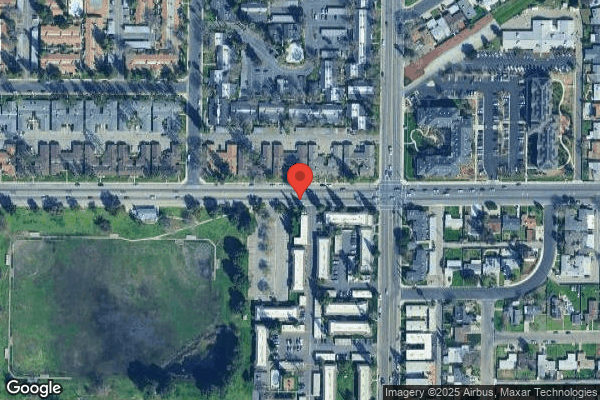
Sept 2023 2 deficiencies
CONCERN (E)

Potential for Harm - no one hurt, but risky conditions existed

Comprehensive Care Plan (Tag F0656)

Could have caused harm · This affected multiple residents

Based on observation, interview and record review, the facility failed to develop a comprehensive care plan for three of five sampled residents (Resident 1, Resident 2, and Resident 3) when: 1. Reside...

Read full inspector narrative →
Based on observation, interview and record review, the facility failed to develop a comprehensive care plan for three of five sampled residents (Resident 1, Resident 2, and Resident 3) when: 1. Resident 2 did not a have a comprehensive care plan implemented for the used of supplemental oxygen (is the use of oxygen as a medical treatment for patients who have low oxygen in their blood and need more oxygen) with interventions which included replacing the nasal cannula (a lightweight tube placed in the nostrils used to deliver supplemental oxygen to patients) weekly and properly storing the nasal cannula inside a storage bag when not in use. 2. Residents 1 and Resident 3's did not have a comprehensive care plan for the used of nebulizer machine (a device used to turn liquid medication into a mist so it can be breathed directly into the lungs through a face mask) with interventions which included replacing the nebulizer mask (a face mask used to deliver aerosol medications for breathing treatments) weekly and properly storing the nebulizer mask inside a storage bag when not in use. These failures had the potential to result in Resident 1, Resident 2, and Resident 3's oxygen treatment and respiratory equipment care needs not properly implemented by license nurse. Findings: 1. During a concurrent observation and interview on 9/12/23 at 9:17 a.m. with Licensed Vocational Nurse (LVN) 1 in Resident 2's room, Resident 2's nasal cannula was on the floor with no date when it should be replaced and not stored inside a bag. LVN 1 stated, the nasal cannula should have not been on the floor and should have been labeled with the date and time when it should be replaced and stored inside a bag. LVN 1 stated, the nasal cannula was considered contaminated and increased the resident's risk for infection. During a review of Resident 2's Facesheet (a one-page summary of important information of a patient, which includes patient identification, past medical history, medications, and allergies, and insurance information), dated 6/6/21, the Facesheet indicated, Resident 2 had a diagnosis of Chronic Obstructive Pulmonary Disease (COPD- a disease that cause airflow blockage and breathing problems). During a concurrent interview and record review on 9/12/23 at 10:45 a.m. with LVN 2, Resident 2's Care Plan dated 8/9/23 was reviewed. Resident 2 did not have a care plan for the use of the nasal cannula. LVN 2 stated, Resident 2's nasal cannula was scheduled to be replaced every Friday and should have been labeled with the date and time when it should be replaced. LVN 2 stated, Resident 2's nasal cannula should have been stored in a bag when not in use. LVN 2 stated, Resident 2's nasal cannula on the floor and not stored inside a bag increased the risk for cross contamination which could cause respiratory infection. LVN 2 stated, Resident 2's used of nasal cannula should have been care planned to ensure license nurse had directions to follow for proper care of oxygen therapy equipment. During an interview on 9/12/23 at 11:40 a.m. with the Infection Preventionist (IP), the IP stated, Resident 2 used of the nasal cannula should have been care planned to ensure Resident 2 received appropriate respiratory care. 2. During a concurrent observation and interview on 9/12/23 at 9:25 a.m. with Certified Nursing Assistant (CNA) 1 in Resident 3's room, Resident 3's nebulizer mask was connected to the nebulizer machine, and the nebulizer mask was on top of the nightstand. The nebulizer mask was not dated and not stored in a bag. CNA 1 stated, the nebulizer mask should have not been placed on top of the nightstand. CNA 1 stated, the nebulizer mask should have been dated, placed in a bag, and stored inside the nightstand drawer when not in used. The nebulizer mask placed on top of the nightstand and not stored inside a bag could collect bacteria and make the resident sick. During a review of Resident 3's Facesheet, dated 8/17/23, the Facesheet indicated, Resident 3 had a diagnosis of asthma (a chronic [long term] condition that affects the airway. The airway becomes narrow and inflamed). During a concurrent observation and interview on 9/12/23 at 9:40 a.m. with the IP in Resident 1's room, Resident 1's nebulizer mask was connected to the nebulizer machine and the nebulizer mask was on top of the nightstand. The nebulizer mask was not dated and not stored inside a bag. The IP stated, Resident 1's nebulizer mask should have not been placed on top of the nightstand. The IP stated, Resident 1's nebulizer mask should have been labeled with the date and time when it should be replaced and placed inside a bag and stored inside the nightstand drawer when not in used. During a review of Resident 1's Facesheet, dated 8/28/23, the Facesheet indicated, Resident 2 had a diagnosis of COPD. During a concurrent interview and record review on 9/12/23 at 10:45 a.m. with LVN 2, Resident 1's Care Plan dated 8/28/23 and Resident 3's Care plan dated 8/17/23 were reviewed. Resident 1 and Resident 3 did not have care plan interventions for the used of the nebulizer mask. LVN 2 stated, Resident 1 and Resident 3's nebulizer mask was scheduled to be replaced every Friday and should have been labeled with the date and time when it should be replaced. LVN 2 stated, Resident 1 and Resident 3's nebulizer mask should have been stored inside a bag when not in use. LVN 2 stated, Resident 1 and Resident 3's nebulizer mask placed on top of the nightstand and not stored inside a bag increased the risk for cross contamination (a process by which bacteria are unintentionally transfer from one person or object) which could cause respiratory infection. LVN 2 stated, Resident 1 and Resident 3's used of nebulizer mask should have been care planned to ensure license nurse had directions to follow for proper care of oxygen therapy equipment. During an interview on 9/12/23 at 11:40 a.m. with the IP, the IP stated, Resident 1 and Resident 3's used of the nebulizer mask should have been care planned to ensure Resident 1 and Resident 3 received appropriate respiratory care. During a review of the facility's policy and procedure (P&P) titled, Care Plans, Comprehensive Person-Centered, dated 3/2022, the P&P indicated, A comprehensive, person- centered care plan that includes measurable objectives and timetables to meet the resident's physical, psychosocial and functional needs is developed and implemented for each resident . The care plan interventions are derived from a thorough analysis of the information gathered as part of he comprehensive assessment .The comprehensive, person-centered care plan . describes the services that are furnished to attain or maintain the resident's highest practicable physical, mental, and psychosocial well-being, including . any specialized services to be provided . which professional services are responsible for each element of care . reflects currently recognized standards of practice for problem areas and conditions .
CONCERN (E)

Potential for Harm - no one hurt, but risky conditions existed

Infection Control (Tag F0880)

Could have caused harm · This affected multiple residents

Based on observation, interview, and record review, the facility failed to maintain an effective infection prevention and control program for three of five sampled resident (Resident 1, Resident 2, an...

Read full inspector narrative →
Based on observation, interview, and record review, the facility failed to maintain an effective infection prevention and control program for three of five sampled resident (Resident 1, Resident 2, and Resident 3) when: 1. Resident 2' nasal cannula (a lightweight tube placed in the nostrils used to deliver supplemental oxygen to patients) was on the floor without a date per physician order and not stored inside a bag. 2. Residents 1 and Resident 3's nebulizer mask (a face mask used to deliver aerosol medications for breathing treatments) was placed on top of the nightstand without a date and not stored inside a bag. These failures placed Resident 1, Resident 2, and Resident 3 at increased risk for healthcare associated infections (infections patients get while they are receiving health care for another condition) from cross contamination (a process by which bacteria are unintentionally transfer from one person or object). Findings: 1. During a concurrent observation and interview on 9/12/23 at 9:17 a.m. with Licensed Vocational Nurse (LVN) 1 in Resident 2's room, Resident 2's nasal cannula was on the floor with no date when it should be replaced and not stored inside a bag. LVN 1 stated, the nasal cannula should have not been on the floor and should have been labeled with the date and time when it should be replaced and stored inside a bag. LVN 1 stated, the nasal cannula was considered contaminated and increased the resident's risk for infection. During a review of Resident 2's Face sheet (a one-page summary of important information of a patient, which includes patient identification, past medical history, medications, and allergies, and insurance information), dated 6/6/21, the Facesheet indicated, Resident 2 had a diagnosis of Chronic Obstructive Pulmonary Disease (COPD- a disease that cause airflow blockage and breathing problems). During a concurrent interview and record review on 9/12/23 at 10:45 a.m. with LVN 2, Resident 2's Care Plan dated 8/9/23 was reviewed. Resident 2 did not have a care plan for the use of the nasal cannula. LVN 2 stated, Resident 2's nasal cannula was scheduled to be replaced every Friday and should have been labeled with the date and time when it should be replaced. LVN 2 stated, Resident 2's nasal cannula should have been stored in a bag when not in use. LVN 2 stated, Resident 2's nasal cannula on the floor and not stored inside a bag increased the risk for cross contamination (a process by which bacteria are unintentionally transfer from one person or object) which could cause a respiratory infection. During a concurrent interview and record review on 9/12/23 at 11:40 a.m. with the Infection Preventionist (IP), Resident 2's Physician Order dated 8/8/23 was reviewed. The Physician Orders indicated, .Change Oxygen Mask and/or Tubing [nasal cannula] Weekly & PRN Label with Date every day shift every Fri . The IP stated, Resident 2's nasal cannula should have been placed inside the storage bag when not in used and should have been dated and replaced every Friday or as needed. The IP stated, Resident 2's nasal cannula on the floor and not placed inside the bag was unsanitary and increased the risk for cross contamination. 2. During a concurrent observation and interview on 9/12/23 at 9:25 a.m. with Certified Nursing Assistant (CNA) 1 in Resident 3's room, Resident 3's nebulizer mask was connected to the nebulizer machine (a device used to turn liquid medication into a mist so it can be breathed directly into the lungs through a face mask), and the nebulizer mask was on top of the nightstand. The nebulizer mask was not dated and not stored in a bag. CNA 1 stated, the nebulizer mask should have not been placed on top of the nightstand. CNA 1 stated, the nebulizer mask should have been dated, placed in a bag, and stored inside the nightstand drawer when not in used. The nebulizer mask placed on top of the nightstand and not stored inside a bag could collect bacteria and make the resident sick. During a review of Resident 3's Face sheet, dated 8/17/23, the Facesheet indicated, Resident 3 had a diagnosis of Asthma (a chronic [long term] condition that affects the airway. The airway becomes narrow and inflamed). During a concurrent observation and interview on 9/12/23 at 9:40 a.m. with the IP in Resident 1's room, Resident 1's nebulizer mask was connected to the nebulizer machine and the nebulizer mask was on top of the nightstand. The nebulizer mask was not dated and not stored inside a bag. The IP stated, Resident 1's nebulizer mask should have not been placed on top of the nightstand. The IP stated, Resident 1's nebulizer mask should have been labeled with the date and time when it should be replaced and placed inside a bag and stored inside the nightstand drawer when not in used. During a review of Resident 1's Face sheet, dated 8/28/23, the Facesheet indicated, Resident 2 had a diagnosis of COPD. During a concurrent interview and record review on 9/12/23 at 10:45 a.m. with LVN 2, Resident 1's Care Plan dated 8/28/23 and Resident 3's Care plan dated 8/17/23 were reviewed. Resident 1 and Resident 3 did not have care plan interventions for the used of the nebulizer mask. LVN 2 stated, Resident 1 and Resident 3's nebulizer mask was scheduled to be replaced every Friday and should have been labeled with the date and time when it should be replaced. LVN 2 stated, Resident 1 and Resident 3's nebulizer mask should have been stored inside a bag when not in use. LVN 2 stated, Resident 1 and Resident 3's nebulizer mask placed on top of the nightstand and not stored inside a bag increased the risk for cross contamination (a process by which bacteria are unintentionally transfer from one person or object) which could cause respiratory infection. During a concurrent interview and record review on 9/12/23 at 11:40 a.m. with the IP, Resident 1's Physician Order dated 8/28/23 and Resident 3's Physician Order dated 8/17/23 were reviewed. The Physician Orders indicated, .Change Oxygen Mask and/or Tubing Weekly & PRN Label with Date every day shift every Fri . The IP stated, Resident 1 and Resident 3's nebulizer mask should have been placed inside the storage bag when not in used and should be dated and replaced every Friday or as needed. The IP stated, Resident 1 and Resident 3's nebulizer mask placed on top of the nightstand and not placed inside the bag was unsanitary and increased the risk for cross contamination. During an interview on 9/12/23 at 12:50 p.m. with the Administrator (ADM), the ADM stated, the expectations was for license nurses to follow the facility policy and procedures for replacing, dating, and storing equipment's used for oxygen therapy. The facility policy and procedure did not indicate on when to replace the nasal cannula and oxygen mask and how to store when not in used. During a professional reference review titled Your Oxygen Equipment from https://www.ucsfhealth.org/education/your-oxygen-equipment undated, indicated .The nasal cannula should be changed every week . an oxygen face mask is used, it should be cleaned twice weekly with warm soapy water .
Feb 2023 1 deficiency
CONCERN (D) 📢 Someone Reported This

A family member, employee, or ombudsman was alarmed enough to file a formal complaint

Potential for Harm - no one hurt, but risky conditions existed

Deficiency F0658 (Tag F0658)

Could have caused harm · This affected 1 resident

Based on observation, interview and record review, the facility failed to provide services which met professional standards of quality for one of three sampled residents (Residents 1) when Resident 1'...

Read full inspector narrative →
Based on observation, interview and record review, the facility failed to provide services which met professional standards of quality for one of three sampled residents (Residents 1) when Resident 1's physician order for floor mat was not carried out. This failure resulted in Licensed Nurses ' not following physician orders and increased Resident 1 ' s chances of injury in the event of a fall. Findings: During a review of Resident 1 ' s face sheet (a document containing resident identifiable and personal information), dated 9/8/22, the face sheet indicated, Resident 1 was admitted to the facility with diagnoses which included cognitive communication deficit and history of falling. During a review of Resident 1 ' s Order Summary, dated 8/16/19, the Order Summary indicated, . Floor mat x 1 side of bed . During an observation on 9/8/22, at 9:02 a.m., in Resident 1 ' s room, Resident 1 was lying in bed. No floor mat was observed on the ground near Resident 1 ' s bed. During a concurrent observation and interview on 9/8/22, at 10:01 a.m., in Residents 1 ' s room, with Certified Nursing Assistant (CNA) 1, Resident 1 was lying in bed with no floor mat observed on the ground near Resident 1 ' s bed. CNA 1 validated that there were no floor mats on the ground and stated Resident 1 had confusion and was considered falls risk. CNA 1 stated, she was working on 9/7/22 and had not seen floor mat on the ground in Resident 1 ' s room. During a concurrent interview and record review on 9/8/22, at 10:25 a.m., with Licensed Vocational Nurse (LVN) 1, Resident 1 ' s Order Summary, dated 8/16/19 was reviewed. The Order Summary indicated, . Floor mat x 1 side of bed . LVN 1 stated she had observed Resident 1 ' s room around 7:00 am during her medication pass and had not seen floor mat in Residents 1 ' s room. LVN 1 stated it was professional standard of practice to follow physician orders. LVN 1 stated the purpose of the floor mat was to reduce the chance of injury if Resident 1 had a fall. LVN 1 stated it was the Licensed Nurses ' responsibility to ensure physician orders were implemented. During a concurrent interview and record review on 9/8/22, at 11:08 a.m., with Minimum Data Set Coordinator (MDSC), the policy and procedure titled, Falls and Fall Risk, Managing, dated 3/18 was reviewed. The policy indicated, .Based on previous evaluations and current data, the staff will identify interventions related to the resident ' s specific risks and causes to try to prevent the resident from falling and to try to minimize complications from falling .The staff, with the input of the attending physician, will implement a resident-centered fall prevention plan to reduce the specific factor (s) of falls for each resident at risk or with a history of falls. Staff to implement fall interventions based on the resident ' s individualized care plan . MDSC stated the floor mat was placed as padding to reduce injury in the event of a fall. MDSC stated it was professional standard of practice to follow physician orders. Registered Nursing.org Professional Reference titled, Does a Nurse Always Have to follow a Doctor ' s Orders? undated, (found at https://www.registerednursing.org/does-nurse-always-follow-doctors-orders/) indicated, .nurses cannot just randomly decide which order to follow and which not to follow. Unless there is a safety concern or an order that conflicts with personal or religious beliefs, failing to carry out orders can be grounds for discipline by the employer as well as the board of nursing, as it could be deemed neglect.
Dec 2022 1 deficiency 1 Harm
SERIOUS (G) 📢 Someone Reported This

A family member, employee, or ombudsman was alarmed enough to file a formal complaint

Actual Harm - a resident was hurt due to facility failures

Accident Prevention (Tag F0689)

A resident was harmed · This affected 1 resident

**NOTE- TERMS IN BRACKETS HAVE BEEN EDITED TO PROTECT CONFIDENTIALITY** Based on observation, interview and record review, the facility failed to ensure residents received adequate supervision to prev...

Read full inspector narrative →
**NOTE- TERMS IN BRACKETS HAVE BEEN EDITED TO PROTECT CONFIDENTIALITY** Based on observation, interview and record review, the facility failed to ensure residents received adequate supervision to prevent accidents for one of three sampled residents, Resident 1, when licensed nurses did not develop and implement effective interventions to prevent falls. Licensed nurses and certified nursing assistants (CNAs) were aware of Resident 1 ' s low cognitive status, confusion, low safety awareness and inability to follow instructions for using the call-light. These failures resulted in Resident 1 getting up from bed unassisted and unsupervised on 6/21/22, experienced an avoidable fall with injuries. Following the fall Resident 1 was sent to the Emergency Department (ED) of the local hospital where a pelvic fracture was diagnosed. Resident 1 suffered decreased mobility following the fall and suffered pain to the left wrist and on 6/24/22 was diagnosed with left wrist fracture (break in the bone) as a direct result of the fall. Findings: During a review of Resident 1's clinical record titled, admission Record (document containing resident personal information), undated, the admission Record indicated Resident 1 was admitted to the facility on [DATE], with diagnoses which included: .arthropathy (disease of the joints) . repeated falls . cognitive communication deficit (impairment in the process of acquiring knowledge and understanding through thought, experience, and the senses) . difficulty in walking . dementia (chronic or persistent disorder of the mental processes caused by brain disease or injury and marked by memory disorders, personality changes, and impaired reasoning) . During a review of the Resident 1 ' s Minimum Data Set (MDS- a resident assessment tool used to identify resident cognitive [pertaining to reasoning memory and judgement] and physical functional level) assessment, dated 6/13/22, the MDS indicated Resident 1 ' s Brief Interview for Mental Status (BIMS- screening tool used in nursing home to assess cognition) assessment score was 3 (three) out of 15 (0-15 scale [0-6 severe cognitive deficit, 7-12 moderate cognitive deficit, 13-15 no cognitive deficit]) indicating Resident 1 had a severe cognitive deficit. During a concurrent observation and interview on 6/30/22, at 12:13 p.m., with Resident 1, Resident 1 sat in her wheelchair at bedside and ate lunch. Resident 1 was alert but confused. Resident 1 had a large bruise to the left side of her forehead and stated she did not know where it came from. During a review of Resident 1 ' s progress note titled General Note, dated 6/21/22, at 3:45 p.m., written by Licensed Vocation Nurse (LVN) 1, the General Note indicated, .Staff alerted to fall by crashing sound and call for help. Resident last seen in bed by CNA [Certified Nursing Assistant] during vitals 5 (five) mins [minutes] before fall. Resident found sitting upright on floor near C-bed [her roommates bed across the room] . hematoma (solid swelling of clotted blood within the tissues) to left forehead . No immediate skin issues or injuries noted . Resident unsteady . MD (medical doctor) and family notified, obtained order for transfer to [name of general acute care hospital (GACH)] for treatment and evaluation . During a review of Resident 1 ' s Occupational Therapy Treatment Encounter Note(s), dated 6/22/22, the Occupation Therapy Treatment Encounter note indicated, .Precautions: fall risk . Pt [patient] c/o [complained of] pain in L [left] hand/wrist area, grimaced [ugly, twisted expression on a person's face, typically expressing disgust, pain] and screeched when therapist took pt ' s (patient ' s) hand to initiate sitting balance, AM [morning] shift nurse was notified and to follow up . Pt (patient) demonstrated bed mobility with Max A [maximum assistance-therapist performs 75% of the work] . however observation of resistiveness . Response to Tx [treatment] . Response to Session Interventions: Pt appeared more confused and c/o pain in L wrist/hand area, nursing staff notified and to follow up . During an interview on 6/30/22, at 12:49 p.m., with CNA 2, CNA 2 stated she was assigned to Resident 1. CNA 2 stated staff were aware Resident 1 was unsteady on her feet, frequently reached for items out of reach and got out of bed or her chair unassisted without supervision. CNA 2 stated Resident 1 was confused and reminding her to use the call light was not effective because Resident 1 would not remember to use it. CNA 2 stated Resident 1 ' s roommate would call for help when she witnessed Resident 1 get up unsupervised. CNA 2 stated Resident 1 required two-person physical assistance to change her position in bed and transfer from the bed to the wheelchair. CNA 2 stated after Resident 1 ' s fall on 6/21/22, Resident 1 frequently complained of pain to her left wrist. CNA 2 stated since the fall on 6/21/22, Resident 1 was unable to move her wrist in certain positions during activities of daily living (ADLs- fundamental skills required to independently care for oneself). During an interview on 6/30/22, at 12:55 p.m., with Resident 2, Resident 2 stated she was Resident 1 ' s roommate and witnessed Resident 1 ' s fall (on 6/21/22). Resident 2 stated Resident 1 had gotten out of bed and walked to Resident 2 ' s beside. Resident 2 stated no staff there was nearby, so she used her call light to call for help. During a concurrent interview and record review on 6/30/22, at 1:06 p.m., with LVN 1, Resident 1 ' s Assessment Outcomes, dated 3/7/22 was reviewed. The Assessment Outcomes indicated, .Fall Risk Score . 7.0 . LVN 1 stated Resident 1 ' s fall risk score on admission was seven, which meant Resident 1 was at a lower risk for falls. LVN 1 stated Resident 1 was confused, wheelchair bound (confined to a wheelchair) and required extensive assistance of two people for bed mobility and to transfer, which increased her fall risk. LVN 1 stated he was the nurse on duty when Resident 1 fell on 6/21/22. LVN 1 stated he was outside of Resident 1 ' s room when a CNA told him Resident 1 had fallen inside her room. LVN 1 stated he walked into Resident 1 ' s room and found her sitting on the floor next to the bed across the room. LVN 1 stated Resident 1 had a large hematoma (solid swelling of clotted blood within the tissues) on the left side of her forehead, and he sent Resident 1 to the Emergency Department (ED) for evaluation. LVN 1 stated, The hospital documents showed a right hip fracture and they returned her [Resident 1]. LVN 1 stated Resident 1 ' s fall was avoidable. LVN 1 stated Resident 1 required more supervision than provided for her. LVN 1 stated Resident 1 would get up unsupervised when in bed and the best way to prevent falls would be getting her out of bed and into her wheelchair more frequently and provide her with more activities. LVN 1 stated a day or two after the fall Resident 1 started to guard her left wrist and an X-ray (creates pictures of the inside of your body) was done which indicated a left wrist fracture. During a concurrent interview and record review on 6/30/22, at 2:50 p.m., with the Minimum Data Set Coordinator (MDSC), Resident 1 ' s MDS Assessment Section G dated 6/13/22, was reviewed. The MDSC stated the MDS Section G was used to assess how much assistance Resident 1 needed with activities of daily living and mobility (ability to move or be moved freely and easily). The MDSC stated Resident 1 ' s MDS Section G indicated, Resident 1 required extensive assistance from two people to transfer between surfaces such as bed to wheelchair and wheelchair to toilet. The MDSC stated Resident 1 was unable to steady herself without assistance and could not safely ambulate alone. The MDSC stated Resident 1 ambulated with therapy staff only. The MDSC stated Resident 1 did not have enough supervision to prevent falls. The MDSC stated Resident 1 would benefit from one-on-one supervision but it was not realistic in the facility due to staffing. The MDSC stated Resident 1 had complained of left wrist pain a couple of days after the fall and an x-ray was taken, which indicated a fracture to her left wrist. During a telephone interview on 7/5/22, at 11:37 a.m., with the Certified Occupational Therapy Assistant (COTA), the COTA stated she worked with Resident 1 the day after she fell (6/21/22). The COTA stated, When we tried to get her up, she had a fear of falling and sitting edge of bed the day after the fall. The COTA stated Resident 1 ' s fear of falling affected her participation in therapy. The COTA stated Resident 1 was impulsive and there were times she would walk in to perform therapy and she would find Resident 1 standing up at bedside alone. The COTA stated Resident 1 ' s mental status (stated of mind) was not consistent to use a call light effectively. The COTA stated Resident 1 was unable to safely transfer or ambulate by herself. The COTA stated when she worked with Resident 1, Resident 1 would say Ow when she moved her left wrist. The COTA stated she usually would grab Resident 1 ' s hand to work with her but the resident kept pulling her left hand away and she notified the nurse. During a review of Resident 1 ' s Emergency Department document titled Encounter Report, dated 6/21/22, the report indicated, . admit date : [DATE] . discharge date : [DATE] . History . Fall . BIBA (brought in by ambulance) from [facility name] for fall from wheelchair, hematoma to left side of head . reports left head pain . Patient presents to ED for evaluation after fall. She stays at (SNF- skilled nursing facility) nursing home and reportedly fell out of her wheelchair . Her fall was apparently not witness [sic] . Discussion . Patient presents to ED for evaluation after fall. She suffered head injury and scalp contusions (bruises) . Patient noted to have right pubic ramus fracture . Clinical Impression . 1. Fall, initial encounter . 2. Injury of head . 3. Closed fracture of ramus of right pubis . Imaging Results . XR [x-ray] Pelvis Complete . 6/21/22 . Reason for exam: Pain status post fall . Impression: 1. Nondisplaced fracture (broken bones not out of alignment) of the right inferior pelvic ramus (lower margin of the pelvis) . During a review of Resident 1 ' s progress note titled General Note, dated 6/23/22 at 4 p.m., the note indicated, .Resident c/o [complained of] pain to left wrist and left side of body . therapy notified this writer MD [physician] notified via phone received order for x ray . and another order for left wrist . During a review of Resident 1 ' s x-ray results titled, Patient Report, dated 6/24/22, the x-ray results indicated, .Procedure . Left Wrist . Findings . Bones/Joints: Distal dorsal radial cortical fracture [when the one of the two bones in the forearm breaks near the wrist] irregularity noted, likely acute (sudden) [traumatic injury that causes a clean and immediate break in the bone] . During a review of the facility ' s policy and procedure (P&P) titled, Fall Prevention and Fall Related Injury Management, dated 4/11/17, the P&P indicated, .Policy: It is the policy of this care center that all residents will be evaluated for fall risk in order to plan and develop interventions to reduce the risk for falls and injuries. The care center will evaluate, treat, investigate, and document fall incident investigation findings . Procedure: 1. Upon admission to the care center, the licensed nurse will evaluate the patient/resident ' s fall risk . 2. The licensed nurse and/or Interdisciplinary Team (IDT) will develop an initial fall/injury prevention care plan based on the patient/resident specific risk factors that will be communicated to the staff . Care and Documentation . 1. When a patient/resident fall occurs, the employee making the discover immediately notifies the licensed nurse to conduct an appropriate evaluation, provide interventions and/or emergency care as needed . During a professional reference review retrieved from https://nursinghomehelp.org/wp-content/uploads/2019/03/F689-falls-regs-and-careplanning.pdf titled Falls: the Regs and Care Planning, dated 3/19/19, the reference indicated, .Avoidable accident . means that an accident occurred because the facility failed to . Identify environmental hazards and/or assess individual resident risk of an accident, including the need for supervision . Implement interventions, including adequate supervision and assistive devices, consistent with a resident ' s needs, goals, care plan and current professional standards of practice in order to eliminate the risk, if possible, and, if not, reduce the risk of an accident . Supervision/adequate supervision . refers to an intervention and means of mitigating the risk of an accident. Facilities are obligated to provide adequate supervision to prevent accidents Adequate supervision is determined by assessing the appropriate level and number of staff required, the competency and training of the staff, and the frequency of supervision needed . This determination is based on the individual resident ' s assessed needs and identified hazards in the resident environment. RISKS . Resident Vulnerability . Functional status . Medical condition . Cognitive abilities . Adequacy of supervision is defined by type and frequency, based on the individual resident ' s assessed needs . Adequate supervision to prevent accidents is enhanced when the facility . Accurately assesses a resident . to determine whether supervision to avoid an accident is necessary . WHY DO THEY FALL? . Lower extremity weakness . Balance disorders . Functional impairments (difficulty rising from a chair, getting on or off toilet, etc.) . Gait disorders . Cognitive impairment . Incontinence . During a professional reference review retrieved from https://nursinghomehelp.org/wp-content/uploads/2017/11/AHRQ_RAND_Module3.pdf titled Improving Safety in Long-Term Care Facilities, dated June 2012, the reference indicated, .Safety means avoiding, preventing, and lessening the effects of harm and injury while residents are in a health care setting . Within nursing centers, one of the biggest safety challenges is preventing falls . To prevent injury from falls, all nursing staff need knowledge and skills . Being aware means that we are alert to the needs of our residents. We are tuned in and tend to their needs. To do this, we need to learn to watch residents, noticing and thinking clearly about what is going on with them . When we notice something that might affect a resident ' s safety, it is our job to respond and do what is needed to protect the resident . A risk factor for falling is one that, in clinical studies, has been found to present frequently in people who fall. Research shows that there are several key risk factors for falls among nursing center residents. Many residents have more than one risk factor. The more risk factors a person has, the more likely he or she is to fall . Risk Factors Related to the Resident . If residents have fallen in the past, or if they have a pattern of falling, they are much more likely to fall in the future . gait and balance problems are always suspect in a resident who falls and are an important risk factor for falling . Many nursing center residents suffer from Alzheimer ' s disease or dementia, which may put them at additional risk. In general, people who have dementia are more likely to fall than people who don ' t, and they are more likely to be injured in a fall. When people with dementia move about when they are not being watched and do not have help, they are at greater risk for falling. Staffing and organization of care . Inadequate staffing may leave residents who are likely to fall without proper supervision . There are many interventions that can be tried to limit the risk of future falls . Keep frequently needed items (glasses, water, blankets, call lights, telephone) close to a resident where they can be reached safely Take the resident to the bathroom often . More frequent toileting . Falls surveillance . Changing staffing schedules to provide increased monitoring .
May 2022 13 deficiencies
CONCERN (D)

Potential for Harm - no one hurt, but risky conditions existed

Deficiency F0655 (Tag F0655)

Could have caused harm · This affected 1 resident

**NOTE- TERMS IN BRACKETS HAVE BEEN EDITED TO PROTECT CONFIDENTIALITY** Based on interview, and record review, the facility failed to develop and implement baseline care plan for one of four sampled r...

Read full inspector narrative →
**NOTE- TERMS IN BRACKETS HAVE BEEN EDITED TO PROTECT CONFIDENTIALITY** Based on interview, and record review, the facility failed to develop and implement baseline care plan for one of four sampled residents (Resident 23) within 48 hours of Resident 23's admission to the facility, when Resident 23 was admitted with respiratory illness and required continues oxygen (a life supporting component of air) therapy for her respiratory illness. This failure placed Resident 23's health and safety at risk for oxygen decline when Resident 23's use of oxygen was not care planned. Findings: During a concurrent observation and interview on 5/16/22 at 12:51p.m., with Resident 23 in room [ROOM NUMBER], Resident 23 was observed with oxygen via nasal cannula (device used to deliver supplemental oxygen or increased airflow to a patient) connected to a concentrator (a medical device that produces oxygen). Resident 23 stated she needed to use the oxygen since she returned from the hospital because of the fluid in her lungs. Resident 23 stated she had difficulty breathing without the oxygen. During a review of Resident 23's clinical record, the admission Record (a document with personal identifiable and medical information), undated, indicated Resident 23 was admitted to the facility on [DATE] with diagnoses which included Pleural Effusion (fluid buildup in the space between the lung and the chest wall), surgical after care following surgery on the respiratory system, pneumonia (an infection of the lungs) and dysphagia (difficulty swallowing). During a review of Resident 23's clinical record, the Minimum Data Set (MDS- a functional and cognitive abilities assessment) assessment, dated 5/9/22, indicated Brief Interview for Mental Status (BIMS) score was 15 out of 15 (a BIMS score of 13-15 indicates cognitively intact, 08-12 indicates moderately impaired, and 0-07 indicates severe impairment), which indicated Resident 23 was cognitively intact in decision making. During a concurrent interview and record review, on 5/18/22, at 1:03 p.m., with Licensed Vocational Nurse (LVN) 3, Resident 23's physician order dated 5/18/22 was reviewed. LVN 3 stated Resident 23's oxygen was prescribed on 5/8/22 when Resident 23 was re-admitted from the hospital (GACH-general acute care hospital). LVN 3 stated the oxygen was prescribed for Resident 23's diagnosis of pleural effusion. LVN 3 stated reviewed Resident 23's clinical record and stated she did not find a care plan for Resident 23's oxygen use, LVN 3 stated there should have been a care plan initiated. LVN 3 stated the charge nurse was responsible in initiating a care plan and she did not know why the care plan was not developed. During a concurrent interview and record review on 5/19/22, at 11:29 a.m., with the Minimum Data Set Coordinator (MDSC), Resident 23's MDS Section O- Special Treatments, Procedures, and Programs dated 5/9/22 was reviewed. The MDS Section O indicated, .C. Oxygen under while NOT a Resident the answer was Yes, and under 2. While a Resident, the answer was Yes . The MDSC reviewed Resident 23's clinical record and stated she did not find that an oxygen care plan had been developed. The MDSC stated a care plan should have been initiated when Resident 23 was readmitted from the hospital with the oxygen. The MDSC stated care planning Resident 23's need for oxygen was important because it was the plan of care, it was the plan of care staff follow for the resident. During an interview on 5/19/22, at 4:52 p.m., with the Director of Nursing (DON), the DON stated her expectation was for Licensed Nurses to make sure there was a care plan developed for Resident 23's oxygen needs. The nurse receiving the doctors order was responsible in developing the care plan. The DON stated Resident 23 was admitted with the oxygen order and the care plan should have been developed within 24 hours after Resident 23's hospital admission to the facility. During a review of the facility policy and procedure (P&P) titled, Care Planning Process, dated 12/11/17, the P&P indicated, .1. Upon admission to the center, a baseline care plan will be developed within 48 hours. 2. A written summary of the baseline care plan will be presented to the patient/resident .4. The care plan will be person centered and incorporate the patient/resident's goals of care and treatment .
CONCERN (D)

Potential for Harm - no one hurt, but risky conditions existed

Comprehensive Care Plan (Tag F0656)

Could have caused harm · This affected 1 resident

**NOTE- TERMS IN BRACKETS HAVE BEEN EDITED TO PROTECT CONFIDENTIALITY** Based on observation, interview and record review, the facility failed to develop a person centered comprehensive care plan for ...

Read full inspector narrative →
**NOTE- TERMS IN BRACKETS HAVE BEEN EDITED TO PROTECT CONFIDENTIALITY** Based on observation, interview and record review, the facility failed to develop a person centered comprehensive care plan for one of four residents (Resident 23) when Resident 23's care plan for activities of daily living (ADL-skills required to manage one's basic physical needs including personal hygiene or grooming, dressing, toileting, transferring or ambulating, and eating) did not reflect interventions to ensure safety measures were in place to protect Resident 23 during ADL care and her medical diagnosis of difficulty walking and muscle weakness. This failure had the potential to result in Resident 23's care needs to not be met safely and possibly result in an avoidable injury. Findings: Resident 23's face sheet [a document containing resident profile information] indicated Resident 23 was admitted to the facility on [DATE], with diagnoses which included difficulty in walking, muscle weakness and pleural effusion [fluid in the lungs]. Resident 23's Minimum Data Set (MDS-a resident assessment tool used to identify resident cognitive[pertaining to reasoning, memory and judgement] and physical functional level) assessment dated [DATE], indicated Resident 23's Brief Interview for Mental Status (BIMS-screening tool used in nursing home to assess cognition) assessment score was 15 out of 15 (0-15 scale [0-6-severe cognitive deficit, 7-12 moderate cognitive deficit, 13-15 no cognitive deficit]) indicating Resident 23 had no cognitive deficit. Resident 23's section G [assessment of functional status] assessment dated [DATE], indicated Resident 23 required extensive assistance with bed mobility, dressing and personal hygiene. Resident 23 was totally dependent on staff with toilet use and bathing. During a concurrent observation and interview on 5/16/22, at 1:45 p.m., in Resident 23's room, Resident 23 was observed sitting up in her wheelchair with oxygen (colorless odorless tasteless gas that is necessary for life) via nasal cannula (a medical device to provide supplemental oxygen thru the nares) and watching television. Resident 23 stated she needed assistance from staff with all her care, like using a mechanical lift (devices used to assist with transfers and movement of individuals who require support for mobility beyond the manual support provided by caregivers alone) to transfers from her wheelchair to bed and vice versa, showers and turning and repositioning in bed. During an interview on 5/18/22, at 1:35 p.m., with certified nurse assistant (CNA) 4, CNA 4 stated Resident 23 was alert and oriented. CNA 4 stated Resident 23 needed one-person extensive physical assistance with all her ADLs such as bathing, transfers, turning and repositioning and during meals. During a concurrent interview and record review on 5/18/22, at 1:03 p.m., with Licensed Vocational Nurse (LVN) 3, LVN 3 stated Resident 23 was alert and oriented and needed assistance with her ADLs like transfers, bed mobility and bathing. LVN 3 reviewed Resident 23's care plan titled, I have a physical functioning deficit related to: Mobility Impairment, dated 4/2/22, LVN 3 stated the interventions are not appropriate and not person centered. LVN 3 stated the Resident 23's care plan interventions were not specific on how much assistance needed to provide ADL care. LVN 3 stated the care plan interventions should have been more person centered. During a concurrent interview and record review on 5/19/22, at 4:52 p.m., with Director of Nursing (DON), the DON reviewed resident 23's care plan titled, I have physical functioning deficit, dated 4/2/22, the DON stated the care plan was not personalized and person centered. The DON stated, care plan should be individualized to the need of the resident. During a review of the facility's policy and procedure titled, Care Planning Process, dated 12/11/17, the policy and procedure indicated, .3. The comprehensive care plan will be developed by the interdisciplinary team . the resident representative will be encouraged to participate in development of the care plan . 5. Once the comprehensive care plan has been developed, it will be reviewed with the patient/resident and if applicable, the resident representative .
CONCERN (D)

Potential for Harm - no one hurt, but risky conditions existed

Deficiency F0658 (Tag F0658)

Could have caused harm · This affected 1 resident

Based on interviews and record review, the facility failed to meet professional standards of practice for one of four sampled residents (Resident 26), when Resident 26's physician order for a nutritio...

Read full inspector narrative →
Based on interviews and record review, the facility failed to meet professional standards of practice for one of four sampled residents (Resident 26), when Resident 26's physician order for a nutritional supplement was not followed. This failure resulted in Resident 26 not receiving her prescribed nutritional supplements on 5/3/22, 5/4/22, 5/5/22, 5/6/22, 5/7/22, 5/8/22, 5/10/22, 5/12/22, 5/13/22, and 5/14/22 and placed Resident 26 at risk for weight loss. Findings: During a review of Resident 26's Order Summary Report (OSR), dated 5/1/22 - 5/31/22, the OSR indicated, .5/3/22: 2 [two] cal.[calorie] supplement [(a high protein nutrition supplement containing two calories per ml] 120cc [cubic centimeters = milliliter (ml), unit of measurement] three times a day for weight loss to be given 120cc with med pass. During a concurrent interview and record review, on 5/17/22, at 11:53 a.m., with Licensed Vocational Nurse (LVN) 1, Resident 26's Medication Administration Record (MAR) and OSR were reviewed. LVN 1 stated Resident 26 had a physician order dated 5/3/22, for a two-calorie supplement 120 cc to be given three times a day during Resident 26 medication administration. LVN 1 stated the physician order for two-calorie supplement was not on the MAR to be administered during medication pass. LVN 1 stated, I did not know about the two-calorie supplement this morning because it was not on the 'MAR'. LVN 1 stated some days Resident 26 would eat lunch at a therapy program outside the facility and would miss the lunch time nutritional supplements on those days. LVN 1 stated that if Resident 26 did not receive her nutritional supplements, Resident 26 could experience weight loss. LVN 1 stated Resident 26 was started on the nutritional supplement because Resident 26 had experienced weight loss and the two-calorie nutritional supplement was to slow or reduce the risk of additional weight loss. During a review of Resident 26's MAR, dated 5/1/2022 - 5/31/2022, the MAR indicated, no staff initials in the boxes to document administration of the two-calorie supplement on 5/3/22, 5/4/22, 5/5/22, 5/6/22, 5/7/22, 5/8/22, 5/10/22, 5/12/22, 5/13/22, and 5/14/22. During a concurrent interview and record review, on 5/19/22, at 4:03 p.m., with the Director of Nursing (DON), Resident 26's MAR, dated 5/1/2022 - 5/31/2022 and Weights and Vitals Summary, dated 5/17/22, were reviewed. The DON stated Resident 26 had experienced a four-pound weight loss between 4/25/22 and 5/2/22. The DON stated the two-calorie supplement 120 cc was ordered 5/3/22, to be given three times a day with medication pass. The DON stated the two-calorie supplement was not given on 5/3/22, 5/4/22, 5/5/22, 5/6/22, 5/7/22, 5/8/22, 5/10/22, 5/12/22, 5/13/22, and 5/14/22. The DON stated, .the 2 Cal. should have been given . and the physician order should have been followed. During a review of the facility's policy and procedure (P&P) titled, Physician Orders (undated), the P&P indicated, Physician's orders .include .Diet, including nutritional supplements . [must be followed] During a review of the professional reference titled, The Lippincott Manual of Nursing Practice 11th Edition, dated 2019, page 15, indicated, Standards of Practice General Principles .1. b. These standards provide patients with a mean of measuring the quality of care they receive .Departures from Standards of Care [such as] .failure to . follow a physician order .
CONCERN (D)

Potential for Harm - no one hurt, but risky conditions existed

Accident Prevention (Tag F0689)

Could have caused harm · This affected 1 resident

**NOTE- TERMS IN BRACKETS HAVE BEEN EDITED TO PROTECT CONFIDENTIALITY** Based on observation, interview and record review, the facility failed to ensure residents received adequate supervision and ass...

Read full inspector narrative →
**NOTE- TERMS IN BRACKETS HAVE BEEN EDITED TO PROTECT CONFIDENTIALITY** Based on observation, interview and record review, the facility failed to ensure residents received adequate supervision and assistance to ensure residents were free from accidents and injury for one of four sampled residents (Resident 23) when Rehabilitative Nurse Assistant (RNA) 1 transferred Resident 23 from wheelchair to bed using a mechanical lift (device used to assist with transfers and movement of individuals who require support for mobility beyond the manual support provided by caregivers alone) without assistance from another staff member in accordance with facility policy and procedure. This failure placed Resident 23 at risk for falls and injuries. Findings: During a review of the clinical record for Resident 23, titled, admission Record (document containing resident demographic information), undated, indicated Resident 23 was admitted to the facility on [DATE] with diagnosis that included .pleural effusion (water in lungs), muscle weakness, difficulty in walking, anemia (low number of red blood cells [type of blood cell made in the bone marrow and found in the blood]) . During a review of Resident 23's Minimum Data Set (MDS-a resident assessment tool used to identify resident cognitive [pertaining to reasoning, memory and judgement] and physical functional level) assessment dated [DATE], indicated Resident 23's Brief Interview for Mental Status (BIMS-screening tool used in nursing home to assess cognition) assessment score was 15 out of 15 [0-15 scale [0-6 severe cognitive deficit, 7-12 moderate cognitive deficit, 13-15 no cognitive deficit]) indicating Resident 23 had no cognitive deficit. Section G Functional Status indicated Resident 23 needed extensive physical assistance for bed mobility, dressing and personal hygiene, needed total assistance with toilet use and bathing, and used a wheelchair as a mobility device. During a concurrent observation and interview on 5/16/22, at 1:36 p.m., in Resident 23's room, RNA 1 was observed independently transferring Resident 23 using a mechanical lift from wheelchair to bed and no other staff helped with the transfer. RNA 1 stated, I should have asked another staff for help when I used the mechanical lift to weigh and transferred Resident 23 to bed. During an interview on 5/17/22, at 11:12 a.m., with Resident 23 in room [ROOM NUMBER], Resident 23 stated the staff used the mechanical lift when transferring her from bed to the wheelchair and vice versa. Resident 23 stated she remembered there was only one person transferring her from her bed to the wheelchair with the use of the mechanical lift. During an interview on 5/18/22, at 10:11 a.m., with certified nurse assistant (CNA) 5, CNA 5 stated there should always be two persons when using a mechanical lift to transfer residents due to safety risk. CNA 5 stated the practice was to always have two person assist when using lifts to transfers residents. During an interview on 5/18/22, at 10:50 a.m., with Licensed Vocational Nurse (LVN) 1, LVN 1 stated staff should always have two people assist when using a mechanical lift for safety. LVN 1 stated the facility practice was to have two persons assist when using mechanical lift. LVN 1 stated, . Due to risk for falls and prevent injury for staff and residents. During a concurrent interview and record review on 5/19/22, at 4:52 p.m., with the Director of Nursing (DON), the DON stated the facility are using two types of mechanical lifts, one lift requires one person assist and the other lift requires two persons assist. The DON stated their policy on mechanical lift use, still requires two persons assist and the policy was not updated. The DON stated, I am not sure whether the CNAs' were in-serviced on the new lift but if they are more comfortable with two persons assist using the lifts then it was good. During a review of facility's policy and procedure titled, Lifting Machine, using a Mechanical, dated 2017, the policy and procedure indicated, .1. At least two (2) nursing assistants are needed to safely move a resident with a mechanical lift. 2. Mechanical lifts may be used for tasks that require: a. Lifting a resident from the floor; b. Transferring a resident from bed to chair; c. Lateral transfers; .
CONCERN (D)

Potential for Harm - no one hurt, but risky conditions existed

Deficiency F0692 (Tag F0692)

Could have caused harm · This affected 1 resident

Based on observation, interviews, and record review, the facility failed to maintain acceptable parameters of nutritional status for one of four sampled residents (Resident 26), when Resident 26's hig...

Read full inspector narrative →
Based on observation, interviews, and record review, the facility failed to maintain acceptable parameters of nutritional status for one of four sampled residents (Resident 26), when Resident 26's high calorie nutritional supplements were not given for ten days (5/3/22, 5/4/22, 5/5/22, 5/6/22, 5/7/22, 5/8/22, 5/10/22, 5/12/22, 5/13/22, and 5/14/22) to meet her nutritional needs. This failure resulted in Resident 26 experiencing severe 10-pound (8%) weight loss and had the potential to result in Resident 26's continued weight loss and compromised nutritional status. Findings: During a concurrent observation and interview on 5/17/22, at 4:45 p.m., with Resident 26 and Certified Nursing Assistant (CNA) 1, in Resident 26's room, Resident 26's dinner tray arrived. Resident was sitting up in bed, with eyes closed. CNA 1 verbally attempted to arouse Resident 26. CNA 1 placed the tray in front of Resident 26, uncovered the food and opened the straw wrapper. CNA 1 stated Resident 26 needed some assistance with eating. CNA 1 sat beside Resident 26 and offered Resident 26 juice by straw. Resident 26 sipped juice. CNA 1 stated Resident 26 can feed herself, but Resident 26 was sleepy today (5/17/22). CNA 1 fed Resident 26 mechanically soft bean and beef mixture with a spoon. After one minute, Resident 26 spat out bean and beef mixture. CNA 1 placed utensil in Resident 26's right hand and attempted to cue Resident 26 to eat salad. Resident 26 refused to take a bite of the salad. CNA 1 asked Resident 26 if she would like a sandwich and Resident 26 did not reply. CNA 1 placed a spoon in Resident 26's right hand and scooped tip of spoon in strawberry dessert. Resident 26 brought spoon to her mouth and fed herself two bites of dessert. Resident 26 closed her eyes and laid spoon on dinner tray. CNA 1 stated Resident 26 usually ate 25% of her meals and did not usually eat the fortified frozen cup. CNA 1 stated Resident 26 attended a therapy program outside of the facility during the day and usually ate lunch there. CNA 1 continued to feed Resident 26 juice. Resident 26 did not pick up utensil on her own. During a review of Resident 26's admission Record, the admission Record indicated, Resident 26 was admitted to the facility on .with diagnoses that included hemiplegia (paralysis of one side of the body), hemiparesis (weakness on one side of the body) following cerebral infarction (stroke due to interrupted blood flow to the brain) affecting left non-dominant side, fracture of unspecified vertebra (bones forming the back bone), repeated falls, protein-calorie malnutrition (inadequate intake of food), difficulty walking, muscle weakness, dysphagia (difficulty swallowing), urinary tract infection, hypertensive (high blood pressure) heart disease, atrial fibrillation (irregular heart rhythm that can lead to blood clots in the heart), allergic rhinitis (runny nose due to allergies), fibromyalgia (condition that causes pain all over the body, sleep problems ,tiredness, and emotional distress), osteoarthritis (degeneration of joint cartilage and underlying bone), gastro-esophageal reflux disease (stomach acid flows back into the tube connecting the stomach and mouth), cardiac pacemaker (implanted device in the chest that helps control the heartbeat), hyperlipidemia( too many fats in the blood), major depressive disorder (mood disorder that causes sadness and lack of interest), vitamin D deficiency, cataract (cloudy area over the lens of the eye that leads to decreased vision), constipation (unable to have bowel movement), low back pain, .The admission diet order was No Added Salt mechanical soft diet. During a review of Resident 26's Minimum Data Set (MDS) assessment (an evaluation used to identify resident care needs), dated 4/16/22, the MDS assessment indicated, Resident 26 was severely cognitively impaired with a Brief Interview for Mental Status (BIMS) (an evaluation of attention, orientation, and memory recall) score of 6 indicating severe cognitive impairment. Resident 26's MDS assessment of Activities of Daily Living (ADLs) indicated Resident 26 eats with supervision - oversight, encouragement or cueing [reminding] and needs support for setup help only to eat. During a review of Resident 26's Weights and Vitals Summary, dated 5/17/22, the Weights and Vitals Summary indicated: 4/12/22 124.0 Lbs. (pounds, a measure of weight) 4/13/22 122.0 Lbs. 4/18/22 120.0 Lbs. 4/25/22 118.0 Lbs. 5/2/22 114.0 Lbs. 5/9/22 114.0 Lbs. On 5/9/22, the resident weighed 114 lbs. which is a 10 lbs. 8.06%, severe weight loss in a one-month period. During a review of Resident 26's Order Summary Report (OSR), dated 5/1/22 - 5/31/22, the OSR indicated, on 4/19/22: NSA [No Added Salt] with fortified cereal at breakfast diet, Mechanical Soft texture, Regular (thin) consistency. During a review of Resident 26's Care Plan, dated 4/20/22, the Care Plan indicated, .Diet alteration related to .dysphagia [difficulty swallowing] ., the following interventions were added on 4/20/22: Diet as ordered . Monitor meal consumption and tolerance to food served . Notify physician and family/responsible party of weight change .Weekly weights . During a review of the physician's orders dated 5/3/22: 2 [two] cal.[calorie] supplement 120cc three times a day for weight loss to be given 120cc [cubic centimeters = milliliters (ml), unit of measure] with medication pass. During a review of Resident 26's Care Plan, dated 5/3/22, the Care Plan indicated, on 5/3/22, . Involuntary Weight loss as related to loss of 10# since admission .Poor meal intake at 25% .Needs assistance with feeding, on 5/3/22, the following interventions were added: 2 cal supplement with medication pass .[fortified juice] with breakfast and dinner .invite to food related activities .monitor meal consumption daily .Notify physician and family/responsible party of weight change .Offer fluids between meals and when rendering care . The Care Plan indicated, on 5/4/22, the following intervention was added, [Fortified Frozen cup] with dinner. During a review of Resident 26's Progress Note: Weight Note (PNWN), dated 5/4/22, the PNWN indicated, the Dietary Services Manager (DSM) documented, Monthly weight note: Admit weight 124# [pounds] 4/12, . and 114# on 5/1. A loss of 4# 3.3% in 1 week and a 10# 8.1% loss since admit Resident . with 16% avg [average] oral intake. She was started on fortified cereal in am on 4/19 for added kcal [calories, a unit of measurement]. Assisted with meals. Initiated [fortified frozen cup] with dinner daily and [fortified juice] supplement with lunch and dinner as daughter states she does not care for products like [nutritional shake]. Per hospital records and family, she was not having good intake before admission at the acute [hospital] or at home. Staff attempts to feed her but at times she will state she is full and cannot eat more. Will monitor for acceptance of new interventions. NMC [Nutritional Management Committee] will monitor weekly weights until stable. During a review of Physician Orders dated 5/4/22, the Physician Orders indicated, [Fortified frozen cup] at dinner. During a review of Resident 26's PNWN, dated 5/9/22, the PNWN indicated, the DSM documented, Nutritional Management Committee 5-5-22 .Dietary: Weight 124# on 4/12 admit, 122# 4/13, 120# 4/18, 118# 4/25, 114# 5/1. A 4# 3.3% loss in 1 week and a 10# 8.1% loss since admit. Diet order: Mech soft NAS with fortified cereal in am. Intake 16% MD [Medical Doctor] ordered [Mirtazapine] 15 mg [milligrams, unit of measure] at HS [hour of sleep] d/t [due to] poor PO intake .IDT [Interdisciplinary Team, an approach to healthcare that integrates multiple disciplines through collaboration] recommendations: Added fortified cereal on 4/19. New intervention for [fortified juice] supplement at lunch and dinner and a [fortified frozen cup] at dinner . daughter states she like sherbet so will try [fortified frozen cup] . There was no mention of the 2-calorie nutrition supplement that was ordered on 5/3/22 or evaluation of the effectiveness of the intervention. During a review of Physician Orders, dated 5/6/22, the Physician Orders indicated, [Mirtazapine] 15 mg orally at bedtime. During a review of Resident 26's PNWN, dated 5/6/22, the PNWN indicated, the Registered Dietitian (RD) documented, Weight loss of 10# since admission noted. Was started on NAS Mechanical soft diet with fortified cereal on 4/19/22 due to meal intake at 25% .New interventions started 5/3/22 include 2 cal supplement 120 ml TID [three times a day] for additional 720 cals [calories] and [Mirtazapine] 15 mg QD [every day] to attempt to stimulate appetite. Estimated calorie and fluid needs = 1550 cals and 1800 ml fluid. Resident needs assistance with feeding and with depression dx [diagnosis] would benefit from attending dining room service for meals. Weekly weights to continue with goals to stabilize +/-2# [plus or minus two pounds] .Orders have also been obtained for providing the [fortified juice] supplement and [fortified frozen cup] at mealtime for additional calories. Nursing to monitor % intake of these items. There was no mention of the 2-calorie nutrition supplement that was ordered on 5/3/22 or evaluation of the effectiveness of the intervention. During a review of Resident 26's Care Plan, dated 5/6/22, the Care Plan indicated, on 5/6/22, .Involuntary Weight loss as related to loss of 10# since admission .Poor meal intake at 25% .Needs assistance with feeding, the following interventions were added on 5/6/22: Assist with feeding each meal and offer alternates for food items refused .Diet as ordered with fortified cereal .[Mirtazapine] as ordered . During a review of Physician Orders, dated 5/11/22, Physician Orders indicated, Fortified [high calorie, high protein] Frozen Cup in the afternoon. Give Q [every] day with dinner. Dated 5/11/22, [Fortified Juice] Supplement two times a day. Give Q [every] day with breakfast and dinner. During a review of Resident 26's PNWN, dated 5/15/22, the PNWN indicated, the DSM documented, Nutritional Management Committee 5-12-22 . Dietary: Weight .remains at 114# this week.Intake 38% this week up from 16 % last week. Resident goes to [out of facility] outpatient therapy M-F [Monday - Friday]. Leaves at 9am and returns after lunch. Tray is held until return. Resident appears very tired upon return and intake varies. Up in dining room for meals when here. Assisted by staff .IDT recommendations: New intervention for [fortified juice] supplement at lunch and dinner and a [fortified frozen cup] at dinner . daughter states she like sherbet so will try [fortified frozen cup] . There was no mention of the 2-calorie nutrition supplement that was ordered on 5/3/22 or evaluation of the effectiveness of the intervention. During a review of Resident 26's Task History: Amount Eaten, dated 5/1/22 -5/17/22, the Task History: Amount Eaten indicated, checkmarks to answer the question, What percentage of the meal was eaten?. The number of checkmarks in each category were recorded as follows: 0-25% 24 25% - 50% 5 50% - 75% 4 75% - 100% 3 Resident Not Available 9 Resident Refused 5 Not Applicable 6 During a review of Resident 26's Task History: [Fortified Cup], dated 5/13/22 -5/17/22, the Task History: [Fortified Cup] indicated, checkmarks to rely to the statement, Percentage of nourishment consumed. The number of checkmarks in the category were recorded as follows: for 0-25% four times, and resident refused once. During a review of Resident 26's Task History: [Fortified Juice], dated 5/12/22 -5/17/22, the Task History: [Fortified Juice] indicated, checkmarks to reply to the statement, Percentage of nourishment consumed. The number of checkmarks in the category were recorded as follows: 0-25% three times, 25-50% five times, 75-100% two times, and resident refused once. During a concurrent interview and record review, on 5/17/22 at 11:53 a.m., with Licensed Vocational Nurse (LVN) 1, Resident 26's Medication Administration Record (MAR) and OSR were reviewed. LVN 1 stated Resident 26 had a physician order dated 5/3/22, for a two- calorie supplement (a high protein nutrition supplement containing two calories per ml. LVN 1 stated the physician order for two-calorie supplement did not show up on the MAR to be administered during medication pass. LVN 1 stated, I did not know about the two cal supplement this morning because it was not on the MAR. LVN 1 stated some days Resident 26 would eat lunch at a therapy program outside the facility and Resident 26 would miss the lunch time nutritional supplements on those days. LVN 1 stated that if the Resident 26 did not receive her nutritional supplements, Resident 26 could experience more weight loss. LVN 1 stated Resident 26 was started on the nutritional supplement because Resident 26 had experienced weight loss. During an interview on 5/18/22 at 2:46 p.m., with the Registered Dietitian (RD), the RD stated she most of her time was spent with clinical assessments, looking at weights and working with the DON and DSM. The RD stated she was involved in the weight meetings with IDT if she was on site. The RD stated nursing staff assessed supplement acceptance and IDT reviewed and monitored responses to supplement interventions. The RD stated the frequency of review of nutritional supplement interventions needed to be addressed by the DSM. The RD stated that she did not review notes but relied on conversations with the IDT and DSM. During a review of Resident 26's MAR, dated 5/1/2022 - 5/31/2022, the MAR indicated, no staff initials in the boxes to document administration of the two-calorie supplement three times a day on 5/3/22, 5/4/22, 5/5/22, 5/6/22, 5/7/22, 5/8/22, 5/10/22, 5/12/22, 5/13/22, and 5/14/22. During a concurrent interview and record review on 5/19/22, at 4:03 p.m., with the DON, Resident 26's MAR, dated 5/1/2022 - 5/31/2022 and Weights and Vitals Summary, dated 5/17/22, were reviewed. The DON stated the two-calorie supplement 120 cc was ordered 5/3/22, to be given three times a day with medication pass. The DON stated the two-calorie supplement was not given on 5/3/22, 5/4/22, 5/5/22, 5/6/22, 5/7/22, 5/8/22, 5/10/22, 5/12/22, 5/13/22, and 5/14/22. During a review of the facility policy & procedure (P&P), titled, Nutritional Assessment, (dated 2001), the P&P indicated, the nutritional assessment will be conducted by the multidisciplinary team and shall identify at least the following components .Dietitian .whether the resident's current intake is adequate to meet his or her nutritional needs .The multidisciplinary team shall identify, upon .admission and upon .change of condition .situations that place the resident at increased risk for impaired nutrition .cognitive .decline .swallowing abnormalities .pain .medication changes .increased need for calories and/ or protein nutrient loss .Once current conditions and risk factors for impaired nutrition are assessed and analyzed, individual care plans will be developed .interventions will be developed .care plans shall address .timeframes and parameters for monitoring and reassessment .
CONCERN (D)

Potential for Harm - no one hurt, but risky conditions existed

Deficiency F0757 (Tag F0757)

Could have caused harm · This affected 1 resident

**NOTE- TERMS IN BRACKETS HAVE BEEN EDITED TO PROTECT CONFIDENTIALITY** Based on observation, interview and record review, the facility failed to ensure one of two sampled residents (Resident 33) was ...

Read full inspector narrative →
**NOTE- TERMS IN BRACKETS HAVE BEEN EDITED TO PROTECT CONFIDENTIALITY** Based on observation, interview and record review, the facility failed to ensure one of two sampled residents (Resident 33) was free from unnecessary medications when the facility failed to daily monitor the use of anticoagulant (medication to prevent blood clots )medication to treat pulmonary embolism (blood clot that develops in a blood vessel [tube through which the blood circulates in the body] in the body and travels to an artery in the lung). This failure increased Resident 33's risk of serious side effects that included but are not limited to bleeding gums, nose bleeds, coughing up or vomiting blood, red or black tarry stools. Findings: Review of Resident 33's clinical record titled, admission Record (document containing resident personal information), dated 5/18/22, indicated Resident 33 was admitted to the facility on [DATE] with diagnoses that included: .pulmonary embolism, .acute respiratory failure and malignant neoplasm (abnormal growth that can grow uncontrolled and spread to other parts of the body) of right female breast . During a review of Resident 33's Minimum Data Set (MDS-a resident assessment tool used to identify resident cognitive [pertaining to reasoning, memory and judgement] and physical functional level) assessment dated [DATE], indicated Resident 33's Brief Interview for Mental Status (BIMS-screening tool used in nursing home to assess cognition) assessment score was 14 out of 15 (0-15 scale [0-6 severe cognitive deficit, 7-12 moderate cognitive deficit, 13-15 no cognitive deficit]) indicating Resident 33 had no cognitive deficit. During a concurrent observation and interview on 5/16/22, at 12:51 p.m., with Resident 33 in room [ROOM NUMBER]. Resident 33 was laying in bed watching television. Resident 33 stated she had been in the facility for three weeks, she was sent out to the hospital because she had a hard time breathing. During a concurrent interview and record review on 5/18/22, at 1:03p.m., with Licensed Vocational Nurse (LVN) 3, Resident 33's Physician Order was reviewed. Resident 33's Physician order indicated, .Apixaban [anticoagulant medication]Tablet 5mg (milligram- unit of measurement) give 5 mg by mouth two times a day related to Other Pulmonary Embolism . LVN 3 stated she did not find an order to monitor for side effects of the anticoagulant medication. LVN 3 stated there should have been an order to monitor side effects. During a concurrent interview and record review on 5/19/22, at 11:29 a.m., with the Minimum Data Set Coordinator (MDSC), Resident 33's Physician Order was reviewed. The MDSC stated Resident 33 had an order for anticoagulant [name brand] and it was ordered for pulmonary embolism. The MDSC stated there was no order to monitor side effect of the medication. The MDSC stated, . There should have been an order to monitor for any side effects like bleeding, black tarry stools, bleeding . During a concurrent interview and record review on 5/19/22, at 4:52 p.m., with the Director of Nursing (DON), Resident 33's care plan was reviewed. Resident 33's risk for complications related to anticoagulant medication indicated, .Focus: At risk for complications related to anticoagulant or antiplatelet medication . Goal: Will remain without complications from bleeding or injury. Interventions: Observe for S/S (signs and symptoms) of bleeding ie tarry stools, blood in urine, bruising . DON stated there are no daily monitoring for bleeding or any other side effects of the anticoagulant and there should have been. During a review of the facility's policy and procedure titled, Anticoagulant Therapy Guideline, undated, the policy and procedure indicated, .A head to toe assessment should be completed noting any pre-existing bruising. Document pre-existing bruising on Clinical Assessment . An immediate plan of care is individualized and physical observation shows plans are implemented .
CONCERN (D)

Potential for Harm - no one hurt, but risky conditions existed

Medication Errors (Tag F0758)

Could have caused harm · This affected 1 resident

**NOTE- TERMS IN BRACKETS HAVE BEEN EDITED TO PROTECT CONFIDENTIALITY** Based on observation, interview, and record review, the facility failed to ensure residents did not receive unnecessary psychotr...

Read full inspector narrative →
**NOTE- TERMS IN BRACKETS HAVE BEEN EDITED TO PROTECT CONFIDENTIALITY** Based on observation, interview, and record review, the facility failed to ensure residents did not receive unnecessary psychotropic medications (drug that affects brain activities associated with mental processes and behavior) and received gradual dose reduction (GDR- is the stepwise tapering of a dose to determine if symptoms, conditions, or risks can be managed by a lower dose or if the dose or medication can be discontinued) for one of two sampled residents (Resident 25), when the pharmacy consultant recommended Resident 25 received a gradual dose reduction for medication Abilify (medication to treat Bipolar Disorder - a disorder associated with episodes of mood swings ranging from depressive lows to manic highs) because Resident 25 had no documented behaviors from 9/2019 through 5/2022. This failure had the potential to place Resident 25 at increased risk for adverse side effects (an unexpected medical problem that happens during treatment with a drug or therapy) from long term use of Abilify. Findings: During a concurrent observation and interview on 5/18/22, at 9:14 a.m., with Resident 25, in Resident 25's room, Resident 25 was observed lying in bed in a clean gown. Resident 25 stated, she had been at the facility four years and was there for care. Resident 25 stated, she liked to do craft activities like hooking rugs (a type of knitting) but stated the facility did not offer that activity. Resident 25 stated, she did not feel sad. Resident 25 stated, she took Abilify (anti-psychotic) to relax. Resident 25 stated, I get nervous and think of other things like the past. During a review of Resident 25's admission Record (AR), dated 5/19/22, the AR indicated, Resident 25 was admitted to the facility on [DATE] with a history of Bipolar Disorder (a disorder associated with episodes of mood swings ranging from depressive lows to manic highs), Major Depressive Disorder (a mental health disorder characterized by persistently depressed mood or loss of interest in activities), and Anxiety Disorder (a mental health disorder characterized by feelings of worry, anxiety, or fear that are strong enough to interfere with one's daily activities). During a review of Resident 25's hospital encounter record, [name of general acute care hospital], dated 9/4/19, the record indicated, [Resident 25's name] brought in by ambulance from skilled nursing facility [name] for shortness of breath (SOB), fever 103 degrees F (Fahrenheit-unit of measurement), tachy (tachycardia-elevated heart rate) 160 . Medications: Current Facility-Administered medications: . Alprazolam (generic anti-anxiety) and Aripiprazole (generic anti-psychotic) . During a review of Resident 25's hospital Discharge Instructions, dated 9/13/19, the discharge instructions indicated, Medications to be taken . Xanax (anti-anxiety) 0.25 mg (milligram - unit of measurement) PO (by mouth) qd (every day) and Abilify (anti-psychotic) 10 mg PO qd . During a review of Resident 25's Physician Orders in the electronic medical record (EMR) on 5/18/22, at 10:50 a.m., the EMR indicated, Resident 25 was currently prescribed Xanax (anti-anxiety) Tablet 0.25 MG. 1 tablet by mouth one time a day related to ANXIETY DISORDER, UNSPECIFIED m/b (manifested by) verbalizing feelings of worry due to health concerns causing self-distress, Abilify (anti-psychotic) Tablet 10 MG. 1 tablet by mouth one time a day for m/b being tearful and crying at times causing self-harm related to BIPOLAR DISORDER, CURRENT EPISODE DEPRESSED, MILD OR MODERATE SEVERITY, UNSPECIFIED, [and] Buproprion (generic anti-depressant) Tablet 75 MG. 1 tablet by mouth two times a day for m/b by episodes of crying causing self-distress related to MAJOR DEPRESSIVE DISORDER, RECURRENT, UNSPECIFIED. During a review of Resident 25's clinical record titled, Medication Administration Record (MAR), dated 9/2019 - 4/2022 for the medication Abilify behavior monitoring indicated, 0 no behaviors from 9/2019 through 4/2022. The MAR dated 9/2019 - 5/2022 for Xanax monitoring for behaviors, indicated, 0 no behaviors. The MAR dated 12/2021 - 5/2022 for Buproprion monitoring for behaviors, indicated, 0 no behaviors. During an interview on 5/18/22, at 1:24 p.m., with Licensed Vocational Nurse (LVN) 1, LVN 1 stated Resident 25 was a resident assigned to LVN 1's care. LVN 1 stated Resident 25 was currently taking Xanax (anti-anxiety), Abilify (anti-psychotic), and Buproprion (generic anti-depressant). LVN 1 stated, Resident 25 had a history of Bipolar, Anxiety, and Depression and had no behaviors. LVN 1 stated, a psychological evaluation was conducted monthly for her conditions and as need by the Clinical Psychologist. During an interview on 5/18/22, at 1:30 p.m., with the Social Service Director (SDD), SSD stated the Director of Nurses (DON) notified the Psychologist if there was a change in the resident's condition (mood and behavior). SSD stated the IDT (Interdisciplinary Team; DON, MDS nurse, DS (Dietary Supervisor) met monthly to agree or disagree with the Pharmacist's medication GDR (gradual dose reduction) recommendation. SSD stated the recommendation to increase or decrease psychotropic medication was faxed to the resident's attending Physician for final GDR approval or denial. SSD stated on 2/15/22 Resident 25 and Resident 25's son were called and informed of the pharmacist consultant recommendation to decrease the dose of Abilify and the son did not want a medication reduction. During an interview on 5/18/22, at 3:26 p.m. with the Clinical Psychologist (CP), CP stated he had been evaluating residents at the facility for 5 years. CP stated a psychological evaluation was required for treatment of Resident 25's psychiatric conditions. CP stated Resident 25 had a history of Depression, Anxiety, and Delusions (a belief that is false) that gradually improved over the years. CP stated on 12/21 Resident 25 had increased tearfulness due to the holidays and was prescribed Buproprion (anti-depressant). CP stated he did not know if the fcaility attempted none medication interventions prior to adding the medication Buproprion to Residents 25's psychiatric medication she was receiving. Cp stated the facility was required to monitor Resident 25's behavior prior to medication recommendation and after to assess for its effectiveness and continued medical need. CP stated he knew that Resident 25 was on an anti-depressant at a previous skilled nursing facility and recommended Buproprion be added for the tearfulness. CP stated a GDR was not attempted. CP stated a GDR attempt was important to make the determination if a lower dose of psychotropic medication would be effective to treat the psychiatric condition and would also help decrease possible adverse reaction. CP stated a GDR was suggested by the facility's pharmacist consultant for Resident 25 but not done. During an interview on 5/19/22, at 10:44 a.m., with LVN 3, LVN 3 stated, Resident 25 was on medication for behavior for Anxiety, Bipolar disorder, and Depression. LVN stated, behavioral monitoring was done on every shift. LVN 3 stated Resident 25 did not have behaviors. LVN 3 stated GDR means down grading medication to see if the down-graded medication would be effective in residents' treatment and reduce potential adverse reactions. LVN 3 stated, a GDR would be documented in Resident 25's EMR if it was done. During a concurrent interview and record review on 5/19/22, at 11:31 a.m., with the SSD, Resident 25 's Note to Attending Physician/Prescriber (Note), dated 7/8/21, 4/3/21, and 2/15/22 for Abilify and Xanax psychotropics for Resident 25, was reviewed. The Note indicated, A GDR was recommended for Abilify (anti-psychotic) on 4/3/21 by the Pharmacist to lower the dose from 10 mg to 7.5 mg. SSD stated, IDT and the Attending Physician (doctor) disagreed on the GDR for Abilify (anti-psychotic) on 4/3/21. SSD stated, Resident 25 was stable at the current dose and did not display behaviors. SSD stated, a GDR was not required for Resident 25. SSD stated, SSD did not know if a lower dose would be effective. SSD stated, a GDR should have been attempted. During an interview on 5/19/22, at 12:19 p.m. with Resident 25's Attending Physician (AP), AP stated, Resident 25 was prescribed Abilify and Xanax psychotropics on 9/13/19. AP stated Resident 25 did not require a GDR. AP stated AP did not believe in GDR. AP stated, If the resident is stable, I'm not changing anything around. AP stated a GDR was required for residents on psychotropic medications but AP will not change practice. During an interview on 5/19/22, at 12:42 p.m., with DON, DON stated, if a resident did not have behaviors and resident was stabilized on the current psychotropic dose, a GDR is still required. DON stated, if a GDR was not attempted, the facility will not know if the lowest dose was effective. DON stated, a GDR was indicated for Resident 25 while on psychotropic medications. During a review of the facility's policy and procedure (P&P) titled, Policy and Procedure for Pharmaceutical Services, undated, the P&P indicated, Psychoactive Agents. Purpose: To provide a method of assessing those residents receiving psychoactive (or psychotherapeutic) medications in order to ensure: .Medications are used only, when necessary, at the lowest effective dosage . During a professional reference review retrieved from https://www.fda.gov/media/73102/download titled, MEDICATION GUIDE, dated 8/2016, the professional reference review indicated, Abilify (anti-psychotic) may cause serious side effects, including: .Uncontrolled body movements (tardive dyskinesia). Abilify may cause movements that you cannot control in your face, tongue, or other body parts. Tardive dyskinesia may not go away, even if you stop receiving Abilify . During a professional reference review retrieved from https://www.accessdata.fda.gov/drugsatfda_docs/label/2016/018276s052lbl.pdf titled, Xanax (anti-anxiety), dated 9/2016, the professional reference review indicated, Geriatric Use: The elderly may be more sensitive to the effects of benzodiazepines. They exhibit higher plasma alprazolam concentrations due to reduced clearance of the drug as compared with a younger population receiving the same doses. The smallest effective dose of Xanax should be used in the elderly to preclude the development of ataxia (impaired balance or coordination) and oversedation. During a professional reference review retrieved from https://www.ncbi.nlm.nih.gov/pmc/articles/PMC3128509/pdf/nihms288797.pdf titled, Psychotropic Medication Use among Older Adults: What All Nurses Need to Know, dated 7/1/11, the professional reference review indicated, Administration of psychotropic medications is potentially hazardous and can result in serious and sometimes fatal consequences for patients of all ages (Usher, [NAME], [NAME], & Luck, 2003). This is even more evident for high-risk populations such as older adults. Nurses in all practice settings caring for elderly patients should be familiar with this group of medications, their side effects, and the impact of age-related changes on their pharmacodynamics and pharmacokinetics. Careful assessment, close monitoring of potentially serious side effects, and use of nonpharmacological interventions, when possible, will help prevent potential deleterious or fatal effects on this highly vulnerable group.
CONCERN (D)

Potential for Harm - no one hurt, but risky conditions existed

Deficiency F0761 (Tag F0761)

Could have caused harm · This affected 1 resident

Based on observation, interview, and record review the facility failed to ensure injectable insulin (medication to treat high blood sugar levels) pens were labeled with a pharmacy prescription label i...

Read full inspector narrative →
Based on observation, interview, and record review the facility failed to ensure injectable insulin (medication to treat high blood sugar levels) pens were labeled with a pharmacy prescription label in accordance with the facility's policy and procedure and did not meet professional labeling standards of practice to include the appropriate prescribing directions, resident full name, cautionary instructions, and expiration date for one of two sampled residents (Resident 43), when the injectable insulin pen for Resident 43 was found in the medication cart without a pharmacy prescription label. This failure placed Resident 43 at increased risk of medical condition decline, worsening diabetes (medical condition that caused blood sugars to be high) control and medication administration errors. Findings: During a concurrent observation and interview on 5/16/22, at 1:07 p.m., with Licensed Vocational Nurses (LVN) 3, in the east wing of the facility, the east wing medication cart was observed to contain one injectable insulin pen [brand name] labeled with Resident 43's first name only. LVN 3 stated, the injectable insulin pen was not labeled properly. LVN 3 stated, medications need proper labeling, so the correct medication is given to the correct resident. LVN 3 stated, insulin can cause adverse reactions (nausea, vomiting, dizziness, and death) if given to a resident who did not require insulin. During an interview on 5/19/22, at 2:27 p.m. with the Director of Nurses (DON), DON stated, the label on the injectable insulin pen for Resident 43 was unacceptable. DON stated the resident's full name, dose, and prescribing direction should be on a label on the medication. DON stated appropriate labeling of medication was important to reduce or prevent medication error. During a review of the facility's policy and procedure (P&P) titled, Policy and Procedure for Pharmaceutical Services, undated, the P&P indicated, Labeling Requirements policy: Drugs will be labeled in accordance with state and federal laws. The pharmacist is the only person allowed to change information on a prescription label . Procedures: 1. All prescription drug labels shall include the following information: a). Brand or generic name of drug . b). Strength of drug 1). Quantity 2). Expiration Date 3). Resident's Name 4). Directions for Use 5). Physician's Name 6). Date of Dispensing 7). Name, Address and Phone number of Pharmacy Dispensing 8). Prescription Number 9). Any applicable Auxiliary Labels . During a professional reference review retrieved from https://www.fda.gov/regulatory-information/search-fda-guidance-documents/safety-considerations-container-labels-and-carton-labeling-design-minimize-medication-errors titled, Safety Considerations for Container Labels and Carton Labeling Design to Minimize Medication Errors Guidance for Industry, dated May 2022, the professional reference review indicated, The purpose of this guidance is to help human prescription drug and biological product sponsors, application holders, and applicants minimize medication errors associated with their products . The information on the PDP (Principal Display Panel) allows for proper identification of the product. We recommend that the PDP include the following critical information: Proprietary name, if there is one. Established name or proper name. Dosage form 15 (reference number). Product strength. Route(s) of administration. Warnings (if any) or cautionary statements (if any) 16 (reference number). Controlled substance schedule if the product is a controlled substance .
CONCERN (D)

Potential for Harm - no one hurt, but risky conditions existed

Deficiency F0802 (Tag F0802)

Could have caused harm · This affected 1 resident

Based on interview and record review, the facility failed to ensure one of two food service staff (Cook 2) had appropriate competencies to safely and effectively carry out the functions of food servic...

Read full inspector narrative →
Based on interview and record review, the facility failed to ensure one of two food service staff (Cook 2) had appropriate competencies to safely and effectively carry out the functions of food service when [NAME] 2 was unable to verbalize the cool down process. This failure had the potential for residents to consume food that was not safely prepared which could result in residents getting a foodborne illness and further compromise the nutritional and medical status of residents. Findings: During a review of the facility document, Spring Cycle Menu (Menu), dated 5/17/22, the Menu indicated, for lunch, potato salad was to be served. During an interview on 5/17/22 at 9:36 AM, with [NAME] 1, [NAME] 1 stated, today they were serving potato salad for the lunch meal, and it was made yesterday so they could cool it down for lunch today. During an interview on 5/17/22 at 11:09 AM, with [NAME] 2, [NAME] 2 stated, she boiled the potatoes yesterday and when complete, she cooled with cold water, mixed the ingredients, and then took the temperature then put it in the refrigerator. She stated her first temperature of the potatoes were 77 degrees Fahrenheit (F) after 15 to 20 minutes. When asked about cooling process of hot foods, [NAME] 2 stated they cool hot foods to 135 degrees F and put on the cooling log, then after two hours check the temperature and the second temperature is 76 degrees F and then in two more hours for the food to be less than 41 degrees F. When asked again what temperature the food would need to be after two hours, [NAME] 2 stated whatever temperature it is after two hours then you write it down on the log. During an interview on 5/17/22 at 3:46 PM, with [NAME] 2, [NAME] 2 stated, the first temperature is 135F then 2 hours later check temperature, write it in the cooling log and after two hours, it needs to be 41 degrees F or lower, it doesn't matter what the second temperature is. During a review of the facility's document Cooling Log, dated from 1/26/22 to 5/16/22, the Cooling Log indicated, there were 3 out of 42 food item entries at the two hour mark that were greater than 70 degrees F. The Cooling Log also indicated, .Start Time/Temp (Hot Food=135 degrees F), Time/Temp Hot Food (2 hours) Must be 70 degrees F or less . During a review of the facility document titled, Cooling Procedure, dated 8/9/13, the Cooling Procedure indicated, Potentially hazardous hot foods must be cooled from 135 degrees F to 70 degrees F in 2 hours. Then cooled from 70 degrees F to 41 degrees F or less within an additional 4 hours for 6 hours total. During an interview with the Dietary Services Manager (DSM), on 05/17/22 at 3:48 PM, DSM stated, We don't have a problem with cooldown, but if something goes wrong, we can throw it out and can always make a substitution, but we haven't had that problem. During an interview with the Registered Dietitian (RD), on 5/18/22 at 2:46 PM, RD stated, she reviews the cooling logs and if she sees issues with the cooling log, she conducts re-education for kitchen staff and in-services them on the spot and will start education on the cooling process. During a review of the facility document titled, Summary Report of Dining Services Meeting .Type of Meeting: In-Service Education Training .Food Storage and Cooling TCS (Potentially Hazardous) food items .Policies and procedures reviewed regarding food storage .for the prevention of food borne illness ., dated 11/12/21, the document indicated, cook 2 signed in on the form indicating she had education on the cooldown process. During a review of the facility document titled, Test: Cooling Food for Storage of (Temperature Control for Safety (TCS) Foods, dated 11/12/21, the document indicated, one of the test questions [NAME] 2 answered, start cool down at 135F until it hits 41F. [NAME] 2 did not indicate the two-step process which includes that the food must reach 70 degrees F after two hours. During a review of the Food Code 2017 (Food Code), dated 3/7/22, the Food Code indicated, FDA 3-501.14 Cooling .(A) Cooked time/temperature control for safety food shall be cooled: (1) within 2 hours from 135F to 70F, and (2) within a total of 6 hours from 135F to 41F or less .
CONCERN (D)

Potential for Harm - no one hurt, but risky conditions existed

Deficiency F0806 (Tag F0806)

Could have caused harm · This affected 1 resident

**NOTE- TERMS IN BRACKETS HAVE BEEN EDITED TO PROTECT CONFIDENTIALITY** Based on observation, interview, and record review, the facility failed to provide an alternate option that was similar in nutri...

Read full inspector narrative →
**NOTE- TERMS IN BRACKETS HAVE BEEN EDITED TO PROTECT CONFIDENTIALITY** Based on observation, interview, and record review, the facility failed to provide an alternate option that was similar in nutritive value to the entrée for one of five sampled resident (Resident 25) for the lunch meal on 5/17/22. This failure had the potential to result in Resident 25 not meeting their nutritional needs and causing additional weight loss. Findings: During a record review of Resident 25 Face Sheet (a one-page summary of important information about a patient), dated 5/18/22, the document indicated, Resident 25 was admitted to the facility on [DATE] with a primary diagnosis of protein calorie malnutrition, Vitamin D deficiency (occurs when the body doesn't get enough vitamin D from sunlight or diet) and dysphagia (difficulty swallowing). During a review of the facility document, Spring Cycle Menu (Menu), dated 5/17/22, the Menu indicated, the lunch menu for entrée was three ounces (oz) of BBQ chicken. It showed for the pureed diet: #8 scoop (1/2 cup) of pureed BBQ chicken, #12 scoop (1/3 cup) of pureed carrots, #8 scoop of potato salad, #16 scoop (1/4 cup) of pureed wheat rolls to be served. During an observation on 5/17/22, at 11:52 AM, during the lunch meal service, [NAME] 1 called out to [NAME] 2 to get one cup of yogurt for Resident 25. Resident 25's lunch tray showed yogurt, pureed bread, and pureed carrots. During a review of Resident 25's Lunch Meal Ticket, the Meal Ticket indicated, Diet order: puree, fluids-regular (thin), regular .dislikes: eggs (no mayo or anything with eggs), fish/seafood, condiments (no mayo or mustard), sandwiches (no turkey, egg, or chicken) and spicy foods (or acidic foods) .allergies: chicken, egg . During a concurrent observation and record review on 5/17/22, at 3:33 PM, of a container of Producers Vanilla Low Fat Yogurt Nutrition Facts, dated 5/17/22, the container indicated, servings size of ¾ cup is equal to 6 grams of protein. Based on the information on the container, one cup of yogurt would equal eight grams of protein. Seven grams of protein is equal to one ounce of protein. The menu provided three ounces of protein for the lunch meal which equals 21 grams of protein. Resident 25 was served approximately one ounce of protein which was not equal to the three ounces of protein on the planned menu that was approved by the facility Registered Dietitian. During an interview with [NAME] 1, on 05/18/22, at 10:49 AM, [NAME] 1 stated, Resident 25 has been given other options for protein, but she did not like it, she prefers cottage cheese or yogurt. [NAME] 1 stated, 1/2 cup of yogurt is usually given to replace Resident 25's protein but yesterday we gave her a cup of yogurt. [NAME] 1 stated, For example, today for lunch, the pureed diet we have #8 scoop of protein, we would give Resident 25 a #8 scoop of cottage cheese to replace the protein. During a review of the facility's document, Vegetarian Entrée Options, undated, the document indicated, cottage cheese ½ cup is equivalent to 14 grams of protein for a two oz portion of protein. During a concurrent interview and record review, on 5/18/22, at 11:10 AM, with the Dietary Services Manager (DSM), Vegetarian Entrée Options, undated was reviewed. The Vegetarian Entrée Options indicated, the following items will provide an equivalent to a two ounces (oz) portion of meat. DSM stated, she thought the portion sizes were for a three oz equivalent and not two oz but would look to see if they had any document that would say how much would be needed for three oz portion. DSM confirmed this document was used to determine the equivalency of protein portions for Resident 25 when she needed another option of protein for lunch service. The document indicates, one cup of yogurt equals 10 grams of protein so 1 ½ cups of yogurt equals 15 grams of protein which would be a two oz protein portion. During an interview on 05/18/22, at 2:46 PM, with Registered Dietitian (RD), RD stated, Resident 25 does not eat chicken, eggs, poultry or fish and looking at the nutritive value, the 1 cup of yogurt is not sufficient to cover the protein.
CONCERN (D)

Potential for Harm - no one hurt, but risky conditions existed

Medical Records (Tag F0842)

Could have caused harm · This affected 1 resident

**NOTE- TERMS IN BRACKETS HAVE BEEN EDITED TO PROTECT CONFIDENTIALITY** Based on observation, interview, and record review, the facility failed to ensure resident medical records were complete and acc...

Read full inspector narrative →
**NOTE- TERMS IN BRACKETS HAVE BEEN EDITED TO PROTECT CONFIDENTIALITY** Based on observation, interview, and record review, the facility failed to ensure resident medical records were complete and accurately documented in accordance with professional standards and practices for one of three sampled Residents (Resident 294) when Resident 294's physician order for high calorie nutritional supplement was not documented in Resident 294's electronic medical record (EMR) accurately and the high calorie nutritional supplement was not documented as given to Resident 294 on four of six meals from 5/10/22 through 5/11/22 . This failure resulted in Resident 294 to not have an accurate documentation of his prescribed supplement consumption for four of six meals in the EMR. Findings: During a record review of Resident 294's Face Sheet (FS- document containing resident demographic information and medical diagnosis), undated, the FS indicated, Resident 294 was admitted to the facility on [DATE] with a primary diagnosis of abscess (an enclosed collection of liquefied tissue or pus) of bursa (a small pouch or sac between a tendon and a bone) of left ankle and foot and protein-calorie malnutrition. During record review of Resident 294's Physician's Dietary-Supplements Order, dated 5/9/22, the order indicated, Resident 294 had an order for Sugar Free House Supplement (nutrition supplement) with meals for wt (weight) loss; to give 4 oz (ounce) of sugar free supplement. During concurrent interview and record review on 5/18/22, at 2:18 p.m., with CNA 3, Resident 294's EMR, dated 5/10/22 and 5/11/22 were reviewed. CNA 2 stated the EMR indicated that on 5/10/22, breakfast, lunch, and dinner meals consumed percentages were documented and no documentation was found of the sugar free high calorie nutrition supplement. On 5/11/22, breakfast meal consumption percentages were documented and no documentation was found of the sugar free high calorie nutrition supplement. CNA 3 stated, the nutrition supplement percentages were documented in a separate area from the meals. CNA 3 stated she was not sure why there were not supplement percentages documented before 5/11/22 at 12:54 PM lunch meal (four out of the six meals). During a concurrent interview and record review, on 5/18/22, at 3:56 p.m., with LVN 2, Resident 294's EMR, dated 5/11/22 was reviewed. The EMR indicated, no documentation of supplement consumption was found prior to 5/11/22 at 12:54 PM. LVN 2 stated, the order for supplementation was received on 5/9/22, and transcribed in the Medication Administration Record (MAR) and was visible on the MAR for the Licensed Nurses (LN) but not the CNAs. LVN 2 stated the physician order was revised on 5/11/22 in the EMR so that CNAs could document residents' percentage of supplement consumed. LVN 2 stated she wrote the order and remembers putting it in the MAR but did not recall if she made sure the order was transcribed for the CNA's to have access and document percentages consumed. During concurrent interviews on 5/18/22, at 5:10 p.m., with LVN 2 and DSM, LVN 2 stated, on 5/9/22 there was an order for the sugar free supplementation, but the order was placed after dinner so the next morning was the first time Resident 294 received the sugar free supplementation. The supplementation was documented with the meals by the CNAs from 5/10/22 to the morning of 5/11/22 so there was no specific documentation of how much Resident 294 consumed of the sugar free supplement for that time frame. DSM stated, on 5/11/22, she saw that Resident 294's sugar free supplementation order did not include the CNAs documenting the percentage of supplementation consumed by Resident 294, so she revised the order and CNAs started documenting Resident 294's supplement consumption for lunch on 5/11/22. During an interview on 5/18/22, at 2:46 p.m., with the RD, RD stated, she expects the nurses to ensure the residents new diet orders were transcribed correctly and were visible to all personal that needed to have access to document in the EMR. During a review of the facility's policy and procedure (P&P) titled, Health Information Management Manual, dated 10/7/13, the P&P indicated, .a medical record, health record, clinical record or chart is a systematic documentation of the Resident's medical history and care .to provide evidence that care is provided per the Care Plan .to correlate accurate and important Resident information regarding the treatment rendered and the Resident's treatment plan . During a review of Resident 294's Meal Ticket, dated 5/19/22, the Meal Ticket indicated, .diet order: regular, controlled carbs .house supplement (Sugar free) . During a review of the facility's policy and procedure (P&P) titled, Nursing Responsibilities at Meal Service, undated, the P&P indicated, .Staff from the Nursing and Dining Services departments work cooperatively to ensure .intake is documented appropriately .
CONCERN (E)

Potential for Harm - no one hurt, but risky conditions existed

Infection Control (Tag F0880)

Could have caused harm · This affected multiple residents

Based on observations, interviews, and record review, the facility failed to maintain an effective infection prevention and control program to provide a safe and sanitary environment when: 1. One of o...

Read full inspector narrative →
Based on observations, interviews, and record review, the facility failed to maintain an effective infection prevention and control program to provide a safe and sanitary environment when: 1. One of one sampled employees (Admissions Director [AD]) carried an uncovered rapid COVID-19 (a respiratory disease caused by SARS-CoV-2, a coronavirus) nasal swab test (a testing of cells inside the nasal area for a protein from the COVID-19 virus that give results in a matter of minutes) which had nasal specimen through the facility hallway. This failure had the potential to result in unnecessary exposure to potential COVID-19 infection for residents, staff, and visitors and potential cross-contamination. 2. When six glucometers (device used to check blood sugar level) machines were not cleaned and disinfected as directed by the manufacturer's guideline for six of six sampled residents (Resident 16, 21, 41, 43, 294, and 295) according to the facility's policy and procedure. This failure had the potential to spread bloodborne pathogens (disease caused by blood contamination) and did not meet standard of practice for infection control. Findings: During an observation on 5/18/22, at 4:15 p.m., at the front door entrance of the facility, the AD opened a nasal swab package and handed the swab to a man outside. The man inserted the swab into his nostrils and swabbed his nostrils several times and handed the swab back to the AD. The AD held the uncovered swab and walked from the front door entrance, past staff and visitors in the hallway and into her office. During an interview on 5/18/22, at 4:20 p.m., with the AD, the AD stated she performed a rapid COVID-19 nasal swab test on the therapist outside the front door entrance of the facility. The AD stated she opened the rapid COVID-19 nasal swab testing kit on a desk in her office and placed the drops of the reagent (a substance that causes a chemical reaction) on the testing card (a surface to perform the testing). The AD stated she then took the swab to the therapist outside and he swabbed his nostrils 10 times in each nostril. The AD stated the therapist handed her the used swab and she took the swab into her office and placed it inside the testing card and waited for 15 minutes for the results. The AD stated the Director of Staff Development (DSD) trained her on how to perform the rapid COVID-19 nasal swab test. The AD stated she was unaware of a policy on performing the test. The AD stated if the swab touched someone on the way to her office, she would have discarded the swab. The AD stated if an individual was touched by the swab, they could wash off the touched area. During a concurrent observation and interview on 5/19/22, at 2:30 p.m., with the Director of Maintenance (DM), the DM measured the distance from the front door entrance of the facility to the desk that the AD indicated she performed the rapid COVID-19 nasal swab test. The DM stated the distance measured was 280 inches (280 inches = 23.33 feet). During a concurrent interview and record review on 5/19/22, at 2:45 p.m., with the Director of Staff Development (DSD), Infection Preventionist (IP) 1 and IP 2, [rapid COVID-19 test Training] (undated) and [rapid COVID-19 testing card brand product insert] (undated) were reviewed. IP 1 read procedure steps one through four of [rapid COVID-19 test Training], and stated, .1. Gather test materials .2. Open card and lay flat .3. Inspect card .4. Perform Hand Hygiene . IP 1 stated hand hygiene needed to be the first step and the procedure needed to be revised. IP 2 stated that DSD, IP 1 and IP 2 used [rapid COVID-19 test Training] to train selected staff (front office staff) to perform the rapid COVID-19 nasal swab test. IP 2 stated the rapid nasal swab test was performed on all visitors or vendors (providers of Resident care who are not facility staff) that were not vaccinated for the COVID-19 virus. IP 1 stated that the process for performing the rapid COVID-19 nasal swab test was to use a bedside table, located in the blue room next to the facility front door entrance. IP 1 stated nasal swabs, reagent and test cards needed to perform the rapid COVID-19 nasal swab test were kept on the bedside table. IP 1 stated the bedside table was brought out to the facility front door entrance and was used as a surface to perform the rapid COVID-19 nasal swab test. IP 2 stated it was important to perform the rapid COVID-19 nasal swab test near the facility front door entrance, so the swab did not get contaminated or risk the swab touching someone if the employee conducting the test walked with the swab through the facility. IP 1 validated the [rapid COVID-19 testing card brand product] was the product the facility used for the rapid COVID-19 nasal swab test. IP 1 read steps seven, eight and nine of the [rapid COVID-19 testing card brand product insert]. IP 1 stated, .7. Treat all specimens [a sample for medical testing] as potentially infectious. Follow universal precautions [an approach to infection control to treat all human blood and body fluids as if they contain microorganisms that cause disease] when handling samples, this kit and its contents. 8. Proper sample collection, storage and transport are essential for correct results. 9. Leave test card sealed .until just before use . IP 2 stated staff that performed the rapid COVID-19 nasal swab test were to follow the procedure on the product insert. IP 2 stated the Infection Control Department of the facility was responsible for the oversight of this rapid COVID-19 nasal swab testing. During a review of the facility's policy and procedure (P&P), titled, Infection Prevention and Control (dated 1/26/18), the P&P indicated, .Program Development and Oversight .developing and implementing appropriate infection control policies and procedures, and training staff on them .Components of an Infection Prevention and Control Program .education, including training in infection prevention and control practices, to ensure compliance with care center requirements as well as State and Federal regulation .Education .Both initial and ongoing infection control education help staff comply with infection control practices . 2. During an observation on 5/17/22, at 6:16 a.m., in the north wing of the facility, a blood sugar finger stick test (glucose level test using a drop of blood from a fingertip) was performed on six residents (Resident 16, 21, 41, 43, 294, and 295) by Licensed Vocational Nurse (LVN) 3. Each resident was assigned a single use (only one resident) glucometer machine that was kept in the medication cart. After each test, LVN 3 wrapped the glucometer in one [brand name] wipe (while LVN 3 prepared the next blood sugar finger stick test for the next resident) then unwrapped the glucometer from the wipe and placed the glucometer back in the medication cart. During an interview on 5/17/22, at 2:06 p.m., with LVN 3, LVN 3 stated, glucometers should be cleaned and disinfected per manufacturer's guideline. LVN 3 stated, wrapping the glucometer with [brand name] wipes were not effective infection control practices. LVN 3 stated, LVN 3 should have wiped the glucometers with the [brand name] wipes and allow to remain wet for 2 minutes according to the [brand name] wipe's direction. LVN 3 stated, residents were at risk for infection if the glucometers were not cleaned and disinfected properly. During an interview on 5/19/22, at 2:27 p.m. with the Director of Nurses (DON), DON stated the glucometers should be cleaned first and disinfected with [brand name] wipes according to the manufacturer's guideline. DON stated, LVN 3 did not follow the facility's policy and procedure on cleaning and disinfecting the glucometers. During a review of [brand name] wipes manufacturer's direction, undated, the direction on the container indicated, For Use as a Hard, Non-porous Non-food Contact Surface Disinfectant/Virucide/Fungicide: Pre-clean hard, non-porous surfaces with a clean wipe. Use a fresh, clean wipe to disinfect hard, non-porous surfaces until thoroughly wet. Allow surfaces to remain wet for 2 minutes. During a review of the facility's policy and procedure (P&P) titled, Blood Glucose Monitor Decontamination, undated, the P&P indicated, Purpose: To implement a safe and effective process for decontaminating blood glucose monitors. A wipe that is EPA registered as tuberculocidal; effective again HIV, HBV, and a broad spectrum oof bacteria will be utilized to clean the monitor. It is 0.525% sodium hypochlorite which is equivalent to a 1:10 bleach dilution solution and meets recommendation for use on equipment from Clostridium difficile rooms (such as Clorox (R) germicidal wipes). If a product wipe is not available, a 1:10 bleach solution may be substituted . Procedure: 1). After performing the glucose testing, the nurse, wearing gloves, will use a disposable wipe to clean all external parts of the monitor. 2). Leave monitor damp for maximal kill time indicated on the product label .3). Place clean monitor on a clean surface. 4). If a dried salty residue remains once dry, simply wipe with another clean cloth to remove. 5). Remove gloves and perform hand hygiene. 6). Return monitor to cart or other clean storage area. 7). Please be sure to keep the wipe away from the meter strip portal.
MINOR (B)

Minor Issue - procedural, no safety impact

Deficiency F0911 (Tag F0911)

Minor procedural issue · This affected multiple residents

**NOTE- TERMS IN BRACKETS HAVE BEEN EDITED TO PROTECT CONFIDENTIALITY** Based on observation and staff interview during the survey period from 5/16/22 through 5/19/22, the facility failed to ensure ea...

Read full inspector narrative →
**NOTE- TERMS IN BRACKETS HAVE BEEN EDITED TO PROTECT CONFIDENTIALITY** Based on observation and staff interview during the survey period from 5/16/22 through 5/19/22, the facility failed to ensure each bedroom accommodated no more than four residents in (room [ROOM NUMBER], room [ROOM NUMBER] and room [ROOM NUMBER]). Findings: Throughout the survey period from 5/16/22 through 5/19/22 three resident bedrooms had more than four residents in each bedroom. rooms [ROOM NUMBER] had eight residents per room. Although the bedrooms accommodated more than four residents, each room met the required needs of the residents, as well as the required square footage. The residents had a reasonable amount of privacy, and closet and storage space was adequate. Bedside stands were available. There was sufficient room for nursing care and for the mobility of the residents. Wheelchairs, devices, and toilet facilities were accessible. The health and safety of the residents will not be adversely affected by the continuance of this waiver. Room Number: Number of Beds: 11 8 12 8 14 8 Recommend waiver continue in effect _Martha [NAME] HFEIIS 5/31/22_ Health Facilities Evaluator Supervisor Date Request waiver continue in effect. ____________________________________ Administrator Date
Understanding Severity Codes (click to expand)
Life-Threatening (Immediate Jeopardy)
J - Isolated K - Pattern L - Widespread
Actual Harm
G - Isolated H - Pattern I - Widespread
Potential for Harm
D - Isolated E - Pattern F - Widespread
No Harm (Minor)
A - Isolated B - Pattern C - Widespread

Questions to Ask on Your Visit

  • "Can I speak with families of current residents?"
  • "What's your RN coverage like on weekends and overnight?"

Our Honest Assessment

Strengths
  • • 44% turnover. Below California's 48% average. Good staff retention means consistent care.
Concerns
  • • 45 deficiencies on record, including 2 serious (caused harm) violations. Ask about corrective actions taken.
  • • Grade D (48/100). Below average facility with significant concerns.
Bottom line: Trust Score of 48/100 indicates significant concerns. Thoroughly evaluate alternatives.

About This Facility

What is Morning Star Post Acute's CMS Rating?

CMS assigns MORNING STAR POST ACUTE an overall rating of 3 out of 5 stars, which is considered average nationally. Within California, this rating places the facility higher than 0% of the state's 100 nursing homes. This mid-range rating indicates the facility meets federal standards but may have areas for improvement.

How is Morning Star Post Acute Staffed?

CMS rates MORNING STAR POST ACUTE's staffing level at 2 out of 5 stars, which is below average compared to other nursing homes. Staff turnover is 44%, compared to the California average of 46%. This relatively stable workforce can support continuity of care.

What Have Inspectors Found at Morning Star Post Acute?

State health inspectors documented 45 deficiencies at MORNING STAR POST ACUTE during 2022 to 2025. These included: 2 that caused actual resident harm, 42 with potential for harm, and 1 minor or isolated issues. Deficiencies causing actual harm indicate documented cases where residents experienced negative health consequences.

Who Owns and Operates Morning Star Post Acute?

MORNING STAR POST ACUTE is owned by a for-profit company. For-profit facilities operate as businesses with obligations to shareholders or private owners. The facility is operated by BAYSHIRE SENIOR COMMUNITIES, a chain that manages multiple nursing homes. With 57 certified beds and approximately 54 residents (about 95% occupancy), it is a smaller facility located in CLOVIS, California.

How Does Morning Star Post Acute Compare to Other California Nursing Homes?

Compared to the 100 nursing homes in California, MORNING STAR POST ACUTE's overall rating (3 stars) is below the state average of 3.1, staff turnover (44%) is near the state average of 46%, and health inspection rating (2 stars) is below the national benchmark.

What Should Families Ask When Visiting Morning Star Post Acute?

Based on this facility's data, families visiting should ask: "Can you walk me through typical staffing levels on day, evening, and night shifts?" "Can I visit during a mealtime to observe dining assistance and food quality?" "How do you handle medical emergencies, and what is your hospital transfer rate?" "Can I speak with family members of current residents about their experience?" These questions are particularly relevant given the below-average staffing rating.

Is Morning Star Post Acute Safe?

Based on CMS inspection data, MORNING STAR POST ACUTE has a clean safety record: no substantiated abuse findings (meaning no confirmed cases of resident harm), no Immediate Jeopardy citations (the most serious violation level indicating risk of serious injury or death), and is not on the Special Focus Facility watch list (a federal program monitoring the lowest-performing 1% of nursing homes). The facility has a 3-star overall rating and ranks #100 of 100 nursing homes in California. While no facility is perfect, families should still ask about staff-to-resident ratios and recent inspection results during their visit.

Do Nurses at Morning Star Post Acute Stick Around?

MORNING STAR POST ACUTE has a staff turnover rate of 44%, which is about average for California nursing homes (state average: 46%). Moderate turnover is common in nursing homes, but families should still ask about staff tenure and how the facility maintains care continuity when employees leave.

Was Morning Star Post Acute Ever Fined?

MORNING STAR POST ACUTE has been fined $7,443 across 1 penalty action. This is below the California average of $33,153. While any fine indicates a compliance issue, fines under $50,000 are relatively common and typically reflect isolated problems that were subsequently corrected. Families should ask what specific issues led to these fines and confirm they've been resolved.

Is Morning Star Post Acute on Any Federal Watch List?

MORNING STAR POST ACUTE is not on any federal watch list. The most significant is the Special Focus Facility (SFF) program, which identifies the bottom 1% of nursing homes nationally based on persistent, serious quality problems. Not being on this list means the facility has avoided the pattern of deficiencies that triggers enhanced federal oversight. This is a positive indicator, though families should still review the facility's inspection history directly.