SIERRA VIEW HOMES

1155 E. SPRINGFIELD AVENUE, REEDLEY, CA 93654 (559) 638-9226
Non profit - Corporation 59 Beds Independent Data: November 2025 1 Immediate Jeopardy citation
Trust Grade
68/100
#199 of 1155 in CA
Last Inspection: April 2025

Within standard 12-15 month inspection cycle. Federal law requires annual inspections.

Overview

Sierra View Homes has a Trust Grade of C+, indicating it is slightly above average but not without issues. With a state rank of #199 out of 1155, they are in the top half of California facilities and rank #3 out of 30 in Fresno County, meaning there are only two better options nearby. The facility is improving, with the number of issues dropping significantly from 14 in 2023 to just 3 in 2025. Staffing is a strong point, boasting a 5/5 star rating and a turnover rate of only 25%, much lower than the state average, which suggests that staff members are committed and familiar with the residents. However, there are some concerning incidents, such as failures in administering intravenous antibiotics properly, which could lead to severe complications, and inadequate monitoring of pressure ulcers, resulting in worsening conditions for some residents. Overall, while there are noteworthy strengths, families should be aware of the facility's past deficiencies.

Trust Score
C+
68/100
In California
#199/1155
Top 17%
Safety Record
High Risk
Review needed
Inspections
Getting Better
14 → 3 violations
Staff Stability
✓ Good
25% annual turnover. Excellent stability, 23 points below California's 48% average. Staff who stay learn residents' needs.
Penalties
✓ Good
No fines on record. Clean compliance history, better than most California facilities.
Skilled Nurses
⚠ Watch
Each resident gets only 26 minutes of Registered Nurse (RN) attention daily — below average for California. Fewer RN minutes means fewer trained eyes watching for problems.
Violations
⚠ Watch
32 deficiencies on record. Higher than average. Multiple issues found across inspections.
★★★★★
5.0
Overall Rating
★★★★★
5.0
Staff Levels
★★☆☆☆
2.0
Care Quality
★★★★☆
4.0
Inspection Score
Stable
2023: 14 issues
2025: 3 issues

The Good

  • 5-Star Staffing Rating · Excellent nurse staffing levels
  • Low Staff Turnover (25%) · Staff stability means consistent care
  • Full Sprinkler Coverage · Fire safety systems throughout facility
  • No fines on record
  • Staff turnover is low (25%)

    23 points below California average of 48%

Facility shows strength in staffing levels, staff retention, fire safety.

The Bad

No Significant Concerns Identified

This facility shows no red flags. Among California's 100 nursing homes, only 1% achieve this.

The Ugly 32 deficiencies on record

1 life-threatening 1 actual harm
Apr 2025 3 deficiencies
CONCERN (D)

Potential for Harm - no one hurt, but risky conditions existed

Assessment Accuracy (Tag F0641)

Could have caused harm · This affected 1 resident

Based on interview, record review, and facility policy review, the facility failed to accurately code the Minimum Data Set (MDS) for 2 (Resident #19 and Resident #38) of 14 sampled residents. Findings...

Read full inspector narrative →
Based on interview, record review, and facility policy review, the facility failed to accurately code the Minimum Data Set (MDS) for 2 (Resident #19 and Resident #38) of 14 sampled residents. Findings included: A facility policy titled, Minimum Data Set, dated 08/17/2015, revealed, To provide an accurate assessment of all residents through clinical competence, observational, interviewing, and critical thinking skills, combined together to develop individualized plan of care for each individual. 1. An admission Record revealed the facility admitted Resident #19 on 03/17/2022. According to the admission Record, the resident had a medical history that included a diagnosis of chronic obstructive pulmonary disease. A significant change in status MDS, with an Assessment Reference Date (ARD) of 04/02/2025, revealed Resident #19 was rarely/never understood. The MDS Coordinator was interviewed on 04/09/2025 at 1:25 PM. The MDS Coordinator stated that it was important for the MDS to be accurate because the MDS reflected the resident's condition. The MDS Coordinator reviewed the MDS for Resident #19 and stated she had made an error when she coded the resident was rarely/never understood. The MDS Coordinator reported on 04/09/2025 at 3:10 PM that she amended Resident #19's MDS to correct the resident's cognitive ability and that she had been unaware the MDS was inaccurate until the inaccuracy was brought to her attention. The Director of Nursing (DON) was interviewed on 04/09/2025 at 3:20 PM and stated she expected the MDS to be accurate. The DON stated if the resident's cognitive status was not correct, the MDS was inaccurate. The Executive Director (ED) was interviewed on 04/10/2025 at 9:05 AM. The ED stated there needed to be communication between the staff to ensure the MDS was accurate. 2. An admission Record revealed the facility admitted Resident #38 on 09/22/2023. According to the admission Record, the resident had a medical history that included an anxiety disorder and major depressive disorder. A quarterly MDS, with an Assessment Reference Date (ARD) of 02/16/2025, indicated Resident #38 had a Staff Assessment for Mental Status (SAMS) that revealed the resident had modified independence in cognitive skills for daily decision making. The MDS indicated the resident did not have an active diagnosis of anxiety disorder or depression. The MDS Coordinator was interviewed on 04/09/2025 at 1:01 PM. The MDS Coordinator stated she amended Resident #38's MDS to include their diagnoses of depression and anxiety. The Director of Nursing was interviewed on 04/09/2025 at 3:20 PM and stated she expected depression and anxiety to be included on the MDS for Resident #38 under the MDS section that included active diagnoses. The Executive Director (ED) was interviewed on 04/10/2025 at 8:57 AM. The ED stated she expected the MDS to be accurate and to include all diagnoses that were pertinent to Resident #38's care. She stated she expected Resident #38's depression and anxiety to be captured on the MDS.
CONCERN (D)

Potential for Harm - no one hurt, but risky conditions existed

Comprehensive Care Plan (Tag F0656)

Could have caused harm · This affected 1 resident

Based on interview, record review, and facility policy review, the facility failed to develop and implement a comprehensive care plan that addressed hospice care for 1 (Resident #38) of 1 sampled resi...

Read full inspector narrative →
Based on interview, record review, and facility policy review, the facility failed to develop and implement a comprehensive care plan that addressed hospice care for 1 (Resident #38) of 1 sampled resident reviewed for hospice and end of life. Findings included: A facility policy titled, Comprehensive Individualized Resident Care Plan (Activities) Isolation, dated 01/01/2024, indicated Comprehensive Individualized resident care plans provide a past and current history to current issues, illnesses, medication use, and another other factors. An admission Record revealed the facility admitted Resident #38 on 09/22/2023. According to the admission Record, the resident had a medical history that included an anxiety disorder and major depressive disorder. A quarterly Minimum Data Set (MDS), with an Assessment Reference Date (ARD) of 02/16/2025, indicated Resident #38 had a Staff Assessment for Mental Status (SAMS) that revealed the resident had modified independence in cognitive skills for daily decision making. The MDS indicated that the resident received hospice care. Resident #38's Care Plan Report with an admission date of 09/22/2023, revealed no evidence to indicate a care plan that addressed hospice services. Resident #38's Order Summary Report with orders active as of 04/09/2025, revealed an order dated 09/22/2023, that directed admitted to hospice, no hospitalization, routine laboratory tests or x-rays without prior authorization. The MDS Coordinator was interviewed on 04/09/2025 at 1:01 PM. The MDS Coordinator stated she typically included hospice on a resident's care plan but did not add the residents' code status to the care plan since the code status was included in the physician's orders. The MDS Coordinator stated it was important to add hospice to the care plan so facility staff would be able to identify the reason the resident was admitted to hospice and to alert staff that another team would be working with a resident. The MDS Coordinator confirmed that Resident #38 received hospice services and that she did not include hospice services on Resident #38's care plan with information about what would be provided by the hospice agency. On 04/09/2025 at 3:10 PM, the MDS Coordinator stated she amended Resident #38's care plan to include hospice and the services provided. The MDS Coordinator stated she had been unaware she omitted hospice on the resident's care plan until the omission was brought to her attention. The Director of Nursing (DON) was interviewed on 04/09/2025 at 3:20 PM and stated it was important to include hospice on the resident's care plan so facility staff would know who provided what type of care. The DON stated she expected the care plan to include the reason the resident admitted to hospice and any specific requests Resident #38 and/or their family might have. The Executive Director was interviewed on 04/10/2025 at 8:57 AM and stated she expected hospice care to be identified on Resident #38's care plan.
CONCERN (E)

Potential for Harm - no one hurt, but risky conditions existed

PASARR Coordination (Tag F0644)

Could have caused harm · This affected multiple residents

Based on interview, record review, and facility policy review, the facility failed to refer a resident to the appropriate state-designated authority for a level II preadmission screening and resident ...

Read full inspector narrative →
Based on interview, record review, and facility policy review, the facility failed to refer a resident to the appropriate state-designated authority for a level II preadmission screening and resident review (PASRR) when 2 (Resident #19 and Resident #39) of 2 sampled residents reviewed for PASRR were diagnosed with a new serious mental illness. Findings included: A facility policy titled, PASRR Policy and Procedure, dated 04/04/2023, revealed, The PASRR consists of a Level I Screening, a Level 2 evaluation (if needed), and a determination, The PASRR is divided into two components, the Preadmission Screening (PAS) and the resident review (RR). The PAS process is completed by the hospital prior to an individual discharging to a skilled nursing facility (SNF). A SNF can also complete the PAS process, but only when the individual is being admitted directly from the community. The RR process is completed for current SNF residents, readmissions, or inter-facility transfers when there is a significant change in the individual's physical or mental condition. In the case of an RR, the NF [nursing facility] initiates the process by submitting a Level I Screening as an RR in the PASRR system. The policy specified, 3. The MDS coordinator shall complete the RR after 30 days from admission, and when there is a significant change in the resident's physical or mental condition. 1. An admission Record revealed the facility admitted Resident #19 on 03/17/2022. According to the admission Record, the resident received diagnoses of bipolar disorder and anxiety disorder on 03/12/2024. A significant change in status Minimum Data Set (MDS), with an Assessment Reference Date (ARD) of 04/02/2025, revealed Resident #19 had active diagnoses to include anxiety disorder and bipolar disorder. Resident #19's Care Plan Report included a focus area revised 04/05/2025, that indicated the resident used anti-anxiety medication related to a diagnosis of anxiety disorder. Resident #19's medical record revealed no evidence to indicate the facility referred the resident to the appropriate state-designated authority for a level II PASRR evaluation when the resident received a new mental illness diagnosis. The Admissions Coordinator (AC) was interviewed on 04/09/2025 at 11:08 AM. The AC stated if a resident received a new mental illness diagnosis after admission, the MDS Coordinator was responsible for updated the PASRR. The AC stated that without the psychiatric diagnoses included, the state agency would not have requested a level II PASRR, but not having a level II PASRR had not affected Resident #19's care. The MDS Coordinator was interviewed on 04/09/2025 at 1:25 PM and stated she was unaware Resident #19 required a level II PASRR. The Executive Director was interviewed on 04/10/2025 at 9:05 AM and stated she expected staff to revise and resubmit the PASRR to the state agency. 2. An admission Record revealed the facility admitted Resident #39 on 07/03/2023. According to the admission Record, the resident received diagnoses of psychosis, anxiety disorder, and dementia with agitation on 11/08/2023. An annual Minimum Data Set (MDS), with an Assessment Reference Date (ARD) of 12/28/2024, revealed Resident #39 had active diagnoses to include non-Alzheimer's dementia, anxiety disorder, and psychotic disorder. Resident #39's Care Plan Report included a focus area revised 07/10/2024, that indicated the resident used anti-anxiety medications related to a diagnosis of anxiety disorder. Resident #39's medical record revealed no evidence to indicate the facility referred the resident to the appropriate state-designated authority for a level II PASRR evaluation when the resident received a new mental illness diagnosis. The MDS Coordinator was interviewed on 04/09/2025 at 1:25 PM and stated she was unaware Resident #39 required a level II PASRR. The Executive Director was interviewed on 04/10/2025 at 9:05 AM and stated she expected staff to revise and resubmit the PASRR to the state agency.
Dec 2023 12 deficiencies
CONCERN (D)

Potential for Harm - no one hurt, but risky conditions existed

Resident Rights (Tag F0550)

Could have caused harm · This affected 1 resident

**NOTE- TERMS IN BRACKETS HAVE BEEN EDITED TO PROTECT CONFIDENTIALITY** Based on observation, interview and record review, the facility failed to ensure resident were treated with dignity and respect ...

Read full inspector narrative →
**NOTE- TERMS IN BRACKETS HAVE BEEN EDITED TO PROTECT CONFIDENTIALITY** Based on observation, interview and record review, the facility failed to ensure resident were treated with dignity and respect for two of four sampled residents (Residents 40 and 7) when: 1. Licensed Vocational Nurse (LVN) 3 did not close the privacy curtain and administered medication to Resident 40 in front of other residents and visible to staff and visitors walking by in the hallway. This failure resulted in Resident 40's stomach to be exposed and viewed by other residents, staff, and visitors and violated Resident 40's right to privacy and dignity. 2. Resident 7 was served lunch tray and was seated at the edge of the bed, Resident 7 was almost laying in bed and not able to sit up straight to see her food placed on top of over the bed table and feed self. This failure had the potential for Resident 7 to not consume enough food which could lead to weight loss and also put her at risk for choking and aspiration which could lead to serious medical condition. Findings: 1. During a concurrent observation and interview on 12/11/23 at 11:40 a.m. in room [ROOM NUMBER], Resident 40 was observed seated in her wheelchair watching television. Resident 40 stated this was her second time at the facility because of a fall at home. During a concurrent observation and interview on 12/11/23 at 11:45 a.m. in the west wing hallway, LVN 3 was observed walking into Resident 40's room which had two other residents, bed A and bed B, with insulin pen (an injection device with a needle that delivers insulin [medication for diabetes [high blood sugar] into the subcutaneous tissue [the tissue between the skin and muscle]) and metered-dose inhaler (MDI-device that delivers a specific amount of medication to the lungs, in the form of a short burst of aerosolized medicine) on her hand. LVN 3 approached Resident 40 who was in bed C, the bed closest to the window and farthest away from the door. LVN 3 raised Resident 40's top exposing her abdominal area and administered insulin to Resident 40's abdominal area, LVN 3 then administered the MDI. LVN 3 administered all medications in plain view of other residents, staff and visitors. LVN 3 stated she should have provided privacy to Resident 40 by closing the privacy curtain around Resident 40 when she administered her medications. LVN 3 stated it was against Resident 40's right to privacy. During a review of Resident 40's clinical record titled, Record of Admission (ROA, a document containing resident personal information) dated, 12/13/23, the ROA indicated Resident 40 was admitted to the facility on [DATE], with diagnoses which included diabetes (high sugar level) and pneumonia (infection in the lungs which causes the air sacs to be filled with fluid or pus [thick fluid caused by infection]). During a review of Resident 40's Minimum Data Set (MDS, a federally mandated process for clinical assessment of all residents of long term care nursing facilities) dated 11/8/23, the MDS indicated Resident 40's Brief Interview for Mental Status (BIMS, an assessment of a resident's cognitive status (the ability to remember, concentrate, learn new things, and/or make decisions that affect their everyday life) score was 10 out of 15 (a score of 8 - 12 indicate moderate cognitive impairment, a score of 0 - 7 indicate severe cognitive impairment, and a score of 13 - 15 indicate the resident is cognitively intact. During an interview on 12/15/23 at 2:52 p.m. with the Director of Staff Development (DSD), the DSD stated licensed nurses should make sure to provide privacy to residents when administering medications. The DSD stated licensed nurses should not be administering medications to residents where there are other residents and staff and visitors passing by. DSD stated licensed nurse should have given privacy to resident by closing the privacy curtain. During an interview on 12/15/23,at 4:10 p.m. with the Director of Nursing (DON), the DON stated the nurse should have administered medications to Resident 40 in private and not in front of other residents, staff and visitors. The DON stated her expectation was for the licensed nurses to close the privacy curtain to ensure privacy to residents when administering medications. During a review of facility's Policy and Procedure (P&P) titled, Respect and Dignity, dated 8/4/16, the P&P indicated, . Recognizing and respecting uniqueness . Maintaining personal care privacy . Cultivating a culture of respect and dignity . Respect and dignity of the residents are practiced daily by all staff . During a review of facility's Policy and Procedure (P&P) titled, Medication Administration-General Guidelines, dated 2015, the P&P indicated, . Medications are administered as prescribed in accordance with good nursing principles and practices . 2. During a concurrent observation and interview on 12/11/23 at 11:55 a.m. in room [ROOM NUMBER], Resident 7 was assisted by LVN 3 to sit up at the edge of the bed to administer Resident 7's medications. Resident 7 was observed not being able to sit up straight . Resident 7 stated, I need to sit on a chair, where is my chair? . place me back in bed and raise my head up . LVN 3 did not assist Resident 7 to a chair or back to the bed as requested by the resident and left the room. Resident 7 was observed trying to sit up at the edge of the bed while she held a fork with her left hand and fork food to place in her mouth to eat. Resident 7 was observed falling back and hitting her head on the wall. Resident 7 stated, .My head is hurting . Resident 7 was observed to try to feed self but could not sit up straight long enough to see her food tray and to chew and swallow her food safely. During a review of Resident 7's clinical record title, Record of Admission, (document containing resident personal information) dated 12/13/23, the Record of admission indicated Resident 7 was admitted to the facility on [DATE] with diagnoses which included encephalopathy (brain disease that alters brain function), chronic obstructive pulmonary disease (COPD-group of lung diseases that block airflow and make it difficult to breathe) and restless leg syndrome ( irresistible urge to move the legs). During a review of Resident 7's Minimum Data Set assessment dated [DATE], the MDS indicated Resident 7's Brief Interview for Mental Status assessment score was 13 out of 15 indicating Resident 7 had no cognitive impairment. During an interview on 12/11/23 at 12:03 p.m., with CNA 7 in west hallway, CNA 7 entered Resident 7's room. CNA 7 stated Resident 7 was not positioned properly, appeared uncomfortable and was not able to feed self. CNA 7 stated Resident 7 could not hold herself up long enough to eat. CNA 7 stated the practice was to have residents sit up in their wheelchairs or lay in bed with the head of bed elevated to almost sitting position. CNA 7 stated, . She (Resident 7) could choke and aspirate . During an interview on 12/14/23 at 1:42 p.m. with CNA 10, CNA 10 stated Resident 7 sits on her wheelchair during meals to be able to sit up straight and needed assistance. CNA 10 stated if Resident 7 was not up in her wheelchair, she was usually set up in bed with the head of the bed elevated during meals to prevent aspiration and choking. During an interview on 12/14/23 at 2: 30 p.m. with LVN 3, LVN 3 stated she left Resident 7's bedside after she administered her medications to finish her medication pass and asked a CNA to assist Resident 7. LVN 3 stated she was not sure if the CNA immediately went in Resident 7's room to assist her. LVN 3 stated Resident 7 should have been positioned properly when her lunch tray was brought in to her room. LVN 3 stated Resident 7's was not able to see the foods on her plate due to not being positioned properly. LVN 3 stated Resident 7's position during meal put her at high risk for choking and aspiration which could lead to medical emergency. LVN 3 stated, Choking and aspiration could be prevented if Resident 7 was positioned properly. During an interview on 12/15/23 at 2:45 p.m. with the DSD, the DSD stated she provided in-service training to nursing staff. The DSD stated the licensed nurses are responsible in supervising the CNAs' on the floor. The DSD stated residents who are not positioned properly during meals have a higher chance of choking and aspiration which could lead to medical emergencies. The DSD stated she in-serviced nursing staff on positioning but did not have a lesson plan and was not able to find a policy on positioning. The DSD stated, . It is all common sense and it is all in my head . During an interview on 12/15/23 at 4:30 p.m. with the DON, the DON stated her expectations was for the CNAs to have all residents ready for meals and clothing protector in place. The DON stated, Resident 7 was not sitting up straight, she was almost laying on her back which placed Resident 7 at a high potential for choking and aspiration that could lead to medical emergency.
CONCERN (D)

Potential for Harm - no one hurt, but risky conditions existed

Safe Environment (Tag F0584)

Could have caused harm · This affected 1 resident

**NOTE- TERMS IN BRACKETS HAVE BEEN EDITED TO PROTECT CONFIDENTIALITY** Based on observation, interview and record review, the facility failed to provide a clean and homelike environment for two of se...

Read full inspector narrative →
**NOTE- TERMS IN BRACKETS HAVE BEEN EDITED TO PROTECT CONFIDENTIALITY** Based on observation, interview and record review, the facility failed to provide a clean and homelike environment for two of seven residents (Residents 4 and 44), when three privacy curtains in room [ROOM NUMBER] were found with scattered brownish red discoloration. This failure resulted in violation of resident's right to live in a clean and homelike environment. Findings: During a concurrent observation and interview on 12/11/23 at 12:20 p.m. with Resident 4 in room [ROOM NUMBER], the privacy curtains separating beds A, B and C were observed with scattered brownish red discolored areas. Resident 4 stated, . The stains in the curtains are blood and had been there for a long time . One privacy curtain between A and B bed was also observed with a large tear. During a review of Resident 4's Record Of Admission dated 12/12/23, the Record of Admission indicated Resident 4 was admitted in the facility on 11/6/23, with diagnoses which included, myocardial infarction (blood clots that blocks blood flow to the heart) and spinal stenosis (narrowing of the spine). During a review of Resident 44's Record of Admission dated 12/13/23, the Record of Admission indicated Resident 44 was admitted to the facility on [DATE], with diagnoses which included, dementia (impaired ability to remember, think, or make decisions that interferes with everyday activities) and anxiety (intense, excessive, and persistent worry and fear about everyday situations). During a concurrent observation and interview on 12/11/23 at 12:34 a.m. with Housekeeping Supervisor (HKS), the HKS was observed removing privacy curtains in room [ROOM NUMBER]. HKS stated she inspected curtains every Monday and did not remember seeing the scattered stains/discolored areas on the curtains. HKS stated she did not remember housekeeping staff reporting about the discolored curtains or she should have removed the old curtains and hung new and clean new curtains. HKS stated the stained curtains were not acceptable to have hanging in resident rooms. HKS stated the facility is the resident's home and stained/discolored curtains was not a homelike environment. During a concurrent interview and review on 12/15/23 at 2:50 p.m. with the Director of Staff Development (DSD), the DSD looked at curtain pictures and stated the staff should not have left the stained curtains hanging in resident's room. The DSD stated the facility is the resident's home and staff should have made sure the resident's environment was homelike by not leaving a dirty or stained curtains in residents room. During a concurrent interview and review on 12/15/23 at 4:45 p.m. with the Director of Nursing (DON), the DON looked at curtain pictures and stated the stained curtains should not have been kept in the resident's room. The DON stated the HKS was responsible in making sure curtains were clean. DON stated she was not sure how often curtains were inspected but it was not acceptable to have stained or dirty curtains in resident rooms. The DON stated, This is their (resident's) home and I do not know how residents feel looking at the dirty or stained curtains. The DON stated the curtains should have been taken down and replaced with new and clean curtains. The DON stated stained curtains were not nice to look at and not a homelike environment. During a review of the facility's policy and procedure (P&P) titled, Laundry Policy and Procedure, dated 9/3/13, the P&P indicated, .is designed to prevent the spread of most viruses . in the Skilled Nursing Facility . Dirty linens and personal clothes shall be stored in bins lined with plastic bags and covered at all times. During a review of professional reference titled Housekeeping and Linen Management, dated 2016, it indicated, . A record must be kept to keep track of when privacy curtains are changed. Privacy curtains are handled often and can easily become contaminated. These curtains must be changed at regular intervals. In addition change immediately after discharge of a patient who has been on transmission-based precautions and when they become visibly soiled .
CONCERN (D)

Potential for Harm - no one hurt, but risky conditions existed

Deficiency F0883 (Tag F0883)

Could have caused harm · This affected 1 resident

**NOTE- TERMS IN BRACKETS HAVE BEEN EDITED TO PROTECT CONFIDENTIALITY** Based on interview and record review, the facility failed to ensure one of five sampled residents (Resident 21) received an infl...

Read full inspector narrative →
**NOTE- TERMS IN BRACKETS HAVE BEEN EDITED TO PROTECT CONFIDENTIALITY** Based on interview and record review, the facility failed to ensure one of five sampled residents (Resident 21) received an influenza (flu-a contagious respiratory infection which can be deadly in high-risk groups) vaccination for the 2023-2024 flu season (from October 1st-March 31st). This failure placed Resident 21 at risk of becoming infected with influenza. Findings: During a review of the Record of Admission, (ROA) undated, the ROA indicated Resident 21 was admitted on [DATE] with diagnoses which included encounter for palliative care (specialized care for a serious illness), pleural effusion (buildup of fluid around the lungs) and Alzheimer's Disease (progressive disease affecting memory, thinking and behavior). During a concurrent interview and record review on 12/12/23 at 9:47 a.m. with the Infection Preventionist (IP), Resident 21's flu consent was reviewed. The consent was signed by Resident 21's responsible party on 8/22/23. The flu consent had a handwritten note on the bottom of the form which indicated, . On 11/10/23 . Resident has cold s/s [signs and symptoms] . Will give [flu shot] when symptoms go away . The IP stated consent was given on 8/22/23 but the resident has not received her flu vaccine. The IP stated she had been instructed by the Director of Nursing (DON) not to administer all resident flu vaccines on the same day. The IP stated, it was too much charting. The IP stated Resident 21 was placed at risk for contracting the flu by not receiving her immunization on time. The IP stated it was flu season and Resident 21 should have received her flu vaccine. During a concurrent interview and record review on 12/13/23 at 2:55 p.m. with Licensed Vocational Nurse (LVN) 2, Resident 21's electronic medical record (EMR) was reviewed. LVN 2 stated she could not locate documentation indicating Resident 21 had a flu shot. LVN 2 asked the DSD and the DSD stated Resident 21's flu shot had not been given and she and the IP were working on it. During a review of the facility's policy and procedure (P&P) titled, Influenza Vaccine, dated 4/1/2018, the P&P indicated, . All residents and employees who have no medical contraindications to the vaccine will be offered the influenza vaccine annually . Between October 1st and March 31st each year, the influenza vaccine shall be offered to residents . residents admitted between October 1st and March 31st shall be offered the vaccine within five (5) working days . Administration of the influenza vaccine will be made in accordance with current Centers for Disease Control and Prevention (CDC) recommendation . During a professional reference review, retrieved from https://www.cdc.gov/flu/professionals/infectioncontrol/ltc-facility-guidance.htm titled, Guidance: Outbreak Management in Long-Term Care Facilities, dated 11/21/23, was reviewed. The reference indicated, . Preventing transmission of influenza viruses . requires a multi-faceted approach that includes the following . Influenza vaccination . all residents should . influenza vaccine annually before influenza season . influenza vaccination should be offered by the end of October .
CONCERN (E)

Potential for Harm - no one hurt, but risky conditions existed

Comprehensive Care Plan (Tag F0656)

Could have caused harm · This affected multiple residents

**NOTE- TERMS IN BRACKETS HAVE BEEN EDITED TO PROTECT CONFIDENTIALITY** Based on interview and record review, the facility failed to develop a comprehensive resident - centered care plans for 12 of 37...

Read full inspector narrative →
**NOTE- TERMS IN BRACKETS HAVE BEEN EDITED TO PROTECT CONFIDENTIALITY** Based on interview and record review, the facility failed to develop a comprehensive resident - centered care plans for 12 of 37 sampled residents (Residents 7, 17, 24, 26, 28, 31, 33, 34, 35, 37, 42 and 43) when Social Service Director (SSD) and Activity Director (AD) did not develop activity care plans for Residents 7, 17, 24, 26, 28, 31, 33, 34, 35 37, 42 and 43 since they were admitted to the facility. These failures resulted in Residents 7, 17, 24, 26, 28, 31, 33, 34, 35, 37, 42 and 43 not having activities they could engage in, which could lead to boredom, loss of interest, inactivity, depression, feelings of isolation, decreased socialization opportunities with others, and loss of control over their lives while residing at the facility. Findings: During a review of Resident 7's Record of admission (ROA, (a document with patient information, past medical history, allergies, insurance status or other pertinent information) dated 12/13/23, the ROA indicated Resident 7 was admitted to the facility on [DATE], with diagnoses which included Chronic Obstructive Pulmonary Disease (COPD-group of lung diseases that block airflow and make it difficult to breathe), hyperlipidemia (high levels of fat particles in the blood) and osteoporosis (a disease in which bones become fragile and more likely to break (fracture). During a review of Resident 17's ROA dated 12/13/23, the ROA indicated Resident 17 was admitted to the facility on [DATE], with diagnoses which included chronic obstructive pulmonary disease, dementia (impaired ability to remember, think, or make decisions that interferes with doing everyday activities), and diabetes (high level of sugar in the blood). During a review of Resident 24 's ROA dated 12/13/23, the ROA indicated Resident 24 was admitted to the facility on [DATE], with diagnoses which included hypertension (high blood pressure), osteoarthritis (wear and tear of the joints which causes joint pain and stiffness) and dementia. During a review of Resident 26's ROA dated 12/13/23, the ROA indicated, Resident 26 was admitted to the facility on [DATE], with diagnoses which included, diabetes, anxiety (feelings of worry and fear about things that are about to happen, or which could happen in the future) and muscle weakness During a review of Resident 28's ROA dated 12/13/23, the ROA indicated Resident 28 was admitted to the facility on [DATE], with diagnoses which included, hypertension, Alzheimer's disease (a progressive disease that destroys memory and other important mental functions) and osteoporosis. During a review of Resident 31's ROA dated 12/13/23, the ROA indicated Resident 31 was admitted to the facility on [DATE], with diagnoses which included, atrial fibrillation (irregular and often very rapid heart rhythm), diabetes and hyperlipidemia (excessive fats in the blood). During a review of Resident 33's ROA dated 12/13/23, the ROA indicated Resident 33 was admitted to the facility on [DATE], with diagnoses which included, Alzheimer's disease, hypertension and diabetes. During a review of Resident 34's ROA dated 12/13/23, the ROA indicated Resident 34 was admitted to the facility on [DATE], with diagnoses which included, end stage renal disease (kidneys cease functioning on a permanent basis), diabetes and glaucoma (group of eye diseases that can cause vision loss and blindness). During a review of Resident 35's ROA dated 12/13/23, the ROA indicated, Resident 35 was admitted to the facility on [DATE], with diagnoses which included Parkinson's Disease (progressive disorder of the nervous system that gets worse over time and causes tremor, stiffness in the limbs or the trunk of the body and impaired balance). During a review of Resident 37's ROA dated, 12/13/23, the ROA indicated Resident 37 was admitted to the facility on [DATE], with diagnoses which included, hypertension, spinal stenosis (narrowing of the spinal canal in the lower part of the back) and Alzheimer's disease. During a review of Resident 42's ROA dated, 12/13/23, the ROA indicated Resident 42 was admitted to the facility on [DATE], with diagnosis which included cerebral infarction (disrupted blood flow to the brain), diabetes, osteoarthritis, and muscle weakness. During a review of Resident 43's ROA dated 12/13/23, the ROA indicated, Resident 43 was admitted to the facility on [DATE], with diagnoses which included spinal stenosis, hypertension and glaucoma. During a concurrent interview and record review on 12/13/23 at 1:37 p.m. with SSD and AD, The SSD stated the AD reports to her. The AD stated she did not do care plans in the computer and does it on paper. The SSD and AD reviewed care plans for Residents 7, 17, 24, 26, 28, 31, 33, 34, 35, 37, 42 and 43's and stated, We did not find activity care plans for all 12 residents on paper and electronic. The SSD reviewed facility policy titled, Resident Care Plan, undated and stated they did not follow their own care plan policy and procedure. During an interview on 12/15/23 at 4:45 p.m. with the Director of Nursing (DON), the DON stated care plans provides individualized care for residents and staff to follow the plan of care. The DON stated the AD was responsible in making sure the comprehensive care plans were completed in a timely manner. The DON stated the AD knew how to do care plans and was responsible in initiating the activity care plan for each residents. The DON stated if the AD did not know how to do care plans she could have let her know and DON could have shown AD how to do care plans. During a review of facility's policy and procedure (P&P) titled, Resident Care Plan, undated, the P&P indicated, . The Resident Care Plan form generall has three (3) major columns: Problem/Need, Goal, and Approaches . The problem/need that is to be addressed should be entered in a concise, specific, understandable manner . During a review of facility's policy and procedure titled, Policy and Procedure for Care Plans, dated 5/14/21, the P&P indicated, . a comprehensive plan of care developed for every resident within the first 30 days following admission, as the intake process and needs assessment continues .
CONCERN (E)

Potential for Harm - no one hurt, but risky conditions existed

Deficiency F0658 (Tag F0658)

Could have caused harm · This affected multiple residents

**NOTE- TERMS IN BRACKETS HAVE BEEN EDITED TO PROTECT CONFIDENTIALITY** 3. During an observation on 12/11/23 at 8:56 a.m. with LVN 1, the medication pass on East wing for Resident 3 was observed. LVN ...

Read full inspector narrative →
**NOTE- TERMS IN BRACKETS HAVE BEEN EDITED TO PROTECT CONFIDENTIALITY** 3. During an observation on 12/11/23 at 8:56 a.m. with LVN 1, the medication pass on East wing for Resident 3 was observed. LVN 1 was observed crushing medication for Resident 3, Metoprolol Succinate Extended Release (medication for high blood pressure) 25 mg 1 tablet. During a review of Resident 3's Record of Admission (ROA), [a summary of information regarding a patient which includes patient identification, past medical history, insurance status, care providers, family contact information and other pertinent information], indicated Resident 3 was admitted to the facility on [DATE]. Resident 3's diagnoses included, Essential (primary) Hypertension (high blood pressure). During a review of Resident 3's, Physician's Telephone Order (PTO), dated 5/13/22, the PTO indicated, . Metoprolol Succinate 25 mg tablet, extended Release daily for HTN (hypertension) . During a concurrent interview and record review on 12/11/23 at 1:37 p.m. with LVN 1, Resident 3's Medication Administration Record (MAR) dated 12/11/23 and facility's P&P titled Appendix 6: Medication Crushing Guidelines, were reviewed. LVN 1 reviewed the MAR and stated medication was crushed and administered to Resident 3. LVN 1 reviewed the P&P and stated the medication Metoprolol Succinate ER tablet was a medication that should not have been crushed. LVN 1 stated when the medication was crushed it became ineffective because the tablets were supposed to release medication over time not all at once. LVN stated there was a potential for stomach irritation and low blood pressure for Resident 3. During an interview on 12/12/23 at 1:26 p.m. with the Director of Nurses (DON), the DON stated the expectation for ER and time released medication was to not crush them during medication administration. DON stated when the medication was crushed it potentially caused effects to be given all at once and could have caused low blood pressure for Resident 3. During a telephone interview on 12/14/23 at 1:59 p.m. with Pharmacy Consultant (PC), PC stated Metoprolol Succinate ER medication should not have been crushed because it was a time release medication. PC stated when medication was crushed there was no consistent dose administration over 24 hours and there was a potential to cause a irritation or upset stomach for Resident 3. During a review of Lexicomp, a nationally recognized drug reference, the manufacturer for Extended release (metoprolol succinate) indicated, . Tablets . Do not chew, crush, or break generic nonscored extended-release tablets; swallow whole . During a review of the facility's policy and procedure (P&P) titled, Appendix 6: Medication Crushing Guidelines, dated 2007, indicated, . Enteric coated Tablets are designed to pass through the stomach whole and then dissolve in the intestinal tract. Reasons for this type of formulation include: to prevent the destruction of the medication by stomach acid, to prevent the medication from irritating the stomach lining, and to achieve a prolonged action from the medication . 4. During a concurrent observation and interview on 12/12/23 at 9:31 a.m. with the Infection Preventionist (IP), the facility's treatment cart was observed to have a [Brand name] (pain medication) gel medications for Resident 23. The [Brand name] label for Resident 23 indicated, [ Brand name] administer 2-4 grams. The IP stated the medication [Brand name] was used in conjunction with a measuring ruler to administer the correct dose, however the medication label did not specify how much to administer, and it was not clear if the order was 2 grams or 4 grams. The IP stated it was the expectation for the LNs to call the pharmacy and the physician to clarify the orders with unspecified amount. During a review of Resident 23's ROA indicated Resident 23 was admitted to the facility on [DATE]. Resident 23's diagnoses included, Rheumatoid Arthritis (. During a review of Resident 23's PTO, dated 12/4/22, the order indicated, .Diclo Gel 1% Gel/Jelly (diclofenac sodium) topical bilateral toes . start date 12/5/23 . During an interview on 12/12/23 at 9:35 a.m. with Director of Staff Development (DSD), the DSD stated the orders did not have a specified number of grams and required LNs to clarify with physician. The DSD stated it was important to clarify orders with the physician to have accurate measurements of the medication [Brand name] and to administer appropriate amount for Resident 23. During a telephone interview on 12/14/23 at 1:45 p.m. with the PC, the PC stated it was the expectation was for the LNs to call the physician to clarify orders when the orders are not clear. PC stated the [Brand name] administration amount should be clarified to ensure the right amount of medication is administered for the treatment of pain for Resident 23. During an interview on 12/12/23 at 1:26 p.m. with the DON, the DON stated the expectation for the [Brand name] orders for Resident 23 was for the physician orders to be clear prior to administration of medication. The DON stated it was the expectation that the LN's call the pharmacy and the physician to clarify the orders and treat Resident 23 appropriately. During a review of facility's policy and procedure (P&P) titled, Policy and Procedure on safe Administration Assistance, dated 2/14/14, the P&P indicated, . General and specific procedures on administration of medication . if there is a discrepancy, the medication will not be administered until the physician verifies appropriate instructions . During a professional reference review titled, Lippincott Manual of Nursing Practice 11th Edition dated 2020, pages 15 indicated, . Standards of Practice . General Principles . These standards describe what nursing is, what nurses do, and the responsibilities for which nurses are accountable . A deviation from the protocol should be documented in the patient's chart with clear, concise statements of the nurse's decisions, actions, and reasons for the care provided, including any apparent deviation. This should be done at the time the care is rendered because passage of time may lead to a less than accurate recollection of the specific events . Common Departures from the Standards of Nursing Care . Legal claims most commonly made against professional nurses include the following departures from appropriate care: .follow physician orders, follow appropriate nursing measures, communicate information about the patient . document appropriate information in the medical record . and follow physician's orders that should have been questioned or not followed . Common Legal Claims for Departure from Standards of Care . Failure to implement a physician's . order properly . Based on observation, interview and record review, the facility failed to provide services which met professional standards of quality of care for four of ten sampled residents (Resident 3, 28, 353 and 23) when: 1. The oxygen (a colorless, odorless, tasteless gas essential to living organism) flow rate (the amount of oxygen being delivered to the body) for Resident 3, 28 and 353 was not administered according to the physician order (an order given for a specific patient/resident by a healthcare provider. This failure resulted in Resident 3, 28 and 353 to not receive the ordered amount of oxygen via the oxygen concentrator (a machine that pulls in the air around you), which could lead to breathing problems that include shortness of breath, headache, and confusion. 2. The nasal cannula and humidifier for Resident 3 had the incorrect date and the nasal cannula and humidifier for Resident 28 and Resident 353 were undated. These failures placed Resident 3, 28 and 353 at risk for respiratory infection which could lead to serious medical condition. 3. Licensed Vocational Nurse (LVN) 1 crushed Metoprolol Succinate Extended Release (ER) (medication that slowly releases in the body over an extended period of time to treat high blood pressure) and administered to Resident 3. This failure placed Resident 3 at risk for improper treatment of blood pressure due to the alteration of medication. 4. Licensed Nurses (LN) did not clarify the physician order for medication [Brand name] (used for the treatment of pain) for Resident 23. This failure placed Resident 23 at risk for improper treatment of pain when the orders were not clarified before medication administration. Findings: 1. During an observation on 12/11/23 at 10:50 a.m. in room [ROOM NUMBER] C during the initial tour, Resident 3 was observed laying in bed, oxygen concentrator (medical device that can help patient/resident breathe) turned on and set between 2(two).5(five) and 3 (three) L (liters-unit of measurement), Resident 3 did not answer questions appropriately. During a concurrent observation and interview on 12/12/23 at 9:05 a.m. with certified nursing assistant (CNA) 6, CNA 6 stated Resident 3's oxygen was set between 2.5L/min and 3 L/min and the nasal cannula and humidifier was labeled 11/7/22. CNA 6 stated licensed nurses was responsible in making sure the oxygen was set correctly. CNA 6 stated she did not know how much oxygen Resident 3 supposed to be receiving. CNA 6 stated CNAs do not touch the oxygen setting. During a review of Resident 3's clinical record titled, Record of Admission, dated 12/14/23 Resident 3 was admitted to the facility on [DATE], with diagnoses which included, | . influenza (respiratory illness), muscle weakness and dementia (impaired ability to remember, think, or make decisions that interferes with doing everyday activities). During a review of Resident 3's clinical record titled, Physician Orders, dated 12/1/23-12/31/23, the Physician Orders indicated, . Order Date: 3/24/2023 . Oxygen at 2 Liter Via N/C (nasal cannula) PRN (as needed) SOB (shortness of breath) PRN as needed . During an observation on 12/12/23 at 9:10 a.m. in room [ROOM NUMBER], Resident 28 was laying in bed, eyes closed, oxygen concentrator at bedside and connected to Resident 28 via nasal cannula and set at 1.5L/min (minute). Oxygen humidifier and nasal cannula did not have date. During a concurrent observation and interview on 12/12/23 at 9:35 a.m. with certified nursing assistant (CNA) 6, CNA 6 stated Resident 28's oxygen was set at 1.5 L/min. CNA 6 stated there was no date on the oxygen humidifier and nasal cannula. During an observation on 12/12/23 at 9:15 a.m. in room [ROOM NUMBER], Resident 353 was observed sitting up in bed, eyes closed and has oxygen via nasal cannula, oxygen was set at 4L/min. Nasal cannula and humidifier did not have date. Resident 353 had food tray on top of over the bed table and in front of her. Resident 353 did not answer any questions asked. During a concurrent observation and interview on 12/12/23 at 9:45 a.m. with CNA 5, CNA 5 observed Resident 353's oxygen and stated the oxygen was set at 4L/min. CNA 5 stated he did not know Resident 353's oxygen order, licensed nurse was responsible in making sure resident's oxygen are set at the correct setting. During a concurrent interview and record review on 12/12/23 at 11:59 a.m. with LVN 1, Resident 353's clinical record titled, Physician Orders was reviewed and stated, Resident 353's oxygen order was 2L/min via nasal cannula as needed for dyspnea (difficulty breathing). LVN 1 stated she did not checked the oxygen setting when she administered Resident 353's medication in the morning and she should have. LVN 1 stated she was busy and she was not the nurse that had put in the order. LVN 1 stated licensed nurses are responsible in making sure residents receiving supplemental oxygen are on the correct setting ordered by the physician. LVN 1 stated residents may end up getting more sick if receiving less or more oxygen than was ordered by their physician. 2. During an observation on 12/11/23 at 10:50 a.m. in room [ROOM NUMBER] C during the initial tour, Resident 3 was observed laying in bed, oxygen concentrator at bedside and observed Resident 3's nasal cannula dated 11/7/22. Resident 3 did not answer questions appropriately. During a concurrent observation and interview on 12/12/23 at 9:05 a.m. with CNA 6, CNA 6 stated Resident 3's nasal cannula and humidifier was labeled 11/7/22. CNA 6 stated licensed nurses was responsible in making sure the oxygen tubing was up to date. CNA 6 stated CNAs do not touch the oxygen and had no idea when they were changed. During an observation on 12/12/23 at 9:10 a.m. in room [ROOM NUMBER], Resident 28 was laying in bed, eyes closed, oxygen concentrator at bedside and connected to Resident 28 via nasal cannula, oxygen humidifier and nasal cannula did not have date. During a concurrent observation and interview on 12/12/23 at 9:35 a.m. with CNA 6, CNA 6 stated Resident 28's nasal cannula and humidifier did not have date labeled. During an observation on 12/12/23 at 9:15 a.m. in room [ROOM NUMBER], Resident 353 was observed sitting up in bed, eyes closed and has oxygen via nasal cannula, no date on nasal cannula and humidifier. Resident 353 did not answer any questions asked. During a concurrent observation and interview on 12/12/23 at 9:45 a.m. with CNA 5, CNA 5 licensed nurse was responsible in making sure resident's oxygen tubing and humidifier are changed when it was due. CNA 5 stated he was not sure how often the licensed nurses are changing the oxygen tubing. During a concurrent interview and record review on 12/12/23 at 11:47 a.m. with Licensed Vocational Nurse (LVN) 1, Resident 28 clinical record record was reviewed and stated, Resident 28's order was incomplete, there was no parameter. LVN 1 stated the order indicated, . Oxygen titrate to keep O2 saturation above 90% (percent). LVN 1 stated the facility practice was to change nasal cannula and humidifier once a week and as needed. LVN 1 stated it had to be labeled with the date it was changed to know when to change the tubing because it was an infection control issue. LVN 1 stated she administered Resident 28's medication in the morning but she did not checked the oxygen setting. LVN 1 stated she should have checked the oxygen setting making sure Resident 28 received the correct oxygen rate ordered by the doctor. During a concurrent interview and record review on 12/14/23 at 10:45 a.m. with LVN 2, she stated it was the responsibility of the licensed nurses to ensure oxygen was set at the correct rate the doctor ordered for each resident receiving oxygen. LVN 2 stated oxygen tubing and humidifier are changed once a week and labeled with the date it was changed because it was an infection control issue. During an interview on 12/14/23 at 2:35 p.m. with LVN 3, LVN 3 stated licensed nurses are responsible in making sure oxygen orders are followed when setting up the oxygen. LVN 3 stated the licensed nurses are also responsible in making sure oxygen tubing and humidifier are changed once a week and to label with the date it was changed. During an interview on 12/15/23 at 4:20 p.m. with the Director of Nursing (DON), the DON stated licensed nurses should follow the oxygen orders as written by the doctor and licensed nurse are responsible in making sure the correct amount was set for each resident. DON refused to answer question if oxygen was considered a medication, she stated the oxygen order was under treatment and needed a doctor's order to administer oxygen to residents. DON stated licensed nurses are responsible in making sure the correct amount of oxygen was set for residents receiving oxygen. The DON stated not following the correct amount of oxygen could lead to respiratory distress and even oxygen intoxication which could lead to serous medical condition. During a review of facility's P&P titled, Oxygen Administration, dated 5/14/21, the P&P indicated, . Check Physician's order for liter flow . label . with date and time opened . Check resident's respirations and observe at regular intervals to assess need . During a professional reference review retrieved from https://pubmed.ncbi.nlm.nih.gov/19377391/ titled, The use of medical orders in acute care oxygen therapy, dated 2009, the professional reference review indicated, . Oxygen is considered to be a drug requiring a medical prescription and is subject to any law that covers its use and prescription . authorized by a physician following legal written instruction to a qualified nurse .
CONCERN (E)

Potential for Harm - no one hurt, but risky conditions existed

Deficiency F0679 (Tag F0679)

Could have caused harm · This affected multiple residents

**NOTE- TERMS IN BRACKETS HAVE BEEN EDITED TO PROTECT CONFIDENTIALITY** Based on observation, interview and record review, the facility failed to provide on-going activities program to support residen...

Read full inspector narrative →
**NOTE- TERMS IN BRACKETS HAVE BEEN EDITED TO PROTECT CONFIDENTIALITY** Based on observation, interview and record review, the facility failed to provide on-going activities program to support residents in their choice of activities for 11 of 14 sampled residents (Residents' 17, 26, 28, 31, 33, 34, 35, 37, 42, 43 and 48) when Residents' 17, 26, 28, 31, 32, 33, 34, 35, 37 and 43 were not provided individual and independent activities designed to meet their interests since facility started quarantine (staying away from others for a period of time in order to prevent the spread of the disease) on 12/7/23 due to COVID (disease caused by a virus named SARS-CoV-2. It can be very contagious[spread easily] and spreads quickly) positive test results of several staff and residents. These failures resulted in Residents' 17, 26, 28, 31, 33, 34, 35, 37, 42, 43 and 48's inactivity (lack of activity) which could potentially affect their physical, mental and psychosocial well-being. Findings: During a review of Resident 17's Minimum Data Set (MDS, a federally mandated process for clinical assessment of all residents of long term care nursing facilities) dated 10/27/23, the MDS indicated Resident 17's Brief Interview for Mental Status (BIMS, an assessment of a resident's cognitive status (the ability to remember, concentrate, learn new things, and/or make decisions that affect their everyday life) score was 7 out of 15 (a score of 8 - 12 indicate moderate cognitive impairment, a score of 0 - 7 indicate severe cognitive impairment, and a score of 13 - 15 indicate the resident is cognitively intact. During a review of Resident 26's MDS assessment dated [DATE], the MDS indicated Resident 26's BIMS assessment score was 15 out of 15 indicating Resident 26 had no cognitive impairment. During an observation on 12/12/23 at 9:10 a.m. in Resident 28's room, Resident 28 was observed laying in bed. Resident did not answer to questions asked. During a review of Resident 28's MDS assessment dated [DATE], the BIMS score was blank and a staff interview was conducted with a result of 1 which indicated Resident 28 had modified independence. During a review of Resident 31's MDS assessment dated [DATE], the MDS indicated Resident 31's BIMS assessment score was 15 out of 15 indicating Resident 31 had no cognitive impairment. During a review of Resident 33's MDS assessment dated [DATE], the MDS indicated Resident 33's BIMS assessment score was blank. During a review of Resident 34's MDS assessment dated [DATE], the MDS indicated Resident 34's BIMS assessment score was 9 out of 15 indicating Resident 34 had moderate cognitive impairment. During a review of Resident 35's MDS assessment dated [DATE], the MDS indicated Resident 35's BIMS assessment score was 99 out of 15 indicating Resident 35 was not able to complete BIMS assessment and a staff interview was conducted with a score of 1 which indicated Resident 35 had modified independence. During a review of Resident 37's MDS assessment dated [DATE], the MDS indicated Resident 37's BIMS assessment score was 99 out of 15 indicating a staff interview was conducted with a score of 1 which indicated Resident 37 had modified independence. During a review of Resident 42's MDS assessment dated [DATE], the MDS indicated Resident 42's BIMS assessment score was 99 out of 15 indicating a staff interview was conducted with a score of 1 which indicated Resident 42 had modified independence. During a review of Resident 43's MDS assessment dated [DATE], the MDS indicated Resident 43's BIMS assessment score was 8 out of 15 indicating Resident 43 had moderate cognitive impairment. During a review of Resident 48's MDS assessment dated [DATE], the MDS indicated Resident 48's BIMS assessment score was 10 out of 15 indicating Resident 48 had moderate cognitive impairment. During an interview on 12/11/23 at 4:54 p.m. with the Assistant Administrator (AADM) and Infection Prevention (IP), the AADM stated the facility started isolating all residents on 12/7/23 and stopped all activities. The AADM was not able to state what guidance was followed to make the decision to cancel activities and dining. During an observation on 12/12/23 at 8:45 a.m. Resident 33 was observed laying in bed, eyes closed. Resident did not answer questions asked. Resident was placed on quarantine since roommate tested Covid positive result on 12/4/23. During an interview on 12/12/23 at 9:35 a.m. with certified nurse assistant (CNA) 6, she stated she usually worked as activity assistant but was assigned to work the floor to take care of residents because of short staff. CNA 6 stated she also worked the floor as a CNA on 12/11/23. CNA 6 stated she was not able to provide activities to residents on 12/11/23 and 12/12/23 because she provided care to residents. CNA 6 stated she did not know who provided activities to residents. During an observation on 12/12/23 at 12:20 p.m. Resident 37 was laying in bed, eyes closed. Resident did not respond to questions asked. Resident 37 was placed on quarantine since tested Covid positive result on 12/9/23. During an interview on 12/12/23 at 3:30 p.m. with the Social Service Assistant (SSA), the SSA stated the facility implemented quarantine on all residents since 12/7/23 due to increased in Covid positive results. The SSA stated residents had not been allowed to come out of their rooms since 12/7/23 to try and control the spread of infection. During a concurrent interview and record review on 12/13/23 at 1:37 p.m. with Social Service Director (SSD) and Activities Director (AD), the SSD and AD, Residents' 17, 26, 28, 31, 33, 34, 35, 37, 42, 43 and 48's INDIVIDUAL RESIDENT ACTIVITIES (IRA), dated December 2023 was reviewed. The IRA indicated on 12/11/23-12/13/23 there was no activities provided to Residents' 17, 26, 28, 31, 33, 34, 35, 37, 42, 43 and 48's. SSD and AD stated they were short staffed, activities assistant were pulled to work the floor to provide care to residents. During a concurrent observation and record review on 12/14/23 at 2:56 p.m. with Resident 43, Resident 43 stated she had not been able to get out of her room since 12/7/23. Resident 43 stated the activities department had not been in her room to provide activities since the facility started quarantine on 12/7/23. Resident 43 stated she had nothing to do all day, she was feeling tired all the time and all she did was to lay down in bed all day. Resident 43 stated the facility staff told her they can not come out of the room to attend activities or dine out in the dining room. During an interview on 12/14/23 at 3:49 p.m. with Resident 26 in room [ROOM NUMBER], Resident 26 stated he tested COVID positive on 12/7/23 and had not been able to come out of his room since and the whole facility was put on quarantine. Resident 26 stated there has been no activities taking place, no 1:1 (one on one) activities provided in the room. Resident 26 stated he liked to write poems and passed them out to staff and he had not been able to do it. Resident 26 stated he did not have a phone in his room to use. During an interview on 12/14/23 at 9:15 a.m. with CNA 8 and CNA 9, both CNAs' stated they barely returned to work because they were also on quarantine. CNA 8 and CNA 9 stated before the facility started the quarantine on 12/7/23 residents would come out of their rooms to attend activities. CNA 8 and CNA 9 stated all residents were not allowed to come out of their rooms after 12/7/23 even if they did not test positive for the virus. CNA 8 and CNA 9 stated there was an activity person working on 12/14/23 but did not see her went into residents room in East wing to provide activities. During an interview on 12/14/23 at 3:07 p.m.with Resident 35, Resident 35 stated he goes to dialysis twice a week and were the only times he was allowed out of his room. Resident 35 stated he was told by staff he was not able to leave his room. Resident 35 stated it was hard because there was not much to do all day in his room. During an interview on 12/14/23 at 3:55 p.m. with Resident 17 in room [ROOM NUMBER], Resident 17 stated she goes to dialysis (procedure to remove waste products and excess fluid from the blood when the kidneys stop working properly) three times a week and it was the only time she can come out of the room. Resident 17 stated she did not test COVID positive but the facility quarantined everybody starting on 12/7/23 and all residents were not allowed to come out of their rooms. Resident 17 stated all she did was watched TV all day and all night, there was no other activities. During am interview on 12/14/23 at 3:42 p.m. with Licensed Vocational Nurse (LVN) 3, LVN 3 stated there has been no activities provided in residents since quarantine was started on 12/7/23 especially with residents in isolation room. LVN 3 stated residents could get depressed and increased behavioral problems if inactivity continues. During an interview on 12/15/23 at 4:40 p.m. with the Director of Nursing (DON), the DON stated her expectations was for the AD to provide activities daily including resident who tested COVID positive. DON stated residents should have said something to the staff about the type of activities they preferred. During a review of facility document titled, Job Description, Activities Assistant, dated 7/12/23, the job description indicated, . 5. Conducts bedside activities. 6. Motivates residents to participate according to capabilities. 7. Maintains attendance files . During a review of facility document titled, Job Description Activities Director, dated 9/9/20, the job description indicated, .Actively plans the monthly activities. Works with social service coordinator to plan special events throughout the year . Hands on activity involvement with residents . Communicate any problems with regards to residents or other situations to social service and/or DON . During a review of facility document titled, FACILITY ASSESSMENT policy and procedure Manual, revised reviewed date 7/20/23, the Facility Assessment indicated, . Find out what resident's preferences and routines are . Support emotional and mental well-being . Provide opportunities for social activities/life enrichment [individual, small group, community] . During a review of facility document titled, Corona Virus Disease (COVID-19) Mitigation plan Addendum To the Sierra View Homes Policy and Procedure Mitigation Plan, revised 12/1/2023, indicated, . During an Outbreak, residents who are not in isolation may participate in a group/social activity and masks will be available for residents who want one .
CONCERN (E)

Potential for Harm - no one hurt, but risky conditions existed

Staffing Information (Tag F0732)

Could have caused harm · This affected multiple residents

Based on observation, interview and record review, the facility failed to ensure the nurse staffing information was posted on a daily basis at the beginning of each shift from 11/06/23 to 12/12/23. Th...

Read full inspector narrative →
Based on observation, interview and record review, the facility failed to ensure the nurse staffing information was posted on a daily basis at the beginning of each shift from 11/06/23 to 12/12/23. This failure resulted in facility staffing information not readily accessible to residents and visitors. Findings: During a concurrent observation and interview on 12/12/23 at 3:15 p.m., with licensed vocational nurse (LVN) 3 and Medical Records Director (MRD), in the East wing near the nursing station across the activity room, there was a nursing staff information posted dated 11/05/23. LVN 3 stated the night shift nurse was responsible in completing the form and made sure there was one posted everyday. The MRD stated it was the responsibility of the Director of Nursing (DON) to make sure the posted Census and Nursing Home per Patient Day (NHPPD) form was up to date. The MRD stated, . There was probably an error of the date, but the number of census was also not correct . The MRD stated she was not familiar with the form and was not sure why the form was not up to date. The MRD stated she was sure the DON takes care of it every morning but not sure why it was not up to date. During a phone interview on 12/15/23 at 8:03 a.m. with LVN 4, LVN 4 stated the night shift nurse was responsible in completing the NHPPD form and post it on the board across the nursing station. LVN 4 stated she works five days a week and was responsible in completing the form when she was working. LVN 4 stated she worked last night and did not remember completing the NHPPD form. LVN 4 stated she did not remember when was the last time she completed the form, and had not been completing the form for at least a month. LVN 4 stated she was supposed to be completing the form every night because it contained important information of the number of residents and number of staff providing care for the day. LVN 4 stated the NHPPD should be posted in a place where visitors and staff could view it. During an interview on 12/15/23 at 4:45 p.m. with the DON, the DON stated the night nurse was responsible in completing the form and post on the board every night. The DON stated the form should be completed daily with the correct date, census and number of staff providing care for the day. The DON stated the NHPPD was supposed to be updated daily for staff and visitors to access/view and did not know why the last posted date was November (11/5/23). During a review of facility's policy and procedure titled, Census and Direct Care Service Hours per patient day (DHPPD) dated 5/14/21, the policy and procedure indicated, . Enter the date of the patient day . Record the beginning census at the beginning of the 24-hour patient day (12:00am) and again at 8 hours (8:00am) and 16 hours (4:00pm) after the start of the 24-hour patient-day .
CONCERN (E)

Potential for Harm - no one hurt, but risky conditions existed

Pharmacy Services (Tag F0755)

Could have caused harm · This affected multiple residents

**NOTE- TERMS IN BRACKETS HAVE BEEN EDITED TO PROTECT CONFIDENTIALITY** Based on observation, interview and record review the facility failed to have an adequate system in place for receipt and period...

Read full inspector narrative →
**NOTE- TERMS IN BRACKETS HAVE BEEN EDITED TO PROTECT CONFIDENTIALITY** Based on observation, interview and record review the facility failed to have an adequate system in place for receipt and periodic reconciliation that would determine an account of all controlled drugs received in the facility. These failures increased the potential for all residents' controlled substances to be diverted. Findings: During an observation on 12/12/23 at 9:25 a.m. with Licensed Vocational Nurse (LVN) 3, the medication cart for west wing was observed to contain two medications; one for Resident 38 for Lorazepam (medication used to treat anxiety) 0.5 miligrams (mg) tablet with 19 tablets remaining and one for Resident 44 for hydrocodone/APAP (controlled medication for pain) 5-325 mg tablet with 9 tablets remaining. During a review of Resident 38's Controlled Drug Record sheet, dated 4/11/23, the sheet indicated, . Lorazepam Tab 0.5 mg take one tablet by mouth every 6 hours as needed, Quantity 30 tablets . During a review of Resident 44's, Controlled Drug Record Sheet, dated 11/8/2023, the sheet indicated, . Hydroco/APAP Tab 5-325 mg take one tablet by mouth every 6 hours as needed for pain- max 3 g APAP/24 hours, Quantity 12 tablets . During a review of facility's, Packaging Slip Proof of Delivery (Manifest) for Resident 38, dated 4/12/2023, indicated, . Lorazepam Tab 0.5 mg 30 . Review of the manifest, indicated it was faxed to facility on 12/12/23 at 2:23 p.m. During a review of facility's Manifest for Resident 44, dated 11/9/23, the slip indicated, . Hydroco/APAP Tab 5-325 mg, quantity 12 . During a concurrent interview and record review with Director of Nurses (DON), the Manifest for Resident 38's Lorazepam delivery was reviewed. The DON stated the manifest was just faxed to the facility on [DATE] at 2:23 p.m. during the survey for surveyor review. The DON stated the expectation was for the manifest to be placed in the Controlled medications binder and the medications to be placed in the medication carts. The DON stated there was no monthly system in place to periodically reconcile controlled medications from receipt to facility from pharmacy. The DON stated she couldn't identify if any medications were missing or not delivered from the pharmacy. The DON stated the importance of having a system in place to reconcile medications was to avoid medications going missing and to have an accurate account of what was being delivered. During a telephone interview on 12/14/23 at 2:01 p.m. with Pharmacy Consultant (PC), the PC stated the facility was expected to have a system in place to reconcile controlled medications. The PC stated it was important to periodically reconcile controlled medications to make sure all medications are accounted for from delivery to facility to when they are destroyed, to detect missing medications. During a review of the facility's policy and procedure (P&P) titled, Receipt and Storage of Medication, dated 5/28/15, P&P indicated . when medications are delivered, the nurse will verify accuracy of delivery . will sign the receipt for the pharmacy . also the manifest which is stored in the facility . During a review of the facility's P&P titled, Controlled Medication Procedure, dated 2/12/15, the P&P indicated, . Delivery: controlled substance with delivery slips . completed logs kept in medical records .
CONCERN (E)

Potential for Harm - no one hurt, but risky conditions existed

Medication Errors (Tag F0758)

Could have caused harm · This affected multiple residents

**NOTE- TERMS IN BRACKETS HAVE BEEN EDITED TO PROTECT CONFIDENTIALITY** Based on observation, interview and record review, the facility failed to ensure three out of three sampled residents (Resident ...

Read full inspector narrative →
**NOTE- TERMS IN BRACKETS HAVE BEEN EDITED TO PROTECT CONFIDENTIALITY** Based on observation, interview and record review, the facility failed to ensure three out of three sampled residents (Resident 38, Resident 26, and Resident 44) were safely administered and appropriately prescribed antipsychotic medications when: 1. For Resident 38, the facility did not determine appropriate indication for use prior to administration of Quetiapine (an antipsychotic medication for mental illness), did not implement resident specific non-pharmacological interventions for the use of Quetiapine), did not adequately monitor behaviors for the use of Quetiapine, did not adequately monitor side effect and laboratory monitoring for the use of Quetiapine and did not complete an Abnormal Involuntary Movement Screening (AIMS- screen to assess abnormal movements that may occur as a result of patients taking antipsychotic medications). 2. For Resident 26, the facility did not develop and implement resident specific non-pharmacological interventions for the use of Quetiapine, did not adequately monitor side effects for the use of Olanzapine, and did not adequately monitor behaviors for the use of Olanzapine. 3. For Resident 44, the facility did not implement resident specific non-pharmacological interventions for the use of Quetiapine, did not adequately monitor behaviors for the use of Quetiapine, did not adequately monitor side effects for the use of Quetiapine and did not complete a baseline AIMS. These failures resulted in the unnecessary use of anti-psychotics which include, but not limited to medication interactions, adverse reactions, dizziness (increasing risk for falls), drowsiness, high cholesterol, high blood sugar (increasing risk for diabetes), liver dysfunction, weight gain, constipation, heartburn, dry mouth, akathisia (a state of agitation, distress, and restlessness), weakness, Neuroleptic Malignant Syndrome (NMS, a life threatening reaction from use of antipsychotic drugs), uncontrolled body movements, decreased blood pressure, seizures and difficulty swallowing, pseudo parkinsonism (a medical condition causing slowed movements, muscle stiffness, and a shuffling walk), and indigestion. Findings 1. During a review of Resident 38's Record of admission (ROA), the ROA indicated Resident 38 was admitted to the facility on [DATE] from an acute care hospital, diagnosis included, . Muscle weakness, history of falling, Unspecified dementia, anxiety disorder, urinary tract infection . During a review of Resident 38's Medication Record order (MRO), dated 9/15/23, the order indicated, . Quetiapine 25 mg Tablet (Quetiapine Fumarate) oral 1 tab twice daily for psychosis . During a review of Resident 38's MRO, dated 4/12/23, the order indicated, . Behavior monitoring 3 times a day . target behaviors: combativeness . Monitor for side effects to: Quetiapine 3 times a day . During a concurrent interview and record review on 12/14/23 at 10:18 a.m. with Licensed Vocational Nurse (LVN) 3, Resident 38's Plan of Care (POC), dated 11/15/23, was reviewed. LVN 3 stated resident was noted to move around a lot and was not very talkative but was cooperative with care. LVN 3 stated Resident 38's Quetiapine order was for psychosis manifested by combativeness and was not an appropriate indication for use. LVN 3 reviewed POC and stated there was no documentation that behavioral interventions were attempted for Resident 38 prior to initiating medication Quetiapine. LVN 3 stated if Resident 38 had behaviors that included combativeness that should have been included in Resident 38's POC, nonpharmacologic interventions should have been initiated prior to medication administration. During a concurrent interview and record review on 12/14/23 at 10:47 a.m. with LVN 3, Resident 38's Medication Administration Record (MAR), dated 11/1/23-11/30/23 and POC for psychosis, dated 11/15/23, were reviewed. LVN 3 reviewed the POC and stated there was no objective goal or target goal for Resident 38 behavior monitoring. LVN 3 reviewed the MAR for behavior monitoring and stated there were not many behaviors documented in that time frame. LVN stated it was important to have an accurate account of behaviors to determine if the medication was necessary or needed to be decreased and without an objective goal there was no effective way to monitor. During an interview and record review on 12/14/23 at 10:58 a.m. with LVN 3, Resident 38's MAR order for monitoring Quetiapine, dated 4/12/23, was reviewed. Resident 38's MAR order for monitoring side effects of Quetiapine indicated, . Monitor for side effects to: Quetiapine 3 times a day . LVN 3 acknowledged side effects for Quetiapine were not listed on the MAR where LNs would document whether the side effect was observed, and stated the side effect for Quetiapine being monitored was restlessness. LVN 3 reviewed the order and stated the order was not clear and the LNs would not know the side effects to look for in Resident 38. LVN 3 stated it was important to monitor and document the appropriate side effects so LNs can communicate with the physician for needed changes in antipsychotic medication. During an interview on 12/14/23 at 2:10 p.m. with Pharmacy Consultant (PC), the PC stated it was important for laboratory monitoring for Resident 38 with the use of Quetiapine in order to adequately monitor potential side effects. PC stated there was no Thyroid Stimulating Hormone (blood test used to measure hormone) laboratory test and there was no AIMS completed for Resident 38. PC stated I was important to complete an AIMS to catch any involuntary muscle movements with antipsychotic use. PC stated tearfulness, restlessness and combativeness was not an indication for use for Quetiapine. 2. During a review of Resident 26's ROA indicated Resident 26 was admitted to the facility on [DATE] from residential care, diagnosis included, . Major depressive disorder, anxiety disorder, schizophrenia, unspecified dementia . During a review of Resident 26s MRO, dated 12/9/21, the order indicated, . [Brand name] 10 mg Tablet (olanzapine) . (schizophrenia [mental illness where patient is detached from reality]) . During a review of Resident 26 MRO, dated 12/9/21, the order indicated, . Monitor for side effects of [Brand name] . Start date: 2/9/22 . During an interview and record review on 12/14/23 at 11:31 a.m. with LVN 2, Resident 26's MAR order for side effect monitoring dated 12/9/21, Electronic Medical Record (EMR), dated 12/1/23-12/31/23 and POC for Schizophrenia, dated 12/10/21, were reviewed. Resident 26's MAR order for side effect monitoring for Olanzapine indicated, . Monitor for side effects of [Brand name] . LVN 2 reviewed the medication record order and stated the order does not specify side effects to monitor and it was left up to the LN's judgment on which side effects to monitor. LVN 2 stated it was important to monitor side effects consistently for psychotropic medications, to identify adverse side effects that could have potentially harmed Resident 26's health. LVN 2 reviewed EMR behavior monitoring and stated Resident 26 had 4 documented behaviors for this time period. LVN 2 reviewed Resident 26's POC and stated there was no objective goal for Resident 26's behaviors of Schizophrenia. LVN 2 stated it was important to have consistent behavior monitoring and resident specific objective goal for Resident 26's behaviors to adjust and manage psychotropic medication effectively. During a concurrent interview and record review on 12/14/23 at 12:06 p.m. with LVN 3, Resident 44's POC for anxiety was reviewed. LVN 3 stated the POC does not have resident specific nonpharmacological interventions in place for Resident 44. LVN 3 stated if there were no documented non pharmacologic interventions, there was no support to state LNs were attempting to use them with Resident 44. LVN 3 stated it was important to have consistent resident specific nonpharmacological interventions to assess if they were working and potentially have a dose reduction for the medication Olanzapine for Resident 44. 3. During a review of Resident 44's AR, the ROA indicated Resident 44 was admitted to the facility on [DATE] from residential care, diagnosis included, . anxiety disorder, unspecified dementia, epilepsy, history of falling . During a review of Resident 44s MRO, dated 11/10/23, the order indicated, . [Brand name] 50 mg tablet (quetiapine fumarate) oral twice daily for psychosis . During a review of Resident 44 MRO, dated 11/8/23, the order indicated, . Monitor for side effects to: [Brand name] 3 times a day . During a review of Resident 44's MRO, dated 11/10/23, the order indicated, . Behavior monitoring psychosis 3 times a day . Target behaviors: Restlessness that cannot be easily redirected. Constant wanting to get up from w/c (wheelchair) . During an observation on 12/13/23 at 11:31 a.m., Resident 44 was observed lying on the couch located in the dining room. Resident 44 observed to have eyes closed, calm and quiet. During a concurrent interview and record review on 12/13/23 at 1:25 p.m. with LVN 3, Resident 44's POC for use of antipsychotic medication, dated 11/9/23 was reviewed. LVN 3 stated Resident 44 had behaviors manifested by getting out of wheelchair and walking, requiring 1 on 1 care. LVN 3 reviewed Resident 44 POC and stated there were no resident specific nonpharmacological interventions implemented for Resident 44 behaviors and there was no objective goal for behaviors. LVN 3 stated it was important to have behavioral interventions to assist resident in managing behaviors prior to administering or initiating anti-psychotic medications. During a concurrent interview and record review on 12/13/23 at 2:18 p.m. with LVN 3, Resident 44's Physician Order (PO) for Quetiapine 50 mg and physician order for Quetiapine side effect monitoring were reviewed. LVN 3 stated for the medication Quetiapine, psychosis was not an indication for use and if Resident 44 was not having behaviors consistent with antipsychotic medication use, Resident 44 potentially did not need the Quetiapine. LVN 3 stated there were no side effects listed in the order for Resident 44 and LNs could have been monitoring different side effects. LVN 3 stated it was expected LNs monitored and identified consistent side effects for Resident 44. During a telephone interview on 12/14/23 at 2:25 p.m. with PC, the PC stated Resident 44 did not have a baseline AIMS completed. The PC stated it was important to have a baseline AIMS to know how much Resident 44 has changed since starting the antipsychotic medication. During an interview on 12/14/23 at 3:36 p.m. with the Director of Nurses (DON), the DON stated Resident 44 did not have a baseline AIMS completed. DON stated it was important to have a baseline AIMS to know what to look for on the next screening. During a telephone interview on 12/14/23 at 2:04 p.m. with the PC, the PC stated it was expected for the LNs to use nonpharmacologic interventions in the POC because it was resident specific, and every resident required different interventions. The PC stated she was aware that the Residents POC needed an objective goal to effectively monitor behaviors. The PC stated if there was no specific behavior to monitor in the order, then there should not have been behaviors documented for Residents. PC stated it was the expectation to know and monitor consistent side effects with the use of psychotropic medications to ensure medication was not causing more harm than good. PC stated the medication Quetiapine indication for use did not include restlessness and combativeness. During an interview on 12/14/23 at 3:29 p.m. with the DON, the DON stated it was expected for every resident to have resident specific interventions and an individualized POC to meet their needs. DON stated it was expected for the LNs to use and monitor nonpharmacologic interventions to potentially reduce or discontinue the psychotropic medications. DON stated it was important to have side effect monitoring with the use of psychotropic medications as there was a potential for residents to have inadequate monitoring of medication use when the LN's did not know the side effects to identify. During a review of Lexicomp, a nationally recognized drug reference, the manufacturer for [Brand name] indicated, . Older patients have an increased risk of adverse reactions to antipsychotics and there is a black box warning about increased risk of death in older patients with dementia who are treated with antipsychotics. In light of this risk, and relative to their small beneficial effect in the treatment of dementia-related psychosis and behavioral disorders, patients should be evaluated for possible reversible causes before being started on an antipsychotic. Nonpharmacologic interventions should be tried before initiating an antipsychotic . During a review of Lexicomp, a nationally recognized drug reference, the manufacturer for [Brand name] (olanzapine) indicated, . Older patients have an increased risk of adverse reactions to antipsychotics and there is a black box warning about increased risk of death in older patients with dementia who are treated with antipsychotics. In light of this risk, and relative to their small beneficial effect in the treatment of dementia-related psychosis and behavioral disorders, patients should be evaluated for possible reversible causes before being started on an antipsychotic. Nonpharmacologic interventions should be tried before initiating an antipsychotic . During a review of the facility's policy and procedure (P&P) titled, Psychotherapeutic Medication Review, dated 11/28/12. The P&P indicated, . in order to optimize the therapeutic benefit of the medication therapy and minimize or prevent potential adverse consequences, facility staff, the attending physician and the consultant pharmacists will perform ongoing monitoring for appropriate, effectiveness and safe use once treatment has begun . The targeted behavior will be clearly and specifically identified and monitored every shift . During a review of the facility's P&P titled, Physical and Chemical Restraints and Devices, the P&P indicated, . this facility shall use a psychotherapeutic drug or chemical restraint, on a resident only under the following circumstances . As part of a plan to eliminate or modify symptoms for which the drug is prescribed (the health record must contain a diagnosis of a thought disordered process . A chemical restraint is a drug used to control behavior and used in a manner not required to treat the resident's symptoms . During a review of the facility's P&P titled, Consultant Pharmacist Reports IIIA1: Medication Regimen Review (Monthly Report), dated 2015, the P&P indicated, . the consultant pharmacist's evaluation includes, but is not limited to reviewing and/or evaluating the following . a written diagnosis, indication, or documented objective findings support each medication order . indications for use and therapeutic goals are consistent with current medical literature and clinical practice guidelines . resident is monitored for adverse consequences when there is in addition or deletion of a medication, or a change in dose . when possible, non pharmacologic interventions are considered before initiating a new medication . side effects, adverse reactions, and interactions . are evaluated, and modifications or alternatives are considered . Medication condition and responses to drug therapy are evaluated to assure the appropriateness of the medication regimen .
CONCERN (E)

Potential for Harm - no one hurt, but risky conditions existed

Deficiency F0761 (Tag F0761)

Could have caused harm · This affected multiple residents

**NOTE- TERMS IN BRACKETS HAVE BEEN EDITED TO PROTECT CONFIDENTIALITY** Based on observation, interview and record review, the facility failed to ensure drugs and biologicals used in the facility were...

Read full inspector narrative →
**NOTE- TERMS IN BRACKETS HAVE BEEN EDITED TO PROTECT CONFIDENTIALITY** Based on observation, interview and record review, the facility failed to ensure drugs and biologicals used in the facility were labeled and stored in accordance with currently accepted professional principles, for six out of six sampled residents (Resident 4, Resident 254, Resident 10, Resident 38, Resident 40 and Resident 253) when: 1. Discontinued medications for Resident 4, Resident 254, Resident 10 and Resident 253 were found stored in the medication cart with with currently used medications. This failure placed Residents 4, 254, 10, and 253 at risk for receiving unecessary and potentially expired medications that could cause the residents to experience symptoms of adverse side-effects or drug interactions such as nausea, vomiting, loose stools, and drowsiness. 2. Licensed Nurses (LN) did not apply discard by date labels and resident names on inhaler medications for Resident 38 and Resident 40. This failure could result in Resident 38 and Resident 40 to receive potentially expired and ineffective breathing medications and placed Residents 38 and 40 to experience exacerbated breathing difficulties. Findings: 1a. During a concurrent observation and interview on 12/11/23 at 2:02 p.m. with Licensed Vocational Nurse (LVN) 3, one bottle of Trimethoprim/Sulfamethoxazole (TMP/SMX) [an antibiotic to treat infections] 800-160 mg (milligrams, a unit of measurement) for Resident 4, was observed on the shelf in the medication room. The bottle was dated 11/6/23 and had 5 tablets remaining in it. LVN 3 stated Resident 4's TMP/SMX came from Resident 4's home and had been discontinued. LVN 3 stated the expectation was for discontinued medications to not be stored on the shelves in the medication room with medications that were currently being used. LVN 3 stated it was important to remove and destroy discontinued medications from the medication room so that it was not administered in error to any resident. During a review of Resident 4's Record of admission (ROA), the ROA indicated Resident 4 was admitted to the facility on [DATE] with diagnosis which included Urinary Tract Infection (infection in the urine). During a review of Resident 4's medication label, dated 11/6/23, the label indicated, . Trimethoprim/Sulfamethoxazole 800-160 mg . take 1 tablet by mouth twice daily for 5 days for infection . b. During a concurrent observation and interview on 12/12/23 at 8:54 a.m. with LVN 3, two medications for Resident 254, Quetiapine (medication that treats several kinds of mental health conditions) tablet 25 mg dated 11/14/23, and Ondansetron (medication for nausea and vomiting) 4 mg tablet dated 11/5/23, were observed in the west wing medication cart. LVN 3 stated the two medications for Resident 254 had been discontinued and should not be stored in the medication cart with medications that were currently being administered to residents. LVN 3 stated the expectation was for discontinued medications to be removed from active medications and destroyed to avoid administering it to any resident. During a review of Resident 254's Record of admission (ROA), the ROA indicated Resident 254 was admitted to the facility on [DATE] with diagnosis which included Psychotic disorder (illness that affects the mind). During a review of Resident 254's, Physician's Telephone Order (PTO) dated 11/5/23, the PTO indicated . Zofran [ondansetron] 4 mg tablet oral 1 tab . as needed for nausea . discontinued date 11/11/23 . During a review of Resident 254's medication label, dated 11/14/23, the label indicated, . Quetiapine Tab 25mg take one tablet by mouth every night at bedtime for 2 weeks . Date filled 11/14/23 . c. During a concurrent observation and interview on 12/12/23 at 9:07 a.m. with LVN 3, two medications, Tessalon (medication for cough) 100 mg dated 3/29/23 for Resident 10 and tmp/smx tabs dated 11/29/23 for Resident 253, were observed in the west wing medication cart. LVN 3 stated medication for Resident 10 and medication for Resident 253 were not active orders. LVN 3 stated discontinued medications should not have been left in the medication cart because there was potential for administration. During a review of Resident 10's Record of admission (ROA), the ROA indicated Resident 10 was admitted to the facility on [DATE] with diagnoses which included Alzheimer's Disease (a brain disorder that affects memory, thinking and behavior). During a review of Resident 10's medication label dated 3/29/23, the label indicated, . Tessalon Cap 100 mg . take 1 capsule by mouth three times a day as needed for cough for up to 7 days . date filled 3/29/23 . d. During a review of Resident 253's Record of admission (ROA), the ROA indicated Resident 253 was admitted to the facility on [DATE] with diagnoses which included Personal history of urinary (tract) infection. During a review of Resident 253's, Physician's Telephone Order (PTO) dated 11/29/23, the PTO Indicated, . Trimethoprim/Sulfamethoxazole 800mg-160mg tablet oral 1 tab twice daily . stop 12/7/23 . discontinued date 12/1/23 . During an interview on 12/12/23 at 1:26 p.m. with the Director of Nurses (DON), the DON stated the expectation for discontinued medications was for the LN to remove the medications from the medication carts and place them in the discard box in the medication room. DON stated there was a potential for medication errors if discontinued medications were rotating with active medications as it puts the residents at risk for receiving unnecessary medications, increased side effects or adverse effects and potential drug interactions. DON stated the expectation was for medications to also be labeled with resident identifiers to avoid potentially administering the medications to the wrong resident. During a telephone interview on 12/14/23 at 1:45 p.m. with the Pharmacy Consultant (PC), the PC stated it was the expectation that discontinued medication be disposed of and stored separately from active medications. The PC stated it was important to discard discontinued medications to avoid administering the incorrect medication or dose, and it was important to label medications with resident identifiers and expiration dates to administer to the right resident and discard medications at the proper time. During a review of the facility's policy and procedure titled, Discontinued Medications, dated 9/30/09, indicated, . if a prescriber discontinues a medication, the medication container is removed from the medication cart immediately . medications awaiting disposal . are stored in a locked secure area designated for that purpose until destroyed . to avoid inadvertent administration . 2a. During a concurrent observation of the medication cart (West Wing) and interview on 12/12/23 at 9:05 a.m. with Licensed Vocational Nurse (LVN) 3, two medication inhalers, one Fluticasone Furoate/Vilanterol inhaler (FF/VI) [medication for lung diseases] 200-25 mcg (micrograms- unit of measurement) dated 11/27/23 for Resident 38 and one FF/VI 200-25 mcg dated 11/14/23 for Resident 40 were observed without the resident's name and expiration date on them. LVN 3 stated Residents 38 and 40's FF/VI's did not have resident identifiers and expiration dates. LVN 3 stated it was important to appropriately label medications with resident identifier to know which resident they belonged to and add an expiration date to know when to discard the medications. During a review of Resident 38's Record of Admission (ROA, a document containing the resident's name, diagnosis, family contact information and other pertinent information), the ROA indicated Resident 38 was admitted to the facility on [DATE], with diagnoses which included Chronic Obstructive Pulmonary Disease (a group of lung diseases that block airflow and make it difficult to breathe). During a review of Resident 38's Physician's Telephone Order (PTO) dated 11/27/23, the PTO indicated, . Fluticasone Furoate/Vilanterol inhaler (treats COPD) 200 mcg-25mcg/1Act (Actuation Aerosol Inhaler) powder inhalation daily puff once a day . start date 11/28/23 . b. During a review of Resident 40's PTO dated 3/26/23, the PTO indicated, . Fluticasone Furoate/Vilanterol inhaler 200 mcg-25mcg/1Act microgram powder inhalation daily 1 puff once a day . start date 3/26/23 During a review of Resident 40's Record of admission (ROA) indicated Resident 4 was admitted to the facility on [DATE] with diagnosis which included Viral Pneumonia (an infection that affects one or both lungs) . c. During a concurrent observation of the treatment cart and interview on 12/12/23 at 9:31 a.m. with the Infection Preventionist (IP), one tube of Propionate (steroid medication for skin conditions) was observed without a label (resident identifier). The IP was unable to determine which resident was being administered clobetasol, and stated unlabeled medication could have been administered to the wrong resident and it was important to have appropriate labeling to administer to the right resident. During a review of Lexicomp, a nationally recognized drug reference, the manufacturer for Fluticasone and Vilanterol (Breo Ellipta Inhaler) indicated, After removing inhaler from tray, write the Tray opened and Discard dates on the inhaler label. The Discard date is 6 weeks from date of opening the tray. During a review of the facility's policy and procedure titled, Good Practice on expiratory dates for medications, dated 1/25/19, indicated, . the expiry date of a medication is the point of time when the pharmaceutical product is no longer within acceptable condition to be considered effective for the resident, or has the potential to do harm and the medication reaches the end of its usable shelf life . the expiry date may set as a fixed time after dispensing or even after opening of the manufactures original container . During a review of the facility's policy and procedure titled, Safe administration assistance, dated 2/14/14, indicated, . general and specific procedures on administration of medication . right person . expiration date .
CONCERN (F)

Potential for Harm - no one hurt, but risky conditions existed

Infection Control (Tag F0880)

Could have caused harm · This affected most or all residents

**NOTE- TERMS IN BRACKETS HAVE BEEN EDITED TO PROTECT CONFIDENTIALITY** 8. During an observation on 12/11/23 at 11:30 a.m. on the [NAME] Hallway, Resident 32 was observed in her wheelchair exiting a r...

Read full inspector narrative →
**NOTE- TERMS IN BRACKETS HAVE BEEN EDITED TO PROTECT CONFIDENTIALITY** 8. During an observation on 12/11/23 at 11:30 a.m. on the [NAME] Hallway, Resident 32 was observed in her wheelchair exiting a room with transmission-based precautions, coughing, and was not wearing a mask. Resident 32 was observed to be taken into the dining room by CNA During a review of Resident 32's Minimum Data Set (MDS), a standardized assessment and care-planning tool, dated 11/3/23, the MDS indicated Resident 32 had a BIMS (Brief Interview for Mental Status) score of 99 (resident was unable to complete Brief Interview for Mental Status). During an interview on 12/11/23 at 1:54 p.m. with LVN 3, LVN 3 stated Resident 32 was on transmission-based precautions due to cohorting (sharing a room) with a resident with COVID-19 (a contagious respiratory disease that has caused millions of deaths around the world as well as lasting health problems in those that have survived the disease). LVN 3 identified CNA 7 and stated CNA 7 took Resident 32 into the dining room. LVN 3 stated, the CNAs are supposed to distance the resident from each other, and it was expected that the Residents are offered to wear a mask. LVN 3 stated she would not expect to see Resident 32 sitting in the dining room because there was a potential for spreading COVID-19 to other people or residents. During an interview on 12/11/23 at 2:12 p.m. with CNA 7, CNA 7 stated Resident 32 was on transmission-based precautions, and it was expected that if a resident exited their room, CNAs would notify the LVN in charge. CNA 7 stated they did not expect to see Resident 32 in the dining room because it was open to all residents and if there were other residents in the dining room, there was a potential to spread COVID-19. During an interview on 12/11/23 at 3:41 p.m. with Infection Preventionist (IP), IP stated the expectation was for Resident 32 to remain in room and treated as a Resident on transmission-based precautions for a period of 10 days. IP stated she was unaware that Resident 32 was out of the room. During an interview on 12/12/23 at 1:42 p.m. with the Director of Nurses (DON), the DON stated it was the expectation for everyone inside the facility to have been masked and for residents to be kept in their rooms. The DON stated CNA 7 should have put a mask on Resident 32 if exiting Resident 32's room was needed. The DON stated CNA 7 should not have made the clinical decision to remove Resident 32 out of their room and should have informed the Licensed Nurse (LN). DON stated Resident 32 being out of her room without a mask had the potential for exposure to everyone in the facility, including visitors. During a review of Resident 32's, Plan of Care (POC), dated 12/11/23, the POC indicated, . COVID-19 infection . isolated in red zone with staff to care for res . During a review of facility's policy and procedure (P&P) titled, Coronavirus Disease (COVID-19) Mitigation Plan Addendum to [facility name] Policy and Procedure Mitigation Plan, dated 12/1/23, the P&P indicated, . If dedicated COVID-19 positive area is unavailable, the resident will remain in current room and it will become a Covid Positive room. Since the roommates of the confirmed Covid positive resident were significantly exposed they will remain isolated in the room as well . 9. During a concurrent observation and interview on 12/12/23 at 11:01 a.m. with LVN 1, LVN 1 was observed exiting resident 2's room following blood glucose check (test that measures glucose in the blood). LVN 1 was observed removing contaminated gloves, proceeded to don new pair of gloves without completing hand hygiene, used a [brand name] (disposable disinfecting wipe) located on the medication cart to clean Resident 2's glucometer. LVN 1 was observed wiping the top of the glucometer and wrapped it in the disinfecting wipe. LVN 1 stated the glucometer will sit wrapped in the disinfecting wipe for 2-3 minutes and stated 3 minutes was better. During a review of Resident 2's Record of admission (ROA) [a summary of information regarding a patient which includes patient identification, past medical history, insurance status, care providers, family contact information and other pertinent information], indicated Resident 2 was admitted to the facility on [DATE]. Resident 2's diagnoses included Type 2 diabetes mellitus (body blood sugar levels are higher than normal and doesn't produce adequate amount of insulin). During a review of the manufacturer's General Guidelines for use Super Sani-cloth germicidal disposable wipe, dated 2021, the manufacturer's guidelines indicated, .If present, use a wipe to remove visible soil prior to disinfecting. Unfold a clean wipe and thoroughly wet surface. Allow treated surface to remain wet for two (2) minutes. Let air dry . During an interview on 12/12/23 at 3:33 p.m. with LVN 1, LVN 1 stated after the glucometer was used the process was for the Licensed Nurse (LN) to clean the top of the glucometer, around and underneath using a [brand name] disinfecting wipe that was folded over after every wipe, the glucometer would then be wrapped with a clean [brand name] disinfecting wipe for two to three minutes. LVN 1 stated it was important to effectively clean the glucometer to prevent infection. LVN 1 stated if glucometer is not cleaned properly there was a potential for infection to Resident 2 due to possible bacterial growth. LVN 1 stated it was expected the LN followed the manufacturer guidelines for contact time (the amount of time a disinfectant need to sit on a surface, without being wiped away or disturbed, to effectively kill germs) and allow surface to remain wet for 2 minutes and let it dry. LVN 1 stated following the guidelines for cleaning removed bacteria from the clean surface. During an interview on 12/15/23 at 2:49 PM with IP, IP stated it was important that staff understand the contact time when cleaning glucometers, so they know how long it would take for them to kill the germs on surfaces. IP stated she did not recall the last time LN were educated on the process of cleaning a glucometer. IP stated if staff was using the incorrect contact time or not allowing the glucometer to dry the surface will not be clean and free of germs. During a review of the facility's policy and procedure titled, Cleaning and Disinfecting Glucose Meter, dated 1/18/20, indicated, . Nurse to wear gloves . use Sani-cloth wipes . rub the entire outside of the meter using a circular wiping motion, with moderate pressure on the front, back, left side and right, top to bottom of the meter . let meter dry thoroughly before use or storage . 5. During an interview on 12/14/23 at 11 a.m., with Maintenance Supervisor (MS), the MS stated he was responsible for Legionella oversight at the facility. The MS stated he has been in his position for 2 years and had never been part of an annual review or committee in regard to Legionella. The MS stated the last committee meeting for Legionella was in 2016 per the form [Facility name] Water Management Program to Reduce Legionella. During an interview on 12/14/23 at 1:40 p.m., with the Administrator (ADM), the ADM stated the facility hadn't documented any meetings, or reviews, in regard to legionella. The ADM stated the facility would committee in the future. During an interview on 12/14/23 at 1:56 p.m., with the Infection Preventionist (IP), the IP stated that she had never been part of a committee for legionella. The IP stated the facility did not follow the policy and procedure, Reducing Risk of Legionella. During an interview on 12/14/23 at 1:58 p.m., with the Director of Staff Development (DSD), the DSD stated she had never been part of a committee for legionella. The DSD stated that an annual review would be helpful to see if the legionella program was working properly and assess for potential improvements needed. The DSD stated the last annual review for legionella was in 2016. During a review of the facility's Legionella committee meeting minutes titled, [Facility name] Water Management Program to Reduce Legionella (WMP), dated 12/7/16, the WMP indicated, Objective: To prevent the occurrence of Legionnaire's Disease in [Facility name], we will establish a water management program . Agenda: .External (outside) factors that can promote Legionella growth . Internal Factors . Steps of Water Management . Meeting on 12/7/16 . During a review of the facility's communicable disease information titled, Title 17, California Code of Regulations (CCR) 2500, 2593, 2641.5-2643.20 and 2800-2812 Reportable Diseases and Conditions, no date, the CCR indicated, .Reportable Communicable Diseases . Disease Name . Legionellosis . During a review of the facility's policy and procedure (P&P) titled, Reducing Risk of Legionella, dated 9/28/18, the P&P indicated, Legionella bacteria are naturally present in the environment and if water conditions are favorable to the bacteria i.e. (for example) warm, nutritious and stagnant, they will proliferate (grow). Disturbance of this 'contaminated' water can cause tiny droplets to become airborne which, if inhaled, can cause a potentially fatal type of pneumonia called Legionnaires disease. Those people especially at risk are the old or those who are ill as their immune system is less able to fight the disease .Procedure: A committee has been established to oversee water quality related to prevention of Legionella. It consists of: The administrator . Infection Preventionist . Maintenance Supervisor . A facility risk assessment will be conducted and reviewed annually to identify possible risks where Legionella may be found . 6. During a review of Resident 352's Face Sheet (a summary of important information regarding a patient which include patient identification, past medical history, insurance status, care providers, family contact information and other pertinent information), the face sheet indicated, Resident 1 was admitted to the facility on [DATE] with a diagnosis which included Unspecified Dementia (a progressive disease with memory loss and possibly leading to loss of the ability to carry on a conversation and respond to the environment. Disease involves parts of the brain that control thought, memory and language) and a subsequent diagnosis of Covid-19 (infectious disease). Resident 5 and Resident 28 Face Sheet's were requested but were not received. During a concurrent observation and interview on 12/14/23 at 3:40 p.m., with CNA 11 in the East Hallway, CNA 11 took a portable blood pressure machine (PBPM) with a thermometer and blood pressure cuff into a Covid-19 positive room [ROOM NUMBER]. CNA 11 stated she took the PBPM to get vital signs from all of the rooms she was responsible for. CNA 11 stated she was responsible for four Covid-19 positive rooms and one non-covid room. CNA 11 stated she took the same PBPM to both the Covid and non-covid rooms. During an interview on 12/14/23 at 3:55 p.m., with the Infection Preventionist (IP), the IP stated CNA 11 should not take the PBPM from a Covid-19 positive room to a non-covid room. The IP stated cross-contamination (process by which bacteria is transferred from one substance or object to another, with harmful effect) could occur between residents. The IP stated this practice could spread disease and put resident safety at-risk. During an interview on 12/15/23 at 8:36 a.m., with the Director of Nursing (DON), the DON stated the PBPM should not be going into Covid-19 positive rooms. The DON stated each Covid-19 room should have had its own manual blood pressure instrument and thermometer to take resident vital signs. The DON stated the PBPM going into Covid-19 positive rooms could spread infection and was a risk to resident safety. The DON stated the policy and procedure Isolation was not followed. During an interview on 12/15/23 at 10:08 a.m., with the Director of Staff Development (DSD), the DSD stated the PBPM going into Covid-19 positive rooms could spread infection. The DSD stated this was a resident safety issue. During an interview on 12/15/23 at 11:50 p.m., with the IP, the IP stated the policy and procedure Isolation was not followed. The IP stated the thermometer and PBPM should not have gone into Covid-19 positive rooms. During a review of the facility's Daily Work Schedule (DWS), dated 12/14/23, the DWS indicated, .room [ROOM NUMBER]-A Resident 5, room [ROOM NUMBER]-B Resident 352, room [ROOM NUMBER]-C Resident 28 . During a review of the facility's policy and procedure (P&P) titled, Isolation, dated 5/14/21, the P&P indicated, Isolation .Taking Temperature and Blood Pressure . 1. Leave thermometer and sphygmomanometer (instrument used to measure a person's blood pressure) in the isolation room until the resident is discharged or removed from isolation . 7. During a review of Resident 352's Face Sheet (a summary of important information regarding a patient which include patient identification, past medical history, insurance status, care providers, family contact information and other pertinent information), the face sheet indicated, Resident 1 was admitted to the facility on [DATE] with a diagnosis which included Unspecified Dementia (a progressive disease with memory loss and possibly leading to loss of the ability to carry on a conversation and respond to the environment. Disease involves parts of the brain that control thought, memory and language) and a subsequent diagnosis of Covid-19 (infectious disease). Resident 5 and Resident 28 Face Sheet's were requested but were not received. During a concurrent observation and interview on 12/14/23 at 3:40 p.m., with CNA 11 in the East Hallway, CNA 11 took a portable blood pressure machine (PBPM) from Covid-19 positive room [ROOM NUMBER] to Covid-19 positive room [ROOM NUMBER]. CNA 11 wiped the PBPM with a germicidal disposable wipe in-between rooms and let it dry for 45 seconds before she went into the next room. CNA 11 stated that after she used the germicidal wipes, she would let it dry for about a minute before going into the next room. During an interview on 12/14/23 at 3:55 p.m., with the Infection Preventionist (IP), the IP stated disease could be spread if the PBPM was not cleaned properly. The IP stated cross-contamination (process by which bacteria is transferred from one substance or object to another, with harmful effect) could occur between residents. The IP stated resident safety could be put at-risk. During an interview on 12/15/23 at 8:36 a.m., with the Director of Nursing (DON), the DON stated the PBPM should not be going into Covid-19 positive rooms. The DON stated the germicidal disposable wipes should be wet for 2 minutes until dry. The DON stated the bottle was clearly labeled with a disinfect time of 2 minutes. The DON stated that if instructions on the bottle were not followed that contamination could occur, infection could spread and resident safety could be put at-risk. During an interview on 12/15/23 at 10:08 a.m., with the Director of Staff Development (DSD), the DSD stated if the PBPM was not cleaned properly that this was a resident safety issue. During a review of the manufacturer guideline titled, General Guidelines For Use- [Brand Name] Germicidal Disposable Wipe, the manufacturer guideline indicated, .Disinfects in 2 minutes . 4. Allow treated surface to remain wet for two (2) minutes. Let air dry . Based on observation, interview and record review, the facility failed to maintain an effective infection prevention and control program when: 1. Two of three sampled Certified Nursing Assistants (CNAs) placed clean linen on top of the personal protective equipment (PPE-equipment worn to minimize exposure to illnesses) cart in the hallway while donning (putting on) their PPE. These failures had the potential to cause an outbreak of the COVID-19 virus (a serious contagious respiratory [Lung] infection transmitted from person to person) outbreak (a sudden rise in the number of cases of a disease) throughout the facility. 2. One of three sampled CNAs exited a room marked red zone (rooms with residents testing positive for COVID-19) with PPE on and walked down the hallway. These failures had the potential to spread the COVID-19 virus throughout the hallway. 3. One of three sampled CNAs exited a red zone room and placed her face shield contaminated side down on top of the PPE cart. These failures had the potential to contaminate the top of the PPE cart and spread the COVID-19 virus. 4. One of two facility entrance doors did not have signage instructing visitors and staff to self-screen for COVID-19 symptoms prior to entering the facility according to policy and procedures. These failures had the potential to cause an outbreak of the COVID-19 virus for the facility residents and staff. 5. The facility did not have an annual review, or committee, as stated in the policy and procedure for Legionella (a bacteria that can cause pneumonia [a potentially fatal infection of one or both lungs that could cause breathing difficulties) since 2016. This failure had the potential for the facility to have outdated information in regard to Legionella and possibly expose residents to communicable disease Legionellosis (Legionnaires Disease is pneumonia caused by legionella bacteria that is spread through the air). This disease could cause serious harm, or death in residents through mist from places such as air and heating units. 6. One of one Certified Nursing Assistant (CNA) 11 did not follow the facility policy and procedure when she went into resident Covid-19 positive rooms (Resident 5, Resident 352, Resident 28) with a portable blood pressure machine to take their vital signs (essential body function including heartbeat, breathing rate, temperature and blood pressure) rather than using a dedicated sphygmomanometer (commonly referred to as a blood pressure cuff, an instrument used to measure a person's blood pressure) for each isolation room. This failure had the potential to spread the Covid-19 infection and put rooms 301, 302, 303, 304, 305 and 307 safety at-risk. 7. The facility did not follow the manufacturer guidelines for the use of germicidal disposable wipes for three of three residents (Resident 5, Resident 352, Resident 28) when Certified Nursing Assistant (CNA 11) did not properly disinfect a multi-use item (portable blood pressure cuff) after use. This failure had the potential to result in the spread of Covid-19 infection and put resident safety at-risk for residents in rooms 301, 303, 305 who were not covid positive. 8. One of one resident (Resident 32) who was on transmission-based precautions (measures to prevent spread of infections) was found in the hallway coughing and without a mask, was accompanied by Certified Nursing Assistant (CNA) 7 to the dining room. This failure had the potential to result in infection or bacterial growth for one of one resident (Resident 2), when: 9. Licensed Vocational Nurse (LVN 1) did not clean glucometer (device used for measuring glucose in the blood) after use for Resident 2 per facility policy and manufacturer guidelines (written recommendations by manufacturer for use of product). This failure had the potential to result in the spread infections and bacteria to other residents and staff in the facility. Findings: 1. During a concurrent observation and interview on 12/11/23 at 11:45 a.m. with CNA 4, in front of room [ROOM NUMBER], room [ROOM NUMBER] was marked with a sign which indicated the room was a red zone. CNA 4 placed a pile of clean linen on top of the PPE cart. CNA 4 stated the red zone sign indicated the residents in the room were positive for COVID-19. CNA 4 wore an N95 mask (designed to protect wearer from contaminated airborne particles), donned a gown, gloves and face shield to enter room [ROOM NUMBER]. CNA 4 stated she should not have placed clean linen on top of the PPE cart because it could contaminate the linen and spread COVID-19 to the residents. During an observation on 12/11/23 at 12:16 p.m. CNA 5 was observed at the PPE cart next to room [ROOM NUMBER]. CNA 5 placed a pile of clean linen on top of the PPE cart and donned PPE. CNA 5 picked up the clean linen pile and entered room [ROOM NUMBER] which was marked red zone. During an interview on 12/11/23 at 2:25 p.m. with CNA 5, CNA 5 stated he had placed the linen on top of the PPE cart to don his PPE. CNA 5 stated clean linen should not be placed directly on the PPE cart because it was not sanitary. CNA 5 stated residents could become ill from contaminated linens. During an interview on 12/12/23 at 11:20 a.m. with the Director of Staff Development (DSD), the DSD stated she was also an Infection Preventionist (healthcare personnel who specializes in infection prevention and control). The DSD stated the expectation was for staff to place a protective barrier on top of the PPE cart and don PPE. The DSD stated the clean linen should not be placed on the PPE cart without a barrier because the top of the cart carries germs which could be taken into the resident rooms causing illness and spreading COVID-19. During an interview on 12/12/23 at 4:37 p.m. with the Director of Nursing (DON), the DON stated, It was not a good idea to place clean linen on top of the PPE cart due to infection control. During a review of the facility's document titled, Coronavirus Disease (COVID-19) Mitigation Plan Addendum to the [Facility name] Policy and Procedure Mitigation Plan, updated on 12/1/2023, was reviewed. The mitigation plan indicated, . Staff have been trained on selecting, donning and doffing appropriate PPE and demonstrate competency of such skills during resident care . During a review of professional reference from https://www.cdc.gov/hai/prevent/resource-limited/laundry.html titled Healthcare-Associated Infections (HAIs), dated 5/4/2023, was reviewed. The professional reference indicated, . Linen and laundry management Best Practices . Best practices for management of clean linen . Sort, package, transport, and store clean linens in a manner that prevents risk of contamination by dust, debris, soiled linens or other soiled items . Transport clean linens to patient care areas on designated carts or within designated containers . 2. During a concurrent observation and interview on 12/11/23 at 12:26 p.m. with CNA 6, CNA 6 walked out of room [ROOM NUMBER] marked red zone wearing a gown, gloves, goggles and an N95 mask. CNA 6 walked down the hallway to place a dining tray onto the cart. CNA 6 removed the gown in the middle of the hallway and walked into the shower room wearing the gloves. CNA 6 stated she placed the soiled gown in the shower room receptacle. CNA 6 stated she exited room [ROOM NUMBER] with her PPE still on. CNA 6 stated the residents in room [ROOM NUMBER] had COVID-19 and she should not have left the room with the PPE on. CNA 6 stated the PPE was contaminated with COVID-19 and she could have spread it in the hallway. CNA 6 stated she should have taken the PPE off in the room to place them in biohazard (substance dangerous to humans) containers. CNA 6 stated if she spread COVID it could cause the residents to become very sick. During an interview on 12/12/23 at 11:20 a.m. with the DSD, the DSD stated the expectation was for staff to remove gown and gloves prior to exiting the COVID-19 isolation rooms. The DSD stated the hallway could become contaminated from the PPE and spread COVID-19. During a review of the facility's document titled, Coronavirus Disease (COVID-19) Mitigation Plan Addendum to the [Facility name] Policy and Procedure Mitigation Plan, updated on 12/1/2023, was reviewed. The mitigation plan indicated, . Staff have been trained on selecting, donning and doffing appropriate PPE and demonstrate competency of such skills during resident care . Trash bags or bins are positioned as near as possible to the exit inside of the resident room to make it easy for staff to discard PPE after removal, prior to exiting the room . During a concurrent interview and record review on 12/12/23 at 3:35 p.m. with the IP, the facility's policy and procedure (P&P) titled, Isolation, dated 5/14/21 was reviewed. The P&P indicated, . An ISOLATION sign should be placed on the outside door . Removing an Isolation Gown . Slip out of gown and . Discard it carefully in the soiled linen hamper in the resident's room . During a concurrent interview and record review on 12/12/23 at 4:37 p.m. with the Director of Nursing (DON), the facility's P&P titled, Isolation, dated 5/12/21 was reviewed. The DON stated the P&P indicated PPE should have been removed inside the residents' room. The DON stated if PPE was not removed in the residents' room, it could contaminate the hallway and cause infection control issues. 3. During a concurrent observation and interview on 12/11/23 at 11:45 a.m. with CNA 4, CNA 4 exited room [ROOM NUMBER], marked red zone wearing a face shield. CNA 4 took off the face shield and laid it contaminated side down on top of the PPE cart. CNA 4 wiped both sides of the shield with a cleaning wipe and put it immediately into a brown paper bag. CNA 4 stated should not have placed her face shield on top of the PPE cart because it was contaminated from the red zone room. CNA 4 stated it infected the top of the PPE cart and could spread COVID-19. CNA 4 stated she should have let the face shield dry before putting into the paper bag. During an interview on 12/12/23 at 11:20 a.m. with the DSD, the DSD stated the expectation for reusing the face shields was for the staff to use a barrier on top of the PPE cart and not place a contaminated face shield directly on the cart. The DSD stated the PPE cart would become contaminated and could spread COVID-19. The DSD stated a wet face shield should not be placed in a bag because it would not be sanitized. During an interview on 12/12/23 at 4:37 p.m. with the Director of Nursing (DON), the DON stated the PPE cart would be contaminated from the face shield and could cause infections to spread. 4. During an observation on 12/11/23 at 3:14 p.m. of the facility's north entrance, there was no signage indicating what signs or symptoms staff and visitors should self-screen for prior to entering the facility. During an interview and record review on 12/12/23 at 2:02 p.m. with the IP, a photo taken on 12/11/23 of the north entrance doors was reviewed. The IP stated the facility's process for self-screening was posting signs on the entrances which indicated symptoms to screen for prior to entering the facility. The IP reviewed the photo and stated there was no self-screening sign on the doors in the photo. The IP stated the north entrance should have a self-screening sign on the doors. The IP stated screening was important to stop anyone with symptoms from entering the facility. During an interview on 12/12/23 at 3:35 p.m. with the IP, the IP stated the facility's COVID-19 policy and procedure was the Mitigation Plan. During a review of the facility's document titled, Coronavirus Disease (COVID-19) Mitigation Plan Addendum to the [Facility name] Policy and Procedure Mitigation Plan, updated on 12/1/2023, was reviewed. The mitigation plan indicated, . [Facility name] has a self-Screening plan where Posters are Posted at the Front Main entrance and the North Entrance instructing Everyone to self-evaluate for any respiratory Signs or Symptoms and to stay out if any are present .
CONCERN (F)

Potential for Harm - no one hurt, but risky conditions existed

Deficiency F0887 (Tag F0887)

Could have caused harm · This affected most or all residents

**NOTE- TERMS IN BRACKETS HAVE BEEN EDITED TO PROTECT CONFIDENTIALITY** Based on interview and record review, the facility failed to offer 53 of 54 residents the Covid 19 (a disease caused by a virus ...

Read full inspector narrative →
**NOTE- TERMS IN BRACKETS HAVE BEEN EDITED TO PROTECT CONFIDENTIALITY** Based on interview and record review, the facility failed to offer 53 of 54 residents the Covid 19 (a disease caused by a virus named SARS-CoV-2) vaccine (an injection that teaches the immune system how to recognize and fight off specific diease or virus) when it became available to them and did not educate residents, or their designated responsible parties (a person, not the resident, who are responsible for that residents care), on the risks and benefits of Covid-19 vaccination (injection into the body to produce protection from a specific disease). This failure resulted in the Covid-19 vaccine not being available to residents and had the potential to put the residents safety at-risk. Findings: During a review of the facility's Residents Covid Vaccination Status- Resident Directory (RCVS), dated 12/11/23, the RCVS indicated 53 out of 54 Residents were unvaccinated in regard to Covid-19. During a review of the facility's [Pharmacy Store]- Screening Questionnaire and Consent (permission from resident) Form (SQ), not dated, the SQ indicated it was received by Infection Preventionist Late September - Early October . During a review of Resident 26's Minimum Data Set (MDS - a resident assessment tool used to identify resident cognitive and physical function) assessment dated [DATE], Resident 26's MDS assessment indicated Resident 26's Brief Interview for Mental Status (BIMS -assessment of cognitive status for memory and judgment) assessment score was 15 out of 15 (a score of 13-15 indicates cognitively intact, 08-12 indicates moderately impaired, and 00-07 indicates severe impairment). The BIMS assessment indicated Resident 26 was cognitively intact. During an interview on 12/15/23 at 2 p.m., with Resident 26, Resident 26 stated he was not educated or offered the most recent Covid vaccine. During an interview on 12/15/23 at 2:26 p.m., with the Infection Preventionist (IP), the IP stated the most current version of the Covid-19 vaccine was available to the facility at the beginning of September, or early October 2023. The IP stated she went to the local [Pharmacy Store], they provided her with consent forms and told her they would provide the vaccine to any resident that wanted it. The IP stated she did not educate or offer the vaccine to residents, or their responsible parties, after the vaccine was available to the facility. The IP stated she was busy and never got around to doing it. The IP stated she did not follow the facility's policy and procedure Coronavirus Disease (Covid-19) - Vaccination of Residents. During an interview on 12/15/23 at 4:04 p.m., with the Administrator (ADM), the ADM stated there was not any documentation about the facility offering or educating residents on the availability of the current Covid-19 vaccine. The ADM stated she knew the IP went to [Pharmacy Store] in early October and they could provide the vaccine to the residents that consented to it. During a review of the facility's policy and procedure (P&P) titled, Coronavirus Disease (Covid-19) - Vaccination of Residents, dated 12/1/23, the P&P indicated, Implementation . [skilled nursing facility] want to ensure the safety of the residents .by encouraging residents to get the most up to day Covid-19 vaccines . All residents must be educated about the most up to date Covid-19 vaccines and offered the opportunity to be taken out of the facility to receive the vaccine .
Mar 2023 1 deficiency
CONCERN (D) 📢 Someone Reported This

A family member, employee, or ombudsman was alarmed enough to file a formal complaint

Potential for Harm - no one hurt, but risky conditions existed

Deficiency F0801 (Tag F0801)

Could have caused harm · This affected 1 resident

Based on interview and record review, the facility failed to ensure the facility designee met minimum qualifications for director of food and nutrition services when the dietary services supervisor wa...

Read full inspector narrative →
Based on interview and record review, the facility failed to ensure the facility designee met minimum qualifications for director of food and nutrition services when the dietary services supervisor was employed since 2014 and does not meet the minimum qualifications. This failure resulted in an unqualified person to be responsible for the functions of food and nutrition services and had the potential to compromise the dietary and nutritional needs of all residents. Findings: During a concurrent interview and record review, on 2/27/23, at 2:25 p.m., with the Administrator (ADM), the Dietary Services Supervisor's (DSS) Human Resource and training record was reviewed. ADM stated, DSS was hired in November 2014 and DSS took the Certified Dietary Manager (CDM) exam in January 2023 and missed the passing score by two questions. ADM stated, no records of any certifications for the DSS are present. During an interview on 2/27/23, at 4:10 p.m., with the Dietary Services Supervisor (DSS), DSS stated, she took the Certified Dietary Manager (CDM) exam in January 2023 and missed the passing score by two questions. DSS stated, she had to wait 90 days to take the exam again. DSS stated, she had no other certifications. During an interview on 2/27/23, at 4:15 p.m., with the ADM, the ADM stated, the Registered Dietitian (RD) comes to the facility weekly on Tuesdays to review weights of the residents, the kitchen and the food served. The ADM stated, she receives reports from the RD of inspections he conducts of the kitchen every 3 to 6 months, which allows the DSS to have frequent consultations with the RD. ADM stated, the DSS does not have the qualifications or the certification that is required. During a review of the facility document titled, Job Description: Food & Nutrition Director undated, indicated, . Education and /or Experience: 1. At least two years of active supervisory and managerial experience is essential. 2. Must be Certified in Food Safety and be able to train staff in food safety. 3. Must have a current CDM/CFPP [Certified Food Protection Professional] certification 4. Must have a current ServSafe Manager certificate . During a review of Health and safety Code 1265.4(a), undated, the law indicated A licensed health facility, as defined in subdivision (a), (b), (c), (d), (f) or (k) of section 1250, shall employ a full time, part time, or consulting dietitian. A health facility that employs a registered dietitian less than full time, shall also employ a full - time dietetic services supervisor who meets the requirements of subdivision (b) to supervise dietetic service operations. The dietetic services supervisor shall receive frequently scheduled consultation from a qualified dietitian . (4) Is a graduate of a dietetic services training program approved by the Dietary Managers Association and is a certified dietary manager credentialed by the Certifying Board of the Dietary Managers Association, maintains this certification, and has received at least six hours of in-service training on the specific California dietary service requirements contained in Title 22 of the California Code of Regulations prior to assuming full-time duties as a dietetic services supervisor at the health facility. (5) Is a graduate of a college degree program with major studies in food and nutrition, dietetics, food management, culinary arts, or hotel and restaurant management and is a certified dietary manager credentialed by the Certifying Board of the Dietary Managers Association, maintains this certification, and has received at least six hours of in-service training on the specific California dietary service requirements contained in Title 22 of the California Code of Regulations prior to assuming full-time duties as a dietetic services supervisor at the health facility .
Jan 2023 1 deficiency 1 Harm
SERIOUS (H) 📢 Someone Reported This

A family member, employee, or ombudsman was alarmed enough to file a formal complaint

Actual Harm - a resident was hurt due to facility failures

Pressure Ulcer Prevention (Tag F0686)

A resident was harmed · This affected multiple residents

**NOTE- TERMS IN BRACKETS HAVE BEEN EDITED TO PROTECT CONFIDENTIALITY** Based on observation, interview and record review, the facility failed to provide comprehensive assessments and monitoring of pr...

Read full inspector narrative →
**NOTE- TERMS IN BRACKETS HAVE BEEN EDITED TO PROTECT CONFIDENTIALITY** Based on observation, interview and record review, the facility failed to provide comprehensive assessments and monitoring of pressure ulcers (PU) (localized damage to the skin and/or underlying soft tissue usually over a bony prominence) consistent with professional standards of practice for four of five sampled residents (Residents 1, 2, 3, and 4) when wound sizes were not assessed, measured, and documented as indicated in the facility ' s policy and procedure. These failures resulted in Resident 1 ' s sustaining a deep tissue pressure injury (DTPI) (persistent non-blanchable deep red, maroon, or purple discoloration) on her coccyx (lower back) on [DATE] and had no skin assessments completed prior. Resident 2 ' s right hip pressure ulcer progressed from a stage 2 (tender, painful injury to partial thickness of the skin caused by pressure) to a stage 4 (deep wound reaching the muscles, ligaments, and bone) pressure wound from [DATE] to [DATE], and Residents 3, and 4 had the potential for worsening pressure injuries when they did not receive the wound care assessment and monitoring needed to promote healing and prevent worsening of wounds. Findings: During a review of Resident 1 ' s Face Sheet, (FS, document with resident information) dated [DATE], the FS indicated Resident 1 was admitted to the facility on [DATE] with diagnoses of surgical repair of a fracture to the right hip, atrial fibrillation (abnormally fast heart rhythm), and hypertension (abnormally high blood pressure affecting the blood vessels in the body), and repeated falls. During a review of Resident 2 ' s Face Sheet dated [DATE], the FS indicated, Resident 2 was admitted to the facility on [DATE]. The FS indicated, Resident 2 had diagnoses of chronic heart failure (condition where the heart is unable to pump enough blood to supply the body ' s organs with oxygen), type II diabetes mellitus (chronic condition where the body is not able to produce/use the hormone insulin to metabolize glucose), degenerative disease of the nervous system (characterized by problems controlling movements of the body and loss of sensation). During a review of Resident 3 ' s Face Sheet dated [DATE], the FS indicated, Resident 3 was admitted to the facility on [DATE]. The FS indicated, Resident 3 had diagnoses of heart failure, atrial fibrillation, and type II diabetes mellitus. During a review of Resident 4 ' s Face Sheet, dated [DATE], the FS indicated, Resident 3 was admitted to the facility on [DATE]. The FS indicated, Resident 4 had diagnoses of left hip fracture, heart failure, atrial fibrillation, hypertension, and type II diabetes mellitus. During a concurrent interview and record review, on [DATE], at 1:15 p.m., with the Registered Nurse/Director of Staff Development (RN/DSD), Resident 1 ' s physician ' s orders, dated [DATE] and admission records, dated [DATE] were reviewed. RN/DSD stated, she was familiar with Resident 1. The RN/DSD stated, Resident 1 had a deep tissue pressure injury on her coccyx (lower back) area. The RN/DSD stated, Resident 1 was admitted to the facility on [DATE]. The RN/DSD stated Resident 1 was on hospice care and had stopped eating and drinking and had died on [DATE]. The RN/DSD stated, Resident 1 ' s DTPI was acquired in the facility because it was not on the MDS admission skin assessment dated [DATE]. The RN/DSD was unable to find Resident 1 ' s start date of the DTPI or a measurement of the wound due to lack of documentation of the pressure injuries in the nursing notes. The RN/DSD stated, she did not know when the wound was found. The RN/DSD reviewed the physician ' s orders for Residents 2, 3 and 4 dated [DATE]. The RN/DSD confirmed Residents 2, 3, and 4 had pressure injuries. The RN/DSD had difficulty using the electronic health record system and was unable to find daily skin assessments for these residents. The RN/DSD stated, the Director of Nurses (DON) was responsible for PU assessments and planning of care for PU, but the DON was unavailable to be interviewed so she was in charge of retrieving the requested records. The RN/DSD stated, she was unable to locate the wound care documents and would need help from the DON to locate information on the wounds for Residents 1, 2, 3 and 4. The RN/DSD stated, the assessment of PU should include routine measurement, color, and drainage. The RN/DSD stated, the resident ' s PU should have been measured by the nursing staff to monitor the PU. During a concurrent observation and interview, on [DATE] at 1:32 p.m., with Licensed Vocational Nurse (LVN) 1, in Resident 4 ' s room at the facility, Resident 4 was in her bed with her feet elevated on a pillow. Resident 4 had PU on both heels of her feet that were dry with dark colored scabs. Resident 4 ' s heel wounds had an ointment on them. LVN 1 stated, Resident 4 had an unstageable DTPI on both heels of her feet. LVN 1 stated, Resident 4 ' s wound on the right heel was 6.0 centimeters (cm-measurement) by 6.0 cm and the left heel wound was at 10 cm by 9 cm on [DATE] per documentation of the wound doctor at a previous visit to the facility. LVN 1 stated the wounds had not been remeasured since the PU on both heels began [DATE], 25 days ago. LVN 1 stated the wounds had started as blisters and then opened. LVN 1 stated, she had not measured the wounds since the wounds began treatment on [DATE]. LVN 1 stated, PU should have been measured to monitor for worsening. LVN 1 stated, wound measurement was part of the assessment and should have been done. LVN 1 stated, she had not looked at the facility ' s policy and procedure on wounds in a long time and was not told to do wound measurements by the DON. LVN 1 stated, she thought wound measurements should have been done daily. During a concurrent observation, interview, and record review, on [DATE] at 1:48 p.m., with LVN 1, in Resident 3 ' s room, Resident 3 was lying in her hospital bed on her right side watching television. Resident 3 ' s wound was observed at coccyx area approximately the size of a nickel and the wound was covered in white powder. Resident 3 stated, Leave me alone. LVN 1 stated, the treatment for Resident 3 ' s stage 2 PU was to clean it with normal saline solution and cover with nystatin powder (medication used to treat infections) three times a day. LVN 1 reviewed the nursing notes from [DATE] to [DATE] and was unable to find a wound measurement for Resident 3 ' s PU due to lack of documentation in the nursing notes. LVN 1 stated, the original wound size was 1 cm by 1 cm on admission [DATE]. LVN 1 stated, she looked at the wound every shift but had not measured the wound since Resident 3 ' s admission. LVN 1 stated, she should have measured Resident 3 ' s PU wound but had not. During a concurrent observation and interview, on [DATE] at 2:10 p.m., with the RN/DSD in Resident 2 ' s room, Resident 2 was in his hospital bed asleep, lying on his left side. The RN/DSD stated, Resident 2 had a stage 4 PU on his right hip area. The RN/DSD stated, she did not know when Resident 2 had developed the PU. The RN/DSD stated, she was unable to find an assessment or nursing note with the size of the wound on the facility ' s electronic charting system. The RN/DSD stated, . I would need to talk to the DON about Resident 2 ' s PU. The RN/DSD stated, she was unable to access the EMR for the residents with PU and the DON was unavailable at this time. The RN/DSD stated, the DON was responsible for residents with PU. The RN/DSD stated the nursing assessments with wound sizes should have been available to all nursing staff. During a concurrent interview and record review, on [DATE] at 2:12 p.m., with RN 1, RN 1 reviewed the nursing notes dated 4/22 to [DATE], the physician ' s orders (PO) dated [DATE], and the undated nursing care plan for Resident 2. RN 1 stated she had been assigned to care for Resident 1. RN 1 stated, Resident 2 had a stage 4 (Full-thickness skin and tissue loss with exposed fascia, muscle, tendon, ligament, cartilage or bone in the ulcer) PU with tunneling (a passageway of tissue destruction under the skin surface that has an opening at the skin level from the edge of the wound) on the right hip. RN 1 reviewed Resident 2 ' s wound care specialist notes dated [DATE] and stated the most recent wound measurement was dated [DATE] and indicated the size was 1.2 cm by 2.5 cm by 1.2 cm deep with tunneling. RN 1 stated, she thought Resident 2 ' s PU began 4/2022 but was unable to find nursing notes or physician ' s notes on Resident 2 ' s wound. RN 1 stated, Resident 2 started a wound care specialist on [DATE] and was diagnosed with stage 4 PU. RN 1 stated the licensed nurses should have been documenting wound length, width, depth, color, drainage, odor, and how the resident tolerated the treatment every time they did a treatment but had not. RN 1 validated there was no tracking and monitoring of the wound measurement since admission of Resident 2. During a concurrent interview and record review, on [DATE] at 2:42 p.m., with the Social Services Director (SSD), the SSD stated, she was unable to find documentation of when Resident 2 acquired the PU in the nursing notes dated [DATE] to [DATE]. The SSD stated the nursing care plan for Resident 2 ' s PU should have had the start date of the PU but did not. The SSD stated, she was unable to find the start date of Resident 2 ' s PU on the MDS. The SSD stated, the DON was responsible for assessment and care for PU. The SSD stated, she expected the nurses would have documented start date and size of PU for Residents 1, 2, 3, and 4 but had not. During a concurrent interview and record review, on [DATE] at 2:55 p.m., with the Registered Nurse/Medical Data Set (RN/MDS), the RN/MDS reviewed the nursing notes, physician ' s notes, nursing care plans, MDS skin assessments for Residents 1, 2, 3, and 4 ' s PU. The RN/MDS stated, she was unable to find any physician ' s notes for Resident 2 for 4/22, 5/22, 6/22, and 7/22 on his PU. The RN/MDS stated she was responsible for documenting admission assessments and change in condition assessments on the MDS. The RN/MDS stated, she found a nursing note dated [DATE] which indicated a change in condition for Resident 2 ' s PU but the note did not indicate a wound size measurement. The RN/MDS stated the DON was responsible for residents PU and I would need to talk to her about documentation because she was unable to find the requested documentation. The RN/MDS stated, she only found an order dated [DATE] for antibiotics for cellulitis (signs of inflammation (redness, edema, pain, increased exudate, and surface warmth) on Resident 2 ' s right hip. The RN/MDS stated, she was unable to find nursing assessments for Residents 1, 2, 3, and 4 ' s PU but she thought the DON had them in a separate location and I would need to speak to her. The RN/MDS stated, the DON was unavailable. The RN/MDS stated she thought all nursing staff should have access to the resident ' s wound care information. The Braden scale, nursing notes, detailed wound assessments for Residents 1, 2, 3, and 4 were requested but not provided by the RN/MDS. The RN/MDS stated the licensed nurses should be documenting on PU assessments daily but had not. During a concurrent telephone interview, and record review, on [DATE] at 1 p.m., with the DON, the DON reviewed the documentation for wounds for Residents 1, 2, 3, and 4. The DON had not provided a Braden Scale (tool used to assess skin and predict pressure ulcers) assessment for Resident 1 which had been requested from the RN/DSD and again from the DON by email on [DATE]. The DON stated, the nursing staff reported to her Resident 1 had a 10 cm by 4.5 cm DTPI on [DATE] per the nursing notes. The wound specialist notes dated [DATE] indicated Resident 1 ' s wound was an unstageable deep tissue injury that was 7 centimeters by 7 centimeters by unmeasurable depth. The DON stated the last measurement for Resident 1 ' s PU was [DATE] and she died on [DATE]. The DON stated, Resident 1 was admitted with the redness to her back on [DATE] but there was no documentation in the MDS assessment. The DON stated it took a while for the area to open. The DON stated, Resident 2 ' s PU started on [DATE] and it was stage 2 when he was hospitalized on [DATE]. The DON stated, Resident 2 ' s PU was a stage 4 when he returned from the hospital on [DATE]. The DON stated, she was unable to find any documentation for Resident 2 for a description or size of the PU in the nursing notes from [DATE] to [DATE]. The DON stated Resident 3 was admitted with a 1 cm by 1 cm PU on her coccyx area. The DON stated, the licensed nurses had not documented assessment of size and description of P U in the nursing notes. The DON provided the assessments, nursing notes, physician ' s notes, and wound care documentation for Residents 1, 2, 3, and 4. The DON confirmed the documents did not have routine measurements of wound size and descriptions of the PU. The DON stated, the facility needed to change the way they document wound care to include assessment with description and size of the wounds. The DON stated, she was unable to find any physician ' s notes which indicated whether the wounds were avoidable (resident developed a pressure ulcer/injury and that the facility did not do one or more of the following: evaluate the resident ' s clinical condition and risk factors; define and implement interventions that are consistent with resident needs, resident goals, and professional standards of practice; monitor and evaluate the impact of the interventions; or revise the interventions as appropriate) or unavoidable (resident developed a pressure ulcer/injury even though the facility had done everything required). The DON stated, she was responsible for assessment and care planning for PUs. The DON stated, the facility had not been documenting the assessment, wound description, or measurements of PU wounds. The DON stated, the facility needed to change the way documentation wound care. The DON stated, If it wasn ' t documented, it wasn ' t done. During a review of Resident 1 ' s Physician ' s Orders (PO) dated [DATE], the PO indicated Resident 1 had an order started on [DATE] for DTI (deep tissue injury). The order indicated, .Monitor DTI to coccyx measuring 4.5 cm x 4.0 cm . The PO indicated another order was initiated on [DATE] for the DTI. The order indicated, .Irrigate unstageable DTI of distal sacrum (lower back) and use 0.25% Dakin ' s (antiseptic solution) moistened gauze for wet to dry [every shift] . A Braden skin assessment for Resident 1 was requested on [DATE] from the RN/DSD but was not provided by time of exit. During a review of Resident 2 ' s PO dated [DATE] through [DATE], the PO indicated Resident 2 started an order on [DATE] for unstageable DTI. The order indicated, Unstageable DTI to right hip cleanse with NS (normal saline), pat dry. Use 0.25 % Dakin ' s for wet to dry dressing, cover with gauze island border [three times a day] for 30 days . A Braden skin assessment from [DATE] to [DATE], before Resident 2 was hospitalized , was requested from the RN/DSD but was not provided. During a review of Resident 3 ' s Face Sheet dated [DATE], the FS indicated Resident 3 was admitted to the facility on [DATE]. The FS indicated Resident 3 had diagnoses of heart failure, atrial fibrillation and type II diabetes mellitus. During a review of Resident 3 ' s PO dated [DATE], the PO indicated Resident 3 started an order on [DATE] which indicated, .Off load pressure to sacrum, split measuring 2.5 cm .Nystatin powder to coccyx daily . A Braden skin assessment prior to 6/22 was requested on [DATE] for Resident 3 from the RN/DSD but was not provided. During a review of Resident 4 ' s PO dated [DATE], the PO indicated Resident 4 started an order on [DATE] which indicated, .Measure open area left heel AM .Measure open area [right] heel AM . Another order dated [DATE] indicated, Skin prep to dark scabs [left heel] QD (daily) until resolved AM . Skin prep to dark scabs [right heel] QD until resolved AM .Offload bilateral heels at all times .Apply collagen open areas surrounding dark dry scab to bilateral heels QD until healed AM . During a review of the facility ' s policy and procedure titled, Pressure Ulcers Prevention and Management Skin Integrity dated [DATE], the policy indicated, .To maintain the integrity of residents skin .To minimize the risks and prevent the occurrence of skin breakdown .Skin assessment includes: head to toe evaluation, including bony prominences, skin folds and creases .To promote prompt plan of care for any skin concerns .The use of the Braden Scale/Braden Score on admission, quarterly and PRN (as needed) .Daily inspections .Identified skin concerns(decubitus) assessed, measured, staged. Documentation includes description of tissue involved .Communication with nursing staff on progress of wound .Wound Physician weekly and PRN . During a review of the professional reference retrieved from http://www.ncbh.nlm.nih.gov/books/NBK532897/ . titled, Wound Pressure Injury Management dated [DATE], the professional reference indicated, .Pressure injuries are defined as the breakdown of skin integrity due to pressure. This can occur when a bony prominence is under persistent contact with an external surface. The most common site for pressure injuries is the sacrum. Other common sites include the heels . Explain the importance of improving care coordination among interprofessional team members to ensure proper pressure injury prevention protocols are in place and enhance surveillance in order to optimize outcomes for patients with pressure wounds .Elderly and bed-bound individuals are more prone to developing pressure (decubitus) ulcers. The hip and buttock region accounts for approximately two-thirds all pressure ulcers .The Braden scale is a widely used screening too to determines the patients who are at risk .Daily skin check-up is required, especially for patients who are at a high risk for skin breakdown .If patients develop skin breakdown due to moisture, the nurse is at fault for not properly delegating and overseeing the nursing assistants .Initiating weekly rounds is a great way to assess the wound and skin integrity. Working as a team, the wound care doctor, nurse, and nursing assistant should fully assess all patients admitted to the floor. Bedsores are evaluated and proper care determined according to need .Complications of pressure injuries still occur and can be life-threatening. All stages of pressure ulcers are prone to complications, especially stage III and stage IV .Pressure ulcers are very difficult to treat, it is crucial that the nurses and clinicians work together as an interprofessional team to provide the very best care including treatment, monitoring, and follow up care .
Apr 2021 15 deficiencies 1 IJ
CRITICAL (J)

Immediate Jeopardy (IJ) - the most serious Medicare violation

Deficiency F0694 (Tag F0694)

Someone could have died · This affected 1 resident

**NOTE- TERMS IN BRACKETS HAVE BEEN EDITED TO PROTECT CONFIDENTIALITY** Based on observation, interview and record review, the facility failed to administer parenteral fluids (Parenteral fluids admini...

Read full inspector narrative →
**NOTE- TERMS IN BRACKETS HAVE BEEN EDITED TO PROTECT CONFIDENTIALITY** Based on observation, interview and record review, the facility failed to administer parenteral fluids (Parenteral fluids administered by injection through the tissue and circulatory system) in accordance with professional standards of practice for one of 15 sampled residents (Resident 32), when Resident 32 was admitted to the facility on [DATE] with a peripherally inserted central catheter (PICC, tube that is inserted into a vein in the upper arm to the heart) for the purposes of administering intravenous (IV - through the vein) antibiotics. The facility did not have an approved policy and procedure that followed the standards of practice to instruct and guide nurses on the care of the PICC line. Four of four Registered Nurses (RN) were not trained and did not follow the standards of practice in the care of the PICC line nor the administration of the IV antibiotics. These failures had the potential to cause Resident 32 to experience adverse outcomes such as life threatening blood infection and cellulitis (skin infection that happens when bacteria spread through the skin to the deepest tissue)due to nursing staff not having the knowledge, training, and competency to safely care for Resident 32's PICC line and administer her IV antibiotics. Because of the serious potential harm to Resident 32 who received IV antibiotic therapy through a PICC line from Nursing staff who did not follow the professional standards of practice, nor have the training or competencies to perform PICC line care and medication administration per PICC line, an Immediate Jeopardy (IJ) situation (a situation that involves immediate action to remove the threat of harm or potential harm) was called on 4/15/21 at 4:43 p.m., under Code of Federal Regulations (CFR) 483.25 Parenteral Fluids (F694) with the facility Administrator (ADM), Director of Nurses (DON), the Infection Preventionist (IP - are professionals who make sure healthcare workers and residents are doing all the things they should to prevent infections), and Director of Staff Development (DSD). IJ template was provided to the ADM. The facility submitted an acceptable IJ Plan of Removal (POR) Version 3) on 4/19/21 at 6:50 a.m. The IJ POR included but was not limited to the following: 1) The IP , DSD, and DON were immediately trained by a primary Care Physician (PCP) on standards of care for PICC, 2) Policies and Procedures (P&P) based on current standards of practice for the care of residents with central lines were revised and updated, in serviced, and implemented, 3) Physician orders for medication administration, use of IV pump as ordered, and frequency and care of residents with central lines were followed, 4) Trained and competent RNs were assigned to care for the resident with central line each shift, 5) Licensed Vocational Nurses (LVN) were immediately reassigned to care for residents without central lines, and, 6) A process was developed to ensure that (future) resident needs are identified prior to admission and could be met by qualified and competent staff. The components of the IJ POR were validated onsite to be fully implemented through observations, interviews, and record review. The IJ was removed on 4/20/21 at 1:37 p.m. with the ADM, DON, IP and DSD. Findings: During a review of Resident 32's Record of Admission (document with resident demographic and medical diagnosis) undated, and the Minimum Data Set (MDS- a resident assessment tool used to identify a resident's cognitive and physical functional level) assessment dated [DATE], indicated Resident 32 was a [AGE] year old female who was admitted to the facility on [DATE] from a general acute care hospital (GACH) with diagnosis of osteomyelitis (severe infection in the bone), epidural abscess (an infection that forms in the space between the skull bones and the brain lining), atrial fibrillation (irregular heartbeat), and hypertension (high blood pressure). Resident 32's MDS - Brief Interview for Mental Status (BIMS) score was 13, which indicated Resident 32 had intact memory and judgement and had no cognitive deficits. During a review of Resident 32's Discharge Documentation dated 3/19/21 at 3:36 p.m., from the GACH, indicated . In summary this is a patient admitted for progressive neck pain found to have imaging evidence of osteomyelitis and discitis (inflammation of spinal disc, rubbery pads between the vertebrae, the specialized bones that make up the spinal columns). Neurosurgery was consulted who recommended medical management. IR (Interventional Radiology - minimally-invasive image-guided procedures to diagnose and treat diseases) was consulted twice for bone biopsy (The removal of a sample of bone marrow and a small amount of bone through a large needle) but deemed too high risk to proceed. ID (Infectious Disease) was consulted for empiric (experience-based therapy) and recommended the therapy stated above x (every) 8 weeks. There was concern that this could be due to underlying malignancy .Patient discharged to SNF (Skilled Nursing Facility) with weekly labs . Neurosurgery recommended a hard collar (device used to limit neck movement and promote healing) when OOB (out of bed); patient to continue collar until cleared by neurosurgery. Lack of improvement in inflammatory markers (causes for swelling) and symptoms may suggest abx (antibiotic) failure vs (versus) alternative dx (diagnosis) such as malignancy. During a review of Resident 32's Physician's Telephone Order (PTO) dated 3/19/21, indicated an order for PICC line site care weekly on Mondays AM (morning). Start date on 3/29/21 .RN only to provide PICC line site care . [The PICC line care PTO did not indicate the directions for dressing changes and site care]. During a review of Resident 32's PTO dated 3/28/21 indicated an order for Rocephin IVPB (Intravenous Piggy Back - a method of administering antibiotics with small volume of intravenous solution given intermittently by a trained nurse), 2 grams (g) = {equals} 50 milliliters (unit of measurement) daily until 5/19/21 for cervical spine abscess (pocket of pus in the neck and spinal tissues). During a review of Resident 32's Physician's Order (PO) dated 3/30/21, indicated an order for Saline/Heparin daily cervical neck abscess every 6 hours until May 20, 2021. During an observation and interview, on 4/14/21 at 10 a.m., with Resident 32, in her room, Resident 32 was alert, oriented, and responded when greeted, Resident 32 had a PICC line located on her right upper arm. Resident 32's PICC line port (entrance point to PICC line tube) did not have a port protector cap (an alcohol-filled cap to prevent infection). A green elastic pressure dressing (typically used after blood had been drawn from a vein) was in place on Resident's 32's right upper arm. When asked who changed the PICC line dressing, Resident 32 stated, The DON, IP, and DSD usually change the [PICC] dressing every Monday . but they changed the dressing last Wednesday (4/7/21). Resident 32 stated, I am just here for the IV antibiotic treatment. I do not want my PICC line to get infected. During an interview on 4/14/21 at 10:06 a.m., with the MDS Coordinator (a Registered Nurse responsible for the resident MDS assessments), the MDS Coordinator stated, the PICC line entry port should have a protector cap to prevent cross-contamination (the process by which bacteria and other micorogranisms are tranfered from one substance to another). The MDS Coordinator stated, We don't have the protector cap in stock and have to order them from the pharmacy. During a concurrent record review and interview regarding the lack of port protector cap on Resident 32's PICC entry port, on 4/14/21 at 11:57 a.m. with the IP, the P&P titled Guidelines for Preventing Intravenous Catheter-Related Infections, dated August 2014, indicated General Guidelines .Facility staff who manage infusion catheters will have training and demonstrated clinical competency in intravenous therapy including .indications for IV catheter use .proper procedures for the insertion and maintenance of IV catheters . appropriate infection control measures to prevent IV catheter-related infections. The IP stated he had no comment as to why there was no protector cap on Resident 32's PICC entry port. During an interview regarding Resident 32's PICC line care, on 4/14/21 at 4:01 p.m. with IP, the IP stated . The PICC line did not have a protector cap at the port entry . I did not put port protector caps because we don't have them nor use them. The IP stated Resident 32's PICC dressing change as ordered to be done on Mondays (4/5/21 and 4/12/21) were not done because the pharmacy had not delivered sterile gloves in his size (extra-large). The IP stated Resident 32's PICC line dressing was only changed on 4/7/21 by the DSD under his guidance. The IP stated he had not informed Resident 32's PCP that the PICC line dressing had not been changed. The IP stated, I was not aware I needed to notify the PCP. The IP stated he had not put the PICC Line dressing change on the Medication Administration Record (MAR) because he did not know how. The IP stated he documented the PICC line dressing change in the nursing notes. The IP was unable to provide a PICC Line dressing change nursing note since Resident 32's admission on [DATE]. The IP stated he did not measure the PICC line during dressing changes [to check for migration/movement]. The IP stated he used a black permanent marker on the skin near the PICC line insertion site to measure the catheter line. The IP stated the pen did not need to be sterile. The IP stated he had always done it that way. When asked what standard of practice the IP followed for PICC Line dressing changes, the IP stated he followed the instructions on the dressing packaging. A review of the PICC line dressing package provided by the IP indicated, Latex Free Dressing Change Kit. The IP validated the Dressing kit did not have instructions for changing a PICC line dressing. During an interview on 4/14/21 at 4:30 p.m., with the ADM, the ADM stated the DON decided to accept Resident 32 with a PICC line because she (DON) thought she could provide the PICC line care by herself. During a concurrent observation and interview on 04/14/21 at 5:01 p.m., with the DON and the IP outside of Resident 32's room, Resident 32 was seated at the edge of the bed with the green pressure dressing still covering the PICC line on Resident 32's right arm. When asked about the choice of dressing used, the IP entered Resident 32's room and prepared to don gloves. When asked what he intended to do, he stated in a loud tone of voice, What do you want me to do? If you want me to take off the pressure dressing, I will! The IP was requested to provide the standard of practice for IV PICC line care. After the IP exited the room, the DON entered the room and removed the pressure dressing from Resident 32's right upper arm. After the DON had the left the room, Resident 32 stated that her right arm hurt. Upon examination of Resident 32's right upper arm, two non-blanching, (when the redden skin is pressed it does not lose the red pigmentation) red lines were present. A crinkled off-white paper taped over the [transparent dressing] was dated 4/7/21. The tegaderm edges was lifted and loose and did not cover the entire PICC line site. The standard of practice for IV PICC line care was not provided as requested. During an observation and interview on 04/15/21 at 6:51 a.m. with the IP in Resident 32's room, the IP informed Resident 32 that he would be administering the IV antibiotics today. Resident 32 stated, The DON always hangs my morning medicine, she is the only one that has ever done it since I have been here. The IP donned non-sterile gloves and opened the brown plastic bag which had a pharmacy label (PL) dated 4/12/21 indicating the Physician's IV antibiotic order for Resident 32. The PL indicated, .Assemble [drug name] to NACL (a solution that contains 1:1 ration of sodium and chloride, as directed and immediately infuse 100 ml 2 (GM - unit of measure), over one hour IV via IV pump daily until 5/19/2021 * Infuse contents entire bag . The IP took out a vial of Ceftriaxone (brand name for Rocephin) 2 grams for IV use Single-dose. The IP mixed the Ceftriaxone powder with the 50 ml bag of saline and prepared for infusion. The IP connected the tubing to the injection port but did not use the IV tubing regulator to ensure the right drops per minute was administered. Instead, the IP took his cell phone out of his pocket and counted the number of drops infusing per minute by using his cell phone as a timer. The IP stated, It should be 50 drops per minute . I was never trained on how to use this tubing. During calculation of rate per minute; for 50 ml to infuse in one hour, the drops to infuse would be 8.3 drops per minute. During a concurrent interview and record review, on 4/19/21, at 11:24 a.m., with the Director of Nurses (DON), Resident 32's Physician's Orders (PO's) dated 3/19/21, indicated the PICC Line dressing was to be changed weekly. The PO did not indicate type of dressing for the PICC Line or instructions on the procedure to change the dressing. The DON stated she needed to clarify the PO for the PICC Line dressing change. During an interview on 4/20/21 at 9:25 a.m., with the IP, the IP stated the facility had about eight (8) PICC Lines in four (4) years. The IP stated, .We [RN's] are rusty . The IP stated the RN's should have had training on PICC Line medication and care before admission of residents who needed this therapy. During an interview and record review, on 4/20/21 at 11:23 a.m., with the Director of Staff Development (DSD), the DSD confirmed the Licensed Nurse Competencies (Core abilities required for nursing procedures) training were not done in 2019, 2020, or 2021 for the three RN's employed at the facility (DSD, DON and MDS/RN). The DSD confirmed there were no Licensed Nurse Competencies done at orientation for the IP, who began about three month ago. The DSD stated RN competencies were supposed to be done at orientation and annually. The DSD stated she was responsible for RN competencies. The DSD stated she did not know who was responsible for the DON competencies. The DSD stated she thought the Administrator (ADM) would do the training for the DON, because she was the DON's boss. During an interview on 4/20/21 at 11:28 a.m., with the DON and the ADM, the DON, .We should assess the residents prior to admission to ensure we can provide care for them . I admit we are lacking on education . we do not get residents with PICC line all the time. The DON stated skills competencies for licensed nurses should be done annually. During an interview on 4/20/21 at 11:52 a.m., with the ADM, the ADM stated the DSD was responsible for ensuring the nursing competencies were done. The ADM stated the DSD was responsible for the DON's competency training. The ADM stated the facility did not have a way to track the nursing competencies. During a concurrent interview, and record review on 4/21/21 at 9:00 a.m., with the DON, the Licensed Nurse Competencies for 2019, 2020, and 2021 were reviewed for the four RN's currently employed at the facility. The DON confirmed there was no record of Licensed Nurse Competencies for the DON for 2019, 2020, or 2021. The DON confirmed there was no record of Licensed Nurse Competencies for the Minimum Data Set Coordinator (MDSC) (MDS) (a standardized assessment and care planning tool), for 2020 or 2021. The DON confirmed there were no Licensed Nurse Competencies for the Director of Staff Development (DSD) for 2019, 2020, or 2021. The DON confirmed the IP was hired about three months ago and had no Licensed Nurse Competencies on file. The DON stated the Licensed Nurse Competencies were supposed to be done annually, but were not. The DON stated the Licensed Nurse Competencies were the responsibility of the DSD. The DON stated she would have to help the DSD get coordinated with a tracking plan for the nursing competencies. The DON stated the Licensed Nurse Competencies were important to ensure the nurses were competent in patient care. During a review of the facility policy and procedure titled, Nursing Services-Building Competency ongoing Training and In-Services dated 2/20/20, indicated, .The purpose of this policy is to define and set up expectations regarding a system to enhance the competency skills of the nursing department .This process includes verification of education and competence Upon hire and then ongoing basis to substantiate evidence of proficiency and skill for the quality of resident care .Including but not limited to ongoing evaluation of competency, and education .[Name of facility] will follow clinical skills of competency and will have at a minimum annual performance reviews . During a review of the Guidelines for the Prevention of Intravascular Catheter-Related Infections, 2011 https://www.cdc.gov/infectioncontrol/pdf/guidelines/bsi-guidelines-H.pdf, dated October 2017, indicated, 1. Use either sterile gauze or sterile, transparent, semipermeable dressing to cover the catheter site 2. If the patient is diaphoretic (sweating heavily) or if the site is bleeding or oozing, use a gauze dressing until this is resolved. 3. Replace catheter site dressing if the dressing becomes damp, loosened, or visibly soiled. 4. Do not use topical antibiotic ointment or creams on insertion sites, except for dialysis catheters, because of their potential to promote fungal infections and antimicrobial resistance. 5. Do not submerge the catheter or catheter site in water. Showering should be permitted if precautions can be taken to reduce the likelihood of introducing organisms into the catheter (e.g., if the catheter and connecting device are protected with an impermeable cover during the shower). 6. Replace dressings used on short-term CVC sites every 2 days for gauze dressings. 7. Replace dressings used on short-term CVC sites at least every 7 days for transparent dressings, except in those pediatric patients in which the risk for dislodging the catheter may outweigh the benefit of changing the dressing. 8. Replace transparent dressings used on tunneled or implanted CVC sites no more than once per week (unless the dressing is soiled or loose), until the insertion site has healed 14. Monitor the catheter sites visually when changing the dressing or by palpation through an intact dressing on a regular basis, depending on the clinical situation of the individual patient. If patients have tenderness at the insertion site, fever without obvious source, or other manifestations suggesting local or bloodstream infection, the dressing should be removed to allow thorough examination of the site. 15. Encourage patients to report any changes in their catheter site or any new discomfort to their provider. During a review of the Journal of Infusion Nursing The Official Publication of the Infusion Nurses Society Infusion Therapy Standards of Practice, dated January/February 2016, indicated, . Standard 1.1 The Infusion Therapy Standards of Practice is applicable to any patient care setting in which vascular access devices (VADs) [a sterile tube that provides access to your veins for the delivery of intravenous (in the vein) medication such as a PICC (Peripherally inserted central catheter- external device placed in upper arm) line] are placed and/or managed and where infusion therapies are administered. 1.2 Infusion therapy is provided in accordance with laws, rules and regulations . federal and state regulatory and accrediting bodies . 1.3 Infusion therapy practice is established in organizational policies, procedures, practice guidelines, and/or standardized written protocols/orders . 3. SCOPE OF PRACTICE .Practice Criteria . D. Nursing Personnel . 5. Registered Nurse (RN) a. Complete an organized educational program on infusion therapy due to the lack and/or inconsistency of infusion therapy in basic nursing criteria . b. Do not accept assignments and tasks when one . is inadequately prepared to perform the assignment or task . d. Delegate tasks, activities, and components of care after determination of competency to perform the specific task . f. Use critical thinking and nursing judgement to apply the Five Rights of Delegation . 4. INFUSION TEAM . A. Assign vascular access device (VAD) . management and surveillance only to individuals and or teams with infusion therapy education, training, and validated competency . 5. COMPETENCY ASSESSMENT AND VALIDATION Standard . 5.2 The clinician is responsible and accountable for attaining and maintaining competence with infusion therapy administration . 5.3 Competency assessment and validation is performed initially and on an ongoing basis. 5.4 Competency validation is documented in accordance with organizational policy . C. Validate clinician competency by documenting the knowledge, skills, behaviors, and ability to perform the assigned job. 1. Validate initial competency before providing patient care . when the scope of practice changes, and with the introduction of new procedures, equipment, or technology. 2. Validate continuing competency on an ongoing periodic basis . 10. DOCUMENTATION IN THE MEDICAL RECORD Standard 10.1 Clinicians document their initial and ongoing assessments . 10.2 Documentation contains accurate, complete, chronological, and objective information in the patient's medical record regarding the patient's infusion therapy and vascular access with the clinician's name, licensure or credential to practice, date, and time. 10.3 Documentation is legible, timely, accessible to authorized personnel, and efficiently retrievable. 10.4 Documentation reflects the continuity, quality, and safety of care . Practice Criteria A. Documentation includes . 1. Patient . responses to therapy, interventions, and education. 2. Specific site preparation, infection prevention, and safety precautions taken, using a standardized tool for documenting . 3. The type, length, and gauge/size of the vascular access device (VAD) inserted . date and time inserted . 6. peripherally inserted central catheters (PICCs): a. External catheter length and length of catheter inserted. b. Arm circumference: before insertion of a PICC and when clinically indicated to assess the presence of edema [swelling] and possible deep vein thrombosis [DVT-blood clot] . 7. Condition of site, dressing, type of catheter stabilization, dressing change, site care, patient report of discomfort or any pain with each regular assessment of the access site, and patient report of changes related to the VAD or access site. 9. condition of the . access site prior to and after infusion therapy. 10. Results of VAD functionality assessment including patency, absence of signs and symptoms of complications, lack of resistance when flushing, and presence of a blood return upon aspiration. 41. VASCULAR ACCESS DEVICE (VAD) ASSESSMENT, CARE AND DRESSING CHANGES . H. Perform dressing changes . 1. Change transparent semipermeable membrane (TSM) dressings at least every 5 to 7 days and gauze dressing at least every 2 days . 4. Change the dressing . if dressing becomes loose/dislodges . During a review of the APIC POSITION PAPER: SAFE INJECTION, INFUSION, AND MEDICATION VIAL PRACTICES IN HEALTH CARE (2016) dated January 2016, indicated, Disinfect catheter hubs, needleless connectors, and injection ports before accessing. Use either an antiseptic containing port protector cap37-41 or vigorously apply mechanical friction with chlorhexidine/alcohol,42-43 sterile 70% isopropyl alcohol,44-47 or other approved disinfectant swab. Change disinfecting port protectors as directed per manufacturer's recommendations. Follow institutional policy when using the wiping method to disinfect catheter hubs, needleless connectors, and injection ports. Published studies, guidelines and organizations vary (from 3 to 15 seconds) on the amount of time to disinfect when using the wiping method.22,42,48-53 Some of these studies were product and /or device specific therefore results may not be able to be extrapolated to other types of devices. Allow adequate dry time (unless directed otherwise by manufacturer's instructions) before entry . During a review of the Peripherally Inserted Central line Catheter(PICC) Dressing Change undated , indicated, .A transparent dressing on a Peripherally Inserted Central Catheter (PICC) is changed every 7-10 days and/or if it is damp, visibly soiled, loosened or if redness/drainage is noted at the site. The preferred dressing to use on a PICC site is the Tegaderm CHG (Trademark) dressing, unless a skin reaction to the dressing occurs. To determine appropriate dressing and exit site care to use if skin reaction occurs, refer to Management of Dressing Related Dermatitis algorithm. The use of a securement device is recommended to ensure secure stabilization of a PICC. The Tegaderm (Trademark) CHG dressing is considered a securement device. If not using the Tegaderm (Trademark) CHG dressing, a Statlock (Trademark) device must be used to secure the catheter. If a gauze dressing is used or if gauze is placed under a transparent dressing and obscures the exit site, the dressing must be changed every 48-72 hours, or more often if it becomes damp/soiled/loose. Aseptic technique is an essential component of all central vascular catheter access procedures to reduce the risk of catheter related blood stream infection. PICC exit sites are visually examined when changing the dressing and by palpation through an intact dressing every shift. For outpatients, sites are examined at each visit. If patients have tenderness at the insertion site, fever without obvious source, or other manifestations suggesting local or bloodstream infection, the dressing is to be removed to allow thorough examination of the site. Tegaderm CHG (Trademark) dressings are not appropriate for use in patients younger than 2 months of age. For changing the dressing on a cuffed PICC, follow procedure for dressing change of cuffed central venous catheter.
CONCERN (D)

Potential for Harm - no one hurt, but risky conditions existed

Deficiency F0583 (Tag F0583)

Could have caused harm · This affected 1 resident

Based on observation, interview, and record review, the facility failed to protect personal and medical records for two of 43 residents sampled residents (Resident 141 and Resident 142) when Licensed ...

Read full inspector narrative →
Based on observation, interview, and record review, the facility failed to protect personal and medical records for two of 43 residents sampled residents (Resident 141 and Resident 142) when Licensed Nurse (LN) 1 left her workstation open and unattended. This failure had the potential to result in unauthorized access of Resident 141 and 142 personal and medical records. Findings: During a medication administration observation on 4/13/21, at 11:52 a.m., with LN 1, LN 1 went into Resident 141's room and left her workstation open and unattended. The workstation contained Resident 141's medical information. During a medication administration observation on 4/13/21, at 12 p.m., with LN 1, LN 1 attempted to administer Resident 142's medication. Resident 142 declined to take her medication. LN 1 did not log out of her workstation, walked away from her workstation, and proceeded to the Director of Nursing's office to dispose the medication. The workstation contained Resident 142's medical information. During an interview on 4/13/21, at 12:10 p.m., with LN 1, LN 1 stated she should have not left her workstation open and unattended. LN 1 stated it was a privacy issue and anybody could have access to Resident 141's and 142's medical information. During an interview on 4/14/21, at 3:40 p.m., with the Director of Nursing (DON), the DON stated the licensed nurse should have logged out of her workstation and not leave the workstation unattended to maintain residents' medical record confidentiality. During a review of Resident 141's Record of admission (a one-page summary of important information of a patient), dated 4/8/21, the Record of admission indicated Resident 141 was admitted in the facility on 4/8/21. During a review of Resident 142's Record of Admission, dated 4/9/21, the Record of admission indicated Resident 142 was admitted in the facility on 4/9/21. During a review of the facility's policy and procedure (P&P) titled, Confidentiality, undated, the P&P indicated, Workstation Security .All workstations must require users to log on before accessing resident information .Log off of the workstation whenever it will be left unattended for any length of time .
CONCERN (D)

Potential for Harm - no one hurt, but risky conditions existed

Deficiency F0676 (Tag F0676)

Could have caused harm · This affected 1 resident

**NOTE- TERMS IN BRACKETS HAVE BEEN EDITED TO PROTECT CONFIDENTIALITY** Based on interview and record review, the facility failed to provide necessary care and services to ensure activities of daily l...

Read full inspector narrative →
**NOTE- TERMS IN BRACKETS HAVE BEEN EDITED TO PROTECT CONFIDENTIALITY** Based on interview and record review, the facility failed to provide necessary care and services to ensure activities of daily living (skills required to manage one's basic physical needs including personal hygiene or grooming, dressing, toileting, transferring or ambulating, and eating) were maintained for one of eight sampled residents (Resident 142), when Restorative Nurse Assistant (RNA - helps residents gain/improve strength and mobility) exercises were not provided per the physician's order. This failure had the potential for Resident 142 to decline in her ability to carry out activities of daily living (ADLs), strength and mobility. Findings: During a review of Resident 142's Physician Orders dated 4/1/21 through 4/30/21, the Physician Orders indicated Resident 142 had an order for RNA program on 4/9/21. During a concurrent interview and record review on 4/16/21, at 11:22 a.m., with the RNA Director, the RNA Director stated Resident 142 was admitted to the facility on [DATE], and had an order for RNA program. The RNA Director stated she did not find a record indicating Resident 142 was assessed and evaluated for RNA program. The RNA Director stated Resident 142 should had been assessed and evaluated right away for the RNA program. The RNA Director stated she did not find documentation that indicated the RNA worked with Resident 142. The RNA Director stated RNA should have worked with Resident 142 to prevent decline in her activities of daily life (ADL). During an interview on 4/9/21, at 7:09 a.m., with Certified Nursing Assistant (CNA) 2, CNA 2 stated Resident 142 was in the yellow zone (area for residents who have been exposed or residents with unknown exposure to a virus) and he was responsible to provide RNA exercises to Resident 142. CNA 2 stated he did not remember when he started working with Resident 142. CNA 2 stated he did not have a written guide on the type of exercises he was working with for Resident 142. CNA 2 stated, The guide is in my head. CNA 2 stated he did not chart he provided RNA exercises to Resident 142. CNA 2 stated the practice is to chart every day. CNA 2 stated the RNA program was important to prevent decline of ADL's. During an interview on 4/21/21, at 11:12 a.m., with the Director of Nursing (DON), the DON stated the primary doctor ordered the RNA program for Resident 142 to improve strength and prevent decline of ADL's. The DON stated Resident 142 was in the yellow zone because she was admitted from the hospital. The DON stated the CNAs in the yellow zone were trained to provide RNA exercises to residents. The DON stated the RNA should have worked with Resident 142. During a review of the facility's policy and procedure (P&P) titled, Policy and Procedure Restorative Nursing, undated, the P&P indicated, . Services provided is twice daily, seven days a week . Our philosophy is motivation, to encourage our residents to want to do more for themselves, have strength to transfer, ambulate, feed themselves, advance in ADL care, and promoting self-esteem .
CONCERN (D)

Potential for Harm - no one hurt, but risky conditions existed

Deficiency F0685 (Tag F0685)

Could have caused harm · This affected 1 resident

Based on observation, interview, and record review, the facility failed to ensure one of two sampled residents (Resident 27), received proper hearing treatment/hearing assistive device when Resident 2...

Read full inspector narrative →
Based on observation, interview, and record review, the facility failed to ensure one of two sampled residents (Resident 27), received proper hearing treatment/hearing assistive device when Resident 27 was not assisted with making an appointment for a hearing consult when the hearing aid did not function properly for three months. This failure resulted in Resident 27's hearing needs to be unmet. Findings: During an interview on 4/20/21, at 1:57 p.m., with Licensed Nurse (LN) 2, LN 2 stated Resident 27 had difficulty of hearing. LN 2 stated Resident 27 notified Social Services (SS) he cannot hear even with his hearing aid on. LN 2 stated Resident 27 had not worn his hearing aid. During an interview on 4/20/21, at 2:04 p.m., with SS, SS stated Resident 27 wanted his hearing aid remove because he heard less with his hearing aid on. SS stated Resident 27's hearing was getting worst. SS stated Resident 27's hearing aid had not been functioned properly for three months and the hearing aid was kept in her office because Resident 27 had lost his hearing aid before. During an observation on 4/20/21, at 2:12 p.m., Resident 27 was inside his room with LN 2. Resident 27 had to lean forward and placed his ear near to LN 2's mouth in order to hear what LN 2 said. Resident 27 stated to LN 2 You have to talk louder so I can hear you. During a concurrent interview and record review on 4/20/21, at 2:19 p.m., with LN 2, LN 2 stated she had to speak louder to Resident 27, and Resident 27 had to lean forward to hear what she said. Resident 27's Plan of Care, dated 2020 was reviewed. The Plan of Care indicated, .[Resident 27] suffers from communication deficit (inability to initiate and sustain appropriate conversation and use of inappropriate, repetitive language) as manifested by highly impaired hearing .assist with hearing aids . LN 2 stated Resident 27 should be wearing his hearing aid, and the hearing aid should have been fix a long time ago. During an observation on 4/20/21, at 2:22 p.m., LN 2 asked Resident 27 how he felt with his hearing aid not functioning properly. Resident 27 stated It has been a year, I have issues with hearing. During an interview on 4/20/21, at 2:51 p.m., with SS, SS stated she should have arranged a hearing appointment sooner, and she was not aware she had to make an Eyes Ears Nose Throat (EENT- a physician specialized in ears eyes nose and throat) referral. SS stated the hearing aid was important for Resident 27 to be able to hear and be aware of his surroundings. During an interview on 4/21/21, at 8:28 a.m., with the Director of Nursing (DON), the DON stated Resident 27 should have had his hearing appointment as soon as possible to help Resident 27 with his hearing problem. During a review of Resident 27's Record of admission (a one-page summary of important information of a patient), dated 9/11/20, the Record of admission indicated, Resident 27 was admitted in the facility with diagnoses of unspecified Hearing Loss. During a review of the facility's policy and procedure (P&P) titled, Vision, Hearing, and Dental Services, undated, the P&P indicated, .The Social Services assist with tracking vision, hearing, and dental needs of residents and in making appointments to follow-up with such needs . Hearing evaluations and appointments are made on an as needed basis .
CONCERN (D)

Potential for Harm - no one hurt, but risky conditions existed

Deficiency F0711 (Tag F0711)

Could have caused harm · This affected 1 resident

Based on interview and record review the facility failed to obtain medical doctors (MD) signatures for Advance Directive (a written statement of a person's wishes regarding medical treatment, to ensur...

Read full inspector narrative →
Based on interview and record review the facility failed to obtain medical doctors (MD) signatures for Advance Directive (a written statement of a person's wishes regarding medical treatment, to ensure those wishes are carried out should the person be unable to communicate them to a doctor) orders for two of two residents (Resident 16 and Resident 19). This failure had the potential for both residents to not have their wishes on the Advance Directives followed which could cause undue stress and harm to the residents. Findings: During a review of Resident (Res) 19's Advance Directives order, dated 11/9/20, the doctor's signature was missing, the spot where the doctor would sign was flagged with a yellow sticker tab with red letters and an arrow indicating where to sign. During a review of Res 16's Advance Directives order, dated 1/22/21, the MD signature was missing. During an interview on 4/13/21, at 10:58 a.m., with the Medical Records Custodian (MRC), the MRC stated, It is a group effort t to follow up on unsigned orders. The MRC stated it was her responsibility to ensure medical records for new admissions are completed. During a concurrent interview and record review, on 4/13/21, at 2:47 p.m., with the Director of Staff Development (DSD), the Advance Directive order for Res 16 and Res 19 were reviewed. The DSD verified the Advance Directive for Resident 16 and Resident 19 were not signed by the MD in the hard chart. The DSD stated the expectation is the unsigned MD order is to be faxed, called, and repeated until order is signed. The order should be followed up by staff nurses that are working within 24 hours (of obtaining the order). The DSD stated it was the DSD's responsibility to conduct audits and verify all MD orders are followed up on and signed. During a concurrent interview and record review, on 4/19/21, at 11:26 a.m., with the DSD, the policy Following up on Physicians Orders, dated 3/24/17, was reviewed. The policy indicated, . the nurse receiving the order is to carry out the order. The DSD stated the nurse that receives the order is to carry out the order and Medical Records is to audit new order for completion. The DSD stated the nurse who received the order should put the orders in the area designated for unsigned orders, next to the patient's food refrigerator in the nurse's station. The DSD stated, They should not have been incomplete because it is the Advance Directive, it could delay end of life care and not honor the patient's wishes.
CONCERN (D)

Potential for Harm - no one hurt, but risky conditions existed

Deficiency F0761 (Tag F0761)

Could have caused harm · This affected 1 resident

**NOTE- TERMS IN BRACKETS HAVE BEEN EDITED TO PROTECT CONFIDENTIALITY** Based on observation, interview, and record review, the facility failed to ensure drugs and biological's (a substance such as va...

Read full inspector narrative →
**NOTE- TERMS IN BRACKETS HAVE BEEN EDITED TO PROTECT CONFIDENTIALITY** Based on observation, interview, and record review, the facility failed to ensure drugs and biological's (a substance such as vaccines or drugs derived from a living organism used for treatment) were stored in accordance with accepted professional standards of practice when: 1. The medications for two of 43 sampled residents (Resident 295 and 296) were found in the medication room after being discharged from the facility and one medication was found without a resident identifier label. 2. Medication cart 1 stored medication tablets inside a clear plastic container outside of their original packaging with no resident or medication identification. The facility demonstrated a system (a coordinated body methods) of storing and labeling medications in an unsafe manner and did not follow acceptable professional standards for storing medications which place the residents at risk of receiving the wrong medications, which could cause medication adverse reactions. Findings: 1. During a concurrent observation and interview, on 4/12/21, at 9:44 a.m., with Licensed Nurse (LN) 3, Resident 295's Levalbuterol Tartrate (a pressurized metered-dose inhaler medication treatment for bronchospasm - airway contraction), Resident 296's 2 bottles of Droxidopa (medication use to treat symptoms of low blood pressure), and one Albuterol Sulfate (a medication use to treat asthma- a condition in which a person's airway become inflamed, narrow and swell) without a Resident identifier label were found in the medication room. LN 3 stated the medications should have been disposed right away. During a record review of Resident 295's Record of admission (a one page summary of important information of a patient), dated 11/24/19, the Record of Admission, indicated Resident 295 was discharge on [DATE]. During a record review of Resident 296's Record of Admission, dated 11/12/20, the Record of Admission, indicated Resident 296 was discharge on [DATE]. During an interview on 4/12/21, at 3:38 p.m., with the Director of Nursing (DON), the DON stated the medication tablets outside of their original packaging were stored inside the clear plastic container was probably around a hundred medications. The DON stated the medications should have been disposed by the license nurses at the end of each shift. The DON stated unlabeled medications and medications from discharge residents should not be stored in the medication room for resident safety. During an interview on 4/13/21, at 4:06 p.m., with the Pharmasist (Pharm), the Pharm stated medications for discharged residents should be removed right away from the medication room on the day of discharge or as soon as possible. The medications stored in the medication cart removed from their original packaging should be disposed in a timely manner. The Pharm stated license nurse should keep medications organized to prevent medication errors. The Pharm stated we have to follow policy and procedures for resident safety. During a review of the facility's policy and procedure (P&P), Disposal of Medications, dated 12/8, the P&P indicated, Discontinued medications and /or medications left in the nursing care center after a resident's discharge, which do not qualify for return to the pharmacy, are identified and removed from current medication supply in a timely manner for disposition .The director of nursing and the consultant pharmacist will monitor for compliance with federal and state laws and regulations in handling of medications . 2. During a concurrent observation and interview, on 4/12/21, at 10:30 a.m., with LN 3, LN 3 opened the medication cart 1, and stored in medication cart 1 was a clear plastic container with a blue lid containing medication tablets outside of their original packaging. LN 3 stated the medication tablets stored in the container were medications which residents refused, spit out or medication that had fallen on the floor. LN 3 stated she did not know how long the medication had been inside the medication cart. LN 3 stated the medication stored in the clear plastic container should have been disposed at the end of each shift. During an interview on 4/12/21, at 3:38 p.m., with the DON, the DON stated the medication tablets outside of their original packaging were stored inside the clear plastic container were probably around a hundred medication tablets. The DON stated the medications should have been disposed by the license nurses at the end of each shift. The DON stated unlabeled medications and medications from discharge residents should not be stored in the medication room. The DON stated this practice is for resident safety. During an interview on 4/13/21, at 4:06 p.m., with the Pharm, The Pharm stated medications for discharge residents should be removed right away from the medication room on the day of discharge or as soon as possible. The medications stored in the medication cart removed from the original packaging should be disposed in a timely manner. The Pharm stated license nurses should keep medication organized to prevent medication errors. The Pharm stated we have to follow policy and procedures for resident safety. During a review of the facility's policy and procedure (P&P), Disposal of Medications, dated 12/8, the P&P indicated, Discontinued medications and /or medications left in the nursing care center after a resident's discharge, which do not qualify for return to the pharmacy, are identified and removed from current medication supply in a timely manner for disposition .The director of nursing and the consultant pharmacist will monitor for compliance with federal and state laws and regulations in handling of medications .
CONCERN (D)

Potential for Harm - no one hurt, but risky conditions existed

Deficiency F0839 (Tag F0839)

Could have caused harm · This affected 1 resident

**NOTE- TERMS IN BRACKETS HAVE BEEN EDITED TO PROTECT CONFIDENTIALITY** Based on interview and record review, the facility failed to ensure the Rehabilitative Nursing Assistant (RNA) Director worked w...

Read full inspector narrative →
**NOTE- TERMS IN BRACKETS HAVE BEEN EDITED TO PROTECT CONFIDENTIALITY** Based on interview and record review, the facility failed to ensure the Rehabilitative Nursing Assistant (RNA) Director worked within her scope of practice when the RNA Director assessed and evaluated six of seven newly admitted sampled resident's (Residents' 7, 19, 22, 32, and 141) limitations, mobility and function without professional qualification. This failure had the potential for Resident 7, 19, 22, 32, and 141 to be placed at risk for potential injury due to the RNA Director not having the professional qualification to assess and evaluate resident's limitations, mobility and function. Findings: During a concurrent observation and interview with Resident 141, Resident 141 was sitting up in her wheelchair next to her bed leaning forward. Resident 141 stated she was admitted in the facility few days ago (4/8/21). Resident stated she did not remember working with a Physical Therapist (PT) or Occupational Therapist (OT) and exercising to get stronger. Resident 141 stated it was one a Certified Nursing Assistant (CNA) who was performing exercises with her. During a concurrent interview and record review on 4/14/21, at 9:21 a.m., with Licensed Nurse (LN) 1, LN 1 stated Resident 141 was admitted on [DATE]. LN 1 stated Resident 141 did not have an order for PT or OT but has an order for RNA program. LN 1 stated PT and OT did not screen Resident 141 to determine what exercises would benefit Resident 141. LN 1 stated the RNA Director evaluated the Resident 141 and decided what exercises were appropriate for Resident 141. LN 1 stated not all new admit residents have orders for PT or OT. LN 1 stated newly admitted residents with no order for PT or OT worked with RNA and RNA does the evaluation on residents. LN 1 stated she was not sure who told RNA to assess and evaluate residents on their function and mobility. During an interview on 4/17/21, at 7:25 a.m., with CNA 5, CNA 5 stated she worked as a RNA working with residents with their exercises every morning and afternoon. CNA 5 stated she was not trained by OT or PT but she was trained by RNA. CNA 5 stated she was trained by watching the RNA do RNA program exercises. CNA 5 stated RNA assessment and evaluation are part of RNA duties simply by watching what residents can do. CNA 5 stated PT and OT trained RNAs' when residents were ordered specific RNA program exercises. CNA 5 stated she was qualified to perform assessment and evaluation of residents because she was trained by the RNA Director. During an interview on 4/19/21, at 7:09 a.m. with CNA 2, CNA 2 stated he worked as a RNA providing exercises to residents. CNA 2 stated he was trained by RNA Director to perform exercises with residents. CNA 2 stated he did not have a written guide on what exercises are followed. CNA 2 stated the guide is in his head and not sure if he was following everything he was supposed to be doing with residents. CNA 2 stated he did not know if RNAs' was supposed to perform assessment and evaluation of resident's mobility and function. During a concurrent interview and record review on 4/20/21, at 8:46 a.m., with the RNA Director, the RNA Director stated she assessed and evaluated newly admitted residents for RNA program if there was no orders for OT or PT. The RNA Director stated she used the facility form titled, Sierra View Homes Restorative Nursing Program to assess and evaluate residents. The RNA Director reviewed assessment and evaluation for Resident 32 dated 3/27/21, and Resident 22 dated 3/13/21. RNA director stated she is unable to find the assessment and evaluation of Resident 17, 19 and 141. RNA director stated she performed the assessments and evaluations of new admissions if PT and OT were not ordered. The RNA Director stated the RNA program follows the same exercises for all residents. The RNA Director reviewed facility documents titled, Policy and Procedure Restorative Nursing and Restorative Policy, undated. RNA Director stated, Nurses should be assessing and evaluating residents, RNA Directors have no qualification to assess and evaluate residents. The RNA Director stated she trained new CNAs' to do RNA program exercises but did not have a written guide she was following. RNA Director reviewed the document titled, Job Description for RNA, RNA director stated, It is not in my job description to assess and evaluate residents. During a concurrent interview and record review on 4/21/21, at 8:29 a.m., with Director of Nursing (DON), the DON stated RNA assessed and evaluate new residents if there was no order for therapy. DON reviewed facility's document titled Policy and Procedure Restorative Nursing and Restorative Policy, DON stated the licensed nurse should have assessed resident's mobility and function. DON stated the RNA is not qualified to assess and evaluate residents mobility, limitation and function. During a interview on 4/21/21, at 9:47 a.m., with Director of Rehabilitation (DOR), The DOR stated RNA program was developed by therapy at discharge. The DOR stated RNA program is done at the end of therapy. DOR stated nurse should be assessing and evaluating residents function. DOR stated the RNA should not be assessing or evaluating residents function and mobility because they are CNA's and they do not have the qualification to assess or evaluate residents. During a review of the facility's policy and procedure (P&P) titled, Policy and Procedure Restorative Nursing [undated], the P&P indicated, .Screening of new residents: Upon admission, the Registered Nurse will screen the resident for appropriate recommendations of therapy. All residents with fractures, ORIF, hip/knee/shoulder replacements, frequent falls, dysphagia, aphasia will be recommended to be screened and evaluated with treatment as deemed necessary by the Physical Therapist/Occupational Therapist. Following of therapy an RNA program established for each resident by the appropriate therapist and order from the primary care physician. New residents not requiring advanced therapy services and long-term care residents are evaluated, and an appropriate RNA program established . During a review of the facility's document titled, Job Description, dated 7/12/16, the Job description indicated, .1. Under the direction of the Director of Nursing and the Charge Nurse performs nursing in the areas of range of motion, ambulation and application of splints and use of assistive devices. Assists the physical, occupational and speech therapists to carry out doctor ordered plans of care .
CONCERN (E)

Potential for Harm - no one hurt, but risky conditions existed

Safe Environment (Tag F0584)

Could have caused harm · This affected multiple residents

Based on observation, interview and record review, the facility failed to provide a homelike environment for twenty-two (22) of forty-three (43) residents (Residents 1, 2, 4, 5, 6, 10, 13, 14, 16, 17,...

Read full inspector narrative →
Based on observation, interview and record review, the facility failed to provide a homelike environment for twenty-two (22) of forty-three (43) residents (Residents 1, 2, 4, 5, 6, 10, 13, 14, 16, 17, 20, 21, 23, 24, 25, 28, 31, 32, 35, 36, 40, and 41) when meals were served in the dining room on gray, institutional-like, plastic trays. This failure resulted in a violation of the residents' right to a homelike environment. Findings: During an observation on 4/12/21, at 11:56 a.m., in the Founder's dining room, Residents 1, 2, 4, 5, 6, 10, 13, 14, 16, 17, 20, 21, 23, 24, 25, 28, 31, 32, 35, 36, 40, and 41, were served their lunch on gray, institutional-like, plastic trays. The staff left the trays in front of the residents for the entire meal service. During an interview on 4/12/21 at 12:26 p.m., with Certified Nursing Assistant (CNA) 6, CNA 6 stated the facility used to take the food off the trays. CNA 6 confirmed Residents 1, 2, 4, 5, 6, 10, 13, 14, 16, 17, 20, 21, 23, 24, 25, 28, 31, 32, 35, 36, 40, and 41, were served their food on gray plastic trays. CNA 6 stated the residents' food had been served on the gray plastic trays since the communal dining had reopened about a month ago. CNA 6 stated she did not remember when the last training for resident dining was. CNA 6 stated she thought her last resident dining in-service training was at orientation four (4) years ago. During an interview on 4/12/21 at 3:40 p.m., with the Director of Nurses (DON), the DON stated the Founder's dining room accommodated mostly independent residents, who needed very little assistance. The DON stated the facility had been leaving the food on the trays for now, but it will go back to normal soon. The DON stated communal dining had opened about a month ago. The DON stated the facility would return to taking the food off the trays. The DON stated the previous Infection Preventionist (IP) and the new IP had made the plan to return to communal dining and had referenced the All Facilities Letter after the pandemic. The DON stated the staff were not trained to take the food off the trays when in-serviced on communal dining. The DON stated the new communal dining plan was not in writing. The DON stated the facility did not have a policy for communal dining. During an interview on 4/12/21 at 3:45 p.m., with the Administrator (ADM), the ADM stated the facility used to take the food off of the trays. The ADM stated the facility had not discussed taking the food off of the trays when the plan was made. The ADM stated, The facility had not gotten around to it [taking food off trays] yet. The ADM stated the facility did not have a written plan, or policy and procedure for communal dining. During a concurrent interview and record review, on 4/12/21 at 4:18 p.m., with the Director of Staff Development (DSD), the facility training document titled, In-service Meeting Minutes dated 3/11/21 was reviewed. The facility training document indicated thirteen (13) staff were trained on reopening the dining rooms. The document indicated staff were to sanitize the tables prior to the meal service, ensure social distancing, wear masks, and perform hand hygiene when serving meals in the dining room. The training had not included removing food from trays. During an interview, on 4/14/21 at 11:49 a.m., with CNA 15, CNA 15 stated the facility had started communal dining about two (2) months ago. CNA 15 stated the meals were left on the gray plastic trays the whole meal. CNA 15 stated she had attended the staff training in March 2021 for communal dining. CNA 15 stated the training had not included taking the food off the trays to make it more homelike. CNA 15 stated they had always left the food on the gray plastic trays. CNA 15 stated she did not know why the food was left on trays when served. CNA 15 stated dining would be more pleasant if the food was taken off the trays. During an interview, on 4/15/21 at 10:24 a.m., with the Social Services Director/Rehabilitative Nurse Aid (SS/RNA), the SS/RNA acknowledged the meals in the Founder's dining room were served on gray plastic trays. The SS/RNA stated the facility used to take the food off the trays. The SS/RNA stated the facility had gotten used to serving food on trays for the past year. The SS/RNA stated the IP and DSD had made the plan to open communal dining. The SS/RNA stated the IP and DSD had not gone into details with the dining plan. The SS/RNA stated there was no plan in writing or policy on communal dining. The SS/RNA stated the facility should have taken the food off the gray plastic trays. The SS/RNA stated the food should be taken off the plastic trays to promote residents' dignity. During an interview, on 4/16/21 at 9:11 a.m., with Resident 32, Resident 32 stated the food served on plastic trays was not homelike. Resident 32 stated she had thought the facility had to serve the food on plastic trays. A request was made for the facility's policy and procedure for communal dining from the DON, DSD, SS/RNA, and ADM. The facility failed to provide a policy and procedure prior to the exit of the survey.
CONCERN (E)

Potential for Harm - no one hurt, but risky conditions existed

Comprehensive Care Plan (Tag F0656)

Could have caused harm · This affected multiple residents

Based on observation, interview and record review, the facility failed to ensure a comprehensive, person-centered care plan (a plan that provides direction for individualized care of the resident) was...

Read full inspector narrative →
Based on observation, interview and record review, the facility failed to ensure a comprehensive, person-centered care plan (a plan that provides direction for individualized care of the resident) was developed and implemented to meet the identified needs of the residents when four of eight residents (Residents 7, 19, 22 and 142) did not have a care plan for their Rehabilitative Nursing Assistant (RNA - helps residents gain/improve strength and mobility) program. These failures had the potential to result in Residents 7, 19, 22 and 142's rehabilitative needs to go unmet. Findings: During a review of Resident 7's Physician Order, undated, the Physician Order indicated, .RNA program 5weeks for LT (left) upper arm AAROM (active assisted range of motion) and Rt (right) upper AROM (active range of motion) EX (exercise) . There was no care plan found for the RNA program that was ordered on 2/11/21. During a review of Resident 19's Physician Order, undated, the Physician Order indicated, RNA Program. There was no care plan found for the RNA Program ordered 2/5/21. During a review of Resident 22's Physician Order, undated, the Physician Order indicated, RNA Program. There was no care plan found for the RNA Program ordered 2/24/21. During a review of Resident 142's Physician Order, undated, the Physician Order indicated, RNA Program. There was no care plan found for the RNA Program ordered 4/9/21. During a concurrent interview and record review on 4/16/21, at 11:15 a.m., with the Rehabilitative Nursing Assistant (RNA) Director, the RNA Director reviewed the facility list of residents who currently have orders for RNA and stated there are 24 residents working with RNA. The RNA Director stated all residents who have an order for RNA should have a care plan. The RNA Director stated a care plan was necessary to direct the needs and care of residents and it was a physician's order. The RNA Director stated the interdisciplinary team (IDT- team of healthcare professionals from different professional disciplines who work together to manage the physical, psychological, and spiritual needs of the resident) met weekly to discuss the care plans for each resident. The RNA Director stated she did not realize Residents 7, 19, 22 and 142 did not have a care plan for their RNA program. During a concurrent interview and record review on 4/21/21, at 8:29 a.m., with the Director of Nursing (DON), the DON stated it was the nurse's responsibility to do all care plans including RNA program order. The DON reviewed care plans for Residents 7, 19, 22 and 142. The DON stated Residents 7, 19, 22 and 142 did not have a care plan for their RNA program. The DON stated there should have been care plans for Residents 7, 19, 22 and 142. The DON stated care plan guide residents' specific needs and limitations. During a review of facility's policy and procedure (P&P) titled, Resident Care Plans, undated, the P&P indicated .The Resident care plan is started on admission of the resident .It will indicate care to be given, goals to be accomplished, methods, approaches and modification necessary to achieve best results for the resident .
CONCERN (E)

Potential for Harm - no one hurt, but risky conditions existed

Deficiency F0727 (Tag F0727)

Could have caused harm · This affected multiple residents

**NOTE- TERMS IN BRACKETS HAVE BEEN EDITED TO PROTECT CONFIDENTIALITY** Based on interview and record review, the facility failed to meet the minimum requirement of a Registered Nurse (RN) on duty for...

Read full inspector narrative →
**NOTE- TERMS IN BRACKETS HAVE BEEN EDITED TO PROTECT CONFIDENTIALITY** Based on interview and record review, the facility failed to meet the minimum requirement of a Registered Nurse (RN) on duty for eight (8) consecutive hours per day, seven (7) days a week when an RN was not on duty eight consecutive hours per day for twelve (12) of forty eight (48) sampled days . This failure had the potential for Resident 32 PICC (peripherally inserted central catheter) (direct line into vein for medication administration) line assessment and care on the p.m.'s, nights, or weekends which may have resulted in a change of condition not recognized and treated in a timely manner, and had the potential for residents not to receive services required to be provided by an RN. Findings: During a concurrent interview and record review, on 4/16/21 at 6:51 a.m., with the Infection Preventionist (IP), the IP stated Resident 32 was admitted on [DATE] with the PICC line for IV antibiotics. The IP stated the PICC Line was cared for in the morning by the DON and the IP. Resident 32's Physician's Order (PO) for the PICC line dated 3/19/21 indicated the PICC line was to be assessed every shift. The IP stated the facility had eight hour shifts. The IP stated the PICC Line had not been assessed on the p.m., or night shift by the facility's RN's. During a concurrent interview and record review, on 4/16/21 at 1:57 p.m., with the Administrative Assistant (ADMA), the facility's Time Card Reports, for the four (4) RN's did not indicate there was an RN to perform Resident 32's PICC Line assessment and care on the weekends, p.m.'s or night shift for eight consecutive hours seven days a week. The Time Card Report for the Director of Staff Development (DSD), dated 3/1/21-4/17/21 indicated the DSD had not worked any evenings or weekends for this time period. The Time Card Report for the Minimum Data Set Coordinator (MDSC) (MDS, a standardized assessment and care planning tool), dated 3/1/21-4/17/21 indicated the MDSC had not worked any evenings or weekends for this time period. The Time Card Reports for the IP dated 3/1/21-4/17/21 indicated the IP had not worked any evening shifts, and had worked one weekend day on 4/3/21 for eight hours. The Time Card Report for the Director of Nursing (DON), dated 3/1/21-4/17/21 indicated the DON had worked the early mornings from 3:00 a.m., until 8:00 a.m., on Saturdays and Sundays, but had not worked the evening shift for this period. The ADMA confirmed the facility had not provided an RN for eight (8) hours a day, seven (7) days a week. The ADMA stated she was unaware of the requirement for RN hours and would have to talk to the DON. During a concurrent interview and record review, on 4/16/21 at 2:45 p.m., with the Administrator (ADM), the RN Time Card Reports for 3/21 and 4/21 were reviewed. The ADM stated the DON was responsible for scheduling the RN hours. The ADM stated the facility did not have a policy for RN hours. The ADM stated she was not aware of the requirement for RN hours to be eight (8) consecutive hours a day, seven (7) days a week. The ADM confirmed the facility did not have a waiver for RN hours. The ADM confirmed there was not an RN available every shift to assess and provide care for Resident 32's PICC Line. The ADM stated, I guess I will have to fix that. During a concurrent interview, and record review, on 4/16/21 at 3:21 p.m., with the DSD, The DSD's Time Card Reports for 3/21 and 4/21 were reviewed. The DSD confirmed she had not worked on weekends in 3/21 or 4/21. The DSD stated it was very rare she worked on the weekends. The DSD stated she was not sure if the other RN's worked on the weekends. The DSD stated the facility should have had an RN for eight (8) hours on the weekends. During a review of the facility's policy and procedure titled, Nursing Hours, dated 4/20/21, the policy indicated, .[Name of Facility] will abide by the latest state staffing regulations .There are times when an RN scope of practice is required for patient care. RN hours can be utilized by the DSD, IP and MDS Director and DON. An RN is scheduled each day for coverage .
CONCERN (E)

Potential for Harm - no one hurt, but risky conditions existed

Food Safety (Tag F0812)

Could have caused harm · This affected multiple residents

Based on observation, interview and record review, the facility failed to ensure food was stored in accordance with professional standards for food services when there were missing breakfast and dinne...

Read full inspector narrative →
Based on observation, interview and record review, the facility failed to ensure food was stored in accordance with professional standards for food services when there were missing breakfast and dinner temperature logs on 4/11/21. These failures had the potential to result in serving food with unsafe food temperatures that could lead to growth of microorganisms to the residents eating in the facility. Findings: During a walking tour on 4/12/21, at 8:52 a.m., of the kitchen, the temperature logs for 4/11/21 were observed. The breakfast temperature had a missing temperatures for the baked salsa omelet, hash browns and sliced apples. Dinner temperatures on 4/12/21 for the honey dew salad was also missing. During a concurrent interview and record review on 4/12/21, at 9:05 a.m., with Dietary Supervisor (DS), the DS verified the missing temperatures for breakfast and dinner. The DS stated the cook was to take the temperatures of the food items served and document the temperatures on the log. The DS stated the temperature of the foods should not have been left blank. The DS stated temperatures are required to be taken of all the foods served to prevent growth of microorganisms. The DS stated serving food within the safe temperature prevents unsafe food being served to residents. During a concurrent interview and record review, on 4/12/21, at 9:45 a.m., with the Cook, The USDA Safe Minimum Cooking Temperatures Chart, dated 4/19/20, indicated the safe minimum temperature for poultry and casseroles is 165 degrees Fahrenheit (a measurement of temperature), and cut fruit can stay at room temperature for one hour and then must be kept chilled at 90 degrees Fahrenheit. The cook stated she had been busy and missed documenting the temperature. The cook stated the importance of documenting the temperature is to make sure the food is at the correct temperature and to prevent residents from getting sick. Review of facility document titled, Sierra View Homes Retirement Community Production Sheet, dated 4/11/21, the document indicated, .Baked salsa omelet 1 slice .Beg Temp: [blank], End temp [blank]. Hash Browns .Beg Temp [blank], End Temp [blank]. Spiced Apples .Beg Temp [blank], End Temp [blank]. Chicken Schnitzel .Beg Temp [blank], End Temp [blank] .Honeydew Salad .Beg temp [blank], End Temp [blank].
CONCERN (E)

Potential for Harm - no one hurt, but risky conditions existed

Administration (Tag F0835)

Could have caused harm · This affected multiple residents

**NOTE- TERMS IN BRACKETS HAVE BEEN EDITED TO PROTECT CONFIDENTIALITY** Based on observation, interview, and record review, the facility failed to provide consistent Administrative oversight for the w...

Read full inspector narrative →
**NOTE- TERMS IN BRACKETS HAVE BEEN EDITED TO PROTECT CONFIDENTIALITY** Based on observation, interview, and record review, the facility failed to provide consistent Administrative oversight for the well-being of each resident in the facility when: 1. The facility did not ensure during the admission process, nursing staff were trained and competent to provide needs and services to one of sixteen sampled residents (Resident 32), when Resident 32 required PICC (peripherally inserted central catheter) (direct line into vein for medication administration) line care, and the nursing staff were not trained. This failure had the potential to result in life threatening infections or complications related to IV (intravenous) therapy due to untrained staff. 2. The facility did not develop and implement an effective system for policies and procedures to be current, reviewed annually, contain professional references, and approved by the Quality Assurance and Assessment (QAA) committee. This failure resulted in the facility's policies and procedures to not be created, updated, and maintained for the wellbeing of forty-three (43) residents. Findings: 1. During a concurrent observation, interview, and record review on 4/14/21 at 4:01 p.m., with the Infection Preventionist (IP), the IP stated Resident 32 was admitted [DATE] with a PICC line for administration of antibiotic medication. The IP stated he used the instructions on the PICC line dressing change package as a professional reference. The IP brought the PICC line dressing package for review of the directions. The PICC line dressing change package indicated, Latex Free Dressing Change Kit. The PICC line dressing change package did not have dressing change procedure instructions. The IP confirmed the facility did not use line protector caps on PICC lines to prevent contamination. The IP stated he did not measure the PICC line catheter [to monitor catheter displacement] with the dressing change. The IP stated he used a black, unsterile (, permanent marker to mark the resident's skin next to the catheter insertion site. The IP was unable to provide a professional reference used to change a PICC line dressing for Resident 32. The IP stated the facility did not have a policy on PICC line care. During an interview on 4/20/21 at 9:25 a.m., with the IP, the IP stated the facility had about eight (8) PICC lines in four (4) years. The IP stated, We [RN's] are rusty . The IP stated the RN's should have had training on PICC line medication and care before Resident 32 was admitted . During a review of Resident 32's admission record, Resident Information (document with resident demographic and medical diagnosis) undated, indicated Resident 32 was admitted to the facility on [DATE] with diagnosis which included osteomyelitis(infection in the bone) with vertebra (bones of the spine) and extra [NAME] and subdural abscess (swelling with pus on the spine). During a review of Resident 32's Physician Orders, dated 3/28/21, the Physician Order indicated, .Rocephin dose to given through May 19-2019 . During a review of Residents 32's Medication Record, dated 4/14/21, the Medication Record indicated, .3/28/21 Rocephin IVPB (IV medication to be hung via mediation pump and saline bag) 2g (grams)=50mL(milliliters, units of measurement) daily until 5/19/21 cervical abscess (a swollen area within body tissue located in the spine) .QD6A (daily at 6am) . During a review of Resident 32's Minimum Data Set (MDS- a resident assessment tool used to identify resident cognitive and physical functional level) assessment dated [DATE] indicated Resident 32's Brief Interview for Mental Status (BIMS) assessment score of 13 (0-15 scale [0-6 severe cognitive deficit, 7-12 moderate cognitive deficit, 13-15 no cognitive deficit]) indicating Resident 32 had no cognitive deficits, and had intact memory and judgement. During an interview, on 4/20/21 at 11:40 a.m., with the Director of Nursing (DON), the DON stated the admitting nurse develops and implements the care plan for new admissions. The DON confirmed there was no care plan for Resident 32's PICC line care. The DON stated there should have been a care plan for Resident 32's PICC line care and dressing change, but there was not. The DON stated the plan of care should have been in place before Resident 32 was admitted . The DON stated the QAA would need to develop a new admission process that would include the Director of Staff Development (DSD) training nurses on any procedures required for the new admissions. During a review of the undated facility document titled, SKILLED admission CHECKLIST, the document listed thirty three items to be completed for admission. The SKILLED admission CHECKLIST did not indicate the facility would have appropriate competency training for nursing staff on resident's required procedures and a care plan prior to admission. 2. During an interview on 4/12/21 at 3:57 p.m., with the DON, the DON stated the IP and the DSD had planned the reopening of the dining rooms for the residents. The DON stated she was unable to find a plan or policy and procedure for reopening communal dining. During a concurrent interview and record review, on 4/14/21 at 3:10 p.m., with the Administrator (ADM), the ADM stated the facility did not have a policy on development and implementation of facility policies, but she would look for something. The ADM stated, I could create a policy if I you want me to. When asked about QAA policies and procedures, she stated she would look for them. The ADM stated she had only been an ADM for one year. The ADM returned and had brought a policy and procedure titled, PATIENT CARE POLICY/QUALITY ASSURANCE COMMITTEE. The ADM confirmed the PATIENT CARE POLICY/QUALITY ASSURANCE COMMITTEE policy was undated. The ADM stated, The facility's policies were all over the place, and they were scrambling to find them. The ADM stated the facility needed to have all the policies in one place so the staff could find them. The ADM stated she was aware of the situation [problems] with the facility's policies since last year. During a review of the policies and procedures provided by the facility, the policy titled Confidentiality was dated 8/12/2009, and had no revision date. The policy titled, Physical and Chemical Restraints and Devices was undated. The Policy titled, Sanitation of Equipment was dated 9/26/2012 and had no revision date. The Policy titled. Cleaning and Disinfecting of portable Equipment had no date, and included oxygen tubing. The Cleaning and Disinfecting of portable Equipment policy did not indicate oxygen and nebulizer tubing were to be dated. The policy titled, Brushes and Combs, Cleaning had no date. The policy titled, Antibiotic Stewardship was dated 10/18/2016 and had no revision date. The Policy titled, Food Preparation was dated 2018 and had no revision date. The policy titled, Antipsychotic Medication was dated 6/29/15, and had no revision date. The policy titled, Cleaning the Ice Machine was dated 10/31/13. The policy titled, (QAPI) Quality Assessment and Performance Implementation was dated 5/8/13, and had no revision date. During an interview, on 4/15/21 at 10:24 a.m., with the Director of Social Services/Restorative Nurse Assistant (SS/RNA), the SS/RNA stated the facility had returned to communal dining about a month ago. The SS/RNA stated the IP and DSD had planned the reopening of the dining rooms at the facility. The SS/RNA stated the communal dining plan was not in writing. The SS/RNA stated she could not find a policy and procedure for communal dining that addressed the safety and dignity of the residents. The SS/RNA stated the staff were given verbal instructions on how to serve meals in the dining rooms by the DSD. The SS/RNA stated the staff were confused on what to do and the IP and DSD had not gone into details on opening the communal dining after a year of closure. During a concurrent interview and record review, on 4/15/21 at 5:20 p.m., with the DON, the facility's binder titled, Nursing Procedure Guidance had a document titled, PICC Line Daily Charting undated, was reviewed. The DON stated the document was outdated and incorrect. The DON confirmed the Nursing Procedure Guidance binder was at the nursing station and available for use by the nursing staff. The DON stated she did not know why the outdated binder was at the nurse's station. During an interview, on 4/16/21 at 3:21 p.m., with the DSD, the DSD stated the facility's policy and procedures were antiquated (old, outdated). The DSD stated the facility needed to work on the policies. During a concurrent interview and record review, on 4/21/21 at 2:09 p.m., the QAA Committee meeting notes for the past year and the policy and procedure binder were reviewed with the ADM. The ADM stated QAA members included the ADM, DON, DSD, IP, SS/RNA, Activities Director (AD), Dietary Director (DD), Medical Director (MD), Pharmacist, Registered Dietician (RD), and a Board Member. The ADM stated the QAA committee was responsible for the development and implementation of facility policies and procedures. The ADM stated the QAA committee met quarterly. A review of the facility's policy and procedure binder indicated the policies and procedures were last reviewed and signed by the committee members 7/23/2019. The ADM stated the QAA committee should have reviewed the facility's policies and procedures annually. The ADM confirmed the ADM and DON wrote policies as needed. The ADM stated writing policies on the go was not something they normally did. The ADM confirmed the information on the policies written by ADM, DON, IP may have been incomplete or incorrect. The ADM stated, Moving forward, we will correct things [policies produced without QAA approval]. The ADM stated, I was aware the facility's policies needed a lot of work since last year, but had not gotten to it yet. During a review of the facility's policy and procedure titled, (QAPI) Quality Assessment and Performance Implementation dated 5/8/13, no revision date, indicated, [Name of facility] will continue to identify the root cause of problems identified and adjust, redefine, monitor and evaluate implementations for quality care
CONCERN (E)

Potential for Harm - no one hurt, but risky conditions existed

Infection Control (Tag F0880)

Could have caused harm · This affected multiple residents

3. During a concurrent observation and interview on 4/12/21, at 12:42 p.m., with the Maintenance Supervisor (MS), the MS stated the ice machine dispenser had gelatinous (having the consistency of jell...

Read full inspector narrative →
3. During a concurrent observation and interview on 4/12/21, at 12:42 p.m., with the Maintenance Supervisor (MS), the MS stated the ice machine dispenser had gelatinous (having the consistency of jelly) gray substance, black fuzzy spots on top of the brown particles that was stuck on the bottom of the tray and the grill covering the drip tray drain was observed with yellowish particles attached to the grill wires. The MS stated the ice machine was supposed to be checked and cleaned when it was in use to ensure infection control was maintained. During a concurrent interview and record review on 4/12/21, at 1:20 p.m., with the MS, the MS reviewed the facility document titled, Food and Nutrition: Ice Machine Cleaning Log, undated, the MS stated according to the cleaning log the last time the ice machine dispenser was cleaned last in March 2020 and he did not think about checking and cleaning the ice machine dispenser. The MS stated, It just slipped my mind. The MS stated it was his responsibility to make sure the ice machine dispenser was cleaned every month. The Ice machine dispenser installation, operation, and maintenance manual was reviewed and the MS stated, According to the manual, the ice machine has to be cleaned every month. The MS stated he will make sure to schedule cleaning of the ice machine dispenser every month. During a concurrent interview and review on 4/12/21, at 2:32 p.m., with Dietary Supervisor (DS), the DS viewed photos taken of the ice machine dispenser drip tray in Founder's Dining Room. The DS described substance as a brown and crusty material. The DS stated her expectation was to have the ice machine dispenser including the drip tray cleaned on a monthly. The DS stated the monthly cleaning would prevent residents and staff using the ice machine dispenser from getting sick. During a interview on 4/12/21, at 3:50 p.m., with the DON, the DON stated the MS was responsible for cleaning the ice machine dispenser in the founder's dining room and the ice machine in the kitchen. During a review of the facility's Beverage/Ice Dispensers [brand name] Installation, Operation and Maintenance Manual dated 2015, the manual indicated, .You are responsible for maintaining the dispenser accordance with the instructions in this manual . All cleaning must meet your local health department regulations. The following cleaning instructions are provided as a guide . 4. During an observation and interview on 4/12/21, at 11 a.m., with Resident 141, Resident 141 was observed with an undated nasal cannula connected to an oxygen concentrator (device that concentrates the oxygen from a gas supply) with a humidifier. Resident 141 stated she needed the oxygen to help with her breathing. Resident 141 stated she did not remember when the tubings were last changed. During an interview on 4/12/21, at 11:23 a.m., with Certified Nursing Assistant (CNA) 2, CNA 2 verified Resident 141's nasal cannula and humidifier did not have a date. CNA 2 stated he did not know when the nasal cannula tubing and humidifier were last changed. CNA 2 stated he did not know whether the tubing should be labeled with date. During an interview on 4/16/21, at 2:22 p.m., LN 1, LN 1 stated the oxygen tubings and humidifiers are changed every week. LN 1 stated tubings and humidifiers are labeled with the date. LN 1 stated oxygen tubing and humidifiers needed to labeled with the date to make sure the tubing and humidifier are clean. The LN stated the tubing and the humidifier are dated to prevent infection because bacteria can grow in the tubing putting the resident at risk for respiratory infection. During a interview on 4/16/21, at 3:31 p.m., with the DSD, the DSD stated all oxygen tubings should be labeled and changed every week. The DSD stated labeling oxygen tubing is important to ensure the oxygen tubing are clean and replaced once a week to prevent respiratory infections. During a interview and record review on 4/21/21, at 8:29 a.m., with the DON, the DON stated the oxygen tubing and nebulizer should be replaced once a week and labeled. The DON reviewed the policy and procedure titled, Labeling peripheral IV line, oxygen. concentrator, humidifier . The DON stated labeling with the date is following the right procedure to prevent infection. During a review of the facility's policy and procedure (P&P) titled, Labeling peripheral IV line, oxygen, concentrator, humidifier, nebulizer, suction machine, and gastric tube feeding lines, dated 1/29/18, the P&P indicated, .to implement appropriate labeling of tubing(s) with date and time tubing was changed .Oxygen, concentrator, humidifier .are changed weekly when in use and as needed . Tubing is labeled with a black sharpie permanent marker . Based on observation, interview, and record review, the facility failed to maintain an effective infection prevention and control program when: 1. Two of three sampled licensed nurses, Licensed Nursed (LN) 3 and LN 4 did not follow the bleach germicidal wipes dwell time (the appropriate amount of time that a disinfectant must remain on a surface being cleaned to kill germs, viruses, and bacteria) to disinfect the glucometer for 11 of 43 sampled Residents (Resident 8, 11, 12, 15, 16, 17, 26, 29, 31, 34, and 37). This failure had the potential to expose Residents 8, 11, 12, 15, 16, 17, 26, 19, 31, 34, and 37 to blood borne infections due to the reoccurring blood glucose testing with the use of glucometer machines 2. Four of four pill cutters were found in the medication cart 1 and 2 unlabeled without residents identifiers and with unidentifed white residue. This failure had the potiential for cross contamination (the process by which bacteria and other micorogranisms are tranfered from one substance to another) of unclean and unidentified pill cutter. 3. The facility's ice machine dispenser in founder's dining room was not cleaned and disinfected according to the manufacturers guidelines. This failure had the potential for gastrointestinal diseases such as diarrhea [loose watery stools] for 22 of 22 residents (Residents 2, 6, 7, 8, 10, 14, 15, 16, 17, 19, 20, 22, 23, 24, 26, 27, 28, 29, 32, 37, 38 and 39). 4. Resident 141's nasal cannula oxygen tubing (device used to deliver supplemental oxygen) and humidifier (to hydrate the air flow and make oxygen therapy more comfortable) were undated. This failure had the potential to expose Resident 141 to healthcare-associated infections. Findings: 1. During a concurrent medication administration observation and interview, on 4/12/21, at 11:17 a.m., with LN 3, LN 3 used the glucometer to measure Resident 34's blood sugar level and disinfected the glucometer with a bleach germicidal wipe after use. LVN 3 stated the dwell time for the bleach germicidal wipes was one minute. The bleach germicidal wipes container label indicated three minutes dwell time. During a review of Resident 34's Physician Order, dated 9/24/20, the Physician Order indicated BSFS [finger stick blood sugar] QID 6 [every 6 hours] AC [before meals] and HS [at bedtime]. During an interview on 4/14/21, at 12:30 p.m., with the Director of Nursing (DON), the DON stated the glucometer does not need to be disinfected after each use because each residents had their own individual glucometer. During an interview on 4/14/21, at 1 p.m., with the Director of Staff Development (DSD), the DSD stated the glucometer does not need to be disinfected after each use because each residents had their own individual glucometer. During an interview on 4/14/21, at 2:28 p.m., with LN 1, LN 1 stated the glucometer does not need to be disinfected after each use because each residents had their own individual glucometer. During a concurrent observation, interview, and record review, on 4/19/21, at 4:46 p.m., with LN 4, LN 4 disinfected the glucometer with the bleach germicidal wipes and let the glucometer air dry. LN 4 stated she did not know what a dwell time was. LN 4 reviewed the bleach germicidal wipes which indicated a dwell time of 3 minutes. LN 4 stated she has been a nurse in the facility for 10 years and she did not know what a dwell time was. During a review of the facility's policy and procedure (P&P) titled, Blood Sampling-Capillary (Finger Sticks), dated 9/2014, the P&P indicated, The purpose of this procedure is to guide the safe handling of capillary-blood sampling device to prevent transmission of bloodborne diseases to residents and employees . Following the manufacturer's instructions, clean and disinfect reusable equipment, parts, and /or devices after each use . During a review of the Centers for Disease Control (CDC) Professional Reference titled, Blood Glucose Meters dated 5/2017 (www.cdc.gov.injectionsafety/providers/blood-glucose-monitoring_faqs.html) indicated, . Infectious agents, such as HBV, can be transmitted through indirect contact transmission, even in the absence of visible blood [4]. Indirect contact transmission is defined as the transfer of an infectious agent (e.g., HBV) from one patient to another through a contaminated intermediate object (e.g., blood glucose meter) or person (e.g., healthcare personnel hands) . Indirect contact transmission can also occur even if the patient never directly contacts the meter. Healthcare personnel hands can become contaminated with blood at various points while performing assisted blood glucose monitoring including pricking the patient's finger or handling the test strip. Blood can then be transferred to the meter when healthcare personnel handle the meter to obtain the reading. If the meter is not cleaned and disinfected after use, the blood remaining on the meter can be transferred to subsequent patients via healthcare personnel hands when they handle the meter and then assist with finger stick procedures .The disinfection solvent you choose must be effective against HIV, Hepatitis C, and Hepatitis B virus. Outbreak episodes have been largely due to transmission of Hepatitis B and C viruses. However, of the two, Hepatitis B virus is the most difficult to kill. Please note that 70% ethanol solutions are not effective against viral blood borne pathogens . 2. During a concurrent medication storage observation and interview, on 4/12/21, at 10:12 a.m., with LN 2, LN 2 opened medication cart two, in medication cart two, one unlabeled pill cutter with white residue was identifed. LN 2 stated the pill cutter should be labeled with resident's name. LN 2 stated the medication left in the pill cutter had the potential to get mixed with other resident's medications and the potential for cross contamination. During a concurrent medication storage observation and interview, on 4/12/21, at 10:31 a.m., with LN 3, LN 3 opened medication cart one, in medication cart one, three unlabeled pill cutters with white residue residue were identified. During an interview on 4/14/21, at 3:40 p.m., with the DON, the DON stated she did not know the license nurses were using pill cutter. The DON stated she was responsible for the nursing practice in the facility. During a review of the facility's policy and procedure (P&P) titled, Infection Control, dated 10/2018, the P&P indicated, . Prevent, detect, investigate and control infections in the facility. Maintain a safe, sanitary, and comfortable environment for personnel, residents, visitors, and the general public . Establish guidelines for the availability and accesibility of supplies and equipment necessary for standard and Transmission-Based Precautions .
CONCERN (F)

Potential for Harm - no one hurt, but risky conditions existed

Deficiency F0726 (Tag F0726)

Could have caused harm · This affected most or all residents

**NOTE- TERMS IN BRACKETS HAVE BEEN EDITED TO PROTECT CONFIDENTIALITY** Based on interview and record review, the facility failed to ensure the Registered Nurses (RN) obtained the competencies and ski...

Read full inspector narrative →
**NOTE- TERMS IN BRACKETS HAVE BEEN EDITED TO PROTECT CONFIDENTIALITY** Based on interview and record review, the facility failed to ensure the Registered Nurses (RN) obtained the competencies and skill sets necessary to provide nursing and related services to meet the residents' needs safely when four (4) of four Registered Nurses (RN) had not done the required annual competency training/testing, which included: IV (intravenous, in to the vein) Antibiotic Administration, PICC (peripherally inserted central catheter, direct line into vein for medication administration)Line Dressing Change. This failure affected one of 43 sampled residents, (Resident 32), who required PICC line medication administration and care, and had the potential to affect all residents when their nursing needs were not met according to their plan of care. Findings: During an interview and record review, on 04/14/21, at 4:01 p.m., with the Infection Preventionist (IP) the IP stated Resident 32's PICC line dressing was not changed on 4/12/21 as scheduled. The IP stated the PICC line dressing was due to be changed every Monday but was missed on 4/12/21. The IP stated he had not called the doctor to let him know the dressing was not changed. The IP confirmed the PICC line did not have a cap [to protect it from bacterial infection]. The IP stated the facility did not cap PICC lines. The IP stated he had not put the PICC line dressing change on the Medication Administration Record (MAR) because he did not know how. The IP stated he documented the PICC line dressing change in the nursing notes. The IP was unable to provide a PICC Line dressing change nursing note since Resident 32's admission on [DATE]. The IP stated he did not measure the PICC line during dressing changes [to check for migration]. The IP stated he used a black permanent marker on the skin near the PICC line insertion site to measure the catheter line. The IP stated the pen did not need to be sterile. The IP stated he had always done it that way. When asked what standard of practice the IP followed for PICC line dressing changes, the IP stated he followed the instructions on the dressing packaging. A review of the PICC line dressing package provided by the IP indicated, Latex Free Dressing Change Kit. The Dressing kit did not have instructions for changing a PICC line dressing. During a review of Residents 32's Medication Record, dated 4/14/21, the Medication Record indicated, .3/28/21 Rocephin IVPB (IV medication to be hung via mediation pump and saline bag) 2g (grams)=50mL(milliliters, units of measurement) daily until 5/19/21 cervical abscess (a swollen area within body tissue located in the spine) .QD6A (daily at 6am) . During a concurrent interview and record review, on 4/19/21, at 11:24 a.m., with the Director of Nurses (DON), Resident 32's Physician's Orders (PO's) dated 3/19/21, indicated the PICC line dressing was to be changed weekly. The PO did not indicate type of dressing for the PICC line or instructions on the procedure to change the dressing. The DON stated she needed to clarify the PO for the PICC line dressing change. During an interview on 4/20/21 at 9:25 a.m., with the IP, the IP stated the facility had about eight residents with (8) PICC lines in four (4) years. The IP stated, .We [RN's] are rusty . The IP stated the RN's should have had training on PICC Line medication and care before admission of residents who needed this therapy. During an interview and record review, on 4/20/21 at 11:23 a.m., with the Director of Staff Development (DSD), the DSD confirmed the Licensed Nurse Competencies (Core abilities required for nursing procedures) training were not done in 2019, 2020, or 2021 for the three RN's employed at the facility. The DSD confirmed there were no Licensed Nurse Competencies done at orientation for the IP, who began about three month ago. The DSD stated RN competencies were supposed to be done at orientation and annually. The DSD stated she was responsible for RN competencies. The DSD stated she did not know who was responsible for the competencies of the DON. The DSD stated she thought the Administrator (ADM) would do the training for the DON. During an interview on 4/20/21 at 11:52 a.m., with the ADM, the ADM stated the DSD was responsible for ensuring the nursing competencies were done. The ADM stated the DSD was responsible for the DON's competency training. The ADM stated the facility did not have a way to track the nursing competencies. During a concurrent interview, and record review on 4/21/21 at 9:00 a.m., with the DON, the Licensed Nurse Competencies for 2019, 2020, and 2021 were reviewed for the four RN's currently employed at the facility. The DON confirmed there was no record of Licensed Nurse Competencies for the DON for 2019, 2020, or 2021. The DON confirmed there was no record of Licensed Nurse Competencies for the Minimum Data Set Coordinator (MDSC) (MDS) (a standardized assessment and care planning tool), for 2020 or 2021. The DON confirmed there were no Licensed Nurse Competencies for the DSD for 2019, 2020, or 2021. The DON confirmed the Infection Preventionist (IP) was hired about three months ago and had no Licensed Nurse Competencies on file. The DON stated the Licensed Nurse Competencies were supposed to be done annually, but were not. The DON stated the Licensed Nurse Competencies were the responsibility of the DSD. The DON stated she would have to help the DSD get coordinated with a tracking plan for the nursing competencies. The DON stated the Licensed Nurse Competencies were important to ensure the nurses were competent in patient care. During a review of the facility policy and procedure titled, Nursing Services-Building Competency ongoing Training and In-Services dated 2/20/20, indicated, .The purpose of this policy is to define and set up expectations regarding a system to enhance the competency skills of the nursing department .This process includes verification of education and competence Upon hire and then ongoing basis to substantiate evidence of proficiency and skill for the quality of resident care .Including but not limited to ongoing evaluation of competency, and education .[Name of facility] will follow clinical skills of competency and will have at a minimum annual performance reviews .
CONCERN (F)

Potential for Harm - no one hurt, but risky conditions existed

Deficiency F0943 (Tag F0943)

Could have caused harm · This affected most or all residents

Based on interview and record review, the facility failed to develop, implement and maintain an effective training program for all staff, which included, at a minimum, training on abuse, neglect, expl...

Read full inspector narrative →
Based on interview and record review, the facility failed to develop, implement and maintain an effective training program for all staff, which included, at a minimum, training on abuse, neglect, exploitation, and misappropriation of resident property when no staff training on these topics were done by the facility in 2020. This failure had the potential to affect 43 residents and for abuse or neglect to go unrecognized and unreported due to lack of staff training. Findings: During a concurrent interview and record review, on 4/20/21 at 1:41 p.m., with the Director of Staff Development (DSD), ten employee files and the facility's training binder dated 2020 were reviewed for abuse training. The DSD stated the lesson plans and sign in sheet for abuse training were kept in a training binder. The facility's training binder dated 2020 indicated the last staff training on abuse prevention occurred in July 2019. The DSD stated she did not keep a list of staff who missed abuse training. The DSD stated she did not have a policy on staff training for abuse. The DSD stated she was not mandated to keep a list of staff who miss abuse training. The DSD stated she tried to get as many staff as she could, but didn't keep track. The DSD stated the facility did not keep a current record of abuse training in the employee file. The DSD stated the facility only kept the abuse training at orientation in the employee file. The DSD stated the facility had planned abuse training in July 2020, but it was canceled. The DSD stated she had changed to the Infection Preventionist (IP) role July 2020 through March 2021. The DSD stated the Director of Nurses (DON) had taken over as the DSD role in July 2020. The DSD stated she was sure the DON knew about the missed abuse training in 2020. The DSD stated the abuse training was not rescheduled because she was no longer in charge of staff training as of July 2020. The DSD stated it was important staff had abuse training so they did not forget how to report abuse. The DSD stated that the lack of abuse training could put residents at risk for abuse. During a concurrent interview and record review, on 4/21/21 at 8:32 a.m., with the DON, the DON confirmed the facility had not done the abuse training in 2020. The DON confirmed she was responsible for the DSD position starting the third of July 2020 and the DSD moved into the IP position full time. The DON stated the abuse training should have been made up. The DON acknowledged the facility's policy did not include the frequency abuse training would be done. The DON stated the DSD needed to keep a log of staff for abuse training completion. The DON stated she did not have an answer as to why the mandatory abuse training was missed last year. The DON stated there should have been abuse prevention training last year because it was mandatory training. The DON stated abuse training was important to keep the staff aware of types of abuse and recognize abuse. The DON stated all staff at the facility including the housekeepers, kitchen staff, licensed staff, and maintenance staff should have been trained on abuse, but were not. During a concurrent interview and record review, on 4/21/21 at 8:34 a.m., the facility's training binder and the facility's policy and procedure on abuse were reviewed with the Administrator (ADM). The ADM stated the facility will correct the policy and procedure on abuse training to include the requirement for annual abuse training. The ADM stated the DSD was responsible for abuse training. The ADM stated the facility should have had abuse training annually, but did not. The ADM stated she was unaware the abuse training was not done after it was originally cancelled. The ADM the abuse training should have been rescheduled. The ADM stated the abuse training was important to keep the staff's mind refreshed on abuse so they know the different types of abuse and how to report it. During an interview, on 4/21/21 at 10:17 a.m., with LN (Licensed Nurse) 1, LN 1 stated the abuse training was supposed to be annual but did not happen in 2020. The LN stated it was important to have abuse training so staff are aware of the kinds of abuse and how to report it. During an interview, on 4/21/21 at 10:26 a.m., with Certified Nurisng Assistant(CNA) 13, CNA 13 stated no abuse training was done in 2020. CNA 13 stated it was important for staff have abuse training every year because they may forget or be new. During an interview, on 4/21/21 at 10:51 a.m., with the Head Chef (HC), the HC stated abuse training was supposed to be every year. The HC validated there was no abuse training done in 2020. The HC stated, People forget and wouldn't know how to look for signs of abuse and do the reporting. During an interview, on 4/21/21 at 11:20 a.m., with LN 2, LN 2 stated, We have to make up missed abuse training. It is [the DSD] responsibility to make sure we all get our abuse training. During an interview, on 4/21/21 at 11:32 a.m., with Laundry Personnel (LP), the LP stated, .We need abuse training because we work with residents that are fragile and need a lot of care. We have to take care of them . During a review of the facility's policy and procedure titled, Adult/Elder Abuse dated 11/8/2012, the policy indicated, .The basic responsibility of every employee shall be to ensure the safety and well-being of each resident .All residents shall have the right to be free from verbal, sexual, physical, mental, or financial abuse, corporal punishment, isolation .Employees will be trained through orientation and on-going educational session about .What constitutes abuse, neglect, an misappropriation of resident property .Identify, correct, and intervene in situations in which abuse, neglect is more likely to occur .
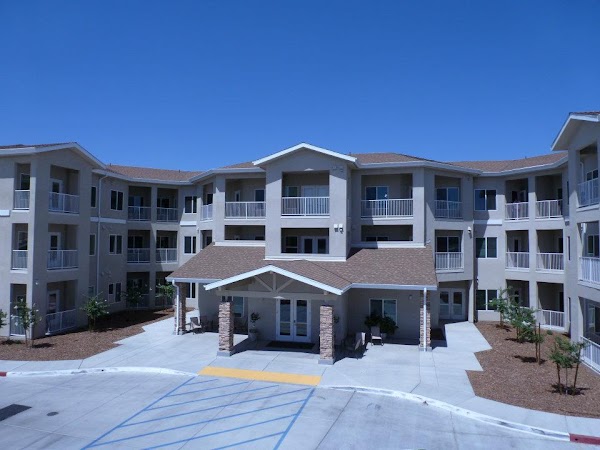
Understanding Severity Codes (click to expand)
Life-Threatening (Immediate Jeopardy)
J - Isolated K - Pattern L - Widespread
Actual Harm
G - Isolated H - Pattern I - Widespread
Potential for Harm
D - Isolated E - Pattern F - Widespread
No Harm (Minor)
A - Isolated B - Pattern C - Widespread

Questions to Ask on Your Visit

  • "What changes have you made since the serious inspection findings?"
  • "Can I speak with families of current residents?"
  • "What's your RN coverage like on weekends and overnight?"

Our Honest Assessment

Strengths
  • • No fines on record. Clean compliance history, better than most California facilities.
  • • 25% annual turnover. Excellent stability, 23 points below California's 48% average. Staff who stay learn residents' needs.
Concerns
  • • Multiple safety concerns identified: 1 life-threatening violation(s), 1 harm violation(s). Review inspection reports carefully.
  • • 32 deficiencies on record, including 1 critical (life-threatening) violation. These warrant careful review before choosing this facility.
Bottom line: Mixed indicators with Trust Score of 68/100. Visit in person and ask pointed questions.

About This Facility

What is Sierra View Homes's CMS Rating?

CMS assigns SIERRA VIEW HOMES an overall rating of 5 out of 5 stars, which is considered much above average nationally. Within California, this rating places the facility higher than 99% of the state's 100 nursing homes. This rating reflects solid performance across the metrics CMS uses to evaluate nursing home quality.

How is Sierra View Homes Staffed?

CMS rates SIERRA VIEW HOMES's staffing level at 5 out of 5 stars, which is much above average compared to other nursing homes. Staff turnover is 25%, compared to the California average of 46%. This relatively stable workforce can support continuity of care.

What Have Inspectors Found at Sierra View Homes?

State health inspectors documented 32 deficiencies at SIERRA VIEW HOMES during 2021 to 2025. These included: 1 Immediate Jeopardy (the most serious level, indicating potential for serious harm or death), 1 that caused actual resident harm, and 30 with potential for harm. Immediate Jeopardy findings are rare and represent the most serious regulatory concerns. They require immediate corrective action.

Who Owns and Operates Sierra View Homes?

SIERRA VIEW HOMES is owned by a non-profit organization. Non-profit facilities reinvest revenue into operations rather than distributing to shareholders. The facility operates independently rather than as part of a larger chain. With 59 certified beds and approximately 51 residents (about 86% occupancy), it is a smaller facility located in REEDLEY, California.

How Does Sierra View Homes Compare to Other California Nursing Homes?

Compared to the 100 nursing homes in California, SIERRA VIEW HOMES's overall rating (5 stars) is above the state average of 3.2, staff turnover (25%) is significantly lower than the state average of 46%, and health inspection rating (4 stars) is above the national benchmark.

What Should Families Ask When Visiting Sierra View Homes?

Based on this facility's data, families visiting should ask: "What changes have been made since the serious inspection findings, and how are you preventing similar issues?" "Can I visit during a mealtime to observe dining assistance and food quality?" "How do you handle medical emergencies, and what is your hospital transfer rate?" "Can I speak with family members of current residents about their experience?" These questions are particularly relevant given the facility's Immediate Jeopardy citations.

Is Sierra View Homes Safe?

Based on CMS inspection data, SIERRA VIEW HOMES has documented safety concerns. Inspectors have issued 1 Immediate Jeopardy citation (the most serious violation level indicating risk of serious injury or death). The facility has a 5-star overall rating and ranks #1 of 100 nursing homes in California. Families considering this facility should ask detailed questions about what corrective actions have been taken since these incidents.

Do Nurses at Sierra View Homes Stick Around?

Staff at SIERRA VIEW HOMES tend to stick around. With a turnover rate of 25%, the facility is 21 percentage points below the California average of 46%. Low turnover is a positive sign. It means caregivers have time to learn each resident's needs, medications, and personal preferences. Consistent staff also notice subtle changes in a resident's condition more quickly.

Was Sierra View Homes Ever Fined?

SIERRA VIEW HOMES has no federal fines on record. CMS issues fines when nursing homes fail to meet care standards or don't correct problems found during inspections. The absence of fines suggests the facility has either maintained compliance or corrected any issues before penalties were assessed. This is a positive indicator, though families should still review recent inspection reports for the full picture.

Is Sierra View Homes on Any Federal Watch List?

SIERRA VIEW HOMES is not on any federal watch list. The most significant is the Special Focus Facility (SFF) program, which identifies the bottom 1% of nursing homes nationally based on persistent, serious quality problems. Not being on this list means the facility has avoided the pattern of deficiencies that triggers enhanced federal oversight. This is a positive indicator, though families should still review the facility's inspection history directly.