BAYBERRY SKILLED NURSING & HEALTHCARE CENTER
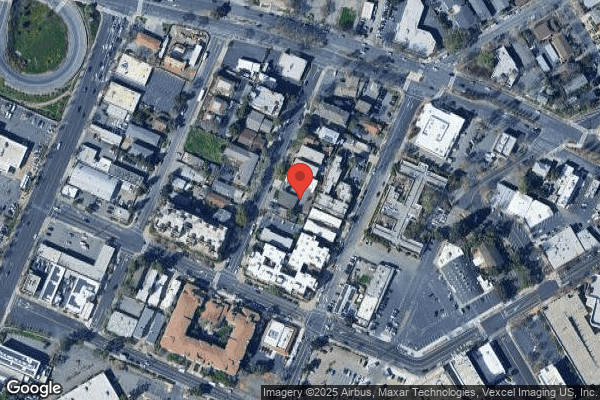
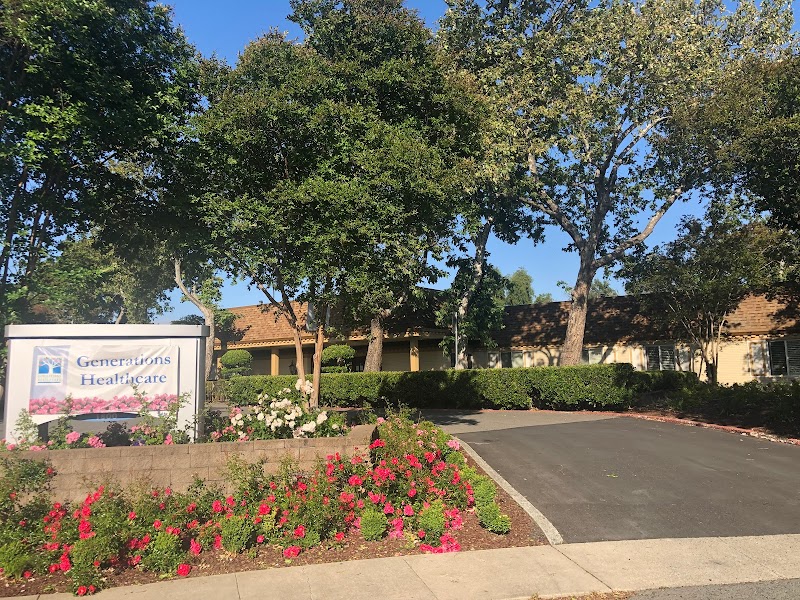
1800 ADOBE STREET, CONCORD, CA 94520 (925) 825-1300
For profit - Limited Liability company 99 Beds GENERATIONS HEALTHCARE Data: November 2025
Trust Grade
85/100
#18 of 1155 in CA
Last Inspection: June 2024

Within standard 12-15 month inspection cycle. Federal law requires annual inspections.

Overview

Bayberry Skilled Nursing & Healthcare Center has a Trust Grade of B+, indicating it is above average and recommended for families considering care options. It ranks #18 out of 1,155 facilities in California, placing it in the top half, and is the best option among 30 facilities in Contra Costa County. The facility is improving, having reduced its issues from six in 2024 to one in 2025. Staffing is a strength here, with a good turnover rate of 38%, which is on par with the state average. They have not incurred any fines, which is a positive sign, but RN coverage is only average, meaning while there is some oversight, it may not be as robust as in some other facilities. However, there are notable concerns regarding food safety practices. The kitchen was found to have multiple cleanliness issues, such as unclean cutting boards and inadequate food storage, which could lead to foodborne illnesses for residents. Additionally, the facility has not provided a means for residents to store perishable food brought in by family members, resulting in waste and a lack of a homelike environment. Lastly, there was an incident where pureed vegetables were not served according to the dietary menu, potentially affecting nutrition for residents on special diets. Overall, while there are strengths in staffing and overall ratings, families should be aware of the food safety concerns that need addressing.

Trust Score
B+
85/100
In California
#18/1155
Top 1%
Safety Record
Low Risk
No red flags
Inspections
Getting Better
6 → 1 violations
Staff Stability
○ Average
38% turnover. Near California's 48% average. Typical for the industry.
Penalties
✓ Good
No fines on record. Clean compliance history, better than most California facilities.
Skilled Nurses
⚠ Watch
Each resident gets only 23 minutes of Registered Nurse (RN) attention daily — below average for California. Fewer RN minutes means fewer trained eyes watching for problems.
Violations
⚠ Watch
19 deficiencies on record. Higher than average. Multiple issues found across inspections.
★★★★★
5.0
Overall Rating
★★★★☆
4.0
Staff Levels
★★★★★
5.0
Care Quality
★★★★☆
4.0
Inspection Score
Stable
2024: 6 issues
2025: 1 issues

The Good

  • 4-Star Staffing Rating · Above-average nurse staffing levels
  • 5-Star Quality Measures · Strong clinical quality outcomes
  • Full Sprinkler Coverage · Fire safety systems throughout facility
  • No fines on record
  • Staff turnover below average (38%)

    10 points below California average of 48%

Facility shows strength in staffing levels, quality measures, fire safety.

The Bad

Staff Turnover: 38%

Near California avg (46%)

Typical for the industry

Chain: GENERATIONS HEALTHCARE

Part of a multi-facility chain

Ask about local staffing decisions and management

The Ugly 19 deficiencies on record

Jun 2025 1 deficiency
CONCERN (D) 📢 Someone Reported This

A family member, employee, or ombudsman was alarmed enough to file a formal complaint

Potential for Harm - no one hurt, but risky conditions existed

Free from Abuse/Neglect (Tag F0600)

Could have caused harm · This affected 1 resident

Based on interview and record review, the facility failed to ensure one of three sampled residents (Resident 1) reviewed for allegations of abuse was free from physical abuse when Certified Nursing As...

Read full inspector narrative →
Based on interview and record review, the facility failed to ensure one of three sampled residents (Resident 1) reviewed for allegations of abuse was free from physical abuse when Certified Nursing Assistant (CNA) 1 forcefully turned Resident 1 while on the shower chair, forcefully removed Resident 1's clothing, hitting Resident 1's hand, and pulling Resident 1's hair. This failure resulted in Resident 1 to experience physical abuse and pain. Findings: During a review of Resident 1's undated admission Record , the admission Record printed on 5/5/25 indicated, Resident 1 was admitted in the facility on 5/15/23 with a diagnosis of Alzheimer's disease (progressive brain disorder that gradually destroys memory and thinking skills, ultimately impacting the ability to carry out even simple tasks). During a review of Resident 1's Minimum Data Set (MDS, a resident assessment instrument used to identify resident care problems to be addressed in an individualized care plan.) , dated 1/20/25, the MDS indicated, Resident 1 had a Brief Interview for Mental Status (BIMS, is a scoring system used to determine the resident's cognitive status in regard to attention, orientation, and ability to register and recall information) score of 3 out of 15, indicating sever cognitive impairment. During a phone interview on 6/5/25 at 1:24 p.m. with Certified Nursing Assistant Student (CNAS) 1, CNAS 1 stated seeing CNA 1 forcefully turned Resident 1 who was sitting on a shower chair in the room causing Resident 1's left arm to hit the wall by the door. CNAS 1 stated hearing Resident 1 saying No, no, no when CNAS 1 was trying to remove Resident 1's top in the shower room. CNAS 1 stated informing CNA 1 that Resident 1 kept saying no. CNAS 1 stated seeing CNA 1 enter the shower room and forcefully removed Resident 1's top. CNAS 1 also stated seeing CNA 1 smack Resident 1's right hand and pull Resident 1's hair on the left side when Resident 1 pinched CNA 1's hand. During a phone interview on 6/5/25 at 2:08 p.m. with CNA 1, CNA 1 stated she tried to communicate to Resident 1 through hand gestures but was unsuccessful when Resident 1 was combative prior to shower. CNA 1 stated placing Resident 1's left and right arm on her abdomen with one hand to stop Resident 1 from hurting her. During a phone interview on 6/5/25 at 3:31 p.m. with CNAS 2, CNAS 2 stated seeing CNA 1 forcing to take Resident 1's clothes. CNAS 2 stated seeing Resident 1 pinch and push CNA 1's hand away. CNAS 2 stated seeing CNA 1 pinning Resident 1's hand down, using force to take Resident 1's clothes off. CNAS 2 stated seeing CNA 1 slap Resident 1's hand. During a review of Resident 1's Progress Notes , dated 3/27/25, the Progress Notes indicated, facility staff made contact with Resident 1's hand in a slapping motion and tugged a part of Resident 1's hair. The progress notes indicated, Resident 1 had a new pain on left later/left front shoulder on assessment. The progress notes also indicated Resident 1 showed signs of pain. During a review of facility's policy and procedure (P&P) titled Abuse, Neglect, Exploitation and Misappropriation Prevention Program , dated 4/21, the P&P indicated, Resident have the right to be free from abuse . This includes but is not limited to freedom from . physical abuse .
Jun 2024 6 deficiencies
CONCERN (D)

Potential for Harm - no one hurt, but risky conditions existed

Deficiency F0761 (Tag F0761)

Could have caused harm · This affected 1 resident

Based on observation, interview, and record review, the facility failed to ensure proper labeling of biologicals (made from a variety of natural sources human, animal, or microorganisms and are used t...

Read full inspector narrative →
Based on observation, interview, and record review, the facility failed to ensure proper labeling of biologicals (made from a variety of natural sources human, animal, or microorganisms and are used to treat, prevent, or diagnose diseases and medical conditions) when one opened multi-dose vial of Tuberculin Purified Protein Derivative (PPD- indicated to aid diagnosis of tuberculosis infection (TB) in persons at increased risk of developing active disease.) was unlabeled and undated with an open date. This failure had the potential for residents to receive a false test result due to Tuberculin PPD with reduced potency from being used past their discard date. Findings: During a concurrent observation and interview on 06/26/24 at 9:12 a.m. with RN (Registered Nurse) 1 in the medication room, one 1 milliliter (mL) multi-dose vial of PPD was in the refrigerator without a vial cap and a label of the open date. RN 1 stated, the vial could have been opened months ago and should have an open date label. During a concurrent interview and record review on 06/26/24 at 1:15 p.m. with IP (Infection Preventionist), the undated pharmacy expiration reference list was reviewed. The pharmacy expiration reference list indicated opened tuberculin test vials should be discarded after 30 days. During a review of the Tuberculin PPD product information from www.fda.gov/media/74862/download?attachment dated November 2013, indicated Vials in use more than 30 days should be discarded due to possible oxidation and degradation which may affect potency.
CONCERN (D)

Potential for Harm - no one hurt, but risky conditions existed

Deficiency F0805 (Tag F0805)

Could have caused harm · This affected 1 resident

Based on observation, interview and facility document review, the facility failed to provide the texture of food prescribed for one resident (Resident 62). This failure had the potential to cause one ...

Read full inspector narrative →
Based on observation, interview and facility document review, the facility failed to provide the texture of food prescribed for one resident (Resident 62). This failure had the potential to cause one Resident 62 to choke on the food provided out of 80 residents who received food from the kitchen. Findings: During a record review, Resident 62's admission Record showed Resident 62 was diagnosed with oropharyngeal phase dysphagia (swallowing problems occurring in the mouth and/or throat. During a record review for Resident 62, the Speech Therapy Treatment Encounter Note(s) dated 6/19/24 and 6/24/24 showed Resident 62 was assessed by SLP and current foods in both reports were Soft + Bite-Sized Foods SB6. A concurrent observation and document review during tray-line food service on 6/24/24 at 12:25 p.m., showed staff placed food on resident trays according to the physician prescribed diet printed on a tray ticket and the Diet Spreadsheet dated Monday Week 2 Cycle 17. The tray ticket for Resident 62 showed he was prescribed a Soft & Bite-Sized SB6, Mildly Thick Liquids, Renal diet. The spreadsheet showed the dessert for Soft & Bite Sized diets was Red Gelatin (cubes) and the dessert for Renal diets was 5 each Vanilla Wafers. Kitchen staff placed a cup filled with red gelatin and a cup filled with vanilla wafers broken up into bite-sized pieces, on Resident 62's tray then began placing food on the next resident tray. During a consecutive interview on 6/24/24 at 12:27 p.m., the Dietary Supervisor (DS) was asked if vanilla wafers were an appropriate texture for soft & bite sized diets. DS stated she needed to ask the Registered Dietitian. During an interview on 6/24/24 at 12:35 p.m., DS stated she spoke with the Speech Language Pathologist (SLP) who said Resident 62 should receive applesauce instead of cookies because the cookies might me too hard. During a virtual interview on 6/26/24 at 9:54 a.m., SLP stated vanilla wafers were not appropriate for as Soft & Bite Sized diet. SLP stated normally the wafers were soaked in milk to make them softer for the Soft & Bite Sized diet but milk was not appropriate for the Renal diet. SLP stated Resident 62 was edentulous (having to teeth) and if the resident attempted to eat the wafers he could have trouble chewing and might spit the wafers out or in the worst case scenario, could choke. SLP stated she noticed the menu spreadsheet used in the kitchen did not have IDDSI (International Dysphagia [difficulty swallowing] Diet Standardization Initiative; a global standard with terminology and definitions to describe texture modified foods and thickened liquids used for individuals with dysphagia of all ages, in all care settings, and for all cultures) for the Renal diet. Review of the facility's Dietary Manual dated 2020 and approved by the Administrator, Dietitian, Medical Director, and Director of Nursing in 2024, showed the IDDSI Soft and Bite Size (level 6, Blue) diet is indicated for the resident who has difficulty chewing or swallowing the food items included in the Regular diet . and is intended for residents who would benefit from foods that can be easily and safely chewed and swallowed. Food offered on this diet are soft, tender and moist with no separate thin liquids. Refer to a speech-language pathologist as needed. A RDN [Registered Dietitian Nutritionist] can individualize this diet to provide resident preferences in a modified form. The description of the diet showed foods should be soft enough to cut with a spoon, foods are to be moistened with small amounts of added liquid such as milk, to avoid hard or crunchy foods which may be difficult to chew. In addition, dry cookies were listed under the foods to avoid.
CONCERN (D)

Potential for Harm - no one hurt, but risky conditions existed

Room Equipment (Tag F0908)

Could have caused harm · This affected 1 resident

Based on observation, interview, and record review, the facility failed to ensure all equipment was maintained in good working order when one of three freezers did not maintain food frozen solid. This...

Read full inspector narrative →
Based on observation, interview, and record review, the facility failed to ensure all equipment was maintained in good working order when one of three freezers did not maintain food frozen solid. This failure to improperly store food had the potential to result in decreased quality of food as well as foodborne illness to residents receiving food from the kitchen. Findings: During an observation on 6/24/24 at 9:29 a.m., the temperature of freezer 1 was 19 degrees Fahrenheit (F). Items inside the freezer, including individual cartons of supplement shakes and pie crusts were soft to the touch and not frozen solid. During a concurrent observation and interview on 6/24/24 at 10:05 a.m. with the Dietary Supervisor (DS), freezer 1 and its contents were observed again. Seven uncooked pie dough crusts labeled with a received date of 4/22/24 were all noted as being soft to the touch, along with 2 angel food cakes labeled with a received date of 5/24/24. The DS then opened two health shakes stored in the freezer, which were not frozen solid and had a gooey, pudding-like consistency and ice build-up on the surface. The DS stated the shakes should not be this consistency and should be frozen solid. During a concurrent observation and interview on 6/26/24 at 9:20 a.m. with the DS, freezer 1 was 20 degrees F. During a review of the facility's policy and procedure (P&P) titled Food Storage, dated 2017, the policy indicated All freezer units will . be kept in good working condition at all times . and Frozen foods must be maintained a temperature to keep the food frozen solid.
CONCERN (E)

Potential for Harm - no one hurt, but risky conditions existed

Menu Adequacy (Tag F0803)

Could have caused harm · This affected multiple residents

Based on observation, interview, and facility document review, the facility failed to provide pureed vegetables according to the menu for residents receiving pureed diets. This failure had the potent...

Read full inspector narrative →
Based on observation, interview, and facility document review, the facility failed to provide pureed vegetables according to the menu for residents receiving pureed diets. This failure had the potential to result in decreased satisfaction with food and/or decreased nutrient intake for four out of five (Residents 29, 54, 3, 30) residents who received pureed diets. Findings: An observation in the kitchen and interview with the Dietary Supervisor (DS) and [NAME] (C) 1 on 6/24/24 at 10:25 a.m., showed metal pans in the oven. C1 stated the food in the metal pans included pureed carrots. C1 stated he placed the pureed food in the oven about 9:50. DS stated tray line normally started about 11:45 a.m. Review of the Diet Spreadsheet dated Monday Week 2 Cycle 17, showed the vegetables served for lunch on 6/24/24 were sliced carrots, and the pureed textured diets received pureed sliced carrots. During an observation and interview with DS on 6/24/24 at 12:45 p.m., test trays were conducted, and the regular textured and pureed textured food served to residents for lunch were sampled. The pureed carrots were flavorless and had an unpleasant gummy/sticky texture. The regular carrots tasted well-seasoned. DS confirmed the texture of the pureed carrots were gummy. DS also agreed the pureed carrots lacked flavor. During an interview on 6/25/24 at 9:35 a.m., C1 confirmed he prepared the carrots for served for lunch yesterday (6/24/24). C1 stated the regular textured carrots were cooked in the steamer then he put seasoning on the carrots including salt, pepper, paprika, and some garlic powder. C1 stated the for the pureed carrots, the carrots were boiled and pureed, and seasoning was not added. C1 stated he did not usually add seasoning to pureed vegetables. During an interview and concurrent document review of recipes on 6/25/24 at 9:40 a.m., DS stated the regular textured carrots should be pureed rather than preparing a separate batch of carrots for the pureed texture. DS confirmed according to the recipes the regular carrots were prepared, then pureed. Review of the recipe for sliced carrots dated 2/2/23 showed to ingredients included frozen sliced carrots, and seasoning - Signature Blend, Salt Free. Review of the recipe for Sliced Carrots (Puree) dated 1/7/2017, showed to prepare Sliced Carrots according to the recipe, then puree in a food processor. Review of the policy and procedure titled, Standardized Recipes, dated 2023, indicated standardized recipes will be used when preparing menu items.
CONCERN (F)

Potential for Harm - no one hurt, but risky conditions existed

Food Safety (Tag F0812)

Could have caused harm · This affected most or all residents

Based on observation, interview, and facility document review, the facility failed to ensure food was stored and prepared in a safe and sanitary environment when: 1. Kitchen Floors were not clean and...

Read full inspector narrative →
Based on observation, interview, and facility document review, the facility failed to ensure food was stored and prepared in a safe and sanitary environment when: 1. Kitchen Floors were not clean and maintained in good condition; 2. Chicken was not thawed safely; 3. The ice machine was not clean and was not cleaned according to manufacturer's instructions; 4. A can opener was not clean; and 5. Cutting boards were not clean and were in poor condition These failures had the potential to result in contamination of food, food preparation equipment, and utensils used for food, leading to food borne illness and/or food related illness for 80 residents who received food from the kitchen out of a census of 80. 1. An observation in the kitchen on 6/24/24 at 10:09 a.m., showed the floor between the reach in refrigerator and the warewashing sink with broken and missing tiles. The floor had an uneven surface. During an interview with the Maintenance Supervisor (MS) and a concurrent observation in the kitchen on 6/25/24 at 12:39 p.m., MS stated he was aware of the broken tiles throughout the kitchen floor. MS stated the floor was so old he could not get the same tiles to replace the cracked and missing tiles, so tried to replace with white tiles. Some of the smooth white tiles, MS used to replace the older tiles, were also cracked. Some tiles were loose. A loose tile on the floor between the warewashing sink and a reach-in refrigerator was moved and there were at least 7 insects under the tile. The insects were not identified but were long and thin, about an inch long. An observation in the kitchen and concurrent interview with DS on 6/25/24 at 12:52 p.m., showed black and brown residue build-up on the floor under the warewashing sink, closer to the wall. The tile floor under the sink did not come into contact with the wall so there was a gap of over an inch between floor tiles and the wall in some areas. DS stated the dark residue looked like food residue. DS stated the floor under the warewashing sink did not get cleaned. During an observation in the kitchen on 6/26/24 at 10:17 a.m., the floor under the warewashing sink was wiped with a white napkin and a significant amount of black/brown, sticky residue wiped off onto the napkin. During an interview on 6/26/24 at 10:25 a.m., the Administrator (Admin) stated she was aware of the condition of the floor in the kitchen and the floors were and ongoing project and the floors were part of QAPI (Quality Assurance and Performance Improvement). Admin was unable to state how long the floors were monitored in QAPI. Then Admin stated the kitchen floors were not picked up as an active PIP (Performance Improvement Project). Admin stated, the things being worked on in QAPI were things we know definitely need improvement which were typically related to clinical. Admin stated the facility did receive bids to fix the floor but there was no evidence provided by Admin to show the facility was moving forward with either of the two bids provided (flooring bids dated 2/15/24 and 2/20/24). On 6/26/24 at 11:17 a.m., MS stated he worked in the facility for seven years and the floor in the kitchen was already in poor condition when he started. MS stated the floors have gotten worse over time. Review of the facility's P&P titled Floor Safety dated 2023, showed floors will be maintained to maximize safety. Floors should be kept clean. According to the 2022 Federal Food Code, floors are to be designed, constructed, and installed so they are smooth and easily cleanable. In food establishments in which cleaning methods other than water flushing are used floor cleaning floors, the floor and wall junctures are to be coved and closed to no larger than one millimeter. Floors in which water flush cleaning methods are used, the floor and wall junctures shall be coved and sealed. In addition, premises are to be maintained free of insects. 2. An observation during the initial tour of the kitchen on 6/24/24 at 9:48 a.m., showed a large pan of raw chicken stored in a reach-in refrigerator. The label on the pan showed the preparation date was Sunday 6/23/24 and the use by date was 6/26/24. The label also showed SL: 3 days. The chicken was very soft to the touch and felt thawed. During an observation and interview with the Dietary Supervisor (DS) and [NAME] (C) 1 on 6/24/24 at 10:10 a.m., DS looked at the thawed chicken with the preparation date 6/23/24 and stored in the walk-in refrigerator. DS stated C1 placed the chicken in the refrigerator to thaw on Saturday 6/22/24 but changed the label on Sunday to show a preparation date of 6/23/24. Then DS stated if the chicken was placed in the refrigerator on Saturday, the label should show Saturday 6/22/24. C1 explained the chicken was leftover chicken from what was not used from a prior meal. DS and C1 explained the staff used a label making machine and the machine could only print a label showing the current date, not a past date. So, if staff used the label maker to make a new label for a food already being stored on a past date, such as the chicken, the label showed the current date, not the actual date the chicken was placed in the refrigerator. DS stated, in cases like this, staff had to make a handwritten label to show the correct date. During an interview on 6/24/24 at 10:17 a.m., C1 stated he remembered he had two batches of chicken thawing and the chicken he thawed on Saturday was already used and he placed a second batch of chicken to thaw in the refrigerator on Sunday. C1 stated he thawed the chicken with the preparation date label 6/23/24 under running water then he placed it back in the refrigerator to use on Tuesday 6/26/24. During an interview with C1 and DS on 6/25/24 at 8:55 a.m., C1 stated he was marinating the chicken observed in the refrigerator yesterday with the preparation date 6/23/24. Then he stated he thawed the chicken under running water this morning. C1 stated he did not measure the temperature of the running water when he thawed the chicken under the water. C1 stated it could take up to an hour to thaw raw chicken under running water. When C1 was asked if there was time/temperature documentation for the chicken for when he stated he thawed it under runner water the prior day and placed back in the refrigerator, C1 stated no. Then C1 stated he did not thaw the chicken under running water and only thawed the chicken in the refrigerator. Then DS confirmed she did hear C1 say he (C1) thawed the chicken under running water on Sunday (6/23/24) and placed it back in the refrigerator. DS confirmed there were no critical control points measured (time/temperature) to ensure the chicken was thawed and stored safely after being thawed under running water then placed back in the refrigerator to use on a future date. DS told C1 to discard the chicken from 6/23/24 which was being marinated for lunch and to thaw another batch of chicken. An observation and interview with C1 and DS on 6/25/24 at 9:46 a.m., showed C1 placed frozen chicken pieces in a metal pan and placed the pan in the food preparation sink and turned the water on so water flowed into the pan with the chicken. The chicken pieces did not fully fit inside the pan. So, when the water ran into the pan, the chicken was not submerged. The chicken pieces stuck out of the water over four inches. When C1 was asked if he measured the water temperature, he confirmed he did, and it was about 75 degrees Fahrenheit (F). When C1 and DS were asked if the chicken was being thawed appropriately, DS stated yes, because the chicken was under running water. When the surveyor pointed out the chicken was not fully submerged in the water. Then DS confirmed the chicken needed to be fully submerged in the water. DS measured the temperature of the water with a thermometer and stated the water was 76 degrees F. DS measured the running water temperature again with a different thermometer and stated the temperature was 75.4 degrees F. DS confirmed only the cold water was on and this was the coldest the water would get. Review of the facility's policy & procedure (P&P) titled General HACCP Guidelines for Food Safety, dated 2017, the P&P showed the time-temperature connection was limiting the time food is in the temperature danger zone (TDZ). Food must be held above 135 degrees F or below 41 degrees F. Limit the time that food is in the TDZ to no more than four hours combined total for all preparation (thawing, preparation, and re-handling). In addition, the P&P showed two safe thawing practices - a. thaw meat, fish and/or poultry in a refrigerator; b. completely submerge the item in clean running water (below 70 degrees F) that is running fast enough to agitate and float off loose ice particles. 3. During an observation in the kitchen with the Maintenance Supervisor (MS) on 12/25/24 at 12:26 p.m., MS described how he cleaned the ice machine. MS stated the ice machine was scheduled for cleaning once a month, but he actually cleaned it once a week. MS stated he sanitized everything on the ice machine. MS stated he opened the ice machine and wiped the evaporator plate (a metal grid inside the ice machine where water runs over then freezes to make ice cubes). Then MS stated a deep cleaning was done every six months. MS showed the chemical used for what he stated was sanitizing. The container of the chemical showed it was a Scale Remover for Ice Machines. MS showed the chemical container he stated he used for monthly cleanings. This chemical was Ice Machine Sanitizer. MS stated he did the last weekly cleaning last Friday. MS stated he did not have the ice machine manufacturer's manual to show directions for cleaning the machine. As the observation and interview of the ice machine continued on 12/25/24 beginning at 12:26 p.m., MS opened the top of the ice machine and removed the evaporator plate cover. A white wire was attached to a plastic, rectangle piece attached to the plastic to the side of the evaporator plate. MS stated the plastic rectangle piece was a sensor. There was dark brown residue along the entire crevice of the wire and the and there was dark brown/black residue around the area of the sensor. MS stated he did not touch the sensor or wire when he cleaned the ice machine because it was very sensitive. It was noted the wire and the sensor were inside the ice machine over opening to the ice bin, where the ice was stored, and moisture droplets were formed on the parts of the upper inside area and could drip down into the ice. Review of the undated manufacturer's manual provided by MS for the ice machine titled [Ice machine brand] Installation and User's Manual for Modular Cuber [model numbers], showed to pour the ice machine scale remover into the reservoir and the unit will circulate the scale remover, then drain and flush. The directions also showed to locate two sensors, an ice thickness sensor as well as the water level sensor. The directions showed how to clean both sensors. The directions showed to thoroughly wash all surfaces of the ice thickness sensor and water level sensor with a sanitizer solution. In addition, all interior surfaces of the freezing compartment (excluding evaporator cover and right side panel liner) with sanitize solution. It was noted the directions did not indicate to wipe the evaporator with scale remover. According to the 2022 Federal Food Code, food-contact surfaces of equipment are to be clean to sight and touch. Nonfood-contact surfaces are to be kept free of an accumulation of dust, dirt, and other debris. 4. An observation and interview at 9:50 a.m., showed an industrial can opener held in a base attached to a food preparation table. The green insert inside the base had black, brown, and white residue and particles on the subsurface. In addition, the can opener blade had black and brown, sticky residue imbedded line crevice where the blade attached to the base of the can opener. DS stated the can opener was just cleaned this morning by running it through the dish machine. DS stated she did not consider the blade clean, and the dishwasher could rerun it through the machine if it did not come out clean. DS confirmed the base was not clean. DS also stated the can opener holder was cleaned every three months but if it was soiled prior to three months it needed to be cleaned as needed. Review of the facility's P&P titled Cleaning Instructions: Can Opener dated 2023, showed the can opener will be cleaned after each use. To clean a handheld can opener, clean in sink filled with soapy water. Pay special attention to the blade and moving parts. Use a brush to get into the crevices. Rinse, sanitize, and air dry. In addition, remove the rubber insert. Clean in a sink filled with soapy water. Rinse, sanitize, and air dry. According to the 2022 Federal Food Code, food-contact surfaces of equipment are to be clean to sight and touch. Nonfood-contact surfaces are to be kept free of an accumulation of food residue and other debris. 5. An observation in the kitchen and concurrent interview with DS on 6/24/24 at 11:40 a.m., showed seven acrylic cutting boards stored in a rack. Three of seven cutting boards were significantly scratched with plastic coating peeling off the surfaces. One of the three scratched cutting boards had black residue imbedded in the surface of both sides of the board. Another of the three scratched cutting boards, which was green, had white residue build-up on the surface which scraped off. This board was so scratched almost the entire board appeared white. DS stated cutting boards were replaced as needed. DS stated the scratched cutting boards were overused and two of the scratched cutting boards were dirty. Review of the P&P titled Cleaning Instructions: Cutting Boards dated 2023, showed cutting boards will be cleaned and sanitized after each use. Cutting boards should be replaced when the surface is deeply scored. According to the 2022 Federal Food Code, multiuse food-contact surfaces are to be clean be smooth and free from inclusions, pits, and similar imperfections. Food-contact surfaces of equipment are to be clean to sight and touch. Surfaces such as cutting boards that are subject to scratching and scoring are to be resurfaced if they can no longer be effectively cleaned and sanitized, or discarded if they are not capable of being resurfaced.
CONCERN (F)

Potential for Harm - no one hurt, but risky conditions existed

Deficiency F0813 (Tag F0813)

Could have caused harm · This affected most or all residents

Based on observation, interview, and record review, the facility failed to ensure: 1. Family members could bring in food for residents. 2. Residents had a location to safely store perishable food. ...

Read full inspector narrative →
Based on observation, interview, and record review, the facility failed to ensure: 1. Family members could bring in food for residents. 2. Residents had a location to safely store perishable food. 3. A policy described the safe storage of food brought in by family members. This failure had the potential to result in foodborne illness from unsafe food storage, decreased food intake, and did not create a homelike environment for 80 residents who took food by mouth out of a census of 80. Findings: During an interview on 6/24/24 at 11:21 a.m. with Certified Nursing Assistant (CNA) 1, CNA 1 stated that the facility did not have any refrigerators to store resident food in, and perishable foods were thrown away. During an interview on 6/24/24 at 11:25 a.m. with Licensed Vocational Nurse (LVN) 1, LVN 1 confirmed that there was no refrigerator on the unit to store food in, and that perishable resident food was thrown away if the resident did not want to consume the food at the time it was provided. During an interview on 6/24/24 at 11:27 a.m., the Assistant Director of Nursing (ADON) stated typically perishable food brought in by family members was not stored for residents. ADON stated the family members were asked not to bring food in for residents. During an interview on 6/24/24 at 11:29 a.m. with the Director of Nursing (DON), the DON stated food is brought in for residents by family members was not stored and the facility let family members know there was not a refrigerator to store food. DON stated family was asked not to bring food in food to the facility. DON stated once food enters the Resident room it was contaminated. When DON was asked if food that did not enter the resident room could it be stored, DON stated the facility did not have a refrigerator. During a review of the facility's policy and procedure titled Food Brought by Family/Visitors, undated, the policy indicated family members should inform nursing staff of their desire to bring food into the facility. The Clinical Dietitian or a Nurse Supervisor should assure that the food is not in conflict with the resident's prescribed diet plan. Perishable foods must be discarded after an appropriate time (specific to food and temperature). It was noted this policy did not describe how to safely store food brought in by family and visitors.
Nov 2022 1 deficiency
CONCERN (D) 📢 Someone Reported This

A family member, employee, or ombudsman was alarmed enough to file a formal complaint

Potential for Harm - no one hurt, but risky conditions existed

Grievances (Tag F0585)

Could have caused harm · This affected 1 resident

Based on interviews and record review, the facility failed to follow the Grievance/Complaint policy and procedure to inform the resident, or responsible person of the investigation results and actions...

Read full inspector narrative →
Based on interviews and record review, the facility failed to follow the Grievance/Complaint policy and procedure to inform the resident, or responsible person of the investigation results and actions taken for one (Resident 1) of three sampled residents when the Administrator (Admin) did not inform Resident 1 of the investigation findings. The complaint was about Registered Nurse (RN 1) not treating Resident 1 with dignity and respect. This deficient practice had the potential to cause Resident 1 emotional distress. Findings: During an interview on 11/21/22 at 11:05 a.m., Resident 1 stated he asked Admin for a meeting appointment. Resident 1 stated Admin met with him and informed Admin that he was not getting along with RN 1 because RN 1 screamed and shouted at him, treated him like a child and did not treat him with dignity and respect. Resident 1 stated Admin said she would follow up with Resident 1 and Admin never did. Review of the Admission-Minimum Data Set (MDS - an assessment screening tool used to guide care), dated 6/25/22, indicated Resident 1's Basic Interview of Mental status (BIMS) score was 15 (meaning cognitively intact). Resident 1 ' s diagnoses included anxiety disorder (a mental health disorder characterized by feelings of worry, anxiety, or fear that are strong enough to interfere with one ' s daily activities). During an interview on 11/22/22 at 10:00 a.m., Admin stated Resident 1 informed her about the friction he was having with RN 1. Admin stated she did not remember if she followed up with Resident 1. During an interview on 11/2/22 at 10:40 a.m., RN 1 stated he admitted that sometimes he was stern with Resident 1 because Resident 1 always asked for one thing or another. RN 1 stated Resident 1 sometimes made sexual innuendoes. During a review of the facility ' s Grievance tracking log on 11/22/22 at 10:40 a.m., in the presence of the Director of Social Services (DSS), there were no concerns reported from January 2022 to October 2022. The facility's policy and procedure titled, Resident Grievance/Complaint revised December 2004, indicated; A resident, his or her representative, family member, visitor or advocate may file a verbal or written grievance or complaint concerning treatment, abuse, neglect, harassment, medical care, behavior of other residents or staff members etc. Such grievances include those with respect to care and treatment which has been furnished as well as that which has not been furnished, the behavior of staff and of other residents, and other concerns regarding their facility stay. Within seven working days of the date you filed the grievance; you will receive a written summary of the results of the investigation.
Nov 2021 5 deficiencies
CONCERN (D)

Potential for Harm - no one hurt, but risky conditions existed

Assessment Accuracy (Tag F0641)

Could have caused harm · This affected 1 resident

**NOTE- TERMS IN BRACKETS HAVE BEEN EDITED TO PROTECT CONFIDENTIALITY** Based on interview and record review, the facility failed to accurately code the discharge disposition of one of 19 sampled resi...

Read full inspector narrative →
**NOTE- TERMS IN BRACKETS HAVE BEEN EDITED TO PROTECT CONFIDENTIALITY** Based on interview and record review, the facility failed to accurately code the discharge disposition of one of 19 sampled residents (Resident 68) on the discharge MDS (Minimum Data Set- an assessment used to guide care) assessment. This failure resulted in an inaccurate reflection of Resident 68's discharge disposition on the MDS assessment. Findings During an interview and record review on 11/19/21, at 9:34 a.m., with MDS Coordinator (MDSC), MDSC stated Resident 68's Discharge summary dated [DATE] was reviewed. MDSC stated Resident 68 was discharged home on 8/18/21. During an interview following the record review of the Discharge Summary on 11/19/21, 9:35 a.m., MDSC stated Resident 68's MDS discharge assessment wasin error and indicated Resident 68 was discharged to the Acute Care Hospital (possible return to the facility after a therapeutic leave to the hospital). MDSC stated Resident 68's inaccurate MDS coding resulted in an incorrect discharge disposition.
CONCERN (D)

Potential for Harm - no one hurt, but risky conditions existed

Comprehensive Care Plan (Tag F0656)

Could have caused harm · This affected 1 resident

Based on interview and record review, the facility failed to ensure the hospice interdisciplinary team participated in the initial care plan for one (Resident 14) of nineteen sampled residents to addr...

Read full inspector narrative →
Based on interview and record review, the facility failed to ensure the hospice interdisciplinary team participated in the initial care plan for one (Resident 14) of nineteen sampled residents to address Resident 14's hospice care needs. This deficient practice had the potential to result in not receiving a person-centered hospice plan of care. Findings: Review of the admission Minimum Data Set - (MDS - an assessment screening tool used to guide care) dated 5/28/21, indicated Resident 14's diagnoses included respiratory failure (serious lung and breathing disorder). Resident 14 was on hospice care. Review of the Resident Care Conference dated 5/24/19, indicated Resident 14 was readmitted from home on 5/21/21 to the facility for hospice care. Further review of Resident 14's Resident Care Conference dated 5/24/21, indicated the interdisciplinary team members who participated in the care plan development did not include hospice representatives. During an interview on 11/18/21 at 12:31 p.m., Social Services Director (SSD) stated she coordinated Resident 14's 5/24/21 care plan conferences with the hospice care team but they did not attend. SSD could not provide Resident 14's coordinated plan of care between the facility, hospice agency, and resident/family care plan conference. The facility policy and procedure titled, Hospice Program (undated) indicated, when a resident participates in the hospice program, a coordinated plan of care between the facility, hospice agency and resident/family will be developed.
CONCERN (D)

Potential for Harm - no one hurt, but risky conditions existed

Deficiency F0685 (Tag F0685)

Could have caused harm · This affected 1 resident

Based on observation, interview, and record review, the facility failed to follow-up for one (Resident 62) of 19 sampled residents prescribed eyeglasses order for three months. This deficient practic...

Read full inspector narrative →
Based on observation, interview, and record review, the facility failed to follow-up for one (Resident 62) of 19 sampled residents prescribed eyeglasses order for three months. This deficient practice resulted in Resident 62 having difficulty reading, prevented her from fully enjoying her pastime activities and seeing her surroundings clearly. Findings: During a concurrent observation and interview on 11/16/21, at 8:22 a.m., Resident 62 stated she was concerned about her eyeglasses that have not arrived yet and has been months. Resident 62 had two pairs of over-the-counter (OTC) eyeglasses from the Dollar store on the overbed table. Resident 62 stated the OTC eyeglasses do not help her vision. During an interview on 11/17/21, at 9:50 a.m., with the Social Services Director (SSD), SSD stated Resident 62 was seen by the optometrist (eye doctor) and started the order for Resident 62's eyeglasses back in August 2021. SSD stated she usually calls to follow-up with an order but could not provide documentation reflecting having checked the status of Resident 62's prescription eyeglasses. During an interview on 11/19/21, at 8:50 a.m. with Resident 62, Resident 62 stated it was difficult to read the daily paper, watch television, and had to hold on to everything to the portable bedside commode at the right side of the bed. During a review of Resident 62's optometry notes which indicated Resident 62 was seen on 8/23/21 and had a Final Spectacle (eyeglass) Rx (prescription). During a review of the email sent by (name of eye company) to SD dated 11/17/21 which indicated Resident 62 had a high Rx with a tint and polycarbonate eyeglasses. During a review of the facility's policy and procedure (P&P) titled, Vision Care (not dated)indicated, Social services staff shall assist in contacting the resident's ophthalmologist/optometrist for the necessary service.Documentation shall be maintained in the resident's medical record.
CONCERN (D)

Potential for Harm - no one hurt, but risky conditions existed

Drug Regimen Review (Tag F0756)

Could have caused harm · This affected 1 resident

**NOTE- TERMS IN BRACKETS HAVE BEEN EDITED TO PROTECT CONFIDENTIALITY** Based on interview and record review, for one of five sampled residents (Resident 24) reviewed for unnecessary medications use, ...

Read full inspector narrative →
**NOTE- TERMS IN BRACKETS HAVE BEEN EDITED TO PROTECT CONFIDENTIALITY** Based on interview and record review, for one of five sampled residents (Resident 24) reviewed for unnecessary medications use, the facility failed to act upon the Consultant Pharmacist's (CP) report of a medication irregularity when an approved change in medication directions was not implemented. This failure did not ensure safe medication administration and had the potential for adverse side-effects. Findings: Review of Resident 24's admission Record indicated Resident 24 was admitted to the facility on [DATE] with diagnoses that included chronic pain. Review of CP's titled, Note To Attending Physician/Prescriber dated 9/10/21 indicated; This resident has an order for Lidocaine Patch 4% (treats pain) order needs to be clarified. Current directions of 2 patches is indicated for Lidocaine 5% (max of 3 patches) not indicated for Lidocaine 4%. Lidocaine 4% direction typically is 'apply 1 patch topically to affected area for up to 12 hours; max 1 patch on body at a time; usually limit use to 1 week'. CP's recommendation were: 1. Change from Lidocaine 4% to 5% (retain 2 patches application) or 2. Retain Lidocaine 4% (change directions to max 1 patch application). The note also indicated the Attending Physician signed and wrote agree on 10/4/21. Review of CP's Note To Attending Physician/Prescriber dated 10/7/21 indicated the same recommendation as before on 9/10/21. The note reflected the Attending Physician had signed again and wrote agree' on 11/1/21. During an interview and concurrent review of Resident 24's Medication Administration Record (MAR) for October 2021 and November 2021 with the Director of Nursing (DON), on 11/19/21 at 10:47 a.m., DON stated Resident 24's previous order for Lidocaine 4% patch indicated the licensed nurse could give up to two patches whereas the recommendation from the Consultant Pharmacist suggested only one patch could be given. Review of Resident 24's MAR for October 2021 did not indicate the physician's order dated 10/4/21 was carried out. During a follow-up interview and review of Resident 24's MAR with DON, on 11/19/21 at 11:36 a.m., DON stated the physician's order dated 10/4/21 was not carried out as expected on the same day the order was written. Consequently, the order dated 10/4/21 was carried out on 11/2/21 (28 days later). During a telephone interview with CP on 11/19/21 at 12:26 p.m., CP stated the recommendation to limit Lidocaine 4% to only one patch at a time, in a 24-hour period, was made in accordance with the Lidocaine manufacturer's specification.
CONCERN (E)

Potential for Harm - no one hurt, but risky conditions existed

Unnecessary Medications (Tag F0759)

Could have caused harm · This affected multiple residents

Based on observation, interview, record review, the facility failed to ensure the medication rate was less than 5% for two of 19 sampled residents (Resident 23 and Resident 317). 1. For Resident 317,...

Read full inspector narrative →
Based on observation, interview, record review, the facility failed to ensure the medication rate was less than 5% for two of 19 sampled residents (Resident 23 and Resident 317). 1. For Resident 317, Licensed Vocational Nurse 5 (LVN 5) administered inhaler medications, Incruse Ellipta and Symbicort, for chronic obstructive pulmonary (lung) disease (COPD) and DuoNeb (treats COPD or wheezing and shortness of breath caused by asthma (airways become inflamed and narrow). Resident 317 was not instructed to rinse and spit after receiving Incruse Ellipta and Symbicort which were not administered in the correct sequence. 2. LVN 4 administered Tetrahydrozoline HCI (hydrochloride) (decongestant eye drop for eye irritation and redness). However, the physician ordered Pataday Solution eye drops (antihistamine for itchy, red eyes due to allergies) for Resident 23. Instructions for closing the eyes, and rotating the eyeball were not provided. These failures had the potential for Resident 317 to develop oral thrush (fungus) from not rinsing and spitting. Resident 23 received the wrong eye drops that had a different therapeutic action. No instructions were provided to Resident 23 during eye drop administration which had the potential for under dosage and did not meet standards of practice. Findings: 1. During an observation on 11/16/21, at 8:37 a.m., LVN 5 first administered two puffs of Symbicort (combination steroid anti-inflammatory and long-acting medication that relaxes the muscles around the airways), then Incruse Ellipta (anticholinergic that relaxes muscles in the airways) and the DuoNeb (bronchodilator, opens up the airways) via nebulizer (machine that delivers the medication in a fine mist to breathe in) to Resident 317. During an interview on 11/17/21, at 1:03 p.m., LVN 5 stated bronchodilators should be administered before administering other breathing/inhaler treatments. LVN 5 stated bronchodilators would help to open up the airway for better absorption of other medications. LVN 5 stated she was not sure if she administered the inhalers in the correct order. During a record review of the facility's policy and procedure (P&P) titled, Specific Medication Administration Procedures dated 5/16/18, indicated, Sequence of Inhaler Medications; 1) bronchodilators (Duoneb) administered first, 2) anticholinergic (Incruse Ellipta) or long-acting bronchodilator administered second, and 3) steroid inhaler (Symbicort) administered last .). 2. During a record review of Resident 317's physician orders dated 11/17/21, indicated Resident 317 was to receive Incruse Ellipta Aerosol Powder Breath Activated (umeclidinium Bromide) one inhalation, inhale orally every 12 hours related to COPD with (acute) exacerbation, rinse mouth after use. During record review of Resident 317's physician orders, dated 11/17/21, indicated Resident 317 was to receive Symbicort Aerosol 160-4.5 MCG/ACT (microgram/actuation) (Budesonide-Formoterol Fumarate) 2 puffs inhale orally two times a day related to COPD with(acute) exacerbation, rinse and spit after use. During a record review of Resident 317's physician orders, dated 11/17/21, indicated Resident 317 was to receive DuoNeb Solution 0.5-2.5 (3) MG(milligram)/3 ML (milliter) (Ipratropium-Albuterol) 1 application inhale orally every 4 hours for SOB (shortness of breath) related to COPD with (acute) exacerbation, rinse mouth after use. During an observation on 11/16/21, at 8:37 a.m., LVN 5 administered two puffs of Symbicort, Incruse Ellipta and DuoNeb via nebulizer to Resident 317. LVN 5 did not ask Resident 317 to rinse/ spit after administration of Incruse Ellipta and Symbicort. During an interview on 11/16/21, at 2:17 p.m., LVN 5 stated she did not ask Resident 317 to rinse and spit after administering the inhaler treatments. LVN 5 stated it was important to rinse and spit after each inhaled medication to prevent oral thrush. 3. During an observation on 11/16/21, at 9:59 a.m., LVN 4 administered one drop of Tetrahydrozoline HCI eye drop (a medication for eye irritation and redness) to left and right eye of Resident 23. During a record review of Resident 23's physician orders, dated 11/18/21, indicated Resident 23 was to receive Pataday Solution 0.2%, instill 1 drop in both eyes one time a day for itchy eyes related to other chronic allergic conjunctivitis (inflammation or infection of the outer membrane of the eyeball) for 6 weeks. During a record review of the facility's undated P&P titled, Administering Medications indicated, medications will be administered in a timely manner and as prescribed by the resident's attending physician or the facility's medical director. 4. During an observation on 11/16/21, at 9:59 a.m., LVN 4 administered one drop of Tetrahydrozoline HCI eye drop to the left and right eye of Resident 23. LVN 4 did not ask Resident 23 to keep his eyes closed after administering the eye drops. During an interview on 11/17/21, at 12:23 p.m., LVN 4 stated it was important to ask Resident 23 to keep his eyes closed after administering eye drops so the medication would stay in his eyes for better absorption. During a record review of the facility's undated P&P titled, Eye Drops which indicated, After instilling drops ask resident to close his/her eye and rotate his/her eyeball.
Feb 2019 6 deficiencies
CONCERN (D)

Potential for Harm - no one hurt, but risky conditions existed

Resident Rights (Tag F0550)

Could have caused harm · This affected 1 resident

**NOTE- TERMS IN BRACKETS HAVE BEEN EDITED TO PROTECT CONFIDENTIALITY** Based on observation, interview and record review, the facility failed to treat four (Resident 7, 77, 50 and 5) of 23 sampled re...

Read full inspector narrative →
**NOTE- TERMS IN BRACKETS HAVE BEEN EDITED TO PROTECT CONFIDENTIALITY** Based on observation, interview and record review, the facility failed to treat four (Resident 7, 77, 50 and 5) of 23 sampled residents with respect and dignity. 1. Certified Nurse Assistant (CNA) 1 entered room [ROOM NUMBER] and 224 without knocking or asking for permission, while Resident 7 and Resident 77 were in their respective rooms. 2. Resident 50's room smelled strong of urine while Resident 50 was eating breakfast. 3. CNA 2 scraped food from Resident 5's face multiple times while feeding lunch in the social dining area. These deficient practices had the potential for Resident 7, 77, 50 and 5 to not feel sense of self-esteem, respect and dignity. Findings: 1. Review of admission Record dated 2/21/19 showed Resident 7 was admitted to the facility on [DATE] and a review of Brief Interview for Mental status (An assessment tool ) dated 11/22/18 showed Resident 7 cognition was severely impaired. Review of admission Record dated 2/21/19 showed Resident 77 was admitted to the facility on [DATE] and a review of Quarterly MDS dated [DATE] showed Resident 77 had BIMS score of 6 (poor cognition level and hence unable to interview). During an observation on 2/19/19 at 9:07 a.m., CNA 1 was observed entering room [ROOM NUMBER] without knocking or asking for permission. Resident 7 was in the room at that time. During a follow up observation on 2/19/19 at 9:09 a.m., CNA 1 was observed entering room [ROOM NUMBER] without knocking or asking for permission, while Resident 77 was in the room. During an interview on 2/19/19 at 9:10 a.m., when asked about facility's procedure about knocking before entering resident's rooms, CNA 1 stated, I knock sometimes, I have already gotten used to it now. I understand if we do not knock, Residents might get annoyed. During an interview on 2/2019 at 10:00 a.m., Director of Staff Development (DSD) stated Staff should knock and ask for permission because they are invading resident's privacy. DSD further confirmed CNA 1 was in-serviced on Dignity on 1/15/19. The facility's policy and procedure titled Quality of Life-Dignity revised 08/2009 showed Residents' private space and property shall be respected at all times . a) Staff will knock and request permission before entering residents' rooms. 2. Review of admission Record dated 2/21/18 showed Resident 50 was admitted to the facility on [DATE] and a review and a review of Brief Interview for Mental status (An assessment tool ) dated 11/21/18 showed Resident 50 cognition was severely impaired. During an observation on 2/19/18 at 8:37 a.m., Resident 50 was sitting up in bed, eating breakfast. Resident 50's room (room [ROOM NUMBER]) smelled like urine from the hallway. By further observation, a used adult brief (adult diaper) was noted in the garbage can (with no lid) at Resident 50's bedside. An Attempted interview was unsuccessful. During a follow up observation on 2/19/19 at 10:08 a.m., Resident 50 was still sitting upright in bed with breakfast tray at bedside. Resident 50's room still had a strong urine like smell with used adult brief in the garbage can. During an interview with CNA 3 at the same time, CNA 3 confirmed Resident 50's room smelled like urine, and the brief in garbage can at bedside was dirty. CNA 3 also stated the brief was from the night shift as Resident 50 was not provided incontinent care in morning shift yet. Review of Resident 50's Bladder Continence report for 2/19/19 showed between the hours of night shift and 10:08 a.m. (time of observations), Resident 50 received incontinent care at 3:09 a.m. Which indicates Resident 50 stayed in the room with urine like smell for more than 7 hours and ate breakfast there. During a concurrent observation and interview on 2/19/19 at 10:15 a.m., Facility's Housekeeping Director (HKD) stated she will have the housekeeping team clean the room, sanitize Resident 50's mattress and open the windows for ventilation. HKD further stated used briefs should not be left in resident's rooms. During an interview on 2/20/19 at 10:00 a.m., DSD stated Staff should have removed the used brief and discarded in the hamper room right away, especially prior to serving the breakfast. A review of facility's policy and procedure titled Quality of Life- Dignity revised 08/2009 showed Each resident shall be cared for in a manner that promotes and enhances quality of life, dignity, respect and individuality. A review of facility's policy and procedure titled Diapers/Under pads revised 09/2010 showed Step 8 .Place diaper or under pad into designated hamper 3. Review of admission Record dated 2/21/19 showed Resident 5 was admitted to the facility on [DATE]. And a review and a review of Brief Interview for Mental status (An assessment tool ) dated 11/19/18 showed Resident 5 cognition was severely impaired. During an observation on 2/19/19 at 12:42 p.m. at the social dining area, CNA 2 was feeding lunch to Resident 5. While feeding Resident 5, CNA 2 scrapped food off of Resident 5's face with a spoon multiple times throughout the lunch. During an interview on 2/19/19 at 200 p.m., CNA 2 stated, yeah I should not have cleaned the food on Resident 5's face with the spoon, but should have used a napkin instead. During an interview on 2/20/19 at 10:00 a.m., DSD stated staff was supposed to wipe the extra food from the face with napkins. DSD also added, It is a dignity issue. DSD was not able to find any training record for CNA 2 on Dining integrity. Review of facility's policy and procedure titled Quality of Life- Dignity revised 08/2009 showed, Residents shall be treated with respect and dignity at all times.
CONCERN (D)

Potential for Harm - no one hurt, but risky conditions existed

Deficiency F0558 (Tag F0558)

Could have caused harm · This affected 1 resident

**NOTE- TERMS IN BRACKETS HAVE BEEN EDITED TO PROTECT CONFIDENTIALITY** Based on observation, interview, and record review, for one of two sampled residents, Resident 51's call light was not within re...

Read full inspector narrative →
**NOTE- TERMS IN BRACKETS HAVE BEEN EDITED TO PROTECT CONFIDENTIALITY** Based on observation, interview, and record review, for one of two sampled residents, Resident 51's call light was not within reach. This deficient practice resulted in Resident 51 being unable to call for assistance when needed. Findings: According to the admission record dated, 2/22/19, Resident 51 was admitted to the facility on [DATE] and was a quadriplegic (lost the use of arms and legs). The Minimum Data Set (an assessment tool), dated 10/22/18, indicated Resident 51 had the capacity to independently make reasonable and consistent decisions. During a concurrent observation in her room, and interview with Resident 51 on 2/21/19 at 9:20 a.m. Resident's pressure activated call light (a device to call staff for help turned on by leaning against it) was located approximately four inches above the left side of her head. Resident 51 said she turned her call light on by pressing it with her cheek. She said she could not move her arms and hands to activate a call light. Resident 51 attempted to activate her call light and could not. She said she could not reach it to turn it on. She said not being able to reach the call light made her feel like she could not get help when she needed it. During a concurrent observation in Resident 51's room and interview with CNA (Certified Nursing Assistant) 4 on 2/21/19 at 9:36 a.m., CNA 4 moved call light next to Resident 51's cheek so she could use it. CNA 4 said she was supposed to check Resident 51's call light as often as needed to make sure Resident 51 was able to turn it on by pressing call light with her cheek. CNA 4 said call light probably got moved out of place when she pulled Resident 51 up in bed for breakfast. During an interview with Registered Nurse (RN) 1 on 2/21/19, at 9:42 a.m., RN 1 said Resident 51's call light was supposed to be located so Resident 51 could turn it on by pressing call light with her cheek. RN 1 said all nursing staff were responsible to check Resident 51's call light position. Facility's care plan for Resident 51, revised on 2/10/19 stated, Provide padded call light. Check the resident often if she need some assistance and CNA check the place of padded call light. The facility policy and procedure titled Answering the Call Lights, dated October 2010, stated, 5. When the resident is in bed or confined to a chair be sure the call light is within easy reach of the resident.
CONCERN (D)

Potential for Harm - no one hurt, but risky conditions existed

Transfer Notice (Tag F0623)

Could have caused harm · This affected 1 resident

**NOTE- TERMS IN BRACKETS HAVE BEEN EDITED TO PROTECT CONFIDENTIALITY** Based on interview and record review, the facility failed to meet Notice of Discharge requirements for two (Resident 73 and 90) ...

Read full inspector narrative →
**NOTE- TERMS IN BRACKETS HAVE BEEN EDITED TO PROTECT CONFIDENTIALITY** Based on interview and record review, the facility failed to meet Notice of Discharge requirements for two (Resident 73 and 90) of 23 sampled residents, when: 1. Ombudsman (An advocate for residents in nursing homes) was not notified of Resident 73's transfer to a hospital. 2. Resident 90 did not receive a 30-day written advance notice of discharge. These failures resulted in Resident 73 not receiving ombudsman services and Resident 90 to be unaware of their discharge/appeal rights. Findings: 1. Review of admission Record dated 2/21/19 showed Resident 73 was admitted to the facility on [DATE]. Further review of Progress notes dated 1/5/19 showed Resident 73 was transferred to Acute Care Hospital (ACH) on the same date for change in health condition. During a concurrent interview and record review on 2/20/19 at 1:43 p.m., Medical Records Supervisor (MRS) confirmed Ombudsman was not made aware of Resident 73's transfer to ACH on 1/5/19. MRS stated the facility was not notifying the Ombudsman of resident's discharges in the month of January as the facility did not have a permanent Social Worker at that time. During an interview with Director of Nurses (DON) on 2/21/19 at 1:27 p.m., DON stated facility did not notify residents transfers to ACH to the Ombudsman during the month of January 2019. 2. Review of admission record dated 2/21/19 showed Resident 90 was admitted to the facility on [DATE]. Review of Planned Discharge Summary dated 1/28/19 showed Resident 90 was discharged to home on 1/29/19. Further review showed Resident 90 signed and received a copy of Planned discharge summary on 1/29/19. During a concurrent interview and record review on 2/20/19 at 1:36 p.m., Assistant Director of Nursing (ADON) confirmed facility did not provide a 30-day advance Notice of Discharge in writing to Resident 90 as is required. Review of facility's policy and procedure titled Transfer or Discharge Notice dated 09/2012 showed, Our facility shall provide a resident and/or the resident's representative (sponsor) with a thirty (30)-day written notice of an impending transfer or discharge.
CONCERN (D)

Potential for Harm - no one hurt, but risky conditions existed

Comprehensive Care Plan (Tag F0656)

Could have caused harm · This affected 1 resident

**NOTE- TERMS IN BRACKETS HAVE BEEN EDITED TO PROTECT CONFIDENTIALITY** Based on observation, interview and record review, for one of two sampled residents with infection (Resident 29), the facility f...

Read full inspector narrative →
**NOTE- TERMS IN BRACKETS HAVE BEEN EDITED TO PROTECT CONFIDENTIALITY** Based on observation, interview and record review, for one of two sampled residents with infection (Resident 29), the facility failed to develop a comprehensive care plan that addressed Resident 29's cholecystostomy tube (a tube that is inserted through the skin and into the bile duct to drain fluid/bile) care. This lack of care plan, had the potential to result in Resident 29's discomfort and infection as the staff did not know what to do. Findings: Review of the clinical record indicated Resident 29 was admitted to the facility on [DATE] with diagnoses that included osteomyelitis (infection in the bone), sepsis (when chemicals released by the body to fight infection causes inflammatory response leading to multiple organ failure), and presence of a cholecystostomy tube. Review of Resident 29's admission summary dated [DATE] indicated Resident 29 was admitted to the facility with a cholecystostomy tube. During an observation and concurrent interview with Infection Control (IC) on 2/21/19 at 10:15 a.m., Resident 29's right side had a tube attached to a drainage bag that was on the floor. IC confirmed the tube attached to a bag was cholecystectomy tube and that it should not be touching the floor to avoid infection. During an interview with Licensed Vocational Nurse (LVN) 1 on 2/21/19 at 12:46 p.m., LVN 1 stated the only care she did for the cholecystostomy tube was to change the dressing and to watch for any signs of developing infection. During an interview with Certified Nursing Assistant (CNA) 2 on 2/21/9 at 10:30 a.m., CNA 2 stated she knew that a tube was attached to Resident 9's right side but did not know what it was for and what to watch out for. CNA 2 also stated she did not know what to do with the drainage bag, whether to leave it on the floor or to place it beside Resident 29 because nobody had told her what to do with it. During an interview and concurrent review of the clinical record with IC on 2/21/19 at 10:35 a.m., IC stated there was no signed physician's order on how to care for Resident 29's cholecystostomy tube and there was no care plan developed for it. IC also stated licensed staff did not call the physician to obtain an order for cholecystostomy care. IC confirmed the Treatment Administration Record (TAR) did not indicate documentation of cholecystostomy tube care. Review of the facility's policy and procedure provided by IC with an effective date of August 2018 titled Biliary Drainage Catheter indicated Caring for The Biliary Drainage Catheter that included the following: -The nurse will inspect the catheter, flush the catheter with normal saline and empty the drainage bag. -The dressing and the drainage bag should be changed once weekly or more frequently if soiled or wet or if it becomes loose. -Assess the skin around the catheter to ensure there is no redness, areas of broken skin or rash, making sure fluid does not leak around the catheter.
CONCERN (D)

Potential for Harm - no one hurt, but risky conditions existed

Deficiency F0800 (Tag F0800)

Could have caused harm · This affected 1 resident

**NOTE- TERMS IN BRACKETS HAVE BEEN EDITED TO PROTECT CONFIDENTIALITY** Based on observation, interview, and record review, the facility failed to provide a diet that met special dietary needs and pre...

Read full inspector narrative →
**NOTE- TERMS IN BRACKETS HAVE BEEN EDITED TO PROTECT CONFIDENTIALITY** Based on observation, interview, and record review, the facility failed to provide a diet that met special dietary needs and preferences for one of two sampled residents. When Resident 188 received a food tray that contained a whole (uncut) slice of roast beef, Brussel sprouts and unrestricted salt. This failure could result in the Resident choking and or retaining too much liquid (leading to unnecessary dialysis, high blood pressure and other kindly related problems) Findings: Resident 188 was admitted to the facility on [DATE], according to her admission Record dated 2/22/19 and had a diagnosis that included Dysphagia and (difficulty swallowing) kidney failure (needing dialysis). The admission Minimum Data Set (MDS-assessment tool) dated 2/14/18 showed Resident 188 was capable of making reasonable and consistent decisions independently. Resident 188's Order Audit Report showed her diet order on 2/19/19 was, Renal (special diet for kidney problems) diet Regular with Chopped Meat texture NAS (no added salt) Low potassium, Liberalized diet. Resident 188's Order Summary Report, dated 2/7/19, showed Resident 188 was ordered Renal diet Mechanical Soft (ground) texture, heart healthy, NAS. And Resident 188's diet card, dated 2/21/19, showed Resident 188 disliked Brussel sprouts. During an observation on 2/20/19 at 12: 35 p.m., Resident 188's lunch included an uncut slice of roast beef and Brussel sprouts. Resident 188 stared at her tray and did not eat it. During an interview on 2/21/19 at 9:50 a.m., Resident 188's family member (FM) 1 was present. When asked about her breakfast. FM 1 said Resident 188's diet orders were not being followed. FM 1 said Resident 188 received food she did not want. FM 1 said she spoke to the dietician, more than once but these mistakes continued. FM 1 said Resident 188 was served a slice of roast beef and Brussel sprouts for lunch on 2/20/19. FM 1 said the meat was supposed to be chopped and the Resident did not eat Brussel sprouts. During an interview with Speech Therapist (ST) on 2/21/19 at 11:08 a.m., she stated Resident 188 had a history of dysphagia (trouble swallowing.) She also said Resident 188 was ordered a regular chopped diet. She said Resident 188 needs chop meat to prevent her from aspirating (getting food into the lungs). During an interview with Registered Dietician (RD) on 2/21/19 at 11:15 a.m., she said Resident 188 is on a regular diet with chop meat. RD said the meat needs to be cut up in half inch pieces in the kitchen. RD stated dietary staff are required to follow diet orders and residents' food preferences. She further stated Resident 188 had a diet card which listed her food dislikes and she is in a chop meat, no added salt, and low potassium diet. During an interview with Dietary Supervisor (DS) on 2/21/19 at 12:15 p.m., he stated he supervised lunch tray preparation on 2/20/19. He said he was to ensure food on trays reflected diet orders and residents' food preferences. DS said Resident 188's 2/20/19 lunch tray included a slice of roast beef and Brussel sprouts. DS said he made a mistake in allowing this tray to be served to Resident 188 because the meat should have been chopped and was too salty. He also said Resident 188 did not want to eat Brussel sprouts.
CONCERN (D)

Potential for Harm - no one hurt, but risky conditions existed

Infection Control (Tag F0880)

Could have caused harm · This affected 1 resident

Based on observation, interview and record review, for one of two sampled residents (Resident 29) who had infection, the facility failed to ensure infection control policy and procedure was followed w...

Read full inspector narrative →
Based on observation, interview and record review, for one of two sampled residents (Resident 29) who had infection, the facility failed to ensure infection control policy and procedure was followed when Resident 29's PPD (Purified Protein Derivative, otherwise known as TB test, used to determine if one developed an immune response to the tuberculosis infection) test was not read as required. This failure had the potential to result in spread of infection. Findings: 1. Review of Resident 29's clinical record indicated Resident 29 was transferred to the hospital on 1/28/19 and returned to the facility on 2/3/19 with diagnoses that included osteomyelitis (infection in the bone), intellectual disability, presence of Foley catheter (a tube is inserted into the bladder to drain urine), sepsis (when chemicals released by the body to fight infection causes inflammatory response leading to multiple organ failure), and presence of a cholecystostomy tube. Review of Resident 29's Order Summary Sheet for February 2019 indicated an order to perform TB skin test per policy. During an interview and concurrent review of Resident 29's clinical record with Licensed Vocational Nurse (LVN) 1 on 2/21/19 at 12:46 p.m., LVN 1 stated Resident 29's immunization status record did not show documentation that Resident 29's PPD skin test was read. LVN 1 also stated Resident 29's Medication Administration Record (MAR) for February 2019 did not show documentation that it was read. LVN 1 stated PPD skin test were to be read after 72 hours whether it was positive or negative. During an interview and concurrent record review with Director of Staff Development (DSD) on 2/21/19 at 12:52 p.m., DSD stated there was no PPD skin test reading because there was no physician's order written for it. DSD stated there should have been a physician's order to read a PPD skin when an order to perform a PPD skin test was written. DSD also stated the skin test should be read after 48-72 hours. Review of the facility policy and procedure titled Tuberculosis, Screening Residents for last revised July 2013 indicated screening for new admissions and readmissions for tuberculosis infection and disease will be in compliance with State regulations. According to the Centers for Disease Control and Prevention (CDC), A skin test should be read between 48-72 hours after administration. A patient who does not return within 72 hours will probably need to be re-scheduled for another skin test. [Reference:https://www.cdc.gov/tb/publications/posters/images/mantoux_wallchart.pdf].
Understanding Severity Codes (click to expand)
Life-Threatening (Immediate Jeopardy)
J - Isolated K - Pattern L - Widespread
Actual Harm
G - Isolated H - Pattern I - Widespread
Potential for Harm
D - Isolated E - Pattern F - Widespread
No Harm (Minor)
A - Isolated B - Pattern C - Widespread

Questions to Ask on Your Visit

  • "Can I speak with families of current residents?"
  • "What's your RN coverage like on weekends and overnight?"

Our Honest Assessment

Strengths
  • • Grade B+ (85/100). Above average facility, better than most options in California.
  • • No major safety red flags. No abuse findings, life-threatening violations, or SFF status.
  • • No fines on record. Clean compliance history, better than most California facilities.
  • • 38% turnover. Below California's 48% average. Good staff retention means consistent care.
Concerns
  • • 19 deficiencies on record. Higher than average. Multiple issues found across inspections.
Bottom line: Generally positive indicators. Standard due diligence and a personal visit recommended.

About This Facility

What is Bayberry Skilled Nursing & Healthcare Center's CMS Rating?

CMS assigns BAYBERRY SKILLED NURSING & HEALTHCARE CENTER an overall rating of 5 out of 5 stars, which is considered much above average nationally. Within California, this rating places the facility higher than 99% of the state's 100 nursing homes. This rating reflects solid performance across the metrics CMS uses to evaluate nursing home quality.
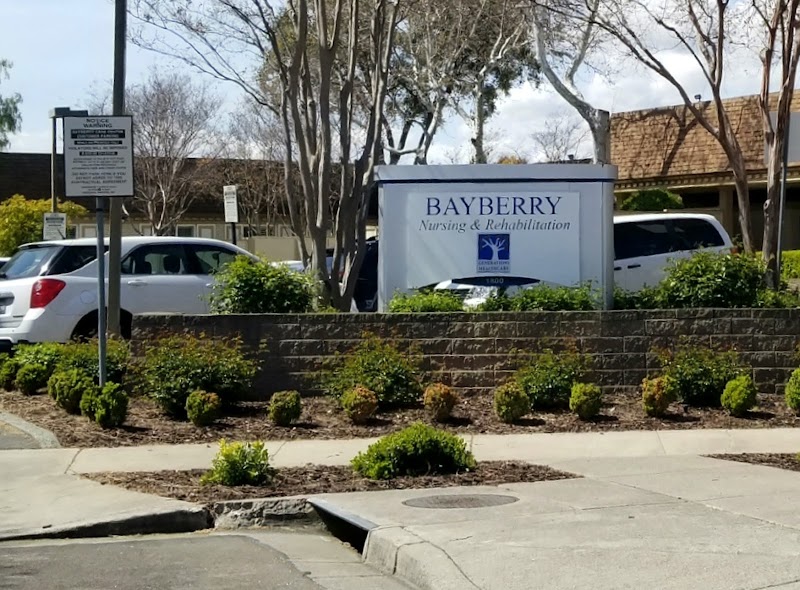
How is Bayberry Skilled Nursing & Healthcare Center Staffed?

CMS rates BAYBERRY SKILLED NURSING & HEALTHCARE CENTER's staffing level at 4 out of 5 stars, which is above average compared to other nursing homes. Staff turnover is 38%, compared to the California average of 46%. This relatively stable workforce can support continuity of care. RN turnover specifically is 60%, which is notably high. RNs provide skilled clinical oversight, so turnover in this role can affect medical care quality.

What Have Inspectors Found at Bayberry Skilled Nursing & Healthcare Center?

State health inspectors documented 19 deficiencies at BAYBERRY SKILLED NURSING & HEALTHCARE CENTER during 2019 to 2025. These included: 19 with potential for harm.
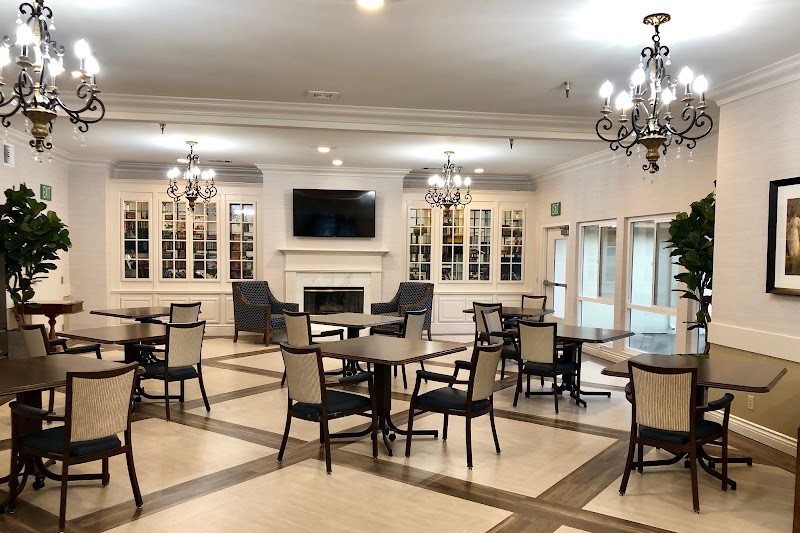
Who Owns and Operates Bayberry Skilled Nursing & Healthcare Center?

BAYBERRY SKILLED NURSING & HEALTHCARE CENTER is owned by a for-profit company. For-profit facilities operate as businesses with obligations to shareholders or private owners. The facility is operated by GENERATIONS HEALTHCARE, a chain that manages multiple nursing homes. With 99 certified beds and approximately 84 residents (about 85% occupancy), it is a smaller facility located in CONCORD, California.
How Does Bayberry Skilled Nursing & Healthcare Center Compare to Other California Nursing Homes?

Compared to the 100 nursing homes in California, BAYBERRY SKILLED NURSING & HEALTHCARE CENTER's overall rating (5 stars) is above the state average of 3.2, staff turnover (38%) is near the state average of 46%, and health inspection rating (4 stars) is above the national benchmark.

What Should Families Ask When Visiting Bayberry Skilled Nursing & Healthcare Center?

Based on this facility's data, families visiting should ask: "Can I visit during a mealtime to observe dining assistance and food quality?" "How do you handle medical emergencies, and what is your hospital transfer rate?" "Can I speak with family members of current residents about their experience?"

Is Bayberry Skilled Nursing & Healthcare Center Safe?

Based on CMS inspection data, BAYBERRY SKILLED NURSING & HEALTHCARE CENTER has a clean safety record: no substantiated abuse findings (meaning no confirmed cases of resident harm), no Immediate Jeopardy citations (the most serious violation level indicating risk of serious injury or death), and is not on the Special Focus Facility watch list (a federal program monitoring the lowest-performing 1% of nursing homes). The facility has a 5-star overall rating and ranks #1 of 100 nursing homes in California. While no facility is perfect, families should still ask about staff-to-resident ratios and recent inspection results during their visit.

Do Nurses at Bayberry Skilled Nursing & Healthcare Center Stick Around?

BAYBERRY SKILLED NURSING & HEALTHCARE CENTER has a staff turnover rate of 38%, which is about average for California nursing homes (state average: 46%). Moderate turnover is common in nursing homes, but families should still ask about staff tenure and how the facility maintains care continuity when employees leave.

Was Bayberry Skilled Nursing & Healthcare Center Ever Fined?

BAYBERRY SKILLED NURSING & HEALTHCARE CENTER has no federal fines on record. CMS issues fines when nursing homes fail to meet care standards or don't correct problems found during inspections. The absence of fines suggests the facility has either maintained compliance or corrected any issues before penalties were assessed. This is a positive indicator, though families should still review recent inspection reports for the full picture.

Is Bayberry Skilled Nursing & Healthcare Center on Any Federal Watch List?

BAYBERRY SKILLED NURSING & HEALTHCARE CENTER is not on any federal watch list. The most significant is the Special Focus Facility (SFF) program, which identifies the bottom 1% of nursing homes nationally based on persistent, serious quality problems. Not being on this list means the facility has avoided the pattern of deficiencies that triggers enhanced federal oversight. This is a positive indicator, though families should still review the facility's inspection history directly.