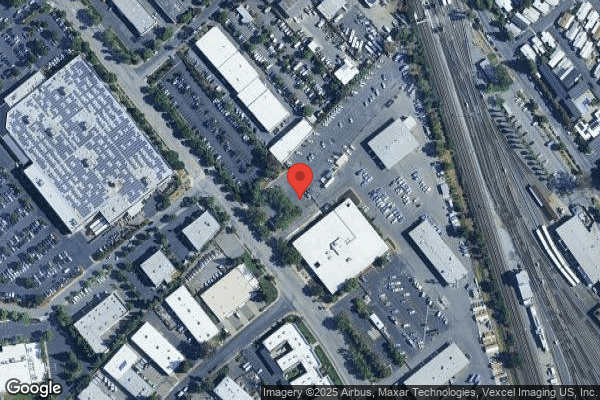
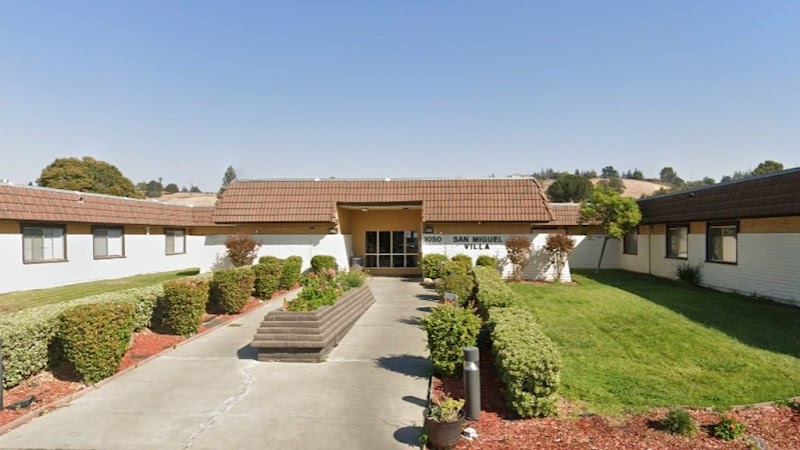
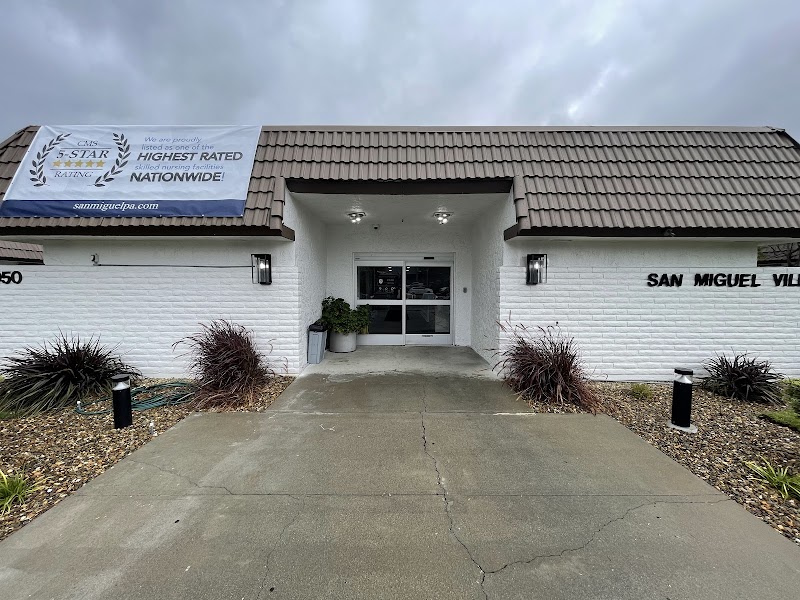
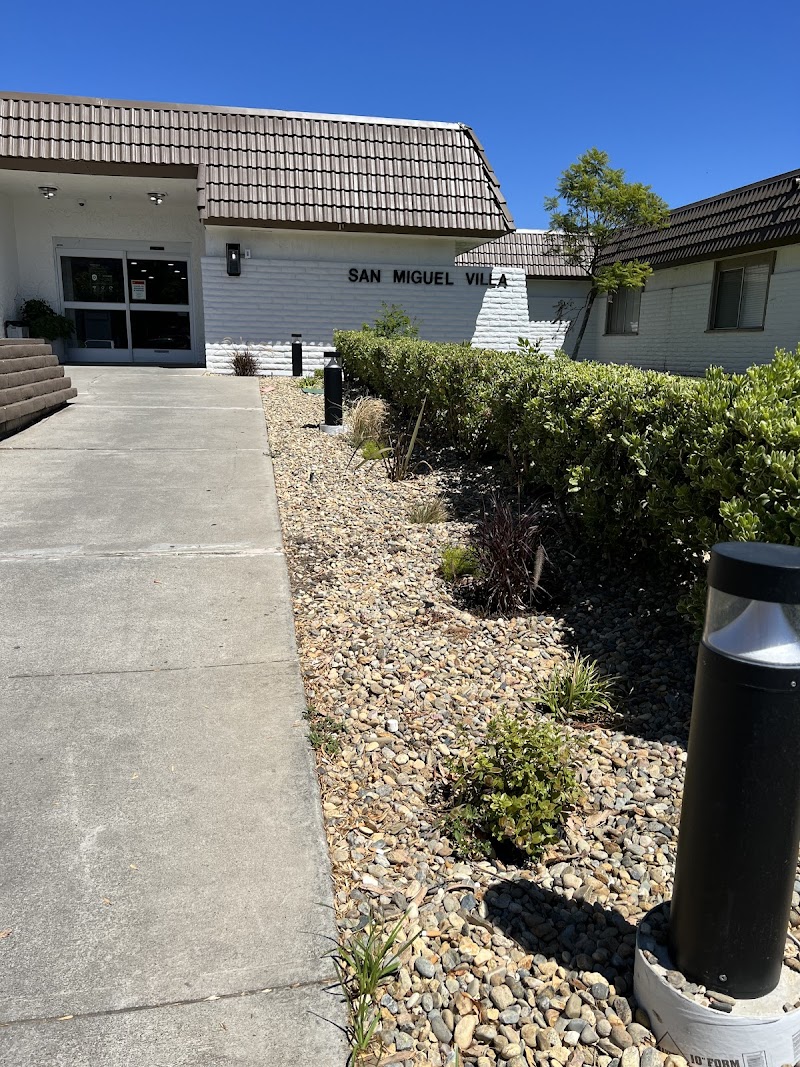
CONCORD POST ACUTE

1050 SAN MIGUEL ROAD, CONCORD, CA 94518 (925) 825-4280
For profit - Limited Liability company 190 Beds PACS GROUP Data: November 2025
Trust Grade
70/100
#318 of 1155 in CA
Last Inspection: November 2023

Within standard 12-15 month inspection cycle. Federal law requires annual inspections.

Overview

Concord Post Acute in Concord, California holds a Trust Grade of B, indicating it is a good, solid choice for families. It ranks #318 out of 1,155 facilities in California, placing it in the top half, and #13 out of 30 in Contra Costa County, meaning only a few local homes are better. However, the facility's trend is worsening, with issues increasing from 13 in 2021 to 18 in 2023. Staffing is a positive aspect, with a 4 out of 5-star rating and a turnover rate of 33%, which is below the state average. On the downside, despite having no fines, there is concerning RN coverage that is less than 83% of California facilities, which could impact the quality of care. Specific incidents include a resident being unable to reach their call light, creating a risk of unassisted emergencies, and another resident's room being unclean, which raises hygiene concerns. Overall, while there are strengths in staffing and rankings, there are notable weaknesses in care practices that families should consider.

Trust Score
B
70/100
In California
#318/1155
Top 27%
Safety Record
Low Risk
No red flags
Inspections
Getting Worse
13 → 18 violations
Staff Stability
○ Average
33% turnover. Near California's 48% average. Typical for the industry.
Penalties
✓ Good
No fines on record. Clean compliance history, better than most California facilities.
Skilled Nurses
⚠ Watch
Each resident gets only 18 minutes of Registered Nurse (RN) attention daily — below average for California. Fewer RN minutes means fewer trained eyes watching for problems.
Violations
⚠ Watch
38 deficiencies on record. Higher than average. Multiple issues found across inspections.
★★★★☆
4.0
Overall Rating
★★★★☆
4.0
Staff Levels
★★★☆☆
3.0
Care Quality
★★★★☆
4.0
Inspection Score
Stable
2021: 13 issues
2023: 18 issues

The Good

  • 4-Star Staffing Rating · Above-average nurse staffing levels
  • Full Sprinkler Coverage · Fire safety systems throughout facility
  • No fines on record
  • Staff turnover below average (33%)

    15 points below California average of 48%

Facility shows strength in staffing levels, fire safety.

The Bad

Staff Turnover: 33%

13pts below California avg (46%)

Typical for the industry

Chain: PACS GROUP

Part of a multi-facility chain

Ask about local staffing decisions and management

The Ugly 38 deficiencies on record

Nov 2023 12 deficiencies
CONCERN (D)

Potential for Harm - no one hurt, but risky conditions existed

Deficiency F0558 (Tag F0558)

Could have caused harm · This affected 1 resident

Based on facility policy review, record reviews, interviews, and facility document review, the facility failed to ensure a resident's wheelchair was operable for 1 (Resident #7) of 1 sampled resident ...

Read full inspector narrative →
Based on facility policy review, record reviews, interviews, and facility document review, the facility failed to ensure a resident's wheelchair was operable for 1 (Resident #7) of 1 sampled resident reviewed for accommodation of needs. Findings included: Review of a facility policy tilted, Maintenance Service, revised in December 2009, revealed 3. The Maintenance Director is responsible for developing and maintaining a schedule of maintenance service to assure that the buildings, grounds, and equipment are maintained in a safe and operable manner. A review of Resident #7's admission Record revealed the facility readmitted the resident on 09/23/2022, with diagnoses that included morbid obesity, retention of urine, and chronic obstructive pulmonary disease. A review of Resident #7's quarterly Minimum Data Set (MDS), with an Assessment Reference Date (ARD) of 09/21/2023, revealed Resident #7 had a Brief Interview for Mental Status (BIMS) score of 6, which indicated the resident had severe cognitive impairment. The MDS revealed Resident #7 was totally dependent on staff for transfers and toilet use. The MDS revealed the resident required extensive staff assistance with locomotion on and off their unit. The MDS revealed Resident #7 had impairments on their left and right lower extremities. The MDS revealed the resident used a wheelchair. Review of Resident #7's care plan initiated on 12/22/2017, revealed the resident had limited physical mobility and used a wheelchair that they could only propel themselves a few feet. The care plan revealed interventions that included instructions for staff to provide assistance with mobility as needed. During an interview on 11/14/2023 at 9:29 AM, Resident #7 said the left wheel on their wheelchair was broken and was not operable. The resident said they were forced to stay in bed. The resident said they needed to get out of bed. During an interview on 11/14/2023 at 9:21 AM, Licensed Vocational Nurse (LVN) #7 revealed Resident #7 needed a new wheel on the left side of their wheelchair. LVN #7 stated Resident #7 had not had an operable wheelchair in over a month. LVN #7 said the maintenance staff was aware the wheelchair needed repaired. LVN #7 said the resident was lying in bed because their wheelchair was inoperable but said even when the resident's chair was operable, the resident would not get out of bed. Review of the Maintenance Log, for the unit where Resident #7 resided, dated06/23/2023 to 11/03/2023, revealed no evidence Resident #7's wheelchair had been reported for repair. During an interview on 11/14/2023 at 3:34 PM, the Maintenance Director stated each month the residents' wheelchairs were washed, and any repairs were made. He said requests for repairs for residents' equipment should be placed on the Maintenance Log. The Maintenance Director said a request had not been made to repair Resident #7's wheelchair and he was not aware of the wheelchair did not work until 11/14/2023. During an interview on 11/15/2023 at 10:47 AM, Certified Nurse Assistant (CNA) #5 stated she had not placed Resident #7 in their wheelchair because the wheelchair was broken. She said when Resident #7's family member visited, Resident #7 requested to be placed in their wheelchair. She said LVN #7 informed the resident the wheelchair was still broken. CNA #5 said she did not know how long the wheelchair had been broken. CNA #5 said she assumed a nurse, or an assistant reported the broken wheelchair on the maintenance log. During an interview on 11/26/2023 at 10:21 AM, Maintenance Assistant (MA) #17 indicated he repaired the resident's wheelchair in October 2023 but was unaware of a current issue with the wheelchair. He said facility staff had been educated to report equipment issues on the Maintenance Log and said sometimes staff reported issues to him directly. During an interview on 11/16/2023 at 2:24 PM, the Director of Nursing indicated she expected the CNAs' involvement in ensuring residents' wheelchairs were operable. She stated if a wheelchair did not work, facility staff should complete a form in the Maintenance Log, then the maintenance staff should check the log and address the issue. During an interview on 11/16/2023 at 3:23 PM, the Administrator indicated he expected nursing staff to inform the maintenance staff of a residents' wheelchair that required a repair. The Administrator said they always had other wheelchairs available, and a broken wheelchair should not dictate the care being provided.
CONCERN (D)

Potential for Harm - no one hurt, but risky conditions existed

Abuse Prevention Policies (Tag F0607)

Could have caused harm · This affected 1 resident

Based on interviews, record review, and facility policy review, the facility failed to implement their abuse prohibition policy when staff failed to identify an allegation as abuse. This failure to id...

Read full inspector narrative →
Based on interviews, record review, and facility policy review, the facility failed to implement their abuse prohibition policy when staff failed to identify an allegation as abuse. This failure to identify an allegation of abuse resulted in the allegation not being reported to the state, investigated, and the accused staff not being removed from resident contact, as directed by the facility's abuse prohibition policy for 1 (Resident #327) of 2 sampled residents reviewed for abuse. Findings included: Review of a facility policy titled, Abuse, Neglect, Exploitation or Misappropriation-Reporting and Investigating, revised in September 2022, revealed All reports of resident abuse (including injuries of unknown origin), neglect, exploitation, and theft/misappropriation of resident property are reported to local, state and federal agencies (as required by current regulations) and thoroughly investigated by facility management. Findings of all investigations are documented and reported. Policy Interpretation and Implementation Reporting Allegations to the Administrator and Authorities 1. If resident abuse, neglect, exploitation, misappropriation of resident property or injury of unknown source is suspected, the suspicion must be reported immediately to the administrator and other officials according to state law. 2. The administrator or the individual making the allegation immediately reports his or her suspicion to the following persons or agencies: a. The state licensing/certification agency responsible for surveying/licensing the facility. The policy revealed '3. 'Immediately' is defined as: a. within two hours of an allegation involving abuse or result in serious bodily injury; or b. within 24 hours of an allegation that does not involve abuse or result in serious bodily injury. The policy revealed 6. Upon receiving any allegations of abuse, neglect, exploitation, misappropriation of resident property or injury of unknown source, the administrator is responsible for determining what actions (if any) are needed for the protection of residents. The section of the policy titled, Investigating Allegations, revealed 5. The administrator ensures that the resident and the person(s) reporting the suspected violation are protected from retaliation or reprisal by the alleged perpetrator, or by anyone associated with the facility.6. Any employee who has been accused of resident abuse is placed on leave with no resident contact until the investigation is complete. A review of Resident #327's admission Record revealed the facility admitted the resident on 10/25/2023 with diagnoses that included depression, anxiety disorder, insomnia, essential hypertension, and acute and chronic respiratory failure with hypoxia. A review Resident #327's admission Minimum Data Set (MDS), with an Assessment Reference Date (ARD) of 11/01/2023, revealed Resident #327 had a Brief Interview for Mental Status (BIMS) score of 15, which indicated the resident was cognitively intact. During an interview on 11/13/2023 at 12:17 PM, Resident #327 said a certified nurse assistant (CNA) made them feel intimidated and thought the CNA would retaliate against them due to report the resident made to a night shift nurse. The resident said the CNA would sit in the hallway on her phone and eat loudly. The resident said they asked a nurse to ask the CNA to be quieter, then the CNA came back into their room and told the resident that they were the worst resident and said the resident could close their door because she was not going to lower her voice. Resident #327 stated nobody had come to speak to them after the incident was reported to the nurse. The resident said they did not know the CNA's name or the nurse they reported the incident to. A review of Resident #327's Progress Notes revealed a late entry note, dated 10/29/2023 at 7:34 AM, which revealed during the night shift the resident reported to a nurse they felt unsafe in the facility due to a CNA. The Progress Note revealed, the resident reported they had pressed their call light due to not being able to sleep related to the CNA's loud voice. Per the Progress Note, Resident #327 reported the CNA answered their call light and told the resident they could close their door but did not agree to lower their voice. The Progress Note revealed, Resident #327 reported they felt threatened by the CNA's response and could no longer sleep due to fear of t the CNA. According to the Progress Note, Resident #327 reported the CNA's tone was aggressive and rude and the resident considered calling 911. The Progress Note indicated the CNA was asked to keep their voice down and to avoid the resident's room. The Progress Note revealed, the Facility Manager (FM) was notified of the incident. During an interview on 11/14/2023 at 9:39 AM Administrator indicated he had no reportable incidents since August 2023. During an interview on 11/14/2023 at 9:48 AM, the Facility Manager (FM) stated he did not remember the incident. The FM stated if an incident was reported to him, he would have gotten the social worker to start an abuse investigation. In a follow-up interview on 11/14/2023 at 2:10 PM, Resident #327 said the Administrator had not interviewed them about the incident. Resident #327 reported the CNA was rude and intimidating. During a telephone interview on 11/14/2023 at 4:43 PM, CNA #3 stated she did not remember any incident with any resident who complained about her. Per CNA #3, no nurse or facility staff had spoken to her about her tone of voice or about being quieter when the residents slept. She said she did not remember being told not to go into certain residents' rooms. During a telephone interview on 11/14/2023 at 4:55 PM, Registered Nurse (RN) #1 said she did remember the night Resident #327 reported to her they felt fearful and did not feel comfortable around CNA #3. Per RN #1, Resident #327 did seem fearful. According to RN #1, Resident #327 reported that CNA #3 was in the hallway eating loudly and had a phone conversation on speaker and was very loud. She said the resident could not sleep and knew it was bothering other residents too. RN #1 stated she did speak to CNA #3 about lowering her voice, that the residents were trying to sleep and to not go back into Resident #327's room. RN #1 stated she would answer the call lights for the resident. She stated Resident #327 told her that they did not feel comfortable and felt threatened so she stayed with the resident and ensured the resident they were safe, and that CNA #3 would no longer take care of them. RN #1 stated the way Resident #327 acted and told them about what happened, she considered the incident potentially to be abuse so she reported it to the FM. RN #1 stated she had not heard anything more about this incident and was never asked to write a statement. In a follow-up interview on 11/15/2023 at 10:28 AM, the FM acknowledged he did receive a telephone call from RN #1 related to the incident and he did not feel like it was an abuse allegation because it was about a loud voice. He said the incident occurred on 10/28/2023.He stated when he was notified of the incident the word abuse was not used. He said he was told the resident felt unsafe and thought about calling 911, but he thought that since he had the nurse speak with the CNA and remove her from caring for Resident #327, the incident was resolved. He said that he did not remove the CNA from resident contact. He stated the facility staff did not do an investigation because he did not consider it to be abuse. He stated no other staff or residents were interviewed. During an interview on 11/15/2023 at 12:24 PM, the Director of Staff Develeopment stated she was told a resident had voiced concerns about CNA #3 being too loud. She stated the nurse on the shift had in-serviced the CNA and told her not to go back into the resident's room who had voiced the concern. She stated she had not read the progress note related to the incident until 11/14/2023 and she was shocked that it was not investigated. She stated that if she had read it before, she would agree that it could be abuse and needed to be investigated. She stated the facility staff failed to investigate the incident. During an interview on 11/16/2023 at 2:28 PM, the Director of Nursing stated that she expected her staff to report any incident that could be abuse to the Administrator or herself. She stated that if it were staff-to-resident abuse, then the staff would be suspended (removed from resident contact), and they would start an investigation. She said if she had read the progress notes about this incident, she would have started an investigation. During an interview on 11/16/2023 at 3:30 PM, the Administrator stated he did not think the incident which involved Resident #327 and CNA #3 needed to be reported or investigated as it was not an abuse allegation. He said the words in the progress note were unclear and needed clarified. He said he read the progress notes, and he thought the wording was inaccurate after speaking to the resident, nurse, and CNA. He said he would always report any abuse as required.
CONCERN (D)

Potential for Harm - no one hurt, but risky conditions existed

Comprehensive Assessments (Tag F0636)

Could have caused harm · This affected 1 resident

Based on record reviews, document review, and interviews, the facility failed to ensure timely completion of comprehensive Minimum Data Set (MDS) assessments for 2 (Resident #142 and Resident #113) of...

Read full inspector narrative →
Based on record reviews, document review, and interviews, the facility failed to ensure timely completion of comprehensive Minimum Data Set (MDS) assessments for 2 (Resident #142 and Resident #113) of 7 sampled residents reviewed for resident assessments. Findings included: Review of the Centers for Medicare & Medicaid Services Long-Term Care Facility Resident Assessment Instrument 3.0 User's Manual, dated October 2023, revealed The admission assessment is a comprehensive assessment for a new resident and, under some circumstances, a returning resident that must be completed by the end of day 14. The document indicated, The ARD must be set no later than day 14, counting the date of admission as day 1. The document revealed, The Annual assessment is a comprehensive assessment for a resident that must be completed on an annual basis unless an SCSA [significant change in status assessment] or an SCPA [significant correction to prior comprehensive assessment] has been completed since the most recent comprehensive assessment was completed. A review of Resident #142's admission Record revealed the facility admitted the resident #142 on 07/01/2022. A review of Resident #142's annual MDS, with an Assessment Reference Date (ARD) of 07/09/2023, revealed the MDS was signed as being completed on 08/15/2023 by the MDS Registered Nurse (RN). A review of the facility's MDS 3.0 Final Validation Report, with a submission date of 08/18/2023, revealed Resident #142's annual MDS was signed as being completed more than 14 days after the ARD. A review of Resident #113's admission Record revealed the facility admitted the resident on 07/01/2023. A review of Resident #113's admission MDS, with an ARD of 07/08/2023, revealed the MDS was signed as being completed on 07/25/2023 by the MDS RN. A review of the facility's MDS 3.0 Final Validation Report, with a submission date of 07/27/2023, revealed Resident #113's admission MDS was signed as being completed more than 14 days after the resident admission date. During an interview on 11/16/2023 at 11:28 AM, the MDS RN stated a MDS assessment should be signed as being completed 14 days after the admission date or the ARD. The MDS RN stated he was responsible to sign the MDS assessment as being accurate and complete. The MDS RN stated he did not recall any reason why the MDS assessments were late. During an interview on 11/16/2023 at 2:46 PM, the Director of Nursing (DON) stated she was not sure about the timing of MDS assessments but thought they had to be completed 14 days from the ARD. The DON stated she was not aware there were late MDS assessments. During an interview on 11/16/2023 at 3:25 PM, the Administrator stated MDS assessments should be completed within 14 days of the ARD. The Administrator stated he was not aware MDS assessments in July 2023 were late.
CONCERN (D)

Potential for Harm - no one hurt, but risky conditions existed

Deficiency F0638 (Tag F0638)

Could have caused harm · This affected 1 resident

Based on record reviews, document review, and interviews, the facility failed to ensure timely completion of quarterly Minimum Data Set (MDS) assessments for 3 (Residents #98, #85, and #110) of 7 samp...

Read full inspector narrative →
Based on record reviews, document review, and interviews, the facility failed to ensure timely completion of quarterly Minimum Data Set (MDS) assessments for 3 (Residents #98, #85, and #110) of 7 sampled residents reviewed for resident assessments. Findings included: Review of the Centers for Medicare & Medicaid Services Long-Term Care Facility Resident Assessment Instrument 3.0 User's Manual, dated October 2023, revealed The Quarterly assessment is an OBRA non-comprehensive assessment for a resident that must be completed at least every 92 days following the previous OBRA [Omnibus Budget Reconciliation Act] assessment of any type. It is used to track a resident's status between comprehensive assessment to ensure critical indicators of gradual change in a resident's status are monitored. The document indicated, The MDS completion date must be no later than 14 days after the ARD. A review of Resident #98's admission Record revealed the facility admitted the resident on 10/15/2020. A review of Resident #98's quarterly MDS, with an Assessment Reference Date (ARD) of 07/07/2023, revealed the MDS assessment was signed as being completed on 07/26/2023 by the MDS Registered Nurse (RN). A review of Resident #85's admission Record revealed the facility admitted the resident on 12/22/2017. A review Resident #85's quarterly MDS, with an ARD of 07/07/2023, revealed the MDS assessment was signed as being completed on 07/26/2023 by the MDS RN. A review of Resident #110's admission Record revealed the facility admitted the resident on 12/27/2019. A review of Resident #110's quarterly MDS, with an ARD of 07/07/2023, revealed the MDS assessment was signed as being completed on 07/26/2023 by the MDS RN. A review of the facility's MDS 3.0 Final Validation Report, with a submission date of 07/27/2023, revealed Residents #85, #98, and #110's quarterly MDS assessments were signed as being completed more than 14 days after the ARD. During an interview on 11/16/2023 at 11:28 AM, the MDS RN stated a MDS assessment should be signed as being completed 14 days after the admission date or the ARD. The MDS RN stated he was responsible to sign the MDS assessment as being accurate and complete. The MDS RN stated he did not recall any reason why the MDS assessments were late. During an interview on 11/16/2023 at 2:46 PM, the Director of Nursing (DON) stated she was not sure about the timing of MDS assessments but thought they had to be completed 14 days from the ARD. The DON stated she was not aware there were late MDS assessments. During an interview on 11/16/2023 at 3:25 PM, the Administrator stated MDS assessments should be completed within 14 days of the ARD. The Administrator stated he was not aware MDS assessments in July 2023 were late.
CONCERN (D)

Potential for Harm - no one hurt, but risky conditions existed

Assessment Accuracy (Tag F0641)

Could have caused harm · This affected 1 resident

**NOTE- TERMS IN BRACKETS HAVE BEEN EDITED TO PROTECT CONFIDENTIALITY** Based on record review and interviews, the facility failed to ensure the discharge Minimum Data Set (MDS) assessment was accurat...

Read full inspector narrative →
**NOTE- TERMS IN BRACKETS HAVE BEEN EDITED TO PROTECT CONFIDENTIALITY** Based on record review and interviews, the facility failed to ensure the discharge Minimum Data Set (MDS) assessment was accurate for 1 (Resident #176) of 3 sampled residents reviewed for closed record review. Findings included: A review of Resident #176's admission Record revealed the facility admitted Resident #176 on 07/04/2023. Per the admission Record, the resident discharged home on [DATE]. A review of Resident #176's discharge MDS, with an Assessment Reference Date (ARD) of 08/31/2023, revealed the resident discharged to an acute hospital on [DATE]. A review of Resident #176's discharge summary Progress Notes, dated 08/31/2023, revealed the resident discharged home on [DATE] at 11:20 AM. During an interview on 11/16/2023 at 11:28 AM, the MDS Registered Nurse (RN) stated he was responsible for ensuring the accuracy and completeness of the MDS assessments. The MDS RN stated that according to the Progress Notes, Resident #176 discharged home, and he verified the MDS assessment was coded incorrectly to indicate the resident discharged to the hospital. During an interview on 11/16/2023 at 2:46 PM, the Director of Nursing stated the MDS RN was responsible for the accuracy and completion of the MDS assessments. During an interview on 11/16/2023 at 3:25 PM, the Administrator stated he expected the MDS assessments to be accurate.
CONCERN (D)

Potential for Harm - no one hurt, but risky conditions existed

PASARR Coordination (Tag F0644)

Could have caused harm · This affected 1 resident

**NOTE- TERMS IN BRACKETS HAVE BEEN EDITED TO PROTECT CONFIDENTIALITY** 2. A review of Resident #130's admission Record revealed the facility admitted the resident on 08/04/2022. Per the admission Rec...

Read full inspector narrative →
**NOTE- TERMS IN BRACKETS HAVE BEEN EDITED TO PROTECT CONFIDENTIALITY** 2. A review of Resident #130's admission Record revealed the facility admitted the resident on 08/04/2022. Per the admission Record, Resident #130 received a diagnosis of anxiety disorder on 08/25/2022 and diagnoses of depression and mood disorder on 10/14/2022. A review of Resident #130's annual Minimum Data Set (MDS), with an Assessment Reference Date (ARD) of 08/12/2023, revealed Resident #130 had active diagnoses to include anxiety disorder, depression, and psychotic disorder. A review of Resident #130's Preadmission Screening and Resident Review Level I Screening, dated 08/05/2022, revealed the resident did not have a diagnosed mental disorder such as depression, anxiety, panic, schizophrenia/schizoaffective disorder, psychotic, delusional, and/or mood disorder. The was not able to provide evidence a new Level I PASARR screening was completed after the resident received new mental disorder diagnoses. During an interview on 11/14/2023 at 3:05 PM, the MDS Registered Nurse (RN) indicated the facility would only do another Level I if the resident displayed a behavior that warranted a review. During an interview on 11/16/2023 at 1:05 PM, the Director of Nursing (DON) confirmed the facility did not submit a new Level I when Resident #130 was diagnosed with anxiety disorder. In a follow-up interview on 11/16/2023 at 2:14 PM, the DON confirmed a new Level I should have been submitted for Resident #130 for the new mental disorder diagnoses of depression and mood disorder. During an interview on 11/16/2023 at 3:18 PM, the Administrator indicated he was not a clinician, so he would rely heavily on the judgement of the DON and the MDS RN to determine when the PASARR screenings should be done. Based on record reviews, interviews, and policy review, the facility failed to refer a resident with a newly evident serious mental disorder for a Level II Preadmission Screening and Resident Review (PASARR) for 2 (Resident #48 and Resident #130) of 5 sampled residents reviewed for PASARR requirements. Findings included: A review of the facility policy titled, admission Criteria, revised in March 2023, revealed b. If the level I screen indicates that the individual may meet the criteria for a MD [mental disorder], ID [intellectual disorder], or RD [related disorder], he or she is referred to the state PASARR representative for the Level II (evaluation and determination) screening process. 1. Review of Resident #48's admission Record revealed the facility admitted the resident on 01/25/2022 with diagnoses that included bipolar disorder and unspecified psychosis. A review of Resident #48's quarterly Minimum Data Set (MDS), with an Assessment Reference Date (ARD) of 10/15/2023, revealed the resident had active diagnoses that included bipolar disorder and psychotic disorder. Review of Resident #48's Preadmission Screening and Resident Review Level I Screening, dated 10/14/2022, revealed the resident had diagnoses of psychosis and bipolar disorder. Review of a document from the State of California-Health and Human [NAME] Agency Department of Health Care Services addressed to the resident, carbon copied to the facility, and dated 10/14/2022, revealed a Level II Mental Health Evaluation Referral was required for Resident #48. During an interview on 11/14/2023 at 2:38 PM, the MDS Registered Nurse (RN) stated Resident #48's result of the Level I PASARR was positive and that a Level II PASARR should have been completed. The MDS RN acknowledged he failed to contact the Department of Health Care Services to have the Level II completed. During an interview on 11/16/2023 at 2:10 PM, the Director of Nursing (DON) stated the facility was responsible for ensuring the Level II evaluation was completed. During an interview on 11/16/2023 at 3:16 PM, the Administrator stated the MDS staff, and the DON were responsible for ensuring Level II evaluations were completed.
CONCERN (D)

Potential for Harm - no one hurt, but risky conditions existed

Deficiency F0658 (Tag F0658)

Could have caused harm · This affected 1 resident

Based on observation, record review, interviews, and policy review, the facility failed to ensure staff followed professional standards of practice by not leaving medications at the bedside of 1 (Resi...

Read full inspector narrative →
Based on observation, record review, interviews, and policy review, the facility failed to ensure staff followed professional standards of practice by not leaving medications at the bedside of 1 (Resident #128) of 8 residents observed for medication administration. Findings included: A review of Resident #128's admission Record revealed the facility admitted the resident on 08/26/2021, with diagnoses that included chronic obstructive pulmonary disease (COPD), diabetes mellitus, fibromyalgia (nerve pain), hypertension (high blood pressure), malignant neoplasm (cancer) of the right breast, and chronic kidney disease. A review of Resident #128's annual Minimum Data Set (MDS), with an Assessment Reference Date (ARD) of 09/04/2023, revealed the resident had a Brief Interview for Mental Status (BIMS) score of 14, which indicated the resident was cognitively intact. A review of Resident #128's care plan initiated on 10/11/2021, revealed the resident had an alteration in neurological mental status related to disease process. Interventions directed staff to give medications as ordered. During medication administration observation on 11/15/2023 at 8:27 AM, Licensed Vocational Nurse (LVN) #12 prepared medications for Resident #128. The surveyor noted as LVN #12 placed six tablets in a medication cup for the resident. LVN #12 placed the medication cup, along with a cup of water on the resident's over-bed table. After LVN #12 talked with the resident about their upcoming appointments, LVN #12 walked out of the resident's room and left the six tablets in the medication cup on the resident's over-bed table. During an interview on 11/15/2023 at 12:51 PM, LVN #12 stated medications should not be left at the bedside unless the resident had been assessed to self-administer. She stated Resident #128 would be capable of administering their own medications but had not been assessed. LVN #12 stated she got busy talking about the appointments and forgot about the medications. During an interview on 11/16/2023 at 2:46 PM, the Director of Nursing stated medications should not be left at the bedside. During an interview on 11/16/2023 at 3:25 PM, the Administrator stated medications should not be left at the bedside and he expected medications to be administered as ordered by the physician according to professional standards.
CONCERN (D)

Potential for Harm - no one hurt, but risky conditions existed

Respiratory Care (Tag F0695)

Could have caused harm · This affected 1 resident

Based on observations, interviews, record review, and policy review, the facility failed to ensure respiratory equipment was sanitized and properly stored for 1 (Resident #134) of 4 sampled residents ...

Read full inspector narrative →
Based on observations, interviews, record review, and policy review, the facility failed to ensure respiratory equipment was sanitized and properly stored for 1 (Resident #134) of 4 sampled residents reviewed for respiratory care. Findings included: Review of a facility policy titled, CPAP [continuous positive airway pressure]/BiPAP [Bi-level positive airway pressure] Support, revised in March 2015, revealed 8. Headgear (strap): Wash with warm water and mild detergent as needed. Allow to air dry. A review of Resident #134's admission Record revealed the facility admitted the resident on 09/30/2023 with diagnoses that included asthma and encephalopathy. A review of Resident #134's admission Minimum Data Set (MDS), with an Assessment Reference Date (ARD) of 10/07/2023, revealed Resident #134 had a Brief Interview for Mental Status (BIMS) score of 9, which indicated the resident had moderate cognitive impairment. The MDS indicated the resident used a non-invasive mechanical ventilator. A review of Resident #134's care plan, initiated on 10/01/2023, revealed the resident was at risk for complications with their respiratory system due to their diagnosis of asthma. Review of Resident #134's Order Summary Report with active orders as of 11/15/2023, revealed an order dated 10/06/2023, to replace the resident's CPAP mask, tubing, and accessories one time a day every Saturday. Review of Resident #134's Medication Administration Record and Treatment Administration Record for the time frame of 11/01/2023 through 11/30/2023, revealed no evidence of documentation staff documented the replacement of the resident's CPAP mask, tubing, and accessories weekly as ordered. On 11/13/2023 at 1:57 PM and 11/15/2023 at 2:32 PM, the surveyor observed as Resident #134's CPAP mask laid on top of the resident's dresser. The mask was dirty with a dried crusty white substance present. On 11/16/2023 at 9:26 AM, the surveyor observed Resident #134's CPAP mask was dirty with a dried crusty white substance present. During an interview on 11/15/2023 at 3:44 PM, Licensed Vocational Nurse #10 stated the CPAP machines were cleaned on Saturdays. During an interview on 11/15/2023 at 3:55 PM, Registered Nurse #11 stated that Resident #134's CPAP mask was cleaned on Saturdays and the masks and tubing were supposed to be stored in a bag. During an interview on 11/16/2023 at 2:28 PM, the Director of Nursing stated that the CPAP equipment should be cleaned every seven days. She said she expected the nurses to clean the mask with soap and water and air dry before placement in a plastic bag. She stated she expected the nurse to also monitor the mask and CPAP machine in the morning before they bagged it and expected the next shift to also check the equipment and make sure it was clean before placement on the resident. She expected the staff to clean and store the CPAP machines according to the manufacturer guidelines. During an interview on 11/16/2023 at 3:30 PM, the Administrator stated he expected the staff to follow the manufacturer guidelines to keep the equipment clean and sanitized.
CONCERN (D)

Potential for Harm - no one hurt, but risky conditions existed

Deficiency F0700 (Tag F0700)

Could have caused harm · This affected 1 resident

Based on observations, record review, interviews, and facility policy review, the facility failed to ensure bed rails were used properly per assessment for 1 (Resident #152) of 5 sampled residents rev...

Read full inspector narrative →
Based on observations, record review, interviews, and facility policy review, the facility failed to ensure bed rails were used properly per assessment for 1 (Resident #152) of 5 sampled residents reviewed for accidents. Findings included: A review of the facility policy titled, Bed Safety and Bed Rails, revised in August 2022, revealed, 3. The use of bed rails or side rails (including temporarily raising the side rails for episodic use during care) is prohibited unless the criteria for use of bed rails have been met, including attempts to use alternatives, interdisciplinary evaluation, resident assessment, and informed consent. A review of Resident #152's admission Record revealed the facility admitted the resident on 07/08/2023 with diagnoses that included traumatic subdural hemorrhage (brain bleed) with loss of consciousness, encephalopathy (brain disorder), and cerebral edema (swelling of the brain). Review of Resident #152's quarterly Minimum Data Set (MDS), with an Assessment Reference Date (ARD) of 09/29/2023, revealed Resident #152 had a Brief Interview for Mental Status (BIMS) score of 0, which indicated the resident had severe cognitive impairment. The MDS indicated the resident required extensive assistance with bed mobility and transfers and had impairment on both sides in their lower extremities. A review of Resident #152's care plan initiated on 07/08/2023, revealed the resident had an activities of daily living self-care performance deficit and limited mobility. A review of Resident #152's Bed Rail Observation/Assessment dated 08/20/2023, revealed bed rails were not recommended for the resident. A review of Resident #152's Bed Rail Observation/Assessment dated 09/22/2023, revealed bed rails were not in use for the resident. On 11/13/2023 at 11:30 AM, the surveyor observed as Resident #152 laid in their bed, with half bed rails raised on both sides of the upper bed. On 11/14/2023 at 12:17 PM and 11/15/2023 at 3:08 PM, the surveyor observed as Resident #152 laid in their bed, with the bed rail by the wall raised and the outside rail lowered. During an interview on 11/15/2023 at 1:13 PM, Licensed Vocational Nurse (LVN) #15 said she was not sure if Resident #152 used the bed rails or not but since the resident was at risk for falls, she thought they might be on the resident's bed for safety. LVN #15 stated a resident would need to be assessed before they used bed rails. After review of Resident #152's medical record, LVN #15 confirmed the last bed rail assessment for the resident indicated bed rails were not in use. During an interview on 11/15/2023 at 3:42 PM, Certified Nurse Assistant #16 stated Resident #152 should not have bed rails. During an interview on 11/16/2023 at 2:46 PM, the Director of Nursing (DON) stated when a resident admitted to the facility, the staff checked with the resident to see if they wanted bed rails, and if so, an assessment was completed to determine if the rail was used as an enabler or as a restraint. Per the DON, if the rails were to be used for safety, it would need to be an interdisciplinary team decision and the resident would have to use alternatives before the use of the bed rails. The DON stated if a resident had not been assessed for the use of bed rail, the bed rails should not be used.
CONCERN (D)

Potential for Harm - no one hurt, but risky conditions existed

Drug Regimen Review (Tag F0756)

Could have caused harm · This affected 1 resident

Based on the interviews, record review, document reviews, and policy review, the facility failed to act on a pharmacy recommendation to lower the dosage of medication for 1 (Resident #42) of 5 sampled...

Read full inspector narrative →
Based on the interviews, record review, document reviews, and policy review, the facility failed to act on a pharmacy recommendation to lower the dosage of medication for 1 (Resident #42) of 5 sampled residents reviewed for unnecessary medications, psychotropic medications, and medication regimen review. Findings included: Review of the facility's policy titled, Medication Monitoring Medication Regimen Review and Reporting, dated January 2023, revealed, 8. The nursing care center follows up on the recommendations to verify that appropriate action has been taken. Recommendations shall be acted upon within 30 calendar days. a. For those issues that require physician intervention, the attending physician either accepts and acts upon the report and recommendations or rejects all or some of the report and should document his or her rationale or why the recommendation is rejected in the resident's medical record. Review of Resident #42's admission Record revealed the facility admitted the resident on 08/14/2019 with diagnoses that included atrial fibrillation, Alzheimer's disease, and dementia. Review of Resident #42's Order Summary Report with active orders as of 11/01/2023, revealed an order dated 08/15/2019, for aspirin tablet 325 milligram (mg), give one tablet by mouth one time a day. Review of the Consultant Pharmacist report dated 07/31/2023, revealed Resident #42 received aspirin 325 mg daily for cerebrovascular prevention. Per the report, According to the STEMI [ST-elevation myocardial infarction] guidelines, 81 mg once daily is preferred. Please evaluate whether the dose of aspirin in this patient could be decreased to 81mg daily to continue the therapeutic benefit of the aspirin antiplatelet effect, and reduce the potential GI [gastrointestinal] side effects of the medication. The section of the document for the physician/prescriber response was blank. Review of the Consultant Pharmacist report dated 08/31/2023, revealed Resident #42 received aspirin 325 mg daily for cerebrovascular prevention. Per the report, According to the STEMI guidelines, 81 mg once daily is preferred. Please evaluate whether the dose of aspirin in this patient could be decreased to 81mg daily to continue the therapeutic benefit of the aspirin antiplatelet effect, and reduce the potential GI side effects of the medication. The section of the document for the physician/prescriber response was blank. Review of the Consultant Pharmacist report for outcomes entered between 09/01/2023 and 09/30/2023, revealed Resident #42 received aspirin 325 mg daily for cerebrovascular prevention. Per the report, According to the STEMI guidelines, 81 mg once daily is preferred. Please evaluate whether the dose of aspirin in this patient could be decreased to 81mg daily to continue the therapeutic benefit of the aspirin antiplatelet effect, and reduce the potential GI side effects of the medication. The section of the document for the recommendation status was blank. Review of the Consultant Pharmacist report for outcomes entered between 10/01/2023 and 10/31/2023, revealed Resident #42 received aspirin 325 mg daily for cerebrovascular prevention. Per the report, According to the STEMI guidelines, 81 mg once daily is preferred. Please evaluate whether the dose of aspirin in this patient could be decreased to 81mg daily to continue the therapeutic benefit of the aspirin antiplatelet effect, and reduce the potential GI side effects of the medication. The section of the document for the recommendation status was blank. During an interview on 11/15/2023 at 12:43 PM, the Director of Nursing (DON) stated medication regimen reviews were received by nurse management and then faxed to the physician for review. During an interview on 11/16/2023 at 7:59 AM, Attending Physician #9 stated the facility staff would fax over the medication regimen reviews. She stated she would review the recommendations and send over a change order or provide a rationale for not following the recommendation of the Consultant Pharmacist. Attending Physician #9 stated she could not recall if she had previously reviewed the July 2023, August 2023, September 2023, or October 2023 Consultant Pharmacist recommendations for Resident #42. During an interview on 11/16/2023 at 8:07 AM, the Consultant Pharmacist stated the medication order of aspirin 325 mg for Resident #42 had been recommended to be reduced for four months. During an interview on 11/16/2023 at 3:11 PM, the Administrator said he relied on the clinical team to ensure medication reviews were completed timely.
CONCERN (D)

Potential for Harm - no one hurt, but risky conditions existed

Unnecessary Medications (Tag F0759)

Could have caused harm · This affected 1 resident

Based on observations, record reviews, interviews, document review, and policy review, the facility failed to have a medication error rate less than 5%. Specifically, there were two medication errors ...

Read full inspector narrative →
Based on observations, record reviews, interviews, document review, and policy review, the facility failed to have a medication error rate less than 5%. Specifically, there were two medication errors out of 25 opportunities, which yielded a medication error rate of 8% for 2 (Resident #89 and Resident #380) of 8 residents observed for medication administration. Findings included: A review of the facility policy titled, Administering Medications, revised in April 2019, revealed, 10. The individual administering the medication checks the label THREE (3) times to verify the right resident, right medication, right dosage, right time and right method (route) of administration before giving the medication. 1. During medication administration observation on 11/15/2023 at 8:41AM, Licensed Vocational Nurse (LVN) #13 prepared and administered medications for Resident #89 that included one senna (a laxative) 8.6 milligrams (mg) tablet. A review of Resident #89's Order Summary Report with active orders as of 08/01/2023, revealed an order dated 10/29/2022, for senna-docusate sodium 8.6-50 mg, give one table by mouth two times a day for constipation. During an interview on 11/15/2023 at 12:45 PM, LVN #13 stated that to ensure medications were administered according to physician orders, he would check the resident's name, room number, and photo and check the dosage on the Medication Administration Record (MAR) with the dosage on the label of the medication. LVN #13 stated he should have followed the five rights of medication administration, the right resident, right medication, right dose, right route, and right time. LVN #13 stated he realized after he had already given the senna to Resident #89, that he should have given the one with docusate sodium instead. 2. A review of a document provided by the facility titled, Oral Medications That Should Not Be Crushed or Altered, dated February 2023, revealed, Extended Release Products: The formulation of some tablets is specialized as to allow the medication within it to be slowly released into the body. The document specified, Crushing or breaking a tablet or opening a capsule of a potentially hazardous substance may increase the risk of exposure to the substance through skin contact, inhalation, or accidental ingestion. The document listed Depakote as delayed release, hazardous substance. During medication administration observation on 11/15/2023 at 12:03 PM, Licensed Vocational Nurse (LVN) #14 prepared and administered medications for Resident #380 that included two Depakote (an anticonvulsant medication) delayed release (DR) 125 milligrams (mg) tablets. LVN #14 crushed and mixed the two tablets of Depakote in applesauce and administered the medication to the resident. A review of Resident #380's Order Summary Report with active orders as of 10/12/2023, revealed an order dated 10/12/2023, for divalproex sodium (Depakote) delayed release 125 mg, two tablets by mouth one time a day for psychotic disturbance. During an interview on 11/15/2023 at 1:07 PM, LVN #14 stated she had a list on her medication cart of medications that could not be crushed but she said it usually indicated it on the order or the label of the medication if the medication could not be crushed. At this time, LVN #14 realized she had crushed delayed release Depakote for Resident #380. LVN #14 stated the delayed release Depakote should have been changed to liquid or sprinkle form since the delayed release medication should not be crushed. During an interview on 11/16/2023 at 2:46 PM, the Director of Nursing (DON) stated to ensure medications were administered according to physician orders, the nurse should compare the medication label with the electronic Medication Administration Record and follow the five rights of medications administration. The DON stated the nurses had a list of medications that could not be crushed in their binder on the medication cart. During an interview on 11/16/2023 at 3:25 PM, the Administrator stated medications should be administered as ordered by the physician and according to professional standards.
CONCERN (D)

Potential for Harm - no one hurt, but risky conditions existed

Infection Control (Tag F0880)

Could have caused harm · This affected 1 resident

Based on observations, interviews, record review, and policy review, the facility failed to ensure a resident's urinary catheter drainage bag was not on the floor for 1 (Resident #7) of 3 sampled resi...

Read full inspector narrative →
Based on observations, interviews, record review, and policy review, the facility failed to ensure a resident's urinary catheter drainage bag was not on the floor for 1 (Resident #7) of 3 sampled residents reviewed for urinary catheters. Finding included: A review of a facility policy tilted, Catheter Care, Urinary, revised in August 2022, revealed, Infection Control 1. Use aseptic technique when handling or manipulating the drainage system. 2. Be sure the catheter tubing and drainage bag are kept off the floor. A review of Resident #7's admission Record revealed the facility admitted the resident on 10/24/2017 with diagnoses that included dementia and retention of urine. A review of Resident #7's quarterly Minimum Data Set (MDS), with an Assessment Reference Date (ARD) of 09/21/2023, revealed Resident #7 had a Brief Interview for Mental Status (BIMS) score of 6, which indicated the resident had severe cognitive impairment. The MDS indicated the resident was totally dependent on staff for toilet use and had an indwelling catheter. Review of Resident #7 s care plan initiated on 10/25/2017, revealed the resident had an indwelling catheter due to a diagnosis of urinary retention/neurogenic bladder. Interventions directed staff to ensure the catheter was anchored to prevent tugging. Review of Resident #7's Order Summary Report with active orders as of 11/01/2023, revealed an order dated 04/15/2023, for an indwelling urinary catheter. On 11/14/2023 at 9:09 AM and 12:14 PM, the surveyor observed Resident #7's urinary catheter drainage bag uncovered, lying on the floor on the right side of the resident's bed. During an interview on 11/15/2023 at 10:30 AM, Certified Nurse Assistant (CNA) #4 said a resident's catheter drainage bag should not lie on the floor because it could lead to the catheter being contaminated. During an interview on 11/15/2023 at 3:38 PM, the Infection Preventionist (IP) stated the catheter drainage bag should not be on the floor because bacteria and feces could be on the floor which could lead to infection for the resident. The IP stated nursing staff were expected to follow the catheter care policy and keep the bag off the floor. During an interview on 11/16/2023 at 8:09 AM, CNA #6 stated she had found Resident #7's catheter drainage bag on the floor on 11/14/2023 when she arrived that morning for her shift. CNA #6 said she notified Licensed Vocational Nurse (LVN) #7 that the catheter drainage bag was located on the floor. During an interview on 11/16/2023 at 9:17 AM, LVN #7 stated the aides were expected to inform the nurse if a resident's catheter drainage bag had been on the floor. Per LVN #7, the catheter drainage bag should not be on the floor because it could put weight on the catheter and the catheter become dirty which was an infection control issue. During an interview on 11/16/2023 at 2:18 PM, the Director of Nursing (DON) stated it was her expectation the aides would ensure the catheter drainage bags were inside the privacy bags for dignity. The DON stated the catheter drainage bag should hang on the resident's bed frame, below the bladder and the nurse should also monitor the placement of the catheter drainage bag. During an interview on 11/16/2023 at 3:28 PM, the Administrator stated residents with catheters should have proper sanitation and privacy with catheter care. Per the Administrator, if the nursing staff saw the catheter drainage bag on the floor, it should be reported and changed.
Sept 2023 2 deficiencies
CONCERN (D) 📢 Someone Reported This

A family member, employee, or ombudsman was alarmed enough to file a formal complaint

Potential for Harm - no one hurt, but risky conditions existed

Deficiency F0559 (Tag F0559)

Could have caused harm · This affected 1 resident

**NOTE- TERMS IN BRACKETS HAVE BEEN EDITED TO PROTECT CONFIDENTIALITY** Based on observation, interview, and record review the facility failed to ensure one of three sampled residents (Resident 1) rec...

Read full inspector narrative →
**NOTE- TERMS IN BRACKETS HAVE BEEN EDITED TO PROTECT CONFIDENTIALITY** Based on observation, interview, and record review the facility failed to ensure one of three sampled residents (Resident 1) received a written notification prior to being moved to another room within the facility. This failure placed Resident 1 at risk to experience increased anxiety and confusion related to spontaneous/unplanned change of environment. Findings: During a review of Resident 1's admission Record dated 7/25/23, the record showed Resident 1 was admitted to the facility on [DATE] with diagnosis of Anxiety (worry that interferes with daily activities), Depression (a mood disorder that causes a persistent feeling of sadness and loss of interest), Psychosis (loss of contact with reality), Mood disorder (inconsistent emotions leading to inability to function). During a review of Resident 1's Minimum Data Set (MDS, an assessment tool used to direct resident care) dated 5/23/23, the MDS assessment showed Resident 1's Brief Interview for Mental Status (BIMS- a mental status exam) was 12 of 15, indicating mildly impaired mental status. During a record review of facility's document with Resident Census dated 5/9/23 showed residents and their assigned room numbers. The document showed Resident 1 was in a room in Station 1, that day. During a record review of Resident 1's nursing progress notes dated 5/10/23, Licensed Vocational Nurse 3 (LVN 3) documented Resident 1 got moved to Station 3 . During a concurrent observation and interview on 7/25/23 at 9:35 a.m., Resident 1 was lying in bed, awake, in her room located in facility's Memory Care unit (a unit where facility placed residents with memory issues and behaviors) in Station 3. Resident 1 stated she was placed in that unit a few months back, did not like it there and began to cry. During an interview with Social Worker 1 (SW1) on 7/25/23 at 12:05 a.m., SW 1 stated she was involved in resident room changes and only gave verbal notification to the residents and/or the resident's responsible parties when room changes were done. During a concurrent interview and record review with Licensed Vocational Nurse 1 (LVN 1) on 7/25/23 at 1:50 p.m., at nursing station 3, Resident 1's electronic health record and paper chart were reviewed. LVN 1 stated she was the assigned charge nurse for Resident 1 that day. LVN 1 stated she was unable to find a written documentation of prior notification for room change given to Resident 1 and/or her responsible party. During an interview on 9/20/23 at 10:00 a.m., with Certified Nursing Assistant 2 (CNA2), in the Memory Care Unit, CNA 2 stated she physically helped move residents and their belongings during room changes but did not complete any paperwork for residents' room changes. During an interview on 9/20/23 at 10:05 a.m., with Licensed Vocational Nurse 2 (LVN 2) on the Memory Care Unit, LVN 2 stated he has worked at facility for five (5) years. LVN 2 stated facility didn't provide any notice of room changes to the residents. LVN 2 stated nurses just verbally notified the residents about room changes. During an interview with Director of Nursing (DON) on 9/20/23 at 11:00 a.m., the DON stated she was not aware of any written notice requirement for facility initiated resident room changes.
CONCERN (D) 📢 Someone Reported This

A family member, employee, or ombudsman was alarmed enough to file a formal complaint

Potential for Harm - no one hurt, but risky conditions existed

PASARR Coordination (Tag F0644)

Could have caused harm · This affected 1 resident

**NOTE- TERMS IN BRACKETS HAVE BEEN EDITED TO PROTECT CONFIDENTIALITY** Based on an interview and record review the facility failed to ensure the Preadmission Screening and Resident Review (PASARR- an...

Read full inspector narrative →
**NOTE- TERMS IN BRACKETS HAVE BEEN EDITED TO PROTECT CONFIDENTIALITY** Based on an interview and record review the facility failed to ensure the Preadmission Screening and Resident Review (PASARR- an assessment of necessity for special services relating to psychiatric and/or intellectual disability) assessment for one of three sampled residents (Resident 1) was completed accurately. Resident 1's PASARR assessment did not reflect current diagnoses of Anxiety (a feeling of fear, dread, and uneasiness). This failure placed Resident 1 at risk to not receive care and services appropriate to her needs. Findings: During a review of Resident 1's admission record titled admission Record dated 7/25/23, the record showed Resident 1 was admitted to the facility on [DATE]. The record showed Resident 1 had diagnoses of Depression (loss of pleasure or interest in daily activities), Adult Failure to Thrive (physical decline, inactivity and depression), Mood Disorder (inconsistent emotions leading to inability to function), Anxiety Disorder, Psychosis (loss of contact with reality) and Cognitive Communicative Deficit (difficulty with thinking and language usage). During a review of Resident 1's Minimum Data Set (MDS, an assessment tool used to direct resident care) dated 5/23/23, showed Resident 1's Brief Interview for Mental Status (BIMS- a mental status exam) was 12 of 15, indicating mildly impaired mental status. During an interview on 9/20/23 at 11:00 a.m., the Director of Nursing (DON) stated the Admitting Nurse or the MDS Nurse completed the PASARR assessment for residents. During a concurrent interview and record review on 9/20/23 at 11:11 a.m., with the MDS Coordinator (MDSC 1), Resident 1's PASARR assessment dated [DATE] and Hospital Discharge notes dated 8/3/22 were reviewed. MDSC 1 stated he reviewed hospital discharge/transfer documentation to complete the PASARR assessment. MDSC 1 stated he did not always physically observe the residents to complete the PASARR assessment. MDSC 1 stated the hospital notes showed Resident 1 was admitted to the facility with a diagnosis of Anxiety Disorder. The PASARR assessment, under Section III-Serious Mental Illness Screen, 10. Does the individual have diagnosed mental disorder such as Depression, Anxiety, Panic, Schizophrenia/ Schizoaffective disorder, Psychotic, Delusional, and/or Mood Disorder? was marked as No . During an interview on 9/20/23 at 11:20 p.m., the MDSC 2 stated completing the PASARR assessment accurately was significant because it alerted the facilities if residents required additional behavioral services. MDSC 2 stated if assessment was not coded correctly, it placed the resident at risk to not receive necessary/additional behavioral services.
Sept 2023 1 deficiency
CONCERN (D) 📢 Someone Reported This

A family member, employee, or ombudsman was alarmed enough to file a formal complaint

Potential for Harm - no one hurt, but risky conditions existed

ADL Care (Tag F0677)

Could have caused harm · This affected 1 resident

Based on observation, interview, and record review, the facility failed to ensure one of three sampled residents (Resident 1) received incontinent care in a timely manner, when Resident 1 was left unc...

Read full inspector narrative →
Based on observation, interview, and record review, the facility failed to ensure one of three sampled residents (Resident 1) received incontinent care in a timely manner, when Resident 1 was left unchanged in a soiled incontinent disposable brief. This failure resulted in Resident 1 wearing a soiled/wet incontinent brief for an extended period of time and made him feel highly annoyed . Findings: During a review of Resident 1's Face Sheet, undated, the Face Sheet indicated Resident 1 was admitted in April 2023 with a diagnosis of muscle weakness. During a review of Resident 1's Minimum Data Set (MDS, an assessment tool used to direct resident care), dated 4/30/23, the MDS indicated Resident 1's Brief Interview for Mental Status (BIMS-a mental status exam) was 14 out of 15, indicating cognitively intact mental status. The MDS assessment also indicated, Resident 1 required one staff's extensive assist with toilet use and he was incontinent of both bowel and bladder. During a review of Resident 1's Activities of daily living (ADL) care plan, dated 4/23/23, the care plan indicated Resident 1 had ADL self-care performance deficit and limited mobility (movement) and staff was to provide supportive care, assistance with ADLs and mobility as needed. The care plan also showed the staff was to Document assistance provided. During a review of Resident 1's Diarrhea care plan, dated 7/1/23, the care plan indicated Resident 1 had loose bowel movement of three times within eight hours on 6/30/23. During an interview on 8/1/23 at 12:10 p.m., Resident 1 stated he had bad loose bowel movement on 6/30/23. Resident 1 stated he remembered the day because it was his birthday. Resident 1 stated he was left for three (3) hours in a soiled incontinent brief; when he called for assistance twice, two different staff members came, but didn't assist him to provide incontinent care. Resident 1 stated finally a night shift Certified Nursing Assistant (CNA) came and changed his soiled brief at 11:00 p.m. that night. Resident 1 stated I was highly annoyed by this. During an interview on 9/12/23 at 1:00 p.m., CNA 1 stated she documented the care provided in residents' electronic medical record at least every two hours throughout her shift. During an interview on 9/12/23 at 1:11 p.m., CNA 2 stated she documented the care provided in resident's electronic medical record right after an ADL care was provided to residents, and at least every two hours. During a concurrent interview and record review on 9/12/23 at 12:43 p.m. with Director of Nursing (DON), Resident 1's ADL Task documentation dated June 2023 and Nursing progress notes from 6/25/23 till 7/5/23 were reviewed. The DON stated ADL task documentation indicated, on 6/30/23, Resident 1 was assisted only twice with toilet use at 1:52 p.m. and 10:29 p.m. The DON stated if the task completion was not documented at any other time other than those two times, it meant Resident 1 did not receive Incontinent care at any other time that day. The DON also stated she was unable to find additional documentation of ADL care provided to Resident 1 in the nursing progress notes. During a review of the facility's Policy and Procedures (P&P) titled, ACTIVITIES OF DAILY LIVING (ADLS), SUPPORTING dated March 2018, the P&P indicated, Residents who are unable to carry out activities of daily living independently will receive the services necessary to maintain good nutrition, grooming and personal and oral hygiene .Appropriate care and services will be provided for residents who are unable to carry out ADLs independently, with the consent of the resident and in accordance with the plan of care, including appropriate support and assistance with: elimination(toileting).
Sept 2023 1 deficiency
CONCERN (D) 📢 Someone Reported This

A family member, employee, or ombudsman was alarmed enough to file a formal complaint

Potential for Harm - no one hurt, but risky conditions existed

Deficiency F0761 (Tag F0761)

Could have caused harm · This affected 1 resident

Based on observation, interview, and record review, the facility failed to ensure medications were stored in a secure location for one (1) of three (3) sampled residents (Resident 1), when Resident 1'...

Read full inspector narrative →
Based on observation, interview, and record review, the facility failed to ensure medications were stored in a secure location for one (1) of three (3) sampled residents (Resident 1), when Resident 1's medication was located unattended at the counter next to the sink near the door of Resident 1's room. This deficient practice had the potential for other residents, unauthorized staff, and visitors to have access to medications and the potential for misuse and ineffective treatment. Findings: During a review of Resident 1's, admission Record , printed on 8/24/23, the admission record indicated Resident 1 was originally admitted to the facility in 2017 and readmitted in 2022 with a medical diagnosis of acute and chronic respiratory failure ( a serious condition that makes it difficult to breathe on your own) and Chronic obstructive pulmonary disease (COPD- is a chronic inflammatory lung disease that causes obstructed airflow from the lungs and causes breathlessness). During an observation on 8/24/23 at 11:25 a.m., at Resident 1's room , a vial of medication labeled Acetylcysteine ( a medication that is used to loosen thick mucus in individuals with respiratory disorders), nebulizer kit (device that helps in transforming liquid medications into a fine spray (aerosol) or mist, which can then be carried into the respiratory system through inhalation) and normal saline was left at the counter next to sink unattended, easily accessible to unauthorized staff or residents. During a concurrent observation and interview on 8/24/23 at 11:42 p.m., with LVN1(Licensed Vocational Nurse), the vial of medication Acetylcysteine, nebulizer kit, and normal saline were still left at the counter next to sink unattended. LVN 1 stated it is not safe to leave medication unattended as other residents can accidentally take it and can be dangerous. LVN 1 also stated it is important that the medication should be stored in locked cart when not in use. During a review of Resident 1's, Order summary , the doctor's orders indicated, Resident 1 has an order for Acetylcysteine Solution 20% 4 ml inhale orally two times a day for Bronchiectasis (a condition in which the lungs' airways become damaged, making it hard to clear mucus.) to use with albuterol. During an interview on 8/24/23 at 3:02 pm., with DON (Director of Nursing), the DON stated medications should not be left unattended and should be secured safely. During a review of the facility's Policy and Procedure (P&P) titled, Storage of Medications , revised on 11/2022, the P&P indicated, policy heading . The facility stores all drugs and biologicals in a safe, secure, and orderly manner . Policy Interpretation and Implementation .1. Drugs and biologicals used in the facility are stored in locked compartments under proper temperature, light and humidity controls. Only persons authorized to prepare and administer medications have access to locked medications .
Jun 2023 1 deficiency
CONCERN (D) 📢 Someone Reported This

A family member, employee, or ombudsman was alarmed enough to file a formal complaint

Potential for Harm - no one hurt, but risky conditions existed

Deficiency F0919 (Tag F0919)

Could have caused harm · This affected 1 resident

Based on observation, interview, and record review, the facility failed to ensure two out of three residents (Resident 1 and 2), had access to a call light suitable for the resident ' s needs. Residen...

Read full inspector narrative →
Based on observation, interview, and record review, the facility failed to ensure two out of three residents (Resident 1 and 2), had access to a call light suitable for the resident ' s needs. Resident 1 did not have a call light and Resident 2 ' s call light was not within reach. This failure resulted in Resident 1 and 2 not having direct access when seeking assistance from the staff. Findings: During a concurrent observation and interview on 5/3/23 at 11:55 a.m., with Resident 1, in their bedroom, Resident 1 was lying in bed. Resident 1 stated they did not have a call light available for them when they needed to call the staff for assistance. Resident 1 pointed at the wall unit where the call light cord was supposed to be plugged in. There was no call light cord plugged into the wall unit. Resident 1 did not have a call light. During a concurrent observation and interview on 5/3/23 at 12:15 p.m., with Licensed Vocational Nurse (LVN)1, in Resident 1 and 2 ' s room with both Residents lying in bed. LVN 1 stated the residents should have their call lights within reach. LVN 1 looked around Resident 1 ' s bed and the wall unit where the call light for Resident 1 should be plugged in, LVN 1 stated that Resident 1 did not have a call light. LVN 1 looked around Resident 2 ' s bedside. LVN 1 reached down to the floor to get Resident 2 ' s call light. LVN 1 stated that Resident 2 ' s call light was on the floor. During an interview on 5/3/23 at 1:14 p.m., with Director of Nursing (DON), DON stated that even if a resident was unable to speak or unable to press the call button, they should still have access to a call light. DON stated that for resident that were unable to press or squeeze the call light button, the facility had an alternative touch pad that could be provided. During a review of the facility ' s policy and procedure titled Answering the Call Light indicated 4. Be sure that the call light is plugged in at all times. 5. When the resident is in bed or confined to a chair be sure to the call light is within easy to reach of the resident. 6. Some residents may not be able to use the call light. Be sure to check on these residents frequently. 7. Report all defective call lights to the nurse supervisor promptly.
Mar 2023 1 deficiency
CONCERN (D) 📢 Someone Reported This

A family member, employee, or ombudsman was alarmed enough to file a formal complaint

Potential for Harm - no one hurt, but risky conditions existed

Deficiency F0760 (Tag F0760)

Could have caused harm · This affected 1 resident

**NOTE- TERMS IN BRACKETS HAVE BEEN EDITED TO PROTECT CONFIDENTIALITY** Based on interview, and record review, the facility failed to ensure one of three sampled residents (Resident 1) remained free f...

Read full inspector narrative →
**NOTE- TERMS IN BRACKETS HAVE BEEN EDITED TO PROTECT CONFIDENTIALITY** Based on interview, and record review, the facility failed to ensure one of three sampled residents (Resident 1) remained free from a significant medication error when Resident 1 received a dose of Methadone that was not prescribed to them. This failure resulted in Resident 1's transfer to a general acute care center for evaluation and monitoring. During a review of Resident's 1's admission Record dated 2/13/22, indicated Resident 1 admitted in December with diagnosis of dementia (a condition that causes loss of memory, language, problem-solving and other thinking abilities that are severe enough to interfere with daily life), acute respiratory failure with hypoxia (a condition where the lungs cannot process oxygen) and Atrial fibrillation ( an irregular and often very rapid heart rhythm that can lead to blood clots in the heart). During a review of Resident's 1 Minimum Data Set (MDS), a standardized assessment tool that measures health status in nursing home residents, dated 12/23/22, the MDS indicated Resident 1's Brief Interview of Mental Status (BIMS) was 12 of 15, mildly impaired. During an interview on 2/15/23, at 3:36 p.m., licensed vocational nurse (LVN) 1, LVN 1 stated, they incorrectly gave Resident 1 4 milliliters (ml) of Methadone (a controlled narcotic pain reliever used for chronic pain) . LVN 1 stated it was a medication error and it happened on 12/30/22 during the 9:00 p.m. medication pass. During a review of Resident 1's Nurse's Note, dated 12/30/22 entered at 9:30 p.m. by LVN 1, the note indicated, Patient was administered 4ml/40mg methadone through medication error. During a review of Resident 1's Progress Note, dated 12/30/22. by Medical Doctor 1 (MD) 1, MD 1 notified by SNF RN that patient was given 40 mg of methadone by mistake. Medication was not prescribed to the patient, and it was given by RN as an error. Narcan was ordered and patient was sent to the ED for closer monitoring. During a review of Resident 1's SBAR (situation, background, assessment and recommendation; a communication tool between nurses and prescribers) Summary for Providers, dated 12/30/22 at 11:21 p.m. by LVN1, the SBAR indicated, Patient was given wrong medication of 4ml/40mg (milligrams) methadone. During a review of Resident 1's ED Provider Notes dated 12/31/2022 entered at 12:14 a.m. by MD 2, the note indicated presents with complaints of getting someone else's medication. During a review of Resident 1's Cardiology Progress Note, dated 1/4/23 entered at 3:36 p.m by MD 3, the note indicated, Dementia possibly exacerbated by accidental dose of methadone. The note indicated, Much less confused today and probably back at baseline. During a review of https://online.[NAME].com/lco/action/doc/retrieve/docid/patch_f/7262cesid=aWVSA81H4Z1&searchUrl=%2Flco%2Faction%2Fsearch%3Fq%3Dmethadone%26t%3Dname%26acs%3 Dtrue%26acq%3DMethadon#adr accessed on 3/10/23 indicated adverse reactions include but are not limited to . bradycardia, cardiac arrhythmia .agitation, confusion, disorientation, dizziness .respiratory depression
May 2021 13 deficiencies
CONCERN (D)

Potential for Harm - no one hurt, but risky conditions existed

Resident Rights (Tag F0550)

Could have caused harm · This affected 1 resident

Based on observation, interview, and record review, the facility failed to ensure one (Residents 60) of 32 sampled residents were treated with respect and dignity when the staff failed to close the pr...

Read full inspector narrative →
Based on observation, interview, and record review, the facility failed to ensure one (Residents 60) of 32 sampled residents were treated with respect and dignity when the staff failed to close the privacy curtain during Resident 60's treatment procedure. This failure had the potential for unnecessary body exposure and embarrassment. Findings: A review of Resident 60's physician's order dated 4/28/2021, indicated left hip, cleanse area with normal saline, apply hydrocoloid dressing every 3 days change PRN for soiling or dislodgement for 14 days then reassess. During a treatment observation on 5/5/2021, at 1:32 p.m., Licensed Vocational Nurse (LVN) 5 assisted by CNA 8 approach Resident 60 (who was in bed A) and explained the treatment procedure to Resident 60. The privacy curtain surrounding Resident 60's bed on his right side all the way to the foot part was left open. LVN 5 pulled Resident 60's gown up above his left waist exposing Resident 60's left hip and leg. LVN 5 proceeded to provide treatment to Resident 60's left hip. During an interview with LVN 5 on 5/5/2021, at 1: 45 p.m., LVN 5 stated I forgot to pull the privacy curtain. During a review of the facility's policy and procedure (P&P) titled, Quality of life-Dignityrevised date 2/2020 indicated, Staff promote, maintain and protect resident privacy, including bodily privacy during assistance with personal care and during treatment procedures, by drawing privacy curtains and/or closing the room door .
CONCERN (D)

Potential for Harm - no one hurt, but risky conditions existed

Notification of Changes (Tag F0580)

Could have caused harm · This affected 1 resident

Based on observation, record review and interview, the facility failed to inform the physician of one of 32 sampled residents (Resident 31) worsening condition when Resident 31's physician was not inf...

Read full inspector narrative →
Based on observation, record review and interview, the facility failed to inform the physician of one of 32 sampled residents (Resident 31) worsening condition when Resident 31's physician was not informed of This failure had the potential to delay interventions and could lead to development of a wound infection. Findings: During an observation on, 5/5/21, at 9:15 a.m., Resident 31 was sitting in the wheelchair in her room. Resident 31 had a quarter sized, open wound on the left knee. The wound had a small amount of yellow and red colored drainage. During a concurrent observation and interview on, 5/5/21, at 9:17 a.m., with Certified Nursing Assistant (CNA 11) and Licensed Vocational Nurse (LVN 7), CNA 11 stated Resident 31 had that wound on her left knee when she came back from the hospital. CNA 11 stated, they bleed a lot pointing at Resident 31's bed sheets with dried brown stains on it. During a concurrent interview and record review, on 5/6/21 at 10:30 a.m., with Licensed Vocational Nurse (LVN 8), Resident 31's Care plans were reviewed. LVN 8 stated there was no plan of care to addressed for Resident 31's open wound on the left knee. During a concurrent interview and record review on 5/7/221, at 10:35 a.m.,with Licensed Vocational Nurse (LVN 10), Resident 31's assessments, nursing progress notes and physician orders for the period of 4/18/21 till 5/7/21 were reviewed. LVN 10 confirmed there was no wound care assessment, and or treatment orders for Resident 31's open wound on the left knee. During an interview on, 5/7/21, at 10:21 a.m., with Residents Case Manager (CM ), CM stated if residents have open wounds, a licensed nurse needed to assess and measure the wound, notify the physician and get an order fort wound care treatment. CM also stated the resident' responsible party should be notified. During a concurrent observation and interview on, 5/6/21, at 11:15 a.m., with Licensed Vocational Nurse (LVN 9), LVN 9 stated the wound on Resident 31's left knee needed wound care treatment; and if left untreated It could get infected. During a review of facility's Policy and Procedure (P&P) titled, Resident Examination and Assessment revised 02/14, indicated Reporting section that physician is to be notified of any abnormalities such as but not limited to: e. wounds or rashes on the resident's skin.
CONCERN (D)

Potential for Harm - no one hurt, but risky conditions existed

Pressure Ulcer Prevention (Tag F0686)

Could have caused harm · This affected 1 resident

Based on observation, interview and record review the facility failed to provide daily wound care treatment to Resident 499 per physician orders. This failure had the potential to result in worsening ...

Read full inspector narrative →
Based on observation, interview and record review the facility failed to provide daily wound care treatment to Resident 499 per physician orders. This failure had the potential to result in worsening wounds, increasing the risk for localized and/or systemic infection for Resident 499. Findings: During an interview on 05/03/21, at 1:05 p.m., Resident 499 stated the wound nurse was suppose to change my dressings every day, Resident 499 stated they never change my dressing every day. Resident 499 stated the last time the dressing to his feet was changed was Saturday, on 05/01/21. During a concurrent interview and record review on 05/03/21, at 2:20 p.m., with Licensed Vocational Nurse (LVN 1), Resident 499's treatment administration records (TARs) were reviewed. LVN 1 confirmed that dressings to the right lateral malleolus (knobby bone felt on outside of right ankle), right heel and left heel were to be changed daily. LVN 1 stated If the wound nurse is not there that day, then the dressing change is done by the medication nurse. During a concurrent interview and record review on 5/6/21, at 12:40 p.m., with LVN 9, LVN 9 stated dressing changes to Resident 499's wounds were to be changed daily, and the medication nurse is responsible for the dressing changes if she was not at work that day. LVN 9 stated the absence of dressing change documentation could mean that either the dressing was not changed, or it was changed but not documented. During a review of Resident 499's TAR, dated April 2021, eight out of 16 days wound treatment/dressing changes were not documented for Resident 499's right heel, 13 out of 30 days no wound treatment/dressing change was documented for Resident 499's left heel, and nine out of 21 days, no wound treatment/dressing changes were documented for Resident 499's right lateral malleolus. During a review of Resident 499's TAR, dated May 2021, two out of four days, no wound treatment/dressing change was documented for Resident 499's left heel, right heel, and right lateral malleolus. During a concurrent interview and record review on 5/6/21, at 1:10 p.m., with the DON, the DON reviewed Resident 499's TAR charting for April 2021 and May 2021. DON stated undocumented wound treatments indicated that either the wound treatment was completed and not charted, or that the dressing change was not done. During a review of the Vocational Nursing Practice Act of California, section 25186.1.a, dated 07/31/2015, indicates that a licensed vocational nurse shall safeguard patients'/clients' health and safety by actions that include but are not limited to the following: 2) documenting patient/client care in accordance with standards of the profession; .
CONCERN (D)

Potential for Harm - no one hurt, but risky conditions existed

Unnecessary Medications (Tag F0759)

Could have caused harm · This affected 1 resident

Based on observation, interview, and record review, the facility failed to ensure its medication error rate did not exceed five percent. There were two medication errors out of 29 opportunities, resul...

Read full inspector narrative →
Based on observation, interview, and record review, the facility failed to ensure its medication error rate did not exceed five percent. There were two medication errors out of 29 opportunities, resulting in a 6.9 percent (%) medication error rate, when: 1. Licensed Vocational Nurse 1 (LVN 1) dispensed medication to Resident 45 from a medication container intended for Resident 498 ; and 2. LVN 1 dispensed high blood pressure medication to Resident 45 that should have been held per the physician's instructions on the prescription label. These deficient practices did not comply with safe medication administration practices and had the potential to cause harm and jeopardize Resident 45's physical health. Findings: During a review of Resident 45's admission Record, the review indicated the Resident 498 was admitted with multiple diagnoses, including a hip fracture, hypertension (high blood pressure), a pleural effusion (excess fluid between the two layers of tissue enveloping the lungs), iron-deficient anemia (lacking enough healthy red blood cells to carry sufficient oxygen to the body's tissues), and macular degeneration (an eye condition where the center of the field of vision is lost). During a review of Resident 45's Minimum Data Set (MDS--an assessment tool used to guide care), the MDS indicated Resident 45's Brief Interview for Mental Status (BIMS--a tool used to assess mental function) was 15, meaning the resident was cognitively intact. During a concurrent observation and interview on 5/4/21, at 8:15 a.m., with LVN 1 during medication administration for Resident 45, the following observations were made: 1. LVN 1 dispensed 17 gm (grams, a unit of measurement) of polyethylene glycol (also called miralax, used to treat constipation) from a container with a prescription label for Resident 498 and mixed it with 8 ounces (oz, a unit of measurement) of water. When asked why she was dispensing a medication prescribed for someone else to Resident 45, LVN 1 stated the medication was house supply. When asked if she was certain the container was the house supply, LVN 1 looked in the drawers of her medication cart, then stated yes, it's the house supply. 2. LVN 1 took Resident 45's blood pressure, showing a systolic blood pressure (SBP--measures the force the heart exerts on the walls of the arteries each time it beats) of 128. LVN 1 dispensed two tablets of Lisinopril (used to treat high blood pressure), 10 mg (milligrams, a unit of measurement) each, from a container with a prescription label indicating the medication should be held if the SBP is less than 160. LVN 1 was stopped before administering the Lisinopril to Resident 45. LVN 1 re-read the physician's order and indicated she realized she should not have dispensed the Lisinopril. During a review of Resident 45's physician's orders, the review confirmed the resident was prescribed 17 gm of polyethylene glycol mixed with 8 oz. of water. The review also confirmed the Lisinopril prescribed for Resident 45 should be held if SBP was less than 160. During a review of the facility's policy and procedures (P&P) titled, Administering Medications, dated 12/2012, the P&P indicated, Medications must be administered in accordance with the orders .The individual administering the medication must check the label THREE (3) times to verify the right resident, right medication, right dosage, right time and right method (route) of administration before giving the medication .The following information must be checked/verified for each resident prior to administering medications: .vital signs, if necessary.
CONCERN (D)

Potential for Harm - no one hurt, but risky conditions existed

Deficiency F0760 (Tag F0760)

Could have caused harm · This affected 1 resident

**NOTE- TERMS IN BRACKETS HAVE BEEN EDITED TO PROTECT CONFIDENTIALITY** Based on observation, interview and record review, the facility failed to ensure one of 32 sampled residents (resident 140) was ...

Read full inspector narrative →
**NOTE- TERMS IN BRACKETS HAVE BEEN EDITED TO PROTECT CONFIDENTIALITY** Based on observation, interview and record review, the facility failed to ensure one of 32 sampled residents (resident 140) was free from significant medication error when Furosemide (commonly known as Lasix and water pill) was not administered as ordered by the physician. This failure resulted in Resident 140's edematous (swollen) lower leg to worsen. Findings: During an observation on 5/3/21, at 1:30 p.m., with the Director of Nursing (DON), in Resident 140's room, Resident 140 was sitting in wheelchair and it was observed that both lower legs were edematous. During observation and interview, on 5/6/21, at 9:20 a.m., with LVN 8, Resident 140's both lower legs were observed. LVN 8 stated I see a lot of edema on both legs, maybe +2 or +3. LVN 8 stated Resident 140 had the edema on both legs since she was admitted to the facility. During a review of Resident 140's nursing admission assessment dated [DATE], the assessment indicated Resident 140 had edema on right lower leg and left lower leg upon admission. During a review of Resident 140's physician's order, dated 5/6/2021, the physician order's indicated to give one tablet of Furosemide tablet 20 mg daily as needed for leg swelling. During a review of Resident 140's Medication Administration Record (MAR), dated for 03/2021, 04/2021 and 05/2021 was reviewed. The MAR showed Resident 140 was not given Furosemide tablet for three months. During a review of the facility's policy and procedures (P&P) titled, Administering Medications, dated 12/2012, the P&P indicated, Medications must be administered in accordance with the orders
CONCERN (E)

Potential for Harm - no one hurt, but risky conditions existed

Deficiency F0558 (Tag F0558)

Could have caused harm · This affected multiple residents

**NOTE- TERMS IN BRACKETS HAVE BEEN EDITED TO PROTECT CONFIDENTIALITY** 2. During a review of Resident 31's Minimal Data Set (MDS- An assessment used to plan care) assessment dated [DATE] indicated Re...

Read full inspector narrative →
**NOTE- TERMS IN BRACKETS HAVE BEEN EDITED TO PROTECT CONFIDENTIALITY** 2. During a review of Resident 31's Minimal Data Set (MDS- An assessment used to plan care) assessment dated [DATE] indicated Resident 31 required extensive assistance with mobility. During an observation, on 5/5/21, at 9:10 a.m., in Resident 31's room, Resident 31's call light was clipped to the bed sheet at the head of the bed while Resident 31 was sitting in a wheelchair beyond the foot of the bed. During an interview, on 5/5/21, at 9:14 a.m., with Certified Nursing Assistant (CNA 11), CNA 11 stated the call light should be within Resident 31's reach. CNA 11 also stated since Resident 31's room was kept closed for COVID-19 (a mild to severe respiratory illness that is airborne and is spread person to person or by contact with infectious materials such as respiratory droplets in the air and to lesser degree on high touch surfaces in the environment) she should have her call light within reach. During a record review of facility's Policy and Procedure (P&P) titled, Answering the Call Light dated 10/2010, the P&P indicated ,When resident is in bed or confined to a chair be sure the call light is within easy reach of the resident. Based on observation, interview and record review, the facility failed to ensure needs were not accommodated timely for two (Resident 460 and Resident 31) of 32 sampled resident when Resident 460 and 31's call light was positioned out of reach. These failures had the potential to result in Resident 460 and 31 not being able to alert staff in case of an emergency or needs. Findings: 1. During an observation and interview with Resident 460 on 5/3/2021, at 9:05 a.m., Resident 460 stated she had been pressing her call light button for the past hour and a half and no one had responded. Resident 460 was holding the bed control device with her right hand. Resident 460 stated the CNA gave her this button to press when she needed assistance. Resident 460 also stated she has no other way of requesting for help because she cannot scream nor make any other noise to catch staff attention. The License Vocational Nurse (LVN 2) was called to locate the call light. LVN 2 found the call light on the floor behind the head- board of the bed. LVN 2 stated the call light should always be within the resident's reach. During a review of the facility's policy and procedure titled Answering Call Light dated 10/2010, it indicated, When the resident is in bed or confined to a chair, be sure the call light is within easy reach of the resident.
CONCERN (E)

Potential for Harm - no one hurt, but risky conditions existed

Safe Environment (Tag F0584)

Could have caused harm · This affected multiple residents

Based on observation, interview, and record review, the facility failed to ensure two (Resident 599 and 140) of 21 sampled residents were provided a clean, safe and homelike environment when: 1. Resid...

Read full inspector narrative →
Based on observation, interview, and record review, the facility failed to ensure two (Resident 599 and 140) of 21 sampled residents were provided a clean, safe and homelike environment when: 1. Resident 599 was missing a light fixture at the head of bed. This failure to provide a light fixture placed Resident 599 at risk for injury and the inability to perform his usual activities. 2. The bathroom in Resident 140's room had brown, dried fecal matter sticking on the toilet bowl and the floor. This failure provided an unclean and unsanitary environment. Findings: 1. During an observation on 5/3/21, at 11:21 a.m., Resident 599 was lying in bed, with his privacy curtains closed. Resident 599's room was dark and the light fixture at the head of the bed was missing. During an interview on 5/3/21, at 11:21 a.m., with Resident 599, Resident 599 stated he had stayed in the room for the last couple of days. Resident 599 stated, it gets really dark, and he could not color his paper without the light. During an interview on 5/3/21, at 11:40 a.m., with Certified Nursing Assistant (CNA3), CNA3 stated lighting was important for Resident 599 to be safe at night because he walked to the bathroom by himself. During a concurrent observation and interview on 5/3/21, at 12:01 p.m., with the Assistant Director of Nursing (ADON), at Station 2, the ADON stated they had a maintenance log (a log of requests for repairs/maintenance). ADON brought the Maintenance Log binder, opened it to the first page and there was no entry for the missing light fixture in Resident 599's room. During an interview on 5/4/21, at 10:05 a.m., with the Maintenance Personnel (MP1), the MP1 stated he was not aware of Resident 599's light fixture missing. During an interview on 5/4/21, at 11:40 a.m., with Licensed Vocational Nurse (LVN 8), LVN 8 stated lighting was necessary for safety of residents and staff. LVN 8 also stated nursing staff needed the light to see when administrating medications to Resident 599. During a review of the facility's policy and procedure (P&P) titled, Quality of Life - Homelike Environment, dated May 2017, the P&P indicated, Comfortable and adequate lighting is provided in all areas of the facility to promote a safe, comfortable and homelike environment. 2. During an observation, on 5/3/21, at 10:50 a.m., in Resident 140's room, the bathroom was observed. There was a dried, brown colored substance on the toilet seat, side of the toilet bowl and on the floor in the bathroom. During a concurrent observation and interview, on 5/3/21, at 10:55 a.m., with Housekeeping Personnel (HKG 1), HKG 1 stated that the brown substance in Resident 140's bathroom was poo-poo (fecal matter). HKG 1 stated she had not checked and cleaned Resident 140's bathroom yet. During an interview on 5/6/21, at 10:05 a.m., with Housekeeping Supervisor (HKGS), HKGS stated staff should check the residents' room and bathrooms before breakfast, after breakfast and as needed. During a review of the facility's policy and procedure titled, Cleaning and Disinfecting Residents' Rooms dated 08/2013, the P&P indicated Housekeeping surfaces (e.g., floors, tabletops) will be cleaned on a regular basis, when spills occur, and when these surfaces are visibly soiled.
CONCERN (E)

Potential for Harm - no one hurt, but risky conditions existed

Deficiency F0638 (Tag F0638)

Could have caused harm · This affected multiple residents

Based on interview and record review, the facility failed to ensure 38 residents (Resident 20, 26, 2, 30, 25, 6, 7, 69, 38, 1, 19, 5, 90, 23, 39, 85, 8, 11, 18, 16, 13, 12, 89, 57, 125, 21, 92, 141, 6...

Read full inspector narrative →
Based on interview and record review, the facility failed to ensure 38 residents (Resident 20, 26, 2, 30, 25, 6, 7, 69, 38, 1, 19, 5, 90, 23, 39, 85, 8, 11, 18, 16, 13, 12, 89, 57, 125, 21, 92, 141, 60, 83, 43, 28, 97, 52, 14, 129, 53, and 98) of 45 sampled residents were assessed comprehensively, when the facility did not complete their Quarterly Minimal Data Set (MDS- An assessment used to plan care for residents) assessments for a period of seven months. This failure had the potential for residents to not receive individualized care based on their physical, mental and emotional needs. Findings: During a concurrent interview and record review, with the MDS Coordinator (MDSC), on 5/5/21, at 12:22 p.m., the MDSC stated the facility was required to complete MDS assessments every quarter (every three months) for the residents staying at the facility. The MDSC reviewed the most recently completed Omni Budget Reconciliation Act (OBRA) required MDS assessments and stated following residents were still staying at the facility but the facility did not complete the following MDS assessments: 1. Resident 20 and 26 were not reassessed since 10/2020. 2. Resident 2, 30, 25, 6, 7, 69, 38, 1, 19, 5, 90, 23, 39, 85 was not reassessed since 11/2020. 3. Resident 8, 11, 18, 16, 13, 12, 89, 57, 125, 21, 92, 141, 60, 83, 43, 28, 97, 52, 14, 129, 53, 98 were not reassessed since 12/2020. During a concurrent interview and record review, with facility's MDS Consultant, the MDSC and the Case Manager (CM), on 5/5/21, at 2:04 p.m., the MDS Consultant stated MDS assessment was an instrument that was used to assess the resident's needs and subtle changes in residents' condition; and to plan individualized care. The RAI OBRA- required Assessment Summary, dated 10/19 indicated to complete the quarterly MDS assessment after every 92 calendar days.
CONCERN (E)

Potential for Harm - no one hurt, but risky conditions existed

ADL Care (Tag F0677)

Could have caused harm · This affected multiple residents

4. During an observation on 5/3/21, at 10:50 a.m., Resident 140 was sitting in wheelchair in his room. Resident 140's nails on both feet and both hands were long, untrimmed with black substance undern...

Read full inspector narrative →
4. During an observation on 5/3/21, at 10:50 a.m., Resident 140 was sitting in wheelchair in his room. Resident 140's nails on both feet and both hands were long, untrimmed with black substance underneath. Resident 140 stated I don't like them long; I don't want to scratch people. During an interview 5/3/21, at 1:12 p.m., with CNA 11, CNA 11 stated she did not offer Resident 140 to have her nails trimmed that day. CNA 11 stated that it was important for residents to have nail care done so they won't scratch themselves. During a review of Resident 140's MDS assessment, dated 3/25/2021, the MDS assessment indicated Resident 140 needed supervision and setup help for her personal hygiene. During a review of facility's Policy and Procedure (P&P) titled Care of Fingernails/Toenails, dated 02/2018, the P&P indicated, Nail care includes daily cleaning and regular trimming. The P&P also indicated, If the resident refused the treatment, the reason(s) why and the intervention taken should be documented/recorded in the resident's medical record. 3. During an observation on, 5/3/21, at 12:22 p.m., Resident 549 had long, sharp, nails on both hands with black dried substance underneath each nail . During a record review of Resident 549's Annual Minimal Data Set (MDS- An assessment used to create plan of care) assessment, dated 10/19/20, it indicated Resident 549 required extensive assist with personal hygiene. During an interview on 5/3/21, at 12:30 p.m., with Registered Nurse (RN 1), RN 1 stated the direct care staff checked residents' nails every day during daily care tasks. During a concurrent observation and interview on 5/3/21, at 12:40 p.m., Licensed Vocational Nurse (LVN 1). LVN 1 stated Resident 549's nails on both hands, Looked like it's been about a month without care They are really long, sharp and have black gunk underneath. LVN 1 stated the direct care staff needed to let her know if Resident 549 had refused nail care. LVN 1 also stated she was not aware if Resident 549's refused nail care and hygiene that morning. LVN 1 stated refusal of daily care should be documented in the nursing progress notes. During an interview on, 5/3/21, at 12:25 p.m., with Certified Nursing Assistant (CNA 10), CNA 10 stated Resident 549 refused nail care that morning, but she had not notified the licensed nurse yet. During a record review of Resident 549's Care Plans, Activities of Daily Living (ADL), dated 04/12/2021 , the ADL care plan indicated to check nail length, trim and clean on bath day and as necessary. During a concurrent interview and record review, with Licensed Vocational Nurse (LVN 8), on 5/6/21, at 9:32 a.m., Resident 549's Nursing Progress Notes from 4/4/21 to 5/2/21. LVN 8 stated there was no documentation of Resident 549's refused of nail care and hygiene during that period. 2. During a concurrent interview and observation on 05/03/21, at 9:40 a.m., with Resident 497, Resident 497 complained of his fingernails not being trimmed or cut. Resident 497 stated he does not like his nail length. Resident 497 stated his fingernails do not get cut despite asking staff to cut them. Resident 497 had dark brown substance under all 4 fingernails on his right hand. Resident 497 has hemiparesis (does not have use of one side of the body) on the left side of his body secondary to a stroke which has caused him to be unable to perform nail care to his right hand. During an interview on 05/04/21, at 11:27 a.m., with Certified Nursing Assistant (CNA 11), CNA 11 stated Resident 497 is considered independent and will ask if he wants his nails cut. CNA 11 stated Resident 497 had been declining a shower or to get clean for a long time. CNA 11 showed posted resident bath/shower schedule for nursing station 2 which indicated Resident 497's bath/shower days were Mondays and Wednesdays. During an interview on 05/04/21, at 3:12 p.m., with CNA 16, CNA 16 stated Resident 497 was in the yellow zone, and showers were not permitted in the yellow zone, only bed baths. CNA 16 stated staff gave residents a shower/bath per posted shower/bath schedule. CNA 16 stated CNAs never clean under resident nails. CNA 16 stated 'not applicable' was a charting option for shower/bath in the electronic health record (EHR). CNA 16 stated the CNA must chart why 'not applicable' was chosen. During an interview on 05/06/21, at 8:25 a.m., Resident 497 stated that his most recent bed bath was on Saturday and they didn't do anything with my nails. During a review of Resident 497's Activities of Daily Living (ADL) Care Plan , initiated 11/19/20, the ADL care plan indicated , The resident requires assistance by staff with bathing/showering as necessary. It also indicated ,Check nail length and trim and clean on bath days as necessary.' Based on observation, interview, and record review, the facility failed to provide grooming assistance for four (Residents 106, 549, 140 and 497) of 32 sampled residents when: 1. Resident 106 was unshaved. 2 Resident 497 had long, fingernails with black dried substance underneath them. 3. Residents 549 had long fingernails with dark brown substance underneath them. 4. Resident 140 had long finger and toe nails with black substance underneath them. These failures to provide personal hygiene care to Residents 106, 549, 140, and 497 resulted in potential of low self esteem and self worth. Findings: 1. Review of the clinical record indicated Resident 106 was admitted to the facility with diagnoses that included dementia with behavioral disturbance, (a progressive disease that destroys memory) and age related macular degeneration, left eye (an eye disease that causes vision loss). A review of the Minimum Data Set (MDS, an assessment tool used to guide care) dated 3/17/2021 indicated Resident 106 required encouragement or cueing for all personal hygiene activities including shaving. During an observation on 5/4/2021, at 12:15 p.m , Resident 106 was sitting in the bench next to the Nurse station. Resident 106 was scratching his one half inch long, white facial hair along his jaw line from the left side to the right side. During an interview with Certified Nursing Assistant (CNA) 5 on 5/4/2021, at 12:18 p.m., CNA 5 stated Resident 106 will not shave himself unless you help him. CNA 5 added she forgot to help Resident 106 to shave this morning. It is part of our responsibility to trim and shave male facial hair during morning care. During a review of the P&P titled, Quality of life-Dignity revised 2/2020 indicated, Each resident shall be cared for in a manner that promotes and enhances his or her sense of well being, level of satisfaction with life, feeling of self-worth and self -esteem. 3 a. Personal grooming - residents are groomed as they wish to be groomed (hair styles, nails, facial hair, etc).
CONCERN (E)

Potential for Harm - no one hurt, but risky conditions existed

Accident Prevention (Tag F0689)

Could have caused harm · This affected multiple residents

Based on observation, interview and medical record review, the facility failed to ensure Resident 249 was supervised by staff and the environment free from hazards. For Resident 249, this failure resu...

Read full inspector narrative →
Based on observation, interview and medical record review, the facility failed to ensure Resident 249 was supervised by staff and the environment free from hazards. For Resident 249, this failure resulted in Resident 249 wandering, unnoticed by staff, in and out of residents' rooms, touching items that placed her at risk for injury and spread infection. Findings: During review of Resident 249's medical record, it indicated a history of impairment in cognitive skills for making daily life decisions and repeated falls. The Care Plan dated 7/20/20 indicated the resident was a wanderer with impaired safety awareness that included interventions to redirect or offer activity to divert the attention of the resident. According to the Minimum Data Set (MDS, an assessment tool used to direct resident care) dated 10/24/20, it indicated Resident 249 required supervision when moving through hallway and limited assistance with staff to provide guided maneuvering. During an observation and interview on 5/3/21 at 1:17 p.m., Resident 249 entered Room H. The resident in Bed-A stated Resident 249 always came in the room. Bed-A resident grabbed Resident 249 by the arm. Resident 249 flinched. Resident from Bed-A lightly pushed and redirected Resident 249 out of the room. Resident 249 then wandered into the middle of Room I and wandered out into the hall. There was no staff around to monitor or seen what happened. During an observation on 5/5/21 at 12:38 p.m., Resident 249 entered in and out of resident rooms, touched their belongings and without staff to monitor or redirect. In Room J, while residents were eating their lunches, Resident 249 picked up the bowl of strawberries from Bed-B's food tray. Resident 249 exited the room and walked directly into an opposite gender room, Room K. Resident placed the bowl of strawberries on the window sill where there was a urinal filled container. Resident 249 continued to touch Bed-B bedding and touched a hat on the bedside table. One resident in the room stated get out multiple times. The second resident in the room went into the hallway to find a facility staff with no avail. Resident 249 exited Room K and wandered into Room L. The resident was not in the room at the time. Resident 249 touched a walker, pulled a chair in RoomL before exiting the room and wandered down the hallway. During an interview on 5/5/21 at 1:27 p.m., CNA 13 stated Resident 249 was hard to monitor when she wanders everywhere and when staff are in rooms feeding other residents. CNA 13 stated Resident 249 does not know what she was doing. During an interview on 5/5/21 at 1:27 p.m., CNA 14 stated there should have been four CNAs to work today, however, a CNA from registry did not show up that resulted in less staff and care for more residents. CNA 14 stated Resident 249 wanders everywhere on Units 3 and 4, was unable to sit for long periods and not able to fully participate in activities, upsets other residents when entering their rooms, and removes sheets from other residents beds. CNA 14 stated staff were rotated to monitor the hallway at all times to see residents, especially Resident 249. CNA 14 stated when assisting other residents with care or feeding in their rooms, she does not know where Resident 249 could be and Resident 249 runs the risk of getting hurt because she wanders everywhere when awake. CNA 14 stated Resident 249 does not know what she is doing and easily redirected. Review of the Resident 249's care plan, Impaired cognitive function/dementia or impaired thought processes related to difficulty making decisions, Long term memory loss, Short term memory loss, dated 5/1/17, it indicated to anticipate needs, cue and supervise as needed.
CONCERN (E)

Potential for Harm - no one hurt, but risky conditions existed

Food Safety (Tag F0812)

Could have caused harm · This affected multiple residents

Based on observation, interview, and record review, the facility failed to ensure that food was prepared, stored, and served under sanitary condition when multiple plastic containers of salad dressing...

Read full inspector narrative →
Based on observation, interview, and record review, the facility failed to ensure that food was prepared, stored, and served under sanitary condition when multiple plastic containers of salad dressing beyond the consumption date was found in the walk-in refrigerator This failure had the potential of putting residents at risk for food contamination and food-borne illness. Findings: During the initial kitchen tour observation on 5/3/2021, at 10:15 a.m., with the Kitchen Supervisor (KS) the following were observed in the walk-in refrigerator: In a medium size pan, there were four small plastic containers of Italian dressing dated 4/19/2021, four small plastic containers of Italian dressing dated 4/28/2021, and ten small plastic containers of Ranch dressing dated 4/27/2021 with no used by date. In another medium size pan, there were six small plastic containers of Tartar sauce dated 4/21/2021 with no used by date. During an interview with Dietary Aide 1(DA 1) on 5/4/2021, at 10:05 a.m., DA 1 stated they should label the food with a date when prepared. Food should be labeled and was good for three days from the preparation date. During a record review of the facility's policy and procedure (P&P) titledFood Storage, undated, indicated,14 f. Refrigerated Food Storage. All foods, with the exception of produce should be covered, labeled and dated. All foods will be checked to assure that foods (including leftovers) will be consumed by their use by dates, or frozen (where applicable) or discarded.
CONCERN (E)

Potential for Harm - no one hurt, but risky conditions existed

Infection Control (Tag F0880)

Could have caused harm · This affected multiple residents

**NOTE- TERMS IN BRACKETS HAVE BEEN EDITED TO PROTECT CONFIDENTIALITY** 5. During an observation on, 5/5/21, at 9:19 a.m., in Resident 31's room, an incentive spirometer (a device with a mouthpiece an...

Read full inspector narrative →
**NOTE- TERMS IN BRACKETS HAVE BEEN EDITED TO PROTECT CONFIDENTIALITY** 5. During an observation on, 5/5/21, at 9:19 a.m., in Resident 31's room, an incentive spirometer (a device with a mouthpiece and it helps the lungs to breathe deeply) was on Resident 31's bedside table. The incentive spirometer was left uncovered and its mouthpiece was touching the bedside table. During a concurrent observation and interview on, 5/5/21, at 9:25 a.m.,with Licensed Vocational Nurse (LVN 7), LVN 7 stated that the incentive spirometer should be kept in a plastic bag for infection control. LVN 7 further stated that if the spirometer was not covered, it could have bacteria grow and Resident 31 could breathe it in because that goes in her mouth. During a review of Resident 31's Physician Order Summary Report dated 5/6/21, the report showed an order for Incentive Spirometer for at least 15 minutes every shift for (Pneumonia- A lung disease) PNA prevention for Resident 31. During a record review of facility's Policy and Procedure (P&P) titled, Departmental (Respiratory Therapy) - Prevention of Infection, dated 11/2011, the P&P indicated, All respiratory supplies, tubing, and equipment such as incentive spirometer must be stored in a plastic bag when not in use. Based on observation, interview and record review the facility failed follow it's policy and procedure for donning (putting on) Personal Protective Equipment ( PPE),and hand hygiene for nine ( Residents 499,141, 89, 90, 45,141, 98,49 and 140) of 32 sampled residents and three (Residents 126, 32 and 50) random residents who were in the yellow zone (observation area for residents who were under investigation for potential COVID-19 [ a mild to severe respiratory illness that is airborne and is spread person to person or by contact with infectious materials such as respiratory droplets in the air and to lesser degree on high touch surface]) and to provide a clean and sanitary environment for two (Resident 28 and 31) of 32 sampled residents to prevent the development and transmission of communicable diseases and prevent infections when: 1. Licensed Vocational Nurse 1 (LVN 1) did not perform hand hygiene (HH) during wound treatment for Resident 499. 2. Director of Admissions (DOA) did not perform HH or don (put on) gloves when entering resident Room A in the yellow zone (area for residents under investigation). 3. Housekeeper 1 (HKG 1) did not perform HH when entering resident Room C in the yellow zone 4. Director of Staff Development (DSD) and Certified Nursing Assistant 1 (CNA 1) did not perform HH or don gloves when entering resident Room B in the yellow zone 5. Resident 31 was found with incentive spirometer on bedside table without plastic covering. 6. CNA 9 did not wear personal protective equipment (PPE) before entering Room D in the yellow zone 7. CNA 8 did not perform hand hygiene after assisting Resident 98 with meals. 8. HKG 3 entered resident Room E and Room F without putting on gown and gloves. 9. Director of Nurses (DON) entered resident 140's room without a face shield or goggles. These failures had the potential to result in the spread of fa possible facility COVID-19 outbreak, and the possibility of resident death. Findings: 1. During an observation on 05/05/03, at 2:40 p.m., LVN 1 removed the existing and undated wound dressing to Resident 499's right foot/calf. LVN 1 doffed (took off) dirty gloves, opened new dressing, donned (put on) clean gloves but did not perform HH. LVN 1 applied the new dressing to the right lateral malleolus (knobby bone felt on outside of right ankle). LVN 1 doffed dirty gloves, donned clean gloves, but did not perform HH, to apply new wound dressing. LVN 1 doffed dirty gloves, retrieved additional dressing from treatment cart, donned clean gloves, but did not perform HH. LVN 1 removed dressing to left heel. Doffed dirty gloves, donned clean gloves, did not perform HH, to apply new wound dressing. LVN 1 doffed dirty gloves, donned clean gloves, did not perform HH, to reposition resident. 2. During an observation on 05/05/21, at 1:45 p.m., the Director of Admissions (DOA) entered resident Room A in the yellow zone, The DOA did not perform HH, or don gloves. During an interview on 05/05/21, at 1:48 p.m., with the DOA, the DOA stated that the PPE instructions for entering a resident room are posted on resident Room A's door. The DOA stated because he did not perform resident care he did not need to don gloves, that not donning gloves in the absence of resident care was okay per facility policy. Review of the 'Droplet and Airborne Precautions' signage in Room A indicated the first step to enter the room was hand hygiene before entering room, second step Don gown and gloves. During an interview on 05/05/21, at 2:00 p.m., with CNA 17, CNA 17 stated no matter the reason for staff entering a resident's room, staff were to don full (Personal Protective Equipment (PPE). CNA 17 stated Full PPE means an N95 mask, face shield, isolation gown and gloves and you have to perform hand hygiene before you put on your gloves. 3. During a concurrent observation and interview on 5/6/21, at 8:35 a.m., Housekeeper 1 (HKG 1) prepared to enter resident Room C in the yellow zone. HKG 1 did not perform HH. HKG 1 stated that she was ready to enter the resident room, that nothing was missing. HKG 1 pointed to the 'Droplet and Airborne Precautions' signage on the resident's door which listed instructions on how to prepare for entering a resident room in the yellow zone. HKG 1 looked at the 'Droplet and Airborne Precautions' signage then entered resident Room C . 'Droplet and Airborne Precautions' signage indicated the first step to enter the room was hand hygiene before entering room. 4. During an observation on 5/7/21, at 9:35 a.m., the Director of Staff Development (DSD) entered Room B in the yellow zone. The DSD did not don gloves, did not perform HH. 'Droplet and Airborne Precautions' signage on the resident's door indicated the first step to enter the room was hand hygiene before entering room, second step Don gown and gloves. During an interview on 5/6/21, at 11:15 a.m., with Director of Staff Development (DSD) the DSD stated all staff entering an isolation room are to don full PPE and perform HH regardless of resident care During an observation on 5/7/21, at 9:40 a.m., Certified Nursing Assistant 1 (CNA 1) entered Room B in the yellow zone. CNA 1 did not perform HH. 9. During a review of facility's map, received on 5/3/21, the map indicated Resident 140's room was in the Yellow Zone (indicating that Resident 140 was potentially exposed to someone with COVID-19 virus). During an observation on 5/3/21, at 10:50 a.m., Resident 140's room had a sign posted on the door. The signage indicated to follow Droplet/ Airborne precautions. The signage also indicated to wear a face shield and N-95 respirator (mask) before entering the room. During an observation on 5/3/21, at 1:30 p.m., The Director of Nursing (DON) went inside Resident 140's room. The DON wore eyeglasses and did not have a face shield and or goggles on. During observation on 5/3/21, at 2:28 p.m., the DON was observed again without a face shield and or goggles in Resident 140's room. The DON stated she had her eyeglasses on, and it was a substitute for face shield/ goggles. During a review of the facility's policy and procedure (P&P) titled, Handwashing/Hand Hygiene, dated 08/2019, the P&P indicated This facility considers hand hygiene the primary means to prevent the spread of infections, that all personnel shall follow the handwashing/hand hygiene procedures to help prevent the spread of infections to other personnel, residents, and visitors, and to Use an alcohol-based hand rub containing at least 62% alcohol, or alternatively, soap (antimicrobial or non-antimicrobial) and water for the following situations: . g) before handling clean or soiled dressings, gauze pads, etc.; . k) after handling used dressings, contaminated equipment, etc.; . m) after removing gloves; n) Before and after entering isolation precaution settings, . The P&P also indicated that The use of gloves does not replace hand washing/hand hygiene. Integration of glove use along with routine hand hygiene is recognized as the best practice for preventing healthcare-associated infections. During a review of the facility's policy and procedure (P&P) titled, Coronavirus Disease (COVID-19) - Infection Prevention and Control Measures, dated July 2020, the P&P indicated While in the building, personnel are required to strictly adhere to established infection prevention and control policies, including: a) hand hygiene; . c) appropriate use of PPE; d) transmission-based precautions, where indicated; ., that for a resident with known or suspected COVID-19 staff wear gloves, isolation gown, eye protection and an N95 or higher-level respirator and that signage on the use of specific PPE (for staff) is posted in appropriate locations in the facility (e.g., outside of a resident's room, wing, or facility-wide). During an observation on 5/3/21, at 12:36 p.m., in resident room [ROOM NUMBER] on the Person's Under Investigation (PUI) unit (a designated unit for residents with potential exposure to COVID-19, a Coronavirus disease), Housekeeper (HKG) 3 entered the room without donning an isolation gown or gloves, hung up laundered clothes in Resident 49's closet, and walked out of the room. During an interview on 5/3/21, at 12:38 p.m,.with HKG 3, HKG 3 stated she did not know she was supposed to wear an isolation gown and gloves when entering residents' rooms on the PUI unit. A review of the signage on Resident 49's door on the PUI unit indicated, To enter room: .don gown and gloves A review of the undated policy titled, Coronavirus Disease (COVID-19) Infection and Prevention and Control Measures, indicated, For a resident with known or suspected COVID-19: Staff wear gloves, isolation gown, eye protection and an N95 or higher-level respirator . 8. During a concurrent observation and interview on 5/3/21, at 12:44 p.m., HKG 3 was seen entering Room E putting on a gown and gloves. A sign listing the personal protective equipment (PPE) required when entering that room was observed on the door to the room. HKG 3 indicated she did not know she had to wear a gown and gloves when entering the room. 6. During an observation on 5/5/2021 at 6:35 a.m., in the designated yellow zone, CNA 9 entered Room D to answer Resident 141 call light without her Personal Protective Equipment (PPE). During an interview with CNA 9 on 5/5/2021 at 6:40 a.m., CNA 9 stated, I was in a hurry to answer her call light and I forgot to put on my (PPE) before going in to her room. 7. During an observation on 5/5/2021 at 7:50 a.m., CNA 8 assisted Resident 98 with his breakfast tray touching the over-bed table. CNA 8 did not wash her hands after assisting Resident 98 with his meals. In a follow up observation on 5/5/2021 at 7:54 a.m., Resident 98 over-bed table was at the foot part of the bed. CNA 8 placed the meal tray on the over-bed table then pushed it next to Resident 28. CNA 8 did not wash her hands after assisting Resident 28 with his meals. During an interview with CNA 6 on 5/5/2021 at 8:a.m., CNA 6 stated they should be wash their hands or sanitizing their hands before and after assisting Residents with their meals. During a review of the facility Policy and Procedure titled, Assisting the Resident with In-Room Meals revised 12/201 3, the P&P indicated 11. Employee must wash their hands before serving food to residents. It is not not necessary to wash hands between each resident tray, however, if there is contact with soiled dishes, clothing or resident's personal effects, the employee must wash his/her hands before serving food to the next resident. During a review of the P&P titled, Handwashing/Hand Hygiene revised 8/2019 indicated 7. Use an alcohol-based hand rub containing at least 62% alcohol; or, alternatively, soap (antimicrobial or non-antimicrobial) and water for the following situations: q. before and after assisting a resident with meals.
CONCERN (E)

Potential for Harm - no one hurt, but risky conditions existed

Room Equipment (Tag F0908)

Could have caused harm · This affected multiple residents

**NOTE- TERMS IN BRACKETS HAVE BEEN EDITED TO PROTECT CONFIDENTIALITY** Based on observation, interview and record review, the facility failed toensure pateint care equipments were in safe operating c...

Read full inspector narrative →
**NOTE- TERMS IN BRACKETS HAVE BEEN EDITED TO PROTECT CONFIDENTIALITY** Based on observation, interview and record review, the facility failed toensure pateint care equipments were in safe operating conditions for two residents ( Resident 463 and 464) 0 f 32 sampled residents when:. 1. Resident 463's head of the bed cannot be elevated. 2. Resident 464 did not receive bedside rails to assist her with bed mobility and positioning. These failures resulted in the residents inabilities to achieve their highest practicable physical, mental and psycho-social well-being. Findings: 1. During an observation and concurrent interview with Resident 463 on 5/3/2021, at 2:00 p.m., Resident 463 stated she does not sleep well at all. Resident 463 stated she feels tired most of the time. She also stated her doctor wants the head of her bed to be elevated 30 to 40 degrees to help her breath better when she is in bed. Resident 463 demonstrated how she was not able to raise the head of her bed. Resident 463 stated she reported the problem with her bed on 4/1/21 on the day she was admitted and found out that her bed was broken. During an interview with LVN 8 on 5/3/2021, at 2:15 p.m., LVN 8 stated the bed should have been fixed as soon as it was reported in the maintenance log. A review of the maintenance log with LVN 8 did not show a request for the repair of the bed for Resident 463 The facility Policy and Procedure entitled: Accommodation of Need, dated 1/20, indicated, The resident's individual needs and preferences will be accommodated to the extent possible, except when the health and safety of the individual or other residents would be endangered. The policy also indicated the resident's individual needs and preferences, including the need for adaptive devices and modifications to the physical environment, shall be evaluated upon admission and reviewed on an on-going basis. 2 .During observation and interview on 5/3/2021, at 10:34 a.m., Resident 464 is lying on her back. She has a right above the knee amputation (removal of a limb), with a NPWT (Negative Pressure Wound Therapy: a method of drawing out fluid and infection from a wound to help the wound heal) applied over the stump (the remainder of the limb). Resident 464 stated she was admitted to the facility on [DATE]. Resident 464 stated she requested bedside rails on 04/28/2021 because she needed the bedside rails to reposition herself independently, and to scoot herself up while in bed. She also stated she was so scared of falling out of bed during care when she was lying on her side so that the nurses can clean her efficiently. Resident 464 further stated she has been requesting for bedside rails every day since 4/28/2021 but has been told by the nurses that bedside rails will have to be installed by the Maintenance Supervisor (MS). During an interview with licensed vocational nurse (LVN) 8 on 5/3/2021, at 10:50 a.m., LVN 8 stated requests for equipment and/or repairs are written in the maintenance log binder which was always in the nurses' station. LVN 8 stated the MS will work on the requests written in the maintenance log daily. During a record review and interview with MS on 5/3/2021, at 11:17,a.m., MS stated there was no request written in the Maintenance Log for bedside rails for Resident 464. MS stated he checks the Maintenance Log daily but has not seen the written request made by nurses for resident 464. The facility policy titled Work Orders, Maintenance, dated 4/2010 Indicated, In order to establish priority of maintenance service, work orders must be filled out and forwarded to the Maintenance Director, the maintenance binder is maintained at each nurses' station, .emergency requests will be given priority in making necessary repairs. `
Apr 2019 7 deficiencies
CONCERN (D)

Potential for Harm - no one hurt, but risky conditions existed

Infection Control (Tag F0880)

Could have caused harm · This affected 1 resident

Based on observations, interview and record review, Licensed Vocational Nurse 6 (LVN 6) failed to follow infection control practice for two of eight sampled residents (107, 138) when LVN 6 used her cl...

Read full inspector narrative →
Based on observations, interview and record review, Licensed Vocational Nurse 6 (LVN 6) failed to follow infection control practice for two of eight sampled residents (107, 138) when LVN 6 used her clean bare hands instead of a dry paper towel to turn off the water faucet after washing her hands. This practice had the potential to recontaminate her clean hands and spread germs to the resident 107 and 138 while passing medications. Additionally, LVN 1 did not wash his hands prior to administering a gastrointestinal tube feeding to one resident (160) in a sample of one, which had the potential to place Resident 160 at risk for developing an infection. Findings: During an observation of LVN 6 on 4/3/19 at 9:10 a. m. during medication pass, LVN 6 administered medication to Resident 107. She adjusted the bed then went to wash her hands. While washing her hands with soap and water she then turned off the faucet with her clean hands. On 4/3/19 at 9:33 a. m. during medication pass with Resident 138, LVN 6 was observed washing her hands by putting soap on her dry hands, then rinsed and turned off the faucet with her bare hands. During an interview with LVN 6 on 4/3/19 at 9:33 a. m. LVN 6 could not explain the rationale of her hand washing technique. Review of hand washing policy and procedure dated 4/11/13 indicated the faucet should be turned off with a clean, dry paper towel. 2. A review of Resident 160's Annual Minimum Data Set (MDS- an assessment tool) dated 9/4/18, indicate Resident 160's Brief Interview for Mental Status (BIMS- a screening tool that aims to determine a person's attention, level of orientation, and ability to recall information) was not attempted because she rarely or never understood others and others rarely or never understood her. The MDS also indicated Resident 160 required a feeding tube (a tube surgically inserted into the stomach used to deliver liquid nutrients and drugs to the body). During an interview with Licensed Vocational Nurse (LVN) 1 on 4/2/19 at 12:47 p.m., LVN 1 stated that he would get the supplies ready for Resident 160's 12 p.m. tube feeding administration. During an observation with LVN 1 on 4/2/19 at 12:53 p.m., LVN 1 entered Resident 160's room with the tube feeding supplies and did not wash his hands prior to coming into contact with Resident 160. During an interview with LVN 1, on 4/2.19 at 12:53 p.m. LVN 1 stated he should have washed his hands before initiating the tube feeding as this was the facility's policy. A review of the facility's policy and procedure titled, Handwashing/Hand Hygiene, revised 4/10/17 show Employees must wash their hands .c. Before and after direct resident contact (for which hand hygiene is indicated by acceptable professional practice).
CONCERN (E)

Potential for Harm - no one hurt, but risky conditions existed

Deficiency F0604 (Tag F0604)

Could have caused harm · This affected multiple residents

**NOTE- TERMS IN BRACKETS HAVE BEEN EDITED TO PROTECT CONFIDENTIALITY** Based on observation, interview, and record review, the facility failed to ensure that six of eight sampled residents (Residents...

Read full inspector narrative →
**NOTE- TERMS IN BRACKETS HAVE BEEN EDITED TO PROTECT CONFIDENTIALITY** Based on observation, interview, and record review, the facility failed to ensure that six of eight sampled residents (Residents 1, 8, 21, 3, 68 and 55) were free from physical restraints. Residents 1, 8, 21, 3, 68 and 55 were placed in Merry Walkers (a walker with bars on all four sides; and has a seat, a cloth strap that runs between the legs, and four wheels), which were not used to treat medical symptoms. This deficient practice resulted in Residents 1, 8, 21, 3, 68, and 55 being physically restrained by Merry Walkers. This deficient practice also resulted in Resident 1 falling while in the Merry [NAME] and walking less when using the Merry Walker. Findings: 1. A review of Resident 1's face sheet, dated 4/4/19, indicated she was admitted to the facility in 2014. According to the Annual Minimum Data Set (MDS - an assessment tool) dated 6/14/18, Resident 1 had short-term and long-term memory problems, unclear speech, and adequate hearing. Resident 1 rarely or never understood others, and rarely or never made herself understood. During an observation on 4/2/19 at 9:25 a.m., Resident 1 was moving herself forward down the hallway while seated in her Merry Walker. During observations on 4/3/19 at 9:03 a.m., and 4/3/19 at 1:43 p.m., Resident 1 was sitting in her Merry [NAME] in the hallway. During observations on 4/2/19 at 11:02 a.m., 4/3/19 at 10:05 a.m., and 4/4/19 at 10:03 a.m., Resident 1 was sitting in her Merry [NAME] in the activities room while participating in activities. During an interview with Certified Nursing Assistant (CNA) 9 on 4/4/19 at 10:06 a.m., CNA 9 stated Resident 1 knows how to open the Merry [NAME] and is able to get her leg over the cloth strap. During an observation of Resident 1 with CNA 9 on 4/4/19 at 11:09 a.m., CNA 9 asked Resident 1 to open the front bar on her Merry [NAME] but Resident 1 was not able to. The April 2019 Order Summary Report noted a physician order for May have Merry-walker while up due to dementia (a group of symptoms affecting memory, thinking and social abilities) manifested by confusion and unsteady gait, with a start date of 5/10/18. A Communication Note with Resident 1's family member, dated 1/7/19, stated the facility staff informed Resident 1's family member of the resident's fall from the merry-walker today. The care plan for The resident has limited physical mobility revised on 3/22/19, stated (+) 3/22/19 -Is walking less in her merry walker, and tending to scoot while seated for locomotion. She is also pulling on the handrail to move forward. 2. A review of Resident 8's face sheet, dated 4/4/19, indicated she was admitted to the facility in 2017. According to the Annual MDS dated [DATE], Resident 8 had severe cognitive impairment (difficulty in remembering things and making decisions), adequate hearing, usually understood others, and was usually able to make herself understood. During observations on 4/2/19 at 8:20 a.m., 4/3/19 at 9:03 a.m., and 4/4/19 at 10:03 a.m., Resident 8 was observed sitting in her Merry [NAME] in the hallway. During an observation on 4/3/19 at 10:12 a.m., Resident 8 was observed sitting in her Merry [NAME] in the activities room while participating in activities. During a concurrent interview with CNA 8 and observation of Resident 8 on 4/4/19 at 10:56 a.m., Resident 8 was unable to open the front bar of the Merry [NAME] when asked to. CNA 8 stated Resident 8 cannot open the front bar of the Merry [NAME] on her own. CNA 8 stated Resident 8 attempts to get out of her Merry [NAME] without opening the front bar when she is next to her bed, and she gets caught in her Merry Walker. CNA 8 stated that was the reason why Resident 8 was placed in the hallway, so that the facility staff could monitor her. The April 2019 Order Summary Report noted a physician order for May have Merry-walker while up due to dementia manifested by confusion and unsteady gait, with a start date of 9/15/18. The care plan for The resident is HIGH risk for falls, revised 1/26/19, stated (+) is able to get herself out of merry walker on command. The care plan for The resident uses Merry [NAME] when out of bed, revised 3/25/19, stated (+) 4/1/18-Can sometimes get herself out of Merry [NAME] on command. 3. A review of Resident 21's face sheet, dated 4/4/19, indicated she was admitted to the facility in 2016. According to the Quarterly MDS dated [DATE], Resident 21 had severe cognitive impairment, had adequate hearing, was able to understand others, and was able to make herself understood. During an interview with CNA 7 and CNA 1 on 4/4/19 at 10:52 a.m., CNA 7 stated Resident 21 cannot open the front bar on the Merry [NAME] by herself and does not know how to get her leg over the cloth strap. During a concurrent interview with CNA 1 and observation of Resident 21 on 4/5/19 at 11:40 a.m., Resident 21 was sitting in her Merry [NAME] in the hallway. CNA 1 asked Resident 21 to open the front gate of her Merry Walker, but Resident 21 was unable to. CNA 1 stated Resident 21 cannot open the front bar on her Merry [NAME] on her own. The April 2019 Order Summary Report noted a physician order for up in Merry-walker due to dementia manifested by confusion and unsteady gait, with start date of 1/2/19. The care plan for The resident has an ADL (activities of daily living) self-care performance deficit, revised on 4/14/18, stated (+) uses merry walker for locomotion, CANNOT take herself out of merry walker. The care plan for The resident uses a merry walker r/t (related to) Confusion and frequent falls, revised on 6/28/18, stated Resident 21 cannot remove herself from merry walker on command. 4. A review of Resident 3's Annual MDS dated [DATE], indicated Resident 3 was rarely or never understood others and rarely or never made herself understood. During an observation on 4/2/19 at 11:35 a.m., Resident 3 was scooting herself down the hallway while sitting in her Merry Walker. During an interview with LVN 4 on 4/2/19 at 11:35 a.m., LVN 4 stated Resident 3 was using the Merry [NAME] for confusion and unsteady gait. LVN 4 was unable to show in the record the Merry [NAME] was used to treat Resident 3's medical symptoms. During an observation of Resident 3 and concurrent interview with CNA 5 on 4/2/19 at 11:35 a.m., CNA 5 asked Resident 3 to release the front bar on her Merry Walker. Resident 3 was not able to release the front bar on the Merry Walker. CNA 5 stated Resident 3 cannot get out of the Merry [NAME] on her own. Review of Resident 3's April 2019 Order Summary Report, indicated the physician ordered May have Merry-walker while up due to dementia manifested by confusion and unsteady gait to maintain highest level of function, with a start date of 5/10/18. A review of Resident 3's care plan, date revised on 9/13/17, indicated The Resident uses Merry [NAME] to promote locomotion, mobility and independence, cannot get out of Merry [NAME] on command. 5. According to Face Sheet dated 4/5/19, showed Resident 68 was initially admitted to the facility in 2017. Review of Resident 68's Annual Minimum Data Set (MDS- an assessment tool) dated 10/21/18, indicated Resident 68 had Basic Interview for Mental Status Score (BIMS= 99) unable to understand or understood others. During an observation on 4/2/19 at 11:44 p.m., Resident 68 was unable to release herself from the Merry Walker. During an interview with CNA 6 on 04/02/19, at 11:46 AM, CNA 6 stated Resident 68 could not release herself from the Merry Walker. During an observation of Resident 68 and concurrent interview with the Minimum Data Set (MDS) Coordinator on 04/04/19, at 12:47 PM, the MDS Coordinator asked Resident 68 in Spanish, (Resident 68's primary language) to release herself from the Merry Walker, and Resident 68 was unable to release herself from the Merry Walker. 6. A review of Resident 55's Annual Minimum Data Sheet (MDS- an assessment tool) dated 7/12/18, showed Resident 55's rarely or never understood others and others rarely or never understood her. On 4/2/19 At 11:37 a.m., Resident 55 was observed walking with a Merry-Walker in the hallway of the facility. During an observation of Resident 55 and LVN 2 on 4/2/19, at 11:37 a.m., LVN 2 asked Resident 55 to open the gate on her Merry-Walker and Resident 55 could not open it. A review of Resident 55's records showed no indication Resident 55 had a medical symptom to use a restraint. During an interview with LVN 2 on 4/2/19 at 11:38 a.m., LVN 2, stated she was aware Resident 55 could not open the Merry-Walker latch and unbuckle the belt. LVN 2 was not able to show a medical symptom in the record for Resident 55 to use a restraint, the Merry-Walker. The facility's policy for Use of Restraints, revised on 11/8/17, defined physical restraints as any manual method or physical or mechanical device, material or equipment attached or adjacent to the resident's body that the individual cannot remove easily, which restricts freedom of movement or restricts normal access to one's body. The policy clarified that The definition of a restraint is based on the functional status of the resident and not the device. If the resident cannot remove a device in the same manner in which the staff applied it . and this restricts his/her typical ability to change position or place, that device is considered a restraint. The policy stated Restraints may only be used if/when the resident has a specific medical symptom that cannot be addressed by another less restrictive intervention AND a restraint is required to: a. Treat the medical symptom.
CONCERN (E)

Potential for Harm - no one hurt, but risky conditions existed

Food Safety (Tag F0812)

Could have caused harm · This affected multiple residents

Based on observations and interviews the facility failed to ensure food was served under sanitary conditions, when frozen meats were stored in unsealed bags. This deficient practice placed residents a...

Read full inspector narrative →
Based on observations and interviews the facility failed to ensure food was served under sanitary conditions, when frozen meats were stored in unsealed bags. This deficient practice placed residents at risk for developing food-borne illnesses. Findings: During the initial observation of dietary department on 4/2/19 at 8:30 a. m. with the Certified Dietary Manager (CDM) the following were observed in the walk-in freezer in unsealed bags: one pack of frozen chicken, one pack of frozen beef steak, and one pack of oatmeal cookie dough. The CDM stated they are supposed to reseal the bags after use. During an interview with CDM on 4/5/19 at 10:36 a. m. she stated she included in her in-service freezer bags should be tightly closed or taped with plastic tape and dated.
MINOR (B)

Minor Issue - procedural, no safety impact

Resident Rights (Tag F0550)

Minor procedural issue · This affected multiple residents

Based on observation, interview and record review the facility failed to ensure three of five sampled residents ( Resident 34, 108, 162) were treated with respect and dignity. For Resident 34, Certifi...

Read full inspector narrative →
Based on observation, interview and record review the facility failed to ensure three of five sampled residents ( Resident 34, 108, 162) were treated with respect and dignity. For Resident 34, Certified Nursing Assistant (CNA) 3 pulled the bed covers off her without asking permission or informing of care to be provided. Resident 108 and Resident 162 were talked to in disrespectful manner by Licensed Vocational Nurse (LVN) 5. This deficient practice resulted in Residents 34, 108 and 162 not being treated with dignity and respect by facility staff. Findings: 1. According to Resident 108's Annual minimum Data Set (MDS-assessment tool) dated 6/8/18 he has a Basic Interview Mental Status Score (BIMS) of 15, he is able to understand and is understood by others. During an interview with Resident 108 on 4/2/19, at 9:45 a.m., Resident 108 stated Licensed Vocational Nurse (LVN) 5 doesn't provide his oxygen or medications in a timely manner and is argumentative. Resident 108 stated if he requests his oxygen at 7:00 p.m. LVN 5 will give him his O2 at 7:30 p.m. if he asks to go to bed at 7:30 p.m. LVN 5 will put his O2 on at 8:00 p.m. During an interview on 4/3/2019 at 10:30 a.m. Resident 108 stated LVN 5 confronted him on 4/2/2019 and said I heard you have been talking about me, that you've been saying bad things. Resident 108 stated he asked LVN 5 No why? What have you been hearing? and LVN 5 replied Never mind, you wouldn't admit to anything anyway. During an interview on 4/3/19 at 3:25 p.m. with LVN 5 he admitted he spoke with Resident 108 about his complaint on 4/2/2019. LVN 5 further stated, in regards to Resident 108's medications he went in at 7:15 p.m. and Resident 108 was dozing off. During an interview with Resident 108 on 4/5/19, at 1:10 p.m., Resident 108 stated LVN 5 made makes it an awkward way to end the day and he doesn't trust LVN 5 2. According to Resident 34's Annual Minimum Data Set ( MDS-assessment tool) dated 10/4/18 she has a Basic Interview for Mental Status (BIMS) of 00. She requires extensive one person assist with bed mobility. On 4/2/19 at 10:45 a.m. (CNA) 3 was observed pulling the bed covers off Resident 34 without informing Resident of the care he was going to provide or asking permission. During interview on 4/2/19 10:50 a.m. with CNA 3 he stated This isn't my patient. 3. A review of Resident 162's Annual Minimum Data Set (MDS- an assessment tool) dated 6/8/18, indicated Resident 162 had Basic Interview for Mental Status Score (BIMS) of 12, able to understand and be understood by others. During an interview with Resident 162 on 4/2/19, at 2:30 p.m., Resident 162 stated about two months ago at around 8:30 p.m., Licensed Vocational Nurse (LVN) 5 came in to her room and asked her when are she was going to get her hair done, and that her hair was nappy (term typically referenced to an African American's uncombed or matted hair), and it was embarrassing to the facility. Resident 162 stated she told LVN 5 her hair would be done on Saturday, and LVN 5 told her she needed to get it done now, that she was making the whole place look bad. Resident 162 further added, that LVN 5 told her his wife was African American and Resident 108 did not understand what that had to do with her hair. During an interview with LVN 5 on 4/3/19 at 3:25 p.m., LVN 5 admitted to having conversation with Resident 162 regarding her hair. LVN 5 stated the conversation was about a doctor's order for baby shampoo. LVN 5 denied making negative comments about Resident 162's hair. He stated his wife is African-American.
MINOR (B)

Minor Issue - procedural, no safety impact

ADL Care (Tag F0677)

Minor procedural issue · This affected multiple residents

Based on observation, interview and record review the facility failed to ensure one of one sampled residents Resident (34) who was dependent on staff for care, received proper grooming. This resulted ...

Read full inspector narrative →
Based on observation, interview and record review the facility failed to ensure one of one sampled residents Resident (34) who was dependent on staff for care, received proper grooming. This resulted in Resident 34 having long dirty fingernails. Findings: According to Resident 34's Annual MDS shows her as needing extensive assistance for personal hygiene needs. On 4/2/19 at 10:55 a.m. Resident 34 was observed with fingernails long, and matter under nail beds. During an interview on 4/5/201911:00 a.m. with Certified Nursing Assistant (CNA) 2 she stated Resident 165's nails were not being trimmed. During an interview with Licensing Vocational Nurse (LVN 1) on 4/5/19 at 11:05 a.m., LVN 1 stated Resident 34 refuses nail trimming. A review of Resident 34's care plan dated for 10/16/18, showed the nurses were to check nail length, trim and clean on bath day as necessary.
MINOR (B)

Minor Issue - procedural, no safety impact

Staffing Information (Tag F0732)

Minor procedural issue · This affected multiple residents

Based on observations, interviews and record reviews, the facility failed to ensure daily posting of nurse staffing was complete. Daily staffing hours posted in facility's lobby didn't show the actual...

Read full inspector narrative →
Based on observations, interviews and record reviews, the facility failed to ensure daily posting of nurse staffing was complete. Daily staffing hours posted in facility's lobby didn't show the actual hours worked by licensed and unlicensed nursing staff. This resulted in a lack of staffing information for the residents and visitors. Findings: On 4/4/19 at 10:30 a. m. Administrator-in-Training (AIT) showed the posted daily staffing in the lobby and one dining area. Review of the posting showed no licensed or unlicensed nursing staff hours included. Then when asked about hours, AIT stated hours are not posted daily. Review of facility's Daily Report of Nursing Staff Directly Responsible for Resident Care dated March 1, 2019 thru March 31, 2019 showed no licensed or unlicensed nursing hours were included on the postings.
MINOR (B)

Minor Issue - procedural, no safety impact

Medical Records (Tag F0842)

Minor procedural issue · This affected multiple residents

Based on observation, interview, and record review, the facility failed to ensure that the medical records of two of two sampled residents (Residents 21 and 38) were accurate. Resident 21's fall asses...

Read full inspector narrative →
Based on observation, interview, and record review, the facility failed to ensure that the medical records of two of two sampled residents (Residents 21 and 38) were accurate. Resident 21's fall assessment was inaccurate. Resident 38's physician orders for pressure ulcer (localized damage to the skin and/or underlying soft tissue) treatments were duplicated. This deficient practice had the potential for miscommunication about Resident 21's fall risk to occur, and for miscommunication about Resident 38's pressure ulcer treatments to occur. Findings: 1. A review of Resident 21's face sheet, dated 4/4/19, indicated she was admitted to the facility in 2016. The Morse Fall Scale form, dated 3/25/19, noted No for Has the Resident ever fallen before? During an interview with the Director of Nursing (DON) on 4/5/19 at 1:06 p.m., the DON stated it was incorrect to say Resident 21 has not fallen before, and that Resident 21 has fallen before. 2. A review of Resident 38's face sheet, dated 4/3/19, indicated she was admitted to the facility in 2012. The April 2019 Order Summary Report noted six physician orders for wound treatment, all with start dates of 3/23/19. The first physician order stated cleanse left outer ankle UTD (unable to determine) with NSS (Normal Saline solution), pat dry and apply foam dressing. Then secure with Kerlix (a woven gauze roll used for bandaging wounds) daily for 21 days then reassess. The second physician order stated cleanse stage 2 pressure wound to left medial lower leg with NSS, pat dry and apply foam dressing. Then secure with Kerlix daily for 21 days then reassess. The third physician order stated cleanse stage 2 upper Achilles tendon pressure wound with NSS, pat dry and apply foam dressing. Then secure with Kerlix daily for 21 days then reassess. The fourth physician order stated cleanse stage 4 pressure wound to left Achilles tendon area with NSS, pat dry and apply foam dressing. Then secure with Kerlix daily for 21 days then reassess. The fifth physician order stated cleanse stage 2 pressure wound to left outer ankle with NSS, pat dry and apply foam dressing. Then secure with Kerlix daily for 21 days then reassess. The sixth physician order stated cleanse stage 2 pressure wound to left medial lower leg with NSS, pat dry and apply foam dressing. Then secure with Kerlix daily for 21 days then reassess. During an interview with the RN on 4/4/19 at 9:04 a.m., the RN was asked to confirm which physician orders for wound care referred to which wound locations. The RN opened a document called Resident Response Comparison Report, dated 4/4/19, that listed wound measurements and locations. While referring to the Resident Response Comparison Report, the RN stated there was only one wound on the left outer ankle, and she did not know why there were two separate orders for wound treatments to the left outer ankle or why there were two different descriptions of the left outer ankle wound. The RN stated there was only one wound on the Achilles tendon, and stated maybe it was a duplicate order when asked why there were two separate orders for the Achilles tendon wound. When asked about the measurement of 3.5 centimeters by 2.5 centimeters for the left Achilles wound documented on the Resident Response Comparison Report dated 4/4/19 and the Weekly Wound Observation Tool dated 4/3/19, the RN stated the measurement was incorrect and that it should be 3.75 centimeters by 3 centimeters. The RN stated she forgot the measurements by the time she charted, and that she should have written the measurements down. The six physician orders for wound care treatment were reviewed with LVN 7. LVN 7 stated she is an agency nurse, and that her first time treating Resident 38's wounds was on 4/3/19. LVN 7 stated the physician orders for wound care treatment would have been confusing if she performed the wound care treatments alone. LVN 7 stated luckily the RN went over the wound care treatment orders with her beforehand on 4/3/19. When asked if the wound care treatment orders were clear, she stated No. LVN 7 stated the left outer ankle UTD wound treatment order is a duplicate of the stage 2 pressure wound to left outer ankle wound treatment order. LVN 7 stated the second physician order, which described stage 2 pressure wound to left medial lower leg, is a duplicate of the sixth physician order, which described stage 2 pressure wound to left medial lower leg.
Understanding Severity Codes (click to expand)
Life-Threatening (Immediate Jeopardy)
J - Isolated K - Pattern L - Widespread
Actual Harm
G - Isolated H - Pattern I - Widespread
Potential for Harm
D - Isolated E - Pattern F - Widespread
No Harm (Minor)
A - Isolated B - Pattern C - Widespread

Questions to Ask on Your Visit

  • "Can I speak with families of current residents?"
  • "What's your RN coverage like on weekends and overnight?"

Our Honest Assessment

Strengths
  • • No major safety red flags. No abuse findings, life-threatening violations, or SFF status.
  • • No fines on record. Clean compliance history, better than most California facilities.
  • • 33% turnover. Below California's 48% average. Good staff retention means consistent care.
Concerns
  • • 38 deficiencies on record. Higher than average. Multiple issues found across inspections.
Bottom line: Mixed indicators with Trust Score of 70/100. Visit in person and ask pointed questions.

About This Facility

What is Concord Post Acute's CMS Rating?

CMS assigns CONCORD POST ACUTE an overall rating of 4 out of 5 stars, which is considered above average nationally. Within California, this rating places the facility higher than 99% of the state's 100 nursing homes. This rating reflects solid performance across the metrics CMS uses to evaluate nursing home quality.

How is Concord Post Acute Staffed?

CMS rates CONCORD POST ACUTE's staffing level at 4 out of 5 stars, which is above average compared to other nursing homes. Staff turnover is 33%, compared to the California average of 46%. This relatively stable workforce can support continuity of care.

What Have Inspectors Found at Concord Post Acute?

State health inspectors documented 38 deficiencies at CONCORD POST ACUTE during 2019 to 2023. These included: 34 with potential for harm and 4 minor or isolated issues.

Who Owns and Operates Concord Post Acute?

CONCORD POST ACUTE is owned by a for-profit company. For-profit facilities operate as businesses with obligations to shareholders or private owners. The facility is operated by PACS GROUP, a chain that manages multiple nursing homes. With 190 certified beds and approximately 182 residents (about 96% occupancy), it is a mid-sized facility located in CONCORD, California.

How Does Concord Post Acute Compare to Other California Nursing Homes?

Compared to the 100 nursing homes in California, CONCORD POST ACUTE's overall rating (4 stars) is above the state average of 3.2, staff turnover (33%) is significantly lower than the state average of 46%, and health inspection rating (4 stars) is above the national benchmark.

What Should Families Ask When Visiting Concord Post Acute?

Based on this facility's data, families visiting should ask: "Can I visit during a mealtime to observe dining assistance and food quality?" "How do you handle medical emergencies, and what is your hospital transfer rate?" "Can I speak with family members of current residents about their experience?"

Is Concord Post Acute Safe?

Based on CMS inspection data, CONCORD POST ACUTE has a clean safety record: no substantiated abuse findings (meaning no confirmed cases of resident harm), no Immediate Jeopardy citations (the most serious violation level indicating risk of serious injury or death), and is not on the Special Focus Facility watch list (a federal program monitoring the lowest-performing 1% of nursing homes). The facility has a 4-star overall rating and ranks #1 of 100 nursing homes in California. While no facility is perfect, families should still ask about staff-to-resident ratios and recent inspection results during their visit.

Do Nurses at Concord Post Acute Stick Around?

CONCORD POST ACUTE has a staff turnover rate of 33%, which is about average for California nursing homes (state average: 46%). Moderate turnover is common in nursing homes, but families should still ask about staff tenure and how the facility maintains care continuity when employees leave.

Was Concord Post Acute Ever Fined?

CONCORD POST ACUTE has no federal fines on record. CMS issues fines when nursing homes fail to meet care standards or don't correct problems found during inspections. The absence of fines suggests the facility has either maintained compliance or corrected any issues before penalties were assessed. This is a positive indicator, though families should still review recent inspection reports for the full picture.

Is Concord Post Acute on Any Federal Watch List?

CONCORD POST ACUTE is not on any federal watch list. The most significant is the Special Focus Facility (SFF) program, which identifies the bottom 1% of nursing homes nationally based on persistent, serious quality problems. Not being on this list means the facility has avoided the pattern of deficiencies that triggers enhanced federal oversight. This is a positive indicator, though families should still review the facility's inspection history directly.