DIABLO VALLEY POST ACUTE
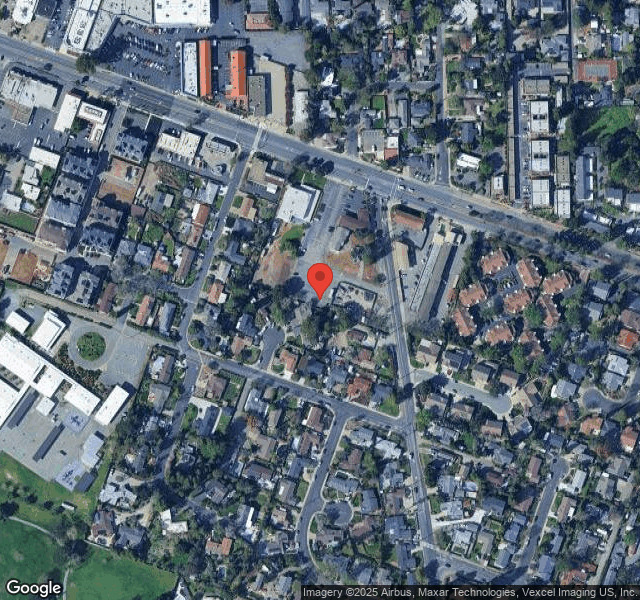

3806 CLAYTON ROAD, CONCORD, CA 94521 (925) 689-2266
For profit - Limited Liability company 190 Beds PACS GROUP Data: November 2025
Trust Grade
70/100
#336 of 1155 in CA
Last Inspection: April 2025

Within standard 12-15 month inspection cycle. Federal law requires annual inspections.

Overview

Diablo Valley Post Acute has a Trust Grade of B, indicating it is a good choice for families looking for a nursing home. It ranks #336 out of 1,155 facilities in California, placing it in the top half, and #16 out of 30 in Contra Costa County, meaning there are only a few local options that perform better. Unfortunately, the facility's trend is worsening, with issues increasing from 2 in 2024 to 8 in 2025. Staffing is a relative strength, rated 4 out of 5 stars with a turnover rate of 32%, which is below the California average, suggesting that staff members are experienced and familiar with the residents. Additionally, there have been no fines, which is a positive sign. However, there are some concerning incidents reported. For instance, staff failed to properly store personal belongings for one resident, and a housekeeper did not wash their hands after removing soiled gloves, which raises infection risk. Additionally, residents were found smoking in a non-designated area without proper safety measures in place, potentially endangering both smoking and non-smoking residents. While there are strengths in staffing and no fines, these recent findings highlight areas where the facility needs to improve to ensure resident safety and care.

Trust Score
B
70/100
In California
#336/1155
Top 29%
Safety Record
Low Risk
No red flags
Inspections
Getting Worse
2 → 8 violations
Staff Stability
○ Average
32% turnover. Near California's 48% average. Typical for the industry.
Penalties
✓ Good
No fines on record. Clean compliance history, better than most California facilities.
Skilled Nurses
⚠ Watch
Each resident gets only 29 minutes of Registered Nurse (RN) attention daily — below average for California. Fewer RN minutes means fewer trained eyes watching for problems.
Violations
⚠ Watch
26 deficiencies on record. Higher than average. Multiple issues found across inspections.
★★★★☆
4.0
Overall Rating
★★★★☆
4.0
Staff Levels
★★★★☆
4.0
Care Quality
★★★★☆
4.0
Inspection Score
Stable
2024: 2 issues
2025: 8 issues

The Good

  • 4-Star Staffing Rating · Above-average nurse staffing levels
  • 4-Star Quality Measures · Strong clinical quality outcomes
  • Full Sprinkler Coverage · Fire safety systems throughout facility
  • No fines on record
  • Staff turnover below average (32%)

    16 points below California average of 48%

Facility shows strength in staffing levels, quality measures, fire safety.

The Bad

Staff Turnover: 32%

14pts below California avg (46%)

Typical for the industry

Chain: PACS GROUP

Part of a multi-facility chain

Ask about local staffing decisions and management

The Ugly 26 deficiencies on record

Apr 2025 6 deficiencies
CONCERN (D)

Potential for Harm - no one hurt, but risky conditions existed

Deficiency F0645 (Tag F0645)

Could have caused harm · This affected 1 resident

Based on interview, record review, and facility policy review, the facility failed to resubmit a Preadmission Screening and Resident Review (PASRR) Level I evaluation for 2 (Resident #120 and Resident...

Read full inspector narrative →
Based on interview, record review, and facility policy review, the facility failed to resubmit a Preadmission Screening and Resident Review (PASRR) Level I evaluation for 2 (Resident #120 and Resident #124) of 5 residents reviewed for PASRR. Findings included: An undated facility policy titled, PASRR (Pre-admission Screening & Resident Review), indicated, 2. The PASRR Level I form will be maintained in the patient's medical record. The policy also indicated, 4. A positive PASRR Level I screen necessitates an in-depth evaluation of the individual, by the state-designated authority, known as Level II PASRR, which must be conducted prior to admission to the facility. 1. An admission Record revealed the facility admitted Resident #120 on 10/02/2023. According to the admission Record, the resident had a medical history that included diagnoses of bipolar disorder and major depressive disorder. A quarterly Minimum Data Set (MDS), with an Assessment Reference Date (ARD) of 01/29/2025, revealed Resident #120 had a Brief Interview for Mental Status (BIMS) score of 15, which indicated the resident had intact cognition. The MDS indicated the resident's active diagnoses for psychiatric/mood disorder included depression and bipolar disorder. Resident #120's Care Plan Report, included a focus area revised on 12/16/2024, that indicated the resident was at risk for psychosocial refusal of care. The focus area revealed the resident refused care and services within their rights as manifested by non-compliance/refusal of medical care, medications, and nursing care with associated behaviors. Interventions (initiated 01/19/2024) directed staff to obtain behavioral and psychological services as indicated, encourage active participation in care, inform the resident of procedures and the purpose prior to start, inform the resident of risks and ramifications of continued noncompliance, and re-approach the resident when they are refusing care to the extent possible. A letter from the Department of Health Care Services dated 10/02/2023 indicated Resident #120's PASRR Level I Screening result was negative. The letter revealed the resident was determined an Exempted Hospital Discharge and a Level II mental health evaluation referral was not required. The letter revealed that if the resident remained in the nursing facility longer than 30 days, the facility should resubmit a new Level I Screening as a resident review on the 31st day. During an interview on 04/17/2025 at 9:53 AM, the Admissions Assistant stated a new PASRR Level 1 was not resubmitted for Resident #120 on the 31st day, and the facility did not have a current Level I Screening. During an interview on 04/17/2025 at 10:14 AM, the MDS Coordinator reviewed Resident #120's PASRR letter and confirmed the resident did not receive a new PASRR Level I on the 31st day. During an interview on 04/17/2025 at 10:39 AM, the Director of Nursing (DON) stated the facility had not identified an individual responsible for resubmitting Resident #120's PASRR on the 31st day, and anyone with access could have submitted it. During a follow-up interview with the DON on 04/17/2025 at 10:49 AM, she stated her expectation for timeliness for completion of PASRRs was to act promptly on the letters the facility received. During an interview on 04/18/2025 at 10:29 AM, the Administrator stated his expectation was if a PASRR was needed after thirty days, then one of the staff with access to submit a PASRR would complete it. 2. An admission Record revealed the facility admitted Resident #124 on 01/17/2023. According to the admission Record, the resident had a medical history that included diagnosis of schizophrenia. A quarterly Minimum Data Set (MDS), with an Assessment Reference Date (ARD) of 04/02/2025, revealed Resident #124 had a Brief Interview for Mental Status (BIMS) score of 15, which indicated the resident had intact cognition. The MDS indicated the resident's active diagnoses for psychiatric/mood disorder included schizophrenia. Resident #124's Care Plan Report, included a focus area initiated on 01/24/2023, that indicated the resident had a psychosocial wellbeing problem related to schizophrenia. Interventions (revised 06/25/2023) directed staff to assist the resident in developing coping skills to manage feelings, use prior skill and strengths, relaxation or talking; offer to accompany the resident to situation outside of room; facilitate interaction with others, and ways in which meaningful contact could be initiated. A letter from the Department of Health Care Services, dated 01/17/2023, indicated Resident #124's Level I Screening result was positive for suspected mental illness. The letter revealed the resident was determined a Level II mental health evaluation referral was required. A letter from the Department of Health Care Services dated 02/01/2023 indicated that after reviewing the positive Level I Screening and speaking to staff, a Level II mental health evaluation was not scheduled because the resident was isolated as a health or safety precaution. The letter revealed that the case was closed and to reopen it, the facility needed to submit a new Level I Screening. During an interview on 04/17/2025 at 10:09 AM, the Admissions Assistant reviewed Resident #124's letters and stated a PASRR Level II should have been done at the facility. The Admissions Assistant stated that as of that day, the resident had not received a Level II Screening. The Admissions Assistant stated that the MDS Coordinator would need to request the Level II Screening. During an interview on 04/17/2025 at 10:24 AM, the MDS Coordinator reviewed Resident #124's PASRR letters and confirmed that a new Level I Screening was not submitted to complete the Level II Screening as instructed. The MDS Coordinator could not explain who was responsible for submitting the PASRR evaluations. During an interview on 04/17/2025 at 10:39 AM, the Director of Nursing (DON) stated that the Assistant Administrator was the only one with access for submitting the PASRR and would have had to do it for Resident #124. The DON stated the Assistant Administrator no longer worked at the facility. During a follow-up interview with the DON on 04/17/2025 at 10:49 AM, she stated her expectation for timeliness for completion of PASRRs was to act promptly on the letters the facility received. During an interview on 04/18/2025 at 10:29 AM, the Administrator stated his expectation was if a PASRR was needed for a resident that was on isolation when the evaluation was scheduled, then one of the staff with access to submit a PASRR would complete it.
CONCERN (D)

Potential for Harm - no one hurt, but risky conditions existed

Deficiency F0658 (Tag F0658)

Could have caused harm · This affected 1 resident

Based on interview, record review, and facility policy review, the facility failed to ensure staff documented medication administration on the electronic Medication Administration Record (eMAR) in a t...

Read full inspector narrative →
Based on interview, record review, and facility policy review, the facility failed to ensure staff documented medication administration on the electronic Medication Administration Record (eMAR) in a timely manner for 1 (Resident #72) of 4 residents observed during medication administration. Findings included: An undated facility policy titled, Administering Medications, revealed the section titled, Policy Interpretation and Implementation, included, 19. The individual administering the medication must initial the resident's MAR on the appropriate line after giving each medication and before administering the next ones. An admission Record indicated the facility admitted Resident #72 on 05/01/2024. According to the admission Record, the resident had a medical history that included diagnoses of essential primary hypertension, type 2 diabetes mellitus, bilateral primary osteoarthritis of the knee, and adult failure to thrive. A quarterly Minimum Data Set (MDS), with an Assessment Reference Date (ARD) of 01/28/2025, revealed Resident #72 had a Brief Interview for Mental Status (BIMS) score of 9, which indicated the resident had moderate cognitive impairment. Resident #72's Care Plan Report, included a focus area initiated 05/02/2024, that indicated the resident was at risk for side effects with the use of antihypertensive medication. Interventions directed staff to administer medications as ordered. The Care Plan Report included a focus area initiated 05/02/2024, that indicated the resident had a nutritional problem or potential nutritional problem. Interventions directed staff to provide and serve supplements as ordered. The Care Plan Report included a focus area initiated 05/01/2024, that indicated the resident had pain. Interventions directed staff to monitor/document for side effects of pain medication. Resident #72's Order Summary Report with active orders as of 04/17/2025, included the following orders: - An order dated 05/01/2024, for amlodipine 5 milligrams (mg), with instructions to give one tablet by mouth one time a day for hypertension. - An order dated 05/01/2024, for ferrous sulfate 324 mg, with instructions to give one tablet by mouth one time a day for supplement. - An order dated 05/01/2024, for gabapentin 100 mg, with instructions to give one capsule by mouth three times a day for neuropathy. - An order dated 05/01/2024, for metoprolol tartrate 25 mg give one tablet by mouth one time a day for hypertension. Resident #72's April 2025 Medication Administration Record [MAR] revealed the amlodipine, ferrous sulfate, gabapentin, and metoprolol tartrate were all scheduled to be administered at 9:00 AM. During an observation of medication administration on 04/16/2025 at 8:59 AM, Licensed Vocational Nurse (LVN) #9 administered amlodipine 5 mg one tablet, ferrous sulfate 325 mg one tablet, metoprolol tartrate 25 mg one tablet, and gabapentin 100 mg one capsule to Resident #72, but did not sign the medications as administered on the eMAR when they were given. During an interview on 04/16/2025 at 10:55 AM, LVN #9 confirmed that she had not documented that the medications were administered yet. She stated she was in a hurry to get to the next resident. She stated she should have documented the administration of the medications on the MAR right after they were given. A Medication Admin [Administration] Audit Report, for Resident #72's medications on 04/16/2025, revealed LVN #9 documented on the eMAR that ferrous sulfate 324 mg was administered at 11:47 AM, amlodipine 5 mg was administered at 9:47 AM, gabapentin 100 mg was administered at 11:47 AM, and metoprolol tartrate 25 mg was administered at 9:49 AM. The Medication Admin Audit Report revealed this documentation was put into the eMAR on 04/16/2025 at 11:48 AM and 11:49 AM, almost three hours after the medications were administered. During an interview on 04/17/2025 at 3:20 PM, LVN #11 stated the nurse administering the medication needed to document that they administered the medication on the MAR as soon as they were given. He stated if the nurse was pulled to an emergency, then there was a record of the medication being given. During an interview on 04/18/2025 at 8:53 AM, Assistant Director of Nursing (ADON) #14 stated the nurse should document that they administered the medication right after it was given. He stated it was not good practice to wait until later to document a medication was given, especially an as-needed medication. He stated if the medication was not documented at the right time, the next nurse might not be able to give the next dose timely. During an interview on 04/18/2025 at 9:23 AM, the Director of Nursing (DON) stated that after a resident was administered medication, then the medication should be documented as administered on the MAR. She stated it was not good practice to wait to document. She stated they needed to have an accurate time of administration. During an interview on 04/18/2025 at 10:13 AM, the Administrator stated the nurse should document the administration of medication at the time it was given.
CONCERN (D)

Potential for Harm - no one hurt, but risky conditions existed

Quality of Care (Tag F0684)

Could have caused harm · This affected 1 resident

Based on interview, record review, facility document review, and facility policy review, the facility failed to ensure medication orders were accurately transcribed for 1 (Resident #42) of 5 sampled r...

Read full inspector narrative →
Based on interview, record review, facility document review, and facility policy review, the facility failed to ensure medication orders were accurately transcribed for 1 (Resident #42) of 5 sampled residents reviewed for unnecessary medications. Findings included: An undated facility policy titled, Administering Medications, indicated, Medications shall be administered in a safe and timely manner, and as prescribed. The policy revealed, 3. Medications must be administered in accordance with the orders, including any required time frame. An admission Record indicated the facility admitted Resident #42 on 07/01/2022. According to the admission Record, the resident had a medical history that included diagnoses of dementia, major depressive disorder, and unspecified mood affective disorder. A quarterly Minimum Data Set (MDS), with an Assessment Reference Date (ARD) of 12/19/2024, revealed Resident #42 had a Brief Interview for Mental Status (BIMS) score of 10, which indicated the resident had moderate cognitive impairment. The MDS indicated the resident had diagnoses of depression and psychotic disorder. The MDS revealed the resident received antipsychotic medications during the assessment's lookback period. Resident #42's Care Plan Report, included a focus area initiated 03/31/2025, that indicated the resident received an antipsychotic medication and had the potential for side effects, complications, or adverse reactions related to ordered use of the drug Seroquel. Interventions directed staff to administer medications as ordered. A physician's order dated 03/29/2025 revealed Medical Doctor (MD) #8 changed Resident #42's Seroquel to 50 milligrams (mg) with instructions to take one tablet twice a day and two tablets at bedtime. Resident #42's Order Summary Report, with orders for the timeframe from 01/01/2025 through 04/17/2025, revealed order dated 03/29/2025, for quetiapine fumarate (Seroquel) oral tablet 25 mg, with instructions to give one tablet by mouth two times a day for agitation related to dementia. The Order Summary Report revealed an order dated 03/29/2025, for quetiapine fumarate oral tablet 25 mg, with instructions to give two tablets by mouth at bedtime for agitation related to dementia. Resident #42's March 2025 Medication Administration Record [MAR], revealed a transcription of an order dated 03/29/2025, for quetiapine fumarate oral tablet 25 mg, with instructions to give one tablet by mouth two times a day at 9:00 AM and 5:00 PM. Further review revealed staff documented that the medication was administered to the resident from 03/29/2025 to 03/31/2025. The MAR revealed a transcription of an order dated 03/29/2025, for quetiapine fumarate oral tablet 25 mg, with instructions to give two tablets by mouth at bedtime at 8:00 PM, for agitation related to dementia. Further review revealed staff documented that the medication was administered to the resident from 03/29/2025 to 03/31/2025. Resident #42's Medication Administration Record for the timeframe from 04/01/2025 through 04/15/2025, revealed a transcription of an order dated 03/29/2025, for quetiapine fumarate oral tablet 25 mg, with instructions to give one tablet by mouth two times a day at 9:00 AM and 5:00 PM. Further review revealed staff documented that the medication was administered to the resident from 04/01/2025 to 04/15/2025. The MAR revealed a transcription of an order dated 03/29/2025, for quetiapine fumarate oral tablet 25 mg, with instructions to give two tablets by mouth at bedtime at 8:00 PM, for agitation related to dementia. Further review revealed staff documented that the medication was administered to the resident from 04/01/2025 to 04/15/2025. During an interview on 04/16/2025 at 5:33 PM, Assistant Director of Nursing (ADON) #14 stated he was unaware of the medication error but that he would get it updated. ADON #14 stated he expected the nurses to review the orders closely to try to not have any medication errors. ADON #14 stated he needed to do more audits or have another nurse review orders more often to try to catch those medication errors. ADON #14 stated that Resident #42 had no negative outcomes from this medication error. Multiple attempts were made on 04/17/2025 at 2:20 AM and 04/18/2025 at 7:18 AM and 9:19 AM to reach MD #8 but were not successful. During an interview on 04/17/2025 at 2:40 PM, Licensed Vocational Nurse (LVN) #6 stated he was notified by ADON #14 of the medication error with Resident #42. He confirmed that he entered Resident #42's order for Seroquel wrong and he should have changed the order to 50 mg but instead he left it as 25 mg. He stated that he should have paid attention when transcribing the orders for the resident. During an interview on 04/18/2025 at 9:05 AM, the Director of Nursing (DON) stated she expected her staff to enter medication orders accurately. During an interview on 04/18/2025 at 9:35 AM, the Administrator stated he expected the staff to double-check the orders and to get the orders correct and put them into the system accurately.
CONCERN (D)

Potential for Harm - no one hurt, but risky conditions existed

Accident Prevention (Tag F0689)

Could have caused harm · This affected 1 resident

Based on observation, interview, record review, facility document review, and facility policy review, the facility failed to ensure medications were properly stored and not left at the bedside for 2 (...

Read full inspector narrative →
Based on observation, interview, record review, facility document review, and facility policy review, the facility failed to ensure medications were properly stored and not left at the bedside for 2 (Resident #94 and Resident #34) of 2 residents reviewed for accident hazards. Findings included: An undated policy titled, Administering Medications, indicated, Medications shall be administered in a safe and timely manner, and as prescribed. The policy revealed, 24. Residents may self-administer their own medications only if the Attending Physician, in conjunction with the Interdisciplinary Care Planning Team, has determined that they have the decision-making capacity to do so safely. An undated policy titled, Self-Administration of Medications, revealed, Residents have the right to self-administer medications if the interdisciplinary team has determined that is it clinically appropriate and safe for the resident to do so. The policy revealed, 8. Self-administered medications are stored in a safe and secure place, which is not accessible by other residents. 1. An admission Record indicated the facility admitted Resident #94 on 10/29/2020. According to the admission Record, the resident had a medical history that included diagnoses of essential primary hypertension, chronic obstructive pulmonary disease, cerebral aneurysm, and anemia. A quarterly Minimum Data Set (MDS), with an Assessment Reference Date (ARD) of 03/19/2025, revealed Resident #94 had a Brief Interview for Mental Status (BIMS) score of 15, which indicated the resident had intact cognition. Resident #94's Care Plan Report, included a focus area revised 01/25/2022, that indicated the resident had impaired cognitive function and impaired thought processes related to their disease process. Interventions directed staff to administer medications as ordered (initiated 10/14/2021). The plan of care did not include self-administering medications or leaving medications at the bedside. During an observation on 04/14/2025 at 10:41 AM, Resident #94 was in bed holding a souffle cup (a disposable paper cup) that contained multiple pills. The resident stated staff gave them the pills to take that morning, but they were waiting for their stomach to not be upset before they took the pills. During an observation on 04/16/2025 at 10:31 AM, Resident #94 was in bed and the souffle cup with pills was on the over-the-bed table next to their bed. During an observation and interview on 04/16/2025 at 10:41 AM, Assistant Director of Nursing (ADON) #14 stated medications should not be left at the bedside. He removed the cup of pills from the over-the-bed table and told Resident #94 he would confirm the medications and then bring them back. ADON #14 went to the medication cart where Resident #94's medications were stored and compared each pill with the medication cards and the medication administration record (MAR) to confirm the pills were the resident's morning medications. ADON #14 returned to the room and gave the pills to Resident #94. ADON #14 stated the medications should not have been left at the bedside; the nurse should have watched the resident to make sure they were all taken safely. During an interview on 04/16/2025 at 11:17 AM, ADON #14 confirmed that Resident #94 had not been assessed to self-administer medication. Resident #94's Order Summary Report, with active order as of 04/17/2025, revealed it did not include physician orders for the resident to self-administer medications or for their medications to be left at the bedside. Resident #94's April 2025 Medication Administration Record [MAR] revealed that Licensed Vocational Nurse (LVN) #9 documented that she administered the residents 9:00 AM medications on 04/14/2025 and 04/16/2025. An Employee Counseling Form, dated 04/16/2025, indicated LVN #9 received a final written warning for a policy violation for the infraction of leaving medication at the bedside. During an interview on 04/16/2025 at 10:55 AM, LVN #9 confirmed that she left Resident #94's medications at the bedside. She stated Resident #94 was not ready to take the pills and asked her to leave the pills so they could take them when they were ready. During an interview on 04/18/2025 at 9:23 AM, the Director of Nursing (DON) stated medications should not be left at the bedside. She stated if the resident was not ready to take the medications, the nurse should ask the resident to notify them when they were ready. She stated the nurse should go back three times, and if the resident still was not ready, the nurse should educate the resident, discard the medication, call and inform the physician, and then care plan the refusal. The DON stated the nurse was responsible for ensuring the medications were taken. She stated not knowing what time the resident took the medication was a risk, and other residents could take the medication if they had poor cognition. The DON stated it was not safe to leave Resident #94's medications at the bedside as they may fall asleep. During an interview on 04/18/2025 at 10:13 AM, the Administrator stated medications should not be left at the bedside. He stated if the resident did not want them at the time they were offered, then the nurse should take the medications back to the medication cart and offer them later. He stated the risks of leaving medications at the bedside were that another resident could pick them up, the resident may not take them, or they may get dropped on the floor and then there would be an infection control issue. 2. An admission Record indicated the facility admitted Resident #34 on 04/22/2023. According to the admission Record, the resident had a medical history that included diagnoses of type 2 diabetes mellitus with diabetic chronic kidney disease and age-related cognitive decline. An annual Minimum Data Set (MDS), with an Assessment Reference Date (ARD) of 04/01/2025, revealed Resident #34 had a Brief Interview for Mental Status (BIMS) score of 11, which indicated the resident had moderate cognitive impairment. Resident #34's Care Plan Report, included a focus area initiated 04/11/2025, that indicated the resident exhibited cognitive loss related to altered cognitive performance with a BIMS score of 11. Interventions instructed staff to administer medications as ordered (initiated 04/11/2025). During an observation on 04/14/2025 at 10:57 AM, Resident #34 was in bed with their eyes closed. A souffle cup (a disposable paper cup) that contained five pills was noted on the over-the-bed table in front of the resident. Resident #34's Order Summary Report, with active orders as of 04/17/2025, revealed it did not include physician orders for the resident to self-administer medications or for their medications to be left at the bedside. Resident #34's April 2025 Medication Administration Record [MAR] revealed that Licensed Vocational Nurse (LVN) #9 documented that she administered the residents 9:00 AM medications on 04/14/2025. During an interview on 04/18/2025 at 9:23 AM, the Director of Nursing (DON) stated medications should not be left at the bedside. She stated if the resident was not ready to take the medications, then the nurse should take the medication back and ask the resident to notify them when they were ready. She stated the nurse should go back three times, and if the resident still was not ready, the nurse should educate the resident, discard the medication, call and inform the physician, and then care plan the refusal. She stated the nurse was responsible for ensuring the medications were taken. She stated not knowing what time the resident took the medication was a risk, and other residents could take the medication if they had poor cognition. The DON stated it was not safe to leave Resident #34's medications at the bedside. During an interview on 04/18/2025 at 10:13 AM, the Administrator stated medications should not be left at the bedside. He stated if the resident did not want them at the time they were offered, then the nurse should take the medications back to the medication cart and offer them later. He stated the risks of leaving medications at the bedside were that another resident could pick them up, the resident may not take them, or they may get dropped on the floor and then there would be an infection control issue.
CONCERN (D)

Potential for Harm - no one hurt, but risky conditions existed

Unnecessary Medications (Tag F0759)

Could have caused harm · This affected 1 resident

Based on observation, record review, interview, and facility policy review, the facility failed to have a medication error rate of less than 5%, with an error rate of 17.86%, affecting 2 (Resident #11...

Read full inspector narrative →
Based on observation, record review, interview, and facility policy review, the facility failed to have a medication error rate of less than 5%, with an error rate of 17.86%, affecting 2 (Resident #113 and Resident #72) of 4 residents observed during medication administration. The facility had five errors out of 28 opportunities. Findings include: An undated facility policy titled, Administering Medications, indicated, Medications shall be administered in a safe and timely manner, and as prescribed. The policy indicated, 3. Medications must be administered in accordance with the orders, including any required time frames. Further review revealed, 7. The individual administering the medication must check the label THREE (3) times to verify the right resident, right medication, right dosage, right time and right method (route) of administration before giving the medication. 1. An admission Record, revealed the facility admitted Resident #113 on 05/19/2022. According to the admission Record, the resident had a medical history that included a diagnosis of essential hypertensin. A quarterly Minimum Data Set (MDS), with an Assessment Reference Date (ARD) of 02/11/2025, revealed Resident #113 had a Brief Interview for Mental Status (BIMS) score of 13, which indicated the resident had intact cognition. Resident #113's Order Summary Report, with active orders as of 04/17/2025, included an order dated 09/11/2022, for chewable aspirin 81 milligrams (mg), with instructions to give one tablet by mouth in the morning for deep vein thrombosis (DVT) prophylaxis. During a medication administration observation on 04/16/2025 at 8:42 AM, Licensed Vocational Nurse (LVN) #9 administered enteric coated aspirin to Resident #113. During an interview on 04/16/2025 at 10:55 AM, LVN #9 stated she should have ensured the right resident, medication, dose, route, and time and checked it two to three times for each medication to ensure she was giving the right medication. During an interview on 04/18/2025 at 8:53 AM, Assistant Director of Nursing (ADON) #14 stated that when passing medications, the nurse should do a triple check. He stated that to make sure the medication was not missed, the nurse should pull the medication out of the medication cart and check the six rights (right resident, medication, dose, route, time, and indication). He stated they should compare the medication label with the electronic Medication Administration Record (eMAR), remove the medication from its container, and read the medication label again. He stated that when giving the medication the nurse should explain to the resident the medication they were giving and what it was for, and the nurse should not leave until the medication was taken. During an interview on 04/18/2025 at 9:23 AM, the Director of Nursing (DON) stated that when the nurse was administering medication, they should check the medication package with the MAR. During an interview on 04/18/2025 at 10:13 AM, the Administrator stated he expected the medication error rate to be 0%. He stated the nurses needed to be more thorough to ensure the residents were getting what they were supposed to when they were supposed to. 2. An admission Record indicated the facility admitted Resident #72 on 05/01/2024. According to the admission Record, the resident had a medical history that included diagnoses of essential primary hypertension, asthma, and adult failure to thrive. A quarterly Minimum Data Set (MDS), with an Assessment Reference Date (ARD) of 01/28/2025, revealed Resident #72 had a Brief Interview for Mental Status (BIMS) score of 9, which indicated the resident had moderate cognitive impairment. Resident #72's Order Summary Report, with active orders as of 04/17/2025, included the following orders: - An order dated 01/22/2025, for famotidine 20 milligrams (mg), with instructions to give one tablet by mouth one time a day to prevent acid indigestion. - An order dated 09/05/2024, for fluticasone propionate nasal suspension 50 micrograms (mcg) per actuation, with instructions to give one spray in both nostrils two times a day for allergy symptoms. - An order dated 05/02/2024, for lactobacillus (probiotic), with instructions to give one capsule by mouth two times a day. - An order dated 09/05/2024, for loratadine 10 mg, with instructions to give one tablet by mouth one time a day for allergy symptoms. During a medication administration observation on 04/16/2025 at 8:59 AM, Licensed Vocational Nurse (LVN) #9 did not administer Resident #72's famotidine, fluticasone, lactobacillus, or loratadine. During an interview on 04/16/2025 at 10:55 AM, LVN #9 stated she should have ensured the right resident, medication, dose, route, and time and checked it two to three times for each medication to ensure she was giving the right medication. During an interview on 04/18/2025 at 8:53 AM, Assistant Director of Nursing (ADON) #14 stated that when passing medications, the nurse should do a triple check. He stated that to make sure the medication was not missed, the nurse should pull the medication out of the medication cart and check the six rights (right resident, medication, dose, route, time, and indication). He stated they should compare the medication label with the electronic Medication Administration Record (eMAR), remove the medication from its container, and read the medication label again. He stated that when giving the medication the nurse should explain to the resident the medication they were giving and what it was for, and the nurse should not leave until the medication was taken. During an interview on 04/18/2025 at 9:23 AM, the Director of Nursing (DON) stated that when the nurse was administering medication, they should check the medication package with the MAR. She stated the nurse should count how many pills were on the MAR and count how many were in the medication cup to ensure they were giving all the medications and go line by line on the MAR. During an interview on 04/18/2025 at 10:13 AM, the Administrator stated he expected the medication error rate to be 0%. He stated the nurses needed to be more thorough to ensure the residents were getting what they were supposed to when they were supposed to.
CONCERN (D)

Potential for Harm - no one hurt, but risky conditions existed

Medical Records (Tag F0842)

Could have caused harm · This affected 1 resident

Based on interview, record review, and facility policy review, the facility failed to maintain an accurate medical record related to the use of pain medications for 1 (Resident #46) of 3 residents rev...

Read full inspector narrative →
Based on interview, record review, and facility policy review, the facility failed to maintain an accurate medical record related to the use of pain medications for 1 (Resident #46) of 3 residents reviewed for pain management. Findings included: An undated facility policy titled, Pain - Clinical Protocol, revealed the section titled Monitoring, included, 2. The staff will evaluate and report the resident/patient's use of standing and PRN [pro re nata, as needed] analgesics. a. Depending on the characteristics of pain, the physician may start with PRN doses or supplement standing doses with PRN doses for breakthrough pain. b. If there are more than occasional analgesic requests, the physician will consider changing to regular administration of at least one analgesic with another medication for PRN use, increasing the standing dose of an existing analgesic, switching to another analgesic, and/or adding nonpharmacological measures. An admission Record indicated the facility admitted Resident #46 on 08/26/2022. According to the admission Record, the resident had a medical history that included diagnoses of a left lower leg fracture, bilateral primary osteoarthritis of the knees, and polyneuropathy. A quarterly Minimum Data Set (MDS), with an Assessment Reference Date (ARD) of 01/28/2025, revealed Resident #46 had a Brief Interview for Mental Status (BIMS) score of 15, which indicated the resident had intact cognition. The MDS indicated the resident received PRN pain medication during the assessment's lookback period. Resident #46's Care Plan Report, included a focus area initiated 09/26/2024, that indicated the resident experienced pain or discomfort due to fractures. Interventions (initiated 09/26/2024) directed staff to administer medication as ordered, monitor for side effects, and notify the physician if observed; allow time to participate in activities of daily living (ADLs) to minimize discomfort; assess for non-verbal indicators of pain; assess pain every shift and as indicated; encourage to verbalize feelings; maintain a calm and quiet environment; notify the physician if the resident experienced unmanageable or intolerable pain; offer activities of choice; and arrange pain consults as ordered. Resident #46's Order Summary Report, with active orders as of 04/17/2025, revealed an order dated 04/15/2025, for Percocet 10-325 milligrams (mg) (an opioid pain medication), with instructions to give one tablet by mouth every four hours as needed for moderate to severe pain. Resident #46's April 2025 Medication Administration Record [MAR] revealed that staff documented Percocet 10-325 mg was administered 37 times during the timeframe from 04/01/2025 through 04/16/2025. Resident #46's Individual Patient's Narcotic Record for Percocet 10-325 mg for the timeframe from 04/01/2025 through 04/16/2025 revealed staff documented that they signed out a total of 73 pills during this timeframe. During an interview on 04/17/2025 at 3:13 PM, Licensed Vocational Nurse (LVN) #10 stated she documented medication administration on the MAR and signed out medications on the narcotic record when she removed the medication from the medication cart. She stated Resident #46 took their Percocet at 9:00 AM and 1:00 PM and the resident was set on these times as they wanted it before therapy. She confirmed her signature on the narcotic record for 04/04/2025 at 9:00 AM and 1:00 PM. LVN #10 stated that she always documented medication administration on the MAR and was surprised when she saw that she had not. She stated that she must have overlooked it. She stated it was important to document so that the records matched, and it was documented that the resident received it. During an interview on 04/17/2025 at 3:20 PM, LVN #11 stated that when giving a narcotic, he would check the MAR and the narcotic record to see when it was last given. He stated he would then remove the medication from the medication cart, give it to the resident, and sign the MAR and the narcotic record when he returned to the medication cart. He reviewed the narcotic record (for Percocet) for Resident #46 and verified his initials were documented on the narcotic record (as signing out the medication) for 04/04/2025, 04/05/2025, 04/09/2025, and 04/11/2025 at 9:00 PM. He stated he did not know why he did not document on the MAR that the Percocet was given. He stated if it was not documented on the MAR then it looked like the medication was not given. During an interview on 04/18/2025 at 8:53 AM, Assistant Director of Nursing (ADON) #14 stated the narcotic record should be signed as soon as the medication was removed from the medication cart, and then it should be documented as administered on the MAR right after the resident took the medication. He stated that for Resident #46 it was important for the nurses to sign the MAR, because it was one way for the physician to see what medication the resident was getting. He stated that by not signing the MAR, it was not an accurate record of what the resident was taking and what was going on. During an interview on 04/18/2025 at 9:23 AM, the Director of Nursing (DON) stated it was important for staff to sign the MAR to ensure it was an accurate record, as the physician looked at the document to determine what medication the resident received and if adjustments were necessary. During an interview on 04/18/2025 at 10:13 AM, the Administrator stated the staff should be signing out the medications at the time they were given. He stated it was important for the physician to be aware of what the resident was taking in order to get the big picture. He stated he expected proper documentation to be completed.
Jan 2025 2 deficiencies
CONCERN (D) 📢 Someone Reported This

A family member, employee, or ombudsman was alarmed enough to file a formal complaint

Potential for Harm - no one hurt, but risky conditions existed

Report Alleged Abuse (Tag F0609)

Could have caused harm · This affected 1 resident

**NOTE- TERMS IN BRACKETS HAVE BEEN EDITED TO PROTECT CONFIDENTIALITY** Based on interview and record review, the facility failed to report an allegation of abuse, within required expected timeframe, ...

Read full inspector narrative →
**NOTE- TERMS IN BRACKETS HAVE BEEN EDITED TO PROTECT CONFIDENTIALITY** Based on interview and record review, the facility failed to report an allegation of abuse, within required expected timeframe, to the State Survey Agency and Adult Protective Services (APS), for one of two sampled residents (Resident 1). This failure had the potential to not ensure additional protection of Resident 1 and other residents from abuse. Findings: During record review of Resident 1 ' s Face Sheet (FS), the FS indicated Resident 1 is an [AGE] year old resident admitted to the facility in 2024. FS indicated Resident 1 had a responsible party (RP 1) for emergency contact and financial decisions. FS also indicated Resident 1 ' s diagnoses included Cognitive Communication Deficit (reduced awareness and ability to initiate and effectively communicate needs), Intermittent Explosive Disorder (a mental health condition that causes sudden and impulsive episodes of anger and aggression), and Senile Degeneration of Brain (mental deterioration [loss of intellectual ability] that is associated with the characteristics of old age). During an interview on 12/17/2024, at 12:59 p.m., with Assistant Director of Nursing (ADON) 1, ADON 1 stated she received an alleged abuse allegation report on 11/19/24 at around 6:30 a.m., from a Clinical Supervisor that involved a Licensed Vocational Nurse (LVN) slapping Resident 1 on the face, during care received on the night of 11/17/24. ADON 1 stated she reported the alleged abuse incident to the Director of Nursing (DON), in the morning of 11/19/24. ADON 1 also stated the alleged abuse incident was reported to the Administrator (ADM) the same morning, on 11/19/24. During a record review on 12/17/2024 at 1:55 p.m., the facility ' s SOC 341 (Report of Suspected Dependent Adult-Elder Abuse), faxed to California Department of Public Health (CDPH), involving the alleged abuse incident towards Resident 1, indicated transmittal on 11/19/24 at 10:38 a.m Further review of the SOC 341, indicated, 12/17/2024 as date completed. The SOC 341 report had no contact name, telephone number, date, and time, the alleged abuse incident was reported to Law Enforcement and the Local Ombudsman. During an interview on 11/19/2024 at 1:50 p.m., with ADM, ADM could not provide law enforcement badge number or case number when requested. ADM further stated that he does not have a proof of the fax. During a record review of facility ' s policy and procedure (P&P), titled, Abuse, Neglect, Exploitation or Misappropriation-Reporting and Investigating, dated 2001, the P&P indicated, All reports of resident abuse (including injuries of unknown origin), exploitation, or theft/misappropriation of residents property are reported to local, state, and federal agencies (as required by current regulations) and thoroughly investigated by facility management. Findings of all investigations are documented and reported . Policy Interpretation and Implementation . 3. Immediately is defined as: a. within two hours of an allegation involving abuse or result in serious bodily injury; or b. within 24 hours of an allegation that does not involve abuse or result in serious bodily injury . 9. The investigator notifies the ombudsman that an abuse investigation is being conducted. The ombudsman is invited to participate in the review process.
CONCERN (E) 📢 Someone Reported This

A family member, employee, or ombudsman was alarmed enough to file a formal complaint

Potential for Harm - no one hurt, but risky conditions existed

Infection Control (Tag F0880)

Could have caused harm · This affected multiple residents

**NOTE- TERMS IN BRACKETS HAVE BEEN EDITED TO PROTECT CONFIDENTIALITY** Based on observation, interview and record review, the facility staff failed to implement their infection prevention and control...

Read full inspector narrative →
**NOTE- TERMS IN BRACKETS HAVE BEEN EDITED TO PROTECT CONFIDENTIALITY** Based on observation, interview and record review, the facility staff failed to implement their infection prevention and control program when: 1. Personal clothing and belongings were not stored in a clean and sanitary manner for one of three sampled residents (Resident 2). 2. Housekeeper (HK) 1 did not perform hand hygiene after removal of soiled gloves. 3. Certified Nursing Assistant (CNA) 1 did not properly handle and transport soiled linens. These failures have the potential to cause cross contamination and not prevent the development and spread of infections among residents, staff, and visitors. Findings: 1.During record review of Resident 2 ' s Face Sheet (FS), the FS indicated Resident 2 is an [AGE] year old female admitted to the facility in 2024. FS indicated Resident 2 had diagnoses that included Urinary Tract Infection (a condition in which bacteria [germs] enters and grow in the urinary tract, kidneys, ureters, bladder, and urethra), Irritable Bowel Syndrome (condition that leads to belly pain and problems with bowel movements [constipation, diarrhea, or both]), and Type 2 Diabetes Mellitus (a long-term condition in which the body has trouble controlling blood sugar and using it for energy) with Diabetic Polyneuropathy (type of nerve damage). During an observation on 12/17/2024 at 3:50 p.m., in Resident 2 ' s room, Resident 2 ' s personal belongings, clothes, and diapers were tied in a clear bag, and found on the floor next to the head of Resident 2 ' s bed. During an interview on 12/17/2024 at 3:52 p.m., with Resident 2, Resident 2 stated she did not know why her belongings were on the floor, and did not appreciate that her belongings were on the floor. Resident 2 further stated she did not store her personal belongings on the floor at her home. Resident 2 stated she did not know the reason the facility stored her belongings on the floor. During an observation and interview on 12/17/2024 at 4:05 p.m., with the License Vocational Nurse 1 (LVN) 1, LVN 1 stated resident ' s belongings were not supposed to be stored on the floor. LVN 1 stated Resident 2 ' s belongings had to be stored in the closet. LVN 1 took Resident 2 ' s belongings that were on the floor and placed them in Resident 2 ' s designated closet. During an interview on 12/17/2024 at 4:10 p.m., with the Director of Nursing (DON), DON stated it was not a good thing to leave residents ' personal belongings on the floor for infection control purposes. DON stated she did not know why Resident 2 ' s belongings were placed on the floor. During an interview on 1/16/2025 at 2:55 p.m., with the Infection Preventionist (IP), IP stated residents ' belongings must be placed inside the closet and the bag [containing resident ' s belongings] should not be left open. IP further stated staff were trained to store clean linens in the closet and not on the floor. 2. During an observation on 1/16/2025 at 3:18 p.m., in the hallway outside Resident 2 ' s room, Housekeeper (HK) 1 was transporting soiled linens into the soiled utility room. HK 1 took gloves out of his pocket, donned the gloves and emptied the soiled linens in the soiled bin located in the utility room. HK 1 then removed soiled gloves worn without hand sanitizing, left the soiled utility room, and headed down the hallway into the 100 Unit patient area. There were no glove supplies (glove supply or dispensers mounted?) and hand sanitizers inside the soiled utility room. There were no hand sanitizers outside of, and near the location of the utility room. During an interview on 1/16/2025 at 3:20 p.m., with HK, HK stated he does not speak or understand English, he is Spanish speaking only. 3. During an observation on 1/16/2025 at 3:35 p.m., in the hallway outside Resident 2 ' s room, Certified Nursing Assistant (CNA) 1 came out of Resident 2 ' s room with gloves on, holding soiled linen in his hand, and opened the doorknob to the soiled utility room. CNA 1 placed the soiled linen in the linen bin inside the soiled utility room, removed his gloves, closed the door to the utility room, and walked out to the hallway. During an interview on 1/16/2025 at 3:35 p.m., with CNA 1, CNA 1 stated staff were not supposed to wear gloves in the hallway. During an interview on 1/16/2025 at 3:42 p.m., with the Assistant Director of Nursing (ADON) 2, ADON 2 stated staff were required to take the hamper into the resident room and put the soiled linen in the hamper and transport the dirty linen inside the hamper to the soiled utility room. ADON 2 further stated no gloves in the hallway. During a review of facility ' s policy and procedure (P&P), titled Laundry and bedding, Soiled dated 2001, the P&P indicated, Soiled laundry/bedding shall be handled, transported and processed according to best practices for infection prevention and control . Handling – 1. All used laundry is handled as potentially contaminated using standard precautions (e.g., gloves and gowns when sorting). a. Contaminated laundry is bagged or contained at the point of collection (i.e., where it was used) . Transport . Separate carts are used for transporting clean and contaminated linen . Clean linen is protected from dust and soiling during transport and storage to ensure cleanliness . Storage . The use of separate rooms, closets, or other designated spaces with a closing door are used to reduce the risk of accidental contamination. Onsite Laundry Processing . Hand hygiene products, as well as appropriate PPE (i.e., gloves and gowns) are available and used while sorting and handling contaminated linens.
Aug 2024 1 deficiency
CONCERN (D) 📢 Someone Reported This

A family member, employee, or ombudsman was alarmed enough to file a formal complaint

Potential for Harm - no one hurt, but risky conditions existed

Deficiency F0573 (Tag F0573)

Could have caused harm · This affected 1 resident

Based on observation, interview, and record review the facility nursing staff did not provide the resident ' s Responsible Party access to medical records within 24 hours of written request. For Resid...

Read full inspector narrative →
Based on observation, interview, and record review the facility nursing staff did not provide the resident ' s Responsible Party access to medical records within 24 hours of written request. For Resident 1, the failure to access readily available medical records resulted in delayed treatment at another facility, which had the potential for injury or harm. Findings: During review of Resident 1's Face Sheet, Face Sheet indicated Resident 1 was admitted to the facility in 2024. The Face Sheet also indicated Resident 1 had a responsible party (RP 1) for emergency contact and financial decisions. During a telephone interview on 5/30/24, at 3:44 p.m., with Representative Party (RP 1), RP 1 requested for release of medical records for Resident 1, to facility Medical Records Director (MRD 1) via telephone. MRD 1 informed RP 1 facility will need a signed Durable Power of Attorney (DPOA) from RP 1 prior to release of medical records. RP 1 stated she sent the DPOA via email to facility ' s MRD 1's work email address on 7/1124, at 3:56 p.m. RP 1 stated MRD 1 responded on 7/12/24 that he would send the requested documents following Tuesday, 7/16/24. RP 1 stated medical records documents were emailed to her on 7/19/24. RP 1stated the facility did not provide all the records she was looking for. During a telephone interview on 9/9/24 at 0950 a.m., with MRD 1, MRD 1 stated the facility was busy the week RP had sent in the DPOA. MRD 1 stated facility had a lot of Additional Documentation Request (ADR) from Medicare, about 15 to 16 requests. MRD 1 stated the facility's normal process is, once facility gets the request for medical records, it takes facility two days after release form has been signed.
Feb 2024 1 deficiency
CONCERN (D) 📢 Someone Reported This

A family member, employee, or ombudsman was alarmed enough to file a formal complaint

Potential for Harm - no one hurt, but risky conditions existed

ADL Care (Tag F0677)

Could have caused harm · This affected 1 resident

Based on interview, and record review the facility failed to provide shower to one of three sampled residents (Resident 1) per shower schedule. This failure placed Resident 1 at risk for poor hygiene,...

Read full inspector narrative →
Based on interview, and record review the facility failed to provide shower to one of three sampled residents (Resident 1) per shower schedule. This failure placed Resident 1 at risk for poor hygiene, compromised skin integrity and overall well-being. Findings: During a record review of Resident 1 ' s admission Record printed on 2/6/24, the record indicated Resident 1 was a admitted to facility on 12/27/23 and discharged on 1/28/24. During a review of Resident 1 ' s Minimum Data Set (MDS, an assessment to guide plan of care) dated 12/31/23, the assessment indicated Resident 1 was able to understand others and was able to make herself understood. The assessment indicated Resident 1 ' s Brief Interview of Mental Status (BIMS, an assessment for cognition) score was 13 out of 15, indicating intact mental status. The MDS assessment also indicated Resident 1 was dependent on staff to provide her showers/baths. During a review of Resident 1 ' s Activities of Daily Living (ADL) Care Plan dated 12/27/23, the care plan indicated Resident 1 had ADL decline due to her recent hospitalization. The Care Plan indicated to provide bathing per schedule and preferences . During a phone interview with Resident 1 on 2/5/24 at 2:07 p.m., Resident 1 stated she received only one bed-bath, and one shower during her one month stay at the facility[GS1] and It made her feel horrible and impacted her progress in health. During an interview with Certified Nursing Assistant (CNA 1) on 2/6/24 at 10:18 a.m. CNA 1 stated CNAs were responsible for providing showers/bed baths to residents at the facility. CNA 1 stated they get the shower schedule for their residents at the beginning of their shift. During an interview and record review with Licensed Vocational Nurse (LVN 1) on 2/6/24 at 10:35 a.m. at Nursing Station 100, facility ' s document titled Building 100 AM assignment dated 2/6/24 and an undated Shower Schedule document were reviewed. The Building 100 AM assignment document had columns indicating CNAs names, assigned rooms, break times and room numbers for residents assigned for shower for that day. LVN 1 stated the Supervisor on duty was responsible for creating the shower assignment schedule based on the Shower Schedule document. The Shower Schedule document had columns with days of the week and rows with room numbers underneath the schedule shower day of the week. LVN 1 stated CNAs get a copy of that assignment sheet at the beginning of each shift and it lets them know the residents who need showers during their shift. During an interview with Certified Nursing Assistant (CNA 2), 2/6/24 at 11:49 a.m. If a resident refuses a shower and/or bed bath, refusal needs to be brought to the nurses ' attention. The nurse then works with the resident to understand why the resident does not want to bathe, and efforts of encouragement and/or solutions to over1come barriers, are offered to get the resident clean. During an interview with Licensed Vocational Nurse (LVN 2) on 2/6/24 12:05 p.m., If a resident refused shower, I would ask the resident as to why they refused because, it's important for good hygiene and to keep them free from infection. If a resident still declines a shower or bed bath, I would notify family and doctor, and document this in the progress notes. During a concurrent interview and record review with the Assistant Director of Nursing (ADON) on 2/6/24 11:05 a.m., Resident 1 ' s Electronic Health Record (EHR) for Census (for room change information), ADL documentation for Showers/Baths, Nursing Progress notes from 12/27/23 till 1/28/24 were reviewed. The ADON stated ADL documentation dated January 2024 indicated Resident 1 received bed bath on 1/9/24 and 1/12/24, however did not receive any showers. The ADL documentation also indicated Resident 1 refused showers/bathing on 1/5/24 and 1/16/24. The ADON stated she was unable to find any documentation regarding Resident 1 ' s refusal of shower/bathing, and nurses ' attempt to explain risks and benefits to Resident 1 on 1/5/24 and 1/16/24 in progress notes. The ADON stated showers/bathing was important for the residents to prevent skin breakdown, to maintain dignity and hygiene. The ADON stated receiving shower and/ or a bath was resident ' s basic need. The ADON also stated Resident 1 moved to four different rooms during her stay at the facility, indicating Resident 1 should have received at least 11 showers during her one month stay, as shower schedule was based on the room numbers. During an interview record review with Director of Nursing (DON) on 2/6/24 at 1:02 p.m., Shower/Skin sheets for the month of 1/2024 were reviewed. The DON stated CNAs completed the shower/skin sheets when they provided shower to the residents. The Shower/Skin sheet indicated to indicate/add resident ' s name, room number, if resident received shower/ tub/ or bed bath and to complete the skin assessment. The DON stated she was unable to find any shower sheets for Resident 1 for the month of 1/2024. During a review of the facility ' s Policy and Procedure (P&P) titled Bath/Shower 2/2018, the P&P indicated the purpose of this procedure are to promote cleanliness, provide comfort to the resident and to observe the condition of resident ' s skin. During a review of the facility ' s P&P titled Activities of Daily Living (ADLS) dated 3/2018, indicated, appropriate care and services will be provided for residents who are unable to carry out ADLs independently, with the consent of the resident and in accordance with the plan of care, including appropriate support and assistance with: Hygiene (bathing, dressing, grooming, and oral care.)
Sept 2023 5 deficiencies
CONCERN (D)

Potential for Harm - no one hurt, but risky conditions existed

Resident Rights (Tag F0550)

Could have caused harm · This affected 1 resident

Based on observation, interview, and record review, the facility failed to ensure dignity for one of five sampled residents (Resident 165) was protected when Resident 165 was seen from the hallway, vi...

Read full inspector narrative →
Based on observation, interview, and record review, the facility failed to ensure dignity for one of five sampled residents (Resident 165) was protected when Resident 165 was seen from the hallway, visible to other residents as well as visitors while using the bedside commode next to her bed. This failure resulted in Resident 165 feeling embarrassed. Findings: During a review of Resident 165's admission Record, dated 9/12/23, the face sheet indicated Resident 165 was admitted to the facility in July 2023. During a review of Resident 165's Minimum Data Set (MDS- an assessment tool used to guide care), dated 7/30/23, the MDS indicated, Resident 165 had a Brief Interview for Mental Status (BIMS- a tool used to assess mental function) score of 15, meaning Resident 165 was able to understand and understood others. The MDS also indicated, Resident 165 required extensive assistance with toilet use. During an observation on 9/11/23, at 10:51 a.m., Resident 165 was seen from the hallway while using bedside commode with curtain to outside window and privacy curtain was left open. During a concurrent observation and interview on 9/11/23 at 10:51 a.m. with CNA 1 in the hallway just outside the door of Resident 165's room, Resident 165 was seen from the hallway while using bedside commode with curtain to outside window wide open and privacy curtain was left open. CNA 1 acknowledged, Resident 165's dignity was violated. CNA 1 then proceeded to enter Resident 165's room and the closed privacy curtain. During an interview on 9/12/23 at 11:35 a.m. with Resident 165, Resident 165 stated, CNA 1 was taking too long to respond to call lights and had to use commode on her own. Resident 165 further stated, it was embarrassing to be seen from the hallway while using the commode but if she waited for the staff, she would have made a mess. During an interview on 9/13/23 at 9:42 a.m. with the DSD (Director of Staff Development), the DSD stated, he was aware staff response to call lights was an issue. DSD also added, he was working with the staff about answering call lights in a timely manner. During a review of the facility's policy and procedure (P&P) titled, Resident Rights, dated, 12/21, the P&P indicated, 1. Federal and state laws guarantee certain basic rights to all residents of this facility. These rights include resident's right to: a. a dignified existence; b. be treated with respect, kindness, and dignity; During a review of the facility's policy and procedure (P&P) titled, Activities of Daily Living (ADLs), Supporting dated 3/18, the P&P indicated, .2. Appropriate care and services will be provided for residents who are unable to carry out ADLs independently, with the consent of the resident and in accordance with the plan of care, including appropriate support and assistance with: a. Hygiene (bathing, dressing, grooming, and oral care); b. Mobility (transfer and ambulation, including walking); c. Elimination (toileting): . During a review of the facility's P&P titled, Dignity, dated, 2/21, the P&P indicated, .11. Staff promote, maintain and protect resident privacy, including assistance with personal care and during treatment procedures. 12. Demeaning practices and standards of care that compromise dignity are prohibited. Staff are expected to promote dignity and assist residents; for example: .b. promptly responding to a resident's request for toileting assistance;
CONCERN (D)

Potential for Harm - no one hurt, but risky conditions existed

Deficiency F0688 (Tag F0688)

Could have caused harm · This affected 1 resident

Based on interview and record review the facility failed to ensure one (Resident 51) of six sampled residents received treatment services to address limitation in range of motion to left upper extremi...

Read full inspector narrative →
Based on interview and record review the facility failed to ensure one (Resident 51) of six sampled residents received treatment services to address limitation in range of motion to left upper extremity when; Resident 51 had decreased functional use of left hand and resting splint was not applied to left hand as ordered by the physician. This failure had the potential to cause residents decline in range of motion and risk of decreased muscle strength. Findings: During an observation on 9/12/23 at 9:10 a.m., Resident 51 was asleep in bed with contracture (hardening of muscles and tendons) of left hand. Resident 51's left upper extremity had no splint. During a review of Annual Minimum Data Set (MDS - an assessment screening tool used to guide care), dated 8/9/22, the MDS indicated, Resident 51's Brief Interview of Mental status (BIMS) score was 05 (meaning poor cognition). Resident 51 had slurred speech, able to sometimes understood others. Resident 51 had limited range of motion and impairment on one side upper and lower extremities (shoulder, elbow, wrist, hand, hip, knee, ankle and foot). Resident 51's diagnoses included cerebrovascular accident (CVA) or stroke. Review of Resident 51's order summary report dated 3/15/23, order summary report indicated, physician prescribed RNA to apply left resting hand splint to left upper extremity daily for four hours. (RNA- restorative nursing assistant). During an interview on 9/13/23 at 12:37 p.m., with Restorative Nursing Assistant (RNA 1) accompanied by RNA 2, RNA 1 stated Resident 51 used to have splint applied to left upper hand contracture daily. RNA 1 said Resident 51's splint was missing. RNA 1 stated, Resident 51 had decline in range of motion to left hand upper extremity. RNA 1 stated, ADON2 was notified of Resident 51's decline in range of motion to left hand. Review of Resident 51's risk for decline in range of motion care plan initiated 6/1/13, the care plan indicated, Resident 51 complained of discomfort and decrease functional use of extremity, interventions included refer to rehab for decline in range of motion and RNA program as ordered. During an interview on 9/13/23 at 9:39 a.m., with Assistant Director of Nursing (ADON2), ADON 2 stated, she was aware of Resident 51's decline in range of motion to left upper extremity. ADON2 stated, Resident 51's hand splint was not available. ADON 2 said she referred Resident 51 to Rehabilitation Department (Rehab) for decline in range of motion. ADON2 could not provide documentation for the referral to Rehab. ADON2 stated, she did not know if Rehab provided treatment services for Resident 51's decline in range of motions to left hand upper extremity. During an interview on 9/13/23 at 10:38 a.m., with Physical Therapist/ Director of Rehabilitation (DOR1), DOR 1 stated, there was no treatment record for Resident 51's left hand limitation in range of motion. Review of facility policy and procedure, titled, Resident Mobility and Range of Motion, revised July 2021, indicated; Resident with limited range of motion will receive treatment and services to increase and/or prevent a further decrease in ROM.
CONCERN (D)

Potential for Harm - no one hurt, but risky conditions existed

Deficiency F0694 (Tag F0694)

Could have caused harm · This affected 1 resident

Based on observation, interview and record review, the facility failed to provide the necessary care and services related to intravenous (IV- device use to administer medications or solutions directly...

Read full inspector narrative →
Based on observation, interview and record review, the facility failed to provide the necessary care and services related to intravenous (IV- device use to administer medications or solutions directly into the veins) therapy as ordered by the physician for one of two sampled residents Resident 92. This deficient practice had the potential for transmission of infections and bacteria to Resident 92. Findings: During a review of Resident 92's admission Record, dated 9/12/23, the admission record indicated, Resident 92 was admitted to the facility in February 2021 and was readmitted in August 2023 with multiple diagnoses that included necrotizing fasciitis (skin and soft tissue infection), resistance to antibiotics (medicines that fight bacterial infections), severe sepsis (body's extreme response to infection) and septic shock (life threatening condition when blood pressure drops to a dangerous level after an infection). During a review of Resident 92's Minimum Data Set (MDS - a standardized care-screening and assessment tool), dated 8/1/23, the MDS indicated Resident 92 had a Brief Interview for Mental Status (BIMS) score of 14/15, meaning Resident 92 was able to understand and understood others. During a concurrent observation and interview on 9/12/23 at 10:27 a.m. with Registered Nurse (RN) 1, Resident's 92 was observed to have an IV line on the Right Upper Arm (RUA), the adhesive dressing supporting the IV was loose and peeling off. RN 1 acknowledged; dressing labeled with a date 9/4/23 was compromised. RN 1 stated, the label indicated IV dressing was last changed on 9/4/23. RN 1 further added, the policy was to change IV dressing every seven days and as needed. RN 1 also stated, Resident 92 was at risk for infection because dressing was not changed promptly, can lead to sepsis and possibly death. RN 1 stated, I was supposed to change the dressing yesterday, but I forgot. During a review of Resident 92's clinical physician order (PO) on 9/12/23, PO indicated, RUA Peripherally Inserted Central Catheter (PICC - a type of long catheter inserted through vein used for intravenous treatment) lines active therapy orders . Dressing change: New sterile DSM dressing applied over site Q (every) 7 days and PRN (as needed) loosening or soiled. The clinical physician order also indicated, RUA PICC lines active therapy orders . Dressing change Q7 days and PRN. Remove old dressing using sterile technique, site cleanse with chloroprep (skin antisepsis). During a concurrent interview and record review of Resident 92's IV Administration Record on 9/12/23, with RN 1, the IV administration indicated, Resident 92's RUA PICC lines active therapy order #1: Dressing change . RN 1 confirmed this was not done. The IV Administration record also indicated, RUA PICC lines active therapy orders #2: Dressing change: .dressing applied over site Q 7 days and PRN . RN 1 also said, this was not done. A review of facility's policy and procedure (P&P) titled, Peripheral and Midline IV Dressing Changes, dated 3/22, the P&P indicated under General Guidelines 4. Change the dressing if it becomes damp, loosened or visibly soiled and a. at least every 7 days for TSM dressing: b. at least every 2 days for sterile gauze dressing (including gauze under a TSM unless the site is not obscured; or c. immediately if the dressing or site appears compromised.
CONCERN (D)

Potential for Harm - no one hurt, but risky conditions existed

Medication Errors (Tag F0758)

Could have caused harm · This affected 1 resident

**NOTE- TERMS IN BRACKETS HAVE BEEN EDITED TO PROTECT CONFIDENTIALITY** Based on interview and record review, the facility failed to ensure two (Resident 47 and 118) of five sampled residents were fre...

Read full inspector narrative →
**NOTE- TERMS IN BRACKETS HAVE BEEN EDITED TO PROTECT CONFIDENTIALITY** Based on interview and record review, the facility failed to ensure two (Resident 47 and 118) of five sampled residents were free from unnecessary drug when; Resident 47 and 118 were administered antipsychotic drugs without adequate clinical indication for use: Resident 47 was administered Aripiprazole (Abilify) an antipsychotic drug for continuous purposeless yelling out. Resident 118 was administered Seroquel an antipsychotic drug for agitation and striking out at staff. Alzheimer's Dementia-is a progressive disease that destroys memory and other important mental functions. Antipsychotic medication are drugs used to treat schizophrenia and bipolar serious mental health conditions, capable of affecting the mind, emotions, and behavior. According to the manufacturer, elderly patients with dementia-related psychosis treated with antipsychotic drugs are at an increased risk of death. Abilify and Seroquel can increase the risk of death in elderly people who have memory loss and is not approved for use in psychotic conditions related to dementia. [Reference: https://www.[NAME].com]. These failures had the potential for residents to receive unnecessary drugs and to suffer adverse medication side effects Findings: Review of Annual Minimum Data Set (MDS), Resident Assessment and care guide tool, dated 7/5/23, MDS indicated, Resident 47's Brief Interview of Mental status (BIMS) score was 13 (meaning moderately impaired cognition). Resident 47 was oriented to correct year. Resident 47 had clear speech, makes self understood and understand others. Resident 47 had no signs and symptoms of delirium. Resident 47 exhibited no physical, verbal or other behavioral symptoms directed towards others such as hitting or scratching and screaming. Resident 47's diagnoses included Non-Alzheimer's Dementia (a group of diseases characterized by progressive deficits in behavior, executive function or language), Review of Resident 47's order summary report dated 7/26/23, summary report indicated, physician prescribed Abilify 2 mg give 0.5 mg tablet by mouth a day for continuous purposeless yelling out. Review of the Medication Administration Record (MAR), dated August, September 1st to 13th 2023, MAR indicated, Resident 47 was administered Abilify 2 mg give 0.5 tab by mouth daily for continuous purposeless yelling. During an interview and concurrent observation on 9/11/23 at 9:59 a.m., with Resident 47, Resident was awake in bed in his room. Resident 47 was verbal with incomprehensible sounds. During an interview on 9/13/23 at 11:42 a.m., with Licensed Vocational Nurse (LVN3), LVN 3 stated, Resident 47 was mostly impatient and yelled when he wanted to be assisted immediately. LVN3 stated, Resident 47 was on antipsychotic medication for this behavior. During an interview on 9/13/23 at 12:30 p.m., with Certified Nursing Assistant (CNA2), CNA 2 stated, Resident 47 screamed and yelled when he needed help. CNA2 stated, Resident 47 continuously yells if not assisted immediately. Review of Consultant Pharmacist note to attending physician, dated 7/5/23,the Pharmacist note indicated, Resident 47 has been receiving the antipsychotic medication Abilify since 3/8/23 for behavior of yelling out every shift. Antipsychotic should not be used for wandering, poor self care, restlessness, impaired memory, mild anxiety, insomnia, unsociability, or verbal expressions or behaviors which do not represent danger to the resident or others. Review of Significant- Minimum Data Set (MDS), Resident Assessment and care guide tool, dated 5/5/23, the MDS indicated Resident 118's Brief Interview of Mental status (BIMS) score was 05 (meaning poor cognition). Resident 118 was not oriented to day, month or year. Resident 118 had difficulty to makes self understood and not able to understand others. Resident 118 had no signs and symptoms of delirium. Resident 118 exhibited no physical, verbal or other behavioral symptoms directed towards others such as hitting, kicking, grabbing or scratching and screaming at others. Resident 118's diagnoses included Non-Alzheimer's Dementia (a group of diseases characterized by progressive deficits in behavior, executive function or language), blindness one eye and senile degeneration of the brain. Review of Resident 118's order summary report dated 7/3/23, order summary indicated, physician prescribed Seroquel 25 mg give 0.5 mg tablet by mouth a day for agitation, striking out at staff. Review of the Medication Administration Record (MAR), dated August, September 1st to 12th 2023, the MAR indicated, Resident 118 was administered Seroquel 25 mg give 0.5 tab by mouth daily for agitation, striking out on staff. During an observation on 9/11/23 at 10:03 a.m., Resident 118 was in bed in her room sleeping. During an observation on 9/12/23 at 12:59 p.m., Resident 118 was in bed in her room sleeping. During an interview on 9/12/23 at 1:01 p.m., with CNA 3, CNA 3 stated, Resident 118 slept a lot. CNA 3 stated, Resident 118 talks to herself and sometimes was very calm when someone speak tagalog (non english language) talk with her. During an interview on 9/13/23 at 12:30 p.m., with LVN 3, LVN 3 stated, Resident 118 had agitation sometimes during care. LVN 3 stated, Resident 118 yelled and stated in her language don't touch me. LVN 3 stated, Resident 118 was tagalog speaking. LVN 3 stated, Resident 118 calm down when she had a caregiver that speaks tagalog to her. Review of Consultant Pharmacist note to attending physician, dated 5/20/23, the Pharmacist note indicated, Resident 118 with diagnosis of dementia was started on Seroquel 25 mg daily for agitation manifested by striking out at staff. A review of literature by the FDA suggest an increased risk of death in elderly patients with dementia who received and traditional antipsychotic. In addition the use of this class of medications for dementia-related behaviors in non FDA-approved. Review of the facility's policy and procedure, titled, Antipsychotic Medication Use revised July 2022, the policy and procedure indicated, Diagnosis of a specific condition for which antipsychotic medications are necessary to treat will be based on a comprehensive assessment of the resident. Diagnoses alone do not warrant the use of antipsychotic medication. Antipsychotic medications will not be used if the only symptoms are one or more of the followings: a. Wandering; b. Poor self-care; c. Restlessness; d. Impaired memory; e. Mild anxiety; f. Insomnia; g. Inattention or indifference to surroundings; h. Sadness; i. Fidgeting; j. Nervousness; or k. Uncooperativeness.
CONCERN (D)

Potential for Harm - no one hurt, but risky conditions existed

Deficiency F0849 (Tag F0849)

Could have caused harm · This affected 1 resident

Based on interview and record review, the facility failed to collaborate with hospice representatives and coordinate facility staff participation in the hospice care planning process for one (Resident...

Read full inspector narrative →
Based on interview and record review, the facility failed to collaborate with hospice representatives and coordinate facility staff participation in the hospice care planning process for one (Resident 118) of two sampled residents receiving hospice care. This failure had the potential to result in residents to not received person centered care. Findings: Review of Significant- Minimum Data Set (MDS), Resident Assessment and care guide tool, dated 5/5/23, the MDS indicated, Resident 118's Brief Interview of Mental status (BIMS) score was 05 (meaning poor cognition). Resident 118 was not oriented to day, month or year. Resident 118 had difficulty to makes self understood and not able to understand others. Resident 118 diagnoses included Non-Alzheimer's Dementia (a group of diseases characterized by progressive deficits in behavior, executive function or language), encounter for palliative care and on hospice care ( a type of care that focuses on interdisciplinary approach to specialized nursing care for people with life limiting illnesses, available to people with a life expectancy of six months or less, does not focus on treatments to cure the cause of the terminal illness. It seeks to keep the individual comfortable and make their remaining time as meaningfully as possible). Review of order summary report, dated 4/27/2023, the order summary report indicated, Resident 118 was admitted to hospice care. During an interview on 9/12/23 at 11:31 a.m., with Social Service Director (SSD), SSD stated, facility had not invited hospice representative for care planning collaboration for Resident 118. SSD stated, hospice staff had not attended and participated in Resident 118's care planning conference. SSD stated, usually social services contact hospice representative and family representative to schedule a coordinated care planning . During an interview on 9/12/23 at 11:45 a.m., with Social Services Assistant (SSA) accompanied by SSD, SSA stated, facility had not met with hospice representatives to collaborate Resident 118's care planning. SSA stated, he was responsible to schedule the collaboration of Resident 118's care planning with hospice representatives and Resident 118's responsible party. During an interview on 9/12/23 at 1:15 p.m., with Licensed Vocational Nurse/MDS coordinator(MDS), MDS stated, she had not attended Resident 118's care planning collaboration with hospice representative. During an interview on 9/13/23 at 11:53 a.m., with ADON 2, ADON 2 stated, she had not participated in Resident 118's care planning collaboration with hospice representative. ADON 2 stated, Social Services are responsible to schedule Resident 118's care planning meeting. The facility's policy and procedure, titled, Hospice Program, revised July 2021, the policy and procedure indicated, Collaborating with hospice representatives and coordinating facility staff participation in the hospice care planning process for residents receiving these services. Coordinated care plans for residents receiving hospice services will include the most recent hospice plan of care as well as the care and services provided by our facility including the responsible provider and discipline assigned to specific tasks in order to maintain the resident's highest practicable physical, mental, and psychosocial well-being.
Aug 2023 3 deficiencies
CONCERN (D) 📢 Someone Reported This

A family member, employee, or ombudsman was alarmed enough to file a formal complaint

Potential for Harm - no one hurt, but risky conditions existed

Deficiency F0561 (Tag F0561)

Could have caused harm · This affected 1 resident

Deficiency Text Not Available

Read full inspector narrative →
Deficiency Text Not Available
CONCERN (D) 📢 Someone Reported This

A family member, employee, or ombudsman was alarmed enough to file a formal complaint

Potential for Harm - no one hurt, but risky conditions existed

ADL Care (Tag F0677)

Could have caused harm · This affected 1 resident

Based on observation, interview, and record review, for one of three sampled residents (Resident 2), who was dependent on staff for Activities of Daily Living (ADLs, such as transfers from bed to chai...

Read full inspector narrative →
Based on observation, interview, and record review, for one of three sampled residents (Resident 2), who was dependent on staff for Activities of Daily Living (ADLs, such as transfers from bed to chair, bathing/showers, eating, personal hygiene), the facility failed to ensure showers were provided to maintain grooming and personal hygiene. This failure resulted in poor grooming and personal hygiene and delayed healing of moisture-associated skin damage. Findings: During a telephone interview on 8/28/23 at 3:20 p.m. with Certified Nursing Assistant (CNA) 2, CNA 2 stated Resident 5 was not given showers as scheduled. CNA 2 stated Resident 2 had reddened areas on skin under both breasts and on the buttocks. During a review of Resident 5's admission Record, dated 8/31/23, the admission Record indicated Resident 5 was initially admitted to the facility in March 2023 with diagnoses that included hemiplegia (paralysis of one side of the body) and hemiparesis (weakness of one side of the body), muscle weakness, need for assistance with personal care, and atopic dermatitis (itchy inflammation of the skin). During a review of Resident 5's Minimum Data Set (MDS, an assessment tool used to direct resident care), dated 6/13/23, the MDS indicated, under Section G-Functional Status, Resident 5 required extensive staff assist (staff providing weight-bearing support) with dressing, personal hygiene, and bathing. Under Section M- Skin Conditions, The MDS indicated Resident 5 had Moisture Associated Skin Damage (e.g., incontinence, perspiration, drainage-associated skin damage). During a review of Resident 5's ADL care plan, last revised on 3/25/23, the ADL care plan indicated Resident 5 required staff assistance with personal hygiene and oral care. During an observation on 8/31/23 at 10:49 a.m., Resident 5 was in bed, sleeping, still on hospital gown, hair was disheveled and matted. During an interview on 8/31/23 at 10:50 a.m., with Assistant Director of Nursing ( ADON), ADON stated Resident 5 was to get shower every Tuesday and Friday afternoon. During an interview on 8/31/23 at 11 a.m. with Licensed Vocational Nurse (LVN) 2, LVN 2 stated Resident 5 had the following skin problems: -dryness on left and right lower leg. -scattered rashes on abdominal folds. -scattered rashes on folds under both breasts. -scattered redness on peri area (between the genitals and anus). During an interview on 8/31/23 at 11:30 a.m. with Treatment Nurse (TN) 1, TN 1 stated Resident 5 received antifungal topical medications for the skin problems. TN 1 also stated, to help with healing, the plan was for staff to provide Resident 5 with showers twice weekly to keep the affected areas dry and clean. During an interview and concurrent record review on 8/31/23 at 11:07 a.m. with ADON, ADON stated there were only two shower sheets for Resident 5 for August 2023. ADON stated, the shower sheets were to be filled out every time a resident got a shower from staff. The two Shower Day Skin Inspection (shower sheets) indicated on 8/22/23, a bed bath was provided while a shower was provided on 8/29/23. ADON also stated, there should have been a documentation in the clinical record why showers were not provided but there was not. Resident 5's Follow-Up Question Report from 8/1/23-8/30/23 did not indicate that Resident 5 received a shower. During a review of the facility's policy and procedure (P&P) titled Bath, Shower/Tub, last revised February 2018, the P&P indicated bath and showers were provided to promote cleanliness, provide comfort to the residents and to observe skin conditions to the residents. The P&P indicated multiple steps in the procedure that included transporting the resident to the bath area, observing skin for any reddened areas, and transporting the resident back to his or her room.
CONCERN (E) 📢 Someone Reported This

A family member, employee, or ombudsman was alarmed enough to file a formal complaint

Potential for Harm - no one hurt, but risky conditions existed

Smoking Policies (Tag F0926)

Could have caused harm · This affected multiple residents

**NOTE- TERMS IN BRACKETS HAVE BEEN EDITED TO PROTECT CONFIDENTIALITY** Based on observation, interview, and record review, the facility failed to establish and implement a smoking policy that promote...

Read full inspector narrative →
**NOTE- TERMS IN BRACKETS HAVE BEEN EDITED TO PROTECT CONFIDENTIALITY** Based on observation, interview, and record review, the facility failed to establish and implement a smoking policy that promotes safety of both smoking and non-smoking residents when: 1. Residents smoked in a non-smoking area. This failure resulted in residents smoking in a non-designated area with the potential for unsafe behaviors (no available ash trays or fire extinguishers) and exposure of non-smoking residents to smoke. 2. Resident 2 did not have a smoking assessment as indicated in the smoking care plan. This failure had the potential to result in smoking-related accidents. See also F561. Findings: During a review of Resident 1's Minimum Data Set (MDS, an assessment tool used to direct resident care) dated 6/16/23, the MDS indicated, under Section C, a Brief Interview for Mental Status (BIMS, an assessment tool for resident's orientation to time and capacity to remember) score of 15. The BIMS score range is from 0-15, a BIMS score of 13-15 is an indication of intact cognitive status. During a review of Resident 1's care plan, last revised 9/14/21, the care plan indicated Resident 1 was identified as a smoker and had a history of being non-compliant with the facility's non-smoking policy. The care plan indicated Resident 1 was aware of the risk of smoking unsupervised but did not indicate if Resident 1 needed supervision when smoking at the designated smoking area. During an observation and concurrent interview on 8/29/23 at 11:50 a.m. with Resident 1 at the Building 200 entrance, there was a shaded fenced area adjacent to multiple resident room's windows. The shaded area had two benches, a round table, and a pole with a red box marked fire blanket attached to the pole. Resident 1 and four other residents sat in wheelchairs adjacent to the fenced area, one resident was smoking a cigarette. A watering can that was half-full of unknown liquid and multiple cigarette butts was sitting on the paved ground. Resident 1 stated, for many years, the fenced area used to be the designated smoking area for residents until management decided to not allow smoking in the facility. Resident 1 also stated facility management moved the designated smoking area to an area which was up an incline on the side of the parking lot. Resident 1 stated she smoked in this non-smoking area with other residents because she was not able to get to the designated area without staff pushing her up the incline and staff did not want to bring residents there. During a review of Resident 2's admission Record, undated, the admission Record indicated Resident 2 was initially admitted to the facility in February 2012 and re-admitted in April 2023 with diagnoses that included wedge compression fracture of the fourth lumbar vertebra (broken lower back), need for assistance with personal care, and age-related osteoporosis (bone disease when quality and structure of the bone changes). During an interview on 8/29/23 at 2:48 p.m. with Resident 2, Resident 2 stated she went to the Building 200 entrance where all the other residents smoked. Resident 2 stated staff did not supervise residents while they smoked. During a review of Resident 2's MDS dated [DATE], under Section C, Resident 2's BIMS score was 8 (moderate impairment). The MDS indicated Resident 2 needed limited assistance from one person when moving to and from distant areas in the unit. During a review of Resident 2's care plan for smoking, initiated 8/22/23, last revised on 8/29/23, the care plan indicated Resident 2 was identified to be a smoker. The care plan indicated to assess Resident 2's ability to smoke safely. During a review of Resident 2's Smoking Observation/assessment dated [DATE], the Smoking Observation/Assessment indicated Resident 2 denied smoking. The assessment did not indicate any assessment of Resident 2's ability to smoke safely as indicated in the care plan. During a review of the facility's policy and procedure (P&P) titled Smoking Policy-Residents, last revised August 2022, the P&P indicated: Smoking is only permitted in designated resident smoking areas, which are located outside of the building .ashtrays are emptied only into designated receptacles.
Aug 2019 8 deficiencies
CONCERN (D)

Potential for Harm - no one hurt, but risky conditions existed

Resident Rights (Tag F0550)

Could have caused harm · This affected 1 resident

Based on observation and record review, the facility failed to treat one of 23 sampled residents (Resident 94) with dignity when they left the resident, who was dependent on staff to dress him, in a h...

Read full inspector narrative →
Based on observation and record review, the facility failed to treat one of 23 sampled residents (Resident 94) with dignity when they left the resident, who was dependent on staff to dress him, in a hospital gown while he attended a group activity. This failure had the potential to humiliate Resident 94 and diminish his sense of self-worth. Findings: A review of the admission Record for Resident 94 indicated the resident was admitted to the facility with multiple diagnoses, including hemiplegia (paralysis of one side of the body) and aphasia (loss of the ability to understand or express speech, caused by brain damage). A review of Resident 94's Minimum Data Set (MDS, an assessment tool used to guide care) dated 7/16/19 indicated Resident 94 was totally dependent on staff for dressing. The MDS also indicated Resident 94's ability to make decisions regarding tasks of daily living was severely impaired. During an observation on 8/28/19 at 3:15 p.m., Resident 94 was sitting in a wheelchair wearing a hospital gown, watching a movie during the group activity.
CONCERN (D)

Potential for Harm - no one hurt, but risky conditions existed

Assessment Accuracy (Tag F0641)

Could have caused harm · This affected 1 resident

**NOTE- TERMS IN BRACKETS HAVE BEEN EDITED TO PROTECT CONFIDENTIALITY** Based on interview and record review, the facility failed to ensure one of 23 sampled residents (Resident 207) was assessed accu...

Read full inspector narrative →
**NOTE- TERMS IN BRACKETS HAVE BEEN EDITED TO PROTECT CONFIDENTIALITY** Based on interview and record review, the facility failed to ensure one of 23 sampled residents (Resident 207) was assessed accurately when information in two Minimum Data Sets (MDS - an assessment tool used to guide care) coded Resident 207's Hospice status inaccurately. This failure had the potential for Resident 207 to not receive appropriate interventions and treatments for end-of-life care. Findings: A review of a physician order dated 4/26/19 in Resident 207's medical record indicated hospice care (supportive care for the final phase of a terminal illness that focuses comfort and quality of life, rather than a cure) was ordered for Resident 207. A review of Resident 207's Significant Change of Condition Minimum Data Set (MDS, an assessment tool used to guide care), dated 5/6/19, and Quarterly MDS, dated [DATE], both indicated No at the question, Does the resident have a condition or chronic disease that may result in a life expectancy of less than six months? (Section J). During an interview with Minimum Data Set Coordinator 1 (MDSC 1) on 8/29/19 at 8:30 a.m., MDSC 1 stated Resident 207 had overall decline and was referred and admitted to hospice care. MDSC 1 stated one criteria for hospice admission was for a patient to have six months or less to live. MDSC 1 further stated the prognosis section of the MDS was not coded because the facility did not have the Certificate of Terminal Illness (CTI - form necessary for a patient to be eligible for Medicare hospice benefits) from the hospice provider . During an interview with the Minimum Data Set Coordinator 2 (MDSC 2) on 8/29/19/ at 9:19 a.m., MDSC 2 stated when the Quarterly MDS was done on 8/6/19, she did not find the CTI in Resident 207's record. MDSC 2 stated the medical record staff are responsible for the completion of hospice paperwork, and I should have followed it up before completing the assessment. MDSC 2 also stated the prognosis is one of the criteria for hospice. MDSC 2 stated the MDS reflects the condition of the resident. During an interview with the Director of Nursing (DON) on 8/27/19 at 3:00 p.m., after reviewing the MDS the DON stated Section J was coded wrong.
CONCERN (D)

Potential for Harm - no one hurt, but risky conditions existed

Comprehensive Care Plan (Tag F0656)

Could have caused harm · This affected 1 resident

Based on observation, interview, and record review, for one of 23 sampled residents (Resident 94) the facility failed to develop a care plan for the use of a hand mitt. There was no monitoring of the ...

Read full inspector narrative →
Based on observation, interview, and record review, for one of 23 sampled residents (Resident 94) the facility failed to develop a care plan for the use of a hand mitt. There was no monitoring of the application or the skin condition for Resident 94's left hand. This failure had the potential cause Resident 94 to experience a decline in physical functioning of his left hand and in skin breakdown where the mitt was applied. Findings: A review of Resident 94's admission Record indicated the resident was admitted to the facility with multiple diagnoses, including hemiplegia (paralysis of one side of the body) and aphasia (loss of the ability to understand or express speech, caused by brain damage). A review of Resident 94's Brief Interview for Mental Status (BIMS, a tool used to assess mental function) in the Minimum Data Set (MDS, a resident assessment tool used to guide care), dated 4/15/19, indicated the resident's score was 00, meaning he was severely cognitively impaired. During an observation on 8/26/19 at 9:50 a.m., Resident 94 was lying in bed with head of the bed at 35 degree angle, and a hand mitt on his left hand. During an interview with Certified Nursing Assistant 1 (CNA) 1 on 8/26/19 at 10:00 a.m., CNA 1 stated Resident 94 was able to undo his gastronomy tube (GT, a tube inserted through the belly that brings nutrition directly to the stomach) with his left hand. CNA 1 further stated they apply a hand mitt to his left hand every day to prevent him from pulling out his GT. During an interview and concurrent record review with Licensed Vocational Nurse 1 (LVN 1) on 8/26/19 at 10:13 a.m., LVN 1 stated it was Resident 94's family member who requested the hand mitt so he will not pull out his GT. LVN 1 confirmed there was no physician's order to apply hand mitts to his left hand. During an interview with Resident 94's Family Member 1 (FM 1) on 8/26/19 at 3:45 p.m., FM 1 stated Resident 94 was able to pull his GT out with his left hand. FM 1 indicated she put the hand mitt on Resident 94, because it was so painful for Resident 94 when the GT had to be put back in after he pulled it out. FM 1 indicated that Resident 94 had a hand mitt applied while at the hospital. FM 1 also indicated that facility staff were aware Resident 94 wears a hand mitt on his left hand everyday. A review of Resident 94's medical record did not reveal a care plan for the hand mitt or monitoring of the mitt by nursing staff to ensure Resident 94's hand maintained functionality and there was no skin breakdown.
CONCERN (D)

Potential for Harm - no one hurt, but risky conditions existed

Deficiency F0688 (Tag F0688)

Could have caused harm · This affected 1 resident

Based on observation, interview and record review, for three of three sampled residents (Residents 27, 46, and 35) the facility failed to provide the care and services to prevent an avoidable decline ...

Read full inspector narrative →
Based on observation, interview and record review, for three of three sampled residents (Residents 27, 46, and 35) the facility failed to provide the care and services to prevent an avoidable decline in range of motion and mobility when: 1. Resident 27 did not receive interventions necessary to prevent contractures (when normally stretchy tissues are replaced by non-stretchy, fiber-like tissues and prevent normal movement); 2. A physician's order to apply a splint to Resident 46's left hand was not followed; and 3. A physician's order to apply a splint to Resident 35's right lower leg was not followed. This failure had the potential for Residents 27 and 46's contractures to worsen and for Resident 35 to develop contractures. Findings: 1. A review of Resident 27's admission Record indicated Resident 27 was admitted to the facility with multiple diagnoses, including a fracture of her left hand. During an observation on 8/26/19 at 10:02 a.m., Resident 27 was sitting in her wheelchair outside her room. She was unable to move her left hand, and her fingers on that hand were folded inside her palm. During a subsequent observation and concurrent interview with Licensed Vocational Nurse 4 (LVN 4) on 8/26/19 at 3:14 p.m., Resident 27 was lying in bed unable to move her left hand. LVN 4 stated Resident 27 had a left hand contracture, and there should be a hand roll or a splint on Resident 27's left hand to prevent an increase contracture. A review of Resident 27's Physician's Order Summary indicated an order was placed on 6/10/19 for Restorative Nurse Assistant (RNA) care to both upper extremities and both lower extremities for strengthening three times a week for 90 days. (An RNA is a Certified Nursing Assistant who has received specialized training in restorative care that helps patients increase their level of strength and mobility.) During an interview with Restorative Nurse Assistant 1 (RNA 1) on 8/27/19 at 10:15 a.m., RNA 1 stated, We only have one RNA for the whole building. There are so many residents to do under [the] RNA program. I did not document the strengthening exercise every Monday, Wednesday and Friday because it was not done. A review of Resident 27's medical record indicated an Interdisciplinary Team (IDT) progress note written by the DON, dated 8/12/19 at 6:43 p.m., noting Resident 27 had decreased and limited range of motion in her left hand due to the metacarpal fracture. The IDT noted recommended an Occupational Therapy (OT) referral to evaluate, treat, and assess for an orthotic (splint) for Resident 27's left hand. A review of an Occupational Therapy Screening Form, dated 8/14/19, indicated Resident 27 had a hard contracture of her left hand and would be assessed for a splint. A review of the facility's Contracture Management policy, dated November 2012, indicated care will be given to prevent worsening of existing contractures. 2. A review of Resident 46's admission Record indicated Resident 46 was admitted to the facility with multiple diagnoses, including spastic hemiplegia (a neuromuscular condition of spasticity resulting in the muscles on one side of the body being in a constant state of contraction) affecting her left, non-dominant side. During an observation and concurrent interview with Resident 46 on 8/26/19 at 10:30 a.m., Resident 46 was lying in bed. Her left hand was on top of her chest, and she was unable to move it. Resident 46 stated staff were not providing exercise and nobody apply the splint on her left hand. She further stated every day she has to wait for someone to apply the splint on her left hand but nobody is doing it. A review of Resident 46's Physician Order Summary report indicated an order was placed on 8/1/19 for Nursing rehab/RNA Program services, with instructions to apply a resting hand splint over the resident's left hand for up to four hours a day, or as tolerated, daily for 90 days. During a subsequent observation and concurrent interview with Resident 46 on 8/27/19 at 11:40 a.m., Resident 46 was lying in bed. Her left hand was on top of her chest, and she was unable to move it. Resident 46 stated nobody came to apply her left hand splint. During an interview with Certified Nursing Assistant 4 (CNA 4) on 8/27/19 at 1:10 p.m., CNA 4 stated she does not apply the splint to Resident 46's left hand, that the RNA usually applied the splint. A review of the facility's Contracture Management policy, dated November 2012, indicated care will be given to prevent worsening of existing contractures. 3. A review of Resident 35's admission Record indicated Resident 35 was admitted with multiple diagnoses, including hemiparesis (weakness on one entire side of the body) following a cerebral infarction (also called a stroke, it is a brain lesion where a cluster of brain cells die when they don't get enough blood), affecting her right, dominant side. A review of Resident 35's Minimum Data Set (MDS, an assessment tool used to guide care) dated 6/8/19 indicated Resident 35's functional range of motion was impaired on one side. During an observation on 8/26/19 at 9:57 a.m., Resident 35 was awake in bed but unable to speak, and she was unable to move her right side. A review of Resident 35's Physician Order Summary report indicated an order was placed on 3/19/19 for monitoring the daily placement of splints on Resident 35's right lower leg, down to the right foot. The order also indicated the skin around the area where the splint was placed should be monitored for any changes or skin breakdown, and if it occurs to call the physician. A review of Resident 35's care plan (a document that gives staff directions on how to care for the resident), dated 3/3/19 indicated, Resident has a splint on the R lower leg to foot. Monitor and assess for any changes or skin breakdown and notify MD . Resident has a splint on the R forearm to hand. Monitor and assess for any changes or skin breakdown and notify MD. During an interview with Restorative Nursing Assistant 2 (RNA 2) on 8/27/19 at 11:09 a.m., RNA 2 stated exercises were not done today. RNA 2 added she was not aware of instructions to apply splints on Resident 35's right upper and lower extremities.
CONCERN (D)

Potential for Harm - no one hurt, but risky conditions existed

Unnecessary Medications (Tag F0759)

Could have caused harm · This affected 1 resident

Based on observation, interview, and record review, the facility failed to ensure the medication error rate was less than five percent (%). Medication pass observations on 8/27/19 and 8/28/19 revealed...

Read full inspector narrative →
Based on observation, interview, and record review, the facility failed to ensure the medication error rate was less than five percent (%). Medication pass observations on 8/27/19 and 8/28/19 revealed two errors out of 28 opportunities, resulting in an error rate of 7.14% when: 1. For Resident 78, Licensed Vocational Nurse 5 (LVN 5) administered insulin (medication that lowers blood sugar levels in those with diabetes) using an insulin pen without first priming (removing air from the needle and insulin cartrdge) it, then removed the needle from the skin prematurely; and 2. For Resident 153, Registered Nurse 2 (RN 2) administered one tablet of Vitamin D3 instead of two tablets, per physician's orders. These failures had the potential for Residents 78 and 153 not receiving the full therapeutic effect of their prescribed medications and could result in undesired health outcomes. Findings: 1. During a medication pass observation and concurrent interview with LVN 5 on 8/27/19 at 12:15 p.m., using an insulin pen LVN 5 prepared Novolog Insulin, 12 units (units, a unit of measurement), without priming the insulin first. LVN 5 then injected the insulin into Resident 78 and removed the needle immediately after the insulin was delivered. When asked, LVN 5 stated she did not need to prime. She stated, I wiped the skin after removing the needle. That is the process. A review of the manufacturer's instructions for use of the insulin pen indicated, Prime before each injections. Priming [the] pen means removing the air from the needle and cartridge that may collect during normal use and ensures that the pen is working correctly. If you do not prime before each injection, [the patient] may get too much or too little insulin. The manufacturer's instructions also indicated, Insert the needle into [the] skin. Push the dose knob all the way in. Continue to hold the dose knob in and slowly count to 5 before removing the needle. During an interview with the Director of Nursing (DON) on 8/27/19 at 12:35 p.m., the DON stated the insulin should be primed first to ensure an accurate amount of insulin and the nurse should wait for at least 10 seconds before withdrawing the needle to ensure absorption of the insulin. The DON further stated the licensed nurses were given inservices on the use of insulin pens last month. A review of the Inservice Attendance Record Sign In Sheet dated 7/12/19 at 1:30 p.m., indicated LVN 5 did not attend the inservice covering insulin pens. 2. During a medication pass observation on 8/28/19 at 8:55 a.m., RN 1 prepared five different medications for Resident 153 including calcium antacid, 500 mg (mg, a unit of measurement), one tablet; Colace (stool softener), 250 mg, one tablet; Pristiq (anti-depressant), 25 mg, three tablets; Tylenol, 325 mg, two tablets; and Vitamin D3 (for vitamin D deficiency), 1000 units, one tablet, then administered the medications to the resident. A review of Resident 153's Physician Order Summary indicated an order was placed on 8/18/19 for Vitamin D3, 1000 units, two tablets, once a day, to start on 8./19/19. During an interview with RN 1 on 8/28/19 at 12:10 p.m., RN 1 stated she gave one tablet of Vitamin D, 1000 units, to Resident 153. After reviewing the physician's orders, RN 2 stated, Oh, the order is for two tablets. It is an error. A review of the facility's Medication Administration-General Guidelines policy, dated October 2017, indicated, Medications are administered in accordance with written orders of the attending physician.
CONCERN (D)

Potential for Harm - no one hurt, but risky conditions existed

Deficiency F0760 (Tag F0760)

Could have caused harm · This affected 1 resident

Based on observation, interview, and record review, the facility failed to ensure one of 23 sampled residents (Resident 148) were free from significant medication errors when Resident 148 was administ...

Read full inspector narrative →
Based on observation, interview, and record review, the facility failed to ensure one of 23 sampled residents (Resident 148) were free from significant medication errors when Resident 148 was administered Renvela (a phosphate binder medication) after meals instead of with meals as per the manufacturer's instructions; This deficient practice had the potential for Resident 148 to develop hyperphosphatemia (too much phosphate), which is associated with an increased prevalence of heart and circulatory diseases and mortality rates in patients with End-Stage Renal (kidney) Disease (ESRD). Findings: A review of Patient 148's admission Record indicated Resident 148 was admitted with multiple diagnoses, including end stage renal (kidney) disease and dependence on dialysis (a mechanical treatment where excess fluid and waste are removed from the body via the blood). During an observation and concurrent interview on 8/27/19 at 8:05 a.m., Resident 148 was awake in bed, watching television, and stated the nurses usually gave him Renvela an hour after lunch. A review of Resident 148's Order Audit report dated 8/28/19 indicated a physician's order to administer Renvela, 800 mg (mg, a unit of measurement), by mouth after meals for ESRD. A review of the Medication Administration Record (MAR) for Resident 148 indicated that on 8/24/19, Resident 148 was administered Renvela at 2:59 p.m.; on 8/26/19, Renvela was administered at 2:43 p.m. During a telephone interview with the Registered Pharmacist (RP) on 8/28/19 at 9:30 a.m., RP stated Renvela is a phosphate binder and should be given with meals. RP stated he was not aware of the MD's order to give Renvela after meals. A review of the manufacturer's instructions, dated May 2018, indicated, Renvela is a type of medicine known as a phosphate binder. It should be taken three times a day with meals to help control phosphorus levels in your body. Renvela binds to (or holds on to) phosphorus in the foods you eat so your body doesn't absorb as much. Then it carries the phosphorus through your digestive tract and out of your body.
CONCERN (D)

Potential for Harm - no one hurt, but risky conditions existed

Infection Control (Tag F0880)

Could have caused harm · This affected 1 resident

Based on observation, interview and record review, for one (Resident 94) of 23 sampled residents the facility failed to follow hand hygiene practices that prevent the spread of disease and infection w...

Read full inspector narrative →
Based on observation, interview and record review, for one (Resident 94) of 23 sampled residents the facility failed to follow hand hygiene practices that prevent the spread of disease and infection when: Proper hand hygiene and glove changes were not performed during wound care treatment for Resident 94. This failure had the potential to spread infection. Findings: During an observation of Licensed Vocational Nurse 9 (LVN 9) on 8/26/19 at 11:35 a.m. while she was performing a wound care treatment on Resident 94, without first washing her hands LVN 9 removed multiple gloves from the glove dispensing box and placed them in a small container. LVN 9 then removed two gloves from the container and placed the gloves on her hands. She then removed the old dressing from Resident 94's left buttocks, cleaned the wound, and applied barrier cream, wearing the same pair of gloves. After finishing Resident 94's wound care treatment, LVN 9 removed the gloves she initially put on before starting the wound care treatment, and rubbed her hands with an alcohol-based hand sanitizer. During an interview with the Director of Staff Development (DSD) on 8/29/19 at 9:15 a.m., the DSD stated hands must be washed every time gloves are removed and gloves must be obtained from the glove box storage area. A review of the facility's Gloves, Wearing (Non-Sterile) policy, revised 1/10/19, indicated hands must be washed prior to donning gloves, gloves should be obtained from the glove box storage area, and hands must be washed every time gloves are removed.
CONCERN (E)

Potential for Harm - no one hurt, but risky conditions existed

ADL Care (Tag F0677)

Could have caused harm · This affected multiple residents

**NOTE- TERMS IN BRACKETS HAVE BEEN EDITED TO PROTECT CONFIDENTIALITY** Based on observation, interview and record review, for six of 23 sampled residents (Residents 55, 1, 103, 27, 46, and 94) the fa...

Read full inspector narrative →
**NOTE- TERMS IN BRACKETS HAVE BEEN EDITED TO PROTECT CONFIDENTIALITY** Based on observation, interview and record review, for six of 23 sampled residents (Residents 55, 1, 103, 27, 46, and 94) the facility failed to provide personal hygiene assistance (combing hair, brushing teeth, clipping/cleaning fingernails, shaving, showering, washing/drying the face and hands) when: 1. Resident 55 had long, chipped fingernails and her facial hair was unshaved; 2. Resident 1 had long, dirty fingernails; 3. Resident 103 had long fingernails; 4. Resident 27 had long, dirty fingernails; 5. Resident 46 had long, dirty fingernails; and 6. Resident 94 was not showered as scheduled. This failure had the potential to cause infections, skin injuries, embarrassment, and low self-esteem. Findings: 1. During an observation on 8/26/19 at 9 a.m., Resident 55 was in bed, awake. Resident 55's fingernails were long and chipped, and her facial hair was overgrown and unshaved. A review of Resident 55's Minimum Data Set (MDS, an assessment tool used to guide care) dated 6/21/19 indicated Resident 55 needed extensive assistance with personal hygiene, requiring the help of at least one staff member. During an interview on 8/26/19 at 11:30 a.m., Home Health Aide 1 (HHA 1) was at Resident 55's bedside and stated she came two times a week to care for Resident 55. HHA 1 stated Resident 55 had already been cleaned by the Certified Nursing Assistant (CNA). HHA 1 also stated Resident 55 had long facial hair and long fingernails and that she shaved Resident 55 when she visited last Thursday [8/22/19]. During an interview with Licensed Vocational Nurse (LVN 2) on 8/26/19 at 11:35 a.m., LVN 2 stated Resident 55 is on hospice and the hospice aide shaved her. LVN 2 also stated the CNAs do deep cleaning when they have time. A review of the facility's Shaving the Resident policy, dated November 2012, indicated staff were to ensure that residents are clean and well groomed daily, and that unwanted facial hair is removed to improve appearance and morale. 2. During an observation of Resident 1 and a concurrent interview with the Director of Nursing (DON) on 8/26/19 at 11 a.m., Resident 1's fingers were curled, and his fingernails were long and dirty. The DON acknowledge Resident 1's fingernails were long and dirty. A review of Resident 1's MDS dated [DATE] indicated Resident 1 was totally dependent on staff for personal hygiene. 3. During an observation of Resident 103 and a concurrent interview with LVN 3 on 8/28/19 at 7:50 a.m., Resident 103 was sitting in her wheelchair near the Nursing Station, and her fingernails were long and needed trimming. LVN 3 stated Resident 103's fingernails were long and needed trimming. In an interview with Resident 103 on 8/28/19 at 7:50 a.m., Resident 103 stated she wanted her fingernails cut. A review of Resident 103's MDS dated [DATE] indicated Resident 103 needed extensive assistance with personal hygiene, requiring the help of at least one staff member. A review of the facility's Care of Fingernails/Toenails policy, dated November 2012, indicated staff should ensure that nails are clean and trimmed regularly. 4. A review of Resident 27's admission Record indicated Resident 27 was admitted to the facility with multiple diagnoses, including a displaced fracture of the base of the second metacarpal bone in her left hand. A review of Resident 27's MDS dated [DATE] indicated she needed extensive assistance with personal hygiene, requiring the help of at least two staff members. The MDS dated [DATE] also indicated she was totally dependent on staff to shower, requiring the help of at least two staff members. During an observation on 8/26/19 at 10:35 a.m., Resident 27 was sitting in her wheelchair outside her room. Her left hand was clenched in a fist, and she was unable to move her left hand. A review of an Occupational Therapy Screening Form, dated 8/14/19, indicated Resident 27 had a hard contracture (when normally stretchy tissues are replaced by non-stretchy, fiber-like tissues and prevent normal movement) of her left hand. During a follow up observation on 8/26/19 at 3:14 p.m., Resident 27 was lying in bed unable to move her left hand. The fingernails on Resident 27's left hand were one-quarter inch long and dug into contracted left hand. During an interview with CNA 2 on 8/27/19 at 8:45: a.m., CNA 2 stated they usually checked the fingernails on shower day and as needed. A review of the facility's Care of Fingernails/Toenails policy, dated November 2012, indicated staff should ensure that nails are clean and trimmed regularly. A review of the facility's shower schedule indicated Resident 27 was scheduled to have her showers during day shift on Tuesdays and Fridays and could request to have a shower on any day. A review of the CNAs' flow sheets indicated that during July, Resident 27 showered on 7/1/19, 7/5/19, and 7/14/19. During a subsequent interview with CNA 2 on 8/28/19 at 1: 48 p.m., CNA 2 stated they were not able to give showers because they are so busy, they have so much things to do. 5. A review of Resident 46's admission Record indicated Resident 46 was admitted to the facility with multiple diagnoses, including spastic hemiplegia (a neuromuscular condition of spasticity resulting in the muscles on one side of the body being in a constant state of contraction) affecting her left, non-dominant side. A review of Resident 46's MDS dated [DATE] indicated she needed extensive assistance with personal hygiene, requiring the help of at least one staff member. During an observation and concurrent interview with Resident 46 on 8/26/19 at 11:30 a.m., Resident was lying in bed. Her left hand was on top of her chest, and she was unable to move it. The fingernails on Resident 46's left hand was one-quarter inch long and dirty. Resident 46 stated that two days ago she requested the staff cut her fingernails, but the staff do not do so. Resident 46 further stated, I know it's dirty and smells too. A review of the facility's Care of Fingernails/Toenails policy, dated November 2012, indicated staff should ensure that nails are clean and trimmed regularly. 6. A review of Resident 94's admission Record indicated he was admitted to the facility with multiple diagnoses, including hemiplegia (paralysis of one side of the body) and aphasia (loss of the ability to understand or express speech, caused by brain damage). A review of Resident 94's MDS dated [DATE] indicated Resident 94 was totally dependent on staff to shower, requiring the help of at least one staff member. During an interview with CNA 1 on 8/27/19 at 10:55 a.m., CNA 1 stated Resident 94 did not get his shower because he cannot find the right sling for the Hoyer lift to use in transferring Resident 94 to a shower chair. A review of the facility's shower schedule indicated Resident 94 was scheduled to have his showers during day shift on Mondays and Thursdays and could request to have a shower on any day. A review of the CNAs' flow sheet indicated that during July, Resident 94 showered on 7/3/19, 7/6/19, 7/14/19, 7/19/19, and 7/20/19. During August, Resident 94 showered on 8/1/19, 8/2/19, 8/7/19, 8/13/19, 8/23/19, and 8/25/19.
Understanding Severity Codes (click to expand)
Life-Threatening (Immediate Jeopardy)
J - Isolated K - Pattern L - Widespread
Actual Harm
G - Isolated H - Pattern I - Widespread
Potential for Harm
D - Isolated E - Pattern F - Widespread
No Harm (Minor)
A - Isolated B - Pattern C - Widespread

Questions to Ask on Your Visit

  • "Can I speak with families of current residents?"
  • "What's your RN coverage like on weekends and overnight?"

Our Honest Assessment

Strengths
  • • No major safety red flags. No abuse findings, life-threatening violations, or SFF status.
  • • No fines on record. Clean compliance history, better than most California facilities.
  • • 32% turnover. Below California's 48% average. Good staff retention means consistent care.
Concerns
  • • 26 deficiencies on record. Higher than average. Multiple issues found across inspections.
Bottom line: Mixed indicators with Trust Score of 70/100. Visit in person and ask pointed questions.

About This Facility

What is Diablo Valley Post Acute's CMS Rating?

CMS assigns DIABLO VALLEY POST ACUTE an overall rating of 4 out of 5 stars, which is considered above average nationally. Within California, this rating places the facility higher than 99% of the state's 100 nursing homes. This rating reflects solid performance across the metrics CMS uses to evaluate nursing home quality.
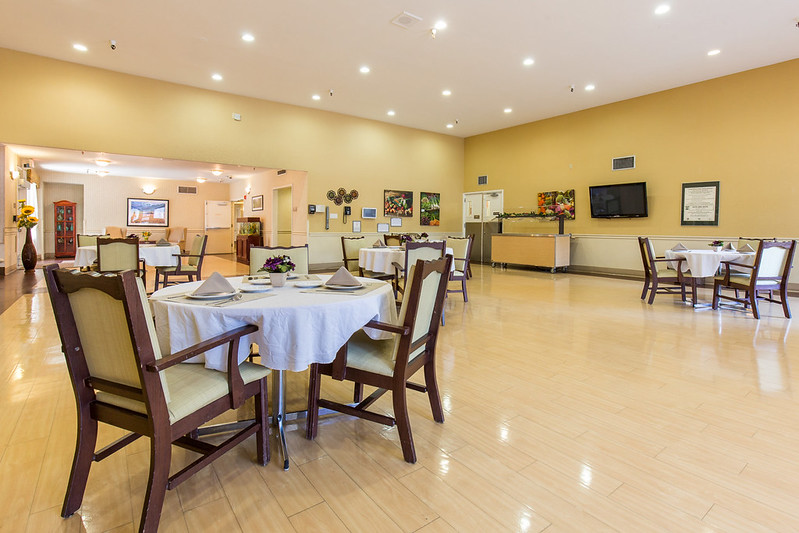
How is Diablo Valley Post Acute Staffed?

CMS rates DIABLO VALLEY POST ACUTE's staffing level at 4 out of 5 stars, which is above average compared to other nursing homes. Staff turnover is 32%, compared to the California average of 46%. This relatively stable workforce can support continuity of care.

What Have Inspectors Found at Diablo Valley Post Acute?

State health inspectors documented 26 deficiencies at DIABLO VALLEY POST ACUTE during 2019 to 2025. These included: 26 with potential for harm.
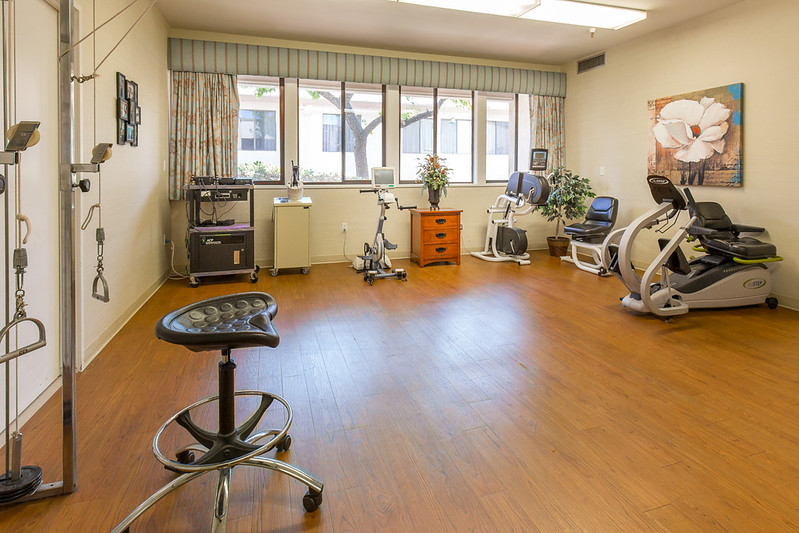
Who Owns and Operates Diablo Valley Post Acute?

DIABLO VALLEY POST ACUTE is owned by a for-profit company. For-profit facilities operate as businesses with obligations to shareholders or private owners. The facility is operated by PACS GROUP, a chain that manages multiple nursing homes. With 190 certified beds and approximately 176 residents (about 93% occupancy), it is a mid-sized facility located in CONCORD, California.
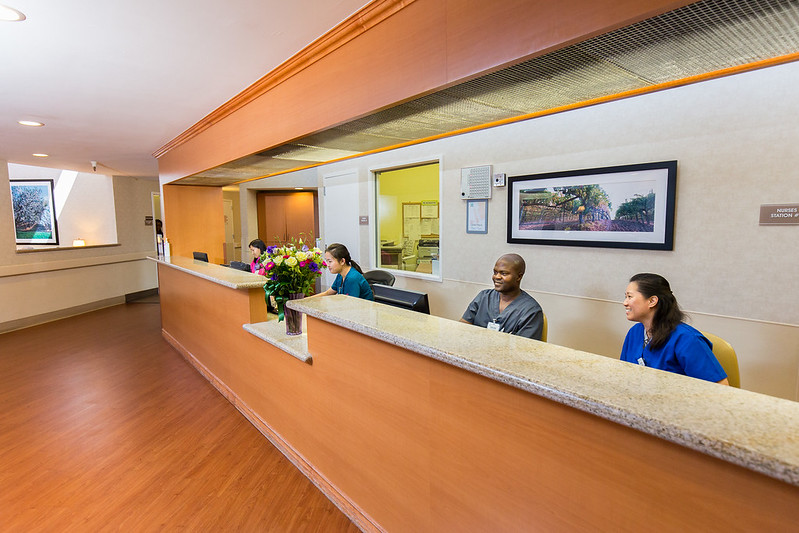
How Does Diablo Valley Post Acute Compare to Other California Nursing Homes?

Compared to the 100 nursing homes in California, DIABLO VALLEY POST ACUTE's overall rating (4 stars) is above the state average of 3.2, staff turnover (32%) is significantly lower than the state average of 46%, and health inspection rating (4 stars) is above the national benchmark.

What Should Families Ask When Visiting Diablo Valley Post Acute?

Based on this facility's data, families visiting should ask: "Can I visit during a mealtime to observe dining assistance and food quality?" "How do you handle medical emergencies, and what is your hospital transfer rate?" "Can I speak with family members of current residents about their experience?"

Is Diablo Valley Post Acute Safe?

Based on CMS inspection data, DIABLO VALLEY POST ACUTE has a clean safety record: no substantiated abuse findings (meaning no confirmed cases of resident harm), no Immediate Jeopardy citations (the most serious violation level indicating risk of serious injury or death), and is not on the Special Focus Facility watch list (a federal program monitoring the lowest-performing 1% of nursing homes). The facility has a 4-star overall rating and ranks #1 of 100 nursing homes in California. While no facility is perfect, families should still ask about staff-to-resident ratios and recent inspection results during their visit.

Do Nurses at Diablo Valley Post Acute Stick Around?

DIABLO VALLEY POST ACUTE has a staff turnover rate of 32%, which is about average for California nursing homes (state average: 46%). Moderate turnover is common in nursing homes, but families should still ask about staff tenure and how the facility maintains care continuity when employees leave.

Was Diablo Valley Post Acute Ever Fined?

DIABLO VALLEY POST ACUTE has no federal fines on record. CMS issues fines when nursing homes fail to meet care standards or don't correct problems found during inspections. The absence of fines suggests the facility has either maintained compliance or corrected any issues before penalties were assessed. This is a positive indicator, though families should still review recent inspection reports for the full picture.

Is Diablo Valley Post Acute on Any Federal Watch List?

DIABLO VALLEY POST ACUTE is not on any federal watch list. The most significant is the Special Focus Facility (SFF) program, which identifies the bottom 1% of nursing homes nationally based on persistent, serious quality problems. Not being on this list means the facility has avoided the pattern of deficiencies that triggers enhanced federal oversight. This is a positive indicator, though families should still review the facility's inspection history directly.