STONEBROOK HEALTHCARE CENTER

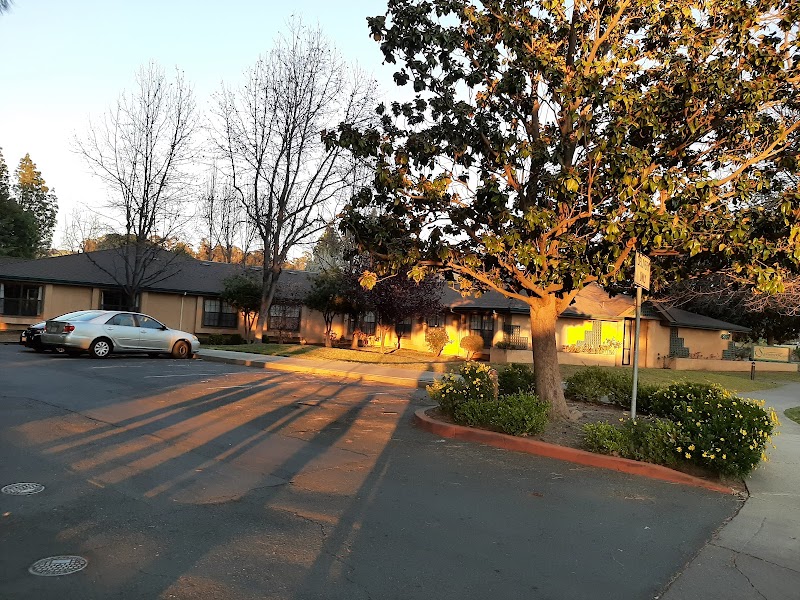
4367 CONCORD BOULEVARD, CONCORD, CA 94521 (925) 689-7457
For profit - Corporation 120 Beds Independent Data: November 2025
Trust Grade
60/100
#469 of 1155 in CA
Last Inspection: March 2025

Within standard 12-15 month inspection cycle. Federal law requires annual inspections.

Overview

Stonebrook Healthcare Center in Concord, California has a Trust Grade of C+, which means it is slightly above average but not outstanding. It ranks #469 out of 1,155 facilities in California, placing it in the top half, and #19 out of 30 in Contra Costa County, indicating that there are better local options available. The facility's trend is worsening, with issues increasing from 4 in 2024 to 6 in 2025. Staffing is a strength, with a 4-star rating and only 19% turnover, significantly lower than the state average, which suggests that staff are stable and familiar with residents. However, there are some concerns, including three serious deficiencies found during inspections, such as failures related to managing a resident's chronic health conditions and ensuring proper care for incontinence, which could potentially lead to harm. Overall, while Stonebrook has strengths in staffing and no fines, families should be aware of the increasing number of issues and specific care deficiencies.

Trust Score
C+
60/100
In California
#469/1155
Top 40%
Safety Record
High Risk
Review needed
Inspections
Getting Worse
4 → 6 violations
Staff Stability
✓ Good
19% annual turnover. Excellent stability, 29 points below California's 48% average. Staff who stay learn residents' needs.
Penalties
✓ Good
No fines on record. Clean compliance history, better than most California facilities.
Skilled Nurses
○ Average
Each resident gets 33 minutes of Registered Nurse (RN) attention daily — about average for California. RNs are the most trained staff who monitor for health changes.
Violations
⚠ Watch
25 deficiencies on record. Higher than average. Multiple issues found across inspections.
★★★★☆
4.0
Overall Rating
★★★★☆
4.0
Staff Levels
★★★☆☆
3.0
Care Quality
★★★★☆
4.0
Inspection Score
Stable
2024: 4 issues
2025: 6 issues

The Good

  • 4-Star Staffing Rating · Above-average nurse staffing levels
  • Low Staff Turnover (19%) · Staff stability means consistent care
  • Full Sprinkler Coverage · Fire safety systems throughout facility
  • No fines on record
  • Staff turnover is low (19%)

    29 points below California average of 48%

Facility shows strength in staffing levels, staff retention, fire safety.

The Bad

No Significant Concerns Identified

This facility shows no red flags. Among California's 100 nursing homes, only 1% achieve this.

The Ugly 25 deficiencies on record

3 actual harm
Mar 2025 5 deficiencies
CONCERN (D)

Potential for Harm - no one hurt, but risky conditions existed

Assessment Accuracy (Tag F0641)

Could have caused harm · This affected 1 resident

**NOTE- TERMS IN BRACKETS HAVE BEEN EDITED TO PROTECT CONFIDENTIALITY** Based on interview, record review, and facility policy review, the facility failed to ensure the accuracy of the Minimum Data Se...

Read full inspector narrative →
**NOTE- TERMS IN BRACKETS HAVE BEEN EDITED TO PROTECT CONFIDENTIALITY** Based on interview, record review, and facility policy review, the facility failed to ensure the accuracy of the Minimum Data Set (MDS) assessment for 3 (Residents #24, #54, and #87) of 18 sampled residents. Findings included: A facility policy titled, Health Information Record Manual, revised [DATE], specified, The assessment portion (Minimum Data Set - MDS) will describe the resident's ability to perform daily life functions and significant impairment in functional capacity. 1. An admission Record revealed the facility admitted Resident #24 on [DATE]. According to the admission Record, the resident had a medical history that included diagnoses of spinal stenosis, chronic obstructive pulmonary disease, dementia, and major depressive disorder. An annual Minimum Data Set (MDS), with an Assessment Reference Date (ARD) of [DATE], revealed Resident #24 had a Brief Interview for Mental Status (BIMS) score of 3, which indicated the resident had severe cognitive impairment. The MDS indicated the resident's code status was attempt resuscitation / cardiopulmonary resuscitation (CPR). Resident #24's Order Summary Report, with active orders as of [DATE], revealed an order dated [DATE], that indicated the resident's code status as do not resuscitate (DNR). On [DATE] at 12:45 PM, 1:44 PM, and 2:45 PM, the surveyor attempted to interview MDS Nurse #8. A message was left and no return telephone call was received. During an interview on [DATE] at 1:07 PM, the Director of Nursing stated he was not familiar with the process for MDS assessments but expected them to be accurate. During an interview on [DATE] at 1:17 PM, the Administrator stated she did not know the process to complete an MDS; however, she expected the MDS assessment to be accurate. 2. An admission Record revealed the facility admitted Resident #54 on [DATE]. According to the admission Record, the resident had a medical history to include a diagnosis of hypertensive chronic kidney disease. Resident #54's Dental Evaluation Form, dated [DATE], revealed the resident had ill-fitting upper and lower dentures. A quarterly Minimum Data Set (MDS), with an Assessment Reference Date (ARD) of [DATE], revealed Resident #54 had a Brief Interview for Mental Status Score (BIMS) of 8, which indicated the resident had moderate cognitive impairment. The MDS indicated the resident did not have broken or loosely fitting full or partial dentures. Resident #54's Social Services Quarterly Assessment, dated [DATE], revealed it had been recommended by the dentist to have the resident's dentures realigned. A quarterly MDS, with an ARD of [DATE], revealed Resident #54 had a BIMS of 8, which indicated the resident had moderate cognitive impairment. The MDS indicated the resident did not have broken or loosely fitting full or partial dentures. During an interview on [DATE] at 8:05 AM, Resident #54 stated they could not wear their lower partial dentures because they did not fit. Resident #54 stated initially there was a problem with their top set of dentures, but that was fixed then they started to have a problem with their bottom set of dentures. Resident #54 stated their dentures were not aligned. During an interview on [DATE] at 11:12 AM, MDS Nurse #7 stated Resident #54 wore dentures and it was overlooked on the resident's MDS assessments. During an interview on [DATE] at 2:05 PM, the Director of Nursing stated he expected the MDS to be accurate. 3. An admission Record indicated the facility admitted Resident #87 to the facility on [DATE]. According to the admission Record, the resident discharged to a private home/apartment with home health services on [DATE]. Resident #87's Notice of Proposed Transfer/Discharge, dated [DATE], revealed the resident would discharge home. Resident #87's Discharge Summary, revealed the resident discharged home on [DATE]. A Minimum Data Set (MDS), with an Assessment Reference Date (ARD) of [DATE], revealed Resident #87 discharged to a short-term general hospital on [DATE]. During an interview on [DATE] at 11:29 AM, MDS Nurse #7 stated she was responsible for ensuring the accuracy of the MDS. MDS Nurse #7 stated Resident #87 discharged home and the MDS indicated the resident discharged to the hospital, which was wrong. MDS Nurse #7 stated she made an error. During an interview on [DATE] at 1:38 PM, the Director of Nursing (DON) stated the MDS should be as accurate as possible and should indicate where the resident discharged to. The DON stated if a resident discharged home, the MDS should reflect the resident discharged home and not the hospital. During an interview on [DATE] at 1:59 PM, the Administrator stated the discharge MDS should be accurate and indicate where the resident discharged to.
CONCERN (D)

Potential for Harm - no one hurt, but risky conditions existed

PASARR Coordination (Tag F0644)

Could have caused harm · This affected 1 resident

Based on interview, record review, and facility policy review, the facility failed to refer the resident to the appropriate state-designated authority for a level II preadmission screening and residen...

Read full inspector narrative →
Based on interview, record review, and facility policy review, the facility failed to refer the resident to the appropriate state-designated authority for a level II preadmission screening and resident review (PASARR) evaluation once a resident was identified to have a new mental illness diagnosis for 1 (Resident #22) of 1 sampled resident reviewed for PASARR. Findings included: A facility policy titled, Preadmission Screening & Resident Review, revised 11/30/2023, revealed, 1. Facility will: a. Coordinate assessments with the pre-admission screening and resident review program under Medicaid to the maximum extent practicable to avoid duplicative testing to include: F644 483.20(c) i. Incorporating the recommendations from the [PASARR] level II determination and the [PASARR] evaluation report into a resident's assessment, care planning, and transitions of care. ii. Referring all level II residents and all residents with newly evident or possible serious mental disorder, intellectual disability, or a related condition for level II resident review upon a significant change in status assessment. An admission Record revealed the facility admitted Resident #22 on 08/28/2015. According to the admission Record, the resident had a medical history to include a diagnosis of bipolar disorder. Per the admission Record, the resident received a diagnosis of major depressive disorder with psychotic symptoms on 01/20/2023. A quarterly Minimum Data Set (MDS), with an Assessment Reference Date (ARD) of 02/11/2025, revealed Resident #22 had a Brief Interview for Mental Status (BIMS) score of 3, which indicated the resident had severe cognitive impairment. The MDS indicated the resident had an active diagnosis to include depression. Resident #22's Care Plan Report included a focus area initiated 12/03/2024, that indicated the resident had depression manifested by complaints of depression with mood disorder and episodes of tearfulness and sleeplessness. Interventions directed the staff to administer antidepressant medication as ordered by the physician. Resident #22's Order Summary Report, revealed an order dated 08/21/2024, for duloxetine hydrochloride capsule delayed related particles 20 milligrams, give one capsule by mouth every 12 hours related to major depressive disorder. Resident #22's medical record revealed no evidence to indicate the facility referred the resident to the appropriate state-designated authority for a Level II PASARR evaluation once the resident was identified to have a diagnosis of major depressive disorder on 01/20/2023. During an interview on 03/06/2025 at 11:32 AM, the Receptionist stated she was responsible for the process of PASARR in the facility. The Receptionist stated she was unaware another screening needed to be done when a resident received a new mental illness diagnosis. During an interview on 03/06/2025 at 1:54 PM, the Administrator stated if a resident had a new mental illness diagnosis, a new PASARR should be completed.
CONCERN (D)

Potential for Harm - no one hurt, but risky conditions existed

Deficiency F0700 (Tag F0700)

Could have caused harm · This affected 1 resident

Based on observation, interview, record review, and facility policy review, the facility failed to assess a resident for the use of a bed rail for 2 (Resident #20 and Resident #34) of 4 sampled reside...

Read full inspector narrative →
Based on observation, interview, record review, and facility policy review, the facility failed to assess a resident for the use of a bed rail for 2 (Resident #20 and Resident #34) of 4 sampled residents reviewed for accidents. Findings included: A facility policy titled, Proper Use of Bed Rail Policy, dated 01/30/2025, indicated, 1. An assessment will be made to determine the resident's symptoms or reason for using bed rails. This assessment may be completed at the following intervals: upon admission, readmission, quarterly and change of condition status. 1. An admission Record indicated the facility readmitted Resident #20 on 10/30/2021. According to the admission Record, the resident had a medical history that included diagnoses of polymyalgia rheumatica (an inflammatory disorder that caused muscle pain and stiffness) and a history of falling. A quarterly Minimum Data Set (MDS), with an Assessment Reference Date (ARD) of 02/12/2025, revealed Resident #20 had a Brief Interview for Mental Status (BIMS) score of 3, which indicated the resident had severe cognitive impairment. The MDS indicated the resident required substantial/maximal assistance to roll left and right, sit to lying, and lying to sitting on the side of the bed and was dependent on staff for chair/bed-to-chair transfer. Resident #20's Care Plan Report, included a focus area, initiated 02/12/2025, that indicated the resident was totally dependent on staff for activities of daily living to include bed mobility, dressing and locomotion. Interventions directed staff to transfer the resident in and out of bed as needed (initiated 02/04/2023). During an observation on 03/03/2025 at 10:20 AM, Resident #20 was noted lying in bed with quarter rails in the up position on both sides of the upper portion of the resident's bed. During an interview on 03/05/2025 at 12:22 PM, the Administrator stated the facility did not have an assessment for the use of bed rails for Resident #20. During an interview on 03/06/2025 at 8:20 AM, the Administrator stated therapy was supposed to assess a resident for the use of a bed rail but had failed to assess the resident. Per the Administrator, there had been a break in their system in all their departments to include maintenance, therapy and nursing. The Administrator stated those residents that had not been assessed for a bed rail, should not have a bed rail in use. During an interview on 03/06/2025 at 9:31 AM, the Director of Rehabilitation (DOR) stated if a resident wanted a bed rail, there should be a full evaluation to assess the resident for the use of a bed rail. The DOR stated she did not think Resident #20 had been assessed for the use of a bed rail. During an interview on 03/06/2025 at 11:39 AM, the Director of Nursing (DON) stated the nurses should make sure that the use of the bed rail was appropriate when requested by the resident, and then therapy should assess the resident, and if appropriate then they would submit a work order to maintenance for the bed rails. According to the DON, he was not aware that so many residents had bed rails in use without an assessment. 2. An admission Record indicated the facility admitted Resident #34 on 12/22/2023. According to the admission Record, the resident had a medical history that included diagnoses of hemiplegia (partial paralysis of one side of the body) and hemiparesis (weakness of one side of the body) following nontraumatic intracerebral hemorrhage which affected the right dominant side and epilepsy. A quarterly Minimum Data Set (MDS), with an Assessment Reference Date (ARD) of 02/12/2025, revealed Resident #34 had a Brief Interview for Mental Status (BIMS) score of 3, which indicated the resident had severe cognitive impairment. The MDS indicated the resident required substantial/maximal assistance to roll left and right, sit to lying, and lying to sitting on the side of the bed and was dependent on staff for chair/bed-to-chair transfers. Resident #34's Care Plan Report included a focus area initiated 01/01/2024, that indicated the resident had a decreased in functional performance related to a recent illness and muscle weakness. Interventions revealed the resident required total assistance from two staff for bed mobility and transfers. During an observation on 03/03/2025 at 10:23 AM, Resident #34 was noted in bed with a bed cane (rail) on each side of the upper portion of their bed. During an observation on 03/04/2025 at 3:02 PM, Resident #34 was noted in bed with a bed cane (rail) on each side of the upper portion of their bed. Resident #34 was not able to state whether they used the bed cane (rail) or not. During an interview on 03/05/2025 at 12:19 PM, Licensed Vocational Nurse (LVN) #3 stated Resident #34 used the bed canes (rails) to hold themself over when the staff provided care. LVN #3 stated therapy was responsible for assessing the resident for the use of bed rails. During an interview on 03/05/2025 at 12:22 PM, the Administrator stated the facility did not have an assessment for the use of bed rails for Resident #34. During an interview on 03/06/2025 at 8:20 AM, the Administrator stated therapy was supposed to assess a resident for the use of a bed rail but had failed to assess the resident. Per the Administrator, there had been a break in their system in all their departments to include maintenance, therapy and nursing. The Administrator stated those residents that had not been assessed for a bed rail, should not have a bed rail in use. During an interview on 03/06/2025 at 9:31 AM, the Director of Rehabilitation (DOR) stated if a resident wanted a bed rail, there should be a full evaluation to assess the resident for the use of a bed rail. The DOR stated she did not think Resident #34 had been assessed for the use of a bed rail. During an interview on 03/06/2025 at 9:41 AM, Certified Nursing Assistant (CNA) #1 stated a resident should not have beds rails on their bed if they had not been assessed for them. CNA #1 stated Resident #34 used their bed rails for positioning in bed while care was being provided. During an interview on 03/06/2025 at 11:39 AM, the Director of Nursing (DON) stated the nurses should make sure that the use of the bed rail was appropriate when requested by the resident, and then therapy should assess the resident, and if appropriate then they would submit a work order to maintenance for the bed rails. According to the DON, he was not aware that so many residents had bed rails in use without an assessment.
CONCERN (D)

Potential for Harm - no one hurt, but risky conditions existed

Deficiency F0745 (Tag F0745)

Could have caused harm · This affected 1 resident

Based on interview, record review, and document review, the facility failed to provide timely follow up of medically related social services to obtain dental services related to the replacement of den...

Read full inspector narrative →
Based on interview, record review, and document review, the facility failed to provide timely follow up of medically related social services to obtain dental services related to the replacement of dentures for 1 (Resident #54) of 1 sampled resident reviewed for dental services. Findings included: The undated Social Service Designee/Discharge Planner job description, revealed, The primary purpose of your job position is to assist in planning, developing, organizing, implementing, evaluating, and directing social service programs in accordance with current existing federal, state, and local standards, as well as our established policies and procedures, to assure that the medically related emotional and social needs of the resident are met/maintained on an individual basis. The job description specified the duties and responsibilities included, Assist in obtaining resources from community social, health and welfare agencies to meet the needs of the resident. An admission Record revealed the facility admitted Resident #54 on 08/15/2022. According to the admission Record, the resident had a medical history to include a diagnosis of hypertensive chronic kidney disease. A quarterly Minimum Data Set (MDS), with an Assessment Reference Date (ARD) of 02/22/2025, revealed Resident #54 had a Brief Interview for Mental Status Score (BIMS) of 8, which indicated the resident had moderate cognitive impairment. Resident #54's Dental Evaluation Form, dated 09/14/2024, revealed the resident had ill-fitting upper and lower dentures. Resident #54's physician Progress Notes dated 11/14/2024, revealed the resident's concern was that their denture situation was still not resolved. Per the Progress Notes, Resident #54 specified the dental people told them recently that their denture care was not covered by Medicaid. The Progress Notes indicated Resident #54 specified they had not heard back from the Director of Social Services (DSS) regarding this. According to the Progress Notes, the resident needed dentures especially in their bilateral lower teeth and the physician called and spoke with the DSS about this. Per the Progress Notes, the DSS indicated she needed to follow up with the dentist, to which the physician indicated that if the dentist did not treat the resident, that the DSS should assist the resident in finding another dentist that would treat the resident under Medicaid. Resident #54's Social Services Quarterly Assessment, dated 11/22/2024, revealed it had been recommended by the dentist to have the resident's dentures realigned. Resident #54's physician's Progress Notes dated 01/30/2025, revealed the resident was seen with the DSS present. Per the Progress Notes, the DSS notified the resident that their dentist indicated their denture work was not covered under their current medical plan. The Progress Notes indicated the DSS would follow up with the state's Medicaid plan about denture coverage for the resident and would look for a different dentist for the resident as the resident wanted to switch dentists During an interview on 03/06/2025 at 8:05 AM, Resident #54 stated they could not wear their lower partial dentures because they did not fit. Resident #54 stated initially there was a problem with their top set of dentures, but that was fixed then they started to have a problem with their bottom set of dentures. Resident #54 stated their dentures were not aligned. Resident #54 stated the DSS kept telling them that she was taking care of their dentures but never did. During an interview on 03/06/2025 at 10:31 AM, the DSS confirmed she was aware that Resident #54 had ill-fitting dentures, but stated she was not aware the resident's dental plan denied the claim for a new set of dentures for the resident. The DSS stated she followed up with the resident, but acknowledged she did not document such follow-up interaction. The DSS stated the facility did not have a dental care policy or procedure. During an interview on 03/06/2025 at 1:14 PM, the Dental Hygienist (DH) stated Resident #54 informed her on 09/14/2024 that their lower partial denture was ill fitting. The DH stated she reported the resident's concern to the dentist and even tried to put the resident's dentures in, but the dentures would not go into the resident's mouth. During an interview on 03/06/2025 at 1:28 PM, the dental Office Manager (OM) stated the dentist examined Resident #54 on 09/14/2024 and determined the resident needed a new set of dentures. The OM stated a denial for new dentures from the state insurance company was received 09/30/2024 and this information was conveyed to the DSS on 10/01/2024. During an interview on 03/06/2025 at 1:47 PM, the Administrator stated that was the first time she heard about Resident #54 not having lower dentures that fit. The Administrator stated her expectation was if something was denied there was follow-up with the resident and possibly offer a personal dentist or ask what the resident would like. Per the Administrator, the DSS should have followed up with Resident #54. During an interview on 03/06/2025 at 2:05 PM, the Director of Nursing stated usually social services coordinated dental.
CONCERN (D)

Potential for Harm - no one hurt, but risky conditions existed

Infection Control (Tag F0880)

Could have caused harm · This affected 1 resident

Based on observation, interview, record review, and facility policy review, the facility failed to: implement enhanced barrier precautions for 1 (Resident #34) of 1 sampled resident reviewed for tube ...

Read full inspector narrative →
Based on observation, interview, record review, and facility policy review, the facility failed to: implement enhanced barrier precautions for 1 (Resident #34) of 1 sampled resident reviewed for tube feeding; perform hand hygiene when gloves were removed during the provision of care for 1 (Resident #29) of 1 sampled resident reviewed for pressure ulcer/injury and 1 (Resident #34) of 1 sampled resident reviewed for tube feeding; and store respiratory equipment for 1 (Resident #24) of 4 sampled residents reviewed for respiratory care. Findings included: A facility policy titled, Enhanced Standard (Barrier) Precautions, last reviewed 01/30/2025, indicated, Policy: The facility will implement Enhanced Standard Precautions (ESP), also known as Enhanced Barrier Precautions (EBP), when performing any direct patient care where close body contact presents the potential of transmitting known or unknown organisms. Definitions: Enhanced Barrier Precautions (EBP) refers to an infection control intervention designed to reduce transmission of multidrug-resistant organisms that employs targeted gown and glove use during high contact resident care activities. The policy specified, 1. Enhanced Standard (Barrier) Precautions (ESP) are to be used in conjunction with standard precautions. 2. ESP expands the use of PPE (gown and gloves) during high-contact resident care activities that include: a. Dressing b. Bathing/showering c. Transferring d. Providing hygiene e. Changing linens f. Changing briefs or assisting with toileting g. Device care or use: central line, urinary catheter, feeding tube, tracheostomy/ventilator. A facility policy titled, Hand Washing, reviewed 01/30/2025, indicated, 1. All personnel shall follow our established hand washing procedures to prevent the spread of infection and disease to other personnel, patients, and visitors. 2. Appropriate 20 to 30 second handwashing must be performed under the following conditions: j. After removing gloves. The policy specified, 5. The use of gloves does not replace hand washing. 1. An admission Record indicated the facility admitted Resident #34 on 12/22/2023. According to the admission Record, the resident had a medical history that included diagnoses of dysphagia following a cerebrovascular disease and gastrostomy status. A quarterly Minimum Data Set (MDS), with an Assessment Reference Date (ARD) of 02/12/2025, revealed Resident #34 had a Brief Interview for Mental Status (BIMS) score of 3, which indicated the resident had severe cognitive impairment. Resident #34's Care Plan Report, included a focus area initiated 12/27/2023, that indicated the resident had a need for enteral feeding. Resident #34's Order Summary Report with active orders as of 03/06/2025, revealed an order dated 01/27/2025, for gastrostomy tube dressing that instructed staff to cleanse the area, pat dry, apply 2 x 2 split antimicrobial dressing and secure with retention ring, then a split gauze secured with paper tape every dayshift. During a concurrent observation and interview on 03/03/2025 at 1:37 PM, Certified Nursing Assistant (CNA) #1 entered Resident #34's room and stated she was about to change the resident's incontinence brief. CNA #1 did not wear a gown when she provided care to the resident. During a concurrent observation and interview on 03/05/2025 at 10:05 AM, Licensed Vocational Nurse (LVN) #3 and LVN #4 entered Resident #34's room to change the resident's gastrostomy tube. LVN #3 and LVN #4 did not wear a gown. Once LVN #4 removed the dressing from around Resident #34's gastrostomy site, she discarded her gloves and put on a pair of clean gloves, without first performing hand hygiene. During an interview on 03/05/2025 at 10:10 AM, both LVN #3 and LVN #4 stated they should have worn a gown when they provided care for the resident. During an interview on 03/05/2025 at 2:24 PM, LVN #4 stated hand hygiene should be performed whenever she changed her gloves. LVN #4 confirmed that she did not perform hand hygiene when she changed her gloves during wound care for Resident #34 but should have. During an interview on 03/06/2025 at 11:25 AM, the Infection Preventionist (IP) stated EBP should be used for any resident with a catheter, wound, central lines and a feeding tube. The IP stated staff should wear a mask and gown if they were to provide a resident on EBP with a wound dressing change, a bath, a shower, incontinence care, and hygiene. According to the IP, staff should have worn a gown and gloves when they provided care to Resident #34. During an interview on 03/06/2025 at 11:39 AM, the Director of Nursing (DON) stated EBP should be used on any residents with an invasive line, a feeding tube, or a wound that required care. The DON stated staff should wear gloves, and a gown and hand hygiene should occur before staff put on gloves and whenever gloves were removed prior to new gloves being put on. During an interview on 03/06/2025 at 11:51 AM, the Administrator stated any resident that had a wound or line in their body, like a catheter or feeding tube, the staff should wear a gown and gloves every time they went in the room to provide care. Per the Administrator, hand hygiene should occur before and after and in between glove changes. 2. An admission Record indicated the facility readmitted Resident #29 on 08/08/2022. According to the admission Record, the resident had a medical history that included a diagnosis of displaced spiral fracture of the shaft of the right tibia. A significant change in status Minimum Data Set (MDS), with an Assessment Reference Date (ARD) of 01/17/2025, revealed Resident #29 had a Brief Interview for Mental Status (BIMS) score of 8, which indicated the resident had moderate cognitive impairment. The MDS indicated the resident had one unstageable pressure injury that presented as a deep tissue injury. Resident #29's Care Plan Report, included a focus area initiated 12/05/2024, that indicated the resident had a skin integrity issue related to the right heel deep tissue injury. Interventions directed staff to complete the treatment as ordered on scheduled days; keep the dressing clean, dry, and intact; and monitor of signs of infection. Resident #29's Order Summary Report with active orders as of 03/05/2025, revealed an order dated 01/09/2025, that directed the staff to clean the resident's right heel deep tissue pressure injury with sterile water, pat dry, apply providone iodine Betadine soak gauze on areas with eschar, cover with abdominal pad, wrap with kerlix then an elastic bandage wrap every day and as needed for soiling. During an observation on 03/05/2025 at 2:30 PM, Licensed Vocational Nurse (LVN) #2 removed her gloves and put on a pair of clean gloves, without performing hand hygiene during the provision of wound care for Resident #29. During an interview on 03/05/2025 at 2:37 PM, LVN #2 stated hand hygiene should occur before and after gloves are changed. LVN #2 confirmed he did not perform hand hygiene when he removed his gloves but should have. During an interview on 03/06/2025 at 11:39 AM, the Director of Nursing stated hand hygiene should occur before staff put on gloves and whenever gloves were removed prior to new gloves being put on. During an interview on 03/06/2025 at 11:51 AM, the Administrator stated hand hygiene should occur before and after and in between glove changes. 3. An admission Record revealed the facility admitted Resident #24 on 06/11/2016. According to the admission Record, the resident had a medical history that included diagnoses of chronic obstructive pulmonary disease (COPD) and dementia. An annual Minimum Data Set (MDS), with an Assessment Reference Date (ARD) of 12/24/2024, revealed Resident #24 had a Brief Interview for Mental Status (BIMS) score of 3, which indicated the resident had severe cognitive impairment. The MDS indicated Resident #24 utilized a non-invasive mechanical ventilator. Resident #24's care plan included a focus area initiated 12/18/2024, that indicated the resident's breathing patterns were impaired due to COPD. Interventions directed staff to administer medication as ordered (initiated 06/27/2023). Resident #24's Order Summary Report, with active orders as of 03/06/2025, revealed an order dated 07/30/2024, for continuous positive airway pressure (CPAP) every evening and night shift. There was also an order dated 08/09/2024, for budesonide suspension 0.5 milligram/2 milliliters, inhale one vial orally by way of a nebulizer two times a day for COPD. During an observation on 03/03/2025 at 10:31 AM, the surveyor noted a CPAP mask lying on its side on top of the machine in Resident #24's room and a nebulizer mask on the resident's bedside table in the upward position. The CPAP and nebulizer mask were not in use and not stored in a bag. During an observation on 03/04/2025 at 3:39 PM, the surveyor noted a CPAP mask lying on top of the machine in Resident #24's room and a nebulizer mask lying on the bedside table. The CPAP and nebulizer mask were not in use and not stored in a bag. During an observation on 03/05/2025 at 9:09 AM, the surveyor noted a CPAP mask lying on top of the CPAP machine in Resident #24's room. The CPAP mask was not in use and not stored in a bag. During a concurrent observation and interview on 03/05/2025 at 9:13 AM, Licensed Vocational Nurse (LVN) #2 stated both a nebulizer mask and a CPAP mask must be stored in a bag when not in use. LVN #2 entered Resident #24's room and acknowledged the resident's CPAP mask was not in use and not stored in a bag. During an interview on 03/05/2025 at 2:25 PM, LVN #6 stated a CPAP mask should be stored in a bag after each use. During an interview on 03/05/2025 at 4:24 PM, the Administrator stated the facility did not have a policy that referenced how respiratory equipment should be stored. During an interview on 03/06/2025 at 9:07 AM, the Infection Preventionist stated masks should be stored in a black infection prevention bag after each use as it helped to prevent infections. During an interview on 03/06/2025 at 1:03 PM, the Director of Nursing stated masks should be stored in a bag when not in use to prevent infections. During an interview on 03/06/2025 at 1:17 PM, the Administrator stated she did not know the procedure, but if the expectation was the masks should be cleaned and stored in a bag after each use, then that was what should happen.
Jan 2025 1 deficiency
CONCERN (D) 📢 Someone Reported This

A family member, employee, or ombudsman was alarmed enough to file a formal complaint

Potential for Harm - no one hurt, but risky conditions existed

Grievances (Tag F0585)

Could have caused harm · This affected 1 resident

Based on interview, record review, and facility policy review, the facility failed to address and make prompt efforts to resolve complaint allegation for one (Resident 1) of three sampled residents wh...

Read full inspector narrative →
Based on interview, record review, and facility policy review, the facility failed to address and make prompt efforts to resolve complaint allegation for one (Resident 1) of three sampled residents when facility did not thoroughly investigate and provide timely response to Resident 1 ' s allegation that Certified Nursing Assistant (CNA1) dragged and bumped his right foot into a wall while pushing him in wheelchair. This failure had the potential to cause Resident 1 emotional distress. Findings: During a review of Resident 1's Admission-Minimum Data Set (MDS - a federally mandated resident assessment and care guide tool), dated 10/3/24, the MDS indicated Resident 1's Basic Interview of Mental status (BIMS, a scoring system used to determine the resident's cognitive status regarding attention, orientation, and ability to register and recall information. A BIMS score of thirteen to fifteen is an indication of intact cognitive status.) score was 15 and indicated intact mental status. MDS indicated Resident 1 was able to recall the correct year, month and day of the week. Resident 1 had clear speech, able to express ideas and wants, and understood others. MDS indicated Resident 1 does not use a wheelchair and/or scooter. Resident 1 had limitation in range of motion to lower extremity. Resident 1 diagnoses included heart failure (when heart cannot pump of fill adequately) and muscle wasting and atrophy. During an interview on 1/16/25 at 11:09 a.m. with Rehabilitation Director/Occupational Therapy Assistant (OTA1), OTA 1 stated the Occupational Therapist (OT) informed OTA1 that while CNA1 pushed Resident 1 out of weight room Resident 1 ' s right foot on leg rest bumped into the door frame. OTA1 stated incident was discussed with Director of Nursing (DON) and mentioned during facility ' s daily stand up meeting. During an interview on 1/16/25 at 11:34 a.m. with CNA1, CNA1 stated DON informed CNA1 that Resident 1 alleged that CNA1 bumped Resident 1 ' s right foot into the doorway while pushing Resident 1 out of weight room. CNA1 stated she knew that Resident 1 ' s right foot did not hit the wall or door frame because Resident 1 ' s wheelchair had foot rest attached. During an interview on 1/16/25 at 12:04 p.m. with Occupational Therapy (OT), OT stated OT observed CNA1 push Resident 1 out of weight room while OT held the door opened. OT stated she observed Resident 1 ' s wheelchair right foot rest bumped and hit the corner of the wall by door frame. OT stated she did not observed the actual right foot hit or bumped the wall or door frame. OT stated Resident 1 complained that right foot hit the wall. OT stated she immediately notified OTA1. During a concurrent interview and record review on 1/16/25 at 12:10 p.m. with DON , DON stated Resident 1 ' s daughter/responsible party (RP) complained to DON that Resident 1 alleged CNA1 dragged and bumped Resident 1 ' s right leg on door frame. DON stated CNA1 was interviewed and CNA1 denied Resident 1 right foot was bumped on door frame. DON stated he did not interview the witness or complete investigation because he believed CNA1. Resident 1 ' s progress notes, care plans, incident report log, facility ' s policy and procedure (P&P) titled, Grievance were reviewed. DON stated he was unable to find documentation if facility followed up with Resident 1 or RP complaint allegation. DON stated he did not document complaint allegation in Resident ' s 1 medical records. DON stated he was busy and forget about Resident 1 ' s complaint. DON stated he did not follow up with Resident 1 ' s RP regarding complaint allegation. During a review of the facility ' s policy and procedure (P&P) titled, Grievance Policy and Procedure, dated 11/2016, the P&P indicated, Stonebrook Healthcare Center believes that it is your right to an accessible procedure, which protects your ability to speak up your concerns. You can expect your complaints to be addressed promptly and fairly. You have the right: To voice either orally in writing, concerns and complaints relating to the treatment or care we provided or the behavior of other residents; To receive a timely response by us in which we agree to consider the issues you raise and to act upon; and To be free from any pressure intended to discourage you from voicing your concerns or complaints. Based on interview, record review, and facility policy review, the facility failed to address and make prompt efforts to resolve complaint allegation for one (Resident 1) of three sampled residents when facility did not thoroughly investigate and provide timely response to Resident 1's allegation that Certified Nursing Assistant (CNA1) dragged and bumped his right foot into a wall while pushing him in wheelchair. This failure had the potential to cause Resident 1 emotional distress. Findings: During a review of Resident 1's Admission-Minimum Data Set (MDS – a federally mandated resident assessment and care guide tool), dated 10/3/24, the MDS indicated Resident 1's Basic Interview of Mental status (BIMS, a scoring system used to determine the resident's cognitive status regarding attention, orientation, and ability to register and recall information. A BIMS score of thirteen to fifteen is an indication of intact cognitive status.) score was 15 and indicated intact mental status. MDS indicated Resident 1 was able to recall the correct year, month and day of the week. Resident 1 had clear speech, able to express ideas and wants, and understood others. MDS indicated Resident 1 does not use a wheelchair and/or scooter. Resident 1 had limitation in range of motion to lower extremity. Resident 1 diagnoses included heart failure (when heart cannot pump of fill adequately) and muscle wasting and atrophy. During an interview on 1/16/25 at 11:09 a.m. with Rehabilitation Director/Occupational Therapy Assistant (OTA1), OTA 1 stated the Occupational Therapist (OT) informed OTA1 that while CNA1 pushed Resident 1 out of weight room Resident 1's right foot on leg rest bumped into the door frame. OTA1 stated incident was discussed with Director of Nursing (DON) and mentioned during facility's daily stand up meeting. During an interview on 1/16/25 at 11:34 a.m. with CNA1, CNA1 stated DON informed CNA1 that Resident 1 alleged that CNA1 bumped Resident 1's right foot into the doorway while pushing Resident 1 out of weight room. CNA1 stated she knew that Resident 1's right foot did not hit the wall or door frame because Resident 1's wheelchair had foot rest attached. During an interview on 1/16/25 at 12:04 p.m. with Occupational Therapy (OT), OT stated OT observed CNA1 push Resident 1 out of weight room while OT held the door opened. OT stated she observed Resident 1's wheelchair right foot rest bumped and hit the corner of the wall by door frame. OT stated she did not observed the actual right foot hit or bumped the wall or door frame. OT stated Resident 1 complained that right foot hit the wall. OT stated she immediately notified OTA1. During a concurrent interview and record review on 1/16/25 at 12:10 p.m. with DON , DON stated Resident 1's daughter/responsible party (RP) complained to DON that Resident 1 alleged CNA1 dragged and bumped Resident 1's right leg on door frame. DON stated CNA1 was interviewed and CNA1 denied Resident 1 right foot was bumped on door frame. DON stated he did not interview the witness or complete investigation because he believed CNA1. Resident 1's progress notes, care plans, incident report log, facility's policy and procedure (P&P) titled, Grievance were reviewed. DON stated he was unable to find documentation if facility followed up with Resident 1 or RP complaint allegation. DON stated he did not document complaint allegation in Resident's 1 medical records. DON stated he was busy and forget about Resident 1's complaint. DON stated he did not follow up with Resident 1's RP regarding complaint allegation. During a review of the facility's policy and procedure (P&P) titled, Grievance Policy and Procedure, dated 11/2016, the P&P indicated, Stonebrook Healthcare Center believes that it is your right to an accessible procedure, which protects your ability to speak up your concerns. You can expect your complaints to be addressed promptly and fairly. You have the right: To voice either orally in writing, concerns and complaints relating to the treatment or care we provided or the behavior of other residents; To receive a timely response by us in which we agree to consider the issues you raise and to act upon; and To be free from any pressure intended to discourage you from voicing your concerns or complaints.
Aug 2024 1 deficiency
CONCERN (D) 📢 Someone Reported This

A family member, employee, or ombudsman was alarmed enough to file a formal complaint

Potential for Harm - no one hurt, but risky conditions existed

Pharmacy Services (Tag F0755)

Could have caused harm · This affected 1 resident

Based on interview and record review, the facility failed to ensure a licensed vocational nurse (LVN 1) administered medication accurately and safely to one of two sampled residents (Resident 1) accor...

Read full inspector narrative →
Based on interview and record review, the facility failed to ensure a licensed vocational nurse (LVN 1) administered medication accurately and safely to one of two sampled residents (Resident 1) according to the physician orders when Bengay cream (used to treat minor aches and pains of the muscles/joints) was administered instead of a skin barrier cream on Resident 1 ' s moisture associated skin damage (a form of incontinence-associated dermatitis, which is inflammation of the skin from extended exposure to urine or stool). This failure resulted in pain and discomfort for Resident 1. Findings: A review of the admission Record for Resident 1 indicated Resident 1 was initially admitted in March 2018 with diagnoses that included dementia, diabetes, asthma, and osteoarthritis. A review of Resident 1 ' s Minimum Data Set (MDS, a resident assessment instrument used to identify resident care problems to be addressed in an individualized care plan), dated 8/14/24, indicated a score of 3 on her Brief Interview for Mental Status (BIMS, is a scoring system used to determine the resident ' s cognitive status in regard to attention, orientation, and ability to register and recall information.) indicating severe cognitive impairment. The MDS for Resident 1 ' s skin conditions indicated Moisture Associated Skin Damage (MASD) (e.g. incontinence-associated dermatitis (IAD), perspiration, drainage). During an interview on 8/27/24 at 1:35 p.m. with Director of Nursing (DON), DON stated LVN 1 had a medication error by administering Bengay cream on Resident 1. DON stated Coloplast Critic-Aid cream, a barrier cream, was supposed to be applied on Resident 1. During a telephone interview on 8/27/24 at 5:18 p.m. with LVN 1, LVN 1 confirmed that he made an error of wrong medication to Resident 1. LVN 1 stated he handed Bengay cream instead of the barrier cream to CNA 1 to apply on Resident 1 ' s skin on her buttocks, while CNA 1 and another CNA were changing Resident 1. LVN 1 stated he was present there during the time. LVN 1 stated Resident 1 experienced pain and burning sensation in the buttock area. LVN 1 stated he knew afterwards that it was Bengay cream that was applied on Resident 1 instead of the barrier cream (Coloplast critic-aid). During a telephone interview on 8/28/24 at 9:20 a.m. with CNA 1, CNA 1 stated while she was changing Resident 1 with the help of another CNA on 8/8/24 after dinner, LVN 1 gave her the cream in a medicine cup to apply on Resident 1 ' s skin. CNA 1 stated she put the cream on Resident ' s groin area, then she smelt something like menthol, then Resident 1 complained of burning in that area. CNA 1 stated she asked LVN 1 what the cream was. LVN 1 stated they found out it was Bengay cream, but it was supposed to be the barrier cream. During a review of Resident 1 ' s Order Summary Report, dated active orders as of 8/27/24, the Order Summary Report indicated Moisture Associated Skin Dermatitis on sacrococcygeal region (tailbone area), gluteal cleft (the groove between the buttocks that runs from just below the sacrum to the perineum), opposing medial buttock region: Apply Coloplast Critic-Aid barrier cream every shift and as needed for episodes of incontinence (May apply Clotrimazole 1% antifungal cream on natal/gluteal cleft for skin erythema) . order date 6/4/24. The Order Summary Report indicated Bengay (ultra strength external cream 4-10-30% (Camphor-menthol-methyl salicylate). Apply to both knees and shoulders topically every 6 hours as needed for pain related to primary osteoarthritis, left shoulder, right ankle, and foot, left ankle and foot. During a review of the Medication Error Report. dated 8/8/24, the Medication Error Report indicated Bengay external topical cream was given to Resident 1 instead of Coloplast Critic-Aid barrier cream as ordered, and this caused Resident 1 pain/burning sensation in the affected area. During a review of the facility ' s policy and procedure (P&P), titled, Administration of Medication, undated, the P&P indicated, The policy .is that medications will be administered by licensed nurses as ordered by the resident ' s physician .Residents shall receive their medications . and in accordance with our established policies .The same person preparing the doses for administration must administer medications.
Mar 2024 3 deficiencies 3 Harm
SERIOUS (G) 📢 Someone Reported This

A family member, employee, or ombudsman was alarmed enough to file a formal complaint

Actual Harm - a resident was hurt due to facility failures

Comprehensive Care Plan (Tag F0656)

A resident was harmed · This affected 1 resident

Deficiency Text Not Available

Read full inspector narrative →
Deficiency Text Not Available
SERIOUS (G) 📢 Someone Reported This

A family member, employee, or ombudsman was alarmed enough to file a formal complaint

Actual Harm - a resident was hurt due to facility failures

Deficiency F0658 (Tag F0658)

A resident was harmed · This affected 1 resident

Deficiency Text Not Available

Read full inspector narrative →
Deficiency Text Not Available
SERIOUS (G) 📢 Someone Reported This

A family member, employee, or ombudsman was alarmed enough to file a formal complaint

Actual Harm - a resident was hurt due to facility failures

Pressure Ulcer Prevention (Tag F0686)

A resident was harmed · This affected 1 resident

**NOTE- TERMS IN BRACKETS HAVE BEEN EDITED TO PROTECT CONFIDENTIALITY** Based on interview and record review the facility failed to ensure one resident (Resident 1) of three sampled residents received...

Read full inspector narrative →
**NOTE- TERMS IN BRACKETS HAVE BEEN EDITED TO PROTECT CONFIDENTIALITY** Based on interview and record review the facility failed to ensure one resident (Resident 1) of three sampled residents received care to prevent the development of a pressure injury (damage to skin because of continuous pressure) when Resident 1 developed a Stage 3 pressure injury on the sacrococcygeal (the area between the hip bone on person ' s back and the tailbone) region. This failure resulted in Resident 1 obtaining a facility acquired Stage 3 pressure injury (the loss of skin which extends to the tissue beneath the skin). Findings: A review of an admission record indicated Resident 1 was initially admitted to the facility on [DATE] with diagnoses which included rheumatic tricuspid insufficiency (a heart condition in which the valve between two heart chambers does not close properly resulting in the heart working harder than it should), chronic combined systolic and diastolic heart failure (a condition in which the heart does not pump blood as well as it should) , and pulmonary hypertension (high blood pressure in the arteries and lungs). A review of Resident 1's order summary report indicated the physician ' s order, [All] Care plan read and approved by MD [physician] .[ordered on] 6/27/23 . A review of Resident 1's progress note dated 6/28/23 at 3:54 p.m. indicated, admission Braden Scale [a tool used to predict pressure injury risk] of 11 [a score of 10-12 is high risk of developing a pressure injury]. A review of Resident 1's care plan for, Bowel/bladder incontinence [unable to control bowel/bladder] related to cognitive loss [the thought process], decreased awareness of urge was initiated on 6/28/23. Staff were to provide, .perineal care [area between the anus and the vulva] care AM [in the morning], PM [in the afternoon/evening], and after each incontinence .[to assist Resident 1 to meet the goal of] .free of skin breakdown x 90 days [by] 10/1/23 . A review of Resident 1's care plan for, Potential for skin breakdown related to history of skin breakdown, [history] of bruises or skin tears due to fragile skin, incontinence, others was initiated 6/28/23. Staff were to provide, .incontinence care as needed .monitor for discoloration, bruises, swelling, skin tears or redness and report promptly .pressure relieving mattress as needed .treatment as ordered .turn and reposition frequently as needed .[to assist Resident 1 to meet the goal of] Have less skin tears or bruises x90 days .will be healed .no bruises or skin tears x90 days by [10/1/23] . A review of Resident 1's order summary report indicated the following physician ' s orders: · Skin protection for incontinence associated dermatitis [skin inflammation] on sacrococcygeal region, gluteal cleft [the groove between the buttocks], opposing medial buttock region: Apply [moisture barrier ointment] every shift [starting on 6/28/23] .[and] as needed [starting on 6/28/23] . · Turn and reposition as needed off load from pressure areas. Observe decubitus [lying down] areas every shift and notify MD for skin discoloration .every shift [starting on] 6/28/23 . A review of Resident 1's Minimum Data Set (MDS, an assessment tool) dated 7/3/23 indicated, Resident has pressure .injury, a scar over bony prominence, or a non-removable dressing/device .[facility chose] No .Does this resident have one or more unhealed pressure .injuries? .[facility chose] No . A review of social service progress notes dated 7/3/23, 7/10/23, and 8/7/23 indicated Resident 1 was cooperative, communicative, and motivated. A review of progress notes dated 7/7/23 at 11:15 a.m., 7/13/23 at 11:15 a.m., 7/21/23 at 12:46 p.m., and 7/28/23 at 1:03 p.m. indicated a Braden Scale (a tool to predict pressure injury risk) score of 12 which indicated Resident 1 was at high risk for developing a pressure injury. A review of Resident 1's progress note dated 8/6/23 at 1:07 a.m. indicated, .MASD on coccyx sacral [sacrococcygeal] area . A review of Resident 1's order summary report indicated the following physician order, Eroded skin lesion/Open wound on sacrococcygeal region combined with [MASD] Treatment Order: Apply .hydrophilic wound dressing paste [a paste used to keep a wound protected from moisture] .3x [three times] per day and as needed for episodes of incontinence. Paste should be applied after every stool and does not need to be scrub [sic] off completely. After stooling, remove soiled part of cream with wet cloth or wet gauze, avoid scrubbing. Notify MD for progression. (Only apply on areas with eroded/ open lesions) every shift .[starting on 9/11/23 .[and] as needed .starting on 9/11/23 . A review of Resident 1's progress note dated 9/23/23 at 6:09 a.m. indicated, .eroded skin lesion to sacrococcygeal region combined with MASD . A review of Resident 1's progress note dated 10/1/23 at 4:13 p.m. indicated, Sacral with open area, with scant red drainage, pink in color . A review of a progress note initiated on 10/13/23 indicated Resident 1 needed extensive assistance from staff for bed mobility, toilet use, and transfers from surface to surface. A review of Resident 1's progress note dated 10/30/23 at 11:19 a.m. indicated, .Open Wound on sacrococcygeal region, measurement 1.5x2x0.1cm [centimeter, a unit of measure] combined with [MASD] .Continue same treatment as ordered . A review of Resident 1's order summary report indicated, Stage 3 coccyx [injury] Treatment Order: Cleanse with NSS [normal saline, a cleaning solution] Pat dry, Apply [Brand Name] barrier film on peri-wound [the area surrounding the wound] areas, calcium alginate [a substance used to assist in wound healing] impregnated with [leptospermum honey which helps with wound healing] on wound bed then secure with [foam dressing] every day .in the morning .and [as needed] soiling .[starting on] 11/16/23 . A review of Resident 1's Discharge summary dated [DATE] at 3:25 p.m. indicated, .Resident was admitted to [facility] for skilled services. During her stay there .developed an open area on her coccyx while in house. A review of Resident 1's progress note dated 11/18/23 at 11:30 a.m. indicated, Coccygeal eroded skin reclassified by [physician] to Stage 3 pressure injury 2x3 cm in size/ progressing . A review of Resident 1's MDS dated [DATE] indicated, Resident has a pressure .injury, a scar over bony prominence, or a non-removable dressing/device .[facility chose] Yes .Does this resident have one or more unhealed pressure .injuries? .[facility chose] Yes .Number of Stage 3 pressure [injuries] .1 . In an interview and record review of Resident 1's medical chart on 3/5/24 at 4:15 p.m., the WN confirmed Resident 1 did not have a pressure injury upon admission to the facility. The WN also confirmed Resident 1 did not have a low air-loss (LAL) mattress (a type of pressure relieving mattress). The WN stated Resident 1's MASD was, profuse eroded skin on the sacral area. There was no measurable depth .the wound was a Stage 2 [a partial-thickness skin loss involving the outer most layer of the skin and/ or the dermis layer which contains nerve endings, sweat glands and oil glands, hair follicles, and blood vessels]. The WN further stated the physician assessed Resident 1's wound and determined it had progressed to a Stage 3. In a telephone interview and concurrent record review on 4/30/24 at 3:30 p.m., the DON confirmed there was no care plan for Resident 1's Stage 3 sacrococcygeal wound in her medical chart. The DON stated a care plan should have been initiated for each skin concern. A review of the facility's undated policy and procedure titled Prevention of Pressure [Injuries] indicated, Protect against adverse effects of external mechanical forces: friction, shear and pressure .Systematically reposition and turn frequently while in bed .Pressure reduction devices (i.e. mattresses) should be considered for bed-bound/ chair-bound residents. Apply pressure-reducing mattress or air mattress to bed upon admission . A review of the facility's undated policy and procedure titled Treatment of Pressure [Injuries] indicated, Residents with pressure [injuries] can expect to maintain and/or improve skin integrity .Care planning must be provided by licensed nursing personnel .Implementation may include other caregivers under the direction of the Nursing Supervisor and MDS Coordinator .At the time any stage II, III, IV [injury] is first identified .Initiate a plan of care including reassessment interval . Monitor response to treatment [with every] dressing change or according to plan of care and document changes in wound status .At least every 7 days, evaluate ulcer as in plan of care as indicated .Implement measures for minimize of pressure [injuries] .Position resident off pressure ulcers .It is the policy of the [facility] to complete a .reassessment using the Braden Scale will be done quarterly.
Aug 2023 2 deficiencies
CONCERN (D) 📢 Someone Reported This

A family member, employee, or ombudsman was alarmed enough to file a formal complaint

Potential for Harm - no one hurt, but risky conditions existed

Notification of Changes (Tag F0580)

Could have caused harm · This affected 1 resident

**NOTE- TERMS IN BRACKETS HAVE BEEN EDITED TO PROTECT CONFIDENTIALITY** Based on interview and record review, for one of two sampled residents (Resident 1), the facility failed to notify and consult w...

Read full inspector narrative →
**NOTE- TERMS IN BRACKETS HAVE BEEN EDITED TO PROTECT CONFIDENTIALITY** Based on interview and record review, for one of two sampled residents (Resident 1), the facility failed to notify and consult with the physician when Resident 1 had a change in condition. This failure had potentially resulted in delayed management of a change in health status. Findings: During a review of Resident 1's Order Summary Report dated 3/1/22, the Order Summary Report indicated Resident 1 was admitted to the facility on [DATE] with diagnoses that included fracture of the right thigh, elevated white blood cell count (WBC, blood component that fights infection), and diabetes mellitus. During a telephone interview on 8/30/23 at 8:13 a.m. with Family Member (FM) 1, FM 1 stated there was a big change in Resident 1's health condition during a visit at the facility on 3/18/22 that licensed nurses failed to see. FM 1 stated Resident 1 had refused to eat and was lethargic (sluggish). During an interview and concurrent record review on 8/30/23 at 12:06 p.m. with Director of Nursing (DON), Resident 1's Progress Notes dated 3/16/22 were reviewed. The Progress Notes indicated, on 3/16/22, at 1:56 p.m., Resident 1 refused the 1 p.m. scheduled medication. The progress notes also indicated Resident 1 reported not feeling well and that Resident 1 had stated feeling nauseous. Another progress note, also dated 3/16/22, at 2:10 p.m., indicated Resident 1 had refused weight assessment because [Resident 1] feels sick and not willing to get OOB (out of bed). DON stated Resident 1's feeling nauseated and not being able to get out of bed for the entire shift was a change of condition that warranted physician notification. DON stated Resident 1's clinical record did not indicate a physician notification. Further review of the progress notes indicated, on 3/17/22, Resident 1 continued to refuse to get out of bed. On 3/18/22, the progress notes indicated Resident 1's representative was at bedside and requested for Resident 1 to be transferred to the hospital via 911 after Resident 1 refused to eat dinner and was observed with confusion. During further review of Resident 1's Progress Notes from 3/16/22 to 3/18/22, the progress notes did not indicate Resident 1 or Resident 1's representatives were notified of the change in condition. During a review of Resident 1's Hospital Discharge Summary Notes dated 8/31/23, the Discharge Summary Notes indicated diagnoses that included severe sepsis with acute organ dysfunction, acute UTI (urinary tract infection), acute renal failure, metabolic acidosis (when too much acid builds up in the body, causes include build up of toxins and kidney failure, symptoms include nausea, vomiting, fast breathing and lethargy) and delirium (confused thinking and lack of awareness to surroundings) due to metabolic encephalopathy (disorder affecting brain function, caused by other severe health concerns like infection or organ failure). During a concurrent interview and record review on 8/30/23 at 1:23 p.m., with Director of Rehabilitation (DOR), Resident 1's Physical Therapy Encounter Note dated 3/16/22 was reviewed. DOR stated Resident 1 consistently participated with therapy until 3/16/22. The Physical Therapy Encounter Note indicated Resident 1 initially refused therapy due to nausea and abdominal discomfort. Resident 1 reported a vomiting episode earlier that morning. During a telephone interview on 8/30/23 at 12:50 p.m. with Registered Nurse (RN) 1, RN 1 stated if a resident who was admitted to the facility for rehabilitation/therapy was not seen walking around the facility because the resident was not feeling well, was nauseous and unable to eat, it should be identified as a change of condition that warrant physician notification. During a telephone interview on 9/8/23 at 1:07 p.m. with Licensed Vocational Nurse (LVN) 1, LVN 1 stated Resident 1's clinical record did not indicate the attending physician was notified of Resident 1's change in condition. LVN 1 stated, if the attending physician was notified, further assessment would have been requested by the physician to identify appropriate intervention. LVN 1 stated, being the liaison for the attending physician, the facility's communication process was to notify LVN 1 of any change in condition, and LVN 1 notifies the attending physician and obtains further instructions that will then be given back to whoever is the resident's charge nurse. During a review of the facility's policy and procedure (P&P) titled Change in a Resident's Condition or Status last revised 1/19/23, the P&P indicated, to notify the resident and/or resident representative and resident's attending physician of the resident's change in condition and/or status. The policy also indicated, regardless of resident's mental or physical condition, nursing services will inform resident of any change in his/her medical care or nursing treatments and the nurse will document in the clinical record any changes in the resident's medical condition or status, in addition to a change of status report.
CONCERN (D) 📢 Someone Reported This

A family member, employee, or ombudsman was alarmed enough to file a formal complaint

Potential for Harm - no one hurt, but risky conditions existed

Deficiency F0757 (Tag F0757)

Could have caused harm · This affected 1 resident

**NOTE- TERMS IN BRACKETS HAVE BEEN EDITED TO PROTECT CONFIDENTIALITY** Based on interview and record review, for one of two sampled residents (Resident 1), the facility failed to ensure Resident 1 wa...

Read full inspector narrative →
**NOTE- TERMS IN BRACKETS HAVE BEEN EDITED TO PROTECT CONFIDENTIALITY** Based on interview and record review, for one of two sampled residents (Resident 1), the facility failed to ensure Resident 1 was administered doxycycline (a prescription antibiotic, treats infection) with adequate monitoring of adverse effects from the medication. This failure had the potential to result in delayed management of adverse effects and unnecessary use of medication. Findings: During a review of Resident 1's Order Summary Report dated 3/1/22, the Order Summary Report indicated Resident 1 was admitted to the facility on [DATE] with diagnoses that included fracture of the right thigh and elevated white blood cell count (WBC, blood component that fights infection). The report also indicated Resident 1 received doxycycline monohydrate (antibiotic, treats infection) 100 milligram tablet one tablet every 12 hours. During a review of Resident 1's Medication Administration Record (MAR) for March 2022, the MAR indicated Resident 1 received doxycycline twice daily from 3/1/22 to 3/18/22. The MAR did not indicate licensed staff monitored Resident 1 for adverse effects. During a telephone interview on 8/30/23 at 8:13 a.m. with Family Member (FM) 1, FM 1 stated there was a big change in Resident 1's health condition during a visit at the facility on 3/18/22 that licensed nurses failed to see. FM 1 stated Resident 1 had refused to eat and was lethargic (sluggish). During a review of the Emergency Department Note dated 3/18/22, the Emergency Department Note indicated Resident 1 presented to the ED with nausea, vomiting and loose stools. During a review of Resident 1's Hospital Discharge Summary Notes dated 4/6/23, the Discharge Summary Notes indicated diagnoses that included severe sepsis with acute organ dysfunction, acute UTI (urinary tract infection), acute renal failure, metabolic acidosis (when too much acid builds up in the body, causes include build up of toxins and kidney failure, symptoms include nausea, vomiting, fast breathing and lethargy) and delirium (confused thinking and lack of awareness to surroundings) due to metabolic encephalopathy (disorder affecting brain function, caused by other severe health concerns like infection or organ failure). During an interview and concurrent record review on 8/30/23 at 12:06 p.m. with Director of Nursing (DON), Resident 1's Progress Notes dated 3/16/22 was reviewed. The Progress Note indicated, on 3/16/22, at 1:56 p.m., Resident 1 refused the 1 p.m. scheduled medication. The progress notes also indicated Resident 1 reported not feeling well and that Resident 1 had stated feeling nauseous. Another progress note, also dated 3/16/22, at 2:10 p.m., indicated Resident 1 had refused weight assessment because [Resident 1] feels sick and not willing to get OOB (out of bed). DON stated Resident 1's feeling nauseated and not being able to get out of bed for the entire shift was a change of condition that warranted physician notification. DON stated Resident 1's clinical record did not indicate a physician notification. Further review of the progress notes indicated, on 3/17/22, Resident 1 continued to refuse to get out of bed. On 3/18/22, the progress notes indicated Resident 1's representative was at bedside and requested for Resident 1 to be transferred to the hospital via 911 after Resident 1 refused to eat dinner and was observed with confusion. During a concurrent interview and record review on 8/30/23 at 1:40 p.m. with DON, Resident 1's care plans were reviewed. DON stated Resident 1's care plans did not address antibiotic use and its adverse effects. DON stated, when a resident is on antibiotics, especially doxycycline which is known to cause abdominal discomfort, the care plan should identify which adverse reactions the licensed staff should be watching out for and when to notify the physician. During a telephone interview on 9/8/23 at 3:16 p.m. with DON, DON stated there was no facility policy and procedure to address antibiotic use, but the procedure was for the charge nurse to document in the clinical record any signs and symptoms of adverse reactions from the antibiotic. DON stated documentation should cover the whole course of the antibiotic therapy. During a review of Daily Med (a nationally recognized publication of the National Institute of Health in the U.S. National Library of Medicine and includes references to drug information submitted to the Food and Drug Administration), when giving doxycycline to residents, adequate amounts of fluid along with capsule and tablet forms of drugs is recommended to wash down the drugs and reduce the risk of esophageal irritation and ulceration. Adverse reactions to doxycycline include anorexia (an eating disorder that could cause significant health risks), nausea, vomiting, diarrhea, dysphagia (difficulty swallowing) and rare instances of esophagitis (inflammation of the muscular tube that delivers food from the mouth to the stomach [esophagus]) and esophageal ulcerations.
Jun 2023 7 deficiencies
CONCERN (D)

Potential for Harm - no one hurt, but risky conditions existed

Deficiency F0687 (Tag F0687)

Could have caused harm · This affected 1 resident

**NOTE- TERMS IN BRACKETS HAVE BEEN EDITED TO PROTECT CONFIDENTIALITY** Based on observation, interview and record review, the facility failed to trim and clean toenails for one of one sampled residen...

Read full inspector narrative →
**NOTE- TERMS IN BRACKETS HAVE BEEN EDITED TO PROTECT CONFIDENTIALITY** Based on observation, interview and record review, the facility failed to trim and clean toenails for one of one sampled resident (Resident 62). Resident 62's both great toenails were dark yellow-brown, thick, curved-in and long about one inch in length. This failure resulted in Resident 62 to not receive toenail care for three months, placed Resident 62 at risk to get toenails yeast infection and dislocate her both great toenails. Findings: During a review of Resident 62's admission record titled Resident Information dated 6/27/23, Resident 62 was admitted on [DATE] with diagnosis of Right Hemiplegia (complete paralysis). During a review of Resident 62's Minimum Data Set (MDS, an assessment tool used to direct resident care) dated 4/7/23, showed Resident 62's Brief Interview for Mental Status (BIMS- a mental status exam) was three (3) out of 15, indicating severely impaired mental status. The MDS assessment also indicated, Resident 62 required one staff's extensive assist with personal hygiene. During a concurrent interview and observation on 6/27/23, at 9:30 a.m., with Certified Nursing Assistant (CNA 8), Resident 62's both great toenails were long about one inch in length, dark yellow brown, thick, and curved-in. CNA 8 stated, Resident 62's toenails required trimming and the facility had a Podiatrist (a medical professional that specializes in foot related problems) to provide toenails care to residents every two months. During an interview on 6/27/23, at 9:50 a.m., Licensed Vocational Nurse LVN, LVN stated, she was not aware that Resident 62's great toenails were long and required care. LVN 6 stated, long great toenails placed Resident 62 at risk for toenails dislocation and to develop yeast infection. LVN 6 also stated, Social Worker (SW) was responsible for scheduling podiatry evaluation and treatment as necessary. During a concurrent interview and record review on 6/27/23, at 1:30 p.m., with SW, Resident 62's Electronic Health Record was reviewed. SW stated, she was unable to find any podiatry consult filed. During a review of the facility's Policy and Procedures (P&P) titled, POLICY FOR NAIL CARE reviewed 1/19/23, the P&P showed, It is the policy of the facility to keep residents nail cut and clean . Toenails are to be cut during Activities of Daily Living (ADL) by the Certified Nursing Assistant (CNA) unless the resident or resident representative is requesting it to be done by the professional or to be done themselves.
CONCERN (D)

Potential for Harm - no one hurt, but risky conditions existed

Deficiency F0688 (Tag F0688)

Could have caused harm · This affected 1 resident

**NOTE- TERMS IN BRACKETS HAVE BEEN EDITED TO PROTECT CONFIDENTIALITY** Based on observation, interview and record review, the facility failed to provide upper and lower body Range of Motion (ROM) and...

Read full inspector narrative →
**NOTE- TERMS IN BRACKETS HAVE BEEN EDITED TO PROTECT CONFIDENTIALITY** Based on observation, interview and record review, the facility failed to provide upper and lower body Range of Motion (ROM) and walking exercises to one of three sampled residents (Resident 65) per plan of care. Resident 65 received walking exercises for four (4) out of 12 scheduled visits and upper/lower body ROM exercises for three (3) out of 12 scheduled visits over a period of one month. This failure had the potential to result in Resident 65 feeling not receiving good care and placed her at risk for further decreased in limitation of (ROM) and walking. Findings: During a review of Resident 65's admission record titled Resident Information dated 6/27/23, Resident 65 was admitted on [DATE] with diagnosis of Repeated Falls. During a concurrent observation and interview on 6/25/23, at 3:36 p.m., Resident 65 was lying in bed. Resident 65 stated, she was not receiving enough therapy/exercises on a regular basis, and it made her feel she was not getting good care at the facility. During a concurrent record review and interview on 6/27/23, at 12:23 PM, with Minimum Data Set Coordinator (MDSC), Resident 65's MDS assessment dated [DATE]. was reviewed. The assessment indicated, Resident 65 had an impairment on one side of upper and lower extremity. The MDSC stated, Resident 65 had an impaired range of motion on left upper extremity (LUE) and was unable to raise and extend her LUE above head. The MDSC stated, Resident 65 had impaired ROM on right lower extremity (RLE) due to history of right hip fracture. The MDSC stated Resident 65 required one staff extensive assist with walking. During a concurrent interview and record review on 6/27/23, at 12:32 p.m., with MDSC, Resident 65's care plan titled Restorative Nursing Program date initiated 5/26/23 was reviewed, The MDSC stated, Resident 65 should receive ROM for both lower and upper extremities for 15 minutes; and should walk in the hallways for 125 to 200 feet with a Restorative Nurse Aide (RNA) three times a week. During a concurrent interview and record review on 6/27/23, at 12:37 PM, with MDSC, Resident 65's electronic health record (EHR) under POC Response History for RNA program from 5/30/23 through 6/27/23 was reviewed. The MDSC stated, Resident 65 received range of motion exercises only three times; and walking with front wheel walker four times over a period of one month. The MDSC stated, the risk of not receiving ROM / walking exercises placed Resident 65's further decline in mobility.
CONCERN (E)

Potential for Harm - no one hurt, but risky conditions existed

ADL Care (Tag F0677)

Could have caused harm · This affected multiple residents

**NOTE- TERMS IN BRACKETS HAVE BEEN EDITED TO PROTECT CONFIDENTIALITY** Based on observation, interview, and record review, the facility failed to ensure two of three sampled residents (Resident 56 an...

Read full inspector narrative →
**NOTE- TERMS IN BRACKETS HAVE BEEN EDITED TO PROTECT CONFIDENTIALITY** Based on observation, interview, and record review, the facility failed to ensure two of three sampled residents (Resident 56 and Resident 62) received finger nail care. Resident 56 and Resident 62 had long, thick fingernails with black matter underneath in both hands. This failure placed Resident 56 and Resident 62 at risk for infection. Findings: During a review of Resident 56's admission record titled Resident Information dated 6/26/23, the record showed Resident 56 was admitted on [DATE] with primary diagnosis of Alzheimer's Disease (loss of memory). During a review of Resident 56's Minimum Data Set (MDS- an assessment used to plan resident care) dated 4/16/23, the MDS indicated, Resident 56's Brief Interview for Mental Status (BIMS- a cognition status assessment) was three, indicating impaired mental status. Resident 56 required one staff physical assist to maintain her personal hygiene. During a concurrent observation and interview on 6/25/23, at 2:46 p.m., with Certified Nursing Assistant (CNA) 40, in the Resident 56's room, Resident 56 had long and thick fingernails on both hands, with black matter underneath them. CNA 40 stated, the black matter in Resident 56's nails must be the food she ate as she grabs her food when she eats. CNA 40 further stated, Resident 56 also had a habit of digging into her bowels. During an interview on 6/26/23, at 9:59 am, with Licensed Vocational Nurse (LVN) 14, LVN 14 stated, she was not aware of Resident 11's refusal of nail care. During a concurrent interview and record review on 6/26/23, at 12:15 pm., with Minimum Data Set Coordinator (MDSC),MDSC stated, there was no plan of care and no documentation found under progress notes on Resident 56's nail care and/ or refusal of nail care. During the record review of facility's Policy and Procedure (P&P) titled, Policy for Nail Care, dated 1/19/23, the P&P indicated, It is the policy of [facility] to keep residents nail cut and clean. Fingernails and/or toenails are to be cut during ADLs by the certified nursing assistant unless the resident or resident representative is requesting it to be done by a professional or to be done themselves. 2. During a review of Resident 62's admission record titled Resident Information dated 6/27/23, the record indicated, Resident 62 was admitted on [DATE] with diagnosis of Right Hemiplegia (complete paralysis) and Dementia (memory loss). During a review of Resident 62's Minimum Data Set (MDS, an assessment tool used to direct resident care) dated 4/7/23, the MDS indicated, Resident 62's Brief Interview for Mental Status (BIMS- a brief scanner of cognitive ) was three, indicating severely impaired cognitive status. The MDS assessment also indicated, Resident 62 required one staff's extensive assist with personal hygiene. During a review of Resident 62's Activities of Daily Living Care Plan, dated 7/7/22, the care plan indicated, Resident 62 required extensive/ dependent assist to maintain personal hygiene. During a concurrent interview and observation on 6/27/23, at 8:11 a.m., with Certified Nursing Assistant (CNA) 8, in Resident 62's room, Resident 62 had a long fingernails about half inch in length on both hands. Resident 62's right hand was on her chest, formed into a fist unable to open. CNA 8 stated, Resident 62 had long fingernails and should be trimmed. CNA 8 also stated, CNAs are responsible in trimming resident's fingernails when applicable. CNA 8 stated, she was unable to determine when Resident 62's fingernails were trimmed. During a review of the facility's Policy and Procedures (P&P) titled, POLICY FOR NAIL CARE dated 1/19/23 , the P&P showed, It is the policy of the facility to keep residents nail cut and clean . Fingernails are to be cut during Activities of Daily Living (ADLs) by the Certified Nursing Assistant (CNA) unless the resident or resident representative is requesting it to be done by the professional or to be done themselves.
CONCERN (F)

Potential for Harm - no one hurt, but risky conditions existed

Deficiency F0655 (Tag F0655)

Could have caused harm · This affected most or all residents

**NOTE- TERMS IN BRACKETS HAVE BEEN EDITED TO PROTECT CONFIDENTIALITY** Based on interview and record review, the facility failed to develop Baseline Care Plan (BCP) and provide written summary of the...

Read full inspector narrative →
**NOTE- TERMS IN BRACKETS HAVE BEEN EDITED TO PROTECT CONFIDENTIALITY** Based on interview and record review, the facility failed to develop Baseline Care Plan (BCP) and provide written summary of the care plan to resident (s) and /or resident's representative for 31 of 31 sampled residents (Residents 9, 22, 28, 31, 43, 73, 74, 77, 281, 431, 180, 280, 430, A, B, C, D, E, F, G, H, I, J, K, L, M, N, O, P, Q and R) when: 1. For Resident 9, 22, 28, 31, 34, 73, 74, 77, 281, 431, K, L, M, N, O, P, Q and R's BCP for dietary, therapy and social services were not developed within 48 hours of admission. There was no evidence a copy of the BCP summary was provided to the resident or resident's representative. 2. For Resident 180, 280, 430, A, B, C, D, E, F, H, I and J, there was no evidence that a copy of BCP summary was provided to resident and /or resident's representative These failures had the potential to result in lack of communication, increased risk of adverse events due to inappropriate and inadequate care and services. And potentially had the staff, resident, and resident's family members to be unaware of the treatment and services the residents were receiving prior the completion of the comprehensive assessment and care plan. Findings: 1.During a review of Resident 1's 48- hour BCP, it indicated Resident 1 was admitted on [DATE] with diagnoses including hypotension (low blood pressure), atrial fibrillation (irregular heart rhythm), and dehydration. Resident 1's BCP for dietary, therapy and social services were completed on 6/21/2023. The BCP summary for Resident 1 was blank and had no resident or representative's signature that it was received. During a review of Resident 9's 48- hour BCP, it indicated Resident 9 was admitted on [DATE] with diagnoses including hypertension (high blood pressure), anorexia (an abnormal loss of the appetite for food), and senile degeneration of brain. Resident 9's BCP for dietary, therapy and social services were completed on 6/14/2023. The BCP summary for Resident 9 was blank and had no resident or representative's signature that it was received. During a review of Resident 22's 48- hour BCP, it indicated Resident 22 was admitted on [DATE] with diagnoses including end stage renal disease, dependence on renal dialysis, diabetes mellitus (is a condition defined by persistently high levels of sugar (glucose) in the blood), hemiplegia (paralysis of one side of the body), and peripheral vascular disease (is the reduced circulation of blood to a body part other than the brain or heart). Resident 22's BCP for dietary, therapy and social services were completed on 6/21/23. BCP summary for Resident 22 was blank and had no resident or representative's signature that it was received. During a review of Resident 28's 48- hour BCP, it indicated Resident 28 was admitted on [DATE] with diagnoses including hypertension, osteoarthritis ( is a degenerative joint disease that can affect the many tissues of the joint), and atrial fibrillation. Resident 28's BCP's for dietary, therapy and social services was completed on 6/13/23. The BCP summary for Resident 28 was blank and had no resident or representative's signature that it was received. During a review of Resident 34's 48- hour BCP, it indicated Resident 34 was admitted on [DATE] with diagnoses including hypertension, chronic kidney disease, dysphagia (difficulty swallowing), unsteadiness on feet and abnormalities of gait and mobility. Resident 34's BCP's for dietary, therapy and social services was completed on 6/14/23. The BCP summary for Resident 34 was blank and had no resident or representative's signature that it was received. During a review of Resident 31's 48- hour BCP, it indicated Resident 31 was admitted on [DATE] with diagnoses including sepsis (is the body's extreme reaction to an infection), bacteremia (is the presence of bacteria in the blood), diabetes mellitus and bipolar disorder (a mental condition characterized by severe and disabling highs (mania) and lows (depression). Resident 31's BCP's for dietary, therapy and social services was completed on 6/13/23. The BCP summary for Resident 31 was blank and had no resident or representative's signature that it was received. During a review of Resident 73's 48- hour BCP, it indicated Resident 73 was admitted on [DATE] with diagnoses including osteomyelitis (bone infection), diabetes mellitus and hypertension. Resident 73's BCP's for dietary, therapy and social services was completed on 6/14/23. The BCP summary for Resident 73 was blank and had no resident or representative's signature that it was received. During a review of Resident 74's 48-hour BCP, it indicated Resident 74 was admitted on [DATE] with diagnoses including arthritis, acute cholecystitis (inflammation of the gall bladder) and cirrhosis of the liver (severe scarring of the liver). Resident 74's BCP's for dietary, therapy and social services was completed on 6/14/23. The BCP summary for Resident 74 was blank and had no resident or representative's signature that it was received. During a review of Resident 77's 48- hour BCP, it indicated Resident 77 was admitted on [DATE] with diagnoses including urinary tract infection, severe sepsis, hyperlipidemia (high cholesterol), and gastro esophageal reflux (is a digestive disorder that occurs when acidic stomach juices, or food and fluids back up from the stomach into the esophagus). Resident 77's BCP's for dietary, therapy and social services was completed on 6/13/23. The BCP summary for Resident 77 was blank and had no resident or representative's signature that it was received. During a review of Resident 281's 48-hour BCP, it indicated Resident 74 was admitted on [DATE] with diagnoses including dysphagia, pneumonitis (inflammation of lung tissue), cognitive communication and repeated falls. Resident 281's BCP's for dietary, therapy and social services was completed on 6/25/23. The BCP summary for Resident 281 was blank and had no resident or representative's signature that it was received. During a review of Resident 431's 48-hour BCP, it indicated Resident 431 was admitted on [DATE] with diagnoses including fracture of left femur, chronic kidney disease and hypertension. Resident 431's BCP's for dietary, therapy and social services was completed on 6/25/23. The BCP summary for Resident 431 was blank and had no resident or representative's signature that it was received. During a review of Resident K's 48-hour BCP, it indicated Resident K was admitted on [DATE] with diagnoses including diverticulitis (is the infection or inflammation of pouches that can form in your intestines. These pouches are called diverticula), congestive heart failure (also called heart failure- is a serious condition in which the heart doesn't pump blood as efficiently as it should) and atrial fibrillation. Resident K's BCP's for dietary, therapy and social services was completed on 6/26/23. The BCP summary for Resident K was blank and had no resident or representative's signature that it was received. During a review of Resident L's 48-hour BCP, it indicated Resident L was admitted on [DATE] with diagnoses including enterocolitis (an inflammation that occurs in a person's digestive tract, specifically the inner lining of the small intestine and colon), rheumatoid arthritis (is a type of arthritis where your immune system attacks the tissue lining the joints on both sides of your body) and hypomagnesemia (low level of magnesium in the blood). Resident L's BCP's for dietary, therapy and social services was completed on 6/25/23. The BCP summary for Resident L was blank and had no resident or representative's signature that it was received. During a review of Resident M's 48-hour BCP, it indicated Resident M was admitted on [DATE] with diagnoses including diabetes mellitus, hypertension, and sepsis. Resident M's BCP's for dietary, therapy and social services was completed on 6/25/23. The BCP summary for Resident M was blank and had no resident or representative's signature that it was received. During a review of Resident n's 48-hour BCP, it indicated Resident N was admitted on [DATE] with diagnoses including diabetes mellitus hypothyroidism (a condition when your thyroid gland doesn't make enough thyroid hormones to meet your body's needs) and asthma (is a chronic condition that affects the airways). Resident N's BCP's for dietary, therapy and social services was completed on 6/23/23. The BCP summary for Resident N was blank and had no resident or representative's signature that it was received. During a review of Resident O's 48-hour BCP, it indicated Resident O was admitted on [DATE] with diagnoses including hyperlipidemia, fracture of the right femur, and atrial fibrillation. Resident O's BCP's for dietary, therapy and social services was completed on 6/25/23. The BCP summary for Resident O was blank and had no resident or representative's signature that it was received. During a review of Resident P's 48-hour BCP, it indicated Resident P was admitted on [DATE] with diagnoses including bacteremia, muscle weakness and kidney failure. Resident P's BCP's for dietary, therapy and social services was completed on 6/25/23. The BCP summary for Resident P was blank and had no resident or representative's signature that it was received. During a review of Resident Q's 48-hour BCP, it indicated Resident Q was admitted on [DATE] with diagnoses including chronic obstructive pulmonary disease (COPD-s a chronic inflammatory lung disease that causes obstructed airflow from the lungs), hypertension, and congestive heart failure. Resident Q's BCP's for dietary, therapy and social services was completed on 6/25/23. The BCP summary for Resident Q was blank and had no resident or representative's signature that it was received. During a review of Resident R's 48-hour BCP, it indicated Resident R was admitted on [DATE] with diagnoses including hypertension, atherosclerosis ( is a disease in which plaque builds up inside your arteries), and fracture of the right femur. Resident R's BCP's for dietary, therapy and social services was completed on 6/14/23. The BCP summary for Resident R was blank and had no resident or representative's signature that it was received. 2. During a review of Resident 180's 48-hour BCP, it indicated Resident 180 was admitted on [DATE] with diagnoses including congestive heart failure, chronic obstructive pulmonary disease, and atrial fibrillation. The BCP summary for Resident R was blank and had no resident or representative's signature that it was received. During a review of Resident 280's 48-hour BCP, it indicated Resident 280 was admitted on [DATE] with diagnoses including osteoarthritis, acute respiratory failure, and pneumonia(infection of the lungs). The BCP summary for Resident 280 was blank and had no resident or representative's signature that it was received. During a review of Resident 430's 48-hour BCP, it indicated Resident 430 was admitted on [DATE] with diagnoses including thrombocytopenia (is any disorder in which there is an abnormally low amount of platelets. Platelets are parts of the blood that help blood to clot), chronic pain syndrome and fracture of the left femur. The BCP summary for Resident 430 was blank and had no resident or representative's signature that it was received. During a review of Resident A's 48-hour BCP, it indicated Resident A was admitted on [DATE] with diagnoses including anxiety disorder and depression The BCP summary for Resident A was blank and had no resident or representative's signature that it was received. During a review of Resident B's 48-hour BCP, it indicated Resident B was admitted on [DATE] with diagnoses including hypertension, asthma, and diabetes mellitus The BCP summary for Resident B was blank and had no resident or representative's signature that it was received. During a review of Resident C's 48-hour BCP, it indicated Resident C was admitted on [DATE] with diagnoses including thrombocytopenia and hypertension. The BCP summary for Resident C was blank and had no resident or representative's signature that it was received. During a review of Resident D's 48-hour BCP, it indicated Resident D was admitted on [DATE] with diagnoses including atrial fibrillation, diabetes mellitus. The BCP summary for Resident D was blank and had no resident or representative's signature that it was received. During a review of Resident E's 48-hour BCP, it indicated Resident E was admitted on [DATE] with diagnoses including Parkinson's disease (is a progressive disorder that is caused by degeneration of nerve cells in the part of the brain), major depressive disorder, and chronic kidney disease The BCP summary for Resident E was blank and had no resident or representative's signature that it was received. During a review of Resident F's 48-hour BCP, it indicated Resident F was admitted on [DATE] with diagnoses including diabetes mellitus, cholelithiasis (also called gallstones- are pebble-like pieces of bile that develop in the gallbladder) and chronic kidney disease. The BCP summary for Resident F was blank and had no resident or representative's signature that it was received. During a review of Resident G's 48-hour BCP, it indicated Resident G was admitted on [DATE] with diagnoses including fracture of left tibia (lower leg) and history of falling The BCP summary for Resident G was blank and had no resident or representative's signature that it was received. During a review of Resident H's 48-hour BCP, it indicated Resident H was admitted on [DATE] with diagnoses including anemia (is a condition in which the body does not have enough healthy red blood cells), atrial fibrillation, and acute kidney failure. The BCP summary for Resident H was blank and had no resident or representative's signature that it was received. During a review of Resident I's 48-hour BCP, it indicated Resident I was admitted on [DATE] with diagnoses including atrial fibrillation and myocardial infarction (also called heart attack- happens when one or more areas of the heart muscle don't get enough oxygen). The BCP summary for Resident I was blank and had no resident or representative's signature that it was received. During a review of Resident J's 48-hour BCP, it indicated Resident J was admitted on [DATE] with diagnoses including pneumonia, congestive heart failure and muscle weakness. The BCP summary for Resident J was blank and had no resident or representative's signature that it was received. During an interview with Resident 430, on 6/25/19, at 4:16 PM, he stated he was unaware of his treatment plan and had not been provided with a care plan indicating the treatment he was to be provided. Resident 430 stated he did not like the food that was served in the facility. He was not aware that he could ask for a substitute if he did not like the food that was served. During an interview with Resident 34 on 6/27/23 at 3 PM, he stated he did not receive or was provided a care plan / treatment plan from the facility. Resident 34 stated it would be nice to know what his plan of care would be. During an interview with Resident 77 on 6/25/23 at 4:40 PM, Resident 77 stated I don't think I got the paper and not sure if they explained to me my plan of care when I came. During a concurrent interview and record review with the Director of Nursing (DON) on 6/27/23, at 10:30 AM, the baseline care plan of the newly admit residents were reviewed. The DON verified and acknowledged that the 48- hour baseline care plan for the newly admit residents were not completed within forty-eight hour. The DON also acknowledged the baseline care plan were not provided to the residents or resident's representative. The DON stated the facility's system for care planning needed to be changed. The DON stated its important to provide resident's care plan to the resident so they would be aware of the care to be given, and for the residents' to be involved in their care. During an interview with the Director of Social Services (DSS) on 6/28/23, at 10 AM, the DSS stated the baseline care plan were discussed verbally to the residents after their admission. The DSS was unable to provide evidence that the resident's BCP were provided verbally. The DSS acknowledged that it should have been documented if it was presented or given to the resident and or to the residents' representative. Review of the facility's Policy and Procedures titled BASELINE CARE PLAN dated 1/19/23, indicated It is the policy of [facility name] to develop a baseline care plan within 48 hours of admission .The baseline care plan will include the minimum healthcare information necessary to properly care for a resident including but not limited to A.Initial goal based on admission orders B. Physician orders C. Dietary orders D. therapy services E. Social Services F. PASSARR recommendation if applicable. The facility will provide the resident/resident representative, if applicable, with a summary of the baseline care plan that includes but is not limited to . B. A summary of the resident's medication and dietary instructions. C. Any services and treatments to be administered by the facility and personnel acting on behalf of the facility. D. Any updated information based on the details of the comprehensive care plan as necessary.
CONCERN (F)

Potential for Harm - no one hurt, but risky conditions existed

Deficiency F0802 (Tag F0802)

Could have caused harm · This affected most or all residents

Based on observation, interview, and record review, the facility failed to ensure kitchen staff were competent in job duties related to 1. Testing the sanitizer liquid in the red sanitization bucket....

Read full inspector narrative →
Based on observation, interview, and record review, the facility failed to ensure kitchen staff were competent in job duties related to 1. Testing the sanitizer liquid in the red sanitization bucket. 2. Using the three compartment sink This failure has the potential for improper cleaning and sanitization which could lead to increase in risk for food-borne illness for 82 out of 82 residents. Findings: 1. During a concurrent observation and interview on 6/26/23 at 12:55 p.m., in the kitchen, [NAME] (CK 1) was observed filling a red sanitization bucket with sanitizer liquid. CK 1 then demonstrated how she filled the buckets and stated she tests the solution with test strip. She was observed testing the sanitizing solution with sanitizer strip by removing a test strip from a quaternary ammonium (a type of sanitizer) from the sanitizer strip container. She held the test strip in the solution for 8 seconds and compared the color of the test strip to the color chart inside the test strip container. CK 1 stated, she should have held the test strip in the solution for 2 seconds. During a review of the manufacturer's instruction insert located inside the quaternary ammonium test strip container, the manufacturer's instruction indicated, Dip paper in quat solution .for 10 seconds. During a review of facility's policy and procedure (P&P) titled Sanitizer Use Concentration for Food Service and Food Production Facilities, dated 2019, the P&P indicated, all surfaces and equipment should be washed with sanitizing solution. Sanitizing buckets must be established with appropriate sanitizing solution concentration and the concentration range is to be tested. 2. During a concurrent observation and interview on 06/26/23 at 12:52 p.m., in the kitchen, CK 1 was observed putting used kitchen equipment (utensils, tray, pots) into three compartment sink. CK 1 stated, items in the three compartment sink are washed in sink number one, rinse in sink number two, and placed in sanitizer solutions in sink number three for 15 minutes. During a review of facility's [NAME] undated job description , the job description indicated, the [NAME] performs a number of kitchen activities including cleaning equipment. During a review of facility's policy and procedure titled, Three Compartment Sink, dated 7/18/22, P&P indicated, .Sanitize pots and pans in third tank by immersing in water with sanitizing agent two minutes .
CONCERN (F)

Potential for Harm - no one hurt, but risky conditions existed

Deficiency F0804 (Tag F0804)

Could have caused harm · This affected most or all residents

**NOTE- TERMS IN BRACKETS HAVE BEEN EDITED TO PROTECT CONFIDENTIALITY** Based on observation, interview, and record review, facility failed to provide palatable food when food was served bland (lackin...

Read full inspector narrative →
**NOTE- TERMS IN BRACKETS HAVE BEEN EDITED TO PROTECT CONFIDENTIALITY** Based on observation, interview, and record review, facility failed to provide palatable food when food was served bland (lacking flavor). This failure has the potential for 82 out of 82 residents to consume less food resulting in consumption of less calories and nutrients provided by the planned menu. Findings During a review of the Diet Extensions dated Tuesday, Week 3, [NAME] SS 2023 and used for lunch on 6/27/23, the Diet Extension indicated, the regular consistency food included Baked Pork Chop, Cornbread Dressing, and Squash Medley. The Minced and Moist food included minced and moist pork chop, pureed cornbread dressing, and minced and moist squash medley. During a review of the undated recipe titled Pork Chop Baked f/Bnls (Baked Pork Chop), the recipe indicated, the ingredients included pork chop, ground black pepper, paprika, garlic powder, all purpose flour, low sodium chicken base paste, and tap water. During a review of the undated recipe titled Dressing Stuffing Cornbread, the undated recipe indicated, ingredients included corn muffin baking mix, white bread, ground black pepper, rubbed sage, poultry seasoning, yellow onion, fresh celery, margarine solids, low sodium chicken base paste, and tap water. During a review of the undated recipe titled Zucchini and Squash Yellow Sauteed f/Fresh (Squash Medley) indicated the ingredients included margarine solids, yellow onion, fresh zucchini, fresh yellow squash, garlic powder, paprika, and white pepper. During an interview on 6/27/23 at 10:32 a.m., during Resident Council meeting with surveyors, Resident 36 stated, food is not flavored right. Resident 2 stated, food is bland and menu is not executed properly. During an observation on 6/27/23 at 12:52 p.m., test tray was done with surveyors. Surveyors tasted test tray, baked pork chop, meat was dry and hard, no flavor even with sauce on the top, stuffing was soggy, and squash medley was bland (lacks flavor).
CONCERN (F)

Potential for Harm - no one hurt, but risky conditions existed

Food Safety (Tag F0812)

Could have caused harm · This affected most or all residents

Based on observation, interview, and record review, the facility failed to store, prepare, distribute, and serve food safely when 1. Kitchen staff did not follow approved hand hygiene and glove use p...

Read full inspector narrative →
Based on observation, interview, and record review, the facility failed to store, prepare, distribute, and serve food safely when 1. Kitchen staff did not follow approved hand hygiene and glove use procedures when changing gloves 2. 7 clear containers of various powders, 18 servings of frozen dessert, and one bag of green lettuce was not dated and labeled. These failures have the potential of placing 82 out of 82 residents at risk for food borne illness. Findings: 1 During a concurrent observation and interview on 6/26/23 at 12:55 p.m., with [NAME] (CK 1) in the dishwashing area of the kitchen, CK 1 was observed taking off her gloves and putting on new gloves when asked to fill a red sanitization bucket without washing her hands. CK 1 stated, she forgot to wash hands when changing gloves. CK 1 also stated, that it is important to wash hands to lower risk of spreading infection. During a review of facility's policy and procedure titled Handwashing and Glove Use, dated 2022, indicated 2. When gloves are used, hand washing must occur .prior to putting on gloves and whenever gloves are changed . 2 During a concurrent observation and interview on 6/25/23 at 2:32 p.m., in the kitchen, with Dietary Aide 1 (DA 1) seven clear containers with various powders inside were unlabeled and undated. DA 1 stated that containers were spices and are supposed to have labels. DA 1 further stated that if there were no labels or dates, staff would not know if spices are expired. During an observation on 6/25/23, at 2:40 p.m., in the kitchen, Freezer 3 had 18 servings of frozen dessert were not covered and without label and date, and two dessert pies which were not labeled, and not dated. In the walk-in refrigerator, one bag of open green lettuce was without open date and stems were noted brown and soft. During an interview on 6/25/23 at 2:48 p.m., with Certified Dietary Manager (CDM), CDM stated, her expectation is label with name and use by date on all containers and foods. During a review of facility's policy and procedure(P&P) titled Labeling Food Product, dated 2021, the P&P indicated, All prepared foods, leftovers, and open products stored for later use, will be labeled . and 3. All labels will contain: a. the name of the product, b. the date the product was prepared or opened, c. the date the product must be utilized by, .
May 2019 6 deficiencies
CONCERN (D)

Potential for Harm - no one hurt, but risky conditions existed

Comprehensive Care Plan (Tag F0656)

Could have caused harm · This affected 1 resident

Based on interview and record review, the facility failed to develop a care plan for one (Resident 5) sampled resident when a care plan for the use of a Pacemaker (a device used to help control an abn...

Read full inspector narrative →
Based on interview and record review, the facility failed to develop a care plan for one (Resident 5) sampled resident when a care plan for the use of a Pacemaker (a device used to help control an abnormal heart rhythm) did not contain the type of pacemaker, setting rate, and information needed regarding the insertion date. This failure to care plan and identify baseline pacemaker setting information, had the potential to place Resident 5 at risk for delayed intervention in the event of a pacemaker malfunction and emergency. Findings: Review of the clinical record indicated Resident 5 was readmitted to the facility on ___ with multiple diagnoses which included atrial fibrillation (an abnormal rate and rhythm of the heart beat) and an implanted cardiac pacemaker device implanted to monitor the rate and rhythm of Resident 5's heart rate. Review of Resident 5's care plan titled, Cardiac-Pacemaker, showed no information regarding the pacemaker make and setting. During an interview and concurrent record review on 5/7/19 at 9:55 a.m., Registered Nurse 3 (RN 3) stated that Resident 5's care plan did not have pacemaker monitoring information or information regarding the serial make/model number, the manufacturer's information, Resident 5's cardiologist's name, or the type of setting being used for Resident 5's pacemaker indicated on his care plan. RN 3 further stated she did not know the setting of Resident 5's pacemaker. During an interview on 5/7/19 at 10:05 a.m., Licensed Vocational Nurse (LVN 7) stated that licensed staff were supposed to monitor redness, swelling and pain at the pacemaker site. LVN 7 further stated there should be complete information for Resident 5's pacemaker indicated on the care plan for prompt access and intervention in case Resident 5's pacemaker malfunctions. Review of the Policy and Procedure titled, Pacemaker last reviewed on 1/11/19 indicated: Ensure pacemaker serial number, model number, manufacturer, and Cardiologist are recorded in the resident's medical record.
CONCERN (D)

Potential for Harm - no one hurt, but risky conditions existed

ADL Care (Tag F0677)

Could have caused harm · This affected 1 resident

**NOTE- TERMS IN BRACKETS HAVE BEEN EDITED TO PROTECT CONFIDENTIALITY** Based on observation, interview, and record review, the facility failed to provide personal hygiene assistance for two (Resident...

Read full inspector narrative →
**NOTE- TERMS IN BRACKETS HAVE BEEN EDITED TO PROTECT CONFIDENTIALITY** Based on observation, interview, and record review, the facility failed to provide personal hygiene assistance for two (Residents 231 and 233) of two sampled residents (Residents 231 and 233). Both Residents 231 and Resident 233 had long, chipped fingernails containing a blackish substance underneath them. This failure had the potential for the development of infection and/or skin injuries for Residents 231 and 233. Findings: 1. Review of Resident 231's admission Record on 5/6/19 showed Resident 231 was admitted to the facility on [DATE] with multiple diagnoses which included Alzheimer's disease ( a brain condition that affects memory and other brain functions). During a facility tour and concurrent interview on 5/6/19 at 10:08 a.m., Resident 231 was lying in bed with her hands crossed on her chest. Resident 231's fingernails were long and chipped with a black substance underneath them. Registered Nurse (RN 4) who was at bedside, stated, Oh. During a follow up observation on 5/7/19 at 10:00 a.m., Resident 231's fingernails remained untrimmed with a black substance underneath them. During an interview on 5/7/19 at 10:05 a.m., Certified Nursing Assistant (CNA 4) stated he was planning to clip Resident 231's fingernails, but had forgotten. 2. Review of Resident 233's admission Record on 5/6/19 showed Resident 233 was admitted to the facility on [DATE] with multiple diagnoses which included Transient Cerebral Ischemic Attacks (TIA - refers to a temporary loss of blood flow to a part of the brain, usually due to blockage of the carotid or vertebral arteries in the neck). During a meal observation and concurrent interview in the main dining room of the facility on 5/7/19 at 12:30 p.m., Resident 233 was being assisted by a family member during lunch time. Resident 233's fingernails were long and had a black substance underneath them. Resident 233's family member stated that they wanted Resident 233's fingernails clipped. During an interview on 5/7/19 at 10:10 a.m., the Director of Nursing (DON) stated staff should check residents from head to toe and that fingernails should be clipped and cleaned as needed. Review of an undated facility policy and procedure titled, Nail Care indicated that, Fingernails are to be cut during ADL care by nursing assistants unless resident or resident representatives are requesting nail care to be done by a professional or themselves.
CONCERN (D)

Potential for Harm - no one hurt, but risky conditions existed

Quality of Care (Tag F0684)

Could have caused harm · This affected 1 resident

Based on observation, interview, and record review, the facility failed to provide services according to professional standards for one (Resident 135) sampled resident when Resident 135 received half ...

Read full inspector narrative →
Based on observation, interview, and record review, the facility failed to provide services according to professional standards for one (Resident 135) sampled resident when Resident 135 received half a tablet of a sleeping pill instead of a whole tablet as per the physician's order. This failure had the potential for Resident 135 to not receive the full benefit of a medication given to help Resident 135 sleep. Findings: Review of the clinical record indicated Resident 135 was admitted to the facility with multiple diagnoses which included atrial fibrillation (an irregular, rapid heart rate) and hypertension (abnormally high blood pressure). During an observation and concurrent record review on 5/7/19 at 3:45 p.m., the Infection Preventionist (IP) confirmed that the Controlled Drug Record of the medication Zolpidem (narcotic medication used to treat insomnia) showed that there were two and one half tablets of Zolpidem in the bubble pack. The IP further stated, The nurse gave one half tablet of Zolpidem on 4/29/19, which was 5 milligrams (mg), instead of the whole dose (10 mg ) as prescribed by the physician. Review of the Physician's Orders dated on 4/23/19 showed that licensed staff were to give Zolpidem 10 mg, give one tablet by mouth, every night, as needed for sleep. Review of Resident 135's Care Plan dated for 4/23/19 also showed that licensed staff were to administer Zoldipem 10 mg as needed for insomnia. During a telephone interview on 5/8/19 at 10:15 a.m., Licensed Vocational Nurse (LVN 3) stated that Resident 135 had an order for Zolpidem 10 mg and that Resident 135 requested half of the ordered dose. LVN 3 stated that she then gave half of the dosage that was originally ordered without calling the physician. LVN 3 further stated, My mistake, I did not call the physician to get a new order of Zolpidem 5 mg. During an interview on 5/8/19 at 11:30 a.m., the Director of Nursing (DON) stated that an inservice training is needed for the nursing staff.
CONCERN (D)

Potential for Harm - no one hurt, but risky conditions existed

Pharmacy Services (Tag F0755)

Could have caused harm · This affected 1 resident

Based on observation, interview, and record review, the facility failed to follow its policy and procedure for the disposition of a controlled drug. This failure had the potential for diversion and mi...

Read full inspector narrative →
Based on observation, interview, and record review, the facility failed to follow its policy and procedure for the disposition of a controlled drug. This failure had the potential for diversion and misuse of a narcotic medication which could have resulted in an inaccurate reconciliation/account of a controlled drug substance. Findings: Review of the clinical record indicated Resident 135 was admitted to the facility with multiple diagnoses that included atrial fibrillation (an irregular rapid heart rate) and hypertension (abnormally high blood pressure). During an observation and concurrent record review of the Controlled Drug Record on 5/7/19 at 3:45 p.m., the Infection Preventionist (IP) confirmed there were two and one half tablets of Zolpidem in the medication bubble pack for Resident 135. The IP further stated that, The nurse gave one half tablet of Zolpidem (5 mg) on 4/29/19 instead of following the physician's order which was 10 mg. Review of the Physician's Orders dated on 4/23/19 showed that Resident 135 was ordered Zolpidem 10 mg, one tablet, to be given by mouth, every night, as needed for sleep. During a telephone interview on 5/8/19 at 10:15 am., Licensed Vocational Nurse (LVN 3) stated that, Resident 135 had an order for Zolpidem 10 mg, however Resident 135 had requested just half of the ordered dosage. LVN 3 then stated that she gave half of the dosage (5 mg) without calling the physician to change the order. LVN 3 further stated she placed the unused other half of the tablet back into the bubble pack for the other nurse to see. LVN 3 was unable to state what the facility practice was for controlled drugs/medications and what should be done when a controlled drug is removed from the bubble pack and refused by the resident for any reason. During a telephone interview on 5/8/19 at 10:20 a.m., the Consultant Pharmacist (CP) stated, Staff should not place unused half tablets back in the bubble pack. It must be destroyed and countersigned by another licensed staff. The CP further stated that by the time the medication was taken out and placed back in the bubble pack, there was no guarantee of the potency of the medication. Review of the facility policy and procedure titled, Medication Administration Controlled Substances, dated 11/2017, showed, When a dose of a controlled medication is removed from the container for administration, but refused by the resident or not given for any reason, it is not placed back in the container. It must be destroyed according to policy and the disposal documented on the accountability record on the line representing that dose. The same process applies to the disposal of unused partial tablets and unused portions of single dose ampules.
CONCERN (D)

Potential for Harm - no one hurt, but risky conditions existed

Deficiency F0761 (Tag F0761)

Could have caused harm · This affected 1 resident

Based on an observation, interview, and record review, the facility failed to ensure safe and proper storage of medications when an unlabeled medicine cup containing crushed medications was left unatt...

Read full inspector narrative →
Based on an observation, interview, and record review, the facility failed to ensure safe and proper storage of medications when an unlabeled medicine cup containing crushed medications was left unattended and a medication storage room's temperature setting went unmonitored on a consistent basis. These failures had the potential for residents to receive medication that was possibly not theirs, possibly harmful, or have lost their potency or effectiveness. Findings: 1. During an observation on 5/8/19 at 8: 45 a.m., the Director of Nursing (DON) confirmed that a medicine cup containing crushed medications was left unlabeled and unattended on top of Medication Cart A. During an interview on 5/8/19 at 8:47 a.m., Licensed Vocational Nurse (LVN 4) stated, Those are Resident 131's Lisinopril and Metropolol for her blood pressure and a stool softener. Review of the facility's policy and procedure titled, Medication Administration, dated 5/2016 indicated that, During administration of medications, the medication cart is kept closed and locked when out of sight of the medication nurse. No medications are kept on top of the cart. The cart must be clearly visible to the personnel administering medications when unlocked. 2. During an observation of the medication room and concurrent interview on 5/7/19 at 3:30 p.m., the DON confirmed there was no medication room temperature monitoring during the weekends for the months of January, February, March, April and May of 2019. During an interview and concurrent record review on 5/7/19 at 3:35 p.m., the Central Supply Staff (CSS) confirmed the medication room temperature was not monitored during weekends and some weekdays on the following dates for 2019: January 5, 6, 12, 13, 19, 20, and 26. February 2, 3, 9, 10, 16, 17, 23 and 24. March 2, 3, 9, 10, 16, 17, 18, 22, 23, 24, 25, 28 and 29. April 1, 6, 7, 13, 14, 20, 21, 27, 28 and 30. May 4 and 5. The CSS then stated, I worked only from Monday to Friday, the person that covers for me should be monitoring the temperature on Saturdays and Sundays. Review of the facility policy and procedure titled, Medication Storage, dated 9/2010, showed, Medications requiring storage at 'room temperature' are kept at temperatures ranging from 15 degrees Centigrade (59 Fahrenheit) to 30 (86 Fahrenheit). Controlled room temperature is defined as 20 degrees Centigrade (68 Fahrenheit) to 25 (77 Fahrenheit). A daily recorded temperature should be documented and signed off.
CONCERN (E)

Potential for Harm - no one hurt, but risky conditions existed

Infection Control (Tag F0880)

Could have caused harm · This affected multiple residents

**NOTE- TERMS IN BRACKETS HAVE BEEN EDITED TO PROTECT CONFIDENTIALITY** Based on observation, interview, and record review, the facility failed to maintain an infection prevention program that utilize...

Read full inspector narrative →
**NOTE- TERMS IN BRACKETS HAVE BEEN EDITED TO PROTECT CONFIDENTIALITY** Based on observation, interview, and record review, the facility failed to maintain an infection prevention program that utilized procedures that prevent the spread of infectious disease causing organisms when the following occurred: 1. Resident 281 was in isolation for clostridium difficile (C-Diff), however staff did not maintain adequate infection control isolation principles. 2. Respiratory equipment (breathing treatment masks and oxygen tubing) were not covered, protected, and kept clean from potentially infectious pathogens for both Residents 133 and 50. 3. Medication passes for Residents 281, 15 and 39 did not involve maintaining proper hand hygiene during care. 4. Wound care for Resident 136 did not involve maintaining proper hand hygiene. 5. Wash basins and bedpans in rooms 115, 119, 201 and 204 were not being labeled, rinsed, or stored properly in order to prevent potentially infectious diseases from spreading. These failures resulted in all residents, visitors, and staff being exposed to potentially infectious disease causing organisms unnecessarily. Findings: 1. Review of Resident 281's facesheet indicated Resident 281 was originally admitted to the facility in 2012, with a readmission in 2019. The Minimum Data Set (an assessment tool used to guide patient care), dated 12/11/18, showed Resident 281 had severe impairment in the ability to make reasonable and consistent decisions. Further review of the clinical record showed that Resident 281 was on contact isolation precautions for Clostridium difficile (C-Diff - a contagious/infectious disease of the colon that spreads easily from person to person; touching or coming into direct contact with surfaces/persons who have the C-Diff germ/bacteria is easily transmittable). During an interview on 5/8/19 at 7:31 a.m., Licensed Vocational Nurse (LVN 5) stated he did not know Resident 281 was in contact isolation for C-Diff. During an interview on 5/8/19 at 9:10 a.m., Certified Nursing Assistant (CNA 3) stated she did not know Resident 281 was in contact isolation for C-Diff. In a separate interview on 5/8/19 at 11:27 a.m., CNA 3 stated the hand sanitizer container located in Resident 281's room was empty in the morning and that she had to go out into the hallway to obtain hand sanitizer after providing care for Resident 281. During an observation on 5/8/19 at 11:17 a.m., Registered Nurse (RN 1) entered Resident 281's room holding an intravenous (IV) bag and tubing (a bag containing liquids given to a resident through a vein). RN 1 did not put on personal protective equipment when she entered the room (PPE - equipment such as a gown, gloves, and mask that are worn in order to prevent the spread of disease from one person to another). RN 1 then left Resident 281's room holding the IV bag and tubing; walked down the hallway without ever using PPE. During a separate observation on 5/8/19 at 11:21 a.m., RN 1 re-entered Resident 281's room holding an IV bag and tubing. RN 1 walked to the head of Resident 281's bed without putting on PPE; RN 1 walked back to the room's doorway area, and then put on PPE. In an interview on 5/8/19 at 11:32 a.m., RN 1 confirmed that the first time she entered Resident 281's contact isolation room, she did not put on PPE. RN 1 stated she brought an IV bag and tubing into the room, which she accidentally dropped them onto the floor. RN 1 stated that she picked both the IV bag and tubing up off the floor, and then left out of the room with both items in her ungloved hands. RN 1 confirmed again that the second time she entered Resident 281's room, she did not put on PPE again. RN 1 confirmed that she then brought a new IV bag and tubing with her into the room and put it on the IV stand by Resident 281's bed and went back out of the room to put on PPE. During interviews on 5/8/19 at 10:25 a.m., the Infection Preventionist (IP) stated stated Resident 281 was in isolation for possible C-Diff infection. IP stated LVN 5 and CNA 3 should have known Resident 281 was in isolation for C-Diff, before they started taking care of Resident 281, so they could use correct procedures to prevent the spread of C-Diff. During a second interview on 5/8/19 at 11:40 a.m., the IP stated RN 1 should have put on PPE each time she entered Resident 281's room to prevent the spread of C-Diff. The IP stated RN 1 should have thrown away the IV bag and and tubing she had dropped on the floor, in the trash bin in Resident 281's room, in order to prevent the spread of C-Diff. IP stated that everyone should use the hand sanitizer in Resident 281's room before exiting the room and then head directly to the nursing station and wash their hands. Review of the facility's policy and procedure titled, Clostridium difficile, showed that PPE should be worn when giving direct care to a resident or having contact with the resident's environment for residents in isolation for C-Diff. 2. During an observation and concurrent interview on 5/6/19 at 8:40 a.m., Resident 133's unlabeled nebulizer mask was on top of the bedside table with no barrier (cover) to keep it clean. Resident 133 stated she needed her breathing treatment due to shortness of breath. Review of the Physician's Orders dated 5/4/19, indicated that Resident 133 was to be given Ipratropium Albuterol solution 3 mg/3 ml every six hours, as needed for shortness of breath by mouth through the nebulizer for Chronic Obstructive Pulmonary Disease (COPD). During a separate observation and concurrent interview with Registered Nurse (RN 3) on 5/6/19 at 9:20 a.m., Resident 50's C-PAP (Continues Positive Airway Pressure - a common treatment for obstructive sleep apnea) was on the floor with no barrier/cover to keep it clean. RN 3 stated the C- PAP mask should be cleaned after each use and stored in a Ziploc bag for infection control purposes. Review of the Physician's Orders dated 4/26/19 indicated, C-PAP at home setting at bedtime for obstructive sleep apnea. During an interview on 5/8/19 at 11:35 a.m., the Director of Staff Development (DSD) stated that licensed staff changes the humidifier and tubing weekly and writes the date accordingly as to when this is done. The oxygen tubing is then stored in an antimicrobial pouch when not in use and the C-pap facial mask is stored in a Ziploc bag also for infection control purposes. Review of the facility policy and procedure titled, Oxygen Therapy, reviewed on 1/11/19 indicated that the facility's, Licensed staff will change the humidifier and tubing weekly and date accordingly. Tubing will be stored in an antimicrobial pouch when not in use. 3. During a medication pass observation with Registered Nurse (RN 1) on 5/7/19 at 8:20 a.m., RN 1 administered medications by Gastrostomy Tube (GT - a tube inserted through the abdomen that delivers nutrition, liquids and medications directly to the stomach) for Resident 281. RN 1 removed her gloves and then left the room without sanitizing her hands. During another medication observation with Licensed Vocational Nurse (LVN 1) on 5/7/19 at 4:35 p.m., LVN 1 administered insulin to Resident 15 and then did not sanitize her hands before donning new gloves. During another medication observation with Licensed Vocational Nurse (LVN 5) on 5/8/19 at 9:40 a.m., LVN 5 administered liquid tear drop solution; one drop to both eyes for Resident 39. LVN 5 removed his gloves and left Resident 39's room with out sanitizing his hands. 4. Review of the admission Record indicated Resident 136 was admitted to the facility with multiple diagnoses, which included a sacral/right buttock pressure ulcer. Review of the Physicians Orders dated on 5/3/19 showed that Resident 136 had a treatment order for the sacral/right buttock which indicated that licensed staff would, cleanse with normal saline, pat dry, apply cavilon, no sting barrier film onto the perineum and wound area. Apply medi-honey calcium alginate on the wound bed, cover with adaptic oil emulsion gauge, and secure with mefilex foam border dressing; every two days and as needed for soiling. During an observation of a wound dressing change with LVN 2 on 5/7/19 at 9: 45 a.m., LVN 2 wore gloves while she removed Resident 136's old sacral dressing, changed into new gloves after discarding the old dressing, and cleanse the sacral area with normal saline, then removed her soiled gloves after cleansing the sacral area, donned new gloves to apply cavilon no sting barrier film, removed her soiled gloves, and then donned new gloves to apply medi-honey calcium alginate on wound bed. LVN 2 stated she should have used hand sanitizer before donning new gloves each time. Review of facility's policy and procedure titled,Hand Washing, reviewed on 1/11/19, showed that all personnel shall follow hand washing procedure to prevent the spread of infection and disease to other personnel, patients, and visitors. Hand washing must be performed under the following conditions: before handling clean or soiled dressings, gauge pads, etc., after handling used dressings, contaminated equipment, and after removing gloves. 5. During the initial tour of the facility on 5/6/19 between 7:45 a.m. and 8:30 a.m., the following observations were made: a). A bedpan in room [ROOM NUMBER]'s bathroom was placed between the handrail and the wall. b). A bedpan in room [ROOM NUMBER]'s bathroom was placed between the handrail and the wall. During an interview on 5/6/19 at 9:00 a.m., Certified Nursing Assistant (CNA 1) stated, After each use, the bedpan should be rinsed with soap and water, dried, placed in a plastic bag, and store in the drawer at the bedside table of the resident. On 5/8/19 at 9:25 a.m., the following observations were made: a). There were three dirty wash basins with a brown substance placed on the floor underneath the sink in room [ROOM NUMBER]'s bathroom. b). There was a dirty wash basin with a brown substance placed on the floor underneath the sink in room [ROOM NUMBER]'s bathroom. During an interview on 5/8/19 at 9:28 a.m., Certified Nursing Assistant (CNA 2) stated, We should label bedpans, wash basins, and urinals with the resident's room number and keep these items in the drawer at the bedside table. Review of the facility's policy and procedure titled, Storage of Bedpans and Urinals, reviewed on 1/11/19 indicated, Bedpans and urinals shall be properly cleaned after each use. Bedpans and urinals will be stored in the night stand unless the resident prefers urinal within reach for self-use.
Understanding Severity Codes (click to expand)
Life-Threatening (Immediate Jeopardy)
J - Isolated K - Pattern L - Widespread
Actual Harm
G - Isolated H - Pattern I - Widespread
Potential for Harm
D - Isolated E - Pattern F - Widespread
No Harm (Minor)
A - Isolated B - Pattern C - Widespread

Questions to Ask on Your Visit

  • "Can I speak with families of current residents?"
  • "What's your RN coverage like on weekends and overnight?"

Our Honest Assessment

Strengths
  • • No fines on record. Clean compliance history, better than most California facilities.
  • • 19% annual turnover. Excellent stability, 29 points below California's 48% average. Staff who stay learn residents' needs.
Concerns
  • • Multiple safety concerns identified: 3 harm violation(s). Review inspection reports carefully.
  • • 25 deficiencies on record, including 3 serious (caused harm) violations. Ask about corrective actions taken.
Bottom line: Mixed indicators with Trust Score of 60/100. Visit in person and ask pointed questions.

About This Facility

What is Stonebrook Healthcare Center's CMS Rating?

CMS assigns STONEBROOK HEALTHCARE CENTER an overall rating of 4 out of 5 stars, which is considered above average nationally. Within California, this rating places the facility higher than 99% of the state's 100 nursing homes. This rating reflects solid performance across the metrics CMS uses to evaluate nursing home quality.
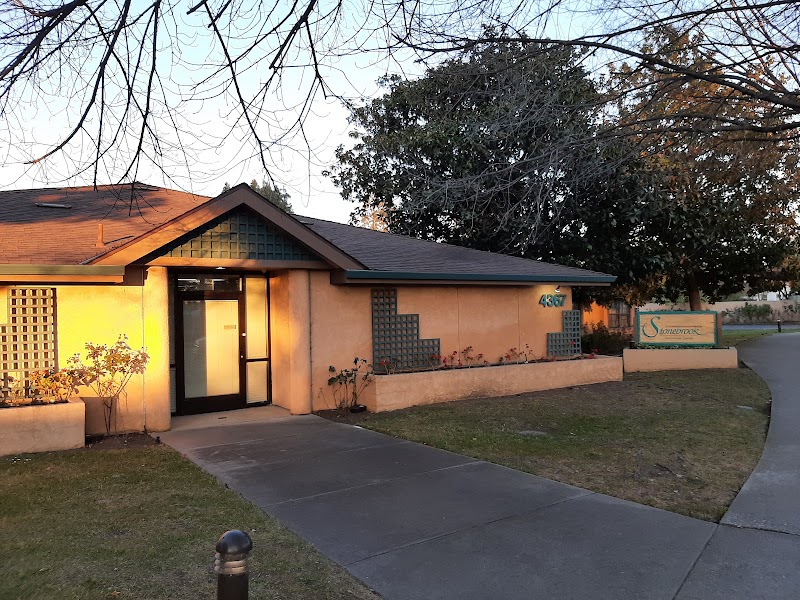
How is Stonebrook Healthcare Center Staffed?

CMS rates STONEBROOK HEALTHCARE CENTER's staffing level at 4 out of 5 stars, which is above average compared to other nursing homes. Staff turnover is 19%, compared to the California average of 46%. This relatively stable workforce can support continuity of care.

What Have Inspectors Found at Stonebrook Healthcare Center?

State health inspectors documented 25 deficiencies at STONEBROOK HEALTHCARE CENTER during 2019 to 2025. These included: 3 that caused actual resident harm and 22 with potential for harm. Deficiencies causing actual harm indicate documented cases where residents experienced negative health consequences.
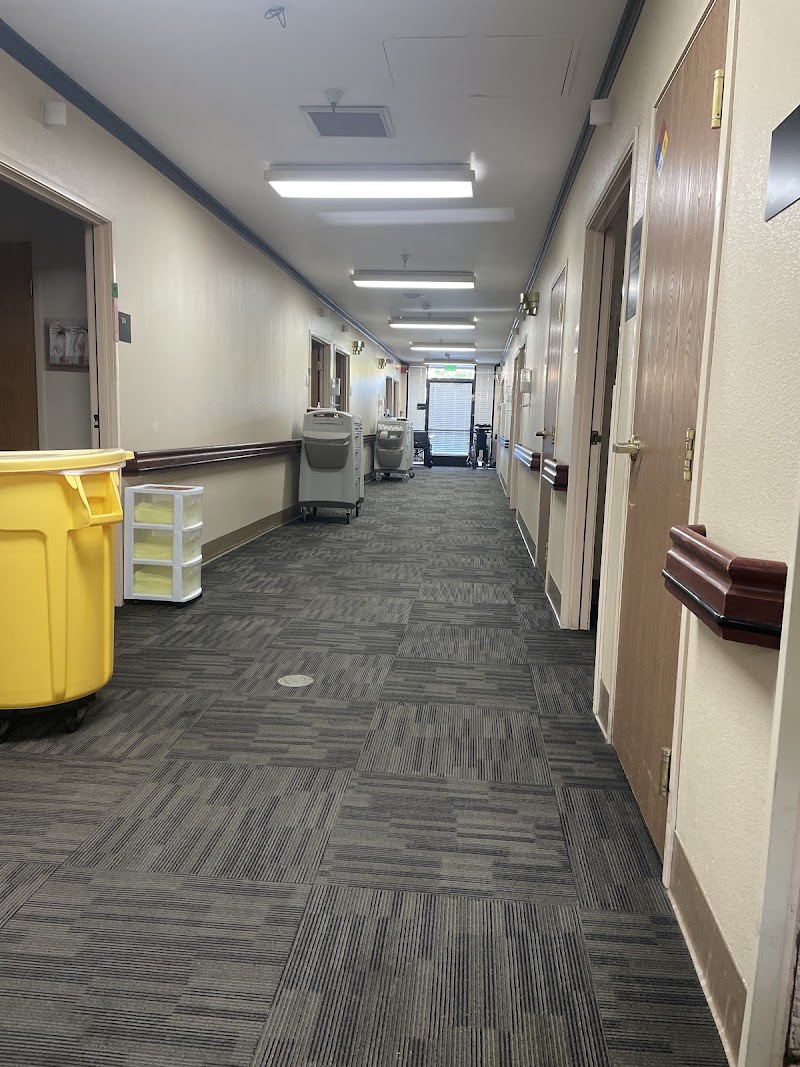
Who Owns and Operates Stonebrook Healthcare Center?

STONEBROOK HEALTHCARE CENTER is owned by a for-profit company. For-profit facilities operate as businesses with obligations to shareholders or private owners. The facility operates independently rather than as part of a larger chain. With 120 certified beds and approximately 102 residents (about 85% occupancy), it is a mid-sized facility located in CONCORD, California.
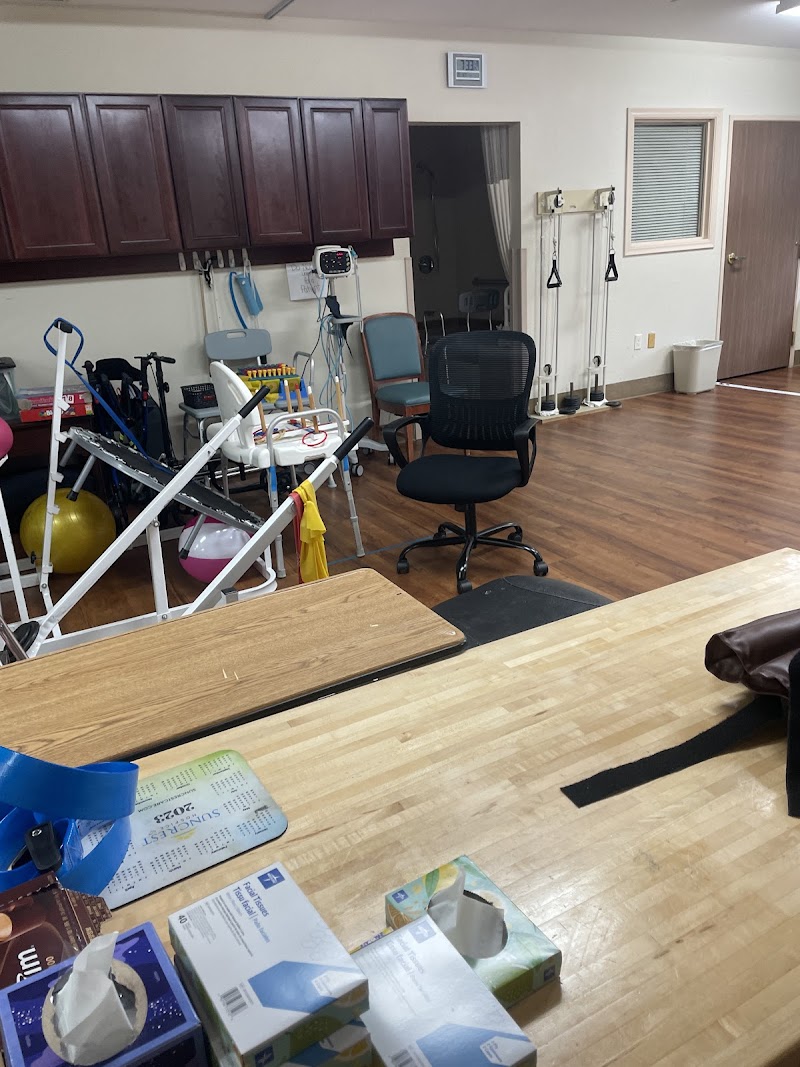
How Does Stonebrook Healthcare Center Compare to Other California Nursing Homes?

Compared to the 100 nursing homes in California, STONEBROOK HEALTHCARE CENTER's overall rating (4 stars) is above the state average of 3.2, staff turnover (19%) is significantly lower than the state average of 46%, and health inspection rating (4 stars) is above the national benchmark.

What Should Families Ask When Visiting Stonebrook Healthcare Center?

Based on this facility's data, families visiting should ask: "Can I visit during a mealtime to observe dining assistance and food quality?" "How do you handle medical emergencies, and what is your hospital transfer rate?" "Can I speak with family members of current residents about their experience?"

Is Stonebrook Healthcare Center Safe?

Based on CMS inspection data, STONEBROOK HEALTHCARE CENTER has a clean safety record: no substantiated abuse findings (meaning no confirmed cases of resident harm), no Immediate Jeopardy citations (the most serious violation level indicating risk of serious injury or death), and is not on the Special Focus Facility watch list (a federal program monitoring the lowest-performing 1% of nursing homes). The facility has a 4-star overall rating and ranks #1 of 100 nursing homes in California. While no facility is perfect, families should still ask about staff-to-resident ratios and recent inspection results during their visit.

Do Nurses at Stonebrook Healthcare Center Stick Around?

Staff at STONEBROOK HEALTHCARE CENTER tend to stick around. With a turnover rate of 19%, the facility is 27 percentage points below the California average of 46%. Low turnover is a positive sign. It means caregivers have time to learn each resident's needs, medications, and personal preferences. Consistent staff also notice subtle changes in a resident's condition more quickly. Registered Nurse turnover is also low at 19%, meaning experienced RNs are available to handle complex medical needs.

Was Stonebrook Healthcare Center Ever Fined?

STONEBROOK HEALTHCARE CENTER has no federal fines on record. CMS issues fines when nursing homes fail to meet care standards or don't correct problems found during inspections. The absence of fines suggests the facility has either maintained compliance or corrected any issues before penalties were assessed. This is a positive indicator, though families should still review recent inspection reports for the full picture.

Is Stonebrook Healthcare Center on Any Federal Watch List?

STONEBROOK HEALTHCARE CENTER is not on any federal watch list. The most significant is the Special Focus Facility (SFF) program, which identifies the bottom 1% of nursing homes nationally based on persistent, serious quality problems. Not being on this list means the facility has avoided the pattern of deficiencies that triggers enhanced federal oversight. This is a positive indicator, though families should still review the facility's inspection history directly.