WILLOW PASS HEALTHCARE CENTER
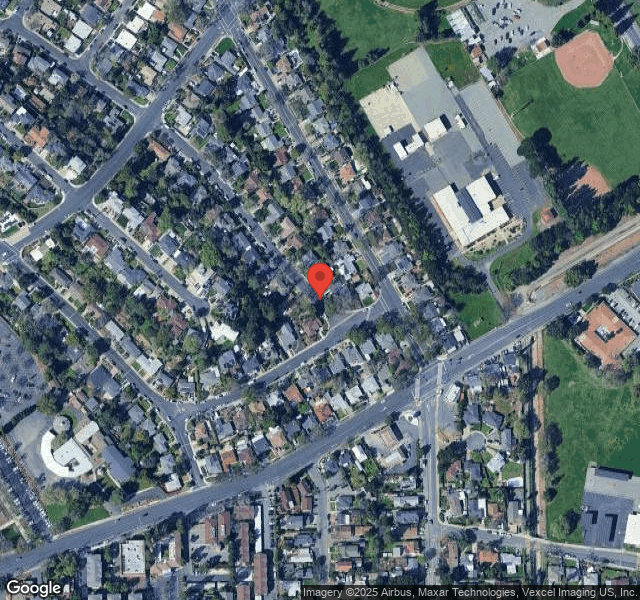
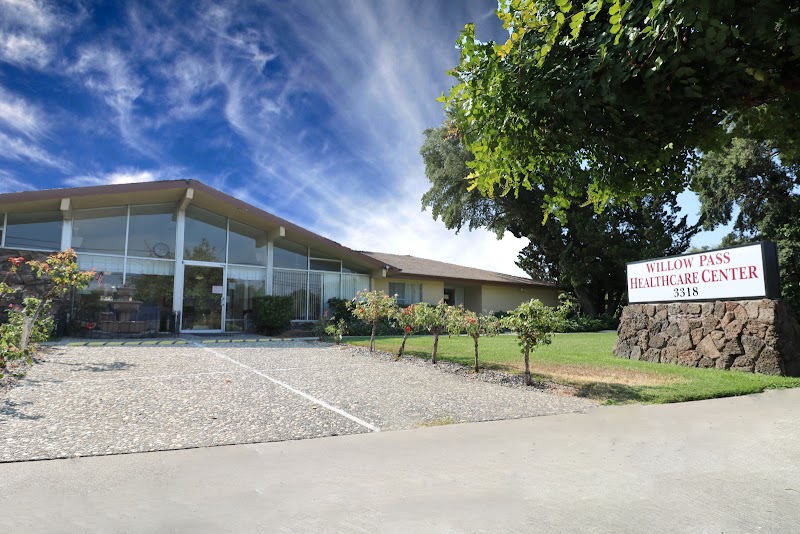
3318 WILLOW PASS ROAD, CONCORD, CA 94519 (925) 689-9222
For profit - Corporation 81 Beds Independent Data: November 2025
Trust Grade
40/100
#725 of 1155 in CA
Last Inspection: October 2022

Over 2 years since last inspection. Current conditions may differ from available data.

Overview

Willow Pass Healthcare Center has received a Trust Grade of D, indicating below-average performance with several concerns to consider. It ranks #725 out of 1155 facilities in California, placing it in the bottom half, and #27 out of 30 in Contra Costa County, suggesting limited local options for better care. The facility is experiencing a worsening trend, with reported issues increasing from 2 in 2023 to 5 in 2024. Staffing is rated at 4 out of 5 stars, which is a strength, but the turnover rate of 65% is concerning compared to the state average of 38%. The facility has also incurred $45,702 in fines, which is higher than 83% of California facilities, indicating potential compliance problems. Specific incidents include a serious failure to supervise a resident with a history of falls, resulting in a hip fracture, and another incident where a resident was physically assaulted by another, leading to a skin tear. While the quality measures are rated 5 out of 5 stars and indicate excellent care in some areas, these significant safety concerns highlight important weaknesses that families should carefully consider when evaluating this nursing home.

Trust Score
D
40/100
In California
#725/1155
Bottom 38%
Safety Record
Moderate
Needs review
Inspections
Getting Worse
2 → 5 violations
Staff Stability
⚠ Watch
65% turnover. Above average. Higher turnover means staff may not know residents' routines.
Penalties
✓ Good
$45,702 in fines. Lower than most California facilities. Relatively clean record.
Skilled Nurses
○ Average
Each resident gets 30 minutes of Registered Nurse (RN) attention daily — about average for California. RNs are the most trained staff who monitor for health changes.
Violations
⚠ Watch
45 deficiencies on record. Higher than average. Multiple issues found across inspections.
★★★☆☆
3.0
Overall Rating
★★★★☆
4.0
Staff Levels
★★★★★
5.0
Care Quality
★★☆☆☆
2.0
Inspection Score
Stable
2023: 2 issues
2024: 5 issues

The Good

  • 4-Star Staffing Rating · Above-average nurse staffing levels
  • 5-Star Quality Measures · Strong clinical quality outcomes
  • Full Sprinkler Coverage · Fire safety systems throughout facility
  • No fines on record

Facility shows strength in staffing levels, quality measures, fire safety.

The Bad

3-Star Overall Rating

Near California average (3.1)

Meets federal standards, typical of most facilities

Staff Turnover: 65%

19pts above California avg (46%)

Frequent staff changes - ask about care continuity

Federal Fines: $45,702

Above median ($33,413)

Moderate penalties - review what triggered them

Staff turnover is elevated (65%)

17 points above California average of 48%

The Ugly 45 deficiencies on record

2 actual harm
Jul 2024 1 deficiency
CONCERN (E) 📢 Someone Reported This

A family member, employee, or ombudsman was alarmed enough to file a formal complaint

Potential for Harm - no one hurt, but risky conditions existed

Safe Environment (Tag F0584)

Could have caused harm · This affected multiple residents

**NOTE- TERMS IN BRACKETS HAVE BEEN EDITED TO PROTECT CONFIDENTIALITY** Based on observation, interview and record review, the facility failed to ensure two of three sampled residents' (Resident 1 and...

Read full inspector narrative →
**NOTE- TERMS IN BRACKETS HAVE BEEN EDITED TO PROTECT CONFIDENTIALITY** Based on observation, interview and record review, the facility failed to ensure two of three sampled residents' (Resident 1 and Resident 3) rooms were maintained in a comfortable and safe temperature level when Resident 1 and 3's room air temperature was at 84 degrees Fahrenheit during a heat wave. This failure had the potential to cause overheating in residents and discomfort during severe hot weather. Findings: During a facility tour on 7/3/24 at 12:06 p.m., with Maintenance Supervisor (MS), the air temperature in Resident 1's room was 84 degrees Fahrenheit. During a review of Resident 1's Minimum Data Set (MDS - Resident assessment and care guide tool), dated 6/11/24, the MDS indicated Resident 1's Basic Interview of Mental Status (BIMS, a scoring system used to determine the resident's cognitive status regarding attention, orientation, and ability to register and recall information. A BIMS score of thirteen to fifteen is an indication of intact cognitive status.) score was 15 and indicated intact mental status. The MDS indicated Resident 1 was able to recall the correct year, month, and day of the week. The MDS indicated Resident 1 had diagnosis of chronic obstructive pulmonary disease (a group of lung disease that block airflow and make it difficult to breathe). During a concurrent observation and interview on 7/3/24 at 12:06 p.m., Resident 1 laid in bed with loose-fitted clothes, awake and verbally responsive. Resident 1 stated her room was hot and uncomfortable in the afternoon despite the use of fan. During a review of Resident 2's MDS, dated [DATE], the MDS indicated Resident 2's BIMS, score was 15 and indicated intact mental status. The MDS indicated Resident 2 was able to recall the correct year, month, and day of the week. The MDS indicated Resident 2 had diagnosis of asthma (a condition in which a person's airways become inflamed, narrow, and swell, and produce extra mucus, which makes it difficult to breathe). During an interview on 7/8/24 at 10:40 a.m., Resident 2 stated the facility was hot in the afternoon over the weekend. Resident 2 stated the air condition had been faulty for weeks and not repaired. Resident 2 stated facility does nothing about it. Resident 2 stated sometimes air condition blows cool air sometimes it blows warm air. During a facility tour on 7/9/24 at 10:58 a.m., with MS, the air temperature in Resident 1's room was 84 degrees Fahrenheit. During an interview on 7/9/24 at 10:58 a.m., with Resident 1, Resident 1 stated her room temperature swings from okay to very hot and is not comfortable in the afternoon. Resident 1 stated despite the fan working continuously the room is too warm. Resident 1 stated there was no cool air flow through the vent. Resident stated the air condition had been faulty for some two to three weeks ago. During a facility tour on 7/9/24 at 11:10 a.m., with MS, the air temperature in Resident 3's room was 84 degrees Fahrenheit. During a review of Resident 3's MDS, dated [DATE], the MDS indicated Resident 3's BIMS score was 08 and indicated impaired mental status. The MDS indicated Resident was unable to recall the correct day of the week but was able to recall the correct week and year. The MDS indicated Resident 3 had diagnosis of Dementia (a group of thinking and social symptoms that interferes with daily functioning). During a concurrent observation and interview on 7/9/24 at 11:10 a.m., Resident 3 was sitting in a wheelchair in the hallway with a portable air condition cooler blowing cool air nearby. Resident 3 stated his room temperature was too warm in the afternoon and made him uncomfortable. During an interview on 7/3/24 at 12:58 p.m., with Administrator (Admin), Director of Nursing (DON) and MS, Admin stated the air condition technician was at the facility to repair the air condition unit. MS stated he checked the air condition unit quarterly and replaced air filters. MS could not provide records of air filter replacements and preventative maintenance records for the facility's air condition units. Admin and MS could not provide preventative maintenance record for the cooling system. Admin stated facility's MS does preventative maintenance of the air conditioning units. During an interview on 7/9/24 at 10:35 a.m., Admin stated the air condition technician made some repair but there were still rooms with air flow problems and not circulating cool air properly. During a review of the facility's policy and procedure (P&P) titled, Maintenance Services, revised December 2004, the P&P indicated, Maintenance service shall be provided to all areas of the building, grounds, and equipment. The maintenance department is responsible for maintaining the buildings, grounds, and equipment in a safe and operable manner at all times. During a review of the Air Condition manufacturer manual titled, DIY AC Maintenance indicated; on an average, filters should be replaced every 90 days depending on where you live and how often your air conditioner operates. However, your HVAC contractor can provide the proper filter replacement schedule for your particular air conditioning unit. Reference: https://www.goodmanmfg.com.
Apr 2024 2 deficiencies 1 Harm
SERIOUS (G) 📢 Someone Reported This

A family member, employee, or ombudsman was alarmed enough to file a formal complaint

Actual Harm - a resident was hurt due to facility failures

Accident Prevention (Tag F0689)

A resident was harmed · This affected 1 resident

**NOTE- TERMS IN BRACKETS HAVE BEEN EDITED TO PROTECT CONFIDENTIALITY** Based on observation, interview and record review, the facility failed to supervise one of three residents (Resident 1) with a h...

Read full inspector narrative →
**NOTE- TERMS IN BRACKETS HAVE BEEN EDITED TO PROTECT CONFIDENTIALITY** Based on observation, interview and record review, the facility failed to supervise one of three residents (Resident 1) with a history of falls when, Resident 1 was not supervised and assisted to the bathroom. This failure resulted in Resident 1 sustaining a left hip fracture (broken bone), experiencing pain, and transferring to Acute Care Hospital 1 (ACH 1) for follow up care. Findings: During a record review of Resident 1's admission Record, printed on 4/25/24, the record indicated Resident 1 was admitted to the facility on [DATE], with dementia (memory loss), muscle weakness, abnormalities of gait (a person's manner of walking) and mobility, and abnormal posture. During a record review of Resident 1's Annual Minimum Data Set (MDS, a resident assessment instrument used to identify resident care problems to be addressed in an individualized care plan.) assessment, dated 2/21/24, the MDS assessment indicated Resident 1 used a walker for mobility. The assessment also indicated Resident 1's need for supervision during activities of daily living (Activities of daily living are those needed for self-care and mobility and include activities such as bathing, dressing, grooming, oral care, ambulation (walk, move about), toileting, eating, transferring, and communicating.) and mobilization. The record indicated Resident 1's Brief Interview of Mental Status (BIMS, is a scoring system used to determine the resident's cognitive status regarding attention, orientation, and ability to register and recall information. A BIMS score of thirteen to fifteen is an indication of intact cognitive status.) score was nine (9) out of 15, indicating moderately impaired mental status. The BIMS indicated Resident 1 was unable to recall the correct year and day of the week and was able to recall recent information with cueing. During a concurrent observation and interview on 4/25/24, at 9:55 a.m., with Resident 1, Resident 1 was lying in bed and stated the bathroom in her room had an out of order sign, and she fell while trying to use the bathroom. Resident 1 stated she did not know how she fell. Resident 1 then stated she did not remember if she fell and denied pain/discomfort. During a record review of Resident 1's Physician Order, dated 5/25/23, the Physician Order indicated to monitor the resident for wandering [become lost or confused about their location]/ambulation without assistance . redirect as needed every shift for fall precautions. During a record review of Resident 1's Fall Risk Care Plan, initiated on 3/23/23, the Fall Risk Care Plan indicated, The resident is at risk for falls [related to] psychoactive drugs (drugs that change the function of the nervous system and results in alterations of perception, mood, cognition and behavior) use ., staff was to Anticipate and meet the resident's needs ., and The resident needs prompt response to all requests for assistance. During a record review of Resident 1's Morse Fall Scale (a tool which determines the residents' likelihood of falling), dated 12/15/23, the record indicated Resident 1's fall risk score was 70 (scores greater than 45 indicated a high risk for falls (Morse, J.M 1997)). Resident 1's scoring elements included history of falling, use of an ambulatory aid such as a crutch, cane or walker, and when asked, Are you able to go to the bathroom alone, or do you need assistance? , Resident 1 overestimated or forgot limits. During an interview on 4/25/24, at 10:30 a.m., with Certified Nursing Assistant 1 (CNA 1), outside Resident 1's room, CNA 1 stated, on 4/18/24 around 7:10 a.m., he observed Resident 1 walking in the hall without a walker. CNA 1 stated Resident 1 appeared frail and expressed need for bathroom because her bathroom was out of order. CNA 1 stated his back was towards Resident 1 when Resident 1 was in the hallway. CNA 1 stated he heard a loud thump sound, turned around, and saw Resident 1 on the floor in the hallway. During an interview on 4/25/24, at 10:00 a.m., with Licensed Vocational Nurse 1 (LVN 1), LVN 1 stated around 9:00 a.m. on 4/18/24, Resident 1 was screaming in pain. LVN 1 stated she assessed and noted Resident 1's left hip was deformed. LVN 1 stated Resident 1 complained of pain to left thigh and groaned when touched. LVN 1 further stated she called 911 at 9:30 a.m. and Resident 1 was transported to ACH 1. During a concurrent interview and record review on 4/25/24, at 10:20 a.m., with Director of Nursing (DON), Resident 1's Progress Notes and SBAR (Situation, Background, Assessment, Recommendation- a technique that can be used to facilitate prompt and appropriate communication) communication form, dated 4/18/24 at 9:34 a.m., was reviewed. The progress notes indicated, LVN 1 found Resident 1 in distress with a skin tear on Resident 1's left elbow with significant bleeding and Resident 1 stated is hurting really bad to her [left] side of the hip and inner thigh. The progress notes further indicated, upon assessment, Resident 1's left hip was deformed, Resident 1 had severe pain to touch, and Resident 1 was unable to sit or move their extremity while lying in bed. Resident 1's SBAR indicated Resident 1 had a fall, sustained a laceration (cut) to her left arm, and complained of new pain at a level of 6 out of 10 (10 being worse experienced pain). During a record review of Resident 1's ACH 1 Hospital Discharge summary, dated [DATE], the record indicated Resident 1 had a fall with left hip fracture (broken bone) and underwent subliminary nailing (type of surgery for hip fracture repair) procedure.
CONCERN (D) 📢 Someone Reported This

A family member, employee, or ombudsman was alarmed enough to file a formal complaint

Potential for Harm - no one hurt, but risky conditions existed

Deficiency F0918 (Tag F0918)

Could have caused harm · This affected 1 resident

**NOTE- TERMS IN BRACKETS HAVE BEEN EDITED TO PROTECT CONFIDENTIALITY** Based on observation, interview and record review, the facility failed to provide one of one sampled resident (Resident 1) a fun...

Read full inspector narrative →
**NOTE- TERMS IN BRACKETS HAVE BEEN EDITED TO PROTECT CONFIDENTIALITY** Based on observation, interview and record review, the facility failed to provide one of one sampled resident (Resident 1) a functioning toilet that can be accessed quickly, when Resident 1 needed to use the toilet, but her bathroom was Out-of-Order and she did not have a bedside commode. This failure potentially resulted in Resident 1 sustaining a fall while looking for an alternate bathroom, resulting in left hip fracture (broken bone), pain, and transfer to Acute Care Hospital (ACH 1) for follow up care. (Cross reference F689) Findings: During a record review of Resident 1's admission Record printed on 4/25/24, the record indicated Resident 1 was admitted to the facility on [DATE], with dementia (memory loss), muscle weakness, abnormalities of gait (a person's manner of walking) and mobility, and abnormal posture. During a record review of Resident 1's Annual Minimum Data Set (MDS, a resident assessment instrument used to identify resident care problems to be addressed in an individualized care plan.) assessment, dated 2/21/24, the MDS indicated Resident 1 was occasionally incontinent with bladder. The MDS further indicated Resident 1's Brief Interview of Mental Status (BIMS, is a scoring system used to determine the resident's cognitive status regarding attention, orientation, and ability to register and recall information. A BIMS score of thirteen to fifteen is an indication of intact cognitive status.) score was nine (9) out of 15, and indicated moderately impaired mental status. The MDS indicated Resident 1 was unable to recall the correct year and day of the week and was able to recall recent information with cueing. During a concurrent observation and interview on 4/25/24, at 9:55 a.m., with Resident 1 lying in bed, Resident 1 stated the bathroom in her room had an out-of-order sign, and she fell while trying to use the bathroom. Resident 1 stated she did not know how she fell. Resident 1 then stated she did not remember if she fell and denied pain/discomfort. During an interview on 4/25/24, at 10:30 a.m., with Certified Nursing Assistant (CNA 1), outside Resident 1's room, CNA 1 stated, on 4/18/24 around 7:10 a.m., CNA 1 observed Resident 1 walking in the hall without a walker. CNA 1 stated Resident 1 appeared frail and expressed need for bathroom because her bathroom was out-of-order. CNA 1 stated he checked Resident 1's room and found out-of-order signage on the bathroom door and there was no bed side commode in her room as an alternate for a nonfunctional bathroom. CNA 1 stated he proceeded to find an alternate bathroom for Resident 1. CNA 1 stated his back was towards Resident 1 when Resident 1 was in the hallway. CNA 1 stated he heard a loud thump sound, turned around, and saw Resident 1 on the floor in the hallway. During an interview and record review on 4/25/24, 11:00 a.m., with Maintenance Supervisor (MS 1), Maintenance log binder was reviewed. MS 1 stated he learned Resident 1's bathroom was out of order during a meeting on 4/18/24 at approximately 9:30 am. MS 1 stated there was no report of Resident 1's bathroom issue in the maintenance log. MS 1 stated Resident 1's toilet was clogged with toilet wipes and was not flushable. During an interview on 4/25/24, at 11:30 a.m., with the Director of Nursing (DON), the DON stated if residents' bathroom was not functional, a bed side commode could be offered, and staff should check on residents more often and ask them if they needed to go to the bathroom. The DON further stated staff should consider fall risk factors such as resident's mental state, slippery floors, syncope (fainting, or a sudden temporary loss of consciousness), balance disturbances, and were expected to meet and anticipate residents' needs to prevent falls.
Apr 2024 1 deficiency 1 Harm
SERIOUS (G) 📢 Someone Reported This

A family member, employee, or ombudsman was alarmed enough to file a formal complaint

Actual Harm - a resident was hurt due to facility failures

Free from Abuse/Neglect (Tag F0600)

A resident was harmed · This affected 1 resident

**NOTE- TERMS IN BRACKETS HAVE BEEN EDITED TO PROTECT CONFIDENTIALITY** Based on observation, interview and record review, the facility failed to protect one (Resident 1) of three sampled residents' r...

Read full inspector narrative →
**NOTE- TERMS IN BRACKETS HAVE BEEN EDITED TO PROTECT CONFIDENTIALITY** Based on observation, interview and record review, the facility failed to protect one (Resident 1) of three sampled residents' right to be free from verbal and physical abuse when, Resident 2 yelled and punched Resident 1 in the face. Resident 1 sustained skin tear with flap (a traumatic wound that is caused by direct contact between the skin and another object) during an altercation in the courtyard. This failure resulted in Resident 1's increased anger and fear for his safety at the facility from Resident 2. Findings: Review of Resident 1's Minimum Data Set (MDS- an assessment and care screening tool used to guide care), dated 3/26/24, indicated. Resident 1 had clear speech, able to express his ideas and wants, made self-understood and understood others. Resident 1 had no physical or verbal behavioral symptoms such as hitting, kicking, pushing, screaming, cursing, and threatening others. Resident 1 used wheelchair for mobility. Resident 1's diagnosis included depression and quadriplegia (a form of paralysis that affects all four limbs plus torso from neck down). During an interview on 4/11/24, at 11:15 a.m., Resident 1 stated he was outside in the courtyard patio when Resident 2 came to the patio and made a profanity statement about beating another resident. Resident 1 stated he told Resident 2 he will not beat anyone when Resident 1 was present. Resident 1 stated Resident 2 then punched him on the left side of his head eight times and scratched his face. Resident 1 stated there was no staff present during the altercation. Resident 1 stated he was angry and fearful for his safety at the facility from Resident 2. Review of Resident 2's Minimum Data Set, dated [DATE], indicated Resident 2 had clear speech, able to express his ideas and wants, and understood what others said to him. Resident 2 used wheelchair for mobility. Resident 2's diagnosis included schizophrenia (a disorder that affects a person's ability to think, feel and behave clearly). During an interview on 4/11/24, at 11:25 a.m., Resident 2 stated Resident 1 called him a derogatory name. Resident 2 stated Resident 1 made him mad. Resident 2 said he hit Resident 1 in the face. Resident 2 said he tried to avoid Resident 1 every time he saw him. Review of Resident 2's IDT (IDT - interdisciplinary team is a group of health care professionals with various areas of expertise who work together toward the goals of their clients) notes dated 3/13/24 indicated licensed nurse heard a loud verbal altercation from down the hall and noted Resident 1 and Resident 2 outside in the courtyard yelling at each other. Resident 2 stated Resident 1 hit him first. Resident 1 was noted with a small skin tear flap to the face. Resident 2 was noted with bleeding from two small skin tears in-between knuckles of the right hand. Incident was not witnessed by staff. During an observation of the courtyard, on 4/11/24, at 1:10 p.m., with Administrator (Admin) and Director of Nursing (DON), the courtyard had no visual oversight by the nursing staff. Admin stated there was no staff presence during the resident-to-resident altercation. Review of Resident 2's behavior care plan, initiated 5/31/23, indicated Resident 2 had behavior problems; easily get angry, yelling and cursing at other residents and staff. Resident 2 had the followings episodes of verbal and physical altercation: 7/11/23 - encounter with another resident holding him on his wrist and calling him names; 7/16/23 - Resident 2 had verbal altercation with another resident; 11/11/23 - Resident 2 had alleged physical encounter with another resident both denied touching each other; 11/18/23 - Resident 2 had alleged physical altercation with another resident; 1/8/24 - Resident 2 had alleged physical altercation; 3/12/24 - Resident 2 had resident to resident altercation; Resident 2's care plan intervention included anticipate and meet resident's needs. Review of Resident 1's psychosocial well-being care plan, initiated 7/16/23, indicated Resident 1 had potential for verbal altercation with another resident. During an interview on 4/11/24, at 2:35 p.m., with Licensed Vocational Nurse (LVN 1), LVN 1 stated she heard screaming from the courtyard patio and went to the area. LVN 1 said Resident 1 stated Resident 2 hit and punched him in the face. Resident 1 sustained skin tear to the face. LVN 1 stated there was no staff presence at the patio during the altercation. LVN 1 stated she did not remember if she updated Resident 1's care plan to address the altercation and injury sustained. LVN 1 stated she did not call the police but called the Administrator. During a concurrent interview with DON and clinical record review, on 4/11/24, at 12:15 p.m., DON stated Resident 1's care plan was not revised and updated to address verbal and physical altercation with Resident 2. DON said Resident 1's injury to face was not addressed on his care plan. DON stated she thought the focus was on Resident 2. During a review of the facility's policy and procedure (P&P) titled, Abuse, Prevention, dated 9/1/2008, the P&P indicated, Each resident has the right to be free from verbal, sexual, physical, and mental abuse, corporal punishment and involuntary seclusion. Residents must not be subjected to abuse by anyone, including, but not limited to facility staff, other residents, consultants or volunteers, staff of other agencies serving the resident, family members or legal guardians, friends, or other individuals .
Feb 2024 1 deficiency
CONCERN (D) 📢 Someone Reported This

A family member, employee, or ombudsman was alarmed enough to file a formal complaint

Potential for Harm - no one hurt, but risky conditions existed

Deficiency F0583 (Tag F0583)

Could have caused harm · This affected 1 resident

Based on observation, interview, and record review, the facility failed to promote one of three sampled residents (Resident 1) right to privacy when the licensed social worker (SW) discussed Resident ...

Read full inspector narrative →
Based on observation, interview, and record review, the facility failed to promote one of three sampled residents (Resident 1) right to privacy when the licensed social worker (SW) discussed Resident 1 ' s personal care with Resident 1 ' s family without Resident 1 ' s consent. This failure resulted in Resident 1 feeling emotional distress. Findings: During a review of Resident 1 ' s facility admission Record on 2/7/2024 at 11:15 a.m., the admission Record indicated Resident 1 was admitted in July 2022 with a diagnosis of muscle weakness. The admission Record indicated Resident 1 was his own responsible party. A review of Resident 1 ' s Minimum Data Set (MDS, a resident assessment instrument used to identify resident care problems to be addressed in an individualized care plan.) indicated Resident 1 was alert and oriented to the day, year, month and could recall words presented to him. During an interview on 2/7/2024 at 10:35 a.m., with the facility ' s Director of Nursing (DON), the DON stated the facility had wanted to deep clean Resident 1 ' s room, but Resident 1 often stayed in bed and did not like the smell of the cleaning agents, which made deep cleaning Resident 1 ' s room difficult. The DON stated the suggestion of involving family members to encourage Resident 1 to get out of bed more and participate in his own care had been discussed with the Social Worker (SW). The DON stated after that discussion with the SW, Resident 1 had complained the facility social worker had spoken to one of Resident 1 ' s family members, FM 1, about encouraging Resident 1 to get out of bed more. The DON stated had told Resident 1 the facility would talk to family members in order to encourage residents. The DON stated Resident 1 had told the DON that Resident 1 did not like that, and it was no one else ' s business. During an observation and concurrent interview on 2/7/2024 at 10:50 a.m., with Resident 1, in Resident 1 ' s room, Resident 1 lay in bed, under the bedcovers. Resident 1 stated he stayed in bed because it was a hassle to get up and into the wheelchair. Resident 1 stated the facility social worker had talked to Resident 1 ' s family without his OK and it bothered him a lot. The social worker was not available for interview during the abbreviated survey. During an interview on 2/21/2024 at 10:07 a.m., with FM 1, FM 1 stated Resident 1 wanted to keep FM 1 out of his business. FM 1 stated the social worker told FM 1 Resident 1 had refused showers for the last year and had only had bed baths. FM 1 stated Resident 1 was upset staff had shared the information with FM 1. During a record review of the facility policy and procedure (PNP) titled, Resident Rights, dated 9/1/2008, the PNP indicated, The Resident has the right to personal privacy and confidentiality of his or her personal and clinical records. Personal privacy includes accommodations, medical treatment, written and telephone communications, personal care, visits and meetings of family and Resident groups .
Aug 2023 1 deficiency
CONCERN (D) 📢 Someone Reported This

A family member, employee, or ombudsman was alarmed enough to file a formal complaint

Potential for Harm - no one hurt, but risky conditions existed

Comprehensive Care Plan (Tag F0656)

Could have caused harm · This affected 1 resident

**NOTE- TERMS IN BRACKETS HAVE BEEN EDITED TO PROTECT CONFIDENTIALITY** Based on observation, interview, and record review, the facility failed to ensure the care plan for Resident 1 to receive a cons...

Read full inspector narrative →
**NOTE- TERMS IN BRACKETS HAVE BEEN EDITED TO PROTECT CONFIDENTIALITY** Based on observation, interview, and record review, the facility failed to ensure the care plan for Resident 1 to receive a consult with psychiatric (specialist in providing mental, emotional, medical or behavioral care) services were implemented. This failure resulted in the potential for Resident 1 to have compromised psychosocial well-being and at risk of another altercation with another resident. Findings: Review of the clinical record indicated Resident 1 was admitted to the facility on [DATE] with diagnoses that included schizophrenia (a serious mental illness that interferes with a person's ability to think clearly, manage emotions, make decisions, and relate to others). A review of Resident 1's behavior care plan initiated on 7/11/23, by the Director of Nursing (DON), indicated Resident 1 was at risk of having psychosocial well-being problems because of an encounter with another resident. The care plan indicated an intervention for Resident 1 to have a consult with psychiatric services. A review of Resident 1's behavior care plan initiated on 7/16/23 by the DON, indicated Resident 1 had another altercation with another resident. The care plan again indicated the same intervention for Resident 1 to have consult with psychiatric services. During an interview on 7/31/23, at 2:22 p.m., with Licensed vocational nurse (LVN 1), LVN 1 stated, Resident 1 had a verbal altercation with Resident 2 on 7/11/23. LVN further stated Resident 1 had the behavior of getting verbally aggressive. During an interview on 7/31/23, at 2:55 p.m., with Social Services Director, SSD stated, Resident 1 has a behavior of picking a fight and wanted to go to anger management (class). SSD acknowledged that Resident 1 should have had the psychiatric services consultation. During an interview on 7/31/23, at 4:16 p.m., DON stated Resident 1 was not referred for psychiatric services yet. During a review of the facility's policy and procedure (P&P) titled, Care Planning-IDT Care Planning Conference, dated 2008, the P&P indicated, To assure that all residents care needs are identified through continuous assessments and that those needs are care planned with corresponding measurable objectives and adequate interventions.
Jun 2023 1 deficiency
CONCERN (D) 📢 Someone Reported This

A family member, employee, or ombudsman was alarmed enough to file a formal complaint

Potential for Harm - no one hurt, but risky conditions existed

Safe Environment (Tag F0921)

Could have caused harm · This affected 1 resident

**NOTE- TERMS IN BRACKETS HAVE BEEN EDITED TO PROTECT CONFIDENTIALITY** Based on observation, interview and document review, the facility failed to ensure one (room [ROOM NUMBER]) of three residents '...

Read full inspector narrative →
**NOTE- TERMS IN BRACKETS HAVE BEEN EDITED TO PROTECT CONFIDENTIALITY** Based on observation, interview and document review, the facility failed to ensure one (room [ROOM NUMBER]) of three residents ' showers inspected, was cleaned and disinfected after use. A pile of clean towels were in the bathroom sink and plastic bags with soiled items were on the floor. These failures exposed residents to contamination. Findings: During an interview on 5/2/23 at 11:21 a.m., Resident 1 stated the shower in her room was not regularly sanitized and asked staff to clean it before her showers. Resident 1 stated she was concerned with athletic (athletes) feet- a contagious condition spread through contaminated floors, towels, or clothing. Resident 1 stated she was scared she might develop toe fungus when she stepped on the shower floor with her bare feet. During an observation on 5/2/23 at 11:27 a.m., a moist, green matter, approximately the size of a half dollar, was on the shower floor in Resident 1 ' s bathroom. Inside the sink was a pile of clean towels. Underneath the sink and on the floor was a plastic bag with a resident gown inside. A pink wash basin was on top of the plastic bag. During an interview on 5/2/23 at 11:32 a.m., the Licensed Vocational Nurse (LVN) described the green matter on the shower floor as poo-poo. LVN stated clean towels did not belong in the sink and the plastic bag is supposed to go to the laundry room. During an interview on 5/2/23 at 12:17 p.m., the Certified Nursing Assistant (CNA) 1 stated she was not aware of the current state of the bathroom in room [ROOM NUMBER]. CNA 1 stated the bathroom was used by other residents that did not have showers in their own rooms. CNA 1 stated the sink is a dirty area where clean items are not placed. CNA 1 stated dirty linen in the plastic bag are supposed to be walked over to the hallway closet and placed in a barrel. During an interview on 5/2/23 at 12:57 p.m., the Infection Control nurse (ICN) stated dirty linen goes to the laundry room. In room [ROOM NUMBER] ' s bathroom, ICN identified a resident ' s dirty brief inside a plastic bag and identified the green matter on the shower floor as poop and it was not sanitary. During an interview on 5/2/23 at 1:26 p.m., CNA 3 stated when he gave his resident a shower in room [ROOM NUMBER], the towels in the sink and plastic bags were already there. CNA 3 stated the towels in the sink should not be used for residents because it was dirty and did not inform housekeeping to clean the shower floor after giving his resident a shower.
Oct 2022 19 deficiencies
CONCERN (D)

Potential for Harm - no one hurt, but risky conditions existed

Deficiency F0554 (Tag F0554)

Could have caused harm · This affected 1 resident

Based on observation, interview, and record review, the facility failed to ensure self-administered medications kept at bedside for one of 18 sampled residents (Resident 4) were reviewed and approved ...

Read full inspector narrative →
Based on observation, interview, and record review, the facility failed to ensure self-administered medications kept at bedside for one of 18 sampled residents (Resident 4) were reviewed and approved by the physician. This failure had the potential for unsafe medication use, exposure to unwanted side effects and duplication of therapy. Findings: During an observation on 10/10/22, at 10:14 a.m., with Licensed Vocational Nurse (LVN) 1, LVN 1 was observed administering medications to Resident 4. To the left of Resident 4's bed was a nightstand, covered in personal items as well as an over-the-counter (OTC, medications available without prescription) lidocaine (a topical medication used to treat pain) 4% roll-on and a nighttime cold and flu syrup. Resident 4 asked LVN 1 to apply the lidocaine 4% roll-to her body and stated it was a medication the facility was not able to provide to her, so a family member had brought it to the facility for Resident 4. During an interview and record review on 10/10/22, at 1:25 p.m., with LVN 1, Resident 4's physician's orders were reviewed. LVN 1 confirmed Resident 4 did not have a physician's order that allowed the resident to self-administer medications. When asked if LVN 1 ever questioned whether or not the resident was assessed to be capable of safely administering her own OTC medications, LVN 1 stated she had not, and the resident had always had the roll-on lidocaine on her nightstand for as long as she had ever provided her care. LVN 1 acknowledged and agreed it was potentially unsafe to allow the resident to keep cold and flu syrup on her nightstand without a physician's order. During an interview on 10/11/22, at 1 p.m., with Director of Nursing (DON), DON stated the physician was to determine whether or not a resident was capable of self-administering medication during the admissions assessment. DON stated a physician's order was required in order for a resident to keep and store medications safely at bedside. During a concurrent interview and record review on 10/11/22, at 1:01 p.m., with DON, Resident 4's medical record was reviewed. Resident 4's medical record indicated she did not have a physician's order allowing her to self-administer and store medications at bedside. When asked if the resident needed a doctor's order to keep medication on her nightstand DON stated, Of course! During a review of the facility's policy and procedure titled, Medication: Self-Administration, dated 9/1/2008, indicated, An individual resident may self-administer medications if the interdisciplinary team (IDT) has determined that this practice is safe and the physician writes an order for self-administration of the specific medication(s).
CONCERN (D)

Potential for Harm - no one hurt, but risky conditions existed

Assessment Accuracy (Tag F0641)

Could have caused harm · This affected 1 resident

Based on observation, interview, and record review, the facility failed to accurately assess one of one sampled resident (Resident 38) for oral/dental status on one annual and two quarterly Minimum Da...

Read full inspector narrative →
Based on observation, interview, and record review, the facility failed to accurately assess one of one sampled resident (Resident 38) for oral/dental status on one annual and two quarterly Minimum Data Set (MDS - an assessment used to guide care) assessments when Resident 38's MDS assessment was coded No to Broken or loosely fitting partial or full dentures and Resident 38 was not able to wear dentures. This failure resulted in an inaccurate reflection of Resident 38's oral/dental status and not triggering the facility to develop and implement a care plan for Resident 38's ill-fitting dentures for nine consecutive months. Findings: During a record review of Resident 38's admission Record, dated 10/12/22, the record indicated Resident 38 was admitted to the facility in 2018. During a record review of Resident 38's MDS Assessment, dated 8/8/22, the assessment indicated Resident 38 was cognitively intact, able to express herself, and able to make her needs known to others. During a concurrent observation and interview on 10/10/22, at 8:41 a.m., Resident 38 was lying in bed without lower teeth or dentures. Resident 38 stated I have dentures, the lower ones do not fit anymore, and the upper dentures partially fit and are causing sore on the roof of my mouth. Resident 38 stated she had told the staff but nothing was done about this. During a concurrent interview and record review with Social Services Personnel (SS1) and MDS Coordinator (MDSC), on 10/12/22, at 09:11 a.m., Resident 38's Physician progress notes, dated 2/4/22 and 9/29/22 were reviewed. The record indicated treatment recommendations for Resident 38 during both visits, 1. Tissue conditioning U/L [upper/ lower] 2. Reline [a procedure to reshape the underside of a denture so that it fits more comfortably on the user's gums] U/L dentures. During a concurrent record review and interview with MDSC on 10/13/22, at 12:54 p.m., Resident 38's MDS assessments dated 02/20/22, 05/26/22, and 08/09/22 were reviewed. MDSC stated she coded Resident 38 as not having loose fitting dentures on all three assessments. MDSC stated she should have coded as Yes to loosely fitting dentures on all three MDS assessments. During a follow-up interview with MDSC on 10/14/22, at 8:27 a.m., MDSC stated if she accurately assessed Resident 38 on MDS assessments for loosely fitting dentures which needed realignment in the past nine months, it would have triggered the need to assess that care area and the need to develop and implement an individualized care plan. MDSC stated facility did not have a care plan for ill-fitting dentures for Resident 38 at that time. During a record review the CMS [Centers for Medicare and Medicaid Services]'s Resident Assessment Instrument (RAI, a system for client evaluation and documentation in long-term care--an overview and includes the MDS assessment) Version 3.0 Manual dated 10/2019, the record indicated, Coding Instructions: Check L0200A, broken or loosely fitting full or partial denture: if the denture or partial is chipped, cracked, uncleanable, or loose. A denture is coded as loose if the resident complains that it is loose, the denture visibly moves when the resident opens his or her mouth, or the denture moves when the resident tries to talk .
CONCERN (D)

Potential for Harm - no one hurt, but risky conditions existed

PASARR Coordination (Tag F0644)

Could have caused harm · This affected 1 resident

**NOTE- TERMS IN BRACKETS HAVE BEEN EDITED TO PROTECT CONFIDENTIALITY** Based on interview and record review, the facility failed to accurately complete the Preadmission Screening and Resident Review ...

Read full inspector narrative →
**NOTE- TERMS IN BRACKETS HAVE BEEN EDITED TO PROTECT CONFIDENTIALITY** Based on interview and record review, the facility failed to accurately complete the Preadmission Screening and Resident Review (PASARR) assessment for one of three sampled residents (Resident 8) when the PASARR did not to reflect Resident 8's diagnosis of Anxiety (emotion we feel when we experience fear, nervousness, or a sense that something bad will happen), depression (a mood disorder that causes a persistent feeling of sadness and loss of interest) and use of psychotropic medication (any medication capable of affecting the mind, emotions, and behavior). This failure placed Resident 8 at risk to not receive care and services appropriate to her needs. Findings: During a review of Resident 8's admission Record Report printed on 10/13/22, it indicated Resident 8 was originally admitted to the facility on [DATE]. During a concurrent interview and record review on 10/13/22, at 11:11 a.m., with the Registered Nurse (RN) 2, Resident 8's PASARR assessment was reviewed. RN 2 stated Resident 8's most recent PASARR Level I assessment was completed on 10/07/20. During a record review of Resident 8's PASARR Level I, dated 10/07/20, it indicated facility answered No to Question 26a. Does the resident have a diagnosed mental disorder such as schizophrenia/schizoaffective disorder, Psychotic/Psychosis, Delusional, Depression, Mood disorder, Bipolar, or Panic/ Anxiety? During a concurrent interview and record review with RN 2, on 10/13/22, at 11:16 a.m., Section I (Active Diagnosis) of Resident 8's Minimum Data Set (MDS, a resident assessment tool used to guide care) Quarterly assessment, dated 9/30/22, indicated Resident 8 had a diagnosis of anxiety disorder and Depression. RN 2 stated facility was expected to code Yes to Question 26a on the PASSAR Level I assessment dated [DATE] for Resident 8. During a record review of Resident 8's PASARR Level I, dated 10/07/20, it indicated facility answered No to Question 28a. Has the resident been prescribed psychotropic medications? During a concurrent interview and record review with RN 2, on 10/13/22, at 11:16 a.m., Section N (Medications) of Resident 8's Minimum Data Set Quarterly assessment, dated 9/30/22 was reviewed. The MDS Section N indicated Resident 8 received antipsychotic medication on a routine basis. RN 2 stated facility was expected to code Yes to Question 28a on the PASARR Level I assessment dated [DATE] for Resident 8. A review of Resident 8's, Order summary report, printed on 10/13/22 indicated, Resident 8 had a MD order for SEROquel Tablet 100 MG , (psychotropic medication to treat schizophrenia, bipolar disorder, and depression.) at bedtime from 11/30/2015 onwards. Order summary report indicated Resident 8 received, Zoloft Tablet 50 mg (a medication used to treat depression, social anxiety disorder, and panic disorder) at bedtime since 11/28/2015. During an interview with RN 2 on 10/13/22, at 11:15 a.m., the RN 2 stated PASARR assessment is important to determine if residents are placed in the appropriate care settings. RN 2 stated for Resident 8, the PASARR assessment was coded wrong, and it can affect the accuracy of the assessment. RN 2 stated the correct response would have triggered Level 2 evaluation. RN 2 stated the inaccurate PASARR assessment can result in resident not receiving appropriate care. During a review of the facility's Policy and Procedure (P&P) titled, admission Criteria, updated 12/2016, indicated Policy Interpretation and Implementation .8. Nursing and medical needs of individuals with mental disorders or intellectual disabilities will be determined by coordination with the Medicaid Pre- admission Screening and Resident Review program (PASARR) to the extent practicable.
CONCERN (D)

Potential for Harm - no one hurt, but risky conditions existed

Deficiency F0655 (Tag F0655)

Could have caused harm · This affected 1 resident

**NOTE- TERMS IN BRACKETS HAVE BEEN EDITED TO PROTECT CONFIDENTIALITY** Based on interview and record review, the facility failed to develop and provide a written summary of a baseline care plan to on...

Read full inspector narrative →
**NOTE- TERMS IN BRACKETS HAVE BEEN EDITED TO PROTECT CONFIDENTIALITY** Based on interview and record review, the facility failed to develop and provide a written summary of a baseline care plan to one of one sampled resident (Resident 14) when Resident 14's baseline care plan was not developed within 48 hours of admission to the facility. This failure placed Resident 14 at risk of not receiving person-centered care and facility staff to be unaware of Resident 14's needs. Findings: During a record review of Resident 14's admission Record, dated 10/10/22, the record indicated Resident 14 was originally admitted to the facility 6/25/22 and readmitted on [DATE]. During an interview and record review with Minimum Data Set Coordinator (MDSC) on 10/12/22, at 1:39 p.m., an untitled binder was reviewed. MDSC stated she was responsible for developing the baseline care plans and used the binder to keep the baseline care plans for all residents at the facility. MDSC stated the baseline care plans were arranged in alphabetical order of resident's names. MDSC then looked for Resident 14's baseline care plan in the binder and stated facility did not have a baseline care plan from Resident 14's original admission date of 6/25/22 and readmission on [DATE]. MDSC further stated facility was required to complete a baseline care plan within 48 - 72 hours of admission date. MDS stated developing a baseline care plan was important to get an idea of what were resident's expectations and goals. During a review of facility's undated document titled, Initial care plan summary, it indicated, This summary is to be completed within 48 hours of admission. The document also indicated to document goals, interventions for the following care areas: Primary diagnosis, Dietary, Safety/Care, Psychosocial wellbeing, and other areas including therapy. The document indicated an area for signatures for resident/responsible party and Interdisciplinary team members (team members from different disciplines working collaboratively, with a common purpose, to set goals, make decisions and share resources and responsibilities).
CONCERN (D)

Potential for Harm - no one hurt, but risky conditions existed

Tube Feeding (Tag F0693)

Could have caused harm · This affected 1 resident

**NOTE- TERMS IN BRACKETS HAVE BEEN EDITED TO PROTECT CONFIDENTIALITY** Based on observation and interview, the facility failed to follow professional standards of practice for one (Resident 126) of t...

Read full inspector narrative →
**NOTE- TERMS IN BRACKETS HAVE BEEN EDITED TO PROTECT CONFIDENTIALITY** Based on observation and interview, the facility failed to follow professional standards of practice for one (Resident 126) of two residents receiving enteral feeding (a way of delivering nutrition directly to your stomach or small intestine) when staff did not label and date Resident 126's enteral bottle and tubing. This deficient practice may result in a risk for contamination. Findings: A review of the document titled, admission Record, dated 10/12/22 indicated Resident 126 was admitted to the facility on [DATE] with a diagnosis of hemiplegia (paralysis of one side of the body) and dysphagia (difficulty or discomfort in swallowing). A review of the document titled, Order Summary Report, indicated a doctors order on 10/8/22 for Resident 126 for continuous enteral feeding of Jevity (a therapeutic nutrition for tube feeding) 1.0 at 50 cc/hour via pump. During a concurrent observation and interview on 10/10/22 at 10:35 a.m. with Registered Nurse (RN) 1, Resident 126 was observed receiving feeding from an enteral bottle. The enteral bottle and the enteral tubing was not labeled and dated. RN 1 acknowledged the enteral bottle and the enteral tubing was not labeled and dated. During an interview on 10/12/22 at 9:12 a.m. with RN 2, RN 2 stated new enteral feeding bottles and tubings should be labeled with the date and time to reduce the risk of contamination. During an interview on 10/14/22 at 9:49 a.m. with Director of Nursing (DON), DON stated she was not able to find a policy and procedure for labeling of enteral feeding bottles and tubing. DON stated it is her expectations for nurses to label and date the enteral feeding bottles and tubing whenever they open a new bottle and tubing because it is a professional standard of practice.
CONCERN (D)

Potential for Harm - no one hurt, but risky conditions existed

Deficiency F0698 (Tag F0698)

Could have caused harm · This affected 1 resident

**NOTE- TERMS IN BRACKETS HAVE BEEN EDITED TO PROTECT CONFIDENTIALITY** Based on observation, interview, and record review, the facility failed to ensure accurate renal (kidney) dialysis (therapy used...

Read full inspector narrative →
**NOTE- TERMS IN BRACKETS HAVE BEEN EDITED TO PROTECT CONFIDENTIALITY** Based on observation, interview, and record review, the facility failed to ensure accurate renal (kidney) dialysis (therapy used to remove waste and extra chemicals and fluid from your blood) documentation and dialysis food preferences were provided for one of one sampled resident (Resident 65) with end stage renal disease (kidneys are no longer able to work as they should to your body's needs) when 1. Resident 65's renal dialysis access site was documented on the incorrect arm; 2. Resident 65 was not provided snacks during dialysis days; and 3. Resident 65 was not assessed before and after dialysis for various dates. This failure resulted in Resident 65's inaccurate pre- and post-dialysis assessments, Resident 65 feeling very hungry after dialysis, and the potential for unmet needs. Findings: 1. During a review of Resident 65's admission Record, dated 10/14/22, indicated Resident 65 was admitted to the facility on [DATE], with diagnoses including end stage renal (kidney) disease dependence on renal dialysis (therapy used to remove waste and extra chemicals and fluid from your blood). During a review of Resident 65's Minimum Data Set (MDS- assessment tool to guide care) dated 9/29/22, the MDS indicated Resident 65's Brief Interview for Mental Status (BIMS, a screening tool to assess cognitive function) score was 10 (scale from 0-15) and indicated cognitively intact. MDS indicated Resident 65 has renal dialysis. During a concurrent observation and interview with Resident 65 on 10/11/22, at 12:00 p.m., Resident 65 was eating lunch in bed. Resident 65 stated the facility did not give any snacks or food to dialysis in the morning. Resident 65 stated goes to dialysis before 5:00 a.m. Resident 65 further stated he was very hungry. During and interview with RN 1 on 10/11/22 at 12:30 p.m., RN 1 stated transportation takes Resident 65 to dialysis between 4:45- 5:00 a.m. on Tuesdays, Thursdays, and Saturdays. RN 1 stated was unaware if Resident 65 received snacks before dialysis. RN 1 could not find any evidence snacks were provided or documented for Resident 65. During an interview with Director of Nursing (DON) on 10/12/22 at 10:19 a.m., DON stated was unaware of Resident 65 not receiving snacks on dialysis days. During an interview with Dietary Manager (DM) on 10/12/22 at 12:30 p.m., DM stated Resident 65 did not get snacks on dialysis days because kitchen staff do not start work until 5:30 a.m. 2.During a concurrent observation and interview with Registered Nurse (RN) 1, at Resident 65's bedside, on 10/11/22 at 12:30 p.m., Resident 65's dialysis access site was observed on his left upper arm. RN 1 pointed to Resident 65's left arm and stated Resident 65 had a shunt (a small passage) to his left upper arm. A review of Resident 65's Order Summary Report dated 10/12/22, indicated, Check shunt to the Right upper arm every shift for bruit and thrill . During a concurrent interview and record review of Resident 65's Vital Signs Summary with Licensed Vocational Nurse (LVN) 6 on 10/12/22 at 8:30 am, LVN 6 stated CNAs documented Resident 65's vital signs on the incorrect arm. LVN 6 stated Resident 65's dialysis access site was on the left upper arm. During an interview with DON on 10/13/22 at 2:15 p.m., DON stated she assessed Resident 65's arm and confirmed Resident 65's dialysis access site is on Resident 65's left arm and not the right arm. 3.During a concurrent interview and record review with RN 2, on 10/11/22, at 12:45 p.m., Resident 65's dialysis communication logbook and progress notes were reviewed. RN 2 confirmed there was no documentation done pre- and post-dialysis assessment for Resident 65 on 10/11/22, 10/8/22, 10/6/22. 10/4/22, 10/1/22,9/29/22, and 9/27/22. A review of the facility's policy and procedure (P&P) titled, Dialysis (caring for residents), updated 2/14/12 indicated, All residents receiving Dialysis services shall be assessed before and after dialysis.
CONCERN (D)

Potential for Harm - no one hurt, but risky conditions existed

Deficiency F0757 (Tag F0757)

Could have caused harm · This affected 1 resident

**NOTE- TERMS IN BRACKETS HAVE BEEN EDITED TO PROTECT CONFIDENTIALITY** Based on record review and interview, the facility failed to ensure one of three residents (Resident 32) receiving anticoagulati...

Read full inspector narrative →
**NOTE- TERMS IN BRACKETS HAVE BEEN EDITED TO PROTECT CONFIDENTIALITY** Based on record review and interview, the facility failed to ensure one of three residents (Resident 32) receiving anticoagulation medication (medication to thin blood) was free from unnecessary medication when staff did not monitor the side effects of Resident 32's use of eliquis (medication used to thin blood). This failure had the potential to result in side effects of the medication to go unnoticed. Findings: A review of Residents 32's admission Record indicated Resident 32 was admitted to the facility on [DATE], with a diagnosis of cerebral palsy (a group of disorders that affect a person's ability to move and maintain balance and posture) and history of venous thrombosis (a blood clot in a deep vein of the leg, pelvis and sometimes arm) and embolism (obstruction of an artery, typically by a clot of blood or an air bubble). A review of Resident 32's Minimum Data Set (MDS- an assessment tool to guide care) dated 7/28/22 indicated Resident 32 received anticoagulant medication. A review of Resident 32's Order Summary Report, indicated a physician order for 5 mg eliquis tablet two times a day for embolism and thrombosis, start date 10/1/22. During a concurrent record review and interview with DON, Resident 32's Order Summary Report, dated 10/12/22 was reviewed. DON acknowledged there was no order for monitoring of the side effects of eliquis since the start date of the order on 10/1/22. DON further stated there should be an order for monitoring for bleeding from the staff. During an interview on 10/14/22 with DON, DON stated she could not find a specific policy and procedure for monitoring of the side effects of anticoagulation medications. DON stated it is her expectations for nurses to monitor for side effects of anticoagulation medications every shift for residents who are receiving anticoagulation medications because it is a professional standard of practice for nurses.
CONCERN (D)

Potential for Harm - no one hurt, but risky conditions existed

Deficiency F0790 (Tag F0790)

Could have caused harm · This affected 1 resident

Based on observation, interview, and record review, the facility failed to ensure dental services were provided for one of one sampled resident (Resident 38) when Resident 38's upper and lower denture...

Read full inspector narrative →
Based on observation, interview, and record review, the facility failed to ensure dental services were provided for one of one sampled resident (Resident 38) when Resident 38's upper and lower dentures were loosely fitted, needed realignment and Resident 38 was not able to wear dentures for nine consecutive months. This failure resulted in Resident 38 to not receive timely dental care, be able to wear lower dentures, and develop oral sores on the roof of their mouth. (Cross-reference F 641) Findings: During a record review of Resident 38's admission Record dated 10/12/22, the record indicated Resident 38 was admitted to the facility in 2018. During a record review of Resident 38's MDS Assessment, dated 8/8/22, the assessment indicated Resident 38 was cognitively intact, able to express herself, and able to make her needs known to others. During an observation and interview on 10/10/22, at 8:41 a.m., Resident 38 was lying in bed without lower teeth or dentures. Resident 38 stated I have dentures, the lower ones do not fit anymore, and the upper dentures partially fit and are causing sore on the roof of my mouth. Resident 38 stated she had told the staff but nothing was done about this. During a concurrent interview and record review with Social Services Personnel (SS1) and MDS Coordinator (MDSC), on 10/12/22, at 09:11 a.m., Resident 38's Physician progress notes dated 2/4/22 and 9/29/22 were reviewed. The record indicated treatment recommendations for Resident 38 during both visits, 1. Tissue conditioning U/L [upper/ lower] 2. Reline [[a procedure to reshape the underside of a denture so that it fits more comfortably on the user's gums] U/L dentures. SS1 and MDSC both stated they were unable to find any documentation indicating if facility followed up on physician's recommendations since 02/2022 and or 09/2022. During a concurrent interview on 10/13/22 at 9:38 a.m. DON stated it was facility's social worker, who should have followed up on Resident 38 for misaligned dentures consult and the medical records for making travel arrangements for misaligned dentures. The DON stated nine months was a long period to follow-up for ill-fitting dentures for Resident 38. DON was unable to state within what timeframe it needed to be completed.
CONCERN (D)

Potential for Harm - no one hurt, but risky conditions existed

Medical Records (Tag F0842)

Could have caused harm · This affected 1 resident

Based on observation, interview, and record review, the facility failed to ensure one of one sampled resident (Resident 38)'s medical record reflected accurate meal intake when Resident 38's meal inta...

Read full inspector narrative →
Based on observation, interview, and record review, the facility failed to ensure one of one sampled resident (Resident 38)'s medical record reflected accurate meal intake when Resident 38's meal intake was documented but was not served breakfast and lunch. This failure resulted in an inaccurate reflection of Resident 38's meal intake. Findings: During an observation on 10/10/22, at 9:00 a.m., Resident 38 was lying in bed. Resident 38 stated I do not eat breakfast, I only eat lunch and dinner, every day. During multiple observations between 8:30 a.m. and 12:05 p.m., on 10/12/22, Resident 38 was not served any breakfast or lunch. During a concurrent interview and record review with Certified Nursing Assistant (CNA) 2 on 10/12/22, at 12:00 p.m., Resident 38's electronic health record for Nutrition - Amount Eaten was reviewed. CNA 2 stated she was the assigned CNA for Resident 38 on 10/12/22. CNA 2 stated she served breakfast and had already served lunch to Resident 38. CNA 2 also stated Resident 38 ate about 51-75 % breakfast at 10:51 a.m., and 51-75% lunch at 11:07 a.m. on 10/12/22. The record also indicated Resident 38 ate breakfast on 9/29/22, 10/6/22, 10/7/22, 10/8/22, and 10/10/22. During an interview on 10/12/22, at 12:05 p.m., Resident 38 stated lunch was served between 12:00 and 12:30. Resident 38 further stated she had not eaten yet and was still waiting for lunch to be served. During an interview with the Dietary Manager (DM) at 10/12/22, at 01:00 p.m., DM stated Resident 38 was never served or ate breakfast. DM then provided a copy of Resident 38's meal ticket indicating No Breakfast. During a review of facility's Policy and Procedures (P&P) titled Medical Records for Residents dated 09/01/2008, the P&P showed, Medical records shall be current and kept in detail consistent with good medical and professional practice based on the services provided to each resident.
CONCERN (E)

Potential for Harm - no one hurt, but risky conditions existed

Safe Environment (Tag F0584)

Could have caused harm · This affected multiple residents

Based on observation, interview, and record review, the facility failed to provide a clean and sanitary environment to three of three sampled residents (Resident 14, 54, and 6) when 1. Resident 14 an...

Read full inspector narrative →
Based on observation, interview, and record review, the facility failed to provide a clean and sanitary environment to three of three sampled residents (Resident 14, 54, and 6) when 1. Resident 14 and Resident 54's standing/ table fans had visible dust, dirt and debris; and 2. Resident 6 had rodent droppings next to her beds for three days. These failures placed Residents 6, 14, 54 at risk for infection and loss of a homelike environment due to unclean and unsanitary conditions. Findings: 1. During a concurrent observation and interview on 10/10/22, at 10:30 a.m., with Certified Nurse Assistant (CNA) 1, Resident 6 and Resident 14's shared room was observed. Resident 6 had a black standing fan next to the bedside table directed towards her. Resident 6's fan had dust, dirt and white papery debris on the fan casing. Resident 14 had a large white colored square fan sitting on top of her bedside table pointed at her. Resident 14's fan had a thick dark brown layer of dust over the fan casing. CNA 1 stated the fans were personal belongings of Resident 6 and Resident 14 and she did not know the cleaning schedule for residents' personal items. CNA 1 also stated she had never seen Resident 14's fan being cleaned in the last six months since Resident 14 was admitted to the facility. During observation and interview accompanied by Housekeeper (HSKP) 1, and CNA 3 on 10/12/22, at 1:32 p.m., Resident 14 stated the dirt on her fan bothered her and it blows on my face. Resident 14 stated it affected her breathing and made her worried that she breathed it into her lungs. CNA 3 stated she reported Resident 14's dirty fan to a registered nurse, whom she could not recall, approximately one month ago. CNA 3 stated she noticed Resident 6 and Resident 14's fans had the dirt and residue since she first started working at the facility about three months ago. HSKP 1 stated it was the environmental services staff's responsibility to clean the fans. 2. During a concurrent observation and interview with CNA 1 on 10/10/22, at 11:46 a.m., CNA 1 shined a cell phone light into the corner of the room by Resident 6's bedside table. The floor had multiple black colored matter about one-half inch long matter, along with about one-fourth inch size bread piece. CNA 1 stated the black matter were rodent droppings. During a follow up observation on 10/11/22, at 8:50 a.m., rodent droppings and a piece of bread was still present in corner near Resident 6's bedside table. During another follow up observation of Resident 6, 14, and 54's room on 10/12/22 at 9:00 a.m., rodent droppings and bread piece was still in corner near Resident 6's bedside table. During an interview with HSKP 1 on 10/12/22 at 1:30 p.m., HSKP 1 stated she had not cleaned Residents 6, 14, and 54's shared room yet and was not aware of the rodent droppings in the corner of the room next to Resident 6's bedside table. During an interview with Maintenance Supervisor (MS) on 10/13/22 at 9:03 a.m., MS stated day shift housekeeping staff were responsible to clean the furniture and rooms. During a record review of facility's Policy and Procedures (P&P) titled Resident Rights dated 9/01/08, P&P stated the facility shall be clean, sanitary, and in good repair at all times.
CONCERN (E)

Potential for Harm - no one hurt, but risky conditions existed

ADL Care (Tag F0677)

Could have caused harm · This affected multiple residents

Based on observation, interview, and record review, the facility failed to provide Activities of Daily Living (activities related to personal care including bathing or showering, dressing, getting in ...

Read full inspector narrative →
Based on observation, interview, and record review, the facility failed to provide Activities of Daily Living (activities related to personal care including bathing or showering, dressing, getting in and out of bed or a chair, walking, using the toilet, and eating) care for one of one sampled resident (Resident 14) who required extensive assistance when Resident 14's scheduled showers and bed baths were missed. This failure placed Resident 14 at risk for infection and skin breakdown. Findings: During a record review of Resident 14's admission Record, dated 10/10/22, the record indicated Resident 14 was originally admitted to the facility in 6/2022. During a record review of the Minimum Data Set (MDS - an assessment tool used to guide care) dated 7/04/22, it indicated Resident 14 was alert and able to make her needs known. The MDS assessment also indicated Resident 14 required one staff's extensive physical assistance for bathing and showers. During a review of Resident 14's Activities of Daily Living Care Plan, dated 6/27/22, the care plan indicated, the goal was to maintain or develop clean and intact skin. During a concurrent observation and interview on 10/10/22, at 11:50 a.m., Resident 14 was observed lying in bed. Resident 14's skin on visible areas including face, arms and lower legs was dry. Resident 14's hair was tangled. Resident 14 stated she did not always get to wash because staff were too busy to help her, and Resident 14 did not receive a shower or bath on 10/10/22. During a record review of facility's undated document titled, Shower schedule, indicated B (location of the bed in a multi-occupancy resident room) bed showers were scheduled for Tuesdays and Fridays. The shower schedule indicated, If patient refuses [shower] try Bed bath .please let medical records know and medical records follows up with supervisor, patient can get shower next day. During a concurrent interview and record review on 10/12/22, at 9:06 a.m., with Certified Nursing Assistant (CNA) 3, facility's binder for shower sheets were reviewed. CNA 3 stated staff kept the documentation for shower day skin inspection sheets in the binder. CNA 3 stated Resident 14 was scheduled to receive shower on Tuesdays and Fridays and bed bath on non-shower days. CNA 3 stated documentation of shower or bath completion or refusal was kept in a binder at nurse's station. CNA 3 stated the licensed nurse was expected to review the completed shower sheets. CNA 3 stated she was Resident 14's assigned assistant on that day and was familiar with her care. CNA 3 stated Resident 14 at times refused showers or bed baths but staff did not explain the risks and benefits of receiving showers or bed baths due to her belief that Resident 14 didn't want to hear it. CNA 3 stated the risk of not bathing and providing showers to Resident 14 were skin breakdown and infection. During a record review the facility's Shower Day Skin Inspection binder sheets from 7/1/22 to 9/30/22, it indicated there was no documentation for Resident 14 showers or bed baths on Tuesdays/ Fridays falling on 7/22/22, 8/2/22, 8/9/22, 8/12/22, 8/19/22, 8/26/22, 8/30/22, 9/2/22, 9/6/22, 9/9/22, 9/13/22, 9/16/22, and 9/30/22. During a concurrent interview and record review with the Director of Nursing (DON) on 10/12/22, at 1:51 p.m., Resident 14's progress notes from 7/1/22 to 10/12/22 were reviewed. DON stated nurses were responsible to document the implemented interventions for refusal of care in progress notes. DON stated she was not able to locate nursing shower and bath documentation in progress notes and will keep looking. During a follow up interview with DON on 10/14/22, at 08:15 a.m., DON stated she was unable to find nursing documentation related to their interventions based on Resident 14's refusal to shower or bathe in past three months. Record review of the policy and procedure (P&P), Activities of Daily Living Supporting dated March 2018, indicated, Residents who are unable to carry out activities of daily living independently will receive the services necessary to maintain good nutrition, grooming, and personal and oral hygiene. The P&P further indicated if the resident refused care and treatment, the resident will be informed of the risk and benefits of the proposed care or treatment, and the refusal and information are documented in the resident's clinical record.
CONCERN (E)

Potential for Harm - no one hurt, but risky conditions existed

Respiratory Care (Tag F0695)

Could have caused harm · This affected multiple residents

**NOTE- TERMS IN BRACKETS HAVE BEEN EDITED TO PROTECT CONFIDENTIALITY** During a record review of Resident 14's admission Record dated 10/10/22, the record indicated Resident 14 was originally admitte...

Read full inspector narrative →
**NOTE- TERMS IN BRACKETS HAVE BEEN EDITED TO PROTECT CONFIDENTIALITY** During a record review of Resident 14's admission Record dated 10/10/22, the record indicated Resident 14 was originally admitted to the facility in 6/2022. During an observation on 10/11/22, at 08:50 a.m., at Resident 14's bedside, Resident 14 was asleep and received oxygen (O2) via nasal cannula (a device used to deliver supplemental oxygen or increased airflow to a patient or person in need of respiratory help). There was no signage posted outside Resident 14's room, indicating O2 was in use. During a record review of Resident 14's physician order dated 9/21/22, the order indicated to administer O2 at 2 Liters/minute as needed via nasal cannula. During an observation and interview on 10/11/22, at 11:44 a.m., with Infection Preventionist/Nurse Manager (IP/NM), Resident 14's room was observed. IP/NM stated the signage for oxygen use was not posted outside the room. IP/NM 1 stated the importance of signage for oxygen in use was for safety of the residents because oxygen is a fire hazard. IP/NM then brought a No Smoking/Oxygen in Use signage and put it up on the door frame for Resident 14's room. During an interview with DON on 10/12/22, at 1:51 p.m., DON stated failure to put signage up was a safety risk because oxygen is volatile and a fire hazard. During a record review of facility's undated Policy and Procedures (P&P) titled, Oxygen Administration, indicated the Oxygen in Use sign shall be placed on the room entrance door. During a record review of facility's P&P titled Oxygen Storage And Use dated 9/1/08, the P&P indicated, a No Smoking sign shall be placed on the resident's door when oxygen is ordered. Based on observation, interview and record review, the facility failed to follow its policies and procedures for oxygen administration for two (Resident 14 and Resident 68) of four sampled residents receiving oxygen therapy when there was no sign outside of Resident 14 and Resident 68's room stating Oxygen in Use and when Resident 68 was receiving oxygen therapy without a doctors order. These deficient practices may result in placing all individuals in the facility at risk of potential harm in the event smoke or fire in the vicinity of the oxygen container and ineffective oxygen therapy for Resident 68. Findings: A review of Resident 68's admission Record, dated 10/11/22 indicated Resident 68 was admitted to the facility on [DATE] with a diagnosis of congestive heart failure (a chronic condition in which the heard doesn't pump blood as well as it should). A review of Resident 68's Minimum Data Set (MDS- an assessment tool) dated 9/18/22 indicated Resident 68 receives oxygen therapy while a resident in the facility. During a concurrent observation and interview on 10/10/22 at 10:10 a.m., Resident 68 was receiving oxygen at 5 liters per minute. A Oxygen in Use sign was not present outside of Resident 68's room. RN 1 acknowledged Resident 68 was receiving oxygen and a Oxygen in Use sign was not present outside of Resident 68's room. During a concurrent record review and interview on 10/11/22 at 9:30 a.m. of Resident 68's doctor's orders with DON, DON stated Resident 68's new oxygen order's were added on 10/10/22 at 6:32 p.m. DON further stated Resident 68 was receiving oxygen on 10/10/22 at 10:10 a.m. without a doctor's order. DON stated the Oxygen in Use sign should be placed outside of Resident 68's room for safety reasons because the facility has resident's who smoke.
CONCERN (E)

Potential for Harm - no one hurt, but risky conditions existed

Pharmacy Services (Tag F0755)

Could have caused harm · This affected multiple residents

Based on observation, interview, and record review, the facility failed to ensure accurate accountability and effective storage of controlled (those with high potential for abuse or addiction) and non...

Read full inspector narrative →
Based on observation, interview, and record review, the facility failed to ensure accurate accountability and effective storage of controlled (those with high potential for abuse or addiction) and non-controlled medications when: 1. Random controlled medication use audits for five out of 5 residents (Residents 8, 14, 29, 45 and 63) did not reconcile. The medications were signed out of the Controlled Drug Record (CDR, an inventory sheet that keeps record of the usage of controlled medications) but not documented on the Medication Administration Record (MAR) to indicate they were given to the residents; 2. An emergency kit (e-kit, a kit containing medications and supplies for immediate use during a medical emergency) containing oral medications had medication removed without the required documentation of the removal in accordance with the facility policy and procedures (P&P); and 3. Medications for disposal were not rendered unusable, irretrievable, and were not securely stored when old, clear plastic beverage bottles with holes cut out were used for drug disposal in 2 of 2 medication carts inspected. These failures had the potential for the facility to not have accurate accountability of controlled and non-controlled medications and abuse or misuse of these medications. Findings: 1. The controlled medication CDR for five random residents receiving controlled medications were requested for review during the survey. During an interview on 10/11/22, at 1:52 p.m., with Director of Nursing (DON), DON confirmed the expectation was anytime a nurse administered a controlled medication, they were expected to sign it out of the CDR and document it on the MAR. 1a. Resident 45 had a physician's order for Norco 5/325 milligram (mg) (a pain medication), 2 tablets every 8 hours as needed for pain, dated 6/29/22. During a concurrent interview and record review on 10/11/22, at 1:57 p.m., with DON, a review of Resident 45's CDR for Norco and 7/2022, 8/2022, 9/2022 and 10/2022 MAR indicated nursing staff removed the following from the medication cart and documented on the CDR without documenting the respective administration on the MAR: 2 tablets on 8/4/2022, 2 tablets on 8/6/2022, and 2 tablets on 9/26/2022. The MAR indicated 2 tablets were administered on 8/11/2022 but were not documented on the CDR. DON verified this finding and confirmed they should have been documented in both the CDR and the MAR. 1b. Resident 8 had a physician's order for methadone (a medication used to treat opioid addiction) 5 mg, 1 tablet via J-tube (a soft, plastic tube placed through the skin of the abdomen into the midsection of the small intestine) two times a day for chronic pain, dated 7/21/21. During a concurrent interview and record review on 10/11/22, at 2:08 p.m., with DON, a review of Resident 8's CDR for methadone and 9/2022 and 10/2022 MAR indicated nursing staff removed 2 tablets on 9/20/22 from the medication cart and documented on the CDR without documenting the respective administration on the MAR. DON confirmed the finding. 1c. Resident 63 had a physician's order for oxycodone (a pain medication) 5 mg, 1 tablet every 8 hours as needed for pain, dated 5/3/21. During a concurrent interview and record review on 10/11/22, at 2:12 p.m., with DON, a review of Resident 63's CDR for oxycodone and May 2021 through May 2022 MAR indicated nursing staff removed 1 tablet on 6/16/21 and 1 tablet on 4/10/22 from the medication cart and documented on the CDR without documenting the respective administration on the MAR. DON confirmed the finding and agreed the nurse should have documented the doses in both the CDR and MAR. 1d. Resident 29 had a physician's order for hydrocodone/acetaminophen (a pain medication) 5/325 mg, 1 tablet every 4 hours as needed for moderate to severe pain, dated 11/2/21. During a concurrent interview and record review on 10/11/22, at 2:29 p.m., with DON, a review Resident 29's CDR for hydrocodone/acetaminophen and 9/2022 and 10/2022 MAR indicated nursing staff removed the following from the medication cart and documented on the CDR without documenting the respective administration on the MAR: 1 tablet on 9/28/22, 1 tablet on 10/11/22, 1 tablet on 10/2/22, 2 tablets on 10/3/22, 1 tablet on 10/4/22, and 1 tablet on 10/8/22. The MAR indicated 2 tablets were administered on 10/9/22 but were not documented on the CDR. DON verified and confirmed the finding. 1e. Resident 14 had a physician's order for tramadol 50 mg, 1 tablet every 6 hours as needed for pain, dated 10/9/22. During a concurrent interview and record review on 10/11/22, at 2:38 p.m., with DON, a review of Resident 14's CDR for tramadol and 8/2022, 9/2022, and 10/2022 MAR indicated nursing staff removed the following from the medication cart and documented on the CDR without documenting the respective administration on the MAR: 1 tablet on 8/27/22, 1 tablet on 8/31/22, 2 tablets on 9/6/22, 1 tablet on 9/13/22, 2 tablets on 9/24/22, 1 tablet on 9/26/22, and 1 tablet on 9/29/22. The MAR indicated 1 tablet was administered on 10/2/22 but was not documented on the CDR. DON verified the finding. During a review of the facility's policy and procedure (P&P) titled, Medication Administration Controlled Substances, dated 11/17, indicated, 4. When a controlled medication is administered, the licensed nurse administering the medication immediately enters the following information on the accountability record when removing dose from controlled storage: . a. Date and time of administration b. Amount administered c. Signature of the nurse administering the dose. 5. Administer the controlled medication and document dose administration on the MAR. 2. On 10/10/22 at 2:07 p.m., an inspection of the facility's e-kits alongside Registered Nurse 2 (RN 2) identified an oral e-kit with red tags, indicating the e-kit had been opened by the facility since delivery from the pharmacy. During an interview on 10/10/22, at 2:07 p.m., with RN 2, RN 2 stated whenever an e-kit was opened and medication was removed, a form was to be filled out and included inside the e-kit to document what medication was removed. She confirmed the documentation would then be sent to the provider pharmacy to notify them of the drug removal. She acknowledged the importance of the documentation and stated, We need a copy in here [the e-kit] so that we can keep track. During a concurrent record review and inspection on 10/10/22, at 2:12 p.m., the list of medications contained in the e-kit, the physical contents of the e-kit, and the emergency medication administration log were examined and compared. The oral e-kit was identified to have 3 tablets of amoxicillin/clavulanic acid (an antibiotic) 875 milligrams (mg, a measurement) missing. There was no documentation inside the e-kit or in the emergency medication administration log to identify the removal of these tablets. During a telephone interview on 10/11/22, at 11:02 a.m., with Pharmacy Technician (PH.T), PH.T confirmed each time the facility removed medication from an e-kit, a record of what was removed, the date and time of drug removal, and the name of which resident the medication was used for was to be sent to the pharmacy. She confirmed the facility did not send documentation to the pharmacy for the amoxicillin/clavulanic acid tablets that were identified as missing from the e-kit. During an interview on 10/11/22, at 12:58 p.m., with DON, DON agreed and confirmed the process for each time a medication was removed from the e-kit was to fill out the form provided inside the e-kit, fax it to the pharmacy, and reorder the e-kit. She acknowledged and agreed to the importance of documenting any drug removal and ensuring the timely replenishment of the e-kit. During a review of the facility's P&P titled, Emergency Medications, dated April 2007, indicated, Any medication that is removed from the emergency medication kit must be documented on the emergency medication administration log. 3. On 10/10/22 at 2:57 p.m., an inspection of the Middle Run Medication Cart with LVN 2 identified a clear plastic beverage bottle, capped, with a piece of white paper taped around it. On the white piece of paper in black handwriting were the words, Wasted Meds, with an arrow pointing up towards the cap, indicating a hole cut out in the shape of a rectangle. Inside the bottle was whole tablets that could have been shaken out of the hole with ease. When asked if she could explain the process of medication disposal, LVN 2 stated, What's wrong with the container the DON made? LVN 2 stated any non-controlled medications that were refused doses or loose pills found in the medication cart were to be discarded in the plastic bottle. LVN 2 agreed the medications inside the plastic bottle were easily retrievable and were not rendered unusable. On 10/11/22 at 9:08 a.m., an inspection of Medication Cart 3 with LVN 3 identified a second clear plastic beverage bottle, prepared in the same manner as the bottle in the Middle Run Medication Cart, for drug disposal. LVN 3 confirmed the bottle was used to dispose of refused doses of medication and loose pills found in the medication cart. She acknowledged and agreed the bottle was not secure and the pills inside could easily be removed or diverted. During an interview on 10/11/22, at 12:46 p.m., with DON, DON stated the facility was waiting for the supplier pharmacy to provide secure containers for drug disposal. When asked if she thought it was an acceptable method of drug disposal if the medications were still usable and retrievable, she stated, No, it's our temporary method. During a review of the facility's P&P titled, Disposal of Medications, Syringes and Needles: Disposal of Medications, dated 12/12, indicated, The nursing care center should maintain approved containers to separate and securely store different types of pharmaceutical waste until it is scheduled for pick up.
CONCERN (E)

Potential for Harm - no one hurt, but risky conditions existed

Unnecessary Medications (Tag F0759)

Could have caused harm · This affected multiple residents

Based on observation, interview, and record review, the facility had a 31.03% error rate when nine medication errors out of 29 opportunities were observed during a medication pass for four of eight re...

Read full inspector narrative →
Based on observation, interview, and record review, the facility had a 31.03% error rate when nine medication errors out of 29 opportunities were observed during a medication pass for four of eight residents (Residents 4, 22, 53 and 63). These failures resulted in medications not given in accordance with the prescriber's orders and may affect the residents' clinical conditions. Findings: During a medication pass observation on 10/10/22, at 9:21 a.m., with Licensed Vocational Nurse (LVN) 1, LVN 1 was observed preparing eight medications, including oyster shell calcium 500 milligrams (mg, a unit of measure) plus vitamin D 5 micrograms (mcg, a unit of measure) tablet, multivitamin with minerals, and losartan (medication to treat high blood pressure) 100 mg for Resident 53. A review of Resident 53's medical record indicated the following physician's orders: - Calcium 500 mg: 1 tablet two times a day, dated 4/21/16 - Multivitamin: 1 tablet one time a day, dated 8/24/18 - Losartan 100 mg: 1 tablet one time a day, hold for SBP (systolic blood pressure, a measurement of blood pressure) less than 105 During an interview on 10/10/22, at 1:15 p.m., with LVN 1, LVN 1 confirmed Resident 53's order for calcium did not include a vitamin D and acknowledged she had administered the incorrect formulation. LVN 1 acknowledged the physician's order for multivitamin did not include minerals and was for a plain multivitamin. When asked if the resident's blood pressure was taken prior to administering losartan, LVN 1 confirmed it had not but should have been, as indicated by the order. During an interview on 10/11/22, at 12:07 p.m., with LVN 2, LVN 2 stated whenever a medication had hold parameters (physician's instructions indicating whether or not to administer medication based on a measurement) for blood pressure, it was important to take the blood pressure reading before administering the medication. She confirmed it was unacceptable to take the blood pressure reading afterwards. During a review of the facility's policy and procedure (P&P) titled, Medication Administration, dated 9/1/2008, indicated, When administration of the drug is dependent upon vital signs or testing, the vital signs/testing shall be completed prior to administration of the medication and recorded in the medical record i.e. BP [blood pressure], pulse, finger stick blood glucose monitoring etc. During a medication pass observation on 10/10/22, at 9:35 a.m., with LVN 1, LVN 1 was observed preparing five medications, including 3 tablets of metoprolol tartrate 50 mg (medication to treat high blood pressure) poured from a bubble pack (a resident specific prepackaged medication), for a total of 150 mg, for Resident 22. A review of Resident 22's medical record indicated a physician's order for metoprolol tartrate 100 mg two times a day, dated 5/22/22. During an interview on 10/10/22, at 1:21 p.m., with LVN 1, LVN 1 confirmed the resident's order for metoprolol tartrate was 100 mg, not 150 mg as administered. LVN 1 acknowledged and agreed the most recent physician's orders were to be checked with the contents of the bubble pack before pouring them into the medication dosing cup for administration. During a medication pass observation on 10/10/22, at 9:56 a.m., with LVN 1, LVN 1 was observed preparing four medications, including aspirin 81 mg chewable tablet, for Resident 63. A review of Resident 63's medical record indicated a physician's order for aspirin enteric coated (E.C., a coating formulation that allows aspirin to pass through the stomach to the small intestine before dissolving) 81 mg, dated 8/30/22. During an interview on 10/10/22, at 1:48 p.m., with LVN 1, LVN 1 verified the physician's order indicated an enteric coated aspirin formulation, not chewable. LVN 1 acknowledged she had incorrectly administered chewable aspirin. During a medication pass observation on 10/10/22, at 10:08 a.m., with LVN 1, LVN 1 was observed preparing ten medications for Resident 4 including aspirin 81 mg chewable, folic acid 400 mcg, albuterol (medication to treat asthma) 90 mcg inhaler, and fluticasone propionate (medication to treat allergies) 50 mcg/spray nasal spray. During an observation on 10/10/22, at 10:22 a.m., with LVN 1, LVN 1 shook the albuterol inhaler and administered two sprays into Resident 4's mouth back-to-back, without pause. LVN 1 then shook the fluticasone nasal spray, removed the cap, and administered one spray into each of Resident 4's nostrils. A review of Resident 4's medial record indicated the following physician's orders: - Ecotrin (brand name for enteric coated aspirin) low strength tablet delayed release 81 mg: 1 tablet a day on Mondays, Wednesdays and Fridays, dated 12/13/19 - Folic acid 1 mg: 1 tablet once daily, dated 12/18/19 - Albuterol 90 mcg inhaler: 2 puffs every 4 hours as needed for wheezing/SOB (shortness of breath) Rinse mouth well after use, dated 7/14/22 - Fluticasone propionate 50 mcg/spray nasal spray: 2 sprays in each nostril one time a day, dated 1/30/21 During an interview on 10/10/22, at 1:25 p.m., with LVN 1, LVN 1 acknowledged she administered chewable aspirin instead of enteric coated. When asked to confirm which folic acid product she administered, LVN 1 removed folic acid 400 mcg from the medication cart and acknowledged the strength did not match the physician's order. When LVN 1 was asked how long she waited between each puff of albuterol administered, LVN 1 stated, two to three seconds. A review of Lexi-comp, a nationally recognized drug information resource, indicated, If prescribed dose is more than 1 inhalation, wait 1 minute between each inhalation. (www.lexicomp.com; accessed 10/18/2022) During an interview on 10/11/22, at 12:50 p.m., with Director of Nursing (DON), DON stated the nurse administering medication to a resident was responsible for ensuring the physician's orders and manufacturer specifications were followed. When asked if nursing staff were allowed to make substitutions she stated, No, unless there's an order . whatever the [physician's] order states is how medication should be given. During a review of the facility's P&P titled, Medication Administration, dated 9/1/2008, indicated, Medications shall be administered as ordered by a licensed nurse upon the order of a physician/licensed independent practitioner.
CONCERN (E)

Potential for Harm - no one hurt, but risky conditions existed

Deficiency F0761 (Tag F0761)

Could have caused harm · This affected multiple residents

Based on observation, interview, and record review, the facility failed to ensure: -Thirteen expired medications were not available for resident use; -Three medications were labeled properly with a p...

Read full inspector narrative →
Based on observation, interview, and record review, the facility failed to ensure: -Thirteen expired medications were not available for resident use; -Three medications were labeled properly with a pharmacy label to ensure it was used for the right resident; -Two multi-dose injectable insulin (medication to lower blood sugar level) products were dated with an open and discard date, to ensure they were not used beyond the discard date; -One medication had a legible expiration date; and -Six medications with discontinued physician's orders were removed from facility stock. The deficient practices had the potential for residents to receive the wrong medication or medications that were unsafe or with reduced potency from being used past their discard date. Findings: On 10/10/22 at 10:46 a.m., an inspection of the medication storage room and refrigerator with Infection Preventionist/Nurse Manager (IP/NM) identified and confirmed the following: - Expired medications: o 1 vial Tubersol (an injectable solution used to test for tuberculosis), expired 9/1/2022 o 1 container Tucks medicated cooling pads (medicated pads to treat hemorrhoids), expired 6/2022 o 1 vial Novolin N (a type of insulin to treat diabetes), expired 7/2022 o 2 boxes nicotine transdermal system patch 14 milligrams (mg), expired 9/2022 o 1 box nicotine transdermal system patch 7 mg, expired 7/2022 o 1 bottle ketoconazole (medication to treat dandruff) 2 percent (%, a measurement) shampoo, expired 6/2022 o 2 bottles selenium sulfide (medication to treat dandruff) 1% shampoo, expired 8/2022 o 3 bottles magnesium citrate saline laxative, expired 6/2022 - Unlabeled with a pharmacy label: o 2 Lantus SoloStar (a type of insulin to treat diabetes) injectable pens, unlabeled with a pharmacy label o Lorazepam (medication to treat anxiety) 2 milligrams/milliliter (mg/ml, a measurement) concentrate, unlabeled with a pharmacy label -1 tube clotrimazole (medication to treat yeast infection of the skin) 2% vaginal cream, discontinued order During an interview on 10/10/22, at 11:01 a.m., with IP/NM, IP/NM 1 agreed the vial of Tubersol should have been discarded 30 days after it was opened. IP/NM stated if the solution were used to test for tuberculosis after the expiration date, the results could potentially be unreliable. IP/NM confirmed the expired and discontinued medications observed should have been removed from the facility's stock and placed in the medication disposal bin for destruction. IP/NM acknowledged and agreed the Lantus SoloStar and lorazepam 2mg/ml concentrate should have had pharmacy labels on them in order to correctly identify which residents they were for. A review of the product labeling from the manufacturer for Tubersol, dated 10/2/12, indicated, A vial of Tubersol which has been entered and in use for 30 days should be discarded. On 10/10/22 at 2:42 p.m., an inspection of Medication Cart 3 with Licensed Vocational Nurse 1 (LVN 1) identified and confirmed the following: - 1 bottle vitamin C 500 mg, expired 9/2022 - 1 vial insulin glargine (a type of insulin to treat diabetes), opened and undated with open date - 1 box enoxaparin (a medication used to prevent blood clots) 40 mg/0.4 ml injectable, discontinued order LVN 1 verified the insulin glargine did not have an opened date and acknowledged that without an opened date, one does not know when it was due to expire. LVN 1 also confirmed the enoxaparin injectable should have been removed from the medication cart and disposed of as soon as the order for it was discontinued. On 10/10/22 at 2:46 p.m., an inspection of the Middle Run Medication Cart with LVN 2 identified and confirmed the following: - 4 boxes olanzapine (a medication used to treat mood disorders) orally disintegrating tablet (ODT) 5 mg, discontinued order - 1 insulin glargine injectable pen, opened and unlabeled with open date - 1 bottle iron supplement 220 mg/5 ml, illegible expiration date A review of the manufacturer labeling for insulin glargine insulin pen, undated, indicated, Once you take your insulin glargine injection pen out of cool storage, for use or as a spare, you can use it for up to 28 days . Do not use it after this time . LVN 2 confirmed the discontinued medications should have been removed from the medication cart and the insulin pen should have had an opened date so as to know when it was to expire. She acknowledged and agreed the iron supplement expiration date was illegible and should have been discarded and replaced. During an interview on 10/11/22, at 12:20 p.m., with Director of Nursing (DON), DON stated discontinued and expired medications were to be removed from the facility's medication stock and disposed of right away. DON acknowledged and agreed insulin pens should be individually labeled to prevent use for the wrong resident. She confirmed medications with shorter expiration dates after first use were to be labeled with an open date. A review of the facility's policy and procedure (P&P) titled, Medication Storage: Storage of Medication, dated 11/17, indicated, Outdated, contaminated, discontinued or deteriorated medications . are immediately removed from stock, disposed of according to procedures for medication disposal ., and reordered from the pharmacy . if a current order exists. A review of the facility's P&P titled, Labeling of Medication Containers, dated April 2007, indicated: 3. Labels for individual drug containers shall include all necessary information, such as: a. The resident's name; b. The prescribing physician's name; c. The name, address, and telephone number of the issuing pharmacy; d. The name, strength, and quantity of the drug; e. The prescription number (if applicable); f. The date that the medication was dispensed; g. Appropriate accessory and cautionary statements; h. The expiration date when applicable; and i. Directions for use . 5. Labels for each single unit dose package shall include all necessary information, such as: a. The name and strength of the drug; b. The lot or control number; c. The date drug dispensed; d. Appropriate accessory and cautionary statements; e. The expiration date when applicable; f. The name of the resident and physician. (Note: The names of the resident and physician do not have to be on each unit dose package, but they must be identified with the package in such a manner as to ensure that the drug is administered to the right resident); g. The prescription number; h. The name, address, and telephone number of pharmacy dispensing the drug; and j. Directions for use
CONCERN (E)

Potential for Harm - no one hurt, but risky conditions existed

Food Safety (Tag F0812)

Could have caused harm · This affected multiple residents

**NOTE- TERMS IN BRACKETS HAVE BEEN EDITED TO PROTECT CONFIDENTIALITY** Based on observation, interview, and facility document review, the facility failed to store, prepare, and distribute food in a s...

Read full inspector narrative →
**NOTE- TERMS IN BRACKETS HAVE BEEN EDITED TO PROTECT CONFIDENTIALITY** Based on observation, interview, and facility document review, the facility failed to store, prepare, and distribute food in a safe and sanitary manner when: 1. Expired food items were found in the dry storage room; 2. Multiple dry food items did not have a use by date or open date on them; 3. Food was left uncovered and unlabeled and undated in freezer; 4. Ice machine was not clean with brown residue; 5. Expired test strips were used for testing the sanitizer strength used to sanitize food contact surfaces; 6. A box of popcorn was leaking in the dry storage area; 7. There was no air gap (a gap of air between the floor and a drainpipe to prevent backflow of sewage into the equipment) for 3-part compartment sink; 8. Kitchen vents were dirty with black and brown residue; 9. Kitchen counters over the cooking range were dusty with black/brown residue; 10. Five frying pans used for cooking food were not in good condition; 11. Two cutting board was scratched and significantly worn out; and 12. Used face shields were stored in dry storage area. These failures had the potential to cause food borne illnesses for 72 residents who received food from the kitchen for a facility census of 75. Findings: 1. During a concurrent observation and interview on 10/10/22 at 9:20 a.m., with Dietary Manager (DM), the dry storage room had 1 X 3.3- ounce bottle of open coffee creamer with use by date of 6/11/22. DM stated that the coffee creamer were expired and should be removed. During a concurrent observation and interview on 10/12/22 at 10:00 a.m., with Registered Dietician (RD) and DM, the dry storage room had 9 X 16-ounce bags of marshmallows with expiration date 9/28/22. RD stated the marshmallows were expired and should be removed. RD stated food is not safe to serve to anyone after the expiration dates. During a review of the facility's undated Policy and Procedure (P&P) titled. Storage of Food and Supplies, the P&P indicated, Procedures for Dry Storage: 8 . No food will be kept longer than the expiration date on the product. 2. During a concurrent observation and interview on 10/12/22 at 10:10 a.m., with RD and DM, a box of graham crackers, were noted to have no use by date or expiration dates. RD stated ideally, they should have received date and use by date/expiration date on them. DM stated she does not know the expiration date for the graham crackers. During a concurrent observation and interview on 10/12/22 at 10:10 a.m., with RD and DM, three bags of white cake mix X 5 lb., four bags of 5 lb. brownie mix, nine bags of vanilla mix X 24-ounce, were noted to have no use by date or expiration dates. DM stated she does not know the expiration date of the cake mix, brownie mix and vanilla mix. During a concurrent observation and interview on 10/12/22 at 10:10 a.m., with RD and DM, two bags of cornflakes X 1 pound and two bags of rice cereal X 1 lb. were noted to have no use by date or expiration dates. DM stated she does not know the expiration dates of the food items as they have been removed from the original boxes and the expiration date/ use by date was not transferred on the product. During a review of the facility's undated Policy and Procedure (P&P) titled. Labeling and dating of foods, the P&P indicated, Policy: All food items in the storeroom, refrigerator, and freezer need to be labeled and dated. 3. During a concurrent observation and interview on 10/10/22 at 9:32 a.m., with DM, Freezer 1 had three cups of dessert that was not covered, dated, or labeled. DM stated it was left over dessert from last night's dinner. During an interview on 10/12/22 at 9:30 a.m., RD stated every food item should be dated and labeled. RD stated it is important to know if it is safe for residents. During a review of the facility's undated Policy and Procedure (P&P) titled. Labeling and dating of foods, the P&P indicated, Policy: All food items in the storeroom, refrigerator, and freezer need to be labeled and dated . Procedure: . leftovers will be covered, labeled, and dated. 4. During a concurrent observation and interview on 10/10/22 at 10:00 a.m., with Maintenance Supervisor (MS) and DM, inside of the ice machine was noted to be not clean and had brownish residue. MS stated the ice machine needed to be cleaned. During an interview on 10/12/22 at 9:35 a.m., RD stated the ice machine should be clean and the brown residue received from ice machine is not okay. During a review of facilities, Nutrition Therapy essentials- Quality assessment for performance improvement report dated 9/2022 indicated under section Sanitation- Kitchen area, 7. Ice machine is clean? Schedule in place for proper cleaning? as Not Met. During a review of the facility's undated Policy and Procedure (P&P) titled, Sanitation, the P&P indicated, Procedure .9. All utensils, counters, shelves, and equipment shall be kept clean, maintained in good repair and shall be free from breaks, corrosions, open seam, cracks, and chipped areas. 5. During a concurrent observation and interview on 10/10/22 at 9:32 a.m., with [NAME] 1, [NAME] 1 stated she refills the red sanitation buckets once the solution is cloudy. The test strip indicated 200 PPM (parts per million, measurement of the mass of a chemical per unit volume of water) and turned sage green in color. [NAME] 1 stated the green color indicated strength of sanitation solution was good. [NAME] 1 stated, there is no expiration date for the strips. [NAME] 1 checked the manufacturer's instructions on the back of the strip and confirmed the test strip expired on [DATE]. During an interview on 10/10/22 at 2 p.m., with DM, DM stated all the strips were expired. DM stated the current test strips in stock expired in 2020. During an interview on 10/12/22 at 8:30 a.m., Eco lab health care division representative (Eco lab HCR), stated that if the test strips were expired then the test is not considered valid. During a review of the facility's undated Policy and Procedure (P&P) titled. Quaternary ammonium log policy, the P&P indicated, Policy- The concentration of the ammonium in the quaternary sanitizer will be tested to ensure the effectiveness of the solution . Procedure: Follow container and test strip instructions. A high concentration may be potentially hazardous and may be a chemical contaminate of food. 6. During a concurrent observation and interview on 10/12/22 at 10:30 a.m., with DM and RD, a box of popcorn was noted to be leaking on to the other popcorn bags in the box in the dry food storage. DM stated the Popcorn was used by activities department and she did not notice the leakage. DM stated popcorn can get contaminated if leakage happens. During a review of the facility's undated Policy and Procedure (P&P) titled, Storage of food and supplies, the P&P indicated, Policy: Food and supplies will be stored properly and in a safe manner . Procedure .15. Food in unlabeled rusty, leaking, broken containers or cans with side seam dents, rim dents or swells shall not be retained or used. 7. During a concurrent observation and interview on 10/13/22 at 9:53 a.m., with MS, the drainpipe from the sink connected directly into the wall so there was no air gap (a gap of air between the floor and a drainpipe) for 3 - part compartment sink. MS confirmed the drain pumped directly into wastewater system/sewer. According to the 2017 Federal Food Code, a direct connection may not exist between the sewage system and a drain originating from equipment in which food, portable equipment, or utensils are placed. 8. During an observation on 10/10/22 at 10:11 a.m., with DM, the ceiling vents and fans were noted with black residue on surface. During an interview with RD on 10/12/22 at 10:50 a.m., RD stated it is important to clean the vent as dust can cause physical contamination of food. During a review of the facility's undated Policy and Procedure (P&P) titled. Sanitation, the P&P indicated, Procedure .6. The maintenance department will assist dietary as necessary in maintaining equipment and in doing janitorial duties which the dietary employees cannot do .14. The kitchen staff is responsible for all the cleaning with the exception of ceiling vents, light fixtures and the hood over stove, which will be cleaned by the maintenance staff. According to the 2017 Federal Food Code, physical facilities are to be cleaned as often as necessary to keep them clean. 9. During an observation on 10/10/22 at 9:40 a.m., with [NAME] 1, the counter over the stove was observed to be dusty with brown residue and sticky to touch. During a concurrent interview on 10/12/22 at 10:55 a.m., [NAME] 1 stated they should clean kitchen counters and stove every day after cooking. During an interview with RD on 10/12/22 at 10: 58 a.m., RD stated it is important to clean kitchen counters as dust can cause physical contamination. During a review of the facility's undated Policy and Procedure (P&P) titled. Sanitation, the P&P indicated, Procedure .9. All utensils, counters, shelves, and equipment shall be kept clean. 10. During a concurrent observation and interview on 10/12/22 at 10:50 a.m., with RD and DM, four non-stick pans were noted to have coating of the cooking surface, scratched, and coming off. In addition, One cast iron pan had rust residue build-up along the surface and the cooking surface was significantly scratched with brown residue on scratched surface. DM confirmed the pans were still being used for cooking. RD stated that the non-stick pans are not safe for cooking and should be replaced. RD stated the cast iron pan should be replaced and not safe for cooking. During a review of the facility's undated Policy and Procedure (P&P) titled. Sanitation, the P&P indicated, Procedure .9. All utensils ., and equipment shall be kept clean, maintained in good repair and shall be free from breaks, corrosions, open seam, cracks, and chipped areas. According to the federal food code, food-contact surfaces are to be smooth and clean to sight and touch. In addition, food-contact surfaces of cooking equipment and pans are to be kept free of encrusted grease deposits and other soil accumulations. 11. During a concurrent observation and interview on 10/12/22 at 10:45 a.m., with RD, two cutting boards in color red and yellow were scratched and significantly worn out. RD confirmed cutting boards were completely worn out. RD stated food can get stuck between the worn-out area and will be difficult to wash them out completely and can cause contamination. During a review of the facility's undated Policy and Procedure (P&P) titled, Sanitation, the P&P indicated, Procedure .9. All utensils, counters, shelves, and equipment shall be kept clean, maintained in good repair and shall be free from breaks, corrosions, open seam, cracks, and chipped areas .17. Separate chopping boards are to be used for preparing means and vegetables. After each use, chopping boards shall be thoroughly cleaned and sanitized. According to the federal food code, food-contact surfaces are to be smooth and clean to sight and touch. 12. During a concurrent observation and interview on 10/10/22 at 9:30 a.m., with DM, a bag of used face shields were stored among the dry food storage area. DM stated they use the face shields every time they go to resident area during outbreak. DM confirmed they were used face shields. During a concurrent observation and interview on 10/12/22 at 10 :00 a.m., with RD bag of used face shields was still stored among the dry storage area. RD stated it is not okay to store personal items in the dry food storage area. During a review of the facility's undated Policy and Procedure (P&P) titled, Storage of food and supplies, the P&P indicated, Policy: Food and supplies will be stored properly and in a safe manner . Procedure .3. Food storage areas should be used only for food.
CONCERN (F)

Potential for Harm - no one hurt, but risky conditions existed

Infection Control (Tag F0880)

Could have caused harm · This affected most or all residents

**NOTE- TERMS IN BRACKETS HAVE BEEN EDITED TO PROTECT CONFIDENTIALITY** 2. During a review of Resident 14's admission Record, dated 10/10/22, the record indicated Resident 14 was admitted to the facil...

Read full inspector narrative →
**NOTE- TERMS IN BRACKETS HAVE BEEN EDITED TO PROTECT CONFIDENTIALITY** 2. During a review of Resident 14's admission Record, dated 10/10/22, the record indicated Resident 14 was admitted to the facility in 6/2022. During a record review of Resident 14's physician order dated 9/21/22, the order indicated to administer oxygen (O2) at 2 liters/minute as needed via nasal cannula (a medical device to provide supplemental oxygen therapy to people who have lower oxygen levels). During a record review of Resident 54's admission Record, dated 10/10/22, the record indicated Resident 54 was admitted to the facility in 2014. During a record review of Resident 54's physician order dated 12/13/18, the ordered indicated to administer BiPAP during naps and at bedtime for Resident 54. During an observation with IP present, on 10/10/22 at 10:03 a.m., Resident 54 and 14's shared room was observed. Resident 54's BiPAP mask and tubing were found hanging from the left side bedrail of Resident 54's bed and was touching the floor. Resident 14's O2 tubing was connected to the O2 concentrator and nasal cannula was on the floor next to left side of Resident 14's bed. During a follow up observation and interview with Licensed Vocational Nurse (LVN) 2 on 10/10/22, at 10:40 a.m., LVN 2 stated she had changed Resident 14's O2 tubing. The O2 tubing was still unbagged, coiled up on top of the O2 delivery unit/O2 concentrator. LVN 2 was unable to state any risks related to keeping the O2 tubing/NC being unbagged and on the floor. 3. During an observation and interview with IP, on 10/10/22 at 10:03 a.m., Resident 54's BiPAP mask was open to air, not bagged, and had beige-brown residue on the inside of the mask. IP stated Resident 54's BiPAP mask should be cleaned after each use, otherwise it placed Resident 54 at a risk for respiratory infection. During a record review of Policy and Procedure (P&P) titled Oxygen Storage and Use dated 9/01/08, the P&P showed, the oxygen cannula, mask, etc. shall be changed when soiled. The cannula, mask, etc. shall be stored in a plastic bag when not in use. 4. During a medication administration observation on 10/12/22, at 9:05 a.m., Licensed Vocational Nurse (LVN) 6 sanitized hands, unlocked narcotic drawer, took out the morphine sulfate solution for Resident 377, pulled out the used syringe in the box, bluish solution in appearance was still left in the hub of the syringe, reused the syringe without cleaning, to draw up 0.5 ml (a unit of measure) of the medication. LVN 6 then squirted the drawn-up bluish solution into a medicine cup, put the used syringe back in the box, and placed it back in the locked drawer. A review of Resident 377's admission Record, dated 10/14/22, indicated Resident 377 was admitted to the facility on [DATE] with diagnoses of cancer of pancreas and placed under hospice care. A review of Resident 377's Nursing admission Screening History, dated 10/6/22, indicated Resident 377's cognitive status was intact. It further indicated Resident 377's pain assessment indicated almost constant pain, difficulty to sleep at night, limited day to day activities because of pain, and pain level at 6 (moderate pain) at the time of assessment. A review of Resident 377's Order Summary Report, dated 10/13/22, indicated order for Morphine Sulfate Solution 20 mg/ml (a unit of measure), give 0.5 ml by mouth every hour as needed for severe pain (7-8). During an interview with LVN 6 on 10/12/22 at 9:05 a.m., LVN 6 stated she should have washed the syringe after use. When asked what if syringe fell to the floor the LVN 6 stated will use a new syringe. During an interview with Infection Preventionist (IP) on 10/12/22 at 2:00 p.m., the IP stated when drawing up medicine from multi-vial dose old syringe, the syringe should be discarded, and a new syringe should be used to prevent cross contamination and infection. IP further stated extra syringes should be in the medication cart. No new syringes were in the medication cart. During an interview with Director of Nursing (DON) on 10/12/22 at 2:30 p.m., DON stated Morphine Sulfate oral solution is packaged with a re-usable syringe. DON stated the syringe should be cleaned with each use, and covered in a plastic bag. DON further stated also nurses should have extra syringes in the medication cart. A review of the facility's policy and procedure (P&P) titled, Medication Administration Preparation of Medication Administration, dated 10/2007, indicated, The nurse or authorized staff member on duty ensures equipment and supplies relating to medication storage and use are clean and orderly. The following equipment and supplies include oral syringes, droppers, medication cups .Based on record review and interview, the facility failed to follow infection control policies and procedures when: 1. staff did not answer COVID-19 screening questions before entering the facility; 2. Resident 14 and Resident 54's nasal cannula and bilevel positive airway pressure (BiPAP, a machine used to deliver pressured air to lungs) mask were not bagged and touching the floor; 3. Resident 54's BiPAP mask had brown matter sticking to the mask; and 4. staff did not clean the morphine sulfate (MS- medication to relieve moderate to severe pain) solution re-usable syringe for Resident 377 after use. This deficient practice had the potential to spread infection. Findings: 1. During a concurrent record review and interview of the facility document, Willow Pass Healthcare Center Visitor Symptoms Screening Log with Infection Preventionist (IP) on 10/13/22, at 1:13 p.m., nocturnal shift staff were not screened before their shifts from 10/5/22 through 10/13/22. IP stated this document was for all visitors who entered the facility, including staff. IP stated there were no records of nocturnal shift staff being screened from 10/5/22 through 10/13/22. IP further stated it is important for everyone entering the facility to be screened for COVID-19 to prevent the spread of infection. A review of the facility's undated document titled, COVID-1: Clinical Protocol, indicated, Screening for Health care staff 1. All staff will be required to answer screening questionnaire and have their temperature checked before the beginning of the shift or start of work.
MINOR (B)

Minor Issue - procedural, no safety impact

Deficiency F0912 (Tag F0912)

Minor procedural issue · This affected multiple residents

Based on observation and interview, the facility had 21 resident rooms (room numbers 1, 2, 3, 4, 5, 6, 7, 8, 10, 11, 12, 13, 14, 15, 16, 17, 18, 19, 20, and 21) with a total of 65 beds that provided l...

Read full inspector narrative →
Based on observation and interview, the facility had 21 resident rooms (room numbers 1, 2, 3, 4, 5, 6, 7, 8, 10, 11, 12, 13, 14, 15, 16, 17, 18, 19, 20, and 21) with a total of 65 beds that provided less than 80 square feet (sq. ft.) per resident who occupied these rooms. This deficient practice had the potential to result in inadequate space for the delivery of care to each of the residents in each room, or for storage of resident belongings. Findings: During an interview on 10/10/22 at 2:30 p.m., the Administrator informed the survey Team Coordinator that facility had a waiver in place and provided an updated waiver request letter to California Department of Public Health, dated 10/10/22. During a concurrent observation and interview on 10/13/22 at 9:00 a.m., with the Maintenance Supervisor (MS), MS identified the following resident rooms and corresponding square footage (sq. ft.) per bed were identified: Room Activity Room Size Floor Area 1 Resident Room 222.19 sq.ft. 74 sq.ft./bed 2 Resident Room 221 sq.ft. 74 sq.ft./bed 3 Resident Room 221 sq.ft. 74 sq.ft./bed 4 Resident Room 221 sq.ft. 74 sq.ft./bed 5 Resident Room 221 sq.ft. 74 sq.ft./bed 6 Resident Room 219.11 sq.ft. 73 sq. ft./bed 7 Resident Room 222.19 sq.ft. 74 sq. ft./bed 8 Resident Room 222.19 sq.ft. 74 sq. ft./bed 9 Resident Room 302.14 sq.ft. 75 sq. ft./bed 10 Resident Room 219 sq.ft. 73 sq. ft./bed 11 Resident Room 221 sq.ft. 74 sq. ft./bed 12 Resident Room 221 sq.ft. 74 sq. ft./bed 13 Resident Room 221 sq.ft. 74 sq. ft./bed 14 Resident Room 219 sq.ft. 73 sq. ft./bed 15 Resident Room 288.75 sq.ft. 72 sq. ft./bed 16 Resident Room 222.19 sq.ft. 74 sq.ft./bed 17 Resident Room 221 sq.ft. 74 sq.ft./bed 18 Resident Room 219 sq.ft. 73 sq.ft./bed 19 Resident Room 219 sq.ft. 73 sq.ft./bed 20 Resident Room 221 sq.ft. 74 sq.ft./bed 21 Resident Room 221 sq.ft. 74 sq.ft./bed During random observations of care and services from 10/10/22 to 10/14/22, there was sufficient space for the provision of care for the residents in all rooms. There was no heavy equipment kept in the rooms that might interfere with resident care, and each resident had adequate personal space and privacy. There were no complaints from residents regarding insufficient space for their belongings. There were no negative consequences attributed to the decreased space and/or safety concerns in the 21 rooms. Granting of room size waiver recommended.
MINOR (C)

Minor Issue - procedural, no safety impact

QAPI Program (Tag F0867)

Minor procedural issue · This affected most or all residents

Based on interview and record review, the facility failed to ensure their Quality Assessment and Performance Improvement (QAPI) plan included a pest control plan, when the facility had rats in the fac...

Read full inspector narrative →
Based on interview and record review, the facility failed to ensure their Quality Assessment and Performance Improvement (QAPI) plan included a pest control plan, when the facility had rats in the facility for three months. This failure had the potential for rats to continue to be present in the facility and to spread bacteria and/or disease. Findings: During an interview with the Administrator (ADM), on 10/14/22 at 10:34 a.m., the ADM stated the facility found rats in the facility for the last two to three months. The ADM stated the facility contracted with a new pest control company in August 2022 because previous company Terminex did not come right away when called so we now have Orkin company that comes right away. The ADM stated the QAPI committee tracked the pest control plan daily, monthly, and quarterly during QAPI meetings and upcoming meeting was 10/18/22, but could not provide documentation. ADM stated pest control was a serious issue because it may potentially affect health issues to residents. The ADM stated the pest control company set up different rat traps on 10/11/22 and 10/13/22. ADM stated the Activity Director (AD) updated the ADM daily regarding the ongoing rats issue. The ADM further stated the AD ' s daily report included resident and staff interviews about the rats but could not provide documentation. During a concurrent interview and record review with the ADM, on 10/14/22 at 10:34 a.m., the facility's QAPI program binder was reviewed. The ADM stated the pest control issue was not in their QAPI plan. The ADM stated the pest control issue was conducted separately from the QAPI program. The ADM confirmed there was documentation of the pest control plan in their QAPI plan. The ADM stated he could not provide evidence the facility had created a plan to resolve the pest control issue.
Feb 2020 14 deficiencies
CONCERN (D)

Potential for Harm - no one hurt, but risky conditions existed

Comprehensive Care Plan (Tag F0656)

Could have caused harm · This affected 1 resident

Based on interview and record review, the facility failed to develop a comprehensive, person-centered care plan for one of 22 sampled residents (Resident 177) when Resident 177's fall care plan did no...

Read full inspector narrative →
Based on interview and record review, the facility failed to develop a comprehensive, person-centered care plan for one of 22 sampled residents (Resident 177) when Resident 177's fall care plan did not include nursing interventions. This failure had the potential for Resident 177 to receive inconsistent care and not reach desired outcomes. Findings: During a review of Resident 177's admission Record, the record indicated Resident 177 was admitted to the facility with multiple diagnoses, including Parkinson's disease (a disease of the central nervous system that produces progressive movement disorders and changes in cognition and mood) and was at high risk for fall with a fall risk score of 75 on the Morse Fall Scale assessment done on admission. During a review of Resident 177's Minimum Data Set (MDS, an assessment tool used to guide care), dated 1/30/20, the resident's Brief Interview for Mental Status (BIMS, a tool used to assess mental function) score was 11, meaning the resident is mildly cognitively impaired. During an interview on 2/3/20, at 8:45 a.m., with Resident 177, Resident 177 indicated he fell at home, was admitted to the hospital, and is now at the facility for physical therapy. During a review of Resident 177's care plan, dated 1/31/20, the section in the care plan addressing the resident's risk for falls did not identify the degree of risk and there were no nursing interventions to prevent falls. During an interview on 2/4/20,at 11:30 a.m., with Registered Nurse 1 (RN 1), RN 1 stated interventions to prevent falls should include maintaining the bed in a low position, making sure the call light is within reach of the resident, and frequent Certified Nursing Assistant (CNA) rounds. RN 1 stated he could not find a care plan in Resident 177's medical record that addressed the resident's high risk for falls. During a review of the facility's policy and procedure (P&P) titled, Fall Prevention, dated 9/1/08, the P&P indicated, A Licensed nurse will assess all residents on admission and quarterly for risk factors for falls and will initiate a care plan for all residents at risk for falls .
CONCERN (D)

Potential for Harm - no one hurt, but risky conditions existed

ADL Care (Tag F0677)

Could have caused harm · This affected 1 resident

Based on observation, interview, and record review, the facility failed to provide assistance with activities of daily living (ADLs), including assistance with personal hygiene (grooming, combing hair...

Read full inspector narrative →
Based on observation, interview, and record review, the facility failed to provide assistance with activities of daily living (ADLs), including assistance with personal hygiene (grooming, combing hair, nail care, oral care), to one of 22 sampled residents (Resident 8) when the resident's nail care was neglected. This failure resulted in Resident 8 having long, chipped, fingernails. Findings: During a review of Resident 8's admission Record, the record indicated Resident 8 was admitted to the facility for long term care and had multiple diagnoses, including chronic kidney disease, high blood pressure, dementia, and venous thrombosis and embolism (a condition where a blood clot forms, most often in the deep veins of the leg or groin and travels in the circulation, lodging in the lungs). During a review of Resident 8's Quarterly Minimum Data Set (MDS, an assessment tool used to guide care), dated 11/3/19, indicated Resident 8 needed extensive assistance from at least one staff member with her personal grooming. The MDS also indicated a Brief Interview for Mental Status (BIMS, a tool used to assess mental function) score of 3, meaning the resident was severely cognitively impaired. During an observation and concurrent interview on 2/3/20, at 9:30 a.m., with Resident 8, the resident was sitting on her chair in her room and her fingernails were long and chipped, with some nails having nail polish on them and some nails not having nail polish on them. Resident 8 looked at her fingernails and stated, It's not good. During an interview on 2/3/20 at 11:30 a.m. with Certified Nursing Assistant 1 (CNA 1), CNA 1 stated she noticed Resident 8's fingernails this morning and cleaned under the nails. CNA 1 stated she did not clip Resident 8's fingernails because Resident 8 was diabetic and the licensed nurses did the nail care for diabetic residents. CNA 1 stated she had not told the licensed nurse that Resident 8 needed her fingernails clipped. During an interview on 2/3/20 at 1:50 p.m. with Licensed Vocational Nurse 1 (LVN 1), LVN 1 stated Resident 8 was not diabetic, and CNA 1 should have clipped Resident 8's fingernails. During a review of the facility's policy and procedure (P&P) titled, Activities of Daily Living (ADL), Supporting, dated 3/18, the P&P indicated, Residents who are unable to carry out activities of daily living independently will receive the services necessary to maintain good nutrition, grooming, and personal and oral hygiene.
CONCERN (D)

Potential for Harm - no one hurt, but risky conditions existed

Pressure Ulcer Prevention (Tag F0686)

Could have caused harm · This affected 1 resident

Based on observation, interview, and record review, the facility failed to ensure one of 22 sampled residents (Resident 54) received care to prevent pressure ulcers (PU, injuries to skin and underlyin...

Read full inspector narrative →
Based on observation, interview, and record review, the facility failed to ensure one of 22 sampled residents (Resident 54) received care to prevent pressure ulcers (PU, injuries to skin and underlying tissue resulting from prolonged pressure on the skin) when the staff did not identify a newly developed pressure ulcer on his tailbone. This failure resulted in the delay in the initiation of appropriate treatment and could result in worsening of the pressure ulcer. Findings: During a review of Resident 54's Quarterly Minimum Data Set (MDS, an assessment tool used to guide care), dated 12/14/19, the Brief Interview for Mental Status (BIMS, a tool used to assess mental function) score was 15, meaning Resident 54 was cognitively intact. The MDS indicated Resident 54 was at risk for developing pressure ulcers and that Resident 54 needed extensive assistant from at least one staff member for bed mobility, transferring from one surface to another, dressing, toilet use, and personal hygiene. During a review of Resident 54's medical record, the medical record contained a Braden Scale form (an assessment tool for predicting pressure ulcer risk), dated 12/4/19, indicating a score of 14, meaning Resident 54 was at a moderate risk for developing a pressure ulcer. During a review of Resident 54's admission Record, the record indicated Resident 54 was admitted to the facility with multiple diagnoses, including an unstageable PU (full thickness tissue damage to skin) of the left lower back. During a review of Resident 54's medical record, a progress note, dated 1/6/20 at 2:41 p.m., indicated Resident 54 had no pressure injuries per nurse charting done on 1/6/20. During an interview on 2/3/20, at 10:18 a.m., with Resident 54, Resident 54 indicated he had a bedsore on his tailbone that had been there for more than a week. Resident 54 further indicated Certified Nursing Assistant 6 (CNA 6) had been putting cream on his buttocks. During a review of Resident 54's medical record, a physician's order, dated 6/6/19, indicated skin barrier cream should be applied to the perineal area every shift as a preventative measure. During an interview on 2/3/20, at 10:20 a.m., with CNA 6, CNA 6 indicated he did not report Resident 54's pressure ulcer to the licensed nurse. CNA 6 indicated he had been using A&D ointment (a skin protecting ointment) on Resident 54's bed sore for a while. During a concurrent interview and record review on 2/3/20, at 12:40 p.m., with Licensed Vocational Nurse 3 (LVN 3), LVN 3 confirmed there was no treatment plan for the PU on Resident 54's tailbone. Further review of Resident 54's medical record showed there was no documentation indicating Resident 54 had an existing PU. During a concurrent observation and interview on 2/3/20, at 2 p.m., LVN 3 examined Resident 54 and confirmed the resident had a Stage 2 (the skin breaks open and forms an ulcer, which is usually tender and painful) PU measuring 3 centimeters (cm, a unit of measurement) x 0.75 cm. During a concurrent interview and record review on 2/3/20, at 2:32 p.m., with LVN 2, LVN 2 indicated she was assigned to Resident 54 and was not aware Resident 54 had a PU. LVN 2 also stated it was standard practice for direct care staff, such as CNAs, to report a new PU to the licensed nurse. LVN 2 indicated it was the licensed nurse who notifies the doctor of any new PU and obtains any new care orders. LVN 2 also confirmed there was no care plan in Resident 54's medical record for caring for the PU on his tailbone. During a review of the facility's P&P titled, Wound and Skin Management, dated 9/1/08, the P&P stated, CNAs will complete body checks on resident's shower days and report findings to the charge nurse. The P&P also indicated, All nursing staff is responsible for the prompt reporting of any skin related problems to the nurse in charge.
CONCERN (D)

Potential for Harm - no one hurt, but risky conditions existed

Respiratory Care (Tag F0695)

Could have caused harm · This affected 1 resident

**NOTE- TERMS IN BRACKETS HAVE BEEN EDITED TO PROTECT CONFIDENTIALITY** Based on observation, interview, and record review, the facility failed to follow the physician's order for oxygen (O2) administ...

Read full inspector narrative →
**NOTE- TERMS IN BRACKETS HAVE BEEN EDITED TO PROTECT CONFIDENTIALITY** Based on observation, interview, and record review, the facility failed to follow the physician's order for oxygen (O2) administration for one of four sampled residents (Resident 68), when Resident 68's O2 flow rate was not at the specific ordered rate. This failure had the potential to result in adverse effects for Resident 68 due to O2 toxicity. Findings: During a review of Resident 68's admission Record, the record indicated Resident 68 was admitted with multiple diagnoses, including Chronic Obstructive Pulmonary Disease (COPD, a progressive lung disease encompassing emphysema, chronic bronchitis, and non-reversible asthma) and acute and chronic respiratory failure. During a review of Resident 68's Annual Minimum Data Set (MDS, an assessment tool used to guide care), dated 1/15/20, the resident's Brief Interview for Mental Status (BIMS, a tool used to assess mental function) score was 15, meaning Resident 68 was cognitively intact. The MDS also indicated Resident 68 required O2 therapy. During a concurrent observation and interview on 2/4/20, at 9:45 a.m., Resident 68 was in his room receiving O2 via a nasal cannula (NC, a tube used to deliver supplemental oxygen) and set at a flow rate of 3.5 Liters/per minute (L, a unit of measurement). Resident 68 stated the flow rate is supposed to be 2L/per minute NC. Resident 68 also indicated the nurse had set the O2 rate this morning. During a concurrent observation and interview on 2/4/20, at 9:55 a.m., with Licensed Vocational Nurse 2 (LVN 2), in room [ROOM NUMBER]-C, LVN 2 confirmed the O2 rate for Resident 68 was set at 3.5L/per minute NC. LVN 2 stated Resident 68's O2 flow rate was supposed to be at 2L/per minute NC. During a review of Resident 68's Medication Review Report, the report indicated a physician's order dated 11/13/19 for O2 delivery at 2L/per minute NC, as needed for shortness of breath and/or to maintain oxygen saturation greater than or equal to 88-93%. The report also indicated a physician's order dated 11/19/19 for O2 delivery at 3L/per minute as needed for shortness of breath or chest pains. During a review of Resident 68's Weights and Vitals Summary, covering 1/2/20 through 2/3/20, the Summary showed four instances where the resident was on O2 NC and had O2 staturation rates below 88%: on 1/2/20 at 4:15 p.m., saturation rate of 87%; on 1/3/20 at 5:10 p.m., saturation rate of 86%; on 1/3/20 at 8:54 p.m., saturation rate of 87%, and on 1/4/20 at 10:06 p.m., saturation rate of 87%. During a review of Resident 68's care plan, dated 1/24/16, the care plan indicated Resident 68 had COPD and indicated a nursing intervention for treating the COPD, O2 via NC at 2L/per minute (continuous). Humidified [increased level of moisture]. During a review of facility's policy and procedure (P&P) titled, Oxygen Administration, dated 10/10, the P&P indicated, Verify that there is a physician's order for this procedure. Review the physician's orders or facility protocol for oxygen administration.
CONCERN (D)

Potential for Harm - no one hurt, but risky conditions existed

Pharmacy Services (Tag F0755)

Could have caused harm · This affected 1 resident

Based on observation, interview, and record review, the facility failed to document the correct amount of liquid morphine sulfate (a narcotic medication used to treat moderate to severe pain). This f...

Read full inspector narrative →
Based on observation, interview, and record review, the facility failed to document the correct amount of liquid morphine sulfate (a narcotic medication used to treat moderate to severe pain). This failure resulted in 2 milliliters (ml, a unit of measurement) of liquid morphine sulfate for which the facility could not account. Findings: During a concurrent observation, interview, and record review on 2/3/20, at 11:15 a.m., with Licensed Vocational Nurse 1 (LVN 1), a medication cart with a bottle of morphine was observed. Inspection of the morphine sulfate label dated 10/13/19 showed the medication was prescribed for Resident 69 and contained 10 ml (volume) of liquid, at a concentration of 20 milligrams (mg, a unit of measurement) of morphine sulfate per ml of liquid. Using the scale on the side of the bottle, further inspection showed 8 ml of liquid remaining in the bottle. A review of the complete narcotic record for Resident 69's morphine sulfate showed that on 12/24/19 there was 8 ml of liquid morphine sulfate in the bottle. LVN 1 was unable to provide documentation accounting for the 2 ml of morphine sulfate missing from the bottle. During an interview on 2/4/20, at 1:30 p.m., with the Director of Nursing (DON), DON acknowledged the facility could not account for the 2 ml of morphine sulfate missing from the bottle of liquid morphine prescribed for Resident 69. During a review of the facility's policy and procedure (P&P) titled, Ordering and Receiving Medications from Non-Contract Pharmacies, dated 10/07, the P&P did not indicate a process for accounting for every milliliter of morphine sulfate from entry to administration and destruction.
CONCERN (D)

Potential for Harm - no one hurt, but risky conditions existed

Safe Environment (Tag F0921)

Could have caused harm · This affected 1 resident

**NOTE- TERMS IN BRACKETS HAVE BEEN EDITED TO PROTECT CONFIDENTIALITY** Based on interview and observation, the facility failed to provide functional environment when there was no towel hook in Shower...

Read full inspector narrative →
**NOTE- TERMS IN BRACKETS HAVE BEEN EDITED TO PROTECT CONFIDENTIALITY** Based on interview and observation, the facility failed to provide functional environment when there was no towel hook in Shower room [ROOM NUMBER]. This failure resulted in residents not having a towel readily available to dry off after showering. Findings: During an interview on 2/6/20, at 4 p.m., with a Family Member (FM), FM stated she helps with her mother's shower in the evenings but has a difficult time because there is no place to hang a towel in the shower room (room [ROOM NUMBER]). FM stated she brought it to the Administrator's (ADM) attention 10 months ago, but nothing has changed. During an observation on 2/7/20, at 10:15 a.m., of Shower room [ROOM NUMBER], no hook was present on the back of the door and the only place to put a towel was on the grab bar where it would get wet. During an interview on 2/7/20, at 10:12 a.m., with Certified Nursing Assistant 9 (CNA 9), CNA 9 indicated she does not like to use the shower in room [ROOM NUMBER] because there is no place to hang a towel. All the other shower rooms have a hook on the back of the door, but this one does not. During an interview on 2/7/20, at 10 a.m., with ADM, ADM stated he remembered the family bringing it to his attention, but he did not follow up on it.
CONCERN (E)

Potential for Harm - no one hurt, but risky conditions existed

Resident Rights (Tag F0550)

Could have caused harm · This affected multiple residents

**NOTE- TERMS IN BRACKETS HAVE BEEN EDITED TO PROTECT CONFIDENTIALITY** Based on observation, interview, and record review, the facility failed to ensure the privacy and dignity of two of 22 sampled r...

Read full inspector narrative →
**NOTE- TERMS IN BRACKETS HAVE BEEN EDITED TO PROTECT CONFIDENTIALITY** Based on observation, interview, and record review, the facility failed to ensure the privacy and dignity of two of 22 sampled residents (Residents 45 and 71) was protected when urinary drainage bags were left uncovered and visible to other residents, as well as visitors. This failure had the potential to negatively affect the emotional well-being of the residents. Findings: During a review of Resident 45's admission Minimum Data Set (MDS, an assessment tool used to guide care), dated 12/28/19, indicated Resident 45 had a Brief Interview for Mental Status (BIMS, a tool used to assess mental function) score of 8, meaning Resident 45 was moderately cognitively impaired. The MDS also indicated Resident 45 had an indwelling urinary catheter (a tube that drains urine from the bladder into a bag outside the body). During a concurrent observation and interview on 2/6/20, at 12:50 p.m., with Registered Nurse 2 (RN 2), Resident 45 was observed asleep in his bed in room [ROOM NUMBER]-B, and his urinary drainage bag was not covered by a dignity bag (a cover to prevent the contents from being seen). RN 2 indicated Resident 45's urinary drainage bag was exposed, visible to others, and that it should be covered by a dignity bag. During a review of Resident 45's Treatment Administration Record (TAR) schedule for February 2020, the TAR indicated staff should protect the resident's dignity and privacy by placing a cover over the urinary drainage bag when Resident 45 is in- and out-of bed. During a review of Resident 71's Quarterly MDS, dated [DATE], indicated Resident 71 had a BIMS score of 15, meaning Resident 71 was cognitively intact. The MDS also indicated Resident 71 had an indwelling catheter. During a concurrent observation and interview on 2/6/20, at 12: 55 p.m., with RN 2, Resident 71 was observed having lunch in the dining room. Resident 71's urinary drainage bag was not covered with a dignity bag and the urine content was visible. RN 2 stated Resident 71's urinary bag should be covered with a dignity bag at all times. During a review of Resident 71's TAR schedule for February 2020, the TAR indicated staff should protect the resident's dignity and privacy by placing a cover over the urinary drainage bag when Resident 71 is in- and out-of bed. During a review of the facility's policy and procedure (P&P) titled, Foley Catheter Care, dated 9/1/08, the P&P indicated, The resident's urinary catheter bag/container shall be covered when out of room to protect the resident's dignity/privacy. During a review of the facility's P&P titled, Quality of Life--Dignity, dated 8/11, the P&P indicated, Staff shall promote dignity and assist residents as needed by .helping the resident to keep urinary catheter bags covered .
CONCERN (E)

Potential for Harm - no one hurt, but risky conditions existed

Deficiency F0558 (Tag F0558)

Could have caused harm · This affected multiple residents

**NOTE- TERMS IN BRACKETS HAVE BEEN EDITED TO PROTECT CONFIDENTIALITY** Based on observation, interview, and record review the facility failed to ensure two of two sampled residents (Resident 11 and 3...

Read full inspector narrative →
**NOTE- TERMS IN BRACKETS HAVE BEEN EDITED TO PROTECT CONFIDENTIALITY** Based on observation, interview, and record review the facility failed to ensure two of two sampled residents (Resident 11 and 36) with limited range of motion were able to notify staff they required assistance when the call lights for Residents 11 and 36 were not within reach. This failure had the potential for both residents to have unmet physical, medical, and psychological needs. Findings: During a review of Resident 11's Minimum Data Set (MDS, an assessment tool used to guide care), dated 11/4/19, the MDS indicated Resident 11 required extensive assistance of at least one staff member with bed mobility, transferring from one surface to another, dressing, eating, toilet use, and personal hygiene. The MDS also indicated Resident 11's Brief interview for Mental Status (BIMS, a tool used to assess mental function) score was 00, indicating the resident was severely cognitively impaired. During an observation on 2/3/20 at 9:58 a.m., Resident 11 was observed laying in her bed, waiving her hand and pointing to the genital part of her body. Fecal odor was present and the call light was on the floor behind Resident 11's bed. During a concurrent interview and observation on 2/3/20 at 10:00 a.m., with Certified Nurse Assistant 7 (CNA 7), CNA 7 stated Resident 11 was non-verbal but knows how to use the call light for assistance or she waves her hands to get staff attention. CNA 7 picked up the call light from the floor and placed it within Resident 11's reach. CNA 7 indicated Resident 11 had a bowel movement but was unable to get immediate assistance due to the call light being on the floor. During a review of Resident 36's MDS, dated [DATE], the MDS indicated Resident 36 required extensive assistance of at least one staff member with bed mobility, transferring from one surface to another, dressing, eating, toilet use, and personal hygiene. The MDS also indicated Resident 36 was unable to complete the BIMS interview, meaning the resident is rarely or never understood. During a concurrent interview and observation on 2/3/20 at 10:12 a.m., in the resident's room with CNA 8, Resident 36's call light was observed on the floor and not within reach. CNA 8 stated Resident 36 is bedridden and uses call light for assistance. CNA 8 picked up the call light from the floor and placed it within Resident 36's reach. During a review of the facility's policy and procedure (P&P) titled, Answering the Call Light, dated 9/03, indicated When the resident is in bed or confined to a chair be sure the call light is within easy reach of the resident.
CONCERN (E)

Potential for Harm - no one hurt, but risky conditions existed

Deficiency F0565 (Tag F0565)

Could have caused harm · This affected multiple residents

During an interview on 2/4/20 at 10 a.m., with members of the Resident Council, Council members indicated the facility does not act promptly upon grievances and recommendations made by the Resident Co...

Read full inspector narrative →
During an interview on 2/4/20 at 10 a.m., with members of the Resident Council, Council members indicated the facility does not act promptly upon grievances and recommendations made by the Resident Council. Council members indicated they complained for seven months about the patio awning having only one anchor holding it up, and the facility did not fix it until five days ago. Most Resident Council members indicated they did not know how to file a grievance. Resident Council members stated that the Administrator listens to their concerns but does not follow through and do anything about those concerns. Based on observation, interview, and record review, the facility failed to respond in a timely manner to concerns brought up by Resident Council members (Residents 8, 16, 21, 42, 47, 64, 71, and 74). This failure resulted in residents' concerns not being addressed or followed up on. Findings: During an interview with members of the Resident Council on 2/4/20 at 10 a.m., Residents 8, 16, 21, 42, 47, 64, 71, and 74 indicated the administrator listens to their concerns but does not follow through and do anything about their concerns. During a review of Resident Council minutes, dated 6/27/19, the minutes indicated residents question the purpose of Resident Council meetings when no changes were made. During a review of Resident Council minutes, dated 9/26/19, the minutes indicated the need to fix dry rot and water damage to the front dining room floor. During an observation on 2/4/20, at 10:48 a.m., of an area of the front dining room floor approximately 2 feet by 1 foot showed a floor board missing and other floor boards lifting up and not flush with the floor and containing dark brown, black, and white discolorations. During an interview on 2/5/20, at 9:40 a.m., with the Maintenance Supervisor (MS), MS stated the floor would be fixed after the rains stop.
CONCERN (E)

Potential for Harm - no one hurt, but risky conditions existed

Deficiency F0583 (Tag F0583)

Could have caused harm · This affected multiple residents

Based on observation, interview, and record review, the facility failed to provide care with dignity for one of one sampled residents (Resident 5) when Certified Nurse Assistant 7 (CNA 7) did not cove...

Read full inspector narrative →
Based on observation, interview, and record review, the facility failed to provide care with dignity for one of one sampled residents (Resident 5) when Certified Nurse Assistant 7 (CNA 7) did not cover Resident 5 completely when transporting him down the hall after showering. This failure resulted in Resident 5 feeling embarrassed that his back-side was exposed for everyone to see. Findings: During a review of Resident 5's admission Record, dated 2/3/20, the admission Record indicated Resident 5 was admitted with multiple diagnoses, including hemiplegia (paralysis on one side of the body) and hemiparesis (a slight paralysis or weakness on one side of the body) due to a cerebrovascular accident (a stroke), and legal blindness. During a review of Resident 5's Minimum Data Set (MDS, an assessment tool used to guide care), dated 10/25/19, indicated Resident 5 had a Brief Interview for Mental Status (BIMS, a tool used to assess mental function) score of 15, meaning the resident was cognitively intact. The MDS also indicated Resident 5 required extensive assistance from at least one staff member with bed mobility, transferring from one surface to another, dressing, toilet use, and personal hygiene and was totally dependent on at least one staff member for assistance with bathing. During a concurrent observation and interview on 2/3/20, at 9:37 a.m., Resident 5 was in a see-through shower chair and was being wheeled by CNA 7 from the hallway to Resident 5's room. Resident 5's gown was placed on top of him and his backside was fully exposed through shower chair. CNA 7 indicated she had just finished giving Resident 5 a shower and forgot to cover him with a towel. During an interview on 2/3/20 at 10:06 a.m., with Resident 5, Resident 5 stated he was blind and was not aware his bare back was exposed during transport in the hallway. Resident 5 stated, I do not want anybody to see me exposed like that, I'm a man and I want to be covered. During a review of the facility's policy and procedure titled, Quality of Life-Dignity, dated 8/11, the P&P indicated, Staff shall promote, maintain and protect resident privacy, including bodily privacy during assistance with personal care and during treatment procedures.
CONCERN (E)

Potential for Harm - no one hurt, but risky conditions existed

Deficiency F0761 (Tag F0761)

Could have caused harm · This affected multiple residents

Based on observation, interview, and record review, the facility failed to properly label medications when: 1. Six of 30 house supply medications did not have the date they were opened written on the ...

Read full inspector narrative →
Based on observation, interview, and record review, the facility failed to properly label medications when: 1. Six of 30 house supply medications did not have the date they were opened written on the bottles; and 2. One of one intravenous (IV, given in a vein) antibiotic that had been mixed in a bag of normal saline (a combination of salt and water) did not have an expiration date written on the bag. This failure had the potential to result in residents receiving old or expired medications. Findings: 1. During a concurrent observation and interview on 2/4/20, at 10:25 a.m., with Licensed Vocational Nurse 2 (LVN 2), six of 30 house supply medications, on one of four medication carts, did not have the date they were opened written on their bottles. LVN 2 stated all house supply medications are good until their expiration date. During an interview on 2/5/20, at 1:53 p.m., with Registered Nurse 2 (RN 2), RN 2 stated they only need to write the date the medication was opened on liquid medications, eye drops, insulin, and inhalers because they expire after 28 days of being opened. RN 2 stated she is not aware if this is the facility's policy. During a concurrent interview and record review on 2/5/20, at 12:55 p.m., with the Director of Nursing (DON), DON stated that the consultant pharmacist recommended opened dates be written on house supply medications stored in the medication carts. DON was not able to locate any recommendations in the facility's policy and procedure (P&P) titled, Medications and Medication Labels, dated 5/16, regarding writing 'opened' dates on house supply medications. 2. During a concurrent observation and record review, on 2/3/20, at 12 p.m., with the Minimum Data Set Coordinator (MDSC, a nurse who completes resident assessments at nursing homes) was observed preparing Resident 180's Zosyn antibiotic, 3.375 grams (gm, a unit of measurement), to be administered IV. MDSC mixed the Zosyn in a bag of 100 ml normal saline and administered it to Resident 180. An inspection of the Zosyn's label on the bag did not show an expiration date based upon the time of mixing. During an interview, on 2/4/20 at 12:15 p.m., with DON, DON acknowledged there was no expiration date on the bag containing the Zosyn and stated the mixed Zosyn should have been labeled with an expiration date based upon the time of mixing. During a review of the facility's policy and procedure (P&P) titled, Medications and Medication Labels, dated 5/16, and the P&P titled, Reconstituting and Adding Medications to an IV Bag, dated 10/11, neither the P&P showed a process for labeling a medication with an expiration date based upon the time of mixing.
CONCERN (E)

Potential for Harm - no one hurt, but risky conditions existed

Food Safety (Tag F0812)

Could have caused harm · This affected multiple residents

Based on observation, interview, and record review, the facility failed to follow proper sanitation and food handling practices when: 1. The Dietary Supervisor's (DS) hair was not totally covered by h...

Read full inspector narrative →
Based on observation, interview, and record review, the facility failed to follow proper sanitation and food handling practices when: 1. The Dietary Supervisor's (DS) hair was not totally covered by her hairnet while she was in the food preparation area. 2. There were two 3-gallon containers of sherbet in the freezer that had been opened and were not completely covered. 3. There was one 4-ounce (oz, a unit of measurement) tub of cream cheese in the walk-in refrigerator that had the aluminum seal pulled opened with no 'opened on' date recorded and had fluid build up on the surface of the cream cheese. These deficient practices had the potential to cause food-borne illnesses throughout the facility. Findings: 1. During a concurrent observation and interview on 2/3/20, at 8:30 a.m., with the DS, in the kitchen, the DS was wearing a hairnet that only covered the crown and back of her head, with her bangs extending out uncovered on her forehead. DS stated, Oh, my bangs. I should cover it. The DS pulled the hairnet forward, but her hair was not completely contained in the hairnet. During a review of the facility's policy and procedure (P&P) titled, Dress Code for Women and Men, dated 2018, the P&P indicated women should wear a hair net or hat that completely covers their hair. 2. During a concurrent observation and interview on 2/3/20, at 8:30 a.m., with the DS, in the kitchen, two 3-gallon containers of sherbet in the freezer had been previously opened, but the lids were not fully closed and the contents of the of the containers were exposed. The DS stated, they should be sealed to prevent contamination. During an interview on 2/3/20 at 8:40 a.m. with the Registered Dietitian (RD), RD stated, The sherbet containers should be sealed. 3. During a concurrent observation and interview on 2/3/20, at 8:30 a.m., with the DS, in the kitchen, there was a 4-oz tub of cream cheese with no use by date. The aluminum seal of the cream cheese tub had been pulled open and some fluid had built up on the surface of the cheese. DS stated, We have three days to use after opening it. That's our policy. The DS was unable to show the date when the cream cheese was opened and was unable to explain the difference between the use-by-date and the manufacturer's expiration date. During an interview on 2/3/20 at 8:40 a.m. with RD, RD stated There should be an open date. This should be tossed out. During a review of the facility's P&P titled, Labeling and Dating of Foods, dated 2018, the P&P indicated, Newly opened food items will need to be closed and labeled with an open date and use by date .
CONCERN (F)

Potential for Harm - no one hurt, but risky conditions existed

Infection Control (Tag F0880)

Could have caused harm · This affected most or all residents

7. During a concurrent observation and interview on 2/4/20, at 10:05 a.m., RN 2 was observed using a manual blood pressure (BP) cuff on Residents 8 and 62 without cleaning the BP cuff in between resid...

Read full inspector narrative →
7. During a concurrent observation and interview on 2/4/20, at 10:05 a.m., RN 2 was observed using a manual blood pressure (BP) cuff on Residents 8 and 62 without cleaning the BP cuff in between residents. RN 2 was then observed using same BP cuff on a third resident (Resident 48) and cleaning the BP cuff with a hand sanitizing wipe. RN 2 stated she should have used bleach wipes to clean BP cuff in between residents and pointed to a container labeled, Clorox Bleach Germicidal Wipes. During a review of the facility's P&P titled, Standard Precautions, dated 9/05, the P&P indicated, Ensure that reusable equipment is not used for the care of another resident until it has been appropriately cleaned and reprocessed . 8. During an observation on 2/3/20, at 12 p.m., MDSC was observed entering Resident 180's room, then without washing her hands, mixed Zosyn antibiotic, 3.375 grams (gm, a unit of measurement) with 100 milliliters (ml, a unit of measurement) of normal saline and administered it IV to Resident 180. During an interview on 2/4/20 at 12:45 p.m., with the Director of Nursing (DON), DON acknowledged MDSC did not wash her hands before preparing and administering the IV antibiotic. DON stated that it was the facility's expectation that hands are washed just before preparing IV medication. 9. During a concurrent observation and interview on 2/4/20, at 10:15 a.m., RN 2 was observed preparing oral medications for Resident 48, without washing her hands or using alcohol-based hand rub prior to preparing the medications. RN 2 stated she knew she should wash or sanitize her hands prior to preparing all medications. During a review of the facility's policy and procedure (P&P) titled, Handwashing/Hand Hygiene, dated 9/05, the P&P indicated, If hands are not visibly soiled, use an alcohol based hand rub containing 60-95% ethanol or isopropanol .[b]efore preparing or handling medications . Based on observation, interview, and record review, the facility failed to follow infection control prevention practices when: 1. Registered Nurse 2 (RN 2) placed a urinary catheter drainage bag inside a dignity bag with her bare hands and did not wash her hands or use an alcohol-based hand rub before touching a resident. 2. Certified Nursing Assistant 3 (CNA 3) wiped his nose and did not disinfect his hands before serving lunch tray. 3. A nebulizer was not stored in a plastic bag or dated. 4. CNA 4 and CNA 5 did not properly wear Personal Protective Equipment (PPE, such as facemasks, gowns). 5. CNA 2 removed a dirty meal tray from a resident's room and placed it in with clean lunch trays on the conveyor cart in the Station 1 hallway. 6. The ice machine in the Station 1 hallway had a pinkish-black substance inside the ice chamber. 7. RN 2 did not properly disinfect blood pressure cuff (a device used to measure a person blood pressure) between residents. 8. Minimum Data Set Coordinator (MDSC) did not perform hand hygiene prior to giving an intravenous (IV) medication. 9. RN 2 did not perform hand hygiene prior to preparing oral medications. These deficient practices had the potential to spread infections throughout the facility. Findings: 1. During a concurrent observation and interview on 2/6/20, at 12:55 p.m., with RN 2, RN 2 placed a urinary drainage bag inside a dignity bag (a cover to prevent the contents from being seen) with her bare hands and did not perform hand hygiene before touching another resident. RN 2 acknowledged she did not follow hand hygiene protocol and indicated she should have washed her hands after touching the urinary drainage bag. During a review of the facility's policy and procedure (P&P) titled, Handwashing/Hand Hygiene, dated 9/05, the P&P indicated, Employees must wash their hands for ten (10) to fifteen (15) seconds using antimicrobial or non-antimicrobial soap and water .[a]fter handling items potentially contaminated with blood, body fluids, or secretions . 2. During an observation on 2/3/20, at 12:20 p.m., CNA 3 wiped his nose with his right hand, then without disinfecting his hands, reached into the meal conveyor cart and pulled out a lunch tray. CNA 3 served the lunch tray to a resident, removing each item from the tray and setting them on the table in front of the resident. During a review of the facility's P&P titled, Handwashing/Hand Hygiene, dated 9/05, the P&P indicated, Employees must wash their hands for ten (10) to fifteen (15) seconds using antimicrobial or non-antimicrobial soap and water .[a]fter handling items potentially contaminated with blood, body fluids, or secretions . 3. During an observation on 2/3/20, at 8:45 a.m., Resident 177's nebulizer was seen lying on the resident's bedside table, not covered or dated. During an interview on 2/3/20, at 11 a.m., with Director Staff Development (DSD), DSD stated that nebulizers should be in a plastic bag with the date they were opened and should be changed every three days. 4. During a concurrent observation and interview on 2/3/20 at 9:40 a.m., CNA 4 was seen interacting with patients and wearing a face mask covering only her mouth. CNA 4 stated she was wearing the mask because she had a cough and indicated the correct way to wear the mask was over her mouth and nose. During a concurrent observation and interview on 2/6/20 at 10:35 a.m., CNA 5 was seen interacting with patients and wearing a face mask covering only her mouth. CNA 5 stated she was wearing a mask because she did not want to get sick and indicated the correct way to wear the mask was to cover the nose and mouth. During a review of the facility's policy and procedure titled, Personal Protective Equipment - Using Face Masks, dated 6/05, the P&P indicated, Be sure that face mask covers the nose and mouth . 5. During a concurrent observation and interview on 2/3/20, at 12:38 p.m., with CNA 2 at Station 1, CNA 2 was seen removing a dirty meal tray from a resident's room and placing it inside a meal conveyor cart with the clean meal trays that were being served to residents in their rooms. CNA 2 stated, It is an infection and contamination issue. 6. During a concurrent observation and interview on 2/4/20, at 1:42 p.m., with the Dietary Supervisor (DS), of the ice machine located at Station 1, the ice machine had a pinkish, blackish substance inside the ice bin. The DS stated, This is dirty, I will tell the administrator. During an interview on 2/4/20 at 1:44 p.m., with the Administrator (ADM) and the Maintenance Supervisor (MS), MS stated he cleaned the ice machine monthly and the manufacturer's representative came every six months for maintenance. ADM admitted the ice machine was dirty and stated he will monitor and increase the cleaning schedule for the ice machine. During a review of the facility and manufacturer's ice machine cleaning schedule, the schedule indicated the facility maintenance and cleaning schedules were all completed on schedule.
MINOR (B)

Minor Issue - procedural, no safety impact

Deficiency F0912 (Tag F0912)

Minor procedural issue · This affected multiple residents

**NOTE- TERMS IN BRACKETS HAVE BEEN EDITED TO PROTECT CONFIDENTIALITY** Based on observation and interview, the facility had 21 resident rooms (room numbers 100, 102, 104, 106, 108, 110, 112, 114, 116...

Read full inspector narrative →
**NOTE- TERMS IN BRACKETS HAVE BEEN EDITED TO PROTECT CONFIDENTIALITY** Based on observation and interview, the facility had 21 resident rooms (room numbers 100, 102, 104, 106, 108, 110, 112, 114, 116, 118, 120, 122, 124, 126, 128, 130, 132, 134, 136, 138, 140) with a total of 65 beds that provided less than 80 square feet (sq. ft.) per resident who occupied these rooms. This failure had the potential to result in a lack of sufficient space for the provision of care by facility staff and for the lack of sufficient space for storage of resident belongings. Findings: During a concurrent observation and interview on 2/5/20 at 9:50 a.m., with the Maintenance Supervisor (MS), MS identified the following resident rooms and corresponding square footage (sq. ft.): room [ROOM NUMBER] was a total of 222.19 sq. ft. and had three beds making for 74 sq. ft. of space per resident. room [ROOM NUMBER] was a total of 221 sq. ft. and had three beds making for 74 sq. ft. of space per resident. room [ROOM NUMBER] was a total of 221 sq. ft. and had three beds making for 74 sq. ft. of space per resident. room [ROOM NUMBER] was a total of 221 sq. ft. and had three beds making for 74 sq. ft. of space per resident. room [ROOM NUMBER] was a total of 221 sq. ft. and had three beds making for 74 sq. ft. of space per resident. room [ROOM NUMBER] was a total of 219.11 sq. ft. and had three beds making for 73 sq. ft. of space per resident. room [ROOM NUMBER] was a total of 222.19 sq. ft. and had three beds making for 74 sq. ft. of space per resident. room [ROOM NUMBER] was a total of 222.19 sq. ft. and had three beds making for 74 sq. ft. of space per resident. room [ROOM NUMBER] was a total of 302.14 sq. ft. and had four beds making for 75 sq. ft. of space per resident. room [ROOM NUMBER] was a total of 219 sq. ft. and had three beds making for 73 sq. ft. of space per resident. room [ROOM NUMBER] was a total of 221 sq. ft. and had three beds making for 74 sq. ft. of space per resident. room [ROOM NUMBER] was a total of 221 sq. ft. and had three beds making for 74 sq. ft. of space per resident. room [ROOM NUMBER] was a total of 221 sq. ft. and had three beds making for 74 sq. ft. of space per resident. room [ROOM NUMBER] was a total of 219 sq. ft. and had three beds making for 73 sq. ft. of space per resident. room [ROOM NUMBER] was a total of 288.75 sq. ft. and had four beds making for 72 sq. ft. of space per resident. room [ROOM NUMBER] was a total of 222.19 sq. ft. and had three beds making for 74 sq. ft. of space per resident. room [ROOM NUMBER] was a total of 221 sq. ft. and had three beds making for 74 sq. ft. of space per resident. room [ROOM NUMBER] was a total of 219 sq. ft. and had three beds making for 73 sq. ft. of space per resident. room [ROOM NUMBER] was a total of 219 sq. ft. and had three beds making for 73 sq. ft. of space per resident. room [ROOM NUMBER] was a total of 221 sq. ft. and had three beds making for 74 sq. ft. of space per resident. room [ROOM NUMBER] was a total of 221 sq. ft. and had three beds making for 74 sq. ft. of space per resident. During random observations of care and services from 2/3/20 thru 2/7/20, there was sufficient space for the provision of care for the residents in all rooms. There was no heavy equipment kept in the rooms that might interfere with resident care, and each resident had adequate personal space and privacy. There were no complaints from residents regarding insufficient space for their belongings. There were no negative consequences attributed to the decreased space and/or safety concerns in the 21 rooms.
Jan 2019 5 deficiencies
CONCERN (D)

Potential for Harm - no one hurt, but risky conditions existed

Deficiency F0637 (Tag F0637)

Could have caused harm · This affected 1 resident

**NOTE- TERMS IN BRACKETS HAVE BEEN EDITED TO PROTECT CONFIDENTIALITY** Based on interview and record review, the facility failed to complete an assessment of one (Resident 22) of 38 sampled residents...

Read full inspector narrative →
**NOTE- TERMS IN BRACKETS HAVE BEEN EDITED TO PROTECT CONFIDENTIALITY** Based on interview and record review, the facility failed to complete an assessment of one (Resident 22) of 38 sampled residents after a significant change in condition occurred. This failure had the potential to result in Resident 22 not receiving the appropriate mental health services. Findings: Review of the Minimum Data Set (MDS - an assessment tool used to direct health care needs) for Resident 22 dated 10/25/18 showed Resident 22 was re-admitted to the facility with a Significant Change In Condition on 10/18/18 with multiple diagnoses which included Schizophrenia (a mental disorder) and delirium (a state of confusion). Review of Resident 22's MDS dated [DATE] showed an unplanned discharge to an acute care hospital setting on 10/15/18. Review of Resident 22's medical record showed, Interdisciplinary Discharge Summary, dated 10/16/18 at 2:16 p.m., Sent to the acute care hospital for behavior evaluation of psychosis, schizophrenia and PTSD (Post Traumatic Stress Disorder - a trauma and stress disorder usually occurring after a traumatic life event). Review of Resident 22's medical record showed no comprehensive assessment completed by the Social Services Director (SS 1) within 14 days after Resident 22 returned to the facility on [DATE]. During an interview on 1/9/19 at 11:11 a.m., the SS 1 stated that a social service assessment was not done after Resident 22 returned to the facility on [DATE]; after a significant change in Resident 22's condition. SS 1 stated he was not aware of Resident 22's PASRR II (Preadmission Screening and Resident Review - Level II - done to assess mental health care needs and intellectually developmental care needs with a Level II indicating that the resident requires services) needs. Review of the facility's policy titled, Social Assessment, updated December 2016 showed, A social assessment shall be completed within 14 days of the resident's admission to the facility. Review of the facility's policy titled, Change In A Resident's Condition Or Status, revised May 2017 showed, If a significant change in the resident's physical or mental condition occurs, a comprehensive assessment of the resident's condition will be conducted . Review of the facility's policy titled, Resident Assessment Instrument, revised September 2010 showed, The Assessment Coordinator is responsible for ensuring that the Interdisciplinary Assessment Team conduct timely resident assessments and reviews according to the following schedule .When there has been a significant change in the resident's condition.
CONCERN (D)

Potential for Harm - no one hurt, but risky conditions existed

Deficiency F0655 (Tag F0655)

Could have caused harm · This affected 1 resident

**NOTE- TERMS IN BRACKETS HAVE BEEN EDITED TO PROTECT CONFIDENTIALITY** Based on interview and record review, the facility failed to implement a baseline care plan for one (Resident 22) of 38 sampled ...

Read full inspector narrative →
**NOTE- TERMS IN BRACKETS HAVE BEEN EDITED TO PROTECT CONFIDENTIALITY** Based on interview and record review, the facility failed to implement a baseline care plan for one (Resident 22) of 38 sampled residents upon admission to the facility. This failure had the potential to result in Resident 22 not receiving the appropriate psychosocial services. Findings: Review of the Minimum Data Set (MDS - an assessment tool used to direct health care needs) dated 10/25/18 showed Resident 22 was admitted to the facility on [DATE] with a diagnosis of Schizophrenia (a mental disorder). Review of the History and Physical from the acute care hospital physician dated 4/26/18 showed Resident 22 had Schizophrenia. Review of Resident 22's medical record dated for 4/20/18 showed that a Level 1 PASRR screen indicated the need for Level II evaluation (Preadmission Screening and Resident Review Level II - done to assess mental health care needs and intellectually developmental care needs; Level II indicating that the resident requires an evaluation of what those services would be) was needed. Review of the medical record showed there was no care plan for any behaviors associated with Resident 22's diagnosis within 48 hours of admission back to the facility. During an interview with the MDS Coordinator (RN 1) on 1/8/19 at 11:43 a.m., RN 1 stated she does not perform the duties of social services unless the administrator assigns her to do it. RN 1 stated she did not complete a behavioral care plan for Resident 22 for possible interventions that would be associated with Resident 22's diagnosis. During an interview on 1/9/19 at 11:11 a.m., the Social Service Director (SS 1) stated he did not do a care plan within 48 hours of Resident 22's admission to the facility. Review of the facility's policy titled, Care Plans; Baseline, revised December 2016, showed, A baseline plan of care to meet the resident's immediate needs shall be developed for each resident within 48 hours of admission.
CONCERN (E)

Potential for Harm - no one hurt, but risky conditions existed

Deficiency F0638 (Tag F0638)

Could have caused harm · This affected multiple residents

**NOTE- TERMS IN BRACKETS HAVE BEEN EDITED TO PROTECT CONFIDENTIALITY** Based on observation, interview and record review, the facility failed to complete quarterly psychosocial assessments on seven (...

Read full inspector narrative →
**NOTE- TERMS IN BRACKETS HAVE BEEN EDITED TO PROTECT CONFIDENTIALITY** Based on observation, interview and record review, the facility failed to complete quarterly psychosocial assessments on seven (Residents 11, 21, 22, 40, 52, 54, 56) of 38 sampled residents. This failure had the potential to cause residents not to have their medical and/or psychosocial needs met. Findings: Review of the Minimum Data Set (MDS - an assessment tool used to direct health care needs) dated 10/5/18 showed Resident 11 was admitted to the facility on [DATE] with multiple diagnoses including diabetes mellitus (a condition when the body does not produce enough insulin). Resident 11 also wore corrective lens. During an observation and concurrent interview on 1/7/19 at 10:40 a.m., Resident 11 was sitting up in bed wearing glasses and holding a piece of paper close to her eyes. Resident 11 stated she needed new glasses because she could not see clearly with the glasses she was wearing. Review of Resident 11's medical record showed no social services assessment for the quarterly assessments due for 1/2/18, 4/4/18 and 7/5/18. During an interview on 1/7/19 at 12:19 p.m., the Social Services Director (SS 1) stated he did not complete the quarterly assessments for Resident 11 because he did not know that he had to. Review of Resident 21's MDS dated [DATE] showed Resident 21 was admitted to the facility on [DATE] with multiple diagnoses including blindness in both eyes and Hemiplegia (paralyzed from the waist down). During an observation of Resident 21 on 1/7/19 at 9:44 a.m., Resident 21 was in bed sitting up with the blankets pulled up over his head wearing his head phones. Review of Resident 21's medical record on 1/7/19 showed no social service assessment for Resident 21's quarterly assessments for the dates of 4/2018, 7/2018, and 10/2018. During an interview on 1/9/19 at 11:06 a.m., the SS 1 acknowledged that he did not complete the quarterly assessments on Resident 21. Review of the MDS for Resident 22 dated 10/25/18 showed Resident 22 was admitted to the facility on [DATE] with a diagnosis of Schizophrenia (a mental disorder) and re-admitted on [DATE] with signs and symptoms of delirium (a state of confusion). During an observation on 1/7/19 at 8:50 a.m., Resident 22 was in bed lying down with the covers pulled up; Resident 22 was non-interviewable. During a review of Resident 22's medical record showed no quarterly assessment completed by the SS 1 in 10/2018. During an interview on 1/7/19 at 12:19 p.m., the SS 1 stated he did not complete Resident 22's quarterly assessment in October 2018. Review of Resident 40's MDS dated [DATE] showed Resident 40 was admitted to the facility on [DATE] with multiple diagnoses which included Major Depressive Disorder (characterized by extensive sadness for long periods of time). During an observation of the facility on 1/7/19 at 9:03 a.m., Resident 40 is lying on top of the bed linen fully dressed. During an interview with Resident 40 on 1/7/19 at 9:03 a.m., Resident 40 states he had been in the facility for nine years and did not know who the social services worker was. During a review of Resident 40's clinical record on 1/7/19 showed no quarterly assessments completed by the SS 1 for the dates of 2/2018, 5/2018, and 8/2018. Review of an MDS dated [DATE] showed Resident 52 was admitted to the facility on [DATE] with multiple diagnoses which included diabetes. During an observation of the facility on 1/7/19 at 10:50 a.m., Resident 52 was in her bed, sitting up, and putting on make-up. Review of Resident 52's medical record showed no quarterly assessments were completed by the SS 1 for 4/2018, 7/2018 and 8/2018. During an interview on 1/7/19 at 12:19 p.m., the SS 1 acknowledged that he did not do quarterly assessments for Resident 52. Review of an MDS for Resident 54 dated 11/29/18 showed Resident 54 was admitted on [DATE]. During an observation on 1/7/19 at 8:54 a.m., Resident 54 was sitting in bed with a towel across her chest, watching TV. During an interview on 1/7/19 at 8:54 a.m., Resident 54 stated she did not know who the facility's social services worker was. Review of Resident 54's medical record showed no quarterly assessments were completed by the SS 1 for the dates of 2/1018, 5/2018 and 8/2018. During an interview on 1/7/19 at 12:19 p.m., the SS 1 stated he did not complete the quarterly assessments for Resident 54. Review of Resident 56's MDS dated [DATE] showed Resident 56 was admitted to the facility on [DATE] with multiple diagnoses which included Major Depressive Disorder. During an observation of the facility on 1/7/19 at 10:43 a.m., Resident 56 was sitting in a wheelchair, in the hallway fully dressed. Resident 56 was not interviewable. Review of Resident 56's medical record showed Resident 56 was on hospice, however there were no quarterly assessments completed by the SS 1 for the dates of 4/2018, 7/2018 and 10/2018. During an interview on 1/8/19 at 7:06 a.m., the Director of Nursing (DON) was unable to show quarterly assessments completed by the SS 1. The DON stated the SS 1 just had not done quarterly assessments for Residents 11, 21, 22, 40, 52, 54, and 56; and she did not learn of it until she was doing chart reviews on the facility residents. Review of the facility's policy titled, Social Assessment, updated December 2016 showed A social assessment will be done to help identify the resident's personal and social situation, needs and problems. Review of the facility's policy titled, Resident Assessment Instrument, revised September 2010, showed, The Assessment Coordinator is responsible for ensuring that the Interdisciplinary Assessment Team conduct timely resident assessments and reviews according to the following schedule .At least quarterly.
CONCERN (E)

Potential for Harm - no one hurt, but risky conditions existed

Deficiency F0745 (Tag F0745)

Could have caused harm · This affected multiple residents

**NOTE- TERMS IN BRACKETS HAVE BEEN EDITED TO PROTECT CONFIDENTIALITY** Based on observation, interview and record review, the facility failed to provide three (Residents 11, 21, 22) of 38 sampled res...

Read full inspector narrative →
**NOTE- TERMS IN BRACKETS HAVE BEEN EDITED TO PROTECT CONFIDENTIALITY** Based on observation, interview and record review, the facility failed to provide three (Residents 11, 21, 22) of 38 sampled residents with medically-related social services. These failures resulted in Resident 11 not receiving adequate visual aid, Resident 21 not receiving dental services as recommended, and Resident 22 not receiving supportive mental health services. This placed all three residents at risk for not meeting their highest practicable well-being. Findings: Review of the Minimum Data Set (MDS - an assessment tool used to direct health care needs) dated 10/5/18 showed Resident 11 was admitted to the facility on [DATE] with multiple diagnoses which included diabetes mellitus (DM - a condition when the body does not produce enough insulin). Resident 11 also required the use of glasses for visual aid. During an observation and concurrent interview on 1/7/19 at 10:40 a.m., Resident 11 was sitting up in her bed wearing glasses. Resident 11 was holding a piece of paper close to her eyes. Resident 11 stated she needed new glasses because the ones she was wearing were old and she could not see clearly with them. Review of Resident 11's medical record showed a Quarterly Care Plan Conference note dated 4/11/18 that indicated, Resident wants new glasses. During an interview on 1/9/19 at 10:44 a.m., the Social Services Director (SS 1) stated he did not do any follow-up on Resident 11's request for new glasses after her care plan conference. Review of Resident 21's MDS dated [DATE] showed, Resident 21 was admitted to the facility on [DATE] with multiple diagnoses which included visual loss in both eyes (blindness) and Hemiplegia (paralyzed waist down). During an observation and concurrent interview on 1/7/19 at 9:44 a.m., Resident 21 was in bed, sitting up, with the blankets pulled up over his head which covered his face. Resident 21 pulled his covers down to speak and presented with missing teeth. Resident 21 denied having pain in his teeth or mouth, however stated he needed to see a dentist. During a second interview on 1/9/19 at 9:55 a.m., Resident 21 stated he needed to have his teeth pulled because they were rotten and after awhile he wouldn't be able to eat. Resident 21 stated he saw a dentist last year (2018) however he never did see the dentist again. During an interview and concurrent record review on 1/9/19 at 11:06 a.m., the SS 1 stated Resident 21's last dental visit was 6/28/18 and presented documentation of a dental consult dated for 6/28/18. Review of the dental consult showed the dentist recommendation for Resident 21 was that his teeth be extracted. The SS 1 stated Resident 21 was not seen again after the consult. Review of the MDS for Resident 22 dated 10/25/18 showed Resident 22 was admitted to the facility on [DATE] with a diagnosis of Schizophrenia (a mental disorder) and re-admitted on [DATE] with delirium (a state of confusion). Further review of Resident 22's record showed a Preadmission Screening and Resident Review (PASRR - Level II) Evaluation dated 7/2/18 with multiple recommendations including supportive services and a behavioral modification program for Resident 22's mental health support. During an observation on 1/7/19 at 8:50 a.m., Resident 22 was lying in bed with the blankets pulled up. Resident 22 was non-interviewable. During an interview on 1/7/19 at 10:23 a.m., the Certified Nursing Assistant (CNA 1) stated Resident 22 could talk however her responses are usually not appropriate to the questions and/or subject matter at hand. During an interview on 1/7/19 at 10:30 a.m., the Licensed Vocational Nurse (LVN 1) stated that Resident 22 has episodes of yelling and screaming and this behavior occurs more in the evening. During an interview on 1/9/19 at 11:11 a.m., the SS 1 stated he was not aware of the PASRR 2 and/or its recommendations that were indicated for Resident 22. Review of the facility's policy titled, Social Assessment, updated December 2016, showed A social assessment will be done to help identify the resident's personal and social situation, needs and problems. The purpose of obtaining this data is to identify information to help staff develop a personalized plan of care that will utilize the individual's existing strengths, try to compensate for physical and functional deficits, optimize function and quality of life, and meet the individual's needs and preferences.
MINOR (B)

Minor Issue - procedural, no safety impact

Deficiency F0912 (Tag F0912)

Minor procedural issue · This affected multiple residents

**NOTE- TERMS IN BRACKETS HAVE BEEN EDITED TO PROTECT CONFIDENTIALITY** Based on observation and interview, the facility had 21 resident rooms (room numbers 100, 102, 104, 106, 108, 110, 112, 114, 116...

Read full inspector narrative →
**NOTE- TERMS IN BRACKETS HAVE BEEN EDITED TO PROTECT CONFIDENTIALITY** Based on observation and interview, the facility had 21 resident rooms (room numbers 100, 102, 104, 106, 108, 110, 112, 114, 116, 118, 120, 122, 124, 126, 128, 130, 132, 134, 136, 138, 140) with a total of 65 beds that provided less than 80 square feet (sq.ft.) per resident who occupied these rooms. This failure had the potential to result in a lack of sufficient space for the provision of care by facility staff and for the lack of sufficient space for storage of resident belongings. Findings: During an observation on 01/08/19 at 8:14 a.m., with the Physical Plant Manager (PPM), the following resident rooms and corresponding square footage (sq. ft.) were identified: room [ROOM NUMBER] was a total of 222.19 sq. ft. and had three beds making for 74 sq. ft. of space per resident. room [ROOM NUMBER] was a total of 221 sq. ft. and had three beds making for 74 sq. ft. of space per resident. room [ROOM NUMBER] was a total of 221 sq. ft. and had three beds making for 74 sq. ft. of space per resident. room [ROOM NUMBER] was a total of 221 sq. ft. and had three beds making for 74 sq. ft. of space per resident. room [ROOM NUMBER] was a total of 221 sq. ft. and had three beds making for 74 sq. ft. of space per resident. room [ROOM NUMBER] was a total of 219.11 sq. ft. and had three beds making for 73 sq. ft. of space per resident. room [ROOM NUMBER] was a total of 222.19 sq. ft. and had three beds making for 74 sq. ft. of space per resident. room [ROOM NUMBER] was a total of 222.19 sq. ft. and had three beds making for 74 sq. ft. of space per resident. room [ROOM NUMBER] was a total of 302.14 sq. ft. and had four beds making for 75 sq. ft. of space per resident. room [ROOM NUMBER] was a total of 219 sq. ft. and had three beds making for 73 sq. ft. of space per resident. room [ROOM NUMBER] was a total of 221 sq. ft. and had three beds making for 74 sq. ft. of space per resident. room [ROOM NUMBER] was a total of 221 sq. ft. and had three beds making for 74 sq. ft. of space per resident. room [ROOM NUMBER] was a total of 221 sq. ft. and had three beds making for 74 sq. ft. of space per resident. room [ROOM NUMBER] was a total of 219 sq. ft. and had three beds making for 73 sq. ft. of space per resident. room [ROOM NUMBER] was a total of 288.75 sq. ft. and had four beds making for 72 sq. ft. of space per resident. room [ROOM NUMBER] was a total of 222.19 sq. ft. and had three beds making for 74 sq. ft. of space per resident. room [ROOM NUMBER] was a total of 221 sq. ft. and had three beds making for 74 sq. ft. of space per resident. room [ROOM NUMBER] was a total of 219 sq. ft. and had three beds making for 73 sq. ft. of space per resident. room [ROOM NUMBER] was a total of 219 sq. ft. and had three beds making for 73 sq. ft. of space per resident. room [ROOM NUMBER] was a total of 221 sq. ft. and had three beds making for 74 sq. ft. of space per resident. room [ROOM NUMBER] was a total of 221 sq. ft. and had three beds making for 74 sq. ft. of space per resident. During random observations of care and services from 1/7/19 to 1/9/19, there was sufficient space for the provision of care for the residents in all rooms. There was no heavy equipment kept in the rooms that might interfere with resident care, and each resident had adequate personal space and privacy. There were no complaints from residents regarding insufficient space for their belongings. There were no negative consequences attributed to the decreased space and/or safety concerns in the 21 rooms.
Understanding Severity Codes (click to expand)
Life-Threatening (Immediate Jeopardy)
J - Isolated K - Pattern L - Widespread
Actual Harm
G - Isolated H - Pattern I - Widespread
Potential for Harm
D - Isolated E - Pattern F - Widespread
No Harm (Minor)
A - Isolated B - Pattern C - Widespread

Questions to Ask on Your Visit

  • "Why is there high staff turnover? How do you retain staff?"
  • "Can I speak with families of current residents?"
  • "What's your RN coverage like on weekends and overnight?"

Our Honest Assessment

Strengths
  • • Licensed and certified facility. Meets minimum state requirements.
Concerns
  • • Multiple safety concerns identified: 2 harm violation(s), $45,702 in fines, Payment denial on record. Review inspection reports carefully.
  • • 45 deficiencies on record, including 2 serious (caused harm) violations. Ask about corrective actions taken.
  • • $45,702 in fines. Higher than 94% of California facilities, suggesting repeated compliance issues.
  • • Grade D (40/100). Below average facility with significant concerns.
Bottom line: Trust Score of 40/100 indicates significant concerns. Thoroughly evaluate alternatives.

About This Facility

What is Willow Pass Healthcare Center's CMS Rating?

CMS assigns WILLOW PASS HEALTHCARE CENTER an overall rating of 3 out of 5 stars, which is considered average nationally. Within California, this rating places the facility higher than 0% of the state's 100 nursing homes. This mid-range rating indicates the facility meets federal standards but may have areas for improvement.
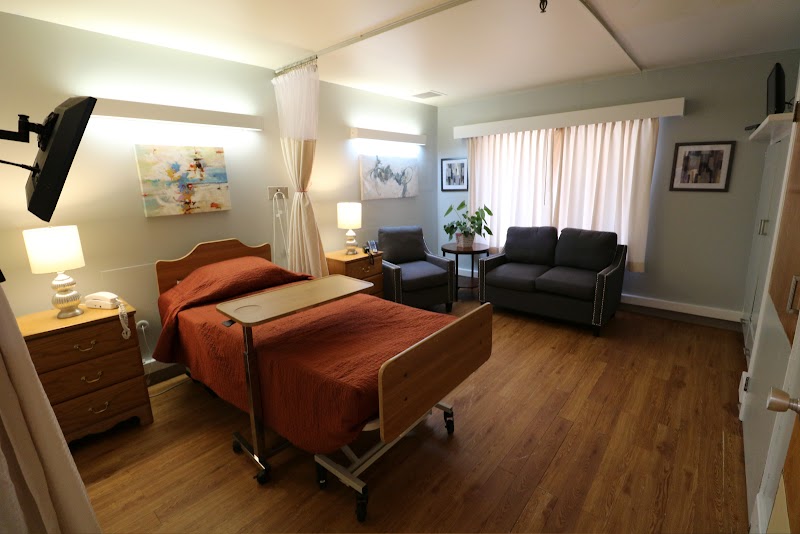
How is Willow Pass Healthcare Center Staffed?

CMS rates WILLOW PASS HEALTHCARE CENTER's staffing level at 4 out of 5 stars, which is above average compared to other nursing homes. Staff turnover is 65%, which is 19 percentage points above the California average of 46%. High turnover can affect care consistency as new staff learn residents' individual needs.

What Have Inspectors Found at Willow Pass Healthcare Center?

State health inspectors documented 45 deficiencies at WILLOW PASS HEALTHCARE CENTER during 2019 to 2024. These included: 2 that caused actual resident harm, 39 with potential for harm, and 4 minor or isolated issues. Deficiencies causing actual harm indicate documented cases where residents experienced negative health consequences.
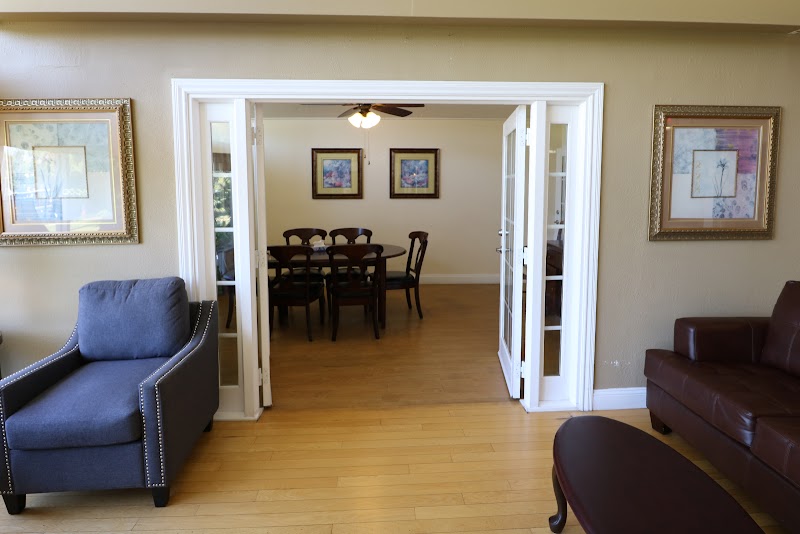
Who Owns and Operates Willow Pass Healthcare Center?

WILLOW PASS HEALTHCARE CENTER is owned by a for-profit company. For-profit facilities operate as businesses with obligations to shareholders or private owners. The facility operates independently rather than as part of a larger chain. With 81 certified beds and approximately 75 residents (about 93% occupancy), it is a smaller facility located in CONCORD, California.
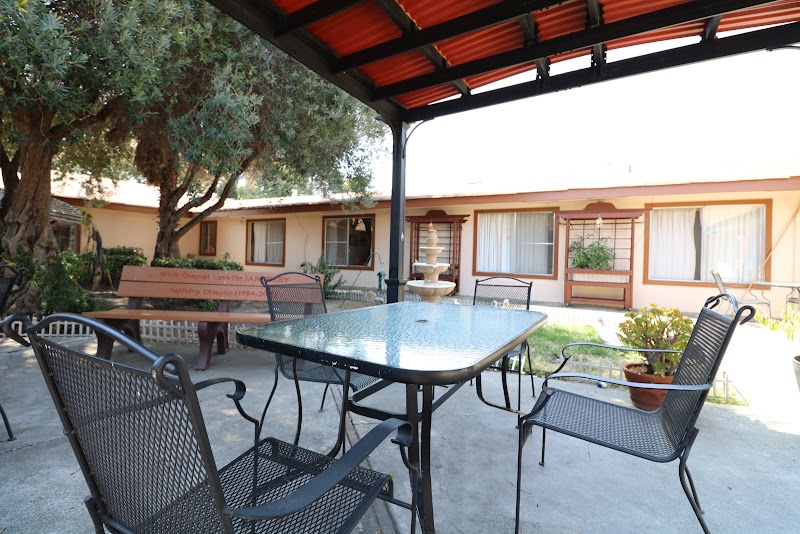
How Does Willow Pass Healthcare Center Compare to Other California Nursing Homes?

Compared to the 100 nursing homes in California, WILLOW PASS HEALTHCARE CENTER's overall rating (3 stars) is below the state average of 3.1, staff turnover (65%) is significantly higher than the state average of 46%, and health inspection rating (2 stars) is below the national benchmark.

What Should Families Ask When Visiting Willow Pass Healthcare Center?

Based on this facility's data, families visiting should ask: "How do you ensure continuity of care given staff turnover, and what is your staff retention strategy?" "Can I visit during a mealtime to observe dining assistance and food quality?" "How do you handle medical emergencies, and what is your hospital transfer rate?" "Can I speak with family members of current residents about their experience?" These questions are particularly relevant given the facility's high staff turnover rate.

Is Willow Pass Healthcare Center Safe?

Based on CMS inspection data, WILLOW PASS HEALTHCARE CENTER has a clean safety record: no substantiated abuse findings (meaning no confirmed cases of resident harm), no Immediate Jeopardy citations (the most serious violation level indicating risk of serious injury or death), and is not on the Special Focus Facility watch list (a federal program monitoring the lowest-performing 1% of nursing homes). The facility has a 3-star overall rating and ranks #100 of 100 nursing homes in California. While no facility is perfect, families should still ask about staff-to-resident ratios and recent inspection results during their visit.

Do Nurses at Willow Pass Healthcare Center Stick Around?

Staff turnover at WILLOW PASS HEALTHCARE CENTER is high. At 65%, the facility is 19 percentage points above the California average of 46%. High turnover means new staff may not know residents' individual needs, medications, or preferences. It can also be disorienting for residents, especially those with dementia who rely on familiar faces. Families should ask: What is causing the turnover? What retention programs are in place? How do you ensure care continuity during staff transitions?

Was Willow Pass Healthcare Center Ever Fined?

WILLOW PASS HEALTHCARE CENTER has been fined $45,702 across 1 penalty action. The California average is $33,536. While any fine indicates a compliance issue, fines under $50,000 are relatively common and typically reflect isolated problems that were subsequently corrected. Families should ask what specific issues led to these fines and confirm they've been resolved.

Is Willow Pass Healthcare Center on Any Federal Watch List?

WILLOW PASS HEALTHCARE CENTER is not on any federal watch list. The most significant is the Special Focus Facility (SFF) program, which identifies the bottom 1% of nursing homes nationally based on persistent, serious quality problems. Not being on this list means the facility has avoided the pattern of deficiencies that triggers enhanced federal oversight. This is a positive indicator, though families should still review the facility's inspection history directly.