CORONA HEALTH CARE CENTER

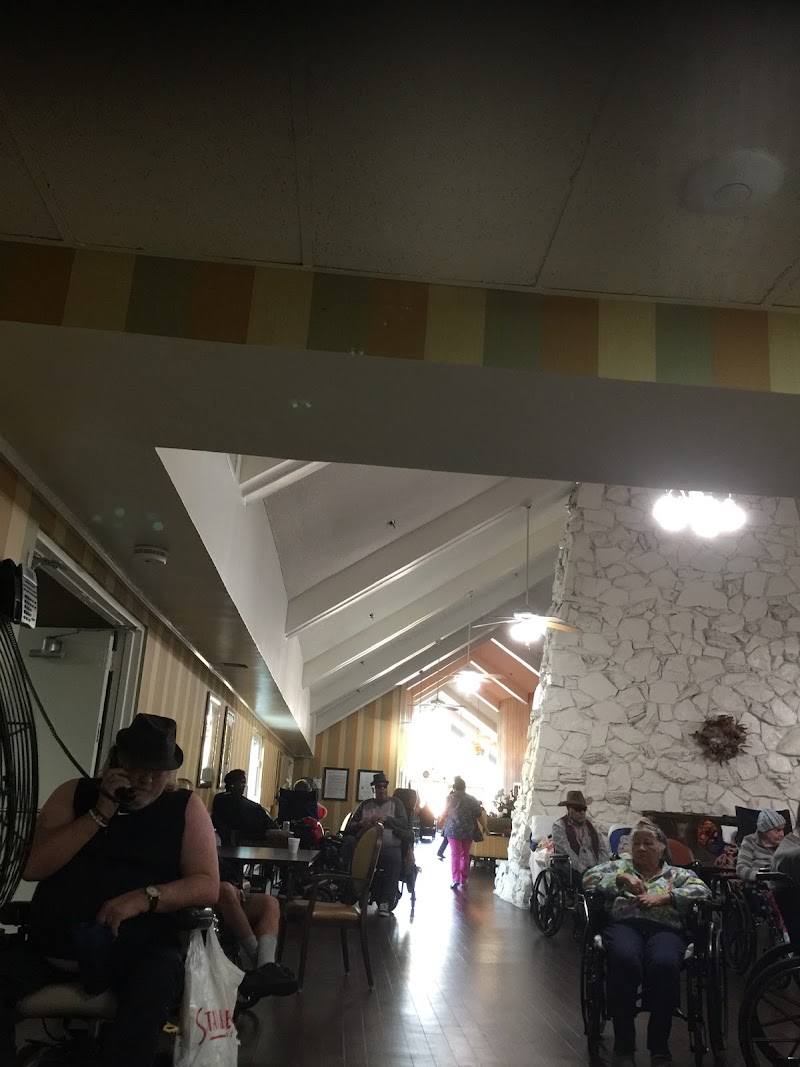
1400 CIRCLE CITY DRIVE, CORONA, CA 92879 (951) 735-0252
For profit - Limited Liability company 99 Beds Independent Data: November 2025
Trust Grade
45/100
#775 of 1155 in CA
Last Inspection: July 2025

Inspected within the last 6 months. Data reflects current conditions.

Overview

Corona Health Care Center has a Trust Grade of D, indicating it is below average and has some concerns. It ranks #775 out of 1155 facilities in California, placing it in the bottom half, and #32 out of 53 in Riverside County, meaning only one local option is better. The facility has a stable trend, maintaining 16 issues from 2024 to 2025. Staffing is average with a 3/5 star rating and a 41% turnover rate, which is typical for California. However, the center has concerning RN coverage, being less than 87% of other facilities, which may impact the quality of care. While there have been no fines reported, which is a positive sign, the facility has had some serious issues. For example, one resident fell and sustained a fracture because two-person assistance was not provided as required during care. Additionally, there were concerns about food safety, including improper food storage and unclean ice machines, which could pose health risks to residents. Overall, families should weigh these strengths and weaknesses carefully when considering this facility for their loved ones.

Trust Score
D
45/100
In California
#775/1155
Bottom 33%
Safety Record
Moderate
Needs review
Inspections
Holding Steady
16 → 16 violations
Staff Stability
○ Average
41% turnover. Near California's 48% average. Typical for the industry.
Penalties
✓ Good
No fines on record. Clean compliance history, better than most California facilities.
Skilled Nurses
⚠ Watch
Each resident gets only 17 minutes of Registered Nurse (RN) attention daily — below average for California. Fewer RN minutes means fewer trained eyes watching for problems.
Violations
⚠ Watch
43 deficiencies on record. Higher than average. Multiple issues found across inspections.
★★☆☆☆
2.0
Overall Rating
★★★☆☆
3.0
Staff Levels
★★★☆☆
3.0
Care Quality
★★☆☆☆
2.0
Inspection Score
Stable
2024: 16 issues
2025: 16 issues

The Good

  • Full Sprinkler Coverage · Fire safety systems throughout facility
  • No fines on record
  • Staff turnover below average (41%)

    7 points below California average of 48%

Facility shows strength in fire safety.

The Bad

2-Star Overall Rating

Below California average (3.1)

Below average - review inspection findings carefully

Staff Turnover: 41%

Near California avg (46%)

Typical for the industry

The Ugly 43 deficiencies on record

1 actual harm
Jul 2025 12 deficiencies 1 Harm
SERIOUS (G) 📢 Someone Reported This

A family member, employee, or ombudsman was alarmed enough to file a formal complaint

Actual Harm - a resident was hurt due to facility failures

Accident Prevention (Tag F0689)

A resident was harmed · This affected 1 resident

**NOTE- TERMS IN BRACKETS HAVE BEEN EDITED TO PROTECT CONFIDENTIALITY** Based on observation, interview and record review, the facility failed to ensure, for one or three residents reviewed for accide...

Read full inspector narrative →
**NOTE- TERMS IN BRACKETS HAVE BEEN EDITED TO PROTECT CONFIDENTIALITY** Based on observation, interview and record review, the facility failed to ensure, for one or three residents reviewed for accidents (Residents 24 and 57):1.Two person-assistance was provided during incontinent care (cleaning the resident while in bed after periods of urination or bowel elimination) in accordance with the plan of care, for Resident 24. This failure resulted to Resident 24 fell from the bed, complaint of pain and swelling at the right thigh, which indicated fracture (broken bone) to the right thigh, and subsequently was sent out to the acute care hospital for further management; 2. The smoking paraphernalia (cigarette and lighter) were stored in a secured container according to facility policy and procedure, for Resident 57. This failure has the potential to place Resident 57 at risk for smoking related accidents Findings:1.On July 21, 2025, at 3 p.m., Resident 24 was observed inside the room, awake and lying on an air loss mattress (designed to distribute the patient's body weight over a broad surface area and help prevent skin breakdown) with raised sides to the bilateral head of the bed and foot of the bed. Resident 24 was not able to answer questions. On July 22, 2025, Resident 24's record was reviewed. A review of Resident 24's admission Record, indicated Resident 24 was admitted on [DATE], with diagnoses which included bilateral osteoarthritis (a chronic joint disease characterized by the breakdown of cartilage, the protective tissue that cushions the ends of bones in joint) of knee, right knee contracture (condition where a muscle, tendon, or joint becomes permanently shortened and stiff, limiting its range of motion), muscle weakness, and difficulty in walking.A review of Resident 24's Care Plan, dated June 21, 2024, indicated .resident has an ADL (Activities of Daily Living - fundamental self-care tasks essential for independent living, which include basic activities like bathing, dressing, eating, toileting, transferring) self-care performance deficit and needs substantial assist with mobility and ADLs.Interventions.Resident requires 2 person assist in toileting. A review of Resident 24's History and Physical, dated February 18, 2025, indicated Resident 24 did not have the capacity to understand and make decisions.A review of Resident 24's Fall Risk Assessment, dated April 15, 2025, indicated Resident 24 was high risk for falls.A review of Resident 24's Minimum Data Set (MDS - an assessment tool), dated April 16, 2025, indicated Resident 24 needed total assistance with rolling left and right and personal hygiene. Resident 24 was dependent for toileting hygiene and had functional impairments to bilateral upper and lower extremities (arms, hands, legs, and feet).A review of Resident 24's Progress Notes, indicated the following:-July 10, 2025, at 9:57 p.m., .According to the CNA (Certified Nursing Assistant), At 2120 (9:20 p.m.) resident was being changed.CNA.was trying to turn resident to the side away from her while grabbing on the chux (disposable, absorbent under pads designed to protect surfaces like mattresses and furniture from fluids), when resident flip from the order (sic) side of the bed away from the CNA.resident fell using the lateral side of her body to hit on the floor. The CNA was not sure if resident landed on the floor with left or right side of the body.Primary ambulance (first ambulance dispatched to an emergency call to initiate patient care and transportation) called.-July 11, 2025, at 8:46 a.m., .Resident returned back from hospital @ (at) 0800 (8 a.m.).no pain upon arrival to the facility.;-July 12, 2025, at 5:39 p.m., .Right lower extremity contracted ( a condition where the tissues surrounding the joints and muscles in your right leg become stiff, tightened, or shortened, leading to restricted movement and potentially deformity) from hip and knee bent toward the left side.patient c/o (complaint of) right hip and knee pain.PCP (Primary Care Physician).gave order to have x-ray (a photographic or digital image of the internal composition of something, especially a part of the body).-July 13, 2025, at 10:41 a.m., .received abnormal X ray result and noted with Distal (refers to a part of the body that is farther away from the center of the body than another part) femur Fracture (a break in the femur, also known as the thighbone, which is the longest and strongest bone in the human body).new order to transfer patient to (name of hospital).-July 13, 2025, at 6:59 p.m., .Resident came back from the ER (Emergency Room.@ 1700 (5 p.m.).resident came back with right leg wrapped with bandage.A review of Resident 24's general acute hospital (GACH) records titled, ED Provider Note, dated July 13, 2025, indicated the following:- .Pt (patient) had fall approx. (approximately) 2 (two days ago.Facility noticed pt had right thigh area swelling and had CT (Computer Tomography - a medical imaging technique that uses X-rays to create detailed cross-sectional images of the body's internal structures, such as organs, bones, and blood vessels) done today. Pt found to have Distal femur fracture from CT scan today.;- .When asked, pt admits to some right knee pain.; - .XR (x-ray) Right Femur (thigh).There is a displaced fracture (a type of bone fracture where the broken bone fragments are no longer aligned with each other) of the distal femur.; and-, .Per Orthopedics (the branch of medicine dealing with the correction of deformities of bones or muscles), conservative treatment is the best recommendation given patient's condition.Acute fall (a sudden, unintentional descent resulting in a person coming to rest on the ground or another lower surface, whether assisted or unassisted, and with or without injury) with right distal femur fracture.Ace wrap ( a long strip of stretchable cloth that you can wrap around to provide support and comfort to an injured area) for comfort.Pain regimen.On July 22, 2025, at 10:55 a.m., during an interview with CNA 1, CNA 1 stated the following regarding Resident 24;-Dependent on staff for all ADLs;-Required low air loss mattress with no bed rails (bars attached to a bed that serve as a barrier to prevent patients from falling out or to aid in movement and positioning);-CNA 1 was changing Resident 24's brief while she was standing on the left side of the bed, she pulled the sheet towards her side, tried to pull the brief out from under Resident 24 towards the right side, and the resident slipped and fell out of the bed on the left side; and-CNA 1 stated she was informed Resident 24 required two-person assist for brief changes. On July 22, 2025, at 11:07 a.m., during an interview with Licensed Vocational Nurse (LVN) 1, she stated Resident 24 was bed bound and a fall risk due to weakness. LVN 1 stated CNA 1 was performing brief change on Resident 24 when the resident rolled on the left side when CNA 1 was pulling the brief. LVN 1 stated Resident 24 was on the floor on the left side of the bed and was holding onto the roommate's bed rail. On July 22, 2025, at 2 p.m. during an interview with Registered Nurse (RN) 1, RN 1 stated Resident 24 was immobile in bed and required total assistance for care. RN 1 further stated Resident 24 was on a low air loss mattress, which required two-person assist for brief changes and CNA 1 should have had a second staff member present while providing care to Resident 24.On July 23, 2025, at 9 a.m., during an interview with the Director of Nursing (DON), the DON stated Resident 24 was considered substantial/maximal assist for rolling from left to right. The DON stated substantial/maximum assistance indicated two-person assistance was required. The DON stated the cause of the fall was mechanical due to the air fluctuating in the low air mattress along with the mattress' slippery surface and the lack of follow-through from CNA 1 regarding requiring two-person assistance. The DON further stated the cause of the fracture was from the fall and CNA 1 should have called for assistance during the brief change.On July 23, 2025, at 4:06 p.m., during a follow up interview with CNA 1, CNA 1 stated she was not aware Resident 24 required two person assist for bed mobility, including brief changes, prior to the fall. CNA 1 further stated she should have called a second person for assistance when providing care to Resident 24. A review of the facility's policy and procedure titled, Falls and Fall Risk, Managing, dated March 2018, indicated, .staff will identify interventions related to the resident's specific risks and causes to try to prevent the resident from falling.will identify and implement relevant interventions.to try to minimize serious consequences of falling.A review of the facility's policy and procedure titled, Activities of Daily Living (ADLs), Supporting, dated March 2018, indicated, .Residents who are unable to carry out activities of daily living independently will receive the services necessary.including appropriate support and assistance with.Mobility.Elimination (the removal of substances through bodily fluids such as urine, sweat, and feces). 2. On July 21, 2025 at 11:43 a.m., during an interview with Resident 57, Resident 57 stated she smokes and her cigarettes and lighter were being kept inside her bedside table drawer, unlocked.A review of Resident 57's admission Record, indicated Resident 57 was admitted on [DATE].A review of Resident 57's History and Physical, dated October 28, 2024, indicated Resident 57 had the capacity to understand and make decisions.A review of Resident 57's Minimum Data Set (MDS - an assessment tool), dated May 2, 2025, indicated a BIMS score of 15 (cognitively intact).On July 24, 2025 at 8:52 a.m., during a concurrent interview and record review with the Director of Nursing (DON), Resident 57's Smoking Assessment, dated January 30, 2025, indicated the facility needed to store lighter and cigarettes and resident required supervision for safety. The DON stated cigarettes and lighter should not have been stored at the resident's bedside based on the Smoking Assessment. The DON stated this was important because it was a safety concern for all residents and staff.A review of the facility's policy and procedures titled, Smoking Policy - Residents, dated July 2017, indicated, .Residents without independent smoking privileges may not have or keep smoking articles, including cigarettes, tobacco, etc.
CONCERN (D)

Potential for Harm - no one hurt, but risky conditions existed

Deficiency F0578 (Tag F0578)

Could have caused harm · This affected 1 resident

**NOTE- TERMS IN BRACKETS HAVE BEEN EDITED TO PROTECT CONFIDENTIALITY** Based on interview and record review the facility failed to ensure written information to formulate an Advance Directive (AD - w...

Read full inspector narrative →
**NOTE- TERMS IN BRACKETS HAVE BEEN EDITED TO PROTECT CONFIDENTIALITY** Based on interview and record review the facility failed to ensure written information to formulate an Advance Directive (AD - written instruction for the provision of care and services when unable to make decisions for oneself) was provided to the resident or the resident representative, according to the facility's policy and procedure, for two of two residents (Resident 49 and Resident 88). This failure had the potential for the residents to receive unnecessary care/treatment and services.Findings: 1. On July 21, 2025, at 10:18 a.m., Resident 49’s record was reviewed. Resident 49 was admitted to the facility on [DATE], with diagnoses which included Alzheimer’s dementia (memory loss). A review of Resident 49’s “Physician Orders for Life-Sustaining Treatment (POLST - a document that outlines a seriously ill or frail patient's preferences for medical treatment, particularly at the end of life), dated July 4, 2025, indicated Resident 49 had no AD, with the checkbox for legally assigned decision maker marked with a check. The form was signed by a resident representative (RR). A review of Resident 49’s “History and Physical Examination,” dated July 7, 2025, indicated Resident 49 did not have the capacity to understand and make decisions. A review of Resident 49’s “Minimum Data Set (MDS – a resident assessment tool),” dated July 7, 2025, indicated Resident 49 had a BIMS (Brief Interview of Mental Status) score of 5 (severe cognitive impairment). There was no documented evidence formulation of an AD was offered to Resident 49 or Resident 49’s RR. On July 23, 2025, at 9:47 a.m., a concurrent interview and review of Resident 49’s record was conducted with the Medical Records Director (MRD). The MRD confirmed there was no documented evidence in Resident 49’s record that formulation of an AD was offered, and formulation of an AD should have been offered to Resident 49’s RR. The MDR further stated formulation of an AD should have been offered to the resident of resident representative upon admission and followed up within the first 14 days, during the period of baseline care planning. 2. On July 22, 2025, Resident 88’s record was reviewed. Resident 88 was admitted to the facility on [DATE], with diagnoses which included the right intertrochanteric femur fracture (broken upper thigh bone), status post cephalomedullary nailing (orthopedic implant for stabilization), and traumatic brain injury (injury to the brain). A review of Resident 88’s History and Physical Examination, completed by the physician on July 7, 2025, indicated Resident 88 had the capacity to understand and make decisions; A review of Resident 88’s SOCIAL SERVICES ASSESSMENT - INITIAL, dated July 7, 2025, indicated a check mark for POLST and a blank box for when and AD was offered. A review of Resident 88’s “POLST,” dated July 17, 2025, indicated a blank box for no AD, and the form was signed by Resident 88’s representative. On July 23, 2025, at 3:17 p.m., a concurrent interview and record review was conducted with the Case Manager (CM). The CM stated there was no documented evidence Resident 88 and/or Resident 88’s representative was offered education for AD or offered formulation of an AD. On July 23, 2025, at 3:39 p.m., a concurrent interview and record review was conducted with the MDS Coordinator (MDSC). The MDSC stated education for AD, and the formulation of an AD should have been offered to Resident 88 and/or Resident 88’s representative within 72 hours of admission. A review of the facility’s policy and procedure titled “Social Assessment,” revised July 2014, indicated, “…data obtained from social service assessment shall be used to develop…end-of-life care…wishes about medical treatment and care, including any advance directives…” A review of the facility’s policy and procedure titled, “Advance Directives,” dated December 2016, indicated, “…Upon admission, the resident will be provided with written information concerning the right to refuse or accept medical or surgical treatment and to formulate an advance directive is he or she chooses to do so…If the resident is incapacitated and unable to information about his or her right to formulate an advanced directive, the information may be provided to the residents legal representative…Information about whether or not the resident has executed an advanced directive shall be displayed prominently in the medical record…If the resident indicates that he or she has not established advanced directives, the facility staff will offer assistance in establishing advanced directives. Nursing staff will document in the medical record the offer to assist in the resident’s decision to accept or decline assistance…”
CONCERN (D)

Potential for Harm - no one hurt, but risky conditions existed

Deficiency F0628 (Tag F0628)

Could have caused harm · This affected 1 resident

**NOTE- TERMS IN BRACKETS HAVE BEEN EDITED TO PROTECT CONFIDENTIALITY** Based on interview and record review, the facility failed to ensure the facility's policy and procedure on discharging a residen...

Read full inspector narrative →
**NOTE- TERMS IN BRACKETS HAVE BEEN EDITED TO PROTECT CONFIDENTIALITY** Based on interview and record review, the facility failed to ensure the facility's policy and procedure on discharging a resident without a physician's approval was implemented, for one of three residents reviewed (Resident 102).This failure has the potential to place Resident 102 at risk for unsafe discharge.Findings:On July 24, 2025, Resident 102's record was reviewed. Resident 102 was admitted to the facility on [DATE], with diagnoses including diabetes mellitus (abnormal blood sugar), hypertension (high blood pressure), muscle weakness, abnormality of gait and mobility, and local infection of the skin and subcutaneous tissue. A review of Resident 102's History and Physical, dated March 31, 2025, indicated Resident 102 had the capacity to understand and make decisions.A review of Resident 102's Progress Notes, indicated the following :-On May 21, 2025, at 11:16 p.m., completed by licensed nurse, .Resident went out on pass during the AM shift to move his belongings from apartment to storage with movers. Resident is alert oriented X (times) 4 (four), and self responsible .Charge nurse reported to writer that resident is not back from OOP (Out On Pass) .Charge nurse had called resident phone number several times, resident was not taking his calls .MD (medical doctor), DON (Director of Nursing), Administrator and SSD (Social Service Director) notified .resident sent text message to RN (Registered Nurse) phone stating;i (sic.) think I'm going to stay out here ihave (sic.) my medical supplies that were sent to the house i (sic.) have some in storage followed up with another phone call from the resident @11:02PM (p.m.), which he confirmed he is not coming back to the facility this night, writer told the resident that, not coming back to the facility this night will be considered Against Medical Advice (AMA). Resident stated,i (sic) will be coming back to the facility in the morning to take my belongings, confirming AMA verbally, MD made aware .-On May 21, 2025, at 11:51 p.m., completed by the SSD, .Resident contacted SSD via phone call .SSD asked Resident if would like to return to the facility. Resident did not respond. SSD advised resident he needs to return due to need of medications and insulin. Per resident stated I wish to not return back to the facility I feel that I no longer need medical attention of any sort and I d o not need medications .resident(sic.) asked for belongings to be packed and he would pick up in 5 days or send someone to pick up belongings in the next days. SSD advised resident if he does not return it will considered against medical advice. SSD advising him of risks and benefits. Resident continued to state he does not want to return to the facility, and he verbalized understanding regarding leaving against medical advice .-On May 23, 2025, at 1:23 p.m., completed by the SSD, .Resident came to the facility with friend .resident took all personal belonging with him. Resident thanked SSD for safeguarding personal belongings. SSD will continue to assist as needed .There was no documented evidence Resident 102 signed the AMA acknowledgement form indicating he was leaving against medical advice from the physician and the facility administration. In addition, there was no documented evidence from the licensed nurses notified the physician Resident 102 returned to the facility from OOP on May 21, 2025, and was being discharged as AMA on May 23, 2025. On July 24, 2025, at 2:30 p.m., Licensed Vocational Nurse (LVN) 5 was interviewed. LVN 5 stated the physician was to be notified if a resident wanted to be discharged AMA from the facility, and the resident to sign the AMA release form, with risks and benefits explained to the resident.On July 24, 2025, at 2:48 p.m., the Director of Nursing (DON) was interviewed. The DON stated the following procedure should be followed when a resident verbalized wishes to go AMA:- The physician should be notified;- The risks and benefits of being discharged AMA would be discussed with the resident; and- The resident should sign the AMA form and the licensed nurses were to notify the physician and to document in the progress notes the AMA resident discharge.The DON stated this process was not done on Resident 102's AMA discharge. The DON stated the licensed nurses were not informed by the SSD Resident 102 returned from OOP on May 23, 2025, and wished to be discharged AMA. The DON stated there was no documentation the SSD provided the AMA form to Resident 102 to sign upon AMA discharge, nor refused to sign the AMA form. The DON stated the facility's process on discharging a resident without a physician's approval was not followed. The DON stated the process should have been followed by the SSD and the licensed nurses.A review of the facility's policy and procedure titled, Discharging a Resident without a Physician's Approval, dated October 2012, indicated, .If the resident or representative (sponsor) insist upon being discharged without the approval of the attending physician, the resident and/or representative (sponsor) must sign a release of responsibility form. Should either party refuse to sign the release, such refusal must be documented in the resident's medical record and witnessed by two staff members.
CONCERN (D) 📢 Someone Reported This

A family member, employee, or ombudsman was alarmed enough to file a formal complaint

Potential for Harm - no one hurt, but risky conditions existed

Quality of Care (Tag F0684)

Could have caused harm · This affected 1 resident

**NOTE- TERMS IN BRACKETS HAVE BEEN EDITED TO PROTECT CONFIDENTIALITY** Based on observation, interview, and record review the facility failed to ensure, for two of 20 residents reviewed (Residents 85...

Read full inspector narrative →
**NOTE- TERMS IN BRACKETS HAVE BEEN EDITED TO PROTECT CONFIDENTIALITY** Based on observation, interview, and record review the facility failed to ensure, for two of 20 residents reviewed (Residents 85 and 10):1. For Resident 85, had a follow-up appointment with neurology (study of the brain after hospital discharge) as ordered on the general acute hospital (GACH) discharge summary; and2. For Resident 10, the facility identified, monitored, and notified the physician in a timely manner, multiple skin discolorations on both hands and the left upper extremity.These failures had the potential for Residents 85 and 10 to have a delay in the care and treatment and placed the resident at high risk for complications.Findings: 1.On July 23, 2025, Resident 85’s record was reviewed. Resident 85’s “admission Record,” indicated Resident 85 was admitted to the facility on [DATE], with diagnoses which included seizures (abnormal electrical activity in the brain), narcolepsy (brain’s inability to regulate sleep-wake cycle). The “History and Physical,” completed by the physician, dated February 24, 2025, indicated Resident 85 did not have the capacity to understand and make decisions. The GACH Discharge summary, dated [DATE], indicated, “…follow-up…neurology within 5 (five) to 7 (seven) days…for titration (adjusting the dose of a medication) of antiepileptic (medication to treat epilepsy) regimen . The “IDT (Interdisciplinary Team – a group of healthcare professionals) Care Plan Conference Summary,” dated February 25, 2025, did not indicate Resident 85’s follow- up appointment with neurology was discussed; The physician telephone order, dated March 1, 2025, at 2:51 p.m., indicated, “…May have follow up with Neurology consult within 5-7 days r/t (related to) titration of antiepileptic regimen . The “Progress Notes,” dated March 1, 2025, at 2:58 p.m., indicated, “…writer got a call from (name of acute hospital)…who called to confirm if resident have been scheduled for neurology consult…resident is supposed to see neurology within 5-7 days following hospital discharge…order was placed for May follow up…SSD/CM (Social Service Director/Case Manager) please follow up with scheduling resident appointment…” The telephone physician order, dated March 20, 2025, indicated, “…discharge back to (name of Assisted Living) on March 20, 2025…” The “admission Record,” indicated Resident 85 was admitted back to the facility on April 24, 2025. The medical appointment with Neurology, dated June 26, 2025, indicated, “ .recently hospitalized …discharge summary…follow-up with neurology for adjustment of antiseizure medication…at risk for seizures…continue Keppra (brand name for antiseizure medication) 1000 mg (milligram-unit of measurement) twice a day…return in 6 months or sooner if needed…” There was no documented evidence that a follow-up appointment with neurology was arranged by the facility staff as ordered in the acute hospital Discharge summary dated [DATE]. In addition, there was no documented evidence that a follow-up appointment with neurology was arranged by the facility staff as ordered by physician on March 1, 2025, not until June 26, 2025 (four months after the recommendation by the acute hospital February 21, 2025). On July 23, 2025, at 11:05 a.m., a concurrent interview and record review was conducted with the DON (Director of Nursing). The DON stated Resident 85 was admitted to the facility on [DATE], and was discharged to an Assisted Living Facility (ALF) on March 20, 2025. The DON stated the hospital Discharge summary, dated [DATE], indicated follow up with neurology within 5 to 7 days. The DON stated the physician order, dated March 1, 2025, indicated follow up with neurology within 5 to 7 days. The DON stated Resident 85 did not see the neurologist prior to his discharge to the ALF on March 20, 2025. The DON stated Resident 85’s did not see the neurologist until June 26, 2025. The DON further stated Resident 85 should have seen the neurologist within 5 to 7 days as indicated in the hospital Discharge summary dated [DATE], and physician orders dated March 1, 2025. The DON stated the facility did not have a policy pertaining to scheduling resident appointments. 2. On July 21, 2025, at 4:23 p.m., Resident 10 was observed in bed, alert, and was able to be interviewed. Resident 10 was observed to have multiple purplish blue skin discolorations in various sizes on the hands. On July 23, 2025, Resident 10’s record was reviewed. Resident 10 was admitted to the facility on [DATE], with diagnoses including chronic obstructive pulmonary disease (COPD – a progressive lung disease that makes it difficult to breathe), diabetes mellitus (abnormal blood sugar levels), and congestive heart failure (occurs when the heart doesn't pump enough blood to meet the body's needs). The “History and Physical,” dated June 6, 2025, indicated Resident 10 did not have the capacity to make decisions. The care plan, dated February 5, 2025, indicated, “…At risk for bleeding …At risk of alteration in skin integrity…Notify MD (medical doctor) of any bleeding episodes or any significant change in general condition, presence of bruises…” The facility document titled, “SHOWER SHEETS/BODY CHECK,” indicated the following: - On July 19, 2025, Resident 10 had “rashes” and “redness” on his forearms. The document did not indicate Resident 10 had multiple purplish blue skin discolorations on both hands; and - On July 23, 2025, Resident 10’s both forearms had “bruising, swelling,” and was “abnormal” in color. The document did not indicate the multiple purplish blue skin discolorations on both hands, which was identified since July 21, 2025. There was no documented evidence Resident 10’s multiple purplish blue skin discolorations on both hands, identified on July 21, 2025, were identified, addressed, and referred to the physician for treatment orders. On July 22, 2025, at 9:31 a.m., a record review was completed and noted that there was no documentation on the current skin discolorations within the care plan. On July 23, 2025, at 4 p.m., an observation was conducted on Resident 10. Resident 10 still observed to have the previously noted purplish blue discolorations on both hands and a pink skin discoloration on his left upper arm. On July 23, 2025, at 4:06 p.m., a concurrent interview and record review was conducted with Licensed Vocational Nurse (LVN) 1. LVN 1 stated Resident 10 had a history of anticoagulant (blood thinner) use, combative behavior, and fragile skin, which made him a high risk for skin injury. LVN 1 stated Resident 10’s discolorations were “on and off.” LVN 1 stated new skin discolorations should be identified and monitored. LVN 1 stated she last saw Resident 10 on July 22, 2025, but did not notice purplish blue discolorations on both hands or redness on his left upper extremity. On July 23, 2025, at 4:20 p.m., an observation with a concurrent interview was conducted with LVN 1. LVN 1 measured the multiple skin discolorations on Resident 10’s both hands and left upper arm. The measurement were as follows: - “Left upper extremity ecchymosis (discoloration due to bleeding) that is red in color, 9 cm (unit of measurement) x 11 cm”; - “Left second digit with grayish purple discoloration, 6 cm x 3 cm”; and - “Right fourth knuckle with purple discoloration, 3.5 cm x 2 cm” In a concurrent interview, LVN 1 stated there was no care plan initiated regarding the multiple skin discolorations she just measured. LVN 1 stated for new skin issues, the licensed nurse should complete a change of condition report, incident report, and inform the resident’s physician and family. LVN 1 stated this process was not done for Resident 10 since the skin issues were identified on July 21, 2025. LVN 1 stated the lack of reporting and monitoring of identified new skin problems had the potential to delay in the care or identification of underlying issues. LVN 1 stated this can also cause skin problems to worsen, including bruising and pain. On July 24, 2025, at 3:15 p.m., the DON was interviewed. The DON stated any new skin discoloration should be investigated for cause and potential abuse. The DON stated a change of condition report and care plan should be completed. The DON stated licensed nurses should have reported, assessed, and notified the physician and family of Resident 10. The DON stated all these components should have been done at the point of discovery. The DON stated the staff did not identify the new skin discolorations on Resident 10, and this should have been reported as soon as possible. The DON stated the delay in identification could result in a delay in treatment. The DON stated staff should have identified it early so the appropriate interventions could be “instituted” and communicated to family, the physician, and the staff. A review of the facility's document titled, Skin Tears - Abrasions and Minor Breaks, Care of, revised September 2013, indicated, .When an abrasion/skin tear/bruise is discovered, complete a Report of Incident/ Accident .Notify the responsible family member .Notify the physician of any abnormalities .
CONCERN (D) 📢 Someone Reported This

A family member, employee, or ombudsman was alarmed enough to file a formal complaint

Potential for Harm - no one hurt, but risky conditions existed

Deficiency F0697 (Tag F0697)

Could have caused harm · This affected 1 resident

**NOTE- TERMS IN BRACKETS HAVE BEEN EDITED TO PROTECT CONFIDENTIALITY** Based on observation, interview, and record review, the facility failed to accurately conduct pain assessment, for one of one re...

Read full inspector narrative →
**NOTE- TERMS IN BRACKETS HAVE BEEN EDITED TO PROTECT CONFIDENTIALITY** Based on observation, interview, and record review, the facility failed to accurately conduct pain assessment, for one of one resident (Resident 24).This failure had the potential for Resident 24's pain to be unmanaged appropriately.Findings:On July 23, 2025 at 12:24 p.m., during a concurrent observation of Resident 24 and interview with Licensed Vocational Nurse (LVN) 6 in Resident 24's room, Resident 24 was assessed for pain in English and Spanish by LVN 6. Resident 24 did not verbally respond and did not gesture with any head nodding up and down or side to side. LVN 6 stated Resident 24 was in pain if she would grimace or moan.A review of Resident 24's admission Record, indicated Resident 24 was admitted on [DATE], with diagnoses which included bilateral osteoarthritis (a chronic joint disease characterized by the breakdown of cartilage, the protective tissue that cushions the ends of bones in joints) of knee, right knee contracture (a permanent shortening of muscles, tendons, or other tissues that restricts movement), and dementia (memory loss).A review of Resident 24's History and Physical, dated February 18, 2025, indicated Resident 24 did not have the capacity to understand and make decisions.A review of Resident 24's Minimum Data Set (MDS - an assessment tool), dated April 16, 2025, indicated a Brief Interview for Mental Status (BIMS) score of 00 (severe cognitive impairment).A review of Resident 24's Medication Administration Record (MAR), for the month of July 2025, included a physician's order, dated November 5, 2024, which indicated, Monitor Level of Pain Q (every) Shift (Scale 0-10): (0 = No Pain, 1-3 = Mild Pain, 4-5 = Moderate Pain, 6-9 = Severe Pain, 10 = Excruciating Pain). The MAR a pain scale of 4 on July 19, 2025.The July 2025 MAR also included pain medication hydrocodone administered to Resident 24 on July 14, and 16, 2025 with a pain scale of 7 and 8 respectively.On July 23, 2025 at 12:25 p.m., during a concurrent interview and record review with LVN 6, Resident 24's July 2025 Medication Administration Record (MAR), indicated a pain level of eight (8) on July 22, 2025 at 8 a.m. LVN 6 stated she assessed Resident 24's pain on this date and time and should have implemented the PAINAD (a tool used to assess pain in individuals with advanced dementia who cannot verbally express their pain) assessment scale because Resident 24 was not able to verbally rate her pain using the numeric pain scale. LVN 6 stated it was important to implement the appropriate pain scale to accurately assess how much pain the resident was experiencing.On July 24, 2025, at 8:52 a.m., during an interview with the Director of Nursing (DON), the DON stated the licensed nurse should have used the PAINAD scale to accurately assess Resident 24's pain since the resident was nonverbal at the time. The DON stated it was important to utilize the appropriate pain scale to ensure the assessment was accurate.A review of the facility's policy and procedures titled, Pain - Clinical Protocol, dated March 2018, indicated, .Staff will use a consistent approach and a standardized pain assessment instrument appropriate to the resident's cognitive level.
CONCERN (D)

Potential for Harm - no one hurt, but risky conditions existed

Deficiency F0698 (Tag F0698)

Could have caused harm · This affected 1 resident

**NOTE- TERMS IN BRACKETS HAVE BEEN EDITED TO PROTECT CONFIDENTIALITY** Based on observation, interview and record review, the facility failed to ensure, for one of one resident (Resident 7):- Post di...

Read full inspector narrative →
**NOTE- TERMS IN BRACKETS HAVE BEEN EDITED TO PROTECT CONFIDENTIALITY** Based on observation, interview and record review, the facility failed to ensure, for one of one resident (Resident 7):- Post dialysis (a medical procedure that acts as an artificial kidney, used when a person's kidneys fail to remove waste and excess fluid from the blood) complications were appropriately monitored on July 21, 2025;- The physician was notified of Resident 7's low blood pressure after dialysis treatment; and- Resident 7 ‘s low blood pressure was not monitored. These failures had the potential to result in the untimely reporting of adverse effects and symptoms post dialysis, which could also result in a decline in health condition.Findings: On July 22, 2025, at 1:45 p.m., a concurrent interview and record review was conducted with Licensed Vocational Nurse (LVN 2). LVN 2 stated a progress note were to be written when a resident would go out for dialysis treatment and another progress note to be documented when the resident would get back from the dialysis treatment. LVN 2 further stated upon a resident's return from dialysis treatment, the licensed nurse should conduct a complete physical assessment, check vital signs, weigh the resident, and assess the dialysis site. LVN 2 stated this assessment should be documented in the resident's medical record. LVN 2 stated Resident 7 went out for dialysis treatment on July 21, 2025, and there was no documentation of a complete assessment when the resident returned from the dialysis treatment.On July 22, 2025, Resident 7's record was reviewed. Resident 7 was admitted to the facility on [DATE], with diagnoses which included end stage renal disease (a chronic condition where the kidneys have permanently lost most of their function and can no longer effectively filter waste products from the blood) and dependence on renal dialysis.The care plan dated June 3, 2024, indicated, . Monitor VITAL SIGNS. Notify MD of significant abnormalities.Monitor/document/report PRN (as needed) for any s/sx (signs or symptoms) of renal insufficiency.The History and Physical Examination, dated February 20, 2025, indicated Resident 7 did not have the capacity to understand and make decisions.The physician's order, dated May 15, 2025, indicated, .Dialysis: Monitor for post dialysis treatment symptoms. Hypotension (low blood pressure), dizziness, nausea, vomiting, fatigue, fever, headache muscle weakness or cramps, itching, diarrhea or hypertension (high blood pressure), any symptoms Notify MD (medical doctor).There was no documented evidence Resident 7 was monitored for post dialysis treatment symptoms such as hypotension, dizziness, nausea, vomiting, fatigue, fever, headache, muscle weakness or cramps, itching, diarrhea and hypertension when she returned from the dialysis appointment on July 21, 2025.The Progress Notes, dated July 21, 2025, at 8 a.m., indicated, .was picked up at this time by (name of transport company) for dialysis this morning. There was no documented evidence that Resident 7 came back from dialysis.The document titled, HEMODIALYSIS COMMUNICATION RECORD, dated July 21, 2025, indicated Resident 7's vital signs prior to going for dialysis treatment. The lower portion of the document where vital signs and status of the resident post dialysis treatment should be documented was blank.The document titled, Blood Pressure Summary, indicated Resident 7 had the following blood pressure (BP):- On July 21, 2025, at 6:34 p.m., blood pressure was 104/50 mmHg (millimeters of mercury - unit of measurement); and- On July 21, 2025, at 6:34 p.m., warning was triggered for Diastolic (bottom number of blood pressure reading) Low of 60 exceededThere was no documented evidence Resident 7's post dialysis treatment BP reading of 104/50 was referred to the physician. In addition, there was no documented evidence Resident 7 was monitored and assessed for the low blood pressure reading after it was identified on July 21, 2025, at 6:34 p.m.On July 23, 2025, at 3:32 p.m., a concurrent interview and record review was conducted with the Director of Nursing (DON). The DON stated the following regarding the facility's process when a resident would go out for dialysis treatment:- A binder would be sent with the resident which includes the pre/post dialysis communication record (Hemodialysis Communication Record) and the licensed nurse to complete the pre dialysis information;- The receiving licensed nurse must take vital signs and ensure the dialysis communication record was filled out by the dialysis center staff when the resident comes back from dialysis; and- The receiving licensed nurse should write a progress note and monitor the resident for post dialysis treatment symptoms.The DON stated Resident 7's Hemodialysis Communication Record, was not filled out by the receiving LVN and the LVN did not write a progress note on July 21, 2025, when Resident 7 came back from dialysis treatment. The DON stated Resident 7's blood pressure reading of 104/50, on July 21, 2025, at 6:34 p.m., was considered an abnormal value and it should have been reported to the physician. The DON stated there was no documentation that this was done. The DON further stated a low blood pressure reading that was not reported to the physician in a timely manner could cause a delay in treatment for the resident.The DON stated there was no documented evidence Resident 7 was monitored for post dialysis treatment symptoms such as hypotension, dizziness, nausea, vomiting, fatigue, fever, headache, muscle weakness or cramps, itching, diarrhea and hypertension when she returned from the dialysis appointment on July 21, 2025. The DON stated these post dialysis treatment monitoring should have been done by the licensed nurse.A review of the facility's policy and procedure titled, End-Stage Renal Disease, Care of a Resident with, dated September 2010, indicated, .Residents with end-stage renal disease (ESRD) will be cared for according to currently recognized standards of care.Staff caring for resident with ESRD, including residents receiving dialysis care outside the facility, shall be trained in the care and special needs of these residents.Education and training of staff includes.the type of assessment data that is to be gathered about the resident's condition on a daily or per shift basis.signs and symptoms of worsening condition and/or complications of ESRD.
CONCERN (D)

Potential for Harm - no one hurt, but risky conditions existed

Deficiency F0757 (Tag F0757)

Could have caused harm · This affected 1 resident

**NOTE- TERMS IN BRACKETS HAVE BEEN EDITED TO PROTECT CONFIDENTIALITY** Based on interview and record review, the facility failed to ensure residents were free from unnecessary medications for one of ...

Read full inspector narrative →
**NOTE- TERMS IN BRACKETS HAVE BEEN EDITED TO PROTECT CONFIDENTIALITY** Based on interview and record review, the facility failed to ensure residents were free from unnecessary medications for one of five residents (Resident 69), when the nursing staff failed to clarify Resident 69's physician's order for lidocaine (medication for pain) 4% (percent, a unit of measurement for concentration) transdermal (topical) patches that directed application twice daily and failed to apply and remove the patch in accordance with both the physician's order and the manufacturer's instructions.This deficient practice had the potential to result in ineffective pain management, medication administration errors and compromised treatment outcomes as well as excessive lidocaine exposure and avoidable side effects such as skin irritation.Findings:On July 23, 2025, during a review of Resident 69's medical record, the admission Record indicated Resident was admitted to the facility on [DATE], with diagnoses which included dementia (loss of memory), major depressive disorder (depression), anxiety, osteoporosis (bones become weak and likely to break), osteoarthritis (tissues in the joint break down over time), difficulty in walking, and history of falling.A review of Resident 69's physician's order, dated June 28, 2025, indicated lidocaine 4% patch, with directions to apply to lower back topically two times a day for pain. Apply on lower back at 9 a.m. for 12 hrs (hours) and off at 2100 (9 p.m.) for 12 hours.A review of Resident 69's Medication Administration Record (MAR), dated June 2025 and July 2025, the MAR indicated nursing staff removed the lidocaine 4% patch at 9 a.m. on the following dates:- June 30, 2025;- July 1, 4, 8, and 22, 2025.A review of Resident 69's MAR, dated June 2025 and July 2025, the MAR indicated nursing staff applied the lidocaine 4% patch at 9 p.m. on the following dates:- June 27, 2025;- July 2, 5, 6, 14, 15, 16, 17, 18, and 20, 2025.During a review of Resident 69's MAR, dated July 2025, the MAR indicated the lidocaine 4% patch was applied to Resident 69 twice a day at 9 a.m. and 9 p.m. on the following dates:- July 2, 5, 6, 14, 15, 16, 17, 18, and 20. 2025On July 24, 2025, at 3:40 p.m., during a review of Resident 69's medical record with the Director of Nursing (DON), Resident 69's physician's order and the MAR were reviewed. The DON confirmed the findings and stated the lidocaine 4% patch should have been administered once daily, applied at 9 a.m. and removed at 9 p.m., as ordered by the physician. The DON acknowledged nursing staff should have clarified the frequency of the order with the physician and followed the correct application and removal times.A review of the facility's policy and procedure titled, Administering Medications dated April 2019, indicated, .Medications are administered in accordance with prescriber orders.If a dosage is believed to be inappropriate or excessive for a resident, or a medication has been identified as having potential adverse consequences for the resident or is suspected of being associated with adverse consequences, the person preparing or administering the medication will contact the prescriber, the resident's Attending Physician or the facility's Medical Director to discuss the concerns.A review of a nationally recognized drug information resource from Micromedex, dated on July 23, 2025, the resource indicated, .Lidocaine.Dosing/Administration.(Patch 4%) Apply 1 patch topically to affected area up to 12 hours.
CONCERN (E)

Potential for Harm - no one hurt, but risky conditions existed

Pharmacy Services (Tag F0755)

Could have caused harm · This affected multiple residents

Based on observation, interview, and record review, the facility failed to ensure provision of safe and effective pharmaceutical services to meet the needs of the residents when:1. For Resident 39, ch...

Read full inspector narrative →
Based on observation, interview, and record review, the facility failed to ensure provision of safe and effective pharmaceutical services to meet the needs of the residents when:1. For Resident 39, cholestyramine (medication used to lower cholesterol and treat itching or diarrhea caused by a buildup of bile acids [substances made by the liver that help digest fats]) was administered without appropriate separation from other oral medications, not in accordance with the manufacturer's instructions and the facility's consultant pharmacist's recommendation to separate administrations.This failure had the potential to result in reduced drug absorption, and inadequate medication treatment, compromising the effectiveness of other administered medications; and 2. The documentation on Controlled Drug Record (CDR, accountability records, an inventory sheet that keeps records of the usage of controlled medications) and Medication Administration Record (MAR) did not reconcile for two randomly selected residents (Residents 78 and 106).These failures resulted in inaccurate accountability of controlled substances (medication with high potential for abuse and addiction), which had the potential for misuse or diversion (medication taken by someone other than for whom it is prescribed) of controlled substances. Findings:1. On July 21, 2025, at 8:58 a.m., during a medication pass observation with Licensed Vocational Nurse (LVN) 3, LVN 3 was observed preparing a total of four oral medications for Resident 39. Included in the medications were 2 (two) tablets of acetaminophen (pain medication) 500 mg (milligram - unit of measurement), 1 (one) tablet of Eliquis (blood thinner) 5 mg, 1 (one) capsule of stool softener (docusate sodium, active ingredient) 100 mg, and UTI-Stat oral liquid (supplement) 30 ml (milliliter - unit of measurement). LVN 3 stated cholestyramine 4 gm (gram - unit of measurement) also needed to be administered but would first administer the four prepared medications and then obtain a graduated measuring cup from the supply room to dilute the cholestyramine powder in 8 oz (ounces - unit of liquid measurement) of liquid, as the cups available in the medication cart were too small to accurately measure the required 8 oz of liquid.On July 21, 2025, at 9:18 a.m., LVN 3 was observed administering the four prepared medications to Resident 39.On July 21, 2025, at 9:26 a.m., LVN 3 was observed preparing and administering the diluted cholestyramine to Resident 39.During a review of Resident 39's medical record, the following physician orders were noted:- Cholestyramine Light Packet 4 GM, Give 1 packet by mouth two times a day for Generalized body itching, Mix in 8 oz Liquid, dated December 1, 2024. The scheduled administration times were 8 a.m. and 5 p.m.;- Acetaminophen 500 MG, Give 2 tablets by mouth two times a day for Pain Management/chronic headache, dated July 24, 2024;- Apixaban (generic name for Eliquis) Oral Tablet 5 MG, Give 5 mg by mouth two times a day for PPX (prophylaxis, preventive) blood clots, Monitor for sign of bleeding/discolorations, dated June 21, 2025;- Stool Softener Oral Capsule 100 MG (Docusate Sodium), Give 1 capsule by mouth two times a day for constipation, hold for loose stool, dated December 25, 2024; and- UTI-Stat oral liquid (Cranberry-Vitamin C-Inulin), Give 30 ml by mouth one time a day for management, dated July 9, 2025.During a review of Resident 39's medical record, the MAR, dated June 2025 and July 2025, indicated the cholestyramine was administered at 8 a.m. and 5 p.m. through July 9, 2025, then at 10 a.m. and 6 p.m. beginning July 10, 2025.On July 21, 2025, at 3:08 p.m., during a concurrent interview and record review with LVN 3, LVN 3 reviewed the physician's order and stated the Director of Nursing (DON) had updated the administration time for cholestyramine from 8 a.m. and 5 p.m. to 10 a.m. and 6 p.m., as reflected in the revised physician's order dated July 9, 2025.On July 22, 2025, at 2:45 p.m., during a concurrent interview and record review with the Director of Nursing (DON), the DON confirmed the administration times for cholestyramine had been updated from 8 a.m. and 5 p.m. to 10 a.m. and 6 p.m. on July 9, 2025, following the recommendation from the Consultant Pharmacist (CP)'s Medication Regimen Review (MRR). The DON explained the facility's medication pass time window allows for medications scheduled at 9 a.m. to be administered between 8 a.m. and 10 a.m., and those scheduled at 5 p.m. to be administered between 4 p.m. and 6 p.m. The DON acknowledged the CP's recommended administration times needed clarification, as they overlapped with other scheduled oral medications given daily at 9 a.m., and twice daily at 9 a.m. and 5 p.m., according to the facility's medication pass schedule.A review of the facility's CP's MRR, dated June 27, 2025, the MRR for Resident 39 indicated: .Cholestyramine (Questran) significantly interacts with other medications by preventing their absorption. The manufacturer indicates it should be given 1 hour after other meds in order to avoid these potential interactions. Please consider giving at 10am (1000) & 6pm (1800) instead.On July 22, 2025, at 2:45 p.m., during a concurrent interview with the CP, the CP acknowledged the recommended administration times of 10 a.m. and 6 p.m. overlapped with the facility's medication pass windows for the scheduled 9 a.m. and 5 p.m. doses. During a concurrent interview with the DON, the DON acknowledged the recommended administration times by the CP should have been clarified since they still overlapped with the administration times of other oral medications.A review of a nationally recognized drug information resource from Micromedex, dated on March 19, 2025, the resource indicated, .Administer other oral medications at least 1 hour before or 4 to 6 hours after cholestyramine, due to the potential to bind to orally administered drugs.A review of the facility's policy and procedure titled, Administering Medications, dated April 2019, indicated, .If.a medication has been identified as having potential adverse consequences for the resident or is suspected of being associated with adverse consequences, the person preparing or administering the medication will contact the prescriber, the resident's Attending Physician or the facility's Medical Director to discuss the concerns.2a. On July 22, 2025, at 11:22 a.m., during an inspection of Medication Cart 1 with LVN 3, blister cards containing controlled substance (CS) were randomly selected from the locked drawer of the Medication Cart 1 and reviewed to verify accurate documentation of administration and accountability. Resident 106's record was concurrently reviewed with LVN 3. Resident 106 had a physician's order, dated July 14, 2025, for tramadol (a controlled substance for pain) 50 mg (milligram, unit of measurement), one tablet by mouth every four hours as needed for moderate to severe pain.Resident 106's tramadol 50 mg CDR and July 2025 MAR were reviewed. LVN 3 confirmed the Resident 106'sCDR indicated the nursing staff removed and signed out one tablet of tramadol 50 mg on July 18, 2025, at 9 p.m., but it was not documented as administered on the MAR. 2b. On July 22, 2025, at 3:10 p.m., during an inspection of Medication Cart 3 with LVN 4, blister cards containing CS were randomly selected from the locked drawer of the Medication Cart 3 and reviewed to verify accurate documentation of administration and accountability. Resident 78 had a physician's order, dated May 7, 2025, for oxycodone (a controlled substance for pain) 10 mg, one tablet by mouth every four hours as needed for severe pain. Resident 78's oxycodone 10 mg CDR and July 2025 MAR were concurrently reviewed with LVN 4. LVN 4 confirmed the CDR indicated nursing staff removed and signed out one tablet of oxycodone 10 mg on July 21, 2025, at 12:48 p.m., but it was not documented as administered on the MAR. On July 24, 2025, at 3:40 p.m., during a concurrent interview and record review with the DON, the CDR and MAR were reviewed for Residents 78 and 106. The DON confirmed the findings and stated each resident's CDR and MAR should match. A review of the facility's policy and procedure titled, Documentation of Medication Administration, dated April 2007, indicated, .A Nurse or Certified Medication Aide.shall document all medications administered to each resident on the resident's medication administration record (MAR). Administration of medication must be documented immediately after (never before) it is given. Documentation must include, as a minimum: Name and strength of the drug, Dosage, Method of administration, Date and time of administration, Reason(s) why a medication was withheld, not administered, or refused (as applicable), Signature and title of the person administering the medication, and Resident response to the medication, if applicable (e.g., PRN, pain medication, etc.) .A review of the facility's policy and procedure titled, Controlled Substances, dated April 2019, indicated, .Controlled substances are reconciled upon receipt, administration, disposition, and at the end of each shift.The nurse administering the medication is responsible for recording. Controlled medications are counted at the end of each shift. The nurse coming on duty and the nurse going off duty determine the count together. Any discrepancies in the controlled substance count are documented and reported to the Director of Nursing Services immediately. The Director of Nursing Services investigates all discrepancies in controlled medication reconciliation to determine the cause and identify any responsible parties, and reports the findings to the Administrator. The Director of Nursing Services consults with the provider pharmacy and the Administrator to determine whether further legal action is indicated.A review of the facility's policy and procedure titled, Administering Medication, dated April 2019, indicated, .The individual administering the medication initials the resident's MAR on the appropriate line after giving each medication and before administering the next ones. As required or indicated for a medication, the individual administering the medication records in the resident's medical record: The date and time the medication was administered.The signature and title of the person administering the drug.
CONCERN (E)

Potential for Harm - no one hurt, but risky conditions existed

Deficiency F0761 (Tag F0761)

Could have caused harm · This affected multiple residents

**NOTE- TERMS IN BRACKETS HAVE BEEN EDITED TO PROTECT CONFIDENTIALITY** Based on observation, interview, and record review, the facility failed to ensure proper labeling and storage of medications in ...

Read full inspector narrative →
**NOTE- TERMS IN BRACKETS HAVE BEEN EDITED TO PROTECT CONFIDENTIALITY** Based on observation, interview, and record review, the facility failed to ensure proper labeling and storage of medications in accordance with the facility's policies and procedures and/or manufacturer's instructions when:1. One discontinued and expired medication for Resident 107 was stored in Medication Refrigerator in Medication room [ROOM NUMBER] along with other active medications available for use;2. A total of four IV (intravenous, into a vein) Mini-Bag Plus containers, removed from manufacturer's overwrap, were stored without beyond use dates (BUD, date or time after which the product may not be used) in IV Emergency Kit (E-kit, a sealed container with various medications for use in emergencies) in Medication room [ROOM NUMBER]; and3. One expired inhaler for Resident 71 was stored in Medication Cart 1.These failures had the potential for residents to receive discontinued, expired, or ineffective medications, leading to medication errors and compromised treatment outcomes.Findings:1. On July 22, 2025, at 9:19 a.m., during an inspection of the Medication Refrigerator in the Medication room [ROOM NUMBER] with Registered Nurse (RN) 1, one bag of compounded Total Parenteral Nutrition (TPN - nutrition given through an IV) was observed to be expired. The pharmacy-applied label on the bag indicated Do Not Use After: 7/2/25 (July 2, 2025), 3 pm.During a concurrent interview, RN 1 confirmed the expiration date on the medication label and stated the TPN medication order for Resident 107 had been discontinued, and the resident had been discharged . RN 1 further stated the TPN bag should have been removed from the medication refrigerator and placed in the pharmaceutical bin for disposal.During a review of Resident 107's medical record, the physician's order, dated July 7, 2025, indicated the TPN medication order was discontinued on July 7, 2025, at 4:33 p.m.On July 22, 2025, at 10:15 a.m., during an interview with the Director of Nursing (DON), the DON stated the licensed nurse should have removed medication from the refrigerator for disposal when the order was discontinued. A review of the facility's policy and procedure titled, Discontinued Medication, dated April 2007, indicated: Staff shall destroy discontinued medications.in accordance with facility policy.Discontinued medications must be destroyed.in accordance with established policies.A review of the facility's policy and procedure titled, Discontinued Medications, dated January 9, 2025, indicated: .All discontinued medication must be labeled and stored in a secure location.Discontinued or on hold medications (accountable or not accountable) shall be given to the facility designate upon discontinuation (DON, etc.) and placed in a secured location.A review of the facility's policy and procedure titled, Storage of Medication, dated January 9, 2025, indicated: .All medications on hand for discharge or expired residents shall be immediately withdrawn from stock and either destroyed or locked away separately in conformance with medication destruction procedure.A review of the facility's policy and procedure titled, Destruction of Non-Accountable Medications, dated January 9, 2025, indicated: .A licensed nurse will remove discontinued non-controlled medication from stock, Attach D/C date sticker to medication.with date, Discontinued medication will be stored in the designated locked area awaiting disposition/return. Routinely licensed personnel will list discontinued medications on the appropriate log and package the medication in preparation for disposal. 2. During an inspection of an IV E-kit labeled IV EKIT #13, stored in the Medication Room in Nursing Station 2 on July 22, 2025, at 9:38 a.m. with RN 2, two 50 mL (milliliter - unit of measurement) bags and two 100 mL [NAME]'s (name of manufacturer) 0.9% Sodium Chloride IV Mini-Bag Plus containers (sterile IV bags containing a solution of salt and water, designed for easy mixing and administration of IV medication) were observed removed from the manufacturer's original overwrap packaging. These bags did not have BUD labeled as recommended by the manufacturer once the overwrap is removed.During a concurrent interview with the RN 2, RN 2 acknowledged none of the IV Mini-Bag Plus containers were labeled with a use-by date or BUD.On July 22, 2025, at 3:05 p.m., during a concurrent interview and record review with the DON, the DON stated the pharmacy had informed the BUD of 15 days for 50 mL bags and 30 days for 100 mL bags of Mini-Bag Plus containers after being removed from the overwrap. The DON also provided a pharmacy-supplied document titled ASHP Guidelines on Compounding Sterile Preparations, published in 2022 by the American Society of Health-System Pharmacists (ASHP), a national professional organization representing pharmacists in hospitals and health systems. The document included Table 10, which indicated a BUD of 15 days from the date the diluent (bag containing solution) was removed from the overwrap, for [NAME] Mini-Bag Plus containers, both 50 mL and 100 mL bags, when stored at room temperature, unless otherwise specified by the manufacturer. The DON acknowledged the BUD information.A review of the facility's policy and procedure titled, Administering Medications, dated April 2019, indicated: .beyond use date.is checked.A review of the facility's policy and procedure titled, Storage of Medications, dated November 2020, indicated: Drug containers that have missing, incomplete, improper, or incorrect labels are returned to the pharmacy for proper labeling before storing.outdated or deteriorated drugs.are returned to the dispensing pharmacy or destroyed.3. On July 22, 2025, at 10:55 a.m., during an inspection of Medication Cart 1 in Nursing Station 1 with Licensed Vocational Nurse (LVN) 3, one expired inhaler, Fluticasone Propionate and Salmeterol (generic for Advair Diskus, used to treat long-term breathing problems such as wheezing, shortness of breath, or frequent coughing), inhalation powder 250 mcg/50 mcg (microgram - a unit of measurement) was observed stored outside of its foil pouch for Resident 71. The open date was written on the manufacturer's box as 5/24/25 (May 24, 2025). On July 22, 2025, at 10:55 a.m., during a concurrent interview and record review with LVN 3, the manufacturer's instruction on the box and the package inserts (PI - document included in the package of a medication that provides information about that drug and its use) were reviewed, and the PI indicated .Discard the inhaler 1 month after opening the foil pouch or when the dose counter reads 0 (after all blisters have been used), whichever comes first. LVN 3 confirmed the inhaler had been opened on May 24, 2025, and acknowledged it had been stored beyond its recommended use period and had not been removed from the medication cart.On July 24, 2025, at 3:40 p.m., during a concurrent interview and record review with the DON, the DON confirmed the finding and acknowledged the PI indicating the BUD of 1 month after opening the Advair Diskus. The DON stated any expired medications should have been removed from the medication cart and disposed of.A review of the manufacturer's instruction on the package insert (PI), dated December 2024, the PI indicated: .How supplied/Storage and Handling.Fluticasone propionate and salmeterol inhalation powder should be stored inside the unopened moisture-protective foil pouch and only removed from the pouch immediately before initial use. Discard fluticasone propionate and salmeterol inhalation powder 1 month after opening the foil pouch or when the counter reads 0 (after all blisters have been used), whichever comes first. The inhaler is not reusable.A review of the facility's policy and procedure titled, Administering Medications, dated April 2019, indicated: .the expiration/beyond use date on the medication label is checked prior to administering.A review of the facility's policy and procedure titled, Storage of Medication, dated January 9, 2025, indicated: .Medications shall not be kept on hand after the expiration date on the label.
CONCERN (E)

Potential for Harm - no one hurt, but risky conditions existed

Menu Adequacy (Tag F0803)

Could have caused harm · This affected multiple residents

Based on observation, interview, and record review, the facility failed to ensure the cook (Cook 1) followed the recipe for pureed (blend food into soft consistency) vegetables.This failure has the po...

Read full inspector narrative →
Based on observation, interview, and record review, the facility failed to ensure the cook (Cook 1) followed the recipe for pureed (blend food into soft consistency) vegetables.This failure has the potential to affect the consistency, taste, and nutritive value of the pureed menu items, and further affect the resident's overall health condition.Findings:On July 23, 2025, at 11:00 a.m., a kitchen observation with a concurrent interview was conducted with [NAME] 1. [NAME] 1 stated there were 18 residents on a puree diet and that she had already prepared the pureed foods at 10:00 a.m.Cook 1 stated she followed the recipe book for pureed foods. [NAME] 1 stated when she prepared the pureed vegetables, she added two cups of water. Observed [NAME] 1 stirring the pureed vegetables, and noted the consistency of the pureed vegetables was more liquid than pudding consistency. [NAME] 1 was then observed pouring powder directly from a plastic clear container to the pureed vegetables without measuring. [NAME] 1 stated that she put 1.5 cups of thickener in the pureed vegetables (used to change the texture of food).On July 24, 2025, at 11:15 a.m., a concurrent interview and record review was conducted with [NAME] 1. [NAME] 1 stated that she followed the recipe book when pureeing food and when adding thickener to the food.The undated facility document titled, RECIPE: PUREED VEGETABLES, indicated that a serving of 6 (six) has a maximum of 1/3 cup (one third) of fluid and serving of 12 has a maximum of 3/4 (three fourths) cup of fluid. For commercial instant food thickener, it also indicated that a serving of 6 has a maximum of 6 tbsp (tablespoons - unit of measurement) and that a serving of 12 has a maximum of 12 tbsp.Cook 1 stated she did not follow recipe for pureed vegetables or food thickener use. [NAME] 1 stated that she exceeded the menu recipe's requirement for pureed food and thickener use.On July 24, 2025, at 11:40 a.m., the Dietary Supervisor (DS) was interviewed. The DS stated that [NAME] 1 should have followed the recipe for thickener and pureed foods. The DS stated the thickener added to the pureed food should have been measured. The DS stated not following the recipe for puree food and as well as not measuring thickener being added to the pureed food could affect the texture, taste, and nutritional value of food.A review of the facility's document titled, REGULAR PUREED DIET, dated 2023, indicated, .The pureed diet is a regular diet that has been designed for residents who have difficulty chewing and/or swallowing. The texture of food should be of a smooth and moist consistency and able to hold its shape .Detailed recipes and procedures for pureeing foods may be found in Binder #1 .
CONCERN (E)

Potential for Harm - no one hurt, but risky conditions existed

Infection Control (Tag F0880)

Could have caused harm · This affected multiple residents

**NOTE- TERMS IN BRACKETS HAVE BEEN EDITED TO PROTECT CONFIDENTIALITY** Based on observation, interview, and record review, the facility failed to ensure infection prevention and control practices wer...

Read full inspector narrative →
**NOTE- TERMS IN BRACKETS HAVE BEEN EDITED TO PROTECT CONFIDENTIALITY** Based on observation, interview, and record review, the facility failed to ensure infection prevention and control practices were upheld when:1. One licensed nurse was observed wearing long, acrylic nails while providing direct patient care;2. One licensed nurse was observed not to follow enhanced barrier precautions (EBP- a type of isolation precaution) while providing direct patient care to Resident 45; and3. For Resident 44, the nebulizer tubing and mask, as well as the Yankauer suction tip (type of suction tip), were not stored appropriately when not in use.These failures had the potential to spread infection among the vulnerable residents of the facility. Findings: 1. On July 23, 2025, at 12:30 p.m., the medication cart was observed in front of room [ROOM NUMBER] and Licensed Vocational Nurse (LVN) 3 was observed coming out of the room after a few minutes. In a concurrent interview, LVN 3 stated she finished with her medication pass (administration) and the task entailed checking blood sugars and administering insulin for the 11 am med pass. LVN 3 was observed wearing long, red acrylic nails, approximately 1/3 inch from the tip of her fingers on all five fingers of the left hand, as well as the thumb, forefinger and third digit of the right hand. LVN 3 confirmed she was wearing acrylic nails, and the acrylic nails were placed on top of her natural nails since her natural nails were brittle. LVN 3 stated she was not sure what the facility policy was regarding acrylic nails, but acknowledged that nails should be kept short and clean. LVN 3 stated having long nails while providing direct patient care increased the risk of transmission of infection to the residents. LVN 3 stated she should not be wearing long, acrylic nails. On July 24, 2025, at 9:40 a.m., the Infection Preventionist (IP) was interviewed. The IP stated LVN 3 should not have worn long acrylic nails, since long and artificial nails were not allowed due to high risk of infection transmission to residents. The IP further stated long nails can also cause skin tears in the residents, which in turn, could also get infected. On July 24, 2025, at 2:15 p.m., the Director of Nursing (DON) was interviewed. The DON stated LVN 3 should not have had long acrylic nails. The DON further stated he expected direct patient care staff to have short clean nails and not have artificial nails, to avoid scratching the residents and potentially transmitting infection among the residents. A review of the facility’s “EMPLOYEE HANDBOOK,” dated November 1, 2014, indicated, “…Appearance Standards…Fingernails must be kept clean…” The facility did not have a policy specific to long, artificial nails in relation to infection control. According to the Centers for Disease Control and Prevention (CDC - a leading national public health institute in the United States) website, .Germs can live under artificial fingernails both before and after using an alcohol-based hand sanitizer and hand washing. It is recommended that healthcare providers do not wear artificial fingernails or extensions when having direct contact with patients at high risk .Keep natural nail tips less than 1/4 inch long. 2. On July 21, 2025, at 10:50 a.m., an observation was conducted with Resident 45. Resident 45 was in bed, alert, non-verbal, and appeared congested. Outside Resident 45’s room was a signage indicating EBP before entering. The EBP sign indicated, “EVERYONE MUST: Perform hand hygiene before entering the room…ANYONE PARTICIPATING IN ANY OF THESE SIX MOMENTS MUST ALSO: [NAME] (put on) gown and gloves…Device care or use…Change and discard gown and gloves and perform hand hygiene between each resident and before leaving room…” On July 21, 2025, at 10:55 a.m., LVN 3, was observed to enter Resident 45’s room. LVN 3 donned gloves and proceeded to suction (clear out airway) Resident 45’s airway. LVN 3 did not don a mask and/or gown prior to suctioning Resident 45’s airway. On July 21, 2025, at 11:55 a.m., LVN 3 was interviewed. LVN 3 stated Resident 45 was experiencing oxygen desaturation (decrease in oxygen concentration level in blood) and subsequently, required suctioning and breathing treatment. LVN 3 stated Resident 45 was on EBP due to her gastrostomy tube (tube inserted through abdomen to stomach for nourishment). LVN 3 stated EBP was indicated for residents with a gastrostomy tube to protect both the residents and staff from possible spread of infection. LVN 3 stated the facility staff should wear PPE (personal protective equipment) such as gown, gloves, and mask when providing direct care when providing direct care to a resident requiring EBP precaution. LVN 3 stated airway suctioning on a resident was considered direct care. LVN 3 stated she did not wear gown and mask when she conducted the airway suctioning on Resident 45. LVN 3 stated she did not follow the procedure on EBP precaution. On July 22, 2025, Resident 45’s record was reviewed. Resident 45 was admitted to the facility on [DATE], with diagnoses which included Alzheimer’s (memory loss), diabetes mellitus (abnormal blood sugar), and presence of gastrostomy tube. A review of Resident 45’s physician’s order, dated May 13, 2024, which indicated, “May have enhanced barrier precaution r/t (related to ) Gtube (gastrostomy tube) used to minimized risk of MDROs (Multi-Drug Resistant Organism - microorganisms, such as bacteria, that have become resistant to multiple antibiotics). A [NAME] of Resident 45’s care plan, dated May 13, 2024, indicated, “…May have enhanced barrier precaution…Follow enhance barrier precaution when doing high contact activities with resident…” The facility's policy and procedure titled, “Enhanced Barrier Precautions,” dated 2001, was reviewed. The policy indicated, “…Enhanced barrier precautions (EBPs) are utilized to prevent the spread of multi-drug resistant organisms (MDROs) to residents…EBPs employ targeted gown and glove use during high contact resident care activities when contact precautions do not otherwise apply…Gloves and gown are applied prior to performing the high contact resident care activity…Face protection may be used if there is also a risk of splash or spray…EBPs are indicated (when contact precautions do not otherwise apply) for residents with wounds and/or indwelling medical devise regardless of MDRO colonization…” 3. On July 21, 2025, at 11:07 a.m., an observation with a concurrent interview was conducted with Resident 44. Resident 44 was in bed, alert, and able to be interviewed. Observed next to Resident 44’s bed was a bedside dresser with Resident 44’s personal belongings. Observed behind a bouquet of flowers and directly placed on top of the bedside dresser were the following: - A nebulizer tubing and mask with a date of “6/30/25 (June 30, 2025)”; and - A suction machine set-up with tubing and Yankauer (a type of suction tip used in medical procedures to remove fluids and debris from a patient's airway or surgical site). The suction canister contained a clear liquid and did not indicate a label date. Both nebulizer tubing and mask, and suction tubing and Yankauer were observed not stored in the appropriate container bag when not in use. In a concurrent interview, Resident 44 stated her last breathing treatment (respiratory medication given through nebulizer) was five days ago. On July 21, 2025, at 12:04 p.m., an observation with a concurrent interview was conducted with Licensed Vocational Nurse (LVN) 3. LVN 3 observed the nebulizer tubing and mask and suction tubing and Yankauer directly on top of Resident 44’s bedside dresser. LVN 3 stated the nebulizer tubing and suction supplies should be changed every week. LVN 3 stated the nebulizer tubing was dated June 30, 2025, and the suction supplies (tubing, canister, and Yankauer) were undated. LVN 3 stated the nebulizer tubing and bag should have been replaced on July 20, 2025. LVN 3 stated the nebulizer tubing and mask, and suction tubing and Yankauer should have been stored in a bag when not in use to prevent the spread of infection. LVN 3 stated she did not know when the suction machine was last used. On July 24, 2025, at 3:03 p.m., the Infection Preventionist (IP) was interviewed. The IP stated the nebulizer tubing and mask should be changed once a week. The IP stated it was the facility’s standard of practice to change tubing (e.g. oxygen tube, nebulizer tube) on Sundays. The IP stated a suction canister should be discarded after each use. The IP stated the suction canister and Yankauer next to Resident 44’s bedside dresser, should have been dated if not used and the suction canister and Yankauer should have been discarded after use during the shift. The IP further stated the nebulizer tubing and mask, and suction tubing and Yankauer should have been stored in a bag when not in use. A review of the facility’s document titled, “Suctioning the Upper Airway (Nasopharyngeal or Oropharyngeal Suctioning,” revised October 2023, indicated, “…After Suctioning…Turn off suction…Disconnect catheter from tubing. Wrap catheter around gloved hand. Pull the glove off and over the catheter. Discard in designated receptacle…”
CONCERN (F)

Potential for Harm - no one hurt, but risky conditions existed

Food Safety (Tag F0812)

Could have caused harm · This affected most or all residents

Based on observation, interview, and record review, the facility failed to ensure sanitary conditions were maintained in the food and nutrition services and food were stored in accordance with profess...

Read full inspector narrative →
Based on observation, interview, and record review, the facility failed to ensure sanitary conditions were maintained in the food and nutrition services and food were stored in accordance with professional standards for food service safety when: 1.Outside food items were not stored past the store by date and properly labeled according to the facility's policy and procedure; and2.The [NAME] did not disinfect the food thermometer in between use.These failures had the potential to cause food borne illness and food poisoning within their resident population.Findings:1.On July 24, 2025, at 3:50 p.m., an observation with a concurrent interview was conducted with the Dietary Supervisor (DS). The designated shared residents' refrigerator located in the conference room was inspected. The DS stated residents were allowed to store personal food in the designated shared refrigerator. The DS stated food was allowed to stay for three days in the refrigerator and the food item should be dated and labeled with the resident's name and room number upon storage.Signage was observed posted on the refrigerator door indicating, .Don't leave food for more than 48hrs (48 hours).The refrigerator is emptied out and cleaned every Friday.Stored inside the refrigerator were several mislabeled food items including:- One undated and unlabeled glassware container with food; the food item appeared frozen upon inspection;- One undated (name of restaurant) bag of food; the bag of food was labeled with resident's name and room number;- One undated bag of chips;. the bag of food was labeled with the resident's name;- One undated bag with leftover chicken; the bag of food was labeled with the resident's name;- One undated bag of leftover chicken; the bag of food was labeled with a room number;- One undated (name of restaurant) bowl of leftovers; the bowl of food was labeled with the resident's name;- One undated white glassware with rice;- One unlabeled and undated blue container with food;- One undated white and blue THANK YOU bag of food; the bag of food was labeled with the resident's name and room number;- One unlabeled and undated tub of dark chocolate peanut butter cups;- One undated and unlabeled bottle of (brand of milk) reduced fat milk;- One undated (name of drink) bottle;- One unlabeled and undated tub of sour cream with an expiration date of 7/7/25 (July 7, 2025); and- One undated bottle of (brand of drink); the bottle was labeled with the resident's first name; the bottle was opened and appeared to be frozen.The DS stated these outside personal food items should have been discarded. The DS stated the staff should have labeled the residents' food items with their name, room number, and the date.The DS stated there was a potential for the residents to get sick from the expired food. The DS stated it was a food safety concern due to the potential for food-borne illness and poisoning. The DS further stated she should have checked the refrigerator.A review of the facility's policy and procedure titled, Foods Brought by Family/Visitors, revised October 2017, indicated, .Food brought by family/visitors that is left with the resident to consume later will be labeled and stored in a manner that is clearly distinguishable from the facility-prepared food.Perishable foods must be stored in re-sealable containers with tightly fitting lids in a refrigerator. Containers will be labeled with the resident's name, the item and the use by date.The nursing staff will discard perishable food on or before the use by date.The nursing and/or food service staff will discard any foods prepared for the resident that show obvious signs of potential foodborne danger (for example, mold growth, foul odor, past due package expiration dates).2. On July 23, 2025, at 12 p.m., an observation with [NAME] 1 was conducted. [NAME] 1 was observed measuring the food cooking temperatures of each individual food item on the steam table prior to the tray line assembly.Cook 1 was observed to not consistently wipe the thermometer with a paper towel and/or alcohol swab between the measuring of temperatures between food items. [NAME] 1 was observed to be inconsistently using the same paper towel and/or alcohol swab to wipe off the food residue from the thermometer prior to taking the temperature of the food item.On July 24, 2025, at 11:15 a.m., [NAME] 1 was interviewed. [NAME] 1 stated that when taking temperature of foods prior to tray line, she must clean with tissue and then with an alcohol swab each time between foods.On July 24, 2025, at 11:40 a.m., the Dietary Supervisor (DS) was interviewed. The DS stated the food thermometer should be wiped with a paper towel and disinfected with an alcohol swab after a temperature is taken and before moving onto the next food.The DS stated that she saw [NAME] 1 only wipe the thermometer with a paper towel and did not disinfect it each time she proceeded to take the food temperature of the next food item. The DS stated not disinfecting the food thermometer prior to using it on the next food item can result in cross contamination of food, food allergies complications, and may alter the taste of the food.The facility's policy titled, THERMOMETER USE AND CALIBRATION, dated 2023, was reviewed. It indicated, .when using the same thermometer on different foods during one meal, wipe the thermometer with an alcohol swab, clean cloth, or paper towel between different food items.
Jul 2025 1 deficiency
CONCERN (D) 📢 Someone Reported This

A family member, employee, or ombudsman was alarmed enough to file a formal complaint

Potential for Harm - no one hurt, but risky conditions existed

Deficiency F0602 (Tag F0602)

Could have caused harm · This affected 1 resident

**NOTE- TERMS IN BRACKETS HAVE BEEN EDITED TO PROTECT CONFIDENTIALITY** Based on interview and record review, the facility failed to ensure, for one of three resident (Resident 1) was free from misapp...

Read full inspector narrative →
**NOTE- TERMS IN BRACKETS HAVE BEEN EDITED TO PROTECT CONFIDENTIALITY** Based on interview and record review, the facility failed to ensure, for one of three resident (Resident 1) was free from misappropriation of property when the Social Service Designee (SSD) used Resident 1's bank card to purchase items for her personal use, without consent from Resident 1. This failure had the potential to affect Resident 1's psychosocial wellbeing. Findings:On June 19, 2025, at 1:45 p.m., an unannounced visit was conducted at the facility to conduct two complaints and one Facility Reported Incident regarding allegation of abuse.On June 19, 2025, at 2 p.m., during an interview with the Director of Nursing (DON) and the ADM (Administrator), the DON stated the following information gathered through their investigation:-A Certified Nursing Assistant (CNA) notified him that Resident 1 had a concern regarding his Social Security Income (SSI);-Resident 1 reported he checked his bank account and noticed that there was not much money as he expected to be in there;-Resident 1 informed the SSD about the charges indicated in the bank statements were not authorized by the resident;-The SSD admitted to Resident 1 that she purchased those items through the resident's account and she owed the resident about $2300 and the SSD made a deal with Resident 1 about how to pay the amount she owed; and-Resident 1 indicated the SSD had paid him about $900 and would pay the balance by June 25, 2025.The ADM and the DON stated they were not aware for about two weeks from the time the SSD identified the problem until Resident 1 reported it to the CNA. The DON stated the SSD should have set up individual account for the resident if the resident wanted to order online and not through the staff account. On June 19, 2025, at 4:20 p.m., during an interview with Resident 1, Resident 1 stated he had an account with direct express and saw the balance was too low, about $1000 short. Resident 1 stated he requested bank statements from January 2025 to May 2025, and he opened them in front of the SSD, and the SSD confirmed with Resident 1 that she made the purchases/charges, apologized to the resident, and agreed to pay the resident. Resident 1 stated he asked the SSD why she did it and the SSD responded to him I need it.On June 19, 2025, Resident 1's record was reviewed. Resident 1 was admitted to the facility on [DATE], with diagnoses which included hemiplegia (weakness) and depression (mood disorder). A review of Resident 1's Minimum Data Set (MDS - a resident assessment tool), dated March 9, 2025, indicated Resident 1 had a BIMS (Brief Interview of Mental Status) score of 13 (cognitively intact).A review of Resident 1's Progress Notes, dated June 13, 2025, at 4:04 p.m., indicated, .Informed (name of physician) that resident verbalized that one of the staff conducted unauthorized transaction of his debit card. MD (medical doctor) ordered to monitor resident for emotional distress and do psychiatrist/psychological consult .A review of Resident 1's IDT (Interdisciplinary Team - a group of healthcare professionals), dated June 16, 2025, indicated, .IDT met with the resident in the conference room in regards to the allegedly unauthorized transaction on his debit card of one of the facility staff, resident verbalized to one of the staff on 6/13/25 (June 13, 2025) that he notice deduction on his debit card and he confronted the allegedly staff member about it. Initial investigation was conducted on that day .staff assisted Resident contacting the bank to suspend current debit card and replacement card was requested .During the IDT meeting, resident verbalized that she (sic) told the social service designee of discrepancy of his billing at around Month of May. The social service designee assisted her (sic) to get bank statement. Upon receiving the bank statement, when he reviewed it, he notice unauthorized transaction on his statement. when he told the social service designee about it, she hastily admitted that this is her transaction .she told the resident that she need it. they compromise of settling the total amount that was deducted on his card on a (sic) installment basis. The approximation of the amount at 2300 dollar. IDT ask the resident why he did not report it to the upper management his respond is he want to see if the social service designee will go through with it. he feel hurt and betrayed but resident said he understand the financial predicament of the social service designee and his (sic) not blaming her for that .Resident verbalized that he don't (do not) even want to file legal proceeding to the social service as long as the money is returned back to him .At this time resident feel secured and dont (do not) have any emotional distress of what happen .A review of the facility's policy and procedure titled, Abuse, Neglect, Exploitation and Misappropriation Prevention Program, dated April 2021, indicated, .Residents have the right to be free from abuse, neglect, misappropriation of resident property and exploitation Protect residents from abuse, neglect, exploitation or misappropriation of property by anyone including .facility staff .
Apr 2025 3 deficiencies
CONCERN (E) 📢 Someone Reported This

A family member, employee, or ombudsman was alarmed enough to file a formal complaint

Potential for Harm - no one hurt, but risky conditions existed

Infection Control (Tag F0880)

Could have caused harm · This affected multiple residents

Based on observation, interview, and record review, the facility failed to ensure devices used for the residents, were sanitary, clean, and disinfected properly, when: 1. The pill crusher was observed...

Read full inspector narrative →
Based on observation, interview, and record review, the facility failed to ensure devices used for the residents, were sanitary, clean, and disinfected properly, when: 1. The pill crusher was observed with brown sticky substance, for 15 of 27 residents which required medications to be crushed; and 2. The stand lift machine (a non-electric standing aid designed to assist seniors in safely rising from a seated position in chairs, couches, or recliners) was observed to be dirty, for one of one resident who uses the stand lift machine. These failures had the potential to result in the residents being exposed to unsanitary shared devices which could lead to spread of infections. Findings: On April 18, 2025, at 9:45 a.m., an unannounced visit was conducted at the facility for the investigation of a complaint. On April 18, 2025, at 11:10 a.m., an observation of Nurse Station 3 (three) and hallway 300 was conducted. The Medication Cart 3 (three) was noted to have a pill crusher on top of the cart and was coated in a brown, semi soft, sticky substance, covering the area the pills were being placed inside to crush. The EZ-Up (brand of stand lift machine) transfer lifting equipment was observed to have crumbs, as well as white and beige colored flakes on the bottom of the device, where the resident's feet were being placed to stand up. On April 18, 2025, at 11:30 a.m., an observation and concurrent interview was conducted with the Licensed Vocational Nurse (LVN). The LVN looked at the EZ-Up transfer lifting equipment, the white flakes on the bottom portion where the resident's feet are to be supported looked like food crumbs, as well as feet flakes (flaky skin from the feet sheds off due to dry skin, fungal infections, and skin conditions). The LVN stated the EZ-UP were to be cleanse by the maintenance department. The LVN stated she would not want to be standing on the piece of equipment barefoot, it looked dirty, it needed to be cleaned. The LVN looked at the pill crusher and stated it might be apple sauce on the pill crusher, not sure, but has not been wiped down, it should be cleaned, and it needed to be cleaned before using the item. The LVN stated whatever the brown stuff was on the pill crusher could get on your hands or gloves, it's gross, it should not be used for the residents for infection control reasons. On April 18, 2025, at 11:40 a.m., an observation and concurrent interview was conducted with the Administrator (Admin). The Admin walked over to station 3 (three), observed the EZ-Up transfer lifting equipment and the pill crusher. The Admin stated the pill crusher should be cleaned down by the nurses, and the EZ-Up transfer equipment should be cleaned by housekeeping. The Admin stated we should know who would be responsible in cleaning the equipment between uses, and it should not be left sitting in the hallway without being cleaned. A review of the facility's policy titled Cleaning and Disinfection of Environmental Surfaces, dated August 2019, indicated, .Environmental surfaces will be cleaned and disinfected according to current CDC (Centers Disease Control and Prevention) recommendations for disinfection .levels of sterilization/disinfection necessary for items used in resident care and those in the resident's environment .non-critical environmental surfaces .decontaminate where they are used .will be disinfected with an .intermediate or low-level hospital disinfectant .spills of blood and other potentially infectious materials will promptly be cleaned and decontaminated . A review of the facility's policy titled Infection Prevention and Control Program, dated October 2018, indicated, .An infection prevention and control program (IPCP) is established and maintained to provide a safe, sanitary and comfortable environment and to help prevent the development and transmission of communicable diseases and infections .the program is based on accepted national infection prevention and control standards .is a facility-wide effort involving all disciplines and individuals .
CONCERN (E) 📢 Someone Reported This

A family member, employee, or ombudsman was alarmed enough to file a formal complaint

Potential for Harm - no one hurt, but risky conditions existed

Safe Environment (Tag F0921)

Could have caused harm · This affected multiple residents

**NOTE- TERMS IN BRACKETS HAVE BEEN EDITED TO PROTECT CONFIDENTIALITY** Based on observation, interview, and record review, the facility failed to provide a safe and functional environment, for two of...

Read full inspector narrative →
**NOTE- TERMS IN BRACKETS HAVE BEEN EDITED TO PROTECT CONFIDENTIALITY** Based on observation, interview, and record review, the facility failed to provide a safe and functional environment, for two of two residents who independently uses the smoking patio (Resident A and Resident B), when the fire door closed was dismantled. In addition, the ceiling above the fire door closer was observed to have water damage. These failures had the potential to cause injury to Residents A and B while entering or exiting through the fire door. In addition, the stained ceiling had the potential for it to collapse and could injure residents and staff. Findings: On April 18, 2025, at 9:45 a.m., an unannounced visit was conducted at the facility for the investigation of a complaint. On April 18, 2025, at 11:50 a.m., an observation and concurrent interview was conducted with Resident A. Resident A was observed to wheel himself to the smoking area. Resident A was observed to go outside through the exit door, at the end of hallway 100. The fire door closer was observed to be dismantled, and the door did not close properly. Resident A was observed to push on the bar inside of the door with his left hand, at the same time lifted up on the outside door handle with his right hand while pulling up the door to close it, and moved his left hand out of the door before it closed on his fingers. In a concurrent interview with Resident A, he stated they do this all the time and they have not got their hands caught yet. On April 18, 2025, at 12:50 p.m., an observation and concurrent interview was conducted with the Maintenance Supervisor (MS). The MS observed the fire door at the back of hallway 100, the door closer hinge was noted to be dismantled. The MS stated he dismantled the closer to keep the door from slamming shut on any of the residents going outside to smoke on the patio. The MS demonstrated by opening the fire door and as the door closed, it would catch on the concrete and not close completely. The MS stated he need to reattach the mechanism to have the fire door close properly again, it is not safe, if there is a fire and it does not close correctly it can potentially harm the residents. The ceiling tile above the fire door exit sign was observed to have dark brown stain, was splitting, and deteriorating. The MS stated he had not noticed the ceiling tile looking like that. The MS stated there might have a leak as there was plumbing above the ceiling. The MS stated one of the pipes might need repair and the ceiling tile needed to be changed to prevent from it breaking and could fall on one of the residents, it is not safe. On April 18, 2025, a review of Resident A's medical record was conducted. Resident A was admitted to the facility on [DATE], with diagnoses which included paraplegia (a type of paralysis that affects the lower half of the body, resulting in the inability to move the feet, legs, and sometimes to abdomen), and Diabetes Mellitus (high levels of sugar in the blood). A review of Resident A's care plan, dated June 8, 2023, indicated, .Resident A is alert and oriented, he may go outside to the patio to smoke . On April 18, 2025, at 3:20 p.m., an observation and concurrent interview was conducted with Resident B. Resident B was observed out on the smoking patio, he went to close the fire door by pushing the inside bar with his left hand, while lifting up on the outside door handle, and pushing the door closed, and almost getting his fingers pinched in the door. Resident B stated it was the only way to close it as it would not close on its own. On April 18, 2025, a review of Resident B's medical record was conducted. Resident B was admitted to the facility on [DATE], with diagnoses which included cirrhosis of the liver (liver damage from different causes leading to scarring and liver failure) and ascites (excess abdominal fluid, swelling caused by an accumulation of fluid, related to liver disease). A review of Resident B's care plan, dated October 2, 2024, indicated, .A smoker with potential for smoking-related injuries, interventions included: resident may smoke with supervision, will use protective clothing (smoking apron) for safety . A review of the facility's policy titled Smoking Policy Residents, dated October 2023, indicated, .This facility has established and maintains safe resident and smoking practices .ability to smoke safely with or without supervision .Any smoking-related privileges, restrictions, and concerns .are noted on the care plan . A review of the facility's policy titled Fire and Smoke Barrier Doors, dated 2023, indicated, .Fire and smoke barrier doors are strategically located throughout the facility and such doors remain operable at all times .This facility has automatic fire and smoke barrier doors to contain fire and smoke .Fire and smoke barrier doors are not to be .held open by any means other than the automatic holding device built into the door .Staff are to report fire and smoke doors that are partially open or do not close properly .to the maintenance supervisor. Staff shall also notify the safety coordinator .
CONCERN (F) 📢 Someone Reported This

A family member, employee, or ombudsman was alarmed enough to file a formal complaint

Potential for Harm - no one hurt, but risky conditions existed

Food Safety (Tag F0812)

Could have caused harm · This affected most or all residents

**NOTE- TERMS IN BRACKETS HAVE BEEN EDITED TO PROTECT CONFIDENTIALITY** Based on observation, interview, and record review, the facility failed to ensure the ice machine and its components were proper...

Read full inspector narrative →
**NOTE- TERMS IN BRACKETS HAVE BEEN EDITED TO PROTECT CONFIDENTIALITY** Based on observation, interview, and record review, the facility failed to ensure the ice machine and its components were properly cleaned and sanitized, for 87 of 90 residents who received ice from the the facility's ice machine. This failure had the potential to result in contamination of the ice being served to all residents and could lead to waterborne illness. Findings: On April 18, 2025, at 9:45 a.m., an unannounced visit was conducted at the facility, for the investigation of a complaint regarding dietary services. On April 18, 2025, at 10:15 a.m., an observation and inspection of the facility's Food Service's ice machine was conducted. A dry and clean paper towels were swiped along the top inside bin of the ice machine. The paper towels were noted to have multiple black and brown flakes present on them. The outside, top and sides of the ice machine, were noted to have a layer of dust, brown stain marks, and various pest legs, accumulating on the equipment. A dry clean paper towel was run along the top and sides of the ice machine, to collect the observed items. Also observed was water leaking from the plastic pipes, the runoff from the ice machine, spilling onto the floor, further dust accumulation noted on the top of the hardware used to hold the water filters in place, for the ice machine, no dates were indicated when the water filters had been replaced. On April 18, 2025, at 10:20 a.m., an observation and concurrent interview was conducted with the Dietary Supervisor (DS). The DS observed the paper towels used on the inside and outside of the ice machine. The DS stated there should not be any type of brown or black flakes, in the ice machine. The DS stated the inside of the ice machine was cleaned monthly by our kitchen staff. The DS stated there should not be dust, dirt, or pests on the ice machine or around it, all surfaces should be cleaned. The DS stated the outside of the ice machine should be wiped down weekly or more often if needed. The DS stated the water runoff should not be leaking onto the floor, it should be going into a drain. The DS stated she does not know the last time the ice machine was serviced. On April 18, 2025, at 10:30 a.m., an observation and concurrent interview were conducted with the Director of Nursing. The DON entered the kitchen area, observed items on the paper towels from the ice machine, and surrounding area and stated there should not be any black or brown substance inside of the ice machine, it could fall onto the ice and contaminate it. The DON stated there should not be dust or pests on any of the kitchen equipment, and the water should not be spilling onto floor, this is a safety issue and could cause an injury. The DON pushed the plastic pipes with his foot and moved them, and the water was dripping into the drain and not onto the floor. The DON stated the pipes should be secured in place, to ensure the water was draining properly. On April 18, 2025, at 10:50 a.m., an interview was conducted with the DS. The DS stated she did not know how often the water filters are being changed, they were not dated, the maintenance department usually takes care of that, and the ice machine had been serviced this year. The DS stated she will have to check with maintenance when the water filters were last changed. On April 18, 2025, at 12:50 p.m., an interview was conducted with the maintenance supervisor (MS). The MS stated the kitchen staff clean the ice machine every month and the ice machine was serviced by an outside company twice a year. The MS stated the outside company cleans the machine, replaces parts, and if needed will come out in between for maintenance. The MS stated it was serviced in January 2025 and there were no issues with the ice machine at that time. The MS stated the water filter for the ice machine were being changed every six (6) months per manufacturer's recommendations, he changes out the water filters himself, he does not date the filters, the filters have a button on them, to push and it will tell you how long it has been in use, he forgot to push the button on the current filter being used at [NAME] a monthly basis, a pest control company will inspect and service the Food & (and) Nutrition Services Department .is time. The MS stated the kitchen staff should be wiping down the ice machine and the areas around it daily. On April 18, 2025, at 4:50 p.m., an interview was conducted with the DON. The DON stated he inspected the ice machine, and the black/brown flecks are from the rubber aligning the ice dispenser, it is cracking and breaking down. The DON stated he would not want any rubber particles in his ice, it will need to be replaced, and it could affect the residents. A review of the facility's policy and procedure titled Ice Machine Cleaning Procedures, dated 2023, indicated, the ice machine needs to be cleaned and sanitized monthly. The internal components cleaned monthly or per manufacturer's recommendations .The maintenance supervisor can keep this record or .on the ice machine .be sure special attention is paid to cleaning the door molding . A review of the Manufacturer's Recommendations for the Ice Pro 800, water treatment system, indicated, .cartridge change out monitor label. Press the bubble firmly on the 'service filter' label to activate the 6 month timer .cartridge should be replaced every 6 months or when scale begins to form in the treated equipment . A review of the facility's policy and procedure titled Sanitation, dated 2023, indicated, .all equipment shall be maintained as necessary and kept in working order .each employee shall know how to operate and clean all equipment in his specific work area .the FNS (Food and Nutrition Services) director will write the cleaning schedule .on a monthly basis, a pest control company will inspect and service the Food & Nutrition Services Department .all .equipment shall be kept clean, maintained in good repair and shall be free from breaks, corrosions, open seam, cracks, and chipped areas .Ice which is used in connection with food and drink shall be from a sanitary source and shall be handled and dispensed in a sanitary manner .the kitchen staff is responsible for all cleaning . A review of the facility's document titled Pest Control, dated 2010, indicated, .common kitchen pests .cockroaches .carry and transmit disease, including salmonella, dysentery and diarrhea .ants .transport filth and waste .often enter facilities in search of water .deprive pests of food, water and shelter by following good cleaning procedures .
Sept 2024 2 deficiencies
CONCERN (D) 📢 Someone Reported This

A family member, employee, or ombudsman was alarmed enough to file a formal complaint

Potential for Harm - no one hurt, but risky conditions existed

Accident Prevention (Tag F0689)

Could have caused harm · This affected 1 resident

Based on observation, interview, and record review, the facility failed to implement the system of identifying and monitoring fall risk residents for one of three sampled residents (Resident 1). This ...

Read full inspector narrative →
Based on observation, interview, and record review, the facility failed to implement the system of identifying and monitoring fall risk residents for one of three sampled residents (Resident 1). This failure has the potential for the staff not to provide interventions to residents, resulting to recurrent falls. Findings: On August 12, 2024, at 9:30 a.m., during observation with Resident 1 sitting in a wheelchair in the activity room. He was observed wearing a neck brace (neck support), with black purplish discoloration on the right periorbital (surrounding the eye) area and a band aid on the right eyebrow. Resident 1 ' s record was reviewed. Resident 1 was admitted to facility on July 7, 2024, with diagnoses which included muscle weakness, difficulty in walking, dementia (forgetful). A review of the History and Physical Examination, dated July 9, 2024, indicated, Resident 1 did not have the capacity to understand and make decisions. A review of the Fall Risk Assessment, dated July 7, 2024, indicated a score of 70 (score of 45 and higher indicates resident as high risk for fall) .High Risk for Falling . A review of the care plan, dated July 8, 2024, indicated, .resident is at risk for falls due to weakness .impaired balance .anticipate needs and meet resident ' s needs .follow facility fall protocol . A review of the Minimum Data Set (MDS- an assessment tool), dated August 4, 2024, indicated Resident 1 required maximal assistance on sit to stand, chair/bed to chair transfer. The MDS indicated Resident 1 needed some help in mobility. On August 12, 2024, at 10:25 a.m., an interview was conducted with the Activity Director (AD). The AD stated Resident 1 fell and hit his face to the ground while he was in the activity room. She further stated, activity staff did not identify Resident 1 as a high risk for fall. On August 12, 2024, at 10:51 a.m., a concurrent interview and record interview was conducted with Licensed Vocational Nurse (LVN 1) in nurse's station 3. LVN 1 stated she was not able to identify residents who were considered high risk to fall. She further stated there was no lists of documents for them to use as a tool for communication to all staff. On August 12, 2024, at 11:25 a.m., a concurrent interview and record review was conducted with the Registered Nurse Supervisor (RN 1). She stated there was no updated and no files of lists of residents with high risks for fall for nurses ' station 1, 2, and 3. She further stated the listed summary of residents ' high risk for fall should had been use as a tool to communicate to nursing and non-nursing personnel to enhanced awareness of fall. On August 12, 2024, at 11:45 a.m., an interview was conducted with the Director of Nursing (DON). He stated that his expectation to nursing staff was to have an everyday master list of residents of high risks to fall, give copy to non-nursing staff such as activity department, and could focus on residents who may fall. The DON further stated fall prevention policy should had been followed to prevent potential repeated fall. On August 12, 2024, at 12:41 p.m., an interview was conducted with the Activity Assistant (AA). He stated he was conducting bingo activity in the dining room with residents and did not know that Resident 1 was high risk for fall. The AA further stated if Resident 1 had an identifier or listed as high risks for fall, he will put Resident 1 beside him and will look after him. A review of facility policy and procedure titled, Fall Risks Assessment, dated March 2028, indicated, .The nursing staff, in conjunction with attending physician .therapy staff and others, will seek to identify and document risk factors for falls and establish a resident resident-centered falls prevention plan based on relevant assessment information .
CONCERN (D) 📢 Someone Reported This

A family member, employee, or ombudsman was alarmed enough to file a formal complaint

Potential for Harm - no one hurt, but risky conditions existed

Pharmacy Services (Tag F0755)

Could have caused harm · This affected 1 resident

**NOTE- TERMS IN BRACKETS HAVE BEEN EDITED TO PROTECT CONFIDENTIALITY** Based on interview and record review, the facility failed to ensure a consistent and accurate reconciliation of controlled medic...

Read full inspector narrative →
**NOTE- TERMS IN BRACKETS HAVE BEEN EDITED TO PROTECT CONFIDENTIALITY** Based on interview and record review, the facility failed to ensure a consistent and accurate reconciliation of controlled medications (drugs or medications that possess the potential for being misused) for two sampled residents (Resident 1 and Resident 2). This failure resulted in loss of medications and the potential for Resident 1 and Resident 2 to experience preventable suffering and inadequate pain management. In addition, this failure increased the risk for drug diversion (unauthorized/illicit use). Findings: A review of Resident 1 ' s clinical records, the face sheet (contains demographic information) indicated Resident 1 was admitted to the facility on [DATE], with diagnoses which included acute respiratory failure with hypoxia, difficulty walking, and idiopathic peripheral neuropathy. A review of Resident 1 ' s physician ' s orders, dated February 1, 2024, indicated a physician order for, Norco 5/325 mg (Hydrocodone acetaminophen) 1 tablet by mouth every 6 hours as needed for moderate to severe pain. A review of Resident 2 ' s clinical records, the face sheet (contains demographic information) indicated Resident 2 was admitted to the facility on [DATE], with diagnoses that Osteoarthritis (breakdown of joint tissues) and age-related Osteoporosis (weak and brittle bones). A review of Resident 2 ' s physician ' s orders, dated February 14, 2024, the following medication were ordered: Tramadol HCL Oral tablet 50 mg (Tramadol HCL) give 1 tablet by mouth every 8 hours for pain management. On August 12, 2024, at 3:35 PM, during an interview, LVN 2 stated on August 6, 2024, after receiving a call from the pharmacy, she realized that the second bubble pack that contained 30 Norco tablets and the narcotic count sheet that came along with it, was missing. On August 12, 2024, at 4:40 PM, during an interview, LVN 4 stated she does not accept the cart key completely until everything is ok. LVN 4 stated the nurse that she would be relieving, and the witness nurse would count the bubble pack, count the medication, and would make sure current number matches the count sheet and the bubble pack. LVN 4 stated the narcotics with multiple bubble packs would indicate in the bubble pack and the count sheet, 1 out of 3 cards 2 out of 3 cards, 3 out of 3 cards, that is how the nurse would know if a bubble pack and count sheet are missing. On August 12, 2024, at 4:53 PM, during an interview with the Director of Nursing (DON), the DON stated, the Norco bubble pack with 30 tablets and the paper count sheet were reported missing the afternoon of August 6, 2024. He started his investigation right away and could not find the Norco bubble pack that contained 30 tablets. In addition, the DON stated, while investigating he noticed Resident 2 ' s Tramadol q 8 hour, were missing two bubble packs of 30 tablets each, (total of 60 tablets) along with the two narcotic count sheets. On August 12, 2024, at 5:28 p.m. during an interview, LVN 5 stated, she has been working full time at the facility. She stated she would not accept the key for the cart until everything matches. LVN 5 stated the pharmacy would write on the buble pack, 1 out of 3, 2 out of 3. She stated the count sheet would indicate, 30 of 90 and 60 of 90, while pointing at the bubble pack and the count sheet. A review of the facility ' s Charge Nurse job position, Medication Administration Functions., dated October 2020, indicated, .Review the controlled substance and drug disposal records for accuracy and notify the Director of Nursing and pharmacy of discrepancies ' . A review of the facility ' s policy and procedure titled, Controlled Substances, dated April 2019 indicated, .controlled substances are reconciled upon receipt, administration, disposition and at the end of the shift .controlled medications are counted at the end of each shift. The nurse coming on duty and the nurse going off duty determine the count together .
Jun 2024 12 deficiencies
CONCERN (D)

Potential for Harm - no one hurt, but risky conditions existed

Deficiency F0582 (Tag F0582)

Could have caused harm · This affected 1 resident

Based on interview and record review, the facility failed to ensure eligible residents were provided with a Skilled Nursing Facility (SNF) Advanced Beneficiary Notice of Non-Coverage (ABN- a notice a ...

Read full inspector narrative →
Based on interview and record review, the facility failed to ensure eligible residents were provided with a Skilled Nursing Facility (SNF) Advanced Beneficiary Notice of Non-Coverage (ABN- a notice a provider gives after receiving services based on Medicare, federal funded program that covers skilled nursing facility in writing), for two of three residents reviewed for beneficiary notice (Residents 75 and 52). This deficient practice had the potential for the residents not to be informed of services should they decide to continue receiving the skilled services that may not be paid for by Medicare and assume financial responsibility. Findings: 1. On June 28, 2024, at 09:45 a.m., a concurrent interview and record review was conducted with the Business Office Manager (BOM). The BOM stated Resident 75 was readmitted from the general acute hospital (GACH) on February 28, 2024. The BOM stated Resident 75 was provided skilled services under Medicare Part A from February 28, 2024, to April 12, 2024. The BOM stated Resident 75 was transferred from skilled care to custodial care effective April 13, 2024, and stayed in the facility. The BOM stated Resident 75 was not provided SNF-ABN when the resident was discharged from skilled services on April 13, 2024. The BOM stated Resident 75 should have been provided a SNF-ABN when the resident started to receive custodial care on April 13, 2024. 2. On June 28, 2024, at 6:20 p.m., a concurrent interview and record review was conducted with the BOM. The BOM stated Resident 52's last covered day from skilled services was March 6, 2024 and Resident 52 transitioned to custodial care on March 7, 2024. The BOM stated there was no SNF-ABN provided to Resident 52 on March 6, 2024. The BOM stated Resident 52 should have had an SNF-ABN. On June 28, 2024, at 6:28 p.m., a concurrent interview and record review was conducted with the Social Services Director (SSD). The SSD stated there was no SNF-ABN provided to Residents 75 and 52. The SSD stated the SNF-ABN form should have been provided for both Residents 75 and Resident 52. A review of the facility's undated policy and procedure titled ABN Policy and Procedures, indicated, .Medicare requires SNF to issue the SNF-ABN to Original Medicare, also called fee-for-service (FFS), beneficiaries prior to providing care that Medicare usually covers, but may not pay for in this instance because the care is: not medically reasonable and necessary; or considered custodial .
CONCERN (D)

Potential for Harm - no one hurt, but risky conditions existed

Assessment Accuracy (Tag F0641)

Could have caused harm · This affected 1 resident

Based on interview and record review, the facility failed to accurately code the Minimum Data Set Assessment (MDS - a resident assessment instrument), for one of one resident reviewed for hospitalizat...

Read full inspector narrative →
Based on interview and record review, the facility failed to accurately code the Minimum Data Set Assessment (MDS - a resident assessment instrument), for one of one resident reviewed for hospitalization (Resident 88). This failure had the potential to cause inaccuracy in identifying Resident 88's care and support needs, and cause delay in these needs being met. Findings: On June 27, 2024, at 10:10 a.m., during a concurrent interview and record review with the MDS Coordinator, she stated the Resident 88's Discharge MDS Section A - Identification Information, dated March 29, 2024, indicated the resident was entered as discharged to short term general hospital. She stated Resident 88 was discharged to home. The MDS coordinator stated Resident 88's MDS was not coded accurately. A review of CMS (Centers for Medicare and Medicaid Services) Long Term Care Facility Resident Assessment Instrument (RAI) 3.0 User's Manual, dated October 2023, indicated, .this item documents the location to which the resident is being discharged at the time of discharge. Knowing the setting to which individual was discharged helps to inform discharge planning .demographic and outcome information .
CONCERN (D)

Potential for Harm - no one hurt, but risky conditions existed

Quality of Care (Tag F0684)

Could have caused harm · This affected 1 resident

Based on observation, interview, and record review, the facility failed to ensure medications were administered according to the physician's order and the facility's policy and procedure, for two of t...

Read full inspector narrative →
Based on observation, interview, and record review, the facility failed to ensure medications were administered according to the physician's order and the facility's policy and procedure, for two of two residents reviewed during medication storage inspection (Residents 192 and 51). This failure had the potential for Residents 192 and 51 to not receive the full efficacy of the medication and had the potential to place Residents 192 and 51 at risk to affect their health condition. Findings: 1. On June 27, 2024, at 10:50 a.m., Station 3 medication cart was inspected with Licensed Vocational Nurse (LVN) 2. The following bubble pack medications for Resident 192 were observed to contain medications/pills on the following bubble number (#): - Levothyroxin (medication to treat hypothyroidism [a condition in which the thyroid gland doesn't produce enough thyroid hormone which could disrupt heart rate, body temperature, and all aspects of metabolism.]) 75MCG (microgram - unit of measurement) take half tablet = 37.5 mcg once daily, give on an empty stomach; bubble # 26 and 27 contained one half pill each; - Metoprol Suc (medication to treat high blood pressure) 25MG (milligram - unit of measurement) ER (extended release), take three tabs = 75 mg once daily; bubble # 27 contained three tablets; - Diltiazem (medication to treat high blood pressure) 120 mg ER take one capsule once daily; bubble # 27 contained one capsule; - Eliquis (medication to prevent blood clots) 2.5 mg give one tablet twice a day; bubble # 27 contained one pill; and - Indapamide (medication to treat water retention and high blood pressure) 2.5 mg take one tablet once daily; bubble # 27 contained one pill. In a concurrent interview with LVN 2, he stated the bubble # indicated the date of the month. LVN 2 stated bubble # 26 and 27 indicated June 26 and 27, 2024. LVN 2 stated he was not able to administer to Resident 192 Levothyroxin on June 26 and 27, 2024, before breakfast as the resident was sleeping. LVN 2 stated he was not able to administer Resident 192's Metoprol, Diltiazem, Eliquis, and Indapamide in the morning (between 8 a.m. to 10 a.m.) as Resident 192 was sleeping and he got busy. Resident 192's Medication Administration Record (MAR), was concurrently reviewed with LVN 2. He stated he signed in Resident 192's MAR the above medications were administered on the time it was prescribed to be given (9 a.m.) even though he was not able to administer the medications. LVN 2 stated he should administered the medications to Resideetn 192 during the prescribed time and if he was not able to administer, he should have documented it in the MAR as not administered and indicate the reason why. 2. On June 27, 2024, at 10:50 a.m., Station 3 medication cart was inspected with LVN 2. The following bubble pack medications for Resident 51 were observed to contain medications/pills on the following bubble number (#): - Furosemide (medication to treat water retention) 20 mg one tablet once daily; bubble # 25, 26, and 27, contained one pill each bubble #; - Gabapentin (medication to treat muscle/nerve pain) 300 mg two capsule = 600 mg three times a day; bubble # 25, 26, and 27, contained two pills each bubble #; and - Spironolact (medication to treat water retention) 50 mg one tablet once daily; bubble # 25, 26, and 27, contained one pill each bubble #. In a concurrent interview with LVN 2, he stated Resident 51 was moved to Station 3 from another station on June 24, 2024. He stated he worked morning shift of June 25, 26, and 27, 2024, and could not find the morning medications of Resident 51 (furosemide, gabapentin, and sprironolact). He stated he tried ordering the medications from the pharmacy but was informed that it was not time for the medications to be refilled, so he did not have the medications of Resident 51 to be administered on June 25, and 26, 2024. He stated he was not able to administer Resident 51's morning (furosemide, gabapentin, and spironolact) and noon (gabapentin) medications on June 25, and 26, 2024, as they were not available. LVN 2 stated he found Resident 51's medication inside medication cart 1 on June 27, 2024, but was not able to administer the medications because resident did not want it earlier. On June 27, 2024, Resident 51's MAR, was reviewed. Resident 51's MAR indicated the following medications were signed as administered on June 25 and 26, 2024 , at 9 a.m.: - Furosemide 20 mg; - Sprironolactone 50 mg; - Tiotropium bromide 18 mcg; (medication to relax the muscles around the airways so that they open up and one can breathe more easily) - Gabapentin; - Arformeoterol tartrate 15 mcg/2ml (milliliter - unit of measurement) (medication to prevent and decrease wheezing and shortness of breath caused by breathing problems); and - Budesonide inhalation 0.5 mg/2 ml (medication used to prevent difficulty breathing, chest tightness, wheezing, and coughing caused by asthma). On June 27, 2024, at 11:55 a.m., during an interview with LVN 2, he stated Resident 51's tiotropium bromide, arformeoterol tartrate, and budesonide inhalation medications were not given on June 25 and 26, 2024, because he could not find the medications. LVN 2 stated he should have not signed the medications of Resident 51 as administered. He stated he should have administered resident's medications as ordered by the physician and according to the timeframe it was prescribed to be administered. On June 27, 2024, at 1:18 p.m., during an interview with the Director of Nursing (DON), he stated medications should be administered to the residents according to the physician's order and according to the facility's policy on the timeframe the medication should be administered. The DON stated the Licensed Nurse (LN) should document in the resident's MAR as not administered and indicate the reason why it was not administered. A review of the facility's policy and procedure titled Documentation of Medication Administration, revised November 2022, indicated, .A medication administration record is used to document all medications administered .Documentation of medication administration includes .date and time of administration .reason(s) why a medication was withheld, not administered, or refused .
CONCERN (D)

Potential for Harm - no one hurt, but risky conditions existed

Respiratory Care (Tag F0695)

Could have caused harm · This affected 1 resident

**NOTE- TERMS IN BRACKETS HAVE BEEN EDITED TO PROTECT CONFIDENTIALITY** Based on observation, interview, and record review, the facility failed to ensure respiratory care was provided, for one of five...

Read full inspector narrative →
**NOTE- TERMS IN BRACKETS HAVE BEEN EDITED TO PROTECT CONFIDENTIALITY** Based on observation, interview, and record review, the facility failed to ensure respiratory care was provided, for one of five residents reviewed for oxygen (Resident 77), when a humidifier bottle (a medical device used to increase moisture and decrease dryness from oxygen) was found undated. This failure had the potential to place Resident 77 at risk for infection and respiratory failure. Findings: On June 26, 2024, at 11:16 a.m., Resident 77 was observed sitting upright in her bed, the resident had an oxygen concentrator next to her bed with a tubing connected to the oxygen concentrator with the flow of oxygen at the rate of 2 liters per minute via nasal cannula (a device that give you additional oxygen). An undated humidifier bottle was connected to the oxygen concentrator. On June 26, 2024, at 11:20 a.m., an interview was conducted with the Infection Preventionist (IP). The IP stated the humidifier bottle was not dated on the oxygen concentrator for Resident 77. The IP further stated the humidifier bottle should be dated and replaced daily to prevent risk of further infection. On June 26, 2024, at 11:22 a.m., an interview was conducted with the Certified Nursing Assistant (CNA 1). CNA 1 stated the humidifier bottle on the oxygen concentrator was not dated On June 27, 2024, a review of Resident 77 record indicated Resident 77 was admitted to the facility on [DATE] with diagnoses which included sepsis (life threatening complication of an infection). Resident 77 had currently been diagnosed with Covid 19 (an infectious disease caused by the SARS-CoV-2 virus). A review of Resident 77's Order Summary Report, included a physician's order, dated May 22, 2024, which indicated, .Oxygen at 2-3L/min (liters/minute) via nasal cannula . A review of the policy and procedure titled, Oxygen Administration, dated October 2010, indicated, .equipment used during oxygen administration .humidifier bottle(humidifying jar) .be sure water is in the humidifying jar .recheck the water level in the humidifying jar .the following information should be recorded .date and time .
CONCERN (D)

Potential for Harm - no one hurt, but risky conditions existed

Medication Errors (Tag F0758)

Could have caused harm · This affected 1 resident

**NOTE- TERMS IN BRACKETS HAVE BEEN EDITED TO PROTECT CONFIDENTIALITY** Based on observation, interview, and record review, the facility failed to ensure psychotropic medications (medication to manage...

Read full inspector narrative →
**NOTE- TERMS IN BRACKETS HAVE BEEN EDITED TO PROTECT CONFIDENTIALITY** Based on observation, interview, and record review, the facility failed to ensure psychotropic medications (medication to manage mental and mood disorders) were necessary in managing mental illness, for one of five residents reviewed for unnecessary medications (Resident 55), when there was no evaluation or assessment by the IDT (Interdisciplinary team - a group of healthcare professionals) and psychiatrist prior to the use of risperidone (medication to treat mental illness). This failure had the potential for Resident 55 to receive unnecessary psychotropic medication and placed the resident at risk for adverse reactions. Findings: On June 27, 2024, Resident 55's record was reviewed. Resident 55 was readmitted to the facility on [DATE], and initial admission date of September 1, 2022, with diagnoses which included depression (feeling of sadness) and schizophrenia (a mental illness). A review of Resident 55's physician orders, dated November 19, 2023, included an order for risperidone 1 (one) mg (milligram - unit of measurement) two times a day for schizophrenia m/b (manifested by) delusion of persecution (belief that harm is going to occur to oneself by a persecutor, despite a clear lack of evidence). A review of Resident 55's Progress Notes, documented by the psychiatrist, dated December 11, 2023, at 11:43 a.m., indicated, .GDR (Gradual Dose Reduction) trial - Decrease Risperidone 0.5mg PO (oral) BID (two times a day) x(times) 4 (four) weeks then D/C (discontinue) - schizophrenia/hallucinations (a false perception of objects or events involving your senses) . A review of Resident 55's physician order, dated December 20, 2023, included an order for risperidone 0.5 mg two times a day for schizophrenia m/b delusion of persecution until 01/17/2024 (January 17, 2024). A review of Resident 55's Medication Administration Record, for the month of January 2024, indicated risperidone 0.5 mg. BID was discontinued on January 8, 2024. A review of Resident 55's Behavior Monitoring, indicated there was no episode of delusion of persecution for the months of December 2023, January and February 2024. A review of Resident 55's Progress Notes, dated February 23, 2024, at 9:48 a.m., indicated Resident 55 was transferred to the general acute hospital (GACH) due to abnormal lab (laboratory) result. A review of Resident 55's transfer orders to GACH indicated there was no order for risperidone upon discharge to the hospital. A review of Resident 55's physician order, dated March 19, 2024, indicated and admission order for risperidone 1 mg twice a day for schizophrenia m/b auditory and visual hallucinations (a false perception of objects or events involving sense of hearing and sight). Further review of Resident 55's record indicated there was no documented evidence Resident 55 was assessed/evaluated by the prior to initiating or resuming risperidone 1 mg after it was discontinued on January 8, 2024. In addition, there was no documented evidence the psychiatrist evaluated Resident 55 prior to the use of risperidone. On June 28, 2024, at 11 a.m., a concurrent interview and record review was conducted with the Director of Nursing (DON). The DON stated Resident 55's risperidone was decreased from 1 mg to 0.5 mg BID on December 20, 2023, after the psychiatrist recommended for GDR on December 11, 2023, then eventually discontinued after four weeks. The DON stated there was no order for risperidone when Resident 55 was discharged to the GACH on February 23, 2024. The DON stated Resident 55 did not have behavior of delusions and/or hallucinations after risperdione was discontinued on January 8, 2024. The DON stated the facility reordered risperidone 1 mg BID when Resident 55 was readmitted on [DATE]. The DON stated there was no documentation Resident 55 was assessed by the IDT or the psychiatrist prior to the use of risperidone. The DON stated Resident 55 should have been assessed or evaluated prior to the use of risperidone. A review of the facility's policy and procedure titled Psychotropic Medication Use, dated July 2022, indicated, .Residents will not receive medications that are not clinically indicated to treat a specific condition .A psychotropic medication is any mediation (sic) that affects brain activity associated with mental processes and behavior .When determining whether to initiate, modify, or discontinue medication therapy, the IDT conducts an evaluation of the resident. The evaluation will attempt to clarify whether .signs and symptoms are clinically significant enough to warrant medication therapy .
CONCERN (D)

Potential for Harm - no one hurt, but risky conditions existed

Laboratory Services (Tag F0770)

Could have caused harm · This affected 1 resident

**NOTE- TERMS IN BRACKETS HAVE BEEN EDITED TO PROTECT CONFIDENTIALITY** Based on interview and record review, the facility failed to ensure laboratory order for hemoglobin A1C (HgbA1C - blood test tha...

Read full inspector narrative →
**NOTE- TERMS IN BRACKETS HAVE BEEN EDITED TO PROTECT CONFIDENTIALITY** Based on interview and record review, the facility failed to ensure laboratory order for hemoglobin A1C (HgbA1C - blood test that shows what your average blood sugar (glucose) level was over the past two to three months) was completed as ordered, for one of five residents reviewed for unnecessary medications (Resident 53). This failure had the potential for Resident 53's blood sugar level to be uncontrolled and not be managed. Findings: On June 28, 2024, Resident 53's record was reviewed. Resident 53 was admitted to the facility on [DATE], with diagnoses which included diabetes mellitus (DM - abnormal blood sugar). A review of Resident 53's physician order included the following medications to treat DM: - Humalog injection (insulin medication) per sliding scale (amount of units to be given according to the blood sugar level) before meals and at bedtime; and - Insulin Detemir solution (insulin medication) give 40 units twice a day. A review of Resident 53's physician order included the following laboratory orders: - A1C baseline lab on 1/14/24 (January 14, 2024); order date January 13, 2024; and - May have routine HgA1c (sic) lab work; order date April 17, 2024. Further review of Resident 53's record indicated there was no documented evidence the laboratory order for HgbA1C to be done on January 14 and April 17, 2024, was completed as ordered by the physician. On June 28, 2024, at 3:43 p.m., a concurrent interview and record review of Resident 53 was conducted with the Director of Nursing (DON). The DON stated he was unable to find results of the HgbA1C ordered to be done on January 14 and April 17, 2024. He stated he called the laboratory contracted by the facility, and was informed that there was no laboratory test for HgbA1C for Resident 53 completed on January 14 and April 17, 2024. The DON stated the HgbA1C ordered by the physician for Resident 53 should have been completed as ordered. A review of the facility's policy and procedure titled Laboratory and Diagnostic Test Results - Clinical Protocol, revised November 2018, indicated, .The physician will identify and order diagnostic and lab testing based on the resident's diagnostic and monitoring needs .The staff will process test requisitions and arrange for tests .The laboratory, diagnostic radiology provider, or other testing source will report test results to the facility .
CONCERN (D) 📢 Someone Reported This

A family member, employee, or ombudsman was alarmed enough to file a formal complaint

Potential for Harm - no one hurt, but risky conditions existed

Infection Control (Tag F0880)

Could have caused harm · This affected 1 resident

**NOTE- TERMS IN BRACKETS HAVE BEEN EDITED TO PROTECT CONFIDENTIALITY** Based on observation, interview, and record review, the failed to ensure infection control measures were implemented according t...

Read full inspector narrative →
**NOTE- TERMS IN BRACKETS HAVE BEEN EDITED TO PROTECT CONFIDENTIALITY** Based on observation, interview, and record review, the failed to ensure infection control measures were implemented according to the facility's policy and procedure, when: 1. The facility staff did not assess and change Resident 85's intravenous (IV- soft flexible tube placed inside a vein to give fluids or medicine) site when re-admitted to the facility. This failure had the potential to cause a life threatening infection for the resident; and 2. The facility did not report in a timely manner to the California Department of Public Health (CDPH) when the facility had a COVID-19 (coronavirus - a contagious respiratory infection) outbreak on June 8, 2024. This failure had the potential to prevent effective outbreak management that could have potentially prevented further Covid cases. Findings: 1. On June 25, 2024, at 12:36 p.m., Resident 85 was observed with an IV dressing placed to the top of right hand, undated, and unlabeled with transparent dressing lifting. In a concurrent interview with Resident 85, she stated she could not remember when the IV was placed. Resident 85 stated the last antibiortic was given on June 24, 2024. On June 25, 2024, at 11:45 a.m., a concurrent observation and interview with Licensed Vocational Nurse (LVN) 1 was conducted. LVN 1 observed and acknowledged the IV site for Resident 85 was not labeled and dated. LVN 1 stated the insertion date and administration of the medications were to be written in the monitor log at the nurse's station. On June 25, 2024, at 12:11 p.m., a concurrent observation and interview with Registered Nurse (RN) 1 was conducted. RN 1 stated Resident 85 finished antibiotic treatment on June 24, 2024. RN 1 stated Resident 85's IV dressing should have be changed every seven days or as needed and must be labeled and dated at the time of insertion. RN 1 stated the IV was placed on June 17, 2024, at the hospital. RN 1 stated Resident 85's IV should have been assessed and labeled when Resident 85 was re-admitted to the facility on [DATE]. RN 1 stated it's for infection control. RN 1 stated she wasn't aware Resident 85 had an IV. RN 1 stated the facility's process for IV insertion was for the IV to be labeled with the date, time, and initialed when it was inserted. RN 1 was not able to state when the IV was last cleaned, changed, or dressed. On June 25, 2024, Resident 85's chart was reviewed. Resident 85 was re-admitted on [DATE], with diagnoses which include atherosclerosis (a build up of fats and cholesterol plaque in the walls of the arteries), diabetes mellitus (a disease in which the body's ability to produce or respond to hormone insulin is impaired) and dysphagia (difficulty or discomfort swallowing. A review of Resident 85's admission Summary, dated June 21, 2024, at 8:22 p.m. indicated Resident 85 was re-admitted from the acute care hospital, with a peripheral IV site to the back of his right hand with intravenous antibiotics to be administered until June 24,2024. A review of Resident 85 care plan, initiated on June 22, 2024, indicated, .The resident is on IV medication .IV DRESSING .Right back of hand. Observe dressing .change dressing, and record observation of the site . A review of the facility's policy and procedures titled Peripheral and Midline IV Dressing Changes, revised March 2022, indicated, .General Guidelines; perform site care and dressing change at established intervals or immediately of the integrity of the dressing is compromised. Maintain sterile dressing (transparent semi-permeable membrane [TSM] dressing or sterile gauze) for all peripheral catheter sites .Change the dressing .at least every 7 (seven) days for TSM dressing .and place new dressing (TSM or gauze) over insertion site. Label dressing with the date and time of dressing, and initials . 2. On June 27, 2024, at 4:26 p.m., an concurrent interview and record review was conducted with the IP. A review of the facility's Covid-19 Contact Line List and Covid-19 Rapid Test Log, indicated the first case of COVID 19 positive resident was on June 8, 2024. The IP stated COVID testing continued until June 27, 2024, with a total of 20 residents and 7 staff positive. The IP stated she did not report to California Department of Public Health (CDPH) because it was not an outbreak on June 8, 2024, as an outbreak was reportable unless there are three residents tested COVID positive. The IP stated the facility reported of the COVID outbreak on June 25, 2024 (at the start of survey) when the survey team was informed of the number of cases of COVID in the facility. The California Department of Public Health All Facilities Letter 2023-24 (AFL- a letter from the Center of Health Care Quality, Licensing and Certification Program to health facilities that are licensed or certified by Licensing and Certification), titled Healthcare-Associated Infections Program, was reviewed with the IP. The AFL indicated indicated, .Outbreak, Definitions, Reporting, and Duration of Outbreak Control Measures stated, Residents; greater than or equal to 1 facility-acquired Covid-19 case is to be reported . In a concurrent interview with the IP, based on the All Facilities Letter (AFL) 23-24, she should have reported to CDPH the facility's COVID outbreak when they had the first case of COVID positive on the residents. A review of the facility's policy and procedure titled Reporting Communicable Diseases, revised July 2014, indicated, .The purpose of this procedure is to guide reporting of suspected and confirmed communicable diseases to the appropriate governmental agency or authority .All reportable infectious diseases (residents' or employees') must be reported to the Infection Preventionist .The Infection Preventionist is responsible for notifying the local, district, or state health department of confirmed cases of state-specific reportable disease . A review of the facility's policy and procedure titled, Coronavirus Disease (COVID-19) - Documenting and Reporting COVID-19 Testing, dated September 2021, indicated, .Reporting .Notify the local health department promptly of the following .more than or equal to 1 (one) resident or staff member with suspected or confirmed SARS-CoV-2 infection .
CONCERN (E)

Potential for Harm - no one hurt, but risky conditions existed

Deficiency F0578 (Tag F0578)

Could have caused harm · This affected multiple residents

**NOTE- TERMS IN BRACKETS HAVE BEEN EDITED TO PROTECT CONFIDENTIALITY** Based on interview and record review, for three of eight residents reviewed for Advance Directive (AD - written instruction rela...

Read full inspector narrative →
**NOTE- TERMS IN BRACKETS HAVE BEEN EDITED TO PROTECT CONFIDENTIALITY** Based on interview and record review, for three of eight residents reviewed for Advance Directive (AD - written instruction related to the provision of health care when the resident is no longer able to make decisions), the facility failed to ensure: 1. For Resident 38 and 76, a copy of their formulated AD was available for review in the resident's medical records. This failure had the potential for Residents 38 and 76's treatment wishes to not be honored; and 2. For Resident 37, the POLST (Physician Orders for Life-Sustaining Treatment - a portable medical order form that records the resident's treatment wishes for emergency personnel reference) was completed by the resident's representative to indicate the resident's care treatment. This failure had the potential for the facility staff to be not aware of Resident 37's treatment wishes and unable to implement the plan of care for the resident's medical condition. Findings: 1a. On June 27, 2024, Resident 38's record was reviewed. Resident 38 was admitted on [DATE], with diagnoses which included atrial fibrillation (an irregular, often rapid heart rate that commonly causes poor blood flow) and malignant neoplasm of esophagus (cancer of the throat). A review of Resident 38's Minimum Data Set (MDS - an assessment tool), dated March 13, 2024, indicated a BIMS (Brief Interview of Mental Status) score of 12 (cognitively intact). Further review of Resident 38's record indicated there was no AD Acknowledgement Form completed by the resident to indicate if the resident had a formulated AD or wish to formulate an AD. On June 28, 2024, at 9:25 a.m., an interview was conducted with the Social Service Director(SSD). The SSD stated Resident 38 did not have an AD Acknowledgement Form but had a formulated AD which Resident 38's family/POA (Power of Attorney) had provided the facility in January 2024. The SSD stated she could not find the copy of the formulated AD in Resident 38's record. The SSD stated a copy of Resident 38's formulated AD should be in the resident's medical record to ensure the resident's treatment wishes should be the same as the signed POLST. 1b. On June 27, 2024, Resident 76's record was reviewed. Resident 76 was admitted to the facility on [DATE], with diagnoses which included cerebral infarction (stroke) and sickle cell disease (a group of disorders that cause red blood cells to become misshapen and break down). A review of Resident 76's MDS, dated May 29, 2024, indicated a BIMS score of 13 (cognitively intact). A review of Resident 76's undated Advance Directive Acknowledgement, indicated the resident formulated an AD. Further review of Resident 76's record did not indicate a copy of the resident's formulated AD was available in Resident 76's record for review. On June 27, 2024, at 4:25 p.m., a concurrent interview and record review was conducted with the SSD. She stated Resident 76's formulated AD was not available in the resident's medical record. She stated Resident 76's formulated AD should be in the resident's medical record easily accessible for review. A review of the facility's policy and procedure titled, Advance Directive, dated September 2022, indicated, .The resident has the right to formulate an advance directive, including the right to accept or refuse medical or surgical treatment. Advance directives are honored in accordance with the state law and facility policy .Prior to or upon admission of a resident, the social services director or designee inquires of the resident, his/her family members and/or his or her legal representative, about the existence of any written advance directives .If the resident or the residents (sic) representative has executed one or more advance directive(s), or executes one upon admission, copies of these documents are obtained and maintained in the same section of the residents (sic) medical record and are readily retrievable by any facility staff . 2. On June 27, 2024, Resident 37's record was reviewed. Resident 37 was admitted to the facility on [DATE], with diagnoses which included respiratory failure (lung failure with difficulty breathing). A review of Resident 37's MDS, dated June 5, 2024, indicated Resident 37 had a BIMS score of 14 (cognitively intact). A review of Resident 37's POLST, indicated Resident 37's representative signed the POLST on June 22, 2024. Resident 37's signed POLST did not indicate the resident's treatment wishes the staff should follow in case of an emergency. On June 27, 2024, at 10:45 a.m., an concurrent interview and record review was conducted with the SSD. The SSD stated the Resident 37's POLST should have been completed by the resident representative to indicate what treatment wishes the resident wanted in case of an emergency. A review of the facility's undated policy titled, Physician Order for Life Sustaining Treatment (POLST), indicated, .The POLST form should be executed as part of the health care planning process .Completion of a POLST form should reflect a process of careful decision making by the resident, or if the resident lacks decision making capacity the resident's legally recognized health care decision maker .If a resident who has decision making capacity, or the legally recognized health care decision maker wishes to complete a POLST form during the resident's stay, they shouold discuss the POLST form with the physician and/or the resident then complete and sign .
CONCERN (E)

Potential for Harm - no one hurt, but risky conditions existed

Pharmacy Services (Tag F0755)

Could have caused harm · This affected multiple residents

Based on observation, interview, and record review, the facility failed to ensure controlled medications (narcotic medications - used to treat moderate to severe pain) were accounted for, for five of ...

Read full inspector narrative →
Based on observation, interview, and record review, the facility failed to ensure controlled medications (narcotic medications - used to treat moderate to severe pain) were accounted for, for five of five residents reviewed (Residents 26, 32, 21, 6, and 39) when the narcotic medications were not documented on the Medication Administration Record (MAR) as administered to the residents. In addition, Resident 26 and 39's narcotic pain medication was not given as ordered by the physician. These failures had the potential to result in possible diversion of controlled medications. Findings: On June 28, 2024, at 11:43 a.m., during a concurrent inspection the narcotic box of medication cart 3, interview, and record review with Licensed Vocational Nurse (LVN) 3, the following were observed: 1. Resident 26's narcotic count sheet indicated Norco (narcotic pain medication) 10/325 mg (milligram - unit of measurement) one tablet for moderate pain (pain rate scale of 4 to 6) every four (4) hours as needed and two (2) tabs every four (4) hours as needed for severe pain (pain rate scale of 7 to 10). Resident 26's narcotic count sheet for Norco 10/325 mg indicated 1 tab was taken out from the narcotic box but was not documented as administered to Resident 26 on the following dates and times: - June 20, 2024, at 6 a.m. and 2 p.m.; - June 21, 2024, at 6 a.m.; - June 24, 2024, at 6 a.m.; - June 25, 2024, at 6 a.m.; and - June 27, 2024, at 6 a.m. Resident 26's MAR and narcotic count sheet indicated one tab of Norco was administered to the resident when the pain rate scale was 7 (severe pain) on the following dates and times: - June 21, 2024, at 2 p.m.; - June 25, 2024, at 2:35 p.m.; and - June 27, 2024, at 2 p.m. 2. Resident 32's narcotic count sheet indicated Norco 5/325 mg one tablet every six (6) hours as needed for moderate to severe pain (pain rate scale of 4 to 10). The Norco narcotic count sheet for Resident 32 indicated the medication was taken out from the narcotic box on June 25, 2024, at 8:45 a.m., but was not documented in the MAR as administered to Resident 32. 3. Resident 21's narcotic count sheet indicated Norco 7.5/325 mg one tablet every four hours as needed for moderate to severe pain (pain rate scale of 4 to 10). The Norco narcotic count sheet for Resident 21 indicated the medication was taken out from the narcotic box on June 2, 2024, at 4:44 p.m., but was not documented in the MAR as administered to Resident 21. 4. Resident 6's narcotic count sheet indicated Norco 5/325 mg one tablet every four hours as need for pain. The Norco narcotic count sheet for Resident 6 indicated the medication was taken out of the narcotic box but was not documented in the MAR as administered to Resident 6 on the following dates and times: - May 1, 2024, at 11 a.m.; - May 5, 2024, at 10 p.m.; and - May 24, 2024, at 11 a.m. 5. Resident 39's narcotic count sheet for tramadol (narcotic pain medication) 50 mg one tablet every six (6) hours as needed for moderate pain 4 -6 and two tablets every six hours as needed for severe pain (7 - 10). The tramadol narcotic count sheet for Resident 39 indicated the medication was taken out of the narcotic box but was not documented in the MAR as administered to Resident 39 on the following dates and times: - June 10, 2024, at 9:43 a.m.; and - June 14, 2024, at 5:02 p.m. Resident 39's MAR and narcotic count sheet indicated one tab of tramadol was administered to the resident when the pain rate scale was 7 (severe pain) on the following dates and times: - June 6, 2024, at 5:32 p.m.; - June 7, 2024, at 9:07 p.m.; and - June 14, 2024, at 9:11 a.m. In a concurrent interview with LVN 3, she stated the LN should document in the narcotic count sheet of the medication being taken out and document in the resident's MAR as administered to the resident when the Licensed Nurse would take a narcotic medication out from the narcotic box. LVN 3 stated the dose to be given should match the pain rate scale according to the physician's order. She stated this was not done by the licensed nurse for Residents 26, 32, 21, 6, and 39. On June 28, 2024, at 2:21 p.m., during an interview with the Director of Nursing (DON), he stated the LN should document in the narcotic count sheet of the medication being taken out and document in the resident's MAR as administered to the resident when the Licensed Nurse would take a narcotic medication out from the narcotic box. The DON stated the LN should administer the narcotic pain medication as indicated in the phsyician's order in reference to the pain rate scale. A review of the facility's policy and procedure titled Administering Pain Medications, dated October 2022, indicated, .Conduct a pain assessment as indicated .Administer pain medications as ordered .Document the following in the resident's medical record .Results of the pain assessment .Medication .Dose .Route of administration . A review of the facility's policy and procedure titled Documentation of Medication Administration, dated November 2022, indicated, .A medication administration record is used to document all medications administered .Documentation of medication administration includes .name and strength of the drug .dosage .date and time of administration .
CONCERN (E)

Potential for Harm - no one hurt, but risky conditions existed

Deficiency F0761 (Tag F0761)

Could have caused harm · This affected multiple residents

**NOTE- TERMS IN BRACKETS HAVE BEEN EDITED TO PROTECT CONFIDENTIALITY** Based on observation, interview, and record review the facility failed to ensure medications were stored and labeled according t...

Read full inspector narrative →
**NOTE- TERMS IN BRACKETS HAVE BEEN EDITED TO PROTECT CONFIDENTIALITY** Based on observation, interview, and record review the facility failed to ensure medications were stored and labeled according to the facility's policy and procedure when: 1. Multiple over the counter and treatment medications were not identifiable to be discarded or disposed of, were readily available for use in medication storage room at Station 1; 2. Three (3) Luer Lock (brand of syringe) IV (intravenous - through the vein) kits were found expired in the IV Cart; 3. Two (2) bags of 250 ml (milliliter - unit of measurement) normal saline IV were unlabeled and readily available for use in the IV cart; 4. For Residents 68 and 49, multiple medications of different forms and route were stored together in an area in the med cart of station three (3); 5. For Residents 85, 58, and 53, the discontinued meds were found stored in the med cart station three (3) readily available for use; and 6. For Resident 68, the label on the medication bottle found in the narcotic box containing 10 pills in station three (3) was not clear or legible. These failures have the potential for the residents to receive wrong, contaminated, expired, or ineffective medication therapy. Findings: 1. On [DATE], at 3:44 p.m., a concurrent observation and interview was conducted with the Infection Preventionist (IP) and Minimum Data Set (MDS) Coordinator during inspection of the medication storage room at nurse's station 1. The bottom two shelves of the medication storage room contained used and expired treatment creams and a box containing multiple over counter medications and supplements. The IP and MDS Coordinator stated the used and expired items should not be mixed with the supplements or medications that will be administered to the residents. On [DATE], at 3:47 p.m., an interview was conducted with the Director of Nursing (DON). The DON stated all these items should have been placed for discard/disposal, the items should not have been placed back in the medication storage room. 2. On [DATE], at 10:30 a.m., a concurrent observation and interview were conducted with Registered Nurse (RN) 3. An observation of the IV cart was conducted and observed there were three (3) Micron Luer Lock IV kits found to be expired on [DATE]. RN 3 stated she would not use the IV kits as they were expired. She further stated the expired IV kits should not be ever used. On [DATE], at 12:10 p.m. an interview was conducted with the DON. The DON stated the expired Luer Lock IV kits should not be in the IV cart. 3. On [DATE] at 10:45 a.m., a concurrent observation and interview were conducted with RN 3. An observation of the IV cart was conducted, two (2) bags of 250 milliliters (ml - unit of measurement) normal saline IV were found unlabeled ready for resident use. RN 3 stated another employee could use the IV bags, putting a resident at risk for contamination or infection. On [DATE] at 10:15 a.m. an interview was conducted with the DON. The DON stated the IV bags of 250 mls or more are required to be in an enclosed bag and have a label for identification. A review of the policy and procedure titled, Medication Storage, dated [DATE], indicated, . Drug containers that have missing, incomplete, improper, or incorrect labels are returned to the pharmacy for proper labeling before storing. Discontinued, outdated, or deteriorated drugs or biologicals are returned to the dispensing pharmacy or destroyed . A review of the policy and procedure titled, Medication Labeling and Storage, dated February 2023 indicated if the facility has discontinued, outdated or deteriorated medications or biologicals, the pharmacy, the dispensing pharmacy is contacted for instructions regarding returning or destroying these items .medications for extrernal use, as well as hazardous drugs and biologicals, are clearly marked as such, and are stored separately from other medications .if medication containers have missing, incomplete, improper or incorrect labels, contact the dispensing pharmacy for instructions regarding returning or destroying these items . 4. On [DATE], at 12:46 p.m., an inspection of station 3 medication cart was conducted with Licensed Vocational Nurse (LVN) 3. The following medications were observed stored together in an area on the top shelf of the medication cart for Residents 68 and 49: - hyoscyamine (medication to treat bladder or bowel cramps) tablets; - acetaminophen (medication to treat fever and pain) suppository (through the rectum); - ondansetron (medication to treat nausea and vomiting) tablets; - bisacodyl (medication to treat constipation) suppository; and - albuterol (medication to treat wheezing or shortness of breath) nebulizer (through a mist). In a concurrent interview with LVN 3, she stated the medications of different forms & routes should be stored separately to avoid mistake in administration of the medications. On [DATE], at 1:18 p.m., during an interview with the DON, he stated medications of different forms or route of admininistration should be stored separately A review of the facility's policy and procedure titled Medication Labeling and Storage, dated February 2023, indicated, .Medications are stored in an orderly manner in cabinets, drawers, carts, or automatic dispensing systems. Each resident's medications are assigned to an individual cubible, drawerm or other holding area to prevent the possibility of mixing medications of several residents .Medications for external use, as well as hazardous drugs and biologicals, are cleacrly march as such, and are stored separately from other medications . 5. On [DATE], at 12:46 p.m., an inspection of station 3 medication cart was conducted with LVN 3. The following medications were discontinued and observed stored in the medication cart: - Three Lovenox (medication prevent blood clots) injectables labeled for Resident 85; - One bottle of ocean spray nasal spray labeled for Resident 53; and - One bottle of ciclopirox (medication to treat fungal infection) topical solution labeled for Resident 58. In a concurrent interview and record review with LVN 3, she stated Resident 3's Lovenox was discontinued on [DATE]. LVN 3 stated Resident 53's ocean spray nasal spray was discontinued on [DATE]. She stated Resident 58's ciclopirox was discontinued on [DATE]. LVN 3 stated the discontinued medications for Residents 95, 53, and 55 shoud be removed from the medication cart to prevent for the medications to be administered mistakenly. On [DATE], at 1:18 p.m., during an interview with the DON, he stated discontinued medications should not be in the medication cart. A review of the facility's policy and procedure titled Storage of Medications, dated [DATE], indicated, .The facility stores all drugs and biologicals in a safe, secure, and orderly manner .Discontinued, outdated, deteriorated drugs or biologicals are returend to the dispending pharmacy or destroyed . 6. On [DATE], at 11:43 a.m., during an inspection with LVN 3, a bottle containing 10 pills labeled for Resident 68 was observed to have a medication label that was not legible to indicatte the name, dose, route of the medication, and the frequency of administration. LVN 4 and Treatment Nurse (TN) stated they are not able to identify the label of the medication on the bottle. LVN 4 stated Resident 68's medication label should be readable and legible. On [DATE], at 2:21 p.m., during an interview with the DON, a picture was shown of the medication bottle of Resident 68. The DON stated the label is not clear and readable. He stated the medication label should be clear and readable to prevent mistake in the medication administration. A review of the facility's policy and procedure titled Medication Labeling and Storage, dated February 2023, indicated, .If medication containers have missing, incomplete, improper or incorrect lables, contact the dispensing pharmacy for instructions regarding returning or destroying these items .
CONCERN (E)

Potential for Harm - no one hurt, but risky conditions existed

Food Safety (Tag F0812)

Could have caused harm · This affected multiple residents

Based on observation, interview, and record review, the facility failed to ensure safe, sanitary food preparation and storage practices were followed in the kitchen when: 1. Food preparation and cook...

Read full inspector narrative →
Based on observation, interview, and record review, the facility failed to ensure safe, sanitary food preparation and storage practices were followed in the kitchen when: 1. Food preparation and cooking pans (19 sheet pans, 3 baking pans, 1 steamer pan, 4 small deep container pans, 5 small shallow containers) were stacked wet one on top of another; 2. Dust was observed in several kitchen storage shelves, equipment, and ventilation vents; 3. Observed rust on the metal storage shelves, back stove hood, and fire suppression water pipes; 4. Wooden shelves in storage room were found with chipped paint and dust; 5. Dietary Aide (DA) 3 was observed not removing gloves and washing hands, after handling trash; 6. Observed broken and missing floor tiles in the walk-in-refrigerator, walk-in-freezer, back stove area, and dishwashing machine area; and 7. There was water pooling and unable to drain into the floor drain in the dishwasher area. These failures had the potential to cause food-borne illnesses in a highly susceptible resident population. Findings: On June 25, 2024, starting at 9:05 a.m., an initial tour of the kitchen was conducted with the Dietary Services Supervisor (DSS). The following were observed: - Grey and brown dust was observed in several storage shelves, equipment, and ventilation vents. During concurrent interview with the DSS, the DSS stated the shelves and vent covers had dust and dirt on them. Further stated cross contamination could happen with dust and dirt on the ventilation covers and shelves and could be harmful to residents; - Several wooden shelves attached to the back wall inside the dry storage room were found with chipped, peeling paint and dust. The DSS confirmed the painted shelves were chipped, peeling, and had brown dust and further stated there was potential for cross contamination with dust and chipped, peeling paint on shelves and could be harmful to residents; - Four (4) broken and three (3) missing floor tiles with brown deposits in the cracked tiles and uneven floor, where tiles were missing were observed inside the walk-in-refrigerator and the connected walk-in-freezer. The DSS confirmed broken and missing tiles and brown build up were present. The DSS further stated cross contamination could happen with missing or broken tiles and could be harmful to residents; - Food preparation and cooking pans (19 sheet pans, 3 baking pans, 1 steamer pan, 4 small deep container pans, 5 small shallow containers) were stacked one-on-top of another wet in the 3-sink washing area and clean storage. The DSS confirmed this was not appropriate stacking of wet cooking equipment and stated the potential for cross-contamination and spread of food-borne illness; - Red brown deposits were observed on the back stove inner, metal hood, and on the fire suppression water pipes on inside the stove hood, over the cooking surface during observation in the back oven area. The DSS stated the stove hood and fire suppression water pipes had areas of rust that could cause cross contamination with a potential to be harmful to residents; and - One broken and three missing floor tiles were observed and pooling water on the uneven floor not draining into floor drain at the dishwashing area. The DSS confirmed broken and missing tiles and waterpooling on the floor. The DSS further stated cross contamination could happen with the pooling water and broken tiles and could be harmful to vulnerable residents. On June 25, 2024, at 2:55 p.m., an interview was conducted with the Registered Dietician (RD). The RD stated weekly rounds and monthly sanitation rounds were to be done by the RD with the DSS. The RD confirmed the broken tiles and water lying on the floor in the dishwasher area. The RD further stated she was unaware of rusting in the back kitchen stove hood and fire suppressor pipes and outlets. The RD stated she had not observed the stacking of wet pans on-top-of-each-other or dirt and dust on the shelves. RD confirmed these failures have potential for cross-contamination and resident illness. On June 27, 2024, at 12:50 p.m., Dietary Aide (DA) 3 was observed removing trash from the kitchen to the outside container with gloves on. When returning to the kitchen DA3 did not discard his gloves or wash his hands after handling trash before going to the supply room. During a concurrent interview with DA3 and the DSS, the DA3 stated he should have removed gloves, washed hands, and put on a new pair of gloves prior to going into the supply room. DA 3 further stated it was important to prevent cross-contamination to food and could cause resident illness. A review of the facility's policy and procedure titled, Preventing Foodborne Illness - Food Handling, revised July 2014, indicated, .Food will be stored, prepared, handled and served so that risk of foodborne illness is minimized .All employees who handle, prepare or serve food will be trained in the practices of safe food handling and preventing foodborne illness . A review of the facility policy and procedure titled, Preventing Foodborne Illness - Employee Hygiene and Sanitary Practices. revised October 2017, indicated, .Food and nutrition services employees will follow appropriate hygiene and sanitary procedures to prevent the spread of foodborne illness .Employees must wash their hands .after handling soiled equipment .whenever entering or re-entering the kitchen .after handling soiled equipment or utensils .after engaging in .activities that contaminate the hands . A review of the facility's policy and procedure titled, Sanitation, revised May 2023, indicated, .The Food & Nutrition Department .there shall be adequate equipment for cleaning and .general storage .all utensils, counters, shelves and equipment shall be kept clean .free from .cracks, and chipped areas .ceiling vents .hood over stove .cleaned by the maintenance staff .
CONCERN (E)

Potential for Harm - no one hurt, but risky conditions existed

Deficiency F0925 (Tag F0925)

Could have caused harm · This affected multiple residents

Based on observation, interview, and record review, the facility failed to follow their own policy and procedure to provide an environment free of pests, when black flies were observed flying and land...

Read full inspector narrative →
Based on observation, interview, and record review, the facility failed to follow their own policy and procedure to provide an environment free of pests, when black flies were observed flying and landing in the kitchen. This failure had the potential to lead to foodborne illnesses (illness caused by food contaminated with bacteria, viruses, parasites, or toxins) in the facility residents who eat food prepared in the kitchen. Findings: On June 25, 2024, at 10:16 a.m., a concurrent observation and interview was conducted with the the Dietary Services Supervisor (DSS) in the back stove area of the kitchen. One black fly was observed flying over the back stove area several times. The DSS confirmed the fly was present and it should not have been there, as could cause cross-contamination of the residents' food. On June 25, 2024, at 2:55 p.m., a concurrent interview and record review with the Registered Dietitian (RD). The RD confirmed this facility had a pest control issue with house flies. The RD stated her expectation was that the kitchen was not supposed to have any pests as they could spread disease through cross-contamination to residents. Further stated the facility had contract for regular pest control rounds. On June 26, 2024, at 9:15 a.m., an observation, interview and record review the Maintenance Supervisor (MS) stated his expectation was the kitchen was not supposed to have any pests. He stated the facility had a contract for regular pest control rounds and last visit was May 24, 2024 at 12:58 p.m. He further stated all doors and windows were closed and appropriately screened. On June 27, 2024, at 12:15 p.m., a concurrent observation and interview was conducted with the DSS and [NAME] 2 in the front stove and tray line area of kitchen. One black fly was observed flying over tray line, while food was being plated for residents' lunches. The DSS and [NAME] 2 confirmed fly was present over the tray line.The DSS further stated flies should not have been there, as could cause cross-contamination of the residents' food. A review of the facility's policy and procedure titled, Miscellaneous Areas, revised 2023, indicated, .FLY AND VERMIN CONTROL .Flies are carriers of disease and are a constant enemy of high standards of sanitation .All doors and windows must be properly screened .Food must be properly covered and store .arrangements .for pest control services on a routine basis .
Apr 2024 1 deficiency
CONCERN (D) 📢 Someone Reported This

A family member, employee, or ombudsman was alarmed enough to file a formal complaint

Potential for Harm - no one hurt, but risky conditions existed

Accident Prevention (Tag F0689)

Could have caused harm · This affected 1 resident

**NOTE- TERMS IN BRACKETS HAVE BEEN EDITED TO PROTECT CONFIDENTIALITY** Based on observation, interview, and record review, the facility failed to ensure appropriate interventions were developed and i...

Read full inspector narrative →
**NOTE- TERMS IN BRACKETS HAVE BEEN EDITED TO PROTECT CONFIDENTIALITY** Based on observation, interview, and record review, the facility failed to ensure appropriate interventions were developed and implemented to address high risk for fractures (broken bones) secondary to osteoporosis (brittle bones) and history of fracture, for one of three residents (Resident A), when: 1. Further assessment and evaluation were not conducted to determine if Resident A was still a candidate for transfer using Hoyer lift (is a mobility tool for a person to be transferred between a bed and a chair or other similar resting places, by the use of electrical or hydraulic power) after Resident A sustained a leg fracture on September 8, 2023 during transfer to the gerichair (a large, padded chair that is designed to help someone with limited mobility) using the Hoyer lift; and 2. An individualized care plan to prevent fracture of the right leg using the use of Hoyer lift during transfer was not developed for Resident A. These failures had the resulted in Resident A to sustain a second fracture on February 10, 2024, after the resident was transferred to the gerichair using the Hoyer lift. Findings: On February 27, 2024, at 9:18 a.m., an unannounced visit to the facility was conducted to investigate a facility reported incident. On February 27, 2024, at 9:44 a.m., an interview with the Director of Nursing (DON) was conducted. The DON stated Resident A complained of pain to her right foot after being transferred from her bed to a geri chair by two Certified Nursing Assistants (CNA) using a Hoyer Lift on February 10, 2024. The DON stated Resident A was sent to the hospital for further evaluation since she was prone to fracture due to her severe osteoporosis (fragile bone). The DON stated he received report from the hospital on February 13, 2024, that Resident A sustained a fracture of the femur (the bone of the thigh). The DON stated Resident A's right leg was contracted (occurs when your muscles, tendons, joints, or other tissues tighten or shorten causing a deformity) and was perpendicular to the resident's body. He stated possibly the weight of Resident A's foot dangling while being transferred using the Hoyer lift may have caused the fracture. On February 27, 2024, at 10:27 a.m., Resident A was observed in her room, lying in bed, awake and alert. Resident A was observed to have above the knee amputation (cutting of a limb) of the left leg and contracture (decrease in size and/or limited mobility) of the right lower leg perpendicular towards the left leg. Resident A was also observed with a leg brace (a device used to immobilize a joint or a body part) extending from her right upper leg to her foot. Resident A stated she was transferred by the staff from her bed to the geri-chair using the Hoyer lift on February 10, 2024. She stated she felt pain on her right foot when she was transferred to the geri-chair. Resident A further stated this was not the first time she had a fracture. Resident A stated that last year she broke her right ankle while being transferred from the Hoyer Lift. Resident A stated she was sent to the hospital. On February 27, 2024, at 10:31 a.m., an interview with Certified Nursing Assistant (CNA) 1 was conducted. CNA 1 stated Resident A required two person assist with transfer using the Hoyer lift from her bed to the geri-chair or back. CNA 1 stated they had to be very careful with Resident A during transfer since she had severe osteoporosis and prone to fracture. CNA 1 stated Resident A had severe contracture of her right leg so when they transfer her in the Hoyer Lift, her entire right leg fits inside the lift sling (designed to hold the patient body while attached to the Hoyer lift). CNA 1 stated they do not use any other equipment, other than the Hoyer lift when they transfer Resident A. CNA 1 further stated they get Resident A out of bed two to three times a day because resident likes to go smoke in the patio. On February 27, 2024, at 12:19 p.m., an interview with CNA 2 was conducted. CNA 2 stated Resident A was transferred by her and another CNA from the bed to the geri-chair using the Hoyer lift on February 10, 2024, at around 1:40 p.m. CNA 2 stated when Resident A was transferred to the gerichair and was about to place a pillow to her right foot, Resident A complained of pain to her right foot and stated, I think my right foot is broken. CNA 2 stated that they were very careful and took their time moving resident since they were aware resident has severe osteoporosis. CNA 2 further stated they get Resident A out of bed using the Hoyer lift two to three times day since she likes to go to the patio and smoke. CNA 2 further stated she doesn't feel that it was safe to transfer Resident A using the Hoyer lift since she was prone to fracture. CNA 2 stated she broke her right leg before during transfer using the Hoyer Lift and was sent to the hospital. On February 27, 2024, Resident A's admission Record was reviewed. Resident A was admitted to the facility on [DATE], with diagnoses which included fracture of right femur, osteoporosis with current pathological fracture (a break in a bone that is caused by an underlying disease) of the right femur and lower leg, polio syndrome (an illness caused by a virus that mainly affects nerves in the spinal cord or brain which can lead to a person being unable to move certain limbs), deformity of the right ankle, contracture of the right knee, and absence of the leg above the knee. A review of Resident A's History and Physical, dated September 12, 2023, indicated Resident A had the capacity to understand and make decisions. A review of Resident A's Minimum Data Set (MDS - an assessment tool), dated December 12, 2023, indicated Resident A had a BIMS (Brief Interview of Mental Status) score of 13 (cognitively intact). A review of Resident A's Progress Notes, indicated the following: - September 8, 2023, at 4:04 p.m.; .CNA reported to CN (Charge Nurse) .resident c/o (complained of) pain to her foot, showed CN the discoloration and noted swelling as well. Both resident and CNA stated it had happened during the morning shift, but was not reported until PM shift .Recommendation: Stat x-ray (radiologic procedure used to examine the bones or organs inside your body) .; - September 8, 2023, at 11:46 p.m.; .resident to be sent to (name of hospital) r/t (related to) xray result of fracture of R (right) tibia (shin bone) and fibula (calf bone) .; -September 9, 2023, at 8:33 a.m.; .Resident returned back from hospital .Resident noted with soft cast to Left (sic) lower leg with Dx (diagnoses) of right tibia and fibula fracture . A review of Resident A's Care Plan, initiated on September 10, 2023, indicated, .The resident at risk for fracture r/t (related to) severe osteoporosis, resident insists on getting up daily in to wheel chair to smoke .Goals .The resident will remain free of injuries or complications related to osteoporosis .Monitor/document/report PRN (as needed) s/x (signs and symptoms) or complication related to osteoporosis: Acute fracture .Provide with pillows, etc. to help maintain comfortable position . Further review of Resident A's care plan did not indicate specific interventions and safety measures to prevent fracture or injuries of the right leg related to the use of Hoyer lift during transfer. A review of the IDT (Interdisciplinary Team – a group of healthcare professionals) Progress Notes, dated September 11, 2023, at 3:06 p.m., indicated, .At around 4 pm .charge nurse reported to RN (Registered Nurse) .resident noted with swelling right ankle and right lower leg skin discoloration .initial interview with the resident by the charge nurse (sic), she informed the charge nurse (sic) that it happened in the morning during transfer in the hoyer lift .Resident is wheelchair bound and is occasionally smoke outside in the smoking patio .Resident was also interviewed numerous time. Resident is alert, oriented x (times) 3 (three), able to express her needs, verbally conversant .Resident during interview, she was on the Hoyer Lift when she heard a pop on her right lower ext (extremities) .Resident right lower ext (extremities) is contracted horizontally against her body. The DON able to talked to (name of doctor), he believed that resident already has osteoporosis that's why even with slight pressure or energy causes resident fracture .resident might have sustain fracture during the Hoyer Lift transfer, when it put pressure on her already fragile bone . Further review of Resident A's medical records indicated there was no documented evidence further assessment or evaluation was conducted to determine if Resident A was still safe to be transferred using the Hoyer Lift. There was also no evidence the facility had made attempts to use other equipment's and/or other interventions for transfer, other than the Hoyer Lift. A review of Resident A's Order Summary Report, dated January 2, 2024, included a physician's order, which indicated, Resident A may use Hoyer Lift for transfer. A review of the Progress Notes, dated February 10, 2024, at 2:46 p.m., indicated, .Resident was being transferred from her bed to a Geri chair, after transferring resident asked to put pillow under her R (right) leg, CNA placed pillow under her R knee and ankle .Resident stated my knee feels like its broke . A review of Resident A's Hospital Discharge Summary, dated February 10, 2024, indicated, .Patient states she was at her care facility .she heard a pop sound from her right knee and lower thigh area .Xray of the right knee showed acute (sudden onset) .fracture of the distal (away) femoral shaft (longer portion of a bone) . A review of Resident A's IDT Progress Notes, dated February 16, 2024, indicated, .Resident returned from (name of hospital), resident was transferred out, because during transfer from Geri chair to bed resident and CNA heard a pop at rt (right) leg .Resident returned to facility with Rt closed fracture to femur .Resident returned with full length hinged knee brace (provide a maximum level of support to the knee) . On February 28, 2024, at 2:08 p.m., interview with Director of Rehabilitation (DOR) was conducted. The DOR stated Resident A started Physical Therapy (PT) services on September 12, 2022, after she was admitted to the facility. The DOR stated Resident A had severe contractures of the right lower leg, flexed at the knee with internal rotation about 45 degrees. The DOR stated she was aware Resident A had severe osteoporosis and history of fracture of the lower leg prior to admission. The DOR stated she was not aware Resident A was sent to the hospital and sustained a fracture of the right lower leg on September 8, 2023. The DOR stated normally, if a resident sustained a fracture, they will be assessed and evaluated for mobility and transfer. In addition, the DOR stated special instructions and education will be provided to the nursing staff for safe transfer specific to the resident's needs once resident was to be discharged from PT services. The DOR stated Resident A required transfer using the Hoyer lift since admission and that this was the only option due to her severe contractures. The DOR stated Resident A was not assessed and evaluated to determine if resident was still safe and a candidate for transfer using the Hoyer lift after the first incident of fracture on September 8, 2023. On March 6, 2024, at 2:02 p.m., an interview with the Director of Nursing (DON) was conducted. The DON stated Resident A had a fracture of the right lower leg while being transferred from the bed to the gerichair using the Hoyer lift on September 8, 2023. The DON stated per the IDT meeting conducted on September 11, 2023, the physician indicated that any slight pressure to the right lower leg could cause a fracture due her severe osteoporosis. The DON also stated when resident's right leg was positioned inside the sling on the Hoyer lift, could cause undue stress to her right lower leg from the Resident A's body weight in which could potentially cause a fracture. The DON stated after the first incident of fracture on September 8, 2023, Resident A continued to be transferred by staff using the Hoyer lift. The DON stated there were no other attempts to use other mode of transfer, other than the Hoyer lift since the first fracture on September 8, 2023. The DON stated Resident A was not evaluated and assessed by PT to determine if resident was still safe to be transferred using the Hoyer lift. The DON stated the PT/OT should have evaluated Resident A for continued use of the Hoyer lift after the resident sustained a fracture on September 8, 2023. The DON stated there was no recommendation from the IDT regarding alternative measures for transfer. The DON further stated there were no documentation an individualized care plan was developed for Resident A's to prevent fracture of the right leg while using the Hoyer lift. The DON stated an individualized care plan to prevent any injury while using Hoyer lift seocondary to osteoporosis for Resident A. A review of the facility's policy and procedure titled Safety and Supervision of Residents, dated July 2017, was reviewed. The policy indicated, .Our facility strives to make the environment as free from accident hazards as possible .Resident safety and supervision and assistance to prevent accidents are facility-wide priorities .Our individualized, resident-centered approach to safety addresses safety and accidents hazards for individual residents .The interdisciplinary care team shall analyze information obtained from assessments and observations to identify any specific accidents hazards or risks for individual residents .The care team shall target interventions to reduce individual risks related to hazards in the environment, including adequate supervision and assistive device .Implementing interventions to reduce accident risks and hazards shall include the following .Ensuring that interventions are implemented .Monitoring the effectiveness of interventions shall include the following .Modifying or replacing interventions as needed .Evaluating the effectiveness of new or revised interventions .Due to their complexity and scope, certain resident risk factors and environmental hazards are addressed in dedicated policies and procedures. These risk factors and environmental hazards include .Safe lifting and movement of residents .
Jan 2024 1 deficiency
CONCERN (D) 📢 Someone Reported This

A family member, employee, or ombudsman was alarmed enough to file a formal complaint

Potential for Harm - no one hurt, but risky conditions existed

Comprehensive Care Plan (Tag F0656)

Could have caused harm · This affected 1 resident

**NOTE- TERMS IN BRACKETS HAVE BEEN EDITED TO PROTECT CONFIDENTIALITY** Based on interview and record review, the facility failed to ensure a care plan was developed to include hip precautions followi...

Read full inspector narrative →
**NOTE- TERMS IN BRACKETS HAVE BEEN EDITED TO PROTECT CONFIDENTIALITY** Based on interview and record review, the facility failed to ensure a care plan was developed to include hip precautions following a right hip arthroplasty (hip replacement surgery, a type of joint replacement surgery), for one of three residents reviewed (Resident 1). This failure had the potential for the staff to not be aware of the interventions to be implemented to prevent complications related to the hip surgery of Resident 1. This failure had the potential for Resident 1 to experience post hip surgery complications (i.e. dislocation of the right hip, fracture [broken bone]). Findings: On November 30, 2023, at 10:40 a.m., an unannounced visit was conducted at the facility to investigate a facility reported incident and a complaint intake. On November 30, 2023, at 2:28 p.m., Resident 1' s record was reviewed. Resident 1 was admitted to the facility on [DATE], with diagnoses which included aftercare following joint replacement surgery, acute hematogenous osteomyelitis (bone infection in regions of the bone with the most blood supply, with symptoms occurring within less than two weeks) multiple sites, and osteoporosis (bone becomes brittle and fragile). There was no documented evidence a care plan was developed to address interventions to prevent complications related to post hip replacement which included for the staff to implement hip precautions on Resident 1. The Progress Notes, dated November 16, 2023, at 3:51 p.m., indicated, .right hip surgical wound increase pain, increase drainage, swollen noted . The Radiology Results Report, dated November 17, 2023, indicated a dislocation of the right hip arthroplasty.The physician ' s order, dated November 17, 2023, indicated an order to transfer Resident 1 to the acute hospital for further evaluation and treatment. On November 30, 2023, at 2:28 p.m., a concurrent interview and review of Resident 1 ' s care plans was conducted with the Director of Nursing (DON). The DON stated there was no care plan specific to hip precautions. He stated there should have been a care plan to indicate use of hip precautions for Resident 1. The facility ' s undated policy and procedure titled, Care Planning-Interdisciplinary Team, was reviewed. The policy indicated, .The interdisciplinary team is responsible for the development of resident care planscomprehensive, person-centered care plans are based on resident assessments and developed by an Interdisciplinary team (IDT - a group of healthcare professionals) .
Dec 2023 1 deficiency
CONCERN (D) 📢 Someone Reported This

A family member, employee, or ombudsman was alarmed enough to file a formal complaint

Potential for Harm - no one hurt, but risky conditions existed

Accident Prevention (Tag F0689)

Could have caused harm · This affected 1 resident

**NOTE- TERMS IN BRACKETS HAVE BEEN EDITED TO PROTECT CONFIDENTIALITY** Based on observation, interview, and record review, the facility failed to ensure adequate supervision was provided to prevent i...

Read full inspector narrative →
**NOTE- TERMS IN BRACKETS HAVE BEEN EDITED TO PROTECT CONFIDENTIALITY** Based on observation, interview, and record review, the facility failed to ensure adequate supervision was provided to prevent incident of altercation between residents when the facility failed to provide one-on-one (1:1) monitoring (staff always remain with resident), for one of three residents reviewed (Resident 1). This failure had the potential to result in further incidents of altercation with other residents involving Resident 1. Findings: On November 8, 2023, at 9:30 a.m. an unannounced visit was conducted at the facility for the investigation of a facility reported incident. On November 8, 2023, Resident 1's record was reviewed. Resident 1 was admitted to the facility on [DATE], with diagnoses which included dementia (loss of memory), bipolar disorder (mood disorder), and major depressive disorder (decreased interest in activities). Resident 1's Minimum Data Set (MDS – an assessment tool), dated September 18, 2023, indicated a Brief Interview for Mental Status (BIMS) score of 13 out of 15 indicating no memory impairment. Resident 1's Progress Notes, dated October 30, 2023 at 3:20 p.m., indicated, .At 1255 (12:55 p.m.) the LVN (Licensed Vocational Nurse) reported to RN (Registered Nurse) that (name of Resident 1) kicked another resident in the hallway while both were in wheelchairs . Resident 1's care plan, dated October 30, 2023, indicated, .Resident has alleged physicial altercation. (Resident 1's name) allegely kicked other resident on the right lower leg .Goal .The resident will not harm self or others through the review date .Interventions .1:1 supervision .Date Initiated: 10/31/2023 (October 31, 2023) . On November 8, 2023, Resident 2's record was reviewed. Resident 2 was admitted to the facility on [DATE], with diagnoses which included anxiety disorder (feelings of worry), major depressive disorder, and schizoaffective disorder (mental illness). Resident 2's Minimum Data Set, dated September 10, 2023, indicated a BIMS score of 15 out of 15 indicating no memory impairment. Resident 2's Progress Notes, dated October 31, 2023 at 5:43 p.m., indicated, .SS (Social Service) and MDS (Minimum Data Set) Nurse visited ther esident for psychosocial support regarding a resident-to-resident altercation .The resident was informed that the fellow resident is currentlyon (sic) one-to-one care and had a room change after the accident . On November 8, 2023, at 10:16 a.m., an interview was conducted with the Social Services Director (SSD 1). SSD 1 stated Resident 1 had a couple of altercations with other residents prior to the incident on October 30, 2023. She stted she was not sure if Resident 1 still required 1:1 supervision. On November 8, 2023, at 10: 23 a.m., an interview was conducted with the Staff Coordinator 1 (SC 1). SC 1 stated she was not sure if Resident 1 had a 1:1. On November 8, 2023, at 10:38 a.m., an interview was conducted with the RN Supervisor (RN Sup 1). RN Sup 1 stated Resident 1 had two to three altercations in the past and believed the resident was supposed to have a 1:1 supervision. On November 8, 2023, at 11:30 a.m., Resident 1 was observed sitting in her wheelchair inside her room. There was no staff present inside or outside Resident 1's room to provide 1:1 supervision. In a concurrent interview with Resident 1, she stated she did not remember an altercation with another resident, nor did she remember kicking another resident. On November 8, 2023, at 11:55 a.m., an interview was conducted with the Administrator (ADMIN). The ADMIN stated Recently we had placed Resident 1 on 1:1 supervision and were trying to schedule an care plan meeting with the resident's family for appropriate placement for Resident 1. On November 27, 2023, at 10:55 a.m., a telephone interview was conducted with the Director of Nursing (DON 1). DON 1 stated Resident 1 had been placed on 1:1 supervision especially on weekends because of the incident on October 30, 2023. The DON further stated she probably did not have a 1:1 supervision on November 8, 2023. A review of the facility's policy and procedure titled Resident to Resident Altercations, revised on November 2016, indicated, .To protect the health and safety of residents by ensuring that altercation between residents are promptly reported, investigated, and addressed by the Facility .interventions staff can take to prevent additional incidents .Make necessary changes in the Care Plan for any or all of the involved residents as necessary .Document interventions and the effectiveness in the resident's medical record .
May 2023 1 deficiency
CONCERN (D) 📢 Someone Reported This

A family member, employee, or ombudsman was alarmed enough to file a formal complaint

Potential for Harm - no one hurt, but risky conditions existed

Report Alleged Abuse (Tag F0609)

Could have caused harm · This affected 1 resident

**NOTE- TERMS IN BRACKETS HAVE BEEN EDITED TO PROTECT CONFIDENTIALITY** Based on interview and record review, the facility failed to ensure an allegation of sexual abuse towards a resident (Resident 1...

Read full inspector narrative →
**NOTE- TERMS IN BRACKETS HAVE BEEN EDITED TO PROTECT CONFIDENTIALITY** Based on interview and record review, the facility failed to ensure an allegation of sexual abuse towards a resident (Resident 1) was reported to the California Department of Public Health (CDPH) immediately, or not later than two hours after the Incident of sexual abuse was observed by the Restorative Nursing Assistant (RNA). This failure led to a delay in providing immediate protection for Resident 1 and delayed the investigation of the alleged abuse. Findings: On April 2, 2023, at 9:51 p.m., a facsimile report was received at the CDPH office regarding an allegation of sexual abuse. On April 4, 2023, at 9:05 a.m., an unannounced visit was conducted at the facility to investigate an allegation of abuse. On April 4, 2023, at 10:25 a.m., the RNA was interviewed. The RNA stated she was on her way to Station 3 to check the dinner trays on April 1, 2023, around 5 p.m. She stated she saw Resident 1 seated on her wheelchair by the doorway inside the small dining room at Station 3, and was facing the hallway. She stated she saw Resident 2 seated on his wheelchair in front of Resident 1. The RNA stated she ended up standing behind Resident 2. She stated she saw Resident 2 raised his right hand and placed it on Resident 1 ' s chest area, then later saying, .Give me a high five. The RNA stated she felt uncomfortable at that moment and perceived it as an unwanted physical contact. She stated she then proceeded to remove Resident 1 from the area and pushed her wheelchair to Station 2 nurses' station and told the charge nurse there to keep an eye on Resident 1. The RNA stated she had the intention of returning to the Station 3 charge nurse to inform him about what happened after she assisted with the evening meal service. She stated she went home after helping to feed a resident. She stated she forgot to return to the charge nurse to notify him about what she witnessed. She stated she was off work the next day, April 2, 2023, but received a phone call from the Administrator to ask her about what she witnessed. The RNA stated she should have reported the incident immediately to the Station 3 charge nurse and the Administrator, who is the abuse coordinator, after she witnessed the incident. On April 4, 2023, Resident 1 and 2's records were reviewed. Resident 1 was admitted to the facility on [DATE], with diagnoses which included encepalopathy (brain disease affecting brain function). Resident 1's Minimum Data Set (MDS - an assessment tool), dated February 2, 2023, indicated Resident 1 had severely impaired cognitive status. Resident 2 was admitted to the facility on [DATE], for wound care after surgical amputation (removal of a body part). Resident 2's MDS, dated [DATE], indicated the resident was cognitively intact. On April 4, 2023, at 10:49 a.m., the Director of Nursing (DON) was interviewed. The DON stated they had an issue of the RNA not reporting to the Administrator timely. The DON stated the RNA should have reported the incident of sexual abuse immediately after she witnessed it. The facility's policy and procedure titled, Abuse Prevention Program, dated December 2016, was reviewed. The policy indicated, .Our residents have the right to be free form abuse, neglect, misappropriation of property and exploitation. This includes but is not limited to freedom from .verbal, mental, sexual or physical abuse . The facility's policy and procedure titled, Abuse Investigation and Reporting, dated July 2017, was reviewed. The policy indicated, .All reports of resident abuse, neglect .shall be promptly reported to local, state and federal agencies (as defined by current regulations) .an alleged violation of abuse .will be reported immediately, but not later than .Two (2) hours if the alleged violation involves abuse .
Apr 2023 2 deficiencies
CONCERN (D) 📢 Someone Reported This

A family member, employee, or ombudsman was alarmed enough to file a formal complaint

Potential for Harm - no one hurt, but risky conditions existed

Pressure Ulcer Prevention (Tag F0686)

Could have caused harm · This affected 1 resident

**NOTE- TERMS IN BRACKETS HAVE BEEN EDITED TO PROTECT CONFIDENTIALITY** Based on interview and record review, the facility failed to implement interventions consistent with the professional standards ...

Read full inspector narrative →
**NOTE- TERMS IN BRACKETS HAVE BEEN EDITED TO PROTECT CONFIDENTIALITY** Based on interview and record review, the facility failed to implement interventions consistent with the professional standards of practice for two of five residents reviewed (Residents 1 and 2). This failure contributed to the development of pressure injuries (PU-injury to skin and underlying tissue resulting from prolonged pressure on the skin) and moisture associated skin damage (MASD) for Residents 1 and 2, which placed the residents at increased risk for pain and infection. Findings: On January 27, 2023, at 10 a.m., an unannounced visit was conducted at the facility to investigate a quality of care issue. 1. On January 27, 2023, Resident 1's record was reviewed. Resident 1 was admitted to the facility on [DATE], with diagnoses which included surgical aftercare following hip replacement, Covid 19 (a viral lung infection), and history of falls. A review of Resident 1's MDS (minimum data set-an assessment tool) section M Skin Conditions, dated December 30, 2022, indicated, .Risk of Pressure Ulcers/Injuries .Is this resident at risk .Yes .Does this resident have one or more unhealed pressure ulcers/injuries .0 .No .Other Ulcers, Wounds .Skin tear . A review of Resident 1's Skin Initial/Weekly Assessment, dated December 23, 2022, at 1:55 a.m., indicated, .Site .Coccyx (area near the base of the spine) .skin shear (injury from pressure as well as friction that separates the layers of skin which usually occurs during transfers and repositioning) .noted with redness . A review of Resident 1 ' s Plan of Care (POC) dated January 5, 2023, indicated, .Focus .The resident has a Skin Shear to coccyx .Goal .The resident will be free from skin shears through the review date .The resident Skin shear of the coccyx will be healed by review date .Interventions .Identify potential causative factors and eliminate/resolve when possible .if skin tear occurs, treat per facility protocol and notify MD (physician) .Inform/instruct staff of causative factors and measures to prevent skin tears .keep skin clean and dry . A review of Resident 1's Braden Scale for Predicting Pressure Ulcer Risk dated January 6, 2023, at 4:19 p.m., indicated, .Score 13 .Moderate Risk . Further review of Resident 1 ' s POC dated January 10, 2023, indicated, .Focus .AT RISK/POTENTIAL FOR FURTHER SKIN IMPAIRMENT .Goal .RESIDENT ' S SKIN ISSUES WILL DECREASE IN SIZE .Interventions .tREATMENT (sic) AS ORDERED TURN AND REPOSITION AT LEAST EVERY 2 HOURS . A review of Resident 1's Skin Initial/Weekly Assessment dated January 10, 2023, indicated, .Site .Coccyx .stage 2 (partial-thickness skin loss involving the epidermis and dermis) .Left Heel .DTI (deep tissue injury- purple or maroon localized area of discolored intact skin or blood-filled blister due to damage of underlying soft tissue from pressure and/or shear). A review of Resident 1's nursing progress note dated January 10, 2023, at 8:27 p.m., indicated, .call from the RN (registered nurse) this afternoon regarding regression of the coccyx skin shear to a Stage 2 pressure ulcer and the newly developed SDTI (suspected deep tissue injury) on the left heel . A review of Resident 1's SBAR (situation, background, assessment and recommendation-communication between healthcare workers used for a change in condition) Communication Form dated January 16, 2023, indicated, .Change in skin color or condition .Rash .Resident noted with redness to perineal area with mild pain to touch . On January 27, 2023, at 2:10 p.m., an interview was conducted with the Director of Nursing (DON). The DON stated documentation needed to be correct regarding resident wounds. He stated skin shear was caused from friction when moving or transferring a resident. The DON stated pressure injuries occurred when the resident remained in the same position for too long. The DON stated MASD developed from different factors including incontinence (unaware of the need to use the bathroom) and moisture. He stated good perineal care was essential to prevent rashes from developing, and pressure injuries from getting worse. During a concurrent record review of Resident 1's record, the DON stated Resident 1 had skin shear which developed into a Stage 2 pressure injury and Resident 1 developed a perineal rash while at the facility. He stated Resident 1 should not have developed MASD while at the facility. On March 6, 2023, at 2:20 p.m., a follow up telephone interview was conducted with the DON. The DON stated documentation needed to be accurate and consistent. He stated accurate documentation needed to support the wounds progress and care needed. The DON stated the documentation should include all wounds and their progress; better, same, or worsening. The DON stated DTI pressure injury developed when long standing pressure occurred to a bony prominence or pressure point. He stated resident risks needed to be reviewed when there were high risk factors including medical condition, age, nutritional status, mobility, etc. The DON stated when residents presented with high risk factors for developing DTI or pressure injuries, interventions such as frequent turning, repositioning, floating heels, assessment and monitoring for reddening of the skin needed to be done. During a concurrent record review of Resident 1's Skin Initial/Weekly Assessment dated January 10, 2023, the DON stated a left heel DTI was identified. He stated Resident 1 was at high risk to develop a pressure injury. The DON stated Resident 1 should not have developed a DTI while at the facility. 2. On January 27, 2023, Resident 2's record was reviewed. Resident 2 was admitted to the facility on [DATE], with diagnoses which included right knee contracture (a shortening and hardening of the muscles and tendons leading to deformity and lack of movement), dementia (memory loss) and diabetes mellitus (abnormal sugar in the blood). A review of Resident 2's Braden Scale for Predicting Pressure Sore Risk, dated November 12, 2022, at 12:25 p.m., indicated, .Score 14 .Moderate Risk . A review of Resident 2's Skin Initial/Weekly Assessment dated December 6, 2022, indicated, .Site .Left Buttock .Type .Other .Skin Shear .Right ankle (outer) .Type .Skin Tear . A review of Resident 2's SBAR Communication Form dated December 6, 2022, indicated, .Pressure wound noted to left ankle .DTI noted to right ankle . Further review of Resident 2's Skin Initial/Weekly Assessment indicated: -December 9, 2022 .Site .Sacrum (lower back area) .Type .Other .MASD .Debridement via curette . (no documentation of the left buttock skin shear or right ankle skin tear); (no SBAR was created for the change in condition of MASD); and -December 16, 2022 .Site .Sacrum .Type .Other .MASD .Debridement via curette . (no documentation of the left buttock skin shear or right ankle skin tear). A review of Resident 2's SBAR Communication Form dated December 22, 2023, indicated, .Skin wound or ulcer .pressure wound noted to left ankle .DTI noted to right ankle . Further review of Resident 2's Skin Initial/Weekly Assessment indicated: -December 23, 2022 .Site Right ankle (outer) .Type .Other .DTI .Site .Left ankle (outer) Type Pressure .Sacrum .Type .Other .MASD .Sacrum MASD .; and -January 6, 2023 .Site Right ankle (outer) .Type .Pressure .Site .Left ankle (outer) .Type .Pressure .Site Sacrum .Type .Other .MASD .SACRUM-MASD .NO CHANGE . On January 27, 2023, at 12:33 p.m., an interview was conducted with the Treatment Nurse (TxN). The TxN stated a skin assessment was done on admission, head to toe, and documented. She stated the injuries and wound were assessed, measured, and described to include the amount of redness and amount of tissue involvement. The TxN stated skin shear occurred typically from moving or pulling a resident up, the sheets caused friction which would separate the layers of skin. The TxN stated pressure injuries occurred from lying too long in one position without turning or moving. The TxN stated skin shear was generally not debrided by the wound care physician. The TxN stated the type of care provided varied with skin shear and pressure injuries, and documentation should be clear. The TxN stated frequent turning and proper perineal care can help prevent pressure/injuries. She stated when a resident refused care there should be documentation. The TxN stated a perineal rash/MASD usually developed by improper cleaning and not waiting for the area to dry before a new brief (adult diaper) was put on the resident. On January 27, 2023, at 12:52 p.m., an interview was conducted with Certified Nursing Assistant (CNA) 1. CNA 1 stated when providing perineal care, warm soapy water was used, the area was patted dry to prevent moisture on the skin, and a new brief was put on. On January 27, 2023, at 2:10 p.m., an interview was conducted with the Director of Nursing (DON). The DON stated documentation needed to be correct regarding resident wounds. He stated skin shear was caused from friction when moving or transferring a resident. The DON stated pressure injuries occurred when the resident remained in the same position for too long. The DON stated MASD developed from different factors including incontinence (unaware of the need to use the bathroom) and moisture. He stated good perineal care was essential to prevent rashes from developing, and pressure injuries from getting worse. On March 6, 2023, at 2:20 p.m., a follow up telephone interview was conducted with the DON. The DON stated documentation needed to be accurate and consistent. He stated accurate documentation needed to support the wounds progress and care needed. The DON stated the documentation should include all wounds and their progress; better, same, or worsening. The DON stated DTI pressure injury developed when long standing pressure occurred to a bony prominence or pressure point. He stated resident risks needed to be reviewed when there were high risk factors including medical condition, age, nutritional status, mobility, etc. The DON stated when residents presented with high risk factors for developing DTI or pressure injuries, interventions such as frequent turning, repositioning, floating heels, assessment and monitoring for reddening of the skin needed to be done. During a concurrent record review of Resident 2's Skin Initial/Weekly Assessment dated December 9, 2022, the DON stated, Resident 2 had MASD with debridement. The DON stated the documentation was confusing and the wound description did not match the treatment provided. The DON stated MASD was redness to the skin and was not debrided. He stated MASD could progress to a pressure injury that would require debridement. The DON stated documentation should indicate the wound had progressed to a pressure injury. The DON stated Resident 2 developed DTI's to both his right and left outer ankles on December 22, 2022. He stated Resident 2 was high risk for developing DTI and should have had interventions in place. Review of the facility policy titled Pressure Ulcers/Skin Breakdown-Clinical Protocol revised April 2018, indicated, .The nursing staff and practitioner will assess and document an individual's significant risk factors for developing pressure ulcers . Review of the facility policy titled Perineal Care revised February 2018, indicated, .The purposes of this procedure are to provide cleanliness and comfort to the resident, to prevent infections and skin irritations .
CONCERN (D) 📢 Someone Reported This

A family member, employee, or ombudsman was alarmed enough to file a formal complaint

Potential for Harm - no one hurt, but risky conditions existed

Medical Records (Tag F0842)

Could have caused harm · This affected 1 resident

**NOTE- TERMS IN BRACKETS HAVE BEEN EDITED TO PROTECT CONFIDENTIALITY** Based on interview, and record review, the facility failed, for two of four residents reviewed (Residents 1 and 2), to maintain ...

Read full inspector narrative →
**NOTE- TERMS IN BRACKETS HAVE BEEN EDITED TO PROTECT CONFIDENTIALITY** Based on interview, and record review, the facility failed, for two of four residents reviewed (Residents 1 and 2), to maintain accurate medical records in accordance with accepted professional standards and practice when the residents' wounds and skin conditions were not documented clearly. This failure could increase the potential for confusion to occur in the provision of care for Residents 1 and 2. Findings: On January 27, 2023, an unannounced visit was conducted at the facility to investigate a quality of care issue. On January 27, 2023, Resident 1's record was reviewed. Resident 1 was admitted to the facility on [DATE], with diagnoses which included surgical aftercare following hip replacement, Covid 19 (a viral lung infection), and history of falls. A review of Resident 1's Skin Initial/Weekly Assessment, dated December 23, 2022, at 1:55 a.m., indicated, .Site .Coccyx (area near the base of the spine) .skin shear (injury from pressure as well as friction that separates the layers of skin which usually occurs during transfers and repositioning) .noted with redness . Further review of Resident 1's Skin Initial/Weekly Assessment indicated: -January 6, 2023 .Site .Coccyx .SKIN SHEAR .DEBRIDEMENT (cleaning of the wound done by the physician) VIA CURETTE .; -January 10, 2023 .Site .Coccyx .Stage 2 (tem used to describe the stages of pressure injury/pressure ulcer [injury to the skin from prolonged pressure]) .Left Heel .DTI (deep tissue injury-prolonged pressure to an area of the body) .; -January 16, 2023 .Site .Coccyx .SKIN SHEAR .DEBRIDEMENT VIA CURETTE . (no documentation of the left heel DTI) AND; -January 20, 2023 .Site Coccyx .SHEER .Left heel .Type .Pressure .Suspected DTI .SKIN SHEAR .SURGICAL DEBRIDEMENT DONE . On January 27, 2023, Resident 2's record was reviewed. Resident 2 was admitted to the facility on [DATE], with diagnoses which included right knee contracture (a shortening and hardening of the muscles and tendons leading to deformity and lack of movement), dementia (memory loss) and diabetes mellitus (abnormal sugar in the blood). Review of Resident 2's Skin Initial/Weekly Assessment dated December 6, 2022, indicated, .Site .Left Buttock .Type .Other .Skin Shear .Right ankle (outer) .Type .Skin Tear . Further review of Resident 2's Skin Initial/Weekly Assessment indicated: -December 9, 2022 .Site .Sacrum (lower back area) .Type .Other .MASD (moisture associated skin damage) .Debridement via curette . (no documentation of the left buttock skin shear or right ankle skin tear); -December 16, 2022 .Site .Sacrum .Type .Other .MASD .Debridement via curette . (no documentation of the left buttock skin shear or right ankle skin tear); -December 23, 2022 .Site Right ankle (outer) .Type .Other .DTI .Site .Left ankle (outer) Type Pressure .Sacrum .Type .Other .MASD .Sacrum MASD .DEBRIDEMENT VIA CURETTE .; and -January 6, 2023 .Site Right ankle (outer) .Type .Pressure .Site .Left ankle (outer) .Type .Pressure .Site Sacrum .Type .Other .MASD .SACRUM-MASD .NO CHANGE .NO DEBRIDEMENT . On January 27, 2023, at 12:33 p.m., an interview was conducted with the Treatment Nurse (TxN). The TxN stated a skin assessment was done on admission, head to toe, and documented. She stated the injuries and wound were assessed, measured, described to include the amount of redness and amount of tissue involvement. The TxN stated skin shear occurred typically from moving or pulling a resident up, with the sheets which caused friction and could separate the layers of skin. The TxN stated pressure injuries occurred from lying too long in one position without turning or moving. The TxN stated skin shear was generally not debrided by the wound care physician. The TxN stated the type of care provided varied with skin shear and pressure injuries, and documentation should be clear. On January 27, 2023, at 2:10 p.m., an interview was conducted with the Director of Nursing (DON). The DON stated documentation needed to be correct regarding resident wounds. He stated skin shear was caused from friction when moving or transferring a resident. The DON stated pressure injuries occurred when the resident remained in the same position for too long. During a concurrent record review, the DON stated Resident 1's documentation was not clear. He stated Resident 1's record indicated skin shear, then Stage 2 pressure injury and back to skin shear. The DON stated the documentation is not clear regarding Resident 1's wound. On March 6, 2023, at 2:20 p.m., a follow up telephone interview was conducted with the DON. The DON stated documentation needed to be accurate and consistent. He stated accurate documentation needed to support the wounds progress and care needed. The DON stated the documentation should include all wounds and their progress; better, same, or worsening. During a concurrent record review of Resident 1's Skin Initial/Weekly Assessment dated January 10, 2023, the DON stated a left heel DTI was identified. He stated there was no documentation on January 16, 2023 of the left heel DTI. The DON stated the left heel DTI was documented again on January 20, 2023. He stated the documentation of Resident 1's wounds was not consistent. The DON stated Resident 1's wound should have been assessed and documented with every skin assessment. During a concurrent record review of Resident 2's Skin Initial/Weekly Assessment dated December 9, 2022, the DON stated it indicated Resident 2 had MASD with debridement. The DON stated the documentation was confusing and the wound description did not match the treatment provided. The DON stated MASD was redness to the skin and was not debrided. He stated MASD could progress to a pressure injury that would require debridement and documentation should indicate the wound had progressed to a pressure injury. The DON stated further documentation did not include the left buttock skin shear and the left ankle skin tear. He stated the documentation should include all wounds and their progress, and they did not. Review of the facility policy titled, Pressure Ulcers/Skin Breakdown-Clinical Protocol revised April 2018, indicated, .The nursing staff and practitioner will assess and document .the nurse shall describe and document/report the following .Full assessment of pressure sore including location, stage, length, width and depth .The physician will assist staff to identify the type .and characteristics .of an ulcer . Review of the facility policy titled, Wound Care revised October 2010, indicated, .The purpose of this procedure is to provide guidelines for the care of wounds to promote healing .Documentation .change in the resident's condition .all assessment data (i.e., (example) .wound bed color, size, drainage, etc.) .
Jan 2023 1 deficiency
CONCERN (D) 📢 Someone Reported This

A family member, employee, or ombudsman was alarmed enough to file a formal complaint

Potential for Harm - no one hurt, but risky conditions existed

Free from Abuse/Neglect (Tag F0600)

Could have caused harm · This affected 1 resident

**NOTE- TERMS IN BRACKETS HAVE BEEN EDITED TO PROTECT CONFIDENTIALITY** Based on observation, interview, and record review, the facility failed to ensure resident was free from abuse, for one of three...

Read full inspector narrative →
**NOTE- TERMS IN BRACKETS HAVE BEEN EDITED TO PROTECT CONFIDENTIALITY** Based on observation, interview, and record review, the facility failed to ensure resident was free from abuse, for one of three residents reviewed (Resident 1), when the Licensed Vocational Nurse (LVN) did not inform the staff to monitor Resident 2 and prevent the resident from going to Resident 1's room. This failure resulted to Resident 2 going to Resident 1's room even after Resident 1 informed the LVN of being uncomfortable with Resident 1. Findings: On December 8, 2022, at 10:55 a.m., an unannounced visit was conducted at the facility for a facility reported incident regarding resident abuse. On December 8, 2022, Resident 1's record was reviewed. Resident 1 was admitted to the facility on [DATE], with diagnoses which depression (mental illness). Resident 1's History and Physical, dated March 7, 2022, indicated Resident 1 had capacity to make decisions. Review of Resident 1's facility document titled, eInteract Change of Condition dated December 7, 2022, at 10 p.m., indicated, .change in condition .Emotional distress/sexual harassment .Resident reported to CN (Charge Nurse) that she woke up to a male resident (Resident 2) standing over her with his pants down and his genitalia in her hand. She yelled at him to get out, CN noted reported resident in hallway heading back to his room. CN met with (Resident 1) in hallway due to her being in distress . Review of Resident 1's nursing progress note, dated December 7, 2022, at 11:54 p.m., .At about 10:00 PM, charge nurse station 2 reported to the RN (registered nurse), that resident in room (room #) stated resident in room (room #) came to her room while she was asleep, standing next to her bed, with his pants down, while he put his genital in her hand .i (sic) was asleep when resident .came to the room and was standing to my bed with his pants down, and his genital in my hands, i (sic) woke up to see him and that scared me to death. i (sic) yelled at him to get out and he left . Review of Resident 1's nursing progress note, dated December 8, 2022, at 4:55 a.m., indicated, .Resident observed awake in bed, stating she feels alot (sic) of tension and anxiety after having to answer so many questions for Police. She requested medication to help her anxiety . Review of Resident 2's record indicated Resident 2 was admitted to the facility on [DATE], with diagnoses which included encephalopathy (brain disease that alters brain function), and alcoholic cirrhosis of the liver (chronic liver damage caused by excessive alcohol use). Review of Resident 2's History and Physical, dated August 27, 2022, indicated Resident 2 had capacity to make decisions. Review of Resident 2's facility document titled, eInteract Change of Condition dated December 8, 2022, at 12:26 a.m., indicated, .change in condition .Allegations made towards resident of entering other residents (sic) room and exposing self . Review of Resident 2's nursing progress note, dated December 7, 2022, at 11:58 p.m., indicated, .At about 10:00 PM, charge nurse station reported to the RN, that resident in room (room #) stated she woke up to see resident .standing next to her bed with his pants down, while he put his genital in her hand. she (sic) yelled at him to get out, and he left the room . On December 8, 2022, at 11:17 a.m., Resident 1 was observed lying on her bed. During a concurrent interview, Resident 1 stated Resident 2 came into her room last evening. Resident 1 stated she was sleeping, woke up, and found Resident 2 at her bedside with his genitals in her hand. She stated she screamed and told Resident 2 to leave. Resident 1 stated Resident 2 did not touch her in any other way. On December 8, 2022, at 11:20 a.m., Resident 3 was observed lying on her bed. During a concurrent interview, Resident 3 stated Resident 1 (her roommate), woke her up last night by screaming. Resident 3 stated she saw a male leaving the room but was not able to identify him. Resident 3 stated Resident 1 had warned her earlier in the evening to stay awake because she did not want him to come into the room. On December 8, 2022, at 11:27 a.m., Resident 1 was re-interviewed. Resident 1 stated she told Resident 3 to stay awake because Resident 2 had said he was coming to her room. Resident 1 stated she also notified LVN 1 to keep an eye out for Resident 2 that he said he was coming to her room uninvited. Resident 1 stated LVN 1 apologized after the incident and said she had gone on break and did not tell the Certified Nursing Assistants (CNAs) to watch for Resident 2. On December 8, 2022, at 11:32 a.m., LVN 2 was interviewed. LVN 2 stated Resident 1 was on monitoring after the incident last night. LVN 2 stated when a resident notified staff that another resident was planning on going into their room uninvited, staff should notify everyone providing care. She stated all staff should have been aware and both residents should have been monitored for their whereabouts. On December 8, 2022, at 11:42 a.m., an interview was conducted with Certified Nursing Assistant (CNA) 1. CNA 1 stated Resident 1 was alert and oriented to person/place and time. He stated when the staff should have done frequent checks on both residents when Resident 1 informed the licensed nurse that she was uncomfortable with Resident 2 coming into her room. On December 8, 2022, at 11:46 a.m., an interview was conducted with LVN 3. LVN 3 stated a male resident went into Resident 1's room last night. She stated it was reported that he had his pants down. LVN 3 stated when Resident 1 notified staff that she was concerned Resident 2 would come into her room uninvited, both residents should have been placed on monitoring. LVN 3 stated all staff providing care for the residents should have been aware of Resident 1's concern. LVN 3 stated staff should have been monitoring both residents closely to prevent Resident 2 from entering Resident 1's room uninvited. On December 8, 2022, at 11:54 a.m., Resident 2 was observed sitting in a wheelchair in the hallway. During a concurrent interview, Resident 2 stated he and Resident 1 had been having conversations frequently on the smoking patio. Resident 2 stated he told Resident 1 he would be going to her room that evening for a consensual meeting. Resident 2 stated when he entered Resident 1's room he called out, but she appeared to be sleeping. Resident 2 stated he went to her bedside and woke her. Resident 2 stated Resident 1 woke up and yelled at him to get out. Resident 2 stated he left Resident 1's room immediately. Resident 2 stated had staff stopped him and told him Resident 1 did not want visitors that evening he would not have gone into her room. He stated he was unaware that he was not invited. On December 8, 2022, at 12:20 p.m., a telephone interview was conducted with LVN 1. LVN 1 stated she provided care to Resident 1 on December 7, 2022. LVN 1 stated she was told by Resident 1 that Resident 2 made her uncomfortable and to tell Resident 2 not to come to her room if they see him going to her room. She stated while she was at the nursing station, she saw Resident 2 pass by going back towards his room. LVN 1 stated she did not see Resident 2 go into Resident 1's room, but only saw him heading away from her room in the hallway. LVN 1 stated she did not inform the CNAs or the licensed staff (LVNs and Registered Nurse [RN}) regarding Resident 1's concerns. LVN 1 stated Resident 1 and Resident 2 should have been on monitoring by all staff, and they were not. LVN 1 stated the incident could have been prevented if both residents were monitored of their whereabouts. On December 8, 2022, at 1:15 p.m., an interview was conducted with the Director of Nursing (DON). The DON stated when staff were alerted that a resident did not feel comfortable with another resident possible coming into their room, staff should take the resident's concerns seriously. The DON stated both Resident 1 and Resident 2 should have been on monitoring to prevent Resident 2 from entering Resident 1's room. The DON stated the incident could have been prevented with proper monitoring. On December 8, 2022, at 1:19 p.m., an interview was conducted with CNA 3. CNA 3 stated she was assigned to provide care for Resident 2 on December 7, 2022. CNA 3 stated she was not notified to monitor Resident 2. CNA 3 stated all staff should have been aware of Resident 1's concern regarding Resident 2 so the incident could have been prevented. CNA 3 stated had she been aware to monitor Resident 2's whereabouts, she would have kept an eye on him and told him Resident 1 did not want him in her room. On December 8, 2022, at 2:40 p.m., an interview was conducted with CNA 2, She stated she saw Resident 2 at the end of the hallway where Resident 1's room was and did not think anything about it, not until Resident 1 made the allegation. She stated she was not informed by LVN 1 that Resident 2 should be monitored and not to be allowed to go to Resident 1's room. She stated the staff should have been informed so they could monitor and prevent Resident 2 from going to Resident 1's room. Review of the facility policy titled, Abuse Prevention Program revised December 2016, indicated, .Our residents have the right to be free from abuse .This includes but is not limited to .sexual or physical abuse .As part of the resident abuse prevention .Protect our resident from abuse by anyone including .other residents .
Nov 2022 3 deficiencies
CONCERN (D) 📢 Someone Reported This

A family member, employee, or ombudsman was alarmed enough to file a formal complaint

Potential for Harm - no one hurt, but risky conditions existed

Quality of Care (Tag F0684)

Could have caused harm · This affected 1 resident

**NOTE- TERMS IN BRACKETS HAVE BEEN EDITED TO PROTECT CONFIDENTIALITY** Based on interview and record review, the facility failed to ensure that residents received treatment and care in accordance wit...

Read full inspector narrative →
**NOTE- TERMS IN BRACKETS HAVE BEEN EDITED TO PROTECT CONFIDENTIALITY** Based on interview and record review, the facility failed to ensure that residents received treatment and care in accordance with professional standards of practice for one of five residents reviewed (Resident 1), when Resident 1 had the behavior of frequently ordering fast food from outside of the facility and his plan of care failed to be revised and/or updated with new interventions to address this behavior. This failure had the potential for Resident 1 not to receive the appropriate care and treatment needed and had the potential to negatively impact his physical and psychosocial wellbeing. Findings: On October 4, 2022, at 10:32 a.m., an unannounced visit was conducted at the facility for a the investigation of a complaint. On October 4, 2022, Resident 1's record was reviewed. Resident 1 was admitted to the facility on [DATE], with diagnoses which included diabetes mellitus (abnormal blood sugar), heart failure (the heart does not pump blood adequately) absence of the right lower leg (RBKA), and gastro-esophageal reflux (GERD-the stomach acid refluxes up into the throat). A review of Resident 1's physician order summary indicated, .CCHO (consistent carbohydrate diet-eating the same number of carbohydrates every day to help manage blood sugar) NAS (no added salt) . dated March 17, 2022. A review of Resident 1's Care Plan Conference Summary, dated November 11, 2021, indicated, .remains non-compliance (sic) with diet resdients (sic) obtained food from outside .will be cooperative with current plan of care. A review of Resident 1's Care Plan Conference Summary, dated January 17, 2022, indicated, .Note: Resident continues to be non-compliant with diet as evidenced by regular soda at bedside .met to discuss plan of care . A review of Resident 1's Care Plan Summary, dated April 21, 2022, indicated, .Per resident, resident will not order food in from outside to be compliant with current diet .The resident is non-compliant with diet, causing fluctuations in weight and edema (swelling) .Resident expressed that he will not order any more outside food and be more compliant with his diet .met with the resident and brother via phone to discuss the current plan of care . A review of Resident 1's POC dated November 16, 2022, and revised on April 22, 2022, indicated, .The resident has a behavior problem non compliant (sic) with his diet .Goal .The resident will have no evidence of behavior problems buying and ordering food from outside by the review date .Target Date: 04/13/2022 .Interventions .Anticipate and meet The resident's needs .Assist the resident to develop more appropriate methods of coping and interacting, keep encouraging the resident to comply with his diet. Explain the risks and benefits .Explain the risk of getting food from outside .If reasonable, discuss the resident's behavior. Explain/reinforce why behavior is inappropriate and/or unacceptable to the resident .Praise any indication of the resident's progress/improvement in behavior .Created on: 11/16/2021 . There was no documented evidence identified that indicated the POC had been revised since November 16, 2021, with new interventions added for Resident 1's continued behavior of ordering food from outside. A review of Resident 1's POC dated February 14, 2022, and revised April 22, 2022, indicated, .The resident refuses to eat facility food and keeps ordering food from outside .Goal .The resident will not have weight gain or complications related to refusing food by review date .Target Date: 04/13/2022 .Interventions .Administer medications as ordered. Monitor/document for side effects and effectiveness .Explain the importance of prescribed diet to the resident and the need for adequate nutritional intake .Monitor/document circumstances surrounding mealtimes/refusals to eat. Attempt to determine pattern or cause for behavior. Where possible alter or remove the cause .Obtain and monitor lab/diagnostic work as ordered. Report results to MD and follow up as indicated .Date created: 02/14/2022. There was no documented evidence identified that indicated the POC had been revised since February 14, 2022, and new interventions added when Resident 1 continued with the behavior of ordering outside food and had weight gain. A review of Resident 1's nursing progress note dated February 14, 2022, at 9:05 a.m., indicated, .Weight Change Note .Weight gain of 7 lbs (pounds) last 2/9/2022 noted from resident .prefers to order his own food from outside . A review of Resident 1's nursing progress note dated April 8, 2022, at 8:13 a.m., indicated, .Resident has a weight gain of 10 lbs .Resident sometimes orders pizza from outside . A review of Resident 1's Dietary Assessment, dated April 20, 2022, indicated, .Monitor PO (oral) intake and weights. Note: Resident have a habit of overeating and ordering food in . A review of Resident 1's nursing progress note dated April 24, 2022, at 11:12 a.m., indicated, .Weight Change Note .1 month weight gain + 10 lbs . A review of Resident 1's nursing progress note dated May 4, 2022, at 11:57 a.m., indicated, .Weight Change Note .Resident is non compliant (sic) with diet .Noted resident ordering food, soda and juice from outside . A review of Resident 1's nursing progress note dated May 11, 2022, at 11:35 a.m., indicated, .Nutrition/Dietary Note .Resident gained 5pounds (sic) in the weekly weight .non compliant (sic) to diet order .continues to order food from outside . A review of Resident 1's nursing progress note dated May 13, 2022, at 6:12 p.m., indicated, .brother (name) came to visit resident and stated that brother shouldn't be ordering food from outside, that if he ask for order to be order to tell him .Resident understand but is not compliant with dietary recommendation . On October 4, 2022, at 11:18 a.m., an interview was conducted with Certified Nursing Assistant (CNA) 1. CNA 1 stated that Resident 1 frequently bought food from outside the facility. She stated he liked to order Taco Bell and would order tacos, enchiladas, and tamales, with a large drink. On October 4, 2022, at 3:07 p.m., an interview was conducted with Licensed Vocational Nurse (LVN) 1. LVN 1 stated that Resident 1 ordered food from outside the facility several times. He stated Resident 1 liked Taco Bell and Kentucky Fried Chicken. LVN 1 stated Resident 1 had a POC for his non-compliance for ordering food from outside, but he was not sure it was updated to include new interventions. On October 4, 2022, at 3:54 p.m., an interview was conducted with the Interim Director of Nursing (IDON). The IDON stated that the residents POC's should be reviewed and revised when the POC was not working. She stated the POC should be reviewed at least every few weeks, and new interventions added when they were ineffective. The IDON stated Resident 1 had the behavior of ordering food from outside the facility. During a concurrent record review, the IDON stated Resident 1 had a POC for his behavior for ordering food from the outside. She stated the POC was created in November 2021, and another in February 2022. The IDON stated Resident 1's POC for his behavior was not revised and new interventions added, since they were created. She stated the interventions were ineffective as Resident 1 continued to order food from the outside and had weight gain. The IDON stated Resident 1's POC should have been revised to include new interventions and they were not. A review of the facility policy titled Goals and Objectives, Care Plans, revised April 2009, indicated, .Care plans shall incorporate goals and objectives that lead to the resident's highest obtainable level of independence .When goals and objectives are not achieved, the resident's clinical record will be documented as to why the results were not achieved and what new goals and objectives have been established. Care plans will be modified accordingly .Goals and objectives are reviewed and/or revised .when the desired outcome has not been achieved .when the resident has been readmitted to the facility from a hospital .at least quarterly .
CONCERN (D) 📢 Someone Reported This

A family member, employee, or ombudsman was alarmed enough to file a formal complaint

Potential for Harm - no one hurt, but risky conditions existed

Respiratory Care (Tag F0695)

Could have caused harm · This affected 1 resident

**NOTE- TERMS IN BRACKETS HAVE BEEN EDITED TO PROTECT CONFIDENTIALITY** Based on interview and record review, for one of three residents reviewed (Resident 1), the facility failed to ensure Resident 1...

Read full inspector narrative →
**NOTE- TERMS IN BRACKETS HAVE BEEN EDITED TO PROTECT CONFIDENTIALITY** Based on interview and record review, for one of three residents reviewed (Resident 1), the facility failed to ensure Resident 1's oxygen saturation (the percentage of oxygen in the blood) was monitored consistently and accurately documented every shift from March 18, 2022. The facility's failure to assess Resident 1's oxygen saturation and pulmonary function had the potential to result in delayed intervention and early detection of Resident 1's need for oxygenation. Findings: On June 7, 2022, at 9:45 a.m., an unannounced visit was conducted at the facility for the investigation of a complaint. On June 7, 2022, Resident 1's record was reviewed. Resident 1 was readmitted to the facility on [DATE], with diagnoses that included chronic systolic heart failure (a type of left-sided heart failure otherwise known as left-ventricle heart failure, the left side of the heart failed to pump efficiently), ischemic cardiomyopathy (a weak, dilated heart with severely decreased ability to pump blood- 20% LVEF-left ventricular ejection fraction), S/P CRT-D (status post-special device implant at high risk for sudden cardiac death also may function as a cardiac pacemaker), Diabetes Mellitus (DM- a disorder in maintaining a normal blood sugar), and right leg below the knee amputation. On July 8, 2022, at 11:48 a.m., the Registered Nurse/MDS Coordinator (RN/MDS- Minimum Data Set- an assessment tool) was interviewed. The RN/MDS Coordinator verified that Resident 1 was using an oxygen concentrator while in his room, and that oxygen tanks were available for use when going out for his appointments. On July 8, 2022, at 12:40 p.m., Licensed Vocational Nurse 1 (LVN) was interviewed. LVN 1 stated that Resident 1's brother at one time had come to visit and had stated to the resident, look at you, you can't hardly catch your breath. LVN 1 stated that they had assessed Resident 1 and his oxygen saturation was 95%. On July 11, 2022, at 3:37 p.m., a follow up interview was conducted with LVN 1 and the Director of Nursing (DON). LVN 1 stated that Resident 1 was on continuous oxygen for difficulty of breathing because of his heart failure. LVN 1 further stated that oxygen is considered a medication and had to be monitored and documented when in use. LVN 1 stated the physician's order were transcribed and reflected in the Medication Administration Record (MAR) to ensure that Resident 1's oxygen monitoring was being completed. LVN 1 was asked what could potentially happen if the oxygen saturation was not monitored. LVN 1 replied, the order indicated, Monitor O2 sats (saturation) Q (every) shift. Keep O2 at 92% or above. LVN 1 further explained that if the oxygen saturation was not monitored, it could be missed if the resident was receiving adequate oxygenation. In a concurrent interview, the DON stated that the nurses were only signing off that the oxygen was monitored. The DON stated that the nurses were supposed to document the actual percentage of oxygen saturation of the resident. The DON stated that they had not done accurate monitoring because there were no actual numbers documented, and stated that, It was not done correctly. A review of the facility policy titled, Oxygen Administration, revised October 2010, indicated, The purpose of this procedure is to provide guidelines for safe oxygen administration .Verify that there is a physician's order for this procedure. Review the physician's orders or facility protocol for oxygen administration. Review the resident's care plan to assess for any special needs of the resident .Before administering oxygen, and while the resident is receiving oxygen therapy, assess for the following .Vital signs .Observe the resident upon setup and periodically thereafter to be sure oxygen is being tolerated .Documentation: After completing the oxygen setup or adjustment, the following information should be recorded in the resident's medical record .The rate of oxygen flow, route, and rationale. The frequency and duration of the treatment .All assessment data obtained .
CONCERN (D) 📢 Someone Reported This

A family member, employee, or ombudsman was alarmed enough to file a formal complaint

Potential for Harm - no one hurt, but risky conditions existed

Dental Services (Tag F0791)

Could have caused harm · This affected 1 resident

**NOTE- TERMS IN BRACKETS HAVE BEEN EDITED TO PROTECT CONFIDENTIALITY** Based on interview, and record review, the facility failed to provide follow up dental services and treatment for one of five re...

Read full inspector narrative →
**NOTE- TERMS IN BRACKETS HAVE BEEN EDITED TO PROTECT CONFIDENTIALITY** Based on interview, and record review, the facility failed to provide follow up dental services and treatment for one of five residents reviewed (Resident 1). This failure had the potential to result in difficulty eating which could lead to inadequate nutritional intake for Resident 1. Findings: On October 4, 2022, at 10:32 a.m., an unannounced visit was conducted at the facility for a quality of care complaint. On October 4, 2022, Resident 1's record was reviewed. Resident 1 was admitted to the facility on [DATE], with diagnoses which included diabetes mellitus (abnormal blood sugar), heart failure (the heart does not pump blood adequately) absence of the right lower leg (RBKA), and gastro-esophageal reflux (GERD-the stomach acid refluxes up into the throat). A review of Resident 1's physician order summary indicated, .May have dental exam and follow up as needed . dated January 14, 2022, and March 17, 2022. A review of Resident 1's facility dental notes, dated January 17, 2022, indicated, .Exam .suggest xrays .possible PUD/PLD (partial upper denture/partial lower denture) . A review of Resident 1's Social Service Assessment, dated April 20, 2022, indicated, .Resident was seen by the dentist on 1/17/22 and submitted a TAR (treatment authorization request) for PUD/PLD. Will follow up as needed . On October 4, 2022, at 2:08 p.m., an interview was conducted with Social Services (SS). The SS stated dental services were performed at the facility quarterly, and residents would be seen as needed. She stated when the dentist put in a recommendation, social services would submit a request to the resident's insurance. The SS stated that the insurance would usually respond within a few weeks regarding coverage. She stated when there was no response, the facility should follow up to make sure the resident got the treatment recommended. The SS stated for dentures, the insurance could take up to 1-2 months to get approval. During a concurrent record review, the SS stated Resident 1 had a recommendation for PUD/PLD on January 17, 2022, and a TAR was submitted January 21, 2022. She stated there was no documentation Resident 1's PUD/PLD were approved by his insurance and Resident 1 received his dentures. The SS stated there should have been follow up with Resident 1's insurance when there was no response. She stated there was no documentation Resident 1 received his dentures as ordered by the dentist. On October 4, 2022, at 4:35 p.m., an interview was conducted with the Administrator (Adm). The Adm stated dental services were provided by the facility. He stated when procedures required authorization from the insurance, the facility should follow up to make sure the authorization was received and the procedure performed. The Adm stated insurance authorization could take up to 6 weeks. During a concurrent record review, the Adm stated there was no documentation Resident 1's insurance authorized the partial dentures as recommended by the dentist. He stated there was no documentation the authorization was followed up with and it should have been. A review of the facility policy titled, Dental Services, revised December 2016, indicated, .Routine and emergency dental services are available to meet the resident's oral health .All dental services provided are recorded in the resident's medical record .
Mar 2022 3 deficiencies
CONCERN (E)

Potential for Harm - no one hurt, but risky conditions existed

Quality of Care (Tag F0684)

Could have caused harm · This affected multiple residents

**NOTE- TERMS IN BRACKETS HAVE BEEN EDITED TO PROTECT CONFIDENTIALITY** Based on observation, interview, and record review, the facility failed to ensure necessary care and treatment services were pro...

Read full inspector narrative →
**NOTE- TERMS IN BRACKETS HAVE BEEN EDITED TO PROTECT CONFIDENTIALITY** Based on observation, interview, and record review, the facility failed to ensure necessary care and treatment services were provided, for two of five residents reviewed for unnecessary medications (Residents 54 and 12), when the uncontrolled blood sugar levels were not evaluated and referred to the physician for appropriate management. This failure had the potential for Residents 54 and Resident 12 to be at risk for complications related to diabetes mellitus (abnormal blood sugar). Findings: 1. On March 7, 2022, Resident 54's record was reviewed. Resident 54 was admitted to the facility on [DATE], with diagnoses which included diabetes mellitus. The Order Summary Report, for February 2022, included a physician's order, dated February 5, 2022, which indicated, .Novolog Solution 100 UNIT/ML (milliliter - unit of measurement) (Insulin Aspart - type of insulin to treat diabetes mellitus) Inject as per sliding scale .BS (blood sugar) < (less than) 70 give juice and notify MD (physician) .before meals ., The plan of care titled, Hypoglycemia, dated February 8, 2022, indicated, .Monitor blood sugar as ordered .Notify MD . The Medication Administration Record (MAR), indicated Resident 54 had low blood sugars on the following dates: - February 7, 2022, at 4:30 p.m., 55 mg (mg/dl (milligram/deciliter - unit of measurement), and; - February 9, 2022, at 4:30 p.m., 63 mg/dl. There was no documented evidence the licensed nurse gave juice as intervention and notified the physician as indicated in the physician's order when Resident 54's blood sugar levels were below 70 mg/dl, on February 7 and February 9, 2022, at 4:30 p.m. On March 9, 2022, at 12:20 p.m., an interview and concurrent record review was conducted with Licensed Vocational Nurse (LVN) 1. She stated the facility's protocol was to give juice and to call the physician if the blood sugar was below 70. She stated there was no documentation of interventions to address Resident 54's low blood sugar levels on February 7 and 9, 2022, at 4:30 p.m., which included giving juice and notifying the physician according to the physician's order. She stated the licensed nurse should have notified the physician and document the interventions at Resident 54's record. On March 10, 2022, at 4:29 p.m., an interview was conducted with the Director of Nursing (DON). She stated the licensed nurse should have followed the physician's order to give juice and notify the physician when the resident's blood sugar level was below 70 mg/dl. The facility's policy and procedure titled, Management of Hypoglycemia, revised November 2020, was reviewed. The policy indicated, .To provide guidelines for managing hypoglycemia secondary to insulin therapy .give the resident .Juice as ordered .notify the provider immediately . According to the undated web article, Blood Sugar Testing and Control Hypoglycemia (Low Blood sugar), by the American Diabetes Association, .Low blood sugar is when blood sugar levels have fallen low enough that you need to take action to bring them back to your target range. This is usually when your blood sugar is less than 70 mg/dL . 2. On March 7, 2022, Resident 12's record was reviewed. Resident 12 was admitted to the facility on [DATE], with diagnoses which included diabetes mellitus. The Order Summary Report, for March 2022, included a physician's order, dated November 25, 2021, which indicated, .Novolog Solution 100 UNIT/ML .Inject as per sliding scale .IF BS (blood sugar) > (greater than) 400 GIVE 10 UNITS AND NOTIFY MD . The Medication Administration Record (MAR), for March 2022, indicated Resident 12 had blood sugar levels above 400 mg/dl on the following dates and time: - March 1, 2022, at 4:30 p.m., 450 mg/dl; - March 2, 2022, at 4:30 p.m., 422 mg/dl; - March 4, 2022, at 4:30 p.m., 440 mg/dl. There was no documented evidence the licensed nurses notified the physician when Resident 12's blood sugar levels were above 400 mg/dl on March 1, 2, 4, 2022. On March 11, 2022, at 3:20 p.m., an interview and concurrent record review was conducted with the DON. The DON stated there was no documentation the blood sugar levels above 400 mg/dl on March 1, 2, and 4, 2022, for Resident 12 was evaluated including notifying the physician. She stated the physician should have been notified of the high blood sugar levels of Resident 12. The facility's policy and procedure titled, Diabetes - Clinical Protocol, revised November 2020, was reviewed. The policy indicated, .The Physician order desired parameters for monitoring and reporting information related to blood sugar management .The staff will incorporate such parameter into Medication Administration Record and care plan staff and Physician will manage hypoglycemia appropriately . The facility's policy and procedure titled, Insulin Administration, revised September 2014, was reviewed. The policy indicated, .To provide guidelines for the safe administration of insulin to residents with diabetes .Notify the physician if the resident has signs and symptoms of hypoglycemia .
CONCERN (E)

Potential for Harm - no one hurt, but risky conditions existed

Deficiency F0692 (Tag F0692)

Could have caused harm · This affected multiple residents

**NOTE- TERMS IN BRACKETS HAVE BEEN EDITED TO PROTECT CONFIDENTIALITY** Based on observation, interview, and record review, the facility failed to ensure nutritional care and services were provided, f...

Read full inspector narrative →
**NOTE- TERMS IN BRACKETS HAVE BEEN EDITED TO PROTECT CONFIDENTIALITY** Based on observation, interview, and record review, the facility failed to ensure nutritional care and services were provided, for one of seven residents reviewed for nutrition (Resident 56), when, there was no assessment and further interventions to address Resident 56's continued poor food intake, including referral to the Registered Dietician (RD) and the physician. This failure resulted in Resident 56 to have a weight loss of 23 pounds (lbs)/14.02 % (percent) from February 5, 2022, to March 6, 2022 (29 days), which could subsequently cause further decline in the overall health status of Resident 56. Findings: On March 7, 2022, at 12:45 p.m., a concurrent observation and interview with Resident 56 was conducted. Resident 56 was observed sitting in the wheelchair and refused his lunch meal. In a concurrent interview with Resident 56, he stated I don't want the food. On March 7, 2022, at 1:02 p.m., Certified Nursing Assistant (CNA) 1 was interviewed. CNA 1 stated Resident 56 had been refusing his meals. On March 9, 2022, at 12:40 p.m., Resident 56 was observed sitting in his wheelchair. Lunch tray containing pureed consistency of roast turkey, sweet potato, cauliflower and peas, fresh green salad and sherbet was observed served to Resident 56. Resident 56 was observed to eat two bites of turkey, one bite of potato, one bite of green salad and cauliflower. On March 9, 2022, Resident 56's medical record was reviewed. Resident 56 was re-admitted to the facility on [DATE], with diagnoses which included pneumonia (lung infection), dysphagia (difficulty swallowing), gastro esophageal reflux disease (GERD - stomach acid flows back into food pipe), malignant neoplasm of the bladder (bladder cancer), and anemia (low red blood cell). The Nutritional Assessment Registered Dietitian, dated January 24, 2022, indicated, .A concern that the resident does not like a pureed diet and may have significant wt (weight) loss if the diet not upgraded soon. Monitor and f/u (follow up) PRN (as needed). The facility document titled, Weights and Vital Summary, indicated the following weights for Resident 56: - February 5, 2022, 164 lbs; - March 6, 2022, 141 lbs; weight loss of 23 lbs./14.02 % in 29 days. A review of Resident 56's food intake record during breakfast, lunch, and dinner, indicated the following: - January 19 to 30, 2022, indicated 14 episodes of less than 50% food intake for breakfast, lunch, and dinner. The record indicated Reisdent 56 had four episodes of refusing meals in various mealtimes. - February 1 to February 28, 2022, indicated 30 episodes of less than 50% food intake for breakfast, lunch, and dinner. The record indicated the resident had 14 episodes of refusing meals in various mealtimes. - March 1, 2022, to March 6, 2022, indicated eight episodes of less than 50% food intake for breakfast, lunch, and dinner. The record indicated the resident had three episodes of refusing meals during lunch and dinner. There was no documented evidence Resident 56's continued poor food intake was assessed and referred to the RD and the physician for appropriate management. On March 10, 2022, at 10:40 a.m., the RD was interviewed. She stated she was not aware of Resident 56's continued poor food intake for the month of February 2022. She stated Resident 56's continued poor food intake should have been referred to her for further evaluation and management. On March 10, 2022, at 4:33 p.m., an interview and concurrent record review with the DON was conducted. The DON stated there was no documentation the physician was notified regarding Resident 56's continued poor food intake for the month of February 2022. The DON stated the physician should have been notified. The undated facility's policy and procedure titled, FOOD INTAKES: RECORDING PERCENTAGE/NUTRITIONAL ASSESSMENTS, was reviewed. The policy indicated, .It is the policy of this facility that in order to assess the nutritional status of the resident, the percentage of food taken will be recorded by the nurse assistants .If any resident refuses a meal, or the food eaten is less than 75%, the Charge Nurse shall be notified .If more than 75% of this meal is refused by the resident for 3 consecutive meals, the licensed nurse will review the resident's IBW (ideal body weight - optimal weight), fluid intake, weight stability pattern, presence/absence of acute underlying medical problem, recent lab (laboratory), and vitamins supplement. Based on that review, the charge nurse will determine if a pattern of low intake exists .the charge nurse will request a dietary evaluation and/or notify the physician if appropriate . The facility's policy and procedure titled, Food and Nutrition Services, dated October 2017, was reviewed. The policy indicated, .Nursing personnel, with assistance of the food and nutrition services staff, will evaluate (and document as indicated) food and fluid intake of the residents with, or at risk for, significant nutritional problems .Variations from usual eating or intake patterns will be recorded in the resident's medical record and brought to the attention of the nurse .A nurse will evaluate the significance of such information and report it, as indicated, to the attending physician and dietician .
CONCERN (F)

Potential for Harm - no one hurt, but risky conditions existed

Food Safety (Tag F0812)

Could have caused harm · This affected most or all residents

Based on observation, interview, and record review, the facility failed to ensure safe and sanitary food preparation and storage practices were implemented in the kitchen when: 1. Food items were sto...

Read full inspector narrative →
Based on observation, interview, and record review, the facility failed to ensure safe and sanitary food preparation and storage practices were implemented in the kitchen when: 1. Food items were stored in the refrigerator past the used-by date and were readily available for use; 2. One container of sugar stored in inside a plastic bag stored in the dry storage area was left open; and 3. The air gap (space between the water outlet and the flood level of a fixture) had a thick build-up of a dark black substance from the drain to the refrigerator. These failures had the potential for the growth of harmful bacteria and cross contamination that could lead to food borne illnesses for a medically compromised population of 62 residents who ate orally and received food from the kitchen out of a facility census of 65 residents. Findings: 1. On March 7, 2022, at 9:21 a.m., an initial tour of the kitchen was conducted with the Dietary Supervisor (DS). One container of vanilla yogurt was observed stored in the refrigerator with an open date of February 27, 2022. One container of tomato juice was observed stored in the refrigerator with an open date of February 28, 2022. In a concurrent interview with the DS, she stated the best-by date for the vanilla yogurt was seven days after opening it. She stated the vanilla yogurt was to be discarded on March 6, 2022 and should not be readily available for use. The DS stated the tomato juice should have be discarded after on March 5, 2022 (five days after opening the container). The facility's policy and procedure titled, Refrigerated Storage Guide, dated 2020, was reviewed. The policy indicated, .yogurt .follow expiration date or 7 days after opening, whichever comes first . The facility's policy and procedure titled, Dry Goods Storage Guidelines, dated 2018, was reviewed. The policy indicated, .This storage length is to be followed unless you have manufacturers recommendation showing it can be kept longer .Juices .Opened - Refrigerated .5 days . 2. On March 7, 2022, at 10:14 a.m., one container of sugar was observed stored inside a plastic bag in the dry storage area and was left opened . In a concurrent interview with the DS, she stated the open plastic bag containing an opened sugar container should not be left open. The facility's policy and procedure titled, Procedures for Dry Storage, dated 2018, was reviewed. The policy indicated, .Open, non food items are to be tightly closed to prevent exposure to pests . 3. On March 9, 2022, at 11:25 a.m., during a follow up tour in the kitchen with the DS, the air gap behind Refrigerator 1 was observed to have a thick build-up of a dark black substance. In a concurrent interview with the DS, she stated the air gap should be cleaned weekly by the dishwasher. On March 9, 2022, at 11:31 a.m., the Registered Dietitian (RD) was interviewed. She stated the air gap by the refrigerator should be cleaned daily. On March 11, 2022, at 10:55 a.m., an interview with the Dishwasher was conducted. He stated he usually cleaned the air gap every seven days (every Tuesday). He stated he did not clean the air gap on March 8, 2022. On March 11, 2022, at 11:27 a.m., an interview was conducted with the DS and Assistant Dietary Supervisor (ADS). They stated the dishwasher was scheduled to clean the air gap every Tuesday. The facility document titled, DRAINS/UTILITY CARTS (DAILY), dated March 6, 2022, to March 12, 2022, was reviewed. The document indicated the air gap cleaning and utility carts cleaning would be performed on a daily basis. The facility's policy and procedure titled, Accident Prevention-Safety Precautions, dated 2018, indicated, .An air gap is the most reliable backflow prevention device .ice machines and other equipment that discharge liquid waste or condensate shall be drained through an air gap into an open floor sink . According to the Food Code 2017, published by the U.S. Food & Drug Administration, .Improper plumbing installation or maintenance may result in potential health hazards such as cross connections, back siphonage or backflow. These conditions may result in the contamination of food, utensils, equipment, or other food-contact surfaces .A PLUMBING SYSTEM shall be installed to preclude backflow of a solid, liquid, or gas contaminant into the water supply system at each point of use .backflow prevention is required by LAW, by .Providing an air gap as specified .Improper repair or maintenance of any portion of the plumbing system may result in potential health hazards such as cross connections, backflow, or leakage. These conditions may result in the contamination of food, equipment, utensils, linens or single-service or single-use articles. Improper repair or maintenance may result in the creation of obnoxious odors or nuisances, and may adversely affect the operation of warewashing equipment or other equipment which depends on sufficient volume and pressure to perform its intended functions .
Understanding Severity Codes (click to expand)
Life-Threatening (Immediate Jeopardy)
J - Isolated K - Pattern L - Widespread
Actual Harm
G - Isolated H - Pattern I - Widespread
Potential for Harm
D - Isolated E - Pattern F - Widespread
No Harm (Minor)
A - Isolated B - Pattern C - Widespread

Questions to Ask on Your Visit

  • "Can I speak with families of current residents?"
  • "What's your RN coverage like on weekends and overnight?"

Our Honest Assessment

Strengths
  • • No fines on record. Clean compliance history, better than most California facilities.
  • • 41% turnover. Below California's 48% average. Good staff retention means consistent care.
Concerns
  • • 43 deficiencies on record, including 1 serious (caused harm) violation. Ask about corrective actions taken.
  • • Grade D (45/100). Below average facility with significant concerns.
Bottom line: Trust Score of 45/100 indicates significant concerns. Thoroughly evaluate alternatives.

About This Facility

What is Corona Health's CMS Rating?

CMS assigns CORONA HEALTH CARE CENTER an overall rating of 2 out of 5 stars, which is considered below average nationally. Within California, this rating places the facility higher than 0% of the state's 100 nursing homes. A rating at this level reflects concerns identified through health inspections, staffing assessments, or quality measures that families should carefully consider.
How is Corona Health Staffed?

CMS rates CORONA HEALTH CARE CENTER's staffing level at 3 out of 5 stars, which is average compared to other nursing homes. Staff turnover is 41%, compared to the California average of 46%. This relatively stable workforce can support continuity of care. RN turnover specifically is 56%, which is notably high. RNs provide skilled clinical oversight, so turnover in this role can affect medical care quality.

What Have Inspectors Found at Corona Health?

State health inspectors documented 43 deficiencies at CORONA HEALTH CARE CENTER during 2022 to 2025. These included: 1 that caused actual resident harm and 42 with potential for harm. Deficiencies causing actual harm indicate documented cases where residents experienced negative health consequences.

Who Owns and Operates Corona Health?

CORONA HEALTH CARE CENTER is owned by a for-profit company. For-profit facilities operate as businesses with obligations to shareholders or private owners. The facility operates independently rather than as part of a larger chain. With 99 certified beds and approximately 90 residents (about 91% occupancy), it is a smaller facility located in CORONA, California.

How Does Corona Health Compare to Other California Nursing Homes?

Compared to the 100 nursing homes in California, CORONA HEALTH CARE CENTER's overall rating (2 stars) is below the state average of 3.1, staff turnover (41%) is near the state average of 46%, and health inspection rating (2 stars) is below the national benchmark.

What Should Families Ask When Visiting Corona Health?

Based on this facility's data, families visiting should ask: "Can I visit during a mealtime to observe dining assistance and food quality?" "How do you handle medical emergencies, and what is your hospital transfer rate?" "Can I speak with family members of current residents about their experience?"

Is Corona Health Safe?

Based on CMS inspection data, CORONA HEALTH CARE CENTER has a clean safety record: no substantiated abuse findings (meaning no confirmed cases of resident harm), no Immediate Jeopardy citations (the most serious violation level indicating risk of serious injury or death), and is not on the Special Focus Facility watch list (a federal program monitoring the lowest-performing 1% of nursing homes). The facility has a 2-star overall rating and ranks #100 of 100 nursing homes in California. While no facility is perfect, families should still ask about staff-to-resident ratios and recent inspection results during their visit.

Do Nurses at Corona Health Stick Around?

CORONA HEALTH CARE CENTER has a staff turnover rate of 41%, which is about average for California nursing homes (state average: 46%). Moderate turnover is common in nursing homes, but families should still ask about staff tenure and how the facility maintains care continuity when employees leave.

Was Corona Health Ever Fined?

CORONA HEALTH CARE CENTER has no federal fines on record. CMS issues fines when nursing homes fail to meet care standards or don't correct problems found during inspections. The absence of fines suggests the facility has either maintained compliance or corrected any issues before penalties were assessed. This is a positive indicator, though families should still review recent inspection reports for the full picture.

Is Corona Health on Any Federal Watch List?

CORONA HEALTH CARE CENTER is not on any federal watch list. The most significant is the Special Focus Facility (SFF) program, which identifies the bottom 1% of nursing homes nationally based on persistent, serious quality problems. Not being on this list means the facility has avoided the pattern of deficiencies that triggers enhanced federal oversight. This is a positive indicator, though families should still review the facility's inspection history directly.