CORONA POST ACUTE CENTER
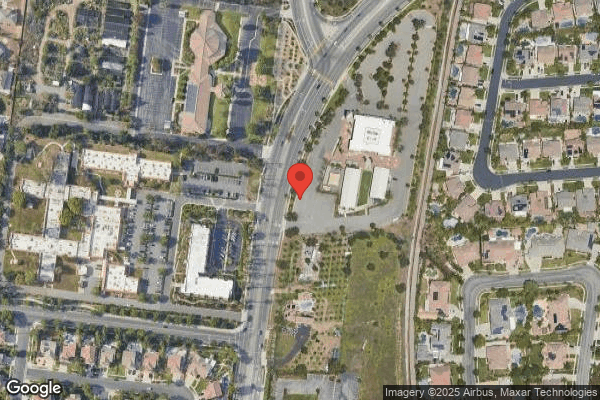

2600 SOUTH MAIN STREET, CORONA, CA 92882 (951) 736-4700
For profit - Limited Liability company 176 Beds SERRANO GROUP Data: November 2025
Trust Grade
40/100
#776 of 1155 in CA
Last Inspection: January 2025

Within standard 12-15 month inspection cycle. Federal law requires annual inspections.

Overview

Families considering Corona Post Acute Center should be aware that it has a Trust Grade of D, indicating below-average performance with some concerning issues. It ranks #776 out of 1155 facilities in California, placing it in the bottom half, and #33 out of 53 in Riverside County, meaning there are only 32 local options that are better. The facility is improving, having reduced its issues from 17 last year to 13 this year, but it still has serious concerns, such as a resident suffering second-degree burns from a hot beverage served without checking its temperature and another resident experiencing a worsening pressure injury due to inadequate discharge planning. Staffing is average with a turnover rate of 40%, which is typical for the state, and they have no fines on record, suggesting compliance with regulations. However, while there is average RN coverage, the facility has received low ratings for health inspections, indicating areas that need significant improvement.

Trust Score
D
40/100
In California
#776/1155
Bottom 33%
Safety Record
Moderate
Needs review
Inspections
Getting Better
17 → 13 violations
Staff Stability
○ Average
40% turnover. Near California's 48% average. Typical for the industry.
Penalties
✓ Good
No fines on record. Clean compliance history, better than most California facilities.
Skilled Nurses
⚠ Watch
Each resident gets only 25 minutes of Registered Nurse (RN) attention daily — below average for California. Fewer RN minutes means fewer trained eyes watching for problems.
Violations
⚠ Watch
72 deficiencies on record. Higher than average. Multiple issues found across inspections.
★★☆☆☆
2.0
Overall Rating
★★★☆☆
3.0
Staff Levels
★★★★☆
4.0
Care Quality
★★☆☆☆
2.0
Inspection Score
Stable
2024: 17 issues
2025: 13 issues

The Good

  • 4-Star Quality Measures · Strong clinical quality outcomes
  • Full Sprinkler Coverage · Fire safety systems throughout facility
  • No fines on record
  • Staff turnover below average (40%)

    8 points below California average of 48%

Facility shows strength in quality measures, fire safety.

The Bad

2-Star Overall Rating

Below California average (3.1)

Below average - review inspection findings carefully

Staff Turnover: 40%

Near California avg (46%)

Typical for the industry

Chain: SERRANO GROUP

Part of a multi-facility chain

Ask about local staffing decisions and management

The Ugly 72 deficiencies on record

2 actual harm
Aug 2025 1 deficiency
CONCERN (D) 📢 Someone Reported This

A family member, employee, or ombudsman was alarmed enough to file a formal complaint

Potential for Harm - no one hurt, but risky conditions existed

Deficiency F0627 (Tag F0627)

Could have caused harm · This affected 1 resident

**NOTE- TERMS IN BRACKETS HAVE BEEN EDITED TO PROTECT CONFIDENTIALITY** Based on interview and record review, the facility failed to ensure the physician documented the clinical rationale for the disc...

Read full inspector narrative →
**NOTE- TERMS IN BRACKETS HAVE BEEN EDITED TO PROTECT CONFIDENTIALITY** Based on interview and record review, the facility failed to ensure the physician documented the clinical rationale for the discharge for one of three sampled residents (Resident 1). This failure had the potential to result in an inappropriate discharge without medical justification, compromising the resident's health, safety, and continuity of care. Findings:On July 18, 2025, Resident 1's record was reviewed. Resident 1 was admitted to the facility on [DATE], with diagnoses which included fusion of the spine and depression (more than just feeling sad or having a bad day).A review of Resident 1's progress notes dated June 1, 2025, indicated, .Assessment and Plan.Pt (Resident 1) is recommendedfor [sic] f/u (follow-up) imaging within one year due to presence of polyp [small growth that can form on the lining of organs inside the body] .Pt (Resident 1) increasing tolerance to ambulance and functionality.Pt (Resident 1) would benefit from continued care.A review of Resident 1's Notice of Proposed Transfer/ Discharge, dated June 3, 2025, indicated, .Effective Date.July 3, 2025.The documentation indicated Resident 1 required ongoing care; however, the facility issued a Notice of Proposed Transfer/discharge on [DATE]. Further review of Resident 1's progress notes dated June 26, 2025, indicated .The patient is very independent and cares for herself. The patient is getting discharged , and the patient is cleared for discharge.The documentation did not provide clinical justification that Resident 1 no longer required facility services or that discharge was in the best interest of the resident's health and safety.On August 21, 2025, at 2:16 p.m., the Social Service Director (SSD) was interviewed. She stated, discharge planning begins when the physician orders the discharge. The SSD stated Resident 1 was under custodial care, and together with the IDT and the physician, it was decided the resident required a lower level of care. The SSD stated, Resident 1 received a written notice of discharge on [DATE].On August 22, 2025, at 1:19 p.m., a concurrent interview and review of Resident 1's progress notes with the Nurse Practitioner (NP) was conducted. The NP stated assessments are performed prior to discharge and should be documented in the resident's medical record. The NP stated that on June 1, 2025, she documented Resident 1 would benefit from continued care. The NP stated the determination to discharge the resident was not reflected in the record.On August 22, 2025, at 2:30 p.m., the Director of Nursing (DON) was interviewed during a record review of Resident 1. The DON stated, Resident 1 was provided notice of transfer/discharge on [DATE]. The DON stated, the NP's documentation did not support discharge readiness. The DON stated, Resident 1 should not have issued a notice of proposed transfer/discharge without physician documentation of the rationale.A review of the facility policy and procedure titled Transfer or Discharge Documentation, dated December 2016, indicated, .When a resident is transferred or discharged , details of the transfer or discharge will be documented in the medical record and appropriate information to the receiving healthcare facility or provider.Should the resident be transferred or discharged for any of the following reasons, the basis for the transfer or discharge will be document in the resident's clinical records by the resident's Attending Physician.
Jun 2025 1 deficiency
CONCERN (D) 📢 Someone Reported This

A family member, employee, or ombudsman was alarmed enough to file a formal complaint

Potential for Harm - no one hurt, but risky conditions existed

Infection Control (Tag F0880)

Could have caused harm · This affected 1 resident

**NOTE- TERMS IN BRACKETS HAVE BEEN EDITED TO PROTECT CONFIDENTIALITY** Based on observation, interview, and record review, the facility failed to ensure infection control practices were implemented f...

Read full inspector narrative →
**NOTE- TERMS IN BRACKETS HAVE BEEN EDITED TO PROTECT CONFIDENTIALITY** Based on observation, interview, and record review, the facility failed to ensure infection control practices were implemented for two of three sampled residents (Residents 1 and 2) when Licensed Vocational Nurses (LVN 1 and 2) did not wear personal protective equipment (PPE- equipment, such as gloves and gown, used to protect against infection or illness) while administering medications via G-tube (a feeding tube inserted through the abdominal wall directly into the stomach) to residents on Enhanced Barrier Protection (EBP-an infection control intervention to reduce transmission of multidrug-resistant organisms [MDRO- bacteria that have become resistant to multiple antibiotics).This failure had the potential to expose vulnerable residents to cross-contamination and increase the risk of developing infections.Findings:1. A review of Resident 1's medical record was conducted. Resident 1 was admitted to the facility on [DATE], with diagnosis which included gastrostomy status (an opening into the stomach for food). A review of Resident 1's Order Summary, dated June 9, 2025, indicated, .Enhanced Barrier Precautions-Staff to utilize gowns and gloves for high-contact resident care activities due to Indwelling catheter [flexible tube that is inserted into the bladder to drain urine] and feeding tube [a medical device used to deliver nutrition, fluid, and medications directly into the person's stomach], and wound every shift. A review of Resident 1's care plan dated June 8, 2025, indicated .The resident requires tube feeding .Interventions .Enhanced Barrier Precautions-Staff to utilize gowns and gloves for high-contact resident care activities such as dressing, bathing/showering, transferring, providing hygiene, changing linens, changing briefs or assisting with toileting, device care or use .On June 30, 2025, 4:35 p.m., during an observation in Resident 1's room with LVN 1, LVN 1 was seen entering Resident 1's room without wearing an isolation gown while providing contact care and administering medication via Resident 1's G-tube.On June 30, 2025, at 4:55 p.m., during an interview with LVN 1, LVN 1 stated she forgot to wear the isolation gown. LVN 1 further stated she should have worn the isolation gown to protect the residents and prevent the spread of germs.2. A review of Resident 2's medical record was conducted. Resident 2 was admitted to the facility on [DATE], with diagnoses which included cerebral infarction (stroke), and gastrostomy status (an opening into the stomach for food).A review of Resident 2's care plan dated June 14, 2025, indicated .Resident requires enhanced barrier precautions to prevent the spread of multidrug- resistant organisms (MDROs).Interventions.Enhanced Barrier Precautions-Staff to utilize gowns and gloves for high-contact resident care activities such. device care or use (e.g . feeding tube.) .A review of Resident 2's Order Summary, dated June 16, 2025, indicated, .Enhanced Barrier Precautions-Staff to utilize gowns and gloves for high-contact resident care activities due to indwelling catheter and feeding tube, and wound every shift.On June 30, 2025, 5:10 p.m., during an observation in Resident 2's room with LVN 2, LVN 2 was seen entering Resident 2's room without wearing an isolation gown while providing contact care and administering medication via Resident 2's G-tube.On June 30, 2025, at 5:30 p.m., during an interview with LVN 2, LVN 2 stated she was supposed to wear the isolation gown to protect the resident and prevent the spread of infection.On July 1, 2025, at 3:51 p.m., an interview was conducted with the Infection Preventionist nurse (IP). The IP stated her expectation was for all staff to follow the designated precaution protocols designated for each resident and to wear the appropriate PPE as indicated. The IP further stated the LVN should have worn PPE to prevent the spread of infections to residents.A review of facility policy and procedure titled, Enhanced Barrier Precautions, dated April 2001, indicated, . Enhanced barrier precautions (EBPs) refer to infection prevention and control interventions designed to reduce the transmission of multi-drug-resistant organisms (MDROs) during high contact resident care activities.Examples of high-contact resident care activities requiring the use of gown and gloves for EBPs include.device care or use (central line, urinary catheter, feeding tube, tracheostomy/ventilator, etc.); and wound care (any skin opening requiring a dressing) .
May 2025 2 deficiencies 1 Harm
SERIOUS (G) 📢 Someone Reported This

A family member, employee, or ombudsman was alarmed enough to file a formal complaint

Actual Harm - a resident was hurt due to facility failures

Accident Prevention (Tag F0689)

A resident was harmed · This affected 1 resident

**NOTE- TERMS IN BRACKETS HAVE BEEN EDITED TO PROTECT CONFIDENTIALITY** Based on observation, interview, and record review, the facility failed to ensure an environment free of accident hazards was pr...

Read full inspector narrative →
**NOTE- TERMS IN BRACKETS HAVE BEEN EDITED TO PROTECT CONFIDENTIALITY** Based on observation, interview, and record review, the facility failed to ensure an environment free of accident hazards was provided for one of three sampled residents (Resident 1) when Resident 1 was served a hot beverage by a Certified Nursing Assistant (CNA 1) without checking the safe serving temperature on April 10. 2025. This failure resulted in the hot beverage spilling on Resident 1 causing burn injuries, second degree burn [partial thickness burn - affects both the outer layer and part of the underlying layer of the skin] to third degree burn [most severe type of burn that damages all layers of the skin] on her right breast and shoulder that required medical intervention. Findings: On May 7, 2025, Resident 1's admission record was reviewed. Resident 1 was admitted to the facility on [DATE], with diagnosis of metabolic encephalopathy (a brain disorder that results from a disturbance in metabolism, causing brain dysfunction) and multiple strokes with residual hemiplegia (persistent weakness or paralysis on one side of the body), right side. A review of Resident 1's Minimum Data Set (MDS - an assessment tool), dated April 23, 2025, indicated, Resident 1 ' s Brief Interview for Mental Status (BIMS - short, structured interview to assess memory, attention, and orientation) score was 13 (cognitively intact). The MDS indicated Resident 1 required supervision or touching assistance when eating and needed some help with need for assistance with bathing, dressing, using the toilet, or eating prior to the current illness. A review of Resident 1's care plan dated April 22, 2025, indicated, .The resident has an ADL (activities of daily living) self-care performance deficit r/t [related to] Hx [history] of cerebral infarction [a type of stroke] with hemiplegia/hemiparesis [weakness or partial loss of strength on one side of the body] .Interventions .Eating: The resident requires set up assistance with eating . A review of Resident 1's progress note indicated: - On April 10, 2025 at 8:59 a.m., the Licensed Nurse (LN) documented, patient got burned related to she spelled (sic.) coffee herself on her right side .patient noted crying and stated she missed cup grip and spilled coffee herself and assessed with slight redness on right arm right breast and right ribcage area and Patient c/o (complaint of) pain 8/10 [pain rating scale of 8 - severe pain] and CNA directed to change clothes to loose hospital gown and pain medication administered by LVN [licensed vocational nurse] and MD [medical doctor] Informed and Staff educated to make rounds every 15 min to assess for further changes . - On April 10, 2025, at 2:31 p.m., the LN documented., .Patient had blister [fluid-filled sac beneath or within the skin caused by burn] on right side of arm and breast and c/o pain 10/10 and Np [Nurse Practitioner] made aware and new orders noted and carried out, give extra dose of [pain medication] and send out for Evaluations . - On April 10, 2025, at 9:42 p.m., the LN documented, .Resident returned from [name of hospital] at approximately 8:45 .with no new orders. upon arrival patient was assessed vitals within in normal limits with a pain scale 7/10 Ordered pain medication given to patient [Resident 1]. Patient has wounds wrapped on left arm from shoulder to elbow and also wrapped with bandage on left breast. skin assessment was done no new marks or bruises noted. care plan on going . A review of Resident 1's hospital admission records dated April 10, 2025, indicated, .ER [emergency room] visit .F [female] .presenting with burn to right arm and breast. She reports that at her facility somebody dropped hot coffee on her arm and her breast and she has sustained a burn that occurred earlier today .Physical Examination .Skin: Burn over proximal medial [inner upper part of the right arm, near the shoulder and close to the chest] right arm and right breast with bullae [fluid filled blisters] over the right breast and abrading skin over the right elbow .Patient is presenting with burn to right arm as well as right breast .Burns appear to be superficial partial [2nd degree burn] versus deep partial thickness burn [2nd degree burn] .She will require wet to dry dressing and follow up with the burn clinic as an outpatient I have advised that the patient follow up with the local burn center either [name of the hospitals] for outpatient follow up with the burn specialist .Will prescribe pain control . A review of Resident 1's Weekly wound Note, indicated: - April 14, 2025, .RT [right] breast - 3rd degree burn [full thickness burn - destroys all layers of the skin] RT anterior forearm - 3rd degree burn RT posterior forearm - 3rd degree burn .Site of Wound and current measurement: RT Breast - 20.0x [by]10.0x0.1cm [centimeters] RT anterior forearm - 6x5x0.1 RT posterior forearm - 11x12xUTD [unable to determine] . - April 29, 2025, .Type of Wound .Burn .Site of wound and current measurements: R breast 3x6xUTD R anterior arm - 1.5x3xUTD RT posterior arm - 1.5x3xUTD . A review of Resident 1's Change in Condition Evaluation, dated April 14, 2025, indicated, .Signs & [and] Symptoms identified .cellulitis [infection of the skin and the underlying soft tissue] .on (R [right]) breast & R upper arm . On May 7, 2025, 1:37 p.m. an interview was conducted with CNA 1. CNA 1 stated, she was assigned to Resident 1 on April 10, 2025, morning shift. CNA 1 stated, Resident 1 asked for a cup of tea while eating breakfast. CNA 1 stated, she placed a tea bag in a cup and placed the cup in a microwave to heat the water up to a warmer temperature. CNA 1 stated, she did not check the temperature of the hot tea prior to serving it to Resident 1. CNA 1 stated she was not aware the temperature of the hot beverage needed to be checked prior to serving it to the resident. CNA 1 stated, she should have checked the temperature of the hot tea before serving it to Resident 1 as there was a risk of burn injury with serving hot beverages. On May 7, 2025, at 2:11 p.m., an interview was conducted with CNA 2. CNA 2 stated, she assisted CNA 1 on the morning of April 10, 2025, when Resident 1 was heard to be screaming. CNA 2 stated, she noticed a cup of hot water and not coffee, had spilled to the right breast and right shoulder of Resident 1 and that she was in pain. CNA 2 stated, she and CNA 1 immediately changed the soiled clothes and Resident 1 stated I am sorry I spilled on me. CNA 2 stated, Resident 1 did not appear to be confused at that time. CNA 2 stated, she was instructed upon hire that hot food and beverages should not be served by reheating unless the temperature was checked to be within a specified range. CNA 2 stated, she would not serve hot food or beverages to residents without having the kitchen to verify it first as there was a risk for injury and burn. On May 7, 2025, at 3:45 p.m., an interview was conducted with the Director of Nursing (DON). The DON stated it was the policy of the facility that nursing staff including CNA's and nurses should check for safe serving temperature before serving it to the resident. The DON stated this was not done by CNA 1 when she served the hot tea to Resident 1 on April 10, 2025, and the hot liquid was accidentally spilled on Resident 1 which resulted to Resident 1 sustaining second degree burns on her right breast and right shoulder. On May 8, 2025, at 10:40 a.m. a concurrent observation and interview were conducted with Resident 1 in the resident's room. Resident 1 was observed to be alert and up in her wheelchair. Resident 1 had a clean white bandage on her right upper arm and right chest area. Resident 1 stated, she recalled the incident on April 10, 2025. Resident 1 stated, she asked a CNA for tea. Resident 1 stated, she was not fully awake when CNA 1 served tea and was awoken by the hot beverage spilled on her Resident 1 stated she screamed in pain and the staff responded. Resident 1 stated, she was experiencing pain and she was provided pain medication. Resident 1 stated she did not recall being warned by CNA 1 before being served the hot beverage. Resident 1 stated the hot beverage was brought to her and placed on the bedside table within her reach, but she could not recall if it was spilled on her by staff or by accident after she awoke from a brief sleep. A review of the facility policy and procedure titled, Food Service Temperature Control, dated, 2024, indicated, .Beverages .brewed coffee and hot water .will be portioned in small batches to retain the temperature .served at or below 155 degrees F (Fahrenheit) to prevent burns . A review of the facility policy and procedure titled, Hot Beverage Preparation and Service, undated, indicated, .Hot Beverages will be prepared following food safety standards and served at a safe temperature to prevent burns or injury .Measure beverage temperatures prior to service using a calibrated food thermometer to ensure compliance with the safe serving temperature .
CONCERN (E) 📢 Someone Reported This

A family member, employee, or ombudsman was alarmed enough to file a formal complaint

Potential for Harm - no one hurt, but risky conditions existed

Quality of Care (Tag F0684)

Could have caused harm · This affected multiple residents

**NOTE- TERMS IN BRACKETS HAVE BEEN EDITED TO PROTECT CONFIDENTIALITY** Based on observation, interview, and record review, for three of three sampled residents (Residents 1, 4, and 6), the facility f...

Read full inspector narrative →
**NOTE- TERMS IN BRACKETS HAVE BEEN EDITED TO PROTECT CONFIDENTIALITY** Based on observation, interview, and record review, for three of three sampled residents (Residents 1, 4, and 6), the facility failed to ensure appropriate assessment, monitoring, and a follow-up evaluation of skin conditions and injuries were conducted when: 1. For Resident 1, the treatment for a burn injury was not initiated or monitored upon return from the hospital on April 10, 2025. In addition, a follow-up appointment for evaluation of the burn injury was not arranged; 2. For Resident 4, a new skin injury (bruising [skin discoloration] to the left and right hands) identified by the Certified Nursing Assistant (CNA) on April 27, 2025, was not addressed or referred to the physician for appropriate care and treatment. In addition, the licensed nurse did not conduct an ongoing skin assessment, monitored the injury, or evaluated the resident for potential complications after the skin injury was noted; 3. For Resident 6, a change in condition related to a known foot injury was not identified and communicated to the physician for appropriate care and treatment. These failures had the potential to delay necessary care and treatment, increasing the risk of complications related to skin injuries and other skin-related conditions. Findings: 1. On May 7, 2025, Resident 1's medical record was reviewed. Resident 1 was admitted to the facility on [DATE], with diagnosis of metabolic encephalopathy (a brain disorder that results from a disturbance in metabolism, causing brain dysfunction) and diabetes (inability to regulate the blood sugar levels in the body). A review of Resident 1's Minimum Data Set (MDS - an assessment tool), dated April 23, 2025, indicated, Resident 1 ' s Brief Interview for Mental Status (a short, structured interview designed to assess memory, attention, and orientation to determine resident's cognitive function) score was 13 (cognitively intact). A review of Resident 1's progress note indicated: - Dated April 10, 2025, at 8:59 a.m., .patient got burned related to she spelled coffee herself on her right side .patient noted crying and stated she missed cup grip and spilled coffee herself and assessed with slight redness on right arm right breast and right ribcage area and Patient c/o (complaint of) pain 8/10 and CNA directed to change clothes to loose hospital gown and pain medication administered by LVN [licensed vocational nurse] and MD [medical doctor] Informed and Staff educated to make rounds every 15 min to assess for further changes . - Dated, April 10, 2025, at 2:31 p.m., .Patient had blister on right side of arm and breast and c/o pain 10/10 (severe pain) and Np (Nurse Practitioner) made aware and new orders noted and carried out, give extra dose of (pain medication) and send out for Evaluations . - Dated April 10, 2025, at 9:42 p.m. indicated, .Resident returned from (name of hospital) at approximately 8:45 .with no new orders. upon arrival patient was assessed vitals within in normal limits with a pain scale 7/10. Ordered pain medication given to patient. Patient has wounds wrapped on left arm from shoulder to elbow and also wrapped with bandage on left breast. skin assessment was done no new marks or bruises noted. care plan on going . A review of Resident 1's hospital admission records dated April 10, 2025, indicated, .ER [emergency room] visit .F [female] .presenting with burn to right arm and breast. She reports that at her facility somebody dropped hot coffee on her arm and her breast and she has sustained a burn that occurred earlier today .Physical Examination .Skin: Burn over proximal medial [inner upper part of the right arm, near the shoulder and close to the chest] right arm and right breast with bullae [fluid filled blisters] over the right breast and abrading skin over the right elbow .Patient is presenting with burn to right arm as well as right breast .Burns appear to be superficial partial [2nd degree burn] versus deep partial thickness burn [2nd degree burn] .She will require wet to dry dressing and follow up with the burn clinic as an outpatient I have advised that the patient follow up with the local burn center either [name of the hospitals] for outpatient follow up with the burn specialist .Will prescribe pain control . A review of Resident 1's Care Plan, dated April 11, 2025, indicated, .the resident has ACTUAL impairment to skin integrity of R ARM, R BREAST/R RIBCAGE AREA r/t BURN FROM ACCIDENTAL COFFEE SPILL .Monitor/document location, size and treatment of skin injury. Report abnormalities .failure to heal, s/sx (sign and symptom) of infection .to MD . A review of Resident 1's Weekly wound Note, indicated: - April 14, 2025, .RT [right] breast - 3rd degree burn [full thickness burn - destroys all layers of the skin] RT anterior forearm - 3rd degree burn RT posterior forearm - 3rd degree burn .Site of Wound and current measurement: RT Breast - 20.0x [by]10.0x0.1cm [centimeters] RT anterior forearm - 6x5x0.1 RT posterior forearm - 11x12xUTD [unable to determine] . - April 29, 2025, .Type of Wound .Burn .Site of wound and current measurements: R breast 3x6xUTD R anterior arm - 1.5x3xUTD RT posterior arm - 1.5x3xUTD . A review of Resident 1's Change in Condition Evaluation, dated April 14, 2025, indicated, .Signs & [and] Symptoms identified .cellulitis [infection of the skin and the underlying soft tissue] .on (R [right]) breast & R upper arm . There was no documented evidence Resident 1's burn injuries to the right arm and breast, sustained from the incident on April 10, 2025, was evaluated, monitored, and treated from the evening of April 10, 2025 to April 14, 2025. In addition, there was no documented evidence a follow up with the local burn center or a follow up with a burn specialist was arranged by the facility staff since Resident 1's return from the acute hospital on April 10, 2025. A review of Resident 1's hospital records for April 17, 2025, indicated, .presented to the ER for altered mental status of 1 day .patient states she feels tired today .she has right upper extremity right breast burn and drainage secondary to hot coffee accidentally poured on her. Skin Right upper extremity and right breast wounds with drainage, abscess formation and associated erythema .open wound to right extremity altered mental status likely secondary to current wound infection .open wound of right upper extremity and right breast wound secondary to burn with hot coffee .looks infected with drainage and abscess formation .wound care referral .She was seen here 6 days ago for burn on her right extremity and her right breast. Has been undergoing dressing changes at her facility. Will treat empirically for possible infectious etiology. Clinical exam is consistent with healing burns of her arm and her breast without superimposed infection . Wounds dressed with wet to dry . A review of Resident 1's physician ' s order dated May 5, 2025, at 10:02 a.m. indicated, .May Have Follow up Appointment with (name and address of burn center). This physician order was obtained by the facility staff from the physician 25 days after the onset of Resident 1's burn on April 10, 2025. On May 7, 2025, at 12:15 p.m., an interview was conducted with Registered Nurse (RN) 1. RN 1 stated, according to facility policy, during admissions, the registered nurse was responsible for following up on discharge orders. RN 1 stated, if there was no discharge paperwork received, the licensed nurse was expected to obtain hospital recommendations and communicate the information during each shift change. RN 1 stated, she was the RN supervisor on April 11, 2025, and she was not given any report or endorsed any new orders for Resident 1 from the night shift. RN 1 stated, the hospital recommendation should have been followed up. On May 7, 2025, at 2:39 p.m., an interview with the treatment Nurse (TN) was conducted. The TN stated, on April 14, 2025, (four days after the onset of the burn) she conducted an initial assessment of two burn sites on Resident 1's right arm and right breast, and treatment orders were initiated. The TN stated, she was not made aware Resident 1 sustained burns on April 10, 2025. The TN stated, per protocol, when there was a change in condition involving the skin, the treatment team should be notified, the physician informed, and a timely assessment and treatment provided to address the resident's immediate needs. The TN stated, she should have been informed on April 10, 2025, the day of the incident that Resident 1 sustained burn injuries. The TN further stated that delayed treatment of burns could result in worsening of the wound and further injury. On May 7, 2025, at 3:45 p.m. an interview was conducted with the Director of Nursing (DON). The DON stated it was the facility policy for nursing staff to receive a detailed report from the hospital upon a resident's readmission. The DON stated, if there were no documents provided at the time of a resident's admission, the licensed nurses were expected to make continued efforts to obtain the hospital's discharge instructions and recommendations, to ensure appropriate care was rendered. The DON stated, Resident 1's readmission hospital record from April 10, 2025, were not obtained by the facility staff until April 16, 2025. The DON stated, these records should have been obtained the following day. The DON stated, the licensed nurses did not follow up appropriately. The DON further stated any changes in condition involving the skin should be reported to the nursing supervisor, DON, physician, family, and treatment team so that proper assessment and treatment can be provided. The DON stated, Resident 1's burn injuries on April 10 and 11, 2025, should have been evaluated according to facility policy to prevent further worsening. The DON stated, the hospital's recommendations from April 10, 2025, for a two-day follow-up with a burn center was not identified or acted upon by the facility staff until May 5, 2025. The DON stated this recommendation should have been communicated to the nursing staff earlier, so Resident 1 could have been evaluated by a burn specialist in a timely manner. On May 8, 2025, at 10:40 a.m., a concurrent observation and interview were conducted with Resident 1. Resident 1 was observed to be alert and seated in her wheelchair, with clean white bandages on her right upper arm and right chest area. Resident 1 stated, she recalled the incident on April 10, 2025. Resident 1 stated she had asked for tea, and she was asleep when the hot beverage was served. Resident 1 stated she was being awakened by the spill, screamed in pain. Resident 1 stated the hot beverage was spilled on her but did not confirm how it happened. Resident 1 stated, she could not recall when treatment for her burns was started. A review of the facility policy and procedure titled, Acute Condition Changes, undated, indicated, .the nursing staff will review the details of any recent hospitalization and will identify complications and problems that occurred during the hospital stay that may indicate instability or the risk of having additional complications .the physician will help identify and authorize appropriate treatments .the staff will monitor and document the resident ' s progress and responses to treatment . A review of the facility policy and procedure titled, Appointments, undated, indicated, .facility provides residents in accessing specialty healthcare services to enhance their health and wellbeing .appointments ordering .appointments are documented in the electronic record .nursing staff informs the unit clerk or designee about the appointment order .the unit clerk schedules appointments based on medical necessity . 2. On May 7, 2025, Resident 4 ' s records were reviewed. Resident 4 was admitted to the facility on [DATE], with diagnoses which included dementia (memory loss), diabetes (inability to regulate blood glucose in the body), long term use of aspirin (use of a medication which makes the blood thin). A review of Resident 4's Minimum Data Set (an assessment tool), dated April 23, 2025, indicated, Resident 1 ' s Brief Interview for Mental Status (a short, structured tool used to assess cognitive functions) score was 10 (moderate cognitive impairment). A review of Resident 4's physician ' s order dated June 28, 2023, indicated, .Monitor for s/s of bleeding Qshift (every shift) MB (manifested by), hematoma, Gi bleeding, occult blood discoloration, Blood in emesis .if present notify MD . A review of the Care Plan initiated June 29, 2023, indicated, .Risk for bleeding /bruising due to used of anticoagulant for prophylaxis .Check body & report to MD (physician) any of the following S/S (signs and symptoms) of bleeding .Hematoma . Discoloration .Handle resident with gentle care during ADL care. Keep environment hazard-free and safe A review of Resident 4's skin task log dated April 27, 2025, at 12:50 p.m., indicated .discoloration location. Other is checked . A review of Resident 4's Weekly Skin Nursing documentation dated April 27, 2025, at 11:50 a.m. indicated, .Section L labeled Skin .Does the resident have any new skin concerns . (NO) is checked .Does the resident currently have any existing skin conditions (intact). There was no documented evidence of further assessment conducted on Resident 4's identified skin discoloration identified by the CNA on April 27, 2025, at 12:50 p.m. A review of the Care Plan initiated June 29, 2023, indicated, .Risk for bleeding /bruising due to used of anticoagulant for prophylaxis .Check body & report to MD (physician) any of the following S/S (signs and symptoms) of bleeding .Hematoma . Discoloration .Handle resident with gentle care during ADL care. Keep environment hazard-free and safe On May 6, 2025, at 11:52 a.m., an interview was conducted with Resident 4, with the Licensed Vocational Nurse (LVN 3) acting as interpreter. Resident 4 was alert, calm and lying in bed sitting upright. Resident 4 presented her left hand and was observed to have a large dark purple and blue circular bruise covering the top part of her right hand and a large circular purple and blue bruise with a small square dressing over the top of her left hand. On May 6, 2025, at 2:30 p.m., an interview with Certified Nursing Assistant (CNA) 3. CNA 3 stated on the morning of April 27, 2025, she identified a large bruise to the left hand of Resident 4. CNA 3 stated, when a skin change was noted, the staff should report it to the charge nurse, and the nurse would evaluate the resident and reported to the MD. CNA 3 stated, she reported Resident 4's skin discoloration to the charge nurse on April 27 and to the RN Supervisor and the DON on April 28, 2025. On May 8, 2025, at 2:00 p.m., an interview was conducted with LVN 4. LVN 4 stated, all new skin changes should be assessed, and a change of condition should be made so that the proper treatment could be rendered and communicated to the physician. LVN 4 stated, she did not notice the bruise on Resident 4's right hand. LVN 4 stated, a change of condition assessment should have been completed. On May 8, 2025, at 2:08 p.m. an interview was conducted with LVN 3. LVN 3 stated, she was made aware of the bruise to the left hand of Resident 4 on April 28, 2025, and a change of condition was made. LVN 3 stated Resident 4 was taking a medication that placed her at risk for bleeding. LVN 3 stated a skin assessment should be conducted each shift and evaluated weekly. LVN 3 stated any skin changes should be documented. LVN 3 stated, she did not report and identify any skin changes for Resident 4 on April 27, 2025. On May 8, 2025, at 3:13 p.m. an interview was conducted with the DON. The DON stated the facility's policy for skin change, CNA's are to report skin changes to the charge nurse, and the charge nurse should report to the RN or DON. The DON stated the bruise found on Resident 4 was not reported and it should have been. The DON further stated any discolorations on the skin should be documented in the assessment record with a description of the bruise and the location which was not done for Resident 4 according to the facility policy and procedures. The DON stated the risks for not monitoring bleeding could lead to a worsening of the site and should have been monitored. The DON stated the facility policy is that nurses should conduct detailed assessments which includes risks, such as bleeding and skin changes. A review of the facility policy and procedure titled, Anticoagulation -Clinical Protocol, undated, indicated, .staff will identify individuals who are currently anticoagulated .the staff will monitor for possible complications in individuals who are being anticoagulated, and will manage related problems .if individuals show signs of excessive bruising .or other evidence of bleeding, the nurse will discuss the situation with the physician . A review of the facility policy and procedure titled, Acute Condition Changes, undated, indicated, .the nursing staff will review the details of any recent hospitalization and will identify complications and problems that occurred during the hospital stay that may indicate instability or the risk of having additional complications .the physician will help identify and authorize appropriate treatments .the staff will monitor and document the resident ' s progress and responses to treatment . 3. On May 7, 2025, Resident 6 's medical record was reviewed. Resident 6 was admitted on [DATE], with a diagnosis which included, Diabetes (inability to regular blood glucose in the body, and Peripheral Vascular Disease (PVD - poor blood circulation to the upper and lower extremities). Resident 6 was discharged to acute care hospital on April 24, 2025. A review of Resident 6's History and Physical, dated February 24, 2025, indicated, .does have decision making capacity. A review of Resident 6's admission document dated February 11, 2025, .Skin condition Does resident have any skin issues YES .Description .Left 5th toe: DM ulcer .right 5th toe .DM ulcer .resident a/o x 4 able to make needs known, noted above txt (treatment) initiated, and completed- resident verbalized continue care within house wound (name of physician) continue with plan of care Pedal Pulses .palpable. Both right and left . A review of the physician 's orders indicated the following: .Right 5thtoe clean w/NS paint with betadine daily leave open to air every shift for DM ulcer and as needed for replacement start date 2/3/2025 end dated 4/15/2025 . and .Left 5thtoe: clean w/NS pained with betadine daily leave open to air every shift for DM ulcer and as needed for replacement start date 2/3/2025 end date 4/15/2025 . A review of the Care Plan dated February 12, 2025, indicated, .At Risk and or potential for further skin breakdown. Fragile skin, Poor mobility, intermittent claudication, Dx (diagnosis of DM (Diabetes Mellitus) , presence of DM ulcer . Will minimize skin impairment x90 days .C.N.A. to report any skin abnormalities to the LN/RN Charge Nurse when showering/bathing resident nursing to complete weekly skin assessment . A review of Resident 6's document titled, Weekly Nursing (weekly skin) indicated: - Dated March 23, 2025, .does the resident have any new skin conditions .NO .Does the resident currently have any existing skin conditions .intact is checked NO notes (there is no documented evidence or a description of the skin conditions). - Dated April 13, 2025, .Does the resident have any new skin concerns .NO .Does the resident currently have any existing skin conditions Intact .NO notes. (there is no documented evidence or a description of the skin conditions). A review of the Weekly wound note, indicated: - Dated March 10, 2025, .re-admission 2/11/25 .Type of Wound: Pressure, Vascular, Diabetic, Surgical, Other: 1-2: diabetic ulcer .Site of Wound and current measurements: 1: left 5th toe: (3x2xUTD -[unable to determine]) .2: right 5th toe: (1.5x1xuUTD) .Wound bed description:: 1: 100% necrotic tissue (dead tissue) 2: 100% necrotic tissue . - Dated March 24, 2025, .Type of Wound: Pressure, Vascular, Diabetic, Surgical, Other: 1-2 diabetic ulcerSite of Wound and current measurements 1: left 5th toe: 4.0x4.0xUTD2: right 5th toe: 3.0x4.0xUTD .Wound bed description . 1-2: 100% epithelial (thin layer of tissue that covers the outer surface of the body) . There was no documented evidence of a change of condition was identified and referred to the physician when the left 5th toe and right 5th toe wound size increased from March 10, 2025 to March 24, 2025. On May 13, 2025, at 1:53 p.m. an interview and record review were conducted with Licensed Vocational Nurse (LVN) 1. LVN 1 stated Resident 6 received wound treatments since admitted on [DATE], until he was discharged on April 24, 2025. LVN 1 stated during the weekly wound rounds treatments, residents' wounds will be documented, measured, and assessed. LVN 1 stated Resident 6's increased wound size on his left and right 5th toe were not reported as a change in condition during the treatments conducted between March 10, 2025, to March 24, 2025. LVN 1 stated this should have been identified as a change in condition and it should have been reported to the physician. LVN 1 stated there was a potential for a delay in treatment and result to the worsening of a wound if the change of condition was not communicated to the physician in a timely manner. On May 13, 2025, at 2:08 p.m. an interview and record review were conducted with the Director of Nursing (DON). The DON stated during the weekly wound rounds, the licensed nurses should communicate the latest skin condition assessment. The DON stated identified changes in condition should be documented and reported to the RN supervisor, DON, and the physician. The DON stated between March 10, 2025, and March 24, 2025, there was no change of condition identified and documented for Resident 6 's increased wound size on his left and right 5th toe. The DON stated this should have been done. The DON stated he was not made aware of the worsening wound for Resident 6 until April 11, 2025. The DON further stated there could be a potential for a wound to worsen if a change of condition was not communicated to the staff and physician in a timely manner. A review of the facility policy and procedure titled, Acute Condition Changes, undated, indicated, .the nursing staff will review the details of any recent hospitalization and will identify complications and problems that occurred during the hospital stay that may indicate instability or the risk of having additional complications .the physician will help identify and authorize appropriate treatments .the staff will monitor and document the resident ' s progress and responses to treatment .
Apr 2025 2 deficiencies
CONCERN (D) 📢 Someone Reported This

A family member, employee, or ombudsman was alarmed enough to file a formal complaint

Potential for Harm - no one hurt, but risky conditions existed

Deficiency F0562 (Tag F0562)

Could have caused harm · This affected 1 resident

**NOTE- TERMS IN BRACKETS HAVE BEEN EDITED TO PROTECT CONFIDENTIALITY** Based on observation, interview, and record review, the facility failed to ensure telephone calls for the resident were answered...

Read full inspector narrative →
**NOTE- TERMS IN BRACKETS HAVE BEEN EDITED TO PROTECT CONFIDENTIALITY** Based on observation, interview, and record review, the facility failed to ensure telephone calls for the resident were answered by the facility staff for one of three residents reviewed (Resident A). This failure had the potential to to lead to physical and psychosocial distress for Resident A. Findings: On March 26, 2025, at 10:10 a.m., an unannounced visit to the facility was conducted to investigate a quality of care issue. On March 26, 2025, at 2:30 p.m., during an interview with Resident A and Resident A's Family member (FM), Resident A stated, her call light had fallen to the floor. She stated, she began hollering out for staff assistance, but no one came into the room. Resident A stated she called a family member for help. Resident A's FM stated, she had experienced issues with the facility's phone systems. She stated, she attempted to call the facility multiple times from 9:11 p.m to 9:22 p.m. but received no response. Resident A's FM stated, the phone was answered after 9:22 p.m., was transferred to the nurses station but the call was not answered and did not receive a callback from staff. She stated, she expressed frustration over the lack of communication. On March 28, 2025, at 5:20 p.m., during an interview with the Facility Receptionist (FR), she stated she remained at the facility until 9 p.m., after which incoming calls were transferred to the Registered Nurse Supervisor (RNS). On March 28, 2025, at 5:30 p.m., during an interview with the RNS, she stated when she was attending to a change in resident's condition or administering medication, it would be possible that phone calls may not be answered immediately. A review of Resident A's admission Record indicated, Resident A was admitted to the facility on [DATE], with diagnoses which included ALS (Amyotrophic Lateral Sclerosis- a progressive neurodegenerative disease that affects nerve cells in the brain and spinal cord, leading to muscle weakness and eventually paralysis). On March 28, 2025, at 5:34 p.m, Resident B was interviewed, she stated calls that were intended for her were never forwarded to her. On March 28, 2025, at 5:36 p.m, Resident C was interviewed, he stated calls that were intended for him were never forwarded to him. On April 10, 2025, at 2 p.m., during an interview with the Administrator, she stated the expectation was for the calls made during office hours and after office hours will be forwarded to the right person and will be answered by staff.
CONCERN (D) 📢 Someone Reported This

A family member, employee, or ombudsman was alarmed enough to file a formal complaint

Potential for Harm - no one hurt, but risky conditions existed

Pharmacy Services (Tag F0755)

Could have caused harm · This affected 1 resident

**NOTE- TERMS IN BRACKETS HAVE BEEN EDITED TO PROTECT CONFIDENTIALITY** Based on interview and record review, the facility failed to ensure to ensure that Hydrocodone (a strong pain medicine) was reor...

Read full inspector narrative →
**NOTE- TERMS IN BRACKETS HAVE BEEN EDITED TO PROTECT CONFIDENTIALITY** Based on interview and record review, the facility failed to ensure to ensure that Hydrocodone (a strong pain medicine) was reordered in a timely manner for one of three sampled residents (Resident A), resulting in the medication not available when needed. This failure had the potential for Resident A's pain to be uncontrolled and not following the physician-ordered pain management regimen. Findings: On March 26, 2025, at 10:10 a.m., an unannounced visit to the facility was conducted to investigate a quality of care/treatment issue. A review of Resident A's admission Record, indicated Resident A was admitted to the facility on [DATE], with diagnoses which included spinal stenosis lumbosacral region ( refers to a narrowing of the spinal canal in the lower back, which can put pressure on the spinal cord [A column of nerve tissue that runs from the base of the skull down the center of the back ] and nerve roots, potentially causing pain, numbness, and weakness). A review of Resident A's progress notes titled, Medication Administration Note, dated February 24, 2025, indicated, Hydrocodone 5-325 was not administered due to medication not available. On March 28, 2025, at 2 p.m., during a concurrent interview and review of Resident A's progress note on medication administration with Licensed Vocational Nurse (LVN) 1, LVN 1 stated the Hydrocodone 5- 325 was not available. The LVN stated routine pain medication should be reordered when there were seven pills remaining in the medication card. The LVN stated there was no documentation showing that the medication had been reordered when only seven pills remained. LVN 1 sated she should have reordered the medication to ensure continued availability. On March 28, 2025, at 2:45 p.m., during a concurrent interview and record review with the Registered Nurse Supervisor, (RNS), the RNS stated the Hydrocodone was unavailable and there was no documentation of a timely reorder three to four days before the medication ran out. She stated the licensed nurses were expected to reorder medication when approximately seven tablets remain. A review of facility policy and procedure titled, Medication Orders and Receipt Records, dated April 2007 indicated, .Medication should be ordered in advance .
Feb 2025 1 deficiency
CONCERN (D) 📢 Someone Reported This

A family member, employee, or ombudsman was alarmed enough to file a formal complaint

Potential for Harm - no one hurt, but risky conditions existed

Deficiency F0573 (Tag F0573)

Could have caused harm · This affected 1 resident

**NOTE- TERMS IN BRACKETS HAVE BEEN EDITED TO PROTECT CONFIDENTIALITY** Based on interview and record review, the facility failed to provide the resident's medical records within the required 48-hour ...

Read full inspector narrative →
**NOTE- TERMS IN BRACKETS HAVE BEEN EDITED TO PROTECT CONFIDENTIALITY** Based on interview and record review, the facility failed to provide the resident's medical records within the required 48-hour time frame for one of four sampled residents (Resident 7). This failure had the potential to deny the resident representative access to review records and delay critical legal or medical decision making for the resident. Findings: On February 4, 2025, at 4:05 p.m., a telephone interview was conducted with Resident 7's legal representative. The legal representative stated, a valid authorization and request for Resident 7's medical records were sent to the facility on January 16, 2025. A review of Resident 7's medical records indicated Resident 7 was admitted to the facility on [DATE], with diagnoses which included pressure ulcer (damage to an area of the skin) and diabetes mellitus (high blood sugar level). A review of the Minimum Data Set (an assessment tool) dated April 26, 2024, indicated no cognitive impairment. Further review of Resident 7's medical records indicated that Resident 7 was discharged home on July 8, 2024. On February 5, 2025, at 1:55 p.m., during an interview with the Medical Record Director (MRD), the MRD stated the residents could request their medical records at any time. The MRD stated a resident had to provide authorization for family members to request their medical records on their behalf. The MRD stated, the medical record requests were required to be processed and fulfilled within 24 to 48 hours. The MRD stated, he recalled receiving a medical record request from a legal representative on behalf of Resident 7 on January 16, 2025. A review of the letter sent by Resident 7's legal representative, dated January 16, 2025, indicated that Resident 7 had authorized the release of her medical information on January 8, 2025. The legal representative submitted a written request to the facility for the release of Resident 7's records on January 16, 2025. On February 5, 2025, at 2:25 p.m., during a follow up interview and record review with the MRD, the MRD stated he received the medical record request for Resident 7 on January 16, 2025. The MRD stated, he instructed the Medical Record Assistant (MRA) to forward the request to facility's corporate legal team via e-mail (electronic mail) the same day (January 16, 2025). The MRD further stated he did not hear back from the legal team until January 22, 2025. He further stated, he should have followed facility's policy and processed the request within the 48 hours. On February 6, 2025, at 5:15 p.m., during an interview with the Administrator (ADM), the ADM stated when the facility received medical record requests from attorneys, the facility's legal team assisted in reviewing the requests. The ADM stated, the facility's protocol required medical record to be provided within approximately 48 hours. The ADM further stated Resident 7's legal representative received the requested records on February 5, 2025, which was 14 business days after the facility initially received the request on January 16, 2025. A review of the facility 's policy titled, Release of Information, dated 2001, indicated, . residents may initiate a request to release such information contained in his/her records and charts to anyone he/she wishes .such requests will be honored only upon the receipt of a written, signed, and dated request from the resident or representative (sponsor) .A resident may have access to his or her records within 48 hours (excluding weekends or holidays) of the resident 's written or oral request .
Jan 2025 6 deficiencies
CONCERN (D)

Potential for Harm - no one hurt, but risky conditions existed

Safe Environment (Tag F0584)

Could have caused harm · This affected 1 resident

Based on observation, interview, record review, and facility policy review, the facility failed to provide equipment in good condition for 1 (Resident #125) of 5 residents reviewed for environmental h...

Read full inspector narrative →
Based on observation, interview, record review, and facility policy review, the facility failed to provide equipment in good condition for 1 (Resident #125) of 5 residents reviewed for environmental hazards. Findings included: An undated facility policy titled, Wheelchair Maintenance Policy, indicated, Policy: It is the policy of this facility that wheelchairs be maintained in good working order. The policy revealed, Inspection includes: b. Checking that removable leg/arm rests are in place, upholstery in good repair and not posing a safety hazard, i.e. [id est, that is], might cause skin injuries if torn etc. [et cetera; and so forth]. The policy revealed, 3. In addition, any staff member aware of a wheelchair needing repairs should give written notice to the maintenance department. An admission Minimum Data Set (MDS), with an Assessment Reference Date (ARD) of 12/19/2024 revealed the facility admitted Resident #125 on 12/13/2024. According to the MDS, the resident had diagnoses that included hemiplegia (partial paralysis) following cerebral infarction (stroke) affecting the left nondominant side, muscle wasting and atrophy, and other abnormities of gait and mobility. The MDS revealed Resident #125 had a Brief Interview for Mental Status (BIMS) score of 13, which indicated the resident had intact cognition. The MDS revealed the resident used a wheelchair. The MDS revealed the resident was dependent on staff for chair/bed-to-chair transfers. Resident #125's care plan included a focus area dated 12/14/2024, that indicated the resident had a decline in overall mobility. During an observation and interview on 01/06/2025 at 11:35 AM, Resident #125 was observed lying in bed with their eyes open. When approached Resident #125's eyes closed, and they did not verbally respond. A wheelchair was positioned by the resident's bed. The seat of the chair revealed multiple circular sized burn holes. Resident #125 Family Member was present and stated the wheelchair was provided by the facility. Resident #125 Family Member denied that Resident #125 was a smoker. During an observation and interview on 01/09/2025 at 9:24 AM, Resident #125 was receiving services in the therapy department. The wheelchair sat next to Resident #125 and therapy personnel. The wheelchair seat remained with multiple burn holes. The wheelchair left arm was torn with exposed foam. Physical Therapist (PT) #5 stated when they received a chair maintenance and housekeeping cleaned it. PT #5 stated the therapy department then determined if the chair was appropriate. PT #5 stated that the supply of wheelchairs was in the back third building and someone from their team would retrieve a wheelchair. PT #5 stated they would check the functioning and make repairs to the chair if needed. PT #5 stated that maintenance would fix the breaks and hardware but not cosmetics. PT #5 confirmed they were aware of the condition of Resident #125's wheelchair and stated that it was old. PT #5 stated that they did not complete cosmetic fixing of the wheelchair. During an interview on 01/09/2025 at 9:37 AM, the Director of Maintenance (DOM) stated when new residents were admitted to the facility they provided them with a wheelchair. The DOM stated that when he provided a wheelchair to a resident, he would look at the breaks and check if the wheelchair was in good condition. The DOM stated that there were a few new wheelchairs in stock. The DOM stated that if therapy staff took a chair from the third building it needed to be checked. The DOM stated that they should not have taken a wheelchair from the third back building because those chairs were in storage for repair and were waiting for parts. During an observation and interview on 01/09/2025 at 09:47 AM, Resident #125 was sitting up in bed and smiled when approached and confirmed the wheelchair in their room was provided by the facility. Resident #125 denied that they smoked. The DOM observed the wheelchair. The DOM stated that somebody must have left the wheelchair at the facility, and they used it because it was not one of the facility wheelchairs. The DOM stated that if he had seen the wheelchair, he would have replaced the arm and seat. The DOM stated that the wheels on the wheelchair were worn. The DOM pointed to the side of the wheelchair and stated that the wheelchair was not the name brand that the facility ordered. The DOM confirmed that the wheelchair was not acceptable for use. The Administrator was interviewed on 01/09/2025 at 11:37 AM. The Administrator stated when expecting a new admission and if there is a need for a wheelchair after hours, staff can obtain a wheelchair from the rehab gym. The Administrator stated that maintenance had wheelchairs in their office and that the facility had a process in place. The Administrator stated a resident's personal wheelchair should be removed after discharge. The Administrator stated that someone grabbed the wheelchair from the third building that belonged to a previous resident, and it made it to a resident's room on accident. The Administrator stated the wheelchair should not have been given to Resident #125 because it was not a facility wheelchair. The Administrator stated that it was her expectation that a wheelchair be maintained without rips and holes. During an interview on 01/09/2025 at 4:58 PM, the Director of Nursing (DON) stated that it was his expectation that the facility provided residents with clean, well maintained, and functional equipment.
CONCERN (D)

Potential for Harm - no one hurt, but risky conditions existed

PASARR Coordination (Tag F0644)

Could have caused harm · This affected 1 resident

Based on the interview, record review, and facility policy review, the facility failed to ensure 1 (Resident #72) of 4 residents reviewed for Preadmission Screening and Resident Review (PASRR) was ref...

Read full inspector narrative →
Based on the interview, record review, and facility policy review, the facility failed to ensure 1 (Resident #72) of 4 residents reviewed for Preadmission Screening and Resident Review (PASRR) was referred for a Level II screening. Specifically, Resident #72 was admitted to the facility with a negative Level I screening; however, the resident had a diagnosis of bipolar disorder, a serious mental illness (SMI). The facility failed to identify the SMI and subsequently failed to refer the resident for a Level II PASRR screening. Findings included: A facility policy titled, PASRR, dated 09/26/2023, revealed, 2. If the resident is admitting from the hospital, the hospital discharge planner will complete the Level I PASRR screen prior to admission to the facility and will provide a copy of the Level I to the facility. The policy revealed, Following admission: admission of a resident with a primary major mental illness or developmental disability diagnosis: a. The Social Service Director or designee is responsible for notifying the local mental health authority (OBRA [Omnibus Budget Reconciliation Act] Coordinator and/or developmental disability agency for implementation of new or continuation of existing services. The policy revealed, If a resident's psychiatric status changes after admission, the Social Services Staff are responsible for contacting OBRA Coordinator via completion and submission of a PASRR Level I Screen and indicate the Reason for Referral as a change in mental health status of psychiatric diagnosis. Notification of changes are to be made within 10 business days of identifying the change. An admission Record revealed the facility originally admitted Resident #72 on 12/11/2021 and readmitted the resident on 11/15/2023. According to the admission Record, the resident had a medical history that included a diagnosis of bipolar disorder. Resident #72's hospital Internal Medicine Progress Note, dated 12/09/2021, revealed the resident had a diagnosis of bipolar disorder and would continue topiramate (medication used to treat bipolar disorder). Resident #72's Preadmission Screening and Resident Review (PASRR) Level I Screening, dated 12/13/2021, revealed the resident did not have a serious mental illness, which included a mood disorder. The screening revealed the Level I was negative and a Level II was not required. An annual Minimum Data Set (MDS), with an Assessment Reference Date (ARD) of 01/30/2024, revealed Resident #72 had a Brief Interview for Mental Status (BIMS) score of 13, which indicated the resident had intact cognition. According to the MDS, Resident #72 had not been considered by the state Level II PASRR to have a serious mental illness. However, the MDS indicated Resident #72 had an active diagnosis of bipolar disorder. Resident #72's Preadmission Screening and Resident Review (PASRR) Level I Screening, dated 03/12/2024, revealed the resident did not have a serious mental illness. The screening revealed the Level I was negative and a Level II was not required. During an interview on 01/08/2025 at 7:34 AM, the MDS Coordinator stated that she checked to ensure each resident had a PASRR upon admission. She stated she checked Level I PASRRs to ensure the resident had matching diagnoses. She stated if they did not match, they completed a record review or a new PASRR. She stated that they looked at progress notes, hospital records and psychiatric notes to determine if the Level I PASRR was accurate. The MDS Coordinator stated when she reviewed Resident #72's Level I PASRR, the resident did not have a SMI. The MDS Coordinator stated that according to the hospital record and progress notes, Resident #72 had a history of bipolar disorder since 2021. She stated she was not aware the resident's Level I PASRR was not accurate, and the diagnosis of bipolar disorder should have been on the Level I PASRR. During an interview on 01/09/2025 at 11:22 AM, the Director of Nursing (DON) stated he was not involved in the PASRR screening process at facility. The DON stated that the MDS office ensured PASRR screenings were accurate, and he expected them to be accurate. During an interview on 01/09/2025 at 1:32 PM, the Administrator stated the admission Director was responsible for ensuring PASRR screenings were accurate. The Administrator stated that the MDS Coordinator also reviewed PASRRs for accuracy and would resubmit if needed.
CONCERN (D)

Potential for Harm - no one hurt, but risky conditions existed

ADL Care (Tag F0677)

Could have caused harm · This affected 1 resident

Based on observation, interview, record review, facility document review, and facility policy review, the facility failed to provide residents with activities of daily living that included fingernail ...

Read full inspector narrative →
Based on observation, interview, record review, facility document review, and facility policy review, the facility failed to provide residents with activities of daily living that included fingernail care for 1 (Resident #69) of 3 residents reviewed for activities of daily living. Findings included: An undated facility policy titled, Fingernails/Toenail, Care of, revealed, 1. Nail care includes daily cleaning and regular trimming. 2. Proper nail care can aid in the prevention of skin problems around the nail bed. An admission Record revealed the facility admitted Resident #69 on 03/21/2021. According to the admission Record, the resident had a medical history that included diagnoses of hemiplegia (paralysis) and hemiparesis (muscle weakness on one side of the body) following a cerebral infarction (stroke) affecting the left nondominant side, left hand muscle wasting and atrophy, and age-related physical debility. A quarterly Minimum Data Set (MDS), with an Assessment Reference Date (ARD) of 12/16/2024, revealed Resident #69 had a Brief Interview for Mental Status (BIMS) score of 15, which indicated the resident had intact cognition. The MDS indicated Resident #69 did not have behaviors of rejection of care. According to the MDS, Resident #69 required substantial/maximal assistance from staff with personal hygiene. Resident #69's care plan included a focus area initiated 03/21/2023, the indicated the resident had an impaired ability to perform activities of daily living and required assistance from others to perform tasks related to a diagnosis of cerebrovascular accident (CVA) with hemiplegia/hemiparesis and gout. Interventions directed staff to check the resident's body during care and each shift and to report any findings to the licensed nurse and for the licensed nurse to report the findings to the physician. During an observation and interview on 01/06/2025 at 2:24 PM, Resident #69 had long dirty fingernails on both hands. Resident #69 stated the facility staff did not trim their nails. Resident #69 stated the facility staff had told them that the facility did not have fingernail trimmers. Resident #69 stated that they had purchased nail trimmers previously and staff took them and never trimmed their nails. During an observation on 01/07/2025 at 3:38 PM, Resident #69's fingernails on both hands were long and had not been trimmed. During an interview on 01/08/2025 at 10:12 AM, Certified Nurse Aide (CNA) #2 revealed the aides were allowed to complete fingernail care. During an interview on 01/08/2025 at 11:18 AM, CNA #1, who was Resident #69's assigned aide, stated while working with Resident #69 last week, Resident #69 requested to have their fingernails trimmed. CNA #1 stated she looked for nail trimmers throughout the facility and was unable to locate nail trimmers. She stated that Resident #69's fingernails were not trimmed. CNA #1 stated while working with Resident #69 on the present day, the resident continued to need their fingernails trimmed because their fingernails were long. During an interview on 01/08/2025 at 11:30 AM, Licensed Vocational Nurse (LVN) #3 revealed she was the assigned nurse for Resident #69. She stated that as the charge nurse, she had not been informed that any residents wanted their nails trimmed including Resident #69. LVN #3 stated she had not seen Resident #69 fingernails and did not know if the resident needed their nails trimmed. During an interview on 01/08/2025 at 12:00 PM, Registered Nurse (RN) #4, who was also a supervisor, stated that the aides or the nurses were able to trim the residents' fingernails if needed. RN #4 stated the facility had nail trimmers in the clean utility room or medication room. During the interview, RN #4 looked inside the utility room and presented nail trimmers and nail filers. During an interview on 01/09/2025 at 11:01 AM, the Director of Nursing (DON) stated if residents need their fingernails trimmed, the facility staff should be able to trim the residents' nails. The DON stated that the facility had nail trimmers and filers in the utility room. The DON stated that if the resident asked for nail trimming, the staff should complete the nail trimming. The DON stated the facility always had nail trimmers available. He stated that he was not made aware of the nail trimmers not being located to trim Resident #69's nails. He stated that he expected the staff to trim the resident's nails. During an interview on 01/09/2025 at 1:19 PM, the Administrator stated that the residents should receive nail care from the facility staff. The Administrator stated that staff should complete nail care during shower days. The Administrator stated that aides or nurses could trim the residents' fingernails.
CONCERN (D)

Potential for Harm - no one hurt, but risky conditions existed

Respiratory Care (Tag F0695)

Could have caused harm · This affected 1 resident

Based on observation, interview, record review, and facility policy review, the facility failed to provide respiratory breathing treatments as ordered by the physician for 1 (Resident #15) of 2 reside...

Read full inspector narrative →
Based on observation, interview, record review, and facility policy review, the facility failed to provide respiratory breathing treatments as ordered by the physician for 1 (Resident #15) of 2 residents reviewed for respiratory services. Findings included: A facility policy titled, Administering Medications through a Small Volume (Handheld) Nebulizer, revised 10/2010, specified, The purpose of this procedure is to safely and aseptically administer aerosolized particles of medication into the resident's airway. The policy revealed, Preparation included 2. Review the resident's care plan, current orders and diagnoses to determine resident needs. 3. Check the treatment record. 4. Assemble the equipment and supplies as needed. An admission Record indicated the facility admitted Resident #15 on 04/29/2022. According to the admission Record, the resident had a medical history that included a diagnosis of chronic obstructive pulmonary disease (COPD). A quarterly Minimum Data Set (MDS), with an Assessment Reference Date (ARD) of 11/01/2024, revealed Resident #15 had a Brief Interview for Mental Status (BIMS) score of 15, which indicated the resident had intact cognition. Resident #15's care plan included a focus area initiated 05/05/2023, that indicated the resident was at risk for shortness of breath and difficulty breathing related to COPD, asthma, and cough. Interventions directed staff to provide medication/puffers (inhalers) as ordered and monitor/document side effects and effectiveness (initiated 02/02/2024). During an observation and interview on 01/06/2025 at 12:44 PM, Resident #15 stated they were supposed to get breathing treatments, but the staff only came once. A nebulizer machine was observed under several personal items next to the nightstand. During an observation and interview on 01/07/2025 at 1:47 PM, Resident #15's nebulizer machine was inside a wagon next to their nightstand with personal items covering the machine. The medication cannister and tubing were in a bag that was dated 12/30/2024. Resident #15 again stated they only received a treatment once since the treatments were started in December 2024. A handwritten Physician and Telephone Order dated 12/16/2024 for Resident #15 revealed an order for DuoNeb (ipratropium-albuterol; medications delivered via a nebulizer machine to open the airways to help an individual breath) one vial every six hours routinely for seven days. Resident #15's Order Recap [Recapitulation] Report revealed the order for the ipratropium-albuterol was transcribed into the electronic health record incorrectly. The report indicated the order was entered as ipratropium-albuterol solution one vial every six hours every seven days, instead of every day for seven days as documented on the written physician orders. Resident #15's December 2024 Respiratory Therapy treatment administration record (TAR) revealed the transcription of the ipratropium-albuterol order that also indicated the medication should be administered every six hours, every seven days and was scheduled to be administered once on 12/16/2024, then again on 12/23/2024 and 12/30/2024 at 12:00 AM, 6:00 AM, 12:00 PM, and 6:00 PM (every six hours). Resident #15's Progress Notes dated 01/02/2025 at 11/17/2025, revealed Respiratory Therapist (RT) #19 documented that the resident stated they had shortness of breath, cough, and congestion. The notes indicated a breathing treatment was given for 15 minutes and was well tolerated. The notes indicated the physician was notified and ordered a chest x-ray and reordered breathing treatments for seven more days. A review of Resident #15's Order Recap Report revealed the order for ipratropium-albuterol was renewed on 01/02/2025 and continued to be ordered every six hours, every seven days. Resident #15's January 2025, Respiratory Therapy TAR revealed staff had documented that ipratropium-albuterol was administered once on 01/02/2025 at 12:00 PM. The TAR revealed the ipratropium-albuterol was scheduled to be administered at 12:00 AM, 6:00 AM, 12:00 PM, and 6:00 PM (every six hours) one day per week on 01/09/2025, 01/16/2025, 01/23/2025, and 01/30/2025. During an interview on 01/07/2025 at 3:22 PM, Licensed Vocational Nurse (LVN) #18 revealed that the handwritten order in the chart for Resident #15's ipratropium-albuterol did not match the order in the electronic health record (Order Recap Report). LVN #18 also revealed that the nebulizer machine was under several items in a wagon next to the resident's nightstand, and the date on the nebulizer tubing and plastic bag was 12/30/2024. During an interview on 01/09/2025 at 12:46 PM, RT #19 stated she did not put the original order in for Resident #15's ipratropium-albuterol but did renew the order when the resident was having increased congestion and cough (on 01/02/2025). She stated the order was supposed to be for every six hours for seven days. RT #19 stated she only changed the dates on the order in the computer and did not ensure the order or scheduling was accurate. She stated it was an oversight. During an interview on 01/09/2025 at 1:40 PM, LVN #13 stated that upon receiving an order, she entered it into the electronic system and scheduled when it should be completed. She stated that staff saw the orders every shift, and that nursing and medical records staff should be checking orders. During an interview on 01/09/2025 at 4:31 PM, the Director of Nursing (DON) stated when a new physician's order was received, staff should enter the order into the electronic health record and staff should also complete a clinical note. The DON stated the clinical team should review clinical notes during a morning meeting and should check to ensure that orders were entered into the electronic health record correctly. The DON stated when renewing an order, they should change the stop date. During an interview on 01/09/2025 at 5:04 PM, the Administrator stated that when receiving a new order, the nurse should carry out the order by verifying it, transcribe the order to the treatment administration record and care plan, and notify the resident and responsible party of the new order. She stated the nebulizer order for Resident #15 should have been checked and verified that it was put in correctly then double checked by another nurse.
CONCERN (D)

Potential for Harm - no one hurt, but risky conditions existed

Infection Control (Tag F0880)

Could have caused harm · This affected 1 resident

Based on observation, interview, record review, and facility policy review, the facility failed to ensure staff performed hand hygiene and glove changes during wound and peri-care for 2 (Resident #57 ...

Read full inspector narrative →
Based on observation, interview, record review, and facility policy review, the facility failed to ensure staff performed hand hygiene and glove changes during wound and peri-care for 2 (Resident #57 and Resident #63) of 5 residents reviewed for pressure ulcers. Findings included: An undated facility policy titled, Wound Care, indicated, Steps in the Procedure included 2. Wash and dry your hand thoroughly. 3. Position resident. Place disposable cloth next to resident (under the wound) to serve as a barrier to protect the bed linen and other body sites 4. Put on exam glove. Loosen tape and remove dressing. 5. Pull glove over dressing and discard into appropriate receptacle. Wash and dry your hands thoroughly. 6. Put on gloves. Further review revealed, 9. Wear exam gloves for holding gauze to catch irrigation solutions that are poured directly over the wound. 10. Wear sterile gloves when physically touching the wound or holding a moist surface over the wound. The policy revealed, 12. Apply treatments as indicated. 13. Dress wound. The policy revealed, 15. Remove disposable gloves and discard into designated container. Wash and dry your hands thoroughly. The Centers for Disease Control and Prevention (CDC) publication titled Clinical Safety: Hand Hygiene for Healthcare Workers dated 02/27/2024 revealed the CDCs recommendations for cleaning hands included, - Immediately before touching a patient [resident]. - Before moving from work on a soiled body site to a clean body site on the same patient. - After touching a patient or patient's surroundings. - After contact with blood, body fluids, or contaminated surfaces. - Immediately after glove removal. Per the publication, Gloves are not a substitute for hand hygiene and recommendations included, - If your task requires gloves, perform hand hygiene before donning gloves and touching the patient or the patient's surroundings. - Always clean your hands after removing gloves. The publication revealed recommendations for changing gloves and cleaning hands included, - If gloves become soiled with blood or body fluids after a task. - If moving from work on a soiled body site to a clean body site on the same patient or if a clinical indication for hand hygiene occurs. 1. An admission Record revealed the facility admitted Resident #57 on 10/11/2023. According to the admission Record, the resident had a medical history that included a diagnosis of Stage 4 pressure ulcer of the sacral region. An annual Minimum Data Set (MDS), with an Assessment Reference Date (ARD) of 10/14/2024, revealed Resident #57 had a Brief Interview for Mental Status (BIMS) score of 00, which indicated the resident had severe cognitive impairment. The MDS indicated the resident had one Stage 4 pressure ulcer that was present upon admission/entry or reentry. Resident #57's care plan included a focus area initiated 10/12/2023, that indicated the resident had a Stage 4 pressure ulcer to the sacrum. The focus area revealed a goal was for the area to be free from signs/symptoms of infection. Interventions initiated 10/12/2023, directed staff to provide wound care as ordered by the physician, consult with the wound physician as needed, and monitor the effectiveness and response to treatments as ordered. Resident #57's care plan included a focus area, initiated 04/18/2024, that indicated the resident required enhanced barrier precautions and was at risk for infection related to an indwelling urinary catheter and wounds. Interventions initiated 04/18/2024 emphasized the importance of frequent and thorough handwashing with soap and water and utilizing alcohol-based hand sanitizer and educating the resident, family, and healthcare providers on proper hand hygiene. Resident #57's Order Recap [Recapitulation] Report revealed an order dated 01/07/2025, to cleanse the wound to the sacrum with normal saline, pat the area dry, pack the wound bed with Medi honey and calcium alginate and cover the area with a foam dressing every day shift. During observations on 01/09/2025 at 9:22 AM, Treatment Nurse (TN) #8 and Certified Nurse Aide (CNA) #9 entered Resident #57's room, washed their hands, and donned a gown and gloves. They removed Resident #57's adult brief and feces was noted. CNA #9 provided incontinence care and without changing her gloves, touched the resident's linens, pillows, and bed control. The observation revealed TN #8 assisted CNA #9 by holding the resident on their side during incontinence care and was observed touching the resident's linens and pillows. TN #8 did not change her gloves or perform hand hygiene prior to cleaning the pressure ulcer to Resident #57's coccyx. TN #8 cleansed the pressure ulcer with normal saline and patted the area dry. With the same gloved hands, TN #8 applied Medi honey to the wound bed with a tongue depressor and then covered the pressure ulcer with calcium alginate and a foam dressing. During an interview on 01/09/2025 at 2:08 PM, CNA #9 stated hand hygiene should occur before and after providing care and between each resident. She stated she had not considered that if she touched items with the gloves, the items were dirty and needed to be changed. During an interview on 01/09/2025 at 2:19 PM, TN #8 stated when providing wound care, hand hygiene should occur before the treatment, between glove changes and after care was provided. She stated hand hygiene should also be done before and after incontinence care was provided. 2. An admission Record indicated the facility admitted Resident #63 on 12/20/2017. According to the admission Record, the resident had a medical history that included a diagnosis of a Stage 4 pressure ulcer of the sacral region. An annual Minimum Data Set (MDS), with an Assessment Reference Date (ARD) of 10/15/2024, revealed Resident #63 had a Brief Interview for Mental Status (BIMS) score of 00, which indicated the resident had severe cognitive impairment. The MDS indicated the resident had one Stage 4 pressure ulcer. Resident #63's care plan included a focus area initiated 04/16/2024, that indicated the resident required enhanced barrier precautions and was at risk for infection related to a feeding tube, indwelling urinary catheter, and wounds. Interventions initiated 04/16/2024, emphasized the importance of frequent and thorough handwashing with soap and water and utilizing alcohol-based hand sanitizer, and educating the resident, family, and healthcare providers on proper hand hygiene. Resident #63's Order Summary Report revealed an order dated 01/02/2025, to cleanse the sacro-coccyx (sacrum) area with normal saline, pat the area dry, apply Medi honey, and cover with a dry dressing every day shift and as needed. During observations on 01/09/2025 at 9:37 AM, Treatment Nurse (TN) #8 and Certified Nurse Aide (CNA) #14 entered Resident #63's room, washed their hands, and donned a gown and gloves. They removed Resident #63's adult brief and loose feces was noted. CNA #14 provided incontinence care but did not change her gloves or perform hand hygiene after cleaning the resident. With the same gloves, CNA #14 touched Resident #63's pillows and bed control, put on clean linen, and applied a clean brief before assisting to hold the resident in position for wound care. TN #8 cleansed Resident #63's sacral wound with normal saline then removed her gloves but did not perform hand hygiene before putting on new gloves. The observation revealed TN #8 patted the wound dry, applied Medi honey with a tongue depressor, and covered the area with a foam dressing. Without changing her gloves, TN #8 cleaned an open area noted to scar tissue to the middle of the resident's back and covered the area with a dry dressing. During an interview on 01/09/2025 at 1:53 PM, CNA #14 stated that prior to providing incontinence care, she washed and dried her hands and put on gloves. CNA #14 stated that after providing care, she removed the gloves and sanitized her hands. She stated if feces got on the gloves, she would remove them and put on a new pair; however, she stated she could not leave the resident to wash her hands. During an interview on 01/09/2025 at 2:19 PM, TN #8 stated when providing wound care, hand hygiene should occur before the treatment, between glove changes, and after care was provided. She stated hand hygiene should also be done before and after incontinence care was provided. During an interview on 01/09/2025 at 1:40 PM, Licensed Vocational Nurse (LVN) #13 stated when providing wound care or incontinence care hand hygiene should occur before, after, and in between glove changes. She stated gloves would not be clean after multiple surfaces were touched. During an interview on 01/09/2025 at 2:15 PM, TN #11 stated while providing wound care, hand hygiene should be done throughout the process. She stated at the beginning of the treatment, she washed her hands and applied gloves, prepared the area, removed the dirty dressing and then removed her gloves. She stated then she performed hand hygiene, applied gloves, provided the treatment, removed the gloves and performed hand hygiene. She stated if there was more than one wound, they had to change gloves and perform hand hygiene for each wound. During an interview on 01/09/2025 at 2:32 PM, LVN #12 stated hand hygiene should be done before providing care, after glove changes, and after providing care. She stated surfaces would no longer be clean after touching them with gloves. During an interview on 01/09/2025 at 4:31 PM, the Director of Nursing (DON) stated when providing wound or incontinence care, gloves should be changed with every step and hand hygiene be done in between glove changes. He stated gloves were not clean after touching multiple items. During an interview on 01/09/2025 at 5:04 PM, the Administrator stated hand hygiene should be done before putting on gloves and between glove changes. He stated if they touched anything that would contaminate the gloves, then they should be changed.
CONCERN (E)

Potential for Harm - no one hurt, but risky conditions existed

Pressure Ulcer Prevention (Tag F0686)

Could have caused harm · This affected multiple residents

Based on observation, interview, record review, and facility policy review, the facility failed to ensure pressure ulcer treatment was provided as ordered by the physician for 3 (Resident #57, #63, an...

Read full inspector narrative →
Based on observation, interview, record review, and facility policy review, the facility failed to ensure pressure ulcer treatment was provided as ordered by the physician for 3 (Resident #57, #63, and #160) of 5 residents reviewed for pressure ulcers. Findings included: A facility policy titled, Administering Medications, revised 04/2019, indicated, Medications are administered in accordance with prescriber orders, including any required time frames. 1. An admission Record revealed the facility admitted Resident #57 on 10/11/2023. According to the admission Record, the resident had a medical history that included a diagnosis of Stage 4 pressure ulcer of the sacral region. An annual Minimum Data Set (MDS), with an Assessment Reference Date (ARD) of 10/14/2024, revealed Resident #57 had a Brief Interview for Mental Status (BIMS) score of 00, which indicated the resident had severe cognitive impairment. The MDS indicated the resident had one Stage 4 pressure ulcer that was present upon admission/entry or reentry. Resident #57's care plan included a focus area initiated 10/12/2023, that indicated the resident had a Stage 4 pressure ulcer to the sacrum. The focus area revealed a goal was for the area to be free from signs/symptoms of infection. Interventions initiated 10/12/2023, directed staff to provide wound care as ordered by the physician, consult with the wound physician as needed, and monitor the effectiveness and response to treatments as ordered. Resident #57's Order Recap [Recapitulation] Report revealed an order dated 01/07/2025, to cleanse the wound to the sacrum with normal saline, pat the area dry, pack the wound bed with Medi honey and calcium alginate and cover the area with a foam dressing every day shift. The report revealed an order dated 11/13/2024 that indicated staff were to replace the foam dressing as needed if it became soiled, dislodged, or damaged. Resident #57's January 2025, Treatment Administration Record [TAR] revealed Treatment Nurse (TN) #11 signed the TAR indicating the treatment to the sacrum was provided on 01/08/2025. Observations of wound care for Resident #57 on 01/09/2025 at 9:22 AM, with TN #8 and Certified Nurse Aide (CNA) #9, revealed when staff removed the resident's incontinence brief there was no dressing in place to the wound on the sacrum. During a concurrent interview CNA #9 stated she had not provided any personal care for Resident #57 since starting her shift at 6:30 AM. She stated the resident went to breakfast, then to activities, and returned to their room for wound care. During an interview on 01/09/2025 at 2:19 PM, TN #8 stated Resident #57's dressing often came off due to frequent bowel movements, but it should be replaced, which was the reason for as needed orders. She stated treatments should be documented. She stated the CNAs usually notified a nurse when a dressing was not in place. According to TN #8, she was frustrated when she went in to complete Resident #57's wound care and there was no dressing in place. During a phone interview on 01/09/2025 at 4:14 PM, TN #11 stated she was a treatment nurse for the hall where Resident #57 resided on 01/08/2025 and provided wound care for the resident. She stated if the dressing came off, there were orders to provide treatment as needed. She stated the nurse should check to ensure the dressing was in place and the CNAs should also watch and notify the nurse if the dressing needed to be replaced. During a phone interview on 01/09/2025 at 2:10 PM, CNA #10 stated she cared for Resident #57 during the night shift on 01/08/2025 through 01/09/2025. She stated the resident had a small bowel movement and she changed the resident's brief, but she could not recall whether the resident had a dressing in place. She stated if she saw that the wound was without a dressing or if the dressing was coming off, she would let the nurse know. During an interview on 01/09/2025 at 2:32 PM, LVN #12 stated she worked with Resident #57 during the night on 01/08/2025 through 01/09/2025. She stated she did not provide wound care, or a dressing change for Resident #57 and the CNA did not tell her that a dressing was not in place. During an interview on 01/09/2025 at 1:40 PM, LVN #13 stated wound care was provided according to the physician orders. She stated if the dressing came off when the treatment nurse was not at the facility and the CNA notified them, any nurse could replace the dressing. During an interview on 01/09/2025 at 4:31 PM, the Director of Nursing (DON) stated wound care should be provided according to physician orders. He stated if the dressing fell off or was soiled, the charge nurse should provide a treatment. He stated every staff was responsible to ensure the dressing was in place. During an interview on 01/09/2025 at 5:04 PM, the Administrator stated wound care was provided according to the physician order and should include an as needed order. She stated the nurse, and the CNA were responsible to ensure the dressing was in place. She stated the staff should be providing care and the wound should be covered. The Administrator stated that the CNA should have reported that the dressing was missing, and the nurse should have reapplied it according to the orders. 2. An admission Record indicated the facility admitted Resident #63 on 12/20/2017. According to the admission Record, the resident had a medical history that included a diagnosis of a Stage 4 pressure ulcer of the sacral region. An annual Minimum Data Set (MDS), with an Assessment Reference Date (ARD) of 10/15/2024, revealed Resident #63 had a Brief Interview for Mental Status (BIMS) score of 00, which indicated the resident had severe cognitive impairment. The MDS indicated the resident had one Stage 4 pressure ulcer. Resident #63's care plan included a focus area initiated 10/26/2022, that indicated the resident was at risk for skin breakdown. Interventions directed staff to report skin abnormalities to the licensed nurse when showering/bathing the resident and to provide medications if ordered (initiated 10/30/2020). Resident #63's Order Summary Report revealed an order dated 01/02/2025, to cleanse the sacro-coccyx (sacrum) area with normal saline, pat the area dry, apply Medi honey, and cover with a dry dressing every day shift and as needed. Resident #63's January 2025 Treatment Administration Record [TAR], revealed Treatment Nurse (TN) #11 documented that the treatment to the sacro-coccyx was completed on 01/08/2025. Observations of wound care for Resident #63 on 01/09/2025 at 9:22 AM with TN #8 and Certified Nurse Aide (CNA) #14, revealed when staff removed the resident's incontinence brief there was no dressing in place to the wound on the sacrum. During a concurrent interview CNA #14 stated she had provided personal care to the resident that morning and did not remember a dressing being in place or soiled in the brief. CNA #14 stated usually when she completed a brief change and the dressing was soiled, she removed the dressing and told a nurse. She stated she did not think about telling the nurse that there was no dressing in place. During an interview on 01/09/2025 at 1:38 PM, Licensed Vocational Nurse (LVN) #13 stated she worked with Resident #63 the evening of 01/08/2025. She stated she assisted to reposition the resident in the bed, but she did not provide any wound care and was not told that the dressing was not in place during her shift. She stated if the dressing came off when the treatment nurse was not at the facility, any nurse could replace the dressing if the CNA told them. During an interview on 01/09/2025 at 2:19 PM, TN #8 stated Resident #63's dressing often came off due to frequent bowel movements, but it should be replaced, which was the reason for as needed orders. She stated treatments should be documented. She stated the CNAs usually notified a nurse when a dressing was not in place. According to TN #8, she was frustrated when she went in to do Resident #63's wound care and there was no dressing in place. During an interview on 01/09/2025 at 1:40 PM, LVN #13 stated wound care was provided according to the physician orders. She stated if the dressing came off when the treatment nurse was not at the facility and the CNA notified them, any nurse could replace the dressing. During an interview on 01/09/2025 at 4:31 PM, the Director of Nursing (DON) stated wound care should be provided according to physician orders. He stated if the dressing fell off or was soiled, the charge nurse should provide a treatment. He stated every staff was responsible to ensure the dressing was in place. During an interview on 01/09/2025 at 5:04 PM, the Administrator stated wound care was provided according to the physician order and should include an as needed order. She stated the nurse, and the CNA were responsible to ensure the dressing was in place. She stated the staff should be providing care and the wound should be covered. The Administrator stated that the CNA should have reported that the dressing was missing, and the nurse should have reapplied it according to the orders. 3. An admission Record revealed the facility admitted Resident #160 on 12/18/2024. According to the admission Record, the resident had a medical history that included diagnoses of sepsis, chronic systolic (congestive) heart failure, type 2 diabetes mellitus with unspecified complications, weakness, and anemia. An admission Minimum Data Set (MDS), with an Assessment Reference Date (ARD) of 12/24/2024, revealed Resident #160 had a Brief Interview for Mental Status (BIMS) score of 15, which indicated the resident had intact cognition. The MDS revealed the resident had no pressure ulcers during the assessment look-back period but was at risk of developing pressure ulcers/injuries. Resident #160's care plan included a focus area dated 12/18/2024, that indicated the resident was at risk and/or had the potential for skin breakdown due to fragile skin, poor mobility, and a diagnosis of anemia. Interventions directed staff, specifically certified nurse aides (CNA) to report any skin abnormalities to a nurse when showering/bathing the resident, and for the charge nurse to complete a weekly skin assessment. Resident #160's care plan included a focus area dated 12/18/2024, that indicated the resident was at risk for further impairment to skin integrity related to the presence of rashes, fragile skin, and a diagnosis of anemia. An intervention directed staff to follow facility protocols for treatment of injury (initiated 12/19/2024). An SBAR [Situation-Background-Appearance-Review and Notify] Communication form dated 01/03/2025 at 10:30 PM and completed by Licensed Vocational Nurse (LVN) #16 revealed a CNA noticed redness to the resident's heels after providing a shower. Resident #160's January 2025, Treatment Administration Record [TAR], revealed a transcription of an order dated 01/04/2025, for the left lateral heel to be painted with betadine, covered with an abdominal pad, and wrapped with rolled gauze every day shift. Further review revealed an order dated 01/04/2025, for the left lateral foot to be painted with betadine, covered with an abdominal pad, and wrapped with rolled gauze every day shift. The TAR revealed LVN #17 documented that the treatment to the left heel and left lateral foot was provided on 01/06/2025, 01/07/2025, and 01/08/2025. During an observation of Resident #160's left foot on 01/08/2025 at 10:17 AM, CNA #15 removed a blanket from the resident's lower extremities and a piece of tape on a gauze dressing to the resident's left foot was dated 01/05 (no year). During an interview on 01/08/2025 at 10:55 AM, LVN #17 stated she did not provide Resident #160's treatment on Monday (01/06/2025) or Tuesday (01/07/2025). She stated that she asked the next shift to provide the treatments. During an observation on 01/08/2025 at 11:27 AM, LVN #17 removed the gauze dressing from Resident #160's left foot and confirmed the dressing was dated 01/05 (no year) and that she had written the date on the dressing. LVN #17 stated that she provided the resident's treatment on Monday (01/06/2025) because she was not at the facility on Sunday (01/05/2025). LVN #17 stated the treatment for Tuesday (01/07/2025) was missed. She stated when she got ready to provide the treatment, she signed the TAR. LVN #17 revealed she signed Resident #160's TAR for Tuesday (01/07/2025) indicating the treatment was provided; however, when she went to the resident's room, other staff were busy with the resident. She stated she planned to go back to provide the resident's treatment but did not. LVN #17 stated that the same thing happened today (01/08/2025), she had signed Resident #160's TAR indicating the treatment was provided; however, she did not provide the resident's treatment. During an interview on 01/08/2025 at 3:39 PM, the Director of Nursing (DON) stated he had been telling the nurses to read the order, gather materials, check yes in the TAR, and once the treatment was provided, they should check save. The DON stated he expected staff to follow treatment orders. During an interview on 01/09/2025 at 11:37 AM, the Administrator stated he expected physician orders to be followed. The Administrator stated he expected staff to sign after they provided the treatment, which was the standard of practice.
Dec 2024 2 deficiencies
CONCERN (D) 📢 Someone Reported This

A family member, employee, or ombudsman was alarmed enough to file a formal complaint

Potential for Harm - no one hurt, but risky conditions existed

Quality of Care (Tag F0684)

Could have caused harm · This affected 1 resident

**NOTE- TERMS IN BRACKETS HAVE BEEN EDITED TO PROTECT CONFIDENTIALITY** Based on interview and record review, the facility failed to reassess the vital signs, including blood pressure, for one of thre...

Read full inspector narrative →
**NOTE- TERMS IN BRACKETS HAVE BEEN EDITED TO PROTECT CONFIDENTIALITY** Based on interview and record review, the facility failed to reassess the vital signs, including blood pressure, for one of three sampled residents (Resident 1). This failure had the potential to delay the staff from acting promptly if the blood pressure remained persistently low which could lead to complications such as confusion, fainting, and organ damage. Findings: On November 22, 2024, Resident 1's record was reviewed. Resident 1 was admitted to the facility on [DATE], with diagnoses which included sepsis (a life-threatening complication of an infection) and enterocolitis (inflammation that occurs throughout the intestines). A review of Resident 1's document titled, Change of Condition dated November 5, 2024, indicated, .The change in condition .Abnormal vital signs .Vital Signs Evaluation .Blood Pressure: 65/49 .New irregular pulse . A review of Resident 1's progress notes dated November 5, 2024, indicated, .21:00 (9 p.m.) Checked vital signs and noticed BP (blood pressure) was 65/49 .received order to transfer to (sic) out to (name of the hospital) for further evaluation .(name of transport) arrived 10:30pm (one and a half after) . Further review of Resident 1's progress notes dated November 5, 2024, indicated there was no documentation of the resident being reassessed or monitored after the initial blood pressure reading of 65/49, while waiting to be transferred to the hospital. On November 22, 2024, at 3:50 p.m., during a concurrent interview and review of Resident 1's progress notes dated November 5, 2024, with the Director of Nursing (DON), the DON stated since Resident 1's blood pressure was low, the licensed nurse should have reassessed or rechecked the resident's blood pressure and documented it in the progress notes. The DON stated there was no documentation that the licensed nurse rechecked the resident's blood pressure. On November 22, 2024, at 12:22 p.m., Licensed Vocational Nurse 1 (LVN 1) was interviewed. LVN 1 stated the family member reported that the resident did not look good. LVN 1 stated she went to check on the resident and took his vital signs. LVN 1 stated Resident 1's blood pressure was low. LVN 1 stated she referred the resident to the RN Supervisor. LVN 1 stated she did not recheck the blood pressure after the initial low reading of 65/49. LVN 1 stated, she should have rechecked Resident 1's blood pressure as the reading was low and could get lower. On November 22, 2024, at 3:55 p.m., Registered Nurse 2 (RN 2) was interviewed. RN 2 stated Resident 1 went to the hospital due to low blood pressure. RN 2 stated when a resident had low blood pressure, the blood pressure should be reassessed, and interventions should be provided. RN 2 stated there should be documentation of the interventions provided to the resident. RN 2 stated there was no documentation indicating that the resident was reassessed and monitored or that interventions were provided. A review of the facility policy and procedure titled, Change in a Residents Condition or Status, dated February 2021, indicated, .The nurse will record in the resident's medical record information relative to changes in the resident's medical/mental condition or status .
CONCERN (D) 📢 Someone Reported This

A family member, employee, or ombudsman was alarmed enough to file a formal complaint

Potential for Harm - no one hurt, but risky conditions existed

Infection Control (Tag F0880)

Could have caused harm · This affected 1 resident

**NOTE- TERMS IN BRACKETS HAVE BEEN EDITED TO PROTECT CONFIDENTIALITY** Based on observation, interview and record review, the facility failed to implement infection control practices when disposable ...

Read full inspector narrative →
**NOTE- TERMS IN BRACKETS HAVE BEEN EDITED TO PROTECT CONFIDENTIALITY** Based on observation, interview and record review, the facility failed to implement infection control practices when disposable equipment, including a stethoscope (a medical instrument) and sphygmomanometer (blood pressure machine), was not readily available for one of one sampled resident (Resident 1) with Clostridium Difficile (C. diff - a highly contagious bacteria). This failure increased the risk of spreading infection to other residents and staff. Findings: A review of Resident 1's admission Record indicated Resident 1 was re-admitted to the facility on [DATE], with diagnoses which included enterocolitis (inflammation of the digestive tract) due to clostridium difficile. Resident 1 was placed on contact precautions. On November 21, 2024, at 11:20 a.m., a concurrent observation and interview with Certified Nursing Assistant (CNA 1), CNA 1 stated Resident 1 was on isolation due to C. diff. Outside Resident 1's room, an isolation cart was observed with personal protective equipment (gowns, face shield, and masks). CNA 1 stated, there was no disposable blood pressure cuff or stethoscope available. CNA 1 stated, there should be a disposable stethoscope and blood pressure machine designated for the resident in isolation. On November 21, 2024, at 11:38 a.m., during an interview with Registered Nurse 1 (RN 1), RN 1 stated, the isolation cart should contain disposable supplies, including a stethoscope and a blood pressure machine, readily available for the resident. On November 21 ,2024 at 2:18 PM, during an interview with the Infection Preventionist (IP), the IP stated Resident 1 was on contact precaution, and the isolation kit should have disposable equipment available to allow staff to perform their duties properly. On November 21, 2024, at 3:38 PM, during an interview with the Director of Nursing (DON), the DON stated isolation patients with C. diff should preferably have designated equipment to ensure proper infection control. A review of the facility Policy and Procedure titled, Clostridium Difficile, dated October 2018, indicated, .measure is taken to prevent the occurrence of Clostridium difficile infections among residents. Precautions are taken while caring for residents with C. difficile to prevent transmission to others .the primary reservoirs for C. difficile are infected people and surfaces. Spores can persist on resident-care items and several surfaces for several months and are resistant to some common cleaning and disinfections methods . A review of the facility policy and procedure titled, Isolation-Categories of Transmission Based Precautions, dated September 2022, indicated, .when transmission-based precautions are in effect, non-critical resident care equipment items such as stethoscope, sphygmomanometer, or digital thermometer will be dedicated to a single resident (or cohort of residents) when possible .
Oct 2024 1 deficiency
CONCERN (D) 📢 Someone Reported This

A family member, employee, or ombudsman was alarmed enough to file a formal complaint

Potential for Harm - no one hurt, but risky conditions existed

Deficiency F0676 (Tag F0676)

Could have caused harm · This affected 1 resident

**NOTE- TERMS IN BRACKETS HAVE BEEN EDITED TO PROTECT CONFIDENTIALITY** Based on observation, interview, and record review, the facility failed to provide assistance with meals for one of four residen...

Read full inspector narrative →
**NOTE- TERMS IN BRACKETS HAVE BEEN EDITED TO PROTECT CONFIDENTIALITY** Based on observation, interview, and record review, the facility failed to provide assistance with meals for one of four residents, (Resident 1). This failure had the potential to negatively affect Resident 1 ' s psychosocial wellbeing. Findings: On October 7, 2024, at 11:32 a.m., an unannounced visit to the facility on a complaint investigation was initiated. A review of Resident 1 ' s medical record indicated she was admitted to the facility on [DATE], with diagnoses of type 2 diabetes mellitus, (a chronic condition that affects the way the body uses sugar. the body either resists the effects of insulin — a hormone that regulates the movement of sugar into the cells — or doesn't produce enough insulin to maintain normal sugar levels), anxiety disorder, , (a chronic condition characterized by an excessive and persistent sense of apprehension), coronary artery dissection, (an emergency condition that occurs when a tear forms in a wall of a heart artery), legal blindness, and hypertensive heart disease, (heart problems that occur because of high blood pressure). A review of Resident 1 ' s History and Physical dated December 14, 2023, indicated .she was legally blind, alert and oriented to person, and place, and able to make needs known . A review of Resident 1 ' s Order Summary Report dated January 11, 2023, indicated .NAS (No Added Salt) diet, Mechanical Soft - Chopped texture, Regular/Thin consistency Extra Gravy, Assist feeding . A review of Resident 1 ' s Care Plan dated December 26, 2023, indicated Focus Alteration in Nutrition: Therapeutic diet r/t [related to]: HTN, [hypertension] GERD, [gastroesophageal reflux disease, (GERD- occurs when stomach acid frequently flows back into the tube connecting the mouth and stomach), DM, [diabetes mellitus] .Interventions .NAS (No Added Salt) diet, Mechanical Soft - Chopped texture, Regular/Thin consistency. Extra Gravy, Assist feeding . A review of Resident 1 ' s Care Plan dated August 15, 2024, indicated .Focus . Resident is at risk for aspiration r/t difficulty swallowing .Interventions . Allow extra time to eat; provide additional assistance . A review of Resident 1 ' s Care Plan dated October 7, 2024, indicated .Focus .Resident has ADL (activity of daily living) self-care deficit r/t Cognitive Impairment, HOH, (hard of hearing), legally blind .Interventions . Needs supervision to substantial assist with ADLS . On October 7, 2024, at 12:23 p.m., an interview was conducted with Resident 1. Resident 1 stated she was blind, could only see outlines, and was unable to read the menu. Resident 1 stated she had to ask someone to read the menu for her. Resident 1 stated when your old, one thing you look forward to are your meals. On October 7, 2024, at 1:10 p.m., during an observation inside Resident 1's room, a staff member was observed setting Resident 1 ' s lunch tray in front of her and leaving the room. On October 7, 2024, at 2:05 p.m., an interview was conducted with the Certified Nursing Assistant, (CNA). The CNA stated that Resident 1 was not able to read. The CNA stated she did not know if Resident 1 knew of what was being served for meals. On October 7, 2024, at 3:32 p.m., the Registered Nurse, (RN), was interviewed. The RN stated that someone who is blind should be assisted with their meals. The RN stated the CNA should inform the resident of what is on the plate when serving food. On October 7, 2024, at 3:57 p.m., an interview was conducted with the Director of Nursing, (DON). The DON stated that they would assess a resident who is legally blind to see if the resident can see anything, if the resident was unable to tell him what is on the plate, and had orders for assistance with feeding then assistance should have been provided to Resident 1. A review of the facility ' s policy and procedure titled Assistance with Meals revised July 2017, indicated .Residents shall receive assistance with meals in a manner that meets the individual needs of each resident .
Aug 2024 5 deficiencies
CONCERN (D) 📢 Someone Reported This

A family member, employee, or ombudsman was alarmed enough to file a formal complaint

Potential for Harm - no one hurt, but risky conditions existed

Deficiency F0558 (Tag F0558)

Could have caused harm · This affected 1 resident

**NOTE- TERMS IN BRACKETS HAVE BEEN EDITED TO PROTECT CONFIDENTIALITY** Based on observation, interview, and record review, the facility failed to ensure the call light was within reach for one of the...

Read full inspector narrative →
**NOTE- TERMS IN BRACKETS HAVE BEEN EDITED TO PROTECT CONFIDENTIALITY** Based on observation, interview, and record review, the facility failed to ensure the call light was within reach for one of the three sampled residents (Resident 3). This failure has the potential to result in unmet needs. Findings: On August 20, 2024, at 9:10 a.m., an unannounced visit to the facility was conducted to investigate a quality care issue. On August 20, 2024, at 9:39 a.m., an observation of Resident 3 was conducted. Resident 3 was in bed, positioned on her back, head of bed elevated 30 degrees, resting. Resident 3 ' s call light was clipped to her pillowcase, hanging off the left side of her bed, out of reach. A review of Resident 3 ' s medical records titled, Face sheet, indicated the resident was admitted to the facility on [DATE], with diagnoses which included Alzheimer ' s Disease (A brain disorder that affects memory, and function). On August 20, 2024, at 9:45 a.m., during a concurrent interview, and observation of Resident 3 ' s call light, Licensed Vocational Nurse (LVN) 1 verified Resident 3 ' s call light was hanging off the side of her bed, out of reach. The LVN stated Resident 3 ' s call light was Not where it should be, it should be within reach. LVN 1 further stated, That was my fault we just repositioned her, and I didn ' t put (the call light) back in the right spot (within reach). The LVN confirmed the resident can use her call light to ask staff for help. On August 22, 2024, at 12:25 p.m., during an interview, the Director of Nursing (DON) stated the expectations of nursing staff were to ensure residents always have their call lights within reach. A review of the facility ' s Policy & Procedure (P & P), titled, Answering the Call light, revised on September 2022, indicated, . The purpose of this procedure is to ensure timely responses to the resident ' s requests and needs . 5. Ensure that the call light is accessible to the resident when in bed .
CONCERN (D) 📢 Someone Reported This

A family member, employee, or ombudsman was alarmed enough to file a formal complaint

Potential for Harm - no one hurt, but risky conditions existed

Safe Environment (Tag F0584)

Could have caused harm · This affected 1 resident

Based on interview, and record review, the facility failed to provide a safe and comfortable environment for one of three sampled residents (Resident 3), when pest treatment was conducted while the re...

Read full inspector narrative →
Based on interview, and record review, the facility failed to provide a safe and comfortable environment for one of three sampled residents (Resident 3), when pest treatment was conducted while the resident was inside the room. This failure has the potential for the resident to inhale pesticide vapor placing the resident at risk for an allergic reactions. Findings: On August 20, 2024, at 9:39 a.m., an observation of Resident 3, and her bedroom, was conducted. Resident was lying in her bed, positioned on her back, with her eyes closed resting. Resident was unresponsive to interview questions. On August 20, 2024, at 11:20 a.m., during an interview, the Maintenance Supervisor (MS) verified spraying pesticide inside Resident 3's room while the resident was in bed. The MS stated, he did not move Resident 3 before spraying for ants, because the spray was not toxic to humans and he only sprayed a little of the pesticide. The MS further verified Resident 3 had a visitor at the time he sprayed the pesticide, and he did not ask the visitor if it was ok to spray in the room. On August 20, 2024, at 11:26 a.m., during an interview, the Administrator (Admin) stated the process of spraying a pesticide in a resident ' s rooms would include moving the resident out prior to spraying, then deep cleaning the room after spraying. The Admin further stated, her expectations were for the MS to notify nursing staff prior to spraying a pesticide, so the residents could be moved out of the room first. On August 20, 2024, at 11:35 a.m., an interview was conducted with Registered Nurse (RN) 1. RN 1 stated she did not know the MS sprayed Resident 3 ' s bedroom with pesticide (approximately 1 week prior), and she would have expected the MS to tell nursing staff, so they could have moved Resident 3 out of the room, prior to spraying, so the resident would not directly be exposed to the pesticide. A review of the facility ' s P&P, titled, Homelike Environment, revised, February 2021, indicated, . Resident ' s are provided with a safe, clean comfortable and homelike environment . 2. The facility and management maximizes, to the extent possible, the characteristics of the facility that reflect a personalized, homelike setting. These characteristics include: a. clean, sanitary and orderly environment . f. pleasant, neutral scents .
CONCERN (D) 📢 Someone Reported This

A family member, employee, or ombudsman was alarmed enough to file a formal complaint

Potential for Harm - no one hurt, but risky conditions existed

Pressure Ulcer Prevention (Tag F0686)

Could have caused harm · This affected 1 resident

Based on observation, interview, and record review, the facility failed to ensure one of three sampled residents (Resident 3) were repositioned at least every two hours, in accordance with the residen...

Read full inspector narrative →
Based on observation, interview, and record review, the facility failed to ensure one of three sampled residents (Resident 3) were repositioned at least every two hours, in accordance with the resident ' s written care plan. This failure had the potential to result in Resident 3 ' s pressure injury (the breakdown of skin integrity due to pressure) to worsen. Findings: On August 20, 2024, an observation of Resident 3 ' s bed positioning was conducted at the following times: - at 9:50 a.m., the resident was positioned on her back, with the head of her bed elevated 30 degrees. - at 10:29 a.m., the resident was position on her back, with the head of the bed elevated 30 degrees. - at 11:40 a.m., the resident was position on her back, with the head of the bed elevated 30 degrees. - at 12:59 p.m., the resident was position on her back, with the head of the bed elevated 30 degrees. - at 1:20 p.m., the resident repositioned in bed, eating lunch with the assistance of Certified Nursing Assistant (CNA) 2. A review of Resident 3 ' s medical records, titled, Progress Notes, dated, August 10, 2024, indicated, Resident 3 had an existing stage 4 (tissue damage and exposed bone, tendon, or muscle), bedsore to their sacral-coccyx area with interventions, stating, See Care Plan. A review of Resident 3 ' s care plan titled, At Risk and or potential for further skin breakdown . presence of wound (stage 4 bedsore), dated, March 3, 2024, indicated, a goal of .Will minimize skin impairment . with interventions that include, . Turn and reposition in bed at least every 2 hours and as needed . On August 20, 2024, at 1:46 p.m., during an interview, CNA 2 stated she was assigned to care for Resident 3. She stated she turns her residents every 2 hours to help prevent the development or decline of pressure injury. CNA 2 verified, she did not reposition Resident 3, between the hours of 9:50 a.m. to 12:59 p.m. The CNA stated she should have repositioned Resident 3, but she got busy. On August 22, 2024, at 1225 p.m., during an interview, the Director of Nursing (DON) stated it is expected of nursing staff to turn bed bound residents at least every 2 hours, or sooner, per their care plan. A review of the facility ' s policy and procedure (P & P) titled, Repositioning, revised, May 2013, indicated, . The purpose of this procedure is to provide guidelines for the evaluation of resident repositioning needs, . to promote comfort for all bed – or chair-bound residents and to prevent skin breakdown, promote circulation and provide pressure relief for residents . General Guidelines: 1. Repositioning is a common, effective intervention for preventing skin breakdown, promoting circulation, and providing pressure relief . 3. Repositioning is critical for a resident who is immobile or dependent upon staff for repositioning . Interventions: Residents who are in bed should be on at least every two-hour (q 2 hour) repositioning schedule . 4. For residents with a Stage 1 (skin is blanchable, skin turns white with pressure, then back to red color when blood refills the vessels) or above pressure ulcer, and every two-hour (q 2 hour) repositioning schedule is inadequate . 6. If ineffective, the turning and repositioning frequency will be increased .
CONCERN (D) 📢 Someone Reported This

A family member, employee, or ombudsman was alarmed enough to file a formal complaint

Potential for Harm - no one hurt, but risky conditions existed

Safe Environment (Tag F0921)

Could have caused harm · This affected 1 resident

**NOTE- TERMS IN BRACKETS HAVE BEEN EDITED TO PROTECT CONFIDENTIALITY** Based on observation, interview and record review, the facility failed to provide clean and sanitary resident's room, when two o...

Read full inspector narrative →
**NOTE- TERMS IN BRACKETS HAVE BEEN EDITED TO PROTECT CONFIDENTIALITY** Based on observation, interview and record review, the facility failed to provide clean and sanitary resident's room, when two of four resident's rooms (rooms [ROOM NUMBERS]) had trash, food, and dried blood on the floors. This failure had the potential to expose residents to germs and pests. Findings: On August 20, 2024, at 9:10 a.m., an unannounced visit was made to the facility to investigate a quality-of-care issue. On August 20, 2024, at 9:39 a.m., an observation of room [ROOM NUMBER] was conducted, and indicated, the wall under the window had a brown colored splatter of an unknown substance on the window wall, dirty gloves sitting on the floor outside of the trash can, and three dried drops of blood on the floor to the right side of Bed B. On August 20, 2024, at 9:39 a.m., an interview was conducted with Resident 2, in room [ROOM NUMBER], and the resident stated the dried blood on the floor was Old blood from my toe. Resident 2 could not specify how long the blood had been on the floor. On August 20, 2024, at 10:38 a.m., during an interview, the housekeeper stated, she cleans the resident's rooms every day, which would include wiping the resident ' s bedside tables and dresser; sweeping and mopping the floors; and throwing the trash away. The Housekeeper further stated, she had not yet cleaned room [ROOM NUMBER]. On August 20, 2024, at 10:52 a.m., an observation of room [ROOM NUMBER] was conducted, and noticed trash, food crumbs, and dust behind the headboards of Beds A and B. On August 20, 2024, at 11:00 a.m., during an interview, the housekeeper stated, she had already cleaned room [ROOM NUMBER], but she had not cleaned the floors behind the resident ' s headboards, stating, I didn ' t clean there (behind the headboards), I should have. On August 20, 2024, at 11:10 a.m., during a concurrent observation of room [ROOM NUMBER], and interview with Registered Nurse (RN) 1, RN 1 observed the floors behind the headboards, and verified there was trash, food crumbs, and dust present behind the headboards. RN 1 stated the room was Not clean, it should be cleaned better. RN 1 further stated, she would expect the rooms to be free of food, and trash on the floors, after being cleaned by housekeeping. On August 20, 2024, at 1:10 p.m., the housekeeper stated she was done cleaning room [ROOM NUMBER]. On August 20, 2024, at 2:35 p.m., during a concurrent observation of room [ROOM NUMBER], and interview with the Administrator (Admin), the Admin verified dried blood on the floor, and a brown colored splatter on the window wall was present. The Admin stated she would have housekeeping come to clean the room again. A review of the facility ' s P&P, titled, Homelike Environment, revised, February 2021, indicated, . Residents are provided with a safe, clean comfortable and homelike environment . 2. The facility and management maximizes, to the extent possible, the characteristics of the facility that reflect a personalized, homelike setting. These characteristics include: a. clean, sanitary and orderly environment .
CONCERN (E) 📢 Someone Reported This

A family member, employee, or ombudsman was alarmed enough to file a formal complaint

Potential for Harm - no one hurt, but risky conditions existed

Deficiency F0573 (Tag F0573)

Could have caused harm · This affected multiple residents

**NOTE- TERMS IN BRACKETS HAVE BEEN EDITED TO PROTECT CONFIDENTIALITY** Based on interview and record review, the facility failed to provide requested medical records for four of four residents, withi...

Read full inspector narrative →
**NOTE- TERMS IN BRACKETS HAVE BEEN EDITED TO PROTECT CONFIDENTIALITY** Based on interview and record review, the facility failed to provide requested medical records for four of four residents, within 48 hours in accordance with the facility policy and procedure. This failure could led to missed opportunity for potential claims and other legal consequences for the residents. Findings: On August 20, 2024, at 9:10 a.m., an unannounced visit was conducted to investigate an issue on medical records requests. On August 20, 2024, at 4:04 p.m., an interview was conducted with the Medical Records Assistant (MRA), who stated, the procedure to request medical records, included the requestor filling out a request form, then the form is sent to the corporate office for approval. Upon approval, the facility would send the records to the requestor, or notify the requestor the request was not approved. The MRA further stated, the process to request, and receive medical records could take A week or two. On August 21, 2024, at 10:30 a.m., an interview was conducted with the Medical Records Director (MRD). The MRD verified the process to request medical records, included filling out a request form, then the form is sent to corporate office for approval, after approval the records are sent to the requestor. The MRD stated, the process to request medical records takes 1 to 2 weeks, before the records are provided to the requestor. The MRD verified, the following four pending medical record requests (Residents 4 – 7). 1. Resident 4, request received on August 12, 2024, sent to corporate on, August 20, 2024, approval pending, 2. Resident 5, request received on August 13, 2024, and sent to corporate on August 15, 2024, approval pending, 3. Resident 6, request received on August 13, 2024, and sent to corporate on August 15, 2024, approval pending, 4. Resident 7, the MRD could not confirm the exact date the request was received, stating, it was received via mail, and not time stamped. The MRD further stated, a faxed request was not received. The request was sent to corporate office August 20, 2024, and currently pending approval. MRD stated, the medical records department is behind in fulfilling medical record requests in a timely manner, because the department is short staffed. A review of Resident 4 ' s, medical record, titled, Face Sheet, indicated, resident was admitted to the facility on [DATE], for post-surgical care. A review of Resident 5 ' s, medical record, titled, Face Sheet, indicated, resident was admitted to the facility on [DATE], with a diagnosis of Urinary Tract Infection. A review of Resident 6 ' s, medical record, titled, Face Sheet, indicated, resident was admitted to the facility on [DATE], with a diagnosis of Prostate Cancer. A review of Resident 7 ' s, medical record, titled, Face Sheet, indicated, resident was admitted to the facility on [DATE], with a diagnosis of Paraplegia (paralysis of lower body). On August 21, 2024, at 4:00 p.m., an interview was conducted with the Interim Administrator (IA), who stated, he would expect the medical records department to complete the medical records request within the time frame per facility policy (48 hours after request is received). A review of the facility ' s Policy & Procedure, titled, Release of Information, revised, November 2009, indicated, . 3. All information contained in the resident ' s record is confidential and may only be released by the written consent of the resident or his/her legal representative (sponsor), consistent with state laws and regulations . 9. A resident may have access to his or her records within 48 hours (excluding weekend or holidays) of the resident ' s written or oral request. 10. A resident may obtain photocopies of his or her records by providing the facility with at least a forty-eight (48) hour (excluding weekends and holidays) advance notice of such request. A fee may be charged for copying services .
Jul 2024 1 deficiency
CONCERN (D) 📢 Someone Reported This

A family member, employee, or ombudsman was alarmed enough to file a formal complaint

Potential for Harm - no one hurt, but risky conditions existed

Transfer Notice (Tag F0623)

Could have caused harm · This affected 1 resident

**NOTE- TERMS IN BRACKETS HAVE BEEN EDITED TO PROTECT CONFIDENTIALITY** Based on interview and record review, the facility failed for one of three residents reviewed for discharges (Resident 1) to pro...

Read full inspector narrative →
**NOTE- TERMS IN BRACKETS HAVE BEEN EDITED TO PROTECT CONFIDENTIALITY** Based on interview and record review, the facility failed for one of three residents reviewed for discharges (Resident 1) to provide a written notice of transfer/discharge to the resident and or resident representative (RR). This failure had the potential in resident not being protected from inappropriate transfers or discharges. Findings: Resident 1's record was reviewed. Resident 1 was admitted to the facility on [DATE], with diagnoses that included depression (loss of pleasures or interest in activities for long period of time) and schizoaffective disorder (mental disorder including schizophrenia and mood disorder.) A review of Resident 1's Progress Notes, dated June 24, 2024, indicated, Discharge note: Resident discharged to (Name of Acute Hospital) for psyche evaluation and med management . A review of Resident 1's Notice of Proposed Transfer/ Discharge, dated June 24, 2024, indicated, .Name/Relationship of Person Notified .blank (no entry) .Mailed to Representative .Blank (no entry) .Resident/Resident Representative .blank (no entry). There was no documentation Resident 1 was provided with a written notice of transfer on June 24, 2024. On July 18, 2024, at 9:08 a.m., a concurrent interview and review of Resident 1's Notice of Proposed Transfer/Discharge, form were conducted with the Director of Nursing (DON). The DON stated the licensed nurses provide the form Notice of Proposed Transfer/ Discharge to the resident upon transfer. The DON stated the form was not signed or dated by Resident 1. The DON stated the licensed nurses should completely fill out the form. On July 23, 2024, at 3:46 p.m., the DON was interviewed. The DON stated, signing the Notice of Proposed Transfer/Discharge form by the resident indicated acknowledgement of receiving the written notice of transfer. The DON stated, the licensed nurse who transferred Resident 1 should have given a written notice of transfer. A review of the facility's policy and procedure titled, Transfer or Discharge, revised December 2016, indicated, . The resident and or representative (sponsor) will be notified in writing of the following information .The reason for the transfer or discharge .The facility bed-hold policy .
May 2024 1 deficiency
CONCERN (D) 📢 Someone Reported This

A family member, employee, or ombudsman was alarmed enough to file a formal complaint

Potential for Harm - no one hurt, but risky conditions existed

Resident Rights (Tag F0550)

Could have caused harm · This affected 1 resident

**NOTE- TERMS IN BRACKETS HAVE BEEN EDITED TO PROTECT CONFIDENTIALITY** Based on interview and record review, the facility failed to protect Resident 1's personal space when a staff (Certified Nursing...

Read full inspector narrative →
**NOTE- TERMS IN BRACKETS HAVE BEEN EDITED TO PROTECT CONFIDENTIALITY** Based on interview and record review, the facility failed to protect Resident 1's personal space when a staff (Certified Nursing Assistant [CNA1]) touched Resident 1 on the shoulder near her breast without her consent, making her uncomfortable. This failure resulted in the violation of Resident 1's right to respect and dignity, potentially causing psychosocial harm including low self-esteem, irritation, sadness, and anxiety. Findings: On May 29, 2024, at 11:10 a.m., an unannounced visit was conducted to investigate an allegation of abuse. A review of Resident 1's admission Record (contains medical and demographic information), indicated Resident 1 was admitted to the facility on [DATE], with diagnoses which included chronic pain syndrome and major depressive disorder. A review of Resident 1's Minimum Data Set (as assessment tool), dated May 19, 2024, indicated, Resident 1 had no impairment in cognition. A review of Resident 1's Progress Notes, dated May 28, 2024, indicated, .At 2200 (10 p.m.) resident reported .male CNA .entered room to get trays from room and that CNA started to touch her shoulders sensually, he then started to reach towards her breast area and that CNA also started to touch her feet . During an interview on May 29, 2024, at 12:05 p.m., inside Resident 1's room, Resident 1 stated, CNA 1 kept on going in and out of her room. Resident 1 stated, CNA 1 came in and started rubbing her shoulder and moved down to her breast. Resident 1 stated, she removed the CNA's hand and told CNA 1 don't. Resident 1 stated she did not ask him to touch her. Resident 1 stated she felt uncomfortable when he touched her shoulder, started rubbing it, and moved down to her breast. During an interview on May 29, 2024, at 2:20 p.m., with CNA 1, CNA 1 stated, he walked in the room, he noticed Resident 1 was feeling down. CNA 1 stated he placed his hand on her shoulder, with his thumb on her armpit. CNA 1 stated he did not ask the resident before he touched her. During an interview on May 29, 2024, at 4:02 p.m., Licensed Vocational Nurse (LVN) 1 was interviewed. LVN 1 stated, Resident 1 reported to him that on May 27, 2024, at around 10 p.m., CNA 1 went to her room. LVN 1 stated, CNA 1 started to touch her shoulder, reached to the breast, and then to her leg. LVN 1 stated, CNA 1 should have asked permission first before touching the resident. LVN 1 stated, Resident is alert and oriented times four (person, time, place, and event). During an interview on May 29, 2024, at 4:26 p.m. with the Director of Nursing, (DON), the DON stated, upon learning about the incident, he spoke with CNA 1. The DON stated, CNA 1 told him he kind of massaged her. The DON stated, CNA 1 should have asked permission from Resident 1.The DON stated, the resident felt uncomfortable, and by not asking permission, CNA 1 did not respect Resident 1's rights. During a review of the facility's policy and procedure titled, Resident's Rights, dated December 2021, the policy indicated, .Employees shall treat all residents with kindness, respect and dignity .
May 2024 1 deficiency 1 Harm
SERIOUS (G) 📢 Someone Reported This

A family member, employee, or ombudsman was alarmed enough to file a formal complaint

Actual Harm - a resident was hurt due to facility failures

Deficiency F0660 (Tag F0660)

A resident was harmed · This affected 1 resident

**NOTE- TERMS IN BRACKETS HAVE BEEN EDITED TO PROTECT CONFIDENTIALITY** Based on interviews and record reviews, the facility failed for one of three sampled residents (Resident A), to ensure Resident ...

Read full inspector narrative →
**NOTE- TERMS IN BRACKETS HAVE BEEN EDITED TO PROTECT CONFIDENTIALITY** Based on interviews and record reviews, the facility failed for one of three sampled residents (Resident A), to ensure Resident A's discharge plan to an assisted living facility (provides support with daily activities but does not offer extensive medical care) was re-evaluated and modified when the resident developed a Stage 4 pressure injury (bed sore with severe tissue damage with exposed bone, tendon [tissue that connects the muscle to the bone], and muscle). This failure resulted in Resident A being transferred to a lower level of care facility (designed for residents who did not require specialized medical attention) leading to the worsening of the Stage 4 pressure ulcer and requiring acute hospitalization. Findings: On April 4, 2024, at 10:10 a.m., an unannounced visit to the facility was conducted to investigate a quality of care and treatment issue. A review of Resident A's document titled admission record, dated April 4, 2024, indicated Resident A was admitted to the facility on [DATE], with diagnoses which included paraplegia (paralyzed legs). A review of Resident A's Nursing Progress Notes, dated May 19, 2023, indicated, .resident has old white scar from his open sore on his back was closed prior to fall now has opening . During a review of the facility document titled, Change in Condition Evaluation, dated May 19, 2023, indicated, .s/p (status post) fall .area of fragile scar tissue to coccyx (tailbone) noted as reopened .site .coccyx .length- 2 cms (centimeters- unit of measurement) x width 1.5 cms x depth- 0.2 cms .Stage- 4 . A review of Resident A's Weekly Pressure Ulcer Report, indicated the following: -Dated May 19, 2023, .Pressure Sore Description .Coccyx .Length . 2 .Width .1.5 .Depth 0.2 .Stage IV (Stage 4) . -Dated May 26, 2023, .Pressure Sore Description .Coccyx .Length .2 .Width .1.5 .Depth 0.1 .Stage IV . A review of Resident A's Physician Order, dated May 19, 2023, indicated .coccyx: cleanse w/NS (with Normal Saline - a mixture of salt and water used for cleaning wound), pat dry, apply collagen (to help make tissue strong and resilient), cover w/dry dressing once daily .for re-open of pressure injury stage 4 . A review of Resident A's Discharge Summary, undated, indicated, .discharge date .5-28-23 (May 28, 2023),,,Skin Condition at Discharge .blank (no entry) .Home Nursing .Pending . A review of Resident A's Administration Note, dated May 28, 2023, indicated, .discharged . A review of Resident A's Social Service Note, dated May 29, 2023, indicated, .Resident discharged [DATE] (May 28, 2023) to (name of the assisted living facility) . A review of Resident A's Physician Order, dated May 30, 2023, indicated, .May discharge to (name of the facility) Assisted Living Facility .ON 5/28/23 (May 28, 2023) . Further review of Resident A's progress notes did not indicate that the presence of a Stage 4 pressure ulcer was discussed with the accepting facility prior to discharge on [DATE]. There was no documentation that Resident A ' s discharge plan was discussed by the Interdisciplinary Team (IDT - integrating multiple disciplines through collaboration) to modify the discharge plan due to the presence of Resident A ' s Stage 4 pressure ulcer. During an interview on May 20, 2024, at 1 p.m., with the Assisted Living Assistant Administrator (AA), the AA stated the facility provided her with a copy of the Physician ' s Report for Residential Care Facilities for the Elderly, for Resident A on April 12, 2023, to provide information on the status of the resident, his diagnosis, and other medical conditions. The AA stated, she went to the facility to evaluate Resident A two days prior to the resident ' s discharge. The AA stated she asked the Certified Nursing Assistant and the Charge Nurse about the skin condition of Resident A. The AA stated the staff told her Resident A had no wound. The AA stated, if she had been aware of Resident A ' s wound, she would not have admitted the resident to their facility. The AA stated, before admitting a resident, the referring facility would provide information about the resident including diagnosis and medical concerns such as pressure injuries. The AA stated if a resident developed pressure injury, like Stage 4 pressure ulcer, prior to discharge, the facility should have communicated the resident ' s current skin condition to them. The AA further stated she would not have admitted the resident if she had known the resident had a pressure ulcer. The AA stated the assisted living is a non-medical facility. The AA stated their facility could not provide care for a resident with a Stage 4 pressure ulcer. The AA stated Resident A was admitted to their facility on May 28, 2023, and was transferred to acute on May 30, 2023. A review of Resident A's document provided to the assisted living facility titled, PHYSICIAN ' S REPORT FOR RESIDENTIAL CARE FACILITIES FOR THE ELDERLY (RCFE), undated, indicated, . (name of the facility) .PRIMARY DIAGNOSIS .ESSENTIAL HYPERTENSION .PHYSICAL HEALTH STATUS .History of Skin Condition or Breakdown .NO . A review of Resident A's document from assisted living facility titled Narrative Notes, dated May 30, 2023, indicated, .Resident has an open wound in tailbone she asked resident if he was informed and resident didn ' t know anything about it .went to check on resident and immediately informed resident that .have to sent him out to ER (emergency room) . A review of Resident A's document from acute hospital titled, ED (Emergency Department) Physician Record, dated May 30, 2023, indicated, .from (name of assisted living) to the ED for the evaluation of a coccyx wound .the patient has a bed sore that progressively worsened which staff noticed this morning .Physical Examination .back .sacrum (lower part of the back between the tailbone [coccyx] and the pelvis [bony structure at the base of the spine]) .green fibrinous exudate in wound approx. (approximately) 5cm in diameter .Impression and Plan .Sacral decubitus (bedsore) ulcer .Infected decubitus ulcer A review of Resident A's document from acute hospital titled, Wound Care Note, dated May 31, 2023, indicated, .Dx (Diagnoses) .Sacral Wound .Sacral Stage 4 Pressure Injury .6.0 x (by) 4.0 x 3.3 cm with undermining (tissue damage beneath the surface of the skin surrounding a wound) present from 8:00-12:00, deepest at 10:00 measuring 5.2 cm . During an interview with the Registered Nurse (RN) on May 20, 2024, at 4:20 p.m., the RN stated, the IDT has to re-evaluate and update the discharge plan if the resident has a change in medical condition. The RN stated Social Services had to coordinate with the assisted living staff. The RN stated, when a resident is discharged to another facility, the resident ' s representative would be provided with a recapitulation of the resident ' s stay at the facility, including information on medications and skin conditions. During a concurrent interview and review of Resident A ' s progress notes dated April 19, 2023 to May 28, 2023, on May 20, 2024, at 4:40 p.m., with the Director of Nursing (DON), the DON stated the discharge planning was initiated on April 19, 2023. The DON further stated Resident A developed a Stage 4 pressure ulcer on May 19, 2023. The DON stated the presence of Resident A ' s pressure ulcer should have been coordinated with the assisted living facility. The DON stated the facility did not have documentation showing that nursing staff communicated the presence of Stage 4 pressure injury to the assisted living facility. The DON stated, there was no documentation of Resident A ' s discharge plan being discussed and re-evaluated. The DON stated, Resident A should not have been discharged to assisted living. During an interview with the Social Service Assistant (SSA) on May 21, 2024, at 8:41a.m., the SSA stated, she was in-charge of Resident A's discharge planning. The SSA stated, she coordinated with the assisted living staff regarding Resident A's discharge. The SSA stated Resident A expressed to be discharged to an assisted living. The SSA stated prior to discharging resident to a lower level of care like the assisted living, she would send the resident's information including medical condition, skin condition, and medications to makes sure that the receiving facility could provide care for the resident. The SSA she had to make sure that it would be a safe discharge. The SSA stated, if there was a change in resident's condition, such as the presence of a Stage 4 pressure ulcer, the nursing would inform her and she would communicate with the accepting facility. The SSA stated, she was not aware that Resident A had developed a pressure ulcer. The SSA stated, if she had been aware of the resident ' s skin condition, she would have called the assisted living to inform them of the resident's current condition. The SSA stated she would have held the discharge to modify the discharge plan. During a review of the facility ' s policy and procedure titled, Transfer and Discharge, dated April 1, 2023, indicated, .Purpose: .to provide complete, safe and appropriate discharge planning and necessary information to the continuing provider .Discharge planning continues throughout the stay .If the information in the notice changes prior to the transfer or discharge , the Facility will provide updated information to the recipients of the notice as soon as practicable .if the changes to the notice are significant .a new notice must be given that clearly describes the change(s) .
May 2024 1 deficiency
CONCERN (D) 📢 Someone Reported This

A family member, employee, or ombudsman was alarmed enough to file a formal complaint

Potential for Harm - no one hurt, but risky conditions existed

Resident Rights (Tag F0550)

Could have caused harm · This affected 1 resident

**NOTE- TERMS IN BRACKETS HAVE BEEN EDITED TO PROTECT CONFIDENTIALITY** Based on interview and record review, the facility failed to properly manage and account for the personal belongings, of one of ...

Read full inspector narrative →
**NOTE- TERMS IN BRACKETS HAVE BEEN EDITED TO PROTECT CONFIDENTIALITY** Based on interview and record review, the facility failed to properly manage and account for the personal belongings, of one of three sampled residents, Resident A. This failure had the potential to make Resident A feel disrespected and undignified due to lack of protection of her personal property. Findings: On May 1, 2024, at 9:30 am, an unannounced visit to the facility was conducted to investigate an admission, transfer, and discharge rights issue. During an interview on May 1, 2024, at 9:03 a.m., with Resident A, she stated she was discharged from the facility on April 18, 2024. Resident A stated, the facility gave her personal belongings after discharge, and she noticed the following personal belongings were missing upon receipt: a. Groceries worth 193 dollars; b. Dentures and contact lenses; c. Underwear; and d. (brand) speaker A review of Resident A's admission record, indicated she was admitted on [DATE], with diagnoses which included diabetes (elevated blood sugar). Resident A's history and physical dated April 10, 2023, indicated .Decision making capacity: Yes . A review of Resident A's Nursing Progress Report, dated April 18, 2024, indicated, Resident A was transferred to acute for further evaluation on April 18, 2024. A review of Resident A's document titled, INVENTORY OF PERSONAL EFFECTS, undated, indicated, Resident A signed the inventory sheet on admission but not on discharge. No staff signed the admission and discharge inventory sheet. During an interview and record review on May 1, 2024, at 1:15 p.m., with the Medical Records Director (MRD), the MRD stated, Resident A's personal belongings were not listed when they were handed to the resident representative. The MRD stated, there was no documentation of the list of personal belongings returned by the facility. During an interview on May 1, 2024, at 4:10 p.m., with Licensed Vocational Nurse (LVN) 1, she stated the facility's practice for managing personal belongings was upon admission the Certified Nurse Assistant (CNA), checked the resident's personal belongings, and each item was entered into a list, which was signed by both the resident and the staff performing the inventory. LVN 1 stated, upon discharge, staff would go through the list of personal belongings and return the listed items to the resident. During a concurrent interview and record review on May 1, 2024, at 4:16 p.m., with the Registered Nurse (RN), he stated the bags of personal belongings were returned to the resident's mother, without a list of the items returned, obtaining the signature of the resident's representative. The RN stated there were no documentation of a list of returned items being provided to the resident. During a concurrent interview and review of Resident A's document titled Inventory Of Personal Effects, on May 1, 2024, at 4:55 p.m., with the Social Service Director (SSD), the SSD stated, the facility policy was to declare all items in the Inventory of Personal Effects form. The SSD stated, the admitting nurse assigned a CNA to take care of the resident's belongings. The SSD stated upon discharge, if the resident's belongings were packed in a bag, the staff should open, checked, and listed the personal belongings before handing it to the resident representative. The SSD stated, Resident A's Inventory of Personal Effects form on admission did not include the date, the name of the resident, and the signature of the staff conducting the inventory. The SSD further stated upon discharge the form had no signature of the staff and the belongings were not listed. The SSD stated, the signature of the staff acknowledged the items that were returned to the resident representative. During an interview with LVN 2 on May 2, 2024, at 12:05 p.m., LVN 2 stated, she was assigned to hand in Resident A's personal belongings to the resident representative. LVN 2 stated she did not check and recorded the items of the resident's belongings. LVN 2 stated she should have double checked, sorted out the items being returned to the resident. LVN 2 stated she should have documented the items returned to the resident representative. LVN 2 stated signing the facility form was a confirmation of what was returned to the facility. During a review of the facility policy and procedure titled, Investigating Incidents of Theft and/or Misappropriation of Residents Property, dated March 2024, indicated, .Our facility will exercise reasonable care to protect the resident from property loss or theft including .Inventorying resident belongings upon admission . During a review of the facility policy and procedure titled, Personal Property, dated April 2013, indicated, .The resident's personal belongings and clothing shall be inventoried and documented upon admission and as such items are replenished .
Apr 2024 1 deficiency
CONCERN (D) 📢 Someone Reported This

A family member, employee, or ombudsman was alarmed enough to file a formal complaint

Potential for Harm - no one hurt, but risky conditions existed

ADL Care (Tag F0677)

Could have caused harm · This affected 1 resident

**NOTE- TERMS IN BRACKETS HAVE BEEN EDITED TO PROTECT CONFIDENTIALITY** Based on observation, interview, and record review, the facility failed to provide care and services for activities of daily liv...

Read full inspector narrative →
**NOTE- TERMS IN BRACKETS HAVE BEEN EDITED TO PROTECT CONFIDENTIALITY** Based on observation, interview, and record review, the facility failed to provide care and services for activities of daily living (ADLs), for one of three sampled residents (Resident 1), when feeding assistance was not provided according to the physician's orders and plan of care. This failure had the potential to negatively affect the resident's physical well-being and lead to continued weight loss. Findings: On April 17, 2024, at 10:25 a.m., an unannounced visit was conducted at the facility for a complaint. On April 17, 2024, Resident 1's medical record was reviewed. Resident 1 was admitted to the facility on [DATE], with diagnoses which included diabetes mellitus (abnormal sugar in the blood), and dementia (memory loss that affects thinking and can interfere with daily functioning). Resident 1's History and Physical, dated December 3, 2023, indicated Resident 1 had fluctuating capacity to understand and make decisions. Review of Resident 1's Order Summary, included a physician's order, dated April 1, 2024, which indicated, .RNA (Restorative Nurse Assistant - has had special training in performing tasks that restore or maintain physical function) Program Feeding for breakfast, lunch, and dinner . Review of Resident 1's weights indicated Resident 1 weighed 121 pounds on March 5, and weighed 116 pounds on April 5, 2024, a weight loss of five pounds in a month. Review of Resident 1 ' s Tasks, during April 1-16, 2024, indicated the following: - Resident 1 consumed 0 - 25% of her meals most of the time, with some episodes of refusals; and - Resident 1 was provided set up or clean up assistance most of the time during for meals. Review of Resident 1's Nutritional Care, dated April 9, 2024, at 1:39 p.m., indicated, .Avg (average) PO (oral) intake 33% x 21 meals .multiple interventions in place to aid weight maintenance .on RNA feeding program as of 4/4/24 to aid increase PO intake. Noted encouragement and cueing to be provided during meals . On April 17, 2024, at 12:39 p.m., staff were observed passing lunch trays. On April 17, 2024, at 12:52 p.m., Resident 1 was observed sitting up in bed eating lunch, no staff were observed at bedside. Resident 1 stated lunch was good today. On April 17, 2024, at 1:06 p.m., Certified Nursing Assistant (CNA) 1 was observed collecting trays from the resident rooms. During a concurrent interview, CNA 1 stated she provided care to Resident 1. CNA 1 stated Resident 1 ate independently. CNA 1 stated Resident 1 ate very little. CNA 1 stated Resident 1 would benefit from RNA feeding assistance to increase her meal intake. CNA 1 stated when she was able, she would encourage Resident 1 to eat but did not assist her with eating. On April 17, 2024, at 1:15 p.m., an interview was conducted with Licensed Vocational Nurse (LVN) 1. LVN 1 stated when residents had an order for RNA feeding, the RNAs would take the residents to the dining room for assistance. LVN 1 stated when the resident was not able to go to the dining room, the CNAs were responsible for bedside feeding assistance. LVN 1 stated it was important for the CNA to remain at bedside to encourage meal intake and to assist as needed to help prevent weight loss. On April 17, 2024, at 1:20 p.m., an interview was conducted with the Treatment Nurse (TxN). The TxN stated when residents were on the feeding program, they were assisted to the dining room. The TxN stated when the resident was unable to go to the dining room staff should assist with feeding at the bedside. During a concurrent record review of Resident 1's medical record, the TxN stated Resident 1 had lost 5 pounds in one month. The TxN stated Resident 1 had an order for RNA feeding assistance for breakfast, lunch, and dinner. The TxN stated Resident 1 did not go to the dining room for meals and should have staff assistance at bedside. The TxN stated the tasks indicated most meals Resident 1 ate only 0-25%, and staff assisted with set-up and clearance and not supervision as ordered. The TxN stated Resident 1's intake was poor and feeding assistance should be done as ordered to prevent further weight loss. On April 17, 2024, at 1:56 p.m., an interview was conducted with LVN 2. LVN 2 stated when a resident was ordered RNA feeding, the resident would be taken to the dining room. LVN 2 stated when the resident was unable to go to the dining room, staff should provide feeding assistance at bedside. LVN 2 stated setting up the meal tray and leaving would not be feeding assistance. LVN 2 stated Resident 1 ate in her room and did not go to the dining room. During a concurrent record review of Resident 1's medical record, LVN 2 stated Resident 1 had an order for RNA feeding for all meals written on April 1, 2024. LVN 2 stated there was no documentation to indicate Resident 1 had received feeding assistance and most documentation indicated Resident 1 had meal set-up and clearance only. LVN 2 stated Resident 1 had weight loss and it was important for her to have feeding assistance to prevent further weight loss. On April 17, 2024, at 2:21 p.m., an interview was conducted with the Director of Staff Development (DSD). The DSD stated RNA feeding was done in the dining room, when residents were unable to go to the dining room expectations from staff were that they remained at the residents' bedside for meals for cueing, encouragement, and assistance as needed. The DSD stated Resident 1 had weight loss and RNA feeding was ordered. The DSD stated staff discussed her needs, and it was determined that she needed staff at bedside to encourage her to eat her meals. The DSD stated staff should stay at Resident 1's bedside to increase her meal intake, not open the meal tray and leave. On April 17, 2024, at 2:55 p.m., Resident 1 was observed sleeping, Resident 1's family member (FM) was observed sitting at bedside. During a concurrent interview, the FM stated several times she had come to visit and had seen Resident 1's meal tray opened on the overbed table, and no staff were present. The FM stated staff just uncovered the meal and left the room and did not return. The FM stated she would assist Resident 1 with meals when able but was not always at the facility during mealtimes. The FM stated Resident 1 had lost weight and needed encouragement to eat. On April 17, 2024, at 3:10 p.m., an interview was conducted with the interim Director of Nursing (iDON). The iDON stated when residents were put on the RNA feeding program, they would be assisted to the dining room or staff would remain at bedside to assist with meals. The iDON stated it was not acceptable to open a meal tray and leave the resident without providing assistance as ordered. During a concurrent record review of Resident 1's medical record, the iDON stated Resident 1 had RNA feeding ordered on April 1, 2024, for weight loss. The iDON stated the documentation indicated most meals provided to Resident 1 were documented as set-up and clearance only and not supervision or assistance as ordered. The iDON stated Resident 1 had poor oral intake and consumed only 25% of most meals. The iDON stated Resident 1 should have the RNA feeding assistance as ordered to prevent further weight loss. Review of the facility document titled, Restorative Dining Program, dated April 1, 2023, indicated, .To provide the opportunity for residents to attain their highest level of independence in feeding, improve appropriate mealtime behavior .A resident may be included in the Restorative Dining Program if the resident is unable to feed themselves due to physical limitations .Objectives .Facilitate maximum potential in feeding .Assistance required .Physical Prompt: Hand over hand .Verbal Cues . Review of the facility document titled, Activities of Daily Living (ADLs), Supporting, revised March 2018, indicated, .Residents who are unable to carry out activities of daily living independently will receive the services necessary to maintain good nutrition .Appropriate care and services will be provided for residents who are unable to carry out ADLs independently .including appropriate support and assistance with .Dining (meals and snacks) .
Feb 2024 3 deficiencies
CONCERN (D) 📢 Someone Reported This

A family member, employee, or ombudsman was alarmed enough to file a formal complaint

Potential for Harm - no one hurt, but risky conditions existed

Medical Records (Tag F0842)

Could have caused harm · This affected 1 resident

**NOTE- TERMS IN BRACKETS HAVE BEEN EDITED TO PROTECT CONFIDENTIALITY** Based on interview and record review, the facility failed to accurately document the reporting and the physician ' s response to...

Read full inspector narrative →
**NOTE- TERMS IN BRACKETS HAVE BEEN EDITED TO PROTECT CONFIDENTIALITY** Based on interview and record review, the facility failed to accurately document the reporting and the physician ' s response to the laboratory (lab) abnormal result the abdominal wound culture & sensitivity ({C&S}- A test to determine the types of germs in a wound, and their sensitivity, to certain drugs for treatment) for Resident 4. This failure resulted in the resident's record not to reflect accurate communication between staff regarding treatment and services needed by Resident 4. Findings: On December 13, 2023, an unannounced visit was made to the facility for a Quality-of-Care issue. Review of Resident 4 ' s admission records, indicated resident was admitted to the facility on [DATE], with a diagnosis of Partial Intestinal Obstruction (Only partial food and fluid can get through the intestines). A review of Resident 4 ' s medical records, titled, Change of Condition (COC - Documented change in a resident ' s physical/mental condition), dated, October 11, 2023, at 4:42 p.m., indicated, .started on (October 11, 2023) . afternoon . (Left) stomach, scattered open wound . A review of Resident 4 ' s medical records, titled, Progress Notes, dated, October 11, 2023, at 4:55 p.m., indicated, . resident stated that he had something on his (Left) stomach area, assessed with wound nurse . look scattered open MASD (Moisture Associated Skin Damage - skin damage causes by prolonged exposure to moisture) . MD response collect Culture & Sensitivity (C&S) . have wound doctor (evaluate) . Review of Resident 4 ' s physician ' s orders, indicated, October 19, 2023, . Culture (&) sensitivity (C&S) (abdominal) skin wound . A review of Resident 4 ' s abdominal C&S results, dated, October 23, 2023, at 4:21 p.m., indicated, .Heavy growth . (MRSA) Susceptibility: Staphylococcus aureus (A type of germ), Methicillin Resistant (An antibiotic in the penicillin family) . A box in the upper left corner of the C&S lab result, was checked, indicating Registered Nurse (RN 1), reviewed the abdominal C&S results of MRSA, on October 24, 2023, at 4:44 a.m. A review of Resident 4 ' s nursing progress notes, indicated, no documentation stating RN 1 reported resident ' s abnormal abdominal C&S laboratory results to the physician, after reviewing the results on October 24, 2023, at 4:44 a.m. A review or Resident 4 ' s care plan, titled, Altered skin integrity (non-pressure ulcer) MASD location: left abdominal fold, initiated, October 11,2023, indicated, the care plan had not been updated with the abnormal C and S laboratory findings of MRSA on 10/23/2023. Further review of resident ' s care plan, indicated the following intervention: .Report abnormalities . to MD (Medical Doctor) . On December 13, 2023, at 3:48 p.m., a concurrent interview with RNS, and record review of Resident 4 ' s nursing progress notes, and abdominal C&S MRSA results, were conducted. The RNS verified, there was no nursing documentation, stating the results of Resident 4 ' s abdominal C&S MRSA results, was reported to the physician. The RNS further stated, RN 1, Should have, documented, reporting the abdominal C&S MRSA results to the physician. On January 19, 2024, at 9:51 a.m., an interview was conducted with the Wound Care Physician (WCP), and stated the Staff did report Resident 4 ' s (abdominal laboratory result of) MRSA. The WCP further stated, Resident 4's lab results were reported to him by nursing staff, and he chose not to treat, as the abdominal wounds condition was reported as, Stable (No signs or symptoms of decline). A review of Resident 4 ' s nursing progress notes, indicated no documentation from nursing staff, with WCP ' s response to reported MRSA laboratory results, of Resident 4 ' s abdominal wound culture from October 23, 2023, at 4:21 p.m. A review of the facility ' s Policy & Procedure, titled, Charting and Documentation, revised July 2017, indicated, . Policy Statement: All service provided to the resident, progress toward the care plan goals, or any changes in the residents (sic) physical, functional or psychosocial condition, shall be documented in the resident ' s medical record . A review of the facility ' s Policy & Procedure, titled, Lab and Diagnostic Test Results - Clinical Protocol, revised November 2018, indicated, Review by Nursing Staff . a. If staff who first receive or review lab and diagnostic test results cannot follow the remainder of this procedure for reporting and documenting the results and their implications, another nurse in the facility (supervisor, charge nurse, etc.) should follow or coordinate the procedure . Options for Physician Notification . 1. A physician can be notified by phone, fax, voicemail, e-mail, mail, pager, or a telephone message to another person acting as the physician ' s agent . a. Facility staff should document information about when, how, and to whom the information was provided and the response. This should be done in the progress Notes section of the medical record and not on the lab results report .
CONCERN (E) 📢 Someone Reported This

A family member, employee, or ombudsman was alarmed enough to file a formal complaint

Potential for Harm - no one hurt, but risky conditions existed

Quality of Care (Tag F0684)

Could have caused harm · This affected multiple residents

**NOTE- TERMS IN BRACKETS HAVE BEEN EDITED TO PROTECT CONFIDENTIALITY** Based on interview and record review, the facility failed to: 1. Monitor blood glucose (blood sugar) levels, as ordered by the p...

Read full inspector narrative →
**NOTE- TERMS IN BRACKETS HAVE BEEN EDITED TO PROTECT CONFIDENTIALITY** Based on interview and record review, the facility failed to: 1. Monitor blood glucose (blood sugar) levels, as ordered by the physician for Residents 1, 2 and 3. This failure has the potential to result in complications due to delayed provision of treatment. 2. Monitor indwelling catheter (a tube inserted into the urinary tract to help decrease urinary retention) for signs and symptoms of Urinary Tract Infection (UTI), and provide catheter care, every shift, as ordered by the physician for Resident 2. This failure has the potential to result in infection. 3. Provide wound care treatments, as ordered by the physician for Residents 1 and 2. This failure has the potential to result in delayed healing or worsening of the pressure injury. Findings: On December 8, 2023, at 11:15 a.m., an unannounced visit was made to the facility to investigate a quality-of-care issue. 1. A review of Resident 1 ' s admission records indicated Resident 1 was admitted to the facility on [DATE], with diagnoses which included type 2 Diabetes Mellitus (DM) (A chronic condition that causes high blood sugars) with chronic kidney disease. A review of Resident 1 ' s medical records, titled Physician ' s Orders dated June 8, 2023, indicated the following orders: a. Insulin (Hormone which regulates blood sugar amounts) Regular . 100 Unit/ML (Unit per milliliter – A unit of measure), inject as per sliding scale (Varies the dose of insulin based on blood sugar levels) . above 450 . notify (Dr) . before meals and at bedtime for DM . A review of Resident 1 ' s care plans, titled, Resident has Type 2 Diabetes Mellitus, initiated on September 27, 2023, indicated the following interventions: a. Check blood sugar with sliding scale as ordered . b. Diabetes medication as ordered . A review of Resident 1 ' s November 2023 Medication Administration Records (MAR), indicated, no documented blood sugar results on November 1, 9, and 15, 2023, at 6:30 a.m. On December 13, 2023, at 3:48 p.m., a concurrent interview with the Registered Nurse Supervisor (RNS), and record review of Resident 1 ' s MAR on November 2023, was conducted. The RNS stated, it is the facility policy for the nurse to check the blood sugar, administer insulin as ordered, and document blood sugar results in MAR. The RNS stated it is important to check blood sugars and administer insulin to help prevent hyperglycemia. The RNS verified, the licensed nurse failed to document Resident 1 ' s blood sugar results on November 1, 9 & 15, at 6:30 a.m. The RNS further stated if the medications were not signed off it would be assumed not performed. A review of Resident 2 ' s admission records, indicated, resident was admitted to the facility on [DATE], with diagnoses which included Type 2 DM. A review of Resident 2 ' s physician orders, indicated the following: a. October 31, 2023, . Insulin Lispro . inject as per sliding scale . (Blood Sugar) above 450 notify (physician), . before meals and at bedtime for (DM) . b. October 31, 2023, . Insulin Detemir (type of insulin) . inject 24 units . one time a day for DM . A review of Resident 2 ' s care plans, titled, Resident has (DM), initiated, July 06, 2023, indicated the following interventions: a. Check blood sugar as ordered . b. Diabetes medication as ordered . A review of Resident 2 ' s December 2023 MAR, indicated no documented blood sugar result on December 5, 2023, at 6:30 a.m. On December 13, 2023, at 3:48 p.m., a concurrent interview and record review of Resident 2 ' s December 2023 MAR was conducted with the RNS. The RNS stated, it is the facility policy for the nurse to check the blood sugar, administer insulin as ordered, and document blood sugar results in the MAR. The RNS stated It is important to check (the blood sugars and administer insulin to help prevent hyperglycemia. The RNS verified the licensed nurse failed to document Resident 2 ' s blood sugar result on December 5, 2023, at 6:30 a.m. The RNS further stated, if the meds were not signed off it would be assumed meds were not given. A review of Resident 3 ' s admission records, indicated, resident was admitted to the facility on [DATE], with dignoses which included diabetes mellitus, and long-term use of insulin. A review of Resident 3 ' s Dr ' s orders, indicated: a. July 24, 2023, HumaLOG (Insulin Lispro- fast-acting insulin used to control high blood sugar) . per sliding scale . before meals and at bedtime . 351 + = 10 units, Notify (Dr) . A review of Resident 3 ' s care plans, titled, Resident has Diabetes Mellitus, initiated, July 25, 2023, indicated the following intervention: a. Check blood sugar as ordered . b. Diabetes medication as ordered . A review of Resident 3 ' s December 2023 MAR, indicated no documented blood sugar results on December 3 and 9, 2023, at 9:00 p.m. On December 13, 2023, at 3:48 p.m., a concurrent interview and record review of Resident 2 ' s December 2023 MAR was conducted with the RNS. The RNS stated, it is the facility policy for the nurse to check the blood sugar, administer insulin as ordered, and document blood sugar results in the MAR. The RNS stated It is important to check (the blood sugars and administer insulin to help prevent hyperglycemia. The RNS verified the licensed nurse failed to document Resident 2 ' s blood sugar result on December 5, 2023, at 6:30 a.m. The RNS further stated, if the meds were not signed off it would be assumed meds were not given. A review of the facility ' s Policy & Procedure (P&P), titled, Diabetic Care, dated, April 1, 2023, indicated, . Purpose: II. To improve the quality of care delivered to resident with diabetes . Policy: II. Blood glucose levels will be monitored at specific intervals as ordered by the Attending Physician . III. The resident will be monitored for signs and symptoms (sic) hypoglycemia and hyperglycemia daily . Hypoglycemia is defined as a blood glucose less than 70 . Identification of hypoglycemia is based on patient assessment and fingerstick blood glucose level less than 70 . Procedure: 1. The Licensed Nurse will monitor the resident ' s blood glucose per the Attending Physician ' s order and will administer medication as indicated . A review of the facility Policy & Procedure, titled, Charting and Documentation, revised July 2017, indicated, . Policy Statement: All service provided to the resident . shall be documented in the resident ' s medical record . Policy interpretation and Implementation: 2. The following information is to be documented in the resident medical record: b. Medications administered; c. Treatments or services performed . 2) A review of Resident 2 ' s admission records, indicated, resident was re-admitted to the facility on [DATE], with diagnoses which included disorder of the Urinary System. A review of Resident 2 ' s physician orders, indicated, the following urinary catheter orders: a. October 31, 2023, Catheter – Monitor indwelling catheter for S/S (Signs and symptoms) of UTI . b. October 31, 2023, Catheter -catheter care Q (every shift) . A review of Resident 2 ' s care plans, titled, Resident has an indwelling catheter . at risk for UTI, initiated on November 11, 2023, indicated the following intervention: a. Monitor for S/S of UTI . Notify MD (medical doctor) if S/S are present . Further review of Resident 2 ' s November 2023 Treatment Administration Records (TARs), indicated no documented evidence catheter care was provided on the following dates: a. November 8, 2023, 7-3 shift, b. November 1, 2, 9, and 10, 2023, 3-11 shift, c. November 6 & 7, 2023, 11-7 shift. On December 13, 2023, a concurrent record review of Resident 2 ' s, November 2023 TARs, and an interview with the RNS, was conducted. The RNS verified the licensed nurse failed to document monitoring of indwelling catheter on November 8, 2023, on the 7-3 shift, November 1, 2 & 9, 2023, on 3-11 shift, and November 6 & 7, 2023, on 11-7 shift. The RNS further verified, the licensed nurse failed to document catheter care on November 8, 2023, 7-3 shift, November 1, 2 & 9, 2023, 3-11 shift, and November 6 & 7, 2023, 11-7 shift. The RNS further stated she was not sure why are missing, but the (Licensed nurse) should have documented (Resident 2 ' s, catheter care, and assessment for S/S of UTI), RNS verified, if the (resident ' s) treatments are not signed off (on the TARS) it ' s assumed (the treatments) were not performed. A review of the facility P&P, titled, Catheter Care, dated, April 1, 2023, indicated, .Purpose: To prevent catheter-associated urinary tract infections while ensuring that residents are not given in-dwelling catheters unless medically necessary . Policy: Each resident who is incontinent of urine is identified, assessed and provided appropriate treatment and services to achieve or maintain as much normal urinary function as possible . V. A resident, with or without a catheter, receives the appropriate care and services to prevent infections to the extent possible . A review of the facility ' s Policy & Procedure, titled, Charting and Documentation, revised July 2017, indicated, . Policy Statement: All service provided to the resident . shall be documented in the resident ' s medical record . Policy interpretation and Implementation: 2. The following information is to be documented in the resident medical record: b. Medications administered; c. Treatments or services performed . 3. A review of Resident 1 ' s admission records, indicated, the resident was admitted to the facility on [DATE], with diagnoses which included cancer of the head, face and neck, and diabetes mellitus (A chronic condition that causes high blood sugars) with chronic kidney disease. A review of Resident 1 ' s physician orders, indicated the following: a. November 8, 2023, .Right lateral (Side) lower leg: Cleanse . apply Medi-honey, alginate then wrap . (for) 21 days . every day shift for Vascular ulcer . b. November 8, 2023, . (Right lower leg) proximal (Center) area: cleanse (with normal saline) . apply Medi-honey . every day shift for vascular ulcer for 21 days . c. November 9, 2023, .Flagyl oral tablet 500 MG (Milligrams – a unit of measure) . apply to sacral coccyx . every day . for pressure injury for 21 days . A review of Resident 1 ' s Care Plans, titled, Has Pressure injuries, and high risk for further skin breakdown and delayed wound healing, indicated the following interventions: a. Wound Care as ordered ., date initiated, July 28, 2023, . A review of Resident 1 ' s, November 2023 TARs, indicated no documented evidence treatments were provided on November 16 & 18, 2023, for the following treatments: a.Flagyl . apply to Sacral coccyx . every day shift for pressure injury for 21 days . b. Right lateral lower leg: Cleanse . apply Medi-honey . cover (with) dry dressing . every day shift . c. Right lateral lower leg proximal area: Cleanse, apply Medi-honey, alginate then wrap . every day shift for Vascular ulcer for 21 Days . On December 13, 2023, at 3:48 p.m., a concurrent interview with the RNS, and record review of resident 1 ' s November 2023 TAR, was conducted. The RNS stated, it is the facility process for licensed nurses performing wound care treatments, to include documenting their initials/signature on the resident ' s TAR, indicating the treatment was completed. The RNS verified, the licensed nurse failed to document Resident 1 ' s wound care treatments performed on November 16 & 18, 2023. The RNS further stated, if the resident ' s treatments are not signed off (on the TARS) it ' s assumed the treatments were not performed. A review of the facility ' s Policy & Procedure, titled, Charting and Documentation, revised July 2017, indicated, . Policy Statement: All service provided to the resident . shall be documented in the resident ' s medical record . Policy interpretation and Implementation: 2. The following information is to be documented in the resident medical record: c. Treatments or services performed . A review of Resident 2 ' s admission records, indicated, resident was re-admitted to the facility on [DATE], with a diagnosis of pressure ulcer of the sacral coccyx region. Further review of Resident 2 ' s History & Physical (H&P -A physician ' s examination of a resident), indicated, resident did not the mental capacity to make her own decisions. A review of Resident 2 ' s Dr ' s orders, indicated, the following wound care orders: a. November 01, 2023, .Sacrum: Cleanse (with normal saline) . apply black foam to wound bed, cover (with) clear dressing, apply wound (vacuum) . Monday, Wednesday, Friday . day shift . for pressure injury for 21 days . b. November 29, 2023, .Sacrum: cleanse (Normal Saline) . apply Medi-honey, pack (with normal saline) moistened gauze, cover (with) dry dressing every day shift for stage 4 (Full thickness tissue loss, exposing bone, tendon or muscle) pressure injury for 21 days . A review of Resident 2 ' s Care Plan, titled, Resident has pressure ulcer, initiated on, June 01, 2023, indicated the following interventions: . Wound care as ordered . A review of Resident 2 ' s, TARs for November 2023, indicated no documented evidence treatment was provided on November 6, 2023, for this treatment order, .Sacrum: Cleanse (with normal saline) . apply black foam to wound bed, cover (with) clear dressing, apply wound (vacuum) . On December 13, 2023, at 3:48 p.m., a concurrent interview with the RNS, and record review of Resident 2 ' s November 2023 TAR, was conducted. The RNS stated, it is the facility ' s process for licensed nurses performing wound care treatments on residents, includes documenting their initials/signature on the resident ' s TAR, indicating the treatment was completed. RNS verified, the licensed nurse failed to document Resident 2 ' s wound care treatment performed on November 6, 2023. The RNS further stated, if the resident ' s treatments are not signed off (on the TARS) it ' s assumed the treatments were not performed. A review of the facility ' s Policy & Procedure (P&P), titled, Charting and Documentation, revised July 2017, indicated, . Policy Statement: All service provided to the resident . shall be documented in the resident ' s medical record . Policy interpretation and Implementation: 2. The following information is to be documented in the resident medical record: c. Treatments or services performed . A review of the facility P&P, titled, Wound Care, revised October 2010, indicated, .Purpose . The purpose of this procedure is to provide guidelines for the care of wounds to promote healing . Documentation . The following information should be recorded in the resident ' s medical record: 2. The date and time the wound care was given . 4. Name and title of the individual performing the wound care . The signature and title of the person recording the data .
CONCERN (E) 📢 Someone Reported This

A family member, employee, or ombudsman was alarmed enough to file a formal complaint

Potential for Harm - no one hurt, but risky conditions existed

Pressure Ulcer Prevention (Tag F0686)

Could have caused harm · This affected multiple residents

**NOTE- TERMS IN BRACKETS HAVE BEEN EDITED TO PROTECT CONFIDENTIALITY** Based on interview and record review, the facility failed to provide accurate, and consistent assessments of Resident 1 ' s skin...

Read full inspector narrative →
**NOTE- TERMS IN BRACKETS HAVE BEEN EDITED TO PROTECT CONFIDENTIALITY** Based on interview and record review, the facility failed to provide accurate, and consistent assessments of Resident 1 ' s skin conditions. These failures had the potential to delay treatment for Resident 1 ' s skin conditions. Findings: On December 8, 2023, an unannounced visit was made to the facility for Quality-of-Care issues. A record review of Resident 2 ' s admission records, indicated the resident was admitted to the facility on [DATE], with a diagnoses which included hemiplegia (Paralysis of one side of the body). A record review of Resident 2 ' s admission skin assessment, titled, Admission/readmission Data Collection, dated May 3, 2023, untimed, by the Tx nurse, indicated, .new admission, (Tolerated skin assessment well noted (with) (Middle abdomen gastrostomy tube {A tube inserted into the stomach for feedings/nutritional purposes}), no other (Skin) issues . A record review of Resident 2 ' s physician orders, dated May 3, 2023, indicated the following admission orders: a.Bacitracin-Polymyxin B, external ointment, Apply to Left breast fold topically two times a day for skin integrity . Stop date, May 28, 2023. b. Vashe Wound Therapy External Solution (Wound Cleanser- for cleansing, irrigating, moistening, and removal of damaged tissue), Apply to sacral, skin folds breast topically two times a day for Skin integrity . Stop date, May 28, 2023. c.Braden scale (An assessment tool used to assess the risk of a resident developing a pressure ulcer {Damaged skin due to prolonged pressure}) . every 7 day(s) for 21 days . A record review of Resident 2 ' s Braden Scale assessments (A scored assessment of a resident ' s risk of skin breakdown), from May 2023, indicated the following: a. May 3, 2023, a score of 15 (At risk for skin impairments). b. May 10, 2023, a Braden Scale score of 16 (At risk for skin impairments). c. May 17, 2023, a Braden Scale score of 16 (At risk for skin impairments). d. May 24, 2023, Braden Scale assessment was not completed, as ordered by the physician. A review of Resident 2 ' s Care Plan, titled, At risk and or potential for further skin breakdown ., dated May 3, 2023, indicated the following interventions: a.CNA (Certified Nursing Assistant) to (assess and) report (any) skin abnormalities to the . Charge Nurse when showering/bathing resident . A record review of Resident 2 ' s, Skin Inspection (assessment), shower sheets, from the month of May 2023, indicated, the following two skin inspection assessments: a. May 11, 2023, indicated, bruises, no skin issues. b. May 19, 2023, indicated, shower completed, skin assessment not completed. On January 10, 2024, at 2: 00 p.m., an interview was conducted with the Director of Nursing (DON). The DON verified, there were only two Skin Inspection (assessments), shower sheets completed for the month of May 2023, stating, That is all we have. Further review of Resident 2 ' s care plan, titled, At risk and or potential for further skin breakdown ., dated May 3, 2023, indicated the following interventions: a.complete weekly skin assessment . On December 8, 2023, at 1:03 p.m., an interview was conducted with the Treatment (Tx) Nurse. The TX nurse stated the skin assessment process for new admissions, included a head-to-toe assessment completed by the admissions nurse, followed by a head-to-toe assessment completed by a Tx nurse. She stated the skin assessment should be documented in the resident ' s medical records, under Admission/readmission Data Collection. The Tx Nurse stated the findings woudl be reviewed against the medical records that accompanied the resident to the facility, then reported to the physician to obtain the necessary treatment orders. On December 13, 2023, at 1:03 p.m., an interview was conducted with TX nurse. The Tx nurse stated, when a resident was assessed to have a pressure ulcer, the Tx nurse would initiate a care plan, and conduct an initial assessment then weekly pressure sore assessment would be completed thereafter until the pressure sore is healed. On January 9, 2024, at 10:30 a.m., an interview was conducted with Registered Nurse Supervisor (RNS). The RNS stated the Skin Inspection (assessment), shower sheets, are forms used by staff to assess skin impairments during resident shower times. If a new skin condition is (assessed) the staff member would document their findings on the Skin Inspection, sheet, and should be brought to the attention of the charge nurse, the charge nurse would assess (the resident ' s skin condition) and report their findings to the physician. If the resident has no skin conditions, then the staff member was expected to document Clear, on the skin inspection sheet. The RNS further stated, the Skin Inspection sheets would always be signed by the charge nurse, then filed in a binder at the nurse ' s station. The RNS stated residents are showered two times per week, and a skin inspection assessment, should be documented each time a resident is showered, or takes a bed bath. On January 18, 2024, at 9:11 a.m., a concurrent record review, of Resident 2 ' s, admission MDS (Minimum Data Set – Federally mandated clinical assessment of all residents), Section M - Skin Conditions, dated May 8, 2023, and an interview with the MDS nurse was conducted. The MDS nurse stated, the admissions MDS assessment would completed within 14 days of the resident ' s admission; Section M – Skin Conditions, is completed by reviewing the resident ' s medical records that accompany them to the facility, including their H&P, doctor ' s orders, and review of the resident ' s admission skin assessments completed by the admission and Tx nurse. The MDS nurse verified she identified Resident 2 to have the following skin conditions on admission, May 3, 2023, Surgical wounds (Gastrostomy tube site on stomach), and Moisture Associated Skin Damage (MASD – Skin damage caused by prolonged exposure to moisture, i.e., urine). The MDS nurse stated, she Coded, (Documented/Identified), MASD of Left Breast Skin Fold, as an admitting skin condition for Resident 2, because there was a (skin) treatment that started on May 3, 2023, for (Left Breast fold skin integrity), and a care plan (Summarizes a person ' s specific health condition, interventions, and treatments, needed to improve the residents health condition), with a treatment for Bacitracin ointment under breasts included as interventions. A review of Resident 2's admission assessment on May 3, 2023, did not indicate the resident had MASD on admission. Further review of records on Resident 2's admission orders did not indicate the resident had MASD on May 3, 2023, contrary to the MDS assessment completed on May 8, 2023. On January 18, 2024, at 2:57 p.m., an interview was conducted with the Director of Nursing (DON), who verified, there were no Weekly skin assessments, completed for Resident 2. The DON further verified, If a weekly skin assessment is in the care plan, then (a skin assessment) should have been competed weekly (on Resident 2). A record review of Resident 2 ' s readmission records from GACH, titled, Admission/readmission Data Collection, ' dated May 31, 2023, indicated, Resident 1 was readmitted with a Sacral Coccyx DTI (Deep Tissue Injury- soft tissue injury below the surface of the skin) & Right heel NBR (Non-blanching {when pressed on} redness) was identified, during the treatment nurses skin assessment. A record review of Resident 2 ' s care plan, titled, At Risk and or potential for further skin breakdown, with interventions, updated and initiated on May 31, 2023, indicated the following intervention: a.complete weekly skin assessment . A record review of Resident 2 ' s, Weekly Pressure Ulcer Records, dated, June 1, 2023, by the Tx nurse, indicated, Resident 2 was assessed to have a . Sacral-coccyx, pressure (sore), (measuring) 2 (by) 2 cm (centimeters – a unit of measure) . suspected Deep Tissue Injury . Further review, indicated, no other, Weekly Pressure Ulcer (assessment) Records, for the month of June 2023, were completed on Resident 2 ' s, Sacral-coccyx pressure (sore). A record review of Resident 2 ' s care plan, titled, Resident has pressure ulcers .sacral coccyx, initiated, June 1, 2023, indicated the following interventions: a. Report changes in skin status (i.e. [Signs & Symptoms]of infection, non-healing, new areas) to MD (Medical doctor) . On February 02, 2024, at 9:44 a.m., an interview was conducted with the DON. The DON verified, there was only one Weekly Pressure Ulcer Record, to assess Resident 2 ' s, sacral-coccyx pressure sore, for the month of June 2023, and a pressure ulcer assessment record, should have been completed by the Tx nurse weekly, and was not. A review of the facility policy, titled, Wound Care, revised, October 2010, indicated, . Purpose . to provide guidelines for the care of wounds to promote healing . Preparation: 1. Verify that there is a physician ' s order for this procedure 2. Review the resident ' s care plan to assess for any special needs of the resident . Documentation: The following information should be recorded in the resident ' s medical record: 1. Type of wound care given . 2. The date and time the wound care was given . 4. The name and title of the individual performing the wound care . 10. Signature and title of the person recording the data . A review of the facility ' s Policy & Procedure, titled, Pressure Injury Risk Assessment, revised, March 2020, indicated, . Purpose: . to provide guidelines for the structure assessment and identification of residents at risk of developing new pressure injuries or worsening of existing pressure injuries (PI ' s) . General Guidelines: 1. The purpose of a pressure injury risk assessment is to identify all risk factors and then to determine which can be modified and which cannot, or which can be immediately addressed, and which will take time to modify . 2. Risk factors that increase a resident ' s susceptibility to develop or to not heal PIs include, but are not limited to: c. The presence of previously healed PI; d. The presence of existing PI . 3. The risk assessment should be conducted as soon as possible after admission, but no later than 8 hours after admission is completed . 6. Once the assessment (Braden Scale) is conducted and (pressure injury) risk factors are identified and characterized, a resident-centered care plan can be created to address the modifiable risks for pressure injuries . 7. Repeat the risk assessment weekly for the first four weeks . Steps in the Procedure: 1. Gather assessment tools and documentation . 3. Conduct a structured pressure injury risk assessment using a facility-approved tool . c. If a new skin alteration is noted, initiate a (Pressure or non-pressure) form related to the type of alteration in skin . 5. Develop the resident-centered care plan and interventions based on the risk factors identified in the assessment, the condition of the skin, the resident ' s overall clinical conditions, and the resident ' s stated wishes and goals . Reporting: 3. Notify attending MD (Medical Doctor) if new skin alteration noted .
Jan 2024 1 deficiency
CONCERN (E)

Potential for Harm - no one hurt, but risky conditions existed

Infection Control (Tag F0880)

Could have caused harm · This affected multiple residents

**NOTE- TERMS IN BRACKETS HAVE BEEN EDITED TO PROTECT CONFIDENTIALITY** Based on observation, interview, and record review, the facility failed, for three of five sampled employees, to ensure infectio...

Read full inspector narrative →
**NOTE- TERMS IN BRACKETS HAVE BEEN EDITED TO PROTECT CONFIDENTIALITY** Based on observation, interview, and record review, the facility failed, for three of five sampled employees, to ensure infection control policy and procedures for Covid-19 (a highly infectious respiratory illness) were implemented when: 1. One Certified Nursing Assistant (CNA 1) did not perform hand hygiene upon exiting Covid-19 positive (residents infected with Covid-19) isolation rooms and entering a contact isolation room (room for resident who could spread a disease by contact). In addition, CNA 1 did not perform hand hygiene upon donning (putting on) and doffing (taking off) the isolation gown (protective apparel used by medical personnel to avoid exposure to blood, body fluids, and infectious droplets); and 2. Two CNAs (CNAs 1 and 2) did not wear face shields (personal protective equipment [PPE] for protection of the facial area and associated mucous membranes [eyes, nose, mouth] from splashes, sprays, and spatter of body fluids) while providing care for Covid-19 positive residents. 3. One Restorative Nurse Aide (RNA) did not clean and disinfect (use of chemicals to reduce the number of bacteria or virus particles on surfaces) reusable resident care equipment after each use. These failures have the potential to increase staff and resident exposure and transmission of Covid-19. Findings: 1. On January 2, 2024, at 12:30 p.m., while distributing meal trays to residents, CNA 1 was observed doffing the isolation gown and exiting room [ROOM NUMBER] (a Covid-19 positive isolation room). After exiting room [ROOM NUMBER], CNA 1 walked to a contact isolation room (room [ROOM NUMBER]), donned a new isolation gown and gloves. CNA 1 was not observed performing hand hygiene in between tasks. On January 2, 2024, at 12:45 p.m., during an interview with CNA 1, CNA 1 stated, he should have washed his hands before donning and after doffing his isolation gown. CNA 1 further stated, he should perform hand hygiene before entering and exiting the isolation rooms. CNA 1 stated, It must have slipped my mind. On January 2, 2024, at 2:55 p.m., during an interview with the Infection Preventionist (IP), the IP stated, hand hygiene must be performed before entering and after exiting a resident's room. The IP stated, all staff should wash their hands before donning and after doffing off PPE. During a review of the facility's policy and procedure titled, Coronavirus Disease (COVID-19) - Infection Prevention and Control Measures, dated July 2020, indicated, .This policy is based on current CDC (Centers for Disease Control and Prevention) recommendations for infection prevention and control practices for COVID-19 .While in the building, personnel are required to strictly adhere to established infection prevention and control policies, including hand hygiene . During a review of the Centers for Disease Control and Prevention guidance titled, Use Personal Protective Equipment (PPE) When Caring for Patients with Confirmed or Suspected COVID-19, dated June 3, 2020, indicated, .Donning (putting on the gear) .Perform hand hygiene .Put on isolation gown .Doffing (taking off the gear) .Remove gown .HCP(Healthcare Personnel) may now exit patient room .Perform hand hygiene . 2. On January 2, 2024, at 12:37 p.m., during an observation with CNAs 1 and 2, CNAs 1 and 2 donned the isolation gown, gloves, and mask prior to entering room [ROOM NUMBER], a Covid-19 positive isolation room. CNAs 1 and 2 were observed without face shields. On January 2, 2024, at 12:45 p.m., during an interview with CNA 1, CNA 1 stated, when entering a Covid-19 positive isolation room, the PPE requirements included isolation gown, gloves, N-95 mask (a respirtory device designed to achieve a close facial fit and efficient filtration of airborne particles), and face shield or goggles. CNA 1 stated, when he entered room [ROOM NUMBER], he should have worn a face shield. On January 2, 2024, at 1:04 p.m., during an interview with CNA 2. CNA 2 stated, when entering a Covid-19 positive isolation room, put on an isolation gown, gloves, mask, and face shield. CNA 2 stated, face shield or goggles should be worn in Covid-19 positive isolation room. On January 2, 2024, at 2:55 p.m, during an interview with the IP, the IP stated, the proper PPE required for staff to use for Covid-19 positive isolation rooms include an isolation gown, gloves, N-95 mask, and face shield. During a review of the facility's policy and procedure titled, Coronavirus Disease (COVID-19) - Infection Prevention and Control Measures, dated July 2020, indicated, .This policy is based on current CDC recommendations for infection prevention and control practices for COVID-19 .PPE includes, for a resident with known or suspected COVID-19 .Staff wear gloves, isolation gown, eye protection and an N95 or higher-level respirator if available (a facemask is an acceptable alternative if a respirator is not available) . A review of the Centers for Disease Control and Prevention guidance titled, Interim Infection Prevention and Control Recommendations for Healthcare Personnel During the Coronavirus Disease 2019 (COVID-19) Pandemic, updated on May 8, 2023, indicated, .Recommended infection prevention and control (IPC) practices when caring for a patient with suspected or confirmed SARS-CoV-2 infection .Personal Protective Equipment .HCP who enter the room of a patient with suspected or confirmed SARS-CoV-2 infection should adhere to Standard Precautions and use a NIOSH Approved particulate respirator with N95 filters or higher , gown, gloves, and eye protection (i.e., goggles or a face shield that covers the front and sides of the face) . 3. On January 2, 2023, at 1:56 p.m., during an observation in the North Hall, the RNA was observed pushing the Hoyer lift (medical device that is used to transfer people with limited mobility from one location to another and to obtain weight) into and out of rooms [ROOM NUMBER]. The RNA did not perform the cleaning and disinfecting of the equipment between uses. On January 2, 2024, at 2:14 p.m., during an observation in the North Hall, the RNA exited room [ROOM NUMBER] with the Hoyer lift and stored the equipment in the therapy room. The RNA did not clean and disinfect the equipment. On January 2, 2024, at 2:20 p.m., during an interview with the RNA, the RNA stated, he was weighing residents using the Hoyer lift. The RNA stated, equipment needs to be cleaned after every use for infection control. On January 2, 2024, at 2:55 p.m., during an interview with the IP, the IP stated, for reusable resident care equipment like the Hoyer lift, the user should clean and disinfect before and after every use. During a review of the facility's policy and procedure titled, Coronavirus Disease (COVID-19) - Infection Prevention and Control Measures, dated July 2020, indicated, .This policy is based on current CDC (Centers for Disease Control) recommendations for infection prevention and control practices for COVID-19 . Equipment is cleaned and disinfected according to manufacturers' instructions using an EPA-registered disinfectant for healthcare setting prior to use on another resident .
Dec 2023 1 deficiency
CONCERN (D) 📢 Someone Reported This

A family member, employee, or ombudsman was alarmed enough to file a formal complaint

Potential for Harm - no one hurt, but risky conditions existed

Incontinence Care (Tag F0690)

Could have caused harm · This affected 1 resident

**NOTE- TERMS IN BRACKETS HAVE BEEN EDITED TO PROTECT CONFIDENTIALITY** Based on interview and record review, the facility failed to ensure for one of six residents reviewed (Resident 1) the resident'...

Read full inspector narrative →
**NOTE- TERMS IN BRACKETS HAVE BEEN EDITED TO PROTECT CONFIDENTIALITY** Based on interview and record review, the facility failed to ensure for one of six residents reviewed (Resident 1) the resident's use of a foley catheter (a plastic flexible tube inserted into the bladder to collect urine) had a physician's order, was assessed and monitored by licensed staff, and a plan of care (POC) was developed. This failure had the potential for Resident 1 to develop catheter associated urinary tract infections, skin irritations from faulty equipment, and for Resident 1's use and need of the catheter to go unassessed. Findings: On November 14, 2023, at 10:20 a.m., an unannounced visit was conducted at the facility. On November 14, 2023, Resident 1's medical record was reviewed. Resident 1 was admitted to the facility on [DATE], with diagnoses which included severe sepsis (infection of the blood), surgical aftercare, and overactive bladder (bladder function which causes a sudden need to urinate and lead to an involuntary loss of urine). Resident 1 was discharged from the facility on October 30, 2023. Review of Resident 1's Admission/readmission Data Collection dated August 3, 2023, at 10:13 p.m., indicated, .Catheter in place .Foley (indwelling) . Review of Resident 1's Baseline Care Plan dated August 3, 2023, indicated, .Risk of infection of keeping foley catheter explained due to resident refusing to have removed . Review of Resident 1's Order Summary Report dated August 3, 2023-October 23, 2023, which included discontinued and completed physician orders indicated orders dated October 17, 2023, (10 ½ weeks after Resident 1 was admitted with an indwelling catheter): · Catheter-Type .Indwelling · Catheter-catheter care Q (every) shift · Catheter-change PRN (as needed) for infection, blockage or dislodge, or when the closed system is compromised · Catheter-Change urinary drainage bag PRN for infection, obstruction, of when the closed system is compromised · Catheter-connected to drainage bag. French size .18 Bulb · Catheter-may apply leg strap to prevent pulling of the catheter tubing · Catheter-monitor indwelling catheter for S/S (signs and symptoms) of UTI (urinary tract infection): amber color urine, foul urine odor, poor urine output, sediments · Catheter-monitor leg strap for placement daily and PRN · Catheter Dx (diagnosis)-obstructive uropathy There was no documented evidence orders were received and written for monitoring and assessment of Resident 1's use of the foley catheter on admission August 3, 2023. There was no documented evidence a POC was developed for Resident 1's use of a foley catheter. Review of Resident 1's electronic treatment administration record (eTAR) for August 3, 2023, to October 17, 2023, indicated no monitoring or assessment was done by the licensed staff for Resident 1's catheter. On November 15, 2023, at 10:20 a.m., a return visit was conducted at the facility. On November 15, 2023, at 2:25 p.m., an interview and concurrent record review was conducted with Licensed Vocational Nurse (LVN) 1. LVN 1 stated when a resident had a catheter, an order was placed by the physician, monitoring and assessments were put into the eTAR for licensed staff, and a POC was created. LVN 1 stated Resident 1 had an order for a catheter written on October 17, 2023, by the physician and there were no other physician orders written for Resident 1's catheter. LVN 1 stated Resident 1's eTAR did not indicate Resident 1 had a catheter before October 17, 2023, and no monitoring was documented by the licensed staff. LVN 1 stated she was unsure if Resident 1 had a catheter as the documentation did not indicate that Resident 1 did. LVN 1 stated Resident 1 should have been monitored and assessed regarding the use of her foley catheter and she was not. LVN 1 stated there was no POC for Resident 1's catheter. On November 20, 2023, at 10:34 a.m., a return visit was conducted at the facility. On November 20, 2023, at 11:12 a.m., an interview and concurrent record review was conducted with LVN 2. LVN 2 stated when a resident was admitted with a catheter, the licensed staff verified and clarified with the physician for orders. LVN 2 stated when the physician orders were input into the computer system, monitoring and assessments were generated to the eTAR for the licensed staff. LVN 2 stated a POC was also generated. LVN 2 stated residents needed to be assessed and monitored by licensed staff when they had a catheter in place, and a POC needed to be created. LVN 2 stated Resident 1 was admitted [DATE], with an indwelling catheter and there was no documented order from the physician until October 17, 2023. LVN 2 stated there was no documented assessments or monitoring from the licensed staff regarding Resident 1's catheter. LVN 2 stated there was no POC created for Resident 1's catheter. LVN 2 stated Resident 1 should have been monitored and assessed by the licensed staff and a POC should have been created for the use of a catheter, and there was not. On November 20, 2023, at 3:12 p.m., an interview and record review, was conducted with the Director of Nursing (DON). The DON stated when a resident was admitted with a catheter the resident should be assessed and monitored, and a POC created. The DON stated Resident 1 was admitted on [DATE], with an indwelling catheter and history of urinary tract infection. The DON stated there was no physician order obtained on August 3, for Resident 1's use of the catheter. The DON stated the first written physician order for Resident 1's catheter was on October 17, 2023. The DON stated there was no documented assessment and monitoring by the licensed staff for Resident 1's catheter. The DON stated there was no POC for Resident 1's catheter and one should have been created. Review of the facility document titled, Care Area Assessment revised November 2019, indicated, .Review .resident-specific assessment .Physical assessment .Evaluate the resident's goals, wishes, strengths and needs .Design interventions .Establish which items need further assessment of additional review .Document interventions on the care plan .documentation explains the basis for the care plan. This documentation should include .Risks factors related to the condition . Review of the facility document titled, Documentation-Nursing dated April 1, 2023, indicated, .Nursing documentation will be concise, clear, pertinent, and accurate .Checklists, flow charts, and other documentation tools will be used as appropriate .The Licensed Nurse will review the Plan of Care on a weekly basis and document the resident's response and progress towards the goal . Review of the facility document titled, Foley Catheter Insertion, Female Resident revised October 2010, did not indicate any follow up care after insertion. The requested facility policy for Catheter Care, assessment, monitoring or documentation of, was not provided. Medical records indicated there were no other facility policies regarding catheter care.
Oct 2023 1 deficiency
CONCERN (D) 📢 Someone Reported This

A family member, employee, or ombudsman was alarmed enough to file a formal complaint

Potential for Harm - no one hurt, but risky conditions existed

Deficiency F0552 (Tag F0552)

Could have caused harm · This affected 1 resident

**NOTE- TERMS IN BRACKETS HAVE BEEN EDITED TO PROTECT CONFIDENTIALITY** Based on observation, interview, and record review, for one of three residents (Resident 1) with pressure ulcer (PU-injury to sk...

Read full inspector narrative →
**NOTE- TERMS IN BRACKETS HAVE BEEN EDITED TO PROTECT CONFIDENTIALITY** Based on observation, interview, and record review, for one of three residents (Resident 1) with pressure ulcer (PU-injury to skin and underlying tissue resulting from prolonged pressure on the skin), the facility failed to ensure an informed consent for wound treatment was secured for Resident 1 on seven separate occasions on November 2, 9, 16, 23, 2022; and January 5, 12, and 19, 2023. The facility failure resulted to seven separate invasive debridement (removal of damage tissue from a wound) procedures performed on a dependent vulnerable resident. The resident ' s representative (RR) was bypassed and was not included in the decision-making to the discussion of risks and benefits of the procedure. Findings: On September 6, 2023, a complaint on behalf of Resident 1 was received with allegation of quality of care issues that there was no pressure ulcer precaution taken to prevent PU development on a vulnerable resident. On September 20, 2023, at 9:20 a.m., an unannounced visit was conducted for investigation of Resident 1 ' s PU treatment and management. On September 20, 2023, at 10:30 a.m., Resident 1 ' s record was reviewed. The record indicated Resident 1 was a 78 years-old female admitted to the facility on [DATE], from the hospital for severe spinal stenosis (narrowing of the spinal canal that can cause pressure on the spinal cord) status post (S/P) L4-S1 (Lumbo-sacral part of the backbone) laminectomy (surgery to enlarge the spinal canal to relieve pressure on the spinal cord). Course of treatment was complicated by subdural hematoma (pooling of blood between the brain and its outmost covering) and intracranial hemorrhage (bleeding in the brain) for which the resident went for a hemi-craniotomy (procedure to evacuate subdural hematoma). Further record review indicated, Physician ' s Progress Note, dated January 8, 2023, indicated, Subjective: Seen lying in bed, not interactive today but did turn her head to name call .still not following commands .Assessment & Plan .Decision making capacity: No. On September 20, 2023, at 12:18 p.m., the Administrator (ADM), Director of Nursing (DON) and Minimum Data Set Coordinator (MDS- a resident assessment tool) were interviewed. MDS Coordinator stated the Treatment Nurse (TXN) had done the Assessment of Resident 1's skin on admission on [DATE], at 21:50 p.m. The assessment indicated skin was fragile, and resident was admitted with pressure injury (PI) to sacral coccyx 20% purple, 80% non-blanching redness measuring 9.5 x 8.1 UTD (unable to determine). On September 20, 2023, at 2:46 p.m., the TXN was interviewed regarding multiple weekly visit by SNF (Skilled Nursing Facility) Wound Care Specialist where Resident 1 ' s wound was debrided on seven separate occasions on November 2, 9, 16, 23, 2022; and January 5, 12, and 19, 2023. TXN stated NP from Wound Specialist usually makes rounds alone and was accompanied and assisted by the TXN. TXN was not able to produce a documented evidence a consent was in place before wound debridement was completed on multiple days debridement was done on seven separate occasions on November 2, 9, 16, 23, 2022; and January 5, 12, and 19, 2023. TXN was asked who was responsible in securing there is a consent for procedure. TXN stated it is the responsibility of the nurse and the provider to secure a consent prior to the procedure. TXN stated procedure needs consent and it is necessary because every patient is different. Some might not want this kind of procedure done, that it is important that they consent to what they want in terms of their plan of care, and they need to know the risks and benefit of the procedure they had to consent for. TXN stated that with the seven other debridement procedure the resident went for, there had to be a consent each time a procedure was done. TXN stated the processes for obtaining a consent was to; explain the plan of care, explain what debridement was all about and if they are consenting to it, they had to sign a consent form. All with the above will be done with the RR if the patient was not able to make decision for themselves. On September 20, 2023, at 4:17 p.m., the DON was interviewed. When the DON was asked if the resident or the responsible party need to be informed of plan to conduct a procedure and who is responsible in making sure a procedural consent was made prior to the procedure, DON stated, the doctor gets the consent to treat. DON stated that if the doctor had to do a procedure, the physician had to secure the consent by explaining the procedure to the resident or RR of the risks and benefits of the procedure, potential complications such as bleeding and allergy to anesthesia used. A review of the facility document from SNF Wound Care titled, SNF Wound Care Consent for Procedure and Medical Treatment dated October 12, 2023, indicated, I authorize SNF Wound Care representative, MD, NP, or PA to perform wound care procedures and photography, I authorized the above wound specialist to examine my wound, take pictures/photography as needed to monitor the outcome and come up with a plan of care for each wound/s. Patient may require debridement which is removal with a scalpel/surgical knife/scissor/curette of dead tissue (dead skin, fat, tendon, muscle, bone and even some healthy tissue) within a wound to help wound healing. I understand there is a very high chance there may be bleeding involved. I understand there is a small risk for major bleeding but nonetheless the risk is there. I also understand there is a risk of infection. I also understand there is a risk of death as with any procedure. There may or may not be pain at the wound site during the procedure or even after the procedure for up to several weeks. More than one debridement is typically required, on average debridement occurs on a weekly basis to ensure removal of all dead tissue to obtain adequate wound healing. I understand some wounds will never heal. Chemical cauterization using silver nitrate of hyper-granulated tissue/bleeding wounds after debridement may be required. For most procedures, lidocaine anesthetic will be used and I have confirmed I do not have allergies to lidocaine .Verbal Consent Obtained (requires 2 signatures). Patient/Designated decision maker Name, Signature & Date .Physician Name, Signature & Date . Only two procedural consents on October 12, 2023, and December 28, 2022, were located, seven other consents were missed on November 2, 9, 16, 23, 2022; and January 5, 12, and 19, 2023. A review of the facility policy titled, Health, Medical Condition and Treatment Options, Informing Residents of, dated December 2016, indicated, Policy Statement. Residents will be informed of their health, medical condition and options for treatment and/or care. Policy Interpretation and Implementation. 1. Each resident admitted to our facility will be informed of his/her total health status and medical condition, including diagnosis, treatment recommendations and prognosis, in advance of treatment and on an on-going basis, unless otherwise instructed by the resident ' s legal representative. 2. The resident ' s Attending Physician, the facility ' s Medical Director, or the Director of Nursing Services will be responsible for informing the resident of his medical condition. Such information will include providing the resident with information about his/her: .h. Type of care or treatment recommended .; i. Type of care professional who will be providing the care or treatment; j. Risks and benefits of proposed care or treatment .3. The person informing the resident/representative of his or her medical condition will present such information in a format, language and cultural context that the resident/representative can understand .
Sept 2023 1 deficiency
CONCERN (D) 📢 Someone Reported This

A family member, employee, or ombudsman was alarmed enough to file a formal complaint

Potential for Harm - no one hurt, but risky conditions existed

Accident Prevention (Tag F0689)

Could have caused harm · This affected 1 resident

**NOTE- TERMS IN BRACKETS HAVE BEEN EDITED TO PROTECT CONFIDENTIALITY** Based on observation, interview, and record review, the facility failed to ensure bilateral floor mats were in place for one of ...

Read full inspector narrative →
**NOTE- TERMS IN BRACKETS HAVE BEEN EDITED TO PROTECT CONFIDENTIALITY** Based on observation, interview, and record review, the facility failed to ensure bilateral floor mats were in place for one of four residents, (Resident 3), reviewed for fall, when only one floor mat was in place. This failure had the potential to result in injury if Resident 3 fell from her bed. Findings: On June 2, 2023, at 11:57 a.m., an unannounced visit to the facility was initiated for a complaint investigation. A review of Resident 3 ' s medical record indicated she was admitted on [DATE], with diagnoses of displaced intertrochanteric fracture of right femur, (broken hip bone), history of falling, type 2 diabetes mellitus, (a chronic condition that affects the way the body uses sugar. The body either resists the effects of insulin — a hormone that regulates the movement of sugar into the cells — or doesn't produce enough insulin to maintain normal sugar levels), hemiplegia, (paralysis of one side of the body), hemiparesis, (weakness of one side of the body), following a stroke affecting right dominant side, acquired absence of right leg below knee, and peripheral vascular disease, (condition in which arteries outside the heart become narrowed or blocked). Resident 3 ' s History and Physical dated May 1, 2023, indicated she was alert and confused. On June 2, 2023, at 1:40 p.m., observed Resident 3 in bed, and there was one floor mat on the left side of her bed. On June 2, 2023, at 1:40 p.m., an interview was conducted with Resident 3. Resident 3 stated she had fallen two or three times since she has been at the facility. On June 2, 2023, at 2:18 p.m., an interview was conducted with the Licensed Vocational Nurse. The LVN stated that Resident 3 should have had bilateral floor mats, one on each side of the bed. On June 2, 2023, at 2:43 p.m., an interview was conducted with the Director of Nursing, (DON). The DON stated there should be floor mats on each side of the bed. A review of Resident 3 ' s Order Summary Report dated March 29, 2023, indicated .Mat to left and right side of bed Q, (every) shift . A review of Resident 3 ' s Care Plan dated May 2, 2023, indicated .Focus .Actual Fall .Interventions .Place mat(s) on the floor when resident is in bed. Location of mat(s) to right and left side of bed .
Aug 2023 1 deficiency
CONCERN (D) 📢 Someone Reported This

A family member, employee, or ombudsman was alarmed enough to file a formal complaint

Potential for Harm - no one hurt, but risky conditions existed

Accident Prevention (Tag F0689)

Could have caused harm · This affected 1 resident

**NOTE- TERMS IN BRACKETS HAVE BEEN EDITED TO PROTECT CONFIDENTIALITY** Based on interview and record review, the facility failed to provide two persons assist during repositioning for one of three sa...

Read full inspector narrative →
**NOTE- TERMS IN BRACKETS HAVE BEEN EDITED TO PROTECT CONFIDENTIALITY** Based on interview and record review, the facility failed to provide two persons assist during repositioning for one of three sampled residents (Resident 1) on June 20, 2023. This failure resulted in Resident 1 falling from the bed during activities of daily living (ADL) on June 20, 2023. Resident 1 was transferred to the acute care hospital for evaluation. Findings: On July 18, 2023, at 10:20 a.m., an unannounced visit was conducted to investigate a quality care issue. On July 18, 2023, Resident 1's record was reviewed. Resident 1 was admitted to the facility on [DATE], with diagnoses which included generalized muscle weakness and hemiplegia (paralysis of one side of the body). A review of Resident 1's Minimum Data Set (MDS- a resident assessment tool) admission assessment dated [DATE], Section G - Functional Status. G0110. Activities of Daily Living Assistance. indicated, A. Bed mobility – how resident moves to and from lying position, turns side to side, and positions body while in bed or alternate sleep furniture. 1. Self-Performance, (3) = Extensive assistance – resident involved in activity, staff provide weight-bearing support. 2. Support, (7) = Two+ persons physical assist . and I. Toilet Use how resident uses the toilet room, commode, bedpan, or urinal; transfers on/off toilet; cleanses self after elimination; changes pad; manages ostomy or catheter; and adjust clothes .1. Self-Performance, (4) = Total dependence – full staff performance every time during entire 7-day period. 2. Support, (2) = One-person physical assistance. A review of Resident 1's Progress Note written by RN (Registered Nurse) 1, dated June 20, 2023, indicated, Resident had assisted fall with CNA (Certified Nursing Assistant) during ADLs (changing) Resident fell on the left side of bed. Housekeeping notified RN around 0655 and RN went to the room. Resident was observed lying on the left side of bed in the supine position with CNA and Charge at bedside. Resident is nonverbal at baseline. On July 18, 2023, at 12:27 p.m., RN Supervisor was interviewed on how the staff should be providing bedside care to a dependent vulnerable resident. The RNS stated that when changing the incontinence brief of a dependent resident, the staff should take steps to prevent fall. She added dependent resident could be at risk for accidents when being turned. The RNS stated the staff was responsible for keeping dependent resident's safe and in their best of health by asking for additional help when turning and repositioning resident while in bed. The RNS stated the CNA (CNA 1) should have asked for help if he was not comfortable working by himself, since Resident 1 needed moderate to maximum assist to turn. On July 18, 2023, at 1:37 p.m., the Licensed Vocational Nurse 1 (LVN) was interviewed. LVN 1 stated he was the Charge Nurse on duty for Resident 1 on June 20, 2023. LVN 1 stated he was not in the room when Resident 1 fell. LVN 1 stated Resident 1 had a fall while receiving early morning care. LVN 1 stated Resident 1 was not restless and was dependent. LVN 1 stated Resident 1 slipped off the bed during repositioning. LVN 1 stated the nurses, and the CNAs were responsible in ensuring the residents were safe. On July 18, 2023, at 3:18 p.m., the Director of Nursing (DON) was interviewed. The DON stated the staff had to keep the vulnerable and dependent residents, safe when providing bedside care. She added the staff were expected to know their residents in terms of needed level of assist and the number of staff needed in providing care to the residents. In addition, the DON stated the staff should be aware of the resident's risk of falling and should intervene appropriately. A review of the facility policy titled, Safety and Supervision of Residents , dated July 2017, indicated, Policy Statement. Our facility strives to make the environment as free from accident hazards as possible. Resident safety and supervision and assistance to prevent accidents are facility-wide priorities. Policy Interpretation and Implementation .Individualized, Resident-Centered Approached to safety. 1. Our individualized, resident-centered approach to safety addresses safety and accident hazards for individual residents. 2. The interdisciplinary care team shall analyze information obtained from assessments and observations to identify any specific accident hazards or risks for individual residents. 3. The care team shall target interventions to reduce individual risks related to hazards in the environment, including adequate supervision and assistive devices. 4. Implementing interventions to reduce accident risks and hazards shall include the following: a. Communicating specific interventions to all relevant staff; b. Assigning responsibility for carrying out interventions; c. Providing training, as necessary; d. Ensuring that interventions are implemented; and e. Documenting interventions .
Jul 2023 1 deficiency
CONCERN (E) 📢 Someone Reported This

A family member, employee, or ombudsman was alarmed enough to file a formal complaint

Potential for Harm - no one hurt, but risky conditions existed

Deficiency F0558 (Tag F0558)

Could have caused harm · This affected multiple residents

**NOTE- TERMS IN BRACKETS HAVE BEEN EDITED TO PROTECT CONFIDENTIALITY** Based on observation, interview, and record review, the facility failed to ensure the call lights (devices that emit a tone and ...

Read full inspector narrative →
**NOTE- TERMS IN BRACKETS HAVE BEEN EDITED TO PROTECT CONFIDENTIALITY** Based on observation, interview, and record review, the facility failed to ensure the call lights (devices that emit a tone and light up indicating the location of the call, used by the residents to signal a need for assistance from facility staff), when four out of five residents (Residents 1, 2, 3, and 5), who required assistance from staff with activities of daily living (ADLs), verbalized their complaints of facility staff not answering their call lights and/or attending their needs in a timely manner. This failure had the potential for delayed medical management and unmet care needs. Findings: On June 13, 2023, at 10:15 a.m., an unannounced visit was conducted at the facility for a complaint investigation. On June 13, 2023, at 11:11 a.m., Resident 1 was observed sitting in a wheelchair (w/c) watching TV. During a concurrent interview, Resident 1 stated it takes 30 minutes for staff to answer the call light. Resident 1 stated he would frequently call to the front desk to ask for assistance. On June 13, 2023, at 11:28 a.m., Resident 2 was observed dressed sitting in a w/c. During a concurrent interview, Resident 2 stated call light response could take up to 45 minutes. She stated staff were good when they responded they were just slow. On June 13, 2023, at 11:34 a.m., Resident 3 was observed sitting in a w/c. During a concurrent interview, Resident 3 stated call lights could take up to one hour to be answered. Resident 3 stated she had sat in dirty briefs for long periods of time waiting for staff. Resident 3 stated she had brought up her concerns with staff but was told the Certified Nursing Assistants (CNAs) were busy assisting other residents, and she needed to be patient. On June 13, 2023, at 11:50 a.m., Resident 5 was observed sitting in a w/c. During a concurrent interview, Resident 5 stated call light time varied. Resident 5 stated he had waited up to an hour before the call light was answered. On June 13, 2023, Resident 1's record was reviewed. Resident 1 was admitted to the facility on [DATE], and readmitted on [DATE], with diagnoses which included hemiplegia/paresis (weakness or paralysis on one side of the body), epilepsy (seizure disorder), and generalized muscle weakness. Review of the Physician History and Physical indicated Resident 1 had capacity to understand and make decisions. Review of Resident 1's Minimum Data Set (MDS- a tool used to communicate resident care needs to healthcare professionals) Section G (functional status) indicated, .Activities of Daily Living (ADL) Assistance .Transfer .3 (Extensive Assist) .Dressing .3 .Toilet use .3 . Review of Resident 1's Care Plan indicated, .Focus .Resident with impaired ability to perform activities of daily living, and requires assistance from others .Interventions .Call light within reach and answer promptly . On June 13, 2023, Resident 2's record was reviewed. Resident 2 was admitted to the facility on [DATE], with diagnoses which included cerebral infarction (stroke), blindness right eye, and diabetes mellitus (DM-abnormal sugar in the blood). Review of the Physician History and Physical indicated Resident had the capacity to understand and make decisions. Review of Resident 2's MDS section G, indicated, .Activities of Daily Living (ADL) Assistance .Transfer .2 (Limited Assist) .Dressing .2 .Toilet use .2 . Review of Resident 2's Care Plan indicated, .Focus .Resident has ADL self-deficit .Interventions .Call light within reach and answer promptly . On June 13, 2023, Resident 3's record was reviewed. Resident 3 was admitted to the facility on [DATE], with diagnoses which included fracture left femur (hip) with surgical repair, diabetes mellitus, and heart failure (heart does not pump effectively). Review of Resident 3's Physician History and Physical indicated Resident 3 had the capacity to understand and make decisions. Review of Resident 3's MDS section G indicated, .Activities of Daily Living (ADL) Assistance .Transfer .3 .Dressing .3 .Toilet use .3 . Review of Resident 3's Care Plan indicated, .Focus .Resident has ADL self-deficit .Interventions .Call light within reach and answer promptly . On June 13, 2023, Resident 5's record was reviewed. Resident 5 was admitted to the facility on [DATE], with diagnoses which included diabetes mellitus, absence of the left leg above the knee, and obesity. Review of Resident 5's Physician History and Physical indicated Resident 5 had capacity to understand and make decisions. Review of Resident 5's MDS section G indicated .Activities of Daily Living (ADL) Assistance .Transfer .3 .Dressing .3 .Toilet use .3 . Review of Resident 5's Care Plan indicated, .Focus .Resident has ADL self-deficit .Interventions .Call light within reach and answer promptly . On June 13, 2023, at 1:19 p.m., an interview was conducted with CNA 1. CNA 1 stated call lights should be answered within 5 and should not take longer than 10 minutes. CNA 1 stated all staff should answer the call lights. CNA 1 stated staff should communicate with one another when they were busy with other residents but there was no way to effectively let staff know. CNA 1 stated she sometimes had to yell out to the hall to get help from other staff. On June 13, 2023, at 1:26 p.m., an interview was conducted with CNA 2. CNA 2 stated staff try to work together to assist residents. CNA 2 stated all staff should answer the resident call lights, and never walk by a room with a light on without seeing if the resident needed assistance. CNA 2 stated call lights should be answered timely, between 5-10 minutes. On June 13, 2023, at 1:35 p.m., the call light above a resident room was observed illuminated and an audible sound was heard. Multiple staff were observed in the nursing station. At 1:50 p.m. (approximately 12 minutes later) a CNA was observed exiting another resident room and went to answer the resident call light. On June 13, 2023, at 1:51 p.m. an interview was conducted with CNA 3. CNA 3 stated she was assisting a resident with lunch and upon exiting the room saw the call light on and went to see what the other resident needed assistance with. CNA 3 stated all staff should answer the call lights as soon as possible. CNA 3 stated she was busy feeding a resident and other staff should have answered the call light. CNA 3 stated 12 minutes for the resident's call light to be answered was too long. On June 13, 2023, at 1:55 p.m., the nursing station was observed. The resident room numbers were viewed on a board with lights illuminating when the call light was on, an audible tone was heard. During a concurrent interview with Licensed Vocational Nurse (LVN) 1, LVN 1 stated the board lit up when the call light turned on indicating which room needed assistance. LVN 1 stated all staff should answer the call light. LVN 1 stated someone should have answered the call light when it went on. LVN 1 stated 12 minutes was too long for the call light to go unanswered. On June 13, 2023, at 2:12 p.m., an interview was conducted with the treatment nurse (TxN). The TxN stated all staff were responsible to answer the call lights. The TxN stated call lights should be answered right away. The TxN stated 12 minutes was too long to answer a call light and other staff should have gone to the resident's room to assist, since the assigned CNA was busy. On June 13, 2023, at 2:40 p.m., an interview was conducted with the Director of Nursing (DON). The DON stated call lights should be answered timely by all staff, not just the CNAs, within 5-10 minutes. The DON stated any staff could answer the call light to see what assistance the resident needed and find the appropriate staff. The DON stated 12 minutes was unacceptable for the call to be answered, staff should have seen the call light illuminated in the station and checked on the resident. Review of the facility document titled, Answering the Call Light revised October 2010, indicated, .The purpose of this procedure is to respond to the resident's requests and needs .Answer the resident's call as soon as possible .
May 2023 2 deficiencies
CONCERN (D) 📢 Someone Reported This

A family member, employee, or ombudsman was alarmed enough to file a formal complaint

Potential for Harm - no one hurt, but risky conditions existed

Deficiency F0573 (Tag F0573)

Could have caused harm · This affected 1 resident

**NOTE- TERMS IN BRACKETS HAVE BEEN EDITED TO PROTECT CONFIDENTIALITY** Based on interview and record review, the facility failed to provide a copy of resident ' s medical records, within a 48-hour ti...

Read full inspector narrative →
**NOTE- TERMS IN BRACKETS HAVE BEEN EDITED TO PROTECT CONFIDENTIALITY** Based on interview and record review, the facility failed to provide a copy of resident ' s medical records, within a 48-hour time frame, at the request of a legal representative for one of three sampled residents (Resident 1). This failure resulted in a violation of Resident 1 ' s or her representative ' s rights, to access their medical records in a timely manner. Findings: On March 28, 2023, at 10:57 a.m., a telephone interview was conducted with the legal representative for Resident 1. The legal representative stated a valid authorization and request for Resident 1 ' s medical records was sent to the facility on March 1, 2023. The legal representative further stated Resident 1 ' s records were finally received on March 23, 2023 (after 22 days). On March 28, 2023, at 1:55 p.m., an unannounced visit was conducted at the facility for the investigation of an administrative issue. A review of Resident 1 ' s record indicated, Resident 1 was admitted to the facility on [DATE], with diagnoses which included metabolic encephalopathy (a problem in the brain caused by a chemical imbalance in the blood). A review of Resident 1 ' s record indicated Resident 1 was discharged from the facility on December 2, 2022. On March 28, 2023, at 2:03 p.m., an interview was conducted with the Medical Records Director (MRD). The MRD stated the protocol was to provide residents or resident representatives copies of medical records in approximately 48 hours. On May 30, 2023, at 4:15 p.m., an interview with the Administrator (Admin) was conducted. Admin stated, when medical records are requested by a resident, the turn around is normally within 24 hours. The Admin stated if the records are requested by a representative, family or legal services, it takes approximately 48-72 hours to get copies of the records, based on the date of the request and where the weekend falls. The Admin stated, Resident 1 ' s medical records were requested by two different legal services, and records were sent on March 22, 2023 and March 23, 2023. A review of the facility ' s policy titled, Access to Personal and Medical Records, dated May 2017, indicated, . each resident has the right to access or obtain copies of their medical records upon request .Access to the resident ' s personal and medical records will be provided to the resident within 24 hours (excluding weekends and holidays) of his or her request .the resident may obtain a copy of his or her medical records within two business days of an oral or written request .
CONCERN (D) 📢 Someone Reported This

A family member, employee, or ombudsman was alarmed enough to file a formal complaint

Potential for Harm - no one hurt, but risky conditions existed

Infection Control (Tag F0880)

Could have caused harm · This affected 1 resident

**NOTE- TERMS IN BRACKETS HAVE BEEN EDITED TO PROTECT CONFIDENTIALITY** Based on observation, interview, and record review, the facility failed to implement appropriate infection control protocols and...

Read full inspector narrative →
**NOTE- TERMS IN BRACKETS HAVE BEEN EDITED TO PROTECT CONFIDENTIALITY** Based on observation, interview, and record review, the facility failed to implement appropriate infection control protocols and contact isolation precautions for one of three sampled residents (Resident 2) with a known multidrug-resistant organism (MDRO - bacteria and other microorganisms that have developed resistance to one or more classes of antimicrobial drugs). This failure had the potential to put other residents and staff in the facility at risk for exposure and transmission of MDROs and contributing to an increase in resident morbidity (condition of suffering from a disease or medical condition) and mortality (being subject to death). Findings: On March 28, 2023, at 3:30 p.m., a concurrent observation and interview was conducted with Resident 2. Resident 2 stated his right leg was painful and got wrapped for the sore on his leg. Resident 2 ' s right leg was observed with oozing yellow colored fluid, the bandages unwrapping, and saturated with drainage. Resident 2 ' s wound drainage was running down his leg, collecting in his shoe, and spilling onto the floor. Resident 2 was sitting in a chair in the hallway near the nurse ' s station. A staff was observed giving Resident 2 a towel to put on the ground by his foot where the fluid was accumulating. A review of Resident 2 ' s record indicated, he was admitted to the facility on [DATE], with diagnoses which included cerebrovascular (condition that affects blood flow and the vessels in the brain) disease and hypertension (high blood pressure). A review of Resident 2 ' s Order Summary Report, for the month of March 2023, indicated: - On February 5, 2023, a wound care consult with infectious disease was ordered. - On February 5, 2023, wound care for the right lateral leg was daily. - On March 8, 2023, wound care for the right lateral leg was changed to twice a day. A review of Resident 2 ' s Lab (laboratory) Results Report, dated February 4, 2023, indicated, .Wound Culture .Carbapenem-resistant Acinetobacter baumannii .CRITICAL VALUE .Culture Result .Heavy Growth of Acinetobacter baumannii complex isolatied .Moderate Growth of METHICILLIN RESISTANT Staphylococcus aureus. A review of Resident 2 ' s progress notes titled, SNF Wound Care Note, dated March 1, 2023, indicated a traumatic wound right lateral lower leg, size: 3.7 x 4.0 x 0.2 cm, debridement (the removal of damage tissue) through subcutaneous (under the skin) layer into muscle, 70% granulation, 30% slough, moderate serosanguinous (thin watery fluid that is pink in color) drainage. A review of Resident 2 ' s progress notes titled, Skin/Wound Note, dated March 16, 2023, indicated Resident 2 ' s wound was declining with heavy drainage and increased size. On March 28, 2023, at 3:55 p.m., an interview and concurrent record review was conducted with Infection Preventionist (IP) 1. IP 1 stated, Resident 2 was not currently on isolation precautions. IP 1 stated, Resident 2 had a wound consult by infectious disease on February 5, 2023, and was placed on an antibiotic for Carbapenem-Resistant Acinetobacter baumannii (CRAB - a multi-drug resistant bacteria that is very difficult to treat). IP 1 stated a wound culture was performed on March 14, 2023, but the specimen was not collected properly and could not run test for results. IP 1 stated the specimen for the resident's wound culture should have been collected again. On May 18, 2023, at 3:05 p.m. an interview with Licensed Vocational Nurse (LVN) 2 was conducted. LVN 2 stated, Resident 2 was not on isolation precautions. LVN 2 further stated, if Resident 2 was suspected of or known to have an infection, isolation precautions should be initiated and continued until the infection is gone. She stated the isolation protocols and procedures of the Centers for Disease Control were followed by the facility. On May 18, 2023, at 3:30 p.m., an interview and concurrent record review with IP 2 was conducted. IP 2 stated, there was no documentation Resident 2 was placed on isolation in February and March 2023. IP 2 stated, there was heavy growth of CRAB (a multi-drug resistant organism) and moderate growth of Methicillin Resistant Staphylococcus aureus (MRSA- a multidrug-resistant organism). IP 2 stated, both are categorized as MDROs and Resident 2 should be in contact isolation (a private isolation room with personal protective equipment by the door). A review of the facility ' s policy titled, Multidrug-Resistant Organisms, dated August 2011, indicated .Appropriate precautions will be taken when caring for individuals known or suspected to have infection or colonization with a multidrug resistant organism .Multidrug-resistant organisms (MDROs) .staff will use the standard precautions and the .initiation of contact precautions for all residents infected or colonized with MDROs . According to the Center for Disease Control and Prevention, titled, Implementation of Personal Protective Equipment (PPE) Use in Nursing Homes to Prevent Spread of Multidrug-resistant Organisms (MDROs), dated July 12, 2022, indicated .Multidrug-resistant organisms (MDRO) transmission is common in skilled nursing facilities, contributing to substantial resident morbidity (condition of suffering from a disease or medical condition) and mortality (being subject to death) and increased healthcare costs .many nursing homes only implement Contact Precautions when residents are infected with an MDRO and on treatment .Examples of MDROs targeted by CDC include: Carbapenemase-producing carbapenem-resistant Acinetobacter baumannii, and .Methicillin-resistant Staphylococcus aureus (MRSA) .Contact Precautions are one type of Transmission-Based Precautions that are used when pathogen transmission is not completely interrupted by Standard Precautions alone. Contact Precautions are intended to prevent transmission of infectious agents, like MDROs, that are spread by direct or indirect contact with the resident or the resident 's environment. Contact Precautions require the use of gown and gloves on every entry into a resident 's room .placed in private room when available .Residents on Contact Precautions should be restricted to their room except for medically necessary care and restricted from participation in group activities .When implementing Contact Precautions .it is critical to ensure that staff have awareness of the facility 's expectations about hand hygiene and gown/glove use, initial and refresher training, and access to appropriate supplies .
May 2023 1 deficiency
CONCERN (D) 📢 Someone Reported This

A family member, employee, or ombudsman was alarmed enough to file a formal complaint

Potential for Harm - no one hurt, but risky conditions existed

Deficiency F0563 (Tag F0563)

Could have caused harm · This affected 1 resident

**NOTE- TERMS IN BRACKETS HAVE BEEN EDITED TO PROTECT CONFIDENTIALITY** Based on interview and record review, the facility failed to provide access to a family member who wanted to visit the resident ...

Read full inspector narrative →
**NOTE- TERMS IN BRACKETS HAVE BEEN EDITED TO PROTECT CONFIDENTIALITY** Based on interview and record review, the facility failed to provide access to a family member who wanted to visit the resident after visiting hours, for one of three sampled residents (Resident A). This had the potential to affect Resident A's psychosocial well-being negatively. Findings: On April 3, 2023, at 11:45 a.m. Resident A's family member (FM) was interviewed. The FM stated the facility admitted Resident A on March 20, 2023, at 8 p.m. The FM stated Resident A's immediate family member came to the facility to see the resident at around 10 p.m. The FM stated resident's immediate FM was not allowed entry to the facility to see the resident. The FM stated a nurse told the resident's FM the visitation hours were up to 7 p.m. only. On April 3, 2023, at 1:25 p.m., an unannounced visit was conducted to the facility to investigate a resident's rights issue. A review of Resident A's record indicated, Resident A was admitted to the facility on [DATE], with diagnoses which included septic arthritis (infection of joints fluids and tissues), s/p (status post - after) knee replacement. On April 3, 2023, at 1:40 p.m., during an interview with the Director of Nursing (DON), the DON stated the facility visiting hours were from 12 p.m. to 8 p.m. On April 3, 2023, at 4:10 p.m., during an interview with the Registered Nurse Supervisor (RNS), the RNS stated the visiting hours of the facility were from 10 a.m. to 7 p.m., but if a visitor came into the facility after 7 p.m., the visitors should be allowed entry to the facility. On April 3, 2023, at 4:45 p.m., during an interview with the Administrator (ADM), the ADM stated there were no designated visiting hours. She stated the resident's visitors could come anytime. On April 3, 2023, at 6 p.m., during an interview with the Receptionist, the Receptionist stated she was told the visiting hours were from 10 a.m. to 7 p.m. The receptionist stated visitors were not allowed to enter the facility after 7 p.m. On April 4, 2023, at 2:10 a.m., during an interview with the Licensed Vocational Nurse (LVN) 1, LVN 1 stated the visiting hours were from 10 a.m. to 7 p.m. On April 4, 2023, at 2:30 a.m., during an interview with Certified Nurse Assistant (CNA) 1, CNA 1 stated the facility's visiting hours were from 10 a.m. to 8 p.m. On April 28, 2023, at 2:05 p.m., during an interview with the Social Service Director (SSD), the SSD stated there were no visiting hours. The SSD stated residents' visitors could come anytime they wanted to. The SSD stated the FM called her to inform her, resident's immediate family member was denied entry to the facility to see the resident. The SSD stated the resident's immediate FM was unable to talk to the resident. On May 1, 2023, at 12:39 p.m., during an interview with the Business Office Staff (BOS), the BOS stated the facility allowed visitors from 10 am to 7 p.m. The BOS stated after 7 p.m., the visitors were not allowed entry to the facility. The BOS stated the visitors were asked to come back to visit the following day. A review of the facility policy and procedure titled, Visitation, revised May 2017, indicated, .The facility provides 24-hour access to all individuals visiting .
Apr 2023 2 deficiencies
CONCERN (D) 📢 Someone Reported This

A family member, employee, or ombudsman was alarmed enough to file a formal complaint

Potential for Harm - no one hurt, but risky conditions existed

Report Alleged Abuse (Tag F0609)

Could have caused harm · This affected 1 resident

**NOTE- TERMS IN BRACKETS HAVE BEEN EDITED TO PROTECT CONFIDENTIALITY** Based on observation, interview, and record review the facility failed to report potential abuse for 1 of 3 sampled residents (R...

Read full inspector narrative →
**NOTE- TERMS IN BRACKETS HAVE BEEN EDITED TO PROTECT CONFIDENTIALITY** Based on observation, interview, and record review the facility failed to report potential abuse for 1 of 3 sampled residents (Resident 1) when the facility reported an injury of unknown origin 9 days after discovery. This failure had to potential to cause physical and psychosocial harm for Resident 1. Findings: On February 1, 2023, at 9:50 a.m., during a concurrent observation and interview with Resident 1, the resident noted to have bruising under her left eye. The resident noted to be drowsy. The resident could not provide any information regarding her bruise. A review of Resident 1's admission record indicated the resident was admitted to the facility on [DATE] with diagnoses which included cerebral infarction and unspecified dementia. The record further indicated the resident's responsible party as her daughter. On February 1, 2023, at 10:35 a.m., during an interview with Certified Nursing Assistant (CNA1), she stated on January 26, 2023 she noticed bruising around Resident 1's left eye. She stated at that time, Resident 1 accused a woman of hitting her. She stated she does not know the woman named. She stated she reported it to the Registered Nurse Supervisor (RNS) right away. She stated Resident 1 level of alertness varies. On February 1, 2023, at 11:50 a.m., during an interview with the Administrator (ADM), she stated CNA1 was assigned to Resident 1 on January 18, 2023. She further stated the Nurse Practitioner (NP) saw the resident on January 18, 2023 at 5 p.m. and noticed the swelling. On February 1, 2023, at 1:38 p.m., during an interview with (CNA1), she stated on January 23, 2023 she noticed swelling and discoloration on Resident 1's eye. She further stated the facility was already aware of Resident 1's bruising. She stated it was not until January 26, 2023 that Resident 1 informed her about a woman hitting her. On February 1, 2023, at 10:55 a.m., during an interview with the RNS, she stated she was informed by a CNA on January 25, 2023 that Resident 1 had bruising around her eye. She stated she went to assess the resident and noted the presence of the bruise. She stated she documented the assessment. She stated she reported the incident to the Administrator (ADM), Director of Nursing (DON), ombudsman, and police department. She stated interviewed Resident 1, with the help of a translator, because the resident only speaks Spanish, the resident stated a [named woman] hit her. She stated she checked with staffing and there is no [named woman] working in the facility. She stated the resident did not say she was afraid. Informed medical doctor (MD) and the resident was sent to the hospital for further evaluation. On March 21, 2023, at 10:45 a.m., during an interview with the Assistant Director of Nursing (ADON), She stated the CNAs noticed the swelling on the January 18, 2023. A review of Resident 1's nursing progress note dated January 18, 2023 at 7:19 pm by Licensed Vocational Nurse (LVN1) indicated Noticed resident has peri orbital edema to left eye. NP was in the facility, aware, received order for warm compresses to left eye .RP [name] notified. A review of Resident 1's Nurse Practitioner progress note dated January 18, 2023 indicated, .Patient is noted to edema around her left eye .Assessment & Plan .warm compress, safety monitoring . A review of Resident 1's physician orders indicated the following: Left eye peri orbital edema apply warm compresses every 4 hours for 7 days dated January 18, 2023 Left peri-orbital skin area: monitor for changes in skin integrity dated January 26, 2023 May transfer resident to CRMC ER for further eval and treatment r/t left eye skin discoloration dated January 26, 2023 A review of Resident 1's nursing progress note dated January 26, 2023 at 12:26 pm by RNS indicated, Approximately 11:55 AM, CNA reported to the undersigned that pt (patient) .has a left eye skin discoloration. According to CNA, pt in [room] told her that allegedly someone by the name of [named woman] hit her .reported to Administrator, Responsible Party-daughter, DON, MD . the department, [name] notified, ombudsman notified, Police officer- [name] notified .Investigation started . On March 21, 2023, at 10:45 a.m., during an interview with the Assistant Director of Nursing (ADON), She stated the CNAs noticed the swelling on the January 18, 2023 but did not report to administration. She stated leadership was not made aware until January 26, 2023. She stated the staff should have alerted leadership on the day it was noticed on January 18, 2023. A review of Resident 1's nursing progress note dated January 26, 2023 at 8:54 pm indicated, At 11:55 am, CNA reported that the resident has allegation of abuse. Resident notified CNA that she was hit by the name of [named woman]. Noted left eye with old skin discoloration, yellowish in color with purplish skin discoloration in the lower eye lid .Per further investigation of previous CoC (change of condition) noted on 1/18/23 by 3-11 shift around 5 pm . Nurse practitioner notified LVN if resident had an incident of fall. LVN notified NP that there is no incident of falls noted that day .CNA who was not assigned for this resident on 1/18/23 3-11 shift went to resident's room to pick up her meal tray around 6:30-6:35 PM. CNA noted a skin discoloration to the left eye. CNA notified LVN immediately, LVN notified RN supervisor immediately .LVN and RN failed to notify administrator and follow the abuse policy and procedure . A review of the facility's policy and procedure titled, Reporting Suspicion of a Crime dated March 2012 indicated, Each covered individual (owner, operator, employee, manager, agent or contractor of the facility) must report to the state Survey Agency and at least one local law enforcement agency any reasonable suspicion of a crime against a resident of the facility .If the event results in serious bodily injury, the suspicion will be reported immediately but not more than two hours after the individual first suspects that a crime has occurred. If the event does not result in serious bodily injury, the suspicion will be reported not more that twenty-four hours after the individual first suspects that a crime has occurred . A review of the facility's policy and procedure titled, Abuse Prevention Program dated December 2016 indicated, Investigate and report any allegations of abuse within timeframes as required by federal requirements .
CONCERN (D) 📢 Someone Reported This

A family member, employee, or ombudsman was alarmed enough to file a formal complaint

Potential for Harm - no one hurt, but risky conditions existed

Deficiency F0657 (Tag F0657)

Could have caused harm · This affected 1 resident

**NOTE- TERMS IN BRACKETS HAVE BEEN EDITED TO PROTECT CONFIDENTIALITY** Based on observation, interview, and record review the facility failed to revise the care plan for one of three sampled resident...

Read full inspector narrative →
**NOTE- TERMS IN BRACKETS HAVE BEEN EDITED TO PROTECT CONFIDENTIALITY** Based on observation, interview, and record review the facility failed to revise the care plan for one of three sampled residents (Resident 1) when facility noticed a significant change in Resident 1's condition. This failure had the potential to cause physical and psychosocial harm to Resident 1. Findings: On February 1, 2023, at 9:50 a.m., during an observation of Resident 1, observed bruising noted under Resident 1's left eye. A review of Resident 1's admission record indicated the resident was admitted to the facility on [DATE] with diagnoses which included cerebral infarction and unspecified dementia. The record further indicated the resident's responsible party as her daughter. On February 1, 2023, at 11:50 a.m., during an interview with the Administrator (ADM), she stated CNA1 was assigned to Resident 1 on January 18, 2023. She further stated the Nurse Practitioner (NP) saw the resident on January 18, 2023 at 5 p.m. and noticed the swelling. On February 1, 2023, at 1:38 p.m., during an interview with (CNA1), she stated on January 23, 2023 she noticed swelling and discoloration on Resident 1's eye. She further stated the facility was already aware of Resident 1's bruising. She stated it was not until January 26, 2023 that Resident 1 informed her about a woman hitting her. On March 21, 2023, at 10:45 a.m., during an interview with the Assistant Director of Nursing (ADON), She stated the CNAs noticed the swelling on the January 18, 2023 but did not report the swelling to administration. She stated the facility's leadership was not made aware until January 26, 2023. She stated the staff should have alerted leadership on the day it was noticed on January 18, 2023. A review of Resident 1's nursing progress note dated January 18, 2023 at 7:19 pm by Licensed Vocational Nurse (LVN1) indicated Noticed resident has peri orbital edema to left eye. NP was in the facility, aware, received order for warm compresses to left eye .RP [name] notified. A review of Resident 1's Nurse Practitioner progress note dated January 18, 2023 indicated, .Patient is noted to edema around her left eye .Assessment & Plan .warm compress, safety monitoring . A review of Resident 1's physician orders indicated an order for Left eye peri orbital edema apply warm compresses every 4 hours for 7 days dated January 18, 2023. A review of Resident 1's nursing progress note dated January 26, 2023 at 8:54 pm indicated, At 11:55 am, CNA reported that the resident has allegation of abuse. Resident notified CNA that she was hit by the name of 'Maria [NAME] Carmen'. Noted left eye with old skin discoloration, yellowish in color with purplish skin discoloration in the lower eye lid .Per further investigation of previous CoC (change of condition) noted on 1/18/23 by 3-11 shift around 5 pm . Nurse practitioner notified LVN if resident had an incident of fall. LVN notified NP that there is no incident of falls noted that day .CNA who was not assigned for this resident on 1/18/23 3-11 shift went to resident's room to pick up her meal tray around 6:30-6:35 PM. CNA noted a skin discoloration to the left eye. CNA notified LVN immediately, LVN notified RN supervisor immediately .LVN and RN failed to notify administrator and follow the abuse policy and procedure . RR- A review of the facility's policy and procedure titled, Care Plans, Comprehensive Person-Centered revised December 2016 indicated, .Assessments of residents are ongoing and care plans are revised as information about the residents and the residents' condition change. The Interdisciplinary Team must review and update the care plan: a. When there has been a significant change in the resident's condition .
Feb 2023 1 deficiency
CONCERN (D) 📢 Someone Reported This

A family member, employee, or ombudsman was alarmed enough to file a formal complaint

Potential for Harm - no one hurt, but risky conditions existed

Medication Errors (Tag F0758)

Could have caused harm · This affected 1 resident

**NOTE- TERMS IN BRACKETS HAVE BEEN EDITED TO PROTECT CONFIDENTIALITY** Based on observation, interview, and record review the facility failed to monitor for side effects of psychotropic medications (...

Read full inspector narrative →
**NOTE- TERMS IN BRACKETS HAVE BEEN EDITED TO PROTECT CONFIDENTIALITY** Based on observation, interview, and record review the facility failed to monitor for side effects of psychotropic medications (medications affecting mood or thought process) for 2 of 3 sampled residents (Residents 1 & 2) receiving psychotropic medications. This failure has the potential to jeopardize the health and safety of Resident 1 and Resident 2. Findings: A review of Resident 1 ' s face sheet indicated the resident was admitted to the facility on [DATE], with diagnoses that included hypertension (high blood pressure), aphasia (difficulty expressing or understanding speech), major depressive disorder, and bipolar disorder (a disorder characterized by depressive and elevated mood cycles). A review of Resident 1 ' s BIMS (Brief Interview for Mental Status) dated September 16, 2022, indicated the resident had a score of 8 (moderate cognitive impairment). A review of Resident 1 ' s active physician orders indicated the resident had orders for Xanax tablet 0.5 mg (milligram- a unit of measurement) twice a day for anxiety dated December 1, 2021, and informed consent obtained from resident representative (RP). The orders included monitoring for behaviors but no orders for monitoring for side effects. A review of Resident 1 ' s October 2022 Medication Administration Record (MAR) indicated the resident received Xanax 0.5 mg tablet two times a day on October 2 & 3, 2022, and October 6-11, 2022 (date of incident). The MAR indicated the resident received one dose on October 1 & 4, 2022. The MAR further indicated no monitoring of side effects of the resident ' s Xanax 0.5 mg tablet twice daily for 20 days. A review of Resident 2 ' s face sheet indicated the resident was admitted to the facility on [DATE], with diagnoses that included cellulitis (a bacterial skin infection) of the right upper limb, opioid abuse, and gout (an inflammatory arthritis). A review Resident 2 ' s BIMs dated October 4, 2022, indicated the resident had a score of 15 (no cognitive impairment). A review of Resident 2 ' s physician orders indicated the resident had orders for Zoloft Tablet 50 mg daily for depression dated October 6, 2022. The physician orders further indicated an order for monitoring of side effects of Zoloft dated October 27, 2022 (21 days after the resident started taking the medication). A review of Resident 2 ' s October 2022 MAR indicated the resident received Zoloft tablet 50 mg daily for depression manifested by verbalization of sadness beginning October 7, 2022. The MAR further indicated no monitoring for side effects of Zoloft 50 mg tablet for 14 days. On December 5, 2022, at 2:10 p.m., during an interview with the RN (Registered Nurse) Supervisor, , she stated if a resident receives an order for a psychotropic medication the facility ' s practice to clarify the order with the physician, a diagnosis for the medication, the dose and timing for the medication. She stated the facility gets an informed consent for the medication. She further stated the order is faxed to the pharmacy and is expected to be received from the pharmacy within 6 to 8 hours. She stated the facility ' s practice is to monitor side effects and behaviors for residents on the psychotropic medication. On October 31, 2022, at 1:30 p.m., during a concurrent interview and record review with the Director of Nursing (DON), she stated the facility ' s practice regarding prescriptions for antipsychotics and hypnotics is to obtain an order from the provider, obtain informed consent from the resident or the representative, send the prescription to the pharmacy electronically, monitor for side effects and behaviors while the resident is on the medications. The DON reviewed the MAR for Resident 1 and acknowledged the absence of monitoring for side effects for Resident 1 ' s Xanax prescription[GC10] . The DON reviewed the physician orders for Resident 2 and acknowledged the resident ' s Zoloft prescription was ordered on October 6, 2022, and the order for monitoring Resident 2 ' s side effects for Zoloft was ordered on October 27, 2022. She confirmed the lack of monitoring for side effects for Resident 2 ' s Zoloft. She further stated the order to monitor side effects should have been on the same day as the order for the antipsychotic. A review of the facility ' s policy and procedure titled Antipsychotic Medication Use dated 2016 indicated, Nursing staff shall monitor for and report any of the following side effects and adverse consequences of antipsychotic medications to the Attending Physician: a. General/anticholinergic .b. cardiovascular .c. metabolic .d. Neurologic .The Physician shall respond appropriately by changing or stopping problematic doses or medications .
May 2022 14 deficiencies
CONCERN (D)

Potential for Harm - no one hurt, but risky conditions existed

Deficiency F0554 (Tag F0554)

Could have caused harm · This affected 1 resident

**NOTE- TERMS IN BRACKETS HAVE BEEN EDITED TO PROTECT CONFIDENTIALITY** Based on observation, interview, and record review, the facility failed to conduct a self-administration assessment for one of 3...

Read full inspector narrative →
**NOTE- TERMS IN BRACKETS HAVE BEEN EDITED TO PROTECT CONFIDENTIALITY** Based on observation, interview, and record review, the facility failed to conduct a self-administration assessment for one of 30 residents reviewed for self-administration of medication (Resident 501). This failure had the potential to result in an unsafe administration of medication for Resident 501. Findings: On May 10, 2022, at 9:25 a.m., Resident 501 was observed sitting in bed. A bottle of eye drops was observed on top of Resident 501's bedside table. In a concurrent interview with Resident 501, she stated she self-administered the eye drops the night before. Resident 501 stated the bottle of eye drops was brought from home by her daughter 2 days ago.She stated the licensed nurses were aware. On May 10, 2022, Resident 501's record was reviewed. Resident 501 was admitted to the facility on [DATE], with diagnoses which included hypertension (high blood pressure), chronic obstructive pulnonary disease (a group of lung diseases causing difficulty in breathing). There was no documentation Resident 501 was assesed for self-administration of medication. In addition, there was no physician order for Resident 501's eyedrop. On May 10, 2022, at 9:51 a.m., LVN 3 was interviewed. LVN 3 stated there should be a physician order for the eyedrops. She also stated there should be a self-administration of medication assessment before a resident could self-administer a medication. A review of the facility policy and procedure titled, Self-Administration of Medications, dated December 2016, indicated, .As part of their overall evaluation, the staff and practitioner will assess each resident's mental and physical abilities to determine whether self-administering medications is clinically appropriate for the resident .
CONCERN (D)

Potential for Harm - no one hurt, but risky conditions existed

Deficiency F0558 (Tag F0558)

Could have caused harm · This affected 1 resident

**NOTE- TERMS IN BRACKETS HAVE BEEN EDITED TO PROTECT CONFIDENTIALITY** Based on observation, interview, and record review, the facility failed to ensure the call lights were within reach for two of f...

Read full inspector narrative →
**NOTE- TERMS IN BRACKETS HAVE BEEN EDITED TO PROTECT CONFIDENTIALITY** Based on observation, interview, and record review, the facility failed to ensure the call lights were within reach for two of five residents reviewed for environment (Residents 254 and 132). This failure had the potential to result in the residents to not be able to call for staff assistance when needed. Findings: 1. On March 10, 2022, at 3:21 p.m., the call light was observed not within reach of Resident 254. Resident 254's call light was observed on the left side, clipped on top of resident's head of the bed. On May 10, 2022, at 3:35 p.m., in a concurrent interview with Resident 254 and Licensed Vocational Nurse (LVN) 2, LVN 2 stated the call light was too high for the resident to reach. Resident 254 stated she could not reach the call light. Resident 254's record was reviewed. The resident was admitted on [DATE], with diagnoses including polyneuropathy (multiple nerve problem that causes pain, discomfort and mobility issues) and hypertension (high blood pressure). Resident 254 was alert and able to make needs known. A review of Resident 254's Minimum Data Set (an assessment tool) dated May 16, 2022, indicated, Resident 254 required extensive assistance with activities of daily living. On May 16, 2022, at 2:30 p.m., the Director of Nursing (DON) was interviewed. The DON stated the staff expectation was to place the call lights within reach of residents. DON further stated, the staff should have placed the call light where the resident can reach it. 2. On May 10, 2022, at 3:52 p.m., Resident 132 was observed lying in bed. Resident 132 was observed to have right sided weakness. The resident's call light was observed hanging by the wall on the left side and not within Resident 132's reach. In a concurrent interview with Resident 132, she stated she used the call light for help. Resident 132 stated she could not find the call light. On May 10, 2022, at 3:55 p.m., in a concurrent observation and interview with LVN 4, LVN 4 stated the call light was hanging on the wall not within reach of Resident 132. LVN 4 stated the call light should be within the resident's reach. On May 11, 2022, at 8:44 a.m., Resident 132 was observed lying in bed, asleep. Resident 132's call light was observed on the floor by the headboard. On May 11, 2022, at 8:45 a.m., the Treatment Nurse (TN) was interviewed. The TN stated Resident 132's call light was on the floor. She stated the resident's call light was not within reach. The TN stated the call light should be within reach. On May 16, 2022, Resident 132's record was reviewed. Resident 132 was admitted to the facility on [DATE], with diagnoses which included diabetes mellitus (high blood sugar) and right hemiplegia (complete loss of function on one side of the body) and hemiparesis (partial loss of function). The facility's policy and procedure titled, Answering the Call Light, dated October 2010, was reviewed. The policy indicated, .The purpose of this procedure is to respond to the resident's requests and needs .When the resident is in bed or confined to a chair be sure the call light is within easy reach of the resident .
CONCERN (D)

Potential for Harm - no one hurt, but risky conditions existed

Notification of Changes (Tag F0580)

Could have caused harm · This affected 1 resident

**NOTE- TERMS IN BRACKETS HAVE BEEN EDITED TO PROTECT CONFIDENTIALITY** Based on interview and record review, the facility failed to ensure the physician was notified when the resident had episodes of...

Read full inspector narrative →
**NOTE- TERMS IN BRACKETS HAVE BEEN EDITED TO PROTECT CONFIDENTIALITY** Based on interview and record review, the facility failed to ensure the physician was notified when the resident had episodes of vomiting for one of one resident reviewed for notification of change of condition (Resident 146). This failure had the potential to result in the delay in treatment which could lead to worsening of the resident's condition. Findings: A review of Resident 146's record indicated Resident 146 was admitted to the facility on [DATE], with diagnoses which included gastroesophageal reflux (a chronic disease when stomach acid flow into the food pipe and irritates the lining). A review of Resident 146's progress notes indicated on May 5, 2022, Resident 146 had four episodes of vomiting and on May 16, 2022, the resident was given Ondanestron (medication for nausea and vomiting) at 12:04 a.m. and 1:33 a.m. for complaints of nausea and vomiting. There was no documentation the physician was notified when Resident 146 had episodes of nausea and vomiting on May 5, 2022, and on May 16, 2022. On May 16, 2022, at 10:05 a.m., in an interview with Certified Nursing Assistant (CNA) 3, she stated Resident 146 had nausea and vomiting. CNA 3 stated the night shift nurse informed her the resident had episodes of vomiting the whole night. CNA 3 stated she informed the Licensed Vocational Nurse (LVN) at the start of the shift. On May 16, 2022, at 10:15 a.m., in an interview with LVN 5, she stated Resident 146 had vomited on her shift. LVN 5 stated if the resident's vomiting persisted, the resident should be re-evaluated and the physician should have been notified. On May 16, 2022, at 10:28 a.m., in an interview and record review with Registered Nurse (RN) 1, he stated Resident 146 had episodes of vomiting on May 5, 2022. RN 1 stated if the vomiting persisted, the physician should have been notified. RN 1 stated the resident should be monitored for 72 hours and if the condition persisted, the resident should be re-evaluated, update the care plan, and informed the physician. RN 1 stated there was no documentation the physician was notified when the resident had episodes of vomiting on May 5, 2022 and recurred on May 16, 2022. On May 17, 2022, at 2:17 p.m., in an interview with the Director of Nursing (DON), she stated a recurrence of a condition should have to be reported to the physician, for new orders. The DON stated the nurses should continuously monitor the resident. The DON stated the recurrence of a resident's condition should be reported right away.
CONCERN (D)

Potential for Harm - no one hurt, but risky conditions existed

Safe Environment (Tag F0584)

Could have caused harm · This affected 1 resident

**NOTE- TERMS IN BRACKETS HAVE BEEN EDITED TO PROTECT CONFIDENTIALITY** Based on observation, interview, and record review, the facility did not provide a safe, homelike environment by not protecting ...

Read full inspector narrative →
**NOTE- TERMS IN BRACKETS HAVE BEEN EDITED TO PROTECT CONFIDENTIALITY** Based on observation, interview, and record review, the facility did not provide a safe, homelike environment by not protecting personal belongings from loss for two of three residents reviewed for personal property (Residents 114 and 306). Findings: 1. On May 11, 2022, at 12:25 p.m., Resident 114 was observed in the dining area, sitting in a wheelchair. Resident 114 stated she was missing her wool blanket and some clothes. Resident 114 stated the staff was aware her wool blanket was missing On May 11, 2022, Resident 114's record was reviewed. Resident 114 was admitted to the facility on [DATE], with diagnoses which included congestive heart failure (a condition in which the heart does not pump adequate blood supply to the body) and diabetes (high blood sugar). The history and physical, dated January 9, 2022, indicated Resident 114 had the capacity to understand and make decisions. On May 13, 2022, at 8:10 a.m., the Social Service Assistant) SSA and the Social Service Director (SSD) were interviewed. The SSA stated if a personal belonging was reported missing, the social service department should start the process of locating the missing property. She stated if the missing personal property was not listed in the inventory of personal effects, the nursing staff will be asked if they had identified the reported missing personal belongings with the resident. The SSA stated, if the missing personal belonging was not found, the facility will replace or reimburse the resident for the lost item. On May 13, 2022, at 9:15 a.m., the storage area for personal belongings was observed with the SSA and the SSD. Multiple unlabeled boxes were observed in the storage room. There was no identified box labeled for Resident 114. On May 13, 2022, at 9:51 a.m., the SSD was interviewed. She stated she was not aware of Resident 114's missing wool blanket. 2. On May 11, 2022, at 3:10 p.m., Resident 306 was interviewed. Resident 306 stated she was hard of hearing (HOH), and that someone stole her hearing aids. Resident 306 stated she was transferred to the red zone when she had COVID 19 (a contagious disease caused by severe acute respiratory syndrome coronavirus 2), and the staff placed her belongings in storage. Resident 306 stated when transferred back to her room her hearing aids were missing. Resident 306 stated she complained to staf,f but had not heard anything about staff finding them. Resident 306 stated her family did not take them away from the facility. On May 12, 2022, at 8:28 a.m., the SSA was interviewed. The SSA stated the staff would tell her if a resident was missing belongings and that she kept a log for residents' missing belongings. The SSA stated if the resident mentioned it to the nursing staff, the nursing staff should inform her and she would talk to the resident. In a concurrent review of the Theft and Loss binder with the SSA, there was no documentation Resident 306's belongings were reported missing. On May 17, 2022, at 09:39., the Certified Nursing Assistant (CNA) 1 was interviewed. CNA 1 stated she was aware Resident 306 had hearing aids but did not know where they were. CNA 1 stated she remembered nurses kept the hearing aids in a white box while patient had COVID, but had not seen them since. On May 17, 2022, at 09:41 a.m., the Licensed Vocational Nurse (LVN) 1 was interviewed. LVN 1 stated Resident 306 had hearing aides before and they were kept in the medication cart but social services would have knowledge of the current whereabouts. LVN 1 stated there were no hearing aids in the med cart for Resident 306. On May 17, 2022, at 10:40 a.m., and interview was conducted with the SSA. She stated she was not aware Resident 306 was missing hearing aids. She stated the nursing staff should have reported it to her right away. Resident 306's record was reviewed. Resident 306 initial admission January 16, 2017, with diagnosis which included hypertension (high blood pressure), and asthma (inflammatory disease of the airways of the lungs). A review of the document titled, INVENTORY OF PERSONAL EFFECTS, dated April 15, 2019, indicated Resident 306 had hearing aids (L & R) [Left and Right]. A review of the facility policy and procedure titled, Investigating Incidents of Theft and/or Misappropriation of Resident Property, dated January 2017, indicated, .All reports of theft or misappropriation of resident property shall be promptly and thoroughly investigated .Our facility will exercise reasonable care to protect the resident from property loss .
CONCERN (D)

Potential for Harm - no one hurt, but risky conditions existed

Transfer Notice (Tag F0623)

Could have caused harm · This affected 1 resident

**NOTE- TERMS IN BRACKETS HAVE BEEN EDITED TO PROTECT CONFIDENTIALITY** Based on interview and record review, the facility failed to ensure notification of transfer/discharge was provided to the offic...

Read full inspector narrative →
**NOTE- TERMS IN BRACKETS HAVE BEEN EDITED TO PROTECT CONFIDENTIALITY** Based on interview and record review, the facility failed to ensure notification of transfer/discharge was provided to the office of the state long-term care Ombudsman (a representative that helps families and residents by investigating and resolving complaints and serving as an advocate) for two of seven residents reviewed for hospitalizations (Resident 123 and 255). This failure increased the potential for the Ombudsman to not be aware or involved of facility practices and activities related to the resident's transfer and discharge. Findings: 1. Resident 255's record was reviewed. Resident 255 was re-admitted to the facility on [DATE], with diagnoses which included right facial cellulitis (skin infection) and dementia (loss of memory). The facility's document titled, SBAR (Situation Background Assessment Recommendation)/ COC (Change of Condition) Report, dated April 30, 2022, indicated, .Resident daughter request to be send her out to ER (emergency department) . There was no documented evidence the long-term care Ombudsman was notified of Resident 255's transfer to the hospital. On May 17, 2022, at 2:26 p.m., Resident 255's record was reviewed with Registered Nurse (RN) 2. RN 2 stated there was no Ombudsman notification for Resident 255's transfer to the hospital. When asked about the facility's process, RN 2 stated, upon resident transfer and/or discharge, the licensed nurses will complete the form and faxed to the Ombudsman and document in the chart. RN 2 stated the confirmation receipt will be attached to the original form and will be placed in the medical record bin for filing. On March 17, 2022, at 2:50 p.m., the Medical Record Director (MRD) was interviewed. She stated she would asked the nurses if they have faxed the Notification of Proposed Transfer, form to the Ombudsman. The MRD stated if the nurses were not able to provide faxed confirmation receipt, she would fax the form to the Ombudsman's office. The MRD stated there was no confirmation receipt regarding Resident 255's Notification of Proposed Transfer. On March 17, 2022, at 3:26 p.m., the Director of Nursing (DON) was interviewed. She stated the facility has no policy for notification of Ombudsman upon transfer and discharge. She further stated it was the practice of the facility. 2. Resident 123's record was reviewed. Resident 123 was readmitted to the facility on [DATE], with diagnoses which included debility (physical weakness as a result of illness). Resident 123's document titled, SBAR (Situation Background Assessment Recommendation)/COC (Change of Condition) dated February 27, 2022, indicated .ordered the resident to be sent to hospital due to increased left facial droop and weakness .Resident was sent to the hospital at 2035hr (8:35 p.m.) . There was no documentation the Ombudsman was notified of Resident 123's transfer. On May 17, 2022, at 9:13 a.m., in an interview and review of Resident 123's record with Registered Nurse (RN) 1, he stated the resident was transferred to the hospital on February 27, 2022. RN 1 stated he could not find documentation that the Ombudsman was notified of the resident's transfer. He stated the practice of the facility when a resident was transferred to the hospital was for the nurses who transferred the resident to notify the Ombudsman by fax. On May 17, 2022, at 9:43 a.m., in an interview with the Medical Records Director (MRD), she stated she was responsible for tracking the notification to the Ombudsman after the transfer of the resident to the hospital. She stated she would fax the proposed transfer of discharge to the Ombudsman in the morning. The MRD stated there was no documentation the Ombudsman was notified when Resident 123 was transferred to the hospital on February 27, 2022. The MRD stated the Ombudsman should have been notified on February 27, 2022. On May 17, 2022, at 12:12 p.m., in an interview with the Director of Nursing (DON), she stated the Ombudsman should have been notified right away. The DON stated it is the practice of the facility to fax the notification of proposed transfer of the resident to the Ombudsman right away. The DON stated the licensed nurses should fax the proposed transfer to the Ombudsman during transfer of the resident and the MRD in the morning should fax the document to the Ombudsman and have the confirmation of the transmittal as a proof that the Ombudsman was notified. On May 17, 2022, at 1:43 p.m., in an interview with the Ombudsman, she stated she did not have documentation for the transfer of Residents 123 and 255.
CONCERN (D)

Potential for Harm - no one hurt, but risky conditions existed

Deficiency F0625 (Tag F0625)

Could have caused harm · This affected 1 resident

**NOTE- TERMS IN BRACKETS HAVE BEEN EDITED TO PROTECT CONFIDENTIALITY** Based on interview and record review, the facility failed to provide a written notice to the resident or Resident's Representati...

Read full inspector narrative →
**NOTE- TERMS IN BRACKETS HAVE BEEN EDITED TO PROTECT CONFIDENTIALITY** Based on interview and record review, the facility failed to provide a written notice to the resident or Resident's Representative (RR) of the bed-hold policy (reserving a resident's bed while the resident is out of the facility for therapeutic leave or hospitalization) for one of seven residents reviewed for hospitalization (Resident 84). This failure had resulted in the resident (Resident 18) or the RR not knowing their right to hold the bed while out of the facility and the right to be readmitted back to the facility. Findings: A review of Resident 84's record, indicated she was admitted to the facility on [DATE], with diagnoses which included CAD (coronary artery disease - is a narrowing or blockage of your coronary arteries usually caused by the buildup of fatty material called plaque) s/p (status post) CABG (Coronary artery bypass grafting -surgery in which a healthy blood vessel taken from another part of the body is used to make a new path for blood around a blocked artery leading to the heart). Resident 84's document titled, SBAR/COC (Situation Background Assessment Recommendation/ Change of Condition- guide for communication with the physician),dated May 6, 2022, at 2 p.m., indicated .Resident noted with SOB (short of breath) .911 called to send resident out to acute (name of hospital) . On May 17, 2022, at 10:47 a.m., during a concurrent interview and record review with Registered Nurse (RN2), she stated the BED HOLD INFORMATION was not filled out when the resident was transferred to acute hospital. RN2 stated the Charge Nurse (CN) who transferred the resident should have the BED HOLD INFORMATION filled out. The CN should have had the RR sign the form. Signing the form indicated that they were notified of their bed hold rights. A review of the facility's policy and procedure titled, Bed-Holds and Returns, revised March 2017, indicated, .Prior to transfer .residents or resident representatives will be informed in writing of the bed-hold and return policy .
CONCERN (D)

Potential for Harm - no one hurt, but risky conditions existed

Deficiency F0658 (Tag F0658)

Could have caused harm · This affected 1 resident

**NOTE- TERMS IN BRACKETS HAVE BEEN EDITED TO PROTECT CONFIDENTIALITY** Based on observation, interview, and record review, the facility failed to meet professional standards of nursing care for three...

Read full inspector narrative →
**NOTE- TERMS IN BRACKETS HAVE BEEN EDITED TO PROTECT CONFIDENTIALITY** Based on observation, interview, and record review, the facility failed to meet professional standards of nursing care for three of 30 residents reviewed for quality of care (Residents 39, 253, and 257) when: 1. Resident 253's IV (intravenous - administered through the vein) tubing for Cefepime (an antibiotic) was observed to be undated. In addition, Resident 253's IV tubing for Vancomycin (an antibiotic) was not changed as per physician order and was observed without an end cap (covering for the exposed end of the IV tubing). This failure had the potential to result in an IV catheter-related blood stream infections for Resident 253. 2. Resident 257's yankauer suction tip (oral suctioning tool to allow effective suction without damaging surrounding tissue) was observed used and undated. This failure has the potential for Resident 257 to develop respiratory infection. 3. Resident 39's enteral feeding was not labeled with date and time. This failure had the potential for Resident 39 to experience food-borne illnesses. Findings: 1a. On May 10, 2022, at 11:22 a.m., in an observation with Resident 253, the following were observed at resident's bedside: a. IV tubing for Vancomycin (an antibiotic) did not to have an end cap. The IV tubing for Vancomycin had a date of May 8, 2022; and b. IV tubing for Cefempime (an antibiotic) was undated. Resident 253's record was reviewed. Resident 253 was admitted to the facility on [DATE], with diagnoses which included osteomyelitis (bone infectiion) bilateral foot and ankle and diabetes (high blood sugar). A review of Resident 253's Order Summary Report, for the month of May, 2022, indicated: - .Vancomycin 1 gm (gram - unit of measurement) IV every 12 hours for osteomyelitis . - .Cefepime 1 gm IV every 12 hours for osteomyelitis . A review of Resident 253's IV Medication Sheet, for the month of May, 2022, indicated: - . Tubing change (primary) q 24 hours for Vancomycin . - .Tubing change (secondary) q 24 hours for Cefepime . On May 10, 2022, at 12:21 p.m., Licensed Vocational Nurse (LVN) 8 was interviewed. She stated the IV Vancomycin tubing did not have an end cap. LVN 8 stated there should be an end cap placed on the IV tubing once the IV antibiotic was completed. LVN 8 stated the IV tubing should be dated to know when the tubing was changed. On May 10, 2022, at 1:01 p.m., Registered Nurse (RN) 2 was interviewed. RN 2 stated the facility practice was to change IV tubing every 24 hours and as needed. On May 10, 2022, at 2:59 p.m., a concurrent observation and interview was conducted with RN 2. RN 2 stated the IV Vancomycin tubing has no end cap and the label date on the IV tubing indicated May 8, 2022. She further stated the IV Vancomycin tubing should have an end cap. RN 2 stated the IV tubing for Cefepime had no date. RN 2 stated the IV tubing for Cefepime should have been dated. On March 16, 2022, at 2:30 p.m., the Director of Nursing (DON) was interviewed. She stated the facility practice was to change IV tubing set every 24 hours, dated, and if not in use, there should be an end cap, to prevent contamination. The DON stated, the staff should have dated the IV tubing set and placed an end cap, as per facility protocol. A review of the facility's policies and procedures, titled, Guidelines for Preventing Intravenous Catheter-Related Infections, revised date August 2014, indicated, .The purpose of this procedure is to .reduce the risk of infection with indwelling intravenous (IV) catheters . A review of the facility's policies and procedures, titled, Changing the Needleless Connection Device and Extension Tubing, revised date January 2014, indicated, .The purpose of this procedure is to provide guidelines to change needleless connection devices .to prevent catheter related infections .Needleless connection devices .referred to as end caps .Change needleless connection device .with administration set change every 24 hours .Anytime a needleless connection device is removed, discard and replace with a new sterile device .administration set tubing should always have a needleless connection device on the end of the tubing . 2. On March 11, 2022, at 8:43 a.m., Resident 257's yankauer suction tip was observed used with no date. Resident 257's record was reviewed. Resident 257 was admitted to the facility on [DATE], with diagnoses which included cerebrovascular accident (a condition when blood supply to the brain is interrupted), dysphagia (difficulty swallowing) and history of pneumonia (respiratory infection). A review of Resident 257's document titled, History and Physical, dated May 4, 2022, indicated, Medical management .respiratory care .aspiration precaution . On May 13, 2022, at 12:05 p.m., Licensed Vocational Nurse (LVN) 7 was interviewed. LVN 7 stated there was no date on the yankaeur suction tip. LVN 7 further stated it should be dated so staff would know when it was changed. On May 16, 2022, at 10:46 p.m., Respiratory Therapist (RT) was interviewed. The RT stated the yankauer suction tip have to be changed once a week, as needed and should be dated as per facility practice. On May 16, 2022, at 2:30 p.m., the Director of Nursing (DON) was interviewed. The DON stated the facility practice was to change the yankauer once every week and should be dated. The DON stated the staff should have dated the yankauer suction tip as per facility protocol. 3. On May 10, 2022, at 3:09 p.m., Resident 39 was observed connected to an enteral feeding. Resident 39's feeding was not dated. The tube feeding was observed to be off. On May 10, 2022, at 3:13 p.m., the Treatment Nurse (TN) entered Resident 39's room and started Resident 39's feeding. The TN stated the tube feeding should have been started 3 p.m. On May 10, 2022, at 3:25 p.m., LVN 3 was interviewed. LVN 3 stated the tubing was old and and should have not been used by the TN. On May 11, 2022, Resident 39's record was reviewed. Resident 39 was admitted to the facility on [DATE], with diagnoses which included dementia (loss of memory) and diabetes (high blood sugar). A review of the history and physical dated April 23, 2022, indicated Resident 39 did not have the capacity to understand and make decisions. A review of the physician's order dated April 22, 2022, indicated, .Enterals - if closed system container is used, change feeding administration set with each new bottle . On May 13, 2022, at 3:23 p.m., in a concurrent observation and interview with LVN 3, LVN 3 was observed hanging a new tube feeding set, labeled and dated. LVN 3 stated the feeding set is good for 24 hours after the feeding was opened. On May 17 ,2022, at 11:31 a.m., the DON was interviewed. The DON stated the tube feeding and the feeding were only good for 24 hours and should be labeled, timed and dated. The facility's policy and procedure titled, Enteral Feedings - Safety Precautions, dated November 2018, was reviewed. The policy indicated, .To ensure the safe administration of enteral nutrition .Administration set changes .Change administration sets for open-system enteral feedings at least every 24 hours, or as specified by the manufacturer .On the formula label document initials, date and time the formula was hung, and initial that the label was checked against the order .
CONCERN (D)

Potential for Harm - no one hurt, but risky conditions existed

Quality of Care (Tag F0684)

Could have caused harm · This affected 1 resident

**NOTE- TERMS IN BRACKETS HAVE BEEN EDITED TO PROTECT CONFIDENTIALITY** Based on observation, interview, and record review, the facility failed to ensure for two of 30 residents reviewed for quality o...

Read full inspector narrative →
**NOTE- TERMS IN BRACKETS HAVE BEEN EDITED TO PROTECT CONFIDENTIALITY** Based on observation, interview, and record review, the facility failed to ensure for two of 30 residents reviewed for quality of care (Residents 61 and 84), residents were provided treatment and care when: 1. For Resident 61, an assessment, monitoring were conducted and treatment was provided for resident's change in skin condition; and 2. For Resident 84, an assessment and treatment were conducted during the initial episode of choking. These failures had the potential for delayed services, treatment, and care resulting in deterioration in residents' medical condition. Findings: 1. On May 13, 2022, at 1:45 p.m., Resident 61 was observed with rashes on the face. In a concurrent interview with Resident 61, she stated she could not remember if there was a treatment for her facial rash. Resident 61's record was reviewed. Resident 61 was admitted to the facility on [DATE], with diagnoses which included intertrigo (skin inflammation in between skin folds). Resident 61's document titled Weekly Summary, indicated the following: - May 14, 2022, .Skin Conditions & Preventive Measures .General Skin Conditions .Fragile .Skin Color .Normal .any new skin impairment during this evaluation .blank (no answer) . - May 6, 2022, .Skin Conditions & Preventive Measures .General Skin Conditions .Fragile .Skin Color .Normal .any new skin impairment during this evaluation .blank (no answer) . - April 29, 2022, .Skin Conditions & Preventive Measures .General Skin Conditions .Fragile .Skin Color .Normal .any new skin impairment during this evaluation .blank (no answer) . There was no documentation Resident 61's facial rash was assessed and monitored. There was no treatment provided for Resident 61's facial rash. On May 16, 2022, at 10:58 a.m., in an interview with Certified Nursing Assistant (CNA) 4, she stated Resident 61's rashes comes and goes. CNA 4 stated the resident had a little bit of redness on the face. She stated for resident's skin condition, she would notify the charge nurse. On May 16, 2022, at 11:09 a.m., in an interview and review of Resident 61's record with Licensed Vocational Nurse (LVN) 5, she stated for any change in skin condition, the treatment nurse and the physician should be notified. LVN 5 stated Resident 61 was provided treatment on the body rash but there was no treatment for the facial rash. On May 16, 2022, at 2:06 p.m., in an interview with the Treatment Nurse (TN), she stated she should be informed by the nurses if there were changes in the resident's skin. The TN stated Resident 61 had recurring rashes on the body and there was treatment for the body rash. She stated she was not aware of resident's facial rash. The TN stated the resident's skin condition should have been assessed and monitored. The TN stated the physician should have been notified. She stated the resident should have been provided treatment for the facial rash. A review of the facility policy and procedure titled, Change in a Resident's Condition or Status, dated May 2017, indicated, .Our facility shall promptly notify the resident, his or her Attending Physician, and representative (sponsor) of changes in the resident's medical/mental condition and/or status .Prior to notifying the Physician or healthcare provider, the nurse will make detailed observations and gather relevant and pertinent information .notifications will be made within twenty-four (24) hours of a change occurring in the resident's medical/mental condition or status . 2. A review of Resident 84's record, indicated she was admitted to the facility on [DATE], with diagnoses which included CAD (coronary artery disease - is a narrowing or blockage of your coronary arteries usually caused by the buildup of fatty material called plaque) s/p (status post) CABG (Coronary artery bypass grafting -surgery in which a healthy blood vessel taken from another part of the body is used to make a new path for blood around a blocked artery leading to the heart) and (GERD- gastro-esophageal reflux disease- is a chronic digestive disease). A review of Resident 84's History and Physical, dated March 21, 2022, indicated .Hospital course was complicated by aspiration pneumonia . A review of Resident 84's Progress Notes, dated May 6, 2022, 11 a.m., indicated, .cough or choke during the meal . On May 17, 2022, at 10:47 a.m., during a concurrent interview and record review with the Registered Nurse (RN2), she verified Resident 84 had a choking incident while eating on May 6, 2022. Physician was not notified and the care plan was not initiated for Resident 84's choking episode. RN2 stated physician should have been notified and the care plan should have been initiated. On May 17, 2022, at 2:43 p.m., in an interview with Resident 84's Physician, he stated he should have been notified at the initial onset of Resident 84's choking incident and not three hours later. A review of the facility's policy and procedure titled, Change in a Resident's Condition or Status, revised May 2017, indicated, .the nurse will notify the resident's Attending Physician or physician on call when there has been a(an): .accident or incident involving the resident . A review of the facility's policy and procedure titled, Physician services, revised April 2013, indicated, .The medical care of each resident is under the supervision of a Licensed Physician .the resident's attending physician participates in the resident's assessment and care planning monitoring in resident's medical status providing consultation or treatment when called by the facility .
CONCERN (D)

Potential for Harm - no one hurt, but risky conditions existed

Pressure Ulcer Prevention (Tag F0686)

Could have caused harm · This affected 1 resident

**NOTE- TERMS IN BRACKETS HAVE BEEN EDITED TO PROTECT CONFIDENTIALITY** Based on observation, interview, and record review, the facility failed to ensure the resident (Resident 34) received the necess...

Read full inspector narrative →
**NOTE- TERMS IN BRACKETS HAVE BEEN EDITED TO PROTECT CONFIDENTIALITY** Based on observation, interview, and record review, the facility failed to ensure the resident (Resident 34) received the necessary treatment and services consistent with professional standards of practice to prevent infection for one of four residents reviewed for pressure ulcer (bed sores), when the treatment nurse during dressing change did not perform hand washing. This failure had the potential to result in cross contamination affecting the healing process of resident's pressure ulcer. Findings: A review of Resident 34's record indicated Resident 34 was admitted to the facility on [DATE], with diagnoses which included diabetes mellitus (abnormal blood sugar level) and pressure ulcer of sacral region (bed sore at the bottom of the spine between the fifth segment of the lumbar spine and the tailbone). A review of Resident 34's Order Summary Report, for the month of May 2022, indicated, .sacral-coccyx: cleanse w/NS (with Normal Saline), pat dry, apply Dakin's (an antiseptic) soaked gauze to wound bed, cover with dry dressing once daily x (for) 14 days . On May 16, 2022, at 3:11 p.m., the Treatment Nurse (TN) was observed providing treatment on Resident 34's pressure ulcer. The TN was observed doffing gloves after removing dirty gauze on the resident's pressure ulcer, don new gloves, and applied Dakin's solution to resident's pressure ulcer. Then, the TN doff her gloves and don new gloves to cover the resident's pressure ulcer with a clean gauze. The TN was not observed performing hand hygiene in between change of gloves. On May 16, 2022, at 3:17 p.m., in an interview with the TN, the TN stated she did not perform hand hygiene in between changed of gloves. The TN stated she should have performed hand hygiene when she changed her gloves and don new gloves in between dressing change. A review of the facility policy and procedure titled, Handwashing/Hand Hygiene, dated August 2019, indicated, .The facility considers hand hygiene the primary means to prevent the spread of infections .Use of an alcohol-based hand rub .or alternatively, soap .and water for the following situations .Before donning sterile gloves .Before handling clean or soiled dressings, gauze pads, etc .After removing gloves .
CONCERN (D)

Potential for Harm - no one hurt, but risky conditions existed

Respiratory Care (Tag F0695)

Could have caused harm · This affected 1 resident

Based on observation, interview, and record review, the facility failed to provide respiratory care and treatment in accordance with the facilities policy and procedures for one of one resident (Resid...

Read full inspector narrative →
Based on observation, interview, and record review, the facility failed to provide respiratory care and treatment in accordance with the facilities policy and procedures for one of one resident (Resident 76) reviewed for oxygen treatment. This failure had the potential to result in ineffective oxygen therapy, respiratory distress, and decline in the resident's health condition. Findings: On May 10, 2022, at 11:14 a.m., Resident 76 was observed in bed, in his room. An oxygen concentrator (a machine that supplies oxygen) was at Resident 76's bedside in use. The oxygen meter read 2 liters (a unit of measure). The oxygen tubing was observed with date of 4/4. A humidified cannister (plastic cannister filled with water to humidify air flow) was dry and unlabled. On May 10, 2022, at 3:06 p.m., CNA 2 was interviewed. CNA 2 stated it was the LVN's responsiblity to check the oxygen tubing and equipment for residents on oxygen. On May 10, 2022, at 3:10 p.m., the Licensed Vocational Nurse (LVN) 2 was interviewed. LVN 2 stated oxygen tubing is supposed to be changed every Sunday on night shift and dated with the month and day. LVN 2 stated she noticed the date was 4/4 and stated it needed to be changed and the water was empty. LVN 2 stated LVN's are primarily responsible for changing oxygen tubing, as well as provide breathing treatments as needed or per physician orders. LVN 2 stated the oxygen tubing should have been replaced on Sunday. LVN 2 stated it looked like it had not been changed since the date on the tubing read 4/4. LVN 2 stated the humidified cannister should have been changed. Resident 76's record was reviewed. Resident 76 was admitted to the facility on April, 9, 2020 with a diagnosis which included Anxiety disorder (a worry about future events), and Trisomy 21 (a genetic condition). The physician's order dated March 11, 2022, indicated, Oxygen at 2 L/min (liters per minute) via nasal cannula (a tube used to deliver oxygen through the nose) for SPO2 (oxygen concentration in the blood) less than 92% As Needed On May 11, 2022, at 11:38 a.m., the Infection Preventionist (IP) was interviewed. The IP stated oxygen tubing and humidified cannisters are to be changed once a week or as needed and if humidifiers are empty, they are changed. The IP stated LVNs are expected to do it. The IP stated if oxygen tubing are not changed weekly then there is a risk for infection. The facility policy and procedure titled, Departmental (Respiratory Therapy) - Prevention of Infection, Revised November 2011, was reviewed. The policy indicated, .Distilled water used in respiratory therapy must be dated and initialed when opened, and discarded after twenty-four (24) hours .Condensate should be considered infectious .Check water level of any pre-filled reservoir every forty eight (48) hours .Change pre-filled humidifier when the water level becomes low .Change the oxygen cannula and tubing every seven (7) days, or as needed.
CONCERN (D)

Potential for Harm - no one hurt, but risky conditions existed

Deficiency F0745 (Tag F0745)

Could have caused harm · This affected 1 resident

**NOTE- TERMS IN BRACKETS HAVE BEEN EDITED TO PROTECT CONFIDENTIALITY** Based on observation, interview, and record review, the facility failed to ensure one of one sampled resident reviewed for medic...

Read full inspector narrative →
**NOTE- TERMS IN BRACKETS HAVE BEEN EDITED TO PROTECT CONFIDENTIALITY** Based on observation, interview, and record review, the facility failed to ensure one of one sampled resident reviewed for medically related social services (Resident 63) when Social Service Director (SSD) did not obtain cardiology consult for Resident 63. This failure had the potential to result in Resident 63 not to receive care and treatment for her heart condition. Findings: On May 10, 2022, at 9:55 a.m and 3:14 p.m., Resident 63 was observed sleeping, with 3 L (liter) O2 (oxygen) via nasal canula, moaning, with shallow breathing. A review of Resident 63's record, indicated, she was admitted to the facility on [DATE], with diagnoses which included, acute respiratory failure with hypercapnia (the inability of the respiratory system to meet the oxygenation, ventilation, or metabolic requirements of the patient) and chronic atrial fibrillation (irregular heart rate). A review of Resident 63's Nurses Progress Note dated April 30, 2022, at 2:06 a.m., indicated, .Topic:: MD visit .Note:: .04/29/22 PM shift: MD (name of physician) came and saw the resident, and with new order received. To have a follow up with Cardiologist . On May 13, 2022, at 10:04 a.m., in a concurrent interview and record review with the Case Manager, he stated the order for Cardiologist was not addressed. On May 13, 2022, at 12 p.m., the Assistant Director of Nursing (ADON) was interviewed, she stated once the order for consult was received the Registered Nurse Supervisor (RNS) will give the order to the Social Service Staff (SSS) and the SSS would follow up. On May 13, 2022, at 12:35 p.m., in an interview with the SSS, she stated the physician's order for resident 63's cardiologist consult was not dated so she did not address the request for cardiologist consult. On May 17, 2022, at 2:48 p.m., in an interview with Resident 63's physician, he stated that his expectation was for Resident 63 to have cardiologist consult in a week or couple of weeks time.
CONCERN (D)

Potential for Harm - no one hurt, but risky conditions existed

Drug Regimen Review (Tag F0756)

Could have caused harm · This affected 1 resident

**NOTE- TERMS IN BRACKETS HAVE BEEN EDITED TO PROTECT CONFIDENTIALITY** Based on interview and record review, the facility failed to ensure the pharmacy recommendation was followed up with the physici...

Read full inspector narrative →
**NOTE- TERMS IN BRACKETS HAVE BEEN EDITED TO PROTECT CONFIDENTIALITY** Based on interview and record review, the facility failed to ensure the pharmacy recommendation was followed up with the physician for one of five residents reviewed for unnecessary medications (Resident 123). This failure had the potential for the resident to receive unnecessary medications. Findings: A review of Resident 123's record indicated Resident 123 was re-admitted to the facility on [DATE], with diagnoses which included major depressive disorder (a mood disorder that causes a persistent feeling of sadness and loss of interest and can interfere with daily functioning). A review of the facility document titled, MED (Medication) REGIMEN REVIEW REPORT, dated March 19, 2022, indicated, .The following two medications may be considered to be 'duplicative therapy' when used together. Please have the physician document in their progress notes the reason both medications are needed .Trazadone and duloxetine both antidepressants . Further review of Resident 123's record dated April 1, 2022, indicated .I agree with the pharmacist' recommendations. Please see orders and/or physicians comments below .Physician Justification .Referred Trazadone and Duloxetine recommendation to psychiatry . A review of the document titled, Order Summary Report, for the month of May, 2022, indicated: .Cymbalta Capsule Delayed Release Particles 60 MG (milligrams) (DULoxetine HCl [hydrochloride]) Give 1 (one) capsule by mouth one time a day for Depressive Disorder . .traZODone HCl Tablet 100MG Give 1 tablet by mouth at bedtime for Depressive Disorder . There was no documentation the pharmacy recommendation for Resident 123's antidepressant medications were addressed and referred to the psychiatry. On May 17, 2022, at 2:17 p.m., in an interview and record review of Resident 123's record with the Director of Nursing (DON), she stated the practice of the facility when there was a pharmacy recommendation was to act upon the recommendation as soon as possible. The DON stated Resident 123 was still receiving the Duloxetine and Trazadone. The DON stated there was no documentation the physician was informed that the pharmacy recommendation had not been addressed by the psychiatry. The DON stated the physician should have been notified.
CONCERN (E)

Potential for Harm - no one hurt, but risky conditions existed

Deficiency F0578 (Tag F0578)

Could have caused harm · This affected multiple residents

**NOTE- TERMS IN BRACKETS HAVE BEEN EDITED TO PROTECT CONFIDENTIALITY** Based on observation, interview, and record review, the facility failed to provide written information on advance directive (AD ...

Read full inspector narrative →
**NOTE- TERMS IN BRACKETS HAVE BEEN EDITED TO PROTECT CONFIDENTIALITY** Based on observation, interview, and record review, the facility failed to provide written information on advance directive (AD - a written instruction related to the provision of health care when the resident is no longer able to make decisions) for four of 10 residents reviewed for AD (Residents 39, 69, 110 and 122). This failure had the potential for the residents requests not be honored in the event of a medical emergency. Findings: 1. On May 11, 2022, Resident 39's record was reviewed. Resident 39 was admitted to the facility on [DATE], with diagnoses which included dementia (loss of memory) and diabetes (high blood sugar). An AD acknowledgment was signed by the responsible party (RP) on July 14, 2021. The document indicated Resident 39 had not executed an AD. On May 11, 2022, at 11:36 a.m., the Social Service Assistant (SSA) and the Social Service Director (SSD) were interviewed. The SSA stated assistance were offered to all residents without an AD. The SSD stated there was no documentation Resident 39 or the RP was offered assistance in formulating an AD. 2. On May 11, 2022, Resident 122's record was reviewed. Resident 122 was admitted to the facility on [DATE], with diagnoses which included congestive heart failure ( a condition in which the heart does not pump blood adequately), diabetes (high blood sugar), and end stage renal disease a condition in which the kidneys can no longer function on their own, thus requiring dialysis {a process of purifying the blood with the use of a machine}). An AD acknowledgment form was signed by Resident 122's RP. The document indicated the resident had not executed an AD. On May 11, 2022, at 12:11 p.m., a concurrent interview and record review was conducted with the SSA. The SSA stated there was no documentation assistance was offered to Resident 122's RP to formulate an AD. The SSA stated the process was to offer assistance or ask the resident or the RP if the resident wanted to formulate an AD. 3. On May 12, 2022, Resident 69's record was reviewed. Resident 69 was admitted to the facility on [DATE], with diagnoses which included atrial fibrillation (irregular heart rate), hypertension (high blood pressure) and abnormal posture. An AD acknowledgment form was signed by the resident on March 13, 2022. The document indicated the resident had not executed an AD. On May 12, 2022, at 12:25 p.m., a concurrent interview and record review was conducted with the Social Service Assistant (SSA). The SSA stated if the resident had not executed an AD, the facility should offer assistance in formulating an AD. The SSA stated there was no documenation the resident was offered assistance to formulate an AD. 4. On May 11, 2022,, Resident 110's record was reviewed. Resident 110 was admitted to the facility on [DATE], with diagnoses which included hepatic failure (liver failure) and seizures (convulsions). An AD acknowledgment form was signed by the RP on April 1, 2021. The document stated the resident had not executed an AD. There was no documentation that the RP was assisted to formulate an AD. On May 13, 2022, at 8:10 a.m., the SSA was interviewed. The SSA stated the AD process started with admissions. She stated the admissions department should obtain a copy of the AD. She stated if the resident did not have an AD in place, the social service department should offer assistance in formulating an AD and should be documented in the social service assessment, interdisciplinary team meeting or the care plan for follow-up. She stated the SSA or SSD should follow-up and there should be a documentation when assistance was offered to formulate an AD. The facility's policy and procedure titled, Advance Directive, dated December 2016 was reviewed. The policy indicated, .Upon admission, the resident will be provided with written information concerning the right to refuse or accept medical or surgical treatment and to formulate an advance directive if he or she chooses to do so .If the resident is incapacitated and unable to receive information about his or her right to formulate an advance directive, the information may be provided to the resident's legal representative .If the resident becomes able to receive and understand this information later, he or she will be provided with the same written materials described above, even if his or her legal representative has already been given the information .If the resident indicates that he or she has not established advance directives, the facility staff will offer assiatance in establishing advance directives .The resident will be given the option to accept or decline the assistance .Nursing staff will document in the medical resord the offer to assist the resident's decision to accept or decline assistance .
CONCERN (F)

Potential for Harm - no one hurt, but risky conditions existed

Food Safety (Tag F0812)

Could have caused harm · This affected most or all residents

Based on observation, interview, and record review, the facility failed to ensure dietary staff was able to safely and effectively carry out the functions of food and nutrition services when: 1. The d...

Read full inspector narrative →
Based on observation, interview, and record review, the facility failed to ensure dietary staff was able to safely and effectively carry out the functions of food and nutrition services when: 1. The dietary staff did not perform testing of sanitizing solution properly; 2. The dietary staff did not use the designated scoop for the ice; and 3. The dietary staff entered the kitchen without performing handwashing. Findings: 1. On May 12, 2022, at 3:05 p.m., the Dietary Staff (DS) was observed testing sanitizing solution for dishwashing machine using the chlorine test strip. The DS was observed dipping the test strip for approximately 3 seconds, removed the test strip and compared with the color chart. In a concurrent interview with the DS, he stated he did not remove the test strip immediately and compared the test strip to the color chart on the test strip container. On May 17, 2022, at 7:36 a.m., in an interview with the Dietary Manager (DM), he stated when testing the sanitizing solution, the dietary staff should follow the manufacturer's instructions. A review of the Chlorine Test Paper, instructions, indicated, Dip and remove quickly, blot immediately with paper towel, Compare to color chart at once. 2. On May 13, 2022, at 10:44 a.m., the [NAME] was observed scooping ice using a glass. The [NAME] did not use the designated scoop for ice. On May 13, 2022, at 10:52 a.m., the DM was interviewed. He stated the dietary staff should have used the designated scoop for the ice. The DM stated the use of the designated scoop for the ice was for infection control. On May 13, 2022, at 4:49 p.m., the [NAME] was interviewed. She stated the practice when getting ice from the ice machine was to use the designated scoop for the ice. The [NAME] stated she did not use the designated scoop for the ice. She stated she should have not done that. A review of the facility policy and procedure titled, Ice Machines and Ice Storage Chests, dated January 2012, indicated, .Ice machines and ice storage/distribution containers will be used and maintained to assure a safe and sanitary supply of ice .To help prevent contamination of ice machines, ice storage chests/containers or ice, staff shall follow these precautions .Use a smooth-surface ice scoop to obtain and dispense ice . 3. On May 13, 2022, at 1:17 p.m., the DS was observed entering the kitchen and went to the walk-in refrigerator, came out with a bag of sandwich. The DS was observed entering the kitchen once again after few minutes. The DS was not observed performing hand washing upon entry to the kitchen. On May 13, 2022, at 4:52 p.m., the DM was interviewed. He stated whenever a dietary staff entered the kitchen, the dietary staff should perform hand hygiene. On May 13, 2022, at 5:01 p.m., the DS was interviewed. The DS stated when entering the kitchen, he should be washing his hands.
Mar 2020 17 deficiencies
CONCERN (D)

Potential for Harm - no one hurt, but risky conditions existed

Resident Rights (Tag F0550)

Could have caused harm · This affected 1 resident

**NOTE- TERMS IN BRACKETS HAVE BEEN EDITED TO PROTECT CONFIDENTIALITY** Based on interview and record review, the facility failed to ensure one of two residents reviewed for dignity (Resident 60), was...

Read full inspector narrative →
**NOTE- TERMS IN BRACKETS HAVE BEEN EDITED TO PROTECT CONFIDENTIALITY** Based on interview and record review, the facility failed to ensure one of two residents reviewed for dignity (Resident 60), was allowed access to the restroom at the lobby and at the nurses' station for This failure had the potential to affect resident's physical, mental, and psychosocial wellbeing. Findings: On March 8, 2020, at 12:05 p.m., Resident 60 was interviewed. The resident stated he was not allowed to use the bathroom outside of his room. Resident 60 stated the staff told him to use the restroom in his room; however, his room was a long walk from the activity room and smoking area. Resident 60 stated sometimes he would pee in his pants since he was taking water pill (pill designed to help body eliminate excess water and salt in the form of urine). On March 11, 2020 at 10:10 a.m., the Activity Assistant (AA) was interviewed. The AA stated the restroom at the lobby was for the guests and for the staff to use. The AA stated she would tell the resident to go to his room if the resident wanted to use the restroom. On March 11, 2020, at 10:14 a.m., Certified Nursing Assistant (CNA) 1 was interviewed. CNA 1 stated the residents had a restroom in their rooms. CNA 1 stated if the resident wanted to use the other restroom he could use it if needed. She stated it was not right for Resident 60 to pee in his pants. CNA 1 stated Resident 60 is alert and oriented and needed limited assistance with toileting. Resident 60's record was reviewed. Resident 60 was admitted to the facility on [DATE], with diagnoses which included congestive heart failure (the heart does not pump blood as well as it should). The Minimum Data Set (MDS - an assessment tool) assessment dated [DATE], indicated Resident 60 had no cognitive impairment. Resident 60 is always continent of bowel and bladder. On March 11, 2020, at 11:10 a.m., CNA 2 was interviewed. CNA 2 stated the residents have their restrooms in their rooms. CNA 2 stated the residents were not allowed to use the employee's restroom. On March 11, 2020, at 11:13 a.m., Registered Nurse Supervisor (RNS) 1 was interviewed. RNS 1 stated if the resident needed to use the restroom, the resident will be escorted back in their rooms for dignity issue. RNS 1 stated the resident were not allowed to use the restroom at the nurse's station for infection control. On March 11, 2020, at 11:28 a.m., the receptionist was interviewed. The receptionist stated if a resident needed to use the restroom in the lobby, she will tell the resident to go to his room. The receptionist stated the restroom in the lobby was for the guests. On March 11, 2020, at 11:39 a.m., Resident 60 was interviewed. Resident 60 stated he asked the staff a lot of times if he could use the restroom at the lobby and at the nurse's station. Resident 60 stated yesterday afternoon he asked the staff if he could use the restroom, and the staff did not allow him to use the restroom at the nurse's station. Resident 60 stated the staff told him to 'pee in his pamper if he could not make it to his room. On March 11, 2020, at 11:52 a.m., the Director of Staff Development (DSD) was interviewed. The DSD stated resident could use the restroom at the lobby and at the nurse's station depending on the condition of the resident. The DSD stated if the resident is ambulatory there should be no problem. The DSD stated the resident should be allowed to use the restroom at the lobby and at the nurse's station. The policy and procedure titled, Quality of Life - Dignity, dated August 2009, was reviewed. The policy and procedure indicated, Each resident shall be cared for in a manner that promotes and enhances quality of life, dignity, respect and individuality .Demeaning practices and standards of care that compromise dignity are prohibited. Staff shall promote dignity and assist residents as needed by .Allowing residents unrestricted access to common areas open to the public .
CONCERN (D)

Potential for Harm - no one hurt, but risky conditions existed

Deficiency F0558 (Tag F0558)

Could have caused harm · This affected 1 resident

**NOTE- TERMS IN BRACKETS HAVE BEEN EDITED TO PROTECT CONFIDENTIALITY** Based on observation, interview, and record review, the facility failed to ensure the call lights were within reach for two of t...

Read full inspector narrative →
**NOTE- TERMS IN BRACKETS HAVE BEEN EDITED TO PROTECT CONFIDENTIALITY** Based on observation, interview, and record review, the facility failed to ensure the call lights were within reach for two of two residents (Residents 55 and 101), to call for assistance. This failure had the potential for the residents not being able to call for staff assistance when needed. Findings: 1. On March 8, 2020, at 9:25 a.m., Resident 101 was observed in bed. Resident 101's call light button was observed on the floor. In a concurrent interview, Resident 101 stated her call light button should be on top of her toy bear, for her to use in calling for staff assistance. On March 8, 2020, at 9:28 a.m., Certified Nursing Assistant (CNA) 4 was interviewed. CNA 4 stated she was familiar with Resident 101. CNA 4 stated Resident 101's call light was not within reach. She stated the call light should be within the resident's reach. Resident 101's record was reviewed. Resident 101 was admitted to the facility on [DATE], with diagnoses which included dementia (memory loss) and weakness. The care plan dated January 16, 2020, indicated, Resident At risk for ADL (Activities of Daily Living) self-care deficit. Needs assistance with .Moderate - Extensive assistance .Call light within reach and answer promptly . 2. On March 8, 2020, at 11 a.m., at the hallway near room [ROOM NUMBER], a resident was heard crying for help (Ayudame!) and knocking on a hard object. On March 8, 2020, at 11:02 a.m., Resident 55 was observed in bed requesting for help. The call light was observed not within her reach. A concurrent interview and observation was conducted with Certified Nursing Assistant (CNA) 3. She verified that the call light was on the side of the bed, and not within the resident's reach. CNA 3 further stated the call light should be within the resident's reach at all times. Resident 55's record was reviewed. Resident 55 was admitted on [DATE], with diagnoses which included malnutrition (refers to deficiencies, excesses or imbalances in a person's intake of energy and/or nutrients) and dementia (memory loss). Resident 55's document titled, Care Plan, dated December 31, 2019was reviewed. the care plan, indicated, .Focus: at risk for fall .Intervention .Call Light within reach and answered promptly . The policy and procedure titled, Answering the Call Light, dated October 2010, was reviewed. The policy and procedure indicated, The purpose of this procedure is to respond to the resident's requests and needs .When the resident is in bed .be sure the call light is within easy reach of the resident .
CONCERN (D)

Potential for Harm - no one hurt, but risky conditions existed

Deficiency F0578 (Tag F0578)

Could have caused harm · This affected 1 resident

**NOTE- TERMS IN BRACKETS HAVE BEEN EDITED TO PROTECT CONFIDENTIALITY** Based on interview and record review, the facility failed to ensure a copy of the Advance Directive (AD-written statement of a p...

Read full inspector narrative →
**NOTE- TERMS IN BRACKETS HAVE BEEN EDITED TO PROTECT CONFIDENTIALITY** Based on interview and record review, the facility failed to ensure a copy of the Advance Directive (AD-written statement of a person's wishes regarding medical treatment) was in the resident's record for one of ten residents reviewed for AD (Resident 157). This failure had the potential for Resident 157's AD not be readily retrievable by the staff and by the physician, which could result in the resident's wishes for treatment not to be followed while at the facility. Findings: On March 9, 2020, at 9:19 a.m., Resident 157 's record was reviewed. Resident 157 was admitted to the facility on [DATE], with diagnoses which included Alzheimer's disease (progressive brain disorder that slowly destroys memory and thinking). A concurrent interview and record review was conducted with Registered Nurse Supervisor (RNS) 2, she verified that Resident 157's advance directive was not present in the resident's record. Resident 157's History and Physical, dated February 22, 2020, indicated, .does not have the capacity to understand and make decisions . The policy and procedure titled, Advance Directives, dated December 2016, was reviewed. The policy and procedure indicated, .the Social Service Director or designee will inquire .about the existence of any advance directive .an advance directive shall be .in the medical record .
CONCERN (D)

Potential for Harm - no one hurt, but risky conditions existed

Deficiency F0645 (Tag F0645)

Could have caused harm · This affected 1 resident

**NOTE- TERMS IN BRACKETS HAVE BEEN EDITED TO PROTECT CONFIDENTIALITY** 2. Resident 58's record was reviewed. Resident 58 was admitted to the facility on [DATE], with diagnoses which included major de...

Read full inspector narrative →
**NOTE- TERMS IN BRACKETS HAVE BEEN EDITED TO PROTECT CONFIDENTIALITY** 2. Resident 58's record was reviewed. Resident 58 was admitted to the facility on [DATE], with diagnoses which included major depressive disorder (persistent feeling of sadness and loss of interest and can interfere with daily functioning). The physician orders dated December 5, 2019, indicated the following: a. buPROPion Hcl Tablet (psychotropic medication capable of affecting the mind, emotions, and behavior) Give 100 mg (milligram) by mouth two times a day for Major Depression .; and b. traZODone Hcl Tablet (a psychotropic medication) Give 50 mg by mouth at bedtime for Depression . The PASARR dated December 6, 2019, indicated, Resident 58 did not have a diagnosed mental disorder such as Depression and Resident 58 was not on prescribed psyschotropic medications. On March 10, 2020, at 3:16 p.m., a concurrent interview and record review was conducted with the Director of Nursing (DON). The DON stated she was responsible for doing the PASARR. She stated the PASARR was miscoded. The DON stated the PASARR did not reflect Resident 58's diagnosis of depression and psychotropic medications use. The DON stated the PASARR should have indicated the resident's diagnosis of depression and that the resident was on psychotropic medications. The policy and procedure titled, Preadmission SCREENING AND RESIDENT REVIEW (PASARR), dated January 2014,was reviewed. The policy and procedure indicated, .The Preadmission Screeening/Preadmission Screening and Annual Resident Review (PAS/PASARR) shall be completed for all residents initially admitted to this facility to determine if the resident is Mentally Ill (MI) or Mentally Retarded (MR). For the residents found to be mentally ill or mentally retarded, this screeening is used to determine whether the nursing facility care is appropriate and whether the resident needs specialized services .Serious Mental illness (SMI) Level II Criteria: The resident must meet the following criteria to determine serious mental illness .Diagnosis of any one of the following within the last two years .Mood and depressive disorders . Based on interview and record review, the facility failed to accurately complete the Preadmission Screening and Resident Review (PASARR - a federal requirement to help ensure that individuals who have a mental disorder or intellectual disabilities are not inappropriately placed in nursing homes for long term care) for two of two residents reviewed (Residents 7 and 58), when: 1. For Resident 7, the Level 1 evaluation was not completed when the resident exceeded 30 days in the facility; 2. For Resident 58, the diagnosis of mental illness and the use of psychotropic (medication capable of affecting the mind, emotions, and behavior) medications were not reflected in the PASARR. These failures had the potential for Residents 7 and 58 not to receive the services they required in an appropriate setting as determined by the State Designated Authority. Findings: 1. Resident 7's record was reviewed. Resident 7 was admitted to the facility on [DATE], with diagnoses which included psychosis (a severe mental disorder in which thought and emotions are so impaired that contact is lost with external reality). A review of Resident 7's PASARR which was completed on April 29, 2019, indicated the resident will stay less than 30 days. On March 11, 2020, at 10:05 a.m., a concurrent interview and record review was conducted with Registered Nurse Supervisor (RNS) 1, she verified Resident 7's PASARR should have been updated when the resident stayed more than 30 days in the facility. A review of the facility policy and procedure titled, Preadmission Screening and Resident Review (PASSR), dated January 2014, indicated, .If the stay exceeds 30 days, the PAS/PASARR Level 1 evaluation must be completed by the 31st day .
CONCERN (D)

Potential for Harm - no one hurt, but risky conditions existed

Deficiency F0655 (Tag F0655)

Could have caused harm · This affected 1 resident

Based on interview and record review, the facility failed to provide the resident and the resident's representative a written summary of the baseline care plan for one of 32 residents reviewed (Reside...

Read full inspector narrative →
Based on interview and record review, the facility failed to provide the resident and the resident's representative a written summary of the baseline care plan for one of 32 residents reviewed (Resident 139). This failure had the potential to result in the resident and the representative not to be aware of the facility's plan in managing the needed services and treatments. Findings: On March 8, 2020, at 11:49 p.m., Resident 139 was interviewed. Resident 139 stated he was not given any written copy of his baseline care plan. Resident 139's record was reviewed. There was no documented evidence indicating a baseline care plan was provided to the resident. On March 10, 2020, at 12:22 p.m., a concurrent interview and record review was conducted with Registered Nurse Supervisor (RNS) 2. She verified that there is no documented evidence the resident was given a copy of the baseline care plan. RNS 2 stated the interdisciplinary team (IDT) would provide a copy of the base line care plan to the resident or responsible party (RP) within 24-48 hours from the day of admission. On March 10, 2020 at 2:30 p.m., a concurrent interview and record review was conducted with the Director of Nursing (DON). She verified that there was no documented evidence the resident nor the RP was provided a copy of the baseline care plan. The DON stated the responsible party should have been contacted and provided with a copy of the baseline care plan. A review of the facility undated policy and procedure titled, Baseline Care Plans, indicated, .The facility must provide the resident and their representative with a summary of the baseline care plan .
CONCERN (D)

Potential for Harm - no one hurt, but risky conditions existed

ADL Care (Tag F0677)

Could have caused harm · This affected 1 resident

**NOTE- TERMS IN BRACKETS HAVE BEEN EDITED TO PROTECT CONFIDENTIALITY** Based on observation, interview, and record review, the facility failed to ensure the staff provided nail care for two of two re...

Read full inspector narrative →
**NOTE- TERMS IN BRACKETS HAVE BEEN EDITED TO PROTECT CONFIDENTIALITY** Based on observation, interview, and record review, the facility failed to ensure the staff provided nail care for two of two residents reviewed for activities of daily living (ADLs) (Residents 47 and 60). This failure could result in resident's long fingernails to harbor more dirt and bacteria potentially contributing to the spread of infection. Findings: 1. On March 9, 2020, at 2:15 p m., Resident 47 was observed with long and dirty fingernails. Resident 47's fingernails were observed with black matter underneath. Resident 47's record was reviewed. Resident 47 was admitted to the facility on [DATE], with diagnoses which included debility (physical weakness as a result of illness) and dementia (memory loss). The care plan dated December 11, 2019, indicated, Resident had ADL self-care deficit .needs Extensive assistance to total assistance with ADLs .Assist & (and) cue resident with .grooming and personal hygiene . The Minimum Data Set (MDS - an assessment tool) dated December 11, 2019, indicated, Resident 47 needed total assistance with personal hygiene. On March 10, 2020, at 10 a.m., Certified Nursing Assistant (CNA) 5 was interviewed. CNA 5 stated when she was doing ADLs for the residents, she would check resident's fingernails if they were clean. On March 10, 2020, at 10:06 a.m., during observation of Resident 47 with CNA 5, CNA 5 acknowledged Resident 47's fingernails were long and dirty. In a concurrent interview with CNA 5, CNA 5 stated Resident 47's fingernails should have been cut and cleaned. On March 11, 2020, at 9:38 a.m., the Director of Nursing (DON) was interviewed. The DON stated trimming and cleaning of fingernails were part of the resident's care. The DON stated the CNAs should have been checking the nails of the resident. She stated the CNAs were allowed to trim and clean the nails of the residents. 2. On March 8, 2020, at 12:31 p.m., during observation and interview with Resident 60, the resident was observed with long fingernails. Resident 60 stated his fingernails were already long and needed to be trimmed. Resident 60 stated he did not want dirty fingernails. Resident 60's record was reviewed. Resident 60 was admitted to the facility on [DATE], with diagnoses which included congestive heart failure (progressive heart disease that affects pumping action of the heart muscle). The Minimum Data Set (MDS - an assessment tool) dated December 20, 2019, indicated Resident 60 needed limited assistance with personal hygiene. On March 11, 2020, at 10:14 a.m., Certified Nursing Assistant (CNA) 1 was interviewed. CNA 1 stated Resident 60 needed limited assistance with ADL's. CNA 1 acknowledged Resident 60's fingernails were long. On March 11, 2020, at 11:34 a.m., Resident 60 was interviewed. Resident 60 stated his fingernails were not trimmed and he was waiting for the CNA to cut his nails. Resident 60 stated he asked the CNA three times this week; however, none of the staff came back to trim my nails. On March 11, 2020, at 11:53 a.m., the Director of Staff Development (DSD) was interviewed. The DSD stated the CNA should ask if the resident preferred to have fingernails' trimmed. The DSD stated the CNAs should do the trimming of the nails when requested. The policy and procedure titled, Care of Fingernails/Toenails, dated October 2010, was reviewed. The policy and procedure indicated, The purposes of this procedure are to clean the nail bed, to keep nails trimmed, and to prevent infection .Nail care includes daily cleaning and regular trimming .
CONCERN (D)

Potential for Harm - no one hurt, but risky conditions existed

Quality of Care (Tag F0684)

Could have caused harm · This affected 1 resident

**NOTE- TERMS IN BRACKETS HAVE BEEN EDITED TO PROTECT CONFIDENTIALITY** Based on observation, interview, and record review, the facility failed to provide the necessary treatment and services for thre...

Read full inspector narrative →
**NOTE- TERMS IN BRACKETS HAVE BEEN EDITED TO PROTECT CONFIDENTIALITY** Based on observation, interview, and record review, the facility failed to provide the necessary treatment and services for three of 32 residents reviewed (Residents 45 and 60) when: 1. For Resident 45, a skin assessment was not completed for the resident's multiple skin discolorations (bruises). This failure had the potential to result in the delay in treatment of resident's skin condition. 2. For Resident 45, the eyepatch was not applied to the resident's left eye as per physician's order. This failure had the potential to result in progression of resident's eye infection. 3. For Resident 60, the hospice nurse did not communicate with the facility staff the newly prescribed medication (Symbicort inhaler -for the treatment of COPD - chronic obstructive pulmonary disease [a lung disease] ). This failure resulted in the delay in administration of medication for Resident 60. Findings: 1. On March 8, 2020, at 2:46 p.m., Resident 45 was observed with multiple blackish red discolorations on both forearms. On March 8, 2020, at 2:56 p.m., the family member (FM) of Resident 45 was interviewed. The FM stated Resident 45 was on blood thinners and had been having multiple skin discolorations. Resident 45's record was reviewed. Resident 45 was admitted to the facility on [DATE], with diagnoses which included diabetes mellitus (high blood sugar). The Weekly Summary, dated March 4, 2020, indicated Resident 45 had no skin issues. There was no documentation an assessment was completed for Resident 45's multiple bruises. Resident 45's care plan indicated the following: a. On June 6, 2019, Risk for bleeding/bruising due to used of anticoagulant (blood thinner) .Check body & (and) report to MD (medical doctor) any of the following S/S (sign/symptom) of bleeding .discoloration . ; and b. On January 24, 2020, At Risk and or potential for further unavoidable skin breakdown due to Fragile skin .Will prevent/minimize skin breakdown .C.N.A. (Certified Nursing Assistant) to report any skin abnormalities to the LN (licensed nurse)/RN (registered nurse) when showering/bathing resident . On March 10, 2020, at 8:40 a.m., CNA 6 was interviewed. CNA 6 stated she would check the resident's skin during showers and would document any skin issues in the skin inspection form. In addition, she would report all skin issues to the charge nurse. CNA 6 stated Resident 45 had multiple skin discolorations; however, she could not tell if the skin discolorations were new or old. CNA 6 stated Resident 45's skin discolorations should have been documented in the skin inspection form and should have been reported to the charge nurse. On March 10, 2020, at 8:51 a.m., the Director of Staff Development (DSD) was interviewed. The DSD stated the practice of the facility was for the CNAs to report any skin issue to the charge nurse. She stated any skin issue should be documented in the resident's record. On March 10, 2020, at 8:59 a.m., a concurrent interview and record review was conducted with the Treatment Nurse (TN). The TN stated she was not aware of Resident 45's multiple skin discolorations. She stated the nurses should report all skin issues so she could initiate an assessment and monitoring. The TN stated there was no assessment for Resident 45's skin discoloration. The TN stated Resident 45's skin discolorations should have been assessed to develop new interventions. On March 10, 2020, at 9:21 a.m., Licensed Vocational Nurse (LVN) 1 was interviewed. LVN 1 stated there was no report of new skin discolorations for Resident 45. LVN 1 stated new skin discolorations would be a change of condition and would need an assessment and monitoring for 72 hours. In a concurrent observation of Resident 45 with LVN 1, she stated Resident 45's skin discolorations were new. 2. On March 8, 2020, at 2:46 p.m., Resident 45's left eyelid and surrounding area was observed with redness. In a concurrent interview, Resident 45 stated he was told by his eye doctor that he had an eye infection. Resident 45's record was reviewed. Resident 45 was admitted to the facility on [DATE], with diagnoses which included left eye lid mass. The physician order dated February 3, 2020, indicated, Cover left eye with patch/dry dressing. every day shift for s/p (status post) surgery of eye . On March 10, 2020, at 8:59 a.m., the Treatment Nurse (TN) was interviewed. The TN stated she see the resident on a daily basis to put an eye patch on the resident's left eye. In a concurrent observation, the TN verified Resident 45 did not have an eyepatch. The TN stated Resident 45 should always have an eye patch. On March 10, 2020, at 9:21 a.m., Licensed Vocational Nurse (LVN) 1 was interviewed. LVN 1 stated Resident 45 had eye infection and should have an eye patch at all times to avoid an infection. 3. On March 8, 2020, at 11:57 a.m., Resident 60 was interviewed. Resident 60 stated he wanted to have his medication Symbicort but the facility did not give it to him. Resident 60 stated Symbicort worked for him and he had been asking for Symbicort for two months. Resident 60's record was reviewed. Resident 60 was admitted to the facility on [DATE], with diagnoses which included respiratory failure (condition in which not enough oxygen passes from the lungs into the blood). Resident 60 was under hospice care. The hospice document titled, Interdisciplinary Plan of Care Revision/ Physician Orders, dated March 4, 2020, indicated Resident 60 was prescribed a Symbicort inhaler. On March 11, 2020, at 10:23 a.m., a concurrent interview and record review was conducted with Licensed Vocational Nurse (LVN) 2. She verified that there was a physician order of Symbicort inhaler by hospice on March 4, 2020. On March 11, 2020, at 10:23 a.m., Licensed Vocational Nurse (LVN) 2 was interviewed. LVN 2 stated she knew about Resident 60's request for Symbicort inhaler. LVN 2 stated she told the hospice nurse last week about the resident's request for Symbicort inhaler. She stated physician orders from hospice should be communicated by the hospice nurse to the facility nurses. On March 11, 2020, at 10:38 a.m., Registered Nurse Supervisor (RNS) 1 was interviewed. RNS 1 stated the hospice doctor ordered the medication Symbicort. In addition, she stated the physician order should have been communicated to the facility nurses. The facility document titled Agreement for Nursing Facility, Inpatient and Inpatient Respite Services, dated September 11, 2019, indicated, .Communication .The parties will communicate pertinent information with each other either verbally or in the Residential Hospice Patient's record at least weekly and/or each hospice patient visit to ensure that the needs of each Resident Hospice Patient are addressed and met 24 hours per day. Documentation of such communication shall be included in the Residential Hospice Patient's medical record .
CONCERN (D)

Potential for Harm - no one hurt, but risky conditions existed

Accident Prevention (Tag F0689)

Could have caused harm · This affected 1 resident

**NOTE- TERMS IN BRACKETS HAVE BEEN EDITED TO PROTECT CONFIDENTIALITY** Based on observation, interview, and record review, the facility failed to ensure a fall pad was provided in accordance with the...

Read full inspector narrative →
**NOTE- TERMS IN BRACKETS HAVE BEEN EDITED TO PROTECT CONFIDENTIALITY** Based on observation, interview, and record review, the facility failed to ensure a fall pad was provided in accordance with the physician order, for one of four residents reviewed for falls (Resident 45). This failure had the potential to result in injuries when a resident had a fall. Findings: On March 8, 2020, at 2:56 p.m., the family member (FM) of Resident 45 was interviewed, and stated Resident 45 had multiple falls. The FM stated Resident 45 had a floor mat when he was in another room; however, the floor mat was removed when the resident had a room transfer. The FM stated he needed a floor mat so when he falls he would not get hurt. The FM further stated Resident 45 would benefit from the floor mat. In a concurrent observation of Resident 45, Resident 45 was in bed with no floor mat on both sides of the bed. Resident 45's record was reviewed. Resident 45 was admitted to the facility on [DATE], with diagnoses which included muscle weakness and history of falling. The physician order dated November 16, 2018, indicated, Fall pad X2 (times 2) every shift for injury prevention. The care plan dated June 6, 2019, indicated, At risk for falls with injury R/T (related to): poor safety awareness, impaired cognition, HX (history) of falls .Will be free from fall related injuries .Interventions .Fall pad as ordered . On March 11, 2020, at 7:41 a.m., Resident 45 was observed in bed with no fall pad on both sides of the bed. On March 11, 2020, at 7:50 a.m., a concurrent observation and interview was conducted with Licensed Vocational Nurse (LVN) 1. LVN 1 stated Resident 45 did not have a fall pad. In a concurrent review of Resident 45's record, LVN 1 stated there was a physician order for a fall pad. She stated Resident 45 should have a fall pad. On March 11, 2020, at 2:17 p.m., the Director of Nursing (DON) was interviewed. The DON stated the interdisciplinary team would assess for the resident's need for a fall pad. She stated Resident 45 should have a fall pad.
CONCERN (D)

Potential for Harm - no one hurt, but risky conditions existed

Respiratory Care (Tag F0695)

Could have caused harm · This affected 1 resident

**NOTE- TERMS IN BRACKETS HAVE BEEN EDITED TO PROTECT CONFIDENTIALITY** Based on observation, interview, and record review, the facility failed to provide respiratory care and treatment in accordance ...

Read full inspector narrative →
**NOTE- TERMS IN BRACKETS HAVE BEEN EDITED TO PROTECT CONFIDENTIALITY** Based on observation, interview, and record review, the facility failed to provide respiratory care and treatment in accordance with the physician's order for one resident (Resident 78) reviewed for oxygen treatment. This failure had the potential to result in ineffective oxygen therapy, respiratory distress, and decline in the resident's health condition. Findings: On March 8, 2020, at 9:46 a.m., Resident 78 was observed in bed, in his room. An oxygen concentrator (a machine that supplies oxygen) was at Resident 78's bedside, and was not in use. On March 9, 2020, at 10:05 a.m., Resident 78 was observed again in his room, in bed, without oxygen in use. Resident 78's record was reviewed. Resident 78 was admitted to the facility on [DATE], with diagnoses that included chronic respiratory failure with hypoxia (not enough oxygen gets to the lungs), and dependence on supplemental oxygen. The physician's order dated October 8, 2019, indicated, Oxygen at 2-4 L/min (liters per minute) via nasal cannula (a tube used to deliver oxygen through the nose) continuous . On March 9, 2020, at 10:06 a.m., Licensed Vocational Nurse (LVN) 4 was interviewed, and she confirmed a physician's order for Resident 78 to receive oxygen continuously. LVN 4 stated Resident 78 should have been on oxygen. LVN 4 stated the physician's order was not followed. The facility policy and procedure titled, Oxygen Therapy, revised October, 2010, was reviewed. The policy indicated, .Verify that there is a physician's order .Review the physician's order or facility protocol for oxygen administration .
CONCERN (D)

Potential for Harm - no one hurt, but risky conditions existed

Deficiency F0698 (Tag F0698)

Could have caused harm · This affected 1 resident

**NOTE- TERMS IN BRACKETS HAVE BEEN EDITED TO PROTECT CONFIDENTIALITY** Based on interview and record review, the facility failed to ensure the dialysis access site was assessed for bruit (rumbling or...

Read full inspector narrative →
**NOTE- TERMS IN BRACKETS HAVE BEEN EDITED TO PROTECT CONFIDENTIALITY** Based on interview and record review, the facility failed to ensure the dialysis access site was assessed for bruit (rumbling or swooshing sound heard with a stethoscope) and thrill (vibration felt through palpation) before dialysis treatment for one of two residents reviewed for dialysis (Resident 123).This facility failure increased the potential for the delayed detection, reporting, and/or management of complications from the hemodialysis access site for Resident 123. Findings: On March 8, 2020, at 3:39 p.m., Resident 123 was interviewed. He stated the dialysis access was not assessed by the facility staff before he leaves for dialysis. Resident 123's record was reviewed. Resident 123 was admitted to the facility on [DATE], with diagnoses which included End Stage Renal Disease (ESRD). Resident 123's History and Physical, dated January 29, 2020, indicated the resident has the capacity to understand and make decisions. Resident 123's document titled, Order Summary Report, dated January 29, 2020, indicated, Dialysis 3x a week . On March 10, 2020, at 8:40 a.m, a concurrent interview and record review was conducted with Licensed Vocational Nurse (LVN) 3. She stated Resident 123's Dialysis Communication Record, dated February 17, 2020, and March 3, 2020, did not indicate an assessment for bruit and thrill was completed. She stated the dialysis accesss site needs to be checked, to ensure patency. A review of the facility undated policy and procedure titled, DIALYSIS DOCUMENTATION, indicated, .the facility shall maintain an ongoing communication with the dialysis center staff .Care Plan .reflect the ESRD problems, complications .treatment plans .address the assessment .
CONCERN (D)

Potential for Harm - no one hurt, but risky conditions existed

Deficiency F0745 (Tag F0745)

Could have caused harm · This affected 1 resident

**NOTE- TERMS IN BRACKETS HAVE BEEN EDITED TO PROTECT CONFIDENTIALITY** Based on interview and record review, the facility failed to arrange a referral to an outside opthalmology for one of 32 residen...

Read full inspector narrative →
**NOTE- TERMS IN BRACKETS HAVE BEEN EDITED TO PROTECT CONFIDENTIALITY** Based on interview and record review, the facility failed to arrange a referral to an outside opthalmology for one of 32 residents (Resident 123). This failure had the potential to negatively affect Resident 123's highest physical, mental and psychosocial well-being. Findings: On March 9, 2020, at 2:41 p.m., Resident 123 was interviewed. Resident 123 stated he started having poor eyesight last November 2019. Resident 123 stated he had appointment for an eye surgery but was cancelled. He stated staff from the facility promised to help with the appointment to the eye doctor but it did not happen. Resident 123's record was reviewed. Resident 123 was admitted to the facility on [DATE], with diagnoses which included blindness both eyes. Resident 123's History and Physical, dated January 29, 2020, indicated the resident has the capacity to understand and make decisions. On March 9, 2020, at 2:30 p.m. a concurrent interview and record review was conducted with the Social Services Director (SSD). The SSD verified the resident was seen in the facility by the opthalmologist on February 6, 2020, and was referred to an outside opthalmologist for a cataract surgery. There was no documentated evidence indicating a referral to an outside opthalmologist for a cataract surgery was arranged for Resident 123. A review of the facility policy and procedure titled, Social Services, dated October 2010, indicated, Medically- related social services is provided to maintain his /her highest practicable physical, mental, or psychosocial well-being .The social services is responsible .compiling and maintaining up-to-date information about community health and service agencies for resident referrals
CONCERN (D)

Potential for Harm - no one hurt, but risky conditions existed

Drug Regimen Review (Tag F0756)

Could have caused harm · This affected 1 resident

**NOTE- TERMS IN BRACKETS HAVE BEEN EDITED TO PROTECT CONFIDENTIALITY** Based on interview and record review, the facility failed to follow up on the pharmacy recommendation for one of five residents ...

Read full inspector narrative →
**NOTE- TERMS IN BRACKETS HAVE BEEN EDITED TO PROTECT CONFIDENTIALITY** Based on interview and record review, the facility failed to follow up on the pharmacy recommendation for one of five residents reviewed for unnecessary medications (Resident 80). This failure had the potential to result in duplicate therapy and unnecessary use of medications. Findings: Resident 80's record was reviewed. Resident 80 was admitted to the facility on [DATE], with diagnoses which included respiratory failure (condition in which not enough oxygen passes from the lungs into the blood). The Order Summary Report, for the month of March 2020, indicated the following: a. Geri-Tussin Syrup (guaiFENesin) Give 10 ml (milliliter) by mouth at bedtime for Cough.; and b. Mucinex Allergy Tablet (Fexofenadine HCl) Give 1 dose by mouth two times a day related to CHRONIC OBSTRUCTIVE PULMONARY DISEASE (COPD- lung disease) . The document titled, MEDICATION REGIMEN REVIEW, dated September 2, 2019, indicated, .The following medications may be considered to be duplicative therapy when used together. Please have the physician document in their progress notes the reason both medications are needed: Geri-Tussin and Mucinex? Why both? Suggest D/cing (discontinuing) one of these. There was no documentation indicating the pharmacy recommendation was followed up with the physician. On March 11, 2020, at 9:38 a.m., during a concurrent interview and review of Resident 80's record with the Director of Nursing (DON), the DON stated Resident 80 was still on Geritussin and Mucinex. She stated once the pharmacist gave the recommendation, the nurses would follow up with the physician. The DON stated if the physician did not agree with the pharmacy recommendation, there should be a documentation regarding the reason. The DON stated there was no documentation indicating the pharmacy recommendation was followed up for Resident 80. The DON stated the pharmacy recommendation should have been followed up with the physician and should have been documented in Resident 80's record.
CONCERN (D)

Potential for Harm - no one hurt, but risky conditions existed

Unnecessary Medications (Tag F0759)

Could have caused harm · This affected 1 resident

**NOTE- TERMS IN BRACKETS HAVE BEEN EDITED TO PROTECT CONFIDENTIALITY** Based on observation, interview, and record review, the facility failed to ensure residents were free from a medication error of...

Read full inspector narrative →
**NOTE- TERMS IN BRACKETS HAVE BEEN EDITED TO PROTECT CONFIDENTIALITY** Based on observation, interview, and record review, the facility failed to ensure residents were free from a medication error of 5 percent or greater. There were four (4) medication errors observed, a total of 30 opportunities, during the administration process for one of five residents (Resident 81). This failure resulted in a medication error rate of 13.33 %. Findings: On March 10, 2020, at 9:30 a.m., an observation of the medication pass was conducted with Licensed Vocational Nurse (LVN) 3. LVN 3 was observed preparing Resident 81's medications which included: one tablet of Aspirin (used to prevent blood clots), 1/2 tablet of Citalopram (for depression), one tablet of Multivitamin (supplement), and one tablet of Vitamin D3 5000 units (supplement). LVN 3 crushed the medications individually, mixed each medication with an apple sauce, and administered the medication to the resident by mouth. Resident 81's record was reviewed. Resident 81 was admitted to the facility on [DATE], with diagnosis of dysphagia (difficulty of swallowing) and muscle weakness. On March 10, 2020, at 10:20 a.m., a concurrent interview and record review was conducted with LVN 3. LVN 3 stated the resident wanted his medications crushed; however, there was no physician order to crush Resident 81's medications and mix the medications with apple sauce. On March 10, 2020, at 3:31 p.m., the Director of Nursing (DON) was interviewed. The DON stated there should be a physician order to administer the medications crushed and mixed with an apple sauce. The facility's policy and procedures titled, Administering Medications, revised December 2012, was reviewed. The policy indicated, .Medications must be administered in accordance with the orders .
CONCERN (D)

Potential for Harm - no one hurt, but risky conditions existed

Deficiency F0773 (Tag F0773)

Could have caused harm · This affected 1 resident

**NOTE- TERMS IN BRACKETS HAVE BEEN EDITED TO PROTECT CONFIDENTIALITY** Based on observation, interview and record review, the facility failed to complete the physician order for UA (Urinalysis-urine ...

Read full inspector narrative →
**NOTE- TERMS IN BRACKETS HAVE BEEN EDITED TO PROTECT CONFIDENTIALITY** Based on observation, interview and record review, the facility failed to complete the physician order for UA (Urinalysis-urine test) with C&S (Culture and Sensitivity) for one of one resident (Resident 56) reviewed for Laboratory Services. This failure had the potential for Resident 56 to not receive the appropriate treatment. Findings: Resident 56's record was reviewed. Resident 56 was admitted on [DATE], with diagnoses of paraplegia (paralysis of lower extremities) and quadriplegia (paralysis of all four limbs). The physician order dated February 6, 2020, was reviewed. The order indicated, .UA with C&S in the AM (morning) . On March 10, 2020 at 11:26 a.m., a concurrent interview and record review was conducted with Registered Nurse Supervisor (RNS) 1. RNS 1 stated she called the laboratory and verified that there was no urine specimen collected for Resident 56. RNS 1 stated the licensed nurses should have checked if the urine specimen was collected and should have followed up with the results. On March 14, 2019, at 10:17 a.m., the Director of Nursing (DON) was interviewed. The DON stated the licensed nurse upon collection of specimen, should have called the laboratory and made sure the specimen was picked up. The facility policy and procedures titled, ''Record Content .Laboratory and Radiology Reports, dated January 2014, was reviewed. The policy indicated, .The licensed nurse .will be responsible for faxing each report to the attending physician promptly after nurse's review .Contact the service and request an immediate copy of the laboratory or radiology reports that are not received within 48 hours .
CONCERN (D)

Potential for Harm - no one hurt, but risky conditions existed

Medical Records (Tag F0842)

Could have caused harm · This affected 1 resident

Based on interview and record review, the facility failed to ensure a written Notice of Medicare Non-Coverage (NOMNC- used to inform the beneficiary of his/her right to an expedited review of terminat...

Read full inspector narrative →
Based on interview and record review, the facility failed to ensure a written Notice of Medicare Non-Coverage (NOMNC- used to inform the beneficiary of his/her right to an expedited review of termination of services) was accurately completed for one of 32 residents reviewed (Resident 10). This failure had the potential for the facility not to be certain of when the beneficiary protection notice was signed. Findings: On March 9, 2020, at 3:44 p.m., Resident 10's record was reviewed. Resident 10 was admitted to the facility September 13, 2019, with diagnoses included traumatic brain injury and anxiety (feelings of tension, or worried thoughts). On March 9, 2020, at 3:59 p.m., during a concurrent interview and record review with the Business Office Manager (BOM), she verified Resident 10's NOMNC did not indicate the date of when the document was signed. The BOM stated the date should be before the end of the service to provide Resident 10 enough time to appeal.
CONCERN (D)

Potential for Harm - no one hurt, but risky conditions existed

Infection Control (Tag F0880)

Could have caused harm · This affected 1 resident

Based on observation, interview, and record review, the facility failed to practice the proper infection control precaution, when one facility staff failed to perform hand hygiene in between assisting...

Read full inspector narrative →
Based on observation, interview, and record review, the facility failed to practice the proper infection control precaution, when one facility staff failed to perform hand hygiene in between assisting two residents (Residents 54 and 156) during meals. This failure had the potential to result in transmission of infection to the residents. Findings: On March 8, 2020, at 1:11 p.m., during lunch meal observation, Restorative Nursing Assistant (RNA) 1 was observed feeding Resident 54. RNA 1 after assisting Resident 54, turned and began feeding Resident 156 without performing hand hygiene. On March 8, 2020, at 1:30 p.m., RNA 1 was interviewed, and stated she did not perform hand hygiene in between feeding the residents. RNA 1 stated she should have washed her hands. On March 10, 2020, at 1 p.m., the Infection Control Nurse (ICN) was interviewed. The ICN stated staff should perform hand hygiene before and after feeding each resident. The facility policy and procedure titled, Handwashing/Hand Hygiene, dated August 2014, was reviewed. The policy and procedure indicated, .Use an alcohol-based hand rub containing at least 62% alcohol; alternatively, soap (antimicrobial or non-antimicrobial) and water for the following situations .before and after assisting a resident with meals .
CONCERN (E)

Potential for Harm - no one hurt, but risky conditions existed

Deficiency F0761 (Tag F0761)

Could have caused harm · This affected multiple residents

Based on observation, interview, and record review, the facility failed to: 1.Ensure discontinued IV (intravenous-administered through the vein) antibiotic medications were removed from the medication...

Read full inspector narrative →
Based on observation, interview, and record review, the facility failed to: 1.Ensure discontinued IV (intravenous-administered through the vein) antibiotic medications were removed from the medication cart. This failure increased the risk for medication diversion. 2. Ensure medications were stored in the medication refrigerator under proper temperature. This failure had the potential to affect the efficacy of the medications. Findings: 1. On March 9, 2020, at 3:26 p.m., an IV Cart inspection was conducted with Registered Nurse Supervisor (RNS) 1. The IV cart contained three bottles of Cetazidime (antibiotic) IV medication with normal saline solutions. In a concurrent interview with RNS 1, RNS 1 stated the IV medications were already discontinued. She stated the medications should have been taken out from the cart and disposed as soon as possible. On March 11, 2019, 9:32 a.m., the Director of Nursing (DON) was interviewed. The DON stated discontinued medications should not be in the medication cart. The DON stated discontinued medications should be stored in the medication room for disposal. 2. On March 9, 2020, at 3:59 p.m., an inspection of the South Medication Room was conducted with Registered Nurse Supervisor (RNS) 3. During inspection, the refrigerator temperature was observed at 26 degrees Fahrenheit. The following medications were observed inside the medication refrigerator: a. Two vials of Novolog (medications for high blood sugar) 100 unit/ml (milliliter); b. Three flextouch insulin pens (pre-filled pen used to deliver consistent insulin doses); c. Two vials of Lantus (medications for high blood sugar) 100 unit/ml; d. One Basaglar (Lantus-medication for high blood sugar) quickpen; e. Two vials of epogen (medication to treat low red blood cells) 20,000 units/ml; f. Nine vials of tubersol (test used to detect tuberculosis infection); g. One 30 ml bottle of Lorazepam (antianxiety and antiseizure medication); h. Two opened bottles of Neurontin (used to treat nerve pain) solution; and i. One vial of influenza vaccine. In a concurrent interview with RNS 3, RNS 3 stated the referigerator temperature was low. RNS 3 stated the refrigerator temperature should be between 36 to 45 degrees Fahrenheit. According to Lexicomp (a nationally recognized drug reference), the above medications should be stored at 2°C to 8°C (36°F to 46°F).
Understanding Severity Codes (click to expand)
Life-Threatening (Immediate Jeopardy)
J - Isolated K - Pattern L - Widespread
Actual Harm
G - Isolated H - Pattern I - Widespread
Potential for Harm
D - Isolated E - Pattern F - Widespread
No Harm (Minor)
A - Isolated B - Pattern C - Widespread

Questions to Ask on Your Visit

  • "Can I speak with families of current residents?"
  • "What's your RN coverage like on weekends and overnight?"

Our Honest Assessment

Strengths
  • • No fines on record. Clean compliance history, better than most California facilities.
  • • 40% turnover. Below California's 48% average. Good staff retention means consistent care.
Concerns
  • • 72 deficiencies on record, including 2 serious (caused harm) violations. Ask about corrective actions taken.
  • • Grade D (40/100). Below average facility with significant concerns.
Bottom line: Trust Score of 40/100 indicates significant concerns. Thoroughly evaluate alternatives.

About This Facility

What is Corona Post Acute Center's CMS Rating?

CMS assigns CORONA POST ACUTE CENTER an overall rating of 2 out of 5 stars, which is considered below average nationally. Within California, this rating places the facility higher than 0% of the state's 100 nursing homes. A rating at this level reflects concerns identified through health inspections, staffing assessments, or quality measures that families should carefully consider.
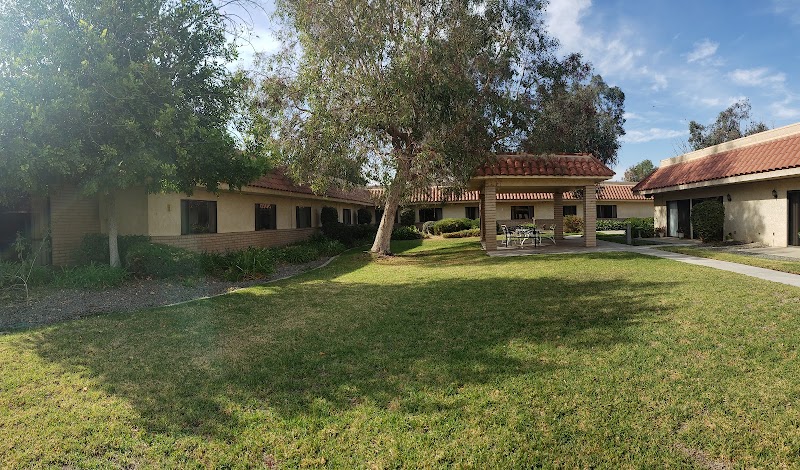
How is Corona Post Acute Center Staffed?

CMS rates CORONA POST ACUTE CENTER's staffing level at 3 out of 5 stars, which is average compared to other nursing homes. Staff turnover is 40%, compared to the California average of 46%. This relatively stable workforce can support continuity of care.

What Have Inspectors Found at Corona Post Acute Center?

State health inspectors documented 72 deficiencies at CORONA POST ACUTE CENTER during 2020 to 2025. These included: 2 that caused actual resident harm and 70 with potential for harm. Deficiencies causing actual harm indicate documented cases where residents experienced negative health consequences.
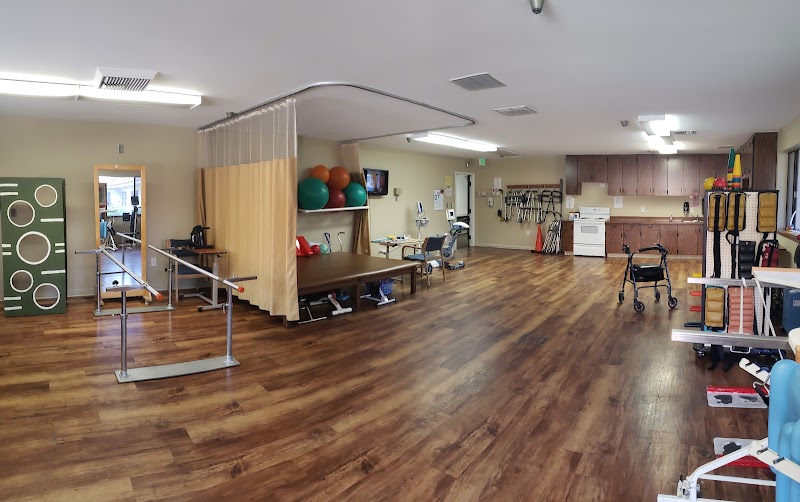
Who Owns and Operates Corona Post Acute Center?

CORONA POST ACUTE CENTER is owned by a for-profit company. For-profit facilities operate as businesses with obligations to shareholders or private owners. The facility is operated by SERRANO GROUP, a chain that manages multiple nursing homes. With 176 certified beds and approximately 163 residents (about 93% occupancy), it is a mid-sized facility located in CORONA, California.
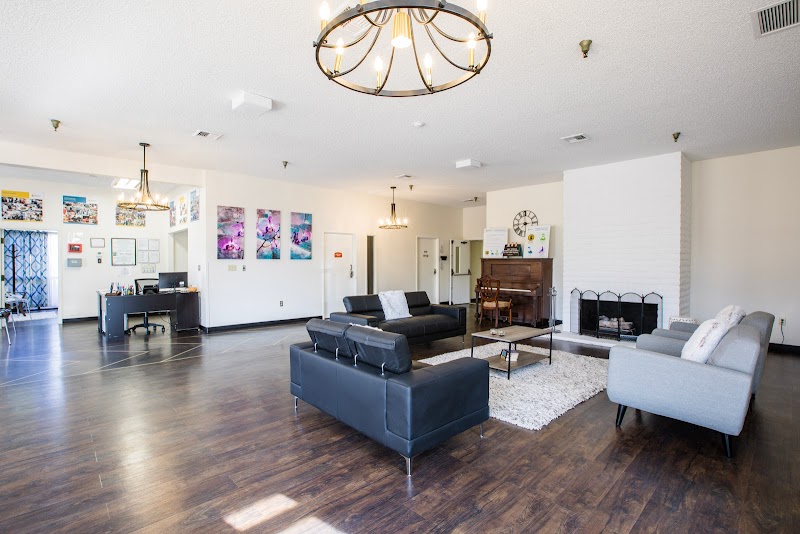
How Does Corona Post Acute Center Compare to Other California Nursing Homes?

Compared to the 100 nursing homes in California, CORONA POST ACUTE CENTER's overall rating (2 stars) is below the state average of 3.1, staff turnover (40%) is near the state average of 46%, and health inspection rating (2 stars) is below the national benchmark.

What Should Families Ask When Visiting Corona Post Acute Center?

Based on this facility's data, families visiting should ask: "Can I visit during a mealtime to observe dining assistance and food quality?" "How do you handle medical emergencies, and what is your hospital transfer rate?" "Can I speak with family members of current residents about their experience?"

Is Corona Post Acute Center Safe?

Based on CMS inspection data, CORONA POST ACUTE CENTER has a clean safety record: no substantiated abuse findings (meaning no confirmed cases of resident harm), no Immediate Jeopardy citations (the most serious violation level indicating risk of serious injury or death), and is not on the Special Focus Facility watch list (a federal program monitoring the lowest-performing 1% of nursing homes). The facility has a 2-star overall rating and ranks #100 of 100 nursing homes in California. While no facility is perfect, families should still ask about staff-to-resident ratios and recent inspection results during their visit.

Do Nurses at Corona Post Acute Center Stick Around?

CORONA POST ACUTE CENTER has a staff turnover rate of 40%, which is about average for California nursing homes (state average: 46%). Moderate turnover is common in nursing homes, but families should still ask about staff tenure and how the facility maintains care continuity when employees leave.

Was Corona Post Acute Center Ever Fined?

CORONA POST ACUTE CENTER has no federal fines on record. CMS issues fines when nursing homes fail to meet care standards or don't correct problems found during inspections. The absence of fines suggests the facility has either maintained compliance or corrected any issues before penalties were assessed. This is a positive indicator, though families should still review recent inspection reports for the full picture.

Is Corona Post Acute Center on Any Federal Watch List?

CORONA POST ACUTE CENTER is not on any federal watch list. The most significant is the Special Focus Facility (SFF) program, which identifies the bottom 1% of nursing homes nationally based on persistent, serious quality problems. Not being on this list means the facility has avoided the pattern of deficiencies that triggers enhanced federal oversight. This is a positive indicator, though families should still review the facility's inspection history directly.