CORONA REGIONAL MEDICAL CENTER D/P SNF
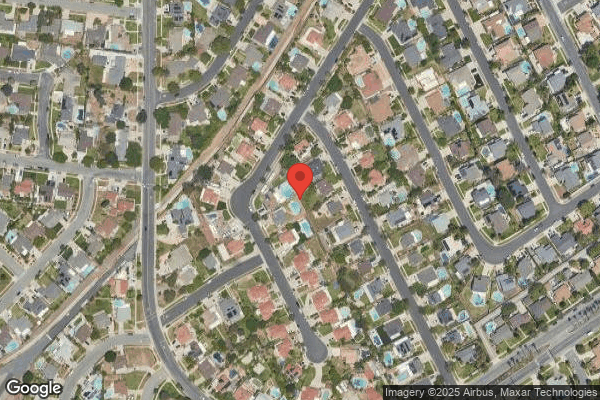
730 MAGNOLIA AVENUE, CORONA, CA 92879 (951) 736-7200
For profit - Corporation 61 Beds Independent Data: November 2025
Trust Grade
90/100
#56 of 1155 in CA
Last Inspection: May 2025

Inspected within the last 6 months. Data reflects current conditions.

Overview

Corona Regional Medical Center D/P SNF has received an impressive Trust Grade of A, indicating it is excellent and highly recommended for potential residents. Ranking #56 out of 1,155 facilities in California places it in the top half of the state, and it holds the #2 position out of 53 in Riverside County, meaning only one other local option is better. The facility is improving, with a reduction in reported issues from 11 in 2024 to 4 in 2025. Staffing is average with a rating of 3 out of 5 stars and a turnover rate of 24%, which is lower than the state average, suggesting that staff are relatively stable and familiar with residents. While there have been no fines, which is a positive indicator, the facility has faced concerns, including a lack of full-time oversight for food services and instances where meals were not plated according to dietary guidelines, potentially risking residents' nutritional needs. Overall, there are strengths in its high trust grade and stable staff, but families should be aware of the food service issues that need addressing.

Trust Score
A
90/100
In California
#56/1155
Top 4%
Safety Record
Low Risk
No red flags
Inspections
Getting Better
11 → 4 violations
Staff Stability
✓ Good
24% annual turnover. Excellent stability, 24 points below California's 48% average. Staff who stay learn residents' needs.
Penalties
✓ Good
No fines on record. Clean compliance history, better than most California facilities.
Skilled Nurses
✓ Good
Each resident gets 107 minutes of Registered Nurse (RN) attention daily — more than 97% of California nursing homes. RNs are the most trained staff who catch health problems before they become serious.
Violations
⚠ Watch
17 deficiencies on record. Higher than average. Multiple issues found across inspections.
★★★★★
5.0
Overall Rating
★★★☆☆
3.0
Staff Levels
★★★★☆
4.0
Care Quality
★★★★★
5.0
Inspection Score
Stable
2024: 11 issues
2025: 4 issues

The Good

  • 4-Star Quality Measures · Strong clinical quality outcomes
  • Low Staff Turnover (24%) · Staff stability means consistent care
  • Full Sprinkler Coverage · Fire safety systems throughout facility
  • No fines on record
  • Staff turnover is low (24%)

    24 points below California average of 48%

Facility shows strength in quality measures, staff retention, fire safety.

The Bad

No Significant Concerns Identified

This facility shows no red flags. Among California's 100 nursing homes, only 1% achieve this.

The Ugly 17 deficiencies on record

May 2025 4 deficiencies
CONCERN (D)

Potential for Harm - no one hurt, but risky conditions existed

Deficiency F0658 (Tag F0658)

Could have caused harm · This affected 1 resident

**NOTE- TERMS IN BRACKETS HAVE BEEN EDITED TO PROTECT CONFIDENTIALITY** Based on observation, interview and record review, the facility failed to ensure services provided meet professional standards o...

Read full inspector narrative →
**NOTE- TERMS IN BRACKETS HAVE BEEN EDITED TO PROTECT CONFIDENTIALITY** Based on observation, interview and record review, the facility failed to ensure services provided meet professional standards of practice, for one of one resident reviewed (Resident 39), when the Licensed Vocational Nurse (LVN) did not check the NGT (nasogastric tube - a flexible tube inserted through the nose and down the throat into the stomach) placement prior to medication administration. This failure had the potential for Resident 39 to develop aspiration pneumonia (a lung infection that occurs when food, liquid, or objects are inhaled into the lungs causing inflammation and fluid build-up). Findings: On May 21, 2025, at 11:23 a.m., a concurrent medication administration observation and interview was conducted with the LVN. The LVN was observed to prepare Resident 39's medications and checked the arm band to verify her identity. The LVN stopped the feeding, attached a 60 ml (milliliter - a unit of measurement) syringe into the NGT and tried to aspirate for gastric residual (stomach contents). There was no gastric residual observed after the LVN aspirated from the NGT. The LVN was observed to pour the medications into the 60 ml syringe. The LVN was asked prior to administering the medication if she checked the NGT placement. The LVN stated there was no need to check the tube placement since Resident 39 had NGT and not a G-tube (gastrostomy tube - a medical device inserted through the abdominal wall directly into the stomach, used to provide enteral nutrition or medications). The LVN was instructed to check NGT placement prior to medication administration. Resident 39's record was reviewed. Resident 39 was admitted to the facility on [DATE], with diagnoses which included post partum cardiac arrest (a sudden, unexpected loss of heart function, breathing and consciousness after giving birth). Resident 39's care plan, dated January 9, 2025, indicated, .Resident has NGT .The resident will be free of aspiration .Check for tube placement and gastric contents/residual volume per facility protocol . On May 21, 2025, at 3:18 p.m., the Director of Nursing (DON) was interviewed. The DON stated all licensed nurses (LVN or Registered Nurse) were expected to check tube placement, NGT or G-tube prior to administering tube feedings and/or medications. The DON stated placement verification of the tube could be done by aspirating for gastric residual. He stated if there was gastric residual, the tube was in place. He stated if there was no gastric residual, the licensed nurse should slowly inject a small amount of air using a 60 ml syringe into the tube and listen with the use of a stethoscope for the swooshing sound to verify placement. The DON stated the LVN should have checked the NGT placement by slowly injecting a small amount of air into the tube and listened to the swooshing sound before administering medications. A review of the facility's policy and procedure titled, Medication Administration Through an Enteral Tube, reviewed April 2024, indicated, .Verify placement of the Nasogastric tube or Gastrostomy tube by either one or both procedure .Attach the syringe to the feeding tube and try to aspirate stomach contents .Place the stethoscope just below the xiphoid process (pointed end at the bottom of the breastbone) and instill 10-25 ml of air on (sic) the feeding tube. Listen for gurgling or whooshing sound, which indicates proper placement .
CONCERN (D)

Potential for Harm - no one hurt, but risky conditions existed

Deficiency F0761 (Tag F0761)

Could have caused harm · This affected 1 resident

**NOTE- TERMS IN BRACKETS HAVE BEEN EDITED TO PROTECT CONFIDENTIALITY** Based on observation, interview, and record review, the facility failed to ensure one of 15 vials of Ativan (medication used to ...

Read full inspector narrative →
**NOTE- TERMS IN BRACKETS HAVE BEEN EDITED TO PROTECT CONFIDENTIALITY** Based on observation, interview, and record review, the facility failed to ensure one of 15 vials of Ativan (medication used to treat anxiety disorders) two (2) mg (milligram - a unit of measurement) was not stored beyond the manufacturer's recommended discard date during an inspection of the medication refrigerator in the medication storage room located in the main building. This failure had the potential for a resident to receive an expired and ineffective medication. Findings: On [DATE], at 2:12 p.m., a medication storage room inspection was conducted with the Nurse Manager (NM). One vial of Ativan 2 mg with an expiration date of [DATE], was found stored in the medication refrigerator in the medication storage room located in the main building. In a concurrent interview with the NM, she stated any expired medication should be removed from use to prevent a licensed nurse from administering to a resident. On [DATE], at 3:18 p.m., the Director of Nursing (DON) was interviewed. The DON stated the staff checked the medications for expiration date and failed to see the expired Ativan 2 mg vial. The DON stated the expired medication should have been removed from use and returned to the pharmacy. A review of the facility's policy and procedure titled, Medication Storage, reviewed [DATE], indicated, .The facility shall not use discontinued, outdated, or deteriorated drugs or biologicals. All such drugs shall be returned to the dispensing pharmacy or destroyed .
CONCERN (D)

Potential for Harm - no one hurt, but risky conditions existed

Food Safety (Tag F0812)

Could have caused harm · This affected 1 resident

Based on observation, interview, and record review, the facility failed to ensure expired food items were not stored in the refrigerator, readily available for use. This failure had the potential to ...

Read full inspector narrative →
Based on observation, interview, and record review, the facility failed to ensure expired food items were not stored in the refrigerator, readily available for use. This failure had the potential to result in foodborne illness to a vulnerable facility population. Findings: On May 19, 2025, at 7:15 a.m., an initial tour of the kitchen was conducted with the Director of Nutritional Services (DNS). Two fruit cups labeled with a use-by date of May 18, 2025, were observed in the refrigerator, readily available for use. One fruit cup with no label or date was also observed in the refrigerator, readily available for use. On May 19, 2025, at 7:15 a.m., a concurrent interview and record review was conducted with the DNS. The DNS stated all items stored in the refrigerator should have a use-by date. The DNS stated the one fruit cup with no label or date should not have been stored in the refrigerator, readily available for use. The DNS stated the two fruit cups should have been discarded on or before the expiration date (use-by date), and not stored in the refrigerator, readily available for use. A list of residents on an oral diet (food and drink consumed by mouth) indicated two residents out of the 60 residents in the facility were on an oral diet. A review of the facility policy and procedure, titled, Food Storage, revised January 2020, was reviewed. The policy and procedure indicated, .The Nutritional Service Department assures that safe, sanitary food storage .for a variety of food forms occurs in a strictly defined manner .All .prepared salads are covered, labeled, and dated with use by date and placed in refrigerator until further use .
CONCERN (D)

Potential for Harm - no one hurt, but risky conditions existed

Infection Control (Tag F0880)

Could have caused harm · This affected 1 resident

Based on observation, interview, and record review, the facility failed to ensure infection control practice was implemented when the Licensed Vocational Nurse (LVN) did not properly clean and disinfe...

Read full inspector narrative →
Based on observation, interview, and record review, the facility failed to ensure infection control practice was implemented when the Licensed Vocational Nurse (LVN) did not properly clean and disinfect shared glucometer (measures the amount of glucose [sugar] in the body) in accordance with the disposable wipe manufacturer's specified contact time (contact time/wet time - amount of time a disinfectant needs to stay visibly wet on a surface to effectively kill germs). This failure had the potential to expose the resident to cross-contamination and development of infection. Findings: On May 21, 2025, at 12:08 p.m., during a medication administration observation with the LVN, the LVN was observed using a shared glucometer. The LVN was observed to wipe the glucometer with a Sani cloth disposable wipe (used to clean, sanitize and disinfect hard, non-porous surfaces [does not allow liquid or air to pass through it])) then proceeded to check Resident 18's blood sugar. The LVN was observed to wipe the glucometer with a Sani cloth disposable wipe but did not follow the manufacturer's specified contact time of two (2) minutes. On May 21, 2025, at 12:28 p.m., during an interview with the LVN, she stated she used the Sani cloth disposable wipe to sanitize the glucometer before and after each use and allowed to air dry. She stated the glucometer was wet but not for 2 minutes. The LVN stated she did not follow the contact time of 2 minutes as per manufacturer's instructions. On May 21, 2025, at 12:41 p.m., the Director for Staff Development (DSD) and the Director of Nursing (DON) were interviewed. The DSD and the DON stated the licensed nurse should sanitize the glucometer before and after use with the Sani cloth wipes. The DSD and DON stated the manufacturer's instructions for 2 minutes contact time should be followed by the staff. A review of the facility's policy and procedure titled, Disinfecting Patient Equipment, reviewed June 2024, indicated, .All patient care equipment is cleaned and disinfected .All patient care items are disinfected between patient use by point of care staff (Nursing, Transporters, Ancillary, etc.) .Manufacturer's instructions for use of each product are followed . A review of the manufacturer's instructions for Sani wipes indicated, .Contact time .thoroughly wet surface. Allow surface to remain wet for two (2) minutes, let air dry .
Apr 2024 1 deficiency
CONCERN (D) 📢 Someone Reported This

A family member, employee, or ombudsman was alarmed enough to file a formal complaint

Potential for Harm - no one hurt, but risky conditions existed

Pressure Ulcer Prevention (Tag F0686)

Could have caused harm · This affected 1 resident

**NOTE- TERMS IN BRACKETS HAVE BEEN EDITED TO PROTECT CONFIDENTIALITY** Based on interview and record review, the facility failed to implement interventions of turning and repositioning of dependent r...

Read full inspector narrative →
**NOTE- TERMS IN BRACKETS HAVE BEEN EDITED TO PROTECT CONFIDENTIALITY** Based on interview and record review, the facility failed to implement interventions of turning and repositioning of dependent residents, for one of four residents (Resident 1), who had the potential for the development of a pressure injury/ulcer (injury to skin and underlying tissue resulting from prolonged pressure on the skin). This failure placed the resident at an increased risk for developing and/or worsening of pressure injuries. Findings: On April 2, 2024, at 10:17 a.m., an unannounced visit was conducted at the facility for a quality-of-care complaint. On April 2, 2024, Resident 1's medical record was reviewed. Resident 1 was admitted to the facility on [DATE], with diagnoses which included acute and chronic respiratory failure (unable to breath without difficulty) post tracheostomy (an artificial opening in the trachea to allow oxygen to the lungs), quadriplegia (inability to move all four extremities), and intracranial hemorrhage (bleeding in the brain). The physician History and Physical indicated Resident 1 was nonverbal and noncommunicative. The records indicated Resident 1 was transferred to the general acute care hospital on January 21, 2024. Review of Resident 1's Care Plan dated February 23, 2023, indicated, .Focus .High risk for alteration in skin integrity .Resident's mother wants resident to be turned at 9pm, 12mn (midnight), 3am, and 6am .Interventions .During night shift turn resident at 9pm, 12mn, 3am, and 6am per family request .Turn and reposition at least every 2 hours and as needed for comfort and pressure relief . Review of the facility document untitled which included resident function and activity (turning and repositioning) for January 17-21, 2024, indicated: -January 17, at 2:17 p.m., .Assistance Needs .Total .Patient Position .Lying . -January 17, at 6:18 p.m., .Assistance Needs .Total .Patient Position .Supine . -January 18, at 1:06 p.m., .Assistance Needs .Total .Patient Position .Lying . There was no other documentation indicating Resident 1 was turned or repositioned. On April 2, 2024, at 10:44 a.m., an interview was conducted with Certified Nursing Assistant (CNA) 1. CNA 1 stated residents needed to be turned and repositioned every two hours and documented in the resident's record. CNA 1 stated if it was not documented, it was not done. On April 2, 2024, at 1:09 p.m., an interview was conducted with CNA 2. CNA 2 stated residents needed to be turned and repositioned every two hours and documented in the resident's record. CNA 2 stated some families requested the residents to be turned more frequently or at specific times, but they should be repositioned at least every two hours to prevent pressure injuries. On April 2, 2024, at 1:20 p.m., an interview and concurrent record review was conducted with the Director of Nursing (DON). The DON stated residents needed to be turned or repositioned every two hours with documentation in the resident's record. The DON stated Resident 1's record did not have any documentation that Resident 1 was turned or repositioned every two hours between January 17-21, 2024. The DON stated there should be documentation to indicate Resident 1 was turned and repositioned, and there was not. The DON stated if it was not documented then it was not done. On April 2, 2024, at 1:55 p.m., an interview was conducted with the Treatment Nurses (TXN) 1 and 2. TXN 1 stated Resident 1 had a pressure injury to his buttocks, but the wound was improving. TXN 1 stated it was important for Resident 1 to be turned and repositioned to promote healing and prevent further pressure injuries from developing. TXN 2 stated turning and repositioning were important for skin integrity and wound healing. Review of the facility document titled Skin Care and Prevention of Pressure Injury revised May 2023, indicated, .Pressure injury are usually formed when a resident remains in the same position for an extended period of time causing increased pressure or a decrease of circulation (blood flow) to that area and subsequent destruction of tissue .For a person in bed .Change position at least every time ADL (activities of daily living- example would be brief change or peri-care) care is provided or more frequently if needed .in a chair .Change position regularly at least every 1-2 hours .Bed/Chair Fast .Change position as frequent as possible .
Feb 2024 8 deficiencies
CONCERN (D)

Potential for Harm - no one hurt, but risky conditions existed

Comprehensive Care Plan (Tag F0656)

Could have caused harm · This affected 1 resident

**NOTE- TERMS IN BRACKETS HAVE BEEN EDITED TO PROTECT CONFIDENTIALITY** Based on observation, interview, and record review, the facility failed to implement the care plan for the monitoring of residen...

Read full inspector narrative →
**NOTE- TERMS IN BRACKETS HAVE BEEN EDITED TO PROTECT CONFIDENTIALITY** Based on observation, interview, and record review, the facility failed to implement the care plan for the monitoring of resident's edema (a swelling caused by too much fluid trapped in body's tissues) for one of one resident reviewed (Resident 161). This failure resulted in Resident 161's edema not being assessed by licensed staff from February 10, 2024 to February 12, 2024, which increased the potential for Resident 161 not to receive the proper care and treatment timely. Findings: On February 12, 2024, at 11:31 a.m., Resident 161 was observed lying in bed with eyes open. Resident 161 did not perform eye tracking during a verbal command. Resident 161 was observed with a tracheostomy (an opening in the windpipe to allow air to fill the lungs) tube, a gastrostomy tube (a feeding tube used to deliver a formula through the stomach), and on a respirator (a life-support machine). Resident 161 was observed with swelling on both arms and feet. Resident 161's arms were positioned on his sides without support and his feet were touching the bed without support on the heels. On February 13, 2024, at 10:09 a.m., Resident 161 was observed lying in bed with his eyes closed. Resident 161's left arm was observed to be bigger than his right arm, and both arms were on his sides without support. Both of his feet remained equally swollen and were touching the bed without support on the heels. On February 13, 2024, Resident 161's record was reviewed. Resident 161 was admitted to the facility on [DATE], with diagnoses which included respiratory failure (a condition when the lungs can not get enough oxygen into the blood) and chronic edema. During a concurrent interview, and record review, on February 13, 2024, at 11:22 a.m., conducted with Clinical Manager (CM) 1, Resident 161's history and physical (H & P) dated January 10, 2024, was reviewed. The physician's H&P for Resident 161, indicated Resident 161 had chronic edema. The care plan for altered cardiovascular status related to hypertension (high blood pressure) initiated on January 11, 2024, indicated, .Monitor for and document any edema . The wound care note for skin assessment dated [DATE], at 5:43 p.m., was reviewed. The note indicated, Resident 161 had . bilateral upper extremities edema, elevated with pillows, Swelling to bilateral feet, elevated with pillows, charge nurse also made aware of skin concerns, continue with ongoing Tx (treatment) and on going plan of care . The nurse's progress notes from February 9, 2024, at 7:37 p.m., to February 13, 2024, at 7:39 a.m., was reviewed. There was no documented evidence Resident 161's edema was assessed by licensed staff during the 12 hour shift. CM 1 acknowledged there was no assessment in the nurse's notes of Resident 161's edema from February 9, 2024, to February 13, 2024. She stated licensed staff should have assessed and monitored Resident 161's edema. On February 14, 2024, at 4:45 p.m., a concurrent interview and record review was conducted with the Director of Subacute (DS). The DS acknowledged there was no monitoring of Resident 161's bilateral upper extremities and feet edema. On February 15, 2024, at 10 a.m., a concurrent record review and interview was conducted with CM 1 and the DS. Both acknowledged the care plan initiated on January 11, 2024, was not implemented. The facility's policy and procedure titled, .Comprehensive Care Plan, dated May 2023, was reviewed. The policy indicated, .The comprehensive assessment is based on a thorough assessment .are on going .Incorporate the interventions to address the symptoms of the underlying problem identified .Incorporate risk factors associated with identified problems .
CONCERN (D)

Potential for Harm - no one hurt, but risky conditions existed

Tube Feeding (Tag F0693)

Could have caused harm · This affected 1 resident

**NOTE- TERMS IN BRACKETS HAVE BEEN EDITED TO PROTECT CONFIDENTIALITY** Based on observation, interview, and record review, the facility failed to ensure the enteral formula (EF - a form of nutrition ...

Read full inspector narrative →
**NOTE- TERMS IN BRACKETS HAVE BEEN EDITED TO PROTECT CONFIDENTIALITY** Based on observation, interview, and record review, the facility failed to ensure the enteral formula (EF - a form of nutrition that is delivered into the stomach as a liquid) was labeled with the date and time for one of six residents (Resident 45) receiving enteral formula. This failure had the potential for Resident 45 to experience complications from the formula, such as nausea, diarrhea, or infection. Findings: On February 12, 2024, at 9:50 a.m., Resident 45 was observed in bed with enteral formula feeding being delivered via pump. The EF container was observed with a blank label (no date and time of when it was hung.) On February 12, 2024, at 11:03 a.m., a concurrent observation and interview with Registered Nurse (RN) 1 was conducted. RN 1 observed Resident 45's EF container and stated the formula should be labeled and dated with the time once opened. RN 1 stated there was no way to tell when the EF was hung. RN 1 stated the risk of not dating the EF was that the resident could get an upset stomach, have diarrhea and abdominal pain. RN 1 stated the facility has apolicy on dating and timing the enteral formula feeding. On February 12, 2024, at 11:22 a.m., during a concurrent observation and interview with the unit Charge Nurse, Registered Nurse (RN) 2, RN 2 stated We write the date because it can only be hung for a 24-hour period. RN 2 further stated the risk of not labeling is one would not know how long the EF had been there and the patient can have GI (gastrointestinal) distress, nausea, vomiting, potentially abdominal pain and could increase the residents risk for infection. RN 2 further stated that many of their patients are on respirators and immunocompromised (having an impaired immune system), so they are more susceptible. On February 15, 2024, at 8:32 a.m., an interview was conducted with the Director of Subacute (DS). The DS stated nursing staff have to label and date the bags before they are hung and connected to the patient. If it is not dated, it is difficult to determine how long it's been hanging there. The DS stated the risk associated with not labeling the enteral feeding container is the patient could have abdominal issues gastrointestinal problems such as diarrhea and nausea. Resident 45's record was reviewed. Resident 45 was admitted to the facility on [DATE], with diagnoses which included dysphagia (difficulty swallowing.) Resident 45's physician orders dated November 4, 2023, indicated, .Glucerna (a brand of enteral formula) 50 ml (milliliters - unit of measurement)/hr. (hour) . A review of the facility policy titled, Enteral Formula (revised date March 2015), indicated, .Label feeding set with start time, date and nurses initial .
CONCERN (D)

Potential for Harm - no one hurt, but risky conditions existed

Infection Control (Tag F0880)

Could have caused harm · This affected 1 resident

**NOTE- TERMS IN BRACKETS HAVE BEEN EDITED TO PROTECT CONFIDENTIALITY** Based on observation, interview, and record review, the facility failed to implement infection control prevention when Registere...

Read full inspector narrative →
**NOTE- TERMS IN BRACKETS HAVE BEEN EDITED TO PROTECT CONFIDENTIALITY** Based on observation, interview, and record review, the facility failed to implement infection control prevention when Registered Nurse (RN) 3 did not wear gloves while handling a gastrostomy tube (G-tube - a tube inserted into the stomach to provide nutrition) for one resident (Resident 38). This failure had the potential to expose the vulnerable resident to infection. Findings: On February 14, 2024, at 11:31 a.m., Resident 38 was observed in bed. Resident 38 had a G-tube for nutrition and was receiving her medications via G-tube. On February 14, 2024, at 11:31 a.m., during the medication administration observation, RN 3 was observed handling the G-tube of Resident 38 without gloves. On February 14, 2024, at 12:30 p.m., an interview was conducted with RN 3. RN 3 confirmed she did not wear gloves when handling Resident 38's G-tube. RN 3 stated she should have worn gloves while handling Resident 38's G-tube. On February 14, 2024, at 12:30 p.m., a concurrent interview with the clinical manager (CM) 1 was conducted. CM 1 stated RN 3 should have worn gloves when handling Resident 38's G-tube. Resident 38's record was reviewed. Resident 38 was admitted to the facility on [DATE], with diagnoses which included respiratory failure and encounter for attention to gastrostomy. The physician's orders, dated November 16, 2023, indicated, .May administer meds and flush tube via slow push . Resident 38's care plan, initiated on November 16, 2023, indicated, .Potential for infection on feeding tube site .Will be free from signs and symptoms of infection on feeding tube site . The facility policy and procedure titled, Hand Hygiene Program, reviewed June 2023, was reviewed. The policy indicated, .Glove use .Gloves should be worn according to standard and contact precautions or when there is anticipated hand contact with blood, body fluids, secretions, excretions or mucous membranes .
CONCERN (E)

Potential for Harm - no one hurt, but risky conditions existed

Deficiency F0801 (Tag F0801)

Could have caused harm · This affected multiple residents

Based on observation, staff interviews, and record review, the facility failed to comply with Federal regulations related to the oversight of food service operations when the facility did not have a f...

Read full inspector narrative →
Based on observation, staff interviews, and record review, the facility failed to comply with Federal regulations related to the oversight of food service operations when the facility did not have a full-time Registered Dietitian and/or a full-time Director of Food Services in accordance with California Code, Health and Safety Code - HSC § 1265.4 The lack of a full-time, qualified supervision over Food and Nutrition services had the potential to result in inadequate supervision leading to food borne illness for seven residents who received food from the kitchen out of a facility census of 58. Findings: During the Federal re-certification survey from February 12, 2024 - February 15, 2024, it was noted that Food and Nutrition services provided meals not only to skilled nursing residents but also to a separately licensed, Behavioral unit. The skilled nursing facility's Director of Nutritional Services (DRD) and the Nutritional Services Manager (DSS) were working in 3 different facilities, Acute Hospital, Skilled Nursing facility (SNF) and Behavioral unit. Review of the organizational structure of the facility identified that the Skilled Nursing Facility was part of a continuing care of the Acute Hospital care. According to the California Code, Health, and Safety Code - HSC § 1265.4: A licensed health facility, shall employ a full-time, part-time, or consulting dietitian. A health facility that employs a registered dietitian less than full time, shall also employ a qualified full-time dietetic services supervisor to supervise dietetic service operations. On February 12, 2024, at 9:56 a.m., an interview was conducted with the DRD and the DSS. The DRD and the DSS stated both of them were in charge as Food service/dietetic services supervisors with the Acute Hospital, Skilled Nursing Facility and Behavioral unit. On February 14, 2024, at 10:17 a.m., a phone interview was conducted with the Registered Dietician (RD) 3 and RD 4. RD 3 and RD 4 stated both of them worked as part time clinical dietitian two days per week at the SNF. RD 3 and RD 4 claimed they never involved any Food service/dietetic services work at the SNF. On February 14, 2024, at 10:36 a.m., an interview was conducted with RD 2. RD 2 stated she worked as a full time clinical dietitian at the SNF. RD 2 explained her main focus work loads were providing residents' nutrition assessment, evaluating Residents' with weight issue and developing residents' nutritional care plans. RD 2 stated she did not have experience of food service management work. RD 2 stated the Food service/dietetic services work at the SNF she perform were less than an hour test tray one time per month and less than an hour sanitation kitchen audit one time per month. On February 15, 2024, at 12:55 p.m., an interview was conducted with the Chief Operating Officer (COO). The COO confirmed the DRD and the DSS were the supervisors of Food and Nutrition Services which included the Acute Hospital, Skilled Nursing Facility and behavioral unit. During a review of the facility provided organizational chart, undated, indicated, Acute hospital and SNF organizational chart which showed the organization of Food and Nutrition Staff, reported to Chief Operating Officer and all Food and Nutrition staff were under the Director of Nutritional Services.
CONCERN (E)

Potential for Harm - no one hurt, but risky conditions existed

Deficiency F0802 (Tag F0802)

Could have caused harm · This affected multiple residents

Based on observations, interviews, and record reviews the facility failed to ensure dietary staff were able to carry out the functions of food and nutrition services safely and effectively when: 1. Th...

Read full inspector narrative →
Based on observations, interviews, and record reviews the facility failed to ensure dietary staff were able to carry out the functions of food and nutrition services safely and effectively when: 1. The Director of Nutritional Services and the Nutritional Service Manager did not instruct food service workers to follow manufacturer guideline for monitor temperature on dish machine. 2. The cook used wrong scoop plated lunch meal on February 13, 2024, for four residents (Residents 2, 19, 30, and 54). (Cross reference 803) These failures had the potential for unsafe food practices which may lead to foodborne illness (stomach illness acquired from ingesting contaminated food), and the potential to not meet the nutritional needs of the residents in a medically vulnerable population of seven out of 58 sample residents who received food prepared in the kitchen. 1. During a review of the Federal FDA (Food and Drug Administration) Food Code 2022, Annex 3: Section 4-204.115 Warewashing Machines, Temperature Measuring Devices, the FDA Food Code indicated, The requirement for the presence of a temperature measuring device in each tank of the warewashing machine is based on the importance of temperature in the sanitization step. In hot water machines, it is critical that minimum temperatures be met at the various cycles so that the cumulative effect of successively rising temperatures causes the surface of the item being washed to reach the required temperature for sanitization. During a review of the Federal FDA (Food and Drug Administration) Food Code 2022, Annex 3: Section 4-204.113 Warewashing Machine, Data Plate Operating Specifications, the FDA Food Code indicated, The data plate provides the operator with the fundamental information needed to ensure that the machine is effectively washing, rinsing, and sanitizing equipment and utensils. The warewashing machine has been tested, and the information on the data plate represents the parameters that ensure effective operation and sanitization and that need to be monitored. On February 13, 2024, at 10:47 a.m., a concurrent observation, and record review of the high temperature dish machine was conducted. Observed the high temperature dish machine power wash temperature from gauge was 140 degrees Fahrenheit (°F - a unit of measurement) while doing dishes. Reviewed the manufacturer's guideline data plate for First tank power scrapper temperature on dish machine indicated Important keep temperature (temp) between 110 °F to 140 °F ; Second tank data plate for power wash temperature on dish machine indicated Important keep temp between 150 °F to 165 °F and third tank date plate for Final rinse temp on dish machine indicated, Important keep temp between 180 °F to 195 °F. Reviewed February 1-14, 2024, Dish machine temp log, there was no monitoring for power scrapper temperature. On February 14, 2024, at 10:05 a.m., an interview was conducted with the Dish machine Service Vendor (SCV). The SCV stated the dish machine need to stay in the manufacture recommended guideline temperature for properly sanitize the dishes. On February 14, 2024, at 4:00 p.m., an interview was conducted with the Director of Nutritional Services (DRD) and the Nutritional Services Manager (DSS). The DRD and the DSS stated they only focused on the dish machine final rinse temperature need to be over 180 °F and the dish machine test strip turned orange color for properly sanitizing the dishes. The DRD and the DSS stated they did not concern about First tank power scrapper temperature and Second tank power wash temperature. Reviewed the manufacturer's guideline data plate for power wash temperature on dish machine indicated Important keep temp between 150 °F to 165 °F. Review of the facility's Dish Machine Temperature log, Eleven out of 14 days power wash temperature were out of range during February 2024. The facility's Dish Machine temperature log during February, 2024 indicated, Power wash temperature: 2/1/24: Breakfast (B): 189 °F, Dinner (D):138 °F; 2/3/24: B: 169 °F, Dinner (D):173 °F, 2/4/24: D:175 °F, 2/5/24: D: 167 °F, 2/6/24: B:181 °F, D: 138 °F, 2/7/24: B:172 °F, 2/8/24: B: 189 °F, L: 139 °F, D:140 °F, 2/10/24: B: 187 °F, L:172 °F, D: 189 °F , 2/11/24: B: 187 °F, L: 146 °F, D: 138 °F, 2/12/24: B:190 °F, 2/14: D: 174 °F 2. On February 13, 2024, at 11:53 a.m., a concurrent observation, interview, and menu review was conducted during lunch meal plating with the [NAME] (CK). The CK used a green scoop, 2.5 ounce (oz.- a unit of measure), for broccoli and rice instead of a grey scoop, four oz. per the menu for regular diet, No Concentrated Sweets diet and Low Sodium diet. Confirmed green scoop size with the CK, the CK stated green scoop was 2.5 oz. On February 13, 2024, at 2:30 p.m., an interview was conducted with the Director of Nutritional Services (DRD) and the Clinical Nutritional Manager (RD 1). The DRD and the RD1 were asked to explain the scoop colors and the size. They explained the green scoop was 2.5 oz. and the grey scoop was four oz. or equal to 1/2 cup. RD1 and DRD explained that if the wrong scoop size was used to plate the food for the residents, the residents would not get enough nutrition which could result in weight loss. During a review of the facility's Policy and Procedure titled, Portion Control Guidelines, revision date: 2/2024, indicated . Food Service Employees refers to production sheets for the proper portion size for all food service . When the patient/resident's menu has measured portions designated, food items may be measured by weight as appropriate . During a review of the facility's policy and Procedure titled, Menu Policy, review dated September 2022, indicated, .Standard recipes and standard serving guide are tools used by the food service staff to ensure nutritional adequacy is met for the patients/residents prescribed diet order . During a review of the job decription titled, COOK-DIETARY, undated, indicated, .POSITION SPECIFIC STANDARDS .1. Prepares all food items specified on daily production records in quantities indicated.
CONCERN (E)

Potential for Harm - no one hurt, but risky conditions existed

Menu Adequacy (Tag F0803)

Could have caused harm · This affected multiple residents

Based on observation, interview, and record review, the facility failed to ensure the nutritional needs for four of five residents (Residents 2, 19, 30, and 54), was met for lunch, when the meal was n...

Read full inspector narrative →
Based on observation, interview, and record review, the facility failed to ensure the nutritional needs for four of five residents (Residents 2, 19, 30, and 54), was met for lunch, when the meal was not plated in accordance with menu guidance for lunch. This failure had the potential to result in under or over nutrition. When a resident receives foods that are not consistent with their physician ordered diet, it may result in further compromising the resident's medical status. Findings: During an observation of the lunch meal plating on February 13, 2024, at 11:53 a.m., the [NAME] (CK) used a green scoop, 2.5 ounce (oz.- a unit of measure), for broccoli and rice instead of a grey scoop, 4 oz. per the menu and diet orders. During an interview on February 13, 2024, at 2:30 p.m., with Nutritional Service Supervisor (DSS) and Director of Nutritional Services (DRD), were asked to explain the scoop colors and the size. They explained the green scoop is 2.5 oz. and the grey scoop is four oz. or equal to 1/2 cup. DSS and DRD explained that if the wrong scoop size was used to plate the food the residents would not get enough nutrition, which could result in weight loss. A review of the facility's document titled, Order Sheet-Diet, dated January 1, 2024, for Resident 2 indicated, No concentrated sweets . A review of the facility's document titled, Order Sheet-Diet, dated January 1, 2024, for Resident 19 indicated, Sodium Restriction 2.4 GM (gram- a unit of measurement) . A review of the facility's document titled, Order Sheet-Diet, dated January 1, 2024, for Resident 30 indicated, Regular . A review of the facility's document titled, Order Sheet-Diet, dated January 22, 2024, for Resident 54 indicated, .No concentrated sweets . A review of the facility Policy and Procedure titled, Portion Control Guidelines, indicated . Food Service Employees refers to production sheets for the proper portion size for all food service . When the patient/resident's menu has measured portions designated, food items may be measured by weight as appropriate . A review of the facility's menus for Regular, Low Sodium, and No Concentrated Sweets diets, indicated .portion size for these diets was half cup of rice and half cup of broccoli . During a review of the facility's policy titled, Menu Policy, dated September 2022, indicated, .Standard recipes and standard serving guide are tools used by the food service staff to ensure nutritional adequacy is met for the patients/residents prescribed diet order .
CONCERN (E)

Potential for Harm - no one hurt, but risky conditions existed

Food Safety (Tag F0812)

Could have caused harm · This affected multiple residents

**NOTE- TERMS IN BRACKETS HAVE BEEN EDITED TO PROTECT CONFIDENTIALITY** Based on observation, interview, and record review, the facility failed to ensure safe and sanitary food preparation and storage...

Read full inspector narrative →
**NOTE- TERMS IN BRACKETS HAVE BEEN EDITED TO PROTECT CONFIDENTIALITY** Based on observation, interview, and record review, the facility failed to ensure safe and sanitary food preparation and storage practices in the kitchen when : 1. The Prep sink did not have an air gap; 2. Nine cutting boards surface were heavily marred; 3. Three storage silver shelves in trayline area had rust; 4. Two microwaves in the kitchen were dirty; 5. Lacked temperature monitor for Prep table refrigerator; 6. Multiple areas in the kitchen were covered with dust; 7. The walk in refrigerator's gasket was wore out; 8. Unsanitary storage condition in walk in refrigerator; 9. Multiple areas in the kitchen's floor did not have smooth surface; 10. Trash were found in the multiple areas in the kitchen; 11. Build up grease and black/brown debris found on fire suppression unit above stove and fryer; 12. Cobweb found in dry storage room; and 13. Under the grill/stove range there was burn buildup material and black particles. These failures had the potential to cause foodborne illness (stomach illness acquired from ingesting contaminated food) in a medically vulnerable population of seven out of 58 residents who received food prepared in the kitchen. Findings: 1. On February 12, 2024, at 10:45 a.m., an observation with the [NAME] (CK) in front of the Prep sink (sink used for washed produce). The CK used the prep sink to wash produce. On February 12, 2024, at 11:45 a.m., a concurrent observation and interview with the Director of Nutritional Services (DRD) and the Nutritional Services Manager (DSS) in front of the Prep sink was conducted. The DRD and the DSS stated they used this sink as the Prep sink. The DSS confirmed the Prep sink did not have an air gap (An air gap refers to a fixture that provides back-flow prevention. When installed and maintained properly, the air gap works to prevent drain water from backing up into the sink and possibly contaminating the area used for washing food). The DRD was not aware the Prep sink need to have an air gap. On February 14, 2024, at 4:00 p.m., an interview was conducted with the DRD, the DRD stated there was no policy and procedure for an air gap. During a review of the Federal FDA (Food and Drug Administration) Food Code 2022, Section 5-203.14 Backflow Prevention Device, the FDA Food Code indicated, A PLUMBING SYSTEM shall be installed to preclude backflow of a solid, liquid, or gas contaminant into the water supply system at each point of use at the FOOD ESTABLISHMENT, including on a hose [NAME] if a hose is attached or on a hose [NAME] if a hose is not attached and backflow prevention is required by LAW, by: (A) Providing an air gap . 2. On February 12, 2024, at 11:57 a.m., a concurrent observation and interview was conducted with the DRD and the DSS in the kitchen. There was four 24 inch length x 18 inch width cutting boards and another five 12 inch length x 18 inch width cutting boards were observed heavily marred (impaired surface). Some of the cutting boards had black and brown stain on surface. The DRD and the DSS confirmed the nine cutting boards were heavily marred. The DRD explained heavily marred cutting boards were unable to clean properly due to food particles stuck on scratched surface which could cause cross contamination. During a review of the facility's Policy and Procedure (P&P) titled, Departmental Infection Control; Section: Nutritional Services Department, Revision 2/2024, the P&P indicated .13. Equipment/Environment: .iv. For cutting boards: .(d) Replace cutting board when deep grooves or gouges are visible on the board. 3. On February 12, 2024, at 9:59 a.m., a concurrent observation and interview was conducted with the DRD and the DSS in the kitchen trayline area. Three silver storage shelves were observed with brown grime. The DRD stated brown grime was rust on the silver storage shelves. The DRD stated storage shelves were not supposed to have rust because rust could get into foods stored on the shelves. On February 14, 2024, at 4:00 p.m., an interview was conducted with the DRD. The DRD stated there was no policy and procedure for rusting shelves. During a review of the Federal FDA (Food and Drug Administration) Food Code 2022, Section 4-101.11 Equipment Characteristics, the FDA Food Code indicated, .FOOD-CONTACT SURFACES of EQUIPMENT may not allow the migration of deleterious substances or impart colors, odors, or tastes to FOOD and under normal use conditions shall be: (A) Safe; (B) Durable, CORROSION-RESISTANT, and nonabsorbent; . (D) Finished to have a SMOOTH, EASILY CLEANABLE surface; and (E) Resistant to pitting, chipping, crazing, scratching, scoring, distortion, and decomposition. 4. On February 12, 2024, at 9:53 a.m., a concurrent observation and interview was conducted with the DRD in the kitchen trayline area. Brownish particles were found inside the microwave and the microwave's door. The DRD stated the brownish particles inside the microwave and the microwave's door were splashed of the foods. On February 12, 2024, at 10:54 a.m., a concurrent observation and interview was conducted with the DRD and the DSS in the main cook area. The brownish particles were found inside the microwave. The DSS confirmed the brownish particles inside microwave were splashed of the foods. The DRD stated both microwaves needed to be clean after each used to prevent cross contamination. During a review of the facility's Policy and Procedure (P&P) titled, Departmental Infection Control; Section: Nutritional Services Department, Revision 2/2024, the P&P indicated .13. Equipment/Environment: .equipment and contact surfaces are cleaned and sanitized between uses. 5. On February 13, 2024, at 10:01 a.m., a concurrent observation, interview and record review was conducted with the DRD, and the [NAME] in the kitchen main cook area. There was no temperature monitoring for the Prep table refrigerator in front of walk-in refrigerator which had foods stored inside. The [NAME] stated she did not monitor the Prep table refrigerator in front of the walk in refrigerator because the other side of the Prep table refrigerator in front of oven was broken. The DRD stated the [NAME] should monitor the Prep table refrigerator in front of the walk in refrigerator. During a review of the facility's Policy and Procedure (P&P) titled, Departmental Infection Control; Section: Nutritional Services Department, Revision 2/2024, the P&P indicated .10. Storage: .vi. Temperature records are maintained daily on refrigerators . During a review of the facility provided documentation, titled, Daily Record of Refrigerator/Freezer Temperature, indicated Prep table refrigerator was not monitored since September 8, 2023. 6. On February 12, 2024, at 10:30 a.m., a concurrent observation and interview was conducted with the DRD in kitchen trayline area. There was black debris hanging on the vent near the enter door. Opened boxes of food were observed stored under the vent. The DRD stated the black debris was dust, which could potentially fall into the foods stored under the vent. On February 12, 2024, at 3:13 p.m., a concurrent observation and interview was conducted with the DRD and the DSS in kitchen. There was black/brown debris hanging on the wall above hand washing sink, the vent in cook area, all light fixtures, fire sprinklers, the wall behind ice machine. The DRD confirmed black/brown debris was dust. The DRD stated the dust could potentially fall into foods and cause cross contamination. During a review of the facility's Policy and Procedure (P&P) titled, Departmental Infection Control; Section: Nutritional Services Department, Revision 2/2024, the P&P indicated I.SCOPE: Nutritional Service Staff.III. POLICY: Efforts are directed toward assuring that cross-contamination is minimized; . During a review of the Federal Food and Drug Administration (FDA) Food Code 2022, Section: 4-602.13 Nonfood-Contact Surfaces , the FDA Food code indicated, The presence of food debris or dirt on nonfood contact surfaces may provide a suitable environment for the growth of microorganisms which employees may inadvertently transfer to food. If these areas are not kept clean, they may also provide harborage for insects, rodents, and other pests. 7. On February 12, 2024, at 4:28 p.m., a concurrent observation and interview was conducted with the DRD in the walk-in refrigerator. The gasket (rubber piece that lined around refrigerator door to prevent moist coming in refrigerator and cool air sip out refrigerator) on the walk-in refrigerator was observed to be worn out. The DRD explained worn out gasket was unable to prevent moist air from going into the walk-in refrigerator which could cause mold. On February 14, 2024, at 4:00 p.m., an interview was conducted with the DRD. The DRD stated there was no policy and procedure for Nutritional Services Department regarding Equipment maintenance. During a review of the Federal Food and Drug Administration (FDA) Food Code 2022, Annex 3 Section: 4-501.11 Good Repair and Proper Adjustment, the Food code indicated, Proper maintenance of equipment to manufacturer specifications helps ensure that it will continue to operate as designed. Failure to properly maintain equipment could lead to violations of the associated requirements of the Code that place the health of the consumer at risk. 8. On February 12, 2024, at 10:39 a.m., an observation was conducted in the walk-in refrigerator. There was five food storage shelves inside the walk-in refrigerator. All five storage shelves were used to store produce, milk, eggs, and meats. The five storage shelves were observed covered with black/brown grime. Grayish/black, whitish fuzzy particles were found underneath of storage shelves. The wall was observed chipped and missing white paint. The white wall was observed with the black grime. The white pipe on ceiling behind the vent was covered with black debris. The floor under storage shelves had black grime. One orange, one yellow bell pepper, and one plastic bag were observed on the floor under the storage shelves. On February 12, 2024, at 4:28 p.m., an interview was conducted with the DRD and the DSS in the walk-in refrigerator. The DRD stated the grayish/black, whitish fuzzy particles underneath the storage shelves were mold. The DSS stated the food service workers were supposed to clean the storage shelves twice per week when they bring in new produce. The DRD stated the food service workers only wiped the top of the storage shelves and not underneath the shelves. The DRD also stated food service workers did not swept the floor under the storage shelves. During a review of the facility's Policy and Procedure (P&P) titled, Departmental Infection Control; Section: Nutritional Services Department, Revision 2/2024, the P&P indicated I. SCOPE: Nutritional Service Staff.III. POLICY; Efforts are directed toward assuring that cross-contamination is minimized; .and employee conduct is such as to contain infection or minimize the exposure to recognized hazards.12. Cleaning: a. The objective is to maintain the greatest degree of sanitation possible in all food areas and to prevent growth of bacteria in all areas.13. Equipment/Environment: .equipment and contact surfaces are cleaned and sanitized . 9. On February 12, 2024, at 4:49 p.m., a concurrent observation and interview was conducted with the DRD in the walk-in refrigerator. Multiple indentations on the floor was observed in the walk-in refrigerator where milks were stored. Whitish color liquid was observed sitting on the indentations of the floor. The DRD acknowledged the walk-refrigerator floor had multiple indentations. On February 13, 2024, at 10:41 a.m., a concurrent observation and interview was conducted with the DRD in front of the ice machine. The floor on the ice machine area was observed with rough surface with black grime. The DRD stated the floor did not have smooth surface and could not be cleaned properly. On February 14, 2024, at 4:00 p.m., an interview was conducted with the DRD. The DRD stated there was no policy and procedure related to the floor surface. During a review of the Federal Food and Drug Administration (FDA) Food Code 2022, Section: 6-101.11 Surface Characteristics, the Food Code indicated, (A) .materials for indoor floor, under conditions of normal use shall be: (1) SMOOTH, durable, and EASILY CLEANABLE for areas where FOOD ESTABLISHMENT operations are conducted; . 10. On February 12, 2024, at 10:26 a.m., a concurrent observation and interview was conducted with the DSS in trayline area. Trash [one 4 ounces (oz- a unit of measurement) disposable cup, an opened butter condiment, plastic wraps, one container of 4 oz unopened orange juice], dirt, black grime were observed under the number four reach-in refrigerator. The DSS confirmed there was trash under the number four reach-in refrigerator. The DSS stated the potential risk of having trash in kitchen could attract pests. On February 12, 2024, at 10:49 a.m., a concurrent observation and interview was conducted with the DSS and the DRD in the utility room. An empty opened can soda and a bottle cap and black grime were observed on the floor. The DSS stated an empty opened can soda and cap were not supposed to be on the floor. The DRD confirmed the floor had black grime. During a review of the facility's Policy and Procedure (P&P) titled, Departmental Infection Control; Section: Nutritional Services Department, Revision 2/2024, the P&P indicated I. SCOPE: Nutritional Service Staff.12. Cleaning: a. The objective is to maintain the greatest degree of sanitation possible in all food areas . During a review of the Federal Food and Drug Administration (FDA) Food Code 2022, Section: 4-602.13 Nonfood-Contact Surfaces , the Food code indicated, The presence of food debris or dirt on nonfood contact surfaces may provide a suitable environment for the growth of microorganisms which employees may inadvertently transfer to food. If these areas are not kept clean, they may also provide harborage for insects, rodents, and other pests. 11. On February 13, 2024, at 10:23 a.m., a concurrent observation and interview was conducted with the DRD and the DSS. The brown/black debris, build up grease was observed hanging on the fire suppression unit above the stove. The DRD and the DSS confirmed the brown/black debris was dust and the build up grease accumulated on fire suppression unit above the stove. The DRD stated there was a potential risk dust and grease could fall into foods when cooks preparing foods on the stove. On February 13, 2024, at 10:23 a.m., a concurrent observation and interview was conducted with the DRD and the DSS. The brown/black debris, build up grease was observed hanging on fire suppression unit above the fryer. The DRD and the DSS confirmed the brown/black debris was dust and the build up grease accumulated on fire suppression unit above the fryer. During a review of the facility's Policy and Procedure (P&P) titled, Departmental Infection Control; Section: Nutritional Services Department, Revision 2/2024, the P&P indicated I.SCOPE: Nutritional Service Staff.III. POLICY: Efforts are directed toward assuring that cross-contamination is minimized.12. Cleaning: a. The objective is to maintain the greatest degree of sanitation possible in all food areas . 12. On February 13, 2024, at 9:53 a.m., a concurrent observation and interview was conducted with the DRD in the dry storage room. Cobweb was observed under the storage shelves. The DRD confirmed there was cobweb under the storage shelves. During a review of the facility Policy and Procedure (P&P) titled, Departmental Infection Control; Section: Nutritional Services Department, Revision 2/2024, the P&P indicated .11. Pest Control: a. The objective is to maintain a sanitary environment, preventing contamination and transmission of disease by insects or rodents.f. Daily, Managers and supervisors inspect all areas where food is stored, prepared, and served. 13. On February 13, 2024, at 10:29 a.m., an interview was conducted with the DRD and the DSS in front of grill/stove range. There was burn buildup material and black particles under the grill. The DRD and the DSS confirmed there was burn buildup material and black particles under the grill. The DRD stated the burn buildup material and black particles was not supposed to be accumulated under the grill because it could cause cross contamination and could also attracted insects or pests. During a review of the facility's Policy and Procedure (P&P) titled, Departmental Infection Control; Section: Nutritional Services Department, Revision 2/2024, the P&P indicated I. SCOPE: Nutritional Service Staff.III. POLICY: Efforts are directed toward assuring that cross-contamination is minimized.and employee conduct is such as to contain infection or minimize the exposure to recognized hazards. 12. Cleaning: a. The objective is to maintain the greatest degree of sanitation possible in all food areas and to prevent growth of bacteria in all areas.13. Equipment/Environment: .equipment . are cleaned . During a review of the Federal Food and Drug Administration (FDA) Food Code 2022, Section: 4-602.13 Nonfood-Contact Surfaces , the Food code indicated, The presence of food debris or dirt on nonfood contact surfaces may provide a suitable environment for the growth of microorganisms which employees may inadvertently transfer to food. If these areas are not kept clean, they may also provide harborage for insects, rodents, and other pests.
CONCERN (E)

Potential for Harm - no one hurt, but risky conditions existed

Garbage Disposal (Tag F0814)

Could have caused harm · This affected multiple residents

Based on observation, interview, and record review, the facility failed to dispose of garbage and refuse properly when trash was found on the ground surrounding the trash compactor, and the trash was ...

Read full inspector narrative →
Based on observation, interview, and record review, the facility failed to dispose of garbage and refuse properly when trash was found on the ground surrounding the trash compactor, and the trash was piled up above the fill rim of the trash compactor. This failure had the potential to attract rodents and insects which could place residents at risk for cross contamination (the process by which bacteria are unintentionally transferred from one substance or object with harmful effect) and foodborne illness (illnesses cause from ingestion contaminated food). Findings: During an observation and interview of Foodservice Worker (FSW), on February 13, 2024, at 2:00 p.m., the FSW was observed taking trash to the trash compactor located in the parking lot at the back of the facility. Bags of trash were seen above the trash compactor fill line, and loose trash (gloves, glass bottles, paper) on the ground around the compactor. One clear, plastic trash bag was hanging over the side of the trash compactor with a yellow liquid in it. There was a strong odor around the compactor. The FSW stated whoever emptied the trash before, should have completed the process by using the compactor to push the bags seen above the rim of the compactor into the dumpster. The FSW stated the trash on the ground is also supposed to be cleaned up and there should be nothing hanging over the sides of the trash compactor. He further stated the reason for compacting the trash into the dumpster was to prevent pests from being attracted to the smell. During an observation with concurrent interview on February 13, 2024, at 2:41 p.m., with the Director of Nutrition Services (DRD) and the Environmental Services (EVS) Supervisor, the DRD stated trash bags are not supposed to be left outside the compactor because it will attract pests. EVS was supposed to keep the area around the trash compactor clean. The EVS Supervisor also stated trash was not supposed to be on the ground surrounding the compactor area and trash should be pushed into the dumpster and not be left exposed because of the risk of infection from unwanted pests. A review of the facility's policy titled EVS- Trash Compactor and Area last reviewed September 2019, indicated, .Compactor area is cleaned daily of debris and washed weekly with cleaning solution and steam . A review of Food and Drug Administration (FDA) guidelines titled FDA Food Code 2022, dated January 18, 2023, indicated in 5-501.15(B), Receptacles and waste handling units for REFUSE and recyclables such as an on-site compactor shall be installed so that accumulation of debris and insect and rodent attraction and harborage are minimized and effective cleaning is facilitated around and, if the unit is not installed flush with the base pad, under the unit.
Feb 2024 2 deficiencies
CONCERN (D) 📢 Someone Reported This

A family member, employee, or ombudsman was alarmed enough to file a formal complaint

Potential for Harm - no one hurt, but risky conditions existed

Deficiency F0551 (Tag F0551)

Could have caused harm · This affected 1 resident

**NOTE- TERMS IN BRACKETS HAVE BEEN EDITED TO PROTECT CONFIDENTIALITY** Based on interview, and record review, the facility failed to follow the responsible party's declination for the COVID-19 vaccin...

Read full inspector narrative →
**NOTE- TERMS IN BRACKETS HAVE BEEN EDITED TO PROTECT CONFIDENTIALITY** Based on interview, and record review, the facility failed to follow the responsible party's declination for the COVID-19 vaccine for one of three residents, (Resident 1). This failure denied Resident 1's responsible party, (RP) to exercise her rights on behalf of Resident 1. Findings: On February 1, 2024, at 9 a.m., a telephone interview was conducted with Resident 1 ' s family member (FM). The FM stated she was the translator for Resident 1's responsible party (RP). The FM stated that in December 2023, while visiting with Resident 1, a nurse came into the room and asked if they wanted Resident 1 to have the COVID vaccine. The FM stated that the RP told the nurse no vaccinations. The FM stated that she went to the nurses' station and informed the staff that they did not want Resident 1 to have any vaccines. The FM stated the next day the RP received a phone call from the facility staff stating that Resident 1 had no adverse events from the COVID vaccine. The FM stated that the RP was very upset that Resident 1 received the vaccine after she had told the staff no vaccines. On February 7, 2024, at 11:30 a.m., an unannounced visit to the facility was initiated for a complaint investigation. A review of Resident 1's medical records indicated he was admitted on [DATE], from a local general acute care facility with diagnoses of traumatic brain injury (TBI - a disruption in the normal function of the brain that can be caused by a bump, blow, or jolt to the head), right side subdural hematoma (bleeding between the brain and the skull), multiple fractures, deep vein thrombosis (DVT - refers to the formation of one or more blood clots in the veins), aspiration pneumonia (occurs when food or liquid is breathed into the lungs instead of swallows and causes an infection in the lungs), tracheostomy (a surgically created hole through the front of the neck and into the windpipe (trachea) and provides an air passage when the usual route for breathing is somehow obstructed or impaired), and percutaneous endoscopic gastrostomy (PEG - a feeding tube inserted through the skin and the stomach wall). On February 7, 2024, at 12:37 p.m., an interview was conducted with Resident 1. Resident 1 was asked if he received the COVID vaccine. Resident 1 answered yes. Resident 1 was asked when he received the vaccine, Resident 1 stated in December. Resident 1 was asked if his RP wanted him to have the COVID vaccine. Resident 1 stated I don ' t know. On February 7, 2024, at 1:49 p.m., an interview was conducted with the Registered Nurse (RN). The RN stated that the facility had a log with the residents listed on it. The RN stated that one nurse was responsible for getting consent for the COVID vaccine from the RP. The RN stated that the nurse would document who gave consent or refused and the date of consent or refusal. The RN stated on December 27, 2023, she called the physician for a telephone order for the COVID vaccine for Resident 1. The RN stated it was another nurse ' s responsibility to decide on which three residents would get the vaccine. The RN stated that the following day she was reviewing the log and noticed that Resident 1 ' s RP refused the vaccine. The RN stated that the process was very confusing. A record review of the facility ' s document titled COVID Vaccinations Station 1 indicated .Room (number), (Resident 1 ' s name) .hand written note (RP) Refused (12/05) .Dose Completed Date .hand written note, 12/28/23 R (right) deltoid . A review of Resident 1's Orders dated December 27, 2023, at 3:51 p.m., indicated Communication Method: Phone .Comirnaty Intramuscular Suspension 30 MCG/0.3ML (COVID-19 (SARS-CoV-2) mRNA Virus Vaccine) Inject 0.3 ml intramuscularly one time only for COVID vaccination for 7 Days Consent received from RP and verified by MD; risks and benefits of explained. Administer once available from the pharmacy . A review of Resident 1 ' s Progress Notes dated December 28, 2023, at 5 p.m., indicated (FM) came for visit and said not to give any shits (sic) (flu and covid vaccines) as per RP (responsible party), Endorsed to incoming shift. A review of Resident 1's Medication Administration Record dated December 2023, indicated .ComirnatyIntramuscular Suspension 30 MCG (micrograms)/0.3ML (milliliters) (COVID-19 (SARS- CoV-2) mRNA Virus Vaccine) Inject 0.3 ml Intramuscularly one time only for COVID vaccination for 7 Days Consent received from RP and verified by MD; risks and benefits of explained. Administer once available from the pharmacy. -Start Date- 12/27/2023 1551 (3:51 p.m.) . Vaccine was documented as given on December 28, 2023, at 11:06 p.m., in the right deltoid. A review of Resident 1's Progress Notes dated December 29, 2023, at 6:21 p.m., indicated Spoke with (Resident 1's) (FM) with (RP) on bedside, upset about the Covid vaccine given at night shift . A review of the facility's policy and procedure titled Pneumococcal, Influenza and COVID-19 Immunization - Tracking and Monitoring revised February 2024, indicated .5) The patient resident or representative has the opportunity to accept or refuse the vaccine, and change their decision .
CONCERN (D) 📢 Someone Reported This

A family member, employee, or ombudsman was alarmed enough to file a formal complaint

Potential for Harm - no one hurt, but risky conditions existed

Report Alleged Abuse (Tag F0609)

Could have caused harm · This affected 1 resident

**NOTE- TERMS IN BRACKETS HAVE BEEN EDITED TO PROTECT CONFIDENTIALITY** Based on interview, and record review, the facility failed to report an allegation of abuse, to the state survey agency, ombudsm...

Read full inspector narrative →
**NOTE- TERMS IN BRACKETS HAVE BEEN EDITED TO PROTECT CONFIDENTIALITY** Based on interview, and record review, the facility failed to report an allegation of abuse, to the state survey agency, ombudsman, and local law enforcement, within two hours for one of three residents (Resident 1). This failure had the potential to result in the delay of investigation and implementation of corrective action for Resident 1. Findings: On February 1, 2024, at 9 a.m., a telephone interview was conducted with Resident 1's family member (FM). The FM stated that she was translating for the responsible party (RP). The FM stated that Resident 1 complained of pain in the back of his head approximately two weeks ago. The FM stated that Resident 1 made a fist and stated he was punched in the head. The FM was unaware if the facility staff knew about the allegation. On February 7, 2024, at 11:30 a.m., an unannounced visit to the facility for a complaint investigation was initiated. A review of Resident 1's medical records indicated he was admitted on [DATE], from a local general acute care facility with diagnoses of traumatic brain injury (TBI - a disruption in the normal function of the brain that can be caused by a bump, blow, or jolt to the head), right side subdural hematoma (bleeding between the brain and the skull), multiple fractures, deep vein thrombosis (DVT - refers to the formation of one or more blood clots in the veins), aspiration pneumonia (occurs when food or liquid is breathed into the lungs instead of swallows and causes an infection in the lungs), tracheostomy (a surgically created hole through the front of the neck and into the windpipe (trachea) and provides an air passage when the usual route for breathing is somehow obstructed or impaired), and perctaneous endoscopic gastrostomy (PEG - a feeding tube inserted through the skin and the stomach wall). On February 7, 2024, at 12:37 p.m., an interview was conducted with Resident 1. Resident 1 was asked if he had ever been physically abused by staff, Resident 1 answered yes. Resident 1 was asked how he was physically abused, Resident 1 stated I was hit in the head. Resident 1 was asked where he was hit, Resident 1 answered in the back of my head. Resident 1 was asked if he was hit with a closed fist or opened hand, Resident 1 responded closed. Resident 1 was asked when it happened. Resident 1 stated a couple of months ago. Resident 1 was asked what time of day the incident occurred, Resident 1 stated in the evening. Resident 1 was asked who hit him in the back of the head, Resident 1 stated (name of a staff member). Resident 1 was asked if the staff member said anything when he hit him in the back of the head. Resident 1 stated no. Resident 1 was asked if he told any of the staff about being hit in the back of the head, he stated Yes. Resident 1 was asked who was the staff member he told. Resident 1 stated I don 't know. Resident 1 was asked what the staff did, Resident 1 stated nothing. Resident 1 was asked if the staff member had taken care of him since the incident, Resident 1 stated no. Resident 1 was asked if he was evaluated by a nurse, or needed treatment for his head. Resident 1 stated head pain. Resident 1 was asked if he could say what the staff did for his head pain. Resident 1 shook his head to the left and right. Resident 1 was asked if the police came to take a statement. Resident 1 stated no. Resident 1 was asked if he was offered counseling. Resident 1 shook his head to the left and right. Resident 1 was asked if he felt safe at the facility. Resident 1 stated I don ' t know. A review of Resident 1's Progress Notes dated October 15, 2023, at 8:12 p.m., indicated .accusing staff of threatening or hitting him Q, (every), shift no episode . A review of Resident 1's Progress Notes dated November 2, 2023, at 7:58 a.m., indicated .Monitor for episodes of fabricating story, accusing staff of threatening or hitting him Q shift, no episode noted . On February 7, 2024, at 2:20 p.m., an interview was conducted with the Director of Nursing (DON). The DON stated he was the abuse coordinator. The DON denied that Resident 1 informed him that he was threatened or hit by staff and denied that staff had informed him that Resident 1 was threatened or hit. The DON stated the incident should have been reported to the state survey agency and investigated. The DON confirmed that there was a Certified Nursing Assistant named (name of staff member). The DON stated that the alleged staff member was currently out of the country for a month. On February 7, 2024, at 2:52 p.m., an interview was conducted with the Licensed Vocational Nurse (LVN). The LVN stated that she recalled Resident 1 and recalled documenting on November 2, 2023, at 7:58 a.m. The LVN stated that Resident 1 had fabricated stories about being threatened and being hit by staff members. The LVN stated that she would always document that Resident 1 fabricated stories accusing staff of threatening and hitting him. The LVN stated she did not know if the allegation was fabricated or true and did not know what she should have done. A review of the facility's staffing dated October 15, 2023, indicated the alleged staff member was on the schedule. A review of the facility's staffing dated November 2, 2023, indicated the alleged staff member was on the schedule. A review of the facility's policy and procedure titled Abuse Prevention revised April 2021, indicated .to be handled in a manner that prevents further abuse and promotes the health and welfare of all concerned individuals . I. REPORTING 1. Anyone who observes abusive/assaultive behavior or has reason to believe the behavior occurred is to immediately report the behavior to the Charge Nurse (or Clinical Nurse Manager). Failure to report the observed abuse may be interpreted to also be abuse. 2. The Charge Nurse or Clinical Nurse Manager must IMMEDIATELY contact the Abuse Prevention Coordinator .The Mandated Reporter, (an individual who holds a professional position that are required by law to report suspected or known instances of abuse to state agencies and local law enforcement), or the Director of Subacute /his or her designee i.e. RN Nurse Manager, RN Charge Nurse, Social Worker, etc. must notify the local law enforcement agency immediately no later than two (2) hours by telephone. A written report .must be submitted within two (2) hours to the local law enforcement agency, Licensing and Certification Office and Ombudsman .
Nov 2022 2 deficiencies
CONCERN (E)

Potential for Harm - no one hurt, but risky conditions existed

Food Safety (Tag F0812)

Could have caused harm · This affected multiple residents

Based on observation, interview, and record review, the facility failed to ensure expired food items were not stored in the refrigerator, readily available for use. This failure had the potential to ...

Read full inspector narrative →
Based on observation, interview, and record review, the facility failed to ensure expired food items were not stored in the refrigerator, readily available for use. This failure had the potential to result in foodborne illness to an already vulnerable facility population. Findings: On October 31, 2022, at 9:13 a.m., an initial tour of the kitchen was conducted with the Lead [NAME] (LC). One aluminum steam table deep pan with enchilada sauce, covered with clear plastic wrap, dated 10/26, was observed in the walk-in refrigerator, readily available for use. In a concurrent interview, the LC stated 10/26 was the date it was prepared. The LC stated the enchilada sauce was only good for three days after the preparation date. The LC stated the enchilada sauce was expired and should have been discarded. Additionally, one aluminum steam table deep pan with baked beans, covered with clear plastic wrap, with a label of use by 10/27/22, was observed in the walk-in refrigerator, readily available for use. In a concurrent interview, the LC stated the beans were expired, and should not have been stored in the refrigerator, readily available for use. On October 31, 2022, at 9:17 a.m., the Dietary Services Supervisor (DSS) was interviewed. The DSS confirmed both the enchilada sauce and the baked beans were expired and should not have been stored in the refrigerator, readily available for use. On October 31, 2022, at 9:22 a.m., one aluminum steam table deep pan with gravy, covered with clear plastic wrap, with a date of 10/26 was observed in the reach-in refrigerator, readily available for use. In a concurrent interview, the DSS stated the gravy was prepared on October 26, 2022, and it was good for three days after it was prepared. The DSS stated the gravy was expired and should have been discarded. Additionally, one Ziplock bag containing a previously opened bag of non-dairy whipped cream topping, with a date of 8/9/22, was observed in the same reach-in refrigerator, readily available for use. In a concurrent interview, the DSS stated the whipped cream was expired, and should not have been stored in the refrigerator, readily available for use. On November 2, 2022, at 10:28 a.m., an interview with the Dietary Director (DD) was conducted. The DD stated the expired food items should have been discarded, and not stored in the refrigerator, readily available for use. The DD stated the facility did not have a written policy to address those specific food items, but it was the facility policy and practice to discard food items three days after the preparation date. The facility was not able to provide a policy and procedure related to when the food items should be discarded after the preparation date.
CONCERN (E)

Potential for Harm - no one hurt, but risky conditions existed

Infection Control (Tag F0880)

Could have caused harm · This affected multiple residents

**NOTE- TERMS IN BRACKETS HAVE BEEN EDITED TO PROTECT CONFIDENTIALITY** 2 a. On October 31, 2022, at 10:19 a.m., Resident 10 was observed lying in bed. Resident 10 was observed receiving oxygen at 5 l...

Read full inspector narrative →
**NOTE- TERMS IN BRACKETS HAVE BEEN EDITED TO PROTECT CONFIDENTIALITY** 2 a. On October 31, 2022, at 10:19 a.m., Resident 10 was observed lying in bed. Resident 10 was observed receiving oxygen at 5 liters per minute through a tracheostomy. The suction tubing was observed with thick yellowish secretions. A suction canister attached to the wall, dated 10/18/22, was observed to contain greenish liquid materials. On October 31, 2022, at 11 a.m., RN 2 was interviewed. RN 2 stated the suction tubing and canister should be changed every seven days and as needed. RN 2 stated the canister should have been changed. RN 2 also stated the suction tubing should have been rinsed with normal saline (NS - a solution used to thin out secretions) to remove the accumulation of secretions. RN 2 stated, There's a potential for growth of bacteria with the accumulation of the secretions. . On October 31, 2022, at 11:10 a.m., the Respiratory Therapist (RT) was interviewed. The RT stated the suction tubing and the suction canister should be changed every week and as needed. The RT stated the suction tubing should have been rinsed with NS to clean out the thick secretions. Resident 10's record was reviewed. Resident 10 was admitted to the facility on [DATE], with diagnoses which included respiratory failure. The physician's order dated, April 2, 2019, indicated, .Suction the tracheostomy as needed to clear airway. May use NS to lavage the secretions . 2 b. On October 31, 2022, at 9:49 a.m., Resident 30 was observed lying in bed. Resident 30 was observed receiving oxygen at 5 liters per minute through a tracheostomy. A suction canister attached to the wall, dated 10/18/22, was observed to contain greenish liquid materials. On October 31, 2022, at 10 a.m., RN 2 was interviewed. RN 2 stated suction canisters should be changed once a week and as needed. RN 2 stated the suction canister should have been changed. On October 31, 2022, at 11:30 a.m., the RT was interviewed. The RT stated the suction canister should be changed once a week on Thursdays, and as needed. On November 1, 2022, at 4:45 p.m., the DON was interviewed. He stated the suction canisters should be changed every week. The DON stated the standard of practice was to change the canister weekly and as needed to prevent infection. Resident 30's record was reviewed. Resident 30 was admitted to the facility on [DATE], with diagnoses which included respiratory failure. The physician's order dated March 29, 2019, indicated, . Change suction canister .as scheduled every Thursday . 2 c. On October 31, 2022, at 3:45 p.m., Resident 25 was observed lying in bed, receiving oxygen at 2 liters per minute through a tracheostomy. A suction canister attached to the wall was observed containing greenish liquid materials, and was dated 10/21/22. On October 31, 2022, at 3:50 p.m., a concurrent observation and interview was conducted with RN 1. RN 1 acknowledged Resident 25's suction canister was dated 10/21/22. RN 1 stated the suction canister should have bee changed after seven days. On November 1, 2022, Resident 25's record was reviewed. Resident 25 was admitted to the facility on [DATE], with diagnoses which included respiratory failure. The physician's order dated June 10, 2022, indicated .Change suction canister .every day shift every Sunday . On November 1, 2022, at 3:40 p.m., the DON was interviewed. The DON stated Resident 25's suction canister should have been changed every seven days. The facility's policy and procedure titled, Equipment Change Respiratory, dated March 2021, was reviewed. The policy indicated, .Suction Canister once a week on scheduled days and PRN (as needed) . 3. On October 31, 2022, at 9:42 a.m., Resident 190 was observed lying in bed. Resident 190's Foley catheter bag was observed on the floor. On October 31, 2022, at 9:43 a.m., Licensed Vocational Nurse (LVN) 1 was interviewed. LVN 1 stated the Foley catheter bag should not have been on the floor. On November 1, 2022, at 11:59 a.m., RN 3 was interviewed. RN 3 stated Resident 190 was readmitted to the facility with a Foley catheter due to urinary retention. RN 3 stated routine Foley catheter care and maintenance should be observed when caring for a resident with a Foley catheter. RN 3 stated the Foley catheter bag should never be on the floor as a standard of practice and for infection control. On November 3, 2022, at 11:10 a.m., the Staff Development Coordinator (SDC) was interviewed. The SDC stated all nursing staff were given an in-service and have a competency checklist for Foley catheter care and maintenance. The SDC stated the Foley bag should not be on the floor. Resident 190's record was reviewed. Resident 190 was admitted to the facility on [DATE]. 2022, with diagnoses which included respiratory failure, and multiple sites kidney cyst (an abnormal growth). The history and physical dated October 25, 2022, indicated Resident 190 developed recurrent hematuria (blood in urine) and urinary tract infection. The facility Competency Checklist, titled Foley Catheter Care and Maintenance & Emptying the Foley Catheter Collection System, indicated, .COMPETENCIES .Demonstrates knowledge, skill and understanding .Foley Cather (sic) Maintenance .Keep bag off the floor . Based on observation, interview, and record review, for five of 12 residents reviewed (Residents 90, 10, 30, 25, and 190) the facility failed to maintain and implement infection prevention and control practices when: 1. For Resident 90, the peripherally inserted central catheter (PICC - a catheter inserted to the large vein used to give medications or nutrition) site dressing was not changed after seven days; 2. For Residents 10, 30, and 25, the suction canisters (a container used to collect secretions or fluids from the body) were not changed after seven days; and 3. For Resident 190, the Foley catheter (a flexible tube inserted into the bladder to drain urine) drainage bag was observed on the floor. These failures had the potential to expose the identified vulnerable residents to infections, and to the development and transmission of communicable diseases. Findings: 1. On October 31, 2022, at 10:30 a.m., Resident 90 was observed lying in bed, awake and able to verbalize simple words through her tracheostomy (an opening at the front of the neck so a tube can be inserted into a windpipe for breathing). Resident 90 was observed with a PICC line on her right arm. The PICC line site dressing was dated 10/21/22. On October 31, 2022, at 10:42 a.m., a concurrent observation and interview was conducted with Registered Nurse (RN) 1. RN 1 acknowledged the PICC line site dressing on Resident 90's right arm was dated 10/21/22. He stated Resident 90 was admitted to the facility on [DATE], with a PICC line on her right arm. He stated the PICC line site dressing should have been changed when Resident 90 was admitted . He futher stated the PICC line site dressing needed to be changed every seven days. On November 1, 2022, Resident 90's recod was reviewed. Resident 90 was admitted to the facility on [DATE], with diagnoses which included respiratory failure (a serious condition when the lungs can not get enough oxygen into the blood), pneumonia (lung infection) and septic shock (a widespread infection causing organ failure). The nurse's notes dated October 28, 2022, indicated Resident 90 was admitted to the facility with .Midline (a catheter inserted in the upper arm) right arm with two lumen (openings) dressing intact . The physician's history and physical dated October 29, 2022, indicated Resident 90 had received Intravenous (IV - through a vein) antibiotics (medications for infections) while she was at the acute hospital. The physician's order summary for the month of November 2022, indicated an order to change PICC line site dressing every 7 days. On November 1, 2022, at 3:24 p.m., the Director of Nursing (DON) was interviewed. The DON stated the RN on duty should have changed Resident 90's PICC line site dressing upon admission. The DON further stated it was the facility's practice to change the central line dressing every seven days. The facilty's policy and procedure titled, Central Line Dressing Change/Cap Change, dated April 2021, was reviewed. The policy indicated, .Central line dressings will be changed every seven (7) days and as needed .
Understanding Severity Codes (click to expand)
Life-Threatening (Immediate Jeopardy)
J - Isolated K - Pattern L - Widespread
Actual Harm
G - Isolated H - Pattern I - Widespread
Potential for Harm
D - Isolated E - Pattern F - Widespread
No Harm (Minor)
A - Isolated B - Pattern C - Widespread

Questions to Ask on Your Visit

  • "Can I speak with families of current residents?"
  • "What's your RN coverage like on weekends and overnight?"

Our Honest Assessment

Strengths
  • • Grade A (90/100). Above average facility, better than most options in California.
  • • No major safety red flags. No abuse findings, life-threatening violations, or SFF status.
  • • No fines on record. Clean compliance history, better than most California facilities.
  • • 24% annual turnover. Excellent stability, 24 points below California's 48% average. Staff who stay learn residents' needs.
Concerns
  • • 17 deficiencies on record. Higher than average. Multiple issues found across inspections.
Bottom line: Generally positive indicators. Standard due diligence and a personal visit recommended.

About This Facility

What is Corona Regional Medical Center D/P Snf's CMS Rating?

CMS assigns CORONA REGIONAL MEDICAL CENTER D/P SNF an overall rating of 5 out of 5 stars, which is considered much above average nationally. Within California, this rating places the facility higher than 99% of the state's 100 nursing homes. This rating reflects solid performance across the metrics CMS uses to evaluate nursing home quality.

How is Corona Regional Medical Center D/P Snf Staffed?

CMS rates CORONA REGIONAL MEDICAL CENTER D/P SNF's staffing level at 3 out of 5 stars, which is average compared to other nursing homes. Staff turnover is 24%, compared to the California average of 46%. This relatively stable workforce can support continuity of care.

What Have Inspectors Found at Corona Regional Medical Center D/P Snf?

State health inspectors documented 17 deficiencies at CORONA REGIONAL MEDICAL CENTER D/P SNF during 2022 to 2025. These included: 17 with potential for harm.

Who Owns and Operates Corona Regional Medical Center D/P Snf?

CORONA REGIONAL MEDICAL CENTER D/P SNF is owned by a for-profit company. For-profit facilities operate as businesses with obligations to shareholders or private owners. The facility operates independently rather than as part of a larger chain. With 61 certified beds and approximately 59 residents (about 97% occupancy), it is a smaller facility located in CORONA, California.

How Does Corona Regional Medical Center D/P Snf Compare to Other California Nursing Homes?

Compared to the 100 nursing homes in California, CORONA REGIONAL MEDICAL CENTER D/P SNF's overall rating (5 stars) is above the state average of 3.2, staff turnover (24%) is significantly lower than the state average of 46%, and health inspection rating (5 stars) is much above the national benchmark.

What Should Families Ask When Visiting Corona Regional Medical Center D/P Snf?

Based on this facility's data, families visiting should ask: "Can I visit during a mealtime to observe dining assistance and food quality?" "How do you handle medical emergencies, and what is your hospital transfer rate?" "Can I speak with family members of current residents about their experience?"

Is Corona Regional Medical Center D/P Snf Safe?

Based on CMS inspection data, CORONA REGIONAL MEDICAL CENTER D/P SNF has a clean safety record: no substantiated abuse findings (meaning no confirmed cases of resident harm), no Immediate Jeopardy citations (the most serious violation level indicating risk of serious injury or death), and is not on the Special Focus Facility watch list (a federal program monitoring the lowest-performing 1% of nursing homes). The facility has a 5-star overall rating and ranks #1 of 100 nursing homes in California. While no facility is perfect, families should still ask about staff-to-resident ratios and recent inspection results during their visit.

Do Nurses at Corona Regional Medical Center D/P Snf Stick Around?

Staff at CORONA REGIONAL MEDICAL CENTER D/P SNF tend to stick around. With a turnover rate of 24%, the facility is 22 percentage points below the California average of 46%. Low turnover is a positive sign. It means caregivers have time to learn each resident's needs, medications, and personal preferences. Consistent staff also notice subtle changes in a resident's condition more quickly.

Was Corona Regional Medical Center D/P Snf Ever Fined?

CORONA REGIONAL MEDICAL CENTER D/P SNF has no federal fines on record. CMS issues fines when nursing homes fail to meet care standards or don't correct problems found during inspections. The absence of fines suggests the facility has either maintained compliance or corrected any issues before penalties were assessed. This is a positive indicator, though families should still review recent inspection reports for the full picture.

Is Corona Regional Medical Center D/P Snf on Any Federal Watch List?

CORONA REGIONAL MEDICAL CENTER D/P SNF is not on any federal watch list. The most significant is the Special Focus Facility (SFF) program, which identifies the bottom 1% of nursing homes nationally based on persistent, serious quality problems. Not being on this list means the facility has avoided the pattern of deficiencies that triggers enhanced federal oversight. This is a positive indicator, though families should still review the facility's inspection history directly.