MESA VERDE POST ACUTE CARE CENTER
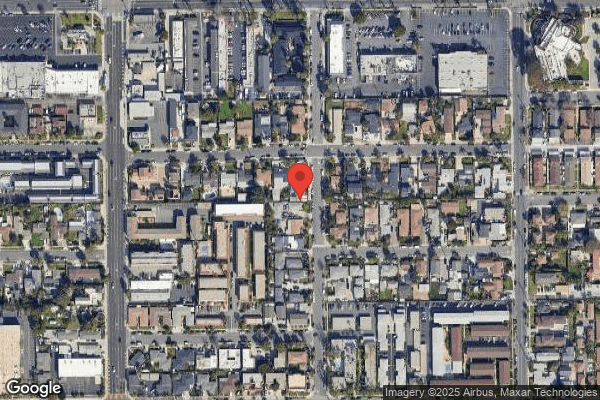
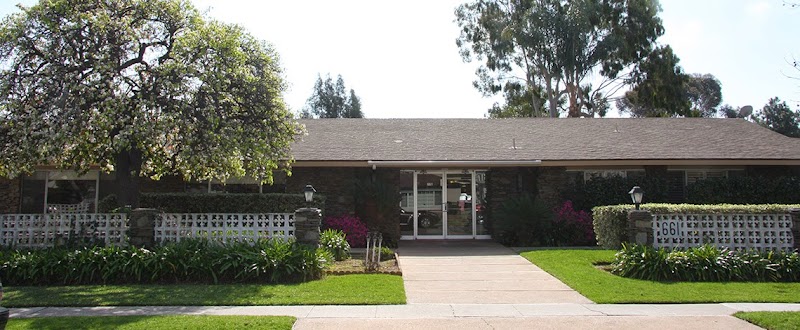
661 CENTER STREET, COSTA MESA, CA 92627 (949) 548-5584
For profit - Limited Liability company 80 Beds SHLOMO RECHNITZ Data: November 2025
Trust Grade
58/100
#629 of 1155 in CA
Last Inspection: June 2024

Within standard 12-15 month inspection cycle. Federal law requires annual inspections.

Overview

Mesa Verde Post Acute Care Center in Costa Mesa, California, has a Trust Grade of C, which indicates it is average and sits in the middle of the pack compared to other facilities. It ranks #629 out of 1,155 facilities in the state, meaning it is in the bottom half, and #45 out of 72 in Orange County, suggesting that only a few local options are better. The facility is improving, with issues decreasing from 23 in 2024 to just 5 in 2025. Staffing has a 2/5 rating, which is below average, but the turnover rate is a more positive 32%, lower than the state average, indicating some stability among staff. However, the facility has faced concerns, including failure to maintain sanitary conditions in the kitchen, such as not properly labeling and dating food, and a resident on contact isolation not being properly protected by staff who entered the room without personal protective equipment. While there are strengths to consider, families should weigh these issues carefully when making their decision.

Trust Score
C
58/100
In California
#629/1155
Bottom 46%
Safety Record
Low Risk
No red flags
Inspections
Getting Better
23 → 5 violations
Staff Stability
○ Average
32% turnover. Near California's 48% average. Typical for the industry.
Penalties
✓ Good
$4,558 in fines. Lower than most California facilities. Relatively clean record.
Skilled Nurses
⚠ Watch
Each resident gets only 21 minutes of Registered Nurse (RN) attention daily — below average for California. Fewer RN minutes means fewer trained eyes watching for problems.
Violations
⚠ Watch
70 deficiencies on record. Higher than average. Multiple issues found across inspections.
★★★☆☆
3.0
Overall Rating
★★☆☆☆
2.0
Staff Levels
★★★★★
5.0
Care Quality
★★☆☆☆
2.0
Inspection Score
Stable
2024: 23 issues
2025: 5 issues

The Good

  • 5-Star Quality Measures · Strong clinical quality outcomes
  • Full Sprinkler Coverage · Fire safety systems throughout facility
  • No fines on record
  • Staff turnover below average (32%)

    16 points below California average of 48%

Facility shows strength in quality measures, fire safety.

The Bad

3-Star Overall Rating

Near California average (3.1)

Meets federal standards, typical of most facilities

Staff Turnover: 32%

14pts below California avg (46%)

Typical for the industry

Federal Fines: $4,558

Below median ($33,413)

Minor penalties assessed

Chain: SHLOMO RECHNITZ

Part of a multi-facility chain

Ask about local staffing decisions and management

The Ugly 70 deficiencies on record

Aug 2025 1 deficiency
CONCERN (D) 📢 Someone Reported This

A family member, employee, or ombudsman was alarmed enough to file a formal complaint

Potential for Harm - no one hurt, but risky conditions existed

Report Alleged Abuse (Tag F0609)

Could have caused harm · This affected 1 resident

**NOTE- TERMS IN BRACKETS HAVE BEEN EDITED TO PROTECT CONFIDENTIALITY** Based on interview, medical record review, and facility P&P review, the facility failed to report and investigate a resident-to-...

Read full inspector narrative →
**NOTE- TERMS IN BRACKETS HAVE BEEN EDITED TO PROTECT CONFIDENTIALITY** Based on interview, medical record review, and facility P&P review, the facility failed to report and investigate a resident-to-resident altercation to the State Survey Agency in accordance with the state law established procedures for two of five sampled residents (Residents 1 and 4). * Resident 1 stated a male resident (Resident 4) walked into her room unsupervised, screamed and threatened her. The incident was not reported to the appropriate parties (CDPH, the Ombudsman, the residents' responsible parties, the MD and the police department) nor was an investigation initiated. This failure had the potential to negatively impact the well-being of the resident of the facility. Findings: Review of the facility's P&P titled Abuse Prevention and Management revised 5/2024 showed the facility will report all allegation of abuse, and criminal activity as required by law and regulations to the appropriate agencies. The P&P also stated to address the health, safety, welfare, dignity and respect of residents, the reports of resident abuse, mistreatment, neglect, exploitation, injuries of an unknown source, and any suspicion of crimes are promptly reported and thoroughly investigated. Review of the facility's P&P titled Unusual Occurrence Reporting revised 5/2024 showed the facility will follow all applicable, state and federal laws and regulations regarding the reporting of unusual occurrences. On 8/16/25 at 0930 hours, the CDPH L&C Program received a complaint alleging Resident 1 stated a male resident walked into her room unsupervised on 8/16/25. Resident 1 alleged the male resident screamed and threatened her, making her feel very unsafe. Resident 1 called her family member to pick her up and take her home. On 8/29/25 at 0638 hours, an interview was conducted with RN 1. RN 1 stated Residents 1 and 3 were roommates. RN 1 further stated Resident 3's Family Member informed him Resident 4 wandered to Residents 1 and 3's bedroom. RN 1 stated Resident 1 did not feel comfortable and went home that evening. a. Closed medical record review for Resident 1 was initiated on 8/29/25. Resident 1 was admitted to the facility on [DATE], and discharged on the same day. Resident 1 was alert, and oriented to time, place and persons by the admitting nurse. Review of Resident 1's medical record failed to show documented evidence of the incident. In addition, there was no documentation the incident was reported to the CDPH, Ombudsman, residents' responsible parties, MD, and the police department were notified. b. Medical record review for Resident 4 was initiated on 8/29/25. Resident 4 was admitted to the facility on [DATE]. Review of Resident 4's MDS assessment dated [DATE], showed a BIMS score of 3 (meaning severe cognitive impairment.) Further review of Resident 4's medical record failed to show documented evidence of the incident with Resident 1. There was no documentation of the resident's wandering episode and verbal outbursts towards Resident 1 on 8/16/25. On 8/29/25 at 0824 hours, an interview and concurrent medical record review was conducted with RN 2. RN 2 stated she witnessed Resident 4 enter Resident 1's room. RN 2 stated she redirected and reoriented Resident 4 out of the room. RN 2 further stated Resident 1 requested to be discharged AMA after the incident. RN 2 informed the Administrator of Resident 1's request to discharge AMA, and of Resident 4's wandering episode to Resident 1's room. RN 2 verified, there was no written documentation of the incident in either Residents 1 and 4's medical records to address Resident 4's wandering behavior to Resident 1's room and Resident 1's response to Resident 4's wandering to her room. RN 2 verified she should have documented the incident. On 8/29/25 at 1101 hours, a telephone interview was conducted with Resident 1. Resident 1 stated on the day of admission, 8/16/25, a man in a wheelchair (later identified as Resident 4) suddenly entered her room, yelled and screamed toward Resident 1's direction. Resident 1 stated Resident 4 was screaming I'm gonna kill someone. she's raping my wife and what is she doing here. Resident 1 stated a nurse immediately entered and redirected the resident back to his room. However, Resident 4 reportedly returned to Resident 1's room three times in 20 minutes, toppled over the overbed table by Resident 1's bedside and continued to scream at Resident 1. Resident 1 further stated I was shaking and hysterically crying. Resident 1 stated she didn't trust the facility when she was offered another room by nurse. Resident 1 further stated Resident 3's Family Member assisted the staff in removing Resident 4 out of the room. Resident 1 decided to discharge from the facility AMA that same evening. On 8/29/25 at 1142 hours, an interview and concurrent medical record review for Resident 1 was conducted with the MDS Coordinator. The MDS Coordinator verified the resident-to-resident altercation on 8/16/25, was not documented, nor was there an incident report. On 8/29/25 at 1215 hours, an interview was conducted with Resident 3 and Family Member 1. Resident 3 and Family Member 1 stated Resident 4 came into their room in his wheelchair and yelled I wanna kill somebody. Resident 3 stated it was very frightening. Family Member 1 stated Resident 4 came back a second and third time to get into Resident 1's bed. Resident 4 kept screaming I wanna kill somebody. Resident 3 stated Resident 1 was freaking out, scared to death, crying and decided to discharge AMA. Family Member 1 stated he assisted the staff in removing Resident 4 from their room. On 8/29/25 at 1230 hours, an interview and concurrent medical record review was conducted with the Administrator. The Administrator stated he received a call on 8/16/25, from RN 2 reporting Resident 1 requested to be discharged AMA, and Resident 4 wandered to Resident 1's room. The Administrator stated he was not aware Resident 4 was difficult to redirect and was screaming at Resident 1. The Administrator stated if he knew the incident was serious, he would have investigated it. The Administrator verified the resident-to-resident altercation was not investigated nor reported to the CDPH L&C Program.
Jul 2025 1 deficiency
CONCERN (D) 📢 Someone Reported This

A family member, employee, or ombudsman was alarmed enough to file a formal complaint

Potential for Harm - no one hurt, but risky conditions existed

Deficiency F0627 (Tag F0627)

Could have caused harm · This affected 1 resident

**NOTE- TERMS IN BRACKETS HAVE BEEN EDITED TO PROTECT CONFIDENTIALITY** Based on interview and medical record review, the facility failed to ensure to coordinate the effective discharge planning proce...

Read full inspector narrative →
**NOTE- TERMS IN BRACKETS HAVE BEEN EDITED TO PROTECT CONFIDENTIALITY** Based on interview and medical record review, the facility failed to ensure to coordinate the effective discharge planning process when the SSD failed to communicate to the IDT the development of the discharge plan and failed to document in the resident's medical record regarding the evaluation of the ALF waiver process. Additionally, the facility failed to notify the resident's family member about the ALF waiver was denied for one of six sampled residents (Resident 4). These failures had the potential to affect the resident's well-being after discharge. Findings: On 7/11/25 at 1702 hours, prior to the onsite investigation, a telephone interview was conducted with Family Member 2. Family Member 2 stated the facility's SSD had informed her Resident 4 will have the ALF waiver for continued care in the ALF after discharge from the SNF. However, the resident needed to pay in the ALF because the waiver was not approved. Closed medical record review for Resident 4 was initiated on 7/15/25. Resident 4 was admitted to the facility on [DATE], and was discharged on 6/6/25. Review of Resident 4's H&P examination dated 4/5/25, showed the resident was unable to make medical decisions. Review of Resident 4's MDS assessment dated [DATE], showed the resident's BIMS score was 5 which meant the resident had moderate cognitive impairment. Resident 4's overall goal for discharge was to discharge to the community. Review of Resident 4's medical record showed a Multidisciplinary Care Conference was held on 4/15/25. However, the medical record failed to show a discharge planning was discussed with Resident 4 or the resident's family member. Review of Resident 4's Social Services Progress Note dated 6/3/25 at 1555 hours, showed Resident 4 would be moving to the ALF pending the ALF waiver and get it expedited. Review of Resident 4's Order Summary Report showed a physician's order dated 6/6/25, to discharge the resident to the ALF with home health, physical therapy, occupational therapy, and RN services. Review of Resident 4's Notice of Medicare Non-Coverage showed the Medicare coverage of resident's skilled nursing services will end on 6/4/25. The Confirmation of Notice by telephone showed Resident 4's Family Member 2 was contacted on 6/5/25 (the time of the notification was not documented) signed by the SSD in SNF representative on 6/5/25. A mail confirmation of the follow-up notice was sent on 6/5/25. Review of Resident 4's Skilled Nursing Facility Advance Beneficiary Notice of Non-Coverage showed beginning on 6/5/25, the resident may have to pay out of pocket for the care received during the in patient for the skilled nursing services care including physical therapy, occupational therapy, and daily skilled nursing care due to resident's/family choice to discharge on [DATE]. The Skilled Nursing Facility Advance Beneficiary Notice of Non-Coverage form failed to show for a signature of the resident or resident's authorized representative. On 7/15/25 at 1353 hours, an interview and concurrent closed medical record review for Resident 4 was conducted with the SSD. The SSD stated the previous SSD was not working in the facility any longer. The SSD stated she started as the facility's SSD last week. The SSD stated the IDT should have met periodically regarding resident's discharge process and updated the team with regards to the discharge planning, funding and any referral to agencies such as for the ALF waiver. The SSD further stated the meeting discussion should have been reflected in the Multidisciplinary Care Conference. The SSD stated the resident or resident's family member should have been informed of the cost of the ALF. The SSD verified Resident 4's medical record failed to show the ALF waiver was approved prior to the discharge of the resident, and the Notice of Medicare Non-Coverage showed Medicare coverage of the resident's skilled nursing services would end on 6/4/25. The SSD verified the Skilled Nursing Facility Advance Beneficiary Notice of Non-Coverage form failed to show signature of the resident or authorized representative. The SSD further stated the Notice of Medicare Non-Coverage and The Skilled Nursing Facility Advance Beneficiary Notice of Non-Coverage form should have been provided to the resident or family member within 48 hours prior to the end of coverage. In addition, the SSD stated the ALF waiver should have been processed earlier and the family member should have been informed of the ALF waiver coverage in the program prior to discharge. On 7/15/25 at 1431 hours, an interview and concurrent closed medical record review for Resident 4 was conducted with the BOM. The BOM verified Resident 4's end of coverage was 6/4/25. The BOM acknowledged the Notice of Medicare Non-Coverage and The Skilled Nursing Facility Advance Beneficiary Notice of Non-Coverage form showed Family Member 2 was informed through phone on 6/5/25, and the forms were sent through certified mail on 6/5/25. The BOM further stated she prepared the form and gave it to the SSD within 48 hours. The BOM stated she did not have any information regarding the ALF waiver for Resident 4 because the SSD was responsible for the resident's medical benefits. On 7/15/25 at 1535 hours, an interview was conducted with the DON. The DON stated the resident's discharge plan was to be discharged to the ALF and the MDS nurse was part of the IDT for discharge planning. On 7/15/25 at 1604 hours, an interview was conducted with the MDS nurse. The MDS nurse stated the SSD did not discuss during the IDT meeting regarding Resident 4's ALF waiver. The MDS nurse stated the SSD informed her the resident's family member had requested to be discharged to the ALF a day prior to the resident's discharge. On 7/16/25 at 1044 hours, a telephone interview was conducted with the ALF Administrator where Resident 4 was discharged to. The ALF Administrator stated Resident 4's ALF waiver was denied and verified Resident 4 needed to privately pay for the services and care in ALF. On 7/16/25 at 1321 hours, an interview was conducted with the Administrator. The Administrator stated the SSD should have applied for the assisted living facility (ALF) waiver once resident's goal was to discharge. The Administrator was informed and acknowledged the above findings.
May 2025 1 deficiency
CONCERN (D) 📢 Someone Reported This

A family member, employee, or ombudsman was alarmed enough to file a formal complaint

Potential for Harm - no one hurt, but risky conditions existed

Deficiency F0761 (Tag F0761)

Could have caused harm · This affected 1 resident

**NOTE- TERMS IN BRACKETS HAVE BEEN EDITED TO PROTECT CONFIDENTIALITY** Based on observation, interview, medical record review, facility document review, and facility P&P review, the facility failed t...

Read full inspector narrative →
**NOTE- TERMS IN BRACKETS HAVE BEEN EDITED TO PROTECT CONFIDENTIALITY** Based on observation, interview, medical record review, facility document review, and facility P&P review, the facility failed to ensure the medications were not stored at the bedside for two of two sampled residents (Residents1 and 2) and one nonsampled resident (Resident D). * Resident 2's bubble pack of metformin (medication to treat diabetes) medication was found hidden in Resident 1's closet for 10 days. * Resident D's side table drawer had a medication cup filled with thick white cream and a tongue depressor. These failures had the potential to result in the unauthorized access to the medications and impact the residents' safety. Findings: Review of the facility's P&P review titled Medication Storage in the Facility revised 1/2025 showed the following: a. Medication and biologicals are stored safely, securely, and properly, following manufacture's guidelines or those of the supplier. The medical supply is accessible only to licensed nursing personnel, pharmacy personnel, or staff members lawfully authorized. b. Medications labeled for individual residents are stored separately from floor stock medications when not in the medication cart. 1.a. Medical record review for Resident 1 was initiated on 4/16/25. Resident 1 was admitted to the facility on [DATE], and readmitted on [DATE]. Resident 1 had a diagnosis of DM Type 2. Review of Resident 1's H&P examination dated 8/30/20, showed Resident 1 had no capacity to understand and make decisions. Review of Resident 1's Order Summary Report for April 2025 showed an order dated 2/4/25, for metformin 500 mg oral tablet, give one tablet by mouth two times a day. b. Medical record review for Resident 2 was initiated on 4/16/25. Resident 2 was admitted to the facility on [DATE]. Resident 2 had a diagnosis of DM Type 2. Review of Resident 2's Order Summary Report for April 2025 showed an order dated 2/11/25, for metformin 1000 mg oral tablet, give one tablet by mouth two times a day for diabetes. The medication was discontinued on 2/11/25. On 4/30/25 at 1052 hours, an interview was conducted with the Administrator. The Administrator stated on 3/21/25, Resident 2's metformin medication bubble pack was found in Resident 1's closet. The Administrator stated an internal investigation was conducted, and it was discovered CNA 1 had taken the metformin medication from the medication room. The Administrator stated CNA 1 haddiabetes and hid the medication in Resident 1's room to take for himself. On 4/30/25 at 1405 hours, a telephone interview was conducted with CNA 1. CNA 1 stated during one of his shifts (unknown date), he was feeling so terrible as a result of his diabetes. CNA 1 stated he did not have his medications at the time and saw the door of Medication Room A was slightly open. CNA 1 stated he opened the door of Medication Room A, saw and took the metformin bubble pack. CNA 1 went into Resident 1's room to hide the medication to take home later. CNA 1 stated he forgot the medications were in the room until Resident 1's family found the medication hidden under some books inside Resident 1's closet on 3/21/25. 2. Medical record review for Resident D was initiated on 5/1/25. Resident D was admitted to the facility on [DATE]. Review of Resident D's Order Summary Report for April 2025 showed an order dated 4/25/25, to cleanse the pressure injury to coccyx with normal saline, pat dry, and apply zinc oxide (medicated skin cream). On 5/1/25 at 1612 hours, a concurrent observation and interview was conducted with the DON. Resident D's side table drawer had a medication cup filled with thick white cream and a tongue depressor inside the drawer. The DON stated it appeared to be zinc oxide cream, which was a medication and should not have been inside the drawer. On 5/1/25 at 1705 hours, the Administrator and the DON acknowledged the above findings.
Feb 2025 2 deficiencies
CONCERN (D) 📢 Someone Reported This

A family member, employee, or ombudsman was alarmed enough to file a formal complaint

Potential for Harm - no one hurt, but risky conditions existed

Transfer Requirements (Tag F0622)

Could have caused harm · This affected 1 resident

**NOTE- TERMS IN BRACKETS HAVE BEEN EDITED TO PROTECT CONFIDENTIALITY** Based on interview and medical record review, the facility failed to ensure one of three sampled residents (Resident 1) was prop...

Read full inspector narrative →
**NOTE- TERMS IN BRACKETS HAVE BEEN EDITED TO PROTECT CONFIDENTIALITY** Based on interview and medical record review, the facility failed to ensure one of three sampled residents (Resident 1) was properly discharged from the facility. This failure had the potential to place Resident 1 at risk for not receiving the proper care after the discharge. Findings: Closed medical record review for Resident 1 was initiated on 2/18/25. Resident 1 was admitted to the facility on [DATE], and discharged on 2/5/25. Resident 1 had a diagnosis of type two diabetes mellitus with hyperglycemia. Review of Resident 1's H&P examination dated 4/24/24, showed Resident1 had the capacity to make medical decisions. Review of Resident 1's Order Summary Report showed the following orders: - dated 1/8/24, give 15 units of Humalog insulin injection before each meal that contains carbohydrates - dated 1/9/24, Humalog Injection Solution (Insulin Lispro) inject as per sliding scale - dated 10/15/24, Trulicity Subcutaneous Solution (Dulaglutide), Inject 4.5 mg subcutaneously one time a day every Tuesday - dated 11/12/24, Basaglar Kwikpen Subcutaneous Solution (Insulin Glargine), inject 60 unit subcutaneously one time a day - dated 12/23/24, Humalog Injection Solution (Insulin Lispro), inject 24 unit subcutaneously three times a day - dated 2/4/25, showed an order may discharge tomorrow to home with current meds with home health PT/OT/RN to follow up with PCP in one to two weeks. Review of Resident 1's Discharge Planning Review Form (undated) showed the following information: - reason for discharge was going home with friend - in caregiver responsibilities, yes was checked for will resident have a caregiver after discharge - in discharge goal barriers, medical and medication managements were checked - in medication reconciliation, yes was checked for current reconciled medication list provided to the patient and/or caregiver - in performing special treatments/procedures, showed in actual upon discharge the family/friend support and professional assistance were checked. - in discharge information, in medications sent with resident, showed a comment of see attached discharge/transfer report. However, the facility was unable to provide the discharge/transfer report to show the following: - teaching/training was provided to the resident and resident's caregiver - list of Resident 1's medications were provided to the resident and resident's caregiver Review of Resident 1's Progress Note dated 2/5/25 at 1220 hours, showed Resident 1 was discharged home via transport. On 2/19/25 at 0954 hours, an interview and concurrent closed medical record review was conducted with LVN 1. LVN 1 was asked about the protocol for discharge. LVN 1 stated there should be a physician's order for the discharge, the staff should prepare all the paperwork, go over the medication list, provide the teaching or training regarding the medications, and provide the remaining medications. LVN 1 stated the medications were given to Resident 1. LVN 1 verified there was no teaching or training provided because Resident 1 would not have been able to remember or understand the teachings. LVN 1 also stated Resident 1 was not capable of administering the medications. LVN 1 was asked if the resident's caregiver was with the resident or was called during the discharge. LVN 1 stated Resident 1 was discharged via transport and the resident's caregiver was not called during the time of discharge. On 2/19/25 at 1152 hours, an interview and concurrent closed medical record review was conducted with the DON. The DON was asked about the protocol for discharge. The DON stated the resident should be educated on the medications, provide the medication list, assess the capability to administer the medications and should have a follow-up appointment with the primary care physician. The discharging nurse should document the remaining medications were sent to the resident including the list of medications, and the resident and resident's caregiver were educated or trained on the medications that were provided. Furthermore, the DON stated Resident 1 needed assistance with the medication administration. Resident 1 could not self-administer the insulin injections. The DON confirmed it was not a safe discharge for Resident 1 because there was no teaching or training provided to the resident and resident's caregiver. The responsible person for Resident 1 was not in attendance during the time of discharge.
CONCERN (D) 📢 Someone Reported This

A family member, employee, or ombudsman was alarmed enough to file a formal complaint

Potential for Harm - no one hurt, but risky conditions existed

Deficiency F0624 (Tag F0624)

Could have caused harm · This affected 1 resident

**NOTE- TERMS IN BRACKETS HAVE BEEN EDITED TO PROTECT CONFIDENTIALITY** Based on interview and medical record review, the facility failed to provide and document sufficient preparation to ensure the s...

Read full inspector narrative →
**NOTE- TERMS IN BRACKETS HAVE BEEN EDITED TO PROTECT CONFIDENTIALITY** Based on interview and medical record review, the facility failed to provide and document sufficient preparation to ensure the safe and orderly discharge for one of three sampled residents (Resident 1). * Resident 1 was discharged with home health services; however, there was no documentation if the home health agency referral was arrangedprior to the discharge. This failure placed Resident 1 at risk for not receiving the proper care after the discharge. Findings: Closed medical record review for Resident 1 was initiated on 2/18/25. Resident 1 was admitted to the facility on [DATE], and discharged on 2/5/25. Review of Resident 1's Order Summary Report showed an order dated 2/4/25, may discharge to home with current medications with home health PT/OT/RN to follow up with the PCP in one to two weeks. Review of Resident 1's Progress Note dated 2/3/25 at 1634 hours, showed the SSD had spoken with Resident 1 regarding the discharge and would set up for home health services as ordered. Further review for Resident 1's medical record failed to show a referral was sent to the home health provider. On 2/19/25 at 1314 hours, an interview and concurrent closed medical review was conducted with the SSD. The SSD was asked for the documentation of the referral to home health services. The SSD was unable to provide documentation for the home health services referral. On 2/19/25 at 1340 hours, the Administrator and DON acknowledged the above findings.
Nov 2024 2 deficiencies
MINOR (B) 📢 Someone Reported This

A family member, employee, or ombudsman was alarmed enough to file a formal complaint

Minor Issue - procedural, no safety impact

Deficiency F0552 (Tag F0552)

Minor procedural issue · This affected multiple residents

**NOTE- TERMS IN BRACKETS HAVE BEEN EDITED TO PROTECT CONFIDENTIALITY** Based on observation, interview, and medical record review, the facility failed to obtain the appropriate consent prior to admin...

Read full inspector narrative →
**NOTE- TERMS IN BRACKETS HAVE BEEN EDITED TO PROTECT CONFIDENTIALITY** Based on observation, interview, and medical record review, the facility failed to obtain the appropriate consent prior to administering the COVID-19 (a contagious disease caused by the coronavirus SARS-CoV-2) and influenza vaccines for one of two sampled residents (Resident 1). This failure had the potential to result in the resident receiving the vaccines without the resident's responsible party being informed of the risks, benefits, and side effects prior to administering the vaccines. Findings: Medical record review for Resident 1 was initiated on 11/27/24. Resident 1 was readmitted to the facility on [DATE]. Review of Resident 1's History and Physical examination dated 8/30/24, showed the resident had no capacity, and the resident's family member was the surrogate decision maker. Review of Resident 1's Durable Power of Attorney for Healthcare dated 3/11/21, showed the resident named Family Member 1 as his designated healthcare decision maker, effective immediately. Review of Resident 1's Informed Consent for Immunizations dated 10/9/24, showed Resident 1 signed the consent form to consent for the administration of the COVID-19 and influenza vaccines. Review of Resident 1's MAR for October 2024 showed on 10/16/24, the COVID-19 and influenza vaccines were administered to the resident. On 11/27/24 at 1228 hours, an interview and concurrent medical record review was conducted with the DON. The DON stated Family Member 1 was Resident 1's responsible party and verified the facility failed to inform and obtain the consent from Family Member 1 prior to administering the COVID-19 and influenza vaccines to Resident 1.
MINOR (B) 📢 Someone Reported This

A family member, employee, or ombudsman was alarmed enough to file a formal complaint

Minor Issue - procedural, no safety impact

Medical Records (Tag F0842)

Minor procedural issue · This affected multiple residents

**NOTE- TERMS IN BRACKETS HAVE BEEN EDITED TO PROTECT CONFIDENTIALITY** Based on interview and medical record review, the facility failed to ensure the accurate and complete medical records for two of...

Read full inspector narrative →
**NOTE- TERMS IN BRACKETS HAVE BEEN EDITED TO PROTECT CONFIDENTIALITY** Based on interview and medical record review, the facility failed to ensure the accurate and complete medical records for two of two sampled residents (Residents 1 and 2). * Resident 1's History and Physical examination had a strike-through without a date or initial to show when and who had completed the strike-through. * Resident 2's weekly Long Term Care Evaluation incorrectly showed the resident did not have any falls. These failures had the potential for the residents' care needs not being met as the medical records were incomplete and inaccurate. Findings: 1. Medical record review for Resident 1 was initiated on 11/27/24. Resident 1 was readmitted to the facility on [DATE]. Review of Resident 1's History and Physical examination dated 2/7/23, showed the section for decision making capacity as follows: - Line A showed the box for has the capacity to understand and make decisions was checked off and struck out with a line. - Line B showed the box for does not have capacity to understand and make medical decisions was checked off. The above documents did not show the date or initials as to when Line A was struck out. On 11/27/24 at 1535 hours, an interview and concurrent medical record review was conducted with the DON. The DON stated when a medical record entry was made in error, the process was to strike out the error, write error, initial, and date the error to show when the error was corrected. The DON reviewed Resident 1's History and Physical examination dated 2/7/23, and stated Line A should include the error wording with a date and initials next to the strike through. 2. Medical record review for Resident 2 was initiated on 11/27/24. Resident 2 was admitted to the facility on [DATE]. Review of Resident 2's N Adv – Post Fall Evaluation note dated 11/18/24, showed the resident had an unwitnessed fall on 11/18/24 at 0115 hours. Review of Resident 2's weekly N Adv – Long Term Evaluation note dated 11/22/24, showed the resident did not have any falls since their last evaluation. Review of Resident 2's medical record showed the prior N Adv – Long Term Evaluation note was completed on 11/15/24, before the resident's fall on 11/18/24. On 11/27/24 at 1228 hours, an interview and concurrent medical record review was conducted with the DON. The DON reviewed Resident 2's medical record and verified the resident had a fall on 11/18/24. The DON stated Resident 2's weekly N Adv – Long Term Evaluation completed on 11/22/24 was incorrect andshould have shownthe resident had a fall since the prior evaluation on 11/15/24.
Jun 2024 20 deficiencies
CONCERN (D)

Potential for Harm - no one hurt, but risky conditions existed

Deficiency F0554 (Tag F0554)

Could have caused harm · This affected 1 resident

**NOTE- TERMS IN BRACKETS HAVE BEEN EDITED TO PROTECT CONFIDENTIALITY** Based on observation, interview, medical record review, and facility P&P review, the facility failed to ensure one of four resid...

Read full inspector narrative →
**NOTE- TERMS IN BRACKETS HAVE BEEN EDITED TO PROTECT CONFIDENTIALITY** Based on observation, interview, medical record review, and facility P&P review, the facility failed to ensure one of four residents observed for medication administration (Resident 23) and one of 18 final sampled residents (Resident 18) were assessed to safely self-administer the medications prior to performing the self-administering medications. This had the potential for the residents to incorrectly administer the medications. Findings: Review of the facility's P&P Medication-Self Administration revised 1/1/12, showed the following: -The licensed nurse will complete the Assessment for Self-Administration of Medications. -The physician must provide an order permitting the resident to self-administer medication. -Self-administration of medications will be documented in the resident's care plan and the MAR. 1. On 6/4/24 at 0838 hours, a medication administration observation with LVN 1 was conducted for Resident 23. During the observation, LVN 1 drew up 40 units of insulin glargine KwikPen and handed the injector pen to Resident 23. Resident 23 was observed injecting the insulin into his abdomen. Medical record review for Resident 23 was initiated on 6/4/24. Resident 23 was readmitted to the facility on [DATE]. Review of Resident 23's H&P examination dated 12/23/23, showed the resident had the capacity to understand and make decisions. Review of Resident 23's Order Summary Report dated 6/4/24, showed the following orders: -An order dated 3/1/24, for Humalog (insulin, a medication that lowers blood sugar) KwikPen, inject subcutaneously (beneath the skin) per sliding scale before meals and at bedtime. -An order dated 10/6/23, for insulin glargine, inject 40 units subcutaneously two times a day. The record failed to show a physician's order to allow Resident 23 to self-administer medications. Review of Resident 23's N Adv-Self-Administration of Medication dated 8/1/23, showed the resident was not capable of self-administering subcutaneous injections. The assessment also showed all the resident's medications were going to be administered by the nurse. Review of Resident 23's plan of care failed to show a care plan was developed to address the resident's self-administration of medications. On 6/4/24 at 1142 hours, an interview and concurrent medical record review were conducted with LVN 1. LVN 1 stated Resident 23 usually self-administered his insulin injection, and stated it was in the resident's care plan. LVN 1 reviewed Resident 23's care plan, and stated he was unable to find where it showed the resident was able to self-administer his insulin injections. LVN 1 reviewed Resident 23's N Adv-Self-Administration of Medication, and stated the assessment dated [DATE] was the most recent assessment for the resident. The LVN 1 verified the assessment showed the resident was not capable of self-administering subcutaneous injections and all the resident's medications were going to be administered by the nurse. On 6/4/24 at 1149 hours, an interview was conducted with Resident 23 at his bedside. Resident 23 stated he had been self-administering his insulin since he was admitted to the facility. 2. Medical record review of Resident 18 was initiated on 6/3/24. Resident 18 was admitted to the facility on [DATE], and readmitted on [DATE]. Review of Resident 18's H&P examination dated 4/3/24, showed Resident 18 had fluctuating capacity to understand and make decisions. Review of Resident 18's N Adv-Self-Administration of Medication dated 4/3/24, showed all medications to be administered by the skilled nurse and Resident 18 was not approved for self-administration of medications. Review of Resident 18's Order Summary Report dated 6/2/24, showed a physician's order to administer amoxicillin-pot clavulanate (antibiotic) suspension reconstituted 250-62.5 mg /5 ml give 10 ml by mouth in the evening every Tuesday, Thursday, and Saturday for aspiration pneumonia for two days and unsupervised self-administration starting on 6/4/24. Review of Resident 18's MAR for June 2024 showed a physician's order dated 6/2/24, for the amoxicillin-pot clavulanate medication to be self-administered by Resident 18 unsupervised starting on 6/4/24 for two days. Review of Resident 18's plan of care dated 6/2/24, showed a care plan problem addressing Resident 18's use of the amoxicillin medication for two days. The interventions included to give the medication as ordered. On 6/4/24 at 1045 hours, a concurrent interview and medical record review was conducted with RN 1. RN 1 was asked if Resident 18 was assessed for self-administration of the medications. RN 1 stated Resident 18 was assessed and could not self-administer the medications. RN 1 was unable to provide the documentation to show the physician's order for the medication was clarified with the physician. RN 1 acknowledge the physician's order had been transcribed into Resident 18's MAR and had the potential for the resident to self-administer the antibiotic. RN 1 verified the above findings.
CONCERN (D)

Potential for Harm - no one hurt, but risky conditions existed

Deficiency F0558 (Tag F0558)

Could have caused harm · This affected 1 resident

**NOTE- TERMS IN BRACKETS HAVE BEEN EDITED TO PROTECT CONFIDENTIALITY** 5. On 6/5/24 at 0408 hours, Resident 62's lights were off and Resident 62 appeared to be asleep in bed. Resident 62's call light...

Read full inspector narrative →
**NOTE- TERMS IN BRACKETS HAVE BEEN EDITED TO PROTECT CONFIDENTIALITY** 5. On 6/5/24 at 0408 hours, Resident 62's lights were off and Resident 62 appeared to be asleep in bed. Resident 62's call light was observed to be on the floor. On 6/5/24 at 0446 hours, a concurrent observation and interview was conducted with CNA 3 in Resident 62's room. Resident 62 was observed to be lying in bed asleep and her call light was observed on the floor. CNA 3 stated Resident 62 would use the call light during the shift to ask for help or medicine. CNA 3 verified the call light was on the floor and not within reach of Resident 62. CNA 3 further stated the call light should be within her reach. Medical record review for Resident 62 was initiated on 6/3/24. Resident 62 was admitted to the facility on [DATE]. Review of Resident 62's H&P examination dated 1/10/24, showed Resident 62 had the capacity to understand and make decisions. Review of Resident 62's MDS dated [DATE], showed Resident 62 was dependent for toileting hygiene. 6. On 6/3/24 at 1031 hours, an interview was conducted with Family Member A. Family Member A stated the staff took a long time, a couple hours to answer the call lights during the night shift. Family Member A stated she knew how long it took the staff to answer the call light because Resident 60 would call her, and she would be on the phone with her until the staff answered the call light. Family Member A further stated Resident 60 was incontinent and Resident 60 felt agitated about waiting for hours for the staff to help her. Medical record review for Resident 60 was initiated on 6/3/24. Resident 60 was readmitted to the facility on [DATE]. On 6/6/24 at 0925 hours, an interview was conducted with CNA 4. CNA 4 stated Resident 60 could make her needs known and use the call light to ask for assistance. CNA 4 stated Resident 60 was totally dependent for dressing, changing, and hygiene. Based on observation, interview, medical record review, facility document review, and facility P&P review, the facility failed to promote dignity and respect for two of 18 final sampled residents (Residents 18 and 23) and four nonsampled residents (Residents 4, 22, 60, and 62). * The call light was not within reach for Residents 18, 22, and 62. * The facility failed to ensure the resident's call lights were answered in a timely manner for Residents 4, 23, and 60. These failures posed the risk to negatively affect the residents' physical and emotional well-being. Findings: Review of the facility's P&P titled Communication-Call System dated 1/1/12, showed the call cords will be placed with the resident's reach in the resident's room, nursing staff will answer call bells promptly in a courteous manner. 1. Medical record review for Resident 4 was initiated on 6/4/24. Resident 4 was admitted to the facility on [DATE] and readmitted on [DATE]. Review of Resident 4's Quarterly MDS dated [DATE], under the toileting hygiene and toilet transfer section, showed Resident 4 was dependent and the helper did all the effort. On 6/4/24 at 1010 hours, a concurrent observation and interview was conducted with Resident 4. Resident 4 was observed sitting up in wheelchair during the resident council meeting. Resident 4 expressed the concern regarding the staff hiding the call light at night shift (2300 hours to 0700 hours) and putting the call light out of reach. Resident 4 stated if the staff responded and the resident has fallen asleep, the staff turns off the call light and don't wake the resident up. Resident 4 stated she had wait longer than one hour for staff to answer the call light. Resdent 4 further stated this had been brought in the resident council meeting and it was still an ongoing issues. On 6/6/24 at 0830 hours, an interview was conducted with CNA 6. CNA 6 stated Resident 4 had incontinence of bowel and bladder. CNA 6 stated Resident 4 sometimes used the call light for assistance on diaper change or to be cleaned. 2. Medical record review for Resident 23 was initiated on 6/4/24. Resident 23 was admitted to the facility on [DATE] and readmitted on [DATE]. Review of Resident 23's H&P examination dated 12/23/23, showed Resident 23 had capacity to understand and make decisions. Review of Resident 23's Quarterly MDS dated [DATE], under the toileting hygiene and toilet transfer section, showed Resident 23 required partial or moderate assistance. On 6/4/24 at 1020 hours, a concurrent observation and an interview was conducted with Resident 23. Resident 23 was observed sitting up in wheelchair during the resident council meeting. Resident 23 stated he had to wait for the staff answering the call lights during the night shift for 30 minutes or longer for assistance to the bathroom or empty the urinal and the CNA told them they have not enough staffing. Resident 23 stated sometimes the staff turn the call lights off without attending to their needs. Resident 23 further stated this has been discussed in the resident council meeting and had been an ongoing issues. On 6/6/24 at 0425 hours, an interview was conducted with CNA 5. CNA 5 stated Resident 23 often used the call light at the night shift for emptying the urinal, asked for ice or water, and assistance to the bathroom or repositioning. 3. Medical record review for Resident 18 was initiated on 6/3/24. Resident 18 was admitted to the facility on [DATE] and readmitted on [DATE]. Review of Resident 18's H&P examination dated 4/3/24, showed Resident 18 had fluctuating capacity to understand and make decisions. Review of Resident 18's Plan of Care dated 6/4/24, showed a care plan problem to address Resident 18 had activity of daily living self-care performance deficit related to activity intolerance, impaired balance, limited mobility and quadriplegia (paralysis of four limbs). The interventions included for staff to encourage Resident 18 to use the call light to call for assistance. On 6/5/24 at 0405 hours, Resident 18 was observed awake and laying in bed. Resident 18's call light was on the floor. Resident 18 was asked if she could reach her call light, Resident 18 stated no. On 6/5/24 at 0445 hours, LVN 7 was summoned to Resident 18's room. Resident 18's call light was observed on the floor. LVN 7 acknowledged Resident 18 could not reach her call light. LVN 7 verified the findings. 4. Medical record review for Resident 22 was initiated on 6/3/24. Resident 22 was admitted to the facility on [DATE] and readmitted on [DATE]. Review of Resident 22's Plan of Care dated 12/19/23, showed a care plan problem to address Resident 22 had activity of daily living self-care performance deficit related to activity intolerance, dementia, communication deficit, cognition impaired, impaired hearing or vision, diagnosis of diabetes melitus (elevated blood sugar), high blood pressure, anemia, muscle weakness, morbid obesity, dementia, history of deep vein thrombosis (blood clot), hypothyroidism (low thyroid level). The intervention included for staff to encourage the Resident 22 to use the call ligh for assistance. On 6/5/24 at 0400 hours, Resident 22 was observed sleeping in bed and the call light was observed on the floor. On 6/5/24 at 0500 hours, LVN 6 was summoned to Resident 22's room. Resident 22's call light was observed on the floor and LVN 6 verified the finding.
CONCERN (D)

Potential for Harm - no one hurt, but risky conditions existed

Comprehensive Care Plan (Tag F0656)

Could have caused harm · This affected 1 resident

**NOTE- TERMS IN BRACKETS HAVE BEEN EDITED TO PROTECT CONFIDENTIALITY** 2. During an initial tour of the facility on 6/3/24 at 0845 hours, Resident 17 was observed lying in bed. A cervical collar (c-c...

Read full inspector narrative →
**NOTE- TERMS IN BRACKETS HAVE BEEN EDITED TO PROTECT CONFIDENTIALITY** 2. During an initial tour of the facility on 6/3/24 at 0845 hours, Resident 17 was observed lying in bed. A cervical collar (c-collar, used to support the spinal cord and head) was observed on the top of Resident 17's bedside drawer. Resident 17 stated he was hit by car a couple weeks ago while he was in his wheelchair. Medical record review for Resident 17 was initiated on 6/3/24. Resident 17 was admitted to the facility on [DATE]. Review of Resident 17's Psych Progress Note dated 4/24/24, showed Resident 17 had the capacity to understand and make his own medical decisions. Review of Resident 17's Order Summary Report dated 6/5/24, showed a physician's order dated 4/12/24, for the application of the c-collar on at all times, TLSO for out of bed activities or HOB greater than 30 degrees. Review of Resident 17's plan of care failed to show the application of the c-collar, TLSO when out of bed, or noncompliance were addressed. On 6/4/24 at 1534 hours, an interview and concurrent medical record review was conducted with the DOR. The DOR verified Resident 17 did not wear the c-collar as ordered by the physician. The DOR stated Resident 17 received a c-collar and a back brace but was non-compliant with wearing both the c-collar and back brace. The DOR verified Resident 17's care plan did not address Resident 17's need and noncompliance with the application of the c-collar. The DOR stated the nursing staff should have documented Resident 17's refusal to wear the c-collar. On 6/4/24 at 1600 hours, an interview and concurrent medical record review was conducted with LVN 5. LVN 5 verified she had never seen Resident 17 wearing a c-collar or back brace and/or attempted to apply one for Resident 17 per the physician's orders. LVN 5 stated she was not aware of why Resident 17 was not using the c-collar. LVN 5 verified there was no care plan to address Resident 17's application and refusal of the c-collar or TLSO brace when out of bed. On 6/5/24 at 0530 hours, an interview and concurrent medical record review was conducted with the DON and MDS coordinator. The DON and MDS Coordinator were informed and acknowledged the above findings. Cross reference to F684. Based on observation, interview, medical record review, and facility P&P review, the facility failed to ensure the comprehensive care plan was formulated for two of 18 final sampled residents (Residents 17 and 423). * The facility failed to develop a care plan problem to address the use of CVAD (Central Venous Access Device - a type of intravenous catheter) for Resident 423. * The facility failed to develop a care plan problem to address Resident 17's need for a cervical collar and TLSO brace (Thoracic-Lumbar-Sacral Orthosis, used to limit motion and stabilize the back). These failures posed the risk of not providing the appropriate, consistent, and individualized care of the residents. Findings: Review of the facility's P&P titled Comprehensive Person-Centered Care Planning dated 9/7/23, showed the plan of care should be based on the assessed needs of the residents. The comprehensive care plans should be reviewed and revised based on the onset of new problems, change of condition, and other time as appropriate and necessary. 1. On 6/3/24 at 1056 hours, an observation and concurrent interview was conducted with Resident 423. Resident 423 was observed in bed with a single line of CVAD on the right upper arm. Resident 423 stated the IV was used for the antibiotic medication for the infection on his lower leg. Medical record review for Resident 423 was initiated on 6/3/24. Resident 423 was admitted to the facility on [DATE]. Review of Resident 423's Order Summary Report dated 6/4/24, showed a physician's order dated 5/29/24, to insert midline for IV treatment with antibiotic. Review of Resident 423's plan of care failed to show documented evidence a care plan problem was developed to address the use of CVAD line. On 6/4/24 at 1010 hours, an interview and concurrent medical record review for Resident 423 was conducted with RN 1. RN 1 verified Resident 423's use of CVAD was for IV antibiotic. RN 1 verified there was no plan of care developed to address the use of CVAD. On 6/6/24 at 1046 hours, an interview and concurrent medical record review for Resident 423 was conducted with the DON. The DON was informed and verified the above findings.
CONCERN (D)

Potential for Harm - no one hurt, but risky conditions existed

Quality of Care (Tag F0684)

Could have caused harm · This affected 1 resident

**NOTE- TERMS IN BRACKETS HAVE BEEN EDITED TO PROTECT CONFIDENTIALITY** Based on observation, interview, medical record review, and facility document review, the facility failed to provide the necessa...

Read full inspector narrative →
**NOTE- TERMS IN BRACKETS HAVE BEEN EDITED TO PROTECT CONFIDENTIALITY** Based on observation, interview, medical record review, and facility document review, the facility failed to provide the necessary treatment and services for one of three residents who were reviewed for positioning and mobility (Resident 17). The facility failed to apply a cervical collar (c-collar) to Resident 17 as ordered by the physician. This failure had the potential to negatively affect the Resident 17's health and well-being. Findings: Review of the facility document titled Your Path to Recovery After Cervical Spine Surgery revised 11/2015 showed a cervical collar is worn at the discretion of the surgeon. Under the section titled Spine Precautions, showed a cervical collar is used to provide support and limit movement of the neck. Your doctor may or may not order a cervical collar. Typically, the collar should be worn at all times. Cervical collar is worn at the discretion of the surgeon. During an initial tour of the facility on 6/3/24 at 0845 hours, Resident 17 was observed lying in bed. A c-collar was observed on the top of Resident 17's bedside drawer. Resident 17 stated he was hit by car a couple weeks ago while he was in his wheelchair. Medical record review for Resident 17 was initiated on 6/3/24. Resident 17 was admitted to the facility on [DATE]. Review of Resident 17's Psych Progress Note dated 4/24/24, showed Resident 17 had the capacity to understand and make his own medical decisions. Review of Resident 17's Order Summary Report dated 6/5/24, showed a physician's order dated 4/12/24, for the application of the c-collar on at all times, TLSO for out of bed activities or HOB greater than 30 degrees. Review of Resident 17's plan of care failed to show the application of the c-collar, TLSO when out of bed, or noncompliance were addressed. On 6/4/24 at 1138 hours, Resident 17 was observed lying in bed without a c-collar on. On 6/4/24 at 1534 hours, an interview and concurrent medical record review was conducted with the DOR. The DOR verified Resident 17 did not wore the c-collar as ordered by the physician. The DOR stated Resident 17 received a c-collar and a back brace but was non-compliant with wearing both. The DOR stated Resident 17 should have had a follow up appointment with the orthopedic specialist and the c-collar order could only be addressed by an orthopedic specialist. On 6/4/24 at 1550 hours, an interview was conducted with RNA 1. RNA 1 verified Resident 17 was currently receiving RNA services. RNA 1 stated Resident 17 did not use a brace and stated she was never instructed to apply a c-collar or back brace on Resident 17. On 6/4/24 at 1600 hours, an interview and concurrent record review was conducted with LVN 5. LVN 5 verified she had never seen Resident 17 wearing a c-collar or back brace and/or attempted to apply one for Resident 17 per the physician's orders. LVN 5 stated she was not aware of why Resident 17 was not using the c-collar. On 6/5/24 at 0528 hours, an observation and concurrent interview was conducted with LVN 4. LVN 4 stated Resident 4 did not use the c-collar or back brace and did not know if Resident 17 needed them. LVN 4 stated she was not sure if Resident 17 had refused to wear the c-collar. LVN 4 then went inside Resident 17's room and asked Resident 17 about the c-collar. Resident 17 was observed to be without a c-collar on and stated it was very uncomfortable to wear. On 6/5/24 at 0530 hours, an interview and concurrent medical record review was conducted with the DON and MDS coordinator. The DON and MDS Coordinator were informed and acknowledged the above findings. The DON stated Resident 17 had been refusing to wear the c-collar and the physician was aware, however, the DON was unable to provide documented evidence the physician or orthopedic specialist was notified about Resident 17's refusal. The MDS Coordinator verified Resident 17 had not been seen by an orthopedic specialist during his admission to the facility. Cross reference to F656, example #2.
CONCERN (D)

Potential for Harm - no one hurt, but risky conditions existed

Accident Prevention (Tag F0689)

Could have caused harm · This affected 1 resident

**NOTE- TERMS IN BRACKETS HAVE BEEN EDITED TO PROTECT CONFIDENTIALITY** Based on observation, interview, medical record review, and facility P&P review, the facility failed to provide a safe environme...

Read full inspector narrative →
**NOTE- TERMS IN BRACKETS HAVE BEEN EDITED TO PROTECT CONFIDENTIALITY** Based on observation, interview, medical record review, and facility P&P review, the facility failed to provide a safe environment free from potentially serious accident hazards for one of one residents who were reviewed for smoking (Resident 24). The facility failed to ensure the smoking materials for Resident 24 were securely stored. This posed the risk of fire and serious injuries to the residents who resided in the facility. Findings: Review of the facility's P&P titled Smoking Residents revised 7/27/23, showed the IDT will develop an individualized plan of care for safe storage, use of smoking materials, assistance, and/or required supervision, for residents who smoke. On 6/5/24 at 0415 hours, an observation and concurrent interview was conducted with Resident 24 in his room. A box of cigarettes was observed to be stored inside a bag on the ground. When asked about the cigarettes, Resident 24 stated the facility did not let him store the cigarettes in his room but kept them because the facility would forget about them. Medical record review for Resident 24 was initiated on 6/3/24. Resident 24 was readmitted to the facility on [DATE]. Review of Resident 24's H&P examination dated 7/1/23, showed Resident 24 had the capacity to understand and make decisions. Review of Resident 24's plan of care showed a care plan problem dated 11/24/2, to address Resident 24's tobacco use. The interventions included for the cigarettes and lighter to be stored in a designated box. On 6/5/24 at 0425 hours, an observation and concurrent interview was conducted with LVN 4 for Resident 24 in Resident 24's room. LVN 4 acknowledged the above findings. LVN 4 stated the facility allowed Resident 24 to have his own cigarettes and lighter. LVN 4 stated Resident 24 kept his cigarettes in his room and verified the facility did not take his smoking materials for safe storage. On 6/5/24 at 0448 hours, an observation and concurrent interview was conducted with RN 2. RN 2 verified the above findings. RN 2 stated the cigarettes should not be kept in his room and should be kept in a locked box with his name and room number. RN 2 proceeded to take Resident 24's cigarettes, then placed them into a locked container located in the nurse's station.
CONCERN (D)

Potential for Harm - no one hurt, but risky conditions existed

Incontinence Care (Tag F0690)

Could have caused harm · This affected 1 resident

**NOTE- TERMS IN BRACKETS HAVE BEEN EDITED TO PROTECT CONFIDENTIALITY** Based on observation, interview, and medical record review, the facility failed to provide the appropriate care and services to ...

Read full inspector narrative →
**NOTE- TERMS IN BRACKETS HAVE BEEN EDITED TO PROTECT CONFIDENTIALITY** Based on observation, interview, and medical record review, the facility failed to provide the appropriate care and services to prevent UTI (urinary tract infection, a condition associated with invasion by disease causing microorganisms of some part of the urinary tract) for one of one resident (Resident 24) reviewed for urinary catheter or UTI. Resident 24 had a suprapubic catheter (a tube used to drain urine from the bladder through an incision in the abdomen) and a history of recurrent UTIs. The facility failed to ensure proper positioning of Resident 24's urinary drainage bag to prevent urine from flowing back into the bladder. This posed the risk for Resident 24 to develop a catheter-associated urinary tract infection (CAUTI). Findings: Review of the Centers for Disease Control and Prevention's (CDC) topic titled Catheter-Associated Urinary Tract Infections (CAUTI) Prevention Guideline dated 4/2024, showed urinary tract infections are the most common type of healthcare associated infection. CAUTI has been associated with increased morbidity, mortality, hospital cost, and length of stay. The section titled Proper Techniques for Urinary Catheter Maintenance, showed to keep the collecting bag below the level of the bladder at all times. Do not rest the bag on the floor. During an initial tour of the facility on 6/3/24 at 1246 hours, Resident 24 was observed laying in bed with an urinary catheter tubing attached to a urinary drainage bag. The urinary drainage bag was observed laying on the floor. Medical record review for Resident 24 was initiated on 6/3/24. Resident 24 was readmitted to the facility on [DATE]. Review of Resident 24's H&P examination dated 7/1/23, showed Resident 24 had the capacity to understand and make decisions. Review of Resident 24's Change in Condition Evaluation dated 5/29/24, showed Resident 24 had a UTI started on 5/29/24 and was started on antibiotics. On 6/5/24 at 0415 hours, an observation and concurrent interview was conducted with Resident 24. Resident 24's urinary drainage bag was observed laying on the floor. Resident 24 stated he currently had a UTI. Resident 24 stated he would put the urinary drainage bag on the floor himself and sometimes put it in a trash bag. Resident 24 stated the facility did not educated him about the urinary drainage bag being placed on the floor. On 6/5/24 at 0425 hours, an observation and concurrent interview was conducted with LVN 4. LVN 4 verified the above findings. LVN 4 stated the urinary drainage bag should not be on the floor because of bladder problems. On 6/5/24 at 0545 hours, an interview was conducted with the MDS Coordinator. The MDS Coordinator was informed and acknowledged the above findings. The MDS Coordinator stated Resident 24 had a suprapubic catheter and history of recurrent UTIs. The MDS Coordinator stated the urinary drainage bag should be kept in a dignity bag and not placed on the floor for infection control.
CONCERN (D)

Potential for Harm - no one hurt, but risky conditions existed

Respiratory Care (Tag F0695)

Could have caused harm · This affected 1 resident

**NOTE- TERMS IN BRACKETS HAVE BEEN EDITED TO PROTECT CONFIDENTIALITY** 3. Review of the facility's P&P titled BiPAP and CPAP revised 10/2019 showed equipment should be kept in a labeled plastic bag w...

Read full inspector narrative →
**NOTE- TERMS IN BRACKETS HAVE BEEN EDITED TO PROTECT CONFIDENTIALITY** 3. Review of the facility's P&P titled BiPAP and CPAP revised 10/2019 showed equipment should be kept in a labeled plastic bag with resident name or container provided by the machine manufacturer. During an initial tour of the facility on 6/3/24 at 0941 hours, Resident 623's CPAP mask was observed laying on top of Resident 623's bedside drawer. Resident 623 was not observed to be in his room. On 6/3/24 at 1143 hours, an observation and concurrent interview was conducted with LVN 1. LVN 1 verified the above findings and stated the CPAP mask should be stored in a plastic bag when not in use. Medical record review for Resident 623 was initiated on 6/3/24. Resident 623 was admitted to the facility on [DATE]. On 6/5/24 at 0541 hours, an interview was conducted with the MDS Coordinator. The MDS Coordinator was informed and acknowledged the above findings. The MDS Coordinator stated the CPAP mask should be stored in a respiratory bag. 4. During an initial tour of the facility on 6/3/24 at 0944 hours, Resident 44's nasal cannula tubing was observed laying on top of Resident 44's wheelchair, not being used. On 6/3/24 at 1143 hours, an observation and concurrent interview was conducted with LVN 1. LVN 1 verified the above findings and stated the nasal cannula should be stored in a plastic container when not in use. Medical record review for Resident 44 was initiated on 6/3/24. Resident 44 was readmitted to the facility on [DATE]. On 6/5/24 at 0541 hours, an interview was conducted with the MDS Coordinator. The MDS Coordinator was informed and acknowledged the above findings. The MDS Coordinator stated the nasal cannula tubing should be stored in a respiratory bag. Based on observation, interview, medical record review, and facility P&P review, the facility failed to ensure four of four residents reviewed for respiratory care (Residents 14, 50, 44, and 623) were provided with the appropriate respiratory care when: * The facility failed to ensure the nasal cannula was dated and labeled, and the nebulizer mask was stored properly for Residents 14 and 50. * The facility failed to ensure the CPAP mask was stored properly for Resident 623. * The facility failed to ensure the nasal cannula was stored properly for Resident 44. These failures had the potential to affect the respiratory health and well-being of the residents in the facility. Findings: Review of the facility's P&P titled Oxygen Therapy dated 11/2017 showed oxygen is administered under safe and sanitary conditions to meet resident needs. Administer oxygen per physician's order and tubing, mask, and cannulas should be changed every seven days and labeled with the date of change. 1. During the initial facility tour on 6/3/24 at 1051 hours, Resident 14 was observed in bed and with a nebulizer machine on top of the bedside drawer. A nebulizer mask was stored inside the top drawer and not in a respiratory bag. Medical record review for Resident 14 was initiated on 6/4/24. Resident 14 was admitted to the facility on [DATE]. Review of Resident 14's H&P examination dated 5/2/24, showed Resident 14 had the capacity to understand and make decisions. Review of Resident 14's Order Summary Report dated 6/4/24, showed a physician's order dated 5/7/24, to administer albuterol sulfate nebulization solution (2.5 mg per 3 ml) 0.083% 3 ml inhale orally two times a day and every six hours as needed for shortness of breath or asthma (lung disease causing the airways to narrow, swell and produce extra mucus). 2. During the facility initial tour on 6/3/24 at 1054 hours, Resident 50 was observed lying in bed wearing a nasal cannula attached to an oxygen machine with a setting of three liters per minute, the oxygen tubing was unlabeled. A nebulizer mask was stored on top of the bedside drawer unlabeled and not in a respiratory bag. Medical record review for Resident 50 was initiated on 6/4/24. Resident 50 was admitted to the facility on [DATE]. Review of Resident 50's H&P examination dated 5/16/24, showed Resident 50 had no capacity to understand and make decisions, and had a diagnosis of acute pulmonary edema (excessive fluid accumulation in the lungs) and shortness of breath. Review of Resident 50's Order Summary Report dated 6/4/24, showed the following physician's orders: -dated 5/15/24, to administer oxygen via nasal cannula at four liters per minute to keep oxygen saturation above 93 % for shortness of breath. -dated 5/15/24, to administer ipratropium-albuterol inhalation solution 0.5-2.5 (3) mg per ml inhale orally three times a day and every four hours as needed for shortness of breath. On 6/3/24 at 1026 hours, an observation and concurrent interview for Resident 14 and 50 was conducted with LVN 7. LVN 7 verified the above findings. LVN 7 stated the nebulizer mask should have been placed in a clear plastic bag. On 6/3/24 at 1035 hours, an interview for Resident 14 and 50 was conducted with RN 1. RN 1 stated the nebulizer mask and oxygen tubing should have been placed in a clear plastic bag after each use and with a label. RN 1 verified the above findings. On 6/6/24 at 1020 hours, an interview for Resident 14 and 50 was conducted with the DON. The DON was informed and verified the above findings.
CONCERN (D)

Potential for Harm - no one hurt, but risky conditions existed

Deficiency F0698 (Tag F0698)

Could have caused harm · This affected 1 resident

**NOTE- TERMS IN BRACKETS HAVE BEEN EDITED TO PROTECT CONFIDENTIALITY** Based on observation, interview, medical record review, and facility P&P review, the facility failed to ensure the dialysis care...

Read full inspector narrative →
**NOTE- TERMS IN BRACKETS HAVE BEEN EDITED TO PROTECT CONFIDENTIALITY** Based on observation, interview, medical record review, and facility P&P review, the facility failed to ensure the dialysis care was provided for one of one final sampled resident reviewed for dialysis services (Resident 29) as evidenced by: * The facility failed to ensure Resident 29's dialysis access site was assessed and monitored appropriately and consistently. The licensed staff failed to assess Resident 29's dialysis access site after returning from the dialysis clinic accurately. In addition, the licensed staff failed to document an assessment of Resident 29's dialysis access upon return from the dialysis clinic. These failures had the potential for Resident 29 not being provided with appropriate care and treatment and the possibility of medical complications related to the resident's dialysis access site. Findings: Review of the facility's P&P titled Dialysis Care revised 10/1/18, showed for the licensed staff caring for the residents with dialysis AV (Arteriovenous) shunt should inspect for functionality and sign and symptoms of complications. Documentation included pre/post dialysis assessment, dialysis flow sheet-return assessment, and dialysis medical intake sheet. On 6/3/24 at 1058 hours, an interview was conducted with Resident 29. Resident 29 stated she received dialysis on Tuesdays, Thursdays, and Saturdays. Medical record review for Resident 29 was initiated on 6/4/24. Resident 29 was admitted to the facility on [DATE], and readmitted on [DATE]. Review of Resident 29's H&P examination dated 5/29/24, showed Resident 29 had the capacity to understand and make decisions. Review of Resident 29's Order Summary Report the following physician's orders dated 5/29/24: - dialysis every Tuesday and Saturday for 4 hours at dialysis center. - to monitor the AV shunt on left upper arm for bruit and thrill every shift. - to observe the AV shunt site and dressing on left upper arm and change as directed by the physician every shift. Review of Resident 29's Pre-Dialysis Evaluation dated 6/1/24, showed Resident 29 refused to complete the four hours treatment and signed against medical advice. However, further review of the medical records failed to show documented evidence on the information as to what was the reason of Resident 29's refusal to finish the therapy, for how many hours did Resident 29's treatment was completed, and if the physician was notified. On 6/6/24 at 0902 hours, an observation and concurrent interview for Resident 29 was conducted with LVN 3. Resident 29 was observed in bed with a dry dressing on the left upper arm dialysis access. Resident 29 stated she received dialysis yesterday and came back to the facility around 1530 hours. LVN 3 verified a dry dressing on the left upper arm of Resident 29. LVN 3 stated the licensed staff who received the resident from dialysis should have assessed the resident, including the access site. LVN 3 stated the dressing should be remove four hours after dialysis, to have an accurate assessment of the dialysis access site. Further review of Resident 29's medical record failed to show a post dialysis assessment on 6/5/24. On 6/6/24 at 0923 hours, an interview and concurrent medical record review for Resident 29 was conducted with RN 1. RN 1 was asked for the post dialysis assessment of Resident 29 on 6/5/24. RN 1 was unable to find documented evidence an assessment was done when Resident 29 was received from the dialysis center. RN 1 was asked about the assessment of the dialysis access site of the resident. RN 1 stated the dialysis access site dressing should have been removed for an accurate assessment. On 6/6/24 at 1049 hours, an interview and concurrent medical record review for Resident 29 was conducted with the DON. The DON was informed and verified the above findings.
CONCERN (D)

Potential for Harm - no one hurt, but risky conditions existed

Pharmacy Services (Tag F0755)

Could have caused harm · This affected 1 resident

**NOTE- TERMS IN BRACKETS HAVE BEEN EDITED TO PROTECT CONFIDENTIALITY** Based on observation, interview, medical record review, facility document review, and facility P&P, the facility failed to provi...

Read full inspector narrative →
**NOTE- TERMS IN BRACKETS HAVE BEEN EDITED TO PROTECT CONFIDENTIALITY** Based on observation, interview, medical record review, facility document review, and facility P&P, the facility failed to provide the pharmaceutical services to meet the residents' needs for two of two residents (Residents 17 and 23) reviewed for controlled medication administration. *The facility failed to ensure Resident 17 and 23's controlled pain medications were accurately reconciled. The controlled pain medications removed as shown on the Individual Narcotic Record were not recorded as administered on the electronic MAR. This failure had the potential for drug diversion. Findings: Review of the facility's P&P Preparation and General Guidelines - IIA5: Controlled Medications dated August 2014 showed when a controlled medication is administered, the nurse will immediately document the following in the accountability record and the MAR: -the date and time of administration, the amount administered, and the initials of the nurse administering the medication in the MAR. 1. Medical record review for Resident 17 was initiated on 6/4/24. Resident 17 was admitted to the facility on [DATE]. Review of Resident 17's Individual Narcotic Record for oxycodone hcl (controlled pain medication) 10 mg tablets, initiated 5/18/24, showed one tablet was removed from the supply on 5/23/24 at 1400 hours. Review of Resident 17's MAR for May 2024, failed to show oxycodone hcl 10 mg was documented as administered on 5/23/24. On 6/4/24 at 0824 hours, an interview and concurrent medical record review were conducted with LVN 1. LVN 1 verified Resident 17's medical record and verified the oxycodone hcl 10 mg tablet was removed from the supply on 5/23/24 at 1400 hours, but it was not documented on the resident's MAR. 2. Medical record review for Resident 23 was initiated on 6/4/24. Resident 23 was readmitted to the facility on [DATE]. Review of Resident 23's Individual Narcotic Record for Norco (controlled pain medication) 5-325 mg tablets, initiated 5/16/24, showed one tablet was removed from the supply on 6/3/24 at 2140 hours. Review of Resident 23's MAR for June 2024, failed to show Norco 5-325 mg was documented as administered on 6/3/24. On 6/4/24 at 0824 hours, an interview and concurrent medical record review were conducted with LVN 1. LVN 1 Resident 23's medical record and verified the Norco 5-325 mg tablet was removed from the supply on 6/3/24 at 2140 hours, but it was not documented on the resident's MAR. LVN 1 stated the above controlled medications should have been documented on the MAR.
CONCERN (D)

Potential for Harm - no one hurt, but risky conditions existed

Drug Regimen Review (Tag F0756)

Could have caused harm · This affected 1 resident

**NOTE- TERMS IN BRACKETS HAVE BEEN EDITED TO PROTECT CONFIDENTIALITY** Based on interview, medical record review, and facility document review, the facility failed to ensure the Pharmacy Consultant's...

Read full inspector narrative →
**NOTE- TERMS IN BRACKETS HAVE BEEN EDITED TO PROTECT CONFIDENTIALITY** Based on interview, medical record review, and facility document review, the facility failed to ensure the Pharmacy Consultant's recommendations were acted upon for one of five residents reviewed for unnecessary medications(Residents 61). This failure had the potential to put Resident 61 at risk for adverse consequences related to the medication. Findings: 1. Medical review of Resident 61 was initiated on 6/3/24. Resident 61 was admitted to the facility on [DATE]. Review of Resident 61's Order Summary Report dated 5/28/24, showed a physician's order dated 1/12/24, to administer buspirone HCL (antianxiety medication) 5 mg one tablet by mouth two times a day for anxiety manifested by restlessness. Review of Resident 61's Consultant Pharmacist's Medication Regimen Review between 5/1/24 and 5/13/24, showed agitation or restlessness too subjective and should not be used as a diagnosis nor as a behavior. Please updated the order with a specific and quantifiable behavior. Further review of Resident 61's medical record did not show documented evidence Resident 61's physician was notified or if the Pharmacy Consultant's recommendation for the buspirone was acted upon. On 6/5/24 at 1115 hours, an interview and concurrent medical record review was conducted with RN 1. RN 1 was asked regarding the pharmacy recommendation for Resident 61's buspirone medication. RN 1 stated she had followed up with the physician and the manifested behavior was changed to resisting care. RN 1 was asked to provide the documentation to show who the doctor she spoke with and when was she made the call. RN 1 was unable to provide the documentation. RN verified the above findings.
CONCERN (D)

Potential for Harm - no one hurt, but risky conditions existed

Deficiency F0761 (Tag F0761)

Could have caused harm · This affected 1 resident

**NOTE- TERMS IN BRACKETS HAVE BEEN EDITED TO PROTECT CONFIDENTIALITY** Based on observation, interview, and facility P&P review, the facility failed to ensure the expired and potentially deteriorated...

Read full inspector narrative →
**NOTE- TERMS IN BRACKETS HAVE BEEN EDITED TO PROTECT CONFIDENTIALITY** Based on observation, interview, and facility P&P review, the facility failed to ensure the expired and potentially deteriorated medications were removed from the supply for two of three medication carts (Medication Carts A and B). This had the potential for expired or deteriorated medications to be administered to the residents. Findings: Review of the facility's P&P Medication Storage In The Facility effective [DATE] showed outdated or deteriorated medications will be immediately removed from stock and disposed of. 1. On [DATE] at 1219 hours, an inspection of Medication Cart B was conducted with RN 1. Two 10 ml vials of injectable sterile water with the expiration dates of [DATE] and [DATE], were observed in the cart. RN 1 verified the two vials were expired and stated the expired vials should have been removed from the cart. 2. On [DATE] at 1406 hours, an inspection of Medication Cart A was conducted with LVN 1. A box of budesonide (medication used to reduce irritation and swelling of the airways) inhalation solution 0.5 mg/2 ml was observed. Inside the box was an open foil package dated [DATE], with two ampules remaining. The medication box showed once the foil envelope was opened, use the ampules within two weeks. LVN 1 reviewed the medication box instructions and verified the remaining medication in the opened foil envelope should have been removed from the cart.
CONCERN (D)

Potential for Harm - no one hurt, but risky conditions existed

Menu Adequacy (Tag F0803)

Could have caused harm · This affected 1 resident

Based on observation, interview, and facility document review, the facility failed to follow the menu. *Cook 1 did not follow the recipe when preparing pureed Spinach Au Gratin (creamed spinach toppe...

Read full inspector narrative →
Based on observation, interview, and facility document review, the facility failed to follow the menu. *Cook 1 did not follow the recipe when preparing pureed Spinach Au Gratin (creamed spinach topped with cheese and baked in the oven) *Scoop #12 was used to serve regular Spinach Au Gratin instead of scoop #8 per the spreadsheet. These failures had the potential of the menu not meeting the residents' nutritional needs which could lead to nutritional related health complications. Findings: Review of the Order Listing Report dated 6/3/24, showed eight residents were on pureed diet, and 68 residents on regular diet, with no restrictions to vegetable or spinach or cheese. 1. Review of the facility's document titled Summer Menus for Week 1 Tuesday dated 6/4, 7/2, 7/30, and 8/27/24, for lunch showed to serve Spinach Au Gratin for lunch. Review of the facility's document titled Recipe: Spinach Au Gratin, Week 1 Tuesday showed to cook spinach in enough water to cover, drain well and place in baking pan. Add margarine and cheese and mix well. On 6/4/24 at 1029 hours, an observation of the pureed food preparation and concurrent interview was conducted with [NAME] 1. During the pureed vegetable preparation, [NAME] 1 was observed taking a silver container with spinach. [NAME] 1 stated the spinach was boiled with soup base. [NAME] 1 continued to puree the spinach and added thickener to the pureed recipe. [NAME] 1 was observed placing the pureed spinach into the oven. When asked if anything was added or to be added to the spinach, [NAME] 1 answered no. On 6/4/23 at 1100 hours, an interview and concurrent facility document review was conducted with [NAME] 1 and the DSS. [NAME] 1 and the DSS verified the above findings. 2. Review of the facility's document titled Summer Menus for Week 1 Tuesday dated 6/4, 7/2, 7/30, and 8/27/24, for lunch, showed to serve ½ cup of Spinach Au Gratin for regular diet (small, regular, large portions), and also for mechanical soft diet. Review of the facility's document titled Portion Control Chart (undated) showed to control accurate food costs and find the correct disher/ scoop utensil for the serving size. The chart showed for ½ cup serving size to use disher/ scoop size #8 (gray). On 6/4/24 at 1150 hours, a trayline observation with [NAME] 1, and concurrent interview and concurrent traycart inspection was conducted with the DSS. [NAME] 1 was observed using disher/ scoop size #12 to serve Spinach Au Gratin for regular diet. A traycart was observed near the kitchen door. The DSS stated the trays in the cart were ready to be delivered to the residents. During the traycart inspection, several trays were observed with Spinach Au Gratin for residents on regular diet and mechanical soft diet. When asked about the scoop used for regular Spinach AuGratin, the DSS verified the serving size was not what was stated on the spreadsheet for the regular Spinach AuGratin. The DSS acknowledged [NAME] 1 should have used #8 scoop instead of #12 scoop to serve the regular Spinach Au Gratin.
CONCERN (D)

Potential for Harm - no one hurt, but risky conditions existed

Food Safety (Tag F0812)

Could have caused harm · This affected 1 resident

Based on observation, interview, and facility P&P review, the facility failed to ensure the sanitary requirements were met in the kitchen as evidenced by: * The facility failed to ensure proper labeli...

Read full inspector narrative →
Based on observation, interview, and facility P&P review, the facility failed to ensure the sanitary requirements were met in the kitchen as evidenced by: * The facility failed to ensure proper labeling and dating of foods in the kitchen. *The facility failed to ensure the food items inside the refrigerator used for residents' food brought in from outside were properly stored per the facility's P&P. * The ice machine was dirty with yellowish slimy residue in the upper inside part of the ice maker area. * The kitchen exhaust hood was observed with brownish black residue. * The facility failed to ensure the proper sanitary condition of the kitchen equipment. The oven and heated plate dispenser were observed with food debris. * The facility failed to ensure the kitchen items were air dried. * The facility failed to ensure cutting boards were kept in a sanitary condition. These failures had the potential to cause foodborne illnesses in a medically vulnerable resident population who consumed food prepared in the kitchen. Findings: Review of the facility's document titled Order Listing Report dated 6/3/24, showed 71 of 72 residents in the facility received food prepared in the kitchen. 1. According to FDA Food Code 2022, Section 3-501.17, Ready-To-Eat, Time/Temperature Control for Safety Food, Date Marking, showed date marking requirements apply to containers of processed food that have been opened and to food prepared, if held for more than 24 hours, by marking the date or day the original container is opened with a procedure to discard the food on or before the last date by which the food must be consumed. Review of the facility's P&P titled Food Storage revised date 7/25/19, showed food items will be stored, thawed, and prepared in accordance with good sanitary practice. All times will be correctly labeled and dated. On 6/3/24 at 0805 hours, during the initial tour of the kitchen, a bag of frozen egg omelets, a bag of frozen smores doodle cookies, a bag of frozen donuts and a bag of frozen blueberries were observed with no opened date inside Freezer #2. The DSS verified the above findings. 2. Review of the facility's P&P titled Food Brought In by Visitors revised 6/2018 showed when food is brought into a nursing home prepared by others, the nursing home is responsible for ensuring that the food container is clearly labeled with the resident's name and date received and stored in a refrigerator designated for this purpose. a. On 6/5/24 at 0734 hours, an inspection of the refrigerator used for residents' food brought in from outside was conducted with LVN 3. The following was observed inside the freezer: -A box of chimichangas was observed labeled with resident name, and DD 6/2/24; and -Four unlabeled bags of ice. LVN 3 verified the above findings. LVN 3 stated DD meant due date, and the bags of ice were for a resident who brought his own ice. b. On 6/5/24 at 1131 hours, several fruits and unlabeled food containers were observed on the Resident 58's bedside table, overbed table, floor, and on the bed. On 6/5/24 at 1203 hours, an observation and concurrent interview was conducted with CNA 2. Several fruits and unlabeled food containers were observed on Resident 58's bedside table, overbed table, floor, and on the bed. CNA 2 verified the above findings. CNA 2 stated the facility was aware of the food containers, and fruits brought in by the resident's family members. On 6/5/24 at 1211 hours, an interview and concurrent observation was conducted with LVN 3. LVN 3 verified the above findings. Cross-reference to F813. 3. On 6/4/24 at 0803 hours, an ice machine inspection, concurrent interview, and facility document review was conducted with the Director of Maintenance. The upper inside cabinet layer of the ice machine was wiped with a white paper towel and a yellowish slimy residue was observed on the paper towel. The Director of Maintenance verified the above findings. When asked what solutions were used to clean the ice machine, the Director of Maintenance stated he used two solutions, to which he showed a bottle of Hydro Balance H.B. 30 ice machine cleaner nickel-safe, and a green bottle and labeled only with for ice machine only. Cross-reference to F908. 4. According to DA Food Code 2022, 4-602.13, Non-Food Contact Surfaces, showed the presence of food debris or dirt on nonfood contact surfaces may provide a suitable environment for the growth of microorganisms which employees may inadvertently transfer to food. If these areas are not kept clean, they may also provide harborage for insects, rodents, and other pests. Review of the facility's P&P titled Hood and Filter-Operation and Cleaning dated 10/1/14, showed the hood and filter system will be cleaned routinely at least weekly or more often as necessary, and hoods will be kept free of grease and dust. On 6/3/24 at 0805 hours, during an initial tour of the kitchen, a brownish black residue was observed on the hood vent, a teardrop-shaped brownish liquid was observed on the cable part of the hood, and a brownish residue was observed on the tube sticking out of the hood. The DSS verified the above findings. The DSS stated the hood/vent system deep cleaning was scheduled every six months by an outside vendor, and the hood/ vent system was last cleaned on December 2023. 5. According to FDA Food Code 2022, 4-601.11, Equipment, Food-Contact Surfaces, Nonfood Contact Surfaces, and Utensils, showed the equipment food-contact surfaces and utensils shall be clean to sight and touch, the food-contact surfaces of cooking equipment and pans shall be kept free of encrusted grease deposits and other soil accumulations; and the nonfood- contact surface of equipment shall be kept free of an accumulation of dust, dirt, food residue, and other debris. On 6/3/24 at 0805 hours, during the initial tour of the kitchen, the following was observed: -A black residue was observed on the bottom oven; -Several food debris and pieces of aluminum foil were observed underneath the oven; -Several food debris were observed on the inner bottom of the heated plate dispenser; and -Several food debris were observed on the blender machine. The DSS verified the above findings. 6. According to FDA Food Code 2022, 4-901.11, Equipment and Utensils, Air-Drying Required, showed after cleaning and sanitizing, equipment, and utensils shall be air-dried or used after adequate draining before contact with food. According to FDA Food Code 2022, 4-903.11, Equipment, Utensils, Linens, and Single-Service and Single-Use Articles, showed cleaned equipment and utensils shall be stored in a self-draining position that allows air drying. a. On 6/3/24 at 0805 hours, during the initial tour of the kitchen, the blender container was observed stored with water residue inside the container. The DSS verified the above finding. b. On 6/4/24 at 1029 hours, a pureed food observation was conducted with [NAME] 1, with the DSS present. After pureeing the beef, a dietary staff was observed taking and washing the blender container and measuring cup. [NAME] 1 was observed taking the blender container and measuring cup and was observed using a paper towel to dry the blender container and measuring cup. [NAME] 1 and the DSS verified the above findings. 7. According to FDA Food Code 2022, Section 4-501.12, Cutting Surfaces, showed surfaces such as cutting boards and blocks that become scratched and scored may be difficult to clean and sanitize. As a result, pathogenic microorganisms transmissible through food may build up or accumulate. These microorganisms may be transferred to foods that are prepared on such surfaces. On 6/5/24 at 0805 hours, two green cutting boards were observed to be heavily marred with knife marks. The DSS verified above findings.
CONCERN (D)

Potential for Harm - no one hurt, but risky conditions existed

Deficiency F0813 (Tag F0813)

Could have caused harm · This affected 1 resident

**NOTE- TERMS IN BRACKETS HAVE BEEN EDITED TO PROTECT CONFIDENTIALITY** Based on observation, interview, medical record review, and facility P&P review, the facility failed to follow the P&P for the r...

Read full inspector narrative →
**NOTE- TERMS IN BRACKETS HAVE BEEN EDITED TO PROTECT CONFIDENTIALITY** Based on observation, interview, medical record review, and facility P&P review, the facility failed to follow the P&P for the resident's food brought by the visitors for one of 18 final sampled residents (Resident 58). * The facility failed to ensure the safe food handling guidelines were implemented to the resident's family/visitors who brought the resident food from the outside. In addition, the facility failed to provide resident and family with the P&P about the use and storage of brought in by family and visitors as part of their admission packet as per the facility's P&P. These failures had the potential for unsafe food handling and may cause foodborne illness to the residents who received food brought by the visitors. Findings: Review of the facility's P&P titled Food Brought In by Visitors revised 6/2018 showed when food is brought into a nursing home prepared by others, the nursing home is responsible for ensuring that the food container is clearly labeled with the resident's name and date received and stored in a refrigerator designated for this purpose, and provide resident and family with the P&P about the use and storage of brought in by family and visitors as part of their admission packet. On 6/5/24 at 1131 hours, several fruits and unlabeled food containers were observed on the resident's bedside table, overbed table, floor, and on the bed. Medical record review for Resident 58 was initiated on 6/3/24. Resident 58 was readmitted to the facility on [DATE]. Review of Resident 58's plan of care dated 5/17/24, showed a care plan problem to address family and resident bringing extra food from home and keeps under the bed, bedside drawer and bedside table. The interventions included to provide education to resident and family regarding infection control, to continue to communicate to resident and family about bringing extra food at bedside, and to continue to offer the resident bridge as a form of storage. Review of Resident 58's Progress Notes dated 5/17/24 at 1505 hours, showed the MDS Coordinator called Resident 58's family member regarding extra food at bedside including the drawers, table, and under the bed, informed about extra food at bedside was bed stored in containers with lid for infection prevention purposes, and offered resident refrigerator as means of storage. Further review of Resident 58's medical records did not show the staff continued to communicate to resident and family about bringing and storing the extra food. Further review, there was no documentation to show follow-up regarding family members bringing and storing the extra food for Resident 58. On 6/5/24 at 1203 hours, an observation and concurrent interview was conducted with CNA 2. Several fruits and unlabeled food containers were observed on the resident's bedside table, overbed table, floor, and on the bed. CNA 2 verified the above findings. CNA 2 stated the facility was aware of the food containers, and fruits brought in by the resident's family members. On 6/5/24 at 1211 hours, an interview and concurrent medical record review for Resident 58 was conducted with LVN 3. LVN 3 verified the above findings. LVN 3 stated the MDS Coordinator spoke with Resident 58 and her family members. On 6/5/24 at 1218 hours, an interview and concurrent medical record review for Resident 58 was conducted with the MDS Coordinator. The MDS Coordinator stated she called Resident 58's family member regarding extra food at bedside. The MDS Coordinator stated during the last visit of Resident 58's family member, he stated he would bring food container. When asked if she conducted a follow-up, the MDS Coordinator verified she did not follow-up with the family members bringing and storing the extra food for Resident 58. On 6/6/24 at 1018 hours, an interview and concurrent medical record review for Resident 58 was conducted with the Admissions Director. When asked if she communicated to the residents or their family members, during admission, regarding bringing in food from outside, the Admissions Director stated she would only communicate regarding bringing in food from outside to the resident or the family members only if the resident or family members asked about it. When asked if the policy about the use and storage of brought in by family and visitors was provided to the residents or their representative as part of their admission packet, the admission Director stated the policy should be part of their admission packet. When asked for a documentation of the policy about the use and storage of brought in by family and visitors provided to Resident 58 and/ or representative, the admission Director showed Resident 58's admission Agreement. Review of Resident 58's admission Agreement dated 2/22/23, under Attachment G: Snacks, showed to make sure all food or snacks left with the resident are stored in a sealed Tupperware-like container. The charge nurse must be notified in advance of any meals that will be brought in for the resident. Further review of Resident 58's admission Agreement, and admission packet, did not show the policy about the use and storage of brought in by family and visitors was provided to Resident 58 and/ or representative, as part of the admission packet. The Admissions Director verified the above findings. Cross-reference to F812 example #2b.
CONCERN (D)

Potential for Harm - no one hurt, but risky conditions existed

Garbage Disposal (Tag F0814)

Could have caused harm · This affected 1 resident

Based on observation, interview, and facility P&P review, the facility failed to dispose of trash properly. One of three dumpsters was observed overflowing with boxes, which prevented the lid from ful...

Read full inspector narrative →
Based on observation, interview, and facility P&P review, the facility failed to dispose of trash properly. One of three dumpsters was observed overflowing with boxes, which prevented the lid from fully closing. This had the potential to attract and harbor pests and/ or rodents. Findings: According to FDA Food Code 2013, 5-501.113, Covering Receptacles, receptacle and waste handling units for refuse, recyclables, and returnables shall be kept covered with tight-fitting lids. On 6/4/24 at 0755 hours, three dumpsters and one food waste bin were observed outside adjacent to the facility. One dumpster was observed with the lid propped open by boxes, which prevented the lid from fully closing. On 6/4/24 at 0803 hours, an observation of trash disposal and concurrent interview was conducted with the Director of Maintenance. One of three dumpsters outside adjacent to the building was observed overflowing with boxes and the lid was not fully closed. The Director of Maintenance verified the findings.
CONCERN (D)

Potential for Harm - no one hurt, but risky conditions existed

Medical Records (Tag F0842)

Could have caused harm · This affected 1 resident

**NOTE- TERMS IN BRACKETS HAVE BEEN EDITED TO PROTECT CONFIDENTIALITY** Based on observation, interview, medical record review and facility document review, the facility failed to maintain accurate an...

Read full inspector narrative →
**NOTE- TERMS IN BRACKETS HAVE BEEN EDITED TO PROTECT CONFIDENTIALITY** Based on observation, interview, medical record review and facility document review, the facility failed to maintain accurate and confidential resident records. * The facility failed to ensure confidential resident rosters were not included in the CDPH Survey results binder for public review. * The facility failed to ensure Resident 29's monthly weight was documented correctly. These failures had the potential for protected information to be viewed by the public and the resident's care needs not being met as the medical information was incomplete and inaccurate. Findings: 1. On 6/5/24 at 0926 hours, a binder labeled CDPH Annual Survey Binder was observed on a table in the lobby for public review. Review of the binder showed the following confidential resident rosters: - a confidential resident roster dated 8/31/21, with two residents' names and their identifiers - a confidential resident roster dated 9/1/21, with two residents' names and their identifiers - a confidential resident roster dated 9/15/21, with two residents' names and their identifiers On 6/5/24 at 0937 hours, an interview and concurrent facility document review were conducted with the Administrator. The Administrator verified three confidential resident rosters were in the CDPH Annual Survey Binder and should not have been there. 2. Medical record review for Resident 29 was initiated on 6/4/24. Resident 29 was admitted to the facility on [DATE] and readmitted on [DATE]. Review of Resident 29's monthly weights for the past six months, showed the following monthly weights: - On 1/5/24 = 165.0 lbs - On 2/1/24 = 169.1 lbs - On 4/8/24 = 159.9 lbs - On 5/3/24 = 161.7 lbs - On 6/1/24 = 70.6 lbs Further review of the medical record failed to show documented evidence Resident 29 had significant weight loss. On 6/6/24 at 1055 hours, an interview and concurrent medical record review for Resident 29 was conducted with the DON. The DON stated she entered the monthly weight results in the electronic medical records. The DON verified the monthly weight data results were entered in error. The DON verified the monthly weight results for June was entered in kilograms and it should have been converted into pounds.
CONCERN (D)

Potential for Harm - no one hurt, but risky conditions existed

Infection Control (Tag F0880)

Could have caused harm · This affected 1 resident

Based on observation and interview, the facility failed to ensure the appropriate infection control practices were implemented to provide a safe and sanitary environment and prevent the spread of infe...

Read full inspector narrative →
Based on observation and interview, the facility failed to ensure the appropriate infection control practices were implemented to provide a safe and sanitary environment and prevent the spread of infections within the facility. * There were multiple briefs and blue chucks stacked on the top of an isolation chart located in front of room A. This failure posed the risk of transmission of infectious organisms from the floor to the residents in the facility. Findings: On 6/5/24 at 0410 hours, multiple briefs and blue chucks were observed stacked on the top of the isolation cart. On 6/5/24 at 0515 hours, CNA 3 took the briefs and chucks to be distributed to rooms A, B, and Resident 18's room. On 6/5/24 at 0520 hours, an interview was conducted with CNA 3. CNA 3 stated she put the briefs and chucks there to distribute them to different residents. CNA 3 acknowledged the briefs and chucks should not be placed on the top of isolation cart due potential contamination and spread of infection. CNA 3 verified the findings.
CONCERN (D)

Potential for Harm - no one hurt, but risky conditions existed

Room Equipment (Tag F0908)

Could have caused harm · This affected 1 resident

2. Review of the facility's P&P titled P-NP16 Blood Glucose Monitoring reviewed 4/27/23, showed a glucometer quality control check will be performed at least once every 24 hours, and to document the r...

Read full inspector narrative →
2. Review of the facility's P&P titled P-NP16 Blood Glucose Monitoring reviewed 4/27/23, showed a glucometer quality control check will be performed at least once every 24 hours, and to document the results in the quality control log. Review of the facility's Order List Report for Medication Cart A dated 6/6/24, showed three residents had routine glucometer checks. On 6/4/24 at 1416 hours, an inspection of the Medication Cart A was conducted with LVN 1. Review of the glucometer Quality Control Record for June 2024, showed the daily Quality Control (QC) testing was completed for a glucometer machine with the serial number 1040-425000016. However, the Assure Platinum glucometer machine stored in the medication cart showed a serial number 1040-4039524. LVN 1 verified the serial numbers for the glucometer machine in the medication cart did not match the serial number in the control log. LVN 1 stated it should match. On 6/6/24 at 0836 hours, an interview was conducted with the DON. The DON stated the glucometer serial number on the QC log should match the glucometer machine serial number in the medication cart. Based on observation, interview, facility document review, equipment instruction manual review, and facility P&P review, the facility failed to maintain the essential equipments in safe operating condition. * The facility failed to ensure the ice machine was cleaned and sanitized according to the manufacturer's specification, and per the facility's P&P. An incorrect ratio of the nickel-safe cleaner was used to descale the ice machine, a hot water instead of a sanitizing solution was used to sanitize the inside of the machine, and an unidentified and unlabeled spray bottle was used to sanitize the panels of the ice machine. These failures had the potential for the equipment to not function in the way it was intended, which could cause food-borne illnesses for the residents. * The glucometer in Medication Cart A's serial number did not match the glucometer serial number listed on the Quality Control Record. This failure post a risk for incorrect blood sugar reading resulting to incorrect blood sugar management that can negatively affect the resident's well-being. Findings: 1. Review of the facility's document titled Order Listing Report dated 6/3/24, showed 71 of 72 residents in the facility received food prepared in the kitchen. According to FDA Food Code 2022, Section 4-501.11, Good Repair and Proper Adjustment, showed the proper maintenance of equipment to manufacturer specifications helps ensure that it will continue to operate as designed. Failure to properly maintain equipment could lead to violations of the associated requirements of the Code that place the health of the consumer at risk. Review of the Ice-O-Matic Installation Guide and Owner's Manual dated 02/2020, under the Cleaning Instruction for Ice-O-Matic CIM Series Ice Machines section, showed the following: -Proper cleaning of an ice machine requires two parts: descaling and sanitizing. Descaling should be scheduled at a minimum twice per year but no more than once a month; -Descaling dissolves the mineral deposits on the evaporator and other surfaces. It removes scale, calcium, lime scale and other mineral buildup. Ice-O-Matic requires nickel safe cleaner such as Nu-Calgon Nickel-Safe Ice Machine Cleaner or equivalent diluted per manufacturer's instruction; -Sanitizing should be performed after each descaling but no more than once per month. Sanitizing disinfects the machine and removes microbial growth including mold and slime. Ice-O-Matic requires a nickel-safe sanitizer such as Nu-Calgon IMS-III or equivalent diluted per manufacturer's instructions; -Measure the appropriate amount of descaler according to the machine size and sump volume from chart. The manual showed a chart for different Ice-O-Matic model numbers, sump size gallons, and examples of descaler concentration ratio of five fluid ounce per one gallon of water (or 39 ml per one liter of water), and the sanitizer concentration ratio of 1.6 fluid once per one gallon of water (12.5 ml per one liter of water) and to add more according to the ice machine model; and -Sanitizing the ice machine is recommended after descaling. Repeat the process with sanitizer at correct ratio. Review of the facility's P&P titled Ice Machine - Operation and Cleaning revised date 10/1/14, showed the following: -Wash the inside of the machine using pot and pan washing solution and rinse well; -Sanitize the inside of the machine using a sanitizing solution and a clean cloth; -Allow the inside of the machine to air dry, then refill the machine with ice; and -Maintenance staff will clean the ice making mechanism according to manufacturer's guidelines. Review of the facility's document titled Preventative Maintenance Ice Machine for 2024 showed an outside vendor performed the quarterly cleaning service on 4/29/24. On 6/4/24 at 0803 hours, an inspection of the ice machine and concurrent interview and facility document review was conducted with the Director of Maintenance. The upper inside cabinet layer of the ice machine was wiped with a white paper towel and a yellowish slime was observed on the paper towel. The Director of Maintenance verified the above finding. When asked how often the ice machine was cleaned and sanitized, the Director of Maintenance stated he cleaned and sanitized the ice machine monthly, and quarterly by an outside vendor. When asked how he cleaned and sanitized the ice machine, the Director of Maintenance stated he removed the front panel of the ice machine covering the area where the ice was made, and the ice storage bin door. When asked what solution he used to clean the ice machine, the Director of Maintenance stated he used a capful of the nickel-safe ice machine cleaner (using the bottle cap) diluted with a little bit of water, to which he showed a bottle of H.B. 30 nickel safe ice machine cleaner. Upon inspection of the bottle of H.B. (Hydro Balance) 30 nickel safe ice machine cleaner, the directions for use section, showed to add H.B 30 to circulating water at the rate of three to six ounces per gallon of water. When asked what he used to sanitize the ice machine, the Director of Maintenance stated he used hot water to clean the inside of the ice machine and used the sanitizer spray only to the panels of the ice machine, to which he showed a green spray bottle. Upon inspection of the green spray bottle, the spray bottle was labeled only with for ice machine only sticker, and the spray bottle did not show any brand, nor a label to show if it was the correct sanitizer solution for the ice machine. The Director of Maintenance stated the green spray bottle was provided by the outside vendor but did not know what brand it was. The Director of Maintenance verified he did not follow the correct procedure and correct ratio of the solutions per the manufacturer's specifications, and per the facility's P&P.
CONCERN (D)

Potential for Harm - no one hurt, but risky conditions existed

Deficiency F0909 (Tag F0909)

Could have caused harm · This affected 1 resident

**NOTE- TERMS IN BRACKETS HAVE BEEN EDITED TO PROTECT CONFIDENTIALITY** Based on observation, interview, medical record review, facility document review, and facility P&P review, the facility failed t...

Read full inspector narrative →
**NOTE- TERMS IN BRACKETS HAVE BEEN EDITED TO PROTECT CONFIDENTIALITY** Based on observation, interview, medical record review, facility document review, and facility P&P review, the facility failed to ensure the residents' entrapment assessments were accurate, complete and the measurements were recorded during the bed inspection when identifying areas of possible entrapment with the use of bed rails for all three residents (Residents 18, 50, and 423) with side rails. These failures had the potential to negatively impact the residents resulting in possible entrapment, serious injury, and death. Findings: According to the Hospital Bed System Dimensional and Assessment Guidance to Reduce Entrapment, the term entrapment describes an event in which a patient/resident is caught, trapped, or entangled in the space in or about the bed rail, mattress, or hospital bed frame. Patient entrapments may result in deaths and serious injuries. These entrapment events have occurred in openings within the bed rails, between the bed rails and mattresses, under bed rails, between split rails, and between the bed rails and head or foot boards. The population most vulnerable to entrapment are elderly patients and residents, especially those who are frail, confused, restless, or who have uncontrolled body movement. The seven areas in the bed system where there is a potential for entrapment are: - Zone 1: within the rail; - Zone 2: under the rail, between the rail supports or next to a single rail support; - Zone 3: between the rail and the mattress; - Zone 4: under the rail, at the ends of the rail; - Zone 5: between split bed rails; - Zone 6: between the end of the rail and the side edge of the head or foot board; and - Zone 7: between the head or foot board and the mattress end. Review of the facility's P&P titled Bed Rails revised 11/16/22, showed for the purpose of this policy bed rails include side rails, safety rails, and grab or assist bars. Regardless of mattress type, width, length, and/or depth, the bed frame, bed rail, and mattresses will leave no gap wide enough to entrap a resident's head or body. Any gaps in the bed system are within the safety dimensions established by the FDA. Maintenance staff routinely inspects all bed and related equipment to identify risks and problems including potential entrapment risks. The maintenance department provides a copy of inspection to the administrator and report results to the QAPI committee for appropriate actions. Copies of the inspection results and QAPI committee recommendations are maintained by the administrator and/or safety committee. Review of the facility documents showed the facility had three residents with the use of side rails. A concurrent observation, medical record review, and facility document review for Residents 18, 50, and 423 showed the residents' bed entrapment assessments were not accurate, completed, or the bed inspection gap measurements were not recorded from bed to side rail or bed headboard to siderail. For example: 1. On 6/3/24 at 1054 hours and 6/4/24 at 0819 hours, Resident 50 was observed lying in bed with both upper side rails were elevated. Medical record review for Resident 50 was initiated on 6/4/24. Resident 50 was admitted to the facility on [DATE]. Review of Resident 50's H&P examination dated 5/16/24, showed Resident 50 did not have capacity to understand and make decisions. Review of Resident 50's Bed Rail assessment dated [DATE], showed bilateral side rails were used for mobility and safety. On 6/5/24 at 0920 hours, an interview for Resident 50 was conducted with CNA 7. CNA 7 verified Resident 50's use of upper side rails. CNA 7 stated the resident was able to hold the rails while providing care but unable to pull herself up. 2. On 6/3/24 at 1056 hours an 6/4/24 at 0958 hours, Resident 423 was observed in bed with both upper side rails elevated. Medical record review for Resident 423 was initiated on 6/3/24. Resident 423 was admitted to the facility on [DATE]. Review of Resident 423's Order Summary Report dated 6/4/24, showed a physician's order dated 5/29/24, for bilateral side rails for bed mobility and positioning. Review of Resident 423's Bed Rail assessment dated [DATE], showed bilateral side rails were used for mobility and safety. On 6/5/24 at 1118 hours, an interview for Resident 423 was conducted with CNA 2. CNA 2 verified Resident 423's use of upper side rails. CNA 2 stated the resident was able to use the side rails for repositioning and turning. On 6/4/24 at 1429 hours, an interview and concurrent facility document review for Resident 50 and 423 was conducted with the Maintenance Director. The Maintenance Director stated he was responsible to do the entrapment risk assessment of the facility's beds with side rails. The Maintenance Director stated he had the list of the beds with side rails assessed for entrapment. The Maintenance Director was able to show the blank Bed System Measurement Device Test Results Worksheet form. However, the Maintenance Director could not provide the documentation if the bed inspection and entrapment risk assessment were performed for the beds with side rail. On 6/6/24 at 1046 hours, an interview was conducted with the DON. The DON was informed of the above findings and verified the findings. 3. Medical record review of Resident 18 was initiated on 6/3/24. Resident 18 was admitted to the facility on [DATE] and readmitted on [DATE]. Review of Resident 18's H&P examination dated 4/3/24, showed Resident 18 had fluctuating capacity to understand and make decisions. Review of Resident 18's Bed Rail assessment dated [DATE], showed the side rails or assist bars indicated and serve as an enabler to promote independence. Review of Resident 18's Plan of Care dated 5/16/24, showed a care plan problem to address Resident 18 use of the bilateral upper quarter siderails for ADL changes, mobility, positioning and as an enabler. The interventions included to discuss and record with the resident family or caregivers the risk and benefits of the restraint when the restraints should or will be applied, the routines while restrained, and any concern or issues regarding restraint issues. On 6/3/24 at 0910 hours and 6/3/24 at 1215 hours, Resident 18 was observed lying in bed with the bilateral upper bed rails elevated (from head to elbow). On 6/4/24 at 1430 hours, an interview and concurrent record review for Residents 18 was conducted with the Maintenance Director. The Maintenance Director stated he was responsible for the bed inspection including inspecting, and installing the bed rails after he received the request from the nurses to install the bed rails. The Maintenance Director was asked to provide documentation for entrapment assessment. The Maintenance director acknowledged he did not do any entrapment assessment. The maintenance Director verified the above findings. On 6/6/24 at 1100 hours, the Environmental Services Staff was summoned to Resident 18's room. The Environmental Services Staff measured the side rail length and width and it was 20.5 inches by 10 inches. The Environmental Services Staff acknowledged that the gap with length and width of 3 inch x 7 inch could possibly entrapped the arm and hand. The Environmental Services Staff verified the findings.
MINOR (B)

Minor Issue - procedural, no safety impact

Tube Feeding (Tag F0693)

Minor procedural issue · This affected multiple residents

**NOTE- TERMS IN BRACKETS HAVE BEEN EDITED TO PROTECT CONFIDENTIALITY** Based on observation, interview, medical record review, and facility P&P review, the facility failed to provide the necessary GT...

Read full inspector narrative →
**NOTE- TERMS IN BRACKETS HAVE BEEN EDITED TO PROTECT CONFIDENTIALITY** Based on observation, interview, medical record review, and facility P&P review, the facility failed to provide the necessary GT care and services for one of one resident reviewed for GT care (Resident 45). *Resident 45's GT feeding bottle label did not indicate the start time of the feeding and the initials of the nurse who hung the tube feeding. This failure had the potential for the residents to develop complications related to tube feedings and/or risk for infections. Findings: Review of the facility's P&P titled Enteral Feedings 9/7/23, showed to label the bag and tubing with the date and time hung. Hang time is for no more than 24 hours. On 6/3/24 at 1235 hours and 6/4/24 at 1145 hours, an observation was conducted with Resident 45. Resident 45's tube feeding bottle label was observed with the resident's name, room number, and date. However, the tube feeding label did not include the start time and the nurse's initials who hung the tube feeding. Medical record review for Resident 45 was initiated on 6/5/24. Resident 45 was admitted to the facility on [DATE]. Review of Resident 45's H&P examination dated 4/15/24, showed Resident 45 had no capacity to understand and make decisions. Review of Resident 45's Order Summary Report dated 6/6/24, showed a physician's order dated 5/22/24, to administer Jevity 1.2 (a type of feeding formula) at 65 ml/hr via pump for 20 hours to provide 1200/ml or 1560 kcals. On 6/3/24 at 1430 hours, an interview was conducted with the IP. When asked about the process for labeling the tube feeding when the bottle was changed, the IP stated the tube feeding was changed during the night shift. The label needed to have the resident's name, date hung, start time, room number, and the nurse's initials. The IP verified the tube feeding label did not include the start time and the nurse's initials. On 6/5/24 at 0739 hours, an interview was conducted with LVN 1. When asked about the process for labeling the tube feeding when the bottle was changed, LVN 1 stated the tube feeding was changed during the night shift. LVN 1 stated the label needed to have the resident's name, date hung, start time, room number, and the nurse's initials. On 6/5/24 at 0951 hours, an interview was conducted with the DON and Administrator. The DON stated the tube feeding label should include the resident's name, date, time started, room number, and initials of the nurse. The DON further stated the facility's enteral feeding policy should have included the initials of the nurse who hung the tube feeding. The Administrator was informed and acknowledged the above findings.
Mar 2024 1 deficiency
CONCERN (D) 📢 Someone Reported This

A family member, employee, or ombudsman was alarmed enough to file a formal complaint

Potential for Harm - no one hurt, but risky conditions existed

Pharmacy Services (Tag F0755)

Could have caused harm · This affected 1 resident

**NOTE- TERMS IN BRACKETS HAVE BEEN EDITED TO PROTECT CONFIDENTIALITY** Based on interview, medical record review, and facility P&P review, the facility failed to provide the necessary pharmacy servic...

Read full inspector narrative →
**NOTE- TERMS IN BRACKETS HAVE BEEN EDITED TO PROTECT CONFIDENTIALITY** Based on interview, medical record review, and facility P&P review, the facility failed to provide the necessary pharmacy services for two of two sampled residents (Residents 1 and 2) when Residents 1 and 2's controlled drug records and MARs were not maintained to ensure the accuracy reconciliation of the narcotic pain medications. * Resident 1's oxycodone HCl (narcotic pain medication) Individual Drug Record sheet did not match Resident 1's MAR. The oxycodone HCL was removed from the bubble pack for several occasions without documentation of the medication administration in the MAR. * Resident 2's hydrocodone-acetaminophen (narcotic pain medication) Individual Drug Record sheet did not match Resident 2's MAR. The hydrocodone-acetaminophen medication was removed from the bubble pack for several occasions without documentation of the medication administration in the MAR. These failures posed the for risk of diversion of the controlled medications. Findings: According to the facility's P&P titled Preparation and General Guidelines for Controlled Medications dated 8/2014 showed when a controlled medication is administered, the licensed nurse administering the medication immediately enters the following information on the accountability record and the medication administration record (MAR): a. Date and time of administration; b. Amount administered; c. Signature of the nurse administering the dose on the accountability record at the time the medication is removed from the supply; and d. Initials of the nurse administering the dose on the MAR after the medication is administered. 1. Review of Resident 1's medical record was initiated on 3/7/24. Resident 1 was admitted to the facility on [DATE], and readmitted on [DATE]. Review of Resident 1's Order Summary Report dated 1/30/24, showed a physician's order dated 12/29/23, to administer oxycodone HCl 10 mg by mouth every four hours as needed for severe pain. Review of Resident 1'sIndividual Narcotic Record sheet for oxycodone HCl 10 mg one tablet by mouth every four hours as needed for severe pain received 12/30/23, showed one tablet of oxycodone HCl was removed from the medication bubble pack on the following dates and times: - 12/30/23 at 2240 hours; - 12/31/23 at 0140 and 0540 hours; -1/1/24 at 2200 hours; - 1/2/24 at 0200 and 0600 hours; - 1/4/24 at 1200 hours; - 1/5/24 at 1200 hours; - 1/6/24 at 0900 hours; - 1/8/24 at 2030 hours; - 1/9/24 at 0030 hours; and - 1/10/24 at 0700 and 1100 hours. However, review of Resident 1's December 2023 and January 2024 MARs failed to show documentation of the above oxycodone HCl medication administration when it was taken out of the medication bubble pack. On 3/12/24 at 1115 hours, a concurrent interview and medical record review was conducted with LVN 1. LVN 1 stated when the resident requested for the pain medication, the LVN assessed for the resident's pain levels and locations. LVN 1 further stated he would remove the medication from the bubble pack, sign out the medication in the narcotic record sheet, administer the medication, and document in the MAR. LVN 1 stated he was assigned to care for Resident 1 on 12/31/23, 1/4, 1/4, 1/6, 1/9, and 1/10/24. LVN 1 verified and acknowledged he did not document the oxycodone HCl medication administration in Resident 1's MAR. On 3/12/24 at 1516 hours, a concurrent interview and medical record review was conducted with LVN 2. LVN 2 stated she was assigned to care for Resident 1 on 12/30, 12/31/23, 1/1, 1/2, and 1/8/24. LVN 2 verified and acknowledged she signed off the oxycodone HCl medication from the narcotic record but did not document in Resident 1's MAR. 2. Closed medical record review of Resident 2 was initiated on 3/7/24. Resident 2 was admitted to the facility on [DATE]. Review of Resident 2's Order Summary Report dated 12/27/23, showed a physician's order dated 11/15/23, to administer hydrocodone-acetaminophen 10-325 mg one tablet by mouth every four hours as needed for moderate pain; and two tablets by mouth every four hours as needed for severe pain. Review of Resident 2's Individual Narcotic Record sheet received on 12/22and 12/30/23, for hydrocodone-acetaminophen 10-325 mg medication showed one tablet of hydrocodone-acetaminophen 10-325 mg was removed from the medication bubble pack on the following dates and times: - 12/29/23 at 0900 hours; -12/30/23 at 0900 and 2300 hours; - 12/31/23 at 0300, 0700, 1100, and 1500 hours; -1/2/24 at 0200, 0600 hours; - 1/4/24 at 0900, 1400 hours; - 1/5/24 at 0900 hours; - 1/6/24 at 1200 hours; - 1/7/24 at 1520 hours; - 1/8/24 at 1439 and 2315 hours; and - 1/10, 1/11, and 1/12/24 at 0900 hours. However, review of Resident 2's December 2023 and January 2024 MARs failed to show the documentation of the above hydrocodone-acetaminophen medication administration when it was taken out of the medication bubble pack. On 3/12/24 at 1115 hours, a concurrent interview and closed medical record review was conducted with LVN 1. LVN 1 stated he was assigned to care for Resident 2 from 12/29/23 to 12/31/23, 1/4/24 to 1/6/24, and 1/10/24 to 1/12/24. LVN 1 verified and acknowledged he did not document the hydrocodone-acetaminophen medication administration in Resident 2's MAR. On 3/12/24 at 1516 hours, a concurrent interview and closed medical record review was conducted with LVN 2. LVN 2 stated she was assigned to care for Resident 2 on 12/31/23, 1/2/24, and 1/8/24. LVN 2 verified and acknowledged she signed off the hydrocodone-acetaminophen medications in the narcotic record sheet but did not document in Resident 2's MAR. On 3/12/22 at 1042, and 1605 hours, an interview and concurrent medical record review was conducted with the DON. The DON acknowledged and verified the above findings. The DON stated after administering the narcotic medications to the resident, the nurses should sign the resident's MAR.
Jan 2023 2 deficiencies
CONCERN (D) 📢 Someone Reported This

A family member, employee, or ombudsman was alarmed enough to file a formal complaint

Potential for Harm - no one hurt, but risky conditions existed

Free from Abuse/Neglect (Tag F0600)

Could have caused harm · This affected 1 resident

**NOTE- TERMS IN BRACKETS HAVE BEEN EDITED TO PROTECT CONFIDENTIALITY** Based on interview, medical record review, and facility P&P review, the facility failed to ensure one of two sampled residents (...

Read full inspector narrative →
**NOTE- TERMS IN BRACKETS HAVE BEEN EDITED TO PROTECT CONFIDENTIALITY** Based on interview, medical record review, and facility P&P review, the facility failed to ensure one of two sampled residents (Resident 1) was free from physical abuse by a visitor. This failure had the potential for Resident 1 to be injured or cause psychosocial harm. Findings: Review of the facility'sP&P titled Abuse - Prevention, Screening, & Training Program revised 6/2018 showed the facility ensures the health, safety and welfare of residents with regards to thevisitors. Review of the facility's SOC 341 dated 1/9/23, showed Resident 1 was headed out to the patio at approximately 0630 hours, when he saw the visitor arguing with RN 1. Resident 1 asked the visitor to be quiet as it was early and the visitor was being loud. The visitor turned around and slapped Resident 1's nose. On 1/20/23 at 1129 hours, an observation and concurrent interview was conducted with Resident 1. Resident 1 stated around 0600 or 0630 hours in the morning, he went outside to have a cigarette. Resident 1 saw the visitor yelling at RN 1. Resident 1 stated he asked the visitor to be quiet because he was being loud. Resident 1 stated the visitor then clipped his nose but did not hurt him. Medical record review for Resident 1 was initiated on 1/20/23. Resident 1 was admitted to the facility on [DATE], and readmitted [DATE]. Review of Resident 1's admission History and Physical Examination dated 11/24/22, showed Resident 1 was alert and oriented to time, place, and person. On 1/24/23 at 1544 hours, a telephone interview was conducted with RN 1. RN 1 stated he recalled the visitor coming to the facility and had been instructed to immediately call the police department if the visitor attempted to access the facility. While RN 1 was on the telephone, he heard Resident 1 nicely asked the visitor to leave. He heard something going on, so he stopped his call with the police and got between Resident 1 and the visitor. The visitor left the facility. RN 1 asked Resident 1 if he had any pain or injuries, and Resident 1 stated no, nothing happened.
CONCERN (D) 📢 Someone Reported This

A family member, employee, or ombudsman was alarmed enough to file a formal complaint

Potential for Harm - no one hurt, but risky conditions existed

Deficiency F0657 (Tag F0657)

Could have caused harm · This affected 1 resident

**NOTE- TERMS IN BRACKETS HAVE BEEN EDITED TO PROTECT CONFIDENTIALITY** Based on interview and medical record review, the facility failed to revise the plan of care for one of two sampled residents (R...

Read full inspector narrative →
**NOTE- TERMS IN BRACKETS HAVE BEEN EDITED TO PROTECT CONFIDENTIALITY** Based on interview and medical record review, the facility failed to revise the plan of care for one of two sampled residents (Resident 1) after an incident of resident abuse. This failure had the potential for Resident 1's care needs to go unmet. Findings: Review of the facility's SOC 341 dated 1/9/23, showed Resident 1 was headed out to the patio at approximately 0630 hours, when he saw the visitor and RN 1. Resident 1 asked the visitor to be quiet as it was early and the visitor was being loud. The visitor turned around and slapped Resident 1's nose. On 1/20/23 at 1129 hours, an observation and concurrent interview was conducted with Resident 1. Resident 1 stated around 0600 or 0630 hours in the morning, he went outside to have a cigarette. Resident 1 saw the visitor yelling at RN 1. Resident 1 stated he asked the visitor to be quiet because he was being loud. Resident 1 stated the visitor then clipped his nose but did not hurt him. Medical record review for Resident 1 was initiated on 1/20/23. Resident 1 was admitted to the facility on [DATE], and readmitted [DATE]. Review of Resident 1's admission History and Physical Examination dated 11/24/22, showed Resident 1 was alert and oriented to time, place, and person. Review of Resident 1's medical record failed to show a care plan problem addressing the incident of resident abuse. On 1/20/23 at 1336 hours, an interview and concurrent medical record review was conducted with the DON. The DON was asked about the process after an altercation. The DON stated the care plan should be updated after such an event. The DON reviewed Resident 1's medical record and verified there was no care plan problem addressing the altercation occurred on 1/9/23.
Mar 2022 22 deficiencies
CONCERN (D)

Potential for Harm - no one hurt, but risky conditions existed

Resident Rights (Tag F0550)

Could have caused harm · This affected 1 resident

**NOTE- TERMS IN BRACKETS HAVE BEEN EDITED TO PROTECT CONFIDENTIALITY** Based on observation, interview, medical record review, and facility P&P review, the facility failed to ensure care was provided...

Read full inspector narrative →
**NOTE- TERMS IN BRACKETS HAVE BEEN EDITED TO PROTECT CONFIDENTIALITY** Based on observation, interview, medical record review, and facility P&P review, the facility failed to ensure care was provided in a manner which promoted dignity and respect for one of 21 final sampled residents (Resident 48), * The facility failed to cover Resident 48's urinary drainage bag. This failure has the potential to negatively affect the resident's emotional well-being. Findings: Review of the facility's P&P titled Indwelling Catheter revised 9/14 showed the resident's privacy and dignity will be protected by placing a cover over the urinary drainage bag. Medical record review for Resident 48 was initiated on 2/22/22. Resident 48 was readmitted to the facility on [DATE]. Review of the MDS dated [DATE], showed Resident 48 had cognitive impairment. Resident 48 needed extensive assistance with his ADL care. On 2/22/22 at 1546 hours, and 2/23/22 at 0817 hours, Resident 48 was observed in bed Resident 48 was observed to have an uncovered urinary drainage bag hanging from the left side of his bed. The urinary drainage bag was observed to have dark yellow liquid. On 2/23/22 at 0913 hours, an interview was conducted with Resident 48's roommate (Resident 47). Resident 47 stated he had been in the same room with Resident 48 for about eight months. Resident 47 stated Resident 48's urinary drainage bag was usually uncovered On 2/23/22 at 0826 hours, an observation and concurrent interview was conducted with RN 1. RN 1 verified the above findings. RN 1 stated the urinary drainage bag had to be covered to protect the resident's dignity. Cross reference to F690.
CONCERN (D)

Potential for Harm - no one hurt, but risky conditions existed

Deficiency F0578 (Tag F0578)

Could have caused harm · This affected 1 resident

**NOTE- TERMS IN BRACKETS HAVE BEEN EDITED TO PROTECT CONFIDENTIALITY** 2. Medical record review for Resident 7 was initiated on 2/22/22. Resident 7 was admitted to the facility on [DATE], and readmit...

Read full inspector narrative →
**NOTE- TERMS IN BRACKETS HAVE BEEN EDITED TO PROTECT CONFIDENTIALITY** 2. Medical record review for Resident 7 was initiated on 2/22/22. Resident 7 was admitted to the facility on [DATE], and readmitted on [DATE]. Review of Resident 7's History and Physical Examination dated 1/16/22, showed Resident 7 had the capacity to understand and make decisions. Review of the MDS dated [DATE], showed Resident 7 was cognitively intact. Review of the Advance Healthcare Directive Acknowledgement Form dated 1/24/21, showed Resident 7 had formulated an advance directive. However, further review of the medical record failed to show a copy of Resident 7's advance directive. There was no documentation to show any follow up or attempts from the facility to obtain Resident 7's advance directive. On 2/24/22 at 1000 hours, an interview was conducted with Resident 7. Resident 7 verified she had formulated an advance directive appointing her sister as her medical decision maker for when she would be unable to do so. Resident 7 stated she was not able remember when she formulated the her advance directive. Resident 7 stated the facility did not ask her for a copy of her advance directive. On 2/25/22 at 0917 hours, an interview was conducted with the SSD. The SSD verified the facility did not have a copy of Resident 7's advance directive. The SSD stated they looked at Resident 7's old records and still could not find a copy. The SSD stated the facility should have a copy of the advance directive in Resident 7's medical record. Based on interview and medical record review, the facility failed to ensure the residents' advanced directives were obtained and maintained in the medical records for three of 21 final sampled residents (Residents 7, 20, and 36). These failures had the potential for the residents' decisions regarding their health care and treatment options to not be honored. Findings: 1. Medical record review for Resident 20 was initiated on 2/22/22. Resident 20 was admitted to the facility on [DATE]. Review of Resident 20's Advance Healthcare Directive Acknowledgement Form dated 12/7/21, showed Resident 20 had formulated an advance directive. However, further review of the medical record failed to show a copy of Resident 20's advance directives. On 2/22/22 at 1439 hours, an interview and concurrent medical record review was conducted with RN 1. RN 1 verified Resident 20 had formulated an advance directives and a copy was not in the medical record. Cross reference to F842. 3. Review of the facility's P&P titled Advance Directives revised 7/2018, showed if a resident does not have an Advance Directive, the facility will provide the resident and/or resident's next of kin with information about advance directives upon request. Medical record review for Resident 36 was initiated on 2/22/22. Resident 36 was admitted to the facility on [DATE], and readmitted on [DATE]. Review of the MDS dated [DATE], showed Resident 36 was cognitively intact. Review of the Advance Healthcare Directive (AHCD) Acknowledgement form signed by Resident 36 (undated) and LVN 6 dated 11/28/21, showed Resident 36 did not formulate an advance directive and would like to receive more information. On 2/24/22 at 0944 hours, Resident 36 refused to be interviewed. On 2/24/22 at 1012 hours, an interview and concurrent medical record review was conducted with the Social Services Director. When asked how she kept track regarding the advance directive status of the residents, the Social Services Director stated she went to the residents' census and audit. The Social Services Director stated she had done the audits twice since she started in September 2021, one time around late October or November 2021 and in January 2022. When asked if she was aware of Resident 36's request to receive more information regarding advance directives as shown on the AHCD form, the Social Services Director stated she did not see the request during her audit. The Social Services Director stated she was not aware of Resident 36's request for information on formulating an advance directive. On 2/24/22 at 1604 hours, an interview and concurrent medical record review was conducted with LVN 6. LVN 6 verified Resident 36 would like to receive more information regarding formulating an advance directive. LVN 6 stated she did not remember if she informed anyone about Resident 36's request.
CONCERN (D)

Potential for Harm - no one hurt, but risky conditions existed

Safe Environment (Tag F0584)

Could have caused harm · This affected 1 resident

Based on observation and interview, the facility failed to maintain a safe environment for one of the five shower stalls used by the residents. * The facility failed to ensure one of the five shower s...

Read full inspector narrative →
Based on observation and interview, the facility failed to maintain a safe environment for one of the five shower stalls used by the residents. * The facility failed to ensure one of the five shower stalls in the facility had a secured drain cover. This had to potential to result in injury as the residents could trip and get entrapped in the shower drain opening. Findings: On 2/22/22 at 1431 hours, during the Resident Council meeting, the residents complained regarding the safety of the shower rooms. On 2/25/22 at 1138 hours, an observation and concurrent interview was conducted with CNA 3. The left shower stall in Station B was observed with no shower drain cover leaving the drain hole on the floor open. The shower drain cover was observed a few inches away from the drain hole. CNA 3 stated he was afraid the residents' shower chairs would get caught in the drain hole and they would fall of the shower chairs. CNA 3 stated the shower drain cover was not securely attached and could easily be removed. On 2/25/22 at 1154 hours, an observation and concurrent interview was conducted with RN 1 and LVN 1. RN 1 and LVN 1 verified the above findings, and both stated the exposed drain opening on the shower room floor could be a hazard. LVN 1 added this could result for a resident to trip or fall. When measured, the drain hole had a diameter of 3.5 inches, which was big enough to fit the wheels of he shower chairs used in the facility. On 2/25/22 at 1322 hours, an interview and concurrent interview was conducted with the Maintenance Director. The Maintenance Director stated the drain covers should be secured and could pose as a hazard for the residents.
CONCERN (D)

Potential for Harm - no one hurt, but risky conditions existed

Comprehensive Care Plan (Tag F0656)

Could have caused harm · This affected 1 resident

**NOTE- TERMS IN BRACKETS HAVE BEEN EDITED TO PROTECT CONFIDENTIALITY** Based on observation, interview, medical record review, and facility P&P review, the facility failed to develop and implement th...

Read full inspector narrative →
**NOTE- TERMS IN BRACKETS HAVE BEEN EDITED TO PROTECT CONFIDENTIALITY** Based on observation, interview, medical record review, and facility P&P review, the facility failed to develop and implement the comprehensive person-centered care plans for four of 21 final sampled residents (Residents 35, 36, 40, and 457). * The facility failed to develop a care plan to address Resident 40's isolation precaution and skin condition. * The facility failed to develop a care plan to address Resident 457's use of side rails. * The facility failed to develop an individualized care plan to address Resident 35's needs specific to risk for falls. * The facility failed to develop a care plan to address Resident 36's violent behavior when he threw items on the floor during a verbal altercation with another resident and when he was found in possession of a BB gun ( a type of airgun) and threatened to shoot the facility's camera. These failures had the potential to negatively impact the care needed for the residents. Findings: 1. Review of the facility's P&P titled Comprehensive Person-Centered Care Planning dated 11/2018, showed all residents in the facility will have a comprehensive care plan after the completion of the comprehensive assessment including the goals, objectives and interventions. On 2/22/22 at 0914 hours, an observation and concurrent interview was conducted with Resident 40. Resident 40 stated he had rashes all over his body and very itchy. Resident 40 stated the staff tested him for scabies (a contagious skin infestation by a mite), but he did not know the result yet. Resident 40 had scattered reddish rashes on his both arms. Medical record review of Resident 40 was initiated on 2/24/22. Resident 40 was admitted to the facility on [DATE]. Review of the physician's order dated 2/18/22, showed to perform a skin scraping on Resident 40 to rule out skin disorder, and place Resident 40 on contact isolation until skin scrape result comes back. Review of the plan of care failed to show a care plan problem to address Resident 40's skin rashes and the need for contact precautions from possible scabies was initiated. On 2/24/22 at 0811 hours, an interview and concurrent medical record review for Resident 40 was conducted with RN 1. RN 1 verified the care plan to address Resident 40's rashes and the need to be on contact precautions was not developed. On 2/28/22 at 1043 hours, an interview was conducted with the DON. The DON verified the findings. Cross reference to F880. 2. On 2/22/22 at 1008 and 1422 hours, Resident 457 was observed lying in bed asleep. Resident 457 had full length bilateral bed rails elevated. Medical record review for Resident 457 was initiated on 2/22/22. Resident 457 was admitted to the facility on [DATE]. Review of the MDS dated [DATE], showed Resident 457 needed limited to extensive assistance with his ADL care. Review of the plan of care did not show a care plan problem was developed to address Resident 457's use of side rails. On 2/24/22 at 0825 hours, an interview and concurrent medical record review for Resident 457 was conducted with RN 1. RN 1 acknowledged Resident 457's use of bilateral side rails. When asked about the plan of care for Resident 457's use of side rails, RN 1 verified there was none. On 2/28/22 at 1048 hour, an interview was conducted with the DON. The DON verified the above findings. Cross reference to F700, example #2. 3. Review of the facility's P&P titled Fall Management Program dated 3/13/21, showed the licensed nurse will complete a fall risk evaluation. If a fall risk factor is identified, document the interventions in the resident's care plan. Medical record review for Resident 35 was initiated on 2/22/22. Resident 35 was admitted to the facility on [DATE]. Review of the care plan initiated on 1/13/22, showed a care plan problem addressing Resident 35's risk for falls related to confusion, gait/balance problems, incontinence, psychoactive drug use, and lack of awareness of safety needs. Interventions for Resident 35 included to follow facility fall protocol. On 2/22/22 at 1030 hours, an interview and concurrent medical record review was conducted with RN 1. RN 1 stated Resident 35 had episodes of multiple falls in the past due to confusion and weakness. RN 1 stated Resident 35 should have two fall mats in place to prevent injury. RN 1 reviewed Resident 35's fall risk care plan initiated on 1/13/22, and was asked to describe the intervention which showed fall protocol. RN 1 stated the fall protocol was a default setting and Resident 35's care plan should show the individualized intervention for bilateral floor mats. Cross reference to F689, example #2. 4. Review of the facility's P&P titled Comprehensive Person-Centered Care Planning revised 11/2018, showed it is the policy of the facility to provide person-centered, comprehensive and interdisciplinary care that reflects best practice standards for meeting health, safety, psychosocial, behavioral, and environmental needs of residents in order to obtain or maintain the highest physical, mental, and psychosocial well-being. Additional changes or updates to the resident's comprehensive care plan will be made based on the assessed needs of the resident. Medical record review for Resident 36 was initiated on 2/22/22. Resident 36 was admitted to the facility on [DATE], and readmitted on [DATE]. Review of the Progress Notes showed on 2/8/22 at 1410 hours (Alert Note), the resident had a verbal disagreement with roommate and was upset at the time and throwing things on the floor. Review of the behavior progress notes dated 2/17/22 at 1502 hours, showed a family member reported to the Administrator when Resident 36 told the family member to get away from the window since Resident 36 was going to shoot the camera above the window. The police was called and the officer investigated the situation and Resident 36 admitted to have in his possession a BB gun (a type of air gun). Review of the Social Services notes dated 2/18/22 at 1102 hours, showed on 2/17/22, the Police Department was called regarding a comment made by Resident 36 to a family member of another resident that he had a BB gun and was going to shoot down the cameras outside. The Social Services notes showed the incident occurred on 2/13/22; however, the family member reported the inicident to facility staff on 2/17/22. Resident 36's BB gun was confiscated by the Police Department and given to the Administrator. The Social Services progress notes showed the Social Services Director and the Administrator met with Resident 36 regarding the comment he made to a family member and having a BB gun in his possession. The documentation showed Resident 36 stated he did not use it and was not being serious about what he said. Review of the plan of care failed to show a care plan to address Resident 36's behavior and possession of BB gun was developed. On 3/1/22 at 1524 hours, an interview and concurrent medical record review was conducted with RN 1. RN 1 stated she was aware about Resident 36's possession of BB gun. RN 1 stated the BB gun was removed for Resident 36. When asked what interventions were in place to prevent the incident from happening again, RN 1 verified there was no care plan initiated to address Resident 36's behavior. RN 1 verified there was no care plan initiated to address an incident when Resident 36 threw items on the floor when he had a disagreement with the roommate. Cross reference to F740.
CONCERN (D)

Potential for Harm - no one hurt, but risky conditions existed

Deficiency F0661 (Tag F0661)

Could have caused harm · This affected 1 resident

**NOTE- TERMS IN BRACKETS HAVE BEEN EDITED TO PROTECT CONFIDENTIALITY** Based on interview, medical record review, and facility P&P review, the facility failed to ensure the discharge instructions pro...

Read full inspector narrative →
**NOTE- TERMS IN BRACKETS HAVE BEEN EDITED TO PROTECT CONFIDENTIALITY** Based on interview, medical record review, and facility P&P review, the facility failed to ensure the discharge instructions provided to one of two closed record sampled residents (Resident 56) was complete and in a language that was easily understood. * Resident 56's written discharge instructions for medications was not provided in layman's terminology as evidenced by containing medical abbreviations. In addition, the discharge instructions failed to show documentation for the home health agency contact information, in which Resident 56 was to coordinate care with post discharge from the facility. This had the potential to negatively affect Resident 56's disease management and placed Resident 56 at risk to experience adverse reactions from her medications should Resident 56 not understand the instructions. Findings Review of the facility's P&P titled Transfer and discharge date d 7/2/20, showed adequate preparation and assistance is provided to residents prior to transfer or discharge from the facility. Post discharge instructions will be provided to the resident at the time of discharge. Medical record review for Resident 56 was initiated on 2/22/22. Resident 56 was admitted to the facility on [DATE], and discharged home on [DATE]. Review of the physician's order dated 11/28/21, showed to discharge Resident 56 home on [DATE], with home health nursing for wound care, physical therapy, and occupational therapy. Review of Resident 56's Post Discharge Plan of Care dated 12/1/21, showed Resident 56's written discharge instructions for her medications. Resident 56 was discharged home with 25 medication orders which showed dosages, route, and frequency. The medications and instructions were provided using medical abbreviations and terminologies. For example: Midodrine (medication for blood pressure) 10 mg one tablet PO BID at 8 am and 8 pm for hypotension, hold if SBP > 140 mmHg. Resident 56's medication instruction was not provided in layman's terminology and contained medical abbreviations and terminologies. Further review of Resident 56's Post Discharge Plan of Care dated 12/1/21, failed to show the home health agency name and contact information were provided to Resident 56. On 3/1/22 at 1117 hours, an interview and concurrent medical record review was conducted with RN 1. RN 1 verified Resident 56's discharge instructions for medications were not provided in layman's terminology and failed to show the home health agency name and contact information. RN 1 stated the medication instructions needed to be written in layman's terms to allow Resident 56 to understand, and to prevent medication errors. RN 1 stated the home health agency contact information was necessary to allow Resident 56 to coordinate her care needs with the agency.
CONCERN (D)

Potential for Harm - no one hurt, but risky conditions existed

Quality of Care (Tag F0684)

Could have caused harm · This affected 1 resident

**NOTE- TERMS IN BRACKETS HAVE BEEN EDITED TO PROTECT CONFIDENTIALITY** Based on interview and medical record review, the facility failed to provide the necessary care and services to maintain their h...

Read full inspector narrative →
**NOTE- TERMS IN BRACKETS HAVE BEEN EDITED TO PROTECT CONFIDENTIALITY** Based on interview and medical record review, the facility failed to provide the necessary care and services to maintain their highest physical well-being for one of 21 final sampled residents (Resident 48). * The facility failed to ensure Resident 48's venlafaxine (medication to treat depression) was administered as ordered by the physician. Resident 48's venlafaxine was discontinued without a physician's order. This failure had the potential to negatively affect the resident's physical and psychosocial outcomes due to complications related to the discontinuation of the medication. Findings: Medical record review for Resident 48 was initiated on 2/22/22. Resident 48 was readmitted to the facility on [DATE]. Review of Resident 48's Psychiatric Note dated 2/16/22, showed Resident 7 had a history of depression. Review of the Physician Orders for the month of March 2022 showed an active order dated 10/19/21, to administer venlafaxine 75 mg by mouth every day at bedtime for depression manifested by Resident 48's verbalization of severe sadness due to multiple health issues. Review of Resident 48's Medication Administration Record for the month of February 2022 showed venlafaxine 75 mg by mouth every day at bedtime was discontinued. There was no documentation showing venlafaxine 75 mg was administered to Resident 48 as ordered by the physician. On 3/1/22 at 1429 hours, an interview and concurrent medical record review was conducted with RN 1. RN 1 verified the above findings. RN 1 verified there was no physician order to discontinue venlafaxine. RN 1 stated Resident 48's medication should not have discontinued and should have been administered to Resident 48 as ordered by the physician. RN 1 verified there was no documentation to show venlafaxine was administered to Resident 48 during the month of February 2022.
CONCERN (D)

Potential for Harm - no one hurt, but risky conditions existed

Accident Prevention (Tag F0689)

Could have caused harm · This affected 1 resident

**NOTE- TERMS IN BRACKETS HAVE BEEN EDITED TO PROTECT CONFIDENTIALITY** Based on observation, interview, medical records review, and facility document review, the facility failed to ensure the environ...

Read full inspector narrative →
**NOTE- TERMS IN BRACKETS HAVE BEEN EDITED TO PROTECT CONFIDENTIALITY** Based on observation, interview, medical records review, and facility document review, the facility failed to ensure the environment remained free from accident hazards for two of 21 final sampled residents (Residents 7 and 35) * The facility failed to ensure Resident 7's bilateral floor mats were in place as ordered by the physician. * The facility failed to implement bilateral floor mats to mitigate the risk of injuries from falls for Resident 35. These failures had the potential to place the residents at risk for serious injuries. Findings: 1. Medical record review for Resident 7 was initiated on 2/22/22. Resident 7 was readmitted to the facility on [DATE]. Review of Resident 7's Physician's Telephone Order dated 2/21/22, showed to place the bilateral floor mats for fall precautions and safety. Review of Resident 7's eInteract SBAR Summary for Providers dated 2/3/22, showed Resident 7 had an unwitnessed fall and was found on the floor next to her wheelchair. Resident 7 was assessed to have a small area of discoloration and swelling above her left eyebrow and small scrape on her left knee. On 2/22/22 at 0811 hours, an observation and concurrent interview was conducted with Resident 7. Resident 7 was observed in bed, awake. Resident 7's bed was low to the ground with no floor mats at her bedside. Resident 7 was observed with a bruise under her left eye. Resident 7 stated she fell while she was in the wheelchair trying to grab a piece of item on the floor. On 2/23/22 at 0855 hours, an observation and concurrent interview was conducted with RN 1. Resident 7 was observed in bed, asleep. Resident 7's bed was low to the ground with no floor mats at her bedside. RN 1 verified Resident 7 was not provided the floor mats to both sides of the bed. RN 1 stated the facility ran out of floor mats and was not provided to Resident 7 as ordered by the physician. On 2/23/22 at 1516 hours, a follow-up interview was conducted with the RN 1. RN 1 stated Resident 7 refused the bilateral floor mat last night. When asked if there was any documentation Resident 7 refused bilateral floormats prior to 2/23/22. RN 1 stated there was none. 2. Medical record review for Resident 35 was initiated on 2/22/22. Resident 35 was admitted to the facility on [DATE]. Review of Resident 35's Fall Risk Evaluation dated 1/3/22, showed Resident 35 was at risk for falls associated with disorientation, balance problems while standing and walking, and decreased muscular coordination. Review of Resident 35's fall risk care plan initiated on 1/13/22, showed Resident 35 was at risk for falls related to confusion, gait/balance problems, incontinence, psychoactive drug use, and lack of awareness of safety needs. On 2/22/22 at 1004 hours, an observation and concurrent interview was conducted with Sitter 1. Resident 35 was observed lying in bed with one floor mat in place adjacent to Resident 35's bed. Another floor mat was observed lying against the wall. Sitter 1 stated Resident 35 was at risk for falls due to confusion and weakness in her legs. Sitter 1 stated the floor mats were implemented to mitigate the risk of injury from a potential fall. Sitter 1 stated two fall mats should be in place on both sides of Resident 35's bed as Resident 35 would attempt to get out of her bed unassisted. On 2/22/22 at 1030 hours, an interview was conducted with RN 1. RN 1 stated Resident 35 had multiple falls in the past due to confusion and weakness. RN 1 stated Resident 35 should have two fall mats in place to mitigate the risk of injury from falls. Cross reference to F656, example #3.
CONCERN (D)

Potential for Harm - no one hurt, but risky conditions existed

Incontinence Care (Tag F0690)

Could have caused harm · This affected 1 resident

**NOTE- TERMS IN BRACKETS HAVE BEEN EDITED TO PROTECT CONFIDENTIALITY** Based on observation, interview, and medical record review, the facility failed to ensure the appropriate urinary catheter care ...

Read full inspector narrative →
**NOTE- TERMS IN BRACKETS HAVE BEEN EDITED TO PROTECT CONFIDENTIALITY** Based on observation, interview, and medical record review, the facility failed to ensure the appropriate urinary catheter care was provided for one of 21 final sampled residents (Resident 48). * The facility failed to ensure Resident 48's urinary drainage tubing was off the floor. In addition, Resident 48's urinary tubing was coiled which prevented the free flow of urine into the drainage bag. These failures have the potential to cause the resident to have repeated urinary tract infections. Findings: Medical record review for Resident 48 was initiated on 2/22/22. Resident 48 was readmitted to the facility on [DATE]. Review of the Physician's Orders dated 3/22, showed an order dated 2/10/22, for Resident 48 to have an indwelling urinary catheter for a neurogenic bladder (when a person lacks bladder control due to brain or nerve problems). Review of the Physician's Telephone Order dated 2/10/22, showed to administer fluconazole (medication to treat fungal and yeasts infections) 200 mg by mouth daily for urine candidiasis (fungal infection in the urine) for 14 days. On 2/22/22 at 1546 hours and 2/23/22 at 0817 hours, Resident 48 was observed in bed. Resident 48 was observed to have a urinary drainage bag hanging from the left side of his bed. Resident 48's urinary drainage bag was filled with dark yellow liquid with a portion of the drainage tubing touching the floor. Resident 48's urinary drainage tubing was observed to be coiled at the same level as the urinary drainage bag, which resulted in the urine to not freely flow into the drainage bag. On 2/23/22 at 0826 hours, an observation and concurrent interview was conducted with RN 1. RN 1 verified the above findings and stated the staff were expected to keep the residents' urinary drainage bag off the floor and urinary drainage bag free flowing to prevent urinary tract infections. Cross reference to F550.
CONCERN (D)

Potential for Harm - no one hurt, but risky conditions existed

Respiratory Care (Tag F0695)

Could have caused harm · This affected 1 resident

**NOTE- TERMS IN BRACKETS HAVE BEEN EDITED TO PROTECT CONFIDENTIALITY** Based on observation, interview, medical record review, and facility P&P review, the facility failed to ensure the necessary ser...

Read full inspector narrative →
**NOTE- TERMS IN BRACKETS HAVE BEEN EDITED TO PROTECT CONFIDENTIALITY** Based on observation, interview, medical record review, and facility P&P review, the facility failed to ensure the necessary services for respiratory care needs were provided for one of 21 final sampled residents (Resident 32). This posed the risk for complications related to respiratory treatment. Findings: Review of the facility's P&P titled Oxygen Therapy revised 11/2017 showed oxygen is administered under safe and sanitary conditions to meet resident needs. Licensed Nursing staff will administer oxygen as prescribed. Oxygen tubing, mask, and cannulas will be changed no more than every seven days and as needed. The supplies will be dated each time they are changed. On 2/22/22 at 0744 hours, during the initial tour of the facility, Resident 32 was observed receiving oxygen at 1.5 L/min via nasal cannula. The oxygen tubing was not dated. On 2/23/22 at 1437 hours, an observation and concurrent interview was conducted with LVN 5. Resident 32 was observed receiving oxygen at 2.5 L/min via nasal cannula. LVN 5 verified the oxygen tubing was not dated. When asked how often the oxygen tubing was changed, LVN 5 stated the oxygen tubing was changed once a week, every Saturday. LVN 5 stated the oxygen tubing should have had a date to let the staff know it was changed. Medical record review for Resident 32 was initiated on 2/22/22. Resident 32 was admitted to the facility on [DATE] and readmitted on [DATE]. On 2/23/22 at 1437 hours, an observation and concurrent interview was conducted with LVN 5. Resident 32 was observed receiving oxygen at 2.5 L/min via nasal cannula. LVN 5 stated Resident 32 was on continuous oxygen at the time because Resident 32's oxygen saturation level would be below 90% if the oxygen was taken off. On 2/23/22 at 1450 hours, an interview and medical record review was conducted with LVN 5. Review of the physician's orders showed an order dated 2/8/22, to administer oxygen at 2-3 L/min via nasal cannula as needed if the oxygen saturation levels were less than 90%. When asked for the record of oxygen saturation level monitoring, LVN 5 stated there was no monitoring done for the oxygen saturation levels. When asked how he would have known when to administer oxygen to Resident 32, LVN 5 stated he checked the oxygen saturation level this morning but did not record it. LVN 5 stated Resident 32's oxygen saturation level in the morning was 85% in room air and he had administered oxygen at 2.5 L/min via nasal cannula. LVN 5 was asked when he should have rechecked for Resident 32's oxygen saturation level, he stated he rechecked the oxygen saturation level after 30 minutes, and it was 92-93%. LVN 5 was asked why he continued to administer the oxygen to Resident 32 when the resident's oxygen saturation level was 92-93%, he stated Resident 32's oxygen saturation level would go down again if the oxygen was removed. On 2/24/22 at 0746 hours, Resident 32 was observed with oxygen administration at 2.5 L/min via nasal cannula. On 2/24/22 at 1501 hours, Resident 32 was observed with oxygen administration at 2.5 L/min via nasal cannula. On 2/24/22 at 1506 hours, an observation, medical record review, and concurrent interview was conducted with LVN 5. LVN 5 verified Resident 32 was receiving oxygen at 2.5 L/min via nasal cannula. LVN 5 was asked how often he checked the resident's oxygen saturation levels, he stated he checked before he started his shift. When asked what Resident 32's oxygen saturation level this morning was, LVN 5 stated it was 89% in room air. When asked if he documented Resident 32's oxygen saturation level, LVN 5 stated he did not have the documentation. Review of the February 2022 MAR showed the resident's oxygen saturation levels were 97%. LVN 5 stated he took Resident 32's vital signs around 1000 hours. The February 2022 MAR showed no documentation of oxygen administration of 2.5 L/min via nasal cannula. LVN 5 verified the findings. When asked why he did not document the administration of oxygen in Resident 32's MAR, LVN 5 stated he forgot to document and no one was documenting the monitoring of oxygen saturation levels and the administration of oxygen. When asked how long the oxygen had been administered to Resident 32 for the day, LVN 5 stated the oxygen was on since he came in for the day and up to this interview time. LVN 5 stated when he took off the oxygen, the oxygen saturation levels went down, and Resident 32 really wanted the oxygen on all the time. When asked if Resident 32's physician was notified about her condition and wanting to keep the oxygen on all the time, LVN 5 stated he should have because he needed to have an order from the physician to change any order. When asked if he should have documented in the MAR the administration of the oxygen to Resident 32, LVN 5 stated yes, but kept forgetting to document. The February 2022 MAR showed Resident 32's oxygen saturation levels ranged between 92-98% for the day shift (0700-1530 hours). The February 2022 MAR did not show any documentation of oxygen administration.
CONCERN (D)

Potential for Harm - no one hurt, but risky conditions existed

Deficiency F0700 (Tag F0700)

Could have caused harm · This affected 1 resident

**NOTE- TERMS IN BRACKETS HAVE BEEN EDITED TO PROTECT CONFIDENTIALITY** 2. Review of the facility's P&P titled Bed Rails dated 12/4/20, showed the facility will assess the resident's risk for entrapme...

Read full inspector narrative →
**NOTE- TERMS IN BRACKETS HAVE BEEN EDITED TO PROTECT CONFIDENTIALITY** 2. Review of the facility's P&P titled Bed Rails dated 12/4/20, showed the facility will assess the resident's risk for entrapment prior to installation of bed rails, review the risk and benefits with the resident and/or representatives, and obtain an informed consent. Medical record review for Resident 457 was initiated on 2/22/22. Resident 457 was admitted to the facility on [DATE]. Review of the MDS dated [DATE], showed Resident 457 had cognitive impairment and needed limited to extensive assistance on his ADL care. Further review of the medical record showed there was no documented evidence an informed consent for the use of side rails was obtained. Review of the Bed Rail assessment dated [DATE], showed Resident 457's side rails were use an enabler to promote independence. The Bed Rail Assessment did not show Resident 457 was assessed for risk of entrapment. On 2/22/22 at 1008 and 1422 hours, Resident 457 was observed lying in bed asleep with bilateral 1/2 side rails for the upper portion of the bed elevated. On 2/23/22 at 1024 hours, Resident 457 was in bed asleep with both upper side rails elevated. On 2/23/22 at 1514 hours, an interview was conducted with CNA 5. CNA 5 verified Resident 457's use of side rails. CNA 5 stated Resident 457 needed total assistance in ADL care. CNA 5 stated Resident 457 was able to move his legs while in bed. On 2/24/22 at 0825 hours, an interview and concurrent medical record review for Resident 457 was conducted with RN 1. RN 1 verified Resident 457's use of bilateral 1/2 side rails . RN 1 stated the side rails were used to prevent Resident 457 from falling out of bed. RN 1 verified there was no informed consent obtained from the resident's responsible party prior to the use of side rails. RN 1 verified Resident 457 was not assessed for risk of entrapment related to side rails use. RN 1 stated the informed consent for the use of side rails should have been obtained and the assessment for entrapment should have been done before the use of the side rails. On 2/28/22 at 1048 hours, an interview was conducted with the DON. The DON verified the findings. Cross reference to F656, example #2. Based on observation, interview, medical record review, and facility P&P review, the facility failed to ensure two of 21 final sampled residents (Residents 32 and 457) remained free from accident hazards due to the use of elevated grab bars and full side rails in bed. * The facility failed to ensure Resident 32's side rail assessment was accurate to show the type of bed rails recommended for use. Full length side rails were installed on both sides of Resident 32's bed. In addition, the facility failed to assess Resident 32 for the risk of entrapment The facility failed to obtain an informed consent from Resident 32 prior to the use of full length bilateral bed rails. * The facility failed to obtain an informed consent and assess Resident 457's risk for entrapment for the use of bilateral 1/2 side rails. These failures had the potential to place the residents at risk for entrapment and serious injury. Findings: According to the facility's P&P titled Bed Rails dated 12/4/20, showed prior to installation, assess the resident's risk of entrapment with bed rails; review the risks and benefits of bed rails with the resident or resident's representative; and obtain an informed consent prior to the installation. 1. Medical record review for Resident 32 was initiated on 2/22/22. Resident 32 was admitted to the facility on [DATE], and was readmitted on [DATE]. Review of the MDS dated [DATE], showed Resident 32's needed extensive assistance from two facility staff with bed mobility. Review of the Bed Rail assessment dated [DATE], showed Resident 32 needed to use bilateral side rails/assist bar to serve as an enabler to promote independence. Resident 32 had expressed her desire to have the side rails/assist bar. Further review of the medical record failed to show Resident 32 was assessed for the use of full length bilateral bed rails. There was no documentation to show an informed consent for the use of bilateral full side rails was obtained. There was no documentation to show Resident 32 was assessed for risk of entrapment assessment related to side rail use. On 2/22/22 at 0744 hours, during the initial tour, Resident 32 was observed in bed with bilateral full side rails (full length side rails) elevated. On 2/23/22 at 1028 hours and 1353 hours, Resident 32 was observed in bed with bilateral full side rails elevated. On 2/23/22 at 1408 hours, an interview was conducted with CNA 6. CNA 6 stated Resident 32 used the bilateral full side rails to prevent falling from the bed. CNA 6 stated Resident 32 had a history of slipping out of bed and was at risk for falls. CNA 6 stated Resident 32 had been using bilateral full length bed rails for more than a month. On 2/23/22 at 1429 hours, an observation and concurrent interview was conducted with LVN 5. LVN 5 stated Resident 32 needed total assistance from the staff. LVN 5 stated Resident 32 was using grab bars before and just noticed the bilateral full side rails. On 2/23/22 at 1437 hours, and observation and concurrent interview was conducted with LVN 5. LVN 5 verified Resident 32's full length bilateral bed rails were elevated. When asked what the facility's process with regards to the installation of side rails was, LVN 5 stated the facility had to make sure a consent from the resident or responsible party was obtained, risks and benefits were explained, and a physician's order obtained. When asked how the facility ensure the safe use of side rails, LVN 5 stated the facility had to conduct and assessment for mobility and risk for entrapment. When asked who was responsible in conducting the risk for entrapment assessment, LVN 5 stated he did not know. On 2/23/22 at 1523 hours, an interview and concurrent medical record review was conducted with RN 1. When asked regarding the facility's process with regards to the installation of side rails. RN 1 stated a side rail assessment would be done and a consent had to obtained prior to the installation of side rails. Review of the Bed Rail assessment dated [DATE], did not include the assessment for entrapment. RN 1 acknowledged the side rail assessment did not specify the type of side rails to be used for Resident 32. RN 1 verified a consent was not obtained prior to the use of the bilateral full side rails. Cross reference to F909.
CONCERN (D)

Potential for Harm - no one hurt, but risky conditions existed

Deficiency F0740 (Tag F0740)

Could have caused harm · This affected 1 resident

**NOTE- TERMS IN BRACKETS HAVE BEEN EDITED TO PROTECT CONFIDENTIALITY** Based on interview, medical record review, and facility P&P review, the facility failed to provide the necessary care and servic...

Read full inspector narrative →
**NOTE- TERMS IN BRACKETS HAVE BEEN EDITED TO PROTECT CONFIDENTIALITY** Based on interview, medical record review, and facility P&P review, the facility failed to provide the necessary care and services to address resident's psychosocial, emotional, mental well being for one of 21 final sampled residents (Resident 36). * Residenr 36 had manifested violent behaviors towards another resident and a visitor in the facility. Resident 36 threw things on the floow during a verbal disagreement with another resident. Resident 36 was found in possession of a BB gun and warned a family member of another resident to leave to prevent shrapnels from hitting him when he fire at the facility's camera. The facility failed to ensure the behavioral interventions were put in place to address Resident 36's behaviors and protect the other residents and visitors from his violent behaviors. This failure posed the risk for harm toward others and himself. Findings: Review of the facility's P&P titled Behavior/Psychoactive Drug Management revised 11/2018 showed it is the policy of the facility to provide person-centered, comprehensive and interdisciplinary care that reflects best practice standards for meeting health, safety, psychosocial, behavioral, and environmental needs of residents to obtain or maintain the highest physical, mental, and psychosocial well-being. The Licensed Nurse will notify and collaborate with the attending physician/prescriber, family, resident, responsible party, and/or IDT members regarding the identified contributing factors to the resident's mood/behavior problems and the non-drug interventions taken to address the problems, as well as to evaluate the effectiveness of the non-drug interventions for further recommendations. The Licensed Nurse will document the interventions taken and recommendations in the resident's care plan. IDT members to initiate order for psychological/psychiatric consultation from the physician. Medical record review for Resident 36 was initiated on 2/22/22. Resident 36 was admitted to the facility on [DATE], and readmitted on [DATE]. Review of the MDS dated [DATE], showed Resident 36 was cognitively intact. Review of the Psychiatric Note dated 12/28/21, showed Resident 36 was alert and oriented. Resident 36 was guarded and evasive, depressed, with uncooperative behaviors and delusions (false beliefs). Review of Resident 36's progress notes showed the following behaviors were identified: - On 11/3/21 at 1709 hours (Behavior Note), the resident was sitting in the hallway. There was a black color plastic bag containing 2 bottles of [NAME] observed in the bag. The resident acknowledged having the alcohol and stated he could drink as much as he wanted. - On 2/8/22 at 1410 hours (Alert Note), the resident had a verbal disagreement with roommate and was upset at the time and throwing things on the floor. - On 2/17/22 at 1502 hours (Behavior Note), a family member reported to the Administrator that Resident 36 told him to get away from the window since he was going to shoot the camera above the window. The police was called, and an officer investigated the situation. Resident 36 admitted to having a BB gun which was confiscated. Resident 36 was informed by the officers that he was not supposed to have the BB gun. The IDT members were to meet with the resident regarding the situation. Review of the Social Services notes dated 2/18/22 at 1102 hours, showed on 2/17/22, the Police Department was called regarding a comment made by Resident 36 to a family member of another resident that he had a BB gun and was going to shoot down the cameras outside. The incident occurred on 2/13/22; however, the family reported to the facility staff on 2/17/22. Resident 36 told the family member to leave by 2200 hours, to prevent getting hit by the shrapnel from the BB gun. The BB gun was confiscated by the Police Department and given to the Administrator. The Social Services' progress notes showed the Social Services Director and Administrator met with Resident 36 regarding the comment he had made to a family member regading having a BB gun in his possession. The documentation showed Resident 36 stated he did not use it and was not being serious about what he had said. Review of the resident's plan of care failed to show a care plan problem addressing Resident 36's possession of BB gun with the intention of using it to shoot a camera outside of the facility was not developed. There were no interventions developed to address Resident 36's behaviors. Review of the medical record failed to show any documentation on how the facility's IDT would address Resident 36's behaviors. On 3/1/22 at 1458 hours, an interview and concurrent medical record review was conducted with the Social Services Director. When asked if she was involved in addressing the emotional, behavioral, and psychosocial needs of the residents, the Social Services Director stated yes. When asked what her involvement was in addressing the behavioral concerns of the resident, the Social Services Director stated she was involved with the communication with the family and residents. The Social Services Director also stated she was involved in scheduling IDT meetings for any new behavior or any plan of care. When asked if she was aware of any behavioral concerns for Resident 36, the Social Services Director stated she was told about when Resident 36 received a gift from someone (unable to identify the person). The SSD stated on 2/17/22, a family member of another resident reported an incident that occurred on 2/13/22, when Resident 36 told him to he was going to shoot the camera outside of the facility. Resident 36 told the family member to leave the facility by 2200 hours to prevent the gun shrapnels from falling on him. The Social Services Director stated the BB gun was confiscated by the Police Department and given to the Administrator. When asked what interventions were put in place to address Resident 36's behaviors and prevent another incident to occur, the Social Services Director stated she had spoken with Resident 36 regarding the incident. The Social Services Director stated she should have followed up on the incident to ensure the behavioral interventions were put in place for Resident 36. When asked if she documented her suggestion for a psych consult, the Social Services Director stated no. Resident 36's documented identified behaviors on 11/3/21, 2/8, 2/17/22, were reviewed with the Social Services Director who stated she was not aware of the behaviors. The Social Services Director stated she would have made a referral for Resident 36 to be seen by a psychologist to address the behaviors identified. When asked if an IDT meeting was conducted to address Resident 36's behavior, the Social Services Director stated no. The Social Service Director stated the facility's interdisciplinary team should have met to review Resident 36's behaviors and establish the interventions to address it and prevent this type of incidents for occuring. On 3/1/22 at 1524 hours, an interview and concurrent medical record review was conducted with RN 1. RN 1 stated Resident 36 was moody and noncompliant with the care. When asked if Resident 36 had other identified behaviors, RN 1 stated the last time she heard, Resident 36 had a BB gun but believed it had already been confiscated from him. RN 1 stated she was not aware of the 2 bottles of [NAME] identified on 11/3/21, but was aware about the disagreement identified on 2/8/22. Resident 36's care plan was reviewed with RN 1 who verified there was no care plan initiated to address an incident when Resident 36's had a disagreement with the roommate and another incident when Resident 36 stated he had a BB gun in his possession. RN 1 stated the facility's IDT should have met to discuss the concerns on Resident 36's behaviors. When asked if an IDT meeting was conducted to address the behavior of telling others about his possession of a BB gun and verbal threat made to use the BB gun, RN 1 verified there was no IDT meeting conducted. When asked if Resident 36 was referred for a psychiatric consult for behavioral interventions, RN 1 stated no and should have been referred to assess behavior issues because the behaviors would get worse if not addressed. Cross reference to F656, example #4.
CONCERN (D)

Potential for Harm - no one hurt, but risky conditions existed

Pharmacy Services (Tag F0755)

Could have caused harm · This affected 1 resident

**NOTE- TERMS IN BRACKETS HAVE BEEN EDITED TO PROTECT CONFIDENTIALITY** 2. On 2/22/22 at 1545 hours, an interview was conducted with Resident 7. Resident 7 stated the facility had not been providing h...

Read full inspector narrative →
**NOTE- TERMS IN BRACKETS HAVE BEEN EDITED TO PROTECT CONFIDENTIALITY** 2. On 2/22/22 at 1545 hours, an interview was conducted with Resident 7. Resident 7 stated the facility had not been providing her with her pain medication. Resident 7 stated she requested her topical pain medication for arthritis pain and the facility staff had always told her that the medication was not available. Resident 7 stated she could not recall the name of the medication and described it as the kind you spread over your body. Resident 7 stated the medication helped her with pain relief. Resident 7 stated she was currently experiencing pain on her shoulders and neck. Medical record review for Resident 7 was initiated on 2/22/22. Resident 7 was admitted to the facility on [DATE], and readmitted on [DATE]. Review of Resident 7's History and Physical Examination dated 1/16/22, showed Resident 7 had the capacity to understand and make decisions. Review of the MDS dated [DATE], showed Resident 7 to be cognitively intact. Resident 7 had occasional pain which limited her day to day activities. Resident 7's pain was rated as 4 on a scale of 0-10 (0=no pain and 10=worst pain). a. Review of the Physician's Telephone Order dated 2/16/22, showed an order to administer Voltaren 3-gram 1% gel (anti-inflammatory drug) to Resident 7's bilateral shoulders and knees every six hours as needed for osteoarthritis. Review of the Medication Administration Record for February 2022 showed Resident 7 did not receive Voltaren 3 gram 1% gel from 2/16 to 2/21/22, as ordered by the physician. On 2/22/22 at 1558 hours, a concurrent observation, interview, and medical record review was conducted with LVN 2. LVN 2 was asked to show Resident 7's Voltaren 3-gram 1% gel from his medication cart (Medication Cart B). LVN 2 checked his medication cart and verified the medication was not currently available for Resident 7. LVN 2 stated he ordered the medication a week ago from the pharmacy and the medication was not yet delivered. LVN 2 stated Resident 7 requested for the pain medication last week and it was not available. Review of Resident 7's drug manifest from Pharmacy 1 showed diclofenac sodium 1% (the generic name for Voltaren) was shipped and delivered to the facility on 2/22/22. The document failed to show any other previous deliveries of the medication, therefore, the medication was unavailable for Resident 7's use for her pain between 2/16 to 2/21/22. On 2/25/22 at 0907 hours, an interview was conducted with RN 1. RN 1 verified the above findings and stated the active physician's orders for medications should be available on hand for Resident 7's use. b. Review of Resident 7's Physician's Telephone Order dated 2/17/22, showed to administer Celebrex 200 mg (medication to treat pain, swelling and inflammation from osteoarthritis and rheumatoid arthritis) capsule for pain prophylaxis. Further review of the medical record showed a handwritten Physician's Telephone Order dated 2/9/22, to administer Celebrex 200 mg by mouth daily to Resident 7. The hand written physician's order was noted by facility staff on 2/17/22, eight days after the order was given by the physician. Review of Resident 7's Medication Administration Record for February 2022 showed Celebrex 200 mg was administered daily starting 2/17/22. The facility failed to show Celebrex 200 mg was administered between 2/9 to 2/16/22. Review of Resident 7's drug manifest from Pharmacy 1 showed celecoxib (generic name for Celebrex) 200 mg capsules were delivered to the facility on 2/17/22. The document failed to show any other previous deliveries of the medication. On 2/22/22 at 1553 hours, an interview and concurrent medical record review was conducted with RN 1. RN 1 verified the above findings. RN 1 stated Celebrex 200 mg should have been filled the day that the physician ordered the medication on 2/9/22, for Resident 7. RN 1 verified the Celebrex medication for Resident 7's pain was not administered as ordered by the physician. Based on observation, interview, medical record review, and drug information review, the facility failed to ensure the pharmaceutical services were provided to meet the needs of one of 21 final sampled residents (Resident 7) and one nonsampled resident (Resident 25). * The facility failed to ensue Resident 25's Metformin (medication to treat high blood sugar levels) ER tablet was not cut in half as per the drug information. * The facility failed to ensure Resident 7's Voltaren gel (medication for pain) ordered for pain as needed was available for use. In addition, the facility failed to ensure Resident 7's Celebrex medication for pain was administered in a timely manner as ordered by the physician. These failures had the potential to negatively affect the residents' health. Findings: 1. According to Lexicomp (pharmacological online resource), Metformin ER (extended release) tablets should be swallowed whole; do not crush, cut, or chew. Review of the Physician's Orders for Resident 25 showed an order dated 11/28/21, for Metformin ER 1000 mg one tablet by mouth daily. On 2/24/22 at 0828 hours, a medication administration observation for Resident 25 was conducted with LVN 5 for Resident 25. LVN 5 was observed preparing Resident 25's medications. LVN 5 removed one tablet of Metformin HCL (medication to treat high blood sugar levels) ER 1000 mg from the bubble pack. LVN 5 used the pill cutter to cut the Metformin HCL ER in half prior to administering the medication to Resident 25, and stated Resident 25 sometimes had difficulty swallowing due to stroke. On 2/24/22 at 1513 hours, an interview was conducted with LVN 5. When asked if Metformin ER tablet could be cut, LVN 5 stated he did not know. LVN 5 stated he was not aware the Metformin ER was not supposed to be cut.
CONCERN (D)

Potential for Harm - no one hurt, but risky conditions existed

Drug Regimen Review (Tag F0756)

Could have caused harm · This affected 1 resident

**NOTE- TERMS IN BRACKETS HAVE BEEN EDITED TO PROTECT CONFIDENTIALITY** Based on interview, medical record review, and facility P&P review, the facility failed to provide the necessary pharmacy servic...

Read full inspector narrative →
**NOTE- TERMS IN BRACKETS HAVE BEEN EDITED TO PROTECT CONFIDENTIALITY** Based on interview, medical record review, and facility P&P review, the facility failed to provide the necessary pharmacy services for one of 21 final sampled residents (Resident 52). * The facility failed to promptly act on the recommendation made by the Pharmacy Consultant for a lipid panel for Resident 52's use of atorvastatin (medication to treat high cholesterol level). This placed Resident 52 at risk for complications and adverse effect from the medication. Findings: According to the facility's P&P titled Drug Regimen Review revised 12/2016, showed the facility must ensure the attending physician documents in the resident's medical record that the identified irregularity has been reviewed and what, if any, action has been taken to address it. If there was to be no change in the medication, the attending physician should document his or her rationale in the resident's medical record. During the pharmacist' monthly drug regimen review, the pharmacist will report any irregularities to the attending physician and the facility's medical director and director of nursing, and reports will be acted upon by the facility. Medical record review for Resident 52 was initiated on 2/22/22. Resident 52 was admitted to the facility on [DATE], and readmitted on [DATE]. Review of the Physician's Orders showed an order dated 1/23/22, to administer atorvastatin 40 mg tablet one tablet by mouth every afternoon at 1700 hours for cholesterol. Review of Resident 52's Note to Attending Physician/Prescriber document showed the printed date of 10/22/21. The document showed a recommendation from the Pharmacy Consultant to consider giving an order for lipid panel for atorvastatin. The Physician/Prescriber Response section of the above document was blank with no response from the physician. On 3/1/22 at 1051 hours, an interview was conducted with the DON. The DON verified the lipid panel recommended for Resident 52 by the Pharmacy Consultant was not followed through. The DON also stated she went through Resident 52's medical record and did not see any order for lipid panel for the resident.
CONCERN (D)

Potential for Harm - no one hurt, but risky conditions existed

Deficiency F0757 (Tag F0757)

Could have caused harm · This affected 1 resident

**NOTE- TERMS IN BRACKETS HAVE BEEN EDITED TO PROTECT CONFIDENTIALITY** 2. Closed medical record review for Resident 55 was initiated on 2/28/22. Resident 55 was readmitted to the facility on [DATE]. ...

Read full inspector narrative →
**NOTE- TERMS IN BRACKETS HAVE BEEN EDITED TO PROTECT CONFIDENTIALITY** 2. Closed medical record review for Resident 55 was initiated on 2/28/22. Resident 55 was readmitted to the facility on [DATE]. Review of the physician's orders showed an order dated 4/17/20, to administer midodrine 10 mg one tablet every eight hours as needed if SBP less than 100 mmHg for hypotension (low blood pressure). Review of the MAR for December 2021 showed midodrine 10 mg was administered to Resident 55 on the following dates and times when Resident 55's SBP was greater than 100 mmHg: - On 12/2/21 at 0600, 1400, and 2200 hours, the resident's SBP was 126 mmHg, 125 mmHg, and 132 mmHg, respectively. - On 12/3/21 at 0600 and 1400 hours, the resident's SBP was 120 mmHg and 127 mmHg, respectively. - On 12/4/21 at 0600 and 1400 hours, the resident's SBP was 133 mmHg and 129 mmHg, respectively. - On 12/5/21 at 1400 and 2200 hours, the resident's SBP was 130 mmHg and 132 mmHg, respectively. On 3/1/22 at 1039 hours, an interview and concurrent medical record review for Resident 55 was conducted with RN 1. RN 1 verified the midodrine medication was administered to Resident 55 and did not follow the physician's orders to give it only for SBP of less than 100 mmHg. On 3/1/22 at 1323 hours, an interview and concurrent medical record review for Resident 55 was conducted with the DON. The DON verified the above findings. Based on interview and medical record review, the facility failed to ensure two of 21 final sampled residents (Residents 36 and 55) were free from unnecessary medications. * The facility failed to ensure Residents 38 and 55's midodrine medications (medication to treat low blood pressure) was administered as ordered by the physician. These failures posed the risk for the residents to experience adverse effects from the midodrine, including hypertension (high blood pressure). Findings: 1. Medical record review for Resident 38 was initiated on 2/22/22. Resident 38 was admitted to the facility on [DATE]. Review of the physician's orders showed an order dated 12/17/21, for midodrine HCL 10 mg orally every day for hypotension (low blood pressure) with SBP less than 100 mmHg. Review of Resident 38's MAR for January and February 2022 showed Midodrine 10 mg was administered on 1/10, 1/17, and 2/1/22 when Resident 38's SBP was greater than 100 mmHg. On 2/24/22 at 1013 hours, an interview and concurrent medical record review was conducted with LVN 1. LVN 1 verified she documented the administration of Midodrine 10 mg orally to Resident 38 on three occasions when Resident 38's SBP was greater than 100 mmHg as follows: - On 1/10/22, when Resident 38's SBP was measured at 123 mmHg. - On 1/17/22, when Resident 38's SBP was measured at 155 mmHg. - On 2/1/22, when Resident 38's SBP was measured at 104 mmHg. LVN 1 stated the administration of Midodrine to Resident 38 beyond the physician's prescribed parameters posed the risk to Resident 38 for hypertension.
CONCERN (D)

Potential for Harm - no one hurt, but risky conditions existed

Medication Errors (Tag F0758)

Could have caused harm · This affected 1 resident

**NOTE- TERMS IN BRACKETS HAVE BEEN EDITED TO PROTECT CONFIDENTIALITY** Based on interview, medical record review, and facility P&P review, the facility failed to ensure three of 21 final sampled resi...

Read full inspector narrative →
**NOTE- TERMS IN BRACKETS HAVE BEEN EDITED TO PROTECT CONFIDENTIALITY** Based on interview, medical record review, and facility P&P review, the facility failed to ensure three of 21 final sampled residents (Residents 31, 48, and 52) were free from unnecessary psychotropic medications. * Resident 31 had the orders for Zoloft (medication for depression), Xanax (medication for anxiety) and Depakote (medication for bipolar disorder). The facility failed to ensure Resident 31's use of Xanax and Depakote had a specific behavior manifestation for the provision of psychotropic medication use. The facility also failed to ensure Resident 31 provided informed consents for the use of these medications. Furthermore, the facility failed to ensure Resident 31's behaviors were being monitored for the specific use of each psychotropic medication. This posed a risk of Resident 31 to not be informed regarding the medications she is taking and Residents 31's physician not having the necessary information to determine the effectiveness of the medication. * Resident 48 had an order for Effexor (medication for depression). The facility failed to ensure to monitor for a specific behavior manifestation related to the use of the medication. This failure has the potential for inaccurate behavior monitoring and Resident 48's physician not having the necessary information to determine the effectiveness of the medication. * The facility failed to ensure the occurrence of tallied behaviors were entered on the Monthly Psychoactive Drug Management Form as per the facility's P&P for Resident 52's Remeron (medication for depression) and Abilify (antipsychotic medication). * The facility failed to ensure to monitor for a specific behavior manifestation related to Resident 52's use of Remeron. This had the potential for inaccurate behavior monitoring and Resident 52's physician not having the necessary information to determine the effectiveness of the medication. * The facility failed to ensure the Resident 52's orthostatic blood pressure was monitored weekly for the use of Abilify. This placed the resident at risk for possible adverse effects not being monitored for the use of the medication. Findings: Review of the facility's P&P titled Behavior/Psychoactive Drug Management dated 11/18, showed whenever an order is obtained for psychoactive medications (drugs that affect how the brain works and changes mood, awareness, thoughts and behavior), the licensed nurse verifies with the Attending Physician/ Prescriber that informed consent had been obtained. The licensed nurse documents the verification of the order. Any order for psychoactive medications must include the specific behavior manifested. Occurrences of behaviors for which psychoactive medications are used will be entered with hash marks in the medication administration record every shift. 1. Medical record review for Resident 31 was initiated on 3/3/22. Resident 31 was readmitted to the facility on [DATE]. Review of Resident 31's MDS dated [DATE], showed Resident 31 was cognitively intact. Review of Resident 31's admission Record dated 3/1/22, showed Resident 31 was self-responsible. a. Review of Resident 31's Physician's Orders for the month of March 2022 showed an order dated 11/18/21, to administer Zoloft 25 mg by mouth daily for depression manifested by the verbalization of being sad due to current health condition. Review of Resident 31's MAR for February 2022 showed Resident 31 was administered Zoloft 25 mg daily as ordered by the physician. However, further review of the document failed to show Resident 31 was monitored for verbalization of being sad every shift. Furthermore, review of Resident 31's medical record failed to show documentation of informed consent obtained from Resident 31 for the use of Zoloft. On 3/1/22 at 1405 hours, an interview and concurrent medical record review was conducted with RN 1. RN 1 verified the above findings. RN 1 stated the use of Zoloft required an informed consent and Resident 31 should be monitored for the specific behavior for Zoloft use every shift. b. Review of Resident 31's Physician's Orders for the month of March 2022 showed an order dated 9/6/20, to administer Xanax 0.25 mg by mouth two times a day routinely for anxiety manifested by inability to relax secondary to tremors. Review of Resident 31's MAR for February 2022 showed Resident 31 was administered Xanax 0.25 mg twice a day as ordered by the physician. However, further review of the document failed to show Resident 31 was monitored for the inability to relax secondary to tremors. Resident 31 was instead monitored for verbalization of being anxious when the reason for the use of Xanax was due to Resident 21's inability to relax secondary to tremors as shown in the physician's order. Furthermore, review of Resident 31's medical record failed to show documentation of informed consent obtained from Resident 31 for the use of Xanax 0.25 mg. On 3/1/22 at 1405 hours, an interview and concurrent medical record review was conducted with RN 1. RN 1 verified the above findings. When asked to explain how the facility monitored Resident 31's inability to relax, RN 1 stated Resident 31 had tremors which could be explained as a manifestion of a medical condition. RN 1 stated the behavior manifestation for the use of Xanax should have been more specific to address Resident 31's anxious behavior. RN 1 also stated the behavior monitoring for Resident 31's Xanax use should match the physician's order. RN 1 stated Resident 31's Xanax use had to be clarified with the physician. c. Review of Resident 31's Physician's Orders for the month of March 2022 showed a physician's order dated 2/17/22, to administer Depakote ER 500 mg by mouth at bedtime for mood disorder manifested by mood swings as evidenced by getting easily irritated. Review of Resident 31's MAR for February 2022 showed Resident 31 was administered Depakote ER 500 mg daily at bedtime as ordered by the physician. However, further review of the document failed to show Resident 31 was monitored for moods swings as evidence by gets easily irritated. Furthermore, review of Resident 31's medical record failed to show documentation of informed consent obtained from Resident 31 for the use of Depakote ER 500 mg. On 3/1/22 at 1405 hours, an interview and concurrent medical record review was conducted with RN 1. RN 1 verified the above findings. When asked how the staff monitored Resident 31's mood swings manifested by gets easily irritated, RN 1 stated the behavior gets easily irritated was difficult to monitor because it was not a specific. RN 1 stated the behavior to be monitored for the use of Depakote should be clarified with the physician. RN 1 verified there was no informed consent from Resident 31 for the use of Depakote. 2. Medical record review for Resident 48 was initiated on 2/22/22. Resident 48 was readmitted to the facility on [DATE]. Review of Resident 48's Physician's Orders for the month of March 2022 showed a physician's order dated 1/31/22, to administer Effexor XR 175 mg by mouth in the AM for depression manifested by severe sadness due to multiple health issues. Review of Resident 48's MAR for February 2022 showed Resident 48 was administered Effexor XR 175 mg daily as ordered by the physician. Further review of the medical record failed to show documentation of the specific behavior manifestation for Resident 48's use of Effexor. On 3/1/22 at 1429 hours, an interview and concurrent medical record review was conducted with RN 1. RN 1 verified the above findings. RN 1 was asked regarding how the licensed nurses monitored Resident 48's severe sadness. RN 1 stated severe sadness was not an appropriate manifestation for the use of medication as it was not specific. RN 1 added she would not be able to tell the difference between mild and severe sadness. RN 1 stated this could lead to inaccurate monitoring of Resident 48's behavior and affect his needs for an antidepressant. RN 1 stated the psychotropic medications should have a clear and specific behavior manifestation. RN 1 stated the order for Effexor should be clarified with the physician. 3. Review of the facility's P&P titled Behavior/Psychoactive Drug Management revised 11/2018, showed whenever a resident is admitted with an antipsychotic medication(s) or a resident is placed on antipsychotic medication(s), the resident's orthostatic blood pressure is monitored at least weekly times four to determine the resident's blood pressure baseline. This information will assist the Licensed Nurses and IDT members in evaluating the appropriateness of the medication dosage Monthly occurrence of behavior will be tallied and entered on the Monthly Psychoactive Drug Management Form in addition to any occurrence of adverse reaction. Medical record review for Resident 52 was initiated on 2/22/22. Resident 52 was admitted to the facility on [DATE], and readmitted on [DATE]. a. Review of Resident 52's Physician's Orders showed an order dated 1/23/22, for Abilify 5 mg one tablet PO for depression m/b verbalization of feeling depressed; and an order dated 2/16/22, for Remeron 22.5 mg PO every HS for depression m/b poor PO intake and poor self-care. Review of Resident 52's February MAR showed monitoring for meal intake/meal percentage for breakfast, lunch, and dinner; and to notify the physician if meal intake below 50% x 3 days for 30 days. Review of Resident 52's February MAR showed the following: - to monitor for episodes of behavior m/b verbalization of negative statements related to overall care issues every shift and tally by hashmarks. - to monitor for depression m/b verbalization of feeling depressed every shift and tally by hashmarks. Review of Resident 52's medical record failed to show monthly psychotropic summaries were being conducted for the behaviors. On 2/28/22 at 0854 hours, an interview and concurrent medical record review was conducted with the DON and RN 1. When asked what the facility staff monitored when a resident was taking an antidepressant or antipsychotic, RN 1 stated the staff monitored the behavior specifically ordered by the physician every shift and tallied by hashmarks. The hashmarks were shown to the physician to make determine if the adjustments were needed to increase, decrease, or to discontinue the medication. When asked if the psychotropic summaries were being conducted, RN 1 stated yes; however, there was no evidence in Resident 52's medical record of the psychotropic summaries conducted. On 2/28/22 at 1044 hours, an interview was conducted with the DON. The DON stated there were no psychotropic summaries done for Resident 52 and it should have been done because it was important to see the number of hashmarks of behavior episodes which may be necessary for the adjustment of medications ordered. b. Review of Resident 52's Physician's Orders showed an order dated 2/16/22, for Remeron 22.5 mg PO every HS for depression m/b poor PO intake and poor self-care. Review of Resident 52's February MAR showed monitoring for meal intake/meal percentage for breakfast, lunch, and dinner; and to notify the physician if meal intake below 50% x 3 days for 30 days. Review of Resident 52's February MAR showed the following: - to monitor for episodes of behavior m/b verbalization of negative statements related to overall care issues every shift and tally by hashmarks. - to monitor for depression m/b verbalization of feeling depressed every shift and tally by hashmarks. Review of Resident 52's February MAR failed to show behavior of poor self-care was being monitored by the staff. On 2/28/22 at 0854 hours, an interview and concurrent medical record review was conducted with the DON and RN 1. RN 1 verified the order for Remeron (Mirtazapine) for depression m/b poor PO intake and poor self-care. RN 1 stated the behavior monitoring was changed from verbalization of sadness and decreased appetite to poor PO intake and poor self-care. RN 1 also verified the February MAR did not show monitoring of Resident 52's behavior of poor self-care. When asked if the monitoring of behavior of poor self-care should have been done, RN 1 stated yes because it was a physician's order and the information was need for the adjustment of medication order. c. Review of Resident 52's Physician's Orders showed an order dated 1/23/22, for Abilify 5 mg tablet PO for depression m/b verbalization of feeling depressed. Review of Resident 52's Physician's Orders and MAR failed to show Resident 52 was being monitored for orthostatic hypotension for the use of Abilify. On 3/1/22 at 1026 hours, an interview and concurrent medical record review was conducted with RN 1. RN 1 verified Resident 52 was not monitored for orthostatic hypotension prior to 2/28/22. RN 1 stated the monitoring for orthostatic hypotension was important to know when to call the doctor if the medication should be held. When asked what could potentially happen when a resident was noted with orthostatic hypotension, RN 1 stated Resident 52 could have been dizzy, pass out, go into shock, and syncope as well.
CONCERN (D)

Potential for Harm - no one hurt, but risky conditions existed

Deficiency F0761 (Tag F0761)

Could have caused harm · This affected 1 resident

Based on observation and interview, the facility failed to ensure the medications were appropriately stored as evidenced by: *An unopened insulin bottle was stored in room temperature in Medication Ca...

Read full inspector narrative →
Based on observation and interview, the facility failed to ensure the medications were appropriately stored as evidenced by: *An unopened insulin bottle was stored in room temperature in Medication Cart A. This failure have the potential to alter the efficacy of the store medications. *An expired bottle of docusate sodium and personal car keys were observed stored with insulin pens in Medication Cart B. These failures have the potential for infection control issues and expose residents to expired medications with questionable potency and efficacy. Findings: 1. On 3/1/22 at 1515 hours, an observation of Medication Cart A was conducted with LVN 1. A vial of unopened Humulin R was stored at room temperature in Medication Cart A. The pharmacy label on the Humulin R vial showed to refrigerate the unopened bottle, and may store at room temperature after opening. LVN 1 verified the finding and stated the Humulin R vial should be stored in the refrigerator. 2. On 3/1/22 at 1544 hours, an observation of Medication Cart B was conducted with LVN 2 and showed the following: -a black car key was observed stored on top of multiple insulin pens. -an opened bottle of docusate sodium 100 mg (stool softener) with an expiration date of 2/22. When asked if the car key should be stored in the cart on top of insulin pens, LVN 2 did not respond. LVN 2 verified the finding and stated the expired medication should not be in the cart.
CONCERN (D)

Potential for Harm - no one hurt, but risky conditions existed

Deficiency F0810 (Tag F0810)

Could have caused harm · This affected 1 resident

**NOTE- TERMS IN BRACKETS HAVE BEEN EDITED TO PROTECT CONFIDENTIALITY** Based on observation, interview, and medical record review, the facility failed to provide the assistive eating device for one o...

Read full inspector narrative →
**NOTE- TERMS IN BRACKETS HAVE BEEN EDITED TO PROTECT CONFIDENTIALITY** Based on observation, interview, and medical record review, the facility failed to provide the assistive eating device for one of 21 final sampled residents (Resident 31). * Resident 31 was not provided built-up handle utensils (used to assist people with limited or weakened grasping strength eat more independently) during meals as ordered by the physician. This failure had the potential for the resident to not eat effectively and independently. Findings: Medical record review for Resident 31 was initiated on 3/3/22. Resident 31 was readmitted to the facility on [DATE]. Review of the Physician Orders for March 2022 showed an order to provide Resident 31 with curved utensils with built up handles to assist in improving the quality of self-feeding. On 2/22/22 at 1223 hours, an observation and concurrent interview was conducted with Resident 31. Resident 31 was observed sitting in her wheelchair at bedside with her lunch tray served over her bedside table. Resident 31's meal tray was observed with a sippy cup and a regular set of utensils. Resident 31 stated she needed the special utensils to help her eat because her hands were not steady. Review of Resident 31's meal ticket dated 2/22/22, showed Resident 31 should be served with built-up curved utensils. On 2/22/22 at 1228 hours, an observation and concurrent interview was conducted with CNA 2. CNA 2 verified the above findings. CNA 2 stated Resident 31 had to be provided with adaptive utensils during meals. On 2/22/22 at 1232 hours, an observation and concurrent interview was conducted with the DSS. The DSS verified the above findings and stated the built-up handle utensils should be served with Resident 31's meal tray. On 2/22/22 at 1250 hours, an interview was conducted with the OTR. The OTR stated Resident 31 needed the special utensils due to a tremor. The OTR stated Resident 31 needed the built-up utensils during meals. The OTR stated Resident 31 was able to eat better and more independently with the use of special utensils.
CONCERN (D)

Potential for Harm - no one hurt, but risky conditions existed

Medical Records (Tag F0842)

Could have caused harm · This affected 1 resident

**NOTE- TERMS IN BRACKETS HAVE BEEN EDITED TO PROTECT CONFIDENTIALITY** Based on interview and medical record review, the facility failed to ensure the medial records for two of 21 final sampled resid...

Read full inspector narrative →
**NOTE- TERMS IN BRACKETS HAVE BEEN EDITED TO PROTECT CONFIDENTIALITY** Based on interview and medical record review, the facility failed to ensure the medial records for two of 21 final sampled residents (Residents 20 and 36) were accurately maintained. * Resident 20 had formulated an advance directive; however, Resident 20's POLST failed to show Resident 20 had formulated an advance directive. * Resident 36's treatment ordered in July 2021 for 14 days was still recapitulated in the February 2022 Physician's Orders. These failures posed the risk of the residents not receiving appropriate interventions as the medical record information was incomplete and/or inaccurate. Findings: 1. Medical record review for Resident 20 was initiated on 2/22/22. Resident 20 was admitted to the facility on [DATE]. Review of Resident 20's Advance Healthcare Directive Acknowledgement Form dated 12/7/21, showed Resident 20 had formulated an advance directive. Review of Resident 20's POLST Section D (advance directive) dated 12/7/21, failed to show documentation Resident 20 had formulated an advance directive. On 2/22/22 at 1439 hours, an interview and concurrent medical record review was conducted with RN 1. RN 1 verified the findings and stated she would update Resident 20's POLST to reflect Resident 20 had formulated an advance directive. Cross reference to F578. 2. According to the facility's P&P titled Monthly Review of Physician's Orders revised 1/1/12, showed the physician's orders will be reviewed and recapped once a month, bringing forward all orders that are monthly, excluding short-term physician's orders. Any new orders received after the medical record has been reviewed but prior to the implementation of the [NAME] medication and treatment will be added or deleted, as appropriate, by the Licensed Nurse to the current record that will be implemented on the first of the month. Medical record review for Resident 36 was initiated on 2/22/22. Resident 36 was admitted to the facility on [DATE], and readmitted on [DATE]. Review of the February 2022 Physician's Orders showed a recapitulated order dated 7/22/21, for Resident 36's right wrist skin lesion, surrounded by hot to touch, swelling and redness area, to cleanse with NS (normal saline), pat dry, apply Bactroban (antibiotic) ointment twice a day for 14 days. The recapitulated order had a handwritten check mark next to the order. On 2/25/22 at 0910 hours, an interview and concurrent medical record review was conducted with LVN 7. The February 2022 physician's orders and TAR were reviewed with LVN 7. LVN 7 verified the treatment order for the right wrist lesion, ordered on 7/22/21, was included in the active orders; however, the treatment order did not show in the February TAR. On 2/25/22 at 0922 hours, a follow-up interview and medical record review was conducted with LVN 7. When asked what the check mark next to order meant, LVN 7 stated the check mark meant somebody looked at the orders and signified that the orders were checked. LVN 7 stated if he was to recapitulate the orders, he would look at the orders and check if there were questions, reassess and clarify, and if the orders were done (completed) already, he would discontinue the orders. On 2/28/22 at 1410 hours, an interview was conducted with the DON. The DON stated if the physician's order was only ordered for 14 days and should have been discontinued from the recapitulated orders.
CONCERN (D)

Potential for Harm - no one hurt, but risky conditions existed

Deficiency F0883 (Tag F0883)

Could have caused harm · This affected 1 resident

**NOTE- TERMS IN BRACKETS HAVE BEEN EDITED TO PROTECT CONFIDENTIALITY** Based on interview, medical record review, facility P&P review, and CDC guideline review the facility failed to evaluate the nee...

Read full inspector narrative →
**NOTE- TERMS IN BRACKETS HAVE BEEN EDITED TO PROTECT CONFIDENTIALITY** Based on interview, medical record review, facility P&P review, and CDC guideline review the facility failed to evaluate the needs for the influenza and pneumococcal vaccinations for one of five sampled residents (Resident 457). This failure had the potential for Resident 457 acquiring, transmitting, or experiencing complications from the flu and pneumonia. Findings: Medical record review for Resident 457 was initiated on 2/22/22. Resident 457 was admitted to the facility on [DATE]. a. According to the CDC guidelines, the annual flu vaccination is recommended for everyone six months and older. For the 2021-2022 flu season, all flu vaccines will be designed to protect against the four viruses that research indicates will be the most common, which includes influenza A and influenza B. Review of the facility's P&P titled Influenza Prevention and Control revised 9/20 showed the CDC considers October 1 through March 31 as the flu season. The residents are offered influenza immunization every year during flu season, unless the immunization is medically contraindicated, or the resident had already been immunized during the current flu season. Review of Resident 457's Immunization Report did not show if he had refused or received the influenza vaccine during the most current flu season. Review of the MDS dated [DATE], showed Resident 457 did not received the influenza vaccine in the facility for this year's influenza season. Furthermore, the document also showed the resident was not in this facility during this year's influenza vaccination season despite being admitted in the facility in February. Further review of the medical record failed to show documentation Resident 457 or his responsible parties refused or was offered the influenza vaccination during the influenza vaccination season. On 2/28/22 at 1525 hours, an interview was conducted with the Regional IP. The Regional IP verified there were no documentation to show Resident 457 was offered the influenza vaccination. b. According to the CDC, pneumococcal vaccination helps prevent pneumococcal disease (infections which may include ear infection, sinus infections, pneumonia and bloodstream infection) which is caused by Streptococcus pneumoniae (a bacteria which causes pneumonia). Pneumococcal disease is common in young children, but older adults are at greatest risk of serious illness and death. Review of the facility's P&P titled Pneumococcal Disease Prevention revised February 2021 showed the facility will offer pneumococcal immunization to each resident, according to the CDC. Pneumococcal vaccination is recommended for residents who are 65 years and older and/or residents of nursing homes or long-term care facilities. Review of Resident 457's Immunization Report did not show if he refused or received the pneumococcal vaccine. Review of the MDS dated [DATE], showed Resident 457 pneumococcal vaccination was not up to date and the vaccine was not offered to the resident. Further review of the medical record failed to show documentation if Resident 457 or his responsible parties refused or was offered the pneumococcal vaccination during his admission and stay at the facility. On 2/28/22 at 1525 hours, an interview was conducted with the Regional IP. The Regional IP verified there were no documentation to show Resident 457 was offered the influenza vaccination.
CONCERN (D)

Potential for Harm - no one hurt, but risky conditions existed

Deficiency F0909 (Tag F0909)

Could have caused harm · This affected 1 resident

**NOTE- TERMS IN BRACKETS HAVE BEEN EDITED TO PROTECT CONFIDENTIALITY** Based on observation, interview, and facility P&P review, the facility failed to conduct the regular inspections of all resident...

Read full inspector narrative →
**NOTE- TERMS IN BRACKETS HAVE BEEN EDITED TO PROTECT CONFIDENTIALITY** Based on observation, interview, and facility P&P review, the facility failed to conduct the regular inspections of all resident bed frames and mattresses as part of a regular maintenance program to identify areas of possible entrapment. This had the potential to place the residents at risk for entrapment and injury. Findings: According to the facility's P&P titled Bedrails dated 12/4/21, showed as part of the regular maintenance program was to identify areas of possible entrapment, conduct regular inspection of all bed frames, mattresses, and bedrails. On 2/22/22 at 0744 hours, during the initial tour, Resident 32 was observed in bed with bilateral full side rails (full length side [NAME]) elevated. On 2/23/22 at 1028 and 1353 hours, Resident 32 was observed in bed with bilateral full side rails elevated. On 2/23/22 at 1408 hours, an interview was conducted with CNA 6. CNA 6 stated Resident 32 used the bilateral full side rails to prevent falling from the bed. CNA 6 stated Resident 32 had a history of slipping out of bed and was at risk for falls. CNA 6 stated Resident 32 had been using the bilateral full length bed rails for more than a month. On 2/24/22 at 1228 hours, an interview was conducted with the Maintenance Director. The Maintenance Director was asked regarding the facility's process with regards to beds with side rails. The Maintenance Director stated for the resident who had full siderails, he checked seven or eight zones for entrapments and used a tape measure to check the bottom of the side rail to top of the bed, and show close/apart it was from the bed to the side rail. The Maintenance Director stated if the bed was too far from the side rails, the resident could get stuck in between. When asked if Resident 32's bed was inspected prior to the installation of full length bed rails, the Maintenance Director stated there was none.
CONCERN (F)

Potential for Harm - no one hurt, but risky conditions existed

Food Safety (Tag F0812)

Could have caused harm · This affected most or all residents

Based on observation, interview, and facility P&P review, the facility failed to ensure the sanitary requirements were met in the kitchen as evidenced by the following: * The facility failed to ensure...

Read full inspector narrative →
Based on observation, interview, and facility P&P review, the facility failed to ensure the sanitary requirements were met in the kitchen as evidenced by the following: * The facility failed to ensure the food was stored in sanitary condition. * The facility failed to ensure proper labeling and dating of foods in the kitchen. * The facility failed to ensure the kitchen walk-in refrigerator was maintained in sanitary condition. * The facility failed to ensure the expired foods were discarded. * The facility failed to ensure the kitchen equipment was maintained in sanitary condition. * The facility failed to ensure the kitchen staff performed hand hygiene before donning and doffing gloves. * The facility failed to ensure the damaged or worn-out kitchen equipment was in good repair. * The facility failed to ensure proper sanitary condition of the hood over the stove. * The facility failed to ensure the kitchen items were air dried. * Multiple unlabled and undated food items were observed on top of the resident's clothes in Room A. These failures had the potential to cause foodborne illnesses in a medically vulnerable resident population who consumed food prepared in the kitchen. Findings: Review of the CMS 672 Resident Census and Condition of Residents completed by the facility dated 2/22/22, showed 62 of 65 residents in the facility received foods prepared in the kitchen. 1. According to the FDA Food Code 2017, Section 4-903.11 Equipment, Utensils, Linens, and Single-Service and Single-Use Articles: cleaned equipment and utensils, laundered linens, and single-service and single-use articles shall be stored in a clean, dry location. During the initial tour of the kitchen on 2/22/20 at 0721 hours, the following food items in dry storage room were not clean: - multiple bottles of food seasonings had dried up food substance at the rim of the bottles. - three bottles of cooking liquid seasonings were heavily soiled with a gray fuzzy substance and drips of dried liquid on the outside of the bottle. During the interview with the DSS on 2/22/22, the DSS confirmed the seasoning bottles and containers were not clean. 2. Review of the facility's P&P titled Food Storage dated 11/1/14, showed all foods will be labeled and dated. During the initial tour of the kitchen on 2/22/22 at 0721 hours, a storage bin filled with flour was observed with no date or label. The DSS stated the dry storage bin should be labeled and dated. 3. During the initial kitchen tour on 2/22/22 at 0721 hours, the walk-in refrigerator floor and wall were observed with a black dirt. A dried splattered liquid was also observed on the refrigerator wall. The DSS stated the walk-in refrigerator was to be cleaned by the kitchen staff once a week. The DSS verified the floor and wall of the walk-in refrigerator were dirty. 4. According to the FDA Food Code 2017, Secttion 3-501.17 Ready-To-Eat, Time/Temperature Control for Safety Food, Date Marking: Marking the date or day the original container is opened with a procedure to discard the food on or before the last date by which the food must be consumed. During the initial kitchen tour on 2/22/22 at 0721 hours, one plastic container of cranberry sauce with an open date of 2/1/22, and the best by date of 2/11/22, was observed in the kitchen refrigerator. The DSS verified it was expired and had to be discarded. 5. According to the FDA Food Code, 2017 4-601.11, it is the standard of practice to ensure non-food contact surfaces of equipment shall be kept free of an accumulation of dust, dirt, food residue, and other debris. According to the FDA Food Code Annex 4-602.13, the presence of food debris or dirt on nonfood contact surfaces may provide a suitable environment for the growth of microorganisms which employees may inadvertently transfer to food. If these areas are not kept clean, they may also provide harborage for insects, rodents, and other pests. Review of the facility's P&P titled Mixer-Operation and Cleaning dated 10/1/2014, showed the dietary staff will clean the mixer after each use. During the initial kitchen tour on 2/22/22 at 0721 hours, multiple pans with dried black food residue were observed stored in the rack. Brownish food residue was observed on the beater of the food mixer. The DSS verified the pans and the food mixer were dirty. 6. Review of the facility's P&P tiltled Dietary Department-Infection Control for Dietary Employees dated 11/9/16, showed proper hand washing by personnel will be done immediately before engaging in food preparation, cleaning equipment and utensils and before initially donning gloves for working with food. On 2/23/22 at 0820 hours, an observation was conducted with kitchen staff during dishwashing and food preparation. a. Dietary Aide 1 was observed wearing disposable gloves while cleaning the kitchen utensils. Dietary Aide 1 removed the old gloves and grabbed a food cart in the hallway. Dietary Aide 1 donned a new pair of gloves without performing hand hygiene. b. Dietary Aide 2 was observed working at the clean side of the dishwashing machine. Dietary Aide 2 was wearing gloves while handling the clean dishes. Dietary Aide 2 removed her gloves and donned a new pair of gloves without performing hand hygiene. c. [NAME] 2 was observed wearing gloves while preparing fresh vegetables in the food prep sink area. [NAME] 2 removed her gloves and went to the food storage area and got more vegetables. [NAME] 2 donned a new pair of gloves with out performing hand hygiene. On 2/23/22 at 1430 hours, an interview was conducted with Dietary Aides 1 and 2, and [NAME] 2. Dietary Aides 1 and 2, and [NAME] 2 were informed of the lack of hand hygiene after removing and before donning gloves. Dietary Aides 1 and 2, and [NAME] 2 stated they should wash their hands after removing the old gloves and before donning new gloves. 7. According to the 2017 FDA Food Code Section 4-202.11, multi-use food contact surfaces shall be: smooth; free of breaks, open seams, cracks, chips, inclusions, pits, and similar imperfections; free of sharp internal angles, corners, and crevices; and finished to have smooth welds and joints. On 2/23/22 at 0910 hours, an observation and concurrent interview was conducted with [NAME] 2 and the DSS. [NAME] 2 was observed using the green cutting board with extensive rough cut marks over most of the surface with black stains. The DSS verified the chopping board was marred and needed to be replaced. 8. Review of the facility's P&P titled Hood and Filter-Operation and Cleaning dated 10/1/14, showed the hood and filter system will be cleaned routinely at least weekly or more often as necessary. On 2/23/22 at 0915 hours, a concurrent observation, interview, and facility document review was conducted with the DSS. A thick black substance was observed on the cable and tubing on the kitchen hood. The DSS stated the hood/vent system deep cleaning was scheduled every six months by the outside vendor. A sticker on the hood showed the vendor last cleaned the hood on 12/27/21. The DSS stated the kitchen staff were supposed to clean the hood weekly and log it in the cleaning log. Review of the cleaning log for the month of February 2022 did not show the cleaning of the kitchen hood was performed. The DSS verified the hood was not cleaned routinely. 9. Review of the facility's P&P titled Pot and Pan Cleaning dated 10/01/14, showed the pot and pans should be placed in the drying rack or counter and allow the items to air dry. On 2/23/22 at 0835 hours, a concurrent observation with Dietary Aide 1 and interview with the DSS was conducted. Dietary Aide 1 was observed removing the food trays from the dishwasher rack and placing them in the stacking area while still wet. The DSS stated the food trays should be placed in the drying rack to air dry. 10. On 2/22/22 at 1149 hours, an observation and concurrent interview was conducted with CNA 1 in Room A. Three peanut butter and jelly sandwiches, two packets of brown sugar and a bag of plantain chips were observed on top of one of the resident's clothes. The food items were unlabeled and did not have the food preparation dates or expiration dates. CNA 1 verified the findings and stated the food items should not be stored on top of the resident's clothes due to risk of attracting pests and the risk for residents obtaining potentially expired food.
CONCERN (F)

Potential for Harm - no one hurt, but risky conditions existed

Infection Control (Tag F0880)

Could have caused harm · This affected most or all residents

**NOTE- TERMS IN BRACKETS HAVE BEEN EDITED TO PROTECT CONFIDENTIALITY** 2. On 2/22/22 at 0914 hours, an observation and concurrent interview was conducted with Resident 40. Resident 40 was observed wi...

Read full inspector narrative →
**NOTE- TERMS IN BRACKETS HAVE BEEN EDITED TO PROTECT CONFIDENTIALITY** 2. On 2/22/22 at 0914 hours, an observation and concurrent interview was conducted with Resident 40. Resident 40 was observed with scattered reddish rashes on his both arms. Resident 40 stated he had rashes all over his body which were very itchy. Resident 40 stated the staff tested him for scabies (a contagious skin infestation by a mite) but he did not know the result yet. Medical record review of Resident 40 was initiated on 2/24/22. Resident 40 was admitted to the facility on [DATE]. Review of the physician's order dated 2/18/22, showed to perform a skin scraping on Resident 40 to rule out skin disorder and place Resident 40 on contact isolation until skin scrape result comes back. On 2/22/22 at 1224 hours, a concurrent observation and interview was conducted with CNAs 3 and 4. CNAs 3 and 4 went inside Resident 40's room without donning PPE. There was no isolation sign posted outside Resident 40's room to indicate he was on contact precautions. There was no isolation cart for PPE set up outside the room for the staff to use. CNA 3 stated Resident 40 was not on isolation. On 2/24/22 at 0726 hours, an interview and concurrent medical record review for Resident 40 was conducted with LVN 5. LVN 5 verified Resident 40 had a physician's order to be placed on contact precautions because of his rashes. LVN 5 stated the result from skin scrape for Resident 40 was not available yet. LVN 5 verified Resident 40 was not placed on contact precaution. LVN 5 stated there should have been a contact precaution signage posted outside Resident 40's room for the staff to be aware of the proper PPE to use. On 2/24/22 at 0811 hours, an interview and concurrent medical record review for Resident 40 was conducted with RN 1. RN 1 verified the physician had ordered for Resident 40 to be placed on contact precaution until the skin scrape test results for scabies were available. RN 1 verified there was no posted signage of isolation at the door of Resident 40's room. RN 1 stated a contact precaution signage should be at Resident 40's door to alert and inform the staff and visitors on what PPE to wear when entering the room. On 2/28/22 at 1043 hours, an interview was conducted with the DON. The DON verified the findings. Cross reference to F656. Based on observation, interview, facility document review, and facility P&P review, the facility failed to implement their infection control program in accordance with the facility's P&P. * The facility failed to implement their infection control surveillance program between the months of July 2021 and January 2022. The facility conducted surveillance of resident infections based on whether the residents were prescribed antimicrobials. The residents who were not prescribed antimicrobials (including residents diagnosed with COVID-19) were not included in the facility's infection control surveillance program. * The facility failed to ensure the monthly mapping of infections included information on the specific microorganism to identify possible outbreaks. * The facility failed to maintain the written minutes for the monthly Infection Control Committee (ICC) meetings and actions taken by the committee for the year of 2021. * The facility failed to ensure Resident 40 was placed on contact precaution due to a skin rash as ordered by the physician. These failures posed the risk of not identifying infections and controlling the transmission of communicable diseases before they can spread to other residents throughout the facility. Findings 1. Review of the facility's P&P titled Infection Control Surveillance dated 3/1/14, showed the Infection Preventionist (IP) conducts ongoing surveillance for CAIs and HAIs. The licensed nurse will initiate the gathering of surveillance data for each resident and document on the facility's Infection Control Surveillance form. Gathering of surveillance data will include signs and symptoms of infection, the specific organism, and the site of the infection. The IP will complete the HAI Infections Worksheet -Sites and Pathogens form, to determine specific sites and pathogen trends. In addition, the IP will collect and document data on the incidence of infections, using the facility's Monthly Infection Report for All Nursing Units form. This surveillance system is designed to capture certain epidemiologically important data that influences how the overall surveillance data is interpreted. The IP will document the calculated HAI and CAI infection rates on the facility's Infection Control Monthly/Quarterly Summary Report. The data is analyzed to identify trends; increases or decreases are considered to determine how they relate to recent process changes, events, or activities in the facility (i.e. change in hand washing, food preparations, increased turnover in personnel or residents, etc.). Review of the facility's P&P titled Infection Control Committee (ICC), Composition, and Duties dated 5/20/21, showed the facility has an ICC to provide oversight function of all infection control practices in the delivery of resident care. The ICC meets at least monthly and as often as necessary, with maintained written minutes of meetings and actions taken by the ICC. a. On 2/24/22 at 1457 hours, an interview, facility record review, and concurrent facility P&P review was conducted with the DON and Regional IP. The DON and Regional IP were asked to review and explain the facility's Infection Control Surveillance program. The DON and Regional IP stated the following: Surveillance data for each resident infection would be gathered and documented on the facility's Infection Control Surveillance form (data includes the specific organism, site of infections, and signs and symptoms associated with infection). The IP would review the Infection Control Surveillance form and surveillance data, and determine if an infection was a HAI or CAI. The IP would complete the facility's HAI Infections Worksheet -Sites & Pathogens form to determine specific sites and pathogen trends. The IP would collect and document data specific to the incidence of infections on the facility's Monthly Infection Report for All Nursing Units form, in order to capture epidemiologically important data that influences how the overall surveillance data is interpreted. The IP would document the calculated facility HAI and CAI infection rates on the facility's Monthly/Quarterly Summary Report. The ICC would review data gathered by the IP to determine root causes for HAIs and CAIs. Data was analyzed to identify infection trends. Review of the facility's Infection Control Surveillance forms from July 2021 through January 2022 showed the infection control surveillance was only conducted for the residents prescribed with antibiotics. The surveillance log did not include other residents with infections who were not placed on antibiotics. The DON and Regional IP were unable to state how many residents in the facility had infections that were not prescribed antimicrobials. Further review of the facility's infection control surveillance program failed to show the facility had completed the HAI Infections Worksheet-Sites & Pathogens, or the Monthly Infection Report for ALL nursing units in accordance with their infection control program P&Ps. The facility provided a list of residents who were tested positive for COVID-19, which showed 28 residents tested positive for COVID-19 during the month of 1/2022. The DON and Regional IP verified these residents were not included on the facility's Infection Control Surveillance form, HAI Infections Worksheet-Sites and Pathogens, or Monthly Infection Report for All Nursing units in accordance with their facility's Infection and Control P&P's. The DON and Regional IP verified the findings and stated the facility had to implement their infection control surveillance program in accordance with the facility's infection control P&Ps. b. Further review of the facility's infection control surveillance program showed the facility will map the infections utilized to track the HAIs and CAIs throughout the facility. Review of the September 2021, October 2021, November 2021, and January 2022 maps showed the facility tracked the infections based on the sites (i.e., urine, skin, blood, or respiratory). However, the map failed to show the specific organisms. The DON and Regional IP verified the findings and stated it was necessary to map the specific organisms to identify outbreaks within the facility. c. The DON and Regional IP were asked to describe the facility's ICC monthly meetings. The DON and Regional IP stated the purpose of the monthly ICC meetings would include a discussion of HAI rates. The DON and Regional IP stated it was necessary to review the facility's HAI rates in order to create and implement plans of action to address infections for residents within the facility. When asked to provide the written minutes of the monthly ICC meetings and any actions taken by the committee, the DON and Regional IP were unable to provide any documentation for ICC minutes or actions taken by the committee for the year of 2021.
Nov 2019 18 deficiencies
CONCERN (D)

Potential for Harm - no one hurt, but risky conditions existed

Resident Rights (Tag F0550)

Could have caused harm · This affected 1 resident

**NOTE- TERMS IN BRACKETS HAVE BEEN EDITED TO PROTECT CONFIDENTIALITY** 2. On 11/6/19 at 0900 hours, Resident 38 was observed lying in bed. Resident 38 stated she had been waiting for one hour for the...

Read full inspector narrative →
**NOTE- TERMS IN BRACKETS HAVE BEEN EDITED TO PROTECT CONFIDENTIALITY** 2. On 11/6/19 at 0900 hours, Resident 38 was observed lying in bed. Resident 38 stated she had been waiting for one hour for the CNA to answer the call light to change her incontinence brief. Resident 38 stated she was upset and frustrated and did not understand why she had to wait so long for assistance. Medical record review was initiated on 11/6/19, for Resident 38. Resident 38 was admitted to the facility on [DATE]. Review of Resident 38's MDS dated [DATE], under Section C, showed Resident 38 had no cognitive impairment. Review of Resident 38's Plan of Care showed a care plan problem dated 1/4/19, addressing Activities of Daily Living. The approaches included to provide assistance with ADL care as need. Another care plan problem dated 7/6/19, addressed the risk for injuries from falls due to incontinence. The approaches included to monitor, anticipate, and intervene for factors causing prior falls such as bowel/bladder urgency, mobility problem-standing, transferring, and walking. A care plan problem dated 1/4/19, addressed the risk of skin break down due to impaired mobility. The approaches included to clean Resident 38's skin after each episode of incontinence. Based on observation and interview, the facility failed to ensure one of 20 final sample residents (Resident 53) and two nonsampled residents (Residents 38 and 51) were treated with dignity by staff. * The CNAs were observed standing over Residents 38, 51, and 53 while assisting them to eat their meals. * Resident 38 waited one hour for the CNA to change the resident's incontinence briefs. These had the potential for the decline in the residents' quality of life. Findings: 1. On 11/6/19 at 1226 hours, Resident 51 was observed in bed. CNA 2 was observed standing next to Resident 51's bed while feeding the resident lunch. During a subsequent interview, CNA 2 verified she was standing over Resident 51 while feeding them. CNA 2 stated she should have been sitting when feeding Resident 51. 3. On 11/7/19 at 0902 hours, Residents 53 were observed sitting upright in a wheelchair inside their room. CNA 1 was observed standing on the right side of Resident 53 while assisting Resident 53 to finish one cup of thick liquid water. On 11/7/19 at 0920 hours, an interview was conducted with CNA 1. CNA 1 was asked what the facility's P&P was regarding how the staff provide assistance for hydration to the residents. CNA 1 stated they had to sit down.
CONCERN (D)

Potential for Harm - no one hurt, but risky conditions existed

Deficiency F0578 (Tag F0578)

Could have caused harm · This affected 1 resident

**NOTE- TERMS IN BRACKETS HAVE BEEN EDITED TO PROTECT CONFIDENTIALITY** Based on interview and medical record review, the facility failed to obtain a copy of an advance directive for inclusion in the ...

Read full inspector narrative →
**NOTE- TERMS IN BRACKETS HAVE BEEN EDITED TO PROTECT CONFIDENTIALITY** Based on interview and medical record review, the facility failed to obtain a copy of an advance directive for inclusion in the medical records for two of 20 final sampled residents (Residents 32 and 52). This had the potential for the residents' advanced care planning decisions regarding their healthcare and treatment options not being honored. Findings: 1. Medical record review for Resident 32 was initiated on 11/6/19. Resident 32 was admitted to the facility on [DATE], and readmitted on [DATE]. Review of the MDS dated [DATE], under Section C, showed Resident 32's cognitive skills for daily decision making were severely impaired. Review of Resident 32's medical record failed to show documentation if Resident 32 had an advance directive or an attempt was made to obtain Resident 32's advance directive. The Advanced Directive Acknowledgment Form was not signed. Review of Resident 32's medical record failed to show a copy of the POLST. On 11/12/19 at 1430 hours, an interview and concurrent medical record review was conducted with the SSD. The SSD stated she was responsible for reviewing residents' advance directives. She stated she asked the residents or the resident representatives to sign the Advance Directive Acknowledgement Form after she reviewed the advance directive with the residents or resident representatives, and offered the resident to formulate one if needed. The SSD verified the above findings and stated she did not know if Resident 32 had an advance directive since she could not find an Advance Directive Acknowledgment Form in the medical record. 2. Medical record review for Resident 52 was initiated on 11/6/19. Resident 52 was admitted to the facility on [DATE], and readmitted on [DATE]. Review of Resident 52's MDS dated [DATE], under Section C, showed Resident 52 had moderate cognitive impairment. Review of Resident 52's medical record failed to documentation Resident 32 had an advance directive or if an attempt was made to obtain Resident 32's advance directive. The Advanced Directive Acknowledgment Form was not signed. Review of Resident 52's medical record failed to show a copy of a POLST. On 11/12/19 at 1430 hours, an interview and concurrent medical record review was conducted with the SSD. The SSD stated she was responsible for reviewing residents' advance directives. The SSD stated she asked the resident or resident representative to sign the Advance Directive Acknowledgement Form after she determined if the resident had an advance directive, or offered the resident to formulate one if needed. The SSD verified the above findings and stated she forgot to follow up by calling Resident 52's family member to receive a copy of her previous advance directive.
CONCERN (D)

Potential for Harm - no one hurt, but risky conditions existed

Deficiency F0679 (Tag F0679)

Could have caused harm · This affected 1 resident

**NOTE- TERMS IN BRACKETS HAVE BEEN EDITED TO PROTECT CONFIDENTIALITY** Based on observation, interview, and medical record review, the facility failed to provide an ongoing activity program to meet t...

Read full inspector narrative →
**NOTE- TERMS IN BRACKETS HAVE BEEN EDITED TO PROTECT CONFIDENTIALITY** Based on observation, interview, and medical record review, the facility failed to provide an ongoing activity program to meet the needs and interests of one of 20 final sampled residents (Resident 40). This had the potential to negatively impact the resident's well-being. Findings: On 11/7/19 at 0853 hours and 0957 hours, Resident 40 was observed in bed sleeping. The television was observed to be tuned off. No radio or activates were observed at the bedside. Medical record review for Resident 40 was initiated on 11/7/19. Review of the Activity assessment dated [DATE], showed it was very important for Resident 40 to participate in groups and go outside for fresh air. The assessment also showed Resident 40's favorite activities included using an activity apron (a blanket with buttons, zippers and Velcro attached to provide sensory stimulation), going outdoors, watching the television, and being in groups. Review of 40's Resident Participation Logs showed for September 2019, Resident 40 had not received group activates. Fo October 2019, Resident 40 had received group activates three times in 31 days. For November 2019, Resident 40 received group activities two times in 12 days. On 11/7/19 at 1409 hours and 1547 hours, Resident 40 was observed in bed with his eyes open. The television was observed to be tuned off. No radio or activates were observed at the bedside. On 11/12/19 at 0914 hours and 1442 hours, Resident 40 was observed lying in bed. The television was observed to be tuned off. No radio or activates were observed at the bedside. On 11/13/19 at 0729 hours, an interview was conducted with CNA 3. CNA 3 described Resident 40 as totally dependent on staff for all care, needed to be fed his meals and was unable to speak. When asked if Resident 40 seemed to enjoy or dislike some things, CNA 3 stated no, the resident was calm and liked the food. On 11/13/19 at 0750 hours, an interview and concurrent medical record review was conducted with the Activity Director. The Activity Director verified Resident 40's activity preferences as documented in the form titled Activity assessment dated [DATE]. The Activity Director stated the staff was to make sure the television was turned on for Resident 40 as it was important for Resident 40 to receive sensory stimulation. The Activities Director stated Resident 40 should also have an Activity Blanket on him. The Activity Blanket was brought in by the family and benefits Resident 40 to use his hands and he is able to know what he is touching. On 11/13/19 at 0824 hours, a concurrent observation, interview, and medical record review was conducted with the Activities Director in Resident 40's room. Resident 40 was observed sleeping. A white sheet was observed covering Resident 40's body. Resident 40's hands were above the sheet. The Activity Director pulled back the sheet to reveal an Activity Blanket. The Activity Director stated it was not appropriate to cover to Activity Blanket as Resident 40 could not feel anything and did not have the desired stimulation. After reviewing Resident 40's medical record, the Activity Director verified, for the month of October 2019, Resident 40 had been taken to participate in group activities three times in 31 days. The Activates Director stated the above findings were a concern because Resident 40 would be isolated and not stimulated by his surrounds and the awareness of others. On 11/13/19 at 1027 hours, and 1051 hours, Resident 40 was observed in bed sleeping. The television was observed to be tuned off. No radio or activates were observed at the bedside. On 11/13/19 at 1105 hours, an observation and interview was conducted with CNA 3. CNA 3 stated staff only turned Resident 40's television on when Resident 40 was awake.
CONCERN (D)

Potential for Harm - no one hurt, but risky conditions existed

Quality of Care (Tag F0684)

Could have caused harm · This affected 1 resident

**NOTE- TERMS IN BRACKETS HAVE BEEN EDITED TO PROTECT CONFIDENTIALITY** 2. Review of Resident 32's medical record showed Physician Orders for November 2019. A physician's order dated 10/21/19, to admi...

Read full inspector narrative →
**NOTE- TERMS IN BRACKETS HAVE BEEN EDITED TO PROTECT CONFIDENTIALITY** 2. Review of Resident 32's medical record showed Physician Orders for November 2019. A physician's order dated 10/21/19, to administer Lispro insulin four times a day based on Resident 32's sliding scale (the amount of insulin administered is based on the blood sugar level). Review of Resident 32's Blood Sugar Record dated 10/21/19, showed no blood sugar check had been documented on 11/5/19 at 2100 hours for Resident 32 and no insulin was administered. On 11/7/19 at 1552 hours, an interview and record review was conducted with LVN 3. LVN 3 verified the blood sugar check was not checked on 11/5/19 for 2100 hours. 3. Review of Resident 57's medical record showed Physician Orders for the month of November 2019. Review of the physician's order dated 10/18/19, showed Resident 57 was to have blood sugar checks two times a day with the administration of regular insulin based on sliding scale. Review of Resident 57's Blood Sugar Record (undated) showed no blood sugar check had been documented on 10/3/19 at 1630 hours for Resident 57. On 11/7/19 at 1552 hours, an interview and record review was conducted with LVN 5. LVN 5 verified the blood sugar check was missing on 11/3/19 for 1630 hours. Based on observation, interview, and medical record review, the facility failed to ensure three of 20 final sampled residents' (Residents 21, 32, and 57) treatment monitoring was completed. * Resident 21's heart rate was not consistently obtained. * The physician's orders for glucose monitoring were not followed for Residents 32 and 57. These failures posed the risk of the residents suffering adverse effects. Findings: 1. On 11/6/19, medical record review for Resident 21 was initiated. Resident 21 was admitted to the facility on [DATE], with diagnoses including high blood pressure. Review of Resident 21's September 2019 Medication Administration Record showed Resident 21 was administered carvedilol (blood pressure medication) 6.25 mg twice daily with instructions to hold the medication for a heart rate less than 60. Further review of this Medication Administration Record showed Resident 21's heart rate was not obtained a total of 27 times. Review of Resident 21's October 2019 Medication Administration Record showed Resident 21 was administered carvedilol 6.25 mg twice daily with instructions to hold the medication for a heart rate less than 60. Further review of this Medication Administration Record showed Resident 21's heart rate was not obtained a total of 39 times. Review of Resident 21's November 2019 Medication Administration Record showed Resident 21 was administered carvedilol 6.25 mg twice daily with instructions to hold the medication for a heart rate less than 60. Further review of this Medication Administration Record showed Resident 21's heart rate was not obtained a total of 9 times. According to medlineplus.gov, carvedilol (medication used to control blood pressure) is associated with adverse effects including slow or irregular heart rate. On 11/7/19 at 1128 hours, a concurrent medical record review and interview was conducted with LVN 1. LVN 1 Reviewed Resident 21's Medication Administration Record for Octover 2019 and explained the nurses were documenting the diastolic blood pressure (the lower number) reading where the heart rate was supposed to be documented. LVN 1 verified Resident 21's October 2019 Medication Administration Record failed to show Resident 21's heart rate was consistently obtained. On 11/7/19 at 1212 hours, concurrent medical record review and interview was conducted with the DON. The DON verified Resident 21's September and November 2019 Medication Administration Records failed to show Resident 21's heart rate was consistently obtained.
CONCERN (D)

Potential for Harm - no one hurt, but risky conditions existed

Deficiency F0685 (Tag F0685)

Could have caused harm · This affected 1 resident

**NOTE- TERMS IN BRACKETS HAVE BEEN EDITED TO PROTECT CONFIDENTIALITY** Based on observation, interview, and medical record review, the facility failed to assist one of 20 final sampled residents (Res...

Read full inspector narrative →
**NOTE- TERMS IN BRACKETS HAVE BEEN EDITED TO PROTECT CONFIDENTIALITY** Based on observation, interview, and medical record review, the facility failed to assist one of 20 final sampled residents (Resident 35) in obtaining a hearing device. This failure had the potential to negatively impact Resident 35's care. Findings: On 11/7/19 at 1639 hours, a telephone interview was conducted with Resident 35's Family Member 1. Family Member 1 stated Resident 35 was admitted to the facility with hearing aids. Family Member 1 stated, about 2-3 months ago she reported Resident 35 lost his hearing aids. She found them in the sheets, but he lost them again. Family Member 1 stated she made the staff aware of Resident 35's lost hearing aids about a week ago. On 11/12/19 at 1447 hours, an interview and concurrent medical record review was conducted with the SSD. The SSD stated it was the social services staff's responsibility to conduct an initial social services assessment and notify the nursing staff of any identified needs. The nursing staff should then contact the physician to obtain an order for a consult. The social services staff should document they made the nursing staff aware of the need for a consult and document any attempts to follow up on the identified need. Review of Resident 35's Social Services assessment dated [DATE], showed Resident 35 was identified as having hearing referral needs for being hard of hearing. There was no documentation the nursing staff was made aware of Resident 35's need for a hearing consultation. There was no documentation showing social services followed up on Resident 35's hearing needs. The SSD verified the above findings and stated it should have been done but was not. On 11/12/19 at 1630 hours, the SSD was observed speaking to Resident 35 in the hallway. The SSD asked Resident 35 if anyone had touched base with him regarding his hearing. After the resident finished speaking with the SSD, Resident 35 was asked if the SSD had just spoken with him. Resident 35 stated, I don't know. I couldn't hear what she was say saying because she was in my left ear. The DON was sitting at the nurses' station and asked Resident 35 how he was doing. Resident 35 told the DON he could not hear her. The DON verified Resident 35 was having difficulty hearing.
CONCERN (D)

Potential for Harm - no one hurt, but risky conditions existed

Deficiency F0688 (Tag F0688)

Could have caused harm · This affected 1 resident

**NOTE- TERMS IN BRACKETS HAVE BEEN EDITED TO PROTECT CONFIDENTIALITY** Based on observation, interview, and medical record review, the facility failed to ensure the necessary treatment and services w...

Read full inspector narrative →
**NOTE- TERMS IN BRACKETS HAVE BEEN EDITED TO PROTECT CONFIDENTIALITY** Based on observation, interview, and medical record review, the facility failed to ensure the necessary treatment and services were provided to maintain or improve ROM functions and prevent further decline of contractures for one of 20 final sampled residents (Resident 52). Resident 52 had a physician's order to follow the treatment plan from the OT to apply a left hand roll/splint for four hours five times per week and a left elbow splint for four hours five times per week. This failure posed the risk for Resident 52 to develop complications from immobility and not achieve her highest practicable level of independence. Findings: On 11/6/19 at 0800 hours, during the initial tour, Resident 52 was observed lying in bed. Resident 52's left hand was contracted. When asked if she was given a hand roll to hold in her left hand, she stated no. On 11/6/19 at 1000, 1200, 1330, 1430, and 1530 hours, Resident 52 was observed with no hand roll or elbow splint applied to her upper left extremity. Review of Resident 52's medical record was initiated on 11/6/19. Resident 52 was admitted to the facility on [DATE], and readmitted on [DATE]. Review of Resident 52's MDS dated [DATE], under Section C, showed Resident 52 had moderate cognitive impairment. Under Section G, it showed Resident 52 was totally dependent and needed extensive assistance for her ADL care. Resident 52 had impairment on one side of both her upper and lower extremities. Review of the OT's Evaluation and Plan of Treatment dated 10/3/19, under Plan of Treatment, showed short term and long term goals for Resident 52 to tolerate left hand roll/resting splint and left elbow extension splint without signs of redness or discomfort. The section under Musculoskeletal Assessment Summary showed Resident 52 had left shoulder, elbow, forearm, wrist, and hand strength impairment due to contractures. The Assessment Summary showed Resident 52 would benefit from OT services to reduce the contractures and to improve ROM functions and compliance with splint use. Risk Factor, Resident 52 was at risk for contractures. Review of the OT's Discharge Summary (treatment for muscle weakness dated 11/5/19, showed Discharge Recommendation to the Restorative Nursing Program for ROM program of splinting and bracing and to apply left hand roll/resting splint and left elbow extension splint seven times per week for four hours per day. Review of the RNA program log dated 10/31/19 - 11/17/19, showed Resident 52's RNA program was to include passive and active ROM exercises and to utilize a splint/brace. Review of Resident 52's Plan of Care showed a care plan problem dated 10/3/19, addressing Resident 52's decreased strength in upper extremities. The goal showed to increase the ROM exercises and strength of the upper extremities. The approaches included therapeutic exercise, soft tissue mobilization, and splinting. On 11/6/19 at 0800, 1000, 1200, 1330, 1430, and 1530 hours, Resident 52 was observed with no hand roll or elbow splint applied to her upper left extremity. On 11/13/19 at 1330 hours an Interview and concurrent medical record review was done with RNA 1. RNA 1 stated she began working with Resident 52 on 11/11/19. RNA 1 stated she did not apply the left hand roll/splint or left elbow splint to Resident 52 on days 11/11 - 11/13/19. On 11/13/19 at 1345 hours an interview and concurrent medical record review was done with RNA 2. RNA 2 stated he began working with Resident 52 from 11/1/19 - 11/10/19. RNA 2 stated he did not apply the left hand roll/splint or left elbow extension splint to Resident 52. RNA 2 stated Resident 52 did have a left hand roll/splint and left elbow splint applied before he began working with her. He confirmed the RNA log showed the splint/brace was to be utilize in Resident 52's program. RNA 2 confirmed the OT's discharge recommendations were not written down correctly in the RNA Program log and did not include to apply a left upper extremity hand/roll and elbow splint. RNA 2 verified the RNAs were to transcribe the OT's discharge order and follow the physician's order. On 11/13/19 at 1400 hours, an interview and concurrent medical record review was done with the Rehabilitation Director. The Rehabilitation Director stated Resident 52 did have an OT discharge order to apply a left hand roll/splint and left elbow extension beginning on 10/31/19. The Rehabilitation Director verified documentation of the OT's discharge summary order for the RNA program to continue with the plan of treatment to apply splints. The Rehabilitation Director verified the RNA Program Log did check the box for utilization of splints/braces but the RNAs did not correctly transcribe the OT discharge order and Resident 52 did not receive the ROM therapy of applying the left hand roll/splint and left elbow splint from 10/31 to 11/13/19.
CONCERN (D)

Potential for Harm - no one hurt, but risky conditions existed

Accident Prevention (Tag F0689)

Could have caused harm · This affected 1 resident

**NOTE- TERMS IN BRACKETS HAVE BEEN EDITED TO PROTECT CONFIDENTIALITY** Based on observation, interview, and medical record review, the facility failed to ensure one of 20 final sampled residents (Res...

Read full inspector narrative →
**NOTE- TERMS IN BRACKETS HAVE BEEN EDITED TO PROTECT CONFIDENTIALITY** Based on observation, interview, and medical record review, the facility failed to ensure one of 20 final sampled residents (Resident 52) remained free from accident hazards. The ST recommended Resident 52 receive a pureed diet after Resident 52 experienced a choking episode when attempting to swallow cut pieces of food, which required staff to perform the Heimlich Maneuver (a maneuver to result in expulsion of the food from the airway). However, the facility failed to ensure Resident 52 was served a pureed diet for breakfast. This posed the risk for injury or possible death to the resident. Findings: Medical record review for Resident 52 was initiated on 11/5/19. Resident 52 was admitted to the facility on [DATE], and readmitted on [DATE]. Review of the ST SLP Therapy Progress Report dated 11/5/19, showed Resident 52 was diagnosed with dysphagia (difficulty swallowing), services warranted to reduce signs and symptoms of aspiration (inhalation of food into the lungs), and resident is downgraded to a pureed (diet) after evaluation. The goal was for Resident 52 to tolerate a pureed diet with thin liquids to maintain nutrition and hydration with no overt signs/symptoms of aspiration. Review of the Physician and Telephone Orders showed a physician's telephone order dated 11/5/19, to change Resident 52's current diet texture to a pureed diet with thin liquids. Review of Resident 52's Nutritional Assessment showed an assessment note by the Registered Dietician dated 11/5/19, showing a diet change to a pureed diet with thin liquids. On 11/7/19 at 0810 hours, Resident 52 was observed with a breakfast tray on the bedside table in front of her. The tray card showed the resident received a mechanical soft diet. The food consisted of scrambled eggs, toast slices, and oatmeal. Twenty- five percent of the scrambled eggs were eaten by the resident. The ST was requested to come to Resident 52's room. The ST was asked if the correct therapeutic diet was served to Resident 52. The ST stated no, it was not the correct therapeutic diet and there was a potential for Resident 52 to choke on the breakfast food served. On 11/7/19 at 0830 hours, an interview was conducted with the Dietary Supervisor. The Dietary Supervisor stated she received the change in diet order form (pink slip) from the ST for Resident 52 and knew the resident's therapeutic diet was to be pureed; however, she printed out the incorrect meal slip. When asked who was responsible to check the breakfast trays before the meal cart left the kitchen, the Dietary Supervisor stated she checked the trays and she made the error of not catching the incorrect breakfast meal on Resident 52's tray.
CONCERN (D)

Potential for Harm - no one hurt, but risky conditions existed

Deficiency F0698 (Tag F0698)

Could have caused harm · This affected 1 resident

**NOTE- TERMS IN BRACKETS HAVE BEEN EDITED TO PROTECT CONFIDENTIALITY** Based on interview and medical record review, the facility failed to ensure one of 20 final sampled residents (Resident 9) recei...

Read full inspector narrative →
**NOTE- TERMS IN BRACKETS HAVE BEEN EDITED TO PROTECT CONFIDENTIALITY** Based on interview and medical record review, the facility failed to ensure one of 20 final sampled residents (Resident 9) received his medications daily as ordered by the physician. In addition, the facility failed to ensure Resident 9's plan of care accurately reflected the days the resident went to dialysis. These had the potential of the resident not receiving appropriate care. Findings: Medical record review for Resident 9 was initiated on 11/7/19. Resident 9 was readmitted to the facility on [DATE], with diagnoses including end stage renal disease, requiring dialysis. Review of Resident 9's Physician Orders for November 2019 showed orders dated 2/27/19, for clopidogrel (same as Plavix, a platelet inhibitor) 75 mg daily, Florastor (probiotic) 250 mg daily, aspirin 81 mg daily, and amlodipine (blood pressure medication) 10 mg daily. Further review of the physician orders showed Resident 9 went to dialysis every Tuesday, Thursday, and Saturday. a. Review of Resident 9's plan of care showed he went to dialysis on Mondays, Wednesdays, and Fridays. On 11/7/19 at 1550 hours, a concurrent interview and review of Resident 9's plan of care was conducted with LVN 3. When asked about Resident 9's plan of care showing Resident 9's dialysis days as Monday, Wednesday, and Friday, LVN 3 stated Resident 9's plan of care was not updated to reflect the correct dialysis days (Tuesday, Thursday, and Saturday). b. Review of Resident 9's September 2019, October 2019, and November 2019 Medication Administration Records showed Resident 9 was not administered his clopidogrel, Florastor, aspirin, and amlodipine on the days he went to dialysis (Tuesday, Thursday, and Saturday). On 11/13/19 at 0742 hours, a concurrent interview and medical record review was conducted with RN 1 and LVN 4. When asked about Resident 9's November 2019 Medication Administration Record showing Resident 9 was not administered his clopidogrel, Florastor, aspirin, and amlodipine on Tuesdays, Thursdays, and Saturdays (dialysis days), both RN 1 and LVN 4 verified Resident 9 was not administered these medications on the days he went for dialysis. When asked if there was a physician's order to show these medications were to be held on Resident 9's dialysis days, both RN 1 and LVN 4 verified there was no physician's order to hold these medications on the days Resident 9 went for dialysis. On 11/13/19 at 1118 hours, a concurrent interview and review of Resident 9's September 2019 and October 2019 Medication Administration Records was conducted with LVN 4. LVN 4 verified Resident 9 was not administered his clopidogrel, Florastor, aspirin, and amlodipine on Tuesdays, Thursdays, and Saturdays (dialysis days).
CONCERN (D)

Potential for Harm - no one hurt, but risky conditions existed

Deficiency F0711 (Tag F0711)

Could have caused harm · This affected 1 resident

**NOTE- TERMS IN BRACKETS HAVE BEEN EDITED TO PROTECT CONFIDENTIALITY** Based on interview and medical record review, the facility failed to ensure the physician signed and dated all orders for one of...

Read full inspector narrative →
**NOTE- TERMS IN BRACKETS HAVE BEEN EDITED TO PROTECT CONFIDENTIALITY** Based on interview and medical record review, the facility failed to ensure the physician signed and dated all orders for one of 20 final sampled residents (Resident 10). This had the potential to result in adverse outcome, medication error, and/or unnecessary medication or treatment. Findings: Review of facility's P&P titled Physician Supervision of Resident Care and Alternative Visit Schedules dated 1/1/12, showed physician orders, including drugs, treatment, and diet orders, progress notes, signed and dated on each visit and signature on verbal or telephone orders within five days of order. Review of Resident 10's medical record was initiated on 11/6/19. Resident 10 was readmitted to the facility on [DATE]. Review of Resident 10's physician orders showed there were 28 sign here yellow tags attached to the physician's orders. On 11/12/19 at 1030 hours, an interview and concurrent medical record review was conducted with the Director of Medical Records. The Director of Medical Records acknowledged at least one of Resident 10's 28 physician orders tagged was dated over seven months ago and from 4/30/19 through 9/9/19, were not signed by the physician. The Director of Medical Records stated the orders should have been signed timely and within a month.
CONCERN (D)

Potential for Harm - no one hurt, but risky conditions existed

Drug Regimen Review (Tag F0756)

Could have caused harm · This affected 1 resident

**NOTE- TERMS IN BRACKETS HAVE BEEN EDITED TO PROTECT CONFIDENTIALITY** Based on interview and medical record review, the facility failed to ensure one of 20 final sampled residents (Resident 10) rece...

Read full inspector narrative →
**NOTE- TERMS IN BRACKETS HAVE BEEN EDITED TO PROTECT CONFIDENTIALITY** Based on interview and medical record review, the facility failed to ensure one of 20 final sampled residents (Resident 10) received an accurate medication regimen review. Resident 10 received the psychotropic medications Paxil (antidepressant medication), Ativan (antianxiety medication) and Restoril (hypnotic medication). However, the facility failed to provide adequate monitoring of Resident 10's behaviors to show the effectiveness or ineffectiveness of the medications. This was not identified by the Pharmacy Consultant and reported to the DON. This failure had the potential to result in side effects that could go undetected by licensed staff and delays for the physician to act upon irregularities. Findings: Review of the medical record of Resident 10 was initiated on 11/6/19. Resident 10 was readmitted to the facility on [DATE]. Review of Resident 10's Medication Administration Record for September 2019 showed the following: * Monitor for hours of sleep; however, on 9/2/19, on the 3-11 and 11-7 hours shifts, on 9/3 through 9/5/19, on the 11-7 shift, on 9/9 through 9/11/19, on the 3-11 shift, on 9/20/19, on the 3-11 hours shift, on 9/26/19, on the 3-11 hours shift, and on 9/30/19, on the 3-11 hours shift the staff failed to document the hours of sleep. They were blank. * Monitor for anxiety manifested by hyperventilation every shift then tally by hashmarks: from 9/2 through 9/5/19, on 9/7, 9/8, 9/8, from 9/10 through 9/12, on 9/15, 9/18, 9/23 through 9/27/19 on the night shifts were blank. On 9/8 and 9/16/19, on the pm shifts were blank. On 9/21 and 9/30/19, on the am shifts were blank. There were duplicate entries on the Medication Administration Record. * Monitor with hashmarks and tally episodes of verbalization of feeling depressed every shift: on 9/4, 9/21, and 9/30/19, on the 7-3 shifts, on 9/3, 9/8, 9/15, and 9/23/19 on the 3-11 shifts, and on 9/23/19, on the 11-2 shift were blank. Review of the Physician Orders for November 2019 showed an order dated 4/30/19, to administer paroxitine (Paxil) hydrochloride 20 mg one tablet daily for depression manifested by verbalization of feeling depressed, monitor with hashmarks and tally episodes of verbalization of feeling depressed every shift, administer lorazepam (antianxiety medication) 0.5 mg one tablet by mouth every four hours as needed for anxiety manifested by hyperventilation, and monitor for anxiety manifested by hyperventilation every shift then tally by hashmarks. On 6/13/19, to monitor hours of sleep every shift. On 8/13/19, to administer Restoril (temazepam) 15 mg capsule by mouth every night routinely. Review of Resident 10's care plan showed a care plan problem dated 11/191/9, to address the use of psychoactive medications: sedative/hypnotic with condition insomnia (difficulty sleeping). The approach included monitor and record episodes of behavior as ordered inability to sleep. Pharmacist to review drug regimen monthly. IDT to monitor medication regimen for reduction quarterly or as indicated. Review of Resident 10's care plan showed a care plan problem dated 11/19/19, to address the use of psychoactive medications: antianxiety and antidepressant. The approaches included to monitor and record episodes of behavior as ordered, pharmacist to review drug regimen monthly. IDT to monitor medication regimen for reduction quarterly or as indicated. Review of the document titled Note to Attending Physician or Prescriber for the month of October 2019 showed Paxil 20 mg every day dated 4/30/19. Please evaluate for the benefit to continue at current dosage to maintain stability or if possible dosage reduction. There was no recommendation for missing documentation of monthly psychotropic monitoring behavior or monitoring behavior on the Medication Administration Record for September 2019 for the psychotropic medication. On 11/12/19 at 1207 hours, an interview and medical record review was conducted with RN 1. RN 1 was asked for the monthly psychotropic drug management for Ativan, Paxil, and Restoril for September 2019. RN 1 was unable to provide the documentation and acknowledged the monthly psychotropic monitoring for Restoril for October 2019 was not available. RN 1 was asked how the nurses were able to determine if the resident had enough hours of sleep or slept well. The ADON was unable to answer. RN 1 verified the finding. RN 1 was asked to show the IDT meeting to discuss the effectiveness of the psychotropic medication (Paxil, Ativan, Restoril). RN 1 was unable to provide the documentation and stated it should be done monthly. Cross reference to F758. On 11/13/19 at 0846 hours, an interview and medical record review was conducted with RN 1. RN 1 was asked if the monthly medication drug regimen reviews were done regarding missing documentation of monthly psychotropic monitoring behavior or monitoring behavior on the Medication Administration Record for September 2019. RN 1 was unable to provide the documentation. RN 1 stated the licensed nurses should monitor the behavior manifestations for Paxil, Ativan and Restoril and it should be documented on the Medication Administration Record and the monthly psychotropic behavior should be available in the medical record. RN 1 was asked if any nonpharmacological interventions were attempted before the administration of psychotropic medications. RN 1 was unable to find the documentation.
CONCERN (D)

Potential for Harm - no one hurt, but risky conditions existed

Deficiency F0757 (Tag F0757)

Could have caused harm · This affected 1 resident

**NOTE- TERMS IN BRACKETS HAVE BEEN EDITED TO PROTECT CONFIDENTIALITY** Based on interview and medical record review, the facility failed to ensure medications for one of 20 final sampled residents (R...

Read full inspector narrative →
**NOTE- TERMS IN BRACKETS HAVE BEEN EDITED TO PROTECT CONFIDENTIALITY** Based on interview and medical record review, the facility failed to ensure medications for one of 20 final sampled residents (Resident 26) included adequate indications for use. This had the potential of not knowing when to administer the medications. Findings: Medical record review for Resident 26 was initiated on 11/6/19. Resident 26 was readmitted to the facility on [DATE], with diagnoses including seizure disorder and opioid dependence. Review of Resident 26's September 2019, October 2019, and November 2019 Physician Orders showed an order dated 7/6/18, for acetaminophen (mild pain medication) 325 mg, two tablets, every six hours as needed for mild pain (1-2). An order dated 2/25/19, for baclofen (muscle relaxer) 5 mg every six hours as needed, and an order dated 5/1/19, for Dilaudid (an opioid pain medication) 2 mg, one tablet, every four hours as needed for pain. Review of Resident 26's September 2019 Medication Administration Record showed Resident 26 was administered baclofen as needed, a total of eleven times. The Medication Administration Record showed the baclofen was administered on 9/6/19, for general body pain, on 9/11/19, for pain, and on 9/17/19, for muscle pain. Further review of this Medication Administration Record showed Resident 26 was administered Dilaudid for general body pain, ranging from 6 to 9 out of 10 on the pain scale (total of 36 times). Review of Resident 26's October 2019 Medication Administration Record showed Resident 26 was administered baclofen as needed, a total of seven times. The Medication Administration Record showed the baclofen was administered on 10/7/19, for general body pain. Further review of this Medication Administration Record showed Resident 26 was administered Dilaudid for general body pain and for right shoulder pain, ranging from 5 to 7 out of 10 on the pain scale (total of 31 times). Review of Resident 26's November 2019 Medication Administration Record showed Resident 26 was administered baclofen as needed, a total of eight times. The Medication Administration Record failed to show the reason for administering the baclofen eight times. Further review of this Medication Administration Record showed Resident 26 was administered Dilaudid for general body pain, ranging from 6 to 7 out of 10 on the pain scale (total of eight times). On 11/13/19 at 1017 hours, a concurrent interview and medical record review was conducted with LVN 4. When asked for what pain level was Resident 9 administered the Dilaudid, LVN 4 stated she administered Resident 9 Dilaudid for moderate to severe pain. LVN 4 verified the order for Resident 9's Dilaudid did not include pain parameters. When asked the indication for the use of Resident 9's baclofen, LVN 4 stated the indication was for spasms. LVN 4 verified Resident 9's baclofen did not include an indication for use.
CONCERN (D)

Potential for Harm - no one hurt, but risky conditions existed

Medication Errors (Tag F0758)

Could have caused harm · This affected 1 resident

**NOTE- TERMS IN BRACKETS HAVE BEEN EDITED TO PROTECT CONFIDENTIALITY** Based on interview, medical record review, and facility document review, the facility failed to ensure one of five unnecessary m...

Read full inspector narrative →
**NOTE- TERMS IN BRACKETS HAVE BEEN EDITED TO PROTECT CONFIDENTIALITY** Based on interview, medical record review, and facility document review, the facility failed to ensure one of five unnecessary medication sampled residents (Resident 10) was free from an unnecessary psychotropic medication. * Resident 10 was receiving Paxil, Ativan, and Restoril. The facility failed to accurately monitor the number of episodes for September 2019, attempt the nonpharmacological interventions prior to the administration of psychotropic medications, and conduct the monthly IDT meetings to discuss the effectiveness of psychotropic medications. This posed the risk of Resident 10's physician not having the necessary information in which to determine the effectiveness of the medications. Findings: Review of the medical record showed Resident 10 was readmitted to the facility on [DATE]. Review of Resident 10's Medication Administration Record for September 2019 showed the following: * Monitor for hours of sleep; however, on 9/2/19, on the 3-11 and 11-7 hours shifts, on 9/3 through 9/5/19, on the 11-7 shift, on 9/9 through 9/11/19, on the 3-11 shift, on 9/20/19, on the 3-11 hours shift, on 9/26/19, on the 3-11 hours shift, and on 9/30/19, on the 3-11 hours shift the staff failed to document the hours of sleep. They were blank. * Monitor for anxiety manifested by hyperventilation every shift then tally by hashmarks: from 9/2 through 9/5/19, on 9/7, 9/8, 9/8, from 9/10 through 9/12, on 9/15, 9/18, 9/23 through 9/27/19 on the night shifts were blank. On 9/8 and 9/16/19, on the pm shifts were blank. On 9/21 and 9/30/19, on the am shifts were blank. There were duplicate entries on the Medication Administration Record. * Monitor with hashmarks and tally episodes of verbalization of feeling depressed every shift: on 9/4, 9/21, and 9/30/19 on the 7-3 shifts, on 9/3, 9/8/19, 9/15, and 9/23/19 on the 3-11 shifts, and on 9/23/19, on the 11-2 shift were blank. Review of the Physician Orders for November 2019 showed an order dated 4/30/19, to administer paroxitine (Paxil) hydrochloride 20 mg one tablet daily for depression manifested by verbalization of feeling depressed, monitor with hashmarks and tally episodes of verbalization of feeling depressed every shift, administer lorazepam (antianxiety medication) 0.5 mg one tablet by mouth every four hours as needed for anxiety manifested by hyperventilation, and monitor for anxiety manifested by hyperventilation every shift then tally by hashmarks. On 6/13/19, to monitor hours of sleep every shift. On 8/13/19, to administer Restoril (temazepam) 15 mg capsule by mouth every night routinely. Review of Resident 10's care plan showed a care plan problem dated 11/191/9, to address the use of psychoactive medications: sedative/hypnotic with condition insomnia (difficulty sleeping). The approach included monitor and record episodes of behavior as ordered inability to sleep. Pharmacist to review drug regimen monthly. IDT to monitor medication regimen for reduction quarterly or as indicated. Review of Resident 10's care plan showed a care plan problem dated 11/19/19, to address the use of psychoactive medications: antianxiety and antidepressant. The approaches included to monitor and record episodes of behavior as ordered, pharmacist to review drug regimen monthly. IDT to monitor medication regimen for reduction quarterly or as indicated. On 11/12/19 at 1207 hours, an interview and medical record review was conducted with RN 1. RN 1 was asked for the monthly psychotropic drug management for Ativan, Paxil, and Restoril for September 2019. RN 1 was unable to provide the documentation and acknowledged the monthly psychotropic monitoring for Restoril for October 2019 was not available. RN 1 was asked how the nurses were able to determine if the resident had enough hours of sleep or slept well. The ADON was unable to answer. RN 1 verified the finding. RN 1 was asked to show the IDT meeting to discuss the effectiveness of the psychotropic medication (Paxil, Ativan, Restoril). RN 1 was unable to provide the documentation and stated it should be done monthly. Cross reference to F756. On 11/13/19 at 0846 hours, an interview and medical record review was conducted with RN 1. RN 1 stated the licensed nurses should monitor the behavior manifestations for Paxil, Ativan and Restoril and this information should be documented on the Medication Administration Record and the monthly psychotropic behavior should be available in the medical record. RN 1 was asked if any nonpharmacological interventions were attempted before administration of psychotropic medications. RN 1 was unable to find the documentation.
CONCERN (D)

Potential for Harm - no one hurt, but risky conditions existed

Deficiency F0761 (Tag F0761)

Could have caused harm · This affected 1 resident

2. Review of facility's P&P titled Storage of Medications dated 8/1/10, showed outdated medications are immediately removed from stock. On 11/12/19 at 1520 hours, an observation of the medication stor...

Read full inspector narrative →
2. Review of facility's P&P titled Storage of Medications dated 8/1/10, showed outdated medications are immediately removed from stock. On 11/12/19 at 1520 hours, an observation of the medication storage room and a concurrent interview was conducted with LVN 1. A total of four bottles of expired aspirin 325 mg per 100 tablets were observed on the storage shelf. Three of the bottles had an expiration date of 8/19 and one of the bottles had an expiration date of 7/19. LVN 1 verified the finding. When asked who checks the expiration dates of the medications in the medication storage room, LVN 1 stated he was not sure but he would show the expired medications to the DON. On 11/12/19 at 1530 hours, an interview was conducted with the DON. The DON stated the night shift licensed nurses should have identified the expired medications and disposed of them according the policy. Based on observation, interview, and facility P&P review, the facility failed to ensure drugs were stored appropriately. * Resident 361's medications were left unsecured and unattended. This had the potential for unauthorized persons to access the medications. * Four bottles of expired aspirin were observed in a medication storage room. Findings: 1. On 11/6/19 at 1117 hours, an open plastic bag containing Resident 361's medication bubble packs was observed unattended at Station 1. On 11/6/19 at 1126 hours, a concurrent observation and interview was conducted with RN 2. RN 2 verified the medication bubble packs were left unattended and unsecured. The medications were Eliquis (anticoagulant), oxybutin (to treat overactive bladder), furosemide (diuretic), potassium extended release (potassium supplement), amiodarone (heart medication to stabilize the rhythm), ropinirole (Parkinson ' s medication), and simvastatin (used to lower cholesterol in the blood).
CONCERN (D)

Potential for Harm - no one hurt, but risky conditions existed

Deficiency F0813 (Tag F0813)

Could have caused harm · This affected 1 resident

**NOTE- TERMS IN BRACKETS HAVE BEEN EDITED TO PROTECT CONFIDENTIALITY** Based on observation, interview, and facility P&P review, the facility failed to ensure the education to family members regardin...

Read full inspector narrative →
**NOTE- TERMS IN BRACKETS HAVE BEEN EDITED TO PROTECT CONFIDENTIALITY** Based on observation, interview, and facility P&P review, the facility failed to ensure the education to family members regarding food storage and safe food handling practices of resident food items. * The facility failed to provide education to one of 20 final sampled residents (Resident 7) and the family member regarding proper storage of food brought in by family. * The facility failed to ensure food in the residents' refrigerator was labeled and dated. These had the potential for unsafe food storage. Findings: 1. Review of the facility's P&P titled Food Brought in by Visitors showed the facility is responsible for providing residents and family members with a copy of the policy regarding the use and storage of foods brought in by family or visitors. On 11/6/19 at 1400 hours, Resident 7 was observed seated in a wheelchair at the bedside. Resident 7's family member entered the room and placed a food item on the bedside table. On 11/7/19 at 0822 hours, an observation and concurrent interview was conducted with CNA 1. The same food item brought in by Resident 7's family member was observed on Resident 7's bedside table. CNA 1 stated the family member brought it on 11/6/19, and the food item remained on the table until the next day. On 11/7/19 at 1407 hours, an interview was conducted with Resident 7's family member. The family member stated food items are brought in every day around 1400 hours because Resident 7 did not like the facility's food. The leftover food was taken home the following day. When asked if the facility provided instructions about the use and storage of foods brought in by family or visitors, the family member responded, no. On 11/7/19 at 1428 hours, an observation and concurrent interview was conducted with LVN 2. LVN 2 stated the food brought in for Resident 7 on 11/6/19, should have been refrigerated. On 11/12/19 at 0830 hours, an observation and concurrent interview was conducted with Resident 7. A food item was observed on Resident 7's bedside table. Resident 7 stated he ate some of the food brought from home last night. On 11/12/19 at 0845 hours, an interview was conducted with the DON. The DON stated food brought in by family should have been properly stored in the refrigerator and family education should have been provided. 2. Review of the facility's P&P titled Food Brought in by Visitors Supplies dated 6/2018, showed the staff is to label food items received with the resident's name and the date received. Food requiring refrigeration is to be discarded after two hours at the bedside. Refrigerated items are to be discarded after 48 hours. On 11/12/19 at 1014 hours, an interview was conducted with the Housekeeping Supervisor. The Housekeeping Supervisor stated they checked the residents' refrigerator to make sure food was not in the refrigerator for longer than 72 hours. The Housekeeping Supervisor stated they had checked the refrigerator for that day and removed all unlabeled and expired food items. A concurrent observation of the residents' refrigerator was conducted with the Housekeeping Supervisor. A container of Aunt Jemima original syrup was observed to be unable and undated. A green bag containing warm soup in a metal bowl, an egg and an unwrapped tamale was observed unlabeled. A bakery bag containing food was observed unlabeled. The Housekeeping Supervisor stated the above items should not have been placed in the refrigerator without being labeled with the resident's name. A concurrent observation and interview of the residents' freezer was conducted with the Housekeeping Supervisor. 12 ounce Minute Made lemonade icecream, 3 ounces of raspberry sherbet, 3 ounces of [NAME]-Dazs icecream, 6 ounces of Dulce DeLeche, and 4 ounces of Cherry [NAME] ice cream were observed. All of the items were unlabeled and undated. The Housekeeping Supervisor verified the above findings and stated the items should not have been in the freezer.
CONCERN (E)

Potential for Harm - no one hurt, but risky conditions existed

Deficiency F0639 (Tag F0639)

Could have caused harm · This affected multiple residents

Based on interview and medical record review, the facility failed to maintain 15 months of MDSs in the active medical records for the majority of the residents, creating the risk of impeding the staff...

Read full inspector narrative →
Based on interview and medical record review, the facility failed to maintain 15 months of MDSs in the active medical records for the majority of the residents, creating the risk of impeding the staff's ability to obtain necessary assessment information to provide appropriate care for the residents. Findings: On 11/7/19 0918 hours, an interview was conducted with the DON. The DON stated they did not keep the residents' MDSs in the active medical records. The DON stated she had to ask the MDS Coordinator to print the MDSs if they needed them. The DON was asked to show the MDSs for Residents 53 and 10. The DON stated she had to ask the MDS Coordinator to print them out. An interview and concurrent medical record review was conducted with the MDS Coordinator and the Director of Medical Records. When asked for all the MDSs for Residents 53 and 10, the Director of Medical Records stated they stopped printing out the MDSs since July 2019. The Director of Medical Records stated he did not know why. The MDS Coordinator stated she had not printed out the MDSs to place in the medical records since 2017. The Director of Medical Records and MDS Coordinator acknowledged the MDSs were not available and readily accessible for the staff to review.
CONCERN (E)

Potential for Harm - no one hurt, but risky conditions existed

Deficiency F0745 (Tag F0745)

Could have caused harm · This affected multiple residents

**NOTE- TERMS IN BRACKETS HAVE BEEN EDITED TO PROTECT CONFIDENTIALITY** 8. On 11/12/19, medical record review was initiated for Resident 52. Resident 52 was readmitted to the facility on [DATE]. Revie...

Read full inspector narrative →
**NOTE- TERMS IN BRACKETS HAVE BEEN EDITED TO PROTECT CONFIDENTIALITY** 8. On 11/12/19, medical record review was initiated for Resident 52. Resident 52 was readmitted to the facility on [DATE]. Review of Resident 52's medical record failed to show documentation an initial IDT meeting was conducted to support Resident 52's individual care needs through assessment and care planning. On 11/13/19 at 1430 hours, an interview and concurrent medical record review was conducted with the SSD. The SSD stated she was responsible for setting up the IDT meetings for the residents and places the completed documents in the residents' medical records. The SSD verified the initial IDT meeting was not completed for Resident 52. 9. On 11/12/19, medical record review was initiated for Resident 32. Resident 32 was admitted on [DATE] and readmitted on [DATE]. Review of Resident 32's medical record failed to show documentation an IDT meeting was conducted after readmission. On 11/13/19 at 1430 hours, an interview and concurrent medical record review was conducted with the SSD. The SSD verified the initial IDT meeting was not completed for Resident 32. 10. On 11/12/19, medical record review was initiated for Resident 16. Resident 16 was readmitted to the facility on [DATE]. Review of Resident 16's medical record failed to show documentation a quarterly IDT meeting was conducted. On 11/13/19 at 1430 hours, an interview and concurrent medical record review was conducted with the SSD. The SSD verified the quarterly IDT meeting was not completed for Resident 16 upon his. The SSD verified the last documented IDT meeting was conducted on 6/28/19. 11. On 11/12/19, medical record review was initiated for Resident 38. Resident 38 was admitted on [DATE]. Review of Resident 38's medical record failed to show documentation a quarterly IDT meeting was conducted for Resident 38. On 11/12/19 at 1208 hours, an interview and concurrent medical record review was conducted with the SSD. The SSD verified the quarterly IDT meeting was not completed for Resident 38 and the last documented IDT meeting was conducted on 7/18/19. Based on observation, interview, and medical record review, the facility failed to ensure seven of 20 final sampled residents (Residents 9, 18, 26, 32, 35, 40, and 52) and four nonsampled residents (Residents 16, 28, 34, and 38) received the medically-related social services necessary to attain or maintain their highest practicable well-being for each resident. Findings: 1. On 11/12/19 at 1447 hours, an interview and medical record review was conducted with the SSD. The SSD stated social services was responsible for documenting notes on a monthly basis. Social services was also responsible for completing the initial and quarterly social service assessments, as well as making sure the quarterly IDT meeting notes were completed and in the residents' medical records. The SSD stated it was important for the initial and quarterly assessments to be documented so the staff was able to identify any changes in the residents' needs and provide for the needs of the residents. During a concurrent interview and medical record review with the SSD, Resident 35's medical record showed the last social service note was documented on 6/5/19, and the last two quarterly IDT meeting notes were missing from Resident 35's medical record. The SSD verified the above findings and stated the documentation should have been done and was not. On 11/13/19 at 0922 hours, an interview and medical record reviews were conducted with the SSD. 2. Resident 40's medical record was observed to be missing the monthly social service notes. Resident 40's medical record was observed to be missing the IDT meeting notes for April and October. 3. Resident 28's medical record was observed to be missing IDT team notes for the month of September. Resident 28's medical records were observed to be missing between the dates of 2/12/19 to 10/7/19 4. Resident 34's medical record was observed to be missing the quarterly IDT notes between 1/19 and 7/19. Resident 34's medical record was observed to be missing the monthly social service notes for March through June 2019 as well as the admission social service assessment. The SSD verified the above findings. 5. Medical record review for Resident 9 was initiated on 11/6/19. Resident 9 was readmitted to the facility on [DATE]. Review of Resident 9's medical record showed Resident 9's last IDT meeting was conducted on 3/5/19. 6. Medical record review for Resident 18 was initiated on 11/6/19. Resident 18 was admitted to the facility on [DATE]. Review of Resident 18's medical record showed Resident 18's last IDT meeting was conducted on 12/4/18. 7. Medical record review for Resident 26 was initiated on 11/6/19. Resident 26 was readmitted to the facility on [DATE]. On 11/13/19 at 0911 hours, an interview was conducted with the SSD. When asked when Resident 26's last IDT meeting was conducted, the SSD stated she would do a follow up. On 11/13/19 at 1108 hours, the SSD verified no other documented IDT meetings were found in the medical records for Residents 9, 18, and 26.
CONCERN (E)

Potential for Harm - no one hurt, but risky conditions existed

Food Safety (Tag F0812)

Could have caused harm · This affected multiple residents

Based on observation, interview, and facility P&P review, the facility failed to ensure safe food handling practices were maintained. * The facility failed to label the food items in the refrigerator....

Read full inspector narrative →
Based on observation, interview, and facility P&P review, the facility failed to ensure safe food handling practices were maintained. * The facility failed to label the food items in the refrigerator. * The facility failed to label the food items in the vegetable pantry. * The facility failed to ensure the personal food items from home were not in the kitchen refrigerator. * The facility failed to cover the food items. Findings: Review of the Form CMS-672, Resident Census and Conditions of Residents completed by the facility dated 10/23/19, showed 77 of the 78 residents residing in the facility received meals prepared in the kitchen. Review of the facility's P&P titled Food Storage dated 7/25/19, showed to label and date all foods. Review of the facility's P&P titled Receiving Food and Supplies dated 11/1/14, showed items received should be labeled with FIFO (First In - First Out) rotation. On 11/6/19 at 0719 hours, an initial tour of the kitchen was conducted with Kitchen Staff 1. Red apples, green peppers, celery, 15 cantaloupes and 19 sweet potatoes were observed. These items did not have dates to show when they were received or expired. Kitchen Staff 1 verified the above findings and stated the items should have been dated. On 11/6/19 at 0745 hours, an observation of the refrigerator was conducted. A 5 pound package of 81% ground beef was observed in the refrigerator. The item did not have an expiration date. A staff member's lunch was observed in the kitchen refrigerator. Kitchen Staff 1 verified the above findings and stated the ground beef should not have been placed in the refrigerator without an expiration date. Kitchen Staff 1 and Kitchen Staff 2 verified staff should not have placed their lunch in the kitchen refrigerator. On 11/6/19 at 0755 hours, 12 individual serving sized bowls of a brown substance were observed uncovered. A clear one gallon container with a brown substance was also observed uncovered. These bowls and the container were first observed at 0719 hours upon entering the kitchen. Kitchen Staff 1 identified the brown substance in the 12 serving bowls and clear container as chocolate pudding. Kitchen Staff 1 verified the items were left uncovered and should have been covered.
MINOR (B)

Minor Issue - procedural, no safety impact

Deficiency F0577 (Tag F0577)

Minor procedural issue · This affected multiple residents

Based on observation, interview, and facility document review, the facility failed to ensure the last three years of surveys were posted and readily available for review by the residents and visitors....

Read full inspector narrative →
Based on observation, interview, and facility document review, the facility failed to ensure the last three years of surveys were posted and readily available for review by the residents and visitors. This failure hindered the residents' rights to examine the results of the last three years of surveys, including the facility's plans of correction. Findings: On 11/6/19 at 1310 hours, an observation and concurrent interview was conducted with the Administrator. Observation of the facility's survey results showed a binder located in the hallway which failed to contain abbreviated survey results from surveys conducted on 2/4, 2/15, 2/28, and 4/5/19. The Administrator verified the survey binder did not include the abbreviated survey results and the corresponding plans of correction for the identified surveys.
Understanding Severity Codes (click to expand)
Life-Threatening (Immediate Jeopardy)
J - Isolated K - Pattern L - Widespread
Actual Harm
G - Isolated H - Pattern I - Widespread
Potential for Harm
D - Isolated E - Pattern F - Widespread
No Harm (Minor)
A - Isolated B - Pattern C - Widespread

Questions to Ask on Your Visit

  • "Can I speak with families of current residents?"
  • "What's your RN coverage like on weekends and overnight?"

Our Honest Assessment

Strengths
  • • No major safety red flags. No abuse findings, life-threatening violations, or SFF status.
  • • $4,558 in fines. Lower than most California facilities. Relatively clean record.
  • • 32% turnover. Below California's 48% average. Good staff retention means consistent care.
Concerns
  • • 70 deficiencies on record. Higher than average. Multiple issues found across inspections.
  • • Grade C (58/100). Below average facility with significant concerns.
Bottom line: Mixed indicators with Trust Score of 58/100. Visit in person and ask pointed questions.

About This Facility

What is Mesa Verde Post Acute's CMS Rating?

CMS assigns MESA VERDE POST ACUTE CARE CENTER an overall rating of 3 out of 5 stars, which is considered average nationally. Within California, this rating places the facility higher than 0% of the state's 100 nursing homes. This mid-range rating indicates the facility meets federal standards but may have areas for improvement.

How is Mesa Verde Post Acute Staffed?

CMS rates MESA VERDE POST ACUTE CARE CENTER's staffing level at 2 out of 5 stars, which is below average compared to other nursing homes. Staff turnover is 32%, compared to the California average of 46%. This relatively stable workforce can support continuity of care. RN turnover specifically is 57%, which is notably high. RNs provide skilled clinical oversight, so turnover in this role can affect medical care quality.

What Have Inspectors Found at Mesa Verde Post Acute?

State health inspectors documented 70 deficiencies at MESA VERDE POST ACUTE CARE CENTER during 2019 to 2025. These included: 66 with potential for harm and 4 minor or isolated issues. While no single deficiency reached the most serious levels, the total volume warrants attention from prospective families.
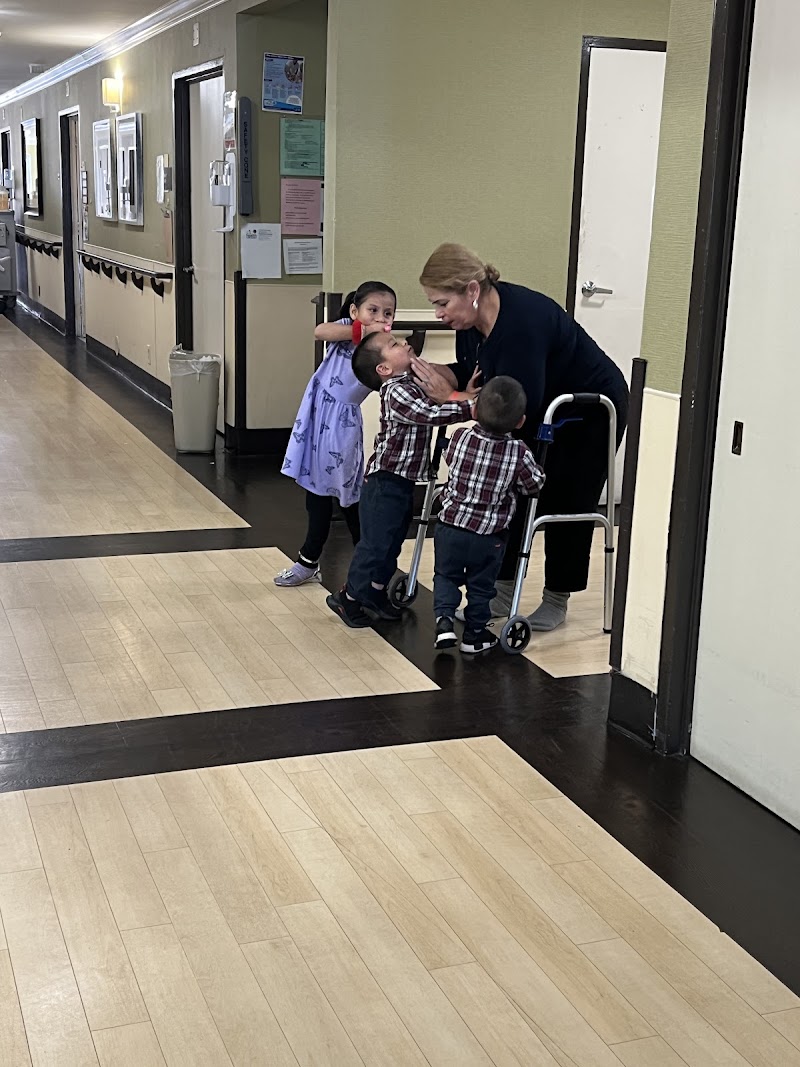
Who Owns and Operates Mesa Verde Post Acute?

MESA VERDE POST ACUTE CARE CENTER is owned by a for-profit company. For-profit facilities operate as businesses with obligations to shareholders or private owners. The facility is operated by SHLOMO RECHNITZ, a chain that manages multiple nursing homes. With 80 certified beds and approximately 74 residents (about 92% occupancy), it is a smaller facility located in COSTA MESA, California.
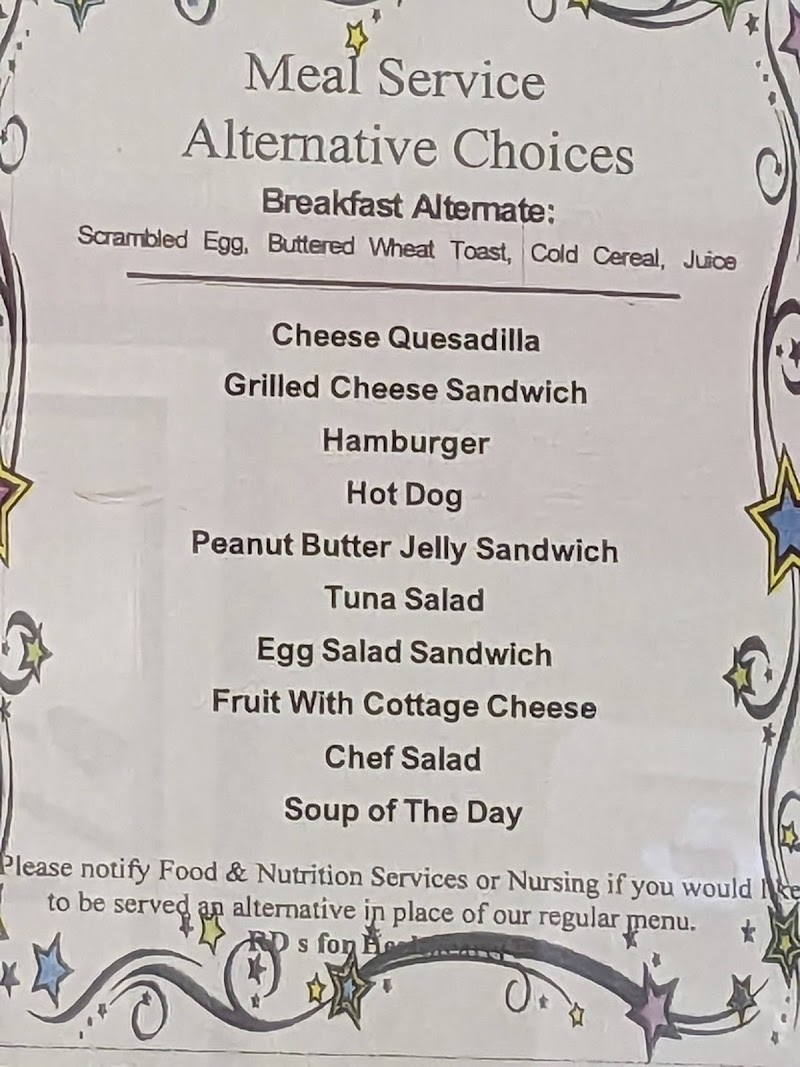
How Does Mesa Verde Post Acute Compare to Other California Nursing Homes?

Compared to the 100 nursing homes in California, MESA VERDE POST ACUTE CARE CENTER's overall rating (3 stars) is below the state average of 3.1, staff turnover (32%) is significantly lower than the state average of 46%, and health inspection rating (2 stars) is below the national benchmark.

What Should Families Ask When Visiting Mesa Verde Post Acute?

Based on this facility's data, families visiting should ask: "Can you walk me through typical staffing levels on day, evening, and night shifts?" "Can I visit during a mealtime to observe dining assistance and food quality?" "How do you handle medical emergencies, and what is your hospital transfer rate?" "Can I speak with family members of current residents about their experience?" These questions are particularly relevant given the below-average staffing rating.

Is Mesa Verde Post Acute Safe?

Based on CMS inspection data, MESA VERDE POST ACUTE CARE CENTER has a clean safety record: no substantiated abuse findings (meaning no confirmed cases of resident harm), no Immediate Jeopardy citations (the most serious violation level indicating risk of serious injury or death), and is not on the Special Focus Facility watch list (a federal program monitoring the lowest-performing 1% of nursing homes). The facility has a 3-star overall rating and ranks #100 of 100 nursing homes in California. While no facility is perfect, families should still ask about staff-to-resident ratios and recent inspection results during their visit.

Do Nurses at Mesa Verde Post Acute Stick Around?

MESA VERDE POST ACUTE CARE CENTER has a staff turnover rate of 32%, which is about average for California nursing homes (state average: 46%). Moderate turnover is common in nursing homes, but families should still ask about staff tenure and how the facility maintains care continuity when employees leave.

Was Mesa Verde Post Acute Ever Fined?

MESA VERDE POST ACUTE CARE CENTER has been fined $4,558 across 1 penalty action. This is below the California average of $33,124. While any fine indicates a compliance issue, fines under $50,000 are relatively common and typically reflect isolated problems that were subsequently corrected. Families should ask what specific issues led to these fines and confirm they've been resolved.

Is Mesa Verde Post Acute on Any Federal Watch List?

MESA VERDE POST ACUTE CARE CENTER is not on any federal watch list. The most significant is the Special Focus Facility (SFF) program, which identifies the bottom 1% of nursing homes nationally based on persistent, serious quality problems. Not being on this list means the facility has avoided the pattern of deficiencies that triggers enhanced federal oversight. This is a positive indicator, though families should still review the facility's inspection history directly.