CUPERTINO HEALTHCARE & WELLNESS CENTER
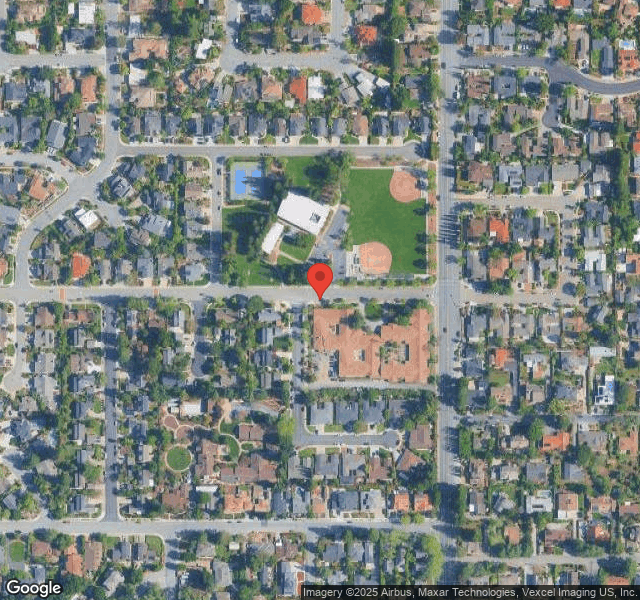
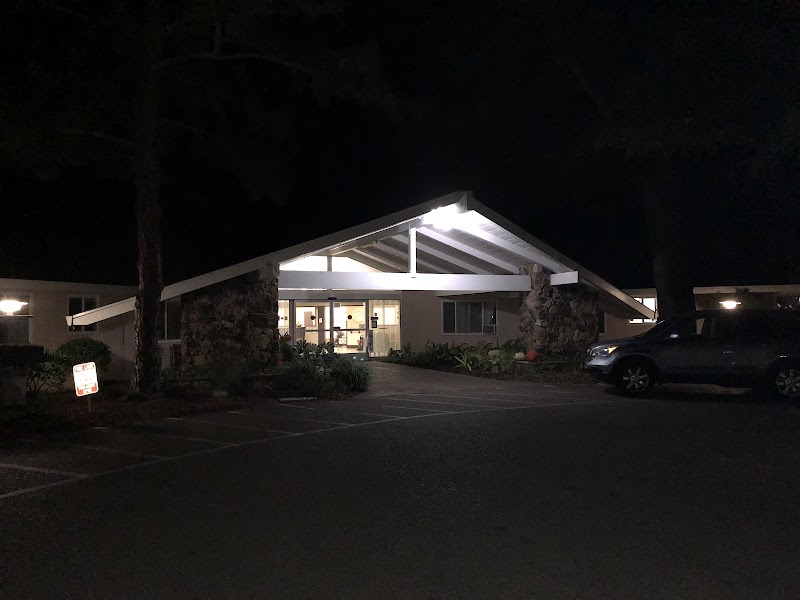
22590 VOSS AVENUE, CUPERTINO, CA 95014 (408) 253-9034
For profit - Limited Liability company 170 Beds SOL HEALTHCARE Data: November 2025
Trust Grade
20/100
#781 of 1155 in CA
Last Inspection: May 2024

Within standard 12-15 month inspection cycle. Federal law requires annual inspections.

Overview

Cupertino Healthcare & Wellness Center received a Trust Grade of F, indicating significant concerns about the facility's quality and care. It ranks #781 out of 1155 nursing homes in California, placing it in the bottom half, and #38 out of 50 in Santa Clara County, meaning there are only a few local options that are better. While the facility's trend is improving, with issues decreasing from 18 in 2024 to just 1 in 2025, the overall situation remains serious, with 85 issues identified, including 5 serious ones that caused harm to residents. Staffing appears to be a relative strength, with a turnover rate of 35%, which is better than the California average, and average RN coverage, which helps ensure quality care. However, there are concerning incidents, such as a failure to check a resident's blood sugar levels, leading to a severe health crisis, and instances of improper medication administration that increase the risk of errors. Families should weigh these strengths and weaknesses carefully when considering this facility for their loved ones.

Trust Score
F
20/100
In California
#781/1155
Bottom 33%
Safety Record
High Risk
Review needed
Inspections
Getting Better
18 → 1 violations
Staff Stability
○ Average
35% turnover. Near California's 48% average. Typical for the industry.
Penalties
✓ Good
$45,170 in fines. Lower than most California facilities. Relatively clean record.
Skilled Nurses
⚠ Watch
Each resident gets only 23 minutes of Registered Nurse (RN) attention daily — below average for California. Fewer RN minutes means fewer trained eyes watching for problems.
Violations
⚠ Watch
85 deficiencies on record. Higher than average. Multiple issues found across inspections.
★★☆☆☆
2.0
Overall Rating
★★★☆☆
3.0
Staff Levels
★★☆☆☆
2.0
Care Quality
★★☆☆☆
2.0
Inspection Score
Stable
2024: 18 issues
2025: 1 issues

The Good

  • Full Sprinkler Coverage · Fire safety systems throughout facility
  • No fines on record
  • Staff turnover below average (35%)

    13 points below California average of 48%

Facility shows strength in fire safety.

The Bad

2-Star Overall Rating

Below California average (3.1)

Below average - review inspection findings carefully

Staff Turnover: 35%

10pts below California avg (46%)

Typical for the industry

Federal Fines: $45,170

Above median ($33,413)

Moderate penalties - review what triggered them

Chain: SOL HEALTHCARE

Part of a multi-facility chain

Ask about local staffing decisions and management

The Ugly 85 deficiencies on record

5 actual harm
Jun 2025 1 deficiency
CONCERN (D) 📢 Someone Reported This

A family member, employee, or ombudsman was alarmed enough to file a formal complaint

Potential for Harm - no one hurt, but risky conditions existed

Quality of Care (Tag F0684)

Could have caused harm · This affected 1 resident

**NOTE- TERMS IN BRACKETS HAVE BEEN EDITED TO PROTECT CONFIDENTIALITY** Based on observation, interview and record review, the facility failed to ensure one (Resident 1) out of three sampled residents...

Read full inspector narrative →
**NOTE- TERMS IN BRACKETS HAVE BEEN EDITED TO PROTECT CONFIDENTIALITY** Based on observation, interview and record review, the facility failed to ensure one (Resident 1) out of three sampled residents was provided needed care and services in accordance with professional standards of practice when Resident 1 did not receive urology (a medical specialty that focuses on the diagnosis and treatment of disorders related to the urinary and reproductive systems) consultation as ordered by the physician. This failure resulted in Resident 1's prolonged use of indwelling urinary catheter [thin, flexible tube inserted into the bladder through the urethra to collect and drain urine] and placed Resident 1 at risk for urinary tract infection and delayed urology evaluation. Findings: A review of Resident 1's clinical record indicated an admission date of 1/17/25 with diagnoses including End Stage Renal Disease (kidneys no longer work as they should to meet the body's needs), Obstructive and Reflux Uropathy, unspecified (urinary tract has a blockage that prevents urine from flowing normally and when urine flows backward from the bladder into the ureters and kidneys instead of flowing down), and Retention of Urine. A review of Resident 1's Physician Order indicated, Indwelling Catheter size (FR#16) with balloon via gravity drainage for obstructive neuropathy ordered on 1/23/25. A review of Resident 1's Minimum Data Set (MDS, a federally mandated resident assessment tool) assessment dated [DATE], indicated Resident 1's brief interview for mental status (BIMS, a tool used to assess cognition [knowing, learning, and understanding things]) score was 15 (a score of 0 to 7 indicates severe cognitive impairment, 8-12 moderate impairment, 13-15 patient is cognitively intact). During a concurrent observation and interview on 4/28/25 at 11:42 a.m. with Resident 1, Resident 1 stated he was not seen by a prostate [accessory gland of the male reproductive system and a muscle-driven mechanical switch between urination and ejaculation] doctor yet and was told to get a prostate doctor once he got discharged without referral. Resident had an indwelling foley catheter. A review of Resident 1's Physician Progress Notes dated 2/26/25 indicated, Refer to SCVMC [a hospital] urology [the medical specialty that deals with the urinary system] for eval [evaluation] . A review of Resident 1's Physician Progress Notes dated 3/18/25 indicated, .awaiting urology apt [appointment] . A review of Resident 1's Physician Progress Notes dated 3/25/25 indicated, failed voiding trial [a test to see if your bladder can empty urine on its own after a catheter is removed]; referred to urology . A review of Physician Progress Notes dated 4/8/25 indicated, .needs urology referral During a concurrent interview and record review of Resident 1's clinical records with the Director of Nursing (DON) on 4/28/25 at 2:42 p.m., the DON verified the urology referral for Resident 1 was ordered on 2/26/25. The DON verified Resident 1 was not seen by a urologist yet. During a concurrent interview and record review of Resident 1's clinical records on 5/13/25 at 1:21 p.m. with the DON, the DON stated urology consult was still pending for Resident 1. During a phone interview on 6/3/25 at 9:49 a.m. with Nurse Supervisor (NS), NS verified he coordinated the order for urology consult for Resident 1. NS also stated it usually took a month or a month and a half to process a referral for consultation. NS stated Resident 1 was discharged on 5/24/25 against medical advice. NS also stated, Resident 1 was not seen by a urologist during his stay in the facility. A review of facility's policy and procedure (P&P) entitled Referrals to Outside Services revised 12/1/2013, the P&P indicated, .III. The Director of Social Services is responsible for locating agencies and programs that meet the needs of residents A. For clinical services, a nursing designee will assist the Director of Social Services in locating a provider .
Dec 2024 2 deficiencies
CONCERN (D) 📢 Someone Reported This

A family member, employee, or ombudsman was alarmed enough to file a formal complaint

Potential for Harm - no one hurt, but risky conditions existed

Quality of Care (Tag F0684)

Could have caused harm · This affected 1 resident

Based on observation, interview and record review, the facility failed to ensure treatment and care provided were in accordance with professional standards of practice when one (Resident 1) out of thr...

Read full inspector narrative →
Based on observation, interview and record review, the facility failed to ensure treatment and care provided were in accordance with professional standards of practice when one (Resident 1) out of three sampled residents was left with their oral medication to be taken unsupervised at bedside and was documented as given without confirmation. This failure resulted in inaccurate documentation of correct time of medication administration and had the potential for a missed dose. Findings: During a concurrent observation and interview on 12/17/24 at 11:39 a.m. with Resident 1 in her room, a medicine cup with two white capsules and a plastic cup of water were noted on her bedside table. Resident 1 stated that her nurse left it there for her to take. At 11:42 a.m., Certified Nurse Aide (CNA) B came in the room and verified the two capsules and stated she will call Resident 1's nurse. Licensed Vocational Nurse (LVN) A came in the room at 11:45 a.m. and confirmed she was Resident 1's assigned nurse and that she left the medications for Resident 1. LVN A stated It's not okay to leave medications at bedside. I should have watched her take her medications. LVN A also stated that the medication was Gabapentin (a medication to treat seizures and/or nerve pain). During a concurrent interview and record review with the Director of Nursing (DON) on 12/17/24 at 3:09 p.m., the DON stated that medications should not be left at bedside without an order for self-administration of medication from the doctor. The DON verified that Resident 1 had no order for self-administration of medication from the doctor. During a concurrent interview and record review of Resident 1's Medication Administration Record with LVN A on 12/17/24 at 3:45 p.m., LVN A verified the latest time stamp for the administration of Gabapentin on 12/17/24 was 11:24 a.m. LVN A confirmed she did not administer Gabapentin at 11:24 a.m. A review of Resident 1's clinical record indicated diagnoses of but were not limited to, Muscle Weakness, Paranoid Schizophrenia (a pattern of behavior where a person feels distrustful and suspicious of other people) and Major Depressive Disorder (a mood disorder that causes a persistent feeling of sadness and loss of interest). A review of Resident 1's Physician Order dated 11/8/24 indicated, Gabapentin Capsule 100 MG [milligram, a unit of measurement] Give 2 capsules by mouth three times a day for nerve pain. A review of facility's Policy and Procedure (P&P) titled, Medication-Administration, revised January 1, 2012, the P&P indicated, .D. Medications must be given to the resident by the Licensed Nurse preparing the medication .IX. Documentation A. The time and dose of the drug or treatment administered to the patient will be recorded in the patient's individual medication record by the person who administers the drug or treatment. B. Recording will include the date, the time and the dosage of the medication or type of the treatment .
CONCERN (D) 📢 Someone Reported This

A family member, employee, or ombudsman was alarmed enough to file a formal complaint

Potential for Harm - no one hurt, but risky conditions existed

Deficiency F0745 (Tag F0745)

Could have caused harm · This affected 1 resident

Based on interview and record review, the facility failed to ensure sufficient and appropriate social services were provided for two (Resident 7 and Resident 10) out of 12 sampled residents when psych...

Read full inspector narrative →
Based on interview and record review, the facility failed to ensure sufficient and appropriate social services were provided for two (Resident 7 and Resident 10) out of 12 sampled residents when psychosocial and emotional assessments were not done following a resident-to-resident altercation. This failure had the potential for psychosocial decline of the residents that can affect their overall health. Findings: During an interview on 12/17/24 at 1:47 p.m. with the Social Services Director (SSD), the SSD stated it was her duty to check on residents involved in altercations. The SSD also stated she must check on the residents for three consecutive days after an alleged event except on weekends. The SSD stated, I usually ask them what happened and if they are in pain. I also ask them if they're sad. The SSD also stated the assessment must be documented on the resident's electronic chart. During a concurrent interview and record review with the SSD on 12/17/24 at 2:02 p.m. of Resident 10's and Resident 11's progress notes, the DSD verified Resident 10 had an alleged altercation with Resident 11 on 8/15/24. The progress notes indicated Resident 10 was allegedly tapping Resident 11's legs. The SSD confirmed she had no documentation of psychosocial and emotional assessment for Resident 10 following the incident. The SSD stated, I don't know what happened. During a concurrent interview and record review with the Social Services Director (SSD) on 12/17/24 at 2:12 p.m. of Resident 5's and Resident 7's progress notes, the DSD verified that on 9/3/24, Resident 5 allegedly grabbed Resident 7's left wrist and kicked Resident 7's left ribs. The DSD verified there were no social services documentation of psychosocial and emotional assessment for Resident 7 following the alleged incident. During an interview with the Director of Nursing (DON) on 12/17/24 at 3:09 p.m., the DON stated there must be a 72-hour psychosocial status check done by the social services and must be documented on the resident's chart. A review of facility provided Job Description for Social Services Coordinator indicated, Principal Responsibilities Clinical/ Administrative .Assess the psychosocial, mental and emotional needs of residents . .Communicate needs and plan of care to resident, families, responsible parties and appropriate staff .
Sept 2024 1 deficiency
CONCERN (D) 📢 Someone Reported This

A family member, employee, or ombudsman was alarmed enough to file a formal complaint

Potential for Harm - no one hurt, but risky conditions existed

Deficiency F0555 (Tag F0555)

Could have caused harm · This affected 1 resident

**NOTE- TERMS IN BRACKETS HAVE BEEN EDITED TO PROTECT CONFIDENTIALITY** Based on observation, interview, and record review, the facility failed to ensure facility staff honored one of two residents (1...

Read full inspector narrative →
**NOTE- TERMS IN BRACKETS HAVE BEEN EDITED TO PROTECT CONFIDENTIALITY** Based on observation, interview, and record review, the facility failed to ensure facility staff honored one of two residents (1) preferences when the social services assistant (SSA) did not assist Resident 1 to choose another physician. This failure had the potential to compromise resident rights. Review of Resident 1's admission Record (part of the medical record that documents patient information) indicated he was admitted to the facility on [DATE] and re-admitted on [DATE] with a diagnosis of Ankylosing Spondylitis of the Spine (an inflammatory arthritis affecting the spine and large joints). Review of Resident 1's Minimum Data Set (MDS, an assessment tool), dated 8/12/24, indicated the resident was cognitively intact (mental process used to think, learn, remember, reason, pay attention, and ultimately, comprehend information and turn it into knowledge). During an interview, on 9/11/24, at 11:30 a.m., with the SSA, SSA stated Resident 1 asked to switch physicians about two months ago. SSA stated she thought she told the director of nurses about it. SSA stated she was not aware of what happened after that. During a subsequent interview, on 9/11/24, at 11:49 a.m., with the SSA, SSA acknowledged residents have the right to change doctors. SSA stated she did not know the procedure for switching physicians and she thought the DON handled it. SSA stated she did not follow up after that. Review of the facility's policy and procedure titled, Designation of Attending Physician, revised January 1, 2012, indicated To ensure that the resident is able to exercise his/her right to choose a personal Attending Physician .residents of the Facility have the right to choose a personal Attending Physician .the Facility helps the resident exercise his/her choice in finding another Attending Physician.
Aug 2024 1 deficiency
CONCERN (D) 📢 Someone Reported This

A family member, employee, or ombudsman was alarmed enough to file a formal complaint

Potential for Harm - no one hurt, but risky conditions existed

Deficiency F0685 (Tag F0685)

Could have caused harm · This affected 1 resident

Based on observation, interview, and record review, the facility failed to provide services to obtain prescription eyeglasses for one of four sampled residents (Resident 1). This failure resulted in R...

Read full inspector narrative →
Based on observation, interview, and record review, the facility failed to provide services to obtain prescription eyeglasses for one of four sampled residents (Resident 1). This failure resulted in Resident 1's impaired vision and had the potential to result in decreased participation in activities requiring visual acuity. Findings: A review of Resident 1's Minimum Data Set (MDS, an assessment used to guide care), dated 5/25/24, indicated Resident 1 had clear speech, was able to understand and be understand by others, and had adequate vision with corrective lenses. During an interview on 7/1/24 at 1:00 p.m. with the Social Services Associate (SSA), the SSA stated referrals were sent to the eye doctor on 6/4/24, they will be in the facility to evaluate the Residents on 7/9/24. During an observation and concurrent interview on 7/1/24 at 2:09 p.m. Resident 1 was awake, lying in bed, he did not have his eyeglasses, he stated, my glasses were taken by someone here, no one will help me make an appointment. During an observation and concurrent interview on 7/22/24 at 2:05 p.m. in Resident 1's room, Resident 1 stated, he did not get his glasses, he did not have an appointment. During an interview on 7/22/24 at 2:19 p.m. with SSA A, SSA A stated Resident 1 was on the referral list but was not seen. During an interview on 7/22/24 at 2:26 p.m. with the Social Services Director (SSD), the SSD stated Resident 1 should have been seen 4/29/24, the referral was sent 4/12/24. There is no documentation indicating the reasons Resident 1 was not seen on 4/29/24 or 7/9/24. During a phone interview on 8/19/24 at 10:06 a.m. with Resident 1, Resident 1 stated he has not been scheduled for an appointment for his glasses. During a interview on 8/27/24 at 12:03 p.m. with the SSD, the SSD stated Resident 1 had an appointment for his glasses yesterday (8/26/24), SSD was unaware of the outcome. SSD was calling the office for his follow up information. During a follow up call on 8/27/24 at 3:11 p.m. with the SSD, the SSD stated, Resident 1 went to the eye doctor yesterday but was on a gurney therefore could not be seen. A review of Resident 1's physician orders dated 11/15/2022, indicated an order, Eye health and vision consult, with follow up treatment as indicated.
Jul 2024 1 deficiency
CONCERN (D) 📢 Someone Reported This

A family member, employee, or ombudsman was alarmed enough to file a formal complaint

Potential for Harm - no one hurt, but risky conditions existed

Quality of Care (Tag F0684)

Could have caused harm · This affected 1 resident

Based on observation, interview and record review, the facility failed to implement their elopement care plan for one of three sampled residents (Resident 1). This failure had the potential to result ...

Read full inspector narrative →
Based on observation, interview and record review, the facility failed to implement their elopement care plan for one of three sampled residents (Resident 1). This failure had the potential to result in another incident of Resident 1's elopement to unsafe place. Findings: Review of Resident 1's face sheet (summary page of a patient's important information) dated 8/2/2024, indicated, Resident 1 was admitted to the facility with diagnoses including Alzheimer's disease (a progressive disease that destroys memory and mental functions), dementia (a group of symptoms affecting thinking and social abilities interfering with daily functioning) with mood disturbance and history of falling. Review Resident 1's Elopement (to leave without notification or permission) Evaluation, dated 3/28/2024, indicated a score of 5 (Score value of 1 or higher indicates Risk of Elopement). Review of Resident 1's minimum data set (MDS, an assessment tool) quarterly assessment, dated 6/28/2024, indicated, Resident 1 had memory problems with short term and long-term memory. Further review indicated the following: Resident 1 had wandered in 1-3 days, used wheelchair for locomotion and she was just supervised with transfers. Review of Resident 1's Change in Condition Evaluation dated 6/18/2024, indicated, Resident 1 used a different wheelchair without the wanderguard (small device placed on the ankle or wrist of a resident, alarms to notify the staff if a resident tries to leave the facility) and was able to wheel herself outside the facility. Resident 1 was found at the corner of the facility's street and main street. Resident 1 did not sustain any injuries. During a concurrent observation and interview with licensed vocational nurse A (LVN A) on 7/31/2024 at 12:39 p.m., inside Resident 1's room, Resident 1 was seated on her wheelchair, eating her lunch. LVN A confirmed there was a wanderguard placed under Resident 1's wheelchair. LVN A confirmed Resident 1 had an elopement on June. LVN A stated, Resident 1 transferred herself to another resident's wheelchair without a wanderguard and was able to go out of the facility without triggering the alarm. LVN A further stated, their plan of care was to apply a purple ribbon in her wheelchair for staff to be aware that Resident 1 was on a right wheelchair. During this observation, there was no purple ribbon on Resident 1's wheelchair. LVN A was surprised not to find the purple ribbon on Resident 1's wheelchair. LVN A stated there should be purple ribbons on Resident 1's wheelchair handles as their plan of care to prevent another elopement. During a concurrent interview with director of nursing (DON) and record review on 7/31/2024 at 2:56 p.m., DON reviewed Resident 1's care plan about wandering and elopement dated 6/28/2024. DON confirmed the new intervention for Resident 1 elopement prevention was to have a ribbon on her wheelchair to determine that she was sitting on a right wheelchair. DON confirmed Resident 1 could transfer to another wheelchair without any physical assistance. DON stated nurses should follow Resident 1's care plan. During a follow up concurrent phone interview with DON and record review on 8/9/2024 at 2:48 p.m., DON stated she did not recall a 6/28/2024 intervention regarding Resident 1's elopement prevention. DON reviewed Resident 1's elopement care plan again and stated, staff should follow the plan of care for resident's safety. Review of Resident 1's care plan with problem, Resident tends to wander the facility, and switches into different wheelchairs. Resident needs wheelchair with wanderguard, dated 6/28/2024, indicated in one of the interventions, Resident's assigned wheelchair has two purple ribbons tied on the arm rest. During a review of the facility's policy titled, Wandering and Elopement, dated 2/10/2023, indicated, The Facility will identify residents at risk for elopement upon admission and when there is a change in condition to minimize the risk of elopement. Purpose: To enhance the safety of residents of the Facility.
Jun 2024 2 deficiencies
CONCERN (D) 📢 Someone Reported This

A family member, employee, or ombudsman was alarmed enough to file a formal complaint

Potential for Harm - no one hurt, but risky conditions existed

Quality of Care (Tag F0684)

Could have caused harm · This affected 1 resident

**NOTE- TERMS IN BRACKETS HAVE BEEN EDITED TO PROTECT CONFIDENTIALITY** Based on interview and record review, the facility failed to ensure one of two sampled residents (Resident 1) was free from abus...

Read full inspector narrative →
**NOTE- TERMS IN BRACKETS HAVE BEEN EDITED TO PROTECT CONFIDENTIALITY** Based on interview and record review, the facility failed to ensure one of two sampled residents (Resident 1) was free from abuse when the two residents were not separated after the incident. This failure resulted in Resident 1 was feeling terrified and was not able to sleep after the incident. Findings: During a review of Resident 1's face sheet (a document that gives a resident's information at a quick glance) dated 5/24/24, it indicated Resident 1 was admitted to the facility on [DATE] with diagnoses of aftercare following joint replacement surgery due to displaced right patella (kneecap) fracture. During an interview on 3/13/24 at 3:10 p.m. with Resident 1, Resident 1 stated on the first night after he was admitted to the facility, his roommate (Resident 2) grabbed his left leg, the facility staff did not separate the two of them after incident, he was not able to sleep and stayed up all night, because he was terrified. Resident 2 grabbed his leg again the next morning, the facility did not move Resident 2 to another room until later that morning. During an interview on 3/13/24 at 4:25 p.m. with the Director of Nursing (DON), the DON stated the residents should have been separated, when she got the notification in the morning [3/6/24], Resident 1's room change was initiated right away. During a concurrent interview and record review on 5/23/24 at 2:23 p.m. with the Nursing Supervisor (NS), NS reviewed Resident 1's progress notes (PN); PN dated 3/6/24 at 6:58 a.m. indicated, Patient started yelling at 3AM wanting to be moved. He was unhappy about his roommate [Resident 2] spitting all night. 630 [a.m.] patient was upset because his roommate touched his leg. Patient called 911, 911 arrived at 645 [a.m.] and spoke to him. Patient wants to be moved asap [as soon as possible]. PN dated 3/6/24 at 7:30 a.m. indicated, He stated that his roommate grabbed his leg, I [writer] asked the CNA [certified nursing assistant] to get the other resident up and out of bed to avoid conflict. PN on 3/6/24 at 9:24 a.m. indicated, Currently looking for room change for the Pt [patient]. The NS stated staff did not separate the two residents right away, the room change was initiated in the morning after the IDT [Interdisciplinary Care Team, a group of healthcare professionals with different disciplines] meeting. During a review of the facility's policy and procedure (P&P) titled Abuse and Neglect dated 11/18/21, the P&P indicated, III. Immediate Action A. the Administrator (or designated representative) will provide for a safe environment for the Resident, as indicated by the situation i. If the suspected perpetrator is another Resident, they will be separated so they do not interact with each other until circumstances of the incident can be clarified.
CONCERN (D) 📢 Someone Reported This

A family member, employee, or ombudsman was alarmed enough to file a formal complaint

Potential for Harm - no one hurt, but risky conditions existed

Infection Control (Tag F0880)

Could have caused harm · This affected 1 resident

**NOTE- TERMS IN BRACKETS HAVE BEEN EDITED TO PROTECT CONFIDENTIALITY** Based on observation, interview, and document review, the facility failed to implement strategies to prevent the spread of coron...

Read full inspector narrative →
**NOTE- TERMS IN BRACKETS HAVE BEEN EDITED TO PROTECT CONFIDENTIALITY** Based on observation, interview, and document review, the facility failed to implement strategies to prevent the spread of coronavirus 2019 (COVID-19, a strain of virus that can cause mild to severe respiratory illness) when one of one resident (Resident 3) was not isolated after testing positive for COVID-19. This failure had the potential to result in the spread of COVID-19 in the facility. Findings: During an interview on 3/13/24 at 3:10 p.m. with Resident 1, Resident 1 stated there was a COVID positive resident who ran out of the room and went into the rehab gym over the weekend. One of the rehab staff was mad that staff let that resident came out of the room. During an interview on 3/13/24 at 3:33 p.m. with Occupational Therapist (OT) A, OT A stated Resident 3 came out of the room without a mask, went into the rehab gym, and staff had to ask her to put on a mask and she got escorted back to her room. During an interview on 3/13/24 at 3:45 p.m. with Physical Therapy Assistant (PTA) B, PTA B stated on 3/10/24, Resident 3 was in the gym all morning, the resident had a male sitter, and the sitter was just outside the gym while the resident was inside, the resident was there for a while. The resident was not removed from the gym until PTA B complained about it. PTA B was frustrated because staff had to sanitize whatever the resident touched in the gym. PTA B further stated if a resident was positive with COVID, they were not allowed to come out of the room. Rehab department provided services to positive COVID residents either in their room or in the courtyard. During an interview on 3/13/24 at 4:16 p.m. with the Infection Preventionist (IP), the IP stated Resident 3 was combative, and non-compliant and IP contacted the county infection prevention consultant, the consultant recommended Resident 3 should still be on isolation for 10 days since the day of admission, which was until 3/16/24. During a review of Resident 3 ' s face sheet (a quick glance of a resident ' s information), it indicated Resident 3 was admitted on [DATE] with diagnoses cerebral ischemia (a common mechanism of acute brain injury that results from impaired blood flow to the brain), psychosis (a mental disorder characterized by a disconnection from reality). Review of Resident 3 ' s admission COVID test dated on 3/7/24, indicated the resident was positive with COVID upon admission. Review of Resident 3 ' s physician order dated 3/7/24, indicated Maintain Contact/Droplet precautions X [times] 10 days for asymptomatic positive Covid rapid test upon admission. During a review the facility ' s policy and procedure (P&P) titled IPC406 Management of COVID-19 dated 10/28/22. The P&P indicated, Patient care 20. Patients on Transmission-Based Precaution [the second tier of basic infection control and are to be used in addition to Standard Precautions for patients who may be infected or colonized with certain infectious agents for which additional precautions are needed to prevent infection transmission, including contact, droplet, and airborne precautions] are restricted to their room except for medically necessary purposes. a. If a patient must leave his/her room, he/she must wear a facemask or cloth face covering perform hand hygiene, limit movement in the center, and perform social distancing.
May 2024 8 deficiencies
CONCERN (D)

Potential for Harm - no one hurt, but risky conditions existed

Assessment Accuracy (Tag F0641)

Could have caused harm · This affected 1 resident

**NOTE- TERMS IN BRACKETS HAVE BEEN EDITED TO PROTECT CONFIDENTIALITY** 3. An admission Record revealed the facility admitted Resident #159 on 02/17/2024. According to the admission Record, the reside...

Read full inspector narrative →
**NOTE- TERMS IN BRACKETS HAVE BEEN EDITED TO PROTECT CONFIDENTIALITY** 3. An admission Record revealed the facility admitted Resident #159 on 02/17/2024. According to the admission Record, the resident had a medical history that included diagnoses of history of Parkinson's disease without dyskinesia and type two diabetes. The admission Record revealed the reside discharged to a private home/apartment with home health services on 03/12/2024. A discharge Minimum Data Set (MDS), with an Assessment Reference Date (ARD) of 03/12/2024, revealed Resident #159 discharged to an short-term general hospital on [DATE]. Resident #159's Discharge Planning Review, dated 04/07/2024, revealed the resident discharged home. During an interview on 05/31/2024 at 11:30 AM, the MDS Nurse reviewed Resident #159's discharge MDS and stated the MDS indicated the resident was discharged to the hospital. The MDS Nurse stated the discharge MDS was not correct as the resident discharged home. During an interview on 05/31/2024 at 11:41 AM, the Director of Nursing (DON) stated the MDS should be coded correctly according to the discharge order. The DON reviewed the discharge MDS and stated it was coded the resident discharged to the hospital. The DON stated the discharge MDS was inaccurate as the resident discharged home. During an interview on 05/31/2024 at 12:04 PM, the Administrator stated coding the discharge MDS was important for tracking the resident for emergencies. The Administrator stated the discharge MDS should have been coded correctly. Based on interview and record review, the facility failed to ensure Minimum Data Set (MDS) assessments were accurate for 3 (Residents #50, #65, and #159) of 33 sampled residents. Findings included: 1. An admission Record revealed the facility admitted Resident #50 on 07/30/2016. According to the admission Record, the resident had a medical history that included diagnoses of paranoid schizophrenia, schizoaffective disorder, and major depressive disorder. An annual MDS, with an Assessment Reference Date (ARD) of 08/23/2023, revealed Resident #50 was not considered by the state level II preadmission screening and resident review process to have a serious mental illness and/or intellectual disability or a related condition. A letter from the State of California-Health and Human Services Agency Department of Health Care Services, dated 09/23/2022, revealed a level II evaluation was conducted on 08/12/2022 and specialized services were recommended. 2. An admission Record revealed the facility readmitted Resident #65 on 08/29/2023. According to the admission Record, the resident had a medical history that included diagnoses of major depressive disorder and adjustment disorder with mixed anxiety and depressed mood. An annual MDS, with an Assessment Reference Date (ARD) of 04/17/2024, revealed Resident #65 was not considered by the state level II preadmission screening and resident review process to have a serious mental illness and/or intellectual disability or a related condition. A letter from the State of California-Health and Human Services Agency Department of Health Care Services, dated 05/09/2023, revealed a level II evaluation was conducted on 05/08/2023 and specialized services were recommended. During an interview on 05/31/2024 at 10:53 AM, the MDS Nurse stated Resident #50's MDS with an ARD of 08/23/2023 and Resident #65's MDS with an ARD of 04/17/2024 were inaccurate as both should have indicated the residents were considered to have a serious mental illness or related condition. During an interview on 05/31/2024 at 1:28 PM, the Administrator stated Resident #50 and Resident #65's MDS assessments were not accurate. The Administrator stated he expected staff to follow policy and procedure. During an interview on 05/31/2024 at 1:41 PM, the Director of Nursing stated Resident #50 and Resident #65's MDS assessments were inaccurate.
CONCERN (D)

Potential for Harm - no one hurt, but risky conditions existed

Comprehensive Care Plan (Tag F0656)

Could have caused harm · This affected 1 resident

Based on observation, interview, record review, facility policy review, the facility failed to develop a care plan to address the yelling behavior for 1 (Resident #17) of 1 sampled resident reviewed f...

Read full inspector narrative →
Based on observation, interview, record review, facility policy review, the facility failed to develop a care plan to address the yelling behavior for 1 (Resident #17) of 1 sampled resident reviewed for behavior emotional. Findings included: A facility policy titled, Comprehensive Person-Centered Care Planning, revised in 11/2028, specified, Purpose To ensure that a comprehensive person centered care plan is developed for each resident. The policy revealed, Additional changes or updates to the resident's comprehensive care plan will be made based on the assessed needs of the resident. An admission Record revealed the facility admitted Resident #17 on 12/20/2023. According to the admission Record, the resident had a medical history that included diagnoses of mild cognitive impairment, schizophrenia, and major depressive disorder. A quarterly Minimum Data Set (MDS), with an Assessment Reference Date (ARD) of 03/28/2024, revealed Resident #17 had a Staff Assessment for Mental Status, which indicated the resident was severely impaired in cognitive skills for daily decision making. The MDS indicated the resident had no behaviors. Resident #17's comprehensive care plan, with an admission date of 12/202/2023, revealed no evidence to indicate the resident had a care plan to address their behaviors of yelling. During an observation on 05/27/2024 between 10:38 AM and 11:49 AM, Resident #17 was heard yelling intermittently. On 05/27/2024 at 2:44 PM, Resident #17 was heard yelling. On 05/29/2024 at 10:02 AM, Resident #17 was heard yelling unintelligible words. On 05/29/2024 at 1:43 PM, Resident #17 was heard yelling. During an interview on 05/29/2024 at 9:47 AM, Certified Nurse Aide (CNA) #19 stated Resident #17 yelled often. CNA #19 stated he would have expected the resident yelling to be care planned. During an interview on 05/29/2024 at 10:07 AM, Registered Nurse (RN) #20 stated Resident #17 did yell. RN #20 stated sometimes Resident #17 needed something from staff and other times Resident #17 would just yell. RN #20 stated she would have thought the resident yelling would be care planned. During an interview on 05/31/2024 at 9:44 AM, Licensed Vocational Nurse (LVN) #21 stated she would expect Resident #17's yelling to be care planned. LVN #21 stated Resident #17 did yell a lot and had a strong voice and it could be loud. During an interview with the Administrator and the Director of Nursing (DON) on 05/31/2024 at 1:05 PM, the Administrator stated he would expect all behaviors to be care planned. The Administrator stated Resident #17 should have a care plan specifically for yelling. The DON stated Resident #17's yelling should have been care planned.
CONCERN (D)

Potential for Harm - no one hurt, but risky conditions existed

ADL Care (Tag F0677)

Could have caused harm · This affected 1 resident

Based on observation, interview, record review, and facility policy review, the facility failed to ensure nail care was provided for 2 (Resident #20 and Resident #93) of 5 sampled residents reviewed f...

Read full inspector narrative →
Based on observation, interview, record review, and facility policy review, the facility failed to ensure nail care was provided for 2 (Resident #20 and Resident #93) of 5 sampled residents reviewed for activities of daily living (ADLs). Findings included: A facility policy titled, Grooming Care of the Fingernails and Toenails, revised on 10/21/2021, revealed, Purpose Nail care is given to clean the nail bed and keep the nails trimmed. Policy Fingernails are trimmed by Certified Nursing Assistants (CNAs), except for Residents with diabetes or circulatory impairments, this includes all toenails except for high-risk Residents. Note: A Licensed Nurse will trim those Residents' nails. 1. An admission Record indicated the facility admitted Resident #20 on 04/27/2015. According to the admission Record, the resident had a medical history that included diagnoses of contracture of left elbow, wrist, and hand and hemiplegia and hemiparesis following cerebral infarction. An annual Minimum Data Set (MDS), with an Assessment Reference Date (ARD) of 02/12/2024, revealed Resident #20 had a Brief Interview for Mental Status (BIMS) score of 15, which indicated the resident was cognitively intact. The MDS indicated the resident was dependent on staff for personal hygiene. Resident #20's care plan, revised on 05/21/2022, revealed the resident had an ADL self-care performance deficit related to limited mobility, musculoskeletal impairment secondary to cerebrovascular accident (CVA) with left hemiparesis, contractures of left shoulder, elbow, hand, and muscle weakness. Interventions directed staff to check the resident's nail length and trim and clean on bath day and as necessary. During a concurrent observation and interview on 05/27/2024 at 12:38 PM, Resident #20 was observed to have long fingernails on both hands. Resident #20 stated their fingernails needed to be trimmed. During a concurrent observation and interview on 05/28/2024 at 11:40 AM, Resident #20 was observed to have long fingernails on both hands. Resident #20 stated they would like to have their fingernails trimmed, but staff did not trim their fingernails. On 05/29/2024 at 9:14 AM, Resident #20 was observed to have long fingernails on both hands. During a concurrent observation and interview on 05/30/2024 at 9:34 AM, Resident #20 was observed to have long fingernails on both hands. Resident #20 stated staff had not cut their fingernails. 2. An admission Record indicated the facility admitted Resident #93 on 12/18/2023. According to the admission Record, the resident had a medical history that included diagnoses of type 2 diabetes mellitus, muscle weakness, and need for assistance with personal care. A quarterly Minimum Data Set (MDS), with an Assessment Reference Date (ARD) of 03/26/2024, revealed Resident #93 had a Brief Interview for Mental Status (BIMS) score of 14, which indicated the resident was cognitively intact. The MDS revealed Resident #93 required substantial/maximal assistance from staff for personal hygiene. Resident #93's care plan, initiated on 12/19/2023, revealed the resident had an ADL self-care performance deficit related to fatigue, impaired balance, risk for pain, and two-person assist per history and physical. Interventions required staff to check nail length and trim and clean on bath day and as necessary. During an interview on 05/27/2024 at 11:24 AM, Resident #93 stated the CNAs did not trim their nails and the nurses did not offer to trim their nails. On 05/28/2024 at 11:47 AM, Resident #93 was observed to have long fingernails. During an interview on 05/29/2024 at 9:05 AM, Licensed Vocational Nurse (LVN) #18 stated nurses trimmed the nails of those resident with diabetes during the resident's shower. During an interview on 05/29/2024 at 9:29 AM, Certified Nurse Aide (CNA) #23 stated nail trimming was a part of a resident's bath/shower and the nurses trimmed the nails of those resident with diabetes. CNA #23 stated Resident #20 and Resident #93 did not refuse their baths/showers and their nails should have been trimmed during their bath/shower and as needed. During an interview on 05/29/2024 at 11:14 AM, CNA #24 stated Resident #20 or Resident #93 did not refuse their baths/showers so they would not refuse nail care. CNA #24 stated their nails should have been trimmed on their baths/shower days. During an interview on 05/29/2024 at 2:04 PM, LVN #2 stated Resident #20's fingernails were long and needed to be trimmed. LVN #2stated the CNAs should have trimmed Resident #20's fingernails on the resident's bath/shower days. LVN #2 confirmed Resident #93 had fingernails that needed to be trimmed and should be trimmed by a nurse. During an interview on 05/31/2024 at 1:54 PM, the Director of Nursing stated she expected the staff to check and trim the resident's nails. During an interview on 05/31/2024 at 2:12 PM, the Administrator stated he expected the staff to trim the resident's fingernails on shower/bath days and as needed.
CONCERN (D)

Potential for Harm - no one hurt, but risky conditions existed

Accident Prevention (Tag F0689)

Could have caused harm · This affected 1 resident

Based on interview, record review, and facility policy review, the facility failed to ensure a root cause was determined for a fall for 1 (Resident #62) of 3 sampled residents reviewed for accidents. ...

Read full inspector narrative →
Based on interview, record review, and facility policy review, the facility failed to ensure a root cause was determined for a fall for 1 (Resident #62) of 3 sampled residents reviewed for accidents. Findings included: A facility policy titled, Fall Management Program, revised on 03/13/2021, specified Purpose To provide residents a safe environment that minimizes complications associated with falls, The policy specified, The IDT [Interdisciplinary team] will review the circumstance surrounding the fall then summarize their conclusions on an IDT note. An admission Record revealed the facility admitted Resident #62 on 10/19/2023. According to the admission Record, the resident had a medical history that included diagnoses of adult failure to thrive, dementia, altered mental status, abnormalities of gait and mobility, and weakness. A significant change in status Minimum Data Set (MDS), with an Assessment Reference Date (ARD) of 04/27/2024, revealed Resident #62 had a Staff Assessment for Mental Status (SAMS), which indicated the resident was severely impaired in cognitive skills for daily decision making. The MDS indicated the resident was dependent on staff for activities of daily living (ADLs). Resident #62's care plan revised 05/10/2024, revealed the resident was a high risk for falls due to deconditioning, gait and balance problems, incontinence, psychoactive drug use, and generalized weakness. Resident #62's Progress Notes, dated 05/14/2024, revealed Resident #62 had an unwitnessed fall, was sent to the hospital for a head injury, and returned with eight staples on the back of their head. Resident #62's Post Fall Evaluation, dated 05/14/2024, revealed the reason for the resident's fall was not evident. During an interview on 05/29/2024 at 3:25 PM, the Director of Nursing acknowledged there were a lot of blanks on the fall incident report for Resident #62. The DON acknowledged it was something the facility needed to work on as the fall incident report should paint a picture of what happened. During an interview on 05/30/2024 at 9:47 AM, Licensed Vocational Nurse (LVN) #21 stated she was called to Resident #62's room by Certified Nurse Aide (CNA) #22, who had found the resident on the floor. LVN #21 stated Resident #62 had not fallen before, and she thought the resident leaned forward and toppled over. During an interview on 05/30/2024 at 2:22 PM, CNA #22 stated when he went to check on Resident #62, he found the resident on the floor on their back, with blood on their head. During an interview with the Administrator and the DON on 05/31/2024 at 1:05 PM, the Administrator stated he would expect the staff to find a root cause of a resident's fall and for the entire story to be documented. The DON acknowledged the whole picture of Resident #62's fall was ot listed and it should have been.
CONCERN (D)

Potential for Harm - no one hurt, but risky conditions existed

Tube Feeding (Tag F0693)

Could have caused harm · This affected 1 resident

Based on observation, interview, record review, and facility policy review, the facility failed to ensure an enteral gastrostomy tube feeding was administered as ordered for 1 (Resident #113) of 1 sam...

Read full inspector narrative →
Based on observation, interview, record review, and facility policy review, the facility failed to ensure an enteral gastrostomy tube feeding was administered as ordered for 1 (Resident #113) of 1 sampled resident reviewed for tube feeding. Findings included: A facility policy titled, Enteral Feeding, revised on 01/01/2012, specified, Enteral feeding will be administered via pump as ordered by the Attending Physician. An admission Record indicated the facility admitted Resident #113 on 04/09/2024. According to the admission Record, the resident had a medical history that included diagnoses of gastrostomy status and adult failure to thrive. An admission Minimum Data Set (MDS), with an Assessment Reference Date (ARD) of 04/16/2024, revealed Resident #113 had a Staff Assessment for Mental Status (SAMS), which indicated the resident was severely impaired in cognitive skills for daily decision making. The MDS revealed the resident had a feeding tube and received 51% or more of their total calories by way of a tube feeding. Resident #113's care plan, initiated on 04/10/2024 and revised on 05/16/2024, revealed the resident required a tube feeding related to swallowing problems. Interventions directed staff to provide the resident's diet as ordered. Resident #113's Medication Administration Record for the timeframe 05/01/2024-05/31/2024, revealed the transcription of an order dated 05/2/12024 to provide the resident with Nepro 1.8 40 milliliters per hour (ml/hr) for 20 hours, on at 2:00 PM ad off at 10:00 PM. During a concurrent observation and interview on 05/29/2024 at 3:58 PM, Resident #113 was observed in bed and Jevity 1.2 enteral tube feeding formula infused at 40 ml/hr. Licensed Vocational Nurse (LVN) #9 stated the resident received Nepro through their feeding tube. LVN #9 confirmed Jevity 1.2 enteral tube feeding formula was currently infusing. LVN #9 reviewed the physician orders and stated the resident was ordered Nepro 1.8. LVN #9 stated the tube feeding that was hung should not be Jevity 1.2; it should have been Nepro 1.8. During an interview on 05/30/2024 at 10:43 AM, LVN #10 stated she started the Jevity 1.2 formula for Resident #113 on 05/29/2024 at 2:00 PM. LVN #10 stated she did not check the bottle of enteral feeding formula that was hung to ensure it was Nepro 1.8. During an interview on 05/31/2024 at 11:44 AM, the Medical Doctor (MD) stated she was notified on Wednesday, 05/29/2024, that Resident #113 had received the wrong tube feeding formula. The MD stated she was not worried about the wrong tube feeding being administered. During an interview on 05/31/2024 at 1:28 PM, the Administrator stated Resident #113 should not have received the incorrect tube feeding formula. The Administrator stated the nurse should have confirmed the physician order and the formula before the tube feeding was started. The Administrator indicated he expected for staff to follow the physician order, and if they had any questions, he expected the staff to contact the physician to clarify. During an interview on 05/31/2024 at 1:41 PM, the Director of Nursing (DON) stated the Jevity 1.2 enteral formula should not have been started for Resident #113. The DON indicated she expected the tube feeding rate and enteral formula to match the physician order.
CONCERN (D)

Potential for Harm - no one hurt, but risky conditions existed

Deficiency F0808 (Tag F0808)

Could have caused harm · This affected 1 resident

Based on observation, record review, interview, and facility policy review, the facility failed to ensure a therapeutic diet were served to 1 (Resident #71) of 33 sampled residents as ordered by the p...

Read full inspector narrative →
Based on observation, record review, interview, and facility policy review, the facility failed to ensure a therapeutic diet were served to 1 (Resident #71) of 33 sampled residents as ordered by the physician. Findings included: A facility policy titled, Therapeutic Diets, revised on 06/01/2024, revealed, Therapeutic diets are diets that deviate from the regular diet and require a physician order. Procedure I. Therapeutic diets will not be given without a physician order. A. The nursing staff is responsible for communicating the physician's order for a therapeutic diet to the dietary department in writing. B. The therapeutic diet will be reflected on the resident's tray card. An admission Record revealed the facility admitted Resident #71 on 01/25/2024. According to the admission Record, the resident had a medical history that included diagnoses of Alzheimer's disease and dysphagia. A quarterly Minimum Data Set (MDS), with an Assessment Reference Date (ARD) 05/03/2024, revealed Resident #71 had a Staff Assessment for Mental Status (SAMS), which indicated the resident was severely impaired in cognitive skills for daily decision making. The MDS indicated the resident required setup or clean up assistance with eating. Per the MDS, the resident was on a mechanically altered diet. Resident #71's care plan, initiated on 01/26/2024, revealed the resident had a potential nutritional problem related to diet restrictions as the resident was on a mechanically soft textured diet dur to their disease conditions. Interventions directed the staff to provide, serve diet as ordered. Resident #71's telephone physician order, dated 05/29/2024 at 9:00 AM, revealed an order for regular, pureed texture diet. The Dietary Communication form, revealed Resident #71's diet was downgraded to a pureed diet on 05/29/2024. During a concurrent observation and interview on 05/29/2024 at 1:17 PM, the surveyor observed Certified Nurse Aide (CNA) #1 set up a mechanical soft meal tray to feed Resident #71. The meal tray consisted of peas, potatoes, and ground meat. CNA #1 stated she was not aware the resident's diet had been changed to a pureed diet. During an interview on 05/29/2024 at 1:21 PM, Licensed Vocational Nurse (LVN) #3 stated she changed the resident's diet order that morning and gave the dietary communication form to the LVN #2 to give to the kitchen staff. communicated the change to the dietary staff. During an interview on 05/29/2024 at 1:59 PM, LVN #2 stated he gave the dietary communication form to downgrade Resident #71's diet to the Registered Dietician (RD) at 12:00 PM on 05/29/2024. During an interview n 05/29/2024 at 2:01 PM, the RD stated when a meal tray is dent out from the kitchen, the nurses should check to ensure the meal tray is correct. The RD stated she was not aware Resident #71's diet order was changed and had not received any communication from the nursing department to provide the resident a different diet.
CONCERN (D)

Potential for Harm - no one hurt, but risky conditions existed

Infection Control (Tag F0880)

Could have caused harm · This affected 1 resident

Based on observation, interview, record review, document review, and facility policy review, the facility failed to ensure enhanced barrier precautions (EBP) were implemented during indwelling cathete...

Read full inspector narrative →
Based on observation, interview, record review, document review, and facility policy review, the facility failed to ensure enhanced barrier precautions (EBP) were implemented during indwelling catheter care for 1 (Resident #12) of 1 sampled resident reviewed for urinary catheter. Findings included: The Centers for Medicare & Medicaid [CMS] Center for Clinical Standards and Quality/Quality, Safety & Oversight Group, memorandum dated 03/20/2024 with an effective date of 04/01/2024, revealed CMS is issuing new guidance for State Survey Agencies and long term care (LTC) facilities on the use of enhanced barrier precautions to align with nationally accepted standards. EBP recommendations now include use of EBP for residents with chronic wounds or indwelling medical devices during high-contact resident care activities regardless of their multidrug-resistant organism status. A facility policy titled, Enhanced Barrier Precautions, revised on 04/30/2024, revealed, 7. For residents for whom EBP are indicated, EBP is employed when performing the following high-contact resident care activities for those at risk of transmission or acquisition of MDROs: a. Dressing b. Bathing/showering c. Transferring d. Providing hygiene e. Changing linens f. Changing briefs or assisting with toileting g. Device care or use: central line, urinary catheter, feeding tube, tracheostomy/ventilator h. Wound care: any skin opening requiring a dressing. An admission Record indicated the facility readmitted Resident #12 on 04/14/2024. According to the admission Record, the resident had a medical history that included diagnoses of methicillin resistant staphylococcus aureus infection, need for assistance with personal care, and urinary tract infection. A quarterly Minimum Data Set (MDS), with an Assessment Reference Date (ARD) of 03/02/2024, revealed Resident #12 had a Brief Interview for Mental Status (BIMS) score of 0, which indicated the resident had severe cognitive impairment. The MDS indicated the resident was dependent on staff for toileting hygiene and had an indwelling catheter. Resident #12's care plan, initiated on 04/15/2024, revealed the resident had an indwelling catheter related to a diagnosis of neurogenic bladder. During an observation on 05/29/2024 at 9:59 AM, Certified Nurse Aide (CNA) #16 cleansed the urinary catheter of Resident #12, while CNA #15 and Licensed Vocational Nurse (LVN) #14 assisted. The staff wore gloves and a mask; no gown was worn during care. During an interview on 05/29/2024 at 10:57 AM, LVN #14 stated when catheter care was provided, staff wore gloves, a gown, and a mask. LVN #14 stated a gown was not worn during Resident #113's catheter care. During an interview on 05/29/2024 at 11:00 AM, CNA #16 stated that for residents with catheters, staff just wore gloves and mask. During an interview on 05/29/2024 at 11:03 AM, CNA #15 stated staff were required to wear gloves and a face mask when they performed catheter care. According to CNA #15, a gown was only needed when the resident had an infection. During an interview on 05/29/2024 at 1:22 PM, the Infection Control LVN stated she was not aware of the new enhanced barrier precautions that were in effect and thought it was still an optional precaution in nursing homes. During an interview on 05/31/2024 at 1:54 PM, the Director of Nursing stated she expected staff to wear personal protective equipment (PPE) when they performed care on the residents on enhanced barrier precautions. During an interview on 05/31/2024 at 2:12 PM, the Administrator stated he expected the staff to wear the PPE as required for enhanced barrier precautions.
CONCERN (F)

Potential for Harm - no one hurt, but risky conditions existed

Food Safety (Tag F0812)

Could have caused harm · This affected most or all residents

Based on observation, interview, and facility policy review, the facility failed to date open food items and properly store dry food in sealed containers. These deficient practices affected all reside...

Read full inspector narrative →
Based on observation, interview, and facility policy review, the facility failed to date open food items and properly store dry food in sealed containers. These deficient practices affected all residents who received food from the kitchen. Findings included: A policy titled Food Storage, revised on 07/25/2019, revealed, Purpose To establish guidelines for storing, thawing, and preparing food. Policy Food items will be stored thawed, and prepared in accordance with good sanitary practice. All items will be correctly labeled and dated. Per the policy, D. Label and date all food items. The policy specified, G. Any opened products should be placed in storage containers with tight fitting lids. During an observation on 05/27/2024 at 8:39 AM, the surveyor noted in the walk-in refrigerator plastic storage container dated 05/10/2024 through 05/17/2024, of bell peppers that had a black fuzzy substance on them and a fluid seeping out of the container and two undated bags of cheese. In the walk-in freezer, there was an undated bag of diced ham that was opened to air. In the dry storage area, there were containers of dry milk, lima beans, and rice that were opened to air. During an interview on 05/27/2024 at 8:41 AM, Dietary Aide (DA) #5 stated the bell peppers were bad and should have been disposed of ten days ago. DA #5 stated the cheese should have had an opened date and a use-by- date labeled on the package. During an interview on 05/27/2024 at 8:51 AM, the Registered Dietician stated no food should be exposed in the walk-in freezer and food in the dry storage area should be sealed. During an interview on 05/30/2024 at 8:35 AM, the Dietary Supervisor (DS) stated when food items were opened, staff should place an opened dated and a use-by-date on the item. The DS stated items in storage containers should be properly sealed and air tight. During an interview on 05/30/2024 at 4:05 PM, the Director of Nursing stated food items should be labeled with an opened date and discarded per the facility policy. During an interview on 05/31/2024 at 12:00 PM, the Administrator stated stored foods needed to have a label as to when the food was placed in the refrigerator and a use-by date. The Administrator stated he would expect if a dry food item was opened, it should be placed in a container that sealed.
Apr 2024 1 deficiency
CONCERN (D) 📢 Someone Reported This

A family member, employee, or ombudsman was alarmed enough to file a formal complaint

Potential for Harm - no one hurt, but risky conditions existed

Deficiency F0757 (Tag F0757)

Could have caused harm · This affected 1 resident

**NOTE- TERMS IN BRACKETS HAVE BEEN EDITED TO PROTECT CONFIDENTIALITY** Based on interview and record review, the facility failed to ensure a resident's drug regimen was free from unnecessary medicati...

Read full inspector narrative →
**NOTE- TERMS IN BRACKETS HAVE BEEN EDITED TO PROTECT CONFIDENTIALITY** Based on interview and record review, the facility failed to ensure a resident's drug regimen was free from unnecessary medications when nursing staff did not accurately transcribe (transfer or copy information) from the physician's order to the medication administration record (MAR) for one of two sampled residents (Resident 1). For Resident 1, an order for milk of magnesia (MOM, a laxative used to treat constipation) was incorrectly transcribed onto the MAR and was administered daily instead of every third day. This failure resulted in Resident 1 receiving unnecessary doses of MOM and had the potential to compromise Resident 1's health and safety due to overuse. Review of Resident 1's Face Sheet (document that contains a summary of personal and demographic information), indicated Resident 1 was admitted to the facility on [DATE] with diagnoses of acute respiratory failure (inability of the respiratory system to meet oxygenation requirements) and hypoxia (low levels of oxygen). Review of Resident 1's Physician's Order, dated 10/18/23, indicated to give 30 milliliters (ml, a metric unit of volume) of MOM suspension 400 milligrams (mg, a metric unit of measurement)/5 ml by mouth every third day as needed for constipation if no bowel movement. Review of Resident 1's Minimum Data Set (MDS, an assessment tool), dated 10/25/23, for bowel continence (ability to control bowel function) indicated Resident 1 was always incontinent (inability to control bowel movements) and constipation was not present. Review of Resident 1's MAR for the period, 10/1/23 through 10/31/23, indicated Resident 1 received MOM daily on 10/19/23, 10/20/23, 10/21/23, 10/24/23,10/25/23 and 10/27/23 for a total of seven doses. Review of Resident 1's IDT Care Conference Note (IDT, interdisciplinary team meeting to discuss care), dated 10/26/23, indicated Resident 1 had an unwitnessed fall on 10/26/23. IDT further indicated Resident 1 was found on the floor near the bathroom with feces (stool) smeared on the floor. Review of Resident 1's Change of Condition Evaluation Note (a tool used to facilitate communication), dated 10/28/23, indicated Resident 1 was administered MOM daily since admission and upon reviewing the medication list Resident 1 was only to receive MOM PRN (according to or on an as needed basis). Review of Resident 1's IDT, dated 10/30/23, indicated the doctor and the pharmacist were notified, and orders were given to monitor Resident 1 for signs and symptoms of adverse reactions to MOM. Review of Resident 1's Care Plan (written document that identifies nursing needs), revised on 10/30/23, indicated Resident 1 was at risk for diarrhea and complications due to a medication error when MOM was given routinely x 7 days. Care plan intervention was to discontinue the MOM and monitor for diarrhea or complications. Review of Resident 1's Health Status Note (written documentation detailing clinical status), dated 11/1/23, indicated physician orders were to discontinue all bowel medications and to call for any constipation. During an interview, on 12/1/23 at 1:35 p.m., with licensed vocational nurse A (LVN A), LVN A stated she was notified the resident had a fall on 10/26/23 and there was poop on the floor from his bed to the bathroom. LVN A further stated he may have slipped in his own poop. LVN A also stated he was getting MOM daily for constipation. LVN A further stated MOM is typically given PRN. During an interview, on 12/1/23 at 2:00 p.m., with licensed vocational nurse B (LVN B), LVN B stated the director of nursing (DON) notified me there was a medication error regarding the MOM. LVN B further stated the admitting nurse put the order in incorrectly on admission. During an interview on 4/18/24 at 11:00 a.m., with the DON, the DON stated after the incident we now have a system in place where the supervisors review all the medications with the floor nurse for accuracy. Review of the facility's August 21, 2020, policy Physician Orders indicated to have a process to verify that all physician orders are complete and accurate.
Mar 2024 1 deficiency
CONCERN (D) 📢 Someone Reported This

A family member, employee, or ombudsman was alarmed enough to file a formal complaint

Potential for Harm - no one hurt, but risky conditions existed

Pharmacy Services (Tag F0755)

Could have caused harm · This affected 1 resident

Based on observation, interview and record review, the facility failed to ensure routine medication was available for one of two sampled resident (Resident 1). This failure resulted in Resident 1 not ...

Read full inspector narrative →
Based on observation, interview and record review, the facility failed to ensure routine medication was available for one of two sampled resident (Resident 1). This failure resulted in Resident 1 not receiving the medication which could lead to adverse effects on the health and well being of Resident 1. Findings: Review of Resident 1's face sheet (FS: a document that gives a resident's information at a quick glance) indicated Resident 1 admitted to facility on 1/28/2020. Resident 1's admission diagnoses included diabetes type 2 (high levels of sugar in blood), anxiety (excessive and persistent worry and fear about everyday situations), and nasal congestion (a stuffy or congested nose occurs when the tissue lining it becomes swollen). Review of Resident 1's physician order dated 2/16/2024, indicated, Fluticasone Propionate (medication to treat allergy symptoms like sneezing, itching and a runny or stuffy nose) Allergy Relief Nasal Suspension 1 spray (liquid medication to spray) on both nostrils (two holes in nose) one time a day for treat Nasal Congestion . During an interview with Resident 1 on 2/20/2024 at 11:45 a.m., Resident 1 stated the medical doctor (MD) ordered fluticasone on 2/16/2024, but he did not receive this medication yet. Resident 1 further stated he was informed by nursing staff this medication was not available. During a concurrent observation of medication cart 1 (cart to store, transport, and administer of medications for residents) and interview with licensed vocational nurse A (LVN A) on 2/20/2024 at 12:21 p.m., LVN A confirmed there was no Fluticasone Propionate nasal spray for Resident 1 in medication cart 1. LVN A also confirmed Resident 1 did not receive above medication today at 9:00 a.m., as ordered. LVN A stated will follow up with pharmacy today. LVN A also stated nursing staff should have started administering this medication on 2/16/2024 for Resident 1. Review of Resident 1's electronic medication administration record (EMAR: electronic documentation for medication administration) for February/2024 indicated Resident 1 did not receive Fluticasone Propionate nasal spray on 2/17/2024 and 2/20/2024. During a concurrent interview with director of nursing (DON) on 2/20/2024 at 3:40 p.m., DON confirmed Resident 1 did not receive above medication as ordered on 2/16/2024. DON stated this medication is available in the facility as over the counter medication (OTC: medication is available without a prescription by MD and pharmacy does not provide to facility). DON also stated charge nurses should have started administering this medication by obtaining from facility's OTC supply. DON also stated nursing will receive education for list of OTC medications and availability in facility for residents. Review of facility's policy and procedure (P&P) titled, Medication-Administration, revised 1/1/2012, the P&P indicated, Medications and treatments will be administered as prescribed to ensure compliance with dose guidelines.
Jan 2024 1 deficiency
CONCERN (D) 📢 Someone Reported This

A family member, employee, or ombudsman was alarmed enough to file a formal complaint

Potential for Harm - no one hurt, but risky conditions existed

Deficiency F0658 (Tag F0658)

Could have caused harm · This affected 1 resident

Based on interview and record review the facility failed to follow professional standards of care when a Braden Scale assessment for pressure ulcer/injury (localized damaged to the skin and/or underly...

Read full inspector narrative →
Based on interview and record review the facility failed to follow professional standards of care when a Braden Scale assessment for pressure ulcer/injury (localized damaged to the skin and/or underlying soft tissue usually over a bony prominence) was not performed until after a resident developed a pressure ulcer for one of two sampled residents (Resident 1) This failure had the potential of not thoroughly assessing the resident ' s risks and in not developing pertinent preventative measures. Findings: Review of Resident 1 ' s record indicated the resident was admitted to the facility in July 2023 and there was no Braden Scale – Predicting Pressure Ulcer Risk Evaluation until 9/28/23. Review of Resident 1 ' s Change in Condition Evaluation form, dated 9/17/23 at 10:03 p.m., indicated the resident had an open wound to his left lateral ankle. The interdisciplinary team (IDT, health care team members who meet to discuss and plan residents ' care) Progress Note, dated 9/21/23 6:14 p.m., described the wound as a Stage 3 (full-thickness loss of skin in which fat is visible in the ulcer) pressure injury and an intervention to apply foam boots in bed was initiated. Resident 1 had preventative pressure ulcer care plans developed on 7/13/23 and 8/1/23 and the care plans did not contain a preventative intervention of foam boot. During an interview, the director of nurses (DON) who reviewed the record stated Resident 1 was at risk for developing pressure ulcers because he had a tendency of his left ankle to lean on the mattress, the foam boot is a preventative measure and the pressure injury should have been reported earlier when it had redness. During a follow up interview on 1/17/24 at 12:45 p.m., the DON stated Braden Scale assessment should be conducted on admission to help with care planning and finding proper preventative interventions. Review of the Pressure Injury Prevention policy, revised September 1, 2020, indicated a risk assessment for developing pressure injuries was to be completed upon admission and weekly for four consecutive weeks after admission and it referenced the use of the Braden Scale.
Oct 2023 2 deficiencies
CONCERN (D) 📢 Someone Reported This

A family member, employee, or ombudsman was alarmed enough to file a formal complaint

Potential for Harm - no one hurt, but risky conditions existed

Deficiency F0557 (Tag F0557)

Could have caused harm · This affected 1 resident

**NOTE- TERMS IN BRACKETS HAVE BEEN EDITED TO PROTECT CONFIDENTIALITY** Based on interview and record review, the facility failed to follow their policies regarding protecting resident's personal prop...

Read full inspector narrative →
**NOTE- TERMS IN BRACKETS HAVE BEEN EDITED TO PROTECT CONFIDENTIALITY** Based on interview and record review, the facility failed to follow their policies regarding protecting resident's personal property for two of three residents (Resident 1 and 2) when: 1. Resident 1's personal property was not stored securely when the resident was transferred to the hospital. Resident 1's missing personal property was reported and the facility did not take corrective action in a timely manner. 2. Resident 2's Inventory of Personal Effects was not signed when the resident was discharged . These failures resulted in Resident 1's missing cell phone and had the potential to result in personal belongings not accounted for. Findings: Review of Resident 1's clinical record indicated she was admitted to the facility on [DATE] with diagnoses including malignant neoplasm of rectum (cancerous tumor of the end of the colon) and sepsis (a life-threatening complication from infection which could result in organ failure). Review of Resident 1's Inventory List, dated 8/25/23 indicated an iPhone 7 plus was on the inventory. Review of Resident 1's progress notes, dated 9/5/23 indicated the resident had altered mental status, slurred speech, could not remember her husband's name, and was confused. It indicated Resident 1 was transferred to the hospital. Review of Resident 1's Resident Grievance/Complaint Investigation Report, dated 9/13/23 indicated the subject of the grievance/complaint was a red iphone 7. It indicated staff said the phone went with Resident 1 to the hospital. The report indicated a question, Was the grievance confirmed? The check boxes for Yes and No were left blank. The report also indicated a question, Follow-up Required? The check boxes for Yes and No were left blank. During an interview on 9/26/23 at 1:33 p.m., the director of nursing (DON) stated the resident or family signs the belonging list/inventory. She stated if the resident is transferred out to the hospital, the belongings stay in the facility. The DON stated if the resident is alert and they want their belongings, we let them sign paperwork, so that they can take belongings with them. During an interview on 9/26/23 at 4 p.m., the social services director (SSD) stated she received the grievance from Resident 1's family regarding the resident's missing cell phone. The SSD stated that staff sent the phone with Resident 1 to the hospital. She stated she did not know if the phone was the facility's responsibility and was unsure what the policy was. During an interview on 10/2/23 at 1:42 p.m., the DON stated Resident 1 was unresponsive at the time she was transferred. She stated Resident 1 was not able to sign to bring her belongings with her to the hospital. The DON confirmed the phone was listed on Resident 1's inventory. She stated the facility needs to reimburse for the phone if it is on the inventory. The DON stated the grievance regarding Resident 1's phone was technically not followed through. Review of Resident 2's face sheet indicated the resident was admitted on [DATE] and discharged on 8/24/23. Review of Resident 2's Inventory of Personal Effects was signed by the resident and facility representative on admission. The inventory was not signed by the resident and facility representative on discharge. During an interview on 10/2/23 at 1:42 p.m., the DON stated Resident 2's inventory list should have been signed on the day of discharge. Review of the facility's policy, Personal Property, dated 7/14/2017 indicated the following: Upon admission, the certified nursing assistant (CNA) or designee will conduct a personal property inventory of the resident's property. Upon discharge home, the resident/resident representative will review the Resident Inventory to ensure all personal items are taken. If the resident is transferred to the acute hospital, and is expected to return to the facility, the resident's CNA will inventory the resident's property at the time of transfer. The facility may decide to keep the resident's personal property in the resident's room during the bed hold (while resident is in the hospital) or may pack the items and place them in secure storage pending the resident's return. Review of the facility's policy, Theft and Loss, revised 7/11/2017 indicated when personal property is reported missing, staff will immediately begin a search for the missing property and a Theft and Loss report is to be initiated. The administrator notifies local law enforcement within 36 hours of an incident involving theft of resident property with a value of one hundred dollars or more. Review of the facility's policy, Grievances and Complaints, revised 12/2017 indicated the following: Upon receiving a grievance/complaint report, the grievance official or designee provides a copy of the grievance/complaint report to the appropriate department manager to begin the investigation. The grievance official will be provided with a completed Resident Grievance/Complaint Investigation Report within five business days of the start of the investigation. If follow-up is required, the grievance official is responsible for ensuring that the follow-up action is taken in a timely manner.
CONCERN (D) 📢 Someone Reported This

A family member, employee, or ombudsman was alarmed enough to file a formal complaint

Potential for Harm - no one hurt, but risky conditions existed

Deficiency F0658 (Tag F0658)

Could have caused harm · This affected 1 resident

**NOTE- TERMS IN BRACKETS HAVE BEEN EDITED TO PROTECT CONFIDENTIALITY** Based on interview and record review the facility failed to provide necessary treatment for one of three residents (Resident 1) ...

Read full inspector narrative →
**NOTE- TERMS IN BRACKETS HAVE BEEN EDITED TO PROTECT CONFIDENTIALITY** Based on interview and record review the facility failed to provide necessary treatment for one of three residents (Resident 1) when wound dressing changes (treatments) for Resident 1 was not done for three days and wound dressing changes were not ordered by the physician. This failure had the potential to result in infection, delayed wound healing, and other health complications for the resident. Findings: Review of Resident 1's clinical record indicated she was admitted to the facility on [DATE] with diagnoses including malignant neoplasm of rectum (cancerous tumor of the end of the colon) and sepsis (a life-threatening complication from infection which could result in organ failure). It also indicated she had wounds on her right lateral breast and right chest. Review of Resident 1's Change in Condition Evaluation, dated 8/18/23 indicated Resident 1 was sent out to the hospital on 8/18/23 for shortness of breath. Review of Resident 1's Interfacility Transfer Report, dated 8/25/23 indicated Resident 1 returned to the facility on 8/25/23 and had a right lateral breast wound and a right subclavian (under the clavicle) wound. Review of Resident 1's Weekly Skin/Wound Assessment, dated 8/25/23 indicated Resident 1 had a medical-adhesive related skin injury on her right lateral breast and a surgical wound on her right anterior chest. It also indicated interventions included wound care and nutrition. There was no documentation that indicated Resident 1 had physician orders for wound care from 8/25/23 to 8/27/23. There was no documentation that indicated Resident 1 had her wound dressings changed for both wounds from 8/25/23 to 8/27/23. Review of Resident 1's Treatment Administration Record for August 2023 indicated she had a physician's order for wound dressing changes with a 8/28/23 start date. During an interview and concurrent review on 10/2/23 at 12 p.m., the treatment nurse (TN) confirmed Resident 1 was re-admitted to the facility on [DATE], a Friday. The TN confirmed Resident 1 had no treatment orders for her chest wound and breast wound until 8/28/23. She stated if she did not see Resident 1 that day, she would have seen the resident the following Monday. The TN stated the admitting nurse should have requested physician orders for treatment. The TN confirmed there was no documentation that dressing changes for both wounds were done by facility staff from 8/25/23 to 8/27/23. Review of the facility's policy, Pressure Injury and Skin Integrity Treatment, revised 8/12/2016 indicated, Treatments to pressure injuries or other skin integrity problems will be ordered by the physician . Treatments administered will be documented on the Treatment Administration Record.
Sept 2023 1 deficiency
CONCERN (D) 📢 Someone Reported This

A family member, employee, or ombudsman was alarmed enough to file a formal complaint

Potential for Harm - no one hurt, but risky conditions existed

Deficiency F0698 (Tag F0698)

Could have caused harm · This affected 1 resident

**NOTE- TERMS IN BRACKETS HAVE BEEN EDITED TO PROTECT CONFIDENTIALITY** Based on interview and record review, the facility failed to ensure transportation services was provided to scheduled dialysis (...

Read full inspector narrative →
**NOTE- TERMS IN BRACKETS HAVE BEEN EDITED TO PROTECT CONFIDENTIALITY** Based on interview and record review, the facility failed to ensure transportation services was provided to scheduled dialysis (a treatment to remove extra fluid and waste in the blood) appointments for one of three sampled residents (Resident 1), when Resident 1 missed two dialysis treatments for lack of transportation. This failure resulted Resident 1's transfer to emergency room (ER) for dialysis. Findings: During an interview on 8/2/23 at 1:44 p.m. with current transportation personnel, she stated she confirmed with dialysis facility nurse that Resident 1's last dialysis appointment was on 7/5/23; and that, Resident 1 missed dialysis appointments on 7/7/23 and 7/10/23 due to transportation issues. During an interview on 8/2/23 at 2:10 p.m. with the Unit Manager (UM) B, she stated if a resident missed an appointment due to transportation issues, the transportation personnel was responsible to rearrange the transportation. During an interview on 8/2/23 at 3:00 p.m. with Licensed Vocational Nurse (LVN) C, she stated the dialysis facility called the facility around 2:00 p.m. on 7/10/23 and notified her that Resident 1 had not had dialysis for five days. The dialysis facility suggested to send the resident to the ER for dialysis. Resident 1 was sent out to the ER on [DATE]. LVN C further stated that she should have asked the facility's transportation personnel to rearrange a new transportation when the scheduled transportation did not show up, but she did not communicate the issue with anybody. During an interview on 8/2/23 at 3:30 p.m. with the administrator (ADM), he stated Resident 1 did not have dialysis for five days. The scheduled transportation did not show up because the former transportation personnel did not renew the resident's insurance authorization for transportation annually. The resident was not notified of this and substitute transportation was not arranged. It was facility's responsibility to ensure transportation for dialysis appointments. During a review of the facility's policy and procedure (P&P) titled, Dialysis Care, revised October 01, 2018, the P&P indicated, I. Dialysis Arrangements. A. The facility will arrange for dialysis care for such residents on weekly basis. B. The facility will arrange transportation to and from the dialysis provider, as well as for meals (if necessary), medication administration and a method of communication between the dialysis provider and the facility.
Sept 2023 1 deficiency
CONCERN (D) 📢 Someone Reported This

A family member, employee, or ombudsman was alarmed enough to file a formal complaint

Potential for Harm - no one hurt, but risky conditions existed

Deficiency F0552 (Tag F0552)

Could have caused harm · This affected 1 resident

Based on interview, record review, the facility failed to notify the responsible party (RP, person designated to make decisions on behalf of a resident) of a resident about a change in medication for ...

Read full inspector narrative →
Based on interview, record review, the facility failed to notify the responsible party (RP, person designated to make decisions on behalf of a resident) of a resident about a change in medication for one of three sampled residents (Resident 1). This failure affected the ability of Resident 1's RP to participate in Resident 1's treatment. Findings: During a phone interview on 7/5/23 at 9:24 a.m. with Resident 1's RP, she stated, the facility did not notify her of Resident 1's Lorazepam (a medication used for anxiety) order was changed. During a review of Resident 1's Physician Orders, dated 12/22/21, an order indicated, give Lorazepam 0.5mg by mouth three times a day. This order was discontinued on 6/13/23. During a review of Resident 1's Physician Orders, dated 6/13/23, the order indicated, give Lorazepam 0.5mg by mouth at bedtime. During a concurrent interview and record review with the Unit Manager (UM) A on 7/26/23 at 3:18 p.m., Resident 1's Nursing Progress Notes, dated 6/2023, was reviewed. There was no documented evidence that indicated Resident 1's RP was notified for the medication order change. UM A stated she carried out the Lorazepam order on 6/13/23, but did not notify Resident 1's RP. She further stated the staff should notify the RP if the dose or frequency of a medication was to be lowered. During an interview with the Director of Nursing (DON) on 7/26/23 at 3:46 p.m, she stated Resident 1's nurse should have notified Resident 1's RP when there was a medication order change; and that, she should have written a progress note stating who was notified. During a review of the facility's Policy and Procedure (P&P), titled Change of Condition Notification, revised April 01, 2015. The P&P indicated, III. A licensed nurse will notify the resident's attending physician and legal representative or an appropriate family member when there is an: [ .] F. A need to alter treatment significantly. ([ .] a need to discontinue an existing form of treatment [ .]).
Jul 2023 1 deficiency
CONCERN (E) 📢 Someone Reported This

A family member, employee, or ombudsman was alarmed enough to file a formal complaint

Potential for Harm - no one hurt, but risky conditions existed

Deficiency F0697 (Tag F0697)

Could have caused harm · This affected multiple residents

**NOTE- TERMS IN BRACKETS HAVE BEEN EDITED TO PROTECT CONFIDENTIALITY** Based on observation, interview, and record review, the facility failed to provide pain management that met professional standar...

Read full inspector narrative →
**NOTE- TERMS IN BRACKETS HAVE BEEN EDITED TO PROTECT CONFIDENTIALITY** Based on observation, interview, and record review, the facility failed to provide pain management that met professional standards of practice and was in accordance with the resident's comprehensive care plan, and the resident's goals for care, for three of three (Residents 1, 2, and 3) sampled residents, when: 1. For Resident 1, a. Nursing staff did not ensure a supply of routine pain medications, Norco (a pain medication used for the relief of severe pain) and Tramadol (a pain medication used for the short-term relief of moderate to severe pain) available for scheduled administration, when the nurses did not re-order the Norco and Tramadol timely; b. Nursing staff did not use the facility's Narcotic Emergency Kit (E-Kit, tamper-evident sealed and secured container containing drugs which are used for immediate administration or in an emergency) when the resident's pain medications were unavailable; c. Nursing staff did not report the medication errors to the physician or the DON (director of nurses), and did not attempt other interventions to manage the resident's pain, when the resident missed one dose of Norco on 4/11/23 and three consecutive doses on 4/12/23, and two consecutive doses of Tramadol on 4/17/23 and one dose on 4/22/23 and 4/23/23; d. Tylenol, which was ordered for mild pain as needed, was not offered as ordered, on 4/12/23 when the resident complained of mild pain as ordered, and the nurses did not provide non-pharmacological interventions (NPIs) including applying a cold pack to manage the resident's pain, when Norco or Tramadol were unavailable; e. The resident's pain was not re-assessed within one hour, on 4/12/23 when his pain level was at 4/10 and 5/10 or on 4/22/23 at 8/10, when the scheduled pain medications were unavailable; f. Resident's care plan for pain management was not fully implemented and did not include personalized NPIs; and, g. Refusals of pain medications (for example, Voltaren [used to treat pain and reduce inflammation] and Lidocaine [used to relieve temporary pain]) were not reported to the physician to modify the resident's pain management regime 2. For Resident 2, a. Nursing staff did not administer Morphine Sul ER (medication used to treat moderate to severe pain) on 4/9/23 during the evening shift even though the medication was available and did not document a reason why the medication was not administered; and, b. Nursing staff did not ensure a supply of Morphine Sul ER was available for scheduled administration on 4/10/23 and Resident 2 missed one dose of Morphine Sulfer. 3. For Resident 3, a. Nursing staff did not continuously monitor Resident 3's pain every shift and document the results on the medication administration record (MAR) to provide timely interventions as care planned and to evaluate the effectiveness of pain interventions; and, b. Nursing staff did not administer one dose of Oxycodone HCL (oxycodone hydrochloride, a pain medication used for the relief of moderate-to-severe pain) even though the medication was available. These failures resulted in Resident 1 not having his prescribed pain medications scheduled and being in actual severe pain. These failures also had the potential for the residents, who receive pain medications in the facility, not to have their pain medication as scheduled and experience pain that could be managed and prevented by their pain management regimen. Findings: Review of Resident 1's face sheet (a document that gives a resident's information at a quick glance)indicated, on 1/28/2020, the resident was admitted to the facility with diagnoses including cerebral ischemia (condition that is caused by a disruption of blood flow to the brain), hemiplegia (paralysis [the loss of muscle function] of one side of the body) and hemiparesis (weakness or inability to move one side of the body) following cerebral infarction (disrupted blood flow to the brain due to problems with blood vessels that supply it) affecting right dominant side. It indicated pain in left shoulder and bilateral primary osteoarthritis (degeneration of cartilage [a resilient and smooth type of connective tissue located at the end of bones to reduce friction and prevent from rubbing together when using the joints] that causes pain and stiffness) of knee. Review of Resident 1's Minimum Data Set (MDS, an assessment tool), dated 4/11/23, indicted the resident was cognitively (the mental process that humans use to think, read, learn, remember, reason, pay attention, and, ultimately, comprehend information and turn it into knowledge) intact. Review of Resident 1's physician orders indicated: a. Start date 10/30/22, assess for pain, every shift and chart intensity of pain using 1-10 numeric pain scale, 0=no pain, 1-4=mild pain, 5-7=moderate pain, 8-9=severe pain, 10=excruciating pain, Every shift for pain. Non-pharmacological intervention: A=heat .B=Re-positioning .C=Relaxation breathing .D=Food/Fluids .E=massage .F=Exercise .G=Immobilization of Joints .H=Other (Document in Nurses note) and N=Not Needed; b. Start date 12/21/21, give Acetaminophen tablet (Tylenol, pain medication), 325 mg (milligram, a unit of measure), give 2 tablets orally, every 4 hours as needed (PRN, pro re nata, as the situation demands)for mild pain; c. Start date 12/30/2021, give Hydrocod/APAP 10-325 mg (Norco, 10 mg of hydrocodone and 325 mg of Tylenol combination, a narcotic medication [a controlled substance used to treat moderate to severe pain]), orally, three times a day for pain management; d. Start date 12/6/22, give Tramadol (a medication to relieve moderate to severe pain) 50 mg orally, four times a day for hip pain; e. Start date 2/14/23, apply Voltaren (used to treat pain and reduce inflammation) External Gel 1%, apply to affected area topically, two times a day for pain on the left shoulder, left knee, and left ankle; and on 2/21/23, to apply topically every 8 hours as needed to knees, shoulders, and ankles for pain; f. Start date 2/27/23, apply Lidocaine (a medication used to relieve temporary pain) External cream 4%, apply to back topically every 8 hours as needed for pain; g. Start date 3/21/23, apply Lidoderm Patch 5% (Lidocaine patch), apply to the right knee topically one time a day for pain and remove per schedule; and, h. Start date 3/27/23, apply cold pack-apply to the left hand/left wrist for pain as needed. Review of Resident 1's care plan, regarding the resident's pain management, initiated on 1/31/2022 and revised on 4/11/23, indicated the resident had chronic pain related to CVA (cerebrovascular accident, damage to the brain from interruption of its blood supply), Osteoarthritis, neuropathy (nerve pain), hip pain, and left hand/wrist pain. The care plan indicated the goal was, The resident would verbalize adequate relief of pain or ability to cope with incompletely relieved pain .; and the interventions were, The resident's pain is alleviated/relieved by: medication .Hydrocodone TID [three times a day, Ter in die from the Latin], Tramadol QID [four times a day, Quater in die from the Latin], Anticipate the resident's need for pain relief and respond immediately to any complaint of pain, Evaluate the effectiveness of pain interventions (every shift), Review for compliance, alleviating of symptoms, dosing schedules and resident satisfaction with results . Episodes of refusing pain medication: Voltaren Gel and Lidoderm patch and notify physician if interventions are unsuccessful The care plan for pain management did not include personalized non-pharmacological interventions (NPI). Review of Resident 1's Pain Interview, a quarterly pain assessment, dated 4/11/23, indicated the resident had occasional moderate pain, received scheduled pain medication regimen, and was on multiple routine pain medications to control his pain. Review of Resident 1's MAR, dated April 2023, indicated: a. Norco was scheduled to be given three times a day, at 6:00 a.m., 2:00 p.m., and 10:00 p.m., was not administered on 4/11/23 at 10:00 p.m. and 4/12/23 at 6:00 a.m., 2 p.m. and 10 p.m., and Resident 1 missed four consecutive doses of Norco. Review of nursing progress notes for the missing doses indicated on 4/11/23 at 11:17 p.m., Norco was on order; 4/12/23 at 6:54 a.m., Norco was not available; 4/12/23 at 1:28 p.m. Norco not available . waiting for the doctor to sign and return script [prescription], and on 4/12/23 at 10:20 p.m., Norco was not available and awaiting pharmacy. b. On 4/11/23, the resident missed his scheduled routine dose of Norco at 10:00 p.m. and he reported his pain was a 1/10 (mild pain). On 4/12/23, the resident did not receive all three consecutive doses of routine scheduled Norco and the pain assessment indicated, the resident expressed his pain intensity, on day shift, a 5/10 (moderate pain) and on evening shift, a 4/10 (mild pain). There was no documentation non-pharmacological interventions (NPI) were provided, or the licensed nurse re-assessed the resident's level of pain within one hour, when the resident complained of a pain intensity of 4 and 5. There was no documentation Tylenol was offered as ordered for mild pain on 4/11/23 and 4/12/23 and no documented evidence the nurses reported to the physician to obtain other interventions to manage the moderate pain. c. Tramadol was scheduled to be given four times a day, at 8 a.m., 12:00 p.m., 4:00 p.m. and 8:00 p.m., and was not administered on 4/17/23 at 12:00 p.m. and 4:00 p.m., 4/22/23 at 12:00 p.m., and 4/23/23 at 8:00 a.m. Review of nursing progress notes for the missing doses indicated, on 4/17/23 at 3:36 p.m., Tramadol was not available; on 4/17/23 at 6:55 p.m., the resident was out of Tramadol and the pharmacy was called and was told they would need a new script [prescription] from the doctor. It indicated the doctor was faxed a request for a new script on 4/17/23 at 6:47 p.m. Nursing progress note further indicated awaiting response from the doctor. Nursing progress note, dated 4/22/23 at 1:28 p.m., indicated Tramadol was unavailable. Nursing progress note, dated 4/22/23 at 1:26 p.m., indicated Tramadol scheduled at 12:00 p.m., was skipped because the dose of Tramadol at 8 a.m. was administered late. There was no documentation or nursing progress note with a reason why the resident did not get Tramadol on 4/23/23 at 8:00 a.m. d. Pain assessment indicated the resident reported a pain of 3/10 (mild pain) on 4/17/23 in the morning, and 8/10 (severe pain) on 4/22/23 in the morning, when Tramadol was unavailable. MAR indicated NPI were NA or not applicable/not needed, Tylenol was not offered for mild pain, and the physician was not notified to obtain additional interventions for the resident's severe pain. e. The resident refused the Lidoderm patch, 16 out of 25 days in April 2023. On 4/11/23, 4/12/23, 4/17/23, and 4/22/23 when the resident did not receive his scheduled routine Norco or Tramadol, the resident refused the Lidoderm patch. There was no explanation or reason documented why the resident refused the patch. There was no documentation the doctor had been notified regarding the refusals. f. The resident refused Voltaren External gel, 19 out of 25 days in April 2023. On 4/11/23, 4/12/23, 4/17/23, and 4/22/23 when the resident did not receive his scheduled routine Norco or Tramadol, the resident refused the gel. There was no explanation or reason documented why the resident had refused the gel. However, review of a nursing progress noted, dated 4/24/23 at 11:31 a.m., indicated the resident did not want the cream. There was no documentation the physician had been notified regarding the refusals to modify the pain medication regimen. Review of Resident 1's Treatment Administration Record (TAR), dated April 2023, indicated a cold pack was never applied to the resident's left hand/left wrist for pain as needed. Review of the undated contracting pharmacy's Audit History - Document for Norco, provided by the pharmacy, indicated the pharmacy received a request to refill Resident 1's Norco on 4/10/23 at 4:52 a.m., one day before the medication ran out. Review of the facility's undated Narcotic E-Kit medication list, undated, indicated the contents in the E-Kit included 12 different types of pain medication, including 8 tablets of Norco. Review of the facility's regular E-Kit medication list indicated the contents in the E-Kit included 8 tablets of Tramadol. During an interview on 4/13/23, at 9:41 a.m., Resident 1 stated, the day before yesterday on 4/11/23, he received his last dose of Norco at 2:00 p.m. and he woke up that morning with terrible left wrist pain and on a numeric scale of 1-10, the resident reported it was a twelve out of ten. He stated the pain medication helps. Resident 1 stated he had pain all over and lot of times, the staff bring his medications late, including his pain medication. Resident 1 stated on Monday (4/10/23), he did not get any of his medications until 12:00 p.m. Resident 1 stated the nurse came in and brought him all his medications, including two narcotics (Norco and Tramadol) at the same time. Resident 1 stated the nurse was new and she told him she was not coming back. Resident 1 further stated on the following day, 4/11/23, he did not get any of his medications until he went out to get them. During a concurrent interview and record review, on 4/13/23 at 10:36 a.m., with licensed vocational nurse A (LVN A), Resident 1's MAR dated April 2023 was reviewed. The MAR indicated, Norco was not administered on 4/11/23 at 10:00 p.m., 4/12/23 at 6:00 a.m., 2:00 p.m., and 10:00 p.m. and LVN A stated Resident 1 missed four consecutive doses of Norco. LVN A stated she was a travel nurse ([traveler] a nurse who is typically hired by healthcare staffing companies to work a temporary contract), it was only her second time working in the facility, and she was the nurse passing medications, including Resident 1's medications, on 4/12/23 and 4/13/23. LVN A stated, on 4/12/23, she received a shift report in the morning that Resident 1's Norco was unavailable. LVN A stated she called the pharmacy who told her Resident 1's Norco could not be refilled without the physician's authorization. LVN A stated, on 4/12/23, she called the physician multiple times and left messages, but the physician did not respond. LVN A stated Norco was available in the facility's E-Kit and she could not pull it without an authorization from the physician. During a concurrent interview, on 4/13/23 at 11:14 a.m., the director of nurses (DON) stated it is the nurse's responsibility to re-order and there was an issue with the doctor not responding. DON stated she just now heard about Resident 1's missed Norco doses. During a telephone interview, on 4/17/23, at 8:30 a.m., with the consultant pharmacist (CP), CP stated the order to refill the resident's Norco, was not sent to the pharmacy timely and the request should have been sent to the pharmacy 5 days before the medication ran out. During a telephone interview, on 4/17/23, at 2:15 p.m., the DON acknowledged if there is an issue with a physician not responding to a request for a refill, the nurses could call the facility's medical director. DON stated Resident 1's attending physician (AP, medical doctor responsible for the overall care of a patient) is the medical director. She stated we text or call her for refills and if the doctor does not respond, we should keep calling until we get a response. DON further stated if she could not manage the resident's pain in the facility, she would send the resident to the emergency room (ER). During a telephone interview, on 4/17/23, at 2:40 p.m., with Resident 1's AP, AP stated the resident had chronic arthritis (painful inflammation and stiffness of the joints) and he was getting three pain medications, including routine Norco and Tramadol every day. AP stated she did not recall if the facility called her to refill his Norco. She stated the nurses usually fax the refill request to her and might call her. AP stated if nurses need a medicine out of the E-Kit, they call her. AP stated she did not remember if the nurses called her for Resident 1's medications. AP further stated if she was unavailable, there was always someone on-call who could refill it. AP stated she gets notified about medication errors but was not notified regarding Resident 1's missed pain medications. During a telephone interview, on 4/17/23, at 2:55 p.m., with the pharmacist in charge (PIC) from the contracted pharmacy, PIC stated Norco was a Schedule II controlled drug (drugs with a high potential for abuse, with use potentially leading to severe psychological [mental or emotional] or physical dependence), could not be refilled, and had to have a new prescription. He stated either the facility staff or the pharmacy staff had to reach out to the prescribing physician to get the authorization. PIC stated, for Resident 1, the pharmacy received the request for Norco, on 4/10/23 at 4:52 a.m., which was one day prior to the day the medication ran out, the pharmacy staff followed up with the facility on 4/10/23 at 9:42 a.m. because the pharmacy staff had not heard anything back from the facility, the pharmacy staff reached out to the facility again on 4/10/23 at 10:30 a.m., and another pharmacist followed up with the facility on 4/11/23 at 5:00 p.m. PIC stated the pharmacy did not receive the order until the following day on 4/12/23 at 5:00 p.m. PIC stated the medication was released to the facility on 4/12/23 in the afternoon. PIC further stated there was no request from the facility to take the Norco out of the facility's E-Kit. During an interview, on 4/17/23, at 4:12 p.m., with licensed vocational nurse D (LVN D), who was assigned to Resident 1 on 4/12/23 during the evening shift, LVN D stated Resident 1's Norco was unavailable on her shift, and she was awaiting the pharmacy's delivery. LVN D stated nurses tried to get it refilled, had faxed the request to refill to the physician, and were waiting for the physician to sign. LVN D stated she did not know much about the E-Kit and had not been trained on it. LVN D further stated travelers did not get much orientation. When asked if she offered Tylenol, LVN D stated I should have offered it. During a concurrent observation and interview, on 4/24/23, at 1:23 p.m., with Resident 1, in Resident 1's room, Resident 1 was observed sitting up on the side of his bed. Resident 1 stated the last three days, 4/21/21, 4/22/23 and 4/23/23, he did not receive his morning medication, including his pain medication until between 12:00 p.m. and 2:00 p.m., Resident 1 stated he had three different nurses and did not get his morning medications. Resident 1 stated they have so many patients and a lot of us have to suffer. Resident 1 stated when he does not get his pain medication, he is in pain. During an interview, on 5/1/23 at 2:53 p.m., with registered nurse C (RN C), who worked at night on 4/12/23, RN C stated Resident 1 was upset when he did not get his scheduled Norco. RN C stated nurses had already faxed the authorization form to the AP and they were waiting for the AP's authorization. RN C further stated next time this happened, she would try to reach the AP. During a concurrent interview and record review, on 5/2/23, at 9:25 a.m., with the ADON (Assistant Director of Nursing), Resident 1's CDR (controlled drug record), dated April 2023, was reviewed. ADON stated the nurse is responsible for ordering medications and they should order 3 to 5 days before the medications run out. ADON stated the nurses should have been more proactive in getting the medications and they should not just wait. During an interview, on 5/2/23, at 9:45 a.m., ADON stated the nurses did not request Resident 1's Norco in a timely manner and they should have been more proactive in following up with the doctor. ADON stated if the doctor is not responding, they can call the medical director. ADON stated the AP was the medical director and ADON stated she was unaware the AP had an on-call doctor that could cover for her. During an interview on 5/2/23, at 11:36 a.m., DON stated it was the nurse's responsibility to reorder when medications were getting low and it is the facility's policy to re-order at least 5 days before running out. DON stated Resident 1's medications were not reordered timely by the nurses, and they should have called her when the AP was not responding. DON stated missed medications should be reported to the physician and the residents should not go without their medications. During a concurrent interview and record review, on 5/2/23, at 12:00 p.m., with the ADON, Resident 1's MAR, dated April 2023, was reviewed. The ADON stated on 4/22/23, Resident 1 missed one dose of Tramadol. ADON stated the dose scheduled at 8:00 a.m. was administered late at 12:00 p.m., and the nurse documented she was late with medication pass. During a telephone interview, on 5/3/23, at 12:26 p.m., with Resident 1, he stated he had a lot of back and knee pain and his doctor told him he had arthritis everywhere. Resident 1 stated the medication brings the pain down and he can get up out of bed. Resident 1 described the pain he had as burning and stabbing. During a telephone interview, on 5/4/23, at 3:50 p.m., with RN E, who administered Resident 1's Tramadol late in the morning of 4/22/23, RN E stated she only worked weekends as a weekend supervisor. RN E stated she came in, on 4/22/23 at 10:00 a.m., as the nursing supervisor, and the traveler assigned to Resident 1 worked from 7:00 a.m. to 10:30 a.m., before she dumped the med cart on her. RN E stated she gave the resident his morning dose of Tramadol late and skipped the noon dose, because the 8:00 a.m. dose was administered late. RN E stated a level 8 was considered excruciating or severe pain. RN E further stated the pain medication was very important to Resident 1 and he had to have his pain medication. RN E stated after he took the Tramadol, his pain level came down. During a telephone interview on 5/10/23, at 1:20 p.m., ADON stated Resident 1 missed two doses of Tramadol on 4/17/23, at 12:00 p.m., and at 4:00 p.m. ADON stated the nurse documented the medication was not available and they were waiting for the physician's authorization to refill. ADON further stated Resident 1's Tramadol ran out that morning and the nurses re-ordered it the same day. During an interview and record review, on 6/7/23, at 11:25 a.m., with the ADON, Resident 1's MAR, dated April 2023 was reviewed. ADON stated there was no documentation the nurses reassessed Resident 1 ' s pain level after he reported a pain level of 4/10 and 5/10 on 4/12/23, and 8/10 on 4/22/23. ADON stated when giving routine pain medications, nurses do not need to reassess the pain level if the medication is effective, and the pain is controlled, however, if not controlled, the nurse needs to reassess the pain level and follow up with the doctor. During a concurrent interview on 6/7/23, at 11:25 a.m., DON stated missing a medication dose is considered a medication error, the nurses need to call the physician and the family and notify her or the ADON. DON stated if the doctor does not sign the authorization to refill, the nurses should follow up. DON also stated she was unaware the AP had an on-call doctor and it should be posted at the nurse's station. During a concurrent interview and record review, on 6/7/23, at 11:48 a.m., with ADON, Resident 1's MAR, dated April 2023, was reviewed. ADON stated Resident 1 missed four consecutive doses of Norco and Tylenol was not offered on 4/12/23 when the resident's pain level was 4/10 (mild) and 5/10 (moderate). ADON stated Tylenol was not offered for a 5/10 pain because the order indicated for mild pain and the nurses did not report to the physician to obtain a medication order to treat moderate or severe pain, when Resident 1's routine pain medications were unavailable. During a concurrent interview and record review, on 6/7/23, at 12:48 p.m., with the ADON, Resident 1's MAR, dated April 2023, was reviewed. ADON stated nurses documented NA when the resident's pain was a 4/10 and 5/10 on 4/12/23, a 3/10 on 4/17/23, and an 8/10 on 4/22/23. ADON stated NA indicated NPI not applicable or not needed. ADON further stated when the resident's pain level was a 4, 5 or 8, the nursing staff should have offered NPI. ADON also stated Resident 1's NPI were not care planned. During an interview on 6/7/23, at 1:22 p.m., regarding Resident 1's refusals of pain medication (for example, Voltaren external gel and Lidocaine patch), ADON stated if residents refuse medications or if the pain is not well controlled, the nurses should notify the physician for additional interventions and document the reason the medication is refused in a nursing progress note. ADON stated she could not find documentation indicating the nurses reported the refusals to the resident's AP or a reason why those medications were refused. During a telephone interview, on 6/19/23, at 9:25 a.m., ADON stated Resident 1's Tramadol was not re-ordered timely by the nurses. ADON stated Tramadol is kept in the regular E-Kit and the nurses could not take it out of the E-Kit because the resident needed a new prescription. During an interview on 6/21/23, at 4:13 p.m., the CP stated, for Resident 1's missed 4:00 p.m. Tramadol dose, the nurse could have contacted the pharmacy for authorization to remove the medication from the facility ' s E-Kit. CP further stated controlled substances are refill on demand, so they need to be requested in a timely manner. During an interview on 6/21/23, at 4:19 p.m., with the PIC, PIC stated Resident 1's Tramadol order was a refill from the original prescription, sent by fax on 3/17/23 and the prescription still had quantity left over and could have been provided through the E-Kit upon request from the nurse. During an interview, on 6/22/23, at 3:05 p.m., with the PIC, PIC stated both missed doses of Resident 1's Tramadol, on 4/17/23 at 12:00 p.m. and 4:00, could have been taken from the facility's E-Kit. 2. Review of Resident 2's face sheet indicated the resident was admitted to the facility on [DATE] with heart failure (a chronic condition in which the heart does not pump blood as well as it should), myalgia (pain in a muscle group) and other chronic pain. Review of Resident 2's Minimum Data Set (MDS, an assessment tool), dated 5/11/23, indicated Resident 2 was cognitively intact. Review of Resident 2's physician orders indicated: a. Start date 12/21/21, assess for pain, every shift and chart intensity of pain using 1-10 numeric pain scale. 0=no pain, 1-4=mild pain, 5-7=moderate pain, 8-9=severe pain, 10=excruciating pain. Every shift for pain. Non-pharmacological intervention: A=heat .B=Re-positioning .C=Relaxation breathing .D=Food/Fluids .E=massage .F=Exercise .G=Immobilization of Joints .H=Other (Document in Nurses note) and N=Not Needed; b. Start date 12/21/21, give Morphine Sul ER (A drug used to treat moderate to severe pain) 15 mg, one tablet, three times per day for pain management; and, c. Start date 12/23/21, give Oxycod/APAP (a combination of Oxycodone/acetaminophen, 7.5 mg/325 mg), one tablet, three times per day every eight hours for pain management. Review of Resident 2's care plan, initiated on 12/1/21 and revised on 6/7/22, indicated the resident had chronic pain due to neuropathy (numbness or weakness of the peripheral nerves) and muscle spasm. The interventions included, evaluate the effectiveness of pain interventions every shift and administer analgesia [pain reliever] as ordered. Review of Resident 2's quarterly Pain Interview, dated 2/13/23, indicated the resident was on a scheduled pain medication regimen and his pain was well managed by scheduled pain medications. Review of Resident 2's MAR, dated April 2023, indicated Morphine Sul ER was scheduled to be given three times per day, at 9:00 a.m., 1:00 p.m., and 5:00 p.m. and Morphine Sul ER was not given on 4/9/23 at 1:00 p.m., and on 4/10/23 at 1:00 p.m. Review of nursing progress note for the missed dose indicated, on 4/9/23 at 4:23 p.m., missed giving this dose to patient at 1:00 p.m., and there was no reason documented why the dose was missed. Review of a nursing progress note, dated 4/10/23 at 1:53 p.m., indicated waiting on the pharmacy, and script sent with MD [medical doctor] signature. Review of the facility's undated Narcotic E-Kit medication list, indicated the facility's E-Kit contained 12 different types of pain medication, including 8 tablets of Morphine Sulfer. During a concurrent interview and record review, on 5/4/23, at 10:11 a.m., with the ADON, Resident 2's MAR, dated April 2023, and CDR were reviewed. ADON stated the resident's Morphine Sul ER doses were missed and there were three tablets of Morphine Sul ER remaining on 4/9/23 at 1:00 p.m. and she did not know why the nurse did not give it to the resident. ADON stated the nurse did not document a reason why it was not given, and they should have documented the reason when the medication was not administered in nursing progress notes. ADON stated, on 4/10/23 at 1:00 p.m., there were no tablets remaining and the nurse documented, nurses were waiting for the AP ' s authorization. During an interview, on 6/15/23, at 11:01 a.m., CP stated the Morphine Sul ER order was faxed and the pharmacy received it on 4/10/23, at 9:03 a.m., the day the medication ran out, It was processed on our first run, and delivered to the facility on 4/10/23 at 4:35 p.m. CP further stated controlled substance refills are on demand, cannot be automatically refilled and need to be requested in a timely manner. During a telephone interview on 6/19/23, at 9:25 a.m., with the ADON, ADON stated the nurses requested the Morphine Sul ER from the pharmacy on 4/10/23, the same day the resident ran out. ADON stated Resident 2's Morphine Sul ER was not re-ordered timely. 3. Review of Resident 3's face sheet indicated, on 7/9/2022, the resident was re-admitted to the facility, with diagnoses of chronic osteomyelitis (inflammation of bone usually due to infection) with draining sinus of the left femur (thigh bone), and chronic long term and current use of opiate (substance used to treat pain) analgesic (acting to relieve pain). Review of Resident 3's Minimum Data Set (MDS, an assessment tool), dated 4/3/23, indicated the resident was cognitively impaired. Review of Resident 3's physician orders indicated: a. No physician orders to assess the resident for pain every shift; b. Start date 1/22/23, Tylenol (Acetaminophen) 325 mg two tablets every six hours as needed for mild pain. c. Start date 1/22/23, Lidoderm (Lidocaine) Patch 5 % apply to right shoulder topically one time per day for pain management and apply to lower back and remove per schedule; d. Start date 2/9/23, give Oxycodone 5 mg every six hours for pain management; and, e. Start date 3/8/23 Oxycodone HCL 5 mg one tablet every four hours as needed for moderate to severe pain for break through pain. Review of Resident 3's care plan for pain, initiated on 2/12/22 and revised on 4/3/23, indicated the resident had acute chronic pain due to severe contractures (tightening of the muscles, tendons, skin, and nearby tissues that causes the joints to shorten and become very stiff) of both upper and lower extremities and chronic back pain. The goal was the resident would verbalize adequate relief of pain or ability to cope with incompletely relieved pain through the review date. The interventions included, Administer Oxycodone 5 mg Q6hrs [every 6 hours] .Evaluate the effectiveness of pain interventions Qshift [every shift] .Monitor/document for probable cause of each pain episode .monitor and record pain chara[TRUNCATED]
Jul 2023 1 deficiency
CONCERN (D) 📢 Someone Reported This

A family member, employee, or ombudsman was alarmed enough to file a formal complaint

Potential for Harm - no one hurt, but risky conditions existed

Pressure Ulcer Prevention (Tag F0686)

Could have caused harm · This affected 1 resident

Based on observation, interview, and record review, facility failed to ensure one of two residents (Resident 1) received care to prevent pressure ulcers (PU, damage to the skin and underlying tissue b...

Read full inspector narrative →
Based on observation, interview, and record review, facility failed to ensure one of two residents (Resident 1) received care to prevent pressure ulcers (PU, damage to the skin and underlying tissue because of prolonged pressure) when nurses did not provide treatment as ordered to Resident 1's sacrum (tailbone area). This failure had the potential to result in Resident 1's sacral PU to reopen. Findings: During a review of Resident 1's medical record, it indicated, on 3/16/23, the resident was admitted to the facility with a sacral PU. During a review of Resident 1's wound doctor's note, dated 4/6/23, it indicated Resident 1's sacral PU was healed on 4/6/23. During a review of Resident 1's physician orders, dated 4/6/23, it indicated, Sacrum: apply skin prep [forms a protective film or barrier for the skin to prevent skin breakdown] barrier cream every shift for fragile skin. During a review of Resident 1's treatment administration record (TAR), dated April 2023, it indicated, there were no documented evidence nurses applied skin prep barrier cream on the resident's sacrum, 15 out of 90 times. During a review of Resident 1's TAR, dated May 2023, it indicated the nursing staff missed the resident's treatment, 8 of 30 times. During a concurrent interview and record review on 6/21/23, at 12:17 p.m., with director of nursing (DON), she stated and confirmed that Resident 1 did not receive skin treatment as ordered, 15 times in April 2023 and 8 times in May. She stated if the treatment record was not signed by a nurse, that means the treatment was not provided. She stated it can potentially cause the resident's sacral PU to reopen if skin treatment was not performed as ordered. During a review of facility's policy and procedure, titled, Pressure Injury and Skin Integrity Treatment, revised August 12, 2016, it indicated, C. [ .] f. Treatment administered will be documented on the Treatment Administration Record.
Jun 2023 1 deficiency
CONCERN (D) 📢 Someone Reported This

A family member, employee, or ombudsman was alarmed enough to file a formal complaint

Potential for Harm - no one hurt, but risky conditions existed

Quality of Care (Tag F0684)

Could have caused harm · This affected 1 resident

**NOTE- TERMS IN BRACKETS HAVE BEEN EDITED TO PROTECT CONFIDENTIALITY** Based on interview and record review, the facility failed to ensure one of two sampled residents (Resident 1) received treatment...

Read full inspector narrative →
**NOTE- TERMS IN BRACKETS HAVE BEEN EDITED TO PROTECT CONFIDENTIALITY** Based on interview and record review, the facility failed to ensure one of two sampled residents (Resident 1) received treatment and care in accordance with professional standards of practice, when: 1. Nursing staffs did not monitor Resident 1 every shift for possible delayed injuries or changes related to a fall and document every shift for 72 hours after a fall; 2. Nursing staffs did not complete neurological checks (the assessment of sensory neuron and motor responses, especially reflexes, to determine whether the nervous system is impaired) after falls per the facility's policy and procedure (P&P); and 3. Nursing staffs did not monitor and document Resident 1's every meal intake timely between 12/2/22 to 12/6/22. These failures had the potential to miss the opportunity to identify changes and negatively impact Resident 1's quality of care during her stay. Findings: 1. During a review of Resident 1's Facesheet (a document that gives a resident's information at a quick glance, including contact details and a brief medical history) indicated, Resident 1 was admitted to the facility on [DATE], with diagnoses of transient cerebral ischemic attack (damage to the brain from interruption of its blood supply) and Parkinson's disease (a disorder of the central nervous system that affects movement, often including tremors). Physician's note dated 11/28/22, indicated, Resident 1 also had diagnoses of dementia (a group of thinking and social symptoms that interferes with daily functioning) and overactive bladder. During a review of Resident 1's post fall assessment, dated, 12/2/22, it indicated, the resident had an unwitnessed fall at 2:45 a.m. on 12/2/22. During a review of Resident 1's nursing progress notes, dated, 12/2/22 to 12/4/22, it indicated, there was no documented evidence to prove that nursing staffs monitored Resident 1 for delayed injuries or changes on 11-7 shift of 12/2/22, 3-11 shift and 11-7 shift of 12/3/22, and 3-11 shift of 12/4/22. During an interview on 5/10/23, at 4:55 p.m., with the Assistant Director of Nursing (ADON), ADON confirmed above finding, she stated nursing staff should have documented every shift for 72 hours after a fall, but the documentation had not been consistent. During a review of the facility's P&P, titled, Change of Condition Notification, Version No. 2.0, Revised April 1, 2015, the P&P indicated, [ .] VI. Documentation, A. A Licensed Nurse will document the following: i. Date, time, and pertinent details of the incident and the subsequent assessment in the Nursing Notes. [ .] C. A Licensed Nurse will document each shift for at least seventy-two (72) hours. 2. During a review of Resident 1's post fall assessment, dated, 12/2/22, the assesssment indicated, the resident had an unwitnessed fall at 2:45 a.m. on 12/2/22. During a review of Resident 1's neurological flow sheet, dated, 12/2/22 to 12/4/22, it indicated, nursing staff did not monitor Resident 1's neurological condition at 8:30 a.m. and 12:30 p.m. on 12/3/22, and 12:30 a.m. and 4:30 a.m. on 12/4/22. During a review of Resident 1's post fall assessment, dated 12/6/22, it indicated, Resident 1 had an unwitnessed fall at 8:00 a.m. on 12/6/22. During a review of Resident 1's neurological flow sheet, dated, 12/6/22 to 12/8/22, it indicated, nursing staff did not monitor Resident 1's neurological condition at 8:30 a.m., 8:45 a.m., 9:25 a.m., 9:55 a.m., and 10:55 a.m. on 12/6/22. During an interview on 5/30/23, at 1:00 p.m., with the director of nursing (DON), she stated, nurses should have performed neurological check per the facility's P&P. During a review of the facility's P&P, titled, Fall Management Program, Version No. 5.1, Revised March 13, 2021, the P&P indicated, Post-Fall Response [ .] B. For an unwitnessed fall or a witness fall with suspected or known head injury, the licensed nurse will complete neurological checks for 72 hours following the fall incident: i. Perform neurological checks at the ordered frequency or as listed below equaling 72 hours. a. Every 15 minutes x 1 hour, then, b. Every 30 minutes x 1 hour, then, c. Every hour x 4 hours, then, d. every 4 hours x 66 hours or until the physician states it is no longer necessary OR after 72 hours if the resident's condition is stable and NOT showing signs or symptoms of neurological injury. 3. During a review of Resident 1's nutrition meal intake lookback, dated, 12/2/22 to 12/6/22, it indicated, certified nursing assistants (CNAs) documented Resident 1's meal intake at 11:12 a.m. and 12:00 p.m. on 12/2/22, 11:07 p.m. on 12/3/22, 9:11 p.m. on 12/4/22, 2:41 p.m. and 2:42 p.m. on 12/5/22, and 10:00 p.m. on 12/6/22. There was no document evidence indicated Resident 1 had meals three times a day. There was also no further documentation indicated Resident 1 refused meals or was fed by family during the period. During an interview on 5/30/23, at 1:00 p.m., with DON, she stated, CNAs should have documented each meal intake amount after each meal, if a family member had fed the resident, the eaten amount still should be documented. During a review of the facility's P&P, titled, Food Intake - Recording Percentage & Nutritional Assessment, Version No. 1.0, revised January 1, 2012, the P&P indicated, II. After a resident has completed the meal, the CNA will record the amount eaten on the resident's food intake record after the completion of each meal. III. If a resident refuses a meal, or the food eaten is less than 50%, a nourishment or meal replacement will be offered.
May 2023 3 deficiencies
CONCERN (D) 📢 Someone Reported This

A family member, employee, or ombudsman was alarmed enough to file a formal complaint

Potential for Harm - no one hurt, but risky conditions existed

Deficiency F0573 (Tag F0573)

Could have caused harm · This affected 1 resident

Based on interview and record review, the facility failed to implement their policy to provide medical records for one of three residents (Resident 3) when Resident 3's responsible party (RP, responsi...

Read full inspector narrative →
Based on interview and record review, the facility failed to implement their policy to provide medical records for one of three residents (Resident 3) when Resident 3's responsible party (RP, responsible person in making the resident's health care decisions) did not receive requested medical records timely. This failure violated Resident 3's rights to access her medical records. Findings: Review of Resident 3's admission record indicated the resident's diagnoses including malignant neoplasm (cancer) of colon, schizophrenia (a mental disorder characterized by disruptions in thought processes, perceptions, emotional responsiveness, and social interactions). A family member (FM) was listed as Resident 3's RP. During a telephone interview, on 5/1/23 at 10:51 a.m., the FM stated I have been requesting medical records .I sent [the request] via email to the medical record person . I have not received any response. During a concurrent interview and record review, with the medical record director (MRD), on 5/4/23 at 2:35 p.m., the MRD provided a document titled Resident Request for Access to Protected Health Information, signed and dated by FM on 4/24/23. The form listed the requesting medical records including doctor's orders, medication administration record (MAR), care conference meeting minutes as the description of records to access. MRD confirmed she received the FM's request via email approximately last week, did not response to the email, and did not provide the medical records as the FM requested. MRD stated once she receives the request form, she processes the request by submitting it to the director of nursing (DON) for approval, and, within 24 hours, provides the requested records to the resident or their RP. During an interview, with the DON and administrator (ADM), on 5/4/23 at 3:55 p.m., they stated MRD did not send them the request for Resident 3's medical records. The ADM stated, Resident 3's FM should have received the medical records as requested timely. Review of the facility's policy, Resident Access to Financial or Clinical Records, dated 1/1/12, indicated, To ensure that residents are able to exercise their right to access personal information. Each resident has the right to access his or her financial and clinical records upon request. A Resident can obtain photocopies of his or her records by giving the Facility at least a forty-eight (48) hour advance notice of such request (excluding weekends and holidays).
CONCERN (D) 📢 Someone Reported This

A family member, employee, or ombudsman was alarmed enough to file a formal complaint

Potential for Harm - no one hurt, but risky conditions existed

Deficiency F0800 (Tag F0800)

Could have caused harm · This affected 1 resident

Based on observation, interview, and record review, the facility failed to ensure the resident's food preferences and choices were accommodated for one of three sampled residents (Resident 3), when Re...

Read full inspector narrative →
Based on observation, interview, and record review, the facility failed to ensure the resident's food preferences and choices were accommodated for one of three sampled residents (Resident 3), when Resident 3's meal plan was not implemented according to the plan of care and dietary needs. This failure had the potential to compromise the residents' nutritional needs and health. Findings: Review of Resident 3's admission record indicated her diagnoses including malignant neoplasm (cancer) of colon. Review of Resident 3's physician order, dated 3/23/23, indicated small meals throughout the day: confirm intake. The specific times indicated Full breakfast at 8:00 a.m., Half lunch at 12:00 p.m., Half lunch at 3:00 p.m., Half dinner 5:00 p.m., and Half dinner at 7:00 p.m. Review of Resident 3's care plan, dated 3/30/23, indicated to serve small meals related to disease process manifested by intolerance to large meals. The interventions included the specific times as ordered. Review of Resident 3's meal tray card, dated 5/4/23, indicated Food in bowls . Review of the facility's lunch menu on 5/4/23, indicated Imperial noodles . (pasta). During an observation, on 5/4/23 at 12:35 p.m., certified nursing assistant B (CNA B) was feeding Resident 3 with pasta, vegetables, and fish served in a plate. During an observation, on 5/4/23 at 2:20 p.m., CNA B was feeding Resident 3 with rice served in a bowl. There was no pasta in the tray. During a concurrent observation and interview with the director of food and nutritional services (DFNS), on 5/4/23 at 2:00 p.m. and 2:20 p.m. respectively, she stated Resident 3 received five meals a day, and she should receive half of same food served for lunch and dinner. DFNS verified Resident 3 did not receive her food in a bowl as stated in her meal tray card. The DFNS stated Resident 3 should receive half of her pasta for the second lunch, instead of rice. Review of facility's policy, Dietary Profile and Resident Preference Interview , dated 4/21/22, indicated The Dietary Department will provide residents with meals consistent with the preferences and physician order as indicated on the tray card.
CONCERN (E) 📢 Someone Reported This

A family member, employee, or ombudsman was alarmed enough to file a formal complaint

Potential for Harm - no one hurt, but risky conditions existed

Deficiency F0687 (Tag F0687)

Could have caused harm · This affected multiple residents

Based on observation, interview, and record review, the facility failed to ensure the residents received proper foot care when two of three residents (Residents 1 and 2) did not receive podiatry (the ...

Read full inspector narrative →
Based on observation, interview, and record review, the facility failed to ensure the residents received proper foot care when two of three residents (Residents 1 and 2) did not receive podiatry (the medical care and treatment of the human foot) services appropriately. This failure has the potential to affect the resident's foot health contributing to injury and/or infection. Findings: 1. Review of Resident 1's admission record indicated the resident's diagnoses including diabetes mellitus (a disorder in which the body does not produce enough or respond normally to insulin, causing blood sugar [glucose] levels to be high). Review of Resident 1's physician order, dated 4/28/22, indicated podiatry service as clinically indicated. During an observation and concurrent interview, with licensed vocational nurse A (LVN A), on 5/4/23 at 1:00 p.m., Resident 1's all toenails were observed being long and thick with callus (buildup of hard, thick areas of skin usually seen on feet) on both feet. LVN A stated, all toenails need to be clipped. 2. Review of Resident 2's admission record, Diagnoses, indicated diabetes mellitus. Review of Resident 2's physician order, dated 12/19/21, indicated podiatry consult as needed for hypertrophy toenails or foot problem. During a concurrent interview and record review, with the social service assistant (SSA), on 5/4/23 at 3:15 p.m. and 5/15/23 at 9:30 a.m., he stated Residents 1 and 2 required an urgent podiatry visit, when Resident 1's family member requested a podiatry consult and Resident 2 complained of foot pain. SSA stated, for Resident 1, he sent the podiatry referrals twice on 4/6/23 and 4/26/23 and for Resident 2, on 4/11/23. The SSA stated on 4/26/23, the podiatrist visited to the facility to provide services and he found out Residents 1 and 2 were not seen by the podiatrist. SSA stated he was unaware the reasons, on 4/26/23, Residents 1 and 2 were not seen by the podiatrist, despite the referrals. Review of the facility's policy, Referrals to Outside Services, dated 12/01/23, indicated To provide residents with outside services as required by the physician orders or the Care Plan.
May 2023 1 deficiency
CONCERN (D) 📢 Someone Reported This

A family member, employee, or ombudsman was alarmed enough to file a formal complaint

Potential for Harm - no one hurt, but risky conditions existed

Pressure Ulcer Prevention (Tag F0686)

Could have caused harm · This affected 1 resident

**NOTE- TERMS IN BRACKETS HAVE BEEN EDITED TO PROTECT CONFIDENTIALITY** Based on interview and record review, the facility failed to provide services according to standards of practice for one of two ...

Read full inspector narrative →
**NOTE- TERMS IN BRACKETS HAVE BEEN EDITED TO PROTECT CONFIDENTIALITY** Based on interview and record review, the facility failed to provide services according to standards of practice for one of two residents (Resident 1) when Resident 1 did not receive appropriate treatment upon admission and the plan of care for the pressure ulcers (injuries to skin and underlying tissue resulting from prolonged pressure on the skin) was not developed. These failures had the potential to affect the resident's health condition. Findings : Review of Resident 1's admission record indicated the resident was admitted to the facility on [DATE] with a diagnosis of pressure ulcer on the buttock at stage 3 (full thickness tissue loss). Review of Resident 1's acute care hospital referral form to the facility, dated 1/12/23 , indicated Wound Care Dsg [dressing]. Review of Resident 1's progress notes, dated 1/12/23, indicated two stage 3 pressure ulcers on the right and left buttocks. Review of Resident 1's physician orders, dated 1/12/23, indicated wound consultation with follow-up treatment as indicated. There were no specific treatment orders for the pressure ulcers. Review of Resident 1's skin only evaluation, signed on 1/18/23, indicated the resident arrived to the facility with 3 stage 3 pressure ulcers on the right and left buttock .the patient will be added to the wound list and reassessed by doctor on 1/18/23. Review of Resident 1's treatment administration record (TAR), dated 1/18/23, indicated buttock bilaterally: Apply medical honey and cover with a dry foam dressing, change daily and PRN [as needed] one time a day for stage 3 pressure injury. There was no documented evidence the resident received treatment from 1/12/23 to 1/17/23. Review of Resident 1's care plan indicated the care plan for the resident's pressure ulcers were initiated on 1/18/23. During a telephone interview and concurrent record review with the treatment nurse (TN), on 4/12/23 at 3:37 p.m., she stated she put in the order for Resident 1's pressure ulcers on 1/18/23. The TN stated she was unaware the reason Resident 1 did not have wound treatment orders on admission .TN stated an order to treat the wound or pressure ulcers should be in place and the care plan should have been initiated upon admission. During an interview with the director of nursing (DON), on 5/9/23 at 10:20 a.m., she verified, on admission, Resident 1 did not receive treatment and the care plan was not initiated regarding the pressure ulcers. Review of the facility's policy, Pressure Injury Prevention, dated 8/12/16, indicated The care plan will be initiated on admission and updated as necessary Review of the facility's policy, Skin and Wound Management, dated 1/1/12, indicated The Licensed Nurse will notify the Attending Physician promptly at the first occurrence of a pressure ulcer or other skin related problems. Based on interview and record review, the facility failed to provide services according to standards of practice for one of two residents (Resident 1) when Resident 1 did not receive appropriate treatment upon admission and the plan of care for the pressure ulcers (injuries to skin and underlying tissue resulting from prolonged pressure on the skin) was not developed. These failures had the potential to affect the resident's health condition. Findings : Review of Resident 1's admission record indicated the resident was admitted to the facility on [DATE] with a diagnosis of pressure ulcer on the buttock at stage 3 (full thickness tissue loss). Review of Resident 1's acute care hospital referral form to the facility, dated 1/12/23 , indicated Wound Care Dsg [dressing] . Review of Resident 1's progress notes, dated 1/12/23, indicated two stage 3 pressure ulcers on the right and left buttocks. Review of Resident 1's physician orders, dated 1/12/23, indicated wound consultation with follow-up treatment as indicated. There were no specific treatment orders for the pressure ulcers. Review of Resident 1's skin only evaluation, signed on 1/18/23, indicated the resident arrived to the facility with 3 stage 3 pressure ulcers on the right and left buttock .the patient will be added to the wound list and reassessed by doctor on 1/18/23. Review of Resident 1's treatment administration record (TAR), dated 1/18/23, indicated buttock bilaterally: Apply medical honey and cover with a dry foam dressing, change daily and PRN [as needed] one time a day for stage 3 pressure injury. There was no documented evidence the resident received treatment from 1/12/23 to 1/17/23. Review of Resident 1's care plan indicated the care plan for the resident's pressure ulcers were initiated on 1/18/23. During a telephone interview and concurrent record review with the treatment nurse (TN), on 4/12/23 at 3:37 p.m., she stated she put in the order for Resident 1's pressure ulcers on 1/18/23. The TN stated she was unaware the reason Resident 1 did not have wound treatment orders on admission .TN stated an order to treat the wound or pressure ulcers should be in place and the care plan should have been initiated upon admission. During an interview with the director of nursing (DON), on 5/9/23 at 10:20 a.m., she verified, on admission, Resident 1 did not receive treatment and the care plan was not initiated regarding the pressure ulcers. Review of the facility's policy, Pressure Injury Prevention , dated 8/12/16, indicated The care plan will be initiated on admission and updated as necessary Review of the facility's policy, Skin and Wound Management , dated 1/1/12, indicated The Licensed Nurse will notify the Attending Physician promptly at the first occurrence of a pressure ulcer or other skin related problems .
Apr 2023 1 deficiency
CONCERN (D) 📢 Someone Reported This

A family member, employee, or ombudsman was alarmed enough to file a formal complaint

Potential for Harm - no one hurt, but risky conditions existed

Incontinence Care (Tag F0690)

Could have caused harm · This affected 1 resident

**NOTE- TERMS IN BRACKETS HAVE BEEN EDITED TO PROTECT CONFIDENTIALITY** Based on interview and record review, the facility failed to ensure one of three sampled residents (Resident 1) received appropr...

Read full inspector narrative →
**NOTE- TERMS IN BRACKETS HAVE BEEN EDITED TO PROTECT CONFIDENTIALITY** Based on interview and record review, the facility failed to ensure one of three sampled residents (Resident 1) received appropriate treatment and services to prevent urinary tract infections (UTI, an infection of the urethra or bladder, and ureter or kidney), when: 1. Nursing staff did not change Resident 1's foley catheter (a catheter inserted into the bladder, via the urethra and stays in bladder to drain urine continuously) in February, as ordered; 2. Nursing staff did not provide catheter care eight times in February as ordered; and, 3. Nursing staff did not assess Resident 1 for signs and symptoms of UTI. These failures had the potential to increase the risk for Resident 1 to acquire UTI. Findings: A review of Resident 1's Facesheet (a document that gives a resident's information at a quick glance, including contact details and a brief medical history) indicated, Resident 1 had diagnoses of hemiplegia and hemiparesis (muscle weakness or partial paralysis on one side of the body that can affect the arms, legs, and facial muscles) following a stroke, type 2 diabetes (a chronic condition that affects the way the body processes blood sugar), neuromuscular dysfunction of bladder (a urinary conditions of lack bladder control due to a brain, spinal cord or nerve problem) which required a foley catheter. A review of Resident 1's Minimum Data Set (MDS, a clinical assessment for residents), dated 9/9/22, indicated the resident's BIMS (Brief Interview of Mental Status, an assessment tool to screen and identify the cognitive condition of residents) score was 14, which indicated Resident 1 was cognitively intact. It also indicated the resident's Activities of Daily Living (ADLs, activities related to personal care, such as toileting, personal hygiene, etc.) required extensive assistance (staffs provide weight-bearing support during ADLs) for catheter care. A review of Resident 1's physician orders indicated, dated 11/8/22, to change a foley catheter per scheduled and as needed, on the 8th of each month, on evening shift, and dated 11/2/22, to provide catheter care every shift. A review of Resident 1's Treatment Administration Record (TAR), dated February 2022, indicated, on 2/8/23, there was no documentation the resident's catheter was changed as ordered and there was no documented evidence Resident 1's catheter care was provided, on morning shift of 2/11/23, 2/16/23, 2/18/23, evening shift of 2/7/23, 2/8/23, 2/11/23, 2/17/23, and night shift of 2/17/23. A review of Resident 1's hospital Discharge summary, dated [DATE], indicated, the resident was admitted to the acute care hospital on 2/18/23 for abdominal pain and returned to the facility on 3/17/23 with diagnosis of sepsis (a life-threatening complication of an infection) secondary to UTI. During an interview on 3/9/23, at 1:21 p.m., Resident 1 stated, facility staffs only emptied the foley catheter drainage bag, they did not perform catheter care regularly, and nurses would give him wipes and told him to clean himself. He stated he noticed his urine color was dark prior to be sent out to the hospital. During a concurrent interview and record review, on 3/9/23 at 2:30 p.m., the Assistant Director of Nursing (ADON) reviewed Resident 1's clinical record and she was unable to provide any evidence that nursing staff had been monitoring and documenting the resident's urinary drainage or any signs or symptoms of UTI since admission. She stated the nurses should follow the physician's orders to provide catheter care and change Resident 1's catheter as ordered. During an interview on 4/17/23, at 4:45 p.m., with the Director of Nursing (DON), she stated Resident 1's catheter care order needed clarification to provide more specific directions to the nurses, such as cleaning the resident's [urethral] meatus (the opening of the urethra), checking for kinks of the drainage tube, and assessing for obstructions. She further stated if a treatment was not signed, it meant it was not done by the nurses. A review of the facility's policy and procedure, titled, Care of Catheter , revised June 10, 2021, indicated, Policy: II. Residents with Foley catheters will be cared for utilizing the most current CDC guidelines to prevent Urinary Tract Infections (UTI ). Procedure: II. C. Nursing staff will assess urinary drainage for signs and symptoms of infection, noting cloudiness, color, sediment, blood, odor, and amount of urine.
Mar 2023 1 deficiency
CONCERN (D) 📢 Someone Reported This

A family member, employee, or ombudsman was alarmed enough to file a formal complaint

Potential for Harm - no one hurt, but risky conditions existed

Accident Prevention (Tag F0689)

Could have caused harm · This affected 1 resident

Based on interview and record review, the facility failed to ensure nursing staff followed their policy and plans of care for one of two sampled residents (Resident 1) when: 1. Nursing staff did not r...

Read full inspector narrative →
Based on interview and record review, the facility failed to ensure nursing staff followed their policy and plans of care for one of two sampled residents (Resident 1) when: 1. Nursing staff did not respond promptly to Resident 1's attempt to get up from his bed as care planned; 2. Nursing staff did not notify the resident's physician and responsible party (RP) of a fall incident; and, 3. Nursing staff did not complete neurological checks (Neuro Check, an assessment to determine the neurologic function including mental status and motor and sensory function) following a fall incident. These failures resulted in Resident 1's fall and could have compromised his safety and health. Findings: Review of Resident 1's admission record indicated the resident was admitted to the facility with diagnoses including hemiplegia (loss of strength in the arm, leg, and sometimes face on one side of the body) and hemiparesis (muscle weakness on one side of the body) following cerebral infarction (CVA, stroke) affecting his left side. Review of Resident 1's minimum data set (MDS, an assessment tool), dated 11/29/22, indicated a brief interview of mental status (BIMS) score of 9 (8-12 score with moderate impairment). The resident was totally dependent and required two-person assistance for transferring and toileting. Review of Resident 1's care plans, dated 11/23/22, indicated he was at high risk for falls related to history of falls, gait/balance problems, and incontinence. The interventions indicated, anticipate and meet his needs, he needs prompt response to all requests for assistance. Review of Resident 1's post fall evaluation, dated 1/16/23, indicated the resident had an unwitnessed fall at bedside, attempting to self-toilet. The fall detail notes indicated Resident [Resident 1] was trying to use the bathroom, CNA [certified nursing assistant] told him [Resident 1] to wait, she [CNA] was changing someone. Resident [Resident 1] did not wait . Review of Resident 1's progress notes, dated 1/16/23, indicated there was no documentation regarding Resident 1's fall incident and notification to the Resident 1's physician and RP. There was a note, dated 1/23/23, seven days after the fall incident, the resident's RP was notified of the fall. Review of Resident 1's neurological checklist, indicated the neuro checks were done on 1/16/23 at 10:00 p.m., 10:15 p.m., 10:30 p.m., 10:45 p.m., and on 1/17/23 at 2:09 a.m., which means approximately for 4 hours following the fall incident. During a concurrent interview and record review, with the assistant director of nursing (ADON), on 1/31/23 at 2:35 p.m., she confirmed there was no evidence Resident 1's physician and RP were notified regarding the fall on 1/16/23. The ADON stated the licensed nurses did not utilize their Change of Condition (COC) form including the notification to the physician and RP and nurses' 72-hour post fall documentation. The ADON also stated, Resident 1's neurological checks were not complete. During an interview with CNA A, on 1/31/23 at 3:30 p.m., she stated, on 1/16/23, she was helping Resident 1's roommate, Resident 1 was attempting to get up from his bed unassisted, and CNA A asked Resident 1 to wait for her help. CNA A stated she was unaware the reason Resident 1 was trying to get up, could not leave another resident, and saw Resident 1 kneeling on the floor. CNA A stated she should have helped Resident 1 to prevent a fall. Review of the facility's policy, Fall Management Program, dated 3/13/21, indicated To provide residents a safe environment that minimize complications associated with falls. For unwitnessed fall, neurological checks for 72 hours following the fall incident. The licensed nurse will notify the Resident's attending physician and Resident's responsible party of the fall incident .
Feb 2023 1 deficiency 1 Harm
SERIOUS (G) 📢 Someone Reported This

A family member, employee, or ombudsman was alarmed enough to file a formal complaint

Actual Harm - a resident was hurt due to facility failures

Quality of Care (Tag F0684)

A resident was harmed · This affected 1 resident

Based on interview and record review, the facility failed to ensure finger stick blood sugar (FSBS, a blood sugar test performed by piercing the skin via fingerstick to draw blood onto a chemically ac...

Read full inspector narrative →
Based on interview and record review, the facility failed to ensure finger stick blood sugar (FSBS, a blood sugar test performed by piercing the skin via fingerstick to draw blood onto a chemically active disposable test-strip) levels were checked for one of three residents (Resident 1) when the order from the General Acute Care Hospital (GACH) for Resident 1 to have FSBS two times a day was not carried out after Resident 1 was transferred to the facility. This failure resulted in Resident 1 to experience severe low blood sugar (below 54 mg/dL (milligrams per deciliter, a unit of measure for concentration of substance in a specific amount of fluid)), which led to his admission to an intensive care unit (ICU, a GACH unit for patients with life-threatening injuries and illnesses) for treatment. Findings: Review of Resident 1's admission Record indicated he was admitted to the facility from a General Acute Care Hospital, on 10/26/2022, with diagnoses of dementia (a condition characterized by loss of memory, language, problem-solving and other thinking abilities that are severe enough to interfere with daily life) and diabetes (a disease of which the body is not able to take up sugar into its cells and use it for energy). Review of Resident 1's Minimum Data Set (MDS, a clinical assessment tool), dated 11/2/2022, indicated his cognition was moderately impaired. Review of Resident 1's Skilled Nursing Facility (SNF) Orders that the General Acute Care Hospital sent to the facility, dated 10/26/2022, indicated Resident 1 had orders for Glucagon (an emergency medicine used to treat hypoglycemia, a condition in which your blood sugar (glucose) level is lower than the standard range of 70 to 100 mg/dL) 1 mg reconstituted solution inject subcutaneously (under the skin) as needed for hypoglycemia and FSBS two times a day. Review of Resident 1's physician order at the facility lacked indication for FSBS two times a day for Resident 1. During an interview with the director of rehabilitation (DOR) on 1/27/2023 at 3:50 p.m., she stated, on 11/2/2022, when she provided care to Resident 1 that day, Resident 1 complained of feeling cold. The DOR stated she provided blankets to Resident 1, but Resident 1 still complained of being cold, and he looked cold. So, she checked Resident 1's SpO2 (SpO2, the percentage amount of oxygen in the blood, of which the normal range would be 92% to 100%) and it was below 90%. She reported it to the licensed nurse. Review of Resident 1's Change in Condition Evaluation, dated 11/2/2022 at 2:51 p.m., indicated Resident 1 had fluctuating blood pressure, his hands were cold, his left fingers were purple and his SpO2 could not be obtained. Extra blankets were provided to Resident 1, and the physician ordered oxygen 2 LPM (liters per minute, a measure of air flow velocity) via nasal cannula (NC, a medical device to provide supplemental oxygen to people who have lower oxygen levels) as needed for comfort. Review of Resident 1's Health Status Note, dated 11/2/2022 at 10:06 p.m., indicated Resident 1 still had cold hands, and his SpO2 could not be obtained. Review of Resident 1's Health Status Note, dated 11/3/2022 at 5:23 p.m., indicated Resident 1 became lethargic, and the physician ordered to send Resident 1 to the emergency room (ER) via 911 emergency medical service ambulance. Review of Resident 1's Health Status Note, dated 11/3/2022 at 10:05 p.m., indicated at approximately 5:30 p.m., Resident 1's fingers were too cold, and SpO2 still could not be obtained. Paramedics (healthcare professionals who respond to emergency calls for medical help outside of a hospital) came to pick up Resident 1 and stated Resident 1's FSBS was below normal level. Review of Resident 1's Ambulance Record, dated 11/3/2022, indicated Resident 1 presented with hypoglycemia, altered mental status, somnolence (abnormal drowsiness), and shortness of breath. His skin was dry and cold. Resident 1's respiratory rate was slow and shallow, and his lung sounds were diminished bilaterally (both sides). Resident 1's blood pressure was 182/100 mmHG (millimeters of mercury, a measure pressure), which increased to 216/113 mmHG, and his pupils were non-reactive to light (an abnormal condition, because the pupils of a person's eyes normally change in size when exposed to light). A SpO2 sensor placed on Resident 1's ear showed his SpO2 was 78% while he was on 1-6 LPM of oxygen, and his blood sugar was 24 mg/dL. After 250 milliliters (ml, a metric unit of volume) of dextrose 10% (a medicine used to elevate blood sugar level) was intravenously (IV, by way of a person's vein) administered to Resident 1, his blood sugar was 32 mg/dL, and there was no improvement in Resident 1's mental status and breathing. So, bag-valve-mask (BVM, an airway apparatus used to cover the patient's nose and mouth and begin ventilating the lungs mechanically by squeezing a reservoir of oxygen or air) ventilations with 10-25 LPM of oxygen were started. Review of Resident 1's Emergency Department Provider Note, dated 11/3/2022, indicated Resident 1 presented with altered mental status, respiratory depression, and hypoglycemia. Resident 1 was ill-appearing and somnolent. His blood pressure was 224/164 mmHG. After one dose of dextrose 50% (used in emergency care to treat hypoglycemia) was administered to Resident 1, his blood sugar level still ranged from below 15 to 31 mg/dL, so two more doses of dextrose 50% were given. After three doses of dextrose 50% were administered, Resident 1 was able to open his eyes, but he was obtunded (a lethargic state, in which the patient has a lessened interest in the environment, slowed responses to stimulation and tends to sleep more than normal with drowsiness in between sleep states), had difficulty breathing and needed bagging. Resident 1 was intubated (to insert a tube into a person or a body part, especially the windpipe for ventilation), put on a ventilator (a machine that helps a person breathe), and admitted to the ICU. During an interview with licensed vocational nurse A (LVN A) on 1/24/2023 at 5:45 p.m., she stated she admitted Resident 1 and transcribed Resident 1's physician orders. LVN A reviewed Resident 1's Skilled Nursing Facility (SNF) Orders that the General Acute Care Hospital sent to the facility and confirmed Resident 1 had an order for FSBS two times a day. LVN A stated she did not see the order and did not carry it out. During an interview with Resident 1's physician on 1/27/2023 at 3:30 p.m., she reviewed Resident 1's Skilled Nursing Facility (SNF) orders and confirmed Resident 1 had the order for FSBS two times a day, but the order was missed; therefore, it was not carried out. Resident 1's physician agreed that, since Resident 1 had a Glucagon order, he should have the FSBS checked; otherwise, the staff would not know if Resident 1 had hypoglycemia. During an interview with the director of nursing (DON) on 1/27/2023 at 5 p.m., she reviewed Resident 1's Skilled Nursing Facility (SNF) Orders and confirmed Resident 1 had the order for FSBS two times a day, but the order was missed and not carried out. The DON also agreed that since Resident 1 had a Glucagon order, he should have the FSBS checked; otherwise, the staff would not know if Resident 1 had hypoglycemia. Review of the facility's undated job description, LVN Staff Nurse, indicated General Duties and Responsibilities: . Clinical: . Receives and transcribes orders accurately from attending/alternate physician. Review of the facility's Handbook for Long Term Care Medical Directors and Providers, Attending Physician Role and Responsibilities, dated 12/2021, indicated Roles and Responsibilities of the Nursing Home Attending Physician: 1. Provide competent, safe medical care to residents under their care with relevant age-appropriate medical and/or geriatric principles. 2. Orders are related to medically necessary items and services.
Feb 2023 1 deficiency
CONCERN (D) 📢 Someone Reported This

A family member, employee, or ombudsman was alarmed enough to file a formal complaint

Potential for Harm - no one hurt, but risky conditions existed

Quality of Care (Tag F0684)

Could have caused harm · This affected 1 resident

**NOTE- TERMS IN BRACKETS HAVE BEEN EDITED TO PROTECT CONFIDENTIALITY** Based on interview and record review, the facility failed to provide necessary care and services in accordance with professional...

Read full inspector narrative →
**NOTE- TERMS IN BRACKETS HAVE BEEN EDITED TO PROTECT CONFIDENTIALITY** Based on interview and record review, the facility failed to provide necessary care and services in accordance with professional standards of practice for one of two residents (1) when the licensed nurses did not provide the treatment for Resident 1's left and right foot wounds as ordered by the physician. This failure had the potential to result in delay wound healing and the wounds getting worse for the resident. Findings: Review of Resident 1's admission Record indicated he was admitted to the facility on [DATE] with diagnoses including left and right ankle contracture, arthropathy (joint disease), and dependence on wheelchair. Review of Resident 1's Minimum Data Set (MDS, a clinical assessment tool), dated 11/11/22, indicated his cognition was intact. During an interview with Resident 1 on 12/8/22 at 2:45 p.m. and on 12/19/22 at 2:45 p.m., he stated he did not receive the treatment for his feet the last few days. Review of Resident 1's 12/2022 Treatment Administration Record (TAR) indicated he had a physician order for the licensed nurse to cleanse his left and right foot with warm water and Hibiclens (used to clean the skin to prevent infection) 4% soap, pat dry, apply clotrimazole (used to treat fungal infections) 1% cream, wrap feet and ankles to mid-calf with ACE wrap (elastic bandages used to wrap injured ankles, knees, and other joints) every day and evening shift, started on 11/3/22. However, the treatment was not provided to Resident 1's feet on 12/2/22, 12/3/22, 12/7/22, 12/16/22, 12/19/22, 12/21/22, 12/23/22, 12/25/22, 12/27/22 in day shift, and on 12/1/22, 12/11/22, and 12/27/22 in evening shift. During an interview with the director of nursing (DON) on 1/24/23 at 5:25 p.m., she reviewed Resident 1's 12/2022 TAR and confirmed the licensed nurses did not provide the treatment to Resident 1's feet on 12/2/22, 12/3/22, 12/7/22, 12/16/22, 12/19/22, 12/21/22, 12/23/22, 12/25/22, 12/27/22 in day shift, and on 12/1/22, 12/11/22, and 12/27/22 in evening shift. The DON stated the licensed nurses should follow the physician's order. Review of the facility's undated job description, Licensed Vocational Nurse (LVN) Staff Nurse, indicated General Duties and Responsibilities: . Clinical: . Completes medical treatments as indicated and ordered by the physician.
Dec 2022 1 deficiency
CONCERN (D) 📢 Someone Reported This

A family member, employee, or ombudsman was alarmed enough to file a formal complaint

Potential for Harm - no one hurt, but risky conditions existed

Quality of Care (Tag F0684)

Could have caused harm · This affected 1 resident

**NOTE- TERMS IN BRACKETS HAVE BEEN EDITED TO PROTECT CONFIDENTIALITY** Based on interview and record review, the facility failed to provide necessary care and services in accordance with professional...

Read full inspector narrative →
**NOTE- TERMS IN BRACKETS HAVE BEEN EDITED TO PROTECT CONFIDENTIALITY** Based on interview and record review, the facility failed to provide necessary care and services in accordance with professional standards of practice for one of three residents (1) when licensed vocational nurse A (LVN A) did not provide as needed treatment for Resident 1's left and right buttock wounds when Resident 1 requested. This failure had the potential to result in Resident 1's left and right buttock wounds getting worse, and her needs not being met. Findings: Review of Resident 1's admission Record indicated she was admitted to the facility on [DATE] with diagnoses including severe obesity and reduced mobility. Review of Resident 1's Minimum Data Set (MDS, a clinical assessment tool), dated 8/10/22, indicated her cognition was intact. Review of Resident 1's Braden Scale for Predicting Pressure Ulcer Risk, dated 9/1/22, indicated she was at moderate risk for pressure ulcer. Review of Resident 1's Change in Condition Evaluation, dated 10/25/22, indicated on 10/23/22 LVN A did not provided as needed wound care to Resident 1's left and right buttock. During an interview with Resident 1 on 11/10/22 at 11:25 a.m., she stated about three weeks ago around 5 p.m. after the shower, she asked LVN A to provide the pad for her wounds on left and right buttock, but LVN A stated she did not have access to the treatment cart, so she could not do that. Resident 1 stated the wounds were painful while she was lying in bed that night because they were not covered, so she had to put a towel under her buttocks until the next morning. During an interview with LVN A on 11/16/22 at 2:10 p.m., she stated Resident 1 requested the treatment for the wounds on her left and right buttock, but there was no treatment order for Resident 1's wounds in her shift, and there was no as needed treatment order either. So, she told Resident 1 that she did not know what treatment Resident 1 talking about because there was no treatment order in her shift. However, review of Resident 1's physician order, dated 10/14/22, indicated she had an order for the licensed nurse to cleanse her left and right buttock, pat dry, apply Xeroform (a sterile, non-adhering protective dressing) to wound and skin prep barrier to peri-wound, and cover with dry dressing one time a day and as needed. During an interview with the treatment nurse (TN) on 12/21/22 at 1:45 p.m., she stated in the morning after that night Resident 1's left, and right buttock wounds got worse and were more red. The TN stated every licensed nurse had access to the treatment cart for the treatment medication and the treatment administration record (TAR) for the physician's treatment order. The TN stated Resident 1 had an as needed treatment order; LVN A should have provided treatment to Resident 1's wounds on her left and right buttock when Resident 1 requested to prevent the wounds getting worse. Review of the facility's undated job description, LVN Staff Nurse, indicated General Duties and Responsibilities: General: .Administers professional services and provide care consistent with allowing residents to attain or maintain his or her highest practicable physical, mental, and emotional well-being .Clinical: .Completes medical treatments as indicated and ordered by the physician .
Dec 2022 1 deficiency
CONCERN (D) 📢 Someone Reported This

A family member, employee, or ombudsman was alarmed enough to file a formal complaint

Potential for Harm - no one hurt, but risky conditions existed

ADL Care (Tag F0677)

Could have caused harm · This affected 1 resident

**NOTE- TERMS IN BRACKETS HAVE BEEN EDITED TO PROTECT CONFIDENTIALITY** Based on observation, interview and record review the facility failed to ensure necessary care and grooming services were provid...

Read full inspector narrative →
**NOTE- TERMS IN BRACKETS HAVE BEEN EDITED TO PROTECT CONFIDENTIALITY** Based on observation, interview and record review the facility failed to ensure necessary care and grooming services were provided for three of three residents (Resident 1, Resident 2, and Resident 3) when Residents 1,2 and 3 ' s toenails were long and untrimmed. This failure had the potential to affect the residents ' care and well-being. Findings: Review of Resident 1 ' s clinical record, indicated she was admitted on [DATE] with diagnoses including history of falling, malignant neoplasm (abnormal growth of tissue) of colon. Review of Resident 1 ' s physician order indicated Podiatry (treatment of foot) Service PRN (as needed) for hypertrophied (enlarged) toenails and/or foot problems. During a concurrent observation and interview with certified nursing assistant A (CNA A) on 10/24/22 at 10:15 a.m., inside Resident 1 ' s room. Resident 1 ' s toenails were long, untrimmed. CNA A validated the observation and sated Resident 1 was dependent to staff for care and further stated the long toenails can cause injury to the resident. Review of Resident 2 ' s clinical record indicated she was admitted on [DATE] with diagnoses including osteoarthritis (degeneration of bone that causes pain and stiffness), transient ischemic attack (TIA, temporary blockage of blood flow to the brain) Review of Resident 2 ' s physician order dated 8/28/22, indicated, Podiatry Service PRN for hypertrophied toenails and/or foot problems. During a concurrent observation and interview with CNA A on 10/24/22 at 10:30 a.m. inside Resident 2 ' s room. Resident 2 ' s toenails were long and untrimmed. CNA A validated the observation and stated Resident 2 was dependent to staff for care and further stated toenails should have been trimmed. Review of Resident 3 ' s clinical record, indicated he was admitted on 5/13/14 with diagnoses including reduced mobility, contracture (condition of hardening of muscles often leading to deformity) of right and left hands. Review of Resident 3 ' s physician order dated 10/22/21 indicated, Podiatry Service PRN for hypertrophied toenails and/or foot problems. During a concurrent observation and interview with CNA A on 10/24/22 at 11:06 a.m. inside Resident 3 ' s room. Resident 3 ' s toenails were long and untrimmed. CNA A stated the toenails should have been trimmed to prevent injury to the skin. During an interview with the treatment nurse (TN) on 10/24/22 at 1:17 p.m., the TN stated nursing staff should coordinate residents requiring toenail care and podiatry services with Social Services Coordinator to prevent injury and maintain dignity for the residents. During a concurrent interview and record review with the Social Services Coordinator (SSC) on 10/24/22 at 2:48 p.m., he stated podiatry consults were set up by the SSC ' s office. Review of the facility ' s podiatry log indicated the months of March, April, and May 2022, where the last months podiatry consult was made. Residents 1, 2 and 3 were not part of the podiatry log. During an interview with the director of nursing (DON) on 10/26/22 at 11:00 a.m., the DON stated certified nursing staff can perform toenail trimming for residents who were not contracted and diabetics (persons with high level of sugar in the blood). Licensed nursing staff can trim toenails of contracted and diabetic residents. Nursing staff should communicate with social services office residents requiring podiatry services. Review of the facility ' s policy titled, ' Grooming Care of the Fingernails and Toenails dated 10/21/21, it indicated I. Fingernails are trimmed by Certified Nursing Assistants (CNA ' s), except for Residents with diabetes or circulatory impairments, this includes all toenails except for high-risk residents. NOTE: A Licensed Nurse will trim those Residents ' nails. II. High risk Residents with hypertrophic toenails are referred to a podiatrist.
Nov 2022 2 deficiencies
CONCERN (D) 📢 Someone Reported This

A family member, employee, or ombudsman was alarmed enough to file a formal complaint

Potential for Harm - no one hurt, but risky conditions existed

Notification of Changes (Tag F0580)

Could have caused harm · This affected 1 resident

**NOTE- TERMS IN BRACKETS HAVE BEEN EDITED TO PROTECT CONFIDENTIALITY** Based on interview and record review, the facility failed to notify the physician of a resident-to-resident altercation for two ...

Read full inspector narrative →
**NOTE- TERMS IN BRACKETS HAVE BEEN EDITED TO PROTECT CONFIDENTIALITY** Based on interview and record review, the facility failed to notify the physician of a resident-to-resident altercation for two of three residents (1 and 2). This failure resulted in Resident 1 ' s and Resident 2's physician being uninformed and unaware of their conditions. Findings: Review of Resident 1 ' s admission Record indicated he was admitted to the facility on [DATE]. Review of Resident 2 ' s admission Record indicated he was admitted to the facility on [DATE]. Review of Resident 1 ' s Interdisciplinary Team (IDT, a group of dedicated healthcare professionals who work together to provide the residents with the care they need) note, dated 10/12/22 at 12:32 p.m., indicated Resident 1 reported that Resident 2 was verbally abusive and spat at him. During an interview with the physician of Resident 1 and Resident 2 on 11/2/22 at 4:30 p.m., he stated he was not notified, and he did not know about the incident. Resident 1 ' s and Resident 2 ' s physician stated the facility should have notified him of the incident. Review of the facility ' s policy, Resident-To-Resident Altercations, dated 11/1/15, indicated II. Response to an altercation: . C. Notify each resident ' s representative and Attending Physician of the incident.
CONCERN (D) 📢 Someone Reported This

A family member, employee, or ombudsman was alarmed enough to file a formal complaint

Potential for Harm - no one hurt, but risky conditions existed

Deficiency F0604 (Tag F0604)

Could have caused harm · This affected 1 resident

**NOTE- TERMS IN BRACKETS HAVE BEEN EDITED TO PROTECT CONFIDENTIALITY** Based on interview and record review, the facility failed to ensure one of three residents (3) was free from physical restraint ...

Read full inspector narrative →
**NOTE- TERMS IN BRACKETS HAVE BEEN EDITED TO PROTECT CONFIDENTIALITY** Based on interview and record review, the facility failed to ensure one of three residents (3) was free from physical restraint when certified nursing assistant A (CNA A) pushed the front of Resident 3 ' s wheelchair against the treatment cart and locked her there by placing a utility cart against the back of Resident 3 ' s wheelchair. This failure had the potential to impact the physical and mental well-being of the resident. Findings: Review of Resident 3 ' s admission Record indicated she was admitted to the facility on [DATE] with diagnoses including dementia (the impaired ability to remember, think, or make decisions that interferes with doing everyday activities) and bipolar (a mental health condition that causes extreme mood swings that include emotional highs and lows). Review of Resident 3 ' s Minimum Data Set (MDS, a clinical assessment tool), dated 10/17/22, indicated her cognition was moderately impaired. Resident 3 did not ambulate, and she used the wheelchair. Review of Resident 3 ' s Change in Condition Evaluation, dated 10/18/22, indicated Resident 3 was physically restrained by CNA A while she was in her wheelchair. During an interview with licensed vocational nurse B (LVN B) on 10/20/22 at 9:35 p.m., she stated Resident 3 was in her wheelchair and was wheeling herself around a little bit at the nurse station. CNA A came out of one of the residents ' rooms and pushed Resident 3 ' s wheelchair to face against the treatment cart; then, CNA A placed a utility cart against the back of Resident 3 ' s wheelchair. LVN B stated she told CNA A that he could not do that to Resident 3, but CNA A just left Resident 3 in that position and walked away. Resident 3 became anxious and said I cannot move. I cannot get out. LVN B stated she removed the utility cart and released Resident 3. Resident 3 said Thank you to her and stated, I was so scared. Review of the facility ' s policy, Restraints, dated 1/1/12, indicated The facility honors the resident ' s right to be free from any restraints that are imposed for reasons other than that of treatment of the resident ' s medical symptoms.
Jul 2021 31 deficiencies 2 Harm
SERIOUS (G)

Actual Harm - a resident was hurt due to facility failures

Accident Prevention (Tag F0689)

A resident was harmed · This affected 1 resident

**NOTE- TERMS IN BRACKETS HAVE BEEN EDITED TO PROTECT CONFIDENTIALITY** 4. Review of Resident 117's medical record indicated she had diagnoses including a history of falling, cerebrovascular accidents...

Read full inspector narrative →
**NOTE- TERMS IN BRACKETS HAVE BEEN EDITED TO PROTECT CONFIDENTIALITY** 4. Review of Resident 117's medical record indicated she had diagnoses including a history of falling, cerebrovascular accidents (CVA/stroke, a condition resulting from a lack of oxygen in the brain potentially causing a loss of sensory and motor function), right hand, right shoulder, right hip contractures (hardening of muscles and other tissues causing rigidity to the joints) and major depressive disorder (mood disorder that causes a persistent feeling of sadness and loss of interest and can interfere with daily functioning). Review of Resident 117's MDS, dated [DATE], indicated she was cognitively intact. The MDS also indicated her balance was not steady when moving from seated to standing position and she needed staff assistance during surface-to-surface transfers, such as toileting. Review of Resident 117's SBAR, dated 6/11/21, indicated Resident 117 bumped and twisted her knee when transferring from the toilet to a wheelchair. During an interview on 7/19/21 at 9:30 a.m., Resident 117 stated CNA X, who helped her on 6/11/21, was not her regular CNA and CNA X did not know how to provide care for her. Resident 117 further stated she heard a popping sound from her knee during the transfer. During an interview and concurrent record review with the ADON on 7/22/21 at 9:50 a.m., the ADON reviewed Resident 117's paper and electronic medical records and stated she could not provide a care plan to address the incident that occurred on 6/11/21. She also stated the interdisciplinary team (IDT, staff from different disciplines who work together to plan and provide care) did not meet to discuss this incident. The ADON further stated the IDT should have met to discuss the root cause of the incident and should have reviewed Resident 117's care plan. During an interview and concurrent record review with the ADON on 7/22/21 at 10:00 a.m., the ADON reviewed Resident 117's paper and electronic medical records and stated her care plan indicated she needed extensive assistance in performing activities of daily living (ADLs) such as toileting and dressing. The ADON stated Resident 117's cognition was intact and she was able to communicate her needs with no episodes of refusing or resisting assistance with ADLs. During an interview with Resident 117 on 7/22/21 at 10:05 a.m., she stated she was sent to the hospital in June 21 due to unbearable pain 9 days after she was toileted without the assistance she needed. During an interview and concurrent record review with the MDSN on 7/23/21 at 4:13 p.m., she reviewed Resident 117's medical records and stated Resident 117 had a history of multiple falls on 4/21/2020, 7/12/2020, 9/18/2020 and 12/4/2020. The MDSN further stated Resident 117 was at high risk for falls and needed extensive assistance in performing ADLs, such as toileting and dressing, due to right hand, right shoulder and right hip contractures. During an interview with CNA X on 7/26/21 at 2:53 p.m., she stated she was not the regular CNA for Resident 117 and provided supervision and set up only (oversight and no weight bearing support) during toilet use. CNA X explained that when toileting Resident 117 on 6/11/21, she wheeled the resident to the bathroom in a wheelchair and locked the brakes. CNA X stated she stayed behind Resident 117's wheelchair and the resident used the grab bar and stood up on her own. According to CNA X, she only helped Resident 117 pull down her pants and incontinent briefs. CNA X stated she did not receive any instructions on how to toilet Resident 117. Review of Resident 117's SBAR, dated 6/20/21 indicated, Resident stated pain on right knee is unbearable. Stated 7/10 pain on pain scale. Review of Resident 117's physician order, dated 6/20/21, indicated send to acute hospital emergency department (ED) for further evaluation and treatment. Review of the acute hospital ED notes, dated 6/20/21 indicated, Patient .presents with R [right] leg pain. States occurred during transfer 1 week ago, gradually increasing pain which prompted her visit to the ED. In the ED was found to have periprosthetic distal R femoral fracture [right knee fracture associated with an orthopedic implant]. 5. Review of Resident 125's medical record indicated she had diagnoses including muscle weakness and major depressive disorder. Review of Resident 125's fall risk assessments dated 4/23/21, 7/4/21 and 7/8/21 indicated she was at high risk for falls. Review of Resident 125's MDS dated [DATE], 4/5/21 and 6/28/21, indicated her cognition (ability to remember, judge and use reason) was severely impaired and she required the assistance of one person for activities of daily living (ADLs) such as bed mobility, locomotion on unit (how resident moves between locations in his/her room and adjacent corridor on same floor), dressing, eating, toileting, transfer and personal hygiene. During an interview and concurrent record review with the ADON on 7/22/21 at 10:03 a.m., she reviewed Resident 125's fall care plan, both hard copy and computer, and confirmed that the initial fall care plan was not updated since it was initiated on 11/3/2020, and revised on 5/3/21. During an interview and concurrent record review with the MDSN on 7/22/21 at 2:59 p.m., she reviewed Resident 125's fall care plan and confirmed the initial fall care plan was not updated since it was initiated on 11/3/2020, revised on 5/3/21. She stated the initial fall care plan interventions were not person-centered because the care plan indicated staff would orient Resident 125 to new environment each time changes are made and provide education to the resident regarding special care needs. She further stated the care plan should have been updated every time Resident 125 fell, every three months when the MDS assessment was done, and as needed. 6. Review of Resident 33's face sheet (document that summarizes a resident's information) indicated she was admitted to the facility with a diagnosis including dementia with behavioral disturbance (mental disorder caused by brain disease or injury that affects behavior). Review of Resident 33's SBAR, dated 2/26/21, indicated Resident 33 was found sitting on the floor when Resident 33 slipped down from her wheelchair . Review of Resident 33's IDT meeting notes, dated 3/1/21, indicated new interventions for Resident 33's fall on 2/26/21 included to apply non-skid mat on the wheelchair. Review of Resident 33's care plan, dated 3/1/21, indicated actual fall on 2/26/21 and to apply dycem to minimize sliding from wheelchair. During an observation and concurrent interview with CNA L on 7/22/21 at 1:55 p.m., Resident 33 was in the wheelchair and sitting on a foam pad with a linen cover. CNA L was asked if Resident 33 had a dycem pad on. CNA L confirmed Resident 33 did not have a dycem pad on. 7. Review of Resident 74's face sheet (document that summarizes a resident's information) indicated he was admitted to the facility with a diagnosis including paraplegia (loss of movement and sensation in lower part of body). Review of Resident 74's safe smoking assessments, dated 8/8/2020 and 1/24/21 respectively, indicated he was not a smoker. Review of Resident 74's MDS dated [DATE], indicated he had a BIMS score of 15, meaning he was cognitively intact. During an observation and concurrent interview with Resident 74 on 7/19/21 at 10:10 a.m., Resident 74 had a green lighter on his bedside table. Resident 74 stated he smoked once in a while. During an interview with CNA N on 7/20/21 at 7:43 a.m., CNA N stated Resident 74 was not a smoker. During an observation and concurrent interview with Resident 74 on 7/20/21 at 8:43 a.m., Resident 74 showed he had two cigarettes. Resident 74 stated the last time he smoked was yesterday and staff knew he smoked in the patio. Resident 74 stated he kept the lighter and cigarettes with him and smoked once a day. During an interview with licensed vocational nurse M (LVN M) on 7/21/21 at 1:59 p.m., LVN M stated she was not aware Resident 74 smoked. During an interview with the activity director (AD) on 7/21/21 at 2:12 p.m., she stated she had not seen Resident 74 smoking and he was not on the smokers list. According to the AD, her activity assistant informed her on 7/20/21 that Resident 74 expressed his desire to smoke again. The AD confirmed her department did not communicate to the licensed nurse upon learning about Resident 74's desire to smoke on 7/20/21. During an interview with the ADON on 7/22/21 at 2:18 p.m., the ADON acknowledged there should have been timely communication between the activity department and nursing to facilitate Resident 74's smoking in a safe manner. Review of the facility's policy titled Smoking by Residents, dated 1/2017 indicated, It is the policy of this facility to accommodate residents who desire to smoke by taking reasonable precautions, providing a safe environment for them, and protecting the non-smoking residents. Based on observation, interview and record review, the facility failed to ensure the environment was free of accident hazards for seven of 26 sampled residents (Residents 98, 50, 59, 117, 125, 33 and 74) when: 1. Certified nursing assistant S (CNA S) transferred Resident 98 from bed to wheelchair without assistance from another staff member; 2. Staff did not implement a landing pad (soft mat placed on the floor next to the bed to prevent injury from falls) for Resident 98 as indicated in the care plan; 3. For Residents 98, 50 and 59, the facility did not complete a Morse Fall Risk Assessment after the residents fell; 4. CNA X did not provide extensive (staff provide weight-bearing support) toileting assistance for Resident 117; 5. The facility failed to ensure Resident 125 had a person-centered fall care plan; 6. The facility did not implement dycem (a type of non-skid mat) on Resident 33's wheelchair as indicated in the care plan; and 7. The activity director (AD) did not communicate Resident 74's desire to smoke in a timely manner. Failure to provide transfer assistance from more than one staff member resulted in Resident 98's fall with pain and injuries to the left knee and right index finger. Failure to implement a landing pad increased Resident 98's risk for injury in the event of a fall. Failure to complete Morse Fall Risk Assessments after falls had the potential to compromise the facility's ability to anticipate and implement interventions to prevent future falls for Residents 98, 50 and 59. Failure to provide extensive toileting assistance resulted in Resident 117's right knee injury with pain. Failure to ensure Resident 125 had a person-centered fall care plan had the potential to increase her risk for falls and injury. Failure to implement dycem on Resident 33's wheelchair increased her risk for further falls from the wheelchair. Failure to communicate Resident 74's desire to smoke had the potential to compromise the facility's ability to plan and implement interventions to ensure the resident smoked safely. Findings: 1. Review of Resident 98's medical record indicated he had the diagnoses of acquired absence of left leg below knee (left leg was amputated [surgically removed] below the knee), morbid obesity (a disorder involving excessive body fat that increases the risk of health problems), type 2 diabetes mellitus with diabetic neuropathy (nerve damage that most often occurs in the legs and feet), and history of falling. Review of Resident 98's Minimum Data Set (MDS, an assessment tool), dated 3/5/21, indicated he had a brief interview for mental status (BIMS) score of 15 (a score of 13 to 15 indicated the resident was cognitively intact). The MDS indicated Resident 98 weighed 271 pounds, had impaired range of motion (movement of a joint) in one lower extremity (leg, ankle and foot), and was not steady during surface to surface transfers. The MDS further indicated Resident 98 was totally dependent (required full staff performance) and required assistance from two or more people for transfers. Review of Resident 98's fall risk care plan, dated 3/24/21, indicated he was at risk for falls due to several factors, including limited mobility, poor balance, decreased endurance, morbid obesity, left BKA (below-the-knee amputation), and history of falls. Review of Resident 98's Activity of Daily Living (ADL) care plan, dated 3/6/21 indicated, Resident performance: Transfer- total assist of 2 person. The care plan further indicated it was the role of nursing and the nursing assistant to provide Resident 98 with total assist of two people for transfers. During an interview with Resident 98 on 7/22/21 at 8:27 a.m., he stated he once fell while transferring from his bed to his wheelchair. He could not remember the date of the fall. Resident 98 explained that one staff member was helping him transfer from bed to wheelchair and he fell because the staff member just couldn't do it. Resident 98 stated he sustained a wound on his leg as a result of the fall. Review of Resident 98's situation, background, assessment, recommendation (SBAR, a tool used to communicate information to the resident's doctor), dated 5/24/21, indicated Resident 98 had a witnessed fall. The SBAR indicated, CNA was assisted resident transferring from bed to wheelchair, resident's legs were weak and resident was sliding on the floor. CNA got help and moved resident up to the wheelchair. CNA reported it to LN [licensed nurse], LN came to check, resident's index finger nail almost came off, as resident explained, It came back while I tried to push my hands against the ground and I was knee[l]ing on the ground. A small skin tear was on resident's left knee. Resident complained of pain on his knee at 6/10 [pain scale ranging from 0 to 10, with 0 indicating no pain and 10 indicating the worst pain imaginable], pain medication was given with good effects. The SBAR further indicated the nurse initiated treatment on Resident 98's fingernail and left knee. Review of Resident 98's Physician's Telephone Order, dated 5/25/21 indicated, Abrasion wound on left knee, [NAME][n]se with NS [normal saline], pat dry app[l]y antibiotic ointment daily and PRN [as needed] cover with band aid for 14 days then reassess. During an interview with the director of rehab (DOR) on 7/22/21 at 2:00 p.m., she explained that physical therapy (PT) had started working with Resident 98 on 5/5/21, and that his PT program was still ongoing. The DOR reviewed Resident 98's Physical Therapy Treatment Encounter Notes, dated 5/14/2020 to 5/24/21, and stated that around the time of Resident 98's fall on 5/24/21, he required moderate assistance (per DOR, this meant the therapist performs about 50% of the work) and a sliding board (flat slab of metal, plastic or wood used to transfer the resident from one surface to another) for transfers. The DOR explained that this type of transfer assistance was provided by PT staff, but should not have been provided by the CNAs because the PT staff had not trained the CNAs how to transfer Resident 98 with a sliding board. The DOR stated the CNA should have used a Hoyer lift (machine used to transfer the resident from one surface to another) and two person assistance to transfer Resident 98 from the bed to the wheelchair. During an interview with CNA S on 7/22/21 at 4:59 p.m., he confirmed he was the one transferring Resident 98 when the resident fell on 5/24/21. CNA S stated he was helping Resident 98 transfer from the bed to the wheelchair using a sliding board. According to CNA S, Resident 98 slid to the wheelchair, was in the wrong position, and fell on the floor. CNA S confirmed he was the only staff member assisting Resident 98 during this transfer. He also confirmed he never received training from the therapy department on how to transfer Resident 98 using a sliding board. CNA S explained that nobody told him how many people were needed to transfer Resident 98. He also explained the facility did not have a system to communicate to the CNAs how much assistance the residents needed. During an observation on 7/26/21 at 10:32 a.m., Resident 98 was asked which finger was injured when he fell on 5/24/21. Resident 98 showed his right index finger. During this observation, approximately two months after the fall, Resident 98's right index fingernail had still not completely grown back. 2. Review of Resident 98's SBAR, dated 3/24/21, indicated he was found sitting on the floor next to his bed on 3/24/21 at 6:00 a.m. According to the SBAR, Resident 98 stated he was sliding out of the bed . Review of Resident 98's fall risk care plan, dated 3/24/21 indicated, For actual fall on 3/24/21: Provide landing pad. During observations on 7/22/21 at 9:26 a.m., 10:03 a.m., 10:40 a.m. and 10:53 a.m., Resident 98 was lying in bed. There was no landing pad on the floor next to his bed. During an observation and concurrent interview with CNA T on 7/22/21 at 11:05 a.m., Resident 98 was lying in bed. There was still no landing pad on the floor next to his bed. CNA T stated she was not aware Resident 98 was supposed to have a landing pad. During an interview with the Minimum Data Set nurse (MDSN) on 7/23/21 at 9:19 a.m., she confirmed that while Resident 98 was in bed, the landing pad should have been on the floor next to the bed. Review of the facility's policy titled Fall Management Program, revised 3/13/21 indicated, The facility will implement a Fall Management Program that supports providing an environment free from fall hazards. 3. Review of Resident 98's SBAR, dated 3/24/21, indicated he was found sitting on the floor next to his bed at 6:00 a.m. Review of Resident 50's SBAR, dated 7/3/21, indicated her roommate yelled for help after noticing Resident 50 was on the floor. Review of Resident 59's SBAR, dated 11/23/21, indicated he was found on the floor at around 7:00 a.m. During an interview and concurrent record review with the MDSN on 7/22/21 at 8:47 a.m., she reviewed Resident 98's medical record and confirmed the facility did not complete a Morse Fall Risk Assessment after he fell on 3/24/21. The MDSN confirmed the Morse Fall Risk Assessment should be done after each fall. During an interview and concurrent record review with the MDSN on 7/23/21 at 7:57 a.m., she reviewed the medical records for Residents 50 and 59. The MDSN confirmed the facility did not complete Morse Fall Risk Assessments after Residents 50 and 59 fell on 7/3/21 and 11/23/2020, respectively. Review of the facility's policy titled Fall Management Program, revised 3/13/21 indicated, A licensed nurse will conduct a new fall risk evaluation quarterly, annually, upon identification of a significant change of condition, post fall and as needed.
SERIOUS (G)

Actual Harm - a resident was hurt due to facility failures

Pharmacy Services (Tag F0755)

A resident was harmed · This affected 1 resident

**NOTE- TERMS IN BRACKETS HAVE BEEN EDITED TO PROTECT CONFIDENTIALITY** 3. During the medication pass observation on 7/19/21 at 4:10 p.m. with LVN D, she entered Residents 26 and 69's shared room with...

Read full inspector narrative →
**NOTE- TERMS IN BRACKETS HAVE BEEN EDITED TO PROTECT CONFIDENTIALITY** 3. During the medication pass observation on 7/19/21 at 4:10 p.m. with LVN D, she entered Residents 26 and 69's shared room with a small cup of medications and a 6-ounce cup of water in each hand (two cups in each hand). She was asked to stop and explain the medication administration process. She said she prepared the medications for both residents and was about to give each of them their medications at the same time. She acknowledged preparing and administering medications for two residents at the same time had the potential for medication errors due to resident mix-up. LVN D said she normally prepared medications for one resident at a time. During an interview on 7/20/21 at 12:45 p.m., with the ADON, she said nurses were supposed to prepare and administer medications for one resident at a time to avoid medication errors. A review of the facility's Medication-Administration Nursing Manual - General, dated 1/1/2012, did not address the preparation and administering medications for multiple residents at the same time. A review of the Long Term Care AdviseERR, Volume 5 Issue 12 December 2017, the Institute for Safe Medication Practices (ISMP), a non-profit patient safety organization with recognized national expertise in medication error prevention, indicated .nurses may give medications to the wrong patient if they prepare more than one resident's medications at a time and bring medications for two or more residents into a room. 4. During a concurrent inspection and interview of the facility's Station 2 Medication Room with LVN Q, on 7/19/21 at 10:31 am, two E-kits were observed to have yellow plastic seals, meaning they were previously opened for use. The log in the oral medication E-kit indicated it was opened on 7/4/21 (15 days ago). The other opened E-kit had no documentation indicating when it was opened, by whom, and what was taken out. LVN Q confirmed the finding and said the E-kits must be replaced right away after opening; and whoever opened the E-kit was supposed to document what was taken out, on what date, and for which resident. During a concurrent inspection and interview of the facility's Station 1 Medication Room with LVN U, on 7/19/21 at 10:56 am, one E-kit in the refrigerator was observed to have a yellow plastic seal, indicating it was previously opened for use. The E-kit log indicated it was opened on 6/22/21. LVN Q verified that the E-kit was opened almost one month ago and not yet replaced. During a concurrent inspection and interview of the facility's Stations 4 and 5 Medication Room with LVN C, on 7/19/21 at 11:22 a.m., the intravenous (into the vein) supply E-kit had a yellow seal. The E-kit log inside indicated it was opened on 6/22/21 (almost a month ago). LVN C confirmed the finding and said that any time an E-kit was opened, it should be replaced right away. During a review of the facility's Medication Ordering and Receiving from Pharmacy: Emergency Pharmacy Service and Emergency Kits Procedures, effective April 2008, it indicated, If exchanging kits, opened kits are replaced with sealed kits within 72 hours of opening. Based on observation, interview, and record review, the facility failed to ensure pharmaceutical services were provided as ordered, timely, accurately, and safely for three of 26 sampled residents (Residents 29, 75, and 82) and four residents (Residents 26, 69, 123 and 327) as evidenced by: 1. Medications ordered by the physician were not available in the medication cart for administration to Residents 29, 82, 123, and 327. The nursing staff did not re-order and receive pain medication from the pharmacy timely for Residents 123 and 327, resulting in the residents suffering from the pain. Resident 29 did not receive his daily sevelamer (a phosphate binder, medication to control high blood level of phosphorus, a mineral found in food, in people with kidney disease who are on dialysis) for more than two months; and the nursing staff documented sevelamer given to the resident without actually giving the medication. The nursing staff did not notify the physician when the medication was not available to give to Resident 29. Resident 82 did not receive his inhalers (to treat breathing problems), Xifaxan (medication to help prevent recurrence of certain liver problems), and gabapentin (nerve pain medication) as ordered; and the nursing staff did not notify the physician when the medications were not available to give to Resident 82. These failures resulted in Residents 123 and 327 suffering from pain; Resident 82 suffering from asthma (inflammatory disease of the airways to the lungs) attacks and potential for worsening of his other medical conditions; and the potential for Resident 29 to suffer from high phosphate concentration in the blood. 2. Random controlled medication (those with high potential for abuse and addiction) use audit for three out of three residents (Residents 75, 123, and 327) did not reconcile. The medications were signed out of the Controlled Drug Record (CDR, an inventory sheet that keeps record of the usage of controlled medications) but did not document on the Medication Administration Record (MAR) to indicate the controlled medications were given to the residents. This failure had the potential for misuse or diversion of controlled medications. 3. During the medication pass observation, one of four nurses prepared and was about to administer medications for two residents (Residents 26 and 69) at the same time. This failure had the potential for medication errors due to the resident mix-up; and 4. Four of four opened emergency kits (E-kit; a kit/box containing medications and supplies for immediate use during a medical emergency) were not replaced in a timely manner as in accordance with the facility policy and procedures (P&P). This failure had the potential for the residents not receiving emergency medications, if needed, in a timely manner. Findings: 1a. During the medication pass observation with licensed vocational nurse (LVN) B on 7/19/21 at 9:45 a.m., Resident 123 was observed on a wheelchair outside in the hallway, near LVN B's medication cart. Resident 123 requested to have his Norco (a controlled medication for pain) with his morning medications. LVN B looked through the medication cart and said he could not locate the Norco for Resident 123. He said the resident asked for it earlier that morning for the pain level of 6 (moderate pain; using the Numeric Rating Scale; scoring range, 0-10; 0 = no pain, 10 = worst pain possible). On 7/19/21 at 9:50 a.m., LVN B was observed administering the morning medications to Resident 123 but there was no Norco given. During an interview on 7/19/21 at 9:57 a.m., Resident 123 stated he requested the Norco earlier that morning. He pointed to his left shoulder and stated he had a pain level of 9 (severe pain) on his left shoulder. A review of Resident 123's medical record indicated he was admitted to the facility with diagnoses including left shoulder pain. The physician's Progress Notes, dated 6/22/21, indicated: Left shoulder pain OA [osteoarthritis - type of arthritis that occurs when flexible tissue at the ends of bones wears down]. The medical record indicated a physician's order, dated 6/9/21, for Norco 5-325 mg (combination of hydrocodone 5 mg and acetaminophen 325 mg) 1 tablet every 6 hours as needed for moderate pain. A review of Resident 123's Minimum Data Set (MDS, an assessment tool), dated 6/25/21, indicated Resident 123 had the Brief Interview for Mental Status (BIMS, a test given by medical professionals that helps determine a patient's cognitive understanding that can be scored from 1, which is the lowest score, to 15, which is the highest score) score of 13, indicating the resident had intact cognition. During a follow-up interview on 7/19/21 at 11:46 a.m., with LVN B, he stated the physician's order for Norco was changed from one tablet every 8 hours as needed, to every 6 hours as needed on 6/9/21 but no one informed the pharmacy. He said the last tablet was used last night on 7/18/21. He said he called the pharmacy this morning, the pharmacy told him that they could not refill the Norco until they talked with the doctor and would not authorize the use of the E-kit. LVN B said he did not have the Norco to give to the resident. He offered to give Tylenol but the resident refused. During an interview with LVN E on the following day, on 7/20/21 at 12:03 p.m., she stated the facility had not yet received the Norco for Resident 123. During an interview with the assistant director of nursing (ADON) on 7/20/21 at 12:12 p.m., she stated she in-serviced the nursing staff to request refills for medications when they had five days' worth of medications on hand for routine and for as-needed medications based on pattern of use. She stated the facility ran out of the Norco for Resident 123 because the nursing staff failed to request the refill and follow-up with the pharmacy timely and did not report to her when they were running low on Norco. During a telephone interview with the pharmacy staff (PS) on 07/21/21 at 4:18 p.m., PS said the pharmacy delivered 30 Norco tablets for Resident 123 on 6/25/21, and the facility made a refill request for Norco on 7/13/21, but the pharmacy had been trying to get the clarification for the direction change but was not successful until 7/20/21 (day of survey). There was no documented evidence the nursing staff followed up the pharmacy during from 7/13 to 7/19/21 to ensure they received the Norco timely. The ADON confirmed this during the interview on 7/20/21 at 12:12 p.m. as described above. 1b. On 7/20/21 at 8:31 a.m. in the presence of LVN C in the hallway of Nursing Unit 6, Resident 327 was overhead crying in her room. She sobbed out loud and said, Hurts too much! On 7/20/21 at approximately 8:35 a.m., LVN C was observed opening and taking one tablet of Norco 5-325 mg from the controlled medication E-kit. He said he was waiting for the pharmacy to deliver the Norco for Resident 327. On 7/20/21 at 8:45 a.m., LVN C was observed administering the Norco to Resident 327 while she was crying and twisting her body in pain. She said her pain level was a 10 out of 10 (severe pain); and the pain was burning in my knees . Hurts so much! During a concurrent observation and interview with Resident 327 on 7/20/21 at 8:48 a.m., she was observed turning and twisting in pain, crying, and apologizing for crying. She said the pain was too much, burning on her left leg. She said she usually got her Norco around 7 a.m. and said if she did not get it on time, then the pain just builds up. A review of Resident 327's medical record indicated a physician's order, dated 7/14/21, for Norco 5-325 mg, 1 tablet every 6 hours as needed for severe pain. During an interview with LVN C on 7/20/21 at 11:01 a.m., he said it was his first time working in this unit. He did not know what happened to the Norco for Resident 327. He said he could not find it this morning, that the last Norco tablet was used last night by the night-shift nurse. During an interview with the ADON on 7/20/21 at 12:12 p.m., she said the night nurse gave the last dose at 3 a.m. but did not document it on the MAR, and also did not report that was the last dose. She said the staff did not request the refill from the pharmacy timely, therefore, the medication was not available for the resident, causing the delay in administration. On 7/19/21, a review of Resident 327's medical record indicated she was admitted to the facility, on 7/14/21, with diagnoses including cellulitis (common, potentially serious bacterial skin infection) of right lower limb, cellulitis of left lower limb, lumbago with sciatica (pain radiating along the sciatic nerve, which runs down one or both legs from the lower back), and unspecified open wound on right knee and right lower leg. Her MDS, dated [DATE], indicated she had a BIMS score of 15, indicating she had intact cognition. During a follow-up interview with Resident 327 on 07/21/21 at 3:49 p.m., she said she lived in a van and fell when she missed a step, something punctured her legs, and woke up in pain following the accident. She was hospitalized prior to being admitted to the facility. The resident was observed with three covered wounds on both legs: two on her right leg and one on the lower part of the left leg. She said yesterday (7/20/21) she received the Norco two hours after she requested it and by the time she got it the pain had already set in, and was in pain the whole day, more in the wound on the left leg. She again said the pain level was 10 out of 10, and it was burning the skin off my bone. It was excruciating! She said she received more Norco later in the afternoon, but it messed up her schedule and she was in pain the entire day. She said the nurse had to bring her the commode (a portable toilet) to use at the bedside last night because she was debilitated by the pain. Normally she would be able to use the restroom all by herself. 1c. During a medication pass observation on 7/20/21 at 9:36 a.m. with LVN C, he prepared medications for Resident 29 in Nursing Unit 6. He was looking through the medication cart and said he could not find two medications. LVN C said he could not find the sevelamer 0.8 gram (unit of measurement), which was scheduled to be given daily at 9 a.m. He said he looked everywhere, including the medication room, but could not find it. During a review of Resident 29's medical record, it indicated he was admitted to the facility on [DATE], with diagnoses including end-stage renal disease (ESRD, a longstanding kidney failure). It showed the resident had been receiving dialysis (a machine filters wastes, salts and fluid from your blood when your kidneys are no longer healthy enough to do this work adequately) three times per week since admission. The MDS, dated [DATE], indicated he had a BIMS score of 15, indicating the resident had intact cognition. A review of Resident 29's medication orders included an order dated 4/29/21, for sevelamer (brand name: Renvela) 0.8 gram (gm, unit of weight) powder packet, give 1 packet (0.8 gram) via G-tube (a tube inserted through the abdomen that delivers nutrition and medications directly to the stomach) daily for ESRD. A review of the Prescribing Information (detailed description of a drug's uses, dosage range, side effects, drug-drug interactions, and contraindications that is available to clinicians) for sevelamer, revised 7/21, indicated it is a phosphate binder which works by binding with the phosphate (or phosphorous, found in food) in the gastrointestinal tract and thus decreasing the phosphorous absorption in the blood. During a follow-up interview the following day with LVN C, on 07/21/21 at 10:18 a.m., he said the facility had not yet received the sevelamer for Resident 29. A review of Resident 29's July 21 MAR indicated sevelamer was scheduled to be given daily at 9 a.m. It showed LVN C circled the MAR entry on 7/20 and 7/21/21 for sevelamer administration. On the back of the MAR, LVN C wrote, Sevelamer 0.8 gm waiting delivery. MD made aware on 7/20 at 9 a.m. and 7/21/21 at 9 a.m. During another interview with LVN C on 7/21/21 3:14 p.m., he said he had not received the sevelamer yet. He said he called the physician who said to monitor the resident for any changes and to give when available. A review of LVN C's Progress Notes, documented on 7/21/21 at 8:45 p.m., indicated in part, Patient missed 2 doses of Sevelamer 0.8 gr [grams]. MD made aware and per MD to monitor for s/s [signs and symptoms] of distress. Spoke with [dialysis nurse' (DN) name] from [dialysis center name] dialysis, and per [DN's name] to resume medication as ordered, she will inform the dialysis MD, and labs will be done this week . During a telephone interview with PS on 07/21/21 at 4:18 p.m., she said the pharmacy record showed the pharmacy delivered 14 packets (14-day supply) of sevelamer for Resident 29 on 4/30/21, and another 14 packets today (7/21/21). On 7/21/21, a review of Resident 29's May to July 21 MARs indicated the nursing staff documented they had been administering the sevelamer almost every day in May except on 5/1 to 5/4/21 (MAR entries were left blank); every day in June except there were 9 days (on 6/7 - 6/9; 6/14, 6/18, 6/19, 6/21, 6/26, and 6/27) where the staff circled their initials without explanation on the back of the MAR; and every day in July except 7/20 and 7/21/21 (where LVN C had circled MAR entries indicating the medication not available.) On 7/22/21 at 9:15 a.m., the consultant pharmacist (CP) provided the dispensing record for Resident 29's sevelamer. It indicated the pharmacy dispensed 14 packets on 4/30/21, and another 14 packets on 7/21/21 (day of survey). During an interview with LVN G on 7/22/21 at 10:55 a.m., she said she believed Resident 29 received his medications through the facility's pharmacy only. She said any time the medication was not available, the nursing staff was to follow up with the pharmacy and make a circle around their initials on the MAR to indicate the medication not given. She said they were supposed to write on the back of the MAR the reason, such as medication not available or resident refused, whenever the medication was not given. She said she noticed the nursing staff just circled the MARs and were not writing the reason on the back of the MAR for all the residents. During an interview with Resident 29 on 7/22/21 at 11:10 a.m., he said he was not familiar with sevelamer. He said the staff usually did not tell him what they gave him. He said he thought he had been getting his medications every day. Resident 29 confirmed he had been getting his medications through the facility only; there were no family members or other sources where his medications might have come from. During an interview with the CP on 7/22/21 at 11:20 a.m., she said she reviewed Resident 29's medical record and confirmed he had been receiving medications through the facility's pharmacy and no other sources. CP confirmed from 4/30 to 7/19/21, a period of 80 days, the pharmacy only delivered 14-day supply of sevelamer for Resident 29. She said, They probably document without giving the medication. During a concurrent interview and review of Resident 29's medical record with ADON on 7/22/21 at 1:32 p.m., she said 14-day supply for sevelamer sent on 4/30/21 only lasted until mid-May. She said that meant nursing staff signed the MAR but the medication was not available to give from mid-May to 7/19/21, a period of more than two months. ADON could not find any documented evidence, such as in the nursing progress notes, indicating the medication was not available. She said, Sometimes it is written on the back of the MAR but I checked, there were no notes. She said she could not find evidence that the nursing staff followed up with the pharmacy and informed the physician when the medication was not available. During an interview with Physician A on 7/22/21 at 2:26 p.m., she said she was only informed of the sevelamer not available for Resident 29 yesterday or today. She confirmed the nursing staff did not inform her the medication was not available in the past. When asked what clinical effect this would have on the resident, she said not giving the daily sevelamer could cause the resident to have increased phosphorous level in the blood, and symptoms such as nausea and lethargy (lack of energy). She said the phosphorous level in the blood could be corrected by dialysis unless the resident refused dialysis. Physician A confirmed the resident had refused dialysis in the past. A review Physician A's Progress Notes, dated 7/22/21, indicated, Recent discovery [resident] was not getting sevelamer packet phosphorous slightly elevated. During a telephone interview with the dialysis nurse (DN) on 7/23/21 at 8:22 a.m., she said she was only informed of the resident missing sevelamer for two days. She said the resident was receiving his nutritional supplement from the feeding formula (dietary supplement given via G-tube), so she was not too concerned. She said the resident will have another lab on 7/26/21 during his dialysis visit. A review of Resident 29's Nutrition Profile Report (Monthly), dated 7/1/21, indicated Resident 29 had the following phosphorous levels (normal level: 2.4 - 5.1 milligram/deciLiter (unit of measurement)): Date: Phosphorous level: 5/4/21 6.6 5/12/21 5.6 5/27/21 5.5 6/4/21 8.5 6/8/21 6.2 6/14/21 5.4 6/23/21 6.8 During an interview on 7/26/21 at 8:34 a.m. with the ADON, she said she will send the phosphorous level from Resident 29's 7/26/21 lab draw when it became available. During a follow-up email communication post survey, on 7/28/21 at 5:50 p.m., the Administrator indicated the lab draw for Resident 29, scheduled on 7/26/21, was canceled. Therefore, there was no laboratory report for the phosphorous level. 1d. On 7/23/21, a review of Resident 82's medical record indicated he was admitted to the facility with diagnoses including acute respiratory (breathing) failure, asthma, chronic obstructive pulmonary (COPD, chronic inflammatory lung disease that causes obstructed airflow from the lungs), and cirrhosis of liver (chronic liver damage from a variety of causes leading to scarring and liver failure) with ascites (accumulation of fluid in the abdomen cavity, causing abdominal swelling). The record showed Resident 82 had routine scheduled paracentesis (a procedure used to remove excess fluid from the abdominal cavity) due to fluid build-up from the liver cirrhosis. A review of Resident 82's MDS, dated [DATE], indicated he had a BIMS score of 15, indicating he had intact cognition. A review of Resident 82's medical record indicated the following medication orders: 1) Xifaxan 550 mg, 1 tablet twice daily for hepatic encephalopathy (loss of brain function when a damaged liver does not remove toxins from the blood), dated 3/28/21. 2) Combivent Respimat (a combination of two short-acting medications given via inhalation for use in patients with COPD), inhale 1 puff orally four times daily for asthma, dated 3/28/21. 3) Gabapentin 300 mg, 2 capsules by mouth twice daily before meals for trigeminal neuralgia (chronic pain condition that affects the trigeminal nerve, which carries sensation from your face to your brain), dated 4/19/21. A review of Resident 82's July 21 MAR indicated the resident had not been receiving Xifaxan from the morning of 7/20 through 7/23/21 A review of the nursing progress notes, dated 7/20/21 at 2 p.m., indicated, Xifaxan medication not available. Another progress notes, dated 7/21/21, indicated, . Xifaxan missing. ADON will follow up with [Pharmacy A]. During an interview with LVN G on 7/23/21 at 10:54 a.m., she said the facility did not have Xifaxan for the resident for four days, from 7/20 to 7/23/21. She said Resident 82 usually did not refuse any medications except for his stool softeners. On 7/23/21, a review of Resident 82's May 21 MAR indicated the following: 1) The MAR indicated the gabapentin was scheduled daily at 9 a.m. and 5 p.m. It showed the nursing staff circled their initials (meaning medication not given) 12 times, not consecutively, for the 9 a.m. gabapentin administration on 12 different days (on 5/2, 5/6, 5/9, 5/10, 5/12-5/15; 5/17, 5/18, 5/25, 5/26, and 5/28). On the back of the MAR, there were only 5 entries, on 5/5, 5/10; 5/13, 5/17, and 5/18 that indicated, Gabapentin not available. 2) The MAR indicated the Combivent was scheduled to be given 4 times daily at 9 a.m., 1 p.m., 5 p.m., and 9 p.m. It showed the staff circled their initials on the Combivent administration on the 9 a.m. and 1 p.m. entries on 5/23 and 5/24; and four times each day on 5/29 through 5/31/21. This indicated Resident 82 did not receive his Combivent doses entirely for 3 days from 5/29 to 5/31/21. There were only two entries on the back of the MAR, both dated 5/31/21, where it indicated, Combivent No Med Awaiting for Pharmacy. 3) The MAR indicated the Xifaxan was scheduled to be given twice daily at 9 a.m. and 5 p.m. It showed the staff had 8 circled MAR entries on 10 different days (on 6/10, 6/12, 6/15, 6/18, 6/19, 6/21, 6/23, 6/24, 6/29, and 6/31) during the 9 a.m. administration and once on the 5 p.m. administration (on 6/15). There were only 3 entries on the back of the MAR (on 6/10, 6/18 and 6/31) indicating Xifaxan not available and No medication awaiting for pharmacy. A review of the June 21 MAR indicated the following: The MAR indicated Resident 82 did not receive all four daily doses of Combivent inhaler 12 days continuously from 6/2 to 6/13/21, and another 3 continuous days from 6/16 to 6/18/21. The nursing staff circled the initials on each MAR entry on these days (60 circled MAR entries). Additionally, on four other days: 6/19, 6/21, 6/23, and 6/26, the resident only received two doses where the staff circled the MAR twice each of these days (8 circled MAR entries). Out of the 68 times the staff circled the MAR entries, there were only 4 documentations on the back of the MAR, dated 6/2, 6/3, 6/7, and 6/13/21, that indicated, Combivent Not available. There were no other explanations why the resident did not receive the Combivent. A review of the July 21 MAR indicated the following: The MAR indicated the resident did not receive his twice-daily Xifaxan from 7/20 to 7/23/21 (4 days). During an interview with Resident 82 on 7/23/21 at 11:15 a.m., he said he had not been getting his medications regularly, especially the inhalers for his breathing problems. Resident 82 was observed wearing the oxygen tubing through the nasal cannula (through the nose). He said the facility had been having issues getting his medications from his pharmacy (Pharmacy A). He said there were days he did not receive his inhalers, and experienced asthma attacks, once a day, when he did not receive his inhalers. When asked to describe the symptoms, Resident 82 said he had shortness of breath and tightness in the chest. He said he did not inform the facility staff about his asthma attacks and said, What's the use? There's nothing they can do. During an interview with on 7/23/21 at 3:15 p.m. with ADON, she verified the circled MAR entries as described above. She said the nursing staff were to document on the back of the MAR the reason why they circled the MAR entries. She explained the resident's family member (FM) used to get his medications from Pharmacy A and bring them to the facility, but she had moved out of the state three to four months ago, and the facility had difficulties with access to the resident's pharmacy account to re-order medications for him. She said she had arranged for the nursing staff to pick them up from Pharmacy A when they ran low of his medication supply. She said the facility had a lot of changes in nursing staff and the use of registry nurses, they did not re-order or follow up on medication supplies when running low. She said, They were supposed to let us know when they have about 5 days left but did not follow up that's why we ran out. During another interview with ADON on 7/26/21 on 8:20 a.m., she said the nursing staff received Resident 82's Xifaxan on 7/25/21. She confirmed he did not receive his Xifaxan for 5 days, from 7/20 to 7/24/21, a medication needed for his liver disease. During a concurrent interview and record review on 7/26/21 at 2:45 p.m. with ADON, she reviewed Resident 82's medical record and said there were no documented evidence the nursing staff followed up on the unavailability of Xifaxan, gabapentin, and Combivent, neither was there documentation they informed the physician when the medications were not available to give in May and June. ADON said, Yes, they should have informed the doctor. A review of the facility's P&P titled Medication Ordering and Receiving from Pharmacy, effective date April 2008, indicated, Medications and related products are received from the dispensing pharmacy on a timely basis . Reorder medication five days in advance of need to assure an adequate supply is on hand. A review of the facility's Physician's Order Medical Records Manual, revised 8/20/2020, indicated, Supplies and medications required to carry out the physician's order will be requisitioned [demanded or acted upon]. A review of the facility's P&P titled Medication Administration-General Guidelines, effective October 2017, indicated, Medications are administered in accordance with written orders of the attending physicians. It also indicated, The individual who administers the medication dose records the administration on the resident's MAR . At the end of each medication pass, the person administering the medications reviews the MAR to ensure necessary doses were administered and documented. A review of the facility's Medication-Administration Nursing Manual - General, dated 1/1/2012, indicated, Whenever a medication is held for any reason, the hour it was held must be initialed and circled in the Medication Administration Record (MAR) by the responsible Licensed Nurse. The Licensed Nurse will document on the back of the MAR, noting the time and reason the medication was held. A review of the facility's undated policy titled MEDICATION ORDERING AND RECEIVING FROM PHARMACY indicated, In the event that a medication is not available at the time it is due for administration owing to any of the . reasons . Facility must document unavailability of medication on the patient's chart. Facility must inform the physician immediately regarding the unavailability of medication. 2. The Controlled Drug Records (CDRs) for 3 random residents (Residents 75, 123, and 327) receiving as-needed controlled medications were requested for review during the survey. a. A review of Resident 327's medical record indicated a physician's order, dated 7/14/21, for Norco 5-325 mg, 1 tablet every 6 hours as needed for severe pain. On 7/20/21, a review of the CDR for Resident 327's Norco indicated from 7/15 to 7/20/21, the nursing staff signed out of the CDR 18 times (18 tablets), but only documented on the [DATE] times to indicate they were given to the resident. The following were signed out but not documented: 7/16 at 3 a.m., 7;30 a.m., 1:30 p.m., and 7:30 p.m.; 7/17 at 1:40 a.m.; 1:30 p.m., and 7:30 p.m.; 7/18 at 3 a.m., 1:30 p.m. and 7:30 p.m. This resulted in 10 Norco tablets unaccounted for. During an interview with ADON on 7/20/21 at 12:12 p.m., she said the nursing staff gave a dose at 3 a.m. that morning but did not document on the MAR. During a concurrent interview and record review with ADON on 7/22/21 at 3:29 p.m., she verif[TRUNCATED]
CONCERN (D)

Potential for Harm - no one hurt, but risky conditions existed

Deficiency F0552 (Tag F0552)

Could have caused harm · This affected 1 resident

Based on interview and record review, the facility failed to inform Family Member I (FM 1) for one of 26 sampled residents (Resident 124) when he tested positive for Coronavirus disease (COVID-19, a d...

Read full inspector narrative →
Based on interview and record review, the facility failed to inform Family Member I (FM 1) for one of 26 sampled residents (Resident 124) when he tested positive for Coronavirus disease (COVID-19, a disease caused by a new strain of coronavirus). This deficient practice resulted in FM 1 being unaware of Resident 124's health condition and was not able to participate in his care and treatment. During a telephone interview with Resident 124's FM 1 on 7/23/21 at 9:31 a.m., she stated the facility did not inform her when Resident 124 tested positive for COVID-19 December, 2020. She only came to know the COVID-19 test result information after Resident 124 was hospitalized the following month. During a review of the clinical record for Resident 124 and concurrent interview with Infection Preventionist (IP, a person responsible for the facility's activities aimed at preventing healthcare-associated infections) on 7/26/21 at 8:26 a.m., the nursing progress notes and facility's COVID-19 Communication Log to Responsible Party indicated no communication to Resident 124's FM 1 was made. The facility's COVID-19 undated Line Listing report indicated Resident 124 tested positive for COVID-19 on 12/19/2020. The IP stated she could find anywhere in his records that would support that FM 1 was notified. She acknowledged the FM 1 must be informed of everything that was going on with Resident 124. A review of Resident 124's Minimum Data Set (MDS, a clinical assessment tool) dated 6/28/21, indicated he had severely impaired cognitive skills. He he had diagnoses of Huntington's disease (a fatal genetic disorder that causes the progressive breakdown of nerve cells in the brain) and psychosis (a serious mental disorder characterized by thinking and emotions that indicate the person experiencing them has lost contact with reality). The facility policy and procedure titled Change of Condition dated 4/1/15, indicated the facility will ensure residents, family, legal representatives, and physicians are informed of changes in the resident's condition in a timely manner.
CONCERN (D)

Potential for Harm - no one hurt, but risky conditions existed

Transfer Notice (Tag F0623)

Could have caused harm · This affected 1 resident

**NOTE- TERMS IN BRACKETS HAVE BEEN EDITED TO PROTECT CONFIDENTIALITY** Based on interview and record review, the facility failed to provide written notification to the Long-Term Care Ombudsman (perso...

Read full inspector narrative →
**NOTE- TERMS IN BRACKETS HAVE BEEN EDITED TO PROTECT CONFIDENTIALITY** Based on interview and record review, the facility failed to provide written notification to the Long-Term Care Ombudsman (person who routinely visits the facility and advocates for the residents) for two of four sampled residents (Residents 75 and 33) when Residents 75 and 33 were transferred to the acute care hospital. This failure had the potential to result in the residents not having an advocate who could inform them of their admission, transfer and discharge rights and options. Findings: Review of Resident 75's face sheet (document that summarizes a resident's information) indicated she was readmitted to the facility on [DATE]. During an interview and concurrent record review with the minimum data set nurse (MDSN) on 7/22/21 at 9:54 a.m., MDSN stated Resident 75 was discharged to the acute hospital on 3/26/21 and returned to the facility on 3/29/21. Review of Resident 33's face sheet indicated she was readmitted to the facility on [DATE]. During an interview and concurrent record review with the MDSN on 7/22/21 at 10:04 a.m., MDSN stated Resident 33 was discharged to the acute hospital on 3/29/21 and returned to the facility on 4/1/21. During an interview with the social service assistant O (SSA O) on 7/22/21 at 11:07 a.m., SSA O confirmed she was not able to locate the Ombudsman notification for Resident 33 and Resident 75. SSA O stated the administrator (ADM) would follow-up. During an interview with the ADM on 7/23/21 at 10:53 a.m. and on 7/26/21 at 10:49 a.m., the ADM was not able to provide proof that the Ombudsman was notified of Resident 33 and Resident 75 transfers to the acute hospital. Review of the facility's policy, Notice of Transfer/Discharge, dated 10/2017, indicated before the transfer or discharge occurs, the facility must notify the resident and, if known, the responsible party, and the Ombudsman of the transfer and reasons for the transfer, and document in the resident's clinical record.
CONCERN (D)

Potential for Harm - no one hurt, but risky conditions existed

Deficiency F0625 (Tag F0625)

Could have caused harm · This affected 1 resident

**NOTE- TERMS IN BRACKETS HAVE BEEN EDITED TO PROTECT CONFIDENTIALITY** Based on interview and record review, the facility failed to provide a written notice of bed hold (written documentation specify...

Read full inspector narrative →
**NOTE- TERMS IN BRACKETS HAVE BEEN EDITED TO PROTECT CONFIDENTIALITY** Based on interview and record review, the facility failed to provide a written notice of bed hold (written documentation specifying the duration the facility will hold a resident's bed) for two residents (117 and 125). This failure had the potential to result in residents not being able to exercise their rights. Findings: 1. During an interview with Resident 117 on 7/26/21 at 2:04 p.m., she stated she was sent to the hospital in June 2021 due to unbearable pain and the facility staff did not provide a letter or notification about the bed hold. Review of Resident 117's Minimum Data Set (MDS, an assessment tool) dated 4/21/21 indicated her cognition was intact. Review of Resident 117's situation, background, assessment, recommendation (SBAR, a tool used to communicate information to the resident's doctor) dated 6/20/21 at 2:31 p.m., indicated Resident 117 had unbearable right knee pain and did not indicate the Resident 117 was given a written form of bed hold notice. Review of Resident 117's physician order dated 6/20/21, indicated the resident was sent to acute hospital emergency department (ED) for the further evaluation and treatment. During an interview with minimum data set nurse (MDSN) on 7/23/21 at 3:32 p.m., she stated there was no form for bed-hold notice during transfer to the hospital for Resident 117 and the facility should have notified Resident 117 during the transfer. MDSN further stated that Resident 117 was transferred to the acute hospital on 6/20/21 and re-admitted to the facility on [DATE]. During a concurrent interview and record review with the business office manager (BOM) on 7/23/21 at 2:56 p.m., she stated the business office did the census discharge update for the facility and the nursing department should do the bed hold notification for the residents and responsible party (RP, a person empowered to make decisions for the resident/person legally responsible and liable for a decision or an action). She further stated that she could not provide a written bed hold notification for Resident 117. 2. Review of Resident 125's physician order dated 4/12/2021, indicated the resident was sent to the acute hospital emergency department (ED) for the further evaluation and treatment. Review of Resident 125's SBAR dated 4/13/21 at 12:08 a.m., indicated Resident 125's change of condition started on 4/12/21 at 11:00 p.m., and was transferred to the hospital for evaluation due to low blood oxygen level and diminished lung sounds on both sides of the lungs. There were no documents indicating the facility gave the bed hold notice to the family or the resident's RP. Review of Resident 125's MDS dated [DATE], 4/5/21 and 6/28/21, indicated her cognition (ability to remember, judge and use reason) was severely impaired and required the assistance of one person for activities of daily living (ADLs) such as bed mobility, locomotion on unit, dressing, eating, toileting, transfer and personal hygiene. During an interview with MDSN on 7/23/21 at 2:36 p.m., she stated there was no form or documentation for bed-hold notice to RP during transfer to the hospital for Resident 125. MDSN further stated that Resident 125 was transferred to acute hospital on 4/12/21 and readmitted to the facility on [DATE]. MDSN could not provide any documentation regarding the resident's RP was notified for bed hold during the transfer to the acute hospital. During a concurrent interview and record review with the BOM on 7/23/21 at 2:56 p.m., she stated that business office does the census discharge update for the facility, and for residents' bed hold notification and responsible party should be done by the nursing department. She further stated that she could not provide a written bed hold notification for Resident 125's RP. Review of the facility's undated policy, titled Resident's Rights Policy, indicated to have the resident's physician, and next of kin, legal representative or interested relative informed of a decision to transfer or discharge a resident from the facility.
CONCERN (D)

Potential for Harm - no one hurt, but risky conditions existed

Deficiency F0637 (Tag F0637)

Could have caused harm · This affected 1 resident

**NOTE- TERMS IN BRACKETS HAVE BEEN EDITED TO PROTECT CONFIDENTIALITY** Based on an observation, interview and record review, the facility failed to complete a significant change in status assessment ...

Read full inspector narrative →
**NOTE- TERMS IN BRACKETS HAVE BEEN EDITED TO PROTECT CONFIDENTIALITY** Based on an observation, interview and record review, the facility failed to complete a significant change in status assessment (SCSA) in minimum data set (MDS, an assessment tool) for two of 26 sampled residents (Residents 117 and 125). This was when Resident 125 had significant weight loss, had declined in activities of daily living (ADL, daily self-care tasks, e.g., bathing, toileting, and transferring); and Resident 117 had declined in activities of daily living and new onset of diagnosis. These failures had the potential to result in Residents 117 and 125 to be unable to achieve or maintain optimal status of health, function and quality of life. Findings: 1. Review of Resident 125's face sheet (summary page of a resident's important information) indicated she was re-admitted to the facility on [DATE] with diagnoses including dysphagia (difficulty of swallowing), major depressive disorder (mood disorder that interferes with daily life) and diabetes mellitus type 2 (chronic condition that affects the way the body processes blood sugar (glucose)). Review of Resident 125's MDS dated [DATE], indicated her cognition (mental, thought processes) and brief interview for mental status (BIMS, cognition level) score was four, which indicated the resident's cognition was severely impaired. She required extensive assistance with one person assist in activities of daily living (ADL), bed mobility, personal hygiene and transfer activity occurred only once or twice, Review of Resident 125's MDS dated [DATE], indicated she required total assistance with more than two people physical assist with transfer and personal hygiene required total assistance with one-person assistance. During an interview and concurrent record review with minimum data set nurse (MDSN) on 7/23/21 at 9:28 a.m., she reviewed the RD notes, care plan and weight variance meeting notes and confirmed that Resident 125 had weight loss of 7.48% within 30 days and weight loss of 14.47% within 180 days. MDSN stated she was not aware of the resident's weight loss. MDSN stated that if she had known about the unplanned weight loss and had two or more activities of daily living (ADL) declined the comprehensive assessment should have been done within 14 days from the determination of the significant change status. MDSN confirmed there was no evidence an SCSA comprehensive assessment was done and no interdisciplinary team (IDT, a group of health care professionals from diverse fields who work toward a common goal for residents) discussed about criteria of SCSA. During a concurrent interview and record review on 7/26/2021 at 8:56 a.m., with the facility registered dietitian (FRD), she reviewed Resident 125's clinical records and stated the resident's ideal body weight (IBW) was 125 lbs. and the resident's height was 5'3 and current weight as of 7/9/21 was 131 lbs. FRD further stated that RD weight variance note dated 6/15/21 indicated Resident 125 had 14.47% weight loss in 180 days and 7.48% in 30 days and Resident 125 had unplanned significant weight loss. 2. Review of Resident 117's clinical record indicated she had diagnoses including a history of falling, cerebrovascular accidents (CVA/stroke, a condition resulting from a lack of oxygen in the brain potentially causing a loss of sensory and motor function), right hand, right shoulder, right hip contractures (hardening of muscles and other tissues causing rigidity to the joints) and major depressive disorder (mood disorder that causes a persistent feeling of sadness and loss of interest and can interfere with daily functioning) and new diagnosis of right distal femoral periprosthetic fracture (right knee fracture associated with an orthopedic implant). Review of Resident 117's MDS dated [DATE] indicated the resident's cognition was intact, her balance was not steady when moving from seated to standing position and needed staff assistance during surface to surface transfers such as toileting. She required limited assistance with one person assist with bed mobility, personal hygiene, supervision with locomotion on unit/off unit. Review of Resident 117's MDS dated [DATE], indicated she required extensive assistance with one person assist in ADL, bed mobility, personal hygiene, locomotion on unit and locomotion off unit activity did not occur over the entire 7 days period. During an interview and concurrent record review with MDSN on 7/23/21 at 4:49 p.m., she reviewed Resident 117's MDS dated [DATE] and 7/7/21 and confirmed that Resident 117 had two or more ADL decline and had a new onset of diagnosis. MDSN stated that the comprehensive assessment should have been done within 14 days from the determination of the significant change status and MDSN confirmed there was no evidence an SCSA comprehensive assessment was done and no interdisciplinary team discussion about criteria of SCSA. Review of the Resident Assessment Instrument Manual 3.0 Version 1.16.1, dated 10/2018, indicated, .a significant change in status assessment must be completed on the fourteenth calendar day after determination that a significant change in the resident's status occurred. The manual further indicated a SCSA MDS is appropriate when a resident declined in two or more areas or the emergence of an unplanned weight loss problem .
CONCERN (D)

Potential for Harm - no one hurt, but risky conditions existed

Deficiency F0645 (Tag F0645)

Could have caused harm · This affected 1 resident

**NOTE- TERMS IN BRACKETS HAVE BEEN EDITED TO PROTECT CONFIDENTIALITY** Based on interview and record review, the facility failed to develop and accurately assess the preadmission screening and reside...

Read full inspector narrative →
**NOTE- TERMS IN BRACKETS HAVE BEEN EDITED TO PROTECT CONFIDENTIALITY** Based on interview and record review, the facility failed to develop and accurately assess the preadmission screening and resident review report (PASRR, an evaluation data requirement to determine whether a resident with mental illness (MI) requires specialized services such as referral to a mental health authority) for two of 26 sampled residents (Residents 71 and 125). This failure had the potential to put the residents at risk for not receiving appropriate care and services. Findings: Review of Resident 71's clinical record indicated he was admitted to the facility on [DATE] with diagnoses including bipolar disorder (mental illness which a person can experience mood swings [period of overly happy or periods of feeling sad) anxiety disorder (feelings of worry and fears) and liver cell carcinoma (a type of liver cancer). Additional review of Resident 71's clinical record indicated he was admitted to hospice (specialized care) on 6/17/21. During a concurrent interview and record review with licensed vocational nurse A (LVN A) on 7/22/21 at 1:18 p.m., LVN A stated Resident 71 was admitted to hospice care and significant change was initiated. LVN A further stated a PASSR resident review (status change) should have been initiated when the resident was admitted to hospice care. During a concurrent interview and record review with the minimum data set nurse (MDSN) on 7/22/21 at 1:33 p.m., the MDSN reviewed Resident 71's clinical record and stated Resident 71 was originally admitted on [DATE] with diagnoses including bipolar disorder. Review of Resident 71's PASSR dated 9/16/2020, did not indicate a diagnoses of bipolar and anxiety disorder. During an interview with the MDSN on 7/22/21 at 1:34 p.m., the MDSN confirmed the PASSR was not coded correctly. Review of the Department of Health Care Services, Guide to Completing PASRR Level I Screening dated May 2018 indicated, Resident Review (Status Change) when the resident has a decline or improvement in an individual's status. The PASSR will be coded as Negative if mental illness is not identified in the screening. 2. Review of Resident 125's clinical record indicated she was re-admitted to the facility on [DATE] with diagnoses including bipolar disorder, anxiety disorder and cognitive deficit/dementia. Review of Resident 125's PASSR dated 4/16/21, did not indicate a diagnosis of bipolar and anxiety disorder. During a concurrent interview and record review with the MDSN on 7/23/21 at 9:52 a.m., MDSN reviewed 125's PASSR dated 4/16/21 and confirmed the PASSR was not coded correctly.
CONCERN (D)

Potential for Harm - no one hurt, but risky conditions existed

Deficiency F0679 (Tag F0679)

Could have caused harm · This affected 1 resident

Based on observation, interview and record review, the facility failed to provide an ongoing activity program to meet the needs and interests for two of 26 sampled residents (Residents 47 and 124). Th...

Read full inspector narrative →
Based on observation, interview and record review, the facility failed to provide an ongoing activity program to meet the needs and interests for two of 26 sampled residents (Residents 47 and 124). This deficient practice had the potential to affect the resident's psychosocial well-being and self-worth. 1. During an observation on 7/19/21 at 8:38 a.m. in station 5, Resident 47 was sitting on her wheelchair in her room in front of an overhead table. She was alert and verbally responsive and able to engage in simple conversation. She stated she had nothing to do but just to sit in her wheelchair for most of the time. On 7/19/21 at 2:45 p.m., Resident 47 was lying in bed but awake. The television was off and no radio was available. She stated she would prefer to be up and doing something rather than lying in bed. During an interview with certified nursing assistant I (CNA I) on 7/19/21 at 3:15 p.m., he stated he noticed Resident 47 received very little activities from the activity staff. The nursing staff would provide most of the interactions such as turning on the TV or offering coffee in the morning. CNA I acknowledged there was not enough activity staff to come and conduct daily visits. On 7/20/21 at 9:15 a.m., Resident 47 was sitting in the wheelchair alert and verbally responsive. The television was off and no radio was available. On 7/20/21 at 2:20 p.m., Resident 47 was awake while lying in bed. The television was off. During a review of the clinical record for Resident 47, the care plan dated 7/20/21 indicated Resident 47 liked coloring, watching TV, ROM, activity room visits and participation in group activities. Review of Resident 47's clinical record indicated she had diagnoses of dementia (an impaired ability to remember, think, or make decisions that interferes with doing everyday activities) and major depressive disorder (a mood disorder that causes a persistent feeling of sadness and loss of interest). Review of Resident 47's Minimum Data Set (MDS, a clinical assessment tool) dated 4/28/21, indicated she had moderately impaired cognitive skills. 2. During an observation on 7/19/21 at 8:49 a.m. in station 5, Resident 124 was lying in his bed in his room. He was awake, non-verbal and looking at a blank wall. On 7/19/21 at 1:35 p.m., Resident 124 was lying in bed, awake and unable to communicate. The television was off and no radio was available. During an interview with CNA I on 7/19/21 at 3:25 p.m., he stated Resident 124 was non-verbal and unable to communicate his needs. CNA I confirmed Resident 124 received minimal visits from the activity staff. The nursing staff would provide most of the interactions such as turning on the TV, offering coffee in the morning and talking to the resident. CNA I acknowledged there was not enough activity staff to conduct daily visits. On 7/20/21 at 9:05 a.m., Resident 124 was in bed, awake and looking at the ceiling. No facility staff was around. The television was off and no radio was available. On 7/20/21 at 2:05 p.m., Resident 124 was awake while lying in bed. The television was off. Review of Resident 124's clinical record indicated he had diagnoses of Huntington's disease (a fatal genetic disorder that causes the progressive breakdown of nerve cells in the brain) and psychosis (a serious mental disorder characterized by thinking and emotions that indicate the person experiencing them has lost contact with reality). Review of Resident 124's Minimum Data Set (MDS, a clinical assessment tool) dated 6/28/21, indicated he had severely impaired cognitive skills. During an interview with licensed vocational nurse C (LVN C) on 7/20/21 at 3:45 p.m., he confirmed Residents 47 and 124 did not have regular activities from the activity staff. He was aware there were no sufficient room visits to residents and acknowledged the facility should have provide adequate meaningful activities to all residents. During an interview with the activity director (AD) on 7/23/21 at 2:34 p.m., she confirmed sixty-one out of 130 residents needed room activities. The facility had only two full-time and one part-time activity staff. She acknowledged the number of activity staff was just half of what the facility should have in order to provide sufficient activities to all the residents. The AD also stated activity staffing was a challenge especially now the facility had already started gradual opening of social and group activities. She confirmed a typical room visit would be like dropping by and saying hello, turning on the television or radio, playing one or two songs then moving on to the next resident, etc. The facility policy and procedure titled Activities Program dated 11/1/13, indicated the facility provides an activity program designed to meet the needs, interests, and preferences of residents.
CONCERN (D)

Potential for Harm - no one hurt, but risky conditions existed

Deficiency F0688 (Tag F0688)

Could have caused harm · This affected 1 resident

**NOTE- TERMS IN BRACKETS HAVE BEEN EDITED TO PROTECT CONFIDENTIALITY** 2. During the observations on 7/19/21 at 8:55 a.m. and 3:00 p.m.; 7/20/21 at 9:28 a.m. and 4:00 p.m., and 7/21/21 at 11:00 a.m.,...

Read full inspector narrative →
**NOTE- TERMS IN BRACKETS HAVE BEEN EDITED TO PROTECT CONFIDENTIALITY** 2. During the observations on 7/19/21 at 8:55 a.m. and 3:00 p.m.; 7/20/21 at 9:28 a.m. and 4:00 p.m., and 7/21/21 at 11:00 a.m., Resident 31 has limitation on his right hand and arm with no splint. During an interview with Resident 31 on 7/19/21 at 8:55 a.m., he stated that he has right hand and right arm limitation with no splint applied by the facility staff and there were no exercises for his right arm/hand. During an interview with Resident 31 on 7/20/21 at 9:28 a.m., he stated that there was no therapy in the gym or exercises for his right arm and hand and no splint device was applied to him. Review of Resident 31's clinical record indicated he was readmitted to the facility on [DATE] and had diagnoses of hemiplegia (paralysis of one side of the body) following cerebral infarction (necrotic tissue in the brain resulting from a blockage or narrowing in the arteries supplying blood and oxygen to the brain). Review of Resident 31's Minimum Data Set (MDS, an assessment tool) dated 5/7/21 indicated his cognition was intact. During a concurrent interview and record review with the assistant director of nursing (ADON), on 7/21/21, at 2:11 p.m., the ADON reviewed Resident 31's paper and electronic clinical records and stated physician order dated 5/3/21 indicated RNA to don (put on) and doff (take off) the resting right hand splint for 5 hours 5x a week for 90 days as tolerated and active range of motion on left upper extremity (LUE) and passive range of motion (PROM, therapist moves the joint through the range of motion with no effort from the patient) on right upper extremity (RUE) as tolerated three times a week for 90 days. ADON further stated that there was no initial or comprehensive care plan for RNA and should have been care planned. 3. During an observation on 7/19/21 at 9:55 am., and 7/20/21 at 0:22 a.m., Resident 113's has limitation on his both upper and lower extremities (BUE/ BLE). Review of Resident 113's clinical record indicate he was admitted to the facility on [DATE] and has diagnoses of hemiplegia following cerebral infarction. During a concurrent interview and record review with the ADON, on 7/21/21, at 2:04 p.m., the ADON reviewed Resident 113's paper and electronic clinical records and stated physician order dated 7/20/21 indicated RNA to do both upper extremity and lower extremity active range of motion (AROM-therapist moves the joint through the range of motion with the assistance of the resident) exercises three times a week as tolerated for 90 days. ADON further stated that RNA order was not care plan and should have been care plan. During a concurrent interview and record review with the minimum data set nurse (MDSN), on 7/22/21, at 2:11 p.m., the MDSN reviewed Resident 113's paper and electronic clinical records and stated MDS dated [DATE] indicated Resident 113 has limitation on his BUE/ BLE and confirmed that there was no initial or comprehensive RNA care plan. Based on observation, interview, and record review, the facility failed to provide services to prevent decline in range of motion (ROM, full movement potential of a joint) for one of 26 sampled residents (Resident 34) when staff did not implement Resident 34's care plan to address contractures (shortening and hardening of muscles, tendons, or other tissue, often leading to deformity and rigidity of joints) and the facility failed to develop restorative nursing assistant (RNA) services (a program intended to maintain or improve physical function of the body) care plan (it provides direction on the type of nursing care the individual may need) for Residents 31 and 113. These failures had the potential to result in worsening of Resident 34 contractures and had the potential to result in not meeting Residents 31 and 113's needs. Findings : 1. Review of Resident 34's face sheet indicate he was readmitted to the facility on [DATE] and has diagnoses of contracture to right hand. Review of Resident 34's activity of daily living, restorative nursing care plan, dated 5/21/21, indicated Resident 34 needed total assistance with ADL's related to contractures on bilateral lower/upper extremities (BLE/BUE). His interventions included to monitor for worsening contractures on BLE/BUE and notify MD (attending physician) if indicated. Review of Resident 34's July 2021 physician order did not include monitoring of Resident 34's contractures. During an observation on 7/19/21 at 10:10 a.m., Resident 34 was lying in bed and noted with both hands contracted. During an observation on 7/20/21 at 8:33 a.m., Resident 34 was lying in bed and noted with towels in between both hands. During an interview and concurrent record review with licensed vocational nurse A (LVN A) on 7/23/21 at 10:24 a.m., LVN A stated Resident 34 should have an order to monitor the contractures and should be documented in Resident 34's treatment administration record. LVN A confirmed, the care plan was not implemented and nurses missed to monitor Resident 34 contractures. Review of the facility's policy, titled Contracture-Prevention, with revised date of 4/1/2015, indicated The facility implements interventions to prevent the onset of contractures and to prevent worsening of contractures for residents admitted with contractures.
CONCERN (D)

Potential for Harm - no one hurt, but risky conditions existed

Drug Regimen Review (Tag F0756)

Could have caused harm · This affected 1 resident

**NOTE- TERMS IN BRACKETS HAVE BEEN EDITED TO PROTECT CONFIDENTIALITY** 5. A review if Resident 31's physician's order, dated 1/15/21 indicated Zofran 4 milligrams (mg.) one tablet by mouth every 8 ho...

Read full inspector narrative →
**NOTE- TERMS IN BRACKETS HAVE BEEN EDITED TO PROTECT CONFIDENTIALITY** 5. A review if Resident 31's physician's order, dated 1/15/21 indicated Zofran 4 milligrams (mg.) one tablet by mouth every 8 hours as needed (PRN) for nausea. During a concurrent interview and record review with the Licensed Vocational A (LVN A) on 7/26/21 at 2:50 p.m., she reviewed Resident 31's Note To Attending Physician/Prescriber dated 5/16/202. The note indicated Zofran 4 mg 1 tab po every 8 hrs. PRN nausea since 12/2020 as per MAR, Resident has not used Zofran 4 mg. in last 90 days if appropriate may we consider discontinuing Zofran 4 mg at this time and the attending physician replied on 5/20/21 and agreed to discontinue the medication. LVN A further stated that the pharmacy recommendation was not being followed. 5. A review if Resident 31's physician's order, dated 1/15/21 indicated Zofran 4 milligrams (mg.) one tablet by mouth every 8 hours as needed (PRN) for nausea. During a concurrent interview and record review with the LVN A on 7/26/21 at 2:50 p.m., she reviewed Resident 31's Note To Attending Physician/Prescriber dated 5/16/21 and indicated Zofran 4 mg. 1 tab .po every 8 hrs. PRN nausea since 12/2020 as per MAR, Resident has not used Zofran 4 mg. in last 90 days if appropriate may we consider discontinuing Zofran 4 mg at this time and the attending physician replied on 5/20/21 and agreed to discontinue the medication. LVN A further stated that the pharmacy recommendation was not being followed. During a concurrent interview and record review with the LVN A on 7/26/21 at 2:50 p.m., LVN A reviewed Resident 31's MAR dated 5/21, 6/21 and 7/21, she confirmed that the medication Zofran was not discontinued. 4. Review of Resident 98's clinical record indicated he was admitted on [DATE] and had the diagnosis of major depressive disorder (a mood disorder that causes a persistent feeling of sadness and loss of interest). Review of Resident 98's Physician Orders List indicated he had an order dated 6/21/2019, for Fluoxetine (medication used to treat depression) 20 milligrams (mg, unit of dose measurement) 3 capsules (total of 60 mg) by mouth daily. Review of Resident 98's document titled, Note To Attending Physician/Prescriber, dated 6/10/2020 indicated, Per Federal CMS [Centers for Medicare & Medicaid Services] guidelines, gradual psychotropic dose reductions should be attempted in two separate quarters within the first year (with at least one month between attempts) and then annually unless contraindicated. Would a GDR of the Fluoxetine from 60 mg to 40 mg daily be appropriate at this time? If no, please document risks vs benefits below. Further review of this document indicated Resident 98's attending physician did not document whether he agreed or disagreed with a GDR for Fluoxetine. The attending physician also did not document a rationale explaining why a GDR should not be attempted. Further review of Resident 98's Physician Orders List indicated his Fluoxetine dose was never reduced. During an interview with the assistant director of nursing (ADON) on 7/22/21 at 10:20 a.m., she reviewed Resident 98's 6/10/2020 Note To Attending Physician/Prescriber and confirmed the attending physician was supposed to document whether he agreed or disagreed with a GDR for Fluoxetine. The ADON also confirmed that if the attending physician disagreed, he was supposed to document a specific rationale explaining why a GDR should not be attempted. The ADON stated she would try to find this documentation in Resident 98's record. During an interview with the consultant pharmacist (CP) on 7/22/21 at 10:44 a.m., she explained it was the attending physician's responsibility to document whether he agreed or disagreed with a GDR recommendation. She further explained if the attending physician disagreed, he must document a rationale explaining why a GDR should not be attempted. The CP stated this documentation could also be done by a psychiatrist. During a follow-up interview with the ADON on 7/22/21 at 1:00 p.m., she stated that after reviewing Resident 98's record, she was not able to find any documentation addressing the GDR for Fluoxetine. Review of the facility's policy titled Drug Regimen Review, revised 12/2016 indicated, The attending physician will document in the resident's medical record that the identified irregularity has been reviewed and what, if any, action has been taken to address it. If there is to be no change in the medication, the attending physician will document his or her rationale in the resident's medical record. Based on observation, interview, and record review, the facility failed to ensure the consultant pharmacist (CP) identified irregularities and make recommendations to the facility during the monthly drug regimen review (DRR); and the CP's recommendations were carried out or had the clinical rationale for not attempting the gradual dose reduction (GDR), for five of 26 sampled residents (Residents 29,31, 57, 82 and 98). This failure had the potential for medications not being optimized for best possible health outcome, and unnecessary or prolonged use of medications which could lead to medication adverse effects for the residents. Findings: 1. During the medication pass observation on 7/19/21 at 9:21 a.m., with licensed vocational nurse (LVN) B, he was administered eight medications to Resident 57 including a capsule of omeprazole 20 mg (medication to prevent heartburn). A review of the pharmacy label for omeprazole indicated, TAKE 1 CAPSULE BY MOUTH 2 TIMES A DAY BEFORE MEALS. On 7/19/21, a review of Resident 57's medical record indicated a physician's order, dated 8/20/2020, for omeprazole 20 mg, take one tab by mouth twice daily before meals. Take 30 minutes before meals. A review of the July 21 medication administration record (MAR) indicated the facility scheduled it to be given daily at 9 a.m. and 5 p.m. A review of Lexi-comp (www.[NAME].com), a nationally recognized drug information, indicated to give omeprazole 30 to 60 minutes before a meal; best if taken before breakfast. During an interview with the CP on 7/21/21 at 2:23 p.m., she stated she reviewed the residents' MARs as part of her monthly DRR. She confirmed the omeprazole should have been scheduled before meals, not at 9 a.m. and 5 p.m. She said she had not identified that as an irregularity and make the recommendation to the facility for dosing time change in her monthly DRRs. 2. During the medication pass observation with licensed vocational nurse (LVN) C, on 7/20/21 at 9:53 a.m., he was administered two medications to Resident 29 including 2 tablets of senna (stool softener) 8.6 milligrams (mg, unit of measurement). A review of Resident 29's medical record indicated a physician's order, dated 4/29/21, for senna 8.6 mg, take 2 tablets daily at bedtime for bowel management. During an interview with LVN C on 7/20/21 at 10:50 a.m., he confirmed the physician's order indicated to give the senna at bedtime. He said the MAR indicated to give it at 9 a.m. He did not have time to read over each order and just went by whatever time the MAR indicated. He verified Resident 29's senna was not given as per the physician's order. During an interview with the CP on 7/21/21 at 2:23 p.m., she said once daily senna should be scheduled to be given at bedtime, consistent with the physician's order. CP stated she had not identified the wrong dosing time for Resident 29's senna on the MAR as an irregularity and make the recommendation to the facility for dosing time change in her monthly DRR. 3. On 7/23/21, a review of Resident 82's clinical record indicated he was an elderly resident admitted to the facility with diagnoses including unspecified dementia (a condition characterized by memory loss) without behavioral disturbance and major depressive disorder (a mood disorder that causes a persistent feeling of sadness and loss of interest). A review of Resident 82's clinical record reflected a physician's order dated 3/28/21, for Seroquel (an antipsychotic medication) 12.5 milligrams (unit of measurement) 1 tablet at bedtime for Major Depressive Disorder as m/b [manifested by] verbalize 'No one care about me, no staff come to see me.' A review of Lexi-comp (online.[NAME].com), a nationally recognized drug information resource, indicated Seroquel is used as an adjunctive therapy (an add-on therapy) in patients with an inadequate response to anti-depressants for the treatment of major depressive disorder. A review of Resident 82's medical record indicated he was not on any other medications for depression. During an interview with registered nurse (RN) K on 7/23/21 at 2:47 p.m., she confirmed the behavior of no one cares for me, no staff comes to me was not an appropriate indication for an antipsychotic medication. During an interview with the assistant director of nursing (ADON) on 7/23/21 at 3:15 p.m., ADON verified the behavior of no one cares for me, no staff comes to me did not demonstrate harm to the resident or to others; or causing the resident severe distress. During an interview with the CP on 7/26/21 at 9:06 a.m., CP verified the behavior of no one cares about me did not justify the use of an antipsychotic. She also agreed Seroquel was not first-line therapy for depression, as it is an adjunctive therapy. She stated she did not identify it as an irregularity during the monthly DRR because she had not got to it yet. A review of the facility's policy and procedures (P&P) Drug Regimen Review, dated December 2016, indicated, During their monthly drug regimen review, pharmacist will report any irregularities to the attending physician and the facility's medical director and director of nursing . Irregularities include, but are not limited to, and any drug that meets criteria . for an unnecessary drug. The P&P indicated the unnecessary drug criteria included inadequate indication for use.
CONCERN (D)

Potential for Harm - no one hurt, but risky conditions existed

Deficiency F0757 (Tag F0757)

Could have caused harm · This affected 1 resident

Based on interview and record review, the facility failed to ensure one of 26 sampled residents (Resident 29) was free from unnecessary medications. Resident 29 received two medications, vitamin C (a ...

Read full inspector narrative →
Based on interview and record review, the facility failed to ensure one of 26 sampled residents (Resident 29) was free from unnecessary medications. Resident 29 received two medications, vitamin C (a dietary supplement) and zinc sulfate (dietary supplement to treat zinc deficiency) 30 days longer than ordered by the physician. This deficient practice resulted in unnecessary medications for the resident. Findings: A review of Resident 29's clinical record indicated that he was admitted to the facility with diagnoses including end-stage renal disease (a longstanding kidney disease) and major depressive disorder (a mental disorder characterized by loss of pleasure or interest in life). His physician's orders included an order, dated 4/30/21, for vitamin C, 250 mg tablet, 1 tablet once daily x 30 days for supplement. He also had an order, dated 4/30/21, for zinc sulfate, 50 mg tablet, 1 tablet daily x 30 days for supplement. A review of the resident's June 21 Medication Administration Record indicated the nursing staff administered the vitamin C and zinc sulfate daily from 6/1 through 6/29/21. During a concurrent interview and review of the resident's clinical record with registered nurse F (RN F) on 7/20/21 at 10:27 a.m., she verified the physician's orders for vitamin C and zinc sulfate were for only 30 days, which would have lasted until the end of May. She did not see any new orders after looking up the resident's electronic medical record. During an interview with RN H on 7/20/21 at 11:10 a.m., she stated the vitamin C and zinc sulfate for Resident 29 were being administered 30 days longer than ordered by the physician. A review of the facility's policy and procedures titled Medication Administration-General Guidelines, effective October 2017, indicated, Medications are administered in accordance with written orders of the attending physicians.
CONCERN (D)

Potential for Harm - no one hurt, but risky conditions existed

Medication Errors (Tag F0758)

Could have caused harm · This affected 1 resident

**NOTE- TERMS IN BRACKETS HAVE BEEN EDITED TO PROTECT CONFIDENTIALITY** Based on observation, interview, and record review, the facility failed to ensure one of 26 sampled residents (Resident 82) was ...

Read full inspector narrative →
**NOTE- TERMS IN BRACKETS HAVE BEEN EDITED TO PROTECT CONFIDENTIALITY** Based on observation, interview, and record review, the facility failed to ensure one of 26 sampled residents (Resident 82) was free from unnecessary psychotropic medications (drugs that affects brain activities associated with mental processes and behaviors). Resident 82 received Seroquel (an antipsychotic medication) without an adequate indication for use. The failure resulted in unnecessary medication for the resident, which had the potential for increased risks associated with psychotropic medication use that include but not limited to sedation, respiratory depression, falls, constipation, anxiety, agitation, abnormal involuntary movements, and memory loss. Findings: On 7/23/21, a review of Resident 82's clinical record indicated he was an elderly resident admitted to the facility with diagnoses including unspecified dementia (a condition characterized by memory loss) without behavioral disturbance and major depressive disorder (a mood disorder that causes a persistent feeling of sadness and loss of interest). A review of Resident 82's clinical record reflected a physician's order, dated 3/28/21, for Seroquel 12.5 milligrams (unit of measurement) 1 tablet at bedtime for Major Depressive Disorder as m/b [manifested by] verbalize 'No one care about me, no staff come to see me.' A review of the medication administration records (MAR), where the nursing staff documented the behavior monitoring, indicated the resident had no behaviors of No one care about me, no staff come to see me in May, June, or July 21. A review of Lexi-comp (online.[NAME].com), a nationally recognized drug information resource, indicated Seroquel is used as an adjunctive therapy (an add-on therapy) in patients with an inadequate response to anti-depressants for the treatment of major depressive disorder. A review of Resident 82's medical record indicated he was not on any other medications for depression. During an interview with licensed vocational nurse (LVN) G on 7/23/21 at 10:54 a.m., LVN G said the resident had no behaviors. She said she had not heard the resident complaining of no one cares about me. During an interview with Resident 82 on 7/23/21 at 11:15 a.m., he said he was told by the nursing staff the Seroquel was to help with his anxiety and help him relax. During an interview with registered nurse (RN) K on 7/23/21 at 2:47 p.m., she confirmed the behavior of no one cares for me, no staff comes to me was not an appropriate indication for an antipsychotic medication. During an interview with the assistant director of nursing (ADON) on 7/23/21 at 3:15 p.m., she said she did not know that the indication of no one cares for me, no staff comes to me was not an adequate indication for an antipsychotic use. ADON verified such behavior did not demonstrate harm to the resident or to others; or causing the resident severe distress. During an interview with the consultant pharmacist (CP) on 7/26/21 at 9:06 a.m., CP verified the behavior of no one cares about me did not justify the use of an antipsychotic. She also agreed Seroquel was not first-line therapy for depression, as it is an adjunctive therapy. A review of the facility's Behavior/Psychoactive Drug Management Nursing Manual, revised 11/2018, indicated the parameters for using antipsychotic medications. It indicated the criteria to justify the use of an antipsychotic included: symptoms due to mania or psychosis; behavioral symptoms present a danger to the resident or to others; or the significant symptoms causing inconsolable or persistent distress for the resident.
CONCERN (D)

Potential for Harm - no one hurt, but risky conditions existed

Menu Adequacy (Tag F0803)

Could have caused harm · This affected 1 resident

Based on observation, interview, and record review, the facility failed to follow the facility menus for three residents (Residents 60, 73, 328). This failure could affect the nutritional status of th...

Read full inspector narrative →
Based on observation, interview, and record review, the facility failed to follow the facility menus for three residents (Residents 60, 73, 328). This failure could affect the nutritional status of the residents. Findings: During a tray line observation and review in the kitchen on 07/19/21, at 2:26 p.m., Resident 60's meal card indicated small portion. Resident 60 received one sandwich roll on his tray. Per the menu spreadsheet, one sandwich roll was a regular or large portion. Resident should have received only 1/2 sandwich roll. During the same tray line observation and review, Resident 73's meal card indicated puree regular CHHO. Resident 73 received 1/2 cup of mashed potato. Per menu spreadsheet, 1/2 cup mashed potato was a large portion. Resident 73 should have received 1/4 cup of mashed potato for a regular portion. During the same tray line observation, Resident 328 meal card, indicated resident request large portion CCHO (Controlled Carbohydrate). Resident 328 received regular serving of french fries plus additional fries on his tray. Menu spreadsheet indicated 1/2 cup french fries for large serving CCHO. During an interview with the facility registered dietitian (FRD) on 7/20/21, at 4:30 p.m., FRD said trayline accuracy is included with the monthly sanition reports, which is submitted to the facility administrator and dietary manager. However no issues were identified in relationship to meal tray accuracy.
CONCERN (D)

Potential for Harm - no one hurt, but risky conditions existed

Garbage Disposal (Tag F0814)

Could have caused harm · This affected 1 resident

Based on observation and record review, the facility failed to ensure the dumpster lid was kept closed and the garbage was properly disposed in the trash area. This failure had the potential to attrac...

Read full inspector narrative →
Based on observation and record review, the facility failed to ensure the dumpster lid was kept closed and the garbage was properly disposed in the trash area. This failure had the potential to attract pests in the facility. Findings: Outside receptacles must be constructed with tight-fitting lids or covers to prevent the scattering of the garbage or refuse by birds, the breeding of flies, or the entry of rodents. Proper equipment and supplies must be made available to accomplish thorough and proper cleaning of garbage storage areas and receptacles so that unsanitary conditions can be eliminated (Food Code Annex, 2019). During an observation on 07/20/21 09:00 a.m., while in the back of the facility, surveyors observed the dumpster lid was open. The trash area was not clean and cardboard, plastics, a chair, and empty boxes were scattered around the area. Review of the facility's policy, dated 1/1/2012, titled Pest Control, indicated, Garbage and trash are not permitted to accumulate in any part of the facility.
CONCERN (D)

Potential for Harm - no one hurt, but risky conditions existed

Antibiotic Stewardship (Tag F0881)

Could have caused harm · This affected 1 resident

**NOTE- TERMS IN BRACKETS HAVE BEEN EDITED TO PROTECT CONFIDENTIALITY** Based on interview and record review, the facility failed to ensure appropriate use of antibiotic (medication for infection) for...

Read full inspector narrative →
**NOTE- TERMS IN BRACKETS HAVE BEEN EDITED TO PROTECT CONFIDENTIALITY** Based on interview and record review, the facility failed to ensure appropriate use of antibiotic (medication for infection) for two of three residents reviewed (Residents 25 and 123) when the surveillance data collection form was incomplete and/or not done. This failure had the potential for the resident to take unnecessary antibiotics which could lead to resistance to the antibiotic. Findings: Review of Resident 25's clinical record indicated he was admitted to the facility on [DATE] with diagnoses including calculus of the kidney with calculus of ureter (stone in the kidney). Review of Resident 25's physician's order dated 7/16/21 indicated macrobid (an antibiotic to prevent or treat urinary tract infections) 100 milligrams (mg, unit of measurement) one cap twice a day for 10 days. Review of Resident 123's physician order dated 7/23/21 indicated macrobid 100 mg twice a day for five days for UTI (urinary tract infection). Review of Resident 123's Surveillance Data Collection Form dated 7/23/21, did not indicate if the criteria was met to use an antibiotic treatment. During an interview with the infection preventionist (IP, person responsible for the facility's infection prevention and control program) on 7/26/21 at 10:23 a.m., the IP stated Resident 25's antibiotic surveillance form was in the station [unit where Resident 25 room is located]. The IP reviewed Resident 123's Surveillance Data Collection Form and stated the form was incomplete. During an interview with the IP on 07/26/21 10:44 a.m., the IP reviewed Resident 25's clinical record in the station and confirmed there was no surveillance data collection form completed for the resident. Review of the facility's undated policy, Antibiotic Stewardship indicated, The Facility will implement an Antibiotic Stewardship Program (ASP) to promote appropriate use of antibiotics optimizing the treatment of infection, reducing the threat of antibiotic resistance, reducing adverse events associated with antibiotic use and improve outcomes for Residents.
CONCERN (D)

Potential for Harm - no one hurt, but risky conditions existed

Deficiency F0883 (Tag F0883)

Could have caused harm · This affected 1 resident

**NOTE- TERMS IN BRACKETS HAVE BEEN EDITED TO PROTECT CONFIDENTIALITY** Based on interview and record review, the facility failed to ensure two of five residents (36 and 81) were offered and/or receiv...

Read full inspector narrative →
**NOTE- TERMS IN BRACKETS HAVE BEEN EDITED TO PROTECT CONFIDENTIALITY** Based on interview and record review, the facility failed to ensure two of five residents (36 and 81) were offered and/or received pneumococcal vaccinations. This failure had the potential to expose residents to pneumococcal infections (caused by common bacteria [streptococcus pneumonia] that can affect different parts of the body). Findings: Review of Resident 36's clinical record indicated he was admitted to the facility on [DATE]. Review of Pneumococcal Vaccination, Informed Consent or refusal indicated the resident refused the vaccine on 12/19/19, but did not indicate the reason of the refusal. Review of Resident 81's clinical record indicated he was admitted to the facility on [DATE]. During an interview with the assistant director of nursing (ADON) on 7/26/21 at 2:35 p.m., the ADON stated the facility could not find when was the last time Residents 36 and 81 received the pneumococcal vaccine. Review of the facility's undated policy, Pneumococcal Disease Prevention indicated the facility will offer pneumococcal immunization to each resident unless it is medically contraindicated or the resident has already been immunized.
CONCERN (E)

Potential for Harm - no one hurt, but risky conditions existed

Resident Rights (Tag F0550)

Could have caused harm · This affected multiple residents

**NOTE- TERMS IN BRACKETS HAVE BEEN EDITED TO PROTECT CONFIDENTIALITY** 8. During an observation on 7/19/21 at 1:39 p.m., LVN J was providing a wound treatment to Resident 327. The curtain was not ful...

Read full inspector narrative →
**NOTE- TERMS IN BRACKETS HAVE BEEN EDITED TO PROTECT CONFIDENTIALITY** 8. During an observation on 7/19/21 at 1:39 p.m., LVN J was providing a wound treatment to Resident 327. The curtain was not fully drawn, exposing the treatment site to residents, or essential visitors who were passing in the hallway. During an interview with LVN J on 7/19/21 at 1:46 p.m., LVN J confirmed the above observation and stated the curtain should be drawn to provide privacy. The facility's undated policy and procedure titled Resident's Rights, indicated a resident is treated with consideration, respect, and full recognition of his dignity and individuality including privacy in treatment and in care for his personal needs. Based on observation, interview and record review, the facility failed to maintain residents' privacy and dignity for eight out of 26 residents (Residents 36, 39, 41, 46, 92, 109, 124, and 327) when: 1. For Resident 92, privacy curtains were not provided by the restorative nurse assistant DD (RNA DD) during care, which resulted in exposing the resident from the waist down to the public view in the hallway; 2. For Resident 46, certified nursing assistant EE (CNA EE) was standing while assisting Resident 46 with her meal and calling her mama; 3. For Resident 109, licensed vocational nurse FF (LVN FF) called Resident 109 love and Resident 109 became upset; 4. For Resident 41, CNA GG called Resident 41 mama and honey when assisting with her meal; 5. For Resident 39, LVN Q called Resident 39 mama during wound treatment; 6. For Resident 124, a privacy curtain was not provided and the resident's body was exposed to public view in the hallway; 7. For Resident 36, CNA N was standing when assisting Resident 36 with his meal; and 8. For Resident 327, privacy was not provided during wound treatment. These failures had the potential to affect residents' self-esteem and self-worth. Findings: 1. During an observation on 7/19/21 at 12:00 p.m., Resident 92 was sitting at the edge of her bed and the privacy curtain was not provided, which resulted in exposing Resident 92's body from the waist down to public view in the hallway. During a concurrent observation and interview with RNA DD, she confirmed the above observation and stated that a privacy curtain should have been provided to the resident for privacy. 2. During an observation on 7/20/21 at 9:14 a.m., CNA EE was standing and calling Resident 46 Mama during the meal assistance. During a concurrent observation and interview with CNA EE on 7/20/21 at 9:15 a.m., she confirmed the above observation and stated that she should sit down when assisting the resident with meals and should not call the resident Mama. 3. During an observation on 7/20/21 at 11:13 a.m., Resident 109 was in front of the medication cart with LVN FF and Resident 109 was mad when LVN FF called the resident Love. During a concurrent observation and interview with LVN FF on 7/20/21 at 11:15 a.m., she acknowledged the above observation and stated she should have addressed Resident 109 with her first or last name. 4. During a concurrent observation and interview with CNA GG on 7/19/21 at 9:06 a.m., she called Resident 41 Mama and Honey. 5. During the wound treatment observation with LVN Q on 7/22/21 at 10:20 a.m., she called Resident 39 Mama three times while LVN Q explained the wound treatment procedure to the resident. During a concurrent observation and interview with LVN Q, she acknowledged the above observation and stated she should have addressed Resident 39 with her first or last name. 7. Review of Resident 36's face sheet (document that summarizes a resident's information) indicated he has a diagnosis of hemiplegia (muscle weakness that affects one side of body) Review of Resident 36's MDS, dated [DATE] indicated Resident 36 required extensive and one-person assistance with eating. During an observations on 7/19/21 at 10:00 a.m. and 2:00 p.m. certified nursing assistant N (CNA N) was observed standing while feeding Resident 36 in bed. During an interview with CNA N on 7/20/21 at 10:00 a.m., she acknowledged she should have sat down while feeding Resident 36. 6. During an observation and concurrent interview with Occupational Therapy Assistant (OTA) and certified nursing assistant AA (CNA AA) on 7/19/21 at 1:05 p.m., Resident 124 was sleeping in bed and his privacy curtain was drawn back on both sides. He was visible from the hallway with no clothes on except for an adult diaper. OTA confirmed the observation and immediately closed the curtain. CNA AA helped Resident 124 put on his clothes. She stated Resident 124 had the tendency to pull his clothes off due to his behavior. CNA AA acknowledged Resident 124's dignity should always be protected by checking and making frequent rounds. During an interview with LVN C on 7/19/21 at 2:16 p.m., he acknowledged Resident 124 had episodes of involuntary movements that could result in accidental clothes removal. LVN C stated the staff should regularly check the resident to make sure his clothes were on. Review of Resident 124's clinical record indicated he had diagnoses of Huntington's disease (a fatal genetic disorder that causes the progressive breakdown of nerve cells in the brain) and psychosis (a serious mental disorder characterized by thinking and emotions that indicate the person experiencing them has lost contact with reality). Review of Resident 124's Minimum Data Set (MDS, a clinical assessment tool) dated 6/28/21, indicated he had severely impaired cognitive skills. His dressing required total dependence and one person physical assist.
CONCERN (E)

Potential for Harm - no one hurt, but risky conditions existed

Safe Environment (Tag F0584)

Could have caused harm · This affected multiple residents

Based on observation, interview, and record review, the facility failed to maintain a clean, safe, orderly, and sanitary homelike environment for three of five facility shower rooms. This failure had ...

Read full inspector narrative →
Based on observation, interview, and record review, the facility failed to maintain a clean, safe, orderly, and sanitary homelike environment for three of five facility shower rooms. This failure had the potential to place residents at risk for injuries and prevent their rights to a comfortable environment. 1. During a concurrent observation and interview with the Maintenance Director (MD), on 7/21/21, at 3:09 p.m. in station 2, the shower room walls had irregularly shaped gray spots and open holes. The MD stated the building was old and the wall was damaged by constant splashing of water during showers. He acknowledged the wall needed to be replaced and repaired immediately. The MD confirmed the wall did not look good and it may possibly cause accidents because the open holes were located at the lower corner of the wall. 2. During a concurrent observation and interview with the MD, on 7/21/21, at 3:21 p.m. in station 3, the shower room had four wheelchairs, two walkers, two commodes (a chair or bench that has a cutout positioned over a removable pan), one large trash bin and one hamper of dirty linens. The MD stated the shower room should not be used as a storage room for safety concerns and sanitary purposes. He confirmed the facility had allocated a room where unused equipment, trash bins and hampers could be stored. 3. During a concurrent observation and interview with the MD on 7/21/21, at 3:21 p.m. on station 5, the shower room had a shower bed, the waterproof mattress had holes, cracks and broken pieces. The MD confirmed it was currently used by residents. He immediately removed the broken mattress from the shower room and stated he would get an immediate replacement. A review of undated facility maintenance log indicated no repair work had been done on station 2 shower room. The facility policy and procedure titled Resident Rooms and Environment dated 1/1/12, indicated the facility will provide residents with a safe, clean, comfortable, and homelike environment. The facility policy and procedure titled Maintenance Services dated 1/1/12, indicated the maintenance department is responsible for maintaining the buildings, grounds and equipment in as safe and operable manner at all times.
CONCERN (E)

Potential for Harm - no one hurt, but risky conditions existed

Abuse Prevention Policies (Tag F0607)

Could have caused harm · This affected multiple residents

**NOTE- TERMS IN BRACKETS HAVE BEEN EDITED TO PROTECT CONFIDENTIALITY** Based on observation, interview, and record review, the facility failed to implement their abuse policy and procedure for five o...

Read full inspector narrative →
**NOTE- TERMS IN BRACKETS HAVE BEEN EDITED TO PROTECT CONFIDENTIALITY** Based on observation, interview, and record review, the facility failed to implement their abuse policy and procedure for five out of seven residents (Residents 7, 57,64,78, and 118) reviewed when: 1. Corrective action to not assign male caregivers and care plan for Resident 7 were not implemented; 2. For Resident 57, social services did not conduct three daily visits following an abuse allegation as indicated in the care plan; 3. For Residents 64 and 118, social services did not do psycho-social follow-up after the incident; 4. For Resident 78, licensed nurses did not implement Resident 78's care plan following an abuse allegation These failures had the potential to affect the resident's psychosocial well-being, safety and protection from harm. Findings: 1. Review of Resident 7's clinical record indicated she was admitted to the facility on [DATE], with diagnoses including major depressive disorder (persistent loss of interest in activities) and brief psychotic disorder (sudden onset of psychotic [severe mental disorder] symptoms which may include delusions (false belief based on an incorrect interpretation of reality) and hallucinations (sensory perception that appears real but not actually present). Review of SOC 341 (form used for reporting elder/dependent adult abuse) dated 5/14/21, received by the California Department of Public Health indicated, Resident 7 claimed I am going to be sexually abused by an invisible man . Review of the facility's conclusion for allegation of sexual abuse dated 5/20/21 indicated Resident 7 was not being assigned to any male caregivers. Review of SOC 341 dated 6/1/21 indicated, Resident 7 claimed her brother wants to touch her ****. Review of the facility's conclusion for allegation of sexual abuse dated 6/3/21 indicated, Resident is not being assigned any male caregivers at this time. Review of Resident 7 care plan dated 6/1/21 indicated no male nurses were to be allowed to enter her room unless accompanied by a female staff member. Further review of Resident 7's care plan dated 6/1/21 indicated to monitor the resident's psychosocial well-being for 72 hours. Further review of Resident 7's clinical record did not indicate a psychosocial monitoring was done for the 6/1/21 allegation. During an interview with licensed vocational nurse G (LVN G) on 7/23/21 at 3:15 p.m., LVN G stated for a change of condition nurses should document for 72 hours. During an interview and record review with registered nurse K (RN K) on 7/23/21 at 4:06 p.m., RN K confirmed there was no additional documentation regarding the incident. During an observation 7/26/21, at 11:00 a.m., Resident 7 was being wheeled by certified nursing assistant I (CNA I). During a concurrent interview and record review with the staffing coordinator (SC) on 7/26/21 at 11:26 a.m., the SC confirmed CNA I was assigned to Resident 7. During an interview with the assistant director of nursing (ADON) on 7/26/21 at 1:52 p.m., the ADON stated Resident 7 should only have female caregivers. During an interview with licensed vocational nurse J (LVN J) on 7/26/21 at 3:08 p.m., LVN J confirmed CNA I was assigned to Resident 7. LVN J further stated there was no female CNA today. Review of the facility's policy, Abuse-Reporting and Investigations, dated 3/2018, indicated the facility shall inform the resident/resident representative and appropriate agency the corrective action taken. 4. Review of Resident 78's situation, background, assessment, recommendation (SBAR, a tool used to communicate information to the resident's doctor), dated 7/8/21 at 10:58 p.m., indicated Resident 78 had a physical altercation with a roommate and would continue to monitor Resident 78 for the next 72 hours . Review of Resident 78's care plan, dated 7/9/21, indicated monitor for physical altercation towards roommate. The intervention indicated to observe every shift for 72 hours by nursing. Review of Resident 78's electronic progress notes and paper nurses notes indicated there was no nursing observation done on 7/9/21 and 7/10/21 evening shift. During an interview and concurrent review with LVN M on 7/23/21 at 2:49 p.m., LVN M confirmed there was no nursing observation done on 7/9/21 and 7/10/21 by the evening nurse. Review of the facility's policy, Resident to Resident Altercation, dated 1/12015, indicated to document interventions and their effectiveness in the resident's medical record. 2. Review of Resident 57's SOC 341, dated 6/14/2021 indicated, Resident stated that he soiled himself and no one would come in and clean him. Review of Resident 57's care plan regarding the above incident, dated 6/14/2021 indicated, Daily visits from nursing and SSD [social services director/designee] x 3 to ensure resident is not exhibiting emotional distress. Review of Resident 57's medical record indicated there was only documentation of two daily visits from social services. The first documented daily visit was on 6/15/2021 and the second was on 6/16/2021. During an interview with social service assistant O (SSA O) on 7/23/2021 at 3:18 p.m., she reviewed Resident 57's medical record and confirmed there was only documentation of two daily visits from social services following the above incident. 2. During a review of the clinical record for Resident 118, the social services progress notes dated 4/15/21 at 6:25 p.m., indicated he was involved in a physical altercation with another resident. Review of Resident 118's conclusion report for resident-to-resident physical altercation dated 4/22/21, indicated Resident 118's psycho-social and emotional well-being was monitored for 72 hours. Review of Resident 118's progress notes indicated there was no follow-up made by social services following the incident. During an interview and concurrent record review with Social Services Assistant O (SSA O) on 7/23/21 at 10:35 a.m., she confirmed there was no social services notes and no follow-up made after the incident. The SSD O acknowledged she was new to the position and was still in the process of learning the job. Review of Resident 118's clinical record indicated he had diagnoses of Adjustment Disorder (a group of symptoms, such as stress, feeling sad or hopeless, and physical symptoms that can occur after going through a stressful life event) and Major Depressive Disorder (a mood disorder that causes a persistent feeling of sadness and loss of interest). Review of Resident 118's most recent Minimum Data Set (MDS, a clinical assessment tool), indicated he had no cognitive impairment. The facility undated policy and procedure titled Resident to Resident Altercation, indicated the documentation of interventions and their effectiveness in the resident's medical record. 3. During a review of the clinical record for Resident 64, the social services progress notes dated 6/7/21 at 1:40 p.m., indicated he was involved in a verbal altercation with his roommate. Review of Resident 64's conclusion report for resident-to-resident physical altercation dated 6/8/21, indicated Resident 64 would be monitored for 72 hours for psycho-social well-being. Review of Resident 64's progress notes indicated there was no follow-up made by social services assistant at the conclusion of the 72 hour monitoring. During an interview and concurrent record review with SSA O on 7/23/21 at 10:35 a.m., she confirmed there was no social services follow-up notes following the incident. Review of Resident 64's clinical record indicated he had diagnoses of Chronic Pain and Major Depressive Disorder (a mood disorder that causes a persistent feeling of sadness and loss of interest). Review of Resident 64's Minimum Data Set (MDS, a clinical assessment tool) dated 6/7/21, indicated he had no cognitive impairment.
CONCERN (E)

Potential for Harm - no one hurt, but risky conditions existed

Quality of Care (Tag F0684)

Could have caused harm · This affected multiple residents

**NOTE- TERMS IN BRACKETS HAVE BEEN EDITED TO PROTECT CONFIDENTIALITY** Based on observation, interview and record review, the facility failed to ensure care and services were provided in accordance w...

Read full inspector narrative →
**NOTE- TERMS IN BRACKETS HAVE BEEN EDITED TO PROTECT CONFIDENTIALITY** Based on observation, interview and record review, the facility failed to ensure care and services were provided in accordance with professional standards of practice for five of 26 sampled residents (Residents 22, 120, 11, 98 , and 57) when: 1. For Resident 22, facility staff failed to ensure oxygen (a colorless and odorless gas that people need to breath) was administered as specified in the physician's order; 2. For Resident 120, facility staff continued to provide restorative nursing treatment without a physician order and did not follow a physician order to monitor Resident 120's left hand swelling; 3. For Resident 11, facility staff failed to address nail care; 4. For Resident 98, facility staff failed to check the functioning of his low air loss mattress (LAL mattress, special mattress filled with air that reduces pressure) as indicated in the physician's order; and 5. For Resident 57, facility staff failed to provide treatment for his legs as indicated in the physician's order. These failures had the potential to compromise the residents' health and safety. Findings: 1. Review of Resident 22's face sheet indicated she was admitted to the facility with a diagnosis of chronic obstructive pulmonary disease (COPD, a lung disease). Review of Resident 22's minimum data set (MDS, an assessment tool), dated [DATE] indicated Resident 22 had a brief interview of mental status (BIMS) score of 9, meaning moderately impaired cognition and the resident was on oxygen treatment. Review of Resident 22's physician's order, dated [DATE], indicated oxygen 2 liters/minutes (l/m, unit of measurement)) via nasal cannula (flexible tubing placed into the nostrils and connected to an oxygen source) continuously to keep oxygen saturation (02 Sat, amount of oxygen traveling through body) at 92%. Review of Resident 22's care plan, dated [DATE], indicated to provide respiratory support and oxygen inhalation is given as ordered. During an observation on [DATE] at 11:28 p.m., Resident 22 was lying in bed and receiving oxygen at 1.5 l/m via the nasal cannula. During another observation and concurrent interview with licensed vocational nurse M (LVN M) on [DATE] at 8:45 a.m., Resident 22 was lying in bed and receiving oxygen in between 1.5 l/m and 2 l/m via nasal cannula. LVN M confirmed the observation and stated Resident 22 did not get the correct amount of oxygen. During an observation and interview with the assistant director of nursing (ADON) on [DATE] at 8:55 a.m., the ADON checked Resident 22's oxygen concentrator and confirmed it was below 2 l/m and the order was not followed. During an observation on [DATE] at 8:34 a.m., Resident 22 was lying in bed and was not receiving her oxygen. Resident 22's oxygen concentrator was running and the oxygen tubing was at the back of the machine. Resident 22 stated, I'm breathing okay . Certified nursing assistant P (CNA P) served Resident 22 a breakfast tray and left the room. During a follow-up interview with CNA P on [DATE], she stated she was aware the oxygen was running but she was not the regular CNA and did not know Resident 22's oxygen order. During an observation and concurrent interview with LVN Q on [DATE] at 8:42 a.m., LVN Q acknowledged the oxygen concentrator was running and the oxygen tubing was at the back of the machine. LVN Q took Resident 22's O2 Sat and the reading was 82%. During an interview with the ADON on [DATE] at 2:24 p.m., the ADON stated CNA P should have communicated with the licensed nurse when Resident 22's oxygen tubing was off. Review of the facility's policy, titled Oxygen Therapy, dated 11/2017, indicated to administer oxygen per physician orders. 2. Review of Resident 120's face sheet indicated she was admitted to the facility with a diagnosis of contracture of left hand. Review of Resident 120's [DATE] physician order, indicated the following: a. On [DATE] , RNA/RNP (Restorative Nursing Assistant) order to include L (left) extension splint and L resting hand splint for 2 hours for 5x/week for 90 days with pre/post skin check and ambulation with hemi walker for 5-10 ft (feet) or as tolerated for 3x/week for 90 days. b. On [DATE], monitor left hand swelling qs (every shift) and record depth on TAR (treatment administration record). Review of Resident 120's activity of daily living (ADL, basic tasks of everyday life, i.e, eating, bathing, dressing) care plan, dated [DATE], indicated Resident 120 has limited mobility due to contracture on left hand, edema (swelling) on BLE (bilateral lower extremities), hemiplegia (weakness on one side of body) on left side and interventions included to provide RNA programs as ordered. During an observation and concurrent interview with Resident 120 on [DATE] at 10:10 a.m. and on [DATE] at 2:29 p.m. respectively, Resident 120's left hand was folded and noted with swelling. Resident 120 stated she had a splint applied to her left hand by a staff and felt better with the splint on. Resident 120 said her left hand felt tighter now. During an interview and concurrent record review with LVN M on [DATE] at 2:51 p.m., LVN M confirmed Resident 120's RNA/RNP physician order expired and there was no order to continue after 90 days. During an interview and concurrent record review with restorative nursing assistant R (RNA R) on [DATE]at 3:20 p.m., RNA R reviewed Resident 120's RNA document dated [DATE] and indicated for the month of June and [DATE], Resident 120 received RNA program on her left hand (splint) for 6 hours 5x/week for 90 days as tolerated. RNA R and director of rehabilitation (DOR) signed the document. During an interview and concurrent record review with the director of rehabilitation (DOR) on [DATE] at 3:34 p.m., the DOR stated, nurses enter the order for the RNA recommendation.The DOR acknowledged Resident 120's current RNA program did not match the physician order. Review of the RNA documents dated [DATE], indicated RNA to don/doff (apply/remove) left hand splint for (left blank) hours 5x/ week for 90 days as tolerated and under others: RNA don/doff L elbow splint for 2-4 hours 5x/ week for 90 days as tolerated. Review of Resident 120's physician order did not include the L elbow splint and current order for left hand. During an interview with the assistant director of nursing (ADON) on [DATE] at 2:19 p.m., the ADON stated Resident 120's RNA/ RNP physician order, dated [DATE] should have been renewed to reflect current RNA program Resident 120 was receiving. Review of Resident 120's treatment administration record (TAR) for April, May and [DATE] indicated to monitor left hand swelling qs and record depth on TAR. There were nurses initials but there were no depths recorded. Further review indicated for the month of [DATE], there were missing nurses' initials on the following shifts: 20 times on 11-7 shift; 4 times on 7-3 shift; 6 times on 3-11 shift. For the month of [DATE], one time on 11-7 shift; 7 times on 7-3 shift; 5 times 3-11 shift. During an interview and concurrent record review with LVN M on [DATE] at 2:51p.m., LVN M acknowledged nurses missed documenting depth on the TAR because there was no area created to record the depth. Review of the facility's policy, titled Monthly Review of Physician Orders, dated [DATE], indicated Prior to the implementation of the new records, the medication, treatment, and restorative records will be checked by a Licensed Nurse for accuracy by comparing them to previous month's records. 3. Review of Resident 11's face sheet indicated he has legal blindness. Review of Resident 11's behavioral care plan, dated [DATE], indicated he declined ADL assistance including hygiene care and shower. Review of Resident 11's social service referral form, dated 6/2021, indicated podiatry consult, needs nails cut. Review of Resident 11's podiatry service form, dated [DATE] indicated on the progress notes extreme Htoe exostosis (an extra growth of bone extends outward from an existing bone). During an observation on [DATE] at 1:59 p.m., Resident 11 was sitting by the bed and some of his left and right fingernails were elongated, slightly curved with thick material under the nails. During an interview with LVN M on [DATE] at 9:32 a.m., LVN M acknowledged Resident 11's nails as described above and stated Resident 11 would not let anyone touch his nails. LVN M remembered sending the referral to cut Resident 11's fingernails and Resident 11 refused. Review of Resident 11's care plan did not include Resident 11's fingernail condition and his refusal for treatment and care. During an interview with the ADON on [DATE] at 10:18 a.m., the ADON described Resident 11 fingernails as elongated and hard. The ADON acknowledged Resident 11's care plan did not specifically address Resident 11's fingernail care. Review of the facility's policy, titled Grooming Care of the Fingernails and Toenails, with revision date on [DATE], indicated Nail care is given to clean the nail bed and keep the nails trimmed. Fingernails are trimmed by CNA except for diabetic or with circulatory impairments including all toenails except for high-risk residents (Note: a Licensed Nurse will trim those residents). 4. Review of Resident 98's medical record indicated he had the diagnoses of morbid obesity (a disorder involving excessive body fat that increases the risk of health problems) and peripheral vascular disease (condition in which narrowed blood vessels reduce blood flow to the limbs). During an observation and concurrent interview with Resident 98 on [DATE] at 8:22 a.m., Resident 98 was lying in bed. His LAL mattress was turned on, but the mattress was only partially inflated. Resident 98 stated his LAL mattress was normally like that. Review of Resident 98's physician's order, dated [DATE] indicated, Check functioning of low air loss mattress QS [every shift]. Review of Resident 98's treatment administration record (TAR), dated 6/2021 and 7/2021, indicated there were 62 shifts with no documentation that the nurses checked the functioning of Resident 98's LAL mattress. During an interview and concurrent record review with LVN A on [DATE] at 7:56 a.m., she explained it was the nurses' responsibility to check the functioning of the LAL mattress and document this on the TAR. LVN A reviewed Resident 98's TAR and confirmed there were several shifts with no documentation that the nurses checked the functioning of the LAL mattress. LVN A stated if it was not documented, it was not done. 5. During an interview with Resident 57 on [DATE] at 10:39 a.m., he stated facility staff did not wrap his legs, and there was an order for them to do so. During an observation and concurrent interview with Resident 57 on [DATE] at 10:49 a.m., Resident 57 was sitting up in his wheelchair. He did not have wraps on his legs. Resident 57 stated nobody offered to wrap his legs. Review of Resident 57's physician's orders, dated [DATE], indicated to apply ace wraps (stretchy bandages designed to apply pressure) to his right and left legs. The orders indicated the wraps were to be put on at 9:00 a.m. and were to be taken off at 9:00 p.m. Review of Resident 57's TAR, dated 6/2021 and 7/2021, indicated there were 26 shifts with no documentation that the nurses applied ace wraps to Resident 57's legs. During an interview and concurrent record review with LVN A on [DATE] at 7:47 a.m., LVN A explained that if the nurses provided the treatment to Resident 57's legs, they should have documented their initials on the TAR. She further explained that if the resident refused the treatment, the nurses should have documented their initials on the TAR, then circled their initials to indicate the resident refused treatment. LVN A reviewed Resident 57's TAR and confirmed there were several shifts with no documentation that the nurses even offered to apply the ace wraps to Resident 57's legs.
CONCERN (E)

Potential for Harm - no one hurt, but risky conditions existed

Deficiency F0698 (Tag F0698)

Could have caused harm · This affected multiple residents

**NOTE- TERMS IN BRACKETS HAVE BEEN EDITED TO PROTECT CONFIDENTIALITY** Based on observation, interview, and record review, the facility failed to ensure residents receiving dialysis (removal of waste...

Read full inspector narrative →
**NOTE- TERMS IN BRACKETS HAVE BEEN EDITED TO PROTECT CONFIDENTIALITY** Based on observation, interview, and record review, the facility failed to ensure residents receiving dialysis (removal of waste and excess fluid from the body) treatment received care consistent with professional standards for three out of four residents (Residents 6,7 and 81) reviewed when: 1. For Resident 6, his dialysis communication records (DCR) were incomplete and his physician order, treatment administration record (TAR) did not reflect his current dialysis access site; 2. For Resident 7, her DCR's were incomplete and her care plan did not reflect the dialysis access site and necessary precautions and; 3. For Resident 81, his DCR's were incomplete. These deficient practices had the potential for the residents to be inadequately assessed and be at risk for complications. Findings: 1. Review of Resident 6's clinical record indicated he was admitted to the facility on [DATE] with diagnoses including end-stage renal disease (gradual loss of kidney function). During an interview with Resident 6 on 7/19/21, at 11:59 a.m., Resident 6 stated sometimes they give me my dialysis binder sometimes they don't. Review of Resident 6's physician's order dated 7/4/21 indicated,to monitor permacath (catheter placed into a vein) dressing every shift. Further review of Resident 6's pre and post dialysis assessments form (DCRs) indicated the following: On 5/29/21, 6/15/21, 6/26/21, 7/1/21, 7/6/21, 7/10/21, and 7/15/21, post dialysis assessments were incomplete. On 6/5/21 and 6/8/21 pre and post dialysis assessments were incomplete. On 7/8/21, there was no dialysis assessment done by the dialysis center and post dialysis assessment was not done by the facility On 7/13/21, there was no dialysis assessment done by the dialysis center. During a concurrent observation and interview with Resident 6 on 7/23/21, at 4:14 p.m., Resident 6 presented his left arm and further stated his dialysis access site was in his left arm. During a concurrent interview and record review with the infection preventionist (IP) on 7/23/21 at 4:35 p.m., the IP confirmed Resident 6 had an arteriovenous (AV, an abnormal connection between an artery and a vein surgically created to help in hemodialysis treatment) shunt. The IP confirmed Resident 6's DCRs were incomplete. The IP further stated Resident 6's physician's order and TAR did not reflect his current dialysis access site. 2. Review of Resident 7's clinical record indicated she was admitted to the facility on [DATE] with diagnoses hypotension of hemodialysis (inadequate cardiovascular response to reduction in blood volume) Review of Resident 7's DCRs indicated the following: On 5/29/21, there was no dialysis assessment done by the dialysis center. On 6/2/21, there was no post dialysis assessment done by the facility. Review of Resident 7's dialysis care plan dated 7/16/21 indicated monitor vital signs pre and post dialysis. The care plan did not indicate where the dialysis access site was and the necessary precautions. During a concurrent interview and record review with licensed vocational nurse A (LVN A) on 7/22/21, at 1:59 p.m., LVN A reviewed Resident 7's care plan and stated it should indicate where was Resident 7's dialysis access site. Review of the facility's policy Dialysis Care, dated 10/1/28 indicated resident's care plan should include shunt site and the necessary precautions. 3. Review of Resident 81's clinical record indicated he was admitted to the facility on [DATE] with diagnoses including end stage renal disease (ESRD, the kidneys were no longer functioning). Review of Resident 81's DCRs indicated the following: On 6/1/21 and 6/29/21, no assessment was done by the dialysis center and no post dialysis assessment was done by the facility. On 6/9/21, predialysis, dialysis center and post dialysis assessments were incomplete. On June 11, 15, 25, and 26, 2021, the post dialysis assessments were incomplete. During an interview with the IP on 7/26/21 at 1:34 p.m., the IP confirmed the DCRs were incomplete. Review of the facility's policy Dialysis Care dated 10/1/18 indicated, facility nursing staff will provide dialysis communication record and the dialysis nurse will be responsible for documentation of dialysis treatment.
CONCERN (E)

Potential for Harm - no one hurt, but risky conditions existed

Unnecessary Medications (Tag F0759)

Could have caused harm · This affected multiple residents

**NOTE- TERMS IN BRACKETS HAVE BEEN EDITED TO PROTECT CONFIDENTIALITY** Based on observation, interview, and record review, the facility had a medication error rate of 29.03% when nine medication erro...

Read full inspector narrative →
**NOTE- TERMS IN BRACKETS HAVE BEEN EDITED TO PROTECT CONFIDENTIALITY** Based on observation, interview, and record review, the facility had a medication error rate of 29.03% when nine medication errors occurred out of 31 opportunities during medication administration for five out of seven residents (Residents 29, 40, 57, 117, and 123). The deficient practice resulted in medications not given in accordance with the prescriber's orders and/or manufacturer's specifications, which resulted in residents not receiving the full therapeutic effect of the medications, and may cause preventable side effects for the residents. Findings: 1. During the medication pass observation on 7/19/21 at 9:21 a.m., with licensed vocational nurse (LVN) B, he administered 8 medications to Resident 57 including 3 tablets of diclofenac (a non-steroidal anti-inflammatory drug, or NSAID, for pain) 25 millligrams (mg; total 75 mg) and 1 capsule of omeprazole 20 mg (medication to prevent heartburn). Resident 57 took his medications with water. There was no food, snack, or milk offered to the resident with his medications. During the medication pass observation, LVN B said the residents had their breakfast between 7 a.m. to 8 a.m. that morning. A review of the pharmacy label for diclofenac indicated in large lettering: TAKE MEDICATION WITH FOOD. A review of the pharmacy label for omeprazole indicated, TAKE 1 CAPSULE BY MOUTH 2 TIMES A DAY BEFORE MEALS. On 7/19/21, a review of Resident 57's physician's orders indicated: a. Diclofenac 25 mg tablet, take 3 tablets by mouth twice daily for pain, dated 1/16/2020. b. Omeprazole 20 mg, take one tab by mouth twice daily before meals. Take 30 minutes before meals, dated 8/20/2020. During an interview on 7/19/21 at 2:31 p.m. with LVN B, he said he just followed the doctor's orders, and verified he did not offer the diclofenac with food or snack. LVN B said he did not know NSAIDs needed to be given with food. LVN B also acknowledged the physician's order for omeprazole indicated to give before meals. A review of Lexi-comp (www.[NAME].com), a nationally recognized drug information, indicated to give diclofenac with food or milk to avoid gastric distress. For omeprazole, Lexi-comp indicated, Administer 30 to 60 minutes before a meal; best if taken before breakfast. 2. During a medication pass observation on 7/19/21 at 9:50 a.m. with LVN B, he administered 4 medications to Resident 123. Included in the medications were two tablets of ibuprofen (an NSAID, for pain) 200 mg (400 mg total) and an Advair Diskus (a medication given via inhalation to treat breathing problems) 250-50 micrograms (mcg; unit of measurement). The resident took his oral medications with water. There was no food, snack, or milk offered with his ibuprofen. After taking the oral medications, LVN B placed the Advair Diskus to the resident's mouth, which he inhaled 1 puff. LVN B did not instruct the resident to rinse his mouth with water after the Advair inhalation. Shortly after the medication pass observation, LVN B said Resident 123 had his breakfast between 7 a.m. and 8 a.m. that morning. LVN B also confirmed he did not ask the resident to rinse his mouth after the Advair inhalation, and there was no food or snack given with the ibuprofen. At this time, a review of the pharmacy label on the Advair Diskus with LVN B indicated in large lettering: RINSE MOUTH THOROUGHLY AFTER EACH USE. On 7/19/21, a review of Resident 123's physician's orders indicated: a. Ibuprofen 400 mg, 1 tablet by mouth daily for pain management [with] breakfast, dated 2/22/21. b. Advair 250-50 Diskus, inhale one inhalation two times a day. Swiss and spit water after use, dated 3/28/2020. During a follow up interview with LVN B on 7/19/21 at 2:45 p.m., he said he did not know NSAIDs needed to be given with food. A review of Lexi-comp indicated to give ibuprofen with food or milk. For Advair, Lexi-comp indicated, Following administration, rinse mouth with water after use (do not swallow) to reduce risk of oral candidiasis [a type of fungal infection]). 3. During the medication pass observation for Resident 123 with LVN B above, Resident 123 was in the wheelchair outside in the hallway, near LVN B's medication cart. Resident 123 requested to have his Norco (a controlled medication for pain) with his morning medications. LVN B looked through the medication cart and said he could not locate the Norco for Resident 123. He said the resident asked for it earlier that morning for the pain level of 6 (moderate pain, using the Numeric Rating Scale; scoring range, 0-10; 0 = no pain, 10 = worst pain possible). On 7/19/21 at 9:50 a.m., LVN B was observed giving Resident 123 his morning medications but there was no Norco given. During an interview on 7/19/21 at 9:57 a.m., Resident 123 said he requested for the Norco earlier that morning. He pointed to his left shoulder and said he had a pain level of 9 (severe pain) on his left shoulder. A review of Resident 123's medical record indicated a physician's order, dated 6/9/21, for Norco 5-325 mg 1 tablet every 6 hours for moderate pain. A review of Resident 123's Minimum Data Set (MDS, an assessment tool), dated 6/25/21, indicated Resident 123 had the Brief Interview for Mental Status (BIMS, a test given by medical professionals that helps determine a patient's cognitive understanding that can be scored from 1, which is the lowest score, to 15, which is the highest score) score of 13, indicating the resident had intact cognition. During a follow up interview on 7/19/21 at 11:46 a.m., with LVN B, he said the physician's order for Norco was changed from 1 tablet every 8 hours as needed for pain, to every 6 hours as needed but no one informed the pharmacy. He said the last tablet was used last night, on 7/18/21. He said he called the pharmacy, the pharmacy told him they could not refill the Norco until they talked with the doctor and would not authorize the use of the emergency kit (e-kit, a kit/box containing medications and supplies for immediate use during a medical emergency). LVN B said he did not have the Norco to give to the resident; he offered to give Tylenol but the resident refused. 4. During a medication pass observation on 7/19/21 at 4:46 p.m with LVN D, she administered 2 medications to Resident 117. A review of Resident 117's medical record shortly after the medication pass observation indicated an order, dated 6/30/21, for ferrous sulfate (a supplement to treat iron deficiency) 325 mg 1 tablet twice daily for supplement. The facility scheduled it to be given daily at 9 a.m. and 5 p.m. During an interview on 7/19/21 at 4:53 p.m. with LVN D, she said there were other medications to be given to Resident 117 later at 9 p.m. She looked through Resident 117's medication administration record (MAR) and realized she missed the ferrous sulfate. She said, That's what I missed and proceeded to give the ferrous sulfate to the resident, after the surveyor brought it to her attention. 5. During a medication pass observation on 7/20/21 at 9:36 a.m. with LVN C, he prepared medications for Resident 29. He was looking through the medication cart and said he could not find two medications. On 7/20/21 at 9:53 a.m., LVN C was observed giving two medications, a tablet of escitalopram (an antidepressant) 20 mg and 2 tablets of senna (a stool softener) 8.6 mg to Resident 29. During an interview shortly after the medication pass, LVN C said he could not find the sevelamer (a phosphate binder, medication to control high blood levels of phosphorus, a mineral found in food, in people with kidney disease who are on dialysis) 0.8 gram (gm, unit of measurement), which was scheduled to be given daily at 9 a.m. He said he looked everywhere, including the medication room, but could not find it. On 7/20/21, a review of Resident 29's medical record indicated a physician's order, dated 4/29/21, for sevelamer 0.8 gram powder packet, give 1 packet via G-tube (a tube inserted through the abdomen that delivers nutrition directly to the stomach) daily for end-stage renal disease (longstanding kidney failure). On 7/20/21, a review of Resident 29's July 21 MAR indicated it was scheduled to be given daily at 9 a.m. It showed LVN C circled his initials on the MAR for the sevelamer administration on 7/20/21. On the back of the MAR, LVN C wrote, 7/20 0900 Sevelamer 0.8 gm waiting delivery. 6. During the medication pass observation above with LVN C, he administered 2 tablets of senna to Resident 29 on 7/20/21 at 9:53 a.m. A review of Resident 29's medical record indicated a physician's order, dated 4/29/21, for senna 8.6 mg, take 2 tablets via G-tube at bedtime for bowel management. During an interview with LVN C on 7/20/21 at 10:50 a.m., he confirmed the physician's order indicated to give the senna at bedtime. He said the MAR indicated to give it at 9 a.m. He did not have time to read over each order and just went by whatever time the MAR indicated. He verified Resident 29's senna was not given as per the physician's order. 7. During a medication pass observation on 7/20/21 at 11:54 with LVN E, she prepared two medications for Resident 40, including a Admelog (a short acting insulin to lower blood sugar level) SoloStar pen. She said the resident's blood sugar was high, and the resident needed 10 units on Admelog. LVN E placed the pen needle on the SoloStar pen and turned the dose dial to 10 units. LVN E did not prime the pen before turning the dose dial. On 7/20/21 at 11:58 a.m., LVN E injected the Admelog into the resident's abdomen. During an interview on 7/20/21 at 12:02 p.m. with LVN E, she was asked to describe the preparation of the Admelog pen before injection. She explained she placed the pen needle on the tip of the pen and turned the dial to the desired dose according to the physician's order. When asked if she needed to prime the needle first, LVN E said she thought it was already primed, and verified she did not prime the needle before giving the injection to Resident 40. During a review of Lexi-comp, it indicated, For Admelog SoloStar pen, prime the needle before each injection with 2 units of insulin. During an interview with the assistant director of nursing (ADON) on 7/20/21 at 12:12 p.m., she said the nurses needed to prime the needle with two units of insulin and making sure there was no air in the pen before each injection. A review of the facility's policy and procedures titled Medication Administration-General Guidelines, effective October 2017, indicated, Medications are administered in accordance with written orders of the attending physicians. A review of the facility's Medication-Administration Nursing Manual - General, dated 1/1/2012, indicated, Medications and treatments will be administered as prescribed to ensure compliance with dose guidelines.
CONCERN (E)

Potential for Harm - no one hurt, but risky conditions existed

Deficiency F0760 (Tag F0760)

Could have caused harm · This affected multiple residents

**NOTE- TERMS IN BRACKETS HAVE BEEN EDITED TO PROTECT CONFIDENTIALITY** Based on observation, interview, and record review, the facility failed to ensure two of 26 sampled residents (Residents 29 and ...

Read full inspector narrative →
**NOTE- TERMS IN BRACKETS HAVE BEEN EDITED TO PROTECT CONFIDENTIALITY** Based on observation, interview, and record review, the facility failed to ensure two of 26 sampled residents (Residents 29 and 82) and one resident (Resident 123) were free of significant medication errors. Resident 123 did not receive his pain medication when needed. Resident 29 did not receive his daily sevelamer (a phosphate binder, medication to control high blood level of phosphorus, a mineral found in food, in people with kidney disease who are on dialysis) for more than two months. Resident 82 did not receive his inhalers (to treat breathing problems), Xifaxan (medication to help prevent recurrence of certain liver problems), and gabapentin (nerve pain medication) as ordered. The failures resulted in medications not available to meet the residents' therapeutic needs, and the potential for unnecessary pain and worsening of their medical conditions. Findings: 1. During the medication pass observation with licensed vocational nurse (LVN) B on 7/19/21 at 9:45 a.m., Resident 123 was in a wheelchair outside in the hallway, near LVN B's medication cart. Resident 123 requested to have his Norco (a controlled medication for pain) with his morning medications. LVN B looked through the medication cart and said he could not locate the Norco for Resident 123. On 7/19/21 at 9:50 a.m., LVN B was observed administering the morning medications to Resident 123 but there was no Norco given. During an interview on 7/19/21 at 9:57 a.m., Resident 123 stated he requested the Norco earlier that morning. He pointed to his left shoulder and stated he had a pain level of 9 (severe pain; using the Numeric Rating Scale; scoring range, 0-10; 0 = no pain, 10 = worst pain possible) on his left shoulder. A review of Resident 123's medical record indicated he was admitted to the facility with diagnoses including left shoulder pain. The physician's Progress Notes, dated 6/22/21, indicated: Left shoulder pain OA [osteoarthritis - type of arthritis that occurs when flexible tissue at the ends of bones wears down]. The medical record indicated a physician's order, dated 6/9/21, for Norco 5-325 mg (combination of hydrocodone 5 mg and acetaminophen 325 mg) 1 tablet every 6 hours as needed for moderate pain. Resident 123's medical record indicated Minimum Data Set (MDS, an assessment tool), dated 6/25/21, indicated Resident 123 had the Brief Interview for Mental Status (BIMS, a test given by medical professionals that helps determine a patient's cognitive understanding that can be scored from 1, which is the lowest score, to 15, which is the highest score) score of 13, indicating the resident had intact cognition. During a follow-up interview on 7/19/21 at 11:46 a.m., with LVN B, he stated the physician's order for Norco was changed from one tablet every 8 hours as needed, to every 6 hours as needed but no one informed the pharmacy. He said the last tablet was used last night on 7/18/21. He said he called the pharmacy this morning, the pharmacy told him that they could not refill the Norco until they talked with the doctor and would not authorize the use of the emergency kit (kit containing medications and supplies for use during a medical emergency). LVN B said he did not have the Norco to give to the resident. During an interview with LVN E on the following day, on 7/20/21 at 12:03 p.m., she stated the facility had not yet received the Norco for Resident 123. During an interview with the assistant director of nursing (ADON) on 7/20/21 at 12:12 p.m., she stated the facility ran out of the Norco for Resident 123 because the nursing staff failed to request the refill and follow up with the pharmacy timely and did not report to her when they were running low on Norco. 2. During a medication pass observation on 7/20/21 at 9:36 a.m. with LVN C, he prepared medications for Resident 29. He was looking through the medication cart and said he could not find two medications. During an interview shortly after the medication pass for Resident 29, LVN C said he could not find the sevelamer 0.8 gram (unit of measurement), which was scheduled to be given daily at 9 a.m. He said he looked everywhere, including the medication room, but could not find it. During a review of Resident 29's medical record, it indicated he was admitted to the facility with diagnoses including end-stage renal disease (ESRD, a longstanding kidney failure). It showed the resident had been receiving dialysis (a machine filters wastes, salts and fluid from your blood when your kidneys are no longer healthy enough to do this work adequately) three times per week since admission. The MDS, dated [DATE], indicated he had a BIMS score of 15, indicating the resident had intact cognition. A review of Resident 29's medication orders included an order, dated 4/29/21, for sevelamer (brand name: Renvela) 0.8 gram (gm, unit of weight) powder packet, give 1 packet (0.8 gram) via G-tube (a tube inserted through the abdomen that delivers nutrition and medications directly to the stomach) daily for ESRD. During a follow-up interview the following day with LVN C, on 07/21/21 at 10:18 a.m., he said the facility had not received the sevelamer for Resident 29 yet. A review of Resident 29's July 2021 MAR indicated sevelamer was scheduled to be given daily at 9 a.m. It showed LVN C circled the MAR entry on 7/20 and 7/21/21 for sevelamer administration. On the back of the MAR, LVN C wrote, Sevelamer 0.8 gm waiting delivery. MD made aware on 7/20 at 9 a.m. and 7/21/21 at 9 a.m. During another interview with LVN C on 7/21/21 3:14 p.m., he said he had not received the sevelamer yet. During a telephone interview with PS on 07/21/21 at 4:18 p.m., she said the pharmacy record showed the pharmacy delivered 14 packets (14-day supply) of sevelamer for Resident 29 on 4/30/21, and another 14 packets today (7/21/21). On 7/21/21, a review of Resident 29's May to July 2021 MARs indicated the nursing staff documented they had been administering the sevelamer almost every day in May except on 5/1 to 5/4/21 (MAR entries were left blank); every day in June except there were 8 days where the staff circled their initials without explanation on the back of the MAR; and every day in July except 7/20 and 7/21/21 (where LVN C had circled MAR entries indicating the medication not available.) On 7/22/21 at 9:15 a.m., per request, the consultant pharmacist (CP) provided the dispensing record for Resident 29's sevelamer. It indicated the pharmacy dispensed 14 packets on 4/30/21, and another 14 packets on 7/21/21 (day of survey). During an interview with LVN G on 7/22/21 at 10:55 a.m., she said she believed Resident 29 received his medications through the facility's pharmacy only. During an interview with Resident 29 on 7/22/21 at 11:10 a.m., he stated he had been getting his medications through the facility only. There were no family members or other sources where his medications might have come from. During an interview with the CP on 7/22/21 at 11:20 a.m., she stated she reviewed Resident 29's medical record and confirmed he had been receiving medications through the facility's pharmacy and no other sources. CP confirmed, from 4/30 to 7/19/21, a period of 80 days, the pharmacy only delivered 14-day supply of sevelamer for Resident 29. She said, They probably document without giving the medication. During a concurrent interview and review of Resident 29's medical record with ADON on 7/22/21 at 1:32 p.m., she said 14-day supply for sevelamer sent on 4/30/21 only lasted until mid-May. She said that meant nursing staff signed the MAR but the medication was not available to give from mid-May to 7/19/21, a period of more than two months. During an interview with Physician A on 7/22/21 at 2:26 p.m., she stated not giving the daily sevelamer could cause the resident to have increased phosphorous level in the blood, and symptoms such as nausea and lethargy. A review of Resident 29's Nutrition Profile Report (Monthly), dated 7/1/21, indicated Resident 29 had the following phosphorous levels (normal level: 2.4 - 5.1 milligram/deciLiter): Date: Phosphorous level: 5/4/2021 6.6 5/12/2021 5.6 5/27/2021 5.5 6/4/2021 8.5 6/8/2021 6.2 6/14/2021 5.4 6/23/2021 6.8 3. On 7/23/21, a review of Resident 82's medical record indicated he was admitted to the facility with diagnoses including acute respiratory (breathing) failure, asthma, chronic obstructive pulmonary (chronic inflammatory lung disease that causes obstructed airflow from the lungs), and cirrhosis of liver (chronic liver damage from a variety of causes leading to scarring and liver failure) with ascites (accumulation of fluid in the abdomen cavity, causing abdominal swelling). The record showed Resident 82 had routine scheduled paracentesis (a procedure used to remove excess fluid from the abdominal cavity) due to fluid build-up from the liver cirrhosis. A review of Resident 82's MDS, dated [DATE], indicated he had a BIMS score of 15, indicating he had intact cognition. A review of Resident 82's medical record indicated the following medication orders: a. Xifaxan 550 mg, 1 tablet twice daily for hepatic encephalopathy (loss of brain function when a damaged liver does not remove toxins from the blood), dated 3/28/21. b. Combivent Respimat (a combination of two short-acting medications given via inhalation for use in patients with COPD), inhale 1 puff orally four times daily for asthma, dated 3/28/21. c. Gabapentin 300 mg, 2 capsules by mouth twice daily before meals for trigeminal neuralgia (chronic pain condition that affects the trigeminal nerve, which carries sensation from your face to your brain), dated 4/19/21. A review of Resident 82's July 2021 MAR indicated the resident had not been receiving Xifaxan since the morning of 7/20/21. A review of the nursing progress notes, dated 7/20/21 at 2 p.m., indicated, Xifaxan medication not available. Another progress notes, dated 7/21/21, indicated, . Xifaxan missing. ADON will follow up with [Pharmacy A]. During an interview with LVN G on 7/23/2021 at 10:54 a.m., she said the facility did not have Xifaxan for the resident for four days. On 7/23/21, a review of Resident 82's May MAR indicated the following: a. The MAR indicated the gabapentin was scheduled daily at 9 a.m. and 5 p.m. It showed the nursing staff circled their initials (meaning medication not given) 12 times, not consecutively, for the 9 a.m. gabapentin administration on 12 different days. On the back of the MAR, there were 5 entries (out of 12 times) that indicated, Gabapentin not available. b. The MAR indicated the Combivent was scheduled to be given 4 times daily at 9 a.m., 1 p.m., 5 p.m., and 9 p.m. It showed the staff circled their initials on the Combivent administration on the 9 a.m. and 1 p.m. entries on 5/23 and 5/24, and four times each day on 5/29 through 5/31/21. This indicated Resident 82 did not receive his Combivent doses entirely for 3 days from 5/29 to 5/31/21. There were only two entries on the back of the MAR, both dated 5/31/21, where it indicated, Combivent No Med Awaiting for Pharmacy. The MAR indicated the Xifaxan was scheduled to be given twice daily at 9 a.m. and 5 p.m. It showed the staff had 8 circled MAR entries on 8 different days during the 9 a.m. administration and once on the 5 p.m. administration. There were only 3 entries on the back of the MAR indicating Xifaxan not available and No medication awaiting for pharmacy. A review of the June 2021 MAR indicated the following: The MAR indicated Resident 82 did not receive all four daily doses of Combivent inhaler 12 days continuously from 6/2 to 6/13/21, and another 3 continuous days from 6/16 to 6/18/21. The nursing staff circled the initials on each MAR entry on these days (60 circled MAR entries). Additionally, on four other days: 6/19, 6/21, 6/23, and 6/26, the resident only received two doses where the staff circled the MAR twice each of these days (8 circled MAR entries). Out of the 68 times the staff circled the MAR entries, there were only 4 documentation on the back of the MAR that indicated, Combivent Not available. There were no other explanations why the resident did not receive the Combivent. A review of the July 2021 MAR indicated the following: The MAR indicated the resident did not receive his twice-daily Xifaxan from 7/20 to 7/23/21 (4 days). During an interview with Resident 82 on 7/23/21 at 11:15 a.m., he said he had not been getting his medications regularly, especially the inhalers for his breathing problems. Resident 82 was observed wearing the oxygen tubing through the nasal cannula (through the nose). He said the facility had been having issues getting his medications from his pharmacy (Pharmacy A). He said there were days he did not receive his inhalers, and experienced asthma attacks, once a day, when he did not receive his inhalers. When asked to describe the symptoms, Resident 82 said he had shortness of breath and tightness in the chest. He said he did not inform the facility staff about his asthma attacks and said, What's the use? There's nothing they can do. During a concurrent interview and record review with on 7/23/21 at 3:15 p.m. with ADON, she verified the circled MAR entries as described above. She said the nursing staff were to document on the back of the MAR the reason why they circled the MAR entries. She said the facility had a lot of changes in nursing staff and the use of registry nurses, they did not re-order or follow up on medication supplies when running low. She said, They were supposed to let us know when they have about 5 days left but did not follow-up that's why we ran out. During another interview with ADON on 8/26/21 on 8:20 a.m., she said the nursing staff received Resident 82's Xifaxan on 7/25/21. She confirmed he did not receive his Xifaxan for 5 days, from 7/20 to 7/24/21, a medication needed for his liver disease. A review of the facility's Physician's Order Medical Records Manual, revised 8/20/2020, indicated, Supplies and medications required to carry out the physician's order will be requisitioned [demanded or acted upon]. A review of the facility's policy and procedures titled Medication Administration-General Guidelines, effective October 2017, indicated, Medications are administered in accordance with written orders of the attending physicians.
CONCERN (E)

Potential for Harm - no one hurt, but risky conditions existed

Deficiency F0761 (Tag F0761)

Could have caused harm · This affected multiple residents

**NOTE- TERMS IN BRACKETS HAVE BEEN EDITED TO PROTECT CONFIDENTIALITY** Based on observation, interview and record review, the facility failed to ensure proper medication storage and labeling of medic...

Read full inspector narrative →
**NOTE- TERMS IN BRACKETS HAVE BEEN EDITED TO PROTECT CONFIDENTIALITY** Based on observation, interview and record review, the facility failed to ensure proper medication storage and labeling of medications when: 1. Temperature monitoring was not documented consistently on the temperature log sheets, in July 2021, for four out of four medication refrigerators; 2. Four inhalers were not dated after being opened; 3. Three insulin vials were identified in the active stock, being used beyond the discard (expiration) date; and 4. A non-prescription medication was not properly labeled. The deficient practices had the potential for unsafe and ineffective use of medications due to being unmonitored or used past the expiration date. Findings: 1. During an inspection of the facility's Medication room [ROOM NUMBER] on 7/19/21 at 10:31 a.m. with licensed vocational nurse (LVN) Q, it was observed the medication refrigerator temperature log for July 2021 was incomplete. The staff did not document the temperature monitoring during the 6 a.m. and 6 p.m. five days during this month. LVN Q verified the finding, and said the registry nurses (nurses hired by the facility when needed from an outside agency) did not document the temperature on the temperature log. During an inspection of the facility's Medication room [ROOM NUMBER] on 7/19/21 at 10:56 a.m. with LVN U, it was observed the medication refrigerator temperature log for July was also incomplete. The nursing staff did not document the 6 a.m. monitoring from 7/1 through 7/19/21 (20 days) in July. The temperature log was left blank for all the 6 a.m. entries on these days. Additionally, they did not log the 6 p.m. temperature monitoring for 8 days during this period. LVN U verified the finding and said, I think we have a lot of registry nurses now and they did not do it. During an interview with the assistant director of nursing (ADON) on 7/20/21 at 12:12 p.m. regarding temperature logging, she said the medication refrigerator temperature monitoring was to be done twice daily, at 6 a.m. and 6 p.m. ADON further explained the nursing staff whether registry or facility nurses, were supposed to know their responsibilities including medication refrigerator temperature monitoring. During a repeat inspection of the facility's Medication room [ROOM NUMBER] on 7/22/21 at 8:55 a.m. with LVN M, it was observed the medication refrigerator temperature monitoring for 7/21/21 at 6:00 p.m. was missing. During an interview on 7/22/21 at 9:39 a.m. with LVN M, she verified that the medication temperature log for 7/21/21 at 6:00 p.m. was not documented. During a repeat inspection of the facility's Medication room [ROOM NUMBER] on 7/22/21 at 9:05 a.m. with ADON, it was observed the medication refrigerator temperature monitoring for 7/20/21 at 6:00 p.m. and 7/21/2021 at 6:00 p.m., were missing. ADON verified the finding. During an inspection of the facility's Medication room [ROOM NUMBER] on 7/22/21 at 2:45 p.m. with LVN G, it was observed the medication temperature log for 7/21/2021 at 6:00 p.m. was missing. LVN G verified the missing temperature documentation finding. During an inspection of the facility's Medication room [ROOM NUMBER]/5, on 7/22/21 at 2:53 p.m., with LVN C, it was observed the medication temperature monitoring for 7/19/21, 7/20/21 and 7/21/21 at 6:00 p.m., were missing. LVN C verified this finding. A review of the facility's Medication Storage in the Facility Procedures, effective April 2008, it indicated, Medication storage conditions are monitored on a routine basis and corrective action taken if problems are identified. 2. During an inspection of the medication cart for Station 1 on 7/19/21 at 12:26 p.m. with LVN U, four opened inhalers, the Incruse Ellipta and Breo Ellipta (inhaled medications for breathing problems) for three residents, were identified without the open date. The manufacturer's label on the carton box for each indicated: Discard the inhaler 6 weeks after opening. LVN U verified this finding and said they should have been dated with an open date. 3. During an inspection of the medication cart for Station 1 on 7/19/21 at 12:26 p.m. with LVN U, a Novolin R insulin (a short-acting insulin, to lower blood sugar level), was identified with the open date of 6/20/21. The pharmacy label indicated to discard it on the 28th day after opening, which would have been 7/18/21. LVN reviewed the medication administration record and said four doses were given on 7/18/21 and two doses were given on 7/19/2021. She verified they were given past the discard date. During an inspection of the medication cart for Station 2 on 7/19/21 at 12:42 p.m. with LVN Q, the following were identified: a. One Advair inhaler (inhaled medication for breathing problems), was opened on 6/10/21. The manufacturer's label indicated to discard it 30 days after opening, which would have been 7/10/2021. LVN Q verified it was in the active stock, being used after the discard date. b. Two insulin vials, the Humulin N and Humalog, for a resident were identified in the active stock in the medication cart. The Novolin N was opened on 6/15/21. Its label indicated to DISCARD UNUSED PORTION AFTER 28 DAYS (or on 7/13/21) . The Humalog was opened on 6/16/21. Its pharmacy label indicated to DISCARD UNUSED PORTION AFTER 28 DAYS (or on 7/14/21. LVN Q verified the insulin vials were being used past the discard date and said the insulin lost the effectiveness after 28 days. A review of the facility's Medication Storage in the Facility Procedures, effective April 2008, it indicated, Medications and biologicals are stored properly, following manufacturer's recommendations or those of the supplier and Outdated . medications . are immediately removed from stock, disposed of according to procedures for medication disposal, and reordered from the pharmacy if a current order exists. 4. During an inspection of the medication cart for Station 1 on 7/19/21 at 12:26 p.m. with LVN U, a bottle containing white pills inside and a handwritten label outside the bottle indicating DSS 100 mg (or docusate sodium; a stool softener) was identified in the medication cart. It had no manufacturer's name, lot number, or expiration date. LVN U said the facility bought a large DSS bottle so it was divided into small bottles to be used in each medication cart. A review of the facility's policy and procedures titled MEDICATION ORDERING AND RECEIVING FROM PHARMACY, dated April 2008, indicated, Floor stock medications are labeled as 'floor stock' or 'house supply' and kept in the original manufacturer's container. The policy indicated the labeling should include medication name, medication strength, quantity, accessory instructions, lot number, and expiration date.
CONCERN (E)

Potential for Harm - no one hurt, but risky conditions existed

Deficiency F0802 (Tag F0802)

Could have caused harm · This affected multiple residents

**NOTE- TERMS IN BRACKETS HAVE BEEN EDITED TO PROTECT CONFIDENTIALITY** During a kitchen observation on 7/19/21 at 8:30 a.m., the dietary manager (DM) worked on the trayline. On 7/21/21 at 9:30 a.m., ...

Read full inspector narrative →
**NOTE- TERMS IN BRACKETS HAVE BEEN EDITED TO PROTECT CONFIDENTIALITY** During a kitchen observation on 7/19/21 at 8:30 a.m., the dietary manager (DM) worked on the trayline. On 7/21/21 at 9:30 a.m., it was the dietary cook's regular off schedule and DM performed the dietary cooks duties. During an observation on 7/20/21 at 1:30 p.m, the test tray was plated and the tray cart was removed from the kitchen to be served to Station 2 residents. The facility staff distributed the last meal tray to the residents at 2:02 p.m. During an observation and concurrent interview with the regional registered dietitian (RRD) on 7/20/21 at 2:05 p.m., the surveyor and RRD checked the food temperature for the test meal tray. The temperatures were as follows: Pureed foods, mashed potato 140 Farenheit (F, temperature measurement unit); bread 131 F; peas 128 F; chicken 132 F. Regular food, mashed potato 127 F; chicken 126 F; peas 121 F. During an interview with the dietary manager (DM) on 07/20/21, at 9:53 a.m., DM said currently the kitchen was short staffed by three. She said the facility had applicants, one currently in general facility orientation, but was unsure if it would work out. Discussed lack of available ingredients for recipes, DM said she had also been working in food service shifts and had limited time to order items, therefore some things were overlooked. During an interview with the facility registered dietitian (FRD) on 07/20/21 04:30 p.m., she said primarily identified concerns in the kitchen were staffing (especially cooks and dietary aides), which also affects the daily cleaning schedule. FRD stated that the facility continued to use disposables due to staffing issues. During an observation on 7/20/21 at 8:46 a.m., the food cart was in the hallway. During an interview with Resident 427 on 7/20/21 at 8:59 a.m., the resident stated the food was cold. During an interview with Resident 327 on 7/20/21 at 9:13 a.m., Resident 327 stated the food was always cold in the morning. During an observation on 7/20/21 at 9:18 a.m., breakfast tray was still being served. Review of the facility's policy, Meal Service Time dated 7/1/14 indicated, meal times were scheduled at 7:00 a.m., 12:00 p.m., and 5:00 p.m. During a concurrent observation and interview with Resident 31 on 7/19/21 at 8:55 a.m., Resident 31 was sitting inside his room waiting for his breakfast tray and he stated that everyday kitchen staff delivered breakfast at 9:00 a.m., lunch 1:30 p.m., or at 2:00 p.m., and dinner at 7:00 p.m. During an observation on 7/19/21 at 9:00 a.m., the food cart was in the hallway. Review of Resident 31's Minimum Data Set (MDS, an assessment tool) dated 5/7/21, indicated he had a brief interview for mental status (BIMS) score of 15 (a score of 13 to 15 indicated the resident was cognitively intact) his cognition was intact. During an observation on 7/19/21 at 1:30 p.m., Styrofoam containers and some disposable cups were used for the residents' lunch meal. During a concurrent interview with certified nursing assistant L (CNA L) on 7/19/21, CNA L stated trays were coming in late, sometimes very late. During an observation on 7/20/21 at 9:36 a.m., staff were just starting to deliver breakfast trays to residents' rooms and disposable plates were used. Review of Resident 74 Minimum Data Set (MDS, an assessment tool) dated 4/21/21, indicated he had a brief interview for mental status (BIMS) score of 15 (a score of 13 to 15 indicated the resident was cognitively intact). During an interview with Resident 74 on 7/20/21 at 8:43 a.m., Resident 74 stated he was still waiting for his breakfast, meals were delivered late, it's been months like this, I just don't complain. Review of Resident 27's MDS, dated [DATE], indicated he had a BIMS score of 15. During an interview with Resident 27 on 7/20/21 at 8:53 a.m., Resident 27 stated late meals had been going on, had affected his plans for rehabilitation because he needed to eat first and then he would be late for rehabilitation. Resident 27 also stated last week, I waited 2 hours for dinner, I didn't eat, it's too late. Based on observation, interview, and record review, the facility failed to have sufficient staff to safely and effectively perform the meal preparation and other food and nutrition services for two of 26 sampled residents (Residents 31 and 74) and three residents (Residents 427, 327, and 27). This failure affect the residents' scheduled meal times and had the potential to affect the resident's intake. Findings:
CONCERN (E)

Potential for Harm - no one hurt, but risky conditions existed

Deficiency F0865 (Tag F0865)

Could have caused harm · This affected multiple residents

Based on interview, and record review, the facility's Quality Assurance and Performance Improvement (QAPI) Committee failed to implement and evaluate systemic measures to ensure oversight of the follo...

Read full inspector narrative →
Based on interview, and record review, the facility's Quality Assurance and Performance Improvement (QAPI) Committee failed to implement and evaluate systemic measures to ensure oversight of the following: 1. Pharmacy Services (Refer to F760 Residents Are Free of Significant Med Errors and F755 Pharmacy Services) 2 Dialysis (Refer to F698) This failure had the potential to negatively affect the improvement of the residents' quality of care, quality of life and safety in a highly susceptible population of 130 residents. Findings : During a concurrent interview and record review with the administrator (ADM), on 7/26/21 at 1:36 p.m., the ADM stated the QAPI committee included herself, the medical director (MD), director of nursing (DON), assistant director of nursing (ADON), and the facility's department heads. The ADM further stated they meet once a month. During further interview with the ADM on 7/26/21, the systemic issues identified during the survey process were discussed. The issues included medication administration practices by the nursing department, pharmacy services and dialysis. The ADM stated medication availability under pharmacy services and dialysis issues were not evaluated for quality improvement monitoring, and she had only learned about the systemic issues during the recertification survey. The ADM further stated the issues in the nursing and medication administration practices were identified by the QAPI committee but were not adequately evaluated. The facility action plans to identify if they had achieved and sustained improvement in medication administration was not provided. Review of the facility's policy, titled QAPI Program, revised on 9/19/2019, indicated The facility implement and maintains an on-going, facility wide QAPI Program designed to monitor and evaluate the quality of resident care, pursue methods to improve quality of care and resolve identified problems .The QAPI Committee evaluates these various reports to help define issues, plan and implement actions and ensure monitoring and follow-up.
CONCERN (E)

Potential for Harm - no one hurt, but risky conditions existed

Infection Control (Tag F0880)

Could have caused harm · This affected multiple residents

Based on observation, interview, and record review, the facility failed to ensure infection control practices were implemented when: 1. Staff did not properly wear N95 (a high filtering mask); 2. Reha...

Read full inspector narrative →
Based on observation, interview, and record review, the facility failed to ensure infection control practices were implemented when: 1. Staff did not properly wear N95 (a high filtering mask); 2. Rehab staff wore cloth mask as source control; 3. Licensed vocational nurse J (LVN J) wore two pairs of gloves (double gloving) and did not perform hand hygiene in between tasks; 4. Medication and treatment carts' sharps containers were full; 5. LVN BB went in and out of the room wearing a gown in the yellow zone (quarantine unit), applied wound treatment gel using her gloved index finger and did not perform hand hygiene in between tasks; 6. LVN G was wearing KN95 (a respirator that does not meet the US standard) in the yellow zone; 7. LVN Q did not perform hand hygiene in between tasks, and did not wear N95 properly; 8. Rehabilitation staff (RS CC) used hand wipes to clean medical equipment; 9. Visiting dentist was wearing a gown in the yellow zone hallway. 10.Certified nursing assistant HH (CNA HH) did not perform hand hygiene in between tasks. These failures could result in the spread of infection and cross-contamination that could affect the 130 residents that reside in the facility. Findings: 1a. During an observation on 7/19/21 at 9:10 a.m., in the yellow zone, licensed vocational nurse E (LVN E) was wearing a disposable facemask underneath her N95 mask. LVN J was performing medication administration. During an interview with LVN E on 7/19/21 at 9:20 a.m., she confirmed the above observation and stated she had a disposable facemask underneath her N95 because the N95 makes her face itchy. 1b. During a concurrent observation and interview with housekeeping V (HK V) on 7/19/21 at 9:24 a.m., HK V was wearing an N95. The respirator's straps were not resting at the back of her head and were not positioned around the neck. The straps were used as ear loops. During a concurrent observation and interview with registered nurse F (RN F) on 7/19/21 at 9:26 a.m., RN F confirmed the above observation and stated staff should not be wearing a respirator with ear loops. 1c. During a concurrent observation and interview with certified nursing assistant W (CNA W) on 7/19/21 at 10:00 a.m., CNA W was wearing a disposable facemask underneath her N95. During a concurrent interview with CNA W, she confirmed the above observation and stated it was ok to wear a facemask underneath an N95. During an interview with the infection preventionist (IP, person responsible for the facility's infection prevention and control program) on 7/21/21 at 1:57 p.m., the IP stated staff should not wear a facemask underneath the N95. According to the CDC website (https://www.cdc.gov/coronavirus/2019-ncov/downloads/hcp/fs-respirator-on-off.pdf) Using Personal Protective Equipment updated 8/19/2020 indicated, Do not allow facial hair, jewelry, glasses or anything else to prevent proper placement or to come between your face and the respirator. 2. During an observation on 7/19/21 at 12:28 p.m., there were three residents in the rehabilitation area and a rehabilitation staff was wearing a black colored cloth mask. During a concurrent observation and interview with the IP on 7/19/21, at 12:30 p.m., the IP confirmed the above observation and requested the rehabilitation staff to change to a disposable facemask. The IP stated she does not know if staff can use cloth masks in the facility. During an interview with the IP on 7/21/21, at 1:48 p.m., the IP stated she was still looking for the facility's policy regarding the use of cloth mask. During an interview on 7/26/21 at 4:23 p.m., the IP stated the facility did not have a policy regarding cloth mask use. Review of the Centers for Disease Control and Prevention (CDC, a federal health agency) Preparing for COVID-19 in Nursing Homes dated 5/19/20 indicated, facemask was generally preferred over cloth face coverings for healthcare personnel (HCP). Cloth face coverings should not be worn by HCP if PPE (personal protective equipment) is required. 3. During an observation on 7/19/21 at 1:39 p.m., LVN J was providing a wound treatment to Resident 327 and was wearing two pairs of gloves on each hand. At 1:40 p.m., LVN J removed her gloves and proceeded to the next task without performing hand hygiene. During an interview with LVN J on 7/19/21, at 1:46 p.m., she confirmed the above observation. LVN J could not state the facility's policy regarding double gloving. During an interview on 7/21/21 at 1:58 p.m., the IP was asked if it was ok for staff to do double gloving. The IP stated, I don't think so. 4. During an observation on 7/20/21 at 8:48 a.m., station XX medication cart sharps container was full. During a concurrent observation and interview with RN F on 7/20/21 at 9:20 a.m., she confirmed the treatment cart and medication cart sharps containers were full. During an interview with the IP on 7/21/21 at 2:04 p.m., the IP stated she needed to check the facility's policy when to empty a sharps container. Review of the facility's policy infection Control-Policies & Procedures dated January 1, 2012 indicated, to maintain a safe, sanitary, safe and comfortable environment for personnel, residents and the general public. 5. During an observation on 7/20/21 at 8:12 a.m., LVN BB was performing Resident 29's wound treatment. LVN BB used her gloved index finger to apply the wound treatment gel to Resident 29's wound. She entered and exited the room with her gown on and without performing hand hygiene in between tasks. At 8:25 a.m., after finishing Resident 29's wound treatment, LVN BB removed her gloves and personal protective equipment (PPE) and took the treatment supply without performing hand hygiene. During an interview with LVN BB on 7/20/21 at 8:34 a.m., she confirmed the above observation and stated it was not supposed to be like that. LVN BB further stated she should perform hand hygiene after removing her gloves. During an interview with the IP on 7/21/21 at 1:59 p.m., the IP stated staff should perform hand hygiene after removing gloves. The IP further stated it was not an ideal situation for staff to go in and out when staff donned the gown and had been to the resident's room. The IP stated the best practice for applying an ointment to a wound was to use an applicator or cotton swab. According to the CDC's website (https://www.cdc.gov/handhygiene/providers/index.html) Glove Use indicated, perform hand hygiene after removing gloves. 6. During an observation in the yellow zone on 7/22/21 at 8:20 a.m., LVN G was wearing a KN95 without face shield. During a concurrent interview with LVN G, she confirmed the above observation and stated she should wear an N95 and a face shield. She further stated she was waiting for the receptionist to give the N95, however the receptionist was not in yet. During an interview with the assistant director of nursing (ADON) on 7/22/21 at 8:33 a.m., the ADON stated N95 and face shield were the requirement to enter the yellow zone. At 8:36 a.m., the ADON confirmed the above observation and stated staff should contact her or the IP if N95 was needed. The ADON further added she expect the staff to wear N95 when they enter the yellow zone. During an interview with the IP on 7/22/21 at 9:48 a.m., the IP stated staff should wear N95 and a face shield in the yellow zone. Review of the facility's Covid-19 Mitigation Plan revised June 14, 2021 indicated, N95 should be worn in the yellow zone. 7. On 7/23/21 at 9:15 a.m., LVN Q was observed doing Resident 81's wound treatment. LVN Q cleansed Resident 81's pressure injury and proceeded to the next pressure injury area without performing hand hygiene in between. During a concurrent observation and interview with LVN Q on 7/23/21 at 9:25 a.m., LVN Q's N95's straps were used as an ear loop. LVN Q confirmed the above observation and stated she should have performed hand hygiene in between tasks. However she forgot to bring the hand sanitizer. LVN Q explained she cut the N95's straps and tied them together making the straps as an ear loop. She confirmed she was fit tested with an N95 with head straps and not as an ear loop. During a concurrent observation and interview with the IP on 7/23/21 at 3:30 p.m., the IP and the surveyor observed the staff in the yellow zone. The IP confirmed the staff was using the N95's strap as an ear loop. According to the CDC website (https://www.cdc.gov/coronavirus/2019-ncov/downloads/hcp/fs-respirator-on-off.pdf) Using Personal Protective Equipment updated 8/19/2020 indicated, the respirators top strap goes over and rest at the top back of the head and the bottom strap is positioned around the neck. 8. During a concurrent observation and interview on 7/22/1 at 9:28 a.m., rehabilitation staff CC (RS CC) was putting away the medical equipment containing the blood pressure monitor (a device that measures blood pressure) and pulse oximeter (device that measures oxygen in the blood). RS CC stated she used the machine to a resident and disinfect it with hand sanitizing wipes. During an interview with the IP on 7/22/21 at 9:28 a.m., the IP stated the facility uses bleach wipes in disinfecting medical equipment such as blood pressure cuff and the monitor and the pulse oximeter. The IP stated she does not know if hand wipes were ok to use in cleaning the medical equipment and does not recommend it. According to the CDC's website (https://www.cdc.gov/coronavirus/2019-ncov/community/disinfecting-building-facility.html) Cleaning and Disinfecting Your Facility updated 6/15/21 indicated, if regular disinfection is needed use a product in the EPA List N that is effective for COVID-19. For electronic surfaces that need to be disinfected, use a product on EPA List N that meets manufacturer's recommendations. 9. During an observation on 7/26/21 at 10:40 a.m., the visiting dentist was in the yellow zone's hallway, was wearing a gown and went to Resident 6's room. During a concurrent interview with the IP, she confirmed the above observation. According to the CDC's website https://www.cdc.gov/hai/pdfs/ppe/ppeslides6-29-04.pd Guidance for the Selection and Use of Personal Protective Equipment (PPE) in Healthcare Settings indicated gown should be removed at the doorway or in an anteroom. Review of the facility's Infection Control-Polices & Procedures dated January 1, 2012 indicated, the facility's infection control policies and procedures applies to all facility staff, consultants, contractors, residents and the general public. 10. During a multiple observations on 7/20/21 at 8:57a.m., 9:00 a.m., 9:05 a.m., 9:07 a.m., and 9:08 a.m. certified nursing assistant HH (CNA HH) distributed breakfast trays and assisted Residents 329 ,31, 44, and 331. CNA HH did not perform hand hygiene in between tasks. During an interview with CNA HH on 7/20/21 at 9:10 a.m., he acknowledged the above observations and stated he should have performed hand hygiene in between tasks. Review of the facility's policy, titled Hand Hygiene, dated 9/1/20, indicated the following situations require appropriate hand hygiene before and after assisting a resident with dining if direct contact with food is anticipated.
CONCERN (E)

Potential for Harm - no one hurt, but risky conditions existed

Room Equipment (Tag F0908)

Could have caused harm · This affected multiple residents

4. During a kitchen observation on 7/19/21, at 8:30 a.m., the following equipment was identified in disrepair: 1) one convection oven; 2) crack on the freezer door handle, observed moist around it; 3)...

Read full inspector narrative →
4. During a kitchen observation on 7/19/21, at 8:30 a.m., the following equipment was identified in disrepair: 1) one convection oven; 2) crack on the freezer door handle, observed moist around it; 3) screen door to outside has 1/2/ - 1 1/2 gap, not tight even when latched; 4) Lack of air gaps (a gap of air between the floor and a drain pipe) on steamer and sink. 5) Leak found under the refrigerator During an interview with the dietary manager (DM) on 7/20/21, at 9:45 a.m., DM said the screen door has an unusual size. She thought one was ordered but not sure of the status. Regarding the convection oven, DM said it had been down for two months. Someone came to fix it then something else was broken. During a concurrent observation and interview with the maintenance director (MD) on 7/20/21, at 11:58 a.m., he acknowledged the freezer door handle was broken. He said gasket needs to be ordered for the refrigerator. MD confirmed the lack of air gaps on steamer and sink. He said there is supposed to be a 2 inch air gap. MD also acknowledged the water leaking from the refrigerator. The facility policy and procedure titled Maintenance Service dated 1/1/12, indicated, The maintenance department is responsible for maintaining the buildings, grounds, and equipment in a safe and operable manner at all times. 3. During a concurrent observation and interview with the staffing coordinator (SC) on 7/21/21 at 9:36 a.m., the station XX refrigerator that contains applesauce and supplemental drinks for residents had an ice buildup. The SC confirmed the observation. During a concurrent observation and interview with the assistant director of nursing (ADON) on 9/21/21 at 9:40 a.m., the ADON confirmed the refrigerator had an ice buildup. The ADON further stated the refrigerator needs to be defrosted. 1. During a concurrent observation and interview with the housekeeping supervisor (HS), on 7/23/21 at 8:59 p.m. in laundry room, two clothes dryer lint traps (a device acts as an in line lint filter in the dryer's exhaust pipe) had thick accumulation of fibers that shed off clothing and linens. The HS stated he was expecting the lint traps to be cleaned every two hours because a clogged lint trap decreases the dryer's performance. During a concurrent interview and record review with the laundry staff (LS) on 7/23/21 at 9:10 a.m., the lint trap cleaning log indicated it was not signed off at the start of the shift. The LS stated she was not sure if the staff bypassed the lint cleaning or did not clean it at all. She acknowledged the lint trap should be cleaned every two hours so that the machine can operate well. The facility policy and procedure titled Laundry Services dated 1/1/12, indicated when the facility operates its own laundry, the laundry has equipment that is of a suitable capacity, kept in good repair and maintained in a sanitary condition. 2. During a concurrent observation and interview with the maintenance supervisor (MS), on 7/23/21 at 9:39 a.m. in the emergency power room, the facility standby generator had a puddle of greasy-looking liquid on the ground coming from the generator. The MS confirmed the observation and stated it was an oil leak coming from the gas engine. The MS acknowledged the gas generator was an old equipment and oil leaks can happen anytime. A review of the invoice from the facility service provider dated 4/10/21, indicated the service provider's site inspection and service on the standby generator was last performed on 4/1/21. Based on observation, interview, and record review, the facility failed to maintain two clothes dryer lint traps, power generator, resident refrigerator, and kitchen equipment in safe operating condition. These failures could affect the health, safety, and comfort of all residents, staff, and visitors in the facility. Findings:
CONCERN (E)

Potential for Harm - no one hurt, but risky conditions existed

Safe Environment (Tag F0921)

Could have caused harm · This affected multiple residents

Based on observation, interview, and record review, the facility failed to ensure a safe and sanitary environment when cracks and crevices where identified in the kitchen area, and a bed mattress was ...

Read full inspector narrative →
Based on observation, interview, and record review, the facility failed to ensure a safe and sanitary environment when cracks and crevices where identified in the kitchen area, and a bed mattress was in the hallway for four days. These failures could affect the health and safety of the residents and staff in the facility. Findings: It is the standard of practice to ensure floors, floor coverings, walls, wall coverings, and ceilings shall be designed, constructed, and installed so they are smooth and easily cleanable. Similarly in food establishments in which cleaning methods other than water flushing are used for cleaning floors, the floor and wall junctures shall be coved and closed to no larger than one thirty-second inch (Food Code, 2019). During a kitchen area observation on 7/20/21, at 10:09 a.m., it was noted there were multiple cracks and crevices throughout the kitchen area. As an example, in front of the cook's refrigerator, adjacent to the stove, the flooring was disintegrated in multiple areas, exposing the subflooring underneath. Similarly, in the area underneath the dishwasher the flooring was cracked, measuring greater than three inches at the area where the flooring began connecting to the wall. The description of these areas was inidicative of multiple areas of the kitchen where the flooring and/or walls were no longer a smooth, cleanable surface. It was also noted in the area under the dishwasher, an area with moisture exposure, the dry wall began to disintegrate as well and was no longer smooth or cleanable. During an interview with the maintenance director (MD), on 7/20/21, at 11:58 a.m., he acknowledged the above observation. He said corporate came to check the kitchen area few months ago. During an observation on 7/20/21 at 11:44 a.m., there was one unused bed and mattress located at the entrance of station XX. During an observation on 7/21/21 at 9:35 a.m., the unused bed and mattress were still in the hallway at station XX entrance. During a concurrent observation and interview with the maintenance director (MD) on 7/22/21, at 9:35 a.m., the unused bed and mattress were still in the hallway at station XX entrance. The MD confirmed the bed equipment had been there for four days and stated the mattress should be in the storage and the unused bed was waiting for pick-up from an outside vendor. Review of the facility's policy, dated 1/1/2012, titled Maintenance Service, indicated, Maintaining the building in good repair and free from hazards.
CONCERN (E)

Potential for Harm - no one hurt, but risky conditions existed

Deficiency F0925 (Tag F0925)

Could have caused harm · This affected multiple residents

Based on observation, interview, and record review, the facility failed to ensure the kitchen was free of pests (flies and fruit flies), and the use of an open bait mouse traps in the kitchen area. Th...

Read full inspector narrative →
Based on observation, interview, and record review, the facility failed to ensure the kitchen was free of pests (flies and fruit flies), and the use of an open bait mouse traps in the kitchen area. These failures has the potential to spread infectious disease to the residents in the facility. Findings: Rodent bait shall be contained in a covered, tamper-resistant bait station (Food Code, 2019). During multiple kitchen observations on 7/19/21, from 8:30 a.m. to 3:30 p.m., surveyors observed flies and fruit flies in the kitchen area. The screen was found to have a 1/2 to 1 1/2 gap, even when the door was latched. Also observed the air curtain for flies, adjacent to the coffee machine, was off on 7/19, 7/20 and 7/21. During an interview with the dietary manager (DM), on 7/20/21, at 9:53 a.m., DM said the air curtain on the back door should be on and that there is an on-off switch near the screen door.
CONCERN (F)

Potential for Harm - no one hurt, but risky conditions existed

Food Safety (Tag F0812)

Could have caused harm · This affected most or all residents

Based on observation, interview, and record review, the facility failed to maintain order and cleanliness in the kitchen area and to ensure that food was stored, prepared, and served under sanitary co...

Read full inspector narrative →
Based on observation, interview, and record review, the facility failed to maintain order and cleanliness in the kitchen area and to ensure that food was stored, prepared, and served under sanitary conditions when: 1. The kitchen environment was not cleaned and orderly; dry food containers and storage were dirty; 2. There were opened, undated and expired food and drinks in the freezer and walk-in refrigerator; unlabeled and undated food in the residents' refrigerator; 3. Kitchen utensils (7 water pitchers and 2 measuring cups) were not air-dried properly; 4. Proper cooling procedures were not observed for the tuna and egg salad; and 5. Med pass supplement was held in room temperature for an extended period of time. These failures had the potential to cause foodborne illness to 130 residents who received food from the kitchen. Findings: 1. During an initial kitchen observation on 7/19/21, at 8:30 a.m., the surveyors observed the following: 1) a mop head on the floor under the stove; 2) a blanket on the floor under the two door refrigerator adjacent to handwashing sink; 3) a dirty utility cart to the right of the stove and all three shelves were cracked; 4) freezer door soiled with sticky clear substance on handles; 5) unidentified food particles on exterior of all surfaces; 6) multiple pieces of trash, and sugar/salt packets on the floor; 7) yellow colored food splatter inside the microwave; 8) sticky black material on dry storage wire rack; 9) burnt particles inside the oven; 10) black liquid on the floor dripping from the oven; 11) flour and oatmeal bins not clean; 12) unidentified food particles on dry storage containers; 13) scoop holder on wall with flour residue on the bottom; 14) wire rack with thickened fluids and condiments had sticky, black material; 15) canned items in the dry storage area, delivered on 6/18/21 still in boxes, and not on the can rack. During an interview with the dietary manager (DM), on 7/20/21, at 10:30 a.m., surveyors discussed overall cleanliness concerns with the DM. She said she has never had a cleaning person in the kitchen. She had one part-time diet aid, four days per week, to clean due to a staffing shortage. His position had been filling in for other staff positions. She further stated that the kitchen had not had deep cleaned during the past 12 months. Review of the facility's policy, dated 10/01/2014, titled Cleaning Schedule, indicated, The dietary staff will maintain a sanitary environment in the dietary department by complying with the routine cleaning schedule developed by the Dietary Manager. The Dietary Manager will develop a cleaning schedule that includes the frequency of which equipment and areas to be cleaned. The Dietary Manager monitors the cleaning schedule to ensure compliance. Review of the facility's policy, dated 7/25/2019, titled, Food Storage, indicated, The walls, ceiling, and floor should be maintained in good repair and regularly cleaned. 2. During a kitchen observation on 07/19/21, at 12:55 p.m., the diet aide (DA) was making a tuna salad and an egg salad. During an observation and concurrent record review on 7/19/21, at 3:15 p.m., the egg salad and tuna salad were inside the refrigerator. The egg salad temperature, taken by the surveyor, was 49 degrees Fahrenheit (F, temperature measurement unit) and tuna salad was 54 degrees F. The cooling monitor log, dated 7/19/21, indicated the egg salad was 30 F and tuna salad was 29 F. No follow-up temperature records were noted on the log. During an interview and record review with AC on 7/20/21, at 10:00 a.m., she said after mixing the tuna salad and egg salad, she put it in the container, label and date, then placed it inside the refrigerator at 1:00 p.m. The Cooling Monitor Log was reviewed with AC recorded on 7/19/21, which indicated the tuna salad temp was 30 F and egg salad was 29 F. Confirmed with AC that the time was not recorded with the initial temperature. AC was unable to explain the difference in the recorded temperatures and the surveyor recorded temperatures. During a phone interview and record review with the DM on 7/26/21, at 3:27 p.m., she stated that the cooling monitor log was important to verify the accuracy of the cool down process. She stated the food item, date, time should be recorded and a follow up record of temperatures. Per DM, the egg and tuna salads are common food items on their menu and prepared at least every three days. The Cooling Monitor log was reviewed with the DM from the last 8 months, the tuna and egg salads that were said to be prepared every three days did not reflect the frequency of how often it was said to be made. Review of Cooling Monitor Log, dated 11/6/2020-7/20/21, indicated that the tuna and egg salads were only recorded on 11/17/2020, 11/18/2020, 12/18/2020, 2/17/21, 4/12/21, 7/19/21 and 7/20/21. Review of the undated facility's policy, titled Cooling Monitor Log, indicated, Cool food prepared from ambient temperatures (such as tuna salad) must be cooled to 40 F within 4 hours. Record temperature every hour. 3. During a kitchen observation on 7/20/21, at 9:25 a.m., in the dry storage area, found were two measuring cups, and seven juice pitchers, which were not inverted, with the lids on, and were still wet inside. During a concurrent interview with the DM, she acknowledged the above observations. Review of facility's policy, dated 10/1/2014, titled Pot and Pan Cleaning, indicated, Allow the items to air dry. Do not use a towel. 4. During a kitchen observation on 7/19/21, at 8:35 a.m., the following were noted: 1) one opened and undated Blue Bunny ice cream in the freezer; 2) one Blue Bunny ice cream with opened date of 2/14/21 and use by date of 5/14/21; 3) no thaw date on health shake and chicken thighs in the walk-in refrigerator. During an interview with the DS on 7/19/21, at 10:35 a.m., the DM acknowledged the above observations. She said they should have been labeled and dated. Review of the facility's policy, dated 7/25/2019, titled Food Storage, indicated, All items will be correctly labeled and dated. And Date meat when taken out of freezer and with date of meal service. During an observation on 7/21/21, at 10:23 a.m., at Station 4/5 resident refrigerator, there was food inside Tupperware, uncovered. It was not labeled or dated. During a concurrent interview with certified nursing assistant Y (CNA Y), he acknowledged the above observation. CNA Y stated that food items in the resident refrigerator should be labeled with resident's name or room number and dated. Review of the facility's policy, dated 6/2018, titled, Food Brought in by Visitors, indicated, The nursing home is responsible for ensuring that the food container is clearly labeled with resident's name and date received and stored in a refrigerator designated for this purpose. 5. During an observation and interview with licensed vocational nurse E (LVN E) on 7/20/21, at 8:45 a.m., while at Station 5, there was an opened container of Med Pass 2.0 (a liquid nutritional supplement) on top of the medicine cart at room temperature. LVN E said she gets the Med Pass 2.0 from the kitchen at the beginning of shift which is around 7:30 a.m., shift ends at 3:30 p.m. at which time it is tossed. During an interview with the DM on 7/20/21, at 9:30 a.m., she said the Med Pass 2.0 was stored in the dry storage area of the kitchen. During an observation and interview with licensed vocational nurse Z (LVN Z) on 7/20/21, at 2:20 p:m, at Station 2, there was also an opened container of Med Pass 2.0 at room temperature on top of the medicine cart. Per LVN, Med Pass was picked up from the kitchen around 7:30 a.m. today. The surveyor checked Med Pass 2.0 temperature. It was 71.4 F. A review of the manufacturer's guideline indicated, If product is not kept refrigerated, discard after 4 hours.
Apr 2019 16 deficiencies 2 Harm
SERIOUS (G)

Actual Harm - a resident was hurt due to facility failures

Pressure Ulcer Prevention (Tag F0686)

A resident was harmed · This affected 1 resident

**NOTE- TERMS IN BRACKETS HAVE BEEN EDITED TO PROTECT CONFIDENTIALITY** Based on observation, interview and record review, the facility failed to prevent the development, worsening and recurrence of a...

Read full inspector narrative →
**NOTE- TERMS IN BRACKETS HAVE BEEN EDITED TO PROTECT CONFIDENTIALITY** Based on observation, interview and record review, the facility failed to prevent the development, worsening and recurrence of a pressure ulcer (localized damage to the skin and/or underlying tissue as a result of long-term pressure) for one of eight sampled residents (Resident 111) when: 1. Nurses did not provide prophylactic (preventive) skin treatments as ordered; 2. Staff did not provide snacks as ordered; 3. Nurses did not provide pressure ulcer treatments as ordered; 4. Staff did not turn and reposition the resident every two hours; and 5. Staff put diapers on the resident when it was not necessary. These failures resulted in the development, worsening, and recurrence of Resident 111's right buttock Stage 3 (full-thickness loss of skin involving damage to tissues under the skin; fat is visible) pressure ulcer. Findings: During an interview with the wound treatment nurse (WTN) on 4/6/19 at 11:06 a.m., he stated Resident 111 had a Stage 3 pressure ulcer on her right ischium (right buttock). The WTN stated Resident 111's pressure ulcer was in-house acquired (developed in the facility). The WTN explained Resident 111's pressure ulcer closed at one point, but opened back up again. During a wound treatment observation and concurrent interview with the WTN on 4/9/19 at 11:17 a.m., Resident 111 had an open area on the right buttock. The WTN measured the open area and stated it had a size of 1 centimeter (cm, unit of measurement) by 0.6 cm by 0.1 cm. Review of Resident 111's clinical record indicated she was admitted on [DATE] and had the diagnoses of multiple sclerosis (disease of the brain and spinal cord), encephalopathy (disease affecting brain function), failure to thrive (weight loss of more than 5%, decreased appetite, poor nutrition and physical inactivity), obesity (condition of being severely overweight) and bladder cancer. Review of Resident 111's Minimum Data Set (MDS, an assessment tool), dated 5/16/18, indicated she did not have pressure ulcers, but she was at risk for developing them. The MDS also indicated Resident 111 required extensive assistance (staff provide weight-bearing support) with bed mobility (moving in bed) and transfers. The MDS further indicated Resident 111 was always incontinent (has no voluntary control) with bowel movements. Review of Resident 111's Skin care plan, dated 7/1/13 and revised on 8/15/18, indicated she was at risk for skin breakdown and pressure ulcer formation due to impaired mobility, incontinence, decreased sensation of the skin, and thin and fragile skin. Review of Resident 111's record indicated she had a physician's order, dated 1/18/18, to have a snack twice a day. Review of Resident 111's medication administration record (MAR) indicated for the months of 5/2018, 6/2018 and 7/2018, these snacks were not documented as given. Review of Resident 111's activities of daily living (ADL) flowsheets for the same three months indicated the documentation for nourishment was blank except for 6/2/18 and 6/7/18. Review of Resident 111's record indicated she had a physician's order, dated 8/8/17, to cleanse both gluteal folds (creases in the lower buttocks) with normal saline (NS, solution of water and salt), pat dry, and apply periguard (ointment intended to make skin soft and supple) twice a day. Review of Resident 111's treatment administration record (TAR) indicated from 4/1/18 to 6/10/18, this treatment was not provided 72 times. Review of Resident 111's record indicated she also had a physician's order, dated 8/30/17, to cleanse her right buttock with NS and apply zinc oxide (medication used to prevent and treat skin irritation) every day. Review of Resident 111's treatment administration record (TAR) indicated from 4/1/18 to 6/10/18, this treatment was not provided 62 times. Review of Resident 111's Weekly Skin Problem Progress Report indicated on 6/11/18, she was noted to have a 4 cm by 5 cm skin tear on the right buttock. Resident 111 had a physician's order, dated 6/11/18, to cleanse right buttock skin tear with NS, pat dry, apply hydrogel AG (gel applied to a wound to aid healing) and cover with bordered gauze dressing every day and as needed (PRN). Further review of the Weekly Skin Problem Progress Report, indicated Resident 111's right buttock skin tear gradually decreased in size and had a measurement of 1.2 cm by 1.2 cm by 0.1 cm on 8/22/18. However, on 8/29/18, the Weekly Skin Problem Progress Report, indicated Resident 111's right buttock skin tear changed to a pressure ulcer. The documentation did not specify the stage of the pressure ulcer and did not specify measurements. Review of Resident 111's TAR indicated on 8/30/18, the treatment for her right buttock was changed to clean with NS, pat dry, apply santyl (medication intended to remove dead skin and tissue) and cover with dry dressing every day and as needed. Further review of the TAR, indicated this treatment was not provided from 9/1/18 to 10/3/18 (33 days). Review of the wound doctor's notes, dated 9/5/18, indicated the wound on Resident 111's right buttock declined and had a measurement of 3 cm by 5 cm by 0.5 cm. The wound doctor's notes also indicated the wound had 55% granulation (healing surface of a wound), 30% slough (dead tissue separating from living tissue), and 15% eschar (thick crust or scab). The wound doctor's note had an order indicating Resident 111's right buttock wound was to be cleansed with NS, apply a nickel thick layer of santyl, cover with moist gauze and dry dressing every day and as needed. The note also indicated the treatment, Zinc Barrier Cream 20% or greater - Cleanse area. Pat dry well. Apply Every Shift and PRN. Further review of the TAR, indicated for the entire month of 9/2018, zinc oxide was applied to Resident 111's right buttock once a day and not every shift as indicated in the wound doctor's order. Review of the wound doctor's notes, dated 9/12/18, indicated Resident 111's right buttock wound declined again. The notes indicated Resident 111's right buttock wound was a Stage 3 pressure injury and had a measurement of 7 cm by 3.5 cm by 0.5 cm. The notes also indicated the wound had 40% granulation, 50% slough, and 10% eschar. Review of Resident 111's Weekly Pressure Injury/Ulcer Progress Report, indicated on 3/6/19, her right buttock pressure ulcer resolved. Review of Resident 111's situation, background, assessment, recommendation (SBAR, a communication tool) communication form, dated 3/13/19, indicated her right buttock pressure ulcer reopened. Review of Resident 111's ADL flowsheets indicated from 5/1/18 to 1/31/19, the documentation for bed mobility was blank 93 times which did not include the dates Resident 111 was out of the facility. Further review of the ADL flowsheets, indicated there was no documentation indicating how often the CNAs turned Resident 111 in bed. During an interview with certified nursing assistant S (CNA S) on 4/11/19 at 7:17 a.m., she stated Resident 111 required total care and was not able to turn and reposition herself in bed. CNA S stated Resident 111 needed to be turned every 2 hours, but confirmed there was no documentation indicating how often the resident was actually turned. CNA S stated Resident 111 did not have normal urination and bowel movements and everything is from the bags. CNA S stated Resident 111 had a bag on her right abdomen to collect urine and a bag on her left abdomen to collect stool, but the CNAs continued to put diapers on Resident 111 when they got her out of bed. Review of Resident 111's clinical record indicated as of 1/2/19, she had a colostomy (surgical opening in the abdomen for the passage of stool) and a urostomy (surgical opening in the abdomen for the passage of urine). Review of Resident 111's wound doctor's notes from 2/13/19 to 3/6/19 indicated, Related to Wound Status - Patient Unable to Comply .diaper tight Review of the wound doctor's note, dated 3/13/19, indicated Resident 111's right buttock Stage 3 pressure ulcer reopened and had a measurement of 0.6 cm by 0.2 cm by 0.1 cm. The wound doctor's note, dated 3/27/18, indicated Resident 111's right buttock Stage 3 pressure ulcer worsened again and had the measurements of 1 cm by 0.5 cm x 0.1 cm. During an interview and concurrent record review with the WTN on 4/11/19, he acknowledged Resident 111's record indicated she did not receive snacks as ordered for the months of 5/2018, 6/2018 and 7/2018 and stated nutritional status could affect skin integrity. The WTN confirmed from 4/1/18 to 6/10/18, Resident 111's TAR indicated the treatments of applying periguard to both gluteal folds and applying zinc oxide to the right buttock were not provided as ordered. He stated these treatments were prophylactic and if they were not done, it could contribute to wound development. The WTN stated if wound treatments were not documented, it meant they didn't happen. The WTN stated about 50% of the time when making rounds, he had seen Resident 111 in the same position for more than two hours. He stated Resident 111 should be turned no less than every two hours and not doing so could increase her risk for pressure ulcers. The WTN also stated, although he had instructed the CNAs not to do so, they continued to put diapers on Resident 111. He stated there was no need for Resident 111 to wear diapers because she had a colostomy and urostomy. Further, the WTN stated diapers were an additional source of friction and could cause worsening in skin issues. The facility's policy, Pressure Injury and Skin Integrity Treatment, revised 8/12/16, indicated pressure injuries occur as a result of intense and/or prolonged pressure or pressure in combination with shear. The policy further indicated the tolerance of soft tissue for pressure may be affected by nutrition and the residents' diet should contain adequate calories, nutrients and fluids to support wound healing. The policy also indicated, Treatments to pressure injuries and other skin integrity problems will be provided as ordered by the physician. Treatments administered will be documented on the Treatment Administration Record.
SERIOUS (G)

Actual Harm - a resident was hurt due to facility failures

Accident Prevention (Tag F0689)

A resident was harmed · This affected 1 resident

**NOTE- TERMS IN BRACKETS HAVE BEEN EDITED TO PROTECT CONFIDENTIALITY** Based on interview and record review, the facility failed to prevent accidents for two of ten sampled residents (Residents 61 an...

Read full inspector narrative →
**NOTE- TERMS IN BRACKETS HAVE BEEN EDITED TO PROTECT CONFIDENTIALITY** Based on interview and record review, the facility failed to prevent accidents for two of ten sampled residents (Residents 61 and 94) when staff did not provide supervision to prevent falls and did not develop and/or implement resident-centered interventions to prevent future falls. These failures resulted in Resident 61's fall with left collarbone fracture (break) and Resident 94's multiple falls with injury. Findings: 1. Review of Resident 61's clinical record indicated he was admitted on [DATE], and had the diagnoses of unspecified mental disorder, unsteadiness on feet, muscle weakness, osteoporosis (medical condition that causes bones to become brittle and fragile), major depressive disorder (mood disorder that causes persistent feelings of sadness and loss of interest), macular degeneration (eye condition that results in distortion or loss of central vision), glaucoma (increased pressure in the eye resulting in gradual loss of sight), abnormal posture, history of traumatic brain injury and history of falling. Review of Resident 61's Minimum Data Set (MDS, an assessment tool), dated 3/5/18, indicated he had a brief interview for mental status (BIMS) score of 10 (a score of 8 to 12 indicates moderate cognitive impairment) and required extensive assistance (staff provide weight-bearing support) for transfers and toileting. The MDS also indicated Resident 61 was not steady and was only able to stabilize with staff assistance for surface to surface transfers. Review of Resident 61's fall risk evaluations from 2/23/18 to 2/21/19 indicated scores ranging from 14 to 23 (a score of 10 or higher represents high risk). Review of Resident 61's fall risk care plan, dated 6/14/15, indicated he was at risk for falls due to balance problems, use of psychotropic medications (medications capable of affecting the mind, emotions and behavior), unsteady gait (walking) and poor safety awareness. Some interventions on the care plan included keeping the resident's call light within reach, reminding the resident to use the call light, and encouraging the resident to ask for assistance with his needs. Review of Resident 61's situation, background, assessment, recommendation (SBAR, a communication tool) communication form, dated 2/23/18, indicated he had an unwitnessed fall and was noted with a two by five centimeter (cm, unit of measurement) bruise on the left side of his abdomen. Review of Resident 61's interdisciplinary team (IDT, staff from different disciplines who work to together to plan and provide care) notes dated 2/26/18 indicated on 2/23/18, Resident 61 had an unwitnessed fall at 10:00 a.m. The IDT notes indicated Resident 61 transferred himself unassisted from wheelchair to bed and slid on the floor. The IDT notes and the 2/23/18 post-fall short term care plan indicated the interventions of reminding Resident 61 not to transfer unassisted, educating him regarding safety awareness, reminding him to use his call light when needing help, and checking the resident frequently for his needs. Review of Resident 61's medication administration record (MAR) indicated staff monitored his episodes of getting up unassisted every shift. According to the MAR, from 9/1/18 to 1/17/19, Resident 61 got up unassisted over 400 times. There were no new fall interventions added to Resident 61's care plan from the time he fell on 2/23/18 until he fell again on 1/17/19. Review of Resident 61's MDS, dated [DATE], indicated he had a BIMS score of 6 (a score of 0 to 7 indicates severe cognitive impairment) and required extensive assistance for transfers, walking, and toileting. The MDS also indicated Resident 61 was not steady and was only able to stabilize with staff assistance for moving from a seated to standing position, walking, turning around, moving on and off the toilet, and surface-to-surface transfers. Review of Resident 61's SBAR communication form, dated 1/17/19, indicated he was found in his bathroom at 6:30 p.m. yelling for help. He was lying on his left side next to the toilet bowl. According to the SBAR communication form, Resident 61's left hand was swollen, he complained of pain, and he was sent to the emergency room (ER) for further evaluation and treatment. Review of Resident 61's IDT notes dated 1/18/19 indicated on 1/17/19 at 6:30 p.m., Resident 61 called for help and was found in his bathroom lying on his left side next to the toilet bowl. His left hand was swollen and he complained of 9/10 pain. The IDT notes further indicated, Resident was out of balance when he stood up [after] using the restroom. He mostly forget to call when he wants to go to the restroom. At 7pm, he was transferred to the ER for further eval [evaluation] & treat [treatment]. Review of Resident 61's post-fall short term care plan, dated 1/17/19, indicated the last time the certified nurse assistant (CNA) saw him prior to the fall was at 5:00 p.m. (one and a half hours before the fall). The care plan indicated the last time the nurse saw Resident 61 prior to the fall was at 5:30 p.m. (one hour before the fall). Review of an After Visit Summary from the acute hospital, dated 1/17/19, indicated Resident 61 had a closed (no puncture of the skin) nondisplaced (bone maintains normal alignment) fracture of acromial end of left clavicle (broken left collarbone). During an interview with licensed vocational nurse H (LVN H) on 4/9/19 at 10:08 a.m., he stated Resident 61 frequently tried to get up and go to the bathroom on his own. When asked what it meant to check the resident frequently for his needs, LVN H stated staff should visualize Resident 61 every 15 to 30 minutes. LVN H reviewed Resident 61's 1/17/19 post-fall short term care plan and acknowledged the documentation indicated the CNA last saw the resident an hour and a half before the fall and the nurse last saw him an hour before the fall. During an interview with the assistant director of nursing (ADON) on 4/9/19 at 10:22 a.m., she confirmed Resident 61 would try to get up unassisted to use the bathroom. The ADON stated when staff reminded Resident 61 not to get up by himself or to use his call light, he would not remember to do so. The ADON stated providing reminders to Resident 61 was not an appropriate intervention because he would not remember. During a follow-up interview with the ADON on 4/9/19 at 12:42 p.m., she reviewed Resident 61's record and confirmed the only interventions added to the care plan after he fell on 2/23/18 were to remind the resident not to transfer unassisted, remind him to use his call light when needing help, and frequently check him for his needs. The ADON confirmed the facility did not add any other fall interventions until the next time he fell on 1/17/19. She acknowledged other interventions needed to be in place. The ADON stated the intervention of frequently checking Resident 61 for his needs was too vague and should have specified how often staff was supposed to check on him. The ADON added that all residents should be checked frequently for their needs. The ADON acknowledged Resident 61's care plan interventions were not resident-centered and were not tailored to his needs. During an interview with LVN O on 4/10/19 at 6:49 a.m., he confirmed he was Resident 61's nurse when he fell on 1/17/19. LVN O explained he heard Resident 61 yelling for help and saw him in the bathroom lying on his side and his left hand was swollen. LVN O stated Resident 61 was sent to the hospital and he had a fracture. LVN O stated Resident 61 had a long history of taking himself to the bathroom without assistance. He explained even though staff kept reminding Resident 61 to use his call light to ask for assistance, he did not remember to do so. When asked what it meant to check the resident frequently for his needs, LVN O stated staff should check on Resident 61 every 15 to 30 minutes. 2. Review of Resident 94's clinical record indicated he was admitted on [DATE] and had the diagnoses of progressive supranuclear ophthalmoplegia (condition that affects movement of the eyes), muscle weakness, difficulty in walking, Parkinson's Disease (progressive nervous system disease that affects movement), cerebral palsy (disorder of movement, muscle tone or posture that is caused by damage to the brain, most often before birth), major depressive disorder, anxiety, chronic pain (pain lasting more than 12 weeks) and history of falling. Review of Resident 94's MDS, dated [DATE] and 7/9/18, indicated he required extensive assistance with transfers and toileting. The MDS also indicated Resident 94 was not steady and only able to stabilize with staff assistance for surface-to-surface transfers. Review of Resident 94's fall risk evaluations from 2/20/18 to 3/22/19 indicated scores ranging from 12 to 24 (a score of 10 or above represents high risk). Review of Resident 94's fall risk care plan, dated 10/3/17, indicated he was at risk for falls due to limited mobility (ability to move freely and easily), poor balance, lack of awareness, cognitive deficit (impaired mental processes), decreased endurance, unsteady gait and history of falls. Review of Resident 94's non-compliant care plans, dated 2/12/18 and 2/26/18, indicated he would not use his call light even after staff ask him to do so, would stand up unassisted and not call for help, would transfer independently despite explanation of risks, and would stand up to use the urinal (a bottle to urinate into) without assistance. Review of Resident 94's IDT notes dated 3/19/18 indicated on 3/16/18 at 2:00 a.m., Resident 94 was found on the floor face down in front of the bathroom. He was noted with a skin tear on his left eyebrow. The IDT notes indicated the intervention of bowel and bladder tracking (monitoring urination and bowel movement patterns) from 12:00 a.m. to 4:00 a.m. for three days then re-evaluate. There was a follow-up entry on the IDT notes written on 3/26/18 that indicated to continue bowel and bladder tracking. This was not a new intervention, as bowel and bladder tracking every hour was already on Resident 94's fall risk care plan as of 3/12/19. Review of Resident 94's Bowel and Bladder Tracking Form, indicated the facility completed bowel and bladder tracking from 3/19/18 to 3/21/18, but there was no documentation that the tracking was continued as specified on the IDT notes. Review of Resident 94's IDT notes dated 4/16/18 indicated on 4/13/18 at 3:10 p.m., Resident 94 was found lying in the bathroom and had a laceration (a deep cut) and skin tear on his right upper eyelid. The IDT notes also indicated Resident 94 continued to be non-compliant with using his call light and continued to get up without assistance despite reminders. The IDT notes and the 4/13/18 post-fall short term care plan indicated the interventions of reminding Resident 94 to use his call light when needing assistance to the bathroom, reminding him he had a bedside commode (a movable toilet), offering assistance to the commode or bathroom, and checking him frequently for his needs. These were not new interventions. During an interview with the ADON on 4/10/19 at 12:33 p.m., she reviewed Resident 94's record and confirmed there were no new interventions added after he fell on 4/13/18. The ADON stated providing reminders to Resident 94 was not an appropriate intervention. She also stated the intervention of frequently checking the resident was not specific and should be done for all residents. The ADON confirmed there was no documentation to show how often staff checked on Resident 94. Review of Resident 94's IDT notes dated 5/15/18 indicated on 5/14/18 at 1:40 p.m., Resident 94 was found on the floor near his bed due to trying to get up unassisted and walk to the bathroom. He was noted with a right eyebrow laceration with approximate size of 2.5 centimeters (cm, unit of measurement). Resident 94 was sent to the acute hospital for further evaluation and treatment. The IDT notes and the 5/14/18 post-fall short term care plan indicated the interventions of reminding Resident 94 to use his call light when needing to use the toilet, explaining the risks and benefits of being non-compliant with getting up unassisted, and offering toileting as needed. These were not new interventions. During an interview with the ADON on 4/10/19 at 12:33 p.m., she confirmed there were no new interventions added after he fell on 5/14/18. The ADON stated when a resident falls, a new intervention should be added and the intervention should be resident-centered and obtainable. Review of an After Visit Summary from the acute hospital, dated 5/14/18, indicated Resident 94 was diagnosed with fall and open wound of face. The summary further indicated Resident 94 required stitches. Review of Resident 94's IDT notes dated 5/21/18 indicated on 5/20/18 at 9:30 a.m., Resident 94 was found on the floor near his bathroom after he stood up without assistance. Resident 94 was noted with right nostril bleeding. The IDT notes and the 5/20/18 post-fall short term care plan indicated the interventions of reminding Resident 94 not to get up unassisted and to use his call light, reminding him about the risks and benefits of getting up unassisted, checking him frequently for his needs, and getting him up on the wheelchair daily to attend activities. Review of Resident 94's SBAR communication form, dated 9/16/18, indicated he refused to be assisted back to bed and when the CNA turned away to empty the urinal in the toilet, the resident suddenly lost his balance and hit footboard of bed before landing on the floor. Resident 94's IDT notes dated 9/18/18 indicated on 9/16/18, the resident lost his balance as the CNA disposed urine in the toilet. The IDT note indicated Resident 94 hit his head on the footboard when he lost his balance trying to go back to bed, had a skin tear on the right eyebrow that needed stitches, and was transferred to the acute hospital. Resident 94's 9/16/18 post-fall short term care plan indicated the intervention of staying beside the resident until he is completely on the bed. During an interview with the ADON on 4/10/19 at 12:33 p.m., she stated it was not safe to leave Resident 94 unattended while he was standing. She stated the CNA should have assisted the resident back to bed, assisted him to sit on a chair, or asked another staff member to watch the resident before going to empty the urine in the toilet. The ADON stated the CNAs should not take their eyes off Resident 94 while he is standing. Review of an After Visit Summary from the acute hospital, dated 9/16/18, indicated Resident 94 was diagnosed with head injury, open wound of face, and pain in both shoulders. The after visit summary further indicated Resident 94 required stitches. Review of the facility's policy, Fall Management Program, revised 11/7/16, indicated The IDT will initiate, review, and update resident fall risks and Plan of Care at the following intervals: admission, quarterly, annually, upon significant change of condition identification, and post fall as needed. The policy indicated following each resident fall, the licensed nurse will update, initiate or revise the plan of care. The policy further indicated that a resident who sustains multiple falls may require more frequent observation of activities and whereabouts. Review of the facility's policy, Comprehensive Person-Centered Care Planning, revised 11/2018, indicated Additional changes or updates to the resident's comprehensive care plan will be made based on the assessed needs of the resident.
CONCERN (D)

Potential for Harm - no one hurt, but risky conditions existed

Resident Rights (Tag F0550)

Could have caused harm · This affected 1 resident

Based on observation, interview and record review, the facility failed to maintain a resident's privacy for one of 32 sampled residents (Resident 35) when his body was not fully covered and exposed fr...

Read full inspector narrative →
Based on observation, interview and record review, the facility failed to maintain a resident's privacy for one of 32 sampled residents (Resident 35) when his body was not fully covered and exposed from the waist down to public view in the hallway. This failure had the potential to affect Resident 35's self-esteem and self-worth. Findings: Review of Resident 35's clinical record indicated he had diagnosis of cerebral infarction affecting right dominant side (blockage or narrowing in the arteries supplying blood and oxygen to the brain), aphasia (loss of ability to understand or express speech, caused by brain damage), and history of malignant neoplasm of brain (cancerous mass or growth of abnormal cells in the brain that damage the brain and affect functions all over the body). Resident 35's minimum data set (MDS, an assessment tool) dated 1/9/19 indicated his cognition (ability to remember, judge and use reason) was severely impaired. During an observation on 4/7/19 at 1:15 p.m. to 1:23 p.m., Resident 35 was lying in bed with no blankets covering his lower body from waist down and exposed to public view in the hallway. During a concurrent observation and interview with certified nursing assistant M (CNA M) on 4/7/19 at 1:24 p.m., she confirmed the above observation. CNA M further stated the privacy curtain should be pulled all the way to protect Resident 35's body parts to avoid exposure. During a concurrent observation and interview with CNA N on 4/11/19 at 1:42 p.m., he stated staff should have used a privacy curtain during activities of daily living (ADLs, a basic task for dressing, personal hygiene, toilet, and etc.) care to protect Resident 35's dignity and privacy. Review of facility's revised policy, Resident Rights - Quality of Life, dated 3/2017, indicated Facility Staff promotes, maintains, and protects resident privacy, including bodily privacy, when assisting with personal care and during treatment procedures .
CONCERN (D)

Potential for Harm - no one hurt, but risky conditions existed

Deficiency F0554 (Tag F0554)

Could have caused harm · This affected 1 resident

2. During an observation on 4/7/19 at 8:38 a.m., 30 milliliters (ml, measure unit) of an orange color liquid medication sat on Resident 65's bedside table unattended. During a concurrent observation ...

Read full inspector narrative →
2. During an observation on 4/7/19 at 8:38 a.m., 30 milliliters (ml, measure unit) of an orange color liquid medication sat on Resident 65's bedside table unattended. During a concurrent observation and interview with the registered nurse B (RN B) on 4/7/19 at 8:40 a.m., RN B confirmed 30 mls of lactulose solution (medication to treat chronic constipation) was left unattended at Resident 65's bedside table. RN B stated Resident 65 was not able to administer his own medications and Resident 65 did not have an assessment of self-administration medication. 3. During an observation on 4/7/19 at 8:20 a.m., one bottle of unlabeled azelastine hydrochloride ophthalmic solution 0.05% (medication to treat itchy eyes) sat on Resident 365's bedside table unattended. During a concurrent observation and interview with the RN B on 4/7/19 at 8:25 a.m., RN B confirmed the above observation. RN B stated Resident 365 was not able to administer her own medications and Resident 365 did not have an assessment of self-administration medications. Based on observation, interview, and record review, the facility failed to ensure residents safely to self-administer the medication for two of 32 sampled residents (Residents 65 and 99) and Resident 365. This failure had the potential to affect residents' medical conditions. Findings: 1. During an observation and subsequent interview with Resident 99 on 4/8/19 at 9 a.m., observed two tablets medications inside a medicine cup on Resident 99's over bed table. Resident 99 stated the medications were for her bones and the nurse had left the medication on the table for the resident. During an interview with the licensed vocational nurse A (LVN A) on 4/8/19 at 9:13 a.m., she stated she thought Resident 99 took the medications while she was in the resident's room. LVN A stated she should have not left the medications unattended on Resident 99's overbed table. Review Resident 99's Assessment for Self-Administration of Medications indicated Resident 99 did not wish to self-administer her medications. The facility policy and procedure, IIA2: Medication Administration-General Guidelines, dated 10/2017, indicated Medications are administered as prescribed in accordance with good nursing principles and practices . The resident is always observed after administration to ensure that the dose was completely ingested.
CONCERN (D)

Potential for Harm - no one hurt, but risky conditions existed

Deficiency F0657 (Tag F0657)

Could have caused harm · This affected 1 resident

Based on interview and record review, the facility failed to revise the care plan for one of 32 sampled residents (Resident 44) when Resident 44 fell and the facility did not add any new interventions...

Read full inspector narrative →
Based on interview and record review, the facility failed to revise the care plan for one of 32 sampled residents (Resident 44) when Resident 44 fell and the facility did not add any new interventions to prevent him from falling again. This failure had the potential to result in further falls and injury for Resident 44. Findings: Review of Resident 44's situation, background, assessment, recommendation (SBAR, a communication tool) communication form, dated 3/22/19, indicated he was found sitting on the floor. Review of Resident 44's interdisciplinary team (IDT, staff from different department who work together to plan and provide care for residents) notes dated 3/27/19 indicated, Resident will not have any further falls. Goal will remain ongoing. Risk - resident is noncompliant and doesn't speak the language. There were no new fall prevention interventions indicated on the IDT notes. Further review of Resident 44's record indicated there were no new interventions added to his 1/22/19 fall risk care plan or his 3/22/19 post-fall short term care plan. During an interview with registered nurse C (RN C) on 4/10/19 at 7:36 a.m., she stated after a resident falls, the facility should update the interventions to prevent further falls. RN C reviewed Resident 44's record and confirmed the facility did not add any new fall prevention interventions after he fell on 3/22/19. The facility's policy, Fall Management Program, revised 11/7/16, indicated the IDT will update resident fall risks and plan of care post fall as needed. The facility's policy, Comprehensive Person-Centered Care Planning, revised 11/2018, indicated Additional changes or updates to the resident's comprehensive care plan will be made based on the assessed needs of the resident.
CONCERN (D)

Potential for Harm - no one hurt, but risky conditions existed

Deficiency F0679 (Tag F0679)

Could have caused harm · This affected 1 resident

2. During an interview with activity assistant L (AA L) on 4/10/19 at 1:39 p.m., she stated Resident 37 had in-room visits for activity. Review of Resident 37's Activity Participation Logs indicated R...

Read full inspector narrative →
2. During an interview with activity assistant L (AA L) on 4/10/19 at 1:39 p.m., she stated Resident 37 had in-room visits for activity. Review of Resident 37's Activity Participation Logs indicated Resident 37 did not have a Participation Log for 9/2018 and 10/2018. During an interview with the AD on 4/10/19 at 4:59 p.m., he confirmed Resident 37 was in the facility from 9/2018 to 10/2018. However, the AD was unable to find Resident 37's Activity Participation Log for 9/2018 and 10/2018. The AD stated there was no evidence that the facility provided activities for Resident 37 for 9/2018 and 10/2018. The facility's policy and procedure, Activities Program, revised 11/1/13, indicated the facility provides an activity program designed to meet the needs, interests, and preferences of residents. The activity program will address areas including, but not limited to: A. Social activities; .E. Opportunity for resident involvement for planning activities; .As needed, activities are tailored to meet the needs of residents with .or other special needs. Based on interview, and record review, the facility failed to provide activities for two of 32 sampled residents (Residents 28 and 36). For Resident 28, the facility failed to get the resident up into a wheelchair; for Resident 37 the facility failed to provide activities for two months. This failure had potential to affect residents' physical and psychosocial well-being. Findings: 1. During an interview with a family member of Resident 28 on 4/7/19 at 11:29 a.m., she stated Resident 28 did not get up into a wheelchair, which was one of the resident's preferences, and there was no wheelchair available for Resident 28. During an interview with licensed vocational nurse A (LVN A) on 4/9/19 at 9:04 a.m., she stated Resident 28 needed a Geri Chair (a Medical Clinical Recliner designed to allow a resident sits on chair in a variety of position) when Resident 28 was out of bed. However, the last time Resident 28 was up in a chair was a couple months ago. During an interview with the activity director (AD) on 4/9/19 at 1:58 p.m., he stated Resident 28 did not get up into a chair for activities.
CONCERN (D)

Potential for Harm - no one hurt, but risky conditions existed

Quality of Care (Tag F0684)

Could have caused harm · This affected 1 resident

**NOTE- TERMS IN BRACKETS HAVE BEEN EDITED TO PROTECT CONFIDENTIALITY** 2. Review of Resident 108's clinical record indicated Resident 108 was readmitted to the facility on [DATE] with diagnoses of de...

Read full inspector narrative →
**NOTE- TERMS IN BRACKETS HAVE BEEN EDITED TO PROTECT CONFIDENTIALITY** 2. Review of Resident 108's clinical record indicated Resident 108 was readmitted to the facility on [DATE] with diagnoses of dementia, age-related osteoporosis and glaucoma. During an observation on 4/8/19 at 7:40 a.m., there were no bilateral landing pads on the floor while Resident 108 was in bed. During an observation on 4/9/19 at 7:48 a.m., there were no bilateral landing pads on the floor while Resident 108 was in bed. During an observation and interview with licensed vocational nurse R (LVN R) on 4/10/19 at 7:33 a.m., LVN R stated there were no bilateral landing pads on the floor while Resident 108 was in bed. LVN R stated Resident 108 should have bilateral landing pads on floor while the resident was in bed due to the resident's history of falling. Review of Resident 108's Fall Risk Prevention and Management Care Plan dated 2/18/19, indicated to apply bilateral landing pads on floor. Review of the facility's revised policy, Fall Management Programs dated 11/2016, indicated the facility should implement all Fall Management Program for residents. Based on observation, interview, and record review, the facility failed to ensure 1. Implementing the physician order for Resident 139 when Resident 139 had an order to apply TED stockings (snug-fitting, stretchy socks that gently compresses the leg to improve blood flow, lessen pain and swelling for the legs) continuously; 2. Implement fall care plan for Resident 108. These failures had the potential to adversely affect the residents' health status. Findings: 1. Review of Resident 139's clinical record indicated the resident was admitted with diagnoses including pain in right leg and chronic kidney disease. Review of Resident 139's physician order dated 3/22/16 indicated to apply thigh high TED stocking continuously. Review of Resident 139's Treatment Administration Record (TAR) from 1/2019 to 4/2019, indicated Resident 139 had +2 pitting edema (degree of swelling) on left and right lower extremities. During multiple observations on 4/7/19 at 1:42 p.m., on 4/8/19 at 1:45 p.m., and on 4/9/19 at 9:08 a.m., Resident 139 had edema on her legs and Resident 139 did not wear TED stockings. During an interview with Resident 139's private care giver (PCG) on 4/9/19 at 9:14 a.m., the PCG stated she had been caring for Resident 139 for many years. The PCG stated since Resident 139 was admitted to the facility, she did not have TED stockings. During an interview with registered nurse I (RN I) on 4/9/19 at 12:16 p.m., she stated the TED stockings were for Resident 139's edema. However, Resident 139 did not wear TED stockings because the resident was unable to tolerate wearing the TED stockings. RN I stated she should have informed the physician regarding the TED stocking issues for Resident 139. The facility's policy, Telephone Orders for Medication, dated 1/1/12, indicated The facility will administer medication and treatment ordered by an Attending Physician and/or a Nurse Practitioner or Physician Assistant, including orders received via telephone.
CONCERN (D)

Potential for Harm - no one hurt, but risky conditions existed

Deficiency F0698 (Tag F0698)

Could have caused harm · This affected 1 resident

**NOTE- TERMS IN BRACKETS HAVE BEEN EDITED TO PROTECT CONFIDENTIALITY** Based on interview and record review the facility failed to provide dialysis services consistent with professional standards for...

Read full inspector narrative →
**NOTE- TERMS IN BRACKETS HAVE BEEN EDITED TO PROTECT CONFIDENTIALITY** Based on interview and record review the facility failed to provide dialysis services consistent with professional standards for Residents 16 and 37 when: 1. Resident 16's dialysis communication records (DCR) were not completed between the the facility and the dialysis center; 2. The facility did not monitor Resident 16 for the fluid restriction every shift; 3. Staff was not trained on emergency care for residents with renal diseases, dialysis care and there was no emergency dialysis kit available. 4. Resident 37's DCR were not completed. These failures had potential to affect residents' medical conditions and health cares. Findings: 1. Review of Resident 16's clinical record indicated he was re-admitted to the facility on [DATE] with diagnoses including end stage renal disease (a condition in which the kidney no longer function normally to filter waste and excess water from the body) and dependence on renal dialysis (a process of removing waste and excess water from the body), fluid over load, congestive heart failure (inability of heart to pump enough blood) and generalized edema (fluid accumulation that affects the whole body). Resident 16 was scheduled for dialysis treatment every Tuesday, Thursday, Saturday and Wednesday. During review of Resident 16's DCRs dated 2/7/19, 2/20/19, 3/6/19, 3/12/19, 3/21/19, 3/23/19, 3/27/19, 3/28/19, 3/30/19, and 4/3/19 indicated the facility did not complete the post dialysis assessment on these DCRs. The DCR dated 3/9/19 indicated the dialysis center did not complete center assessment for the resident. During a concurrent interview and record with registered nurse B (RN B) on 4/10/19 at 1:10 p.m., he confirmed Resident 16's DCRs were incomplete on the above dates. RN B stated the licensed nurses should have followed-up with both the dialysis center and the facility to complete the DCR for Resident 16. 2. During a concurrent interview and record review with the RN B on 4/10/19 at 10:18 a.m., RN B reviewed Resident 16's clinical record and stated Resident 16's physician order dated 2/14/19 indicated Resident 16 had fluid restrictions of 1200 milliliters (ml, measure unit) per day. RN B stated there was no evidence the facility monitored Resident 16 for the fluid restrictions and fluid intake every shift. During a concurrent interview and record review with the registered dietitian (RD) on 4/11/19 at 1:47 p.m., the RD confirmed the above interview and record review for Resident 16. The RD further stated nursing staff should have monitored and documented Resident 16's fluid intake every shift. 3. Review of Resident 16's clinical record indicated dialysis access was on the right upper chest (Perma Cath- placement of a special (Intravenous) IV line into the blood vessel in the neck or upper chest just under the collarbone and the catheter is then threaded into the right side of the heart ). The physician order dated 12/31/18 indicated apply clamp on permcath as needed if bleeding occurs and notify MD. During multiple observations on 4/7/19, 4/8/19, 4/9/18 and 4/10/19 there was no dialysis emergency kit at Resident 16's bedside or room. During a concurrent observation and interview with the RN B on 4/10/19 at 1:15 p.m., RN B confirmed the above observations. RN B stated there was no in-service to the licensed nurses about emergency care for residents who needed dialysis treatment. During a concurrent observation and interview with the wound treatment nurse (WTN) on 4/10/19 at 1:27 p.m., the WTN acknowledge the above observations. The WTN further stated that all dialysis residents in the facility have no individual emergency dialysis kit at their bedside, medication carts, treatment carts or medication rooms. Review of the facility's policy, Dialysis Care, dated 10/1/18, indicated The Nursing Staff, Dialysis Provider Staff, and the Attending Physician (Dialysis Staff) will collaborate on a regular basis concerning the resident's care as follows: Nursing Staff will communicate the resident's vital signs, weight, and changes of conditions in writing to the Dialysis Staff. The Dialysis Provider will communicate in writing to the facility any problems encountered while the resident was at the dialysis provider and any ongoing monitoring required. Nursing Staff may use Pre/Post Dialysis Assessment to convey information to the Dialysis Provider. Nursing staff will be trained on emergency care for residents with renal diseases and dialysis care (e.g. hemorrhage from dislodging of the catheter .) 4. Review of Resident 37's clinical record indicated the resident was admitted with diagnoses including end stage renal disease, dependence on renal dialysis, hypertension (high blood pressure), and diabetes (a disease in which the blood sugar levels are too high). Review of Resident 37's DCR indicated the post-dialysis assessments were left blank on 2/23/19, 3/4/19, 3/9/19, 3/11/19, 3/13/19, 3/15/19, 3/18/19, 3/27/19, and 4/5/19. During an interview with RN C on 4/9/19 at 5:03 p.m., she confirmed Resident 37's above DCRs post-dialysis assessments were blank. RN C stated licensed nurses should have completed the post-dialysis assessment for Resident 37.
CONCERN (D)

Potential for Harm - no one hurt, but risky conditions existed

Deficiency F0726 (Tag F0726)

Could have caused harm · This affected 1 resident

Based on interview and record review the facility failed to ensure registry licensed nurses and certified nursing assistants had appropriate in-services, competencies and skill sets to provide nursing...

Read full inspector narrative →
Based on interview and record review the facility failed to ensure registry licensed nurses and certified nursing assistants had appropriate in-services, competencies and skill sets to provide nursing and related services to assure resident safety and attain or maintain the highest practicable physical, mental and psychosocial well-being of each resident. This failure had potential to affect residents' care. Findings: During a concurrent interview and record review with regional quality manager consultant Q (RQMC Q) on 4/11/19 at 12:04 p.m., RQMC Q stated there were three registry agencies that had contract agreements with the facility. She further stated that registry nursing staff had their basic orientation on the day before their shift started. During a concurrent interview and record review with the director of staff development (DSD) and RQMC Q on 4/11/19 at 12:49 p.m., they both reviewed the registry employee orientation content and acknowledged that registry employees were not in-serviced or trained for the facility's policy and procedure regarding fall management, infection control, skin management and had no competencies and skill sets to provide nursing care. Further, the DSD and RQMC Q stated they could not provide all registry employees orientation documentation that had worked in the facility for the above policy and procedures.
CONCERN (D)

Potential for Harm - no one hurt, but risky conditions existed

Medication Errors (Tag F0758)

Could have caused harm · This affected 1 resident

**NOTE- TERMS IN BRACKETS HAVE BEEN EDITED TO PROTECT CONFIDENTIALITY** Based on interview, and record review, the facility failed to ensure two of 32 sampled residents (150 and 39) were free from unn...

Read full inspector narrative →
**NOTE- TERMS IN BRACKETS HAVE BEEN EDITED TO PROTECT CONFIDENTIALITY** Based on interview, and record review, the facility failed to ensure two of 32 sampled residents (150 and 39) were free from unnecessary psychotropic drugs (any drug that affects brain activity) when: 1. Resident 150's antipsychotic medication was not gradually reduced. 2. Resident 39's as needed antianxiety medication was ordered longer than a 14-day duration. There was no evidence of the physician's reason to extend beyond 14 days. These failures had the potential to the residents at risk to receive unnecessary psychotropic medications. Findings: 1. Review of Resident 150's clinical record indicated Resident 150 was admitted on [DATE] with diagnoses of bipolar 2 disorder (a serious mental illness characterized by extreme mood swings). Review Resident 150's Psychotropic Committee Quarterly Review dated 4/5/18 indicated Resident 150 was on Quetiapine (an antipsychotic medication) 200 milligrams (mg, a unit of measurement) one tablet by mouth for psychiatric disorder manifested by social withdrawals that was started on 3/26/18. During an interview with the director of nursing (DON) on 4/10/19 at 5:09 p.m., the DON stated there was no evidence in Resident 150's medical records regarding a gradual dose reduction (GDR) for Quetiapine and no notes from the prescriber about possible tapering would be clinically contraindicated. The DON also confirmed Resident 150's Quetiapine should have been gradually reduced at least one time. During a review of the facility's policy, Behavior/Psychoactive Drug Management, revised 11/18, indicated if the resident has been receiving the antipsychotic for more than one year, the GDR has been attempted annually and if no antipsychotic GDR has been attempted, the prescriber has documented a tapering is clinically contraindicated. 2. Review of Resident 39's clinical record indicated Resident 39 was re-admitted on [DATE] with diagnoses of Alzheimer's disease and muscle weakness. Review of Resident 39's physician's telephone orders dated 1/15/19, indicated an order for Lorazepam (an antianxiety medication) 25 mg/ml (milliliters, a unit of measurement) give 0.5ml every four hours as needed (PRN) for anxiety manifested by restlessness. During an interview with the assistant director of nursing (ADON) on 4/10/19 at 4:57 p.m., the ADON confirmed Lorazepam order should not exceed 14 days if ordered on as needed basis. The ADON also stated there was no evidence of documentation in Resident 39's chart about physician's reason to extend beyond 14 days. During a review of facility policy, Behavior/Psychoactive Drug Management, revised 11/18, indicated any psychoactive medication ordered on a prn basis, must be ordered not to exceed 14 days. If the physician feels the medication needs to be continued, he/she must document the reason(s) for the continued usage, and write the order for the medication; not to exceed the 14-day time frame.
CONCERN (E)

Potential for Harm - no one hurt, but risky conditions existed

Deficiency F0688 (Tag F0688)

Could have caused harm · This affected multiple residents

Based on interview, and record review, the facility failed to ensure six of 17 residents (Residents 12, 36, 37, 51, 67, and 139) received restorative nursing exercises per physician orders. The facili...

Read full inspector narrative →
Based on interview, and record review, the facility failed to ensure six of 17 residents (Residents 12, 36, 37, 51, 67, and 139) received restorative nursing exercises per physician orders. The facility failed to ensure residents' received restorative nursing aide (RNA) therapy ordered by the physician. These failure had the potential to decrease residents' range of motion (ROM). Findings: 1. Review of Resident 12's physician orders dated 2/5/19 indicated the resident had RNA orders for left and right lower extremities active assisted range of motion (AAROM) three times per week for 90 days, and for don/doff inflatable hand splints to bilateral hands for three to four hours five times per week for 90 days as tolerated. Review of Resident 12's Restorative Nursing Record indicated for the week of 3/31/19, the facility provided Resident 12 for left and right lower extremities AAROM two times on 4/3/19 and 4/6/19, and hand splints were applied to Resident 12's bilateral hands one time on 4/6/19. During an interview with registered nurse J (RN J) on 4/11/19 at 9:03 a.m., he stated he was in charge of the RNA program. RN J confirmed Resident 12 had AAROM for the left and right lower extremity two times and had splints on her hands one time for the week of 3/31/19. 2. Review of Resident 36's physician order dated 3/7/19 indicated the resident had RNA orders for standing frame three times per week for 90 days as indicated, and for active range of motion (AROM) of left and right upper extremities with cones three times per week for 90 days as tolerated. Review of Resident 36's Restorative Nursing Record indicated for the week of 3/31/19, the facility provided Resident 36 for standing frame and AROM of left and right upper extremities with cones one time on 4/4/19. During an interview with RN J on 4/11/19 at 8:56 a.m., he confirmed Resident 36 had AROM for her left and right upper extremities and standing frame only one time for the week of 3/31/19. 3. Review of Resident 37's physician order dated 1/2/19 indicated the resident had RNA orders for passive range of motion (PROM) to left and right lower extremities, and AAROM to left and right upper extremities three times per week for 90 days. Review of Resident 37's Restorative Nursing Record indicated for the week of 3/31/19, the facility provided Resident 37 for PROM to left and right lower extremities and AAROM to left and right upper extremities only one time on 4/4/19. During an interview with registered nurse RN J on 4/11/19 at 8:58 a.m., he confirmed Resident 37 had PROM to left and right lower extremities and AAROM to left and right upper extremities one time for the week of 3/31/19. 4. Review of Resident 51's physician order dated 3/12/19 indicated the resident had RNA orders for left and right lower extremities AAROM two times per week for 90 days, and for don/doff resting hand splints to bilateral hands for three to four hours five times per week as tolerated. Review of Resident 51's Restorative Nursing Record indicated for the week of 3/31/19, the facility provided Resident 51 for left and right lower extremities AAROM one time on 4/4/19, and applied resting hand splints to the bilateral hands one time on 4/4/19. During an interview with RN J on 4/11/19 at 8:50 a.m., he confirmed Resident 51 had AAROM for the left and right lower extremities one time and splints applied on the hands one time for the week of 3/31/19. 5. Review of Resident 67's physician order dated 2/7/19 indicated the resident had RNA orders for AROM to left and right upper and lower extremities five times per week for 90 days as tolerated. Review of Resident 67's Restorative Nursing Record indicated for the week of 3/31/19, the facility provided Resident 67 for AROM to left and right upper and lower extremities one time on 4/6/19. During an interview with RN J on 4/11/19 at 8:43 a.m., he confirmed Resident 67 had AROM for the left and right upper and lower extremities one time for the week of 3/31/19. 6. Review of Resident 139's physician order dated 3/28/19 indicated the resident had RNA orders for AROM to left and right upper and lower extremities two times per week for 90 days as tolerated; physician order dated 3/4/19 indicated to provide RNA program for sit to stand at parallel bars with gait belt three times per week for 90 days as tolerated. Review of Resident 139's Restorative Nursing Record indicated for the week of 3/31/19, the facility provided Resident 139 for AROM to left and right upper and lower extremities; sit to stand at parallel bars with gait belt one time on 4/4/19. During an interview with RN J on 4/11/19 at 9 a.m., he confirmed Resident 139 had AROM for her left and right upper and lower extremities one time and sit to stand at parallel bars one time for the week of 3/31/19. Review of the facility's policy, Restorative Nursing Program Guidelines, dated 11/8/16, indicated Attending Physician's orders are obtained for residents to participate in the Restorative Nursing Program . The RNA carries out the restorative program . and documents daily.
CONCERN (E)

Potential for Harm - no one hurt, but risky conditions existed

Unnecessary Medications (Tag F0759)

Could have caused harm · This affected multiple residents

Based on observation, interview and record review, the facility had a 21.42% medication error rate when six medication errors during 28 opportunities were observed during the medication passes for thr...

Read full inspector narrative →
Based on observation, interview and record review, the facility had a 21.42% medication error rate when six medication errors during 28 opportunities were observed during the medication passes for three of four observed residents (Residents 35, 125 and 4). These failures had the potential to jeopardize residents' medical condition and health. Findings: 1. During an observation on 4/7/19 at 9:09 a.m. with registered nurse B (RN B), RN B crushed together two tablets of Docusate Sodium (DSS, stool softener) 100 mg (milligram, measure unit) and a tablet of chewable Aspirin (medication used to treat pain, fever, or inflammation) 81 mg. RN B mixed the crushed medications together in one medication cup. RN B then administered the two mixed medications to Resident 35 via gastrostomy tube (G-tube, a tube inserted through the abdomen delivering nutrition and medications directly into the stomach). Review of Resident 35's physician order dated 6/3/17 indicated to administer DSS 200 mg (one tablet of 100 mg each) via G-tube once a day. The physician's order dated 12/14/17 indicated to give one tablet of Aspirin 81 mg via G-tube. During an interview with the RN B on 4/8/19 at 9:54 a.m., RN B confirmed the above observation. RN B stated he was unaware the medications should not be mixed together during G-tube administration. During an interview with the assistant director of nursing (ADON) on 4/8/19 at 2:24 p.m., she stated nursing staff should not mix the medications together when giving medication via G-tube route. Review of Journal of Parenteral and Enteral Nutrition Volume 33 Number 2 dated March/April 2009 122-167© 2009 American Society for Parenteral and Enteral Nutrition (ASPEN, A professional association seeks to further a particular profession, the interests of individuals engaged in that profession and the public interest) Enteral nutrition practice recommendation indicated practice recommendations avoid mixing together medications intended for administration through an enteral feeding tube given the risks for physical and chemical incompatibilities, tube obstruction, and altered therapeutic drug responses (i.e., do not mix medications together, but do dilute them appropriately prior to administration). Each medication should be administered separately through an appropriate access. 2. During an observation on 4/7/19 at 9:42 a.m. with RN C, RN C administered 13 oral medications to Resident 125 including one tablet of Furosemide (also known as Lasix, medication used to treat fluid retention) 40 mg. However, RN C did not administer Zoloft (medication used for depression) for Resident 125. Review of Resident 125's physician telephone order dated 4/4/19 indicated to administer Lasix (Furosemide) 60 mg by mouth once a day. The physician order dated 8/26/18 indicated to administer one tablet of Zoloft 100 mg twice a day for depression. Resident 125's medication administration record (MAR) indicated to administer Zoloft at 9 a.m. and 5 p.m. During an interview with the RN C on 4/8/19 8:29 a.m., she stated she had administered Furosemide 40 mg instead of Furosemide 60 mg for Resident 125. RN C stated she did not administer Zoloft medication to Resident 125 as ordered. 3. During an observation on 4/8/19 at 10:35 a.m. with the RN D, RN D administered 10 medications to Resident 4. However, these 10 medications did not include Depakote (medication to treat mood disorder, epilepsy, and migraine headaches) and Metformin (medication to treat diabetes to control blood sugar). Review of Resident 4's physician order dated 11/13/18 indicated to administer Depakote 250 mg tablet twice a day for mood disorder manifested by angry outburst. The physician order dated 2/27/18 indicated to administer Metformin 500 mg tablet once a day for Diabetes Mellitus (disease with high blood sugar). During an interview with RN D on 4/8/19 at 1:06 p.m., he stated he did not administer Depakote and Metformin medications to Resident 4 as ordered. Review of the facility's policy, Medication Administration, dated 1/1/12, indicated .Medications should be administered directed by a licensed nurse and upon the order of a physician. The policy also indicated nursing staff will keep in mind the seven rights of medication when administering medication . right amount and right time.
CONCERN (E)

Potential for Harm - no one hurt, but risky conditions existed

Deficiency F0761 (Tag F0761)

Could have caused harm · This affected multiple residents

Based on observation, interview and record review the facility failed to ensure safe and appropriate storage of drugs and biologicals when: 1. Medication refrigerator temperature log was incomplete fo...

Read full inspector narrative →
Based on observation, interview and record review the facility failed to ensure safe and appropriate storage of drugs and biologicals when: 1. Medication refrigerator temperature log was incomplete for two of four medication rooms. 2. Ensure discontinued medications were stored properly. 3. Maintain medication room clean free from clutter and staff personal belongings. These failures had the potential to adversely affect the health and safety of the residents. Findings: 1. During a concurrent interview and record review with the registered nurse C (RN C) on 4/8/19 at 9 a.m., she stated the medication refrigerator temperature log was not completed twice a day for April 2019. Review of the facility's policy, Medication Storage in the Facility, dated April 2008 indicated medication storage areas are kept clean, free of clutter and extreme temperatures, medication storage conditions are monitored on a routine basis and corrective action taken if problems are identified. 2. During a concurrent observation and interview with the licensed vocational nurse H (LVN H) on 4/11/19 12:37 p.m., Resident 31's Ativan 0.5 mg tablets were stored in medication cart. LVN H stated Resident 31's Ativan was already discontinued and should not be in the medication cart. During record review physicians telephone order dated 2/13/19, indicated Ativan 0.5 mg by mouth every 6 hours as needed for restlessness and anxiety for 14 days. During an interview with the director of nursing (DON) on 4/11/19 at 12:43 p.m., the DON stated discontinued medications should be taken out of medication cart as soon as possible. The facility's policy and procedure, Disposal of Medications and Medication Related Supplies, dated October 2017, indicated when medications are discontinued by prescriber, the medications are marked as discontinued or stored in a separate location and later destroyed. Medications are removed from the medication cart immediately upon receipt of an order to discontinue. 3. During a concurrent observation and interview with the RN C on 4/8/19 at 9 a.m., medication room A had five personal bags scattered on the floor and table. There were lunch boxes scattered on the table and four clothes hanging at back of the door. RN C stated that staff personal belongings should not be stored inside the medication room. During an observation and interview with the assistant director of nursing (ADON) on 4/8/19 at 2:43 p.m., medication room B had personal bags and clothes stored inside the medication room. The ADON stated staff personal items such as bags and clothes should not be stored in the medication room. The medication room and the medication refrigerator temperature should be monitored and log should be completed twice a day. Review of the facility's policy, Medication Storage in the Facility, dated April 2008, indicated medication storage areas are kept clean, free of clutter and extreme temperatures, medication storage conditions are monitored on a routine basis and corrective action taken if problems are identified.
CONCERN (E)

Potential for Harm - no one hurt, but risky conditions existed

Deficiency F0804 (Tag F0804)

Could have caused harm · This affected multiple residents

Based on observation, interview, and record review, the facility failed to ensure the food served to 156 of 163 residents was maintained at the proper temperature. This failure had the potential to af...

Read full inspector narrative →
Based on observation, interview, and record review, the facility failed to ensure the food served to 156 of 163 residents was maintained at the proper temperature. This failure had the potential to affect residents' food intake. Findings: 1. During an observation on 4/7/19 at 12:43 p.m., the last tray cart left the kitchen and the facility staff passed the last meal tray to the resident at 1:09 p.m. During an observation and interview with the dietary supervisor (DS) on 4/7/19 at 1:15 p.m., the DS checked the food temperature for the test meal tray and stated the food temperatures as followed: Pureed food of vegetable was 123 Fahrenheit (F, temperature measurement unit), meat was 132 F, and potato was 134 F. Regular food of potato was 106 F, pork was 107, and vegetable was 109. Cold food of salad was 69 F, milk was 54 F and apple juice was 70 F. During a concurrent interview with the DS, she stated the food temperature was not warm enough, hot foods should be between 135 to 155 F and cold food should be maintained between 41 to 50 F. The DS stated the food should be maintained at the right temperature when served to residents. 2. During an interview with Resident 30 on 4/7/19 at 11:08 a.m., she stated her meals arrived cold at times. During and interview with Resident 69 on 4/8/19 at 10:08 a.m., she stated her food arrived cold. She further added, The food is not appetizing when it comes out cold. During an interview with Resident 4 on 4/8/19 at 10:27 a.m., she stated the food that was supposed to be hot was sometimes cold. Review of the facility's policy, Food Temperatures, revised 7/1/2014, indicated foods prepared and served in the facility will be served at proper temperature, if temperature did not meet applicable serving temperatures, reheat the product or chill the product to the proper temperature.
CONCERN (E)

Potential for Harm - no one hurt, but risky conditions existed

Infection Control (Tag F0880)

Could have caused harm · This affected multiple residents

**NOTE- TERMS IN BRACKETS HAVE BEEN EDITED TO PROTECT CONFIDENTIALITY** Based on observation, interview and record review, the facility failed to maintain proper infection control practices when: 1. R...

Read full inspector narrative →
**NOTE- TERMS IN BRACKETS HAVE BEEN EDITED TO PROTECT CONFIDENTIALITY** Based on observation, interview and record review, the facility failed to maintain proper infection control practices when: 1. Resident 16's oxygen nasal cannula tubing (a device used to deliver supplemental oxygen or airflow) was on the floor and undated; 2. Used gloved was on the top of Resident 65's oxygen concentrator (a device that stored the oxygen); 3. Resident 146's oxygen concentrator was stored inside the bathroom; 4. Resident 155's oxygen nasal cannula tubing was undated; 5. Infection control practice was not followed during wound care for Resident 146; 6. Infection policy control and procedure (IPCP) was not reviewed annually; 7. The tubing connecting the formula container to Resident 111's gastrostomy tube (GT, tube surgically inserted through the abdomen into the stomach) was unlabeled and undated. These failures have the potential to result in transmission of infection among residents. Findings: 1. During an observation on 4/8/19 at 8:34 a.m., Resident 16's oxygen nasal cannula (NC) tubing was on the floor and undated. During a concurrent observation and interview with registered nurse B (RN B) on 4/8/19 at 8:36 a.m., RN B confirmed the above observation and stated the oxygen NC should have been stored in a bag with a label and dated. RN B stated Resident 16 used oxygen and the oxygen NC tubing should not be on the floor. During an interview with Resident 16 on 4/8/19 at 8:40 a.m., Resident 16 stated he was using oxygen every night. Review of Resident 16's clinical record indicated he had diagnosis including congestive heart failure (inability of heart to pump enough blood). Resident 16's minimum data set (MDS, an assessment tool) dated 1/7/19 indicated the resident was cognitively intact. 2. During a concurrent observation and interview with RN B on 4/7/19 at 8:38 a.m., RN B confirmed there was 1 pair of used gloves on top of Residents 65's oxygen concentrator. RN B stated staff should had discarded the used gloves in the trash can. 3. During an observation on 4/7/19 at 11:20 a.m., Resident 146's oxygen concentrator was kept inside the bathroom. During a concurrent observation and interview with the RN B on 4/7/19 at 11:37 a.m., RN B confirmed the above observation. RN B stated the oxygen concentrator should not be kept inside the bathroom for infection control purpose. Review of Resident 146's clinical record indicated she had diagnosis including chronic respiratory failure with hypoxia (Low blood oxygen levels cause hypoxemic respiratory failure) and tracheostomy (an incision in the windpipe made to relieve an obstruction to breathing). Resident 146's MDS dated [DATE] indicated she was cognitively intact. During an interview with Resident 146 on 4/8/19 at 11:40 a.m., Resident 16 stated staff was keeping the concentrator inside the bathroom every time after the resident used it. 4. During an observation on 4/7/19 at 9:45 a.m., Resident 155's oxygen NC tubing was not dated. During a concurrent observation and interview with licensed vocational nurse T (LVN T) on 4/7/19 at 9:50 a.m., LVN T confirmed the above observation. LVN T stated the oxygen NC should have been dated and changed every seven days and as needed. Review of Resident 155's clinical record indicated the resident had diagnosis including asthma (spasms in the bronchi of the lungs, causing difficulty in breathing). Review of Resident 155's physician order dated 3/13/19 indicated to change oxygen tubing every Friday at night shift when oxygen is in use. 5. During an observation with RN U on 4/8/19 at 10:18 a.m., RN U did not follow the infection control technique when he was cleaning Resident 146's right gluteal fold with normal saline. RN U cleaned from outward direction to inward. During an interview with the RN U on 4/8/19 at 10:20 a.m., RN U stated he should have cleaned the wound from inward to outward direction. During a concurrent interview and record review with the Regional Quality Management Specialist (RQMS) on 4/11/19 at 11:44 a.m., the RQMS stated oxygen nasal cannula should be changed weekly, labeled and dated. The RQMS also stated tubing connecting the formula container to the GT should be labeled and dated when they hang the formula and oxygen concentrator should not be kept inside the bathroom. The RQMS also stated wounds should be cleaned from cleanest to dirtiest. 6. During a concurrent interview and record review with the RQMS on 4/11/19 at 12:25 p.m., the RQMS acknowledged the IPCP was not reviewed annually. He further stated the last IPCP was reviewed on 7/27/2010. Review of the facility's policy and procedure dated 1/1/12, Infection Control, indicated the facility's infection control policies and procedures are intended to facilitate maintaining a safe sanitary, and comfortable environment and to help prevent and manage transmission of diseases and infections. The policies contained in the Infection Control Manual will be reviewed by the Infection Control Committee no less than annually and updated as necessary. 7. During observations on 4/8/19 at 9:16 a.m. and 4/9/19 at 7:37 a.m., Resident 111 was in bed receiving formula through her GT. The tubing connecting the formula container to Resident 111's GT was not labeled and dated. During an interview with RN C on 4/9/19 at 7:37 a.m., she confirmed Resident 111's GT tubing was not labeled and dated. RN C stated the nurse should have labeled the tubing. The facility's policy, Enteral Feeding - Closed, revised 1/1/12, indicated Label the formula container and tubing with date and time hung.
CONCERN (F)

Potential for Harm - no one hurt, but risky conditions existed

Food Safety (Tag F0812)

Could have caused harm · This affected most or all residents

Based on observation, interview, and record review, the facility failed to ensure food was stored, prepared, and served under sanitary conditions when: 1. Dishwashing machine not reaching proper tempe...

Read full inspector narrative →
Based on observation, interview, and record review, the facility failed to ensure food was stored, prepared, and served under sanitary conditions when: 1. Dishwashing machine not reaching proper temperature (low temperature dish machine ,temperature needs to be at least 120 Fahrenheit (F, temperature measurement unit)). 2. There were undated food items stored in the reach-in refrigerator and walk-in refrigerator. 3. Lack of air gaps (a gap of air between the floor and a drain pipe) on food preparation sink and ice machine. 4. Improper use of red bucket. 5. Undated coffee machine filter cartridge. These failures had the potential to cause food borne illness from contaminated food for 156 out of 163 residents who received food from the kitchen. Findings: 1. During a concurrent observation and interview with the kitchen aide F (KA F) on 4/7/19 at 10:04 a.m., the dishwashing machine wash temperature was 110 F and rinse temperature was 117 F. KA F stated there was problem with the heater booster (a thermostatic mixing valve that mixes hot and cold water together to deliver the desired output temperature) and the dishwashing machine rinse temperature should reach 120 to 135 F. During a concurrent observation and interview with the dietary supervisor (DS) and the regional dietary consultant (RDC) on 4/7/19 at 1:30 p.m., the dishwashing machine wash temperature was 113 F and rinse temperature was 117 F. The RDC stated the temperature should reach minimum of 120 F. During an interview with the RDC on 4/7/19 at 2:04 p.m., she confirmed the dishwasher temperature was not reaching to a minimum of 120 F and the heater booster was not working in order to keep the temperature to a minimum of 120 F. According to the Federal Food Code 2017 4-501.110 Mechanical Ware washing Equipment, Wash Solution Temperature, the temperature of the wash solution in spray-type ware washers that use chemicals to SANITIZE may not be less than 49 C (120 F). 2. During an initial kitchen tour observation on 4/7/19 at 8:05 a.m., one pitcher of undated cranberry juice was stored in the refrigerator and a box of undated apples and oranges was stored in the walk-in refrigerator. During a concurrent interview with [NAME] E on 4/7/19 at 8:10 a.m., he confirmed the items were not dated. He stated items should be dated. Review of the facility's policy dated 11/1/17, Food Storage, indicated food items should be stored and prepared in accordance with good sanitary practice and items received should be dated with first in first out (FIFO, method of receiving and dating food items) rotation. 3. During a concurrent observation and interview with the DS and the RDC on 4/7/19 at 2:04 p.m., pipes connected to the cook's sink preparation table and ice machine were observed leading to the floor drain (a drain used to catch indirect waste from underneath equipment), but had no air gap (an unobstructed vertical space between the water outlet and the flood level of a fixture to prevent backflow). The RDC confirmed there were no air gaps for both the cook's sink preparation table and ice machine. According to the Federal Food Code 2017 5-202.13 stated an air gap between the water supply inlet and the flood level rim of the PLUMBING FIXTURE, EQUIPMENT, or nonfood EQUIPMENT shall be at least twice the diameter of the water supply inlet and may not be less than 25 mm (1 inch). 4. During a concurrent observation and interview with [NAME] E on 4/7/19 at 8:15 a.m., wet towels with brownish color were kept on red bucket without sanitizer. [NAME] E stated the dirty towels should not be placed inside the red bucket and there should have been sanitizer with a proper sanitizing solution in the red bucket. During an interview with the DS on 4/11/19 at 2:04 p.m., she stated the dirty towels should not be stored in the red bucket and there should be sanitizer. According to the Federal Food Code 2017 3-304.14 (B) (E) Wiping cloths. (B) Cloths in-use for wiping counters and other EQUIPMENT surfaces shall be: (1) Held between uses in a chemical sanitizer solution at a concentration specified under § 4-501.114; and (E) Containers of chemical sanitizing solutions specified in Subparagraph (B)(1) of this section in which wet wiping cloths are held between uses and used in a manner that prevents contamination of FOOD, EQUIPMENT, UTENSILS, LINENS, SINGLE-SERVICE, or SINGLE-USE ARTICLES. 5. During a concurrent observation and interview with the maintenance staff G (MS G) on 4/7/19 at 10:51 a.m., the coffee maker filter was undated. MS G stated he forgot to put a date on the coffee maker filter and did not have a log book that tracks the date when the filter was replaced. During an interview with the maintenance supervisor (MS) on 4/11/19 at 11:40 a.m., the MS stated the coffee filter should be dated and there was no log tracking the filter. A review of the manufacturer's guideline indicated cartridge change determination, replace cartage when capacity is reached, or when flow becomes inadequate, but at least annually.
Understanding Severity Codes (click to expand)
Life-Threatening (Immediate Jeopardy)
J - Isolated K - Pattern L - Widespread
Actual Harm
G - Isolated H - Pattern I - Widespread
Potential for Harm
D - Isolated E - Pattern F - Widespread
No Harm (Minor)
A - Isolated B - Pattern C - Widespread

Questions to Ask on Your Visit

  • "Can I speak with families of current residents?"
  • "What's your RN coverage like on weekends and overnight?"

Our Honest Assessment

Strengths
  • • 35% turnover. Below California's 48% average. Good staff retention means consistent care.
Concerns
  • • Multiple safety concerns identified: 5 harm violation(s), $45,170 in fines. Review inspection reports carefully.
  • • 85 deficiencies on record, including 5 serious (caused harm) violations. Ask about corrective actions taken.
  • • $45,170 in fines. Higher than 94% of California facilities, suggesting repeated compliance issues.
  • • Grade F (20/100). Below average facility with significant concerns.
Bottom line: Trust Score of 20/100 indicates significant concerns. Thoroughly evaluate alternatives.

About This Facility

What is Cupertino Healthcare & Wellness Center's CMS Rating?

CMS assigns CUPERTINO HEALTHCARE & WELLNESS CENTER an overall rating of 2 out of 5 stars, which is considered below average nationally. Within California, this rating places the facility higher than 0% of the state's 100 nursing homes. A rating at this level reflects concerns identified through health inspections, staffing assessments, or quality measures that families should carefully consider.

How is Cupertino Healthcare & Wellness Center Staffed?

CMS rates CUPERTINO HEALTHCARE & WELLNESS CENTER's staffing level at 3 out of 5 stars, which is average compared to other nursing homes. Staff turnover is 35%, compared to the California average of 46%. This relatively stable workforce can support continuity of care. RN turnover specifically is 56%, which is notably high. RNs provide skilled clinical oversight, so turnover in this role can affect medical care quality.

What Have Inspectors Found at Cupertino Healthcare & Wellness Center?

State health inspectors documented 85 deficiencies at CUPERTINO HEALTHCARE & WELLNESS CENTER during 2019 to 2025. These included: 5 that caused actual resident harm and 80 with potential for harm. Deficiencies causing actual harm indicate documented cases where residents experienced negative health consequences.
Who Owns and Operates Cupertino Healthcare & Wellness Center?

CUPERTINO HEALTHCARE & WELLNESS CENTER is owned by a for-profit company. For-profit facilities operate as businesses with obligations to shareholders or private owners. The facility is operated by SOL HEALTHCARE, a chain that manages multiple nursing homes. With 170 certified beds and approximately 160 residents (about 94% occupancy), it is a mid-sized facility located in CUPERTINO, California.
How Does Cupertino Healthcare & Wellness Center Compare to Other California Nursing Homes?

Compared to the 100 nursing homes in California, CUPERTINO HEALTHCARE & WELLNESS CENTER's overall rating (2 stars) is below the state average of 3.1, staff turnover (35%) is significantly lower than the state average of 46%, and health inspection rating (2 stars) is below the national benchmark.

What Should Families Ask When Visiting Cupertino Healthcare & Wellness Center?

Based on this facility's data, families visiting should ask: "Can I visit during a mealtime to observe dining assistance and food quality?" "How do you handle medical emergencies, and what is your hospital transfer rate?" "Can I speak with family members of current residents about their experience?"

Is Cupertino Healthcare & Wellness Center Safe?

Based on CMS inspection data, CUPERTINO HEALTHCARE & WELLNESS CENTER has a clean safety record: no substantiated abuse findings (meaning no confirmed cases of resident harm), no Immediate Jeopardy citations (the most serious violation level indicating risk of serious injury or death), and is not on the Special Focus Facility watch list (a federal program monitoring the lowest-performing 1% of nursing homes). The facility has a 2-star overall rating and ranks #100 of 100 nursing homes in California. While no facility is perfect, families should still ask about staff-to-resident ratios and recent inspection results during their visit.

Do Nurses at Cupertino Healthcare & Wellness Center Stick Around?

CUPERTINO HEALTHCARE & WELLNESS CENTER has a staff turnover rate of 35%, which is about average for California nursing homes (state average: 46%). Moderate turnover is common in nursing homes, but families should still ask about staff tenure and how the facility maintains care continuity when employees leave.

Was Cupertino Healthcare & Wellness Center Ever Fined?

CUPERTINO HEALTHCARE & WELLNESS CENTER has been fined $45,170 across 1 penalty action. The California average is $33,531. While any fine indicates a compliance issue, fines under $50,000 are relatively common and typically reflect isolated problems that were subsequently corrected. Families should ask what specific issues led to these fines and confirm they've been resolved.

Is Cupertino Healthcare & Wellness Center on Any Federal Watch List?

CUPERTINO HEALTHCARE & WELLNESS CENTER is not on any federal watch list. The most significant is the Special Focus Facility (SFF) program, which identifies the bottom 1% of nursing homes nationally based on persistent, serious quality problems. Not being on this list means the facility has avoided the pattern of deficiencies that triggers enhanced federal oversight. This is a positive indicator, though families should still review the facility's inspection history directly.