GOLDEN HEIGHTS HEALTHCARE
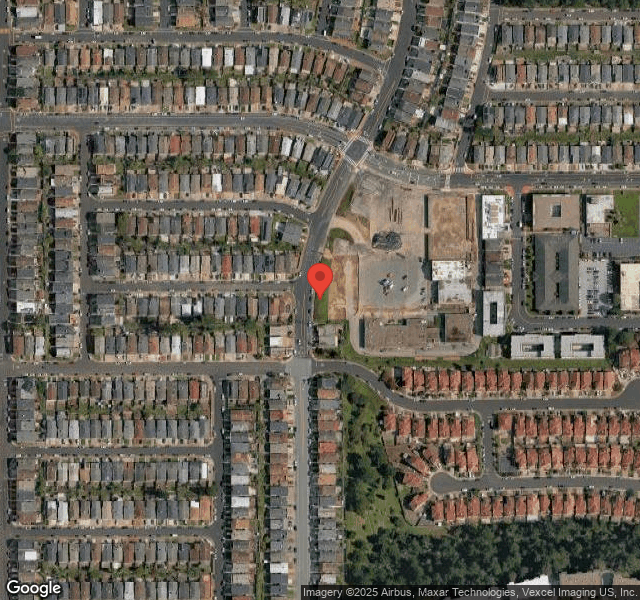
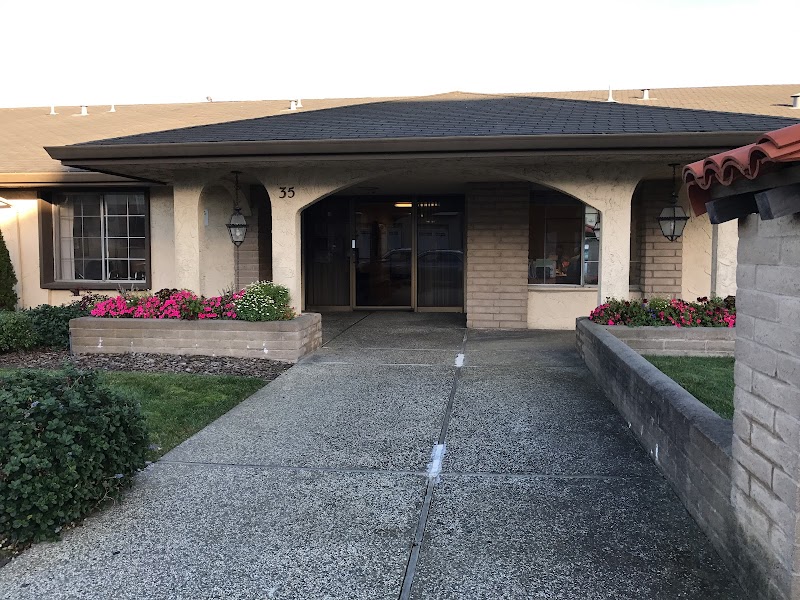
35 ESCUELA DRIVE, DALY CITY, CA 94015 (650) 755-9515
For profit - Corporation 102 Beds GOLDEN SNF OPERATIONS Data: November 2025
Trust Grade
70/100
#355 of 1155 in CA
Last Inspection: March 2025

Within standard 12-15 month inspection cycle. Federal law requires annual inspections.

Overview

Golden Heights Healthcare in Daly City, California has a Trust Grade of B, indicating it is a solid choice for care, falling within the good category. It ranks #355 out of 1155 facilities in the state, placing it in the top half, and #9 out of 14 in San Mateo County, meaning only one local facility is ranked higher. The facility's trend is stable, with 7 issues identified in both 2024 and 2025, suggesting consistent oversight but room for improvement. Staffing ratings are good, with a 4 out of 5 stars and a turnover rate of 41%, which is average compared to the state average of 38%. Notably, there have been no fines reported, indicating compliance with regulations, and the facility boasts more registered nurse coverage than 80% of California facilities, enhancing patient care. However, there are some concerning findings from inspections. For example, the facility failed to accurately label and monitor the temperature of potentially hazardous food, which could affect all residents receiving meals. Additionally, there were issues with tracking controlled medications, raising potential concerns about medication safety. Lastly, there was a failure in food preparation hygiene when a staff member did not wash their hands after handling a pot that had fallen on the floor, creating a risk for foodborne illnesses. While Golden Heights has strengths in staffing and compliance, families should be aware of these operational weaknesses.

Trust Score
B
70/100
In California
#355/1155
Top 30%
Safety Record
Low Risk
No red flags
Inspections
Holding Steady
7 → 7 violations
Staff Stability
○ Average
41% turnover. Near California's 48% average. Typical for the industry.
Penalties
✓ Good
No fines on record. Clean compliance history, better than most California facilities.
Skilled Nurses
○ Average
Each resident gets 40 minutes of Registered Nurse (RN) attention daily — about average for California. RNs are the most trained staff who monitor for health changes.
Violations
⚠ Watch
50 deficiencies on record. Higher than average. Multiple issues found across inspections.
★★★★☆
4.0
Overall Rating
★★★★☆
4.0
Staff Levels
★★★★☆
4.0
Care Quality
★★★★☆
4.0
Inspection Score
Stable
2024: 7 issues
2025: 7 issues

The Good

  • 4-Star Staffing Rating · Above-average nurse staffing levels
  • 4-Star Quality Measures · Strong clinical quality outcomes
  • Full Sprinkler Coverage · Fire safety systems throughout facility
  • No fines on record
  • Staff turnover below average (41%)

    7 points below California average of 48%

Facility shows strength in staffing levels, quality measures, fire safety.

The Bad

Staff Turnover: 41%

Near California avg (46%)

Typical for the industry

Chain: GOLDEN SNF OPERATIONS

Part of a multi-facility chain

Ask about local staffing decisions and management

The Ugly 50 deficiencies on record

Aug 2025 1 deficiency
CONCERN (D) 📢 Someone Reported This

A family member, employee, or ombudsman was alarmed enough to file a formal complaint

Potential for Harm - no one hurt, but risky conditions existed

Quality of Care (Tag F0684)

Could have caused harm · This affected 1 resident

Based on interview and record review, the facility failed to monitor two (Residents 1 and Resident 2 ) of 12 sample residents for signs and symptoms of emotional harm after alleged abuse.This failure ...

Read full inspector narrative →
Based on interview and record review, the facility failed to monitor two (Residents 1 and Resident 2 ) of 12 sample residents for signs and symptoms of emotional harm after alleged abuse.This failure had the potential for lack of and/or delayed provision of emotional support for Residents 1 and 2.Findings:Review of a facility's document titled REPORT OF SUSPECTED DEPENDENT ADUTL/ELDER ABUSE, dated 06/10/2025, indicated Resident 1 .delivered a letter to the Administrator .alleging abuse on the part of her CNA (Certified Nursing Assistant) .During a concurrent interview and record review on 07/23/2025 at 2:10 PM with the DON (Director of Nursing), DON stated her expectations were that nurses would monitor victims of alleged abuse every shift for 72 hours. The DON stated even if the allegations were not substantiated, staff were still expected to monitor these alleged victims for evidence of emotional harm such as: Mood changes (sad, tearful, depressed, anxious etc.), whether the resident feel safe/threatened. The DON searched Resident 1's medical records regarding the allegation on 06/10/2025 and was unable to find documented evidence that nursing staff were monitoring Resident 1 for signs and symptoms of emotional harm.Review of a facility's document titled REPORT OF SUSPECTED DEPENDENT ADUTL/ELDER ABUSE, dated 06/18/2025, indicated Nurse reported seeing [CNA] slapping [Resident 2] on the arm.During a concurrent interview and record review on 07/23/2025 at 2:10 PM with the DON, the DON was asked to search Resident 2's records for evidence nurses were monitoring Resident 2 for signs and symptoms of emotional harm for 72 hours after the alleged incident. The DON searched Resident 2's medical records regarding the allegation on 06/10/2025. The DON was unable to find documented evidence that nursing staff were monitoring Resident 2 for signs and symptoms of emotional harm.Review of the facility's policy titled Abuse and Neglect- Clinical Protocol, revised on March 2018, indicated .The staff and physician will monitor individuals who have been abused to address any issues regarding their medical condition, mood, and function.
Jul 2025 1 deficiency
CONCERN (D) 📢 Someone Reported This

A family member, employee, or ombudsman was alarmed enough to file a formal complaint

Potential for Harm - no one hurt, but risky conditions existed

Medical Records (Tag F0842)

Could have caused harm · This affected 1 resident

**NOTE- TERMS IN BRACKETS HAVE BEEN EDITED TO PROTECT CONFIDENTIALITY** Based on interview and record review, the facility failed to have correct and complete information on the POLST forms for one of...

Read full inspector narrative →
**NOTE- TERMS IN BRACKETS HAVE BEEN EDITED TO PROTECT CONFIDENTIALITY** Based on interview and record review, the facility failed to have correct and complete information on the POLST forms for one of three sampled residents (Resident 1). Acting on incomplete or erroneous information on a POLST form could contribute to a resident's death. In order for a POLST form to be valid in California it must be signed and dated by a physician, nurse practitioner, or physician's assistant, and the patient or the patient's legally recognized health care decision maker. [California Emergency Medical Services Authority, DNR, POLST and Medallion Information, https:// emsa.ca.gov/dnr_and_polst_forms/ accessed on [DATE]]. Resident 1's POLST form was not signed or dated with anyone's signature or any dates. When Resident 1 was admitted to the skilled nursing facility, her physician's orders indicated she was a full code. This meant all measures including CPR would be initiated should she stop breathing or her heart stopped beating. There were no later orders changing this full code status. Three days after admission to the skilled nursing facility, Resident 1 had difficulty breathing and was difficult to arouse. The staff administered oxygen and called 911. The RN who called 911 handed the EMS personnel who arrived at the skilled nursing facility the POLST form with Resident 1's name on it and without any signatures or dates. This RN (RN 1) told the EMS personnel Resident 1 was DNR. Resident 1 was breathing when she left the skilled nursing facility on a gurney with EMS personnel per RN 1. According to the skilled nursing facility administrator Resident 1 was not resuscitated in the ambulance and she died. Findings: The following abbreviations, definitions, and acronyms are used:911 = the phone number for the Emergency Response System in the US and Canadaantibiotics = medications used to treat bacterial or fungal infectionsBiPAP = bilevel positive airway pressure, a machine that pushes air into the lungs when breathing in and breathing out. The pressure is higher when breathing in. The patient is connected to the machine via a mask. There is no need for intubation (see below).CDPH = California Department of Public Health, the state agency that investigates reports from healthcare facilities and complaints from the public C-PAP = CPAP or continuous positive airway pressure, a machine connected to tubing and a mask that uses air pressure to keep the patient's airway open during sleep. CPR = cardiopulmonary resuscitation, an emergency procedure using chest compressions and rescue breaths to keep oxygenated blood flowing when a person stops breathing and their heart stops beating crash cart = a metal chest of drawers on wheels used to store equipment, and medications typically used to treat patients who stop breathing or whose heart stops beating.DNR = Do Not Resuscitate or do not do CPR (see above)DON = Director of NursingEMS = Emergency Medical Services (system of emergency treatment and transport which may include emergency medical technicians and paramedics who may also be firefighters).EMT = Emergency Medical Techniciangurney = a stretcher on wheelsintensive care = treatment, care, and constant monitoring of critically ill patients in a specialized unit of a hospitalintubate = a tube inserted down the throat (or nose) and into the trachea (windpipe) to keep the airway open.IV = intravenous, a needle inserted into a vein to provide medications or fluidsLN = licensed nurse refers to either a RN or LVN (see below)LVN = licensed vocational nurseMD = medical doctormg/dL = milligrams per deciliternasal cannula = nasal prongs, plastic tubing that goes inside the nostrils used to deliver supplemental oxygen non-invasive positive airway pressure = machines {C- PAP (see above) or BiPAP (see above)} that deliver oxygen under pressure via a mask. Unlike ventilators, they do not require a patient to be intubated (see above).pantoprazole = Protonix - a medication used to treat GERD or gastroesophageal reflux disease (ongoing heartburn).paramedic = an EMT (see above) with more training and skills in emergency treatmentPOLST = Physician Orders for Life-Sustaining Treatment is a portable medical order that travels with the patient that informs healthcare providers in ambulances, hospitals, nursing homes, etc. of the patient's wishes for treatment should a medical emergency occur. It typically indicates if they want CPR (see above), feeding tubes, and other forms of medical intervention. It is intended to be used for seriously ill and frail people [National POLST, https://polst.org accessed on [DATE]]RN = Registered Nurseskilled nursing facility = a healthcare facility that provides 24 hour nursing care. It may also provide physical, occupational, and speech therapy.sternal rub = a check for alertness by applying firm pressure with one's knuckles to the breastbone of a patient.vitals or vital signs = temperature, pulse, respiration, blood pressure, pain assessment A review of Resident 1's admission Record indicated she was admitted to the skilled nursing facility in March of 2025 and was discharged to a local hospital three days later. A review of Resident 1's Order Summary Report indicated FULL CODE (in boldface type), Full Treatment, No artificial means of nutrition, including feeding tubes. This order was dated [DATE]. A review of the [DATE] Progress Notes indicated LVN 1 gave Resident 1 pantoprazole at 6:30 a.m. This note indicated Resident 1 was awake and verbally responsive. A review of the [DATE] Progress Notes signed by LN 1 indicated LN 1 was making rounds around 7:25 a.m., and Resident 1 was lethargic, unable to arouse on stimulation, Vitals taken, BP (blood pressure) 94/54 (lower limits of normal 90/60); PR (pulse rate) 82 (normal range 60 to 100), RR (respiratory rate) 12 (normal range 12 to 18), (oxygen saturation) 91% (normal range 95% to 100%) (on) 4 (liters of oxygen via nasal cannula) temp(erature) 96.6 (normal range 97 to 99).Called 911 around 7:35 AM, EMTs arrived and transported resident via gurney at approximately 0755 AM. Resident is transferred to the hospital. Called (responsible party, name) @ 0800 AM. Notified MD. A review of the [DATE] Progress Notes signed by RN 1 indicated around 7:28 a.m., RN 1 was told by the charge nurse (LN 1) that Resident 1 was not responding and lethargic. RN 1's Progress Note indicated she went to Resident 1's room and found Resident 1 on her bed breathing labored, difficult to arouse, not responsive to verbal stimuli, vitals signs assessed (same as LN 1 note above) . Blood sugar: 73 mg/dl (normal fasting range 70 to 90) . warm to touch, lethargic. Called 911 @ 0738 AM, paramedics arrived around @ 0744 AM, verbal report given, paramedics assessed the patient, patient left the building around @ 0755. Called (responsible party) around @ 0758 AM regarding the transfer. A review of Resident 1's POLST form indicated it had no signatures or dates at the bottom of the form. A sticker with Resident 1's name, resident number, and health insurance name was on the top right corner of the POLST form. Check marks were placed next to Do Not Attempt Resuscitation/DNR (Allow Natural Death) and next to Selective Treatment - goal of treating medical conditions while avoiding burdensome measures. In addition to treatment described in Comfort-Focused Treatment, use medical treatment, IV antibiotics, and IV fluids as needed. Do not intubate. May use non-invasive positive airway pressure. Generally avoid intensive care. In an interview with RN 1 on [DATE] at 2:55 p.m., she stated she was sitting at the front desk when another nurse called for help. RN 1 said she ran to Resident 1's room. RN 1 stated when she arrived in Resident 1's room multiple staff members were there taking her vitals, doing a sternal rub and they could not awaken Resident 1. RN 1 said she called for the crash cart and she called 911 herself. RN 1 said she started the paperwork. RN 1 stated she saw the POLST form with DNR and selective treatment checked. RN 1 stated she did not notice there were no signatures at the bottom of the POLST form. RN 1 said there was a sticker on the form. RN 1 stated she may have been asked by and told the 911 dispatcher Resident 1 was DNR when she called 911. RN 1 said she cannot recall if she said this as everything happened so fast. RN 1 stated when the EMS personnel arrived in the skilled nursing facility, she handed them the POLST form without dates or signatures but with check marks indicating Do Not Attempt Resuscitation/DNR (Allow Natural Death) and Selective Treatment. RN 1 said she told the EMS personnel who entered the skilled nursing facility to care for Resident 1 that Resident 1 was DNR. RN 1 said she saw Resident 1 on the gurney as she left the skilled nursing facility with EMS. RN 1 stated Resident 1 was breathing at that time. A review of the [DATE] follow up report from the skilled nursing facility Administrator indicated Resident 1 was not given CPR in the ambulance en route to the hospital and she was pronounced dead on arrival at the hospital. In an interview with the Administrator and DON on [DATE] at 4:35 p.m., the Administrator stated he obtained the information that Resident 1 was not given CPR in the ambulance and pronounced dead at the hospital from an RN Administrator at Resident 1's health insurance plan in calls over a two week period. A review of the facility's policy, Advance Directive indicated under Definitions, POLST: This document signed by an authorized health care professional, is a medical order that records residents' treatment wishes so that emergency personnel know what treatments to provide in the event of a medical emergency . Under Procedure, 4., this policy indicated, During the admission process, the POLST form (state specific) is offered, and assistance is provided in filling out these forms if the resident desires to have one.
May 2025 1 deficiency
CONCERN (D) 📢 Someone Reported This

A family member, employee, or ombudsman was alarmed enough to file a formal complaint

Potential for Harm - no one hurt, but risky conditions existed

Investigate Abuse (Tag F0610)

Could have caused harm · This affected 1 resident

Based on interview and record review, the facility failed to conduct a thorough investigation into an allegation of abuse for Resident 1, one of one sample resident. Review of the facility ' s investi...

Read full inspector narrative →
Based on interview and record review, the facility failed to conduct a thorough investigation into an allegation of abuse for Resident 1, one of one sample resident. Review of the facility ' s investigation indicated only staff were interviewed regarding this allegation. Facility stated no residents were interviewed because all residents of interest were non-interviewable. The investigation was not thorough because the facility failed to: 1. Attempt to interview responsible parties of non-interviewable residents 2. Conduct assessments of non-interviewable residents for signs and symptoms of abuse (defensive bruising, bruising in private areas, change in social behavior etc.). The lack of a thorough investigation did not ensure all residents were protected from abuse. Findings: During an interview on 05/21/2025 at 11:40 AM, the Administrator was made aware of an allegation of abuse by Resident 1. The Administrator stated he would look into the allegation. On 06/02/2025 at 1:24 PM, the Administrator was asked to provide all documents, including raw data, related to his investigation regarding this allegation. Review of an untitled facility investigation document, dated 05/23/2025, indicated .A CNA (Certified Nursing Assistant) allegedly performed pericare (cleaning the genital/anal area) in a rough manner, causing pain but no injury. The resident stated she asked the CNA to not do that again but he did it again anyway. Resident doesn't remember name of the aide.the alleged victim, was a resident from 2/1/25-3/8/25. She was alert, responsive in conversation, and capable of expressing her needs clearly.Administrator interviewed the resident on 5/21/25. She stated that the CNA was male, .(Filipino), and had black hair.She stated that it was the same person that helped her on day shift all week, that it was on Thursday before she discharged , and that it was before lunch. From the assignment sheets it was determined that five different day shift aides worked with her that week .so it was not possible to narrow down a single aide that took care of her all week. The Administrator interviewed ten nurses and CNA's that worked with . (Resident 1) during that time, and none recall the event .(Resident 1) described, and none recall hearing any complaints about rough pericare. Summary of investigation: Based on interviews, available information, and lack of witnesses, the investigation is unable to substantiate abuse. During an interview on 06/02/2025 at 2:55 PM the Administrator was made aware he investigated the care provider side of the allegation. The Administrator was asked if he investigated the care recipients ' /residents ' side of the allegation? The Administrator then provided a new document from his investigation file indicating residents of interest such as roommates and other residents on Resident 1 ' s assignment were not interviewable. The Administrator was asked if he attempted to interview the family/responsible parties of these residents. The Administrator did not answer. During a communication on 06/03/2025 at 3:02 PM, the Administrator responded, One could interview families or additional staff; I don ' t believe any residents from the resident ' s time, interviewable or not were in the building anymore, so I chose (to interview) additional staff. During a communication on 06/04/2025 at 11:48 AM, the Administrator responded that assessing non-interviewable residents for 1. defensing bruising 2. bruising around the private areas 3. behavioral changes 4. sleep pattern changes 5. social interaction changes were reasonable tools to incorporate into an allegation of abuse investigation. During a telephone interview on 06/04/2025 11:51 AM, the Administrator was reminded even though Resident 1 was discharged , the alleged perpetrator may still be working at his facility. Therefore, not assessing the current group of residents within Resident 1 ' s assignment did not ensure the facility had investigated to rule out if other residents were affected. Review of a facility policy titled Abuse, Neglect, or Exploitation, updated on November 2016, .Initiate an investigation. Staff on duty at the time the alleged abuse occurred are interviewed prior to leaving their respective shift. This applies to staff as well as other residents in the area. Remind these individuals that they report facts rather than opinions or speculation. Written statements by staff are not advised unless directed otherwise by legal staff. Such statements may lack adequate information or objectivity. Instead, the investigator takes written notes about the facts reported during the interview. Review of the facility ' s abuse policy indicated there no language directing staff how to investigate if residents in the area were not interviewable.
Mar 2025 4 deficiencies
CONCERN (D)

Potential for Harm - no one hurt, but risky conditions existed

Quality of Care (Tag F0684)

Could have caused harm · This affected 1 resident

Based on observation, record review, and interview, the facility failed to ensure staff conducted finger-stick blood sugar (FSBS) checks in accordance with physician's orders for 1 (Resident #33) of 3...

Read full inspector narrative →
Based on observation, record review, and interview, the facility failed to ensure staff conducted finger-stick blood sugar (FSBS) checks in accordance with physician's orders for 1 (Resident #33) of 3 residents observed for blood sugar monitoring. Specifically, staff failed to perform Resident #33's FSBS before meals as specified by the physician. Findings included: An admission Record indicated the facility admitted Resident #33 on 06/07/2024 and most recently admitted the resident on 08/21/2024. According to the admission Record, the resident had a medical history that included a diagnosis of type two diabetes mellitus with diabetic chronic kidney disease. Resident #33's Care Plan Report included a focus area, initiated on 08/01/2024, that indicated the resident was at risk for hyperglycemia (high blood sugar levels) or hypoglycemia (low blood sugar levels). An intervention dated 08/01/2024 directed staff to complete FSBS checks as ordered and as needed. A quarterly Minimum Data Set (MDS), with an Assessment Reference Date of 02/20/2025, revealed Resident #33 had a Brief Interview for Mental Status (BIMS) score of 13, which indicated the resident had intact cognition. Resident #33's Order Summary Report contained an active order, dated 12/02/2024, to monitor the resident's blood sugar daily before meals and at bedtime. Resident #33's 03/2025 Medication Administration Record (MAR) revealed the resident's FSBS checks were scheduled for before meals and at bedtime at 6:30 AM, 11:30 AM, 4:30 PM, and 9:00 PM each day. A concurrent observation and interview on 03/24/2025 at 12:41 PM revealed Resident #33 was in their room eating their lunch meal. Resident #33's lunch meal tray was approximately 75% complete when Licensed Practical Nurse (LPN) #2 entered the resident's room with medications and a glucometer. LPN #2 informed Resident #33 that he would provide medications and complete FSBS monitoring. LPN #2 administered the medications, completed a FSBS check, and informed the resident their FSBS result was 190 milligrams per deciliter (mg/dL). After LPN #2 administered the resident's medications and performed the FSBS check, LPN #2 exited the room and reviewed the resident's MAR with the surveyor. LPN #2 stated the resident's FSBS order specified to complete the FSBS checks before meals; however, LPN #2 stated, I just got back from taking my lunch, so I checked the blood sugar when I got back. I was very hungry, and I had to take a lunch break. LPN #2 stated he was trained to check blood sugars before meals, and that was what he should have done but thought he had an hour window to complete the FSBS check. During an interview on 03/25/2025 at 3:36 PM, the Director of Nursing (DON) stated that if a physician's order for FSBS checks specified before meals, the lunchtime FSBS should be conducted between 11:00 AM and 11:30 AM, before lunch. The DON further stated that if a nurse checked a resident's blood sugar during a meal, the results could provide inaccurate information, which defeated the purpose of the physician specifying to check the blood sugar before meals. The DON reviewed Resident #33's MAR and confirmed the resident's FSBS check order specified before meals and at bedtime. The DON stated that the nurse should have completed Resident #33's FSBS monitoring before the resident's lunch meal and before the nurse took his lunch break, because FSBS monitoring only took one to two minutes to complete. During an interview on 03/26/2025 at 9:44 AM, the Administrator stated he expected nurses to complete FSBS checks before meals, per Resident #33's physician's order, because FSBS results would be different before a meal than they would be after a meal or after the resident already started eating.
CONCERN (D)

Potential for Harm - no one hurt, but risky conditions existed

Deficiency F0761 (Tag F0761)

Could have caused harm · This affected 1 resident

Based on observation, interview, record review, and facility policy review, the facility failed to ensure that medications were stored in a safe and secure manner for 2 (Resident #2 and Resident #27) ...

Read full inspector narrative →
Based on observation, interview, record review, and facility policy review, the facility failed to ensure that medications were stored in a safe and secure manner for 2 (Resident #2 and Resident #27) of 2 residents observed with medications at their bedside. Findings included: A facility policy titled, Storage of Medications, revised 04/2007, revealed, The facility shall store all drugs and biologicals in a safe secure and orderly manner. The policy revealed the section titled Policy Interpretation and Implementation included 2. The nursing staff shall be responsible for maintaining medication storage AND preparation areas in a clean, safe, and sanitary manner. A facility policy titled, Self-Administration of Medications, revised 11/2022, revealed, Residents have the right to self-administer medications if the interdisciplinary team has determined that it is clinically appropriate and safe for the resident to do so. The policy revealed the section titled Policy Interpretation and Implementation included 3. If it is deemed safe and appropriate for a resident to self-administer medications, this is documented in the medical record and the care plan. The decision that a resident can safely self-administer medications is re-assessed periodically based on changes in the resident's medical and/or decision-making status. Further review revealed, 9. Any medications found at the bedside that are not authorized for self-administration are turned over to the nurse in charge for return to the family or responsible party. A facility policy titled, Administering Medications, revised 12/2012, revealed, Medications shall be administered in a safe and timely manner, and as prescribed. The policy revealed the section titled Policy Interpretation and Implementation included 21. Topical medications used in treatments must be recorded on the resident's treatment record (TAR). Further review revealed, 18. If a drug is withheld, refused, or given at a time other than the scheduled time, the individual administering the medication shall initial and circle the MAR [medication administration record] space provided for that drug and dose. The policy revealed, 24. Residents may self-administer their own medications only if the Attending Physician, in conjunction with the Interdisciplinary Care Planning Team, has determined that they have the decision-making capacity to do so safely. 1. An admission Record revealed the facility admitted Resident #2 on 05/14/2018. According to the admission Record, the resident had a medical history that included diagnoses of senile degeneration of the brain and dementia. A quarterly Minimum Data Set (MDS), with an Assessment Reference Date (ARD) of 02/03/2025, revealed Resident #2 had a Brief Interview for Mental Status score (BIMS) of 10, which indicated the resident had moderate cognitive impairment. During an observation on 03/24/2025 at 9:12 AM, Resident #2 was dipping their finger into a blue jar of ointment and then putting their finger with the ointment just inside both nostrils. During a concurrent interview, Resident #2 stated they used Vicks VapoRub (a medicated ointment) so they would not get a cold. The blue jar of the medicated ointment had the resident's name on the jar. Resident #2 then placed the jar of medicated ointment into the drawer of their nightstand that was next to the bed. Resident #2 had slight redness under each nostril. During this observation, a staff member was in the room tending to Resident #2's roommate's bed. Resident #2's Orders Summary Report, with active orders as of 03/25/2025, contained an order dated 12/28/2024, informing staff that the resident was incapable of understanding rights, responsibilities, and informed consent. The Order Summary Report revealed no order for the medicated ointment. Resident #2's Care Plan Report revealed no focus area or interventions related to the self- administration of medication for the medicated ointment. During an observation on 03/25/2025 at 9:35 AM, Resident #2 was in their room in a wheelchair and the jar of medicated ointment was on top of the bedside table. During a concurrent interview Resident #2 stated the jar was Vicks VapoRub. Resident #2 stated they used it daily. Resident #2 would not state who gave them the jar of medicated ointment. During an observation on 03/25/2025 at 11:48 AM, Resident #2 was in their room lying down in bed doing a word search, and the jar of medicated ointment was on the resident's nightstand and visible from the hallway. During an observation on 03/25/2025 at 11:57 AM, Registered Nurse (RN) #7 observed the medicated ointment on Resident #2's bedside table while the resident was lying down in bed doing a word search. RN #7 confirmed that the jar was Vicks VapoRub. RN #7 reviewed the resident's physician orders and during a concurrent interview, confirmed there was an active order that informed staff that the resident could not understand rights, responsibilities, and informed consent. RN #7 stated she was not aware of a self-administration for medications assessment for Resident #2. RN #7 stated the certified nursing assistants (CNAs) should check the residents' side tables every shift and notify the nurse if there were medications. RN #7 stated she was not aware of the medicated ointment until that day at the time of the observation. During an interview on 03/25/2025 at 12:03 PM, RN #8 stated there should be a physician order for any topical lotions. RN #8 stated the resident was supposed to have a self-administration medication assessment if they could self-administer medications. RN #8 stated if they got the okay for a resident to self-administer medications, then the doctor would say to keep it at the bedside or not. RN #8 stated if it was okay for the resident to keep the medication at bedside then staff needed to ask the resident where they put the medication on their body, when they used it, and if they had any side effects. RN #8 said the nurses would document this under the Progress Notes and report it to the next nurse to watch for side effects. RN #8 stated that the CNAs on every shift were to check the bed side table and let the nurse know if they found anything, like medications or treatments. RN #8 confirmed there was no physician order for Resident #2 to self-administer the medicated ointment and no self-administration of medication assessment. During an interview on 03/25/2025 at 5:16 PM, the Director of Nursing (DON) stated her expectation would be that medications should not be at the resident's bedside. She stated they had assigned staff members that checked cabinets, drawers, and closets to ensure there were no medications at bedside. The DON stated this was done by two staff members every day on every shift. She stated the two staff members should have found the medicated ointment. During an interview on 03/26/2025 at 8:35 AM, the Staff Development Director (SDD) stated two CNAs were on modified duty. The SDD stated they had special duties that included checking the resident's room. She stated CNA #10 and CNA #11 were the CNAs on modified duty. She confirmed that on 03/24/2025, no staff that was on modified duty was assigned to Resident #2. The SDD stated the CNA assigned to Resident #2 on 03/24/2025 was CNA #9 who worked from 7:00 AM to 3:00 PM. She stated the CNA assigned to Resident #2 on 03/25/2025 from 7:00 AM to 3:00 PM was CNA #12 and further indicated that CNA #10 and CNA #11 were also working and primarily responsible for looking for medications in the residents' rooms. During an interview on 03/26/2025 at 10:01 AM, CNA #10 stated she worked with Resident #2 on 03/25/2025. She stated that for Resident #2 she was able to open their drawer and only saw personal belongings. She stated she did not see the medicated ointment. During a phone interview on 03/26/2025 at 11:06 AM, CNA #9 confirmed she worked on 03/24/2025 from 7:00 AM to 3:00 PM and worked with Resident #2. She stated Resident #2 had medicated ointment, and after she took the resident to the shower around 8:00 AM she saw it. She stated the resident was in their room and was putting something on their nose. CNA #9 stated she saw the medicated ointment on the resident's nightstand, and it had the resident's name on it. She stated the resident wrote their name on all their items. CNA #9 stated she told the SDD after lunch on Monday (03/24/2025) that Resident #2 had medicated ointment on their table. CNA #9 stated the SDD informed her to take it from the resident if she could. CNA #9 stated the resident refused and told her that it was their belongings. CNA #9 stated that at that point she did not feel comfortable taking it. CNA #9 stated she did not let the SDD know at end of her shift, but she let RN #7 know. During an interview on 03/26/2025 at 11:53 AM, CNA #12 confirmed she regularly worked with Resident #2 and that she worked 03/25/2025 from 7:00 AM to 3:00 PM. She stated she did not see medications at Resident #2's bedside. She stated that Resident #2 usually refused to allow staff to touch their drawers. During an interview on 03/26/2025 at 8:57 AM, MDS RN #13 confirmed Resident #2 did not have a self-administration for medication evaluation (assessment). During an interview on 03/26/2025 at 10:06 AM, the Administrator stated his expectation was that if a staff member saw something like medications at the resident's bedside, they were to remove it. The Administrator stated they would let the doctor know, and the doctor would determine if the resident could have the medication at bedside. The Administrator stated there would be an order if a resident could have the medication at bedside. 2. An admission Record indicated the facility admitted Resident #27 on 02/24/2025. According to the admission Record, the resident had a medical history that included a diagnosis of chronic pain. An admission Minimum Data Set (MDS), with an Assessment Reference Date of 03/02/2025, revealed Resident #33 had a Brief Interview for Mental Status (BIMS) score of 13, which indicated the resident had intact cognition. Resident #27's Order Summary Report, with active orders as of 03/25/2025, contained an active order dated 02/24/2025, for docusate sodium 250 milligrams (mg), with instructions to give one capsule by mouth daily for bowel regularity. The Order Summary Report contained an order dated 02/24/2025 for senna 8.6 mg, with instructions to give two tablets by mouth two times daily for constipation. Further review revealed there were no physician orders to leave medication at the bedside for self-administration. Resident #27's March 2025 Medication Administration Record [MAR] included a transcription of an order for docusate sodium 250 mg, with instructions to give one capsule by mouth daily for bowel regularity and senna 8.6 mg, with instructions to give two tablets by mouth two times daily for constipation. The MAR revealed that Licensed Practical Nurse (LPN) #2 documented that on 03/24/2025 at 9:00 AM, they administer the resident's docusate sodium and Senna. During an interview and observation on 03/24/2025 at 12:26 PM, Resident #27 expressed concerns with constipation but stated that the stool softeners received from LPN #2 that morning (03/24/2025) were not taken when offered by LPN #2. Resident #27 stated that they had agreed to take the stool softeners later. A medicine cup that contained three pills (one red and two brown pills) was observed on Resident #27's over bed table. Resident #27 stated the pills in the medicine cup were the stool softeners that they told LPN #2 would be taken later, but then they decided not to take the medication. Resident #27 stated that when they agreed to take the medication later, LPN #2 left the medicine cup with the three pills for them to self-administer later. During an interview and observation on 03/24/2025 at 12:47 PM, LPN #2 entered the room of Resident #27. The surveyor asked LPN #2 if he left the medication in the medicine cup on Resident #27's over bed table for the resident. LPN #2 stated that he left docusate sodium and senna in the medicine cup that morning (03/24/2025) at about 9:30 AM because Resident #27 declined to take the medication when he offered it. He further stated that the resident agreed to self-administer the medication after breakfast, so he left the medication for the resident to self-administer because Resident #27 was alert and oriented, and he trusted the resident to do so. LPN #2 stated he was trained to keep the medication if the resident did not take the medication when offered and to offer the medication again when the resident was ready to take it. LPN #2 further stated that Resident #27 promised to take the medication after breakfast. He stated that he believed the resident, so he left the medication for the resident to take. The Director of Nursing (DON) was interviewed on 03/25/2025 at 2:58 PM. The DON stated that Resident #27 had told the nurse in the past which medication they wanted to take at the time of medication administration. The DON stated if a resident requested to take medication later, she expected the nurse to come back and offer it later. The DON stated that the nurse should not leave medication for the resident to take later, but that the medication that was declined should be taken back by the nurse, offered later in the same shift, and endorsed to the next nurse to administer if the medication was not taken by the resident during the shift. The DON stated that the nurse should be present for administration of medications if the resident did not have an assessment that allowed the resident to self-administer medications but should not be left at bedside unless there was a physician's order to do so. The DON reviewed Resident #27's medical record during the interview and confirmed there was no physician's order for the resident to keep medication at the bedside. The Administrator was interviewed on 03/26/2025 at 9:30 AM. The Administrator stated that the nurse should not give the resident medication if the resident refused but should go back again and offer the medication again. He further stated that if the resident still did not take the medication, the nurse should find a nurse who had a better rapport with the resident to see if the resident would take the medication from that nurse. He stated that if the resident still refused the medication, the nurse should record that the resident refused the medication. The Administrator stated the medication should not be left at the bedside for them to take themselves. The Administrator stated that should only occur for the resident who was assessed for self-administration. The Administrator stated that for Resident #27, the nurse should not have left the medication for the resident, who was not assessed for self-administration.
CONCERN (D)

Potential for Harm - no one hurt, but risky conditions existed

Medical Records (Tag F0842)

Could have caused harm · This affected 1 resident

Based on observation, interview, record review, and facility policy review, the facility failed to ensure staff did not document the administration of medications after the resident refused to take th...

Read full inspector narrative →
Based on observation, interview, record review, and facility policy review, the facility failed to ensure staff did not document the administration of medications after the resident refused to take them for 1 (Resident #27) of 1 resident reviewed for refusal of medications. Findings included: A facility policy titled, Administering Medications, revised 12/2012, indicated, 18. If a drug is withheld, refused, or given at a time other than the scheduled time, the individual administering the medication shall initial and circle the MAR space provided for that drug and dose. An admission Record indicated the facility admitted Resident #27 on 02/24/2025. According to the admission Record, the resident had a medical history that included a diagnosis of dependence on renal dialysis. An admission Minimum Data Set (MDS), with an Assessment Reference Date of 03/02/2025, revealed Resident #33 had a Brief Interview for Mental Status (BIMS) score of 13, which indicated the resident had intact cognition. Resident #27's Order Summary Report contained an active order, dated 02/24/2025, for docusate sodium (a stool softener) 250 milligrams (mg) by mouth daily for bowel regularity with instructions to hold for loose stools. The Order Summary Report also contained an active order, dated 02/24/2025, for Senna oral tablet (a laxative) 8.6 mg, 2 tablets by mouth two times daily for constipation with instructions to hold for loose stools. During a concurrent observation and interview on 03/24/2025 at 12:26 PM, a medication cup containing one red pill and two brown pills was observed on Resident #27's over-the-bed table. Resident #27 stated Licensed Practical Nurse (LPN) #2 brought them their stool softener (and laxative) after the resident returned from dialysis, but the resident did not want to take them at that time. The resident stated they sometimes did not take those medications, and the nurse would either leave the medications with them to take later or take the medications back out of the resident's room. Resident #27's 03/2025 Medication Administration Record (MAR) revealed the resident's docusate sodium and Senna were scheduled to be administered at 9:00 AM each day, and LPN #2 documented the medications were administered on 03/24/2025, as opposed to refused. During a concurrent observation and interview with LPN #2 on 03/24/2025 at 12:47 PM, LPN #2 observed the medication cup on Resident #27's over-the-bed table and confirmed he left the medications with the resident around 9:30 AM that morning and had not administered them at that time per the resident's request. LPN #2 stated he signed off on the resident's MAR to indicate he administered the medications because he trusted the resident would take them at a later time. During an interview on 03/25/2025 at 2:58 PM, the Director of Nursing (DON) stated that if Resident #27 requested to take medications at a later time, she expected the nurse to go back and offer the medications at a later time. The DON stated that the resident's MAR should reflect the resident refused the medications when the nurse offered to administer them. The DON stated that a MAR should not reflect the administration of medications if the medications were not administered. During an interview on 03/26/2025 at 9:30 AM, the Administrator stated that if a resident refused medication, the nurse should document the medication was refused. The Administrator stated that for Resident #27, since the resident did not take the medications, the nurse should not have documented the medications were administered.
CONCERN (F)

Potential for Harm - no one hurt, but risky conditions existed

Food Safety (Tag F0812)

Could have caused harm · This affected most or all residents

Based on observation, interview, facility document review, and facility policy review, the facility failed to accurately record the discard date on the label for a potentially hazardous food (thawed c...

Read full inspector narrative →
Based on observation, interview, facility document review, and facility policy review, the facility failed to accurately record the discard date on the label for a potentially hazardous food (thawed chicken breast) stored in 1 of 3 refrigerators and failed to conduct temperature monitoring prior to placing a potentially hazardous cold food (chocolate mousse) on residents' meal trays that was identified prior to the tray line service with a temperature of 47.3 degrees Fahrenheit. This failure had the potential to affect 88 of 88 residents who received meals from the facility's kitchen. Findings included: An undated facility policy titled, Food Preparation and Service, indicated, Food and nutrition services employees prepare, distribute and serve food in a manner that complies with safe food handling practices. The policy revealed the section titled, Policy Interpretation and Implementation included 2. 'Potentially Hazardous Food' (PHF) or 'Time/Temperature Control for Safety (TCS) Food' means food that requires time/temperature control for safety to limit the growth of pathogens (i.e. [id est, that is], bacterial or viral organisms capable of causing a disease or toxin formation). Examples of PHF/TCS foods include ground beef, poultry, chicken, seafood (fish or shellfish), cut melon, unpasteurized eggs, milk, yogurt and cottage cheese. The policy revealed the section titled, Food Distribution and Service included 1. Proper hot and cold temperatures are maintained during food distribution and service. An undated facility policy titled, Food Receiving and Storage, indicated, Foods shall be received and stored in a manner that complies with safe food handling practices. The policy revealed the section titled Policy Interpretation and Implementation included 1. 'Critical Control Point [CCP]' means a specific point, procedure, or step in food preparation and serving process at which control can be exercised to reduce, eliminate, or prevent the possibility of a food safety hazard. Some operational steps that are critical to control in facilities to prevent or eliminate food safety hazards are thawing, cooking, cooling, holding, reheating of foods, and employee hygienic practices. The policy revealed the section titled Refrigerated, Frozen Storage included 1. All foods stored in the refrigerator or freezer are covered, labeled and dated ('use by' date). 2. PHF/TCS foods are stored at or below 41ºF [degrees Fahrenheit], unless otherwise specified by law. Further review revealed 7. Refrigerated foods are labeled, dated and monitored so they are used by their 'use by' date, frozen or discarded. 1. During an observation on 03/24/2025 at 8:56 AM, the walk-in refrigerator revealed two plastic bus tubs were stored on the bottom shelf of the walk-in refrigerator. The plastic bus tubs contained multiple bags of thawed chicken breasts. Each of the two plastic bus tubs contained a printed label that recorded frozen chicken, opened 03/20/2025 at 1:55 PM, and discard Saturday, 04/19/2025 at 1:55 PM. During a concurrent interview, the Director of Food Service (DFS) stated that the facility used an automatic labeling system. The DFS stated that the printed labels were incorrect and should have a label that recorded the chicken thawing and not frozen chicken. The DFS stated the opened date of 03/20/2025 was correct, but the employee should have chosen the words chicken thawing from the menu on the label machine when he printed the label and not the words frozen chicken, so that the label had the correct use-by date. The DFS stated that the thawing chicken should have a use-by date of four days after opening and not 30 days as indicated on the label. She stated that when using the label system, staff should select the correct item they are putting in cold storage, and the label system automatically recorded the opened date and discard date for the item selected. She stated that the day of the week recorded on the label was the day of the week the food item should be discarded. During an interview on 03/25/2025 at 11:32 AM, [NAME] #5 stated that he removed the frozen chicken breasts from the freezer (on 03/20/2025), but that he chose the wrong item in the label machine. [NAME] #5 stated that he chose frozen chicken instead of chicken thawing, which printed a discard date 30 days out, which was the wrong discard date. During an interview on 03/25/2025 at 12:04 PM with the DFS, Dietary Supervisor (DS) #3, and DS #6, the DFS stated the supervisors should have gone behind the cooks during their rounds to ensure the labels were correct. DS #3 and DS #6 both stated that they missed seeing the incorrect label for a couple of days that was placed on the two plastic bus tubs that contained thawed chicken breasts. DS #3 and DS #6 both stated that this incorrect label should have been checked, and the error should have been caught during their kitchen rounds. During an interview on 03/25/2025 at 4:11 PM, the Director of Nursing (DON) stated it was her expectation that dietary staff followed policies for labeling and dating foods. The DON stated that due to the potential risk of salmonella, chicken should not be left in refrigeration for four days with the wrong label and discard date on the label. The DON stated that she expected the label on chicken to have an accurate date to discard and that she expected the supervisor there in the kitchen to monitor labels for accurate discard dates and catch these errors. During an interview on 03/26/2025 at 9:11 AM, the Administrator stated he expected the food provided to the residents to be provided according to the guidelines per the state. He stated that anything staff opened and put in the refrigerator should be labeled and dated, with daily monitoring, and if the date recorded was more than the threshold date, the food item should be removed from the refrigerator and tossed and should not be used. The Administrator stated that the dietary staff used a labeling sticker to record the open and discard dates. He stated that when dietary staff put chicken in the freezer, staff should use the frozen label for the freezer, and when the chicken was removed from the freezer to thaw, staff should change the label to a label for thawing chicken. The Administrator stated that he expected the DFS and supervisors to monitor and provide supervision. 2. A facility recipe titled, Chocolate Mousse, with a print date of 05/14/2024, revealed the ingredients for the recipe included chocolate mousse mix and 2% milk. The recipe revealed the section titled Directions included CCP: Chill and hold under refrigeration (41ºF), until ready to serve. During an observation of temperature monitoring for the lunch meal tray line completed by Dietary Supervisor (DS) #3 on 03/25/2025 at 11:00 AM, the observation revealed a cart that contained four plastic bus tubs with multiple bowls of chocolate mousse covered with ice. DS #3 completed temperature monitoring of the chocolate mousse, which revealed a temperature of 47.3ºF. DS #3 was observed instructing staff to put the bowls of chocolate mousse in the freezer, and the four plastic bus tubs of chocolate mousse were placed in the freezer by staff. During an interview on 03/25/2025 at 11:09 AM, Dietary Aide (DA) #4 stated he prepared the chocolate mousse around 8:00 AM to 8:30 AM on 03/24/2025 and put the chocolate mousse in the refrigerator. He stated that on 03/25/2025 around 9:00 AM to 9:30 AM, he put the chocolate mousse in bowls for the lunch meal service and placed the bowls of chocolate mousse in the refrigerator. An observation of the lunch meal service tray line on 03/25/2025 at 11:15 AM revealed a cart that contained two plastic bus tubs with multiple bowls of chocolate mousse covered with ice. DA #4 placed bowls of chocolate mousse on resident meal trays for the lunch meal service. During an observation on 03/25/2025 at 11:16 AM, the surveyor requested temperatures of the bowls of chocolate mousse that DA #4 had placed on resident meal trays for the lunch meal service. Temperature monitoring completed by the DFS of bowls of chocolate mousse placed on resident meal trays for the lunch meal service revealed temperatures of 49.1ºF, 43ºF, and 48ºF. During a concurrent interview, the DFS stated that the temperature of the chocolate mousse was still too high and that the chocolate mousse needed to cool down. During an interview on 03/25/2025 at 11:24 AM, DA #4 stated he was trained to serve cold foods at 41ºF or below. DA #4 stated that he should have waited for the chocolate mousse to cool down, but that he thought the chocolate mousse was in the freezer long enough to cool down. DA #4 stated that he did not ask a supervisor to obtain a temperature of the chocolate mousse before he placed the bowls of chocolate mousse on resident meal trays for service. During an interview on 03/25/2025 at 11:25 AM, DS #3 stated that the chocolate mousse should be served at a temperature of 41ºF or below. DS #3 stated that when she completed temperature monitoring of the chocolate mousse before the lunch meal service, the temperature was too high, so she instructed staff to put more ice on the bowls of chocolate mousse and return the plastic bus tubs of chocolate mousse to the freezer. She stated that staff should have waited for her to recheck the temperature of the chocolate mousse before it was served. DS #3 stated that the temperature of the chocolate mousse placed on resident meals trays by DA #4 was still too hot to serve to residents. During an interview on 03/25/2025 at 12:08 PM, the DFS stated staff were trained to leave four plastic bus tubs of chocolate mousse on the tray line at one time but going forward she would instruct staff to have less chocolate mousse on the tray line at one time. She stated that staff were trained to keep cold foods at 40ºF or below to be stricter than the regulations required. During an interview on 03/25/2025 at 4:11 PM, the Director of Nursing (DON) stated that it was her expectation that dietary staff followed policies for serving foods at the correct temperatures. The DON stated that staff should have checked the temperature of the chocolate mousse before it was served, since staff identified that the temperature of the chocolate mousse taken before the lunch meal service was too high. She stated that staff should ensure the chocolate mousse was served at the correct temperature. The DON stated that because milk was one of the ingredients in the chocolate mousse, there was a potential risk to the resident for a stomachache from a possible food borne illness. During an interview on 03/26/2025 at 9:11 AM, The Administrator stated he expected the food provided to the residents to be provided according to the guidelines per the state. He stated when the staff provided food to residents, staff should take the temperature of the food and make sure the temperature met the threshold. The Administrator stated that if staff found that food was not at the correct temperature, staff should fix it and correct the issue to get it right. He stated that staff should not serve food to residents that was not at the correct temperature. He stated he expected the staff to correct the problem and not serve potentially hazardous cold foods that were not cold enough. The Administrator stated that he expected the DFS and supervisors to monitor and provide supervision.
Aug 2024 1 deficiency
CONCERN (D) 📢 Someone Reported This

A family member, employee, or ombudsman was alarmed enough to file a formal complaint

Potential for Harm - no one hurt, but risky conditions existed

Quality of Care (Tag F0684)

Could have caused harm · This affected 1 resident

**NOTE- TERMS IN BRACKETS HAVE BEEN EDITED TO PROTECT CONFIDENTIALITY** Based on interview and record review, the facility failed to ensure one of 3 sampled residents (Resident 1) received care in acc...

Read full inspector narrative →
**NOTE- TERMS IN BRACKETS HAVE BEEN EDITED TO PROTECT CONFIDENTIALITY** Based on interview and record review, the facility failed to ensure one of 3 sampled residents (Resident 1) received care in accordance with professional standards of practice when there was no evidence of nursing notes and vital signs by night shift nurse on 6/14/24 for Resident 1. This failure had the potential to delay identifying symptoms of atrial fibrillation (Afib, an irregular and often rapid heart rate that commonly causes poor blood flow and can increase the risk of stroke) for Resident 1. Findings: Review of Resident 1's clinical record indicated, Resident 1 was admitted on [DATE] with diagnoses including atrial fibrillation, hypertension (high blood pressure), benign prostatic hyperplasia (BPH, an enlarged prostate), and diabetes (high blood sugar). Resident 1 had a history of transient ischemic attack (TIA, known as a mini stroke which is a temporary disruption in the blood supply to part of the brain). Review of Resident 1's Minimum Data Set (MDS, resident assessment tool), dated 6/13/24, indicated, his memory was intact. During an interview on 8/7/24 at 1:51 PM with Complainant via phone, Complainant stated, Resident 1 had been diagnosed with the new onset of Afib in XXXXX (the name of the hospital), so he was prescribed two new medications which are Amiodarone (a medicine to treat life-threatening heart rhythm problems) and Apixaban (known as Eliquis, a kind of blood thinner that is used to prevent and treat blood clots in blood vessels and the heart), then was sent to the facility on 6/11/24 for Rehabilitation (a set of interventions designed to optimize functioning and reduce disability in individuals with health conditions in interaction with their environment). Complainant stated, Resident 1 was transferred from the facility to a hospital on 6/15/24 because the facility staff found him unconscious, and vomiting, then he passed away on 6/20/24. Review of Resident 1's death certificate, dated 7/5/24 indicated, his date of death was on 6/20/24 with the causes of death with (A) non-traumatic intracerebral hemorrhage (spontaneous bleeding into the brain tissue, a common cause of stroke) and (B) hypertension. Review of Resident 1's Medication Administration Record (MAR) from 6/1/24 to 6/30/24 indicated, Resident 1 took Amiodarone oral tablet 400 MG (milligram) 1 tablet by mouth two times a day and Apixaban oral tablet 5 MG 1 tablet by mouth two times a day for A-fib from 6/11/24 to 6/14/24 because he was discharged to the hospital on the morning of 6/15/24. Review of Resident 1's Weights and Vitals Summary dated from 6/14/24 to 6/15/24 indicated, . 06/14/2024 22:57 (10:57 PM) 115/79 mmHg (millimeters of mercury, a measurement of blood pressure) . Review of Resident 1's Nursing Note dated 6/15/24 at 7:50 AM indicated, . Noted resident verbally non-responsive (unconscious) but responsive to tactile stimuli (touch) . Mouth was clear. No respiratory distress noted however coffee-ground emesis (the act of vomiting) noted with elevated blood pressure, 210/108 (normal blood pressure for most adults is defined as less than 120/80). Promptly called 911 while immediate interventions are ongoing . no facial grimace (a facial expression usually of disgust, disapproval, or pain) noted. Afebrile . Paramedics arrived and assisted . Left facility at 8:15pm (typo of AM). Dr. (doctor) Agreeable with the transfer, noted. Called wife . Left a voice mail message on the second attempt . During an interview on 8/8/24 at 2:30 PM with Director of Nursing (DON), DON stated, Resident 1 did not fall on the floor on 6/15/24. DON stated, Resident 1 was found nonresponsive in his bed in the room. During a concurrent interview and record Review on 8/8/24 at 2:52 PM with DON, Resident 1's N Adv (Nursing Advantage) Skilled Evaluation, dated 6/14/24, and Nursing note, dated 6/15/24 were reviewed. N Adv Skilled Evaluation indicated, it was documented at 10:55 PM on 6/14/24 by Licensed Vocational Nurse (LVN) 1, and Nursing note was documented at 7:50 AM on 6/15/24 by Registered Nurse (RN) 1. DON stated, nurses should document resident assessments in the nursing note for each shift when asked about nursing documentation. During a concurrent interview and record review on 8/8/24 at 4:03 PM with DON, Resident 1's nursing note, and the facility's daily assignment sheets dated 6/14/24 and 6/15/24 were reviewed. DON stated, she could not find the night shift's charting on 6/14/24 when asked. DON stated, The missing one is Noc (Night shift), when asked about the nursing documentation. DAILY ASSIGNMENTS: GOLDEN HEIGHTS HEALTHCARE dated 6/14/24 indicated, LVN 1 was the PM shift, and RN 2 was the night shift. DAILY ASSIGNMENTS: GOLDEN HEIGHTS HEALTHCARE dated 6/15/24 indicated, RN 1 was the AM shift. DON stated, RN 2 who was the night shift nurse of 6/14/24 missed writing documents during her shift. DON stated, the facility has 3 shifts which are AM, PM, and Night shift, and every shift works for 8 hours. During an interview on 8/13/24 at 3:31 PM with DON via phone, DON stated, it was documented by the PM shift nurse on 6/14/24 when asked who documented Resident 1's blood pressure at 10:57 PM on 6/14/24. DON verified, RN 2 did not document Resident 1's vital signs and nursing note during her night shift. DON stated, the facility's policy and procedure on checking vital signs did not specify when to take vital signs, but with the facility's practice, nurses of the facility take vital signs at the beginning of the shift, prior to hypertensive/hypotensive medication administration, post incident evaluation, change of condition, and transferring a resident in/out. Review of the facility's policy and procedure (P&P) titled, Routine Resident Checks revised July 2013 indicated, . 1. To ensure the safety and well-being of our residents, nursing staff shall make a routine resident check on each until at least once per each 8-hour shift. 2. Routine resident checks involve entering the resident's room and/or identifying the resident elsewhere on the unit to determine if the resident's needs are being met, identify any change in the resident's condition, identify whether the resident has any concerns, and see if the resident is sleeping, needs toileting assistance, etc.
Apr 2024 1 deficiency
CONCERN (E) 📢 Someone Reported This

A family member, employee, or ombudsman was alarmed enough to file a formal complaint

Potential for Harm - no one hurt, but risky conditions existed

Deficiency F0725 (Tag F0725)

Could have caused harm · This affected multiple residents

**NOTE- TERMS IN BRACKETS HAVE BEEN EDITED TO PROTECT CONFIDENTIALITY** Based on observation, interview, and record review, the facility failed to ensure call lights were answered in a timely manner f...

Read full inspector narrative →
**NOTE- TERMS IN BRACKETS HAVE BEEN EDITED TO PROTECT CONFIDENTIALITY** Based on observation, interview, and record review, the facility failed to ensure call lights were answered in a timely manner for five of six residents (Resident 1, 2, 3, 4, and 6). The resident responsible party and confidential interview reported a pattern of delayed response to call lights and waiting for a long period of time for staff assistance. Additionally, there was no policy and procedure in place for the use of call light. These failures resulted in delayed provision of care and services for Resident 1, 2, 3, 4, and 6; and had the potential to negatively impact the resident ' s physical, mental, and emotional well-being. Findings: Review of Resident 1 ' s admission record indicated, was admitted to facility on 8/25/20 with diagnosis including lung disease, heart disease, borderline personality disorder (a mental illness that severely impact a person ' s ability to manage their emotions), major depressive disorder (persistently depressed mood or loss of interest in activities, causing significant impairment in daily life), and anxiety disorder (feelings of worry, anxiety, or fear that are strong enough to interfere with one's daily activities). Review of Resident 1 ' s Minimum Data Set (MDS, a resident assessment tool) dated 3/2/24, indicated, no cognitive (thought process) impairment. During a telephone interview on 4/9/24 at 3:16 PM, Resident 1 ' s daughter stated, Call light issues are worst at night when mom has to wait for a long time, 35 minutes or more. No staff at front desk to answer calls. Resident 1 ' s daughter also stated that Resident 1 had UTI (urinary tract infection – an infection in any part of the urinary system) when she was left with wet diaper for a long time. During a confidential telephone interview on 4/10/24 at 9:54 AM, the Confidential Interview (CI) stated, he was aware of the daughter ' s issues and had witnessed delays in answering call lights during his visits at the facility. CI further stated, there is a monitor in front of the nurse ' s station showing the resident ' s room number and the number of minutes the light has been turned on. The CI confirmed and stated, observed during visits the call lights had been on for 35 minutes or so. During an observation on 4/10/24 at 3:09 PM, in resident ' s room, Resident 1 was sitting on the right side of the bed holding on to her call light, face was pinkish red in color. Resident 1 was observed on O2 (oxygen) on at 2 liters per minute (LPM) via nasal cannula (a thin, flexible tube that wraps around your head, typically hooking around your ears) and had a bedside commode by the window. During concurrent interview on 4/10/24 at 3:10 PM, Resident 1 stated in an irritable tone that she had been calling for her medications and needed help to go to the bathroom. Resident 1 stated, she pressed her call light several times, but the nurse turned it off and went out of the room without helping her. I feel confused. I need help with my head. During further interview, Resident 1 stated, she turns her call light on and off at night because she needed help to go to the bathroom. Resident 1 added, it takes a long time for them to come and change her diaper especially at night time. Resident 1 expressed feelings of frustration and anger for ignoring her call at night time and stated that she gets more anxious when staff does not attend to her immediately. During an interview on 4/10/24 at 3:16 PM, at the nurse ' s station, Licensed Vocational Nurse (LVN) 1 stated he was aware of Resident 1 ' s call light had been on for a while. Resident 1 wanted another dose of her medication, but it was not time yet. LVN 1 stated that CNA assigned had been paged to turn off the call light. Review of Resident 1 ' s care plan, reviewed on 4/4/24, indicated, Focus: The resident has behavior problems: yelling and asking for help for no apparent reason. Episodes of cursing towards staff and restlessness . The care plan interventions indicated, Attend to the resident ' s need timely. Educate on call bell use and keeping within reach . During an observation on 4/10/24 at 3:21 PM, at the nurse ' s station, five staff were on the computer. A television (TV) monitor was observed in front of the nurse ' s station that displayed the following: [Facility Name] – Nurse Call Activity for all Rooms 104 – Routine call (00:20:52) OVERTIME STAT 201 – Routine call (00:09:24) OVERTIME STAT 116 – Routine call (00:05:17) 215 – Routine call (00:01:29) 200 – Routine call (00:01:14) During an interview on 4/10/24 at 3:25 PM, LVN 2 stated, call lights does not sound when turned on, instead the room number will show on the monitor (referring to the TV monitor in front of nurse ' s station) if the resident ' s call light is turned on. During further interview LVN 1 acknowledged room [ROOM NUMBER] (Resident 1) and 201 ' s (Resident 4) call light had been on for a while and stated, OVERTIME STAT means resident need to be attended as soon as possible. LVN 1 added, the receptionist will page the CNA assigned to the room shown on the monitor, will page again after 5 minutes if room number still shows on the monitor. During an observation on 4/10/24 at 3:26 PM, at the nurse ' s station, a television (TV) monitor in front of the nurse ' s station displayed the following: [Facility Name] – Nurse Call Activity for all Rooms 201 – Routine call (00:14:48) OVERTIME STAT 116 – Routine call (00:10:41) OVERTIME STAT 215 – Routine call (00:06:53) OVERTIME 200 – Routine call (00:06:38) OVERTIME 211 – Routine call (00:01:09) During concurrent interview, LVN 2 confirmed and stated, the call light monitor indicated Resident 4 and Resident 2 ' s call light had been on for more than ten minutes (OVERTIME STAT) and that CNA need to check on the residents right away. LVN 2 also confirmed and stated Resident 6 and Resident 3 ' s call light had been on for more than 5 minutes (OVERTIME) and need to be attended as soon as possible. During concurrent observation and interview on 4/10/24 at 3:27 PM, in room [ROOM NUMBER], three male residents were inside the room and were asked who pressed the call light, Resident 2 responded and stated, he pressed the call light because he needed a brief change. Resident 2 further stated, he had been waiting for someone to come and change his disposable brief. During concurrent observation and interview on 4/10/24 at 3:29 PM, Certified Nursing Assistant (CNA) 1 came to Resident 2 ' s room, turned off the call light, and stated, I will get my supplies. During further interview, CNA 1 stated, she was taking other resident ' s vital signs when she saw Resident 2 ' s call light was turned on. CNA 1 stated she cannot respond right away when she ' s providing care to another resident. It depends if I ' m doing something. CNA 1 added, she would tell the resident calling to wait until she ' s done with the other resident. During an observation on 4/10/24 at 3:34 PM, in front of Resident 4 ' s room, a CNA went inside the room, spoke to the resident, and turned the call light off. During an interview on 4/10/24 at 4:45 PM, the Director of Nursing (DON) stated, call lights need to be answered promptly. Call lights has no sound that is why the receptionist monitors the call light. The DON explained that the room number of the resident calling and the number of minutes since the call light was on will appear on the monitor, the receptionist will then page the assigned CNA to the resident ' s room. For room numbers with more than 10 minutes of waiting will turn red, the receptionist will page again the assigned CNA. During a follow-up interview on 4/24/24 at 3:15 PM, Receptionist 1 stated, the receptionists were tasked to monitor the call light on a screen at the nurse ' s station from 8 AM to 8 PM, then the nurses will monitor from 8 PM to 8 AM. Receptionist 1 explained, the resident ' s room number and the number of minutes will show on the screen when a call light is turned on. Receptionist 1 further stated, it (referring to the room number and minutes shown on screen) will turn red if the call light was on for 10 minutes, CNA will be paged to go to the resident ' s room, if light is still on, will page again a couple of times every five minutes. During an interview on 4/24/24 at 3:21 PM, the DON stated, Normally they have a buddy system, if the assigned CNA is not available, will send someone else to the room to check on the resident. Furthermore, the DON stated there was no policy and procedure specific for use of call light, only for paging system. Review of facility ' s electronic mail (e-mail) document dated 4/25/24, indicated, the DON acknowledged and stated in the e-mail, I wasn ' t able to find another policy and procedure for answering call lights, as well as, for procedure to provide care as initiated via call light. During a telephone interview on 5/9/24 at 11:17 AM, the Administrator stated, staff need to respond to resident ' s call within five minutes, if with another resident, the pair they ' re working with or the charge nurse for that hallway will respond. The Administrator stated, the resident ' s room number and designated waiting time will change colors if call light was on for five to ten minutes or more. During further interview, the Administrator was not able to explain the meaning of each color changes and stated, I don ' t know what it means (referring to ' OVERTIME STAT ' shown on screen). Review of Resident Council for March 2024, dated 4/2/24, indicated, .Nursing concerns: .2. The call light sometimes takes a while to answer, especially at night . Review of facility ' s In Service Compliance Training Record titled ADLS/Communication with Family/Resident, dated 4/3/24, indicated, .Discussed topics included ADL, rounds every 2 hours, communication . 3. Make rounds every 2 hours. Before the end of the shift must make rounds. Report to charge nurse of any unusual observation . Review of facility ' s policy and procedure titled, Paging System, revised August 2006, indicated, .1. Our facility is equipped with a paging system for the purpose of paging personnel .to the resident rooms, to treatment areas . Call Lights – To announce call lights, press the ' Overhead Page ' button and say: ' Please answer call lights in rooms __ and __ (repeat x2). Thank you. ' Announce the call lights every 5 minutes. If it ' s already been 10 minutes or more, press the ' Overhead Page ' button and say: ' CNA to room __ (repeat x2). Thank you. ' ' CNA to rooms __ and __ (repeat x2). Thank you. ' Bathroom Call Lights – These are listed as priority call and shown in red. Be sure to announce these right away as they are typically more urgent . Review of facility ' s policy and procedure titled, Abuse and Neglect – Clinical Protocol, revised March 2018, indicated, .2. ' Neglect ' , as defined at 483.4, means ' the failure of the facility, its employees or service providers to provide goods and services to a resident that are necessary to avoid physical harm, pain, mental anguish or emotional distress. '
Feb 2024 4 deficiencies
CONCERN (D) 📢 Someone Reported This

A family member, employee, or ombudsman was alarmed enough to file a formal complaint

Potential for Harm - no one hurt, but risky conditions existed

Deficiency F0604 (Tag F0604)

Could have caused harm · This affected 1 resident

**NOTE- TERMS IN BRACKETS HAVE BEEN EDITED TO PROTECT CONFIDENTIALITY** Based on observation, interview, and record review, the facility failed to ensure one of three sampled residents (Resident 1) wa...

Read full inspector narrative →
**NOTE- TERMS IN BRACKETS HAVE BEEN EDITED TO PROTECT CONFIDENTIALITY** Based on observation, interview, and record review, the facility failed to ensure one of three sampled residents (Resident 1) was free from the use of physical restraint (any device, equipment or material that cannot be easily removed by the resident and limits his/her freedom of movement or normal access to his/her body) for discipline purposes and staff convenience when CNA (Certified Nursing Assistant) 1 placed a mitten on Resident 1's right hand and tied her right hand to her bed. This failure had the potential to cause physical harm, pain or mental anguish to Resident 1. Findings: Resident 1 was admitted on [DATE] and was readmitted on [DATE], with diagnoses that include dysphagia (difficulty swallowing), dementia (impairment in the ability to remember, think, or make decisions that interferes with doing everyday activities), rheumatoid arthritis (chronic swelling and tenderness of joints and other parts of the body), and osteoarthritis (degenerative joint disease, in which the tissues in the joint break down over time). Review of Resident 1's physician's Progress Notes, dated 12/12/23 at 5:49 PM indicated, NGT (nasogastric tube - a feeding tube that goes through the nose, down the throat, and into the stomach to deliver formula or medicine) via right nostril. Review of Resident 1's minimum data set (MDS - a standardized assessment of a resident ' s functional capabilities and health needs), dated 12/13/23, indicated that Resident 1 was admitted with a feeding tube, had memory impairment, and was dependent on facility staff with activities of daily living. Review of the facility's Event Investigation Summary (EIS), dated 1/24/24, indicated that Resident 1 was found by staff to have her right hand bound with a mitten, surgical gloves, plastic bag and loosely secured to the side rail of her bed to prevent the resident from pulling her Nasogastric Tube (NGT) out. The EIS indicated that the incident occurred during the NOC shift (nocturnal/night shift - starts from 11 PM to 7:30 AM) from 1/12/24 to 1/13/24 at approximately 4:30 AM. Further review of the EIS indicated, Staff Interviews . (name of CNA 1) was the CNA on duty assigned at Noc (NOC) shift on 1/13/24 (starts at 11 PM on 1/12/24 and ends at 7:30 AM on 1/13/24). The resident was restless from the start of the shift, didn ' t sleep the whole night. She repositioned the resident and went to take vital signs of other residents, then stayed with the resident due to trying to remove her NGT and had episode of behavior, too. At about 4:30 AM, The resident was still restless with her hands. To prevent the resident from pulling out her NGT, (name of CNA 1) took the white mitten and placed it on her (Resident 1) right hand, which she uses in trying to remove her NGT and restrained it so she (CNA 1) could leave to make her final rounds. She (CNA 1) did not tell anyone about what she did. She did not endorse it to anyone. During a concurrent observation and interview with Licensed Vocational Nurse (LVN) 3, on 2/1/24 at 9:45 AM, Resident 1 was in bed, covered with a blanket up to her chest. After requesting permission from Resident 1, LVN 3 lowered the blanket to show Resident 1's PEG tube (percutaneous endoscopic gastrostomy - the placement of a feeding tube through the skin and the stomach wall) that was loosely covered with a towel. LVN 3 stated, She (Resident 1) used to have NGT, now she's on g-tube (short for PEG tube). Review of Resident 1's history and physical, dated 1/29/24, indicated Resident 1 had recurrent problems with NGT feeding, now s/p (status post - after a procedure or surgery) PEG tube placement 1/25/24 for continued artificial nutrition. Review of Resident 1's Progress Notes, dated 1/13/24 at 4 PM, indicated CNA (referring to CNA 2, name redacted) found resident on [sic] restrained on right wrist tied on the side rail of bed; towel and plastic bag were used to restraint [sic] the right hand with mitten. During an interview on 2/1/24 at 11:31 AM, CNA 3 stated that on 1/13/24 during the AM shift (morning shift - work hours from 7 AM to 3:30 PM), I saw resident's (Resident 1) right wrist tied with a towel and plastic bag and tied to the side rail on the bed. During an interview on 2/1/24 at 2:10 PM, the Director of Staff Development (DSD) stated that during her phone interview with CNA 1 on 1/15/24, She (CNA 1) admitted it's her (CNA 1) fault, told me about her reason for tying the resident, wanted to prevent pulling of NGT and needed to do rounds of her residents before her shift ends. During an interview on 2/1/24 at 4:04 PM, CNA 2 stated that on 1/13/24, Around 4 PM, I saw she's (Resident 1) tied to the bed, right hand tied with plastic garbage bag, right hand in mitten (a soft padded device/s that covers the hand/s; used to restrict a person's use of their hands by placing either one or both hands within them), garbage bag wrapped around the right wrist, both ends of garbage bag tied to a towel, towel is tied to the rail (side rail). CNA 2 further stated, It's abuse when resident is tied to the bed, could cause bruising. She (CNA 1) should have asked for help or told the charge nurse. During a concurrent interview and record review on 2/1/24 at 4:18 PM, Licensed Vocational Nurse (LVN) 1 stated that on 1/13/24 around 4 PM, she received a report from CNA 2 that she (CNA 2) found Resident 1 tied to her bed. LVN 1 stated that when she went to Resident 1's room, she found Resident 1's right hand with a mitten, right wrist tied to the bed's side rail with a plastic bag and a towel. LVN 1 stated, I know it's abuse. We (facility staff) should not do that; it could cause injury to the resident. LVN 1 reviewed Resident 1's physician's orders for January 2024 and stated, I don't see any order (for restraint). During an interview on 2/1/24 at 4:35 PM, the Interim Director of Nursing (IDON) stated, It was a restraint (referring to the use of a mitten and tying Resident 1's hand to the bed). Restraint without a doctor's order is abuse. There was no order for restraint (for Resident 1). The IDON also stated that the application of restraint to Resident 1 could result to either she (Resident 1) will end up with bruising or skin tear, or compromised skin integrity. During an interview on 2/20/24 at 8 AM, LVN 2 stated, I spoke with her (CNA 1) on 1/13/24. She (CNA 1) admitted she tied the resident (Resident 1) to her bed to prevent her (Resident 1) from pulling out her NGT. LVN 2 stated, They (CNAs) are not supposed to make such decisions by themselves, they have to report to the charge nurse. They should know what to do, they know they're not supposed to do that. During an interview on 2/23/24 at 11:17 AM, the Social Service Director (SSD) stated, Patient (Resident 1) will be at risk of trauma, it might affect her mentally, emotionally, as a potential result of tying Resident 1 to her bed. Review of the facility policy and procedure (P&P), titled, Use of Restraints, revised on 4/2017, indicated Policy Statement . Restraints shall only be used to treat the resident(s) medical symptoms and never for discipline or staff convenience, or for the prevention of falls. Policy Interpretation and Implementation: 1. Physical Restraints are defined as any manual, method or physical or mechanical device, material, or equipment attached or adjacent to the resident's body that the individual cannot remove easily, which restricts freedom of movement or restricts normal access to one's body . 3. Examples of devices that are/may be considered physical restraints include . hand mitts, soft ties . that the resident cannot remove . Review of the facility P&P, titled, Resident Rights, revised on 12/2016, indicated Policy Statement - Employees shall treat all residents with kindness, respect, and dignity. Policy Interpretation and Implementation: 1. Federal and state laws guarantee certain basic rights to all residents of this facility. These rights include the resident's right to: a. a dignified existence; b. be treated with respect, kindness, and dignity; c. be free from abuse . d. be free from .physical or chemical restraints not required to treat the resident's symptoms . Review of the facility P&P, titled, Bed Safety, revised on 12/2007, indicated Policy Interpretation and Implementation .12. The use of physical restraints on individuals in bed shall be limited to situations where they are needed to treat a resident's medical symptoms, and only after being reviewed by authorized individuals .
CONCERN (D) 📢 Someone Reported This

A family member, employee, or ombudsman was alarmed enough to file a formal complaint

Potential for Harm - no one hurt, but risky conditions existed

Report Alleged Abuse (Tag F0609)

Could have caused harm · This affected 1 resident

**NOTE- TERMS IN BRACKETS HAVE BEEN EDITED TO PROTECT CONFIDENTIALITY** Based on interview and record review, the facility failed to report an allegation of abuse to the California Department of Publi...

Read full inspector narrative →
**NOTE- TERMS IN BRACKETS HAVE BEEN EDITED TO PROTECT CONFIDENTIALITY** Based on interview and record review, the facility failed to report an allegation of abuse to the California Department of Public Health (CDPH) and the local Ombudsman within the required two-hour period for one of three sampled residents (Resident 1) when CNA (Certified Nursing Assistant) 1 placed a mitten on Resident 1's right hand and tied her right hand to her bed. This failure had the potential to cause delay in the abuse investigation and increased risk of harm to the residents by placing Resident 1 at risk for potential repeated abuse, and other residents at risk for potential abuse. Findings: Review of the facility's Event Investigation Summary (EIS), dated 1/24/24, indicated that Resident 1 was found by staff to have her right hand bound with a mitten, surgical gloves, plastic bag and loosely secured to the side rail of her bed to prevent the resident from pulling her Nasogastric Tube (NGT - a feeding tube that goes through the nose, down the throat, and into the stomach to deliver formula or medicine) out. The restraint was discovered by (name of staff redacted) at 4 PM on January 13, 2024 . Review of the facility's fax Transmission Verification Report to CDPH and the Ombudsman's Office, indicated that the facility reported the alleged incident to CDPH on 1/17/24 at 5:20 PM and the Ombudsman's Office on 1/17/24 at 5:23 PM, four (4) days after the facility discovered the alleged incident. Resident 1 was admitted on [DATE] and was readmitted on [DATE] with diagnoses that include dysphagia (difficulty swallowing), dementia (impairment in the ability to remember, think, or make decisions that interferes with doing everyday activities), rheumatoid arthritis (chronic swelling and tenderness of joints and other parts of the body), and osteoarthritis (degenerative joint disease, in which the tissues in the joint break down over time). During a concurrent interview and record review on 2/1/24 at 4:18 PM, Licensed Vocational Nurse (LVN) 1 stated that on 1/13/24, around 4 PM, she received a report from CNA 2 that she (CNA 2) found Resident 1 tied to her bed. LVN 1 stated that when she went to Resident 1's room, she found Resident 1's right hand with a mitten, right wrist tied to the bed's side rail with a plastic bag and a towel. LVN 1 stated that she immediately released Resident 1 from the restraint and immediately called the Director of Nursing (DON). LVN 1 stated, I know it's abuse. We (facility staff) should not do that; it could cause injury to the resident. LVN 1 reviewed Resident 1's physician's orders for January 2024 and stated, I don't see any order (for restraint). During an interview on 2/1/24 at 4:35 PM, the Interim Director of Nursing stated, It was a restraint (referring to the use of a mitten and tying Resident 1's hand to the bed). Restraint without a doctor's order is abuse. There was no order for restraint (for Resident 1). During an interview on 2/20/24 at 8 AM, LVN 2 stated, On 1/13/24, past 4 PM, I was told by (CNA 2 and LVN 1, names redacted) that they found Resident 1 tied to her bed with a towel and a plastic bag. LVN 2 also stated, Around 5 PM, the DON called me and asked what was happening. I told her of the situation and since she is now aware, I asked her to do the reporting (to CDPH and other appropriate authorities). During an interview on 2/24/23 at 1:33 PM, the Administrator confirmed that the DON or any of the staff did not report the alleged incident to CDPH and the Ombudsman's Office within the required two-hour timeframe. The Administrator stated that it was not until 1/17/24 that he was informed by the DON that the alleged incident has not been reported to CDPH and the Ombudsman's Office. Review of the facility policy and procedure, titled Abuse Investigation and Reporting, revised on 7/2017, indicated Policy Statement - All reports of resident abuse, neglect, exploitation, misappropriation of resident property, mistreatment and/or injuries of unknown source (abuse) shall be promptly reported to local, state, and federal agencies (as defined by current regulations) and thoroughly investigated by facility management. Findings of abuse investigations will also be reported. Policy Interpretation and Implementation .Role of the investigator: .3. The investigator will notify the ombudsman that an abuse investigation is being conducted . 4. The investigator will consult daily with the Administrator concerning the progress/findings of the investigations . Reporting: 1. All alleged violations involving abuse, neglect, exploitation, or mistreatment, including injuries of an unknown source and misappropriation of property, will be reported by the facility Administrator, or his/her designee, to the following persons or agencies: a. The State licensing/certification agency responsible for surveying/licensing the facility; b. The local/State Ombudsman .2. An alleged violation of abuse, neglect, exploitation, or mistreatment (including injuries of unknown source and misappropriation of resident property) will be reported immediately, but not later than: a. Two (2) hours if the alleged violation involves abuse OR has resulted in serious bodily injury .
CONCERN (E) 📢 Someone Reported This

A family member, employee, or ombudsman was alarmed enough to file a formal complaint

Potential for Harm - no one hurt, but risky conditions existed

Investigate Abuse (Tag F0610)

Could have caused harm · This affected multiple residents

**NOTE- TERMS IN BRACKETS HAVE BEEN EDITED TO PROTECT CONFIDENTIALITY** Based on interview and record review, the facility failed to provide protection to Resident 1 and other residents when Certified...

Read full inspector narrative →
**NOTE- TERMS IN BRACKETS HAVE BEEN EDITED TO PROTECT CONFIDENTIALITY** Based on interview and record review, the facility failed to provide protection to Resident 1 and other residents when Certified Nursing Assistant (CNA) 1 was not suspended immediately after an alleged abuse to Resident 1 was reported on 1/13/24. This failure placed Resident 1 at risk for further abuse and placed the other 15 residents assigned to CNA 1 for potential abuse. Findings: Resident 1 was admitted on [DATE] and was readmitted on [DATE], with diagnoses that include dysphagia (difficulty swallowing), dementia (impairment in the ability to remember, think, or make decisions that interferes with doing everyday activities), rheumatoid arthritis (chronic swelling and tenderness of joints and other parts of the body), and osteoarthritis (degenerative joint disease, in which the tissues in the joint break down over time). Review of Resident 1 ' s physician ' s Progress Notes, dated 12/12/23 at 5:49 PM indicated, NGT (nasogastric tube - a feeding tube that goes through the nose, down the throat, and into the stomach to deliver formula or medicine) via right nostril. Review of Resident 1 ' s minimum data set (MDS - a standardized assessment of a resident ' s functional capabilities and health needs), dated 12/13/23, indicated that Resident 1 was admitted with a feeding tube, had memory impairment and was dependent on facility staff with activities of daily living. Review of the facility ' s Event Investigation Summary (EIS), dated 1/24/24, indicated that Resident 1 was found by staff to have her right hand bound with a mitten, surgical gloves, plastic bag and loosely secured to the side rail of her bed to prevent the resident from pulling her Nasogastric Tube (NGT) out. The EIS indicated that the incident occurred during the NOC shift (nocturnal/night shift - starts from 11 PM to 7:30 AM) from 1/12/24 to 1/13/24 at approximately 4:30 AM. Further review of the EIS indicated, Staff Interviews . (name of CNA 1) was the CNA on duty assigned at Noc (NOC) shift on 1/13/24 (starts at 11 PM on 1/12/24 and ends at 7:30 AM on 1/13/24). The resident was restless from the start of the shift, didn ' t sleep the whole night. She repositioned the resident and went to take vital signs of other residents, then stayed with the resident due to trying to remove her NGT and had episode of behavior, too. At about 4:30 AM, The resident was still restless with her hands. To prevent the resident from pulling out her NGT, (name of CNA 1) took the white mitten and placed it on her (Resident 1) right hand, which she uses in trying to remove her NGT and restrained it so she (CNA 1) could leave to make her final rounds. She (CNA 1) did not tell anyone about what she did. She did not endorse it to anyone. During a concurrent interview and record review on 2/1/24 at 4:18 PM, Licensed Vocational Nurse (LVN) 1 stated that on 1/13/24, around 4 PM, she received a report from CNA 2 that she (CNA 2) found Resident 1 tied to her bed. LVN 1 stated that when she went to Resident 1 ' s room, she found Resident 1 ' s right hand with a mitten, right wrist tied to the bed ' s side rail with a plastic bag and a towel. LVN 1 stated that she immediately released Resident 1 from the restraint and immediately called the Director of Nursing (DON). LVN 1 stated, I know it ' s abuse. We (facility staff) should not do that; it could cause injury to the resident. LVN 1 reviewed Resident 1 ' s physician ' s orders for January 2024 and stated, I don ' t see any order (for restraint). During an interview on 2/1/24 at 4:35 PM, the Interim Director of Nursing stated, It was a restraint (referring to the use of a mitten and tying Resident 1 ' s hand to the bed). Restraint without a doctor ' s order is abuse. There was no order for restraint (for Resident 1). During an interview on 2/20/24 at 8 AM, LVN 2 stated, On 1/13/24, past 4 PM, I was told by (CNA 2 and LVN 1, names redacted) that they found Resident 1 tied to her bed with a towel and a plastic bag. LVN 2 also stated, Around 5 PM, the DON called me and asked what was happening. I told her of the situation . LVN 2 added, I spoke with her (CNA 1) in person, during change of shift. She worked NOC shift on 1/13/24. During a concurrent interview and record review on 2/23/24 at 11:48 AM, the Director of Staff Development (DSD) reviewed a copy of CNA 1 ' s Individual Employee Time Cards (IETC), with dates ranging from 1/1/24 to 1/15/24. The IETC indicated CNA 1 worked during the NOC shift starting from 10:54 PM on 1/13/24 to 6:57 AM on 1/14/24 and from 10:57 PM on 1/14/24 to 6:56 AM on 1/15/24. The DSD stated that the IETC is an official record of the staff ' s actual hours worked. The DSD verified that the incident was discovered on 1/13/24 at 4 PM and CNA 1 worked for two consecutive NOC shifts thereafter (CNA 1 continued to have access to the alleged victim, Resident 1, and to the other 15 residents assigned to her care for two (2) consecutive days during the 11 PM to 7:30 AM shifts on 1/13/24 and 1/14/24). The DSD stated, When there ' s an allegation of abuse, staff needs to be suspended pending investigation. She (CNA 1) should have not been allowed to work anymore. That ' s the policy. We put them on admin (administrative) leave (temporary removal of an employee from the workplace to address a particular situation) right away. During an interview on 2/23/24 at 1:33 PM, the Administrator stated that he was informed of the suspected abuse incident on 1/15/24 by the DSD. The Administrator added, When abuse is reported, for the safety of the residents, staff involved should be suspended (from work) immediately, away from the residents; away from the building, pending completion of investigation. Review of the facility policy and procedure, titled, Abuse Investigation and Reporting, revised on 7/2017, indicated Policy Interpretation and Implementation, Role of the Administrator . 4. The Administrator will suspend immediately any employee who has been accused of resident abuse, pending the outcome of the investigation .
CONCERN (E) 📢 Someone Reported This

A family member, employee, or ombudsman was alarmed enough to file a formal complaint

Potential for Harm - no one hurt, but risky conditions existed

Deficiency F0726 (Tag F0726)

Could have caused harm · This affected multiple residents

**NOTE- TERMS IN BRACKETS HAVE BEEN EDITED TO PROTECT CONFIDENTIALITY** Based on interview and record review, the facility failed to ensure nursing staff had the knowledge and competency to provide nu...

Read full inspector narrative →
**NOTE- TERMS IN BRACKETS HAVE BEEN EDITED TO PROTECT CONFIDENTIALITY** Based on interview and record review, the facility failed to ensure nursing staff had the knowledge and competency to provide nursing and related services to assure resident safety and attain or maintain the highest practicable physical, mental, and psychosocial well-being of one of three sampled residents (Resident 1) when: 1. Two Certified Nursing Assistants (CNA) failed to recognize inappropriate use of restraint after observing Resident 1's hand was tied to her bed; and 2. Two nursing staff (Licensed Vocational Nurse [LVN] and CNA) were unaware that they could report instances or allegations of abuse to the state agency (which is CDPH - California Department of Public Health) and the local Ombudsman's Office. These resulted in failure to recognize a situation that could indicate abuse and placed the residents' safety at risk. Findings: 1. Resident 1 was admitted on [DATE] and was readmitted on [DATE], with diagnoses that include dysphagia (difficulty swallowing), dementia (impairment in the ability to remember, think, or make decisions that interferes with doing everyday activities), rheumatoid arthritis (chronic swelling and tenderness of joints and other parts of the body), and osteoarthritis (degenerative joint disease, in which the tissues in the joint break down over time). Review of the facility's Event Investigation Summary (EIS), dated 1/24/24, indicated that Resident 1 was found by staff to have her right hand bound with a mitten, surgical gloves, plastic bag and loosely secured to the side rail of her bed to prevent the resident from pulling her Nasogastric Tube (NGT - a feeding tube that goes through the nose, down the throat, and into the stomach to deliver formula or medicine) out. Further review of the EIS indicated, Staff Interviews . (name of CNA 4) worked on the night shift of 1/13/24. She was not assigned to (name of Resident 1) but assisted a nurse who was inserting a suppository. (CNA 4) saw the mitten on the right hand (but did not see the devises [sic] to restrain the resident's arm) . As a new CNA, orienting on the floor, (CNA 4) did not recognize the mitten as a restraint . (name of CNA 3) worked on am shift (AM shift - work hours from 7 AM to 3:30 PM) on 1/13/2. During her shift, she changed the resident's briefs twice. She saw the right hand tied but failed to report the restraint to nursing leadership due to her lack of knowledge that it was a restraint. Staff acknowledges oversite [sic] . During an interview on 2/1/24 at 11:31 AM, CNA 3 stated that on 1/13/24 during the AM shift, I saw resident's (Resident 1) right wrist tied with a towel and plastic bag and tied to the side rail on the bed. CNA 3 added, I did not report because I'm thinking she (Resident 1) used to take out the tube (NGT) and thought it was the reason her hand was tied to the bed. I did not know that the towel could be used as a restraint. During an interview on 2/1/24 at 4:35 PM, the Interim Director of Nursing stated, Most are saying they (CNAs) are new, but that is not reason to not report. They (CNAs) should be able to identify if something is used as restraint. It's expected for them to know if it's a restraint, it's part of their training. 2. During an interview on 2/1/24 at 11:31 AM, CNA 3 stated that she did know that she could report allegations of abuse to CDPH and the Ombudsman's Office. CNA 3 stated, I don't have the phone number. I don't know where it is. During an interview on 2/1/24 at 4:18 PM, Licensed Vocational Nurse (LVN) 1 stated that CNA 3 reported to her on 1/13/24, around 4 PM that Resident 1 was found tied to her bed. LVN 1 stated, Resident (Resident 1) was tied to the bed. I know it's abuse. LVN 1 confirmed that she did not report the incident to CDPH and the Ombudsman's Office, stating, I did not know that. During a concurrent interview and record review on 2/23/24 at 8:55 AM, the Director of Staff Development (DSD) provided a copy of an undated facility document, titled, General Orientation Checklist (GOC), indicating topics that include Adult Abuse Reporting and Elder Justice Act and Resident Rights, which include a video presentation on abuse by the DOJ. The DSD stated that identifying devices that can be used as restraints is included in orientation program for all nursing staff. The DSD stated, They (CNAs) should know (how to identify restraints), it's part of their training upon hire. The DSD also stated that all staff receive training on reporting of abuse during their orientation to the facility and during subsequent abuse in-service trainings. During an interview on 2/23/24 at 1:33 PM, the Administrator stated, If they (staff) see anything that could be abuse, they need to report to their supervisor immediately. Everybody is trained that they are mandated reporters, they can report to the state (CDPH) and the Ombudsman. Review of the facility policy, titled, Abuse Investigation and Reporting, revised on 7/2017, indicated Policy Statement: All reports of resident abuse .mistreatment . shall be promptly reported to local, state, and federal agencies (as defined by current regulations) . Policy Interpretation and Implementation .Reporting .2. An alleged violation of abuse, neglect, exploitation, or mistreatment . will be reported immediately, but not later than: a. Two (2) hours if alleged violation involves abuse .
Feb 2024 1 deficiency
CONCERN (D) 📢 Someone Reported This

A family member, employee, or ombudsman was alarmed enough to file a formal complaint

Potential for Harm - no one hurt, but risky conditions existed

Infection Control (Tag F0880)

Could have caused harm · This affected 1 resident

Based on observation, interview, and record review, the facility failed to implement its infection control and prevention practices during a COVID-19 (an infectious disease caused by the SARS-CoV-2 vi...

Read full inspector narrative →
Based on observation, interview, and record review, the facility failed to implement its infection control and prevention practices during a COVID-19 (an infectious disease caused by the SARS-CoV-2 virus) outbreak when: 1. The Licensed Nurse 1 (LN1) did not wash hands before wearing gloves and before entering the room of four residents, Resident 1 (R1), Resident 2 (R2), Resident 3 (R3) and Resident 4 (R4), who were on transmission-based precautions (TBP - used in addition to standard precautions for patients who are known or suspected infections with pathogens that can be transported by airborne, droplet, or contact routes). 2. The LN1 did not remove the surgical mask and put on an N95 respirator (a respiratory protective device designed to protect against particulate matter such as dust, fumes, mists, aerosols, and smoke particulates) and face shield (to protect eyes, nose, mouth and face from flying objects and liquids) before entering the room of four residents, R1, R2, R3, and R4, who were on TBP. 3. The door of the room of four residents, R1, R2, R3, and R4 was left wide open who were on TBP. This failure of the facility had the potential for the spread of infection that can jeopardize the health of residents, staff, and visitors. Findings: During an observation on 2/1/24 at 10:09AM in the hallway, LN1 did not wash hands and wear proper Personal Protective Equipment (PPE- protective items or garments worn to protect the body or clothing from hazards that can cause injury and to protect residents from cross-transmission), merely donning (simply putting on) gloves, and a gown instead of N95 respirator and face shield before entering the room of four residents, R1, R2, R3, and R4 who were on TBP. During an observation on 2/1/24 at 11:26AM in the hallway, the door of the room of four residents, R1, R2, R3, and R4 was left wide open who were on TBP. The TBP sign was posted at the side of the doorframe. The TBP sign titled, Enhanced Respiratory and Contact Precautions indicated, . Keep Door Closed at All Times . During a concurrent observation and interview on 2/1/24 at 11:37PM with LN1 in the hallway, LN1 washed his hands, put on gloves and a gown, kept wearing a black surgical mask, didn't put on the required N95 respirator and face shield, held a rectangular container with medications in it, and was trying to get into the room of four residents, R1, R2, R3, and R4, who were on TBP. A PPE supply set-up was observed outside the room. The door was open and had a sign posted on the wall beside the door frame indicating, Enhanced Respiratory and Contact Precautions indicated, . All Staff Must Wear: Gown, Respirator: N95 or higher level respirator, Eye protection: Goggles or face shield, Gloves . LN1 stated, I didn't wear an N95 respirator and an eye shield when trying to get inside this room, I forgot, and I should have. It is important to wear proper PPE to protect the residents since they are immunocompromised and to protect me and other residents that I might expose . It is important to wash hands before entering and when leaving the residents on isolation room to prevent the spread of infection. During an interview with the Director of Nursing (DON) on 2/1/24 at 2:10PM, the DON stated, It is important to follow and wear proper PPE to prevent the spread of infection. PPE should depend on the kind of isolation the resident is in, if it's on enhance respiratory and contact precaution, staff must wear, gown, N95, face shield and gloves, should wash hands before entering and leaving the room. During a review of the facility's census, dated 2/1/24, it was indicated that R1, R2, and R3 were being monitored for signs and symptoms to rule out COVID-19 due to an exposure from their roommate R4, who was on isolation for COVID-19 from 1/26/2024-2/5/2024. During a review of facility's policy and procedure titled, Isolation- Categories of Transmission- Based Precautions, revised January 2012, indicated, .Transmission-Based Precautions shall be used when caring for residents who are documented or suspected to have communicable diseases or infections that can be transmitted to others . Droplet Precaution: Resident Placement,1. Place the resident in the private room if possible. 2. When private room is not available, residents with the same infection with the same microorganisms but with no other infection maybe cohorted. 3. When private room is not available and cohorting is not achievable, use a curtain and maintain at least 3 feet of space between the infected resident and other residents and visitors . During a review of facility's policy and procedure titled, Infection Control Guidelines for All Nursing Procedures, revised August 2012, indicated, .Transmission-Based Precautions will be used whenever measures more stringent than Standard Precautions are needed to prevent the spread of infection .Wear personal protective equipment as necessary to prevent exposure to spills or splashes of blood or body fluids or potentially infectious materials . During a review of facility's policy and procedure titled, Hand Washing/Hand Hygiene, revised August 2015, indicated, .All personnel shall follow the handwashing/hand hygiene procedures to help prevent the spread of infections to other personnel, residents, and visitors .Use an alcohol-based hand rub containing at least 62% alcohol; or, alternatively, soap and water for the following situations: Before and after entering isolation precaution settings . During a review of the National Institute for Occupational Safety & Health (NIOSH), Donning and Doffing PPE: Proper Wearing, Removal, and Disposal, revised October 3, 2022, indicated, .Donning means to put on and use PPE properly to achieve the intended protection and minimize the risk of exposure. Doffing means removing PPE in a way that avoids self-contamination . Follow strict donning and doffing procedures, for highly infectious agents: Always wash hands with soap and water before wearing and after removal of PPE .
Aug 2023 2 deficiencies
CONCERN (D) 📢 Someone Reported This

A family member, employee, or ombudsman was alarmed enough to file a formal complaint

Potential for Harm - no one hurt, but risky conditions existed

Accident Prevention (Tag F0689)

Could have caused harm · This affected 1 resident

**NOTE- TERMS IN BRACKETS HAVE BEEN EDITED TO PROTECT CONFIDENTIALITY** Based on interview and record review, the facility failed to ensure behavioral monitoring for one of three residents reviewed. (...

Read full inspector narrative →
**NOTE- TERMS IN BRACKETS HAVE BEEN EDITED TO PROTECT CONFIDENTIALITY** Based on interview and record review, the facility failed to ensure behavioral monitoring for one of three residents reviewed. (Resident 1) This failure had resulted to Resident 1 had eloped from the facility on 7/03/23 sustained mid nose abrasion and then was sent to acute hospital for evaluation. Findings: During record review of Resident 1 ' s clinical record, Resident 1 was admitted on [DATE] with diagnoses of congestive heart failure (heart cannot supply enough blood for the body), dementia (memory loss), metabolic encephalopathy (brain dysfunction due to metabolism). Review of Resident 1 ' s care plan dated 6/12/23 addressing falls indicated Monitor every two hours Review of Resident 1's treatment administration record dated 6/2023, indicated there was no evidence of documentation Resident 1 was monitored every two hours. Interview with director of nursing (DON) on 9/01/23, at 2:45 pm, DON acknowledged that there was lack of documentation that Resident 1 was monitored every two hours. During interview with Registered Nurse 1 (RN) on 8/11/23 at 10:58am, stated Based on my assessment I knew that resident is a risk for elopement and needed supervision. I told Director of Nursing (DON) and I was redirected to Assistant Director of staff development (ADSD) the need for sitter, and I was told that no one was available. Review of the facility Policy and Procedure (P&P) dated March 2018 titled Falls, Clinical protocol indicates 1. Based on the preceding assessment, the staff and physician will identify pertinent interventions to try to prevent subsequent falls and to address the risks of clinically significant consequences of falling.
CONCERN (D) 📢 Someone Reported This

A family member, employee, or ombudsman was alarmed enough to file a formal complaint

Potential for Harm - no one hurt, but risky conditions existed

Deficiency F0805 (Tag F0805)

Could have caused harm · This affected 1 resident

Based on interview and record review, the facility failed to provide food prepared in a form designed to meet resident's individual needs for one of three residents reviewed (Resident 2). This failure...

Read full inspector narrative →
Based on interview and record review, the facility failed to provide food prepared in a form designed to meet resident's individual needs for one of three residents reviewed (Resident 2). This failure had the potential to result to Resident 1's choking accident. Findings: During review of Resident 2's clinical record, indicated, Resident 2 was admitted with diagnoses included dementia (memory loss), anxiety (feeling of fear) and dysphagia (difficulty of swallowing). During an interview with registered nurse 2 (RN 2) on 8/08/2023 at 2:37 PM, RN 2 stated that there were times facility staff were not serving the appropriate meal because it was not matched to the meal ticket. Sometimes the physician changes the diet order after hours however the dietary supervisor do not update on their system. During review of the speech therapist note dated 3/24/2023, indicated discharge recommendations, Diet- Mechanical Soft textures, Thin liquids To facilitate safety and efficiency, it is recommended the patient use the following strategies and/or maneuvers during oral intake: general swallow techniques /precautions upright posture during meals and upright posture for >30mins after meals. Review of the physician's order dated 3/27/2023, diet order indicated Regular diet, pureed texture, nectar thick consistency. There was a discord between physician's diet order and speech therapist diet recommendation.
Jul 2023 2 deficiencies
CONCERN (D) 📢 Someone Reported This

A family member, employee, or ombudsman was alarmed enough to file a formal complaint

Potential for Harm - no one hurt, but risky conditions existed

Deficiency F0660 (Tag F0660)

Could have caused harm · This affected 1 resident

**NOTE- TERMS IN BRACKETS HAVE BEEN EDITED TO PROTECT CONFIDENTIALITY** Based on interview and record review, the facility failed to develop and implement an effective discharge care plan for one of t...

Read full inspector narrative →
**NOTE- TERMS IN BRACKETS HAVE BEEN EDITED TO PROTECT CONFIDENTIALITY** Based on interview and record review, the facility failed to develop and implement an effective discharge care plan for one of three residents reviewed. (Resident 2) This failure resulted to Resident 2's home health care needs not being identified and met. Findings: During review of Resident 2 ' s clinical record, Resident 2 was admitted on [DATE] with diagnoses included displaced fracture (Broken bone), Transient ischemic attack (temporary disruption of blood flow to brain), Depressive disorder (feeling of sadness, hopelessness and loss of interest). Review of Resident 2 ' s Care plan dated 12/20/20 addressing discharge plan indicated Wishes to return home. Resident of Resident 2 ' s Care plan dated 12/21/20 addressing discharge plan indicated Discuss Progress towards goals with resident and family/representatives chosen, Prepare documents to be sent with resident and representatives on discharge, provide resident and representative education on medications, diet, treatments, prior to/at discharge, Will offer and provide assistance as needed for safe and better dc. There was no comprehensive person-centered interventions that included referral and coordination to home health care. During an interview with social services worker (SW) on 8/2/23 at 10:17 am, stated We should indicate specific interventions on care plan. It should be indicated on the care plan that a referral to home health will be done. Assist patient with DME ordering, indicate specific orders of MD. Review of Facility ' s Policy and procedure (P&P) titled, Transfer or Discharge, preparing a resident for dated December 2016 indicated 2. A post-discharge plan is developed for each resident prior to his or her transfer or discharge. This plan will be reviewed with the resident, and/or his or her family, at least twenty-four (24) hours before the resident's discharge or transfer from the facility. Review of The facility ' s policy and procedure (P&P) titled, care plans, comprehensive person-centered dated December 2016, indicated, 8.The comprehensive, person-centered care plan will:b. Describe the services that are to be furnished to attain or maintain the resident's highest practicable physical, mental, and psychosocial well-being .
CONCERN (D) 📢 Someone Reported This

A family member, employee, or ombudsman was alarmed enough to file a formal complaint

Potential for Harm - no one hurt, but risky conditions existed

Quality of Care (Tag F0684)

Could have caused harm · This affected 1 resident

**NOTE- TERMS IN BRACKETS HAVE BEEN EDITED TO PROTECT CONFIDENTIALITY** Based on Interview and record review, the facility failed to ensure one of three residents reviewed (Resident 2) had received tr...

Read full inspector narrative →
**NOTE- TERMS IN BRACKETS HAVE BEEN EDITED TO PROTECT CONFIDENTIALITY** Based on Interview and record review, the facility failed to ensure one of three residents reviewed (Resident 2) had received treatment and care in accordance with professional standards of practice, when Resident 2 had no comprehensive person-centered care plan to address risk of bleeding. This failure had resulted to Resident 1 was transferred to hospital on [DATE] and 11/23/21 due to left hand bleeding laceration. Findings: During review of Resident 2's clinical record, Resident 1 was admitted on [DATE] with diagnoses included dysphagia (difficulty in swallowing), cerebral infarction (disrupted blood flow to brain) and gastrostomy (GT, opening into the stomach) . Review of Resident 2's physician order dated 11/19/21 indicated Xarelto tablet 20 mg, give 1 tablet via Peg tube one time a day for atrial fib. Review of Resident 2's change in condition note dated 11/21/21, indicated Resident 2 was seen with skin flesh protrusion at L hand in between first and second fingers at around 15:00 . Skin condition was relayed to Dr. [NAME] by the tx nurse and received an order t clense with wound cleanser, put pressure and apply triple atb ointment then dry dressing and wrap with kerlix. MD also ordered to transfer to [NAME] ED if bleeding does not stop. Pressure dressing applied. At 21:40, dressing was saturated. Called Royal ambulance and spoke with Anasthasia from BLS transportation to [NAME] ED. 04:00 am is the ETA of the BLS. Review of Resident 2's care plan dated 11/22/2021to address laceration between first and second fingers with sutures indicated treatment as ordered, monitor s/s of infection. Notify MD/RP PRN, meds as ordered. There was no comprehensive person- centered intervention included. Review of Resident 2's change of condition evaluation dated 11/23/21, indicated third, fourth, fifth finger laceration Review of Resident 2's interdisciplinary note dated 11/23/21, indicated Upon further Investigation and review, laceration likely caused by resident wrapping the GT tubing tightly around his left hand and GT connector tip causing injury to self. Resident has significant edema to L hand since admission, leading to fragile skin and high risk for skin breakdown. Review of the care plan dated 11/19/21 to address risk of bleeding indicated Administer medications as ordered. Obtain labs as ordered by MD. Handle resident Gently during care . There was no comprehensive person-centered intervention included to address risk of bleeding. During interview with assistant director of nursing (ADON) on 8/1/23 at 1:11 p.m., stated this should have been called to 911, when the bleeding saturated the dressing. ADON stated because it is hemorrhaging, and we cannot control the bleeding and the patient continues to have blood loss in the facility. ADON stated care plan should have indicated exact interventions that was done and ordered for it to be individualized ADON stated we would indicate care plan interventions to prevent further injury like ask order to wrap the hand. Review of the facility ' s policy and procedure (P&P) titled, Transfer or Discharge, Emergency dated December 2016 indicated, a.The transfer or discharge is necessary for the resident's welfare and the resident's needs cannot be met in the facility;
Jul 2023 16 deficiencies
CONCERN (D)

Potential for Harm - no one hurt, but risky conditions existed

Deficiency F0554 (Tag F0554)

Could have caused harm · This affected 1 resident

**NOTE- TERMS IN BRACKETS HAVE BEEN EDITED TO PROTECT CONFIDENTIALITY** Based on observation, interview, and record review, the facility interdisciplinary team failed to complete a self-administration...

Read full inspector narrative →
**NOTE- TERMS IN BRACKETS HAVE BEEN EDITED TO PROTECT CONFIDENTIALITY** Based on observation, interview, and record review, the facility interdisciplinary team failed to complete a self-administration of medications assessments for three of three sampled residents (Residents 39, 10, and 68) when: 1. A bottle of cough medicine was in plain sight on the overbed table next to the resident's bed, a bottle of vitamin D and other numerous medication bottles was at the foot of the bed of Resident 39; 2. A bottle of vitamin D, a bottle of trubiotic (supplement used for healthy stomach and bowels), was in plain sight in the open bedside cabinet, and an albuterol inhaler and 2 bottles of vitamin c was on the overbed table of Resident 10; 3. A bottle of olapatadine eye drops (used for treatment of itchy eyes), a bottle of pataday eye drops (used for relief of itchy eyes), a tube of diclofenac (used for relief of pain), a bottle of fluocinolone (used to treat skin conditions), and a tube of aspercreme (used for relief of pain) was in the open bedside drawer of Resident 68. This failure had the potential for the residents to overuse the medications which can result to harm. Findings: 1. A review of the face sheet indicated, Resident 39 was admitted with diagnoses including chronic obstructive pulmonary disease (COPD, a lung disease) and arthritis (pain and swelling of the joints). Minimum Data Set (MDS, a standard assessment tool) dated [DATE], Brief Interview of Mental Status (BIMS, a brief memory test to help determine cognitive function) score of 15 indicated cognitively intact. Under functional status, Resident 39 requires supervision with bed mobility, when walking inside her room and in the hallway, and in using the toilet. During an observation on [DATE] at 9:43 AM, a bottle of cough medication was in plain site on the overbed table, and numerous bottles were at the foot of the resident's bed. Resident 39 yelled and stated, That is my cough medicine and those are my vitamins. So what. Don't touch them. Resident asked that the surveyor leave the room. A review of the physician (medical doctor) order for the month 7/23 for Resident 39 included an order for gualfenesin (used to control cough) liquid. Give 10 ml by mouth every four hours as needed for cough. During an interview on [DATE], at 2:45 PM, the Licensed Vocational Nurse (LVN) 2 stated, She has cough medication there and other vitamins. The daughter brought them in. I don't know if she's taking them. She won't answer if we asked about those medications. She yells and scream and ask me to leave. The facility was not able to provide evidence of documentation of a completed IDT assessments for self administration of medications for Resident 39. 2. A review of the face sheet indicated Resident 10 was admitted with diagnoses including cerebral infarction (stroke) and asthma. MDS dated [DATE], BIMS score 15 indicated cognitively intact. Resident 10's both upper extremities were functional and able to reach and grab the items on her overbed table. During observation on [DATE], at 9:54 AM, a bottle of vitamin D and a bottle of trubiotic (supplement used for gastro[stomach] intestinal [bowels] health) was in plain sight in the open bedside cabinet. The two bottles of vitamin c and one albuterol inhaler (used to ease breathing) was found on the overbed [NAME] in the cart. During an interview on [DATE], at 10:04 AM, Resident 10 refused to check the other bottles inside the open bedside cabinet. Resident 10 stated, I don't like their vitamin c. I take what I have. I use my own inhaler. They know I have the medications. Nobody seems upset about it. A review of the physician order for month of 7/23, indicated Proair (used to ease breathing) hydrofluoroalkane (HFA, delivers medication to the lungs) aerosol solution . 2 puff orally every four hours as needed for cough or asthma. During an interview on [DATE], at 10:02 AM, LVN 2 reviewed the electronic medication administration record and acknowledged there were no orders for vitamin D and trubiotic. During an interview on [DATE], at 3:35 PM, LVN 2 stated, It was the first time I saw the inhaler in her room. I don't know if she had used it. She complained that the inhaler was not working. She doesn't have one in the cart. The order for use was as needed (PRN) and she hasn't complained of shortness of breath. The facility was not able to provide evidence of documentation the IDT completed an assessment for self administration of medication for Resident 10. 3. A review of face sheet indicated Resident 68 was admitted with diagnoses including diabetes mellitus (abnormally high blood sugar level) and hypertension (abnormally high blood pressures reading). MDS dated [DATE], BIMS score of 15 indicated cognitively intact. During observation on [DATE], at 10:43 AM, Resident 68 was alert and verbally responsive, fixing her bedside drawer. Inside the bedside drawer were a bottle pataday eye drops, a bottle of olapatadin eye drops, a bottle of fluocinolone, a tube of diclofenac, and a tube of aspercreme. During an interview on [DATE] at 10:48 AM, Resident 68 stated, Those are my eye drops, this (Fluocinolone solution) is for my scalp, and those (pointing to aspercreme and diclofenac) is for pain. During an interview on [DATE], at 9:41 AM, LVN 2 stated, Residents are not allowed to keep medications in their possession. The medications are kept in the medication cart for residents' safety. We have to be there when they take it. During an interview on [DATE], at 9:59 AM, Registered Nurse (RN) 2 stated, The medications should be kept in the medications cart and is better in scheduled doses to prevent overdose. During a review of the physician order for month of 7/23, indicated, .diclofenac sodium external gel 1%, Apply to both knees/left shoulder as needed for pain . During an interview on [DATE], at 10:10 AM, LVN 2 reviewed the physician order and acknowledged that there are no current orders for pataday eye drops, olapatadine eye drops, aspercreme and fluocinolone solution and stated, I don't see them in the orders. During an interview on [DATE], at 10:20 AM, Social Services Director stated, The issues with bringing items to the facility should be addressed during admission and the residents and family should be reminded that they are to check in with the nurses when bringing in items, including medications. During an interview and record review on [DATE], at 10:52 AM, the Assistant Director of Nursing reviewed electronic records and did not find a completed assessment for self-administration of medication for Resident 10, 39, and 68 and stated that the assessment for self-administration of medications were not completed. A review of the Policy and Procedure dated 12/2016, indicated, The residents have the right to self-administer medications if the interdisciplinary team has determined that it is clinically appropriate and safe for the resident to do so. As part of the overall evaluation, the staff and practitioner will assess each resident's mental and physical abilities to determine whether self-administering medications is clinically appropriate for the resident. In addition to general evaluations of decision-making capacity. The staff and practitioner will perform more specific skill assessment, including (but not limited to the resident's: ability to read and understand medication labels; comprehension of the purpose and proper dosage and administration time for his or her medications; ability to remove medications from the container and to ingest and swallow (otherwise administer) the medications; and ability to recognize the risks and major adverse consequences of his or her medications. If the team determines that a resident cannot safely administer medications, the nursing staff will administer the resident's medications. The staff and practitioner will ask residents who are identified as being able to self-administer medications whether they wish to do so. The staff and practitioner will document their findings and the choices of the residents who are able to self-administer medications. For self-administering residents, the nursing staff will determine who will be responsible (the resident or the nursing staff) for documenting that the medications were taken. If the resident is able and willing to take the responsibility for documenting their self-administration of medications, the resident will be instructed on how to complete a record indicating the administration of medications. Self-administered medications must be stored in a safe and secured place, which is not accessible by other residents. If safe storage is not possible in the resident's room, the medications of the residents permitted to delft administered will be stored in a central medication cart or in the medications room. Nursing will transfer the unopened medication to the resident when the resident requests them. Staff shall identify and give to the charge nurse any medications found at the bedside that not authorized for self-administration, for return to the family or responsible party. The facility will reorder administered medications in the same manner as other medications. The nursing staff will routinely check self-administered medications and will removes expired, discontinued, or recalled medications. Nursing staff will review the self-administered medication record on each nursing shift, and they will transfer pertinent information to the medication administration record (MAR) kept at the nursing station, appropriately noting that the doses were self-administered. The staff and practitioner will periodically (for example, during quarterly MDS reviews) reevaluate a resident's ability to continue to self-administer medications .
CONCERN (D)

Potential for Harm - no one hurt, but risky conditions existed

Deficiency F0558 (Tag F0558)

Could have caused harm · This affected 1 resident

**NOTE- TERMS IN BRACKETS HAVE BEEN EDITED TO PROTECT CONFIDENTIALITY** Based on observation, interview, and record review the facility failed to ensure one of three (3) sampled residents (Resident 1)...

Read full inspector narrative →
**NOTE- TERMS IN BRACKETS HAVE BEEN EDITED TO PROTECT CONFIDENTIALITY** Based on observation, interview, and record review the facility failed to ensure one of three (3) sampled residents (Resident 1) was provided with reasonable accommodation when the resident's request to fix the uneven arm rest of his power wheelchair was not followed through by the staff. This deficient practice had the potential to negatively impact the resident's quality of life and may place resident at risk of harm. Findings: Review of the admission Record, dated 7/20/23 indicated, Resident 1 was admitted to the facility on [DATE]. Review of the admission History and Physical, dated 6/21/23 indicated, Resident 1 was discharged form an acute care hospital to the facility, with a history of bilateral above knee amputation (AKA, removal of both legs above the knee) status post motor vehicular accident in 1987, was wheelchair bound, neurogenic bladder (lack bladder control) with suprapubic catheter (drainage tube into the urinary bladder) and sacral wound, admitted for wound care. In an observation and interview on 7/19/23, at 9:50 AM, Resident 1 was awake, alert in bed. One black colored power wheelchair was parked at the side of the bed. Resident 1 stated he lost both legs due to an accident in the past, use both arms to get out of bed into the wheelchair, and he reached to the power wheelchair, turned the power on, pointed to the arm rest and stated one side of the power wheelchair was slightly lower than the other side. Resident 1 stated, the power wheelchair was very important to help him to move around, now I am always on bed, and has pressure ulcer, he needed to move around. Resident 1 stated, he told the staff about the uneven arm rest, thought it could be fixed, but now he changed his mind, wanted to do an on-line purchase of a new power wheelchair. The power wheelchair was given to him in the acute care hospital after surgery a while ago, had dealt with the company where the wheelchair was purchased, had enough of it, and did not want to deal with them anymore. He thought to purchase a new one would be better, he has money and was willing to pay the cost of purchasing a new power wheelchair, just needs help ordering it on-line. In an interview on 7/17/23, at 12:30 PM, with the Registered Nurse (RN 1), RN 1 stated she was not aware about the uneven arm rest of the power wheelchair. In an interview on 7/19/23, at 10:00 AM with the Social Service Assistant (SSA), SSA stated, the issue of the uneven arm rest of the power wheelchair was never endorse (brought) to them by the Rehabilitation Staff. In an interview on 7/24/23, at 2:38 PM with the Social Service Director (SSD), SSD stated, the Social Worker (SW) would perform the initial assessment, assist the resident for social needs and assess medical devices if the resident came with it. For Resident 1, it was the SSD's first time to encounter the issue of uneven arm rest of the power wheelchair. Usually, the Rehab (Rehabilitation) staff would inform the SW if the medical equipment was appropriate or not. SSD stated, the SW staff did not get the notice from the Rehab staff about the issue on the uneven arm rest of the power wheelchair. SSD also stated that usually if the resident has medical equipment on admission, the rehab staff would assess the resident and relay the message to to the SW staff, the SW staff were not informed. In an interview on 7/19/23, at 9:12 AM, with the Assistant Director of Nursing (ADON), ADON stated, Resident 1 was paraplegic, the power wheelchair was the only means of him getting around, it was integral for his mobility. ADON further stated, as per her discussion with the Director of Rehab (DoR), Resident 1 told the Physical Therapy (PT 1) and Occupational Therapy (OT 1) staff about the uneven arm rest of the power wheelchair and the resident told them he would call his outside Case Manager and he would inform the facility Maintenance staff, ADON was not sure if that happened. The ADON stated, there should be a follow up on the resident's request, should have been brought the issue of the uneven arm rest to the Inter-disciplinary meeting, and a follow up with Maintenance staff, it did not happen. In an interview on 7/17/23, at 12:30 PM, with Certified Occupational Therapy Assistant (COTA 1), COTA stated, the resident told her and the Physical Therapist (PT 1) the power wheelchair had one side of the arm rest slightly lower then the other side, he thought it just needed to fix/tighten a screw, but not sure. COTA told the resident it has to be through the Social Worker and/or Maintenance staff and the resident told COTA, he would let the staff know. When asked, if the request was followed through, COTA acknowledged she did not follow through with the SW and/or Maintenance staff. Record Review of the Physical Therapy Treatment Encounter Notes, dated 7/2/23 indicated, PT (Physical Therapy) noted Resident 1 was slightly leaning to right side due to uneven arm rests, resident may benefit from wheelchair assessment for fit by professional. In an interview on 7/19/23, at 9:55 AM, with the Director of Rehab (DoR), DoR stated, the resident told the PT 1 and the COTA 1 he would let his outside Case Manager and the facility Maintenance staff know about the uneven arm rest of the power wheelchair. DoR stated, what she expect from the PT 1 and the COTA 1 was, to document anything the resident would tell them and to direct the issue to the appropriate Department, so that the issue could be taken care off, and a follow up to determine if it was addressed, and that did not happen. Record review of the facility's policy titled, Accommodation of Needs, with the last revised date 3/21 indicated, Policy: Our facility . are directed toward assisting the resident in maintaining and /or achieving safe independent functioning dignity and well being. Policy Interpretation and Implementation: 1. The resident's individual needs are accommodated . 3. In order to accommodate individual needs . g. providing a variety of types (for example, chairs with and without arms) .
CONCERN (D)

Potential for Harm - no one hurt, but risky conditions existed

Deficiency F0655 (Tag F0655)

Could have caused harm · This affected 1 resident

Based on interview and record review the facility failed to complete a baseline care plan (BCP) for one of three sampled resident (Resident 92) when there was no evidence of documentation of a complet...

Read full inspector narrative →
Based on interview and record review the facility failed to complete a baseline care plan (BCP) for one of three sampled resident (Resident 92) when there was no evidence of documentation of a completed baseline care plan. A BCP includes minimum healthcare information necessary to properly care for each resident immediately upon their admission, which would address resident-specific health and safety concerns to prevent decline, injury, such as elopement or fall risk, and would identify needs for supervision, behavioral interventions, and assistance with activities of daily living, as necessary. This deficient practice had the potential to result in inadequate care and services rendered to the resident. Findings: A review of the face sheet indicated Resident 92 was admitted with diagnoses included diabetes mellitus (abnormally high blood sugar level) and gangrene (a serious condition where a loss of blood supply causes body tissue to die). During an interview on 7/21/23, at 2:25 PM, the Assistant Director of Nursing acknowledged that there was no evidence of documentation of a completed BCP for Resident 92. A review of Policy and Procedure titled, Care Plans - Baseline dated 3/2022, indicated, A baseline plan of care (BCP) to meet the residents immediate health and safety needs is developed for each resident within 48 hours of admission. The BCP includes instructions needed to provide effective-person centered care of the resident that meets professional standards of quality care and must include the minimum healthcare information necessary to properly care for the resident including, but not limited to the following: Initial goals based on admissionorders and discussion with the resident/representative; physician orders; dietary orders; therapy services; social services; and Preadmission screening and resident review (PASARR) recommendation, if applicable. The BCP is used until the staff can conduct the comprehensive assessment and develop an interdisciplinary person-centered comprehensive care plan (no later that 21 days after admission. The BCP is updated as needed to meet the resident's needs until the comprehensive care plan is developed . The resident and/or representative are provided a written summary of the BCP (in a language that the resident and/or representative can understand) that includes, but is not limited to the following: The stated goals and objectives of the resident; A summary of the resident's medications and dietary instructions; Any services and treatments to be administered by the facility and personnel acting on behalf of the facility .Provision of the summary to the resident and/or representative is documented in the medical record.
CONCERN (D)

Potential for Harm - no one hurt, but risky conditions existed

Comprehensive Care Plan (Tag F0656)

Could have caused harm · This affected 1 resident

**NOTE- TERMS IN BRACKETS HAVE BEEN EDITED TO PROTECT CONFIDENTIALITY** Based on observation, interview, and record review the facility failed to develop and to implement the Care Plans (CP, a road ma...

Read full inspector narrative →
**NOTE- TERMS IN BRACKETS HAVE BEEN EDITED TO PROTECT CONFIDENTIALITY** Based on observation, interview, and record review the facility failed to develop and to implement the Care Plans (CP, a road map for patient care) and CP interventions for five (5) of 23sampled residents (Residents 85, 20, 35, 92, and 66) when: 1. Resident 20 did not have a care plan to address the wound on the left leg; 2. Resident 85 did not have a care plan to address the contractures to both upper extremities (arms); 3. Resident 35 did not have a care plan to address the assistance required during meals; 4. Resident 92 did not have a care plan to address the left leg gangrene (tissue death caused by an infection or lack of blood flow). 5. For Resident 66, the staff did not implement the Care Plan intervention to notify the Physician and the Registered Dietitian (RD) of the significant weight loss of 8-9 % in two weeks, on 4/23. These deficient practices had the potential to place residents health and well-being at risk of harm. Findings: 1. A review of the face sheet indicated Resident 39 was admitted with diagnoses including methicillin resistant staphylococcus aureus infection (MRSA, an infection caused by a bacteria (germs) that is resistant to most antibiotics [medications used to treat infections]). Minimum Data Set (MDS, a standard assessment tool) Brief Interview of Mental Status (BIMS, a brief memory test to help determine cognitive functioning) score of 15 indicated cognitively intact. During observation on 7/17/23, at 9:20 AM, outside Resident 39's room was a personal protective equipment cart and postings for contact precaution. Resident 39 was standing by her overbed table on the right side of her bed. Her left lower leg and foot was wrapped with ace bandage. A review of the MD progress notes dated, 7/11/23, indicated, osteomyelitis of the left foot, status post incision and drainage of the left lateral foot with partial excision (removal) of the bone, metatarsal (bone of the toes) 4 and metatarsal 5.negative pressure wound therapy (wound vac- a type of therapy to help wounds heal) . During an interview on 7/18/23, 2:40 PM, Licensed Vocational Nurse (LVN) 4 reviewed of the care plan for Resident 39 and stated, I don't see a care plan for the left leg wound. 2. A review of the face sheet indicated Resident 85 was admitted with diagnoses including anoxic (lack of oxygen) brain damage and epilepsy. MDS dated 516/23 BIMS score indicated severe cognitive impairment. Functional status indicated resident required 2 persons physical assist with bed mobility, dressing and toilet use. During observation and interview on 7/17/23, at 10:10 AM, Resident 85 was in bed, lying on her back with her eye closed. She has no responses when talked to. Nurse Assistant (CNA, care giver) 1 stated, her both arms are contracted. She is with hospice. A review of the physician (Medical Doctor), MD order dated 5/5/23, indicated, .Patient (Pt) is contracted in the bilateral (Both) arms . Discharge from hospice. Per (hospice agency named) pt no longer terminally ill . During an interview on 7/20/23, at 11:32 AM, Restorative Nursing Assistant 1 stated, We do not have her (Resident 85) in our assignment. We can only work with the residents who has orders for RNA. During an interview on 7/21/23, 8:45 AM, LVN 4 reviewed Resident 85's physician order and acknowledged there was no order for rehabilitation services (rehab, includes resident specific exercise program to strenghten weakened muscles and /or slow the deterioration of the affected limb to help them move better) and stated, She was not picked up by rehab after discharge from hospice. I didn't find a care plan for the contractures. 3. A review of the face sheet indicated, Resident was admitted with diagnoses including dementia (decline in memory and/or decision-making ability). MDS dated [DATE], BIMS score of 3 indicated severe cognitive impairment. Functional status indicated Resident 35 required one-person physical assist with eating (how resident eats and drinks). During observation on 7/17/23, at 12:31 PM, CNA 1 placed the lunch tray on the overbed table and remove the lid off the plate and handed to the resident a fork. Resident 35 used the fork and reach for her plate twice. At 12:37, Resident 35 stopped eating, put down the fork and closed her eyes. Resident's roommate, Resident 80, approached her trying to wake her up. At 12:40 PM, CNA 1 went to put the lid back to cover the plate. During an interview on 7/17/23, at 12:42 PM, CNA 1 stated, She stays in bed. She don't get up. We can't feed her. During an observation on 7/17/23, at 12:47 PM, LVN 2 asked a staff to assist her reposition Resident 35. LVN 2 removed the lid from the plate, used the fork and took bite size of scrambled egg and handed it to the resident. Resident 35 took the fork and ate the scramble egg. LVN 2 offered [NAME] resident for the second bite size of scrambled egg. Resident 35 intitally refused but then took the fork from LVN 2 and ate the scrambled egg. LVN 2 then offered the apple juice. The resident held the juice box and took sips of the apple juice. During an interview on 7/17/23, at 12:50 PM, LVN 2 stated, She needs assistance and encouragement. During an interview on 7/21/23 at 10: 11 AM, LVN 4 reviewed the care plan for Resident 35 and did not find a care plan to address that Resident 35 requires assistance during meals, and stated, I don't see a care plan for that. 4. A review of the face sheet indicated Resident 92 was admitted with diagnoses including gangrene (a serious condition where a loss of blood supply causes body tissue to die). During an interview on 7/21/21, at 2:25 PM, the Assistant Director of Nursing acknowledged that there was no evidence of documentation of a completed care plan to address gangrene for Resident 92. A review of the Policy and Procedure titled, Care Plans, Comprehensive Person-Centered dated 3/2022, indicated, A comprehensive, person-centered care plan that includes measurable objectives and timetables to meet the resident's physical, psychosocial, and functional needs is developed and implemented for each resident. The Interdisciplinary Team, in conjunction with the resident and his/her family or legal representative, develops and implements a comprehensive, person centered care plan for each resident.The comprehensive, person-centered care plan: includes measurable objectives and time frames; describes the services that are to be furnished to attain and maintain the resident's highest practicable physical, mental, and psychosocial well-being .reflects currently recognized standards of practice for problem areas and conditions .Care plan interventions are chosen only after data gathering, proper sequencing of events, careful consideration of the relationship between the resident's problem area and their causes, and relevant clinical decision making. When possible, interventions address the underlying source(s) of the problem area(s), not just symptoms or triggers. Assessment of the residents are ongoing and care plans are revised as information about the residents and the resident's conditions change. The interdisciplinary team reviews and updates the care plan: when there has been a significant change in the resident's condition; when the desires outcome is not met . 5. Review of the admission Record, dated 7/20/23 indicated, Resident 66 was admitted to the facility on [DATE]. Review of the admission History and Physical, dated 3/24/23 indicated, the diagnoses that included left femoral hip fracture (break in the thighbone [femur] of the hip joint), end stage renal disease (kidneys no longer function well enough to meet the body's needs of daily life) on Hemodialysis (HD, treatment to filter wastes and water from the blood), and anemia (too few or abnormal red blood cells). In an observation and interview on 7/17/23, at 12:35 PM, Resident 66 was awake and alert, seating up in bed, in her room. There was one carton of unopened Nephro (diet supplement) on top of the over bed table. Resident stated, she used to like the Nephro in the beginning but now she got used to drinking it, and not liking it anymore. Review of the Weight Summary (WS) document, from 3/25/23 to 5/1/23 indicated a baseline weight of 116.6 lbs (pounds) on 3/25/23. On 4/14/23, the weight remained as 116. 5 lbs followed by a slow decline in the resident's weight starting 4/17/23. 4/17/23: 113.96 lbs.; 4/19/23: 109.56 lbs.; 4/21/23: 106.7 lbs.;4/28/23: 106.7 lbs.; 5/01/23: 106.7 lbs Review of the Care Plan (CP) Potential for Nutritional Problem, dated 3/27/23 indicated, the CP Goal was to maintain adequate nutritional status as evidence by maintaining weight of 5% within a month, and the CP Interventions included, to monitor/record/ report to MD (Physician) . significant weight loss. In concurrent record review and interview on 7/19/23, at 11:30 AM with the Assistant Director of Nursing (ADON), the Weight Summary document dated 3/25/23 to 5/1/23 was reviewed. ADON, acknowledged the resident had significant weight loss of 9% in almost two (2) weeks from 4/17/23 to 5/1/23. ADON stated, the License Nurses should have reviewed the pre and post dialysis weight and should have noted the weight loss which started on 4/17/23, that did not happen. The ADON stated, it was considered significant change in resident's condition and staff should have notified the Physician and the Registered Dietitian (RD), they did not. The ADON stated, if the Physician was not notified of significant weight loss, there would be no improvement on the resident's weight. Review of the Policy and Procedure (P&P) titled Change in Resident's Condition or Status, with the last revised date of 2/21 indicated, Policy Interpretation and Implementation. 1. The nurse will notify the resident's attending physician or physician on call when there has been a. d. significant change in the resident's physical . condition. Review of the facility's P&P titled, Nutrition (Impaired) Unplanned Weight Loss, with the last revised date of 9/17 indicated, Assessment and Recognition 1. 4. The staff will report to the physician significant weight gains or losses's . In a concurrent Record review and interview on 7/20/23, at 10:31 AM, with the RD, the WS document dated 3/25/23 to 5/1/23 was reviewed. The RD stated, from 4/14/23 to 5/1/23 there was a weight loss between 8-9% in two weeks, it was a significant weight loss, and I don't remember we were notified. The RD stated, staff should notify the RD for any significant weight loss, give update on resident's food preferences, and if the resident was not eating well. When asked, how the RD was supposed to be notified by the staff, the RD stated, there was an RD Consult in the software (Point Click Care) called Weight and Vitals Portal (WVP). The RD searched the WVP document for the notification, but did not find it. Review of the Care Plan (CP) Potential for Nutritional Problem, dated 3/27/23 indicated, RD to evaluate and make diet change recommendations PRN (whenever necessary). Review of the facility's P&P titled, Weight Assessment and Intervention, with the last revised date of 9/20 indicated, Policy Statement: . will strive to prevent, . intervene for undesirable weight loss . 4. The Dietitian will respond within 24 hours of receipt of written notification.
CONCERN (D)

Potential for Harm - no one hurt, but risky conditions existed

Deficiency F0657 (Tag F0657)

Could have caused harm · This affected 1 resident

**NOTE- TERMS IN BRACKETS HAVE BEEN EDITED TO PROTECT CONFIDENTIALITY** Based on observation, interview, and record review the facility failed to ensure the resident's Care Plan was updated /revised f...

Read full inspector narrative →
**NOTE- TERMS IN BRACKETS HAVE BEEN EDITED TO PROTECT CONFIDENTIALITY** Based on observation, interview, and record review the facility failed to ensure the resident's Care Plan was updated /revised for one of three (3) sampled residents (Resident 66) when, the CP Interventions to address weight loss did not include the recommendations made by the Registered Dietitian (RD). Failure to revise/update the CP had the potential to delay the care and services, cause miscommunication among caregivers, and cause further decline in the resident's health and well-being which could further compromise her medical condition. Findings: Review of the admission Record, dated 7/20/23 indicated, Resident 66 was admitted to the facility on [DATE]. The admission History and Physical, dated 3/24/23 indicated, the diagnoses that included left femoral hip fracture (break in the thighbone [femur] of the hip joint), end stage renal disease (kidneys no longer function well enough to meet the body's needs of daily life) on Hemodialysis (HD, treatment to filter wastes and water from the blood), and anemia (too few or abnormal red blood cells). Review of the Weight Summary (WS) document, from 3/25/23 to 5/1/23 indicated a baseline weight of 116.6 lbs (pounds) on 3/25/23. On 4/17/23 the resident's weight was113.96 lbs followed by a slow decline down to 106.7 lbs on 5/1/23. In an observation and interview on 7/17/23, at 12:35 PM, Resident 66 was awake and alert, sitting up in bed, in her room. There was one carton of unopened Nephro (diet supplement) on top of the over bed table. Resident 66 stated, she used to like the Nephro in the beginning but now she got used to drinking it, and not liking it anymore. Review of the Registered Dietitian's Progress Notes, dated 5/3/23 indicated, Type: Weight Change Note . Evaluation: Wt (weight) loss-10.76 #/- 9% since admission and -12.96# -10.7% in the past month: wt loss likely significant . Intervention: Recommend Nephro CS QD (daily) . D/C (discontinue) consistent carb diet and cont (continue) renal diet . Honor Rt's (resident's) food preferences and update as able. Review of the Care Plan titiled,Potential Nutritional Problem, dated 3/27/23 indicated, the CP Interventions listed were: Administered medications . Monitor /record/report to . Obtain and monitor lab/diagnostic work . The recommendations by the RD were not listed on the CP Interventions. In an interview on 7/20/23, at 10:45 AM, with the Registered Dietitian (RD), RD stated, during the monthly visit, she assessed the resident on 5/3/23, and updated the CP interventions such as, adding nutritional supplement (Nephro,) liberalizing the diet, and honor resident's food preferences. The RD stated, the interventions she put on the Progress Notes were not found in the CP interventions, it should be. When asked, why the CP need to be updated/revised, the RD stated, so everyone on the IDT meeting would see the interventions and the staff could coordinate the resident's care. In an interview and concurrent on 7/20/23, at 10:57 AM with the Assistant Director of Nursing (ADON) the Care Plan on Potential for Nutritional Problem, dated 3/27/23 was reviewed. The CP intervention did not include providing the resident with dietary supplement (Nephro) and the other recommendations by the Registered Dietitian (RD. The ADON acknowledged, the CP was not revised and updated to reflect the recommendations written by the RD, it should have been updated, and it was not. When asked for the facilty policy on revision /updates of CPs, ADON handed a copy of the document titled Goals and Objectives, Care Plans. Review of the facility's Policy and Procedure titled, Goals and Objectives, Care Plans, with the last revised date of 4/09 indicated, Care Plans shall incorporate goals and objectives that lead to the resident's highest obtainable level of independence. Policy Interpretation and Implementation: . 5. Goals and objectives are reviewed and/or revised: a. when there has been a significant change in the resident's condition: .
CONCERN (D)

Potential for Harm - no one hurt, but risky conditions existed

ADL Care (Tag F0677)

Could have caused harm · This affected 1 resident

**NOTE- TERMS IN BRACKETS HAVE BEEN EDITED TO PROTECT CONFIDENTIALITY** Based on observation, interview, and record review, the facility failed to provide supervision and assistance during meals for o...

Read full inspector narrative →
**NOTE- TERMS IN BRACKETS HAVE BEEN EDITED TO PROTECT CONFIDENTIALITY** Based on observation, interview, and record review, the facility failed to provide supervision and assistance during meals for one of three sampled residents (Resident 35) when staff did not provide supervision and assistance to Resident 35 during lunch. This failure had resulted to Resident 35 had not adequately consumed her meal. Findings: A review of the face sheet indicated, Resident 35 was admitted with diagnoses including dementia (decline in memory and/or decision-making ability). Review of Resident 35's MDS dated [DATE], BIMS score of 3 indicated severe cognitive impairment. Functional status indicated Resident 35 required one-person physical assist with eating (how resident eats and drinks). During observation on 7/17/23, at 12:31 PM, CNA 1 placed the lunch tray on the overbed table and removed the lid off the plate and handed a fork to the resident. Resident 35 used the fork and reached for her plate twice. At 12:37 PM, Resident 35 stopped eating, put down the fork and closed her eyes. Resident 80 (Resident 35's roommate) approached her trying to wake her up. At 12:40 PM, CNA 1 went to put the lid back to cover the plate. During interview on 7/17/23, at 12:42 PM, CNA 1 stated, She stays in bed. She don't get up. We can't feed her. We can't control her. During an observation on 7/17/23, at 12:47 PM, LVN 2 asked a staff to assist her to reposition Resident 35. LVN 2 removed the lid from the plate, used the fork and took a bite size of scrambled egg and handed it to the resident. Resident 35 took the fork and ate the scramble egg. LVN 2 encouraged resident to another bite size of scrambled egg. Resident 35 initially refused but then ate the offered second bite of scrambled egg. LVN 2 offered apple juice. Resident 35 held on the juice box and took sips of apple juice. During an interview on 7/17/23, at 12:50 PM, LVN 2 stated, She needs assistance and encouragement. During a review of the Policy and Procedure, titled Activities of Daily Living (ADL's) Supporting dated 3/2018, indicated, Residents will be provided with care, treatment, and services as appropriate or improve their ability to carry out ADL's. Residents who are unable to carry out ADL's independently will receive the services necessary to maintain good nutrition, grooming and personal and oral hygiene . If the residents with cognitive impairment or dementia resist care, staff will attempt to identify the underlying cause of the problem and not just assume the resident is refusing or declining care. Approaching the resident in a different way or at a different time or having another staff member speak with the resident may be appropriate .
CONCERN (D)

Potential for Harm - no one hurt, but risky conditions existed

Deficiency F0688 (Tag F0688)

Could have caused harm · This affected 1 resident

**NOTE- TERMS IN BRACKETS HAVE BEEN EDITED TO PROTECT CONFIDENTIALITY** Based on observation, interview and record review, the facility failed to provide treatment and services for one of three reside...

Read full inspector narrative →
**NOTE- TERMS IN BRACKETS HAVE BEEN EDITED TO PROTECT CONFIDENTIALITY** Based on observation, interview and record review, the facility failed to provide treatment and services for one of three residents reviewed, to address the contractures of both upper extremities (BUE, both arms) for Resident 85. This failure had the potential to result to reduced functional range of motion for activities of daily living. Findings: A review of the face sheet indicated Resident 85 was admitted with diagnoses included anoxic (lack of oxygen) brain damage and epilepsy. Review of Resident 85's MDS dated [DATE] BIMS score indicated severe cognitive impairment. Functional status indicated resident required two persons physical assist with bed mobility, dressing and toilet use. During observation and interview on 7/17/23, at 10:10 AM, Resident 85 was in bed, lying on her back, and had her eyes closed. She has no responses when talked to. Nurse Assistant (CNA, care giver) 1 stated, my both arms are contracted. She is on hospice. A review of the physician (Medical Doctor), MD) order for month of 7/2023, indicated, .Patient (Pt) is contracted in the bilateral (Both) arms . Discharge from hospice. Per (hospice agency named) pt no longer terminally ill . During interview on 7/20/23, 11:32 AM, Restorative Nursing Assistant (RNA- interact with the resident and provide skill practice in such activities such as walking and mobility, in order to improve and maintain function in physical abilities and prevent further impairment.) stated, We do not have her in our assignment. We can only work with the residents who has orders for us (RNA). During an interview on 7/21/23 at 8:45 AM, LVN 4 reviewed Resident 85's physician order and acknowledged there was no order for rehabilitation services (rehab, includes resident specific exercise program to strengthen weakened muscles, and/or slows deteriorations of a limb to help move better) and stated, She was not picked up for evaluation by rehab after the discharge from hospice. A review of the Policy and Procedure titled Resident mobility and Range of Motion dated 7/2017, indicated, .Residents with limited range of motion (ROM) will receive treatment and services to increase and/or prevent a further decrease in ROM. Residents with limited mobility will receive appropriate services, equipment and assistance to maintain or improve mobility . A care plan will be developed by the interdisciplinary team based on comprehensive assessment and will be revised as needed. The care plan will include specific intervention, exercises and therapies to maintain, prevent avoidable decline I, and /or improve mobility and range of motion. Interventions may include therapies, the provision of necessary equipment, and/or exercises and will be based on professional standards of practice and be consistent with state laws and practice acts .
CONCERN (D)

Potential for Harm - no one hurt, but risky conditions existed

Pharmacy Services (Tag F0755)

Could have caused harm · This affected 1 resident

Based on interview and record review, it was evident that the facility failed to secure the services of a licensed pharmacist who could provide comprehensive consultation on all aspects of pharmacy se...

Read full inspector narrative →
Based on interview and record review, it was evident that the facility failed to secure the services of a licensed pharmacist who could provide comprehensive consultation on all aspects of pharmacy services. This lapse was demonstrated by the fact that the monthly medication passes consistently returned medication error rates exceeding 5%, and there was no noticeable improvement over time. Findings: During a medication pass observation conducted on 7/18/23 between the times of 7:00 AM to 9:00 AM three medication errors were observed out of twenty-five opportunities, resulting in an error rate of 12%. The three errors occurred between 3 out of 4 nurses administering medications (see F759). A review on 7/18/23 of the Pharmacy Services Agreement, which is a contract between the nursing home and the pharmacy, indicated that under Exhibit 'B', the pharmacy would provide a monthly review and observation of medication pass from the facility to a resident. A review on 7/18/23 of the Summary of Nursing Consultant Service which indicated medication pass observation for February, March, April, May, and June indicated a medication error rate that exceeded 5% for each month. During an interview on 7/18/23 at 1:00 PM the Facility Administrator stated that he could not recall that the pharmacist communicated concerns regarding medication pass observations. He also stated that he was not aware of any ongoing medication pass issues. The above findings collectively highlight a significant lack of proactive and ongoing interaction between the pharmacist and the facility to address and improve the persistently high medication error rate. The absence of timely consultation and intervention from a licensed pharmacist has likely contributed to the failure to lower the medication error rate, as evidenced by the 12% error rate observed during the recent medication pass observation. During an interview on 7/19/23 at 8:15 AM RPH 1 stated that he was the facility pharmacist. He also stated that he did not discuss the high medication error rate with the facility. It came to light that he had not yet addressed the concerning issue of the high medication error rate with the facility. When questioned about this matter, he honestly admitted that he was unaware of the necessity to do so and had no prior knowledge that it fell under his responsibilities.
CONCERN (D)

Potential for Harm - no one hurt, but risky conditions existed

Unnecessary Medications (Tag F0759)

Could have caused harm · This affected 1 resident

Based on observations, interviews, and a review of records, it was found that the facility failed to maintain a medication error rate of less than 5%. During the medication pass, three medication erro...

Read full inspector narrative →
Based on observations, interviews, and a review of records, it was found that the facility failed to maintain a medication error rate of less than 5%. During the medication pass, three medication errors were observed out of twenty-five opportunities, resulting in an error rate of 12%. Findings: 1. The manufacturer of Flonase, GlaxoSmithKline, provides the following instructions for administering the drug: *Gently blow your nose to clear your nostrils. *Place the tip of the nozzle in one nostril and close the other nostril with your finger. *Aim slightly away from the center of your nose, press the white nozzle and sniff the mist in gently. Be careful not to spray into your eyes! *Exhale through your mouth. *Repeat if your dosage calls for two sprays. *Repeat the entire process in the other nostril. *Wipe the nozzle clean with a tissue and replace the green cap. A review on 7/18/23 of Resident 44's physician's orders indicated Flonase nasal spray 2 sprays in both nares daily. Flonase is a nasal spray that contains fluticasone propionate, which is a corticosteroid that prevents the release of substances in the body that cause inflammation. Flonase Nasal Spray is used to treat nasal congestion, sneezing, runny nose, and itchy or watery eyes caused by seasonal or year-round allergies. During an observation on 7/18/23 at 08:00 am, RN 1 was observed administering Flonase to Resident 44. RN 1 did not follow the manufacturer guidelines as mentioned above. RN 1 did not have Resident 44 blow their nose, RN 1 did hold Resident 44's nostril while spraying the other nostril, and did not instruct Resident 44 to exhale through their mouth. During an interview on 7/18/23 at 10:00 am, RN 1 stated that she did not follow the manufacturer guidelines. RN 1 also stated she did not have Resident 44 blow their nose, RN 1 did hold Resident 44's nostril while spraying the other nostril, and did not instruct Resident 44 to exhale through their mouth. 2. A review of the Levermir manufacturer's insert indicated Levemir is a long-acting insulin that is used to control high blood sugar in adults and children with diabetes mellitus. When injecting Levemir using the Pen, the manufacturer recommends holding the needle in the skin for at least 6 seconds after injecting the dose, while keeping the green push-button pressed all the way in until the needle has been pulled out. This is to ensure that you receive your full dose of insulin. If you do not hold the needle in place for at least 6 seconds, you may not have received your full dose and should check your blood sugar more often because you may need more insulin. A review on 7/18/23 of Resident 52's physician's orders indicated Levermir (Levermir Pen 15 units every morning.) Levermir is a medication used to treat diabetes. Diabetes is a condition that affects how your body uses glucose, which is a type of sugar and the main source of energy for your body. When you eat food, your body breaks down carbohydrates into glucose, which is then released into your bloodstream. A hormone called insulin (i.e. Levermir) helps regulate the amount of glucose in your blood and allows it to enter your cells, where it is used for energy. During an observation on 7/18/23 at 08:25 am, LVN 1 was observed administering Levemir Pen insulin Resident 52. LVN 1 did not hold the needle in the skin for at least 6 seconds. He held the needle in for about 1 second. During an interview on 7/18/23 at 10:15 AM LVN 1 stated that he did not hold the needle in the skin for 6 seconds. He also stated that he had seen that if he did not hold the needle in some of the insulin would squirt out of the resident. He said that he would follow the manufacturer and would be more careful to hold the needle in the resident when administering the Levemir Pen insulin. 3. The manufacturer of Spiriva, Boehringer Ingelheim, provides the following instructions for using the Respimat inhaler: *Hold the inhaler upright with the cap closed, then turn the clear base in the direction of the arrows on the label until it clicks (half a turn). *Flip the cap until it snaps fully open. *Point the inhaler toward the ground. *Press the dose-release button. *Close the cap. *Breathe out fully, then put the mouthpiece between your lips and close your lips around it. *Take a slow, deep breath in through your mouth and hold your breath for 10 seconds or as long as comfortable. *Breathe out slowly. It is important to follow these instructions carefully to ensure that you receive your full dose of medication. A review on 7/18/23 of Resident 91's physician's orders indicated Spiriva 2 puffs daily. Spiriva is a brand-name prescription drug that is used to improve breathing in people with certain respiratory conditions. It is a bronchodilator that relaxes muscles in the airways and increases air flow to the lungs. Spiriva is used to prevent bronchospasm (narrowing of the airways in the lungs) in adults with COPD (chronic obstructive pulmonary disease), including bronchitis and emphysema. During an observation on 7/18/23 at 08:54 am, LVN 2 did not administer the Spirivia to Resident 91 in accordance to manufacturer recommendations as listed above. LVN 2 did not ask the Resident 91 to hold their breath for 10 seconds after inhaling the Spirivia. During an interview on 7/18/23 at 10:30 AM LVN 2 state that he did not administer the Spirivia to Resident 91 in accordance to manufacturer recommendations as listed above. LVN 2 also stated he did not ask Resident 91 to hold their breath for 10 seconds after inhaling the Spirivia.
CONCERN (D)

Potential for Harm - no one hurt, but risky conditions existed

Deficiency F0802 (Tag F0802)

Could have caused harm · This affected 1 resident

Based on food production observations, dietary staff interview and departmental document review the facility failed to ensure 2 staff members (Dietary Staffs [DS] 2 and 3) were competent in position a...

Read full inspector narrative →
Based on food production observations, dietary staff interview and departmental document review the facility failed to ensure 2 staff members (Dietary Staffs [DS] 2 and 3) were competent in position associated functions when 1) DS 2 failed to follow the standard of practice for the preparation of pureed food items. Failure to ensure proper food preparation, utilizing standardized recipes may result in compromising the nutritional status of resident; and 2) DS 3 did not take food temperatures in accordance with food safety standards. Failure to fully follow food safety standards may result in providing residents with food that is not properly cooked and/or held and may result in foodborne illness and poor meal quality. Findings: 1. During general food production observations, in the contract kitchen, and concurrent interview on 07/17/23 10:30 AM, Dietary Staff (DS) 2 was preparing pureed sugar cookies for the evening dessert. DS 2 placed multiple handfuls of 2-1/2-to-3-inch cookies in the blender. The surveyor estimated the cookie count as 20-25. DS 2 then proceeded to add approximately 9-10 cups of apple juice into the blender and began blending. She then observed the item after which she added an unmeasured amount of thickener. Resulting product resembled creamed soup. In a concurrent interview DS 2 stated she didn't know how many cookies were in the blender, also stated there were 109 pureed diets today. The surveyor continued to observe the preparation of a second batch of cookies. The process DS used was the same, again using 20-25 cookies and approximately 20 cups of apple juice to an unmeasured number of cookies and an unmeasured amount of thickener. In a concurrent interview DS 2 stated she completed the task. DS 2 indicated there were 109 residents, between 2 facilities, with pureed diet orders. In an interview on 7/18/23 at 09:15 AM, the Director of Food Service (DFS) stated after the last State inspection survey all dietary staff were trained on proper food preparation. Review of departmental document titled Pureed Food Recipes dated 2/24/23 revealed the training duration was listed as 15 minutes and listed DS 2 as present for the training. It was noted the training guided staff on pureed recipe locations and following pureed recipes including the types of fluid. There was no lesson plan or documentation of staff competency after completion of the training. Review of departmental document titled Daily Spreadsheet dated 7/17/23 indicated each resident would receive one sugar cookie. Undated departmental document titled Pureed Desserts guided staff to remove the number of portions required, place in a food processor until smooth then .if needed, gradually add apple juice or milk .Ensure mixture achieves smooth, lump free and extremely thick consistency . 2. During preparation activities for meal distribution, on 07/17/23 at 10:47 AM, DS 3 was observed taking food temperatures on the trayline. It was noted he was taking temperatures on the edge of the pan, approximately 1 inch from the edge. His practice was consistent with all items. It was also noted there was a fish entrée in a clear, broth-like sauce. Rather than take the temperature of the fish he took the temperature of the sauce. DS 3 required prompting from the DFS to take the fish temperature. In a concurrent interview DS 3 stated this was his usual method for taking temperatures. Undated document titled Food Safety guided staff to .Stick the sensing tip into the center and/or thickest part of the food. Take the temperature of a product in several places, especially in irregularly shaped items .
CONCERN (D)

Potential for Harm - no one hurt, but risky conditions existed

Deficiency F0808 (Tag F0808)

Could have caused harm · This affected 1 resident

Based on meal plating observations, dietary management staff interview the facility failed to ensure meals were plated in accordance with physician ordered therapeutic diets. Failure to comprehensivel...

Read full inspector narrative →
Based on meal plating observations, dietary management staff interview the facility failed to ensure meals were plated in accordance with physician ordered therapeutic diets. Failure to comprehensively follow physician ordered diets may result in further compromising patient medical status. Findings: During meal plating observation on 7/17/23 beginning at 11:45 a.m., Dietary Staff (DS) 4 was designated as the starter. DS 4 was observed preparing the meal tray by placing cutlery and napkins on the tray. Additionally, the responsibility of the starter position was to verbally communicate the physician ordered diet to the cook as well as any food dislikes/preferences for the entrée plate. It was noted DS 5 did not accurately communicate the diet order. Resident 11's physician ordered diet was listed as pureed diet, double protein portion. DS 4 did not call all the full diet, eliminating the double protein portion, therefore Resident 11 received a regular pureed diet. It was also noted DS 3 was at the end of the trayline double checking meal trays, however, did not identify the incorrect meal plating. In an interview on 7/17/23 at 12:25 PM, Licensed Nurse 2 (LN 2) stated when checking the trays he verifies that texture and liquid thickness are correct. The surveyor asked him to look at Resident 11's physician ordered diet and compare it to the tray. LN 2 acknowledged the meat was not double portion. In an interview on 7/17/23 at 01:15 PM, with the Director of Food Services (DFS) and the Registered Dietitian (RD), they stated that all food production staff, including the starters were trained to call out the full diet. The RD also indicated she conducts routine trayline audits on various diets, and while there may be an issue on occasion, she had not identified that full diets were not communicated to the cooks during meal plating. Departmental document titled Trayline Diet order communication dated 5/26/23 with a duration of 15 minutes indicated the purpose of the diet was to Ensure dietary staff are fully communicating the physician's prescribed diet orders during trayline. It was noted that both DS 3 and 4 were present. While staff received training, there were no lesson plans or competency evaluations attached to the training.
CONCERN (D)

Potential for Harm - no one hurt, but risky conditions existed

Food Safety (Tag F0812)

Could have caused harm · This affected 1 resident

Based on meal distribution observations the facility failed to maintain food sanitation when staff returned soiled meal trays to the patient tray cart while unpassed meal trays remained in the cart. F...

Read full inspector narrative →
Based on meal distribution observations the facility failed to maintain food sanitation when staff returned soiled meal trays to the patient tray cart while unpassed meal trays remained in the cart. Findings: During dining observation, in the 100-109 hallway, on 7/17/23 beginning at 12:35 PM it was noted a nursing staff member placed two soiled patient meal tray in the same area as unpassed resident meal trays. It was noted Licensed Nurse 2 (LN 2) guided staff to place the tray in the narrow right sight of the patient meal cart. In a concurrent interview LN 2 stated his function was to check meal trays for proper texture and fluid thickness in accordance with physician's diet order. In a follow up meal distribution observation on 7/18/23 at 12:35 PM the patient meal cart was delivered to the 210 hallway. In a concurrent interview with Licensed Nurse (LN) 2 stated there was only one meal cart for clean and soiled trays and nursing staff should be holding onto soiled trays until all resident meals were passed and the cart was empty. In a phone conversation with the Administrator on 7/20/23 at 01:30 PM, the surveyor requested a policy describing the process for returning soiled meal trays. As of 7/24/23 at 5 PM, the facility did not provide a standardized procedure.
CONCERN (D)

Potential for Harm - no one hurt, but risky conditions existed

Deficiency F0849 (Tag F0849)

Could have caused harm · This affected 1 resident

**NOTE- TERMS IN BRACKETS HAVE BEEN EDITED TO PROTECT CONFIDENTIALITY** Based on observation, interview and records review, the facility failed to monitor the hospice services provided by the hospice ...

Read full inspector narrative →
**NOTE- TERMS IN BRACKETS HAVE BEEN EDITED TO PROTECT CONFIDENTIALITY** Based on observation, interview and records review, the facility failed to monitor the hospice services provided by the hospice agency for one of three residents reviewed, Resident 58, when the hospice agency did not comply with their consented number of weekly visits to Resident 58. This failure resulted in the resident looking unkempt, dry, ashy, dishelved and angry. Findings: The Minimum Data Set (MDS) dated [DATE], indicated that resident was admitted in the facility on 6/18/23 with diagnosis which includes encounter for palliative care (an interdisciplinary medical caregiving approach aimed at optimizing quality of life and mitigating suffering among people with serious complex, and often terminal illnesses), complete intestinal obstruction (significant mechanical impairment or complete arrest of the passage of contents through the intestine due to pathology that causes blockage of the bowel), chronic kidney disease stage 4 (that the kidneys are moderately or severely damaged and are not working as well as they should to filter waste from the blood), Anemia (not enough red blood cells in the body), Hyperkalemia (a higher than normal potassium level in the blood), Benign prostatic hyperplasia (BPH: a condition in men in which the prostate gland is enlarged), etc. The MDS also indicated that Resident 58 has a Brief Interview for Mental Status (BIMS) score of 13, indicating intact mental status. The progress note dated 7/10/23 indicated that interdisciplinary team (IDT) meeting discussed the resident's dietary part of the resident's need. The progress notes on 7/11/23 also indicated that Resident 58 was alert and oriented, makes needs known, no shortness of breath (SOB). During observation and concurrent interview on 7/17/23 at 9:30am, Resident 58 was seen sitting on a chair in his room by the foot of his bed looking through the window but walked over to his bed sitting at the edge of the bed as the surveyor was walking into his room. Resident 58, who was alert, oriented and responsive, greeted the surveyor and signaled for the surveyor to come closer. Resident 58 looked dry, weak, unkempt, deshelved, angry, disappointed and was talking much and in anger. A translator, Director of Admissions (DA) walked in to translate the Resident 58's needs. During interview through the translator, Resident 58 stated that he is starving, food here is salty and the daughter is not allowed to bring him food. Through the translator, Resident 58 expressed the need to go home, to continue working in the farm and not stay in the facility anymore. He stated that he feels being abandoned/neglected. During the interview on 7/19/23 at 1:00pm, the social worker stated that Resident 58 was admitted straight from acute care hospital on hospice, agreed that they do not allow the daughter to bring food to the resident for fear of not following the recommended diet for Resident 58. During interview with Resident 58's family member on 7/20/23 at 11:30am, she stated that she did not know resident's condition but was told he had a stage 4 kidney disease, complete bowel obstruction and cannot retain food and said to contact her other family member for more information. During the review of Consent and Election of Hospice Benefit on 7/20/23 at 2:00pm, it indicated that frequency and duration of skilled nursing visits are 2 times per week and 3 as needed visits and hospice aid 2 times per week. The review of the sign-in sheet for hospice visits by the hospice agency indicated that Resident 58 was not visited at least 2 times in the weeks of 7/7/23 to 7/7/23, 7/10/23 to 7/14/2, and 7/17/23 to 7/21/23. During the record review of the facility's hospice program, the policy statement indicated that Hospice providers who contract with the facility: - 5b - are held responsible for meeting the same professional standards and timeliness of service as any contracted individual. - 13 - coordinated care plans for residents receiving hospice services will include the most recent hospice plan of care including the responsible provider and discipline assigned to specific tasks in order to maintain the resident's highest practicable physical, mental and psychosocial well-being.
CONCERN (D)

Potential for Harm - no one hurt, but risky conditions existed

Infection Control (Tag F0880)

Could have caused harm · This affected 1 resident

Based on observation, interview, and record review the facility failed to implement its policy and procedure on infection control and standards of practice, titled fraser health, for two of 19 sampled...

Read full inspector narrative →
Based on observation, interview, and record review the facility failed to implement its policy and procedure on infection control and standards of practice, titled fraser health, for two of 19 sampled residents (Resident 39 and 90) when: 1. For Resident 39, 1a. The wound vac connecting tubing was in plain sight uncovered, lying on the floor. 1b. The used, dirty pair of scissors was used to cut the clean foam wound dressing. 1c. The overbed table was not cleaned and disinfected. 2. For Resident 90, the yankauer suction (an oral suction device) and its connecting tubing was undated, unlabeled and not changed (every week) as per Standard of Practice. These deficient practices had the potential to place residents at risk of exposure to healthcare acquired infections (HCAI, infections acquired while residents are receiving health care in a facility for another condition) and cross contamination (transfer of bacteria or other microorganisms from one substance or surface to another). Findings: 1a. A review of the face sheet indicated Resident 39 was admitted with diagnoses included methicillin resistant staphylococcus aureus infection (MRSA, an infection caused by a bacteria that is resistant to most antibiotics [medications used to treat infections). A review of Resident 39's minimum data set (MDS, a standard assessment tool) Brief Interview of Mental Status (BIMS, a brief memory test to help determine cognitive functioning) score of 15 indicated cognitively intact. Resident 39 required limited assistance to supervision with bed mobility and ambulation (walking). During observation on 7/17/23, at 9:20 AM, Resident 39 was out of bed, standing by the overbed table. Resident has ace bandage dressing wrapped around the left lower leg and foot. A rubber tubing was tied around the left lower leg. She was alert and verbally responsive, calm, and pleasant. The Wound vacuum (wound vac, a type pf therapy to heal wounds) was in plain sight under the bed, with the uncovered connecting tubing lying on the floor. A review of the MD progress notes dated, 7/11/23, indicated, ,,,osteomyelitis (bone infection) of the left foot, status post incision and drainage of the left lateral foot with partial excision (cut) of the bone, metatarsal (toes) 4 and metatarsal 5.negative pressure wound therapy . During an interview on 7/17/23, at 3:20 PM, ADON stated, I reconnected the tubing and restarted the wound vac. It is the same tubing I did not change the tubing. 1b. During wound care observation on 7/20/23, at 10:25 AM, Registered Nurse (RN) 4 removed the soiled ace bandage from the left ankle and foot and placed it on the unprotected surface of the overbed table. The ace bandage had serosanguinous drainage on it. RN 5 then used a pair of bandage scissors and cut the gauze dressings and removed from the wound. After cleansing the wound, RN 5 used the soiled and dirty bandage scissors to cut the clean foam dressing. RN 5 wrapped the soiled and dirty pair of bandage scissors in a piece of paper towel and placed on top of the treatment cart. During an interview on 7/20/23, at 11:13 AM, RN 4 acknowledged that she wrapped the soiled bandage scissors in a piece of paper towel and placed them on top of the treatment cart and stated, We don't disinfect bandage scissors. We only use alcohol to clean them. 1c. During observation on 7/20/23, at 11:11 AM, RN 2 picked up the soiled ace bandage from the unprotected overbed table and discarded it in the trash. RN 2 removed her Personal Protective Equipment (PPE, protective clothing, or other equipment designed to protect the wearer from injury or the spread of infection) performed hand hygiene and left the room. During an interview on 7/20/23, at 11:15 AM, RN 2 acknowledged she did not clean and disinfected the overbed table after removing the soiled ace bandage in physical contact on top of it. During an interview on 7/24/23, at 2:15 PM, RN 3 stated that after using a pair of bandage scissors on a resident she uses alcohol wipes. RN 3 stated, If I don't have those sani-cloths, I just use alcohol wipes. During an interview on 7/24/23, at 2:20 PM, Infection Preventionist stated, The sani cloths are used to clean and disinfect table tops and bandage scissors. During a review of the Policy and Procedure titled, Cleaning and Disinfection of Resident -Care Items and Equipment dated 10/2018, indicated, Resident equipment, including items and durable medical equipment will be cleaned and disinfected according to current Centers for Disease Control and Prevention (CDC) recommendations for disinfection and the Occupational Safety and Health Administration (OSHA) bloodborne pathogens standard Reusable items are cleaned and disinfected or sterilized between resident's (example [e.g.] stethoscopes, durable medical equipment) . During a review of the Policy and Procedure titled, Cleaning and Disinfection of Environmental Surfaces dated 8/2019, indicated, Environmental surfaces will be cleaned according to the current CDC recommendations for disinfection of healthcare facilities and the OSHA bloodborne Pathogens standards .Non- critical items are those that come in contact with the intact skin but not mucus membranes. Non-critical environmental surfaces include bedrails, some food utensils, bedside tables, furniture and floors .Non-critical surfaces will be disinfected with an Environmental Protection Agency (EPA protects people and the environment from significant health risks) registered intermediate or low level hospital disinfectant according to the label's safety precautions and use directions . according to the labels safety . .Methicillin-resistant Staphylococcus aureus (MRSA) can survive on some surfaces, like towels, razors, furniture, and athletic equipment for hours, days, or even weeks. It can spread to people who touch a contaminated surface, and MRSA can cause infections if it gets into a cut, scrape, or open wound .Disinfectants are chemical products that are used to kill germs in healthcare settings. Disinfectants effective against Staphylococcus aureus, or staph, are also effective against MRSA. The disinfectant's label should have a list of germs that the product can kill, along with an Environmental Protection Agency (EPA) registration number . https://www.CDC.gov 2. During an observation on 7/18/23, at 9:47 AM, Resident 90 was awake, sitting up in chair in a stooped position with noticeable drooling of his saliva. On top of the bedside table next to the resident was an undated and unlabeled covered tip of a yankauer suction with connecting tubing attached to a suction canister half-filled with light yellow liquid, and along the yankauer connecting tubing was light yellow secretions. In an interview on 7/18/23, at 9:50 AM, with the Licensed Vocational Nurse (LVN 1) LVN 1 stated, Resident 90 has swallowing issue, on thick pureed diet, and with continuous drooling. The LVN 2 stated, the yankauer tubing was not labeled, it should be labeled, not sure when it was last changed, it needs to be changed daily. Review of the order summary, dated 7/24/23 indicated, on 6/28/23, a Physician Order for oral suction for increased secretions . Clear out suction tubing by rinsing with clean water. Review of the facility's Policy and Procedure titled, Suctioning the Upper Airway (oral Pharyngeal Suctioning) , with the last revised date of 10/10 indicated, Purpose: The purpose . is to clear the upper airway of mucous secretions . The frequency of yankauer suction and the connecting tubing was not stated in the policy. In an interview on 7/19/23, at 1:40 PM , with the Infection Control Nurse, ICN stated, the yankauer suction and the connecting tubing need to be changed every week and as needed, for infection control, and the frequency of changing the yankauer suction and changing the connecting tubing was not stated in the facility policy. In an interview on 7/19/23, at 3:15 PM, with the Assistant Director of Nursing (ADON), ADON stated, changing of the yankauer suction and the connecting tubing should be done every week. When asked what Standard of Practice the facility followed in changing the yankauer suction and the connecting tubing, ADON handed a copy of the document titled, fraser health and stated, suction tubing should be changed every week. Review of the document titled fraser health, Oral suctioning Information for caregivers, Respiratory services, Catalogue # 266449 (April, 2020) indicated, page 6, Yankauers . should be thrown away if: . it has been used for one week.
CONCERN (E)

Potential for Harm - no one hurt, but risky conditions existed

Menu Adequacy (Tag F0803)

Could have caused harm · This affected multiple residents

Based on food preparation observations, dietary management staff interview and departmental document review, the facility failed to ensure correct portioning for greater than 90 residents when the des...

Read full inspector narrative →
Based on food preparation observations, dietary management staff interview and departmental document review, the facility failed to ensure correct portioning for greater than 90 residents when the dessert for the noon meal was not prepared using the proper scoop size. Consistently providing incorrect food portions may result in over or undernutrition further compromising medical status. Findings: During general food production observations on 07/17/23 at 09:17 AM, Dietary Staff 1 was portioning butterscotch pudding, the noon dessert, into individual bowls using a scoop with an ivory handle. In a follow up observation and interview, in the dish room, on 07/17/23 at 10:20 AM, with the Director of Food Services (DFS) it was noted there was a clean/sanitized ivory scoop drying on the wire rack. The DFS identified the scoop size as a #10, which equated to a serving size of 3 ounces. Review of facility document titled Daily Spreadsheet dated 07/17/23 guided staff to utilize a #8 scoop, which would have equated to 4 ounces of dessert.
CONCERN (E)

Potential for Harm - no one hurt, but risky conditions existed

Deficiency F0804 (Tag F0804)

Could have caused harm · This affected multiple residents

Based on meal distribution observation, interview and departamental record review, the facility failed to ensure resident meals were palatable when residents complained about the taste and temperature...

Read full inspector narrative →
Based on meal distribution observation, interview and departamental record review, the facility failed to ensure resident meals were palatable when residents complained about the taste and temperature of served meals. Findings: 1. During the Resident Council Meeting on 7/18/23 at 2:00 PM in the dining room, there were eight residents present. Observed all residents were verbal, but only six were actively participating. During interview on question number 12, (Do you receive snack at bedtime ) Resident 74 stated, today, I complained the first time. The food was cold. Did you get the pizza? Resident 51 responded, today was the worst food. Pizza? If that's what you call it Resident 4 stated, sometimes the food comes in late, especially breakfast. Lunch almost quarter to 1. Their food is very good except today. Today, I have cold scrambled egg. Resident 74 stated, they have a problem in the kitchen. The dishwasher is broken. We get plastic fork and disposable plates. My doctor ordered milk, I was told 'will get it for you, but I didn't. I'm a diabetic. I have milk for midnight snack. I like warm milk. During an interview with Registered Dietician (RD) on 7/20/23 at 11:25 AM in the meeting room she stated,the booster is being replaced . tomorrow. The dishes are washed by hand. The booster helps with dishwasher. The disposable utensils, like the styrofoam does not keep heat. There's a lot of complaint starting this week. Disposable plates, spoons and fork - that's for emergency. Our last resort. We wash everything by hand. The plan is when the booster is set up by the end of the week, the latest is next Monday. The people installing does not work on weekend. During an interview with RD on 7/20/23 at 11:25 AM in the meeting room who stated, For the snack, we always mention it ., I usually see them 4-5 days after admission for assessment. My initial assessment, what they want to eat, dislikes, allergy, intolerance, if they want snack, if they have dentures, their weights, . During an interview with the administrator (ADM) on 7/20/23 at 11:40 AM in the meeting room, he stated, we identify that. The booster from Eco Lab will be replace tomorrow, Friday. During concurrent interview and observation with the ADM on 7/21/23 at 1 PM in the meeting room, he stated, we just received this observed he was holding a piece of document. It is saying the booster is on its way, but the UPS is having a delay . We are spending $1,000.00 a day (or a week) just for the disposable plates and other utensils for both buildings. That's how expensive it is. During a review of the facility's policy and procedure (P&P) titled: Food Temperatures, with revised date 3/19/2020, it indicated, policy: Foods should be served at proper temperature to insure food safety and palatability. During a review of the facility's policy and procedure (P&P) titled: Food and Nutrition Services Staff with revised date: 2017, indicated Policy Interpretatation and Implementation: #4. Food will be palatable, attractive and served in a timely manner at proper temperature. #5. Meals and/or nutritional supplements will be provided within 45 minutes . During a review of the facility's policy and procedure (P&P) titled: SNACKS, undated. It indicated: Policy - Daily snacks are provided in accordance with the prescribed diet, and in accordance with State law Procedure: #1. At least one (1) snack is offered at bedtime daily. #4. Snacks preferred by residents are a good way to add calories and protein to their diet. During a review of the facility's policy and procedure (P&P) titled: Disposable Dishes and Utensils, revised date, April, 2007. It indicated: Policy Statement - This facility will use single-service items only in extenuating circumstances, such as dish-machine failure, 2. During an interview on 07/18/23 at 09:50 AM, Resident 37 expressed concerns regarding the food, specifically that she has recently been served on disposables, with disposable plasticware which resulted in cold food and the inability to cut food items such as meat. Resident 37 indicated she voiced her concerns to nursing staff and was told it was for her safety. In an interview on 07/17/23 at 01:15 PM, the Director of Food Services (DFS) stated the dishwasher broke on 7/14/23. The DFS indicated staff were manually washing cooking related equipment such as pots and pans and patient trays however there was not enough time between meals to wash resident plates and utensils. Additionally, they did not have enough supply to carry them through more than one meal. In an interview on 07/18/23 at 08:45 AM, the Registered Dietitian indicated she completed weekly tray audits by completing a test tray, usually putting it on the last meal cart. The tray audit consisted of an evaluation of taste, quality, and temperature. The RD also indicated the use of disposables began over the weekend due to the malfunctioning dishwasher. The surveyor asked if she has provided any guidance to staff or interventions to maintain temperature or to compensate for the use of disposables such as looking at the quality of the disposable plates and cutlery. The RD stated she has not. On 07/18/23 at 12:47 PM a test tray was completed. The temperature of the test tray was taken once the last resident meal tray was distributed. The meals were served on a thin Styrofoam plate. The temperatures were as follows: pureed pizza-109 degrees Fahrenheit (°F), puree vegetables-102 °F; regular pizza-100 °F and Brussel sprouts-95 °F. Undated facility policy titled Food Temperatures noted 8. Palatability of foods determines appropriate temperature at bedside .Generally hot food is palatable between 110°F and 120°F or greater .
Jul 2023 1 deficiency
CONCERN (D) 📢 Someone Reported This

A family member, employee, or ombudsman was alarmed enough to file a formal complaint

Potential for Harm - no one hurt, but risky conditions existed

Deficiency F0740 (Tag F0740)

Could have caused harm · This affected 1 resident

**NOTE- TERMS IN BRACKETS HAVE BEEN EDITED TO PROTECT CONFIDENTIALITY** Based on interview and record review, the facility failed to develop and implement person-centered care plan that include and su...

Read full inspector narrative →
**NOTE- TERMS IN BRACKETS HAVE BEEN EDITED TO PROTECT CONFIDENTIALITY** Based on interview and record review, the facility failed to develop and implement person-centered care plan that include and support the behavioral health care needs, identified in the comprehensive assessment, for one of three residents who are at risk for elopement. This failure had resulted to Resident 1 had eloped from the facility on 11/28/2022. Findings: Resident 1 was [AGE] year old admitted to Golden Heights on 10/19/22 with diagnoses of unspecified dementia (the loss of cognitive functioning -thinking, remembering, and reasoning), bipolar disorder (a mental illness that causes unusual shifts in a person ' s mood, energy, activity levels, and concentration), and pacemaker placement, (a pacemaker sends electrical pulses to help the heart beat at a normal rate and rhythm.) The resident was admitted to Golden Heights for occupational and physical therapy. During review of Resident 1's clinical record, a letter dated 10/20/22 from California Department of Health Care Services (DHCS) noted that Resident 1 had a positive Level I (PASSR) screening which indicates a Level II Mental Health evaluation is required. This process is known as the Preadmission Screening and Resident Review (PASSR). The Level I screening identifies if an individual has a suspected mental health illness (MI) or an Intellectual/Developmental Disability or related condition. If MI is suspected, a Level II evaluation may determine if the individual can benefit from specialized mental health services. During review of Resident 1 ' s MDS dated [DATE], Resident 1 was considered to have met level II pre-admission screening and resident review (PASRR) conditions. Serious mental illness and other related conditions were checked as the qualifying condition for PASSR level II. During a review of progress notes titled change in condition note dated 11/28/22 time-stamped 00:38, the Licensed Practical Nurse (LPN) wrote, Resident 1 had escaped from facility according to police record around 9:00 pm to 10:30 pm. They found him on the bus and bus driver call Public Transportation Police Department. Police called .facility around 11:25 pm. Arrived 12:05 am, with 2 officer . During an interview of the Director of Nursing (DON) on 2/8/2023 at 1:58 pm, the DON stated the admitting RN noted Resident 1 was high risk for elopement/wandering. DON acknowledged that there was no care plan to address resident's behavioral monitoring. The DON further stated that Resident 1 was admitted to our facility while awaiting a bed at another facility. He came to us from (acute hospital) on 10/19/2022. During review of records, the resident ' s care plan initiated on 11/28/2022 stated, Resident 1 was at risk for wandering/elopement due to dementia, poor memory. Nursing note dated 11/28/22 at 2:58 pm reads, Wanderguard placed at 2:00 p.m. on the left ankle. During a review of the facility ' s policy statement titled Wandering and Elopements, it states The facility will identify residents who are at risk of unsafe wandering and strive to prevent harm while maintaining the least restrictive environment for residents. During a review of the facility ' s policy interpretation and implementation titled Wandering and Elopement, it states - if identified as at risk for wandering, elopement, or other safety issues, the resident ' s care plan will include strategies and interventions to maintain the resident ' s safety.
May 2023 1 deficiency
CONCERN (D) 📢 Someone Reported This

A family member, employee, or ombudsman was alarmed enough to file a formal complaint

Potential for Harm - no one hurt, but risky conditions existed

Medical Records (Tag F0842)

Could have caused harm · This affected 1 resident

**NOTE- TERMS IN BRACKETS HAVE BEEN EDITED TO PROTECT CONFIDENTIALITY** Based on interviews and record review the facility failed to ensure staff were documenting care according to standards of nursin...

Read full inspector narrative →
**NOTE- TERMS IN BRACKETS HAVE BEEN EDITED TO PROTECT CONFIDENTIALITY** Based on interviews and record review the facility failed to ensure staff were documenting care according to standards of nursing practices for Resident 1, one of three sample residents. Failure to follow facility procedure and recheck a resident ' s blood sugar 15 minutes after administering a low blood sugar medication, did not ensure Resident 1 ' s medical records were accurate and complete. Five hours after administration of a low blood sugar medication, Resident 1 was found unresponsive and had to be transferred to a hospital. Findings: Review of Resident 1 ' s records titled admission RECORDS, printed on 4/17/2023, indicated he was admitted to the facility on [DATE] with multiple diagnoses including: an antibiotic resistant bacterial infection, infection of heart inner linings, arthritis, end stage kidney disease, high cholesterol, high blood pressure, lung disease, and was on kidney dialysis. Review of Resident 1 ' s records titled Admission/readmission Evaluation, dated 7/21/22, indicated he was oriented to person, place, and time. According to his admission assessment he required assistance from one staff with: 1. Bed mobility 2. Transfers 3. Dressing 4. Toilet use and personal hygiene During an interview on 04/17/2023 10:15 AM, Resident 1 ' s family member stated .It was 7/31/22 that was Sunday, . The first thing that nurse on duty call me at 5:48 PM. She told me .(Resident 1 ' s) blood sugar was low 58. They called the afterhours doctor (doctor) ask her to give Glucagon.I tried to call .(Resident 1) and he wasn ' t answering. So, I went there to visit .(Resident 1). I checked in at 7:03 PM. I found .(Resident 1) lying in bed unresponsive. I tried to shake him rubbing his chest. I tried to lift his head no pulse. I check everything. That ' s the time I shouted I need help I need help. I saw the food covered untouched. He did not eat no one was monitoring him. Review of Resident 1 ' s records titled Golden Heights Progress Notes, dated 7/31/2022, at 1:11 PM, indicated .Charge nurse reported the following: Blood sugar of 58mg/dl; poor oral intake, sleepiness ; emesis (throwing up) . Review of Resident 1 ' s records titled Golden Heights Progress Notes, dated 7/31/2022, at 2:29 PM, indicated .Glucagon Emergency Kit 1 MG (milligram) .Inject 1 unit intramuscularly as needed for blood sugar less than 70 mg/di . Recheck Bg in 15 min (recheck blood sugar in 15 minutes) . Review of Resident 1 ' s eMAR (electronic Medication Administration Records), dated July 2022, indicated he was administered glucagon 1 mg (milligram) via injection (a medication for low blood sugar) on July 31, 2022, at 2:29 PM. Review of the facility ' s policy titled Management of Hypoglycemia, revised on November 2020, indicated .For Level 2 hypoglycemia (<54 mg/dL): a. Administer glucagon (intranasal, intramuscular, or as provided); b. Notify the provider immediately; c. Remain with the resident; d. Place resident in a comfortable and safe place (bed or chair); e. Monitor vital signs; and f. Recheck blood glucose in 15 minutes (as above). A search of all records sent by the facility found no evidence staff remained with the resident and re-checked his blood sugar within 15 minutes after administering the glucagon. During an interview on 04/17/2023 1:49 PM, RN1 (Registered Nurse) was asked about the medication glucagon. RN 1 stated .Glucagon is ordered for the diabetic patient not tolerating PO (oral intake) not able to swallow. Standard order for emergency. Minutes and seconds counts. Implement right away. Before hypoglycemia worsen (low blood sugar goes lower).(after administration) Blood sugar shoot up high, non-responsive at times. Requires close monitoring. Recheck 5 min. can be 15-30 minutes recheck the blood sugar. Monitor the patient . closely .update the doctor if the glucagon is effective regardless.
Nov 2019 14 deficiencies
CONCERN (D)

Potential for Harm - no one hurt, but risky conditions existed

MDS Data Transmission (Tag F0640)

Could have caused harm · This affected 1 resident

**NOTE- TERMS IN BRACKETS HAVE BEEN EDITED TO PROTECT CONFIDENTIALITY** Based on interview and record review, the facility failed to ensure a Minimum Data Set (MDS - a resident assessment tool), for o...

Read full inspector narrative →
**NOTE- TERMS IN BRACKETS HAVE BEEN EDITED TO PROTECT CONFIDENTIALITY** Based on interview and record review, the facility failed to ensure a Minimum Data Set (MDS - a resident assessment tool), for one of 19 sampled residents (Resident 1), was submitted in a timely manner when the MDS dated [DATE] for Resident 1 was not submitted until [DATE]. This deficient practice had the potential to misrepresent the current condition of Resident 1. Findings: During a concurrent interview and record review with MDS Coordinator and MDS Consultant, on [DATE], at 11 AM, MDS Coordinator and MDS Consultant reviewed the medical record for Resident 1 and stated Resident 1 expired in the facility, on [DATE]; however, MDS Coordinator and MDS Consultant, could not find any records of an MDS for Resident 1 in the resident's medical record. MDS Coordinator stated the MDS records for the resident would be in the previous computer software. MDS Consultant added Resident 1 resided in the facility before the facility transitioned its current electronic system in August, 2019; therefore, their MDS record was in the previous computer software. During a concurrent record review and interview with MDS Coordinator, on [DATE], at 4:45 PM, MDS Coordinator provided two reports; one report displayed three MDS entries for Resident 1, dated [DATE], [DATE], and [DATE]. The second report, referred to as the Final Validation Report, indicated the MDS for Resident 1, dated [DATE], was submitted, on [DATE], at 4:37 PM. While pointing to a message on the Final Validation Report, MDS Coordinator stated, . The MDS [of Resident 1, dated [DATE]] was submitted late .The submission date is more than 14 days after the record shows the resident expired in the facility . When asked for the importance of submitting timely MDS entries, MDS Coordinator stated the MDS must be submitted on time to ensure current and accurate resident information. During an interview and record review with the Director of Nursing (DON), on [DATE], at 10:30 AM, DON reviewed the report for the submission and final validation of the MDS for Resident 1 and acknowledged the MDS for Resident 1, dated [DATE], was submitted on [DATE], at 4:37 PM. DON stated Resident 1's MDS, dated [DATE], was submitted late [[DATE]]. During a review of the facility policy and procedure: MDS Completion and Submission Timeframes, revised 9/2010, it indicated the facility will submit resident assessments in accordance with current federal and state submission timeframes. The policy and procedure added the timeframe to submit an MDS for a Death in [the] Facility Tracking Record, was 14 calendar days after the date of Discharge (death).
CONCERN (D)

Potential for Harm - no one hurt, but risky conditions existed

Assessment Accuracy (Tag F0641)

Could have caused harm · This affected 1 resident

Based on interview and record review, the facility failed to accurately document the Minimum Data Set (MDS - a resident assessment tool) for one of 19 residents (Resident 82) when the MDS for Resident...

Read full inspector narrative →
Based on interview and record review, the facility failed to accurately document the Minimum Data Set (MDS - a resident assessment tool) for one of 19 residents (Resident 82) when the MDS for Resident 82, dated 9/21/19, indicated Resident 82 was discharged to the hospital instead of the community. This deficient practice had the potential to misrepresent the discharge location of Resident 82. Findings: A review of the medical record for Resident 82 indicated the resident received care in the facility between 9/9/19 and 9/21/19; Resident 82 was discharged to the community with home health, on 9/21/19. A review of the discharge MDS for Resident 82, dated 9/21/19, indicated the resident was discharged to the hospital. During a concurrent record review and interview with the MDS Coordinator, on 11/21/19, at 11:35 AM, MDS Coordinator reviewed the medical record of Resident 82 and stated the resident was discharged home. MDS Coordinator then reviewed the MDS of Resident 82, dated 9/21/19, and stated The discharge MDS says [Resident 82 was] discharged to hospital, but this is not the case because it [the MDS documentation] should be to the community. I'll fix it. When asked for the purpose of keeping an accurate MDS data, MDS Coordinator replied the MDS is supposed to capture and communicate the resident's condition and discharge location. During a concurrent record review and interview with the Director of Nursing (DON), on 11/21/19, at 2:05 PM, DON reviewed Resident 82's progress notes, between 9/9/19 and 9/21/19, and Resident 82's discharge paper work. DON then stated the resident was discharged to the community, on 9/21/19. DON reviewed the MDS for Resident 82, dated 9/21/19, and stated the MDS reflects the resident was discharged to the hospital, which was inaccurate, as the resident was discharged to the community. During a review of the facility policy and procedure: Certifying Accuracy of the Resident Assessment, revised 12/2009, indicated the personnel completing any portion of the MDS must sign and certify the accuracy of that portion of the assessment.
CONCERN (D)

Potential for Harm - no one hurt, but risky conditions existed

Deficiency F0658 (Tag F0658)

Could have caused harm · This affected 1 resident

**NOTE- TERMS IN BRACKETS HAVE BEEN EDITED TO PROTECT CONFIDENTIALITY** Based on observation, interview and record review, the facility failed to ensure the services provided by the facility met profe...

Read full inspector narrative →
**NOTE- TERMS IN BRACKETS HAVE BEEN EDITED TO PROTECT CONFIDENTIALITY** Based on observation, interview and record review, the facility failed to ensure the services provided by the facility met professional standards of quality when Licensed Vocational Nurse (LVN) 2 did not administer eye drops to Resident 38 according to professional standards. This deficient practice had the potential to compromise the effectiveness of the medication which could result in Resident 38 not receiving the full benefits of the medication. Findings: Resident 38 was admitted on [DATE] with diagnoses that included dementia (group of symptoms associated with a decline in memory or other thinking skills severe enough to reduce a person's ability to perform everyday activities) and glaucoma (a condition that damages the eye's optic nerve and cause vision loss). During a medication pass observation on 11/20/19 at 9:07 AM, LVN 2 administered one drop of dorzolamide ophthalmic solution to both eyes of Resident 38, then, at 9:09 AM, LVN 2 administered one drop of brimonidine ophthalmic solution to both eyes of Resident 38. Review of Resident 38's clinical record, the physician orders, dated 11/20/19, at 10:53 AM, indicated, . Brimonidine 0.2% . Instill one drop both eyes daily . and . Dorzolamide HCl (hydrochloride) 2% instill 1 drop in both eyes twice daily for glaucoma . During an interview with LVN 2 on 11/21/19, at 12:38 PM, when asked how long should she have waited before administering a second eye drop medication in the same eye, LVN 2 replied, At least 1 minute. During an interview with the Director of Nursing (DON) on 11/22/19, at 10 AM, DON stated nurse should wait at least five minutes in between two different eye drop medications for better absorption. Review of the facility policy and procedure, titled Administering Medications, revised 12/12, indicated, . Policy Statement . Medications shall be administered in a safe and timely manner, and as prescribed . Policy Interpretation and Implementation . 3. Medication must be administered in accordance with the orders, including any required time frame . According to Lexicomp online, .Dorzolamide Ophthalmic . Administration . If more than one topical ophthalmic drug is being used, separate administration by at least 5 minutes . [http://online.[NAME].com/lco/action/interact]
CONCERN (D)

Potential for Harm - no one hurt, but risky conditions existed

Drug Regimen Review (Tag F0756)

Could have caused harm · This affected 1 resident

**NOTE- TERMS IN BRACKETS HAVE BEEN EDITED TO PROTECT CONFIDENTIALITY** Based on interview and record review, for one of 19 sampled resident (Resident 73), there was no documentation the pharmacy cons...

Read full inspector narrative →
**NOTE- TERMS IN BRACKETS HAVE BEEN EDITED TO PROTECT CONFIDENTIALITY** Based on interview and record review, for one of 19 sampled resident (Resident 73), there was no documentation the pharmacy consultant identified significant drug-drug interactions for Resident 73's medications. This deficient practice had the potential for Resident 73 to receive unnecessary drugs which could lead to untoward effects affecting Resident 73's mental, physical, functional, and psychosocial status. Definitions: Adverse consequence is a broad term referring to unwanted, uncomfortable, or dangerous effects that a drug may have, such as impairment or decline in an individual's mental or physical condition or functional or psychosocial status. It may include various types of adverse drug reactions and interactions (e.g., medication-medication, medication-food, and medication-disease. Medication Interaction is the impact of another substance (such as another medication, herbal product, food or substances used in diagnostic studies) upon a medication. The interactions may alter absorption, distribution, metabolism, or elimination. These interactions may decrease the effectiveness of the medication or increase the potential for adverse consequences. [http://www.merckmanuals.com/professional/clinical-pharmacology/adverse-drug-reactions/adverse-drug-reactions] Findings: Resident 73 was admitted on [DATE], with diagnoses that included heart failure (a condition in which the heart can't pump enough blood to meet the body's needs), diabetes (a disease that occurs when your blood glucose, also called blood sugar, is too high), anemia (a condition in which you lack enough healthy red blood cells to carry adequate oxygen to your body's tissues), hypokalemia (Hypokalemia is when blood's potassium levels are too low. Potassium is an important electrolyte for nerve and muscle cell functioning, especially for muscle cells in the heart), long term (current) use of insulin (Insulin is a hormone made by the pancreas that allows your body to use sugar (glucose) from carbohydrates in the food that you eat for energy or to store glucose for future use), hypertension (high blood pressure) and acute kidney failure (occurs when your kidneys suddenly become unable to filter waste products from your blood). During an interview with Registered Nurse (RN) 3, on 11/19/19 at 2 PM, RN 3 stated that Resident 73 was sent out to the hospital on [DATE] due to hypoglycemia. Review of Resident 73's clinical record, the physician's orders, on 11/19/19, at 1:53 PM, indicated as follows: - . Potassium Chloride Crys [crystals] ER tablet Extended Release 20 MEQ (milliequivalent) Give 1 tablet by mouth two times a day for supplement .Order date . 10/20/2019 . - . Solifenacin Succinate tablet 5 MG (milligram) Give 1 tablet by mouth one time a day for overactive bladder . Order date . 10/20/2019 . - . Insulin Aspart Solution 100 UNIT/ML Inject as per sliding scale . Order Date . 10/20/19 . - . Pioglitazone HCL Tablet 45 MG Give 1 tablet by mouth one time a day related to TYPE 2 DIABETES MELLITUS . Order Date . 10/20/19 . - Sitagliptin Phosphate Tablet 100 MG Give 1 tablet by mouth one time a day related to TYPE 2 DIABETES MELLITUS . Order date 10/20/19 . According to Lexicom online, an online drug reference: - Potassium and Solifenacin (anticholinergic agents) . Risk Rating X: Avoid combination . Summary Anticholinergic Agents may enhance the ulcerogenic (tending to produce or develop ulcers)effect of Potassium Chloride . Discussion Solid oral dosage forms of potassium chloride are contraindicated in patients with impaired gastric emptying (e.g., due to the effects of drugs such as many anticholinergics) due to the risks of gastric and intestinal irritation and ulceration associated with prolonged contact between these solid dosage forms and the gastrointestinal mucosa . - Insulin (Aspart) and pioglitazone . Risk Rating D: Consider therapy modification . Summary Pioglitazone may enhance the adverse/toxic effect of Insulins. Specifically, the risk for hypoglycemia, fluid retention, and heart failure may be increased with this combination . Discussion In a 16-week clinical trial described in pioglitazone product labeling, hypoglycemia occurred in 4.8% of patients receiving insulin alone compared with 7.9% and 15.4% of patients who received insulin and pioglitazone, 15 mg and 30 mg, respectively . - Insulin (Aspart) and Sitagliptin (Dipeptidyl Peptidase-IV Inhibitors) . Risk Rating D: Consider therapy modification . Summary Dipeptidyl Peptidase-IV Inhibitors may enhance the hypoglycemic effect of Insulins . Discussion Manufacturers of several dipeptidyl peptidase-IV (DPP-IV) inhibitors state that in clinical trials, the incidence of hypoglycemia was greater when DPP-IV inhibitors were combined with insulin compared with the use of insulin alone . [https://online.[NAME].com/lco/action/interact] Review of facility document, titled, Consultant Pharmacist's Medication Regimen Review (MRR), dated 10/22/2019, and concurrent interview, the Director of Nursing acknowledged the MRR did not indicate recommendations for Resident 83. During an interview with Pharmacy Consultant (PC) on 12/6/19, at 11 AM, PC stated that she only made recommendations if there were only contraindication of one drug to another drug. When asked about the effect of solifenacin and potassium, PC replied that these two should be avoided because of the risk of GI (gastro-intestinal) bleeding. PC acknowledged that recommendations should have been made to change Resident 38's medications during PC's visit on 10/22/19. Review of facility policy and procedure, titled, Medication Regimen Reviews, revised April 2017, indicated, Policy Statement . The Consultant Pharmacist shall extensively review the medication regimen of each resident at least monthly Policy Interpretation and Implementation . 5. The primary purpose of this review is to help the facility maintain each resident's highest practicable level of functioning by helping them utilize medication appropriately and prevent or minimize adverse consequences related to medication therapy to the extent possible . 6. As part of the MRR, the Consultant Pharmacist will: . a. Evaluate whether any medications in a drug regimen present potentially significant drug-drug . interactions; . e. Be alert to medications with potentially significant medication-related adverse consequences and to actual signs and symptoms that could represent adverse consequences . 7. The Consultant Pharmacist will document his/her findings and recommendations on the monthly drug/medication regimen report . 8. The consultant Pharmacist will provide a written report to physicians for each resident with an identified irregularity. If the situation is serious enough to represent a risk to a person's life, health, or safety, the Consultant Pharmacist will contact the Physician directly to report the information to the Physician, and will document such contacts .
CONCERN (D)

Potential for Harm - no one hurt, but risky conditions existed

Medication Errors (Tag F0758)

Could have caused harm · This affected 1 resident

**NOTE- TERMS IN BRACKETS HAVE BEEN EDITED TO PROTECT CONFIDENTIALITY** Based on observation, interview, and record review, the facility failed to monitor for specific target behavior/s (actual undesi...

Read full inspector narrative →
**NOTE- TERMS IN BRACKETS HAVE BEEN EDITED TO PROTECT CONFIDENTIALITY** Based on observation, interview, and record review, the facility failed to monitor for specific target behavior/s (actual undesirable/unwanted behaviors that occur as a result of the medical condition) for the use of Divalproex (a medication used for treatment of manic behaviors) for one of two sampled residents (Resident 64). This failure placed Resident 64 at risk of continued use of medications without adequate indication for use, adequate monitoring, or performing gradual dose reductions, which can subsequently put the resident at risk for harm related to unnecessary psychotropic medication (any drug capable of affecting the mind, emotions, and behavior) use. Findings: During a review of the clinical record for Resident 64, the admission Record dated 11/21/19, indicated Resident 64 was admitted on [DATE] with diagnoses including bipolar type schizoaffective disorder (a mental disorder that is marked by a combination of schizophrenia symptoms, such as hallucinations or delusions, and mood disorder symptoms, such as depression or mania). During an observation and interview with Resident 64 on 11/18/19 at 11:24 AM, Resident 64 was in bed and fully covered with blanket. When asked why he was covered with a blanket, Resident 64 removed the blanket and stated, It's hot . nothing, just want to do it . During a review of the clinical record for Resident 64, the Order Summary Report dated 10/31/19, indicated Resident 64 had an order of Divalproex Sodium 1000 mg (milligram) by mouth at bedtime related to schizophrenia . M/B (manifested by) manic episodes . order date . 08/13/2019 ., and . Divalproex 750 mg by mouth one time a day related to schizophrenia . order date . 08/13/2019 . Review of the Medication Record for Resident 64 indicated Divalproex 1000 mg was administered from 8/14/19 to 11/20/19 and Divalproex 750 mg was admistered from 8/14/19 to 11/21/19. During an interview with Certified Nursing Assistant (CNA) 2 on 11/21/19 at 10:38 AM, when asked how she monitored for manic behavior for Resident 64, CNA 1 stated, . I don't know . right now I only ask him to get up if he's still asleep . During an interview on 11/21/19 at 10:55 AM, Licensed Vocational Nurse (LVN) 2 stated that the facility should be monitoring for target behavior for the use of Divalproex but was unable to state specific behaviors to monitor for Resident 64. LVN 2 was unable to answer when asked how the facility evaluates for the effectiveness of Divalproex for Resident 64. During a interview with the Director of Nursing (DON) and concurrent record review of the Monitoring Record dated 11/1/19 to 11/30/19, the DON confirmed there is no behavior monitoring for the use of Divalproex for Resident 64. The DON stated that behavior monitoring is important so the the facility will know if the medication is effective or if dose changes are needed for the resident. A review of the facility policy titled Psychotropic Medication Use revised on 3/15, indicated . Policy Statement . Psychotropic medications will be prescribed at the lowest possible dosage for the shortest period of time and are subject to gradual dose reduction and re-review .Policy Interpretation and Implementation 1. Residents will only receive psychotropic medications when necessary to treat specific conditions for which they are indicated and effective. 2. The Attending Physician and other staff will gather and document information to clarify a resident's behavior, mood, function, medical condition, specific symptoms, and risks to the resident and others . 9. The staff will observe, document, and report to the Attending Physician information regarding the effectiveness of any interventions, including psychotropic medications .
CONCERN (E)

Potential for Harm - no one hurt, but risky conditions existed

Comprehensive Care Plan (Tag F0656)

Could have caused harm · This affected multiple residents

**NOTE- TERMS IN BRACKETS HAVE BEEN EDITED TO PROTECT CONFIDENTIALITY** Based on observation, interview and record review, the facility failed to develop a care plan for four of 19 residents when: 1. ...

Read full inspector narrative →
**NOTE- TERMS IN BRACKETS HAVE BEEN EDITED TO PROTECT CONFIDENTIALITY** Based on observation, interview and record review, the facility failed to develop a care plan for four of 19 residents when: 1. Resident 55 did not have a care plan for infection 2. Resident 72 did not have a care plan for infection 3. Resident 334 did not have a care plan for methicillin resistant staphylococcus aureus infection (MRSA infection - bacterial infection that is difficult to treat because of resistance to some antibiotics). 4. Resident 64 did not have a care plan for Divalproex (a medication used to treat manic behaviors) This deficient practice increased the risk of infection for Resident 55, Resident 72, and Resident 334. For Resident 64, this deficient practice raised the likelihood of the resident experiencing adverse effects from Divalproex. Findings: 1. During a concurrent observation and interview with Resident 55 (via translator), Certified Nursing Assistant (CNA) 2, and Licensed Vocational Nurse (LVN) 2, on 11/18/19, at 10:28 AM, in the bedroom of Resident 55, Resident 55 sat in bed next to an empty 50 milliliter (ML) bag of Ertapenem (a medication used to fight infection) Sodium Solution Reconstituted (restored to its original state by the addition of water) hanging on a pole used for administering fluids intravenously (into the veins). LVN 2 stated the resident was readmitted with an order of Ertapenem Sodium Solution Reconstituted to treat a urinary tract infection (UTI - an infection of any part of the urinary system, including kidneys, ureters, bladder, and urethra) acquired in the hospital. LVN 2 further stated the urinary tract infections were partially related to the resident's suprapubic catheter [a hollow flexible tube that is used to drain urine from the bladder through a cut in the tummy, a few inches below the navel]. Resident 55's suprapubic catheter drained 500 ML of yellow urine. Resident 55 denied signs and symptoms of infection, (such as a fever), at the time of the interview. CNA 2 stated Resident 55 was hospitalized for more than one week after the resident fell recently [10/29/19]. LVN 2 added the resident's fall led to a right hip replacement surgery and a surgical incision site on his right hip. The right hip surgical incision noted with no signs and symptoms of infection, e.g. redness. During a review of the clinical record of Resident 55, it indicated diagnoses that included right femur fracture (broken right leg), a right artificial joint replacement, resistance to multiple antibiotics (a class of medication used to treat infection), presence of urogenital (urinary and genital organs), type two diabetes mellitus (a disorder characterized by abnormally high blood sugar levels), and a personal history of urinary (tract) infections. During a review of the general acute care hospital (GACH) discharge summary for Resident 55, dated 11/8/19, it indicated the resident was admitted into the facility with a urinary tract infection and had hip replacement surgery after the resident's GACH admission, between 10/29/19 and 11/8/19. During a review of the facility's comprehensive care plan of Resident 55, it indicated the comprehensive care plan did not contain a care plan regarding actual, or potential, infection for the resident's current admission, on 11/8/19. During a concurrent interview and record review with Clinical Care Coordinator Registered Nurse (RN), on 11/21/19, at 10:15 AM, Clinical Care Coordinator RN was asked for the importance of a care plan. Clinical Care Coordinator RN answered, Care plans determine the assessments and care that fits best for an individual patient. Clinical Care Coordinator RN was asked about the resident's medical background. Clinical Care Coordinator RN answered, The resident was in the [general acute care] hospital for more than seven days following a fall. Upon readmission, earlier this month [11/8/19], the resident had diagnosis of a UTI and had a right hip surgical site from the right hip replacement surgery. When asked what care plans did Resident 55 require, Clinical Care Coordinator RN replied, There needs to be a care plan for . suprapubic care . antibiotics . infection - to help with the prevention and treatment of infections, like UTIs . When asked if the care plan addressing infection required its own, separate care plan, Clinical Care Coordinator RN answered, Yes. When asked what factors put Resident 55 at risk for infection, Clinical Care Coordinator RN responded the resident had a surgical site wound and a suprapubic catheter; the resident also had a diagnosis of diabetes, as well as a recent active chronic urinary tract infection. When asked where did the nursing staff find the resident's care plans, Clinical Care Coordinator RN stated, Since we [the facility] use electronic records now, we [the nurses] mostly look in the computer for the care plans, but sometimes we look at the resident's paper records in a binder with their [the resident's] name labeled on it . the binders are kept at the nurse's station. Those two places where we [the staff] store the resident's current care plans. Clinical Care Coordinator RN reviewed the comprehensive care plan for Resident 55 and was unable to find a care plan on infection or urinary tract infections; adding, At this time, the resident did not have a care plan regarding the risk for infection or even addressing the resident's recent UTI . Clinical Care Coordinator RN reviewed the closed chart of Resident 55 and could not find a care plan on infections or on urinary tract infections, stating: I can't find it [a care plan on infections or urinary tract infections] in here [the closed chart] either . We [the nurses] don't refer to their resident's closed chart for the current care plan because a resident is reassessed for their current needs, and the closed chart doesn't have a resident's current [medical] records . it's [closed chart] also stored separately [from their current chart] . During a concurrent interview and record review with Registered Nurse (RN) 2, on 11/21/19, at 10:43 AM, RN 2 was asked for details on Resident 55's medical condition. RN 2 answered, . The resident has a suprapubic catheter . In October [of 2019] the resident fell and had [right] hip replacement surgery done at the [general acute care] hospital. The resident came back [was readmitted ] to the facility, earlier this month [11/08/19], with wound care orders for the [right] surgical site [incision] . and antibiotics for a UTI . When asked what care plans did Resident 55 require upon their recent admission, RN 2 answered, For him [Resident 55], there would need to be a care plan on . antibiotics . catheter care infection, especially UTIs . RN 2 continued, The care plan guides the staff on how to . prevent infections or help fight resident's recent UTI or avoid any complications of infection . RN 2 reviewed the comprehensive care plan for Resident 55 and was unable to find a current care plan on infection or urinary tract infections; stating the comprehensive care plan did not have a care plan with a focus on infection for the resident's current admission, on 11/8/19. During a concurrent interview and record review with Director of Nursing (DON), on 11/21/19, at 2:05 PM, DON stated Resident 55 had a history of urinary tract infections related to suprapubic catheter use and a right hip surgical incision resulting from recent hip surgery. When asked if Resident 55 required a care plan with a focus on infection, DON replied Yes. DON added the care plan guides the staff's care in preventing and managing infections. DON reviewed Resident 55's medical record from the resident's current admission (on 11/8/19) and did not find a care plan regarding infection, including urinary tract infections. After reviewing the closed chart, DON found an undated care plan titled: At risk for developing UTIs in the closed record; DON acknowledged the undated care plan in the closed chart was not in the resident's medical record for the current admission and was not in effect. During a review of the facility policy and procedure titled: Care Plan - Comprehensive, revised 9/2010, indicated, An individualized comprehensive care plan that includes measurable objectives and timetables to meet the resident's medical, nursing, mental and psychological needs is developed for each resident. 2. During a concurrent observation and interview with LVN 4, on 11/18/19, at 9:12 AM, in the bedroom of Resident 72, Resident 72 was not in the room and was unavailable for an interview. Upon inspection, an empty medicine bag of vancomycin (a medication used to treat infection) hung on an IV pole next to the resident's beds. LVN 4 stated the resident was receiving vancomycin intravenously for sepsis [an infection in the blood stream]. During a review of the clinical record of Resident 72, it indicated her medical diagnoses included a staphylococcus aureus (a bacteria) infection upon admission, on 10/22/19. During a review of the admission Summary progress note for Resident 72, dated 10/22/19, it indicated the resident had an .admitting dx [diagnoses of] sepsis . During a review the Minimum Data Set (MDS - a resident assessment tool) of Resident 72, dated 10/28/19, indicated the resident received antibiotics and had a diagnosis of staphylococcus aureus infection. During a review of a progress note for Resident 72, dated 10/31/19, it indicated the wound care physician noted an unstageable pressure ulcer [a bedsore where the bed of the wound is not visible] area with no signs and symptoms of infection. During an interview with Clinical Care Coordinator Registered Nurse (RN), on 11/20/19, at 2:15 PM, Clinical Care Coordinator RN stated, The resident has been receiving antibiotics for a diagnosis of septicemia, an infection since admission . A couple of weeks later, she [Resident 72] had a wound care consult for excoriation on her buttocks, and the wound care physician said she [Resident 72] had an unstageable pressure ulcer .Currently, the pressure ulcer has no infection . During a review of the comprehensive care plan for Resident 72, on 11/21/19, it indicated the comprehensive care plan did not contain documentation of a care plan addressing infection or the risk for infection. During a concurrent record review and interview with Licensed Vocational Nurse (LVN) 3, on 11/21/19, at 9:50 AM, LVN 3 stated Resident 72 had an infection upon admission. When asked what care plans Resident 72 required, LVN 3 stated Resident 72 has to have a care plan on infection to prevent and manage infection. When asked did a care plan on infection need to be separate from other care plans (e.g. care plans on antibiotic use or pressure ulcers), LVN 3 responded, yes. After reviewing the medical record for Resident 72, including the comprehensive care plan, LVN 3 stated, We didn't develop one that care plan [for infection]. During a concurrent interview and record review with Clinical Care Coordinator RN, on 11/21/19, at 10:15 AM, Clinical Care Coordinator RN was asked for the importance of a care plan. Clinical Care Coordinator RN answered, Care plans determine the assessments and care that fits best for an individual patient. When asked what care plans did Resident 72 require, Clinical Care Coordinator RN replied, There needs to be a care plan for . wound care, antibiotics, and infection. When asked if the care plan addressing infection required its own, separate care plan, Clinical Care Coordinator RN answered, Yes. Clinical Care Coordinator RN added the infection care plan is created .so the resident's infection does not get worse or the resident doesn't have a new infection . Her [Resident 72] unstageable pressure sore and her IV site also put her at risk for acquiring infection. Clinical Care Coordinator RN reviewed the medical record for Resident 72 and was unable to find an infection care plan; Clinical Care Coordinator RN stated the resident should have a care plan on infection, but it [the comprehensive care plan] doesn't. During a concurrent interview and record review with the Director of Nursing (DON), on 11/21/19, at 2:05 PM, DON was asked for the medical background of Resident 72. DON replied Resident 72 was being treated for an infection since admission. DON stated Resident 72 required a care plan with infection as its focus, but DON could not find the documentation. DON stated Resident 72 did not have a care plan created regarding infection. During a review of the facility policy and procedure titled: Care Plan - Comprehensive, revised 9/2010, it indicated, An individualized comprehensive care plan that includes measurable objectives and timetables to meet the resident's medical, nursing, mental and psychological needs is developed for each resident. 3. During a review of the clinical record for Resident 334, the admission Record, dated 11/21/19, indicated Resident 334 was admitted on [DATE]. Review of the History and Physical, dated 11/11/19, indicated Resident 334 had diagnoses including severe sepsis (potentially life-threatening condition caused by the body's response to an infection) and MRSA positive surveillance screen. During an observation of Resident 334's room on 11/18/19 at 10:09 AM, there was a sign posted by the door indicating Resident 334 was on contact precaution (a series of procedures designed to minimize the transmission of infectious organisms by direct or indirect contact with an infected patient). During an interview on 11/18/19 at 11:01 AM, LVN 1 stated Resident 334 was placed on contact precaution due to MRSA infection. During a review of the clinical record for Resident 334, the Initial Care Plan Summary dated 11/12/19, did not indicate a care plan for MRSA infection. During a concurrent interview and record review, on 11/21/19 at 11:04 AM, with LVN 2, Resident 334's clinical record was reviewed. LVN 2 stated there should be a care plan for MRSA infection for Resident 334 but was unable to provide documentation of the care plan in the clinical record. LVN 2 stated RN 2 might know where to find the care plan. During a concurrent interview and record review on 11/21/19 at 11:11 AM, RN 2 reviewed Resident 334's clinical record but was unable to provide documentation of the care plan for MRSA infection. RN 2 stated, .It's not here (referring to the care plan for MRSA infection) . During a concurrent interview and record review on 11/21/19 at 12:07 PM, the DON reviewed the clinical record of Resident 334. The DON verified Resident 334 did not have a care plan for MRSA infection. When asked of the importance of the care plan, the DON stated the care plan was important for communication with the staff to address the individual needs of Resident 334, and for the cohesion of management of the infection to prevent the spread of infection. 4. During a review of the clinical record for Resident 64, the admission Record dated 11/21/19, indicated Resident 64 was admitted on [DATE] with diagnoses including bipolar type schizoaffective disorder (a mental disorder marked by a combination of schizophrenia symptoms [a mental disorder with symptoms such as hallucinations or delusions], and mood disorder symptoms, such as depression or mania). During an observation and interview with Resident 64 on 11/18/19 at 11:24 AM, Resident 64 was in bed and fully covered with blanket. When asked why he was covered with a blanket, Resident 64 removed the blanket and stated, It's hot . nothing, just want to do it . During a review of the clinical record for Resident 64, the Order Summary Report dated 10/31/19, indicated Resident 64 had an order of Divalproex Sodium 1000 mg (milligram) by mouth at bedtime related to schizophrenia . M/B (manifested by) manic episodes . order date . 08/13/2019 ., and . Divalproex 750 mg by mouth one time a day related to schizophrenia . order date . 08/13/2019 . Review of the Medication Record for Resident 64 indicated Divalproex 1000 mg was administered from 8/14/19 to 11/20/19 and Divalproex 750 mg was administered from 8/14/19 to 11/21/19. During an interview with CNA 4 on 11/21/19 at 10:38 AM, when asked about the plan of care for Divalproex use for Resident 64, CNA 4 stated the care plan was .Only if he does not get up . right now I only ask him to get up if he's still asleep . During a concurrent interview and record review on 11/22/19 at 11:26 AM with LVN 2 and RN 3, Resident 64's electronic and paper clinical record were reviewed. Both LVN 2 and RN 3 could not provide documentation of the care plan for the use of Divalproex for Resident 64. LVN 2 stated that there should be a care plan for Divalproex. When asked about the plan of care for Resident 64, LVN 2 stated that she searched the internet to look for information when a care plan is not in place. LVN 2 stated that the information she gets from the internet is . Not specific to residents. It (referring to the care plan) should be specific because every behavior is specific (to the resident) .
CONCERN (E)

Potential for Harm - no one hurt, but risky conditions existed

Unnecessary Medications (Tag F0759)

Could have caused harm · This affected multiple residents

**NOTE- TERMS IN BRACKETS HAVE BEEN EDITED TO PROTECT CONFIDENTIALITY** Based on observation, interview and record review, the facility failed to ensure the medication error rate was less than 5%. For...

Read full inspector narrative →
**NOTE- TERMS IN BRACKETS HAVE BEEN EDITED TO PROTECT CONFIDENTIALITY** Based on observation, interview and record review, the facility failed to ensure the medication error rate was less than 5%. For four of five residents (Resident 38, 26, 64 and 41) observed during medication passes, there were 9 errors in 29 opportunities which resulted in a medication error rate of 31.03%. 1. For Resident 38, (a.) folic acid and vitamin B 12 were not given according to physician's order and (b.) dorzolamide and brimonidine eye drops were not given according to professional standards of practice. 2. For Resident 26, the atenolol was not given according to physician's orders. 3. For Resident 64 , fluphenazine and fluticasone nasal spray were not given according to physician's orders. 4. For Resident 41, metoprolol and senna were not given according to professional standards of practice. This deficient practice had the potential for the medications to be ineffective and cause untoward effects on the residents. Findings: 1.a. Resident 38 was admitted on [DATE] with diagnoses that included vitamin B12 deficiency anemia (a condition in which the body does not have enough healthy red blood cells, due to a lack (deficiency) of vitamin B12. This vitamin is needed to make red blood cells, which carry oxygen to all parts of the body), type 2 diabetes mellitus (a chronic condition that affects the way your body metabolizes sugar (glucose) - an important source of fuel for your body), and dementia (group of symptoms associated with a decline in memory or other thinking skills severe enough to reduce a person's ability to perform everyday activities). Review of Resident 38's clinical record titled Minimum Data Set (MDS, a resident assessment tool), dated 9/25/19, indicated a Brief Interview for Mental Status (BIMS, a brief assessment to help detect cognitive impairment) score of 6, indicating resident had severely impaired cognition. MDS also indicated Resident 38 required staff assistance with activities of daily living (activities usually performed in the course of a normal day in a person's life, such as eating, toileting, dressing, bathing, or brushing the teeth). During the medication pass observation on 11/20/19, at 8:42 AM, Licensed Vocational Nurse (LVN) 2 was preparing Resident 38's medications. LVN 2 grabbed a house supply bottle of folic acid 1 mg tab and poured one tab into the medication cup. Then, LVN 2 grabbed a house supply bottle of vitamin B12 500 micrograms (mcg) tab and poured one tab into the same medication cup. Then, at 9:07 AM, LVN 2 administered the prepared medications to Resident 38. Review of Resident 38's clinical record, the physician's orders, on 11/20/19, at 10:53 AM, indicated, .Vitamin B12-Folic Acid Tablet 500-400MCG (Cobalamine Combinations) Give 1 tablet by mouth one time a day for supplement . Order date . 4/19/2014 . and .Folate-B12-Intrinsic Factor Tablet 800-500-20 MCG-MCG-MG Give 1 tablet by mouth one time a day for Vitamin supplement . Order Date . 1/26/2012 . During an interview with LVN 2 on 11/21/19, at 12:40 PM, LVN 2 acknowledged the above findings. LVN 2 stated when nurse staff transferred the physician orders from manual record to the electronic record, staff had difficulty finding right dosage in Point Click Care (PCC, an electronic resident health record). LVN 2 stated, We can only add orders or dosage that the system gives us. LVN 2 acknowledged that staff had been using the house supply bottles for the Vitamin B12 and Folate and there was no medication blister pack inside the medication cart. During an interview with the MDS Coordinator, on 11/21/19, at 1 PM, he stated he called the physician and clarified Resident 38's vitamin B12 and folate order. Review of Resident 38's clinical record, the Electronic Medical Administration Record (EMAR), dated 11/2019, indicated Resident 38 received 21 doses of Vitamin B12-Folic Acid Tablet 500-400 MCG (Cobalamine Combinations) from 11/1/2019 - 11/21/2019. Resident 38 also received 21 doses of Folate-B12-Intrinsic Factor Tablet 800-500-20 MCG-MCG-MG from 11/1/2019 - 11/21/2019. During an interview on 11/22/19, at 11 AM, the DON stated that nursing staff should complete triple check prior to administering medications to residents. DON further stated nursing staff should notify the pharmacy to have the pharmacy send the correct dosage according to the physicians orders. Review of the facility policy and procedure, Administering Medications ., revised 03/2015, it indicated, . Steps in the Procedure . 5. Select the drug from the unit dose drawer or stock supply . 6. Check the label and confirm the medication name and dose with the MAR [medication administration record] . Review of the facility document titled, Executive Quarterly Summary of Consultant Pharmacist's Medication Regimen Review, dated 10/22/19, indicated, . Recommend all medication labels are checked against EMAR directions and place order change stickers on any Discrepancies noted. Do NOT reorder mismatched labels with the BAR code. Please correct directions in emar if pharmacy needed to alter dispensing, e.g. 0.5 tablets or sending whole tablets to make doses . 1.b. Resident 38 was admitted on [DATE] with diagnoses that include dementia (group of symptoms associated with a decline in memory or other thinking skills severe enough to reduce a person's ability to perform everyday activities) and glaucoma (a condition that damages your eye's optic nerve and cause vision loss). During a medication pass observation on 11/20/19 at 9:07 AM, LVN 2 administered one drop of dorzolamide ophthalmic solution to both eyes of Resident 38, then, at 9:09 AM, LVN 2 administered one drop of brimonidine ophthalmic solution to both eyes of Resident 38. Review of Resident 38's clinical record on 11/20/19, at 10:53 AM, the November 2019 physician's orders, indicated, . Brimonidine 0.2% . Instill one drop both eyes daily . and . Dorzolamide HCl (hydrochloride) 2% instill 1 drop in both eyes twice daily for glaucoma . During an interview with LVN 2 on 11/21/19, at 12:38 PM, when asked how long should she wait before administering a second eye drop medication in the same eye, LVN 2 replied, At least 1 minute. During an interview with the Director of Nursing (DON) on 11/22/19, at 10 AM, DON stated that nurse should wait at least 5 minutes in between two different eye drop medications for better absorption. Review of the facility policy and procedure, titled, Administering Medications, revised 12/12, indicated, . Policy Statement . Medications shall be administered in a safe and timely manner, and as prescribed . Policy Interpretation and Implementation . 3. Medication must be administered in accordance with the orders, including any required time frame . According to Lexicomp online, .Dorzolamide Ophthalmic . Administration . If more than one topical ophthalmic drug is being used, separate administration by at least 5 minutes . [http://online.[NAME].com/lco/action/interact]. 2. Resident 26 was admitted on [DATE], with diagnoses that included diabetes (high blood sugar), cerebral infarction (or stroke, is a brain lesion in which a cluster of brain cells die when they don't get enough blood), atrial fibrillation (an irregular and often rapid heart rate that can increase your risk of strokes, heart failure and other heart-related complications), and hypertension (high blood pressure). Review of Resident 26's clinical record, titled, Minimum Data Set (MDS, a resident assessment tool), dated 8/27/19, indicated BIMS score of 10, indicating resident had moderately impaired cognition. MDS also indicated Resident 26 required staff assistance with activities of daily living (activities usually performed in the course of a normal day in a person's life, such as eating, toileting, dressing, bathing, or brushing the teeth). During the medication pass observation, on 11/20/19, at 9:50 AM, LVN 2 was preparing Resident 26's medication. LVN 2 took out a blister pack containing atenolol 25mg from the medication cart. Then, LVN 2 poured 2 tablets of atenolol 25 milligram (mg) tab into a medication cup. LVN 2 stated she is giving 2 tablets for a total of 50 mg because in the EMAR, it indicated the order of Atenolol 50 milligram (mg). LVN 2 acknowledged that the blister pack containing atenolol did not have adirection change sticker and stated, We ran out [stickers]. Then, LVN 2 acknowledged the she prepared a total of 4 1/2 tablets to Resident 26 which included the atenolol. Then, at 9:54 AM, LVN 2 administered the prepared medications to Resident 26. Review of Resident 26's physician's orders, on 11/21/19, at 11:18 AM, indicated atenolol 50 mg tab, give 0.5 mg tab by mouth one time a day related to hypertension, with an order date of 5/27/17. During an interview with LVN 2, on 11/21/19, at 12:38 PM, LVN 2 acknowledged that she should have given only 1 tablet of atenolol 25 mg tablet instead of two tablets. LVN 2 further stated, It was the wrong dose. During an interview on 11/22/19, at 11 AM, DON stated the nurses should notify the pharmacy if the label does not correspond to the physician's order, so that the pharmacy would send a new blister pack. DON further stated that nurses should use the direction change sticker to warn other nurses there was a discrepancy with the physician's order in the EMAR and the medication label on blister pack, until the new blister pack arrive. DON stated that nursing staff should complete triple check prior administering medications to residents. Review of facility policy and procedure, titled Labeling of Medication Containers, revised 4/2017, indicated Policy Statement . All medications maintained in the facility shall be properly labeled in accordance with current state and federal regulations . Policy Interpretation and Implementation . 9. The nursing staff must inform the pharmacy of any changes in physician orders for a medication . Review of facility policy and procedure, Administering Medications ., revised 03/2015, indicated, . Steps in the Procedure . 5. Select the drug from the unit dose drawer or stock supply . 6. Check the label and confirm the medication name and dose with the MAR [medication administration record] . Review of facility document titled, Executive Quarterly Summary of Consultant Pharmacist's Medication Regimen Review, dated 10/22/19, indicated, . Recommend all medication labels are checked against EMAR directions and place order change stickers on any Discrepancies noted. Do NOT reorder mismatched labels with the BAR code. Please correct directions in emar if pharmacy needed to alter dispensing e.g. 0.5 tablets or sending whole tablets to make doses . 3. Resident 64 was admitted on [DATE], with diagnoses that included schizoaffective disorder bipolar type (a mental disorder in which a person experiences a combination of schizophrenia symptoms, such as hallucinations or delusions, and mood disorder symptoms, such as depression or mania; Bipolar type, which includes episodes of mania and sometimes major depression ), schizophrenia (a chronic and severe mental disorder that affects how a person thinks, feels, and behaves. People with schizophrenia may seem like they have lost touch with reality), and dementia (group of symptoms associated with a decline in memory or other thinking skills severe enough to reduce a person's ability to perform everyday activities). Review of Resident 64's MDS, dated [DATE], indicated a BIMS score of 6, indicating resident had severely impaired cognition. MDS also indicated Resident 64 required staff assistance with activities of daily living (activities usually performed in the course of a normal day in a person's life, such as eating, toileting, dressing, bathing, or brushing the teeth). During medication pass observation on 11/20/19, at 10 AM, LVN 2 prepared medications for Resident 64. LVN 2 took out the following medications from the medication cart: - 1 tablet of divalproex 500 mg tablet - 1 tablet of divalproex 250 mg tablet - 1 capsule of docusate sodium 250 mg softgel capsule - 1 tablet of iron 325 mg tablet - 1 tablet of furosemide 20 mg tablet - 1 tablet of loratadine 10 mg tablet - 1 tablet of daily vitamin with minerals tablet - 1 tablet of paroxetine hcl [hydrochloride] tablet - 1 capsule of tolterodine tartrate ER [extended release] 4 mg capsule - 2 tablets of vitamin D3 [cholecalciferol] 1000IU [international unit] capsule - 1 bottle of nasal spray, with a label that indicated fluticasone propionate nasal spray 50 microgram (mcg) 0.05%. give 2 sprays in each nostril every day for wheezing LVN 2 acknowledged she prepared a total of 9 tablets, 2 capsules and 1 bottle of nasal spray. At 10:20 AM, LVN 2 administered all prepared medications. Review of Resident 64's clinical record on 11/21/19 at 11:20 AM, the physician orders indicated, . Fluticasone Furoate Suspension 27.5 MCG/SPRAY 2 spray in each nostril one time a day for wheezing . Order date . 01/02/2019 . and . fluphenazine Hcl [hydrochloride] Tablet 10 MG [milligram] Give 1 tablet by mouth two times a day related to SCHIZOPHRENIA, UNSPECIFIED (F20.9) M/B [manifested by] talking to non existent person or thing . Order date 1/10/19 . During an interview with LVN 2, on 11/21/19, at 12:38 PM, LVN 2 acknowledged the fluphenazine tab was not included on the medication she gave to Resident 64. LVN 2 also acknowledged that the nasal spray she administered was the wrong dose. LVN 2 further stated she will notify the pharmacy to request for a new nasal spray bottle. 4. Resident 41 was admitted on [DATE], with diagnoses that included encounter for attention to gastrostomy (an opening into the stomach from the abdominal wall, made surgically for the introduction of food), hemiplegia (paralysis of the right or left half of the body), and hypertension (high blood pressure). Review of Resident 41's MDS, dated [DATE], indicated Resident 41 had moderately impaired cognition with short- and long-term memory problem. MDS also indicated Resident 41 required staff assistance with activities of daily living (activities usually performed in the course of a normal day in a person's life, such as eating, toileting, dressing, bathing, or brushing the teeth). During a medication pass observation on 11/20/19, at 12 PM, LVN 3 prepared Resident 41's medication. LVN 3 poured 2 tablets of senna 8.6 mg tab into a medication cup and 3 tablets of metoprolol tartrate 25 mg tab into another medication cup. Then, LVN 3 crushed each cup of medications. At 12:06 PM, LVN 3 poured 20 ml of luke warm water into each of the two medication cups. LVN 3 administered the crushed senna mixture via gastrostomy tube. Then, LVN 3 administered the crushed metoprolol mixture. LVN 3 did not flush in between the two different medications. During an interview with LVN 3 on 11/20/19, at 12:15 PM, LVN 3 acknowledged that she did not give a water flush in between the two medications. When asked how much water flush should she have given, LVN 3 replied, 30 ml. Review of facility policy and procedure, titled, Administering Medications through an Enteral Tube, revised 3/2015, indicated, . Purpose . The purpose of this procedure is to provide guidelines for the safe administration of medications through an enteral tube . Steps in the Procedure .26. If administering more than one medication, flush with 5 to 15 ml (or prescribed amount) warm water between medications .
CONCERN (E)

Potential for Harm - no one hurt, but risky conditions existed

Deficiency F0760 (Tag F0760)

Could have caused harm · This affected multiple residents

**NOTE- TERMS IN BRACKETS HAVE BEEN EDITED TO PROTECT CONFIDENTIALITY** Based on observation, interview and record review, the facility failed to ensure 2 of 19 sampled residents (Resident 26 and 38) ...

Read full inspector narrative →
**NOTE- TERMS IN BRACKETS HAVE BEEN EDITED TO PROTECT CONFIDENTIALITY** Based on observation, interview and record review, the facility failed to ensure 2 of 19 sampled residents (Resident 26 and 38) were free from any significant medication error when medications were not given according to physician's order. This deficient practice had the potential to cause Resident 26 and 38 discomfort and jeopardize their health and safety. Findings: 1. Resident 26 was admitted on [DATE], with diagnoses that included diabetes (high blood sugar), cerebral infarction (or stroke, is a brain lesion in which a cluster of brain cells die when they don't get enough blood), atrial fibrillation (an irregular and often rapid heart rate that can increase the risk of strokes, heart failure and other heart-related complications), and hypertension (high blood pressure). Review of Resident 26's clinical record titled, Minimum Data Set (MDS, a resident assessment tool), dated 8/27/19, indicated a Brief Interview for Mental Status (BIMS, a brief assessment to help detect cognitive impairment) score of 10, indicating resident had moderately impaired cognition. MDS also indicated Resident 26 required staff assistance with activities of daily living (activities usually performed in the course of a normal day in a person's life, such as eating, toileting, dressing, bathing, or brushing the teeth). During the medication pass observation and concurrent interview, on 11/20/19, at 9:50 AM, Licensed Vocational Nurse (LVN) 2 was preparing Resident 26's medication. LVN 2 took out a blister pack containing atenolol (medication used mainly to treat high blood pressure and severe pain in the chest; side effects include low blood pressure, abnormally slow heart action, dizziness, and irregular rapid heart rate) 25 mg (milligram) from the medication cart. LVN 2 poured 2 tablets of atenolol 25 milligram (mg) tab into a medication cup. LVN 2 stated she was giving 2 tablets for a total of 50 mg because the EMAR (Electronic Medication Administration Record) indicated the order of Atenolol 50 milligram (mg). LVN 2 acknowledged that the blister pack containing atenolol did not have a direction change sticker and stated, We ran out [of stickers]. LVN 2 also acknowledged she prepared a total of 4 1/2 tablets for Resident 26 which included the two tablets of atenolol. Then, at 9:54 AM, LVN 2 administered the prepared medications to Resident 26. Review of Resident 26's clinical record on 11/21/19, at 11:18 AM, the physician's orders dated 5/27/17, indicated atenolol 50 mg tab, give 0.5 mg tab by mouth one time a day related to hypertension. During a staff interview with LVN 2, on 11/21/19, at 12:38 PM, LVN 2 acknowledged that she should have given only 1 tablet of atenolol 25 mg tablet instead of two tablets. LVN 2 further stated, It was the wrong dose. During an interview on 11/22/19, at 11 AM, the DON stated the nurses should notify the pharmacy if the label does not correspond to the physician's order, so that the pharmacy would send a new blister pack. The DON further stated nurses should use the direction change sticker to warn other nurses there was a discrepancy with the physician's order in the EMAR and the medication label on blister pack, until the new blister pack arrive. Review of the facility policy and procedure, titled, Labeling of Medication Containers, revised 4/2017, indicated, Policy Statement . All medications maintained in the facility shall be properly labeled in accordance with current state and federal regulations . Policy Interpretation and Implementation . 9. The nursing staff must inform the pharmacy of any changes in physician orders for a medication . 2. Resident 38 was admitted on [DATE] with diagnoses that included vitamin B12 deficiency anemia (a condition in which the body does not have enough healthy red blood cells, due to a lack (deficiency) of vitamin B12. This vitamin is needed to make red blood cells, which carry oxygen to all parts of the body), type 2 diabetes mellitus (a chronic condition that affects the way the body metabolizes sugar (glucose) - an important source of fuel for your body), and dementia (group of symptoms associated with a decline in memory or other thinking skills severe enough to reduce a person's ability to perform everyday activities). Review of Resident 38's clinical record, the MDS, dated [DATE], indicated a BIMS score of 6, indicating resident had severely impaired cognition. MDS also indicated Resident 38 required staff assistance with activities of daily living (activities usually performed in the course of a normal day in a person's life, such as eating, toileting, dressing, bathing, or brushing the teeth). During the medication pass observation on 11/20/19, at 8:42 AM, LVN 2 was preparing Resident 38's medications. LVN 2 grabbed a house supply bottle of folic acid 1 mg tab and poured one tab into the medication cup. Then, LVN 2 grabbed a house supply bottle of vitamin B12 500 micrograms (mcg) tab and poured one tab into the same medication cup. Then, at 9:07 AM, LVN 2 administered the prepared medications to Resident 38. Review of Resident 38's clinical record on 11/20/19, at 10:53 AM, the physician's orders indicated, .Vitamin B12-Folic Acid Tablet 500-400MCG (Cobalamine Combinations) Give 1 tablet by mouth one time a day for supplement . Order date . 4/19/2014 . and .Folate-B12-Intrinsic Factor Tablet 800-500-20 MCG-MCG-MG Give 1 tablet by mouth one time a day for Vitamin supplement . Order Date . 1/26/2012 . During an interview with LVN 2 on 11/21/19, at 12:40 PM, LVN 2 acknowledged the above findings. LVN 2 stated that when nurse staff transferred the physician orders from manual record to the electronic record, staff had difficulty finding right dosage in Point Click Care (PCC, an electronic resident health record). LVN 2 further stated, We can only add orders or dosage that the system gives us. LVN 2 acknowledged that staff had been using the house supply bottles for the Vitamin B12 and Folate and there was no medication blister pack inside the medication cart. During an interview with the Minimum Data Set (MDS) Coordinator, on 11/21/19, at 1 PM, he stated he called the physician and clarified Resident 38's vitamin B12 and folate order. Review of Resident 38's clinical record, the EMAR dated 11/2019, indicated Resident 38 received 21 doses of Vitamin B12-Folic Acid Tablet 500-400MCG (Cobalamine Combinations) from 11/1/2019 - 11/21/2019. Resident 38 also received 21 doses of Folate-B12-Intrinsic Factor Tablet 800-500-20 MCG-MCG-MG from 11/1/2019 - 11/21/2019. During an interview with the DON on 11/22/19, at 11 AM, the DON stated that nursing staff should complete triple check prior to administering medications to residents. DON further stated nursing staff should notify the pharmacy to have the pharmacy send the correct dosage according to the physicians orders. Review of the facility policy and procedure, Administering Medications ., revised 03/2015, indicated, . Steps in the Procedure . 5. Select the drug from the unit dose drawer or stock supply . 6. Check the label and confirm the medication name and dose with the MAR [medication administration record] . Review of the facility document titled, Executive Quarterly Summary of Consultant Pharmacist's Medication Regimen Review, dated 10/22/19, indicated, . Recommend all medication labels are checked against EMAR directions and place order change stickers on any Discrepancies noted. Do NOT reorder mismatched labels with the BAR code. Please correct directions in emar if pharmacy needed to alter dispensing e.g. 0.5 tablets or sending whole tablets to make doses .
CONCERN (E)

Potential for Harm - no one hurt, but risky conditions existed

Deficiency F0761 (Tag F0761)

Could have caused harm · This affected multiple residents

**NOTE- TERMS IN BRACKETS HAVE BEEN EDITED TO PROTECT CONFIDENTIALITY** Based on observation, interview and record review, the facility failed to ensure safe and secure medication storage when: 1. The...

Read full inspector narrative →
**NOTE- TERMS IN BRACKETS HAVE BEEN EDITED TO PROTECT CONFIDENTIALITY** Based on observation, interview and record review, the facility failed to ensure safe and secure medication storage when: 1. The facility stored medical supplies past expiration date including syringes and gloves in the medication room. 2. The facility did not ensure the medication room was accessed only by authorized staff. This deficient practice had the potential for unsafe medication administration and loss or diversion of all medication. Findings: 1. During an observation of the medication room and concurrent staff interview on [DATE] at 1:35 PM, the following expired items were found inside the medication room: - 35 pieces of 5 milliliter (ml) syringes with expiration date of 11/2018 - 22 pieces of enteral feeding flat top piston syringe with expiration date of 2/2016 - 7 pieces of latex exam gloves with expiration date of 2/2015 - 83 pieces of expired 12 powder-free nitrile exam gloves with expiration date of 10/2016 Registered Nurse (RN) 3 acknowledged the above findings. RN 3 stated that the staff nurses are responsible for checking if supplies are stored beyond the use by date. RN 3 further stated, These [expired items] are not supposed to be in here. I will throw them away because it is not safe to use anymore. When asked when was the last time the medication room was inspected by staff, RN 3 replied. 2 weeks ago. Review of the policy and procedure, titled, Storage of Medications, revised 4/2017, indicated, .Policy Statement . Policy Interpretation and Implementation . 2. The nursing staff shall be responsible for maintaining medication storage AND preparation areas in a clean, safe and sanitary manner. 2. During an observation on [DATE], at 10:07 AM, and concurrent staff interview with RN 3, housekeeping staff (HK) 1 was left unsupervised inside the medication room. RN 3 acknowledged the above findings and stated that HK 1 should have not been left unsupervised because there were controlled medications inside the medication room. During an interview on [DATE], at 10:35 AM, HK 1 stated he was inside the medication room to clean the sink. During an interview on [DATE], at 10:36 AM, Housekeeping Supervisor (HKS) stated that she told HK 1 to clean the sink in the medication room. HKS stated that she had the access/pin code for the medication room. HKS added that every afternoon, housekeeping staff picks up the trash inside medication room. Review of policy and procedure, titled, Storage of Medications, revised 4/2017, indicated, .Policy Interpretation and Implementation . 10. Only person authorized to prepare and administer medication shall have access to the medication room, including any keys .
CONCERN (E)

Potential for Harm - no one hurt, but risky conditions existed

Deficiency F0813 (Tag F0813)

Could have caused harm · This affected multiple residents

**NOTE- TERMS IN BRACKETS HAVE BEEN EDITED TO PROTECT CONFIDENTIALITY** Based on observation, interview, and record review, the facility failed to ensure safe storage and consumption of food brought i...

Read full inspector narrative →
**NOTE- TERMS IN BRACKETS HAVE BEEN EDITED TO PROTECT CONFIDENTIALITY** Based on observation, interview, and record review, the facility failed to ensure safe storage and consumption of food brought in by visitors when unlabeled leftover food items were found in the rooms of three of 80 residents (Resident 331, 333, and 50). This failure had the potential for the residents to consume food that was potentially expired and could cause foodborne illnesses (an infection caused by consuming food or drink contaminated with disease-causing germs). Findings: During a review of the clinical record for Resident 331, the admission Record dated 11/21/19 indicated Resident 331 was admitted on [DATE] with diagnoses including dysphagia (difficulty swallowing) and end stage renal disease (a condition in which the kidneys no longer function normally). During an observation on 11/18/19 at 10:16 AM, Resident 331 was in bed, asleep. A visitor was in Resident 331's room. There was a clear plastic box containing several pieces of white round food items and an item wrapped in aluminum foil found on the over bed table of Resident 331. In a concurrent interview, the visitor of Resident 331 stated that the food items in the clear container were steamed rice cakes and the wrapped item was bread. The visitor stated the food items were brought by another visitor for the resident, the day before. When asked, the visitor stated, Yes, he (Resident 331) eats them. During an observation of Resident 331's room and concurrent interview with Licensed Vocational Nurse (LVN) 1, on 11/18/19 at 11:02 AM, LVN 1 opened the food item wrapped in aluminum foil and stated that it is a panettone (a type of sweet bread). LVN 1 verified that the food items in the clear plastic container were steamed rice cakes. When asked how long the food items have been in Resident 331's room, LVN 1 stated, Don't know, there's no date . We should throw away (referring to the food items) . might have food poisoning . When asked about the facility's policy, LVN 1 stated that if the resident wanted to put the food in the refrigerator, staff must label the food items with date and time, the food is placed in the refrigerator . - During a review of the clinical record for Resident 333, the admission Record dated 11/21/19 indicated Resident 333 was admitted on [DATE]. During an observation on 11/18/19 at 10:36 AM, a clear plastic container covered with aluminum foil was found on the nightstand of Resident 333. In a concurrent interview, a visitor of Resident 333 stated that the food item was steamed rice. The visitor stated the steamed rice was brought to Resident 333's room this morning but was unable to state the time it was brought in. - During a review of the clinical record for Resident 50, the admission Record dated 11/22/19 indicated Resident 50 was admitted on [DATE]. The minimum data set (MDS - a resident assessment tool used in skilled nursing facilities [SNF]) dated 10/13/19, indicated a Brief Interview for Mental Status (BIMS - a screening tool used in SNFs to assess cognition) score of 13 indicating Resident 50 was cognitively intact. During an observation on 11/18/19 at 10:42 AM, there was an unlabeled tub of cookies and an opened pack of crackers found on the night stand of Resident 50. During a concurrent interview, Resident 50 stated the cookies were brought by family, and have . been there for two to three weeks. Resident 50 stated, . Yeah, I'm eating them, not all at once but you know, a few at a time . During an interview on 11/18/19 at 10:48 AM, Certified Nursing Assistant (CNA) 1 stated that the cookies in Resident 50's room have been there since the start of shift that morning. CNA 1 stated that the policy of the facility is to inform the nurse of food brought from outside. When asked if the nurse was notified, CNA 1 stated, No. During an observation of Resident 50's room with Registered Nurse (RN) 1 on 11/19/19 at 10:46 AM, the tub of cookies and the opened pack of crackers were on Resident 50's night stand. RN 1 verified the tub of cookies and the opened pack of crackers in Resident 50's room were unlabeled. RN 1 stated that the CNA should have seen it and reported to the nurse. RN 1 stated the nurse needed to check food from outside to ensure that it is safe for the resident to eat. During an interview on 11/19/19 at 2:25 PM, the Director of Nursing (DON) stated, . CNAs should inform the nurse if they see food brought by family members or visitors in the residents rooms . and . staff are responsible in upholding the facility's policy . During an interview with the Dietary Manager (DM) on 11/20/19 at 8:47 AM, when asked if cooked rice is a potentially hazardous food (food that requires time/temperature control for safety to limit the growth of pathogens [i.e., bacterial or viral organisms capable of causing a disease or toxin formation]), the DM stated, Yes, if it's cooked, then yes . A review of the facility policy titled, Foods Brought by Family/Visitors, dated February 2014 indicated, Policy Statement . Staff must be aware of, and approve, food(s) brought to a resident by family/visitors. Policy Interpretation and Implementation . 6. Perishable foods must be stored in re-sealable containers with tightly fitting lids in the refrigerator. Containers will be labeled with the resident's name, the item and the use by date. 11. Potentially hazardous foods that are left out for the resident without a source of heat or refrigeration longer than 2 hours will be discarded .
CONCERN (E)

Potential for Harm - no one hurt, but risky conditions existed

Infection Control (Tag F0880)

Could have caused harm · This affected multiple residents

Based on observation, interview and record review, the facility failed to maintain appropriate infection prevention control and practices when: 1. The medication tray and medication cart was not disin...

Read full inspector narrative →
Based on observation, interview and record review, the facility failed to maintain appropriate infection prevention control and practices when: 1. The medication tray and medication cart was not disinfected properly between patient use. 2. A staff's jacket was found hanging in the medication room storage. This deficient practice had the potential for spread of infection within the facility including residents and visitors. Findings: 1. During medication pass observation on 11/20/19, at 8:42 AM, and concurrent interview, Licensed Vocational Nurse (LVN) 2 put the medication tray on top of Resident's 38's overbed table. After administering Resident 38's medications, LVN 2 exited the room and placed the medication tray on top of the medication cart. Then, LVN 2 grabbed a disinfecting wipe and wiped the top of the medication tray. LVN 2 did not wipe the bottom of the medication tray and the top of the medication cart. LVN 2 proceeded in preparing Resident 15's medications using the same medication tray. LVN 2 acknowledged the above findings and stated, I should also wipe the bottom of the medication tray and medication cart to prevent spread of infection. 2. During observation of the medication room on 11/20/19, at 1:35 PM, and concurrent staff interview, a long sleeve blue jacket was hanging on the shelf inside the medication room. Stored on the shelf were sterile supplies for resident use. Registered Nurse (RN) 3 acknowledged the above findings. RN 3 stated, The jacket should be placed in the employee's locker. The jacket can harbor microorganisms from outside and can cause spread of infection. Review of the facility policy and procedures, titled, Storage of Medications, revised 4/17, indicated, . Policy Statement . The facility shall store all drugs and biologicals in a safe, secure, and orderly manner . Policy Interpretation and Implementation . 2. The nursing staff shall be responsible for maintaining medication storage AND preparation areas in a clean, safe, and sanitary manner . Review of the facility policy and procedure, titled, INFECTION PREVENTION & CONTROL PROGRAM, dated 11/17, indicated, . It is designed to provide a safe, sanitary and comfortable environment and to help prevent the development and transmission of disease and infection . 5. STAFF EDUCATION . iii. Standards and transmission-based precautions to be followed to prevent spread of infection .
CONCERN (F)

Potential for Harm - no one hurt, but risky conditions existed

Pharmacy Services (Tag F0755)

Could have caused harm · This affected most or all residents

Based on observation, interview, and record review, the facility failed to establish a system of records of receipt and disposition of all controlled drugs (is generally a drug or chemical whose manuf...

Read full inspector narrative →
Based on observation, interview, and record review, the facility failed to establish a system of records of receipt and disposition of all controlled drugs (is generally a drug or chemical whose manufacture, possession, or use is regulated by a government) in sufficient detail to enable an accurate reconciliation. This deficient practice had the potential for diversion of controlled medications. Findings: During an observation of medication room and concurrent interview with the Director of Nursing (DON), on 11/22/19, at 8:37 AM, DON stated that licensed nurses gave the discontinued controlled medications to her upon resident's discharge or death. DON stated she kept the controlled medications in a locked cabinet in the medication room. DON opened the locked cabinet and found 5 discontinued controlled medications. The two medications belonged to Resident 34, were as follows: - morphine 20 mg/ml (milligrams/milliliters) solution bottle - lorazepam 0.5 mg (milligrams) tablet blister pack Review of Resident 34's clinical record, titled, ANTIBIOTIC OR CONTROLLED DRUG RECORD FOR LIQUIDS ONLY, no date, indicated, . Name [Resident 34] . Rx # 2351 0122 0443 . Medication: Morphine Concentrate . Method of Administration: 20 mg/ml soln. (solution). Use as directed by hospice . Total Amt. (amount) Rx . 30 ml . Amount remaining 24.25ml . Date 11/15 . Review of Resident 34's clinical record, titled, ANTIBIOTIC OR CONTROLLED DRUG RECORD, indicated, . Name: [Resident 34] . Rx: 2351 0122 0447 . Medication: . LORAZEPAM . Method of Administration . 0.5 mg use as directed by hospice . Total Amt. (amount) Rx . 10 (tablets) . QTY (Quantity) 9 (tablets) . Date 11/14/19 . During a record review of the facility document titled, MEDICATION DISPOSITION RECORD/ PASS LOG, no date, and concurrent staff interview, on 11/22/19, at 9:00 AM,it indicated, . Resident's Name . [Resident 34] . Medication . Morphine . Strength . 20 mg/ml . Quantity . 24.25 ml . Date of disposition . 11/18/19 . DON acknowledged that the medication disposition log did not indicate the controlled medications' prescription number to help indicate the controlled medication she received from the staff. DON further stated We need to update the form. Review of the facility policy and procedure, titled, Discarding and Destroying Medications, revised 10/14, indicated, . Policy Statement . Medication will be disposed of in accordance with federal, state and local regulations governing management of . controlled substances . Policy Interpretation and Implementation .
CONCERN (F)

Potential for Harm - no one hurt, but risky conditions existed

Food Safety (Tag F0812)

Could have caused harm · This affected most or all residents

Based on observation, interview, and record review, the facility failed to prepare food under sanitary conditions when one kitchen staff member (KS) did not perform hand washing after picking up a pot...

Read full inspector narrative →
Based on observation, interview, and record review, the facility failed to prepare food under sanitary conditions when one kitchen staff member (KS) did not perform hand washing after picking up a pot that had fallen on the floor and before handling clean cookware used during food preparation. This failure had the potential to contaminate food served to the residents placing them at risk for food borne illnesses. Findings: During an observation in the kitchen with the Dietary Services Supervisor (DSS) on 11/20/19 at 9:28 AM, during pureed food preparation, the KS, with gloved hands, placed a tray of cooked meat loaf patties on the kitchen countertop. On the same countertop, there were also a blender and a pot. After placing the tray of meat loaf on the countertop, the KS reached for the pot. While reaching for the pot, the pot fell on the floor. The KS picked up the pot from the floor and placed it on a rack. Without performing hand washing and changing gloves, the KS took a clean pot from another rack and placed it on the countertop with the tray of cooked meat loaf patties. The KS then picked up the tray of cooked meat loaf patties, placed them in the blender to make pureed meat, and transferred the meat into the pot afterwards. During an interview with the KS and the DSS on 11/20/19 at 9:47 AM, the KS stated she thought she changed gloves and performed hand washing before picking up the clean pot. The DSS verified that the KS did not perform hand washing and did not change gloves prior to picking up the clean pot. A review of the facility policy titled, Food Safety and Sanitation, dated 2017, indicated, Policy: All local, state and federal standards and regulation will be followed in order to assure a safe and sanitary department of food and nutrition services . Procedure: .2. Employees . d. Employees will wash their hands just before they start to work in the kitchen and after . handling . surfaces or items with potential for contamination. A review of the Food Code 2017, indicated, . 2-301.14 When to Wash. FOOD EMPLOYEES shall clean their hands and exposed portions of their arms as specified under § 2-301.12 immediately before engaging in FOOD preparation including working with exposed FOOD, clean EQUIPMENT and UTENSILS, . and: (E) After handling soiled EQUIPMENT or UTENSILS .(I) After engaging in other activities that contaminate the hands .
CONCERN (F)

Potential for Harm - no one hurt, but risky conditions existed

Garbage Disposal (Tag F0814)

Could have caused harm · This affected most or all residents

Based on observation, interview, and record review, the facility failed to store garbage properly when the compost dumpster was not covered. This failure had the potential for rodents and insects to a...

Read full inspector narrative →
Based on observation, interview, and record review, the facility failed to store garbage properly when the compost dumpster was not covered. This failure had the potential for rodents and insects to access the garbage which could potentially expose the residents to serious health risks. Findings: During an observation and concurrent interview with the Dietary Services Supervisor (DSS) on 11/20/19 at 9:51 AM, the facility compost dumpster was located outside the kitchen. The compost dumpster was unattended and had one of its two lids opened and flipped upwards. The DSS acknowledged the observation and stated that the compost dumpster should be fully closed for infection control. Review of the undated facility policy titled, Food-Related Garbage and Rubbish Disposal, indicated, . Policy statement . Food-related garbage and rubbish shall be disposed of in accordance with current state laws regulating such matters . Policy Interpretation and Implementation . 2. All garbage and rubbish containers shall be provided and must be kept covered when stored or not in continuous use . 7. Outside dumpsters provided by garbage pick up services will be kept closed .
Understanding Severity Codes (click to expand)
Life-Threatening (Immediate Jeopardy)
J - Isolated K - Pattern L - Widespread
Actual Harm
G - Isolated H - Pattern I - Widespread
Potential for Harm
D - Isolated E - Pattern F - Widespread
No Harm (Minor)
A - Isolated B - Pattern C - Widespread

Questions to Ask on Your Visit

  • "Can I speak with families of current residents?"
  • "What's your RN coverage like on weekends and overnight?"

Our Honest Assessment

Strengths
  • • No major safety red flags. No abuse findings, life-threatening violations, or SFF status.
  • • No fines on record. Clean compliance history, better than most California facilities.
  • • 41% turnover. Below California's 48% average. Good staff retention means consistent care.
Concerns
  • • 50 deficiencies on record. Higher than average. Multiple issues found across inspections.
Bottom line: Mixed indicators with Trust Score of 70/100. Visit in person and ask pointed questions.

About This Facility

What is Golden Heights Healthcare's CMS Rating?

CMS assigns GOLDEN HEIGHTS HEALTHCARE an overall rating of 4 out of 5 stars, which is considered above average nationally. Within California, this rating places the facility higher than 99% of the state's 100 nursing homes. This rating reflects solid performance across the metrics CMS uses to evaluate nursing home quality.

How is Golden Heights Healthcare Staffed?

CMS rates GOLDEN HEIGHTS HEALTHCARE's staffing level at 4 out of 5 stars, which is above average compared to other nursing homes. Staff turnover is 41%, compared to the California average of 46%. This relatively stable workforce can support continuity of care.

What Have Inspectors Found at Golden Heights Healthcare?

State health inspectors documented 50 deficiencies at GOLDEN HEIGHTS HEALTHCARE during 2019 to 2025. These included: 50 with potential for harm.

Who Owns and Operates Golden Heights Healthcare?

GOLDEN HEIGHTS HEALTHCARE is owned by a for-profit company. For-profit facilities operate as businesses with obligations to shareholders or private owners. The facility is operated by GOLDEN SNF OPERATIONS, a chain that manages multiple nursing homes. With 102 certified beds and approximately 96 residents (about 94% occupancy), it is a mid-sized facility located in DALY CITY, California.

How Does Golden Heights Healthcare Compare to Other California Nursing Homes?

Compared to the 100 nursing homes in California, GOLDEN HEIGHTS HEALTHCARE's overall rating (4 stars) is above the state average of 3.2, staff turnover (41%) is near the state average of 46%, and health inspection rating (4 stars) is above the national benchmark.

What Should Families Ask When Visiting Golden Heights Healthcare?

Based on this facility's data, families visiting should ask: "Can I visit during a mealtime to observe dining assistance and food quality?" "How do you handle medical emergencies, and what is your hospital transfer rate?" "Can I speak with family members of current residents about their experience?"

Is Golden Heights Healthcare Safe?

Based on CMS inspection data, GOLDEN HEIGHTS HEALTHCARE has a clean safety record: no substantiated abuse findings (meaning no confirmed cases of resident harm), no Immediate Jeopardy citations (the most serious violation level indicating risk of serious injury or death), and is not on the Special Focus Facility watch list (a federal program monitoring the lowest-performing 1% of nursing homes). The facility has a 4-star overall rating and ranks #1 of 100 nursing homes in California. While no facility is perfect, families should still ask about staff-to-resident ratios and recent inspection results during their visit.

Do Nurses at Golden Heights Healthcare Stick Around?

GOLDEN HEIGHTS HEALTHCARE has a staff turnover rate of 41%, which is about average for California nursing homes (state average: 46%). Moderate turnover is common in nursing homes, but families should still ask about staff tenure and how the facility maintains care continuity when employees leave.

Was Golden Heights Healthcare Ever Fined?

GOLDEN HEIGHTS HEALTHCARE has no federal fines on record. CMS issues fines when nursing homes fail to meet care standards or don't correct problems found during inspections. The absence of fines suggests the facility has either maintained compliance or corrected any issues before penalties were assessed. This is a positive indicator, though families should still review recent inspection reports for the full picture.

Is Golden Heights Healthcare on Any Federal Watch List?

GOLDEN HEIGHTS HEALTHCARE is not on any federal watch list. The most significant is the Special Focus Facility (SFF) program, which identifies the bottom 1% of nursing homes nationally based on persistent, serious quality problems. Not being on this list means the facility has avoided the pattern of deficiencies that triggers enhanced federal oversight. This is a positive indicator, though families should still review the facility's inspection history directly.