COURTYARD HEALTH CARE CENTER
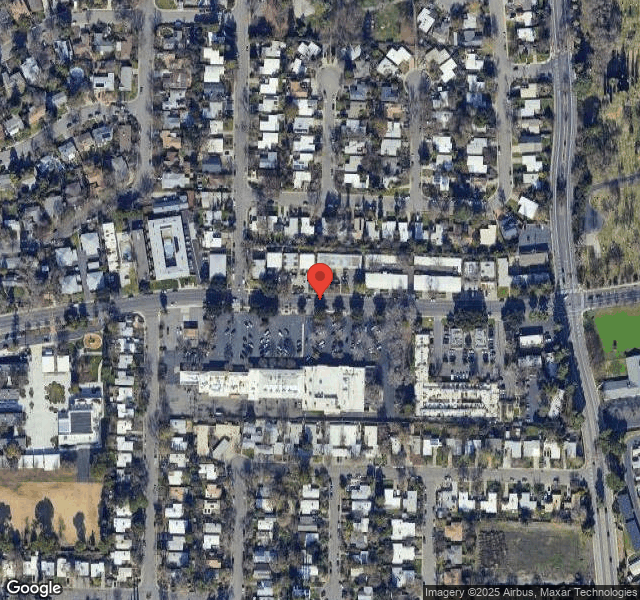
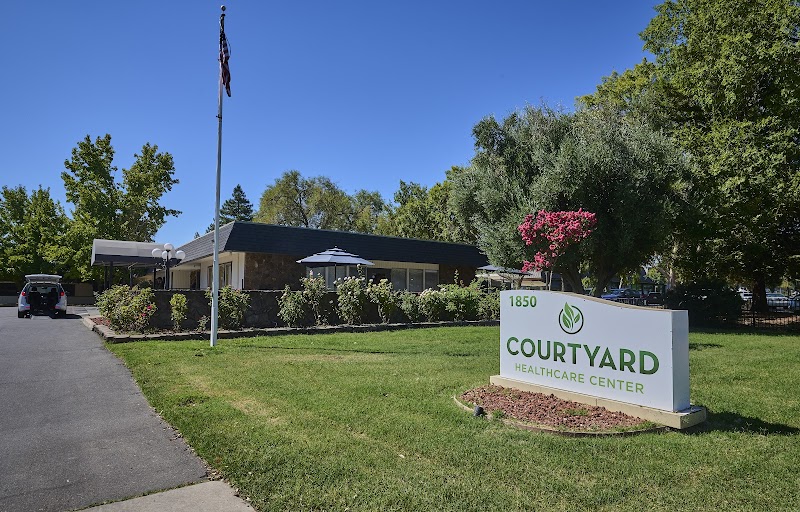
1850 EAST 8TH STREET, DAVIS, CA 95616 (530) 756-1800
For profit - Limited Liability company 112 Beds COVENANT CARE Data: November 2025
Trust Grade
28/100
#777 of 1155 in CA
Last Inspection: April 2025

Within standard 12-15 month inspection cycle. Federal law requires annual inspections.

Overview

Courtyard Health Care Center in Davis, California has received a Trust Grade of F, indicating significant concerns and poor overall quality. It ranks #777 out of 1155 facilities in the state, placing it in the bottom half of California nursing homes, and #4 out of 6 in Yolo County, suggesting limited local options. Unfortunately, the facility's trend is worsening, with the number of issues increasing from 16 in 2024 to 28 in 2025. Staffing is a relative strength with a rating of 4 out of 5 stars, but the turnover rate is average at 44%. However, the center faces challenges, including $10,592 in fines, which is concerning, and incidents such as not providing necessary mobility services to a resident and serving food in unsanitary conditions, which could pose health risks.

Trust Score
F
28/100
In California
#777/1155
Bottom 33%
Safety Record
High Risk
Review needed
Inspections
Getting Worse
16 → 28 violations
Staff Stability
○ Average
44% turnover. Near California's 48% average. Typical for the industry.
Penalties
✓ Good
$10,592 in fines. Lower than most California facilities. Relatively clean record.
Skilled Nurses
○ Average
Each resident gets 39 minutes of Registered Nurse (RN) attention daily — about average for California. RNs are the most trained staff who monitor for health changes.
Violations
⚠ Watch
64 deficiencies on record. Higher than average. Multiple issues found across inspections.
★★☆☆☆
2.0
Overall Rating
★★★★☆
4.0
Staff Levels
★★★★★
5.0
Care Quality
★☆☆☆☆
1.0
Inspection Score
Stable
2024: 16 issues
2025: 28 issues

The Good

  • 4-Star Staffing Rating · Above-average nurse staffing levels
  • 5-Star Quality Measures · Strong clinical quality outcomes
  • Full Sprinkler Coverage · Fire safety systems throughout facility
  • No fines on record
  • Staff turnover below average (44%)

    4 points below California average of 48%

Facility shows strength in staffing levels, quality measures, fire safety.

The Bad

2-Star Overall Rating

Below California average (3.1)

Below average - review inspection findings carefully

Staff Turnover: 44%

Near California avg (46%)

Typical for the industry

Federal Fines: $10,592

Below median ($33,413)

Minor penalties assessed

Chain: COVENANT CARE

Part of a multi-facility chain

Ask about local staffing decisions and management

The Ugly 64 deficiencies on record

1 actual harm
Sept 2025 1 deficiency
CONCERN (E) 📢 Someone Reported This

A family member, employee, or ombudsman was alarmed enough to file a formal complaint

Potential for Harm - no one hurt, but risky conditions existed

Food Safety (Tag F0812)

Could have caused harm · This affected multiple residents

Based on observation, interview, and record review, the facility failed to serve food in a sanitary manner for a census of 108 residents, when:Clean Utensils were found with food particles and water r...

Read full inspector narrative →
Based on observation, interview, and record review, the facility failed to serve food in a sanitary manner for a census of 108 residents, when:Clean Utensils were found with food particles and water residuals and utensil holders had multiple small black particles; andDietary Aide 3 (DA 3) did not wash hands before handling clean kitchenware.These failures had the potential to result in foodborne illness among vulnerable residents.Findings:1. During a concurrent observation and interview on 9/8/25 at 11:05 a.m. with the Dietary Manager (DM) and Registered Dietician (RD), the kitchen's utensils and utensil holders were observed. Multiple small black particles were observed on the utensil holders. Three forks and three spoons had food particles and water residuals. DM and RD confirmed six utensils were dirty and stated clean utensils should have no food particles on it. DM further stated it was unsafe to use uncleaned utensils for residents.2. During a concurrent observation and interview on 9/8/25 at 12:28 p.m. with DA 3, DA 3 was manually washing the kitchenware (containers) with soap and water. Next, DM removed the cleaned kitchenware from the dishwasher. DA 3 continued to wash more kitchenware from the dirty side. There was no hand hygiene observed before touching the cleaned kitchen containers. DA 3 confirmed he was the only one doing dishwashing and should have washed hands before touching the cleaned side of the dishwashing area.During an interview on 9/8/25 at 12:33 p.m. with the RD, RD stated there should be two people doing dishwashing at a time and DA 3 should have washed his hands before touching the clean side of the dishwashing area to prevent contamination. A review of the facility's undated policy and procedure titled, Dishwashing, indicated, All dishes will be properly sanitized through the dishwasher. Gross food particles shall be removed by careful scraping and pre-rinsing in running water. Flatware is to be pre-soaked in a solution of water and detergent per manufacturer's instructions. Pay close attention to prevent cross-contamination of workers going from handling dirty dishes and then clean . Wash hands and change gloves whenever cross-contamination occurs.
Aug 2025 1 deficiency
CONCERN (E) 📢 Someone Reported This

A family member, employee, or ombudsman was alarmed enough to file a formal complaint

Potential for Harm - no one hurt, but risky conditions existed

Quality of Care (Tag F0684)

Could have caused harm · This affected multiple residents

**NOTE- TERMS IN BRACKETS HAVE BEEN EDITED TO PROTECT CONFIDENTIALITY** Based on interview and record review, the facility failed to provide proper care for one of five sampled residents (Resident 1) ...

Read full inspector narrative →
**NOTE- TERMS IN BRACKETS HAVE BEEN EDITED TO PROTECT CONFIDENTIALITY** Based on interview and record review, the facility failed to provide proper care for one of five sampled residents (Resident 1) when:1.Resident 1's assessments (including vital signs) were inaccurate; and,2.The Medication Administration Record (MAR) indicated no evidence that Resident 1's antibiotic was given timely as ordered.These failures resulted in an adverse outcome wherein Resident 1 was admitted to acute care for hospitalization for severe sepsis (a life-threatening condition due to an infection) with septic shock (severe form of infection, life threatening condition, occurs when the body's immune system overreacts to an infection, leading to a drop in blood pressure and organ failure.)Findings:During a review of Resident 1 admission record (AR - official documentation that records details of a person's entry to the facility)), indicated, Resident 1 was initially admitted to the facility 9/12/20, and was re-admitted [DATE] with new diagnosis including septic shock.During a review of Resident 1's Skin assessment dated [DATE], indicated, New skin issue: Left trans metatarsal [toes] - amputation site; .Diabetic foot ulcer - present on admission.During a review of Resident 1's Change of Condition Notes (CIC - detailed records within a resident's clinical chart that document specific changes in a patient's status, symptoms, document specific and significant changes in a resident's health status, symptoms, or functioning such as vital signs, skin integrity among others), indicated mismatch dates, shifts, and times as followed:On 8/13/25 Day shift - staff documented the date of 8/10/25, for respiration of 16 breath per minuteOn 8/13/25 Night shift - staff documented the date of 8/10/25 for respiration of 16 breath per minuteOn 8/14/25 Night shift - staff documented the time of 11:02 a.m., 8/14/25 for a temperature of 98.7 FahrenheitOn 8/14/25 Night shift - staff documented the time of 11:02 a.m. 8/14/25 for pulse of 91 beats per minuteOn 8/14/25 Night shift - staff documented the time of 11:02 a.m., 8/14/25 blood pressure of 126/74On 8/14/25 Night shift - staff documented the time of 11:02 a.m., 8/14/25 oxygen saturation of 93%On 8/14/25 Night shift - staff documented the date of 8/13/25 pain level of 0/10On 8/15/25 Day shift - staff documented the date of 8/13/25 temperature of 98.2 FahrenheitOn 8/15/25 Day shift - staff documented the date of 8/13/25 pulse of 82 beats per minuteOn 8/15/25 Day shift - staff documented the date of 8/10/25 pulse of 16 breath per minuteOn 8/15/25 Day shift - staff documented the date of 8/13/25 blood pressure of 138/82On 8/15/25 Day shift - staff documented the date of 8/13/25 Oxygen saturation 93%8/15/25 Day shift - staff documented the date of 8/13/25 pain level of 0/10It appeared the vital signs (VS) documented indicated numbers, dates and times copied from previous shifts. There was no evidence that respiratory rate was monitored during the night of 8/14/25.During a review of Resident 1's Medication Administration Record (MAR - a legal document used by healthcare professionals to track and record all the medications given to a patient) dated August 2025, indicated, Order [start] date 8/13/25 at 1814 [6:14 p.m.], Bactrim DS [antibiotic]. Oral tablet 800-160 mg [milligram, unit dose] Give 1 tablet by mouth two times a day for cellulitis [infection] for 14 days. The MAR indicated no evidence that it was given on 8/13/25.During a review of Resident 1's progress notes dated 8/14/25 at 19:21 (7:21 p.m.), indicated, .low grade fever at 99.7. elevated pulse at 108, and low oxygen level 92% on 3L [liters, unit of measurement] of Oxygen [normal oxygen saturation at room air, 95% to 100%]. MD [physician] ordered to recheck pulse and temperature and to notify oncall doctor if symptoms worsen. 30mins after initial exam, this nurse went back to reassess resident and noted that resident pulse lowered to 75bpm [beats per minute] while resting, ordered updated.During a review of Resident 1's progress notes dated 8/15/25 at 07:00 (7 a.m.), indicated, .The resident's wound is now weeping. The resident is tachypneic [rapid breathing] and tachycardic [fast heart rate]. Oxygen saturation is below baseline; resident on 3L [liter, unit measurement] 02 [oxygen] via NC [nasal cannula, tubing to the nose that supplies oxygen]. The resident will be sent out via AMR [ambulance] .During a review of Resident 1's SBAR (report to provider) dated 8/15/25 at 0800 (8 a.m.), indicated, .Nursing observations, evaluation, and recommendations are: Resident was observed to be short of breath using his accessory muscles to breath and even to answer short quick questions. Resident was diaphoretic [sweating] and tachycardia [fast heart rate] with a heart rate fluctuating between 115-120. Resident was observed to be on 3 liters via nc sating at 91 %. Resident had a bp [blood pressure] of 100/54, 97.9 temp [temperature] and a heart rate of 115-120. Residents lie [left lower extremity] appeared to be swollen and red and was warm to touch. Primary Care Provider Feedback. transfer out.During a review of Resident 1's progress notes dated 8/15/25 at 08:51 (8:51 a.m.), indicated, .Open area was weeping and appeared to have a yellow drainage. Resident also had a thin yellow discharge that had accumulated in the corners of his eyes with some dry mucus. Resident was irritable and even became emotional when asked how he felt stating something is wrong with me. AMR was called and given report. Resident was transferred to Sutter [NAME] [hospital].During a review of Resident 1's hospital admission record titled Inter-Facility Transfer Report, dated 8/15/25, indicated, Resident 1 was admitted with .Severe sepsis with septic shock.During an interview on 8/26/25 at 12:27 p.m., with Licensed Nurse (LN) 1, LN1 stated, vital signs are taken every shift and documented in the CIC notes. LN 1 further stated, the licensed nurse will assess the resident every shift and if antibiotics are ordered, it must be initiated within 4 hours.During an interview on 8/26/25 at 1:03 p.m., with LN 2 at the Nurses' station, LN2 stated, vital signs should be taken every shift when there is a CIC, the resident is on antibiotics, and if there is a wound infection. LN 2 further stated, antibiotics must be started as soon as they are approved by Pharmacy and should be available from their E-kit. LN 2 also stated, if not available, the pharmacy delivers late at night.During an interview on 8/26/25 at 1:49 p.m. with the Director of Nursing (DON), DON stated his expectations were to have all the orders carried out by the Licensed Nurses. DON further stated, when there is a CIC, his expectations were (accurate) vital signs must be taken and documented every shift, and antibiotics must be initiated and given as soon as possible.On 8/29/25 at 9:15 a.m., the Director of Nursing (DON) was contacted via text message asking for the contact information of LN 3, LN 4, LN 5, and LN 6 to verify the VS and the MAR information. DON did not provide contact numbers for LN 3, LN 4 and LN 6, and there were no return calls received from the LNs throughout the day.During a review of the facility's policy and procedure titled, Change in Condition, revised 8/2025, indicated. It is the policy of this facility to ensure each resident receives quality of care.licensed nurse should be.following. change in vital signs, to include temperature, pulse, blood pressure. resident will be placed on.Nursing will provide no less than 3 days of observation, documentation and response to interventions. A review of the facility's policy and procedure titled, Medication Administration, undated, indicated, Medications are administered by licensed nurses.as ordered by the physician an in accordance with professional standards. obtain and record vital signs.
Jul 2025 1 deficiency
CONCERN (D) 📢 Someone Reported This

A family member, employee, or ombudsman was alarmed enough to file a formal complaint

Potential for Harm - no one hurt, but risky conditions existed

Deficiency F0627 (Tag F0627)

Could have caused harm · This affected 1 resident

**NOTE- TERMS IN BRACKETS HAVE BEEN EDITED TO PROTECT CONFIDENTIALITY** Based on observation, interview, and record review, the facility failed to ensure one of four sampled residents (Resident 1) dis...

Read full inspector narrative →
**NOTE- TERMS IN BRACKETS HAVE BEEN EDITED TO PROTECT CONFIDENTIALITY** Based on observation, interview, and record review, the facility failed to ensure one of four sampled residents (Resident 1) discharged appropriately when:1. Final discharge instructions were not reviewed with the Durable Power of Attorney (DPOA-a legal document that gives one person the authority to make medical decisions for another person),2. Resident 1 was discharged without needed supplies (tube feeding formula and a glucometer),3. Discharge orders were to discharge home with home health; however, Resident 1 was discharged to a board and care, and4. No clinical evaluation was completed for Resident 1 to determine discharge needs and/or discharge potential.These failures placed Resident 1 at risk for potential harm due to inadequate discharge planning, lack of continuity of care and an increased risk of deterioration in the resident's health status resulting from absence of appropriate clinical oversight. Findings:Resident 1 was admitted to the facility on [DATE] with diagnoses which included metabolic encephalopathy (brain function disruption due to chemicals in the body), severe protein-calorie malnutrition, and cognitive communication deficit (difficulties in communication that arise from impairments in thinking, learning, and remembering). Resident 1 had a BIMS (Brief Interview for Mental Status-an assessment tool used by facilities to screen and identify memory, orientation, and judgement status of the resident) score of 10 out of 15 which indicated Resident 1 was moderately impaired in cognition. Resident 1 was discharged from the facility on 7/29/25 to a board and care, a non-medical residential setting that provides room, board, supervision and assistant with activities of daily living, not licensed to provide skilled nursing care.During a telephone interview on 7/30/25 at 2:08 p.m. with DPOA of Resident 1, the DPOA/RP ( also a Responsible Party) voiced that Resident 1 had been discharged unsafely from the facility. The DPOA/RP stated Resident 1 lacked capacity for healthcare decisions and the facility did not review discharge instructions with him, Resident 1's DPOA and RP, prior to Resident 1's discharge. The DPOA stated the facility had not provided needed tube feeding formula for Resident 1 at the time of discharge and expressed his concerns that Resident 1 could be re-hospitalized for high blood sugars because Resident 1 did not have access to a glucometer. During an interview on 7/31/25 at 2:36 p.m. with Assistant Director of Nursing (ADON) 1, ADON 1 stated she discharged Resident 1 from the facility to a board and care on 7/29/25. ADON 1 stated she was aware Resident 1 was not her own RP and it was expected to review discharge instructions with the RP. When ADON 1 was asked if it was appropriate to go over discharge instructions with a resident who lacked capacity, ADON 1 answered, No. ADON 1 further stated she reviewed Resident 1's Recapitulation of Stay (ROS) dated 7/29/25, with Resident 1 and acquired Resident 1's signature. ADON 1 further stated she discharged Resident 1 from the facility without tube feeding formula, although she was aware Resident 1 had a gastrostomy (a surgical opening fitted with a device to allow feedings to be administered directly to the stomach common for people with swallowing problems) tube for supplemental feedings. ADON 1 further stated Resident 1 required blood sugar checks and was discharged from the facility without a glucometer. ADON 1 stated when she spoke with the DPOA after she had discharged Resident 1, the DPOA was frustrated that she had not gone over discharge instructions with him prior to Resident 1's discharge.During a concurrent interview and record review on 7/31/25 at 4:46 p.m. with Director of Nursing (DON), Resident 1's Medical Record (MR) was reviewed. The DON confirmed Resident 1 had been discharged to a board and care on 7/29/25. The DON stated the MD (Physician) phone order, dated 7/25/25 and signed by Nurse Practitioner (NP) 1, indicated, May discharge home with home health RN (Registered Nurse)/PT(Physical Therapy)/OT(Occupational Therapy) and DME (Durable Medical Equipment-such as glucometer, wheelchairs, oxygen equipment, etc) if needed. The DON stated the order should have been updated to reflect discharge to a board and care. The DON further stated it was the expectation for the provider to assess the resident prior to discharge. The DON stated Resident 1's Medical Record (MR) contained three provider assessments titled, MD/NP/PA (Physician Assistant) dated 6/19/25, 7/17/25, and 7/22/25, and confirmed none of the assessments indicated Resident 1 was ready for discharge or addressed the resident's discharge potential. When the DON was asked to provide any clinician assessments or progress notes indicating Resident 1 was safe to discharge, the DON was not able to provide one. During a phone interview on 8/4/25 at 1:26 p.m. with NP 1, NP 1 verified she had given the phone order for Resident 1, dated 7/25/25, which indicated, May discharge home with home health RN/PT/OT and DME if needed. NP 1 explained that her discharge order for Resident 1 was May discharge to home . When questioned about the discrepancy between this order and the resident's actual discharge disposition to a boarding and care, the NP1 stated, Wherever she's living is considered home and indicated there was no discrepancy. Regarding NP's role in resident's discharge process, NP 1 stated, My only role is to give a discharge order. NP 1 stated the last time she assessed Resident 1 was on 7/17/25 and confirmed she did not speak with Resident 1's RP, stating, No. The patient [Resident 1] has capacity to make decisions. Review of Resident 1's MD orders, dated 6/12/25, the order indicated, MD determines that Resident does NOT have the Mental Capacity to make Healthcare decisions as per History & Physical or Transfer orders or preferred intensity of care. Review of Resident 1's MD/NP/PA Progress Note, dated 7/17/25 and signed by NP 1, indicated, Seen today at staff request for ongoing concern for weight loss despite being on tube feedings .Most Recent Weight 88.0 (pounds).Review of Resident 1's N Adv Skilled Evaluation ([NAME]), dated 7/28/25, the day prior to Resident 1's discharge, the SE indicated, Patient .does not like the food and will not eat the meals given to her. She will ask for .snacks that are elevating her Sugar levels . [Resident 1] still does not eat in moderation or to control her sugar levels. The [NAME] further indicated, Disorganized thinking: chronic .Will forget often like taking medications and what has been given to her already. Patient also forgets when she has been seen and may think that she has not been seen for hours although patient was just seen 10-15 minutes ago or less.Review of Resident 1's NN, dated 7/28/25, the day prior to Resident 1's discharge, the NN indicated, Ate less than 25% of 2 meals in a day.Review of Resident 1's MR, dated 7/29/25, the MR indicated, GLUCERNA [a specialized nutritional supplement for individuals with diabetes or blood sugar management needs] 1.5: Give 240 ml via G-tube (gastrostomy tube) after meals if PO (by mouth) intake less than 50%. Review of Resident 1's ROS, dated 7/29/25, the day of discharge, the ROS indicated, Most recent blood glucose (blood sugar) .324 Date 7/29/25 (the day of discharge) at 6:01 a.m. The ROS further indicated, Blood glucose range for past week: High 452 .Low 123. The ROS further indicated, Most Recent Weight .86.6 (lbs, pounds) .Resident has had weight loss. This indicated that the resident had 5.25% significant weight loss over a month period from 91.4 lbs upon admission on [DATE].Review of Resident 1's Nursing Note (NN), dated 7/29/25 and signed by ADON 1, the NN indicated, Medication and discharge instructions provided to the patient .All discharge paperwork signed by patient and provided a copy of the paperwork.Review of the facility's policy and procedure (P&P) titled, Admission, Transfer, Discharge and Bed-Holds, dated December 2016, indicated, The facility will permit each resident to remain in the facility, and not transfer or discharge the resident from the facility unless: The transfer or discharge is appropriate because the resident's health has improved sufficiently. The P&P further indicated, The facility will provide sufficient preparation .in order to ensure a safe and orderly discharge from the facility.Review of the facility's P&P titled, Discharge Planning Process, dated 2025, indicated, The discharge plan will include a regular re-evaluation of the resident to identify changes that require modification of the discharge plan.
Jul 2025 2 deficiencies
CONCERN (D) 📢 Someone Reported This

A family member, employee, or ombudsman was alarmed enough to file a formal complaint

Potential for Harm - no one hurt, but risky conditions existed

Deficiency F0627 (Tag F0627)

Could have caused harm · This affected 1 resident

**NOTE- TERMS IN BRACKETS HAVE BEEN EDITED TO PROTECT CONFIDENTIALITY** Based on interview and record review, the facility failed to ensure appropriate discharge for one of three sampled residents (Re...

Read full inspector narrative →
**NOTE- TERMS IN BRACKETS HAVE BEEN EDITED TO PROTECT CONFIDENTIALITY** Based on interview and record review, the facility failed to ensure appropriate discharge for one of three sampled residents (Resident 1), when 1. The facility did not follow physician discharge orders;2. The 30-day notice of discharge was given to Resident 1 at time of discharge; 3. The facility failed to develop post discharge care follow up for a June neurology referral; 4. There was no physician discharge summary in the medical records; and5. Minimum Data Sheet (MDS - a federally mandated resident assessment tool) discharge assessment was incomplete and not submitted. These failures led to inappropriate discharge of Resident 1 from the facility and reduced the facility's potential in discharging Resident 1 safely.Findings:During a review of Resident 1's admission Record (AR), the AR indicated Resident 1 was admitted to the facility in April 2025 with diagnoses that included benign neoplasm of cerebral meninges (brain tumor), cognitive communication deficit, and symptoms and signs involving cognitive functions and awareness. Resident 1's MDS indicated Resident 1 had severe cognitive impairment.During a review of Resident 1's Order Summary Report (OSR), dated 7/3/25, the OSR indicated May discharge with home health RN (registered nurse)/PT (physical therapy- focuses on restoring, maintaining and improving a person's ability to move and function)/OT (occupational therapy- focuses on improving a person's ability to perform tasks, develop skills and maintain independence in their daily routine). During a review of Resident 1's Discharge Information/Recapitulation of Stay, dated 7/3/25, Resident 1 was discharged to .Hotel [name of hotel] . The form further indicated. Home Health Services Required & Home Health Agency Contact Information: [home health agency name] . (pending approval) .During a review of the information received by the Department, dated 7/8/25, the information indicated, .recovering from a craniotomy surgery (brain surgery) . (Resident 1) was discharged to a motel for several days. (Resident 1) was found near the hotel in Downtown Davis; confused. He was brought to (hospital name). (Resident 1) has been non-verbal during his hospitalization. (Resident 1) was not safe to discharge from Courtyard back to the community given his cognitive deficits.During a review of Resident 1's Speech Therapy Discharge summary, dated [DATE], the speech therapy notes indicated that Resident 1 .[had] difficulty following directions. [Resident 1] requires max [maximum] cues.memory impaired [decline in the ability to remember things whether recent events, past memories, or both].During a concurrent interview and record review on 7/10/25 at 2:53 p.m. with the Social Services Director (SSD), the SSD confirmed that Resident 1 was discharged to a hotel for three days. SSD reviewed and confirmed that home health agency was still pending and was not established prior to discharge. The SSD confirmed that the facility did not follow through on a June neurology referral and no documented evidence of post discharge care follow on the neurology appointment was in the medical records. During a concurrent interview and record review on 7/10/25 at 3:16 p.m. with the MDS Coordinator, the MDS Coordinator confirmed that cognition assessment and mood assessment were not done. During a concurrent interview and record review on 7/10/25 at 3:29 p.m. with Director of Nursing (DON), the DON reviewed and confirmed that there was no doctor's discharge summary in Resident 1's medical record. The facility was not able to provide documented evidence when asked. During a concurrent interview and record review on 7/10/25 at 3:45 p.m. with the Administrator (ADM), the ADM agreed and confirmed that the facility did not safely discharge Resident 1. The ADM confirmed that the doctor's orders for discharge were not followed through. The ADM further confirmed that the 30-day notice should have been given to the resident 30 days prior and not at the time of discharge, to give the resident enough time to appeal the planned discharge. During a review of the facility ' s policy and procedure (P&P) titled Admission, Transfer, Discharge and bed-holds dated December 2016, the P&P indicated, .Before a resident is.discharged , the facility will notify the resident.notice will be made at least 30-days prior to.discharge, or as soon as practical.the facility will comply with all state and federal guidelines regarding medical record documentation for.discharges, as well as communication to receiving health care institutions or providers, including physician documentation requirements.the facility will provide sufficient preparation and orientation to resident.in order to ensure a safe and orderly discharge from the facility.During a review of facility's P&P titled Submission and Correction of the MDS Assessments.5.2 Timeliness Criteria, dated October 2024, indicated For.discharge.assessment, encoding must occur within 7 days.
CONCERN (D) 📢 Someone Reported This

A family member, employee, or ombudsman was alarmed enough to file a formal complaint

Potential for Harm - no one hurt, but risky conditions existed

Accident Prevention (Tag F0689)

Could have caused harm · This affected 1 resident

**NOTE- TERMS IN BRACKETS HAVE BEEN EDITED TO PROTECT CONFIDENTIALITY** Based on interview and record review, the facility failed to ensure resident safety for one out of three sampled residents (Resi...

Read full inspector narrative →
**NOTE- TERMS IN BRACKETS HAVE BEEN EDITED TO PROTECT CONFIDENTIALITY** Based on interview and record review, the facility failed to ensure resident safety for one out of three sampled residents (Resident 1) when Resident 1 eloped from the facility and failed to implement interventions per facility policy.This failure reduced the facility's potential in keeping Resident 1 safe from harm.Findings:During a review of Resident 1's admission Record (AR), the AR indicated Resident 1 was admitted to the facility in April 2025 with diagnoses that included benign neoplasm of cerebral meninges (brain tumor), cognitive communication deficit, and symptoms and signs involving cognitive functions and awareness. Resident 1's Minimum Data Set (MDS - a federally mandated resident assessment tool) indicated Resident 1 had severe cognitive impairment.During a review of Resident 1's Speech Therapy Discharge summary, dated [DATE], the speech therapy notes indicated that Resident 1 .[had] difficulty following directions. [Resident 1] requires max [maximum] cues.memory impaired [decline in the ability to remember things whether recent events, past memories, or both].During a review of Resident 1's Social Services progress notes, dated 7/2/25, indicated that . (Resident 1) .exited out the building.During a review of Resident 1's medical records, indicated no documented evidence of elopement care plan done, no documented evidence of elopement assessment or change of condition done.During an interview with Licensed Nurse 1 (LN 1) on 7/10/25 at 2:44 p.m., LN 1 stated that Resident 1 is more confused, is only oriented to himself. During a concurrent interview and record review on 7/10/25 at 2:53 p.m. with Social Services Director (SSD), the SSD confirmed Resident 1 was found at the liquor store by staff members. Resident 1 was [NAME] back to facility by a licensed nurse. The SSD further stated that Resident 1 likes to walk and wander. SSD confirmed that there was no additional documentation of elopement from nursing staff regarding the reported incident. During a concurrent interview and record review with Administrator (ADM) on 7/10/25 at 4:30 p.m., the ADM confirmed that facility did not take measures to assess and implement interventions for Resident 1's elopement risks per policy.During a review of the facility policy and procedure (P&P), Elopement and Missing Resident dated December 2017, indicated, .An elopement occurs when a resident leaves the premises or a safe area without authorization of staff notification.assessment guidelines may include.nursing assessment.elopement risk assessment, changes in condition and IDT (interdisciplinary) Walking Rounds Review.if wandering or exit seeking behavior is identified, a change of condition IDT Walking Rounds should be completed.complete a Report of incident.ensure the incident and events are documented objectively in the resident record.The Administrator reports the incident to the State Regulatory/Licensure Agency according to regulation.
Jul 2025 2 deficiencies
CONCERN (E) 📢 Someone Reported This

A family member, employee, or ombudsman was alarmed enough to file a formal complaint

Potential for Harm - no one hurt, but risky conditions existed

Deficiency F0806 (Tag F0806)

Could have caused harm · This affected multiple residents

Based on observation, interview, and record review, the facility failed to ensure food preferences were accommodated for three of three sampled residents (Resident 1, Resident 2, and Resident 3), when...

Read full inspector narrative →
Based on observation, interview, and record review, the facility failed to ensure food preferences were accommodated for three of three sampled residents (Resident 1, Resident 2, and Resident 3), when:Resident 1 did not receive double portions of protein;Resident 2 did not receive salad; andResident 3 did not receive fresh fruit for lunch on 7/8/25 as listed in the meal tickets.These failures had the potential to negatively impact the residents' nutritional status.Findings:1. A review of Resident 1's admission Record, indicated she was admitted to the facility in 6/23 with diagnoses including anemia (the body does not have enough red blood cells to carry oxygen effectively throughout the body) and vitamin D deficiency (not enough vitamin D).A review of Resident 1's meal ticket, dated 7/8/25, indicated Resident 1 had double the portion of protein listed in the preference list. During a concurrent observation, interview, and record review on 7/8/25 at 12:28 p.m. with Resident 1, Resident 1's meal ticket, dated 7/8/25, was reviewed. Double portion of protein was listed in the preference list. Resident 1 confirmed there was no double portion of protein on the lunch plate.During a concurrent interview and record review on 7/8/25 at 1:35 p.m. with the Dietary Manager (DM), Resident 1's meal tray picture was reviewed. DM confirmed Resident 1's lunch tray did not include double the portion of protein for lunch on 7/8/25. 2. A review of Resident 2's admission Record, indicated she was admitted to the facility in 10/23 with a diagnosis of anemia.A review of Resident 2's meal ticket, dated 7/8/25, indicated, [NAME] vegetable every meal listed in the preference list.During a concurrent observation and interview on 7/8/25 at 12:37 p.m. with Resident 2, Resident 2 was eating her lunch in the dining room. Resident 2 confirmed she requested green salad with each meal and did not receive any salad.During a concurrent interview and record review on 7/8/25 at 1:35 p.m. with the DM, Resident 2's meal tray picture was reviewed. DM confirmed there was no salad in the meal tray during lunch. 3. A review of Resident 3's admission Record, indicated she was admitted to the facility in 9/19 with a diagnosis of vitamin D deficiency.A review of Resident 3's meal ticket, dated 7/8/25, indicated, Fresh fruit for dessert listed as the resident's preference. During a concurrent observation and interview on 7/8/25 at 1:02 p.m. with Resident 3, Resident 3 was eating her lunch inside her room. There was no fresh fruit available on the lunch tray. Resident 3 stated, Where is the fresh fruit? They did not bring any. During a concurrent interview and record review on 7/8/25 at 2:16 p.m. with the Registered Dietician (RD), Resident 3's meal tray picture was reviewed. RD confirmed there was no fresh fruit on Resident 3's meal tray during lunch. RD stated the residents' food preferences should have been honored since it was their choices of likes and dislikes of food. A review of the facility's policy titled, Resident Food Preferences, dated 2/9, indicated, Satisfy resident's tastes and appetite by determining and providing their food preferences at meals. The food and dining service staff will . make every attempt to meet the resident's food preferences.
CONCERN (E) 📢 Someone Reported This

A family member, employee, or ombudsman was alarmed enough to file a formal complaint

Potential for Harm - no one hurt, but risky conditions existed

Food Safety (Tag F0812)

Could have caused harm · This affected multiple residents

Based on observation, interview, and record review, the facility failed to store food in a sanitary condition for a census of 109 residents, when:Two boxes of 48 cups of four ounces (oz, a unit of mea...

Read full inspector narrative →
Based on observation, interview, and record review, the facility failed to store food in a sanitary condition for a census of 109 residents, when:Two boxes of 48 cups of four ounces (oz, a unit of measurement) of yogurt were left in the kitchen floor at room-air for more than three hours; andThe freezer's temperature was not monitored on 7/7/25 in the evening shift.These failures had the potential to cause foodborne illness among residents.Findings:1. During a concurrent observation and interview on 7/8/25 at 11:15 a.m. with the Dietary Manager (DM), 20 boxes of fresh vegetables, fruits, milk, yogurt, eggs, and meat were in the kitchen floor at room air. DM stated the food products' delivery arrived today.During an interview on 7/8/25 at 11:40 a.m. with Dietary Aid (DA), DA stated the food products were delivered to the kitchen around 10 a.m.During an observation on 7/8/25 at 1:13 p.m., two boxes of 48 cups (four oz per cup) of yogurt were in the kitchen floor at room air temperature.During an interview on 7/8/25 at 1:35 p.m. with DM, DM confirmed the fresh produces were delivered to the facility today around 10 a.m. in the morning and stated the refrigerated food like milk, eggs, and yogurt were to be put in the refrigerator immediately. DM confirmed the yogurt was left outside the refrigerator for three hours and stated it should have been discarded due to potential for foodborne illness. During an interview on 7/8/25 at 2:16 p.m. with the Registered Dietician (RD), RD confirmed yogurt should have been stored in the refrigerator as soon as possible to limit foodborne illness. A review of the facility's policy tilted, Food Safety in Receiving and Storage, dated 2/9, indicated, Food is received and stored by methods to minimize contamination and bacterial growth. Items will be put away quickly, especially potentially hazardous foods that need to be stored under refrigeration or frozen.2. During a concurrent interview and record review on 7/8/25 at 12:13 p.m. with DM, freezer 1's temperature log for July 2025 was reviewed. DM confirmed the freezer's temperature was not documented on 7/7/25 at evening shift. During an interview on 7/8/25 at 1:35 p.m. with DM, DM stated the freezer temperature check was to maintain temperature accuracy to hold freezing food. DM further stated if there was no accurate documentation of the freezer temperature then stored food had the potential to lead to foodborne illness among residents.A review of the facility's policy tilted, Food Safety in Receiving and Storage, dated 2/9, indicated, Cooler and freezer temperatures will be checked and recorded daily, using the internal thermometers .
May 2025 1 deficiency
CONCERN (D) 📢 Someone Reported This

A family member, employee, or ombudsman was alarmed enough to file a formal complaint

Potential for Harm - no one hurt, but risky conditions existed

Free from Abuse/Neglect (Tag F0600)

Could have caused harm · This affected 1 resident

**NOTE- TERMS IN BRACKETS HAVE BEEN EDITED TO PROTECT CONFIDENTIALITY** Based on observation, interview, and record review, the facility failed to protect the rights to be free from abuse for 1 of 4 s...

Read full inspector narrative →
**NOTE- TERMS IN BRACKETS HAVE BEEN EDITED TO PROTECT CONFIDENTIALITY** Based on observation, interview, and record review, the facility failed to protect the rights to be free from abuse for 1 of 4 sampled residents (Resident 1) when staff witnessed Resident 2 hitting Resident 1 ' s hand. This failure resulted in Resident 1 experiencing abuse including physical pain and emotional distress. Findings: During a review of Resident 1 ' s admission record, the admission record indicated Resident 1 was admitted to the facility in March 2016 with diagnoses including hemiplegia (total paralysis of the arm, leg, and trunk on the same side of the body) affecting the right side. During a review of Resident 1 ' s Minimum Data Set (MDS- a federally mandated resident assessment tool), dated 3/5/25, the MDS indicated Resident 1 had no memory impairment. During a review of Resident 1 ' s SBAR (situation, background, assessment, recommendation- a communication tool used by healthcare workers when there is a change of condition among the residents) Form, dated 4/25/25, the SBAR indicated Resident 1 had been involved in a resident-to-resident altercation. The form indicated Resident 1 was crying and fearful. During a review of Resident 1 ' s progress note dated 4/25/25 and written by Licensed Nurse 1 (LN 1), the progress note indicated Resident 1 had been involved in an altercation with another resident and was in pain. During a review of Resident 2 ' s admission record, the admission record indicated Resident 2 was admitted to the facility in May 2021 with diagnoses including bipolar disorder (sometimes called manic-depressive disorder; mood swings that range from the lows of depression to elevated periods of emotional highs). During a review of Resident 2 ' s MDS, dated [DATE], the MDS indicated Resident 2 had severe memory impairment. During a review of Resident 2 ' s progress note, dated 4/25/25 and written by Social Services Assistant (SSA), the progress note indicated Resident 2 was in an altercation with another resident and struck the other resident 4 times in the face and the hand. During an interview on 5/6/25 at 9:42 a.m. with Certified Nursing Assistant 1 (CNA 1), CNA 1 stated she witnessed the altercation between Resident 1 and Resident 2. CNA 1 further stated she saw Resident 2 hitting Resident 1 ' s hand. CNA 1 acknowledged Resident 1 had been a victim of physical abuse by Resident 2. During an interview, on 5/6/25 at 9:50 a.m. with LN 1, LN 1 stated she assessed Resident 1 on 4/25/25 after altercation. LN 1 further stated Resident 1 had redness on the left side of her face and complained of pain. During a concurrent observation and interview on 5/6/25 at 9:51 a.m. with Resident 1, Resident 1 stated Resident 2 hit her and motioned a punch to her face. Resident 1 was tearful and further stated the altercation made her upset and uncomfortable. During an interview on 5/6/25 at 11:04 a.m. with Social Services Director (SSD), SSD stated she had done follow-up interviews with Resident 1 after the altercation. SSD further stated Resident 1 was referred to psychiatry because the altercation affected her emotionally. SSD acknowledged Resident 1 had been a victim of physical abuse by Resident 2. During an interview, on 5/6/25 3 at 11:25 a.m. with Director of Nursing (DON), DON stated the expectation was for residents to remain free from abuse. DON acknowledged Resident 1 had been a victim of physical abuse by Resident 2. During a review of the facility ' s policy titled, Alleged or Suspected Abuse and Crime Reporting, dated 11/2016, the policy indicated, .Each resident has the right to be free from abuse .physical abuse includes .hitting .
Apr 2025 15 deficiencies
CONCERN (D)

Potential for Harm - no one hurt, but risky conditions existed

Resident Rights (Tag F0550)

Could have caused harm · This affected 1 resident

**NOTE- TERMS IN BRACKETS HAVE BEEN EDITED TO PROTECT CONFIDENTIALITY** Based on observation, interview and record review, the facility failed to ensure communication boards were available at the beds...

Read full inspector narrative →
**NOTE- TERMS IN BRACKETS HAVE BEEN EDITED TO PROTECT CONFIDENTIALITY** Based on observation, interview and record review, the facility failed to ensure communication boards were available at the bedside for three of 33 sampled residents (Resident 19, Resident 24 and Resident 58) who did not speak English. This failure had the potential to result in reduced ability for the residents to express their needs, preferences, and choices, placing them at risk for unmet care needs and taking away their right to participate in decisions about their care. Findings: During a review of Resident 19's admission Record (AR), the AR indicated, Resident 19 was admitted on [DATE] with diagnoses which included chronic kidney disease stage 3B (kidneys are not filtering blood as well, moderate to severe kidney damage), and hemiplegia and hemiparesis following cerebral infarction affecting right dominant side (complete paralysis and weakness following a stroke). The AR also indicated Resident 19's primary language was Russian. During a review of Resident 19's Care Plans (CP), the CP indicated, that Resident 19 had a communication problem related to a language barrier, initiated on 12/6/24. The CP's interventions included communication: the resident required a translator or a communication board to facilitate communication. During a review of Resident 58's AR, AR indicated, Resident 58 was admitted on [DATE] with diagnoses which included Alzheimer's disease (a disease characterized by a progressive decline in mental abilities), and dementia (a progressive state of decline in mental abilities). The AR also indicated Resident 58's primary language was Mandarin (Chinese). During a review of Resident 58's CP, the CP indicated, Resident 58 had a communication problem related to a language barrier, initiated on 3/24/25. The CP indicated, Resident 58 preferred to communicate in Mandarin and able to communicate by lip reading, writing, using a communication board, gestures, sign language, and with the assistance of a translator. During a review of Resident 24's AR, AR indicated, Resident 24 was admitted on [DATE] with diagnoses which included congestive heart failure. The AR also indicated Resident 24's primary language was Cantonese (Chinese). During a review of Resident 24's CP, the CP indicated, Resident 24 had a communication problem related to age-related hearing and language barrier (Cantonese), initiated on 12/27/24. The CP documented the resident preferred to communicate in Cantonese. During a concurrent observation and interview on 4/15/25 at 9:23 a.m. in Resident 19's room, Resident 19 was asked how he was doing that day, and Resident 19 responded, I don't understand. There was no communication board observed at the bedside or on the bulletin board on the wall or anywhere in the room. During a concurrent observation and interview on 4/15/25 at 9:34 a.m. in Resident 24's room, Resident 24 was asked how she was doing that day, Resident 24 shook her head and said something in Chinese. There was no communication board observed on the bedside table or on the bulletin board on the wall or anywhere in the room During a concurrent observation and interview on 4/15/25 at 10:09 a.m. with Certified Nursing Assistant (CNA) 4 in Resident 58's room, Resident 58 was asked how she was, and she just smiled. There was a picture poster on the wall, but it was in English. CNA 4 confirmed that it was in English, and the Chinese communication board was not in anywhere in the room. During an interview on 4/17/25 at 8:31 a.m. with Social Services Director (SSD), SSD stated for non-English speaking residents, there should also have been communication boards in the resident's room in their language. During a review of the facility's policy and procedure (P&P) titled, Dignity, dated December 2024, the P&P indicated, .facility culture supports dignity and respect for residents honoring resident goals, choices, preferences, values and beliefs . During a review of the facility's P&P titled, Non-Discrimination Policy, dated 9/30/21, the P&P indicated, [facility's name] does not discriminate and does not permit discrimination including without limitation .on the basis of race .provides free language services to people whose primary language is not English, such as: qualified interpreters and information written in other languages .
CONCERN (D)

Potential for Harm - no one hurt, but risky conditions existed

Safe Environment (Tag F0584)

Could have caused harm · This affected 1 resident

**NOTE- TERMS IN BRACKETS HAVE BEEN EDITED TO PROTECT CONFIDENTIALITY** 2. During an observation on 4/15/25 at 11:40 a.m. in the memory care unit (rooms C13 through C23), it was noted that the curtain...

Read full inspector narrative →
**NOTE- TERMS IN BRACKETS HAVE BEEN EDITED TO PROTECT CONFIDENTIALITY** 2. During an observation on 4/15/25 at 11:40 a.m. in the memory care unit (rooms C13 through C23), it was noted that the curtains by the sliding doors in room C15, C17 and C21 were worn and exhibited multiple brown discolorations. During a concurrent observation and interview on 4/15/25 at 11:45 a.m. with Director of Staff Development (DSD) in Room C18, curtains by the sliding door were observed to be dirty and worn. DSD described the curtains as dirty, old and worn and that the brown discolorations were stains. DSD stated that to provide a homelike environment, curtains should be clean and not worn out. During an interview on 4/17/25 at 8:03 a.m. with Director of Nursing (DON), DON stated to maintain a homelike environment, the expectations is for curtains in the rooms to be clean and intact. During a review of the facility's policy and procedure (P&P) titled, Safe, Clean, Comfortable, and Homelike Environment, dated 6/2023, the P&P indicated, .the facility will strive to maintain/enhance a safe, clean, and comfortable environment by engaging in the following general practices and considerations .removing torn, frayed or stained linens from supplies upon discovery . During a review of the facility's (P&P) titled, Safe, Clean, Comfortable, and Homelike Environment, dated 6/2023, the P&P indicated, .Maintain/enhance a safe, clean, and comfortable environment by engaging in the following general practices and considerations: .Cleaning up spills, debris .Reporting bathrooms or other areas needing cleaning to Housekeeping Department .removing torn, frayed or stained linens from supplies upon discovery . Based on observation, interview and record review, the facility failed to maintain a homelike environment when: 1. Shower room [ROOM NUMBER] was found to have a dark brown substance on the floor; and, 2. Four out of 11 rooms (C15, C17, C18 and C21) in the memory care unit had curtains by the sliding doors that were worn and had visible brown discolorations on them. These failures reduced the facility's potenital to provide residents with a homelike environment and had the potential to negatively impact the resident's quality of life. Findings: 1. During a review of Resident 69's face sheet (front page of the chart that contains a summary of basic information about the resident), the face sheet indicated, Resident 69 was admitted to the facility in early June 2023 with multiple diagnoses of myopathy (disease that affects the muscles that control voluntary movement in the body) and paraplegia (loss of movement and/or sensation, to some degree, of the legs). During a review of Resident 69's Minimum Data Set (MDS- a federally mandated resident assessment tool), dated 2/26/25, indicated Resident 69 had intact cognition. During an interview on 4/16/25 at 2:56 p.m. in Resident 69's room, Resident 69 stated, the shower rooms were dirty and unsanitary. Resident 69 further stated that she had seen mold and dirt in between the grouts. Resident 69 stated she felt upset and grossed out. During a concurrent observation and interview on 4/17/25, at 2 p.m., shower room [ROOM NUMBER] had a dark brown substance on the floor. Licensed Nurse (LN) 7 acknowledged that there was a dark brown substance on the floor. LN 7 confirmed that staff should have notified the housekeeping department when the shower room was dirty. During an interview on 4/18/25 at 8:19 a.m., the Infection Preventionist (IP) stated that shower rooms should always be clean. The IP further stated, an unclean environment can spread infection, and it can also impact the residents' psychosocial wellbeing of not wanting to take a shower.
CONCERN (D)

Potential for Harm - no one hurt, but risky conditions existed

Pressure Ulcer Prevention (Tag F0686)

Could have caused harm · This affected 1 resident

Based on observation, interview and record review, the facility failed to ensure pressure injury prevention consistent with the professional standards of practice for one of 33 sampled residents (Resi...

Read full inspector narrative →
Based on observation, interview and record review, the facility failed to ensure pressure injury prevention consistent with the professional standards of practice for one of 33 sampled residents (Resident 106), when regular and timely turning and repositioning was not implemented. This failure had the potential risk to result in skin breakdown and Resident 106 not attaining his highest practicable physical and psychosocial well-being. Findings: During a review of Resident 106's admission Record (AR, a page of resident's medical chart containing admission information, diagnoses, etcetera) was admitted to the facility in early 2024 with diagnoses which included hematoma (a collection of blood outside of a blood vessel caused by a broken blood vessel) of skin and subcutaneous (innermost layer of skin) tissue following surgery, chronic kidney disease, muscle weakness and limitation of activities due to disability. During a review of Resident 106's Minimum Data Set (MDS - a federally mandated resident assessment tool), dated 3/21/25, the MDS indicated Resident 106 had no memory impairment, had limited range of motion and dependent with turning and repositioning, and at risk for pressure ulcers. During a review of Resident 106's document titled, BRADEN SCALE [an assessment tool used to assess risk for developing pressure injury] FOR PREDICTING PRESSURE SORE RISK, dated 3/17/25, the document indicated Resident 106 was confined to bed, very limited with mobility, and at risk for skin breakdown. During a review of Resident 106's Nursing Care Plan (NCP), dated 3/27/25, the NCP indicated, Self-Care Deficit As Evidenced by: Needs dependent assistance with ADLs [activities of daily living] R/T [related to] weakness, poor coordination and balance .Bed Mobility - Two person physical assistance required. During a review of Resident 106's NCP, dated 3/28/25, the NCP indicated, Potential for impaired skin integrity related to: Impaired mobility, Incontinence .No new pressure ulcers will develop . There was no intervention to turn & reposition the resident every two hours. During a concurrent observation and interview on 4/15/25 at 10:58 a.m. in Resident 106's room, Resident 106 was lying in bed, awake and alert, verbally responsive, and stated, I have been here a month .I don't like it here .it's difficult to get help .they'll say, I'll be right back, and you never see them again .I cannot turn side to side. I fell twice. First time, I severely damaged my right leg. The second time, I fell and damaged my knee on my left leg and I can't stand .I just need help to get from here to there . During an interview on 4/16/25 at 9:02 a.m. in Resident 106's room, Resident 106 stated, My main problem is just lying in bed in the same position. During and interview on 4/16/25 at 9:31 a.m. with Family Member (FM) 1, FM 1 stated, [Resident 106] is having difficulty going to the bed .He cannot turn in bed and he has a wound. During a concurrent observation and interview on 4/17/25 at 12:37 p.m. in Resident 106's room, Resident 106 was lying in bed on his back, and stated, I'm a little tired. I didn't sleep last night. I stayed on my back all night .My problem is I am staying in my back for so long. I have a wound in my bottom .I don't know if it's getting better or worse. I'm worried. I can't turn on my side. During a concurrent observation and interview on 4/17/25 at 12:38 p.m. in Resident 106's room with Certified Nursing Assistant (CNA) 3 and Resident 106, when asked what the process was when residents were immobile, unable to reposition themselves and had skin issues, CNA 3 stated, When they're bed bound, we have to rotate them side to side every two hours. [Resident 106] is on his back right now. Resident 106 stated, I didn't know that I can be turned every two hours. CNA 3 stated, I haven't turned him today . Resident 106 answered,I don't remember you turning me. CNA 3 stated, .He [Resident 106] hasn't been rotated to the side and we're supposed to change and turn them. Resident 106 stated, I am just on my back. I didn't know you should rotate me every two hours. During an interview on 4/17/25 at 12:42 p.m. with Licensed nurse (LN ) 1, when asked about pressure injury prevention, LN 1 stated, Check for skin issues when providing care. Turn and reposition [the resident] every two hours to prevent skin breakdown. When asked about Resident 106's ability to turn and reposition, LN 1 stated, [Resident 106] is not able to turn and reposition himself. I haven't seen him turning and repositioning by himself in bed. He needs help turning when lying in bed. During a review of the undated facility's policy and procedure (P&P) titled, Wound Treatment Management, the P&P indicated, It is the policy of this facility to provide evidence-based treatments in accordance with current standards of practice. During a review of the undated document titled, Nursing Practice Act Rules and Regulations, the document indicated, Article 2. Scope of Regulation 2725 (b). The practice of nursing within the meaning of this chapter means those functions, including basic health care, that help people cope with difficulties in daily living that are associated with their actual or potential health or illness problems or the treatment thereof, and that require substantial amount of specific knowledge of the following: .Direct and indirect patient care services, including, but not limited to, the administration of medications and therapeutic agents, necessary to implement treatment, disease prevention, or rehabilitative regiment .ordered by and within the scope of licensure of a physician .as defined by Section 1316.5 of the Health and Safety Code. (Nursing Practice Act Rules and Regulations Issued by Board of Registered Nursing 1997 State of California Department of Consumer Affairs. pp. 5)
CONCERN (D)

Potential for Harm - no one hurt, but risky conditions existed

Deficiency F0692 (Tag F0692)

Could have caused harm · This affected 1 resident

**NOTE- TERMS IN BRACKETS HAVE BEEN EDITED TO PROTECT CONFIDENTIALITY** Based on interview and record review, the facility failed to ensure one of 33 sampled residents (Resident 58) significant weight...

Read full inspector narrative →
**NOTE- TERMS IN BRACKETS HAVE BEEN EDITED TO PROTECT CONFIDENTIALITY** Based on interview and record review, the facility failed to ensure one of 33 sampled residents (Resident 58) significant weight loss was addressed and monitored. This failure resulted in further weight loss for Resident 58. Findings: During a review of Resident 58's admission Record (AR), AR indicated, Resident 58 was admitted on [DATE] with diagnoses which included metabolic encephalopathy (a change in how the brain works due to an underlying condition), Alzheimer's disease (a disease characterized by a progressive decline in mental abilities), dementia (a progressive state of decline in mental abilities), hypothyroidism (the thyroid gland, an organ doesn't produce enough thyroid hormones which can disrupt all types of metabolism), hyperosmolality (blood has a high concentration of salt) and hypernatremia (blood has an abnormally high concentration of sodium) and dysphagia oral phase (problems using mouth, lips and tongue to control food or liquid). During a review of Resident 58's Nutritional Risk Assessment (NRA) dated 3/25/25, NRA indicated, the usual body weight was around 125 lbs. (pounds-a unit of weight measurement). The NRA indicated that Resident 58 was dependent with feeding. During a review of Resident 58's Minimum Data Set (MDS-a federally mandated resident assessment tool), dated 3/25/25, the MDS indicated, for eating - the helper did all the effort for Resident 58. During a review of Resident 58's Care Plans (CP), the CP indicated, had a focus of potential for malnutrition, as evidenced by the Nutritional Screening Tool that was initiated on 3/24/25 and interventions listed were monitor eating environment and monitor weight closely for gain/loss. Another CP had a focus of 'altered nutrition and hydration (risk) with a one goal listed as will have no unintended significant weight variance through next review date, interventions listed were monitor weight: weekly x4 then monthly and Notify MD of significant weight change. During an interview on 4/18/25 at 8:40 a.m. with Registered Dietician (RD), RD stated resident weights were to be taken upon admission, monthly and weekly if ordered by the physician, as well as weekly for four weeks following admission. The RD also stated obtaining weekly weights upon admission was important because residents were coming directly from the hospital and could experience drastic weight changes due to their current health conditions, recent surgery, medications, or fluid shifts. During a concurrent interview and record review on 4/18/25 at 9:13 a.m. with RD, Resident 58's weight log was reviewed. The log indicated Resident 58 weighed 124 lbs. on 3/21/25 during admission. The RD confirmed a weight entry around 3/28/25 was missing from the record. The RD reported the resident was weighed as part of the April 2025 monthly weights, which indicated Resident 58 weighed 107.2 lbs. The RD calculated the percentage weight loss at 13.5% weight loss over a week and a half, considered a significant change in weight. During an interview on 4/18/25 at 9:45 a.m. with RD, RD stated Resident 58 had lost additional weight, now weighing 102.6 lbs. The RD confirmed Resident 58 was not included in the most recent weekly weight meeting. The RD stated significant weight loss was not addressed promptly, it could lead to further weight loss, dehydration, electrolyte imbalance and muscle wasting. During a review of the facility's P&P titled, Weight Management Standard, dated 10/11, the P&P indicated, .weekly weight monitoring may be appropriate for: new admission for one-month, significant unplanned weight loss/gain review to identify potential causal factors of loss/gain, need for significant change in condition assessment and referral for continued assessment and intervention . During a review of the facility's policy and procedure (P&P) titled, Weight Assessment and Intervention, dated 12/24, the P&P indicated, .the threshold for significant unplanned and undesired weight loss will be based on the following criteria .1 month-5% weight loss is significant; greater than 5% is severe .
CONCERN (D)

Potential for Harm - no one hurt, but risky conditions existed

Deficiency F0697 (Tag F0697)

Could have caused harm · This affected 1 resident

**NOTE- TERMS IN BRACKETS HAVE BEEN EDITED TO PROTECT CONFIDENTIALITY** 2. During a review of Resident 6's AR, the AR indicated, Resident 6 was admitted on [DATE] with diagnoses which included other i...

Read full inspector narrative →
**NOTE- TERMS IN BRACKETS HAVE BEEN EDITED TO PROTECT CONFIDENTIALITY** 2. During a review of Resident 6's AR, the AR indicated, Resident 6 was admitted on [DATE] with diagnoses which included other intervertebral disc degeneration (natural breakdown of discs between the bones of the spine), chronic pain syndrome, rheumatoid arthritis with rheumatoid factor of multiple sites (immune system is attacking the joints causing pain, swelling and stiffness), unilateral primary osteoarthritis (joint pain and degeneration affecting only one side of the body), varicose veins of bilateral lower extremities with pain (swollen, twisted veins in the legs that can cause discomfort like aching, throbbing or burning). During a review of Resident 6's MDS, dated [DATE], the MDS indicated Resident 6 had no memory impairment. During an observation and interview on 4/15/25 at 9:35 a.m. in the hallway, Resident 6 appeared to be in distress, moaning and grimacing while saying 'dolor' (pain). At 9:49 a.m. Certified Nursing Assistant (CNA) 5 went in the room and stated that Resident 6 was talking about pain and CNA 5 left to inform the nurse. At 9:55 a.m. Resident 6 handed me her cellphone, and her Family Member (FM) 2 was on the line. FM 2 stated that Resident 6 had pain medications that were due and that the resident is in pain. At 10:44 a.m., Resident 6 was still outside the room, moaning due to pain. During an interview on 4/15/25 at 10:56 a.m. with LN 3, LN 3 reported that she had not been able to administer any scheduled morning medications. During an interview on 4/15/25 at 11:21 a.m. with Director of Nursing (DON), DON stated the medication administration expectation was for medications to be administered within one hour before or one hour after the scheduled time indicated on the eMAR. During an interview on 4/17/25 at 8:31 a.m. with (Social Services Director) SSD, the SSD was asked what Resident 6 said on Tuesday, 4/15/25, when the electronic health record (EHR) was down, as she was one of the staff members who spoke with the resident. The SSD stated that Resident 6 said she was in a lot of pain and had not yet received her medication. During a review of Resident 6's OSR printed on 4/16/25, OSR indicated Resident 6 had the following orders: a. [brand name of celecoxib] (used to treat mild to moderate pain and inflammation) 200 mg (milligram-unit of measurement), 1 capsule to be given once a day for arthritis. b. duloxetine hydrochloride (used to treat chronic pain related to muscles and bones) 60 mg, 1 capsule to be given in the morning for chronic pain. c. gabapentin (medication for epilepsy, also taken for nerve pain) 600 mg, 1 tablet to be given every 8 hours for chronic neck and back pain. d. hydrocodone-acetaminophen (opioid pain medication) 5-325mg, 2 tablets to be given four times a day for chronic pain. During a review of the facility's Medication Admin Audit Report (MAAR),the MAAR indicated, the scheduled administration time for [brand name for celecoxib] and duloxetine was 7:30 a.m., gabapentin scheduled administration time was 0800; and for hydrocodone-acetaminophen, the scheduled time was 0900. Duloxetine and [brand name for celecoxib] were administered at 11:02 a.m., while hydrocodone-acetaminophen and gabapentin were administered at 11:00 a.m. During a review of facility's policy and procedure (P&P) titled, Pain Management, undated, the P&P indicated, In order to help a resident attain or maintain his/her highest practicable level of physical, mental and psychosocial well-being and to prevent or manage pain the facility will .manage or prevent pain, consistent with the comprehensive assessment and plan of care, current professional standards of practice, and the resident's goals and preferences . During a review of the facility's P&P titled, Administering Medications, dated 12/24, the P&P indicated, Medications can be administered within 1 hour before or after their prescribed time . Based on observation, interview and record review, the facility failed to ensure adequate pain management consistent with professional standards of practice for two of 33 sampled residents (Resident 15 and Resident 6), when: 1. Resident 15 complained of severe pain and was not asssessed and did not receive pain medication before therapy exercises; and 2. Resident 6 complained of pain and was not assessed and not given pain medication as scheduled. These failures had the potential to negatively affect residents' highest practicable physical, mental and psychosocial well-being. Findings: 1. During a review of Resident 15's admission Record (AR, a page in resident's chart with medical information) indicated admission to the facility in early 2025 with diagnoses which included fracture of the left forearm (radius/ulna), fracture of the right arm (humerus), and osteoarthritis (a progressive disorder of the joints, caused by a gradual loss of cartilage resulting in chronic pain). During a review of Resident 15's Nursing Care Plan (NCP), dated 4/4/25, the NCP indicated, [Resident 15] is on pain medication therapy Oxycodone r/t [related to] fx [fracture] (LEFT RADIUS FX, LEFT ULNA FX, RIGHT PROXIMAL HUMERUS FX) .The resident will be free of any discomfort. During a review of Resident 15's Minimum Data Set (MDS - a federally mandated resident assessment tool), dated 4/6/25, the MDS indicated Resident 15 had mild memory impairment and had received pain medication as needed. During a review of Resident 15's NCP, dated 4/7/25, the NCP indicated, Acute Pain/Chronic Pain .Administer pain medications per order, if non-medication interventions are ineffective .Administer prescribed medication before activity and therapy. During a review of Resident 15's Order Summary Report (OSR), dated 4/10/25, the OSR indicated, oxyCODONE .Oral Tablet 5 MG [milligram, weight measure] .Give 2 tablet orally every 8 hours as needed for moderate to severe pain. During a review of Resident 15's electronic Medication Administration Record (eMAR), dated 4/15/25, the eMAR indicated no pain medication was administered. The last time Oxycodone was administered was on 5/14/25 at 12:19 a.m. During an observation on 4/15/25 at 9:56 a.m. in Resident 15's room, Resident 15 was in bed and the Certified Occupational Therapist (COTA) at the bedside behind the privacy curtain attempted to do therapy exercises with Resident 15. Resident 15 refused and told the COTA, I can't do anything. I'm in pain. I have been in pain since this morning. During a concurrent observation and interview on 4/15/25 at 9:57 a.m. in Resident 15's room, Resident 15 was lying in bed, appeared with discomfort, awake and alert, verbally responsive, and stated, I'm in pain, in my arm and my shoulder since I woke up this morning. The thing I need right now, with all my pain, is my medication. I have been asking for that since this morning. I am hurting so much . It's so painful, my pain is 10 out of 10. During an interview on 4/15/25 at 9:58 a.m. with Licensed Nurse (LN) 1, LN 1 stated, I have not checked [Resident 15] yet .I have not assessed her pain. I have not given her any pain medication. During an interview on 4/15/25 at 10:05 a.m. with the COTA, the COTA stated, .I'm just trying to help her get her range of motion back in her hand as tolerated, but she was telling me she was in pain .I haven't even told the nurse that she's in pain. During an interview on 4/17/25 at 12:24 p.m. with the Rehab Director (RHD), the RHD stated, we should be asking the nurses to premedicate them before the exercises. [Resident 15] was in a lot of pain on the right shoulder fracture where she had the fracture .I know she was crying in pain the other day.
CONCERN (D)

Potential for Harm - no one hurt, but risky conditions existed

Pharmacy Services (Tag F0755)

Could have caused harm · This affected 1 resident

Based on observation, interview, and record review the facility failed to adequately maintain pharmacy services for 11 residents out of a census of 104 when: 1.The facility did not have a complete con...

Read full inspector narrative →
Based on observation, interview, and record review the facility failed to adequately maintain pharmacy services for 11 residents out of a census of 104 when: 1.The facility did not have a complete controlled drug (medication that may be abused or cause addiction) destruction record log, and; 2.The facility did not reconcile the controlled drug records when the original controlled drug sheets went missing for medication cart A2. These failures had the potential to cause inaccurate accountability of controlled medications and the potential to result in residents' controlled meedication diversion. Findings: 1.During a concurrent observation and record review of the controlled medication storage on 4/16/25 at 9 a.m. in the Director of Nursing's (DON) office, a review of 11 random residents' controlled drug records, indicated no documented evidence a destruction log was recorded when receiving discontinued controlled medications from the nurses. During an interview on 4/16/25 at 9:15 a.m. with the DON, the DON verified the 11 controlled medications did not have a destruction log and confirmed the controlled drugs in the locked cabinet were not scanned and recorded into the pharmacy website at the time she received it from the nurses. The DON acknowledged that inaccurate accountability of controlled drug record logs could result in controlled drugs being diverted. 2. During a concurrent observation and interview on 4/16/25 at 9:30 a.m. with the DON, of the controlled medication storage in the DON's office, the DON verified the 11 controlled drugs had photocopied hand written narcotic sheets. The DON stated, the 11 controlled drugs were given to her by the nurse without the original narcotic sheets. The DON also stated that all the controlled drug sheets went missing from medication cart A2 on Wednesday, 4/16/25 at 6:30 a.m. The DON further stated that the original controlled drug sheets were found later that day at 7:30 p.m. but were not reconciled for any discrepancies. The DON acknowledged that inaccurate accountability of controlled drug record logs could result in controlled drugs being diverted. During an interview on 4/21/25 at 2 p.m. with Pharmacist Consultant (PC) 2, the PC 2 stated the DON should have a destruction log when receiving discontinued controlled drugs from the nurses. The PC 2 further stated that all controlled drugs in medication cart A2 should have been reconciled when the original controlled drug sheets were found. The PC 2 further stated that reconciliation between two nurses was to make sure controlled drugs were not missing during the temporary transfer to a new narcotic sheet. During a review of the facility's policy and procedure (P&P) titled, Controlled Substance Administration & Accountability undated, the P&P indicated, It is the policy of this facility to promote safe, high quality patient care, compliant with state and federal regulations regarding monitoring the use of controlled substances. The facility will have safeguards in place in order to prevent loss, diversion . Obtaining/Removing/Destroying Medications .The entire amount of controlled substances obtained or dispensed is accounted for . Discrepancy Resolution .Any discrepancy in the count of controlled substances . is resolved by the end of the shift . Resolution can be achieved by review of dispensing and administration records and consulting with all staff with access .
CONCERN (D)

Potential for Harm - no one hurt, but risky conditions existed

Deficiency F0761 (Tag F0761)

Could have caused harm · This affected 1 resident

**NOTE- TERMS IN BRACKETS HAVE BEEN EDITED TO PROTECT CONFIDENTIALITY** Based on observation, interview and record review, the facility failed for a census of 104 to ensure : 1.Observed in the medica...

Read full inspector narrative →
**NOTE- TERMS IN BRACKETS HAVE BEEN EDITED TO PROTECT CONFIDENTIALITY** Based on observation, interview and record review, the facility failed for a census of 104 to ensure : 1.Observed in the medication room [ROOM NUMBER]: -Treatment supplies had expiration dates. - Expired Tube feeding formulas were removed. 2. Observed in the medication carts A1 and A2: -Narcotic cabinet is used only for narcotics in accordance with facility policy and procedure, -Expired and discharged resident medications were disposed accordingly -Medications and over the counter products were appropriately labeled with open and discard dates. 3. Narcotic count sheets are signed by both incoming and off going shift's licensed nurses in accordance with facility policy and procedure. These failures decreased the facility's potential to provide an updated treatment and nutrition supplies, and prevent medication administration errors. Findings: 1. During a concurrent observation and interview on 4/17/25 at 8:20 a.m. with Director of Nursing (DON) in Medication room [ROOM NUMBER], the following expired tube feeding formula and unlabeled medical supplies were identified: Opened and unlabeled pair of anti-embolic (prevent blood clots) stockings; suction catheter trays, nebulizer adaptors, foley catheter (a hollow tube inserted into the bladder to drain or collect urine) holders, Yankauer suction (an oral suctioning tool used in medical procedures), masks, mini tracheostomy (a surgically created hole in the windpipe) care kits, tracheostomy masks, all items do not have a use by date; and 3 Glucerna (diabetic [disorder characterized by difficulty in blood sugar control and poor wound healing] nutrition) tube feeding formula were expired on 4/1/25. The DON stated, the opened anti embolic stockings and the expired Glucerna needed to be disposed. The DON stated that the expectation was for licensed nurses to routinely check the medication room and dispose any expired medications and opened items. During a review of facility's policy and procedure (P&P) titled, Storage and Expiration dating of Medication, Biologicals, Syringes and Needles, dated 12/1/07, the P&P indicated, 10.Facility should ensure that medications and biologicals that (1) have an expired date on the label; (3) . are stored separate from other medications until destroyed. During a review of Food and Drug Administration (FDA) document titled, Shelf life of Medical Devices,' undated, page 10 indicated, both the manufacturing specifications and the manufacturing process must be written 21 CFR 820.100: written manufacturing specifications and processing shall be established, implemented to assure that the device conforms to its original design. https://www.fda.gov/regulatory-information/search-fda-guidance-documents/shelf-life-medical-devices 2. During a concurrent observation and interview on 4/17/25 with Licensed Nurse (LN) 1 at 11:03 a.m., LN 1 reviewed the manufacturer's labeling on several items in Medication Cart A1 and were identified with no labels: Foley catheter (a thin urinary cathetermade of plastic or rubber, inserted into the bladder through the urethra[a tube-like structure that carries urine from the bladder to the outside of the body] to drain urine), 5 Mini Tracheostomy (a surgical procedure that creates an opening in the windpipe in fornt of the neck) care kit, 1 tracheostomy tube holder, 1 tracheostomy mask, oxygen tubing, opened wound treatment dressing, bordered gauze foam wound dressing, 4x4 gauze, a bell, kerlix roll dressing, Peripherally Inserted Central catheter (PICC- a long, flexible thin tube that is placed into a vein in the upper arm) dressing kit, plastic isolation gown. In medication cart A1 (brand name for dialysis [a blood clearance technique used in patients with kidney disease] medication) overstock medication bags (2 bags) were found in the locked box; three 10cc (unit of measurement) Normal Saline flush syringes that were unsealed, 10 cc of Sterile water vial was expired in 3/2025; a Famotidine (medication to decrease stomach acid) 10 mg (milligram-unit of measurement) tablet and 1 capsule of Doxycycline (an antibiotic) in a medication cup without resident label or original packaging; an expired Furosemide (medication to help with fluid retention) vial, 40 mg/ml (milligram/ milliliter- unit of measurement), expired in 4/1/2025 without a resident label; and two packages of Lidocaine ( medication patch used for pain) 5% of a discharged resident. LN 1 confirmed treatment supplies should be in the treatment cart, expired medications need to be discarded, non-narcotic medication should not be in the narcotic box, and medications of discharged residents should be removed from the medication cart. During an interview on 4/17/25 at 1:56 p.m. with Pharmacy Consultant (PC) 1, PC 1 stated treatment supplies should be in a treatment cart and not in the medication cart. PC 1 further stated, overstock non-narcotic medications should not be in the narcotic drawer. During a follow up interview on 4/18/25 at 9 a.m. with DON, the DON stated any medication for a resident that has been discharged should be removed from the medication cart. DON stated any medication in a cup (Doxycycline and Famotidine) and any expired medications should be removed from the cart and discarded. DON stated that this will cause medication errors. During a review of facility's P&P titled, Storage and Expiration dating of Medication, Biologicals, Syringes and Needles dated, 12/1/07, the P&P indicated, Procedure . 3. Facility should ensure food is not to be stored in the refrigerator, freezer, or general storage where medications and biologicals are stored . 10. Facility should ensure that medications and biologicals that have an expired date on the label .(3) .are stored separate from other medications until destroyed . During a concurrent observation and interview on 4/17/25 at 2:30 p.m. with LN 2, an observation of Medication Cart A2, identified opened medications with no opened dates. LN 2 reviewed the manufacturer's labeling on each item and confirmed 8 opened over -the -counter bottles with no open date and use by date of medication bottles. In medication cart A2, the narcotic count sheet for shift-to-shift count had open spaces without licensed nurse signatures. During a concurrent interview with LN 2 stated, Over- the- counter medications should have dates when they were opened. LN 2 stated, narcotic count sheet should have signatures of both shifts. During a follow up interview on 4/18/25 at 9 a.m. with DON, the DON stated that all over the counter medications should have an opened date and is written on the bottle. DON further stated narcotic count sheet must be signed by both incoming and off going licensed nurse every shift to account for all controlled drugs. A review of facility's P&P titled, Storage and Expiration dating of Medication, Biologicals, Syringes and Needles, dated 12/1/07, the P&P indicated, 11. Facility staff should record the date opened on the primary medication container when the medication has shortenend expiration date once opened A review of facility's P&P titled, Controlled Substance Administration and Accountability undated, The P&P indicated, 9. Inventory Medication.b. For areas without automated dispensing systems,two licensed nurses account all controlled substances and access keys at the end of each shift.
CONCERN (E)

Potential for Harm - no one hurt, but risky conditions existed

Deficiency F0583 (Tag F0583)

Could have caused harm · This affected multiple residents

Based on observation, interview, and record review, the facility failed to protect the residents, rights to personal privacy and confidentiality of their personal and medical records when 16 resident ...

Read full inspector narrative →
Based on observation, interview, and record review, the facility failed to protect the residents, rights to personal privacy and confidentiality of their personal and medical records when 16 resident meal tickets were left unattended in the facility's memory unit dining area. This resulted in the facility's failure to protect the residents' rights to personal privacy and confidentiality of their personal and medical records relating to sensitive information about residents' names, allergies and therapeutic diets. Findings: During a concurrent observation and interview on 4/16/25 at 1:14 p.m. in the Memory Unit with Registered Dietician (RD), observed resident meal tickets left unattended on a table in the Memory Unit. RD stated, They shouldn't be out there. Should be taken to shredder. HIPAA (Health Insurance Portability and Accountability Act) violation. Those are the meal tickets for the residents for memory unit dining. During an interview on 04/17/25 at 12:41 p.m. with DON, DON stated, That's HIPAA (Health Insurance Portability and Accountability Act) if meal tickets are unattended, they need to be shredded. During a review of the facility's policy and procedure (P&P) titled, Safeguarding PHI (Protected Health Information) Policy, dated, 2018, indicated Covenant Care employees must reasonably safeguard PHI to limit incidental uses or disclosures. An incidental use or disclosure is a secondary use or disclosure that cannot reasonably be prevented, is limited in nature, and occurs as a result of an otherwise permitted use or disclosure. The disposal/destruction of records will be carried out in compliance with all applicable Federal and State laws and shall be done so with the use of technology and methodology that renders the PHI unusable or undecipherable to unauthorized individuals.
CONCERN (E)

Potential for Harm - no one hurt, but risky conditions existed

Deficiency F0658 (Tag F0658)

Could have caused harm · This affected multiple residents

**NOTE- TERMS IN BRACKETS HAVE BEEN EDITED TO PROTECT CONFIDENTIALITY** 2. During a review of Resident 15's AR, indicated, Resident 15 was admitted in 4/2025 with diagnoses including Unspecified fract...

Read full inspector narrative →
**NOTE- TERMS IN BRACKETS HAVE BEEN EDITED TO PROTECT CONFIDENTIALITY** 2. During a review of Resident 15's AR, indicated, Resident 15 was admitted in 4/2025 with diagnoses including Unspecified fracture of left forearm. During a review of Resident 23's AR, indicated Resident 23 was admitted in 3/2025 with diagnoses including Essential Hypertension (high blood pressure). During a review of Resident 222's AR, indicated Resident 222 was admitted in 3/2025 with diagnoses including Obstructive (blockage) and Reflux (backward flow of fluid) Uropathy (disease of the urinary system). During a review of Resident 102's AR, indicated Resident 102 was admitted in 3/2025 with diagnoses including Hemiplegia (one side of the body experiences loss of the ability to move) and Hemiparesis (weakness on one side of the body) following Cerebral Infarction (stroke). During an observation on 4/16/25 at 8:45 a.m., LN 1 prepared Resident 15's morning medication which included Oxycodone (medication for pain) 5 mg (milligram, a unit of measure), (brand name of depression medication) 60 mg, Olmesartan Medoximil (for high blood pressure), Aspirin Enteric (medication that prevent blood clots from forming]) 81 mg, cranberry (supplement) 450 mg capsule, and clear lax powder (medication for constipation). During an observation on 4/16/25 at 8:50 a.m., LN 1 administered the prepared medications to Resident 15 without checking the resident's identification and not explaining the medications. LN 1 stated, Here are your medicines. During an observation on 4/16/25 at 9:06 a.m., LN 1 prepared Resident 23's medication which included Lisinopril (for high blood pressure) 5 mg, Furosemide (medication that help reduce fluid build up in the body) 40 mg, (brand name of medication to prevent or treat blood clots) 5 mg. During an observation on 4/16/25 at 9:10 a.m., LN 1 administered and handed the medication cup with medications to Resident 23 without checking the identification and not explaining the medications. During an observation on 4/16/25 at 9:23 a.m., LN 2 prepared Resident 222's morning medications which included Clopidogrel Bisulfate (medication to prevent or treat blood clots) 75 mg, (brand name of medication to prevent or treat blood clots) 2.5 mg, Gabapentin (for nerve pain) 300 mg, Hydroxyurea (medication to treat cancer by slowing or stopping the growth of cancer cells in the body) 500 mg. During an observation on 4/16/25 at 9:30 a.m., LN 2 administered the prepared medications to Resident 222 without checking the resident identification and not explaining the medications. LN 2 stated, Here you go. During an observation on 4/16/25 at 9:50 a.m., LN 2 prepared Resident 102's medication which included, Amlodipine (for high blood pressure) 10 mg, Metformin (medication for Diabetes Mellitus Type 2 (DM- a disorder characterized by difficulty in blood sugar control) 500 mg, Lisinopril 40 mg, (brand name for DM medication) 5 mg, Hydrochlorothiazide (medication to help reduce the amount of water in the body by increasing the flow of urine) 25 mg. During an observation on 4/16/25 at 10 a.m. LN 2 administered the prepared medications to Resident 102 without checking the resident identification and not explaining the medications. During an interview on 4/16/25 at 9:06 a.m. with LN 1, when asked how the medication pass procedure was, LN 1 stated, I forgot to check the residents' identification and did not explain the medication to the resident. During an interview on 4/16/25 at 10 a.m. with LN 2, when asked how the medication pass procedure was, LN 2 stated, I did not check the names and did not explain their medications to them. During an interview on 4/18/25 at 9 a.m. with DON, the DON stated, her expectation was for the licensed nurses to do their resident identifiers prior to giving medications and to inform the residents what medications they are going to take during medication pass. During a review of the facility's policy and procedure (P&P) titled, Administering Medications, revised 12/24, the P&P indicated, .individual administering medications verifies the resident's identity before giving the resident his/her medications .individual administering medication checks the label THREE (3) times to verify the right resident, right medications, right dosage, right time, right route before giving the medication. 3. During a review of Resident 18's AR, indicated, Resident 18 was admitted to the facility in late May 2013 with multiple diagnoses which included gastrostomy status (a surgical opening fitted with a device to allow feedings to be administered directly to the stomach) and dysphagia (difficulty swallowing). During a review of Resident 18's Order Summary Report (OSR), dated 4/18/25, the OSR indicated, .every shift Administer Jevity 1.5 (feeding formula) . Enteral [passing through the intestine] Pump and Infuse at 55 cc/hr [cubic centimeter/hour - unit of measurement]. X 20 hrs [hours]. Total 1100 cc's/1650 total calories per day, 70 gm [gram- unit of measurement] protein .via G-tube [gastrostomy tube] Begin Feedings at 5 PM and end at 1PM until dose Delivered. During a review of Resident 18's care plan, dated 7/21/15, the care plan indicated, The resident [18] is dependent with tube feeding and water flushes. See MD (doctor) orders for current feeding orders. During an observation on 4/15/25 at 9:38 a.m. in the hallway, Resident 18's door was closed. LN 4's medication cart was in front of Resident 18's doorway while preparing medications. During an observation on 4/15/25 at 9:50 a.m., 10:02 a.m., and 10: 56 a.m., respectively, Resident 18 was lying in bed with feeding formula hanging on feeding tube pole. The feeding pump was beeping and screen displayed hold error. The feeding formula measured at 650 ml (unit of measure) in each observation. During a concurrent observation and interview on 4/15/25 at 11:15 a.m. in Resident 18's room, feeding pump was still beeping. Feeding formula measured at 650 ml. LN 4 confirmed she had not gone into Resident 18's room since administering medications at 9:38 a.m. LN 4 confirmed that the feeding pump should not be beeping and should be running continuously until 1 p.m. During an observation on 4/15/25 at 11:43 a.m. in Resident 18's room, Resident 18's feeding pump was beeping again with hold error. During an interview on 4/18/25 at 10:15 a.m. with Registered Dietician (RD), the RD stated that Resident 18 could be at risk for dehydration and weight loss if feeding formula was not administered according to physician orders. During an interview on 4/18/25 at 10:30 a.m. with the DON, the DON stated licensed nurses and certified nursing assistants (CNA) should be monitoring the residents for any alarms with a feeding pump. The DON stated the CNA should notify the LN if there are any beeping noises. DON stated if the feeding pump is not working the resident did not receive the prescribed nutrition. During a review of facility's P&P titled, Administering Medications dated, revised 12/23, the P&P indicated, Medications are administered in accordance with prescriber orders, including any required time frame. Based on observation, interview and record review, the facility failed to ensure care and services were provided according to accepted professional standards of clinical practice when: 1. The licensed nurse (LN) did not administer medications in a timely manner for Resident 16, Resident 19, Resident 37, Resident 59 and Resident 71. 2. The LN did not check the residents' identity and did not explain the medications administered for (Resident 15, Resident 23, Resident 222, and Resident 102) and; 3.The Licensed Nurse failed to follow physician orders for continuous gastrostomy feeding for Resident 18 for a census of 104. These failures had the potential to result in medication errors and for Resident 15, Resident 16, Resident 18, Resident 19, Resident 23, Resident 37, Resident 59, Resident 102 and Resident 222 not meeting their highest practicable well-being. Findings: 1. During a review of Resident 16's admission Record (AR, front page of the chart that contains a summary of basic information about the resident), the AR indicated, Resident 16 was admitted on [DATE] with diagnoses which included Parkinson's disease (a progressive disease of the nervous system marked by tremor, muscular rigidity, and slow, imprecise movements), acute gastroenteropathy (stomach flu), type 2 diabetes mellitus with hyperglycemia (DM-a disorder characterized by difficulty in blood sugar control and poor wound healing with high blood sugar) and bipolar disorder (sometimes called manic-depressive disorder; mood swings that range from the lows of depression to elevated periods of emotional highs). During a review of Resident 19's AR, the AR indicated, Resident 19 was admitted on [DATE] with diagnoses which included chronic atrial fibrillation (irregular, rapid heart beat), hypertensive heart (heart problems cause by chronic high blood pressure) and chronic kidney disease (progressive loss of kidney function) with heart failure, hemiplegia and hemiparesis following cerebral infarction (stroke) affecting right dominant side (complete paralysis and weakness following a stroke). During a review of Resident 37's AR, the AR indicated, Resident 37 was admitted on [DATE] with diagnoses which included nontraumatic intracerebral hemorrhage (bleeding inside the brain tissue without any injury or trauma), hemiplegia and hemiparesis following cerebral infarction affecting left non-dominant side, hypokalemia (low level of potassium in blood), other seizures (a sudden, uncontrolled electrical disturbance in the brain which can cause uncontrolled jerking, blank stares, and loss of consciousness) and essential hypertension (HTN-high blood pressure). During a review of Resident 59's AR, the AR indicated, Resident 59 was admitted on [DATE] with diagnoses which included hemiplegia and hemiparesis following cerebral infarction affecting left non-dominant side, chronic viral hepatitis (liver disease), bipolar disorder (a mental illness characterized by extreme mood swings), anxiety disorder (feeling of worry, unease, or nervousness), low back pain and essential HTN. During a review of Resident 71's AR, the AR indicated, Resident 71 was admitted on [DATE], with diagnoses which included type 2 DM, anxiety disorder, benign prostatic hyperplasia (BPH-prostate gland enlarges over time), dementia (progressive state of decline in mental abilities), pain in right knee, essential HTN, and hyperlipidemia (HLD-high level of fats in the blood). During a concurrent observation and interview on 4/15/25 at 10:56 a.m. with Licensed Nurse (LN) 3, LN 3 reported that she had not been able to administer any medications since this morning. During a review of the facility's Medication Administration Audit Report (MAAR), indicated the following medications were not administered timely on 4/15/25 as scheduled. 1. Resident 16's [brand name of empaglifozin] 25 mg (milligram-unit of measurement; to treat DM) tab (tablet), scheduled for 7:30 a.m., was given at 1:10 p.m.; metformin HCl (hydrochloride) 500 mg/ml (milligram/mililliter - unit of measurement, to treat DM), scheduled for 8:00 a.m., given at 1:07 p.m.; risperidone 1 mg/ml (treat bipolar disorder), scheduled for 9 a.m., given at 1:09 p.m.; and saccharomyces boulardii 250 mg (yeast probiotic), scheduled for 9:30 a.m., was administered at 1:07 p.m. 2. Resident 19's multivitamin tab (supplement) was scheduled for 7:30 a.m. and given at 11:50 a.m.; baclofen 5 mg tab (help relax muscles); senna 8.6 mg tab (treat constipation), [brand name for apixaban] 5 mg tab (used to treat blood clots) and metoprolol tartrate 25 mg tab (treats HTN) were all scheduled for 9 a.m. and given at 11:37 a.m. 3. Resident 37's furosemide 20 mg tab (treats HTN), scheduled for 7 a.m., was given at 12:02 p.m.; simvastatin 20 mg tab (treat HLD), senna 8.6 mg tab, potassium chloride 20 mEq/ml (milliequivalent/ml - unit of measurement; treat hypokalemia), metoprolol tartrate 100 mg tab - all scheduled for 7:30 a.m. were administered at 1:11 p.m.; and lisinopril 40 mg tab (treat HTN) and keppra 7.5 mL (treat seizures), both scheduled for 9 a.m., were given at 12:08 p.m. 4. Resident 59's aspirin chew 81 mg tab (prevention of blood clot) and amlodipine 2.5 mg tab (treat HTN), both scheduled for 7:30 a.m., were given at 11:59 a.m. and 11:58 a.m., respectively. Acetaminophen 500 mg tab (treat pain), buspirone HCl 15 mg tab (treat generalized anxiety disorder), senna 8.6 mg tab, and gabapentin 300 mg cap (capsule, treat epilepsy, can be taken for nerve pain), all scheduled for 9 a.m. were administered at 11:58 a.m.; ciprofloxacin Hcl 250 mg cap (treat bacterial infection), scheduled for 10 a.m., was given at 11:58 a.m. 5. Resident 71's clopidogrel 75 mg tab (prevention of blood clot), finasteride 5 mg tab (treat symptoms of BPH), aspirin chew 81 mg tab, [brand name for mirabegron] 50 mg tab (treats overactive bladder), vitamin D 1000 IU tab (international unit; supplement), and memantine HCl 5 mg tab (treat Alzheimer's or dementia with Lewy bodies), all scheduled for 7:30 a.m., were administered at 11:14 a.m.; amlodipine besylate 5 mg tab, metoprolol 100 mg tab, , lisinopril 40 mg tab, acetaminophen 650 mg tab, bupropion HCl 150 mg tab (treat major depressive disorder), gabapentin 300 mg cap and [brand name for diclofenac sodium gel] (topical gel used for pain), all scheduled for 9 a.m., were given between 11:13 a.m. and 11:14 a.m. During an interview on 4/15/25 at 11:21 a.m. with Director of Nursing (DON), the DON stated the expectation for medication administration was for medications to be administered within one hour before or one hour after the scheduled time indicated on the eMAR. During a review of the facility's P&P titled, Administering Medications, dated December 2024, the P&P indicated, .medications can be administered within one hour before or after their prescribed times .
CONCERN (E) 📢 Someone Reported This

A family member, employee, or ombudsman was alarmed enough to file a formal complaint

Potential for Harm - no one hurt, but risky conditions existed

Deficiency F0809 (Tag F0809)

Could have caused harm · This affected multiple residents

**NOTE- TERMS IN BRACKETS HAVE BEEN EDITED TO PROTECT CONFIDENTIALITY** Based on observation, interview and record review the facility failed to follow scheduled mealtimes comparable to mealtimes in t...

Read full inspector narrative →
**NOTE- TERMS IN BRACKETS HAVE BEEN EDITED TO PROTECT CONFIDENTIALITY** Based on observation, interview and record review the facility failed to follow scheduled mealtimes comparable to mealtimes in the community and in accordance with resident preferences for five of 33 sampled residents (Resident 81, Resident 94, Resident 30, Resident 69 and Resident 3). This failure resulted in residents' dissatisfaction with their meals and had the potential for decreased food intake leading to unplanned weight loss and nutritional deficiencies. Findings: Review of Resident 81's admission Record (AR), the AR indicated, Resident 81 was admitted in early June 2023 with diagnoses including type 2 diabetes with hypoglycemia (a condition that makes it difficult to control blood sugar and with episodes of low blood sugar). Review of Resident's 81's Minimum Data Set (MDS-A federally mandated resident assessment tool) dated 1/15/25, the MDS indicated Resident 81 had moderately impaired cognition (mental process of acquiring understanding and knowledge). During an interview on 4/15/25 at 12:28 p.m., with Resident 81 during dining observation, Resident 81 stated, the food is always late. Review of Resident 94's AR, the AR indicated, Resident 94 was admitted in late December 2024 with diagnoses including hypomagnesia (low magnesium levels in the blood), hypokalemia (low potassium levels in the blood) and type 2 diabetes mellitus. Review of Resident 94's MDS dated [DATE], the MDS indicated Resident 94 had intact cognition. During an interview with Resident 94 on 4/15/25 at 12:32 p.m. during dining observation, Resident 94 stated Lunch comes as late as 1:30 p.m. We get hungry . Review of Resident 30's AR, the AR indicated, Resident 30 was admitted early August 2024 with diagnoses including acute kidney failure and vitamin D deficiency. Review of Resident 30's MDS dated [DATE], the MDS indicated Resident 30 had severely impaired cognition. During a concurrent observation and interview on 4/15/25 at 12:51 p.m., Resident 30's meal tray had not been served. Resident 30 complained of feeling hungry. During a review of Resident 69's AR, AR indicated, Resident 69 was admitted to the facility in early June 2023 with diagnoses including myopathy (disease that affects the muscles that control voluntary movement in the body) and paraplegia (loss of movement and/or sensation, to some degree, of the legs). Review of Resident 69's MDS dated [DATE], indicated Resident 69 had intact cognition. During an interview on 04/16/25 at 3:15 p.m. in Resident 69's room, Resident 69 stated meals were always late. Resident 69 stated she is frustrated and can't schedule anything because she does not know when meals will be served. Resident 69 further stated sometimes she has to wait up to 1 to 2 hours for meals to be served. Review of Resident 3's AR, AR indicated, that Resident 3 was admitted in late January 2018 with several diagnoses including anemia (low amount of red blood cells) and hyperlipidemia (high levels of fat proteins in the blood). Review of Resident 3's MDS dated [DATE], the MDS indicated Resident 3 had intact cognition. During an interview on 4/17/25 at 10:44 a.m. in Resident 3's room, Resident 3 stated the meals are late especially on the weekend with breakfast as late as 10 am and lunch at 1:30 pm. She further stated, The kitchen follows no schedule, and this makes me feel mad. Sometimes meals are cold. During a concurrent observation and interview on 4/15/25 at 9:45 a.m. with the Registered Dietician (RD), observation of the posted Dinning Schedule, did not indicate a time when lunch is served in the main dinning room. The RD stated lunch is served in the main dining room between 12:05 and 12:10 p.m. During a concurrent observation and interview on 4/15/25 at 12:40 p.m., with Certified Nursing Assistant (CNA) 6, observed no meal trays had been served in the dining room. CNA 6 confirmed the trays were late. During an observation on 4/15/25 at 12:49 p.m. in the main dining room, observed that tray cart had arrived at the main dining room and staff began to serve the trays to the residents. During an interview on 04/17/25 at 9:41 a.m. with the dietary consultant (DC), the DC stated, We are aware of late meal trays. During an interview on 4/17/25 at 11:15 a.m. with the Director of Nursing (DON), the DON stated her expectation was that meal trays would be given to residents on time. The DON's stated, if meal trays are given late, it may affect the timing of certain medications (for example insulin-a medication that helps control blood sugar) that need to be given with food, and it also affects resident satisfaction. During a review of the facility's policy and procedure (P&P) titled, Meal Service, dated 2023, the P&P indicated, Meals are served on a routine in compliance with ordered diets, resident preferences, and state and federal regulations, Mealtimes are planned according to existing norms in the community .All residents will receive three meals daily .It is suggested that meal hours be posted in or near the dining rooms .The facility will establish routine eating times that coincide with most resident's meal habits .Meal service should be consistent .Tray cart delivery should be coordinated with nursing and CNA schedules to ensure the delivery of food to the resident a timely manner .Suggested Hours: Breakfast: 7:00 AM, Lunch: 12:00 NOON, Dinner: 5:30 PM .Meals will be delivered to residents in a timely manner .
CONCERN (E) 📢 Someone Reported This

A family member, employee, or ombudsman was alarmed enough to file a formal complaint

Potential for Harm - no one hurt, but risky conditions existed

Food Safety (Tag F0812)

Could have caused harm · This affected multiple residents

Based on observation, interview, and record review, the facility failed to ensure food service staff adhered to current standards of practice for food service safety when: 1. Staff failed to label, d...

Read full inspector narrative →
Based on observation, interview, and record review, the facility failed to ensure food service staff adhered to current standards of practice for food service safety when: 1. Staff failed to label, date, and monitor refrigerated and frozen food when expired food was found in 2 out of 4 refrigerators, food without expiration dates were found in 2 out of 4 refrigerators and 2 out of 3 freezers, and temperature logs were incomplete for 4 out of 4 refrigerators and 3 out of 3 freezers; 2. The facility failed to keep non refrigerated foods in a clean dry environment safe for consumption when fruit flies and flies were present and flying in the dry storage room over a container of uncovered sugar, two boxes of opened and unsealed dry instant hot cereal mix, a bag of unsealed oats with a ripped opening, a bag of unsealed Raisin Bran cereal with a ripped opening; and, 3. Staff failed to adhere to current standards of practice by failing to wear beard restraints to prevent hair from contacting food. These failures had the potential to result in food contamination and foodborne illness for 101 residents who receive facility prepared food out of a census of 104. Findings: 1. During an observation on 4/15/25 at 8:30 a.m. in the kitchen with Dietary Manager (DM), inside Fridge B, items found were one 16oz (ounces, unit of measure) tub of beef broth without expiration date, 1 gallon (gallon, unit of measurement) containers of sweet pickle relish without expiration date, 1 gallon of Caesar dressing without expiration date, 1 gallon of mayonnaise without received by date or expiration date, 1 gallon thousand island dressing without expiration, 8 avocados without received date or expiration date, 14 eggs unlabeled without expiration date or received by date and 1 egg was broken and leaking, 2 gallon bucket of sauerkraut without expiration date, two cans of crescent rolls expired on 4/13/25, and plastic bin of 2.5 lbs (pounds, unit of measure) American cheese slices without expiration date. During an observation on 4/15/25 at 8:35 a.m. in the kitchen with DM, inside Fridge D, items found were mustard with a received by date of 3/21/25 and expiration date of 3/25/25, orange marmalade prepared on 4/10/25 with expiration 4/13/25, an unsealed clear bag of tortillas without an expiration date, and an unsealed bag of Swiss cheese with small droplets of clear liquid adhered to the side of the bag. During an observation on 4/15/25 at 8:38 a.m. in the kitchen with DM, inside Freezer 1, items found were biscuit dough without an expiration date, cookie dough in an opened clear bag without expiration date, 15 boxes of English muffins without an expiration date, 10 bags of frozen waffles without an expiration date, and 8 loaves of bread without an expiration date. During an observation on 4/15/25 at 8:40 a.m. in the kitchen with DM, inside Freezer 2, items found were two and a half bags of vegetarian burgers without an expiration date, an unsealed bag of sliced pepperoni with ripped opening without an expiration date, a 3lb bag of meatballs without expiration date, a box of Canadian bacon without an expiration date, a 10lb box of ravioli without an expiration date, one bag of fish sticks with a ripped opening without expiration date, and two 10lb chubs of ground beef without expiration date. During an interview on 4/15/25 at 8:50 a.m. with the DM, the DM confirmed the above findings. The DM stated her expectation would be that food should be properly dated and expired food should be thrown out. The DM further stated, if a resident receives expired food they may get sick. 2. During a concurrent observation and interview on 4/15/25 at 9 a.m. in dry storage room with DM and Registered Dietician (RD), observed small flying insects in dry storage room. RD stated, Those are just fruit flies. They should not be in there .can contaminate the food. Observed a container of sugar left uncovered with lid open and no expiration date, two boxes of unsealed Cream of Wheat, a bag of Raisin Bran with ripped opening, and ripped bag of oats. The RD stated, expired food should be thrown out and food should be stored in sealed containers. The RD further stated if expired food is served to a resident, there is a chance of food borne illness. During a concurrent observation and interview on 4/15/25 at 9:15 a.m. in the kitchen with RD and DM, observed refrigerators B and D, freezer 1 and 2 with missing temperature logs on p.m. shift for 4/1/25, 4/7/25, 4/12/25, and 4/13/25 respectively. RD and DM confirmed missing temperature logs. The RD stated that the freezer temperatures should be checked twice daily, and the entries logged. During a concurrent observation and interview on 04/16/25 at 10:59 a.m. in the kitchen with DM, DM confirmed that Fridge A is missing temperature log entries for p.m. shift on 4/1/25, 4/7/25, 4/12/25, and 4/13/25 respectvely. Confirmed with DM missing temperature log entries for 4/1/25, 4/7/25, 4/8/25, 4/12/25, and 4/13/25 for freezer 3 respectively. The DM stated the log entries should be entered for these dates. 3. During an observation on 4/16/25 at 12:08 p.m. in the kitchen, Dietary Aide (DA) 1 assembled resident trays for tray line while wearing a face mask instead of beard net. Portions of DA1's beard facial hair protruded from the sides and below the bottom edge of his face mask. During an interview on 4/16/25 at 12:09 p.m. in the kitchen with RD, RD stated, He [DA1] should have a beard net on. Expectation is that they wore beard nets. I believe we've been out of them. During an observation on 4/16/25 at 12:12 p.m. in the kitchen, DA1 lowered his face mask to below the level of his chin exposing his mouth and beard while assembling meal trays and calling out tray ticket orders over uncovered resident food on trayline. Review of the FDA Food Code 2022 indicated, food employees shall wear hair restraints such as hat, hair covering or Nets, beard Nets, and clothing that covers body hair that are designed and worn to effectively keep their hair from contacting exposed food . Review of the facility's Policy and Procedure (P&P) tilted, Sanitation and Infection Control, dated 2023, the P&P indicated, All the perishable food items purchased by the department of food will be stored properly .all open food items will have a open date and use-by-date per manufacture's guidelines .all foods will be covered properly .bins holding dry goods such as flour, sugar, beans, etc. must clearly be labeled, dated on the lid or front and dated when the product was put into the bin.
CONCERN (E)

Potential for Harm - no one hurt, but risky conditions existed

Deficiency F0838 (Tag F0838)

Could have caused harm · This affected multiple residents

Based on interview and record review, the facility failed to implement its facility assessment and ensure staff adherence to the established contingency plan during an electronic health record (EHR) s...

Read full inspector narrative →
Based on interview and record review, the facility failed to implement its facility assessment and ensure staff adherence to the established contingency plan during an electronic health record (EHR) system downtime when nursing staff were not provided timely direction and were unaware of procedures to follow when the EHR was inaccessible for a census of 104. This failure resulted in the facility's EHR inaccesibility, which resulted delays in medication administration and the potential to affect the residents' health and safety. Findings: During an interview on 4/15/25 at 11:21 a.m. with Director of Nursing (DON), DON stated the internet was down, preventing access to the EHR. The outage began at approximately 5:00 a.m. The DON stated, when this occurs, nurses are expected to print their own medication administrator record (MARs) from the backup computer located in the medication room. The DON stated, the emergency backup computer was also not functioning, and they had to connect to a different computer. The DON also stated the medication administration expectation was for medications to be administered within one hour before or one hour after the scheduled time indicated on the eMAR. During a telephone interview on 4/16/25 at 10:07 a.m. with Licensed Nurse (LN) 3, LN 3 stated she arrived at the facility on 4/15/25 at 6:30 a.m. and was informed the system was already down. LN 3 reported staff were waiting for instructions on what to do, but no guidance had been provided at that time. LN 3 stated, she was not aware of the procedures to follow when the EHR system was down. During an interview on 4/18/25 at 7:37 a.m. with LN 4, LN 4 stated she arrived at the facility at 6:30 a.m. and was informed by the night nurse that the system was down. LN 4 stated this was the first time she experienced an EHR outage and that she was not aware of the contingency plan for such situations. She further stated that initially, neither the DON nor the ADM provided staff with instructions on how to proceed. During an interview on 4/18/25 at 7:43 a.m. with LN 5, LN 5 stated prior to reporting for work, there was no notification from management regarding the system outage; she was informed of the issue by the night nurse upon arrival at the facility. LN 5 stated she was not aware of the contingency plan for this type of situation. During an interview on 4/17/25 at 9:23 a.m. with ADM, ADM stated and confirmed that no mock drills had been conducted for an EHR outage. During a review of the facility's document titled Facility Assessment, revised March 2025, the Facility Assessment indicated, .in the event of a disaster or power outage making the Electronic Health Record (EHR) inaccessible, the facility follows the EHR Emergency Event Instructions and follow the eMAR back-up instructions to enable our EHR as part of our disaster preparedness plan. Additionally, the facility performs drills as outlined in our Mock Outage Drill Standards . During a review of the facility's policy and procedure (P&P) titled, Electronic Health Record Emergency Plan, dated November 2022, the P&P indicated, .you must access EHR data via the PCC back-up laptop . During a review of the facility's P&P titled, Facility Assessment, undated, the P&P indicated, .this facility conducts and documents a facility-wide assessments to determine what resources are necessary to care for our residents competently during both day-to-day operations and emergencies .the facility will use the facility assessment to: inform contingency planning for events that do not require activation of the facility's emergency plan, but do have the potential to affect residence care .
CONCERN (E)

Potential for Harm - no one hurt, but risky conditions existed

Deficiency F0865 (Tag F0865)

Could have caused harm · This affected multiple residents

Based on observation, interview, and record review, the facility failed to ensure an effective and comprehensive Quality Assessment and Assurance (QAA) and Quality Assurance Performance Improvement (Q...

Read full inspector narrative →
Based on observation, interview, and record review, the facility failed to ensure an effective and comprehensive Quality Assessment and Assurance (QAA) and Quality Assurance Performance Improvement (QAPI) program was performed for a census of 104, when the facility did not maintain documentation and did not present evidence of the previous three quarterly meetings. This failure had the potential to result in quality care improvement activities to not be evaluated and revised as needed and had the potential to negatively impact the quality care for the residents. Findings: During an interview on 4/18/25 at 8:40 a.m. with the Director of Staff Development (DSD), the DSD stated, I did attend the last QAA/QAPI .I don't know about the previous three quarterly meetings. I am not sure about the previous quarterly QAPIs .I am not sure what they did before. With the eight months that we've been here . it has been a hard to get a grasp on things. During an interview on 4/18/25 at 8:49 a.m. with the Social Services Director (SSD), the SSD stated, . table issues and concerns [from QAPI meetings] to be discussed for performance improvement . should be documented . During an interview on 4/18/25 at 8:54 a.m. with the Infection Preventionist (IP), the IP stated, .I don't know if they did the QAPI in the last previous quarterly meetings. During an interview on 4/18/25 at 10:18 a.m. with the Minimum Data Set Manager (MDSM), the MDSM stated, We were supposed to have the quarterly QAPI meeting .on April 15 [2025] . MDSM stated, we've been working on resident rehospitalization because our rates are pretty high. MDSM stated, .If we could have figured out like what was wrong with [the residents] first, that way we didn't wait till the point that they had to go to the hospital. During a concurrent observation and interview on 4/18/25 at 10:25 a.m. with the Administrator (ADM), the last quarterly binder meeting with the sign in sheets was reviewed. The ADM stated, I couldn't find any records for QAPI meetings for the last three quarters .there weren't any QAPIs .we didn't have any meetings prior to me getting here .there are no records of QAPI done quarterly .They clearly don't even know and grasp the importance of the QAA/QAPI .This is our whole quarter's worth .I'm struggling right now with even getting them from month to month to stay on task with what the project is now .I don't even want to look anymore because they were not doing any QAPI meeting in the previous quarters. We usually look at it within the year but all I could find for 2024 was nothing done. During a review of the undated facility's policy and procedure titled, Quality Assurance Performance Improvement (QAPI), the P&P indicated, It is the policy of this facility to develop, implement, and maintain an effective, comprehensive, data-driven QAPI program that focuses on indicators of the outcomes of care and quality of life and addresses all the care and unique services the facility provides .The facility will maintain documentation and demonstrate evidence of its ongoing QAPI program .The QAA Committee shall submit supporting documentation of ongoing QAPI activities to the Governing Body upon request.
CONCERN (E)

Potential for Harm - no one hurt, but risky conditions existed

Infection Control (Tag F0880)

Could have caused harm · This affected multiple residents

**NOTE- TERMS IN BRACKETS HAVE BEEN EDITED TO PROTECT CONFIDENTIALITY** 3. During a review of Resident 97's AR, indicated Resident 97 was readmitted in early 2025 with diagnoses which included pneumon...

Read full inspector narrative →
**NOTE- TERMS IN BRACKETS HAVE BEEN EDITED TO PROTECT CONFIDENTIALITY** 3. During a review of Resident 97's AR, indicated Resident 97 was readmitted in early 2025 with diagnoses which included pneumonia (an infection/inflammation in the lungs) and respiratory failure (lungs cannot properly exchange gases causing abnormal levels of carbon dioxide and/or oxygen). During a review of Resident 97's OSR, dated 3/29/25, the OSR indicated, O2 [oxygen] 5 L/min [liters per minute] via T [trach]-mist continuous at night as needed. During an concurrent observation and interview on 4/15/25 at 9:35 a.m. in Resident 97's room, Resident 97 sat in bed, awake and verbally responsive, with a trach collar (a soft adjustable neck device that secures a tracheostomy tube in place) connected to an oxygen tubing with no label or date. Resident 97 put her passy muir valve (speaking valve, allows one with a tracheostomy to potentially voice and produce speech sounds) to the trach, and stated, This [oxygen] tubing, they change this tube every two weeks. I don't know when they changed it. They don't put a label on it. They never put a date on it. I have not seen it. During an concurrent observation and interview on 4/15/25 at 9:40 a.m. with LN 1, LN 1 verified and confirmed the oxygen tubing had no label or date, and stated, We have to put the date when we change it to prevent lung infection. I did not put the label today because I am busy. 4. During a review of Resident 220's AR, indicated Resident 220 was admitted in early 2025 with diagnoses which included difficulty swallowing following a stroke and gastrostomy. During a review of Resident 220's OSR, dated 3/29/25, the OSR indicated Resident 220 was on NPO [nothing by mouth] diet, and food through a feeding tube. During an observation on 4/15/25 at 11:51 a.m. in Resident 220's room, Resident 220 was lying in bed, awake and alert, able to respond with eyes tracking, with two family members at the bedside. Resident 220's tube feeding line had no date or label. During an concurrent observation and interview on 4/15/25 at 12:01 p.m. in Resident 220's room with LN 5, LN 5 verified and confirmed the tube feeding line had no label and date, and stated, [The LN] should be labeling the tubing, and this one has no label. It has to be changed .to prevent infection. 5. During a review of Resident 38's AR, indicated Resident 38 was readmitted in early 2025 with diagnoses which included severe bone infection and paraplegia (loss of movement and/or sensation, to some degree, of the legs). During a review of Resident 38's OSR, dated 4/4/25, the OSR indicated, Cefazolin [antibiotic, medication for bacterial infection] 2 gm [gram -unit of measure] IV [intravenous, fluids given directly into the blood stream]. During an concurrent observation and interview on 4/15/25 at 11:23 a.m. in Resident 83's room, Resident 83 was in bed awake, alert and oriented, verbally responsive. Observed at the bedside was an IV pole with a hanged empty bag with no time and date or the nurse's initial when the medication was administered. The IV tubing was also not labeled or dated. Resident 83 stated, I get the antibiotic every day. I don't know why there is no label. During an concurrent observation and interview on 4/15/25 at11:25 a.m. in Resident 83's room with LN 5, LN 5 verified and confirmed the IV bag and IV tubing had no date and label, and stated, The medication, the bag and the tubing should be dated. I don't see anything written in the [IV] bag. It is important to date and time so we know when the bag was administered and when to change the tubing for infection control. During an interview on 4/18/25 at 8:54 a.m. with the Infection Preventionist (IP), the the IP stated, Antibiotic bags should have some type of indication as to who administered and the date and time it was administered for infection control .All tubes and lines, oxygen tubing, tube feeding lines should all be labeled and dated for infection control. Based on observation, interview, and record review, the facility failed to ensure proper infection control practices were implemented when: 1. Resident 17's CPAP (continuous positive airway pressure-a breathing machine designed to increase air pressure, keeping the airway open when the person breathes in) was not stored in a bag; 2. Resident 4, Resident 18, Residents 19, Resident 37, Resident 43, Resident 60 and Resident 87 were not on Enhanced Barrier Precaution (EBP-gown and glove during high contact resident care activities); 3. Resident 97's oxygen tubing connected to a tracheostomy tube (surgical placed opening in the neck into the windpipe) was not labeled and dated; 4. Resident 220's feeding tube was not labeled and dated; 5. Resident 38's intravenous (IV) antibiotic bag and tubing were not labeled and dated; 6. Certified Nursing Assistant (CNA) 6 failed to perform hand hygiene in between assisting multiple residents in the dining room; and, 7. Licensed Nurse (LN) 1 failed to perform hand hygiene during medication administration. These failures had the potential to compromise resident's health and safety, and potentially lead to the spread of communicable illnesses. Findings: 1. During a review of Resident 17's admission Record (AR), the AR indicated, Resident 17 was admitted on [DATE] with diagnoses which included chronic respiratory failure with hypercapnia (condition that occurs when the lungs can't get rid of enough carbon dioxide from the blood), and obstructive sleep apnea (sleep disorder that occurs when the airway becomes blocked while sleeping). During a review of Resident 17's Order Summary Report (OSR), printed on 4/17/25, the OSR indicated, Devices: CPAP; ON whenever patient is asleep, OFF when patient awakens . During a concurrent observation and interview on 4/15/25 at 9:59 a.m. with Director of Nursing (DON) in Resident 17's room, Resident 17's CPAP mask was not stored in a bag and was placed directly on top of the CPAP machine. The DON stated that the mask should have been stored in a bag for infection control purposes, to prevent it from touching any surface that could contaminate it. During an interview on 4/17/25 at 11:41 a.m. with Infection Preventionist (IP), IP stated CPAP masks should be stored in microbial bags (blue bags) at the bedside when not in use. IP explained microbial bags are used instead of plastic bags because they allow moisture to escape, reducing the risk of bacterial growth. The IP stated the mask should be stored in a bag to prevent contamination, which could potentially lead to respiratory infections. During an interview on 4/17/25 at 1:54 p.m. with IP, IP stated, it was the facility's standard practice to place it in a microbial bag when not in use. 2. During a review of Resident 19's AR, the AR indicated, Resident 19 was admitted on [DATE] with diagnoses which included chronic kidney disease stage 3B (kidneys are not filtering blood as well, moderate to severe kidney damage), and acquired absence of kidney (missing one or both kidneys due to an injury or operation) and hematuria (blood in urine). During a review of Resident 19's OSR, printed on 4/16/25, the OSR indicated, Resident 19 had an order for urinary catheter. During a review of Resident 37's AR, the AR indicated, Resident 37 was admitted on [DATE] with diagnoses which included dysphagia following cerebral infarction (difficulty swallowing after a stroke) and gastrostomy status (surgical opening in the stomach, used to insert a tube to provide a way to deliver nutrition directly). During a review of Resident 37's OSR, the OSR indicated, Resident 37 had an order for tube feeding. During a review of Resident 43's AR, the AR indicated, Resident 43 was admitted on [DATE] with diagnoses which included spondylosis lumbosacral region (wear and tear of the lower back) and cachexia (condition that causes significant weight loss and muscle loss). Resident 43' medical record indicated Resident 43 has a stage 3 pressure ulcer (Full-thickness loss of skin. Dead and black tissue may be visible). During a review of Resident 43's OSR, printed on 4/18/25, the OSR indicated, Resident 43 had a treatment order for a pressure ulcer on the left medial foot. During an observation on 4/15/25 at 9:23 a.m., there was no EBP sign posted outside Resident 19's room, and no personal protective equipment (PPE) was available inside or immediately outside the room. During an observation on 4/15/25 at 9:38 a.m., there was no EBP sign posted outside Resident 37's room, and no PPE was available inside or immediately outside the room. During an observation on 4/15/25 at 11:38 a.m., there was no EBP sign posted outside Resident 43's room, and no PPE was available inside or immediately outside the room. During a review of Resident 87's AR indicated, Resident 87 was admitted to the facility in late May 2024 with diagnosis including gastrostomy infection. During a review of Resident 87's Minimum Data Set (MDS- a federally mandated resident assessment tool), dated 1/30/25, indicated Resident 87 had a gastrostomy (a surgical opening fitted with a device to allow feedings to be administered directly to the stomach common for people with swallowing problems) tube. During an observation on 4/15/25, 4/16/25 and 4/17/25 respectively, in Resident 87's room, Resident 87 had a gastrostomy feeding tube running at bedside. No signs and personal protective equipment (PPE - clothing and equipment that was worn or used to provide protection against hazardous substances and/or environments) observed for EBP. During a review of Resident 87's medical record, no documented evidence that Resident 87 was on EBP for the gastrostomy tube. During a review of Resident 60's AR indicated, Resident 60 was admitted to the facility in late January 2021 with diagnoses including obstructive and reflux uropathy (blockage and backward flow in the urine tract). During an observation on 4/15/25, 4/16/25 and 4/17/25 respectively, in Resident 60's room, Resident 60 had a suprapubic catheter (a thin tube inserted directly into the bladder through a small cut in the lower abdomen [below the belly button] to drain urine). No signs and personal protective equipment observed for EBP. During a review of Resident 60's medical record, no documented evidence that Resident 60 was on EBP for his suprapubic catheter. During a review of Resident 4's face sheet, the face sheet indicated, Resident was admitted to the facility in early May 2013 with multiple diagnoses which included cystostomy (surgical procedure involving creating an opening into the urinary bladder). During a review of Resident 4's MDS, dated [DATE], MDS indicated Resident 4 had a urinary catheter. During an observation on 4/15/25, 4/16/25 and 4/17/25 respectively, in Resident 4's room, Resident 4 had a covered urine bag hanging at the foot of the bed. No signs and personal protective equipment observed for EBP. During a review of Resident 4's medical record, no documented evidence that Resident 4 was on EBP for the urinary catheter. During a review of Resident 18's AR indicated, Resident 18 was admitted to the facility in late May 2013 with multiple diagnoses which included gastrostomy. During an observation on 4/15/25, 4/16/25 and 4/17/25 respectively, in Resident 18's room, Resident 18 had a continuous feeding formula running at bedside. During a review of Resident 18's medical record, no documented evidence that Resident 18 was on EBP for her gastrostomy. During an interview on 4/17/25 at 11:41 a.m. with IP, IP stated EBP were used during high-contact care activities for residents with invasive medical devices such as urinary catheter, intravenous (IV) lines, gastrostomy tubes, and for residents with wounds where the skin was removed. The IP stated, an orange sign indicating EBP precautions should have been posted on the door, along with instructions for donning (put on) and doffing (remove) PPE with necessary PPE, which included gown and gloves, and if splashing was anticipated, face masks and face shields to prevent transmission of multidrug-resistant organisms. During a review of facility's P&P titled, Enhanced Barrier Precaution, undated, the P&P indicated, it is the policy of this facility to implement EBP for the prevention of transmission of multidrug-resistant organisms .an order for EBP will be obtained for residents with any of the following: wounds (e.g. chronic wounds such as pressure ulcers) . and/or indwelling medical devices (e.g. urinary catheters .feeding tubes) .make gowns and gloves available immediately near or outside of the resident's room . 6.During an observation on 4/15/25 at 12:24 p.m., CNA 6 was observed holding a cup at the top rim for Resident 5 without performing hand hygiene first. After assisting Resident 5, CNA 6 was observed touching Resident 30's shoulder without performing hand hygiene after. During an observation on 04/15/25 at 12:35 p.m. in the dining room, Resident 5 asked for a napkin. CNA 6 brought a napkin to her using bare hands without performing hand hygiene. After bringing Resident 5 the napkin, CNA 6 then rubbed Resident 30's shoulder without performing hand hygiene. During an observation on 4/15/25 at 12:38 p.m. in the dining room, CNA 6 was observed not performing hand hygiene after rubbing Resident 1's back, which CNA 6 brought more napkins to Resident 5 with bare hands without performing hand hygiene first. During an observation on 04/15/25 at 12:39 p.m. in the dining room, Resident 1 was observed drooling with saliva and CNA 6 did not perform hand hygiene before wiping Resident 1's mouth. After wiping Resident 1's mouth, CNA 6 was observed holding a cup of tea to Resident 5 without performing hand hygiene. During an interview on 4/15/25 at 1 p.m. in the dining room with CNA 6, CNA 6 stated, .I forgot to do hand hygiene in between residents. 7. During a review of Resident 15's AR, indicated Resident 15 was admitted early April 2025, with a diagnosis including fracture (broken) of the left forearm. During a medication administration observation on 4/16/25 at 8:45 a.m. with LN 1, LN 1 did not perform hand hygiene prior and after medication administration to Resident 15. During an interview on 4/16/25 at 8:50 a.m. with LN 1, LN 1 stated and confirmed, she forgot to perform hand hygiene before preparing and after medication pass. During an interview on 04/17/25 at 12:41 p.m. with DON, DON stated, Hand hygiene before and after each patient interaction if touching other residents and surfaces. During a review of the facility's policy and procedure (P&P) titled, Hand Hygiene, undated, indicated, All staff will perform proper hand hygiene procedures to prevent the spread of infection to other personnel, residents, and visitors. This applies to all staff working in all locations within the facility . 'Hand hygiene' is a general term for cleaning your hands by handwashing with soap and water or the use of an antiseptic hand rub, also known as alcohol-based hand rub (ABHR). Staff will perform hand hygiene when indicated, using proper technique consistent with accepted standards of practice .Hand hygiene is indicated and will be performed under the conditions listed in, but not limited to, the attached hand hygiene table. The facility's P&P further indicated, .[hand hygiene with] Either Soap and Water or Alcohol Based Hand Rub (ABHR is preferred) .Between resident contacts . Before preparing or handling medications .
CONCERN (E) 📢 Someone Reported This

A family member, employee, or ombudsman was alarmed enough to file a formal complaint

Potential for Harm - no one hurt, but risky conditions existed

Room Equipment (Tag F0908)

Could have caused harm · This affected multiple residents

Based on observation, interview, and record review, the facility failed to maintain kitchen equipment in safe operating condition when: 1. Frozen brownish residue on the bottom shelf of Freezer 1 was ...

Read full inspector narrative →
Based on observation, interview, and record review, the facility failed to maintain kitchen equipment in safe operating condition when: 1. Frozen brownish residue on the bottom shelf of Freezer 1 was present; 2. Boilerless Steamer was found leaking clear liquid onto the floor pooling at the base of a metal panel; and, 3. Two ovens with brownish black residue, and all four stove burners were observed with food and black burnt residue. These failures had the potential for mold growth and food contamination of resident food stored in the freezer and prepared in the steamer, oven, and stovetop. Findings: During a concurrent observation and interview on 4/15/25 at 8:40 a.m. in the kitchen with Dietary Manager (DM), brownish tinted frozen residue on the bottom shelf of freezer was observed. DM confirmed presence of frozen residue on shelf. The DM stated, expectation is that there should not be any residue or crumbs on shelf of freezer. During a concurrent observation and interview on 4/15/25 at 9:20 a.m. in the kitchen with Registered Dietician (RD), observed two ovens with brownish black residue, boilerless steamer with clear liquid leaking and pooling on the floor at the base of a metal panel located from below the sink to the floor, and metal with dark discoloration and liquid. RD stated, It [referring to boilerless steamer] seems pretty unstable. Potential issue. This is pretty old. I've been aware of it for weeks . Observed 4 burner stove with black burnt and food residue on all 4 burners, 3 out of 4 burners were on with a pot of clear golden colored liquid with sediment. The RD confirmed above findings. During an interview on 4/15/25 at 10 a.m. in the kitchen with Maintenance Assistant (MA), confirmed drainage and leaking from boilerless steamer. MA stated the boilerless steamer is broken and not fixed. During an interview on 4/16/25 at 11:10 a.m. in kitchen with DM, DM stated, Expectation is equipment is in clean working order. Expectation is that equipment would not be leaking. During a review of the facility's P&P titled, Sanitation and Infection Control, dated, 2023, indicated, Equipment will be cleaned and sanitized to prevent food borne illness .Reach-in freezers will be cleaned and sanitized once a week and walk-in freezers once a month or more often as necessary. Freezers will be defrosted as per manufacturer's instructions or as ice build-up occurs. Messes and spills will be cleaned as they occur .Stove will be cleaned and sanitized after each use .May use an abrasive cleaning pad for particles not easily removed with a wet cloth .Clean drip pans under gas burners weekly to remove food debris. During a review of the facility's P&P titled, Maintenance Manual Policies & Procedures Title: Preventative Maintenance, dated 8/14, indicated, Maintenance Department - Regularly scheduled maintenance tasks performed to ensure that each facility's department and the individual items classified as part of it, are maintained in a safe, functional and aesthetically acceptable condition .
Mar 2025 1 deficiency
CONCERN (D) 📢 Someone Reported This

A family member, employee, or ombudsman was alarmed enough to file a formal complaint

Potential for Harm - no one hurt, but risky conditions existed

Pharmacy Services (Tag F0755)

Could have caused harm · This affected 1 resident

Based on interview and record review, the facility failed to administer insulin (a hormone that removes excess sugar from the blood, can be produced by the body or given artificially via medication) a...

Read full inspector narrative →
Based on interview and record review, the facility failed to administer insulin (a hormone that removes excess sugar from the blood, can be produced by the body or given artificially via medication) as prescribed for one of three sampled residents (Resident 3). This failure had the potential for ineffective drug therapy. Findings: A review of Resident 3 ' s admission record indicated she was admitted to the facility 2/26/25 with diagnoses that included diabetes (blood sugar is too high) and orthopedic aftercare following surgical amputation. During a review of Resident 3's admission Minimum Data Set (MDS-a federally mandated assessment tool), dated 3/4/25, described Resident 1 as having clear speech, able to understand others, able to make herself understood and as having a BIMS (Brief Interview for Mental Status-an assessment tool used by facilities to screen and identify memory, orientation, and judgement status of the resident) score of 15 (score of 13-15 indicated cognitively intact). During a review of Resident 3 ' s Order Summary Report for March 2025 contained a physician ' s order dated 2/26/25 for Novolin Insulin 90 units subcutaneously (under the skin) two times a day for diabetes. During a concurrent interview and record review on 3/26/25 at 9:48 a.m. with the Director of Nurses (DON), Resident 3 ' s medical record was reviewed. The DON confirmed Resident 3 had a physician ' s order for Novolin Insulin 90 units two times a day for diabetes. Resident 3 ' s March 2025 Medication Administration Record (MAR) was reviewed by the DON. The DON confirmed the initial boxes on 3/10/25 and 3/24/25 at 5:45 a.m. were left blank. The DON did not know why the initial boxes were left blank and confirmed there was no documentation in Resident 3 ' s clinical record as to why the initial boxes were left blank. During a concurrent interview and record review with the DON, the DON confirmed Resident 3 ' s March 2025 MAR that on 3/6/25 at 4:30 p.m. the Licensed Nurse (LN) had documented a 4 in the initial box. The DON stated a 4 indicated the blood sugar was outside order parameter and the insulin was not given. The DON confirmed there was no physician ' s order for Resident 3 ' s Novolin insulin to be held for any parameters. During a concurrent interview and record review of Resident 3 ' s March 2025 MAR the DON also confirmed that on 3/11/25 at 4:30 p.m. the LN had documented a 5 in the initial box. The DON stated a 5 indicated medication was Hold/ See Progress Note. The DON indicated the LN created a progress note. Review of the Progress Note (Type: Orders-Administration Note) dated 3/11/25 at 4:37 p.m. the LN documented NovoLIN N Suspension 100 Units/ML (milliliter) Inject 90 unit subcutaneously two times a day for diabetes. Blood sugar is 123 and its low to give 90 unit Novolin. The DON confirmed there was no physician ' s order for Resident 3 ' s Novolin insulin to be held for any parameters. During a review of the facility ' s policy and procedure (P&P) titled, Medication Administration and Management, revised 06/2022, indicated, The authorized licensed or certified/permitted medication aide or by state regulatory guidelines staff member follows the MAR prepared for the patient/resident by identifying the: .B. The Right Drug C. The Right Dose . Initials and signature verification of licensed or certified/permitted medication aide or by state regulatory guidelines staff administering medication are documented according to regulations.
Feb 2025 1 deficiency
CONCERN (E) 📢 Someone Reported This

A family member, employee, or ombudsman was alarmed enough to file a formal complaint

Potential for Harm - no one hurt, but risky conditions existed

Food Safety (Tag F0812)

Could have caused harm · This affected multiple residents

Based on observation, interview, and record review the facility failed to ensure sanitary practices in the kitchen were established for residents in the facility for a total census of 106 when: 1. Fre...

Read full inspector narrative →
Based on observation, interview, and record review the facility failed to ensure sanitary practices in the kitchen were established for residents in the facility for a total census of 106 when: 1. Freezer temperatures were not maintained in acceptable food range; 2. Unsafe infection control practices were observed in the kitchen. These failures had the potential to lead to food borne illness. Findings: 1. During a concurrent observation and interview on 2/19/25 at 9:49 a.m. with the Registered Dietician (RD), the freezer temperature for the freezer at the entrance of the kitchen was observed at 10 degrees Fahrenheit, the RD confirmed the observed temperature. During a concurrent observation and interview on 2/19/25 at 9:56 a.m. with RD the freezer next to the dishwashing area was observed at 38 degrees Fahrenheit and the freezer temperature log indicated a temperature of 20 degrees Fahrenheit on 2/18/25. The RD confirmed the freezer temperature was out of range and stated should have notified environmental services immediately so it could be resolved timely. During a concurrent observation and interview on 2/19/25 at 9:56 a.m. with the Registered Dietician Consultant (RDC), the freezer next to dishwashing area was observed at 38 degrees Fahrenheit. The RDC stated the freezer had a temperature of 20 degrees Fahrenheit in the morning of 2/19/25 and that the freezer door was left open. The RDS further stated the issue was reported to the Environmental services department and two freezers and two refrigerators needed to be replaced. During a review of facility policy and procedure (P&P) titled Food Safety in Receiving and Storage , dated 2/09, the P&P indicated, .the ambient temperatures of freezers shall be maintained at 0 degrees F or below . Frozen foods should be at 0 degrees F or below . 2. During a concurrent observation and interview on 2/19/25 at 10:17 a.m. with RD at the door nearest to the vegetable cutting area, the cleaning schedule was posted on the door with three signatures and blank sheets. When asked about the cleaning schedule, the RD stated, . this is a form we just created . When asked about the cleaning schedule and the person in charge of the kitchen sanitation, RD stated, . it should be the dietary manager checking and everyone helping as needed . RD could not provide documents/log of staff sanitizing kitchen areas. During a concurrent observation and interview on 2/19/25 at 10:23 a.m. with [NAME] 1 (C 1) , in the kitchen preparation area, the sanitizer bucket and log were observed next to sink. The C 1 stated diet aides come at 5 a.m. and do the initial sanitizer preparation and filling of the log. C 1 further stated staff should be replacing the sanitizer throughout the day. During a follow up interview on 2/19/25 at 10:33 a.m. with RDC, the RDC stated the checklist given to the dietary manager for cleaning the kitchen last week has not been completed. During a concurrent observation and interview on 2/19/25 at 11:30 a.m. with the RD in the kitchen, two plastic cups were observed below the dry dishrack and a dark blackened moldlike substance with a brown stained liquid and small plastic lid was noted on the floor and on the wall near the baseboards next to the kitchen exit door, adjacent to the dishwashing area. The RD confirmed the observed area was not in sanitary conditions. During a concurrent observation and interview on 2/19/25 at 12:01 p.m. with Environmental Services Director (ESD) and Manager of Environmental Services (MES), the ESD and MES confirmed that mold was present in the area observed. The ESD stated the area where the wall was replaced was in the dishwashing area and not in the area where the dark blackened moldlike substance was observed by the kitchen exit door. The ESD further stated it would not be sanitary in a food preparation area. During an interview on 2/19/25 at 12:14 p.m. with the Infection Preventionist (IP), the IP stated there were issues addressed during infection control audits concerning freezer temperature checks in the kitchen. The IP further stated hand hygiene, glove use, and cleaning were marked during IP observations. During an interview on 2/19/25 at 12:45 p.m. with Executive Director (ED), the ED stated the dietary supervisor/kitchen manager manages cleaning, staffing, and supervising the kitchen. The ED further stated the ED and RD oversee the Kitchen manager duties and preform daily morning checks in the kitchen. No documentation was provided regarding daily cleaning performed in the kitchen. During review of facility P&P titled, Kitchen Sanitation & Cleaning Schedules , dated 2/09, the P&P stated, .The food and Dining Services Manager/designee will check the cleaning schedule at the end of each shift to assure assignment have been completed .provides written cleaning instructions for each area and piece of equipment in the kitchen . instructions specify which chemical is to be used for each task . Dish and utensil cleaning are located in a separate area . to assure that a sanitary environment is maintained. During a review of the United States (US) FDA (Food and Drug Administration) 2022 Food Code, section 4-601.11 titled Equipment, Food-Contact Surfaces, Nonfood-Contact Surfaces, and Utensils , the document indicated, (A) Equipment food-contact surfaces and utensils shall be clean to sight and touch (C) Non-food-contact surfaces of equipment shall be kept free of an accumulation of dust, dirt, food residue, and other debris .
Jan 2025 3 deficiencies
CONCERN (D) 📢 Someone Reported This

A family member, employee, or ombudsman was alarmed enough to file a formal complaint

Potential for Harm - no one hurt, but risky conditions existed

Pharmacy Services (Tag F0755)

Could have caused harm · This affected 1 resident

Based on observation, interview and record review, the facility failed to ensure the availability of routine medications for one (Resident 1) of four sampled residents, when Resident 1 ' s medication ...

Read full inspector narrative →
Based on observation, interview and record review, the facility failed to ensure the availability of routine medications for one (Resident 1) of four sampled residents, when Resident 1 ' s medication was not in stock for administration. This failure had the potential for not meeting Resident 1 ' s therapeutic needs or for worsening of the resident's medical conditions. Findings: Resident 1 was admitted to the facility in November of 2024 with diagnoses that included anemia (disorder of blood cells ' oxygen carrying capacity), depression, and diabetes. A review of Resident 1 ' s Order Details, dated 11/23/24, indicated, Vitamin D3 Oral Tablet 25 MCG (1000 UT [International Units, a unit of measurement for certain medications]) (Cholecalciferol [Vitamin D3]). Give 1 tablet by mouth one time a day for Supplement. During an interview on 1/22/25 at 12:14 p.m. with Licensed Nurse (LN) 1, LN 1 indicated that the facility did not have Vitamin D3 tablets in dosage of 1000 IU. LN 1 further indicated that, due to the lack of Vitamin D3 1000 IU, she was forced to cut unscored (a lack of a line in the middle of a medication tablet indicating it is able to be cut in half) Vitamin 2000 IU tablets to fulfill Resident 1 ' s medication order. During a concurrent observation and interview on 1/22/25 at 12:23 p.m., in the medication storage room with LN 2, LN 2 confirmed Vitamin D3 1000 IU was not stocked and confirmed there was a refill request for Vitamin D3 1000 IU placed on 1/21/25. During an interview on 1/22/25 at 2:08 p.m. with the Director of Nursing (DON), the DON indicated that she expects Residents ' over the counter (OTC) medications be stocked. During a review of the facility's Policy and Procedure (P&P) titled, General Dose Preparation and Medication Administration, revised November 2024, the P&P indicated, Unscored or coated tablets may not be split. Facility staff should call the pharmacy and make arrangements for the correct dose to be delivered.
CONCERN (D) 📢 Someone Reported This

A family member, employee, or ombudsman was alarmed enough to file a formal complaint

Potential for Harm - no one hurt, but risky conditions existed

Food Safety (Tag F0812)

Could have caused harm · This affected 1 resident

Based on observation, interview, and record review, the facility failed to store and prepare food in accordance with professional standards of food safety for a census of 102, when two packages of fro...

Read full inspector narrative →
Based on observation, interview, and record review, the facility failed to store and prepare food in accordance with professional standards of food safety for a census of 102, when two packages of frozen salmon filets and two packages of frozen cod filets were not thawed according to food safety standards, and nine opened bottles of dry spices, one opened bottle of beef base, and one bag of opened pink lemonade powder were unlabeled. These failures had the potential to cause foodborne illnesses for residents eating facility prepared meals. Findings: During a concurrent observation and interview on 1/22/25 at 10:15 a.m., in the kitchen with the Dietary Supervisor (DS), the DS confirmed four packages of frozen fish filets to be used for dinner were thawing on a kitchen table countertop. The DS also confirmed nine opened bottles of dry spices, one opened bottle of beef base, and one bag of opened pink lemonade powder were unlabeled. During an interview on 1/22/25 at 11:58 a.m., with the Registered Dietitian (RD), the RD indicated food labeling was important, so kitchen staff knew when food was prepared and when it expired. The RD further indicated frozen fish filets should be defrosted in a refrigerator or under running water to minimize the potential for food borne illness. During a review of the facility's Policy and Procedure (P&P) titled, SAFE FOOD HANDLING, revised February 2009, the P&P indicated, Frozen foods are thawed during the cooking process, under refrigeration (preferred method) or by immersion under running potable water of a temperature of 70 degrees F [Fahrenheit, a unit of temperature measurement] or lower . During a review of the facility ' s P&P titled, Labeling & Dating, revised November 2018, the P&P indicated, Food items need to have multiple dates indicating different situations. Be sure to state the type of date labeled – Received, Open, or Use By .Open Date – this is the date the product was opened for use. Label all products when opened, including condiments.
CONCERN (D) 📢 Someone Reported This

A family member, employee, or ombudsman was alarmed enough to file a formal complaint

Potential for Harm - no one hurt, but risky conditions existed

Room Equipment (Tag F0908)

Could have caused harm · This affected 1 resident

Based on observation, interview and record review, the facility failed to maintain equipment in safe operating condition for a census of 102, when a kitchen freezer was found with ice build-up on its ...

Read full inspector narrative →
Based on observation, interview and record review, the facility failed to maintain equipment in safe operating condition for a census of 102, when a kitchen freezer was found with ice build-up on its ceiling and a broken seal gasket (rubber lining around freezer doors to keep outside air out and maintain a consistent temperature). This failure had the potential of leading to food borne illness for the residents eating facility prepared meals. Findings: During a concurrent observation and interview on 1/22/25 at 10:31 a.m., with the Dietary Supervisor (DS), the DS confirmed the freezer nearest the dishwashing area had a broken gasket seal and had ice buildup on its ceiling near its doors. Furthermore, the DS confirmed that five bags of hash browns were not frozen solid, and one bag of vegetables had freezer burn. The DS indicated the freezer having a poor seal can affect the quality of food. A review of the facility's document titled, DIETARY SERVICES – KITCHEN SANITATION / FOOD STORAGE, undated, indicated for kitchen staff to inspect, Freezer & motor clean; seals tight; no ice build up. During an interview on 1/22/25 at 11:58, with the Registered Dietitian (RD), the RD indicated a poor seal on the freezer could lead to ice freezer burn on foods and cause ice buildup. The RD further indicated that a poor freezer seal could affect the freezer ' s temperatures and how consistent it maintains those temperatures. During a review of the 2022 Federal Food and Drug Administration Food Code (FDAFC), Section 4-501.11, the FDAFC indicated, (B) EQUIPMENT components such as doors, seals, hinges, fasteners, and kick plates shall be kept intact, tight, and adjusted in accordance with manufacturer's specifications .Proper maintenance of equipment to manufacturer specifications helps ensure that it will continue to operate as designed. Failure to properly maintain equipment could lead to violations of the associated requirements of the Code that place the health of the consumer at risk.
Aug 2024 2 deficiencies
CONCERN (D) 📢 Someone Reported This

A family member, employee, or ombudsman was alarmed enough to file a formal complaint

Potential for Harm - no one hurt, but risky conditions existed

Free from Abuse/Neglect (Tag F0600)

Could have caused harm · This affected 1 resident

**NOTE- TERMS IN BRACKETS HAVE BEEN EDITED TO PROTECT CONFIDENTIALITY** Based on interview, and record review, the facility failed to protect the resident's right to be free from physical abuse by ano...

Read full inspector narrative →
**NOTE- TERMS IN BRACKETS HAVE BEEN EDITED TO PROTECT CONFIDENTIALITY** Based on interview, and record review, the facility failed to protect the resident's right to be free from physical abuse by another resident for one of eight sampled residents (Resident 5) when facility staff witnessed Resident 4 punch Resident 5. This failure resulted in Resident 5 not being free from abuse and had the potential for Resident 5 to feel afraid and scared. Findings: Resident 5 was originally admitted to the facility in 2016 with multiple diagnoses which included dementia (impaired ability to remember, think, or make decisions), major depressive disorder (health disorder characterized by persistently depressed mood or loss of interest in activities, causing significant impairment in daily life), bipolar disorder (mental health condition that causes extreme mood swings) and undifferentiated schizophrenia (symptoms may include signs of psychosis, such as delusions and hallucinations, or drastic changes in behavior, speech, or mobility). A review of Minimum Data Set (MDS, an assessment tool), dated 6/19/24, indicated Resident 5 had extreme impairment in cognition. Resident 4 was admitted to the facility June 2021 with multiple diagnoses which included dementia, bipolar disorder and Alzheimer's disease (progressive disease that destroys memory and other important mental functions). A review of an MDS, dated [DATE], indicated Resident 4 had extreme impairment in cognition. During a review of Resident 5's Progress Notes, dated 8/23/24, at 5 p.m., indicated, .two CNA observed this resident [Resident 5] attempting to enter a room in B Hall .the other resident [Resident 4] emerged from his room .and punched him [Resident 5] .this resident [Resident 5] fall to the ground .resident [Resident 5] begin to yell at the nurse as the nurse tried to conducta [sic] full head to toe assessment. During an interview on 8/27/2024, at 12:20 p.m., and a follow up interview at 2:55 p.m., with the Administrator (ADM), the ADM stated two facility staff members observed Resident 4 punch Resident 5 while Resident 5 was trying to enter Resident 4's room from the courtyard. ADM stated Resident 5 got access to the courtyard from the sliding glass doors in the Activity Room. The ADM confirmed Resident 5 lived in the locked memory care unit and staff were supposed to always supervise residents while in the Activity Room. During an interview on 8/27/24, at 2:30 p.m., with Resident 4, Resident 4 confirmed a few days ago a man was trying to enter his room from the sliding glass door. Resident 4 stated, . I knocked him down. During a review of Resident 4's Progress Notes, dated 8/23/24, at 5:01 p.m., indicated, RP [Responsible Party] was notified via phone; voicemail left regarding physical altercation that occurred today. During a review of Resident 5's care plan initiated on 11/17/19, the care plan indicated, Monitor for behaviors of intrusiveness/wandering into other's rooms and redirect . During a review of Resident 5's care plan initiated on 12/24/16, the care plan indicated, Monitor whereabouts regularly; Recognize any unsafe conditions or escalating patterns. During a review of Resident 5's care plan initiated on 6/12/24, the care plan indicated, [Resident 5] requires frequent checks for his needs . During a review of Resident 4's care plan initiated on 8/23/24, the care plan indicated, Risk for decline in psychosocial well being related to: resident to resident altercation. During a review of Resident 4's Order Summary Report, dated 9/5/24, indicated monitor for episodes of depression m/b [manifested by] aggressive, loud, angry outbursts r/t [related to] lack of control of environment . During a review of the facility's Policy and Procedure (P&P) titled, Alleged or Suspected Abuse and Crime Reporting revised 10/22, the P&P indicated, Each resident has the right to be free from abuse .facility will implement policies and procedures to prevent and prohibit all types of abuse .establishing a safe environment .identifying, correcting and intervening in situations with which abuse .is more likely to occur .monitoring of residents with needs or behaviors that may likely lead to conflict, altercation, abuse .
CONCERN (D) 📢 Someone Reported This

A family member, employee, or ombudsman was alarmed enough to file a formal complaint

Potential for Harm - no one hurt, but risky conditions existed

Accident Prevention (Tag F0689)

Could have caused harm · This affected 1 resident

**NOTE- TERMS IN BRACKETS HAVE BEEN EDITED TO PROTECT CONFIDENTIALITY** Based on interview and record review, the facility failed to provide monitoring and supervision for one of eight sampled residen...

Read full inspector narrative →
**NOTE- TERMS IN BRACKETS HAVE BEEN EDITED TO PROTECT CONFIDENTIALITY** Based on interview and record review, the facility failed to provide monitoring and supervision for one of eight sampled residents (Resident 5) when Resident 5, who has a history of disruptive behavior, was hit by Resident 4 while out in the courtyard unsupervised. This failure resulted in Resident 5 getting punched and had the potential for harm to other residents. Findings: Resident 5 was originally admitted to the facility in 2016 with multiple diagnoses which included dementia (impaired ability to remember, think, or make decisions), major depressive disorder (health disorder characterized by persistently depressed mood or loss of interest in activities, causing significant impairment in daily life), bipolar disorder (mental health condition that causes extreme mood swings) and undifferentiated schizophrenia (symptoms may include signs of psychosis, such as delusions and hallucinations, or drastic changes in behavior, speech, or mobility). A review of Minimum Data Set (MDS, an assessment tool), dated 6/19/24, indicated Resident 5 had extreme impairment in cognition. Resident 4 was admitted to the facility June 2021 with multiple diagnoses which included dementia, bipolar disorder and Alzheimer's disease (progressive disease that destroys memory and other important mental functions). A review of the MDS, dated [DATE], indicated Resident 4 had extreme impairment in cognition. During a review of Resident 5's Progress Notes, dated 8/23/24, at 5 p.m. indicated, .two CNA observed this resident [Resident 5] attempting to enter a room in B Hall .the other resident [Resident 4] emerged from his room .and punched him [Resident 5] .this resident [Resident 5] fall to the ground .resident [Resident 5] begin to yell at the nurse as the nurse tried to conducta [sic] full head to toe assessment. During an interview on 8/27/2024, at 12:20 p.m., and a follow up interview at 2:55 p.m., with the Administrator (ADM), the ADM stated two facility staff members observed Resident 4 punch Resident 5 while Resident 5 was trying to enter Resident 4's room from the courtyard. ADM stated Resident 5 got access to the courtyard from the sliding glass doors in the Activity Room. The ADM confirmed Resident 5 lived in the locked memory care unit and staff were supposed to always supervise residents while in the Activity Room. The ADM stated residents from the locked memory care unit were not allowed in the courtyard and could potentially get hurt while unsupervised. During an interview on 8/27/2024, at 1:55 p.m., with Certified Nursing Assistant (CNA) 1, CNA 1 confirmed Resident 5 was not allowed in the courtyard without supervision. CNA 1 stated all sliding glass doors including the sliding glass doors in the Activity Room were supposed to always be locked. CNA 1 stated residents could potentially get hurt if allowed in the courtyard unsupervised. During an interview on 8/27/2024, at 2 p.m., with the Activity Assistant (AA), the AA confirmed residents from the locked memory care unit were not allowed in the courtyard without supervision. AA stated she did not know how Resident 5 got access to the courtyard. During an interview on 8/27/2024, at 2:20 p.m., with the Sr Regional Director Clinical (SRDC), the SRDC also confirmed residents from the locked memory care unit were not allowed in the courtyard and did not know how Resident 5 got access. During an interview on 8/27/24, at 2:30 p.m., with Resident 4, Resident 4 confirmed a few days ago a man was trying to enter his room from the sliding glass door. Resident 4 stated, . I knocked him down. During a review of Resident 4's Order Summary Report, dated 9/5/24, indicated monitor for episodes of depression m/b [manifested by] aggressive, loud, angry outbursts r/t [related to] lack of control of environment . During a review of Resident 4's care plan initiated on 8/23/24, the care plan indicated, Risk for decline in psychosocial well being related to: resident to resident altercation. During a review of Resident 5's care plan initiated on 11/17/19, the care plan indicated, Monitor for behaviors of intrusiveness/wandering into other ' s rooms and redirect . During a review of Resident 5's care plan initiated on 12/24/16, the care plan indicated, Monitor whereabouts regularly; Recognize any unsafe conditions or escalating patterns. During a review of Resident 5's care plan initiated on 6/12/24, the care plan indicated, [Resident 5] requires frequent checks for his needs . During a review of the facility's Policy and Procedure (P&P) titled, Alleged or Suspected Abuse and Crime Reporting revised 10/22, the P&P indicated, Each resident has the right to be free from abuse .facility will implement policies and procedures to prevent and prohibit all types of abuse .establishing a safe environment .identifying, correcting and intervening in situations with which abuse .is more likely to occur .monitoring of residents with needs or behaviors that may likely lead to conflict, altercation, abuse .
May 2024 13 deficiencies 1 Harm
SERIOUS (G)

Actual Harm - a resident was hurt due to facility failures

Deficiency F0676 (Tag F0676)

A resident was harmed · This affected 1 resident

**NOTE- TERMS IN BRACKETS HAVE BEEN EDITED TO PROTECT CONFIDENTIALITY** Based on observation, interview, and record review the facility failed to ensure one of 30 sampled residents (Resident 43) recei...

Read full inspector narrative →
**NOTE- TERMS IN BRACKETS HAVE BEEN EDITED TO PROTECT CONFIDENTIALITY** Based on observation, interview, and record review the facility failed to ensure one of 30 sampled residents (Resident 43) received services to maintain mobility when Restorative Nursing Aide services (RNA, provides residents with exercises to improve or maintain mobility and independence) were not provided to Resident 43 as recommended by a Physical Therapist (PT, a healthcare professional who specializes in helping residents improve their physical functioning). This failure resulted in Resident 43 not receiving services to maintain her highest practicable physical level of functioning and psychosocial well-being. Findings: A review of Resident 43's admission record, indicated Resident 43 was readmitted in December of 2023, with diagnoses which included spinal stenosis (space around spinal cord becomes too narrow and can cause pain or weakness in arms or legs), dorsopathy (disease of the spine), osteoarthritis (joint pain and stiffness), history of falling, muscle weakness, and abnormalities of gait (a manner of walking) and mobility. A review of Resident 43's Minimum Data Set (MDS, an assessment tool), dated 12/18/23, indicated Resident 43 had moderate cognitive impairment, used a walker (a device used for balance and support while walking) and wheelchair (WC), was able to walk at least 10 feet with partial moderate assistance (helper does less than half the effort) with a goal to be able to walk 10 feet with supervision or touching assistance. A review of Resident 43's MDS, dated [DATE], indicated Resident 43 used a walker and WC and once standing Resident 43 could walk at least 150 feet and make two turns with supervision or touching assistance. A review of Resident 43's self-care deficit care plan (CP), initiated 12/15/23, indicated, .Resident will participate with ADL's [Activities of Daily Living: fundamental skills required to independently care for oneself such as eating, bathing, and mobility] and ADL status will improve by target date . target date 6/25/24 . PT/OT [physical therapy/occupational therapy: physical therapy focuses on the resident's ability to move their body whereas occupational therapy focuses on improving the resident's ability to perform ADLs] evaluation and treatment as per MD [Medical Doctor] orders .[and] .encourage the resident to participate to the fullest extent possible with each interaction . A review of Resident 43's safety CP, initiated 12/21/23, indicated, .Goal: Resident will remain safe .Encourage use of prescribed assistive devices . A review of Resident 40's Order Summary Report, dated 5/24/24 indicated Physical Therapy Clarification Order for skilled PT services for Tx [treatment] Plan .to achieve LTG [long term goal]: SBA [stand by assistance] functional mobility with appropriate use of AD [assistive device] . During a concurrent interview and observation on 5/21/24 at 10:33 a.m. with Resident 43 in her room, Resident 43 was sitting up in a WC with a walker leaning against a wall in her room. Resident 43 explained when she was getting PT, she was doing well walking with the walker. Resident 43 added since PT stopped, no staff have assisted her with using her walker. Resident 43 expressed anger and frustration because without assistance her ability to use her walker has declined and she cannot walk with her walker now. During a concurrent interview and record review on 5/23/24 at 11:45 a.m. with the Area Director of Rehabilitation (ADOR), Resident 43's PT Discharge summary dated [DATE], was reviewed. The ADOR stated a resident would be discharged from PT when the resident has reached maximum progress in PT, and added, a physical therapist would assess the resident's needs and could make a recommendation for the resident to receive RNAs when discharged from PT. The ADOR stated Resident 43's PT discharge summary from 4/22/24 indicated Resident 43 met her maximum potential when she surpassed her goals for using a walker for 30 feet with minimal assist/contact assist. The ADOR confirmed Resident 43's discharge summary included a recommendation for Resident 43 to start RNAs. During a concurrent interview and record review on 5/23/24 at 12:07 p.m., with the Minimum Data Set Licensed Nurse (MDS LN), Resident 43's CPs and assessments were reviewed. The MDS LN stated she is overseeing the RNAs program for the facility and added, residents could be entered into the RNAs when they are discharged from PT with a recommendation for RNAs. The MDS LN stated the RNAs included providing residents with exercise sessions to maintain/restore their upper and lower body abilities. The MDS LN stated residents who have been recommended to RNAs should have a restorative therapy referral under the assessments tab in the electronic health record (EHR) and an exercise plan on their CP. The MDS LN reviewed Resident 43's CP and assessments in the EHR and stated there was no restorative therapy referral and Resident 43 had not been started on RNAs. During a concurrent interview and record review on 5/23/24 at 12:22 p.m. with the ADOR, Resident 43's PT Discharge summary dated [DATE] and assessments in EHR were reviewed. The ADOR stated when a resident is recommended to RNAs the MDS LN would be notified by a restorative therapy referral under the assessments tab in the EHR. The ADOR stated there was no referral for restorative therapy in Resident 43's assessments. The ADOR reviewed Resident 43's PT discharge summary and stated the discharge summary indicated Resident 43 could ambulate 30 feet with a walker with supervision/touching assistance and Resident 43's prognosis to maintain her current level of function at PT discharge was good with consistent staff follow-through. The ADOR clarified the prognosis was good if Resident 43 had assistance from Certified Nursing Assistants (CNAs) and RNAs. The ADOR stated a resident who does not receive the RNAs as recommended after their PT discharge could have declines in their level of functioning. During a concurrent interview and record review on 5/23/24 at 12:37 p.m. with the MDS LN, Resident 43's PT Discharge summary dated [DATE], was reviewed. The MDS LN confirmed Resident 43's PT discharge summary indicated Resident 43 was recommended to start RNAs on 4/22/24 and should have been initiated into the RNAs by 5/23/24. The MDS LN acknowledged a resident who does not received the recommended RNAs could have declines in functioning. The MDS LN disclosed that Resident 43 was not happy with her current level of functioning because she cannot walk and will not be able to walk. An interview on 5/23/24 at 1:01 p.m., the ADOR stated she expected CNAs to tell the PT team if residents are requiring more assistance or experience declines in functioning. An interview on 5/23/34 at 1:37 p.m., the Assistant Director of Nursing (ADON) stated she expected residents who are recommended to start RNAs from PT should be initiated into RNAs before a month has elapsed. The ADON acknowledged residents who do not receive RNAs as expected after PT discharge would be at risk for physical declines. An interview on 5/24/24 at 9:43 a.m., CNA 4 stated Resident 43 cannot walk with a walker. An interview on 5/24/24 at 9:47 a.m., CNA 5 stated she has worked with Resident 43 for about two months, stated Resident 43 used to be able to use a walker when she was getting PT but added she has not seen or helped Resident 43 use a walker in over a month. A review of the facility's policy and procedure (P&P) titled, Restorative Nursing Programs, revised 12/2021, indicated, It is the policy of this facility to provide maintenance and restorative services designed to maintain or improve a resident's abilities to the highest practicable level .'Restorative nursing program' refers to nursing interventions that promote the resident's ability to adapt and adjust to living as independently and safely as possible .Residents .will receive services from restorative aides when they are assessed to have a need for restorative nursing services. These services may include .passive or active range of motion .training and skill practice in transfers or walking .Residents may receive restorative nursing services .upon discharge from therapy .candidates for restorative nursing services may be identified through one or more of the following processes .specialized rehabilitation assessments .in-house referrals .The Restorative Nurse is responsible for maintaining a current list of resident who require nursing services, and for ensuring that all elements of each resident's program are implemented .
CONCERN (D)

Potential for Harm - no one hurt, but risky conditions existed

Deficiency F0552 (Tag F0552)

Could have caused harm · This affected 1 resident

Based on observation, interview and record review the facility failed to obtain informed consent (the process in which a health care provider educates a patient about the risks, benefits, and alternat...

Read full inspector narrative →
Based on observation, interview and record review the facility failed to obtain informed consent (the process in which a health care provider educates a patient about the risks, benefits, and alternatives of a given procedure or intervention) on the use of psychotropic medication (drugs that affect a person's mental state) from the resident's Responsible Party (RP, a person designated to make decisions for the resident who is unable to make decisions for himself) for one resident (Resident 73) of 30 sampled residents. This failure decreased the facility's potential to ensure residents and RPs were aware of the risks, benefits, and alternatives of treatment offered to them. Findings: A review of Resident 73's admission record indicated admission to the facility April 2022 with diagnoses which included hemiplegia (complete paralysis of one side of the body) and hemiparesis (partial paralysis of one side of the body) affecting the right side, dementia (the impaired ability to remember, think, or make decisions) with psychotic disturbance, anxiety disorder (a feeling of fear, dread, and uneasiness), personality disorder (patterns of thinking, feeling, and behaving which is different from the expectations of culture which causes distress or problems functioning), and major depressive disorder (a persistent feeling of sadness). Resident 73's admission record also indicated the son was the RP for healthcare decisions and the daughter was the RP for financial decisions. A review of Resident 73's physician's order dated 5/24/22 indicated, .MD determines that Resident DOES NOT [sic] the Mental Capacity to make Healthcare decisions as per History & Physical or Transfer orders or preferred intensity of care. During an initial tour of the facility on 5/21/24, Resident 73 was observed in bed and receiving oxygen via nasal cannula (a tube used to deliver oxygen to the nose) from an oxygen concentrator (a machine that pulls oxygen from the surrounding air). Resident 73 was arousable, had a flat affect (speech in a dull, flat voice and facial expressions may not change), and was confused as to time and place. A review of Resident 73's Medication Administration Record (MAR), dated May 2024, indicated Resident 73 was prescribed quetiapine (a medication used to treat major depressive disorder) 25 mg (milligram, a unit of measure) by mouth in the morning and at bedtime on 10/15/23. According to the MAR, Resident 73's quetiapine was revised by the physician on 12/28/23 to quetiapine 25 mg one tablet by mouth in the morning and 50 mg by mouth at bedtime. The physician increased Resident 73's quetiapine dose to equal 75 mg daily. A review of Resident 73's medical chart indicated no informed consent discussed between the physician and the RP for healthcare decisions about increasing the total daily dose of quetiapine from 50 mg to 75 mg. A review of nursing progress notes, dated 12/28/23 and 12/29/23, did not indicate the RP was made aware and an Informed Consent completed before giving the increased dosage of Quetiapine at bed time. A review of MARs, dated December 2023, January 2024, April 2024, and May 2024, indicated Resident 73 was administered 25 mg of quetiapine by mouth in the morning and 50 mg of quetiapine at bedtime starting on 12/28/23. In an interview with the Assistant Director of Nursing (ADON) on 5/4/24 at 9:06 a.m., the ADON confirmed an informed consent must be obtained by the physician to explain the risks and benefits of the medication to the RP before any psychotropic medications are administered. The ADON stated the Licensed Nurses (LNs) were expected to verify the physician had informed the RP of the risks and benefits of the psychotropic medication before any changes to medication or dosage of medication was administered. The ADON confirmed the physician's notes were not available on the clinical record. The ADON stated the physician will be called and the physician's notes obtained about the informed consent. In a concurrent record review and interview on 5/4/24 at 9:10 a.m., the Social Services Director (SSD) reviewed Resident 73's computerized records and confirmed there was no documented informed consent was obtained by the physician. A review of a facility provided policy and procedure titled Psychotropic Medication Management dated December 2017 indicated, .Purpose .To avoid unnecessary medications and and facilitate the proper use, dose, and duration of psychotropic agents in accordance with Resident Assessed need(s) and condition(s) .Informed Consent for psychoactive medications must be verified prior to use . A review of an All Facilities Letter (AFL) 24-07 effective 2/28/24 indicated, .Before prescribing a psychotherapeutic drug, the prescriber must personally examine the resident and obtain informed written consent signed by the resident or the resident's representative along with, the signature of the health care professional declaring the required material information has been provided. If the resident or resident's representative cannot sign the form, a licensed nurse can sign the form, a licensed nurse can sign the form and document the name of the person who gave consent and the date .The signed written consent must be recorded in the resident's medical record. Before initiating treatment with psychotherapeutic drugs, facility staff must verify that the resident's health record contains written informed consent with the required signatures . At the conclusion of the survey on 5/24/24, there were no additional physician's notes or documentation provided for Resident 73's completed informed consents.
CONCERN (D)

Potential for Harm - no one hurt, but risky conditions existed

Comprehensive Care Plan (Tag F0656)

Could have caused harm · This affected 1 resident

Based on observations, interviews and record reviews the facility failed to develop and implement person-centered comprehensive care plans for three residents (Residents 30, 53, and 73) out of 30 samp...

Read full inspector narrative →
Based on observations, interviews and record reviews the facility failed to develop and implement person-centered comprehensive care plans for three residents (Residents 30, 53, and 73) out of 30 sampled residents. This failure decreased the facility's potential to provide appropriate interventions in order for residents to maintain their highest medical and physical practicable level of function. Findings: A review of Resident 30's admission record indicated the resident was admitted to the facility in June 2023 with diagnoses including adult failure to thrive and generalized weakness. A review of Resident 30's Order Summary Report (OSR, physician orders) indicated an order for oxygen at 2 L (liter, a unit of measurement) per minute through a nasal cannula with a start date of 8/4/23. During an observation on 5/21/24 at 8:54 a.m., in Resident 30's room, Resident 30 was observed laying supine (on their back) in bed wearing a nasal cannula (a plastic tube used to deliver oxygen into your nose) connected to an oxygen concentrator (a medical device that provides oxygen) with oxygen running at 2 L per minute (l/min). A review of Resident 30's care plans was conducted on 5/22/24 which indicated Resident 30 did not have a comprehensive or person-centered care plan which included the use of oxygen. A review of Resident 53's admission record indicated admission to the facility in May 2023 with diagnoses which included chronic obstructive pulmonary disease (COPD, a group of lung diseases that block airflow and make it difficult to breathe) and chronic respiratory failure (low blood oxygen levels). A review of Resident 53's OSR indicated an order for oxygen at 3 l/min through a nasal cannula with a start date of 5/18/23. A review of Resident 53's care plans was conducted on 5/22/24 which indicated Resident 53 did not have a comprehensive or person-centered care plan that included the use of oxygen. During an observation on 5/21/24 at 9:37 a.m., in Resident 53's room, Resident 53 was observed lying in bed on her right side wearing a nasal cannula connected to an oxygen concentrator with oxygen running at 3 l/min. A review of Resident 73's admission record indicated admission to the facility April 2022 with diagnoses which included COPD. A review of Resident 73's physician's orders dated 5/12/24 indicated, Oxygen at 2 [l/min] via NC [nasal cannula] continuous every shift. During an initial tour of the facility on the morning of 5/21/24, Resident 73 was observed in bed and receiving oxygen via nasal cannula (a tube used to deliver oxygen to the nose) from an oxygen concentrator (a machine that pulls oxygen from the surrounding air) at 6 l/min. In an observation, interview, and concurrent record review with the Licensed Nurse 5 (LN 5) on 5/21/24 at 9:30 a.m., the LN 5 confirmed Resident 73 was receiving oxygen at 6 l/min. The LN 5 stated the physician had ordered 2 l/min via nasal cannula. The LN 5 verified Resident 73 had a diagnosis of COPD. The LN 5 was observed to decrease the oxygen flow rate to 2 l/min. The LN 5 also confirmed Resident 73 had a care plan which indicated oxygen was to be delivered at 2 l/min via nasal cannula and stated the care plan was not followed. The LN 5 stated she will call the physician to inform him Resident 73 received oxygen at 6 l/min. During an interview on 5/23/24 at 1:35 p.m. with the Associate Director of Nursing (ADON), the ADON confirmed residents should have an established care plan for the use of oxygen; staff should be aware of the oxygen conditions. The ADON stated, The care plan tells staff how to take care of the resident. The care plan is personalized care for the resident, if there was no direction of care staff would not know how to care for the resident. A review of the facility's policy and procedure titled Oxygen Administration dated August 2014 indicated, .Check the physician's order for liter flow and method of administration .At regular intervals, check liter flow contents of oxygen cylinder .assess resident's respirations to determine further need for oxygen therapy . A review of the facility's policy and procedure titled Care Plan, Comprehensive dated December 2017 indicated, .The care plan is directed toward achieving and maintaining optimal status of health, functional ability, and quality of life .Care Plans become a comprehensive tool for the IDT [Interdisciplinary Team, a group of healthcare workers from different aspects of care] to utilize as a reference for identified concerns and approaches to establish guidance for meeting resident individual needs.
CONCERN (D)

Potential for Harm - no one hurt, but risky conditions existed

Deficiency F0657 (Tag F0657)

Could have caused harm · This affected 1 resident

A review of Resident 77's admission record indicated admission to the facility in late 2023 with diagnoses of absence epileptic syndrome (a brain disorder characterized by episodes of sudden loss of c...

Read full inspector narrative →
A review of Resident 77's admission record indicated admission to the facility in late 2023 with diagnoses of absence epileptic syndrome (a brain disorder characterized by episodes of sudden loss of consciousness or convulsions). A review of Resident 77's progress note, dated 5/14/24 on 9:13 p.m. indicated, .New order for O2 [oxygen] via NC [nasal cannula, a tube which delivers oxygen into the nose] @ [at] 2 L . A review of Resident 77's OSR indicated a verbal order for, Oxygen at 2 LPM [l/min] via NC continuous every shift .start 5/15/24 . During an observation and interview on 5/21/24 at 9:32 a.m., Resident 77 was in her bed with an oxygen concentrator on the right side of the bed with the nasal cannula tube lying on the floor. When asked about her oxygen use, the resident replied, They gave that to me and was unable to give more information. During an observation on 5/21/24 at 3:35 p.m., Resident 77's nasal cannula tube was found on the floor by the bedside near the oxygen concentrator. During an interview and concurrent observation on 5/21/24 at 3:40 p.m., with the Certified Nursing Assistant 3 (CNA 3), the CNA 3 stated the Licensed Nurses (LN) were mainly responsible for patients who needed oxygen and tubing should be clean and not dangling on the floor. The CNA 3 also stated if there was an issue with a resident's tubing or oxygen, CNAs were to inform the LNs. The CNA 3 confirmed Resident 77's NC tubing was dated 5/20/24 without initials and was on the floor. The CNA 3 then picked up the NC tubing from the floor and placed it back on Resident 77 without informing the LN. During an interview on 5/21/24 at 3:46 p.m., the LN 8 stated, NOC [nocturnal shift] nurses are in charge of changing and dating oxygen tubing. The LN 8 was unable to state how often NC tubing was supposed to be changed. The LN 8 added CNAs are instructed to ensure the NC tubing is, connected to her [Resident 77]. The LN 8 confirmed Resident 77's physician order indicated, Continuous O2 at 2 [l/min]. The LN 8 also verified nursing staff needed to ensure care plans indicated NC tubing should be connected to the resident and to inform LNs when the NC tubing is found on the floor. On 5/22/24, a review of Resident 77's Medication Administration Record (MAR), dated May 2024, was conducted and indicated the physician's order for oxygen was discontinued on 5/21/24 at 7:45 p.m. On 5/22/24, a review of Resident 77's care plan was conducted regarding, Non-compliance with .plan of care ., which was initiated on 5/17/24, was revised on 5/21/24 to also indicate, and refuses Oxygen via Nasal Cannula. During an interview on 5/23/24 at 1:35 p.m., the ADON stated, Care plans should be updated quarterly, when there was COC (change of condition), PRN (as needed), and within three days or right away. The ADON added, Care plans are important, so we know how to take care of patients. Without care plans there would be no direction of care. The ADON also stated LNs can update and initiate care plans. A review of the facility's P&P titled, Care Plan, Comprehensive, dated December 2017, indicated, Care plans should be developed by the Interdisciplinary Team (IDT), which includes .nursing management .care plans become a comprehensive tool for the IDT to utilize as a reference for identified concerns and approaches to established guidance for meeting resident individual means. During a review of the facility's P&P titled Resident Care Procedures dated December 2017 indicated, .Care Plans are individualized through the identification of resident concerns, unique characteristics, strengths, and individual needs .Resident progress is regularly evaluated, and approaches revised or updated as appropriate .Individualized Care Plan should be accessible to all caregivers. Based on observation, interview and record review the facility failed to revise care plans for two residents (Resident 38 and 82) out of 30 sampled residents when the care plans were not revised within a timely manner. This failure decreased the facility's potential to provide appropriate interventions for the residents to maintain their highest medical and physical practicable level of function. Findings: A review of Resident 38's admission record indicated admission to the facility in August 2017 with diagnoses which included dysphagia (inability or refusal to swallow) and the presence of a gastrostomy tube (G-tube, an opening into the stomach for nutritional support). A review of Resident 38's Order Summary Report (OSR, physician orders) indicated Resident 38's tube feeding order started on 12/24/19. A review of Resident 38's nutritional care plan, revised on 2/15/24, indicated Resident 38 was to receive Jevity (R), therapeutic nutrition, 1.2 at 75 ml (milliliters, a unit of measurement) per hour. During on observation on 5/21/24 at 9:53 a.m. in Resident 38's room, Resident 38 was observed with Jevity (R) 1.2 running through a G-tube at 55 ml per hour. A review of Resident 82's admission record indicated Resident 82 was admitted to the facility in April 2024 with diagnoses which included urinary tract infection and muscle weakness. A review of Resident 82's care plan with an initiated date of 5/6/24 indicated Resident 82 was on antibiotic therapy for a urinary tract infection. A review of Resident 82's OSR as of 5/23/24 which indicated active orders only did not indicate Resident 82 was on an antibiotic. During an interview on 5/23/24 at 1:43 p.m. with the Assistant Director of Nursing (ADON), the ADON confirmed care plans should be revised within 72 hours if there is a change of condition or update to the resident's physician orders; including antibiotics and nutritional status. A review of the facility's policy and procedure (P&P) titled, Care Plan, Comprehensive, dated December 2017, the P&P indicated, Resident progress is regularly evaluated, and approaches revised or updated as appropriate .Problem resolution .in goals and approaches may be identified and initiated by any IDT [Interdisciplinary Team, a group of healthcare workers from different aspects of care] member.
CONCERN (D)

Potential for Harm - no one hurt, but risky conditions existed

Deficiency F0658 (Tag F0658)

Could have caused harm · This affected 1 resident

Based on observation, interview and record review the facility failed to ensure nursing care was provided per professional standards of quality for one resident (Resident 73) of 30 sampled residents w...

Read full inspector narrative →
Based on observation, interview and record review the facility failed to ensure nursing care was provided per professional standards of quality for one resident (Resident 73) of 30 sampled residents when Licensed Nurses (LNs): 1. Did not ensure informed consent was obtained from Resident 73's Responsible Party (RP, a person who has legal authority to make health care decisions for a person who is unable to for himself) prior to the administration of psychotropic medication (medications that affect the mind, emotions, and behavior); 2. Did not obtain a physician's order to flush Resident 73's midline catheter (a thin, flexible tube inserted into the larger veins in the upper arm used to administer intravenous medication); and, 3. Did not follow the prescribed physician's order for oxygen administered to Resident 73. These failures decreased the facility's potential to provide responsible and accurate nursing care to Resident 73. Findings: 1. A review of Resident 73's admission record indicated admission to the facility in April 2022 with diagnoses which included hemiplegia (complete paralysis of one side of the body) and hemiparesis (partial paralysis of one side of the body) affecting the right side, dementia (the impaired ability to remember, think, or make decisions) with psychotic disturbance, anxiety disorder (a feeling of fear, dread, and uneasiness), personality disorder (patterns of thinking, feeling, and behaving which is different from the expectations of culture which causes distress or problems functioning), major depressive disorder (a persistent feeling of sadness), chronic obstructive pulmonary disease (COPD, a group of lung diseases that block airflow and make it difficult to breathe), and a scrotal infection. Resident 73's admission record also indicated the son was the RP for healthcare decisions. A review of Resident 73's physician's order dated 5/24/22 indicated, .MD determines that Resident DOES NOT [sic] the Mental Capacity to make Healthcare decisions as per History & Physical or Transfer orders or preferred intensity of care. A review of Resident 73's Medication Administration Record (MAR), dated May 2024, indicated Resident 73 was prescribed quetiapine (a medication used to treat major depressive disorder) 25 mg (milligram, a unit of measure) by mouth in the morning and at bedtime on 10/15/23. According to the MAR, Resident 73's quetiapine was revised by the physician on 12/28/23 to quetiapine 25 mg one tablet by mouth in the morning and 50 mg by mouth at bedtime. The physician increased Resident 73's quetiapine dose to equal 75 mg daily. A review of Resident 73's medical chart indicated no informed consent discussed between the physician and the RP for healthcare decisions about increasing the total daily dose of quetiapine from 50 mg to 75 mg. A review of nursing progress notes, dated 12/28/23 and 12/29/23, did not indicate the RP was made aware and an informed consent was completed before giving the increased dosage of quetiapine at bed time. A review of MARs dated December 2023, January 2024, April 2024, and May 2024 indicated Resident 73 was administered 25 mg of quetiapine by mouth in the morning and 50 mg of quetiapine at bedtime starting on 12/28/23. In an interview with the Assistant Director of Nursing (ADON) on 5/4/24 at 9:06 a.m. the ADON confirmed an informed consent must be obtained by the physician to explain the risks and benefits of the medication to the RP before any psychotropic medications are administered. The ADON stated the Licensed Nurses (LNs) were expected to verify the physician had informed the RP of the risks and benefits of the psychotropic medication before any changes to medication or dosage of medication was administered. The ADON confirmed the physician's notes were not available on the clinical record. The ADON stated the physician will be called and the physician's notes obtained about the informed consent. In a concurrent record review and interview on 5/4/24 at 9:10 a.m., the Social Services Director (SSD) reviewed Resident 73's computerized records and confirmed there were no documented informed consent was obtained by the physician. A review of a facility provided policy and procedure titled Psychotropic Medication Management dated December 2017 indicated, .Purpose .To avoid unnecessary medications and facilitate the proper use, dose, and duration of psychotropic agents in accordance with Resident Assessed need(s) and condition(s) .Informed Consent for psychoactive medications must be verified prior to use . A review of an All Facilities Letter (AFL) 24-07 effective 2/28/24 indicated, .Before prescribing a psychotherapeutic drug, the prescriber must personally examine the resident and obtain informed written consent signed by the resident or the resident's representative along with, the signature of the health care professional declaring the required material information has been provided. If the resident or resident's representative cannot sign the form, a licensed nurse can sign the form, a licensed nurse can sign the form and document the name of the person who gave consent and the date .The signed written consent must be recorded in the resident's medical record. Before initiating treatment with psychotherapeutic drugs, facility staff must verify that the resident's health record contains written informed consent with the required signatures . At the conclusion of the survey on 5/24/24, there were no additional physician's notes or documentation provided for Resident 73's completed informed consents. 2. During an initial tour of the facility on 5/21/24, Resident 73 was observed in bed and with an intravenous (IV) pole and an IV pump on the right side of his bed. Two empty bags of IV rocephin (an antibiotic used to treat bacterial infections) hung from the IV pole. Resident 73 was observed to have an IV device in place on the left arm. A review of Resident 73's physician's note dated 5/17/24 indicated, .scrotal pain .had previous orchitis [inflammation of the testicle caused by viruses and bacteria] /scrotal skin infection 10/23 . A review of an order summary report (OSR, a list of physician's orders) indicated Resident 73 was prescribed, Rocephin sodium intravenous solution reconstituted .1 gram [g, a unit of measure] .at bedtime for cellulitis [a bacterial infection of the skin] of the scrotum for 7 days .[starting on] 5/17/24. The OSR did not indicate an order for Resident 73's midline to be flushed. A review of Resident 73's nursing note dated 5/18/24 at 2:37 p.m. indicated, .[IV line insertion company] came into the building for midline insertion procedure at [1:32 p.m.] .Midline inserted on Left inside of arm . A review of a MAR dated May 2024 indicated Resident 77 had received the IV rocephin via the midline catheter between 5/18/24 and 5/22/24. This MAR did not indicate Resident 77's midline catheter had been flushed between 5/18/24 and 5/22/24. A review of Resident 73's nursing notes between 5/18/24 and 5/22/24 had not indicated any Registered Nurse (RN) flushed Resident 73's midline. In an interview on 5/21/24 at 9:30 a.m., the LN 5 confirmed only RNs may flush midline catheters. The LN 5 confirmed Resident 73's MAR and OSR did not indicate Resident 73's midline had been flushed. A review of an undated policy and procedure titled Central Access Guidelines and Procedures indicated, .Prefilled 0.9% Normal Saline (NS) [a solution used to flush IV lines] syringe for priming and flushing the access device .Document in the IV Medication Record the dressing change, securement device change, cap change for all lumens, flush for all lumens [tubes] . 3. A review of Resident 73's physician's orders dated 5/12/24 indicated, Oxygen at 2 [l/min] via NC [nasal cannula] continuous every shift. During an initial tour of the facility on the morning of 5/21/24, Resident 73 was observed in bed and receiving oxygen via nasal cannula (a tube used to deliver oxygen to the nose) from an oxygen concentrator (a machine that pulls oxygen from the surrounding air) at 6 l/min. In an observation, interview, and concurrent record review with the Licensed Nurse 5 (LN 5) on 5/21/24 at 9:30 a.m., the LN 5 confirmed Resident 73 was receiving oxygen at 6 l/min. The LN 5 stated the physician had ordered 2 l/min via nasal cannula. The LN 5 verified Resident 73 had a diagnosis of COPD. The LN 5 was observed to decrease the oxygen flow rate to 2 l/min. The LN 5 also confirmed Resident 73 had a care plan which indicated oxygen was to be delivered at 2 l/min via nasal cannula and stated the care plan was not followed. The LN 5 stated she will call the physician to inform him Resident 73 received oxygen at 6 l/min. A review of the facility's policy and procedure titled Oxygen Administration dated August 2014 indicated, .Check the physician's order for liter flow and method of administration .At regular intervals, check liter flow contents of oxygen cylinder .assess resident's respirations to determine further need for oxygen therapy .
CONCERN (D)

Potential for Harm - no one hurt, but risky conditions existed

Pharmacy Services (Tag F0755)

Could have caused harm · This affected 1 resident

**NOTE- TERMS IN BRACKETS HAVE BEEN EDITED TO PROTECT CONFIDENTIALITY** Based on observation, interview, and record review, the facility failed to ensure pharmacy services were maintained for a census...

Read full inspector narrative →
**NOTE- TERMS IN BRACKETS HAVE BEEN EDITED TO PROTECT CONFIDENTIALITY** Based on observation, interview, and record review, the facility failed to ensure pharmacy services were maintained for a census of 109 residents, when a medication was improperly disposed of in an opened, regular trash can on the side of the medication cart. This failure decreased the facility's potential to prevent: unauthorized staff, residents, and visitors access to prescription drugs, the potential for drug diversion, and medical adverse consequences. Findings: During an inspection of medication cart two on [DATE] at 9:55 a.m., with Licensed Nurse (LN 1), the LN 1 verified there was a loose pill in the medication cart. The LN 1 was observed disposing of the loose pill in an opened, regular trash can on the side of the medication cart. The LN 1 stated, That is the trash can I use for non-narcotic [a class of medications that are not addictive] medications that need to be thrown away. When asked about the risks of throwing medications away in an open trash can, the LN 1 acknowledged throwing the pill in the trash could pose a potential safety hazard, as other people or residents could reach in and take the pill out. During an interview with the Assistant Director of Nursing (ADON) on [DATE] at 11:30 a.m., the ADON acknowledged that pills should not be disposed of in a regular trash can. The ADON stated the expectation for proper pill disposal was to, never throw away pills in a regular trash can because anyone could retrieve that pill .[and to] utilize a pill buster [a medication disposal system] . to dispose of non-narcotic pills. The ADON further acknowledged this was a safety concern. Review of the facility's policy and procedure (P&P) titled, Disposal /Destruction of Expired or Discontinued Medication dated [DATE], the P&P indicated, Facility should place all discontinued or outdated medications in a designated, secured location which is solely for discontinued medications or marked to identify the medications are discontinued and subject to destruction .wasted single doses of medication for disposal should be disposed of in a manner that limits access to them by unauthorized personnel and residents.
CONCERN (D)

Potential for Harm - no one hurt, but risky conditions existed

Deficiency F0804 (Tag F0804)

Could have caused harm · This affected 1 resident

Based on observation, interview, and record review the facility failed to ensure pureed (cooked food blended to the consistency of a cream paste) foods were prepared in a manner that conserved nutriti...

Read full inspector narrative →
Based on observation, interview, and record review the facility failed to ensure pureed (cooked food blended to the consistency of a cream paste) foods were prepared in a manner that conserved nutritive value and palatability (taste) when foods were thinned with an unmeasured amount of tap water or liquid from the can containing the food. This failure decreased the facility's potential to ensure food met resident nutritional needs and was flavorful. Findings: During an observation and concurrent interview on 5/22/24 at 9:08 a.m., [NAME] 1 (CK 1) was preparing pureed roast beef. The CK 1 opened a bag of precooked roast beef and drained off the liquid. The CK 1 placed meat in blender and added an unmeasured amount of hot tap water. The CK 1 blended the roast beef and water until the mixture was a smooth, pureed texture. The CK 1 proceeded to blend a second batch of roast beef which was too watery and needed to be corrected to thicken the product. The CK 1 next made mashed sweet potatoes by placing canned sweet potatoes and an unmeasured amount of liquid from the can into the blender. After finishing the product, CK 1 stated she should have used milk to thin the sweet potatoes instead of the canned liquid, according to the recipe. During a review of the facility provided standardized recipe titled, Pureed Meats dated 2024, the recipe indicated, .gradually add warm liquid (low sodium broth or gravy) .the recommended amount of liquid for 12 servings of meat is 12- 24 oz [ounces, a unit of measurement] of liquid. During a review of the facility provided standardized recipe titled, Mashed Sweet Potatoes dated 2024, the recipe indicated, .mash the potatoes .add milk and margarine .mix together well .the recommended amount of milk for 96 servings is 1 ½ qts [quarts, unit of measurement] .the recommended amount of margarine for 96 servings is 1 lb [pound, a unit of measurement]. During an interview on 5/24/24 at 9:49 a.m. with the Dietary Manager (DM), the DM stated the expectation was for dietary staff to follow the recipes in the book. The DM further stated for pureed diets; the dietary staff should count out portions, ground down the meat, add measured amount of gravy/broth, blend and add small amounts liquid as needed. The DM further stated if a recipe was not followed for a pureed diet, this can affect nutritional value and flavor.
CONCERN (D)

Potential for Harm - no one hurt, but risky conditions existed

Room Equipment (Tag F0908)

Could have caused harm · This affected 1 resident

Based on observation, and interview, the facility failed to maintain two reach-in freezers (freezer #1 and #3) and two reach-in refrigerators (refrigerator #2 and #3) in safe operating condition when ...

Read full inspector narrative →
Based on observation, and interview, the facility failed to maintain two reach-in freezers (freezer #1 and #3) and two reach-in refrigerators (refrigerator #2 and #3) in safe operating condition when door seals were observed with tears or gaps and did not provide a complete seal. This decreased the facility's potential to ensure food safety and quality for 103 residents who ate facility prepared meals with a census of 109. Findings: During the initial kitchen tour on 5/21/24 at 8:48 a.m. with the Dietary Manager (DM) reach-in refrigerator and freezer doors were checked for complete seals. The seal on freezer #1 had two gaps in two opposite corners about one inch wide. The freezer #3 had two gaps in the bottom corners of the door: one gap at the door hinge side about one inch wide, and on the opposite corner gap under one inch wide. The refrigerator #2 had two smaller gaps at the bottom (under one inch) and a black tape covering majority of the bottom seal. The refrigerator #3 had torn seal on the unhinged part of the door with about 2-3 inches of seal material hanging down. The DM confirmed the seals were broken and needed to be replaced and stated it was being looked at by maintenance. In an interview on 5/21/24 at 4:15 p.m. with the Maintenance Director (MD), the MD confirmed the seals on some refrigerators and freezers were broken and needed replacement. The MD stated he was making some phone calls to the manufacturers looking for suitable replacement parts, but he was not able to provide any quotes or other written proof of the progress in obtaining new seals. A review of the United States Food and Drug (FDA) Food Code 2022 indicated, EQUIPMENT shall be maintained in a state of repair and condition that meets the requirements specified under Parts 4-1 and 4-2 EQUIPMENT components such as doors, seals, hinges, fasteners, and kick plates shall be kept intact, tight, and adjusted in accordance with manufacturer's specifications. The FDA Food Code 2022 further indicated, Proper maintenance of equipment to manufacturer specifications helps ensure that it will continue to operate as designed. Failure to properly maintain equipment could lead to violations of the associated requirements of the Code that place the health of the consumer at risk. For example, refrigeration units in disrepair may no longer be capable of properly cooling or holding time/temperature control for safety foods at safe temperatures.
CONCERN (E)

Potential for Harm - no one hurt, but risky conditions existed

Deficiency F0583 (Tag F0583)

Could have caused harm · This affected multiple residents

Based on observation, interview and record review, the facility failed to protect resident information when meal tickets (containing resident information) were discarded into the garbage and subsequen...

Read full inspector narrative →
Based on observation, interview and record review, the facility failed to protect resident information when meal tickets (containing resident information) were discarded into the garbage and subsequently into the outside dumpster. This failure had the potential of compromising resident information for 103 residents receiving facility provided meals for a census of 109. Findings: During a visit to the kitchen on 5/22/24 at 10:33 a.m., Dietary Aide 1 (DA 1) was taking breakfast meal trays off the carts to wash. As DA 1 grabbed the trays, she separated out like items for wash, and threw leftover food, napkins, and meal tickets into the garbage. When asked, she stated that this was the usual process for setting up for dish washing. Tray tickets noted to include resident name, room number, diet order, food allergies, food preferences, and special dietary needs. Subsequent interview with Dietary Manager (DM) on 5/22/24 at 10:38 a.m., DM stated throwing tray tickets into the trash was a problem since trash is brought to the outside dumpsters which is open to the public. As such, this would be a HIPAA (Health Insurance Portability and Accountability Act, a federal law to protect medical and personal health information) violation. During an interview on 5/23/24 at 1:34 p.m., with the Assistant Director of Nursing (ADON), the ADON stated, tray cards need to be shredded and not disposed of in the regular trash. Review of facility provided policy titled Safeguarding PHI Policy revised 3/1/18 indicated the purpose of the policy was to, .establish guidelines to help safeguard Protected Health Information (PHI) from being .disclosed to those not authorized .[facility] employees must reasonable safeguard PHI to limit incidental uses or disclosures .The disposal/destruction of records will be carried out in compliance with all applicable Federal and State laws and shall be done so with the use of technology or methodology that renders the PHI unusable .
CONCERN (E)

Potential for Harm - no one hurt, but risky conditions existed

Medication Errors (Tag F0758)

Could have caused harm · This affected multiple residents

**NOTE- TERMS IN BRACKETS HAVE BEEN EDITED TO PROTECT CONFIDENTIALITY** Based on interview and record review, the facility failed to ensure two residents (Resident 80 and Resident 93) of 30 sampled re...

Read full inspector narrative →
**NOTE- TERMS IN BRACKETS HAVE BEEN EDITED TO PROTECT CONFIDENTIALITY** Based on interview and record review, the facility failed to ensure two residents (Resident 80 and Resident 93) of 30 sampled residents had adequate indications for the use of psychotropic medications (drug prescribed to affect the mind, emotions, or behavior) when: 1. Resident 80 was administered olanzapine (a psychotropic medication indicated for psychosis); and, 2. Resident 93 was administered aripiprazole (a psychotropic medication indicated for psychosis). This failure decreased the facility's potential to prevent residents from experiencing adverse effects such as sedation, falls and abnormal involuntary movements from the use of antipsychotic medication. Findings: 1. A review of Resident 80's admission record indicated admission to the facility in February 2023 with diagnoses which included hemiplegia (paralysis that affects one side of your body) and hemiparesis (muscle weakness that affects one side of your body) following a cerebral infarction (blockage of blood flow in the brain causing brain damage due to a loss of oxygen to the area), major depressive disorder (mood disorder that causes a persistent feeling of sadness and loss of interest) and altered mental status. A review of Resident 80's care plan initiated on 2/22/23 indicated Resident 80 was at risk for falls and injuries. A review of Resident 80's Minimum Data Set (MDS, an assessment tool), dated 4/19/24, indicated Resident 80 had a moderate memory problem and exhibited no indicators of psychosis, such as hallucinations (sensory experience of something not present); delusions (an impression or belief not based on reality); or verbal or physical behavioral symptoms directed toward others. A review of Resident 80's order summary report indicated a physician's order for olanzapine 5 mg (milligram, a unit of measure) to be given every six hours for, .psychotic behavior starting on 5/13/24. On 5/16/24, Resident 80 received a physician's order to discontinue olanzapine 5 mg for, psychotic behavior manifested by yelling out because, .[Responsible party, RP] does not consent. During an interview on 5/23/24 at 11:45 a.m., with Certified Nurse Assistant (CNA 1), the CNA 1 stated Resident 80 seemed confused at times, yelled and was sometimes agitated. The CNA 1 further stated, [Resident 80] is redirectable .I feel safe taking care of her. During an interview on 5/23/24 at 11:50 a.m., with Licensed Nurse (LN 4), the LN 4 stated, I know [Resident 80] well .She has some behaviors .she yells but she is redirectable. She is not a threat to herself or others. I am not aware of her ever hitting anyone or any residents. During an interview on 5/23/24 at 1:55 p.m., with Nurse Consultant (NC) and the Assistant Director of Nursing (ADON), the ADON stated, .[Resident 80] is confused and will ask for her son. Son originally agreed to have his mom on olanzapine, then he wanted it discontinued because he said it caused [her] more distress. The NC stated, We are aware that the documentation does not support the indication for the antipsychotic medication for the resident [Resident 80]. According to DailyMed, a nationally recognized drug reference, olanzapine's potential adverse effects and warnings included motor and sensory instability, dizziness, drowsiness, and increased risk of falls and fractures. During an interview with the Nurse Practitioner (NP 1) on 5/23/24 at 2:55 p.m., the NP 1 stated, I would not have prescribed anything for her. I would have started with counseling and referred her to LCSW [Licensed Clinical Social Worker] for non-pharm [does not involve the use of medication] interventions and tried a psychologist. The documentation did not support she had psychotic symptoms .the documentation did capture yelling. I know her son originally wanted mom on olanzapine, then changed his mind. During a phone interview with the facility's Consultant Pharmacist (CP) on 5/23/24 at 3:20 p.m., the CP stated, .I could not give you a clear answer on her level of depression. I see here now that she did have olanzapine but that is discontinued. Depression does not seem like a clinical indication for her to be on an antipsychotic. I would have questioned it if I did a review, but it has not come under my review yet. During an interview with the NP 2 on 5/23/24 at 4:30 p.m., the NP 2 stated she came from an acute care hospital setting. The NP 2 stated, I do not know all the regulations for the skilled nursing side. I am not used to the prescribing parameters for this population. Since I am new here, we do not have psych notes in [Electronic healthcare record (EHR) a digital platform used by healthcare professionals to document and manage patient information]. I did not know psychiatric medications were monitored so closely by CMS [Centers for Medicare and Medicaid Services]. The NP 2 reported a nurse told her Resident 80 was very agitated, looking for her son, yelling out and agitated with other residents. The NP 2 further stated, I do not know of her being a harm to others or herself .I only spoke to one nurse, but son did agree to have mom take olanzapine, then he wanted lorazepam discontinued .I am used to prescribing olanzapine short term in acute care because lorazepam is addictive, and they can become hooked up on that .lorazepam can be used as a chemical restraint. I referred her to neuro [Neurology] for dementia [a medical condition that impairs a person's ability to make decisions] evaluation and son wants to wait to see what result is before any more changes. The NP 2 acknowledged environmental factors could have contributed to behaviors. The NP 2 further acknowledged the diagnosis of schizoaffective disorder (a mental health disorder marked by a combination of schizophrenia symptoms, such as hallucinations or delusions, and mood disorder symptoms, such as depression or mania) was added 5/23/24. The NP 2 stated, I called and spoke to the physician, and we added it [diagnosis]. The NP 2 acknowledged to prescribe antipsychotic medications, there should be psychotic symptoms for indication. The NP 2 acknowledged documentation in the charting did not support the indication for the use of antipsychotic medication. The NP 2 further stated, I did not have my documentation in [EHR]. During an interview on 5/24/24 at 1:58 p.m. with Resident 80's RP, the RP stated, [Resident 80] got worse with olanzapine. The RP reported he wanted olanzapine and lorazepam discontinued. The RP reported the antidepressant medication was working and Resident 80 was calm while on it. The RP further stated, She has some behaviors. They called me about, but all those situations were caused by taking that new medication and I don't want her on that. 2. A review of Resident 93's admission record indicated admission to the facility in February 2024 with diagnoses which included depression, anxiety (a chronic feeling of fear, dread, and uneasiness), and muscle weakness. A review of Resident 93's care plans, initiated on 2/22/24, indicated Resident 93 was at risk for falls and injuries was at a high risk for abnormal bruising and bleeding due to anticoagulant (medication used to prevent blood clots) therapy. A review of Resident 80's order summary report indicated a physician's order for aripiprazole 10 mg for, mood disorder manifested by anger outbursts. According to DailyMed, aripiprazole's potential adverse effects and warnings included sedation, dizziness, and increased risk of falls and injuries. A review of Resident 93's MDS dated [DATE] indicated Resident 80 had mildly memory problems and exhibited no indicators of psychosis, such as hallucinations (sensory experience of something not present); delusions (an impression or belief not based on reality); or verbal or physical behavioral symptoms directed toward others. During an interview on 5/23/24 at 11:55 a.m., with LN 6, the LN 6 reported she knew Resident 93 and stated, He's great! The LN 6 stated he tells staff when he feels sad and is redirectable. The LN 6 further stated, He gets lonely if he is in his room by himself, so he gets out in the halls and [attends] activities that help his mood. He feels better when he is social. The LN 6 further stated the resident had an episode of suicidal ideation last week, went to the hospital, and was placed on one-to-one observation (one staff member assigned to monitor one resident). The LN 6 reported after his return from the hospital, the NP 2 changed his medication from an anti-anxiety medication to an antipsychotic medication-aripiprazole. During an interview on 5/23/24 at 12 p.m., with CNA 2, the CNA 2 stated, [Resident 93] is out right now. He is better being out. The CNA 2 reported she knew the resident well and he was a nice guy. The CNA 2 further stated when Resident 93 was sad he would tell her he was, not good today. The CNA 2 further stated he feels better when he was around people. The CNA 2 stated, I hold his hand and he says he feels better. The past few days he has been more anxious .like he asks to get up out of bed, then 20 minutes later, he wants to get back in bed then back up again .like he can't rest. During an interview on 5/23/24 at 1:55 p.m., with the ADON and the NC, the ADON stated, [Resident 93] suffers from depression. He isolates himself and wants to be alone. The ADON reported she was aware Resident 93 was prescribed an anti-anxiety medication, but stated the physician recommended to change it to an antipsychotic medication. The NC stated, We are aware that the documentation does not support the indication for the antipsychotic medication for the resident [Resident 93]. During an interview with NP 1 on 5/23/24 at 2:55 p.m., the NP 1 stated she was aware Resident 93 had depression and had a situation recently. The NP 1 reported she saw him out in the halls. During a telephone interview on 5/23/24 at 3:20 p.m. with the CP, the CP reported she was not aware of the algorithm for treating depression. The CP stated, I see he has [buspirone, medication used to treat anxiety] 10 mg every eight hours .He has an order for aripiprazole .there was room to increase the [buspirone] dose. The CP acknowledged Resident 93 was not on the maximum dose of buspirone. During an interview with the NP 2 on 5/23/24 at 4:30 p.m., the NP 2 stated, Based on my assessment [Resident 93] had adjustment disorder and depression .when he talked about Oregon and cars, he would be happy and when he talked about being here, he would be sad .he had mania symptoms and depression, so he is bipolar. The NP 2 acknowledged antipsychotic medications increased the risk for falls. The NP 2 acknowledged Resident 93 utilized a wheelchair which further increased his risk for falls. The NP also stated she prescribed aripiprazole because it helped with suicidal ideation and depression. The NP verified Resident 93's diagnosis of schizoaffective disorder was also added on 5/23/24. A review of the facility's policy and procedure titled Psychotropic Medication Use revised on October 2022 indicated, Psychotropic medication is prescribed for a diagnosed condition and not being used for convenience or discipline .Facility should not use psychotropic medications to address behaviors without first determining if there is a medical, physical, functional, social or environmental cause of the resident behaviors .All medications used to treat behaviors must have a clinical indication .Antipsychotic medications used to treat Behavioral or Psychological Symptoms of Dementia must be clinically indicated, be supported by an adequate rationale for use and may not be used for a behavior with an unidentified cause .Where Physician/Prescriber orders a psychotropic medication for a resident, Facility should ensure that Physician/Prescriber has conducted a comprehensive assessment of the resident and has documented in the clinical record that the psychopharmacologic medication is necessary.
CONCERN (E)

Potential for Harm - no one hurt, but risky conditions existed

Unnecessary Medications (Tag F0759)

Could have caused harm · This affected multiple residents

Based on observation, interview, and record review the facility failed to ensure the medication error rate did not exceed 5% (five percent) for one resident (Resident 712) of 30 sampled residents when...

Read full inspector narrative →
Based on observation, interview, and record review the facility failed to ensure the medication error rate did not exceed 5% (five percent) for one resident (Resident 712) of 30 sampled residents when Licensed Nurse 3 (LN 3) administered Resident 712's medications not in accordance with standard nursing principles and practices or the facility policy. This failure resulted in a medication error rate of 30.3%. Findings: During an observation on 5/21/24 at 8:08 a.m. of a medication administration through a gastrotomy tube (GT, also known as a Peg-tube, a placed into a patient's stomach through the abdominal wall), the LN 3 was observed crushing six pills together and at the same time. The LN 3 immediately placed the crushed pills in a 110 milliliter (ml, a unit of measure) medication cup with two liquid medications and two powdered medications. The mixture of the crushed pills, powdered medication and liquid medication were administered at the same time in a bolus (medical administration given all at one) administration with a 60 ml syringe, in two parts through the GT. The LN 3 did not flush between the first and second bolus administration. A review of Resident 712's order summary report (physician orders) printed 5/21/24 indicated no active orders for Resident 712 to receive a bolus medication administration via the GT. A reconciliation of Resident 712's Medication Administration Record dated May 2024 indicated the following orders: 1. Sennosides 8.6 mg [milligram, a unit of measure]- give two tablets via Peg-tube every 12 hours for constipation; 2. Multi-vitamin- give one tablet via Peg-tube one time a day for supplement; 3. Folic acid 1 mg- give one tablet via Peg-tube one time a day for supplement; 4.) Levetiracetam 100 mg/ml- give 5 ml via Peg-tube two times a day for seizures; 5.) Lactulose 20 gm per 30 ml via Peg-tube one time a day for hyperammonemia [a medical condition caused by high levels of ammonia in your blood]; 6.) Silodosin 8 mg- give one capsule via Peg-tube for urine retention; and, 7.) Polyethylene glycol 17 gm [grams, a unit of measure] per scoop- give 17 gm via Peg-tube one time a day for bowel care. Mix with 4-8 oz [ounces, a unit of measure] of liquid. During an interview on 5/21/24 at 2:16 p.m., with the LN 3, the LN 3 stated she always mixed all of Resident 712's medications all together in one administration. The LN 3 verified the medications were all mixed together and the medications were not completely mixed or dissolved in the cup together and it had a brown foam on top. The LN 3 acknowledged there could be an issue with incompatibility of the medications when mixed in one administration and acknowledged if the resident refused one of the medications which were already mixed, she would have to waste all the meds since she could not separate one medication out. The LN 3 stated she was not aware of a policy and procedure for GT medication administration. During an interview on 5/23/24 at 11:30 a.m. with the Assistant Director of Nursing (ADON), the ADON stated the expectation is to give each medication separately and to flush between each medication administration. During a review of the facility's policy and procedure (P&P) titled, Medication Administration through an Enteral tube dated January 2022, the P&P indicated, Facility should administer each medication separately and flush the tubing between each medication administered.
CONCERN (E)

Potential for Harm - no one hurt, but risky conditions existed

Deficiency F0761 (Tag F0761)

Could have caused harm · This affected multiple residents

Based on observation, interview, and record review, the facility failed to ensure medications were stored in a clean and sanitary environment and labeled correctly with open and discard dates, when: 1...

Read full inspector narrative →
Based on observation, interview, and record review, the facility failed to ensure medications were stored in a clean and sanitary environment and labeled correctly with open and discard dates, when: 1. A loose pill was found in medication cart 2; 2. A medication cup was found stored in the top drawer of medication cart 2, containing 11 loose pills and was not labeled with resident's name or drug identifiers; 3. An opened inhaler and eye drops were not dated with open or discard dates in medication cart 2; and, 4. A medication blister pack found displaced and in the back of medication cart 1. These failures decreased the facility's potential to prevent drug diversion and medication administration errors. Findings: 1. During an inspection of medication cart two on 5/22/24 at 9:55 a.m. with Licensed Nurse 1 (LN 1), the LN 1 verified there was a loose pill in the medication cart. During an interview with the Assistant Director of Nursing (ADON) on 5/24/24 at 11:30 a.m., the ADON acknowledged having loose pills in the medication cart was an issue. The ADON stated, NOC [night] shift should be checking for loose pills and blister packs. They are the ones responsible to clean the carts. 2. During an inspection of medication cart two on 5/22/24 at 9:55 a.m. with LN 1, the LN 1 verified there was a medication cup containing 11 pills, stored in the top drawer of medication cart two. The LN 1 further confirmed this medication cup which contained 11 loose pills, was not labeled with a resident's name or drug identifiers. The LN 1 stated, This resident was outside smoking when I went to give him his medications. I saved his medications in this cup, so I wouldn't have to throw them away. During an interview with the ADON on 5/23/24 at 11:20 a.m., the ADON acknowledged having a medication cup, containing 11 loose pills with no patient or drug identifiers, stored in the top drawer of a medication cart was an issue. The ADON stated, Nurses should never pre-pour pills. The ADON acknowledged this was an improper practice and stated, Anyone could take those pills. The ADON reported the expectation was for nurses to open and give pills when in front of the resident and after identifying the correct resident and the medication order. A review of the facility's policy and procedure (P&P) titled, Storage and Expiration Dating of Medication and Biologicals dated January 2022, indicated, Facility should ensure that medications and biologicals are stored in an orderly manner in cabinets, drawers, carts, refrigerators/freezers . A review of facility's P&P titled, General dose preparation and Medication Administration revised on 4/30/24, indicated, Ensure that dose preparation areas are well lit and medication carts are clean, properly stocked and organized. 3. During an inspection of medication cart two on 5/22/24 at 9:55 a.m. with LN 1, the LN 1 verified there were no open and/or discard dates on three bottles of eye drops and one: -cyclopentolate [hydrocholoride] 1% drops [eye drops used to dilate eyes] opened and without an open or discard date; -brimonidine tartrate 0.2% drops [eye drops used to lower pressure in the eye] without a discard date; -prednisolone acetate drops [eye drops used to reduce swelling and irritation in the eyes] without a discard date; and, -fluticasone propionate and salmeterol inhaler [an inhaler used to control wheezing and shortness of breath] opened with 53 uses and without an open or discard date. During an interview with the ADON on 5/23/24 at 11:20 a.m., the ADON acknowledged not having an open or expiration date on inhalers and eye drops in the medication cart was an issue. The ADON stated the expectation was to label pharmaceutical products with an open date and to dispose of them after 28 days. The ADON acknowledged after 28 days these pharmaceutical products should have been discarded. The ADON further stated, The nurses have all pharmacy information in the binder, in all medication carts and should know when the medications should be discarded. A review of the facility's P&P titled, General dose preparation and Medication Administration revised on 4/30/24 indicated, Facility staff should enter the date opened on the label of medications with shortened expiration dates . A review of the facility's P&P titled, Storage and Expiration Dating of Medication and Biologicals dated January 2022 indicated, Once a medication or biological package is opened, facility should follow manufacturer/supplier guidelines with respect to expiration dates for opened medications. Facility staff should record the date opened on the primary medication container (vial, bottle, inhaler) when the medication has a shortened expiration date once opened .when an ophthalmic solution or suspension has a manufacturer shortened beyond use date once opened, facility staff should record the date opened and the date to expire on the container. The facility was unable to provide a policy addressing the 28-day discard date requirement. 4. During an inspection of medication cart 1 on 5/22/24 at 10:31 a.m., with LN 2, the LN 2 verified there was a medication blister pack displaced and in the back of the medication cart. The LN 2 stated, The blister pack should not be there .maybe it fell back because the cart was over-filled, and it fell back there. NOC shift is supposed to check the carts at night .it could lead to a resident missing a medication. During an interview with the ADON on 5/23/24 at 11:20 a.m., the ADON acknowledged the blister pack should not be displaced and in the back of the medication cart. The ADON stated it was a safety concern. The ADON stated, NOC shift should be checking for loose pills and blister packs. They are the ones responsible to clean the carts.
CONCERN (E)

Potential for Harm - no one hurt, but risky conditions existed

Food Safety (Tag F0812)

Could have caused harm · This affected multiple residents

Based on observation, interview, and record review, the facility failed to ensure food was stored, prepared, and distributed in accordance with professional standards for food service safety when: 1. ...

Read full inspector narrative →
Based on observation, interview, and record review, the facility failed to ensure food was stored, prepared, and distributed in accordance with professional standards for food service safety when: 1. There were no functional thermometers for dry storage room monitoring and for internal temperature monitoring for freezer #1; 2. There were incomplete records of daily temperature logs for refrigerators, freezers, and dry storage area; 3. Food items were not properly labeled or sealed and expired foods were not discarded; 4. The racks in refrigerator #2 and refrigerator #3 had rust on the surface and were unable to be readily sanitized; 5. The facility did not install or maintain a drain air gap in the sink used to prepare fruits and vegetables; 6. The facility did not maintain a clean can opener; 7. The facility did not ensure the exterior surface of the dishwasher and drawers containing kitchen utensils were clean; 8. The kitchen surfaces were stained, had chipped paint, and missing floor tiles; 9. Kitchen staff did not perform hand hygiene when moving from dirty to clean surfaces; 10. Kitchen staff did not properly fill the red sanitizer bucket with correct concentrations of sanitizer; 11. There were incomplete records of concentration tests and temperature logs for the red sanitizer bucket and dishwasher disinfectant; and, 12. Kitchen staff were unable to verbalize the manual dishwashing procedure with correct sanitizer solution used. These failures decreased the facility's potential to prevent food borne illness for the 103 residents who ate facility prepared food out of census of 109. Findings: 1. During a concurrent kitchen observation and interview on 5/21/24 which started at 8:48 a.m. with the Dietary Manager (DM), the reach-in freezer #1 was observed without an internal thermometer. In the dry storage room, the thermometer indicated a temperature of 38 degrees Fahrenheit (deg. F., a unit of measurement). When checked against surveyor's calibrated thermometer, the thermometer indicated a temperature of 76 deg. F. A Pantry Storeroom Temperature Log dated May 2024 was posted in the room and indicated, Temperature range for storeroom [should be between] 50-70 degrees F [Fahrenheit]. The DM agreed the dry storage room thermometer was not working properly and needed to be replaced. The DM further stated the freezer should have a thermometer inside it for accurate temperature monitoring. The DM agreed functional thermometers were needed to ensure foods were stored within acceptable temperatures to ensure food quality. A review of facility policy and procedure (P&P) titled Food Safety in Receiving and Storage, dated February 200, indicated, Food is received and stored by methods to minimize contamination and bacterial growth .A thermometer will be kept in each refrigerator and freezer unit. A review of California Department of Education publication titled Proper Storage Temperatures for USDA Foods, revised 3/16/23 indicated, Dry Storage .Many items such as canned goods, baking supplies, grains, and cereals may be held safely in dry storage areas .Store dry foods at 50°F [deg. F.] for maximum shelf life. However, 70°F [deg. F.] is adequate for dry storage of most products. 2. During a concurrent kitchen observation and interview on 5/21/24 commencing at 8:48 a.m. with the DM, three reach-in freezers #1, #2 and #3 and three reach-in refrigerators #1, #2, and #3 and a dry storage room were observed with posted temperature monitoring logs. All observed temperature logs were dated May 2024). The freezer and refrigerator logs had columns for temperature entries twice a day and marked AM [morning] and PM [afternoon]; the dry room temperature log had a column for temperature entry once a day. All observed refrigerator and freezer logs were incomplete and did not have any temperature data entered for the entire day on May 1-2 and May 11-13. Several other dates had only one entry for the day. The dry storage room log had no temperature entered for May 1-5, 10-14, and 17-19. The DM confirmed the missing data in the logs and agreed the logs were supposed to be completely filled out and up to date for temperature monitoring and ensuring food quality. A review of the facility's P&P titled Food Safety in Receiving and Storage, dated February 2009, indicated, Food is received and stored by methods to minimize contamination and bacterial growth .Cooler and freezer temperatures will be checked and recorded daily, using the internal thermometers .Temperatures not in the appropriate range should be reported to the Food and Dining Services Manager, or maintenance, immediately .Refrigerated foods should be 41 degrees F [deg. F.] or below; frozen foods should be 0 degrees F or below . 3. During an initial kitchen tour on 5/21/2024 at 8:08 a.m. the following issues were observed: -A box of vanilla wafers was not tightly closed, and fish fillets in the freezer were not covered and had freezer burn. -Multiple food items lacked proper labels for received, use by, or expiration dates: a bag of fish fillets, 14 hamburger patties, two trays of pudding, one tray of pureed brownie, one tray of thawed nutritional shakes, one bottle of opened olive oil, 10 pounds of white rice, six bottles of seasoning, and one bag of mashed potatoes. -One container of brown sugar was mislabeled as brown rice and one container of white rice was mislabeled as white beans. -A gallon of milk with an expiration date of 5/20/24 was in the refrigerator. During an interview on 5/21/2024 at 9:09 a.m., with the DM, the DM confirmed food items found in the kitchen freezers and refrigerators, as well as the dry pantry did not have labels on them or were mislabeled and should be tightly sealed. During a concurrent observation and interview on 5/21/2024 at 9:21 a.m., the DM confirmed there was an expired gallon of milk in the refrigerator. The DM further stated the expired milk should have been disposed during daily rounds. During an interview on 5/24/2024 at 9:49 a.m., with the DM, the DM stated the expectation was food items in the kitchen including the refrigerator, freezer, and dry pantry should be labeled with an open, use by, and expiration date. The DM further stated if kitchen items are not labeled correctly, this can be a risk for having expired food items in the kitchen. During a review of the facility's P&P titled, Food Safety in Receiving and Storage, effective February 2009, indicated, .food will be inspected when it is delivered to the facility and prior to storage for contamination .signs of contamination include .large ice crystals .solid areas of ice .discolored or dried out foods .expiration dates and use-by dates will be checked to assure the dates are within acceptable parameters .food that is repackaged .will be labeled with name of the contents and dated with the date it was transferred to the new container . During a review of the Food and Drug Administration (FDA) Food Code 2022, indicated, .the day the original container is opened in the food establishment shall be counted as Day 1 .The date marked shall not exceed a manufacturer's use-by date .mark the date or day of preparation, with a procedure to discard the food on or before the last date or day by which the food must be consumed on the premises . 4. During a concurrent kitchen observation and interview on 5/21/24 commencing at 8:48 a.m. with the DM, two reach-in refrigerators #2, and #3 were observed with racks with peeling paint on the edges and exposed dark, orange, rough material with some discolored deposits. The DM confirmed the observations and agreed the racks presented sanitation challenges and increased the potential for cross-contamination. A review of facility P&P titled Food Safety in Receiving and Storage, dated February 2009, indicated, Food is received and stored by methods to minimize contamination and bacterial growth . A review of the FDA Food Code 2022 indicated, Nonfood-Contact Surfaces shall be free of .crevices, and designed and constructed to allow easy cleaning . 5. During the initial kitchen tour on 5/21/24 at 9:53 a.m., an air gap was not found under the fruit/vegetable wash sink. The DM confirmed there was no visible break in the line going to the sewer. During an interview on 5/21/24 at 4:15 p.m. with the Maintenance Director (MD), the MD confirmed there was not an air gap on the fruit and vegetable wash sink. A review of the U.S. Department of Agriculture 2022 Food Code indicated, During periods of extraordinary demand, drinking water systems may develop negative pressure in portions of the system. If a connection exists between the system and a source of contaminated water during times of negative pressure, contaminated water may be drawn into and foul the entire system .The water outlet of a drinking water system must not be installed so that it contacts water in sinks, equipment, or other fixtures that use water. Providing an air gap between the water supply outlet and the flood level rim of a plumbing fixture or equipment prevents contamination that may be caused by backflow. 6. During a concurrent kitchen observation and interview on 5/21/24 at 9:41 a.m. with the DM, near the kitchen sink by the entry to the dry storage are, a can opener was observed with dark residue buildup around the blade. The DM confirmed the observation and stated the can opener was supposed to be cleaned after each use. A review of the FDA Food Code 2022 indicated, Equipment food-contact surfaces and utensils shall be cleaned .At any time during the operation when contamination may have occurred. 7. During a concurrent kitchen observation and interview on 5/21/24 around 9:52 a.m. with the DM, the utensil storage drawers and dishwashing machine were inspected. The drawer underneath the steamer and the drawer by the sink where the blender was located contained kitchen utensils and had discolored spots and particles inside of it. The top of the dishwasher had heavy brown-white crusted residue in the corners. The DM confirmed the drawers and the dishwasher were not clean and needed cleaning. A review of the FDA Food Code 2022 indicated, Equipment food-contact surfaces and utensils shall be cleaned .At any time during the operation when contamination may have occurred .NonFOOD-CONTACT SURFACES of EQUIPMENT shall be cleaned at a frequency necessary to preclude accumulation of soil residues. 8. During the initial kitchen tour on 5/21/24 at 9:10 a.m., the ceiling was noted to have a discolored patch approximately 1.5 feet wide and 3 feet in length. The DM stated it looked like an old leak, but it would have been before she had started. During the kitchen tour on 5/21/24 at 10:07 a.m., the dishwashing area walls, and ceiling were noted to have areas of chipped paint, as well as markings of dark particles. A tile under the dish machine was cracked and had missing areas. The DM confirmed the area was dirty and the floor had missing tile. She further explained they would increase the possibility of cross contamination. During an interview on 5/21/24 at 4:15 p.m. with the MD in the kitchen, he confirmed the patch in ceiling was due to previous leak which had never been completed. He also confirmed the need for paint in the kitchen and dishwasher area. He also concurred the tile in the dishwash area needed to be repaired. A review of the FDA Food Code 2022 indicated, Hard-to-clean areas could result in the attraction and harborage of insects and rodents and allow the growth of foodborne pathogenic microorganisms .materials for indoor floor, wall, and ceiling surfaces under conditions of normal use shall be .smooth, durable, and easily cleanable for areas where food establishment operations are conducted .Physical facilities shall be maintained in good repair .Physical facilities shall be cleaned as often as necessary to keep them clean . 9. During a concurrent kitchen observation and interview on 5/21/24 at 4:28 p.m. with the DM, Dietary Aide (DA 2) was observed demonstrating dishwasher use. The DA 2 placed unwashed ice tray from the dirty side of the dishwasher (on his right side), closed dishwasher doors, and completed washing cycle. Without performing hand hygiene, the DA 2 proceeded to open the dishwasher doors and pulled out washed ice tray to the clean [left] side of the dishwasher. The DM confirmed the DA 2 did not perform hand hygiene when moved from dirty to clean sides and handling the cleaned tray. During a tray line observation on 5/22/24 in the kitchen around 12:43 p.m., three surveyors observed food being plated and placed on the trays and loaded to the meal carts for distribution. The DA 1 was observed several times using her hands to adjust face mask. Without performing hand hygiene DA 1 continued touching meal tray items including plates, desserts and placing eating utensils on the tray. In an interview on 5/24/24 at 9:42 p.m. DM confirmed staff needed to perform hand hygiene after touching face or face mask and before handling food trays and utensils. A review of the FDA Food Code 2022 indicated, The hands are particularly important in transmitting foodborne pathogens .any activity which may contaminate the hands must be followed by thorough handwashing .The hands of employees can be contaminated by touching their nose or other body parts. 10. During concurrent observation and interview on 5/21/24 at 9:57 a.m. with DA 3 and DM, the DA 3 demonstrated filling up the red bucket with sanitizer solution. She grabbed an empty bucket and placed it in the sink under two automatic dispenser outlet hoses (adjacent to each other). The dispenser contained one hose for sanitizer and one hose for foaming detergent. The DA 3 pressed both dispensing buttons at the same time. The DA 3 filled the bucket approximately halfway with the mixture and then added hot water from the sink to fill up the bucket. The DA 3 stated mixing the two products was the way she had been taught. The DM intervened and stated this was not the correct way to fill up the sanitizer solution bucket and confirmed the provided mixture would be below effective sanitizer concentration. The DM dumped the bucket contents and filled it up using dispenser for sanitizer only (without foaming detergent or additional water). The DM tested the quaternary ammonia (sanitizing agent) concentration level and the color strip indicated effective sanitizer concentration at 200 parts per million (ppm, a unit of measurement). A review of facility's P&P titled Chemical Sanitizing, dated February 2009, indicated, Proper concentration of chemicals will be used to sanitize equipment and work surfaces after cleaning .Clean the surface or equipment. Use a solution of all purpose detergent and hot water .Rinse off detergent .Dilute the sanitizing agent to proper strength .Ammonia 200 ppm .For equipment that cannot be put in water, use double strength sanitizer and water .Ammonia 220 ppm .Completely dip in sanitizing solution for one minute or spray with double strength sanitizing solution .Allow to air dry. 11. During a concurrent interview and record review on 5/24/24 commencing at 9:21 a.m., the logs for the current month were reviewed with the DM and found to have missing entries. The red bucket sanitizer log had 5 columns for solution concentration records for each calendar day. No data was entered for the entire day on the following dates: 5/18/24, 5/19/24, and 5/21/24. The DM confirmed the log was incomplete and was supposed to be completed. During a concurrent interview and record review on 5/24/24 commencing at 9:21 a.m. with DM, the dishwasher sanitizer concentration and temperature log for the current month was reviewed and contained the following directions, Record wash and rinse temperatures of the dish machine daily at the beginning of each meal .Also, dishes must be sanitized with a chlorine, iodine, or quaternary ammonia solution containing a minimum of 50-100 ppm .Chlorine .or 200-220 ppm quaternary ammonia. No chemical concentration entries were made for lunch time May 16-23 and for dinner time of May 18-19 and temperature entries were not completed for lunch time May 20-23 and for dinner time May 16-23. The DM confirmed the log was incomplete and was supposed to be completed. A review of facility's P&P titled Dish Machine Usage, dated February 2009, indicated, .Check the temperature of the wash and rinse cycles .check the sanitizer level using a litmus strip test [color changing indicator strip]. Temperatures should be checked at the beginning of each meal. Record data on the dish machine temperature log. 12. During a concurrent observation and interview on 5/21/24 at 10:11 a.m. with the DA 3, the DA 3 was observed working in the dishwashing area and was asked about process for manual dishwashing. The DA 3 stated they would use four buckets for the following steps: prewash, wash, rinse, and sanitize. She was unable to state what sanitizer and at what concentration would be used for the sanitation step. In an interview on 5/24/24 at 9:42 a.m. with the DM, the DM agreed staff needed to be knowledgeable of the manual dishwashing process to ensure the dishes are cleaned and sanitized properly. A review of facility's P&P titled, Manual Cleaning & Sanitizing, dated February 2017, indicated, A three-compartment sink is used for manual washing, rinsing and sanitizing utensils and equipment .Sanitizing Method: immersion for at least 30 seconds in clean hot water at 171 degrees F [deg. F.] or hotter .Immersion for at least 7 seconds in sanitizing solution containing at least 50 ppm of chlorine at 75 degrees F [deg. F.] or hotter .Immersion for at least 30 seconds in a sanitizing solution of 220 ppm of quaternary ammonia at 75 degrees F [deg. F.] or hotter .
Feb 2024 1 deficiency
CONCERN (E) 📢 Someone Reported This

A family member, employee, or ombudsman was alarmed enough to file a formal complaint

Potential for Harm - no one hurt, but risky conditions existed

Deficiency F0825 (Tag F0825)

Could have caused harm · This affected multiple residents

Based on interview and record review, the facility failed to ensure rehabilitative services were adequately provided for three of three sampled residents (Resident 1, Resident 2 and Resident 3) when o...

Read full inspector narrative →
Based on interview and record review, the facility failed to ensure rehabilitative services were adequately provided for three of three sampled residents (Resident 1, Resident 2 and Resident 3) when occupational therapy (OT) was not performed according to their plans of care. This failure had the potential to result in the residents failing to attain their highest practicable level of physical and functional well-being. Findings: A review of Resident 1's admission record indicated he was admitted in 1/24 with diagnoses including hemiplegia and hemiparesis (muscle weakness or partial paralysis) following unspecified cerebrovascular disease (a term used for conditions that affect blood flow to the brain) affecting his right dominant side. A review of Resident 1's Minimum Data Set (MDS, an assessment tool) indicated the resident had no cognitive impairment. A review of Resident 1's clinical record included the following documents: An Order Summary Report, dated 2/26/24 indicated the following physician's (MD) orders for OT: 1. An order, dated 1/9/24, for services five times a week for four weeks. The order had a start date of 2/24/24 and an end date of 3/23/24. 2. An order, dated 1/10/24, for services five times a week for four weeks. The order had a start date of 1/11/24 and an end date of 2/8/24. OT Progress Reports indicated the following service periods and numbers of therapy sessions: 1. 1/10/24- 1/16/24 indicated Resident 1 was seen 4 times. 2. 1/17/24- 1/23/24 indicated Resident 1 was seen 4 times. 3. 1/24/24- 1/30/24 indicated Resident 1 was seen 5 times. 4. 1/31/24- 2/6/24, indicated Resident 1 was seen once. 5. 2/9/24- 2/15/24, indicated Resident 1 was seen three times. A review of Resident 2's admission record indicated she was admitted in 2/24 with diagnoses including generalized muscle weakness. A review of Resident 2's clinical record included the following documents: An Order Summary Report, dated 2/26/24, indicated an MD order for Resident 2 to have OT services 2/12/24 through 3/11/24 five times a week for four weeks. OT Progress Reports indicated the following service periods and numbers of therapy sessions: 1. 2/11/24- 2/17/24, indicated Resident 2 was seen once. 2. 2/18/24- 2/24/24, indicated Resident 2 was seen twice. A review of Resident 3's admission record indicated he was admitted in 2/24 with diagnoses including displaced fracture (the ends of the bones are out of alignment) of the base of the neck of the left femur (upper portion of thigh bone). A review of Resident 3's clinical record included the following documents: An Order Summary Report, dated 2/26/24, indicated an MD order Resident 3 was to have OT services 2/12/24 through 3/22/24 five times a week for four weeks. An OT Progress Report, for services 2/11/24- 2/17/24, indicated Resident 3 was seen twice. In an interview, on 2/22/24 at 9:11 a.m., Resident 1 stated he had not been receiving OT services recently as much as he did when he was first admitted and he did not know why. Resident 1 stated he had recently had a stroke and needed to have the therapy. In a concurrent interview and record review, on 2/26/24 at 11:57 a.m., the Interim Director of Rehabilitation (IDR) stated Resident 1 should have been receiving OT five times a week since admission, his order for OT should have been manually reentered into the system after the first four weeks of therapy and there should have been no gap in services. The IDR reviewed Resident 1's OT notes and confirmed he had not received therapy five times a week every week since admission and the record did not indicate why there were several missed sessions. In a concurrent interview and record review, on 2/26/24 at 12:52 p.m., the Administrator (ADM) stated rehabilitation services were provided by a contracted company and he was aware staffing was an issue for them. The ADM stated it was his expectation residents received therapies per the plan of care. The ADM reviewed Resident 1, Resident 2 and Resident 3's OT Progress Reports and confirmed they had not received OT services five days a week and per the plan of care. A review of a facility policy titled, Physician Orders, revised 1/1/24, stipulated the contracted therapy service provider would ensure that, Documentation must support ordered and/or certified frequency, including changes to frequency.
Dec 2023 1 deficiency
CONCERN (D) 📢 Someone Reported This

A family member, employee, or ombudsman was alarmed enough to file a formal complaint

Potential for Harm - no one hurt, but risky conditions existed

Free from Abuse/Neglect (Tag F0600)

Could have caused harm · This affected 1 resident

**NOTE- TERMS IN BRACKETS HAVE BEEN EDITED TO PROTECT CONFIDENTIALITY** Based on interview, record review and facility document review, the facility failed to ensure 1 of 3 sampled residents (Resident...

Read full inspector narrative →
**NOTE- TERMS IN BRACKETS HAVE BEEN EDITED TO PROTECT CONFIDENTIALITY** Based on interview, record review and facility document review, the facility failed to ensure 1 of 3 sampled residents (Resident 2) was free from abuse when Resident 1 slapped and punched Resident 2 in the face and nose. This failure resulted in Resident 2 sustaining a swollen and reddened nose and a lump on the right temple. Findings: Resident 1 was admitted to the facility over 9 years ago and diagnoses included Parkinson's disease (disorder that affects someone's movement) and neurocognitive disorder (decreased mental function due to a medical disease), bipolar disorder (episodes of mood swings ranging from depressive lows to manic highs), and schizophrenia (mental illness that affects how a person thinks, feels and behaves). During a review of Resident 1's Quarterly MDS (Minimum Data Set-an assessment tool), dated 10/19/23, described Resident 1 as able to make himself understood and as having the ability to understand others. The MDS described Resident 1 as having a BIMS (a brief screening that aids in detecting cognitive impairment) score 0 which indicated he had severe impairment. The MDS also described Resident 1 as having verbal behavioral symptoms directed toward others. During review of Resident 1's Progress Note, dated 11/30/2023 at 8:16 p.m., indicated, At approximately 1410 [2:10 p.m.] writer was made aware that resident physically assaulted roommate [Resident 2]. Resident was separated from roommate immediately. Writer assessed resident for physical injuries. No injuries noted. Vital signs WNL (with in normal limits). Resident was one on one with CNA (Certified Nursing Assistant) staff until [name of local area] PD (Police Department) arrived. Resident was interviewed by [name of local area] PD and stated he recalls punching roommate 6 times and doesn't regret it and that his roommate deserved it and acknowledges physically assaulting another resident 10 days ago. ADON (Assistant Director of Nurse) and NP (Nurse Practitioner) notified and gave orders to send out to ED (Emergency Department) on a 5150 hold [for being a danger to himself and others]. During a review of Resident 1's Social Service Note, dated 12/1/23 at 9:44 a.m., indicated, Writer and police officer spoke with resident regarding the incident. Resident explained that his roommate took his remote and kept turning the TV off, when he was turning it on. Resident stated that this made him angry, and he slapped his roommate in the face about 5- 6 times. Police Officer asked if resident remembers punching someone last week, he said yes. Police officer asked if resident was laughing during this incident, he said no . Resident admitted to slapping and punching his roommate in the face and nose. Resident 2 was admitted to the facility early last year and diagnoses included hemiplegia (paralysis on one side of body) following cerebrovascular disease (Stroke) affecting dominant right side and chronic obstructive pulmonary disease (COPD-chronic inflammatory lung disease that makes it hard to breath). During a review of Resident 2's Significant Change in Status MDS, dated [DATE], described Resident 2 as able to make himself understood and as having the ability to understand others. The MDS described Resident 2 as having a BIMS score 12 which indicated he was moderately impaired and as having no delirium or behavioral symptoms. During a review of Resident 2's Progress Notes, dated 11/30/23 at 8: 16 p.m., indicated, At approximately 1410 [2:10 p.m.] resident was physically assaulted by roommate [Resident 1] in their room. Resident called staff to report that he had been physically assaulted by his roommate. Writer immediately removed resident from room and assessed resident for physical injuries. Resident presented with a swollen and reddened nose and a lump on the right temple. During a review of Resident 2's Progress Notes, dated 12/1/23 at 12:45 a.m., Pt [Resident 2] returned from [name of local hospital] ED at 0045 [12:45 a.m.] via [name of company] Ambulance with 2 EMT's [Emergency Medical Technicians] on a gurney .Contusions to left and right eye, bump noted to right temple w/ [with] bruising present. Redness and swelling noted to end of nose. During a review of Resident 2's Progress Notes, written by Social Services (SS), dated 12/1/23 at 8:46 a.m., indicated, Writer [SS] spoke with resident regarding incident. Resident explained he was lying in his bed when his roommate suddenly got up and struck him on the side of his face. Resident states his roommate hit him about thirty times, stopped, then proceeded to hit him another 30 times. Resident explained once he started yelling for a nurse, his roommate stopped and didn't come over again. Resident states that he believes he agitated his roommate because he kept turning the TV off, when his roommate was turning it on. Additionally, resident had both TV controllers and had taken one of the batteries out of his roommates' controller. As a result, resident states this frustrated his roommate more. Resident expressed pain on the side of his face, nose, and back of neck. Writer noticed redness on nose. During an interview on 12/6/23 at 11: 10 a.m., with Resident 2, he stated, He beat me up, He struck me many times, He beat me up real good. During an interview on 12/6/23 at 12:3 p.m., with the Director of Nursing (DON), he stated Resident 1 had a previous altercation with another resident a week before. The DON stated Resident 1 admitted to hitting Resident 2 six times. During a review of the facility's policy and procedure titled, Abuse Prevention, Intervention, Investigation, & Crime Reporting Policy, revised November 2016, indicated, The resident has the right to be free from abuse .The facility is responsible for assuring resident safety by prohibiting verbal, mental, sexual or physical abuse .
Dec 2023 3 deficiencies
CONCERN (D) 📢 Someone Reported This

A family member, employee, or ombudsman was alarmed enough to file a formal complaint

Potential for Harm - no one hurt, but risky conditions existed

Free from Abuse/Neglect (Tag F0600)

Could have caused harm · This affected 1 resident

**NOTE- TERMS IN BRACKETS HAVE BEEN EDITED TO PROTECT CONFIDENTIALITY** Based on interview and record review, the facility failed to ensure one of five sampled residents (Resident 1) was free from abu...

Read full inspector narrative →
**NOTE- TERMS IN BRACKETS HAVE BEEN EDITED TO PROTECT CONFIDENTIALITY** Based on interview and record review, the facility failed to ensure one of five sampled residents (Resident 1) was free from abuse when she was struck in the face by Resident 2. This failure resulted in Resident 1 sustaining a small, reddened area to her forehead and a bloody nose. Findings: A review of Resident 1's admission record indicated she was last admitted in 8/21 with diagnoses including anxiety disorder (a mental health disorder characterized by feelings of worry, anxiety or fear that are strong enough to interfere with one's daily activities) and major depressive disorder (a mental health disorder characterized by persistently depressed mood or loss of interest in activities, causing significant impairment in daily life). An MDS (Minimum Data Set, an assessment tool), dated 11/15/23, indicated Resident 1 had moderate cognitive impairment and unclear speech. A review of Resident 1's clinical record included the following documents: An SBAR (Situation, Background, Assessment and Recommendation) Communication Form, dated 11/20/23, indicated Resident 1 had been involved in a resident-to-resident altercation. The form did not indicate any injuries had been sustained. A Progress Note, dated 11/20/23 and written by Licensed Nurse 1 (LN 1), indicated Resident 1 had been involved in an altercation with another resident and had some discoloration to her forehead and a small cut on her right hand. A review of Resident 2's admission record indicated he was last admitted in 7/21 with diagnoses including Alzheimer's disease (a progressive disease that destroys memory and other important mental functions) and unspecified dementia (a group of thinking and social symptoms that interferes with daily functioning). An MDS, dated [DATE], indicated Resident 2 had severe cognitive impairment. A review of Resident 2's clinical record included the following documents: A Progress Note, dated 11/21/23 and written by the Social Services Assistant (SSA), indicated she had spoken with Resident 2 about the altercation and he had stated he had given the Resident 1 a bloody nose on purpose. In an interview, on 11/30/23 at 11:15 a.m., the Assistant Director of Nursing (ADON) stated Resident 1 and Resident 2 had been in an altercation on 11/20/23 and Resident 1 was struck in the head and face by Resident 2 resulting in a bloody nose. In an observation and interview, on 11/30/23 at 11:30 a.m., Resident 1 nodded that she remembered the altercation with Resident 2. Resident 1 motioned a punch to the face with her arm and stated Resident 2 had punched her in the nose and nodded yes when asked if it had resulted in a bloody nose. In an interview, on 11/30/23 at 12:04 p.m., LN 1 stated she had assessed Resident 1 on 11/20/23 and confirmed she had a bloody nose. In an interview, on 11/30/23 at 11:41 a.m., the Activities Assistant (AA) stated she had arrived on the scene of the resident-to-resident altercation shortly after it had begun. The AA stated she had seen Resident 2's arm raised toward Resident 1 and his hand was pulled back ready to hit her but, she had not seen Resident 2 actually hit Resident 1. The AA stated staff were aware Resident 2 had threatened to beat up Resident 1 before and confirmed Resident 1 had a bloody nose. The AA agreed Resident 1 had been the victim of physical abuse by Resident 2. In an interview, on 11/30/23 at 1:59 p.m., the SSA stated she had done follow-up interviews with both residents after the altercation. The SSA stated Resident 1 had told her Resident 2 had hit her in the head and face and confirmed there was a small area of redness on Resident 1's forehead at the time. The SSA stated Resident 2 told her he had hit Resident 1 on the nose on purpose. In an interview, on 11/30/23 at 2:08 p.m., the Director of Nursing (DON) agreed it was the facility's responsibility to protect residents from all types of abuse and the facility had failed to protect Resident 1 from physical abuse by Resident 2. A review of the facility's policy titled, Abuse Prevention, Intervention, Investigation & Crime Reporting Policy, revised 2016, stipulated, The facility is responsible for assuring resident safety by prohibiting .physical abuse .Abuse is the willful infliction of injury .with resulting physical harm .
CONCERN (D) 📢 Someone Reported This

A family member, employee, or ombudsman was alarmed enough to file a formal complaint

Potential for Harm - no one hurt, but risky conditions existed

Investigate Abuse (Tag F0610)

Could have caused harm · This affected 1 resident

Based on interview and record review, the facility failed to implement its abuse policy for two of five sampled residents (Resident 1 and Resident 2) when the results of the investigation of an allege...

Read full inspector narrative →
Based on interview and record review, the facility failed to implement its abuse policy for two of five sampled residents (Resident 1 and Resident 2) when the results of the investigation of an alleged abuse incident between the residents were not reported to the Department within 5 working days of the incident. This failure could have potentially caused a delay in the investigation of the alleged event. Findings: In an interview, on 12/11/23 at 9:09 a.m., the Administrator (ADM) confirmed the facility had reported an allegation of abuse concerning Resident 1 and Resident 2 to the Department on 11/20/23 and the results of the facility's investigation had not been provided to the Department within 5 working days. A review of the facility's policy titled, Abuse Prevention, Intervention, Investigation & Crime Reporting Policy, revised 2016, indicated the facility would report the results of an alleged abuse allegation to the State Survey Agency within 5 working days of the incident.
CONCERN (D) 📢 Someone Reported This

A family member, employee, or ombudsman was alarmed enough to file a formal complaint

Potential for Harm - no one hurt, but risky conditions existed

Deficiency F0658 (Tag F0658)

Could have caused harm · This affected 1 resident

Based on interview and record review, the facility failed to ensure one of five sampled residents (Resident 1) received care which met professional standards when she was involved in a resident-to-res...

Read full inspector narrative →
Based on interview and record review, the facility failed to ensure one of five sampled residents (Resident 1) received care which met professional standards when she was involved in a resident-to-resident altercation, sustained a bloody nose and it was not documented in the nursing assessment. This failure resulted in inaccurate assessment documentation and had the potential to result in unmet nursing needs for Resident 1. Findings: A review of Resident 1's admission record indicated she was last admitted in 8/21 with diagnoses including anxiety disorder (a mental health disorder characterized by feelings of worry, anxiety or fear that are strong enough to interfere with one's daily activities) and major depressive disorder (a mental health disorder characterized by persistently depressed mood or loss of interest in activities, causing significant impairment in daily life). An MDS (Minimum Data Set, an assessment tool), dated 11/15/23, indicated Resident 1 had moderate cognitive impairment and unclear speech. A review of Resident 1's clinical record included the following documents: An SBAR (Situation, Background, Assessment and Recommendation) Communication Form, dated 11/20/23, indicated Resident 1 had been involved in a resident-to-resident altercation. The form did not indicate any injuries had been sustained. A Progress Note, dated 11/20/23 and written by Licensed Nurse 1 (LN 1) indicated Resident 1 had been involved in an altercation with another resident and had some discoloration to her forehead and a small cut on her right hand. In an interview, on 11/30/23 at 11:15 a.m., the Assistant Director of Nursing (ADON) stated Resident 1 and Resident 2 had been in an altercation on 11/20/23 and Resident 1 was struck in the head and face by Resident 2 resulting in a bloody nose. In an observation and interview, on 11/30/23 at 11:30 a.m., Resident 1 nodded that she remembered the altercation with Resident 2. Resident 1 motioned a punch to the face with her arm and hand, stated Resident 2 had punched her in the nose and nodded yes when asked if it resulted in a bloody nose. In an interview, on 11/30/23 at 12:04 p.m., LN 1 stated she had assessed Resident 1 on 11/20/23 and she had a bloody nose. In a concurrent record review and interview, on 11/30/23 at 2:08 p.m., the Director of Nursing (DON) stated he considered a resident-to-resident altercation a change of condition for the residents involved and it was his expectation a thorough assessment was done of each resident. The DON further stated if the altercation resulted in one of the residents having a bloody nose he would have expected to see it documented in the nursing assessment. The DON reviewed Resident 1's SBAR Communication Form for the incident and confirmed her bloody nose had not been documented. The DON agreed the assessment documentation was not accurate. A review of the facility's policy titled, Change of Condition, dated 2016, indicated residents would be appropriately assessed and findings documented in the medical record when there was a change of condition.
Oct 2023 2 deficiencies
CONCERN (D) 📢 Someone Reported This

A family member, employee, or ombudsman was alarmed enough to file a formal complaint

Potential for Harm - no one hurt, but risky conditions existed

Free from Abuse/Neglect (Tag F0600)

Could have caused harm · This affected 1 resident

**NOTE- TERMS IN BRACKETS HAVE BEEN EDITED TO PROTECT CONFIDENTIALITY** Based on interview and record review, the facility failed to ensure one of three sampled residents (Resident 1) was free from ab...

Read full inspector narrative →
**NOTE- TERMS IN BRACKETS HAVE BEEN EDITED TO PROTECT CONFIDENTIALITY** Based on interview and record review, the facility failed to ensure one of three sampled residents (Resident 1) was free from abuse, when Resident 2 punched Resident 1 in the face and pulled her hair. This failure resulted in injury to Resident 1. Findings: Resident 1 was admitted to the facility in late 1999 with diagnoses which included chronic kidney disease (loss of kidney function), and major depression (a mood disorder that causes a persistent feeling of sadness and loss of interest). Minimum Data Set (MDS, an assessment tool) dated 7/21/23, indicated Resident 1's memory was intact. Resident 2 was admitted to the facility in mid-2021 with diagnoses which included anxiety disorder (intense, excessive, and persistent worry), bipolar disorder (mood swings and or emotional ups and downs), and psychosis (difficulty determining what is real and what is not). A review of Resident 2's most recent MDS, dated [DATE], indicated Resident 2's memory was severely impaired. During an interview on 10/9/23, at 12:45 p.m., with Resident 1, Resident 1 stated, I'm ok. She pulled my hair. She pulled out clumps and it was bleeding. She [Resident 2] also punched me in the face right here [points to her right jaw]. During an interview on 10/9/23 at 1:15 p.m., with License Vocational Nurse (LVN 1), LVN 1 stated, I did not write the report but was one of the nurses on site. A staff member had come and got me and we went to the dining room. There was hair on the floor. Resident 1 was crying she . Resident 2 was watching football and Resident 1's cheek was swollen and red. There was no broken skin on her face, but there was blood where the hair was pulled out. During a review of Resident 1's Skin Inspection assessment dated , 10/1/23, indicated, Left side of face redness and scattered scratches. During a review of Resident 2's Care Plan, dated 11/12/22, the Care Plan indicated, The resident with episode of yelling at another resident and attempting to grab another resident, scratching another resident r/t [related to] Ineffective coping skills, Mental/emotional illness, Poor impulse control. During an interview on 10/9/23 at 3:50 p.m., with Administrator (ADMIN), the ADMIN stated, We don't have a one on one [1:1] only if she acts up. So that would be 24/7. We don't have the staff to do that kind of thing here. During an interview on 10/30/23 at 2:30 p.m., with Certified Nursing Assistant 1 (CNA 1), CNA 1 stated, I walked into it in the middle of it. So, I witnessed like the last of it. I was walking down the hall and I heard Resident 2 [resident's name] yelling so, I looked inside the dining room and Resident 2 [resident name] had Resident 1 [resident name] by the hair with both hands on the sides of her head and pulling her hair out. During a review of the facility ' s policy and procedure (P&P) titled, Alleged or Suspected abuse and Crime Reporting dated 11/2016, the P&P indicated, Each resident has the right to be free from abuse, neglect .
CONCERN (D) 📢 Someone Reported This

A family member, employee, or ombudsman was alarmed enough to file a formal complaint

Potential for Harm - no one hurt, but risky conditions existed

Report Alleged Abuse (Tag F0609)

Could have caused harm · This affected 1 resident

Based on interview and record review, the facility failed to ensure the health, safety and security of one of three residents (Resident 1) when the facility failed to report an alleged resident to res...

Read full inspector narrative →
Based on interview and record review, the facility failed to ensure the health, safety and security of one of three residents (Resident 1) when the facility failed to report an alleged resident to resident altercation involving Resident 2. This failure had the potential to endanger the health and well-being of all 101 residents in the facility. Findings: Resident 2 was admitted to the facility in mid-2021 with diagnoses which included anxiety disorder (worry, difficulty thinking), bipolar disorder (mood swings and or emotional ups and downs), and psychosis (difficulty determining what is real and what is not). During a review of Resident 2's Minimum Data Set (MDS, an assessment tool), dated 8/30/23, the MDS indicated the BIMS (Brief Interview for Mental Status, an assessment tool), reflected a severe knowledge and memory impairment. During an interview on 10/9/23 at 1:15 p.m., with License Vocational Nurse 1 (LVN 1), LVN 1 stated, .[Resident 2] was put on 1:1 as an intervention. She [Resident 2] has behaviors such as .She [Resident 2] had an encounter about a month ago with another Resident [name of resident] on 9/1. During a review of Resident 2's Situation Background Assessment Recommendation (SBAR, a communication form) dated 9/1/23, at 11:37 a.m., the SBAR indicated, Situation: The change in condition reported Behavioral symptoms (e.g., agitation, psychosis .Nursing observation and recommendations was of resident-to-resident altercation, DON to assess. During a review of Resident 2's care plan (CP) dated 9/1/23, the CP indicated, Risk for decline in psychosocial well being related to: altercation with another resident. During a review of documents received by the Department, no SOC 341 (abuse reporting form) was received involving Resident 1 and Resident 2 during the time period after the altercation incident. During an interview on 10/27/23 at 11:38 a.m., with the Director or Nursing (DON), the DON stated, I sent the SOC 341 to the department myself on 9/1/23 around 4:45 pm. Our fax machine does not provide fax receipts. This was my first time completing a SOC for this facility. And did not think to check for the receipt . During a review of the facility's policy and procedure (P&P) titled, Alleged or Suspected abuse and Crime Reporting dated 11/2016, the P&P indicated, It is the responsibility of all employees to immediately report to the facility administrator, and to other officials in accordance with Federal and State law, any incident of suspected or alleged abuse
Jul 2023 1 deficiency
CONCERN (D) 📢 Someone Reported This

A family member, employee, or ombudsman was alarmed enough to file a formal complaint

Potential for Harm - no one hurt, but risky conditions existed

Deficiency F0745 (Tag F0745)

Could have caused harm · This affected 1 resident

Based on interview, record review and facility policy review, the facility failed to ensure the Initial Social Service Assessments' were completed for four of seven sampled residents (Resident 1, Resi...

Read full inspector narrative →
Based on interview, record review and facility policy review, the facility failed to ensure the Initial Social Service Assessments' were completed for four of seven sampled residents (Resident 1, Resident 2, Resident 3, and Resident 7). This failure had the potential to affect the ability to attain or maintain the highest practicable physical, mental, and psychosocial well-being of each resident. Findings: During a concurrent interview and record review, on 7/13/23 at 10:47 a.m., with the Social Service Assistant (SSA), Resident 1's, Resident 2's, Resident 3's and Resident 7's medical records were reviewed. Resident 1's date of admission was 6/19/23, Resident 2's date of admission was 5/11/23, Resident 3's date of admission was 5/11/23 and Resident 7's date of admission was 5/16/23. Review of Resident 1's, Resident 2's, Resident 3's and Resident 7's medical records revealed no documentation an Initial Social Service Assessment was completed. The SSA confirmed the above residents' Initial Social Service Assessments were not completed and the assessments are to be done upon admission, quarterly and annually. Review of the facility's policy, Initial Assessment, dated November 2017, the policy indicated, It is the policy to complete an initial assessment of the residents' social history and needs to identify psychosocial needs and baseline data to develop as an interdisciplinary plan of care for the resident .The Social Service staff will complete the Initial Social Service Assessment. The policy also indicated, The SSD will complete the Social Service Initial Assessment within 5 days of the resident's admission.
Mar 2023 1 deficiency
CONCERN (D) 📢 Someone Reported This

A family member, employee, or ombudsman was alarmed enough to file a formal complaint

Potential for Harm - no one hurt, but risky conditions existed

Quality of Care (Tag F0684)

Could have caused harm · This affected 1 resident

**NOTE- TERMS IN BRACKETS HAVE BEEN EDITED TO PROTECT CONFIDENTIALITY** Based on interview, and record review, the facility failed to meet professional standards of practice for one of six sampled res...

Read full inspector narrative →
**NOTE- TERMS IN BRACKETS HAVE BEEN EDITED TO PROTECT CONFIDENTIALITY** Based on interview, and record review, the facility failed to meet professional standards of practice for one of six sampled residents (Resident 1), when facility staff failed to ensure Resident 1's surgical wound was assessed and monitored for improvement, worsening, or signs and symptoms of infection. This failure increased the potential for medical complications including infection. Findings: A review of Resident 1's Face Sheet (resident information) indicated Resident 1 was admitted to the facility on [DATE], with diagnoses including a displaced fracture (pieces of the bone moved so much that a gap formed around the broken bone) of the lower right leg. A review of Resident 1's Discharge Summary, dated 2/2/23, indicated on 1/31/23, Resident 1 had surgery to repair her fractured right lower leg. A review of the Minimum Data Set (MDS- a resident assessment and screening tool), dated 2/8/2023, indicated Resident 1 had no memory impairment and had a surgical wound. During an interview on 3/23/23 at 10:45 a.m., the Treatment Nurse (TN) stated when a resident was admitted with a surgical wound, the TN assessed the site. If there was a treatment order from the physician (MD), she followed the orders of the MD. If there was no order, she would call the MD to obtain orders. During a phone interview on 3/23/23 at 2:08 p.m., Resident 1 stated facility staff checked the surgical wound on her right lower leg for the first time on 2/16/23, after she noticed swelling and brought it to the facility staff's attention. During a concurrent interview and record review with the Assistant Director of Nursing (ADON) on 3/23/23 at 2:43 p.m., Resident 1's admission Nursing Assessment and Treatment Administration Record [TAR] were reviewed. The ADON confirmed there was no documentation on the admission Nursing Assessment, dated 2/2/23, that Resident 1's surgical wound on her right lower leg was assessed upon admission. A review of the TAR for the month of February indicated a treatment order, dated 2/16/23, which read, .Cleanse stitches with NS (Normal Saline- mixture of salt and water), pat dry, cover with dry dressing daily every day shift . The ADON confirmed Resident 1's surgical wound treatment was not started until 2/16/23, 14 days after admission to the facility. During a phone interview on 3/28/23 at 11:47 a.m., the MD stated if a resident had an admitting diagnosis of a surgical wound the nurses should do a thorough evaluation of the surgical wound. The MD added, if no one assessed the surgical wound then it could get infected. On 3/28/23 at 11:12 a.m., the Director of Nursing (DON) stated the facility did not have a policy and protocol in place for skin assessment of a new resident upon admission. A review of an online article posted by RN.com titled, Secrets of Accurate Wound Assessment: What Can A Wound Tell You, dated 2015, indicated, .Accurate wound assessment is a critical component of effective wound management . (https://www.rn.com/nursing-news/secrets-of-accurate-wound-assessment/#:~:text=For%20wounds%20healing%20by%20primary,the%20incision%20by%20the%20fifth) Based on interview, and record review, the facility failed to meet professional standards of practice for one of six sampled residents (Resident 1), when facility staff failed to ensure Resident 1's surgical wound was assessed and monitored for improvement, worsening, or signs and symptoms of infection. This failure increased the potential for medical complications including infection. Findings: A review of Resident 1's Face Sheet (resident information) indicated Resident 1 was admitted to the facility on [DATE] with diagnoses including a displaced fracture (pieces of the bone moved so much that a gap formed around the broken bone) of the lower right leg. A review of Resident 1's Discharge Summary , dated 2/2/23, indicated, on 1/31/23 Resident 1 had surgery to repair her fractured right lower leg. A review of the Minimum Data Set (MDS- a resident assessment and screening tool) dated 2/8/2023 indicated Resident 1 had no memory impairment and had a surgical wound. During an interview on 3/23/23 at 10:45 a.m., the Treatment Nurse (TN) stated when a resident was admitted with a surgical wound, the TN assessed the site. If there was a treatment order from the physician (MD), she followed the orders of the MD. If there was no order, she would call the MD to obtain orders. During a phone interview on 3/23/23 at 2:08 p.m., Resident 1 stated facility staff checked the surgical wound to her right lower leg for the first time on 2/16/23, after she noticed swelling and brought it to the facility staff's attention. During a concurrent interview and record review with the Assistant Director of Nursing (ADON) on 3/23/23 at 2:43 p.m., Resident 1's admission Nursing Assessment and Treatment Administration Record [TAR] were reviewed. The ADON confirmed there was no documentation on the admission Nursing Assessment dated 2/2/23, that Resident 1's surgical wound to her right lower leg was assessed upon admission. A review of the TAR for the month of February indicated a treatment order, dated 2/16/23 which read, .Cleanse stitches with NS (Normal Saline- mixture of salt and water), pat dry, cover with dry dressing daily every day shift . The ADON confirmed Resident 1's surgical wound treatment was not started until 2/16/23, 14 days after admission to the facility. During a phone interview on 3/28/23 at 11:47 a.m., the MD stated if a resident had an admitting diagnosis of a surgical wound the nurses should do a thorough evaluation of the surgical wound. The MD added, if no one assessed the surgical wound then it could get infected. On 3/28/23 at 11:12 a.m., the Director of Nursing (DON) stated the facility did not have a policy and protocol in place for skin assessment of a new resident upon admission. A review of an online article posted by RN.com titled, Secrets of Accurate Wound Assessment: What Can A Wound Tell You, dated 2015, indicated, .Accurate wound assessment is a critical component of effective wound management . (https://www.rn.com/nursing-news/secrets-of-accurate-wound-assessment/#:~:text=For%20wounds%20healing%20by%20primary,the%20incision%20by%20the%20fifth)
Dec 2022 1 deficiency
CONCERN (E) 📢 Someone Reported This

A family member, employee, or ombudsman was alarmed enough to file a formal complaint

Potential for Harm - no one hurt, but risky conditions existed

Infection Control (Tag F0880)

Could have caused harm · This affected multiple residents

Based on observation, interview, and record review, the facility failed to ensure infection prevention and control practices were followed for a census of 108 residents when staff: did not wear approp...

Read full inspector narrative →
Based on observation, interview, and record review, the facility failed to ensure infection prevention and control practices were followed for a census of 108 residents when staff: did not wear appropriate Personal Protective Equipment (PPE) in droplet isolation rooms; did not perform hand hygiene after glove removal and between residents in different rooms; and wore N-95 respirators incorrectly. This failure had the potential to result in transmission of infection to residents. Findings: A review of the facility's COVID (a severe acute respiratory syndrome) line list, dated 12/15/22, indicated both residents in Room (Rm) A10 tested positive for COVID within the last 10 days. A review of the facility's census summary, dated 12/20/22, indicated residents in Rm A10 were on droplet isolation and residents in Rm A11 did not have isolation precautions in place. During an observation on 12/21/22 at 12:02 p.m., the Certified Nursing Assistant 3 (CNA 3) was carrying a food tray to Rom A10. A red isolation sign was posted at the entry way to Rm A10 which indicated the following PPE was required prior to entrance of the room: a N-95 respirator (a protective device designed to achieve efficient filtration of airborne particles), a face shield, a gown and gloves. The CNA 3 entered Rm A10 without wearing a face shield nor a N-95 respirator and set up the resident's meal tray. At 12:04 p.m., the CNA 3 walked to the doorway of Rm A10 and removed his gown and gloves prior to exiting. The CNA 3 did not perform hand hygiene after removing his gloves and before exiting Rm A10. Then the CNA 3 immediately walked across the hallway and entered Rm A11 without performing hand hygiene prior to entry. Rm A11 had a green precaution sign which indicated no isolation requirements. Inside the Rm A11, the CNA 3 was observed touching resident assistive devices near the door entry with bare hands. During an interview on 12/21/22 at 12:08 p.m., CNA 3 was asked if a N-95 mask should be used upon entry to a red isolation room. CNA 3 stated, Yes, if we are working in the COVID unit. When asked about the use of a face shield the CNA 3 stated, We use it for close contact, splashing. CNA 3 admitted he did not perform hand hygiene when he exited Rm A10 to Rm A11. CNA 3 stated, I forgot. During an observation on 12/21/22 at 12:53 p.m., the Licensed Nurse 1 (LN 1) and Family Nurse Practitioner (FNP) were observed entering Rm A10 each with a gown, gloves, a N-95 respirator with a surgical mask underneath, and no face shields. The FNP was observed from the doorway working inside the room behind the curtain. During an interview on 12/21/22 at 12:57 p.m., the FNP admitted to wearing a surgical mask under the N-95 respirator and stated it was her normal practice to do so. When the FNP was asked about the use of a face shield when entering COVID isolation rooms, she stated, I couldn't find face shields. During an interview on 12/21/22 at 2:47 p.m., the Infection Preventionist (IP) stated she expected staff to wear a N-95 respirator without a surgical mask underneath, goggles or a face shield, and a gown and gloves prior to entering COVID isolation rooms. The IP stated there were no exceptions to this rule and it included staff entering COVID isolation rooms during food tray pass and med pass. The IP also stated hand hygiene via means of hand washing or hand sanitizer was expected for room entry, exit, and after removal of gloves. During an interview on 12/21/22 at 4:25 p.m., the Administrator (ADM) stated, N-95 should be worn in accordance with the manufacturer's recommendations. The ADM agreed N-95 use should be done following recommended guidelines for transmission-based precautions. A review of the facility's policy titled COVID-19 MANAGEMENT & MITIGATION POLICY, updated 9/22/22, indicated, HCP [Healthcare Personnel] caring for them [COVID-19 residents] should use full PPE (gowns, gloves, eye protection, and N95 or higher-level respirator). A review of the Centers for Disease Control (CDC) guidelines titled Interim Infection Prevention and Control Recommendations for Healthcare Personnel During the Coronavirus Disease 2019 (COVID-19) Pandemic updated on 09/23/22, indicated, HCP who enter the room of a patient with suspected or confirmed [COVID] infection should .use a .respirator with N95 filters or higher, gown, gloves, and eye protection (i.e., goggles or a face shield that covers the front and sides of the face). A review of National Institute for Occupational Safety and Health (NIOSH) article titled Proper N95 Respirator Use for Respiratory Protection Preparedness, dated 3/16/20, indicated, The respirator must fit the user's face snugly (i.e., create a seal) to minimize the number of particles that bypass the filter through gaps between the user's skin and the respirator seal.
Dec 2022 2 deficiencies
CONCERN (E) 📢 Someone Reported This

A family member, employee, or ombudsman was alarmed enough to file a formal complaint

Potential for Harm - no one hurt, but risky conditions existed

Deficiency F0658 (Tag F0658)

Could have caused harm · This affected multiple residents

**NOTE- TERMS IN BRACKETS HAVE BEEN EDITED TO PROTECT CONFIDENTIALITY** Based on interview and record review, the facility failed to ensure wound treatment and assessment met nursing professional stan...

Read full inspector narrative →
**NOTE- TERMS IN BRACKETS HAVE BEEN EDITED TO PROTECT CONFIDENTIALITY** Based on interview and record review, the facility failed to ensure wound treatment and assessment met nursing professional standards of quality when an unlicensed staff member was allowed to provide treatment to eight residents (Resident 2, Resident 3, Resident 4, Resident 5, Resident 6, Resident 7, Resident 8, and Resident 10) of 10 sampled residents. This failure increased the potential for harm for residents who were at high risk of developing skin ulcers and residents who required post-operative skin treatment. Findings: A review of an admission record indicated Resident 2 was admitted to the facility on [DATE] with diagnoses which included a skin abscess on the perineum (the space between the anus and vulva) and diabetes (a chronic condition that affects the way the body processes blood sugar, which decreases the body's ability to heal wounds). A review of an order summary report, printed 12/15/22, indicated Resident 2 had the following physician's orders: -Perineum/coccyx surgical site- cleanse wound with wound wash. Apply dressing, no sting barrier to peri wound area. Wet to moist gauze to wound bed. Cover with absorbent foam dressing border and change twice a day starting on 10/26/22; -Cleanse open wound on sacrum with wound solution. Follow with black foam to wound bed. Secure with clear film to ensure suction of the Negative Pressure Wound Vacuum-assisted closure (NPWV). Apply bridged foam from foam to wound bed around right hip, secure with clear film. Cut small hole at the end of the bridge and apply NPWV. Turn NPWV on. Confirm holding suction with no leaks every day shift on Tuesday, Thursday, and Saturday starting on 11/3/22; and, -Cleanse open wound on coccyx with wound solution. Apply prescription debridement medication to wound bed a nickel thick. Follow with calcium alginate and foam dressing every day shift starting on 11/8/22. A review of a care plan for Resident 2's potential for impaired skin integrity due to the presence of a perirectal abscess, initiated on 10/27/22, indicated licensed nurses were to evaluate the skin weekly. A review of Resident 2's progress note dated 10/27/22 at 9:20 a.m. and documented by the Unlicensed Nurse 1 (UN 1) indicated, .Patient presents with open surgical wound to coccyx .Treatment done. This nurse cleansed open surgical area .[leptospermum honey in a hydrocolloidal suspension used for wound healing] applied to wound bed followed with calcium alginate and a foam dressing . A review of an admission record indicated Resident 3 was admitted to the facility on [DATE] with diagnoses which included a fracture of the upper end of the left humerus (upper arm). A review of an order summary report, printed 12/15/22, indicated Resident 3 had a physician's order for a skin inspection and nursing assessment weekly every day shift on Fridays starting on 11/4/22. A review of a skin and wound evaluation for Resident 3, dated 11/15/22 at 8:19 p.m., indicated the assessment was conducted by the UN 1. A review of an admission record indicated Resident 4 was admitted to the facility on [DATE] with diagnoses which included a right femur (upper leg) fracture. A review of a care plan for Resident 4's potential for impaired skin integrity related to a right femur fracture, initiated 11/1/22, indicated licensed nurses were to evaluate the skin weekly. A review of Resident 4's progress note dated 11/1/22 at 5:44 p.m. and documented by the UN 1 indicated, .Patient presents with surgical incision covered with surgical dressing to right hip. Dressing presents with 25% exudate to dressing no indication of changing at this time . A review of a skin and wound evaluation for Resident 4, dated 11/15/22 at 3:15 p.m., indicated the assessment was conducted by the UN 1. A review of an admission record indicated Resident 5 was admitted to the facility on [DATE] with diagnoses which included spondylosis of lumbar region (degeneration of the vertebrae and disks of the lower back). A review of an order summary report, printed 12/15/22, indicated Resident 5 had a physician's order to monitor the adhesive bandages to both surgical incisions in the lower back every day shift starting on 11/9/22. A review of Resident 5's progress note dated 11/8/22 at 2:44 p.m. and documented by the UN 1 indicated, .Patient presents with bilateral surgical incisions to lower back. Incisions present with [adhesive bandages] clean and intaact [sic]. A review of a skin and wound evaluation for Resident 5, dated 11/8/22 at 5:19 p.m., indicated the assessment was conducted by the UN 1. A review of a skin and wound evaluation for Resident 5, dated 11/15/22 at 3:10 p.m., indicated the assessment was conducted by the UN 1. A review of an admission record indicated Resident 6 was admitted to the facility on [DATE] with diagnoses which included cellulitis (a potential serious bacterial skin infection). A review of a care plan regarding Resident 6's potential for pressure ulcer development, initiated 11/15/22, indicated nurses were to evaluate the skin weekly. A review of Resident 6's progress note dated 11/9/22 at 4:45 p.m. and documented by the UN 1 indicated, Admissions skin & wound assessment .Patient presents with redness and irritation to inner thighs and bilateral groin . A review of an admission record indicated Resident 7 was admitted to the facility on [DATE] with diagnoses which included chronic pain syndrome. A review of Resident 7's progress note dated 11/9/22 at 4:31 p.m., indicated the UN 1 conducted a wound assessment. A review of an admissions record indicated Resident 8 was admitted to the facility on [DATE] with diagnoses which included a bacterial infection. A review of a care plan regarding Resident 8's skin and wound was created by the UN 1 on 11/9/22 and indicated licensed nurses were to evaluate the skin weekly. A review of Resident 8's progress note, with an effective date of 11/23/22 at 4:14 p.m. and documented by the UN 1, indicated, Skin & Wound Assessment completed 11/9/2022 .Patient present with peri-anal open area. This nurse cleansed with .wound solution .Followed with [leptospermum honey in a hydrocolloidal suspension used for wound healing] and calcium alginate [silver] to wound bed secured with foam dressing. Patient presents with superficial MASD [Moisture Associated Skin Damage]. This nurse cleansed with .solution .followed with [sterile coating to cover wound and protect from incontinence] to wound area . A review of an admission record indicated Resident 10 was admitted to the facility on [DATE] with diagnoses which included partial amputation of the right midfoot and diabetes. A review of Resident 10's progress note dated 11/15/22 at 2:19 p.m. and documented by the UN 1 indicated, admission skin & wound assessment .Patient presents with complete right foot transmetatarsal [sic] amputation. Right foot trans metatarsal amputation presents closed by stitches. Patient presents with endarterectomy surgical incision to right groin closed with skin adhesive A review of two skin and wound evaluations, dated 11/15/22 at 7:16 p.m. and 7:47 p.m., indicated the assessments were conducted by UN 1. A review of an order summary report, printed 12/15/22, indicated Resident 10 had a physician's order to apply betadine-soaked non-adherent gauze, wrap with bandage roll, and apply elastic wrap loosely to right foot every day shift starting on 11/16/22. A review of a care plan regarding Resident 10's skin and wound was created by the UN 1 on 11/17/22 and indicated nurses were to complete treatment per order and certified nurse assistants were to monitor/document the location, size and treatment of the skin injury, abnormalities, failure to heal, and signs and symptoms of infection to the physician. In an interview on 12/15/22 at 11:30 a.m., the Director of Nurses (DON) stated in order for a person to be hired as a treatment nurse at the facility, the person had to be licensed to practice in the state. The DON also stated the UN 1 had failed the National Council Licensure Examination for practical/vocational nurses (NCLEX-PN) the first time she took the test; however, was reinstated as a treatment nurse once the UN 1 provided a passing result the second time she took the test. The DON confirmed at the time the UN 1's employment had been terminated, she had been performing treatments on residents. In an interview on 12/15/22 at 11:56 a.m., the Director of Staff Development (DSD) had stated she called the state license board with the UN 1 to find out what was holding up the posting of her license. The DSD stated the state license board received the UN 1's passing NCLEX-PN results but was unable to post her license because of a pending background check. The DSD also confirmed the state license board stated a passing NCLEX-PN result did not qualify the UN 1 to practice as a nurse. A review of the NCLEX-PN passing result the UN 1 provided to the facility on [DATE] indicated, .The nursing regulatory body to which you applied for licensure will mail your official results to you. Please note that a passing result alone does not authorize you to practice as a licensed nurse. A review of the California Code of Regulations: Scope of Vocational Nursing Practice, 16 CCR 2518.5, filed 9/19/96, indicated, The licensed vocational nurse performs services requiring technical skill .which include the following .uses and practices basic assessment (data collection), participates in planning, executes interventions in accordance with the care plan or treatment plan, and contributes to evaluation of individualized interventions related to the care plan or treatment plan .Provides direct patient .care by which the licensee .Performs basic nursing services .Administers medications .Applies communication skills for the purpose of patient .care and education .
CONCERN (E) 📢 Someone Reported This

A family member, employee, or ombudsman was alarmed enough to file a formal complaint

Potential for Harm - no one hurt, but risky conditions existed

Deficiency F0659 (Tag F0659)

Could have caused harm · This affected multiple residents

**NOTE- TERMS IN BRACKETS HAVE BEEN EDITED TO PROTECT CONFIDENTIALITY** Based on interview and record review, the facility failed to ensure services provided to eight residents (Resident 2, Resident 3...

Read full inspector narrative →
**NOTE- TERMS IN BRACKETS HAVE BEEN EDITED TO PROTECT CONFIDENTIALITY** Based on interview and record review, the facility failed to ensure services provided to eight residents (Resident 2, Resident 3, Resident 4, Resident 5, Resident 6, Resident 7, Resident 8, and Resident 10) of 10 sampled residents as outlined in the care plan was conducted by a licensed nurse. This failure increased the potential for harm for residents who were at high risk of developing skin ulcers and residents who required post-operative skin treatment. Findings: A review of an admission record indicated Resident 2 was admitted to the facility on [DATE] with diagnoses which included a skin abscess on the perineum (the space between the anus and vulva) and diabetes (a chronic condition that affects the way the body processes blood sugar, which decreases the body's ability to heal wounds). A review of an order summary report, printed 12/15/22, indicated Resident 2 had the following physician's orders: -Perineum/coccyx surgical site- cleanse wound with wound wash. Apply dressing, no sting barrier to peri wound area. Wet to moist gauze to wound bed. Cover with absorbent foam dressing border and change twice a day starting on 10/26/22; -Cleanse open wound on sacrum with wound solution. Follow with black foam to wound bed. Secure with clear film to ensure suction of the Negative Pressure Wound Vacuum-assisted closure (NPWV). Apply bridged foam from foam to wound bed around right hip, secure with clear film. Cut small hole at the end of the bridge and apply NPWV. Turn NPWV on. Confirm holding suction with no leaks every day shift on Tuesday, Thursday, and Saturday starting on 11/3/22; and, -Cleanse open wound on coccyx with wound solution. Apply prescription debridement medication to wound bed a nickel thick. Follow with calcium alginate and foam dressing every day shift starting on 11/8/22. A review of a care plan for Resident 2's potential for impaired skin integrity due to the presence of a perirectal abscess, initiated on 10/27/22, indicated licensed nurses were to evaluate the skin weekly. A review of Resident 2's progress note dated 10/27/22 at 9:20 a.m. and documented by the Unlicensed Nurse 1 (UN 1) indicated, .Patient presents with open surgical wound to coccyx .Treatment done. This nurse cleansed open surgical area .[leptospermum honey in a hydrocolloidal suspension used for wound healing] applied to wound bed followed with calcium alginate and a foam dressing . A review of an admission record indicated Resident 3 was admitted to the facility on [DATE] with diagnoses which included a fracture of the upper end of the left humerus (upper arm). A review of an order summary report, printed 12/15/22, indicated Resident 3 had a physician's order for a skin inspection and nursing assessment weekly every day shift on Fridays starting on 11/4/22. A review of a skin and wound evaluation for Resident 3, dated 11/15/22 at 8:19 p.m., indicated the assessment was conducted by the UN 1. A review of an admission record indicated Resident 4 was admitted to the facility on [DATE] with diagnoses which included a right femur (upper leg) fracture. A review of a care plan for Resident 4's potential for impaired skin integrity related to a right femur fracture, initiated 11/1/22, indicated licensed nurses were to evaluate the skin weekly. A review of Resident 4's progress note dated 11/1/22 at 5:44 p.m. and documented by the UN 1 indicated, .Patient presents with surgical incision covered with surgical dressing to right hip. Dressing presents with 25% exudate to dressing no indication of changing at this time . A review of a skin and wound evaluation for Resident 4, dated 11/15/22 at 3:15 p.m., indicated the assessment was conducted by the UN 1. A review of an admission record indicated Resident 5 was admitted to the facility on [DATE] with diagnoses which included spondylosis of lumbar region (degeneration of the vertebrae and disks of the lower back). A review of an order summary report, printed 12/15/22, indicated Resident 5 had a physician's order to monitor the adhesive bandages to both surgical incisions in the lower back every day shift starting on 11/9/22. A review of Resident 5's progress note dated 11/8/22 at 2:44 p.m. and documented by the UN 1 indicated, .Patient presents with bilateral surgical incisions to lower back. Incisions present with [adhesive bandages] clean and intaact [sic]. A review of a skin and wound evaluation for Resident 5, dated 11/8/22 at 5:19 p.m., indicated the assessment was conducted by the UN 1. A review of a skin and wound evaluation for Resident 5, dated 11/15/22 at 3:10 p.m., indicated the assessment was conducted by the UN 1. A review of an admission record indicated Resident 6 was admitted to the facility on [DATE] with diagnoses which included cellulitis (a potential serious bacterial skin infection). A review of a care plan regarding Resident 6's potential for pressure ulcer development, initiated 11/15/22, indicated nurses were to evaluate the skin weekly. A review of Resident 6's progress note dated 11/9/22 at 4:45 p.m. and documented by the UN 1 indicated, Admissions skin & wound assessment .Patient presents with redness and irritation to inner thighs and bilateral groin . A review of an admission record indicated Resident 7 was admitted to the facility on [DATE] with diagnoses which included chronic pain syndrome. A review of Resident 7's progress note dated 11/9/22 at 4:31 p.m., indicated the UN 1 conducted a wound assessment. A review of an admissions record indicated Resident 8 was admitted to the facility on [DATE] with diagnoses which included a bacterial infection. A review of a care plan regarding Resident 8's skin and wound was created by the UN 1 on 11/9/22 and indicated licensed nurses were to evaluate the skin weekly. A review of Resident 8's progress note, with an effective date of 11/23/22 at 4:14 p.m. and documented by the UN 1, indicated, Skin & Wound Assessment completed 11/9/2022 .Patient present with peri-anal open area. This nurse cleansed with .wound solution .Followed with [leptospermum honey in a hydrocolloidal suspension used for wound healing] and calcium alginate [silver] to wound bed secured with foam dressing. Patient presents with superficial MASD [Moisture Associated Skin Damage]. This nurse cleansed with .solution .followed with [sterile coating to cover wound and protect from incontinence] to wound area . A review of an admission record indicated Resident 10 was admitted to the facility on [DATE] with diagnoses which included partial amputation of the right midfoot and diabetes. A review of Resident 10's progress note dated 11/15/22 at 2:19 p.m. and documented by the UN 1 indicated, admission skin & wound assessment .Patient presents with complete right foot transmetatarsal [sic] amputation. Right foot trans metatarsal amputation presents closed by stitches. Patient presents with endarterectomy surgical incision to right groin closed with skin adhesive A review of two skin and wound evaluations, dated 11/15/22 at 7:16 p.m. and 7:47 p.m., indicated the assessments were conducted by UN 1. A review of an order summary report, printed 12/15/22, indicated Resident 10 had a physician's order to apply betadine-soaked non-adherent gauze, wrap with bandage roll, and apply elastic wrap loosely to right foot every day shift starting on 11/16/22. A review of a care plan regarding Resident 10's skin and wound was created by the UN 1 on 11/17/22 and indicated nurses were to complete treatment per order and certified nurse assistants were to monitor/document the location, size and treatment of the skin injury, abnormalities, failure to heal, and signs and symptoms of infection to the physician. In an interview on 12/15/22 at 11:30 a.m., the Director of Nurses (DON) stated in order for a person to be hired as a treatment nurse at the facility, the person had to be licensed to practice in the state. The DON also stated the UN 1 had failed the National Council Licensure Examination for practical/vocational nurses (NCLEX-PN) the first time she took the test; however, was reinstated as a treatment nurse once the UN 1 provided a passing result the second time she took the test. The DON confirmed at the time the UN 1's employment had been terminated, she had been performing treatments on residents. In an interview on 12/15/22 at 11:56 a.m., the Director of Staff Development (DSD) had stated she called the state license board with the UN 1 to find out what was holding up the posting of her license. The DSD stated the state license board received the UN 1's passing NCLEX-PN results but was unable to post her license because of a pending background check. The DSD also confirmed the state license board stated a passing NCLEX-PN result did not qualify the UN 1 to practice as a nurse. A review of the NCLEX-PN passing result the UN 1 provided to the facility on [DATE] indicated, .The nursing regulatory body to which you applied for licensure will mail your official results to you. Please note that a passing result alone does not authorize you to practice as a licensed nurse. A review of the California Code of Regulations: Scope of Vocational Nursing Practice, 16 CCR 2518.5, filed 9/19/96, indicated, The licensed vocational nurse performs services requiring technical skill .which include the following .uses and practices basic assessment (data collection), participates in planning, executes interventions in accordance with the care plan or treatment plan, and contributes to evaluation of individualized interventions related to the care plan or treatment plan .Provides direct patient .care by which the licensee .Performs basic nursing services .Administers medications .Applies communication skills for the purpose of patient .care and education .
May 2022 9 deficiencies
CONCERN (D)

Potential for Harm - no one hurt, but risky conditions existed

Deficiency F0657 (Tag F0657)

Could have caused harm · This affected 1 resident

Based on interview and record review, the facility failed to ensure a care plan was created for one resident (Resident 103) of three sampled residents when Resident 103 had a change of condition. This...

Read full inspector narrative →
Based on interview and record review, the facility failed to ensure a care plan was created for one resident (Resident 103) of three sampled residents when Resident 103 had a change of condition. This failure decreased the facility's potential to provide Resident 103 person-centered care. Findings: A review of an admission record indicated Resident 103 was admitted to the facility in March 2021 with diagnoses which included cerebral infarction (a disruption of blood flow to the brain). A review of a physician's order, dated 2/16/22 at 8:40 p.m., indicated, .Hospice Diagnosis: Heart Failure .Patient is being followed by [hospice services] .Do not transfer to hospital, no labs or weight .vital signs as needed to assess pain/ respiratory distress . A review of care plans showed no documented evidence a care plan regarding Resident 103's change to hospice care. In an interview on 5/26/22 at 2:30 p.m., the Director of Nursing (DON) stated it was facility policy to review and update the care plan of residents upon returning from acute care hospital based on diagnoses and health condition they were discharged with. The DON confirmed residents who are placed on hospice care should have their care plans revised as a resident's transition to hospice care is considered a change of condition. A review of the facility policy and procedure titled Care Plan, Comprehensive, dated December 2017, indicated, It is the policy of this facility to develop .the Comprehensive Resident Care Plan . directed toward achieving and maintaining optimal status of health, functional ability and quality of life .Plans are reviewed and revised .following an assessment for a significant change of condition . A review of the facility policy titled Coordination of Hospice Services, dated 2021, indicated, .The facility and hospice provider will coordinate a plan of care and will implement interventions in accordance with resident's needs .The facility will maintain communication with hospice as it relates to the resident's plan of care and services to ensure each entity is aware of their responsibilities.
CONCERN (D)

Potential for Harm - no one hurt, but risky conditions existed

Tube Feeding (Tag F0693)

Could have caused harm · This affected 1 resident

Based on observation, interview, and record review, the facility licensed nurses failed to disconnect and flush Resident 46's feeding tube for a census of 105. This failure increased the potential for...

Read full inspector narrative →
Based on observation, interview, and record review, the facility licensed nurses failed to disconnect and flush Resident 46's feeding tube for a census of 105. This failure increased the potential for Resident 46's feeding tube to become obstructed. Findings: A review of an admission record indicated Resident 46 was admitted in August 2017 with diagnoses which included dysphagia (difficulty swallowing), unspecified feeding difficulties, and gastrostomy- tube (G-tube, a tube placed into the stomach used to deliver nutrients). In an observation on 5/25/22 at 10:59 a.m., Resident 46 was in bed with her G-tube connected to a feeding pump at bedside. The feeding pump and tubing was filled with nutritional formula and was turned off. In an interview on 5/25/22 at 11:01 a.m., the Licensed Nurse 8 (LN 8) stated the physician ordered Resident 46's formula to run over 20 hours and then the feeding was to be turned off and disconnected from the resident by 10 a.m. The LN 8 stated Resident 46 should be disconnected from the feeding pump and her G-tube should be flushed with water to keep the tubing patent. The LN 8 confirmed the time was currently 11 a.m. and Resident 46 was still connected to the feeding pump and the GT had not been flushed. In a subsequent interview the LN 4 confirmed she was assigned to Resident 46. The LN 4 stated she stopped Resident 46's G-tube feeding at around 10 a.m. and confirmed Resident 46 was still connected to the pump. The LN 4 stated she was unsure of the policy of flushing the G-tube with water after use. During an interview on 5/25/22 at 11:45 a.m., the LN 3 stated the usual practice after a G-tube feeding was completed was to flush the G-tube with 60 ml (milliliters, a unit of measurement) of water to maintain the patency of the tubing. In an interview on 4/25/22 at 12:01 p.m., the Director of Nursing (DON) stated whenever G-tube feedings are discontinued the LN is expected to flush the G-tube with water in the amount the physician prescribed to keep the tubing patent. A record review of the facility's policy and procedure titled Enteral Nutritional Therapy, (Tube Feeding), dated 2006, indicated, .If a feeding pump has been ordered .Flush tubing with water as prescribed following feeding.
CONCERN (D)

Potential for Harm - no one hurt, but risky conditions existed

Deficiency F0760 (Tag F0760)

Could have caused harm · This affected 1 resident

Based on observation, interview, and record review, the facility failed to ensure one resident (Resident 5) of 21 sampled residents took a medication when the medication was left on the bedside table ...

Read full inspector narrative →
Based on observation, interview, and record review, the facility failed to ensure one resident (Resident 5) of 21 sampled residents took a medication when the medication was left on the bedside table by the a licensed nurse. This failure decreased the facility's potential to ensure medications were safely administered. Findings: A review of Resident 5's clinical record indicated she was admitted in late 2014 with diagnoses which included hypokalemia (lower than normal potassium level in the bloodstream). A review of a Minimum Data Set (MDS, an assessment tool), dated 3/16/22, indicated Resident 5 had no memory problems. A review of a physician's order, dated 11/11/16, indicated Resident 5 does not have the capacity to make healthcare decisions. A review of a physician's order, dated 10/12/21, indicated, Potassium Chloride liquid, give 30 milliliter [unit of measurement] by mouth two times a day for supplement. During an observation and concurrent interview on 5/27/22 at 8:58 a.m., Resident 5 was in bed and a medicine cup was on top of the overbed table. The medicine cup was full with a light pink colored liquid. Resident 5 stated it was potassium chloride. Resident 5 also stated the nurse usually did not have time to watch her drink her potassium chloride medication. In a concurrent observation and interview on 5/27/22 at 9:16 a.m., the Licensed Nurse 7 (LN 7) confirmed Resident 5 had an order for potassium chloride in the morning. The LN 7 acknowledged she left the liquid potassium chloride on Resident 5's overbed table. The LN 7 stated she should not have left the medication on the bedside table. The LN 7 further stated another resident might have taken the medication by accident or if Resident 5 did not take it, it could affect her overall health. In an interview on 5/27/22 at 12:06 p.m., the Director of Nursing (DON) stated she expected licensed nurses to ensure medications were taken by the resident and not to leave the room until all medications were taken to ensure the resident did not pocket it, throw it or was taken by accident by another resident. A review of the facility's policy and procedure titled, General Dose Preparation and Medication Administration, revised 1/1/13, indicated, .Facility staff should not leave medications or chemicals unattended .Observe the resident's consumption of the medication(s).
CONCERN (E)

Potential for Harm - no one hurt, but risky conditions existed

Pharmacy Services (Tag F0755)

Could have caused harm · This affected multiple residents

**NOTE- TERMS IN BRACKETS HAVE BEEN EDITED TO PROTECT CONFIDENTIALITY** Based on observation, interview, and record review, the facility failed to ensure only authorized personnel had access to medica...

Read full inspector narrative →
**NOTE- TERMS IN BRACKETS HAVE BEEN EDITED TO PROTECT CONFIDENTIALITY** Based on observation, interview, and record review, the facility failed to ensure only authorized personnel had access to medications and biologicals (type of medical therapy derived from living organisms) for a census of 105 when: 1. An unlocked medication cart was left unattended in the hallway of the facility; 2. Loose pills were found at the bottom of drawers of a medication cart and a container of unpackaged medications were in the bottom drawer of the medication cart; and, 3. A container of medications awaiting destruction was stored in an unlocked room. This failure had the potential to place the facility at risk for drug diversion and accidental use of controlled medications by residents. Findings: On [DATE] at 8:20 a.m., a medication cart (Cart A) was observed in the hallway of facility A-Hall. The cart was at the door of Room A1, the Licensed Nurse 1 (LN 1) could not be seen through the open door of the room. In a subsequent interview, the LN 1 confirmed the cart was unlocked and the drawers could be opened by anyone who passed by. On [DATE] at 9:56 a.m., during a medication pass observation, loose pills were observed at the bottom of the drawers of the medication cart. It was also noted a red container which was 2/3 full of loose, unpackaged medication was found in the bottom drawer of the medication cart. In a concurrent interview, the LN 3 stated, The licensed nurses put dropped/discarded/refused medications in the container. The LN 3 confirmed the contents of the container could easily be poured out into someone's hand or onto the floor accidentally. On [DATE] at 10:05 a.m., during an interview with the Director of Nursing (DON), she counted in her hand and confirmed there were 15 loose pills taken from the bottoms of drawers in the medication cart. During an observation on [DATE] at 1:15 p.m., the DON opened an unlocked door which led to a room where medications for destruction were processed. A blue plastic bin container was found on the floor with a lid. When the lid was lifted, the bin was observed to be full of pills and tablets of different colors, shapes, and sizes. No substance was added to render the medications unusable. In a concurrent interview, the DON confirmed the door to the room was unlocked and the blue container could easily be opened and accessible to unauthorized personnel or residents. A review of the facility policy titled .Storage and Expiration of Medications, Biologicals, Syringes and Needles revised [DATE], indicated, .Facility should ensure that all medications and biologicals, including treatment items, are securely stored in a locked cabinet/cart or locked medication room that is inaccessible by residents and visitors .Facility should ensure that medications and biologicals that .have an expired date .have been contaminated or deteriorated, are stored separate from other medications until destroyed or returned to the pharmacy or supplier. A review of the facility policy titled .Disposal/Destruction of Expired or Discontinued Medications revised [DATE], indicated, .Facility should place all discontinued or outdated medications in a designated, secure location which is solely for discontinued medications or marked to identify the medications are discontinued and subject to destruction .Prior to destruction, an authorized facility staff member should remove medications, including pills, capsules, liquids, creams, etc., from their dispensing containers and pour the medications into a container or plastic bag .staff may add a substance that renders the medications unusable .An authorized facility staff member should place medication containers in a container or box .should then seal the box with strong tape and label the box as 'MEDICATION FOR DESTRUCTION.' .secured in a locked cabinet or room .
CONCERN (E)

Potential for Harm - no one hurt, but risky conditions existed

Drug Regimen Review (Tag F0756)

Could have caused harm · This affected multiple residents

Based on interview and record review, the facility failed to ensure measures were taken for two residents (Resident 70 and Resident 36) for a census of 105, when: 1. Resident 70's recommended blood te...

Read full inspector narrative →
Based on interview and record review, the facility failed to ensure measures were taken for two residents (Resident 70 and Resident 36) for a census of 105, when: 1. Resident 70's recommended blood tests were not conducted; and, 2. Resident 36's medication regimen review (MRR) recommendations were not addressed by the physician. These failures increased the potential for Resident 70 and Resident 36's health to deteriorate. Findings: 1. A review of Resident 70's clinical record indicated he was admitted in early 2020 with diagnoses which included dementia (impaired ability to remember, think, or make decisions that interferes with doing everyday activities), hypertensive chronic kidney disease stage 4, and hyperglycemia (a high sugar level in the blood). A review of Resident 70's MRR dated 2/17/22 indicated the pharmacist (PharmD) recommended blood tests to be conducted to monitor for preventable adverse effects of the medication olanzapine (an antipsychotic medication to treat psychosis). A review of Resident 70's clinical record between 2/17/22 and 5/25/22 showed no documented evidence blood tests were conducted. During a concurrent interview and record review on 5/26/22 at 1:47 p.m., the PharmD confirmed she recommended blood tests to be done in February 2022. The PharmD specified she recommended Resident 70's HgbA1C (measures sugar on blood cells to see if blood sugar is too high) and fasting lipids (measures the amount of fat in the blood--fat that can cause heart and blood vessel damage) to be measured. The PharmD stated the nurse practitioner (NP) responded to the PharmD's recommendation and ordered blood tests to be done on 3/6/22. The PharmD confirmed there was no documented evidence the tests were done, no documented evidence why the tests were not done, and no documented results of the blood test found in Resident 70 medical record. The PharmD stated the monthly MRR would usually include follow-up lab results, but the March and April MRR did not indicate the missed blood tests. The PharmD stated Resident 70 could suffer possible, metabolic harm from olanzapine if it is not monitored for adverse effects on sugars and fats. During a concurrent interview and record review on 5/26/22 at 4:12 p.m., the Director of Nursing (DON) confirmed the pharmacist's February 2022 MRR was reviewed by the NP. The DON stated the NP ordered the blood tests for HgbA1C and fasting lipids. The DON confirmed the HgbA1C and fasting lipids blood tests were never done and there was no documented evidence of a rationale as to why these tests were not done.2. Resident 36 was admitted to the facility 8/2021 with diagnoses including, anxiety disorder, major depressive disorder, difficulty walking, catatonic disorder (a behavioral syndrome marked by an inability to move normally. It can be associated with schizophrenia and other mental illnesses) due to known physiological condition, altered mental status, and chronic pain syndrome. A review of a document dated March 1, 2022 through March 31, 2022, titled Consultation Report, indicated, .Comment .Issued on 3/23/2022 .[Resident 36] has received citalopram [medication to treat depression] 10 mg [milligrams, a unit of measure] daily. It is due for GDR [Gradual Dose Reduction] consideration .Please consider a GDR to citalopram 5 mg or provide a risks vs benefits statement if GDR is contraindicated at this time .A review of Resident 36's clinical record showed no documented evidence the physician responded to the GDR recommendation. A review of an Interdisciplinary Team (IDT) note, dated 4/7/22 at 4:08 p.m., indicated, IDT met for review of residents psychotropic/ GDR consideration of medications received citalopram .risperidone .Citalopram with GDR recommendation in 3/2022 pending MD response at time of this review. Risperidone GDR to be submitted to MD with completion of review by pharmacist for 4/2022 . A review of a document dated April 1, 2022 through April 30, 2022, titled Consultation Report, indicated, .Comment .Issued on 4/29/2022 .[Resident 36] has received risperidone [antipsychotic medication] 0.5 mg q12H [every 12 hours]. Per notes resident continues to have behaviors (i.e., yelling) but risperidone is due for GDR consideration. Recommendation .Please provide a risks vs benefits statement if GDR is contraindicated . A review of Resident 36's clinical record showed no documented evidence the physician responded to the GDR recommendation. An interview and concurrent record review was conducted with the PharmD on 5/26/22 at 1:42 p.m. The PharmD confirmed there was no response from the physician addressing the recommendations made for Resident 36. A review of a facility policy revised 11/28/16, titled, Medication Regimen Review, indicated, .Facility should encourage Physician/Prescriber or other Responsible Parties receiving the MRR and the Director of Nursing to act upon the recommendation contained on the MRR .The attending physician should document in the residents' health record that the identified irregularity has been reviewed and what, if any, action has been taken to address it. If the attending physician has decided to make no change in the medication, the attending physician should document the rationale in the residents' health record. Facility should alert the Medical Director when MRRs are not addressed by the attending physician in a timely manner .The attending physician should address the consultant pharmacist's recommendation no later than their next scheduled visit to the facility to assess the resident, either 30 or 60 days per applicable regulation .
CONCERN (E)

Potential for Harm - no one hurt, but risky conditions existed

Deficiency F0761 (Tag F0761)

Could have caused harm · This affected multiple residents

Based on observation, interview, and record review, the facility failed to implement its pharmaceutical policies and procedures for a census of 105 when: 1. Unsealed medications had no written open da...

Read full inspector narrative →
Based on observation, interview, and record review, the facility failed to implement its pharmaceutical policies and procedures for a census of 105 when: 1. Unsealed medications had no written open date; and, 2. Expired medications were found in medication carts. These failures had the potential to result in ineffective and expired medication to be administered to the residents. Findings: During an observation on 5/24/22 at 9:56 a.m., the following items were found in Cart A (medication cart for A-Hall) without open dates indicated on them: -one bottle of ciprofloxacin eye drops (used to treat eye infection) 5ML (milliliters, unit of measure for volume of fluids) labeled with, use for 7 days; -one inhaler of atrovent HFA (used to control and prevent wheezing and shortness of breath) 12.9 grams (unit of measure for weight); and, -one inhaler of albuterol sulfate (used to control symptoms of asthma) 6.7 grams. In an concurrent observation on the following medications were found expired: -two bottles of timolol 5ML (used to treat high pressure inside the eye) with a discard date of 5/15/22; -one bottle of timolol 5ML with a discard date of 5/18/22; -one bottle of latanoprost 2.5 ML (used to treat high pressure inside the eye) with a discard date of 5/16/22; and, -one bubble pack of entacapone (used control symptoms of Parkinson's Disease, a nervous system disorder that affects movement) with an expiration date of 4/30/22. During an interview on 5/24/22 at 10 a.m., the LN 3 (Licensed Nurse 3) confirmed the following medications did not have an open date: ciprofloxacin, atrovent, and albuterol sulfate. The LN 3 also confirmed the following medications were expired: timolol, latanoprost, and entacapone. During an interview on 5/24/22 at 10:05 a.m., the Director of Nursing confirmed the presence of the expired medications and medications without open dates in Cart A. During an observation and concurrent interview on 5/25/22 at 9:10 a.m., one unit of ondansetron (medication used to prevent nausea and vomiting) with an expiration date of 3/1/22 was found in Cart B. The LN 4 confirmed the observation. During an observation and concurrent interview on 5/25/22 at 9:25 a.m., two inhalers of budesonide HFA (used to treat asthma and inflammation in the lungs) 4.5MCG (microgram, a unit of measure) without open date were found in Cart C. The LN 5 confirmed the observation. A review of the facility policy titled . Storage and Expiration of Medications, Biologicals, Syringes and Needles, revised 10/31/16, indicated, .Facility should ensure that medications and biologicals that .have an expired date on label .have been retained longer than recommended by manufacturer or supplier guidelines .are stored separate from other medications until destroyed or returned to pharmacy or supplier .Once any medication or biological package is opened .facility staff should record the date opened on the medication container .staff may record the calculated expiration date based on date opened on the container .
CONCERN (E)

Potential for Harm - no one hurt, but risky conditions existed

Deficiency F0804 (Tag F0804)

Could have caused harm · This affected multiple residents

Based on observation, interview, and record review the facility failed to ensure that the nutritive value of pureed food was maintained when excess water and thickener were used in the preparation. Th...

Read full inspector narrative →
Based on observation, interview, and record review the facility failed to ensure that the nutritive value of pureed food was maintained when excess water and thickener were used in the preparation. This failure had the potential of leading to malnutrition and/or weight loss for eight (out of 105 residents) receiving pureed meals. Findings: On 5/24/22 at 10:42 am [NAME] 1 (Ck 1) began to make pureed turkey for the lunch meal. She took an unmeasured amount of turkey (filling about 1/2 of the blender) and added an unmeasured amount of water before turning on the blender. She stopped blending to add more turkey and proceeded to blend. She then poured the mixture into a small steamtable pan. When asked about the texture, she stated it was too liquid, and added an unmeasured amount of thickener. Cov Care-Courtyard Health Care Center Roast turkey pureed recipe, Amount of thickener required may vary relative to liquid content of cooked product .alternate processing and thickener checking consistency periodically. During a visit to kitchen on 5/25/22 at 9:33 a.m. Ck 1 was preparing a Beef Noodle Casserole for lunch. Once finished, she saved some of the beef mixture to puree. She placeed into a blender and turned on to blend. When finished she tested the texture and proceeded to add unmeasured amount of water into the mix and blended again. Once done she added an unmeasured amount of thickener. Cov Care-Courtyard Health Care Center Beef Noodle Casserole pureed recipe states to: 1. Prepare .regular recipe. 2. Process until smooth. Directions did not include the addition of water or thickener. During an interview with the Certified Dietary Manager (CDM) on 5/25/22 at 4:22 p.m., she stated that the problem with the addition of excess water and/or thickener is that it decreases the amount of food that is provided per bite. In an interview on 5/26/22 at 8:36 a.m. with the Registered Dietitian (RD), stated that the fluid added to an entrée should be broth or other flavorful liquid, not water. She went on the say that adding too much water and/or thickener dilutes the flavor and nutrient content.
CONCERN (E)

Potential for Harm - no one hurt, but risky conditions existed

Food Safety (Tag F0812)

Could have caused harm · This affected multiple residents

**NOTE- TERMS IN BRACKETS HAVE BEEN EDITED TO PROTECT CONFIDENTIALITY** Based on observation, interview, and record review the facility failed to assure food safety when 1) unpasteurized eggs (eggs ar...

Read full inspector narrative →
**NOTE- TERMS IN BRACKETS HAVE BEEN EDITED TO PROTECT CONFIDENTIALITY** Based on observation, interview, and record review the facility failed to assure food safety when 1) unpasteurized eggs (eggs are gently heated in their shells, just enough to kill the bacteria but not enough to actually cook the egg, making them safe to use in any recipe that calls for uncooked or partially cooked eggs) were used in the preparation of meals, 2) food in the refrigerator was found undated and/or unlabeled, 3) expired foods were found in the refrigerator, and 4) resident refrigerator/freezer was dirty. These failures had the potential of leading to food born illness for the 103 residents (out of 105) eating at the facility. Findings: 1) During the initial kitchen tour on 5/24/22 at 8:12 a.m. with the Certified Dietary Manager (CDM), the first reach-in refrigerator had 1 and 1/2 half boxes of eggs that were not pasteurized, and no other eggs were found. In a subsequent interview with [NAME] 1 (Ck 1), she stated that she does make eggs per resident request such as sunny side up or soft-cooked. Review of facility document titled Soft Cooked Eggs (Covenant Care, 2/09) explained the purpose of the policyw as, To meet resident requests for soft cooked eggs while protecting them from food-borne illness. The procedure indicates, If the resident indicates that he or she wishes to have any or all eggs soft cooked to the extent that the yolk is not firmly set, only whole shell, pasteurized fresh eggs will be used. 2) During the initial tour of the kitchen on 5/24/22 at 8:12 a.m., the 1st reach-in freezer (closest to the hand washing sink) contained 3 packages of pork (each package was approximaately 10 pounds), and 3 packages of ham (each package was approximately 10 pounds) that did not have a date. In a concurrent interview with the CDM, she stated that her staff knew these should be dated. The 2nd reach-in freezer contained 2 partially opened packages of vegetarian burgers (a total of 14 burgers) that did not have a date on the packaging. The CDM threw these into the trash when asked about the use-by date. The 1st reach-in refrigerator contained a package of undated rolls which the CDM threw into the trash when asked if they were still good. In the dry storeroom a box of extra spices was found. Those that had been opened had labels that included two numbers such as 5/14. During a concurrent interview with the CDM, she stated that would indicate the month and day it was opened and concurred that it was unknown if these were still good since a year was not included. This box included opened containers of pepper and Margorie that had no dates on the label. The CDM stated they should have a date. She stated that the facility keeps spices for 1 year, though most would be good for 2 years. Review of facility provided policy titled Food Safety in Receiving and Storage (Covenant Care, 2/09) indicated the purpose of the policy was to . minimize contamination and bacterial growth. It states in receiving guidelines bullet 2 that, Expiration dates and use-by dates will be checked to assure the dates are within acceptable parameters. During a review of resident freezer/refrigerator on 5/26/22 at 8:36 a.m., the freezer contained four undated ice cream containers including two for residents that no longer were in the facility (the other two were for Residents 16 and 43). Also found, were two undated white bags for residents who were no longer in the facility. The refrigerator contained the following undated items: -a clear plastic bag of apple slices and jicama sticks, as well as an undated plastic container of carrots and green vegetable sticks for Resident 59; -a plastic container of Spaghetti (unclear if for Resident 15 or 90 due to lack of identifier other than first name); -a white plastic bag containing apple slices and grapes for a Resident 612; -a white plastic bag for a resident who was no longer at the facility, containing two containers of cream cheese, a package of sliced ham, a bell pepper, a package of pepper jack cheese slices, and four yogurt containers; -a clear plastic bag containing bread and lunch meat for 20 D (unclear if for A, B, or C hall, as well as it did not have a name or additional identifier; and -a white plastic bag with a first name (possibly for Resident 37) that contained [NAME] cheese sticks. During an interview with the CDM and Registered Dietitian (RD) on 5/25/22 at 03:30 p.m., they both stated that the resident refrigerator is the responsibility of nursing. During an interview with the RD on 5/26/22 at 8:36 a.m., she stated that label and dating of food is expected. She liked it to include the product name if it is not obvious so that the facility can minimize allergic reactions, as well as open dates to ensure they are serving safe products. Review of facility provided policy titled Personal Food Storage (Covenant Care, 9/14), it indicated that the purpose of the policy was to ensure Food or beverage brought in from an outside source for storage in facility pantries, refrigeration units, or personal room refrigeration units will be monitored for food safety. In bullet 3 it stated that Resident food and beverage items in facility pantry refrigerators will be labeled and dated; and/or follow expiration dates. It also stated in bullet 4 that Designated facility staff will be assigned to monitor individual room storage and refrigeration units for food and beverage disposal. 3) During the initial kitchen tour on 5/24/22 at 8:12 a.m. with the Certified Dietary Manager (CDM) the 3rd reach-in refrigerator had a plastic quart container of a soup or stew type mixture which the CDM stated was turkey. The date on the container was 5/19, which the CDM stated was for May 19th, indicating the date it was placed in the refrigerator. Since this was 5 days ago, It should have been thrown out. Per the United States Department of Agriculture Ask USDA website, it recommends using cooked turkey within 3 to 4 days, if kept refrigerated at 40 degrees Fahrenheit (a unit of measurement) or less. It goes on to say that while refrigeration slows bacterial growth, it does not stop it. https://ask.usda.gov/ During a review of the resident freezer/refrigerator on 5/26/22 at 8:36 a.m., the refrigerator contained a white paper restaurant bag dated 5/9/22, (for a resident who was no longer at the facility) containing a cup of tomato soup. During an interview on 5/26/22 at 9:51 a.m. with the Director of Nurses (DON) and the Administrator, the Administrator stated that review of expiration dates were followed by both dietary and nursing. Facility provided policy on Personal Food Storage (Covenant Care, 9/14) indicated that the purpose of the policy was to ensure that Food or beverage brought in from an outside source for storage in facility pantries, refrigeration units, or personal room refrigeration units will be monitored for food safety. In the 4th bullet of the policy procedures it included the following: Designated facility staff will be assigned to monitor . refrigeration units for food and beverage disposal. 4) During a visit to the Memory Care dining room on 5/25/22 at 3:30 p.m., opening the top door of the resident freezer/refrigerator, showed a pink splatter of roughly 1 ½ inches on the freezer ledge, another pink splatter of roughly 1 inch was on the top of the refrigerator door, and another pink splatter was seen on the underside of a shelf that was approximately 6 inches long. Upon opening the bottom door another pink splatter is seen on upper curve and gasket of the refrigerator door of approximately 1 ½ inches. During an interview with the CDM and Registered Dietitian (RD) on 5/25/22 at 03:30 p.m., they stated the resident refrigerator is the responsibility of nursing. A second visit of the resident freezer/refrigerator took place on 5/26/22 at 8:36 a.m. and the freezer/refrigerator were in the same condition. During an interview on 5/26/22 at 9:51 a.m. with the Director of Nursing (DON) and Administrator, the DON stated the resident refrigerator was dietary's responsibility. The Administrator added that housekeeping cleans the resident refrigerator. When asked about when it was last cleaned, he stated there was not a log as to when it was cleaned. Facility provided policy on Personal Food Storage (Covenant Care, 9/14) indicated that the purpose of the policy was to ensure that Food or beverage brought in from an outside source for storage in . refrigeration units . will be monitored for food safety. In the procedure 6th bullet of the procedures it stated the following: Refrigerators will be cleaned weekly by designated staff. In the facility provided policy on Kitchen Sanitation and Cleaning Schedules (Covenant Care, 2/09), the procedure includes the following for the reach-in refrigerator: Wipe up spills on the exterior and interior of the unit as they occur.
CONCERN (E)

Potential for Harm - no one hurt, but risky conditions existed

Infection Control (Tag F0880)

Could have caused harm · This affected multiple residents

**NOTE- TERMS IN BRACKETS HAVE BEEN EDITED TO PROTECT CONFIDENTIALITY** Based on observation, interview and record review, the facility failed to ensure proper infection prevention and control practic...

Read full inspector narrative →
**NOTE- TERMS IN BRACKETS HAVE BEEN EDITED TO PROTECT CONFIDENTIALITY** Based on observation, interview and record review, the facility failed to ensure proper infection prevention and control practices were performed for a census of 105, when: 1. Housekeeping Staff (HS) incorrectly cleaned and disinfected residents' rooms; and, 2. There was no trash bin available inside the yellow isolation room to discard doffed (removed) Personal Protective Equipment (PPE). These failures decreased the facility's potential to prevent the spread of infection. 1. During a concurrent observation and interview on 5/27/22, at 9:15 a.m., Housekeeping Staff (HS) 1 cleaned and disinfected Room A14. The HS 1 cleaned and disinfected the room, cleaned and disinfected the bathroom, then returned to clean and disinfect the bedroom. The HS 1 stated, I clean and disinfect the bedroom first, then the bathroom, then back to the bedroom. During an interview on 5/27/22 at 9:17 a.m., the Housekeeping Director (HD) acknowledged the proper room cleaning and disinfecting process should have been clean-to-dirty, bedroom to bathroom then out of the room. During a concurrent observation and interview on 5/27/22, at 9:20 a.m., the HS 2 cleaned and disinfected Room C8. The HS 2 cleaned and disinfected the room, cleaned and disinfected the bathroom, then returned to clean and disinfect the bedroom. The HS 2 stated, I cleaned the bedside tables, the bedroom, then bathroom, and then back into the bedroom. The HS 2 also stated, We're told by HD to do it that way. During an interview on 5/27/22, at 10:15 a.m., the HS 1 stated, .Told by housekeeping supervisor [housekeeping director], do it that way. During an interview on 5/27/22, at 10:40 a.m., the Director of Nursing (DON) stated, [I'm] certified in Infection Control and Prevention .I've helped in infection control and prevention duties in another facility. The DON further stated, [It is] expected from staff to do 'clean to dirty' for [proper] room cleaning and disinfection process .Bedroom to bathroom last .bathroom considered dirtier than bedroom .to prevent cross contamination. The DON acknowledged these were infection control issues. A review of the facility's policy titled, COVID-19 MANAGEMENT & MITIGATION POLICY, updated February 2022, indicated, To promote the health and safety of residents .by preventing .transmission of COVID-19 [a virus] .Facility should follow strictest IC [infection control] guidance .Implement .proper IC practices . 2. During an observation on 5/24/22 at 10:38 a.m., room [ROOM NUMBER]C was designated as a COVID-19 designated yellow isolation room. The designated yellow isolation room required hand sanitizer and proper donning (putting on) and doffing of PPE. There was no available trash bin observed positioned by the door to properly dispose of used PPE. In a concurrent interview, the Resident 102 confirmed there was no trash bin available by the door. In a concurrent observation and interview on 5/24/22 at 10:40 a.m., the Licensed Nurse 7 (LN 7) confirmed there was no trash bin available by the door inside the isolation room to dispose the used PPE prior to exit. The LN 7 stated she did not notice there was no trash bin available. The LN 7 stated staff were not supposed to bring out of the room any used PPE after it was doffed. In an interview on 5/26/22 at 3:50 p.m., the Director of Nursing (DON) stated she expected a large trash bin to be inside the yellow isolation room just before the exit to the room door to dispose of used PPE. The DON stated the trash bin in the bathroom was not enough to discard the used PPE in the isolation room. A review of the facility's policy and procedure titled COVID-19 MANAGEMENT & MITIGATION POLICY, updated 2/25/22, indicated, Implement environmental controls to facilitate proper [Infection Control] practices, such as plastic barriers, floor distancing markers, sanitizing stations, donning/doffing stations, trash can placement, etc.
Understanding Severity Codes (click to expand)
Life-Threatening (Immediate Jeopardy)
J - Isolated K - Pattern L - Widespread
Actual Harm
G - Isolated H - Pattern I - Widespread
Potential for Harm
D - Isolated E - Pattern F - Widespread
No Harm (Minor)
A - Isolated B - Pattern C - Widespread

Questions to Ask on Your Visit

  • "What safeguards are in place to prevent abuse and neglect?"
  • "Can I speak with families of current residents?"
  • "What's your RN coverage like on weekends and overnight?"

Our Honest Assessment

Strengths
  • • 44% turnover. Below California's 48% average. Good staff retention means consistent care.
Concerns
  • • Multiple safety concerns identified: Federal abuse finding, 1 harm violation(s). Review inspection reports carefully.
  • • 64 deficiencies on record, including 1 serious (caused harm) violation. Ask about corrective actions taken.
  • • $10,592 in fines. Above average for California. Some compliance problems on record.
  • • Grade F (28/100). Below average facility with significant concerns.
Bottom line: This facility has a substantiated abuse finding. Extreme caution advised. Explore alternatives.

About This Facility

What is Courtyard Health's CMS Rating?

CMS assigns COURTYARD HEALTH CARE CENTER an overall rating of 2 out of 5 stars, which is considered below average nationally. Within California, this rating places the facility higher than 0% of the state's 100 nursing homes. A rating at this level reflects concerns identified through health inspections, staffing assessments, or quality measures that families should carefully consider.
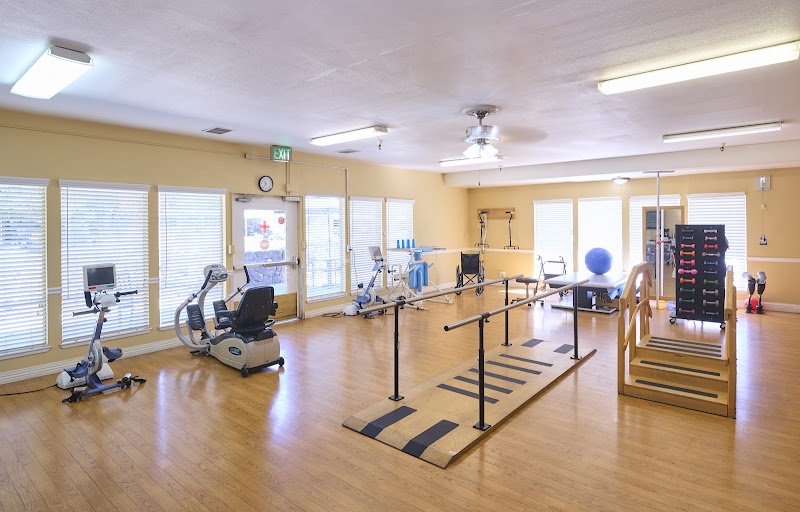
How is Courtyard Health Staffed?

CMS rates COURTYARD HEALTH CARE CENTER's staffing level at 4 out of 5 stars, which is above average compared to other nursing homes. Staff turnover is 44%, compared to the California average of 46%. This relatively stable workforce can support continuity of care. RN turnover specifically is 56%, which is notably high. RNs provide skilled clinical oversight, so turnover in this role can affect medical care quality.

What Have Inspectors Found at Courtyard Health?

State health inspectors documented 64 deficiencies at COURTYARD HEALTH CARE CENTER during 2022 to 2025. These included: 1 that caused actual resident harm and 63 with potential for harm. Deficiencies causing actual harm indicate documented cases where residents experienced negative health consequences.
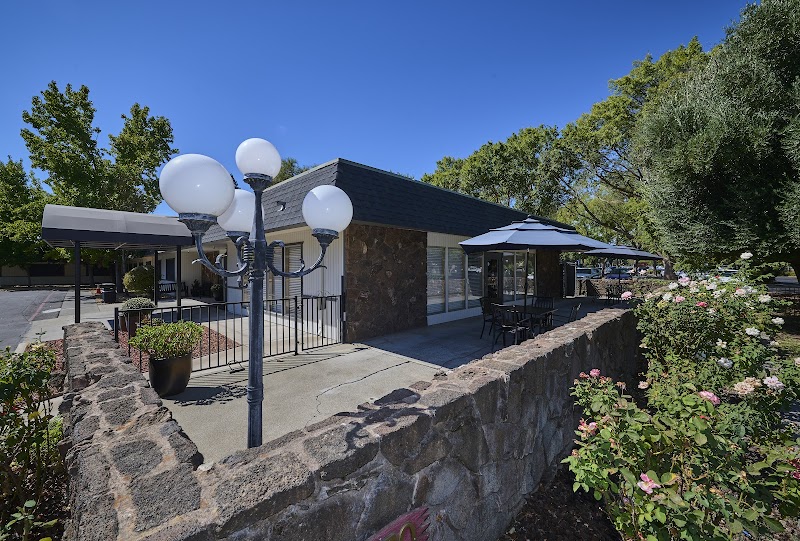
Who Owns and Operates Courtyard Health?

COURTYARD HEALTH CARE CENTER is owned by a for-profit company. For-profit facilities operate as businesses with obligations to shareholders or private owners. The facility is operated by COVENANT CARE, a chain that manages multiple nursing homes. With 112 certified beds and approximately 108 residents (about 96% occupancy), it is a mid-sized facility located in DAVIS, California.

How Does Courtyard Health Compare to Other California Nursing Homes?

Compared to the 100 nursing homes in California, COURTYARD HEALTH CARE CENTER's overall rating (2 stars) is below the state average of 3.1, staff turnover (44%) is near the state average of 46%, and health inspection rating (1 stars) is much below the national benchmark.

What Should Families Ask When Visiting Courtyard Health?

Based on this facility's data, families visiting should ask: "What safeguards and monitoring systems are in place to protect residents from abuse or neglect?" "Can I visit during a mealtime to observe dining assistance and food quality?" "How do you handle medical emergencies, and what is your hospital transfer rate?" "Can I speak with family members of current residents about their experience?" These questions are particularly relevant given the substantiated abuse finding on record.

Is Courtyard Health Safe?

Based on CMS inspection data, COURTYARD HEALTH CARE CENTER has documented safety concerns. The facility has 1 substantiated abuse finding (meaning confirmed case of resident harm by staff or other residents). The facility has a 2-star overall rating and ranks #100 of 100 nursing homes in California. Families considering this facility should ask detailed questions about what corrective actions have been taken since these incidents.

Do Nurses at Courtyard Health Stick Around?

COURTYARD HEALTH CARE CENTER has a staff turnover rate of 44%, which is about average for California nursing homes (state average: 46%). Moderate turnover is common in nursing homes, but families should still ask about staff tenure and how the facility maintains care continuity when employees leave.

Was Courtyard Health Ever Fined?

COURTYARD HEALTH CARE CENTER has been fined $10,592 across 2 penalty actions. This is below the California average of $33,185. While any fine indicates a compliance issue, fines under $50,000 are relatively common and typically reflect isolated problems that were subsequently corrected. Families should ask what specific issues led to these fines and confirm they've been resolved.

Is Courtyard Health on Any Federal Watch List?

COURTYARD HEALTH CARE CENTER is not on any federal watch list. The most significant is the Special Focus Facility (SFF) program, which identifies the bottom 1% of nursing homes nationally based on persistent, serious quality problems. Not being on this list means the facility has avoided the pattern of deficiencies that triggers enhanced federal oversight. This is a positive indicator, though families should still review the facility's inspection history directly.