RIVER BEND NURSING CENTER
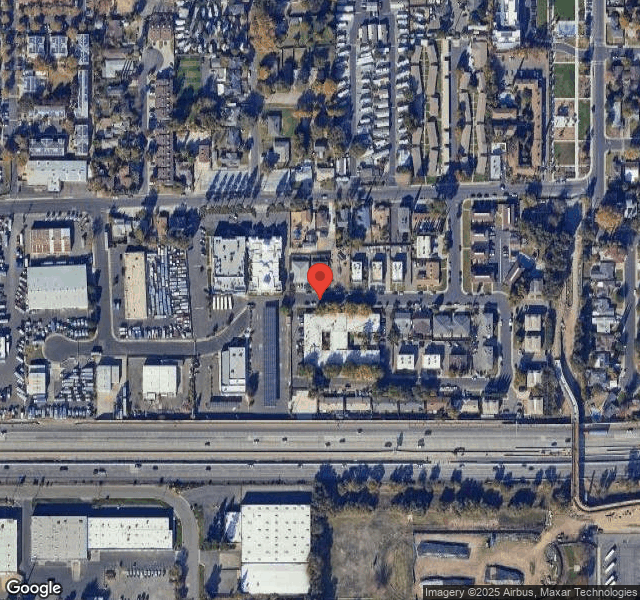
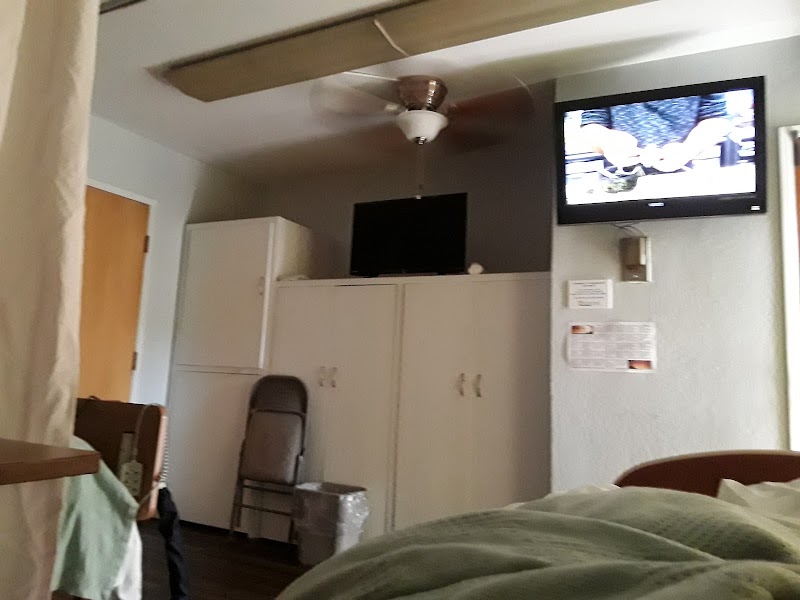
2215 OAKMONT WAY, WEST SACRAMENTO, CA 95691 (916) 371-1890
For profit - Limited Liability company 99 Beds BVHC, LLC Data: November 2025
Trust Grade
48/100
#666 of 1155 in CA
Last Inspection: August 2025

Inspected within the last 6 months. Data reflects current conditions.

Overview

River Bend Nursing Center in West Sacramento has a Trust Grade of D, indicating it is below average and has some concerning issues. It ranks #666 out of 1155 facilities in California, placing it in the bottom half, and #3 out of 6 in Yolo County, meaning only two local options are better. However, the facility is showing improvement, reducing issues from 22 in 2024 to 9 in 2025. Staffing is a weakness with a rating of 2 out of 5 stars and a turnover rate of 41%, which is around the state average, while RN coverage is good, exceeding that of 82% of facilities in California. Concerns include serious incidents where CPR was not administered to a resident in distress and issues with food safety that could potentially cause harm to residents. Overall, while there are strengths in RN coverage, the facility has significant areas for improvement regarding staffing and safety practices.

Trust Score
D
48/100
In California
#666/1155
Bottom 43%
Safety Record
Moderate
Needs review
Inspections
Getting Better
22 → 9 violations
Staff Stability
○ Average
41% turnover. Near California's 48% average. Typical for the industry.
Penalties
✓ Good
$21,879 in fines. Lower than most California facilities. Relatively clean record.
Skilled Nurses
✓ Good
Each resident gets 53 minutes of Registered Nurse (RN) attention daily — more than average for California. RNs are trained to catch health problems early.
Violations
⚠ Watch
53 deficiencies on record. Higher than average. Multiple issues found across inspections.
★★★☆☆
3.0
Overall Rating
★★☆☆☆
2.0
Staff Levels
★★☆☆☆
2.0
Care Quality
★★★☆☆
3.0
Inspection Score
Stable
2024: 22 issues
2025: 9 issues

The Good

  • Full Sprinkler Coverage · Fire safety systems throughout facility
  • No fines on record
  • Staff turnover below average (41%)

    7 points below California average of 48%

Facility shows strength in fire safety.

The Bad

3-Star Overall Rating

Near California average (3.1)

Meets federal standards, typical of most facilities

Staff Turnover: 41%

Near California avg (46%)

Typical for the industry

Federal Fines: $21,879

Below median ($33,413)

Minor penalties assessed

Chain: BVHC, LLC

Part of a multi-facility chain

Ask about local staffing decisions and management

The Ugly 53 deficiencies on record

2 actual harm
Aug 2025 2 deficiencies
CONCERN (D) 📢 Someone Reported This

A family member, employee, or ombudsman was alarmed enough to file a formal complaint

Potential for Harm - no one hurt, but risky conditions existed

Quality of Care (Tag F0684)

Could have caused harm · This affected 1 resident

Based on interview and record review, the facility failed to ensure physician orders and consistent monitoring were followed in accordance with professional standards for Resident 1, when Resident 1's...

Read full inspector narrative →
Based on interview and record review, the facility failed to ensure physician orders and consistent monitoring were followed in accordance with professional standards for Resident 1, when Resident 1's side effects were not consistently monitored and treatments not done as ordered by the physician.This failure had the potential to negatively affect Resident 1's health and their ability to achieve their highest practical well-being.Resident 1 was originally admitted to the facility in May 2024 with multiple diagnoses which included sepsis (extreme response to infection) due to methicillin resistant staphylococcus aureus (type of bacteria), urinary tract infection (infection in the urinary system), type 2 diabetes mellitus (condition where the body either doesn't produce enough insulin or doesn't respond properly to the insulin), cellulitis (skin infection) of left lower limb, pain in right hip, and dysphagia (difficulty swallowing foods or liquids). A review of Minimum Data Set (MDS, an assessment tool), dated 2/5/25, indicated Resident 1 had impaired cognition.A review of Resident 1's Order Summary Report, with start date 2/3/25, indicated, Preparation H [medication used to relieve the symptoms of hemorrhoids, such as itching, swelling, and discomfort] Rectal Ointment 0.25-14-74.9 % (Phenylephrine-Mineral Oil-Petrolatum) Insert 1 application rectally every day and night shift for skin maintenance.A review of Resident 1's Medication Administration Record (MAR-a legal document used to record medications given to the residents), for the month of February 2025, indicated ointment for skin maintenance was not applied on 2/4/25, 2/5/25, 2/6/25, 2/7/25, 2/8/25 and 2/9/25 as physician ordered. A review of Resident 1's Order Summary Report, with start date 2/5/25, indicated, MIDLINE [midline catheter is a thin, soft tube that is placed into a vein, usually in the arm]: Flush before and after administration of medications with 10ml [milliliters-unit of measurement] NS [normal saline] every shift.A review of Resident 1's MAR for the month of February 2025, indicated midline flushing was not done on 2/7/25, 2/8/25, 2/9/25, 2/12/25, and 2/15/25 as physician ordered. A review of Resident 1's Order Summary Report, with start date 2/5/25, indicated, MIDLINE: Monitor every shift for s/s [signs and symptoms] of infection every shift.A review of Resident 1's MAR for the month of February 2025, indicated monitoring for midline infection was not done on 2/7/25, 2/8/25, 2/9/25, and 2/15/25 as physician ordered. A review of Resident 1's Order Summary Report, with start date 1/31/25, indicated, monitor for s/s of constipation, delirium, over sedation, changes in mental status, and reduced respirations. every shift for OPIOID [drug used to reduce moderate to severe pain] use.A review of Resident 1's MAR for the month of February 2025, indicated monitoring for s/s of opioid use was not done on 2/3/25 as physician ordered. A review of Resident 1's Order Summary Report, with start date 1/31/25, indicated, monitor for s/s of dehydration, electrolytes [minerals that help regulate the body's fluid balance], AKI [acute kidney injury], edema [swelling], weight changes, and congestion. every shift for diuretic [medication that increases urine production] use.A review of Resident 1's MAR for the month of February 2025, indicated monitoring for s/s of diuretic use was not done on 2/3/25 as physician ordered. A review of Resident 1's Order Summary Report, with start date 2/19/25, indicated, MIDLINE: Cap Change every shift every shift.A review of Resident 1's MAR for the month of February 2025, indicated midline cap change was not done on 2/27/25 and 2/28/25 as physician ordered. During an interview on 8/20/25, at 2:05 p.m., with the Director of Nursing (DON), the DON confirmed the expectation was for nursing staff to follow physician's orders. During a concurrent interview and record review on 8/21/25, at 1:20 p.m., with Licensed Nurse 3 (LN 3), LN 3 reviewed Resident 1's February 2025 MAR and confirmed Resident 1 had missing dates for Preparation H treatment order, midline monitoring and flushing, monitoring s/s for opioid use, monitoring s/s for diuretic use and changing midline cap changes as physician ordered. LN 3 also reviewed Resident 1's medical chart and confirmed the physician was not notified on those dates and stated the physician was supposed to be notified when a medication or treatment was not given or if monitoring was not done. LN 3 further stated Resident 1 potentially could have had a change of condition or possible infection if monitoring and treatment was not done or documented. LN 3 stated, Anything could happen.could be change of condition. A review of the facility's document titled, Registered Nurse (RN), undated, indicated, Provide nursing services to residents in accordance with scope of practice, facility policies and professional standards of care.Monitor residents for development of acute changes of condition.conduct assessments and notify the provider as needed.Monitor the chronic health conditions of residents.Maintain documentation of all nursing care and services provided to the residents.Administer medications according to practitioner orders and report adverse consequences, side effects or any medication errors.A review of the facility's policies and procedures (P&P) titled, Administering Medications, revised 4/2019, indicated, Medications are administered in a safe and timely manner, and as prescribed.Medications are administered in accordance with prescribed orders, including any required time frame.If a dosage is believed to be inappropriate.the person preparing or administering the medication will contact the prescriber, the resident's Attending Physician or the facility's Medical Director to discuss the concerns.A review of the facility's P&P titled, Charting and Documentation, revised 7/2017, indicated, Documentation of procedures and treatments will include care-specific details, including:.e. Whether the resident refused the procedure/treatment.f. Notification of family, physician.
CONCERN (D) 📢 Someone Reported This

A family member, employee, or ombudsman was alarmed enough to file a formal complaint

Potential for Harm - no one hurt, but risky conditions existed

Deficiency F0760 (Tag F0760)

Could have caused harm · This affected 1 resident

Based on interview and record review, the facility failed to ensure Resident 1 was free from significant medication error when Resident 1 did not receive prescribed antihypotensive medication (used to...

Read full inspector narrative →
Based on interview and record review, the facility failed to ensure Resident 1 was free from significant medication error when Resident 1 did not receive prescribed antihypotensive medication (used to increase low blood pressure) in accordance with the physician's order.This failure had the potential to result in Resident 1 experiencing low blood pressure and other unnecessary side effects which could have negatively affected Resident 1's health.Resident 1 was originally admitted to the facility in May 2024 with multiple diagnoses which included hypotension (low blood pressure, means that the pressure of blood circulating around the body is lower than normal). A review of Minimum Data Set (MDS, an assessment tool), dated 2/5/25, indicated Resident 1 had impaired cognition. A review of Resident 1's Order Summary Report, with start date 1/31/25, indicated, Midodrine HCl [medication to treat low blood pressure (hypotension)] Oral Tablet 5 MG [milligrams-unit of measurement] (Midodrine HCl) Give 1 tablet by mouth two times a day for hypotension *HOLD for SBP [systolic blood pressure, the top number and refers to the amount of pressure experienced by the arteries while the heart is beating] GREATER THAN 120*.A review of Resident 1's Medication Administration Record (MAR, a legal document used to record medications given to the residents), for the month of February 2025, indicated Resident 1 did not receive the physician prescribed Midodrine medication on 2/1/25, 2/2/15, 2/6/25, 2/7/25, 2/8/25, 2/9/25, 2/11/25, 2/12/25, 2/17/25, and 2/20/25 as ordered. During an interview on 8/20/25, at 2:05 p.m., with the Director of Nursing (DON), the DON confirmed the expectation was for nursing staff to follow physician's orders. During a concurrent interview and record review on 8/20/25, at 3:43 p.m., with Licensed Nurse 2 (LN 2), LN 2 reviewed Resident 1's February 2025 MAR and confirmed Resident 1's SPB was lower than 120 and should have received prescribed antihypotensive medication on 2/1/25, 2/2/15, 2/6/25, 2/7/25, 2/8/25, 2/9/25, 2/11/25, 2/12/25, 2/17/25, and 2/20/25 as ordered. LN 2 also reviewed Resident 1's medical chart and confirmed the physician was not notified on those dates and stated the physician was supposed to be notified if a medication was not given. LN 2 further stated Resident 1's blood pressure could have continued to keep dropping and result in Resident 1 having a change of mentation and change in condition. A review of the facility's document titled, Registered Nurse (RN), undated, indicated, Administer medications according to practitioner orders and report adverse consequences, side effects or any medication errors.A review of the facility's policies and procedures (P&P) titled, Administering Medications, revised 4/2019, indicated, Medications are administered in a safe and timely manner, and as prescribed.Medications are administered in accordance with prescribed orders, including any required time frame.If a dosage is believed to be inappropriate.the person preparing or administering the medication will contact the prescriber, the resident's Attending Physician or the facility's Medical Director to discuss the concerns.
Aug 2025 7 deficiencies
CONCERN (D)

Potential for Harm - no one hurt, but risky conditions existed

Accident Prevention (Tag F0689)

Could have caused harm · This affected 1 resident

Based on observation, interview and record review, the facility failed to ensure the resident's environment was free from accidents or hazards for one of 30 sampled residents (Resident 61), when Resid...

Read full inspector narrative →
Based on observation, interview and record review, the facility failed to ensure the resident's environment was free from accidents or hazards for one of 30 sampled residents (Resident 61), when Resident 61 had a traumatic fall with injury. This failure resulted in Resident 61's decline in physical and psychosocial well-being.During a review of Resident 61's admission Record (AR), the AR indicated Resident 61 was admitted to the facility in late 2022 with diagnoses which included diabetes mellitus (DM - a disorder characterized by difficulty in blood sugar control and poor wound healing) and hypertension (high blood pressure).During a review of Resident 61's Minimum Data Set (MDS - a federally mandated resident assessment tool), dated 6/1/25, the MDS indicated Resident was cognitively intact.During a review of Resident 61's Care Plan (CP), revised and updated 6/18/23, the CP indicated Resident 61 was at risk for falls and injury due to bilateral above the knee amputations, paraplegia and muscle wasting and interventions included frequent checks and keeping the environment free of hazards.During a review of Resident 61's eInteract Change of Condition Evaluation (eCoC) dated 1/3/25 at 9:36 a.m., the eCoC indicated, [Resident 61] had a fall from a shower bed during enter (sic) in shower room, assigned CNA [Certified Nursing Assistant] pulled shower bed from head side of shower bed because of bump before to enter shower room bed tilted down and resident fell, resident head hit floor and bump on left side of head.During a review of Resident 61's Emergency Department (ED) Provider Notes, dated 1/3/25, the ED Provided Notes indicated Resident 61 was brought in to the ED after a ground level fall when going from hospital bed and fell backward when transferring and was diagnosed with a traumatic intracerebral hemorrhage (brain bleed) and was admitted to the intensive care unit (ICU). During a review of Resident 61's eCoC dated 7/6/25 9:46 p.m., the eCoC indicated Resident 61's change of condition was reduced glenohumeral articulation with anterior glenoid rim acute fracture after Resident 61 reported pain to his left shoulder.During a concurrent observation and interview on 8/13/25 at 11:13 a.m. in Resident 61's room, Resident 61 was observed laying on his back in bed, with his left hand swollen and fingers curled into his palm, unable to make a fist. Resident 61 indicated he recently had a fracture to his left shoulder. Resident 61 stated, I had severe pain to that [left] shoulder and the x-ray showed there was a fracture. Resident 61 further stated, I was dropped on my head when I was on the shower bed going into the shower room about five months ago. The whole shower chair fell over. I don't trust going into the shower room anymore. I told the CNA [Certified Nursing Assistant] to not bring me into the shower room headfirst. I don't know if she was irritated or annoyed, or if she did it on purpose, but she pulled on the towel that was underneath me so hard I fell off and hit my head. A lot of people had to come and help me get off the floor. I was taken to the ER [emergency room] and I was diagnosed with a brain bleed. I've had a lot of problems since then that fall. During an interview on 8/14/25 at 4:58 p.m. with LN 2, LN 2 confirmed she was the LN who completed the eCoC on 7/6/25. LN 2 stated Resident 61 complained of severe pain to the left shoulder and an x-ray was ordered. LN 2 said the x-ray was done and the results showed a left shoulder fracture. LN 2 acknowledged she did not complete a full physical assessment or evaluation of Resident 61 and did not know how the left shoulder got fractured. LN 2 confirmed she did not alert the DON or Admin of the incident.During an interview on 8/15/25 at 10:18 a.m. with LN 3, LN 3 recalled the fall incident on 1/3/25. LN 3 indicated Resident 61 had a fall in the shower room and was sent to the emergency room (ER). Resident 61 was diagnosed with a brain bleed from the fall. On Resident 61's recent diagnoses of a left shoulder fracture on 7/6/25, LN 3 stated Resident 61 reported, my shoulder hurts. An x-ray was completed, and it was discovered that Resident 61 had fractured his left shoulder. During an interview on 8/15/25 at 1:51 p.m. with the Administrator (ADM), the ADM confirmed he was aware of the 1/3/25 fall but was unaware of the injury. The ADM stated the DON and Assistant Director of Nursing (ADON) should discuss the incidents and residents change of conditions during the morning IDT (interdisciplinary team) meetings. When questioned about Resident 61's recent diagnosis of a left shoulder fracture on 7/6/25 the admin stated he was unaware of the recent fracture. During a concurrent interview and record review on 8/15/25 at 2:53 p.m. with the DON and Regional Consultant (RC) the DON stated she was aware Resident 61 had a fall with injury on 1/3/25. The DON stated she knew how the fall occurred but did not conduct interviews with Resident 61 or other staff members who were involved. There was no evidence to show the shower floor had been assessed. The DON confirmed she did not initiate an incident report. The DON acknowledged she was aware of Resident 61's recent fracture to his left shoulder on 7/6/25. There was no evidence an incident report had been initiated. The DON agreed an injury would be classified as an injury of unknown origin without knowledge of how an injury occurred. The DON confirmed the incident should have been reported to the ADM.During a review of the facility's policy and procedure (P&P) titled, Accidents and Incidents - Investigating and Reporting revised 7/2017, the P&P indicated, All accidents or incidents involving residents, employees.occurring on our premises shall be investigated and reported to the Administrator. 1. The Nurse Supervisor/Charge Nurse and/or department director or supervisor shall promptly initiate and document investigation of the accident or incident. 2. The following data.shall be included on the Report of Incident/Accident form.c. The circumstances surrounding the accident or incident; d. Where the accident or incident took place; e. The name(s) of witnesses and their accounts of the accident or incident; f. The injured person's account of the accident or incident.k. Any corrective action taken; l. Follow-up information .5. The Nurse Supervisor/Charge Nurse and/or department director or supervisor shall complete a Report of Incident/Accident form and submit the original to the Director of Nursing Services within 24 hours of the incident or accident. 6. The Director of Nursing shall ensure that the Administrator receives a copy of the Report of Incident/Accident form for each occurrence.
CONCERN (D)

Potential for Harm - no one hurt, but risky conditions existed

Unnecessary Medications (Tag F0759)

Could have caused harm · This affected 1 resident

Based on observation, interview, and record review, the facility had a 25.81% error rate, with eight medication errors out of 31 opportunities observed during a medication pass for two of five residen...

Read full inspector narrative →
Based on observation, interview, and record review, the facility had a 25.81% error rate, with eight medication errors out of 31 opportunities observed during a medication pass for two of five residents (Resident 3 and Resident 76).These failures resulted in medications not being administered in accordance with the prescriber's orders and may have affected the residents' clinical conditions.During a concurrent observation and interview on 8/13/25 commencing at 4:27 p.m., a medication pass observation was conducted with Licensed Nurse (LN 4), LN 4 was observed preparing and administering seven medications for Resident 3. LN 4 combined and crushed together six medications: Aspirin 81 mg (milligram unit of measurement, blood thinning medication), docusate sodium 100 mg (a stool softener medication), Magnesium oxide 400mg (a supplement medication), Metoprolol tartrate 12.5 mg (a blood pressure medication), Risperidone 1mg (a medication used to treat psychiatric conditions), famotidine 20mg (a medication used to tread high stomach acid). LN 4 stated that Resident 3 had an order that allowed medications to be crushed and combined together. LN 4 further prepared 5ml (milliliters, unit of measurement) of Valproic Acid 250mg/5ml (milligram/milliliter unit of concentration, a medication used for seizures or psychiatric conditions). LN 4 poured Valproic Acid suspension into the measuring cup without shaking the medication prior to pouring. LN 4 came to Resident 3's room and administered 6 combined crushed medications diluted in water, followed by 5ml Valproic acid without flushing in-between administrations through PEG tube (percutaneous endoscopic gastrostomy tube, a tube inserted through a skin incision directly into the stomach) with 30ml water flushes before and after administration. After administering medications, LN 4 came out of the room and confirmed that she administered six combined and crushed medications, followed by valproic acid without flushing in-between. LN 4 also stated that she did not shake the valproic acid medication bottle prior to administration, and she showed the bottle with directions on the label to shake for 15 seconds prior to administration.During a review of Resident 3's Physician's Orders (PO), the PO indicated the following:1. Aspirin 81 Oral Tablet Chewable, give 1 tablet via PEG-Tube one time a day for Heart health. Start Date 10/10/2024;2. Docusate Sodium, oral tablet 100mg give via PEG-tube two times a day for bowel care. Start date- 05/12/2025;3. Magnesium Oxide, oral tablet 400mg, give 1 tablet via PEG-tube one time a day for supplement. Start date 10/10/2024;4. Metoprolol Tartrate tablet, give 12.5mg via PEG-Tube two times a day for Sinus Tachycardia. Start date 11/17/2024;5. Risperidone, oral tablet 1mg, give 1 tablet via PEG-Tube two times a day for continuousyelling/screaming. Start date 01/24/2025;6. Famotidine Tablet 20mg, give 1 tablet via PEG-tube every 12 hours for GI PPx (gastrointestinal prophylaxis). Start date 10/10/2024;7. Valproic Acid oral solution 250 mg/5ml, give 5 ml via PEG tube two times a day for moodswings and irritability. *shake well for 15 sec*. Start date 05/19/2025; 8. ENTERAL: May Crush Medications And Give Via GTube Unless Contraindicated -D/C [discontinue] Date- 08/13/2025 1714. The order was active since 10/10/24.9. ENTERAL: Flush before and after administration of medication, 30 ml, and 10 ml in between administration of each medication. Active [since] 10/10/24.During an interview on 8/14/25 at 4:47 p.m. with LN4, LN 4 confirmed that Resident 3's chart did not have a specific order to combine and crush medications together at the time of medication pass observation on 8/13/25, but it did have an order to flush between each medication.During a concurrent observation and interview on 8/14/25 commencing at 8:34 a.m., medication pass observation was conducted with LN 5, LN 5 prepared and administered ten medications for Resident 76. Preparation and administration included Polyethylene Glycol 3350 powder (a laxative medication). LN 5 measured Polyethylene glycol 3350 powder using a medication bottle cup with a white inner measurement mark. LN 5 poured powder to the top of the inner cap thread with about 1/4 of the distance to the top of the white inner cap exposed unfilled and diluted measured powder in 4 ounces (oz) of water before providing it to Resident 76 who took the medication orally. After administering medications, LN 5 returned to the medications cart and confirmed filling the Polyethylene glycol 3350 measuring cup to the top of the cap's thread and not covering the entire white inner cup. LN 5 confirmed that engraving on the inner cap indicated 17g [17 gram, unit of mass] with an arrow pointing to the edge of the white cup and not to the thread line. LN 5 also confirmed that directions on the bottle stated, fill to top of white section in cap which is marked to indicate the correct dose (17g). During a review of Resident 76's PO, the PO indicated, Polyethylene Glycol 3350 Give 17 gram by mouth two times a day for bowel care Mix with 4-8 oz of water, juice, coffee or tea. Hold for loose stools. Start Date- 04/30/2024.During an interview on 8/15/25 at 3:54 p.m. with the Director of Nursing (DON), the DON indicated that nurses should follow physician orders during medication administration, including flushing between each medication as directed, measuring medications correctly, and shaking them prior to administration as directed, and stated, Not following orders could affect the therapeutic effectiveness of the medications.During a review of the facility's policy and procedure (P&P) titled, Administering Medications Through an Enteral Tube, revised 11/2018, the P&P indicated, Verify that there is a physician's medication order for this procedure. Follow g-tube administration as ordered.
CONCERN (D)

Potential for Harm - no one hurt, but risky conditions existed

Deficiency F0761 (Tag F0761)

Could have caused harm · This affected 1 resident

**NOTE- TERMS IN BRACKETS HAVE BEEN EDITED TO PROTECT CONFIDENTIALITY** Based on observation, interview, and record review, the facility failed to ensure medications were stored securely for a census ...

Read full inspector narrative →
**NOTE- TERMS IN BRACKETS HAVE BEEN EDITED TO PROTECT CONFIDENTIALITY** Based on observation, interview, and record review, the facility failed to ensure medications were stored securely for a census of 86, when:1. An open container of glucometer test strips was not labeled with the open date;2. One eye drop medication had no legible open date;3. Keys to the controlled substance cabinets and refrigerator were not secured.These failures had the potential for residents to receive medications or treatments that were unsafe or with reduced potency or accuracy, and increased risk of access to controlled substances by unauthorized individuals.During a concurrent observation and interview on 8/14/25 at 10:55 a.m. with Licensed Nurse (LN 6) in the hallway near room [ROOM NUMBER], the medication cart was inspected and found an open box of glucometer test strips that was not labeled with an open date. The directions on the box indicated use within 6 months after first opening. LN 6 confirmed the box should have been labeled with an open date. LN 6 was not able to state how long after opening test strips can be stored and used.During a concurrent observation and interview on 8/15/25 at 12:04 p.m. with the Assistant Director of Nursing (ADON) in Station #1 medication storage room, latanoprost (an eye drop medication) was found in the fridge labeled with open date 02/10 and refill date 3/11/25. The ADON confirmed the observation and indicated the area was used for storing active medications. The ADON confirmed the directions on the package indicated that the medication should be used within 6 weeks of opening and verified that the latanoprost had been more than 6 weeks from the opening date.During a concurrent observation and interview on 8/15/25 at 12:25 p.m. with LN 8 in Station #1's medication storage room, a set of keys was observed hanging in a plastic bag on the wall. The keys were tested and opened the drawers and the refrigerator storing the controlled substances. LN 8 confirmed the set of keys were not secured. During an interview on 8/15/25 at 3:52 p.m. with the Director of Nursing (DON), the DON confirmed that opened glucometer test strip containers should be labeled with the open date to ensure the strips are not used beyond the indicated number of days after opening for accuracy of testing. The DON stated the latanoprost eye drop medication container open date was not legible or accurate [open date predated refill date] and had to be discarded after a certain number of days. The DON stated that keeping keys unsecured to the controlled substances cabinets and the refrigerator inside the medication room increased the potential for unauthorized access. During a review of the facility's policy and procedure (P&P) titled, Storage of Medications, revised 11/ 2020, the P&P indicated, Drugs and biologicals used in the facility are stored in locked compartments under proper temperature, light and humidity controls. Only persons authorized to prepare and administer medications have access to locked medications.Drug containers that have missing, incomplete, improper, or incorrect labels are returned to the pharmacy for proper labeling before storing. Discontinued, outdated, or deteriorated drugs or biologicals are returned to the dispensing pharmacy or destroyed.Compartments (including, but not limited to, drawers, cabinets, rooms, refrigerators, carts, and boxes) containing drugs and biologicals are locked when not in use. Unlocked medication carts are not left unattended.Schedule II-V controlled medications are stored in separately locked, permanently affixed compartments. Access to controlled medication is separate from access to non-controlled medications.
CONCERN (E)

Potential for Harm - no one hurt, but risky conditions existed

Deficiency F0658 (Tag F0658)

Could have caused harm · This affected multiple residents

**NOTE- TERMS IN BRACKETS HAVE BEEN EDITED TO PROTECT CONFIDENTIALITY** Based on observation, interview, and record review, the facility failed to provide treatment in accordance with professional sta...

Read full inspector narrative →
**NOTE- TERMS IN BRACKETS HAVE BEEN EDITED TO PROTECT CONFIDENTIALITY** Based on observation, interview, and record review, the facility failed to provide treatment in accordance with professional standards of care for forty (40) residents in a census of 86, when the licensed nurse (LN) did not have consistent practice in enteral tube (flexible tube inserted into the gastrointestinal tract to deliver liquid nutrition or medications directly to the stomach or small intestine) medication administration, and the facility provided two versions of the policy and procedure addressing the practice with the same revision date and modified text.These failures had the potential to expose the residents on enteral tubes to unsafe medication administration and the adverse side effects of the medications.During a concurrent observation and interview on 8/13/25 commencing at 4:27 p.m., a medication pass was conducted with LN 4. LN 4 prepared and administered seven medications for Resident 3. LN 4 combined and crushed together six medications: aspirin 81 mg (milligram unit of measurement, blood thinning medication), docusate sodium 100 mg (a stool softener medication), magnesium oxide 400 mg (a supplement medication), metoprolol tartrate 12.5 mg (a blood pressure medication), risperidone 1 mg (a medication used to treat psychiatric conditions), and famotidine 20mg (a medication used to tread high stomach acid). LN 4 stated that Resident 3 had an order that allowed medications to be crushed and combined together. LN 4 additionally prepared 5ml (milliliters, unit of measurement) of valproic acid 250mg/5ml (milligram/milliliter unit of concentration, a medication used for seizures or psychiatric conditions). LN 4 poured the valproic acid suspension into the measuring cup without shaking the medication prior to pouring. LN 4 entered Resident 3's room and administered 6 combined crushed medications diluted in water, followed by 5 ml of valproic acid without flushing in-between administrations through the PEG tube (percutaneous endoscopic gastrostomy tube, a tube inserted through a skin incision directly into the stomach) with 30 ml water flushes before and after administration. After administering the medications, LN 4 came out of the room and confirmed that she administered six combined and crushed medications, followed by valproic acid without flushing in-between. LN 4 also stated that she did not shake the valproic acid medication bottle prior to administration and showed the bottle with directions on the label to shake for 15 seconds prior to administration.During a review of Resident 3's Physician's Orders (PO), the PO indicated the following:1. Aspirin 81 Oral Tablet Chewable, give 1 tablet via PEG-Tube one time a day for Heart health. Start Date 10/10/2024;2. Docusate Sodium, oral tablet 100mg give via PEG-tube two times a day for bowel care. Start date- 05/12/2025;3. Magnesium Oxide, oral tablet 400mg, give 1 tablet via PEG-tube one time a day for supplement. Start date 10/10/2024;4. Metoprolol Tartrate tablet, give 12.5mg via PEG-Tube two times a day for Sinus Tachycardia. Start date 11/17/2024;5. Risperidone, oral tablet 1mg, give 1 tablet via PEG-Tube two times a day for continuousyelling/screaming. Start date 01/24/2025;6. Famotidine Tablet 20mg, give 1 tablet via PEG-tube every 12 hours for GI PPx (gastrointestinal prophylaxis). Start date 10/10/2024;7. Valproic Acid oral solution 250 mg/5ml, give 5 ml via PEG tube two times a day for moodswings and irritability. *shake well for 15 sec*. Start date 05/19/2025; 8. ENTERAL: May Crush Medications And Give Via GTube Unless Contraindicated -D/C [discontinue] Date- 08/13/2025 1714. The order was active since 10/10/24.9. ENTERAL: Flush before and after administration of medication, 30 ml, and 10 ml in between administration of each medication. Active [since] 10/10/24.10 ENTERAL: May Crush Medications And Give all together Via G-Tube Unless Contraindicated. Active 08/13/2025.During an interview on 8/14/25 at 4:47 p.m. with LN 4, LN 4 confirmed that Resident 3's chart did not have a specific order to combine and crush medications together at the time of medication pass observation on 8/13/25, but the chart did have an order to flush between each medication. LN 4 further confirmed that right after the med pass observation on 8/13/25 at 5:14 p.m. she obtained a new PO, which indicated, ENTERAL: May Crush Medications And Give all together Via G-Tube Unless Contraindicated. Active 08/13/2025. LN 4 added that the facility had a policy that allowed staff to combine, crush, and administer enteral medications together.During an interview on 8/14/25 with LN 6, LN 6 stated that facility nurses don't combine and crush medications together for enteral tube administration, and stated, Each medication is administered separately. LN 6 indicated she was not aware of the orders that would allow the practice of combining and crushing medications together for enteral administration.During an interview on 8/15/25 at 11:14 a.m. with LN 7, LN 7 stated that she administered each enteral medication separately.During a review of the facility's policy and procedure (P&P) titled, Administering Medications Through an Enteral Tube, revised November 2018, provided by the Administrator (Admin) during the facility survey prior to 8/14/25 noon time, the P&P step 3 under general guidelines indicated, Administer each medication separately and flush between medications.During a concurrent interview and P&P review on 8/14/25 at 1:15 p.m. with the Director of Nursing (DON), the DON stated that the previously provided P&P titled, Administering Medications Through an Enteral Tube, was outdated and she provided newer version with the same title and revision date as previously [ Administering Medications Through an Enteral Tube, revised November 2018]. The updated P&P step 3 under general guidelines indicated, Administer each medication separately and flush between medications, and or may administer all medications together with flush before and after administration.During an interview on 8/15/25 at 1:51 p.m. with the Admin, the Admin confirmed that he initially provided a copy of the Administering Medications Through an Enteral Tube P&P that was outdated, and DON had the most current version. Admin was not aware of the date this modified policy was implemented.During a concurrent interview and record review on 8/15/25 at 9:19 a.m. with the facility's Medical Director (MD), Resident 3's handwritten and signed order, dated 8/13/25 at 5:14 p.m. was reviewed. The order indicated, Enteral: may crush medications and give all together via G-tube [a type of enteral tube] unless contraindicated. The MD confirmed that he was the physician for Resident 3 and he wrote the order. The MD stated, It was common sense to administer each medication separately, and he did not think nurses in the facility were combining and crushing medications together.During an interview on 8/15/25 at 2:53 p.m. with the DON, the DON stated that the updated version of the P&P titled Administering Medications Through an Enteral Tube had a printed revision date of November 2018, but it was revised and modified sometime in 2023 to include language about combining and crushing medications together. The DON confirmed that she did not update the revision date on the policy at the time of revision. The P&P changes were based on consultation with the MD, and no review of professional standards or research literature was involved. The DON could not state the specific date when this policy was implemented. During a review of the National Library of Medicine, a recognized source for scientific and professional literature, the source indicated the following publication and quoted text: Open Resources for Nursing (Open RN); Ernstmeyer K, [NAME] E, editors. Nursing Skills [Internet]. Eau [NAME] (WI): [NAME] Valley Technical College; 2021. Chapter 15 Administration of Enteral Medications. Available from: https://www.ncbi.nlm.nih.gov/books/NBK593215/.Liquid medication, or appropriately crushed medication dissolved in water, is administered one medication at a time. Medication should not be mixed because of the risks of physical and chemical incompatibilities, tube obstruction, and altered therapeutic drug responses. Between each medication, the tube is flushed with 15 mL of water, keeping in mind the patient's fluid volume status.
CONCERN (E)

Potential for Harm - no one hurt, but risky conditions existed

Deficiency F0676 (Tag F0676)

Could have caused harm · This affected multiple residents

Based on observation, interview, and record review, the facility failed to ensure necessary care and services were provided to meet the communication needs for three of 30 sampled residents (Resident ...

Read full inspector narrative →
Based on observation, interview, and record review, the facility failed to ensure necessary care and services were provided to meet the communication needs for three of 30 sampled residents (Resident 12, Resident 55, and Resident 60), when:1. Resident 12, non-English speaking resident, was not provided with any communication board or devices; and2. Resident 55 and Resident 60, non-verbal dependent residents, were not provided with any visual materials to express their needs. These failures had the potential to result in Resident 12, Resident 55 and Resident 60's inability to participate in daily tasks, make choices, or have their preferences and unmet needs heard. 1. During a review of Resident 12's admission Record (AR), dated 5/2025, the AR indicated Resident 12 had diagnosis of mild cognitive impairment. During a review of Resident 12's Physician's Order (PO) dated 5/28/25, the PO indicated Resident 12 had no mental capacity to make healthcare decisions. During a concurrent observation and interview on 8/13/25 at 10:35 a.m. inside Resident 12's room with Licensed Nurse 5 (LN 5), LN 5 confirmed Resident 12 did not speak English and there were no communication board or visuals available for use in her room. During a review of Resident 12's Communication Care Plan (CCP), dated 8/14/25, the CCP indicated, Communication: First Language Mandarin.Offer communication board for translation assist when desired.During an observation on 8/14/25 at 8:54 a.m. in Resident 12's room, Resident 12 was in bed, stared back and did not answer when spoken to in English. There were no visuals, picture boards, or symbols available at the bedside for Resident 12 to communicate her understanding or needs. During a concurrent observation and interview on 8/14/25 at 2:46 p.m. in Resident 12's room with the Infection Prevention (IP) Nurse, the IPN confirmed Resident 12 did not speak English and there were no communication board or devices available at the bedside. The IPN indicated that providing communication materials in her native language (Mandarin) meant advocating for her needs and would allow Resident 12 to get engaged and feel more connected. The IPN stated Resident 12 had the right to know what services and treatment she was getting while residing at the facility. 2. During a review of Resident 55's AR, dated 2/2025, the AR indicated Resident 55 had a traumatic brain injury (TBI, injury that occurs when an external force causes damage to the brain) and aphasia (a disorder that makes it difficult to speak). During review of Resident 55's PO, dated 2/21/25, the PO indicated Resident 55 had no mental capacity to make healthcare decisions.During a review of Resident 55's Activities of Daily Living (ADL) CP, revised 6/1/25, the ADL CP indicated, ADL functioning with self-care deficit.explain procedures before performing.During an observation on 8/13/25 at 8:54 a.m. in Resident 55's room, Resident 55 was in bed, eyes opened, unable to respond verbally but was able to move his right hand and made a thumbs-up when asked to acknowledge. There were no visual materials using pictures or symbols to outline daily routines and activities, boards with images, symbols, or words that Resident 55 could point to express needs, thoughts and emotions. During a concurrent observation and interview on 8/13/25 at 11:23 a.m., in Resident 55's room with LN 9, LN 9 confirmed Resident 55 was non-verbal and there were no communication board or visual pictures available for use. When asked what method LN 9 used to communicate with Resident 55 to explain procedures, services or treatment, LN 9 could not explain how she could communicate what nursing care or treatment Resident 55 was getting. During a concurrent observation and interview on 8/14/25 at 9:23 a.m. in Resident 55's room with the IPN, the IPN stated residents with speech, language, or communication difficulties should be provided with communication visuals or materials. The IPN added having available visuals or pictures could be effective for learning and retaining new skills, especially for tasks that are difficult to explain verbally. During a review of Resident 60's AR, dated 9/2014, the AR indicated Resident 60 had TBI and aphasia. During a review of Resident 60's PO, dated 4/30/20, the PO indicated Resident 60 had no mental capacity to make healthcare decisions.During a review of Resident 60's CCP, revised 6/25, the CCP indicated, Impaired communication related to TBI, as evidenced by (AEB) sometimes understood, sometimes understands, sometimes will speak in short sentences, usually non-verbal.have communication board at bedside and use PRN [PRN-as needed]. During an observation on 8/13/25 at 10:21 a.m. in Resident 60's room, Resident 60 was in bed, unable to answer verbally but smiled and blinked his eyes when asked to respond. There were no communication visuals available at the bedside. During a concurrent observation and interview on 8/13/25 at 11:23 a.m. in Resident 60's room with LN 9, LN 9 confirmed Resident 60 was non-verbal and there were no communication visuals available at the bedside. LN 9 stated communication board for non-verbal residents should be available so they could respond back by pointing at the pictures or visuals provided. LN 9 stated not understanding the needs of our non-verbal residents could compromise safety and could potentially lead to unmet needs. During an interview on 8/15/25 at 3:58 p.m. with the Director of Nursing (DON), when asked how staff communicated with non-verbal residents or non-English speaking residents, the DON stated the facility should have a communication plan or a device that fits the residents' needs, whether communication boards, visuals, utilizing interpretation lines or get family involvement. During a review of the facility's policy and procedure (P&P) titled, Translation and/or Interpretation of Facility Services, revised 11/20, the P&P indicated, The facility's language access program will ensure that individuals with Limited English Proficiency (LEP) shall have meaningful access to information and services provided by the facility. It is understood that in order to provide meaningful access to services provided by this facility, translation and / or interpretation must be provided in a way that is culturally relevant and appropriate to the LEP individual . Competent oral translation that is not available in written translation, and non-vital information shall be provided in a timely manner and at no cost to the resident through the following means .b: a communication board.A policy and procedure specific to communication access for non-verbal residents was requested but none was provided.
CONCERN (E)

Potential for Harm - no one hurt, but risky conditions existed

ADL Care (Tag F0677)

Could have caused harm · This affected multiple residents

**NOTE- TERMS IN BRACKETS HAVE BEEN EDITED TO PROTECT CONFIDENTIALITY** Based on observation, interview, and record review, the facility failed to ensure necessary services to maintain good grooming, ...

Read full inspector narrative →
**NOTE- TERMS IN BRACKETS HAVE BEEN EDITED TO PROTECT CONFIDENTIALITY** Based on observation, interview, and record review, the facility failed to ensure necessary services to maintain good grooming, nail care and oral hygiene were provided to five of 30 sampled residents (Resident 12, Resident 22, Resident 27, Resident 60 and Resident 77) who were unable to carry out activities of daily living (ADLs), when:1. Resident 12's toenails were long, untrimmed, curled inward and discolored;2. Resident 22's left big toenail was long, jagged, untrimmed and curled outward; 3. Resident 27 toenails were long, jagged, untrimmed, discolored and curled inward;4. Resident 60's fingernails and toenails were long, jagged and untrimmed, his nostrils had yellowish-colored substance, his upper and lower eyelids and eyebrows had white-colored-crust-dried substance, his teeth were discolored, and his lips were cracked and dry, dry and scaly skin; and, 5. Resident 77's left second finger was discolored, jagged, untrimmed and curled inward, her eyebrows and the crevice of her nose had whitish-yellowish-flaky substances, and her cheeks had food residue markings. These failures resulted in Resident 12, Resident 22, Resident 27, Resident 60, and Resident 77's unkempt appearance and compromised well-being. 1. During a review of Resident 12's admission Record (AR), dated 5/2025, the AR indicated Resident 12 was admitted in mid-2025 with diagnoses of mild cognitive impairment and diabetes mellitus (DM, a disorder characterized by difficulty in blood sugar control and poor wound healing).During a review of Resident 12's Physician's Order (PO), dated 5/28/25, the PO indicated Resident 12 had no mental capacity to make healthcare decisions. During an observation on 8/14/25 at 8:54 a.m., in Resident 12's room, Resident 12 was in bed, her toenails were long, jagged, untrimmed and had black substances underneath the nail beds.During a concurrent observation and interview on 8/14/25 at 2:46 p.m., in Resident 12's room with the Infection Prevention (IP) Nurse, the IPN confirmed the findings, and stated Resident 12's toenails had to be trimmed or should be referred to the podiatrist (medical specialists who help with problems that affect the feet or lower legs). The IPN indicated that toenails could harbor dirt, bacteria and fungi, leading to infections like athletes' foot and toenail fungus. The IPN stated that poor foot hygiene could increase the risk of infections, particularly residents with diabetes or weakened immune system. 2. During a review of Resident 22's AR, dated 5/2024, the AR indicated Resident 22 had diagnoses which included dementia (a progressive state of decline in mental abilities) and embolism (block in an artery caused by blood clots) of deep veins of lower left extremity (LLE).During a review of Resident 22's PO, dated 5/24/24, the PO indicated Resident 22 had mental capacity to make healthcare decisions. During a concurrent observation and interview on 8/14/25 at 10:15 a.m., in Resident 22's room, Resident 22 was in bed, her big left toenail was long, jagged, untrimmed, mycotic (caused by a fungus), and curled outward. Resident 22 stated her big left toenail hurt when it gets pushed or touched and wanted it to be trimmed. During a concurrent observation and interview on 8/14/25 at 10:15 a.m. in Resident 22's room with the IPN, the IPN confirmed the findings, and indicated Resident 22's big left toenail had to be trimmed. The IPN stated untreated mycotic and discolored toenails could lead to nail damage or loss, could get infected and spread to surrounding tissues. 3. During a review of Resident 27's AR, dated 5/2025, the AR indicated Resident 27 had diagnoses which included diabetes and peripheral vascular disease (PVD, a slow progressive narrowing of blood flow to the arms and legs).During a review of Resident 27's PO, dated 5/7/25, the PO indicated Resident 27 had mental capacity to make healthcare decisions. During a concurrent observation and interview on 8/13/25 at 12:06 p.m. in Resident 27's room, Resident 27's toenails were long, mycotic, jagged and untrimmed. Resident 27 indicated he wanted his toenails to be trimmed and cleaned. Resident 27 stated his toenails hurt when he wore his shoes.During a concurrent observation and interview on 8/14/25 at 9:31 a.m., in room [ROOM NUMBER]'s room with the IPN, the IPN confirmed the findings, and indicated Resident 27's long and untrimmed toenails created a warm, moist environment conducive to the growth of fungi which could eventually lead to nail infection. The IPN confirmed Resident 27's dirty, overgrown nails could cause discomfort when wearing shoes and were more prone to cause ingrown. The IPN stated regular cleaning and trimming of toenails could help maintain comfort.4. During a review of Resident 60's AR, dated 9/2014, the AR indicated Resident 60 had diagnoses which included diabetes, contracture (a stiffening/shortening at any joint, that reduces the joints range of motion) and blepharitis (an inflammation along the edges of the eyelids). During a review of Resident 60's PO, dated 4/30/20, the PO indicated Resident 60 had no mental capacity to make healthcare decisions.During an observation on 8/13/25 at 10:09 a.m. in Resident 60's room, Resident 60 was in bed, his fingernails and toenails were long, jagged and untrimmed, upper and lower eyelids and eyebrows had white-colored-crust-dried substance, nostrils had yellowish-colored substance, teeth were discolored, and the lips were cracked and dry. During a concurrent observation and interview on 8/14/25 at 2:57 p.m., in Resident 60's room, the IPN confirmed the findings for Resident 60, and stated regular cleaning of the fingernails and toenails helped prevent odors and reduced bacteria buildup which was crucial to overall fingers and feet health; by regularly cleaning the eyelids and eyelashes, it could prevent inflammation of the eyelids that could result from oil and debris buildup, by preventing infections daily eye hygiene contribute to long term health of the eyes; cleaning the nose daily is important for overall respiratory health, helps remove dust, allergens that could cause infection, regular nasal hygiene can reduce sinus infections and improve breathing. About keeping the mouth and lips moist and discolored teeth, the IPN indicated regular brush to remove food particles and bacteria that can thrive in a dry mouth, keeping the mouth and lips moist were crucial for both comfort and overall health. The IPN stated that good hygiene practices could reduce the risk of infections and illnesses and improve the overall quality of life. 5. 5. During a review of Resident 77's AR, dated 12/2024, the AR indicated Resident 77 had diagnoses which included diabetes and bed confinement status.During a review of Resident 77's PO, dated 12/23/24, the PO indicated Resident 77 had no mental capacity to make healthcare decisions.During an observation on 8/12/25 at 9:30 a.m. and 4:01 p.m., and on 8/13/25 at 8:22 a.m. in Resident 77's room, Resident 77 was in bed, her eyebrows and the crease of her nose had whitish-yellowish-crusted substances, cheeks had liquid food markings, and the left 2nd fingernail was discolored, curled inward, jagged and untrimmed.During a concurrent observation and interview on 8/14/25 at 9:09 a.m., in Resident 77's room with the IPN, the IPN confirmed the findings for Resident 77, and indicated that personal hygiene was crucial for maintaining overall health, preventing illness and enhancing social well-being; eliminates germs and bacteria, and reduces the risk of infections and good hygiene also contributed to improved self-esteem and positive social interactions. The IPN stated Resident 77's fingernail should be trimmed.During an interview on 8/15/25 at 9:18 a.m., with the Social Services Director (SSD), the SSD indicated nail care or trimming was part of the activities of daily living (ADL, routine tasks/activities such as bathing, dressing and toileting a person performs daily to care for themselves). The SSD stated podiatry services was an additional or supplemental service and nurses were to submit to SSD the lists of residents that needed podiatry service. The SSD pointed out that nurses and nursing assistants should trim the residents' nails and toenails weekly while waiting for the podiatrist to come which was scheduled every two months.During an interview on 8/15/25 at 3:58 p.m., with the Director of Nurses (DON), the DON stated her expectations was that staff should provide the highest set of quality care to residents like showers, nail care, grooming and hygiene. During a review of the facility's policy and procedure (P&P) titled, ACTIVITIES OF DAILY LIVING, SUPPORTING, revised 3/18, the P&P indicated, Residents will be provided with care, treatment and services as appropriate to maintain and improve their ability to carry their activities of daily living. Residents who are unable to carry out activities of daily living independently will receive the services necessary to maintain good nutrition, grooming and personal and oral hygiene. During a review of the facility's P&P titled, FINGERNAILS/TOENAILS CARE OF, revised 2/18, the P&P indicated, The purpose of this procedure is to clean the nailbeds, to keep nails trimmed and to prevent infections.
CONCERN (F)

Potential for Harm - no one hurt, but risky conditions existed

Food Safety (Tag F0812)

Could have caused harm · This affected most or all residents

**NOTE- TERMS IN BRACKETS HAVE BEEN EDITED TO PROTECT CONFIDENTIALITY** Based on observation, interview, and record review, the facility failed to ensure food preparation in accordance with profession...

Read full inspector narrative →
**NOTE- TERMS IN BRACKETS HAVE BEEN EDITED TO PROTECT CONFIDENTIALITY** Based on observation, interview, and record review, the facility failed to ensure food preparation in accordance with professional standards for food service safety were provided for a census of 86, when:1. A kitchen staff's personal food item was found in refrigerator opened and expired;2. Low temperature dishwasher logs showed documentation of 200 parts per million (ppm - a unit of concentration to measure pollutants in water) for June, July, and August 2025; and 3. Kitchen staff did not know how to calibrate thermometers to determine food time/temperature control during lunch tray line. These failures had the potential to cause food-borne illnesses in a vulnerable population.1. During a concurrent observation and interview on 8/12/25 at 8:30 a.m., in the kitchen with the Certified Dietary Manager (CDM), the CDM confirmed a seafood item in an opened plastic container found in a cardboard box labeled, Liquid Cage Free Whole Eggs, was unlabeled with expiration date of 8/8/25 in the refrigerator door. The CDM stated this food item belonged to one of the kitchen staff. The CDM indicated that expectations were that all food items were labeled with a date, expired foods were thrown out, and kitchen staff were to use the staff refrigerators on the nursing units to keep personal food. CDM acknowledged personal food in the kitchen's refrigerator was cross contamination and could make the residents sick.During a telephone interview on 8/15/25 at 8:50 a.m., with the Registered Dietician (RD), the RD stated, that is not acceptable at all. RD indicated expectations were for staff to use the refrigerators on the nursing units to store their food, all food in refrigerators should be labeled with a name, dated when opened, and expired foods should be thrown out. The RD acknowledged that these practices prevent residents from getting sick from cross contamination of old food.During a review of the facility's policy and procedure (P&P) titled, Food Storage: Cold Foods, revision date 2/2023, the P&P stipulated, All Time/Temperature Control for Safety (TCS) foods.refrigerated, will be.stored in accordance with guidelines of the FDA Food Code.5. All foods will be stored wrapped or in covered containers, labeled and dated, and.in a manner to prevent cross contamination.2. During a concurrent observation, interview and record review on 8/13/25 at 9:30 a.m. in the kitchen with Dietary Aid 1 (DA 1), DA 2, and CDM, DA 1 was asked to demonstrate and explain the dishwasher procedure. DA 1 said the dishwasher was a low temperature washer and she did not know the cleaning chemical used. DA 1 performed a test strip at the end of the fourth cycle final rinse, and the results were 200 ppm. DA 1 presented the Dish Machine Log test strip documentation for August 2025. The documentation showed 200 parts per million (ppm) test strip results written daily for all three meals. DA 1, DA 2 and the CDM could not explain what 200 ppm meant and could not reference an instruction manual for answers. The CDM stated, I am not a dishwasher technician. During a concurrent observation and interview on 8/14/25 at 3 p.m., in kitchen with the CDM and the Dishwasher Service Technician (DST) to discuss the dishwasher sanitizing test strip results, the DST stated he did not look at the test strip results logged by the kitchen staff. The DST reviewed the documentation for August 2025 and stated the 200 ppm number was too high. The DST confirmed the ppm results should read 50-100. The CDM stated he had not provided training or in-services for kitchen staff on how to perform sanitizing test strips for the dishwasher. The CDM acknowledged residents could get sick from too much sanitizing chemical left on plates and could have created an adverse interaction with the food.During a telephone interview on 8/15/25 at 8:50 a.m., with the RD, the RD stated her spreadsheet for July 2025 showed the dishwasher's ppm was too high. The RD stated the sanitizing test results should be between 50 to 100. The RD acknowledged the dishes have to be disinfected correctly, the right concentration must be used so that residents do not get sick from possibly ingesting sanitizing solution when eating meals.During a review of the facility's policy and procedure (P&P) titled, LOW TEMP DISH MACHINE, no date, the P&P stipulated, .Step 4:.(Test sanitizer = 50-100 PPM).During a review of the facility's P&P titled, Warewashing , revised 2/2023, the P&P stipulated, 1. The Dining Services staff will be knowledgeable in the proper.handling of sanitized dishware.2. All dish machine water temperatures will be maintained in accordance with manufacturer's recommendations for.low temperature machines.3. During a concurrent observation and interview on 8/14/25 at 11:20 a.m., in the kitchen with the [NAME] and the Certified Dietary Manager (CDM), before the start of the lunch tray-line service, the [NAME] was asked to demonstrate and explain the procedure for thermometer calibration. The [NAME] grabbed a red thermometer from a cup located on the countertop at the end of the steam table area. The cup held two other thermometers, one black thermometer and one silver thermometer. The [NAME] went over to the pan of cooked lasagna positioned on stovetop and stuck his thermometer into the food. The [NAME] could not explain his actions and could not produce thermometer calibration instructions. The CDM approached [NAME] and told him to use the ice water bath. The CDM grabbed an approximate 2L (liter - a unit of measurement) clear plastic square shaped container, added cubed ice, and filled the container with 3/4 water from the sink. The CDM told the [NAME] to place his thermometer in the iced water to do the calibration. The [NAME] and the surveyor synchronized insertion of the digital thermometers into the same cubed iced plastic container of water. The thermometers were held in water. The surveyor's thermometer read 32 degrees after 10 seconds. After approximately 45 seconds, the [NAME] was asked to verbalized his thermometer reading, he said 32.5. The [NAME] stated he did not know about an ice water bath, and indicated he used a thermometer after foods were cooked. The CDM stated she performed the thermometer calibrations and documented the results on the log sheet. The CDM acknowledged that the [NAME] was not properly trained on how to perform thermometer calibration.During a concurrent interview and record review on 8/15/25 at 1:15 p.m. in CDM's office, the CDM presented the thermometer calibration instructions, found on the bottom of the calibration log sheet dated [DATE]. The CDM confirmed that per instructions, the crushed ice was not used during the thermometer calibration, timed 30 seconds were not identified by the Cook, or herself, during the calibration, and the [NAME] used a red thermometer instead of the black thermometer that is being calibrated and logged by the CDM. The CDM stated she had not provided training or in-services for kitchen staff on how to calibrate thermometers. The CDM acknowledged the importance to have accurate temperature food checks to prevent food borne illnesses in a vulnerable population related to undercooked foods.During a telephone interview on 8/15/25 at 8:50 a.m. with the RD, the RD stated the CDM provided all training for kitchen staff. The RD acknowledged the importance to have thermometers met food code regulations to avoid compromised residents from getting sick.During a review of the facility's P&P titled, Thermometer Calibration Log INSTRUCTIONS, dated 2/2025, the P&P stipulated, All thermometers in use should be tested.for accuracy and calibrated.Ice Point Method: 1.with crushed ice.2.Wait 30 seconds.3. If the temperature is at 32 *F, remove the thermometer. It is now ready for use.During a review of the facility's P&P titled, Food: Preparation, revised 2/2025, the P&P stipulated, .4. The .Cook(s) will be responsible for food preparation techniques which minimize the amount of time that food items are exposed to temperatures greater than 41 *F and/or less than 135 *F.10. Thermometers in use should be tested and calibrated.
Dec 2024 1 deficiency
CONCERN (E) 📢 Someone Reported This

A family member, employee, or ombudsman was alarmed enough to file a formal complaint

Potential for Harm - no one hurt, but risky conditions existed

Infection Control (Tag F0880)

Could have caused harm · This affected multiple residents

Based on observation, interview, and record review, the facility failed to protect residents from acquiring scabies (contagious skin infestation caused by mites), when the facility had three residents...

Read full inspector narrative →
Based on observation, interview, and record review, the facility failed to protect residents from acquiring scabies (contagious skin infestation caused by mites), when the facility had three residents who tested positive for scabies (Resident 1, Resident 2, and Resident 3) and facility wide prophylaxis was not completed per public health recommendations. This failure had the potential for multiple vulnerable residents to acquire scabies and suffer the effects of infestation including infection. Findings: A review of Resident 1's admission Record indicated Resident 1 was admitted to the facility in March 2023 with multiple diagnoses including cerebral infarction (stroke- disrupted blood flow to the brain causing brain tissue death), ventilator dependence (requires a mechanical ventilator to breathe), tracheostomy (opening in neck to provide airway for breathing), and heart failure (heart does not pump blood as well as it should). A review of Resident 1's Change in Condition Evaluation, dated 12/13/24, indicated .Patient was tested for scabies with Positive results .Interventions .Contact precautions . A review of Resident 1's Medication Administration Record [MAR], for 12/1/24 to 12/31/24, indicated order dated 12/13/24 .Bathe patient/resident in lukewarm water for ten minutes. Apply permethrin cream [medication to treat scabies]. Shower of 12-16 hours. Head to toe, scalp and face, every shift . Resident 1's MAR indicated treatment was completed as ordered. A review of Resident 2's admission Record, indicated Resident 2 was initially admitted to facility in September 2012 with multiple diagnoses including respiratory failure, quadriplegia (paralysis of all four limbs), seizures, and heart failure. A review of Resident 2's Progress Note, dated 12/13/24, indicated .Lab Results for Scabies Examination confirmed Positive on 12/12/24 @2335 [at 11:35 p.m.]. Resident was previously on enhanced precautions, will now be contact precautions . A review of Resident 2's MAR, for 12/1/24 to 12/31/24, indicated order dated 12/13/24, .Permethrin External Cream 5 % (Permethrin). Apply to neck to toe topically two times a day for scabies .apply neck to toe, give resident a shower 12 hours after application of this medication . Resident 2's MAR indicated treatment was completed as ordered. A review of Resident 3's admission Record indicated Resident 3 was admitted to the facility in October 2022 with multiple diagnoses including respiratory failure, paraplegia (paralysis affecting the legs), pressure ulcer stage 4 (tissue damage to skin layers, exposing, muscle tendon or bone, due to prolonged pressure to the skin) and amputation of right and left leg above the knee. A review of Resident 3's Change in Condition Evaluation, dated 12/13/24, indicated .Has Sarcoptes Scabiei Examination [scabies] .Lab sent result to show positive .Start treating all rashes with permethrin 2 doses . A review of Resident 3's MAR, for 12/1/24 to 12/31/24, indicated order dated 12/13/24, .Permethrin External 5 % (Permethrin) Apply to neck to toes topically two times a day for scabies .apply neck to toe and give resident a shower 12 hours after application of this medication . Resident 3's MAR indicated treatment was completed as ordered. A review of the Rash Case/Contact Line List Form: Resident/Employees, indicated three residents were positive for scabies and 29 residents monitored for rash or exposure to scabies. A review of an email sent to facility on 12/13/24 from the Yolo County Public Health Nurse (PHN) indicated .You will need to do a thorough assessment on all residents and staff to see if there are any additional symptomatic or suspected case of scabies .You will be expected to report on this current outbreak until it is deemed over, typically 2 incubation periods, unless otherwise specified by Health Officer .Please refer to CDPH [California Department of Public Health]'s Prevention and Control of Scabies Guidance and LA [Los Angeles] County PH [Public Health] Guidance for more information and infection control measures A review of an email sent to facility on 12/17/24 from the Yolo County Public Health Officer (HO) indicated .I strongly recommend that your facility complete a second round of treatment/prophylaxis for all residents and staff. One round of permethrin treatment is approximately 90% effective in killing scabies mites. This means that if you only provide a single round of treatment/prophylaxis .there is a 10% chance that not all mites will be eradicated, leaving the door open for recurrence of cases and potentially another outbreak. I imagine that you might be thinking, We did two rounds of treatment during the last scabies outbreak, and yet here we are again.during the last outbreak you had challenges getting enough permethrin to treat everyone at the same time, and many staff were not receptive to prophylaxis .I suspect that you have an infested staff person who has not been treated and is spreading scabies in the facility .Prophylaxis is recommended for residents and staff who are not symptomatic .While facility-wide treatment and prophylaxis requires much more work than just treating symptomatic residents, treatment of only symptomatic residents is very unlikely to stop the spread of scabies in the facility . During an interview on 12/24/24 at 10:05 a.m. with the Nursing Supervisor (NS), the NS stated a scabies outbreak was identified in the facility a few weeks ago. Three resident had positive tests after skin scrapings done by the wound doctor. The NS stated that the positive cases were in two different halls. The NS stated permethrin cream was used for all residents in the facility and all staff were offered the treatment. During an interview on 12/24/24 at 10:35 a.m. and a subsequent interview at 1:15 p.m. with the Infection Preventionist (IP), the IP stated the wound doctor performed skin scrapings on 12/12/24 for three residents, Resident 1, Resident 2, and Resident 3. The IP stated she was notified on 12/13/24 that the three residents had positive scabies tests and were treated on 12/13/24. The rest of the facility was treated on 12/15/24 after obtaining enough permethrin cream for all the facility. The staff were treated also. The IP stated that the HO recommended second permethrin treatment for all residents. The IP stated not all residents received a second treatment and most staff did not receive a second treatment. The IP stated the Director of Nursing (DON) made the decision to only retreat the Line List residents, not the whole facility because it was recommended but not required per Yolo County Public Health. The IP stated, Everyone should have been retreated, but a superior higher than me decided they did not want to retreat everyone. The IP stated residents on the Line List were retreated on 12/22/24. During an interview on 12/24/24 at 12:47 p.m. with Licensed Nurse (LN) 1, LN 1 stated she was aware of the scabies outbreak and all residents were treated initially, but not all residents were retreated. During an interview on 12/22/24 at 1:08 p.m. with Medical Doctor (MD), the MD stated that this is the second outbreak in the facility. The MD stated all residents should be treated head to toe and facility is doing constant surveillance for possible scabies. The MD stated the facility is following Yolo County Public Health recommendations. During a telephone interview on 12/27/24 at 12:28 p.m. with the DON, reviewed with the DON that HO recommended all residents be retreated to prevent another outbreak. The DON stated, Not all residents were retreated. It was just a recommendation, not mandated. The DON stated that this is the second outbreak, but not the same residents. The DON stated staff were to be treated if had rash, but no staff have reported a rash. The DON stated, Questionable residents were retreated. Everyone else was just a recommendation. If it was mandated they [Yolo County Public Health] should have stated that. During a telephone interview on 12/31/24 at 8:35 a.m. with PHN, the PHN stated the facility had a previous scabies outbreak in September or October 2024. The PHN stated the HO recommended facility- wide treatment and retreatment for all residents and staff for the current outbreak. The PHN stated the second treatment was not done due to DON push back. The PHN stated the HO made it clear to the facility what the recommendations were. The PHN stated they can only make recommendations but cannot mandate facilities. The PHN stated the facility will not retreat unless mandated. The PHN stated, If facility is not retreated, can easily spread again .Will get infestation a second time .Suspect a staff member is a carrier. A review of the facility's Policy and Procedure (P&P) titled Infection Prevention and Control Program, revised 10/18, indicated .An infection prevention and control program (IPCP) is established and maintained to provide a safe, sanitary and comfortable environment and to help prevent the development and transmission of communicable diseases and infections .:Outbreak management is a process that consists of .preventing the spread to others .reporting the information to appropriate public health authorities .The medical staff will help the facility comply with pertinent state and local regulations concerning the reporting and management of those with reportable communicable diseases .Important facets of infection prevention include .instituting measures to avoid complications or dissemination .following established general and disease-specific guidelines . A review of CDPH document titled Prevention and Control of Scabies in California Healthcare Settings, dated 8/20, indicated .Controlling the Outbreak .Control of a scabies outbreak involves a choice between treating only symptomatic cases and their known contacts or facility-wide (mass) prophylaxis of all possible contacts including asymptomatic patients/residents, HCP [Healthcare Providers], volunteers, and visitors. Treatment of only symptomatic cases and their identified contacts may result in silent, continuous transmission over a sustained period of time due to delay in onset of symptoms and delay in diagnosis and treatment. Failure to identify and treat even one contact can result in continued propagation of the outbreak. As a result, repeated prophylaxis of asymptomatic HCP and volunteers may be required .An outbreak that has likely been ongoing for a month or more is rarely controlled treating only symptomatic cases . Consultation with your local public health department is strongly recommended . A review of LA county document titled Scabies Prevention and Control Guidelines for Healthcare Settings, dated 7/19, indicated .Facility-wide (mass) prophylaxis of all patients/residents and at-risk HCW [Healthcare Worker] (HCW involved in direct patient/resident care or exposed to the patient/resident care environment) should be considered if positive skin scrapings are found in patients/residents or employees assigned to two or more areas of the facility where no direct link with an infested patient/resident or HCW can be established
Oct 2024 1 deficiency
CONCERN (D) 📢 Someone Reported This

A family member, employee, or ombudsman was alarmed enough to file a formal complaint

Potential for Harm - no one hurt, but risky conditions existed

Deficiency F0657 (Tag F0657)

Could have caused harm · This affected 1 resident

Based on interview and record review, the facility failed to ensure the wound care plan was updated and revised timely for one of 3 sampled residents (Resident 1) when Resident 1's moisture related sk...

Read full inspector narrative →
Based on interview and record review, the facility failed to ensure the wound care plan was updated and revised timely for one of 3 sampled residents (Resident 1) when Resident 1's moisture related skin condition deteriorated to a pressure ulcer stage 4 (pressure injuries extended to muscle, tendon, or bone) to include interventions ordered by the physician. This failure had the potential to result in an inaccurate evaluation of the progress of wound healing for Resident 1. Findings: During a review of Resident 1's admission records, the records indicated Resident 1 was admitted in October 2022 and readmitted in January 2023 with diagnoses that included respiratory failure (not enough oxygen in the body), muscle wasting, diabetes (too much sugar in the blood), and reduced mobility. Resident 1's Minimum Data Set (MDS, an assessment tool) indicated Resident 1 had moderate cognitive impairment. During a review of Resident 1's IDT [Interdisciplinary Team] Skin Integrity Review, dated 9/10/24, the review indicated, WEEKLY WOUND EVALUATION: 9/10/24 SITE: Sacrococcyx [tailbone] .Reclassified from shear injury [tissue layers shift in opposite direction] to Pressure injury by wound MD [medical doctor] during wound rounds. The review further indicated the Sacrococcyx pressure ulcer was Stage 4. During a review of Resident 1's physician order, dated 9/24/24, the order indicated, WOUND ORDER: Pressure-Stage 4: WOUND VAC [uses suction to promote wound healing] .Ensure negative pressure is set at 125 mmHg [millimeters of mercury, a unit of pressure measurement] .one time a day every Tue [Tuesday], Thu [Thursday, Sat [Saturday]. During a review of Resident 1's physician order, dated 9/24/24, the order indicated, Monitor Wound Vac dressing patency and functionality. every shift. During a review of Resident 1's physician order, dated 10/5/24, the order indicated, WOUND ORDER: Sacrococcyx-Stage 4 Pressure: Cleanse area with normal saline [mixture of water and salt] and pat dry. Apply calcium alginate [absorptive, non-occlusive wound dressing] with honey and pack with AMD [antimicrobial, kills or stops growth of bacteria] gauze. Cover with foam dressing. one time a day. During a review of Resident 1's care plan, initiated on 5/20/24, the care plan indicated, The resident has a Skin shear/potential for skin tear of the sacrococcyx .Reclassified to Stage 4 Pressure 9/10/24. The care plan further indicated it was revised 10/11/24, but no revisions were made at the time when the wound was reclassified on 9/10/24, and when new interventions were ordered by the physician on 9/24/24 and 10/5/24. During an interview on 10/30/24 at 2:20 p.m. with the Director of Nursing (DON), the DON stated, the progression of MASD [Moisture Associated Skin Damage, skin erosion caused by prolonged exposure to moisture] to Stage 4 pressure ulcer was a change in condition. The DON confirmed the wound was reclassified from MASD to Pressure Ulcer Stage 4 on 9/10/24, and verified there were no revisions made and no interventions were added to the care plan not until 10/11/24. The DON stated, I don't think there was need for changes in the intervention .I think we had all the interventions we needed. During a review of the facility ' s P&P titled Wound Care, revised 10/2010, the P&P indicated, The purpose of this procedure is to provide guidelines for the care of wounds to promote healing .Preparation .2. Review the resident's care plan to assess for any special needs of the resident . During a review of the facility ' s P&P titled Change in a Resident's Condition or Status, revised 4/2017, the P&P indicated, 2. A significant change of condition is a major decline or improvement in the resident ' s status that: a. Will not normally resolve itself without intervention by staff or by implementing standard disease-related clinical interventions (is not self-limiting); .c. Requires interdisciplinary review and/or revision to the care plan . During a review of the facility ' s policy and procedure (P&P) titled Care Plans, Comprehensive Person-Centered, revised 12/2016, the P&P indicated, A comprehensive, person-centered care plan that includes measurable objectives and timetables to meet the resident ' s physical, psychosocial and functional needs is developed and implemented for each resident .13. Assessments of residents are ongoing and care plans are revised as information about the residents and the resident ' s condition change .14. The Interdisciplinary Team must review and update the care plan: a. When there has been a significant change in the resident ' s condition; b. When the desired outcome is not met .
Oct 2024 1 deficiency
CONCERN (D) 📢 Someone Reported This

A family member, employee, or ombudsman was alarmed enough to file a formal complaint

Potential for Harm - no one hurt, but risky conditions existed

Quality of Care (Tag F0684)

Could have caused harm · This affected 1 resident

Based on observation, interview, and record review, the facility failed to provide care according to professional standards of practice for one of three sampled residents (Resident 1), when the facili...

Read full inspector narrative →
Based on observation, interview, and record review, the facility failed to provide care according to professional standards of practice for one of three sampled residents (Resident 1), when the facility did not obtain instructions for follow up care for Resident 1 who had electrodes placed for an EEG (electroencephalogram- measures electrical activity in the brain) machine and appointment for removal of electrodes was missed. This failure had the potential to have caused the scalp skin injuries after the electrodes were removed at the facility. Findings: A review of Resident 1's admission Record indicated Resident 1 was admitted to the facility initially in June 2013 with multiple diagnoses including dysphagia (difficulty swallowing) following cerebral infarction (stroke-lack of blood flow to the brain), quadriplegia (paralysis of all four limbs), and epilepsy (a seizure disorder). A review of Resident 1's Order Summary Report, active orders as of 10/4/24, indicated order 9/23/24, .medical device (EEG) Pressure injury (on scalp to forehead): - Cleanse with wound cleanser or normal saline and pat dry. Apply zinc oxide paste [medicated cream], and leave open to air, every shift for medical device injury apply calcium alginate [wound treatment] over Zinc paste if drainage noted from areas . A review of Resident 1's Progress Notes, dated 9/16/24, indicated .Resident was sent out for an Appointment: Neurology .son .will attend .Resident left facility at 6:30 am. Resident returned to facility at 9:10 am. Resident recieved [sic] an ambulatory EEG. Resident is required to wear the electrodes continuously for the duration of the testing either a 24hr [hour] or 48hr recording. The natus [sic] EEG box contains a microcomputer which will be recording brain activity . A review of Resident 1's Progress Note, dated 9/18/24 at 10:45 a.m., indicated .residents son/RP [Responsible Party] in facility in resident's room . A review of Resident 1's Change in Condition Evaluation, dated 9/19/24, indicated .seen skin damage when medical device electrodes patches (EEG) were removed from scalp as per hospital recommendation .multiple upper to front scalp and forehead open areas medical device (EEG) related PI [Pressure Injury-injury to skin and underlying tissue caused by prolonged pressure to area], medical device was applied by hospital a few days ago, seen skin damage when medical device electrodes patches (EEG) removed from scalp .Tissue quality appears to be 100% epithelial [superficial cells covering skin] with mild purulent [milky discharge from wound] drainage .Pt [patient] non verbal unable to communicate pain, facial grimacing noted during removal of electrode patches . A review of Resident 1's Progress Note, dated 9/20/24 at 1:47 a.m., indicated .Resident Son/RP/POA [Power of Attorney] called at 2338 [11:38 p.m.] rt [related to] the wounds present on scalp and forehead after EEG electrode removal on 09/19 PM [evening] shift. RP expressed he was not comfortable with his mother remaining in facility the duration of the night and requested a transfer to ED [Emergency Department]. RP was reassured by writer and RN on shift that resident's condition was stable, she is displaying her baseline indications of pain and that her wounds are being monitored closely and managed by treatments. RP maintained request. Request honored .resident sent out to [acute care hospital] . at 01:47 am . A review of Resident 1's After Visit Summary, dated 9/20/24, indicated .You were seen for healing scalp wounds secondary to EEG electrode removal. These wounds appear to be healing well and do not show any signs of infection . A review of Resident 1's Surgical Consult, dated 9/24/24, indicated .WOUND .Right Medial [toward the center] Scalp .Etiology: Iatrogenic Injury [injury caused by medical treatment] .Wound SIGNS OF INFECTION: None .The patient has a wound located at the right medial scalp .Length (cm-centimeter) 1.0 Width (cm) 1.0 Depth (cm) 0.1 .The wound is stable and requires continued topical wound dressing therapy . During a concurrent observation and interview on 10/4/24 at 2:07 p.m. with Certified Nursing Assistant (CNA) 1 of Resident 1, observed forehead and lower scalp with multiple areas with slight discoloration and white bandage with small amount of blood stain on top of head. CNA 1 confirmed multiple areas of discoloration on Resident 1's forehead and bandage on top of head. CNA 1 stated she had noticed the patches on Resident 1 and that she has cream applied to the patches. During an interview on 10/4/24 at 2:12 p.m. with Licensed Nurse (LN) 1, LN 1 stated Resident had an EEG machine placed about two weeks ago and was supposed to return for follow up appointment. LN 1 stated EEG department did not send paperwork for follow up. If had returned with paperwork she would have notified Social Services to arrange follow up appointment. Resident 1's Family Member (FM) reported that Resident 1 was to return for follow up appointment on 9/19/24. Reviewed with LN 1, Resident 1's hard copy chart at nursing station. LN 1 acknowledged there was no documentation in chart from appointment on 9/16/24. LN 1 stated Resident 1's EEG electrodes were removed by the Director of Nursing (DON). During an interview on 10/4/24 at 2:23 p.m. with the DON, the DON stated Resident 1 had a follow up appointment on 9/19/24 to remove the EEG electrodes but Resident 1's FM did not notify the facility of the appointment. On 9/19/24, the EEG department contacted facility and requested the EEG machine be returned that day. The DON stated she asked the EEG department if they could remove the electrodes at the facility. The DON stated she was instructed on how to remove the electrodes by the EEG department. The DON stated the electrodes were on multiple sites and were red. The DON stated if the electrodes had stayed on longer could have created pressure ulcers. The DON stated that paperwork did not come back with Resident 1 on 9/16/24 after appointment to have EEG machine placed and that the FM likely had the paperwork from the appointment. The DON, when asked what would have happened if the EEG department had not contacted the facility on 9/19/24, stated, Going to figure it out after three days. Would have been more involved if in charge of appointment, not [FM]. During an interview on 10/4/24 at 2:47 p.m. with the Social Services Director (SSD), the SSD stated Social Services arranged transportation for Resident 1 to EEG department appointment on 9/16/24 and FM went with her. The SSD stated usually comes back with paperwork or paperwork is faxed. If not received would follow up and request documentation. SSD stated on 9/19/24, Resident 1's family texted staff member and notified her of follow up appointment but it was not conveyed to social services to set up transportation to appointment. During a telephone interview on 10/4/24 at 3:03 p.m. with LN 3, LN 3 stated Resident 1's EEG machine was placed on 9/16/24. LN 3 stated after three or four days she observed a little drainage from electrode sites. The EEG department contacted facility on 9/19/24 to have EEG machine returned. The DON removed the electrodes on 9/19/24 and some of the skin had been peeled off. LN 3 stated Resident 1's FM was in the facility on 9/18/24 at 6:00 a.m. and reported to her that Resident 1 had an appointment on 9/18/24. The FM reported to her that he had handed paperwork to nurse on 9/16/24 but did not know the name of the nurse. LN 3 stated Resident 1's FM reported he had texted LN 5 about follow up appointment. LN 3 stated Resident 1's FM had not provided any paperwork to facility. During a telephone interview on 10/4/24 at 4:14 p.m. with LN 4, LN 4 stated Resident 1 went to appointment on 9/16/24 with FM to have EEG machine placed. LN 4 stated when Resident 1 returned, she asked FM if there was any paperwork. LN 4 stated Resident 1's FM showed her paper with instructions that said to remove in 24 to 48 hours. LN 4 stated she transcribed the information into a progress note and paperwork was returned to the FM. LN 4 stated she did not make a copy of the provided paperwork. LN 4 stated Resident 1's FM reported to her he had notified social services of follow up appointment. LN 4 stated she assumed that social services knew because FM stated he had spoken with social services. LN 4 also stated Resident 1's FM told her he had notified a nurse about the follow up as well. During an interview on 10/4/24 at 4:35 p.m. with the Administrator (ADM), the ADM stated Resident 1 had redness on the scalp and when electrodes were removed had an open area on the scalp. During a telephone interview on 10/4/24 at 4:53 p.m. with Patient Care Services (PCS) for EEG department, the PCS stated Resident 1 had appointment for EEG machine electrodes to be placed on 9/16/24. The PCS stated Resident 1 had a follow up appointment scheduled on 9/18/24 at 7:00 a.m.to remove the device. The PCS stated she spoke with Resident 1's FM on 9/18/24 who said he was still waiting for a ride at the facility and then placed multiple calls to him that day that he did not answer. The PCS stated Resident 1 did not show up for appointment on 9/18/24. The PCS stated she spoke with facility staff on 9/18/24 to reschedule but did not hear back that day. The PCS stated she called facility on 9/19/24 and spoke with staff who said they would notify the DON. The PCS stated the facility removed the electrodes on 9/19/24 on their own. The PCS stated she did not know who may have instructed the facility on how to remove the electrodes. The PCS stated on 9/16/24, paperwork with instructions on how to care for the EEG machine and follow up appointment was scheduled on 9/18/24, was sent with Resident 1. During an interview on 10/4/24 at 5:00 p.m. with the DON, the DON stated she was not aware that Resident 1's follow up was scheduled for 9/18/24 and not 9/19/24. When asked what the expectation of staff if resident does not return from appointment with instructions or any paperwork, the DON stated, [Resident 1's FM] wanted to manage the care and did not provide the information to the facility. During a telephone interview on 10/8/24 at 4:11 p.m. with LN 5, LN 5 stated Resident 1 had EEG machine placed on 9/16/24. LN 5 stated usually residents come back from appointments with paperwork. Resident 1's FM mentioned to LN 5 that the electrodes were supposed to be removed at the EEG department where they were placed. LN 5 stated Resident 1's FM had texted her about the initial appointment on 9/16/24 but no other texts and was not aware of any scheduled appointment on 9/18/24. When asked what should have happened if Resident 1 returned from appointment on 9/16/24 without any follow up information, LN 5 stated, Should have called the EEG department to get information about when to return. It is the SSD's job to set up transportation and arrange appointments. Should have gone through any paperwork upon return and see what the follow up is. Requested facility policy and procedures for Nursing Responsibilities, Nursing Communication, and Appointments. Policies were not provided.
Sept 2024 1 deficiency
CONCERN (D) 📢 Someone Reported This

A family member, employee, or ombudsman was alarmed enough to file a formal complaint

Potential for Harm - no one hurt, but risky conditions existed

Pharmacy Services (Tag F0755)

Could have caused harm · This affected 1 resident

Based on observation, interview, and record review, the facility failed to maintain timely and appropriate pharmaceutical services for one out of three sampled residents (Resident 1) when a prescribed...

Read full inspector narrative →
Based on observation, interview, and record review, the facility failed to maintain timely and appropriate pharmaceutical services for one out of three sampled residents (Resident 1) when a prescribed medication was unavailable to be administered as ordered by the physician. This failure caused Resident 1 to experience worsening tremors, increased rigidity, loss of balance, confusion, and agitation due to not achieving the therapeutic dose. Findings: Resident 1 was admitted to the facility in early 2024 with diagnoses that included parkinsonism (brain condition that cause slowed movements, rigidity (stiffness), and tremors), fibromyalgia (a disorder characterized by widespread musculoskeletal pain accompanied by fatigue, sleep, memory, and mood issues), muscle wasting, atrophy, and difficulty walking. During a review of Resident 1's Order Summary Report (OSR), dated 6/4/24, the OSR indicated, Rytary® Oral Capsule Extended Release 23.75-95 MG [mg, unit of measure] (Carbidopa-Levodopa) Give 2 capsules by mouth three times a day related to PARKINSONISM . During a review of Resident 1's Minimum Data Set (MDS, an assessment tool), dated 7/25/24, the MDS indicated Resident 1 had no memory impairment. During an interview on 9/16/24 at 4:39 p.m. with Resident 1, Resident 1 was lying in bed with the head of the bed slightly elevated. Resident 1 was alert, oriented, and well-groomed. When asked if she had any concerns, Resident 1 stated, I am worried that I may be running out of my medications again, and I don't want to have my symptoms exacerbated. My symptoms get so bad that I crawl like a dog. During an interview on 9/16/24 at 5:07 p.m. with Licensed Nurse (LN 1), LN 1 stated, Resident 1 only has two capsules of Rytary® remaining for tomorrow morning dose, and the pharmacy should deliver before noon when the next dose is due . During an interview on 9/17/24 at 11:11 a.m. with LN 2, LN 2 stated, . we get medications delivered to the facility at different times, 11 a.m. - noon, 6 p.m. - 7 p.m., and 3 a.m. Resident 1's medication has not yet been delivered. During an interview on 9/17/24 at 1 p.m. with Resident 1, Resident 1 stated they had not received their 1 p.m. dose of Rytary®, as scheduled. Resident 1 further stated their tremors were worsening and they had increased rigidity, loss of balance, confusion, and agitation due to not achieving the therapeutic dose of the medication. During an interview on 9/17/24 at 1:30 p.m. with LN 2, LN 2 stated that Resident 1's Rytary® had not yet been delivered. LN 2 acknowledged this could worsen Resident 1's symptoms. During an interview on 9/17/24/at 2:15 p.m. with the DON, the DON stated, .Resident 1's medication has not arrived yet . The DON acknowledged that the medication should have been administered as prescribed by the physician or Resident 1 could start having withdrawal symptoms for not receiving her medication on time. During a review of records emailed on 9/18/24 at 1:13 p.m. by the DON, the DON indicated, .The resident did not receive the medication (Rytary®) on 9/17/24 at 1 p.m. The DON was unable to provide Resident 1's Medication Administration Record (MAR) with documentation of all missed doses of medications when requested by the Department. During a review of the facility's policy and procedure (P&P) titled, PROVIDER PHARMACY REQUIREMENTS, dated 2007, the P&P indicated, .Providing routine and timely pharmacy services . During a review of the facility's policy and procedure (P&P) titled, ORDERING AND RECEIVING NON-CONTROLLED MEDICATIONS, dated 2007, the P&P indicated, .Medications and related products are received .on a timely basis. Reorder routine .to ensure an adequate supply is on hand. During a review of the facility's policy and procedure (P&P) titled, Administering Medications, revised 4/19, the P&P indicated, .Medications are administered within one (1) hour of their prescribed time .
Aug 2024 18 deficiencies
CONCERN (D)

Potential for Harm - no one hurt, but risky conditions existed

Resident Rights (Tag F0550)

Could have caused harm · This affected 1 resident

**NOTE- TERMS IN BRACKETS HAVE BEEN EDITED TO PROTECT CONFIDENTIALITY** Based on observation, interview, and record review, the facility failed to ensure dignity and privacy were promoted for two of 3...

Read full inspector narrative →
**NOTE- TERMS IN BRACKETS HAVE BEEN EDITED TO PROTECT CONFIDENTIALITY** Based on observation, interview, and record review, the facility failed to ensure dignity and privacy were promoted for two of 30 sampled residents (Resident 52 and Resident 19), when: 1. Staff did not knock nor identify himself and entered Resident 52's room; and, 2. Resident 19 was left with a pungent, strong body odor and foul-smelling immediate environment. These failures resulted in negatively impacting Resident 52 and Resident 19's emotional, mental, and psychosocial well-being. Findings: 1. Resident 52 was admitted in early of 2024 with diagnoses which included post-traumatic stress disorder (PTSD), depression, and chronic pain. During a review of Resident 52's Minimum Data Set (MDS, an assessment tool), dated 7/25/24, the MDS indicated Resident 52 had no memory impairment and had episodes of feeling down, depressed and hopeless. During a review of Resident 52's Nursing Care Plan (NCP), dated 8/1/24, the NCP indicated, At risk for altered well-being & reduced sense of well-being related to: DX [diagnosis] of Depression, Post-traumatic disorder . During a concurrent observation and interview on 8/19/24 at 11:10 a.m. in Resident 52's room, Resident 52 was sitting on the edge of the bed, awake, alert and verbally responsive. In a very low tone voice, Resident 52 stated, One time the maintenance man came in .He just walked into the room and didn't knock .he just walked right in and did not say anything .I thought I lost my dignity and my privacy was not respected during that time. During an interview on 8/20/24 at 8:38 a.m. with Maintenance (MAIN), when asked the process of repairing any broken equipment in the room, the MAIN stated, I enter the room and go and fix what is broken or equipment not working .I just go in and do the work I am supposed to be doing, then leave .I don't knock and I don't talk to the resident. During an interview on 8/21/24 at 2:30 p.m. with Licensed Nurse 4 (LN 4), LN 4 stated, [Resident 52] doesn't like any random person goes into her room. So, we have to introduce our names . During an interview on 8/21/24 at 2:40 p.m. with LN 1, when asked what the process was when staff entered a resident's room, LN 1 stated, We always knock first, you announce yourself, ask permission to come in .then they will know .I mean, just for respect and privacy and dignity if they were sleeping or doing something. During an interview on 8/22/24 at 9:30 a.m. with the Director of Nursing (DON), the DON stated, When staff goes in a room .knock on the door before going in .introduce yourself .I think that we should address them. It's their home .I believe that you should not come in if the resident does not want you to come in to respect their privacy and dignity. 2. Resident 19 was admitted in early of 2020 with diagnoses which included PTSD, blindness, and anxiety. During a review of Resident 19's MDS, dated [DATE], the MDS indicated Resident 19 had moderate memory impairment and did not reject ADL (activities of daily living) assistance. During a review of Resident 19's NCP, dated 5/9/23, the NCP indicated, ADL SELF CARE DEFICIT: [Resident 19] is at risk for self-care deficit r/t [related to] decreased/impaired mobility. During a concurrent observation and interview on 8/19/24 at 2:33 p.m. in Resident 19's room, Resident 19 was in bed, awake, alert and verbally responsive, appeared disheveled, half naked and wearing a dirty incontinence brief. Resident 19's body had a very strong-smelling pungent odor and the immediate environment also had a foul-smelling strong odor, the sheets were disorganized, and the floor below the bed was dirty. When asked how he was doing, Resident 19 stated, I live like a homeless. The nurses here, they don't attend to me and they leave me filthy .From an [AGE] year-old .this is what I get, filthy and dirty .I wish they could tell me that someone will come and talk to me so I can prepare myself, not like this. These people don't know what they are doing. During an interview on 8/19/24 at 2:35 p.m. with LN 1, LN 1 entered Resident 19's room and verified Resident 19's filthy situation and strong odor with the immediate room environment's foul-smelling strong odor, and stated, I can see he is dirty right now. It's very unhealthy leaving him like that . During an interview on 8/22/24 at 9:30 a.m. with the DON, the DON stated, It's all about what is needed for the resident .I'm on cleanliness and don't leave the resident filthy, smelly and dirty in order to promote their dignity. During a review of the facility's policy and procedure (P&P) titled, Resident Rights, dated 12/16, the P&P indicated, Employees shall treat all residents with kindness, respect, and dignity .Federal and state laws guarantee certain basic rights to all residents of this facility. These rights include the resident's rights to .a dignified existence .privacy and confidentiality.
CONCERN (D)

Potential for Harm - no one hurt, but risky conditions existed

Comprehensive Care Plan (Tag F0656)

Could have caused harm · This affected 1 resident

2. Resident 85 admitted to the facility in mid-2024 with diagnoses which included lumbar vertebral (lower back) fracture, difficulty in walking, Alzheimer's disease (brain disorder that slowly destroy...

Read full inspector narrative →
2. Resident 85 admitted to the facility in mid-2024 with diagnoses which included lumbar vertebral (lower back) fracture, difficulty in walking, Alzheimer's disease (brain disorder that slowly destroys memory and thinking skills), and generalized anxiety disorder. During a concurrent observation and interview on 8/20/24 at 11:06 a.m. with Certified Nursing Assistant (CNA) 12, regarding Resident 85, Resident 85 was lying in bed. When asked if Resident 85 attended activities, CNA 12 stated, She does not go to activities .they do not get her up .she just stays in her bed. During a review of Resident 85's, ACTIVITIES-INITIAL REVIEW [assessment], dated 8/8/24, the assessment indicated, Complete on admission. Use this data to design an activities program that meets the residents needs and preferences. Update the care plan on completion .will do in room visits 3x week . During a concurrent interview and record review on 8/21/24 at 2:18 p.m. with the Activities Director (AD), the AD reviewed the activities assessment and confirmed Resident 85 was to receive in room visits 3x week. The AD was asked if Resident 85 should have a care plan (CP) for activities, and stated, Yes, there should be one. When asked to review the CP, the AD was unable to locate one and stated, I have not done her care plan, there should be one. When asked why it was important to create a CP, the AD stated, To make sure we are accommodating them. Not have them isolated so they don't fall into depression . During an interview on 8/22/24 at 9:30 a.m. with the DON, the DON stated, If there is a new issue and we have a problem facing a resident .definitely the nurses within 24 hours should have a care plan developed and in place. I think the situation or whatever it is needed to be addressed is implemented and then you collaborate as a team to figure out what you're going to do .at least you've got a care plan developed at the start. During a review of the facility's policy and procedure (P&P) titled, Care Plans, Comprehensive Person-Centered, dated 12/16, the P&P indicated, A comprehensive, person-centered care plan that includes measurable objectives and timetables to meet the resident's physical, psychosocial and functional needs is developed and implemented for each resident . Based on interview and record review, the facility failed to ensure comprehensive care plans were developed and implemented for two out of 30 sampled residents (Resident 52 and Resident 85), when: 1. Resident 52's emotional issues and environmental concerns were not developed; and, 2. Resident 85 had no care plan developed and implemented for activities. These failures had the potential to result in residents not attaining their highest practicable physical, mental and psychosocial well-being. Findings: 1. Resident 52 was admitted in early 2024 with diagnoses which included post-traumatic stress disorder (PTSD), depression, and chronic pain. During a review of Resident 52's Minimum Data Set (MDS, an assessment tool), dated 7/25/24, the MDS indicated Resident 52 had no memory impairment and had episodes of feeling down, depressed, and hopeless. During a concurrent observation and interview on 8/19/24 at 11:10 a.m. in Resident 52's room, Resident 52 sat on the edge of the bed, awake, alert and verbally responsive. Resident 52 stated, I have been here six months .People here don't respond to my problems. My main problem when I called about three weeks was the doors slamming too loud when they close them .Every time they close the door, there is that loud noise. They slam the door so hard that I feel so scared. I have PTSD and I recall what happened to me whenever I hear that banging sound .I have already told the nurses about the doors being closed so loud, and they don't listen. The loud banging happens throughout the day, and especially at night .When I specifically said how can we fix the doors, they said nothing. No response at all. I cannot close my door because I am claustrophobic [fear of enclosed spaces] because of my PTSD .I am miserable with the .slamming doors. During an interview on 8/20/24 at 8:40 a.m. with Maintenance (MAIN), MAIN stated, I am aware of the loud noise the door makes when closing, because that has been a long time problem near the [Resident 52's] room. It has been a problem by [Resident 52] .I brought the issue with the administrator but they have not done anything. There are three doors next to the room. The plan of the DON [Director of Nursing] was to move [Resident 52] to another room but it has not happened. That has been a while. During an interview on 8/20/24 at 2:30 p.m. with Licensed Nurse 4 (LN 4), LN 4 stated, [Resident 52] wants to keep her door open but she doesn't like the noise and the slamming doors .She complained about this banging doors weeks ago .She wants to stay in her room .I also updated the maintenance guy about the doors. During an observation on 8/20/24 at 2:35 p.m. in the hallway near Resident 52's room, staff opened and closed the three doors, the exit door, the laundry room door and the shower room door adjacent to the resident's room. The exit door on the main hallway closed with a loud banging sound. The laundry room door closed with a loud sound. The shower room door closed quietly when staff slowly closed the door. During an interview on 8/20/24 at 2:40 p.m. with LN 1, LN 1 stated, The door stopper is not good on the exit door and the laundry room door .[Resident 52] mentioned to me .She's very alert and oriented .I heard that she's always mad about the doors and she already complained about them like two to three months ago. During an interview on 8/21/24 at 9:20 a.m. with the Social Services Director (SSD), when asked about Resident 52's emotional and environmental concerns, the SSD stated, I am not aware of the issues on the loud noises and slamming doors .there is no care plan for that. I am not aware of that situation .so it's not included in her care plan. I am aware that she has PTSD. During an interview on 8/21/24 at 10:45 a.m. with LN 1, LN 1 stated, When there is a new problem for a resident, we develop a care plan right away. There should have always be a care plan for any issue or problem.
CONCERN (D)

Potential for Harm - no one hurt, but risky conditions existed

Deficiency F0657 (Tag F0657)

Could have caused harm · This affected 1 resident

**NOTE- TERMS IN BRACKETS HAVE BEEN EDITED TO PROTECT CONFIDENTIALITY** Based on observation, interview, and record review, the facility failed to revise the comprehensive care plan for two of 30 samp...

Read full inspector narrative →
**NOTE- TERMS IN BRACKETS HAVE BEEN EDITED TO PROTECT CONFIDENTIALITY** Based on observation, interview, and record review, the facility failed to revise the comprehensive care plan for two of 30 sampled residents (Resident 18 and Resident 139), when: 1. Resident 18's nutrition care plan was not updated for an adaptive device; and, 2. Resident 139's pain care plan was not updated for a new pain medication. These failures had the potential to result in Resident 18 and Resident 139's not attaining their highest practicable well-being. Findings: 1. Resident 18 was admitted to the facility in late 2015 with diagnoses which included stroke, diabetes (uncontrolled blood sugar levels), left sided hemiplegia (paralysis on one side of the body), dysphagia (swallowing difficulty), and muscle weakness. During a review of Resident 18's Nursing Care Plan (NCP), dated 5/20/20, the NCP indicated, Adaptive equipment: Sipper cups and Divided plate for all meals .No changes have been made since the last review. During a review of Resident 18's NCP, dated 8/19/20, the NCP indicated, SELF CARE DEFICIT: due to: Need assistance IN ADL[activities of daily living]: Resident's ability to perform ADL at highest practicable level will be promoted with interventions .No changes have been made since the last review. During a review of Resident 18's Clinical Physician Orders (CPO), dated 1/12/24, the CPO indicated, Consistent Carbohydrate (CCD) diet, Dysphagia advance texture, Thin Liquids consistency .1:1 FEEDER. 2 handled cup, divided plate. During a review of Resident 18's Minimum Data Set (MDS, an assessment tool), dated 5/21/24, the MDS indicated, Eating: The ability to use suitable eating utensils to bring food to the mouth .resident completes activity. During a review of Resident 18's NCP dated 5/28/24, the NCP indicated, Nutrition risk: for weight loss related to poor meal intake. There was no documented evidence the NCP was revised or updated. During a concurrent observation and interview on 8/19/24 at 12:04 p.m. in the dining room with Licensed Nurse 2 (LN 2) and LN 3, Resident 18 started having her lunch meal. When asked what kind of cup did Resident 18 have in her meal tray, LN 2 stated, That's a sippy cup. That's not a two handed cup. Resident 18's meal ticket indicated, Divided Plate; Two Handled Cup. When asked if the cup was okay with her, Resident 18 shook head, and stated, No. LN 3 verified the cup, and stated, No. It's not a two handed cup. We are going to take another replacement from the kitchen. During an interview on 8/21/24 at 11 a.m. with the MDS Coordinator (MDSC), the MDSC verified the care plan for Resident 18 included the use of adaptive devices ordered which included the two handled cup, and stated, The two handled cup was not included as an intervention in the nutrition care plan. The care plan was not revised and updated. 2. Resident 139 was admitted to the facility in the middle of 2022 with diagnoses which included stroke, decreased mobility, chronic obstructive pulmonary disease (CODP, lung disease), respiratory failure, stroke, and swallowing difficulty. During a review of Resident 139's NCP, dated 8/19/20, the NCP indicated, [Resident 139] expressed alteration in Comfort and Daily Activity due to presence of pain. During a review of Resident 139's NCP, dated 4/27/23, the NCP indicated, [Resident 139] is at risk for pain r/t [related to]: decreased mobility, COPD .low back pain. During a review of Resident 139's MDS, dated [DATE], the MDS indicated Resident 139 had no memory impairment and had verbalized pain. During a review of Resident 139's CPO, dated 8/14/24, the CPO indicated, Tramadol .Give 1 tablet by mouth every 4 hours as needed for moderate to severe pain. During a review of Resident 139's Pain Interview Assessment ([NAME]), dated 8/16/24, the [NAME] indicated, Pain Presence: Yes; Pain Intensity: Moderate; Pain Management: Tramadol .[Resident 139] did say she had some pain in her back . During a concurrent observation and interview on 8/19/24 at 9:44 a.m. in Resident 139's room, Resident 139 was in bed, awake and alert and verbally responsive, appeared restless and uncomfortable and grimacing. When asked how she was doing, Resident 139 stated, .I also have pain but I don't know if I had pain medications. I have been here waiting for a long time. During a concurrent observation and interview on 8/19/24 at 9:50 a.m. in Resident 139's room, the Director of Staff Development (DSD) entered the room and stated, I'm the DSD and I am not the nurse for the resident. When asked what to do with the Resident 139's pain, the DSD stated, I will tell the nurse for her complaint of pain. Resident 139 stated, She won't tell. During a concurrent observation and interview on 8/21/24 at 9:13 a.m. in Resident 139's room, Resident 139 was in bed, awake, alert and verbally responsive and grimacing. When asked how she was doing, Resident 139 frowned, and stated, I still hurt. They never gave me my pain medication. They won't do anything with my pain. During an interview on 8/21/24 at 9:15 a.m. with CNA 14, when asked if she had seen Resident 139, CNA 14 stated, [Resident 139] had told me about her pain. I already told the nurse and the nurse knows something about it. During an interview on 8/21/24 at 9:17 a.m. with LN 4, LN 4 stated, [Resident 139] has PRN [as needed] medication for the pain .[CNA 14] told me about the patient with pain. During an interview on 8/21/24 at 9:28 a.m. with LN 1, when asked about Resident 139's pain, LN 1 stated, Typically, when a resident complains of pain, absolutely, we address that right away. We do an assessment and we administer medication and follow the physician's orders. We don't wait. During an interview on 8/21/24 at 9:59 a.m. with LN 4, LN 4 stated, When a new medication order is received from the doctor .If the new medication is a new intervention, and there is already an old care plan for pain, we have to revise and update the care plan. LN 4 verified the care plan for Resident 139 on 5/24/22 which indicated no intervention for administration of medication as ordered and confirmed the Tramadol was ordered 8/14/24, and stated, The care plan was not updated, It should be revised for the new medication ordered as an intervention. During an interview on 8/21/24 at 2:25 p.m. with the MDSC, the MDSC verified there was no revision of the pain care plan after the order of tramadol was received, and stated, There was no added intervention for the pain for medication as ordered. During an interview on 8/22/24 at 9:30 a.m. with the Director of Nursing (DON), the DON stated, Whatever it is needed to be addressed is implemented .then you can adjust it and you can revise it when a new intervention comes in .Every resident has the right to be provided with adequate care. We do not wait until we see their decline or their environment becomes unacceptable. During a review of the facility's policy and procedure (P&P) titled, Care Plans, Comprehensive Person-Centered, dated 12/16, the P&P indicated, A comprehensive, person-centered care plan that includes measurable objectives and timetables to meet the resident's physical, psychosocial and functional needs is developed and implemented for each resident .Assessments of residents are ongoing and care plans are revised as information about the residents and the resident's conditions change.
CONCERN (D)

Potential for Harm - no one hurt, but risky conditions existed

ADL Care (Tag F0677)

Could have caused harm · This affected 1 resident

**NOTE- TERMS IN BRACKETS HAVE BEEN EDITED TO PROTECT CONFIDENTIALITY** 2. Resident 29 was admitted in late 2021 with diagnoses which included respiratory failure, traumatic brain injury, and seizure ...

Read full inspector narrative →
**NOTE- TERMS IN BRACKETS HAVE BEEN EDITED TO PROTECT CONFIDENTIALITY** 2. Resident 29 was admitted in late 2021 with diagnoses which included respiratory failure, traumatic brain injury, and seizure (abnormal body movements). During a concurrent observation and interview on 8/19/24 at 11:40 a.m. in Resident 29's room, Resident 29's fingernails were noticeably long and jagged. When asked if Resident 29 would like his nails trimmed, he nodded his head yes. During an interview on 8/19/24 at 11:45 a.m. with LN 6, LN 6 confirmed Resident 26's nails were long and stated, They should be cut on his shower days, these [nails] could cut the skin. During an interview on 8/22/24 at 10:55 a.m. with the Director of Nursing (DON), the DON stated, I expect the staff to care for the nails on shower days and as needed so they [residents] don't scratch themselves. During a review of the facility's policy and procedure (P&P) titled, Fingernails/Toenails, Care, dated 2/18, the P&P indicated, The purpose of the procedure are to clean the nail beds, to keep nails trimmed, and prevent infections .Nail care includes daily cleaning and regular trimming. During a review of the facility's P&P titled, Activities of Daily Living (ADLs), Supporting, dated 3/18, the P&P indicated, Residents will be provided with care, treatment and services to ensure that their activities of daily living (ADLs) do not diminish unless the circumstances of their clinical condition(s) demonstrate that diminishing ADLs are unavoidable .Appropriate care and services will be provided for residents who are unable to carry out ADLs independently .in accordance with the plan of care, including .hygiene (bathing, dressing, grooming, and oral care). Based on observation, interview, and record review, the facility failed to ensure necessary services to maintain good grooming and personal hygiene were provided for two out of 30 sampled residents (Resident 19 and Resident 29), when: 1. Resident 19 was unkempt and the immediate environment had a strong foul-smelling odor; and, 2. Resident 29's fingernails were long and with jagged ends. These failures had the potential to result in the residents not attaining their highest practicable well-being. Findings: 1. Resident 19 was admitted in early 2020 with diagnoses which included post-traumatic stress disorder (PTSD), blindness, and anxiety. During a review of Resident 19's Minimum Data Set (MDS, an assessment tool), dated 7/19/24, the MDS indicated Resident 19 had moderate memory impairment and did not reject ADL (activities of daily living) assistance. During a review of Resident 19's Nursing Care Plan (NCP), dated 5/9/23, the NCP indicated, ADL SELF CARE DEFICIT: [Resident 19] is at risk for self-care deficit r/t [related to] decreased/impaired mobility. During a concurrent observation and interview on 8/19/24 at 2:33 p.m. in Resident 19's room, Resident 19 was in bed, awake, alert and verbally responsive, appeared disheveled, half naked and wearing a dirty incontinence brief. Resident 19's body had a very strong-smelling pungent odor and the immediate environment had also a foul-smelling strong odor, sheets were disorganized, and the floor below the bed was dirty. When asked how he was doing, Resident 19 stated, I live like a homeless. The nurses here, they don't attend to me and they leave me filthy .From an [AGE] year-old .this is what I get, filthy and dirty .I wish they could tell me that someone will come and talk to me so I can prepare myself, not like this. These people don't know what they are doing. During an interview on 8/19/24 at 2:35 p.m. with Licensed Nurse (LN 1), LN 1 entered Resident 19's room and verified Resident 19's filthy situation and strong odor and the immediate room environment's foul-smelling strong odor, and stated, I can see he is dirty right now. It's very unhealthy leaving him like that . During a concurrent observation and interview on 8/20/24 at 2:50 p.m. in Resident 19's room, Resident 19 in bed, awake and alert and verbally responsive. The room environment appeared cleaner and Resident 19 looked cleaner and much less odor compared to the day before. LN 1 stated, Every now and then, he has different choices of staff .but they should not have left him smell like that to preserve his dignity. During an interview on 8/22/24 at 9:30 a.m. with the Director of Nursing (DON), the DON stated, Every resident has the right to be provided with adequate care including medications, activities of daily living, adaptive devices and comfortable environment. We do not wait until we see their decline or their environment becomes unacceptable.
CONCERN (D)

Potential for Harm - no one hurt, but risky conditions existed

Deficiency F0679 (Tag F0679)

Could have caused harm · This affected 1 resident

Based on observation, interview, and record review, the facility failed to meet two of 30 sampled residents' (Resident 37 and Resident 85) activity needs when the residents did not receive in-room vis...

Read full inspector narrative →
Based on observation, interview, and record review, the facility failed to meet two of 30 sampled residents' (Resident 37 and Resident 85) activity needs when the residents did not receive in-room visits by staff. This failure increased the potential for residents to experience isolation and depression. Findings: Resident 37 admitted to the facility in late 2019 with diagnoses which included cerebral infarction (stroke, medical condition that occurs when blood flow to the brain is disrupted), aphasia (language disorder that makes it difficult for people to communicate), and quadriplegia (a form of paralysis that affects arms and legs). During a review of Resident 37's care plan (CP), initiated 5/10/22, the CP indicated, .Will continue in room visits 3 x week . During a review of Resident 37's, Activities- Quarterly [assessment] ., dated 5/17/24, the assessment indicated, Resident receives 1:1 in room visits with the activity staff .staff will continue to do in room visit. During a review of Resident 37's, CUSTOM IDT [Interdisciplinary Team] CARE CONFERENCE FORM .ACTIVITIES, dated 8/13/24, the form indicated, .1:1 visits .will offer reading and singing, encourage to participate with peers . During a review of Resident 37's physician's orders (PO), dated 8/16/24, the PO indicated, Patient has decision making capacity: Yes. During a concurrent observation and interview on 8/20/24 at 2:12 p.m. with Resident 37, Resident 37 was lying in bed and with his laser pointer and alphabet board indicated, I do not have enough to do. During a concurrent interview and record review on 8/21/24 at 2:21 p.m. with the Activities Director (AD) of Resident 37's electronic health record (EHR). The AD was asked about Resident 37's activities, and stated, He was coming into the activities room, he has started to decline . The AD confirmed the care plan indicated in room visits. The AD confirmed the IDT indicated 1:1 visits. When asked to review the EHR for activities that were provided to Resident 37, the EHR did not indicate any activity visits had occurred. The AD confirmed there were not documented activity visits. When asked why activities were important, the AD stated, They are important, he can fall into depression, he will be isolated. Resident 85 admitted to the facility in mid-2024 with diagnoses which included lumbar vertebral (lower back) fracture, difficulty in walking, Alzheimer's disease (brain disorder that slowly destroys memory and thinking skills), and generalized anxiety disorder. During a review of Resident 85's, ACTIVITIES-INITIAL REVIEW, [assessment], dated 8/8/24, the assessment indicated, .will do in room visits 3x week . During an observation and interview on 8/20/24 at 11:06 a.m. with Certified Nursing Assistant (CNA) 12 of Resident 85. Resident 85 was lying in bed. When asked if Resident 85 attended activities, CNA 12 stated, She does not go to activities .they do not get her up .she just stays in her bed. During a concurrent interview and record review on 8/21/24 at 2:08 p.m. with the AD, the AD reviewed the activities assessment and confirmed it indicated Resident 85 was to receive in room visits 3x week. When asked to review the EHR for activities provided to Resident 85, the EHR indicated she had only received one activity in-room visit on 8/19/24. The EHR did not indicate any other visits had occurred. The AD confirmed there was only one documented activity visit since her admission. When asked why activities were important, the AD stated, They need more 1:1 visits to make sure they know they are not here alone. [Resident 85] has been wanting companionship, she does not like to be alone. During a review of the facility's policy and procedure (P&P) titled, Preparation for Activities, dated 6/18, the P&P indicated, The Activity Director/Coordinator is responsible for the scheduling of activity functions and programs .Residents requiring assistance to and from scheduled activities are assisted .
CONCERN (D)

Potential for Harm - no one hurt, but risky conditions existed

Deficiency F0700 (Tag F0700)

Could have caused harm · This affected 1 resident

**NOTE- TERMS IN BRACKETS HAVE BEEN EDITED TO PROTECT CONFIDENTIALITY** Based on observation, interview, and record review, the facility failed to attempt appropriate alternatives, obtain physician's ...

Read full inspector narrative →
**NOTE- TERMS IN BRACKETS HAVE BEEN EDITED TO PROTECT CONFIDENTIALITY** Based on observation, interview, and record review, the facility failed to attempt appropriate alternatives, obtain physician's orders, and obtain an informed consent prior to using bed rails (adjustable metal or rigid plastic bars that attach to the side of the bed) for 1 of 30 residents (Resident 63). This failure had the potential to result in entrapment (resident caught, trapped, or entangled in the space in or about the bed and side rail), injury and/or negative physical outcomes to skin integrity or muscle function. Findings: Resident 63 was admitted on [DATE] with medical diagnoses including sequelae of cerebral infarction (occurs when blood flow to the brain is blocked or a blood vessel in the brain bursts), muscle wasting and atrophy (muscles weakening and shrinking), and dysphagia (difficulty swallowing). During a review of Resident 63's Minimum Data Set (MDS, an assessment tool), dated 8/5/24, the MDS indicated Resident 63 had memory impairment. During an observation on 8/19/24 at 12:24 p.m. in Resident 63's room, Resident 63's left and right top bed rails were locked and in use in the upright position. During an observation on 8/21/24 at 9:06 a.m. in Resident 63's room, Resident 63's left and right top bed rails were locked and in use in the upright position. During a concurrent observation, interview, and record review on 8/21/24 at 9:14 a.m. with Licensed Nurse 5 (LN 5) in Resident 63's room, LN 5 verbally confirmed both of Resident 63's left and right top bed rails were locked and in use. LN 5 stated the normal process would be to get an order from the doctor and get a consent from the resident and/or responsible party before using bed rails. LN 5 also stated a care plan would be needed. Resident 63's medical record was reviewed with LN 5. LN 5 stated, should be in the orders .but it's not there. LN 5 verbally confirmed no consent or care plan was found in Resident 63's medical record. LN 5 also checked the hard copy of the medical record at the nurse's station; LN 5 also could not find an informed consent for bed rails and stated, it should be in the back with the consents, but it's not there. During a concurrent interview and record review on 8/21/24 at 9:21 a.m. with LN 1, Resident 63's medical record was reviewed. LN 1 verbally confirmed there was no informed consent, physician's orders, or care plan for bed rails. During a review of the facility's policy and procedure (P&P) titled, Bed Safety, dated December 2007, the P&P indicated, The staff shall obtain consent for the use of side rails from the resident or the resident's legal representative prior to their use .Before using side rails for any reason, the staff shall inform the resident and family about the benefits and potential hazards associated with side rails .Side rails may be used if .and no other reasonable alternatives can be identified.
CONCERN (D)

Potential for Harm - no one hurt, but risky conditions existed

Pharmacy Services (Tag F0755)

Could have caused harm · This affected 1 resident

Based on interview and record review the facility failed to ensure an accurate inventory of narcotics (a medication that is used to relieve pain) for two of 30 sampled residents (Resident 66 and Resid...

Read full inspector narrative →
Based on interview and record review the facility failed to ensure an accurate inventory of narcotics (a medication that is used to relieve pain) for two of 30 sampled residents (Resident 66 and Resident 76) when six tablets of narcotics were not entered into the residents Medication Administration Record (MAR, document that serves as a legal record of the drugs administered to a resident). This failure had the increased potential for diversion and not being able to accurately monitor the amount or frequency of medications given to residents. Findings: Resident 66 was admitted to the facility in mid-2024 with diagnoses which included cancer of the head and neck. During a review of Resident 66's physician orders (PO) dated 8/1/24-8/31/24, the PO indicated, Norco Oral Tablet 10-325 MG [mg, a unit of measurement] [Hydrocodone-Acetaminophen] Give 1 tablet .every 6 hours as needed for .pain. During a review of Resident 66's CONTROLLED DRUG RECORD [CDR], Individual Patient's Narcotic Record [a form that keeps count of the number of narcotics dispensed to a resident], entries dated from 8/2/24-8/19/24, the CDR indicated one tablet of Norco was removed from the medication card (pre-packaged medications dispensed from a pharmacy) on 8/14/24 at 8:30 p.m. and one table of Norco was removed on 8/15/24 at 2:30 a.m. During a review of Resident 66's MAR dated 8/1/24-8/31/24, the MAR did not show documentation of Norco being administered on 8/14/24 at 8:30 p.m. or on 8/15/24 at 2:30 a.m. There was a total of two Norco's that were signed out from the narcotic medication card but were not documented as given to Resident 66. Resident 76 was admitted to the facility in early 2024 with diagnoses which included muscular dystrophy (a group of genetic diseases that cause progressive weakness and degeneration of skeletal muscles). During a review of Resident 76's PO, last reviewed 8/21/24, the PO indicated, oxyCODONE (sic) .Oral Tablet 5 MG .Give 2 tablet .every 4 hours as needed for severe pain . During a review of Resident 76's CDR, entries dated from 8/13/24-8/20/24, the CDR indicated two tablets of Oxycodone were removed from the medication card on 8/15/24 at 8:55 p.m. and two tablets were removed on 8/16/24 at 6:50 a.m. There was a total of four oxycodone tablets that were signed out from the narcotic medication card but were not documented as given to Resident 76. During a review of Resident 76's MAR, dated 8/1/24-8/31/24, the MAR did not show documentation of Oxycodone being administered on 8/15/24 at 8:55 p.m. or on 8/16/24 at 6:50 a.m. There was a total of two Norco's that were signed out from the narcotic medication card but were not documented as given to Resident 66. During an interview on 8/22/24 at 11:23 a.m. with the Director of Nursing (DON), the DON was asked the process for narcotic administration. The DON stated, .If it [pain level] meets the criteria of a narcotic you sign for it and then when they take it you document on the MAR. The DON confirmed the CDR documentation did not match the MAR documentation for Resident 66 and Resident 76 and stated, There are no signatures on the MAR that match the narcotic sheet. When asked the importance behind accurately accounting for narcotic administration the DON stated, They need to make sure the residents have been administered the medications. When asked if inaccurate documentation increased the risk for diversion of narcotics, the DON stated, Absolutely. During a review of the facility's policy and procedure (P&P) titled, Reconciliation of Medications on Admission, dated 7/17, the P&P indicated, The purpose of this procedure is to ensure medication safety by accurately accounting for the resident's medications .
CONCERN (D)

Potential for Harm - no one hurt, but risky conditions existed

Deficiency F0806 (Tag F0806)

Could have caused harm · This affected 1 resident

Based on observation, interview and record review, the facility failed to ensure food preferences were accommodated for one of 54 residents receiving facility prepared food (Resident 9) when Resident ...

Read full inspector narrative →
Based on observation, interview and record review, the facility failed to ensure food preferences were accommodated for one of 54 residents receiving facility prepared food (Resident 9) when Resident 9's request not to be served cream of wheat for breakfast was disregarded. This failure had the potential to negatively impact Resident 9's nutritional status. Findings: Resident 9 was admitted to the facility in the middle of 2024 with diagnoses which included acute and chronic respiratory failure with hypoxia (a lack of oxygen in the blood), pneumonia (infection of the lungs), and muscle wasting and atrophy (wasting away of a body part). During a review of Resident 9's Minimum Data Set (MDS, an assessment tool), dated 7/26/24, the MDS indicated Resident 9 had a Brief Interview for Mental Score (BIMS) of 13 indicating Resident 9 had no cognitive impairment. During a review of Resident 9's meal tray ticket for breakfast on 8/20/24, the tray ticket indicated, No cream of wheat Oatmeal please 3 butter packets. During a concurrent observation and interview on 8/20/24 at 8:15 a.m. with Resident 9, Resident 9's breakfast tray had a bowl of cream of wheat. Resident 9 stated, I wanted oatmeal, but I was given cream of wheat. During an interview on 8/21/24 at 10:25 a.m. with the Dietary Supervisor (DS), the DS confirmed that Resident 9 received cream of wheat instead of oatmeal for his breakfast on 8/20/24. The DS stated, .He should have gotten oatmeal. During a review of the facility's policy and procedure (P&P) titled, Trayline Checklist, dated 2010, the P&P indicated, Beverages and extra request items available Alternate meat, starch, and vegetable available.
CONCERN (D)

Potential for Harm - no one hurt, but risky conditions existed

Deficiency F0810 (Tag F0810)

Could have caused harm · This affected 1 resident

**NOTE- TERMS IN BRACKETS HAVE BEEN EDITED TO PROTECT CONFIDENTIALITY** Based on observation, interview, and record review, the facility failed to ensure two of 30 sampled residents (Resident 18 and R...

Read full inspector narrative →
**NOTE- TERMS IN BRACKETS HAVE BEEN EDITED TO PROTECT CONFIDENTIALITY** Based on observation, interview, and record review, the facility failed to ensure two of 30 sampled residents (Resident 18 and Resident 73) were provided with necessary adaptive equipment for meals as ordered by the physician. This failure had the potential to negatively impact the resident's well-being and contribute to decreased meal intake. Findings: 1. Resident 18 was admitted to the facility in late 2015 with diagnoses which included stroke, diabetes (uncontrolled blood sugar levels), left sided hemiplegia (paralysis on one side of the body), dysphagia (swallowing difficulty), and muscle weakness. During a review of Resident 18's Nursing Care Plan (NCP), dated 8/19/20, the NCP indicated, SELF CARE DEFICIT: due to: Need assistance IN ADL [activity of daily living]: Resident's ability to perform ADL at highest practicable level will be promoted with interventions. During a review of Resident 18's Clinical Physician Orders (CPO), dated 1/12/24, the CPO indicated, Consistent Carbohydrate (CCD) diet, Dysphagia advance texture, Thin Liquids consistency .1:1 FEEDER. 2 handled cup, divided plate. During a review of Resident 18's Minimum Data Set (MDS, an assessment tool), dated 5/21/24, the MDS indicated, Eating: The ability to use suitable eating utensils to bring food to the mouth .resident completes activity. During a concurrent observation and interview on 8/19/24 at 12:04 p.m. in the dining room with Licensed Nurse 2 (LN 2) and LN 3, Resident 18 started having her lunch meal. When asked what kind of cup did Resident 18 have in her meal tray, LN 2 stated, That's a sippy cup. That's not a two handed cup. Resident 18's meal ticket indicated, Divided Plate; Two Handled Cup. When asked if the cup was okay with her, Resident 18 shook head, and stated, No. LN 3 verified the cup, and stated, No. It's not a two handed cup. During an interview on 8/21/24 at 11 a.m. with the MDS Coordinator (MDSC), the MDSC verified the care plan for Resident 18 included the use of adaptive devices ordered which included the two handled cup, and stated, The two handled cup was not included as an intervention in the nutrition care plan. 2. Resident 73 was admitted to the facility in late 2023 with diagnoses which included encephalopathy (brain disease that alters brain function and structure), diabetes (uncontrolled blood sugar levels), dysphagia (swallowing difficulty), and reduced mobility. During a review of Resident 73's MDS, dated [DATE], the MDS indicated Resident 73 had moderate memory impairment and had complained of difficulty swallowing, and was dependent with eating. During a review of Resident 73's NCP, dated 7/23/24, the NCP indicated, Plastic eating utensils. During a concurrent observation, interview, and record review on 8/19/24 at 12:07 p.m. in the facility dining room, Resident 73 was assisted by Restorative Nursing Aide 2 (RNA 2). Resident 73 tried to hold the silverware to eat her food, and prompted by RNA 2, had difficulty holding the silverware. Resident 73's meal ticket indicated, Plastic Fork, Plastic Spoon. RNA 2 confirmed Resident 73 had metal silverware. During an interview on 8/21/24 at 11 a.m. with the MDSC, the MDSC verified the care plan for Resident 73, and stated, [Resident 73] has care plan for the use of plastic utensils. During an interview on 8/22/24 at 9:30 a.m. with the Director of Nursing (DON), the DON stated, Every resident has the right to be provided with adequate care including medications, activities of daily living, adaptive devices and comfortable environment. We do not wait until we see their decline or their environment becomes unacceptable. During a review of the facility's policy and procedure (P&P) titled, Accommodation of Needs, dated 12/22, the P&P indicated, Our facility's environment and staff behaviors are directed toward assisting the resident in maintaining and/or achieving independent functioning, dignity and well- being .The resident's individual needs and preferences, including the need for adaptive devices and modifications to the physical environment, shall be evaluated upon admission and reviewed on an ongoing basis.
CONCERN (E)

Potential for Harm - no one hurt, but risky conditions existed

Deficiency F0583 (Tag F0583)

Could have caused harm · This affected multiple residents

Based on observation, interview, and record review, the facility failed to ensure residents' right to personal privacy and confidentiality of his or her personal medical information when meal tray tic...

Read full inspector narrative →
Based on observation, interview, and record review, the facility failed to ensure residents' right to personal privacy and confidentiality of his or her personal medical information when meal tray tickets were thrown into the general kitchen trash. This failure had the potential of compromising resident privacy for 54 residents receiving facility prepared meals. Findings: During a concurrent observation and interview on 8/20/24 at 9:36 a.m. near the dish washing sink, with Dietary Aide 1 (DA 1), DA 1 was preparing the breakfast meal trays to be washed and, while doing so, threw the resident meal tray tickets into the kitchen's general trash. When asked what is done with the resident meal tray tickets, he pointed to the trash and stated, I throw them in here. A review of the facility's meal tray tickets for 8/20/24 were noted to include the following information: resident name, room number, diet order, food allergies, food preferences, and special dietary needs. During an interview on 8/20/24 at 9:39 a.m. with the District Kitchen Supervisor (DKS), the DKS confirmed that meal tray tickets were being thrown in the trash and indicated that tray tickets needed to be shredded to maintain residents' privacy. During a review of the facility's policy and procedure (P&P) titled, Resident Rights, dated 12/16, the P&P indicated, .Federal and state laws guarantee certain basic rights to all residents of this facility. These rights include the resident's right to .privacy and confidentiality .The unauthorized release, access, or disclosure of resident information is prohibited.
CONCERN (E)

Potential for Harm - no one hurt, but risky conditions existed

Deficiency F0802 (Tag F0802)

Could have caused harm · This affected multiple residents

Based on observation, interview, and record review, the facility failed to ensure kitchen staff had the knowledge and competencies to carry out dietary functions when: 1. A cook was unable to correctl...

Read full inspector narrative →
Based on observation, interview, and record review, the facility failed to ensure kitchen staff had the knowledge and competencies to carry out dietary functions when: 1. A cook was unable to correctly read the temperature in one of the reach in freezers; 2. A Dietary Aide did not know how to check the temperature of a dishwashing machine; 3. A cook did not use a recipe when preparing pureed foods; and, 4. A cook used the wrong scoop size to measure out food quantities. These failures had the potential of leading to food borne illness or weight loss for 54 Residents receiving facility prepared food. Findings: 1. During an interview on 8/19/24 at 10:23 a.m. near the kitchen's rear exit, with [NAME] 1 (CK 1), CK 1 was asked to check the temperature of the reach in freezer near the kitchen's rear exit. CK 1 was unable to differentiate between Fahrenheit (F, a unit of measurement for temperature) and Celsius (C, a unit of measurement for temperature) on the temperature probe used in the reach in freezer. CK 1 was also unable to state what temperature the reach in freezer should be. When asked about the importance of proper freezing temperatures, CK 1 stated, Food can get bacteria if food is not freezing correctly, and it affects residents. During a review of the facility's policy and procedure (P&P) titled, Food Storage: Cold Foods, dated 2/23, the P&P indicated, .Freezer temperatures will be maintained at a temperature of 0 F or below. 2. During a review of the facility's document title, Low Temp Dish Machine, undated, the document indicated, Step 2: Run the dish machine a few times with no dishes to meet required temperatures. Step 3: Check Temperatures: 1st Cycle 120 degrees or higher, 2nd Cycle 120 degrees or higher. During a concurrent observation and interview on 8/20/24 at 9:36 a.m. with the Dietary Aide (DA 1), DA 1 was using a chemical based dishwashing machine to clean dirty dishes from the breakfast meal. When asked about dishwashing temperatures, DA 1 was unable to state the desired temperatures for the dishwashing machine manifold (portion of the dishwashing machine where hot water is delivered to dirty dishes) and was unable to find the temperature gauge for the manifold. 3. During a concurrent observation and interview on 8/20/24 at 10:03 a.m. in the food preparation area, with [NAME] (CK 2), CK 2 was observed pureeing slices of bread in a blender. CK 2 added an unmeasured amount of milk, bread, and water to the blender container then blended the ingredients. CK 2 then poured the pureed bread into a metal food container and started adding an unmeasured amount of food thickener. CK 2 indicated that, when making purees, he makes them without a recipe and goes by feel. During an interview on 8/20/24 at 1:52 p.m. with the Registered Dietitian (RD), the RD stated, Cooks should follow recipes and measure out ingredients. Not following the pureed recipe could alter the nutrition that residents receive .The bread puree recipe should be more specific and be followed. It can affect a resident's swallowing if they have a swallowing difficulty. Pureed foods should be made consistently and according to policy. During a review of the facility's P&P titled, Trayline Accuracy/Menu Compliance, dated 2010, the P&P indicated, Food preparation is important: standardized quantity recipes should be used to provide consistency of product. Recipes should be followed for the number of servings to be prepared so that seasoning, taste, and appearance are consistent throughout the month .If the dietary staff does not follow the menu or recipe as written, then there is no assurance of adequacy or accuracy. 4. During a review of the facility's [Facility name] Diet Guide Sheet (DGS), undated, the DGS indicated that residents on the dysphagia (difficulty swallowing) mechanical (food texture modified in a way to help residents swallow easier) and dysphagia puree diets should receive a #8 (1/2 cup) serving of pureed potatoes and a #8 serving of pureed cream style corn. During a concurrent observation and interview on 8/20/24 at 12:02 p.m. in the food preparation area of the kitchen, with [NAME] 2 (CK 2) and District Kitchen Supervisor (DKS), CK 2 used a 3/8 scoop to measure the pureed potatoes and a ¼ scoop to measure out the pureed corn which caused residents on a pureed diet to receive the incorrect portion sizes for lunch. When asked about the different scoop sizes, CK 2 stated, I didn't know that. DKS then stated, The proper scoop size should be used. It's important so residents get their proper nutrition. During an interview on 8/20/24 at 1:52 p.m with the Registered Dietitian (RD), the RD stated, Cooks should follow recipes and measure out ingredients. During an interview on 8/21/24 at 10:25 a.m. with the Dietary Supervisor (DS), the DS stated, If the staff are unable to use the right scoops and don't know the temperature and dishwashing temperature, it can affect resident care and outcomes. During a review of the facility's P&P titled, Trayline Accuracy/Menu Compliance, dated 2010, the P&P indicated, If the dietary staff does not follow the menu or recipe as written, then there is no assurance of adequacy or accuracy .Portion control: Foods should be served according to the portions noted on the menus and recipes. Care should be taken before each meal to make sure that the correct scoops, ladles, and spoodles are available and in the appropriate menu items ready for the meal to begin. During a review of the facility's P&P titled, In-Service Training Program, dated 5/19, the P&P indicated, .Annual in-services .Ensure the continuing competence of staff and their appropriate discipline .Include training that addresses the specific skills and knowledge related to their department and job function.
CONCERN (E)

Potential for Harm - no one hurt, but risky conditions existed

Menu Adequacy (Tag F0803)

Could have caused harm · This affected multiple residents

Based on observation, interview, and record review, the facility failed to follow the recipe for pureed food for three out 20 residents (Resident 37, Resident 63 and Resident 85) receiving a pureed di...

Read full inspector narrative →
Based on observation, interview, and record review, the facility failed to follow the recipe for pureed food for three out 20 residents (Resident 37, Resident 63 and Resident 85) receiving a pureed diet when a kitchen staff member used the wrong scoop size to measure out food quantities. This failure had the potential to place residents receiving a pureed diet at risk for malnutrition and weight loss. Findings: During a review of the facility's [Facility Name Diet Guide Sheet] (DGS), undated, the DGS indicated that residents on the dysphagia (difficulty swallowing) mechanical (food texture modified in a way to help residents swallow easier) and dysphagia puree diets should receive a #8 scoop (1/2 cup) serving of pureed potatoes and a #8 scoop serving of pureed cream style corn. During a concurrent observation and interview on 8/20/24 at 12:02 p.m. in the food preparation area of the kitchen, with [NAME] 2 (CK 2) and District Kitchen Supervisor (DKS), CK 2 used a 3/8 scoop to measure the pureed potatoes and a ¼ scoop to measure out the pureed corn which caused residents on a pureed diet to receive the incorrect portion sizes for lunch. When asked about the different scoop sizes, CK 2 stated, I didn't know that. The DKS then stated, The proper scoop size should be used. It's important so residents get their proper nutrition. During an interview on 8/20/24 at 1:52 p.m. with the Registered Dietitian (RD), the RD stated, Cooks should follow recipes and measure out ingredients. During a review of the facility's Policy and Procedure (P&P) titled, Trayline Accuracy/Menu Compliance, dated 2010, the P&P indicated, If the dietary staff does not follow the menu or recipe as written, then there is no assurance of adequacy or accuracy .Portion control: Foods should be served according to the portions noted on the menus and recipes. Care should be taken before each meal to make sure that the correct scoops, ladles, and spoodles are available and in the appropriate menu items ready for the meal to begin.
CONCERN (E)

Potential for Harm - no one hurt, but risky conditions existed

Deficiency F0804 (Tag F0804)

Could have caused harm · This affected multiple residents

Based on observation, interview, and record review, the facility failed to ensure food was prepared in a manner to conserve nutritive value and palatability for 20 residents receiving a pureed diet wh...

Read full inspector narrative →
Based on observation, interview, and record review, the facility failed to ensure food was prepared in a manner to conserve nutritive value and palatability for 20 residents receiving a pureed diet when the pureed bread was prepared without using a recipe. This failure had the potential of leading to poor intake and malnutrition for the 20 residents receiving pureed meals. Findings: During a concurrent observation and interview on 8/20/24 at 10:03 a.m. in the food preparation area, with the [NAME] (CK 2), CK 2 was observed pureeing slices of bread in a blender. CK 2 added an unmeasured amount of milk, bread, and water to the blender container then blended the ingredients. CK 2 then poured the pureed bread into a metal food container and started adding an unmeasured amount of food thickener. CK 2 indicated that, when making purees, he makes them without a recipe and goes by feel. During a concurrent observation and interview on 8/20/24 at 12:35 p.m. near the kitchen entrance, with the Dietary Supervisor (DS), the DS brought two lunch test trays that contained one regular consistency meal and one pureed consistency meal. The pureed meal was sampled, and the pureed bread had a thick and sticky consistency indicating that too much thickener was used during preparation. When asked about the bread puree consistency, the DS stated, The thickening [of pureed foods] should follow a recipe . During an interview on 8/20/24 at 1:52 p.m. with the Registered Dietitian (RD), the RD stated, Cooks should follow recipes and measure out ingredients. Not following the pureed recipe could alter the nutrition that residents receive .The bread puree recipe should be more specific and be followed. It can affect a resident's swallowing if they have a swallowing difficulty. Pureed foods should be made consistently and according to policy. During a review of the facility's policy and procedure (P&P) titled, Trayline Accuracy/Menu Compliance, dated 2010, the P&P indicated, Food preparation is important: standardized quantity recipes should be used to provide consistency of product. Recipes should be followed for the number of servings to be prepared so that seasoning, taste, and appearance are consistent throughout the month .If the dietary staff does not follow the menu or recipe as written, then there is no assurance of adequacy or accuracy. During a review of the facility's P&P titled, Diet and Nutrition Care Manual, dated 2019, the P&P indicated, All foods must be the consistency of moist mashed potatoes or pudding.
CONCERN (E)

Potential for Harm - no one hurt, but risky conditions existed

Food Safety (Tag F0812)

Could have caused harm · This affected multiple residents

F812 Based on observation, interview, and record review, the facility failed to store, prepare, and distribute food in accordance with professional standards for food service safety for a total of 54 ...

Read full inspector narrative →
F812 Based on observation, interview, and record review, the facility failed to store, prepare, and distribute food in accordance with professional standards for food service safety for a total of 54 residents who received facility prepared foods when: 1. Proper food labeling was not followed for items in the freezers, refrigerator, dry storage, and spice shelf; 2. Expired food items were found in the refrigerator, dry storage, and spice shelf; 3. Personal milk cartons were not stored at appropriate temperatures; 4. Kitchen reach in freezers contained multiple boxes of food items that were exposed and open to the freezer environment; a plastic container of brown sugar was not sealed properly; 5. Frozen foods were not stored at appropriate temperatures; 6. A steam table pan was found stored wet; 7. No air gaps were found in the produce sink; 8. The kitchen can opener had a chipped blade; and 9. A kitchen staff member was not wearing a beard restraint. These failures had the potential to lead to food borne illness for the 54 residents receiving facility prepared meals. Findings: 1. During the initial kitchen tour on 8/19/24 beginning at 8:18 a.m. with the Dietary Supervisor (DS) present and confirmed findings, the following items were found stored un-labeled or undated: - In the reach in freezers: a box of tater tots, a box of corn, a box of pie crusts, a box of asparagus, two bags of frozen breaded meat, a box of sausage patties, three boxes of beef patties, and a box of turkey patties. - In the reach in refrigerator: a bag of cheddar cheese, a plastic container with sticks of butter, two containers of beef base, and a container of salad dressing. - In the dry storage area: three trays of prepared cereal in bowls, an opened bag of ranch dressing mix, an opened bag of tortillas, a box of cornbread mix, a container of brown sugar, five boxes of oatmeal cookies, and four cans of tuna. - In the spice shelf: two containers of black pepper, a container of rotisserie chicken seasoning, a container of ground cinnamon, a container of mustard, a container of basil leaves, a container of garlic powder, a container of paprika, a container of oregano, an opened bag of pasta, and an opened bag of chicken gravy mix. During an interview on 8/20/24 at 1:52 p.m. with the Registered Dietitian (RD), the RD stated, Expired food items and unlabeled food items can affect resident health. During a review of the facility's policy and procedure (P&P) titled, Food: Preparation, dated 2/23, the P&P indicated, .All refrigerated, ready-to-eat TCS [temperature controlled for safety] prepared foods that are to be held for more than 24 hours at a temperature of 41F [Fahrenheit, a unit of measurement for temperature] or less, will be labeled and dated with a 'prepared date' (Day 1) and a 'use by date' (Day7). During a review of the facility P&P titled, Food Storage: Dry Goods, dated 2/23, the P&P indicated, .Storage areas will be neat, arranged for easy identification, and date marked as appropriate. During a review of the US (United States) FDA 2022 Food Code (FDA FC), section 3-501.17, titled, Ready-to-Eat, Time/Temperature Control for Safety Food, Date Marking, dated 1/23, the FDA FC indicated, Industry must implement a system of identifying the date or day by which the food must be consumed, sold, or discarded. Date marking requirements apply to containers of processed food that have been opened and to food prepared by a food establishment, in both cases if held for more than 24 hours, and while the food is under the control of the food establishment. This provision applies to both bulk and display containers. 2. During the initial kitchen tour on 8/19/24 beginning at 8:18 a.m. with the DS present and confirmed findings, the following items were found expired: - In the reach in refrigerator: a container of potato salad, a container of diced tomatoes, a container of parmesan cheese, a container of mushrooms, a container of pickles, a container of mashed potatoes, a container of bacon, and a bottle of lemon juice. - In the dry storage: four bottles of lemon juice, a box of baking soda, a container of mustard, an opened bag of pasta, a container of sugar, a container of brown sugar, a container of powdered sugar, and a can of sliced peaches. - In the spice shelf: a container of baking powder, a container of salt, a container of sesame seeds, a container of ground nutmeg, and a container of ground cloves. During a review of the US FDA FC, section 3-501.17, titled, Ready-to-Eat, Time/Temperature Control for Safety Food, Date Marking, dated 1/23, the FDA FC indicated, Time/temperature control for safety refrigerated foods must be consumed, sold or discarded by the expiration date. 3. During the initial kitchen tour on 8/19/24 beginning at 8:18 a.m. with the DS, single use milk cartons were found on a cart with no cooling mechanism in place. The DS stated, There should be an ice bucket to keep the milks cool. During a review of the facility's P&P titled, Food Storage: Cold Foods, dated 2/23, the P&P indicated, .All perishable foods will be maintained at a temperature of 41 F or below, except during necessary periods of preparation and service. 4. During the initial kitchen tour on 8/19/24 beginning at 8:18 a.m. with the DS present and confirmed findings, the following items were found unsealed and exposed: - In the reach in freezers: a box of cookie dough, a box of taco shells, and a box of corn. - In the dry storage: a container of brown sugar. The DS stated, Bags [containing food] should be tied and sealed to prevent freezer burn .Frost on food can affect quality and sanitation of food. During a review of the facility's P&P titled, Food Storage: Dry Goods, dated 2/23, the P&P indicated, .All packaged and canned food items will be kept clean, dry, and properly sealed. During a review of the US FDA FC, section 3-202.15, titled, Package Integrity, dated 1/23, the FDA FC indicated, FOOD packages shall be in good condition and protect the integrity of the contents so that the FOOD is not exposed to ADULTERATION or potential contaminants .Damaged or incorrectly applied packaging may allow the entry of bacteria or other contaminants into the contained food. 5. During the initial kitchen tour on 8/19/24 beginning at 8:18 a.m. with the DS present and confirmed findings, a reach in freezer closest to the DS's office (freezer 1) had a temperature reading of 16 F and the reach in freezer adjacent to the first freezer (freezer 2) had a temperature reading of 8 F. The DS stated, We want 0 F so they [kitchen staff] know it's actually frozen. The reach in freezer near the kitchen exit (freezer 3) had a temperature reading of 2 F. During a concurrent observation and interview on 8/19/24 at 10:26 a.m. in the facility kitchen, with the DS and [NAME] 1 (CK 1), the freezer 1 had a temperature reading of 20 F. All ice cream, gelato, and orange sherbet containers being stored in the freezer were not frozen solid indicating the freezer was unable to maintain foods at freezing temperatures. When asked if foods stored in the freezer should be frozen solid, the DS stated, We want them frozen. CK 1 also stated, Food can get bacteria if food is not freezing correctly and affects residents. During a review of the facility's P&P titled, Food Storage: Cold Foods, dated 2/23, the P&P indicated, .Freezer temperatures will be maintained at a temperature of 0 F or below. 6. During a concurrent interview and observation on 8/19/24 at 9:34 a.m. in the kitchen, with the Dietary Aide (DA 2) and the DS, a steam table pan was found stored wet. DS and DA 2 confirmed the finding and DA 2 stated, If not air-dried [pan], the container can grow bacteria. During a review of the US FDA FC, section 4-901.11, titled, Equipment and Utensils, Air-Drying Required, dated 1/23, the food code indicated, After cleaning and SANITIZING, EQUIPMENT and UTENSILS: (A) Shall be air-dried or used after adequate draining . 7. During a concurrent interview and observation on 8/20/24 at 9:48 a.m. in the kitchen food preparation area, with the District Kitchen Supervisor (DKS), the sink used to wash produce did not have an air gap. DKS confirmed the finding and indicated wastewater could wash back up and affect produce being washed in a sink without an airgap. During a review of the US FDA FC, section 5-202.13 titled Backflow Prevention, Air Gap, dated 1/23, the FDA FC indicated, During periods of extraordinary demand, drinking water systems may develop negative pressure in portions of the system. If a connection exists between the system and a source of contaminated water during times of negative pressure, contaminated water may be drawn into and foul the entire system. During a review of the US FDA FC, section 5-203.14, titled, Backflow Prevention Device, When Required, dated 1/23, the FDA FC indicated, A PLUMBING SYSTEM shall be installed to preclude backflow of a solid, liquid, or gas contaminant into the water supply system at each point of use at the FOOD ESTABLISHMENT . 8. During an observation on 8/20/24 at 12:11p.m. in the kitchen food preparation area, the kitchen can opener blade was found to have a chipping metal coating. During an interview on 8/21/24 at 10:10 a.m. with the DS, the DS confirmed the finding and stated, Chipping [of the can opener blade] can be a physical contaminant of the food. During a review of the US FDA FC, section 4-501.11, titled, Good Repair and Proper Adjustment, dated 1/23, the FDA FC indicated, The cutting or piercing parts of can openers may accumulate metal fragments that could lead to food containing foreign objects and, possibly, result in consumer injury. 9. During a concurrent observation and interview on 8/20/24 at 9:36 a.m. in the kitchen dishwashing area, with Dietary Aide 1 (DA 1) and DS, DA 1 was not wearing a beard restraint. DA 1 and DS both confirmed DA 1 was not wearing a beard restraint. DS indicated staff should wear a beard restraint when performing kitchen duties. During a review of the US FDA FC, section 2-402, titled, Hair Restraints, dated 1/23, the FDA FC indicated, (A) Except as provided in (B) of this section, FOOD EMPLOYEES shall wear hair restraints such as hats, hair coverings or nets, beard restraints, and clothing that covers body hair, that are designed and worn to effectively keep their hair from contacting exposed FOOD; clean EQUIPMENT, UTENSILS, and LINENS; and unwrapped SINGLE-SERVICE and SINGLE-USE ARTICLES.
CONCERN (E)

Potential for Harm - no one hurt, but risky conditions existed

Infection Control (Tag F0880)

Could have caused harm · This affected multiple residents

**NOTE- TERMS IN BRACKETS HAVE BEEN EDITED TO PROTECT CONFIDENTIALITY** Based on observation, interview, and record review, the facility failed to ensure proper infection practices were followed when:...

Read full inspector narrative →
**NOTE- TERMS IN BRACKETS HAVE BEEN EDITED TO PROTECT CONFIDENTIALITY** Based on observation, interview, and record review, the facility failed to ensure proper infection practices were followed when: 1. Respiratory Therapist (RT) did not perform hand hygiene during a breathing treatment for Resident 66; 2. The isolation trash can was not covered for Resident 66; 3. Oxygen tubing used by Resident 139 was not labeled and additional oxygen tubing and nebulizer facemasks were labeled with an expired date; 4. An air fan was found with black residue and lint in Resident 41's room; and 5. Three plastic trash containers were open and had no lid cover during lunch meal in the facility dining room. These failures had the potential to increase the transmission and spread of infection. Findings: 1.Resident 66 was admitted to the facility in mid-2024 with diagnoses which included chronic obstructive pulmonary disease (lung disease), atrial fibrillation (an irregular heart rate), and heart failure. During a concurrent observation and interview on [DATE] at 8:35 a.m. at Resident 66's bedside the RT was observed putting tubing into the trash can with a gloved hand and pushed the contents down into the waste bin then returned to the resident and began organizing his tubing using the same gloves. The RT confirmed that he should not have used the same pair of gloves and stated, We are supposed to hand sanitize and change our gloves. Yes, I should have done that. During an interview on [DATE] at 10:55 a.m. with the Director of Nursing (DON), the DON stated, They [RT] should always change their gloves before proceeding to the next step in treatment. 2. During a concurrent observation and interview on [DATE] at 8:37 a.m. with Licensed Nurse 6 (LN 6), in Resident 66's room, the isolation trash can was overflowing, and the lid was in the open position exposing the personal protective equipment (PPE). LN 6 confirmed the open trash can and stated, I believe it's broken and does not close .it should be covered. During an interview on [DATE] at 8:57 a.m. with the Infection Preventionist (IP), the IP stated, All the trash cans should have working lids to protect the residents . During an interview on [DATE] at 10:55 a.m. with the DON, the DON stated, I expect all trash cans to be in working order and closed, to prevent infection. 3. Resident 139 was admitted to the facility in the middle of 2022 with diagnoses which included stroke, decreased mobility, COPD, respiratory failure, and swallowing difficulty. During a review of Resident 139's Nursing Care Plan (NCP), dated [DATE], the NCP indicated, Alteration in Respiratory status due to: DX of ACUTE AND CHRONIC RESPIRATORY FAILURE, CHRONIC OBSTRUCTIVE PULMONARY DISEASE (COPD). During a review of Resident 139's Minimum Data Set (MDS, an assessment tool), dated [DATE], the MDS indicated Resident 139 had no memory impairment. During a review of Resident 139's Order Summary Report (OSR), dated [DATE], the OSR indicated, ALBUTEROL SUL [sulfate, medication to prevent and treat wheezing and shortness of breath] .INHALE 1 VIAL VIA NEBULIZER THREE TIMES DAILY FOR COPD. During a concurrent observation and interview on [DATE] at 9:44 a.m. in Resident 139's room, Resident 139 was in bed, awake and alert and verbally responsive. Resident 139 had a nasal cannula (oxygen tubing) with no date or label, connected to an oxygen concentrator. Also, at the night stand were disconnected oxygen tubing and a nebulizer (turns liquid medicine into a mist that can be easily inhaled) facemask with labels and both dated [DATE]. During a concurrent observation and interview on [DATE] at 9:48 a.m. with Certified Nursing Assistant 1 (CNA 1), CNA 1 verified the oxygen tubing and nebulizer, and stated, There is no label on the tubing. The other tubing and the breathing equipment have labels and the date is [DATE]. During a concurrent observation and interview on [DATE] at 9:50 a.m. with the Director of Staff Development (DSD), the DSD verified the oxygen tubing and nebulizer facemask, and stated, The oxygen tubing should be changed every week .The oxygen tubing connected to [Resident 139] has no label or date and the other one and the nebulizer have labeled dates of [DATE]. When asked what could result if the tubes and the nebulizer were not changed every week, the DSD stated, If the tubes are not changed there is a potential for respiratory infection. During an interview on [DATE] at 9:52 a.m. with the IP, the IP stated, The oxygen tubing and the nebulizer are changed weekly and the reason is to prevent infection, especially respiratory infection. During an interview on [DATE] at 11:02 a.m. with LN 1, LN 1 stated, We change the tubing and other personal stuff weekly to prevent infections .because of bacteria, and we want to keep it down and keep it as clean as it should .it's a facility policy that we change them every week. 4. Resident 41 was admitted to the facility in early 2020 with diagnoses which included encephalopathy (brain disease that alters brain function), respiratory failure, reduced mobility, and swallowing difficulty. During a review of Resident 41's NCP, dated [DATE], the NCP indicated, Alteration in Respiratory status due to .ACUTE AND CHRONIC RESPIRATORY FAILURE .Promote adequate/effective respiration. During an observation on [DATE] at 2:21 p.m. in Resident 41's room, Resident 41 was in bed, awake and alert, but non-verbal. At the side of the bed was an electric air fan with black residue and gray lint on the front guard cover and the fan blades blowing directly towards Resident 41. During a concurrent observation and interview on [DATE] at 2:23 p.m. with CNA 10, CNA 10 verified the air fan, and stated, The air fan is dirty. That should be cleaned .The resident can get sick and will end up with respiratory illness. During a concurrent observation and interview on [DATE] at 2:27 p.m. with LN 1, LN 1 confirmed the air fan was dirty, and stated, If you see [air fans] dirty, we're always responsible to clean them .If it is not clean, the dirty air will be going to the resident and can produce respiratory illnesses. During a review of the facility's P&P titled, INFECTION PREVENTION AND CONTROL .RESPIRATORY POLICY AND PROCEDURE, undated, the P&P indicated, Assure proper equipment cleaning and maintenance .Each resident shall be supplied with tubing and .or hand held nebulizer. These items shall be disposed of and replaced every week or sooner if soiled. 5. During a concurrent observation and interview on [DATE] at 12:21 p.m. in the dining room, three plastic garbage/trash containers next to the entrance door of the dining room were opened with no lid cover while the residents were having lunch. During a concurrent observation and interview on [DATE] at 12:22 p.m. in the dining room, LN 1 verified the three containers were open and had no lid cover, and stated, I can see that .the trash containers all have to be closed. It should be covered always .it's all about infection control.
CONCERN (E)

Potential for Harm - no one hurt, but risky conditions existed

Room Equipment (Tag F0908)

Could have caused harm · This affected multiple residents

Based on observation, interview and record review, the facility failed to maintain one out of three reach-in freezers in safe operating condition when the freezer was found running at unsafe temperatu...

Read full inspector narrative →
Based on observation, interview and record review, the facility failed to maintain one out of three reach-in freezers in safe operating condition when the freezer was found running at unsafe temperatures. This failure had the potential to lead to growth of bacteria and food borne illness for all 54 residents eating facility prepared meals. Findings: During a concurrent observation and interview on 8/19/24 at 8:18 a.m., in the facility kitchen, with the Dietary Supervisor (DS), the reach in freezer closest to the DS's office (freezer 1) had a temperature reading of 16 degrees Fahrenheit (F, a unit of measurement for temperature). The DM confirmed the temperature reading and stated, It should be colder. The DS stated, I think the freezer [freezer 1] was last serviced in July of this year [2024] but there is no scheduled maintenance .it might be broken. During a concurrent observation and interview on 8/19/24 at 10:26 a.m., in the facility kitchen, with the DS, freezer 1 had a temperature reading of 20 F. All ice cream, gelato, and orange sherbet containers being stored in the freezer were not frozen solid indicating the freezer was unable to maintain foods at freezing temperatures. When asked if foods stored in the freezer should be frozen solid, the DS stated, We want them frozen. During a review of the facility's policy and procedure (P&P) titled, Food Storage: Cold Foods, dated 2/23, the P&P indicated, .Freezer temperatures will be maintained at a temperature of 0 F or below. During a review of the facility's P&P titled, Equipment, dated 9/17, the P&P indicated, .All equipment will be routinely cleaned and maintained in accordance with manufacturer's directions and training materials .The Dining Services Director will submit requests for maintenance or repair to the Administrator and/or Maintenance Director as needed.
CONCERN (E)

Potential for Harm - no one hurt, but risky conditions existed

Safe Environment (Tag F0921)

Could have caused harm · This affected multiple residents

**NOTE- TERMS IN BRACKETS HAVE BEEN EDITED TO PROTECT CONFIDENTIALITY** Based on observation, interview, and record review, the facility failed to ensure a safe, functional, sanitary, clean and comfor...

Read full inspector narrative →
**NOTE- TERMS IN BRACKETS HAVE BEEN EDITED TO PROTECT CONFIDENTIALITY** Based on observation, interview, and record review, the facility failed to ensure a safe, functional, sanitary, clean and comfortable environment was provided for a census of 89, when: 1. Several missing slats on the window blinds, three fluorescent bulbs not functioning, and three open trash containers without lids were found in the dining room; and 2. Resident 19 had a strong odor and foul-smelling room environment. These failures had the potential to result in the residents not attaining their highest practicable physical, mental and psychosocial well-being. Findings: 1. During a concurrent observation and interview on 8/19/24 at 11:42 a.m. in the facility dining room, Resident 12 stated, The place could be much better. During a concurrent observation and interview on 8/19/24 at 12:15 p.m. in the dining room, the window blinds next to the table of Resident 12 had four missing slats. Restorative Nursing Aide 3 (RNA 3) verified the missing slats, and stated, It has been a while those blinds had been missing some parts. During a concurrent observation and interview on 8/19/24 at 12:19 p.m. in the dining room, Licensed Nurse 1 (LN 1) verified the missing slats of the window blinds, and stated, Everyone should have a dignity issue on that. I mean, some people would just say like you know, if they don't want to be seen through the window . During a concurrent observation and interview on 8/19/24 at 12:21 p.m. in the dining room, three plastic garbage/trash containers next to the entrance door of the dining room were opened with no lid cover while the residents were having lunch. During a concurrent observation and interview on 8/19/24 at 12:22 p.m. in the dining room, LN 1 verified the three containers were open and had no lid cover, and stated, I can see that .the trash containers all have to be closed. It should be covered always .it's all about infection control. During a concurrent observation and interview on 8/19/24 at 12:23 p.m. in the dining room, when asked about the missing slats of the window blinds, the Activities Director (AD) stated, I am aware there are blinds missing and it has been a long time ago. Well, they got the pieces to put it together but nothing has been done .It has been for a while that we have been missing the pieces. The AD verified there were at least 17 slats missing on the window blinds in the dining room. During a concurrent observation and interview on 8/19/24 at 12:25 p.m. in the dining room, three missing fluorescent bulbs in the dining room were not lit. The AD verified the missing bulbs, and stated, I just didn't notice the bulbs are missing. The resident won't be able to see well during meals. During an interview on 8/20/24 at 8:35 a.m. with Maintenance (MAIN), MAIN verified the missing blinds in the dining room, and stated, If there is a problem, I go and fix it .The [missing] blinds have been more than a year already .I talked with the previous administrator, but I guess they ignored the problem. I cannot fix it if there are no parts to use. MAIN checked and verified the fluorescent bulbs in the dining room, and stated, Nobody told me about it. I am not aware of the missing bulbs. If the [bulbs] are not working, they should be replaced. 2. Resident 19 was admitted in early 2020 with diagnoses which included post-traumatic stress disorder (PTSD), blindness, and anxiety. During a review of Resident 19's Minimum Data Set (MDS, an assessment tool), dated 7/19/24, the MDS indicated Resident 19 had moderate memory impairment and did not reject ADL (activities of daily living) assistance. During a review of Resident 18's Nursing Care Plan (NCP), dated 5/9/23, the NCP indicated, ADL SELF CARE DEFICIT: [Resident 19] is at risk for self-care deficit r/t [related to] decreased/impaired mobility. During a concurrent observation and interview on 8/19/24 at 2:33 p.m. in Resident 19's room, Resident 19 was in bed, awake, alert and verbally responsive, appeared disheveled, half naked and wearing a dirty incontinence brief. Resident 19's body had a very strong-smelling pungent odor and the immediate environment had also a foul-smelling strong odor, sheets were disorganized, and the floor below the bed was dirty. When asked how he was doing, Resident 19 stated, I live like a homeless. The nurses here, they don't attend to me and they leave me filthy .From an [AGE] year-old .this is what I get, filthy and dirty .I wish they could tell me that someone will come and talk to me so I can prepare myself, not like this. These people don't know what they are doing. During an interview on 8/19/24 at 2:35 p.m. with LN 1, LN 1 entered Resident 19's room and verified Resident 19's filthy situation and strong odor and the immediate room environment's foul-smelling strong odor, and stated, I can see he is dirty right now. It's very unhealthy leaving him like that . During an interview on 8/22/24 at 9:30 a.m. with the Director of Nursing (DON), the DON stated, That is a given. The resident's immediate environment should be safe, clean and comfortable. During an interview on 8/22/24 at 12:28 p.m. with the Administrator (ADM), the ADM stated, On resident safety and cleanliness of the environment, we're just reminding staff to keep their eyes open and be aware of their surroundings .in terms of maintaining their quality of life .on the residents' immediate environment. During a review of the facility's policy and procedure (P&P) titled, Maintenance Service, dated 12/09, the P&P indicated, Maintenance service shall be provided to all areas of the building, grounds, and equipment .maintaining the building in good repair .maintaining light levels that are comfortable .follow established infection control precautions .inspection of building .follow established safety regulations to ensure the safety and well-being of all concerned.
CONCERN (E)

Potential for Harm - no one hurt, but risky conditions existed

Deficiency F0947 (Tag F0947)

Could have caused harm · This affected multiple residents

Based on interview and record review, the facility failed to ensure the required in-service training, competency skills and techniques were provided for two out of two sampled Contracted Certified Nur...

Read full inspector narrative →
Based on interview and record review, the facility failed to ensure the required in-service training, competency skills and techniques were provided for two out of two sampled Contracted Certified Nursing Assistants (CCNA) CCNA 15 and CCNA 16, when the facility was unable to provide documentation to demonstrate the CCNAs received no less than 12 hours of annual in-services. This failure had the potential to significantly compromise the quality of services provided to the residents. Findings: During a concurrent interview and record review on 8/20/24 at 9:40 a.m. with the Director of Staff Development (DSD), the DSD confirmed she could not find the missing documentation to support dementia management training for CCNA 15. During a concurrent interview and record review on 8/20/24 at 10:25 a.m. with the Director of Nursing (DON), the DON stated, The facility used contracted staff through a staffing agency, and the contracted nursing staffing agency is expected to provide CCNAs with mandatory training documentation. During an interview on 8/22/24 at 2:25 p.m. with the Administrator (ADM), the ADM stated, After inquiring with the contracted agency, I found out they are a scheduling agency and, therefore, there was no way to verify if the in-service training was completed. I would have to check with the specific CCNAs [CCNA 15 and CCNA 16] and get back to you. The facility should ensure that proper training is provided for proper well-being of the residents. The ADM was unable to provide verification of the requested documents. During a review of the facility's policy and procedure (P&P) titled In-Service Training Program, revised 5/19, the P&P indicated, .Annual in-services .are no less than 12 hours per employment year .address the specific skills and knowledge related to their department and job function .including .dementia management and abuse prevention.
Dec 2023 1 deficiency 1 Harm
SERIOUS (G) 📢 Someone Reported This

A family member, employee, or ombudsman was alarmed enough to file a formal complaint

Actual Harm - a resident was hurt due to facility failures

Deficiency F0678 (Tag F0678)

A resident was harmed · This affected 1 resident

**NOTE- TERMS IN BRACKETS HAVE BEEN EDITED TO PROTECT CONFIDENTIALITY** Based on interview and record review, the facility failed to ensure one resident (Resident 1) of three sampled residents receive...

Read full inspector narrative →
**NOTE- TERMS IN BRACKETS HAVE BEEN EDITED TO PROTECT CONFIDENTIALITY** Based on interview and record review, the facility failed to ensure one resident (Resident 1) of three sampled residents received Cardiopulmonary Resuscitation (CPR) when Resident 1 was found pulseless and not breathing by a Respiratory Therapist (RT) and Licensed Nurses (LN). This failure decreased the facility's potential to ensure a physician's order and Resident 1's request to receive care with the primary goal to prolong life was executed. Findings: A review of LN 1's Healthcare Provider card, dated [DATE], indicated LN 1 successfully completed the requirements for certification in adult CPR and automated external defibrillator (AED, a medical device used to analyze the heart's rhythm and, if necessary, deliver an electrical shock to help the heart re-establish an effective rhythm). This card also indicated an expiration date of [DATE]. A review of LN 2's Basic Life Support Provider document, dated [DATE], indicated LN 2 successfully completed the cognitive and skills evaluations for certification in CPR and AED program. This document also indicated an expiration date of 1/2024. A review of Resident 1's admission record indicated admission to the facility on [DATE], with diagnoses which included respiratory failure with hypoxia (a condition in which a person's respiratory system is unable to provide oxygen to tissues in the body in order to function) and congestive heart failure (a condition in which the heart is unable to pump blood adequately throughout the body). This admission record also indicated Resident 1's family member was her Responsible Party (RP, a person who is appointed to make healthcare decisions if or when Resident 1 was unable to). A review of Resident 1's Physician Orders for Life-Sustaining Treatment (POLST), dated [DATE], indicated licensed staff were to, Attempt Resuscitation/ CPR .[provide] Full Treatment- primary goal of prolonging life by all medically effective means . This POLST was signed by a physician on [DATE] and, verbal consent obtain [sic] by phone at [3:50 p.m.] [DATE] from RP with 2 nurses . A review of a facility document titled Consent to Treatment, dated [DATE], indicated, The Resident hereby consents to routine nursing care provided by this Facility as well as emergency care that may be required . A review of a Minimum Data Set (MDS, an assessment tool), dated [DATE], indicated, Does resident have a California POLST form in chart? .Yes .Item selected in California POLST Section A .Attempt resuscitation/ CPR .Item selected in California POLST Section B . 'Full Treatment' is the only box checked .POLST Section D- Signature of Physician .Yes .POLST Section D- Signature by .Decision Maker .Yes . A review of a MDS, dated [DATE], indicated Resident 1 had an ostomy (a surgically placed opening from the digestive or urinary system which allows the body to uncontrollably expel waste). The MDS also indicated Resident 1 was, .always incontinent [of urine] and Resident 1 was not on a, .toileting program currently being used to manage .bowel continence . A review of an order summary report, dated [DATE], indicated Resident 1 had a physician's order which indicated her POLST was, Full Code [licensed staff was to provide care with the primary goal of prolonging life by all medically effective means] .Order date XXX[DATE] . A review of Resident 1's Medication Administration Record (MAR), dated [DATE], indicated, POLST: Full Code . A review of a physician's note, dated [DATE] at 1 p.m., indicated, .The [RP] has been approached by Palliative Care [staff who specialize in medical care for people with serious illness] people at the facility where thepatient [sic] came from .however has insisted with continued aggressive care .pt [Resident 1] is full code . A review of a nurse progress note, dated [DATE] at 10:12 a.m. indicated, Upon making nursing round approximal at [9:58 a.m.] RT and nurse observed resident with out [sic] color, no pulse was noted, not breathing. resident [sic] lost bladder and bowel function. RT noted no breath sounds and no O2 [oxygen] saturations were present, no any [sic] pulses were present, no heartbeat detected. RN on unit at this times [sic] confirm death at 10:02 [a.m.] MD [Medical Director/physician] notified at 10:04 [a.m.], RP son notified at 10:09 [a.m.]. social [sic] services notified at 10:06 [a.m.]. DON [Director of Nursing] notified at 10:10 [a.m.]. Mortuary pick body at [1:45 p.m.]. A review of a nurse progress note, dated [DATE] at 12:41 p.m. indicated, [Resident 1] expired at [10:02 a.m.]. A review of Resident 1's medical chart on [DATE], indicated no documented evidence CPR was attempted or performed when licensed staff found Resident 1 pulseless and not breathing. In an interview on [DATE] at 12:48 p.m., the MD 1 confirmed Resident 1's code status was full code and staff did not initiate CPR for Resident 1. The MD 1 also stated, When there was no pulse nothing can be done for the resident . In an interview on [DATE] at 2:55 p.m., the Respiratory Therapy Supervisor (RTS) confirmed RT 1 was present when Resident 1 was found pulseless and not breathing. The RTS also confirmed no CPR had been initiated on Resident 1 at the time she was found. In an interview on [DATE] at 3:27 p.m., the RT 1 stated during his second visit to check on Resident 1, he saw Resident 1 was pale, the pulse oximeter monitor was not connected to Resident 1, and when he connected the pulse oximeter monitor to Resident 1 it was unable to get a reading. The RT 1 stated two nurses came to check on Resident 1 for a pulse, chest rise, and obtain vital signs, but were unable to get any vital signs. The RT 1 stated nobody started CPR on Resident 1. The RT 1 also stated the nurses called both the DON and the MD and were instructed not to do CPR. In an interview on [DATE] at 11:35 a.m., the LN 2 stated on [DATE] at 9:58 a.m., the RT 1 had told her he wanted LN 2 to check on Resident 1. The LN 2 stated when she assessed Resident 1, Resident 1 was cold with her mouth open, her hands were clenched, there was no heart rate, and no respirations. In an interview on [DATE] at 3:23 p.m., the LN 1 stated the LN 2 called her into Resident 1's room at approximately 10 a.m. on [DATE]. The LN 1 stated upon assessment, Resident 1 had no pulse and no respiration. The LN 1 stated the Unit Manager called the MD and the DON and was instructed not to perform CPR for Resident 1. In an interview on [DATE] at 10:31 a.m., the MD 2 stated he expected licensed staff to start CPR on a resident with a full code order who was found pulseless and not breathing because no one would know how long the resident had been in that situation unless the staff observed the moment the resident had a change in condition. The MD 2 also stated he expected emergency services to be called because the facility does not have the capability to perform advanced cardiac life support. The MD 2 further stated it would be difficult for a physician to pronounce death without assessing the resident's heart, lungs, and pupils. In an interview on [DATE] at 11 a.m., the Director of Nursing (DON, who is also a licensed nurse) stated any licensed nurse who was certified to perform CPR could perform CPR. When asked if she was able to pronounce death of a resident, the DON stated she was not a physician; therefore, she was unable to determine the death of a resident. A review of Resident 1's POLST, dated [DATE], indicated, First follow these orders, then contact Physician .A copy of the signed POLST form is a legally valid physician order .If patient has no pulse and is not breathing .Attempt Resuscitation/ CPR .To be a valid POLST form must be signed by (1) a physician .and (2) the patient or decisionmaker .Using POLST .Section A .If found pulseless and not breathing, no defibrillator (including automated external defibrillators) or chest compressions should be used on a patient who has chosen 'Do Not Attempt Resuscitation.' A review of the facility's policy and procedure titled Physician Orders for Life-Sustaining Treatment ., updated [DATE], indicated, .The POLST will be honored if received on admission and signed by both the resident and a physician in accordance with the guidelines .Because the POLST form is a physician order, emergency medical personnel are required to adhere to its instructions regarding CPR .The POLST form is printed on bright pink paper so it will be easily recognizable by all health care personnel . A review of the Uniform Determination of Death Act, approved by the American Medical Association on [DATE] and approved by the American Bar Association on [DATE], indicated, .Determination of Death .An individual who has sustained either (1) irreversible cessation of circulatory and respiratory functions, or (2) irreversible cessation of all functions of the entire brain, including the brain stem, is dead. A determination of death must be made in accordance with accepted medical standards.
Oct 2023 1 deficiency
CONCERN (D) 📢 Someone Reported This

A family member, employee, or ombudsman was alarmed enough to file a formal complaint

Potential for Harm - no one hurt, but risky conditions existed

Deficiency F0919 (Tag F0919)

Could have caused harm · This affected 1 resident

Based on observation, interview, and record review, the facility failed to ensure a call light (a device to alert nursing staff when a resident is in need) was within reach of one resident (Resident 1...

Read full inspector narrative →
Based on observation, interview, and record review, the facility failed to ensure a call light (a device to alert nursing staff when a resident is in need) was within reach of one resident (Resident 1) out of a sample of four residents. This failure prevented Resident from communicating his care needs and had the potential to increase his anxiety (a feeling of fear, dread, and uneasiness). Findings: A review of Resident 1's admission record indicated, Resident 1 was originally admitted in February 2023 with multiple diagnoses which included, quadriplegia (the inability to use both arms, both legs, and the torso), tracheostomy (a surgical hole in windpipe for breathing), dependent on a ventilator (a machine that helps those who cannot breathe on their own), a voice disorder (inability to use voice to communicate), and an anxiety disorder. An interview on 9/21/23 at 10:23 a.m., CNA 1 stated its important to ensure call lights are in reach of the residents. CNA 1 added if a call light is not in reach the resident could get agitated and feel abandoned. During a concurrent observation and interview on 9/21/23 at 10:46 a.m. in Resident 1's room, Resident 1 was lying in bed awake, frowning, and a breath-activated-call light (a call light device with a straw for the resident to blow into to call for assistance) was hovering over his head. Resident 1 indicated through gesturing, extending his neck, and puckering his lips, that his call light was out of his reach. During a concurrent observation and interview on 9/21/23 at 10:53 a.m., Licensed Nurse 1 (LN 1) acknowledged Resident 1 was unable to reach his call light. LN 1 stated, when Resident 1 was sleeping, staff moved the call light device away from him so it doesn't bother him while sleeping and, when he is awake, they would move the call light device back in reach for him. An interview on 9/21/23 at 1:57 p.m. with Resident 1 and Resident 1's spouse (Family 1), Resident 1 indicated he does not like his call light device to be moved away from him and was upset and anxious when he woke up and the call light had been moved out of his reach. Family 1 added, that call light is [Resident 1's] lifeline .and the only way he can get help An interview on 9/21/23 at 4:08 p.m., LN 2 stated if a resident cannot reach or use their call light they could get upset and it can increase anxiety. An interview on 9/21/23 at 4:45 p.m. the Director of Nursing stated she expected staff to ensure call lights are in reach for residents. A record review of the facility's policy and procedure titled, Answering the Call Light, revised September 2020, indicated, .the purpose of this procedure is to respond to the resident's requests and needs . General guidelines .when resident is in bed or confined to a chair be sure the call light is within easy reach of the resident .
Jun 2023 1 deficiency
CONCERN (D) 📢 Someone Reported This

A family member, employee, or ombudsman was alarmed enough to file a formal complaint

Potential for Harm - no one hurt, but risky conditions existed

Deficiency F0658 (Tag F0658)

Could have caused harm · This affected 1 resident

**NOTE- TERMS IN BRACKETS HAVE BEEN EDITED TO PROTECT CONFIDENTIALITY** Based on interview and record review, the facility failed to provide services which met professional standards of nursing for on...

Read full inspector narrative →
**NOTE- TERMS IN BRACKETS HAVE BEEN EDITED TO PROTECT CONFIDENTIALITY** Based on interview and record review, the facility failed to provide services which met professional standards of nursing for one resident (Resident 1) out of three sampled residents when: 1. Licensed nurses did not clarify parameters for a medication order for midodrine (medication used to increase blood pressure); 2. Licensed nurses did not administer midodrine as ordered by the physician; and, 3. Licensed nurses did not notify the physician when administered pain medication was ineffective. These failures decreased the facility's potential to provide effective communication between healthcare personnel, safe administration of medication, and effective pain management. Findings: 1. A review of an admission record indicated Resident 1 was admitted to the facility on [DATE] with diagnosis which included colon cancer, fractures of the nasal bones, right side of the skull and face, fusion of the cervical spine after falling from a ladder, and chronic back pain following surgery. A review of a Minimum Data Set (MDS, an assessment tool), dated 3/22/23, indicated Resident 1 had minimal memory problems. A review of Resident 1's order summary report, printed on 5/22/23, indicated, .midodrine .oral tablet 5 mg .Give 5 mg by mouth three times a day for low BP [blood pressure]. Hold for BP greater than 100/90 [mmHg, millimeters of mercury, a unit of measure of pressure] .Start Date .3/24/23. In an interview on 6/28/23 at 3:31 p.m., the Director of Nurses (DON) stated she expected licensed nurses to clarify the order for midodrine because there should be a parameter for the systolic BP and a separate parameter for the diastolic BP as sometimes the BP meets one parameter, but not the other. 2. A review of a Medication Administration Record (MAR) dated April 2023 indicated midodrine was not administered to Resident 1 on 4/12/23 at 6 a.m. for a BP of 99/55 mmHg nor was it administered on 4/16/23 at 6 a.m. for a BP of 99/54 mmHg. In an interview on 6/17/23 at 5:50 a.m., the Licensed Nurse 1 (LN 1) stated he would have administered midodrine for a BP of 99/54 mmHg because midodrine is administered to increase BP and the parameter was to hold the medication if the BP was greater than 100/90 mmHg. A review of a Medication Administration Record (MAR) dated May 2023 indicated midodrine was administered to Resident 1 by LN 1 on 5/1/23 at 6 p.m. for a BP of 140/64 mmHg. In an interview on 6/27/23 at 1:36 p.m., the Physician (MD) stated he expected nurses to administer medication as it was ordered and to follow parameters if they were given. The MD also stated if the BP was less than the given parameter, then he expected the medication to be given. The MD further stated if the BP was 140/64 mmHg, then the nurse should hold the midodrine if the parameter indicated to hold the medication if the BP was greater than 100/90 mmHg. A review of the facility's policy and procedure titled Administering Medications, revised April 2019, indicated, Medications are administered in accordance with prescriber orders . 3. A review of an order summary report indicated: · Resident 1 had decision making capacity as of 3/15/23. · If Resident 1 was alert, oriented and verbally responsible then the resident would assess his pain using the scale 1-3 for minimal pain, 4-7 for moderate pain, and 8-10 for severe pain at every shift starting on 3/15/23. · Resident 1 had a scheduled order for 5 mg baclofen (a muscle relaxant used to treat pain caused by spinal cord injuries) three times a day to be given at 8 a.m., 4 p.m., and midnight for spasms related to an incomplete injury of the lumbar spine. · Resident 1 had an order for, .acetaminophen (medication used to relieve pain) tablet 325 mg Give 2 tablet by mouth every 6 hours as needed for pain . starting on 3/28/23. · Resident 1 had an order for 5 mg of oxycodone (a narcotic pain medicine) every 4 hours as needed for moderate to severe pain starting on 3/15/23. A review of the MAR dated April 2023 indicated on 4/18/23, during the day shift, at an unspecified time, Resident 1 reported a pain level of 5. The LN administered a full dose of baclofen at approximately 8 a.m. Resident 1 then reported a pain level of 10 at 8:34 a.m. in which a LN administered 5 mg oxycodone and documented it as effective. Resident 1 then reported a pain level of 6 at 9:07 a.m. in which a LN administered two tablets of acetaminophen and documented them as ineffective. A review of Resident 1's progress notes dated 4/18/23 indicated no documented evidence the physician was notified the acetaminophen was ineffective and no order for additional pain medication or intervention was obtained. In an interview on 6/27/23 at 1:36 p.m., the Physician (MD) stated he expected nurses to administer pain medication as it is ordered based on the pain scale. The MD also stated the nurse to offer and administer all pain medication orders and to inform me if or when they are ineffective. In an interview on 6/28/23 at 3:31 p.m., the Director of Nurses (DON) stated she expected licensed nurses to obtain the resident's pain level, clarify its location, and a description of the pain, then offer the appropriate medication the resident had in their orders for the given pain level. The DON also stated she expected licensed nurses to call the physician if pain medication was ineffective. A review of the facility's policy and procedure titled Pain Assessment and Management, revised March 2020, indicated, .Acute pain .should be assessed every 30 to 60 minutes after the onset and reassessed as indicated until relief is obtained .Upon completion of the pain assessment, the person conducting the assessment shall record the information obtained from the assessment in the resident's medical record .Report the following information to the physician .prolonged, unrelieved pain despite care plan interventions.
Apr 2023 2 deficiencies
CONCERN (D) 📢 Someone Reported This

A family member, employee, or ombudsman was alarmed enough to file a formal complaint

Potential for Harm - no one hurt, but risky conditions existed

Accident Prevention (Tag F0689)

Could have caused harm · This affected 1 resident

Based on observation, interview, and record review, the facility failed to ensure adequate supervision to prevent an accident/hazard for Resident 1, when Resident 1 was able to open the front door and...

Read full inspector narrative →
Based on observation, interview, and record review, the facility failed to ensure adequate supervision to prevent an accident/hazard for Resident 1, when Resident 1 was able to open the front door and eloped the facility without staff being aware of the elopement for a census of 80. This failure had the potential of seriously compromising the health and safety of 1 of 3 residents (Resident 1), which could have been life-threatening to Resident 1. Findings: A review of the clinical record for Resident 1 indicated, Resident 1 was admitted to the facility in 2021 with diagnoses including, major depression, encephalopathy (a disease in which the functioning of the brain is affected), stroke, blind in left eye, cognitive communication deficit (difficulty with thinking and language), serious mental illness, psychosis with delusions and hallucinations (a disorder characterized by a disconnection from reality), muscle weakness, and a lack of coordination. A review of the Physician Orders dated 8/11/22, indicated, .[alarm system] to the right ankle at all times. LN [Licensed Nurse] to check placement every shift. A review of a Care Plan for Resident 1 dated 2/14/23, indicated, Fall Risk score of 10 (score of 10 and above was a high risk for falls). A review of the Physician's Orders dated 1/26/23 indicated, an order for the following medications for Resident 1: Clonazepam (antianxiety medication) 0.5 mg (milligram, a unit of measurement) one tablet at bedtime for aggressive behavior manifested by schizoaffective disorder (mental illness with hallucinations, delusional thought process). Sertraline HCL (antidepressant) 25 mg one tablet by mouth daily for exit seeking behavior manifested by major depression. A review of the Minimum Data Set (MDS-assessment tool), dated 2/19/23, indicated serious mental illness, impaired vision, a Brief Interview for Mental Status (BIMS) score of 9, (0-15, 0 is severe cognitive impairment). Resident 1 was ambulatory, required supervision and assistance with bathing, cueing with eating and dressing. Resident 1 was not capable of decision-making and family was their responsible party. Resident 1 had wandering behaviors daily, and the assessment questionnaire indicated, Does the wandering place the Resident at significant risk of getting to a potentially dangerous place? Answered, Yes. A Change in Behavior or Other Symptoms was assessed as getting Worse for Resident 1. During the elopement, Resident 1 had no medications available for 36 hours. Resident 1 missed a total of four doses of the regularly scheduled medications for mental illness including, anxiety, depression, and aggressive behaviors with hallucinations. A review of Resident 1's Medication Administration Record (MAR) for March 2023 indicated, Resident 1 was missing four daily doses of medication. One dose of Clonazepam and one dose of Sertraline on 3/3/23, and one dose of Clonazepam and one dose of Sertraline on 3/4/23. According to the Mayo Clinic, Clonazepam should not be stopped abruptly to avoid withdrawal. The medication Sertraline can cause bleeding problems as a side effect and requires close monitoring. Sertraline has side effects of drowsiness, fainting, cardiac problems. These medications were not recommended to be stopped abruptly. An interview with the Maintenance Supervisor (MS) was conducted on 3/8/23 at 10:10 a.m. The MS stated he was not checking the alarm system or logging the function of the system. The MS stated he did not know if it was working. The MS further stated the alarm system had been malfunctioning for years. A record review and concurrent interview conducted on 3/8/23, at 10:56 a.m. with the Director of Nursing (DON), indicated Resident 1 eloped from the facility around 8 p.m. on 3/2/23, and was found in a jail in another town on 3/5/23 at 1:12 p.m. The DON stated Resident 1 was in custody in another town after he had a car ride from a stranger. The DON confirmed local law enforcement was alerted Resident 1 had eloped the facility. The local law enforcement notified the facility they had Resident 1 in their custody. The DON stated she went to pick up Resident 1 from the Detention Center on 3/5/23. In an interview with the Administrator (ADM) on 3/8/23 at 11:12 a.m. The ADM stated he was unaware the door alarm system was not working in the facility. The ADM confirmed Resident 1 eloped from the facility on 3/2/23, and returned to the facility on 3/5/23. The ADM further confirmed Resident 1 was at a high risk for wandering and was to have an alarm system on his ankle at all times. The ADM confirmed no maintenance logs had been kept for the working condition of the door alarm system. A review of a facility policy titled, Wandering and Elopements, dated 8/3/21, indicated, If identified as at risk for wandering, elopement, or other safety issues, the Resident's care plan will include strategies and interventions to maintain resident safety.
CONCERN (D) 📢 Someone Reported This

A family member, employee, or ombudsman was alarmed enough to file a formal complaint

Potential for Harm - no one hurt, but risky conditions existed

Room Equipment (Tag F0908)

Could have caused harm · This affected 1 resident

Based on observation, interview, and record review, the facility failed to ensure the door alarm system was in working order, when Resident 1 was able to open the front door and eloped the facility wi...

Read full inspector narrative →
Based on observation, interview, and record review, the facility failed to ensure the door alarm system was in working order, when Resident 1 was able to open the front door and eloped the facility without staff being aware of the elopement for a census of 80. This failure had the potential of seriously compromising the health and safety of Resident 1, which could have been life-threatening to Resident 1. Findings: Resident 1 was admitted to the facility in 2021 with diagnoses including, major depression, encephalopathy (a disease in which the functioning of the brain is affected), stroke, blind in left eye, cognitive communication deficit (able to say yes or no only), serious mental illness, psychosis with delusions and hallucinations, muscle weakness, and a lack of coordination. A review of the Physician Orders dated 8/11/22, indicated, .[alarm system] to the right ankle at all times. LN [Licensed Nurse] to check placement every shift. A review of a Care Plan for Resident 1 dated 2/14/23, indicated, Fall Risk score of 10 (score of 10 and above was a high risk for falls). A review of the Minimum Data Set (MDS-assessment tool) dated 2/19/23 indicated, serious mental illness, impaired vision, a Brief Interview for Mental Status (BIMS) score of 9, (0-15, 0 is severe cognitive impairment). Resident 1 was ambulatory, required supervision and assistance with bathing, cueing with eating and dressing. Resident 1 was not capable of decision-making and family was their responsible party. Resident 1 had wandering behaviors daily, and the assessment questionnaire indicated, Does the wandering place the Resident at significant risk of getting to a potentially dangerous place? Answered, Yes. A Change in Behavior or Other Symptoms was assessed as getting Worse for Resident 1. There was no documented evidence in Resident 1's Care Plans indicating a revision to keep Resident 1 safe from elopement. A review of the Medication Orders, dated 1/26/23, indicated an order for the following medications: Clonazepam (antianxiety medication) 0.5 mg (milligram, a unit of measurement) one tablet at bedtime for aggressive behavior manifested by schizoaffective disorder (mental illness with hallucinations, delusional thought process). Sertraline HCL (antidepressant) 25 mg one tablet by mouth daily for exit seeking behavior manifested by major depression. No medications were available to Resident 1 for 57 hours. Resident 1 missed 2 doses of his regularly scheduled medications for mental illness. According to the MayoClinic, Clonazepam should not be stopped abruptly to avoid withdrawal. The medication Sertraline can cause bleeding problems as a side effect and requires close monitoring. Sertraline has side effects of drowsiness, fainting, cardiac problems. Not recommended to stop taking the medication abruptly. Resident 1 missed two daily doses of the medications while on elopement from the facility between 3/2/23 to 3/5/23, which compromised the health and safety and had the potential to be life-threatening to Resident 1. An interview with the Maintenance Supervisor (MS) was conducted on 3/8/23 at 10:10 a.m. The MS stated he was not checking the alarm system or logging the function of the system. The MS stated he did not know if it was working. The MS further stated the alarm system had been malfunctioning for years. A record review and concurrent interview, indicated Resident 1 eloped from the facility around 8 p.m. on 3/2/23, and was found in a jail in another town on 3/5/23 at 1:12 p.m. In an interview with the Director of Nursing (DON) on 3/8/23 at 10:56 a.m., the DON stated Resident 1 was arrested in another town after he had a car ride from a stranger. Stated the law enforcement were alerted the Resident 1 had eloped the facility and notified the facility they had Resident 1 in their jail. The DON stated she went to pick the Resident 1 up from the Detention Center on 3/5/23. Interview with the Administrator (ADM) on 3/8/23 at 11:12 a.m. The ADM stated he was unaware the alarm system was not working in the facility. The ADM confirmed Resident 1 eloped from the facility on 3/2/23, and returned to the facility on 3/5/23. The ADM further confirmed Resident 1 was at high risk for wandering and was to have an alarm system on his ankle at all times. The ADM further acknowledged the alarm system was not working and no logs had been kept for the maintenance of the system to ensure the safety of all residents. A review of a facility policy titled, Wandering and Elopements, dated 8/3/21, indicated, If identified as at risk for wandering, elopement, or other safety issues, the Resident's care plan will include strategies and interventions to maintain resident safety.
Apr 2023 5 deficiencies
CONCERN (D) 📢 Someone Reported This

A family member, employee, or ombudsman was alarmed enough to file a formal complaint

Potential for Harm - no one hurt, but risky conditions existed

Deficiency F0553 (Tag F0553)

Could have caused harm · This affected 1 resident

Based on interview and record review, the facility failed to ensure one of 6 sampled residents (Resident 1), nor either of her [NAME] of Attorney (POAs), were included in all aspects of person-centere...

Read full inspector narrative →
Based on interview and record review, the facility failed to ensure one of 6 sampled residents (Resident 1), nor either of her [NAME] of Attorney (POAs), were included in all aspects of person-centered care planning regarding the provision of service. This failure resulted in Resident 1 and her POAs not being given the opportunity to make decisions on continuing or changing care, treatment, and healthcare goals that could affect the resident's quality of care and life. Findings: During a review of Resident 1's admission Record, the admission Record indicated Resident 1 was admitted to the facility in the summer of 2022 with diagnoses which included respiratory failure (when the lungs cannot get enough oxygen into the blood), dependence on a ventilator (a bedside machine with tubes that assists with breathing), quadriplegia (inability to move arms and legs), and stroke. During a review of Resident 1's Minimum Data Set (MDS, an assessment tool), dated 9/22 /2022, the MDS indicated the BIMS (Brief Interview for Mental Status, an assessment tool), was not completed due to the residents' inability to participate. Resident 1 had a severe neurological injury (brain injury), related to a cerebral vascular accident (stroke), five years ago which resulted in Resident 1 being nonverbal and requiring total care in completing activities of daily living (ADL). In a review of an untitled document that appeared to be a care plan initiated 9/15/22, there was no evidence to show the document was updated to reflect changing needs or involvement of the POAs. During an interview on 3/14/23, at 8:50 a.m., with POA 1, POA 1 indicated that she would like to participate in the Care Conferences and attempted to do so on three occasions. A Care Conference was scheduled for 9/23/22, at 11 a.m., no one from the facility showed up to participate in the Care Conference. A second Care Conference was scheduled for 10/5/22, at 11 a.m., staff from the facility failed to show up despite confirmation the previous day that the Care Conference would be held. A third Care Conference was scheduled on 12/1/22, at 12 p.m., via the telephone which was not successful as only the Respiratory Therapist attended and did not know Resident 1 or have any idea of her care needs. POA 1 had to request a nursing update. POA 1 stated the care conference was a joke. During an interview on 3/16/23, at 10:25 a.m., with Medical Social Worker (MSW), MSW stated, Care Conferences are scheduled the first few days after admission. MSW further stated, Sometimes they are done on the phone, family is always invited and encouraged to participate. When asked about two care conferences being cancelled for Resident 1, the MSW indicated they had not been held as expected. MSW indicated the POAs were notified of the cancellation. The MSW was not certain who notified the POAs of the canceled care conference but thought it might have been her former assistant. In a continuation of the interview, the second Care Conference was scheduled over the telephone and was not held because the MSW indicated she was dealing with another resident issue and was late to call the POAs. When MSW called the POAs about twenty minutes after the expected call neither POA was available. The MSW indicated no one from the facility had called the POAs to inform them the facility would be late attending the care conference. Continuing the interview, the MSW indicated the third care conference was brief and did not go well due to attitude of the POAs. MSW stated the care conference was very volatile and the decision was made by facility staff that they would only communicate with the POAs via email. Notes for the third care conference were requested from the MSW on 3/16/23, and again on 4/11/23, and these documents were not provided. On 3/16/23 and again on 4/11/23, requests were made to the MSW for the policy on care planning and development with the involvement of the resident and POAs. The document was never received.
CONCERN (D) 📢 Someone Reported This

A family member, employee, or ombudsman was alarmed enough to file a formal complaint

Potential for Harm - no one hurt, but risky conditions existed

Deficiency F0578 (Tag F0578)

Could have caused harm · This affected 1 resident

Based on interview and record review, the facility failed to ensure one of 5 sampled residents (Resident 1), did not have an accurate POLST (a physician's order that outlines planned end of life care ...

Read full inspector narrative →
Based on interview and record review, the facility failed to ensure one of 5 sampled residents (Resident 1), did not have an accurate POLST (a physician's order that outlines planned end of life care based on a person wishes) sent with her when she was transported to an acute facility because of worsening health conditions. This failure resulted in Resident 1 and Power of Attorney #1 (POA 1) not having the right to be informed and make medical decisions regarding life saving measures in the event of changing health conditions. Findings: During a review of Resident 1's admission Record, the admission Record indicated Resident 1 was admitted to the facility in the summer of 2022 with diagnoses which included respiratory failure (when the lungs cannot get enough oxygen into the blood), dependence on a ventilator (a bedside machine with tubes that assists with breathing), quadriplegia (inability to move arms and legs), as well as multiple other diagnoses. During a review of Resident 1's Minimum Data Set (MDS, an assessment tool), dated 9/22 /2022, the MDS indicated the BIMS (Brief Interview for Mental Status, an assessment tool), was not completed due to residents ' inability to participate. Resident 1 had a severe neurological injury (brain injury), related to a cerebral vascular accident (stroke) five years ago which resulted in Resident 1 being nonverbal and requiring total care in completing activities of daily living (ADL). During a record review and concurrent interview on 4/5/23 at 8:54 a.m., with POA 1, three POLST documents were reviewed and a fourth document was not available. POLST #1, dated 7/14/21, indicated resident 1 was a full code with selective treatments. The bottom line of section D had the signature of POA 1. POA 1 indicated she did not sign this document, pointing out that her name is spelled wrong, and that these were not Resident 1's wishes. POLST #2, dated 9/15/22, was not available for review. POA 1 indicated POLST 1 was signed in Resident 1's physician's office and sent to {name of facility]. The facility personnel indicated this document was not able to be located. POLST #3, dated 11/24/22, indicated Resident 1 had a status of Do not Resuscitate (DNR), with selected treatment, and a trial period of artificial nutrition. In POLST, 3 Section D of the document had a signature that was not legible and had what appears to be lines drawn through the last name. The date, address, and phone number sections were blank. In the bottom margin of POLST 3 there appeared to be two signatures as well as documentation that indicated consent obtained via phone by two (2) licensed nurses. (verbally). The names were not legible, and the document had a date of 12/1/22 in the margin. POA 1 denied she gave a telephone authorization to change the POLST. POA 1 indicated she did not speak to anyone at the facility regarding a code status or changed the POLST at any time during Resident 1's stay at the facility. POLST #4, dated 2/22/23, indicated that Resident 1 was a DNR with full treatment, including long term nutrition. POA 1 indicated POLST #4 was completed with the help of LCSW #1 (Licensed Clinical Social Worker) using [program software] while Resident 1 was admitted to the acute facility. POA 1 further indicated these were the wishes of Resident 1 per prior discussion and her Advanced Health Care Directive. POA 1 indicated the reason she agreed to sign electronically was because Resident 1 was in the acute care facility and not doing well. POA 1 indicated she was at her home approximately 2 hours from the acute facility when LCSW #1 called her regarding the POLST. POA 1 indicated she did not want anything to happen before she arrived at the facility. During an interview on 3/14/23, at 8:15 a.m., POA 1 indicated that Resident 1 had an Advanced Directive that stated her wishes for treatment as well as a POLST. When Resident 1 was transported to the acute facility on 2/21/23, the POLST was not sent with Resident 1. The POA 1 indicated that, after some investigation, they were able to obtain a copy of three different POLST's with one containing the correct information. POA 1 indicated she had not authorized any changes to the POLST and had not had any contact from the facility regarding changing Resident 1's POLST. POA 1 pointed out that her name was spelled wrong on the POLST dated 7/14/21. During an interview on 4/10/23, at 10:45 a.m., with the Administrator (ADM), the ADM denied knowing who had signed the POLST dated 7/14/21. ADM indicated he would find out and get the names to the Department. ADM further indicated that he was not fully aware of the process for obtaining the POLST but would look into it. During a telephone interview on 4/11/23, at 2:42 p.m., with the MSW, MSW indicated she did not know why there were four different POLSTS nor why they were changed but believed they were changed at the request of POA 1. The MSW further indicated that the POLST is a routine part of the admission process, but can be changed at the request of the resident or in this case changes can be made at the request of the POA. POA 1 indicated POLST #4 was completed with the help of LCSW #1 (Licensed Clinical Social Worker) using [program software] while Resident 1 was admitted to the acute facility. POA 1 further indicated these were the wishes of Resident 1 per prior discussion and her Advanced Health Care Directive. POA 1 indicated the reason she agreed to sign electronically was because Resident 1 was in the acute care facility and not doing well. POA 1 indicated she was at her home approximately 2 hours from the acute facility when LCSW #1 called her regarding the POLST. POA 1 indicated she did not want anything to happen before she arrived at the facility. The POLST policy was requested on 4/11/23 from MSW #1. This document was never received. The POLST policy was again requested on 5/4/23 from the ADM. This document was never received.
CONCERN (D) 📢 Someone Reported This

A family member, employee, or ombudsman was alarmed enough to file a formal complaint

Potential for Harm - no one hurt, but risky conditions existed

Report Alleged Abuse (Tag F0609)

Could have caused harm · This affected 1 resident

Based on interview and record review, the facility failed to ensure the health, safety and security of one of 5 sampled residents (Resident 1) when the facility failed to report an injury of unknown o...

Read full inspector narrative →
Based on interview and record review, the facility failed to ensure the health, safety and security of one of 5 sampled residents (Resident 1) when the facility failed to report an injury of unknown origin. This failure had the potential to endanger the health and well-being of Resident 1. Findings: During a review of Resident 1's admission Record, the admission Record indicated Resident 1 was admitted to the facility in the summer of 2022 with diagnoses which included respiratory failure (when the lungs cannot get enough oxygen into the blood), dependence on ventilator (a bedside machine with tubes that assists with breathing), quadriplegia (inability to move arms and legs), and stroke. During a review of Resident 1's Minimum Data Set (MDS, an assessment tool), dated 9/22 /2022, the MDS indicated the BIMS (Brief Interview for Mental Status, an assessment tool), was not completed due to residents' inability to participate. Resident 1 had a severe neurological injury (brain injury), related to a cerebral vascular accident (stroke), five years ago which resulted in Resident 1 being nonverbal and requiring total care in completing activities of daily living (ADL). During a review of information submitted by Resident 1's Power of Attorney 1 (POA 1), it was noted that Resident 1 was transported to an acute care facility on 10/27/22, related to swelling and bruising of her right shoulder. Residents 1's Emergency Department Record documented an area of ecchymosis (bruising) on the right shoulder as well as swelling and some deformity. The results of the radiology exam were of a torn rotor cuff (tear in the tissues connecting muscle to bone around the shoulder bone) of the right shoulder. During a review of Resident 1's Progress Notes (PN) titled, [Name of Facility] Progress Notes, on 10/27/22, at 4:17 p.m., the PN indicated, Resident 1 had tremendous swelling of her right shoulder and was being sent to the emergency department for evaluation. During a review of Resident 1's PN, dated 10/28/22, at 12:37 p.m., the PN indicated RT Shoulder. Bruising and swelling is present. Bruising is yellow in color. R/P along with PMD has been notified and new order was received to send resident to ER for evaluation. During a further record review of Resident 1's PN documentation, dated 10/28/22, at 11:41 p.m., the PN indicated .skin integrity was of yellow, green, and bluish discoloration 3x3 with no skin tears or lesions. During a review of Resident 1's PN, dated 10/28/22, at 12:37 p.m., PN indicated, Discoloration noted to Rt shoulder was bluish-purple in color upon assessment noted on 10/27/22, not yellow in color as previously indicated. Shoulder continues with swelling present at this time . During an interview on 3/16/23, at 9:15 a.m., with Administrator 1 (ADM 1), ADM 1 indicated he was not aware of an injury or the transport of Resident 1 to an acute care facility on 10/27/22. ADM 1 further indicated he had terminated the former ADM, and it would have been that ADM's duty to report the injury to the Department. ADM 1 indicated he had not done an investigation because he was not aware of the allegation of an injury to Resident 1. ADM 1 indicated that when an abuse allegation occurs, nursing staff would report the injury to the Director of Nurses (DON) or the ADM, an investigation would be completed, and the allegation would be reported to the Department. During an interview on 3/28/23, at 4:17 p.m., with POA 1, POA 1, stated that Licensed Nurse 1 (LN) called POA 1, on 10/27/22 in the afternoon. LN 1 stated Resident 1 had tremendous swelling of her right shoulder and was being sent to the emergency department for evaluation. POA 1 stated that she was not notified of what emergency department or the outcome of the emergency department visit. In a continuation of the interview, POA 1 indicated she emailed the MSW at (name of facility) on 10/28/22, whereupon she was informed the Resident was sent to the emergency department on 10/15/2022, for replacement of peg tube (feeding tube to deliver nutrition directly to your stomach) and she was sent back on the same day (Oct. 15). MSW further stated in her email response that Resident 1's shoulder was not a new condition. The MD at the hospital stated that due to her history of a dislocated rotator cuff, swelling was present, and it was most likely related to age. POA 1 received no further information regarding the emergency department visit on 10/27/22, until she was able to obtain the medical records from the acute care facility. During an interview on 4/10/23, at 11:36 a.m., ADM 2 stated he had not been able to locate a record of an abuse report regarding Resident 1 in October of 2022. ADM 2 stated this was prior to his becoming the ADM at the facility and he was not aware of the process followed by the prior ADM for reporting to the Department. During a review of a facility policy titled Abuse Investigating and Reporting, revised July 2017, the policy indicated, All alleged violations involving abuse, neglect, exploitation, or mistreatment, including injuries of an unknown source . and will be reported by the facility Administrator, or his/her designee, to the following persons or agencies: The State licensing/certification agency responsible for surveying/licensing the facility .report allegations involving abuse (physical, mental, verbal, sexual,) not later than two (2) hours after the allegation is made, if the events that cause the allegation involve abuse or result in serious bodily injury, or not later than 24 hours if the events that cause the allegation do not involve abuse and do not result in serious bodily injury, to the administrator of the facility and to other officials (including to the State Survey Agency) and adult protective services .where state law provide for jurisdiction in long-term facilities in accordance with State law established procedures.
CONCERN (D) 📢 Someone Reported This

A family member, employee, or ombudsman was alarmed enough to file a formal complaint

Potential for Harm - no one hurt, but risky conditions existed

Deficiency F0620 (Tag F0620)

Could have caused harm · This affected 1 resident

**NOTE- TERMS IN BRACKETS HAVE BEEN EDITED TO PROTECT CONFIDENTIALITY** Based on interview, and record review, the facility failed to ensure admissions documents were completed prior to or upon admiss...

Read full inspector narrative →
**NOTE- TERMS IN BRACKETS HAVE BEEN EDITED TO PROTECT CONFIDENTIALITY** Based on interview, and record review, the facility failed to ensure admissions documents were completed prior to or upon admission to the facility for one of 5 sampled residents. This failure resulted in the facility not providing Resident 1, nor her Power of Attorneys, information regarding admission, transfer and discharge rights. Findings: During a review of Resident 1's admission Record, the admission Record indicated Resident 1 was admitted to the facility in the summer of 2022 with diagnoses which included respiratory failure (when the lungs cannot get enough oxygen into the blood), dependence on ventilator (a bedside machine with tubes that assists with breathing), quadriplegia (inability to move arms and legs) and stroke. During a review of Resident 1's Minimum Data Set (MDS, an assessment tool), dated 9/22 /2022, the MDS indicated the BIMS (Brief Interview for Mental Status, an assessment tool), was not completed due to residents' inability to participate. Resident 1 had a severe neurological injury (brain injury), related to a cerebral vascular accident (stroke), five years ago which resulted in Resident 1 being nonverbal and requiring total care in completing activities of daily living (ADL). During an interview on 3/10/23, at 11:30 a.m., with the facility Regional, Marketing and Admissions Representative (RMA). The RMA indicated that he was not sure of the process in this facility, but he believed the signing of the admission documents happened at the time of admission or at the first care conference. Per the RMA, admission paperwork was to be completed by the resident or the responsible party. RMA further indicated there was a mandatory time frame, that all documents are completed within 72 hours. Additionally, RMA further indicated documents could be signed by email, electronic signature, or can send via certified mail to the responsible party. RMA indicated admit documents would never be sent by US Mail without being certified, to ensure the documents were received by the responsible party. RMA reviewed the admit documents for Resident 1 and indicated the documents were not accurate and indicated he would provide the receipts for the electronic signatures. RMA later said he could not locate the receipts for the electronic signatures and would request the facility admissions representative to follow up. During an interview on 3/14/23, at 8:50 a.m., with Power of Attorney #1 (POA 1), POA 1 indicated she had requested admission documents on 11/28/22, 1/10/23, 2/17/23. Resident 1's admission was in summer of 2022. POA 1 indicated as of this date she had not received the documents to sign for Resident 1's admission to the facility. POA 1 further indicated she would never sign electronic documents. During an interview on 4/17/23, at 2:28 p.m., with the local admissions person (AP), the AP explained the process for obtaining signatures on admission documents. AP indicated that signatures could be obtained in a couple of different ways, either in person, on the iPad or by US Mail. In the case of Resident 1, because she was aware that POA 1, would not sign anything electronically she placed the documents in a large envelope along with a return envelope on which she placed a bunch of forever stamps and mailed it to POA 1's San Francisco address. AP indicated she did not remember the date but would notify the Department information. The information was never received. Asked about electronic signatures, AP stated she would, send a link to a person's email or cell, the receiver clicks the link, and the link leads them to the document they need to sign. Once signed, the document is returned to the sender. Asked about differences in the dates on the arbitration agreement for Resident 1, she said AP stated had no idea, it must be a glitch in the system. AP further stated, we are not stupid, why would we do that when we knew she was in the hospital. When ask if the system sends receipts or some sort of return documentation when an electronic document is signed, AP responded yes. When asked if the facility used [name of software program] AP responded yes. When electronic signature receipts were requested, AP indicated provide them to the Department in a few minutes as she was almost back to the office. The receipts for the electronic documents were never received. AP went on to state that the admission documents were never signed nor received back to the organization. During a review of Resident 1's admission packet titled, California Standard admission Agreement, For Skilled Nursing Facilities and Intermediate Care Facilities, dated 5/11, the admission document reflected multiple missing signatures and dates. Further reviews of the admission document reflected Resident 1's electronic signature during the time of 2/22/23, when she was not present in the facility due to an acute care admission. The admission packet further indicated remaining areas of the document, specifically with dates in November of 2022, were electronically signed by AP. During a record review of the acute care facility document titled ED to Hosp-admission (Discharge) during Resident 1's admission on [DATE], the physician documentation indicated Resident 1 was nonverbal at baseline and does not respond to commands. Further documentation on 2/22/23, indicated Resident 1 was nonverbal and non interactive at baseline. She is not able to report any pain or discomfort and unable to state if there is any new, worsening or developing symptoms. Further record review on 2/23/23, at 3:46 a.m., reflects Pt opens eyes but does not follow command. During a review of the facility's policy and procedure titled, admission Agreement (revised August 2018), the policy stated all (sic) residents will have a signed and dated admission Agreement on file .A copy of the admission Agreement was provided to the resident or his/her representative (sponsor), a copy placed in the resident's permanent file .
CONCERN (D) 📢 Someone Reported This

A family member, employee, or ombudsman was alarmed enough to file a formal complaint

Potential for Harm - no one hurt, but risky conditions existed

Infection Control (Tag F0880)

Could have caused harm · This affected 1 resident

**NOTE- TERMS IN BRACKETS HAVE BEEN EDITED TO PROTECT CONFIDENTIALITY** Based on interview and record review, the facility failed to establish and maintain an infection prevention and control program ...

Read full inspector narrative →
**NOTE- TERMS IN BRACKETS HAVE BEEN EDITED TO PROTECT CONFIDENTIALITY** Based on interview and record review, the facility failed to establish and maintain an infection prevention and control program designed to provide a safe, sanitary, and comfortable environment to help prevent the development and transmission of communicable diseases and infections. This failure had the potential to affect all 89 residents due to the highly contagious nature of the bacteria Clostridiodes difficile (c-diff). Findings: During a review of Resident 1's admission Record, the admission Record indicated Resident 1 was admitted to the facility in the summer of 2022 with diagnoses which included respiratory failure (when the lungs cannot get enough oxygen into the blood), dependence on ventilator (a bedside machine with tubes that assists with breathing), quadriplegia (inability to move arms and legs), and stroke. During a review of Resident 1's Minimum Data Set (MDS, an assessment tool), dated 9/22/2022, the MDS indicated the BIMS (Brief Interview for Mental Status, an assessment tool), was not completed due to residents' inability to participate. Resident 1 had a severe neurological injury (brain injury), related to a cerebral vascular accident (stroke), five years ago which resulted in Resident 1 being nonverbal and requiring total care in completing activities of daily living (ADL). During the review of an email, dated 2/14/23, at 2:41 p.m., to the Director of Nurses (DON), the DON was made aware by Resident 1's Power of Attorney 1, (POA 1) of the possibility Resident 1 had a test result that was positive for Clostridiodes difficile Bacteria, (c-diff, a germ that causes diarrhea and inflammation of the colon, which can be life threatening). During the review of an email response to a 2/14/23 email, the DON denied the facility had received a discharge summary or transfer notes from the acute care facility. On 2/15/23, at 10:51 a.m., DON wrote in an email to POA 1 which indicated Yes, I see the results from the sample she has had C-diff in the past 7/2021, usually if you test positive you will always test positive. At that point we go by the symptoms, and she is not having any diarrhea or suspected signs of cdiff. (sic) I will speak with MD but an antibiotic may not be ordered. In a subsequent email 2/15/23, at 9:53 a.m., to the DON, POA 1 reported to the DON that she had spoken with Licensed Nurse 1 (LN1) regarding the C-diff results. LN 1 indicated she had not previously been made aware of the possibility of a C-diff infection and that Resident 1, who was possibly infected with C-diff, was in the room with 2 other Residents and that treatment had not been started. During a record review of Resident 1's progress notes, it was noted that dated 2/15/23, at 1:21 p.m., LN 1 documented that POA 1 notified LN 1 that Resident 1 was positive for C-diff based on a test result from the acute care facility. LN 1 documented in Resident 1's progress notes that the hospital discharge summary did not mention an active C-diff infection nor was Resident 1 having loose stools upon return to the facility. LN 1 notified the physician of the concern, who ordered a stool specimen to be sent to test for C-diff. LN 1 notified the Infection Prevention Nurse, (IPN) and placed Resident 1 in contact isolation while waiting for results of the facility C-diff test. During a continued review of Resident 1's progress notes it was indicated on 2/16/23, at 11:47, p.m., LN 3 stated, Collected a stool specimen and placed in 'sta 3 fridge, lab requisition placed.' During a review of Resident 1's lab requestion, the requestion indicated a sample collection date of 2/16/23, at 7:00 p.m. With lab receiving the specimen on 2/17/23, at 1:30 p.m., and lab reported the positive results to the facility on 2/17/23, at 9:05 p.m. In an untimed, undated note, LN 3 documented, Received stool exam result positive for C. diff. MD notified received T.O. [telephone order] to start Vancomycin [antibiotic] New orders faxed to pharmacy. RP made aware. During a review of Resident 1's Medication Administration Record (MAR), the MAR indicated that Vancomycin .was administered to Resident 1 via her gastric feeding tube (tube placed into the stomach via a surgical incision on the abdomen) .on 2/18/23. During a record review of an untitled document that appeared to be a care plan, a notation indicated, Infectious disease: Type of infection: C-diff, Date Initiated 2/17/23, with a goal of decreased risk of spreading infectious disease, there are multiple interventions including: administer antibiotics, and follow isolation protocol. When LN 1 reported to ICN it was possible Resident 1 had C-diff, Resident 1 was placed in contact isolation and a specimen was sent to the lab. ICN denied there were any other cases of C-diff in the facility at the time. ICN said he expected anyone entering or exiting the room to follow all contact precautions and to use soap and water to wash their hands. In an interview on 3/15/13, at 10:50, a.m., with Certified Nursing Assistant 1 (CNA 1), CNA 1 indicated that when a resident is in contact isolation there are gowns, gloves and hand sanitizer available in the cart outside of the resident's room and usually a garbage can to place soiled isolation garb. When ask to clarify usually she stated my mistake there is always a garbage can nearby to place soiled isolation garb. CNA 1 was familiar with Resident 1 but did not remember her being in isolation. CNA 1 further stated We only know if they tell us or put up a sign. In an interview on 3/15/23, at 11:20 a.m., with Licensed Nurse 4 (LN4), LN 4 indicated he was aware of the contact isolation precautions in the event a resident is suspected to have C-diff. LN 4 indicated he would put a sign on the resident's door to contact nursing before entering the room so I could educate the visitor on contact isolation precautions as well as notify the ICN nurse. LN 4 further indicated that soap and water needed to be used for hand washing. LN 4 indicated the only place available to wash hands was in the resident's bathroom. LN 4 stated, There are sinks with running water and soap in the corridor, but those areas are locked and require a staff member to unlock the door to access the soap and water. LN 4 stated, There is always a garbage can in the room to throw away the gloves and isolation gowns after use. LN 4 indicated he knew Resident 1 very well and was aware she had tested positive for C-diff. LN 4 could not remember any further details about when Resident 1 was placed in isolation or when staff were made aware of the possibility Resident 1 had C-diff. During an interview on 3/15/23, at 11:45 a.m., CNA 2, indicated anyone suspected of having C-diff was placed in contact isolation. CNA 2 indicated that the isolation cart outside of room [ROOM NUMBER] was empty and stated housekeeping is supposed to fill. When asked what she would do if she needed to go into the room, CNA 2 indicated she would have to ask housekeeping to fill the cart or ask the LN for access to a locked room where isolation supplies were kept. CNA 2 also indicated she knew where some isolation supplies were kept that she could easily access. CNA 2 was not certain why the isolation cart was in front of room [ROOM NUMBER] but did not believe it was for C-diff, as she did not think there was any C-diff in the facility. When asked about Resident 1, CNA 2 indicated she did know resident 1 and had cared for her. When CNA 2 was asked about Resident 1 having an infection and being in isolation, she was aware but was not certain of when she was made aware. Stated, most likely when she was put in isolation, I would have no other way of knowing. During an interview on 3/15/23, at 12 p.m., with the DON, when ask about C-diff precautions, DON responded, Assume all are positive. Further stated, If the resident does not have any symptoms we do not treat without symptoms. If you test positive for C-diff once, you will always test positive. When the DON was asked if there was scientific evidence to support this idea DON responded, It is a well-known fact. When asked about the use of sinks to wash your hands after being in a room contaminated with C-diff she responded, They can just use the resident's bathroom to wash their hands. When asked about Resident 1, having C-diff the DON denied Resident 1 had tested positive for C-diff at any time during her stay at the facility. If a resident has symptoms of C-diff they will be placed in contact isolation and a stool specimen will be sent to the lab. During a subsequent interview on 4/10/23, 11 a.m., with ICN, indicated if he was made aware of Resident 1 being colonized with C-diff but without symptoms, based on this information he would place Resident 1, in contact isolation and obtain a stool specimen to be safe as he indicated C-diff can be easily spread throughout the facility without proper precautions. ICN indicated he was not aware of the possibility Resident 1 might have C-diff until he was notified by RN 1, on 2/16/23. In a subsequent interview on 4/10/23, at 1:15, p.m., with the DON, the DON indicated she had responded to an email on 2/20/23, from POA 1, dated 2/15/23, again stating, When you have been diagnosed with cdiff (sic) before, you will always be positive, so you go on symptoms, and she has not had any symptoms since admit. DON indicated she had not reviewed Resident 1's medical record or documentation prior to responding to the email on 2/20/23. DON indicated she was not aware on 2/20/23, when she responded to the email from POA 1, dated 2/15/23, that treatment with Vancomycin had been started early on 2/17/23, to treat the residents positive stool culture. DON indicated she felt on 2/15/23, she did not need to communicate to staff nor infection control as she did not believe Resident 1 had symptoms of C-diff infection. During a review of the facility policy and procedure titled: Handwashing/Hand Hygiene, (undated), stated the following, This Policy refers to [name of facility]. Considers hand hygiene the primary means to prevent the spread of infection .Hand hygiene products and supplies (sinks, soap, towels, alcohol-based hand rub, etc.) shall be readily accessible and convenient for staff use, to encourage compliance with hand hygiene policies ABHR is available, in & out of each resident room, in bathrooms, and utility room [ROOM NUMBER] in middle connecting hallway has hand washing stations . Wash hands with soap and water for the following situations: When hands are visibly soiled; and After contact with a resident with diarrhea including but not limited to suspected/confirmed C. Difficle (sic) Visitors will educate (sic) on the importance of hand hygiene and proper PPE protocol. Residents, visitors, family members, and health care workers clean their hands before they eat and after they use the bathroom. Visitors will be informed to clean hands when you enter the healthcare facility and after visiting a resident or when leaving the facility. During a review of the undated facility policy and procedure titled Contact Precautions, the policy indicated It is the intent of this facility to use contact precautions for residents known or suspected to have serious illnesses easily transmitted by direct patient contact or by contact with items in the patient's environment. Contact precautions shall be used in addition to Standard precautions for residents with infections that can easily be transmitted by direct and indirect contact. Resident Placement: Resident maybe placed in a private room. If a private room is not needed/ not available, the resident maybe placed in a room with resident (s) who has an active infection with the same organism but with no other infection . Gloves and Handwashing: Gloves should be removed before leaving the residents room and hands should be washed immediately. After glove removal and handwashing, hands should not touch potentially contaminated surfaces or items . Gowns: If gown is worn, it should be removed before leaving the resident ' s room. After removal of the gown, clothing should not contact potentially contaminated environmental surfaces. Contact isolation maybe considered for (Examples) Clostridium Difficle . During a review of the facility, policy and procedure (P&P) dated 10/2018, titled Clostridium Difficile, the policy indicated, Measures are taken to prevent the occurrence of Clostridium Difficile Infection (CDI) among residents. Precautions are taken while caring for residents with C. Difficile to prevent transmission to other residents. Residents considered at high risk of developing symptoms associated with C. Difficle include those with: Advancing age, Gastrointestinal manipulation (especially nasogastric tube insertion), Previous confirmed infection with C. Difficile and antibiotic or anti neoplastic therapy. Residents with diarrhea and suspected CDI are placed on Contact Precautions while awaiting laboratory results. Residents who are colonized with C. difficile (sic) but are asymptomatic do not require Contact Precautions. When caring for residents with CDI, staff is to maintain vigilant hand hygiene. Hand washing with soap and water is superior to ABHR for the mechanical removal of C. difficile (sic) spores from hands .
Jul 2021 12 deficiencies 1 Harm
SERIOUS (G)

Actual Harm - a resident was hurt due to facility failures

Pressure Ulcer Prevention (Tag F0686)

A resident was harmed · This affected 1 resident

**NOTE- TERMS IN BRACKETS HAVE BEEN EDITED TO PROTECT CONFIDENTIALITY** 2. A review of Resident 24's admission Record indicated she was initially admitted to the facility in November 2020 with multipl...

Read full inspector narrative →
**NOTE- TERMS IN BRACKETS HAVE BEEN EDITED TO PROTECT CONFIDENTIALITY** 2. A review of Resident 24's admission Record indicated she was initially admitted to the facility in November 2020 with multiple diagnoses including chronic respiratory failure, injury to the abdomen, Type II diabetes (a disease that causes too much sugar in the blood), protein calorie malnutrition (undernourishment) and obesity. A review of a MDS, dated [DATE], indicated Resident 24 had no memory problems. A review of a MDS, dated [DATE], indicated Resident 24 had no pressure ulcers. A review of a MDS, dated [DATE] and 7/17/21, indicated Resident 24 had a stage 4 pressure ulcer, that was not present at the time of admission. A review of Resident 24's Braden Scale (a tool to assess pressure sore risk), done upon admission on [DATE] and 5/7/21, reflected she was confined to bed and at moderate risk for developing pressure sores. A review of Resident 24's Turn and Reposition reports dated April 2021, May 2021, June 2021, and July 2021 indicated multiple instances of documentation that did not reflect turning and repositioning occurred every 2 hours. A review of the Wound Care Doctor's Progress Note for Resident 24, dated 5/7/21, did not identify the left hip pressure ulcer. A review of the Wound Care Doctor's Progress Note for Resident 24, dated 5/14/21, identified the unstageable left hip pressure ulcer. A review of the Weekly Wound Evaluation for Resident 24, dated 5/14/21, indicated, Resident seen live by Wound Care Doctor on 5/14/21 Resident noted with left hip unstageable, Size [measured in centimeters, a unit of measure] 2 x 2 x UTD [unable to determine] 100 % Eschar [dead tissue] Lt [light] drainage. No [signs or symptoms] of [infection]/cellulitis [a bacterial infection of the skin] . A review of the Weekly Wound Evaluation for Resident 24, dated 6/11/21, indicated, Resident seen live by Wound Care Doctor on 6/11/21 .Stage 4 left hip pressure 4.5 x 6 x UTD 70 % slough [dead tissue] 30 % Gr. [granulating] w/ Lt drainage A review of the Wound Care Doctor's Progress Note for Resident 24, dated 6/18/21, indicated, left hip wound is the same but more erythema [redness] and tenderness . A review of the Weekly Wound Evaluation for Resident 24, dated 6/25/21, indicated Resident seen live by Wound Care Doctor on 6/25/21 Deteriorating Stage 4 of left hip pressure 5 x 6 x UTD 60 % slough 40 % Gr. w/Lt drainage .Resident was recommended to be sent out [to the hospital] for higher treatment A review of the Wound Care Doctor's Progress Note for Resident 24, dated 6/25/21, indicated left hip wound continues to deteriorate, more erythema, more induration [a deep thickening of the skin from swelling], Also multiple ulcerations in periwound [tissue surrounding a wound]. I think she might benefit from a higher level of care A review of Skilled Nursing Facility Orders from the hospital indicated Resident 24 was treated for sepsis and wound care from 6/25/21 to 7/11/21. A review of the Weekly Wound Evaluation for Resident 24, dated 7/24/21, indicated Resident seen live by Wound Care Doctor on 7/23/21 .Improving Stage 4 left hip pressure ulcer 4 x 8.5 x 2.8 20 % slough 80% Gr. w/Lt drainage . A review of Resident 24's care plan, initiated on 7/17/21, indicated, The Resident has a Stage 4 pressure ulcer Interventions/Tasks [for staff to implement] .Administer Treatments as ordered and monitor for effectiveness .Follow facility policies /protocols for the prevention/treatment of skin breakdown . In an interview on 7/29/21 at 7:45 a.m., the WCN confirmed Resident 24 had a pressure ulcer on her left hip. The WCN stated Resident 24 had been positioned on top of a tube feeding clamp and that was what caused the pressure ulcer. The WCN also stated Resident 24 had recently been sent to the hospital for signs of infection and surgical wound debridement. She stated the left hip wound now measures 4 x 8.5 x 2.8. In an interview on 7/29/21 at 10:33 a.m., the Medical Doctor (MD) reviewed Resident 24's stage 4 left hip pressure ulcer. He stated diabetes and obesity contributed to the development of the wound. He stated the pressure ulcer was caused by immobility because she does not mobilize. In a concurrent observation and joint interview on 7/29/21 at 11:00 a.m. with the WCN and Resident 24, the Department observed the wound during a dressing change with resident consent. The WCN removed the dressing and replaced it. Resident 24 stated the hip pressure ulcer was due to laying on tube feeding tubing for four hours. Resident 24 stated the wound started right away and then just got worse. Resident 24 exhibited pain during the dressing change as evidenced by moaning even though she had been premedicated with pain medicine prior to treatment. When asked by WCN if she wanted to take a break, Resident 24 said, Just finish. The WCN stated the wound is a stage 4. In an interview on 7/29/21 at 11:45 a.m. the DON stated he was not sure of the cause of Resident 24's pressure ulcer. In an interview on 7/30/21 at 10:00 a.m., the WCS stated he was told the left hip wound was caused by laying on the gastrostomy tube connector. It started as a small ulcer but enlarged due to body build and panniculus (dense layer of fatty tissue). He stated the blood supply is poor in fatty tissue. The WCS stated he did not see the wound on 5/7/21 when he saw her. The first time he saw left hip wound was on 5/14/21. The WCS further stated the left hip wound was concerning to him and that she may need to go to the operating room for debridement (removal of dead tissue). A review of a care plan for refusal of repositioning was initiated after Resident 24 had one episode of refusing to turn and reposition on 7/21/21. A record review of progress notes did not indicate any non-compliance with wound care prior to 7/21/21 and thereafter. A review of the facility policy titled Pressure Ulcers/Skin Breakdown-Prevention of, revised 4/18, indicated, .The staff will identify factors contributing or predisposing residents to skin breakdown .Current approaches should be reviewed for whether they remain pertinent to the resident/patient's medical conditions, are affected by factors influencing wound development or healing and the impact of specific treatment choices made by the resident/patient or a substitute decision-maker. A review of the facility policy titled Repositioning revised 5/2013, indicated, The purpose of this procedure is to prevent skin breakdown, promote circulation and provide pressure relief for residents .Repositioning is a common, effective prevention for preventing skin breakdown, promoting circulation, and providing pressure relief Repositioning is critical for a resident who is immobile or dependent upon staff for repositioning Residents who are in bed should be on at least every two hour (q2 hour) repositioning schedule. For residents with a Stage 1 or above pressure ulcer, an every two (q2 hour) repositioning schedule is inadequate . Based on observation, interview and record review, the facility failed to ensure treatment and services were implemented to prevent the development of pressure ulcers for two residents (Resident 24 and Resident 30), for a census of 85. This failure resulted in the reopening of two Stage III pressure ulcers (full thickness skin loss extending into the fat layer) for Resident 30 and a Stage IV pressure ulcer (full thickness tissue loss with exposed bone, tendon, or muscle) for Resident 24. Findings: A review of an admission record indicated Resident 30 was admitted to the facility in November 2016 with diagnoses including quadriplegia (partial or complete paralysis of both the arms and the legs) and persistent vegetative state. Review of a MDS (Minimum Data Set, an assessment tool), dated 5/12/21, indicated Resident 30 was totally dependent on and required two or more staff for physical assistance. It also indicated Resident 30 did not have any skin ulcers and was receiving a pressure reducing device for a chair and bed; was in a turning/repositioning program; and required the application of nonsurgical dressings. A review of Resident 30's progress note, dated 6/13/21, indicated, Reopening of wounds [right] Mid Lateral [side] foot measuring 1x 0.5 and also [right] Dorsal [top of foot] Lateral [side] foot measuring 1.5 x 1.2 . A review of Resident 30's Surgical Wound Care Specialist's (WCS) progress notes dated 6/18/21and 6/25/21, indicated a recommendation for LAL (Low Air Loss) mattress. A review of Resident 30's care plan, revised 7/8/21, indicated, Resident has a Pressure Ulcer Stage 3 Right Dorsal Lateral Foot .Interventions/Tasks [for staff to implement] .Pressure reduction mattress to bed as indicated . A review of Resident 30's care plan, dated 7/8/21, indicated, Resident has a Pressure Ulcer Stage 3 Right Mid Lateral Foot . Interventions/Tasks [for staff to implement] .Pressure reduction mattress to bed as indicated . During an observation conducted on 7/29/21 at 8 a.m. with the Wound Care Nurse (WCN), Resident 30 did not have a pressure reducing mattress. In an interview with the WCN on 7/29/21 at 8:27 a.m., the WCN confirmed Resident 30 did not have a pressure reducing mattress. In an interview with the WCS on 7/30/21 at 11:45 a.m., the WCS stated a pressure reducing mattress would put resident at less risk for contracting pressure ulcers. The WCS further stated the use of LAL mattress depended on facility protocol. In an interview with the Director of Nursing (DON) on 7/30/21 at 12:06 p.m., the DON stated he was not sure of the policy for the indication of LAL mattress. The DON further stated he would find out and get back with the department. The facility was unable to provide a policy regarding the indication of pressure reducing mattress upon request. A review of a facility policy titled, Pressure Ulcers/Skin Breakdown - Prevention of, revised 4/18, indicated, .The physician will order pertinent wound treatment, including pressure reduction surfaces . A review of Resident 30's care plan, revised 6/14/21, indicated, Resident at risk for development of pressure ulcer/skin breakdown due to: 6/13/21 reopening of wounds on right mid lateral foot . Interventions/Tasks [for staff to implement] .Assist in turning and repositioning if needed . A review of Resident 30's document titled Turn and Reposition, dated June 2021, indicated multiple instances when Resident 30 was not turned and repositioned every 2 hours as scheduled. A review of Resident 30's care plan, dated 7/8/21, indicated, Resident has a Pressure Ulcer Stage 3 Right Mid Lateral Foot . Interventions/Tasks [for staff to implement] .Turn and reposition frequently as indicated . A review of Resident 30's care plan, revised 7/17/21, indicated, Presence of: Reopen [sic] Wounds 6/13/21 . right lateral dorsal foot . Interventions/Tasks . Re position resident [every 2 hours] and prn [as needed] as indicated . In an interview on 7/30/21 at 8:53 a.m., the WCN stated Resident 30 should be repositioned every 2 hours. The WCN confirmed the documentation did not reflect Resident 30 was turned and repositioned every 2 hours as scheduled. The WCN also confirmed turning and repositioning every 2 hours was in Resident 30's care plan. In an interview on 7/30/21 at 12:06 p.m., the DON stated turning and repositioning should be done every 2 hours. The DON confirmed the documentation did not show Resident 30 was being turned every 2 hours. The DON further stated, As the saying goes, 'If it's not documented, it's not done.' A review of a facility policy titled Care Plans, Comprehensive Person-Centered, revised 12/16, indicated, . The comprehensive, person-centered care plan will . Describe the services that are to be furnished to attain or maintain the resident's highest practicable physical, mental, and psychosocial well-being . A review of a facility policy titled Repositioning, revised 5/13, indicated, . Residents who are in bed should be on at least an every two hour (q2 hour) repositioning schedule . For residents with a Stage I or above pressure ulcer, an every two hour (q2 hour) repositioning schedule is inadequate .
CONCERN (D)

Potential for Harm - no one hurt, but risky conditions existed

Comprehensive Care Plan (Tag F0656)

Could have caused harm · This affected 1 resident

Based on interview and record review, the facility failed to ensure care plans were implemented for: the use of a low air loss (LAL, pressure reducing) mattress, repositioning every two hours, and elb...

Read full inspector narrative →
Based on interview and record review, the facility failed to ensure care plans were implemented for: the use of a low air loss (LAL, pressure reducing) mattress, repositioning every two hours, and elbow and knee splints for one resident (Resident 30) for a census of 85. These failures had the potential to cause a decline in Resident 30's range of motion and reopening and development of pressure ulcers. Findings: A review of an admission record indicated Resident 30 was admitted to the facility in November 2016 with diagnoses including quadriplegia (partial or complete paralysis of both the arms and the legs) and persistent vegetative state. Review of a MDS (Minimum Data Set, an assessment tool), dated 5/12/21, indicated Resident 30 was totally dependent on and required two or more staff for physical assistance. It also indicated Resident 30 did not have any skin ulcers and was receiving a pressure reducing device for a chair and bed; was in a turning/repositioning program; and required the application of nonsurgical dressings. A review of Resident 30's progress note, dated 6/13/21, indicated, Reopening of wounds [right] Mid Lateral [side] foot measuring 1x 0.5 and also [right] Dorsal [top of foot] Lateral [side] foot measuring 1.5 x 1.2 . A review of Resident 30's Surgical Wound Care Specialist's (WCS) progress notes dated 6/18/21 and 6/25/21, indicated a recommendation for LAL (Low Air Loss) mattress. A review of Resident 30's care plan, revised 7/8/21, indicated, Resident has a Pressure Ulcer Stage 3 Right Dorsal Lateral Foot .Interventions/Tasks [for staff to implement] .Pressure reduction mattress to bed as indicated . A review of Resident 30's care plan, dated 7/8/21, indicated, Resident has a Pressure Ulcer Stage 3 Right Mid Lateral Foot . Interventions/Tasks [for staff to implement] .Pressure reduction mattress to bed as indicated . During an observation conducted on 7/29/21 at 8 a.m. with the Wound Care Nurse (WCN), Resident 30 did not have a pressure reducing mattress. In an interview with the WCN on 7/29/21 at 8:27 a.m., the WCN confirmed Resident 30 did not have a pressure reducing mattress. In an interview with the WCS on 7/30/21 at 11:45 a.m., the WCS stated a pressure reducing mattress would put resident at less risk for contracting pressure ulcers. The WCS further stated the use of LAL mattress depended on facility protocol. In an interview with the Director of Nursing (DON) on 7/30/21 at 12:06 p.m., the DON stated he was not sure of the policy for the indication of LAL mattress. The DON further stated he would find out and get back with the department. The facility was unable to provide a policy regarding the indication of pressure reducing mattress upon request. A review of a facility policy titled, Pressure Ulcers/Skin Breakdown - Prevention of, revised 4/18, indicated, . The physician will order pertinent wound treatment, including pressure reduction surfaces . A review of Resident 30's care plan, revised 6/14/21, indicated, Resident at risk for development of pressure ulcer/skin breakdown due to: 6/13/21 reopening of wounds on right mid lateral foot . Interventions/Tasks [for staff to implement] .Assist in turning and repositioning if needed . A review of Resident 30's document titled Turn and Reposition, dated June 2021, indicated multiple instances when Resident 30 was not turned and repositioned every 2 hours as scheduled. A review of Resident 30's care plan, dated 7/8/21, indicated, Resident has a Pressure Ulcer Stage 3 Right Mid Lateral Foot . Interventions/Tasks [for staff to implement] .Turn and reposition frequently as indicated . A review of Resident 30's care plan, revised 7/17/21, indicated, Presence of: Reopen [sic] Wounds 6/13/21 . right lateral dorsal foot . Interventions/Tasks . Re position resident [every 2 hours] and prn [as needed] as indicated . In an interview on 7/30/21 at 8:53 a.m., the WCN stated Resident 30 should be repositioned every 2 hours. The WCN confirmed the documentation did not reflect Resident 30 was turned and repositioned every 2 hours as scheduled. The WCN also confirmed turning and repositioning every 2 hours was in Resident 30's care plan. In an interview on 7/30/21 at 12:06 p.m., the DON stated turning and repositioning should be done every 2 hours. The DON confirmed the documentation did not show Resident 30 was being turned every 2 hours. The DON further stated, As the saying goes, 'If it's not documented, it's not done.' A review of a facility policy titled Care Plans, Comprehensive Person-Centered, revised 12/16, indicated, . The comprehensive, person-centered care plan will . Describe the services that are to be furnished to attain or maintain the resident's highest practicable physical, mental, and psychosocial well-being . A review of a facility policy titled Repositioning, revised 5/13, indicated, . Residents who are in bed should be on at least an every two hour (q2 hour) repositioning schedule . For residents with a Stage I or above pressure ulcer, an every two hour (q2 hour) repositioning schedule is inadequate . A review of Resident 30's care plan, revised 5/4/21, indicated, Resident is at risk for decline in ROM [Range of Motion] and/or functional mobility . Interventions/Tasks [for staff to implement] .RNA [Restorative Nurse Assistant] to apply bilateral knee extension splints for up to 4 hours or as tolerated [daily] 5 [times] a week . RNA to assist [patient] with application of bilateral [both] elbow splint for up to 4 [hours per] day 5 [times per week for] 12 [weeks] or as tolerated . A review of a task document dated July 2021 indicated RNAs applied bilateral elbow splints for up to 5 hours a total of 7 times out of an expected 10 between 7/5/21 and 7/16/21; between 7/1/21 and 7/29/21 it was marked as Not applicable for 14 days. This document also indicated RNAs applied bilateral knee extension splints a total of 5 out of an expected 10 times; between 7/2/21 and 7/29/21 it was marked as Not applicable for 13 days. In an interview on 7/30/21 at 10:42 a.m., the RNA 1 stated if it was marked as not applicable on the task document, it was not done that day. The RNA further confirmed they were missing some documentation and treatments were not done because they had too many residents. In an interview on 7/30/21 at 12:13 p.m., the Director of Staff Development (DSD) stated they had one or two RNAs working per day for the long-term care unit. The DSD further stated if a CNA called in sick for the day, the RNA had to take on the roles of both CNA (Certified Nursing Assistant) and RNA. In a follow-up interview with the DSD on 7/30/21 at 1:05 p.m., The DSD confirmed Resident 30 had missing RNA documentation for the month of July 2021. In an interview on 7/30/21 at 3:02 p.m., the Director of Nursing (DON) stated the RNA program should have been conducted for Resident 30. In a follow-up interview with the DON on 7/30/21 at 3:49 p.m., the DON stated the care plan for RNA should also be followed. A review of the facility policy titled Restorative Nursing Services, revised 7/17, indicated, Residents will receive restorative nursing care as needed to help promote optimal safety and independence . Restorative goals and objectives are individualized and resident-centered, and are outlined in the resident's plan of care . A review of the facility policy titled Care Plans, Comprehensive Person-Centered, revised 12/16, indicated, .The Interdisciplinary Team (IDT), in conjunction with the resident and his/her family or legal representative, develops and implements a comprehensive, person-centered care plan for each resident . The comprehensive, person-centered care plan will . Include measurable objectives and timeframes . Describe the services that are to be furnished to attain or maintain the resident's highest practicable physical, mental, and psychosocial well-being .
CONCERN (D)

Potential for Harm - no one hurt, but risky conditions existed

Deficiency F0688 (Tag F0688)

Could have caused harm · This affected 1 resident

Based on interview and record review, the facility failed to ensure Restorative Nursing Services [person-centered nursing care designed to improve or maintain the functional ability of residents] were...

Read full inspector narrative →
Based on interview and record review, the facility failed to ensure Restorative Nursing Services [person-centered nursing care designed to improve or maintain the functional ability of residents] were provided as scheduled for one resident (Resident 30), for a census of 85. This failure had the potential for a further reduction in range of motion for Resident 30. Findings: A review of an admission record indicated Resident 30 was admitted to the facility in November 2016 with diagnoses including quadriplegia (partial or complete paralysis of both the arms and the legs) and persistent vegetative state. Review of a MDS (Minimum Data Set, an assessment tool), dated 5/12/21, indicated Resident 30 was impaired in functional range of motion in both arms and legs. A review of Resident 30's care plan, revised 5/4/21, indicated, Resident is at risk for decline in ROM [Range of Motion] and/or functional mobility . Interventions/Tasks [for staff to implement] .RNA [Restorative Nurse Assistant] to apply bilateral knee extension splints for up to 4 hours or as tolerated [daily] 5 [times] a week . RNA to assist [patient] with application of bilateral [both] elbow splint for up to 4 [hours per] day 5 [times per week for] 12 [weeks] or as tolerated . A review of a task document dated July 2021 indicated RNAs applied bilateral elbow splints for up to 5 hours a total of 7 times out of an expected 10 between 7/5/21 and 7/16/21; between 7/1/21 and 7/29/21 it was marked as Not applicable for 14 days. This document also indicated RNAs applied bilateral knee extension splints a total of 5 out of an expected 10 times; between 7/2/21 and 7/29/21 it was marked as Not applicable for 13 days. In an interview on 7/30/21 at 10:42 a.m., the RNA 1 stated if it was marked as not applicable on the task document, it was not done that day. The RNA further confirmed they were missing some documentation and treatments were not done because they had too many residents. In an interview on 7/30/21 at 12:13 p.m., the Director of Staff Development (DSD) stated they had one or two RNAs working per day for the long-term care unit. The DSD further stated if a CNA called in sick for the day, the RNA had to take on the roles of both CNA (Certified Nursing Assistant) and RNA. In a follow-up interview with the DSD on 7/30/21 at 1:05 p.m., The DSD confirmed Resident 30 had missing RNA documentation for the month of July 2021. In an interview on 7/30/21 at 3:02 p.m., the Director of Nursing (DON) stated the RNA program should have been conducted for Resident 30. In a follow-up interview with the DON on 7/30/21 at 3:49 p.m., the DON stated the care plan for RNA should also be followed. A review of the facility policy titled Restorative Nursing Services, revised 7/17, indicated, Residents will receive restorative nursing care as needed to help promote optimal safety and independence . Restorative goals and objectives are individualized and resident-centered, and are outlined in the resident's plan of care . A review of the facility policy titled Care Plans, Comprehensive Person-Centered, revised 12/16, indicated, .The Interdisciplinary Team (IDT), in conjunction with the resident and his/her family or legal representative, develops and implements a comprehensive, person-centered care plan for each resident . The comprehensive, person-centered care plan will . Include measurable objectives and timeframes . Describe the services that are to be furnished to attain or maintain the resident's highest practicable physical, mental, and psychosocial well-being .
CONCERN (D)

Potential for Harm - no one hurt, but risky conditions existed

Deficiency F0692 (Tag F0692)

Could have caused harm · This affected 1 resident

Based on interview and record review, the facility failed to ensure one resident (Resident 48) maintained the resident's desired weight, for a census of 85. This deficient practice placed the resident...

Read full inspector narrative →
Based on interview and record review, the facility failed to ensure one resident (Resident 48) maintained the resident's desired weight, for a census of 85. This deficient practice placed the resident at risk for negative physical and psychosocial effects of undesired weight loss. Findings: A review of an admission record indicated Resident 48 was admitted in August of 2019 with diagnoses of dysphagia (difficulty swallowing) and required tube feedings (formula feedings via a tube directly to the stomach) to maintain nutritional status. In an interview on 7/28/21 at 8:24 a.m., Resident 48 reported weight loss over the past two months which left Resident 48 weak. Resident 48 denied desiring the weight loss and preferred to weigh around 200 pounds (lbs). Resident 48 believed the weight loss was related to staff having forgot to start his tube feeds. A record review indicated Resident 48 weighed 197 lbs upon admission and currently weighed 182 lbs on 7/5/21. In an interview with the Registered Dietitian (RD) on 7/29/21 at 2:30 p.m., the RD stated she was not aware of Resident 48's preference to maintain a weight of 200 lbs. She stated she had changed his goal weight to reflect his current weight which she thought was more desirable. She admitted she had not spoken to the resident regarding his weight and was unaware of his desired weight or that feedings may not be running appropriately. A review of the facility's policy and procedure titled Weight Assessment and Intervention, revised 9/08, indicated, .Interventions for undesirable weight loss shall be based on careful consideration of the following .Resident's choice and preferences .
CONCERN (D)

Potential for Harm - no one hurt, but risky conditions existed

Tube Feeding (Tag F0693)

Could have caused harm · This affected 1 resident

2. A review of an admission record indicated Resident 74 was admitted in June 2021 with multiple diagnoses including a gastronomy tube (a surgical opening in the stomach to place a tube for nutritiona...

Read full inspector narrative →
2. A review of an admission record indicated Resident 74 was admitted in June 2021 with multiple diagnoses including a gastronomy tube (a surgical opening in the stomach to place a tube for nutritional support) and dysphagia. A review of Resident 74's Order Listing Report, revised on 7/10/21, indicated, Enteral Feed Order every shift .[a tube feeding formula at] 75 cc [cubic centimeters (a unit of measure) times] 20 hours . A review of Resident 74's Order Listing Report, revised 7/12/21, indicated, One time a day change water bag and tubing daily for infection control . A review of a Minimum Data Set (MDS- an assessment tool), dated 7/15/21, indicated Resident 74 had a feeding tube in place. A review of Resident 74's care plan, revised 7/15/21, indicated, Nutrition .Resident on tube feeding [due] to .dysphagia .Interventions/Tasks Administer tube feeding as ordered . During an observation on 7/27/21 at 12:30 p.m. of Resident 74's tube feeding administration, the Department observed the only label on the formula bottle was another resident's name. The Department also observed the formula bottle and tubing were not dated. During an observation and joint interview on 7/27/21 at 12:35 p.m., the LN 1 (Licensed Nurse 1) and the Director of Nursing (DON) observed and confirmed the formula bottle was labeled with the incorrect resident's name and that the formula and tubing were not dated. The LN 1 and the DON stated the formula should be labeled with the correct resident's name and date and the tubing should be dated. During an interview on 7/30/21 at 3:00 p.m., the Director of Staff Development (DSD) stated all tubing should be dated and formula should be labeled with the date and the correct resident's name. A review of the facility policy titled Enteral Tube Feeding via Continuous Pump, revised 11/18, indicated, .Check the enteral nutrition label against the order before the administration. Check the following information: Resident name, ID (identification) and room number Refer to facility procedures for hang times and administration set changes On the formula label document initials, date and time the formula was hung/administered, and initial that the label was checked against the order . Based on observation, interview, record and policy review, the facility failed to ensure a safe enteral feeding (tube feeding, delivery of nutrients through a feeding tube directly into the stomach) was performed for two residents (Resident 45 and Resident 74), for a census of 85, when: 1. Resident 45's head of bed was not elevated at least 30 degrees during the tube feeding; and 2. Resident 74's feeding tube formula was not correctly labeled nor the tubing dated. These failures increased the potential to result in aspiration (when liquid enters the airway or lungs) and incorrect labeling. Findings: 1. A review of an admission record indicated Resident 45 was admitted in February 2021 with diagnoses including dysphagia (difficulty swallowing). A review of Resident 45's order summary report, dated 7/30/21, indicated, an active physician's order for the head of the bed to be elevated 30 degrees at all times starting on 2/21/21. A review of a Physician/NP (Nurse Practitioner)/ PA (Physician Assistant) progress note, dated 7/26/21 at 11:37 a.m., indicated, .[Resident 45] has a PEG [type of feeding tube]/ ETERNAL [sic] feeding tube that is medically necessary [due] to dysphagia .Continue to elevate head of bed 30 degrees during and for 30 minutes after feeding. An observation was conducted on 7/27/21 at 4:32 p.m. Resident 45 was in bed with a continuous enteral feeding and the head of bed was less than 30 degrees. In a concurrent observation and interview on 7/27/21 at 4:35 p.m., the Certified Nursing Assistant 2 (CNA 2) confirmed Resident 45's head of bed was elevated between 10-15 degrees. The CNA 2 further stated she forgot to adjust the head of bed at least 30-45 degrees. In an interview on 7/30/21 at 2:46 p.m., the Director of Staff Development (DSD) stated staff should maintain the head of bed at 30 to 45 degrees while a tube feeding is running. A review of the facility's policy titled Enteral Tube Feeding via Continuous Pump, revised 11/18, indicated, .Position the head of the bed at 30-45 [degrees] .for feeding, unless medically contraindicated.Position the head of the bed at 30-45 [degrees] .for feeding, unless medically contraindicated.
CONCERN (D)

Potential for Harm - no one hurt, but risky conditions existed

Deficiency F0725 (Tag F0725)

Could have caused harm · This affected 1 resident

Based on interview and record review, the facility failed to ensure nursing care designed to improve or maintain the functional ability of residents was provided as scheduled for one resident (Residen...

Read full inspector narrative →
Based on interview and record review, the facility failed to ensure nursing care designed to improve or maintain the functional ability of residents was provided as scheduled for one resident (Resident 30), for a census of 85. This failure had the potential for Resident 30 to develop contractures (shortening and hardening of muscles, tendons, or other tissue, often leading to deformity and rigidity of joints). Findings: A review of an admission record indicated Resident 30 was admitted to the facility in November 2016 with diagnoses including quadriplegia (partial or complete paralysis of both the arms and the legs) and persistent vegetative state. Review of a MDS (Minimum Data Set, an assessment tool), dated 5/12/21, indicated Resident 30 was impaired in functional range of motion in both arms and legs. A review of Resident 30's care plan, revised 5/4/21, indicated, Resident is at risk for decline in ROM [Range of Motion] and/or functional mobility . Interventions/Tasks [for staff to implement] .RNA [Restorative Nurse Assistant] to apply bilateral knee extension splints for up to 4 hours or as tolerated [daily] 5 [times] a week . RNA to assist [patient] with application of bilateral [both] elbow splint for up to 4 [hours per] day 5 [times per week for] 12 [weeks] or as tolerated . A review of a task document dated July 2021 indicated RNAs applied bilateral elbow splints for up to 5 hours a total of 7 times out of an expected 10 between 7/5/21 and 7/16/21; between 7/1/21 and 7/29/21 it was marked as Not applicable for 14 days. This document also indicated RNAs applied bilateral knee extension splints a total of 5 out of an expected 10 times; between 7/2/21 and 7/29/21 it was marked as Not applicable for 13 days. In an interview on 7/30/21 at 10:42 a.m., the RNA 1 stated if it was marked as not applicable on the task document, it was not done that day. The RNA further confirmed they were missing some documentation and treatments were not done because they had too many residents. In an interview on 7/30/21 at 12:13 p.m., the Director of Staff Development (DSD) stated they had one or two RNAs working per day for the long-term care unit. The DSD further stated if a CNA called in sick for the day, the RNA had to take on the roles of both CNA (Certified Nursing Assistant) and RNA. In a follow-up interview with the DSD on 7/30/21 at 1:05 p.m., The DSD confirmed Resident 30 had missing RNA documentation for the month of July 2021. In an interview on 7/30/21 at 3:02 p.m., the Director of Nursing (DON) stated the RNA program should have been conducted for Resident 30. In a follow-up interview with the DON on 7/30/21 at 3:49 p.m., the DON stated the care plan for RNA should also be followed. A review of the facility policy titled Restorative Nursing Services, revised 7/17, indicated, Residents will receive restorative nursing care as needed to help promote optimal safety and independence . Restorative goals and objectives are individualized and resident-centered, and are outlined in the resident's plan of care . A review of the facility policy titled Care Plans, Comprehensive Person-Centered, revised 12/16, indicated, .The Interdisciplinary Team (IDT), in conjunction with the resident and his/her family or legal representative, develops and implements a comprehensive, person-centered care plan for each resident . The comprehensive, person-centered care plan will . Include measurable objectives and timeframes . Describe the services that are to be furnished to attain or maintain the resident's highest practicable physical, mental, and psychosocial well-being .
CONCERN (D)

Potential for Harm - no one hurt, but risky conditions existed

Pharmacy Services (Tag F0755)

Could have caused harm · This affected 1 resident

Based on observation, interview, record and policy review, the facility failed to ensure the Emergency kit (E-kit, a limited amount of medications for use in an emergency) was replaced after medicatio...

Read full inspector narrative →
Based on observation, interview, record and policy review, the facility failed to ensure the Emergency kit (E-kit, a limited amount of medications for use in an emergency) was replaced after medication removal within the required timeframe, for a census of 85. This failure decreased the facility's ability to have medications available during an emergency. Findings: An inspection of the medication room in Station 1 was conducted on 7/28/21 starting at 2:42 p.m. with the Assistant Director of Nursing (ADON). The Intravenous (IV, medications to be given through a vein) E-kit had a red seal and the ADON confirmed the E-kit was previously opened. In a concurrent interview and record review on 7/29/21 at 11:40 a.m., the ADON confirmed a medication was taken out from the IV E-kit on 7/24/21 and the E-kit was not replaced within 72 hours. The ADON stated her expectation was for nurses to follow-up with the pharmacy when replacement was not received as scheduled. In a telephone interview on 7/30/21 at 1:38 p.m., the Pharmacy Consultant (PC) stated once the E-kit was opened, the licensed staff should contact the pharmacy and the E-kit would be replaced within 24-48 hours. A follow-up telephone interview was conducted on 7/30/21 at 3:34 p.m. The PC stated the pharmacy delivers medications 2 to 3 times per day. The facility was supposed to peel out the sticker from the opened E-kit and fax the reorder form to the pharmacy. A concurrent interview and record review was conducted on 7/30/21 at 4:30 p.m. The Director of Staff Development (DSD) provided a copy of the medication reorder sheet for the opened E-kit dated 7/26/21. The DSD confirmed the date written on the medication reorder sheet was the date the E-kit was reordered from the pharmacy. The facility was unable to provide documented evidence the IV E-kit was reordered on 7/24/21, the day it was opened. A review of a facility policy titled Emergency Medication Kit, revised April 2021, indicated, The facility shall maintain a supply of medications typically used in the event medications are unavailable .Medications and supplies used from the emergency medication kit must be replaced upon the next routine drug order.
CONCERN (D)

Potential for Harm - no one hurt, but risky conditions existed

Deficiency F0761 (Tag F0761)

Could have caused harm · This affected 1 resident

Based on observation, interview, and record review, the facility failed to ensure a wound solution (used for cleansing, irrigating, moistening and gentle removal of unhealthy tissue) was properly labe...

Read full inspector narrative →
Based on observation, interview, and record review, the facility failed to ensure a wound solution (used for cleansing, irrigating, moistening and gentle removal of unhealthy tissue) was properly labeled, for a census of 85. This failure had the potential to cause cross contamination and increase the risk of infection. Findings: An inspection of the medication cart #3 was conducted on 7/29/21 starting at 2:44 p.m. with Licensed Nurse 1 (LN 1). The LN 1 confirmed the observation of an opened and unlabeled wound solution in the bottom drawer with approximately 100 milliliters (ml, unit of measure) of fluid remaining in a 475 ml bottle. The LN 1 was unaware which resident the solution was used for. In a telephone interview on 7/30/21 at 1:38 p.m., the Pharmacy Consultant (PC) stated if the wound solution was supplied by the pharmacy, it should have a label with the residents' name on the bottle. In an interview on 7/30/21 at 5:05 p.m., the Director of Nursing (DON) stated the facility did not know for which resident the unlabeled and undated wound solution was used for. A review of the Product Information Sheet for the wound solution, dated March 2021, indicated, .Label bottle with .name and the date .Once bottle is opened it must be used within 30 days.
CONCERN (E)

Potential for Harm - no one hurt, but risky conditions existed

Food Safety (Tag F0812)

Could have caused harm · This affected multiple residents

Based on observation, interview, and record review the facility failed to maintain food safety when: 1. Freezer 3 had ice build-up on the walls supporting the door; 2. An employee's facial hair was ...

Read full inspector narrative →
Based on observation, interview, and record review the facility failed to maintain food safety when: 1. Freezer 3 had ice build-up on the walls supporting the door; 2. An employee's facial hair was not fully restrained while working in the kitchen; 3. Plastic pans were stacked wet (wet nesting) in the ready to use area; and 4. A leaking pipe was in the walk-in refrigerator which stored food. These failures had the potential to cause food borne illness for 44 residents eating facility prepared meals. Findings: 1. During the initial kitchen tour on 7/27/21 at 8:20 a.m., freezer 3 (a reach-in, chest style freezer) was opened, revealing ice buildup on all four side walls that supported the door. This ice buildup was continuous and up to 1 inch (a unit of measure) in length. This freezer contained diced turkey, sliced turkey, chicken strips, chicken nuggets, and burgers. In an interview with the Maintenance Supervisor (MS) on 7/27/21 at 4:36 p.m., he stated he maintenance of the freezers are conducted monthly but was unable to provide documented evidence of when it was last done. He verified the freezer needed to be defrosted and cleaned to remove the ice buildup. A review of the manufacturer's defrosting instructions of the freezer indicated, .To have your freezer operate most efficiently, do not permit more than [half an inch] (13 mm [millimeters, a unit of measurement]) of frost to accumulate . 2. During the initial kitchen tour on 7/27/21 at 8:30 a.m., the [NAME] was seen wearing a face mask which did not cover approximately 1.5 inches of his beard/sideburns along each side of his face. During a subsequent interview with the Dietary Supervisor (DS) on 7/27/21 at 9:26 a.m., she stated uncovered facial hair was not acceptable. A review of the facility's policy titled Dress Code, dated 2018, under the section on proper dress for men, indicated, Beards and mustaches (any facial hair) must wear beard restraint. 3. During initial kitchen tour on 7/27/21 at 8:41 a.m., plastic containers stacked wet (wet nesting) were on the bottom of shelves near the tray line which indicated they were ready for use. The DS noted staff knew better and should not have placed the containers there. A review of the facility's policy titled Dish Washing, dated 2018, indicated, Dishes are to be air dried in racks before stacking and storing. According to the Food and Drug Administration (FDA) Food Code 2017, items must be allowed to drain and to air-dry before being stacked or stored. Stacking wet items such as pans prevents them from drying and may allow an environment where microorganisms can begin to grow (FDA Food Code Annex 4-901.11). 4. During the initial kitchen tour on 7/27/21 at 8:50 a.m., a blue soup bowl was found placed under a pipe in the walk-in refrigerator. When removed, it contained an inch and a half of liquid. In a subsequent interview with the DS, she stated she had not noticed the bowl before. The MS was interviewed at 8:55 a.m. and stated he thought the pipe needed to be fixed, but what it contained was only condensation. According to the Food and Drug Administration (FDA) Food Code 2017, 3-305.12 Food Storage, Prohibited Areas, FOOD may not be stored .Under leaking water lines, including leaking automatic fire sprinkler heads, or under lines on which water has condensed .
CONCERN (E)

Potential for Harm - no one hurt, but risky conditions existed

Deficiency F0813 (Tag F0813)

Could have caused harm · This affected multiple residents

Based on interview and record review the facility failed to provide safe food storage of food brought for residents from outside sources nor did they have a mechanism to heat food for later use. This...

Read full inspector narrative →
Based on interview and record review the facility failed to provide safe food storage of food brought for residents from outside sources nor did they have a mechanism to heat food for later use. This failure had the potential to prevent residents from receiving preferred foods for later enjoyment for the 44 residents eating facility prepared meals. Findings: During the initial tour on 7/27/21 at 10:23 a.m., the Dietary Supervisor (DS) stated residents may have food brought in from restaurants for immediate consumption but went on to explain the facility does not reheat or store resident food for later use. In an interview on 7/27/21 at 4:48 p.m., the Wound Care Nurse stated the facility does not have refrigerators on the nursing unit or in the resident's room to store resident food. She went on to explain, Residents may have food brought in, and if it is within their diet, the resident must eat the food right away as the facility does not store or heat up resident foods. A review of a facility policy titled Food for Residents From Outside Sources, dated 2018, indicated the following, Prepared food brought in for the resident must be consumed within one (2) [sic] hour of receiving it in an effort to prevent food borne illness. Unused food will be disposed of immediately thereafter .The facility will not reheat any food items brought in from outside source .The facility does not provide refrigeration space for cooked or perishable foods. Personal refrigerators are not permitted in resident rooms.
CONCERN (E)

Potential for Harm - no one hurt, but risky conditions existed

Infection Control (Tag F0880)

Could have caused harm · This affected multiple residents

During a dining observation on 7/27/21 between noon and 1:00 p.m., residents were not offered hand washing or sanitizer prior to eating their meal. In reviewing resident trays, sanitizing wipes were n...

Read full inspector narrative →
During a dining observation on 7/27/21 between noon and 1:00 p.m., residents were not offered hand washing or sanitizer prior to eating their meal. In reviewing resident trays, sanitizing wipes were not on the meal tray for personal hygiene. During a concurrent observation and interview on 7/27/21 at 12:53 p.m., the final tray was passed and again no hand hygiene was observed. CNA 4 started to feed the resident. When asked, she stated she had not washed the resident's hands or offered sanitizing gel prior to the meal. She then looked over the tray for a sanitizing wipe and concurred that there was not one. In an interview with the Infection Preventionist on 7/28/21 at 12:59 p.m., she stated residents should have their hands washed and dried prior to meals, as well as positioned in an appropriate position for eating. If a resident can get up, they should be encouraged to wash their hands with soap and water, for others we can use hand sanitizer. She further explained that keeping hands clean is one of the steps taken to avoid getting sick and spreading germs to others. A review of a facility policy titled Handwashing/Hand Hygiene, revised August 2019, indicated, This facility considers hand hygiene the primary means to prevent the spread of infections .Residents .will be encouraged, when necessary, to practice hand hygiene .Use soap .and water for the following situations .before and after eating food . Based on observation, interview, record and policy review, the facility failed to maintain an effective infection control program when 2 residents (Resident 25 and Resident 45) were not assisted to perform hand hygiene prior to a meal, for a census of 85. This failure had the potential for spreading infection. Findings: A review of an admission report indicated Resident 25 was admitted in February 2021 with diagnoses including hemiplegia (paralysis on one side of the body) and hemiparesis (one-sided weakness) following cerebral infarction (stroke) affecting left non-dominant side. During an observation conducted on 7/27/21 starting at 12:03 p.m., Resident 25 was served a lunch tray by Certified Nursing Assistant 1 (CNA 1). The CNA 1 did not offer or assist Resident 25 to perform hand hygiene prior to the meal. In a concurrent observation and interview on 7/27/21 at 12:04 p.m., Resident 25 was eating her meal and confirmed she did not clean or wash her hands prior to her meal. An interview was conducted on 7/27/21 at 12:05 p.m. The CNA 1 stated residents should wash their hands prior to meals. The CNA 1 further stated, if residents were unable to use the bathroom and wash their hands, the staff should offer a moist towelette. The CNA 1 confirmed she did not offer or assist Resident 25 with hand hygiene prior to her meal. In an interview on 7/27/21 at 12:13 p.m., the Director of Staff Development (DSD) stated staff were supposed to offer residents to wash their hands prior to a meal.
CONCERN (F)

Potential for Harm - no one hurt, but risky conditions existed

Garbage Disposal (Tag F0814)

Could have caused harm · This affected most or all residents

Based on observation, interview, and record review, the facility failed to ensure proper garbage disposal, for a census of 85. This deficient practice had the potential of disease spreading among resi...

Read full inspector narrative →
Based on observation, interview, and record review, the facility failed to ensure proper garbage disposal, for a census of 85. This deficient practice had the potential of disease spreading among residents and visitors by vermin and pest infestation. Findings: In an observation on 7/27/21 at 9:35 a.m., two outdoor trash dumpsters in the parking lot were overflowing to the point where lids could not be closed. Approximately 15 white plastic garbage bags were also on the ground around the bins. In a concurrent interview with the Dietary Supervisor (DS), she stated that the bins were regularly collected on Monday, Wednesday and Friday; the contractor did not collect the bins the previous day, Monday. During an interview on 7/28/21 at 12:59 p.m. with the Infection Preventionist, she stated they have had an increase in trash due to more residents on isolation precautions. She further explained she was concerned about infections (from biologic and food waste) coming back into the facility since nurses and staff walking through the parking lot can carry infectious material on their shoes. On a follow-up observation conducted on 7/28/21 at 2:10 p.m., the outdoor trash bins were still overflowing. The pile of plastic garbage bags had increased and was approximately the size of the dumpster next to it. A review of the policy and procedure on Waste Disposal, revised April 2019, indicated, .Should the interruption in waste and sewage services lead to a hazardous environment for residents, the facility will call upon local resources to assist in caring for waste disposal.
Understanding Severity Codes (click to expand)
Life-Threatening (Immediate Jeopardy)
J - Isolated K - Pattern L - Widespread
Actual Harm
G - Isolated H - Pattern I - Widespread
Potential for Harm
D - Isolated E - Pattern F - Widespread
No Harm (Minor)
A - Isolated B - Pattern C - Widespread

Questions to Ask on Your Visit

  • "Can I speak with families of current residents?"
  • "What's your RN coverage like on weekends and overnight?"

Our Honest Assessment

Strengths
  • • 41% turnover. Below California's 48% average. Good staff retention means consistent care.
Concerns
  • • Multiple safety concerns identified: 2 harm violation(s), Payment denial on record. Review inspection reports carefully.
  • • 53 deficiencies on record, including 2 serious (caused harm) violations. Ask about corrective actions taken.
  • • $21,879 in fines. Higher than 94% of California facilities, suggesting repeated compliance issues.
  • • Grade D (48/100). Below average facility with significant concerns.
Bottom line: Trust Score of 48/100 indicates significant concerns. Thoroughly evaluate alternatives.

About This Facility

What is River Bend Nursing Center's CMS Rating?

CMS assigns RIVER BEND NURSING CENTER an overall rating of 3 out of 5 stars, which is considered average nationally. Within California, this rating places the facility higher than 0% of the state's 100 nursing homes. This mid-range rating indicates the facility meets federal standards but may have areas for improvement.
How is River Bend Nursing Center Staffed?

CMS rates RIVER BEND NURSING CENTER's staffing level at 2 out of 5 stars, which is below average compared to other nursing homes. Staff turnover is 41%, compared to the California average of 46%. This relatively stable workforce can support continuity of care.

What Have Inspectors Found at River Bend Nursing Center?

State health inspectors documented 53 deficiencies at RIVER BEND NURSING CENTER during 2021 to 2025. These included: 2 that caused actual resident harm and 51 with potential for harm. Deficiencies causing actual harm indicate documented cases where residents experienced negative health consequences.
Who Owns and Operates River Bend Nursing Center?

RIVER BEND NURSING CENTER is owned by a for-profit company. For-profit facilities operate as businesses with obligations to shareholders or private owners. The facility is operated by BVHC, LLC, a chain that manages multiple nursing homes. With 99 certified beds and approximately 89 residents (about 90% occupancy), it is a smaller facility located in WEST SACRAMENTO, California.
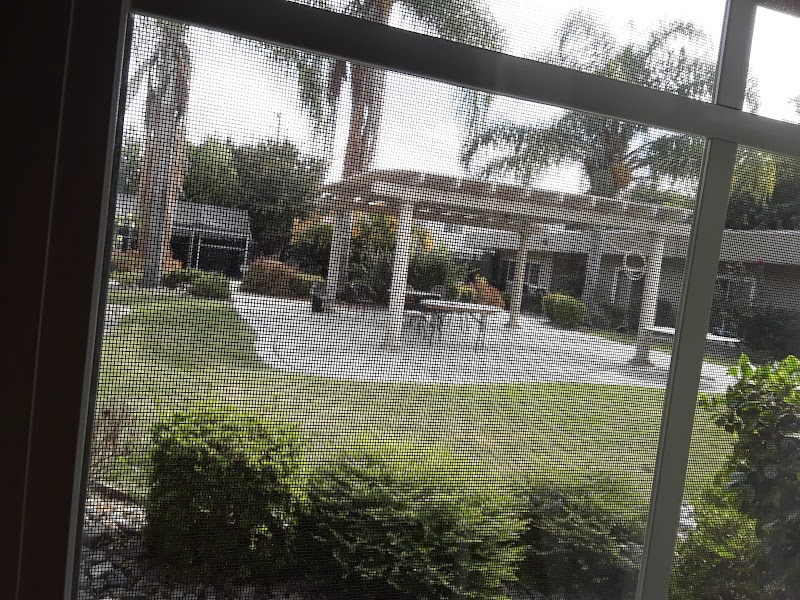
How Does River Bend Nursing Center Compare to Other California Nursing Homes?

Compared to the 100 nursing homes in California, RIVER BEND NURSING CENTER's overall rating (3 stars) is below the state average of 3.1, staff turnover (41%) is near the state average of 46%, and health inspection rating (3 stars) is at the national benchmark.

What Should Families Ask When Visiting River Bend Nursing Center?

Based on this facility's data, families visiting should ask: "Can you walk me through typical staffing levels on day, evening, and night shifts?" "Can I visit during a mealtime to observe dining assistance and food quality?" "How do you handle medical emergencies, and what is your hospital transfer rate?" "Can I speak with family members of current residents about their experience?" These questions are particularly relevant given the below-average staffing rating.

Is River Bend Nursing Center Safe?

Based on CMS inspection data, RIVER BEND NURSING CENTER has a clean safety record: no substantiated abuse findings (meaning no confirmed cases of resident harm), no Immediate Jeopardy citations (the most serious violation level indicating risk of serious injury or death), and is not on the Special Focus Facility watch list (a federal program monitoring the lowest-performing 1% of nursing homes). The facility has a 3-star overall rating and ranks #100 of 100 nursing homes in California. While no facility is perfect, families should still ask about staff-to-resident ratios and recent inspection results during their visit.

Do Nurses at River Bend Nursing Center Stick Around?

RIVER BEND NURSING CENTER has a staff turnover rate of 41%, which is about average for California nursing homes (state average: 46%). Moderate turnover is common in nursing homes, but families should still ask about staff tenure and how the facility maintains care continuity when employees leave.

Was River Bend Nursing Center Ever Fined?

RIVER BEND NURSING CENTER has been fined $21,879 across 1 penalty action. This is below the California average of $33,298. While any fine indicates a compliance issue, fines under $50,000 are relatively common and typically reflect isolated problems that were subsequently corrected. Families should ask what specific issues led to these fines and confirm they've been resolved.

Is River Bend Nursing Center on Any Federal Watch List?

RIVER BEND NURSING CENTER is not on any federal watch list. The most significant is the Special Focus Facility (SFF) program, which identifies the bottom 1% of nursing homes nationally based on persistent, serious quality problems. Not being on this list means the facility has avoided the pattern of deficiencies that triggers enhanced federal oversight. This is a positive indicator, though families should still review the facility's inspection history directly.