DELANO DISTRICT SKILLED NURSING FACILITY
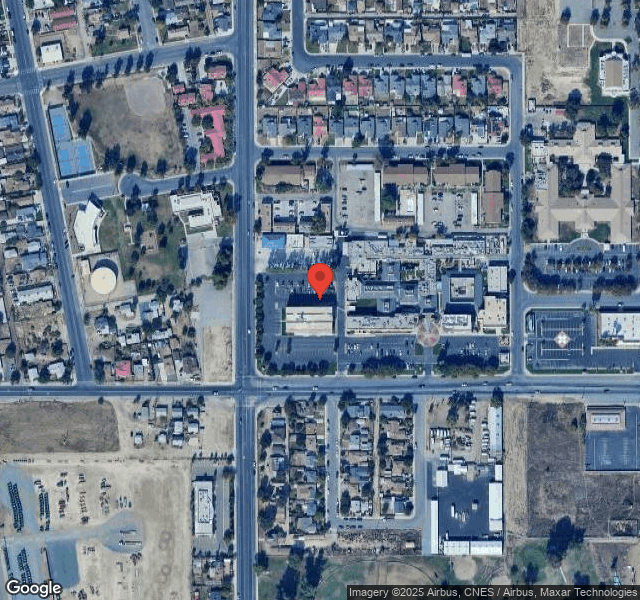
1509 TOKAY STREET, DELANO, CA 93215 (661) 720-2100
Non profit - Corporation 141 Beds Independent Data: November 2025
Trust Grade
28/100
#1010 of 1155 in CA
Last Inspection: February 2025

Within standard 12-15 month inspection cycle. Federal law requires annual inspections.

Overview

Delano District Skilled Nursing Facility has received a Trust Grade of F, which indicates significant concerns about the quality of care. It ranks #1010 out of 1155 facilities in California, placing it in the bottom half, and #10 out of 17 in Kern County. The facility is improving, having reduced its issues from 29 in 2024 to 11 in 2025, but with 61 total issues found during inspections, including two serious incidents where residents did not receive necessary assistance during ambulation and seizure monitoring, this improvement may not be enough to alleviate concerns. Staffing appears to be a strength, with a 0% turnover rate, suggesting that employees stay long-term and are familiar with the residents, although the staffing rating is only 1 out of 5 stars. Additionally, the facility incurred $17,966 in fines, which is average compared to other facilities, but raises questions about compliance. Overall, while there are some positive aspects, families should carefully consider the serious safety issues reported.

Trust Score
F
28/100
In California
#1010/1155
Bottom 13%
Safety Record
Moderate
Needs review
Inspections
Getting Better
29 → 11 violations
Staff Stability
○ Average
Turnover data not reported for this facility.
Penalties
⚠ Watch
$17,966 in fines. Higher than 77% of California facilities, suggesting repeated compliance issues.
Skilled Nurses
○ Average
RN staffing data not reported for this facility.
Violations
⚠ Watch
61 deficiencies on record. Higher than average. Multiple issues found across inspections.
★☆☆☆☆
1.0
Overall Rating
★☆☆☆☆
1.0
Staff Levels
★★☆☆☆
2.0
Care Quality
★★☆☆☆
2.0
Inspection Score
Stable
2024: 29 issues
2025: 11 issues

The Good

  • Full Sprinkler Coverage · Fire safety systems throughout facility
  • No fines on record

Facility shows strength in fire safety.

The Bad

1-Star Overall Rating

Below California average (3.1)

Significant quality concerns identified by CMS

Federal Fines: $17,966

Below median ($33,413)

Minor penalties assessed

The Ugly 61 deficiencies on record

2 actual harm
Aug 2025 1 deficiency
CONCERN (D) 📢 Someone Reported This

A family member, employee, or ombudsman was alarmed enough to file a formal complaint

Potential for Harm - no one hurt, but risky conditions existed

Report Alleged Abuse (Tag F0609)

Could have caused harm · This affected 1 resident

**NOTE- TERMS IN BRACKETS HAVE BEEN EDITED TO PROTECT CONFIDENTIALITY** Based on interview and record review, the facility failed to report an allegation of physical abuse for one of three sampled res...

Read full inspector narrative →
**NOTE- TERMS IN BRACKETS HAVE BEEN EDITED TO PROTECT CONFIDENTIALITY** Based on interview and record review, the facility failed to report an allegation of physical abuse for one of three sampled residents (Resident 1) to the California Department of Public Health (CDPH). This failure had the potential for abuse to continue and had the potential for other residents to be abused.Findings:During a review of Resident 1's admission RECORD (AR), dated 8/5/25, the AR indicated, Resident 1 was a [AGE] year old male who admitted to the facility on [DATE] with a diagnosis of anxiety disorder (a mental health condition characterized by excessive and persistent worry, fear, and nervousness that can significantly interfere with daily life), muscle weakness, legal blindness, history of falling, and need for assistance with personal care. During a review of Resident 1's ED (Emergency Department) Physician Notes (EDPN), dated 7/14/25, the EDPN indicated Resident 1 arrived at the acute hospital emergency department stating, Needed to get out of truck and that they [unknown] were crossing the road, and the [facility] staff is abusing [Resident 1].During an interview on 8/5/25 at 2:05 p.m. with Administrator, Administrator stated he was the abuse coordinator (a designated staff member responsible for preventing and addressing abuse within the facility). Administrator stated on 7/14/25 he was called into Resident 1's room by staff (not specified who) due to Resident 1's behavior of purposely kneeling on the floor, refusing food and medication, and requesting to be sent to the acute hospital. Administrator stated Resident 1 told him, You guys [not specific which staff] are hitting and kicking me. Administrator stated a report for Resident 1's allegation of abuse was not submitted to the CDPH as of 8/5/25 despite the allegation of staff abusing Resident 1 being made on 7/14/25. Administrator stated there should have been a report of allegation of abuse submitted to the CDPH. During a review of the facility's policy and procedure (P&P) titled, Reporting Abuse to State Agencies, and Other Entities, undated, the P&P indicated, All alleged/suspected violations and all substantiated incidents of abuse will be promptly reported to the Ombudsman or law enforcement and CDPH (California Department of Public Health) as required by law and in accordance with this policy. If a Resident sustained no serious bodily injury . Within 24 hours.
Feb 2025 10 deficiencies
CONCERN (D)

Potential for Harm - no one hurt, but risky conditions existed

Assessment Accuracy (Tag F0641)

Could have caused harm · This affected 1 resident

**NOTE- TERMS IN BRACKETS HAVE BEEN EDITED TO PROTECT CONFIDENTIALITY** Based on interview and record review, the facility failed to ensure the Minimum Data Set (MDS- a standardized assessment tool th...

Read full inspector narrative →
**NOTE- TERMS IN BRACKETS HAVE BEEN EDITED TO PROTECT CONFIDENTIALITY** Based on interview and record review, the facility failed to ensure the Minimum Data Set (MDS- a standardized assessment tool that measures the health of nursing home residents) was accurate for one of one sampled resident (Resident 139). This failure resulted in an inaccurate medical record regarding Resident 139's discharge location. Findings: During a concurrent interview and record review on 2/6/25 at 1:29 p.m. with MDS Coordinator (MDSC), Resident 139's MDS was reviewed. The MDS indicated, Resident 139 was admitted to the facility on [DATE] and discharged on 12/20/24. MDS Section A2105 indicated Resident 139 was discharged to a short-term general hospital for acute care. MDSC stated Resident 139 was discharged to a short-term general hospital based on the MDS. MDSC stated the MDS was completed by the Social Services Director on 12/31/24. During a concurrent interview and record review on 2/6/25 at 1:32 p.m. with MDSC, Resident 139's Nurse's Notes, (NN) dated 12/20/24 were reviewed. The NN indicated, Resident was discharged to home . in stable condition. MDSC stated the MDS was not accurate because Resident 139 was discharged home and not to a hospital. MDSC stated the MDS should have been accurate. During a concurrent interview and record review on 2/6/25 at 1:42 p.m. with MDSC, CMS [Centers for Medicare & Medicaid Services] RAI [Resident Assessment Instrument- assists staff in comprehensively assessing residents] Version 3.0 Manual, (RAI Manual) dated 10/24 was reviewed. The RAI Manual Section Z0400 indicated, If an individual who completed a portion of the MDS is not available to sign it . there are portions of the MDS that may be verified with the medical record and/or resident/staff/family interview as appropriate. For these sections, the person signing the attestation must review the information to assure accuracy and sign for those portions on the date the review was conducted. MDSC stated the facility did not have a policy and procedure for MDS accuracy but followed the RAI Manual. MDSC stated she had not reviewed Resident 139's MDS Section A2105 for accuracy and had attested the section was accurate, even though it was not accurate based on the medical record.
CONCERN (D)

Potential for Harm - no one hurt, but risky conditions existed

Deficiency F0692 (Tag F0692)

Could have caused harm · This affected 1 resident

Based on observation, interview, and record review, the facility failed to ensure fluids were accessible at the bedside for one of eight sampled residents (Resident 47). This failure had the potential...

Read full inspector narrative →
Based on observation, interview, and record review, the facility failed to ensure fluids were accessible at the bedside for one of eight sampled residents (Resident 47). This failure had the potential to result in Resident 47 not having sufficient fluid intake to maintain proper hydration. Findings: During a concurrent observation and interview on 2/4/25 at 10:33 a.m. in Resident 47's room, the bedside table containing a water pitcher and cup was located next to the window across from the bed and not within Resident 47's reach. No straw was observed on the bedside table. Resident 47 stated she could drink water by herself if a straw was available. Resident 47 stated she had been having diarrhea. During a concurrent observation and interview on 2/4/25 at 10:49 a.m. with Registered Nurse (RN) 3, Resident 47's bedside table containing her water pitcher and cup was observed to be located next to the window across from the bed. RN 3 stated the bedside table should be within Resident 47's reach. RN 3 stated Resident 47 was at risk for dehydration, especially since she was having diarrhea. During a review of Resident 47's Care Plan (CP), (undated), the CP indicated, The resident had potential fluid deficit. During a review of the facility's policy and procedure (P&P) titled, Hydration, dated 10/6/15, the P&P indicated, PURPOSE: To ensure that each resident is provided with the necessary fluids for adequate hydration based upon assessed daily fluid needs . POLICY STATEMENTS . The facility will identify resident's [sic] with risk factors such as vomiting/diarrhea resulting in fluid loss . PROCEDURE: 1. GENERAL . e. Each resident will be provided a container of fresh water and a clean cup or glass near the bedside at all times.
CONCERN (D)

Potential for Harm - no one hurt, but risky conditions existed

Respiratory Care (Tag F0695)

Could have caused harm · This affected 1 resident

During an interview on 2/5/25 at 3:06 p.m. with Certified Nursing Assistant (CNA) 3, CNA 3 stated a resident's vital signs (VS) should be taken every eight hour shift. CNA 3 stated VS included blood p...

Read full inspector narrative →
During an interview on 2/5/25 at 3:06 p.m. with Certified Nursing Assistant (CNA) 3, CNA 3 stated a resident's vital signs (VS) should be taken every eight hour shift. CNA 3 stated VS included blood pressure, heart rate, respirations, oxygen saturations, and temperature. CNA 3 stated if oxygen saturations were lower than 90%, then she would report this to the nurse. CNA 3 stated she would document the VS in the electronic medical record (eMR) and on paper. During a concurrent interview and record review on 2/5/25 at 3:17 p.m. with Licensed Vocational Nurse (LVN) 2, Resident 41's eMR summary of oxygen saturations were reviewed. Resident 41's eMR indicated, missing oxygen saturations for all three shifts on 1/30/25, 1/31/25, 1/1/25, and 1/2/25. Resident 41's eMR indicated, missing oxygen saturations for night shift and evening shift on 2/4/25. LVN 2 stated VS included blood pressure, temperature, pulse, respirations, oxygen saturations, and pain level and should be taken every shift. LVN 2 stated Resident 41's oxygen saturations were not documented in the eMR and stated they should have been. During a concurrent interview and record review on 2/6/25 at 1:55 p.m. with Director of Nursing (DON), Resident 41's Physician Order (PO), dated 1/26/25 was reviewed. The PO indicated, Continuous oxygen inhalation @ [at] 2-3/LPM via nasal cannula, every shift for SOB [shortness of breath] or if oxygen saturation less than 92%. DON stated the facility process was to follow physician orders. DON stated staff visually assessed residents for SOB. DON stated nursing staff probably need to monitor oxygen saturations. During an interview on 2/6/24 at 2:16 p.m. with Respiratory Therapist (RT), RT stated in a nursing home oxygen saturations are normally monitored once a shift. RT stated if oxygen saturations are less than 92% on room air then the resident needs oxygen. RT stated shortness of breath would not be the only assessment to perform if a resident had an oxygen order. RT stated heart rate, respiratory rate, oxygen saturations, level of consciousness, breath sounds, and position should be assessed for residents with oxygen orders. Based on observation, interview, and record review, the facility failed to monitor two of two sampled residents (Resident 18 and Resident 41) oxygen saturations (how much oxygen is in the blood). This failure had the potential for Resident 18 and Resident 41 to not receive oxygen as ordered and become hypoxic (low levels of oxygen in the blood that can cause headache, difficult breathing, confusion and increased rate of breathing). Findings: During an observation on 2/3/25 at 9:14 a.m. in Resident 18's room, Resident 18 was laying in bed with eyes closed. Resident 18 was not wearing oxygen. During an observation on 2/4/25 at 8:40 a.m. in Resident 18's room, Resident 18 was laying in bed with eyes closed. Resident 18 was not wearing oxygen. During a concurrent interview and record review on 2/5/25 at 9:19 a.m. with Registered Nurse (RN) 2, Resident 18's Order Summary Report (OSR), dated 2/5/25 was reviewed. The OSR indicated, O2 [oxygen] INHALATION [breathing in] AT 2 LPM [liters per minute] VIA [by] NASAL CANNULA [flexible tube with two prongs that are inserted into the nostrils to deliver oxygen] PRN [as needed] FOR O2 SAT [saturation] < [less than] 93 % [percent] had been ordered for Resident 18 on 10/20/23. RN 2 stated, When we notice shortness of breath, we check the O2 sats and apply it [oxygen]. During a concurrent interview and record review on 2/5/25 at 9:20 a.m. with RN 2, Resident 18's Electronic Medication Administration Record (EMAR), dated January 2025 and February 2025 were reviewed. RN 2 stated Resident 18's oxygen saturations had not been documented. RN 2 stated Resident 18's oxygen saturations should have been documented in the EMAR. During a concurrent interview and record review on 2/6/25 at 11:41 a.m. with Director of Nursing (DON), Resident 18's OSR, dated 2/5/25 was reviewed. The OSR indicated, O2 INHALATION AT 2 LPM VIA NASAL CANNULA PRN FOR O2 SAT <93%. DON stated, When we have this order, we check the patient to see if they are having a hard time breathing or gasping for air and then we would check the residents oxygen saturation and if it was below 93%, they would give oxygen. DON stated not all residents with low oxygen levels are short of breath. DON stated Resident 18 should have had oxygen saturation monitoring to indicate when oxygen needed to be applied per physician order. During an interview on 2/6/25 at 11:47 a.m. with DON, the facility's policy and procedure for monitoring oxygen saturation was requested. DON stated they do not have a policy; they only follow physician orders.
CONCERN (D)

Potential for Harm - no one hurt, but risky conditions existed

Deficiency F0726 (Tag F0726)

Could have caused harm · This affected 1 resident

**NOTE- TERMS IN BRACKETS HAVE BEEN EDITED TO PROTECT CONFIDENTIALITY** Based on observation, interview, and record review, the facility failed to ensure Registered Nurse (RN) 1 had current cardiopulm...

Read full inspector narrative →
**NOTE- TERMS IN BRACKETS HAVE BEEN EDITED TO PROTECT CONFIDENTIALITY** Based on observation, interview, and record review, the facility failed to ensure Registered Nurse (RN) 1 had current cardiopulmonary certification (CPR-healthcare provider demonstrated training in life-saving intervention competency when loss of pulse and/or breathing in a medical emergency) as indicated in the facility's job description titled, Registered Nurse (RN) for one of 15 sampled RN's (RN) 1. This failure resulted in RN 1's CPR certification employment requirement not being met and had the potential for adverse vulnerable resident outcomes. Findings: During a concurrent interview and record review on [DATE] at 2:42 p.m. with Human Resource Manager (HRM), RN 1's employee file was reviewed. The employee file indicated RN 1's date of hire was [DATE]. HRM stated RN 1 did not have current CPR certification to meet RN employment requirement. During a concurrent observation and interview on [DATE] at 3:19 p.m. with RN 1, RN 1 was working in the facility's East wing. RN 1 stated she did not have a current CPR certification and her CPR expired last year [2024]. RN 1 stated current CPR certification was an RN job requirement and important in case of a medical emergency for residents. During a concurrent interview and record review on [DATE] at 3:32 p.m. with HRM, the facility's job description (JD) titled, Registered Nurse (RN), (undated) was reviewed. The JD indicated, Must have CPR license. HRM stated RN 1 did not have CPR certification and should have CPR certification per the RN job description requirement.
CONCERN (D)

Potential for Harm - no one hurt, but risky conditions existed

Deficiency F0810 (Tag F0810)

Could have caused harm · This affected 1 resident

Based on observation, interview, and record review, the facility failed to ensure one of one sampled resident (Resident 18) was provided adaptive equipment (specialized tools, devices and modification...

Read full inspector narrative →
Based on observation, interview, and record review, the facility failed to ensure one of one sampled resident (Resident 18) was provided adaptive equipment (specialized tools, devices and modifications designed to assist individuals with disabilities or functional limitations with eating) during meals. This failure had the potential to result in nutritional decline. Findings: During a review of Resident 18's Order Summary Report (OSR), dated 2/5/25, the OSR indicated, Pt [Patient] to have build [sic] up foam utensils with all meals, with an order date of 11/3/23. During a review of Resident 18's Care Plan (CP), (undated), the CP indicated, Resident at risk for Nutritional Decline Due to.Need Adaptive Equipment r/t [related to] lack of coordination.Resident to use utensils with soft build-up handles (brown). During a concurrent observation and interview on 2/5/25 at 12:27 p.m. with Registered Nurse (RN) 2 in Resident 18's room, Resident 18 was eating lunch with regular utensils. RN 2 stated Resident 18 was using regular utensils and would have to check to see if adaptive equipment was needed during meals. During a concurrent interview and record review on 2/5/25 at 12:30 p.m. with RN 2, Resident 18's Physician Order (PO), dated 11/3/23 was reviewed. RN 2 stated the order indicated Resident 18 was to have build up foam utensils with all meals. RN 2 stated Resident 18 should have had build up utensils and it was the responsibility of the kitchen to provide them to residents. During a review of the facility's policy and procedure (P&P) titled, Nutrition Care, dated 2018, the P&P indicated, Adaptive eating devices shall be readily available during meal times for those residents/patients assessed to need them.3. The Department of Food and Nutrition Services is responsible for sanitizing, storing, and assuring that the adaptive devices are provided at each meal.
CONCERN (E)

Potential for Harm - no one hurt, but risky conditions existed

Deficiency F0558 (Tag F0558)

Could have caused harm · This affected multiple residents

**NOTE- TERMS IN BRACKETS HAVE BEEN EDITED TO PROTECT CONFIDENTIALITY** During an interview on 2/4/25 at 10:22 a.m. with Resident 105, Resident 105 stated when the call light took too long for staff t...

Read full inspector narrative →
**NOTE- TERMS IN BRACKETS HAVE BEEN EDITED TO PROTECT CONFIDENTIALITY** During an interview on 2/4/25 at 10:22 a.m. with Resident 105, Resident 105 stated when the call light took too long for staff to answer, she felt desperate. During a review of Resident 105's Minimum Data Set (MDS- comprehensive assessment tool), dated 1/16/25, the MDS indicated, Resident 105 had a Brief Interview for Mental Status (BIMS- cognitive assessment) score of 15 (score of 13-15 means cognitively intact). Resident 105's MDS indicated, Resident 105 required partial/moderate assistance (helper does more than half the effort) with activities of daily living. During an interview on 2/4/25 at 10:22 a.m. with Resident 92, Resident 92 stated it takes staff more than 15 minutes for staff to answer the call light. Resident 92 stated she felt frustrated. During a review of Resident 92's MDS, dated [DATE], the MDS indicated, Resident 92 had a BIMS score of 15. Resident 92's MDS indicated, Resident 92 required supervision or touching assistance (helper provides verbal cues). During a concurrent observation and interview on 2/3/25 at 2:29 p.m. with Resident 96, Resident 96 stated she needed to be changed and pressed the call light. The call light was answered at 2:44 p.m. During an interview on 2/4/25 at 8:30 a.m. with Resident 86, Resident 86 stated she and other residents routinely waited 15 minutes or more for call lights to be answered, which was too long. During an interview on 2/6/25 at 2:36 p.m. with Administrator, Administrator stated, If you are passing a light, you should be answering that light. Administrator stated a 15-minute delay in answering a call light is not prompt. During a review of the facility's policy and procedure (P&P) titled, Call Light- Answering, dated 4/25/14, the P&P indicated, PURPOSE: The purpose of this policy is to meet the residents' needs and requests within an appropriate time frame. It is the only mechanism at the resident's bedside whereby residents are able to alert nursing personnel to their needs. PROCEDURE: NURSING ACTION . 5. Staff will observe call lights. 6. Answer all lights promptly, regardless of whose resident it is. Based on observation, interview, and record review, the facility failed to ensure for five of 72 sampled residents (Resident 47, Resident 86, Resident 96, Resident 105, Resident 92) call lights were answered promptly. This failure had the potential to result in residents' unmet needs. Findings: During a concurrent observation and interview on 2/4/25 at 9:30 a.m. in Resident 47's room, Resident 47's call light was on. Resident 47 stated she needed some help from her Certified Nursing Assistant (CNA) because she had a dirty brief. During a concurrent observation and interview on 2/4/25 at 9:31 a.m. in the hallway outside of Resident 47's room, a light was on above Resident 47's door indicating her call light was on. CNA 4 was observed walking past the call light and going in and out of rooms on the opposite side of the hallway. CNA 4 stated she was new to the facility and was not sure which CNA was assigned to Resident 47's side of the hallway. During an observation on 2/4/25 at 9:35 a.m., CNA 4 entered Resident 47's room, was heard telling Resident 47 give me one second, and left the room without changing Resident 47's brief. CNA 4 proceeded to get the Hoyer lift and walk into room [ROOM NUMBER] at the end of the hallway. During an observation on 2/4/25 at 9:40 a.m. in the hallway outside of Resident 47's room, Resident 47's call light was on and a nurse wheeling the medication cart passed the room without answering the call light. During a concurrent observation and interview on 2/4/25 at 9:43 a.m. in Resident 47's room, CNA 1 answered Resident 47's call light. CNA 1 stated CNAs try to get to residents as soon as possible but if another CNA can't get to them, we should get them whatever they need. CNA 1 stated residents with dirty briefs needed to be changed right away. During an interview on 2/4/25 at 10:35 a.m. with Resident 47, Resident 47 stated CNAs have told her she is too needy and should not ring her call light so much. Resident 47 stated CNAs have told her they have to spend all their time taking care of her, so they don't have time with other residents.
CONCERN (E)

Potential for Harm - no one hurt, but risky conditions existed

Pharmacy Services (Tag F0755)

Could have caused harm · This affected multiple residents

**NOTE- TERMS IN BRACKETS HAVE BEEN EDITED TO PROTECT CONFIDENTIALITY** Based on observation, interview, and record review, the facility failed to provide pharmaceutical services to meet the needs of ...

Read full inspector narrative →
**NOTE- TERMS IN BRACKETS HAVE BEEN EDITED TO PROTECT CONFIDENTIALITY** Based on observation, interview, and record review, the facility failed to provide pharmaceutical services to meet the needs of three of 27 sampled residents (Resident 93, Resident 128, and Resident 96) when: 1. Staff did not follow Resident 93's physician order to remove a Lidocaine patch (a pain medication applied directly to the skin) from Resident 93's back after 12 hours of application. This failure resulted in Resident 93 having Lidocaine applied for a period longer than prescribed. 2. Staff administered a Nifedipine Extended Release tablet (a medication to treat high blood pressure especially formulated to slowly release the drug into the bloodstream over an extended period and to be administered whole) crushed into a powder to Resident 128. This failure resulted in Resident 128 receiving Nifedipine at a higher dose than prescribed. 3. Staff failed to ensure Morphine and Methadone (controlled drugs with a high potential for abuse and addiction) prescribed for Resident 96 were properly accounted for. This failure resulted in Resident 96 at risk of having her Morphine and Methadone medications lost or diverted. 4. Staff failed to follow policy and procedure when the outgoing nurse of the East Wing signed the end of shift narcotic count sheet before the end of her shift and in the absence of the incoming nurse. This failure had the potential for residents having their controlled medications lost or diverted. Findings: 1. During a review of Resident 93's admission Record (AR), dated 2/6/25, the AR indicated, Resident 93 was admitted on [DATE] with a principal diagnosis of dementia (decline in memory, thinking, and problem solving). During a review of Resident 93's Order Details (OD), (undated), the OD indicated, physician order dated 1/6/25 as follows: Lidocaine External Patch 4% (Lidocaine) Apply to LOWER BACK topically one time a day for PAIN (12 HOURS ON AND 12 HOURS OFF AND REMOVE PER SCHEDULE) and remove per schedule. During a review of Resident 93's Medication Administration Record (MAR), dated 2/1/25-2/28/25, the MAR indicated, Resident 93's Lidocaine Patch was to be applied daily at 8 a.m. and removed at 8 p.m. During a concurrent observation and interview on 2/5/25 at 8:26 a.m. with Registered Nurse (RN) 4, RN 4 stated she would apply Resident 93's Lidocaine Patch. RN 4 retrieved the Lidocaine patch from the medication cart. The label on the Lidocaine patch indicated, Apply 1 Patch to the affected area topically remove per schedule (12 hours on - 12 hours off). RN 4 raised Resident 93's shirt, exposed his back, stated let me remove the old patch, removed a patch of the same size and appearance from his lower back, and applied the Lidocaine patch to the same location. RN 4 stated the Lidocaine patch removed had been applied the previous day in the morning. During an interview on 2/6/25 at 9:10 a.m. with the facility's Consultant Pharmacist (CP), the CP stated staff should administer medications according to physician orders, and that Resident 93's Lidocaine patch should have been removed after 12 hours of application. During a review of facility's policy and procedure (P&P) titled, General Dose Preparation and Medication Administration, dated 1/27/21, the P&P indicated, . facility staff should . verify each time a medication is administered that it is the correct medication, at the correct dose, at the correct route, at the correct time, for the correct resident, as set forth in the Facility Medication Administration Times Schedule . 2. During a review of Resident 128's AR, dated 2/6/25, the AR indicated Resident 128 was admitted on [DATE] with diagnoses including hypertension (high blood pressure) and dysphagia (difficulty swallowing). During a review of Resident 93's Medication Administration Record (MAR), dated 2/1/25-2/28/25, the MAR indicated, physician order dated 7/7/24 as follows: Crushed Medications according to facility policy and pharmacy recommendations and physician order dated 12/9/24 as follows: Nifedipine ER Osmotic Release Oral Tablet Extended Release 24 hours 30 MG (Nifedipine) Give 1 tablet by mouth one time a day . During a concurrent observation and interview on 2/5/25 at 8:38 a.m. with Licensed Vocational Nurse (LVN) 5, LVN 5 stated she was going to administer medications to Resident 128. LVN 5 removed a tablet from the medication cart with the label Nifedipine 30 mg EXTENDED RELEASE 24 HOURS. LVN 5 crushed the tablet into a powder and gave it to Resident 128 mixed with food. LVN 5 stated Resident 128 took all his medications crushed. During a concurrent interview and record review on 2/6/25 at 9:10 a.m. with the CP, the CP reviewed Resident 128's medication orders and stated Nifedipine Extended Release tablets are designed to slowly release the drug over an extended time and for this reason should not be crushed and should be taken whole. The CP stated crushing Nifedipine Extended Release resulted in the resident receiving a higher dose of the medication than intended. During a review of the Food Drug Administration (FDA) document titled, PROCARDIA XL (nifedipine) Extended Release Tablets For Oral Use NDA 19684/S-023, dated February 2010, the document indicated: Information for Patients: Procardia XL Extended Release Tablets should be swallowed whole. Do not chew, divide or crush tablets. During a review of the facility's policy and procedure (P&P) titled, General Dose Preparation and Medication Administration, dated 1/27/21, the P&P indicated, Facility staff should only crush oral medications that can be crushed. 3. During a review of Resident 96's AR, dated 2/6/25, the AR indicated, Resident 96 was admitted on [DATE] for palliative care (end of life care). During a review of Resident 96's OD, (undated), the OD indicated, the following two medication orders for pain control: Morphine Sulfate Oral Solution 100 mg/5 ml *Controlled Drug* Give 10 mg sublingually every 6 hours for pain management. and Methadose Oral Concentrate 10 MG/ML (Methadone HCL) *Controlled Drug* Give 0.5 ml by mouth two times a day for pain management. During a concurrent observation, interview, and record review on 2/5/25 at 10:52 a.m. with RN 3 and LVN 4, RN 3 and LVN 4 provided the Controlled Drug Record sheets (Narcotic Logs) for February 2025 for Resident 96's morphine and methadone. RN 3 and LVN 4 stated each time a nurse administered those medications they documented in the Narcotic Log the dose administered and how much was left in the vial. The Narcotic Log for Resident 96's morphine indicated, the last dose was given on 2/5/25 and there were 4.5 ml of morphine left in the vial. LVN 4 retrieved Resident 96's morphine vial from the medication cart and stated there were 9 ml left in the vial. A review of the Narcotic Log for Resident 96's methadone indicated the last dose was given on 2/5/25 and there were 10 ml of methadone left in the vial. RN 3 retrieved Resident 96's methadone vial from the medication cart and stated there were 16 ml left in the vial. During an interview on 2/6/25 at 1:35 p.m. with the Director of Nursing (DON), the DON stated there should be no discrepancies between what is documented in the Narcotic Logs and the controlled medications in the medication carts. During a review of facility's policy and procedure (P&P) titled, Controlled Medications, dated 3/18/18, the P&P indicated, The facility nursing staff and the pharmacy will follow procedure to assure that the controlled drugs are accounted for, and their use readily traceable. 4. During a concurrent interview and record review on 2/5/25 at 10:45 a.m. with RN 3, RN 3 provided the Shift Verification of Controlled Substances sheet (Verification Sheet) for the East Wing of the facility for February 5, 2025. RN 3 stated the Verification Sheet was used by nurses at shift change to document that all doses of controlled medications stored in the medication cart matched the doses documented on the Narcotic Log. RN 3 stated during each shift change, at 6:30 a.m., 2:30 p.m., and at 10:30 p.m., both the outgoing and the incoming nurses signed the Verification Sheet. The Verification Sheet for February 5, 2025, indicated it had already been signed by the outgoing nurse for the shift ending at 2:30 p.m., but was not signed by the incoming nurse. RN 3 stated both nurses had to sign the Verification Sheet at the same time during shift change. During an interview on 2/6/25 at 1:35 p.m. with the DON, the DON stated nurses should not sign the shift verification of controlled substances in advance. During a review of facility's P&P titled, Controlled Medications, dated 3/18/18, the P&P indicated, Controlled drug reconciliation every shift . controlled drug quantities will be verified and reconciled at the change of each nursing shift . at the completion of each nursing shift, the on-coming and off-going nurses will count and reconcile the controlled drugs . each nurse will sign that such count on the Verification of controlled substance sheet as accurate.
CONCERN (E)

Potential for Harm - no one hurt, but risky conditions existed

Food Safety (Tag F0812)

Could have caused harm · This affected multiple residents

Based on observation, interview, and record review, the facility failed to ensure professional standards for food service safety and sanitary kitchen conditions when: 1. Dented canned products were re...

Read full inspector narrative →
Based on observation, interview, and record review, the facility failed to ensure professional standards for food service safety and sanitary kitchen conditions when: 1. Dented canned products were retained in dry storage for use. 2. Dry food storage container lid was not closed and secured per safe storage and guidelines. These failures had the potential to cause foodborne illness (illness caused by the ingestion of contaminated food or beverages) for at-risk vulnerable residents. Findings: 1. During a concurrent observation and interview on 2/3/25 at 8:59 a.m. with Dietary Manager (DM), in the dry food storage room (DFSR), multiple dented 50-ounce tomato soup cans were stored. DM stated the dented tomato soup cans shouldn't be in here, and needed to be removed. DM stated there were nine out of 12 tomato soup cans dented. DM stated the dented tomato soup cans posed a food safety risk. During a concurrent interview and record review on 2/3/25 at 2:16 p.m. with DM, the facility's policy and procedure (P&P) titled, SANITATION AND INFECTION CONTROL SUBJECT: CANNED AND DRY GOODS STORAGE, dated 2018 was reviewed. The P&P indicated, POLICY: all the food and non-food items purchased by the Department of Food and Nutrition services will be stored properly. PROCEDURES. 10. Canned food items should be routinely inspected for damage such as dented. cans. These items should be set aside in a designated area for return to the vendor or disposed of properly. DM stated the P&P was not followed and should have been. DM stated the designated [dented can] place is in my office. 2. During a concurrent observation and interview on 2/3/25 at 9:09 a.m. with DM in the DFSR, the dry lentil beans 22-quart container was open. DM stated the lentil beans container lid should have been closed. DM stated, the open lid could cause food contamination or insects can go in. During a concurrent interview and P&P review on 2/3/25 at 2:19 p.m. with DM, the facility's P&P titled, SANITATION AND INFECTION CONTROL SUBJECT: CANNED AND DRY GOODS STORAGE, dated 2018 was reviewed. The P&P indicated, POLICY: all the food and non-food items purchased by the Department of Food and Nutrition services will be stored properly. PROCEDURES. 9. Metal, plastic containers (with tight fitting lids). will be used. DM stated the kitchen staff were expected to follow policy.
CONCERN (E)

Potential for Harm - no one hurt, but risky conditions existed

Infection Control (Tag F0880)

Could have caused harm · This affected multiple residents

**NOTE- TERMS IN BRACKETS HAVE BEEN EDITED TO PROTECT CONFIDENTIALITY** Based on observation, interview, and record review, the facility failed to implement infection control practices when: 1. Three ...

Read full inspector narrative →
**NOTE- TERMS IN BRACKETS HAVE BEEN EDITED TO PROTECT CONFIDENTIALITY** Based on observation, interview, and record review, the facility failed to implement infection control practices when: 1. Three of three sampled personal laundry cart covers were soiled and discolored. This failure had the potential for contaminating clean linen and spread of infection to residents. 2. One of three sampled clean linen closets had a dark discolored floor with debris. This failure had the potential for contaminating clean linen and spread of infection to residents. 3. Two of two Registered Nurses (RN 1 and RN 3) failed to clean and disinfect glucometers (medical devices used to measure the amount of glucose[sugar] in the blood) according to facility policy and manufacturer's guidelines. after resident use. This failure had the potential to expose residents to bloodborne pathogens (microorganisms [bacteria or virus] in the blood that can cause life threatening disease). Findings: 1. During a concurrent observation and interview on 2/4/25 at 1:58 p.m. in the laundry room with Housekeeping and Laundry Aide ([NAME]), there were three personal laundry carts loaded with residents' clean personal clothes. The laundry carts' mesh covers were soiled and discolored. [NAME] stated, Those covers [personal laundry cart mesh covers] were white and now they are brownish tan. During an interview on 2/4/25 at 2 p.m. with Housekeeping and Laundry Supervisor (HLS), HLS stated the laundry carts' mesh covers needed to be replaced. HLS stated the clean laundry needed protection from dusts during transport. During a review of the facility's policy and procedure (P&P) titled, Handling Linen and Resident's Personal Laundry, dated 5/7/12, the P&P indicated, Purpose: To ensure linen is handled, stored and transported in a safe and sanitary manner to prevent cross contamination and the potential for disease transmission. B. Clean linen from the laundry room shall be delivered in clean covered laundry carts. 2. During a concurrent observation and interview on 2/4/25 at 2:12 p.m. with HLS in the clean linen closet, the clean linen closet floor had dark gray discolorations and debris. HLS stated, It [floor] has not been cleaned in a while. During a review of the facility's P&P titled, Environmental Services Infection Prevention & Control, dated 6/1/17, the P&P indicated, Floors will be cleaned using microfiber floor cleaning products daily using the detergent germicide. 3. During a concurrent observation, interview, and record review on 2/4/25 at 3:25 p.m. with RN 1, RN 1 checked the blood sugar level of Resident 18 with a [NAME] True Metrix PRO (brand name) glucometer. After reading the results, RN 1 wiped the glucometer with a Super Sani-Cloth (brand name) Germicidal Disposable Wipe. The glucometer dried in fewer than 10 seconds. RN 1 stated the glucometer was disinfected and ready to be used for the next resident. The label of the Super Sani-Cloth Germicidal Disposable Wipe was reviewed. The label indicated Disinfects in 2 minutes. During an interview on 2/6/25 at 8:18 a.m. with the Infection Preventionist Nurse (IPN), the IPN stated glucometers should be disinfected after each use using Super Sani-Cloth Germicidal Disposable Wipes. The IPN stated staff should keep the glucometer wet with the wipe's solution for at least three minutes to eliminate bloodborne pathogens. The IPN stated failure to follow the three-minute contact time could result in the transmission and infection of residents with bloodborne pathogens. During an observation on 2/5/25 at 12:19 p.m. in Resident 119's room, RN 3 used a glucometer to check Resident 119's glucose level. After use, RN 3 wiped the glucometer with one alcohol prep pad (a sterile gauze pad that is soaked in alcohol antiseptic[prevents the growth and action of microorganisms]) that measured approximately one inch by one inch. RN 3 cleaned the glucometer for less than 30 seconds. RN 3 then left Resident 119's room, walked into the hallway and placed the glucometer on top of a medication cart. During a concurrent observation and interview on 2/5/25 at 12:21 p.m. in the hallway near Resident 119's room, RN 3 picked up the glucometer that was sitting on top of the medication cart and placed it into the medication carts top drawer. RN 3 stated the glucometer had been cleaned with an alcohol prep pad in Resident 119's room, prior to placing it into the medication cart drawer. RN 3 stated she cleans the glucometers with alcohol prep pads after each use. RN 3 stated the facility policy is to clean the glucometers with alcohol after use. During an interview on 2/6/25 at 8:20 a.m. with IPN, IPN stated glucometers are to be cleaned for three minutes after each use with Sani-Wipes. IPN stated if the glucometers are not properly cleaned there was a risk for transmission-based infection. IPN stated it was not appropriate for staff to clean glucometers with alcohol pads. During a review of the [NAME] True Metrix PRO Glucometer manual, (undated), the manual indicated, Meter should be cleaned and disinfected between patients. To Disinfect: Using fresh wipes, make sure that all outside surfaces of the meter remain wet for 2 minutes . During a review of facility's policy and procedure (P&P) titled, Cleaning and Disinfection of Glucometer, revised 7/15/21, the P&P indicated, Disinfect (after each use) after cleaning the exterior surfaces following the manufacturers' directions using a cloth/wipe with either and [sic] EPA-registered detergent/germicide with a tuberculocidal [kills pathogens] and HBV/HIV [bloodborne pathogen] label claim. Alcohol should not be used unless indicated by manufacturer's label and instructions.
CONCERN (E)

Potential for Harm - no one hurt, but risky conditions existed

Deficiency F0887 (Tag F0887)

Could have caused harm · This affected multiple residents

Based on interview and record review, the facility failed to ensure nine of nine employees' (Plant and Maintenance [PM], Housekeeper [HSK] 1, Certified Nursing Assistant [CNA] 1, CNA 2, Registered Nur...

Read full inspector narrative →
Based on interview and record review, the facility failed to ensure nine of nine employees' (Plant and Maintenance [PM], Housekeeper [HSK] 1, Certified Nursing Assistant [CNA] 1, CNA 2, Registered Nurse [RN] 2, Licensed Vocational Nurse [LVN] 1, Nursing Assistant [NA] 1, NA 2, and NA 3) Covid 19 (infectious respiratory illness) vaccination status were tracked and recorded. This failure had the potential to spread Covid-19 to residents, staff, and visitors. Findings: During a review of the facility's Employee Covid-19 Vaccination Log, (undated), the Employee Covid-19 Vaccination Log indicated, the following employees had no record of Covid-19 vaccination status: a) PM, hired on 7/16/24. b) HSK 1, hired on 11/14/24. c) CNA 1, hired on 8/12/24. d) CNA 2, hired on 8/15/24. e) RN 2, hired on 11/7/24. f) LVN 1, hired on 10/10/24. g) NA 1, hired on 1/2/25. h) NA 2, hired on 12/31/24. i) NA 3, hired on 1/2/25. During an interview on 2/5/25 at 9:05 a.m. with Infection Preventionist Nurse (IPN), IPN stated, The recently hired staff who have no Covid-19 vaccine immunization record were not recorded because when they were hired, it [Covid-19 vaccination] was not mandatory to get the Covid-19 vaccine. IPN stated, I don't ask them anymore. During an interview on 2/5/25 at 9:09 a.m. with Scheduler Personnel (SP), SP stated the employees who had no Covid-19 vaccination status record are currently employed. During a review of the facility's policy and procedure (P&P) titled, Mandatory Vaccination & Booster Policy, dated 1/1/22, the P&P indicated, All employees are required to report their vaccination status and to provide proof of vaccination to a member of the infection prevention team or human resources. Employees must provide truthful and accurate information about their Covid-19 vaccination status, and if applicable, their testing results.
Dec 2024 1 deficiency
CONCERN (E) 📢 Someone Reported This

A family member, employee, or ombudsman was alarmed enough to file a formal complaint

Potential for Harm - no one hurt, but risky conditions existed

Safe Environment (Tag F0584)

Could have caused harm · This affected multiple residents

Based on observation, interview, and record review, the facility failed to maintain resident shower rooms in a clean and sanitary condition for five of five sampled residents (Resident 1, Resident 2, ...

Read full inspector narrative →
Based on observation, interview, and record review, the facility failed to maintain resident shower rooms in a clean and sanitary condition for five of five sampled residents (Resident 1, Resident 2, Resident 3, Resident 4, and Resident 5). This failure had the potential for spread of infection and/or negative health outcomes. Findings: During a concurrent observation and interview on 12/16/24 at 11:20 a.m. with Facility Director (FD) the following was observed: a. In the East Wing Shower Room (EWR), there was blackish spotted discoloration noted to the grout (paste-like material used to fill in gaps between tiles) in the second and third shower stall. The grout to the toilet in the EWR was brown, black, and yellow in discoloration with the grout noted to be missing and/or cracked. Moving further into the EWR where there was a storage of resident shower chairs and shower gurneys was black spotted discoloration to the ceiling and floor tile that was markedly discolored with dirt/grim (a built-up combination of dirt, dust, and grease). The EWR had two blue green shower chairs that had thick slimy textured black substances located underneath the lip of the chair towards the front and back end of the seat where the residents private part area and buttocks would be located when sitting. b. In the [NAME] Wing Shower Room (WWR), the first shower stall to the right had a black discoloration to the grout in the corners. The second shower stall had a black spotted discoloration to the grout in the corners and to the walls on the sides. In the second shower stall was a shower chair with significant thick slimy textured black substance located underneath the lip of the chair toward the front and back end of the seat where the residents private part area and buttocks would be located when sitting. Toward the end of the WWR where equipment was stored there was a shower chair with significant thick slimy textured black substance located underneath the lip of the chair toward the front and back end of the seat where the residents private part area and buttocks would be located when sitting. FD wiped the two shower chairs with the thick slimy textured black substance with a cloth and noted the black substance would come off. FD stated staff (not identified) were not cleaning the shower chairs appropriately. c. In the North Wing Shower Room (NWR), the second shower stall was observed to have a brown discoloration along the wall. FD stated the brown discoloration along the wall of the second shower stall was a bowel movement. FD stated housekeeping staff (not specific) were assigned to these shower room areas and were responsible for cleaning them during the day. FD stated in the evening facility janitors (not specific) were responsible for cleaning the shower rooms. During an interview on 12/16/24 at 11:49 a.m. with Administrator, Administrator stated his expectation was for high touch surface areas to be cleaned daily. Administrator reviewed photos of the EWR, WWR, and NWR and stated the shower chairs needed to be cleaned, the grout needed to be re-grouted, and the toilet in the EWR needed to be cleaned and re-calked (a flexible material used to fill gaps or cracks between surfaces). During a review of the facility's policy and procedure (P&P) titled, Housekeeping Schedule, dated 5/1/12, the P&P indicated, PURPOSE: To establish a procedure for the sanitation of the facility. The facility shall have an effective housekeeping schedule to ensure that the facility eliminates or minimizes the hazards and/or exposures of a contaminated environment or infectious resident, staff, or visitor. Housekeeping Specialists shall maintain the interior of the facility in a safe, clean, orderly, and attractive manner free from offensive odors. The Environmental Coordinator shall take the responsibility and accountability of the Housekeeping Department including personnel, procedures, scheduling, and supervision.
Nov 2024 2 deficiencies
CONCERN (D) 📢 Someone Reported This

A family member, employee, or ombudsman was alarmed enough to file a formal complaint

Potential for Harm - no one hurt, but risky conditions existed

Deficiency F0557 (Tag F0557)

Could have caused harm · This affected 1 resident

**NOTE- TERMS IN BRACKETS HAVE BEEN EDITED TO PROTECT CONFIDENTIALITY** Based on observation, interview, and record review, the facility failed to treat one of five sampled residents (Resident 1) with...

Read full inspector narrative →
**NOTE- TERMS IN BRACKETS HAVE BEEN EDITED TO PROTECT CONFIDENTIALITY** Based on observation, interview, and record review, the facility failed to treat one of five sampled residents (Resident 1) with dignity and respect. This failure had the potential for emotional distress for Resident 1. Findings: During an interview on 11/18/24 at 9:51 a.m. with Director of Nursing (DON), DON stated on 11/9/24, Certified Nursing Assistant (CNA) 1 observed Restorative Nurse Assistant (RNA) 1 placed her hand over Resident 1's mouth as she was screaming to quiet Resident 1 down. During a review of Resident 1's Minimum Data Set (MDS- an assessment tool) under the section BIMS (Brief Interview for Mental Status – an assessment of cognition [mental processes including perception, memory, and thought]), dated 10/24/24, the BIMS indicated, Resident 1 had a score of 9 (cognition moderately impaired). During an interview on 11/18/24 at 11:09 a.m. with Resident 1, Resident 1 stated she could not recall the incident occurred on 11/9/24. During an interview on 11/18/24 at 12:15 p.m. with CNA 1, CNA 1 stated on 11/9/24 at approximately 10 a.m. she observed Resident 1 in her wheelchair coming out of her room and screaming, Help me. CNA 1 stated she then saw RNA 1 placed her hand over Resident 1's mouth to stop Resident 1 from screaming. CNA 1 stated Resident 1 was screaming help me through RNA 1's hand. During an interview on 11/18/24 at 12:40 p.m. with RNA 1, RNA 1 stated she and RNA 2 entered Resident 1's room to weigh her. RNA 1 stated Resident 1 began screaming in Spanish as she was wheeling herself out of the room. RNA 1 stated she did not cover Resident 1's mouth or touch her face to stop Resident 1 from screaming. During a concurrent observation and interview on 11/18/24 at 12:50 p.m. with DON, security camera footage for 11/9/24 in Resident 1's hall was observed. On the security footage at 9:56 a.m. Resident 1 was noted wheeling herself out of her room after RNA 2 exited with a weight machine. Resident 1 was followed out of the room by RNA 1 who placed her right hand over the mouth of Resident 1. Resident 1 was observed to slap the hand of RNA 1 off her mouth and RNA 1 then touches the right side of Resident 1's head with her right hand and then taps Resident 1's right shoulder twice. DON verified these observations and stated the facility investigation had been completed and both RNA 1 and RNA 2 will be terminated from what was observed on the security footage. During a review of the facility's policy and procedure (P&P) titled, Dignity and Respect, dated 4/9/14, the P&P indicated, The purpose is to provide a work environment and culture in which all employees including residents, and families, and visitors have the right be treated with dignity and respect, free from intimidation and harassment. Employees are expected to maintain a high standard of professional conduct at all times. Disparaging remarks, offensive language, or any behavior that undermines the dignity of others will not be tolerated. [NAME] District Skilled Nursing Facility has a zero-tolerance policy for any form of harassment, including but not limited to verbal, physical, sexual, or visual harassment.
CONCERN (D) 📢 Someone Reported This

A family member, employee, or ombudsman was alarmed enough to file a formal complaint

Potential for Harm - no one hurt, but risky conditions existed

Abuse Prevention Policies (Tag F0607)

Could have caused harm · This affected 1 resident

Based on observation, interview, and record review, the facility failed to implement their policy and procedure on Abuse Prevention Program for one of five sampled residents (Resident 1). This failure...

Read full inspector narrative →
Based on observation, interview, and record review, the facility failed to implement their policy and procedure on Abuse Prevention Program for one of five sampled residents (Resident 1). This failure had the potential for further abuse to occur. Findings: During an interview on 11/18/24 at 9:51 a.m. with Director of Nursing (DON), DON stated on 11/9/24, Certified Nursing Assistant (CNA) 1 observed Restorative Nurse Assistant (RNA) 1 placed her hand over Resident 1's mouth in an attempt to stop Resident 1 from screaming. During an interview on 11/18/24 at 12:15 p.m. with CNA 1, CNA 1 stated on 11/9/24 at approximately 10 a.m. she observed Resident 1 in her wheelchair coming out of her room and screaming, Help me. CNA 1 stated she then saw RNA 1 placed her hand over Resident 1's mouth to stop her from screaming. CNA 1 stated Resident 1 was screaming help me through RNA 1's hand. CNA 1 stated she reported this allegation of abuse immediately to her supervisor. During a concurrent observation and interview on 11/18/24 at 12:50 p.m. with DON, security camera footage for 11/9/24 in Resident 1's hall was observed. On the security footage at 9:56 a.m. Resident 1 is seen wheeling herself out of her room after RNA 2 exited with a weight machine. Resident 1 was followed out of the room by RNA 1 who placed her right hand over the mouth of Resident 1. Resident 1 was observed to slap the hand of RNA 1 off her mouth and RNA 1 then touches the right side of Resident 1's head with her right hand and then taps Resident 1's right shoulder twice. DON verified these observations and stated the facility investigation had been completed and both RNA 1 and RNA 2 will be terminated from what was observed on the security footage. DON stated the incident occurred and was reported at approximately 10:00 a.m. but RNA 1 was not sent home until approximately 3:26 p.m. DON stated RNA 1 continued working with residents after the allegation of abuse with Resident 1 was made at approximately 10 a.m. During a review of the facility Timecard Detail Report with Signature (TDRS), dated 10/28/24 to 11/10/24, the TDRS indicated RNA 1 came into work on 11/9/24 at 6:38 a.m. and left work at 3:26 p.m. (approximately five hours and 26 minutes after allegation of abuse was reported). During a review of the facility's policy and procedure (P&P) titled, ABUSE PREVENTION PROGRAM, dated 7/22/21, the P&P indicated, Protection of Residents During Abuse Investigations . During abuse investigations, residents will be protected from harm by the following measures . Staff will ensure the immediate physical safety of the resident first by ensuring that the accused perpetrator is not near the resident. Staff will observe to ensure that both parties remain separated until further investigation. Employees accused of participating in the alleged abuse shall be placed on administrative leave until the Administrator, SSD (social services director) and/or DON has reviewed the results of the investigation. While the investigation is being conducted, accused individuals not employed by the facility shall be denied unsupervised access to residents. Visits may only be made in designated areas approved by the Administrator, DON, SSD, or designee. Employees of the facility who are suspected of resident abuse may be placed on administrative leave until the Administrator has reviewed the results of the investigation.
Sept 2024 1 deficiency
CONCERN (D) 📢 Someone Reported This

A family member, employee, or ombudsman was alarmed enough to file a formal complaint

Potential for Harm - no one hurt, but risky conditions existed

Safe Environment (Tag F0921)

Could have caused harm · This affected 1 resident

Based on observation, interview, and record review, the facility failed to follow its policy and procedure (P&P) on safety for residents when tools were found on the floor unattended. This failure had...

Read full inspector narrative →
Based on observation, interview, and record review, the facility failed to follow its policy and procedure (P&P) on safety for residents when tools were found on the floor unattended. This failure had the potential to result in injury for residents, staff, and visitors. Findings: During a concurrent observation and interview on 9/27/24 at 2:06 p.m. with Administrator in the hallway by the Director of Nursing (DON) office, there were nine one-inch screws on the floor. Administrator verified the findings. During an observation on 9/27/24 at 2:06 p.m. in an office, by the door, there was screwdriver and repair parts on the floor. The office door was left open. During an interview on 9/27/24 at 2:20 p.m. with the Maintenance Assistant (MA), the MA stated he left the tools and repair parts unattended. He stated it was not safe to leave tools on the floor. He stated he was supposed to clean up before he left his work area. During an interview on 9/27/24 at 2:26 p.m. with Administrator, Administrator stated, The door was not closed. A resident could reach out (the tools). During an interview on 9/27/24 at 3:23 p.m. with DON, DON stated, I don ' t think it ' s safe (leaving the tools unattended). During an interview on 9/2724 at 3:29 p.m. with Director of Maintenance and Housekeeping (DMH), DMH stated, Everything should be picked up that would cause any hazards. It (work area) should be blocked off. Tools shouldn ' t be left anyway unattended. During a review of the facility ' s P&P titled, Safety for Residents, dated 1/28/18, the P&P indicated, Purpose: To provide a safe environment for Residents, visitors, and care Partners and to assure safety working conditions at all times . Tools and equipment shall not be left unattended in resident areas.
Sept 2024 1 deficiency
CONCERN (D) 📢 Someone Reported This

A family member, employee, or ombudsman was alarmed enough to file a formal complaint

Potential for Harm - no one hurt, but risky conditions existed

Accident Prevention (Tag F0689)

Could have caused harm · This affected 1 resident

Based on observation, interview, and record review, the facility failed to ensure two of four sampled residents (Resident 1 and Resident 3) who are high risk for falls were near the nurse's station ac...

Read full inspector narrative →
Based on observation, interview, and record review, the facility failed to ensure two of four sampled residents (Resident 1 and Resident 3) who are high risk for falls were near the nurse's station according to the plan of care. This failure had the potential to result in Resident 1 and Resident 3 falling repeatedly and sustaining injury. Findings: During an observation on 9/18/24 at 9:54 a.m. in Resident 1's room, Resident 1's bed is by the window. There were two rooms, one supply room down the hallway, and around the corner between Resident 1's room and the nurse's station. During a review of Resident 1's Care Plan (CP), dated 3/13/24, the CP indicated, Resident [1] with actual unwitnessed fall on 3/13/24. Interventions: Keep resident [1] close to [nursing] station for closer monitoring. The CP dated 6/18/24 indicated, Resident with actual fall on 6/18/24. Interventions: Keep resident close to station for closer monitoring. During a review of Resident 1's SBAR (Situation, Background, Assessment, and Recommendation) Communication and Progress Note (SBAR), dated 9/15/24 at 12:16 p.m., the SBAR indicated, Status post [after] fall on 9/14/24 at 6:05 a.m. Resident [1] sent out to [hospital] for evaluation for left hip fracture [broken bone]. During a review of Resident 1's admission Record (AR), dated 2/8/24, the AR indicated, Resident 1 had diagnoses of fracture of right femur (thigh bone), dementia (loss of memory), muscle weakness, osteoporosis (weak bones), repeated falls, and difficulty walking. During an interview on 9/18/24 at 12:50 p.m. with Director of Nursing (DON), DON stated Resident 1 has fallen five times since the beginning of 2024 and she (Resident 1) is not near the nurse's station. During an interview on 9/20/24 at 2:09 p.m. with Certified Nurse Assistant (CNA) 1, CNA 1 stated around 6 a.m., she heard the resident ' s (1) bed alarm go off, she was at the nurse ' s station at that time. CNA 1 stated, The resident ' s room [1] is far from the nurse ' s station. CNA 1 stated she had to run from the nurse ' s station down the hallway to resident ' s (1) room. During an interview on 9/20/24 at 2:09 p.m. with Licensed Vocational Nurse (LVN) 1, LVN 1 stated, To be honest, the resident ' s room [1] is not close enough to the nurse's station. During a review of Resident 1's Fall Risk Assessment (FAR-determine how likely a person is to fall), dated 8/15/24, the FAR indicated, Score of 16 [total score of 10 or above represents high risk]. During an observation on 9/18/2024 at 10:35 a.m. in Resident 3's room, Resident 3's bed was by the entrance door. There were two rooms, one supply room down the hallway, and around the corner between Resident 3's room and the nurse ' s station. Resident 3 was in her room, sitting in her wheelchair, and watching television. During a review of Resident 3's CP dated 1/16/24, the CP indicated, Resident [3] with actual fall on 1/16/24. Interventions: keep resident [3] close to the station for closer monitoring. During a review of Resident 3's admission Record, dated 11/8/24, the AR indicated, Resident 3 had diagnoses of muscle weakness, difficulty in walking, and unsteadiness on feet. During a review of Resident 3's SBAR dated 8/31/24 at 5:54 p.m., the SBAR indicated, Resident [3] with unwitnessed fall. Staff attended to resident's [3] wheelchair alarm and found resident [3] laying on her right side in front of her wheelchair. Resident [3] stated she was trying to get up and lost her balance. During a review of Resident 3's FAR dated 8/24/24, the FAR indicated, Score of 17. During a review of the facility's policy and procedure titled, Resident Fall, dated April 29, 2014, the P&P indicated, Purpose: To investigate causal factors for falls, and provide prompt intervention to assess for injury, and to restore and maintain safety for residents after a fall. Policy Statement(s): It is the policy of [facility] to promptly respond to all residents after a fall to provide necessary care and treatment to medically stabilize, and to initiate prompt interventions to prevent or reduce further fall with or without injury.
Sept 2024 2 deficiencies
CONCERN (E) 📢 Someone Reported This

A family member, employee, or ombudsman was alarmed enough to file a formal complaint

Potential for Harm - no one hurt, but risky conditions existed

Report Alleged Abuse (Tag F0609)

Could have caused harm · This affected multiple residents

**NOTE- TERMS IN BRACKETS HAVE BEEN EDITED TO PROTECT CONFIDENTIALITY** Based on observation, interview, and record review, the facility failed to report allegations of abuse to the state agency for f...

Read full inspector narrative →
**NOTE- TERMS IN BRACKETS HAVE BEEN EDITED TO PROTECT CONFIDENTIALITY** Based on observation, interview, and record review, the facility failed to report allegations of abuse to the state agency for five of eight sampled Residents (Resident 1, Resident 2, Resident 3, Resident 4, Resident 5) when: A. Resident 1 reported to staff multiple incidents of physical altercation with Resident 2. B. Resident 3 reported to staff multiple incidents of sexual allegations against Resident 4. C. Staff witnessed Resident 4 being sexually inappropriate with Resident 5. These failures had the potential for delayed investigation and put all residents at risk for further abuse. Findings: A. During an interview on 9/12/24 at 2:51 p.m. with Social Services Assistant (SSA), SSA stated on 8/19/24, Resident 1 informed the staff he had a physical altercation with Resident 2. SSA stated her and Social Services Director (SSD) checked the facility security cameras and found no evidence Resident 1 and Resident 2 had a physical altercation. SSA stated the allegation of physical abuse between Resident 1 and Resident 2 was not reported to the California Department of Public Health (CDPH) because SSD stated they could not find evidence the physical altercation occurred. SSA stated the allegation should have been reported, Any allegation is reportable to CDPH whether true or false. During a review of Resident 2 ' s Progress Notes (PN), dated 8/19/24, the PN indicated, (Social Services) Staff investigated accusations between two residents (Resident 1 and Resident 2) about alleged physical altercation between them, immediate investigation proved that it is unfounded for abuse or suspected abuse. During a review of Resident 1 ' s Minimum Data Set (MDS- an assessment tool) under the section BIMS (Brief Interview for Mental Status – an assessment of cognition [mental processes including perception, memory, and thought]), dated 8/12/24, the BIMS indicated, Resident 1 had a score of 13 (cognitively intact). During an interview on 9/16/24 at 12:15 p.m. with Resident 1, Resident 1 stated, (Resident 2) is crazy. Every time (Resident 2) see me, he wants to hit me. Resident 1 stated the last encounter (could not recall date) he had with Resident 2, Resident 2 tried to hit him, and Resident 1 had placed his hand on Resident 2 ' s chest to keep him away. Resident 1 stated Resident 2 fell to the floor when he (Resident 1) placed his hand on Resident 2 ' s chest to prevent him from striking him. Resident 1 stated he talked to SSD about his issues with Resident 2 and SSD told him if the incidents continued, one of them would have to leave the facility. Resident 1 stated he spoke with both SSA and SSD approximately one month ago about Resident 2 ' s attempt to strike him and the fall incident. During an interview on 9/16/24 at 12:33 p.m. with Certified Nursing Assistant (CNA) 1, CNA 1 stated Resident 2 was fixated on Resident 1. CNA 1 stated the facility staff must keep Resident 1 and Resident 2 separated and redirect them away from each other. During an interview on 9/18/24 at 11:13 p.m. with Activities Assistant (AA), AA stated she was aware Resident 1 and Resident 2 had multiple altercations but was not sure of specific times or dates. AA stated approximately one month ago, Resident 2 had to be redirected away from Resident 1 during church due to Resident 2 verbalizing wanting to hit Resident 1. AA stated Resident 1 pushed Resident 2 causing a fall or Resident 2 fell on the floor after an altercation with Resident 1. AA stated approximately two and a half weeks ago Resident 1 was sitting by a window in which she observed Resident 2 heading towards Resident 1 to strike him. AA stated she intervened and redirected Resident 2 before he was able to strike Resident 1. AA stated she reported this incident to SSA. During an interview on 9/18/24 at 11:39 a.m. with Director of Nursing (DON), DON stated she spoke to Resident 2 ' s CNA (not identified) after his fall incident approximately one month ago and had noted Resident 2 later that evening was trying to strike Resident 1 with a spoon. During a review of Resident 1 and Resident 2 ' s Electronic Medical Record (EMR), dated 1/2024 to 9/2024, the EMR indicated, no documentation of physical altercations noted between Resident 1 and Resident 2. B. During an interview on 9/12/24 at 2:51 p.m. with SSA, SSA stated SSD received a report from Resident 3 (female) about Resident 4 (male) going into her room uninvited. SSA stated her and SSD checked the facility cameras and did not see any evidence of Resident 4 entering Resident 3 ' s room. During a review of Resident 4 ' s Progress Notes (PN), dated 8/20/24, the PN indicated, Resident 4 was referred to psychology by social services for wandering into female resident rooms and verbalizing sexual remarks. On 8/6/24 the PN indicated Resident 4 was on monitoring for sexual remarks to another resident (not indicated who). During a review of Resident 3 ' s MDS under the section BIMS, dated 9/3/24, the BIMS indicated, Resident 3 had a score of 15 (cognitively intact). During a review of Resident 4 ' s MDS under the section BIMS, dated 7/5/24, the BIMS indicated, Resident 4 had a score of 6 (severe cognitive impairment). During a review of Resident 4 ' s admission RECORD (AR), dated 9/16/24, the AR indicated, Resident 4 had a diagnosis of Alzheimer ' s Disease (a disease characterized by a progressive decline in mental abilities) and dementia (a progressive state of decline in mental abilities). During an interview on 9/16/24 at 10:05 a.m. with Licensed Vocational Nurse (LVN) 1, LVN 1 stated she was assigned to Resident 4. LVN 1 stated when she worked where Resident 3 was located, she heard Resident 4 had come over to that side and touched another resident (was not sure what resident). During an observation on 9/16/24 at 10:36 a.m. in the facility patio, Resident 4 was observed propelling his wheelchair without difficulty. During an interview on 9/16/24 at 11:39 a.m. with Resident 3, Resident 3 stated she had three encounters with Resident 4 in which he was sexually inappropriate. Resident 3 stated the first time was in the facility patio about a month ago. Resident 3 stated Resident 4 approached her and stated he missed sex as he grabbed his crotch. Resident 3 stated Resident 4 asked her if he could go with her to her room or if they could go back to his room. Resident 3 stated she told Resident 4 to leave. Resident 3 stated she came back into the facility after the incident and was crying in which CNA 2 noticed and asked what was wrong. Resident 3 stated CNA 2 encouraged her to report what happened to the Social Services Department. Resident 3 stated she reported the incident to the Social Services Department. Resident 3 stated the second incident happened a few days after the first incident (no specific date). Resident 3 stated she was lying in bed when Resident 4 came into her room through a closed door and approached her bed. Resident 3 stated Resident 4 had asked if she wanted to, Fool around. Resident 3 stated she pretended sleeping and Resident 4 stated she knew where his room was and left. Resident 3 stated she reported this incident to SSA and SSD. Resident 3 stated the third encounter she had with Resident 4 (no specific date) was in her area of the facility in which she had to tell him she was going to call the police and staff (not sure who) redirected him out of her area. Resident 3 stated she does not like to go to the patio area anymore and she looks around her area because she feels bothered and in shock when she encounters Resident 4. Resident 3 stated, See you report it (incidents with Resident 4), and they (social services/facility) don ' t do anything. I ' ve gone over there (Social Service Department), and they (SSA, SSD) don ' t do anything. It seems like these girls (SSA, SSD) are not doing their job. During a review of Resident 3 ' s Electronic Medical Record (EMR), dated 1/2024 to 9/2024, the EMR indicated, no documentation of incidents nor reports regarding the three sexual allegations with Resident 4 she spoke to SSA and SSD about. During an interview on 9/16/24 at 12:05 p.m. with CNA 3, CNA 3 stated Resident 3 is a quiet resident who preferred to stay to herself and in her room. CNA 3 stated she was aware of Resident 3 ' s allegations about Resident 4 making unwanted sexual remarks toward her but cannot remember when the incident occurred. CNA 3 stated all the facility staff know to redirect Resident 4 out of Resident 3 ' s area. CNA 3 stated the facility staff were not given an in-service to redirect Resident 4, it was just something everyone knew to do because Resident 3 was crying after the incident with Resident 4. During an interview on 9/16/24 at 12:12 p.m. with LVN 2. LVN 2 stated, (Resident 4) is to be redirected out of the same area of the facility (Resident 3) is in. LVN 2 stated the Director of Nursing (DON) and Director of Staff Development (DSD) told staff to keep Resident 4 out of the area of the facility where Resident 3 was located due to some type of incident (was not told specific reason). LVN 2 stated this was told to staff about two or three months ago. During an interview on 9/16/24 at 1:22 p.m. with DON, DON stated she was aware Resident 3 does not like Resident 4 but was not sure of the reason. DON stated she did hear SSD looking into Resident 3 making a sexual allegation, but nothing was found. DON stated if there was an allegation Resident 4 entered Resident 3 ' s room and asked for sexual favors it needed to be reported to the state agency. During an interview on 9/18/24 at 10:53 a.m. with CNA 2, CNA 2 stated he recalled Resident 3 coming in from the patio crying and appearing in shock about one to three months ago. CNA 2 stated Resident 3 requested to speak to the Social Services Department but was never told the reason. CNA 2 stated shortly after Resident 3 spoke with Social Services, the facility staff were instructed by the DSD to make sure Resident 4 was redirected away from Resident 3. During an interview on 9/18/24 at 11:28 a.m. with DSD, DSD stated she could not recall telling any staff about redirecting Resident 4 out of Resident 3 ' s area. DSD stated she was aware Resident 4 was to be redirected away from Resident 3 ' s area but was not sure of the reason. During an interview on 9/18/24 at 12:32 p.m. with SSA, SSA stated on 8/5/24 Resident 3 submitted a grievance to SSD indicating on 8/3/24 Resident 4 entered her room and was being sexually inappropriate. SSA stated the allegation made was and should have been reported to CDPH. C. During an interview on 9/16/24 at 12:33 p.m. with CNA 1, CNA 1 stated she received a report three or four months ago from Physical Therapy Assistant (PTA) about Resident 4 (male) grabbing Resident 5 ' s (female) hand and placed it on his crotch area. CNA 1 stated she reported the incident to her supervisors but could not remember who she told. During an interview on 9/16/24 at 12:59 a.m. with PTA, PTA stated approximately three or four months ago he observed Resident 4 grabbing Resident 5 ' s hand and placing it on his crotch. PTA stated it appeared Resident 5 had her hand in Resident 4 ' s crotch. PTA stated he told CNA 1 at the time of the incident, and she separated them. PTA stated he did not report the incident to anyone else except CNA 1. PTA stated he thinks someone from the Social Services Department questioned him about the incident after but never heard about it again. During a review of Resident 5 ' s admission RECORD (AR), dated 9/19/24, the AR indicated, Resident 5 was a [AGE] year old female with diagnosis of intellectual disability (limitations in mental abilities affecting intelligence, learning and everyday life skills), lack of physiological development (the development of human beings cognitive, emotional, intellectual, and social capabilities and functioning over the course of a normal life span) in childhood, Functional quadriplegia (complete immobility due to severe disability or frailty from another medical condition) and cerebral palsy (affects a person's ability to move and maintain balance and posture). During a review of Resident 5 ' s MDS under the section BIMS, dated 6/11/24, the BIMS indicated, Resident 3 had a score of 99 (severely impaired cognition). During an interview on 9/18/24 at 9:44 a.m. with DON, DON stated she was not aware but if Resident 4 was observed placing Resident 5 ' s hand on his crotch the incident should have been reported to the state agency as a possible abuse. During a review of the facility ' s job description titled, Director of Social Services, undated, the P&P indicated, The primary purpose of your job position is to plan, organize, develop, and direct the overall operation of our facility's Social Services Department in accordance with current federal, state, and local standards, guidelines and regulations, our established policies and procedures, and as may be directed by the Administrator, to assure that the medically related emotional and social needs of the resident are met/maintained on an individual basis. As Director of Social Services, you are delegated the administrative authority, responsibility, and accountability necessary for carrying out your assigned duties. Accurately document and investigate all reports of abuse according to the Abuse Prevention Policies and Procedures. Ensure the safety of residents at all times. Notify the DON and Administrator immediately of suspected abuse. During a review of the facility ' s policy and procedure (P&P) titled, ABUSE PREVENTION PROGRAM, dated 7/22/21, the P&P indicated, All alleged/suspected violations and all substantiated incidents of abuse will be promptly reported to the Ombudsman or law enforcement and CDPH as required by law and in accordance with this policy. Should an alleged/suspected violation or substantiated incident of mistreatment, neglect, injuries of unknown source be reported (in which abuse is suspected), the Nursing Supervisor or the Supervisor of the witness shall be responsible for completing an SOC 341 and reporting to the appropriate agency.
CONCERN (E) 📢 Someone Reported This

A family member, employee, or ombudsman was alarmed enough to file a formal complaint

Potential for Harm - no one hurt, but risky conditions existed

Dental Services (Tag F0791)

Could have caused harm · This affected multiple residents

Based on observation, interview, and record review, the facility failed to obtain dental services for two of eight sampled residents (Resident 6 and Resident 7). This failure had the potential to resu...

Read full inspector narrative →
Based on observation, interview, and record review, the facility failed to obtain dental services for two of eight sampled residents (Resident 6 and Resident 7). This failure had the potential to result in progressive oral health decline, oral pain, infection, and weight loss. Findings: During a review of Resident 6 ' s Minimum Data Set (MDS- an assessment tool) under the section BIMS (Brief Interview for Mental Status – an assessment of cognition [mental processes including perception, memory, and thought]), dated 8/21/24, the BIMS indicated, Resident 6 had a score of 15 (cognitively intact). During a concurrent observation and interview on 9/12/24 at 11:18 a.m. with Resident 6 in his room, Resident 6 was observed to have multiple discolored dark brown to yellowed stained teeth specifically to his lower mouth. Some of the teeth appeared broken exposing the inner aspects of the tooth. Resident 6 ' s lower gums appeared red in color and swollen. Resident 6 stated he cannot get anyone to get him an appointment with the dentist. Resident 6 stated he talked to the social services (not sure when) about his need for dental services, but nothing happened. Resident 6 stated he was having pain to the teeth in the bottom portion of his mouth and the sides but does not get any pain medication for it. Resident 6 stated the pain is ten out of ten (10/10 – the worst pain possible). Resident 6 stated it hurts when he bites into food, and he had a gritty feeling in his mouth when he is eating. Resident 6 stated, I can ' t get anyone to help with social services and my teeth. Dealing with social services is like talking to the wall. During a review of Resident 8 ' s MDS under the section BIMS, dated 10/1/24, the BIMS indicated, Resident 8 had a score of 15. During an interview on 9/12/24 at 12:33 p.m. with Resident 8, Resident 8 stated she is the president of the resident council. Resident 8 stated during the residents council meeting (no date given) she heard a resident (unidentified) complaints about dentist not coming to check residents. During a review of the facility ' s Resident Council Report (RCR), dated 8/20/24, the RCR indicated, during resident council an unidentified resident requested he would like social services to look into his/her dental status and refer him/her. During an interview on 9/12/24 at 1:44 p.m. with Social Services Assistant (SSA), SSA stated Resident 6 was last seen by a dentist in April 2024 with recommendations for extractions (removal) of some of his teeth. During a concurrent interview and record review on 9/12/24 at 2:35 p.m. with Business Clerk (BC), Resident 6 ' s DENTAL (DN), dated 4/18/24 was reviewed. The DN indicated Resident 6 required extractions (removal) of six of his teeth to his bottom mouth and one extraction of a tooth to the top of his mouth. BC stated after the dentist makes a recommendation for extractions the facility would submit a referral form to the resident ' s primary physician to sign an order to get medical clearance for the procedure. BN stated she had just started assisting the Social Services Department with referrals in July. BN was not sure who was assisting with referrals prior. BN stated Resident 6 ' s physician signed the forms required when she sent them on 8/5/24. BN stated she sent the forms to the dentist on 8/7/24 but has not followed up on the status. BN stated staff (not specific) were aware to follow up as well but has not heard anything from them about Resident 6. During a concurrent interview and record review on 9/12/24 at 2:35 p.m. with BC, Resident 7 ' s DENTAL (DN), dated 6/18/24 was reviewed. The DN indicated Resident 7 required oral surgery on four of his teeth. BN stated the recommendation was made on 6/19/24 but the referral was not sent until 8/29/24. BN stated referrals were to be done as soon as possible. During an interview on 9/12/24 at 3:18 p.m. with Director of Nursing (DON), DON stated referrals for medical clearance on residents needing dental care should be made the same day or the following business day. DON stated waiting months on a referral to be completed was too long. DON stated some complications for waiting too long on dental needs would be infection, bleeding, pain, and potential eating/weight issues. During a review of the facility ' s job description titled, Director of Social Services, undated, the P&P indicated, The primary purpose of your job position is to plan, organize, develop, and direct the overall operation of our facility's Social Services Department in accordance with current federal, state, and local standards, guidelines and regulations, our established policies and procedures, and as may be directed by the Administrator, to assure that the medically related emotional and social needs of the resident are met/maintained on an individual basis. As Director of Social Services, you are delegated the administrative authority, responsibility, and accountability necessary for carrying out your assigned duties. Manage and oversee ancillary services for all residents. Ensure compliance and record keeping. Manage complaints, concerns, and resident appointments as needed. During a review of the facility ' s policy and procedure (P&P) titled, Dental Services for Residents, dated 6/22/09, the P&P indicated, PURPOSE: To ensure that dental services are made available to the residents as required and authorized by various statues. It is the policy of the facility to provide necessary routine and emergency dental care to each of the residents. The facility may charge a Medicare resident an additional amount for routine and emergency dental services. Emergency dental services includes services needed to treat an episode of acute pain in teeth, gums, or palate; broken, or otherwise damaged teeth, or any other problem of the oral cavity, appropriately treated by a dentist that requires immediate attention. Prompt referral means, within reason, as soon as the dentures are lost or damaged. Referral does not mean that the resident must see the dentist at that time, but does mean that as appointment (referral) is made, or that the facility is aggressively working at replacing the dentures.
Sept 2024 2 deficiencies
CONCERN (D) 📢 Someone Reported This

A family member, employee, or ombudsman was alarmed enough to file a formal complaint

Potential for Harm - no one hurt, but risky conditions existed

Deficiency F0726 (Tag F0726)

Could have caused harm · This affected 1 resident

Based on interview and record review, the facility failed to ensure a Licensed Vocational Nurse (LVN) 2 was competent to pass medications to one of four sampled residents (Resident 1). This failure ha...

Read full inspector narrative →
Based on interview and record review, the facility failed to ensure a Licensed Vocational Nurse (LVN) 2 was competent to pass medications to one of four sampled residents (Resident 1). This failure had the potential for adverse health outcomes. Findings: During an interview on 8/28/24 at 11:02 a.m. with LVN 1, LVN 1 stated approximately one week ago (not sure of the exact date), she noticed at the beginning of her shift (morning) that Resident 1 ' s tube feeding (an open system used for nutrition provided to a resident via a tube inserted through the stomach) bag had an abnormal color and appeared to have medication floating in it. LVN 1 stated LVN 2 had worked the prior shift (night shift) before she came in and noticed the issue with Resident 1 ' s tube feeding bag. During a review of Resident 1 ' s Minimum Data Set (MDS- an assessment tool) under the section BIMS (Brief Interview for Mental Status - an assessment of cognition [mental processes including perception, memory, and thought]), dated 8/2/24, the BIMS indicated, Resident 1 had a score of 13 (cognitively intact). During an interview on 8/28/24 at 11:56 a.m. with Resident 1, Resident 1 stated the nurses at night can be forgetful with his medications but was not sure when was the last time it occurred or what medications were not given. During an interview on 8/28/24 at 12:47 p.m. with Director of Nursing (DON), DON stated she was not aware of any occurrence of LVN 2 placing medications into Resident 1 ' s tube feeding bag. DON stated medications should not be placed into a resident ' s tube feeding bag. DON stated placing medications into a tube feeding bag is a medication error. During an interview on 9/4/24 at 9:45 a.m. with DON, DON stated LVN 2 had been passing medications to residents since 7/25/24. DON stated nurses show competency when they were observed passing medications by pharmacy, who will then sign off on a medication competency form, showing the nurse was competent to pass medications. DON stated, For new nurses and prior to being observed by the pharmacy are observed by other staff nurses to ensure they are competent to pass medication. DON stated LVN 2 had not been observed by pharmacy to indicate he was competent with passing medications nor was there any documentation indicated he was observed by staff nurses. DON stated she spoke to LVN 2 and he stated he had poured milk of magnesia (medication for constipation) and other unidentified medications into Resident 1 ' s tube feeding bag (not sure of the exact date). During an interview on 9/4/24 at 3:44 p.m. with LVN 2, LVN 2 stated he was a new nurse and started to work at the facility on 7/8/24. LVN 2 stated he still needed to pass medications with pharmacy to pass competency. LVN 2 stated he had been passing medications in the facility since 7/25/24, and he works the night shift which is from 10:30 p.m. to 7 a.m. and is typically assigned 37 to 38 residents. LVN 2 stated he was assigned to Resident 1, and had poured two types of medications (not identified) into his tube feeding bag (not sure of the exact date). During a review of the facility ' s policy and procedure (P&P) titled, Competency Evaluation, dated 11/1/22, the P&P indicated, All staff members who provide patient care, treatment, or services are competent to perform their job duties and responsibilities. PURPOSE . To establish a standardized process for assessing and documenting staff competency at established times and intervals to minimize risk of harm to patients, maintain a consistently high quality of care, and to comply with laws and regulations. Applies to all staff members who provide care, treatment, or services in the organization. Does not apply to staff members contracted to provide care, treatment, or services on behalf of the organization. Qualification verification for contracted employees is addressed in the contracted services policy. DEFINITION . Competency-The demonstrated knowledge and skill necessary to perform a task or job safely, successfully, and efficiently. Leadership is responsible for the following . Maintaining and implementing this policy . The staff is evaluated on their ability to use and integrate the knowledge and skills learned from the in-service trainings through competency evaluation.`
CONCERN (E) 📢 Someone Reported This

A family member, employee, or ombudsman was alarmed enough to file a formal complaint

Potential for Harm - no one hurt, but risky conditions existed

Resident Rights (Tag F0550)

Could have caused harm · This affected multiple residents

**NOTE- TERMS IN BRACKETS HAVE BEEN EDITED TO PROTECT CONFIDENTIALITY** Based on interview and record review, the facility failed to ensure four of four sampled residents (Resident 1, Resident 2, Resi...

Read full inspector narrative →
**NOTE- TERMS IN BRACKETS HAVE BEEN EDITED TO PROTECT CONFIDENTIALITY** Based on interview and record review, the facility failed to ensure four of four sampled residents (Resident 1, Resident 2, Resident 3, Resident 4) complaints were processed according to their policy and procedure. This failure had the potential to jeopardize the health and safety of the residents. Findings: During a review of Resident 2's Minimum Data Set (MDS- an assessment tool) under the section BIMS (Brief Interview for Mental Status - an assessment of cognition [mental processes including perception, memory, and thought]), dated 7/10/24, the BIMS indicated, Resident 2 had a score of 15 (cognitively intact). During an interview on 8/28/24 at 10:53 a.m. with Resident 2, Resident 2 stated there were issues with the Registry Nurses (RNN - licensed nurses who receives compensation from a third party to work at a nursing facility as needed) (not identified) not passing the medications on time during the night shifts. During a review of Resident 3's MDS- under the section BIMS, dated 7/8/24, the BIMS indicated, Resident 3 had a score of 15 (cognitively intact). During an interview on 8/28/24 at 11:37 a.m. with Resident 3, Resident 3 stated the RNN's (not identified) at night are not giving him all his medications. Resident 3 stated the last time this occurred was approximately a week ago. Resident 3 was not sure which of his medications were not given. Resident 3 stated licensed nurses were aware of his medication not given (unable to remember the name of nurses). During a review of Resident 1's MDS- under the section BIMS, dated 8/2/24, the BIMS indicated, Resident 1 had a score of 13 (cognitively intact). During an interview on 8/28/24 at 11:56 a.m. with Resident 1, Resident 1 stated nurses (not identified) at night are forgetful with his medications but was not sure which medications or when was the last time it happened. During an interview on 8/28/24 at 1:09 p.m. with Facility Scheduler (FS), FS stated the facility uses two to three registry nurses every day. FS stated she received complaints from residents (not identified) about RNN's (not identified) not giving medications. FS stated, When I get a complaint, I called the registry and ask that they do not send the RNN back. FS stated the last complaint about an RNN was in the beginning of 8/24, when RNN 1 had signed she had passed medications but supposedly did not. FS stated she reported this issue to the DON and to the Director of Staff Development (DSD). FS stated when she receives a new RNN to work in the facility she does not check if they have a competency (a method of ensuring someone is competent for a specific task) done for medication pass. FS stated she believed she had asked for three RNNs (not identified) to not come back due to issues (not disclosed) last month (7/24) and one this month (8/24). FS stated some of those RNNs were asked not to return had issues with passing medications. FS was not sure who the RNNs were or what residents were affected. During an interview on 8/30/24 at 9:31 a.m. with LVN 3, LVN 3 stated Resident 3 had complained to her about not getting all his medications but could not remember the date. LVN 3 stated she also noticed at one time Resident 4 was not given her medications, but documents were signed off as if they were given by an RNN (not identified) but could not recall when it happened. During an interview on 9/4/24 at 10:43 a.m. with DSD, DSD stated RNN 1 was asked not to return to the facility due to medication errors/not passing medications. DSD stated the affected residents have not been identified. During a review of Resident 4 ' s MDS- under the section BIMS, dated 7/12/24, the BIMS indicated, Resident 4 had a score of 14 (cognitively intact). During an interview on 9/4/24 at 11:16 a.m. with Resident 4, Resident 4 stated she knows the shape and color of her medications. Resident 4 stated she knows when RNN's (not identified) do not give her all her medications, or they give them wrongly. Resident 4 stated the last time this occurred was last week with an unknown RNN who forgot to give her heart medication. Resident 4 stated she felt the RNN's do not know what they are doing. During an interview on 9/4/24 at 11:57 a.m. with DON, DON stated RNN 1 was confirmed to have made some type of medication error but was not sure how it was discovered, what medication was in error, what residents were affected and what was done when the medication error was discovered. During a review of the facility policy and procedure (P&P) titled, Resident Grievance/Complaint, dated 4/3/19, the P&P indicated, PURPOSE: To provide a process by which residents, family, and/or staff may file a complaint, or grievance on behalf of the resident. Any resident, his or her representative, family member, or advocate may file a grievance or complaint concerning his or her treatment, medical care, staff members, theft of property, etc., without fear of threat or reprisal in any form. Attempts will be made to resolve the grievance in a timely manner at the lowest level possible. A grievance/complaint shall be considered a grievance if provided in writing, including email, or verbalization from the resident or family member that they would like to file a formal complaint or grievance to the Administrator or to any staff member at any time. All staff members are responsible for ensuring that residents' complaints are processed according to this policy. The Director of Social Services (SSD) will maintain a log and function as the advocate for this process. All department heads and supervisors are responsible for forwarding a filed grievance to the SSD. SSD shall complete the grievance process in the required time frame of 5 business days, unless the resident or initiating party agrees to an extension. Grievance/Complaint forms shall be provided upon admission and may be discussed at each care conference as needed. When a resident or family member provides a written concern or complaint, and/or verbalizes that they want to file a formal grievance/complaint, the following shall occur . The initiating party shall complete Section I of the Resident Grievance/Complaint Form indicating their concerns and complaints (refer to Attachment A). The form shall be forwarded to the Director of Social Services or designee. An investigation of the complaint shall be identified, and a record of the findings and recommendations shall be noted. After Section II has been completed, the form shall then be forwarded to the Administrator. The Administrator shall review the grievance in its entirety and make a decision as to the complaints listed on the grievance. The facility will make efforts to correct the complaint that was made. The Administrator shall determine if changes [NAME] processes are warranted and make such changes toward corrective action by completing Section III.
Aug 2024 1 deficiency
CONCERN (D) 📢 Someone Reported This

A family member, employee, or ombudsman was alarmed enough to file a formal complaint

Potential for Harm - no one hurt, but risky conditions existed

Accident Prevention (Tag F0689)

Could have caused harm · This affected 1 resident

**NOTE- TERMS IN BRACKETS HAVE BEEN EDITED TO PROTECT CONFIDENTIALITY** Based on interview and record review, the facility failed to implement their fall intervention for one of three sampled resident...

Read full inspector narrative →
**NOTE- TERMS IN BRACKETS HAVE BEEN EDITED TO PROTECT CONFIDENTIALITY** Based on interview and record review, the facility failed to implement their fall intervention for one of three sampled residents (Resident 1). This failure had the potential for Resident 1 to have serious injury or harm. Findings: During a review of Resident 1 ' s admission RECORD (AR), dated 8/5/24, the AR indicated, Resident 1 was admitted to the facility on [DATE], diagnosis including Hemiplegia (inability to move one side of the body), hemiparesis (one sided muscle weakness), cerebral infarction (disrupted blood flow to the brain), aphasia (difficulty reading, speaking, understanding and writing due to damage of the brain), muscle weakness, history of falls. During a review of Resident 1 ' s Minimum Data Set (MDS- an assessment tool) under the section BIMS (Brief Interview for Mental Status – an assessment of cognition [mental processes including perception, memory, and thought], dated 7/1/24, the BIMS indicated, Resident 1 was not able to be assessed due to being rarely/never understood. During a review of Resident 1 ' s Fall Risk Assessment (FRA – an assessment tool for falls), dated 7/1/24, the FRA indicated, Resident 1 was high risk for falls. During an interview on 8/8/24 at 11:27 a.m. with Registered Nurse (RN), RN 1 stated on 7/31/24, Resident 1 had a fall incident in her room. RN 1 stated Resident 1 was observed on the floor and noted with bleeding to her right pinky finger. RN 1 stated Resident 1 was sent out to the hospital via ambulance for higher level of care treatment. During a review of Resident 1 ' s SBAR Communication Form and Progress Note (CFPN), dated 7/31/24, the CFPN indicated, Unwitnessed fall, per CNA (Certified Nursing Assistant) (not identified) heard alarm, went to check, found resident on the floor in restroom. With Supervisor (not identified) went to check resident (1), on the floor side lying position facing the bathroom door. Denies hitting her head and no (complaints of) pain. Body assessment done, noted with skin tear and bump to right forearm and laceration (cut) to her right pinky with moderate to severe bleeding. Pressure dressing applied. During a review of Resident 1 ' s KARDEX (KX – a document that guides coordinated care for a resident), dated 9/14/20, the KX indicated, Resident 1 is to have documentation completed by staff every two hours to indicate staff had interacted with her, anticipated her needs, and checked the alarms she had in place for prevention of falls. During a review of Resident 1 ' s Progress Notes (PN), dated 7/31/24, the PN indicated, Resident 1 had returned from the hospital with a diagnosis of laceration and fracture (break in bone) of the right pinky finger. During a concurrent interview and record review on 8/8/24 at 12:10 p.m. with Director of Nursing (DON), Resident 1 ' s Facility Electronic Medical Record (FEMR) was reviewed. DON stated there was no documentation done every two hours for Resident 1 indicating staff had interacted with her, anticipated her needs, and checked her alarms as indicated in the KX. DON stated there is an electronic task indicated in the FEMR for staff to do every two-hour charting, but it had not been done. DON stated there was no other evidence the staff had been interacting with Resident 1, anticipating her needs, and checking her alarms. During a review of the facility ' s policy and procedure (P&P) titled, Resident Fall, dated 4/29/14, the P&P indicated, PURPOSE: To investigate causal factors for falls, and to provide prompt intervention to assess for injury, and to restore and maintain safety for residents after a fall . It is the policy of DDSNF to promptly respond to all residents after a fall to provide necessary care and treatment to medically stabilize, and to initiate prompt interventions to prevent or reduce further falls with or without injury. If needed, additional intervention will be included which may help minimize the fall. During a review of the facility ' s P&P titled, Documentation & Confidentiality, dated 9/5/08, the P&P indicated, The resident's Medical Record shall be current and kept in detail consistent with good medical and professional practice based on the service provided each resident. Document resident's response to treatment, medications, nursing interventions.
Jul 2024 1 deficiency
CONCERN (D) 📢 Someone Reported This

A family member, employee, or ombudsman was alarmed enough to file a formal complaint

Potential for Harm - no one hurt, but risky conditions existed

Deficiency F0761 (Tag F0761)

Could have caused harm · This affected 1 resident

Based on observation, interview, and record review, the facility failed to follow their policy and procedure titled, Enteral Therapy/Tube Feeding, to ensure two of five sampled residents' (Resident 1 ...

Read full inspector narrative →
Based on observation, interview, and record review, the facility failed to follow their policy and procedure titled, Enteral Therapy/Tube Feeding, to ensure two of five sampled residents' (Resident 1 and Resident 5) tube feeding (tube attached to the stomach used to pass through nutrition, hydration, and medication) bags were labeled with dates and time. This failure had a potential to result in Resident 1 and Resident 5 consuming contaminated feeding formula from old tube feeding bags and result in adverse health outcomes. Findings: During an observation on 7/19/2024 at 9:45 a.m. in Resident 1's room, there were two tube feeding bags hanging on a pole which were not labeled with time and date. During a review of Resident 1's admission Records (AR), dated 4/23/2024, the AR indicated, Resident 1 had a diagnosis of encounter for attention to gastrostomy (G-Tube-tube inserted through the wall of the abdomen directly into the stomach for nutrition, hydration, and medication). During a review of Resident 1's Progress Notes (PN), dated 7/14/2024, the PN indicated Resident 1 is on Jevity 1.5 (tube feeding formula for balanced nutrition for residents who need more calories and protein) via tube feeding. During an interview on 7/19/2024 at 9:59 a.m. with Licensed Vocational Nurse (LVN) 1, LVN 1 stated the two of the tube feeding bags were not labeled with time and date and the tube feeding bags should be labeled. During an observation on 7/19/2024 at 10:40 a.m., at the nurse's station, Resident 5 was sitting in her wheelchair, there was pole with the feeding tube attached to her stomach. Resident 2's tube feeding bag was not labeled with time. During a review of Resident 5's admission Records (AR), dated 2/15/2024, the AR indicated, Resident 5 had a diagnosis of encounter for attention to gastrostomy. During a review of Resident 5's Progress Notes (PN), dated 3/4/2024, the PN indicated Resident 5 is on Jevity 1.5. During an interview on 7/19/2024 at 10:42 a.m. with Registered Nurse (RN) 1, RN 1 stated Resident 5's tube feeding bag was not labeled with time and the tube feeding bag should be labeled. During a review of the facility's policy and procedure (P&P) titled, Enteral Therapy/Tube Feeding, dated June 5, 2014, the P& P indicated, Procedure: K. Each bag should be labeled with resident's name, date, room #, time formula was started.
Jun 2024 1 deficiency
CONCERN (D) 📢 Someone Reported This

A family member, employee, or ombudsman was alarmed enough to file a formal complaint

Potential for Harm - no one hurt, but risky conditions existed

Safe Environment (Tag F0584)

Could have caused harm · This affected 1 resident

Based on observation, interview, and record review the facility failed to provide a comfortable and safe temperature for one of 13 sampled residents (Resident 1). This failure had the potential for ha...

Read full inspector narrative →
Based on observation, interview, and record review the facility failed to provide a comfortable and safe temperature for one of 13 sampled residents (Resident 1). This failure had the potential for harm due to heat related issues and/or for residents to be uncomfortable. Findings: During a concurrent observation and interview on 6/27/24 at 11:55 a.m. with Facility Director (FD), in Resident 1's room, Resident 1's room had a temperature of 84.4 degrees (°) Fahrenheit (F). FD verified Resident 1's room was 84.4°F. During an interview on 6/27/24 at 12:31 p.m. with Administrator, Administrator stated room temperatures are to be between 71°F and 81°F. During a review of Resident 1's admission RECORD (AR), dated 5/17/24, the AR indicated Resident 1 had the following medical diagnosis: a. Epilepsy (abnormal electrical brain activity also known as a seizure). b. Aphasia (a language disorder that affects how you communicate). c. Hemiplegia (one-sided muscle paralysis [inability to move] or weakness). d. Encephalopathy (damage or disease that affects the brain). e. Dysphagia (difficulty swallowing). During a review of Resident 1's MDS (Minimum Data Set- an assessment tool) under the section Brief Interview for Mental Status Evaluation (BIMS - an assessment tool for cognition [the mental processes that take place in the brain, including thinking, attention, language, learning, memory and perception]), dated 5/22/24, the BIMS indicated Resident 1 is unable to participate in the assessment due to cognition issues. During a review of the facility's policy and procedure (P&P) titled, Resident Environment, dated 5/6/11, the P&P indicated, PURPOSE: To establish policy, procedures, and responsibilities for an environment suitable for residents within the state and federal guidelines. POLICY STATEMENT: It shall be the policy of the skilled nursing facility to ensure that an appropriate and safe environment is provided to all residents in accordance with State and Federal regulations. Comfortable and safe temperature levels means that the ambient temperature should be in a relatively narrow range that minimizes residents' susceptibility to loss of body heat and risk of hypothermia or susceptibility to respiratory ailments and colds. Facility heating and cooling will be maintained between 71 and 81 degrees at all times.
Jun 2024 1 deficiency
CONCERN (D) 📢 Someone Reported This

A family member, employee, or ombudsman was alarmed enough to file a formal complaint

Potential for Harm - no one hurt, but risky conditions existed

Report Alleged Abuse (Tag F0609)

Could have caused harm · This affected 1 resident

Based on interview and record review the facility failed to implement their policy and procedure (P&P) on abuse for one of three residents (Resident 1) when: a. Certified Nursing Assistant (CNA) 1 did...

Read full inspector narrative →
Based on interview and record review the facility failed to implement their policy and procedure (P&P) on abuse for one of three residents (Resident 1) when: a. Certified Nursing Assistant (CNA) 1 did not immediately report an allegation of abuse to facility management. b. CNA 1 was not removed from working with residents immediately after an allegation of abuse. These failures resulted in a potential delay in investigation, had the potential for abuse to continue and had the potential for other residents to be abused. Findings: During a review of Resident 1's Minimum Data Set (MDS- an assessment tool) under the section BIMS (Brief Interview for Mental Status – an assessment of cognition [mental processes including perception, memory, and thought], dated 3/1/24, the BIMS indicated, Resident 1 had a score of 14 (Cognitively intact). During an interview on 6/20/24 at 11:27 a.m. with Resident 1, Resident 1 stated he had an altercation with CNA 1, in which CNA 1 allegedly punched him. Resident 1 could not recall the date the alleged abuse occurred. During an interview on 6/20/24 at 12:10 p.m. with Social Services Director (SSD), SSD stated on 6/15/24 Resident 1 had made an allegation of abuse toward CNA 1. During an interview on 6/20/24 at 12:30 p.m. with Director of Nursing (DON), DON stated Family Member (FM) 1 was told by Resident 1 that he was abused by CNA 1. DON stated FM 1 did not tell staff about the allegation of abuse because FM 1 knows Resident 1 can be difficult and make things up. DON stated the allegation of abuse Resident 1 made was on 6/15/24. During an interview on 6/20/24 at 12:46 p.m. with CNA 1, CNA 1 stated he had assisted Resident 1 with going to the restroom on 6/14/24. CNA 1 stated during the time he was providing assistance Resident 1 became agitated and was yelling at him in Spanish. CNA 1 stated later that day (6/14/24) FM 1 had approached him at approximately 8 p.m. and accused him of abusing Resident 1 and bruising his arms. CNA 1 stated he did not report the allegation of abuse to anyone, and he had continued to finish the remainder of his shift until he went home at approximately 10:30 p.m. CNA 1 stated, I [CNA 1] felt like [FM 1] was accusing me of giving bruises all over [Resident 1's] hands and abusing him. CNA 1 stated it was his mistake that he did not report the allegation of abuse. During a review of the facility PrintTimecardDialog (PTD- employee timecard of hours worked), dated 6/1/24 to 6/15/24, the PTD indicated CNA 1 worked on 6/14/24 from 1:53 p.m. to 10:30 p.m. During an interview on 6/20/24 at 1:15 p.m. with Administrator, Administrator stated CNA 1 required more training on the facility abuse reporting process. During an interview on 6/24/24 at 10:47 a.m. with FM 1, FM 1 stated, on 6/14/24 she had received a call from Resident 1 that he had been abused by CNA 1. FM 1 stated she went to the facility and Resident 1 again stated he had been abused by CNA 1. FM 1 stated at approximately 7 p.m. she had went to CNA 1 and told him about the allegation of abuse. FM 1 stated she also asked other CNAs (not identified) around the facility about what had happened (between CNA 1 and Resident 1) and they had all stated they were not around to know what occured. FM 1 stated the following day 6/15/24 she receieved a call from the facility that an investigation would need to take place and the police department would be called regarding Resident 1's allegation of abuse. During a review of the facility's policy and procedure (P&P) titled, ABUSE PREVENTION PROGRAM, dated 7/22/21, the P&P indicated, It is encouraged that employees, facility consultants, attending physicians, family members, visitors, and volunteers promptly report any incident or suspected incident of neglect or resident abuse, including injuries of an unknown source, to facility management. When an alleged or suspected case of mistreatment, neglect, injuries of an unknown source, or physical abuse is reported, the Nursing Supervisor or Supervisor of the mandated reporter, shall notify the appropriate person and agencies as listed below .The Resident's Responsible Party . The Resident's attending physician .The Ombudsman or Local Law Enforcement; and .CDPH (regardless of resident to resident abuse, in which the perpetrator has a diagnosis of Dementia, and such abuse resulted in no serious bodily injury). All employees and persons working in a Long-Term Care facility are mandated by California Law to report incidents of resident abuse or suspected incidents of abuse. During abuse investigations, residents will be protected from harm by the following measures . Employees accused of participating in the alleged abuse shall be placed on administrative leave until the Administrator, SSD and/or DON has reviewed the results of the investigation. All reports of resident abuse, neglect and injuries of an unknown source shall be promptly and thoroughly investigated by facility management.
Jun 2024 1 deficiency 1 Harm
SERIOUS (G) 📢 Someone Reported This

A family member, employee, or ombudsman was alarmed enough to file a formal complaint

Actual Harm - a resident was hurt due to facility failures

Accident Prevention (Tag F0689)

A resident was harmed · This affected 1 resident

**NOTE- TERMS IN BRACKETS HAVE BEEN EDITED TO PROTECT CONFIDENTIALITY** Based on observation, interview, and record review, the facility failed to provide physical assistance and/or use of transfer de...

Read full inspector narrative →
**NOTE- TERMS IN BRACKETS HAVE BEEN EDITED TO PROTECT CONFIDENTIALITY** Based on observation, interview, and record review, the facility failed to provide physical assistance and/or use of transfer device during ambulation (walking) to ensure safety for one of three sampled residents (Resident 1), when the Director of Rehabilitation (DOR), who was assisting Resident 1 while walking, did not provide a hand support to Resident 1 due to DOR was holding a cellphone on her left hand and holding a wheelchair on her right hand. This failure resulted in Resident 1 falling, sustaining a right shoulder tendon (connective tissue that connects the muscle to the bone) tear, suffering from severe pain, and going to the general acute care hospital. Findings: During a review of Resident 1's SBAR (Situation, Background, Assessment, and Recommendation) Communication and Progress Note (SBAR), dated 5/15/24 at 1:40 p.m., the SBAR indicated, Patient [Resident 1]was being ambulated with the use of FWW [Front-Wheeled Walker] under rehab [rehabilitation] supervision while reaching back to her wheelchair to sit [sic], patient [Resident 1] loss of balance [sic] was eased down to floor by rehab staff [Director of Rehabilitation/DOR]. During a concurrent observation and interview on 6/4/24 at 10:55 a.m. in Resident 1's room, with Resident 1, Resident 1 was lying in bed. Resident 1's facial expression was grimacing. Resident 1 stated she is having a right shoulder pain due to the fall incident. Resident 1 stated DOR was on Facetime (video call) on her cellphone while DOR was assisting Resident 1while walking on 5/15/24. Resident 1 stated DOR was holding a cellphone with her left hand and using her right hand to hold the wheelchair. Resident 1 stated she told DOR she was feeling really dizzy. Resident 1 stated she tried to sit back onto the wheelchair, but the wheelchair was too far back and not within reach when attempting to sit back. Resident 1 stated she fell forward, face down onto the floor. Resident 1 stated DOR did not apply a gait belt (transfer belt is a device applied on a resident's waist who has mobility issues, by a caregiver prior to moving or walking the resident for safety), before assisting Resident 1 to walk on 5/15/24. During an interview on 6/4/24 at 12:15 p.m. with DOR, DOR stated she was holding a cellphone with her left hand and pulling Resident 1's wheelchair with her right hand. DOR stated she grabbed and held Resident 1's upper body to ease Resident 1 to the ground. DOR stated she did not apply a gait belt on Resident 1 prior to the fall incident on 5/15/24. During a concurrent interview and record review on 6/26/24 at 10:10 a.m. with Physical Therapist (PT), Resident 1's Physical Therapy Progress Report (PTPR), dated 5/15/24 was reviewed. The PTPR indicated, Patient [Resident 1] ambulated [walked] 25 feet x [times] 2 with recovery between gait distances with FWW with CGA [Contact Guard Assist-level of assistance in physical therapy where a caregiver places one hand on resident's body to help with balance or body stabilization] and cues [signal] for FWW management, posture, step strength, foot clearance, safety, and BOS (Base of Support), 2 turns CGA. PT stated Resident 1's Physical Therapy order were steady assist and CGA. PT stated CGA means have one hand on the resident to keep resident steady. During a review of Resident 1's Minimum Data Set (MDS-Assessment Tool), dated 5/6/24, the MDS indicated, Resident 1 requires the assistance of one staff with walking. During a review of Resident 1's admission Record (AR), dated 5/1/24, the AR indicated, Resident 1 had diagnoses of difficulty in walking, unsteadiness on feet, and muscle weakness. During a review of the Resident 1's Care Plan (CP), dated 5/13/24, the CP indicated, The resident [Resident 1] is high risk for falls related to fall risk score 13 [total score of 10 or above means high risk], weakness; psychotropic [medications that affect mental state] drug use. Goal: The resident [Resident 1] will be free of falls or falls will be minimized through the review date. Intervention: One-person assist with transfer. During an interview on 6/13/24 at 1:25 p.m. with Certified Nurse Assistant (CNA) 1, CNA 1 stated she assisted Resident 1 after the fall on 5/15/24. CNA 1 stated while assisting Resident 1 off the floor and back onto bed, she stated she did not see Resident 1 with a gait belt on. During a review of Resident 1's Charting-Falls (CF), dated 5/16/24 (after the fall), the CF indicated, rt [right] knee pain rt ankle swelling, pain level 8/10 [level of 8-10 means severe pain]. Resident 1's CF dated 5/17/24 indicated, right and left upper chest with swelling, right knee and right ankle with swelling, pain level 9/10. Resident 1's CF dated 5/17/24 indicated, Resident [Resident 1] is scheduled for X-rays [imaging creates pictures of the inside of the body] this am [morning] due to c/o [complained of] severe pain: right and left shoulder, back of neck, right and left upper chest with swelling, right knee and right ankle with swelling, left knee, right and left foot. Resident with c/o severe pain. During a review of Resident 1's Hospital Discharge Summary (HDS), dated 5/22/24, the HDS indicated, admit date : [DATE]. Right shoulder MRI [Magnetic Resonance Imaging-medical imaging technique used to form pictures of the inside the body] evidence of a full-thickness tear [completely detached from the bone] of the supraspinatus tendon [back of the shoulder] measuring 2.8 cm [centimeter] x 2.0 cm in axial dimension [line tear]. During a review of the facility's policy and procedure (P&P) titled, Ambulation Program, dated April 9, 2014, the P&P indicated, Equipment. Gait Belt. D. Observe correct guarding or spotting. 2. Use your other hand to support his/her shoulder or hip if needed. During a review of the facility's policy and procedure (P&P) titled, Use of Gait Belt, dated February 23, 2010, the P&P indicated, A gait belt will be used when ambulating or transferring a resident. E. Hold on to the gait belt firmly with one or both hands.
May 2024 1 deficiency
CONCERN (E) 📢 Someone Reported This

A family member, employee, or ombudsman was alarmed enough to file a formal complaint

Potential for Harm - no one hurt, but risky conditions existed

Deficiency F0925 (Tag F0925)

Could have caused harm · This affected multiple residents

Based on observation, interview, and record review, the facility failed to implement an effective pest control program for two of four sampled residents (Resident 1 and Resident 2). This failure had t...

Read full inspector narrative →
Based on observation, interview, and record review, the facility failed to implement an effective pest control program for two of four sampled residents (Resident 1 and Resident 2). This failure had the potential for negative consequences such as insect bites (both poisonous and non-poisonous) and spreading of pest to resident areas (outdoors and indoors). Findings: During a review of Resident 1's Minimum Data Set (MDS – an assessment tool) under the section Brief Interview for Mental Status (BIMS – an assessment tool for cognition [the gaining of knowledge and understanding]), dated 1/18/24, the BIMS indicated, Resident 1 had a score of 15 (cognitively intact). During a concurrent observation and interview on 5/29/24 at 2:12 p.m. with Resident 1, in the north side resident patio area, Resident 1 stated she comes out to the resident patio every day for about one to two hours. Resident 1 stated yesterday (5/28/24) she was sitting in a patio chair and there was a possible black widow spider (a very poisonous spider with an appearance of a black body with an hourglass shaped red mark. There webbing is irregular in shape and made of strong threads) on the chair. Resident 1 stated a few days prior to that (no exact date given) she noticed another black spider where she was sitting but did not see a red hourglass shaped mark on it. There were two metal tables and two metal chairs noted near to where Resident 1 was sitting. The two tables and two chairs had large thick irregularly shaped webs covering the bottom portion. There were two planters noted near to Resident 1, and the planters had thick irregular shaped webbing as well. In the west side of the patio, there were three metal chairs with thick irregular shaped webs with what appeared to be white webbed egg sacs close to each leg of the chair. In the south of the resident patio, there were thick irregular shaped webs inside and outside of the two planters and one metal chair. During a review of Resident 2's MDS under the section BIMS, dated 3/14/24, the BIMS indicated, Resident 2 has a score of 15. During a concurrent observation and interview on 5/29/24 at 2:32 p.m. with Resident 2, in the east side of the resident patio underneath a red gazebo type structure for smoking, Resident 2 stated she comes out to the resident patio area about 10 times a day to smoke. Resident 2 stated she had seen black widows and cockroaches in the resident patio area. Resident 2 stated she sees black widow spiders every day in the gazebo area. Resident 2 stated, Look you can see the eggs on the patio and chairs. The red gazebo structure where Resident 2 was smoking at was noted to have thick irregular shaped webs around the entire structure with areas that contained what appeared to be webbed egg sacs underneath the corners. Resident 2 stated she had reported the spiders and webs to the facility maintenance workers, but the webs were still up, and she still sees spiders every day. During an interview on 5/29/24 at 3:29 p.m. with Maintenance Worker (MW) 1 and MW 2, MW 1 and MW 2 stated they were cleaning the patio area daily. MW 1 stated he had cleaned the patio area today (5/29/24) at 7:00 a.m. MW 1 and MW 2 stated cleaning the resident patio area consist of emptying trash cans, disinfecting tables and chairs, pressure washing the whole area once a week, and knocking down cobwebs daily. During an interview on 5/29/24 at 3:35 p.m. with Facilities Maintenance Director (FMD), FMD stated the facility had changed pest control services in April 2024 and there was no binder created for the new company yet, to track what they had done. FMD stated his staff should clean the resident patio area daily. FMD stated a part of cleaning the resident patio area is to look for and knock down spider webs. During a concurrent observation and interview on 5/29/24 at 3:43 p.m. with FMD in the resident patio area, FMD observed the planters, patio tables, patio chairs and gazebo structure. FMD stated It (spiders and spiderwebs) needs to be addressed and taken care of. During a review of the facility's policy and procedure (P&P) titled, Pest Control Services, dated 5/6/11, the P&P indicated, It is the policy of the facility to maintain an effective pest control program so that the facility is free of pests and rodents. Pest Control: To maintain the facility, including the grounds, in a clean and sanitary condition to ensure the safety and well-being of residents, staff and visitors. A. The facility shall maintain an effective pest control program free of pests and rodents. An effective pest control program eradicates and contains common household pests (e.g., roaches, ants, mosquitoes, flies, mice, and rats). The pest control program shall be conducted internally and externally of the property in common areas identified by maintenance staff. The pest control services shall be contracted by the Administrator. The pest control contractor shall furnish all necessary personnel, materials, and equipment to control household pests as described above. This includes perimeter spraying, baiting, and the mechanical removal of spider webs where practical.
Apr 2024 1 deficiency
CONCERN (D) 📢 Someone Reported This

A family member, employee, or ombudsman was alarmed enough to file a formal complaint

Potential for Harm - no one hurt, but risky conditions existed

Deficiency F0557 (Tag F0557)

Could have caused harm · This affected 1 resident

Based on interview and record review, the facility failed to ensure one of three sampled residents (Resident 1) was treated with dignity and respect when Resident 1 was moved to the dining room to sle...

Read full inspector narrative →
Based on interview and record review, the facility failed to ensure one of three sampled residents (Resident 1) was treated with dignity and respect when Resident 1 was moved to the dining room to sleep for one night. This failure had the potential to result in psychological harm and Resident 1 experiencing fearfulness. Findings: During an interview on 2/29/24 at 5:04 p.m. with Registered Nurse (RN) 1, RN 1 stated, Yes, we had a resident [Resident 1] in the dining room last night [2/28/24]. It was late last night, we had a late admission that ended up testing positive for COVID after showing symptoms upon arrival to the facility. RN 1 stated the facility does not have any other rooms available (for the new admission), so Resident 1 ended up sleeping in the dining room. During an interview on 2/29/24 at 5:13 p.m. with the Administrator, the Administrator stated, This is not our normal process, we have never had to have a resident sleep in the dining room. During an interview on 2/29/24 at 5:15 p.m. with Director of Nursing (DON), DON stated, The family was called last night and informed that the only option was to move her [Resident1] temporarily in the dining room. That certainly is not our normal process to have residents sleep in the dining room. During an interview on 2/29/24 at 5:32 p.m., with Resident 1, Resident 1 stated, It was scary being moved [to the dining room] last night, they were rushing me in the bed to take me in there. I did not like that, it made me feel scared, it happened really fast. During an interview on 2/29/24 at 5:36 p.m. with Resident Representative (RP) 1, RP 1 stated, I received a call last night about the facility needing to make a room change. RP 1 stated, There was no consent, I was just verbally told that it was an emergency type of situation. RP 1 stated, I wanted my mom to be able to stay in her room, but the nurse told me it was the only room available RP 1 stated, I don't think it was right that the facility made my mom sleep in the dining room, that's humiliating. During a review of Resident 1's Nurses Note (NN) dated 2/28/24, the NN indicated, Called residents daughter [RP 1] that we need permission to move resident [Resident 1] to dining area for tonight because roommate is on droplet isolation [precautions], and we don't want resident [Resident 1] exposed. During a review of Resident 1's Minimum Data Set (MDS-assessment tool), dated 1/16/2024, the MDS indicated, Resident 1 had a BIMS (Brief Interview for Mental Status Score) of 10 (score of 8-12 means moderate impairment). During a review of Resident 1's Interdisciplinary Team (IDT) meeting note, dated 2/29/24, the IDT note indicated, Resident 1 temporary moved to east wing dining room due to unexpected circumstances. Action: notified family [RP 1] on 2/28/24 regarding room changes. During a review of the facility's policy and procedure (P&P) titled, Resident Rights, dated 6/22/09, the P&P indicated, The resident has the right to dignified existence, self-determination, and communication with and access to persons and services inside and outside the facility. The facility must promote the rights of each resident and will inform the resident or responsible party of his/her rights upon admission to the facility.
Mar 2024 2 deficiencies 1 Harm
SERIOUS (G) 📢 Someone Reported This

A family member, employee, or ombudsman was alarmed enough to file a formal complaint

Actual Harm - a resident was hurt due to facility failures

Quality of Care (Tag F0684)

A resident was harmed · This affected 1 resident

**NOTE- TERMS IN BRACKETS HAVE BEEN EDITED TO PROTECT CONFIDENTIALITY** Based on observation, interview, and record review, the facility failed to provide the necessary care and services for one of se...

Read full inspector narrative →
**NOTE- TERMS IN BRACKETS HAVE BEEN EDITED TO PROTECT CONFIDENTIALITY** Based on observation, interview, and record review, the facility failed to provide the necessary care and services for one of seven sampled residents (Resident 1) when Resident 1 experienced repeated seizures (sudden, uncontrolled electrical disturbance in the brain which can cause changes in behavior, movements, feelings, and consciousness) and the Registered Nurse (RN 1) failed to identify the seizure activity, call the physician promptly, send Resident 1 out to a higher level of care promptly and ensure qualified staff monitored the resident when the resident was experiencing seizures. These failures resulted in a delay in receiving prompt medical attention and resulted in an overall decline in Resident 1 ' s physical condition. Findings: During a review of Resident 1 ' s admission Record (AR) dated 11/22/23, the AR indicated, diagnoses including Unspecified convulsions (sudden, violent, irregular movement of a limb or of the body, caused by involuntary contraction of muscles and associated especially with brain disorders), Muscle weakness, Chronic Obstructive Pulmonary Disease (disease that damages your lungs over time). During a review of Resident 1 ' s MDS (Minimum Data Set - an assessment tool) under Brief Interview for Mental Status (BIMS - an assessment tool for cognition [the mental processes that take place in the brain]) dated 11/29/23, the BIMS indicated, Resident 1 had a score of 15 out of 15 (intact cognition). During a concurrent observation and interview on 12/11/23 at 1:34 p.m. with Resident 1 outside the resident dining area, Resident 1 was tearful and had oxygen being delivered via nasal cannula (tube into your nose to deliver oxygen). Resident 1 stated he was sent to the acute hospital a few weeks ago (11/19/23) due to having multiple seizures. Resident 1 stated he was at the hospital for approximately five days. Resident 1 stated after returning from the acute hospital, he now required continuous oxygen and has had difficulty with swallowing. Resident 1 stated he was going to have a swallow evaluation to determine if he was at risk for choking. Resident 1 stated when he eats, he feels as if food is getting stuck in his throat. Resident 1 stated he was tearful due to all the medical issues he has had over the last few weeks. During an interview on 12/13/23 at 10:07 a.m. with RN 1, RN 1 stated on 11/19/23 she felt the resident was pretending to have seizures. During an interview on 12/13/23 at 11:13 a.m. with Director of Nursing (DON), DON stated Licensed Vocational Nurse (LVN 1) contacted her on 11/19/23 to obtain permission to send Resident 1 out to the acute hospital due to the resident having multiple seizures and RN 1 refusing to send him out to the hospital. DON stated she spoke with RN 1 as to the reason RN 1 would not send Resident 1 out on 11/19/23 and RN 1 stated she did not feel the resident was truly having seizures. DON stated since Resident 1 ' s return from the acute hospital his condition has changed. Resident 1 now required continuous oxygen and he was having difficulty with swallowing. He required a swallowing evaluation due to concerns with him choking when he eats. During an interview on 12/18/23 at 10:51 a.m. with LVN 1, LVN 1 stated she knew Resident 1 was having seizures on 11/19/23 as Resident 1 would become non-responsive and his upper body would shake. LVN 1 stated she timed the seizures, and each seizure was lasting seven to nine minutes each. LVN 1 stated Resident 1 had approximately six seizures in the facility hallway. LVN 1 stated LVN 2 gave Resident 1 his seizure medication (Valtoco - a prescription nasal spray rescue medication used for the short-term treatment of seizure clusters) at around 9:13 a.m. but it was ineffective. LVN 1 stated she and LVN 2 called RN 1 about Resident 1 ' s continuous seizures and to request RN 1 to send Resident 1 out to the acute hospital for higher level of care. LVN 1 stated RN 1 had staff place Resident 1 in his room and ordered all staff except for Certified Nursing Assistant (CNA) students to leave. LVN 1 stated Resident 1 continued to have multiple seizures while in his room. LVN 1 stated RN 1 then left Resident 1 in his room with CNA students and then went to other resident rooms searching for a hairdryer to dry her cell phone. LVN 1 stated RN 1 had spilled coffee on her cell phone. LVN 1 stated RN 1 was more concerned about her cell phone being wet and looking for a hairdryer than Resident 1 ' s medical condition. LVN 1 stated LVN 2 approached RN 1 and tried to convince her to send Resident 1 out to the acute hospital for higher level of care, but RN 1 screamed at LVN 2 and stated she would not send Resident 1 out. During an interview on 12/18/23 at 11:40 a.m. with LVN 2, LVN 2 stated she was assigned to Resident 1 on 11/19/23. LVN 2 stated at approximately 9 a.m. Resident 1 began having seizures in the facility hallway. LVN 2 stated she and LVN 1 timed Resident 1 ' s seizures and seizures lasted approximately up to 10 minutes each. LVN 2 stated Resident 1 ' s seizures would present as him not being responsive, his eyes rolling in the back of his head and his whole body shaking. LVN 2 stated she contacted RN 1 about Resident 1 ' s continuous seizures. LVN 2 stated RN 1 instructed her to give Resident 1 his Valtoco. LVN 2 stated she informed RN 1 there was no more Valtoco medication available for Resident 1 after she gave the initial dose. RN 1 instructed the CNA students to monitor the resident in his room. RN 1 then began looking around the resident rooms and asking other residents for a hairdryer because RN 1 spilled coffee on her cell phone. LVN 2 stated RN 1 was more concerned about her cell phone and finding a hair dryer than Resident 1 ' s medical condition. LVN 2 stated she and LVN 1 attempted four times from 9 a.m. to 10:30 a.m. to get RN 1 to send Resident 1 to the acute hospital due to multiple seizures but RN 1 stated, Shut the [explicit] up you ' re stressing me out. LVN 2 stated Resident 1 had about five more seizures after being given the Valtoco. LVN 2 stated she called DON due to RN 1 ' s refusal to send Resident 1 to the acute hospital so she could be instructed on how to send Resident 1 on her own without RN 1. LVN 2 stated Resident 1 had approximately eight seizures one after the other in total before being sent out to the hospital by ambulance on 11/19/23 at approximately 12:40 p.m. During a review of Resident 1 ' s Order Summary (OS), dated 10/23/23, the OS indicated, Resident 1 doctor ordered Valtoco 15 milligrams (mg - a unit of measurement) to be given via nasal (nostril) route. One spray of the medication in the nostril every 10 minutes as needed for breakthrough seizures for two uses. During an interview on 1/17/24 at 10:06 a.m. with CNA 1, CNA 1 stated she was assigned to Resident 1 on 11/19/23. CNA 1 stated Resident 1 was up in a chair in the hallway when he had his first seizure approximately after 9 a.m. CNA 1 stated Resident 1 ' s first seizure that day was noticed because his head tilted back, he was not alert and his left hand shook continuously. CNA 1 stated LVN 2 gave Resident 1 his Valtoco. CNA 1 stated the medication was only effective for about three minutes before Resident 1 began to have more seizures. CNA 1 stated RN 1 instructed the CNA students to monitor Resident 1 and no one else to be with him. CNA 1 stated the CNA students and their instructor stated they were not appropriate to monitor Resident 1 in his current condition. CNA 1 stated despite the verbalized concerns, RN 1 only allowed the CNA students to monitor Resident 1. CNA 1 stated Resident 1 ' s lips would turn purple, and he would cough continuously during his seizures. CNA 1 stated, It was not fair for [Resident 1] to be left like that. He had approximately seven seizures before being sent out [to the acute hospital]. We [facility staff] were worried about him and wondering why he was not being sent out. [RN 1] was saying he was just being anxious. During an interview on 1/17/24 at 10:58 a.m. with DON, DON stated her expectation for a resident who was experiencing continuous seizures and not responsive to medication, is for the nurse to complete a full assessment, to notify the doctor and send the resident out to the acute care for higher level of care need. DON stated, I would not leave a [CNA] student to monitor the resident [Resident 1] as they do not have the appropriate training nor knowledge. During a review of Resident 1 ' s clinical record, Licensed Vocational Nurse (LVN 2) Progress Notes (PN) dated 11/19/23 at 3:10 p.m. were reviewed. The PN indicated, Resident [1] began having seizures [at 9 a.m.] in the hallway during medication pass. Resident [1] was in the hallway with CNA [Certified Nursing Assistant - CNA 1] present. Seizures continued happening back-to-back less than 30minutes [sic] apart lasting 2-10 minutes at a time. Notified RN supervisor [RN 1] advised to give [seizure medication] nasal spray, informed RN [1] supervisor last dose was given . Medication ineffective. RN [1] had students and CNA [not identified] put resident [1] back to bed, and asked students to monitor resident. CNA ' s [not identified] and staff [not identified] urged RN [1] to let CNA [not identified] be at bedside while students took over section [due to] students not being comfortable initiating CPR [cardiopulmonary resuscitation - an emergency procedure to help sustain life] if needed. RN [1] stated was not necessary . Resident [1] continued having seizures RN [1] refused to send resident [1] out to ER [emergency room]. Contacted [Director of staff Development] to obtain ok to send out resident [to the emergency room] . Ambulance arrived and given report by myselfambulance [sic] [LVN 2] stated ' why was resident [1] not sent out sooner he could have lost oxygen to his brain having so many seizures like that back to back, you will be lucky if state doesn ' t get down on you for this ' . During a review of Resident 1 ' s Ambulance Service Report (ASR) dated 11/19/23 (time of report not indicated), the ASR indicated an ambulance arrived for Resident 1 at approximately 12:18 p.m. The ASR indicated, 70year old male, chief complaint . seizures . [Resident 1] seizures are lasting approximately 10 minutes each about 20 minutes apart. His [Resident 1] las [sic] seizure began at [12:38 p.m.] and [Resident 1] did not come out of this seizure while under [ambulance staff - unidentified] care. [Resident 1] was transported to the nearest hospital due to status. During a review of Resident 1 ' s acute hospital Discharge Summary (DS), dated 11/26/23, the DS indicated Resident 1 was sent from the local acute hospital emergency room to another acute hospital 31 miles away for higher level of care in which a neurologist (a physician that deals with managing disorders of the brain and nervous system) was required. The DS indicated Resident 1 was admitted on [DATE] and discharged [DATE]. The DS indicated, Discharge Diagnosis . recurrent breakthrough seizures . status epilepticus (a medical emergency when there is a continuous seizure lasting more than 30 min, or two or more seizures without full recovery of consciousness between any of them) . Acute encephalopathy (a change on how the brain functions) . patient [Resident 1] had multiple episodes of seizure in the hospital as well. EEG [electroencephalogram - an assessment device that records brain activity] showing 2 spike-wave discharges [abnormal result consistent with showing epilepsy in a patient] consistent with seizure focus [the site in the brain from which a seizure originates] . Please note that this is a prolonged hospitalization . During a review of Resident 1 ' s MDS under Section GG - Functional Abilities and Goals (GGF - an assessment tool used to evaluate a residents ' functional capabilities) dated 11/2/23 (prior to Resident 1 ' s 11/19/23 hospitalization), the GGF indicated the following: a. Resident 1 was independent with oral hygiene. b. Resident 1 was independent with his toilet hygiene. c. Resident 1 was set up assistance to shower/bathe self. d. Resident 1 was independent with upper and lower body dressing. e. Resident 1 was independent with putting on/taking off his footwear. f. Resident 1 was independent with his personal hygiene. g. Resident 1 was independent with movement that required rolling left and right. h. Resident 1 was independent with sitting to lying. i. Resident 1 was independent with sitting on the side of the bed. j. Resident 1 was independent with sitting to standing. k. Resident 1 was independent with chair/bed transfer. l. Resident 1 was independent with toilet transfer. m. Resident 1 was independent with tub/shower transfer. n. Resident 1 was independent in walking 10 feet (a unit of measurement), 50 feet with two turns and walking 150 feet. During a review of Resident 1 ' s MDS under section GGF dated 12/29/23 (after his return from hospital on [DATE]), the GGF indicated Resident 1 had a change of condition from the previous GGF done on 11/2/23 in which: a. Resident 1 required set up or clean up assistance with oral hygiene. b. Resident 1 was dependent on staff for toilet hygiene. c. Resident 1 was dependent on staff to shower/bathe self. d. Resident 1 was dependent on staff for upper and lower body dressing. e. Resident 1 was dependent on staff for putting on/taking off his footwear. f. Resident 1 was dependent on staff for personal hygiene. g. Resident 1 required maximal assistance from staff to roll left and right. h. Resident 1 required maximal assistance from staff with sitting to lying. i. Resident 1 required maximal assistance from staff with sitting on the side of the bed. j. Resident 1 required maximal assistance from staff for sitting to standing. k. Resident 1 required maximal assistance from staff for chair/bed transfer. l. Resident 1 required maximal assistance from staff for toilet transfers. m. Resident 1 required supervision or touching assistance from staff for tub/shower transfer. n. Resident 1 required moderate assistance to walk 10 feet and was not able to walk 50 feet or 150 feet due to safety concerns. During a review of Resident 1 ' s OSR, dated 11/1/23 (prior to 11/19/23 hospitalization), the OSR indicated, Resident 1 had a doctor ' s order placed on 9/13/22 for oxygen two liters (a unit of measurement) as needed for shortness of breath. During a review of Resident 1 ' s OSR, dated 12/18/23 (after 11/19/23 hospitalization), the OSR indicated, Resident 1 was to have oxygen two liters continuously every shift. During a review of Resident 1's Order Summary Report (OSR), dated 11/1/23 (prior to 11/19/23 hospitalization), the OSR indicated, Resident 1 had a diet order consisting of no added salt regular texture food with thin liquids. During a review of Resident 1 ' s Speech Therapy SLP (speech language pathologist) Evaluation and Plan of Care (SLPEC), dated 11/27/23, the SLPEC indicated Resident 1 diagnosis of epilepsy and dysphagia (difficulty swallowing). The SPLEC indicated Resident 1 is on a new puree (food that does not need to be chewed) diet. The SLPEC indicated, Reason for referral: [Resident 1] referred to [speech therapy] due to new onset of risk for aspiration [choking] and signs/symptoms of dysphagia . Clinical impression: [Resident 1] presents with [signs and symptoms] of esophageal [portion of body that connects from mouth to stomach] dysphagia with food getting stuck in the area of the UES [upper esophageal sphincter - area of the stomach where there is a passage that prevents stomach contents from going up]. During a review of the facility ' s job description (JD) titled, Charge Nurse/Supervisor, not dated, the JD indicated, The primary purpose of your job position is to provide direct care to the residents, and to supervise the day-to-day nursing activities performed by nursing assistants. Such supervision must be in accordance with current federal, state, and local standards, guidelines, regulations that govern our facility, and as may be required by the Director of Nursing Services or Nurse Supervisor to ensure that the highest degree of quality care is maintained at all times .Duties and Responsibilities . Admit, transfer, and discharge residents as required . Provide direct nursing care . Monitor seriously ill residents as necessary. During a review of the facility ' s policy and procedure (P&P) titled, Change of Condition, dated 7/8/19, the P&P indicated, PURPOSE: To keep residents, family and physicians informed in a timely manner . Notify the attending physician promptly . when there is . A change in the resident ' s physical, mental or psychosocial status, (i.e. [id est - latin for that is] deterioration in physical, mental, or psychosocial status, life threatening condition or clinical complications .) . PHYSICIAN NOTIFICATION . In emergency/life threatening situations . RN Supervisor or charge nurse will assess the resident and immediately call the attending physician . For situations where the physician cannot be reached right away . call the ambulance of the emergency or 911 .
CONCERN (E) 📢 Someone Reported This

A family member, employee, or ombudsman was alarmed enough to file a formal complaint

Potential for Harm - no one hurt, but risky conditions existed

Deficiency F0557 (Tag F0557)

Could have caused harm · This affected multiple residents

**NOTE- TERMS IN BRACKETS HAVE BEEN EDITED TO PROTECT CONFIDENTIALITY** Based on interview and record review, the facility failed to treat four of seven sampled residents (Resident 1, Resident 2, Resi...

Read full inspector narrative →
**NOTE- TERMS IN BRACKETS HAVE BEEN EDITED TO PROTECT CONFIDENTIALITY** Based on interview and record review, the facility failed to treat four of seven sampled residents (Resident 1, Resident 2, Resident 3, and Resident 7) with dignity and respect. This failure had the potential for negative consequences up to and including psychological harm. Findings: During a review of Resident 2 ' s Minimum Data Set (MDS - an assessment tool) under Brief Interview for Mental Status (BIMS – an assessment tool for cognition), dated 12/11/23, the BIMS indicated, Resident 2 had a score of 15 out of 15 (cognition is intact). During an interview on 12/11/23 at 1:30 p.m. with Resident 2, Resident 2 stated approximately three Sundays ago he had a concern for his friend Resident 1 ' s health. Resident 2 stated Resident 1 was having multiple uncontrolled seizures (sudden, uncontrolled electrical disturbance in the brain which can cause changes in behavior, movements, feelings, and consciousness). Resident 2 stated he told Registered Nurse (RN) 1 about Resident 1 not looking good and she (RN 1) told him, Get out of here, you are not supposed to be here. Resident 2 stated RN 1 then left the room and did not check Resident 1. Resident 2 stated Resident 1 was eventually sent out to the hospital on [DATE] by other nurses and was gone for a week. Resident 2 stated since Resident 1 returned he had been in, bad shape. Resident 2 stated he spoke with Administrator regarding the incident and Administrator stated he would conduct an investigation, since there had been other complaints from different residents about RN 1. During a review of Resident 1 ' s MDS under section BIMS dated 11/29/23, the BIMS indicated, Resident 1 had a score of 15 out of 15. During an interview on 12/11/23 at 1:34 p.m. with Resident 1, Resident 1 stated he was sent to the hospital a few weeks ago on 11/19/23 due to having multiple seizures. Resident 1 stated he was at the hospital for approximately five days. Resident 1 stated Resident 2 was very concerned when he was having multiple seizures and was upset at RN 1. Resident 1 stated Resident 2 was correct to be worried as he was worried too. During a review of Resident 3 ' s MDS under section BIMS dated 10/10/23, the BIMS indicated, Resident 3 had a score of 15 out of 15. During an interview on 12/11/23 at 2:12 p.m. with Resident 3, Resident 3 stated RN 1 had a bad attitude. Resident 3 stated, She [RN 1] has a strange attitude in which she [RN 1] comes off as not caring. When I [Resident 3] was here [in the facility] in the beginning she [RN 1] had a bad attitude with me. She [RN 1] would talk to me rudely. During an interview on 12/11/23 at 3:14 p.m. with Administrator, Administrator stated RN 1 was recently written up for being rude to a hospice [end of life care] residents [unidentified] family. Administrator stated Resident 2 had approached him about an incident with RN 1 and there was an investigation being done. During an interview on 12/13/23 at 10:07 a.m. with RN 1, RN 1 stated the day Resident 1 was having multiple seizures she felt that he (Resident 1) was just pretending. RN stated, Yeah, I told him [Resident 2] to leave. I told him [Resident 2] go to your room and let me do my job. During an interview on 12/18/23 at 11:40 a.m. with Licensed Vocational Nurse (LVN) 2, LVN 2 stated she was present during the altercation with Resident 2 and RN 1 when Resident 1 was having seizures. LVN 2 stated RN 1 told Resident 2 to get away and he did not belong there. LVN 2 stated RN 1 told her and the other staff in front of Resident 2, He [Resident 2] was being nosey. During a review of Resident 7 ' s MDS under section BIMS dated 1/15/24, the BIMS indicated, Resident 7 had a score of 15 out of 15. During an interview on 1/17/24 at 9:41 a.m. with Resident 7, Resident 7 stated when she met RN 1, she was intimidated by her. Resident 7 stated RN 1 can come off as very intimidating. During an interview on 1/17/24 at 10:06 a.m. with Certified Nursing Assistant (CNA) 1, CNA 1 stated RN 1 was in general very rude and mean to staff and residents. During an interview on 1/17/24 at 10:45 a.m. with CNA 2, CNA 2 stated Resident 2 was very upset during the altercation with RN 1 and had called Resident 1 ' s family to tell them how she had acted. During a review of RN 1 ' s Employee File (EF), the EF indicated the following: A. On 11/11/23 – RN 1 was written up by the facility for not responding in a timely manner to a family ' s request for a nurse during a change of condition (a sudden clinically important deviation in a resident ' s baseline). RN 1 was found at the nurses ' station on her personal phone and made discourteous remarks to the family such as, You need to calm down. You ' re freaking out. He ' s [unidentified resident] on hospice [end of life care] without empathy. B. On 10/15/23 – Facility Social Services Director placed a memo that RN 1 had numerous complaints from residents about her attitude. Resident 7 was listed as one of the residents who had made a complaint. C. On 4/8/23 – RN 1 had an incident with a daughter of an unidentified resident in which RN 1 was rude to her and did not speak with the daughter in a private area when discussing concerns. D. On 12/10/22 – RN 1 failed to stay on shift until properly relieved for residents to be covered (abandonment). A request for policy and procedure on dignity and respect was made to the DON on 1/17/24 at 10:58 a.m. but none was provided.
Jan 2024 10 deficiencies
CONCERN (D) 📢 Someone Reported This

A family member, employee, or ombudsman was alarmed enough to file a formal complaint

Potential for Harm - no one hurt, but risky conditions existed

Notification of Changes (Tag F0580)

Could have caused harm · This affected 1 resident

2. During a review of Resident 25's Progress Notes (PN), dated 6/1/23 through 1/11/24, the PN indicated, Resident 25 refused medications almost every day and MD was not notified of refusals. During a...

Read full inspector narrative →
2. During a review of Resident 25's Progress Notes (PN), dated 6/1/23 through 1/11/24, the PN indicated, Resident 25 refused medications almost every day and MD was not notified of refusals. During an interview on 1/10/24 at 11:48 a.m. with DON, DON stated RP and MD should be updated at least monthly that Resident 25 continues to refuse her medications. DON stated Resident 25's behavior of continued refusals should be monitored but is not being monitored at this time. During a concurrent interview and record review on 1/11/24 at 11:53 a.m. with DON, Resident 25's PN, dated 6/1/23 through 1/11/24 was reviewed. The PN indicated on: 1/10/24 resident refused x3, explained risks and benefits. 1/9/24 resident refused, risks and benefits explained, cont. to refuse. Offered x 3. 1/2/24 Refused offered x3 risks and benefits explained. 12/31/23 Refused all meds offered x3 risks and benefits explained. 12/29/23 REFUSED ALL DUE MEDICATIONS, RISK AND BENEFITS EXPLAINED, CONT. TO REFUSE. 12/27/23 Refused all medications. Education of risk and benefits was provided x3. Resident still continued to refuse. 12/12/23 REFUSED, ALL DUE MEDS. RISKS AND BENEFITS EXPLAINED, CONT. TO REFUSE 9/21/23 Resident refused all due meds, explained risk and benefits, offered 3x. DON stated she was unable to locate any documentation that Resident 25's MD was notified of Resident 25's medication refusals. During a review of Resident 25's Order Summary Report (OSR), dated 1/11/24, OSR indicated Resident 25 had the following medications ordered: Aricept (used to treat disorders that effect memory) Depakote (used to treat mood disorders) Dyazide (used to treat swelling and high blood pressure) Ferrous Sulfate (iron supplement used to treat low iron levels in the blood) Lasix (used to treat swelling and high blood pressure) Namenda (used to treat disorders that effect memory) Spironolactone (used to treat swelling and high blood pressure). During a review of the facility's policy and procedure (P&P) titled, Resident Rights, dated 5/21/06, indicated, PURPOSE: To ensure that residents exercise their rights as needed. POLICY STATEMENT: The resident has the right to a dignified existence, self-determination and communication with and access to persons and services inside and outside the facility. The facility must promote the rights of each resident and will inform the resident or responsible party of his/her rights. Responsible party means a person who is legally responsible for the healthcare of the resident, a decision making representative. STAFF RESPONSIBILITY. All staff affiliated with the facility are informed of the Resident Right Policy as well as their responsibility in reporting violation of such rights. During a review of the facility's P&P titled, Change of Condition, dated 7/8/19, indicated, PURPOSE: To keep residents, family and physicians informed of changes in a timely manner. When there is a change in condition. a need to alter treatments. the facility will inform. notify resident's legal representative or responsible party. SCOPE: All Licensed Nursing Staff, Medical Records, Physician, and Social Work Services. Based on observation, interview, and record review, the facility failed to ensure two of 62 sampled resident's (Resident 334 and Resident 25) change in condition notification was not provided when: 1. Resident 334's Responsible party (RP) was not notified for a change in medical treatment plan. This failure resulted in the Resident 334's RP to be unable to participate in the plan of care. 2. Resident 25's Physician (MD) was not notified for refusal of medications. This failure had the potential to result in increased psychological behaviors, memory impairment, swelling, and blood pressure. Findings: 1. During a concurrent observation and interview on 1/9/24 at 10:25 a.m. with Licensed Vocational Nurse (LVN) 5, in Resident 334's room, Resident 334's right and left feet great toes nails were thick and overgrown past the nail bed. LVN 5 stated, Resident 334 needed podiatry [treatment and care of the foot] care. LVN 5 stated, Resident 334's right and left great toenails were about 1/2 inch [unit of measurement] thick and the right great toe tip had a reddened area. During a concurrent interview and record review on 1/10/24 at 3:26 p.m. with Director of Staff Development (DSD), Resident 334's electronic medical record (EMR) was reviewed. The EMR indicated Resident 334's Brief Interview Mental Status (BIMS- screening assessment for level of cognitive ability) score of zero (low cognitive functioning) the BIMS indicated, Severe impairment with decreased mobility with a dependent status. DSD stated Resident 334 requires assistance in all care and decision-making. During a concurrent record review and interview on 1/11/24 at 9:02 a.m. with Director of Nursing (DON), Resident 334's Podiatry Provider Note [PPN], dated 8/28/23 was reviewed. The PPN indicated, At this time, the patient was advised of possible nail debridement. At this time, the patient refused care and will be followed up in approximately nine weeks for followup [sic] management. DON stated Resident 334 had a BIMS of zero and I don't know how is [she] going to refuse the service when she has a BIMS of zero and the expectation was to follow up and notify the RP for the care choices and she [Resident 334] is not cognitively intact to refuse and no notification to the Responsible Party to discuss the risk and need for care was done. DON stated there is no documentation that the RP was involved and notified of the need for care and should have been contacted. During an interview on 1/11/24 at 10:41 a.m. with Social Services Director (SSD), SSD stated there was no documentation to provide that Resident 334's RP was notified regarding the resident refusal of care for the PPN, dated 8/28/23. SSD stated, it wasn't done and the expectation was for the RP to be contacted.
CONCERN (D)

Potential for Harm - no one hurt, but risky conditions existed

Assessment Accuracy (Tag F0641)

Could have caused harm · This affected 1 resident

Based on observation, interview, and record review, the facility failed to ensure one of 62 residents (Resident 80), received an accurate Minimum Data Set (MDS-a comprehensive assessment used as a car...

Read full inspector narrative →
Based on observation, interview, and record review, the facility failed to ensure one of 62 residents (Resident 80), received an accurate Minimum Data Set (MDS-a comprehensive assessment used as a care-planning tool) Section B 1000 Vision (uses numerical scale 0-4, a score of 0 indicates Adequate-sees fine details and regular print in newspaper/books, score of 1 indicates Impaired-sees large print but not regular print in newspaper, score of 2 indicates Moderately Impaired-limited vision, not able to see newspaper headlines but can identify objects, score of 3 indicates Highly Impaired-object identification in question, but eyes appear to follow objects, and a score of 4, indicates Severely Impaired-no vision or sees only light, colors or shapes; eyes do not appear to follow objects) assessment by a MDS trained Social Services Assistant (SSA). This failure had the potential to negatively impact Patient 80's safety, psychosocial, and care needs. Findings: During a concurrent interview and record review on 1/10/24 at 2:55 p.m. with SSA, Resident 80's MDS Section B 1000 Vision, dated 10/27/23 was reviewed. The MDS indicated, Vision 0. Adequate. SSA stated Resident 80 is visually impaired. SSA stated, Resident 80 requires assistance by the staff for daily care and to move around because of his impaired vision. SSA stated Resident 80's visual impairment was not documented on the MDS. During an interview on 1/10/24 at 3 p.m. with Certified Nursing Assistant (CNA) 8, CNA stated, Resident 80 is blind but sees shadows. CNA 8 stated she assisted Resident 80 with transferring and other daily activities. CNA 8 stated, when she entered Resident 80's room she knocks to not startled him. During an observation and interview on 1/10/24 at 3:05 p.m. with CNA 8 and Resident 80, in Resident 80's room, Resident 80 was in bed with the television on. Resident 80, (CNA 8 interpreting) stated he had been seen by an eye doctor and had glasses but they do not work. Resident 80 stated he cannot see images on the television, he only listened to the television. Resident 80 stated he asked for help with daily needs because he cannot see. During an interview on 1/10/24 at 3:12 p.m. with SSA, SSA stated Patient 80's MDS vision assessment documentation of adequate vision was an error. SSA stated Resident 80's vision is not adequate he had vision problems and is near blind. SSA stated she did not do the vision assessment correctly. SSA stated, she will reassess Resident 80 and correct the MDS. SSA stated she did not attend classes but did have some training by her supervisor before she left on a medical leave. During a concurrent interview and record review on 1/10/24 at 3:19 p.m. with MDS coordinator (MDSC), Residents 80's medical record was reviewed. MDSC stated she was unable to provide a plan of care which addressed Resident 80's visual impairment. MDSC stated social services and the SSA were expected to do the B part of the MDS. MDSC stated it was also their responsibility to initiate a plan of care which addressed Resident 80's visual impairment which was not initiated for Resident 80. During an interview on 1/11/24 at 10 a.m. with Director of Nursing (DON), DON was unable to provide documentation of SSA's MDS assessment training. DON stated SSA did not receive training on how to complete MDS assessments.
CONCERN (D)

Potential for Harm - no one hurt, but risky conditions existed

PASARR Coordination (Tag F0644)

Could have caused harm · This affected 1 resident

Based on interview and record review, the facility failed to accurately complete and coordinate the Pre-admission Screening and Resident Review (PASRR-federal requirement to help ensure that individua...

Read full inspector narrative →
Based on interview and record review, the facility failed to accurately complete and coordinate the Pre-admission Screening and Resident Review (PASRR-federal requirement to help ensure that individuals are not incorrectly placed in nursing homes or long-term care facilities, determines the appropriate setting for the individual, and recommends any specialized services and/or rehabilitative services the individual needs) process for one of 62 sampled residents (Resident 25). This failure had the potential for Resident 25 to not receive necessary services to meet mental and psychosocial needs. Findings: During a concurrent interview and record review on 1/10/24 at 11:41 a.m. with Director of Nursing (DON), Resident 25's Preadmission Screening and Resident Review (PASRR) Level I Screening, dated 8/9/23 was reviewed. The PASRR indicated, Does the individual have a serious diagnosed mental disorder such as Depressive Disorder (a mental illness that can cause depressed mood), Anxiety Disorder (worry and fear about everyday situations), Panic Disorder (anxiety disorder characterized by unexpected and repeated episodes of intense fear accompanied by physical symptoms that include chest pain, dizziness, and shortness of breath), Schizophrenia/Schizoaffective Disorder (a mental illness that can affect thought processes, mood, and behavior), or symptoms of Psychosis (disconnection from reality), Delusions (false belief or judgment about external reality), and/or Mood Disturbance? No. DON stated she did not complete the PASRR for Resident 25 accurately because she should have included her mental diagnoses. DON stated she did not fully understand how to complete the PASRR. DON stated the Level II was not completed because Level I was completed incorrectly. Review of Resident 25's admission Record (AR), dated 1/9/24 the AR indicated, SCHIZOAFFECTIVE DISORDER, BIPOLAR TYPE,. MAJOR DEPRESSIVE DISORDER, RECURENT, MODERATE (reoccurring episodes of depressed mood) 07/31/2019,. ADJUSTMENT DISORDER WITH MXED ANXIETY AND DEPRESSED MOOD 05/01/2013. During a review of the facility's policy and procedure (P&P) titled, Preadmission Screening/(PAS), dated 3/1/23, the P&P indicated, Individuals identified in the Level I PAS/PASARR process who have a diagnosis or treatment plan consistent with Mental Illness (MI) or Mental Retardation (MR) [intellectual disability] will be referred to either the Department of Mental Health (DMH) or the Department of Developmental Services (DDS) for Level II screening. Level II referrals will be submitted to the appropriate agency within 5 working days of the Level I determination.
CONCERN (D)

Potential for Harm - no one hurt, but risky conditions existed

Deficiency F0655 (Tag F0655)

Could have caused harm · This affected 1 resident

**NOTE- TERMS IN BRACKETS HAVE BEEN EDITED TO PROTECT CONFIDENTIALITY** Based on observation, interview, and record review, the facility failed to ensure one of 62 residents (Resident 133) had a basel...

Read full inspector narrative →
**NOTE- TERMS IN BRACKETS HAVE BEEN EDITED TO PROTECT CONFIDENTIALITY** Based on observation, interview, and record review, the facility failed to ensure one of 62 residents (Resident 133) had a baseline care plan (includes measurable objectives and timeframes to meet a resident's medical, nursing, mental, and psychosocial needs) developed which guided his dialysis catheter site (dialysis catheter - a tube inserted into a vein to carry blood to dialysis machine used to filter blood) care. This failure had the potential to place Resident 133 at risk for skin and blood borne infections. Findings: During a review of Resident 133's admission Record (AR) dated [DATE], the AR indicated, Resident 133 was admitted to the facility on [DATE]. During an interview on [DATE] at 9:38 a.m. with Director of Nursing (DON), DON stated Resident 133 was admitted to the facility on [DATE] and was discharged due to his death on [DATE]. During a review of Resident 133's History and Physical (H&P) dated [DATE], the H&P indicated, Diagnosis' included: Type 2 DM (diabetes mellitus-high blood sugar), End Stage Renal disease on hemodialysis (kidney failure on dialysis), hypoxemia (low oxygen levels), dementia (decline of mental status) with a poor to fair prognosis. During a review of Resident 133's Order Summary Report (OSR) dated [DATE], the OSR indicated, Dialysis monitoring for Ash Cath (dialysis catheter) LEFT UPPER CHEST. During a concurrent interview and record review on [DATE] at 10:48 a.m. with DON, Resident 133's medical record was reviewed. DON stated Resident 133 should have a baseline care plan initiated by Minimum Data Set Coordinator (MDSC) within 48 hours of admission to address the care and maintenance of the Left upper chest Ash Cath site. DON stated she was unable to provide a copy of Patient 133's baseline care plan addressing his left upper chest Ash Cath. During a review of the facility's policy and procedure (P&P) titled, Comprehensive Person Centered Care Planning, dated [DATE], the P&P indicated, PLAN OF CARE A. A plan of care is initiated immediately and/or a baseline care plan shall be developed within 48 hours upon resident's initial admission.
CONCERN (D)

Potential for Harm - no one hurt, but risky conditions existed

Comprehensive Care Plan (Tag F0656)

Could have caused harm · This affected 1 resident

2. During an observation on 1/8/24 at 10:58 a.m. in Resident 95's room, Resident 95 was lying in bed. A FC in a privacy bag was hanging at the side of Resident 95's bed. During a review of Resident 95...

Read full inspector narrative →
2. During an observation on 1/8/24 at 10:58 a.m. in Resident 95's room, Resident 95 was lying in bed. A FC in a privacy bag was hanging at the side of Resident 95's bed. During a review of Resident 95's Order Summary (OS), dated August 2023, the OS indicated, Indwelling Foley Cath FR#16 [French- size of the urinary catheter] connected to gravity bag for decub [sic decubitis- pressure injury] management and comfort. During a concurrent interview and record review on 1/10/24 at 2:54 p.m. with Registered Nurse (RN) 5, Resident 95's Electronic Health Record (EHR) was reviewed. The EHR indicated, no care plan was developed for Resident 95's FC. RN 5 stated there was no care plan for Resident 95's FC and there should have been one. During a review of the facility's policy and procedure (P&P) titled, Comprehensive Person-Centered Care Plan, dated January 2021, the P&P indicated, It is the policy of the facility to develop and implement a comprehensive person-centered care plan for each resident that includes objectives and timetables to meet a resident's medical, nursing, mental and psychosocial needs that are identified in the comprehensive assessment. A plan of care is initiated immediately and/or a baseline care plan shall be developed with 48 hours upon resident's initial admission and completed within seven days after the completion of the comprehensive assessment. The care plan will be periodically reviewed, revised, and initiated after an assessment or change of condition. It shall also be reviewed and updated after each quarterly and comprehensive MDS assessment. Based on observation, interview, and record review, the facility failed to ensure two of 62 residents (Resident 80 and Resident 95) had a comprehensive care plan (includes measurable objectives and timeframes to meet the resident's medical, nursing, mental, and psychosocial needs) developed and implemented which addressed: 1. Resident 80's visual impairment needs. This failure had the potential to negatively impact Patient 80's safety, psycosocial, and care needs. 2. Resident 95's Foley catheter (FC- a device that drains urine from the bladder into a collection bag). This failure had the potential for Resident 95 to develop an infection and have care needs not met. Findings: 1. During a concurrent interview and record review on 1/10/24 at 2:55 p.m. with SSA, Resident 80's MDS Section B 1000 Vision (uses numerical scale 0-4, a score of 0 indicates Adequate-sees fine details and regular print in newspaper/books, score of 1 indicates Impaired-sees large print but not regular print in newspaper, score of 2 indicates Moderately Impaired-limited vision, not able to see newspaper headlines but can identify objects, score of 3 indicates Highly Impaired-object identification in question, but eyes appear to follow objects, and a score of 4, indicates Severely Impaired-no vision or sees only light, colors or shapes; eyes do not appear to follow objects) , dated 10/27/23 was reviewed. The MDS indicated, Vision 0, Adequate. SSA stated Resident 80 is visually impaired. SSA stated, Resident 80 requires assistance by the staff for daily care and to move around because of his impaired vision. SSA stated Resident 80's visual impairment was not documented on the MDS. During an interview on 1/10/24 at 3 p.m. with Certified Nursing Assistant (CNA 8), CNA 8 stated, Resident 80 is blind but sees shadows. CNA 8 stated she assisted Resident 80 with transferring and other daily activities. CNA 8 stated when she entered his room, she knocked so he was not startled. During an observation and interview on 1/10/24 at 3:05 p.m. with CNA 8 and Resident 80, in Resident 80's room, Resident 80 was in bed with the television on. Resident 80 (CNA 8 interpreted) stated he had been seen by an eye doctor and had glasses but they do not work. Resident 80 stated he cannot see images on the television, he only listened to the television. Resident 80 stated he asked for help with daily needs because he cannot see. During a concurrent interview and record review on 1/10/24 at 3:19 p.m. with MDS Coordinator (MDSC), Residents 80's medical record was reviewed. MDSC was unable to provide a care plan which addressed Resident 80's visual impairment. MDSC stated social services and the SSA were expected to complete the vision assessment for B part of the MDS. MDSC stated it was also their responsibility to initiate a care plan addressing Resident 80's visual impairment but it was not initiated for Resident 80.
CONCERN (D)

Potential for Harm - no one hurt, but risky conditions existed

Deficiency F0658 (Tag F0658)

Could have caused harm · This affected 1 resident

4. During on observation on 1/8/24 at 9:27 a.m. in Resident 21's room, an empty bag of enteral feeding was hanging from the pole next to the bed. The label on the empty bag indicated, it was hung at 1...

Read full inspector narrative →
4. During on observation on 1/8/24 at 9:27 a.m. in Resident 21's room, an empty bag of enteral feeding was hanging from the pole next to the bed. The label on the empty bag indicated, it was hung at 12 a.m. on 1/7/24 at a rate of 50 milliliters per hour (ml/hr- measurement of volume over time). During an observation on 1/8/24 at 2:54 p.m. in Resident 21's room, a new bag of enteral feeding had been hung. The label on the new bag indicated it was hung at 1:14 p.m. The feeding pump was running at a rate of 65 ml/hr and the water flush was running at a rate of 50 ml/hr. During a concurrent interview and record review on 1/8/24 at 2:58 p.m. with LVN 2, Resident 21's Enteral Feed Order (EFO), dated 12/14/23 was reviewed. The EFO indicated, Glucerna 1.2 or Diabetisource [enteral feeding formula used to assist in the regulation of blood sugars] @ 65 ML/HR for a total of 20hrs/day. Water autoflush [sic] of 60ML/HR. LVN 2 stated, the order for the enteral formula feeding was 65 ml/hr and the water flush was supposed to be 60 ml/hr. LVN 2 stated, there have been no changes to the order in the last 48 hrs. During a review of a photograph of Resident 21's enteral formula bag label, dated 1/7/24, the enteral formula label indicated, a rate of 50ml/hr for the enteral formula feeding and for the water flush. LVN 2 stated, the bag may have been labeled incorrectly. LVN 2 stated the enteral formula bag should have been labeled correctly or the resident could get underfed, lose weight or get dehydrated. LVN 2 stated the water rate should have been set for 60 ml/hr, not 50 ml/hr. The enteral formula feeding should have been set at 65 ml/hr not 50 ml/hr. During an interview on 1/10/24 at 10:08 a.m. with Registered Dietician (RD), RD stated she saw Resident 21 in December and recommended to increase the feeding rate from 50ml/hr to 65 ml/hr. RD stated recommendations were given to LVN 2. LVN 2 follows up with the nurse to notify the physician and make the recommended changes. RD stated she always follows up and checks that the order has been updated but does not check the pump to ensure the rate was increased. RD stated it is not acceptable to go that long without the settings being updated. RD stated, the label for water and feeding rate, should always match the order and match the feeding pumps settings. During an interview on 1/11/24 at 9:19 a.m. with DON, the DON stated the rate not being updated could have contributed to the further weight loss and pressure ulcer development for Resident 21. DON stated the label on the enteral feeding bag, enteral pump settings and order should all match. DON stated we are going by what is written on the label. The expectation is that the pump settings will be updated when the new order is carried out. During a review of the facility's P&P titled, Enteral Therapy/Tube Feeding, dated 6/5/14, the P&P indicated, Continuous feedings are administered via an enteral feeding pump. Calibrate [set] the pump settings accurately to provide the rate and volume consistent with the physician's order. Each bag should be labeled with resident's name, date, room #, time formula was started, and infusion rate. 3. During a review of Resident 83's PO, dated 1/1/24, the PO indicated, Resident 83 was to be placed on CONTACT ISOLATION [used when a resident has an infectious disease that may be spread by touching either the resident or other objects the resident has handled. Contact isolation requires staff and visitors to wear a gown and gloves when entering the Resident's room] PRECAUTIONS UNTIL FURTHER ORDERS ECOLI [Escherichia Coli- type of bacteria] ESBL [extended-spectrum beta-lactamase- enzymes that break down and destroy some commonly known antibiotics] IN URINE. During an observation on 1/10/24 at 4 p.m. in front of Resident 83's room, Resident 83 was on contact isolation. Resident 83 had a visitor in the room. Resident 83's visitor was not wearing a gown or gloves. During a concurrent observation and interview on 1/10/24 at 4:01 p.m. with CNA 9, in front of Resident 83's room, Resident 83's visitor was in a contact isolation room without wearing a gown or gloves. CNA 9 stated Resident 83's visitor should have been wearing a gown and gloves before entering Resident 83's room. During an interview on 1/11/24 at 11:40 a.m. with IP, IP stated Resident 83 was on contact isolation and able to have visitors. IP stated her expectation was visitors should gown and glove prior to entering the room when a resident is on contact isolation. During a review of the facility's P&P titled, Transmission-based Precautions, dated 7/23/21, the P&P indicated, Appropriate isolation precautions will be used in addition to Standard Precautions when necessary, for the protection of residents, visitors and healthcare workers and to prevent transmission of infection whenever possible.Contact Precaution- is to be used in addition to standard precaution for residents known or suspected to be infected or colonized with a microorganism transmitted by (1) direct contact with the resident, such as hand-to-hand or skin-to-skin contact, or (2) indirect contact, such as touching environmental surfaces or items in the residents environment. Examples of infections requiring Contact Precautions include.ESBL.Based on observation, interview, and record review, the facility failed to meet professional standards of practice for four of 62 sampled residents (Resident 5, Resident 69, Resident 83 and Resident 21) when: 1. CNA 5 served meals without ensuring Resident 5 and Resident 69 had performed hand hygiene. This failure had the potential to affect Resident 5 and Resident 69's health. 2. Housekeeping was not wearing a protective gown while handling unclean residents linen. This failure had the potential to spread infection to residents and staff. 3. Transmission-based precautions (TBP) were not followed for Resident 83. This failure had the potential to result in the transmission of infection and communicable diseases to residents, staff and visitors. 4. The enteral feeding bag (method of supplying nutrients directly into the stomach by use of a feeding tube) label was not labelled consistent with Resident 21's physician's order (PO). This failure had the potential to result in weight loss, dehydration, and malnutrition (lack of proper nutrition, caused by not having enough to eat). Findings: 1. During a concurrent observation and interview on 1/8/24 at 12:24 p.m. with Resident 69 in Residents room, Resident 69 was given his food tray by Certified Nursing Assistant (CNA) 5. Resident 69 was asked if he or the facility staff had washed his hands before delivering his food tray. Resident 69 stated no he nor the staff had washed his hands before giving him his food. During an interview on 1/8/24 at 12:26 p.m. with CNA 5, CNA 5 stated he thought Resident 69 had already washed his hands. CNA 5 stated he should have asked the resident before giving him his tray. CNA 5 stated all residents should have their hands washed before meals. During an observation and interview on 1/8/24 at 12:29 p.m. with Resident 5 in Resident 5's room, Resident 5 was given a food tray by CNA 5, without providing Resident 5 with hand hygiene. Resident 5 was asked if he or the facility staff had washed his hands before receiving his food tray. Resident 5 stated he had not washed his hands before he received his food. During a review of the facility's policy and procedure (P&P) titled, Meal Service, dated 2018, the P&P indicated, Residents/patients hands should be cleaned before each meal and after as needed. 2. During a concurrent observation and interview on 1/11/24 at 9:43 a.m. with Housekeeping Laundry Staff (HKL) in the laundry room, HKL placed dirty laundry into washing machine without gloves or protective gown. HKL stated, yea I wasn't wearing a gown. HKL stated she was supposed to wear a protective gown when handling dirty linen. During an interview on 1/11/24 at 9:58 a.m. with Maintenance Supervisor (MS), MS stated HKL should have worn a gown when she unloaded the dirty laundry into the washer. During an interview on 1/11/24 at 10:55 a.m. with Infection Preventionist ( IP), IP stated laundry staff should wear a gown when placing dirty laundry into the machines. During a review of the facility's P&P titled, Personal Protective Equipment, dated 7/21/2021, indicated, Gowns are worn to prevent soiling of clothing with blood and body fluids. Gowns are also worn to prevent the transfer of infectious agents from the residents skin, clothing and bedding and environment surfaces to the HCP bare skin and clothing. The physical characteristics for the material (e.g., moisture repelling vs., clothing) are based on the anticipated degree of physical contact with the resident and the potential for fluid penetration. Process Measures. To prevent the transmission of infectious agents and soiling of clothes and exposed skin of the forearm with blood and body fluids disposable gloves in combination with gowns should be worn when: In contact with residents who soil their bed linens, clothing, and/or environmental surfaces with blood and body fluids.
CONCERN (D)

Potential for Harm - no one hurt, but risky conditions existed

Pressure Ulcer Prevention (Tag F0686)

Could have caused harm · This affected 1 resident

Based on observation, interview, and record review, the facility failed to ensure the Low Air Loss (LAL) mattress was set according to weight for one of 62 sampled residents (Resident 21). This failur...

Read full inspector narrative →
Based on observation, interview, and record review, the facility failed to ensure the Low Air Loss (LAL) mattress was set according to weight for one of 62 sampled residents (Resident 21). This failure had the potential to result in a new or worsening pressure injury. Findings: During a concurrent observation and interview on 1/10/24 at 8:16 a.m. in Resident 21's room, with Licensed Vocational Nurse (LVN) 3, Resident 21's LAL mattress was set to over 320 pounds (lbs-unit of weight measurement). LVN 3 stated the LAL mattress was not set correctly. LVN 3 stated if it is too firm, it can cause a pressure injury. During a review of Resident 21's Weights and Vitals Summary (WVS), dated 1/10/24, the WVS indicated, 12/09/2023.150.9 Lbs. During an interview on 1/10/24 at 11:57 a.m. with Director of Nursing (DON), DON stated the LAL for Resident 21 should have been set to the correct weight, or else he can get a decubitus ulcer (pressure injury) or it could get worse. DON stated Resident 21 recently had a new stage 2 (partial thickness loss of top layers of skin, presenting as a shallow open injury) pressure injury developed in house that has now healed. DON stated the treatment nurse usually checks the settings of the LAL one time a week. DON stated there is no documentation of the settings in the medical record. During a review of Resident 21's Nutritional Assessment (NA), dated 12/19/23, the NA indicated, significant wt [weight] loss x 90 day. feeding adjusted to better meet needs and heal pressure ulcer to sacrum. During a review of the User Manual (UM) for Med-Aire Assure Air +Foam Base Alternating Pressure and Low Air Loss Mattress System, dated 3/22/21, the UM indicated, Pressure Adjust Knob adjustable by patient's weight.Turn the Pressure Adjust Knob to set.using the weight scale as a guide. During a review of the facility's policy and procedure (P&P) titled, Pressure Ulcer/Injury Prevention and Treatment, dated 4/26/21, the P&P indicated, It is the policy of the Skilled Nursing Facility (SNF) based on the comprehensive assessment of the resident, to ensure that: A resident who enters the facility without pressure injury does not develop pressure injury unless the individual's clinical condition demonstrates [shows] they were unavoidable. A resident having pressure injury receives necessary treatment and services to promote healing, prevent infection, and prevent new injury from developing.All Residents at high risk will be provided with pressure reducing mattresses as needed.
CONCERN (D)

Potential for Harm - no one hurt, but risky conditions existed

Accident Prevention (Tag F0689)

Could have caused harm · This affected 1 resident

Based on observation, interview, and record review, the facility failed to ensure a resident who was identified as high risk for falls was free from fall hazards for one of 62 sampled residents (Resid...

Read full inspector narrative →
Based on observation, interview, and record review, the facility failed to ensure a resident who was identified as high risk for falls was free from fall hazards for one of 62 sampled residents (Resident 21). This failure had the potential to result in a fall with injury. Findings: During a concurrent observation and interview on 1/8/24 at 12:15 p.m. in the hall outside of Resident 21's room, with Certified Nursing Assistant (CNA) 1, Resident 21 was being repositioned in bed. When staff left the room they left the bed in the highest position. CNA 1 stated the bed should not have been left that high for any Resident. During an interview on 1/10/24 at 11:55 a.m. with Director of Nursing (DON), DON stated, the bed should not have been left up in high position. The bed should have been lowered after the CNAs were done providing care. DON stated Resident 21 could have fallen and gotten injured. During a review of Resident 21's Fall Risk Assessment, (FRA) dated 12/19/23, the FRA indicated, Score: 15 Category: High Risk. During a review of the facility's policy and procedure (P&P) titled, Fall Prevention and Management, dated 5/10/11, the P&P indicated, Safety Factors-Maintain bed in low position.
CONCERN (D)

Potential for Harm - no one hurt, but risky conditions existed

Pharmacy Services (Tag F0755)

Could have caused harm · This affected 1 resident

Based on interview and record review, the facility failed to ensure the controlled substance (highly addictive drug or chemical regulated to prevent abuse) count was being completed before and after e...

Read full inspector narrative →
Based on interview and record review, the facility failed to ensure the controlled substance (highly addictive drug or chemical regulated to prevent abuse) count was being completed before and after each shift for three of four sampled medication carts (East Wing (C2), East Wing (C 2-3), and [NAME] Wing). This failure had the potential to result in loss or diversion (concept involving the transfer of any legally prescribed controlled substance from the individual for whom it was prescribed to another person for any illicit use) of controlled substances. Findings: During a concurrent interview and record review on 1/9/24 at 11:09 a.m. with Licensed Vocational Nurse (LVN) 2, East Wing C2's Shift Verification of Controlled Substances (SVCS), dated December 2023 and January 2024 were reviewed. The SVCS forms had missing signatures on multiple dates for different shifts in December 2023 and January 2024. LVN 2 stated there were blanks in the record. During a concurrent interview and record review on 1/9/24 at 11:15 a.m. with Registered Nurse (RN) 1, [NAME] Wing Shift Verification of Controlled Substances (SVCS), dated December 2023 and January 2024 were reviewed. The SVCS forms had missing signatures on multiple dates for different shifts in December 2023 and January 2024. RN 1 stated the SVCS form should have been completed. During an interview on 1/10/24 at 12 p.m. with Director of Nursing (DON), DON stated SVCS should always be signed when the nurses complete the shift count, not later. If the SVCS is not signed, there is no way to show the count was completed. During a review of The East Wing C2 SVCS, dated December 2023, The SVCS indicated, the controlled substance count for the following dates was not completed or was only partially completed at the change of shift in the morning and afernoon: 12/1/23 6:30 a.m., 12/15/23 2:30 p.m., 11:30 p.m., 12/16/23 6:30 a.m., 12/22/23 2:30 p.m., and 11:30 p.m. During a review of The East Wing C2 SVCS, dated January 2024, The SVCS indicated, the controlled substance count for the following dates was not completed or was only partially completed at the change of shift in the morning and afernoon: 1/1/24 6:30 a.m., 1/2/24 11:30 p.m., 1/3/24 6:30 a.m., 11:30 p.m.,1/4/24 6:30 a.m., and 2:30 p.m. During a review of The East Wing C2-3 SVCS, dated December 2023, The SVCS indicated, the controlled substance count for the following dates was not completed or was only partially completed at the change of shift in the morning and afernoon: 12/1/23 6:30 a.m., 12/6/23 11:30 p.m., 12/7/23 6:30 a.m., 12/8/23 11:30 p.m., 12/10/23 2:30 p.m., 11:30 p.m., 12/23/23 11:30 p.m., 12/24/23 6:30 a.m., 12/25/23 11:30 p.m., 12/26/23 6:30 a.m., 11:30 p.m., 12/27/23 6:30 a.m., 12/29/23 11:30 p.m., and 12/30/23 6:30 a.m. During a review of The East Wing C2-3 SVCS, dated January 2024, The SVCS indicated, the controlled substance count for the following dates was not completed or was only partially completed at the change of shift in the morning and afernoon: 1/1/24 6:30 a.m., 11:30 p.m., 1/2/24 6:30 a.m., 11:30 p.m., 1/3/24 6:30 a.m., 1/4/24 11:30 p.m., 1/5/24 6:30 a.m., 11:30 p.m., 1/6/24 6:30 a.m., 2:30 p.m., 11:30 p.m., 1/7/24 6:30 a.m., and 1/8/24 11:30 p.m. During a review of The [NAME] Wing SVCS, dated December 2023, The SVCS indicated, the controlled substance count for the following dates was not completed or was only partially completed at the change of shift in the morning and afernoon: 12/1/23 6:30 a.m., 12/8/23 6:30 a.m., 12/14/23 6:30 a.m., 2:30 p.m., 12/17/23 6:30 a.m., 12/18/23 6:30 a.m., 2:30 p.m., 12/23/23 6:30 a.m., 2:30 p.m., 12/31/23 6:30 a.m., and 2:30 p.m. During a review of The [NAME] Wing SVCS, dated January 2024, The SVCS indicated, the controlled substance count for the following dates was not completed or was only partially completed at the change of shift in the morning and afernoon: 1/1/24 6:30 a.m., 2:30 p.m., 1/3/24 2:30 p.m., 11:30 p.m., 1/4/24 11:30 p.m., 1/5/24 6:30 a.m., 11:30 p.m., and 1/6/24 6:30 a.m. During a review of the facility's policy and procedure (P&P) titled, Controlled Medications, 3/17/18, the P&P indicated, II. Controlled drug reconciliation [counting] every shift a. Controlled drug quantities will be verified and reconciled at the change of each nursing shift. b. At the completion of each nursing shift, the 'on-coming' and 'off-going' nurses will count and reconcile the controlled drugs subject to the regulations. Each nurse will sign that such count on the 'Verification of controlled substance sheet' as accurate.
CONCERN (D)

Potential for Harm - no one hurt, but risky conditions existed

Deficiency F0761 (Tag F0761)

Could have caused harm · This affected 1 resident

Based on observation, interview, and record review, the facility failed to follow their policy and procedure (P&P) titled, Medication Storage, when medications were improperly stored for one of two sa...

Read full inspector narrative →
Based on observation, interview, and record review, the facility failed to follow their policy and procedure (P&P) titled, Medication Storage, when medications were improperly stored for one of two sampled medication carts (North Medication Cart).This failure had the potential to result in contamination of medications and adverse outcomes. Findings: During a concurrent observation and interview on 1/10/24 at 10:35 a.m. with Licensed Vocational Nurse (LVN) 4, on North Wing's Medication Cart, a jar of Vicks VapoRub Cough Suppressant [reduce intensity] Topical [applied to the skin] Analgesic [pain relieving] Ointment was stored next to a roll of prepackaged medications intended for oral consumption. LVN 4 stated the VapoRub should have been stored on the treatment cart or in a container separate from the oral medications. During an interview on 1/10/24 at 12:11 p.m. with Director of Nursing (DON), DON stated internal and external medications should be stored separately in the medication carts. During a review of the facility P&P titled, Medication Storage, dated 2018, the P&P indicated, Orally administered medications are kept separate from medications, such as . liquids, and lotions.
Jan 2024 1 deficiency
CONCERN (D)

Potential for Harm - no one hurt, but risky conditions existed

Infection Control (Tag F0880)

Could have caused harm · This affected 1 resident

**NOTE- TERMS IN BRACKETS HAVE BEEN EDITED TO PROTECT CONFIDENTIALITY** Based on observation, interview and record review the facility failed to: 1. To implement infection surveillance measures that m...

Read full inspector narrative →
**NOTE- TERMS IN BRACKETS HAVE BEEN EDITED TO PROTECT CONFIDENTIALITY** Based on observation, interview and record review the facility failed to: 1. To implement infection surveillance measures that meet infection prevention standards. 2. Follow transmission-based precautions for one of eight residents sampled (Resident 1). 3. Review infection control policy and procedures (P&P) annually. These failures had the potential to contribute to increased Covid-19 cases, and adverse health outcomes for vulnerable residents. Findings: 1. During a concurrent observation and interview on 1/3/24, at 8:09 a.m. with Receptionist, the facility front entrance did not have an observed process for Covid-19 symptoms screening upon entry into the facility. Receptionist stated the facility does not screen for Covid-19 symptoms for everyone entering the facility. During an interview on 1/3/23, at 8:42 a.m., with Director of Nursing (DON), DON stated the current process for persons entering the facility as visitors and staff is to wear an N-95 mask (a mask that has high filtration for the respiratory illness Covid-19 prevention). DON stated the facility used to screen everyone that entered the building for Covid-19 symptoms and tracked Covid-19 screening at the front entrance and no longer does. DON stated there is an expectation to have increased surveillance with the increase in Covid-19 cases among Residents Covid-19 positive (Resident 1, Resident 2, Resident 3, Resident 4, and Resident 5), under Covid-19 surveillance (Resident 6, Resident 7, and Resident 8) and staff (unnamed). DON stated infection prevention starts when entering the building with screening for Covid-19 symptoms and We should do that. During a concurrent observation and interview on 1/3/24, at 10:25 a.m., with Visitor, Visitor entered the facility and stated she was in the facility to visit her mother. Visitor stated she was not asked any questions about if she was ill, and she expected to have a Covid-19 symptoms screening upon entry into the facility and did not. During a concurrent interview and record review on 1/3/24, at 11:41 a.m., with Infection Preventionist (IP), IP reviewed the facility document untitled and referenced as the Residents with Covid-19, dated 12/5/23 thru 1/1/24 and stated there were five Covid-19 positive residents (Resident 1, Resident 2, Resident 3, Resident 4, and Resident 5) on transmission based precautions (measures to isolate and prevent the spread of communicable disease) for Covid-19 listed and Resident 6, Resident 7, and Resident 8 are not listed and are being monitored for Covid-19 symptoms and are on Covid-19 transmission based precautions isolation. IP stated the facility does not screen for Covid-19 symptoms at the entrance for visitors coming into the facility. IP stated she is the leader of infection control and prevention, and resident safety includes Covid-19 prevention, screening and tracking is important for surveillance. During a concurrent interview and record review on 1/3/24, at 2:25 p.m., with IP, the facility document titled, [Facility] Infection Prevention and Control Risk Assessment, dated 7/13/23 was reviewed. The [Facility] Infection Prevention and Control Risk Assessment indicated, Infection Event. Outbreak related Infections Covid-19. Probability of Occurrence: How likely is this to occur? High. Level of Harm from Event: What would be the most likely? Serious Harm. Impact on care: Will new tx. [treatment]/ care be needed? High. Readiness to prevent: Are processes in place? Good. Risk Level-Score > [greater than] 8 are highest priority for improvement. 10. Due to the continuous threat of covid virus and several strains, it remains to have the highest score based on the current trends of the viral infections. IP stated, the facility's readiness can improve and Highest priority for improvement is Covid-19 prevention and control. During a review of the facility's policy and procedure (P&P) titled, Infection Control Surveillance, dated April 28, 2021, indicated, [Facility] will have an infection surveillance program that investigates controls and prevents infections in the care center. Surveillance encompasses monitoring of staff practices and compliance with infection control policies and procedures as outlined in the Infection Control Program. The Infection Control Preventionist occupies the key position in the infection surveillance and control program. The Infection Control Preventionist provides surveillance data and carries out or promotes many of the prevention and control measures that are adopted as a result of surveillance activities in conjunction with the DON [Director of Nursing] . Maintaining current surveillance data allows the Infection Control Preventionist to present an accurate, quantitative and timely picture of most infection problems that might arise. It also allows for monitoring the effect of intervention strategies on infection rates. It is essential in carrying out a surveillance system to follow carefully defined events to be surveyed. 2. During a concurrent observation and interview on 1/3/24, at 3:35 p.m., with IP, in hallway outside room [ROOM NUMBER]-N, a yellow barrel bin container was noted outside a transmission-based precaution room for Covid-19 isolation. IP stated, All barrels [containers for contaminated personal protective equipment (PPE) used for isolation transmission-based precautions] belong inside room where they remove their gown. IP stated the PPE should be removed in the room, and the isolation barrel container should be inside the isolation room. During a concurrent observation and interview on 1/3/24, at 3:39 p.m., with Wound Care Registered Nurse (WCRN), WCRN exited room [ROOM NUMBER]-N after performing wound care for a positive Covid- 19 resident (Resident 1) wearing a contaminated isolation gown. WCRN removed her used gloves, then removed the contaminated isolation gown with ungloved (bare) hands (touching the front of the used gown), and disposed the used isolation gown into the yellow barrel outside of Resident 1's room. WCRN did not wash her hands after performing wound care. WCRN stated the yellow isolation disposal barrel for PPE should be inside the isolation room, PPE should be removed before exiting into the hallway, and ungloved hands should not be used to remove a contaminated used isolation gown. During a review of the facility's P&P titled, Handwashing, dated July 23, 2021, indicated, PURPOSE: To prevent the potential risks of transmission of microorganisms, from or to, a resident, staff, or visitor. To prevent the potential risks of health-care worker colonization or infection caused by organisms acquired from the others. Hand washing or the use of alcohol-based hand rub is recognized as the single most important procedure for preventing the transmission of infectious diseases. All health care workers shall consistently practice hand washing during their work shifts.Handwashing - is the vigorous rubbing together of all surfaces of lathered hands, using soap and warm water; followed by rinsing under a stream of water. Alcohol-based hand rub - An alcohol-containing preparation designed for application to the hands for reducing the number of viable microorganisms on the hands. PROCEDURE: 1. HANDWASHING SHALL BE DONE. Before and after caring for someone who is sick. Before and after treating a cut or wound. after touching garbage. After contact with environmental surfaces in the immediate vicinity of residents After removing gloves After contact with blood or body fluids. During a review of the facility's P&P titled, Personal Protective Equipment, dated July 21, 2021, indicated, PURPOSE: To prevent contact with blood or other potentially infectious materials. Standard precautions is the primary strategy for the prevention of healthcare-associated transmission of infection to both patient and healthcare staff. personal Protective Equipment (PPE)- are barriers designed to protect mucous membranes, skin and clothing from coming into contact with potentially infectious micro-organisms. Gloves. should be removed and discarded upon exiting each room or procedure area. Gowns are also worn to prevent the transfer of infectious agents from the resident's skin, clothing, and bedding and environmental surfaces to the HCP [health care professional] bare skin and clothing. Gowns should be removed after gloves and immediately before or upon exiting the resident's room. Hand hygiene should be performed following gown and glove removal. How to Take Off (Doff) PPE Gear 1. Remove gloves. Ensure glove removal does not cause additional contamination of hands. 2. Remove gown. Untie all ties. Reach up to the shoulders and carefully pull down and away from the body. Rolling the gown down is an acceptable approach. Dispose in trash receptacle. 3. Healthcare personnel may now exit patient room. 4. Perform hand hygiene. During a review of the facility's P&P titled, Wound Care, dated January 26, 2022, indicated, Upon completion of treatment. Wash hands thoroughly. 3. During a concurrent interview and P&P review on 1/3/24, at 11:18 a.m., with IP, the facility P&P's titled, Infection Control Plan, dated July 15, 2021, and Infection Control Surveillance, dated April 28, 2021 were reviewed, and the following was indicated: The P&P titled, Infection Control Plan indicated, Initiating Service Infection Control Effective Date August 7, 2007- Revision Date Review date July 15, 2021. IP stated the P&P had not been reviewed and updated from the indicated Revision Date Review date July 15, 2021. IP stated, not updated and should be reviewed annually. The P&P titled, Infection Control Surveillance indicated, Initiating Service Nursing, Infection Control Effective Date August 7, 2007 Review Date [undated] Revision Date April 28, 2021. IP stated the P&P had not been reviewed and not updated from the indicated Revision Date April 28, 2021 and should have been reviewed. IP stated, she is the leader of infection control and all staff is expected to follow infection prevention and control practices to prevent infection and she does not have documentation for Covid-19 infection control surveillance, quality assurance, and/or a monthly log to provide for section IV of the P&P titled, Infection Control Plan, dated July 15, 2021. IP stated, I put on a piece of paper but haven't put in log and No I am not doing it when asked for the infection control surveillance, quality assurance auditing and tracking documentation. IP stated, I haven't updated anything and infection control and surveillance is important for the resident's health and safety. During an interview on 1/3/24, at 2:25 p.m., with IP, IP stated the P&P's for infection control, prevention, and surveillance measures should be reviewed and updated with consideration for the facility's document titled, [Facility] Infection Prevention and Control Risk Assessment, dated 7/13/23. During a review of the facility's P&P titled, Infection Control Plan, dated July 12, 2021, indicated, PURPOSE: To establish and maintain an infection control program designed to provide a safe, sanitary, and comfortable environment and to prevent the development and transmission of disease and infection. The infection control plan of this facility will design to investigate, control, and prevent infections. Staff will wash their hand or use alcohol-based hand rub after each direct resident contact for which handwashing is indicated by accepted professional practice. Infection Preventionist - who plans, implements, and continually evaluates the infection control practice of the facility. Infection Control Committee -An interdisciplinary team will be responsible for developing, implementing, and evaluating appropriate infection control measures to reduce the potential for transmission of infections to residents, employees and visitors. Transmission based Precautions - These precautions are used in addition to Standard Precautions and specified the appropriate Personal Protective Equipment (PPE) to be used based on the CDC [Centers for Disease Control and Prevention] and APIC [Association for Professionals in Infection Control and Epidemiology] recommendations. IV. INFECTION CONTROL SURVEILLANCE QA [Quality Assurance] AUDIT AND MONTHLY LOG- A. All infections will be recorded by the Infection Preventionist on the infection control log (see Attachment A). B. The log will be reviewed by the Infection Preventionist no less than three (3) times per week for new infections and recommendations of additional cases. NURSING PROCEDURES- A. The nursing services shall adopt, observe, and implement written policies and procedures. These policies and procedures shall be reviewed at least annually and revised, as necessary. RESIDENTS WITH INFECTIOUS DISEASE- A. Isolation procedures are designed to prevent the spread of microorganisms.
Nov 2023 1 deficiency
CONCERN (E) 📢 Someone Reported This

A family member, employee, or ombudsman was alarmed enough to file a formal complaint

Potential for Harm - no one hurt, but risky conditions existed

Abuse Prevention Policies (Tag F0607)

Could have caused harm · This affected multiple residents

Based on observation, interview, and record review, the facility failed to protect three of four sampled residents (Resident 1, Resident 2, Resident 3) from being inappropriately touched by Resident 4...

Read full inspector narrative →
Based on observation, interview, and record review, the facility failed to protect three of four sampled residents (Resident 1, Resident 2, Resident 3) from being inappropriately touched by Resident 4. This failure had the potential to place these residents at risk for further abuse and feeling unprotected in the facility. Findings: During a review of Resident 1's facility chart the CHARTING – Alleged Perpetrator (CAP), dated 9/24/23, the CAP indicated, Resident 4 on 9/23/23 inappropriately touched Resident 1's breast and lifted the blouse of Resident 2 on separate times of the day. Under the section titled other pertinent information, the facility indicated the interventions to be put into place for Resident 4 were to monitor Resident 4 closely while socializing with other residents and to monitor Resident 4's whereabouts and monitor closely while awake and out of his room. During a review of Resident 4's BIMS [Brief Interview Mental Status – an assessment tool for memory and orientation], dated 9/13/23, the BIMS indicated, Resident 4 had a score of 14 (a score of 14 indicates a person is cognitively intact). During a concurrent observation and interview on 10/2/23 at 1:44 p.m. in Resident 4's room, Resident 4 was observed moving on and off his bed, ambulating without assistance. Resident 4 stated a sheriff had come out to speak with him the other day (no specific date given). Resident 4 stated he was not sure where the information came from regarding him touching female residents inappropriately. Resident 4 stated I don't remember [touching them inappropriately] which isn't saying I didn't do it, I just don't remember. Resident 4 stated he was doing well at the facility and likes it there, but he has no one to talk to. During a review of Resident 2's BIMS, dated 8/14/23, the BIMS indicated, Resident 2 had a score of 15 (a score of 15 indicates a person is cognitively intact). During an interview on 10/2/23 at 2:20 p.m. with Resident 2, Resident 2 stated she was by the facility entryway (no specific date given) when Resident 4 came walking with his walker and reached into her shirt from the top down to touch her. Resident 2 stated she shouted at him (Resident 4), No, no that is not allowed, get out of here. Resident 2 stated this was not the first time Resident 4 had touched her. Resident 2 stated the first time (no date indicated) Resident 4 come towards her at the facility entryway and placed his hand under her shirt to touch her. Resident 2 stated she did not like it but did not report this to anyone. During an interview on 10/2/23 at 2:38 p.m. with Registered Nurse (RN) 1, RN 1 stated Resident 4 ambulates independently around the facility with the use of his walker. RN 1 stated Resident 4 touched Resident 1 inappropriately on her breast about a week ago and on the same day had touched Resident 2 inappropriately when lifting her blouse. RN 1 stated yesterday (10/1/23) Resident 4 inappropriately touched Resident 3. RN 1 stated Resident 3 is not alert, not oriented, is on hospice (end of life care) and was unable to communicate. RN 1 stated a staff member (Maintenance Worker) had witnessed Resident 4 inappropriately touched Resident 3. RN 1 stated Resident 4 had a history of behaviors which include inappropriate verbalization of wanting women prior to the incidents of inappropriate touching. During a review of Resident 3's BIMS, dated 7/26/23, the BIMS indicated, Resident 3 had a score of 3 (severe cognitive impairment). During an observation on 10/2/23 at 2:49 p.m. in Resident 3's room, (Resident 3's room is located across the hall from Resident 4). Resident 3 was observed lying in bed repeating words with no context. During an interview on 10/2/23 at 3:06 p.m. with Director of Nursing (DON), DON stated Resident 4 had a history of behaviors sometime in August (no specific date given) of this year of verbalizing wanting women. DON stated Resident 4 would tell staff he, needed a woman. DON stated on 9/23/23 at approximately 10:30 a.m. Resident 4 walked up to Resident 1 who was at the nursing station and grabbed her breast. DON stated Resident 1 had reported to the staff she felt uncomfortable after the incident. DON stated an intervention to monitor Resident 4 and be aware of his whereabouts was put into place after the incident with Resident 1. DON stated on the same day (9/23/23) at approximately 2:25 p.m. Resident 4 inappropriately lifted the blouse of Resident 2 and touched her breast. DON stated Resident 4 should have been monitored to prevent the incident from occurring. DON stated Resident 4 was not monitored effectively. DON was unable to state what new intervention were put into place to protect other residents after Resident 4 had inappropriately touched Resident 2. DON stated on 10/1/23 (no time given) Maintenance Worker (MW) observed Resident 4 touched Resident 3's breast in front of the nurse's station. DON stated Resident 4 was not monitored effectively when the incident with Resident 3 occurred. DON stated at the moment there were no new interventions put into place after the three incidents of inappropriate touching with Resident 4 other than to monitor which was not effective and to place a bell on his walker so staff could know where he was. During a review of Resident 1's BIMS, dated 8/29/23, the BIMS indicated, Resident 1 had a score of 15. During an interview on 10/10/23 at 1:53 p.m. with Resident 1, Resident 1 stated she was in the hall by the nursing station on 9/23/23 when Resident 4 approached her and started a conversation. Resident 1 stated Resident 4 told her he had a girlfriend that made him feel good when he would touch and kiss her. Resident 1 stated Resident 4 then reached out and touched her left breast. Resident 1 stated she grabbed Resident 4's hand and told him, Don't do that. Resident 1 stated Resident 4 attempted to grab her breast again and she grabbed his hand to stop him before staff came by and intervened. During a review of the facility's staff letter (SL) dated 9/25/23, the SL indicated, Regarding [Resident 4] . Attention all staff, this letter is to confirm that you have been notified by SSD [Social Services Director], DON, and RN Supervisor that resident [4] is to be monitored at all times due to his inappropriate behaviors. Resident [4] is being monitored for his as well as for the safety of other residents. During a review of the facility's policy and procedure (P&P) titled, ABUSE PREVENTION PROGRAM, dated 7/22/21, the P&P indicated, Resident-to-Resident Abuse . Facility staff will monitor residents for aggressive and inappropriate behavior towards other residents, family members, visitors, and staff.
Nov 2023 1 deficiency
CONCERN (D) 📢 Someone Reported This

A family member, employee, or ombudsman was alarmed enough to file a formal complaint

Potential for Harm - no one hurt, but risky conditions existed

Transfer Requirements (Tag F0622)

Could have caused harm · This affected 1 resident

**NOTE- TERMS IN BRACKETS HAVE BEEN EDITED TO PROTECT CONFIDENTIALITY** Based on interview and record review, the facility failed to follow its policy and procedure (P&P) titled, Transfer or Discharge...

Read full inspector narrative →
**NOTE- TERMS IN BRACKETS HAVE BEEN EDITED TO PROTECT CONFIDENTIALITY** Based on interview and record review, the facility failed to follow its policy and procedure (P&P) titled, Transfer or Discharge for one of three sampled residents (Resident 1). This failure resulted in Resident 1's inappropriate discharge and violation of resident's rights. Findings: During an interview on 10/10/23 at 9:32 a.m. with Complainant, Complainant stated the facility sent Resident 1 to the acute hospital for treatment on 10/6/23. Complainant stated the acute hospital informed him Resident 1 was ready to be discharged back to the facility on [DATE] but the facility refused to take Resident 1 back. Complainant stated the acute hospital had to place Resident 1 at another skilled nursing facility. Complainant stated he went to the facility and spoke with the Chief Executive Officer (CEO) who informed him Resident 1 did not meet the criteria to be in their facility and the facility was not a hotel. During an interview on 10/10/23 at 11:15 a.m. with Medical Biller (MB), MB stated Resident 1 was on a bed hold (bed hold – a requirement that mandates the facility hold the bed for a resident sent out for higher level of care needs for a set number of days) at the facility in which his insurance covered. MB stated as of today (10/10/23) Resident 1 was still under bed hold in the facility. MB stated Resident 1 was not under skilled level of care (skilled level of care - Residents who require ongoing medical care after an injury, rehabilitation, or other highly effective medical treatment) in the facility but under custodial care (custodial care - non-medical care provided to assist people with daily living). During an interview on 10/10/23 at 11:20 a.m. with the Director of Nurses (DON), DON stated the acute hospital contacted the facility stating the acute hospital can discharge the Resident 1 back. DON stated she and the Executive Director (ED) contacted the CEO regarding the discharge of Resident 1 back to the facility. DON stated the CEO instructed her and the ED to inform the acute hospital if Resident 1 could be placed at a more appropriate level of care since Resident 1 did not meet a skilled level of care. During an interview on 10/10/23 at 11:34 a.m. with CEO, CEO stated the acute hospital contacted the facility on 10/9/23 stating Resident 1 was ready to be discharged back to the facility. CEO stated it was determined Resident 1 did not meet skilled level of care. CEO stated, I told him [complainant] we [facility] have a protocol and this isn't a motel that [Resident 1] could stay here. I [CEO] told him [complainant] we [facility] determined that he [Resident 1] did not meet skilled [level of care]. CEO stated Resident 1 did not meet the appropriate level of care to be in the facility since the acute hospital could not show Resident 1 needed a skilled level of care. CEO stated he was not aware Resident 1 was under custodial care and not skilled. CEO stated it appears our [facility] judgment was not correct regarding Resident 1's level of care. CEO stated, I'm not aware of what our policies on discharge are as I am more used to working the acute level of care not skilled [nursing]. During an interview on 10/10/23 at 12:32 p.m. with DON, DON stated the facility had not provided Resident 1 or his son with a 30-day notice proposal for transfer or discharge as indicated on their facility policy. During a review of the facility's policy and procedure (P&P) titled, Transfer or Discharge the P&P indicated, It is the policy of the facility that residents may be discharged for medical reasons in the case of a level of care change, which cannot be cared for at the facility, or voluntary reasons as decided by the resident or the resident's responsible party. admission or discharge of residents shall not be on the basis of race, color, religion, ancestry or national origin. Complete and accurate information, in sufficient detail to provide for continuity of care, shall be transferred with the resident at the time of transfer. A. The facility must permit each resident to remain in the facility, and not transfer or discharge the resident from the facility unless one of the following requirements is met . The transfer or discharge is necessary for the resident's welfare and the resident's needs cannot be met in the facility. The transfer or discharge is appropriate because the resident's health has improved sufficiently so that the resident no longer needs the service provided by the facility. Documentation in the resident's medical record must be made in any one of the situations as noted in transfer or discharge requirement . A. Before the facility transfers or discharges a resident, the facility must complete the following . The Charge Nurse will notify the resident and, responsible party or legal representative of the resident's transfer or discharge by completing and providing them with a copy of the Notice of Proposed Transfer/Discharge form if transferring to an acute care hospital. A 30-day notice will be given to the resident or responsible party before a resident is transferred or discharged . Exceptions are when the health or safety of individuals would be endangered. In these instances, notice may be made as soon as practicable before transfer or discharge. Additionally, if the resident's health improves sufficiently to allow a more immediate transfer, the 30-day notice may be waived. If an immediate transfer or discharge is required by the resident's urgent medical needs, the 30-day notice is waived. Finally, if a resident has not resided in the facility for 30 days, the 30-day notice requirement is also waived. If the transfer or discharge is involuntary, the facility shall notify the Long-Term Care Ombudsman. When a resident is recommended for discharge, or pending placement elsewhere, such recommendation shall remain active as long as it takes place the resident. Every effort, by combined resources, should be made to return resident to their conservator, family, or county from which they came. Documented records should be kept of efforts for placement as well as continued problems with such residents. The Charge Nurse and/or Social Services staff will provide sufficient preparation and/or orientation to residents to ensure safe and orderly transfer or discharge from the facility. This preparation and/or orientation should be documented in the resident's medical record. Residents discharged while hospitalized are eligible for readmission to the SNF immediately after release from such facility or upon availability of an appropriate bed. Residents who were not offered a bed hold will be readmitted to the facility immediately upon the first availability of a bed.
Oct 2023 1 deficiency
CONCERN (E) 📢 Someone Reported This

A family member, employee, or ombudsman was alarmed enough to file a formal complaint

Potential for Harm - no one hurt, but risky conditions existed

Abuse Prevention Policies (Tag F0607)

Could have caused harm · This affected multiple residents

ased on observation, interview and record review the facility failed to implement their intervention for one of three sampled residents (Resident 1) to ensure she was kept away from Resident 3 who scr...

Read full inspector narrative →
ased on observation, interview and record review the facility failed to implement their intervention for one of three sampled residents (Resident 1) to ensure she was kept away from Resident 3 who scratched her left forearm during an altercation. This failure resulted in Resident 3 continuing to enter Resident 1's room without consent, Resident 1 being struck again by Resident 3 after the initial physical altercation, resulted in another resident (Resident 2) having his room entered by Resident 3 without consent and had the potential for other residents to be affected. Findings: During an interview 9/12/23 at 10:56 a.m. with Director of Nursing (DON), DON stated on 9/3/23, Resident 3 entered Resident 1's room. Facility staff (not identified) heard screaming from the room and observed Resident 1 and Resident 3 tugging a marker from each other. After facility separated Resident 1 and Resident 3, Resident 1 stated Resident 3 had grabbed and clawed her left forearm. Nursing (not identified) noticed Resident 1 had fresh scratch marks to her left forearm. DON stated Resident 3 had a history of behaviors which included grabbing and striking out at staff members. DON stated Resident 3 is able to move about on her own using her wheelchair. DON stated Resident 3 had grabbed another resident (did not specify) about 2 months ago as she passed by them. During an observation on 9/12/23 at 11:08 a.m. in the east wing nurses' station, Resident 1 and Resident 2's rooms are noted to be directly across from Resident 3's room. Resident 3 was observed moving herself around in the wheelchair and appeared generally confused. Resident 3 made statements in Spanish that did not make any sense, by shouting random words and phrases. Resident 3 was observed tapping staff on their body and ask them to help her. When staff ask Resident 3 what she needs help with, she yelled at them, what do you want? During a review of Resident 1's BIMS [Brief interview for Mental Status – an assessment tool to determine cognitive function] Section C (BIMS), dated 7/31/23, the BIMS indicated, Resident 1 had a score of nine out of 15 (0 to 7 points: Suggests severe cognitive impairment. 8 to 12 points: Suggests moderate cognitive impairment. 13 to 15 points: Indicates cognitive intactness) During an interview on 9/12/23 at 11:16 a.m. with Resident 1, Resident 1 stated on the day of the incident with Resident 3, she was getting ready to go and color in activities and Resident 3 had entered her room and grabbed her left arm. Resident 1 stated she called out for facility staff to help her. Resident 1 stated Resident 3 had scratched her on her left arm. Resident 1 stated she felt that the facility should move Resident 3 because she continues to enter her room and tries to take her stuff. Resident 1 stated the last time Resident 3 was in her room was 9/11/23 (eight days after the physical altercation on 9/3/23) and had touched all her pictures. Resident 1 stated facility staff were unaware Resident 3 was back in her room. Resident 1 stated she had to shout at Resident 3 to get out of her room. During a review of Resident 2's BIMS, dated 9/13/23, the BIMS indicated, Resident 2 had a score of 15 out of 15. During an interview on 9/12/23 at 11:25 a.m. with Resident 2, Resident 2 stated Resident 3 comes into his room often and grabs his belongings. Resident 2 stated at times Resident 3 will curse at him. Resident 2 stated he knows Resident 3 is, not in her right mind. Resident 2 stated Resident 3 is not supposed to be in his room, but she comes in anyway. During a review of Resident 3's BIMS, dated 9/22/23, the BIMS indicated, Resident 3 had a score of zero. During an interview on 9/12/23 at 11:39 a.m. with Certified Nursing Assistant (CNA) 1, CNA 1 stated Resident 3 wanders into other resident rooms but had not heard about or noticed her doing it for a few weeks. CNA 1 stated Resident 3 was combative today during her shower. CNA 1 stated Resident 3 was scratching and cursing at her today. CNA 1 stated when people pass by Resident 3 in the hallway, she will curse at them. During an interview on 9/12/23 at 11:44 a.m. with Licensed Vocational Nurse (LVN) 1, LVN 1 stated Resident 3 has behaviors in which she refuses care, uses foul language and is aggressive. LVN 1 stated Resident 3 is aggressive by the way she curses at people. LVN 1 stated Resident 3 upsets other residents as they pass her in the hall because she curses at them. LVN 1 stated she was aware Resident 3 scratched Resident 1 recently. LVN 1 stated she had not seen Resident 3 wander into other resident rooms. LVN 1 stated residents (not specific) complain about Resident 3. LVN 1 stated Resident 3 was not on monitoring. During an interview on 9/12/23 at 12:02 p.m. with Social Services Director (SSD), SSD stated she was made aware of the incident between Resident 1 and Resident 3 via text on 9/3/23. SSD stated the following day was a Labor Day holiday so interviews for both residents and the start of the facility investigation did not start until Tuesday 9/5/23. SSD stated Resident 3 has a history of wandering into other resident rooms. SSD stated the facility plan was to monitor Resident 3 and keep her in front of the nursing station. SSD stated the last time she spoke with Resident 1 was on 9/7/23. SSD stated Resident 1 is alert and oriented and able to communicate without issue. SSD stated she was not aware Resident 3 had continued to enter Resident 1's room after the incident and she was not aware of Resident 3 continually entered into Resident 2's room. SSD stated Resident 1 and Resident 2 should not have to redirect Resident 3 out of their room. SSD stated facility staff need to be talked to so that if Resident 3 is not seen they need to look for her. During a concurrent interview and record review on 9/12/23 at 12:27 p.m. with the DON, the facility's document titled, Daily Interdisciplinary (IDT) Meeting Record, dated 9/5/23 was reviewed. The IDT indicated, plan for Resident 1 was to ensure she was kept away from the alleged perpetrator. The IDT indicated plan for Resident 3 was to remind her to keep her hands to herself and be respectful to everyone. DON stated Resident 1 is alert and able to communicate without issue. DON stated the intervention put into place for Resident 3 after her altercation with Resident 1 was to, monitor [Resident 3's whereabouts]. DON stated there was no documentation done with monitoring Resident 3 nor is there any specific interval times facility should be monitoring Resident 3. DON stated she was not aware if any other residents were interviewed to see if they had any issues with Resident 3. DON stated she was not aware Resident 3 had gone back into Resident 1's room and that Resident 1 has to redirect Resident 3 out of her room each time. DON stated facility staff monitoring of Resident 3 was not effective if Resident 1 had to redirect Resident 3 out. DON stated she was not aware Resident 3 was also entering Resident 2's room and he had to redirect her out as well. DON stated the IDT plan to ensure Resident 1 was kept away from Resident 3 had not been effective. During a review of Resident 1's SBAR [Situation, Background, Assessment, Recommendation] Communication Form and Progress Note (SCFP), dated 9/23/23, the SCFP indicated, on 9/23/23 at 11:30 a.m. (20 days after the initial altercation) Resident 1 was struck by Resident 3 on her arm several times (no indication which arm). During an interview on 10/10/23 at 1:40 p.m. with Resident 1, Resident 1 stated Resident 3 continues to bother her. Resident 1 stated Resident 3 goes to the door entry of her room and bothers her. Resident 1 stated Resident 3 had recently hit her again. Resident 1 stated, It's just irritating that she [Resident 3] keeps coming in. During an interview on 10/10/23 at 2:29 p.m. with Social Services Assistant (SSA), SSA stated Resident 3 is on 30-minute checks to monitor her whereabouts. SSA stated this was the intervention implemented after the second incident of Resident 3 striking Resident 1. SSA stated she was not aware Resident 1 was still complaining Resident 3 was bothering her in her room often. SSA stated she could not recall the last time she checked on Resident 1 to see how she was doing or if she was still being bothered by Resident 3. During a review of Resident 3's Care Plan (CP), dated 7/6/20, the CP indicated, Resident 3 had potential for history of behavioral problems. The interventions listed in the CP included, intervene as necessary to protect the rights and safety of others. During a review of the facility's policy and procedure (P&P) titled, Resident-to-Resident Abuse, undated, the P&P indicated, Facility staff will monitor residents for aggressive and inappropriate behavior towards other residents, family members, visitors and staff.
Oct 2023 1 deficiency
CONCERN (D) 📢 Someone Reported This

A family member, employee, or ombudsman was alarmed enough to file a formal complaint

Potential for Harm - no one hurt, but risky conditions existed

Deficiency F0658 (Tag F0658)

Could have caused harm · This affected 1 resident

Based on observation, interview, and record review, the facility failed to ensure: 1. Air mattress (designed to prevent pressure injury from occurring) used were set at the appropriate therapeutic set...

Read full inspector narrative →
Based on observation, interview, and record review, the facility failed to ensure: 1. Air mattress (designed to prevent pressure injury from occurring) used were set at the appropriate therapeutic setting for two of nine sampled residents (Resident 2 and Resident 3). 2. Turning and repositioning was performed for two of nine sampled residents (Resident 2 and Resident 3). These failures had the potential for worsening of pressure injury (localized damage to the skin and/or underlying tissue that usually occur over a bony prominence as a result of usually long-term pressure, or pressure in combination with shear or friction) and/or development of new pressure injury. Findings: 1a. During an observation on 9/11/23 at 10:22 a.m. in Resident 2's room, Resident 2 was on air mattress with the setting set to approximately 287 pounds (lbs.). During a concurrent observation and interview on 9/11/23 at 10:52 a.m. with Licensed Vocational Nurse (LVN 1), in Resident 2's room, LVN 1 observed the setting on Resident 2's air mattress. LVN 1 stated Resident 2 weighed 165.8 lbs. as of 9/10/23. LVN 1 stated the air mattress was set to over 200 lbs. LVN 1 stated Residents on air mattresses are supposed to have the setting to what their weight is. During a review of Resident 2's Weights and Vitals Summary (WVS), dated 9/10/23, the WVS indicated, Resident 2 weighed 165.8 lbs. During a review of Resident 2's Care Plan for Pressure Wound to Sacrum (CP), dated 6/22/23, the CP indicated, Resident 2 had an air mattress for wound management and to avoid positioning on her (Resident 2) wound (sacrum) site. 1b. During a concurrent observation and interview on 9/11/23 at 11:37 a.m. with LVN 2, in Resident 3's room, Resident 3 was noted to be on air mattress. LVN 2 stated the setting on Resident 3's air mattress was set to 200 lbs. LVN 2 stated Resident 3 weighed 148.7 lbs. as of 9/2/23. During a review of Resident 3's WVS, dated 9/2/23, the WVS indicated, Resident 3 weighed 148.7 lbs. During a review of Resident 3's Care Plan for Pressure Wounds (CPPW), dated 10/5/17, the CPPW indicated, Resident 3 was at risk for pressure injury. The CPPW indicated Resident 3 had an air mattress for pressure relief. During an interview on 9/11/23 at 12:20 p.m. with TXN, TXN 1 stated When a resident is ordered to have an air mattress, maintenance is informed, and they come and set it up for resident use. TXN stated she supposed to check the air mattress set up, but she forgets. TXN stated the air mattress was supposed to be set to according to the resident's weight. TXN stated if the air mattress was set above the resident's weight, then it would be too firm for the resident and could result in skin breakdown. TXN stated all residents were on a turning schedule, but she was not sure what system the facility used in order to know when to turn the resident. During a review of the facility's policy and procedure (P&P) titled, Pressure Injury Prevention, undated, the P&P indicated, A care plan will be initiated for residents who have pressure injury and those determined to be at risk. All residents at high risk will be provided with pressure reducing mattresses as needed . Each resident identified to have a risk factor for skin breakdown . shall be given care to prevent formation and progression . Changing position of bedfast and chair-fast residents with preventive skin care in accordance with the needs of the resident and/or everyone to three hours (preferably every 2 hours) and when necessary. 2a. During a concurrent interview and record review on 9/11/23 at 9:54 a.m. with Treatment Nurse (TXN), Resident 2's Treatment Record (TR), was reviewed. The TR indicated on 6/22/23 Resident 2 was noted to have a stage 4 pressure injury (a stage 4 wound indicates loss of skin and/or tissue exposing bone, tendon, and/or muscle) to her sacrum (triangular bony section at the base of the spine). TXN stated some of the interventions for residents with pressure injury is to implement a turning schedule to offset long periods of pressure to the area. During an observation on 9/11/23 at 10:22 a.m. in Resident 2's room, Resident 2 was observed lying on her back with a wedge type pillow on each of her sides. During an interview on 9/11/23 at 10:40 a.m. with Certified Nursing Assistant (CNA) 1, CNA 1 stated Resident 2 is to be turned side to side only due to having a pressure wound on her sacrum. During a concurrent observation and interview on 9/11/23 at 10:46 a.m. with CNA 1, in Resident 2's room, Resident 2 was observed lying on her back. CNA 1 stated Resident 2 should be on her side facing the door. CNA 2 stated Resident 2 is completely dependent on staff for assistance and positioning. During an interview on 9/11/23 at 11:22 a.m. with CNA 2, CNA 2 stated there was no set designated time to turn and position residents. During an interview on 9/11/23, at 12:20 p.m. with Director of Nursing (DON), DON stated the turning schedule in the facility was every one to three hours. DON stated the staff should know when to turn the residents and what position they should be placed. DON stated the facility does not have any type of process to make sure the air mattress was set appropriately for the resident. DON stated if the air mattress was set too high, Instead of helping the injury it could be too firm possibly injuring the area more and cause more damage. During a review of the facility's P&P titled, Turning Schedule, dated 6/20/17, the P&P indicated, It is the policy of the facility that based on the resident's comprehensive assessment and plan of care, a turning schedule of at least every one to three hours and if needed shall be implemented on all residents who are bedfast/ immobile and/or dependent on nursing staff for care and positioning.
Sept 2023 3 deficiencies
CONCERN (D) 📢 Someone Reported This

A family member, employee, or ombudsman was alarmed enough to file a formal complaint

Potential for Harm - no one hurt, but risky conditions existed

Deficiency F0658 (Tag F0658)

Could have caused harm · This affected 1 resident

Based on observation, interview, and record review, the facility failed to follow its policy and procedure on General Dose Preparation and Medication Administration for one of four sampled residents (...

Read full inspector narrative →
Based on observation, interview, and record review, the facility failed to follow its policy and procedure on General Dose Preparation and Medication Administration for one of four sampled residents (Resident 1) when Licensed Vocational Nurse (LVN) 1 gave the wrong medication to the Family Member (FM) who took Resident 1 out on pass (temporary out of the facility). This failure resulted in Resident 1 taking her medication two hours late and had the potential for Resident 1 having adverse health outcomes. Findings: During an interview on 8/23/23 at 3 p.m. with FM, FM stated she took her Resident 1 out on pass. FM stated when she got home, she looked at the package of the medications given to her by LVN 1 and noticed that it (medication) was not Resident 1's medication. FM stated her mother did not take her due medication at 5 p.m. and (Resident 1) took her medications two hours late on that day (at 7 p.m., two hours later, on 8/12/23). During an interview on 8/24/23 at 1:15 p.m. with Director of Nursing (DON), DON stated Resident 1 was sent home with incorrect medication. DON stated they found out during evening shift because staff were looking for a different medication that could not be found. DON stated staff realized Resident 1 medications was left in the cart individually wrapped medication that is due for that timeframe and the wrong medication package was given to FM. DON stated a potential for an allergic reaction could have occurred if Resident 1 would have taken those wrong medications. During an interview on 8/29/23 at 3:29 p.m. with Charge Nurse (CN), CN stated a staff reported about Resident 2's medication was missing, and Resident 1's medication was still there in the medication cart. CN stated Resident 1 did not get to take her medication until 7 p.m. (two hours later). During a review of Resident 1's Medication Administration Record (MAR), dated October 1-31, 2023, the MAR indicated Resident 1's 5 p.m. medications were FerrouSul (iron supplement) 325 mg (milligram-unit of measurement) and Nifedipine (blood pressure medication) 60 mg. During an interview on 8/31/23 at 10:34 a.m. with LVN 1, LVN 1 stated she was the one who prepared Resident 1's medication to go out on pass. LVN 1 stated she grabbed a medication package and did not check the label. LVN 1 stated, To be honest, I did not double check [the medication package]. During a review of Resident 1's IDT (Interdisciplinary Team) Meeting Record (IDTMR), dated August 15, 2023, the IDTMR indicated, Provided resident [1] with wrong medication when she went OOP [out on Pass]. During a review of the facility's policy and procedure (P&P) titled, General Dose Preparation and Medication Administration, dated 3/12/10, the P&P indicated, Facility staff should verify that the medication name and dose are correct and should inspect the medication for contamination, particulate matter, discoloration or defects; Verify each time a medication is administered that it is the correct medication, at the correct dose, at the correct route, at the correct rate, at the correct time, for the correct resident, as set forth in the Facility Medication Administration Times . During a review of the facility's policy and procedure (P&P) titled, Medications for Residents Leaving Facility Overnight, dated 3/12/10, the P&P indicated, The Charge Nurse will give the individual packaging of the medications to the resident and/or their responsible party with instructions as per each medication. The Charge Nurse will then place a circle in each box for each med taken home on the medication record. The nurse will make a note that the resident is on pass and meds were sent home.
CONCERN (D) 📢 Someone Reported This

A family member, employee, or ombudsman was alarmed enough to file a formal complaint

Potential for Harm - no one hurt, but risky conditions existed

Deficiency F0687 (Tag F0687)

Could have caused harm · This affected 1 resident

Based on observation, interview, and record review, the facility failed to: 1. Follow the physician's order to provide foot care and/or refer to Podiatry (the study, diagnosis, and treatment of disord...

Read full inspector narrative →
Based on observation, interview, and record review, the facility failed to: 1. Follow the physician's order to provide foot care and/or refer to Podiatry (the study, diagnosis, and treatment of disorders of the foot, and ankle) for one of four sampled residents (Resident 1) when Resident 1 had long, thick, and curled toenails. 2. Develop a plan of care for foot care for Resident 1. 3. Implement plan of care of skin assessment for Resident 1. These failures resulted in Resident 1 having skin breakdown on her toes and potential for skin infection and discomfort. Findings: 1. During an interview on 8/23/23 at 3 p.m. with Family Member (FM), FM stated her mother's (Resident 1) toenails were long and were not trimmed. FM stated she had reported it (long toenails) to Certified Nursing Assistant (CNA) 1 several times who stated she would tell her supervisor. During an interview on 8/24/23 at 10:30 a.m. with Resident 1, Resident 1 stated since admission she had not had her toenails trimmed. Resident 1 stated her daughter (FM) has told the staff (CNA 1) to trim her toenails. Resident 1 stated no nurse had offered to trim her toenails or been told she will go see a Podiatrist (foot doctor). During an interview on 8/24/23 at 11:39 a.m. with Charge Nurse (CN), CN stated, On September 14, 2023, the Podiatrist [a medical professional devoted to the treatment of disorders of the foot] will come and trim nails on those residents that were on the list and resident [1] was not on the list. CN stated Resident 1 did not have an appointment set up. CN stated she was not aware of a physician's order for Podiatry care. During a concurrent observation and interview on 8/24/23 at 1:10 a.m. in Resident 1's room, Resident 1's feet was swollen, there was a broken/scabbed skin on top of left foot, and both feet with thick toenails, long, and curved toenails to the bottom of the toes on all 10 toes. Resident 1 stated she is not able to take care of her own nails. During a review of Resident 1's Order Summary Report (OSR), dated May 26, 2023 (three months ago), the OSR indicated, Podiatry care for mycotic [fungal infection]/hypertrophied [alteration of shape resulting in loss of the nail fold physical limit] nails, ingrown [having grown within] toenails, and pain PRN [as needed]. During a review of Resident 1's Minimum Data Set (MDS- assessment tool), dated August 3, 2023, the MDS indicated, Resident 1 required extensive assistance under self-performance and one-person physical assist with personal hygiene. During a concurrent observation and interview on 8/24/23 at 1:12 p.m. in Resident 1's room, with Director of Nursing (DON), DON was looking at Resident 1's toenails and stated, The nails are ingrown and have the potential if not have already for skin breakdown. DON verified Resident 1 had broken skin on top of left foot with swelling. During a review of Facility's Ancillary Services Log (referral log) (ASL), dated April 26, 2023, the ASL indicated there were no Podiatry referral made for Resident 1. 2. During an interview on 8/24/2023 at 1:16 p.m. with Social Services Director (SSD), SSD stated since Resident 1's admission there has not been a Podiatry consult documented. SSD stated there is no care plan that reflects anything about feet or Podiatry. SSD stated she was not aware of ingrown toenails on Resident 1's feet and broken skin on top of Resident 1's left foot. During a review of Resident 1's Care Planning Process Conference Report (CPPCR), dated July 19, 2023, the CPPCR indicated Podiatry: pending . There was no documentation of referral to Podiatry. 3. During an interview on 8/24/23 at 1:51 p.m., with DON, DON stated Resident 1 had thick toenails, long curled in under all 10 toes. DON stated, Resident [1's] toenails look as if it has been months since they have been trimmed . DON stated ingrown toenails as Resident 1 has can lead to skin breakage and potential for infection that could lead to an amputation (the loss or removal of a body part). During a review of Resident 1's Care Notes, dated May 26, 2023, the Care Notes indicated, the ADL [Activities of Daily Living] self-care deficit, intervention: observe skin condition during bathing. Observe for redness, open areas, scratches, cuts, bruises and report changes to the Nurse. During an interview on 8/29/23 at 4 p.m. with CNA 1, CNA 1 stated she had taken care of Resident 1 since March (2023). CNA 1 stated she noticed her (Resident 1) toenails and reported it (long toenails). CNA 1 stated, I asked the morning shift and they said they [other CNAs] will let the nurse know. Resident [1] is diabetic [uncontrolled sugar level in the blood] and cannot touch her toenails. I did not document her toenails are ingrown . During a review of Resident 1's Podiatry Consult Discharge Summary (PCDS), dated August 26, 2023, the PCDS indicated, Diagnosis of overgrown toenails of both feet; Left 5th toe dull to long nail curve into the skin during cutting, small bleed [sic] keep this clean use Bacitracin [antibiotic ointment] daily x [times] 5 days and cover; nails need to be cut prior to overgrown to prevent infection from toenail causing ingrown. Patient [Resident 1] at risk due to Type 2 DM [Diabetes Mellitus – uncontrolled sugar level in the blood]. During a review of the facility's policy and procedure (P&P) titled, Podiatry, dated January 14, 2006, the P&P indicated, It is the policy of the facility to provide necessary routine and emergency podiatry care to each of the residents; Each resident shall have or be offered an initial podiatry evaluation upon admission to the facility. Prevention and maintenance podiatry care shall be evaluated every 9 weeks. During a review of the facility's policy and procedure (P&P) titled, Nail Care, dated June 15, 2016, the P&P indicated, Nail care will be provided to each resident as a component of their hygienic program. Residents with diabetes or peripheral vascular disease will be referred by the nurse assistant to the licensed nurse for referral to podiatrist. Nail care is scheduled as needed per the stations bathing schedule.
CONCERN (D) 📢 Someone Reported This

A family member, employee, or ombudsman was alarmed enough to file a formal complaint

Potential for Harm - no one hurt, but risky conditions existed

Accident Prevention (Tag F0689)

Could have caused harm · This affected 1 resident

**NOTE- TERMS IN BRACKETS HAVE BEEN EDITED TO PROTECT CONFIDENTIALITY** Based on observation, interview, and record review, the facility failed to provide supervision and assistance to one of four sam...

Read full inspector narrative →
**NOTE- TERMS IN BRACKETS HAVE BEEN EDITED TO PROTECT CONFIDENTIALITY** Based on observation, interview, and record review, the facility failed to provide supervision and assistance to one of four sampled residents (Resident 1) when Resident 1 who required assistance with toilet use was left in the restroom. This failure resulted in Resident 1 falling and had the potential for injury. Findings: During an interview on 8/23/23 at 3 p.m. with Family Member (FM), FM stated her mother (Resident 1) had a fall in the facility in the restroom and hit her head. FM stated her mother (Resident 1) was not taken to the hospital and they (staff) just gave her Tylenol (medication for mild pain). During a concurrent interview and record review on 8/24/23 at 11:39 a.m. with Charge Nurse (CN), CN stated Resident 1 had a fall in the facility. Resident 1 ' s SBAR (Situation-Background-Assessment-Recommendation-change in condition report) dated 8/4/23 was reviewed. CN reviewed the SBAR. Resident 1's SBAR indicated, CNA (Certified Nurse Assistant 2) on orientation was passing out nourishment when resident [1] ask her [CNA 2] to help her [Resident 1] to the restroom (husband was at bedside). CNA [2] on orientation asked resident [1] to pull call light once she was done. After few minutes, resident's [1] husband came out and told CNA [2] on orientation and CNA [3] orienting her that resident [1] fell while he (husband) was assisting her back to her wheelchair. Husband tried to help resident [1] out by himself. Resident [1] was seen lying on her back on the restroom floor. Noted with bump to back of head. CN stated the bump at the back of Resident 1's head was old per CNA 3. During a review of Resident 1 ' s Order Summary Report (OSR), dated May 26, 2023, the OSR indicated, Diagnoses: difficulty in walking; muscle weakness generalized; polyneuropathy [simultaneous malfunction of many peripheral nerves throughout the body]; history of falling; need for assistance with personal care; and weakness. During an interview on 8/24/23 at 1:16 p.m. with Social Services Director (SSD), SSD stated fall happened in the bathroom, Resident 1 was with her husband, CNA 2 placed her in the bathroom and told the husband to call when resident is finished. SSD stated CNA 3 was the preceptor (trainer) and should have been with CNA 2 (orientee). During a review of Resident 1 ' s IDT (Interdisciplinary Team) Meeting Record (IDTMR), dated August 7, 2023, the IDTMR indicated, S/P [status post] fall-found lying on her back in the restroom. Body check and assessment was done with an old bump to lower back of head. Instructions were given to the CNA [2] not to leave resident alone in the bathroom. During a review of Resident 1 ' s Minimum Data Set (MDS-assessment tool), dated August 3, 2023, the MDS indicated, Resident 1 required extensive assistance under self-performance and one-person physical assist under support when it comes to toilet use, dressing and personal hygiene. During an interview on 8/24/23 at 1:51 p.m. with Director of Nursing (DON), DON stated Resident 1 had a recent fall during time the meal trays were being passed. DON stated the orientee (CNA 2) put the Resident 1 on bathroom and told the husband to not assist the Resident 1 and use the call light when resident was done using the restroom. DON stated the orientee (CNA 2) should have not left Resident 1 in the bathroom and should had always stayed by her (Resident 1). DON stated the preceptor (CNA 3) should had not left the orientee (CNA 2) alone. During an interview on 8/29/23 at 3:13 p.m. with Certified Nurse Assistance (CNA) 2, CNA 2 stated I place resident [1] in the restroom and ask her to press call light. CNA 2 stated Resident 1's husband helped her, and he called out for help after she (Resident 1) fell in the bathroom. CNA 2 stated, Now I know I need to always stay with my preceptor [CNA 3] because my manager [DON] told me to not do anything without my preceptor. During an interview on 8/30/23 at 3:34 p.m. with Certified Nurse Assistance (CNA) 3, CNA 3 stated, I did not know CNA 2 put Resident 1 in the bathroom. The resident [1] was not supposed to be left in the bathroom on her [Resident 1] own. During a review of Resident 1 ' s Care [NAME] (CK- system of communication used in nursing that helps document resident care), undated, the CK indicated, Fall risk score: 12 [score of above 10 means high risk of fall]. During a review of Resident 1's Care Notes, dated May 26, 2023, the Care Notes indicated, One person assists with transfer. Observe frequently and place in supervised areas when out of bed.
Jul 2023 1 deficiency
CONCERN (D) 📢 Someone Reported This

A family member, employee, or ombudsman was alarmed enough to file a formal complaint

Potential for Harm - no one hurt, but risky conditions existed

Quality of Care (Tag F0684)

Could have caused harm · This affected 1 resident

**NOTE- TERMS IN BRACKETS HAVE BEEN EDITED TO PROTECT CONFIDENTIALITY** Based on observation, interview, and record review, the facility failed to implement their fall intervention regarding a bed bea...

Read full inspector narrative →
**NOTE- TERMS IN BRACKETS HAVE BEEN EDITED TO PROTECT CONFIDENTIALITY** Based on observation, interview, and record review, the facility failed to implement their fall intervention regarding a bed beam alarm (a device that alarms when a person is trying to get out of bed without assistance) for one of three sampled residents (Resident 1). This failure had the potential for Resident 1 to attempt to get out of bed without assistance and fall causing injury. Findings: During a review of Resident 1's SBAR [situation, background, assessment, recommendation] Communication Form and Progress Note (SBARCFPN), dated 5/18/23, the SBARCFPN indicated, Resident 1 had fallen off her bed and onto the floor. The SBARCFPN indicated, Resident 1's Medical Doctor (MD) was notified, and a bed beam alarm was ordered to monitor Resident 1's safety while in bed. During a review of Resident 1's Resident Care [NAME] [a document used by staff to guide resident care] (RCK), undated, the RCK indicated, Resident 1 was to have a bed beam alarm. During a concurrent observation and interview on 6/15/23, at 2:28 PM, with Certified Nursing Assistant (CNA) 1, in Resident 1's room, Resident 1 was observed in her bed resting. CNA 1 stated, Resident 1 had a history of falls and required a bed beam alarm to maintain her safety. CNA 1 tested the bed beam alarm to Resident 1's bed and noted it was not functioning. CNA 1 stated, it appeared the battery was dead, and he would need to replace the alarm. During an interview on 6/15/23, at 3:36 PM, with Director of Nursing (DON), DON stated, the purpose of a bed beam alarm is to notify staff immediately of a resident trying to get out of bed without assistance. DON stated, when the bed beam alarm goes off, the facility staff were to respond immediately. DON stated, it is the facility staff responsibility to ensure the bed beam alarm is functioning correctly. During a review of the facility's policy and procedure (P&P) titled, Alarming Devices dated 3/3/16, the P&P indicated, PURPOSE . To minimize residents' risk of falling from their chairs or bed by utilization of a restraint free alarm system.
Jun 2023 1 deficiency
CONCERN (D) 📢 Someone Reported This

A family member, employee, or ombudsman was alarmed enough to file a formal complaint

Potential for Harm - no one hurt, but risky conditions existed

Quality of Care (Tag F0684)

Could have caused harm · This affected 1 resident

Based on interview and record review, the facility failed to ensure one of four sampled residents (Resident 1) received appropriate care and treatment to prevent constipation (having a large amount of...

Read full inspector narrative →
Based on interview and record review, the facility failed to ensure one of four sampled residents (Resident 1) received appropriate care and treatment to prevent constipation (having a large amount of stool throughout the intestines) and fecal impaction (a mass of dry, hard stool that cannot pass out of the colon or rectum. Untreated fecal impaction could have serious life-threatening complications including a hold in the colon, bleeding, uncontrollable bowel movements and sores) when the facility failed to assess and implement interventions when the resident experienced a change in his bowel movement. This failure had the potential to contribute to Resident 1 ' s abdominal tenderness (pain or discomfort), abdominal distention (abnormal swelling), a need for higher level of care that resulted in a diagnosis of marked constipation with fecal impaction. Findings: During a review of the of Resident 1 ' s admission RECORD (AR), dated 3/9/05, the AR indicated, Resident 1 had the following diagnosis: a. Traumatic brain injury (an injury to the brain) b. Persistent vegetative state (a condition in which a person is unresponsive to psychological and physical stimulation) c. Incontinence of feces (inability to control bowels) d. Quadriplegia (inability to move from the neck down). During a review of Resident 1 ' s Emergency Depart. [Department] Documentation (EDD), dated 9/5/22, the EDD indicated, Resident 1 had a history of being sent to the Emergency Department. Resident 1 was sent to the Emergency Department on 9/5/22 for abdominal distention. Resident 1 ' s radiology scan of his abdomen revealed he had, enormous amounts of stool in the rectosigmoid colon [S shaped section of the colon connecting to the rectum]. Resident 1 was diagnosed with Fecal Impaction, Constipation, and Abdominal Distention. Resident 1 was disimpacted (manual removal of stool from the body) and sent back to the facility with advice to give stool softeners (medication to assist with constipation). During a review of Resident 1's care plans, a care plan titled, The resident has constipation r/t (related to) immobility was reviewed. The care plan goals include The resident will pass soft, formed stool at the preferred frequency of at least every 3 days through the review date.The resident will have a normal bowel movement at least every 3 days. Will have no fecal impaction. The interventions include follow facility bowel protocol for bowel management, monitor/document/report PRN signs and symptoms of complications related to constipation including, Change in mental status.Abdominal distention.Bowel sounds.Abdomen: tenderness, guarding, rigidity, fecal compaction, notify MD if medications to relieve constipation is not effective as needed. During a review of Resident 1 ' s MDS (Minimum Data Set – an assessment tool), dated 2/23/23, the MDS indicated, Resident 1 required extensive two-person assistance with bed mobility, transferring, toileting, dressing, and personal hygiene. The MDS indicated Resident 1 had impairment to one side of his upper extremities and both sides of his lower extremities. The MDS indicated Resident 1 was always incontinent of bowel. During a review of Resident 1 ' s Medication Administration Record (MAR), dated February 2023, the MAR indicated, Resident 1 had the following medications which were administered PRN (as needed) to assist the resident to have a bowel movement (BM): a. MOM (medication for constipation) 1200 milligrams (MG)/ 15 milliliters (ML), give 30 ML via gastrostomy tube (G-tube is a tube inserted through the wall of the abdomen directly into the stomach to administer liquid nutrition/medications) as needed for constipation if no BM in two days. The nurse administered the MOM to Resident 1 on 2/2/23, 2/5/23, 2/9/23, 2/13/23, 2/17/23, 2/21/23, and 2/27/23. b. Dulcolax Suppository (medication for constipation) 10 MG, insert one suppository rectally as needed for constipation if no BM in three days. The nurse administered the Dulcolax suppository to Resident 1 on 2/6/23, 2/10/23, 2/14/23, 2/18/23, 2/22/23 and 2/28/23. c. Fleet enema (medication for constipation) 118 ML, insert one application rectally as needed for constipation if no BM in 4 days. The nurse administered the Fleets enema to Resident 1 on 2/23/23. During a review of Resident 1 ' s MAR, dated March 2023, the MAR indicated Resident 1 had the following medications which were administered as needed based on the resident's need to have a bowel movement given to assist him with having a BM. In addition to the medications administered the resident also had an extra order to administer a Fleets enema every five days: a. MOM 1200 MG/ 15 ML, give 30 ML via G-tube as needed for constipation if no BM in two days. The nurse administered MOM to Resident 1 on 3/7/23. b. Dulcolax Suppository 10 MG, insert one suppository rectally as needed for constipation if no BM in three days. The nurse administered to Resident 1 Dulcolax suppository on 3/3/23. c. Fleets enema (medication for constipation) 118 ML, insert one application rectally as needed for constipation if no BM in 4 days. The nurse administered to Resident 1 Fleets enema on 3/4/23. d. Fleets enema (medication for constipation) 118 ML, insert one application rectally at bedtime for severe constipation after five days. The nurse administered to Resident 1 this new order for Fleets enema on 3/5/23, 3/6/23, 3/7/23, 3/8/23 and 3/9/23. During a review of Resident 1 ' s Order Summary Report (OSR), the OSR indicated, Resident 1 had the following routine MD orders to assist him with having a BM: a. 1/24/23 – Lactulose Solution (medication for constipation) 10GM/15ML. Give 30 ML via G-tube twice a day for constipation. b. 1/24/22 - Senokot (medication for constipation) 8.6 MG. Give one tablet via G-tube twice a day for constipation. During an interview on 4/27/23, at 12:04 PM, with LVN 1, LVN 1 stated, nurses should assess (on a resident with a known history of constipation and fecal impaction) the resident's bowel sounds (gurgling noises assessed in four quadrants of a person ' s abdomen to assess if the bowels are functioning), the size of the abdomen, and the resident's pain level. LVN 1 stated bowel sound assessment is a basic nursing intervention and should be done prior to administrating PRN medications to assist the resident with having a BM. During an interview on 4/27/23, at 12:26 PM, with LVN 2, LVN 2 stated, residents with a history of constipation and fecal impaction should have their bowel sounds assessed if they have not had a bowel movement in three or more days. LVN 2 stated if bowel sounds are not heard during the assessment, then the resident's Medical Doctor (MD) should be informed, and orders should be obtained. LVN 2 stated most likely an order for some type of radiology study would be obtained to see what is going on with the resident's bowels. LVN 2 stated it is considered a change of condition if a resident has not had a BM in three or more days. During a concurrent interview and record review on 4/27/23, at 12:45 PM, with Director of Nursing (DON), Resident 1 ' s facility chart (FC) was reviewed. DON stated a resident with history of constipation and fecal impaction should have an abdominal assessment done which would consist of listening to the bowel sounds, touching the abdomen for sensitivity, and visually checking for any distention (swollen abdomen) when there is a change in condition. DON stated a change of condition for a resident with a history of constipation and fecal impaction is indicated when the resident has not had a BM in three or more days or if distention to the abdomen is noted. DON reviewed Resident 1 ' s FC and stated the following: A. From 2/8/23 to 2/10/23 – Resident 1 did not have a BM. DON reviewed the FC could find no documented evidence a change in condition was identified when Resident 1 did not have a BM for three days. DON stated the licensed nurse did not notify the MD, did not perform an assessment of Resident 1 ' s abdomen including assessment of bowel sounds. DON stated the licensed nurse should have assessed the resident and notified the MD. B. From 3/1/23 to 3/3/23 – Resident 1 did not have a BM. DON reviewed the FC and could find no documented evidence a change in condition was identified when Resident 1 did not have a BM for three days. DON stated the licensed nurse did not notify the MD, did not perform an assessment of Resident 1's abdomen including assessment of bowel sounds. DON stated the licensed nurse should have assessed the resident and notified the MD. DON stated a change of condition was implemented for Resident 1 on 3/9/23 after the resident was observed with abdominal distention and his G-tube began looking red around the insertion site with fluid leaking. DON stated, Bowel sound auscultation [assessment by hearing] is a nursing intervention and not a policy. Its nursing 101. Nursing standard of practice. DON stated by not assessing Resident 1 during a change of condition and by not notifying the MD, a need for possible higher level of care could have been missed. DON stated, Its [treatment needed for Resident 1] is all dependent on the nursing assessment. During a review of Resident 1 ' s EDD, dated 3/9/23, the EDD indicated, Resident 1 was sent to the Emergency Department with abdominal distention on 3/9/23. Resident 1 had diffuse (over a wide area) pain. Resident 1 was in a lot of discomfort. Resident 1 ' s blood pressure was 169/120 (normal is 120/80), respiratory rate was 24 (normal rate is between 12 to 18) and his heart rate was 114 (normal heart rate is between 60 to 100). Resident 1 ' s radiology exams to his abdomen had findings for, marked constipation and colonic distension [constipation causing a build up of feces and back-up of digestive contents]. The EDD indicated Resident 1 had the following diagnosis – Acute Constipation and Fecal Impaction. The EDD indicated the emergency room MD, Using a well lubricated glove, I [MD] disimpacted [Resident 1 ' s] rectum. There was a lot of stool in the rectum. The EDD indicated Resident 1 was admitted to the acute hospital with a diagnosis of abdominal distention, constipation, and urinary tract infection (an infection of the urine). During a review of Resident 1 ' s Acute Hospital Discharge Documents (DD), dated 3/16/23, the DD indicated, Resident 1 was discharge from the acute hospital on 3/16/23 (7 days in the acute hospital) with discharge diagnosis being fecal impaction and acute urinary tract infection. During a review of the facility P&P titled, Change of Condition, dated 7/8/19, the P&P indicated, Purpose . To keep residents, family and physicians informed of changes in a timely manner. When there is a change of condition . need to alter treatments . the facility will inform the residents, consult with then resident ' s physician . License Nurse . Notify the attending physician promptly . when there is . As per the order of the attending physician, and the need to alter treatment significantly, (i.e., based on lab/Xray results, a need to discontinue an existing form of treatment due to adverse consequences or resolution, or to commence a new form of treatment) . Document time physician was contacted and whether or not orders were received.
May 2023 1 deficiency
CONCERN (D) 📢 Someone Reported This

A family member, employee, or ombudsman was alarmed enough to file a formal complaint

Potential for Harm - no one hurt, but risky conditions existed

Quality of Care (Tag F0684)

Could have caused harm · This affected 1 resident

**NOTE- TERMS IN BRACKETS HAVE BEEN EDITED TO PROTECT CONFIDENTIALITY** Based on interview and record review, the facility failed to update the Resident Care [NAME] (a document that gives staff inform...

Read full inspector narrative →
**NOTE- TERMS IN BRACKETS HAVE BEEN EDITED TO PROTECT CONFIDENTIALITY** Based on interview and record review, the facility failed to update the Resident Care [NAME] (a document that gives staff information on the level and type of care a resident requires) for one of three sampled residents (Resident 1). This failure had the potential for not providing the appropriate and consistent care for Resident 1. Findings: During an interview on 4/13/23, at 11:02 AM, with Complainant, Complainant stated, on 4/4/23, at approximately 4 PM to approximately 8 PM, Resident 1 had not been checked on by her Certified Nursing Assistant (CNA) 1. During a review of Resident 1 ' s Resident Care [NAME] (RCK), not dated, the RCK was reviewed and there was a section to be checked off, if resident required prompted toileting (when a resident is encouraged to use the toilet and to ask for help with toileting) or if the resident required routine toileting (when a resident is checked and changed every two hours for incontinence [inability to control bowel movements and/or urination). These sections were left blank. During a concurrent interview and record review on 4/13/23, at 2:28 PM, with Licensed Vocational Nurse (LVN) 1, Resident 1 ' s RCK, not dated was reviewed. LVN 1 reviewed the RCK and stated, the section for routine toileting should be marked off. LVN 1 stated, Resident 1 Is incontinent and needs to be checked and changed every two hours. LVN 1 stated, the RCK is used by staff to know what level of care and needs the residents require. During an interview on 4/13/23, at 2:57 PM, with Director of Nursing (DON), DON stated, regarding incontinent residents [The] Expectation is to check and change every two hours at a minimum. DON stated, The [NAME] is used for shift change report for the nursing staff. It [[NAME]] provides a guideline for how residents are and what interventions are to be used. [The expectation for staff and the [NAME] is] To look and use [[NAME]] tool during shift change and shift report in order to know what interventions and care resident[s] require. During a concurrent interview and record review on 4/13/23, at 4:01 PM, with DON, Resident 1 ' s RCK, not dated was reviewed. DON reviewed the RCK and stated, the section requiring a check mark indicating whether Resident 1 required prompted toileting or routine toileting was left blank. During an interview on 4/19/23, at 2 PM, with CNA 1, CNA 1 stated, Resident 1 is on dialysis (the clinical purification of blood by as a substitute for the normal function of the kidney) and is not a heavy wetter. CNA 1 stated, Resident 1 is supposed to be checked and changed every two hours. CNA 1 stated, the staff use the RCK to know what type of care the residents require. A request for a policy and procedure was made for facility use of [NAME] and had not been made available at the time of exit.
Mar 2023 1 deficiency
CONCERN (D)

Potential for Harm - no one hurt, but risky conditions existed

Infection Control (Tag F0880)

Could have caused harm · This affected 1 resident

During a concurrent observation and interview on 3/7/23, at 8:54 AM, with HK, in Resident's 1 room, HK was observed to be wearing a blue surgical mask. HK stated, she should have worn a green mask (N9...

Read full inspector narrative →
During a concurrent observation and interview on 3/7/23, at 8:54 AM, with HK, in Resident's 1 room, HK was observed to be wearing a blue surgical mask. HK stated, she should have worn a green mask (N95 mask-type disposable respirator where the respirator forms a tight seal to the face and removes particles from the air that are breathed through it). During a concurrent observation and interview on 3/7/23, at 9:03 AM, with CNA, on North nurses station, CNA was observed wearing a blue surgical mask. CNA stated, she was told to put on a N-95 mask instead of the surgical mask she was wearing. During an interview on 3/7/23, at 10:00 AM, with Licensed Vocational Nurse - Infection Infection Control Preventionist (LVN-IP), LVN-IP stated, all staff should be wearing an N95 [mask]. During a review of the facility's policy and procedure (P&P) titled, Infection Prevention and Control Program (IPCP), dated 1/20, the P&P indicated, PURPOSE: To establish and maintain an Infection Prevention and Control Program designed to provide a safe, sanitary, and comfortable environment and to prevent the development and transmission of communicable diseases and infections.Outbreaks.will be detected, investigated, controlled, and precautions taken to prevent further spread. During a review of the facility's P&P titled,Personal Protective Equipment,dated 5/16, the P&P indicated, Face Masks.Protect HCP [health Care Personnel] from exposure to and possible infection.and to procect residents from exposure to infections agents that may be colonizing [growing] the HCP's mouth or nose. Procedure and surgical masks should not be confused with particulate (N-95) respirators that are recommended to prevent the transmission of airborne infectious agents.Additionally, a higher level of respiratory protection may be required for novel (new) respiratory infectious agents. Based on observation, interview, and record review, the facility failed to implement infection control and prevention practices when two of two staff members (Housekeeper [HK] and Certified Nursing Assistant [CNA]), did not wear N95 masks (personal protective equipment used to minimize exposure to particles such as viruses) required by facility. This failure had the potential to spread infection and COVID-19 (a highly contagious virus) to residents, staff, and visitors. Findings: During an interview on 3/7/23, at 8:35 AM, with Director of Nursing (DON), DON stated, there were nine COVID-19 positive residents (Resident 7, Resident 8, Resident 9, Resident 10, Resident 11, Resident 12, Resident 13, Resident 14, Resident 15) located on the North wing. DON stated, all staff must wear N95 masks while in facility, with the exception of staff who can wear surgical masks while in office.
Feb 2023 1 deficiency
CONCERN (D) 📢 Someone Reported This

A family member, employee, or ombudsman was alarmed enough to file a formal complaint

Potential for Harm - no one hurt, but risky conditions existed

Quality of Care (Tag F0684)

Could have caused harm · This affected 1 resident

**NOTE- TERMS IN BRACKETS HAVE BEEN EDITED TO PROTECT CONFIDENTIALITY** Based on interview and record review, the facility failed to implement their policy and procedure on Suicide Prevention Guidelin...

Read full inspector narrative →
**NOTE- TERMS IN BRACKETS HAVE BEEN EDITED TO PROTECT CONFIDENTIALITY** Based on interview and record review, the facility failed to implement their policy and procedure on Suicide Prevention Guidelines for one of three sampled residents (Resident 1). This failure had the potential for Resident 1 to harm or kill himself. Findings: During an interview on 1/5/23, at 1:31 PM, with Social Services Director (SSD), SSD stated on 12/24/22, Resident 1 verbalized he wanted to kill himself, pulled his urinary catheter (a tube used to drain urine from the body), and wrapped it around his neck. SSD stated Resident 1 was sent out to the emergency room on [DATE], for higher level of care assessment but was sent back the same day. SSD stated Resident 1 was placed on suicide monitoring when he returned to the facility. During an interview on 1/5/23, at 2:02 PM, with Certified Nursing Assistant (CNA) 1, CNA 1 stated she was assigned to Resident 1. CNA 1 stated Resident 1 is depressed and always stating he wants to die. CNA 1 stated Resident 1 told her he (Resident 1) had nothing to live for. CNA 1 stated, His [Resident 1] thoughts are so dark [regarding wanting to harm self]. During an interview on 1/5/23, at 3:37 PM, with Resident 1, Resident 1 stated, Can you just kill me?.I'm sick and tired of being sick and tired.I need enough medicine to kill the pain.I want medicine to stop the pain and suffering.I suffer so much, I don't want to suffer anymore. During a review of Resident 1's Observation of Resident: Suicidal Ideations/Suicidal Attempts (OSISA) forms, dated 12/24/22 and 12/25/22, the section indicated room inspection for Resident 1 was to be done every shift (morning, afternoon, night) were not done and left blank. There were no other OSISA forms past the date of 12/25/22, noted in Resident 1's medical record. During a concurrent interview and record review on 1/5/23, at 4:19 PM, with Administrator, Resident 1's Medical Record (MR) was reviewed. The MR indicated: 1. An IDT (Interdisciplinary Team - a meeting of various professionals that meet to discuss resident concerns and issues) was not conducted regarding Resident 1's suicide attempt nor to discuss discontinuing OSISA monitoring. 2. Resident 1 did not have a care plan (a document that is created for recognized issues with established interventions for all staff to follow) in place to addressed Resident 1's suicide attempt. 3. Resident 1's physician was not contacted in order to discontinue his suicide monitoring. Administrator reviewed the MR and confirmed the above findings. Administrator reviewed Resident 1's, OSISA forms for 12/24/22 and 12/25/22, and stated it was not completed as indicated nor did the OSISA forms continue after 12/25/22. Administrator stated the OSISA forms should have continued for at least three days. Administrator stated per policy and procedure Resident 1's monitoring as documented on the OSISA forms should not have been discontinued until an IDT or the physician agreed it was appropriate. During a review of the facility's policy and procedure (P&P) titled, Suicide Prevention Guidelines, dated 12/19/18, the P&P indicated, Purpose . To ensure the safety of residents who threaten to harm themselves. A resident plan of care will be initiated with appropriate nursing and interventions. Nursing staff will monitor the resident every 30 minutes and provide documentation . Documentation will also include inspection of resident's room for harmful objects every shift. Documentation will continue during the period of time that suicidal ideations, threats, gestures, or attempts have been reported. Documentation may discontinue after three days of no recorded behaviors if agreed by IDT, physician, or psychologist.
Feb 2023 1 deficiency
CONCERN (D) 📢 Someone Reported This

A family member, employee, or ombudsman was alarmed enough to file a formal complaint

Potential for Harm - no one hurt, but risky conditions existed

Deficiency F0624 (Tag F0624)

Could have caused harm · This affected 1 resident

Based on interview and record review, the facility failed to ensure personal belongings for one of four sampled residents (Resident 1) were accounted for on discharge. This has the potential for Resid...

Read full inspector narrative →
Based on interview and record review, the facility failed to ensure personal belongings for one of four sampled residents (Resident 1) were accounted for on discharge. This has the potential for Resident 1's personal belongings to be unaccounted and not given upon discharged . Findings: During a review of Resident 1's Inventory of Personal Effects (IPE), dated 5/3/22, there were multiple personal belongings listed on admission including: slack, shoes, shorts, undershirt, radio, and etc. The certification of receipt on discharge was blank. There was no signature by Resident 1 or Resident 1's Representative and no signature by facility staff indicating all personal belongings were given to Resident 1 upon discharge. During a concurrent interview and record review, on 12/12/22, at 4:54 PM, with Interim Director of Nurses (IDON), IDON stated Resident 1 was discharged on 5/14/22. IDON reviewed Resident 1's IPE upon discharge and confirmed the IPE was not signed by Resident 1 or Resident 1's Representative. IDON stated, when family picks up belongings, we have them sign the inventory list.by signing it, indicates that all listed belongings were given and taken by family. During a review of the facility's policy and procedure (P&P) titled, Inventory of Personal Belongings, dated 2012, the P&P indicated, An inventory list is to be completed upon resident admission and discharge and shall be signed by the resident/agent and a facility representative. This shall be completed by the Certified Nursing Assistant, Licensed Nurse, or Social Service Designee.
Jan 2023 1 deficiency
CONCERN (D) 📢 Someone Reported This

A family member, employee, or ombudsman was alarmed enough to file a formal complaint

Potential for Harm - no one hurt, but risky conditions existed

Safe Environment (Tag F0584)

Could have caused harm · This affected 1 resident

Based on interview and record review, the facility failed to provide a sanitary environment to one of two sampled residents (Resident 1), when staff placed soiled linens on Resident 1's bedside table....

Read full inspector narrative →
Based on interview and record review, the facility failed to provide a sanitary environment to one of two sampled residents (Resident 1), when staff placed soiled linens on Resident 1's bedside table. This failure resulted in Resident 1 having an un-sanitary environment. Findings: During an interview on 11/7/22, at 12 PM, with Certified Nursing Assistant (CNA) 1, CNA 1 stated, I take dirty linens of the bed and place them on clean pad on the bedside table. I then wrap the dirty linens in the clean pad and take them out to a dirty barrel. After I am done throwing out dirty linens, I wipe the table with bleach wipes and let it air dry. During an interview on 11/7/22, at 12:35 PM with Director of Nursing (DON), DON stated, my expectations are for CNA's to take barrel and place them outside the room, and put dirty clothes straight to barrel when they are done. CNA's shouldn't be doing this at all. I would in-service my CNA's not to put anything that is dirty on bedside table and will make rounds to make sure this is not being done. During a review of the facility's policy and procedure (P &P) titled, Linen-care of dated 1/6/2016, the P & P indicated, All soiled linens are to be placed in covered containers (on barrels).
Dec 2022 1 deficiency
CONCERN (D) 📢 Someone Reported This

A family member, employee, or ombudsman was alarmed enough to file a formal complaint

Potential for Harm - no one hurt, but risky conditions existed

Respiratory Care (Tag F0695)

Could have caused harm · This affected 1 resident

Based on observation, interview and record review the facility failed to competently train two of three sampled staff (Certified Nursing Assistant [CNA] 1 and CNA 3) in how to identify whether an oxyg...

Read full inspector narrative →
Based on observation, interview and record review the facility failed to competently train two of three sampled staff (Certified Nursing Assistant [CNA] 1 and CNA 3) in how to identify whether an oxygen (O2) tank for resident use if full, half empty, or empty . This failure resulted in one of six sampled residents (Resident 1) to possibly be given an empty O2 tank for use and result in negative consequences. Findings: During a review of Resident 1's Order Summary Report (OSR), dated 9/20/22, the OSR indicated, Resident 1 was to have O2 via nasal cannula (device used to deliver supplemental oxygen) two liters (a unit of measurement) as needed for shortness of breath. During an observation on 9/23/22, at 10:48 AM, in the East Wing O2 Storage Closet (EWSC), 21 O2 tanks were in the closet. The O2 tanks had a three-part tag attached, portions of the tag could be removed to indicate the tank was full, in use, or empty. Two of the 21 O2 tanks had a three-part tag attached which indicated the tanks were full, but the tank gauges arrow indicated the two O2 tanks were empty. Three of the 21 O2 tanks had a three-part tag attached which indicated the tanks were full, but the tank gauges arrow indicated the three O2 tanks were half empty. During an interview on 9/23/22, at 10:53 AM, with Director of Nursing (DON), DON stated, Staff are supposed to tear off the tag as they use the tank and double check the arrow (on the gauge) for how full the tank is. During a concurrent observation and interview on 9/23/22, at 10:56 AM, with Certified Nursing Assistant (CNA) 1, in the EWSC, CNA 1 observed two empty O2 tanks, each with a tag that indicated the tank was full. CNA 1 stated, the tanks were full. CNA 1 observed the three half empty tanks with a tag that indicated the tanks were full. CNA 1 stated, the tanks were full. During a concurrent observation and interview on 9/23/22, at 11:01 AM, with CNA 2, in the EWSC, CNA 2 stated, there were three O2 tanks that were half full but the tanks had incorrect tags which indicated the tanks were full. CNA 2 stated, there were two O2 tanks that were empty but the tanks had an incorrect tag which indicated the tanks were full. During a concurrent observation and interview on 9/23/22, at 11:07 AM, with CNA 3, in the EWSC, CNA 3 observed two empty O2 tanks, each with a tag that indicated the tank was full. CNA 3 stated, the two O2 tanks were full. CNA 3 observed the three half empty tanks with a tag that indicated the tanks were full. CNA 3 stated, the tanks were half full and the tag needed updating. During a concurrent observation and interview on 9/23/22, at 11:23, with DON, in the EWSC, DON confirmed the EWSC had two O2 tanks with a tag which indicated they were full but were empty and three O2 tanks that had a tag that indicated they were full but were half full. DON stated, If the tag is left indicating (O2 tank is) full then they [staff] can possibly use a tank that is empty on a resident in need of O2. However, staff should also be checking the arrow (on the gauge) to see the tank status. DON stated, the facility does not have a policy that speaks to how staff are to correctly identify and store O2 tanks for resident use. During an interview on 9/23/22, at 11:47 AM, with Director of Staff Development (DSD), DSD stated, we [facility] have provided education on how to use the [O2] tags so if the [O2] tank is full then the tag indicates it, then once [the O2 tank is] in use, pull off the full indicator [to indicate in use], and if [the O2 tank is] empty remove the in use indicator, also check the [gauge] arrow to ensure the fullness of the tank. DSD stated, staff should know how to identify full, in use, and empty O2 tanks.
Jan 2022 6 deficiencies
CONCERN (D)

Potential for Harm - no one hurt, but risky conditions existed

Deficiency F0578 (Tag F0578)

Could have caused harm · This affected 1 resident

Based on interview and record review, the facility failed to ensure a resident requested advance directive (AD-legal document for decisions about end-of-life care) was executed for one of 50 sampled r...

Read full inspector narrative →
Based on interview and record review, the facility failed to ensure a resident requested advance directive (AD-legal document for decisions about end-of-life care) was executed for one of 50 sampled residents (Resident 27). This failure had the potential for Resident 27's end-of-life decisions to not be honored. Findings: During a review of Resident 27's Advance Directive Acknowledgement (ADA) form, dated 8/16/19, the ADA indicated, I want to execute an Advance Directive. There was no executed AD found in Resident 27's clinical record. During a concurrent interview and record review, on 1/5/22, at 9:05 AM, with Social Services Director (SSD), SSD verified Resident 27 requested an AD to be executed and Resident 27 had been deemed to have capacity to make decisions for his care by his primary care provider. SSD was unable to locate an executed AD in Resident 27's clinical record. SSD stated the process for executing an AD is for the ombudsman (an official appointed to advocate for the residents in nursing homes) to be notified, a packet is sent to the facility from the ombudsman's office, the SSD assists the resident in completing the packet with their end-of-life care decisions, the completed packet is sent back to the ombudsman's office, then the ombudsman makes an appointment with the facility to execute the AD. Resident 27's Progress Notes (PN), dated 9/18/19, at 3:37 PM, indicated, Resident accepted to creating an advance directive, SSD assist/pending Ombudsman date/time is tentative, Ombudsman has been notified via email. During an interview on 1/5/22, at 2:34 PM, with Director of Nursing (DON), DON stated, it is her expectation for an AD to be executed within one week of a resident request for an AD. During a review of the facility's policy and procedure (P&P) titled, Advance Directive for Health Care, dated 1/27/21, the P&P indicated, It is the policy of the facility to encourage each resident, or his/her health care agent or surrogate decision-maker, to participate in health care decisions, including the right to request withholding or withdrawing life-sustaining treatment. Responsibilities 1.B. Social Services are responsible for making sure that every resident/surrogate has the opportunity to complete an AD. Procedure 1 D. Social Services are responsible to assist residents who request help in completing AD forms if such resident has been deemed fully capable of making medical decisions by their primary care physician.
CONCERN (D)

Potential for Harm - no one hurt, but risky conditions existed

Comprehensive Care Plan (Tag F0656)

Could have caused harm · This affected 1 resident

Based on interview and record review, the facility failed to develop and implement a comprehensive person-centered care plan for one of 50 sampled residents (Resident 49). This failure had the potenti...

Read full inspector narrative →
Based on interview and record review, the facility failed to develop and implement a comprehensive person-centered care plan for one of 50 sampled residents (Resident 49). This failure had the potential for unmet care needs. Findings: During an interview on 1/4/22, at 9:34 AM, with Resident 49, Resident 49 stated, he had diarrhea (loose stool) for more than one episode. Resident 49 stated diarrhea went on the floor when he got up to the bathroom. During a concurrent interview and record review, on 1/5/22, at 2:12 PM, with Director of Nursing (DON), Resident 49's Order [physician] Details (OD), dated 7/29/21, were reviewed. The OD indicated, Senna (loosens stools and increases bowel movement, treats and prevents constipation) Tablet 8.6 MG (milligrams-unit of measure), give 1 tablet by mouth two times a day for constipation hold if loose stool. DON verified the information. Resident 49's Bowel and Bladder Elimination (BBE) form, dated 12/7/21 through 1/5/22, was reviewed with DON. The BBE indicated Resident 49 had loose (stools)/diarrhea on: 12/8/21 at 11:53 PM. 12/10/21 at 1:05 PM. 12/14/21 at 1:30 PM. 12/15/21 at 6:01 PM. 12/26/21 at 11:05 AM. DON stated, the Medication Nurse should have held the next dose of Senna following each time the resident had loose stools. DON stated they should restart the medication if the resident had no additional loose stools. During a concurrent interview and record review, on 1/06/22, at 9:12 AM, with DON, Resident 49's clinical record was reviewed. DON was unable to provide a care plan addressing Resident 49's loose stools. DON stated, there should have been a care plan initiated for Resident 49's loose stools. During a review of the facility's policy and procedure (P&P) titled, Comprehensive Person Centered Care Plan, dated 1/21, the P&P indicated, Planning of resident care will identify care needs based on an initial written and continuing assessment with input from the resident and/or representative and health professionals involved in their care.The care plan will be periodically be reviewed, revised, and initiated after an assessment or change of condition.
CONCERN (D)

Potential for Harm - no one hurt, but risky conditions existed

Quality of Care (Tag F0684)

Could have caused harm · This affected 1 resident

Based on interview and record review, the facility failed to ensure the physician's orders were followed for one of 50 sampled residents (Resident 49). This failure had the potential to result in Resi...

Read full inspector narrative →
Based on interview and record review, the facility failed to ensure the physician's orders were followed for one of 50 sampled residents (Resident 49). This failure had the potential to result in Resident 49 to have diarrhea (loose stool). Findings: During an interview on 1/4/22, at 9:34 AM, with Resident 49, Resident 49 stated, he had diarrhea for more than one episode. Resident 49 stated diarrhea went on the floor when he got up to the bathroom. During a concurrent interview and record review, on 1/5/22, at 2:12 PM, with Director of Nursing (DON), Resident 49's Order [physician] Details (OD), dated 7/29/21, were reviewed. The OD indicated, Senna (loosens stools and increases bowel movement, treats and prevents constipation) Tablet 8.6 MG (milligrams-unit of measure), give 1 tablet by mouth two times a day for constipation hold if loose stool. DON verified the information. Resident 49's Bowel and Bladder Elimination (BBE) form, dated 12/7/21 through 1/5/22, was reviewed with DON. The BBE indicated Resident 49 had loose (stools)/diarrhea on: 12/8/21 at 11:53 PM. 12/10/21 at 1:05 PM. 12/14/21 at 1:30 PM. 12/15/21 at 6:01 PM. 12/26/21 at 11:05 AM. During a concurrent interview and record review, on 1/5/22, at 2:12 PM, with DON, Resident 49's December 2021 electronic medication administration record (eMAR) was reviewed. Resident 49's Senna medication was documented as given on the following dates: 12/8/21 at 5 PM. 12/14/21 at 5 PM. 12/16/21 at 8 AM. 12/26/21 at 5 PM. DON stated, the Medication Nurse should have held the next dose of Senna following the each time the resident had loose stools. DON stated, they should restart the medication if the Resident had no additional loose stools. During a review of the facility's policy and procedure (P&P) titled, Physician Orders and Telephone Orders, dated 11/17, the P&P indicated, All orders must be specific and complete with all necessary details to carry out the prescribed order without question. During a review of the facility's policy and procedure (P&P) titled, General Dose Preparation and Medication Administration, dated 1/21, the P&P indicated, Prior to administration of medication, facility staff should take all measures required by facility policy and Applicable Law, including but not limited to the following. 3.1 Facility staff should 3.1.1 Verify each time a medication is administered . at the correct time.
CONCERN (D)

Potential for Harm - no one hurt, but risky conditions existed

Infection Control (Tag F0880)

Could have caused harm · This affected 1 resident

Based on observation, interview, and record review, the facility failed to implement infection control and prevention for two of 50 sampled residents (Resident 53 and Resident 6) when: 1. Certified Nu...

Read full inspector narrative →
Based on observation, interview, and record review, the facility failed to implement infection control and prevention for two of 50 sampled residents (Resident 53 and Resident 6) when: 1. Certified Nursing Assistant (CNA) 2 did not wear appropriate personal protective equipment (PPE-items such as gowns, gloves, and masks used to prevent the spread of infection) while passing meal trays. 2. Housekeeper (HSK) did not wear appropriate PPE while cleaning resident room. 3. Charge Nurse/Treatment Nurse (CN/TN) did not follow infection control protocols while doing wound care treatment. Findings: 1. During an observation on 1/3/22, at 11:34 AM, in Resident 53's room, in the Yellow Zone (quarantined area of facility), CNA 2 entered room to set up Resident 53's lunch tray without wearing a gown. CNA 2 placed the lunch tray on the bedside table, placed a clothing protector (bib) on Resident 53, adjusted the foot pedals on Resident 53's wheelchair, and moved the wheelchair closer to the bedside table. During an interview on 1/3/22, at 12 PM, with CNA 2, CNA 2 stated, she does not wear a gown into the residents' rooms unless she is providing direct care like giving a bath. CNA 2 stated, she does not wear a gown for setting up meal trays or placing clothing protectors on the residents. During an interview on 1/3/22, at 12:04 PM, with CN/TN, CN/TN stated, nursing staff must only wear a gown into a Yellow Zone room if the nurse is doing procedures. During an interview on 1/6/22, at 12:39 PM, with Infection Preventionist/Medical Records Director (IP/MRD), IP/MRD stated, staff must wear gowns into all Yellow Zone and Red Zone (isolation area of facility) resident rooms regardless of the task. IP/MRD stated, gowns must be worn because we [facility staff] are protectors of the residents. 2. During a concurrent observation and interview on 1/6/22, at 10:37 AM, in the South hallway (Yellow zone), HSK was observed cleaning a resident room without wearing a gown. HSK stated, she forgot to put a gown on. During an interview on 1/6/22, at 12:39 PM, with IP/MRD, IP/MRD stated, staff must wear gowns into all Yellow Zone and Red Zone resident rooms regardless of the task. IP/MRD stated, gowns must be worn because we [facility staff] are protectors of the residents. During a review of the facility's P&P titled, Infection Prevention and Control Program, dated 7/23/21, the P&P indicated, PURPOSE: To establish and maintain an Infection Prevention and Control Program designed to provide a safe, sanitary, and comfortable environment and to prevent the development and transmission of communicable diseases and infection. POLICY STATEMENTS: The Infection Prevention and Control Program of this facility is designed to investigate, identify, control and prevent infections and communicable diseases for all residents, staff, volunteers, and other individuals providing services based upon the facility assessment. 3. During an observation on 1/5/22, at 10:17 AM, with CN/TN, CN/TN cleaned a wound around Resident 6's rectum (end of digestive system). The wound was approximately four inches in size. After cleaning and putting a dressing on the wound area, CN/TN cleaned the area where urinary catheter was inserted. During an interview on 1/5/22, at 1:15 PM, with CN/TN, CN/TN stated, When I have to clean multiple places/wounds on a resident, I go from clean to dirty. CN/TN was asked if that was what was done earlier today with Resident 6. CN/TN stated, No. I was so nervous, I reversed the order. During a concurrent interview and record review on 1/5/22, at 1:30 PM with the Director of Nursing (DON), the DON reviewed the facility's policy and procedure (P&P), Wound Care, dated 1/27/21, DON stated this P&P did not address the practice of Clean to Dirty for the care of a resident with multiple care areas. DON stated, That's the standard of practice.
CONCERN (E)

Potential for Harm - no one hurt, but risky conditions existed

Deficiency F0761 (Tag F0761)

Could have caused harm · This affected multiple residents

Based on observation, interview, and record review, the facility failed to ensure one of four medication carts was locked when left unattended by licensed nurse. This failure had the potential for res...

Read full inspector narrative →
Based on observation, interview, and record review, the facility failed to ensure one of four medication carts was locked when left unattended by licensed nurse. This failure had the potential for residents and staff to have access to medications inside the medication cart with the potential to cause adverse outcomes. Findings: During an observation, on 1/5/22, at 11:30 AM, in the East Wing of the facility by the nurses station, the medication cart was observed unlocked and unattended by a licensed nurse. During a concurrent observation and interview, on 1/5/22, at 11:32 AM, with Registered Nurse (RN) 1, RN 1 verified the medication cart was left unlocked and unattended. RN 1 stated, Oh no, the med cart should always be locked at all times. During a review of the facility's policy and procedure (P&P) titled, General Dose Preparation and Medication Administration, dated 1/20/18, the P&P indicated, Facility should ensure that medication carts are always locked when out of sight or unattended.
CONCERN (F)

Potential for Harm - no one hurt, but risky conditions existed

Food Safety (Tag F0812)

Could have caused harm · This affected most or all residents

3. During an interview on 1/5/22, at 8:38 AM, with Certified Nursing Assistant (CNA) 1, CNA 1 stated food brought into the facility by family is labeled with the resident's name, the date it was broug...

Read full inspector narrative →
3. During an interview on 1/5/22, at 8:38 AM, with Certified Nursing Assistant (CNA) 1, CNA 1 stated food brought into the facility by family is labeled with the resident's name, the date it was brought in, and placed in the resident refrigerator at the nurse's station. CNA 1 stated, each nurse's station has a resident refrigerator. CNA 1 stated, the food can only remain in the refrigerator for 24 hours or the food is discarded. During a concurrent observation and interview on 1/5/22, at 8:42 AM, with Registered Nurse (RN) 2, at the [NAME] Wing nurse's station's resident refrigerator, RN 2 stated, food brought into the facility for residents can be stored for only 24 hours then discarded. RN 2 stated, the container of food must be labeled with the resident's name and the date it was brought into the facility. A cellophane bag was observed with food and labeled with Resident 47's name but the bag did not have a date. RN 2 confirmed the bag should be dated with the date the food was brought into facility. During a review of the facility's policy and procedure (P&P) titled, Food Storage at Bedside, dated 3/15/18, the P&P indicated, Purpose To establish guidelines in storage of resident food in the unit. All food items stored at the bedside shall be kept in airtight containers/bags labeled with resident's name and date. Food items without manufacturer expiration will be discarded within 72 hours after opening. Based on observation, interview, and record review, the facility failed to ensure: 1. Pre-made food items were labeled with use-by-date and discarded when expired. 2. Perishable foods were labeled and dated. 3. Food brought in from outside the facility was dated. These failures had the potential to cause foodborne illness (sickness resulting from contaminated food) to the residents residing in the facility. Findings: 1. During a concurrent observation and interview on 1/3/22, at 9:20 AM, with Dietary Aide (DA), in the walk-in refrigerator, the following was noted: Two small cups of pre-made mixed fruits labeled F on plastic wrap, dated 12/27. Four small cups of pre-made mixed fruits labeled F on plastic wrap, dated 12/28. Three small cups of pre-made mixed fruits labeled F on plastic wrap, dated 12/29. DA stated, the date on the mixed fruits indicated the date of preparation. The DA stated, the mixed fruit should have been discarded three days following the labeled date. During a concurrent observation and interview on 1/3/22, at 9:40 AM, with DA, in the ice-cream freezer, two cups of pre-made pink substance (ice cream), with a plastic wrap, dated 12/28, was observed. DA stated, the ice cream should be thrown out. During an interview on 1/4/22, at 10:19 AM, with Registered Dietician (RD), RD stated, prepared food items must be labeled and dated and are good for three days following preparation. During a review of the facility's policy and procedure (P&P) titled, Food Receiving and Storage of Cold Foods, dated 2018, the P&P indicated, All perishable food items purchased by the department of food and dining services will be stored properly. Perishable food will be kept refrigerated or frozen except during necessary periods of preparation and service. All open food items will have an open date and use-by-date per manufacturer's guidelines. 2. During a concurrent observation and interview on 1/3/22, at 9:20 AM, with DA, in the walk-in refrigerator, the following was noted: One large bin of green peppers, unlabeled, with no use-by-date. One large bin of tomatoes, unlabeled, with no use-by-date. One large bin of lettuce, unlabeled, with no use-by-date. DA stated, We have weekly delivery of produce and should be labeled with date received, all produce is to be thrown out after one week. During a review of the facility's policy and procedure (P&P) titled, Food Receiving and Storage of Cold Foods, dated 2018, the P&P indicated, All perishable food items purchased by the department of food and dining services will be stored properly. Perishable food will be kept refrigerated or frozen except during necessary periods of preparation and service. All open food items will have an open date and use-by-date per manufacturer's guidelines.
Understanding Severity Codes (click to expand)
Life-Threatening (Immediate Jeopardy)
J - Isolated K - Pattern L - Widespread
Actual Harm
G - Isolated H - Pattern I - Widespread
Potential for Harm
D - Isolated E - Pattern F - Widespread
No Harm (Minor)
A - Isolated B - Pattern C - Widespread

Questions to Ask on Your Visit

  • "Can I speak with families of current residents?"
  • "What's your RN coverage like on weekends and overnight?"

Our Honest Assessment

Strengths
  • • Licensed and certified facility. Meets minimum state requirements.
Concerns
  • • 61 deficiencies on record, including 2 serious (caused harm) violations. Ask about corrective actions taken.
  • • $17,966 in fines. Above average for California. Some compliance problems on record.
  • • Grade F (28/100). Below average facility with significant concerns.
Bottom line: Trust Score of 28/100 indicates significant concerns. Thoroughly evaluate alternatives.

About This Facility

What is Delano District Skilled Nursing Facility's CMS Rating?

CMS assigns DELANO DISTRICT SKILLED NURSING FACILITY an overall rating of 1 out of 5 stars, which is considered much below average nationally. Within California, this rating places the facility higher than 0% of the state's 100 nursing homes. A rating at this level reflects concerns identified through health inspections, staffing assessments, or quality measures that families should carefully consider.
How is Delano District Skilled Nursing Facility Staffed?

CMS rates DELANO DISTRICT SKILLED NURSING FACILITY's staffing level at 1 out of 5 stars, which is much below average compared to other nursing homes.

What Have Inspectors Found at Delano District Skilled Nursing Facility?

State health inspectors documented 61 deficiencies at DELANO DISTRICT SKILLED NURSING FACILITY during 2022 to 2025. These included: 2 that caused actual resident harm and 59 with potential for harm. Deficiencies causing actual harm indicate documented cases where residents experienced negative health consequences.
Who Owns and Operates Delano District Skilled Nursing Facility?

DELANO DISTRICT SKILLED NURSING FACILITY is owned by a non-profit organization. Non-profit facilities reinvest revenue into operations rather than distributing to shareholders. The facility operates independently rather than as part of a larger chain. With 141 certified beds and approximately 133 residents (about 94% occupancy), it is a mid-sized facility located in DELANO, California.
How Does Delano District Skilled Nursing Facility Compare to Other California Nursing Homes?

Compared to the 100 nursing homes in California, DELANO DISTRICT SKILLED NURSING FACILITY's overall rating (1 stars) is below the state average of 3.1 and health inspection rating (2 stars) is below the national benchmark.

What Should Families Ask When Visiting Delano District Skilled Nursing Facility?

Based on this facility's data, families visiting should ask: "Can you walk me through typical staffing levels on day, evening, and night shifts?" "Can I visit during a mealtime to observe dining assistance and food quality?" "How do you handle medical emergencies, and what is your hospital transfer rate?" "Can I speak with family members of current residents about their experience?" These questions are particularly relevant given the below-average staffing rating.

Is Delano District Skilled Nursing Facility Safe?

Based on CMS inspection data, DELANO DISTRICT SKILLED NURSING FACILITY has a clean safety record: no substantiated abuse findings (meaning no confirmed cases of resident harm), no Immediate Jeopardy citations (the most serious violation level indicating risk of serious injury or death), and is not on the Special Focus Facility watch list (a federal program monitoring the lowest-performing 1% of nursing homes). The facility has a 1-star overall rating and ranks #100 of 100 nursing homes in California. While no facility is perfect, families should still ask about staff-to-resident ratios and recent inspection results during their visit.

Do Nurses at Delano District Skilled Nursing Facility Stick Around?

DELANO DISTRICT SKILLED NURSING FACILITY has not reported staff turnover data to CMS. Staff turnover matters because consistent caregivers learn residents' individual needs, medications, and preferences. When staff frequently change, this institutional knowledge is lost. Families should ask the facility directly about their staff retention rates and average employee tenure.

Was Delano District Skilled Nursing Facility Ever Fined?

DELANO DISTRICT SKILLED NURSING FACILITY has been fined $17,966 across 2 penalty actions. This is below the California average of $33,259. While any fine indicates a compliance issue, fines under $50,000 are relatively common and typically reflect isolated problems that were subsequently corrected. Families should ask what specific issues led to these fines and confirm they've been resolved.

Is Delano District Skilled Nursing Facility on Any Federal Watch List?

DELANO DISTRICT SKILLED NURSING FACILITY is not on any federal watch list. The most significant is the Special Focus Facility (SFF) program, which identifies the bottom 1% of nursing homes nationally based on persistent, serious quality problems. Not being on this list means the facility has avoided the pattern of deficiencies that triggers enhanced federal oversight. This is a positive indicator, though families should still review the facility's inspection history directly.