VALLEY VIEW CARE CENTER
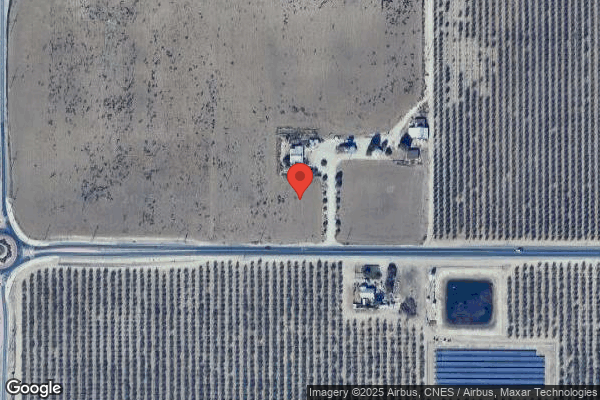
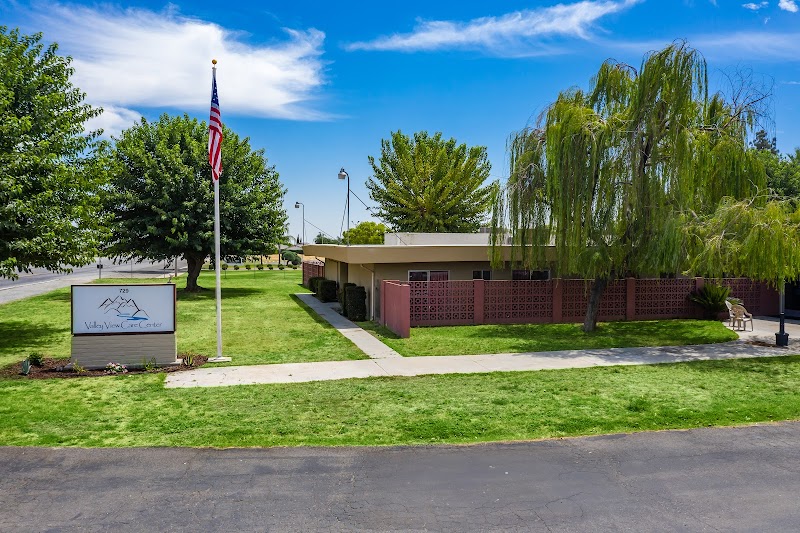
729 BROWNING ROAD, DELANO, CA 93215 (661) 725-2501
For profit - Limited Liability company 53 Beds AJC HEALTHCARE Data: November 2025
Trust Grade
45/100
#937 of 1155 in CA
Last Inspection: December 2024

Within standard 12-15 month inspection cycle. Federal law requires annual inspections.

Overview

Valley View Care Center has a Trust Grade of D, which indicates below-average quality and raises some concerns about the facility. It ranks #937 out of 1155 nursing homes in California, placing it in the bottom half of all facilities in the state, and #7 out of 17 in Kern County, meaning only six other local options are worse. However, the facility is showing signs of improvement, with issues decreasing from 29 in 2024 to just 5 in 2025. Staffing is somewhat stable with a turnover rate of 38%, which is on par with the state average, but the RN coverage is concerning as it is less than 92% of California facilities, potentially limiting the level of care. While there have been no fines reported, the inspection found serious incidents, such as a resident falling due to improper transfer procedures and failure to provide hand hygiene before meals, indicating that there are still significant areas for improvement.

Trust Score
D
45/100
In California
#937/1155
Bottom 19%
Safety Record
Moderate
Needs review
Inspections
Getting Better
29 → 5 violations
Staff Stability
○ Average
38% turnover. Near California's 48% average. Typical for the industry.
Penalties
✓ Good
No fines on record. Clean compliance history, better than most California facilities.
Skilled Nurses
⚠ Watch
Each resident gets only 16 minutes of Registered Nurse (RN) attention daily — below average for California. Fewer RN minutes means fewer trained eyes watching for problems.
Violations
⚠ Watch
60 deficiencies on record. Higher than average. Multiple issues found across inspections.
★★☆☆☆
2.0
Overall Rating
★★☆☆☆
2.0
Staff Levels
★★★☆☆
3.0
Care Quality
★★☆☆☆
2.0
Inspection Score
Stable
2024: 29 issues
2025: 5 issues

The Good

  • Full Sprinkler Coverage · Fire safety systems throughout facility
  • No fines on record
  • Staff turnover below average (38%)

    10 points below California average of 48%

Facility shows strength in fire safety.

The Bad

2-Star Overall Rating

Below California average (3.1)

Below average - review inspection findings carefully

Staff Turnover: 38%

Near California avg (46%)

Typical for the industry

Chain: AJC HEALTHCARE

Part of a multi-facility chain

Ask about local staffing decisions and management

The Ugly 60 deficiencies on record

1 actual harm
Aug 2025 1 deficiency
CONCERN (D) 📢 Someone Reported This

A family member, employee, or ombudsman was alarmed enough to file a formal complaint

Potential for Harm - no one hurt, but risky conditions existed

Comprehensive Care Plan (Tag F0656)

Could have caused harm · This affected 1 resident

**NOTE- TERMS IN BRACKETS HAVE BEEN EDITED TO PROTECT CONFIDENTIALITY** Based on interview and record review, the facility failed to timely develop and implement a care plan to prevent elopement (leav...

Read full inspector narrative →
**NOTE- TERMS IN BRACKETS HAVE BEEN EDITED TO PROTECT CONFIDENTIALITY** Based on interview and record review, the facility failed to timely develop and implement a care plan to prevent elopement (leaving the facility without authorization or a discharge order) for one of one sampled resident (Resident 1) who was at risk for elopement. This failure had the potential for Resident 1 to elope from the facility and sustain injury. Findings:During a review of Resident 1's admission Record (AR), dated 8/1/25, the AR indicated, Resident 1 was admitted to the facility on [DATE] with a primary diagnosis of hemiplegia and hemiparesis (paralysis and severe weakness of one side of the body after a stroke).During a review of Resident 1's Care Plan (CP), dated 7/22/25, the CP indicated, Resident 1 had a BIMs [Brief Interview for Mental Status - a cognitive assessment] score of 3 [scores of 0-7 indicated severe cognitive impairment].During a review of Resident 1's Progress Note (PN), dated 7/23/25 at 1:28 pm, the PN indicated, Resident 1 was oriented x2 (Resident 1 knew who he was and where he was but did not know the current date/time or his current circumstances).During a review of Resident 1's PN dated 7/24/25 at 6:45 pm, the PN indicated, [Resident 1] was angry and yelling at staff.and spoke to a family member asking her to get him out of this place.and stated you're trying to lock me up.During a review of Resident 1's PN dated 7/29/25 at 5:20 pm, the PN indicated, [Resident 1] has been having behaviors of shouting and yelling in the hallway. claims he wants to go home. wanted to go live with his ‘homeboy'.During a review of Resident 1's PN dated 7/30/25 at 3:31 pm, the PN indicated, [Resident 1] repeatedly stated I am going to leave, or sign the AMA [Against Medical Advice - a form residents/patients sign when they self-discharge from a healthcare facility] or I'll just walk out of here.During a review of Resident 1 PN dated 7/31/25 at 10:55 am, the PN indicated, [Resident 1] stated I'm going home. I don't care, I'm going home. I don't care who you tell, I'm going home.During a review of Resident 1 PN dated 7/31/25 at 1:38 pm, the PN indicated, [Resident 1] noted with repeatedly stating he wants to leave [the facility].During a review of Resident 1's SBAR [Situation Background Assessment & Recommendation] Summary for Providers (SBAR) note, dated 7/31/25 at 7:09 p.m., the SBAR indicated, [Resident 1] stated I'm going to start walking out, I don't care you call the cops.During a review of Resident 1's Q (every)15 Minutes Visual Observation Form (VOF), dated 7/31/25, the VOF indicated Resident 1 was placed on direct observation by staff every 15 minutes starting at 3 pm. The VOF indicated at 7:15 pm, Resident 1 walked out of facility.During a review of Resident 1's CP dated 7/31/25, the CP indicated, Resident [1] noted to have increased in behavior and tried to leave the facility. Resident [1] was placed on staff supervision every 15 minutes and then 1:1 [one on one , one staff monitoring] continuous supervision on 7/31/25. There were no previous care plans addressing Resident 1's risk for elopement.During a review of Resident 1's IDT (interdisciplinary, group of management staff) Notes (IDTN), dated 8/1/25 at 2:42 p.m., the IDTN indicated, [Resident 1] noted to have increased behaviors for the past days. Resident [1] was attempting to elope with staff member and was in the neighborhood. Staff were with the resident near the church close to facility until Law Enforcement and EMS [Emergency Medical Services, is a system that provides emergency medical care] arrived.During an interview on 8/7/25 at 11:30 am with Licensed Vocational Nurse 1 (LVN) 1, LVN 1 stated he was at the facility on 7/31/25 and witnessed Resident 1 leaving the facility. LVN 1 indicated that on 7/31/25 at around 6 p.m. he (LVN 1) was at the nurse's station and observed Resident 1 in the hallway agitated and yelling at staff. LVN 1 stated Resident 1 then exited the facility through the front door. LVN 1 stated he followed Resident 1 to the parking lot where Resident 1 remained for a period. LVN 1 stated Resident 1 then left the parking lot and strolled through the neighborhood until he stopped in front of a house where he was picked up by ambulance and taken to Hospital. LVN 1 stated he stayed with Resident 1 the whole time he was out of the facility. LVN 1 stated Resident 1 had indicated several times in the days before his elopement that he (Resident 1) wanted to leave the facility. During an interview on 8/7/25 at 10:50 am with Director of Nursing (DON), DON stated Resident 1 was at risk for elopement and an elopement care plan was only created on 7/31/25, the day Resident 1 eloped from the facility. DON stated an elopement care plan should have been created prior to his elopement when Resident 1 first started to say he wanted to leave the facility.During a review of facility policy and procedure (P&P) titled Elopements and Wandering Residents, dated 2025, the P&P indicated, This facility ensures that residents who exhibit wandering behavior and/or are at risk for elopement receive adequate supervision to prevent accidents, and receive care in accordance with their person-centered plan of care addressing the unique factors contributing to wandering or elopement risk.During a review of facility P&P titled Comprehensive Care Plans, dated 2025, the P&P indicated, It is the policy of this facility to develop and implement a comprehensive person-centered care plan for each resident, consistent with resident rights, that includes measurable objectives and timeframes to meet a resident's medical, nursing, and mental and psychosocial needs.
Jun 2025 1 deficiency
CONCERN (D) 📢 Someone Reported This

A family member, employee, or ombudsman was alarmed enough to file a formal complaint

Potential for Harm - no one hurt, but risky conditions existed

Abuse Prevention Policies (Tag F0607)

Could have caused harm · This affected 1 resident

Based on interview and record review, the facility failed to implement their policy and procedure on abuse for one of three sampled residents (Resident 1) when the financial abuse allegation was not r...

Read full inspector narrative →
Based on interview and record review, the facility failed to implement their policy and procedure on abuse for one of three sampled residents (Resident 1) when the financial abuse allegation was not reported to the California Department of Public Health (CDPH) and the alleged perpetrator (SSA/Social Services Assistant) was not placed on suspension. These failures had the potential for ongoing financial abuse towards Resident 1.Findings:During a review of Resident 1's Insurance Letter Addressed to Facility (ILAF), dated 6/2/25, the ILAF indicated, Dear Management . on 5/27/25, we [insurance company] received a complaint from the above named member [Resident 1]. We require your assistance in the form of a written response for your interpretation of the encounter stated by the member below . Member said she gave [SSA] her cash aid and food stamp card to bring her back food and kept the card. [Resident 1] said cash was also missing from her wallet and she [Resident 1] knows it was the [SSA] because she knew [Resident 1] was not able to get up to go into her purse.During an interview on 6/18/25 at 1:10 p.m. with Administrator in Training (AIT), AIT stated on 6/12/25, a police officer came to the facility regarding an allegation of financial abuse by Resident 1 towards the SSA. AIT stated the allegation was that SSA accessed Resident 1's bank account and took out money, was not sure of the amount. AIT stated a report of allegation of financial abuse was not reported to the CDPH. During an interview on 6/18/25 at 1:29 p.m. with Administrator, Administrator stated a police officer came to the facility on 6/12/25 regarding an allegation of financial abuse by Resident 1 towards SSA. Administrator stated the facility did not report the allegation of financial abuse to the CDPH. During an interview on 6/26/25 at 3:59 p.m. with SSA, SSA stated she was made aware of an allegation of financial abuse by Resident 1 prior to the police officer coming to the facility around 6/5/25 when Social Services Director (SSD) told her about the allegation. SSA stated she was not placed on administrative leave pending an investigation of the allegation of financial abuse. During an interview on 6/27/25 at 11:11 p.m. with SSD, SSD stated she was first made aware of an allegation of financial abuse by Resident 1 on 6/2/25. SSD stated Resident 1's insurance company had sent a fax on 6/2/25 regarding multiple concerns presented to them by Resident 1 including an allegation SSA stole money from her wallet. SSD stated SSA was not placed on administrative leave pending an investigation of an allegation of financial abuse until 6/12/25 (10 days after the allegation was made). SSD stated she did not report the allegation of financial abuse to the CDPH. During a review of the facility document titled Employee Time Cards (ETC), dated 6/2025, the ETC indicated, SSA worked on the following dates after an allegation of financial abuse was made on 6/2/25:a. 6/3/25 - 8:13 a.m. to 2:33 p.m.b. 6/4/25 - 7:05 a.m. to 2:33 p.m.c. 6/9/25 - 9:29 p.m. to 4:15 p.m.d. 6/10/25 - 8:27 a.m. to 8:41 a.m.e. 6/12/25 - 8:09 a.m. to 3:06 p.m. During an interview on 6/27/25 at 12:07 p.m. with AIT and Director of Nursing (DON), AIT stated he was aware of the letter Resident 1's insurance company had sent that involved an allegation of financial abuse. DON stated she was aware of a letter from Resident 1's insurance company regarding an allegation of financial abuse on 6/5/25. AIT stated SSA was not placed on administrative leave until after the police department came on 6/12/25 (10 days after Resident 1's insurance company sent their letter). AIT stated the facility policy and procedure on abuse was not implemented. During a review of the facility's policy and procedure (P&P) titled, Abuse, Neglect and Exploitation, undated, the P&P indicated, It is the policy of this facility to provide protections for the health, welfare and rights of each resident by developing and implementing written policies and procedures that prohibit and prevent abuse, neglect, exploitation and misappropriation of resident property. The facility will designate an Abuse Prevention Coordinator in the facility who is responsible for reporting allegations or suspected abuse, neglect, or exploitation to the state survey agency and other officials in accordance with state law. Reporting/Response . The facility will have written procedures that include . Reporting of all alleged violations to the Administrator, state agency, adult protective services, and to all other required agencies . within specified time frames . Immediately, but not later than 2 hours after the allegation is made, if the events that cause the allegation involve abuse or result in serious bodily harm . Not later than 24 hours if the events that cause the allegation do not involve abuse and do not result in serious bodily harm. The Administrator will follow up with government agencies, during business hours, to confirm the initial report was received . During a review of the facility's policy and procedure (P&P) titled, Abuse Investigation and Reporting, dated 7/2017, the P&P indicated, All reports of resident abuse, neglect, exploitation, misappropriation of resident property, mistreatment and/or injuries of unknown source ( abuse) shall be promptly reported to local, state and federal agencies (as defined by current regulations) and thoroughly investigated by facility management. Findings of abuse investigations will also be reported. The Administrator will suspend immediately any employee who has been accused of resident abuse, pending the outcome of the investigation. All alleged violations involving abuse, neglect, exploitation, or mistreatment, including injuries of an unknown source and misappropriation of property will be reported by the facility Administrator, or his/her designee, to the following persons or agencies . The State licensing/certification agency responsible for surveying/licensing the facility.
May 2025 1 deficiency
CONCERN (D) 📢 Someone Reported This

A family member, employee, or ombudsman was alarmed enough to file a formal complaint

Potential for Harm - no one hurt, but risky conditions existed

Comprehensive Care Plan (Tag F0656)

Could have caused harm · This affected 1 resident

**NOTE- TERMS IN BRACKETS HAVE BEEN EDITED TO PROTECT CONFIDENTIALITY** Based on interview and record review, the facility failed to implement their care plan for one of three sampled residents (Resid...

Read full inspector narrative →
**NOTE- TERMS IN BRACKETS HAVE BEEN EDITED TO PROTECT CONFIDENTIALITY** Based on interview and record review, the facility failed to implement their care plan for one of three sampled residents (Resident 1). This failure resulted in Resident 1 physically touching Resident 2 on the jaw with a closed fist. Findings: During a review of Resident 1's admission RECORD (AR), dated 5/6/25, the AR indicated, Resident 1 was admitted to the facility on [DATE] with a diagnosis of schizoaffective disorder (a mental health condition in which the person experiences hearing voices, hallucinations and/or false beliefs) bipolar (a mental health condition that causes extreme shifts in mood, energy, and activity levels) type, and adjustment disorder (an emotional or behavioral reaction to a stressful life event or change) with mixed anxiety (a feeling of worry, fear, or nervousness about something that's happening or might happen) and depressed mood (consistently feeling sad, empty, or hopeless, and losing interest in activities you once enjoyed). During a review of Resident 2's AR dated 1/24/25, the AR indicated, Resident 2 was admitted to the facility on [DATE] with a diagnosis of development disorder of scholastic skills (a person who has difficulty learning and using specific academic skills, like reading, writing, or math), anxiety disorder, panic (a sudden episode of intense fear or discomfort that can feel like a physical attack, even though there's no real danger) disorder, Bipolar disorder, and insomnia (a sleep disorder where you have trouble falling asleep, staying asleep, or both). During an interview on 5/21/25 at 11:58 a.m. with Administrator in training (AIT), AIT stated on 5/5/25 a family member (not specified who) reported seeing Resident 1 touched Resident 2's jaw with a closed fist in the dining area. AIT interviewed Resident 1 who stated he did not recall the incident. AIT interviewed Resident 2 who stated he was touched on his shoulder (not specific which) by Resident 1. AIT stated Resident 1 had a history of physical altercation with Resident 2 (no date given) and other residents. AIT stated due to Resident 1's multiple altercation with residents, there was a care plan in place that staff were to keep Resident 1 separated from other residents in the dining area. During a review of Resident 1's Care Plan Report (CP), dated 9/19/24, the CP indicated, Resident 1 was physically aggressive with another resident (not specified who) when he elbowed the other resident in the upper arm. An intervention listed on 9/19/24 was to monitor Resident 1's behavior and, If resident (Resident 1) is in the dining room Please (sic) make sure to keep him away from other residents due to behaviors. During a review of Resident 2's Interdisciplinary (ideas and methods from different fields or areas of study to solve problems or understand something better) Post Event Note (IPEN), dated 5/7/25, the IPEN indicated, on 5/5/25, Visitor (not identified) reports that she saw another resident (Resident 1) calling (Resident 2) names and rolling close to him and with a closed fist gently tap (Resident 2) in the jaw. Visitor (sic) got up and let a Certified Nursing Assistant (CNA) [not identified] know and they were immediately separated. No (sic) injuries noted. During an interview on 5/21/25 at 12:10 p.m. with Certified Nursing Assistant (CNA) 1, CNA 1 stated on 5/5/25 she was in the dining area during lunch assisting residents. CNA 1 stated a family member (not identified) approached her and reported Resident 1 had touched Resident 2 on the cheek (side not recalled) with a closed fist. CNA 1 stated the incident occurred in the dining area. CNA 1 stated there had been previous physical and verbal altercations with Resident 1 and Resident 2. CNA 1 stated she was aware there was a CP that Resident 1 was to be kept separated from other residents in the dining room due to behaviors. CNA 1 stated if Resident 1 was able to touch Resident 2 with a closed fist then he was not monitored and kept separated from other residents by staff as he should have been. During an interview on 5/21/25 at 12:18 p.m. with Licensed Vocational Nurse (LVN 1), LVN 1 stated Resident 1 had an altercations with other residents (not specific who) in the past. LVN 1 stated when in the dining area Resident 1 was to be monitored by staff to prevent altercations. LVN 1 stated when Resident 1 touched Resident 2's cheek with a closed fist he was not being monitored by staff as he should have been. During an interview on 5/21/25 at 12:53 p.m. with Director of Nursing (DON), DON stated Resident 1 was to be monitored and keep separated from other residents in the dining area due to behaviors. DON stated when Resident 1 touched Resident 2's cheek with a closed fist on 5/5/25, the staff had not followed the intervention to monitor and keep Resident 1 separated from other residents. During an interview on 5/21/25 at 12:55 p.m. with AIT, AIT stated the intervention to monitor and keep Resident 1 separated from other residents in the dining room was not implemented by staff when Resident 1 was able to touch Resident 2's cheek with a closed fist. During a review of the facility's policy and procedure (P&P) titled, Comprehensive Care Plans, dated 7/2021, the P&P indicated, It is the policy of this facility to develop and implement a comprehensive person-centered care plan for each resident . Qualified staff responsible for carrying out interventions specified in the care plan will be notified of their roles and responsibilities for carrying out the interventions, initially and when changes are made.
Mar 2025 1 deficiency
CONCERN (D) 📢 Someone Reported This

A family member, employee, or ombudsman was alarmed enough to file a formal complaint

Potential for Harm - no one hurt, but risky conditions existed

Grievances (Tag F0585)

Could have caused harm · This affected 1 resident

Based on observation, interview, and record review, the facility failed to implement their policy and procedure on grievances for one of three sampled residents (Resident 1). This failure had the pote...

Read full inspector narrative →
Based on observation, interview, and record review, the facility failed to implement their policy and procedure on grievances for one of three sampled residents (Resident 1). This failure had the potential for the grievances to not be addressed and result in negative consequences. Findings: During a review of Resident 1's admission RECORD (AR), dated 3/21/25, the AR indicated, Resident 1 had a diagnosis of epilepsy (a brain disorder that causes repeated seizures [brief periods of abnormal brain activity], often manifesting as unusual behaviors, sensations, or loss of awareness. Bright light in some individuals can trigger an episode), and capsular glaucoma (a condition in which the eye's ability to transmit images to the brain is damaged and bright light can negatively affect some individuals). During a review of Resident 1's Minimum Data Set (MDS- an assessment tool) under the section Brief Interview for Mental Status (BIMS- an assessment of cognition [how well a person thinks, remembers, and learns]), dated 3/20/25, the BIMS indicated, Resident 1 had a score of 15 (cognition [how well a person thinks, remembers, and learns] function) intact. During an interview on 3/20/25 at 1:24 p.m. with Resident 1, Resident 1 stated around 2/14/25 the facility placed a new sliding glass door that accessed the patio area into her room. Resident 1 stated the previous glass door had tint (the application of a thin film to glass which offers benefits like privacy, sunlight protection, reduced glare, and heat reduction) and the new sliding glass door did not have tint. Resident 1 stated the sunlight entering her room from the new sliding glass door bothered her eyes from the increased amount of light entering her room. Resident 1 stated around 2/15/25 she reported this issue to the facility maintenance worker (MW). Resident 1 stated nothing had been done regarding her complaint. During an interview on 3/20/25 at 1:59 p.m. with MW, MW stated Resident 1's sliding glass door was replaced on 1/17/25. MW stated the old sliding glass door had tint but the new one installed did not. MW stated Resident 1 voiced a complaint about the amount of light entering her room approximately one month after the new sliding glass door was installed. MW stated he voiced Resident 1's concerns to leadership (Administration, Social Services, Director of Nursing, and other individuals) during the morning meeting held daily. During an interview on 3/20/25 at 2:27 p.m. with Administrator in Training (AIT), AIT stated around 2/2025, MW mentioned in the morning meetings, Resident 1's concerns about the amount of light entering her room from the new sliding glass door. AIT stated he was not sure if there was documentation done regarding Resident 1's complaint and/or the facilities response to the complaint. AIT stated Social Services Director (SSD) was aware of Resident 1's complaint as she was part of the morning meetings. During an interview on 3/20/25 at 2:35 p.m. with SSD, SSD stated approximately three weeks ago she was informed of Resident 1's complaint about the amount of light entering her room from the new sliding glass door. SSD stated she was not aware what process the facility used to address resident complaints/grievances. SSD stated she had not done a grievance form about Resident 1's complaint. During an interview on 3/20/25 at 2:40 p.m. with AIT, AIT stated he was not aware what process the facility used to address resident complaints/grievances. AIT stated a grievance form had not been done for Resident 1's complaint. During a review of the facility's policy and procedure (P&P) titled, Resident and Family Grievances, dated 11/2024, the P&P indicated, It is the policy of this facility to support each resident's and family member's right to voice grievances without discrimination, reprisal or fear of discrimination or reprisal. ' Prompt efforts to resolve' include facility acknowledgment of a complaint/grievance and actively working toward resolution of that complaint/grievance. The Grievance Official is responsible for overseeing the grievance process; receiving and tracking grievances through to their conclusion; leading any necessary investigations by the facility; maintaining the confidentiality of all information associated with grievances; issuing written grievance decisions to the resident; and coordinating with state and federal agencies as necessary in light of specific allegations. A resident or family member may voice grievances with respect to care and treatment which has been furnished as well as that which has not been furnished, the behavior of staff and other residents, and other concerns regarding their LTC (long term care) facility stay. Grievances may be voiced in the following forums . Verbal complaint to a staff member or Grievance Official. Written complaint to a staff member or Grievance Official. Written complaint to an outside party . Verbal complaint during resident or family council meetings . Via the company toll free Customer Service Line (if applicable). The staff member receiving the grievance will record the nature and specifics of the grievance on the designated grievance form, or assist the resident or family member to complete the form. The Grievance Official, or designee, will keep the resident appropriately apprised of progress towards resolution of the grievances. In accordance with the resident's right to obtain a written decision regarding his or her grievance, the Grievance Official will issue a written decision on the grievance to the resident or representative at the conclusion of the investigation. The written decision will include at a minimum . The date the grievance was received. The steps taken to investigate the grievance. A summary of the pertinent findings or conclusions regarding the resident's concern(s). A statement as to whether the grievance was confirmed or not confirmed. Any corrective action taken or to be taken by the facility as a result of the grievance. The date the written decision was issued.
Jan 2025 1 deficiency 1 Harm
SERIOUS (G) 📢 Someone Reported This

A family member, employee, or ombudsman was alarmed enough to file a formal complaint

Actual Harm - a resident was hurt due to facility failures

Accident Prevention (Tag F0689)

A resident was harmed · This affected 1 resident

**NOTE- TERMS IN BRACKETS HAVE BEEN EDITED TO PROTECT CONFIDENTIALITY** Based on observation, interview, and record review, the facility failed to prevent an avoidable fall (move downward, typically r...

Read full inspector narrative →
**NOTE- TERMS IN BRACKETS HAVE BEEN EDITED TO PROTECT CONFIDENTIALITY** Based on observation, interview, and record review, the facility failed to prevent an avoidable fall (move downward, typically rapidly and freely without control from a higher to a lower level) for one of three sampled residents (Resident 1) when Certified Nursing Assistant (CNA 1) and CNA 2 failed to implement the care plan (CP- a document that outlines a resident's needs, treatment, and expected outcomes) to use a Hoyer lift (a mechanical device that helps move people with limited mobility) in transferring Resident 1 from the bed to the wheelchair. This failure resulted in Resident 1 sustaining a fall and experiencing pain to the left foot. Resident 1 was transferred to the acute hospital where the resident was found to have varus deformity (a condition characterized by an inward angulation or bending of a bone or joint) of the second metatarsophalangeal (the joints connecting the long bones of the foot and bones of the toes) joint. A nondisplaced (a break in the bone where the original bones remain in their original position) proximal phalangeal (the toe bones closest to the ankle and metatarsals [the five long bones in the foot]) fracture (a break in the bone) cannot be entirely excluded. Findings: During a review of Resident 1's admission RECORD (AR), dated 1/29/25, the AR indicated, Resident 1 was admitted to the facility on [DATE]. The AR indicated, Resident 1 diagnoses including repeated falls, difficulty in walking, spinal stenosis (a narrowing of the spinal column (backbone) that occurs over time and can put pressure on the spinal cord [a tube-shaped bundle of nerves that runs from the brain to the lower back]) lumbar region (lower back) with neurogenic claudication (a condition that causes pain, weakness, or numbness in the legs while walking or standing), and need for assistance with personal care. During a review of Resident 1's quarterly Minimum Data Set (MDS- an assessment tool) dated 1/10/25, under the section Brief Interview for Mental Status (BIMS- an assessment of cognition [how well a person thinks, remembers, and learns]), the BIMS indicated, Resident 1 had a score of 13 (cognition [how well a person thinks, remembers, and learns] intact). The MDS under the section GG (an assessment of the level a care a resident required), indicated, Resident 1 was dependent on staff for transferring from bed to chair/chair to bed. During a review of Resident 1's Care Plan dated 6/23/24, the CP indicated, Resident 1 had self-care performance issues secondary to impaired balance, limited mobility, and limited ROM (range of motion- how far you can move a joint [where two or more bones connect] in your body). CP intervention indicated under transfer to use a Hoyer lift with two staff members for any transfers Resident 1 required. During an observation and interview on 1/29/25 at 12:16 p.m. with Resident 1, in Resident 1's room, Resident 1 was sitting in her wheelchair and stated on 1/16/25, Certified Nursing Assistant (CNA 1) and CNA 2 attempted to transfer her from the bed to the wheelchair. Resident 1 stated she was not able to bear weight (to support or withstand the weight of the body) in her legs. Resident 1 stated, They (CNA 1 and CNA 2) picked me up (using a bath towel) and they (CNA 1 and CNA 2) dropped me, they used a (bath) towel to pick me up not the Hoyer lift. Resident 1 stated she experienced left foot pain (no detailed information about the pain) after the fall incident. During a review of Resident 1's Progress Notes (PN), dated 1/16/25, the PN indicated the following: a. At 12:30 p.m.- Nursing observations, evaluation, and recommendations . Staff (not indicated who) reported resident (1) had an assisted fall. When resident (1) was asked, she stated that staff (not indicated who) dropped her on the floor while being transferred. She also stated that she fell on both her knees. Spoke to staff (not indicated who) and one of the CNA (not indicated who) stated that her partner lost grip of the towel under resident's (1) legs, and she had to be assisted to the floor. b. At 4:15 p.m.- On time of fall (no indicated time), no swelling noted to left great toe. At approximately (4:20 p.m.), redness, and swelling to left great toe was noted. During a review of Resident 1's Nursing- Pain Evaluation (NPE), dated 1/16/25, the NPE indicated, Resident 1 complained of pain after her fall to the floor on a scale of five out of 10 (moderate pain, distracting or interfering with activities) .to the left great toe. During a review of Resident 1's Interdisciplinary Post Event Note (IDT- Interdisciplinary Team- group of professionals who assess, coordinate, and manage each resident's comprehensive needs), dated 1/20/25, the IDT indicated, Resident 1 had an x-ray (medical imaging technique that uses radiation to create a picture of the inside of the body) of the left foot (on 1/17/25). The x-ray results indicated Resident 1 had a possible fracture (break) in her left great toe. The IDT indicated Resident 1 had an order for Norco (a narcotic medication for pain) 5/325 mg (milligram- a unit of measurement) every eight hours for pain (routinely given). During a review of Resident 1's Physician Orders (PO), dated 1/21/25, the PO indicated, Resident 1 was to be sent out to the hospital to confirm a possible fracture to the left great toe. During a review of the acute hospital Emergency Department Notes (EDN), dated 1/21/25, the CN indicated, Resident 1 was sent to the acute hospital with a left great toe injury after a fall. The EDN indicated a left foot x-ray was performed, and Resident 1 was found to have a nondisplaced fracture (a break in the bone where the original bones remain in their original position) of the proximal phalangeal (the toe bones closest to the ankle and metatarsals [the five long bones in the foot]). During an interview on 1/29/25 at 1:48 p.m. with Director of Nursing (DON), DON stated on 1/16/25 Resident 1 fell to the floor while being transferred by CNA 1 and CNA 2 from the bed to the wheelchair using a (bath) towel. DON stated Resident 1 was to be transferred from the bed to the wheelchair using a Hoyer lift, but CNA 1 and CNA 2 did not use the Hoyer lift. During an interview on 2/5/25 at 2:31 p.m. with CNA 1, CNA 1 stated on 1/16/25 at approximately 11 a.m. she asked CNA 2 to assist her with transferring Resident 1 from the bed to the wheelchair. CNA 1 stated she and CNA 2 did not use the Hoyer lift to transfer Resident 1. CNA 1 stated she and CNA 2 used a bath towel underneath Resident 1's legs to lift her up to transfer from the bed to the wheelchair. CNA 1 stated she and CNA 2 lost control of the bath towel and Resident 1 fell to the floor. CNA 1 stated after the fall incident Resident 1 started complaining of pain to her left foot. CNA 1 stated no staff trained her to use a bath towel to transfer Resident 1 and it was dangerous to do so. CNA 1 stated she used a bath towel in the past (no dates given) to transfer Resident 1. CNA 1 stated she was aware she should use the Hoyer lift (as indicated in the CP). During an interview on 2/5/25 at 3:20 p.m. with CNA 2, CNA 2 stated on 1/16/25 at approximately 11 a.m. she and CNA 1 transferred Resident 1 from the bed to the wheelchair using a bath towel. CNA 2 stated she and CNA 1 lost control of the bath towel and Resident 1 fell to the floor. CNA 2 stated Resident 1 was dead weight (when a person is unable to assist with movement and their full weight is felt by the persons assisting) and had fallen into a position in which her foot (left) was possibly crushed by her weight. CNA 2 stated Resident 1 was visibly upset (could not describe what this meant other than upset) and yelling at them (CNA 1 and CNA 2) about the fall incident. CNA 2 stated, She (Resident 1) required a Hoyer lift . we (CNA 1 and CNA 2) did not use it. During a review of the facility's policy and procedure (P&P) titled, Comprehensive Care Plans, dated 11/2024, the P&P indicated, It is the policy of this facility to develop and implement a comprehensive person-centered care plan for each resident, consistent with resident rights, that includes measurable objectives and timeframes to meet a resident's medical, nursing, and mental and psychosocial needs and ALL services that are identified in the resident's comprehensive assessment and meet professional standards of quality.The comprehensive care plan will describe, at a minimum, the following .The services that are to be furnished to attain or maintain the resident's highest practicable physical, mental, and psychosocial well-being. During a review of the facility's P&P titled, Safe Resident Handling/Transfers, dated 11/2024, the P&P indicated, It is the policy of this facility to ensure that residents are handled and transferred safely to prevent or minimize risks for injury and provide and promote a safe, secure and comfortable experience for the resident while keeping the employees safe in accordance with current standards and guidelines. All residents require safe handling when transferred to prevent or minimize the risk for injury to themselves and the employees that assist them. While manual lifting techniques may be utilized dependent upon the resident's condition and mobility, the use of mechanical lifts are a safer alternative and should be used.Mechanical lifting equipment or other approved transferring aids will be used based on the resident's needs to prevent manual lifting except in medical emergencies.Staff members are expected to maintain compliance with safe handling/transfer practices. Failure to maintain compliance may lead to disciplinary action up to and including termination of employment.Resident lifting and transferring will be performed according to the resident's individual plan of care.
Dec 2024 22 deficiencies
CONCERN (D)

Potential for Harm - no one hurt, but risky conditions existed

Deficiency F0552 (Tag F0552)

Could have caused harm · This affected 1 resident

**NOTE- TERMS IN BRACKETS HAVE BEEN EDITED TO PROTECT CONFIDENTIALITY** Based on interview and record review, the facility failed to ensure physicians provide the informed consent (process that a heal...

Read full inspector narrative →
**NOTE- TERMS IN BRACKETS HAVE BEEN EDITED TO PROTECT CONFIDENTIALITY** Based on interview and record review, the facility failed to ensure physicians provide the informed consent (process that a healthcare provider fully informs patient and/or family) for the use of antipsychotic (drugs that treat psychosis [mental distress, mental disorder]) medications for three of three sampled residents (Resident 1, Resident 40, and Resident 149) and verified by two licensed personnel when verbal or telephone consents were obtained. This failure had the potential for the residents to not receive accurate information about the drugs and not fully understand the risks, benefits, and alternative of the medications. Findings: During a review of Resident 1's admission Record (AR), the AR indicated Resident 1 was readmitted on [DATE] with diagnosis including visual hallucination (involves seeing things that aren't real), schizoaffective disorder (chronic mental illness that combines symptoms of schizophrenia [disruptions in thought processes, perceptions, emotions, and social interactions] and a mood disorder), bipolar (a serious mental illness that causes unusual shifts in mood, psychosis, major depressive disorder (MDD-persistently low or depressed mood, low energy, and poor concentration) and anxiety disorder (excessive worry and feelings of fear, dread, and uneasiness). During a concurrent interview and record review on 12/4/24 at 9:20 a.m. with Minimum Data Set (resident assessment tool) Coordinator (MDSC), Resident 1's Physician's Orders (PO) dated 12/20/23, was reviewed. The PO indicated, Lorazepam (used to treat anxiety disorders) 0.5 milligram (mg) three times a day for anxiety. A review of Resident 1's Psychoactive Medication Evaluation and Consent (PMEC) Form dated 12/20/23, indicated, Licensed Vocational Nurse (LVN) 5 completed the form with the indications for use, expected benefits, and possible side effects/risk. MDSC stated LVN 5 completed and signed the PMEC form and obtained the informed consent. MDSC stated the form did not have the physician statement of the risks, benefits, and alternatives for the use of the antipsychotic medication. MDSC stated there was no physician signature indicating the physician provided the informed consent for the prescribed antipsychotic medication. MDSC stated the consent was obtained from Resident 1's sister. MDSC stated Resident 1's sister does not come to the facility; the consent was obtained via telephone. MDSC stated the verbal consent required two licensed personnel to witness the verbal/phone consent, but it was only [LVN] 5 who validated the verbal consent. During a concurrent interview and record review on 12/4/24 at 9:22 a.m. with MDSC, Resident 1's PO dated 1/10/24 indicated, Trazodone (medication to treat depression and anxiety) 50 mg at HS (bedtime) routinely for insomnia. A review of Resident 1's PMEC Form dated 1/10/24 indicated, LVN 4 completed the form with indications for use, expected benefits, and possible side effects. MDSC stated LVN 4 completed and signed the PMEC form and obtained the informed consent. MDSC stated the form did not have the physician statement of the risks, benefits, and alternatives for the use of the antipsychotic medication. MDSC stated there was no physician signature indicating the physician provided the informed consent for the prescribed antipsychotic medication. MDSC stated verbal/phone consent was obtained from Resident 1's sister. MDSC stated the verbal consent required two licensed personnel to witness the verbal/phone consent, but it was only [LVN] 4 who validated the verbal consent. During a concurrent interview and record review on 12/4/24 at 9:25 a.m. with MDSC, Resident 1's PO, dated 11/27/24, was reviewed. The PO indicated, Abilify (medication to treat manic or mixed episodes related to bipolar disorder) 15 mg daily. A review of Resident 1's PMEC Form dated 11/27/24 indicated, LVN 1 completed the form with indications for use, expected benefits, and possible side effects/risk. MDSC stated LVN 1 completed and signed the PMEC form and obtained the informed consent. MDSC stated the form did not have the physician statement of the risks, benefits, and alternatives for use of the antipsychotic medication. MDSC stated there was no physician signature indicating the physician provided the informed consent for the prescribed antipsychotic medication. During a review of Resident 40's admission Record (AR), the AR indicated Resident 40 was admitted on [DATE] with diagnosis including, MDD and Insomnia (sleep disorder). During a concurrent interview and record review on 12/4/24 at 3:26 p.m. with MDSC, Resident 40's PO, dated 11/3/24, was reviewed. The PO indicated, Zolpidem 5 milligrams (mg) one tablet at bedtime. A review of Resident 40's PMEC Form dated 11/3/24 indicated, LVN 4 completed the form with indications for use, expected benefits, and possible side effects/risk. MDSC stated LVN 4 signed the completed PMEC form and obtained the informed consent. MDSC stated the form did not have the physician statement of the risks, benefits, and alternatives for the use of the antipsychotic medication. MDSC stated there was no physician signature indicating the physician provided the informed consent for the prescribed antipsychotic medication. During a review of Resident 149's PO, dated 11/27/24, the PO indicated, Trazodone tablet 50 mg give one tablet at bedtime for depression (mood disorder that causes a persistent feeling of sadness and loss of interest in activities for long periods of time) manifested by sleep disturbance. During a concurrent interview and record review on 12/4/24 at 4 p.m. with MDSC, the PMEC, dated 11/27/24, was reviewed. The PMEC form indicated LVN 6 completed the form with indications for use, expected benefits, and possible side effects/risk. MDSC stated LVN 6 completed and signed the PMEC form and obtained the informed consent. MDSC stated the form did not have the physician statement of the risks, benefits, and alternatives for the use of the antipsychotic medication. MDSC stated there was no physician signature indicating the physician provided the informed consent for the prescribed antipsychotic medication. During a review of the facility's policy and procedure (P&P) titled, Informed Consent-Psychotherapeutic Medications and Restraint Devices, dated 12/14/17, the P&P indicated, POLICY 2. The healthcare practitioner ordering psychotherapeutic medication (physician ordering psychotropic or any medication that is identified/used as a chemical restraint) or prolonged use of devices is responsible for a. Obtaining informed consent, providing risk/benefits and other related information from the resident and/or resident's representative for use of such medication/devices. b. Providing documentation that informed consent was obtained, including the diagnosis/clinical indications for the medication and physical restraint. VERIFICATION PROCESS FOR INFORMED CONSENT: 1. The physician or other health professional will verify that the resident/surrogate decision-maker was given the information that supports the need and risk/benefit provided for the physical/chemical restraint/psychotherapeutic drug .using the following method: Telephone verification of informed consent with two witnesses.
CONCERN (D)

Potential for Harm - no one hurt, but risky conditions existed

Deficiency F0554 (Tag F0554)

Could have caused harm · This affected 1 resident

Based on observation, interview, and record review, the facility failed to ensure one of one sampled resident (Resident 101) was trained in self-administration of suction. This failure had the potenti...

Read full inspector narrative →
Based on observation, interview, and record review, the facility failed to ensure one of one sampled resident (Resident 101) was trained in self-administration of suction. This failure had the potential to place Resident 101 at risk for respiratory infection and/or respiratory complications. Findings: During a concurrent observation and interview on 12/2/24 at 9:24 a.m., inside Resident 101's room, Resident 101 appeared alert and was able to verbalize his needs. On the bedside table next to Resident 101's bed, a suction machine with a plastic container attached with tan frothy liquid inside the plastic collection container was noted. During an observation on 12/2/24 at 9:31 a.m., in Resident 101's room, Licensed Vocational Nurse (LVN) 6 was seen replacing the plastic container on the suction machine at Resident 101's bedside. During a concurrent interview and record review on 12/4/24 at 10:45 a.m. with LVN 8, Resident 101's medical record (MR), dated 12/4/24, was reviewed. LVN 8 was unable to locate an Interdisciplinary Team (IDT- a collaborative team where a variety of professionals work together to plan and coordinate patient care ) training for Resident 101's ability and assessment to suction himself. During an interview on 12/5/24 at 10:55 a.m. with Resident 101, Resident 101 stated he had been using the suction machine in the facility. Resident 101 stated he uses it up to five times a day. A facility policy and procedure had been requested for the use of the suction machine, and not provided.
CONCERN (D)

Potential for Harm - no one hurt, but risky conditions existed

Transfer Notice (Tag F0623)

Could have caused harm · This affected 1 resident

Based on interview and record review, the facility failed to provide the Office of the State Long-Term Care (OSLTCO) Ombudsman (independent advocate who helps protect the rights of residents in long-t...

Read full inspector narrative →
Based on interview and record review, the facility failed to provide the Office of the State Long-Term Care (OSLTCO) Ombudsman (independent advocate who helps protect the rights of residents in long-term care facilities/nursing homes) a Notice of Transfer for one of one sampled resident (Resident 25) transferred to an acute care facility. This failure had the potential for Resident 25 to not receive the added protection from being transferred or discharged in and out of the facility. Findings: During a concurrent interview and record review, on 12/5/24 at 10:26 a.m. with Director of Nursing (DON) and Medical Records Director (MRD), Resident 25's Situation, Background, Assessment, and Recommendation (SBAR-a communication tool) on hospitalization, dated 10/4/24, 10/18/24, and 11/13/24, were reviewed. Resident 25's hospitalization on 10/4/24 indicated weakness and lethargy (a state of fatigue and low energy) due to low hemoglobin (few red blood cells carrying oxygen to the body. The normal range for hemoglobin levels is 12 grams per deciliter to 17.4 grams per deciliter of blood for adults) of 7.4 grams per deciliter (gm/dl). Resident 25's hospitalization on 10/18/24 indicated high potassium level (affects the heart and may cause irregular heartbeat or heart attack. Normal potassium level is between 3.5 and 5.0 millimoles per liter (mmol/L) of 6.3 mmol/L). Resident 25's hospitalization on 11/13/24 indicated low hemoglobin level of 7.1 gm/dl. DON was unable to find documentation of a notice of transfer sent to the Ombudsman. MRD stated she had not sent a copy of the notification of transfer to OLTCO for the transfer/discharges for the months of October and November, 2024. During a review of Notice of Transfer to OLTCO, DON was unable to provide evidence OLTCO was notified of Resident 25's transfers/discharges in October and November of 2024. During a review of OSLTCO document titled, Sending Required Transfer /Discharge Notices to your Local LTCO Program, [undated], the document indicated, Facilities are required to send copies of all notices related to facility-initiated transfers and discharges. Facilities must give residents and their representatives a notice of discharge or transfer at least 30 days in advance unless a resident is temporarily transferred on an emergency basis to an acute care facility (42 CFR 483 15(c)(4)(ii)(D). The facility must send copies of these notices to the LTCOP at the same time. During a review of the facility's policy and procedure (P&P) titled, Transfer/Discharge (Including AMA -Against Medical Advice), dated 11/29/24, the P&P indicated, 4. The facility's transfer/discharge notice will be provided to the resident and the resident's representative in a language and manner in which they can understand. 5. Generally, the notice will be provided at least 30 days prior to a facility-initiated transfer or discharge of the resident. Exceptions to the 30 -day requirement apply when the transfer or discharge is effected (sic) because: c an immediate transfer or discharge is required by the resident's urgent medical needs .6. In this exceptional case, the notice will be provided to the resident, resident's representative if appropriate, and LTCO as soon as practicable before the transfer or discharge. 7. The facility will maintain evidence that the notice was sent to the Ombudsman.
CONCERN (D)

Potential for Harm - no one hurt, but risky conditions existed

Deficiency F0655 (Tag F0655)

Could have caused harm · This affected 1 resident

**NOTE- TERMS IN BRACKETS HAVE BEEN EDITED TO PROTECT CONFIDENTIALITY** Based on interview and record review, the facility failed to ensure one of one sampled resident (Resident 149) had a completed B...

Read full inspector narrative →
**NOTE- TERMS IN BRACKETS HAVE BEEN EDITED TO PROTECT CONFIDENTIALITY** Based on interview and record review, the facility failed to ensure one of one sampled resident (Resident 149) had a completed Baseline Care Plan (BCP-an initial person-centered care plan within the first 48 hours of admission that provide instructions for care of the resident) and a summary provided to the resident within 48 hours of admission. This failure had the potential for Resident 149 to not receive the care and the safeguards necessary within the 48-hour of admission. Findings: During a review of Resident 149's admission Record (AR), the AR indicated, Resident 149 was admitted on [DATE] with diagnosis including Chronic Obstructive Pulmonary Disease (COPD-a common lung disease causing restricted airflow and breathing problems), Diabetes Mellitus (high blood sugar in the body), and Congestive Heart Failure (heart can't pump blood well enough to supply one's body with blood) with difficulty walking and needed assistance with personal care. During a concurrent interview and record review on 12/4/24 at 3:58 p.m. with Minimum Data Set (MDS-resident assessment tool) Coordinator (MDSC), Resident 149's BCP dated 10/28/24, was reviewed. MDSC was unable to provide documentation of a completed BCP for Resident 149. MDSC stated Resident 149 was not provided a summary of the BCP. MDSC stated there was no signature of the resident signifying receipt of the summary of Resident 149's BCP. During a review of the facility's policy and procedure (P&P) titled, Baseline Care Plan, dated 11/29/24, the P&P indicated, 1. The baseline care plan will be developed within 48 hours of resident's admission .3. A supervising nurse shall verify within 48 hours that a baseline care plan has been developed .5. A supervising nurse or MDS nurse/designee is responsible for providing a written summary of the baseline care plan to the resident and representative. 6. The person providing the written summary of the baseline care plan shall: a. Obtain a signature from the resident/representative to verify that the summary was provided.
CONCERN (D)

Potential for Harm - no one hurt, but risky conditions existed

Comprehensive Care Plan (Tag F0656)

Could have caused harm · This affected 1 resident

During an observation on 12/02/24 at 9:36 a.m. in Resident 31's room, Resident 31 was lying in bed with a feeding tube (a tube that provides nutrition and medication to people who are unable to eat or...

Read full inspector narrative →
During an observation on 12/02/24 at 9:36 a.m. in Resident 31's room, Resident 31 was lying in bed with a feeding tube (a tube that provides nutrition and medication to people who are unable to eat or swallow). During a review of Resident 31's admission Records (AR), dated 7/10/24, the AR indicated Resident 31's diagnosis included Type 2 Diabetes Mellitus (DM-condition of high blood sugar) with other specified complication. During a review of Resident 31's Medication Administration Record (MAR), dated November 2024, the MAR indicated Diabetic Agent Monitoring: for s/s [signs and symptoms] of hypoglycemia [low blood sugar], monitor for s/s of hyperglycemia [high blood sugar] and inform MD [physician] for anything significant findings every shift. During a review of Resident 31's Lab (Laboratory) Results Report (LRR), dated 5/30/24, the LRR indicated Resident 31's A1C (a blood test that monitor blood sugar over 3 months) was 10.7 (A1C normal range is 4-6). During a concurrent interview and record review on 12/4/24 at 1:32 p.m. with LVN 6, Resident 31's care plan for DM was reviewed. LVN 6 stated there was no documentation of CP for Resident 31's diagnosis of DM. During an interview on 12/05/24 at 10:08 a.m. with Resident 31, Resident 31 stated nursing staff does not ask her specific questions to monitor her DM. During a review of the facility's policy and procedure (P&P) titled, Comprehensive Care Plan, dated 2024, the P&P indicated, It is the policy of this facility to develop and implement a comprehensive person-centered care plan for each resident, consistent with residents rights, that include measurable objectives and timeframes to meet a resident's medical, nursing, and mental and psychological needs that are identified in the resident's comprehensive assessment. Based on interview and record review, the facility failed to update and develop a comprehensive person-centered care plan for three of 10 sampled residents (Resident 1, Resident 3, and Resident 31). This failure had the potential for unmet care needs. Findings: 1. During a concurrent observation and interview on 12/2/24 at 9:59 a.m. with Certified Nursing Assistant (CNA) 1, in Resident 3's room, Resident 3's feet were dangling from the wheelchair and were noted to have foot drop (neurological symptom characterized by difficulty lifting the front part of the foot due to muscular or nerve problem) on both feet. The skin on both feet was dry and scaly. The big toenail on the right foot was long, hard, and thick with ragged edges, yellowish in color and had fungus-like appearance. Resident 3's right big toe was swollen with purplish discoloration. The right second and third toes were reddish purple in color and swollen. In between the toes, the skin was black in color. The skin on the left foot was also dry and scaly, especially the skin close to the left toes. The left toes were swollen and reddish purple in color. The five toenails on the left foot were long, hard, and yellowish in color. CNA 1 attempted to reposition Resident 3's feet and noted he jerked his feet. CNA 1 stated he could be in pain. During a concurrent interview and record review on 12/4/24 at 1:33 p.m. with Minimum Data Set (resident assessment tool) Coordinator (MDSC), Resident 3's care plan was reviewed. MDSC was unable to find documentation the nursing staff updated and developed a care plan addressing foot care. 2. During a concurrent observation and interview on 12/2/24 at 12:27 p.m. with Licensed Vocational Nurse (LVN) 1, in Resident 1's room, Resident 1 was having a hard time cutting the meat as demonstrated by Resident 1's effort in using the knife and cutting through the meat. LVN 1 attempted to assist Resident 1 in cutting the meat. Resident 1 stated she could not chew the meat and noticed Resident 1 ate at least 25 % of her lunch meal. Resident 1 did not touch the sweet potatoes and the butter cabbage. During a concurrent interview and record review on 12/4/24 at 10 a.m. with MDSC, Resident 1's Nursing Progress Notes (NPN) dated 12/2/24, was reviewed. MDSC was unable to find nursing documentation of an assessment regarding Resident 1's difficulty cutting meat and eating. MDSC stated the nurse did not update and develop a care plan regarding Resident 1's needs and identified problem when eating. During a review of the facility's policy and procedure (P&P) titled, Comprehensive Care Plan, dated 2024, the P&P indicated, It is the policy of this facility to develop and implement a comprehensive person-centered care plan for each resident, consistent with residents rights, that include measurable objectives and timeframes to meet a resident's medical, nursing, and mental and psychological needs that are identified in the resident's comprehensive assessment.
CONCERN (D)

Potential for Harm - no one hurt, but risky conditions existed

Quality of Care (Tag F0684)

Could have caused harm · This affected 1 resident

Based on observation, interview, and record review, the facility failed to notify the physician of a psychiatrist (physician whose specialty is mental health) recommendation for one of one sampled res...

Read full inspector narrative →
Based on observation, interview, and record review, the facility failed to notify the physician of a psychiatrist (physician whose specialty is mental health) recommendation for one of one sampled resident (Resident 149) state of depression (loss of pleasure or interest in activities for long periods). This failure resulted in Resident 149 's noncompliance and adherence with basic care needs and activities of daily living to meet his physical, mental, and psychosocial needs. Findings: During a concurrent observation and interview on 12/2/24 at 11:38 a.m. with Resident 149, in Resident 149's room, Resident 149 appeared unkempt. Resident 149's hair was oily, and wore a T-shirt and black pants that had a smell of urine. Resident 149's lower extremities were edematous, skin was dry and scaly with small blood tinged on the right foot, toenails on both feet were long and hard. There was a black substance inside the big toenails and in between the toes. Resident 149 had broken and missing teeth. Resident 149 stated he loved to sing but he did not feel like doing anything because of his depression. During a concurrent observation and interview on 12/3/24 at 12:12 p.m. with Licensed Vocational Nurse (LVN) 2 in Resident 149's room, Resident 149 was in the room wearing the same shirt and the long black pants he wore on 12/2/24. Resident 149 remained unkempt. Resident stated he refused his shower. LVN 2 stated Resident 149's feet were dry with flaky skin, and both feet were edematous. LVN 2 stated the toenails were long, thick, hard, yellowish in color, and with blackish substance inside the big toenails. LVN 2 measured the length, width, and thickness of all the toenails on both feet. During a concurrent interview and record review on 12/5/24 at 8:43 a.m. with Activities Assistant (AA), AA stated a room visit was made with Resident 149 on 12/2/24 at 11:45 a.m. AA stated she encouraged Resident 149 to play games but Resident 149 refused. AA stated Resident 149 asked for snacks. During a concurrent interview and record review on 12/5/24 at 8:39 a.m. with Minimum Data Set (resident assessment tool) Coordinator (MDSC), Resident 149's Nursing Progress Notes (NPN) dated 12/2/24 and 12/3/24 were reviewed. The NPN dated 12/3/24 indicated Resident was offered shower but refused x 2 . The NPN dated 12/4/24 indicated, Offered shower to resident today, but refused shower and stated, I am depressed. Will take it tomorrow. MDSC stated the only documentation she could find was Resident 149's refusal to shower on Tuesday 12/3/24 and 12/4/24. During a concurrent interview and record review on 12/5/24 at 8:50 a.m. with MDSC, MDSC stated there was a psychiatric evaluation conducted on 12/4/24 at 8:30 a.m. The Psychiatric Evaluation, dated 12/4/24 indicated, Increase Trazodone to 100 milligrams (mg) from 50 mg PO (oral) qhs (every hour of sleep) to target depression as manifested by sleep disturbances. Resident will benefit from medication optimization. MDSC was unable to find documentation the attending physician was notified of the psychiatrist (physician whose specialty is mental health) recommendation. MDSC stated the nurses should have called the attending physician and notified him of the psychiatrist recommendation. MDSC stated there was no physician's order to increase Trazodone to 100 mg one tablet at bedtime. MDSC stated there was no nursing assessment/reassessment of the resident regarding Resident 149's change in condition of continued depression. During a review of the facility's policy and procedure (P&P) titled, Change in a Resident's Condition or Status, dated 2/2021, the P&P indicated, 2. A 'significant change' of condition is a major decline or improvement in the resident's status that: a. will not normally resolve itself without interventions by staff or by implementing standard disease-related clinical interventions (is not self-limiting) .c. requires interdisciplinary review and revision of care plan. 3. Prior to notifying the physician, the nurse will make detailed observations and gather relevant and pertinent information for the provider, including (for example) information prompted by the Interact SBAR (Situation, Background, Assessment, Recommendation) Communication Form 8. The nurse will record in the resident's medical record information relative to changes to the resident's medical/mental condition status. During a review of the facility's P&P titled, Informed Consent-Psychotherapeutic Medications and Restraint Devices, dated 12/14/17, the P&P indicated, The attending physician will be responsible for ordering psychotherapeutic . medications. During a review of the facility's P&P titled, Conducting an Accurate Resident Assessment, dated 11/29/24, the P&P indicated, The purpose of this policy is to assure that all residents receive an accurate assessment reflective of the resident's status at the time of the assessment by the staff qualified to assess relevant care areas. Explanation and Compliance Guidelines:3. The appropriate, qualified health professional will correctly document the resident's medical, functional, and psychosocial problems and identifies resident strengths to maintain or improve medical status, functional abilities, and psychosocial status.
CONCERN (D)

Potential for Harm - no one hurt, but risky conditions existed

Deficiency F0687 (Tag F0687)

Could have caused harm · This affected 1 resident

Based on observation, interview and record review, the facility failed to: 1. Ensure licensed nurses assessed and notified the physician of foot problems identified for two of two sampled patients (Re...

Read full inspector narrative →
Based on observation, interview and record review, the facility failed to: 1. Ensure licensed nurses assessed and notified the physician of foot problems identified for two of two sampled patients (Resident 3 and Resident 149). 2. Ensure the podiatry recommendation dated 6/18/24 to refer one of one sampled resident (Resident 3) to a vascular surgeon was acted upon. 3. Ensure the attending physician documented visit for one of one sampled resident (Resident 149) in the Progress Notes and addressed Resident 149's need for podiatry consult. These failures had the potential to result in adverse consequences when treatments were delayed. Findings: 1. During a concurrent observation and interview on 12/2/24 at 9:59 a.m. with Certified Nursing Assistant (CNA) 1, in Resident 3's room, Resident 3's feet were dangling from the wheelchair and were noted to have foot drop (neurological symptom characterized by difficulty lifting the front part of the foot due to muscular or nerve problem) on both feet. The skin on both feet was dry and scaly. The big toenail on the right foot was long, hard, and thick with ragged edges, yellowish in color and had fungus-like appearance. Resident 3's right big toe was swollen, with purplish discoloration. The right second and third toes were reddish purple in color and swollen. In between the toes were blackish in color. The skin on the left foot was also dry and scaly. The left toes were swollen and reddish purple in color. The five toenails on the left foot were long, hard, and yellowish in color. CNA 1 attempted to reposition Resident 3's feet and noted he jerked his feet. CNA 1 stated he could be in pain. During a concurrent observation and interview on 12/2/24 at 10:35 a.m. with Administrator in Resident 3's room, Administrator observed the condition of Resident 3's feet. Administrator stated, The skin on both feet is dry and scaly, purplish discoloration, and peeling off on the right side of the right foot. The right big toenail is long, hard and thickened. The second toe of the right foot was stuck to the right big toe. In between the there's dirt (blackish substance). The left toenails were long, hard, thick and yellowish in color. The skin on the left foot was also dry and scaly. During a concurrent observation and interview on 12/2/24 at 10:45 a.m. with CNA 1 and Administrator, CNA 1 measured Resident 3's right big toenail and left big toenail. CNA 1 stated the right big toenail measured two and one-half centimeters (cm) in length and the thickness was 1 cm. CNA 1 stated the left big toenail was 3 cm in length and 2 cm in thickness. Resident 3 moved and jerked his feet while CNA 1 was measuring the toenails and while the feet were being handled. Administrator stated that jerky motion and the movement of the feet away from CNA 1's hands indicated pain. Resident 3 was non-verbal. During a concurrent interview and record review on 12/4/24 at 11:35 a.m. with MDSC, Resident 3's Nursing Progress Notes (NPN) dated 12/2/24 was reviewed. MDSC was unable to find documentation the licensed nurse (LVN 1) assessed the feet and notified the physician. Resident 3's Nursing Weekly Summary (NWS), dated 11/5/24, 11/12/24, and 11/19/24, were reviewed. The NWS indicated Skin Evaluation- no changes from previous assessment. There was no documented assessment. Resident 3's Shower Sheets, dated 10/17/24, 10/21/24, 10/28/24, and 11/4/24 were reviewed. The shower sheets indicated, Does the resident need his/her nails toenails cut? Yes. During a review of Resident 3's care plan on Activities of Daily Living (ADL), [undated], the care plan indicated, Bathing/Showering: Check nail length and trim and clean on bath days and as necessary. Report any changes to the nurse. During a concurrent interview and record review on 12/4/24 at 11:40 a.m. with MDSC, The Situation, Background, Assessment, and Recommendation (SBAR communication tool), dated 12/3/24, was reviewed. MDSC stated the SBAR was started but not completed. MDSC stated there was no documentation the nurse notified the physician about the foot. 2, During a concurrent interview and record review on 12/4/24 at 11:32 a.m. with MDSC, Resident 3's Podiatry consult dated 6/18/24 was reviewed. The podiatry consult indicated, long, thick painful toenails. bilateral, elongated, discolored, painful on palpation. Diagnosis: nail dystrophy (toenails that are deformed, thickened, or discolored), Diabetes Mellitus (DM- high blood sugar) with diabetic neuropathy (nerve damage caused by diabetes), pain right foot, pain left foot, edema. Plan: recommend consult with vascular surgeon. MDSC was unable to provide documentation of Resident 3's referral to a vascular surgeon as recommended by the physician on 6/18/24. 3. During a concurrent observation and interview on 12/2/24 at 11:25 a.m. with Medical Doctor (MD) 1, in Resident 149's room, MD 1 examined Resident 149's feet. MD 1 stated Resident 149 had edematous feet due to congestive heart failure (CHF-heart cannot pump enough blood to supply one's body), but edema was decreasing. MD 1 observed Resident 149's feet were dry, scaly, toenails were long, hard, and yellowish in color. MD 1 stated Resident 149 needs to be referred to podiatry. During a concurrent interview and record review on 12/3/24 at 12:23 p.m. with LVN 2, Resident 149's Physician's Progress Note, dated 12/2/24, was reviewed. LVN 2 was unable to find MD 1's progress notes regarding the visit and evaluation of Resident 149's feet. LVN 2 was unable to find MD 1's physician's order for a podiatry referral. During a review of the facility's policy and procedure (P&P) titled, Documentation in Medical Record, revised 11/29/24, the P&P indicated, 1. Licensed staff and interdisciplinary team members shall document all assessments, observations, and services provided in the resident's medical records in accordance with state and federal laws. 4. Principles of documentation include, but not limited to b. Documentation shall be accurate, relevant, and complete, containing sufficient details about the resident's care and/or response to care. During a review of the facility's policy and procedure (P&P) titled, Podiatry Services, dated 7/2021, the P&P indicated, It is the policy of this facility to ensure residents receive proper treatment and care .to maintain mobility and good foot health. Policy Explanation and Compliance Guidelines: 2. Residents requiring foot care who have complicating disease processes will be referred to qualified professionals such as Podiatrist, Doctor of Medicine, and/or Doctor of Osteopathy.
CONCERN (D)

Potential for Harm - no one hurt, but risky conditions existed

Incontinence Care (Tag F0690)

Could have caused harm · This affected 1 resident

Based on observation, interview, and record review, the facility failed to ensure the physician ordered catheter care for one of one sampled resident (Resident 25) who had an indwelling urinary cathet...

Read full inspector narrative →
Based on observation, interview, and record review, the facility failed to ensure the physician ordered catheter care for one of one sampled resident (Resident 25) who had an indwelling urinary catheter (soft, plastic or rubber tube that is inserted into the bladder to drain the urine) due to neuromuscular dysfunction of the bladder (when a person lacks bladder control due to brain, spinal cord, or nerve problems). This failure had the potential for Resident 25 to develop urinary tract infection or other bladder infections. Findings: During a review of Resident 25's admission Record, (AR) dated 7/10/24, the AR indicated Resident 25's admitting diagnosis included Neuromuscular Dysfunction of Bladder. During a concurrent observation and interview on 12/2/24 at 9:37 a.m. with Resident 25 in Resident 25's room, Resident 25 had an indwelling urinary catheter, with the catheter tubing noted to be cloudy. Resident 25 stated she's had an indwelling Foley catheter for the last three years, and has frequent urinary tract infections due to prolonged use of an indwelling Foley catheter. During a concurrent interview and record review on 12/5/24 at 10:06 a.m. with Director of Nursing (DON), Resident 25's Physician's Order (PO), dated 12/2024, was reviewed. DON was unable to provide documentation of a PO for catheter care. DON stated the only physician's orders written was to measure the urine intake and output every shift and intake and output at night. DON was unable to find documentation of an order to change Foley catheter. DON stated the last time Resident 25's indwelling Foley catheter was replaced was on 8/8/24 when it got dislodged. During a review of the facility's policy and procedure (P&P) titled, Appropriate Use of Indwelling Catheter, dated 7/2021, the P&P indicated, 4. The use of an indwelling urinary catheter will be in accordance with physician's orders, which will include the diagnosis or clinical condition making the use of the catheter necessary, size of the catheter, and frequency of change (if applicable). The interdisciplinary team with the support and guidance from the physician, will assure ongoing review, evaluation, and decision-making regarding the insertion, continuation, or removal of an indwelling catheter.
CONCERN (D)

Potential for Harm - no one hurt, but risky conditions existed

Respiratory Care (Tag F0695)

Could have caused harm · This affected 1 resident

Based on observation, interview, and record review, the facility failed to ensure one of one sampled resident (Resident 199) had a full portable oxygen tank (cylinder used to store oxygen) for use. Th...

Read full inspector narrative →
Based on observation, interview, and record review, the facility failed to ensure one of one sampled resident (Resident 199) had a full portable oxygen tank (cylinder used to store oxygen) for use. This failure had the potential to cause an adverse reaction to Resident 199 including hypoxia (decreased oxygen level). Findings: During an observation on 12/4/24 at 8:42 a.m. in the facility's outside patio, Resident 199 was sitting in her wheelchair. Resident 199 had a nasal cannula (a thin plastic tube that delivers oxygen directly into the nose through two small prongs). Resident 199 was pursed lip breathing (an exercise that helps slow your breathing and maximizes the amount of oxygen that goes in and out of your lungs). Resident 199's nasal cannula tubing was attached to an empty oxygen tank. During a concurrent observation and interview on 12/4/24 at 8:45 a.m. with Licensed Vocational Nurse (LVN) 8 in the facility's outside patio, Resident 199 was noticed with pursed lip breathing while wearing a nasal cannula attached to the oxygen tank. The gauge in the oxygen tank indicated the tank was empty. LVN 8 stated the tank was empty and stated he should have checked before taking her out. During a review of Resident 199's Physician Order (PO), dated 12/3/24, the PO indicated, Oxygen @ 2 to 4 L/Min (liters per minute) via nasal cannula continuously for shortness of breath. During a review of the facility's policy and procedure (P&P) titled, Oxygen Administration dated 2021, the P&P indicated, Oxygen is administered to residents who need it, consistent with professional standards of practice.1. Oxygen is administered under orders of a physician.
CONCERN (D)

Potential for Harm - no one hurt, but risky conditions existed

Deficiency F0730 (Tag F0730)

Could have caused harm · This affected 1 resident

Based on interview and record review, the facility failed to follow its policy and procedure (P&P) titled Abuse [inappropriate treatment of an individual], Neglect [refusal to provide the needs of the...

Read full inspector narrative →
Based on interview and record review, the facility failed to follow its policy and procedure (P&P) titled Abuse [inappropriate treatment of an individual], Neglect [refusal to provide the needs of the resident], and Exploitation [taking improper advantage of an individual], for twenty-seven of forty two sampled Certified Nursing Assistants ([CNA] 1, CNA 6, CNA 7, CNA 8, CNA 9, CNA 10, CNA 11, CNA 12, CNA 13, CNA 14, CNA 15, CNA 16, CNA 17, CNA 18, CNA 19, CNA 20, CNA 21, CNA 22, CNA 23, CNA 24, CNA 25, CNA 26, CNA 27, CNA 28, CNA 29, CNA 30, and CNA 31), 17 of 22 sampled Licensed Vocational Nurses ([LVN] 1, LVN 6, LVN 7, LVN 9, LVN 10, LVN 11, LVN 12, LVN 13, LVN 14, LVN 15, LVN 16, LVN 17, LVN 18, LVN 19, LVN 20, LVN 21, and LVN 22), and seven of eight sampled Registered Nurses ([RN] 1, RN 2, RN 3, RN 4, RN 5, RN 6, and RN 7), annual training. This failure had the potential for abuse in residents to go unnoticed and unreported within the facility. Findings: During a concurrent interview and record review on 12/4/24 at 9:15 a.m. with Director of Staff Development (DSD), the facility's annual training record on Recognizing and Reporting Elder and Dependent Adult Abuse Acknowledgement of Training (RREDAA), dated 1/3/24 through 7/23/24, was reviewed. The RREDAA record indicated the following facility staff had not received the annual training: CNA 1, no documented training. CNA 6, no documented training. CNA 7, no documented training. CNA 8, no documented training. CNA 9, no documented training. CNA 10, no documented training. CNA 11, no documented training. CNA 12, no documented training. CNA 13, no documented training. CNA14, no documented training. CNA15, no documented training. CNA 16, no documented training. CNA 17, no documented training. CNA 18, no documented training. CNA 19, no documented training. CNA 20, no documented training. CNA 21, no documented training. CNA 22, no documented training. CNA 23, no documented training. CNA 24, no documented training. CNA 25, no documented training. CNA 26, no documented training. CNA 27, no documented training. CNA 28, no documented training. CNA 29, no documented training. CNA 30, no documented training. CNA 31, no documented training. LVN 1, no documented training. LVN 6, no documented training. LVN 7, no documented training. LVN 9, no documented training. LVN 10, no documented training. LVN 11, no documented training. LVN 12, no documented training. LVN 13, no documented training. LVN 14, no documented training. LVN 15, no documented training. LVN 16, no documented training. LVN 17, no documented training. LVN 18, no documented training. LVN 19, no documented training. LVN 20, no documented training. LVN 21, no documented training. LVN 22, no documented training. RN 1, no documented training. RN 2, no documented training. RN 3, no documented training. RN 4, no documented training. RN 5, no documented training. RN 6, no documented training. RN 7, no documented training. DSD stated they did not have any additional training. DSD did not provide any additional documentation. During a review of the facility's P&P titled, Abuse, Neglect, and Exploitation, dated 11/29/24, the P&P indicated, existing staff will receive annual education through planned in-services and as needed.
CONCERN (D)

Potential for Harm - no one hurt, but risky conditions existed

Deficiency F0745 (Tag F0745)

Could have caused harm · This affected 1 resident

Based on interview and record review, the facility failed to ensure two of five sampled residents (Resident 25 and Resident 40) had social services follow-up for medically-related social services. Thi...

Read full inspector narrative →
Based on interview and record review, the facility failed to ensure two of five sampled residents (Resident 25 and Resident 40) had social services follow-up for medically-related social services. This failure resulted in delay of medically-related social services for Resident's 40's vision and dental services and Resident 25's dental services. Findings: During a concurrent observation and interview on 12/2/24 at 9:17 a.m. with Resident 40, in Resident 40's room, Resident 40 had missing teeth and only had six teeth on the bottom. Resident 40 stated the dentist saw her three months ago and had not returned. During a concurrent interview and record review on 12/4/24 at 3:05 p.m. with Social Service Director (SSD) 2, Resident 40's Dental Consult Notes (DCN), dated 10/7/24 was reviewed. The DCN indicated, Resident 40 was seen and examined on 10/7/24. Resident 40 needed a full mouth dentures and impressions. DSS 2 stated impressions take 2-3 months for approval from the insurance company but Resident 40's dental recommendations should. have been followed-up in November. SSD 2 stated there was no social services follow up. During an interview on 12/2/24 at 9:19 a.m. with Resident 40, Resident 40 stated the eye doctor had examined her and had not returned. During a concurrent interview and record review on 12/4/24 at 2:55 p.m. with SSD 1 and SSD 2, Resident 40's Physician's Order (PO), dated 7/15/24, was reviewed. The PO indicated, Vision for eye health with follow up and treatment as indicated. SSD 2 stated there was no documentation of social services follow up to refer Resident 40 to see an ophthalmologist (eye doctor). SSD 1 was unable to find documentation of an ophthalmologist referral. During a concurrent observation and interview on 12/2/24 at 9:30 a.m. with Resident 25 in Resident 25's room, Resident 25's teeth were noted to be yellowish in color, decayed, with missing and broken teeth. Resident 25 stated the dentist came and took dental x-rays and had not heard from them. During a concurrent interview and record review on 12/5/24 at 10:44 a.m. with Director of Nursing (DON) and Medical Records Director (MRD), Resident's DCN, dated 9/6/24, was reviewed. The DCN indicated x-rays recommended. DON stated she could not find a documentation of social services follow-up. MRD stated there were no social services follow up since 9/6/24. During a review of the facility's policy and procedure (P&P) titled, Social Services, dated 9/2021, the P&P indicated, 2. Medically-related social services are provided to maintain or improve each resident's ability to control everyday physical needs (e.g., appropriate adaptive equipment for eating, ambulation, etc.); and mental and psychosocial needs (e.g., sense of identity, coping abilities, and sense of meaningfulness or purpose). 4. The social worker/social services staff are responsible for: g. making referrals and obtaining needed services from outside entities .5. Not all medically-related social services are provided by a qualified social worker. However, the facility is responsible for ensuring that all residents are provided these services whether by a staff member or through referrals to an outside agency. During a review of the facility's P&P titled, Referrals, Social Services, dated 12/2008, the P&P indicated, 4. Social services will document the referral in the resident's medical record.
CONCERN (D)

Potential for Harm - no one hurt, but risky conditions existed

Deficiency F0761 (Tag F0761)

Could have caused harm · This affected 1 resident

Based on observation, interview, and record review, the facility failed to follow its policy and procedure on Medication Storage for one of one sampled resident (Resident 99) when a medication was lef...

Read full inspector narrative →
Based on observation, interview, and record review, the facility failed to follow its policy and procedure on Medication Storage for one of one sampled resident (Resident 99) when a medication was left unattended at bedside. This failure had the potential for residents to inadvertently use medication without being monitored. Findings: During an observation on 12/2/24 at 8:42 a.m. in Resident 99's room, a 30 milliliter (ml) a plastic medication cup was ¾ full of a blue gel-like substance sitting on the bedside table. During a concurrent observation and interview, on 12/2/24 at 8:47 a.m. with Licensed Vocational Nurse (LVN) 6, in Resident 99's room. LVN 6 lifted the 30 ml medication cup up to her nose and smelled the contents. LVN 6 stated, Its Bio-freeze gel (medication used to treat minor aches and pains of the muscles/joints). LVN 6 stated she did not know how long the medication cup had been sitting on Resident 99's bedside table. LVN 6 stated, It's something that is found on the medication treatment cart. During a concurrent observation and interview on 12/2/24 at 8:55 a.m. with Certified Nursing Assistant (CNA) 3 in Resident 99's room, CNA 3 was seen looking at the medication cup containing the Bio-freeze. CNA 3 stated she did not know who placed the medication cup on the bedside table of Resident 99. During a concurrent observation and interview on 12/2/24 at 9:05 a.m. with Director of Nursing (DON), in Resident 99's room, DON was seen holding the medication cup containing the Bio-freeze gel. DON stated, it should not have been left in the room. During a review of the facility's policy and procedure (P&P) titled, Medication Storage, dated 11/29/2024, the P&P indicated, It is the policy of this facility to ensure all medications housed on our premises will be stored in the pharmacy and/or medication rooms according to the manufacturer's recommendations and sufficient to ensure proper sanitation, temperature, light, ventilation, moisture control, segregation, and security. Policy Explanation and Compliance Guidelines 1. General Guidelines: a. All drugs and biologicals will be stored in locked compartments (i.e. medication carts, cabinets, drawers, refrigerators, medication rooms) under proper temperature controls. c. During a medication pass, medications must be under the direct observation of the person administering medications or locked in the medication storage area/cart.
CONCERN (D)

Potential for Harm - no one hurt, but risky conditions existed

Menu Adequacy (Tag F0803)

Could have caused harm · This affected 1 resident

Based on observation, interview, and record review, the facility failed to: 1. Ensure one of one sampled resident (Resident 1) received the food as written on the meal ticket to meet the resident's nu...

Read full inspector narrative →
Based on observation, interview, and record review, the facility failed to: 1. Ensure one of one sampled resident (Resident 1) received the food as written on the meal ticket to meet the resident's nutritional requirement. 2. Assess Resident 1's ability to cut the meat in bite size and feed herself. These failures had the potential for Resident 1 to not be able to eat and receive the necessary nutritional value. Findings: 1. During meal observation on 12/2/24 at 12:13 p.m. in Resident 1's room, Resident 1's lunch tray was placed on the overbed table. The lunch tray included roasted pork loin, parmesan crusted sweet potatoes, butter cabbage, peach cobbler, house shake, a glass of milk, and a cup of coffee. During a concurrent interview and record review on 12/2/24 at 12:15 p.m. with Licensed Vocational Nurse (LVN) 1, Resident 1's meal ticket was reviewed. The meal ticket indicated, Notes: Ice cream lunch and dinner; fortified (food has an extra nutrient added) soup for lunch; add sandwich with tray; add Nutri juice in a cup for lunch and dinner. LVN 1 stated Resident 1's meal tray did not include ice cream, fortified soup, sandwich, or a cup of Nutri juice. During an interview on 12/3/24 at 9:59 a.m. with Certified Dietary Manager (CDM), CDM stated the items missing on Resident 1's meal tray should have been included. During a review of Resident 1's Physician's Order dated 3/24/23, the PO indicated, Ice cream with syrup or whip cream two times a day (BID) with lunch and dinner. 2. During a concurrent observation and interview on 12/2/24 at 12:27 p.m. with LVN 1, in Resident 1's room, Resident 1 was having a hard time cutting the meat as demonstrated by Resident 1's effort in using the knife and cutting through the meat. Resident 1 stated, the meat was tough. LVN 1 attempted to assist Resident 1. During a concurrent interview and record review on 12/3/24 at 9:53 a.m. with Minimum Data Set (resident assessment tool) Coordinator (MDSC), Resident 1's Nursing Progress Notes (NPN), dated 12/2/24, was reviewed. MDSC was unable to find nursing documentation regarding Resident 1's difficulty cutting the meat. MDSC stated there was no documentation the physician was notified about Resident 1's difficulty cutting the meat and eating. Resident 1's care plan, dated 12/2/24, was reviewed. MDSC was unable to find documentation the care plan was updated to ensure resident' needs were met. During a review of the facility's policy and procedure titled, Menus, dated 2/2020, the P&P indicated, The Nutrition Services Manager will develop menus in collaboration with the Registered Dietitian and review menus for nutritional adequacy. Menus are to be designed in consideration of resident preferences. Food served should adhere to the written menu.
CONCERN (D)

Potential for Harm - no one hurt, but risky conditions existed

Deficiency F0810 (Tag F0810)

Could have caused harm · This affected 1 resident

Based on observation, interview, and record review, the facility failed to ensure an assistive feeding device was available for one of one sampled resident (Resident 13). This failure had the potentia...

Read full inspector narrative →
Based on observation, interview, and record review, the facility failed to ensure an assistive feeding device was available for one of one sampled resident (Resident 13). This failure had the potential to negatively impact Resident 13's nutritional status. Findings: During a concurrent observation and interview on 12/2/24 at 12:43 p.m. with Certified Dietary Manager (CDM) in Resident 13's room, Resident 13's lunch tray was at his bedside. On the tray was a regular ceramic lunch plate. CDM stated Resident 13 has a regular plate and she thinks he needs a different type of plate. During a concurrent interview and record review on 12/2/24 at 12:44 p.m. with CDM, Resident 13's undated Meal Ticket (MT) was reviewed. The MT indicated Divided Plate. CDM stated Resident 13 should have been served on a divided plate and he was served on a regular plate. During a review of the facility's policy and procedure (P&P) titled, Adaptive Equipment-Feeding Devices, dated 2020, the P&P indicated, a. the facility will provide residents appropriate assistance to ensure that the resident can use the assistive device when consuming meals and snacks.Types of Adaptive Equipment are but not limited to B. Built-up dish with inner lip C. Special cups D. Special cups and glass holders E. Plate guards.
CONCERN (D)

Potential for Harm - no one hurt, but risky conditions existed

Antibiotic Stewardship (Tag F0881)

Could have caused harm · This affected 1 resident

Based on interview and record review, the facility failed to maintain an effective antibiotic stewardship program (efforts in hospitals, long-term care facilities, and other health care settings to en...

Read full inspector narrative →
Based on interview and record review, the facility failed to maintain an effective antibiotic stewardship program (efforts in hospitals, long-term care facilities, and other health care settings to ensure that antibiotics are used only when necessary and appropriate) when: 1. The Infection Preventionist (IP) failed to evaluate and follow up one of one resident (Resident 199) treated with antibiotic for fungal infection. 2. Antibiotic Stewardship Meeting under the leadership of the Pharmacist, the Medical Director, and Director of Nursing has not been conducted. 3. Antibiotic Stewardship education has not been provided to the nursing staff. These failures had the potential for residents to be inappropriately treated with antibiotics, which could be detrimental to the residents' medical care related to antibiotic use. Findings: 1. During a concurrent interview and record review on 12/5/24 at 11:34 a.m. with IP, Resident 199's Antibiotic Stewardship Log (ASL), dated 11/2024, was reviewed. The ASL indicated Resident 199 was started on Fluconazole (used to treat serious fungal or yeast infections) 200 milligrams (mg) four (4) tablets daily. IP stated Resident 199 was admitted to the facility with fungal infection. IP was unable to provide documentation of an X-ray or blood work ordered at the facility to validate Resident 199's diagnosis of fungal infection. IP was not aware why Resident 199 was on Fluconazole. IP stated she did not talk to the physician as to why Resident 199 was on Fluconazole. 2. During a concurrent interview and record review on 12/5/24 at 11:58 a.m. with IP, IP stated she did not have antibiotic stewardship meeting. IP stated the pharmacist has not been involved in the antibiotic stewardship program. IP stated. I do not consult with the pharmacist. 3. During a concurrent interview and record review on 12/5/24 at 12 p.m. with IP, IP was unable to provide evidence of Antibiotic Stewardship education provided to the nursing staff. IP stated she has not conducted education on antibiotic stewardship. During a review of the facility's policy and procedure (P&P) titled, Antibiotic Stewardship Program, dated 2023, the P&P indicated, 1. The Medical Director, Director of Nursing, and Consultant Pharmacist serve as the leaders of the Antibiotic Stewardship Program .b. Monitoring antibiotic use: ii. Antibiotic orders obtained upon admission, whether new admission or readmission to the facility, shall be reviewed for appropriateness .9. Education regarding antibiotic stewardship shall be provided at least annually to facility staff, prescribing practitioners, residents, and families .11. Documentation related to the program is maintained by the Infection Preventionist, including, but not limited to e. Antibiotic stewardship meeting minutes .g. Records related to education of physicians, staff, residents, and families.
CONCERN (D)

Potential for Harm - no one hurt, but risky conditions existed

Deficiency F0883 (Tag F0883)

Could have caused harm · This affected 1 resident

Based on interview and record review, the facility failed to follow its policy and procedure (P&P) titled Influenza (Flu contagious respiratory disease)Vaccine for five of 32 sampled residents (Reside...

Read full inspector narrative →
Based on interview and record review, the facility failed to follow its policy and procedure (P&P) titled Influenza (Flu contagious respiratory disease)Vaccine for five of 32 sampled residents (Resident 2, Resident 7, Resident 8, Resident 10, and Resident 100) when: 1. Resident 10, Resident 8, and Resident 7 were given influenza vaccine without informed consents obtained from the residents or their legal representatives (LR). 2. Resident 100 and Resident 2 did not receive explanation of risks and benefits for their refusal of the flu vaccines. 3. There was no documentation of date, lot number (essential for tracking the exact vaccine used especially in case of adverse reactions or recalls), expiration date, person administering, and site of injection of the flu vaccine vaccine administered to Resident 7. These failures had the potential for inaccurate documentation and spread of infectious diseases. Findings: 1. During a concurrent interview and record review on 12/5/24 at 8:38 a.m. with Infection Preventionist (IP), Resident 10's clinical record was reviewed. IP stated she could not find a signed consent for the administration of flu vaccine to Resident 10. IP stated Resident 10 should have a consent. During a concurrent interview and record review on 12/5/24 at 8:40 a.m. with IP, Resident 8's Consent for Flu Vaccine (CFV),[undated] was reviewed. Resident 8's CFV was not signed by Resident 8 or by Resident 8's LR. During a review of Resident 7's CFV, [undated], the CFV indicated there was no consent/signature of Resident 7 or Resident 7's LR to receive flu vaccine. 2. During a concurrent interview and record review on 12/5/24 at 8:56 a.m. with IP, Resident 100 and Resident 2 vaccine records were reviewed. There were no declination statements for refusal of vaccines. IP stated there needs to be risks and benefits. During a concurrent interview and record review on 12/5/24 at 9:16 a.m. with IP, Resident 100 and Resident 2's vaccination records were reviewed. IP stated she has an excel sheet to keep track of the vaccines, but I have not had time to update it (vaccination record). 3. During a review of Resident 7's Administration Note (AN), dated 10/18/24, Resident 's AN indicated Resident 7 flu vaccine was administered with no documentation of lot number, expiration date, person administering, and site of injection. During a review of the facility's policy and procedure (P&P) titled Influenza Vaccine, dated August 2016, the P&P indicated, The facility shall provide pertinent information about the significant risks and benefits of vaccines to staff and residents (or residents' legal representatives) .4 .Provision of such education shall be documented in the resident' .medical file. 5. For those who receive the vaccine, the date of vaccination .will be documented in the resident's medical record. 6. A resident refusal of the vaccine shall be documented on the Informed Consent for Influenza Vaccine and placed in the resident's medical record.
CONCERN (D)

Potential for Harm - no one hurt, but risky conditions existed

Deficiency F0887 (Tag F0887)

Could have caused harm · This affected 1 resident

Based on interview and record review the facility failed to complete the Covid-19 (Coronavirus disease (COVID- a highly contagious respiratory disease) consent form for four of 31 sampled residents (R...

Read full inspector narrative →
Based on interview and record review the facility failed to complete the Covid-19 (Coronavirus disease (COVID- a highly contagious respiratory disease) consent form for four of 31 sampled residents (Resident 10, Resident 7, Resident 100, and Resident 2) when: 1. Resident 10 and Resident 7 received Covid-19 vaccine without consent from the residents or their legal representatives (LR). 2. Resident 100 and Resident 2 were not explained of risks and benefits for refusing the Covid-19 vaccines. These failures had the potential for inaccurate medical records and spread of infectious diseases. Finding: 1. During a concurrent interview and record review on 12/5/24 at 8:38 a.m. with Infection Preventionist (IP), Resident 10's Consent for COVID -19 Vaccination, [undated] was reviewed. IP stated she could not find a consent for Covid-19 vaccine for Resident 10. IP stated Resident 10 should have a consent. During a review of Resident 7's Consent, [undated], the Consent indicated there was no signature of Resident 7 or her LR. 2. During a concurrent interview and record review on 12/5/24 at 8:56 a.m. with IP, Resident 100 and Resident 2's vaccination records were reviewed. There were no documentation of risks and benefits for refusal of the Covid-19 vaccine. During a concurrent interview on 12/5/24 at 9:16 a.m. with IP, IP stated,I have not had time to update it [vaccination records]. During an interview on 12/5/24 at 3:55 p.m. with Nurse Consultant (NC), NC stated the facility has no policy on completion of vaccination consents.
CONCERN (D)

Potential for Harm - no one hurt, but risky conditions existed

Safe Environment (Tag F0921)

Could have caused harm · This affected 1 resident

Based on observation, interview, and record review, the facility failed to ensure one of one resident (Resident 11)'s oxygen tank with an attached gauge (a medical device designed to display the press...

Read full inspector narrative →
Based on observation, interview, and record review, the facility failed to ensure one of one resident (Resident 11)'s oxygen tank with an attached gauge (a medical device designed to display the pressure level in an oxygen tank or cylinder) was secured when stored. This failure had the potential for health hazard and place residents at risk for harm. Findings: During a concurrent interview and record review on 12/2/24 at 12:41 p.m. with Licensed Vocational Nurse (LVN) 1, in Resident 11's room, an oxygen tank with an attached gauge meter and oxygen tubing wrapped around the tank, was found standing unsecured on the right side of Resident 11's bed. LVN 1 stated the oxygen tank should be in a rack. During an interview on 12/2/24 at 2:45 p.m. with Respiratory Therapist (RT), RT stated the director of respiratory care was aware, after the fact, that an oxygen tank was found standing unsecured, not in an oxygen rack. RT stated, That was absolutely not acceptable. RT stated it's dangerous and could hurt the resident and the staff. During a review of the facility's policy and procedure (P&P) titled Oxygen Safety, dated 11/29/24, the P&P indicated, 4. Oxygen Storage: c. Cylinders will be properly chained or supported in racks or other fastenings (i.e., sturdy portable carts, approved stands) to secure all cylinders from falling, whether connected, unconnected, full, or empty . j. Do not store oxygen cylinders with gauges attached to the cylinders .7. Liquid Oxygen: a. Liquid oxygen base reservoir containers shall be secured while in storage or in use to prevent tipping over.
CONCERN (E)

Potential for Harm - no one hurt, but risky conditions existed

Deficiency F0574 (Tag F0574)

Could have caused harm · This affected multiple residents

Based on interview and record review, the facility failed to follow its policy and procedure (P&P) titled Resident Rights for three of nine sampled residents (Resident 19, Resident 28, and Resident 43...

Read full inspector narrative →
Based on interview and record review, the facility failed to follow its policy and procedure (P&P) titled Resident Rights for three of nine sampled residents (Resident 19, Resident 28, and Resident 43) when the residents were unaware of the Ombudsman (an independent advocate who helps protect the rights of residents in long-term care facilities, including nursing homes) contact information and how to contact the Office of the Ombudsman. This failure had the potential for Resident 19, Resident 28, and Resident 43 not to be able to report concerns/issues regarding their rights. Findings: During a group interview on 12/3/24 at 10:20 a.m. with Resident 19, Resident 28, and Resident 43, all three residents (Resident 19, Resident 28, and Resident 43) stated they did not know how to contact the Ombudsman office and did not know where Ombudsman posters were located or posted. During an interview on 12/3/24 at 10:21 a.m. with Resident 43, Resident 43 stated how to contact the Ombudsman was not discussed during their group meetings. During an interview on 12/03/24 at 11:37 a.m. with Activities Director (AD), AD stated she does not go over how to contact the Ombudsman during group meetings. AD stated she does not give any information to the residents. During a review of the facility's P&P titled, Resident Rights, dated 2024, the P&P indicated, The resident has the right to receive notice orally (meaning spoken): c. Information and contact information for state and local advocacy organizations, including but not limited to the State Survey Agency, the State Long Term Care Ombudsman program and the protection and advocacy system.
CONCERN (E)

Potential for Harm - no one hurt, but risky conditions existed

Deficiency F0578 (Tag F0578)

Could have caused harm · This affected multiple residents

Based on interview and record review, the facility failed to ensure 12 of 32 sampled residents (Resident 1, Resident 3, Resident 7, Resident 8, Resident 13, Resident 21, Resident 22, Resident 24, Resi...

Read full inspector narrative →
Based on interview and record review, the facility failed to ensure 12 of 32 sampled residents (Resident 1, Resident 3, Resident 7, Resident 8, Resident 13, Resident 21, Resident 22, Resident 24, Resident 31, Resident 199, Resident 201, and Resident 301) had an Advance Directive (AD- a legal document that provides instructions for medical care and only go into effect if the individual is unable to make decisions for themselves) in the medical record. This failure had the potential for responsible parties and/or medical professionals to not honor resident's healthcare wishes and to not provide appropriate treatment in the event of an emergency medical situation. Findings: During a concurrent interview and record review on 12/4/24 at 8:36 a.m. with Social Services Director (SSD) and Medical Record Director (MRD), Resident 31's medical record (MR) was reviewed. MRD stated, He (Resident 31) does not have one, referring to a copy of a Durable Power of Attorney for Health Care- advance directive [DPAHC] in Resident 31's MR. During a concurrent interview and record review on 12/4/24 at 8:39 a.m. with SSD, Resident 22's MR was reviewed. SSD stated, For him, he (Resident 22) does not have an Advance Directive acknowledgment. During a concurrent interview and record review on 12/4/24 at 8:42 a.m. with SSD, Resident 301's MR was reviewed. SSD stated, He's (Resident 301) brand new, and doesn't have any Advance Directive acknowledgment. During a concurrent interview and record review on 12/4/24 at 8:47 a.m. with SSD, Resident 24's MR was reviewed. SSD stated, So for him, he (Resident 24) does not have an Advance Directive acknowledgment. During a concurrent interview and record review on 12/4/24 at 8:50 a.m. with SSD, Resident 201's MR was reviewed. SSD stated, He (Resident 201) is also a new resident that came last week. Usually within 48 hours of admission the AD acknowledgment should be done. We give the resident the AD or offer them the AD. It should be done. During a concurrent interview and record review on 12/4/24 at 8:54 a.m. with SSD, Resident 8's MR was reviewed. SSD stated, I don't see any AD acknowledgment for him (Resident 8). During a concurrent interview and record review on 11/6/24 at 8:59 a.m. with SSD, Resident 7's MR was reviewed. SSD stated, He (Resident 7) doesn't have one, referring to the AD acknowledgment. During a concurrent interview and record review on 12/4/24 at 9:05 a.m. with SSD, Resident 13's MR was reviewed. SSD stated, He (Resident 13) does not have an AD acknowledgment. During a concurrent interview and record review on 12/4/24 at 9:08 a.m. with SSD, Resident 199's MR was reviewed. SSD stated, She (Resident 199) doesn't have an [AD] acknowledgment either. During a concurrent interview and record review on 12/4/24 at 9:17 a.m. with SSD, Resident 3's MR was reviewed. SSD stated, He (Resident 3) does not have an AD acknowledgement. During a concurrent interview and record review on 12/4/24 at 9:22 a.m. with SSD, Resident 1's MR was reviewed. SSD stated, He does not have an AD acknowledgement. During a concurrent interview and record review on 12/4/24 at 9:27 a.m. with SSD, Resident 21's MR was reviewed. SSD stated, No AD acknowledgment was found in the MR. During a review of the facility's policy and procedure (P&P) titled, Residents' Right Regarding Treatment and Advance Directives, dated 11/29/2024, the P&P indicated, Policy: It is the policy of this facility to support and facilitate a resident's right to request, refuse and/or discontinue medical or surgical treatment and to formulate an advance directive. Definition: Advance directive is a written instruction such as a living will or durable power of attorney for health care, recognized under State law (whether statutory or as recognized by the courts if the State), relating to the provision of health care when the individual [Resident] is incapacitated. Policy Explanation and Compliance Guidelines: 1. On admission, the facility will determine if the resident has executed an advance directive, and if not, determine whether the resident would like to formulate an advance directive. 2. The facility will provide the resident or resident representative information, in a manner that is easy to understand, about the right to refuse medical or surgical treatment and formulate an advance directive.
CONCERN (E)

Potential for Harm - no one hurt, but risky conditions existed

Deficiency F0847 (Tag F0847)

Could have caused harm · This affected multiple residents

**NOTE- TERMS IN BRACKETS HAVE BEEN EDITED TO PROTECT CONFIDENTIALITY** Based on interview and record review, the facility failed to ensure the Binding Arbitration Agreement (BAA - formed when two par...

Read full inspector narrative →
**NOTE- TERMS IN BRACKETS HAVE BEEN EDITED TO PROTECT CONFIDENTIALITY** Based on interview and record review, the facility failed to ensure the Binding Arbitration Agreement (BAA - formed when two parties enter into a contract and agree in writing that any disputes arising between them out of that contract will have to be resolved without going to the courts and with the assistance of a neutral person) offered to six of six sampled residents (Resident 2, Resident 21, Resident 25, Resident 34, Resident 40, and Resident 149) were provided in a form and language that the residents and/or resident representatives understood. This failure had the potential for Residents 2, 21, 25, 34, 40, and 149 to not fully understand the terms and conditions stipulated in the arbitration agreement. Findings: During a concurrent interview and record review on 12/3/24 at 3:19 p.m. with Business Office Manager (BOM), BOM stated there were 30 residents who signed the BAA. BOM stated the residents and/or resident representatives did not request for the arbitration agreement, but she offered the arbitration agreement and discussed with them during the admission process. BOM stated, I presented them with the arbitration agreement, and they agreed to sign the agreement. I explained to the residents and their representatives that they will waive their rights to go to court if there was a malpractice. BOM stated she only explained what an arbitration was and did not discuss the Articles (actual contract of the agreement) included in the Arbitration Agreement. BOM stated not everyone spoke the English language. Resident 40 spoke Tagalog (Filipino language), Resident 21 spoke [NAME] (Indian language), and Resident 3 spoke Spanish (Hispanic language). BOM stated she spoke Spanish and could translate for the Spanish-speaking residents. BOM stated the facility did not have the agreement form in any other language that the resident or family could understand, except in English. BOM stated she could not explain every paragraph written in the agreement form. During a concurrent interview and record review on 12/3/24 at 3:30 p.m. with BOM, Resident 34's BAA, dated 1/19/23, was reviewed. The BAA was signed by Resident 34 herself. A review of Resident 34's Brief Interview of Mental Status (BIMS - a tool used to screen and identify the cognitive condition of the residents upon admission using a point system that ranges from 0 to 15 points: 0 to 7 points suggests severe cognitive impairment. 8 to 12 points suggests moderate cognitive impairment. 13 to 15 points suggests that cognition is intact) score indicated 5. BOM stated there was no other measure or manner to evaluate and determine whether the resident understood the terms and conditions of the binding agreement contract. BOM was unable to articulate how BAA would be handled in case a dispute arose. BOM was unable to state where the venue would be in the event of an arbitration. During a concurrent interview and record review on 12/3/24 at 3:45 p.m. with BOM, Resident 3's BAA, dated 6/27/24, was reviewed. Resident 3's BAA was signed by the niece. BOM stated Resident 3's niece did not have a legal power of attorney. BOM stated Resident 3's niece spoke English. BOM stated she provided the niece with a copy of the BAA in English form, not in the language spoken or understood by the resident or the resident's representative. During a concurrent interview and record review on 12/5/24 at 3 p.m. with Resident 25, Resident 25's BAA, dated 7/11/24, was reviewed. Resident 25 has a BIMS of 15. Resident 25 stated she really did not understand what she signed for, but she signed the BAA on admission. Resident 25 stated, I don't remember what I signed. I did not fully understand, but I had to sign a bunch of papers on admission and that was one of them. During a concurrent interview and record review on 12/5/24 at 3:15 p.m. with Resident 149, Resident 149's BAA, dated 11/7/24, was reviewed. Resident 149 stated he did not remember what he signed but he signed a lot of papers on admission. Resident 149 stated, The lady on admission told me about not going to court when there was a dispute, I signed the paper. During a review of the facility's policy and procedure (P&P) titled, Binding Arbitration Agreement, dated 11/29/24, the P&P indicated, Policy Explanation and Compliance Guidance: 1. When explaining the arbitration agreement, the facility will: a. Explicitly inform the resident or his or her representative of his or her right not to sign the agreement as a condition of admission, or as a requirement to continue to receive care at this facility. b. Explain to the resident and his or her representative in a form and manner that he or she understands, including in a language the resident and his or her representative understands. c. Ensure the resident or his or her representative acknowledge that he or she understands the agreement.
CONCERN (F)

Potential for Harm - no one hurt, but risky conditions existed

Infection Control (Tag F0880)

Could have caused harm · This affected most or all residents

**NOTE- TERMS IN BRACKETS HAVE BEEN EDITED TO PROTECT CONFIDENTIALITY** During an observation on 12/2/24 at 11:59 a.m. in the main dining room, CNA 6 placed wheeled Resident 199 to the dining table f...

Read full inspector narrative →
**NOTE- TERMS IN BRACKETS HAVE BEEN EDITED TO PROTECT CONFIDENTIALITY** During an observation on 12/2/24 at 11:59 a.m. in the main dining room, CNA 6 placed wheeled Resident 199 to the dining table for lunch without providing Resident 199 with hand hygiene before lunch. During an interview on 12/2/24 at 12:16 p.m. with Activities Assistant (AA), AA stated the process is to wash the residents hands prior to eating. During a concurrent observation and interview on 12/2/24 at 12:33 p.m. with CNA 5 in Resident's 42's room. CNA 5 delivered Resident 42's food tray without providing Resident 42 with hand hygiene. CNA 5 stated resident 42 did not receive hand hygiene before receiving her meal and stated she should have offered it to her. During a review of the facility's policy and procedure (P&P) titled, Meal Service, dated 2018, the P&P indicated, 8. Residents'/patients' hands should be cleaned before each meal and after as needed. During a review of the facility's policies and procedures (P&P), the P&P titled, Hand Hygiene, dated 5/2024, the P&P indicated, All staff will perform proper hand hygiene procedures to prevent the spread of infection to other personnel, residents, and visitors. This applies to all staff working in all locations within the facility . 6. Additional Considerations: a. The use of gloves does not replace hand hygiene. If your task requires gloves, perform hand hygiene prior to donning gloves, and immediately after removing gloves . Based on observation, interview, and record review, the facility failed to: 1. Ensure staff were provided education on Prevention and Recognition of signs and symptoms of Legionnaires' Disease (waterborne bacteria that cause serious lung disease) and/or other opportunistic waterborne pathogens. 2. Ensure surveillance for infection were properly conducted, data collected, analyzed, track and trended for 52 of 52 residents residing in the facility. 3. Follow infection prevention and control practices in accordance with the Centers for Disease Control and Prevention (CDC, national health organization) guidelines in the facility. 4. Ensure one of one suction machines was maintained in a clean and sanitary manner. These failures had the potential to transmit infectious diseases. Findings: 1. During a concurrent interview and record review on 12/3/24 at 9:15 a.m. with Infection Preventionist (IP) and Maintenance Supervisor (MS), Water Management Program (WMP) dated 10/31/24, was reviewed. The WMP indicated, The facility will educate nursing staff about Legionnaires' Disease to aid in early identification. IP was unable to provide documentation of Legionnaires' Disease education and stated, I don't have it. I have not given education on Legionnaires' Disease. During a review of the facility's policy and procedure (P&P) tiled, Legionella, dated 6/2020, the P&P indicated, II. Identification of Legionnaires' Disease: A. The facility will educate nursing staff about Legionnaires' Disease to aid in early identification. B. Clinical features of Legionnaires' Disease include cough, fever, and radiographic pneumonia. C. If any of the following are identified, the facility will notify the attending physician and the physician will determine the need for testing of Legionnaires' Disease. 2. During a concurrent interview and record review on 12/5/24 at 12 p.m. with IP, Infection Control Surveillance Activities were reviewed. IP stated the infection control surveillance activities were on hand hygiene and donning (putting on) and doffing (taking off) of Personal Protective Equipment (PPE- refers to gowns, gloves, masks, face shields worn to protect the individual from infection or injury). IP was unable to provide documentation of infection control surveillance activities. IP stated, I do not have those adherences. I have competencies on hand hygiene and donning and doffing of PPE. During a review of the facility's P&P titled, Surveillance for Infection, dated 9/2017, the P&P indicated, The infection preventionist will conduct ongoing surveillance for healthcare associated infections (HAIs) and other epidemiologically significant infections that have substantial impact on potential resident outcome and that may require transmission-based precautions and other preventive interventions. 3a. During a concurrent observation and interview on 12/2/24 at 10:23 a.m. with Housekeeper (HSK) in Shower room [ROOM NUMBER], there was a kidney basin with six razors and two shaving creams that were not identified. HSK stated she was not sure if the razors had been used. HSK stated she tried to clean and throw away the razors every morning, but they reappear every day. 3b. During a concurrent observation and interview on 12/2/24 at 10:30 a.m. with HSK in Shower room [ROOM NUMBER], there were three wheelchair footrests on top of the trash can. HSK stated the wheelchair footrests should not be there. HSK stated there's a bucket for footrests that don't work, and a separate bucket for footrests that work. HSK stated the footrests should not be left in the shower room. HSK stated every equipment shared by residents should be disinfected. 3c. During a concurrent observation and interview on 12/2/24 at 10:40 a.m. with Certified Nursing Assistant (CNA) 2, the Hoyer Lift (transfer equipment) that was used to transfer Resident 3 from wheelchair to bed was taken out of Resident 3's room and stored in Hallway 1 without being cleaned and disinfected. CNA 2 stated she did not disinfect the Hoyer Lift. CNA 2 stated the Hoyer Lift should be disinfected before and after resident use. 3d. During a concurrent observation and interview on 12/2/24 at 12:41 p.m. with Licensed Vocational Nurse (LVN) 1 in Resident 11's room, the nasal cannula tubing (a device that delivers extra oxygen through a tube and into one's nose) was not labeled with a date when the nasal cannula/oxygen tubing was changed. LVN 1 stated the respiratory therapist is responsible for changing and dating the respiratory care equipment and tubing. During an interview on 12/2/24 at 2:45 p.m. with Respiratory Therapist (RT), RT stated RT handles all the respiratory care 12 hours per shift starting from 6 a.m.- 6:30 p.m. everyday. RT stated nasal cannulas were changed every seven days, on Sundays. RT stated the tubing should have been changed and marked with the date when changed. During a review of the facility's P&P, titled, Cleaning and Disinfection of Resident-Care Equipment, dated 11/29/24, the P&P indicated, Resident-care equipment can be a source of indirect transmission of pathogens. Reusable resident-care equipment will be cleaned and disinfected in accordance with current Centers for Disease Control (CDC) recommendations to break the chain of infection . Single-use items are items that are designed to be used once, for only one person .These items are to be discarded after use, and therefore, cleaning is not required . 3. Staff shall follow established infection control principles for cleaning and disinfecting reusable, non-critical equipment. General guidelines: a .Discard single-use items after use. d. Multiple-resident use equipment shall be cleaned and disinfected after each use. 3e. During a concurrent observation and interview on 12/2/24 at 3 p.m. with RT in Resident 149's room, the Bilevel Positive Airway Pressure (BIPAP- a noninvasive mode of ventilation administered through a tight-fitting mask to assist with breathing) mask was left uncovered on top of the bedside table. RT stated the BIPAP mask should be placed in a covered container after each use. During a review of the facility's P&P titled, Oxygen Administration, dated 11/29/24, the P&P indicated, Staff shall perform hand hygiene and don gloves when administering oxygen or when in contact with oxygen equipment. Other infection control measures include b. Change oxygen tubing and mask/cannula weekly and as needed if it becomes soiled or contaminated . e. Keep delivery devices covered in plastic bag when not in use. 3f. During a concurrent observation and interview on 12/3/24 at 9:40 a.m. with Maintenance Supervisor (MS), in the clean area of the laundry room, approximately 10-12 boxes of laundry supplies in original boxes on a wood palette and approximately 8-10 three-tiered plastic containers were stored on the floor. MS stated the medical supplies included curtains, pillows, and sheets and the plastic containers were isolation carts brought in from the facility. MS stated the supplies had not been taken out of the original boxes and acknowledged the potential for infestation of pests that could be in the boxes and now stored in the clean area of the Laundry. 3g. During a concurrent observation and interview on 12/3/24 at 10 a.m. with MS, in the Laundry, the clean area and dirty area was separated with a red mark on the floor. The clean area and dirty area did not have a barrier to define the separation of the clean and dirty area in the Laundry. As one enters the laundry area, the right side was designated as dirty, and the left side was designated as clean. In the dirty area, there were barrels used for soiled clothing/linens and two washing machines. In the clean area, there were linen carts for clean clothing and washed linens, the hanging area for clean resident clothing, counter for folding clothes, and two clothes dryers. During an interview on 12/3/24 at 10:10 a.m. with Laundry Aide (LA), LA stated she sorts soiled clothes from the barrel in the dirty area. In the process of sorting clothes, LA uses some agitation of the soiled clothes, which had the potential to contaminate the clean clothing in the clean area through contaminants in the air blown from the dirty area to the clean area. The exhaust fan was on the wall in the clean area, which was closed during the inspection of the laundry area. There was no proper ventilation. During an interview on 12/3/24 at 10:15 a.m. with MS, MS stated the exhaust in the Laundry was closed and would only be open dependent on the workers. During a review of the facility's P&P titled, Laundry Services, dated 2024, the P&P indicated, 4. Soiled laundry shall be handled as little as possible, with minimum agitation to avoid contamination of air, surfaces, and persons .b. Sorting of laundry shall occur after washing .6. If using fans in laundry processing areas, prevent cross-contamination of clean linens from air blowing from soiled processing areas (i.e., the ventilation should not flow from soiled processing areas to clean laundry areas. 3h. During a concurrent observation and interview on 12/2/24 at 10:18 a.m. with CNA 1 in Resident 3's room, CNA 1, with gloves on, provided direct care for Resident 3 and helped transfer Resident 3 from wheelchair to bed. CNA 1 removed her gloves but did not perform hand hygiene and proceeded to assist Resident 16. CNA 1 then took the shower chair and a bag filled with trash and entered Shower room [ROOM NUMBER]. CNA 1 stated she did not wash her hands. 4. During a concurrent observation and interview on 12/2/24 at 9:24 a.m. with LVN 6, in Resident 101's room, a suction machine with a plastic container attached contained tan frothy liquid. LVN 6 stated, the plastic collection container contained 350 milliliters (unit of measurement) of the tan frothy liquid. Resident 101 stated the tan frothy liquid had been inside the plastic collection container for two days. LVN 6 stated the collection container was not marked with a time or date. During a review of the facility's P&P, titled, Cleaning and Disinfection of Resident-Care Equipment, dated 11/29/24, the P&P indicated, Resident-care equipment can be a source of indirect transmission of pathogens. Reusable resident-care equipment will be cleaned and disinfected in accordance with current Centers for Disease Control (CDC) recommendations to break the chain of infection. 3. Staff shall follow established infection control principles for cleaning and disinfecting reusable, non-critical equipment.
Sept 2024 1 deficiency
CONCERN (D) 📢 Someone Reported This

A family member, employee, or ombudsman was alarmed enough to file a formal complaint

Potential for Harm - no one hurt, but risky conditions existed

Free from Abuse/Neglect (Tag F0600)

Could have caused harm · This affected 1 resident

Based on interview and record review, the facility failed to ensure one of two sampled residents (Resident 1) personal funds were accounted for when they were kept secured in the nurse's medication ca...

Read full inspector narrative →
Based on interview and record review, the facility failed to ensure one of two sampled residents (Resident 1) personal funds were accounted for when they were kept secured in the nurse's medication cart. This failure resulted in Resident 1's personal funds being unaccounted for and the potential for emotional distress for Resident 1. Findings: During a review of the facility's 5-day report (DR), dated 9/23/24, the DR indicated, On 9/16, it was reported to Administrator, the resident (Resident 1) alleges staff of stealing his money. There was only 2 twenty-dollar bills and one ten dollar bill left in resident envelope. During a review of Resident 1's Progress Notes (PN), dated 4/30/24 (approximately 5 months prior to reporting) at 1:32 p.m., the PN indicated, Resident came into writers office requesting to have a place to store his money. Writer informed resident that money could be counted in front of resident and two RNA's (Restorative Nursing Assistance) present in writer's office. Resident agreed to have money stored in nurses med (medication) cart and money was counted it was a total of $2600.00 that was placed in an envelope and placed in the nurses medication locked box. During a review of Resident 1's money envelope, that was kept in the nurse's medication cart, the envelope indicated on 4/30/24 Resident 1 had $2,600, and it was signed by LVN 1 (Licensed Vocational Nurse) and Resident 1. On 6/10/24 the envelope indicated Resident 1 had $1,000 remaining and it was signed by LVN 2. On 9/16/24, when the money was reported missing, the envelope contained $50 cash. During an interview on 9/19/24 at 11:06 a.m. with Director of Nursing (DON), DON stated on 9/16/24 when Resident 1 reported his money missing, Resident 1's envelope of money from the nurse's station was retrieved. DON stated Resident 1's envelope indicated there was $2,600 on 4/30/24, 6/10/24 the envelope indicated there was $1,000 left ($1,600 less) but the envelope only contained $50. There was no documentation indicating when or who removed the total of $2,550 from the envelope. DON stated all the nurses who had worked on the medication cart would have had access to Resident 1's money. During an interview on 9/19/24 at 11:30 a.m., with LVN 1, LVN 1 stated when money was removed from Resident 1's envelope, it should have been counted with the resident, the date and amount given to the resident should be documented on the envelope, and the nurse and resident should have signed the envelope with the remaining balance. During an interview on 9/25/24 at 3:04 p.m. with Administrator, Administrator stated when the money was in the nurse's medication cart, it was the responsibility of the nurse to document when the money was removed from the envelope. Administrator stated Resident 1's money should have always been accounted for. During a review of the facility's policy and procedure (P&P) titled, Resident Personal Funds dated 2024, the P&P indicated, The facility will establish and maintain a system that assures a full and complete and separate accounting, according to generally accepted accounting principles, of each resident's person funds entrusted to the facility on the resident's behalf. During a review of the facility's policy and procedure (P&P) titled, Abuse, Neglect and Exploitation dated 2024, the P&P indicated, The facility will implement policies and procedures to prevent and prohibit all type of abuse, neglect, misappropriation of resident property, and exploitation that achieves: Addressing features of the physical environment that may make abuse, neglect, exploitation, and misappropriation of resident property more likely to occur.Possible indicators of abuse include, but are not limited to.Resident reports of theft of property, or missing property.
Sept 2024 1 deficiency
CONCERN (E) 📢 Someone Reported This

A family member, employee, or ombudsman was alarmed enough to file a formal complaint

Potential for Harm - no one hurt, but risky conditions existed

Quality of Care (Tag F0684)

Could have caused harm · This affected multiple residents

Based on interview and record review, the facility failed to provide physician ordered treatments for four of four sampled residents (Resident 1, Resident 2, Resident 3, and Resident 4). This failure ...

Read full inspector narrative →
Based on interview and record review, the facility failed to provide physician ordered treatments for four of four sampled residents (Resident 1, Resident 2, Resident 3, and Resident 4). This failure had the potential for worsening of resident condition, increased chance for infection, and increased healing times. Findings: During a concurrent interview and record review on 9/25/24 at 10:53 a.m. with Director of Nursing (DON), Resident 1, 2, 3 and 4 ' s TREATMENT ADMINISTRATION RECORD (TAR), dated September 2024 were reviewed. The TAR indicated the following: A. Resident 1 had a physician order for Mupirocin External Ointment (a medicated cream used to treat skin infections) 2 % (percent – a unit of measurement). Apply to affected area topically two times a day for skin infection. The TAR indicated Resident 1 did not receive this medicated cream at 9 a.m. on 9/2/24, 9/3/24, 9/4/24, 9/5/24, 9/6/24 and 9/10/24. The TAR indicated Resident 1 did not receive this medicated cream at 6 p.m. on 9/5/24, 9/6/24, 9/8/24, 9/9/24, 9/10/24, 9/11/24 and 9/13/24. B. Resident 1 had a physician order for Medi-honey Wound/Burn Dressing External Paste (a medicated dressing for wounds). Apply to right heel (foot) topically (on the surface of body) every day shift every two days for Diabetic Ulcer (a type of wound). Cleanse right heel with normal saline (NS - a type of fluid) pat dry with gauze. Infuse onto gauze to hold the medi-honey in place, then place on the wound bed and overly with kerlix (type of dressing). The TAR indicated Resident 1 did not receive this treatment on 9/17/24. C. Resident 2 had a physician order for Santyl External Ointment (a medicated cream) 250 UNIT/GM (gram - a unit of measurement). Apply to left shin (front part of lower leg) wound topically every shift for wound healing Cleanse with NS pat dry with gauze, apply Santyl ointment, cover with non-adherent pads then secure with abdominal pad (a type of dressing) and kerlix gauze. The TAR indicated Resident 2 did not receive this treatment during the day on 9/6/24, 9/7/24, 9/11/24, 9/12/24 and 9/13/24. The TAR indicated Resident 2 did not receive this treatment during the evening on 9/7/24 and 9/12/24. D. Resident 3 had a physician order to apply antifungal powder (a medicated powder) to right gluteal (buttock) fold and keep the area clean and dry every shift for wound treatment. The TAR indicated Resident 3 did not receive this treatment during the day on 9/6/24 and 9/7/24. The TAR indicated Resident 3 did not receive this treatment during the evening on 9/7/24. E. Resident 3 had a physician order to apply Betadine Solution (topical antiseptic) to right heel topically every shift. Cleanse with NS, pat dry, paint area with Betadine. The TAR indicated Resident 3 did not receive this treatment during the day on 9/6/24 and 9/7/24. The TAR indicated Resident 3 did not receive this treatment in the evening on 9/7/24. F. Resident 3 had a physician order to cleanse bilateral (both sides) buttocks with NS and apply barrier cream (a protective cream) for excoriation (skin wound where the top surface layer has been removed) every shift. The TAR indicated Resident 3 did not receive this treatment during the day on 9/6/24 and 9/7/24. The TAR indicated Resident 3 did not receive this treatment during the evening on 9/7/24. G. Resident 3 had a physician order for Hydrogel External Gel (a type of dressing to keep the wound warm, moist, and close). Apply to right buttock topically every shift for excoriation/wound. Cleanse with NS, pat dry. Apply Hydrogel and cover with dry dressing. The TAR indicated Resident 3 did not receive this treatment during the day on 9/6/24, 9/7/24 and 9/9/24. The TAR indicated Resident 3 did not receive this treatment during the evening on 9/7/24. H. Resident 3 had a physician order for zinc oxide external Ointment (used to treat minor skin irritation) 25 %. Apply to distal sacrum (area above the buttocks) topically every shift for pressure injury (a wound caused from prolonged pressure). The TAR indicated Resident 3 did not receive this treatment during the day on 9/6/24 and 9/7/24. The TAR indicated Resident 3 did not receive this treatment during the evening on 9/7/24. I. Resident 4 had a physician order to keep dressing to left foot dry and intact every shift. The TAR indicated Resident 4 did not receive this treatment during the evening on 9/10/24, 9/11/24, 9/13/24, 9/16/24 and 9/17/24. DON verified the above findings and stated the staff (nurses) were not documenting the treatments being done. DON stated, If staff did not document it (treatment) (it) did not happen. During a review of the facility ' s policy and procedure (P&P) titled, Wound Treatment Management, dated 11/2023, the P&P indicated, To promote wound healing of various types of wounds, it is the policy of this facility to provide evidence-based treatments in accordance with current standards of practice and physician orders. Wound treatments will be provided in accordance with physician orders, including the cleansing method, type of dressing, and frequency of dressing change. Treatments will be documented on the Treatment Administration Record or in the electronic health record.
Aug 2024 1 deficiency
CONCERN (D) 📢 Someone Reported This

A family member, employee, or ombudsman was alarmed enough to file a formal complaint

Potential for Harm - no one hurt, but risky conditions existed

Resident Rights (Tag F0550)

Could have caused harm · This affected 1 resident

Based on interview and record review, the facility failed to treat one of three sampled residents (Resident 1) with dignity and respect. This failure had the potential to affect Resident 1 ' s feeling...

Read full inspector narrative →
Based on interview and record review, the facility failed to treat one of three sampled residents (Resident 1) with dignity and respect. This failure had the potential to affect Resident 1 ' s feeling of self-worth. Findings: During an interview on 8/14/24 at 11:27 a.m. with Administrator, Administrator stated on 8/5/24, Certified Nursing Assistant (CNA) 1 told Resident 1, You are lucky you get three meals a day because there are starving children in the world. Administrator stated the following day on 8/6/24 during breakfast, CNA 1 passed the breakfast trays to everyone in Resident 1 ' s room (not identified) but not to Resident 1. Administrator stated CNA 1 and all other facility staff had just been in-serviced recently that all meal trays are to be passed to everyone in the room before moving onto the next room. During an interview on 8/14/24 at 11:39 a.m. with CNA 1, CNA 1 stated on 8/5/24, she was discussing food with Resident 1 and told him, You know there are some kids on the street that have nothing to eat and picking in the trash. CNA 1 stated the following day 8/6/24 she was handing out meal trays for breakfast and handed Resident 1 ' s roommate his breakfast tray and moved onto the other residents as she pulled each individual tray. CNA 1 stated she had forgotten about the in-service given by the facility that all meal trays are to be passed out to each room completely before moving on to the next resident/room. During a review of the facility record MEETING NOTES (MN), dated 7/22/24, the MN indicated, (Food) Trays need to be served table and room at a time. The MN indicated CNA 1 received this education and signed her name. During a review of Resident 1 ' s Minimum Data Set (MDS- an assessment tool) under the section BIMS (Brief Interview for Mental Status – an assessment of cognition [mental processes including perception, memory, and thought]) dated 7/26/24, the BIMS indicated, Resident 1 had a score of 14 (cognitively intact). During an interview on 8/29/24 at 12:19 p.m. with Resident 1, Resident 1 stated on 8/5/24, he was not feeling very hungry as he was recovering from surgery and had not had a big appetite. Resident 1 stated he told CNA 1 he did not want his meal. Resident 1 stated CNA 1 told him he was lucky to get three meals a day and there were people starving in the world. Resident 1 stated he was thinking why CNA 1 was talking to him in that manner. Resident 1 stated the next day during breakfast his roommate (not identified) was served his meal tray at approximately 7:10 a.m. by CNA 1. Resident 1 stated he never got his breakfast meal tray until another staff member (not identified) came to him around 7:24 a.m. and asked if he had eaten yet and then brought him his tray. Resident 1 stated, I (Resident 1) was really thinking what happened? What ' s going on? Am I getting punished for what happened yesterday? Luckily the other aide (not identified) came in and apologized and brought me my tray. At the moment it felt like she (CNA 1) did it purposely and why did I not get my food. I mean I was hungry too. I could smell the food and my mouth was watering from being hungry. During a review of the facility ' s policy and procedure (P&P) titled, Promoting/Maintaining Resident Dignity, undated, the P&P indicated, lt is the practice of this facility to protect and promote resident rights and treat each resident with respect and dignity as well as care for each resident in a manner and in an environment that maintains or enhances resident's quality of life by recognizing each resident's individuality. All staff members are involved in providing care to residents to promote and maintain resident dignity and respect resident rights. Speak respectfully to residents .
Aug 2024 2 deficiencies
CONCERN (D) 📢 Someone Reported This

A family member, employee, or ombudsman was alarmed enough to file a formal complaint

Potential for Harm - no one hurt, but risky conditions existed

Deficiency F0557 (Tag F0557)

Could have caused harm · This affected 1 resident

Based on interview and record review, the facility failed to treat one of three sampled residents (Resident 1) with dignity and respect. This failure had the potential for negative self-esteem, lack o...

Read full inspector narrative →
Based on interview and record review, the facility failed to treat one of three sampled residents (Resident 1) with dignity and respect. This failure had the potential for negative self-esteem, lack of self-worth and other negative consequences. Findings: During a review of Resident 1's admission RECORD (AR), dated 12/13/21, the AR indicated, Resident 1 diagnosis including anxiety disorder (involves persistent and excessive worry that interferes with daily activities) and paraplegia (inability to move lower part of the body). During a review of Resident 1's Minimum Data Set (MDS- an assessment tool) under the section BIMS (Brief Interview for Mental Status – an assessment of cognition [mental processes including perception, memory, and thought], dated 4/25/24, the BIMS indicated, Resident 1 had a score of 13 (cognition intact). During an interview on 8/1/24 at 10:31 a.m. with Resident 1, Resident 1 stated staff (not identified) placed a towel in her rectal area, and she screamed out (could not give exact date). Resident 1 stated when she screamed out Licensed Vocational Nurse (LVN) 2 came to her room, told her (in an irritated manner) to stop yelling and closed the door to her room. Resident 1 stated this incident had happened at least three or four times (could not give dates) where she would yell out and LVN 2 would close the door to her room. Resident 1 stated the door to her room is re-opened (unable to identify who opened the door) after about two or three hours or when LVN 2 is no longer working her shift. During a review of Resident 1's Progress Notes (PN), dated 5/24 to 7/24, the PN indicated, on 7/9/24 at 10:05 p.m. LVN 2 entered a note that stated, Noted resident [1] yelling out at 2030 [8:30 p.m.] saying that someone had placed a piece of towel and chili in her anus. I [LVN 2] went to check and told resident [1] that there in [sic] nothing in her perineum [area between the thighs]. [Resident 1] continue to make noises. She [Resident 1] requested for a bed bath at 2100 [9 p.m.]. While she [Resident 1] was being prepared, she [Resident 1] continues to yell out insisting that she has chili in her butt and said that she wants to call the ambulance to take her to ER [Emergency Room]. I asked her if she wants a bed bath, she needs to calm down and allow the CNAs (Certified Nursing Assistant) to start because its already 2130 [9:30 p.m.]. She refused to listen. I told the resident [Resident 1] that I [LVN 2] need to close [the] door and when she decides to stop, she needs to call so she can have the bed bath. Situation is endorsed to the incoming shift. During an interview on 8/1/24 at 10:53 p.m. with LVN 2, LVN 2 stated her shift is from 2 p.m. to 11 p.m. LVN 2 stated over the last two years Resident 1 has made allegations the staff were putting chili and towels in her anus. LVN 2 stated when Resident 1 makes these allegations and will yell out despite LVN 2 reassuring her there was nothing in her anus. LVN 2 stated, I tell her that there is nothing in her anus but she (Resident 1) yells more and more. She screams very loud. LVN 2 stated she will close the door to Resident 1's room when she is having this behavior. During an interview on 8/1/24 at 11 a.m. with Director of Nursing (DON), DON stated she was never informed by staff or LVN 2 of Resident 1's yelling out. DON stated the intervention of closing the door on Resident 1 during episodes of yelling was not care planned and had not been discussed by facility leadership. DON stated she should have been informed of Resident 1's yelling out so a proper investigation and interventions could be done. DON stated simply closing Resident 1's door was not appropriate. DON stated an appropriate response/intervention to Resident 1's screaming would be to attempt to redirect Resident 1 and speak to Resident 1 in a calm manner. DON stated if redirection and speaking in a calm manner were not effective then Resident 1's roommates should be asked if it is ok to close the door and the neighboring resident rooms should be asked if they want their doors closed as well. DON stated none of these interventions were done prior to LVN 2 closing the door on Resident 1. During a review of the facility's policy and procedure (P&P) titled, Promoting/Maintaining Resident Dignity, undated, the P&P indicated, It is the practice of this facility to protect and promote resident rights and treat each resident with respect and dignity as well as care for each resident in a manner and in an environment, that maintains or enhances resident's quality of life by recognizing each resident's individuality. All staff members are involved in providing care to residents to promote and maintain resident dignity and respect resident rights.
CONCERN (D) 📢 Someone Reported This

A family member, employee, or ombudsman was alarmed enough to file a formal complaint

Potential for Harm - no one hurt, but risky conditions existed

Abuse Prevention Policies (Tag F0607)

Could have caused harm · This affected 1 resident

Based on interview and record review, the facility failed to follow its policy and procedure on reporting allegations of abuse for one of three sampled residents (Resident 1). This failure resulted in...

Read full inspector narrative →
Based on interview and record review, the facility failed to follow its policy and procedure on reporting allegations of abuse for one of three sampled residents (Resident 1). This failure resulted in placing Resident 1 at risk for further abuse and had the potential to place other residents at risk for abuse. Findings: During a review of Resident 1's admission RECORD (AR), dated 12/13/21, the AR indicated, Resident 1 diagnosis including anxiety disorder (involves persistent and excessive worry that interferes with daily activities) and paraplegia (inability to move lower part of the body). During a review of Resident 1's Minimum Data Set (MDS- an assessment tool) under the section BIMS (Brief Interview for Mental Status – an assessment of cognition [mental processes including perception, memory, and thought], dated 4/25/24, the BIMS indicated, Resident 1 had a score of 13 (cognition intact). During a review of Resident 1's MDS under the section GG (an assessment of the level a care a resident requires), dated 4/25/24, the GG indicated, Resident 1 required maximum assistance from staff to conduct personal hygiene and was dependent on staff for showering, lower body dressing and toileting. During an interview on 7/18/24 at 11:27 a.m. with Certified Nursing Assistant (CNA) 1, CNA 1 stated on Monday (7/15/24) Resident 1 stated staff (not identified) were placing chili in her rectum and poking it. CNA 1 stated Resident 1 was asking if she felt the staff (not identified) were enjoying doing that to her. CNA 1 stated she did not report the allegations made by Resident 1 because, Oh everyone knows she does that. CNA 1 stated during the time the allegations were made (on 7/15/24) Licensed Vocational Nurse (LVN) 1 had entered Resident 1's room and Resident 1 had a facial expression of wanting to cry when she told LVN 1 staff were poking her in the rectum. During an interview on 7/18/24 at 11:42 a.m. with Activities Director (AD), AD stated Resident 1 no longer likes to get out of bed and prefers to stay in her room. AD stated Resident 1 had been yelling out allegations that staff (not identified) are putting chili and towels in her rectum. AD stated she could not recall when the last time Resident 1 made the allegation. During an interview on 7/18/24 at 11:48 a.m. with LVN 1, LVN 1 stated he was assigned as Resident 1's nurse. LVN 1 stated on Monday 7/15/24, Resident 1 had been yelling out allegations the staff (not identified) had put chili in her rectum. LVN 1 stated he had heard from other staff (not identified) Resident 1 had been making allegations of someone placing chili into her rectum. LVN 1 stated he was not sure if a report was made regarding the allegation of abuse. LVN 1 stated he did not report the allegation of abuse. During an interview on 7/18/24 at 11:54 a.m. with CNA 2, CNA 2 stated over the last month (July 2024) staff (not identified) had been aware Resident 1 was accusing staff of inserting chili into her rectum. CNA 2 stated all the CNAs were aware Resident 1 made the allegation of someone inserting chili into her rectum because it was discussed during change of shift. CNA 2 stated if it was any other resident making the same allegation, she would immediately report it. During an interview on 7/18/24 at 12:09 p.m. with Social Services Director (SSD), SSD stated on 7/11/24, she spoke with Resident 1 and Resident 1 informed her on 7/9/24, LVN 2 was verbally aggressive with her. SSD stated she could not recall if she had reported this allegation to anyone and could not recall what she had done after the allegation of verbal aggression was made. During a review of Resident 1's Progress Notes (PN), dated 5/24 to 7/24, the PN indicated: 1. On 5/12/24 at 11:16 p.m. LVN 3 entered a note indicated, Resident [1] was shouting that chili peppers were shoved into her rectum. Attempted to redirect resident [1] but she continued to shout. Message sent to DON [Director of Nursing]. 2. On 5/15/24 at 1:17 a.m. LVN 4 entered a note indicated, Resident [1] had episodes of screaming and stating staff putting something in her rectum. 2 [two] CNA's [not identified] provided patient care and after they left her room, that's when resident started to scream. 3. On 5/15/24 at 6:34 a.m. LVN 4 entered a note indicated, Resident [1] had the same episodes of screaming and accusing staff putting something to her rectum. 4. On 5/18/24 at 5:50 a.m. LVN 5 entered a note indicated Resident 1 was observed to have blood in her stool. 5. On 5/18/24 at 8:47 p.m. LVN 5 entered a note indicated, At approximately [11:40 p.m.] had assigned CNA [not identified] interpret what resident [1] was complaining about. Resident [1] stated in spanish ' Check my bottom for a towel because a staff member during pm shift stuck a towel into my rectum.' Assessed resident [1] and explained to her that there was no towel stuck in her rectum. She then replied ' If there is blood in my stool later in the morning it's because there was a towel shoved in there earlier.' 6. On 7/9/24 at 10:05 p.m. LVN 2 entered a note indicated, Noted resident [1] yelling out at 2030 [8:30 p.m.] saying that someone had placed a piece of towel and chili in her anus. I [LVN 2] went to check and told resident [1] that there in [sic] nothing in her perineum [area between the thighs]. [Resident 1] continue to make noises. She [Resident 1] requested for a bed bath at 2100 [9 p.m.]. While she [Resident 1] was being prepared, she [Resident 1] continues to yell out insisting that she has chili in her butt and said that she wants to call the ambulance to take her to ER [Emergency Room]. I asked her if she wants a bed bath, she needs to calm down and allow the CNAs to start because its already 2130 [9:30 p.m.]. She refused to listen. I told the resident [Resident 1] that I [LVN 2] need to close [the] door and when she decides to stop, she needs to call so she can have the bed bath. Situation is endorsed to the incoming shift. During an interview on 7/18/24 at 1:03 p.m. with Administrator, Administrator stated he was the facility abuse coordinator. Administrator was made aware of Resident 1's several allegations. Administrator stated he was made aware of Resident 1 alleging staff had placed chili into rectum twice. Administrator stated the first time was in May of 2024. Administrator stated all allegations of abuse are reportable but with Resident 1 it was not done due to her history of false allegations. During a review of the facility's policy and procedure (P&P) titled, Abuse, Neglect and Exploitation, undated, the P&P indicated, It is the policy of this facility to provide protections for the health, welfare, and rights of each resident by developing and implementing written policies and procedures that prohibit and prevent abuse, neglect, exploitation, and misappropriation of resident property. An immediate investigation is warranted when suspicion of abuse, neglect or exploitation, or reports of abuse, neglect or exploitation occur. The facility will make efforts to ensure all residents are protected from physical and psychosocial harm, as well as additional abuse, during and after the investigation. Examples include but are not limited to . Responding immediately to protect the alleged victim and integrity of the investigation. The facility will have written procedures that include . Reporting of all alleged violations to the Administrator, state agency, adult protective services and to all other required agencies (e.g., law enforcement when applicable) within specified timeframes . Immediately, but not later than 2 hours after the allegation is made, if the events that cause the allegation involve abuse or result in serious bodily injury, or . Not later than 24 hours if the events that cause the allegation do not involve abuse and do not result in serious bodily injury. The Administrator will follow up with government agencies, during business hours, to confirm the initial report was received, and to report the results of the investigation when final within 5 working days of the incident, as required by state agencies.
May 2024 1 deficiency
CONCERN (D) 📢 Someone Reported This

A family member, employee, or ombudsman was alarmed enough to file a formal complaint

Potential for Harm - no one hurt, but risky conditions existed

Accident Prevention (Tag F0689)

Could have caused harm · This affected 1 resident

Based on interview and record review, the facility failed to accurately assess one of three sampled residents (Resident 1) for fall risk. This failure had the potential for Resident 1 to not have the ...

Read full inspector narrative →
Based on interview and record review, the facility failed to accurately assess one of three sampled residents (Resident 1) for fall risk. This failure had the potential for Resident 1 to not have the appropriate interventions in place to prevent fall incidents. Findings: During an interview on 5/23/24 at 11 a.m. with Director of Nursing (DON), DON stated Resident 1 had 10 fall incidents since the beginning of 2024. During a review of Resident 1's admission RECORD (AR), dated 6/5/24, the AR indicated, Resident 1 diagnosis including Parkinson's disease (a brain disorder causing uncontrollable movement), convulsions (involuntary muscle contractions), Schizophrenia (a serious mental illness that affects how a person thinks, feels, and behaves), difficulty in walking and need for assistance with personal care. During a concurrent interview and record review on 6/4/24 at 11:55 a.m. with DON, Resident 1's Nursing - Fall Risk Evaluation (NFRE), was reviewed. The NFRE indicated the following: a. On 2/10/24 (after a fall incident), Resident 1 had a fall risk score of five (moderate fall risk). DON stated some interventions put into place for moderate fall risk were to monitor the resident closely and keep their bed in low position. b. On 3/1/24 (after a fall incident), Resident 1 fall risk score increased to eight (moderate fall risk). DON stated the same interventions were continued. c. On 4/2/24 (after a fall incident), Resident 1 fall risk score increased to 12 (high risk for falls). DON stated some interventions put into place for Resident 1 being a high fall risk was to remind the resident about safety, place a call do not fall sign as a visual reminder for the resident to call for help, refer to therapy, monitor for any signs of injury/pain after the fall and request a psychological evaluation. d. On 4/5/24 (after a fall incident), Resident 1's fall risk score decreased to 10 (high fall risk). DON stated she did not know why the number decreased despite Resident 1's frequent falls. e. On 4/9/24 (after a fall incident), Resident 1's fall risk score decreased to seven (moderate fall risk). DON stated the reason the fall risk score decreased was because the nurse (not identified) did not do the fall assessment correctly. f. On 5/13/24 (after a fall incident), Resident 1's fall risk score was eight. DON stated Resident 1 should have been a high fall risk if the assessment were done correctly. DON stated that NFRE are done by licensed nursing staff, They (licensed nursing staff) have to answer the prompted questions correctly (on the NFRE), unfortunately the answers they inputted did not match the resident (Resident 1). DON stated care provided to residents for falls were based on the NFRE. During a review of the facility's policy and procedure (P&P) titled, Fall Risk Assessment, undated, the P&P indicated, It is the policy of this facility to provide an environment that is free from accident hazards over which the facility has control and provides supervision and assistive devices to each resident to prevent avoidable accidents. The risk assessment will be completed by the nurse or designee upon admission, quarterly, or when a significant change is identified. The risk assessment will contain the following components . Identify environmental hazards and individual risks, including the need for supervision . Evaluate and analyze hazards and risks . An At Risk for Falls care plan will be completed for each resident to address each item identified on the risk assessment and will be updated accordingly.
Mar 2024 1 deficiency
CONCERN (D) 📢 Someone Reported This

A family member, employee, or ombudsman was alarmed enough to file a formal complaint

Potential for Harm - no one hurt, but risky conditions existed

Deficiency F0557 (Tag F0557)

Could have caused harm · This affected 1 resident

Based on interview and record review, the facility failed to treat one of three sampled residents (Resident 1) with dignity and respect. This failure had the potential for Resident 1 to have low self-...

Read full inspector narrative →
Based on interview and record review, the facility failed to treat one of three sampled residents (Resident 1) with dignity and respect. This failure had the potential for Resident 1 to have low self-esteem and other negative psychosocial outcomes. Findings: During an interview on 1/31/24 at 1:44 p.m. with Director of Nursing (DON), DON stated Resident 1 filed a grievance on 1/17/24, indicating Licensed Vocational Nurse (LVN 1) was rude to her. DON stated an investigation was done. DON stated LVN 1 confronted Resident 1 by the facility medical records office about the alleged rumor Resident 1 was making up stories about LVN 1. DON stated Resident 1 alleged LVN 1 followed Resident 1 to her room and was shouting at her but there were no witnesses to this claim. DON stated LVN 1 did not act per facility expectations. DON stated, She [LVN 1] should not have confronted the resident [Resident 1] about rumors. DON stated Resident 1 was no longer a resident in the facility as she had discharged home as planned. During an interview on 1/31/24 at 2:20 p.m. with LVN 1, LVN 1 stated on 1/17/24, she returned to work from being off for two days. LVN 1 stated staff and other residents (not identified) had approached her about some rumors Resident 1 was making about her. LVN 1 stated she approached Resident 1 and told her to please stop telling people untrue stories about her. LVN 1 stated Resident 1 agreed. LVN 1 stated later that same day she heard Resident 1 telling another staff member (not identified) another untrue story. LVN 1 stated she got upset and approached Resident 1 telling her to stop. LVN 1 stated she reported what happened to the DON after she told Resident 1 to stop. LVN 1 stated she should never had approached Resident 1 about the situation and should have just gone straight to leadership. During a review of the facility ' s policy and procedure (P&P) titled, Promoting/Maintaining Resident Dignity, dated 2023, the P&P indicated, It is the practice of this facility to protect and promote resident rights and treat each resident with respect and dignity as well as care for each resident in a manner and in an environment, that maintains or enhances resident's quality of life by recognizing each resident's individuality. All staff members are involved in providing care to residents to promote and maintain resident dignity and respect resident rights. Speak respectfully to residents; avoid discussions about residents that may be overheard.
Dec 2023 1 deficiency
CONCERN (D) 📢 Someone Reported This

A family member, employee, or ombudsman was alarmed enough to file a formal complaint

Potential for Harm - no one hurt, but risky conditions existed

Deficiency F0624 (Tag F0624)

Could have caused harm · This affected 1 resident

Based on interview and record review the facility failed to implement its policy and procedure titled Discharge Planning Process for one of three sampled residents (Resident 1). This failure had the p...

Read full inspector narrative →
Based on interview and record review the facility failed to implement its policy and procedure titled Discharge Planning Process for one of three sampled residents (Resident 1). This failure had the potential for unsafe discharge. Findings: During an interview on 11/14/23 at 10:19 a.m. with Family Member (FM) 1, FM 1 stated Resident 1 was supposed to be discharged to an assisted living facility but was discharged home. FM 1 stated he is not able to provide the care she needs. During an interview on 11/14/23 at 9:54 a.m. with Licensed Vocational Nurse (LVN) 1, LVN 1 stated Resident 1 was a very confused and would try to always get out of her wheelchair. LVN 1 stated Resident 1 was placed near the nursing station for close observation. During an interview on 11/14/23 at 9:59 a.m. with Activity Director (AD), AD stated Resident 1 was a very confused and would constantly be looking for her young granddaughter in the facility. AD stated Resident 1 would also not eat and needed encouragement with her meals. During a concurrent interview and record review on 11/14/23 at 10:02 a.m. with Director of Nursing (DON), Resident 1's Electronic Medical Record (EMR) was reviewed. DON was unable to provide documented evidence of discharge planning for Resident 1. During an interview on 11/14/23 at 10:19 a.m. with Social Services Director (SSD), SSD stated Resident 1 had dementia in which she would have outburst of crying out and yelling. SSD stated the first week Resident 1 was in the facility she spoke with FM 1, and they concluded that Resident 1 would be unsafe to care for in a home setting since FM 1 had no support. SSD was unable to provide documented evidence of discharge planning for Resident 1. During a review of the facility's policy and procedure (P&P) titled, Discharge Planning Process, undated, the P&P indicated, It is the policy of this facility to develop and implement an effective discharge planning process that focuses on the resident's discharge goals . ' Discharge planning' is a process that generally begins on admission and involves identifying each resident's discharge goals and needs, developing and implementing interventions to address them, and continuously evaluating them throughout the resident's to ensure a successful discharge. An active individualized discharge care plan will address, at a minimum . Identified needs . Caregiver/support person availability and . capability to perform required care.
Dec 2023 12 deficiencies
CONCERN (D)

Potential for Harm - no one hurt, but risky conditions existed

Deficiency F0645 (Tag F0645)

Could have caused harm · This affected 1 resident

Based on interview and record review, the facility failed to ensure the Level II PASRR (Preadmission Screening and Resident Review-a form to determine if a resident has, or is suspected of having a me...

Read full inspector narrative →
Based on interview and record review, the facility failed to ensure the Level II PASRR (Preadmission Screening and Resident Review-a form to determine if a resident has, or is suspected of having a mental illness) was completed after part I was positive for one of 40 sampled residents (Resident 8). This failure had the potential to not meet the needs and mental health services for Resident 8. Findings: During a review of Resident 8's admission Record (AR), dated 9/25/23, the AR indicated, Resident 8 had a diagnosis of Paranoid Schizophrenia (A mental illness that exhibits behaviors in which a person hears voices with delusions and hallucinations). During a review of Resident 8's PASRR Level I (PLI), dated 9/24/23, the PLI indicated, Level I screening for [Resident 8] submitted on 9/24/23 is positive for suspected mental illness and level II mental health evaluation referral is required. During an interview on 12/5/23 at 11:17 a.m. with Director or Nursing (DON), DON stated that social services is responsible for PASRR's and was unable to find documentation Resident 8 had a PASRR II completed. DON stated Resident 8 had a positive PASRR I and should have a PASRR II completed. During an interview on 12/5/23 at 11:41 a.m. with Social Services Designee (SSD), SSD stated she was unable to find documentation that Resident 8 received a PASRR II. SSD stated the DON handles the PASRR process and did not know what PASRR stood for, or the meaning of it. During a review of the facility's policy and procedure (P&P) titled, PASARR, (undated), the P&P indicated, This facility coordinates assessments with the preadmission screening and resident review [PASARR] program under medicaid to ensure that individuals with a mental disorder, intellectual disability, or a related condition receives care and services in the most integrated setting appropriate to their needs. 1. All applicants to this facility will be screened for serious mental disorders or intellectual disabilities and related conditions in accordance with the State's Medicaid rules for screening . ii. Positive Level I Screen- necessitates a PASARR Level II evaluation prior to admission . b. PASARR Level II- a comprehensive evaluation by the appropriate state-designated authority [cannot be completed by the facility] that determines whether the individual had a mental illness or related condition, determines the appropriate setting for the individual, and recommends any specialized services and/or rehabilitative services the individual needs . 3. A record of the pre-screening shall be maintained in the resident's medical record . 6. The Social Services Director shall be responsible for keeping track of each resident's PASARR screening status, and referring to the appropriate authority.
CONCERN (D)

Potential for Harm - no one hurt, but risky conditions existed

Comprehensive Care Plan (Tag F0656)

Could have caused harm · This affected 1 resident

During a concurrent interview and record review on 12/6/23 at 11:44 a.m. with DON, Resident 4's Care Plan (CP), dated 9/17/23 was reviewed. The CP indicated, on 9/17/23, Resident 4 had pulled out her ...

Read full inspector narrative →
During a concurrent interview and record review on 12/6/23 at 11:44 a.m. with DON, Resident 4's Care Plan (CP), dated 9/17/23 was reviewed. The CP indicated, on 9/17/23, Resident 4 had pulled out her GT (gastrostomy tube - tube inserted to stomach for nutrition), and on 10/11/23 the intervention to Keep binder on her [Resident 4] abdomen to prevent resident [Resident 4] from pulling out GT was RESOLVED. DON stated RESOLVED means it does not apply anymore and they removed that intervention. During a review of Resident 4's CP, dated 10/16/23, the CP indicated, Resident 4 was found with her gtube was [sic] pulled during AM shift. During an interview on 12/7/23 at 8:52 a.m. with Infection Preventionist (IP), IP stated in IDT (interdisciplinary team - different healthcare disciplines to help residents meet their needs) meetings, the team discusses what preventative measures can be provided for residents so an incident will not happen again. IP stated the IDT did not discuss preventative measures for Resident 4 after pulling out her GT. During a concurrent interview and record review on 12/7/23 at 9:38 a.m. with DON, Resident 4's IDT Notes, dated 4/28/23, 7/28/23, 9/22/23, and 11/10/23 were reviewed. DON stated the IDT did not discuss Resident 4's behavior of pulling out her GT and she would expect the IDT notes to be complete. DON stated she checked the IDT Notes and there was not enough documentation about Resident 4's behavior. During a review of the facility's policy and procedure (P&P) titled, IDT/Care Planning, dated 6/2020, the P&P indicated, V. The IDT will revise the Comprehensive Care Plan as needed. B. As dictated by changes in the resident's condition. D. To address changes in behavior and care. 12. The interdisciplinary team reviewed and updates the care plan; a. when there has been a significant change in the resident's condition; b. when the desired outcome is not met; c. when the resident has been readmitted to the facility from a hospital stay. Based on observation, interview, and record review, the facility failed to develop and implement a comprehensive person-centered care plan to reflect the resident's needs for three of 40 sampled residents (Resident 44, Resident 303, and Resident 4). These failures had the potential of not providing appropriate, consistent, and individualized care to these residents. Findings: During an observation on 12/4/23 at 9:56 a.m. in Resident 44's room, Resident 44 was wearing a life vest (a wearable vest that is designed to protect patients at risk of sudden cardiac death) with a battery pack attached to it. During an interview on 12/6/23 at 9:56 a.m. with Director of Nursing (DON), DON stated she was unable to find a care plan for the life vest Resident 44 was wearing. DON stated Resident 44 should have a care plan in place for the life vest. During an observation on 12/4/23 at 10:08 a.m. in Resident 303's room, Resident 303 did not have any seizure precautions (padded side rails, etc) in place. During a concurrent interview and record review on 12/6/23 at 9:56 a.m. with DON, Resident 303's admission Record (AR), dated 10/7/23 was reviewed. The AR indicated, Resident 303 had a diagnosis of Seizures (involuntary movements that could cause injury to self or others). DON stated any resident that has a diagnosis of seizures should have a care plan for seizures and seizure precautions in place. DON stated Resident 303 is on seizure medication and did not have a seizure care plan in place.
CONCERN (D)

Potential for Harm - no one hurt, but risky conditions existed

Deficiency F0658 (Tag F0658)

Could have caused harm · This affected 1 resident

Based on interview and record review, the facility failed to meet standards of practice for two of 40 sampled residents (Resident 8 and Resident 303) when speciality consults were ordered and never ar...

Read full inspector narrative →
Based on interview and record review, the facility failed to meet standards of practice for two of 40 sampled residents (Resident 8 and Resident 303) when speciality consults were ordered and never arranged. This failure resulted in the delay of care and treatment needed by the specialist. Findings: During a review of Resident 8's Lab Results (LR), dated 10/18/23, the LR indicated, Resident 8 had a Blood Urea Nitrogen (BUN) result of 44 with a Normal Range of 6-20. Creatinine Level of 1.91 with a normal range of 0.50-1.30 (BUN and creatinine levels show how well a person's kidneys are functioning). During a concurrent interview and record review on 12/6/23 at 9:50 a.m. with Social Services Designee (SSD), Resident 8's Order Listing Report (OLR), dated 11/10/23 was reviewed. The OLR indicated, Referral for nephrologist [kidney specialist] due to high creatinine levels. SSD stated she needed to follow up and look for documentation. During a concurrent interview and record review on 12/6/23 at 2:50 p.m. with SSD, SSD provided a Nephrologist referral for Resident 8 dated 12/6/23 at 12:55. SSD stated the referral should have been done sooner. During a review of Resident 303's admission Record (AR), dated 10/7/23, the AR indicated, Resident 303 had a diagnosis of Kidney failure, Diabetes (abnormal levels of blood sugar), High Potassium levels, and Congestive Heart Failure (inability for the heart to pump properly). During an interview on 12/7/23 at 8:41 a.m. with Resident 303, Resident 303 stated she was suppose to see a cardiologist and a nephrologist. Resident 303 stated she was suppose to have a phone appointment with the nephrologist on Monday 12/4/23 and stated staff never said anything about it. During a concurrent interview and record review on 12/7/23 at 8:47 a.m. with SSD, Resident 303's OLR dated 11/28/23 was reviewed. The OLR indicated, Refer to Cardiologist (Heart Specialist). Refer to Nephrologist. SSD stated she spoke to the answering service at the Nephrologist office on Monday, December 4th and they told her she missed the appointment and needed to reschedule Resident 303's appointment. SSD stated she hasn't set up another appointment yet. SSD stated she is still looking for a Cardiologist for Resident 303 to go to and hasn't found one yet. During an interview on 12/7/23 at 8:39 a.m. with Nurse Consultant (NC), NC stated that when a resident gets an order for a specialist referral, the process to get the resident to the specialist should start right away. NC stated the referral part should happen within 24 hours. During a review of the facility's policy and procedure (P&P) titled, Referrals, Social Services, (undated), the P&P indicated, 1. Social services shall coordinate most resident referrals. 2. Referrals for medical services must be based on physician evaluation of resident need and a related phyician order. 3. Social services will collaborate with the nursing staff or other disciplines to arrange for services that have been ordered by the physician. 4. Social services will document the referral in the resident's medical record.
CONCERN (D)

Potential for Harm - no one hurt, but risky conditions existed

Deficiency F0687 (Tag F0687)

Could have caused harm · This affected 1 resident

Based on observation, interview, and record review, the facility failed to ensure one of 40 sampled residents (Resident 16) received podiatry (foot and nail) care. This failure resulted in Resident 16...

Read full inspector narrative →
Based on observation, interview, and record review, the facility failed to ensure one of 40 sampled residents (Resident 16) received podiatry (foot and nail) care. This failure resulted in Resident 16's nailcare not being met. Findings: During a concurrent observation and interview on 12/4/23 at 12:44 p.m. with Administrator, Resident 16's right big toe was observed. Administrator measured Resident 16's toenail and stated it was ½ inch (a unit of measurement) beyond the tip of the toe, ¼ inch thick, and was a dark gray color. During a review of the facility's policy and procedure (P&P) titled, Podiatry Services, dated 2023, the P&P indicated, It is the policy of this facility to ensure residents receive proper treatment and care within professional standards of practice and state scope of practice, as applicable, to maintain mobility and good foot health. Foot care that is provided in the facility, such as toe nail clipping for residents without complicating disease process, should be provided by staff who have received education and training to provide. Residents requiring foot care who have complicating disease processes will be referred to qualified professionals such as a Podiatrist.
CONCERN (D)

Potential for Harm - no one hurt, but risky conditions existed

Deficiency F0790 (Tag F0790)

Could have caused harm · This affected 1 resident

Based on observation, interview, and record review, the facility failed to ensure routine dental services were provided to two of 40 sampled residents (Resident 34 and Resident 44). This failure had t...

Read full inspector narrative →
Based on observation, interview, and record review, the facility failed to ensure routine dental services were provided to two of 40 sampled residents (Resident 34 and Resident 44). This failure had the potential for these residents dental care not being met. Findings: During an observation on 12/7/23 at 9:37 a.m. in Resident 34's room, Resident 34 was observed to have many missing teeth, plaque (sticky film that coats teeth and contains bacteria), and discoloration. During a concurrent interview and record review on 12/7/23 at 1:21 p.m. with Social Services Designee (SSD), Resident 34's Order Listing Report (OLR), dated 6/14/23 was reviewed. The OLR indicated, Dental Consult as needed. SSD stated she was unable to find documentation showing the last time Resident 34's dental checkup was completed. SSD stated Resident 34 hasn't had one since she's been at the facility. During a concurrent observation and interview on 12/7/23 at 1:25 p.m. with Licensed Vocational Nurse (LVN) 2, in Resident 34's room, Resident 34's teeth were observed. LVN 2 stated Resident 34 needs to see a dentist. During a concurrent observation and interview on 12/4/23 at 2:41 p.m. with Resident 44 in Resident 44's room, Resident 44 was missing many teeth. Resident 44 stated it is hard for him to chew a lot of food because of his missing teeth. Resident 44 stated the last facility he was at lost his dentures. Resident 44 stated he would like another pair and has not seen a dentist since he has been at this facility. During a concurrent interview and record review on 12/7/23 at 8:56 a.m. with SSD, Resident 44's OLR dated 9/11/23 was reviewed. The OLR indicated, May have dental consultation and treatment as indicated as needed. SSD stated she hasn't referred Resident 44 to the dentist. SSD stated the dentist comes every 3 months and was here this week. SSD stated Resident 44 should have been referred to the dentist so he could have been seen this week. During a review of the facility's policy and procedure (P&P) titled, Dental Services, (undated), the P&P indicated, It is the policy of this facility to assist residents in obtaining routine and emergency dental care. 4. The facility will, if necessary or requested, assist the resident with making dental appointments.6. For Residents with lost or damaged dentures, the facility will refer the resident for dental services within three days. 9. All actions and information regarding dental services, including any delays related to obtaining dental services, will be documented in the resident's medical record.
CONCERN (D)

Potential for Harm - no one hurt, but risky conditions existed

Deficiency F0801 (Tag F0801)

Could have caused harm · This affected 1 resident

Based on interview and record review, the facility failed to ensure a qualified dietary staff member supervised the dietary staff and food service department. This failure had the potential for foodbo...

Read full inspector narrative →
Based on interview and record review, the facility failed to ensure a qualified dietary staff member supervised the dietary staff and food service department. This failure had the potential for foodborne illness to spread to residents. Findings: During an interview on 12/6/23 at 2:26 p.m. with Dietary Manager (DM), DM stated she does not have the qualifications to be a Certified Dietary Manager (CDM). DM stated she is in school to become a CDM and may finish sometime next year. DM stated she has worked at the facility for two years. During a review of the facility's Job Description Manual- Dietary Supervisor (JDM), dated 10/11/21, the JDM indicated, Qualifications. Trained as a Certified Dietary Manager.Certification in food safety as required by state regulations. The JDM was signed by DM on 10/11/21.
CONCERN (D)

Potential for Harm - no one hurt, but risky conditions existed

Food Safety (Tag F0812)

Could have caused harm · This affected 1 resident

Based on observation, interview, and record review, the facility failed to ensure: 1. Refrigerator logs were being recorded per policy. 2. Staff was cooling cooked foods per policy. 3. Dishware st...

Read full inspector narrative →
Based on observation, interview, and record review, the facility failed to ensure: 1. Refrigerator logs were being recorded per policy. 2. Staff was cooling cooked foods per policy. 3. Dishware stored in sanitary conditions. 4. Repair water damage areas of tile and wall. These failures had the potential to spread foodborne illnesses to residents, and the potential to lead to pest infestation. Findings: 1. During a concurrent interview and record review on 12/4/23 at 7:29 a.m. with Dietary Aide (DA) 1, the REFRIGERATOR TEMPERATURE LOG (RTL), dated 12/2023, and the FREEZER TEMPERATURE LOG (FTL), dated 12/2023 were reviewed. The RTL indicated, the a.m. temperature check for 12/5/23 had already been recorded as 39 degrees Fahrenheit (F- a unit of measure). The FTL indicated, the a.m. temperature check for 12/5/23 had already been recorded as 0 degrees F. DA 1 stated she got ahead of herself. During a concurrent interview and record review on 12/6/23 at 3:17 p.m. with Dietary Manager (DM), the RESIDENT FOOD REFRIGERATOR/FREEZER TEMPERATURE LOG (RFRFTL), dated 12/2023 was reviewed. The RFRFTL indicated, no temperature checks were done on 12/5/23 and 12/6/23. DM stated the temperature log was not completed and it should have been. During an interview on 12/7/23 at 8:39 a.m. with DM, DM stated dietary staff was responsible for checking the temperature of refrigerator designated for resident food brought in from the outside. During a review of the facility's policy and procedure (P&P) titled, Monitoring of Cooler/Freezer Temperature, dated 2023, the P&P indicated, Logs for recording temperatures for each refrigerator or freezer will be posted in a visible location outside the freezer or refrigerator unit. a. Temperatures will be checked and logged at least twice per day by designated personnel. 2. During an interview on 12/6/23 at 2:25 p.m. with DA 2, DA 2 stated she occasionally cools hard boiled eggs for egg salad sandwiches. DA 2 stated her process is to put the boiled egg pan in a tray of ice until the eggs are 32-41 degrees F. During a concurrent interview and record review on 12/6/23 at 2:26 p.m. with DA 2 and DM, the COOLING TEMPERATURE LOG (CTL), dated 12/2023, was reviewed. The CTL indicated, NOTE: Cooked Time/Temperature control for safety of food shall be cooled within 2 hours from 135 degrees F to 70 degrees F. The total time for cooling from 135 degrees F to 41 degrees F should not exceed 6 hours. DA 2 stated she did not know about the time and temperature concern in cooling measures and does not document in the CTL. DM confirmed the findings. During a review of COOLING PROCEDURE AND METHODS FOR SAFE COOLING (CPAMFSC), dated 6/1/2011, the CPAMFSC indicated, Food item. Egg.Start Temp when put in fridge. Final Temp [temperature] 41 F.Total not to exceed 4 hours. During a review of the facility's P&P titled, Food Preparation and Service, dated July 2014, the P&P indicated, Food Preparation, Cooking and Holding Temperatures and Times.The danger zone for food temperatures is between 41 [degrees] F and 135 [degrees] F. This temperature range promotes the rapid growth of pathogenic microorganisms [organisms such as bacteria and viruses that can cause disease] that cause foodborne illness. Potentially hazardous foods include meats, poultry, seafood, cut melon, eggs, milk, yogurt and cottage cheese. 3. During a concurrent observation and interview on 12/4/23 at 7:34 a.m. with DM in the kitchen, the area beneath the clean dishwashing counter was observed. The floor under this counter was soiled with a brown and black debris buildup. On the floor was a gray rack with crumbs and dirt debris on it with built up brown and black debris around the base of each leg. DM stated the rack was where the pallets of clean dishes were stored. DM stated it did not appear staff was moving the rack and cleaning beneath it. DM stated the gray rack was also not clean. During a review of Dietary Sanitation Orientation Checklist (DSOC), dated 2023, the DSOC indicated, The dietary department must be kept clean and sanitary at all times. 4. During a concurrent observation and interview on 12/4/23 at 7:38 a.m. with DM in the kitchen, the area beneath the dirty sink counter was observed. The floor had several missing tiles, brown and black debris buildup, and part of the wall beneath the counter was damaged and missing. A rolling black cart was under the counter with bottles of chemicals for dishwasher chemicals on it. There was brown and black debris buildup around the wheels of the cart. DM stated a water pipe broke in that area approximately one year ago. DM stated the cart is not being moved and the area beneath the cart is not being cleaned. During a review of the facility's policy and procedure (P&P) Sanitation Inspection, (undated), the P&P indicated, It is the policy of this facility, as part of the department's sanitation program, to conduct inspections to ensure food service areas are clean, sanitary and in compliance with applicable state and federal regulations. All food service areas shall be kept clean, sanitary, free from litter, rubbish and protected from rodents, roaches, flies and other insects. Weekly: The dietary manager shall inspect all food service areas weekly to ensure the areas are clean and comply with sanitation and food service regulations. During a review of the Food and Drug Administration (FDA) Food Code, dated 2013, the FDA indicated, Floors that are of smooth, durable construction and that are non-absorbent [do not absorb liquid through its surface] are more easily cleaned. Requirements and restrictions regarding floor coverings, utility lines, and floor/wall junctures [where they join] are intended to ensure that regular and effective cleanings is possible and that insect and rodent harborage [shelter] is minimized.
CONCERN (D)

Potential for Harm - no one hurt, but risky conditions existed

Infection Control (Tag F0880)

Could have caused harm · This affected 1 resident

Based on observation, interview, and record review, the facility failed to ensure infection precautions were followed when a Medical Records (MR) staff member passing meal trays had long artificial fi...

Read full inspector narrative →
Based on observation, interview, and record review, the facility failed to ensure infection precautions were followed when a Medical Records (MR) staff member passing meal trays had long artificial fingernails. This failure had the potential to spread infection to residents. Findings: During an observation on 12/4/23 at 12:21 p.m., MR staff was observed passing meal trays while wearing long artificial fingernails. During an interview on 12/4/23 at 12:47 p.m. with MR and Administrator, MR stated the nails were not natural. Administrator stated artificial nails should not be worn in the facility. During an interview on 12/6/23 at 9:43 a.m. with Infection Preventionist (IP), IP stated, Meal tray pass is providing resident care, and long or artificial nails should not be worn during meal tray pass. During a review of the facility's EMPLOYEE HANDBOOK, (undated), the handbook indicated, For safety and infection control, dietary employees and those who provide direct resident care must keep their fingernails clean and trimmed. Fingernails must not extend beyond the end of each finger.
CONCERN (D)

Potential for Harm - no one hurt, but risky conditions existed

Deficiency F0912 (Tag F0912)

Could have caused harm · This affected 1 resident

**NOTE- TERMS IN BRACKETS HAVE BEEN EDITED TO PROTECT CONFIDENTIALITY** Based on interview and record review, the facility failed to provide adequate space (80 square feet for each resident) in 15 of ...

Read full inspector narrative →
**NOTE- TERMS IN BRACKETS HAVE BEEN EDITED TO PROTECT CONFIDENTIALITY** Based on interview and record review, the facility failed to provide adequate space (80 square feet for each resident) in 15 of 19 rooms. This failure had the potential to affect resident's comfort, health and safety. Findings: During an interview on 12/7/23 at 8:08 a.m. with Certified Nursing Assistant (CNA) 4, CNA 4 stated, each Resident has their own separate closet and bedside table and she has not had any Resident complain about not having enough space. During an interview on 12/7/23 at 8:15 a.m. with CNA 5, CNA 5 stated, Residents do not complain about the space provided and she has enough room to provide care for the Residents. During a concurrent interview and record review on 12/07/23 at 8:25 a.m. with Director of Nursing (DON), the facility's Midnight Census Report (MCR), dated 12/4/23 was reviewed. DON stated the room sizes and measurements of the rooms had not changed since the previous survey. DON confirmed the following rooms were 228 square feet and each room contained three residents. room [ROOM NUMBER] 228 square feet room [ROOM NUMBER] 228 square feet room [ROOM NUMBER] 228 square feet room [ROOM NUMBER] 228 square feet room [ROOM NUMBER] 228 square feet room [ROOM NUMBER] 228 square feet room [ROOM NUMBER] 228 square feet room [ROOM NUMBER] 228 square feet room [ROOM NUMBER] 228 square feet room [ROOM NUMBER] 228 square feet room [ROOM NUMBER] 228 square feet room [ROOM NUMBER] 228 square feet room [ROOM NUMBER] 228 square feet room [ROOM NUMBER] 228 square feet room [ROOM NUMBER] 228 square feet During an interview on 12/7/23 at 8:29 a.m. with Resident 39, Resident 39 stated there is not a lot of space but the lack of space does not bother him as he does not want any more things in his room.
CONCERN (E)

Potential for Harm - no one hurt, but risky conditions existed

Deficiency F0578 (Tag F0578)

Could have caused harm · This affected multiple residents

Based on interview and record review, the facility failed to ensure residents completed an Advance Directive (AD- legal document which specifies a person's health care related choices and what actions...

Read full inspector narrative →
Based on interview and record review, the facility failed to ensure residents completed an Advance Directive (AD- legal document which specifies a person's health care related choices and what actions should be taken when the person is no longer able to make decisions for themselves because of illness or incapacity) Acknowledgement (ADA- asks if resident had or did not have an advanced directive) or were given the option to formulate an AD, for four of 40 sampled residents (Resident 36, Resident 31, Resident 7, and Resident 201). This failure had the potential for health care decisions to not be honored. Findings: During a concurrent interview and record review on 12/5/23 at 11:07 a.m. with Director of Nursing (DON), Resident 36's Medical Record (MR) was reviewed. The MR indicated, no ADA was found. DON stated there was not an ADA in Resident 36's MR. During a concurrent interview and record review on 12/5/23 at 11:29 a.m. with DON, Resident 31's MR was reviewed. The MR indicated, no ADA was found. DON stated there was not an ADA in Resident 31's MR. During a concurrent interview and record review on 12/5/23 at 11:52 a.m. with DON, Resident 7's MR was reviewed. The MR indicated, no ADA was found. DON stated there was not an ADA in Resident 7's MR. During a concurrent interview and record review on 12/5/23 at 11:59 a.m. with DON, Resident 201's MR was reviewed. The MR indicated, no ADA was found. DON stated there was not an ADA in Resident 201's MR. During a review of the facility's policy and procedure (P&P) titled, Residents' Rights Regarding Treatment and Advance Directives, dated 2023, the P&P indicated, 1. On admission, the facility will determine if the resident has executed an advance directive, and if not, determine whether the resident would like to formulate an advance directive. 2. The facility will provide the resident or the resident's representative information, in a manner that is easy to understand, about the right to refuse medical or surgical treatment and formulate an advance directive.
CONCERN (E)

Potential for Harm - no one hurt, but risky conditions existed

Safe Environment (Tag F0584)

Could have caused harm · This affected multiple residents

**NOTE- TERMS IN BRACKETS HAVE BEEN EDITED TO PROTECT CONFIDENTIALITY** During an observation on 12/4/23 at 8:13 a.m. in Resident 201's bathroom, the bathroom flooring was cracked, and there was brown...

Read full inspector narrative →
**NOTE- TERMS IN BRACKETS HAVE BEEN EDITED TO PROTECT CONFIDENTIALITY** During an observation on 12/4/23 at 8:13 a.m. in Resident 201's bathroom, the bathroom flooring was cracked, and there was brown debris build up all around the base of the toilet. During a concurrent observation and interview on 12/4/23 at 8:30 a.m. with CNA 1, in Resident 201's bathroom, the floor was observed. CNA 1 stated there were cracks in the flooring and debris around the base of the toilet. During an observation on 12/4/23 at 8:38 a.m. in Resident 40's bathroom, the bathroom flooring was cracked and splitting, there was missing wood on the door frame and at the base of the door frame, and the area around the base of the toilet had brown/black build up debris. During a concurrent observation and interview on 12/4/23 at 8:42 a.m. with Housekeeper (HSK), Resident 40's bathroom was observed. HSK stated there was cracking and splitting flooring, missing pieces of the door frame, and the area around the base of the toilet did not appear clean. During an interview on 12/6/23 at 3:05 p.m. with MS, MS stated there were no work orders before this week for repairs in Resident 40's and Resident 201's bathrooms. During a concurrent observation and interview on 12/6/23 at 3:09 p.m. with MS, Resident 40's and Resident 201's bathrooms were observed. MS confirmed the cracked flooring, cracked/missing door frame, and the buildup around the base of each toilet. MS stated the toilet bases were not clean. During a review of the facility's policy and procedure (P&P) titled, Homelike Environment, undated, the P&P indicated, Policy: In accordance with resident's rights, the facility will provide clean, comfortable, and homelike environment, allowing the residents to use his or her personal belongings to the extent possible. 3. Housekeeping and maintenance services will be provided as necessary to maintain a sanitary, orderly and comfortable environment. Based on observation, interview, and record review the facility failed to provide a safe, clean, comfortable, and homelike environment for three of 40 sampled residents (Resident 39, Resident 201 and Resident 40). These failures had the potential for negatively impacting residents well-being. Findings: During a concurrent observation and interview on 12/4/23 at 7:59 a.m. with Resident 39, in Resident 39's bathroom, Resident 39 stated his toilet had been leaking for over two weeks with water leaking on the floor. During a concurrent observation and interview on 12/4/23 at 8:03 a.m. with Certified Nursing Assistant (CNA) 2, in room [ROOM NUMBER], CNA 2 stated there were broken floor tiles in the room and had been broken for a long time. During a concurrent observation and interview on 12/6/23 at 12:18 p.m. with Nurse Consultant (NC) and Maintenance Supervisor (MS) in Resident Rooms (Resident Rooms 11, 12, 13, 14, and 15) and Hallways of the South Wing, the following was noted: room [ROOM NUMBER] - behind Bed C, wall has crack and missing tile room [ROOM NUMBER] - bathroom with broken tile room [ROOM NUMBER] - behind Bed B, wood panel broken with exposed nail room [ROOM NUMBER] - light fixture loose on wall room [ROOM NUMBER] - handrail missing in hallway near room [ROOM NUMBER] and paint peeling by timeclock in hallway room [ROOM NUMBER] - behind Bed C has broken tile room [ROOM NUMBER] - behind Bed A has a hole in wall NC and MS confirmed the findings.
CONCERN (E)

Potential for Harm - no one hurt, but risky conditions existed

Deficiency F0679 (Tag F0679)

Could have caused harm · This affected multiple residents

**NOTE- TERMS IN BRACKETS HAVE BEEN EDITED TO PROTECT CONFIDENTIALITY** Based on observation, interview and record review, the facility failed to provide in-room activities for three of 40 sampled res...

Read full inspector narrative →
**NOTE- TERMS IN BRACKETS HAVE BEEN EDITED TO PROTECT CONFIDENTIALITY** Based on observation, interview and record review, the facility failed to provide in-room activities for three of 40 sampled residents (Resident 17, Resident 20, and Resident 303). This failure had the potential to affect the overall well-being and quality of life for Resident 17, Resident 20 and Resident 303. Findings: During an interview on 12/7/23 at 9:10 a.m. with Certified Nursing Assistant (CNA) 1, CNA 1 stated she observes the RNA (restorative nurse assistant - trained assistant provides skill in activities of daily living such as walking, mobility, dressing, and grooming) in the rooms providing exercises for the residents but she had not seen any activity staff engage in-room activities with the residents. CNA 1 stated the residents have to go to the activity room. During an interview on 12/7/23 at 9:27 a.m. with Licensed Vocational Nurse (LVN) 2, LVN 2 stated he doesn't see activity staff go to resident's rooms and offer activities. During an interview on 12/7/23 at 9:29 a.m. with CNA 3, CNA 3 stated activity staff will come to resident rooms on occasion but it is very rare. During a review of Resident 17's admission record (AR), dated 12/7/2023, the AR indicated, Resident 17 was admitted to the facility on [DATE] with a diagnosis of hemiplegia (paralysis on side of the body). During a review of Resident 17's Minimum Data Set (MDS - an assessment tool), dated 9/20/23, the MDS indicated Resident 17's Functional Status (Assessment of Activities of daily living assistance): extensive assistance and total dependent, two-person physical assist. During a review of Resident 17's MDS dated 9/20/23, the MDS indicated, Resident 17 had a BIMS (Brief Interview for Mental Status Score) of 14 (score of 13-15 means cognitively intact). During a concurrent observation and interview on 12/7/23 at 9:30 a.m. with Resident 17, in Resident 17's room, Resident 17 was lying in bed and stated she wants someone to come in and do activities with her. During a review of Resident 20's AR dated 12/7/23, the AR indicated, Resident 20 was admitted to the facility on [DATE]. During a review of Resident 20's MDS dated 9/20/23, the MDS indicated, Resident 20 had a BIMS of 14. During a review of Resident 20's Activities - Participation Review (APR) dated 4/28/23, the APR indicated, B. Attendance and Participation Summary 1. He [Resident 20] enjoys independent activities and is also provided 1:1 room visits. 3. Activity staff will also continue to provide 1:1 room visits to monitor activity needs and offer materials and socialization. During a concurrent observation and interview on 12/7/23 at 9:12 a.m. with Resident 20, in Resident 20's room, Resident 20 was lying in his bed and stated no one has come into my room and ask me about participating in activities. During a review of Resident 303's AR, dated 12/7/23, the AR indicated, Resident 303 was admitted to the facility on [DATE]. During a review of Resident 303's MDS dated 9/20/23, the MDS indicated, Resident 303 had a BIMS Score of 14. During a review of Resident 303's Activities - Initial Review (AIR) dated 10/9/23, the AIR indicated, C. Current Activity Participation 4. Does the resident wish for 1:1 activities with staff. Yes. 6. Comments: Activity staff will provide 1:1 room visits to monitor activity needs and offer materials and socialization. During a concurrent observation and interview on 12/7/23 at 10:07 a.m. with Resident 303, in Resident 303's room, Resident 303 was lying in her bed, Resident 303 stated no one comes into her room and ask her to participate in activities. During a concurrent interview and record review on 12/7/23 at 9:50 a.m. with Activity Director (AD) and Director of Nursing (DON), Resident 17, Resident 20, and Resident 303's Activity Attendance Record (AAR) dated December 2023 was reviewed. The AARs indicated, Resident 17, Resident 20 and Resident 303's daily room attendance was blank (no attendance dates for the dates of December 1-7, 2023). AD stated the expectation was for the activity staff to provide room visits for dependent Residents and Residents wanting independent activities for 15 minutes, 3-5 times a week, and this was not being done. DON confirmed the findings. During a review of the facility's policy and procedure (P&P) titled, Activities (undated), the P&P indicated, Policy: It is the policy of this facility to provide an ongoing program to support residents in their choice of activities based on their comprehensive assessment, care plan, and preferences. Facility-sponsored group, individual, and independent activities will be designed to meet the interests of each resident, as well as support their physical, mental and psychosocial well-being. Activities will encourage both independence and interaction within the community.
Jul 2023 1 deficiency
CONCERN (D) 📢 Someone Reported This

A family member, employee, or ombudsman was alarmed enough to file a formal complaint

Potential for Harm - no one hurt, but risky conditions existed

Deficiency F0837 (Tag F0837)

Could have caused harm · This affected 1 resident

Based on interview and record review, the facility failed to follow its policy and procedure (P&P) titled, Therapeutic Leave (LOA) for one of three sampled residents (Resident 1) when there was a dela...

Read full inspector narrative →
Based on interview and record review, the facility failed to follow its policy and procedure (P&P) titled, Therapeutic Leave (LOA) for one of three sampled residents (Resident 1) when there was a delay in the attempt to contact Resident 1 and Resident 1's responsible party (R/P) when Resident 1 failed to return from a four hour therapeutic leave. Findings: During a review of the Report of Suspected Dependent Adult/Elder Abuse (SOC 341-form used to report suspected abuse), dated 7/12/23, the SOC 341 indicated, [Resident 1] went out on pass on 7/11/23 at around 1:45 pm with daughter [Family Member 1] but hasnt [sic] returned back to facility Social Service tried contacting all emergency contact listed including daught [sic] [Family Member 1] with no response. During a review of Resident 1's Temporary Absence Release (TAR), dated 7/11/23, the TAR indicated, Date & Time checking Out: 7/11/23 1:44 pm.Signed Out By.[Family Member 1]. During a review of Resident 1's Order Summary Report (OSR), dated 7/11/23, the OSR indicated, [Resident 1] may go out on pass for 4 hrs [hours], 7/11/23. During a review of Resident 1's Progress Notes (PN), dated 7/11/23, at 1:45 p.m., the PN indicated, [Resident 1] went on a [sic] out on pass with daughter [Family Member 1] at 1:44 pm for 4 hrs [hours]. Resident and daughter aware. During a review of Resident 1's PN (completed by Social Service Director (SSD), dated 7/12/23, at 8:29 a.m. (18 hours later), Nurse notified SSD that [Resident 1] went out on pass with daughter [Family Member 1] yesterday 7/11/23 at 1:45 p.m. and has not returned back to facility. SSD called [Family Member 1] and left a message. Will follow up with family. During a review of Resident 1's PN, dated 7/12/23, at 3:12 p.m., the PN indicated, Police report made for [Resident 1] not returning to facility after being out on pass. During a concurrent interview with the Administrator in Training (AIT), on 7/20/23, at 9:09 a.m., AIT stated, Resident 1 went out on pass on 7/11/23, at 1:44 p.m. and was expected to return within four hours. AIT stated, Resident 1 did not return after four hours, and staff did not attempt to call Resident 1 or the R/P. AIT stated, when Resident 1 did not return within four hours staff should have attempted to call Resident 1 and the R/P. AIT stated, he was not aware Resident 1 did not return after four hours until the next morning. AIT stated, staff should have notified him when Resident 1 did not return by six p.m. During an interview on 7/20/23, at 9:48 a.m., with SSD, SSD stated, Resident 1 went out on pass on 7/11/23, at 1:44 p.m. and did not return within four hours as expected. SSD stated, she was not aware Resident 1 did not return until the next morning. SSD stated, she should have been notifed when Resident 1 did not return after four hours. During a review of the facility's policy and procedure (P&P) titled, Therapeutic Leave (LOA) dated 2023, the P&P indicated, If a resident has not returned from therapeutic leave as expected, the facility will attempt to contact the resident and resident representative and document attempt in the medical record.
Feb 2023 1 deficiency
CONCERN (D) 📢 Someone Reported This

A family member, employee, or ombudsman was alarmed enough to file a formal complaint

Potential for Harm - no one hurt, but risky conditions existed

Deficiency F0658 (Tag F0658)

Could have caused harm · This affected 1 resident

Based on interview and record review, the facility failed to ensure the physician orders were followed for two of two sampled residents (Resident 1 and Resident 2). This failure had the potential to r...

Read full inspector narrative →
Based on interview and record review, the facility failed to ensure the physician orders were followed for two of two sampled residents (Resident 1 and Resident 2). This failure had the potential to result in adverse health outcomes for Resident 1 and Resident 2. Findings: During an interview on 2/13/22, at 11:11 AM, with Licensed Vocational Nurse (LVN) 1, LVN 1 stated, she did not give Resident 1 any of her pills on 1/19/23. She stated, she did not give Resident 2 one medication, his Losartan on 1/19/23. LVN 1 stated, I marked them as given on the Medication Administration Record (MAR) even though I did not give them. LVN 1 stated All of these medications were scheduled at 8 AM and I did not give them during my 8-hour shift. During a review of Order Summary Report for Resident 1, dated 2/3/23, the Order Summary Report indicated, orders for the following medications: 1. Folic Acid (a form of vitamin B) 1 milligram (mg, unit of measure) once a day. 2. Hydrochlorothiazide (medication used to treat high blood pressure) 25mg once a day. 3. Omeprazole (medication used to treat acid reflux, a buildup of stomach acid into the lower throat) 20mg once a day. 4. Memantine HCL (medication used to treat Alzheimer's disease) 28mg, once a day. 5. Metoprolol (Medication used to treat high blood pressure) 50mg, once a day. During a review of MAR for Resident 1, dated January 2023, MAR indicated, Resident 1 was scheduled to receive Folic Acid, Hydrochlorothiazide, Memantine, Metoprolol, and Omeprazole, at 8 AM. The MAR indicated these medications were given. During a review of Order Summary Report for Resident 2, dated 2/3/23, The Order Summary Report indicated, an order for Losartan (Medication used to treat high blood pressure) 100mg once a day. During a review of MAR for Resident 2, dated January 2023, MAR indicated, Resident 2 was scheduled to receive Losartan at 8 AM. The MAR indicated this medication was given. During an interview on 2/3/23, at 3:30 PM, with Director of Nursing (DON), DON stated, it is her expectation all nurses give medications according to facility policy and physician orders. During an interview on 2/3/23, at 12:40 PM, with Administrator, Administrator stated, through their internal investigation the facility determined LVN 1 did not give 5 scheduled medications (Folic Acid, Hydrochlorothiazide, Omeprazole, Memantine, and Metoprolol) to Resident 1, and one medication (Losartan) to Resident 2 on 1/19/23. During a review of Nursing Rights of Medication Administration journal article from the National Institute of Health, dated 9/5/2022, article indicated, It is standard during nursing education to receive instruction on a guide to clinical medication administration and upholding patient safety known as the ' five rights' or ' five R's' of medication administration. ' Right Time'-administering medications at a time that was intended by the prescriber. nurses should not deviate from this time to avoid consequences such as bioavailability [amount of drug able to be used by the body] . During a review of the facility's policy titled Medication Administration , the policy indicated, . Administer [medications] within 60 minutes prior to or after scheduled time unless otherwise ordered by physician.
Jan 2023 1 deficiency
CONCERN (D) 📢 Someone Reported This

A family member, employee, or ombudsman was alarmed enough to file a formal complaint

Potential for Harm - no one hurt, but risky conditions existed

Notification of Changes (Tag F0580)

Could have caused harm · This affected 1 resident

Based on interview and record review, the facility failed to follow its own Policy and Procedure (P&P) to obtain a physician's order for a therapeutic leave approval for one of three sampled residents...

Read full inspector narrative →
Based on interview and record review, the facility failed to follow its own Policy and Procedure (P&P) to obtain a physician's order for a therapeutic leave approval for one of three sampled residents (Resident 1). This failure resulted in Resident 1 leaving the facility without a physician's approval. Findings: During an interview on 12/30/22, at 12:15 PM, with Administrator, Administrator stated Resident 1 had left the facility in a taxi on 12/29/22 at 9 AM, for an outside agency appointment. Administrator stated Resident 1 never returned to the facility from his appointment. During an interview on 1/4/23, at 11:54 AM, with Licensed Vocational Nurse (LVN), LVN stated Resident 1 had set up transportation and made an appointment to an outside agency. LVN stated on 12/29/22 at 9 AM, Resident 1 left the facility in a taxi. During an interview on 1/4/23, at 12:39 PM, with LVN, LVN stated it was the facility's policy to obtain a therapeutic leave order from the doctor the day before residents go out on pass. LVN reviewed Resident 1's clinical record and was unable to find documented evidence of a physician's therapeutic leave approval. LVN stated, There is no order for him [Resident] to go out on pass. During an interview on 1/4/23, at 12:59 PM, with Administrator, Administrator stated it was the facility's policy to contact doctor and ask for an order for LOA [leave of absence] and communicated with patient and let them know how long they can leave and typically sign out. Administrator stated Resident 1 did not have a therapeutic leave approval from the doctor. During a review of the facility's P&P titled Therapeutic Leave/Out on Pass, undated, the P&P indicated, Therapeutic Leave-A resident-initiated transfer that results in an absence from the facility for purposes other than required hospitalization. 1. The nurse will obtain an order from the practitioner specifying approval of a therapeutic leave.
Dec 2021 10 deficiencies
CONCERN (D)

Potential for Harm - no one hurt, but risky conditions existed

Assessment Accuracy (Tag F0641)

Could have caused harm · This affected 1 resident

Based on interview and record review, the facility failed to accurately assess the discharge Minimum Data Set (MDS - Standardized Screening Tool) for one of three closed-record, sampled residents (Res...

Read full inspector narrative →
Based on interview and record review, the facility failed to accurately assess the discharge Minimum Data Set (MDS - Standardized Screening Tool) for one of three closed-record, sampled residents (Resident 53). This failure had the potential to negatively affect Resident 58's delivery of necessary care and services prior to discharge from the facility. Findings: During a concurrent interview and record review, on 12/15/21, at 11:31 AM, with Licensed Vocational Nurse (LVN) 5, Resident 53's discharge MDS Section A, dated 10/16/21 was reviewed. The discharge MDS Section A indicated, Resident 53 was discharged to an acute hospital. LVN 5 stated, the data was entered inaccurately. LVN 5 stated, Resident 53 was discharged to home and not to acute hospital. LVN 5 stated, the inaccuracy of the discharge MDS assessment may hinder care and services for Resident 53 prior to being discharged from the facility. During a review of the facility's policy and procedures (P&P), titled MDS Completion and Submission Timeframes, dated July 2017, the P&P indicated, 1. The Assessment Coordinator or designee is responsible for ensuring that the resident assessments are accurately coded and submitted to CMS QIES [Quality Improvement and Evaluation System] Assessment Submission Processing (ASAP) system in accordance with current federal and state guidelines.
CONCERN (D)

Potential for Harm - no one hurt, but risky conditions existed

Deficiency F0655 (Tag F0655)

Could have caused harm · This affected 1 resident

**NOTE- TERMS IN BRACKETS HAVE BEEN EDITED TO PROTECT CONFIDENTIALITY** Based on observation, interview, and record review, the facility failed to develop and implement a baseline care plans for one o...

Read full inspector narrative →
**NOTE- TERMS IN BRACKETS HAVE BEEN EDITED TO PROTECT CONFIDENTIALITY** Based on observation, interview, and record review, the facility failed to develop and implement a baseline care plans for one of 29 sampled residents (Resident 103). This failure had the potential for unmet care needs for Resident 103. Findings: During an observation on 12/14/21, at 9:45 AM, in Resident 103's room, Resident 103 was observed lying in bed with bilateral casts on her legs. During a review of Resident 103's admission Record (AR) dated 12/8/21, the AR indicated, Resident 103 was admitted on [DATE] with diagnoses of . fracture of left tibia [shinbone] . fracture of medial condyle [two projections on lower extremity of femur - thigh bone] of left femur. fracture of first metatarsal [bone in foot] bone, right foot . fracture of right femur. displaced fracture of fifth metatarsal bone left foot . pathological fracture, right ankle . displaced trimalleolar fracture [three broken bones] of right lower leg . paraplegia [paralysis of legs and lower body] . and pain. During a concurrent interview and record review on 12/14/21, at 10:45 AM, with Licensed Vocational Nurse (LVN) 2, Resident 103's care plans were reviewed. LVN 2 stated, there were no care plans completed for Resident 103. LVN 2 stated, Resident 103's baseline care plan should indicate care and interventions for fractures, skin breakdown, activities, and activities of daily living. LVN 2 stated, these care plans should have been completed on admission or within forty-eight hours. During a review of the facility's policy and procedure (P&P) titled, Care Planning dated 6/2020, the P&P indicted, Procedure 1. The Facility will develop a person-centered Baseline Care Plan for each resident within 48 hours of admission. The Baseline Care Plan will include at least the following information. A. Initial goals based on admission orders. B. Physician orders C. Dietary orders D. Therapy services E. Social Services.
CONCERN (D)

Potential for Harm - no one hurt, but risky conditions existed

Deficiency F0679 (Tag F0679)

Could have caused harm · This affected 1 resident

Based on observation, interview, and record review, the facility failed to ensure one of 29 sampled residents (Resident 3) was provided activities to meet the residents psychosocial well being. This f...

Read full inspector narrative →
Based on observation, interview, and record review, the facility failed to ensure one of 29 sampled residents (Resident 3) was provided activities to meet the residents psychosocial well being. This failure had the potential to impact Resident 3's quality of life. Findings: During a concurrent observation and interview, on 12/13/21, at 11:50 AM, with Certified Nursing Assistant (CNA) 4, in Resident 3's room, Resident 3 was observed in a low bed covered with a brown thick blanket, yelling, with the privacy curtains partially pulled back, and her television on but facing the wall. CNA 4 stated, Resident 3 had episodes of taking off her clothes and yelling constantly for no reason. During a review of Resident 3's admission Record (AR), the AR indicated, Resident 3 was admitted to the facility with diagnoses including Schizophrenia (a serious mental disorder in which people interpret reality abnormally). During a review of Resident 3's Minimum Data Set (MDS - Standardized Screening Tool), dated 12/3/21, the MDS indicated, Resident 3's cognition was impaired. There was no activity log noted in the clinical record. During a concurrent interview and record review, on 12/15/21, at 10:54 AM, with Activities Director (AD), Resident 3's Activity Careplan (AC) dated 7/6/21, was reviewed. The Resident 3's AC indicated, Focus: Resident 3 is dependent on staff for meeting emotional, intellectual, physical, and social needs. Goal: Resident 3 will attend/participate in activities of choice 3-5 times weekly by next review date. Resident 3's AC interventions indicated, Ensure that the activities the resident is attending are: compatible with physical and mental capabilities .compatible with needs and abilities; and age appropriate. The AD stated, Resident 3 had a doll to play with but cannot recall if the doll was still stored in her cabinet. The AD stated, there was no activity log that recorded Resident 3's playing with her doll and other activities of her choice attended three to five times per week. Requested for a P & P for resident activities, non was provided.
CONCERN (D)

Potential for Harm - no one hurt, but risky conditions existed

Deficiency F0688 (Tag F0688)

Could have caused harm · This affected 1 resident

**NOTE- TERMS IN BRACKETS HAVE BEEN EDITED TO PROTECT CONFIDENTIALITY** Based on observation, interview, and record review, the facility failed to identify and address bilateral contractures (hardenin...

Read full inspector narrative →
**NOTE- TERMS IN BRACKETS HAVE BEEN EDITED TO PROTECT CONFIDENTIALITY** Based on observation, interview, and record review, the facility failed to identify and address bilateral contractures (hardening and shortening of muscle, limiting movement) on both hands and fingers for one of 29 sampled residents (Resident 22). This failure resulted in Resident 22 not receiving services and treatment to prevent further decline. Findings: During a concurrent observation and interview on 12/16/21, at 9:46 AM, in Resident 22's room, with Certified Nursing Assistant (CNA) 4, Resident 22 was observed with both hands contracted. CNA 4 stated, Resident 22 used to be able to open his hands and had been able to feed himself. During a review of Resident 22's admission Record (AR), the AR indicated, Resident 22 was admitted to the facility on [DATE], with diagnoses including Parkinson's Disease (a disorder of the central nervous system that affects movement, often including tremors). During a review of Resident 22's Minimum Data Set (MDS - Standardized Screening Tool), Section G, dated 10/13/21, the MDS indicated, Resident 22's Functional Limitation in Range of Motion (FLROM- interfering with daily functions) had no impairment on both upper extremities. During an interview on 12/15/21, at 12:30 PM, with Restorative Nursing Aide (RNA) 1, in Resident 22's room, RNA 1 stated, she has been an RNA in the facility for nine years. RNA 1 stated, Resident 22 was never on a Restorative Nursing Program (RNP - program provides rehabilitation care to help people regain or improve their physical health) and was able to eat by himself with staff supervision. RNA 1 stated, Resident 22 was now dependent on staff for eating. RNA 1 stated, they (RNA's) are not conducting RNA meetings with the Director of Nursing (DON) and Licensed Vocational Nurse (LVN) 5 to discuss regarding residents' RNP. During a review of the facility's policy and procedures (P&P) titled, Restorative Nursing Program Guidelines, dated 6/20/20, the P&P indicated, Procedure: I. Residents will be reviewed by the Interdisciplinary Team (IDT) upon admission, readmission, quarterly, and as needed to identify any decline in activity of daily living (ADL) function. If a declines is identified, the IDT will evaluate whether the resident is an appropriate candidate for restorative services.
CONCERN (D)

Potential for Harm - no one hurt, but risky conditions existed

Accident Prevention (Tag F0689)

Could have caused harm · This affected 1 resident

Based on observation, interview, and record review, the facility failed to secure smoking materials for one of 29 sampled residents (Resident 15). This failure had the potential to cause injury to Res...

Read full inspector narrative →
Based on observation, interview, and record review, the facility failed to secure smoking materials for one of 29 sampled residents (Resident 15). This failure had the potential to cause injury to Resident 15. Findings: During a concurrent observation and interview, on 12/13/21, at 3:10 PM, with Certified Nursing Assistant (CNA) 2, on the outside smoking patio, Resident 15 was observed removing a pack of cigarettes from his pants pocket, and a lighter from his coat pocket. CNA 2 stated, the residents' smoking materials (cigarettes and lighter) were suppose to be kept by the nurses. During an interview on 12/14/21, at 1:53 PM, with Licensed Vocational Nurse (LVN) 3, LVN 3 stated, the nurses keep the smoking materials in the medication cart. During a concurrent interview and observation, on 12/14/21, at 2:05 PM, with LVN 2, in Resident 15's room, Resident 15 was observed with a pack of cigarettes in his pocket and a lighter in his coat jacket. LVN 2 stated, all smoking materials are to be kept with the nurses and all residents are to be supervised when smoking. During a review of the facility's policy and procedure (P&P) titled, Smoking Policy - Residents, dated July 2017, the P&P indicated, This facility shall establish and maintain safe resident smoking practices. 14. Resident without independent smoking privileges may not have or keep any smoking articles, including cigarettes, tobacco, etc., except when they are under direct supervision.
CONCERN (D)

Potential for Harm - no one hurt, but risky conditions existed

Pharmacy Services (Tag F0755)

Could have caused harm · This affected 1 resident

Based on interview and record review, the facility failed to follow its policy and procedure on Controlled Substances when a controlled drug record log was incomplete for one of 29 sampled residents (...

Read full inspector narrative →
Based on interview and record review, the facility failed to follow its policy and procedure on Controlled Substances when a controlled drug record log was incomplete for one of 29 sampled residents (Resident 15). This failure had the potential for drug diversion. Findings: During a concurrent interview and record review, on 12/15/21, at 10:56 AM, with Director of Nursing (DON) and Licensed Vocational Nurse (LVN) 4, Resident 15's Controlled/Antibiotic Drug Log (CADL) undated, was reviewed. The CADL indicated Resident 15, Morphine Sulfate [pain medication] Sol [solution] 100 mg [milligrams - a unit of measure], Take 0.25 milliliter [ml] by mouth or sublingual [under the tongue] every 2 hrs [hours] for pain or SOB [shortness of breath]. LVN 4 stated, Resident 15's CADL from this pharmacy had to be created and the identifying information was incomplete. DON stated, Resident 15's CADL did not have the prescription number, a signature of the nurse receiving the controlled substance, and the quantity received. DON stated, Resident 15's CADL should have indicated all identifying information of the controlled substance (morphine sulfate). During a review of the facility's policy and procedure (P&P) titled, Controlled Substances, dated 12/2012, the P&P indicated, The facility shall comply with all laws, regulations, and other requirements related to handling, storage, disposal, and documentation of Schedule II and other controlled substances. 3. Controlled substances must be counted upon delivery. The nurse receiving the medication, along with the person delivering the medication, must count the controlled substances together. Both individuals must sign the designated controlled substance record. 4. If the count is correct, an individual resident controlled substance record must be made for each resident who will be receiving a controlled substance. Do not enter more than one (1) prescription per page. This record must contain. a. Name of the resident; b. Name and strength of the medication, c. quantity received; d. Number on hand; e. Name of physician; f. Prescription number g. Name of issuing pharmacy; h. Date and time received; i. Time of administration; j. Method of administration; k. Signature of person receiving medication, and L. Signature of nurse administering medication.
CONCERN (D)

Potential for Harm - no one hurt, but risky conditions existed

Deficiency F0760 (Tag F0760)

Could have caused harm · This affected 1 resident

Based on observation, interview, and record review, the facility failed to notify the physician regarding the unavailability of a medication for one of 29 sampled residents (Resident 35). This failure...

Read full inspector narrative →
Based on observation, interview, and record review, the facility failed to notify the physician regarding the unavailability of a medication for one of 29 sampled residents (Resident 35). This failure had the potential for Resident 35 to suffer adverse physical effects. Findings: During a concurrent observation and interview on 12/14/21, at 8:41 AM, with Licensed Vocational Nurse (LVN) 1, in Resident 35's room, LVN 1 was observed during a medication pass. LVN 1 stated, Resident 35 was to be given Romiplostim (a medication that is used to decrease the risk of bleeding) 200 micrograms (mcg - a unit of measurement) injection every Tuesday. LVN 1 stated, the medication Romiplostim is unavailable to be given at this time because it has not been delivered from the pharmacy. During a review of Resident 35's Order Summery Report (OSR), (undated), the OSR indicated, romiPLOStim Solution Reconstituted Inject 200 mcg subcutaneously [under the skin] one time a day every Tue [Tuesday] related to THROMBOCYTOPENIA [deficiency in the blood that causes bleeding into the tissue, bruising and slow blood clotting after injury], UNSPECIFIED, was ordered on 12/6/21 and the first dose was to be administered on 12/7/21. During a concurrent interview and record review, on 12/16/21, at 9:52 AM, with Director of Staff Development/ Infection preventionist (DSD/IP), Resident 35's Medication Administration Record (MAR), dated December 2021 was reviewed. The MAR indicated, the medication Romiplostim 200 mcg injection was not given to Resident 35 on 12/7/21 and 12/14/21. DSD/IP stated, Resident 35 had not received Romiplostim 200 mcg since the initial order was written (12/6/21). During a concurrent interview and record review, on 12/16/21, at 9:52 AM, with DSD/IP, Resident 35's Progress Notes (PN), (undated) was reviewed. IP stated, there is no documentation that Resident 35's physician was notified about the unavailability of Romiplostim 200 mcg injection. IP stated, Resident 35's physician should have been notified. During a concurrent interview and record review, on 12/16/21, at 10:06 AM, with DSD/IP, Resident 35's PN, was reviewed. The PN indicated, on 12/6/21, at 7:29 PM, LVN 6 followed up with the pharmacy and was informed that Romiplostim 200 mcg injection was not delivered due to it being a specialty drug and needed to be ordered. DSD/IP stated, she was unable to find any additional documentation of follow up calls to the pharmacy regarding Resident 35's order for Romiplostim 200 mcg injection. IP stated, the nurses should have been following up with the pharmacy regarding the status of Resident 35's medication. During a review of the facility's policy and procedure (P&P) titled, Administering Medications, dated December 2012, the P&P indicated, 3. Medication must be administered in accordance with the orders, including any required time frame.
CONCERN (D)

Potential for Harm - no one hurt, but risky conditions existed

Infection Control (Tag F0880)

Could have caused harm · This affected 1 resident

**NOTE- TERMS IN BRACKETS HAVE BEEN EDITED TO PROTECT CONFIDENTIALITY** Based on observation, interview, and record review, the facility failed to ensure the glucometer (a medical device used to deter...

Read full inspector narrative →
**NOTE- TERMS IN BRACKETS HAVE BEEN EDITED TO PROTECT CONFIDENTIALITY** Based on observation, interview, and record review, the facility failed to ensure the glucometer (a medical device used to determine the approximate concentration of glucose [a type of sugar] in the blood) was properly cleaned prior to use for one of four sampled residents (Resident 24). This failure had the potential to spread infection. Findings: During an observation on 12/15/21, at 11:26 AM, in Resident 16's room, Licensed Vocational Nurse (LVN 4) checked Resident 16's blood glucose with a glucometer and did not sanitize the glucometer after use. LVN 4 laid the glucometer on the medication cart and left Resident 16's room and entered Resident 24's room. During an observation on 12/15/21, at 11:38 AM, in Resident 24's room, LVN 4 did not sanitize the glucometer that was sitting on his medication cart and proceeded to check Resident 24's blood glucose. During an interview on 12/15/21, at 11:42 AM, with LVN 4, LVN 4 stated, glucometers are to be cleaned after each use. LVN 4 stated, he did not clean the glucometer after the use on Resident 16, and prior to using the device on Resident 24. LVN 4 stated, I should have. During an interview on 12/15/21, at 12:04 PM, with Director of Staff Development/Infection Preventionist (DSD/IP), DSD/IP stated, glucometers are to be cleaned before and after use. During a review of the glucometer manufacturer's guidelines (MG), (undated), the MG indicated, Contact with blood presents a potential infection risk. We suggest cleaning and disinfecting the meter between patient use. During a review of the facility's policy and procedure (P&P) titled, Standard Precautions Infection Control [NAME], dated 6/2020, the P&P indicated, Resident care equipment soiled with blood . is handled in a manner that prevents skin and mucous membrane exposures. and transfer of other microorganisms to other residents and environments.
CONCERN (E)

Potential for Harm - no one hurt, but risky conditions existed

Food Safety (Tag F0812)

Could have caused harm · This affected multiple residents

Based on observation, interview, and record review, the facility failed to ensure food was stored in accordance with good sanitary practices. This failure had the potential to place the residents at r...

Read full inspector narrative →
Based on observation, interview, and record review, the facility failed to ensure food was stored in accordance with good sanitary practices. This failure had the potential to place the residents at risk for developing a foodborne illness. Findings: During a concurrent observation and interview on 12/13/21, at 9:50 AM, with the Dietary Manager (DM), inside the dietary department, the following were observed: 1. Two gallons of milk were stored beside the thawing turkey meat in the refrigerator. 2. No functioning thermometer located inside the dry storage room. 3. One rectangular clear plastic storage with lid was stored within 18 feet to the ceiling in the dry storage room. 4. One big brown box filled with ground coffee packets were stored on the floor inside the dry storage room. DM verified all the findings and stated, the 2 gallons of milk should be stored on top of the thawing turkey meat, a thermometer should be placed inside the dry storage room, the rectangular clear plastic storage with lid should not be stored within 18 feet to the ceiling, and the box of ground coffee should not be on the floor, due to possible food contamination, During a review of the facility's policy and procedure (P&P) titled, Food Storage dated 12/2020, the P&P indicated, Food items will be stored, thawed, and prepared in accordance with good sanitary practice.
MINOR (B)

Minor Issue - procedural, no safety impact

Deficiency F0912 (Tag F0912)

Minor procedural issue · This affected multiple residents

**NOTE- TERMS IN BRACKETS HAVE BEEN EDITED TO PROTECT CONFIDENTIALITY** Based on interview and record review, the facility failed to provide adequate space (80 square feet for each resident) in 16 of ...

Read full inspector narrative →
**NOTE- TERMS IN BRACKETS HAVE BEEN EDITED TO PROTECT CONFIDENTIALITY** Based on interview and record review, the facility failed to provide adequate space (80 square feet for each resident) in 16 of 18 rooms. This had the potential to affect residents' comfort, health and safety. Findings: During an interview and record review on 12/16/21, at 9:05 AM, with the Administrator, the facility's Resident Census Roster (RCR) dated 12/15/21 was reviewed. The RCR indicated, the residents rooms with an occupancy of three residents. Administrator stated, the room sizes and measurements of the rooms had not changed since the previous survey. Administrator verified the following rooms were 228 square feet and each room contained three residents. room [ROOM NUMBER]: 228 square feet room [ROOM NUMBER]: 228 square feet room [ROOM NUMBER]: 228 square feet room [ROOM NUMBER]: 228 square feet room [ROOM NUMBER]: 228 square feet room [ROOM NUMBER]: 228 square feet room [ROOM NUMBER]: 228 square feet room [ROOM NUMBER]: 228 square feet room [ROOM NUMBER]: 228 square feet room [ROOM NUMBER]: 228 square feet room [ROOM NUMBER]: 228 square feet room [ROOM NUMBER]: 228 square feet room [ROOM NUMBER]: 228 square feet room [ROOM NUMBER]: 228 square feet room [ROOM NUMBER]: 228 square feet room [ROOM NUMBER]: 228 square feet During an interview on 12/16/21, at 9:10 AM, with Certified Nursing Assistant (CNA) 4, CNA 4 stated, there is enough room for the residents clothes and belongings. During an interview on 12/16/21, at 9:19 AM, with Restorative Nursing Aide (RNA) 1, RNA 1 stated, I have enough space to do my job. During an interview on 12/16/21, at 9:25 AM, with CNA 1, CNA 1 stated, the rooms are a little compressed and two residents per room would be better.
Understanding Severity Codes (click to expand)
Life-Threatening (Immediate Jeopardy)
J - Isolated K - Pattern L - Widespread
Actual Harm
G - Isolated H - Pattern I - Widespread
Potential for Harm
D - Isolated E - Pattern F - Widespread
No Harm (Minor)
A - Isolated B - Pattern C - Widespread

Questions to Ask on Your Visit

  • "Can I speak with families of current residents?"
  • "What's your RN coverage like on weekends and overnight?"

Our Honest Assessment

Strengths
  • • No fines on record. Clean compliance history, better than most California facilities.
  • • 38% turnover. Below California's 48% average. Good staff retention means consistent care.
Concerns
  • • 60 deficiencies on record, including 1 serious (caused harm) violation. Ask about corrective actions taken.
  • • Grade D (45/100). Below average facility with significant concerns.
Bottom line: Trust Score of 45/100 indicates significant concerns. Thoroughly evaluate alternatives.

About This Facility

What is Valley View's CMS Rating?

CMS assigns VALLEY VIEW CARE CENTER an overall rating of 2 out of 5 stars, which is considered below average nationally. Within California, this rating places the facility higher than 0% of the state's 100 nursing homes. A rating at this level reflects concerns identified through health inspections, staffing assessments, or quality measures that families should carefully consider.
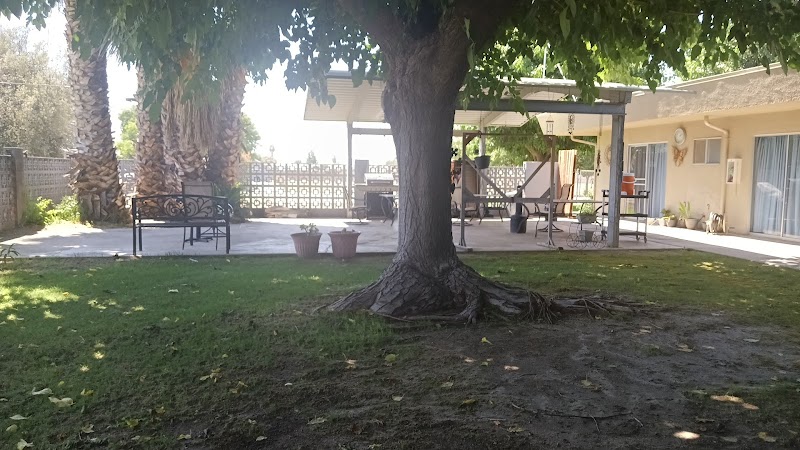
How is Valley View Staffed?

CMS rates VALLEY VIEW CARE CENTER's staffing level at 2 out of 5 stars, which is below average compared to other nursing homes. Staff turnover is 38%, compared to the California average of 46%. This relatively stable workforce can support continuity of care.

What Have Inspectors Found at Valley View?

State health inspectors documented 60 deficiencies at VALLEY VIEW CARE CENTER during 2021 to 2025. These included: 1 that caused actual resident harm, 58 with potential for harm, and 1 minor or isolated issues. Deficiencies causing actual harm indicate documented cases where residents experienced negative health consequences.
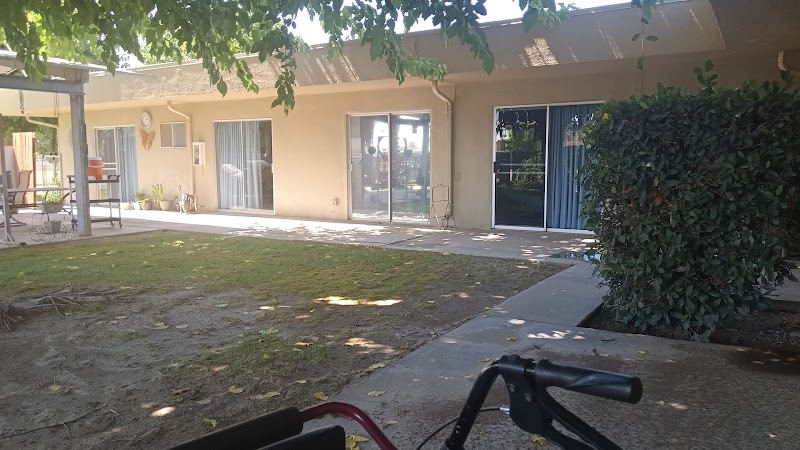
Who Owns and Operates Valley View?

VALLEY VIEW CARE CENTER is owned by a for-profit company. For-profit facilities operate as businesses with obligations to shareholders or private owners. The facility is operated by AJC HEALTHCARE, a chain that manages multiple nursing homes. With 53 certified beds and approximately 49 residents (about 92% occupancy), it is a smaller facility located in DELANO, California.

How Does Valley View Compare to Other California Nursing Homes?

Compared to the 100 nursing homes in California, VALLEY VIEW CARE CENTER's overall rating (2 stars) is below the state average of 3.1, staff turnover (38%) is near the state average of 46%, and health inspection rating (2 stars) is below the national benchmark.

What Should Families Ask When Visiting Valley View?

Based on this facility's data, families visiting should ask: "Can you walk me through typical staffing levels on day, evening, and night shifts?" "Can I visit during a mealtime to observe dining assistance and food quality?" "How do you handle medical emergencies, and what is your hospital transfer rate?" "Can I speak with family members of current residents about their experience?" These questions are particularly relevant given the below-average staffing rating.

Is Valley View Safe?

Based on CMS inspection data, VALLEY VIEW CARE CENTER has a clean safety record: no substantiated abuse findings (meaning no confirmed cases of resident harm), no Immediate Jeopardy citations (the most serious violation level indicating risk of serious injury or death), and is not on the Special Focus Facility watch list (a federal program monitoring the lowest-performing 1% of nursing homes). The facility has a 2-star overall rating and ranks #100 of 100 nursing homes in California. While no facility is perfect, families should still ask about staff-to-resident ratios and recent inspection results during their visit.

Do Nurses at Valley View Stick Around?

VALLEY VIEW CARE CENTER has a staff turnover rate of 38%, which is about average for California nursing homes (state average: 46%). Moderate turnover is common in nursing homes, but families should still ask about staff tenure and how the facility maintains care continuity when employees leave.

Was Valley View Ever Fined?

VALLEY VIEW CARE CENTER has no federal fines on record. CMS issues fines when nursing homes fail to meet care standards or don't correct problems found during inspections. The absence of fines suggests the facility has either maintained compliance or corrected any issues before penalties were assessed. This is a positive indicator, though families should still review recent inspection reports for the full picture.

Is Valley View on Any Federal Watch List?

VALLEY VIEW CARE CENTER is not on any federal watch list. The most significant is the Special Focus Facility (SFF) program, which identifies the bottom 1% of nursing homes nationally based on persistent, serious quality problems. Not being on this list means the facility has avoided the pattern of deficiencies that triggers enhanced federal oversight. This is a positive indicator, though families should still review the facility's inspection history directly.