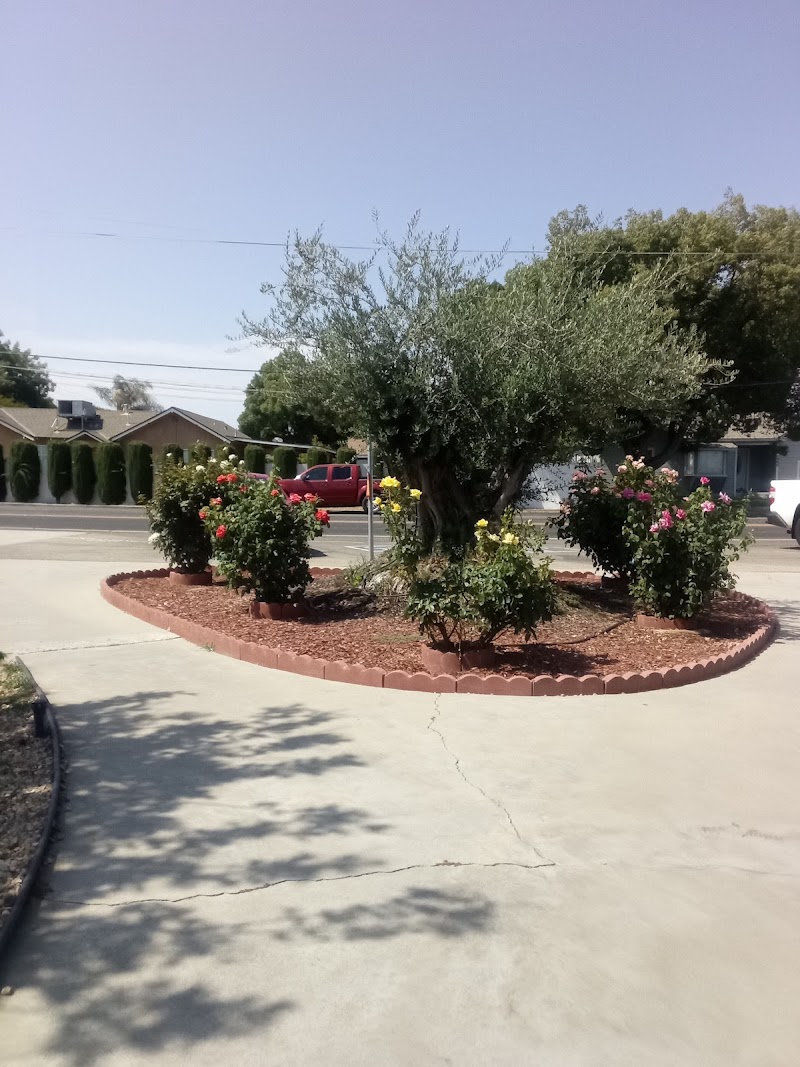
DINUBA HEALTHCARE

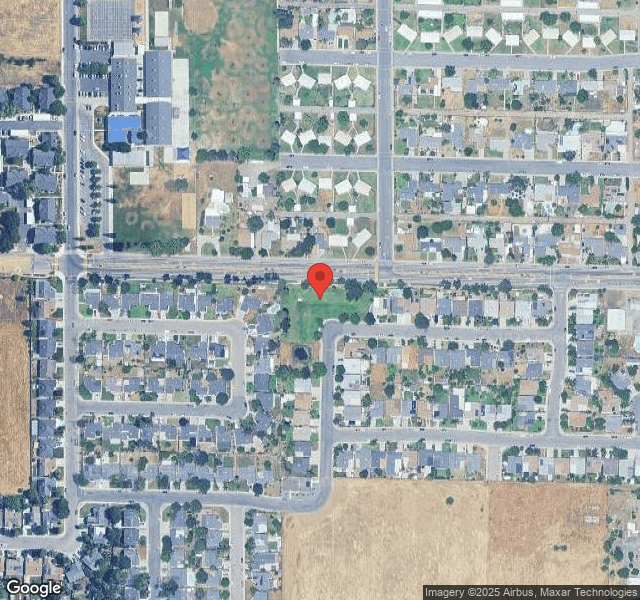
1730 SOUTH COLLEGE AVE., DINUBA, CA 93618 (559) 591-3300
For profit - Limited Liability company 97 Beds MADISON CREEK PARTNERS Data: November 2025
Trust Grade
65/100
#337 of 1155 in CA
Last Inspection: July 2024

Within standard 12-15 month inspection cycle. Federal law requires annual inspections.

Overview

Dinuba Healthcare has a Trust Grade of C+, which means it is considered decent and slightly above average compared to other facilities. It ranks #337 out of 1155 nursing homes in California, placing it in the top half of the state, and #3 out of 16 in Tulare County, indicating that only two local options are better. However, the facility is worsening, with issues increasing from 1 in 2023 to 7 in 2024. Staffing is rated average with a 3/5 star, and a turnover rate of 38% is on par with the state average. There have been no fines, which is a positive sign, but the facility has concerning RN coverage, as it has less than 93% of California facilities. Specific incidents include a serious failure to supervise a resident who eloped during hot weather, resulting in a hospital admission for heat stroke. Additionally, there were concerns about food quality, with residents complaining that meals were often cold and unappetizing. Lastly, the dietary staff did not consistently follow proper hand hygiene during meal service, which could risk foodborne illness. Overall, while there are strengths in staffing stability and no fines, the facility faces significant weaknesses in supervision and meal quality that families should consider.

Trust Score
C+
65/100
In California
#337/1155
Top 29%
Safety Record
Moderate
Needs review
Inspections
Getting Worse
1 → 7 violations
Staff Stability
○ Average
38% turnover. Near California's 48% average. Typical for the industry.
Penalties
✓ Good
No fines on record. Clean compliance history, better than most California facilities.
Skilled Nurses
⚠ Watch
Each resident gets only 14 minutes of Registered Nurse (RN) attention daily — below average for California. Fewer RN minutes means fewer trained eyes watching for problems.
Violations
⚠ Watch
26 deficiencies on record. Higher than average. Multiple issues found across inspections.
★★★★☆
4.0
Overall Rating
★★★☆☆
3.0
Staff Levels
★★★☆☆
3.0
Care Quality
★★★★☆
4.0
Inspection Score
Stable
2023: 1 issues
2024: 7 issues

The Good

  • Full Sprinkler Coverage · Fire safety systems throughout facility
  • No fines on record
  • Staff turnover below average (38%)

    10 points below California average of 48%

Facility shows strength in fire safety.

The Bad

Staff Turnover: 38%

Near California avg (46%)

Typical for the industry

Chain: MADISON CREEK PARTNERS

Part of a multi-facility chain

Ask about local staffing decisions and management

The Ugly 26 deficiencies on record

1 actual harm
Oct 2024 1 deficiency
CONCERN (D) 📢 Someone Reported This

A family member, employee, or ombudsman was alarmed enough to file a formal complaint

Potential for Harm - no one hurt, but risky conditions existed

Deficiency F0745 (Tag F0745)

Could have caused harm · This affected 1 resident

Based on observation, interview, and record review, the facility failed to ensure the transportation for one of five sampled residents (Resident 1) was arranged for a dialysis (a treatment or people w...

Read full inspector narrative →
Based on observation, interview, and record review, the facility failed to ensure the transportation for one of five sampled residents (Resident 1) was arranged for a dialysis (a treatment or people whose kidneys are failing, removing waste products and excess fluid from the blood) appointment. This failure resulted in Resident 1 crying waiting for almost five hours (5 p.m. until 9:51 p.m.) waiting for transportation, late medication administration, and potential for adverse health outcomes and emotional distress. Findings: During an observation on 10/18/24 at 2:10 p.m. in Resident 1's room, Resident 1 was lying in bed sleeping with a feeding tube (tube mainly inserted into the stomach to provide route for enteral nutrition) connected, and a floor mat on the floor. During a review of the facility ' s Dialysis Transportation Log (DTL), dated August 22, 2024, the DTL indicated, Resident [1] left the facility at 2:30 p.m. [ to go to a dialysis appointment]. During an interview on 10/1/24 at 2 p.m. with Social Services (SS), SS stated the facility had a problem with the transportation and there was no established communication system for both the dialysis center and the facility. During an interview on 10/1/24 at 2:35 p.m. with Licensed Vocational Nurse (LVN) 1, LVN 1 stated she noticed Resident 1 was not in the facility at 8 p.m. (three hours overdue to be back to the facility). During an interview on 10/1/24 at 3:30 p.m. with Director of Nursing (DON), DON stated she got a call around 8:15 p.m. (three hours after dialysis) from Resident 1's husband that his wife (Resident 1) had not been picked up yet from the dialysis center to go back to the faiclity. DON stated, The expected time [for dialysis treatment] is 4 hours so she [Resident 1] should have been back around 5 p.m. During an interview on 10/1/24 at 3:43 p.m. with Certified Nursing Assistant (CNA) 1, CNA 1 stated Resident 1 looked tired when Resident 1 arrived at 9:51 p.m. During an interview on 10/1/24 at 3:46 p.m. with LVN 2, LVN 2 stated he had to call the physician to notify Resident 1's medication and feeding through the feeding tube was going to be administered late. During an interview on 10/03/24 at 10:52 a.m. with Dialysis Center Supervisor (DCS), DCS stated she tried to call the facility 12 times over a two-hour time frame. DS stated Resident 1 was emotionally stressed and crying. During a review of the facility ' s policy and procedure (P&P) titled, Transportation, Social Services dated 2008, the P&P indicated, Social services will help the resident as needed to obtain transportation.
Jul 2024 5 deficiencies
CONCERN (D)

Potential for Harm - no one hurt, but risky conditions existed

Assessment Accuracy (Tag F0641)

Could have caused harm · This affected 1 resident

Based on record review, interview, and facility document and policy review, the facility failed to ensure Minimum Data Set (MDS) assessments were accurate for 2 (Resident #41 and Resident #63) of 2 re...

Read full inspector narrative →
Based on record review, interview, and facility document and policy review, the facility failed to ensure Minimum Data Set (MDS) assessments were accurate for 2 (Resident #41 and Resident #63) of 2 residents reviewed for MDS discrepancies. Findings included: A facility policy titled, Certifying Accuracy of the Resident Assessment, revised 11/2019, reflected, 3. The information captured on the assessment reflects the status of the resident during the observation (look-back) period for that assessment. Different items on the MDS may have different observation periods. An admission Record revealed the facility admitted Resident # 41 on 08/02/2021. According to the admission Record, the resident had a medical history that included a diagnosis of schizophrenia. Resident #41's Preadmission and Resident Review (PASRR) Level I Screening, dated 08/03/2021, revealed the resident had a diagnosed mental disorder and received psychotropic medications. The Level I Screening was positive for a suspected serious mental illness (MI), and a Level II evaluation was required. Resident #41's Individual Determination Report, dated 03/24/2022, revealed the resident required nursing facility services due to a medical or mental health condition, and specialized services were recommended. However, an annual Minimum Data Set (MDS), with an Assessment Reference Date (ARD) of 08/11/2023, revealed Section A1500 was coded to reflect that Resident #41 was not considered to have a serious mental illness by the state Level II PASRR process. An admission Record revealed the facility admitted Resident # 63 on 11/22/2022. According to the admission Record, the resident had a medical history that included a diagnosis of schizophrenia. Resident #63's Preadmission and Resident Review (PASRR) Level I Screening, dated 11/23/2022, revealed the resident had a diagnosed mental disorder and received psychotropic medications. The Level I Screening was positive for a suspected serious mental illness (MI), and a Level II evaluation was required. Resident #63's Individual Determination Report, dated 12/15/2022, revealed the resident required nursing facility services due to a medical or mental health condition, and specialized services were recommended. However, an annual MDS, with an ARD of 08/11/2023, revealed Section A1500 was coded to reflect that Resident #63 was not considered to have a serious mental illness by the state Level II PASRR process. During an interview on 07/17/2024 at 3:30 PM, MDS Coordinator #11 said she was not aware Resident #41 and Resident #63 had a diagnosis of schizophrenia. She confirmed both MDS assessments were inaccurate and indicated Section A1500 should have been coded as yes, the residents were considered by the state Level II PASRR process to have a serious mental illness. During an interview on 07/18/2024 at 8:46 AM, the Director of Nursing (DON) said she expected MDS assessments to be accurate. During an interview on 07/18/2024 at 9:24 AM, the Administrator said he expected MDS assessments to be accurate.
CONCERN (E)

Potential for Harm - no one hurt, but risky conditions existed

Deficiency F0582 (Tag F0582)

Could have caused harm · This affected multiple residents

Based on record review, interview, and facility policy review, the facility failed to provide a Skilled Nursing Facility (SNF) Advanced Beneficiary Notice (ABN), Centers for Medicare and Medicaid (CMS...

Read full inspector narrative →
Based on record review, interview, and facility policy review, the facility failed to provide a Skilled Nursing Facility (SNF) Advanced Beneficiary Notice (ABN), Centers for Medicare and Medicaid (CMS) Form 10055 prior to being discharged from Medicare Part A skilled nursing services when residents had not exhausted all of their allotted Medicare days and planned to remain in the facility. The deficiency affected 2 (Resident #57 and Resident #61) of 3 residents reviewed for beneficiary notifications. Findings included: An undated facility policy titled, Medicare Advanced Beneficiary Notice revealed, Residents are informed in advance when changes will occur to their bills. The section titled Policy Interpretation and Implementation, revealed, 1. If the director of admissions or benefits coordinator believes (upon admission or during the resident's stay) that Medicare (Part A of the Fee for Service Medicare Program) will not pay for an otherwise covered skilled service(s), the resident (or representative) is notified in writing why the service(s) may not be covered and of the resident's potential liability for payment of the non-covered service(s). a. The facility issues the Skilled Nursing Facility Advanced Beneficiary Notice (CMS form 10055) to the resident prior to providing care that Medicare usually covers, but may not pay for because the care is considered 'not medically reasonable and necessary', or 'custodial.' 1. A quarterly Minimum Data Set (MDS), with an Assessment Reference Date (ARD) of 03/11/2024, revealed the facility admitted Resident #57 on 08/08/2023. The MDS revealed the resident had a Brief Interview for Mental Status (BIMS) score of 4, which indicated the resident had severe cognitive impairment. A SNF Beneficiary Notification Review, completed by facility staff after the survey entrance conference on 07/15/2024, revealed Resident #57's Medicare Part A Skilled Services Episode began on 09/07/2023 and the resident's last covered day of Part A services was 11/24/2023, which left the resident with 21 covered Part A skilled services days remaining. The document indicated that the facility staff did provide the resident a SNF ABN Form CMS-10055. Resident #57's medical record revealed no evidence of a SNF ABN Form CMS-10055 that was signed by the resident or responsible party, or that one was provided to the resident or responsible party. 2. A quarterly Minimum Data Set (MDS), with an Assessment Reference Date (ARD) of 04/25/2024, revealed the facility admitted Resident #61 on 01/10/2023. The MDS revealed the resident had a Brief Interview for Mental Status (BIMS) score of 5, which indicated the resident had severe cognitive impairment. A Skilled Nursing Facility (SNF) Beneficiary Notification Review, completed by facility staff after the survey entrance conference on 07/15/2024, revealed Resident #61's Medicare Part A Skilled Services Episode began on 03/12/2024 and the resident's last covered day of Part A services was 05/01/2024, which left the resident with 49 covered Part A skilled services days remaining. The document indicated that facility staff did not provide a SNF ABN Form CMS-10055 to the resident. Resident #61's medical record revealed no evidence that indicated a SNF ABN Form CMS-10055 was provided to the resident or responsible party. During an interview on 07/16/2024 at 2:59 PM, the Social Service Director (SSD) stated she provided residents with a Notice of Medicare Non-Coverage (NOMNC) but did not know what the SNF ABN Form CMS-10055 was. She stated she would have to ask her supervisor about the form. During an interview on 07/17/2024 at 1:42 PM, the SSD stated if a resident was discharged from therapy services, then therapy staff would provide the notice of discharge. She stated that she assisted the Director of Rehabilitation Services (DORS) if he needed her to assist. During an interview on 07/17/2024 at 2:45 PM, the DORS stated that therapy staff provided discharge notices if they issued the last covered day of therapy. He stated that he would usually issue the notice of discharge about a week before the planned discharge date , but they definitely issued the notice within three days of discharge, to give himself some time if he could not reach the responsible party or the family. He stated that he provided the NOMNC; that was his standard of practice for all patients whether they were on Part A or Part B, whenever they finished therapy. He stated that he had heard of the SNF ABN Form CMS-10055 before but did not give that form when a resident was discharged . He stated that they issued the SNF ABN Form CMS-10055 when residents were admitted but not upon discharge from therapy services. He did not know when they should be given. He stated that he did not know it was regulatory to issue the SNF ABNs for residents who remained in the facility and had Part A benefit days remaining. During an interview on 07/18/2024 at 9:07 AM, the Director of Nursing (DON) stated if a resident was being discharged from Part A therapy, the DORS was responsible to provide the notices of discharge. She stated that he contacted the responsible parties and talked them through the resident's progress and the reasons for the decision to discharge and provided the NOMNC to the resident or the responsible party. She stated that she had not heard of the SNF ABN Form CMS-10055 prior to this survey. She stated she did not know anything specific about Resident #57's notices. She stated she did expect all notices to be provided as appropriate. During an interview on 07/18/2024 at 10:17 AM, the Administrator stated as far as notifications of a change in payor source when being discharged from Part A Skilled therapy, the NOMNC was provided at least 72 hours prior to the discharge. He stated that he was familiar with the SNF ABN Form CMS-10055; however, the NOMNC had been what they used. He stated that the SNF ABN Form CMS-10055 was not something that they had focused on as a facility, only the NOMNC. He stated that he had reached out to others in their corporation, and it was not something they had been doing as a whole. The Administrator stated that he expected that they provide notices of discharge from Part A skilled services timely and accurately within the appropriate timeframes, and that staff provided all relevant forms as directed by the regulations.
CONCERN (F)

Potential for Harm - no one hurt, but risky conditions existed

Deficiency F0804 (Tag F0804)

Could have caused harm · This affected most or all residents

Based on observation, interview, record review, and facility document and policy review, the facility failed to ensure food was palatable, which affected 3 (Residents #6, #8, and #41) of 3 residents r...

Read full inspector narrative →
Based on observation, interview, record review, and facility document and policy review, the facility failed to ensure food was palatable, which affected 3 (Residents #6, #8, and #41) of 3 residents reviewed for food concerns and had the potential to affect all residents receiving meals from the dietary department. Findings included: A facility policy titled, Food and Nutrition Services, revised in 10/2017, reflected, 7. Food and nutrition services staff will inspect food trays to ensure that the correct meal is provided to each resident, the food appears palatable and attractive, and it served at a safe and appetizing temperature. Resident Council meeting notes, dated 05/03/2024, revealed the residents complained that Food is too tough and dry. Resident Council meeting notes, dated 06/07/2024, revealed the residents complained that Food is always cold, food has no taste, and Food is too dry. During an interview on 07/15/2024 at 12:14 PM, Resident #41 said the food at the facility was awful. According to an annual Minimum Data Set (MDS), with an Assessment Reference Date (ARD) of 08/11/2023, Resident #8 had a Brief Interview for Mental Status (BIMS) score of 15, which indicated the resident was cognitively intact. During an interview on 07/15/2024 at 2:40 PM, Resident #6 said the food at the facility was not good, and the meat was tough. According to a quarterly MDS, with an ARD of 05/04/2024, Resident #6 had a BIMS score of 15, which indicated the resident was cognitively intact. During an interview on 07/15/2024 at 3:55 PM, Resident #8 said the food at the facility was not good. According to a quarterly MDS, with an ARD of 05/08/2024, Resident #8 had a BIMS score of 13, which indicated the resident was cognitively intact. During an observation of the lunch meal service on 07/16/2024, a test tray was requested. The test tray was prepared and placed on a meal service cart at 11:56 AM. The test tray consisted of chicken, rice, and beets. The meal service cart left the kitchen at 12:00 PM, arrived on the unit at 12:02 PM, and staff began passing the trays at 12:03 PM. The last resident was served at 12:15 PM. At 12:25 PM, the meal tray was tested with the Dietary Supervisor. The Dietary Supervisor described the chicken as dry and said the rice had no flavor. During a follow-up interview on 07/16/2024 at 12:56 PM, Resident #41 stated the chicken was dry, and the rice did not have a taste. During a follow-up interview on 07/16/2024 at 12:57 PM, Resident #6 stated the chicken was dry and tasted like sawdust. Resident #6 stated the rice tasted as though staff had not used enough water when preparing it. During a follow-up interview on 07/16/2024 at 2:13 PM, Resident #8 said the chicken was dry and the rice did not have a flavor. During an interview on 07/17/2024 at 9:41 AM, the Dietary Supervisor said the chicken that was served on 07/16/2024 was dry, and the rice was bland. The Dietary Supervisor indicated the cook should have added broth to the chicken to maintain the moisture of the food. During an interview on 07/18/2024 at 9:09 AM, the Administrator said he expected the taste and presentation of the food to be acceptable.
CONCERN (F)

Potential for Harm - no one hurt, but risky conditions existed

Food Safety (Tag F0812)

Could have caused harm · This affected most or all residents

Based on observation, interview, record review, and facility policy review, the facility failed to ensure dietary staff utilized proper hand hygiene during meal service on 07/16/2024, which had the po...

Read full inspector narrative →
Based on observation, interview, record review, and facility policy review, the facility failed to ensure dietary staff utilized proper hand hygiene during meal service on 07/16/2024, which had the potential to affect all residents receiving meals from the dietary department, aside from the 12 residents with pureed diet orders, as the pureed trays were served by a different staff member. Findings included: A facility policy titled, Food Preparation and Service, revised in 11/2022, revealed the section of the policy titled, General Guidelines specified, 2. Cross-contamination can occur when harmful substances i.e. [id est, that is], chemical, or disease-causing microorganisms are transferred to food by hands (including gloved hands), food contact surfaces, sponges, cloth towels, or utensils that are not adequately cleaned. 3. Food preparation staff adhere to proper hygiene and sanitary practices to prevent the spread of food borne illness. The section of the policy titled, Food Distribution and Service specified, 5. Food and nutrition services staff, including nursing services personnel, wash their hands before serving food to residents and 7. Bare hand contact with food is prohibited. Gloves are worn when handling food directly and changed between tasks. Disposable gloves are single-use items and are discarded after each use. During an observation of the lunch meal service on 07/16/2024 beginning at 11:23 AM, [NAME] #1 used her gloved right hand to open the oven, and then used the same gloved hand to remove a grilled cheese sandwich and place it onto a resident's tray. She did not wash hands or change gloves. At 11:55 AM, [NAME] #1 was again observed using her gloved right hand to open the oven, then used the same gloved hand to place tater tots onto a resident's tray, then continued meal service without changing gloves or washing hands. [NAME] #1 was observed using her gloved right and left hand to pick up chicken breasts and place them on residents' trays. Without washing hands or changing gloves, [NAME] #1 continued using the same gloved hands to place rolls on residents' trays during the remainder of the meal service. During an interview on 07/16/2024 at 12:39 PM, [NAME] #1 said she knew that after touching multiple items, she should have changed her gloves. [NAME] #1 confirmed she did not change her gloves after opening the oven or touching food items with her gloved hands. During an interview on 07/17/2024 at 9:41 AM, the Dietary Supervisor said the cook should have asked her helper to open the oven and remove the food items. The Dietary Supervisor further stated the cook should have changed gloves after opening the oven and should not have touched multiple food items with the same gloved hands. During an interview on 07/18/2024 at 8:41 AM, the Director of Nursing (DON) stated that if dietary staff touched residents' food, they should change gloves. During an interview on 07/18/2024 at 9:17 AM, the Administrator said he expected dietary staff to follow better hand hygiene practices.
MINOR (C)

Minor Issue - procedural, no safety impact

Staffing Information (Tag F0732)

Minor procedural issue · This affected most or all residents

Based on observation, interview, record review, and facility policy review, the facility failed to post daily staffing in a conspicuous location and failed to update the posting with any changes due t...

Read full inspector narrative →
Based on observation, interview, record review, and facility policy review, the facility failed to post daily staffing in a conspicuous location and failed to update the posting with any changes due to changes in staffing. This had the potential to affect all residents that resided in the facility. Findings included: A facility policy titled, Posting Direct Care Daily Staffing Numbers, revised 08/2022, revealed Our facility will post on a daily basis for each shift nurse staffing data, including the number of nursing personnel responsible for providing direct care to residents. The section titled, Policy Interpretation and Implementation, revealed, 1. The number of licensed nurses (RNs [registered nurses], LPNs [licensed practical nurses], and LVNs [licensed vocational nurses]) and the number of unlicensed personnel (CNAs [certified nurse assistants] and NAs [nurse assistants]) directly responsible for resident care is posted in a prominent location (accessible to residents and visitors) and in a clear and readable format. The policy revealed, Shift staffing information is recorded on a form for each shift. The information recorded on the form shall include the following: a. The name of the facility; b. The current date (the date for which the information is posted); c. The resident census at the beginning of the shift for which the information is posted; d. twenty-four (24)-hour shift schedule operated by the facility; e. The shift for which the information is posted; f. Type (RN, LPN, LVN, or CNA) and category (licensed or non-licensed) of nursing staff working during that shift who are paid by the facility (including contract staff); g The actual time worked during that shift for each category and type of nursing staff; and h. Total number of licensed and non-licensed nursing staff working for the posted shift. The policy revealed, The charge nurse competes the form and posts the staffing information in the location(s) designated by the administrator. A facility document titled, Call-Ins for 2024 revealed that on 07/10/2024, 07/11/2024, 07/12/2024, and 07/16/2024, one LVN and one CNA called in. On 07/13/2024, two CNAs and one RN called in. On 07/14/2024, two CNAs called in and on 07/15/2024, one CNA called in. The Daily Report for Nursing Staff Directly Responsible for Resident Care forms for 07/10/2024 through 07/16/2024 revealed no alterations were made to the postings to reflect the staff that had called in and the changes in the total number of direct care staff providing resident care. An observation on 07/16/2024 at 3:50 PM revealed the Daily Report for Nursing Staff Directly Responsible for Resident Care form was found hanging on the wall across from the Administrator's office on the service hall. The posting was located in the administrative hallway to the left of the main lobby/entrance, in the corner by the fire door wall. There were only two resident rooms located in the administrative hallway. During an interview on 07/18/2024 at 8:26 AM, the Staffing Coordinator stated she was responsible for posting the daily staffing numbers. She stated that she posted it the morning for the whole day. She stated that she did not update the daily report for staffing hours as the numbers were just projected numbers. She stated the Human Resources (HR) Coordinator documented the actual staffing numbers when she completed the State's staffing form to ensure they had the correct staffing numbers per patient day (PPD). She stated that she did not know the staffing sheets needed to be updated each shift; she had never been told that. She stated that there were only two or three rooms on the hall where they posted the daily staffing numbers. The Staffing Coordinator stated that ever since she started working at the facility, that was where the posting numbers had been posted. She stated that she had never been told it needed to be posted where all could see. During an interview on 07/18/2024 at 8:43 AM, the HR Coordinator stated that the daily postings she got from the Staffing Coordinator were not updated with call in's, it was only what the Staffing Coordinator posted in the mornings. During an interview on 07/18/2024 at 9:24 AM, the Director of Nursing (DON) stated the Staffing Coordinator posted the daily staffing numbers and if she was not available, she would ask the Social Service Director (SSD) or the business office staff to post it. She stated that the Staffing Coordinator did come in on some weekends, but she would have to ask her if she posted it on the weekends. She stated that the Staffing Coordinator sent out daily reports to show call-ins at least two hours before each shift and sent it to each shift and the nurse on shift updated the posting on shift. She stated that nurses were to make the changes. She stated that she reviewed the staffing numbers every day. The DON stated that the posting was located on the hall outside the Administrator's office. She stated that they had four residents potentially on the hall, so only those residents and their families would see it. She stated that the posting was not really in a conspicuous area; she could see that very few people would see it. During an interview on 07/18/2024 at 9:54 AM, the Staffing Coordinator stated that on the weekends she printed the daily staffing numbers for Saturday and Sunday so the nurses could go through and pull the actual one. She stated that the nurses updated the forms if needed for any changes to the numbers. During an interview on 07/18/2024 at 10:27 AM, the Administrator stated that he could see how a very limited number of residents, visitors, and families would be able to see the staffing sheets where they were currently posted. He stated that the form should be updated with any call-ins per shift. He stated that he expected the staffing sheets to be as accurate as possible in real time when accurate information was provided.
Jan 2024 1 deficiency
CONCERN (D)

Potential for Harm - no one hurt, but risky conditions existed

Infection Control (Tag F0880)

Could have caused harm · This affected 1 resident

**NOTE- TERMS IN BRACKETS HAVE BEEN EDITED TO PROTECT CONFIDENTIALITY** Based on observation, interview, and record review, the facility failed to implement infection prevention and control practices ...

Read full inspector narrative →
**NOTE- TERMS IN BRACKETS HAVE BEEN EDITED TO PROTECT CONFIDENTIALITY** Based on observation, interview, and record review, the facility failed to implement infection prevention and control practices when: 1. One of three sampled Certified Nursing Assistant's (CNA 1) failed to sanitize blood pressure (BP) cuff (an inflatable cuff, which measures the systolic (the measure of pressure within the arteries while the heart beats) and diastolic pressure (the measure of pressure your blood is exerting against the artery walls while the heart muscle is resting) after use. 2. One of three sampled CNA's (CNA 1) did not perform hand hygiene after providing resident care. These failures had the potential to result in the transmission of infection and communicable diseases to residents and staff. Findings: 1. During an observation on 1/3/24 at 2:10 p.m. CNA 1 entered room Resident 1's room with a BP machine and stated I'm gonna check your blood pressure. During an observation on 1/3/24 at 2:12 p.m. CNA 1 exited Resident 1's room with BP machine, walked down hallway A and entered Resident 2's room [ROOM NUMBER]. CNA 1 did not sanitize the BP cuff prior to placing the BP cuff on Resident 2's left arm. CNA 1 did not sanitize to BP cuff after use on Resident 2. During an observation on 1/3/24 at 2:19 p.m. CNA 1 took the BP machine out of Resident 2's room and walked into the dining room in hallway B where residents were partaking in different activities (coloring, bingo, and movies). CNA 1 walked over to Resident 3 who was watching a movie and informed Resident 3 that she was going to check his BP. CNA 1 did not sanitize the BP cuff prior to placing it on Resident 3's right arm. CNA 1 did not sanitize the BP cuff after the use on Resident 3 During an observation on 1/3/24 at 2:22 p.m. CNA 1 walked over to Resident 4 who was sitting in the dining room playing bingo and informed her that she was going to check her BP. CNA 1 did not sanitize the BP cuff prior to placing the BP cuff on Resident 4's left arm. CNA 1 did not sanitize the BP cuff after the use on Resident 4. During an interview on 1/3/24 at 2:25 p.m. with CNA 1, CNA 1 stated the BP machine and BP cuff are sanitized once per shift. During an interview on 1/3/24 at 2:31 p.m. with Infection Preventionist (IP), IP stated BP machine and BP cuff should be sanitized before and after each use. During a review of the facility's policy and procedure (P&P) titled, Cleaning and Disinfection of Environmental Surfaces, dated October 2021, the P&P indicated, The following categories are used to distinguish the level of sterilization/disinfection necessary for items used in resident care and those in resident's environment.c. Non-Critical items are those that come in contact with intact skin but not mucous membranes.(2) Most non-critical items can be decontaminated where they are used.2. Non- critical surfaces will be disinfected with an EPA- registered intermediate or low-level hospital disinfectant according to the label's safety precautions. 2.During an observation on 1/3/24 at 2:12 p.m. CNA 1 exited Resident 1's room after taking Resident 1's BP and did not sanitize her hands. CNA 1 walked down Hallway A and entered Resident 2's room without sanitizing her hands. CNA 1 proceeded to check Resident 2's BP. During an observation on 1/3/24 at 2:15 p.m. CNA 1 exited Resident 2's room and did not sanitize her hands upon exiting the room. During an observation on 1/3/24 at 2:19 p.m. CNA 1 walked into the dining room in hallway B where residents were partaking in different activities (coloring, bingo, and movies). CNA 1 walked over to Resident 3 who was watching a movie and informed Resident 3 that she was going to check his BP. CNA 1 did not perform hand hygiene before or after providing care to Resident 3. During an observation on 1/3/24 at 2:22 p.m. CNA 1 walked over to Resident 4 who was sitting in the dining room playing bingo and informed her that she was going to check her BP. CNA 1 did not perform hand hygiene before or after providing care to Resident 4. During an interview on 1/3/24 at 2:25 p.m. with CNA 1, CNA 1 was asked when should hand hygiene be performed. CNA 1 stated, I should do it more often. CNA 1 was made aware of the observations and stated, Yeah, I should have sanitized my hands. During an interview on 1/3/24 at 2:33 p.m. with IP, IP stated hand hygiene should be performed before and after touching residents. IP stated it is also expected to use hand sanitizer before entering and after leaving all resident rooms. During a review of the facility's P&P titled, Handwashing/Hand Hygiene, dated March 2020, the P&P indicated, This facility considers hand hygiene the primary means to prevent the spread of infections.2. All personnel shall follow handwashing/ hand hygiene procedures to help prevent the spread of infections to other personnel, residents, and visitors.7. Handwashing: soap (antimicrobial or non-antimicrobial) and water for the following situations: a. Before and after coming on duty; b. Before and after direct contact with residents.i. After contact with resident's intact skin.l. After contact with objects (e.g., medical equipment) in the immediate vicinity of the resident.
Aug 2023 1 deficiency 1 Harm
SERIOUS (G) 📢 Someone Reported This

A family member, employee, or ombudsman was alarmed enough to file a formal complaint

Actual Harm - a resident was hurt due to facility failures

Accident Prevention (Tag F0689)

A resident was harmed · This affected 1 resident

Based on observation, interview, and record review, the facility failed to supervise and monitor one of three sampled residents (Resident 1) when Resident 1 was outside of the facility during a hot we...

Read full inspector narrative →
Based on observation, interview, and record review, the facility failed to supervise and monitor one of three sampled residents (Resident 1) when Resident 1 was outside of the facility during a hot weather. This failure resulted in Resident 1 eloping (to leave a healthcare facility without permission, authorization, or supervision) and being admitted to the hospital for two days due to heat stroke (a heat-related illness, occurs when the body can no longer control its temperature and the body's temperature rises rapidly). Findings: During a review of the facility's Risk Review Note (RRN-summary of investigation), dated July 6, 2023, the RRN indicated, [On 7/4/23] Resident [1] was observed by staff member to be sitting in the wheelchair in the front patio with another resident at approximately 4:10 p.m. Was noted to have left the premises at approximately 4:35 p.m. At approximately 5:10 p.m., fire department alerted staff he [Resident 1] was being transported to hospital after he was found in close by neighborhood. During an observation on 7/18/23 at 10:20 a.m., at the front patio of the facility, there was no fence and was open to the street, there were three random residents, propelling themselves via wheelchairs, and front wheel walker by the sidewalk of the facility. No staff were observed supervising the residents. During an interview on 7/18/23 at 10:25 a.m., with Director of Nursing (DON), DON stated, He [Resident 1] was sitting outside, from there [Social Services Designee/Certified Nursing Assistant (CNA) 1] noticed he was not here. The cops [police] came and told us they were taking him [Resident 1] to the hospital, he was admitted to the hospital for two to three days for heat exhaustion. Police and fire department alerted staff at 5:10 p.m. The resident [1] was a couple of blocks away in a nearby neighborhood. During an observation on 7/18/23 at 11:17 a.m., in Resident 1's room, Resident 1 was sitting in a wheelchair beside his bed. Resident 1's speech was garbled (unclear/distorted). Unable to be interviewed and had a limited mobility due to right arm weakness and difficulty walking. During an interview on 7/20/23 at 2:32 p.m., with Licensed Vocational Nurse (LVN) 1, LVN 1 stated, Around 4 p.m., he [Resident 1] went outside [at the front patio]. At 4:35 p.m., we noticed he [Resident 1] wasn't outside. At 4:45 p.m., we got notification that EMS [Emergency Medical Service-also known as ambulance or paramedic services, are emergency services that provide urgent pre-hospital treatment, and stabilization for serious illness and injuries and transport to hospital] called and EMS stated they were taking him to the hospital. During a review of Resident 1's Minimum Data Set (MDS-assessment tool), dated May 26, 2023, the MDS indicated, Resident 1's Brief Interview for Mental Status (BIMS) score was 7 (a score of 0-7 means severe cognitive impairment). Resident 1's MDS section G (Functional Status) dated July 18, 2023, was reviewed. The MDS indicated, Resident 1 required extensive assistance (full staff support) with one to two persons physical assist with Activities of Daily Living (ADL's- including but not limited to Transfer, Dressing, Eating, Toilet use, and Bathing). During a review of Resident 1's Progress Notes, dated July 18, 2023, the Progress Notes indicated, admission Date: 2/25/22. Diagnoses: Metabolic Encephalopathy [a problem in the brain caused by a chemical imbalance in the blood], Cerebral Infarction [lack of adequate blood supply to brain cells deprives them of oxygen and vital nutrients which can cause parts of the brain to die off], Cognitive Communication Deficit [speech impairment], Dementia [memory loss], Unsteadiness on feet, Psychotic Disturbance [severe mental disorders that cause abnormal thinking and perceptions], Mood Disturbance [feelings of distress], Anxiety Disorder [excessive feelings of worry], Schizoaffective Disorder [mental disorder], and Difficulty in walking. During a concurrent interview and record review on 8/3/23 at 3:30 p.m., with DON, Resident 1's Treatment Administration Record (TAR), dated July 2023 was reviewed. The TAR indicated, on 7/4/23 at 4:00 p.m. hourly check, the resident was on the (outside) patio. DON stated, At 4:35 p.m., family arrived, resident [1] was not in his room, and we started searching. At 5:10 p.m. the fire department [fire rescue service personnel] arrived and made the facility aware that resident [1] had been located and was being taken to the hospital. During an interview on 8/8/23 at 2:55 p.m. with SSD/CNA 1, SSD/CNA 1 stated she was assigned to monitor (check/watch) Resident 1 on 7/4/23 but did not witness him (Resident 1) leave the facility. SSD/CNA 1 stated, I don't know what was the temperature that day [7/4/23], but it was hot that day. According to the Weather Channel (weather.com), on 7/4/23, [at the location of the facility] had a temperature, Record High of 112° F (Fahrenheit-temperature measurement). When heat index reaches above 97° F, it's dangerous, and it can cause sunstroke, muscle cramps and heat exhaustion. During an interview on 8/11/23, at 5:05 p.m., with DON, DON stated, No hydration assessment was done [when Resident 1 was outside at the patio]. All departments [heads] participate in rounding however due to being a holiday [7/4/23], no management [department heads] was in the facility. Social Services Designee was his CNA [SSD/CNA 1] that day. During a review of Resident 1's Care Plan, undated, the Care Plan indicated, The resident is an elopement risk r/t [related to] history of attempts to leave the facility unattended, impaired safety awareness. Interventions: Distract resident from wandering, monitor for fatigue [exhaustion], provide structured activities. During a review of Resident 1's EMS [Emergency Medical Service/Ambulance] Care Summary (ECS), dated July 4, 2023, the ECS indicated, at 5:13 p.m., [Resident 1's] blood pressure [pressure of circulating blood against the walls of blood vessels] was 160/100 [normal blood pressure is below 120/80]. Heart rate was 160 [normal heart rate is 60 to 100 beats per minute]. Temperature was 100.2 degrees [normal body temperature is 97.6 - 99.6 degrees] Fahrenheit [unit of measurement]. During a review of hospital records of Resident 1, the Emergency Department Note (EDN), dated July 4, 2023, the EDN indicated, Ambulance offload time 7/4/2023 at 5:49 p.m. Vital signs are notable for Tachycardia [increased heart rate] of 142 beats per minute, febrile [elevated temperature] at 101.1 degrees Fahrenheit. Final Diagnosis: Heat Stroke and sunstroke [a severe heat illness that results in an elevated body temperature]. Altered Mental status [Confusion]. Disposition [plan]: admit to observation. During a review of hospital records of Resident 1, the History and Physical Report (H&P), dated July 4, 2023, the H&P indicated, [Resident 1's] chief complaint was heat exposure, pt [Patient - Resident 1] was found outside sitting on wheelchair for unknown amount of time. GCS [Glasgow Coma Scale-a scale used to objectively describe the extent of impaired consciousness of trauma patients] of 9 [score of 9-12 means moderate impairment], pt [Patient - Resident 1] is nonverbal. PT [Patient - Resident 1] is Tachycardic [increased heart rate] in the 150's [normal heart rate is 60 - 100]. Assessment/Plan: Altered mental status [confusion], Heat Stroke. During a review of Resident 1's hospital records Discharge Summary (DCS), dated July 6, 2023, the DCS indicated, Dates of service: 7/4/23 to 7/6/23 [stayed two days in the hospital]. Diagnosis: Heat Stroke. During a review of the facility's policy and procedure titled, Safety and Supervision of Residents, dated 2017, the P&P indicated, The care team shall target interventions to reduce individual risk related to hazards in the environment, including adequate supervision. During a review of the facility's policy and procedure (P&P) titled, Resident Hydration and Prevention of Dehydration, dated 2017, the P&P indicated, Nurses will assess for signs and symptoms of dehydration during daily care. Nurses' aides will provide and encourage intake of bedside, snack, and meal fluids.
May 2022 8 deficiencies
CONCERN (D)

Potential for Harm - no one hurt, but risky conditions existed

Resident Rights (Tag F0550)

Could have caused harm · This affected 1 resident

**NOTE- TERMS IN BRACKETS HAVE BEEN EDITED TO PROTECT CONFIDENTIALITY** 2. During an observation on 5/9/22, at 12:29 PM, outside of room [ROOM NUMBER], Certified Nursing Assistant (CNA) 1 stated, She'...

Read full inspector narrative →
**NOTE- TERMS IN BRACKETS HAVE BEEN EDITED TO PROTECT CONFIDENTIALITY** 2. During an observation on 5/9/22, at 12:29 PM, outside of room [ROOM NUMBER], Certified Nursing Assistant (CNA) 1 stated, She's [Resident 55] a feeder. During an interview on 5/9/22, at 12:31 PM, with CNA 1, CNA 1 stated, she had used the term feeder to describe a resident who needed to be fed. CNA 1 stated, this term did not respect a resident's dignity. CNA 1 stated, this term should not be used. During an interview on 5/12/22, at 11:39 AM, with CNA 2, CNA 2 stated, using the term feeder to describe a resident who needed assistance eating was not dignified. CNA 2 stated, I don't think that is acceptable. CNA 2 stated, this was taught during monthly CNA in-services. During an interview on 5/12/22, at 11:43 AM, with Director of Staff Development (DSD), DSD stated, using the term feeders to describe residents who are dependent on staff for dining was not appropriate. During an interview on 5/12/22, at 12:15 PM, with Director of Nursing (DON) and Administrator, DON and Administrator both stated using the term feeders to refer to dependent diners did not ensure residents' dignity. Based on observation, interview, and record review, the facility failed to follow their policy and procedure titled Quality of Life - Dignity for two of 24 residents. (Resident 67 and Resident 55) when: 1. DSD informed Resident 67 he had to change rooms against his will. 2. Certified Nursing Assistant (CNA) 1 referred to Resident 55 in a disrespectful term. These failures had the potential to decrease Resident 67 and Resident 55's feelings of self-worth and self-esteem. Findings: 1. During a concurrent observation and interview on 5/9/22, at 10:26 AM, with Resident 67, Resident 67 stated, he was told by the charge nurse he had to move to another room today. Resident 67 stated, he liked his room, and he told the charge nurse he did not want to move. During an interview on 5/9/22, at 10:35 AM, with DSD, DSD stated, she was the charge nurse today for Resident 67. DSD stated, I convinced him (Resident 67) to move and told him it was only temporary. During an interview on 5/9/22, at 10:35 AM, with DSD and Resident 67, in Resident 67's room, Resident 67 told DSD he did not want to move. During a review of the facility's policy and procedure (P&P) titled Quality of Life- Dignity, dated 2/20, the P&P indicated, Each resident shall be cared for in a manner that promotes and enhances his or her sense of well-being, level of satisfaction with life, feeling of self-worth and self-esteem . 1. Residents are treated with dignity and respect at all times. 2. The facility culture is one that supports and encourages humanization and individuation of residents, and honors resident choices, preferences, values and beliefs . 7. Staff speak respectfully to residents at all times, including addressing the resident by his or her name of choice and not labeling or referring to the resident by his or her room number, diagnosis, or care needs.
CONCERN (D)

Potential for Harm - no one hurt, but risky conditions existed

Deficiency F0578 (Tag F0578)

Could have caused harm · This affected 1 resident

Based on interview and record review, the facility failed to follow their policy and procedure (P&P) titled Advance Directives to determine, on admission, whether residents had advance directives (a d...

Read full inspector narrative →
Based on interview and record review, the facility failed to follow their policy and procedure (P&P) titled Advance Directives to determine, on admission, whether residents had advance directives (a document indicating a person's wishes for end-of-life care) for two of 24 sampled residents (Resident 51 and Resident 68). This failure had the potential for residents' end-of-life care requests not to be honored. Findings: During a concurrent interview and record review, on 5/11/22, at 10:30 AM, with Social Services Assistant (SSA), Resident 51 and Resident 68's Acknowledgement of Receipt of Advance Directive Information (ARADI), dated 5/10/21 and 8/11/21, were reviewed. The ARADI indicated, An advance directive has ____ has not _____ been executed. SSA stated, this part of the form should be filled out to indicate if a resident has or has not executed an advance directive. SSA stated, this was left blank for Resident 51 and Resident 68. SSA stated, there was no way of knowing if these residents had executed advance directives. During a concurrent interview and record review, on 5/11/22, at 11:06 AM, with Business Office Associate (BOA), Resident 51 and Resident 68's ARADIs, dated 5/10/21 and 8/11/21, were reviewed. The ARADIs indicated, An advance directive has ____ has not _____ been executed. BOA stated, it was her responsibility as part of the admission process to obtain this information. BOA stated, she should have indicated on this form if these residents had or had not executed an advance directive. BOA stated, It was not acceptable [to leave the form blank]. During a concurrent interview and record review, on 5/11/22, at 11:28 AM, with BOA, the facility's policy and procedure (P&P) titled, Advance Directives, dated 12/16, was reviewed. The P&P indicated, Advance directives will be respected in accordance with state law and facility policy . 7. Information about whether or not the resident has executed an advance directive shall be displayed prominently in the medical record . 10. The plan of care for each resident will be consistent with his or her documented treatment preferences and/or advance directives. BOA stated, the P&P for advance directives was not followed for Resident 51 and Resident 68.
CONCERN (D)

Potential for Harm - no one hurt, but risky conditions existed

Comprehensive Assessments (Tag F0636)

Could have caused harm · This affected 1 resident

**NOTE- TERMS IN BRACKETS HAVE BEEN EDITED TO PROTECT CONFIDENTIALITY** Based on interview and record review, the facility failed to follow their Policy and Procedure (P&P) to conduct and submit two o...

Read full inspector narrative →
**NOTE- TERMS IN BRACKETS HAVE BEEN EDITED TO PROTECT CONFIDENTIALITY** Based on interview and record review, the facility failed to follow their Policy and Procedure (P&P) to conduct and submit two of 24 sampled resident assessments (Resident 17 and Resident 83) in accordance with current federal and state submission timeframes. This failure had the potential to negatively affect the provision of individualized care and services. Findings: 1. During a concurrent interview and record review, on 5/11/22, at 8:30 AM, with MDS Coordinator (MDSC) Resident 17's admission MDS (AMDS), dated [DATE], was reviewed. The AMDS indicated, the facility admitted Resident 17 on 4/12/19 and completed Resident 17's assessment on 4/30/19. MDSC stated, the AMDS should be completed within 14 days (on 4/25/19). 2. During a concurrent interview and record review, on 5/12/22, at 11:05 AM, with Social Services Assistant (SSA), Resident 83's Minimum Data Set (MDS - a comprehensive assessment and screening tool) assessment, dated 10/16/21, was reviewed. The MDS indicated, Activities of Daily Living (ADLs -ability to eat, shower, walk, etc) and incontinence (inability to control bowels and urine) sections were assessed and dated 11/11/21. SSA stated, she identified Resident 83's ADLs and incontinence on 11/11/21, nearly a month late. During a review of the facility-provided Centers for Medicare and Medicaid Services (CMS) Final Validation Report (FVR), (undated), Resident 83's FVR indicated, Warning: Care plan completed late for this admission assessment, is more than 13 days after entry date. During a review of the facility's policy and procedures (P&P) titled, MDS Completion and Submission Timeframes, dated 7/17, the P&P indicated, Policy Statement: Our facility will conduct and submit resident assessments in accordance with current federal and state submission timeframes.
CONCERN (D)

Potential for Harm - no one hurt, but risky conditions existed

Assessment Accuracy (Tag F0641)

Could have caused harm · This affected 1 resident

**NOTE- TERMS IN BRACKETS HAVE BEEN EDITED TO PROTECT CONFIDENTIALITY** 2. During multiple observations on 5/9/22, 5/10/22, and 5/11/22, throughout each day, in memory care unit wing C, Resident 79 co...

Read full inspector narrative →
**NOTE- TERMS IN BRACKETS HAVE BEEN EDITED TO PROTECT CONFIDENTIALITY** 2. During multiple observations on 5/9/22, 5/10/22, and 5/11/22, throughout each day, in memory care unit wing C, Resident 79 continuously paced the full length of the unit, without staff assistance. Resident 79 responded to questions with mumbling. During a concurrent observation and interview, on 5/12/22, at 9:10 AM, with LVN 3, in memory care unit C, Resident 79 walked up and down the hallway, holding a male resident's hand. LVN 3 stated, Resident 79's behavior would be called wandering (traveling aimlessly from place to place). LVN 3 stated, Resident 79 does lie down to take a nap but mostly walks up and down the hall throughout the day. During an interview on 5/12/22, at 10:21 AM, with Activities Aide (AA) 2, AA 2 stated, Resident 79 walked without purpose. AA 2 stated, Today Resident 79 was coloring [a picture], but left to go walking. It happens most days. During an interview on 5/12/22, at 10:26 AM, with Certified Nursing Assistant (CNA) 3, CNA 3 stated, [Resident 79] wanders up and down the hallways; she does so on most days, without purpose. This was not new behavior for her. During a concurrent interview and record review, on 5/12/22, at 10:28 AM, with Social Services Assistant (SSA), Resident 79's MDS Section E, dated 4/27/22 and 1/17/22, were reviewed. The MDSs indicated, Resident 79 had not exhibited wandering behavior. SSA stated, she was the staff member who completed Section E900: has the resident wandered? SSA stated, she interviewed one staff member for Resident 79's wandering assessment. SSA stated, she did not consider Resident 79's behavior as wandering because Resident 79 did not enter other residents' rooms. During a review of the facility's policy and procedure (P&P) titled, MDS Completion and Submission Timeframes, dated 2017, the P&P indicated, Our facility will conduct and submit resident assessments in accordance with current federal and state submission timeframes. During a review of the Centers for Medicare & Medicaid Services (CMS) Resident Assessment Instrument (RAI) version 1.17.1, 3.0 Manual, dated 10/19, the RAI indicated, Steps for Assessment. 1. Interact with the resident using his or her preferred language. Be sure he or she can hear you and/or has access to his or her preferred method for communication. If the resident appears unable to communicate, offer alternatives such as writing, pointing, sign language, or cue cards. Based on interview and record review, the facility failed to accurately document physical assessments on the Minimum Data Set (MDS- a comprehensive assessment screening tool) for two of 24 sampled residents (Resident 81 and Resident 79). This failure had the potential to negatively impact the care of Resident 81 and Resident 79. Findings: 1. During a concurrent interview and record review, on 5/10/22, at 11:22 AM, with Licensed Vocational Nurse (LVN) 3, Resident 81's MDS, dated [DATE], was reviewed. Resident 81's MDS indicated, Resident 81 had an indwelling urinary catheter (tube in the bladder continuously draining urine). LVN 3 stated, [Resident 81] didn't have a catheter in place when she was moved to C wing and still doesn't. During an interview on 5/11/22, at 9:35 AM, with MDS Coordinator (MDSC), MDSC stated, Resident 81 was moved to C wing on 3/14/22. That [indwelling urinary] catheter noted to be in place on the MDS dated [DATE] is incorrect. During a concurrent interview and record review on 5/11/22, at 9:45 AM, with MDSC, the Resident 81's Medical Record was reviewed. a. Progress Notes (PN), dated 8/13/21, indicated, IDT (Interdisciplinary Team meeting) discussed bowel and bladder habits due to quarterly assessment due this month. After further review of bowel and bladder habits, resident is usually incontinent of bowel and bladder. Resident is alert and able to make simple needs known. After speaking to resident, per resident, she does not have feeling of when she defecates or urinates on self most of the time. PN, dated 11/10/21, indicated, resident is usually incontinent of bowel and bladder. PN, dated 3/14/22, indicated, incontinent of bowel and bladder, peri care [cleaning of the private area after urinating or bowel movement] is provided Q [every] 2 [two] hours and prn [as needed]. b. The MDS Section H Bladder and Bowel, (B&B) dated 8/7/21, indicated, Resident 81 had a Foley [indwelling urinary] catheter. The B&B, dated 11/7/21, indicated, Resident 81 had a Foley catheter. The B&B, dated 4/27/22, indicated, Resident 81 had a Foley catheter. c. The facility's Bowel and Bladder Program Screener, dated 8/7/21, indicated Resident 81 was: a.3 Always able to urinate without incontinence (indicated no Foley catheter). The facility's Bowel and Bladder Program Screener, dated 11/7/21, indicated, Resident 81 was: a.3 Always able to urinate without incontinence. The facility's Bowel and Bladder Program Screener, dated 2/2/22, indicated, Resident 81 was: a.3 Always able to urinate without incontinence. MDSC stated, she documented Resident 81's assessments on all facility forms. MDSC stated, Resident 81's assessments were different and not accurate. During a concurrent interview and record review, 5/11/22, at 9:45 AM, with MDSC, Resident 81's B&B, dated 4/27/22, was reviewed. The B&B indicated Resident 81 had an indwelling urinary catheter in place. MDSC stated the B&B assessment was inaccurate.
CONCERN (D)

Potential for Harm - no one hurt, but risky conditions existed

Deficiency F0658 (Tag F0658)

Could have caused harm · This affected 1 resident

Based on interview and record review, the facility failed to follow their policy and procedure (P&P) for documenting telephone orders for one of 24 sampled residents (Resident 23). This failure had th...

Read full inspector narrative →
Based on interview and record review, the facility failed to follow their policy and procedure (P&P) for documenting telephone orders for one of 24 sampled residents (Resident 23). This failure had the potential to result in confusion regarding Resident 23's physician-ordered care. Findings: During a review of Resident 23's Physician's Order Sheet (PO), dated 5/2/22, the PO indicated, 1. DC [discontinue] feeding tube. 2. DC Feeding Orders. 3. DC all routine labs and appointments. 4. DC acetaminophen [medication used to treat pain] tablet. 5. DC amlodapine (sic.) [medication used to treat high blood pressure] tablet. 6. DC aspirin [medication used to prevent blood clots]. 7. DC atorvastatin [medication used to reduce fats in the blood]. 8. DC carvedilol [medication used to slow heart rate]. 9. DC Imodium [medication used to treat diarrhea]. 10. DC lisinopril [medication used to lower blood pressure]. 11. DC multivitamin. 12. DC flush orders [orders to flush feeding tube with water]. The PO indicated, Physician (MD) 1 signed the order on 5/2/22. Handwritten in the lower left corner of the PO the words [MD 1] informed in agreement noted 5/2/22 [Licensed Vocational Nurse- LVN 1]. During a concurrent interview and record review, on 5/11/22, at 8:57 AM, with Director of Nursing (DON), Resident 23's Physician's Order Sheet (PO), dated 5/2/22, was reviewed. DON stated, this order required clarification. DON stated, a telephone order was not created that clarified the original order, just a nurse's note was written. During a concurrent interview and record review, on 5/11/22, at 9:05 AM, with DON, Resident 23's Progress Notes (PN), dated 5/2/22, at 11:33 AM, were reviewed. The PN indicated, Hospice nurse [HN] in facility to assess resident new order obtained to d/c [discontinue] PO [oral- by mouth] medication, d/c flush order, d/c enteral [tube] feed orders and d/c feeding. Writer [DON] contacted nurse for clarification on enteral feeding orders. Per [HN] disregard all enteral feed orders and clarification to be obtained after Md [physician] speaks with family. Per [HN] once clarification is obtained she will contact nursing for further orders. DON stated, this was the nurse's note she created clarifying the written order. During an interview on 5/11/22, at 9:42 AM, with DON, DON stated, the written PO was a legitimate physician's order that had been signed by MD 1 and noted by LVN 2. DON stated, a new order would need to replace this order. DON stated, she did not have another physician's order giving other directions, just the nurse's note. DON stated, writing a nurse's note clarifying a physician's order would not allow the physician the opportunity to sign it. DON stated, writing a nurse's note did not follow the P&P. During a review of the facility's policy and procedure (P&P) titled, Telephone Orders, dated 2/14, the P&P indicated, 1. Verbal telephone orders may only be received by licensed personnel . Orders must be reduced to writing by the person receiving the order, and recorded in the resident's medical record. 2. The entry must contain the instructions from the physician, date, time, and the signature of the person transcribing the information. 3. Telephone orders must be countersigned by the physician during his or her next visit.
CONCERN (E)

Potential for Harm - no one hurt, but risky conditions existed

Comprehensive Care Plan (Tag F0656)

Could have caused harm · This affected multiple residents

2. During an interview on 5/10/22, at 2:25 PM, with Resident 51, Resident 51 stated he had diabetes. Resident 51 stated, he was aware he needed to take care of his eyes because of his diabetes. Reside...

Read full inspector narrative →
2. During an interview on 5/10/22, at 2:25 PM, with Resident 51, Resident 51 stated he had diabetes. Resident 51 stated, he was aware he needed to take care of his eyes because of his diabetes. Resident 51 stated, he had glasses, but he hadn't seen anyone about his eyes since his admission almost a year ago. During an interview on 5/11/22, at 3:18 PM, with Social Services Assistant (SSA), SSA stated, We only use an optometrist (eye doctor). If the optometrist writes out a referral, then we send out to the community. Optometry comes quarterly and he was just here. SSA stated, she schedules residents to see the optometrist based on the MDS (Minimum Data Set- a comprehensive assessment screening tool) and the last time a resident was seen. SSA stated, Resident 51 had not been seen by the optometrist. SSA stated, The optometrist would catch any issues (with the eyes of diabetics). During a concurrent interview and record review, on 5/11/22, at 3:24 PM, with SSA, Resident 51's care plan (CP), dated 5/9/21, was reviewed. The CP indicated, The resident has Diabetes Mellitus . Goal. The resident will have no complications from diabetes through the review date. SSA stated, no interventions were found for monitoring Resident 51's eyes for complications from diabetes. SSA stated, there should have been an intervention related to monitoring eyes of diabetic residents in the care plan. 3. During a concurrent interview and record review, on 5/11/22, at 3:35 PM, with SSA, Resident 58's CP, dated 3/4/21, was reviewed. The CP indicated, The resident has Diabetes Mellitus . Goal. The resident will have no complications from diabetes through the review date. SSA stated, no interventions were found in Resident 58's diabetic care plan for monitoring eyes for complications of diabetes. SSA stated, a diabetic care plan should contain this intervention. During a review of standards of care from the National Eye Institute titled, Diabetic Retinopathy, dated 3/25/22, the standards indicated, Diabetic retinopathy is the most common cause of vision loss for people with diabetes . Cataracts (the lens of the eye becomes cloudy causing blurred vision). Having diabetes makes you 2 to 5 times more likely to develop cataracts . Having diabetes nearly doubles your risk of developing a type of glaucoma (increased pressure in the eyeball causing gradual los of sight) called open-angle glaucoma . If you have diabetes, it's very important to get regular eye exams. During a review of the facility's policy and procedure (P&P) titled, Care Plans, Comprehensive Person-Centered, dated 12/16, the P&P indicated, A comprehensive, person-centered care plan that includes objective and timetables to meet the resident's physical, psychosocial and functional needs is developed and implemented for each resident . 8. The comprehensive, person-centered care plan will: . h. Incorporate risk factors associated with identified problems . m. Aid in preventing or reducing decline in resident's functional status and/or functional levels . o. Reflect currently recognized standard of practice problem areas and conditions . 11. Care plan interventions are chosen only after careful data gathering, proper sequencing of events, careful consideration of the relationship between the resident's problem areas and their causes, and relevant clinical decision making. A. When possible, interventions address the underlying source(s) of the problem area(s), not just addressing only symptoms or triggers . 14. The IDT must review and update the care plan: a. when there has been a significant change in condition. Based on interview and record review, the facility failed to develop and update the person-centered comprehensive care plan for three of 24 sampled residents (Resident 7, Resident 51, and Resident 58). This failure had the potential for unmet care needs. Findings: 1. During a review of Resident 7's admission Record (AR), dated 2/2/17, Resident 7 was initially admitted to the facility with diagnoses including End Stage Renal disease (kidney failure) and diabetes. During a concurrent interview and record review, on 5/11/22, at 2:29 PM, with Director of Staff Development (DSD), Resident 7's Emergency Department Discharge Instructions (EDDI), dated 4/11/22, were reviewed. The EDDI indicated, Resident 7 was admitted to a local hospital for Altered Mental Status (AMS- alteration in mental status characterized by acute onset and impaired attention). DSD stated, Resident 7 was seen by the nurse lying in bed, with opened eyes but not verbally responding. DSD stated, Resident 7 was sent to the hospital and was diagnosed positive for Cannabis (marijuana). During an interview on 5/12/22, at 2:45 PM, with the Director of Nursing (DON), DON stated the family gave Resident 7 Cannabis gummies. DON stated, the facility's Interdisciplinary Team (IDT-different types of facility staff working together to share expertise, knowledge, and skills to impact patient care) should develop a care plan regarding Resident 7's change in condition to prevent rehospitalization.
CONCERN (E)

Potential for Harm - no one hurt, but risky conditions existed

Deficiency F0679 (Tag F0679)

Could have caused harm · This affected multiple residents

Based on observation, interview, and record review, the facility failed to provide on-going activities based on comprehensive assessments and preferences for three of 24 sampled residents (Resident 29...

Read full inspector narrative →
Based on observation, interview, and record review, the facility failed to provide on-going activities based on comprehensive assessments and preferences for three of 24 sampled residents (Resident 29, Resident 25, and Resident 49). This failure had the potential to negatively affect residents' self-worth, psychosocial well-being, and satisfaction with daily living. Findings: During an observation on 5/11/22, at 9:12 AM, in the Television (TV) room, Resident 29 was sitting in her wheelchair staring at the TV. The TV was on and the volume was low. During a concurrent observation and interview on 5/11/22, at 10:30 AM, with Activities Assistant (AA) 1, in the TV room, Resident 25 was observed sitting in her wheelchair. AA 1 stated, she (Resident 25) participated with activities before she fell, but now she only liked observing people passing by the TV room. During a concurrent observation and interview on 5/12/22, at 11 AM, with Certified Nursing Assistant (CNA) 4, in the hallway outside Resident 49's room, Resident 49 was sleeping in bed. CNA 4 stated, Resident 49 usually preferred to stay in her bed. During a concurrent interview and record review, on 5/12/22, at 11:20 AM, with Activity's Director (AD), in the TV room, Resident 25, Resident 29, and Resident 49's Comprehensive Activity Assessments (CAAs), were reviewed. The CAA's indicated preferences did not match actual activities. AD stated, the facility had general activities for all residents, such as coloring, nature walks, and massaging hands. AD stated, the residents' preferences from the families were not considered in the activity's assessment. AD stated, residents' preferences for activities would encourage more and frequent participation. During a review of the facility's policy and procedures (P&P) titled, Activity Program, dated 7/18, the P&P indicated, Policy Statement: Activity programs are designed to meet the interests of and support the physical, mental and psychosocial well-being of each resident. 1. The Activities Program is provided to support the well-being of residents and to encourage both independence and community interaction. 2. Activities offered are based on the comprehensive resident-centered assessment and the preferences of each resident.
CONCERN (F)

Potential for Harm - no one hurt, but risky conditions existed

Food Safety (Tag F0812)

Could have caused harm · This affected most or all residents

Based on observation, interview, and record review, the facility failed to ensure staff did not use residents' nutrition freezer to store personal food items. This failure had the potential to cause f...

Read full inspector narrative →
Based on observation, interview, and record review, the facility failed to ensure staff did not use residents' nutrition freezer to store personal food items. This failure had the potential to cause food-borne illness and affect the residents' health. Findings: During a concurrent observation and interview on 5/10/22, at 9:55 AM, with Licensed Vocational Nurse (LVN) 2, at the C wing nurses' station, an unlabeled and undated frozen food bowl was observed in the freezer section of the residents' nutrition refrigerator. LVN 2 stated the frozen food bowl should have been dated and labeled. During an interview on 5/11/22, at 2:16 PM, with Director of Nursing (DON), the findings of a frozen food bowl in the C wing nurses' station freezer were reviewed. DON stated, the frozen food bowl was a staff member's food. DON stated, the residents' refrigerator/freezer was not to be used to store staff food items. DON stated, no frozen foods, requiring reheating, were to be stored in the residents' freezer. Staff were not allowed to reheat food items for residents. During a review of the facility's policy and procedure (P&P) titled, FOOD RECEIVING AND STORAGE OF COLD FOODS, dated 2018, the P&P indicated, Only foods purchased from vendors will be accepted into the Department of Food and Nutrition Services for storage.
Oct 2019 10 deficiencies
CONCERN (D)

Potential for Harm - no one hurt, but risky conditions existed

MDS Data Transmission (Tag F0640)

Could have caused harm · This affected 1 resident

Based on interview and record review, the facility failed to ensure the Minimum Data Set (MDS-resident screening and assessment) discharge status for one of 35 sampled residents (Resident 84) was corr...

Read full inspector narrative →
Based on interview and record review, the facility failed to ensure the Minimum Data Set (MDS-resident screening and assessment) discharge status for one of 35 sampled residents (Resident 84) was correct. This had the potential to impact the discharge information provided to the resident and accuracy of MDS data. Findings: During a review of the clinical record for Resident 84, the MDS discharge status document dated 9/30/19, at 6:07 PM, indicated the resident was discharged to an Acute hospital. The Nursing Progress Note, dated 9/26/19, at 6:30 PM, indicated MD gave new order, Resident to be d/c [discharged ] home with medication. During a record review and interview with the MDS Coordinator (MDSC), on 10/17/19, at 12:45 PM, she reviewed the closed (discharge) record for Resident 84. The MDSC verified resident was discharged home instead of to a hospital. She stated the MDS documentation was incorrect and should have been accurate when submitted.
CONCERN (D)

Potential for Harm - no one hurt, but risky conditions existed

Pharmacy Services (Tag F0755)

Could have caused harm · This affected 1 resident

Based on observation, interview, and record review, the facility failed to ensure prompt delivery of Insulin (a medication that controls blood sugar) for one of 35 sampled residents (Resident 333). Th...

Read full inspector narrative →
Based on observation, interview, and record review, the facility failed to ensure prompt delivery of Insulin (a medication that controls blood sugar) for one of 35 sampled residents (Resident 333). This failure had the potential for adverse outcome for Resident 333. Findings: During an observation and interview with the Licensed Vocational Nurse (LVN 2) 2, on 10/15/19, at 11:30 AM, outside of Resident 333's room, Resident 333's blood sugar was 279 (normal is 100 or below, a high result is indicative of diabetes). LVN 2 stated she needed to give Resident 333 25 units (measurement of medication) of Lispro insulin as ordered by her physician before meals. LVN 2 stated, She has no insulin here. I faxed the refill order to the pharmacy this morning about 9 AM, marking it a stat (immediate) refill. I called them about 9:30 AM to verify they received it. The Pharmacy was aware it was stat and they received the fax. It's not here yet. LVN 2 stated she called the pharmacy at 12 PM to check on the insulin. The pharmacy staff stated they had not sent it, but would send it about 1 PM. LVN 2 checked the Emergency Kit and it did not contain Lispro insulin. LVN 2 called Resident 333's physician for an order to replace the missing Lispro insulin, the physician ordered Novolog insulin. Resident 333 received Novolog insulin at 12:15 PM, just before lunch was served. The Lispro insulin was not received by the facility until 1:45 PM. During an interview with the Pharmacist, on 10/15/19, at 2 PM, he reviewed a copy of the fax received from the facility. He stated, The order for the Lispro insulin was faxed to us at 8:06 AM. It was clearly marked stat. My expectation is to have a stat delivered within one hour. During a review of the facility policy and procedure titled Medication ordering and Receiving From Pharmacy dated 2013, indicated Medications and related products are received from the dispensing pharmacy on a timely basis. 4) Stat and emergency medications are ordered as follows: a. During regular pharmacy hours, the emergency or stat order is phoned or faxed to the pharmacy. Such medications are delivered and administered within (2) hours. If available, the initial dose is obtained from the emergency kit, when necessary.
CONCERN (D)

Potential for Harm - no one hurt, but risky conditions existed

Menu Adequacy (Tag F0803)

Could have caused harm · This affected 1 resident

Based on observation, interview, and record review, the facility failed to follow the menu as planned when: 1. The portion size for one pureed item did not match the menu for one of 35 sampled reside...

Read full inspector narrative →
Based on observation, interview, and record review, the facility failed to follow the menu as planned when: 1. The portion size for one pureed item did not match the menu for one of 35 sampled residents (Resident 32). 2. One of 35 sampled residents (Resident 23) was not served a health shake as indicated on Resident 23's meal tray card. This had the potential for diminished nutritional intake. Findings: 1. During an observation and interview with the Cook, on 10/15/19, at 11:39 AM, the lunch meal service in the kitchen, the [NAME] used a number (#) 12 scoop size to serve pureed zucchini onto Resident 32's plate. The [NAME] verified that a #12 scoop was used to serve pureed zucchini for the puree diet orders. The [NAME] reviewed the posted menu, and stated the menu showed to use a #10 scoop size. During an interview with the Dietary Manager (DM), on 10/15/19, at 2:44 PM, she verified that a #10 scoop should have been used to serve the pureed zucchini. During a review of the facility policy and procedure titled Food Preparation undated, indicated Subject: Portion Control. Policy: Portion control assures correct quantities are served to resident/patients to meet the nutritional specifications as determined by the menu . Procedures: 1. Portions served are those listed on the menu for each food item. 2. Standard tools are utilized to assure portion control, i.e. scoops, measuring cups, ladles, measuring spoons, standardized recipes, and food scale. 3. Scoops are sized according to the number of scoops needed to equal one quart. The smaller the number, the larger the size .Scoop size #12 = 1/3 c [cup], scoop size #10 = 3/8 c. 2. During an observation on 10/15/19, at 11:49 AM, during the lunch service in the kitchen, the Dietary Aide 2 (DA 2) placed Resident 23's meal tray onto a meal delivery cart, and proceeded to wheel it to an awaiting staff member. Resident 23's meal tray was removed, and checked for accuracy in accordance with Resident 23's meal tray card. DA 2 read Resident 23's meal tray card that indicated, 4 oz. [ounce] H.S. [health shake]. DA 2 acknowledged the health shake was not on the tray. During an interview with the DM, on 10/15/19, at 2:44 PM, the DM verified that meal trays should leave the kitchen accurately as planned on the menu and resident's individualized meal directions located on each resident's meal tray card. The physician orders, dated 7/26/19, for Resident 23 indicated Health Shake one time a day 4 oz daily with lunch.
CONCERN (D)

Potential for Harm - no one hurt, but risky conditions existed

Medical Records (Tag F0842)

Could have caused harm · This affected 1 resident

Based on interview and record review, the facility failed to maintain complete and accurate clinical records for one of 35 sampled residents (Resident 75) when no weight was documented in the clinical...

Read full inspector narrative →
Based on interview and record review, the facility failed to maintain complete and accurate clinical records for one of 35 sampled residents (Resident 75) when no weight was documented in the clinical record. This failure had the potential for unintended weight loss or weight gain to go unnoticed or acted upon by nursing staff. Findings: During an interview and record review with the Director of Staff Development (DSD), on 10/16/19, at 5:47 PM, the physician orders for Resident 75 indicated Weekly weights x 4 weeks starting date 10/7/19 and end date of 11/4/19. The last documented weight was on 10/6/19. There was no weight documented for 10/14/19. The DSD confirmed there was no documented weight on 10/14/19 for Resident 75. She stated Yes there should have been a weight documented for that day. During a review of facility policy and procedure titled Weight Assessment and Intervention dated 9/2008, it indicated Weight Assessment . 2. Weights will be recorded in each unit's Weight Record chart or notebook and in the individual's medical record.
CONCERN (D)

Potential for Harm - no one hurt, but risky conditions existed

Infection Control (Tag F0880)

Could have caused harm · This affected 1 resident

Based on observation, interview, and record review, the facility failed to follow their policy and procedure for medical waste when: 1. An open sharps container was observed under a desk, and 2. Resi...

Read full inspector narrative →
Based on observation, interview, and record review, the facility failed to follow their policy and procedure for medical waste when: 1. An open sharps container was observed under a desk, and 2. Residents' personal laundry was placed in laundry barrels marked biohazard. These failures had the potential for accidental needle sticks from exposed needles and the potential for confusion regarding residents' laundry that may or may not be contaminated with blood/body fluids or other potentially infectious materials. Findings: 1. During an observation on 10/14/19, at 9:30 AM, in the Director of Staff Development's (DSD) office, an open sharps container approximately half full of syringes and uncapped needles was on the floor in the leg space under the desk. During an interview with the DSD, on 10/15/19, at 9 AM, she stated I gave the staff flu vaccines in my office on the weekend. I was trying to clean up the office and I did leave the sharps container under my desk instead of properly storing it. 2. During an observation and interview with the Laundry Aide (LA), on 10/15/19, at 11:10 AM, she stated I store dirty linen outside in barrels, in the patio area between B wing and C wing. On the patio between B and C wing, there were five large gray plastic barrels. One barrel had eight Biohazard stickers on the outside and on the lid. Three of the four gray plastic barrels had Biohazard imprinted in red on the lid. Two of the three biohazard barrels had clothing in them. LA stated These are residents personal clothing, not biohazard clothing, even though it's marked biohazard. Biohazard linen is red bagged. During an observation and interview with the Supervisor Environmental Services (SEVS), on 10/15/19, at 12:15 PM, she verified Biohazard was imprinted on three of the four gray barrel lids on the patio between B and C wing. SEVS verified the clothing in two of the three barrels, and stated I don't think they are biohazard. Normally, biohazard is in a red bag and placed in the large barrel marked with multiple stickers. During a review of the facility policy and procedure titled Medical Waste dated 9/10, it indicated The purpose of this procedure is to provide a definition of and guidelines for the safe and appropriate handling of medical waste. 1. medical waste includes human blood and blood-soiled articles.disposable sharps (i.e., needles/scalpels).The following equipment and supplies will be necessary 1. Sharps container; 2. Red plastic bag; 4. BIOHAZARD label (if red bags or containers are not used).
CONCERN (E)

Potential for Harm - no one hurt, but risky conditions existed

Deficiency F0658 (Tag F0658)

Could have caused harm · This affected multiple residents

Based on observation and interview, and record review, the facility failed to ensure physician's orders were followed for 6 of 35 sampled residents (Resident 64, Resident 14, Resident 29, Resident 44,...

Read full inspector narrative →
Based on observation and interview, and record review, the facility failed to ensure physician's orders were followed for 6 of 35 sampled residents (Resident 64, Resident 14, Resident 29, Resident 44, Resident 81, and Resident 37) during medication administration. This failure resulted in the residents not receiving their medications as ordered by the physician. Findings: During an interview with Licensed Vocational Nurse (LVN) 1 and review of the clinical record for Patient 81, on 10/15/19, at 11:45 AM, the physician's order (PO) dated 9/22/19, at 12:05 PM, indicated Midodrine HCl tablet [medication used to treat low blood pressure] Give 5 mg [milligrams] by mouth two times a day related to hypotension. hold if SBP [systolic blood pressure - the top number in a blood pressure reading] < [is less than] 130. Patient 81's Medication Administration Record (MAR) was reviewed and it was noted Midodrine HCl tablet was administered when Patient 81's SBP was less than 130 39 times between 9/22/19 and 10/15/19. LVN 1 confirmed the finding and stated the order was not followed as written and the physician should have been notified. During an observation and interview on 10/15/19, at 4:55 PM, in the hallway outside Resident 64's room, with Registry Licensed Vocational Nurse (RLVN), she administered Miralax (laxative) mixed with four ounces of water to Resident 64. The physician order indicated the Miralax was to be mixed with eight ounces of water. RLVN reviewed the physician's order and verified the order indicated the medication should have been given with eight ounces of water. She stated she had not given the medication as ordered. RLVN verified she mixed the medication in four ounces of water. During an observation and interview with LVN 1, on 10/16/19, at 9 AM, in the hallway outside of Resident 14's room, Miralax was dissolved in four ounces of water, then administered to Resident 14. The physician's order indicated the Miralax should have been dissolved in eight ounces of water. The pharmacy label instructions for Resident 14's Miralax indicated it was to be dissolved in four ounces of water. LVN stated she had never noticed the discrepancy in pharmacy instructions compared to physician's orders before. Five residents (Resident 64, Resident 14, Resident 29, Resident 44, Resident 37) had physician orders to dissolve the Miralax with eight ounces of water and pharmacy instructions for the Miralax to be dissolved in four ounces of water. During an interview with the DON on 10/16/19, at 9:40 AM, she stated We should have called the physician for clarification of the orders.
CONCERN (E)

Potential for Harm - no one hurt, but risky conditions existed

Deficiency F0726 (Tag F0726)

Could have caused harm · This affected multiple residents

Based on interview, and record review, the facility failed to ensure three of three sampled registry (temporary employees contracted through an agency) licensed nurses (Registry Registered Nurse - RRN...

Read full inspector narrative →
Based on interview, and record review, the facility failed to ensure three of three sampled registry (temporary employees contracted through an agency) licensed nurses (Registry Registered Nurse - RRN 1, RRN 2, Registry Licensed Vocational Nurse - RLVN) were oriented and had competencies evaluated prior to working at the facility. This failure had the potential that residents would be cared for by unknowledgeable staff. Findings: During an interview and record review with the Director of Nursing (DON), on 10/15/19, at 10:45 AM, personnel files were requested for RRN 1 and RRN 2. The DON stated the facility did not have any personnel files for RRN 1 or RRN 2. She stated the facility did not verify any competencies for the registry staff, including licensure or health exam status, prior to them working in the facility. The DON stated the registry staffing agency provided the facility with the name of the registry staff who would be working. The facility expected the agency had completed all the required verifications. During a review of the staffing record for Registry Licensed Vocational Nurse (RLVN), on 10/16/19, at 12:03 PM, it indicated she worked four, eight hours shifts from 10/5/19 to 10/15/19. RLVN's personnel file was reviewed with the DON. She verified the staffing agency had performed an Overall Competency and RLVN's score was 2.4 (two indicated novice', 3 indicated proficient). The DON stated, with a competency score of 2.4, She probably needs more training, orientation. The DON stated she had never reviewed her personnel file and was not aware of RLVN's competency score I would not have used her. The facility staffing records indicated RRN 1 worked at the facility four, eight hour shifts from 6/28/19 to 7/13/19. RRN 2 worked 19, eight hour shifts between 5/22/19 to 7/8/19. The facility was unable to provide a policy and procedure for registry staff competency verification prior to employment.
CONCERN (E)

Potential for Harm - no one hurt, but risky conditions existed

Deficiency F0761 (Tag F0761)

Could have caused harm · This affected multiple residents

Based on observation, and interview, the facility failed to ensure the pharmacy provided medication with dispensing instructions that reflected the physicians' orders for five of 35 sampled residents ...

Read full inspector narrative →
Based on observation, and interview, the facility failed to ensure the pharmacy provided medication with dispensing instructions that reflected the physicians' orders for five of 35 sampled residents (Resident 64, Resident 14, Resident 29, Resident 44, Resident 37) of 35 sampled residents. This failure had the potential for residents to not receive their medication as ordered by the physician. Findings: During an observation, interview and record review, on 10/15/19, at 4:55 PM, with the Registry Licensed Vocational Nurse (RLVN), in Resident 64's room, RLVN was observed giving Resident 64 a dose of Miralax (laxative) mixed in four ounces of water. RLVN reviewed the medication order and verified the physician ordered Miralax to be mixed with eight ounces of water. RLVN verified the pharmacy mixing directions on the Miralax container indicated to dissolve the medication in four ounces of water. During an observation and interview with the Licensed Vocational Nurse (LVN) 1, on 10/16/19, at 9 AM, during a medication administration, the Miralax for Resident 14 was ordered by the physician to be given with eight ounces of water. The pharmacy-labeled instructions on Resident 14's Miralax indicated to mix it with four ounces of water. LVN 1 stated she had never noticed the discrepancy of pharmacy instructions compared to physician orders before. Resident 64, Resident 14, Resident 29, Resident 44, and Resident 37 had physician orders to mix the Miralax with eight ounces of water, but were labeled with pharmacy instructions that indicated the Miralax should be mixed in four ounces of water. During an interview and record review with the DON and Pharmacist, on 10/16/19, at 9:40 AM, the DON stated it was a standard of practice to follow the physicians orders even though the pharmacy had placed different mixing instructions on the Miralax containers. She stated the facility staff had not made her aware of the discrepancy between the physician's orders and the pharmacy labeling instructions. The DON stated the physician should have been called for clarification. The Pharmacist verified the Pharmacy label indicated the Miralax should be mixed with four ounces of water. During a review of the facility policy and procedure titled Medication Orders dated 2018, it indicated Medications are administered only upon the clear, complete, and signed order of a person lawfully authorized to prescribe.
CONCERN (E)

Potential for Harm - no one hurt, but risky conditions existed

Deficiency F0804 (Tag F0804)

Could have caused harm · This affected multiple residents

Based on observation, interview, and record review, the facility failed to ensure a cook utilized standardized recipes for puree (smooth texture) food preparation in order to ensure nutritive value. T...

Read full inspector narrative →
Based on observation, interview, and record review, the facility failed to ensure a cook utilized standardized recipes for puree (smooth texture) food preparation in order to ensure nutritive value. This failure had the potential to place the residents at an increased risk for nutritional impairment. Findings: During an observation and interview with the Cook, on 10/15/19, at 9:40 AM, inside the kitchen, the [NAME] placed ten measured portions of cooked puree noodles in a food processor. She poured an unmeasured amount of non-dairy creamer into the food processor. She verified she had not measured the amount of non-dairy creamer used. The [NAME] pointed to the carton of non-dairy creamer, and stated, probably a quart. She then added an unmeasured amount of thickener and began to puree the ingredients in the food processor. She stated she did not measure the non-dairy creamer or the thickener. During the preparation of puree food, the [NAME] used a measured ladle to scoop up five portions of cooked zucchini. The ladle was observed to have the liquid portion of the zucchini in the ladle, as well. The [NAME] added an unmeasured amount of non-dairy creamer that she estimated to be about one quart. She added a unmeasured amount of thickener. The [NAME] verified the thickener was not measured, and she estimated it to be about ½ cup. She proceeded to puree the ingredients using the food processor. She then added more unmeasured thickener as she stated it was not apple sauce consistency. The [NAME] then proceeded to make another batch of 5 portions of zucchini, and stated she would prepare it in the same manner. During the preparation of puree Beef Stroganoff, the [NAME] took the following steps: added a measured amount of ground beef for ten portions into the food processor, added eight ounces of sour cream, added fresh mushrooms, added an unmeasured amount of non-dairy creamer at about a quart per the Cook, and a measured amount of sauce that she had prepared in the food processor to puree. The [NAME] showed a recipe for Beef Stroganoff that contained directions for puree at the bottom of the recipe, and stated she also used her experience and overall wanted a texture of apple sauce. During a review of the Beef Stroganoff recipe for puree it indicated Place portions needed into a food processor. Process to a fine texture. For every 5 portions needed, prepare a slurry with 2 TBSP [tablespoon] thickener and ½ cup hot cup liquid (water or broth); Mix well with a wire whip. Add slurry to the meat; process until smooth. (As a reference, one cup is equivalent to 16 TBSP). The [NAME] reviewed the puree directions listed on the Beef Stroganoff recipe and acknowledged the recipe was not followed when unmeasured amounts of non-dairy creamer and thickener were used. She verified that she did not follow a recipe for the puree noodles and puree zucchini. During an interview with the Dietary Manager (DM), on 10/15/19, at 10:26 AM, the DM verified the puree recipe was not followed. The DM verified the facility had a puree recipe for the noodles and zucchini in a binder on a shelf. During a review of the facility policy and procedure, titled Food Preparation undated, it indicated Subject: Standardized Recipes. Policy: Standardized recipes are the most effective tool for the control of food production quality . Resident/patients have a right to expect the product to be the same quality each and every time it is served. Standardized recipes must be used for all food preparations . Procedures: 1. Standardized recipes will be used for each item prepared as indicated on the menu. 2. Recipes should include: .c. List of ingredients. d. Quantity of each ingredient.
CONCERN (F)

Potential for Harm - no one hurt, but risky conditions existed

Food Safety (Tag F0812)

Could have caused harm · This affected most or all residents

Based on observation, interview and record review, the facility failed to ensure safe food handling and sanitation when: 1. TCS foods (Time Temperature Control for Safety - food that requires time-te...

Read full inspector narrative →
Based on observation, interview and record review, the facility failed to ensure safe food handling and sanitation when: 1. TCS foods (Time Temperature Control for Safety - food that requires time-temperature control to prevent the growth of bacteria) were not consistently and accurately cooled down to ensure food safety. 2. Dented cans were not removed from the dry food storage room. 3. The three compartment sink log had documented entries in which the sanitizer was not at an effective concentration, and the wash water temperatures were less than required. 4. Two of two nourishment refrigerators located at the nursing stations were not maintained in a clean manner. These deficient practices had the potential to cause foodborne illness to the highly susceptible residents currently residing in the facility. According to the FDA (Food and Drug Administration) Food Code 2017, A Highly susceptible population means persons who are more likely than other people in the general population to experience foodborne disease because they are: (1) Immunocompromised .or older adults; and (2) Obtaining food at a facility that provides services such as .health care. Findings: 1. During a review of the Facility Cooling/Chilling Temperature Control Log it indicated the following dates did not follow the process: 10/9/19, the roast beef cool down began at 7 AM and ended at 1:30 PM, 6 ½ hour total cool down time. 10/10/19, the pork roast cool down began at 7 AM and the temperature of the pork roast was taken again at 9:30 AM, 2 ½ hours after the cool down process began. 7/26/19, turkey roast cool down began at 6:30 AM and ended at 1:30 PM, 7 hour total cool down time. During an interview and record review with the Dietary Manager (DM), on 10/15/19, at 10:26 AM, she reviewed the cool down logs for the items listed above and verified the cool down process was too long. The DM reviewed an entry on the cooling log, dated 6/30/19, for turkey roast in which the cool down began at 10:30 AM and a 2 -hour temperature was documented as 8:30 AM. The DM was unable to explain the timeframe's and acknowledged the cool down was not done correctly. The DM verified the facility's Cooling/Chilling Temperature Control Log indicated Cooling Temperature: 70 degrees F [Fahrenheit-a measurement of temperature] in 2 hours, then 70 degrees F to 41 degrees F in 4 hours. During a review of the 2017 FDA Food Code, .(A) Cooked time/temperature control for safety food shall be cooled: (1) Within 2 hours from 135 degrees F to 70 degrees F, and (2) Within a total of 6 hours from 135 degrees F to 41 degrees F or less. (3-501.14 Cooling). The FDA Food Code 2017 indicated, Bacterial growth and/or toxin production can occur if time/temperature control for safety food remains in the temperature Danger Zone of 41 degrees F to 135 degrees F for too long. (FDA Food Code 2017 Annex, 3-501.16). The 2017 FDA Food Code Annex, Safe cooling requires removing heat from food quickly enough to prevent microbial growth. Excessive time for cooling of time/temperature control for safety foods has been consistently identified as one of the leading contributing factors to foodborne illness .The initial 2-hour cool is a critical element of this cooling process. (3-501.14 Cooling) During a review of the facility policy and procedure titled Food Preparation undated, it indicated, Subject: Cool Down. Policy: Food that is cooked and will not be used for immediate service will be cooled to the appropriate temperatures within the allotted time to prevent microbial growth. Procedures: 1. After food is cooked to the appropriate internal cooking temperature it must be cooled according to standards. A cool down log will be maintained to ensure standards are met. (See cool down log). 2. Food must be cooled to 70 degrees F within two hours and then to 41 degrees F within the next four hours. 2. During an observation and interview on 10/14/19, at 10:30 AM, with the DM, in the dry food storage room located across from the kitchen, there were four large, unopened, dented canned food items on the shelf. The DM verified the dented canned food items should not have been on the shelf available for use. During a review of the facility policy and procedure titled Sanitation And Infection Control undated, it indicated Subject: Canned and Dry Goods Storage. Policy: All the food and non-food items purchased by the Department of Food and Nutrition services will be stored properly. Procedures: 10. Canned food items should be routinely inspected for damage such as dented, bulging or leaking cans. These items should be set aside in a designated area for return to the vendor or disposed of properly. During a review of the facility policy and procedure titled Food Purchasing, Receiving And Production undated, indicated Subject: Receiving Food. Policy: Food will be received and inspected to ensure orders are correct and food is safe. Any food items not meeting standards will be rejected and sent back to the supplier. Procedures: 1. Plan deliveries to arrive at a time when staff has enough time to complete a thorough inspection . 5. Items will be inspected to make sure .that cans are not dented. During a review of the FDA Food 2017, it indicated Damaged . packaging may allow the entry of bacteria or other contaminants into the contained food . Suspect cans must be returned and not offered . (FDA Food Code Annex 2017; 3-202.15) 3. During an observation, interview, and record review with the DM, on 10/15/19, at 2:35 PM, inside the kitchen, the 3 Compartment Sink Log that was posted on the wall adjacent to the 3-compartment sink was reviewed. The 3-compartment sink had a data entry of 100 degrees F (Fahrenheit-a measurement of temperature) for the wash water of the 3 compartment sink for 17 of 44 logged entries. According to a red sign that was located on the wall by the 3-compartment sink, Wash 110 - 120 degrees F. The same log contained four entries that indicated the sanitizer at the 3-compartment sink was at 100 PPM (parts per million-a measure of concentration). The DM stated the Ecolab 146 Multi-Quat Sanitizer used at the 3-compartment sink should have been between 150 - 400 PPM to effectively sanitize, in accordance with the manufacturer's guidelines. Concurrently, in the presence of the DM, a dietary aide (DA 1) who had documented 100 under the sanitizing column on the 3 compartment sink log verified that the 100 was documented as the sanitizer concentration. The DM acknowledged that she was unaware that 100 PPM for the sanitizer concentration was documented on the 3 compartment sink log for the dinner meal on October 11 through October 14 of 2019. The directions located on the facility's 3 Compartment Sink Log indicated, Wash temperature should be approximately 100 degrees F. Sanitize: . 1 minute in 200 ppm quaternary. Follow manufacturer's guidelines for ppm. During a review of the facility policy and procedure titled Sanitation And Infection Control' undated, indicated, Subject: Warewashing (Handwashing Method). Procedures: Three Compartment Sink 1. Compartments should be designated as follows: Compartment 1 - Wash, Compartment 2 - Rinse, Compartment 3 - Sanitize. 4. Wash water should be hot, at least 100 degrees F. According to the FDA Food Code 2017 Annex, The wash solution temperature required in the Code is essential for removing organic matter. If the temperature is below 110 degrees F, the performance of the detergent may be adversely affected, e.g., animal fats that may be present on the dirty dishes would not be dissolved. (4-501.19 Manual Warewashing Equipment, Wash Solution Temperature). 4. During an observation and interview with Licensed Vocational Nurse (LVN 1) 1, on 10/15/19, at 11:08 AM, in the nursing station, the refrigerator used to store resident snacks and food brought in from family, had food debris and discoloration from old food on the inside of the refrigerator unit. LVN 1 verified the refrigerator was not maintained in a clean manner, and it's nursing responsibility to clean the refrigerator. During an observation and interview with the Charge Nurse (CN), on 10/15/19, at 11:17 AM, the refrigerator located at the nursing station in the memory care unit was observed. The refrigerator is used to store resident's snacks and food brought in from family. The CN observed the inside of the refrigerator and stated Could use a little wipe. During an interview with the Administrator, on 10/15/19, at 11:23 AM, she stated night shift nursing staff was responsible for cleaning the nourishment refrigerators located at the nursing station.
Understanding Severity Codes (click to expand)
Life-Threatening (Immediate Jeopardy)
J - Isolated K - Pattern L - Widespread
Actual Harm
G - Isolated H - Pattern I - Widespread
Potential for Harm
D - Isolated E - Pattern F - Widespread
No Harm (Minor)
A - Isolated B - Pattern C - Widespread

Questions to Ask on Your Visit

  • "Can I speak with families of current residents?"
  • "What's your RN coverage like on weekends and overnight?"

Our Honest Assessment

Strengths
  • • No fines on record. Clean compliance history, better than most California facilities.
  • • 38% turnover. Below California's 48% average. Good staff retention means consistent care.
Concerns
  • • 26 deficiencies on record, including 1 serious (caused harm) violation. Ask about corrective actions taken.
Bottom line: Mixed indicators with Trust Score of 65/100. Visit in person and ask pointed questions.

About This Facility

What is Dinuba Healthcare's CMS Rating?

CMS assigns DINUBA HEALTHCARE an overall rating of 4 out of 5 stars, which is considered above average nationally. Within California, this rating places the facility higher than 99% of the state's 100 nursing homes. This rating reflects solid performance across the metrics CMS uses to evaluate nursing home quality.

How is Dinuba Healthcare Staffed?

CMS rates DINUBA HEALTHCARE's staffing level at 3 out of 5 stars, which is average compared to other nursing homes. Staff turnover is 38%, compared to the California average of 46%. This relatively stable workforce can support continuity of care.

What Have Inspectors Found at Dinuba Healthcare?

State health inspectors documented 26 deficiencies at DINUBA HEALTHCARE during 2019 to 2024. These included: 1 that caused actual resident harm, 24 with potential for harm, and 1 minor or isolated issues. Deficiencies causing actual harm indicate documented cases where residents experienced negative health consequences.

Who Owns and Operates Dinuba Healthcare?

DINUBA HEALTHCARE is owned by a for-profit company. For-profit facilities operate as businesses with obligations to shareholders or private owners. The facility is operated by MADISON CREEK PARTNERS, a chain that manages multiple nursing homes. With 97 certified beds and approximately 90 residents (about 93% occupancy), it is a smaller facility located in DINUBA, California.

How Does Dinuba Healthcare Compare to Other California Nursing Homes?

Compared to the 100 nursing homes in California, DINUBA HEALTHCARE's overall rating (4 stars) is above the state average of 3.2, staff turnover (38%) is near the state average of 46%, and health inspection rating (4 stars) is above the national benchmark.

What Should Families Ask When Visiting Dinuba Healthcare?

Based on this facility's data, families visiting should ask: "Can I visit during a mealtime to observe dining assistance and food quality?" "How do you handle medical emergencies, and what is your hospital transfer rate?" "Can I speak with family members of current residents about their experience?"

Is Dinuba Healthcare Safe?

Based on CMS inspection data, DINUBA HEALTHCARE has a clean safety record: no substantiated abuse findings (meaning no confirmed cases of resident harm), no Immediate Jeopardy citations (the most serious violation level indicating risk of serious injury or death), and is not on the Special Focus Facility watch list (a federal program monitoring the lowest-performing 1% of nursing homes). The facility has a 4-star overall rating and ranks #1 of 100 nursing homes in California. While no facility is perfect, families should still ask about staff-to-resident ratios and recent inspection results during their visit.

Do Nurses at Dinuba Healthcare Stick Around?

DINUBA HEALTHCARE has a staff turnover rate of 38%, which is about average for California nursing homes (state average: 46%). Moderate turnover is common in nursing homes, but families should still ask about staff tenure and how the facility maintains care continuity when employees leave.

Was Dinuba Healthcare Ever Fined?

DINUBA HEALTHCARE has no federal fines on record. CMS issues fines when nursing homes fail to meet care standards or don't correct problems found during inspections. The absence of fines suggests the facility has either maintained compliance or corrected any issues before penalties were assessed. This is a positive indicator, though families should still review recent inspection reports for the full picture.

Is Dinuba Healthcare on Any Federal Watch List?

DINUBA HEALTHCARE is not on any federal watch list. The most significant is the Special Focus Facility (SFF) program, which identifies the bottom 1% of nursing homes nationally based on persistent, serious quality problems. Not being on this list means the facility has avoided the pattern of deficiencies that triggers enhanced federal oversight. This is a positive indicator, though families should still review the facility's inspection history directly.