SEQUOIA TRANSITIONAL CARE
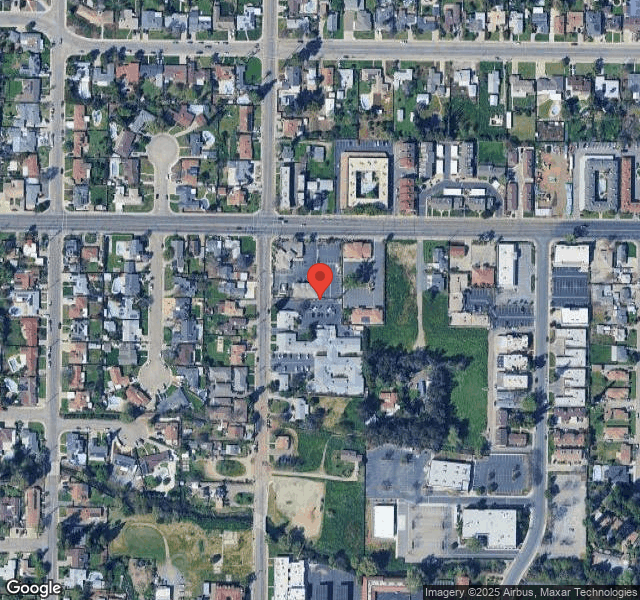
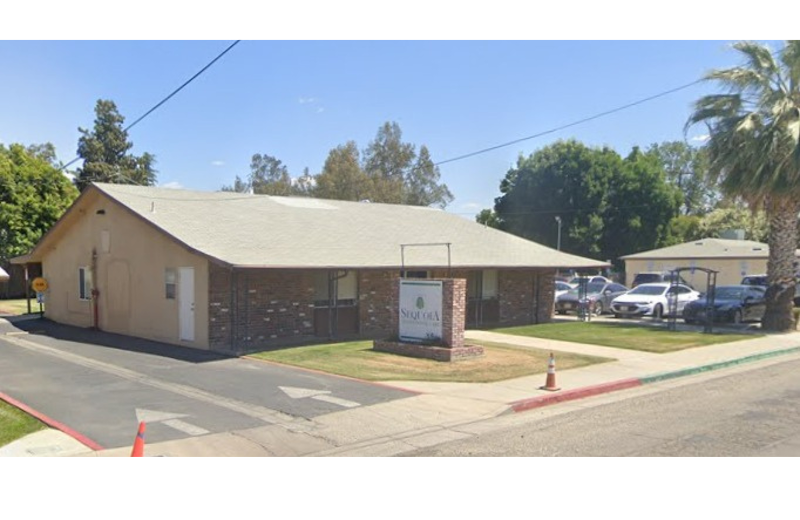
350 NORTH VILLA STREET, PORTERVILLE, CA 93257 (559) 784-6644
For profit - Limited Liability company 99 Beds PACS GROUP Data: November 2025 1 Immediate Jeopardy citation
Trust Grade
38/100
#457 of 1155 in CA
Last Inspection: January 2025

Within standard 12-15 month inspection cycle. Federal law requires annual inspections.

Overview

Sequoia Transitional Care has a Trust Grade of F, indicating significant concerns and poor performance in several areas. It ranks #457 out of 1155 facilities in California, which places it in the top half, and #5 out of 16 in Tulare County, meaning only four local options are better. Unfortunately, the facility's trend is worsening, with issues increasing from 4 in 2024 to 12 in 2025. Staffing is a weakness, rated at 2 out of 5 stars with a turnover rate of 47%, which is higher than the state average, suggesting instability among caregivers. They have incurred $40,664 in fines, which is concerning and indicates compliance problems. On a positive note, the facility has a 4 out of 5-star rating for overall quality measures, indicating good performance in this area. However, there have been specific incidents that raise alarms, such as a resident falling after being left unattended for 30 minutes and sustaining serious injuries. Additionally, the facility failed to notify a physician about a non-healing bruise that led to a serious infection requiring hospitalization. Overall, while there are some strengths, the significant issues noted in care and compliance should be carefully considered by families researching this facility for their loved ones.

Trust Score
F
38/100
In California
#457/1155
Top 39%
Safety Record
High Risk
Review needed
Inspections
Getting Worse
4 → 12 violations
Staff Stability
⚠ Watch
47% turnover. Above average. Higher turnover means staff may not know residents' routines.
Penalties
✓ Good
$40,664 in fines. Lower than most California facilities. Relatively clean record.
Skilled Nurses
⚠ Watch
Each resident gets only 5 minutes of Registered Nurse (RN) attention daily — below average for California. Fewer RN minutes means fewer trained eyes watching for problems.
Violations
⚠ Watch
65 deficiencies on record. Higher than average. Multiple issues found across inspections.
★★★★☆
4.0
Overall Rating
★★☆☆☆
2.0
Staff Levels
★★★★★
5.0
Care Quality
★★★☆☆
3.0
Inspection Score
Stable
2024: 4 issues
2025: 12 issues

The Good

  • 5-Star Quality Measures · Strong clinical quality outcomes
  • Full Sprinkler Coverage · Fire safety systems throughout facility
  • No fines on record

Facility shows strength in quality measures, fire safety.

The Bad

Staff Turnover: 47%

Near California avg (46%)

Higher turnover may affect care consistency

Federal Fines: $40,664

Above median ($33,413)

Moderate penalties - review what triggered them

Chain: PACS GROUP

Part of a multi-facility chain

Ask about local staffing decisions and management

The Ugly 65 deficiencies on record

1 life-threatening 3 actual harm
Apr 2025 2 deficiencies 1 Harm
SERIOUS (G) 📢 Someone Reported This

A family member, employee, or ombudsman was alarmed enough to file a formal complaint

Actual Harm - a resident was hurt due to facility failures

ADL Care (Tag F0677)

A resident was harmed · This affected 1 resident

**NOTE- TERMS IN BRACKETS HAVE BEEN EDITED TO PROTECT CONFIDENTIALITY** Based on observation, interview, and record review, the facility failed to provide care and services for one of three sampled re...

Read full inspector narrative →
**NOTE- TERMS IN BRACKETS HAVE BEEN EDITED TO PROTECT CONFIDENTIALITY** Based on observation, interview, and record review, the facility failed to provide care and services for one of three sampled residents (Resident 1) who was high risk for falls, had history of falls, and had a diagnosis of Dementia (decline in memory and thinking, severe enough to interfere with daily life) when Resident 1 was left waiting in the room to be toileted for approximately 30 minutes. This failure resulted in Resident 1 falling, sustaining laceration (cut) to the top of the head requiring three staples (little wire), and compression fracture (a type of broken bone that can cause the spine to collapse) of T (thoracic- middle section of spine) 5 (T5- is the fifth bone of the thoracic spine located in the middle of the back). Findings: During a review of Resident 1 ' s admission Record (AR), dated 4/8/25, the AR indicated, Resident 1 was initially admitted on [DATE]. The AR indicated, Diagnosis. Repeated Falls.Muscle Weakness.Dementia. During a review of Resident 1 ' s annual Minimum Data Set (MDS-a federally mandated resident assessment tool) dated 2/17/25, the MDS indicated Resident 1 had a BIMS (Brief Interview for Metal Status-an assessment tool used by facilities to screen and identify memory, orientation, and judgement status of the resident) score of 6 (0-7 severely impaired [decline in one or more mental abilities that affects a person ' s daily functioning]). The MDS section GG-Functional Abilities (a person ' s capacity to perform everyday activities) F. Toilet transfer: The ability to get on and off a toilet or commode (furniture shaped like a chair). indicated Resident 1 was 01. Dependent-Helper does ALL the effort, Resident does none of the effort to complete the activity. Or the assistance of 2 or more helpers is required for the resident to complete the activity. During a review of Residents 1 ' s Post Fall Review (PFR-assessment after a fall to identify factors contributing to the fall to determine the necessary course of care), dated 6/15/24, 7/5/24, 7/26/24, 2/24/25, 3/1/25 and 3/30/25, the PFR ' s indicated Resident 1 was High Risk for falls. During a review of Resident 1 ' s Care Plan ([current] CP) titled, Falls date initiated 5/24/24, the CP indicated, Resident 1 had 6/15/24 un-witness fall, 7/5/24 un-witness fall, 7/25/24 un-witness fall, 7/26/24 un-witness fall, 2/24/25 un-witness fall, 3/1/25 un-witness fall, 3/30/25 un-witness fall. Resident 1 ' s CP titled, ADL (Activities of Daily Living)/Mobility dated 2/18/25 indicated, Resident 1 has actual at risk for ADL/mobility decline and requires assistance related to cognitive impairment, fluctuating (constant changing) ADLs, medical conditions, weakness. Goal included Will have needs anticipated and met by staff. Intervention included, Toileting: Assist of total dependence. During a review of Resident 1 ' s Change of Condition (COC) dated 3/30/25 at 6:24 p.m., the COC indicated, .resident (Resident 1) had fallen while she was attempting to use the bathroom.sent out (acute hospital) due to having neck and back pain along with the bleeding that was coming from her head. During a review of the facility investigative report titled, Facility Reported Event (FRE), undated, the FRE indicated, on 3/30/25 at 5:20 p.m. Resident 1 had an unwitnessed fall in her bathroom. The FRE indicated a full investigation was completed and indicated at approximately 4:40 p.m. Resident 1 had asked for help to be taken to the bathroom by Certified Nursing Assistant (CNA 3). At approximately 5:10 p.m. (30 minutes later) CNAs nearby heard a noise and found Resident 1 on the bathroom floor. During a concurrent observation and interview on 4/8/25 at 1:47 p.m. with Resident 1, Resident 1 was noted lying in bed. Resident 1 stated on 3/30/25 I had to pee, but nobody came.I told a couple of people I had to pee, and they walked in and left.I took myself to the bathroom because no one came when I scream and holler. I fell out. I have three staples on my head. It feels like I broke everything. During an interview on 4/8/25 at 1:57 p.m. with Licensed Vocational Nurse (LVN), LVN 1 stated Resident 1 was admitted to the acute hospital (3/30/25) for observation and readmitted to the facility on [DATE] with three staples on top of the head, with T5 compression fracture (broken bone) and a back brace (a device fitted to something, in particular a weak or injured part of the body, to give support). During an interview on 4/8/25 at 2:05 p.m. with Certified Nursing Assistant (CNA 1), CNA 1 stated Resident 1 was alert with confusion (lack of understanding). CNA 1 stated Resident 1 had a history of falling and required assistance (total) in toileting. During an interview on 4/8/25 at 2:09 p.m. with LVN 2, LVN 2 stated on 3/30/25 at approximately 5:30 p.m., Resident 1 had slipped and fell while taking herself to the bathroom. LVN 2 stated Resident 1 was found lying on the bathroom floor up against the wall, bleeding from her head. LVN 2 stated Resident 1 was sent to the acute hospital (3/30/25) and stated the fall and fracture could have been prevented if Resident 1 was assisted right away to the toilet. LVN 2 stated right away is within two minutes. During an interview on 4/8/25 at 2:18 p.m. with CNA 2, CNA 2 stated on 3/30/25 during dinner time, she heard Resident 1 yelling. CNA 2 stated Resident 1 was found on the floor in the bathroom with her pants down. CNA 2 stated, It looked like she (Resident 1) tried to go use the bathroom. CNA 2 stated Resident 1 was a fall risk and required assistance for toileting. CNA 2 stated the fall could have been prevented if Resident 1 was taken to the bathroom. During a concurrent interview and record review on 4/8/25 at 4 p.m. with Director of Nurses (DON), the FRE was reviewed. DON stated on 3/30/25 at 5:20 p.m. Resident 1 had an unwitnessed fall in the bathroom. DON confirmed Resident 1 was left waiting to be assisted to the bathroom for approximately 30 minutes. DON stated 30 minutes was a long time to wait for assistance. During an interview on 4/10/25 at 2:10 p.m. with CNA 3, CNA 3 stated on 3/30/25 at approximately 4:40 p.m. Resident 1 requested to be taken to the bathroom. CNA 3 stated he left Resident 1 in the room without assisting Resident 1 to the bathroom. CNA 3 stated at approximately 5:10 p.m. (30 minutes later) Resident 1 was heard yelling and was found on the bathroom floor. CNA 3 stated Resident 1 was a high fall risk for falls and cannot take herself to the bathroom. CNA 3 stated the fall could have been prevented if Resident 1 was taken to the bathroom right away. During a review of acute hospital Resident 1 ' s Emergency Department (ED) note, dated 3/30/25 at 7:22 p.m., the ED note indicated, Chief Complaint.unwitnessed fall from (facility name) . staff heard fall and checked on her. Neck pain, back pain, left thumb swelling, lac (laceration) to head. Attempted to self-transfer to bathroom. During a review of Resident 1 ' s MRI (Magnetic resonance imaging-test that produces detailed images including bones), dated 3/31/25 at 11:12 a.m., the MRI result indicated, acute (recent) compression fracture of T5. During a review of the facility ' s policy and procedure (P&P) titled, Activities of Daily Living (ADL), Supporting, dated 3/18, the P&P indicated, 2. Appropriate care and services will be provided for residents who are unable to carry out ADLs independently, with the consent of the resident and in accordance with the plan of care, including appropriate support and assistance with: .c. elimination (toileting).
CONCERN (D) 📢 Someone Reported This

A family member, employee, or ombudsman was alarmed enough to file a formal complaint

Potential for Harm - no one hurt, but risky conditions existed

Comprehensive Care Plan (Tag F0656)

Could have caused harm · This affected 1 resident

null Based on observation, interview, and record review, the facility failed to implement the care plan (CP) for two of two sampled residents (Resident 6 and Resident 7) on Falling Star Program (fall ...

Read full inspector narrative →
null Based on observation, interview, and record review, the facility failed to implement the care plan (CP) for two of two sampled residents (Resident 6 and Resident 7) on Falling Star Program (fall prevention program) when:1. The call light, the remote control, and water pitcher were not within one of one sampled resident's (Resident 6) reach.2. The bowel and bladder (toileting) program every two hours was not implemented for one of one sampled resident's (Resident 7).These failures had the potential to place Resident 6 and Resident 7 at a greater fall risk. Findings:1. During a concurrent observation and interview on 6/17/25 at 10:10 am, in Resident 6's room with Assistant Director of Nursing (ADON), there was a gold star on Resident 6's name plate by the entry door. Resident 6 was in bed. Resident 6's call light and remote control were on the floor. The water pitcher was on the over bed table out of Resident 6's reach. ADON stated, I seeDuring a concurrent observation and interview on 6/17/25, at 10:25 am, in Resident 6's room with Certified Nursing Assistant (CNA) 4, Resident 6 was in bed. Resident 6's call light and remote control were on the floor. The water pitcher was on the over bed table out of Resident 6's reach. CNA 4 stated, I don't know why the call light and remote control are on the floor. The table needs to be near him [Resident 6] because he needs the water. He [Resident 6] cannot see well.During an interview on 6/17/25, at 11:03 am, with the Director of Nursing (DON), DON stated each station has a Falling Star Program binder with the list of residents' names that had two falls in the last 30 days on the outer cover. DON stated, The updated care plan for each resident is posted in the binder for all the staff to focus on.During a concurrent interview and record review on 6/17/25, at 2:50 pm, with ADON, Resident 6's CP was reviewed, the CP indicated, Focus Falls: Resident [6] had an unwitnessed fall and is at risk for pain, recurring falls. Goal Will be compliant with fall interventions to reduce risk for additional falls. Date initiated: 2/28/2024 Revision on: 02/11/2025 Target Date: 08/17/2025. Will minimize risk for additional falls to the extent possible. Date Initiated: 2/28/2024 Revision on: 02/11/2025 Target Date: 08/17/2025 . Keep call light within reach. Date Initiated: 02/28/2024Keep personal items frequently used within reach. Date initiated: 02/28/2024ADON stated, I know, saw that.2. During a concurrent observation and interview on 6/17/25, at 9:50 am, with DON, in Resident 7's room, there was a gold star on Resident 7's name plate by the entry door. Resident 7 was not in the room. DON stated, [Resident 7] is in the activity room. DON stated, [Resident 7] is on falling star program.During a concurrent observation and interview on 6/17/25, at 3:20 p.m., in Resident 7's room with CNA 5, Resident 7 was not in his bed and stated, [Resident 7] may be in the rest room. CNA 5 stated, [Resident 7] is not on toileting bowel and bladder program every 2 hours.During a concurrent interview and record review on 6/17/25, at 3:56 pm, with ADON, Resident 7's CP was reviewed, the CP indicated Focus Fall: Resident had an unwitnessed fall and is at risk for injury. 5/8/25, Resident 7 had an unwitnessed fall no injury. Goal Will minimize for additional falls to the extent possible date initiated: 04/29/2025 Target date: 07/21/2025. Interventions/Tasks . Bowel and Bladder Q [every] 2H [hours] Date Initiated: 05/09/2025. ADON was unable to find documentation of bowel and bladder every two hours. DON stated, I cannot find it.
Jan 2025 10 deficiencies
CONCERN (D)

Potential for Harm - no one hurt, but risky conditions existed

Transfer Notice (Tag F0623)

Could have caused harm · This affected 1 resident

**NOTE- TERMS IN BRACKETS HAVE BEEN EDITED TO PROTECT CONFIDENTIALITY** Based on interview and record review, the facility failed to ensure the resident's representative and the state long term care o...

Read full inspector narrative →
**NOTE- TERMS IN BRACKETS HAVE BEEN EDITED TO PROTECT CONFIDENTIALITY** Based on interview and record review, the facility failed to ensure the resident's representative and the state long term care ombudsman (representatives who assist residents in long-term care facilities with issues related to day-to day care, health, safety, and personal preferences) were notified, in writing, when two of seven sampled residents (Resident 52 and Resident 82) were transferred to the hospital. This failure resulted in the resident representative and the ombudsman to not be aware of resident's healthcare status and location. Findings: During an interview on 1/7/25 at 2:37 p.m. with Resident 52, Resident 52 stated he had been to the hospital several times because of his diabetes (disorder characterized by difficulty in blood sugar control and poor wound healing) and high blood pressure. During a concurrent interview and record review on 1/8/25 at 3:36 p.m. with Minimum Data Set (MDS - a federally mandated resident assessment tool) Consultant (MDSCL), Resident 52's medical record was reviewed. MDSCL stated Resident 52 was transferred to the hospital on 3/27/24 for GI [Gastro (stomach)-intestinal) bleeding and nausea and vomiting. Resident 52's History & Physical (H&P) dated 4/12/24 indicated, Resident 52 was discharged from the hospital and readmitted to the facility with a diagnosis of GI bleed. MDSCL stated Resident 52's family member was not notified because the nurse listed Resident 52 as his own representative. Resident 52's admission Record was reviewed. MDSCL stated Resident 52's family member was listed as his Responsible Party (RP) and should have been notified. MDSCL stated Resident 52 was transferred to the hospital on [DATE] due to a fall but his family member was not notified because the Voicemail box was full. The facility H&P dated 10/11/24 indicated, Resident 52 was discharged from the hospital and readmitted to the facility with diagnoses of altered mental status, chronic kidney disease, high blood acid levels, high levels of potassium in his blood. During an interview on 1/8/25 at 4:01 p.m. with Social Services Designee (SSD), SSD stated she did not notify RPs in writing when residents were transferred to the hospital, and she did not send notification to the ombudsman when a resident was discharged /transferred to the hospital. During a review of Resident 82's, Transfer Form (TF), dated 11/12/24, the TF indicated, Resident 82 was transferred to the hospital on [DATE]. During an interview on 1/9/25 at 9 a.m. with SSD, SSD stated she did not notify the ombudsman about Resident 82's transfer to the hospital. During a review of the facility's policy and procedure (P&P) titled, Transfer or Discharge, Facility-Initiated, dated 10/2022, the P&P indicated, Once admitted to the facility, residents have the right to remain in the facility. Facility-initiated transfers and discharges, when necessary, must meet specific criteria and require resident/representative notification and orientation, and documentation as specified in this policy . 1. When a resident is transferred or discharged from the facility, the following information is documented . b. That an appropriate notice was provided to the resident and/or legal representative . 3. A copy of the notice is sent to the office of the State Long-Term Care Ombudsman at the same time the notice of transfer or discharge is provided to the resident and representative.
CONCERN (D)

Potential for Harm - no one hurt, but risky conditions existed

Comprehensive Care Plan (Tag F0656)

Could have caused harm · This affected 1 resident

Based on observation, interview and record review, the facility failed to ensure individualized, person-centered care plans were developed and implemented for three of six residents (Resident 46, Resi...

Read full inspector narrative →
Based on observation, interview and record review, the facility failed to ensure individualized, person-centered care plans were developed and implemented for three of six residents (Resident 46, Resident 52, and Resident 79). This failure had the potential for care needs to not be met. Findings: a. During an observation on 1/7/25 at 10:41 a.m. in Resident 46's room, Resident 46 was in her wheelchair, and she was speaking in short clips of gibberish with no discernable words. During an interview on 1/8/25 at 3:46 p.m. with Certified Nursing Assistant (CNA) 6, CNA 6 stated she can understand Resident 46's needs from having cared for her for the past year. During a concurrent interview and record review on 1/8/25 3:36 p.m. with Minimum Data Set (MDS - a federally mandated resident assessment tool) Consultant (MDSCL), Resident 52's medical record was reviewed. MDSCL stated Resident 52 was transferred to the hospital on 3/27/24 for GI [gastro (stomach)-intestinal] bleeding and nausea and vomiting. Resident 52's History & Physical (H&P) dated 4/12/24 indicated Resident 52 was discharged from the hospital and readmitted to the facility with a diagnosis of GI bleed. MDSCL was not able to find a care plan for GI bleeding. b. During a concurrent interview and record review on 1/9/25 at 10:41 a.m. with MDSCL, Resident 79's medical record was reviewed. The Bowel and Bladder Observation/Assessment dated 12/12/24 indicated, Incontinence [inability to control bladder and/or bowel] Assessment 1. Length of incontinence 1. Days and 3. Needs assistance getting to toilet. MDS Section H indicated, Urinary continence 3. Always incontinent and Bowel Continence 3. Always incontinent. MDSCL stated she was unable to find a care plan for incontinence. c. During a concurrent interview and record review on 1/9/25 at 2:11 p.m. with MDSCL, Resident 46's medical record was reviewed. The Minimum Data Set (MDS- Assessment tool) Section B indicated, Speech Clarity 1. Unclear speech. Makes Self Understood 3. Rarely/never understood. MDSCL stated she was unable to find a care plan for a speech deficit. During a review of the facility's policy and procedure (P&P) titled, Care Plans, Comprehensive Person-Centered, dated 3/2022, the P&P indicated, A comprehensive, person-centered care plan that includes measurable objectives and timetables to meet the resident's physical, psychosocial and functional needs is developed and implemented for each resident . 9. Care plan interventions are chosen only after data gathering, proper sequencing of events, careful consideration of the relationship between the resident's problem areas and their causes, and relevant clinical decision making . 12. The interdisciplinary team reviews and updates the care plan: a. when there has been a significant change in the resident's condition, b. when the desired outcome is not met, c. when the resident has been readmitted to the facility from a hospital stay.
CONCERN (D)

Potential for Harm - no one hurt, but risky conditions existed

Deficiency F0676 (Tag F0676)

Could have caused harm · This affected 1 resident

Based on observation interview and record review, the facility failed to ensure a communication tool was used for one of one sampled resident (Resident 46) with a speech impairment. This failure had t...

Read full inspector narrative →
Based on observation interview and record review, the facility failed to ensure a communication tool was used for one of one sampled resident (Resident 46) with a speech impairment. This failure had the potential for Resident 46's concerns and needs to be unmet and for her psychosocial health to be negatively impacted. Findings: During an observation on 1/7/25 at 10:41 a.m. in Resident 46's room, Resident 46 was in her wheelchair, and she was speaking in short clips of gibberish with no discernable words. During an interview on 1/8/25 at 3:46 p.m. with Certified Nursing Assistant (CNA) 6, CNA 6 stated she can understand Resident 46's needs from having cared for her for the past year. During a concurrent interview and record review on 1/9/25 at 2:11 p.m. with Minimum Data Set Consultant (MDSCL), Resident 46's medical record was reviewed. The Minimum Data Set (MDS- Assessment tool) Section B indicated, Speech Clarity 1. Unclear speech. Makes Self Understood 3. Rarely/never understood. During an interview on 1/9/25 at 2:26 p.m. with Minimum Data Set Coordinator (MDSC), MDSC stated not using a communication tool for Resident 46 would make it difficult for newer staff assigned to care for her, to understand her, and meet her needs. During a review of the facility's policy and procedure (P&P) titled, Effective Communication, dated 2/2018, the P&P indicated, Staff will assist hearing impaired residents and residents with language barriers to maintain effective communication with clinicians, caregivers, other residents and visitors.
CONCERN (D)

Potential for Harm - no one hurt, but risky conditions existed

Quality of Care (Tag F0684)

Could have caused harm · This affected 1 resident

Based on interview and record review, the facility failed to follow its policy and procedure (P&P) titled, Repositioning, for three of three sampled residents (Resident 71, and Resident 52) who were d...

Read full inspector narrative →
Based on interview and record review, the facility failed to follow its policy and procedure (P&P) titled, Repositioning, for three of three sampled residents (Resident 71, and Resident 52) who were dependent on staff to change position or transfer. This failure had the potential to result in further loss of mobility and skin breakdown. Findings: a. During an interview on 1/7/25 at 9:10 a.m. with Resident 71, Resident 71 stated she does not get out of bed or do any exercising because it might interfere with her brittle bones. During a concurrent interview and record review on 1/8/25 at 10:55 a.m. with Assistant Director of Nursing (ADON), Resident 71's medical record was reviewed. The Minimum Data Set (MDS- Assessment tool) Section GG Functional Abilities indicated, Resident 71 was Dependent on facility staff to A. Roll left and right: B. Sit to lying: C. Lying to sitting on side of bed: D. Sit to stand: E. Chair/bed-to-chair transfer . FF. Tub/shower transfer. The Task: Turn and Reposition (TTR) dated 12/26/24 to 1/8/25 was reviewed and the following was noted: 12/26/24 Resident 71 was turned at 1:59 p.m., and 4:52 p.m. 12/27/24 Resident 71 was turned at 1:59 a.m., 10:37 a.m., 5:33 p.m., and 11:03 p.m. 12/28/24 Resident 71 was turned at 8:48 a.m., 2:50 p.m., and 11:42 p.m. 12/29/24 Resident 71 was turned at 6:35 a.m., and 3:17 p.m. 12/30/24 Resident 71 was turned at 1:38 a.m., 7:35 a.m., 3:24 p.m., and 10:47 p.m. 12/31/24 Resident 71 was turned at 9:43 a.m. and 2:59 p.m. 1/1/25 Resident 71 was turned at 5:49 a.m., 8:14 a.m., and 5:17 p.m. 1/2/25 Resident 71 was turned at 1:42 a.m., 9:28 a.m., 4:04 p.m., and 11:55 p.m. 1/3/25 Resident 71 was turned at 9:42 a.m., 3:10 p.m., and 4:52 p.m. 1/4/25 Resident 71 was turned at 1:43 p.m., 2:14 p.m., and 11:07 p.m. 1/5/25 Resident 71 was turned at 6:38 a.m., 2:32 p.m., and 10:44 p.m. 1/6/25 Resident 71 was turned at 1:59 p.m., and 10:28 p.m. 1/7/25 Resident 71 was turned at 3:45 a.m., 9:09 a.m., and 5:12 p.m. 1/8/25 Resident 71 was turned at 1:31 a.m. and 9:49 a.m. b. During a concurrent observation and interview on 1/7/25 at 2:30 p.m. with Resident 52, in his room, Resident 52 was in a wheelchair. Resident 52 was unable to use his left arm. Resident 52 stated he relies on the nursing staff to turn him when he was in bed. During a review of Resident 52's, admission Record (AR), the AR indicated, a diagnosis of Hemiplegia [inability to use one side of the body] and Hemiparesis [muscle weakness on one side of the body] following Cerebral Infarction [loss of blood flow to a part of the brain, causing brain tissue to die] affecting left non-dominant side. During a concurrent interview and record review on 1/9/25 at 11:47 a.m. with Minimum Data Set Consultant (MDSCL), Resident 52's medical record was reviewed. MDS Section GG Functional Abilities dated 12/3/24 indicated Resident 52 was dependent on staff for mobility. The Care Plan dated 11/23/24 indicated an ADL [activities of daily living] Self Care Deficit r/t [related to] Activity Intolerance, Confusion, Hemiplegia, Stroke [blood flow to brain is interrupted, causing damage to brain tissue]. MDSCL stated the care plan does not indicate Resident 52 is dependent on staff for mobility and that the MDS is more accurate. The TTR dated 12/27/24 to 1/9/25 was reviewed and the following was noted: 12/27/24 Resident 52 was turned at 12:30 a.m., 8:51 a.m., 5:08 p.m., and 10:57 p.m. 12/28/24 Resident 52 was turned at 8:53 a.m., 2:40 p.m., and 11:13 p.m. 12/29/24 Resident 52 was turned at 6:29 a.m. and 3:12 p.m. 12/30/24 Resident 52 was turned at 1:32 a.m., 1:43 p.m., 2:24 p.m., and 10:40 p.m. 12/31/24 Resident 52 was turned at 9:49 a.m. and 2:46 p.m. 1/1/25 Resident 52 was turned at 2:30 a.m., 8:08 a.m., and 2:23 p.m. 1/2/25 Resident 52 was turned at 5:59 a.m., 9:18 a.m., and 3:59 p.m. 1/3/25 Resident 52 was turned at 3:05 a.m., 9:32 a.m., and 2:54 p.m. 1/4/25 Resident 52 was turned at 5:36 a.m., 11:14 a.m., and 2:08 p.m. 1/5/25 Resident 52 was turned at 3:41 a.m., 6:35 a.m., and 2:30 p.m. 1/6/25 Resident 52 was turned at 3:58 a.m., 1:59 p.m., and 8:23 p.m. 1/7/25 Resident 52 was turned at 1:46 a.m., 9:48 a.m., and 5:07 p.m. 1/8/25 Resident 52 was turned at 4:27 a.m., 9:48 a.m., and 3:21 p.m. 1/9/25 Resident 52 was turned at 5:59 a.m. MDSCL stated the only information documented when a resident is turned, is the time. During an interview on 1/9/25 at 10:11 a.m. with Minimum Data Set Coordinator (MDSC), MDSC stated a lack of documentation makes it seem like the dependent residents are not being turned. MDSC stated a difference in the MDS assessment coding and a resident's individualized care plan could result in a resident injury, if the care plan does not accurately reflect the actual degree of resident needs. During a review of the facility P&P titled, Repositioning dated 5/2013, the P&P indicated, The purpose of this procedure is to provide guidelines for the evaluation of resident repositioning needs, to aid in the development of an individualized care plan for repositioning, to promote comfort for all bed-or chair-bound residents and to prevent skin breakdown, promote circulation and provide pressure relief for residents. Interventions 3. Residents who are in bed should be on at least an every-two-hour. repositioning schedule. 5. Residents who are in a chair should be on a every one hour. repositioning schedule. Documentation The following information should be recorded in the resident's medical record: 1. The position in which the resident was placed. This may be on a flow sheet. 2. The name and title of the individual who gave the care. 3. Any changes in the resident's condition. 4. Any problems or complaints made by the resident related to the procedure. 5. If the resident refused the care and the reason(s) why. 6. Observations of anything unusual exhibited by the resident. 7. The signature and title of the person recording the data.
CONCERN (D)

Potential for Harm - no one hurt, but risky conditions existed

Incontinence Care (Tag F0690)

Could have caused harm · This affected 1 resident

Based on interview and record review, the facility failed to ensure one of one sampled resident (Resident 79) was assessed for a Bowel and Bladder Training program (structured plan designed to help re...

Read full inspector narrative →
Based on interview and record review, the facility failed to ensure one of one sampled resident (Resident 79) was assessed for a Bowel and Bladder Training program (structured plan designed to help residents regain control over their bowel and bladder functions). This failure had the potential for Resident 79 to be unable to maintain toileting abilities. Findings: During a concurrent interview and record review on 1/9/25 at 10:41 a.m. with Minimum Data Set (MDS - a federally mandated resident assessment tool) Consultant (MDSCL), Resident 79's medical record was reviewed. Resident 79's Bowel and Bladder Observation/Assessment (BBOA) dated 12/12/24 indicated, Incontinence [inability to control bladder and/or bowel] Assessment 1. Length of incontinence 1. Days and 3. Needs assistance getting to toilet. MDS Section H indicated, Urinary continence 3. Always incontinent and Bowel Continence 3. Always incontinent. MDSCL stated she was unable to find a care plan for incontinence and no documentation of Resident 79 being placed on a bowel and bladder training program. During an interview and record review on 1/9/25 at 10:48 a.m. with Minimum Data Set Coordinator (MDSC), MDSC stated the information on the BBOA might not be correct, but there was no other documentation to clarify Resident 79's continence status prior to admission to the facility. MDSC stated that if Resident 79 had only been incontinent for a matter of days she would have expected him to be placed on a bowel and bladder training program. A bowel and bladder training program policy was requested, none was provided.
CONCERN (D)

Potential for Harm - no one hurt, but risky conditions existed

Deficiency F0757 (Tag F0757)

Could have caused harm · This affected 1 resident

**NOTE- TERMS IN BRACKETS HAVE BEEN EDITED TO PROTECT CONFIDENTIALITY** Based on interview and record review, the facility failed to follow their policy and procedure (P&P) titled, Anti-coagulation [m...

Read full inspector narrative →
**NOTE- TERMS IN BRACKETS HAVE BEEN EDITED TO PROTECT CONFIDENTIALITY** Based on interview and record review, the facility failed to follow their policy and procedure (P&P) titled, Anti-coagulation [medication used to thin blood] Clinical Protocol to monitor for possible complications for two of two sampled residents (Resident 10 and Resident 57) on an anti-coagulant. This failure had the potential for Resident 10 and Resident 57 to have adverse effects. Findings: During a concurrent interview and record review on 1/9/25 at 2:03 p.m. with Assistant Director of Nursing (ADON), Resident 10's Medication Administration Record (MAR) dated 12/1/24 - 12/31/24 and 1/1/25 - 1/9/25 were reviewed. The MARs indicated, Give Eliquis [medication to prevent blood clots] 2.5 mg [milligram] Give 1 tablet by mouth two times a day for DVT [deep vein thrombosis - blood clot] prevention. ADON stated there was no documentation that the blood thinning medication was monitored for adverse effects and there should be. During a concurrent interview and record review on 1/9/25 at 11:12 a.m. with Minimum Data Set (MDS - a federally mandated resident assessment tool) Consultant (MDSCL), Resident 57's Order Summary Report (OSR), dated 1/9/25 was reviewed. The OSR indicated, Xarelto [medicaton to prevent blood clots] oral [NAME] 20 MG . give 1 tablet by mouth one time a day for DVT. MDSCL stated there was no documentation that the blood thinning medication was monitored for adverse effects and there should be. During a review of the facility's P&P titled Anticoagulation- Clinical Protocol, dated 11/2018, the P&P indicated, The staff and physician will monitor for possible complications in individuals who are being anticoagulated, and will manage related problems. a. If an individual on anticoagulation therapy shows sign of excessive bruising, hematuria [blood in the urine], hemoptysis [coughing up blood], or other evidence of bleeding, the nurse will discuss the situation with the physician before giving the next scheduled dose of anticoagulant.
CONCERN (D)

Potential for Harm - no one hurt, but risky conditions existed

Deficiency F0761 (Tag F0761)

Could have caused harm · This affected 1 resident

Based on observation, interview and record review, the facility failed to: 1. Implement their policy and procedure (P&P) titled, Expired Medication for two of two sampled residents (Resident 68 and Re...

Read full inspector narrative →
Based on observation, interview and record review, the facility failed to: 1. Implement their policy and procedure (P&P) titled, Expired Medication for two of two sampled residents (Resident 68 and Resident 41) when expired medications were not removed from medication administration carts. This failure had the potential for expired medications to be administered to Resident 68 and Resident 41. 2. Ensure Resident 15's medications were safely and securely stored from unauthorized personnel and other residents. This failure had the potential for medication to be accessed by unauthorized staff and residents. Findings: 1a. During a concurrent observation and interview on 1/8/25 at 9:01 a.m. with Licensed Vocational Nurse (LVN) 3, in the South Hallway, Resident 68 had three expired medications stored in the south medication cart: a. Hyosyne [used to decrease stomach acid] 0.125 mg/ml [milligram per milliliter] oral drops, with an expiration date of 9/19/24; b. Acetaminophen [pain medication] 650 mg 2 suppositories [medication administered in the rectum] with an expiration date of 9/19/24; c. Bisacodyl [used to treat constipation] 10 mg 2 suppositories with an expiration date of 9/19/24. LVN 3 stated it was the responsibility of the licensed staff to check the medication carts and to remove all expired medications. 1b. During a concurrent observation and interview on 1/8/25 at 9:42 a.m. with LVN 4, in the medication storage room, Resident 41 had one artificial tears lubricant eye drops bottle with an expiration date of 8/2022 stored in the center medication cart. LVN 4 stated checking for expired medications was the responsibility of licensed staff and expired medication should not be in the medication carts. During a review of the facility's P&P titled, Expired Medication [undated], the P&P indicated, Expired medication will be not be given to any resident or responsible part [sic], nor retained in the community. Procedure 1. Expired medications are not used. 2. The Designated staff person inspect containers regularly for expiration dates. 2. During a concurrent observation and interview on 1/6/25 at 11:18 a.m. with LVN 5 in Resident 15's room, Resident 15 had five closed vials of Refresh Digital PF (used to treat dry eyes) and a medication cup of (unlabeled) cream on bedside table. LVN 5 stated Resident 15 has an order for Refresh eye drops and Voltaren gel (used to treat joint pain). LVN 5 stated the cream in the medication cup was Voltaren gel. LVN 5 stated there was not an order for Resident 15 to keep medication at her bedside, and a self-medication evaluation should be done. During a review of Resident 15's Order Summary Report (OSR), dated 1/31/22, the OSR indicated, Refresh Optive Mega3 Solution 0.5-1-0.5%. Instill 1 drop in both eyes four times a day related to blepharspasm (uncontrollable blinking or twitching of the eyelids) and Voltran Arthritis pain external gel 1%. Apply to RT [right] knee topically [on the skin] two times a day for arthritis [painful joints] type pain. During a concurrent interview and record review on 1/9/25 at 9:45 a.m. Assistant Director of Nursing (ADON), Resident 15's clinical record was reviewed. ADON stated Resident 15 was not assessed for for self-administration medication assessment. ADON stated self-administration assessment should be completed before a resident is allowed to self administer medication. During a review of the facility's policy and procedure (P&P) titled, Medication Labeling and Storage, Dated 2/2023, the P&P indicated, The facility stores all medications and biologicals in locked compartments under proper temperature, humidity and light controls. Only authorized personnel have access to keys During a review of the facility's P&P titled, Self-Administration of Medications, dated 11/2021, the P&P indicated, 1. As part of the evaluation comprehensive assessment, the interdisciplinary team (IDT) assesses each residents' cognitive and physical abilities to determine whether self-administering medications is safe and clinically appropriate for the resident.
CONCERN (D)

Potential for Harm - no one hurt, but risky conditions existed

Deficiency F0805 (Tag F0805)

Could have caused harm · This affected 1 resident

Based on observation, interview, and record review, the facility failed to follow the physician prescribed therapeutic (person-centered) diet for one of one sampled resident (Resident 64) which had th...

Read full inspector narrative →
Based on observation, interview, and record review, the facility failed to follow the physician prescribed therapeutic (person-centered) diet for one of one sampled resident (Resident 64) which had the potential for adverse outcomes to Resident 64. Findings: During a review of Resident 64's Order Summary Report (OSR) dated 3/12/24, the OSR indicated, Regular Diet Regular with chopped meat texture, Thin Liquids consistency. During a concurrent observation and interview on 1/9/25 at 12:45 p.m. with Licensed Vocational Nurse (LVN) 1 and Resident 64, in Resident 64's room, the chicken fried steak on Resident 64's food tray was not chopped and uneaten. Resident 64 stated, look at my teeth, I cannot eat it. Resident 64 opened her mouth and had multiple missing teeth. LVN 1 stated, Resident 64's chicken fried steak was not chopped and should be chopped. During a review of the facility's policy and procedure (P&P) dated 10/2017, the P&P indicated, Therapeutic diets are prescribed by the attending physician to support the resident's treatment and plan of care and in accordance with his or her goals and preferences. 1. Diet will be determined in accordance with the resident's informed choices, preferences, treatment goals and wishes. Diagnosis alone will not determine whether the resident is prescribed a therapeutic diet.
CONCERN (D)

Potential for Harm - no one hurt, but risky conditions existed

Deficiency F0847 (Tag F0847)

Could have caused harm · This affected 1 resident

Based on interview and record review, the facility failed to ensure the terms and conditions of the facility's arbitration agreement (a contract in which you agree to settle out of court, any dispute ...

Read full inspector narrative →
Based on interview and record review, the facility failed to ensure the terms and conditions of the facility's arbitration agreement (a contract in which you agree to settle out of court, any dispute that arises with the other party) was clearly explained to five of eight sampled residents (Resident 26, Resident 57, Resident 70, Resident 80, and Resident 135) in a form and manner that they understood. This failure resulted in Resident 26, Resident 51, Resident 57, Resident 70, Resident 80, and Resident 135 signing the arbitration agreement without fully understanding that they had given up their rights to a court proceeding should a dispute happen. Findings: 1. During a review of Resident 26's admission Record (AR), dated 1/19/23, the AR indicated, Resident 26's primary language was Spanish. During a review of Resident 26's Minimum Data Set [MDS-an assessment tool] Section C- Cognitive Patterns (MDSCP), dated 10/15/24, the MDSCP indicated, Resident 26 had a Brief Interview for Mental Status (BIMS, cognition assessment tool, 15-point scale: 0-7 severe impairment, 8-12 moderate impairment, 13-15 cognitively intact) of 9 (moderate impairment). During a review of Resident 26's Confidential Arbitration Agreement (CAA), dated 9/4/19, the CAA indicated, the agreement was written in English and Resident 26 electronically signed the agreement and co-signed by a facility employee. 2. During a review of Resident 57's AR, dated 9/13/21, the AR indicated, Resident 57's primary language was Spanish. During a review of Resident 57's MDSCP, dated 12/9/24, the MDSCP indicated, Resident 57 had a BIMS of 14 (cognitively intact). During a review of Resident 57's CAA, dated 10/19/21, the CAA indicated, the agreement was written in English and Resident 57 electronically signed the agreement and was later co-signed by a facility employee on 11/2/21. 3. During a review of Resident 70's AR, dated 8/29/24, the AR indicated, Resident 70's primary language was Spanish. During a review of Resident 70's MDSCP, dated 12/30/24, the MDSCP indicated, Resident 70 had a BIMS of 13 (cognitively intact). During a review of Resident 70's CAA, dated 7/10/23, the CAA indicated, the agreement was written in English and Resident 70 electronically signed the agreement and was co-signed by facility employee on 7/11/23. 4. During a review of Resident 80's AR, dated 12/12/24, the AR indicated, Resident 80's primary language was Spanish. During a review of Resident 80's MDSC, dated 12/30/24, the MDSCP indicated, Resident 80 had a BIMS of 14 (cognitively intact). During a review of Resident 80's CAA, dated 12/14/24, the CAA indicated, the agreement was written in English and Resident 80 electronically signed the agreement and was co-signed by facility employee, Certified Nursing Assistant (CNA) 7 on 12/14/24. During an interview on 1/9/25 at 3:05 p.m. with Resident 80, Resident 80 stated, I do not remember what I signed when I was admitted . I was very sick. I'm not sure if the papers were in English or Spanish. They just told me to sign. Resident 80 stated he does not speak English. 5. During a review of Resident 135's AR, dated 12/29/24, the AR indicated, Resident 135's primary language was Spanish, Castilian. During a review of Resident 135's MDSCP, dated 1/4/25, the MDSCP indicated, Resident 135 had a BIMS of 12 (moderate impairment). During a review of Resident 135's CAA, dated 12/19/24, the CAA indicated, the agreement was written in English and Resident 135 electronically signed the agreement and was co-signed by CNA 7 on 12/19/24. During a concurrent interview and record review on 1/9/25 at 3:30 p.m. with Director of Marketing (DM), Resident 26, Resident 57, Resident 70, Resident 80, and Resident 135's AA were reviewed. The AAs indicated, the agreements were in English and electronically signed by Resident 26, Resident 57, Resident 70, Resident 80, and Resident 135. DM stated the arbitration agreement is part of the facility's admission process. DM stated she discussed arbitration agreements along with the admission paperwork. I encourage every resident to sign it. I sell it. I think arbitration is a great thing. DM was unable to provide the number of residents that have refused to sign AA and stated, Most residents here have it [arbitration agreement]. DM stated the facility does not have an arbitration agreement in Spanish or any other language, just in English. DM stated, she does not speak Spanish and has a co-worker that will translate for her for any Spanish speaking residents. DM stated Resident 26, Resident 57, Resident 70, Resident 80, and Resident 135's primary language is Spanish and that a certified Spanish interpreter was not used when residents signed their arbitration agreements. During an interview on 1/9/25 at 3:45 p.m. with CNA 7, CNA 7 stated she helps with admission paperwork and translates for residents when they sign arbitration agreements. CNA 7 stated,The arbitration agreements are presented to the residents with the admission packet and residents are encouraged to sign them CNA 7 stated the facility does not have any agreements that are written in Spanish. CNA 7 stated she is not certified by the state to translate legal verbiage or medical terminology. She stated, I don't use the language line [interpreter services], because I am fluent in Spanish. During an interview on 01/09/25 at 4:17 p.m. with Administrator, Administrator stated, the arbitration agreement is part of the facility's admission process and is presented to each resident at time of admission and the resident is encouraged to sign it. Administrator stated that if a resident doesn't speak English, it is the expectation that an employee will use a language line to interpret in a language the resident will understand. Administrator stated none of the employees at this facility are certified Spanish interpreters. During a review of the facility's policy and procedure (P&P) titled, Binding Arbitration Agreements, dated 11/23, the P&P indicated, Residents are informed of the nature and implications of any proposed binding arbitration agreements so as to make informed decisions on whether to enter into such agreements. 4. Binding arbitration agreements are voluntary for the residents. Residents are not compelled, pressured, or coerced to enter into a binding arbitration agreement. It is unambiguously communicated to resident that binding arbitration agreements are optional and not required s a condition of admission or to receive care at this facility. 5. The terms and conditions of a binding arbitration agreement are explained to the resident in a way that ensures his or her understanding of the agreement, including that the resident may be giving up his or her right to have a dispute decided in a court proceeding. 6. The terms and conditions of a binding arbitration agreement are explained to the resident in a form and manner that he or she understands, taking in to consideration the residents language, literacy and stated preference for learning. 7. After the terms and conditions of the agreement are explained, the resident must acknowledge that he or she understands the agreement before being asked to sign the document. A. A signature alone is not sufficient acknowledgment of understanding. B. The resident must verbally acknowledge understanding, and the verbal acknowledgment documented by the staff member who explains the agreement. 9. If arbitration agreements are embedded within other contracts or agreements (for example, the admission agreement), the facility will ensure that the arbitration agreement is distinguished from the other agreement and explain to the resident that her or she [sic] may accept or decline each agreement separately. 11. Any facility personnel who are responsible for explaining the terms and conditions of binding arbitration agreements to the resident are trained in the specifics of this policy.
CONCERN (F)

Potential for Harm - no one hurt, but risky conditions existed

Deficiency F0727 (Tag F0727)

Could have caused harm · This affected most or all residents

Based on interview and record review, the facility failed to ensure a Registered Nurse (RN) was scheduled and on duty eight hours a day, seven days a week. This failure had the potential for resident ...

Read full inspector narrative →
Based on interview and record review, the facility failed to ensure a Registered Nurse (RN) was scheduled and on duty eight hours a day, seven days a week. This failure had the potential for resident care to be negatively impacted. Findings: During a concurrent interview and record review on 1/8/25 at 9:09 a.m. with Director of Staff Development (DSD), the Nursing Staff Assignment and Sign-in Sheet (NSASS) dated July 2024 was reviewed. The NSASS indicated, there was no RN for 8 hours a day on 7/1/24, 7/2/24, 7/3/24, 7/4/24, and 7/5/24. DSD stated there was not an RN on duty for 8 hours a day on those days. During a concurrent interview and record review on 1/8/25 at 11:07 a.m. with DSD, the NSASS dated August 2024 was reviewed. The NSASS indicated, there was no RN for 8 hours a day on 8/5/24, 8/6/24, 8/7/24, 8/8/24, and 8/9/24. DSD stated there was not an RN on duty for 8 hours a day on those days. During a concurrent interview and record review on 1/8/25 at 11:50 a.m. with DSD, the NSASS dated September 2024 was reviewed. The NSASS indicated, there was no RN for 8 hours a day on 9/2/24, 9/3/24, 9/4/24, 9/5/24, 9/6/24, and 9/30/24. DSD stated there was no RN on duty for 8 hours a day on those days. During a concurrent interview and record review on 1/8/25 at 11:55 a.m. with DSD, the NSASS dated October 2024 was reviewed. The NSASS indicated, there was no RN for 8 hours a day on 10/1/24, 10/2/24, 10/3/24, and 10/4/24. DSD stated there was no RN on duty for 8 hours a day on those days. During a concurrent interview and record review on 1/8/25 at 12:05 p.m. with DSD, the NSASS dated November 2024 was reviewed. The NSASS indicated, there was no RN for 8 hours a day on 11/4/24, 11/5/24, 11/6/24, and 11/8/24. DSD stated there was no RN on duty for 8 hours a day on those days. During a concurrent interview and record review on 1/8/25 at 12:10 p.m. with DSD, the NSASS dated December 2024 was reviewed. The NSASS indicated, there was no RN for 8 hours a day on 12/2/24, 12/3/24, 12/4/24, 12/5/24, 12/6/24, 12/30/24, and 12/31/24. DSD stated there was no RN on duty for 8 hours a day on those days. During a concurrent interview and record review on 1/8/25 at 12:15 p.m. with DSD, the NSASS dated January 2025 was reviewed. The NSASS indicated, there was no RN for 8 hours a day on 1/1/25, 1/2/25, and 1/3/25. DSD stated there was no RN on duty for 8 hours a day on those days. During a review of the facility's policy and procedure (P&P) titled, Staffing, Sufficient and Competent Nursing, 8/2022, the P&P indicated, A registered nurse provides services at least (8) consecutive hours every 24 hours, seven (7) days a week.
Nov 2024 1 deficiency
CONCERN (D) 📢 Someone Reported This

A family member, employee, or ombudsman was alarmed enough to file a formal complaint

Potential for Harm - no one hurt, but risky conditions existed

Transfer Notice (Tag F0623)

Could have caused harm · This affected 1 resident

**NOTE- TERMS IN BRACKETS HAVE BEEN EDITED TO PROTECT CONFIDENTIALITY** Based on interview and record review, the facility failed to: 1. Ensure proper discharge information was provided on a 30-day no...

Read full inspector narrative →
**NOTE- TERMS IN BRACKETS HAVE BEEN EDITED TO PROTECT CONFIDENTIALITY** Based on interview and record review, the facility failed to: 1. Ensure proper discharge information was provided on a 30-day notice for one of three sampled residents (Resident 1). 2. Ensure the Ombudsman was made aware of a facility-initiated discharge for one of three sampled residents (Resident 1). These failures resulted in Resident 1 having the incorrect appeal information and the Ombudsman not being aware of the discharge. Findings: 1. During a review of Resident 1 ' s Notice of Proposed Discharge (NOPD) dated 11/5/24, the NOPD indicated, Reason(s) for the discharge.The transfer or discharge is appropriate because your health has improved sufficiently so that you no longer need the services provided by the facility. The safety of individuals in the facility is endangered by your presence.If you believe that the proposed discharge is inappropriate in your case, you have right to file an appeal. An appeal can be filed by writing to or calling the following: California Department of Public Health, Bakersfield District Office, 4540 California Ave, Suite 200 Bakersfield, CA 93309 (661) [PHONE NUMBER]. During an interview on 11/8/24 at 1:14 p.m. with Director of Nursing (DON), DON stated the state agency information provided to Resident 1 was where complaints against the facility are reported and the contact information should have been the state agency to appeal the discharge notice. During a review of the facility ' s policy and procedure (P&P) titled Transfer or Discharge Notice dated 9/2012, the P&P indicated, The resident and/or representative (sponsor) will be provided with the following information.The name, address, and telephone number of the state health department agency that has been designated to handle appeals of transfers and discharge notices. 2. During a review of Resident 1 ' s Progress Notes (PN) dated 11/8/24 (3 days after the notice was provided to Resident 1) at 1:17 p.m., the PN indicated, This writer called Ombudsman office.to notify [Ombudsman name] of 30 [day] notice that was given to resident. During an interview on 11/8/24 at 12:11 p.m. with Social Service Director (SSD), SSD stated the Ombudsman was just notified of the discharge 11/8/24 and the Ombudsman should have been notified within one day (by 11/6/24) of Resident 1 being provided the notice. During an interview on 11/8/24 at 12:51 p.m. with DON, DON stated it was the responsibility of the SSD to notify the Ombudsman when a resident was provided a NOPD. During a review of the facility ' s policy and procedure titled Transfer or Discharge, Preparing a Resident for dated 9/13, the P&P indicated, Our facility shall prepare a resident for a transfer or discharge.The Social Services will be responsible for.Informing the resident, or his or her representative (sponsor) of our facility ' s readmission appeal rights, bed-holding policies, etc.; and others as appropriate or as necessary.
Oct 2024 1 deficiency
CONCERN (D) 📢 Someone Reported This

A family member, employee, or ombudsman was alarmed enough to file a formal complaint

Potential for Harm - no one hurt, but risky conditions existed

Notification of Changes (Tag F0580)

Could have caused harm · This affected 1 resident

**NOTE- TERMS IN BRACKETS HAVE BEEN EDITED TO PROTECT CONFIDENTIALITY** Based on observation, interview, and record review, the facility failed to notify one of three sampled residents (Resident 1), R...

Read full inspector narrative →
**NOTE- TERMS IN BRACKETS HAVE BEEN EDITED TO PROTECT CONFIDENTIALITY** Based on observation, interview, and record review, the facility failed to notify one of three sampled residents (Resident 1), Responsible Party (RP), prior to room change. This failure resulted in violation of Resident 1 ' s rights. Findings: During an observation on 10/14/24 at 10 a.m., Resident 1 was in the front lobby sitting in a wheelchair. During an interview on 10/14/24 at 10:40 a.m., with the Director of Nurses (DON), DON stated on 8/15/24, a room change was done for Resident 1 and Resident 2. DON stated Resident 1 was originally in room [ROOM NUMBER] and Resident 2 was in room [ROOM NUMBER]. DON stated when Resident 2 requested for another room, the facility had decided to swapped rooms with Resident 1. DON stated on 8/15/24, Resident 1 was moved to room [ROOM NUMBER] and Resident 2 was moved to room [ROOM NUMBER]. During a concurrent observation and interview on 10/14/24 at 11:52 a.m., in room [ROOM NUMBER], Resident 2 was observed lying in bed. Resident 2 stated he was previously in room [ROOM NUMBER] and had requested to be moved to another room. Resident 2 stated he was moved to room [ROOM NUMBER]. During a concurrent interview and record review on 10/14/24 at 12:20 p.m., with Licensed Vocational Nurse (LVN) and Social Service Designee (SSD), LVN and SSD stated Resident 1 and Resident 2 had swapped rooms on 8/15/24. LVN and SSD reviewed Resident 1 ' s clinical records, LVN and SSD was unable to find documented evidence Resident 1's RP was notified of the room change on 8/15/24. LVN stated it was the facility protocol to notify and obtain consent from resident and/or RP prior to room changes. During a concurrent interview and record review, on 10/14/24 at 12:35 p.m., with DON, DON stated it was the facility protocol to notify and obtain consent from resident and/or RP prior to a room change, and document in the clinical record. DON reviewed Resident 1 ' s clinical records and was unable to find documented evidence Resident 1 and/or RP was notified of the room change on 8/15/24. During a review of the facility ' s policy and procedure (P&P) titled, Room Change/Roommate Assignment, undated, the P&P indicated, 2. Prior to changing a room or roommate assignment all parties involved in the change/assignment (e.g., residents and their representatives (sponsors) will be given a __hour/day advance notice of such change.8. Documentation of a room change is recorded in the resident ' s medical record.
Aug 2024 1 deficiency
CONCERN (D) 📢 Someone Reported This

A family member, employee, or ombudsman was alarmed enough to file a formal complaint

Potential for Harm - no one hurt, but risky conditions existed

Deficiency F0745 (Tag F0745)

Could have caused harm · This affected 1 resident

Based on interview and record review, the facility failed to ensure one of three sampled residents (Resident 1) was referred to a neurologist (a medical specialist in the diagnosis and treatment of di...

Read full inspector narrative →
Based on interview and record review, the facility failed to ensure one of three sampled residents (Resident 1) was referred to a neurologist (a medical specialist in the diagnosis and treatment of disorders of the nervous system) as ordered by the physician. This failure resulted in a delay of care. Findings: During a review of Resident 1 ' s Order Entry (OE), dated 5/25/24, OE indicated, Refer to (Physician Name [neurologist]) for consult r/t [related to] G61.0 [Diagnosis code (Guillain-Barre syndrome- a condition in which the immune system attacks the nerves)]. During an interview on 8/7/24 at 12:35 p.m. with Receptionist (RT), RT stated when there were referrals made for the residents, she was responsible to call and schedule the appointments. RT stated she had attempted to schedule a neurology appointment for Resident 1 but was unable to provide evidence of the attempts. During an interview on 8/9/24 at 1:10 p.m. with Director of Nursing (DON), DON stated she was unable to locate documentation of the attempts to schedule Resident 1 ' s neurology appointments. DON stated when the attempts were made it should have been documented in the medical record. During a review of the facility ' s policy and procedure (P&P) titled, Referrals, Consults dated 12/08, the P&P indicated, Social Services or designee shall coordinate resident referrals.Referrals for medical services must be based on physician evaluation or resident need and a related physician order.Social services or designee will collaborate with the nursing staff or other pertinent disciplines to arrange for services that have been ordered by the physician.Staff will document the referral in the resident ' s medical record.
Jun 2024 1 deficiency
CONCERN (F) 📢 Someone Reported This

A family member, employee, or ombudsman was alarmed enough to file a formal complaint

Potential for Harm - no one hurt, but risky conditions existed

Deficiency F0727 (Tag F0727)

Could have caused harm · This affected most or all residents

Based on interview and record review, the facility failed to ensure there was a full-time licensed Director of Nursing (DON). This failure had the potential for unmet needs for all 94 residents residi...

Read full inspector narrative →
Based on interview and record review, the facility failed to ensure there was a full-time licensed Director of Nursing (DON). This failure had the potential for unmet needs for all 94 residents residing at the facility. Findings: During an interview on 6/12/24 at 3:31 p.m. with Resident 1, Resident 1 stated the facility did not have a DON. During an interview on 6/12/24 at 4:12 p.m. with Licensed Vocational Nurse (LVN) 1, LVN 1 stated the prior DON had not worked at the facility since March 2024. LVN 1 stated currently there was an interim (An RN applicant whose application for licensure in California by examination has been approved) DON that had completed the Registered Nursing (RN) program but was waiting on a testing date. During an interview on 7/22/24 at 4:10 p.m. with LVN 2, LVN 2 stated the DON was taking her RN boards and was going to be off for a couple of days. During an interview on 7/23/24 at 3:57 p.m. with Administrator, Administrator stated the previous DON last worked 3/7/24 and currently have no DON. Administrator stated the position is currently assigned to an interim DON. Administrator confirmed the interim DON does not have an RN license. During a review of the facility's policy and procedure (P&P) titled, Director of Nursing Services dated 8/06, the P&P indicated, The Nursing Services department is managed by the Director of Nursing Services. The Director is a Registered Nurse (RN), licensed by this state, and has experience in nursing service administration, rehabilitative and geriatric nursing. 2. The Director is employed full-time (40-hours per week).
Oct 2023 13 deficiencies
CONCERN (D)

Potential for Harm - no one hurt, but risky conditions existed

Notification of Changes (Tag F0580)

Could have caused harm · This affected 1 resident

2. During an interview on 10/11/23 at 3:01 p.m. with Family Member (FM) 1, FM 1 stated the facility had only called her about 3-5 times regarding falls for Resident 13. FM 1 stated, They did not tell ...

Read full inspector narrative →
2. During an interview on 10/11/23 at 3:01 p.m. with Family Member (FM) 1, FM 1 stated the facility had only called her about 3-5 times regarding falls for Resident 13. FM 1 stated, They did not tell me he has had 15 falls. FM 1 stated she is the responsible party and expected to be notified of every fall incident. During a concurrent interview and record review on 10/12/23 at 9:01 a.m. with Assistant Director of Nursing (ADON), Resident 13's eINTERACT Change in Condition Evaluation (eCCE), dated 7/2/23, was reviewed. The eCCE indicated, Falls.Name of family/resident representative notified: [Resident 13]. ADON stated there is no other documentation in the clinical record that indicates Resident 13's responsible party, FM 1, was notified of the fall. During a concurrent interview and record review on 10/12/23 at 9:05 a.m. with ADON, Resident 13's eCCE, dated 8/12/23, was reviewed. The eCCE indicated, Falls. Skin wound or ulcer.Name of family/resident representative notified: [Resident 13]. ADON stated there is no other documentation in the clinical record that indicates Resident 13's responsible party, FM 1, was notified of the fall. During a concurrent interview and record review on 10/12/23 at 9:08 a.m. with ADON, Resident 13's eCCE, dated 8/13/23, was reviewed. The eCCE indicated, Falls.Skin wound or ulcer.Name of family/resident representative notified: [Resident 13]. ADON stated there is no other documentation in the clinical record that indicates Resident 13's responsible party, FM 1, was notified of the fall. During a review Resident 13's admission Record (AR), dated 10/11/23, the AR indicated FM 1 is Resident 13's Responsible Party. During a review of Resident 13's Brief Interview for Mental Status (BIMS), dated 9/26/23, the BIMS indicated Score: 2.Category: Severe Impairment. During a review of Resident 13's Care Plan (CP) Falls, dated 9/18/23, the CP indicated, Notify MD [Medical Doctor] & [and] RP promptly for all fall incidents. During a review of the facility's policy and procedure (P&P) titled, Change in a Residents Condition or Status, dated February 2021, the P&P indicated, a nurse will notify the resident's representative when: a. the resident is involved in any accident or incident that results in an injury. Based on interview and record review, the facility failed to ensure the Responsible Party (RP) was notified for a change in condition for two of six sampled residents (Resident 48 and Resident 13) when: 1. Resident 48 refused a vaccination (a substance used to protect against certain diseases). 2. Resident 13's RP was not notified of 3 fall incidents on 7/2/23, 8/12/23 and 8/13/23. These failures had the potential for the residents to not receive necessary care and treatment and to develop further medical complications. Findings: 1. During a concurrent interview and record review on 10/12/23 at 11:12 a.m. with Infection Preventionist (IP), Resident 48's Clinical Record was reviewed. Resident 48's Vaccination Record (VR), undated indicated, Resident 48 refused her pneumococcal vaccination (vaccine used to prevent serious lung infections). IP stated there was no documentation found in the clinical record that Resident 48's RP was notified of the refusal. During a review of the facility's policy and procedure (P&P) titled, Requesting, Refusing and/or Discontinuing Care or Treatment, dated 2021, the P&P indicated, Residents and resident representatives have the right to request, refuse and/or discontinue treatment. Treatment refers to medical care, nursing care, and interventions provided to maintain or restore health and well-being, improve functional level, or relieve symptoms. 2. Residents/representatives are informed of his or her rights to: a. request, refuse and/or discontinue treatment.
CONCERN (D)

Potential for Harm - no one hurt, but risky conditions existed

Comprehensive Care Plan (Tag F0656)

Could have caused harm · This affected 1 resident

Based on observation, interview, record review, the facility failed to develop and implement a comprehensive person focused care plan for one of five sampled residents (Resident 57) when Resident 57 d...

Read full inspector narrative →
Based on observation, interview, record review, the facility failed to develop and implement a comprehensive person focused care plan for one of five sampled residents (Resident 57) when Resident 57 did not have a bed in his room. This failure placed Resident 57 at risk of not having his care needs met. Findings: During a concurrent observation and interview on 10/9/23 at 10:09 a.m. with Resident 57, in Resident 57's room, Resident 57 was sitting in a recliner and there was no bed on his side of the room. Resident 57 stated he prefers to sleep in recliner. During a concurrent interview and record review on 10/12/23 at 11:49 a.m. with Director of Nursing (DON) Resident 57's Clinical Record (CR), was reviewed. The CR indicated, no care plan was developed for Resident 57 sleeping in a recliner. DON stated there is no care plan for Resident 57 sleeping in a recliner. During a review of the facility's policy and procedure (P&P) titled, Care Plans, Comprehensive Person-Centered, dated 2022, the P&P indicated, A comprehensive, person-centered care plan should include measurable objectives and timetables to meet the resident's physical, psychosocial and functional needs. 1. A comprehensive, person-centered care plan for the resident should be developed by the interdisciplinary team (IDT), with input from the resident, and his/her family or legal representative.
CONCERN (D)

Potential for Harm - no one hurt, but risky conditions existed

Deficiency F0658 (Tag F0658)

Could have caused harm · This affected 1 resident

Based on observation, interview, and record review, the facility failed to follow physician's orders for two of two sampled residents (Resident 13 and Resident 6) when: 1. Facility staff did not ensur...

Read full inspector narrative →
Based on observation, interview, and record review, the facility failed to follow physician's orders for two of two sampled residents (Resident 13 and Resident 6) when: 1. Facility staff did not ensure Resident 13's geri sleeves (cloth sleeve used to provide protection for sensitive skin from friction and shearing) were placed in accordance with physicians orders. This failure had the potential to result in bruising, skin tears, or other avoidable injuries to the Resident 13. 2. Facility staff did not ensure Resident 6's oxygen tank was set up to administer the flow rate of oxygen at 3 liters per minute (LPM) as ordered by the physician. This failure had the potential for Resident 6 to experience shortness of breath (SOB) or hypoxia (absence of enough oxygen in the tissues to sustain bodily functions). Findings: 1. During an observation on 10/10/23 at 11:00 a.m. in the north hallway Resident 13 was up in the wheelchair without geri sleeves on. During a concurrent interview and record review on 10/12/23 at 12:02 p.m. with Assistant Director of Nursing (ADON), Resident 13's Clinical Record was reviewed. The Order Summary Report (OSR), dated 9/11/23 indicated, Monitor Placement of geri sleeves to BUE [bilateral upper extremities] as tolerated by resident. ADON stated she could not find a care plan or any other documentation in the clinical record that Resident 13 refused to wear or does not tolerate the geri sleeves. During a concurrent observation and interview on 10/12/23 at 12:06 p.m. with ADON in the north hallway, Resident 13 was up in wheelchair and did not have any geri sleeves on. ADON stated, The care plan was there, but I resolved it too soon. During a concurrent observation and interview on 10/12/23 at 2:06 p.m. with Certified Nursing Assistant (CNA) 1 in the north hallway, Resident 13 was sitting up in his wheelchair with no geri sleeves on. CNA 1 stated she did not know that Resident 13 had an order to have geri sleeves. CNA 1 stated she cares for him often and has never seen them on him before. CNA 1 went to Resident 13's room to look in his personal belongings for geri sleeves, but there were none. During an interview on 10/12/23 at 2:10 p.m. with CNA 2, CNA 2 stated that she has never seen Resident 13 wear geri sleeves. CNA 2 stated she cares for him often and was not aware that he had an order for geri sleeves. 2. During a concurrent observation and interview on 10/12/23 at 8:47 a.m. with ADON in Resident 6's room, Resident 6 was using an oxygen canula and the oxygen tank setting was set on 2 LPM. During a concurrent interview and record review on 10/12/23 at 8:55 a.m. with ADON, OSR for Resident 6, dated 10/12/23 was reviewed. The OSR indicated, Oxygen @ [at] 3L/min [3 liters per minute] via NC [by nasal canula] Continuous for SOB [shortness of breath]. ADON stated the tank should have been set at 3 LPM.
CONCERN (D)

Potential for Harm - no one hurt, but risky conditions existed

Respiratory Care (Tag F0695)

Could have caused harm · This affected 1 resident

Based on observation, interview, and record review, the facility failed to administer oxygen to one of two sampled residents (Resident 6) according to a physician's order. This failure had the potenti...

Read full inspector narrative →
Based on observation, interview, and record review, the facility failed to administer oxygen to one of two sampled residents (Resident 6) according to a physician's order. This failure had the potential to result in Resident 6 experiencing respiratory distress and hypoxia (absence of enough oxygen in the tissues to sustain bodily functions). Findings: During a concurrent observation and interview on 10/9/23 at 11:57 a.m. with Assistant Director of Nursing (ADON), in the dining room, Resident 6 had an oxygen canula in place, the oxygen tank was empty. ADON stated residents should not be brought to the dining room with an empty oxygen tank. During an interview on 10/9/23 at 12:14 p.m. with Licensed Vocational Nurse (LVN) 1, LVN 1 stated she did not check the tank before Resident 6 went to the dining room. LVN 1 stated, It's the nurses job to check and change the tanks, we should be checking. During a review of the facility's policy and procedure (P&P) titled, Oxygen Administration dated October 2010, the P&P indicated, Steps in the Procedure.10. Adjust the oxygen delivery device so that it is comfortable for the resident and the proper flow of oxygen is being administered.12. Check the mask, tank, humidifying jar, etc., to be sure they are in good working order.
CONCERN (D)

Potential for Harm - no one hurt, but risky conditions existed

Menu Adequacy (Tag F0803)

Could have caused harm · This affected 1 resident

Based on observation, interview, and record review, the facility failed to follow the menu as planned for a mechanical soft diet order for one of one sampled residents (Resident 58). This failure resu...

Read full inspector narrative →
Based on observation, interview, and record review, the facility failed to follow the menu as planned for a mechanical soft diet order for one of one sampled residents (Resident 58). This failure resulted in Resident 58's nutritional needs not being met. Findings: During a concurrent observation and interview on 10/9/23 at 11:54 a.m. with Registered Dietitian (RD), in the main dining room, Resident 58's meal tray included intact cauliflower and parsley sprig. Resident 58's tray ticket indicated a mechanical soft/chopped meats diet (diet for individuals who have trouble chewing or swallowing). RD stated, the cauliflower should have been chopped and the parsley should have been flaked for a mechanical soft diet. During a record review of Fall Menus, dated 10/9/23, the menu indicated, Mech Soft, vegetable soft, chop ½ [1/2 inch - unit of measure] and Parsley Sprig Garnish, Flakes. During a review of Resident 58's Physician's Dietary - Diet Order (PDO), dated 2/12/23, the PDO indicated, CCHO [Controlled Carbohydrate - same amount of carbohydrates each day] diet Mechanical Soft with chopped meat texture. During a review of the facility's policy and procedure (P&P) titled, Menu Planning, dated 2023, the P&P indicated, Procedures 1. The facility's diet manual and the diets ordered by the physician should mirror the nutritional care provided by the facility.
CONCERN (D)

Potential for Harm - no one hurt, but risky conditions existed

Deficiency F0805 (Tag F0805)

Could have caused harm · This affected 1 resident

Based on observation, interview, and record review, the facility failed to ensure one of two sampled residents (Resident 64) food was served in a form to meet the resident's needs. This had the potent...

Read full inspector narrative →
Based on observation, interview, and record review, the facility failed to ensure one of two sampled residents (Resident 64) food was served in a form to meet the resident's needs. This had the potential for Resident 64 to not have his nutritional needs met. Findings: During a review of Resident 64's Order Entry (OE), dated 7/7/22, the OE indicated, Fortified, Large Portions diet, Regular texture, Thin Liquids consistency. During a review of Resident 64's Restorative Nursing Program Referral (RNPR), dated 6/15/23, the RNPR indicated, RNA [Restorative Nursing Assistant] Program Referral: b. Dining Program. During a concurrent observation and interview on 10/9/23 at 12:19 p.m. with Resident 64, in the family dining room, Resident 64's meal plate had meat cut in large slices. Resident 64 stated, the meat was tough, and he could not eat it. Resident 64 stated, the chicken is frequently tough, and he wanted it served differently so he could eat it. During an interview on 10/9/23 at 12:21 p.m. with RNA, RNA stated, she had not communicated to anyone that Resident 64 was being served meat in a form that he was unable to eat. During a concurrent interview and record review on 10/10/23 at 2:21 p.m. with Speech Pathologist (SP), Resident 64's Dysphasia [difficulty swallowing] Screening Form (DSF), dated 7/7/22, was reviewed. The DSF indicated, Resident has diagnosis of Dysphasia or diagnosis commonly associated with Dysphasia. Recommendations: B. Continue with Current Diet. SP stated, Resident 64 had not received a recent DSF. SP stated, if Resident 64 was complaining of difficulty chewing meat, it was expected that the RNA would report Resident 64's concerns to her supervisor, Assistant Director of Nursing (ADON), who would make a referral to the rehab department. During a concurrent interview and record review on 10/10/23 at 2:30 p.m. with Director of Rehabilitation (DOR), Resident 64's Clinical Record (CR) was reviewed. DOR stated, she was unable to locate a referral from RNA regarding Resident 64 having difficulty eating meat. During an interview on 10/10/23 at 2:56 p.m. with ADON, ADON stated she supervises the RNA program, and would expect the RNA to communicate Resident 64's difficulty with eating meat. During a review of the facility's policy and procedure (P&P) titled, Restorative Nursing Services, dated July 2017, the P&P indicated, Residents will receive restorative nursing care as needed to help promote optimal safety and independence. 3. Restorative goals and objectives are individualized and resident-centered and are outlined in the resident's care plan. 5. Restorative goals may include, but are not limited to supporting and assisting the resident in: a. Adjusting or adapting to changing abilities.
CONCERN (D)

Potential for Harm - no one hurt, but risky conditions existed

Food Safety (Tag F0812)

Could have caused harm · This affected 1 resident

Based on observation, interview, and record review, the facility failed to ensure a sanitary kitchen environment when: 1. Dietary Aid (DA) 2 failed to perform hand hygiene after scraping dirty dishes,...

Read full inspector narrative →
Based on observation, interview, and record review, the facility failed to ensure a sanitary kitchen environment when: 1. Dietary Aid (DA) 2 failed to perform hand hygiene after scraping dirty dishes, before touching a utility cart. 2. DA 3 failed to perform hand hygiene after touching the same utility cart, before picking up a stack of clean plates. 3. DA 4 failed to perform hand hygiene after handling dirty dishes and draining dirty dish water from the sink, before wiping hands on her shirt and touching container in the clean food prep area. These failures had the potential to result in foodborne illness (illness caused by food contaminated with bacteria, viruses, parasites, or toxins) to all of the facility's at-risk population. Findings: 1. During a concurrent observation and interview on 10/10/23 at 8:29 a.m. with DA 2 in the kitchen dishwashing area, DA 2 was wearing gloves while rinsing dishes from the breakfast trays. While wearing those same gloves, DA 2 walked to the food prep area and touched a utility cart. DA 2 stated she should have removed the gloves and washed her hands before leaving the dishwashing area. 2. During a concurrent observation and interview on 10/10/23 at 8:30 a.m. with DA 3 in the clean food prep kitchen area, DA 3, while wearing gloves, touched the contaminated utility cart. DA 3 then picked up a stack of plates and placed them into the plate warmer. DA 3 stated the plates were clean and ready for residents' lunch. DA 3 stated she should have removed the gloves and washed her hands before touching the clean plates. 3. During a concurrent observation and interview on 10/10/23 at 9:23 a.m. with DA 4 in the three-compartment sink kitchen area, DA 4 was not wearing gloves while handling dirty dishes and drained dirty dishwater from the middle sink. DA 4 then wiped her hands on her shirt before going to the clean food prep area and touched a container (at the meal service window). DA 4 stated she should have washed her hands after draining the dishwater. During an interview on 10/10/23 at 3:17 p.m. with Registered Dietitian (RD), RD stated there was cross-contamination (the transfer of germs from one surface to another) between DA 2 and DA 3, and they should have removed their gloves and washed their hands. RD stated DA 4 should have washed her hands after draining dirty dishwater and before touching clean items. During a review of the facility's policy and procedure (P&P) titled, Hand Washing Procedure, dated 2023, the P&P indicated, Hand washing is important to prevent the spread of infection. When Hands Need To Be Washed: 2. After handling soiled dishes and utensils. 3. Before and after doing housekeeping procedures.
CONCERN (D)

Potential for Harm - no one hurt, but risky conditions existed

Infection Control (Tag F0880)

Could have caused harm · This affected 1 resident

Based on observation, interview, and record review, the facility failed to follow their policy and procedure (P&P) titled, Handwashing/Hand Hygiene for two of four sampled Residents (Resident 81 and R...

Read full inspector narrative →
Based on observation, interview, and record review, the facility failed to follow their policy and procedure (P&P) titled, Handwashing/Hand Hygiene for two of four sampled Residents (Resident 81 and Resident 68) when: 1. One staff member entered Resident 81's room, to administer medication without washing their hands or using hand sanitizer. 2. One staff member entered Resident 68's room to administer medication without washing their hands or using hand sanitizer. These failures had the potential to spread infectious diseases to other residents, staff, and visitors of the facility. Findings: 1. During a concurrent observation and interview on 10/11/23 at 7:30 a.m. with Licensed Vocational Nurse (LVN) 1 outside Resident 81's room, LVN 1 entered Resident 81's room without applying hand sanitizer prior to administering medication to Resident 81. LVN 1 stated, I am pretty sure, I hand sanitized prior to entering the room. LVN 1 stated the process is to use hand sanitizer prior to room entry. 2. During a concurrent observation and interview on 10/11/23 at 7:40 a.m. with LVN 4 outside Resident 68's room, LVN 4 entered Resident 68's room without applying hand sanitizer prior to administering medication to Resident 68. LVN 4 stated, I hand sanitized prior to [preparing] the medication, I did not sanitize prior to going into the room. During an interview on 10/11/23 at 7:47 a.m. with Infection Preventionist (IP), IP stated, when administering medications, nurses should sanitize their hands prior to going into resident's rooms. During an interview on 10/11/23 at 9:53 a.m. with Assistant Director of Nursing (ADON), ADON stated the expectation for all nurses was to sanitize their hands prior to medication administration. During a review of the facility's policy and procedure (P&P) titled, Handwashing/Hand Hygiene, dated 2019, the P&P indicated, 7. Use an alcohol-based rub containing at least 62% alcohol; or, alternatively, soap (antimicrobial or non-antimicrobial) and water for the following situations: b. Before and after direct contact with residents.
CONCERN (E)

Potential for Harm - no one hurt, but risky conditions existed

Deficiency F0578 (Tag F0578)

Could have caused harm · This affected multiple residents

Based on interview and record review, the facility failed to follow their policy and procedure on Advance Directives (AD a written instruction, such as living will or durable power of attorney for hea...

Read full inspector narrative →
Based on interview and record review, the facility failed to follow their policy and procedure on Advance Directives (AD a written instruction, such as living will or durable power of attorney for health care, recognized by the state law) for seven of seven sampled residents (Resident 58, Resident 59, Resident 13, Resident 67, Resident 47, Resident 7, and Resident 17). This failure had the potential to keep the residents uninformed of their rights to have their wishes honored regarding health care decisions during incapacitation (unable to make decisions for ones-self). Findings: During a concurrent interview and record review on 10/12/23 at 2:01 p.m. with Social Service Support (SSS), Resident 58's Physician Orders for Life-Sustaining Treatment (POLST), dated 12/19/22, was reviewed. The POLST indicated, Resident 58 did not have an AD. Resident 58 had indicated he was interested in executing an AD and was referred to social services. SSS confirmed she nor the other social service staff in her department had assisted the resident in establishing an AD. During a concurrent interview and record review on 10/12/23 at 2:04 p.m. with SSS, Resident 59's POLST dated 6/8/21, was reviewed. The POLST indicated, Resident 59 did not have an AD. Resident 59 had indicated he was interested in executing an AD and was referred to social services. SSS confirmed she nor the other social service staff in her department had assisted the resident in establishing an AD. During a concurrent interview and record review on 10/12/23 at 2:10 p.m. with SSS, Resident 13's POLST dated 9/26/22, was reviewed. The POLST indicated, Resident 13 did not have an AD. Resident 13 had indicated he was interested in executing an AD and was referred to social services. SSS confirmed she nor the other social service staff in her department had assisted the resident in establishing an AD. During a concurrent interview and record review on 10/12/23 at 2:18 p.m. with SSS, Resident 67's POLST dated 4/30/21, was reviewed. The POLST indicated, Resident 67 did not have an AD. Resident 67 had indicated he was interested in executing an AD and was referred to social services. SSS confirmed she nor the other social service staff in her department had assisted the resident in establishing an AD. During a concurrent interview and record review on 10/12/23 at 2:21 p.m. with SSS, Resident 47's POLST dated 7/9/23, was reviewed. The POLST indicated, Resident 47 did not have an AD. Resident 47 had indicated he was interested in executing an AD and was referred to social services. SSS confirmed she nor the other social service staff in her department had assisted the resident in establishing an AD. During a concurrent interview and record review on 10/12/23 at 2:25 p.m. with SSS, Resident 7's POLST dated 9/10/20, was reviewed. The POLST indicated, Resident 7 did not have an AD. Resident 7 had indicated she was interested in executing an AD and was referred to social services. SSS confirmed she nor the other social service staff in her department had assisted the resident in establishing an AD. During a concurrent interview and record review on 10/12/23 at 2:27 p.m. with SSS, Resident 17's POLST dated 10/5/18, was reviewed. The POLST indicated, Resident 17 did not have an AD. Resident 17 had indicated she was interested in executing an AD and was referred to social services. SSS confirmed she nor the other social service staff in her department had assisted the resident in establishing an AD. During a review of the facility's policy and procedure (P&P) titled, Advance Directives, dated 2022, the P&P indicated, If the Resident Does not have an Advance Directive 1. If the resident or representative indicates that he or she has not established advance directives, the facility staff will offer assistance in establishing advance directives.
CONCERN (E)

Potential for Harm - no one hurt, but risky conditions existed

Deficiency F0727 (Tag F0727)

Could have caused harm · This affected multiple residents

Based on interview and record review, the facility failed to ensure a Registered Nurse (RN) was scheduled and in the facility for at least eight consecutive hours a day, seven day per week. This failu...

Read full inspector narrative →
Based on interview and record review, the facility failed to ensure a Registered Nurse (RN) was scheduled and in the facility for at least eight consecutive hours a day, seven day per week. This failure had the potential to adversely affect resident care. Findings: During an interview on 10/11/23 at 10:03 a.m. with Licensed Vocational Nurse (LVN) 2, LVN 2 stated the Director of Nursing (DON) is working as the RN on the weekdays. During an interview on 10/11/23 at 10:20 a.m. with LVN 3, LVN 3 stated the DON is working as the RN during the week and there is an RN supervisor that works on the weekends. During an interview on 10/11/23 at 11:31 a.m. with DON, DON stated she is the only RN working Monday through Friday. DON stated the facility's census averages over 60 residents, and she is unsure if she can work as both the DON and RN during her shifts. During a concurrent interview and record review on 10/11/23 at 3:40 p.m. with DON, the facility's Nursing Schedule (NS), dated September 2023 was reviewed. The NS indicated, the DON was the only RN working in the facility on 9/1/23, 9/4/23, 9/5/23, 9/6/23, 9/7/23, 9/8/23, 9/11/23, 9/12/23, 9/13/23, 9/14/23, 9/15/23, 9/18/23, 9/19/23, 9/20/23, 9/21/23, 9/22/23, 9/25/23, 9/26/23, 9/27/23, 9/28/23, and 9/29/23. DON stated she was the only RN working Monday through Friday for the entire month of September 2023 and was on the schedule to work as the DON. DON stated they do not have an RN consistently on the floor 8 hours a day. During a concurrent interview and record review on 10/11/23 at 3:46 p.m. with Administrator, the facility's NS, dated September 2023 was reviewed. The NS indicated the DON was the only RN working in the facility on 9/1/23, 9/4/23, 9/5/23, 9/6/23, 9/7/23, 9/8/23, 9/11/23, 9/12/23, 9/13/23, 9/14/23, 9/15/23, 9/18/23, 9/19/23, 9/20/23, 9/21/23, 9/22/23, 9/25/23, 9/26/23, 9/27/23, 9/28/23, and 9/29/23. Administrator stated DON was the only RN working Monday through Friday for the entire month of September 2023. Administrator stated it was his understanding that if the facility census was under 100 residents, the facility did not need an additional RN and the DON was sufficient. During a review of the facility's policy and procedure (P&P) titled, Staffing, Sufficient and Competent Nursing, dated 2022, the P&P indicated, Our facility provides sufficient numbers of nursing staff with the appropriate skills and competency necessary to provide nursing and related care services to all residents in accordance with resident care plans and the facility assessment. 3. A registered nurse provides services at least eight (8) consecutive hours every 24 hours, seven (7) days a week. RN may be scheduled more than eight (8) hours depending on the acuity needs of the resident.
CONCERN (E)

Potential for Harm - no one hurt, but risky conditions existed

Deficiency F0804 (Tag F0804)

Could have caused harm · This affected multiple residents

Based on observation, interview, and record review, the facility failed to ensure a method of food preparation which maintained nutritive value of food, when pureed (smooth or liquidized) foods were n...

Read full inspector narrative →
Based on observation, interview, and record review, the facility failed to ensure a method of food preparation which maintained nutritive value of food, when pureed (smooth or liquidized) foods were not prepared as close as possible to serving time for four of four sampled residents (Resident 10, Resident 20, Resident 25 and Resident 47). This had the potential to decrease the nutritional value of the food and compromise the resident's nutritional status. Findings: During a concurrent observation and interview, on 10/10/23 at 9:05 a.m. with Dietary Aid (DA) 1, in the kitchen, containers with pureed foods were in the oven, set at 200 degrees Fahrenheit (F - a measure of temperature). DA 1 stated, the pureed foods for lunch had already been prepared and chicken, pasta, and spinach were holding in the oven which is set at 200 degrees F. DA 1 stated, she finished the pureed foods around 8:15 a.m. and these will be served for lunch at 11:45 a.m. During a record review of Diet Type Report (DTR), dated 10/10/23, the DTR indicated, Resident 10, Resident 20, Resident 25 and Resident 47, received pureed diets. During an interview on 10/10/23 at 3:17 p.m. with Register Dietitian (RD), RD stated the pureed foods were prepared too early and were not prepared using a method to conserve nutritive value, especially for water soluble vegetables. During a review of the facility's policy and procedure (P&P) titled, Food Preparation, dated 2023, the P&P indicated, Food shall be prepared by methods that conserve nutritive value, flavor, and appearance. 5. Prepare foods as close as possible to serving time in order to preserve nutrition, freshness, and to prevent overcooking.
CONCERN (E)

Potential for Harm - no one hurt, but risky conditions existed

Deficiency F0919 (Tag F0919)

Could have caused harm · This affected multiple residents

Based on observation, interview, and record review the facility failed to have a functioning call light system in place for three of nine sampled residents (Resident 64, Resident 37, and Resident 67)....

Read full inspector narrative →
Based on observation, interview, and record review the facility failed to have a functioning call light system in place for three of nine sampled residents (Resident 64, Resident 37, and Resident 67). This failurehad the potential for residents (Resident 37, Resident 64 and Resident 67) not to have their needs met. Findings: During a concurrent observation and interview on 10/11/23 at 8:37 a.m. with Resident 64 in Resident 64's room, Resident 64 was laying in his bed. Resident 64 stated he was soiled and needed to be changed, but no one comes when he pushes the call light. Resident 64 stated, They see the light is for [this room] and they run away from area 51 like its infected. Resident 64 stated it makes him feel like he is disgusting and doesn't matter. Resident 64 attempted to press the call light, but the light outside of the room door was not turning on. Resident 64 stated he has told maintenance, the Administrator, social services, and activities. He stated, It's been like this for weeks, and they just gave me this new one. Resident 64 showed that he had a flat, pressure sensitive call pad. During a concurrent observation and interview on 10/11/23 at 8:39 a.m. with Resident 37, in Resident 37's room, Resident 37 pushed his call light, and it was not working. Resident 37 stated, I tried but it's not working. During an interview on 10/11/23 at 8:41 a.m. with Certified Nursing Assistant (CNA) 3, CNA 3 stated the call light was not working for Resident 64 or Resident 37. During an interview on 10/11/23 at 8:45 a.m. with Administrator, Administrator stated he was not made aware the call light was not working. During an interview on 10/11/23 9:06 a.m. with the Maintenance Supervisor (MS), MS stated, Resident 64 and 37's call lights had just come unplugged, and the issue was resolved. During a concurrent observation and interview on 10/12/23 at 9:37 a.m. with Administrator, in Resident 64's room, Resident 64's call light was not working. Administrator stated the call light was not working for Resident 64. During a concurrent observation and interview on 10/12/23 at 9:40 a.m. with Administrator, in Resident 37's room, Resident 37 pushed his call light, and it was not working. Administrator stated the call light was not working for Resident 37. During an interview on 10/12/23 at 9:43 a.m. with Admissions Coordinator (AC), AC stated, Resident 64 was having issues with his call light last week and was given a bell to use. AC stated the resident did not like the noise the bell was making, and refused to use it. During an interview on 10/12/23 at 9:54 a.m. with the Director of Nursing (DON), DON stated, it is not acceptable for any resident to not have a call light. During a concurrent observation and interview on 10/12/23 at 1:55 p.m. with Resident 64 in Resident 64's room, Resident 64 was laying on top of his bed. Resident 64 stated he is dependent on staff for all his care because he had a stroke that affected his left side. Resident 64 stated he uses his elbow to call for staff. Resident 64 stated, when his call light was not working this damn morning he was frustrated that the damn bell was not working. During a concurrent observation and interview on 10/12/23 at 2:11 p.m. with CNA 4 in Resident 67's room, the call light for Resident 67 was not working. CNA 4 stated the call light was not working. During a review of the facility's policy and procedure (P&P) titled, Answering the Call Light, dated October 2010, the P&P indicated, 4. Be sure that the call light is plugged in at all times. 7. Report all defective call lights to the nurse supervisor promptly. During a review of the facility's P&P titled, Maintenance Policies & Procedures, dated 12/31/15, the P&P indicated, H. This Center shall maintain in good repair at all times all interior surfaces, fixtures, emergency and fire systems, equipment, appliances and furnishings to provide a safe, clean, and comfortable environment for residents.
MINOR (B)

Minor Issue - procedural, no safety impact

Deficiency F0912 (Tag F0912)

Minor procedural issue · This affected multiple residents

**NOTE- TERMS IN BRACKETS HAVE BEEN EDITED TO PROTECT CONFIDENTIALITY** Based on observation and interview, the facility failed to provide the minimum square footage as required by regulation in six o...

Read full inspector narrative →
**NOTE- TERMS IN BRACKETS HAVE BEEN EDITED TO PROTECT CONFIDENTIALITY** Based on observation and interview, the facility failed to provide the minimum square footage as required by regulation in six of the facility's bedrooms. This failure had the potential to provide insufficient space in the event of an emergency. Findings: During a concurrent observation and interview on 10/9/23 at 11 a.m. with Resident 1 in room [ROOM NUMBER]. Resident 1 was sitting up in his wheelchair. Resident 1 stated he likes his room and he feels there is plenty of space for him to get around. During a concurrent observation and interview on 10/10/23 at 3:07 p.m. with Administrator in the north hallway. The following rooms did not provide the minimum square footage as required by regulation. Administrator stated the residents are comfortable in their rooms. room [ROOM NUMBER]: Square footage: 158; Number of residents: 2, Number of beds: 2 room [ROOM NUMBER]: Square footage: 158; Number of residents: 2, Number of beds: 2 room [ROOM NUMBER]: Square footage: 158; Number of residents: 2, Number of beds: 2 room [ROOM NUMBER]: Square footage: 158; Number of residents: 2, Number of beds: 2 room [ROOM NUMBER]: Square footage: 158; Number of residents: 2, Number of beds: 2 room [ROOM NUMBER]: Square footage: 223; Number of residents: 3, Number of beds: 3 Although the facility did not provide the minimum square footage as required by regulation, variations in room [ROOM NUMBER] were in accordance with the particular needs of the residents. Closet and storage space was adequate. Bed stands were available. There was sufficient room for nursing care and for the residents to ambulate. The health and safety of the residents would not be affected by the waiver.
Sept 2023 1 deficiency
CONCERN (D) 📢 Someone Reported This

A family member, employee, or ombudsman was alarmed enough to file a formal complaint

Potential for Harm - no one hurt, but risky conditions existed

Room Equipment (Tag F0908)

Could have caused harm · This affected 1 resident

**NOTE- TERMS IN BRACKETS HAVE BEEN EDITED TO PROTECT CONFIDENTIALITY** Based on observation, interview, and record review, the facility failed to ensure the sling (wraps around and supports the patie...

Read full inspector narrative →
**NOTE- TERMS IN BRACKETS HAVE BEEN EDITED TO PROTECT CONFIDENTIALITY** Based on observation, interview, and record review, the facility failed to ensure the sling (wraps around and supports the patient who needs transferring with the use a mechanical lift) for the Hoyer lift (mechanical lift that allows a person to be lifted and transferred with a minimum of physical effort) was in good repair for one of 19 sampled residents. This failure resulted in the loop of Resident 1's sling snapping off while Resident 1 was being transferred and Resident 1 falling to the floor. Findings: During a review of Resident 1's Progress Notes (PN) dated 4/5/23 at 11:23 p.m., the PN indicated, Incident Note.while doing med [medication] pass at around 2035 [8:35 pm], this writer was notified by CNA [Certified Nursing Assistant] that resident fell while [Resident 1] was being transferred back to bed. Went to room [ROOM NUMBER] and assessed the situation and found [Resident 1] laying on the floor at the foot of bed facing the wall. CNAs [CNA 1], [CNA 2] and [CNA 3] were in the room with resident, stated after they showered resident, they were transferring [Resident 1] from shower bed to [Resident 1]'s bed using the Hoyer lift, the sling broke when staff were transferring her and she fell on her back. [Resident 1] stated ' I hit my left leg on the base of the Hoyer lift and it's hurting a lot, I don't think it's broken but I'm sure it will be bruised tomorrow.' MD [Medical Doctor] was notified and gave an order to send resident to ER (Emergency Room) for evaluation and x-ray. During a review of Resident 1's PN dated 4/6/23 at 8:51 a.m., the PN indicated, IDT [Interdisciplinary Team-group of dedicated healthcare professionals who work together to provide you with the care you need]-Fall.IDT met in regards to resident having a staff assisted fall on 4/5/23 @ [at] approx. [approximately] 2035. Charge nurse was notified by CNA that resident had a fall while being transferred back to bed after shower. While being transferred, sling resident was in was noted to have a malfunction, causing resident to fall and land on her back.Current Intervention(s): Staff to inspect slings prior to being returned to the floor. During an interview on 8/17/23, at 12:43 p.m., with Director of Nursing (DON), DON stated, on 4/5/23, Resident 1 returned to (Resident 1's) room from a shower. DON stated, three CNA's were transferring Resident 1 with the use of a Hoyer lift back to bed when one of the sling loops snapped and Resident 1 fell to the floor. During a concurrent observation and interview, on 8/17/23, at 1:37 p.m., with Laundry Supervisor (LS), in the conference room, the sling used at the time of Resident 1's fall on 4/5/23 was inspected. The sling had no tag or identifying information, it was rectangle in shape with concave sides and contained three attached loops (used to hook the sling to the Hoyer lift) in three corners and the loop in the fourth corner was missing. LS was unable to locate any identifying information on the sling and stated there was no label on the sling. LS stated, the sling was stiff and was not safe for use. LS stated, when the slings are put in the dryer they become stiff from the high heat and should be removed from use. During a concurrent observation and interview, on 8/17/23, at 2:13 p.m., with DON, in the conference room, DON inspected the sling used during Resident 1's transfer on 4/5/23. DON stated, there was no tags on the sling, and she was unable to determine the weight limit of the sling. DON stated, the sling should have been removed from resident use. During a review of the manufacturer guidelines provided by the facility titled, Full Body Slings Instruction for Use (FBSIU), undated, the FBSIU indicated, Always inspect slings prior to each use. Signs of rips, tears, or frays indicate sling wear which is unsafe and could result in injury. Signs of color fading, bleached areas, or permanent wrinkles on the straps indicate improper laundering which is unsafe and could result in injury. Any slings with signs of wear or improper laundering should be immediately removed from use.Do not remove sling labels. If sling labels are removed or no longer legible, sling must be immediately removed from use.
Sept 2023 1 deficiency
CONCERN (D) 📢 Someone Reported This

A family member, employee, or ombudsman was alarmed enough to file a formal complaint

Potential for Harm - no one hurt, but risky conditions existed

Comprehensive Care Plan (Tag F0656)

Could have caused harm · This affected 1 resident

Based on observation, interview, and record review, the facility failed to ensure the care plan was implemented for one of three sampled residents (Resident 1) when a psychological evaluation was not ...

Read full inspector narrative →
Based on observation, interview, and record review, the facility failed to ensure the care plan was implemented for one of three sampled residents (Resident 1) when a psychological evaluation was not completed. This failure had the potential for Resident 1 to experience subsequent falls. Findings: During an observation, on 8/9/23 at 2:08 p.m., in Resident 1's room, Resident 1 was lying in bed with a fall mat on the right side of the bed and a bed alarm was in use. During a review of Resident 1's Progress Notes (PN), dated 2/28/23 at 11:27 a.m., the PN indicated, IDT (Interdisciplinary Team-group of healthcare professionals who work together to provide the care needed) met in regards to resident having a witnessed fall on 2/27/23 @ [at] approx. [approximately] 1754, charge nurse was informed by staff that resident was noted to get up from her w/c [wheelchair] and attempted to grab her walker, resident was noted to be agitated throughout the day, resident was noted to be going in and out of residents rooms, being restless, resident noted to have a change in behavior.Current Interventions: Resident to have a psych [psychological] eval [evaluation]. During a review of Resident 1's Care Plan (CP), dated 4/22/22, the CP indicated, Focus.Falls: At risk for fall or injury due to: Generalized weakness r/t [related to] recent hospitalization.multiple medications.fall on 2/28/23-non-injury.Interventions.Resident to have a psych [psychological] eval. During an interview on 8/11/23, at 1:32 p.m., with Assistant Director of Nursing (ADON), ADON was unable to provide a completed psychological evaluation per the CP. ADON stated, there was no psychological evaluation done after the fall incident and there should have been one done. During a review of the facility's policy and procedure (P&P), titled Falls and Fall Risk, Managing, dated 3/18, the P&P indicated, Resident centered fall prevention plans should be reviewed and revised as appropriate. Several possible interventions may be identified considering resident fall risks, and the staff may prioritize certain interventions based on the circumstances. If the resident continue to fall, the situation should be reevaluated to determine whether it would be appropriate to continue or change current interventions. During a review of the facility's policy and procedure (P&P), titled Care Plans, Comprehensive Person-Centered dated 3/22, the P&P indicated, The comprehensive, person-centered care plan should.Describe the services that are to be furnished in an attempt to assist the resident attain or maintain that level of physical, mental, and psychosocial wellbeing that the resident desires or that is possible.
Jun 2023 1 deficiency 1 Harm
SERIOUS (G) 📢 Someone Reported This

A family member, employee, or ombudsman was alarmed enough to file a formal complaint

Actual Harm - a resident was hurt due to facility failures

Quality of Care (Tag F0684)

A resident was harmed · This affected 1 resident

**NOTE- TERMS IN BRACKETS HAVE BEEN EDITED TO PROTECT CONFIDENTIALITY** Based on interview and record review, the facility failed to follow its policy and procedure (P&P) on Change in a Resident ' s C...

Read full inspector narrative →
**NOTE- TERMS IN BRACKETS HAVE BEEN EDITED TO PROTECT CONFIDENTIALITY** Based on interview and record review, the facility failed to follow its policy and procedure (P&P) on Change in a Resident ' s Condition or Status when the facility failed to notify the physician of a non-healing bruise (an injury appearing as an area of discolored skin on the body) and blister (a small bubble on the skin filled with serum and caused by friction, burning or other damage) for one of three sampled residents (Resident 1), left lateral shin sustained after a fall incident. This resulted in Resident 1 developing cellulitis (bacterial infection involving the inner layers of the skin), requiring hospitalization and the need for surgical intervention. Findings: During a review of Resident 1's admission Record (AR), undated, the AR indicated, Resident 1 diagnoses included encephalopathy (disease in which the functioning of the brain is affected by some agent or condition), weakness, other symptoms and signs involving the musculoskeletal system (consists of the body's bones, muscles, tendons, ligaments, joints, and cartilages) morbid obesity (clinically severe obesity-overweight) due to excess calories. During a review of Resident 1's Minimum Data Set (MDS-clinical assessment of resident), dated 5/25/23, the MDS indicated, Resident 1 had a BIMS (Brief Interview for Mental Status) score of 11 (moderately impaired cognition). During an interview on 5/24/23, at 4:31 a.m., with Licensed Vocational Nurse (LVN 3), LVN 3 stated, she was working when Resident 1 fell and hit her left leg on the Hoyer lift (assistive device that allows residents to be lifted between bed and chair) on 4/5/23. Resident 1 was sent to the emergency room (ER) for evaluation and returned from the ER on [DATE]. LVN 3 stated, Resident 1 sustained a bruise and a blister to the left lateral shin after the fall incident and was being monitored (regularly checking for the development or progress) for 72-hours (4/6/23-4/9/23). LVN 3 stated, the 72-hour monitoring was completed on 4/9/23. On 4/26/23, (16 days later) Resident 1 ' s left lateral shin was noted with swelling and noticed draining. LVN 3 stated, the facility should have notified the physician after the 72-hour monitoring was completed on 4/9/23, because the bruise and the blister were still present, and the monitoring for the bruise and blister should have been continued until there was an improvement. During a review of Resident 1 ' s Progress Notes (PN), dated 4/5/23, at 11:23 a.m., the PN indicated, While doing med [medication] pass at around 8:35 p.m., this writer was notified by CNA [Certified Nursing Assistant] that resident fell.She [Resident 1] stated ' I hit my left leg on the base of the Hoyer lift, and it is hurting a lot. I don ' t think it ' s broken but I ' m sure it will be bruised tomorrow ' . MD [Medical Doctor] was notified and gave an order to send resident to ER [Emergency Room] for evaluation and x-ray. During a review of Resident 1's ER [Emergency Room] General RME [Rapid Medical Evaluation]/HPI [History of Present Illness] dated, 4/5/23 (day of the fall), the RME/HPI indicated, Chief complaint: Fall.lower left leg pain s/p [status post] fall.Extremities: Ecchymosis (a discoloration of the skin resulting from bleeding underneath, typically caused by bruising) to the lateral (towards the side) shin.she does have a contusion (injured tissue or skin in which blood capillaries have been ruptured) on her leg [left] and was returned to the nursing home for management of bruise.Referrals: [Primary Physician] -in 1 week.Additional Instructions: Follow-upy [sic] our primary doctor as need. [sic] During a review of Resident 1 ' s PN, dated 4/6/23, at 5:53 a.m., the PN indicated, Resident came back from ER visit. Resident has a contusion to L [left] leg (left lateral shin) with blister.Resident to follow up with MD. During a review of Resident 1 ' s Care Plan (CP), dated 4/6/23, the CP indicated, [Resident 1] had an actual fall [4/5/23] with minor injury.contusion to left leg (left lateral shin).Goal. [Resident 1] ' s contusion to left leg will resolve without complications.Interventions.Monitor/document/report PRN (as needed) x (times) 72h [hour] to MD for s/sx [signs and symptoms]: bruises. During a review of Resident 1 ' s PN, dated 4/8/23, at 8:51 a.m., the PN indicated, IDT [Interdisciplinary Team-group of healthcare professionals that create an individualized plan of care] met in regards to resident having a staff assisted fall on 4/5/23.resident was sent to the ER [DATE]] for eval [evaluation]. Resident returned from ER @ [at] 4/6/23 @ approx [approximately] 5:53 a.m., no fracture noted to resident, resident noted to have a contusion to left leg (left lateral shin) with blister. During a review of Resident 1 ' s PN, dated 4/26/23, at 5:46 a.m., [16 days later] the PN indicated, Resident noted.wound to L lower leg (left lateral shin) noted to have non-purulent (drainage without pus) drainage. Redness around site with discoloration observed, skin is warm to touch. During a review of Resident 1 ' s Order Summary Report (OSR), dated 5/1/23, the OSR indicated, Keflex [antibiotic] Oral Capsule 500 MG [milligrams-unit of measurement] [Cephalexin-generic name for Keflex] Give 1 capsule by mouth three times a day for Cellulitis (bacterial infection involving the inner layers of the skin) to L.L.E. [left lower extremity] (left lateral shin) for 10 days until finished.start date 4/26/23. During a review of Resident 1 ' s PN, dated 5/1/23, at 10:59 a.m., the PN indicated, [Wound MD] was made aware of wound to left lower leg (left lateral shin). [Wound MD] stated it is a DTI [Deep Tissue Injury-persistent non-blanchable (skin does not turn white when touched with finger) purple or maroon area of intact skin or blood-filled blisters caused by damage to under lying tissue]. During a review of Resident 1 ' s Integumentary [body ' s outer layer] Assessment Sheet (IAS), dated 5/1/23, completed by [Wound MD], the IAS indicated, Pt [patient] s/p fall mid-March [sic] with ER Eval [Evaluation] & dx [diagnosis] of contusion to left lateral calf [left lateral shin] area. End of April Pt developed cellulitis to area.I was consulted May 1st. During a concurrent interview and record review, on 5/10/23, at 1:10 p.m., with LVN 2, Resident 1 ' s PN dated 4/9/23, at 12:20 PM, documented by LVN 2, was reviewed. There was no documentation of physician notification and monitoring of the bruise and blister between 4/10/23 and 4/25/23 (16 days), in the clinical record. LVN 2 stated, Resident 1 had a bruise and a blister to the left lateral shin, and it was being monitored from 4/6/23-4/9/23. LVN 2 confirmed the findings there was no evidence the physician was notified of the non-healing bruise and blister after the 72-hour monitoring which ended on 4/9/23. LVN 2 stated, when the 72-hour monitoring was completed (4/9/23) and the bruise and blister were still present, the physician should have been notified, and the monitoring for the bruise and blister should have been continued. During a concurrent interview and record review, on 5/10/23, at 1:28 p.m., with Director of Nursing (DON), Resident 1 ' s PN ' s were reviewed. There was no documentation noted on Resident 1 ' s bruise or blister between 4/10/23-4/25/23. DON confirmed the findings and stated, Resident 1 sustained a bruise and a blister to her left lateral shin after a fall incident (4/5/23) and were never resolved. DON stated, Resident 1 developed cellulitis to the same area (left lateral shin) on 4/26/23 (16 days later). DON stated, After the 72-hour monitoring was completed (4/9/23) and the bruise and the blister were still present, the physician should have been notified and the monitoring should have been continued due to a potential change in condition. During a concurrent interview and record review, on 6/8/23, at 8:28 AM, with Assistant Director of Nursing (ADON), ADON reviewed Resident 1 ' s OSR (Order Summary Report), dated 5/1/23. The OSR indicated, DTI to left outer ankle (left lateral shin): Cleanse area with wound cleanser, pat dry, apply Medi honey (wound and burn gel) to wound bed, cover with ABD (abdominal gauze pad), wrap with Kerlex [sic] (a white gauze dressing), QD [every day] or PRN [as needed] if soiled or falls off. Notify Md [sic] of any changes.order date 4/27/23. ADON stated, the left lateral shin wound (bruise and blister) was discovered on 4/26/23. ADON stated, Resident 1 ' s physician classified the wound as a DTI due to the wound being caused from Resident 1 ' s fall incident (4/5/23) and gave treatment orders for the wound. During a review of Resident 1 ' s PN dated, 5/2/23, at 1 p.m., the PN indicated, resident requested to be sent out to hospital, resident c/o [complain of] . not feeling right.resident sent to [acute hospital] ER for evaluation. During a review of Resident 1 ' s History of Present Illness (HPI), dated 5/2/23, from [acute hospital], the HPI indicated, Chief complaint: Left lower leg pain.Per patient ' s [Family Member 1 and Family Member 2].she has not received proper care for left lower leg (left lateral shin) wound sustained after sling fall [4/5/23] during patient ' s stay.Extremities: 6x8cm [centimeter-unit of measurement] LLE [left lower extremity] tender, necrotic (death of most or all the cells in tissue due to disease, injury, or failure of the blood supply), open wound with serous [thin watery fluid]/clotted drainage noted.Assessment and Plan.LLE [left lower extremity] necrotic ulcer.LLE cellulitis.Reason for hospitalization.cellulitis During a review of Resident 1 ' s History of Present Illness (HPI), dated 5/3/23, from [acute hospital], the HPI indicated, Consult details.Left leg open wound.[Resident 1] noted to have a large open wound with skin necrosis.Left leg with large open wound and skin necrosis with underlying hematoma [localized bleeding outside of blood vessels due to either disease or trauma including injury and may involve blood continuing to seep from broken capillaries] but continues to be unstable medically.Plan.will require medical optimization prior to debridement (the removal of damaged tissue or foreign objects from a wound). During a review of Resident 1 ' s Wound Care Note (WCN) dated 5/5/23, at 11:56 a.m., from [acute hospital], the WCN indicated, [Hospital MD] rounding. Per MD pt [patient] needing surgical debridement of hematoma. During a review of the facility policy and procedure (P&P) titled, Change in a Resident's Condition or Status dated, 2/2021, the P&P indicated, The nurse will notify the resident's attending physician or physician on call when there has been a(an).significant change in the resident's physical/emotional/mental condition; need to alter the resident's medical treatment significantly.A significant change of condition is a major decline or improvement in the resident's status that: a. will not normally resolve itself without intervention by staff or by implementing standard disease-related clinical interventions.b. impacts more than one area of the resident's health status; c. requires interdisciplinary review and/or revision to the care plan.
Mar 2023 1 deficiency
CONCERN (F) 📢 Someone Reported This

A family member, employee, or ombudsman was alarmed enough to file a formal complaint

Potential for Harm - no one hurt, but risky conditions existed

Deficiency F0727 (Tag F0727)

Could have caused harm · This affected most or all residents

Based on interview and record review, the facility failed to ensure a registered nurse was on duty for 22 days. This failure has the potential for unmet needs for all 89 residents residing at the faci...

Read full inspector narrative →
Based on interview and record review, the facility failed to ensure a registered nurse was on duty for 22 days. This failure has the potential for unmet needs for all 89 residents residing at the facility. Findings: During an interview on 2/23/23, at 3:39 PM, with Assistant Director of Nurses (ADON), ADON stated the previous Director of Nurses (DON 1) had resigned on 12/19/22. ADON stated DON 2 was hired on 2/6/23. During a concurrent interview on 2/23/23, at 3:56 PM, with Director of Staff Development (DSD), DSD stated the facility did not have a Registered Nurse (RN) on duty daily since DON 1 had resigned on 12/19/22. DSD stated the facility employed one full time RN and one on call RN. DSD reviewed the facility daily schedule from 12/20/22 thru 2/5/23. DSD confirmed the facility did not have an RN on duty on 12/28, 12/29, 1/2, 1/3, 1/6, 1/7, 1/8, 1/11, 1/12, 1/16, 1/17, 1/20, 1/21, 1/22, 1/24, 1/25, 1/26, 1/30, 1/31, 2/3, 2/4, and 2/5 (22 days). During an interview on 2/23/23, at 4:39 PM, with DON 2, DON 2 stated she started her DON position on 2/6/23. She stated the facility required an RN on duty eight hours a day. During a review of the facility's policy and procedure (P&P) titled, Staffing, Sufficient and Competent Nursing, dated 2022, the P&P indicated, 3. A registered nurse provides services at least eight (8) consecutive hours every 24 hours, seven (7) days a week. RN's may be scheduled more than eight (8) hours depending on the acuity needs of the resident.
Dec 2022 1 deficiency
CONCERN (E) 📢 Someone Reported This

A family member, employee, or ombudsman was alarmed enough to file a formal complaint

Potential for Harm - no one hurt, but risky conditions existed

Accident Prevention (Tag F0689)

Could have caused harm · This affected multiple residents

**NOTE- TERMS IN BRACKETS HAVE BEEN EDITED TO PROTECT CONFIDENTIALITY** Based on observation and interview the facility failed to maintain a safe environment and provide adequate assistance devices to...

Read full inspector narrative →
**NOTE- TERMS IN BRACKETS HAVE BEEN EDITED TO PROTECT CONFIDENTIALITY** Based on observation and interview the facility failed to maintain a safe environment and provide adequate assistance devices to prevent accidents for three of eight sampled facility exits. This failure has the potential for more than minimal harm to residents, if residents leave the premises or a safe area without the facility's knowledge and supervision and puts the resident's health and safety at risk including but not limited to, heat or cold exposure, dehydration and/or other medical complications, drowning, or being struck by a motor vehicle. Findings: During an interview on 11/29/22, at 11:10 AM, with the Maintenance Supervisor (MS), MS stated, that each of the eight facility exit's has a 9 volt battery operated door alarm with a number keypad, that sound when the doors are opened. MS stated, there is a code to set the alarm and a code to turn off the alarm, all staff have access to these codes. During a concurrent observation and interview on 11/29/22, at 11:18 AM, with MS, when the Facility Exit door, located by rooms [ROOM NUMBERS], was opened, the door alarm did not sound. MS put in the code to rearm the door alarm, and the alarm sounded when the door was opened a second time. MS stated, he thought the door alarm was set, but it was not. During an observation on 11/29/22, at 11:24 AM, with MS, of the Facility Exit door, located in the Rehabilitation Services room, door alarm did not sound when the door was opened. MS put in the code to set the alarm, and the alarm sounded when the door was opened a second time. During an observation on 11/29/22, at 11:26 AM, with MS, of the Facility Exit located in the Dining Room, the door alarm did not sound when the door was opened. MS put in the code to set the alarm, and the alarm sounded when the door was opened a second time. During an interview on 11/29/22, at 11:36 AM, with Administrator, Administrator stated, Yes, all door alarms should sound when the door is opened. Administrator stated, residents have access to all these facility exits at all times, including the Dining Room. During an interview on 11/29/22, at 2:25 PM, with Administrator, Administrator stated, he wanted to clarify the issue with the door alarms that did not sound. Administrator stated, the alarms are functional, they just were not set, and the staff were being in-serviced that all door alarms are to be set at all times.
Jul 2021 31 deficiencies 1 IJ (1 facility-wide)
CRITICAL (L)

Immediate Jeopardy (IJ) - the most serious Medicare violation

Accident Prevention (Tag F0689)

Someone could have died · This affected most or all residents

⚠️ Facility-wide issue

**NOTE- TERMS IN BRACKETS HAVE BEEN EDITED TO PROTECT CONFIDENTIALITY** Based on observation, interview, and record review, the facility failed to ensure safe resident smoking practices were provided ...

Read full inspector narrative →
**NOTE- TERMS IN BRACKETS HAVE BEEN EDITED TO PROTECT CONFIDENTIALITY** Based on observation, interview, and record review, the facility failed to ensure safe resident smoking practices were provided for 18 of 18 sampled residents who smoked (Resident 4, Resident 7, Resident 10, Resident 12, Resident 23, Resident 27, Resident 30, Resident 42, Resident 43, Resident 49, Resident 56, Resident 72, Resident 76, Resident 79, Resident 81, Resident 83, Resident 391, and Resident 392) when: 1. One Smoking Observation/Assessment (SOA) was not completed on admission for one sampled resident (Resident 30). 2. 11 sampled residents (Resident 79, Resident 72, Resident 4, Resident 76, Resident 30, Resident 42, Resident 43, Resident 49, Resident 10, Resident 391, and Resident 392) who smoked were allowed to keep their lighters and cigarettes/cigars in their possession. 3. A smoking apron was not provided for one sampled resident (Resident 76) who was required to wear a smoking apron when smoking, according to the resident's SOA. 4. Smoking aprons were not easily accessible to 18 of 18 sampled residents who smoked (Resident 4, Resident 7, Resident 10, Resident 12, Resident 23, Resident 27, Resident 30, Resident 42, Resident 43, Resident 49, Resident 56, Resident 72, Resident 76, Resident 79, Resident 81, Resident 83, Resident 391, and Resident 392). These failures had the potential to compromise the safety of the 18 sampled residents who smoked and had the potential to compromise the safety of all 92 residents who resided in the facility. This resulted in a situation of Immediate Jeopardy (IJ) which was called on 7/13/21 at 4 PM with the facility Administrator and the Regional Administrator. Findings: 1. During an interview, on 7/13/21 at 11:20 AM, with Minimum Data Set Coordinator (MDSC), MDSC stated, a smoking assessment was done for all smokers upon admission and quarterly thereafter. MDSC stated, based on the SOA, a resident who smoked was designated as a supervised or unsupervised smoker. For those residents who were assessed to require staff supervision, the residents would always require staff or family with them at all times while smoking and only would smoke during designated smoking times. For those residents who were assessed to not require supervision; therefore, were unsupervised these residents would not require anyone to be with them outside and could smoke whatever time they wanted to. During a concurrent interview and record review on 7/13/21, at 2:37 PM, with MDSC, Resident 30's care plans and assessments were reviewed. MDSC stated, Resident 30 smokes and after reviewing the resident's clinical record, stated Resident 30 does not have a smoking assessment (SOA) completed or a care plan for smoking. MDSC stated, a SOA and a care plan should be completed for any resident who smokes. MDSC stated that a smoking assessment should be done for all residents who smoke during admission and quarterly. 2a. During a concurrent observation and interview on 7/12/21, at 8:53 AM, with Resident 79, inside her room, Resident 79 had a box of cigarettes and a lighter at her bedside table. Resident 79 stated she keeps her cigarettes and lighter with her at all times. During a concurrent observation and interview on 7/13/21, at 8:47 AM, with Activities Director (AD), in Resident 79's room, cigarettes and lighter were observed at the resident's bedside table. AD stated for unsupervised smokers, they are allowed to keep their cigarettes and lighters with them and can smoke outside anytime. 2b. During a concurrent observation and interview on 7/12/21, at 8:55 AM, with Resident 72, inside her room, Resident 72 had a box of cigarettes and a lighter at her nightstand. Resident 72 stated, I smoke whenever I want and I go outside as I please. During a concurrent observation and interview on 7/13/21, at 8:48 AM, with Activities Director (AD), in Resident 72's room, cigarettes and lighter were observed on her bedside table. AD stated for unsupervised smokers, they can keep their cigarettes and lighters with them and can smoke outside anytime. 2c. During a concurrent observation and interview on 7/12/21, at 10:02 AM, with Resident 4, in Resident 4's room, Resident 4 had a cigarette lighter in the pocket of his hospital gown and a pack of cigarettes were observed on his bedside table. Resident 4 stated, he keeps the cigarette lighter with him and smokes whenever he wants. During a concurrent observation and interview on 7/13/21, at 9:51 AM, with Certified Nursing Assistant (CNA) 1, in Resident 4's room, Resident 4 had his lighter in his pocket. CNA 1 stated, he keeps his lighter on him at all times and is an unsupervised smoker. 2d. During an observation on 7/12/21, at 10:30 AM, in Resident 76's room, cigarettes were on his bedside table. During a concurrent observation and interview on 7/13/21, at 9:55 AM, with CNA 1, in Resident 30's room, there were multiple packs of cigars at the bedside. CNA 1 stated, yes those cigars belong to Resident 30. CNA 1 stated, Resident 30 should be supervised when smoking. During a concurrent observation and interview on 7/13/21, at 1:27 PM, with Resident 76 and Resident 30 (roommate of Resident 76), in Resident 76's and Resident 30's room, a cigarette lighter was found between Resident 76's legs. Resident 76 stated he did not realize the lighter was there and stated, It belongs to my roommate [Resident 30]. Resident 30 stated, I smoke and I lost my lighter. I am not sure if I dropped it or someone picked it up. During a concurrent observation and interview on 7/13/21, at 1:28 PM, with CNA 1, in Resident 76's and Resident 30's room, CNA 1 observed the lighter in between Resident 76's legs in bed and stated, she did not know who the lighter belonged to. CNA 1 stated Resident 30 is confused and should not have access to a lighter. During a review of Resident 30's admission Record (AR), dated 4/22/21, the AR indicated, Resident 30 has a diagnosis of Dementia (a group of conditions characterized by loss of memory and judgement). During a review of Resident 30's Minimum Data Set (MDS - a comprehensive assessment tool), dated 5/5/21, Resident 30's BIMS (Brief Interview for Mental Status - a screening tool used to assess cognition) score was 3 (a score of 3 indicates the resident has severe cognitive impairment). During a review of Resident 76's AR, dated 3/12/21, the AR indicated, Resident 76 is a quadriplegic (affected by or relating to paralysis of all four limbs) and has limited range of motion to all four of his extremities. 2e. During an observation on 7/12/21, at 10:33 AM, in Resident 42's room, Resident 42 had a cigar sitting by his bed. Resident 42 was sitting in a wheelchair. During an interview on 7/13/21, at 2:42 PM, with CNA 1, CNA 1 stated, the cigar in Resident 42's room belonged to Resident 42. 2f. During a concurrent observation and interview on 7/12/21, at 11:29 AM, with Resident 43, in Resident 43's room, a pack of cigarettes were observed at the bedside. Resident 43 stated, he keeps his own cigarette lighter. During a concurrent observation and interview on 7/12/21, at 1:18 PM, with Activities Assistant (AA), in the designated smoking area in the back of the building, Resident 43 was smoking a cigarette and showed AA his lighter. AA stated, Resident 43 can smoke unsupervised and all residents who are considered unsupervised smokers can keep their own lighters. 2g. During an interview on 7/12/21, at 3:28 PM, with Resident 49. Resident 49 stated she is a smoker and keeps her cigarette and lighter with her at all times and is allowed to smoke at night unsupervised. During an interview on 7/12/21 at 4:11 PM, with the Director of Nursing (DON), DON stated all cigarette lighters are kept at the nurse's station. For unsupervised smokers, residents can get the lighter at the nurse's station. For supervised smokers, the facility staff will light the cigarettes for them. No lighters are kept with the residents. 2h. During a concurrent observation and interview on 7/13/21, at 9 AM, with CNA 5, in Resident 10's room, Resident 10 had his cigarette and lighter inside a bag. CNA 5 verified the cigarette and lighter were inside the bag and stated, [Resident 10] keeps his lighter with him. Most of [the residents who smokes] have their own lighters with them. During an interview on 7/13/21, at 9:10 AM, with Licensed Vocational Nurse (LVN) 3, LVN 3 stated, We don't keep any cigarettes or lighters at the nurse's station. The residents who smoke keeps their lighter with them or the Activity Department. During an interview on 7/13/21, at 4:03 PM, with Registered Nurse (RN) 1, RN 1 stated, We don't keep any cigarettes or lighters in the [medication room] or our [medication cart]. During a review of Resident 10's AR, undated, the AR indicated the facility admitted Resident 10 to the facility on 4/6/21, with admitting diagnosis of Muscle Weakness. During a concurrent interview and record review on 7/13/21, at 12:21 PM with MDSC, Resident 10's MDS assessment dated [DATE] and SOA, dated 6/17/21 were reviewed. The MDS indicated Resident 10 had Functional Limitation in Range of Motion (ROM). The MDS coded the ROM as 2 (2 - impairment to right and left side) for upper extremity (shoulder, elbow, wrist, and hand). The SOA indicated the following: 1. Dexterity (skill in performing tasks, especially with hands): problems, 2. Unable to light his own cigarette, 3. Smokes with supervision, 4. Has a potential for injury related to smoking. MDSC verified the MDS assessment and the SOA and stated Resident 10 should not have a lighter in his possession and must be supervised when he smokes. 2i. During a concurrent observation and interview on 7/13/21, at 2:30 PM, with Licensed Vocational Nurse (LVN) 6, in Resident 391's room, Resident 391 had his cigarette lighter kept inside a bag on his bed. Resident 391 stated, I go out to smoke in either smoking areas in the back patios anytime I want to. I go out to smoke late at night or early morning. 2j. During an interview on 7/13/21, at 4:15 PM, with AD, in Resident 392's room, Resident 392 stated he had his cigarette lighter kept in his pocket. Resident 392 stated, another resident was the one providing him with his cigarettes. 3. During a review of Resident 76's SOA, dated 3/16/21, the SOA indicated, Apron should be worn due to him not having the ability to grab the cigarette if it falls on him while smoking. Resident 76 has limited range of motion in all four of his extremities and utilizes a motorized wheelchair. During an interview on 7/13/21, at 2:23 PM, with Resident 76. Resident 76 stated, he does not wear a smoking apron outside when he is smoking. During an interview on 7/13/21, at 2:25 PM, with AD, AD stated, the smoking aprons were in her office and that none of the residents at the facility required one. 4. During a concurrent observation and interview on 7/13/21, at 3:57 PM, with AD, inside AD's office, two smoking aprons were observed on a shelf. AD stated, there are two more smoking aprons in central supply (A designated space to store medical supplies and equipment). AD stated, there are no residents assigned to use a smoking apron at this facility. AD stated, her office was not accessible after 5 PM every day. No residents who smoked (Resident 4, Resident 7, Resident 10, Resident 12, Resident 23, Resident 27, Resident 30, Resident 42, Resident 43, Resident 49, Resident 56, Resident 72, Resident 76, Resident 79, Resident 81, Resident 83, Resident 391, and Resident 392) have access to the AD's office after 5 PM every day. During a review of the facility's policy and procedure (P&P) titled, Smoking Policy-Residents, dated 2017, the P&P indicated, This facility shall establish and maintain safe resident smoking practices. 6. The resident will be evaluated by a licensed nurse on admission to determine if he or she is a smoker or non-smoker. 12. Residents who are supervised/unsupervised will have all cigarettes, e-cigarettes, pipes, tobacco, and other smoking articles, and disposable safety lighters in locked boxes at each nurse station. All other forms of lighters, including matches, are prohibited. 14. Residents without independent smoking privileges may not have or keep any smoking articles. While onsite and through observation, interview and record review, the IJ was removed on 7/14/21, at 4:10 PM, with facility Administrator and Regional Administrator.
SERIOUS (G)

Actual Harm - a resident was hurt due to facility failures

Deficiency F0698 (Tag F0698)

A resident was harmed · This affected 1 resident

Based on interview and record review, the facility failed to provide dialysis (process of purifying blood of a person whose kidneys are not working normally) care and services according to professiona...

Read full inspector narrative →
Based on interview and record review, the facility failed to provide dialysis (process of purifying blood of a person whose kidneys are not working normally) care and services according to professional standards of care for one of one sampled dialysis resident (Resident 14) when: 1. Dressing changes were not provided to the CVC (Central Venous Catheter - a small flexible tube that is inserted into a large vein for the purpose of providing dialysis) dialysis site. 2. A care plan (CP) was not revised after Resident 14 refused dialysis treatments. 3. The physician was not notified when Resident 14 refused his dialysis treatments on 6/30/21, 7/5/21 and 7/9/21. These failures resulted in Resident 14 developing an infection to the CVC dialysis site (presence of pus and blood to the dialysis site) which required antibiotic therapy for seven days and had the potential to result in a change in the resident's condition to go untreated by the physician. Findings: 1. During a review of Resident 14's Order Summary Report (OSR), dated 5/13/21, the OSR indicated, Dialysis Schedule: 3 x/week (three times per week at an offsite dialysis clinic) on M-W-F (Monday, Wednesday, Friday) . Rt (Right) Subclavian (vessel that lies just below the clavicle [collarbone]) . During a concurrent interview and record review, on 7/15/21, at 10:10 AM, with Director of Nursing (DON), Resident 14's Progress Note (PN), dated 7/13/21, was reviewed. The PN indicated, on 7/13/21, Resident was noted to have pus and blood to his [CVC] site to right side of chest. resident to start on Ceftriaxone [antibiotic used to treat bacterial infections] 1 gm [gram - a unit of measurement] IM [intramuscular injection - used to deliver a medication deep into the muscles] daily x 7 days [for seven days] and Doxycycline [antibiotic used to treat bacterial infections] 100 mg bid [two times a day] x 7 days. DON stated, Resident 14 was on antibiotic for an infection to the CVC site. DON stated, [Dialysis Center] is doing the dressing during his dialysis days but that he's refusing to go to dialysis for approximately two weeks now. DON stated the dressing to the CVC dialysis site has not been changed since his last dialysis treatment [6/28/21]. DON stated dressing changes have not been done since the resident's last dialysis treatment which was on 6/28/21. During an interview on 7/19/21, at 8:04 AM, with Assistant Director of Nursing (ADON), ADON stated, We never do the dressing for the dialysis site. We monitor the dressing site to check if it has any drainage. During an interview on 7/19/21, at 8:31 AM, with Nurse Consultant (NC), NC stated, We don't manipulate the dialysis dressing change. If a dressing change is needed, the resident needs to be transferred to the dialysis center or ER [Emergency Room]. [Facility] should have asked for some directions from the dialysis center and should have documented that they referred the resident for dressing changes on the dialysis site [CVC site] when he refused [dialysis] treatments [6/30/21, 7/5/21 and 7/9/21]. During an interview on 7/19/21, at 11:20 AM, with DON, DON stated, We could have sent him to the dialysis center or ER for the dressing changes on the dialysis site when he refused treatments. During a review of the facility's policy and procedure (P&P) titled, End-Stage Renal Disease (kidney failure), Care of a Resident with, dated 9/10, the P&P indicated, Residents with end-stage renal disease (ESRD) will be cared for according to currently recognized standards of care. 1. Agreements between this facility and the contracted ESRD facility include all aspects of how the resident's care will be managed, including. b. How information will be exchanged between the facilities. 2. The resident's comprehensive care plan will reflect the resident's needs related to ESRD/dialysis care. During a review of the National Institutes of Health / U.S. National Library of Medicine (NIH/USNLM) dated 9/28/20, the NIH/USNLM indicated, Central venous catheter - dressing change. This is a tube that goes into a vein in your chest and ends at your heart. Dressings are special bandages that block germs and keep your catheter site dry and clean. You'll need to change your dressing often, so that germs don't get into your catheter and make you sick. You should change the dressing about once a week. You will need to change it sooner if it becomes loose or gets wet or dirty. 2. During an interview on 7/12/21, at 11:30 AM, with Resident 14, Resident 14 stated, I'm not on dialysis. I don't feel good. I feel tired and dizzy. I don't want [any]more dialysis. During a concurrent interview and record review, on 7/15/21, at 10:10 AM, with Director of Nursing (DON), Resident 14's CP, dated 4/15/21 was reviewed. DON was unable to find a plan of care for Resident 14's refusal to do his dialysis treatment. DON stated, a care plan should have been revised to reflect Resident 14's refusal to go to for his dialysis treatment. During a review of the facility's P&P titled, Care Plans, Comprehensive Person-Centered, dated 12/16, the P&P indicated under the Policy Statement, A comprehensive, person-centered care plan that includes measurable objectives and timetables to meet the resident's physical, psychosocial and functional needs is developed and implemented . 7. The care planning process will . Include an assessment of the resident's strengths and needs . 8. The comprehensive, person-centered care plan will . Include measurable objectives and timeframes . Describe services that would otherwise be provided for the above, but are not provided due to the resident exercising his or her rights, including the right to refuse treatment . Incorporate identified problem areas . Reflect the resident's expressed wishes regarding care and treatment goals . Aid in preventing or reducing decline in the resident's functional status and/or functional levels . Reflect currently recognized standards of practice for problem areas and conditions . 10. Identifying problem areas and their causes, and developing interventions that are targeted and meaningful to the resident . 14. The Interdisciplinary Team [IDT-group of health care professional who meets to plan residents care needs] must review and update the careplan: a. When there has been a significant change in the resident's condition . 3. During a concurrent interview and record review, on 7/19/21, at 8:31 AM, with NC, Resident 14's Progress Notes (PN), dated 6/28/21 to 7/15/21 were reviewed. NC was unable to find documented evidence, the physician was notified when resident refused his dialysis treatments on the following dates: 6/30/21, 7/5/21, and 7/9/21. NC stated the physician should have been notified consistently on the days when Resident 14 refused his dialysis treatments. During a review of the facility's P&P titled, Change in a Resident's Condition or Status, dated 5/17, the P&P indicated, Our facility shall promptly notify the resident, his or her Attending Physician, and representative (sponsor) of changes in the resident's medical/mental condition and/or status. 1. The nurse will notify the resident's Attending Physicians or physician on call when there has been a(an): f. refusal of treatment or medications two (2) or more consecutive times) .
CONCERN (D)

Potential for Harm - no one hurt, but risky conditions existed

Resident Rights (Tag F0550)

Could have caused harm · This affected 1 resident

Based on observation, interview, and record review, the facility failed to ensure privacy and dignity were provided for one of 42 sampled residents (Resident 390). This failure resulted in Resident 39...

Read full inspector narrative →
Based on observation, interview, and record review, the facility failed to ensure privacy and dignity were provided for one of 42 sampled residents (Resident 390). This failure resulted in Resident 390's privacy and dignity being violated. Findings: During a review of Resident 390's Order Summary Report (OSR), dated 7/2/21, the OSR indicated, Foley cath [F/C- catheter- tube used to continuously drain urine from bladder] 16F [French - size of a F/C)/10 ml [milliliter - a unit of measurement] balloon to gravity. During an observation on 7/12/21, at 11:40 AM, in the hallway near Resident 390's room, Resident 390 was walking in the hallway holding his catheter bag. The catheter bag was exposed with no privacy cover concealing the urine in the catheter bag. During a concurrent observation and interview on 7/14/21, at 4:10 PM, with Nurse Consultant (NC), in the hallway, NC confirmed Resident 390 did not have a privacy bag over his catheter bag as he walked down the hallway. NC stated, Resident 390 should have been provided a privacy bag to cover his urinary drainage bag. During a review of the facility's policy and procedure (P&P), titled, Resident Rights, Dated 12/2016, the P&P indicated, Employee shall treat all residents with kindness, respect, and dignity. a. A dignified existence.
CONCERN (D)

Potential for Harm - no one hurt, but risky conditions existed

Deficiency F0552 (Tag F0552)

Could have caused harm · This affected 1 resident

Based on interview and record review, the facility failed to obtain informed consents (process in which a health care provider discusses the risks, benefits, and alternatives of a given procedure prio...

Read full inspector narrative →
Based on interview and record review, the facility failed to obtain informed consents (process in which a health care provider discusses the risks, benefits, and alternatives of a given procedure prior to a consent being signed) for the use of psychotropic medications (any medication that affects behavior, mood, thoughts, or perception) for two of 42 sampled residents (Resident 80 and Resident 391). This failure had the potential for residents and/or responsible parties not being aware of the risks and benefits of taking the psychotropic medications. Findings: 1. During a concurrent interview and record review, on 7/14/21, at 10:35 AM, with Nurse Consultant (NC), Resident 391's Order Summary Report (OSR), dated 6/24/21 was reviewed. The OSR indicated, the following psychotropic medications were ordered by the physician: a. Ambien (a sedative used to treat sleep problems) tablet 10 mg [milligram - a unit of measurement]. Give 1 tablet by mouth at bedtime for insomnia. b. Cymbalta (used to treat depression and anxiety) capsule delayed release 60 mg. Give 1 capsule by mouth one time a day related to Major Depression Disorder. c. Xanax (used to treat anxiety and panic disorders) tablet 0.5 mg. Give 1 tablet by mouth every 8 hours as needed for anxiety related to Anxiety Disorder. NC was unable to find informed consents for psychotropic medications administration in Resident 391's clinical record. NC stated, informed consents should have been obtained prior to administering the psychotropic medications to Resident 391. 2. During a concurrent interview and record review, on 7/15/21, at 11:40 AM, with Director of Nursing (DON), Resident 80's OSR, dated 6/30/21, was reviewed. The OSR indicated, a psychotropic medication Seroquel (antipsychotic medication used to treat mental/mood conditions) tablet 200 mg. Give 1 tablet by mouth at bedtime. m/b [manifested by] striking out at staff and hitting self related to Mood Disorder. DON was unable to find an informed consent was obtained prior to the administration of the psychotropic medication Seroquel. DON stated an informed consent should have been obtained prior to administering the medication. During a review of the facility's policy and procedure (P&P) titled, Behavior Management, dated 12/31/15, the P&P indicated, Purpose To provide guidance for behavior management and appropriate medication interventions. Procedure. 3. Whenever an order is obtained for psychotropic medication(s), the licensed nurse verifies that informed consent has been obtained. During a review of the facility's P&P titled, Informed Consent Policy, dated 4/17, the P&P indicated, Resident or responsible party will be provided an informed consent when applicable. 2. When applicable, the physician will provide education to the resident or responsible party to include the risks, benefits, and alternatives of a given procedure or intervention. 3. The facility will adhere to the resident's consent as signed or refusal.
CONCERN (D)

Potential for Harm - no one hurt, but risky conditions existed

Deficiency F0553 (Tag F0553)

Could have caused harm · This affected 1 resident

Based on interview and record review, the facility failed to ensure a care conference with Responsible Party (RP) 1 was completed for one of 42 sampled residents (Resident 52). This failure resulted i...

Read full inspector narrative →
Based on interview and record review, the facility failed to ensure a care conference with Responsible Party (RP) 1 was completed for one of 42 sampled residents (Resident 52). This failure resulted in RP 1 not being given the opportunity to participate in planning of Resident 52's individualized care needs. Findings: During a review of Resident 52's admission Record (AR), undated, the AR indicated the facility admitted Resident 52 on 2/18/21, with a diagnosis of Schizoaffective Disorder (mental health disorder with symptoms such as hallucinations or delusions). The AR indicated RP 1 is the primary emergency contact, next of kin, financial agent, and conservator (guardian) for Resident 52. During an interview on 7/13/21, at 3:55 PM, with RP 1, RP 1 stated, [The facility] needs better communication. They haven't called me or scheduled me for any conference about [Resident 52]'s care. During a concurrent interview and record review on 7/14/21, at 5:18 PM, with Minimum Data Set Coordinator (MDSC), Resident 52's Progress Notes (PN), dated 2/18/21 to 7/14/21, were reviewed. MDSC was unable to find documentation a care conference with Resident 52 or with RP 1 was done. MDSC stated she is responsible in scheduling care conferences with family and a care conference should have been done within 14 days of admission. During a review of the facility's policy and procedure (P&P) titled, Resident Participation - Assessment/Care Plans, dated 12/16, the P&P indicated, 1. The resident and his or her legal representative are encouraged to attend and participate in the resident's assessment and in the development of the resident's person-centered care plan. 3. The resident/representative's right to participate in the development and implementation of his or her plan of care includes the right to: a. Participate in the planning process. 7. A seven (7) days advance notice of care planning conference is provided to the resident and his or her representative. Such notice is made by mail and/or telephone.
CONCERN (D)

Potential for Harm - no one hurt, but risky conditions existed

Deficiency F0558 (Tag F0558)

Could have caused harm · This affected 1 resident

Based on observation, interview, and record review, the facility failed to ensure residents were informed of and had the option to choose to dine in a communal setting. This failure resulted in reside...

Read full inspector narrative →
Based on observation, interview, and record review, the facility failed to ensure residents were informed of and had the option to choose to dine in a communal setting. This failure resulted in resident rights not being honored and had the potential for residents to be isolated and depressed. Findings: During an observation on 9/7/21, at 10:50 AM, in the hallway outside of the main dining room, the main dining room was observed through the glass windows, there were no residents in the room, and the room was not set up for dining During an observation on 9/7/21, at 4:30 PM, in the hallway outside of the main dining room, the main dining room was observed through the glass windows, there were no residents in the room, and the room was not set up for dining During an observation on 9/8/21, at 7:15 AM, in the hallway outside of the main dining room, the main dining room was observed through the glass windows, there were no residents in the room, and the room was not set up for dining During an interview on 9/8/21, at 3:35 PM, with the Director of Nursing (DON), DON stated the facility was only offering the residents the option of having their lunch meal in the main dining all. DON stated the facility wanted to get past this [expected revisit by state surveyors] before giving residents the option to have all their meals in the dining room. During an interview on 9/8/21, at 2:20 PM, with Resident 2, Resident 2 stated he would prefer to eat all his meals in the dining room. During an interview on 9/8/21, at 2:51 PM, with Resident 3, Resident 3 stated she eats lunch in the dining room, and she wished she could eat breakfast and dinner in the dining room. During a review of the facility's policy and procedure (P&P) titled Resident Rights, dated 12/16, the P&P indicated, Employees shall treat all residents with kindness, respect, and dignity. 1. Federal and state laws guarantee certain basic rights to all residents of this facility. These rights include the resident's right to. e. self-determination. j. be informed about his or her rights and responsibilities. During a review of AFL 20-22.8, dated 6/2/21, the AFL indicated, This AFL provides additional CDPH [California Department of Public Health] guidance for group activities and communal dining based upon vaccination status of residents. Communal Dining and Group Activities: Communal activities and dining may occur in the following manner: Fully vaccinated residents who are not in isolation or quarantine may eat in the same room without physical distancing; if any unvaccinated residents are dining in a communal area (e.g., dining room) all residents should use source control when not eating and unvaccinated patients/residents should continue to remain at least 6 feet from others (e.g., limited number of people at each table and with at least six feet between each person). Fully vaccinated residents who are not in isolation or quarantine may participate in group/social activities together without face masks or physical distancing; if any unvaccinated residents are present, then all participants in the group activity should wear a well-fitting face mask for source control and unvaccinated residents should physically distance from others.
CONCERN (D)

Potential for Harm - no one hurt, but risky conditions existed

Assessment Accuracy (Tag F0641)

Could have caused harm · This affected 1 resident

**NOTE- TERMS IN BRACKETS HAVE BEEN EDITED TO PROTECT CONFIDENTIALITY** 2. During a concurrent observation and interview on 7/12/21, at 10:31 AM, with Resident 42, in Resident 42's room. Resident 42 d...

Read full inspector narrative →
**NOTE- TERMS IN BRACKETS HAVE BEEN EDITED TO PROTECT CONFIDENTIALITY** 2. During a concurrent observation and interview on 7/12/21, at 10:31 AM, with Resident 42, in Resident 42's room. Resident 42 did not respond when surveyor entered the room and introduced herself. No hearing aides observed. No communication board or other accommodations observed. Resident 42 stated, he could not hear and preferred written communication. Resident 42's speech was hard to understand. During an interview on 7/13/21, at 10:26 AM, with Social Worker (SW), SW stated, Resident 42 was hearing impaired and was hard to understand when he speaks. SW stated Resident 42 did not have any communication boards, hearing aids, or accommodation for his hearing. SW stated staff use their body language and write down everything on pieces of paper for him. During a review of Resident 42's admission Assessment (AA), dated 2/4/21, the AA indicated, Resident 47 had a communication problem and was deaf in both ears. During a review of Resident 42's Minimum Data Set (MDS), dated [DATE], the MDS-Section B indicated, Resident 47 was coded 0 indicating adequate hearing and coded 0 indicating clear speech. During an interview, on 7/15/21, at 9:27 AM, with Minimum Data Set Consultant (MDC), MDC stated, Resident 47's MDS section B on hearing and vision were coded incorrectly. During a review of the facility's policy & procedure (P&P) titled, Comprehensive Assessments and the Care Delivery Process, dated 12/16, the P&P indicated, Comprehensive assessments, care planning and the care delivery process involve collecting and analyzing information, choosing and initiating interventions, and then monitoring results and adjusting interventions. Based on observation, interview, and record review, the facility failed to accurately assess two of 42 sampled residents (Resident 29 and Resident 42) when: 1. Brief interview for mental status (BIMS-screening tool to assess mental capacity) was inaccurately assessed for Resident 29. 2. Minimum Data Set (comprehensive assessment tool) was inaccurately coded for hearing and speech for Resident 42. These failures had the potential to result in inadequate care and not meeting the needs of these residents. Findings: 1. During a concurrent observation and interview on 7/13/21, at 9:18 AM, with Resident 29, in her room, Resident 29 was sitting in her bed with her meal plate on her lap, eating with her fingers. Resident 29's hair appears uncombed and she is wearing only a t-shirt and adult briefs. Resident 29 was asked multiple questions and replied with a single word, Yeah when she answered questions. During a review of Resident 29's admission Record (AR), dated 4/20/21, the AR indicated Resident 29 had admission diagnoses including Altered Mental Status, Unspecified [disruption in brain function which can range from slight confusion to total disorientation and increased sleepiness to coma]. During a concurrent interview and record review on, 7/14/21, at 5:15 PM, with Minimum Data Set Coordinator (MDSC), Resident 29's MDS BIMS indicated a score of 15 (13-15 is cognitively intact). Discussed the BIMS score accuracy of Resident 29's with MDSC. During a concurrent interview and record review on 7/15/21, at 5:47 PM, with Nurse Consultant (NC), NC stated, Resident 29's BIMS score was revised yesterday and is now 10 [8-12 is moderately impaired]. During an interview on 7/19/21, at 10:42 AM, with the Director of Nursing (DON), DON stated, Resident 29 should have never had an admission BIMS score of 15. DON stated the BIMS was miss scored.
CONCERN (D)

Potential for Harm - no one hurt, but risky conditions existed

Deficiency F0657 (Tag F0657)

Could have caused harm · This affected 1 resident

Based on observation, interview, and record review, the facility failed to ensure a comprehensive care plan for activity was revised/updated after a significant change of condition (SCOC) for one of 4...

Read full inspector narrative →
Based on observation, interview, and record review, the facility failed to ensure a comprehensive care plan for activity was revised/updated after a significant change of condition (SCOC) for one of 42 sampled residents (Resident 25). This had the potential to result in unmet care needs. Findings: During a concurrent observation and interview on 7/12/21, at 8:43 AM, with Resident 25 who has a BIMS (Brief Interview for Mental Status - a tool used to assess cognitive function) score of 15 (13 to 15 - cognitively intact), inside his room, Resident 25 was observed lying in bed, with eyes closed, but arousable. Resident 25 stated, I don't do much anymore. I don't get up cause I hurt [sic]. It be nice to listen to music and have company. I just hurt a lot. During a review of Resident 25's admission Record (AR), undated, and Minimum Data Set (MDS - a comprehensive assessment tool) record, undated, the AR indicated the facility admitted Resident 25 on 4/5/16, with diagnosis of Major Depression Disorder. The MDS indicated a Significant Change Assessment was done on 7/2/21. During a concurrent interview and record review on 7/15/21, at 10:42 AM, with Activities Director (AD), Resident 25's Care Plan (CP), dated 4/8/16, was reviewed. A revision was made on 7/12/21, but no changes or revision/update were made from the original activities care plan. AD verified the findings and stated, she was aware of Resident 25's SCOC. AD stated, CP should have been revised and updated to reflect Resident 25's current status. During a review of the facility's policy and procedure (P&P) titled, Activity Evaluation, dated 6/18, the P&P indicated, In order to promote the physical, mental, and psychosocial well-being of residents, an activity evaluation is conducted and maintained for each resident at least quarterly and with any change of condition that could affect his/her participation in planned activities. During a review of the facility's P&P titled, Care Plans, Comprehensive Person-Centered, dated 12/16, the P&P indicated, A comprehensive, person-centered care plan that includes measurable objectives and timetables to meet the resident's physical, psychosocial and functional needs is developed and implemented for each resident. 12. The comprehensive, person-centered care pan is developed within seven (7) days of the completion of the required comprehensive assessment (MDS).
CONCERN (D)

Potential for Harm - no one hurt, but risky conditions existed

Deficiency F0676 (Tag F0676)

Could have caused harm · This affected 1 resident

Based on observation, interview, and record review, the facility failed to provide hearing devices for one of 42 sampled residents (Resident 42). This failure had the potential to result in restrictin...

Read full inspector narrative →
Based on observation, interview, and record review, the facility failed to provide hearing devices for one of 42 sampled residents (Resident 42). This failure had the potential to result in restricting Resident 42's communication abilities. Findings: During a concurrent observation and interview on 7/12/21, at 10:31 AM, with Resident 42, in Resident 42's room, Resident 42 did not respond when surveyor entered the room and introduced herself. There were no hearing aides, communication board or other hearing accommodations Resident 42 was using. Resident 42 stated, he could not hear and asked if surveyor would communicate on a piece of paper and stated he preferred to communicate this way. During a review of Resident 42's admission Assessment (AA), dated 2/4/21, the AA indicated, Resident 42 has a communication problem and is deaf in both ears. During an interview on 7/13/21, at 10:26 AM, with Social Worker (SW), SW stated, Resident 42 has an impaired hearing. SW confirmed the finding and stated, Resident 42 does not have any communication boards, hearing aids, or assistive devices for his hearing. SW stated, staff use body language and written communication for Resident 42. During a review of the facility's policy and procedure (P&P) titled, Hearing Impaired Resident, Care of, dated 2018, the P&P indicated, Staff will assist hearing impaired residents to maintain effective communication with clinicians, caregivers, other residents and visitors. 5. When interacting with the hearing impaired or deaf resident, staff will: a. Evaluate the resident's preferred methods of communication (signing, lip reading, tablet, etc.) with staff and other residents. b. Determine the resident's awareness of and adaptation to hearing loss. d. Regularly engage the resident in conversation using whatever communication method he or she prefers. h. Provide pencil and paper or tablet to communicate in writing, if the resident is able.
CONCERN (D)

Potential for Harm - no one hurt, but risky conditions existed

ADL Care (Tag F0677)

Could have caused harm · This affected 1 resident

Based on observation, interview, and record review, the facility failed to provide the necessary care and services to maintain grooming and personal hygiene for two of 42 sampled residents (Resident 2...

Read full inspector narrative →
Based on observation, interview, and record review, the facility failed to provide the necessary care and services to maintain grooming and personal hygiene for two of 42 sampled residents (Resident 29 and Resident 89). This failure resulted in Resident 29 and Resident 89 having uncombed hair and an unkempt appearance. Findings: During an observation on 7/12/21, at 9:22 AM, in Resident 89's room, Resident 89's hair was not combed and appeared unkempt. Resident 89 was non-verbal, and both of her hands had contractures (deformity from inactivity of injury which causes fingers to be permanently bent). During an observation on 7/13/21, at 12:44 PM, in Resident 89's room, Resident 89's hair was not combed and appeared unkempt. During an interview on 7/13/21, at 12:51 PM, with Certified Nursing Assistant (CNA) 3, CNA 3 stated, Resident 89's hair always looks messy because she moves her head back and forth and it becomes matted. CNA 3 was asked if Resident 89's hair could be braided to prevent it being messy and falling into her face, CNA 3 stated, I don't know how to braid. During a concurrent interview and record review on 7/15/21, at 4:28 PM, with Nurse Consultant (NC), the Minimum Data Set (MDS- a comprehensive assessment tool) Section G (functional status), dated 6/21/21 was reviewed. The NC confirmed the MDS indicated, total dependence for personal hygiene and required two+ [plus] person physical assist. During an observation on 7/12/21, at 9:06 AM, Resident 29 was laying in her bed with her eyes closed, her sheet did not cover her body and she was dressed in a t-shirt and adult briefs. During an observation on 7/13/21, at 9:18 AM, in Resident 29's room, Resident 29 was sitting in her bed with her meal plate on her lap, eating with her fingers. Resident 29's hair appears uncombed and she is wearing only a t-shirt and adult briefs. During an interview on 7/14/21, at 9:26 AM, with Family Member (FM 1), FM 1 stated when she visits Resident 29, Resident 29's feet and fingernails are dirty and her hair is messy. During a concurrent observation and interview on 7/14/21, at 9:56 AM, with Resident 29 and CNA 1, in Resident 29's room. Resident 29 was lying in bed, her hair was uncombed, she was wearing a red t-shirt, adult briefs, and red slip resistant socks. Resident 29 gave CNA 1 permission to remove her socks. Resident 29's feet appear very dry with skin shedding on both feet. Her fingernails were long. CNA 1 verified the findings. During a concurrent interview and record review on 7/15/21, at 5:02 PM, with NC, Resident 29's MDS Section G, CNA Flow Sheet and Nurses Progress Notes were reviewed. The MDS Section G dated 5/3/21, indicated, dressing and personal hygiene required one person physical assist. CNA flow sheet and Nurses Progress Notes did not indicate Resident 29 refused hair combing, teeth brushing, or refusal to dress. NC confirmed the findings. During an interview on 7/14/21, at 5:26 PM, with Director of Nursing (DON), DON stated, it is her expectation for staff to assist with or provide daily hygienic needs for dependent residents. During a review of the facility's policy and procedure (P&P) titled, Activities of Daily Living (ADLs), Supporting, dated 3/18, the P&P indicated, Residents will be provided with care, treatment and services as appropriate to maintain or improve their ability to carry out activities of daily living (ADLs). Residents who are unable to carry out activities of daily living independently will receive the services necessary to maintain good nutrition, grooming and personal and oral hygiene.
CONCERN (D)

Potential for Harm - no one hurt, but risky conditions existed

Deficiency F0685 (Tag F0685)

Could have caused harm · This affected 1 resident

Based on observation, interview, and record review, the facility failed to ensure devices to assist in communication were provided for one of 42 sampled residents (Resident 42)who has impaired hearing...

Read full inspector narrative →
Based on observation, interview, and record review, the facility failed to ensure devices to assist in communication were provided for one of 42 sampled residents (Resident 42)who has impaired hearing. This failure resulted in Resident 42 not being able to adequately communicate his needs to staff or communicate with other residents. Findings: During a concurrent observation and interview on 7/12/21, at 10:31 AM, with Resident 42, in Resident 42's room, Resident 42 did not respond when surveyor entered the room and introduced herself. There were no hearing aides, communication board or other hearing accommodations Resident 42 was using. Resident 42 stated, he could not hear and asked if surveyor would communicate on a piece of paper and stated this was how he liked to communicate. During a review of Resident 42's admission Assessment (AA), dated 2/4/21, the AA indicated, Resident 42 had a communication problem and was deaf in both ears. During an interview on 7/13/21, at 10:26 AM, with Social Worker (SW), SW stated, Resident 42 has an impaired hearing. SW confirmed the finding and stated, Resident 42 does not have any communication boards, hearing aids, or assistive devices for his hearing. SW stated, staff use their body language and write down everything on paper for him (Resident 42). During a review of the facility's policy and procedure (P&P) titled, Hearing Impaired Resident, Care of, dated 2018, the P&P indicated, Staff will assist hearing impaired residents to maintain effective communication with clinicians, caregivers, other residents and visitors. 5. When interacting with the hearing impaired or deaf resident, staff will: a. Evaluate the resident's preferred methods of communication (signing, lip reading, tablet, etc.) with staff and other residents. b. Determine the resident's awareness of and adaptation to hearing loss. d. Regularly engage the resident in conversation using whatever communication method he or she prefers. h. Provide pencil and paper or tablet to communicate in writing, if the resident is able.
CONCERN (D)

Potential for Harm - no one hurt, but risky conditions existed

Deficiency F0687 (Tag F0687)

Could have caused harm · This affected 1 resident

Based on observation, interview, and record review, the facility failed to provide foot care to one of 42 sampled residents (Resident 29). This failure had the potential for Resident 29's foot to beco...

Read full inspector narrative →
Based on observation, interview, and record review, the facility failed to provide foot care to one of 42 sampled residents (Resident 29). This failure had the potential for Resident 29's foot to become infected. Findings: During an interview on 7/14/21, at 9:06 AM, with Family Member (FM) 1, FM 1 stated, when she came to visit Resident 29 in June, Resident 29's feet were really bad. FM 1 stated, when she took Resident 29's socks off, her feet were dirty, the skin was peeling off, and her toenails were long. FM 1 stated, when asked the facility staff about clipping Resident 29's toenails, she was told her toenails could only be cut by a podiatrist (doctor specializing in foot care) because Resident 29 is diabetic (disease causing blood glucose levels to abnormally high leading to poor wound healing and increased risk for infection). FM 1 was told Resident 29's insurance did not cover podiatry care. FM 1 stated she paid 40 dollars for a podiatry appointment for Resident 29 which was scheduled for 7/7/21. During a concurrent observation and interview on 7/14/21, at 9:56 AM, with Certified Nursing Assistant (CNA) 1, in Resident 29's room. Resident 29 was lying in bed. Resident 29 gave CNA 1 permission to remove her socks. Resident 29's feet appeared very dry with skin shedding on both feet. Her toenails were clipped, top of the right big toe appeared bright red above the nail. CNA 1 verified the findings. During an interview on 7/14/21, at 4:57 PM, with Infection Preventionist (IP), IP stated she was unsure if the facility has a diabetic foot care policy and procedure (P&P). During a concurrent interview and record review on 7/15/21, at 5:58 PM, with Nurse Consultant (NC), NC was unable to find nursing documentation regarding Resident 29's feet or toes. During a concurrent interview and record review on 7/15/21, at 6:32 PM, with Nurse Consultant (NC), Resident 29's Podiatric Evaluation & Treatment Form (PETF), dated 7/7/21 was reviewed. NC stated Resident 29 had a podiatry visit. The PETF indicated, on 7/7/21, nail debridement [removal of damaged tissue from a wound] on right and left toes and debride lesions. During a concurrent interview and record review on 7/19/21, at 7:39 AM, with Director of Nursing (DON), DON stated, she was unable to find nursing progress notes documentation regarding redness on Resident 29's right big toe. DON stated, her expectation is for nursing staff to assess residents feet after a podiatry appointment to ensure the resident has no areas of concern after treatment has occurred. During a review of the facility's P&P titled, Foot Care, dated 3/18, the P&P indicated, Residents will receive appropriate care and treatment in order to maintain mobility and foot health. 1. Residents will be provided with foot care and treatment in accordance with professional standards of practice. 2. Overall foot care will include the care and treatment of medical conditions associated with foot complications (e.g., diabetes, peripheral vascular disease, etc.).4. Trained staff may provide routine foot care (e.g., toenail clipping) within professional standards of practice for residents without complicating disease processes. Residents with foot disorders or medical conditions associated with foot complications will be referred to qualified professionals.
CONCERN (D)

Potential for Harm - no one hurt, but risky conditions existed

Deficiency F0688 (Tag F0688)

Could have caused harm · This affected 1 resident

Based on observation, interview, and record review, the facility failed to ensure rehabilitative services were implemented for two of 42 sampled residents (Resident 29 and Resident 68). This failure h...

Read full inspector narrative →
Based on observation, interview, and record review, the facility failed to ensure rehabilitative services were implemented for two of 42 sampled residents (Resident 29 and Resident 68). This failure had the potential for decreased strength and mobility for Resident 29 and Resident 68. Findings: During an observation on 7/12/21, at 9:27 AM, in Resident 29's room, Resident 29 was sleeping in bed. During an observation on 7/13/21, at 9:18 AM, in Resident 29's room, Resident 29 was sitting in her bed, with a meal plate in her lap, eating with her fingers. During an interview on 7/14/21, at 9 AM, with Family Member (FM) 1, FM 1 stated, the family believes Resident 29 is not moving her left arm as much as usual. During an observation on 07/14/21, at 9:56 AM, in Resident 29's room, Resident 29 was lying in her bed. During a concurrent interview and record review on 7/15/21, at 6:01 PM, with Nurse Consultant (NC), PT [Physical Therapy]- Therapist Progress & Discharge Summary (PTPDS), was reviewed. the PTPDS indicated Resident 29 had PT for five days, from 5/5/21 to 5/11/21. The Physician Orders (PO), dated 5/11/21, was reviewed. the PO indicated Rehabilitation Nursing Assistant (RNA- specially trained nursing assistance who provide rehabilitative exercises) services for bilateral (both sides) upper and lower extremities, but no frequency of services was written. The RNA Range of Motion (ROM) Program Task indicated: 6/16/21 RNA services 15 minutes 6/18/21 RNA services 15 minutes 6/21/21 RNA services 15 minutes 6/23/21 RNA services 15 minutes 6/25/21 RNA services resident refused 6/28/21 RNA services 15 minutes 6/30/21 RNA services resident refused 7/2/21 RNA services resident refused 7/5/21 RNA services resident refused 7/7/21 RNA services completed 7/9/21 RNA services resident refused During an interview on 7/19/21, at 7:53 AM, with RNA 1, RNA 1 stated, the process is for RNAs to check a folder in the therapy room, which has PT's assessment and type and frequency of therapy. RNA 1 stated she would have tried to clarify the order if it was not complete. During a concurrent interview and record review on 7/19/2, at 8:05 AM, with Director of Nursing (DON), DON stated, the RNA order should have been clarified by the nurse taking the order from the physician. DON stated, the medical record had no documentation of Medical Doctor (MD) being made aware of Resident 29's refusal of RNA services, nor was the refusal of RNA services care planned. During an observation on 7/12/21, at 9:09 AM, in Resident 68's room, Resident 68 was lying in her bed, in a patient gown, with a gastric tube (a port in the abdomen where liquid nourishment is infused directly into the stomach) feeding infusing. During a concurrent interview and record review on 7/19/21, at 8:44 AM, with DON, the PO, dated 1/14/19 was reviewed, the PO indicated, RNA for PROM [passive range of motion- exercises or movement performed by someone other than the individual] to BUE [bilateral upper extremities- both arms] and BLE [bilateral lower extremities- both legs] as pt [patient] tolerates 3x/wk [three times per week]. Minimum Data Set (MDS- comprehensive assessment tool) Section g-Functional status was review. The MDS indicated Resident 68 is total dependence for all mobility. Care plan indicated, [Resident 68] is at risk for decline in range of motion (ROM) r/t [related to] Decreased functional use of extremity, Weakness. DON stated there was no RNA services performed, and there was no PO to discontinue RNA services. DON stated Resident 68 should still be receiving RNA services and was uncertain why RNA services stopped. During a review of the facility's process titled, RNA Program Best Practice, (undated), indicated, 2. Residents may be started on restorative nursing program upon admission, during the course of stay, or when discharged from rehabilitative care. 12. Duration of RNA orders may be open ended allowing the program to continue until it is modified or discharged .14. RNA meeting should occur at least monthly to ensure each patient receiving RNA services is reviewed by nursing and therapy.
CONCERN (D)

Potential for Harm - no one hurt, but risky conditions existed

Incontinence Care (Tag F0690)

Could have caused harm · This affected 1 resident

Based on observation, interview, and record review, the facility failed to assess and manage urinary continence and incontinence for one of 42 sampled residents, (Resident 29). This failure had the po...

Read full inspector narrative →
Based on observation, interview, and record review, the facility failed to assess and manage urinary continence and incontinence for one of 42 sampled residents, (Resident 29). This failure had the potential for Resident 29 to remain in briefs (adult absorbent undergarments) unnecessarily. Findings: During an observation on 7/12/21, at 9:06 AM, in Resident 29's room, Resident 29 was laying in her bed with her eyes closed, her sheet did not cover her body and she was dressed in a t-shirt and adult briefs. During an observation on 7/13/21, at 9:18 AM, in Resident 29's room, Resident 29 was sitting in her bed wearing only a t-shirt and adult briefs. During an observation on 7/14/21, at 9:56 AM, in Resident 29's room, CNA 1 was in the room and Resident 29 was lying in bed wearing a red t-shirt, adult briefs, and red slip resistant socks. During an interview on 7/14/21, at 9:04 AM, with Family Member (FM) 1. FM 1 stated Resident 29 was not incontinent (unable to control urinating or bowel movement) as far as she could recall, but now she is wearing diapers. During a concurrent interview and record review on 7/14/21, at 10:42 AM, with Minimum Data Set (MDS- a comprehensive assessment tool) Coordinator (MDSC), MDSC stated Resident 29 was incontinent of bladder and bowel (B&B) since admission. During a concurrent interview and record review on 7/15/21, at 05:35 PM, with Nurse Consultant (NC), NC stated, there was no documentation of treatment or assessment for B&B program (a process to help resident's to regain bowel and/or bladder control). NC stated the assessment should have occurred. During a concurrent interview and record review on 7/15/21, at 5:40 PM, with MDSC and NC, MDSC stated, the process for bowel training assessment is for incontinent residents to be asked every two hours for 48 hours to determine if they are able to verbalize the need to urinate or move their bowels. MDSC stated, she spoke with Resident 29 and Resident 29 stated, she has bowel movements in the toilet, but prefers to urinate in her brief. MDSC stated, she told Resident 29 if she can start urinating in the toilet, she might be able to go home with her family. MDSC stated, the resident agreed. NC stated, this assessment should have occurred closer to her admission date. MDS Section G indicated Resident 29 could toilet with limited assistance. During an interview on 7/19/21, 10:52 AM, with Director of Nursing (DON), DON stated, Resident 29 was never on a bowel and bladder training program. During a review of the facility's policy and procedure (P&P) titled, Urinary Continence and Incontinence- Assessment and Management dated 9/10, the P&P indicated, 1. The staff and practitioner will appropriately screen for, and manage, individuals with urinary incontinence. 2. Management of incontinence will follow relevant clinical guidelines. 3. The physician and staff will provide appropriate services and treatment to help residents restore or improve bladder function and prevent urinary tract infections to the extent possible.
CONCERN (D)

Potential for Harm - no one hurt, but risky conditions existed

Deficiency F0700 (Tag F0700)

Could have caused harm · This affected 1 resident

Based on observation, interview, and record review, the facility failed to follow its policy and procedure (P&P) on Proper Use of Side Rails for one of 42 sampled residents (Resident 52) when: 1. The ...

Read full inspector narrative →
Based on observation, interview, and record review, the facility failed to follow its policy and procedure (P&P) on Proper Use of Side Rails for one of 42 sampled residents (Resident 52) when: 1. The Bed Rail (BR) assessment did not indicate the appropriate use of BR for Resident 52. 2. An informed consent for risks and benefits were not obtained and explained to the Responsible Party (RP) 1. 3. The nursing staff did not follow the Primary Care Physician's (PCP's) order on 6/28/21. 4. The Minimum Data Set (MDS - a comprehensive assessment tool) did not reflect the accurate status of Resident 52. These failures had the potential for risks of entrapment, fall or further injuries for Resident 52. Findings: 1. During a review of Resident 52's admission Record (AR), undated, the AR indicated the facility admitted Resident 52 on 2/18/21 with a diagnosis of Schizoaffective Disorder (mental health disorder characterized by symptoms such as hallucinations or delusions) and Hemiplegia (paralysis of one side of the body) and Hemiparesis (weakness or inability to move one side of the body) following a Cerebral Infarction (stroke). During a concurrent interview and record review on 7/15/21, at 11:31 AM, with Minimum Data Set Coordinator (MDSC), Resident 52's Bed Rail Observation/Assessment (BRA) dated 2/23/21 and 5/18/21 were reviewed. The BRAs indicated BRs were used for positioning enabler. MDSC stated, Depending on the position of the [BRs], if it's in an upward position, then it's for positioning but if it's not, then it's used for safety to prevent them from falling. During a concurrent observation and interview on 7/15/21, at 11:46 AM, with MDSC, in Resident 52's room, 1/2 BRs were observed on both sides of Resident 52's bed. MDSC stated ,The BRs were not used for positioning or enabler. A wrong assessment was done. During a review of the facility's P&P titled, Proper Use of Side Rails, dated 12/16, the P&P indicated, 3. An assessment will be made to determine the resident's symptoms, risk of entrapment and reason for using side rails. 2. During an interview on 7/13/21, at 3:55 PM with RP 1, RP 1 stated, [The facility] didn't explain to me anything about the [BRs], just that she kept falling. During a concurrent interview and record review on 7/15/21, at 11:31 AM, with MDSC, Resident 52's BRA dated 2/23/21 and 5/18/21 were reviewed. MDSC was unable to find documented evidence that an informed consent was signed for the BRs and risks and benefits were not explained to RP 1. MDSC stated a consent is needed for 1/2 BRs. During a concurrent interview and record review on 7/15/21, at 11:49 AM, with the Director of Nursing (DON), Resident 52's Care Plan (CP), dated 2/24/21 was reviewed. The CP interventions indicated, Obtain informed consent from resident/RP and Verify informed consent. DON verified the findings and stated her expectation is all residents with BRs should have an informed consent, and documented discussion of risks and benefits, regardless of the size, type, and reason. During a review of the facility's P&P titled, Proper Use of Side Rails, dated 12/16, the P&P indicated, 5. Consent for using restrictive devices will be obtained from the resident or legal representative per facility protocol. 8. Consent for side rail use will be obtained from the resident or legal representative, after presenting potential benefits and risks. 3. During a concurrent interview and record review on 7/15/21, at 11:31 AM, with MDSC, Resident 52's Physician's Orders (PO), were reviewed. The PO dated 6/28/21 indicated, Monitor placement of 1/4 side rails to right and left side of bed for mobility and transfer every shift. MDSC verified findings. During a concurrent observation and interview on 7/15/21, at 11:46 AM, with MDSC, in Resident 52's room, 1/2 BRs were noted on both sides of Resident 52's bed. MDSC verified the findings and stated the PO should be 1/2 BRs and not 1/4 BRs. During an interview on 7/15/21, at 11:49 AM with the DON, DON stated, [POs] are needed for all [BRs] regardless if it's half or full rails for enabler, positioning, or for safety. The order should reflect what [BRs] is being used and the correct indication for it. 4. During a review of Resident 52's medical record, the PO, dated 7/1/21 to 7/19/21, was reviewed and indicated as follows: 3/4/21 - Monitor placement of pressure pad to bed, to alert staff of self transfers every shift, 6/28/21 - Monitor placement of 1/4 side rails to right and left side of bed for mobility and transfer every shift. During a concurrent interview and record review on 7/19/21, at 11:01 AM, with MDSC, Resident 52's MDS Section P - Restraints and Alarms, dated 5/26/21 and PO dated 3/4/21 and 6/28/21 were reviewed. The MDS did not indicate the use of BR and bed alarm for Resident 52. MDSC verified the findings and stated, Bed rail should be coded as 2 (2-used daily) and Bed alarm should be coded as 2 (2-used daily). During a review of the facility's P&P titled, Comprehensive Assessments and the Care Delivery Process, dated 12/16, the P&P indicated, Comprehensive assessments will be conducted to assist in developing person-centered care plans. Comprehensive assessments, care planning and the care delivery process involve collecting and analyzing information, choosing and initiating interventions, and then monitoring results and adjusting interventions.
CONCERN (D)

Potential for Harm - no one hurt, but risky conditions existed

Deficiency F0740 (Tag F0740)

Could have caused harm · This affected 1 resident

Based on interview and record review, the facility failed to provide mental health services and care for one of 42 sampled residents (Resident 40). This failure had the potential for Resident 40's men...

Read full inspector narrative →
Based on interview and record review, the facility failed to provide mental health services and care for one of 42 sampled residents (Resident 40). This failure had the potential for Resident 40's mental health needs to go unmet. Findings: During an interview on 7/13/21, at 10:41 AM, with Resident 40, Resident 40 stated, he had been depressed since he had a stroke many years ago. Resident 40 stated he does not take medications for depression and has not seen a therapist or psychiatrist since he was admitted to the facility. During a concurrent interview and record review, on 7/19/21, at 9:25 AM, with Director of Nursing (DON), Resident 40's medical record was reviewed. The Minimum Data Set (MDS- a comprehensive assessment tool) Section D (Mood Assessment) indicated Resident 40 scored 10 (moderate depression). DON stated, Physician Orders (PO) indicated no antidepressant medications were ordered. DON stated, there was no care plan for depression and mood and behaviors were not being monitored. DON stated, the facility should have consulted the physician and/or psychiatrist. During a concurrent interview and record review, on 7/19/21, at 11:30 AM, with DON, the PO, dated 5/14/21, at 3:04 PM was reviewed. The PO indicated, Psychologist evaluation and f/u [follow up] as indicated. Resident 40's admission Record [Face Sheet] indicated an admitting diagnosis of Major Depressive Disorder, Recurrent. DON verified the findings. During a review of the facility's policy and procedure (P&P) titled, Behavior Management, dated 12/15, the P&P indicated, It is the policy of [the facility] to make reasonable efforts to ensure when a resident displays mental or psychosocial adjustment difficulties, that he/she receives appropriate treatment and services to address the identified problem(s).
CONCERN (D)

Potential for Harm - no one hurt, but risky conditions existed

Pharmacy Services (Tag F0755)

Could have caused harm · This affected 1 resident

Based on observation, interview, and record review, the facility failed to ensure an ordered medication was available for administration at the prescribed time, for one of 42 sampled residents (Reside...

Read full inspector narrative →
Based on observation, interview, and record review, the facility failed to ensure an ordered medication was available for administration at the prescribed time, for one of 42 sampled residents (Resident 72). This failure had the potential for therapeutic levels of medications not to be reached or sustained. Findings: During a concurrent observation, interview, and record review on 7/15/21, at 8 AM, with Licensed Vocational Nurse (LVN) 1, in the South Hallway, LVN 1 was removing medications from the medication cart for Resident 72. LVN 1 stated, there was no Promethazine (medication to treat nausea and vomiting) in the cart for Resident 72 as ordered. LVN 1 stated, she would have to call the pharmacy. The Physician Order indicated, Promethazine HCL Tablet 25 MG [milligram- unit of measure] Give 1 tablet by mouth every 6 hours as needed for Nausea and Vomiting MAX DOSE 100 MG/DAY [per day]. During an interview on 7/15/21, at 11:08 AM, with LVN 1, LVN 1 stated, Resident 72's Promethazine would not be delivered to the facility from the pharmacy until tomorrow [7/16/21]. During an interview on 7/15/21, at 11:37 AM, LVN 1 stated, Resident 72's morning dose of Promethazine was not given because the medication was not available to give. During an interview on 7/15/21, at 11:25 AM, with LVN 5, LVN 5 stated, when a prescribed medication is not available for administration, it is reordered by faxing a form to the pharmacy, calling the pharmacy, and checking the automated drug dispensing device for availability. LVN 5 stated, medications will be delivered by evening or the next day. LVN 5 stated, if the medication is out in the morning, the morning dose will be missed. During a review of the facility's policy and procedure (P&P) titled, Administering Medications, dated 4/19, the P&P indicated, Medications are administered in a safe and timely manner, and as prescribed.
CONCERN (D)

Potential for Harm - no one hurt, but risky conditions existed

Unnecessary Medications (Tag F0759)

Could have caused harm · This affected 1 resident

Based on observation, interview, and record review, the facility failed to ensure a medication error rate of less than five percent when two medication errors were observed during 31 medication admini...

Read full inspector narrative →
Based on observation, interview, and record review, the facility failed to ensure a medication error rate of less than five percent when two medication errors were observed during 31 medication administration opportunities, which resulted in an error rate of 6.45 percent. These failures had the potential for unsafe medication administration and untherapeutic medication effects. Findings: During a concurrent observation and interview on 7/15/21, at 8 AM, with Licensed Vocational Nurse (LVN) 1, in the South Hallway, LVN 1 was removing medications from the medication cart for Resident 72. LVN 1 stated, there was not Promethazine HCL (medication to treat nausea and vomiting) in the cart. LVN 1 stated, she would have to call the pharmacy. The Physician Order indicated, Promethazine HCL Tablet 25 MG [milligram- unit of measure] Give 1 tablet by mouth every 6 hours as needed for Nausea and Vomiting. MAX DOSE 100MG /DAY [per day]. During an observation on 7/15/21, at 8:20 AM, in the South Hallway, LVN 1 was preparing to pass medications to Resident 24. LVN 1 administered Metoprolol (used to treat high blood pressure) 25 milligrams (mg- a unit of measure) by mouth. LVN 1 did not take or document Resident 24's blood pressure prior to administering the medication. During an interview on 7/15/21, at 11:08 AM, with LVN 1, LVN 1 stated, Resident 72's Promethazine would not be delivered to the facility from the pharmacy until tomorrow [7/16/21]. LVN 1 stated, she forgot to take Resident 24's blood pressure prior to giving her the blood pressure medication. During an interview on 7/15/21, at 11:37 AM, LVN 1 stated, Resident 72's morning dose of Promethazine was not given because the medication was not available to give. During a review of the facility's policy and procedure (P&P) titled, Administering Medications, dated 4/19, the P&P indicated, Medications are administered in a safe and timely manner, and as prescribed. 4. Medications are administered in accordance with prescriber orders, including any required time frame. 7. Medication are administered within one (1) hour of their prescribed time, unless otherwise specified (for example, before and after meal orders). 11. The following information is checked/verified for each resident prior to administering medications: a. Allergies to medications; and b. Vital signs, if necessary.
CONCERN (D)

Potential for Harm - no one hurt, but risky conditions existed

Deficiency F0790 (Tag F0790)

Could have caused harm · This affected 1 resident

Based on observation, interview, and record review, the facility failed to ensure dental services were contacted for one of 42 sampled residents (Resident 5). This failure resulted in Resident 5 being...

Read full inspector narrative →
Based on observation, interview, and record review, the facility failed to ensure dental services were contacted for one of 42 sampled residents (Resident 5). This failure resulted in Resident 5 being embarrassed and had the potential to make eating difficult. Findings: During a concurrent observation and interview on 7/12/21, at 10:07 AM, with Resident 5, in resident 5's room, Resident 5's dentures were missing a tooth on the top right side. Resident 5 stated, the tooth broke off the dentures a couple of weeks ago and he hasn't seen a dentist since. Resident 5 stated, he made staff aware and it was embarrassing for him. Resident 5 stated, he had to chew food on the other side of his mouth. During an interview on 7/15/21, at 2:55 PM, with Social Worker (SW), SW stated, when a resident has damaged dentures, the process is to fill out a dental form and fax it to the dentist, then the dentist office calls the facility to set up an appointment. SW stated, she was not sure why this form was not done for Resident 5. During a review of the facility's policy and procedure (P&P) titled, Dental Services, dated December 2016, the P&P indicated, 10. If dentures are damaged or lost, residents will be referred for dental services within 3 days. If the referral is not made within 3 days, documentation will be provided regarding what is being done to ensure that the resident is able to eat and drink adequately while awaiting the dental services; and the reason for the delay.
CONCERN (D)

Potential for Harm - no one hurt, but risky conditions existed

Menu Adequacy (Tag F0803)

Could have caused harm · This affected 1 resident

Based on observation, interview and record review, the facility failed to follow the menu for a small portion diet for one of 42 sampled residents (Resident 26). This failure had the potential to not ...

Read full inspector narrative →
Based on observation, interview and record review, the facility failed to follow the menu for a small portion diet for one of 42 sampled residents (Resident 26). This failure had the potential to not meet the resident's nutritional needs per the planned menu. Findings: During a concurrent observation and interview on 7/13/21, at 11:50 AM, the lunch trayline meal service was observed. Resident 26's lunch meal tray was on the meal delivery cart located in the kitchen. A dietary aid (DA) 1 was asked to remove Resident 26's lunch meal tray from the meal delivery cart to review the food items placed on the meal tray as compared to the planned menu. Resident 26's meal tray had a meal tray ticket that indicated, Special Diets: Small Portions. The planned menu for small portions indicated, 1/2 next to Frosted Cake. DA 1 observed the piece of cake on Resident 26's lunch meal plate and verified the piece of cake was a regular sized portion and should have been a ½ (half) portion as directed on the therapeutic menu. During an interview on 7/13/21, at 12:35 PM, with the Registered Dietitian (RD), RD stated, she expected dietary aids who had responsibility in placing food or beverages on a resident's meal tray to be competent on following the planned menu. During a review of Resident 26's physician orders, dated 2/11/21, an order indicated, Small portion diet regular with chopped meat texture, thin liquids consistency, meats chopped with gravy. During a review of the facility's policy and procedure (P&P) titled, Menu Planning (undated), the P&P indicated, The menus are planned to meet nutritional needs of residents in accordance with established national guidelines, Physician's orders and, to the extent medically possible, in accordance with the most recent recommended dietary allowances of the Food and Nutrition Board of the National Research Council National Academy of Sciences. Menus are to be approved by the facility Registered Dietitian. During a review of the facility's P&P titled, Tray Card System, dated 2018, the P&P indicated, Policy: Each meal tray at breakfast, lunch and dinner will have a tray card which designates the resident's name, diet, food dislikes, food requests, allergies, beverage preference and portion size.
CONCERN (D)

Potential for Harm - no one hurt, but risky conditions existed

Deficiency F0806 (Tag F0806)

Could have caused harm · This affected 1 resident

Based on observation, interview, and record review, the facility failed to ensure one of 42 sampled residents (Resident 46) food preferences were honored when broccoli was placed on Resident 46's lunc...

Read full inspector narrative →
Based on observation, interview, and record review, the facility failed to ensure one of 42 sampled residents (Resident 46) food preferences were honored when broccoli was placed on Resident 46's lunch plate, despite broccoli being listed as a dislike on Resident 46's meal tray ticket.This failure had the potential to cause unnecessary frustration for the resident and diminished nutritive value intake for the meal. Findings: During a concurrent observation and interview on 7/12/21, at 12:35 PM, with Assistant Director of Nursing (ADON), in front of the kitchen door, Resident 46's lunch meal tray was observed inside a meal delivery cart. ADON pulled out Resident 46's meal tray and reviewed it for accuracy in comparison to Resident 46's meal tray ticket. ADON placed the meal tray back in the meal delivery cart, and stated it was correct. ADON was asked to check Resident 46's lunch tray again and was asked to review Resident 46's dislikes located on the meal tray ticket. ADON verified dietary staff had placed broccoli on Resident 46's plate, and the meal tray ticket indicated, Dislikes. Broccoli. ADON confirmed that Resident 46 should not have been served broccoli for lunch. During a review of the facility's policy and procedure (P&P) titled, Food Preferences, dated 2018, the P&P indicated, Policy: Resident's food preferences will be adhered to within reason. Procedure. Food preferences can be obtained from the resident, family or staff members. Updating of food preferences will be done as residents' needs change and/or during the quarterly review.
CONCERN (D)

Potential for Harm - no one hurt, but risky conditions existed

Antibiotic Stewardship (Tag F0881)

Could have caused harm · This affected 1 resident

Based on interview and record review, the facility failed to ensure the appropriate use of antibiotic (medication used for infection) for one of 42 sampled residents (Resident 10), This failure had th...

Read full inspector narrative →
Based on interview and record review, the facility failed to ensure the appropriate use of antibiotic (medication used for infection) for one of 42 sampled residents (Resident 10), This failure had the potential for unnecessary antibiotic usage leading to resistance to antibiotics. Findings: During a concurrent interview and record review, on 7/15/21, at 3:35 PM, with Nurse Consultant (NC), Resident 10's Infection Report (IR), dated 4/17/21 was reviewed. The IR indicated Resident 10, on 4/17/21, was started on Augmentin [antibiotic used to treat infection] 875 mg (milligram - a unit of measurement) bid (two times a day) x 7 days (for seven days) for right ear infection. [Resident 10] complained of pain to the right ear. NC stated, Resident 10 did not show any other signs and symptoms of ear infection (e.g. fever and drainage from the right ear, culture and sensitivity). During a review of the facility's policy and procedure (P&P) titled, Antibiotic Stewardship - Orders for Antibiotics, dated 12/16, the P&P indicated, 1. Prior to calling a physician/prescriber to communicate a suspected infection, the nurse will obtain and have the following information available: a. Clinical signs and symptoms of suspected infection (based on approved definitions of infections). 1. Appropriate use of antibiotics include:. b. Pathogen susceptibility, based on culture and sensitivity, to antimicrobial (or therapy begun while culture is pending). During a review of the facility's P&P titled, Antibiotic Stewardship, dated 12/16, the P&P indicated, Antibiotics will be prescribed and administered to residents under the guidance of the facility's Antibiotic Stewardship Program. Orientation, training and education of staff will emphasize the importance of antibiotic stewardship and will include how inappropriate use of antibiotics affects individual residents and the overall community. When a nurse calls a physician/prescriber to communicate a suspected infection, he or she will have the following information available: a. Signs and symptoms.
CONCERN (E)

Potential for Harm - no one hurt, but risky conditions existed

Safe Environment (Tag F0584)

Could have caused harm · This affected multiple residents

**NOTE- TERMS IN BRACKETS HAVE BEEN EDITED TO PROTECT CONFIDENTIALITY** 3. During an observation on 7/14/21, at 4:14 PM, in room [ROOM NUMBER], the toilet and wall around it were observed. The toilet ...

Read full inspector narrative →
**NOTE- TERMS IN BRACKETS HAVE BEEN EDITED TO PROTECT CONFIDENTIALITY** 3. During an observation on 7/14/21, at 4:14 PM, in room [ROOM NUMBER], the toilet and wall around it were observed. The toilet did not flush properly and the water in it backed up. The wall area next to and behind the toilet appeared dirty and in disrepair. A sign above the toilet indicated to not flush anything other than toilet paper. During a concurrent observation and interview on 7/14/21, at 4:25 PM, with MS, in room [ROOM NUMBER], MS verified the toilet was not functioning and the wall was in disrepair. MS stated every time something other than toilet paper is flushed, the toilet overflows and causes wall damage. During an interview on 7/14/21, at 4:35 PM, with the Administrator, Administrator stated, the wall was damaged and stated maintenance will get to it right away. 2. During an observation on 07/15/21, at 10:21 AM, the toilet in the shower room at the south station and the toilet in the north station by the kitchen were observed. Both toilets were very loose and could be moved sideways with little effort. During an interview on 07/15/21, at 10:45 AM, with Maintenance Supervisor (MS) and Administrator, at the toilet in the north station, both confirmed the toilet was loose and needed repair. During an interview on 07/15/21, at 11:26 AM, with Housekeeping Supervisor (HSK), at the toilet in the shower room at the south station, HSK verified the toilet was loose and needed repair and was unaware of the issue. During an observation on 07/15/21, at 12:07 PM, observed both bathrooms had out of order signs on both toilets and MS had one toilet pulled out of it's spot. Based on observation and interview, the facility failed to ensure a safe, homelike environment for facility residents when: 1. Toilet in shared bathroom had a crack and chipped out area on the toilet's tank lid and wood-colored door leading to bathroom in room [ROOM NUMBER] had a silver dollar sized hole which had been patched with a white patching substance. 2. Toilet in the shower room at the South station and toilet in the north station were not secured to the floor. 3. Toilet in room [ROOM NUMBER] did not flush properly and wall around the toilet appeared dirty and in disrepair. These failures had the potential for accidents to occur and negatively affect the resident's dignity. Findings: 1. During a concurrent observation and interview, on 7/15/21 at 12:30 PM, with Resident 40, in Resident 40's room and shared bathroom, the toilet tank lid had a silver dollar sized chip, and door leading to the bathroom from room [ROOM NUMBER] had hole in door which had been patched with a white patching material, but remained unpainted. Resident 40 stated, They're [the facility] not going to fix it [the cracked toilet lid and unpainted patched hole], they [the facility] don't ever fix things. During an interview on 7/15/21, at 12:45 PM, with Administrator, the broken tank lid and hole in Resident 40's room and bathroom were discussed. During an interview on 7/15/21, at 2:29 PM, with Administrator, Administrator verified the findings.
CONCERN (E)

Potential for Harm - no one hurt, but risky conditions existed

Comprehensive Care Plan (Tag F0656)

Could have caused harm · This affected multiple residents

Based on observation, interview, and record review, the facility failed to develop and implement care plans for 7 of 42 sampled residents (Resident 30, Resident 40, Resident 80, Resident 81, Resident ...

Read full inspector narrative →
Based on observation, interview, and record review, the facility failed to develop and implement care plans for 7 of 42 sampled residents (Resident 30, Resident 40, Resident 80, Resident 81, Resident 240, Resident 390, and Resident 391) when: 1. There was no care plan for Resident 30's smoking. 2. Use of an indwelling urinary catheter (device inserted into the bladder to drain urine) and use of a bed alarm (used as a means to prevent falls) was not care planned for Resident 240. 3. Use of pain medication not care planned for Resident 81. 4. High fall risk not care planned for Resident 80. 5. Use of psychotropic (drug that affects behavior, mood, thoughts, or preception) medication not care planned for Resident 391. 6. Hospice care not care planned for Resident 390 or Resident 391. 7. Depression not care planned for Resident 40. These failures had the potential to result in Resident 30, Resident 40, Resident 80, Resident 81, Resident 240, Resident 390, and Resident 391, not receiving resident centered care needs. Findings: 1. During a concurrent observation and interview on 7/13/21, at 9:38 AM, with Resident 30, in Resident 30's room, multiple packs of cigars were observed on his nightstand. Resident 30 stated, he smokes. During an interview on 7/13/21, at 9:55 AM, with Certified Nursing Assistant (CNA) 1, CNA 1 stated, Resident 30 does smoke and the cigars belong to Resident 30. During an interview on 7/14/21, at 2:37 PM, with Minimum Data Set Coordinator (MDSC), MDSC stated, Resident 30 did not have a care plan in place for smoking. MDSC stated, this should have been done as soon as they knew Resident 30 was a smoker. 2. During an observation on 7/12/21, at 10:50 AM, in Resident 240's room, an indwelling urinary catheter was hanging from the bed. During a concurrent observation and interview on 7/15/21, at 9:15 AM, with CNA 2, in Resident 240's room, a bed alarm was observed on the bed. CNA 2 stated, Resident 240 has had the bed alarm as long as her admission to the facility (7/1/21). During a concurrent interview and record review, on 7/15/21, at 10:16 AM, with MDSC, Resident 240's Care Plan (CP) was reviewed. MDSC was unable to find careplanning documentation for an indwelling urinary catheter or bed alarm. MDSC stated, there should be a care plan in place for the catheter and bed alarm. 7. During an interview on 7/13/21, at 10:41 AM, with Resident 40, Resident 40 stated he had been depressed since he had a stroke (damage to the brain from lack of blood supply) many years ago. He stated he does not take medications for depression and has not seen a therapist or psychiatrist since he has been in the facility. During a concurrent interview and record review, on 7/19/21, at 9:25 AM, with DON, Resident 40's Medical Record (MR) was reviewed. The Minimum Data Set (MDS- a comprehensive assessment tool) Section D (Mood Assessment) indicated Resident 40 scored 10 (moderate depression). DON verified there was no care plan for depression and mood and behaviors were not being monitored. DON stated facility should have consulted the physician and or psychiatrist. During a concurrent interview and record review, on 7/19/21, at 11:30 AM, with DON, Resident 40's PO, dated 5/14/21, was reviewed. The PO indicated,Psychologist evaluation and f/u [follow up] as indicated. Resident 40's admission Record [Face Sheet] indicated an admitting diagnosis of Major Depressive Disorder, Recurrent. DON verified the findings. During a review of the facility's policy and procedure (P&P) titled, Care Plans, Comprehensive Person-Centered, the P&P indicated, A comprehensive, person-centered care plan that includes measurable objectives and timetables to meet the resident's physical and psychosocial and functional needs is developed and implemented for each resident. g. Incorporate identified problem areas. 8. The comprehensive, person-centered care plan will: h. Incorporate risk factors associated with identified problems. Identifying problem areas and their causes, [sic] and developing interventions that are targeted and meaningful to the resident, are the endpoint of the interdisciplinary process. 10. Identifying problem areas and their causes, [sic] and developing interventions that are targeted and meaningful to the resident, are the endpoint of the interdisciplinary process. 3. During an interview on 7/12/21, at 9:30 AM, with Resident 81, Resident 81 stated, I broke my back and my neck bone. Some of [facility staff] give my pain medication on time. During a concurrent interview and record review on 7/15/21, at 10:45 AM, with Director of Nursing (DON), Resident 81's Pain Observation/Assessment (POA), dated 6/18/21, was reviewed. The POA indicated, Current Pain Level. Hurts a Whole Lot. Numeric Pain Scale. Moderate pain 6. What Makes The pain Better. Routine Morphine [narcotic medication used to relieve moderate to severe pain] 30 mg [milligram - a unit of measurement] BID [two times a day] PRN [as needed] Oxycodone [narcotic medication used to treat moderate to severe pain] 10/325 PRN q 6h (every six hours] What Makes The Pain Worse. movement. DON was unable to find a care plan addressing Resident 81's pain. DON stated a care plan should have been developed. 4. During a concurrent interview and record review, on 7/19/21, at 10:38 AM, with Nurse Consultant (NC), Resident 80's Fall Risk Observation/Assessment (FROA), dated 6/29/21 was reviewed. The FROA indicated the following risk factors: History of falls, Dependent and Incontinent, Use of psychotropic and pain medication with a score placed Resident 80 high risk for falls. NC was unable to find a care plan that addressed Resident 80's high risk for falls. NC stated a care plan for falls should have been developed and implemented. 5. During a concurrent interview and record review, on 7/15/21, at 11:49 AM, with DON, Resident 391's Order Summary Report (OSR), dated 6/24/21 was reviewed. The OSR indicated, Ambien [sedative psychotropic medication used to help a person to fall asleep]. Cymbalta [an antidepressant psychotropic medication used to treat depression and anxiety]. Xanax [an antianxiety psychotropic medication used to treat anxiety and panic disorders]. DON was unable to find a care plan for the use Ambien, Cymbalta, or Xanax. DON stated, a care plan should have been developed to address the use of these psychotropic medications. 6. During a concurrent interview and record review, on 7/15/21, at 9:39 AM, with DON, Resident 390's OSR, dated 7/2/21, was reviewed. The OSR indicated, Admit to Hospice Care (special care that focuses on end of life). Admitting Dx [diagnosis]: Liver Failure [loss of liver function] by [Hospice Agency]. DON was unable to find a care plan addressing Resident 390's hospice care. DON stated, hospice care plan should have been developed for Resident 390. During a concurrent interview and record review, on 7/15/21, at 11:45 AM, with DON, Resident 391's OSR, dated 7/14/21 was reviewed. The OSR indicated, Admit to Hospice Care . Admitting Dx [diagnosis]: Colon Cancer [cancer of the intestine]. DON was unable to find a care plan addressing Resident 391's hospice care. DON stated, hospice care plan should have been developed for Resident 391.
CONCERN (E)

Potential for Harm - no one hurt, but risky conditions existed

Deficiency F0679 (Tag F0679)

Could have caused harm · This affected multiple residents

Based on observation, interview, and record review, the facility failed to provide an ongoing activity program to meet the needs and interests of seven of 42 sampled residents (Resident 25, Resident 5...

Read full inspector narrative →
Based on observation, interview, and record review, the facility failed to provide an ongoing activity program to meet the needs and interests of seven of 42 sampled residents (Resident 25, Resident 52, Resident 67, Resident 29, Resident 89, Resident 54, and Resident 68). This failure had the potential for Resident 25, Resident 52, Resident 67, Resident 29, Resident 89, Resident 54, and Resident 68 to experience social isolation, depression, and lack of sensory stimulation. Findings: During a concurrent observation and interview on 7/12/21, at 8:43 AM, with Resident 25 with a BIMS (Brief Interview for Mental Status - a tool used to assess cognitive function) score of 15 (13 to 15 cognitively intact), inside his room, Resident 25 was observed lying in bed, with eyes close but arousable. Resident 25 stated, I don't do much anymore. I don't get up cause I hurt. It be [sic] nice to listen to music and have company. I just hurt a lot. During an interview on 7/12/21, at 8:44 AM, with Resident 16, with a BIMS score of 15 (13 to 15 cognitively intact), Resident 16 stated, [Resident 25 - his roommate] does not really get up. I don't see them provide music or read to him or anything like that. During a concurrent interview and record review on 7/15/21, at 10:42 AM with Activities Director (AD), Resident 25's Activity Participation (AP), dated 6/19/21 to 7/15/21 and Activity Participation Review (APR), dated 4/26/21 were reviewed. The AP indicated activities were provided on 6/19/21, 6/23/21, and 6/24/21 in the last 30 days. There were no refusals of activity indicated. The APR indicated Resident 25 likes to listen to music, read books, and play games on his computer and watch t.v. [TV]. AD verified the findings and stated activities for Resident 25 should be provided at least twice a week with more one on one interaction activity. During an observation on 7/12/21, at 3:33 PM, in Resident 52's room, Resident 52 was lying in bed dressed in a gown playing with two stuffed animal and was unable to carry out a conversation. During a review of Resident 52's admission Record (AR), undated, the AR indicated the facility admitted Resident 52 on 2/18/21 with a diagnosis of Schizoaffective Disorder (mental health disorder that is marked by a combination of schizophrenia symptoms such as hallucinations or delusions) and Aphasia (loss of ability to understand, write and speak). During an interview on 7/12/21, at 3:35 PM, with Certified Nursing Assistant (CNA) 4, CNA 4 stated, [Resident 52] stays in bed. She doesn't get up. Doesn't go to activity. Her TV is always off. I'm not sure if activity comes in here. I don't see them. During a concurrent observation and interview on 7/13/21, at 9:10 AM, with Licensed Vocational Nurse (LVN) 3, inside Resident 52's room, Resident 52 was observed lying in bed dressed in a gown playing with a stuffed animal. The TV was off. LVN 3 stated, She doesn't attend group activities. She prefers to stay in her room. During a concurrent interview and record review on 7/15/21, at 10:42 AM, with AD, Resident 52's Activity Participation (AP), dated 6/19/21 to 7/15/21 and Activity Assessment (AA) dated 2/25/21 were reviewed. The AP indicated activities were provided on 6/19/21, 6/21/21, 6/23/21, 6/26/21, 7/1/21, and 7/9/21 in the last 30 days. There were no refusals of activity indicated. The AA indicated Resident 25 interests are watching TV and word puzzle games. AD verified the findings and stated her expectation is for activities to be offered to Resident 25 twice a week. During an observation on 7/12/21, at 9:06 AM, in Resident 67's room, Resident 67 was lying in bed with both eyes closed. A gastrointestinal tube feeding (GTF - liquid nourishment through a tube directly into the stomach) infusing at 50 ml/hr (milliliter/hour - a unit of measurement per hour). During a review of Resident 67's AR, undated, the AR indicated the facility admitted Resident 67 to the facility on 3/12/15 with admitting diagnoses of Gastrostomy Status (GT - gastrostomy tube) and Aphasia. During a concurrent observation and interview on 7/13/21, at 9:10 AM with LVN 3, inside Resident 67's room. Resident 67 was observed lying in bed with both eyes closed. There was no TV or music playing in room. LVN 3 stated Resident 67 is bedridden (confined to bed) and does not get up at all. During an interview on 7/14/21, at 8:32 AM, with Certified Nursing Assistant (CNA) 6, CNA 6 stated when she is scheduled to work, she does not see the Activities Department staff with Resident 67. [Resident 67] doesn't get up. She just lays in bed. During a concurrent interview and record review on 7/15/21, at 10:42 AM, with AD, Resident 67's AP, dated 6/19/21 to 7/15/21, AA, dated 3/16/21, and Care Plan (CP), dated 7/9/19 were reviewed. The AP indicated Resident 67 was offered Daily Chronicles and Filling Out Menu activities. The AA indicated, [Resident 67] likes to be sang to, and she loves for anyone to read to her. The CP indicated, Activity staff will check in on [Resident 67] daily and Activity staff will provide 1:1 [one to one] visits twice per week with sensory stimulation. AD verified the findings and stated, I don't know why these are the activities provided. [Resident 67] is on a GT. She doesn't need to fill out the menu. [Resident 67] can't hold anything to read. We should provide activities that interests them and appropriate for them twice a week. During an observation on 7/12/21, at 9:06 AM, in Resident 29's room, Resident 29 was laying in her bed with her eyes closed, her sheet did not cover her body and she was dressed in a t-shirt and adult briefs. During an observation on 7/13/2, at 9:18 AM, with Resident 29, in her room, Resident 29 was sitting in her bed with her meal plate on her lap, eating with her fingers. Resident 29's hair appears uncombed and she is wearing only a t-shirt and adult briefs. During a concurrent interview and record review on 7/15/21, at 9:40 AM, with AD, Resident 29's One on One Visits for 6/21/21 through 7/13/21 were: 6/23/21 grooming 7/13/21 filling out menu AD stated Resident 29 often refuses to participate in activities. AD verified there is no documentation of Resident 29 refusing to participate in activities. Activity Assessment indicated Resident 29 enjoys arts & crafts, playing cards, and computer. During an observation on 7/12/21, at 9:22 AM, in Resident 89's room, Resident 89's hair was not combed and appeared unkempt. Resident 89 was non-verbal, and both of her hands had contractures (deformity from inactivity of injury which causes fingers to be permanently bent). During a concurrent interview and record review on 7/15/21, at 9:34 AM, with Activities Director (AD). AD stated her staff do sensory stimulation with Resident 89 but was unable to find supportive documentation in Resident 89's One on One [Activities] Visits. Activities documented for Resident 89 indicated: 7/3/21 Social 7/4/21 Daily Chronicle 7/6/21 Glamor 7/9/21 Daily Chronicle 7/11/21 Daily Chronicle 7/12/21 Daily Chronicle AD stated the Daily Chronicle is a facility newsletter and acknowledged passing out the newsletter is not a meaningful activity for Resident 89. AD stated Social would indicate Resident 89 being taken to the activities room, but there is no documentation to support that happened. AD stated six activities, four of which are Daily Chronicle are not adequate or meaningful activities for Resident 89. AD stated, I would have expected there be more [completed activities]. AD stated Activity Assessment indicated Resident 89 likes to watch/listen to TV, she likes having lotion therapy on her arms. AD stated we are trying to figure out what Resident 89 enjoys doing. AD stated no discussion has occurred with Resident 89's mother to find out what she enjoys doing. During a concurrent observation and interview on 7/12/21, at 10:53 AM, with Resident 54, in Resident 54's room, resident 54 was lying in his bed, wearing a hospital gown. Resident 54 stated he only leaves room to go to physical therapy. During a concurrent interview and record review on 7/15/21, at 10 AM, with AD, Resident 68's One on One Visits (OOV), were reviewed. The OOV indicated, no activities were performed since 6/21/21. Activity Assessment indicated Resident 68 enjoys filling out menu. Resident 68 is nonverbal, with some facial gestures, and receives all nourishment through tube feedings (liquid nourishment through a tube directly into the stomach). AD stated filling out the menu should not be one of her activities. During an interview on 7/15/21, at 3:47 PM, with Director of Nursing (DON), DON verified the lack of meaningful activities with dependent residents. DON stated there should be more meaningful activities for dependent residents. During a concurrent interview and record review on 7/19/21, at 8:22 AM, with DON, Resident 54 One on One Visits (OOV), were reviewed. The OOV indicated, no activities were performed with Resident 54 for at least the last 28 days. During an interview on 7/19/21, at 10:05 AM, with Director of Nursing (DON), DON stated activities that are provided for the residents should be based on their preferences and interests and what is appropriate for their cognitive level. During a review of the facility's policy and procedure (P&P) titled, Activity Evaluation, dated 6/18, the P&P indicated, In order to promote the physical, mental and psychosocial well-being of residents, an activity evaluation is conducted and maintained for each resident. 3. The activities director is responsible for completing, directing and/or delegating the completion of the activities component of the comprehensive assessment. 4. The resident's lifelong interests, spirituality, life roles, goals, strengths, needs and activity pursuit patterns and preferences are included in the evaluation. 7. Each resident's activities care plan relates to his/her comprehensive assessment and reflects his/her individual needs. During a review of the facility's policy and procedure (P&P) titled, Activity Evaluation, dated 6/18, the P&P indicated, In order to promote the physical, mental and psychosocial well-being of residents, an activity evaluation is conducted and maintained for each resident. 3. The activities director is responsible for completing, directing and/or delegating the completion of the activities component of the comprehensive assessment. 4. The resident's lifelong interests, spirituality, life roles, goals, strengths, needs and activity pursuit patterns and preferences are included in the evaluation. 7. Each resident's activities care plan relates to his/her comprehensive assessment and reflects his/her individual needs.
CONCERN (E)

Potential for Harm - no one hurt, but risky conditions existed

Deficiency F0804 (Tag F0804)

Could have caused harm · This affected multiple residents

Based observation, interview, and record review, the facility failed to honor resident preference by providing palatable (pleasant to taste) food to three of 42 sampled residents (Resident 23, Residen...

Read full inspector narrative →
Based observation, interview, and record review, the facility failed to honor resident preference by providing palatable (pleasant to taste) food to three of 42 sampled residents (Resident 23, Resident 15, and Resident 31) when the temperature of the meal was considered cold. This failure had the potential to affect the resident's nutrition status. Findings: During an interview on 7/12/21, at 8:56 AM, with Resident 23, Resident 23 stated, the food is served cold. During an interview on 7/12/21, at 9:01 AM, with Resident 15, Resident 15 stated, the food is served cold. During an interview on 7/13/21, at 12:35 PM, Resident 31 stated, his lunch is running late. During an observation on 7/13/21, at 12:59 PM, a test tray was observed for food temperature and palatability. The fried potatoes measured 112 degrees Fahrenheit (F, a unit of temperature), and the zucchini measured 110 degrees F. Both tasted almost room temperature and were not palatable. During a concurrent interview and record review, on 7/13/21, at 3:13 PM, with Administrator and Registered Dietician (RD), the policy and procedure (P&P) titled Meal Service, dated 2018 was reviewed. The P&P indicated, Resident preferences for meal times & food temperatures shall be honored. Recommended temp [temperature] at delivery to resident for vegetables > [greater than]120 degrees F (Fahrenheit).
CONCERN (E)

Potential for Harm - no one hurt, but risky conditions existed

Food Safety (Tag F0812)

Could have caused harm · This affected multiple residents

Based on observation, interview, and record review, the facility failed to follow manufacturer's guidelines when opened gravy packets were not discarded. This failure had the potential to cause a food...

Read full inspector narrative →
Based on observation, interview, and record review, the facility failed to follow manufacturer's guidelines when opened gravy packets were not discarded. This failure had the potential to cause a foodborne illness to multiple residents consuming gravy products. Findings: During a concurrent observation and interview, on 7/12/21, at 9:14 AM, with Dietary Employee (DE) 1, three packages of opened gravy mix were observed in the food storage area. Two packages of chicken gravy were labeled as opened 5/28 and 6/30 and one package of turkey gravy labeled as opened 5/17. DE 1 stated, per guidelines the unused gravy should have been discarded because the entire amount was not used. During an interview on 7/12/21, at 10 AM, with Registered Dietician (RD), RD stated the manufacturer Sysco told her the gravy shelf life is 180 days if not opened and should be used all at once and not stored after being opened. During a review of the facility's policy and procedure (P&P) titled, Dry goods storage guidelines, dated 2018, the P&P indicated, Gravy & Sauce mixes. Opened on shelf, use entire amount.
CONCERN (E)

Potential for Harm - no one hurt, but risky conditions existed

Infection Control (Tag F0880)

Could have caused harm · This affected multiple residents

**NOTE- TERMS IN BRACKETS HAVE BEEN EDITED TO PROTECT CONFIDENTIALITY** Based on observation, interview, and record review, the facility failed to implement infection prevention and control practices ...

Read full inspector narrative →
**NOTE- TERMS IN BRACKETS HAVE BEEN EDITED TO PROTECT CONFIDENTIALITY** Based on observation, interview, and record review, the facility failed to implement infection prevention and control practices when two of 42 sampled residents (Resident 390 and Resident 392) in the Transmission-Based Precaution (TBP) unit or PUI (Person Under Investigation) were not wearing the appropriate PPE (Personal Protective Equipment - mask, gown, gloves, and face shield) when out in the hallway. This failure had the potential to spread infections to residents, staff, and visitors. Findings: During a review of Resident 390's Order Summary Report (OSR), dated 7/2/21, the OSR indicated, Resident 390 was admitted on [DATE]. During a concurrent observation and interview on 7/12/21, at 11:40 AM, with Certified Nursing Assistant (CNA) 7, in the North hallway, Resident 390 was in the TBP unit in room [ROOM NUMBER]. Resident 390 was walking in the hallway without wearing any PPE. CNA 7 stated, Resident 390 was admitted from the hospital to the facility and he was still on TBP for 14 days since admission on [DATE] and should be wearing his mask when he is out of his room. During a review of Resident 392's Face Sheet (FS), the FS indicated, Resident 392 was admitted on [DATE]. During a concurrent observation and interview on 7/12/21, at 1:29 PM, with Licensed Vocational Nurse (LVN) 6, in the North hallway, Resident 392 was coming from the TBP unit in room [ROOM NUMBER]. Resident 392 was in his wheelchair in the hallway near his room. Resident 392 was not wearing any PPE. LVN 6 stated, Resident 392, was admitted from the hospital and remained on TBP for 14 days since 7/2/21. LVN 6 stated, Resident 392 should have been wearing PPE when he was out of his room. During an interview on 7/12/21, at 1:05 PM, with CNA 8, CNA 8 stated, room [ROOM NUMBER] and room [ROOM NUMBER] had yellow tapes on the doorway. Residents who are in these rooms came from the hospital and admitted to the facility. The residents in these rooms were on quarantine for 14 days for observation for signs and symptoms of Covid-19. During a review of the facility's policy and procedure (P&P) titled, Coronavirus Disease (Covid-19) - Infection Prevention and Control Measures, dated 7/20, the P&P indicated, Source Control. 2. Asymptomatic residents are provided. facemasks. a. Residents are asked to wear face coverings or masks when they leave their rooms or around others.
CONCERN (E)

Potential for Harm - no one hurt, but risky conditions existed

Deficiency F0912 (Tag F0912)

Could have caused harm · This affected multiple residents

**NOTE- TERMS IN BRACKETS HAVE BEEN EDITED TO PROTECT CONFIDENTIALITY** Based on observation, interview, and record review, the facility failed to provide the minimum square footage as required by reg...

Read full inspector narrative →
**NOTE- TERMS IN BRACKETS HAVE BEEN EDITED TO PROTECT CONFIDENTIALITY** Based on observation, interview, and record review, the facility failed to provide the minimum square footage as required by regulation in six of the facility's bedrooms. This failure had the potential to provide insufficient space in the event of an emergency. Findings: During a concurrent observation and interview, on 1/13/21, at 9:10 AM, with the Maintenance Supervisor (MS), the following rooms were measured and did not provide the minimum square footage as required by regulation. room [ROOM NUMBER]: Square footage: 148; Number of residents: 2, Number of beds: 2 room [ROOM NUMBER]: Square footage: 148; Number of residents: 2, Number of beds: 2 room [ROOM NUMBER]: Square footage: 148; Number of residents: 1, Number of beds: 2 room [ROOM NUMBER]: Square footage: 148; Number of residents: 2, Number of beds: 2 room [ROOM NUMBER]: Square footage: 148; Number of residents: 2, Number of beds: 2 room [ROOM NUMBER]: Square footage: 224; Number of residents: 2, Number of beds: 3 MS stated these rooms were smaller than the rest of the rooms in the facility and did not provide the minimum square footage of at least 80 square feet per resident. During an observation on 7/13/21, at 1:50 PM, in room [ROOM NUMBER], Resident 392 was propelling his wheelchair inside his room and going in and out of his room using his wheelchair. Resident 392 had enough space inside his room to move around in his wheelchair without difficulty (occupied by both residents at this time). There were no concerns verbalized by the residents and staff in room [ROOM NUMBER], room [ROOM NUMBER], room [ROOM NUMBER], room [ROOM NUMBER], room [ROOM NUMBER], and room [ROOM NUMBER] regarding the sizes and spaces to move around inside their rooms.
CONCERN (F)

Potential for Harm - no one hurt, but risky conditions existed

Deficiency F0801 (Tag F0801)

Could have caused harm · This affected most or all residents

Based on interview and record review, the facility failed to ensure the director of food and nutrition services met the federal and state qualifications, when a registered dietitian was not employed f...

Read full inspector narrative →
Based on interview and record review, the facility failed to ensure the director of food and nutrition services met the federal and state qualifications, when a registered dietitian was not employed full-time at the facility. This failure had the potential to result in ineffective and inadequate directing of the day to day foodservice operations to ensure the nutritional needs of 92 of 92 residents were met in a safe and sanitary manner. Findings: During an interview on 7/12/21, at 8:59 AM, with Dietary Employee (DE) 1, DE 1 stated, I'm the CDM [certified dietary manager]. DE 1 stated, she had been the CDM as of that day, as the previous CDM left the Friday before. During an interview on 7/13/21 at 2:27 PM, with the Registered Dietitian (RD) and DE 1, DE 1 was asked to show her CDM credentials. DE 1 stated that she does not have CDM credentials as she is a student toward becoming a CDM. DE 1, and the RD, verified that she had been placed in charge as the full-time CDM to run the day to day foodservice operations. The RD verified that DE 1 was the person in charge of the day to day foodservice operations, and the RD stated that she, the RD, worked at the facility two times a week, and as needed, to include oversight and provide support to DE 1. The RD stated she also had other facilities that she worked at for the company. During a review of the facility's job description titled, Personnel Management, dated 2018, the job description indicated, Policy: A qualified FNS [food and nutrition service] Director, chosen by the Administrator, is responsible for the total operation of the Food & Nutrition Services Department. All Food & Nutrition service is performed under their direction. Procedure: If a person is not a Registered Dietitian, he must meet the Federal and State laws and receive regular consultation from a Registered Dietitian, or have met equivalent requirements. A Consultant Dietitian. is a staff member who provides regularly scheduled on-premises consultation, to the Administrator, the FNS Director, the residents, and other facility personnel and staff. During a review of the facility's job description titled, Registered Dietician, dated 9/17, the job description indicated, General Purpose; Complete nutritional initial, quarterly, annual and significant change reviews on residents according to federal and state guidelines. Assist in coordination of nutrition care services with Dietary Supervisor. Complete nutritional reviews monthly on high risk residents. Assists with the overall supervision and management of the dietary staff.
CONCERN (F)

Potential for Harm - no one hurt, but risky conditions existed

Deficiency F0802 (Tag F0802)

Could have caused harm · This affected most or all residents

Based on interview and record review, the facility failed to ensure staff competency when the dishwasher was used at a temperature lower than manufacturers guidelines. This failure had the potential t...

Read full inspector narrative →
Based on interview and record review, the facility failed to ensure staff competency when the dishwasher was used at a temperature lower than manufacturers guidelines. This failure had the potential to spread foodborne illnesses to 92 of 92 residents in the facilty. Findings: During a review of the facility's Dish machine temperature log (DTL), dated 7/21, the DTL indicated, Wash temperatures must be at least 120 F [Fahrenheit, a unit of temperature]. On 7/1/21 the DTL indicated, the dinner dishes were washed at 110 degrees F and rinsed at 112 degrees F. During an interview on 7/13/21, at 2:15 PM, with dietary aide (DA) 2, DA 2 stated, the temperature should be over 120 degrees F. She stated she did not notify anyone about this. During a review of the facility's policy (P&P) titled, Dish Washing, dated 2018, the P&P indicated, use the machine at a range of 120 to 140F. The dishwasher will run the dish machine until the temperature is within the manufacturer's recommendations. If you cannot achieve this temperature, alert the dietetic supervisor or cook who will alert the maintenance personnel and stop washing dishes.
Understanding Severity Codes (click to expand)
Life-Threatening (Immediate Jeopardy)
J - Isolated K - Pattern L - Widespread
Actual Harm
G - Isolated H - Pattern I - Widespread
Potential for Harm
D - Isolated E - Pattern F - Widespread
No Harm (Minor)
A - Isolated B - Pattern C - Widespread

Questions to Ask on Your Visit

  • "What changes have you made since the serious inspection findings?"
  • "Can I speak with families of current residents?"
  • "What's your RN coverage like on weekends and overnight?"

Our Honest Assessment

Strengths
  • • Licensed and certified facility. Meets minimum state requirements.
Concerns
  • • Multiple safety concerns identified: 1 life-threatening violation(s), 3 harm violation(s), $40,664 in fines, Payment denial on record. Review inspection reports carefully.
  • • 65 deficiencies on record, including 1 critical (life-threatening) violation. These warrant careful review before choosing this facility.
  • • $40,664 in fines. Higher than 94% of California facilities, suggesting repeated compliance issues.
  • • Grade F (38/100). Below average facility with significant concerns.
Bottom line: Trust Score of 38/100 indicates significant concerns. Thoroughly evaluate alternatives.

About This Facility

What is Sequoia Transitional Care's CMS Rating?

CMS assigns SEQUOIA TRANSITIONAL CARE an overall rating of 4 out of 5 stars, which is considered above average nationally. Within California, this rating places the facility higher than 99% of the state's 100 nursing homes. This rating reflects solid performance across the metrics CMS uses to evaluate nursing home quality.
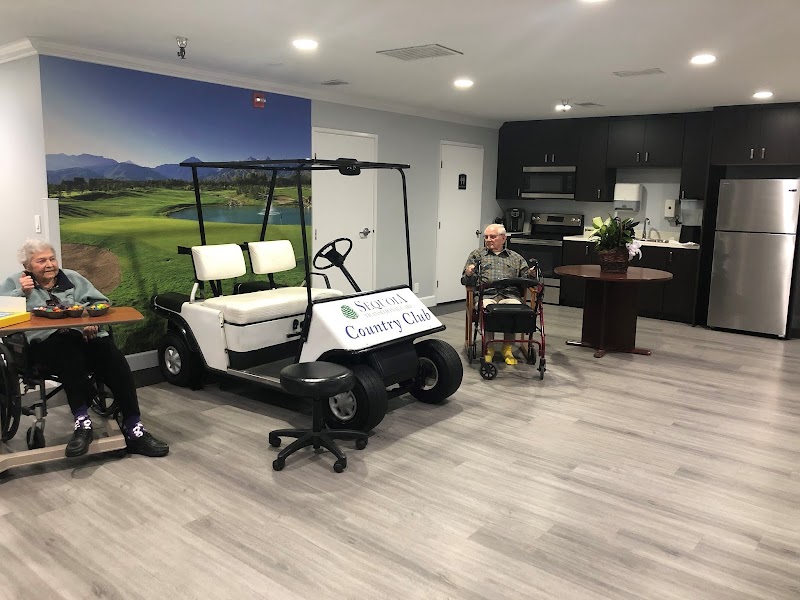
How is Sequoia Transitional Care Staffed?

CMS rates SEQUOIA TRANSITIONAL CARE's staffing level at 2 out of 5 stars, which is below average compared to other nursing homes. Staff turnover is 47%, compared to the California average of 46%.

What Have Inspectors Found at Sequoia Transitional Care?

State health inspectors documented 65 deficiencies at SEQUOIA TRANSITIONAL CARE during 2021 to 2025. These included: 1 Immediate Jeopardy (the most serious level, indicating potential for serious harm or death), 3 that caused actual resident harm, 60 with potential for harm, and 1 minor or isolated issues. Immediate Jeopardy findings are rare and represent the most serious regulatory concerns. They require immediate corrective action.
Who Owns and Operates Sequoia Transitional Care?

SEQUOIA TRANSITIONAL CARE is owned by a for-profit company. For-profit facilities operate as businesses with obligations to shareholders or private owners. The facility is operated by PACS GROUP, a chain that manages multiple nursing homes. With 99 certified beds and approximately 93 residents (about 94% occupancy), it is a smaller facility located in PORTERVILLE, California.
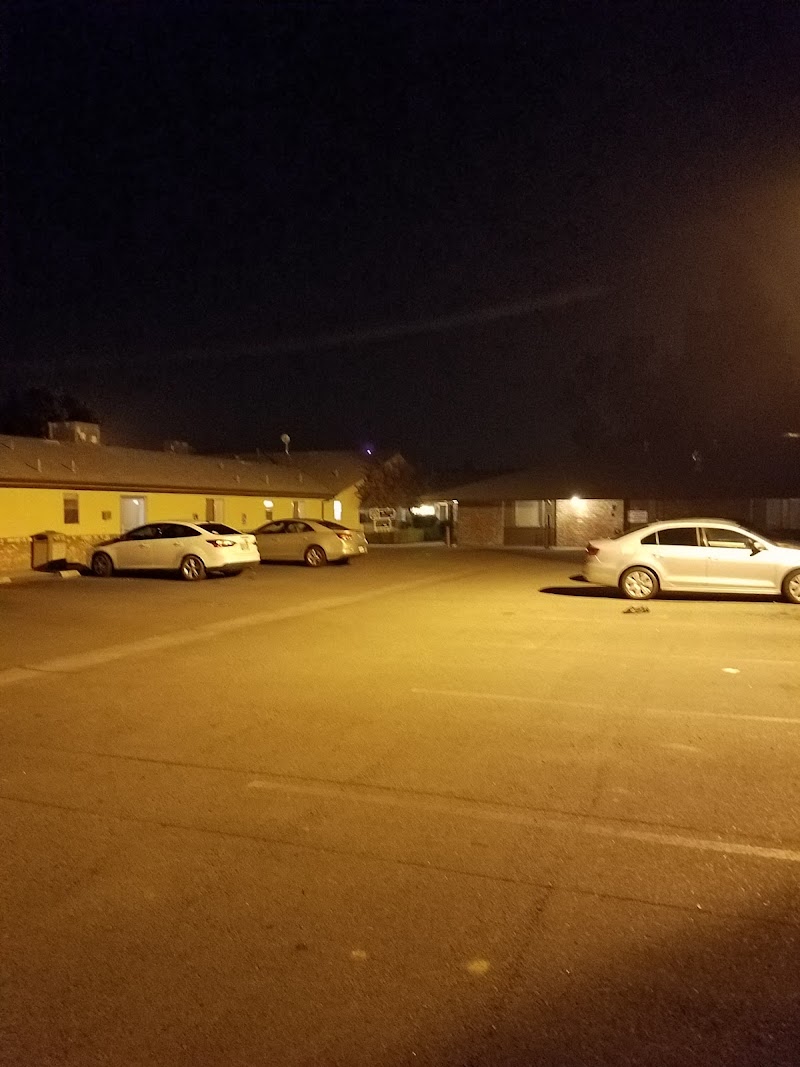
How Does Sequoia Transitional Care Compare to Other California Nursing Homes?

Compared to the 100 nursing homes in California, SEQUOIA TRANSITIONAL CARE's overall rating (4 stars) is above the state average of 3.2, staff turnover (47%) is near the state average of 46%, and health inspection rating (3 stars) is at the national benchmark.

What Should Families Ask When Visiting Sequoia Transitional Care?

Based on this facility's data, families visiting should ask: "What changes have been made since the serious inspection findings, and how are you preventing similar issues?" "Can you walk me through typical staffing levels on day, evening, and night shifts?" "Can I visit during a mealtime to observe dining assistance and food quality?" "How do you handle medical emergencies, and what is your hospital transfer rate?" These questions are particularly relevant given the facility's Immediate Jeopardy citations and the below-average staffing rating.

Is Sequoia Transitional Care Safe?

Based on CMS inspection data, SEQUOIA TRANSITIONAL CARE has documented safety concerns. Inspectors have issued 1 Immediate Jeopardy citation (the most serious violation level indicating risk of serious injury or death). The facility has a 4-star overall rating and ranks #1 of 100 nursing homes in California. Families considering this facility should ask detailed questions about what corrective actions have been taken since these incidents.

Do Nurses at Sequoia Transitional Care Stick Around?

SEQUOIA TRANSITIONAL CARE has a staff turnover rate of 47%, which is about average for California nursing homes (state average: 46%). Moderate turnover is common in nursing homes, but families should still ask about staff tenure and how the facility maintains care continuity when employees leave.

Was Sequoia Transitional Care Ever Fined?

SEQUOIA TRANSITIONAL CARE has been fined $40,664 across 1 penalty action. The California average is $33,486. While any fine indicates a compliance issue, fines under $50,000 are relatively common and typically reflect isolated problems that were subsequently corrected. Families should ask what specific issues led to these fines and confirm they've been resolved.

Is Sequoia Transitional Care on Any Federal Watch List?

SEQUOIA TRANSITIONAL CARE is not on any federal watch list. The most significant is the Special Focus Facility (SFF) program, which identifies the bottom 1% of nursing homes nationally based on persistent, serious quality problems. Not being on this list means the facility has avoided the pattern of deficiencies that triggers enhanced federal oversight. This is a positive indicator, though families should still review the facility's inspection history directly.