COTTONWOOD CANYON HEALTHCARE CENTER
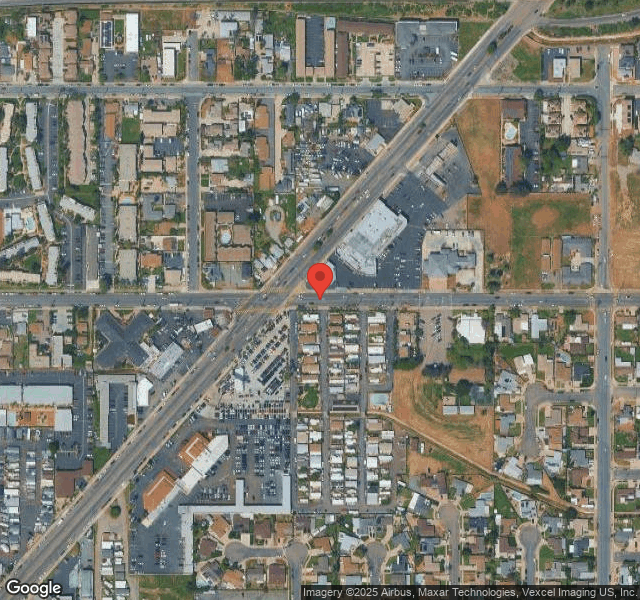
1391 MADISON AVENUE, EL CAJON, CA 92021 (619) 444-1107
For profit - Corporation 96 Beds PACS GROUP Data: November 2025
Trust Grade
53/100
#557 of 1155 in CA
Last Inspection: December 2024

Within standard 12-15 month inspection cycle. Federal law requires annual inspections.

Overview

Cottonwood Canyon Healthcare Center has a Trust Grade of C, which means it is average and falls in the middle of the pack among nursing homes. It ranks #557 out of 1,155 facilities in California, placing it in the top half, and #60 out of 81 in San Diego County, which indicates that there are only a few local options that are better. The facility's trend is currently improving, as the number of issues reported decreased from 19 in 2024 to 4 in 2025. Staffing is rated at 2 out of 5 stars, with a turnover rate of 48%, which is about average for California, indicating that while some staff may not stay long, the facility is working on improvement. However, there have been concerning incidents, including a serious case where a resident was physically assaulted by another resident, resulting in significant injuries requiring hospitalization. Additionally, there were multiple findings related to food safety, such as the kitchen not maintaining proper hygiene standards and food storage conditions, which could potentially lead to foodborne illnesses. While the facility has some strengths, such as good quality measures, families should weigh these concerns carefully in their decision-making process.

Trust Score
C
53/100
In California
#557/1155
Top 48%
Safety Record
Moderate
Needs review
Inspections
Getting Better
19 → 4 violations
Staff Stability
⚠ Watch
48% turnover. Above average. Higher turnover means staff may not know residents' routines.
Penalties
✓ Good
$11,408 in fines. Lower than most California facilities. Relatively clean record.
Skilled Nurses
⚠ Watch
Each resident gets only 26 minutes of Registered Nurse (RN) attention daily — below average for California. Fewer RN minutes means fewer trained eyes watching for problems.
Violations
⚠ Watch
63 deficiencies on record. Higher than average. Multiple issues found across inspections.
★★★☆☆
3.0
Overall Rating
★★☆☆☆
2.0
Staff Levels
★★★★★
5.0
Care Quality
★★☆☆☆
2.0
Inspection Score
Stable
2024: 19 issues
2025: 4 issues

The Good

  • 5-Star Quality Measures · Strong clinical quality outcomes
  • Full Sprinkler Coverage · Fire safety systems throughout facility
  • No fines on record

Facility shows strength in quality measures, fire safety.

The Bad

3-Star Overall Rating

Near California average (3.1)

Meets federal standards, typical of most facilities

Staff Turnover: 48%

Near California avg (46%)

Higher turnover may affect care consistency

Federal Fines: $11,408

Below median ($33,413)

Minor penalties assessed

Chain: PACS GROUP

Part of a multi-facility chain

Ask about local staffing decisions and management

The Ugly 63 deficiencies on record

1 actual harm
Aug 2025 2 deficiencies
CONCERN (D) 📢 Someone Reported This

A family member, employee, or ombudsman was alarmed enough to file a formal complaint

Potential for Harm - no one hurt, but risky conditions existed

Deficiency F0627 (Tag F0627)

Could have caused harm · This affected 1 resident

**NOTE- TERMS IN BRACKETS HAVE BEEN EDITED TO PROTECT CONFIDENTIALITY** Based on interviews and record review, the facility failed to develop and implement an effective discharge planning process for ...

Read full inspector narrative →
**NOTE- TERMS IN BRACKETS HAVE BEEN EDITED TO PROTECT CONFIDENTIALITY** Based on interviews and record review, the facility failed to develop and implement an effective discharge planning process for 1 of 3 sampled residents (Resident 5), who had severe cognitive impairment due to dementia and no family or surrogate decision-maker, when the facility did not document evidence of interdisciplinary team (IDT) meetings or third-party involvement (like conservator or ombudsman) to advocate for Resident 5's needs before her discharge to an assisted living facility on 2/27/25. This failure had the potential to result in an inappropriate placement, compromising Resident 5's safety and well-being.Findings:Resident 5 was admitted to the facility on [DATE] with diagnoses that included dementia (memory problem), per the admission Record. Per the same document, under Contacts, Resident 5 had a bioethics IDT (a group of people that discuss moral, social, and legal issues that may arise).A review of Resident 5's medical record was conducted.Per the Minimum Data Set (MDS - a standardized assessment tool used to evaluate residents' health status and care needs), dated 2/19/25, Resident 5's Brief Interview for Mental Status (BIMS - a measure to track a resident's mental decline or improvements in a long-term care facility) score 2, which indicated Resident 5 had severe cognitive impairment.Per the Progress Notes, dated 1/15/25, the Social Service Director (SSD) documented that a public resident representative (third-party agency) met with SSD and discussed the criteria for a public representative. Resident 5 was under bioethics IDT and cannot make a medical decision. There was no documented evidence that a plan for Resident 5 to have a conservatorship (a court-appointed person, or conservator, for residents who can no longer make decisions).A further review of Resident 5's medical record was conducted. There was no documented evidence that IDTs were conducted to address Resident 5's discharge needs, goals, or the appropriateness of the assisted living facility, or the status of conservatorship.On 2/27/25 at 9:08 A.M., the SSD documented that Resident 5 will be discharged to [address provided]. No evidence was provided on how the decision was made, who authorized it, or whether the facility was equipped to meet Resident 5's dementia care needs.Per the Discharge summary, dated [DATE] at 2 P.M., Resident 5 was discharged to an assisted living facility.On 8/11/25 at 4:10 P.M., an interview was conducted with the Director of Nursing (DON). The DON stated the IDT meeting should have been done before discharge and documented in the medical record. Resident 5 should have a conservatorship assigned to assist in making decisions on their behalf to ensure the resident's needs and safety are met.On 8/14/25 at 4 P.M., an interview was conducted with the SSD. The SSD stated Resident 5 used to live in an independent living facility with a family member's oversight, the family member passed away, and Resident 5 had no other family member who could decide for her.Resident 5 was diagnosed with dementia and was walking around and asking to go home. The SSD further stated that she requested the assistance of the placement provider to locate Resident 5's location for transfer, and they found the assisted living facility. The SSD further stated that there was no IDT meeting or a third-party agency decision made for Resident 5 that occurred before discharge.Per the facility's policy and procedure, dated 3/2025, titled Discharge Summary and Plan, .2. The purpose of the discharge plan is to ensure a safe transition from the facility to the post-discharge setting. 3. The discharge plan is developed by the care planning/interdisciplinary team with the assistance of the resident and the representative .
CONCERN (D) 📢 Someone Reported This

A family member, employee, or ombudsman was alarmed enough to file a formal complaint

Potential for Harm - no one hurt, but risky conditions existed

Quality of Care (Tag F0684)

Could have caused harm · This affected 1 resident

**NOTE- TERMS IN BRACKETS HAVE BEEN EDITED TO PROTECT CONFIDENTIALITY** Based on interview and record review, the facility failed to attempt to reschedule a resident's shower schedule or find a suitab...

Read full inspector narrative →
**NOTE- TERMS IN BRACKETS HAVE BEEN EDITED TO PROTECT CONFIDENTIALITY** Based on interview and record review, the facility failed to attempt to reschedule a resident's shower schedule or find a suitable time for a shower for one of three sampled residents (Resident 4).This failure resulted in Resident 4 not showering for 11 days, which could lead to discomfort and compromised hygiene.Findings:Resident 4 was admitted to the facility on [DATE] with diagnoses that included a fracture (broken) of the left ilium (pelvic bone), per the admission Record.On July 7, 2025, at 2:52 P.M., a complainant reported that Resident 4 had not received a shower at the facility for over ten days. Resident 4 preferred morning showersA review of the Activity of Daily Living (ADL- a set of self-care tasks) Report dated 6/23/25 through 7/7/25, under bathing, Resident 4 indicated that the staff had not assisted Resident 4 with showering from 6/23/25 until 7/4/25. Resident 4 did not receive a shower for 11 days.Per the Shower Schedule, Resident 4's scheduled shower was during the PM shift (a work period that falls in the late afternoon or second shift).On 7/8/25 at 1:15 P.M., Resident 4 was not available for an interview.On 7/8/25 at 2:30 P.M., a joint interview and record review was conducted with the Assistant Director of Nursing (ADON). The ADON stated Resident 4 was admitted on [DATE], and had a scheduled shower every Wednesday and Saturday. Resident 4 had refused showers three times. The ADON further said that not showering for 11 days was a long time, and should have involved the family and the physician.The ADON stated there was no documented evidence that the physician or family member was made aware of this or offered Resident 4 alternatives, which the staff should have done. The ADON further stated it was important for a resident to shower to maintain personal hygiene [cleanliness]. Licensed Nurses assigned to Resident 4 were not available for interview.Per the facility's policy and procedure, dated 2/2018, titled Bath, Shower/Tub, The purpose of this procedure are to promote cleanliness, provide comfort to the resident and observe the condition of the resident's skin .
Apr 2025 2 deficiencies
CONCERN (D) 📢 Someone Reported This

A family member, employee, or ombudsman was alarmed enough to file a formal complaint

Potential for Harm - no one hurt, but risky conditions existed

Comprehensive Care Plan (Tag F0656)

Could have caused harm · This affected 1 resident

**NOTE- TERMS IN BRACKETS HAVE BEEN EDITED TO PROTECT CONFIDENTIALITY** Based on the interview and record review, the facility failed to ensure the care plan for discharge (leaving the facility) was d...

Read full inspector narrative →
**NOTE- TERMS IN BRACKETS HAVE BEEN EDITED TO PROTECT CONFIDENTIALITY** Based on the interview and record review, the facility failed to ensure the care plan for discharge (leaving the facility) was developed for one of three sampled residents (Resident 4). This failure increased the risk for Resident 4 to have an unsafe discharge from the facility back to the community. Findings: Resident 4 was admitted to the facility on [DATE] with diagnoses that included heart failure (the heart muscle can not pump enough blood to the body), per the admission Record. On 4/24/25, a review of Resident 4's medical record was conducted. Resident 4 was discharged from the facility on 4/4/25. There was no evidence that a Discharge Care Plan was developed for Resident 4. On 4/24/25 at 2:35 P.M., an interview was conducted with the Social Service Director (SSD). The SSD stated she and her assistant were responsible for developing a discharge care plan for Resident 4 on admission, which was missed. The SSD further stated that the care plan should have been created to ensure the resident was discharged according to the plan. On 4/30/25 at 2:55 P.M., an interview was conducted with the Director of Nursing (DON). The DON stated that the discharge care plan should have been developed to meet residents' needs. Per the facility's policy and procedure, dated 3/25, titled Discharge Summary and Plan, .Every resident has an individualized discharge plan, which begins at admission and is part of the comprehensive care plan . Per the facility's policy and procedure, dated 3/22, titled Care Plans, Comprehensive Person-Centered, .A comprehensive, person-centered care plan that includes measurable objectives and timetables to meet the resident's physical, psychosocial, and functional needs is developed and implemented for each resident .
CONCERN (E) 📢 Someone Reported This

A family member, employee, or ombudsman was alarmed enough to file a formal complaint

Potential for Harm - no one hurt, but risky conditions existed

Deficiency F0660 (Tag F0660)

Could have caused harm · This affected multiple residents

**NOTE- TERMS IN BRACKETS HAVE BEEN EDITED TO PROTECT CONFIDENTIALITY** Based on interview and record review, the facility failed to develop and implement an effective discharge planning process to id...

Read full inspector narrative →
**NOTE- TERMS IN BRACKETS HAVE BEEN EDITED TO PROTECT CONFIDENTIALITY** Based on interview and record review, the facility failed to develop and implement an effective discharge planning process to identify and address goals for three of three sampled residents (Resident 4, Resident 5, and Resident 6). This failure resulted in rushed discharges without adequate coordination of post-discharge care, placing residents at risk for rehospitalization and inadequate support. (Cross-reference: F-656, Comprehensive Care Plans) Findings: 1. Resident 4 was admitted to the facility on [DATE] with diagnoses that included heart failure (heart muscle cannot pump enough blood to the body), Schizoaffective Disorder, Bipolar Type (mental illness), per the admission Record. On 4/24/25, a review of Resident 4's medical record was conducted. Resident 4 was discharged from the facility on 4/4/25. There was no evidence that a Discharge Care Plan was developed. Per the Progress Notes, the following event happened: On 4/1/25 at 1:59 P.M., the Social Service Director (SSD) documented that Resident 4 would like to be discharged to Texas with family. On 4/2/25 at 12:01 P.M., the Case Manager (CM) documented that Resident 4's last coverage day (LCD- the date insurance coverage ended) was 4/3/25. Resident 4 tried calling the insurance company. On 4/4/25 at 12:26 P.M., the SSD documented Resident 4 agreed to be discharged to a homeless shelter. The SSD further noted that the transportation would pick up Resident 4 at 3:30 P.M., and the home health agency (HHA) would call Resident 4. On 4/4/25 at 3:42 P.M., the SSD documented that Resident 4 was picked up at 3:35 P.M., and [name of] HHA was assigned. Resident 4's discharge plan was documented at 12:26 P.M., and the discharge was executed by 3:35 P.M. on the same day, allowing less than four hours for coordination. On 4/24/25 at 2:19 P.M., an interview was conducted with Licensed Nurse (LN) 3. LN 3 stated Resident 4 wanted to move to Texas with family, and the SSD was responsible for anything about discharge. LN 3 further stated that the SSD did a discharge plan on 4/4/25 [at 12:26 PM], and LN 3 helped gather Resident 4's medications to take. LN 3 further stated that Resident 4 left the facility at 3:55 P.M. The discharge planning may not have been sufficient time for Resident 4 to adjust to the community. On 4/24/25 at 2:35 P.M., an interview was conducted with the SSD. The SSD stated she and her assistant were responsible for developing a discharge care plan for Resident 4 on admission, which was missed. The SSD further stated the care plan should have been created to ensure the resident was discharged according to the plan. The SSD further stated Resident 4 wanted to move back to Texas with family, and the plan was changed when an LCD was issued. Resident 4 agreed to move to the homeless shelter, and she started calling the different homeless shelters and arranging transportation. The SSD stated Resident 4 was discharged to the homeless shelter three hours after the discharge planning, and it may not be enough time for planning. 2. Resident 5 was admitted to the facility on [DATE] with diagnoses that included encephalopathy (abnormal fluid build-up in the brain), per the admission Record. On 2/24/25, a review of Resident 5's medical records was conducted. Per the Care Plan Report, Resident 5 wanted to be discharged home in San [NAME]. Per the Progress Notes, the following event happened: On 3/21/24 at 11:51 A.M., the SSD documented that Resident 5 had not returned to a prior level of function but would be able to maintain some independence with support at the assisted living facility, and home health will follow up. The SSD further documented that Resident 5 told the SSD that the family member was handling Resident 5's finances, and that the SSD should reach the family member. On 3/26/26 at 2:23 P.M., the SSD documented that Resident 5 agreed to be discharged since the insurance would no longer cover the skilled nursing services and would be moving to address #1 in San Diego 92139 an independent/assisted living facility (ALF). The SSD further documented that Resident 5 was hospice (seriously ill with six months or less to live if their illness follows its natural course) appropriate, and an order was in place. Hospice #1 was assigned to provide services. The SSD also noted that a message was left to the family member. There was no documented evidence that the Interdisciplinary Team (IDT group of individuals from various disciplines collaborated to achieve a resident's shared goal) and the family members were involved in the discharge plan. There was no documented evidence that Hospice #1 or Hospice #2 was evaluated and accepted by Resident 5. On 3/27/25 at 3:45 P.M., Licensed Nurse (LN) 2 documented that the facility van dropped Resident 5 at address #2 in San Diego 92114, and Hospice # 2 will follow up. On 4/18/25, The California Department of Public Health received a report that Resident 5 was sent to the hospital by an unknown person on 4/17/25. On 4/24/25 at 1:40 P.M., an interview was conducted with LN 2. LN 2 stated she was not involved with Resident 5's discharge planning, but she was the LN who discharged Resident 5 to address #2. LN 2 stated that she followed what the SSD told her. On 4/24/25 at 2:35 P.M., an interview was conducted with the SSD. The SSD stated Resident 5 would like to be discharged , and the ALF staff told her that Resident 5 would qualify for hospice service. The SSD stated she should have involved the IDT to ensure Resident 5's needs were identified before discharge. 3. Resident 6 was admitted to the facility on [DATE] with diagnoses that included metabolic encephalopathy (problem with brain functions) per the admission Record. On 4/24/25, a review of Resident 6's medical record was conducted. Per the Care Plan Report, Resident 6 preferred to return to their previous living situation with Resident 6's significant other (RSO). Per the MDS (Minimum Data Set- standardized assessment tool that measures health status) dated 2/11/25, Resident 6 had severely impaired cognition. Per the Progress Notes, the following event happened: On 2/20/25 at 5:45 P.M., the LN documented that Resident 6 was seen by the physician and ordered for hospice evaluation. There was no documented evidence that this order involved the RSO or discharge planning. On 3/8/25 at 11:43 A.M., the LN documented that Resident 6 had a change of condition for possible urinary tract infection. On 3/9/25 at 9:14 A.M., the LN documented that Resident 6 had an order from the physician for Resident 6 to start with antibiotic treatment. On 3/10/25 at 12:30 P.M., the SSD documented that Resident 6 indicating preference to dc [discharge] back to home, and Resident 6 was adamantly stated that RSO would provide the transportation. The SSD further documented going with Hospice #3 at home. On 3/10/25 at 3:53 P.M., the SSD documented that Resident 6 will have Hospice # 4. Due to Resident 6's location, Hospice #3 could not provide service for Resident 6. On 3/11/25 at 12:12 A.M., the LN documented that Resident 6's indwelling catheter was removed and monitored Resident 6 for urinary retention every six hours. On 3/11/25 at 9 A.M., LN 2 documented that Resident 6 was discharged with RSO. On 3/11/25 at 12:51 P.M., the SSD documented that Hospice #5 could not provide service for Resident 6. The SSD did not note what happened to Hospice #4. The SSD further documented that she reached out to a home health agency (HHA) requesting possible admission to hospice services. On 4/15/25, The California Department of Public Health received a complaint reporting that on 3/28/25, Adult Protective Services was called to check on Resident 6's health and living conditions. On 4/24/25 at 1:40 P.M., an interview was conducted with LN 2. LN 2 stated she was not involved with Resident 6's discharge planning but was present on the day of Resident 6's discharge. LN 2 further stated that Resident 6 required daily help with activities, and LN 2 was unsure if the RSO could handle the care. LN 2 further stated she was unsure if the RSO would know what to do if Resident 6 experienced urinary retention. On 4/24/25 at 2:35 P.M., an interview was conducted with the SSD. The SSD stated Resident 6 kept saying she wanted to go home, and the RSO agreed to the discharge. The SSD stated she did not assess if the RSO can care for Resident 6 alone at home. On 4/30/25 at 2:55 P.M., an interview was conducted with the Director of Nursing (DON). The DON stated that the SSD handled all the discharge and discharge planning. Moving forward, she will be more involved with the discharge planning and ensure all the residents' needs for safe discharge are in place and documented. Per the facility's policy and procedure, dated 3/25, titled Discharge Summary and Plan, .Every resident has an individualized discharge plan at admission and is part of the comprehensive care plan .A member of the IDT reviews the final discharge plan with the resident and family at least twenty-four (24) hours before the discharge is to take place .If the resident indicates an interest in returning to the community, the facility determines if appropriate and adequate support is in place. This may include the capacity of the resident's caregiver at home .
Dec 2024 15 deficiencies
CONCERN (D)

Potential for Harm - no one hurt, but risky conditions existed

Resident Rights (Tag F0550)

Could have caused harm · This affected 1 resident

Based on interview and record review, the facility failed to ensure call lights were answered in a timely manner for a confidential group. This failure resulted in resident's suffering a lack of digni...

Read full inspector narrative →
Based on interview and record review, the facility failed to ensure call lights were answered in a timely manner for a confidential group. This failure resulted in resident's suffering a lack of dignity when the confidential group voiced anger and frustration over call light incidences with the facility staff. The facility census was 86. Cross reference F851 Findings: On 12/10/24 at 10 A.M., a confidential group meeting was conducted. Three out of seven in attendance indicated complaints regarding the facility call light response time. According to the confidential group, the facility call light response depended on the shift, when staff were busy and there were times, staff took break all at the same time. The confidential group stated there were times they waited an hour for staff to answer call lights any time of the day. According to the confidential group the facility was understaffed and there were times, residents waited for an hour to get medications including pain medications. On 12/10/24, a record review of Resident Council Minutes on call light from September to November 2024 was conducted and indicated the following: 9/19/24 - call lights - ongoing concern 10/17/24 - call lights - on going concerns 11/29/24 - call lights are taking too long On 12/11/24 at 10:08 A.M., and interview was conducted with the Activity Director (AD). The AD stated when resident council have concerns, they go to department leaders. The AD stated call light response concerns were given to the Director of Staff Development (DSD). The AD stated the resident council stated call light response was a concern on all shifts. The AD stated the call light response concerns were ongoing. The AD stated there was no improvement on call light response. On 12/12/24 at 11:18 A.M., a concurrent interview and record review was conducted with the DSD. The DSD stated she received call light response concerns a few weeks ago. The DSD stated residents complained call light response took 30 minutes or more. The DSD stated she conducted in-services and follow up with residents and employees but call light response concerns were still ongoing. The DSD stated call light response was everyone's responsibility to make sure call light was answered timely. On 12/12/24 at 12:20 P.M., an interview was conducted with the Assistant Director of Nursing (ADON). The ADON stated the acceptable call light response time should be between less than five (5) minutes and longest call light response time should be 30 minutes. The ADON stated employees should respond to call light in a timely manner because residents would be upset. The ADON stated when residents wait for their pain medications, residents would yell and become agitated. The ADON stated when residents would wait for incontinent care (providing assistance in cleaning and changing residents when soiled), residents would be prone to infection and would be emotional and not feel comfortable. Per the undated facility policy titled, Answering the Call Light indicated, .the purpose of this procedure is to ensure timely responses to the resident's requests and needs .1. Answer the resident call system immediately .
CONCERN (D)

Potential for Harm - no one hurt, but risky conditions existed

Deficiency F0605 (Tag F0605)

Could have caused harm · This affected 1 resident

**NOTE- TERMS IN BRACKETS HAVE BEEN EDITED TO PROTECT CONFIDENTIALITY** Based on interview and record review, the facility failed to ensure a resident had an authorized responsible party to sign the i...

Read full inspector narrative →
**NOTE- TERMS IN BRACKETS HAVE BEEN EDITED TO PROTECT CONFIDENTIALITY** Based on interview and record review, the facility failed to ensure a resident had an authorized responsible party to sign the informed consent for the use of the psychotropic medication (medications that affect brain activities associated with mental processes and behaviors) for one of five sampled residents reviewed for unnecessary medications (Resident 10). This failure may result in a conflict that impacts the decision-making process for Resident 10. Findings: Resident 10 was admitted to the facility on [DATE] with diagnoses which included paranoid schizophrenia (a severe mental disorder that may interfere with a resident's ability to think, manage emotions, make decisions, and relate to others) per the admission Record. Per the same document, Resident 10 was responsible for herself and had five emergency contacts. A review of Resident 10's medical record was conducted. Per the Physician Orders for Life-Sustaining Treatment (POLST), dated 7/29/24, under Section D, there was no information about the advance directive. Upon further review of Resident 10's medical record, there was no evidence that Resident 10 had an advance directive. Per the history and physical, dated 8/1/24, Resident 10 can make needs known but can not make medical decisions because Resident 10 has schizophrenia, which was not consistent with the facility's admission Record. Per the Order Summary Report, Resident 10 was taking Buspirone Hydrochloride (a medication that acts on the brain) 15 milligrams three times a day for anxiety (excessive worrying), beginning on 7/29/24, and Olanzapine 10 milligrams at bedtime for schizoaffective disorder (a mental health condition that was marked by a mix of schizophrenia symptoms) beginning 10/17/24. Per the Informed Consent dated 6/15/24, Resident 10 consented to the Buspirone. Per the Informed Consent, dated 7/29/24, Resident 10's sister-in-law verbally consented that Resident 10 may receive the olanzapine medication. On 12/12/24 at 8:23 A.M., an interview and joint record review were conducted with the Assistant Director of Nursing (ADON). The ADON stated Resident 10 was diagnosed with paranoid schizophrenia on 11/24/23, and because of that medical diagnosis, Resident 10 was not fit to make medical decisions for herself. The ADON further stated Resident 10 had five emergency contacts, the brother, sister-in-law, two sisters, and the case manager, who were involved with Resident 10's care. However, none of them were Resident 10's representatives for health care decisions. On 12/12/24 at 11:54 A.M., an interview was conducted with the Director of Nursing (DON). The DON stated informed consent should have been signed by the resident or the responsible party. The DON further stated that Resident 10 could not sign the informed consent and that the facility had to find Resident 10's representative to help with health care decisions. Per the undated, policy and procedure titled Psychoactive/Psychotropic Medication Use, .The prescribing clinician will obtain informed consent from the resident (or, as appropriate, the resident representative) for the use of a psychotropic medication .
CONCERN (D)

Potential for Harm - no one hurt, but risky conditions existed

Transfer Requirements (Tag F0622)

Could have caused harm · This affected 1 resident

**NOTE- TERMS IN BRACKETS HAVE BEEN EDITED TO PROTECT CONFIDENTIALITY** Based on interview and record review, the facility failed to ensure an advanced beneficiary notice (ABN- waiver of liability) wa...

Read full inspector narrative →
**NOTE- TERMS IN BRACKETS HAVE BEEN EDITED TO PROTECT CONFIDENTIALITY** Based on interview and record review, the facility failed to ensure an advanced beneficiary notice (ABN- waiver of liability) was offered in one of six residents (Resident 39) reviewed for discharge . This failure had the potential for Resident 39 to not have options with regards to Resident 39's discharge placement or location and care. Findings: A review of the facility's admission Record indicated Resident 39 was admitted to the facility on [DATE] with diagnoses that included primary hypertension (high blood pressure) and osteoarthritis (a progressive disorder of the joints, caused by a gradual loss of cartilage). A record review of the Physician's Order Summary dated 12/2/24 indicated Resident 39 had an order for discharge for 12/3/24 to home with home health and durable medical equipment (DME). An interview on 12/12/24 at 11:02 A.M., with the Business Office Manager (BOM) was conducted. The BOM stated Resident 39 exhausted her Medicare (government insurance) benefits, but we did not offer an ABN when Resident 39 was discharged . BOM stated it was the Social Service Director's responsibility to do an ABN. An interview on 12/12/24 at 2 P.M., with the Social Service Director (SSD) was conducted. The SSD stated I did not do or offer an ABN for Resident 39. The SSD stated I should have offered an ABN for Resident 39 and her family for them to have options regarding her discharge placement and care. A record review of the SSD progress notes dated 12/3/24 indicated, Resident 39's daughter had called the facility and spoke to SSD regarding Resident 62's care at home. Resident 39's daughter indicated, she may not be able to lift Resident 39 from bed to wheelchair and had concerns with Resident's 39's DME and caregiver. A record review of the Discharge summary note dated 12/4/24 indicated Resident 39 was discharged to home at 4:30 P.M. and was picked up by private transport. An interview on 12/12/24 at 2:36 P.M., with the ADON was conducted. The ADON stated it was important for the facility to offer an ABN to provide an option for Resident 39 and her family to ensure a safe discharge and to prevent possible transfer to the acute. A review of the facility's policy and procedure titled, Admission, Transfer and Discharge, dated October 2022 did not provide guidance regarding ABN.
CONCERN (D)

Potential for Harm - no one hurt, but risky conditions existed

Comprehensive Care Plan (Tag F0656)

Could have caused harm · This affected 1 resident

**NOTE- TERMS IN BRACKETS HAVE BEEN EDITED TO PROTECT CONFIDENTIALITY** 2. Resident 62 was admitted to the facility on [DATE] with diagnoses including disc degeneration (loss of cushioning in spine), ...

Read full inspector narrative →
**NOTE- TERMS IN BRACKETS HAVE BEEN EDITED TO PROTECT CONFIDENTIALITY** 2. Resident 62 was admitted to the facility on [DATE] with diagnoses including disc degeneration (loss of cushioning in spine), lumbar region (lower back) with lower extremity pain according to the facility's admission Record. On 12/9/24 at 3:55 P.M. Resident 62 was observed yelling out, Ahh repeatedly while in bed in his room. Resident 62 was asked if he needed help, Resident 62 stated he wanted his doctor but did not state the reason. An interview was conducted on 12/11/24 at 9:03 A.M. with certified nurse assistant (CNA) 17. CNA 17 stated Resident 62 was dependent with activities of daily living (ADL-basic tasks of everyday life). CNA 17 stated Resident 62 was started on enhanced barrier precaution (EBP-an approach when healthcare workers wore gowns and gloves during high contact with residents to reduce transmission of organisms) due to a wound on Resident 62's left foot. During an interview and joint record review on 12/11/24 at 9:36 A.M. with the ADON, the ADON reviewed Resident 62's care plans. The ADON stated there was a care plan regarding EBP but there was no care plan for Resident 62's left foot wound. The ADON stated it was important to have a care plan regarding Resident 62's wound for staff to know how to care for the resident. An interview was conducted on 12/12/24 at 2:24 P.M. with the Director of Nursing (DON). The DON stated it was expected for residents to have individualized care plans. The DON further stated it was important to have individualized care plans for staff to provide better care for the residents. A review of the facility's policy and procedure (P&P) titled, Care Plans, Comprehensive Person-Centered, dated March 2022 was conducted. The P&P indicated, .The interdisciplinary team (IDT), [team members with various areas of expertise who work together toward the goals of their residents] in conjunction with the resident and his/her family or legal representative, develops and implements a comprehensive, person-centered plan for each resident .The comprehensive, person-centered care plan includes measurable objective and timeframes .describes the services that are to be furnished to attain or maintain the resident's highest practicable physical, mental, and psychosocial well-being . Based on observation, interview, and record review, the facility failed to ensure comprehensive resident-centered care plans were developed and implemented for two of 20 sampled residents (Resident 29 and 62) when: 1. Resident 29 was not assisted in repositioning while in bed, and nail care was not performed. 2. Resident 62's pressure ulcer was not care planned. These failures had the potential to affect resident's care needs. Findings: 1. Resident 29 was admitted to the facility on [DATE] with diagnoses which included cerebral infarction (blood flow to the brain was blocked) per the admission Record. A review of Resident 29's medical record was conducted. Per the Care Plan, under Focus [problem], Resident 29 was at risk for skin breakdown related to activity intolerance, impaired mobility, incontinence, and bedbound. In addition, the care plan indicated under Interventions/Tasks, the staff should assist in turning and repositioning Resident 29 as indicated or tolerated. Per the Care Plan, the facility's focus problem included Resident 29's nail trimming refusal. The care plan's intervention included staff would re-approach Resident 29 to the extent possible. On 12/11/24 at 8:43 A.M., Resident 29 was observed in bed, flat on her back, with eyes closed. On 12/11/24 at 10:25 A.M., Resident 29 was observed in bed, flat on her back, and awake. Resident 29 stated, I'm not comfortable. Resident 29 also showed both of her hands. It was observed that Resident 29's left fingers were trimmed. However, Resident 29's right hand was observed with half-inch long nails. Resident 29 could move the index finger and the thumb, but the middle, ring, and pinky fingers were bent, pointing inward, and the nails dug through the palm. On 12/11/24 at 11:53 A.M., an interview was conducted with Certified Nursing Assistant (CNA) 1. CNA 1 stated that a room assignment had been changed, and the assigned CNA for Resident 29 had left. CNA 1 further stated she took over the care for Resident 29 around 9:30 A.M. On 12/11/24 at 2:02 P.M., Resident 29 was observed in bed flat on her back. On 12/11/24 at 2:16 P.M., an interview and joint observation was conducted with CNA 1. CNA 1 stated she had not helped reposition Resident 29 in bed and would do it now. CNA 1 further stated she was unfamiliar with Resident 29's care and unsure when was the last time Resident 29's right fingernails were trimmed. On 12/11/24 at 2:21 P.M., an interview was conducted with the Assistant Director of Nursing (ADON). The ADON stated residents should have been repositioned for about two to three hours or as tolerated. The ADON further stated that staff should have assisted Resident 29 with repositioning. The ADON stated Resident 29's right fingernails were long and should have been trimmed. On 12/11/24 at 2:27 P.M., an interview was conducted with the Director of Nursing (DON). The DON stated she was aware of Resident 29's history of refusal, but nail care and repositioning should have been done. Per the facility's policy and procedure, dated 2/2018, titled Fingernails/Toenails, Care of, .Nail cares daily cleaning and regular trimming .Trimmed and smooth nails prevent the resident from accidentally scratching and injuring his or her skin . Per the facility's policy and procedure, dated 5/2013, titled Repositioning, .Repositioning is critical for a resident who is immobile or dependent upon staff for repositioning .
CONCERN (D)

Potential for Harm - no one hurt, but risky conditions existed

Quality of Care (Tag F0684)

Could have caused harm · This affected 1 resident

**NOTE- TERMS IN BRACKETS HAVE BEEN EDITED TO PROTECT CONFIDENTIALITY** 2. A review of the facility's admission Record indicated Resident 286 was admitted to the facility on [DATE] with diagnoses that...

Read full inspector narrative →
**NOTE- TERMS IN BRACKETS HAVE BEEN EDITED TO PROTECT CONFIDENTIALITY** 2. A review of the facility's admission Record indicated Resident 286 was admitted to the facility on [DATE] with diagnoses that included morbid obesity and malignant neoplasm (cancer) of the body of the stomach. An interview on 12/9/24 at 9:35 A.M., with Resident 286 was conducted. Resident 286 stated she arrived Thursday night 12/2/24. Resident 286 stated no one has done the treatment to her jejunostomy tube site (JT- a tube inserted into the small intestine to help with nutrition and hydration) and other LNs administered her medications by mouth instead of through her JT. A review of Resident 286 Minimum data set (MDS- a federally mandated assessment tool) dated 12/12/24 indicated a BIMS (brief interview for mental status) score of 15 which meant Resident 286's cognition was intact. An interview on 12/10/24 2:45 P.M., with LN 31 was conducted. LN 31 stated she had admitted Resident 286 and did not accurately transcribe the physician's order for Resident 286's JT site. A record review of the physician's Order Summary dated 12/5/24 indicated cleanse J-tube site with normal saline, pat dry and cover with dry dressing daily and PRN (as needed), and all medications should be administered via JT. An interview on 12/10/24 at 3:35 P.M., with the treatment nurse (TN) was conducted. The TN stated she had done Resident 286 treatment on her JT site but did not follow physician's order to apply a dry dressing. The TN stated she should have notified Resident 286's physician for JT site treatment. An interview and record review on 12/10/24 at 4:11 P.M., with licensed nurse (LN). LN 11 was conducted. LN 11 stated, she could not find the treatment order for the JT site on both the electronic medication and treatment administration record (EMAR/ETAR). In addition, LN 11 stated Resident 286's medications should be administered via JT. A record review of the Resident 286 skin care plan dated 12/5/24 indicated interventions/task, administer medication as ordered. An interview on 2/12/24 2:27 P.M., with the ADON was conducted. The ADON stated, it is important to follow the physician's orders, based on Resident 286 health issues, if they were worsening, avoiding complications in the end. A review of the facility's policy titled, Administering Medications through an Enteral Tube dated November 2018, .1)Verify that there is a physician's medication order .Dressings dry and /clean .1)Verify that there is a Physician's order for this procedure .3) check the treatment record .Medication and Treatment orders .9) Orders for medication must include .d) route of administration . Based on observation, interview and record review, the facility failed to provide treatment and care according to professional standards of practice for two of 20 sampled residents when: 1. A physician's order to elevate both feet on a pillow was not provided (Resident 64), 2. A physician's order for route of medication was not followed. In addition treatment for jejunostomy tube site (JT- a tube inserted into the small intestine to help with nutrition and hydration) was not provided (Resident 286). These failures had the potential to place residents at risk for further medical complications. Findings: 1. Resident 64 was admitted to the facility on [DATE] with diagnoses to include hemiplegia (complete weakness of one side of the body) and hemiparesis (partial weakness of one side of the body) following a stroke and muscle weakness per the admission Record. The following observations were conducted: 12/9/24 at 10:11 A.M. no pillows under both feet 12/10/24 at 11:04 A.M. no pillows under both feet 12/11/24 at 11:04 A.M. no pillows under both feet 12/11/24 at 3:08 P.M. no pillows under both feet 12/12/24 at 8:48 A.M. no pillows under both feet A review of Resident 64's Medication Administration Record (MAR) for December 2024 indicated elevate both feet with pillow marked with a check and licensed nurses' initials as complete. A review of the physician's History and Physical Examination dated 11/5/21 indicated Resident 64 could make needs known but could not make medical decisions. A review of the physician's Order Summary dated 9/15/24 indicated, elevate bilateral (both) feet with pillow every shift. On 12/12/24 at 9:06 A.M., a concurrent observation and interview was conducted with LN 21. Resident 64 was observed without a pillow under both feet. On 12/12/24 at 11:31 A.M., concurrent interview and record review was conducted with the Director of Staff Development (DSD). The DSD stated Resident 64's physician order to elevate both feet should have been implemented to prevent foot drop. The DSD stated Resident 64's physician order should have been done by the licensed nurse. The DSD stated licensed nurses should inform the CNAs of Resident 64's physician order. On 12/12/24 at 11:59 A.M., a concurrent interview and record review was conducted with the ADON. The ADON stated it was the licensed nurses' responsibility and should check during their rounds. The ADON stated Resident 64's physician was not followed and should have notified the doctor. The facility did not provide policy and procedure regarding following physician's orders.
CONCERN (D)

Potential for Harm - no one hurt, but risky conditions existed

Deficiency F0685 (Tag F0685)

Could have caused harm · This affected 1 resident

**NOTE- TERMS IN BRACKETS HAVE BEEN EDITED TO PROTECT CONFIDENTIALITY** Based on observation, interview and record review, the facility failed to arrange an appointment for audiology (measure and eval...

Read full inspector narrative →
**NOTE- TERMS IN BRACKETS HAVE BEEN EDITED TO PROTECT CONFIDENTIALITY** Based on observation, interview and record review, the facility failed to arrange an appointment for audiology (measure and evaluate hearing) for one of one residents reviewed for Vision and Hearing (Resident 59). This failure resulted in Resident 59 not having access to hearing aids to maintain his hearing. Findings: Resident 59 was readmitted to the facility on [DATE] per the facility admission Record. A review of Resident 59's Brief Interview of Mental Status (BIMS, an assessment tool) dated 10/19/24 indicated 12 out of a possible 15 which meant moderately impaired mental cognition. A review of the physician's History and Physical Examination dated 8/12/24 indicated Resident 59 has the capacity to understand and make decisions. A review of the physician's order dated 8/9/24 indicated audiology evaluation and treatment. A review of the social services progress notes there was no documentation to indicate Resident 59 was seen by an audiologist (ear specialist). A review of Resident 59's appointments indicated audiology appointments on 8/29/24 and 9/26/24 were cancelled. On 12/9/24 at 9:38 A.M., a concurrent observation and interview was conducted with Resident 59. Resident 59 was in bed with head of his elevated. Resident 59 stated he could not walk. Resident 59 was hard of hearing and stated he had procedure on his ears a long time ago. On 12/11/24 at 9:44 A.M., an interview was conducted with CNA 21. CNA 21 stated Resident 59 could not walk and did not asked to get out of bed. CNA 21 stated Resident 59 required two-person hoyer lift (device used for transferring residents) for transfers. On 12/11/24 at 3:10 P.M., a concurrent interview and record review was conducted with the Social Service Director (SSD). The SSD stated she remembered making the audiology appointment for Resident 59 but did not see any progress notes related to the audiology consult. On 12/11/24 at 3:50 P.M., an concurrent interview and record review was conducted with the Unit Clerk. The Unit Clerk stated Resident 59 had a audiology consult on 8/29/24 but was cancelled because Resident 59 was bed bound and could not transfer to wheelchair. The Unit Clerk stated the clinic where Resident 59 was scheduled to go was small and could not accommodate a patient on a gurney. The Unit Clerk stated Resident 59's appointment was rescheduled on 9/26/24 but Resident 59 had refused physical therapy and could not tolerate a sitting position. The Unit Clerk stated he was not sure whether the DON and ADON were aware. On 12/12/24 at 8:10 A.M., a concurrent interview with the SSD, Social Service Assistant (SSA) and Unit Clerk was conducted. The SSD stated they did not follow up Resident 59's audiology consult scheduled for 8/29/24 and 9/26/24. The SSA stated Resident 59 had an ENT consult and was not aware of an audiology consult. The Unit Clerk stated Resident 59 was able to sit in a wheelchair at that time. The Unit Clerk stated the audiology clinic was small and could not accommodate a resident on a gurney and Resident 59 required an audiology clinic that could accommodate gurney transport. The SSD stated she should have followed up on Resident 59's audiology consult. On 12/12/24 at 12:15 P.M., a concurrent interview and record review was conducted with the ADON. The ADON stated the audiology consult was not done. The ADON stated the Unit Clerk's role was to coordinate appointment schedule and transportation, the social services coordinate with the physician, physical therapist, nursing, DON/ADON to make sure the implementation of the appointment and transportation and notify the physician if the physician order was not done. The ADON stated Resident 59 was not able to communicate properly because Resident 59 had hearing difficulty. Per the facility policy titled Referrals, Social Services, dated December 2008 indicated, .1. Social services shall coordinate most resident referrals .3. Social services will collaborate with the nursing staff or other pertinent disciplines to arrange for services that have been ordered by the physician .4. Social services will document the referral in the resident's medical record .6. Social services will help arrange transportation to outside agencies, clinic appointment, etc., as appropriate .
CONCERN (D)

Potential for Harm - no one hurt, but risky conditions existed

Respiratory Care (Tag F0695)

Could have caused harm · This affected 1 resident

**NOTE- TERMS IN BRACKETS HAVE BEEN EDITED TO PROTECT CONFIDENTIALITY** 2. Resident 237 was admitted to the facility on [DATE] with diagnoses including chronic pulmonary edema (fluid buildup in the lu...

Read full inspector narrative →
**NOTE- TERMS IN BRACKETS HAVE BEEN EDITED TO PROTECT CONFIDENTIALITY** 2. Resident 237 was admitted to the facility on [DATE] with diagnoses including chronic pulmonary edema (fluid buildup in the lungs making it difficult to breathe) according to the facility's admission Record. During an observation on 12/9/24 at 10:08 A.M., Resident 237 was in bed in his room with oxygen on via nasal cannula (small, flexible tube with two prongs that sit inside the nostrils to deliver oxygen). Resident 237 stated he still felt short of breath with the use oxygen. During an interview and joint observation on 12/10/24 at 9:50 A.M. with the Treatment Nurse (TN), the TN observed Resident 237's oxygen level. The TN stated Resident 237's oxygen was set at five and half liters (L). The TN stated she did not know what the physician's order was for Resident 237's oxygen. An interview and joint record review was conducted with the assistant director of nursing (ADON) on 12/11/24 at 9:36 A.M. The ADON reviewed Resident 237's physician's orders and stated there was an order for oxygen dated 12/10/24 which indicated, .titrate [adjust] O2 [oxygen] sat [saturation- percentage of oxygen in the blood] 2-5 liters via nc [nasal cannula] . The ADON stated Resident 237 did not have a physician's order for oxygen until 12/10/24 and Resident 237 had been using oxygen prior to 12/10/24. The ADON further stated it was important to have a physician's order for Resident 237's oxygen to have the right route and dosage which was the same as with medication orders. The Director of Nursing (DON) was interviewed on 12/12/24 at 2:24 P.M. The DON stated it was her expectation to have physician's orders for residents' use of oxygen. The DON stated it was important to have a physician's order to provide continuity of care and for staff to know the resident's needs. The DON further stated physician's orders should be complete for staff to know how to administer the oxygen, provide the right amount and prevent a change in resident's condition. The facility's policy and procedure (P&P) titled, Medication and Treatment Orders, dated July 2016 was reviewed. The P&P indicated, .Orders for medications and treatments will be consisted with principles of safe and effective order writing .Medications shall be administered only upon the written order of a person duly licensed and authorized to prescribe such medications in this state .Drug and biological orders must be recorded on the physician's order sheet in the resident's chart . During a review of the undated facility P&P titled, Oxygen Administration, the P&P indicated, .The purpose of this procedure is to provide guidelines for safe oxygen administration .Preparation .Verify that there is a physician's order for this procedure . Based on observation, interview and record review, the facility failed to ensure professional standards of practice when: 1. Physician's order for oxygen was not followed (Resident 16), 2. There was no order for oxygen (Resident 237). As a result, Resident 16 was provided with more oxygen than what was ordered. In addition this failure had the potential to affect Resident 237's respiratory status. Findings: 1. Resident 16 was admitted on [DATE] to the facility with diagnoses to include chronic obstructive pulmonary disease (COPD, a chronic lung disease causing difficulty in breathing) per the admission Record. On 12/9/24 at 3: 15 P.M., an observation was conducted with Resident 16's oxygen (air) level at five liters per minute. A review of Resident 16's physician orders dated 11/3/24 indicated oxygen at four liters per minute via nasal cannula (tube place in resident's nose which provides oxygen) continuous and monitor oxygen saturation, if oxygen saturation (oxygen level in blood) is 92%, start oxygen at four liters per minute. A review of Resident 16's Medication Administration Record (MAR) for December 2024 indicated Resident 16's oxygen level was above 92 percent (%). In addition Resident 16's oxygen level was documented at four liters per minute. On 12/12/24 8:53 A.M., concurrent observation of Resident 16's oxygen concentrator (a medical device used to provide oxygen) was conducted with LN 21. The oxygen concentrator was observed at five liters per minute. LN 21 stated the physician's orders indicated Resident 16's physician order for oxygen was four liters per minute. LN 21 stated Resident 16's physician order for oxygen was documented as four liters per minute instead of the actual five liters per minute in the MAR. LN 21 stated Resident 16's physician order for oxygen was not followed. LN 21 stated it was important to follow Resident 16's physician orders for oxygen because Resident 16 had COPD and she could have become confused [NAME] have difficulty breathing. On 12/12/24 at 12:12 P.M., a concurrent interview and record review was conducted with the ADON. The ADON stated Resident 16's physician's order for oxygen was four liters per minute. The ADON stated the licensed nurses and respiratory technician should have checked the oxygen level. Per the undated facility policy and procedure titled, Oxygen Administration indicated .Review the physician's orders .
CONCERN (D)

Potential for Harm - no one hurt, but risky conditions existed

Deficiency F0699 (Tag F0699)

Could have caused harm · This affected 1 resident

**NOTE- TERMS IN BRACKETS HAVE BEEN EDITED TO PROTECT CONFIDENTIALITY** Based on observation, interview and record review, the facility failed to ensure one of two residents reviewed (Resident 9), rec...

Read full inspector narrative →
**NOTE- TERMS IN BRACKETS HAVE BEEN EDITED TO PROTECT CONFIDENTIALITY** Based on observation, interview and record review, the facility failed to ensure one of two residents reviewed (Resident 9), received Trauma Informed Care (TIC- an intervention and organizational approach that focuses on how trauma may affect an individual's life and his or her response to behavioral health). This failure resulted in the facility's inability to identify possible triggers that could result in re-traumatization (the reactivation of trauma symptoms via thoughts, memories, or feelings related to the past torture experience). Findings: Resident 9 was admitted to the facility on [DATE] with diagnoses including post-traumatic stress disorder (PTSD- a mental and behavioral disorder that can develop because of exposure to a traumatic event) and suicidal ideations [thoughts of ending one's own life] according to the facility's admission Record. During observation of Resident 9 on 12/9/24 at 11:53 A.M., Resident 9 was in bed in his room with eyes closed. During observation and interview of Resident 9 on 12/10/24 at 3:08 P.M., Resident 9 was lying in bed in his room. Resident 9 stated he could not sleep at night due to noise. Resident 9 stated he has had traumatic events in the past. Resident 9 stated he was molested by a stranger when he was eight years old. Resident 9's roommate was observed yelling out and Resident 9 stated the yelling did not bother him and then Resident 9 closed his eyes. An interview was conducted on 12/11/24 at 9:03 A.M. with certified nurse assistant (CNA) 17. CNA 17 stated Resident 9 was independent with activities of daily living (ADL-basic selfcare task). CNA 17 stated she did not know why Resident 9 slept a lot. CNA 17 stated she was not aware of Resident 9's past traumatic event. CNA 17 did not know what PTSD meant. A joint record review and interview was conducted with the ADON on 12/11/24 at 9:36 A.M. The ADON reviewed Resident 9's care plans and stated Resident 9 had a care plan for PTSD related to Resident 9's mother's death which inconsistent with Resident 9's statement. The ADON stated the previous social service director identified Resident 9's PTSD during an interview on admission. The ADON stated it was important for staff to know about resident's PTSD because the resident could become depressed and irritated. The ADON further stated staff should know what triggered the resident. During an interview with CNA 18 on 12/11/24 at 11:05 A.M., CNA 18 stated PTSD meant a resident has had a traumatic event. CNA 18 stated it was important for staff to know if a resident had PTSD because if the trauma was triggered, the resident's behavior may change and feel sad or agitated. CNA 18 stated she was not aware of any resident in the facility with PTSD. An interview was conducted on 12/11/24 at 11:10 A.M. with the Director of Staff Development (DSD - a licensed nurse certified for staff training). The DSD checked the 2024 in-service binder and stated there was no in-service training regarding trauma informed care or PTSD. The DSD stated residents with PTSD had events in the past that might trigger the resident to act a certain way emotionally and physically. The DSD stated she knew of one resident with the diagnosis of PTSD and CNAs should have knowledge of this diagnosis by checking the resident's [NAME] (information for CNAs) in the resident's electronic medical record. The DSD provided another resident's name which was not Resident 9. The DSD stated all staff should know if a resident had the diagnosis of PTSD to know how to approach and provide better care for the resident. An interview was conducted on 12/11/24 at 3:55 P.M. with CNA19. CNA 19 stated he had been assigned to Resident 9. CNA 19 stated it was important to know if a resident had PTSD because anything may trigger a bad reaction. CNA 19 further stated he was not aware of Resident 9's diagnosis of PTSD. A joint record review and interview on 12/12/24 at 10:03 A.M. with CNA 20 was conducted. CNA 20 checked the [NAME] for Resident 9. CNA 20 stated there was no information on the [NAME] that Resident 9 had PTSD. CNA 20 stated it was important to know if the resident had PTSD to better understand the resident when mad or sad. An interview was conducted with the Director of Nursing (DON) on 12/12/24 at 2:24 P.M. The DON stated upon admission residents were assessed for prior trauma. The DON stated this information was important to identify triggers when a resident exhibited a behavior or was acting out. The DON further stated all staff should be aware of resident's diagnosis to understand the resident and provide better care for the resident. The facility's policy and procedure (P&P) titled, Trauma Informed Care and Culturally Competent Care, dated August 2022 was reviewed. The P&P indicated, .To address the needs of trauma survivors by minimizing triggers and/or re-traumatization .All staff are provided in-service training about trauma and trauma-informed care .Assessment involves an in-depth process of evaluating the presence of symptoms, their relationship to trauma, as well as the identification of triggers . Identify and decrease exposure to triggers that may re-traumatize the resident .
CONCERN (D)

Potential for Harm - no one hurt, but risky conditions existed

Drug Regimen Review (Tag F0756)

Could have caused harm · This affected 1 resident

**NOTE- TERMS IN BRACKETS HAVE BEEN EDITED TO PROTECT CONFIDENTIALITY** Based on interview and record review, the facility failed to ensure the Medication Regimen Review (MRR- a thorough evaluation of...

Read full inspector narrative →
**NOTE- TERMS IN BRACKETS HAVE BEEN EDITED TO PROTECT CONFIDENTIALITY** Based on interview and record review, the facility failed to ensure the Medication Regimen Review (MRR- a thorough evaluation of the resident's current medications) was completed monthly for one of five sampled residents selected for an unnecessary medication review (Resident 10). As a result, there was a potential for Resident 10 to receive unnecessary medications and medication irregularities to go unattended. Findings: Resident 10 was admitted to the facility on [DATE] with diagnoses which included paranoid schizophrenia (a severe mental disorder that may interfere with a resident's ability to think, manage emotions, make decisions, and relate to others) per the admission Record. Resident 10's medical record and the facility's MRR were reviewed. There was no evidence that the MRR was conducted monthly for Resident 10. On 12/12/24 at 9:49 A.M., a joint interview and record review was conducted with the Assistant Director of Nursing (ADON). The ADON stated Resident 10 did not have an MRR in October and November 2024. The ADON further stated the MRR should have been done monthly. On 12/12/24 at 2:34 P.M., an interview was conducted with the Pharmacy Consultant (PC). The PC stated the MRR should be done monthly, and he should have an MRR for Resident 10. The PC could not provide evidence of October and November 2024 MRR for Resident 10. Per the facility's policy and procedure, dated 5/2019, titled Medication Regimen Reviews, The consultant pharmacist reviews the medication regimen of each resident at least monthly .
CONCERN (D)

Potential for Harm - no one hurt, but risky conditions existed

Medication Errors (Tag F0758)

Could have caused harm · This affected 1 resident

**NOTE- TERMS IN BRACKETS HAVE BEEN EDITED TO PROTECT CONFIDENTIALITY** Based on interview and record review, the facility failed to ensure one of five selected sampled residents (Resident 10) reviewe...

Read full inspector narrative →
**NOTE- TERMS IN BRACKETS HAVE BEEN EDITED TO PROTECT CONFIDENTIALITY** Based on interview and record review, the facility failed to ensure one of five selected sampled residents (Resident 10) reviewed for psychotropic (a drug or substance that affects how the brain works and causes changes in mood, awareness, thoughts, feelings, or behavior) had specific behavior monitoring in place for the use of antipsychotic ( a class of drugs that treat symptoms of mental disorder by altering brain function). This failure had the potential to result in unnecessary use of psychotropic medication. Findings: Resident 10 was admitted to the facility on [DATE] with diagnoses which included paranoid (a pattern of behavior where someone feels distrustful, suspicious, and fearful of others), schizophrenia (a severe mental disorder that may interfere with a resident's ability to think, manage emotions, make decisions, and relate to others) per the admission Record. A review of Resident 10's medical record was conducted. Per the Order Summary Report, dated 10/17/24, Resident 10 was taking Olanzapine 10 milligrams at bedtime for schizoaffective disorder (a mental health condition that was marked by a mix of schizophrenia symptoms). The same document, dated 10/21/24, indicated OLANZAPINE- Target Behavior (lack of motivation) . On 12/12/24 at 9:13 A.M., an interview was conducted with Certified Nursing Assistant (CNA) 16. CNA 16 stated she was occasionally assigned to Resident 10, and Resident 10 had no issues with lack of motivation. On 12/12/24 at 9:29 A.M., an interview was conducted with the Assistant Director of Nursing (ADON). The ADON stated the facility was monitoring Resident 10's lack of motivation for the use of Olanzapine. The ADON further stated that Resident 10 was hearing voices that caused Resident 10 to have lack the motivation to do things. On 12/12/24 at 11:26 A.M., an interview was conducted with CNA 2. CNA 2 stated she was very familiar with Resident 10. Resident 10 had many episodes of hallucinations and seeing people that were not there. Resident 10 likes to smoke and did not have episodes of lack of motivation. On 12/12/24 at 2:34 P.M., an interview was conducted with the Pharmacy Consultant (PC). The PC stated Resident 10 had antipsychotic medication, and the behavior monitoring should be what the resident was experiencing. The PC further stated the facility had to describe the behaviors and monitor specific behaviors, such as visual or auditory (hearing) hallucinations. The PC stated that lack of motivation was inappropriate behavior monitoring for Resident 10. Per the facility's undated policy and procedure, titled Psychoactive/Psychotropic Medication Use, .the resident's symptoms and therapeutic goals must be clearly and specifically identified and documented .
CONCERN (D)

Potential for Harm - no one hurt, but risky conditions existed

Staffing Data (Tag F0851)

Could have caused harm · This affected 1 resident

Based on interview and record review, the facility failed to maintain staffing based on payroll data on quarterly schedule to Centers for Medicare & Medicaid Services (CMS-government agency overseeing...

Read full inspector narrative →
Based on interview and record review, the facility failed to maintain staffing based on payroll data on quarterly schedule to Centers for Medicare & Medicaid Services (CMS-government agency overseeing nursing health facilities) for one of four fiscal quarters (4th quarter of 2024 [07/01/24 to 09/30/24]). This failure in excessively low weekend staffing resulted in not meeting staffing requirements by CMS. Cross Reference F550 Findings: A review of the facility [NAME] Report PBJ (Payroll-based journal) Staffing Data Report for Quarter 4 2024 July 1 to September 30, 2024 indicated the metric (method of measuring) for excessively low weekend staffing was triggered which meant the facility submitted PBJ reports with excessively low weekend staffing. On 12/12/24 at 5: 44 P.M., a concurrent interview and record review was conducted with the DON, Staffing Coordinator and Human Resource (HR)/Payroll Personnel was conducted. The HR/Payroll stated facility corporate submitted quarterly but it triggered because the facility had one day of low staffing in July 2024. The DON stated we had a lot of registry in July 2024. The DON stated her expectation was to meet CMS requirements for staffing. A review of the CMS Electronic Staffing Data Submission Payroll-Based Journal; Long-Term Care Facility Policy Manual, dated June 2022, indicated .The Centers for Medicare and Medicaid Services (CMS) has long identified staffing as one of the vital components of a nursing home's ability to provide quality of care .The data, when combined with census information, can then be used to not only report on the level of staff in each nursing home, but also to report on employee turnover and tenure, which can impact the quality of care delivered .
CONCERN (E)

Potential for Harm - no one hurt, but risky conditions existed

Deficiency F0578 (Tag F0578)

Could have caused harm · This affected multiple residents

**NOTE- TERMS IN BRACKETS HAVE BEEN EDITED TO PROTECT CONFIDENTIALITY** 4. Resident 36 was admitted to the facility on [DATE] with diagnoses including chronic osteomyelitis (bone infection) according ...

Read full inspector narrative →
**NOTE- TERMS IN BRACKETS HAVE BEEN EDITED TO PROTECT CONFIDENTIALITY** 4. Resident 36 was admitted to the facility on [DATE] with diagnoses including chronic osteomyelitis (bone infection) according to the facility's admission Record. During an observation on 12/9/24 at 9:23 A.M., Resident 36's room door was closed with a sign on the wall which indicated enhanced barrier precaution (an approach when healthcare workers wore gowns and gloves during high contact with residents to reduce transmission of organisms). Resident 36 was sitting on a motorized wheelchair in his room and stated he was admitted to the facility with a wound. During a review of Resident 36's medical records, there was a Physician Order for Life-Sustaining Treatment (POLST- written order which outlines a resident's treatment preferences) dated, 8/26/24 but no advance directive. Section D of the POLST which pertained to advance directive was left blank. 5. Resident 237 was admitted to the facility on [DATE] with diagnoses including chronic pulmonary edema (fluid buildup in the lungs making it difficult to breathe) according to the facility's admission Record. During an observation on 12/9/24 at 10:08 A.M., Resident 237 was in bed in his room with oxygen on via nasal cannula (small, flexible tube with two prongs that sit inside the nostrils to deliver oxygen). Resident 237 stated he still felt short of breath with the use of oxygen. Resident 237's medical records were reviewed. A POLST for Resident 237 dated 11/20/24 did not have information in section D regarding advance directive. There was no advance directive in Resident 237's medical records. An interview and joint record review was conducted on 12/11/24 at 9:36 A.M. with the ADON. The ADON stated Resident 237's POLST was left blank regarding advance directives. 6. Resident 62 was admitted to the facility on [DATE] with diagnoses including acute respiratory failure with hypoxia (a condition where the lungs fail to adequately exchange oxygen, leading to low oxygen in the blood) according to the facility's admission Record. On 12/9/24 at 3:55 P.M. Resident 62 was observed yelling out, Ahh repeatedly while in bed in his room. Resident 62 was asked if he needed help, Resident 62 stated he wanted his doctor but did not state the reason. During a review of Resident 62's medical records, a POLST form dated 2/23/24 did not indicate if resident 62 had an advance directive. There was no advance directive found in resident 62's medical record or documentation that it was discussed with the resident or the resident's representative. An interview and joint record review was conducted on 12/11/24 at 9:36 A.M. with the ADON. The ADON stated Resident 62 had a durable power of attorney (legal decision maker) and the POLST was left blank regarding advance directives. 7. Resident 61 was admitted to the facility on [DATE] with diagnoses including hemiplegia and hemiparesis following cerebral infarction (paralysis and weakness affecting one side of the body due to a stroke) according to the facility's admission Record. Resident 61 was observed in bed in his room on 12/10/24 at 3:37 P.M. Resident 61 had a one-to-one certified nurse assistant (CNA) sitting at bedside. When Resident 61 was asked how he was doing, Resident 61 stated he was doing okay. A review of Resident 61's medical record was conducted. A POLST form dated 2/21/23 did not have boxes checked regarding advance directive. There was no advance directive in Resident 61's medical record or documentation that it was discussed with the resident or the resident's representative. During an interview on 12/10/24 at 8:10 A.M. with the Social Service Director (SSD), the SSD stated the POLST, and advance directives were followed up by the medical records staff. During an interview on 12/11/24 at 9:36 A.M. with the ADON, the ADON stated the charge nurse checked upon residents' admission for advance directives. The ADON stated medical records staff uploaded advance directives in the resident's medical records. The ADON further stated section D of resident's POLST should be completed for staff to know who can medically decide for the residents' care. An interview was conducted on 12/12/24 at 2:24 P.M. with the Director of Nursing (DON). The DON stated it was her expectation for nursing staff to check resident's hospital records for an advance directive or check with the resident's family. The DON stated social services was responsible for verifying the advance directive and then medical records staff will upload the forms in the resident's medical record. The DON further stated it was important to find out if a resident had an advance directive to provide proper care for the resident in the event of an emergency. A review of the facility's policy and procedure (P&P) titled, Advance Directives, dated September 2022 was reviewed. The P&P indicated, .Prior to or upon admission of a resident, the social services director or designee inquires of the resident, his/her family members and/or his her legal representative, about the existence of any written advance directives .The resident or representative is provided with written information concerning the right to refuse or accept medical or surgical treatment and to formulate an advance directive if he or she chooses to do so . Based on observation, interview and record review, the facility failed to offer written and follow-up initiation of the advance directives for seven of 20 sampled residents (Residents 10, 29, 77, 36, 237, 61 and 62). This failure resulted in staff not knowing residents' directives regarding care and the residents' legal health care agent. Findings: 1. Resident 10 was admitted to the facility on [DATE] with diagnoses which included paranoid schizophrenia (a severe mental disorder that may interfere with a resident's ability to think, manage emotions, make decisions, and relate to others) per the admission Record. Per the same document, Resident 10 was responsible for herself and had five emergency contacts. A review of Resident 10's medical record was conducted. Per the Physician Orders for Life-Sustaining Treatment (POLST), dated 7/29/24, under Section D, there was no information about the advance directive. Per the history and physical, dated 8/1/24, Resident 10 can make needs known but can not make medical decisions because Resident 10 has diagnosis of schizophrenia, which was not consistent with the facility's admission Record. Upon further review of Resident 10's medical record, there was no evidence that the facility offered or had follow-up about Resident 10's advance directives. 2. Resident 29 was admitted to the facility on [DATE] with diagnoses which included cerebral infarction (blood flow to the brain was blocked) per the admission Record. Per the same document, Resident 29 had two agents (DPOA- durable power of attorney) to manage Resident 29's care. A review of Resident 29's medical record was conducted. Per the Physician Orders for Life-Sustaining Treatment (POLST), dated 8/7/24, under Section D, there was no information about the advance directive. Upon further review of Resident 29's medical record, there was no evidence that the facility offered or had follow-up about Resident 29's advance directives. 3. Resident 77 was admitted to the facility on [DATE] with diagnoses which included protein malnutrition (not enough nutrients in the body) per the admission Record. Per the same document, Resident 77 was responsible for himself. A review of Resident 77's medical record was conducted. Per the Physician Orders for Life-Sustaining Treatment (POLST), dated 11/14/24, under Section D, there was no information about the advance directive. Upon further review of Resident 77's medical record, there was no evidence that the facility offered advance directives to Resident 77. On 12/12/24 at 2:45 P.M., an interview was conducted with the Assistant Director of Nursing (ADON). The ADON stated Resident 10, Resident 29, and Resident 77's medical records had no evidence that the advance directive was offered, followed up, or filed. The ADON further stated it was important to have the advance directive to ensure a resident's wishes were honored when a resident can no longer make decisions. Per the facility's policy and procedure, dated 9/22, titled Advance Directives, .the facility staff will offer assistance in establishing advance directives .the Nursing staff will document in the medical record the offer .
CONCERN (E)

Potential for Harm - no one hurt, but risky conditions existed

Food Safety (Tag F0812)

Could have caused harm · This affected multiple residents

Based on observation, interview, and record review, the facility failed to ensure opened dressings were labeled with an open date, and expired food was removed from the walk-in refrigerator in the kit...

Read full inspector narrative →
Based on observation, interview, and record review, the facility failed to ensure opened dressings were labeled with an open date, and expired food was removed from the walk-in refrigerator in the kitchen. These failures placed residents at risk of acquiring foodborne illness. Findings: On 12/9/24 at 7:54 A.M., a joint observation and interview were conducted with the Director of Dietary Services (DDS). Inside the walk-in refrigerator were opened, undated gallons of mayonnaise and Asian artisan dressings, and an opened tub of cottage cheese with a USED BY (the last date recommended for the use while at peak quality) date of 12/3/24. The DDS stated the kitchen staff should have written the date when the food was opened and should have used the food before the used-by date or should have discarded the food item. The DDS further stated it was important to have foods labeled, dated, and discarded to ensure that the food served in the kitchen was safe and palatable for the residents. Per the facility's undated policy and procedure titled Food Receiving and Store, .7. Refrigerated foods are labeled, dated and monitored so they are used by their use-by date, frozen, or discarded .
CONCERN (E)

Potential for Harm - no one hurt, but risky conditions existed

Medical Records (Tag F0842)

Could have caused harm · This affected multiple residents

**NOTE- TERMS IN BRACKETS HAVE BEEN EDITED TO PROTECT CONFIDENTIALITY** 3a. Resident 36 was admitted to the facility on [DATE] with diagnoses including chronic osteomyelitis (bone infection) and diabe...

Read full inspector narrative →
**NOTE- TERMS IN BRACKETS HAVE BEEN EDITED TO PROTECT CONFIDENTIALITY** 3a. Resident 36 was admitted to the facility on [DATE] with diagnoses including chronic osteomyelitis (bone infection) and diabetes (too much sugar circulating in the blood) according to the facility's admission Record. During an observation on 12/9/24 at 9:23 A.M., Resident 36's room door was closed with a sign on the wall which indicated enhanced barrier precaution (EBP-an approach when healthcare workers wore gowns and gloves during high contact with residents to reduce transmission of organisms). Resident 36 was sitting on a motorized wheelchair in his room and stated he was admitted to the facility with a wound. Resident stated he took insulin for his diabetes. A review of Resident 36's physician's orders for December 2024 was conducted. The physician's orders indicated an order date on 8/26/24 for Insulin Lispro .Inject as per sliding scale .subcutaneously (under the skin) before meals and at bedtime . The physician's order did not indicate when to check Resident 36's blood sugar. An interview and joint record review of Resident 36's Diabetic Administration Record (DAR) with licensed nurse (LN) 11 was conducted on 12/12/24 at 9:51 A.M. LN 11 stated Resident's 36's DAR for December 2024 had no blood sugar result for 12/4/24 at 11 A.M. and on 12/5/24 at 11 A.M. LN 11 also checked Resident 36's DAR for November 2024 and stated there were no blood sugar results for 11/1/24 at 8 P.M., 11/5/24 at 11 A.M., 11/7/24 at 11 A.M., 11/9/24 at 11 A.M., 11/28/24 at 11 A.M. and 11/29/24 at 11 A.M. LN 11 stated the DAR was not clicked during medication pass which was a problem because staff and the physician will not know if the resident's blood sugar was high or low, and if the resident needed insulin coverage. LN 11 further stated the resident's medical records should have accurate and complete information for the physician to decide when to discontinue the resident's blood sugar finger sticks or adjust insulin doses. 3b. Resident 63 was admitted to the facility on [DATE] with diagnoses including type 2 diabetes mellitus with diabetic neuropathy (type of nerve damage) according to the facility's admission Record. A review of Resident 63's physician's orders for December 2024 was conducted. The physician's orders indicated an order date on 10/7/24 for Insulin Lispro .Inject as per sliding scale .subcutaneously (under the skin) before meals and at bedtime . The physician's order did not indicate when to check Resident 63's blood sugar. An interview and joint record review of Resident 63's DAR with LN 11 was conducted on 12/12/24 at 9:51 A.M. LN 11 reviewed Resident 63's DAR for December 2024. LN 11 stated there was no documentation on Resident 63's DAR for 12/4/24 at 6:30 A.M. and 11:30 A.M., 12/5/24 at 11:30 A.M. and on 12/10/24 at 8 P.M. LN 11 reviewed Resident 63's DAR for November 2024 and stated there was no documentation for 11/2/24 at 6:30 A.M., 11/3/24 at 6:30 A.M., 11/7/24 at 11:30 A.M., 11/9/24 AT 11:30 A.M., 11/28/24 at 11:30 A.M. and on 11/29/24 at 11:30 A.M. LN 11 stated the DAR was not clicked during medication pass which was a problem because staff and the physician will not know if the resident's blood sugar was high or low, and if the resident needed insulin coverage. LN 11 further stated the resident's medical records should have accurate and complete information for the physician to decide when to discontinue the resident's blood sugar finger sticks or adjust insulin doses. An interview was conducted with the Director of Nursing (DON) on 12/12/24 at 2:24 PM. The DON stated she expected resident's diabetic administration records to be complete and accurate. The DON stated medication administration should also be followed according to physician's orders. The DON stated if it was not documented, it was not done. The DON stated it was important to document resident's blood sugar results and insulin administration to prevent glycemic (change in blood sugar in the blood) reactions. The DON further stated if the blood sugar was not documented, the physician would not see trends and monitor the effectiveness of the medication which may need an adjustment. A review of the facility's policy and procedure (P&P) titled, Obtaining a Fingerstick Glucose Level, dated December 2024 was conducted. The P&P indicated, .The purpose of this procedure is to obtain a blood sample to determine the resident's blood glucose level .The person performing this procedure should record the following information in the resident's medical record .The date and time the procedure was performed .The name and title of the individual(s) who performed the procedure . During a review of the facility's P&P titled, Documentation of Medication Administration, dated November 2022 the P&P indicated .A nurse documents .all medications administered to each resident . Administration of medication is documented immediately after it is given . Documentation of medication administration includes, as a minimum . initials, signature and title of the person administering the medication . 2. Resident 23 was admitted to the facility on [DATE] with diagnoses to include end stage kidney disease per the facility admission Record. A review of Resident 23's Brief Interview of Mental Status dated 9/30/24 (BIMS, an assessment tool) indicated 13 out of a possible 15 for intact mental cognition. A review of Resident 23's physician History and Physical Examination dated 9/12/24 indicated Resident 23 had the capacity to understand and make decisions. On 12/9/24 at 11:34 A.M., an observation and interview and conducted with Resident 23. Resident 23 was observed in bed with a raised/bulging arterio-venous (AV-connection of blood vessels used for dialysis [process to filter waste from blood]) shunt on his left upper arm. Resident 23 stated his dialysis schedule was Tuesdays, Thursdays and Saturdays. Resident 23 stated last Saturday, 12/7/24 around 1:30 P.M., he came from dialysis and when he bent his arm to eat his AV started to bleed. Resident 23 stated he pressed the call light and waited for a long time for a staff to respond. Resident 23 stated the male employee pressed his arm and went out. Resident 23 stated his AV shunt was still bleeding and he had to clamp the AV shunt himself and was used to clamping his AV shunt. Resident 23 stated the male nurse did not return for one hour. A review of Resident 23's physician order dated 6/26/24 indicated the following: Hemodialysis (a machine which filters wastes, salts and fluid when kidneys were no longer healthy to this work adequately) on Tuesday, Thursday and Saturday. Hemodialysis- remove dressing on left upper arm after four hours from dialysis treatment on Tuesday, Thursday and Saturday. Assess and document site for signs of bleeding, swelling, redness, drainage or pain at site. If active bleeding, utilize the dialysis emergency kit at bedside. A review of the facility's document titled, Nursing Hemodialysis Communication Observation and Assessment-Facility Post -Dialysis indicated on 12/7/24 at 1:54 P.M., Resident 23 returned to the facility. Resident 23 was noted to have bleeding to dialysis site, pressure applied, arm elevated, dressing intact. No bleeding noted after pressure applied. At four-hour post removal noted at 5:54 P.M. and no bleeding noted. On 12/11/24 at 5: 57 P.M., an interview was conducted with LN 12. LN 12 stated last Saturday, Resident 23 came back from dialysis and a CNA informed me Resident 23 had bleeding on his left upper arm (LUA) AV shunt. LN 12 stated he applied pressure, elevate his arm and came back 20 minutes later to check Resident 23's LUA AV shunt. LN 12 stated Resident 23 had no more bleeding, and no clamps was applied to Resident 23's LUA AV shunt. On 12/12/24 at 10:20 A.M., a concurrent interview and record review was conducted with LN 12. LN 12 stated he returned 20 minutes after he applied pressure to Resident 23's LUA AV shunt. LN 12 stated he returned three times to Resident 23 to check Resident 23's LUA AV shunt was still bleeding. LN 12 stated he checked Resident 23's LUA AV shunt at around 1:54 P.M., after 20 minutes and at 5:54 P.M. LN 12 stated he did not document the second time he checked Resident 23's LUA AV shunt. On 12/12/24 at 11:05 A.M., a concurrent interview and record review was conducted with the DSD. The DSD stated LN 12 should have reassessed Resident 23 and documented in a timely manner. On 12/12/24 at 12:05 P.M., a concurrent interview and record review was conducted with the ADON. The ADON stated every time Resident 23 came back from dialysis, LNs should assess, document in progress notes and communicate with the team. The ADON stated if you did not document it, you did not do it. Per the facility policy entitled Hemodialysis Catheters- Access and Care of, dated February 2023, indicated .Documentation .The nurse should document in the resident's medical record every shift as follows: .5. Observations post-dialysis . Based on observation, interview and record review, the facility failed to ensure four of 20 residents reviewed had accurate and complete medical records when: 1. Resident 66's treatment record was incomplete, 2. Resident 23's post dialysis note was incomplete and did not indicate reassessment after dialysis site bleeding, 3. Resident' 36 and Resident 63's Diabetic Administration Record was incomplete. This failure did not provide an accurate representation of the care provided to the residents and had the potential for residents to not receive the appropriate care. Findings: 1. Resident 66 was admitted to the facility on [DATE] with diagnoses which included End Stage Renal Disease (ESRD- kidney failure) per the admission Record. A review of Resident 66's medical record was conducted. Per the Order Summary Report, dated 12/1/24, the staff was to monitor Resident 10's dialysis site for bleeding and infection every shift. Per the December 2024 Treatment Administration Record (TAR), the monitoring for the dialysis site was blank on 12/2/24, 12/3/24, 12/9/24, and 12/10/24. On 12/12/24 at 11:54 A.M., a joint interview and record review was conducted with the Director of Nursing (DON). The DON stated dialysis site should have been monitored per the physician's order, and the licensed nurses should initial the TAR to indicate the site was monitored. The DON further stated if it was not signed, it was not done. The facility could not provide policy and procedure for Treatment Administration Records. Per the facility's policy and procedure, dated 11/2022, titled Documentation of Medication Administration Record, .Documentation of medication administration includes .initials, signature and title .
CONCERN (E)

Potential for Harm - no one hurt, but risky conditions existed

Infection Control (Tag F0880)

Could have caused harm · This affected multiple residents

**NOTE- TERMS IN BRACKETS HAVE BEEN EDITED TO PROTECT CONFIDENTIALITY** 2. A review of the facility's admission Record indicated Resident 62 was admitted to the facility originally on [DATE] but was r...

Read full inspector narrative →
**NOTE- TERMS IN BRACKETS HAVE BEEN EDITED TO PROTECT CONFIDENTIALITY** 2. A review of the facility's admission Record indicated Resident 62 was admitted to the facility originally on [DATE] but was readmitted on [DATE] with diagnoses that included muscle weakness and Acute respiratory failure with hypoxia (low oxygen level). An observation on [DATE] on Resident 62's room was conducted. Resident 62 had Enhanced Barrier Precaution(EBP-infection control measure to prevent spread of infection) signage and PPEs (personal protective equipment) in a clear plastic cubicle outside his room by the door. An interview on [DATE] at 9 A.M., with licensed Nurse (LN) LN 11 was conducted. LN 11 stated Resident 62 was on EBP due to a wound on his foot and was being treated daily by the treatment nurse. A record review of Resident 62's Physician's order summary dated [DATE] indicated Resident 62 had treatment to his left lateral foot wound and was on low air loss mattress to maintain skin integrity. An interview on [DATE] at 2 P.M., with the IP (Infection Preventionist Nurse) was conducted. The IP stated we did not place Resident 62 on EBP until [DATE] and did not notify Resident 62's physician. The IP stated it was important to have Resident 62 on EBP to protect Resident 62 from the spread of infection and could have affected his health condition and or decline. An interview on [DATE] at 2:46 P.M., with the Assistant Director of Nursing (ADON) was conducted. The ADON stated it was important to have Resident 62 on EBP to prevent the spread of infection and avoid worsening of the wound that could affect Resident 62's health condition. A review of the facility's policy titled Enhanced Barrier Precautions dated [DATE], indicated .Policy Interpretations and Implementations . #5. EBPs are indicated ( when contact precautions do not otherwise apply) for residents with wounds . Based on observation, interview, and record review, the facility failed to ensure infection control practices were followed when an expired disinfectant (kills or inactivates germs) wipes were removed from the cart, and a resident with a wound infection was not placed on Enhanced Barrier Precaution (EBP-infection control measure to prevent spread of infection) timely. These deficient practices could potentially spread infectious diseases in the facility. Findings: 1. On [DATE] at 9:46 A.M., an observation and interview was conducted with the Treatment Nurse (TN). Before the wound care observation, the TN stated she sanitized all her equipment with the wipes and placed the wipes back in the cart. After the wound care treatment, the TN rolled the used table and scissors out of the resident's room to the treatment cart in the hallway. The TN then got the wipes inside the treatment cart and showed that the expiration date was [DATE]. The TN stated she should not use the wipes since they were expired. The TN walked to the next medication cart and grabbed another wipes container. The TN then showed that the expiration date of the wipes was unreadable. The TN stated she could not use the wipes because she could not read the year the wipes expired. The TN stated she should not use expired wipes to ensure the equipment was sanitized. On [DATE] at 8:44 A.M., an interview was conducted with the Infection Preventionist (IP). The IP stated expired wipes should have been taken off use to ensure the efficacy of the wipes and prevent the spread of germs. Per the facility's policy and procedure, dated 12/2024, titled Cleaning and Disinfection of Environmental Surfaces, .Manufactures' instructions will be followed for proper use of disinfecting (or detergent) products including: manufacture expiration date .
Sept 2024 1 deficiency
CONCERN (D) 📢 Someone Reported This

A family member, employee, or ombudsman was alarmed enough to file a formal complaint

Potential for Harm - no one hurt, but risky conditions existed

Comprehensive Care Plan (Tag F0656)

Could have caused harm · This affected 1 resident

**NOTE- TERMS IN BRACKETS HAVE BEEN EDITED TO PROTECT CONFIDENTIALITY** Based on interview and record review, the facility failed to develop a person-centered comprehensive care plan related to refusa...

Read full inspector narrative →
**NOTE- TERMS IN BRACKETS HAVE BEEN EDITED TO PROTECT CONFIDENTIALITY** Based on interview and record review, the facility failed to develop a person-centered comprehensive care plan related to refusal of care, for one of two residents (Resident 1) who repeatedly refused to ingest the prescribed medications, reviewed for Quality of Care. The failure had the potential for medical complications and a decline in health status. Findings: Resident 1 was admitted to the facility on [DATE], with diagnoses which included metabolic encephalopathy (a brain disorder), per the facility ' s admission Record. On 9/17/24, Resident 1 ' s clinical record was reviewed. According to the facility ' s census dated 9/17/24, , Resident 1 was no longer at the facility. The annual Minimum Data Set (MDS-a clinical assessment tool), dated 6/23/24, listed a cognitive score of 3, indicting cognition was severely impaired. According to the physician orders, dated 1/11/24, Sertraline (used for major depression) 25 milligrams (mg) Give one tablet by mouth one time a day for depression, Carvedilol (used to treat high blood pressure) 3.125 mg give one tablet by mouth two times a day for hypertension, Sacubitril-Valsartan (used to treat chronic heart failure) 24-26 mg, give one tablet by mouth two times a day for hypertension, Ranolazine ER (used to treat chronic chest pain) 500 mg, give one tablet by mouth two times a day. According to the physician orders, dated 3/12/24, Depakote Sprinkles (used to treat seizure disorder) 125 mg, give six tablets by mouth three times a day for seizures, Levetiracetam (used to treat seizures) 100 mg per milliliter (ml), give 12 ml by mouth two times a day for seizures, and Notify MD if blood sugar is less then 70 mg/deciliter (dl) and/or greater the 250 mg/dl. Check blood sugar two times a day for glucose (blood sugar level) monitoring. The Medication Administration Record (MAR) was reviewed from 8/1/24 through 8/15/24. The medication Sertraline for depression was refused and not administered for 4 out of 15 opportunities. The medication Carvedilol for high blood pressure was refused and not administered for 9 out of 30 opportunities. There was no documented evidence the blood pressure had been checked. The medication Sacubitril-Valsartan used for chronic heart failure was refused and not administered for 6 out of 30 opportunities. The medication Ranolazine used for chronic chest pain was refused and not administered 9 out of 30 opportunities. The medication Depakote Sprinkles used for seizures was refused and not administered 13 out of 45 opportunities. The medication Levetiracetam used for seizures was refused and not administered 8 out of 30 opportunities. The blood sugar checks to monitor glucose levels was refused and not performed for 18 of 30 opportunities. There was no documented evidence a care plan had been developed for Resident 1 refusing medically necessary medications There was no documented evidence an interdisciplinary team (IDT) meeting had been conducted to address Resident 1 ' s repeated refusal of medications. According to the care plan, titled Seizure activity, dated 8/12/24, Resident 1 had a witnessed seizure on 8/12/24, which listed an intervention, Give patient seizure medication first and on time to avoid seizure activity. According to the care plan, titled Hypertension, undated, listed an intervention, Administer medication as ordered. According to facility ' s S-Bar Communication Form, developed on 8/14/24 at 7:50 A.M., Resident 1 had a blood pressure of 220/130. The Nurse Practitioner was notified and ordered Hydralazine (used to treat high blood pressure) 25 mg. The blood pressure was re-checked 30 minutes later and was 140/80. According to the facility ' s nurse ' s note, dated 8/15/24, at 3:30 P.M., Resident 1 was not responding to verbal or tactile stimuli. The nurse ' s note, dated 8/15/24 at 4 PM, indicated Resident 1 was, still unconscious and a family member requested Resident 1 go to the hospital for evaluation. There was no documented evidence Resident 1 ever returned to the facility after the hospital transfer on 8/15/24. An interview and record review was conducted with Licensed Nurse 2 (LN 2) on 9/17/24 at 12:45 P.M. LN 2 stated he was very familiar with Resident 1, who often refused to take his daily medication. LN 2 stated the physician, and nurse practitioner were aware of Resident 1 ' s the repeated medication refusals. LN 2 reviewed Resident 1 ' s August 2024 medication administration record and stated the Code #2, meant the medication was refused by the Resdietn. LN 2 stated, if he didn ' t want to take his medications that day, there was nothing anyone could do, to get him to take it. LN 2 stated he was sure there was a care plan for refusal of medication, because it happened so frequently. LN 2 reviewed Resident 1 ' s care plans and stated there was no care plan for refusal of taking medications and there should be one. LN 2 stated since Resident 1 was refusing important medications, it put him more at risk for seizures and high blood pressure, which could lead to a worsening medical condition. LN 2 stated care plans were important to identify problems, so staff could have a consistently approach to resolving the issue. LN 2 stated care plans should be revised by the IDT, after they determined what was working or if a different approach was required. An interview was conducted with LN 3 on 9/17/24 at 1:06 P.M. LN 3 stated care plans identified potential problems and directed staff how to approach those problems, so desired goals could be reached. An interview was conducted with the Director of Nursing (DON) on 9/17/24 at 1:07 P.M. The DON stated Resident 1 should have had a care plan developed for his refusing medications. The DON stated since a care plan was not developed, staff were not able to consistently care for him with corrective approaches. Per the facility ' s policy, titled Care Plans, Comprehensive Person-Centered, dated March 2022, .3. The care plan intervention should be deprived from information .7. When possible, interventions should address the underlying source (s) of the problem . Per the facility ' s policy, titled Requesting, Refusing and/or Discontinuing Care and Treatment dated Feburary 2021, .5. If a resident/representative .refuses care or treatment, an appropriate member of the intersiciplinary team (IDT_ will meet with the resident/representative to: a. determine why .refusing .7. If the decision to refuse or discontinue treatment ressults in a significant change of condition, a reassessment will occur and appropriate changes with be made to the resident's care plan .
Aug 2024 1 deficiency
CONCERN (D) 📢 Someone Reported This

A family member, employee, or ombudsman was alarmed enough to file a formal complaint

Potential for Harm - no one hurt, but risky conditions existed

Deficiency F0697 (Tag F0697)

Could have caused harm · This affected 1 resident

**NOTE- TERMS IN BRACKETS HAVE BEEN EDITED TO PROTECT CONFIDENTIALITY** Based on observations, interviews, and record review, the facility failed to ensure effective pain management services were prov...

Read full inspector narrative →
**NOTE- TERMS IN BRACKETS HAVE BEEN EDITED TO PROTECT CONFIDENTIALITY** Based on observations, interviews, and record review, the facility failed to ensure effective pain management services were provided to residents when two of four residents (1, 2) complained of inadequately controlled pain. This failure resulted in psychological harm when the residents experienced unrelieved pain. Findings: Resident 1 was admitted to the facility on [DATE], with diagnoses that included: Type 2 diabetes (a chronic condition of the body's inability to regulate blood sugar levels) with diabetic polyneuropathy (a complication of diabetes affecting nerves in the body, causing sensations of numbness, stabbing pain, burning, tingling or pricking, and can cause insensitivity to temperature changes); other chronic pain. Resident 2 was admitted to the facility on [DATE], with diagnoses that included: other acute (recent) osteomyelitis, (bone infection) right ankle and foot; acute embolism and thrombosis (blood clot blocking vein) of left axillary (upper arm) vein; chronic (over 6 weeks) embolism (a sudden blocking of an artery) and thrombosis (a blood clot within blood vessels) of deep veins of right upper extremity. On 8/9/24 at 10:47 A.M. Resident 2 was interviewed. Resident 2's left arm was swollen and up on pillows for comfort. Resident 2 states she is doing well except for the pain of her arm. Resident 2 stated she takes norco (a narcotic pain reliever) and she can have one pill every four hours if she asked. Resident 2 also stated she would like two pain pills at night to sleep because the pain was so bad and it woke her up at night. Resident 2 stated she bought over the counter Tylenol PM, three times, and staff took it from her bedside. Resident 2 stated no one asked about managing her pain so she can sleep better. Resident 2 reported her pain at 10 on a 1/10 scale, and the pain had been constant since she arrived at the facility. On 8/9/24 at 11:35 A.M., Resident 1 was interviewed. Resident 1 stated he had waited up to three hours for pain medication. Resident 1 said the nurses did not re-order the medication in time, and they run out of his pain medication. Resident 1 stated he received morphine (a strong pain relieving narcotic) twice a day, with dilaudid (a narcotic for pain relief) as needed. Resident 1 stated warm water in the shower also works very well, he would need less pain pills if he could be in the shower three times a week. On 8/9/24 at 2 P.M. an observation and interview was held with licensed nurse (LN) 1. LN 1 stated there were three ways of re-ordering medication: Call or fax the pharmacy, or order through the computer system. LN 1 stated ordering through the computer was 100% guaranteed not to get the medication. LN 1 stated she called for the order every time. The medications of morphine and dilaudid for Resident 1 were viewed with LN 1; 60 tablets of dilaudid were delivered on 7/26, and 38 tablets were left. Morphine, 60 pills were delivered on 8/1, and 46 were left. LN 1 stated Resident 1 usually takes 1 dilaudid with the morning morphine, and does not ask again on the shift. On 8/12/24 at 1:45 P.M., the pharmacy technician (PharmT) was interviewed regarding refill process specifics for Resident 1. Resident 1's dilaudid medication was re-ordered 7/23/24 and filled on 7/26/24. The delay occurred due to not having a current prescription signed by the physician. Resident 1's Morphine was re-ordered on 7/23/24 and an emergency supply of 14 pills were sent on 7/26/24. On 7/29/24 the morphine was re-ordered, and a supply of 60 was sent 8/1/24. The Pharm T stated narcotics need to be manually re-ordered, and allow time for processing 3-5 days. On 8/12/24 at 2:10 P.M., LN 2 was interviewed. LN 2 stated that refills were requested for pain medications when the last row of the card was reached and observed to be 7 pills on a medication card. LN 2 stated if a resident was requesting pain medication more frequently, he would order sooner. LN 2 stated effectiveness was assessed by following up with the resident after giving the medcation. If a resident was asking for medication frequently, LN 2 stated he might have asked more about the location of the pain, but would not ask too many questions, because LN 2 did not want the resident to think they were not believed. LN 2 stated they did not report frequent pain complaints to the RN (Reistered Nurse) or MD (Medical Doctor). On 8/12/24 at 2:30 P.M., LN 3 was interviewed. LN 3 stated she would re-order pain medication depending on the use of the resident. If a resident is requesting every 4 hours, I would send the request for refill with 15 pills left. Sometimes we run out, and the refill has not been processed, so I call the pharmacy for an authorization to pull the medication from the emergency supply kit. On 8/9/24 at 12:27 P.M., a record review was conducted of Resident 1 and Resident 2's electronic record. The pain medications for Resident 1 included: Gabapentin 600mg four times daily for neuropathy (also called peripheral neuritis - weakness, numbness and pain from nerve damage); Baclofen 5mg twice daily for muscle spasms; Morphine 30mg Extended Release tablet, every 12 hours for chronic pain; dilaudid 4 mg every four hours as needed for pain. The signed e-MAR (medication administration record) for July and August 1 - 12 were reviewed and indicated, Gabapentin was not given on 7/7 at 5 P.M.; 7/17 at 5 P.M., 7/30 at 9 P.M., 8/1 at 5 P.M. and 9 P.M., 8/2/24 at 5 P.M. The Baclofen was given as ordered. Resident 1 was not given ordered Morphine on 7/25/24 at 8 P.M. and again on 7/26/24 at 8 A.M. On 8/12/24 at 3 P.M. a concurrent record review and interview was held with the Assistant Director of Nursing (ADON). The resident notes (emar progress notes) for Resident 1 were reviewed. The medication Gabapentin (for neuropathy) was ordered 600mg tablet four times a day, at 9 A.M., 12 P.M. (noon); 1700 (5 P.M.); and 2100 (9 P.M.). On 7/3/24 at 5 P.M., the medication was not given not variable (sic); on 7/17/24 at 5 P.M., not given, not available. On 7/4/24, a note indicated that dilaudid was taken from the e-kit authorized by (Pharmacy). Resident 1's morphine order was reviewed with the ADON: Morphine Sulfate ER Oral tablet, 1 tablet by mouth every 12 hours for chronic pain. The morphine was scheduled to be given at 8 A.M. and at 8 P.M. On 7/25/24 at 8 P.M. Resident 1's Morphine was not given and indicated, waiting on pharmacy delivery. On 7/26/24 at 8 A.M., Resident 1's morphine was not given and indicated, waiting on pharmacy delivery. On 7/26/24 at 8 A.M. another pharmacy note reflected that one time pull per pharmacy, done last night for dilaudid. The ADON stated that the physician was usually alerted if a medication was not available, or a prescription needed to be signed. The ADON stated the issue was followed up the next day. There should not be any missed doses, and it was the responsibility of the LN to order at the correct timing for a refill. If the resident did not receive scheduled pain medication, it would be a cause of increased pain for the resident. The ADON could not locate a referral for pain management for Resident 1, or nursing notes to indicate the physician was notified of the medications not given.
May 2024 1 deficiency
CONCERN (D) 📢 Someone Reported This

A family member, employee, or ombudsman was alarmed enough to file a formal complaint

Potential for Harm - no one hurt, but risky conditions existed

Medication Errors (Tag F0758)

Could have caused harm · This affected 1 resident

**NOTE- TERMS IN BRACKETS HAVE BEEN EDITED TO PROTECT CONFIDENTIALITY** Based on observation, interview, and record review, the facility failed to:(1) document a change in the resident's condition's o...

Read full inspector narrative →
**NOTE- TERMS IN BRACKETS HAVE BEEN EDITED TO PROTECT CONFIDENTIALITY** Based on observation, interview, and record review, the facility failed to:(1) document a change in the resident's condition's or status for one of three sampled residents (Resident 1) before starting Lorazepam (a medication that affects mood, emotions, and behaviors), and (2) ensure the licensed nurse (LN) correctly transcribed the physician's order for one of three sampled residents (Resident 1). As a result, Resident 1 had the potential to receive unnecessary medication without proper monitoring of the behavior. Findings: Resident 1 was admitted to the facility on [DATE] with diagnoses that included Parkinson's disease (a brain disorder that causes unintended or uncontrollable movements), per the admission Record. A review of Resident 1's medical record was conducted. Per the Order Summary Report, dated 4/16/24, Resident 1 was to receive Lorazepam 1 mg (milligram) two times a day [routinely]. There was no change of condition or documentation in the medical record regarding Resident 1's behavioral symptoms or which approaches were attempted from the morning or afternoon shift of 4/16/24, prior to the practitioner ordering the Lorazepam. Per the Progress Notes, dated 4/16/24 at 5:30 P.M., Licensed Nurse (LN) 1 documented, Resident noted increase irritability and agitation, unable to redirected, no c/o [complain of] pain. Called placed to NP [Nurse Practioner] with order: Ativan [Lorazepam] 1 mg bid (twice a day) for anxiety aeb [as evidence by irritability and agitation], noted and carried out. Resident aware. There was no documentation from the LN about how Resident 1 behaved and what interventions were implemented before starting the Lorazepam. Per the Medication Administration Record for April 2024, Resident 1 received Lorazepam twice a day from 4/20/24 through 4/29/24. On 4/30/24 at 2 P.M., Resident 1 was observed in bed with the head of the bed in the up position. Resident 1 stated he could not say what medications he was taking or recall what he had for lunch. On 4/30/23 at 4:30 P.M., an interview was conducted with LN 1. LN 1 stated LN 2 spoke to the NP and received the order for the Lorazepam. LN 1 further stated LN 2 had verbally told her about the new order for Resident 1's Lorazepam, and she (LN 1) transcribed the order for LN 2. LN 1 stated she expected LN 2 to document the event [change of condition], which included the description of the event in Resident 1 ' s medical record. On 5/22/23 at 3:14 P.M., a joint interview and record review was conducted with the Assistant Director of Nursing (ADON). The ADON stated LN 2 should have documented the change of condition in Resident 1's medical record, but there was no documentation of Resident 1's change in condition. On 5/29/23 at 3:54 P.M., a joint interview and record review was conducted. LN 2 stated it was the beginning of her shift, and she was asked to report to the physician that Resident 1 had been agitated all day. Resident 1 was trying to get out of bed, and they were worried he might fall. LN 2 further stated she received an order for Lorazepam 1 mg twice a day, as needed, for 14 days. LN 2 further stated she did not document the event and should have. LN 2 also said LN 1 transcribed the order for her, and it was incorrect. The NP was not available to interview. On 5/30/24 at 1:48 P.M., an interview was conducted with the ADON. The ADON stated she confirmed the order for the Lorazepam and it was as needed not routinely to be given and that LN 1 transcribed the Lorazepam order incorrectly. Per the facility's policy and procedure, dated 3/18, titled Psychotropic Medication Use, .Residents will only receive Psychotropic medications when necessary to treat a specific condition, diagnosed, and documented in the medical record . Per the facility's policy and procedure, dated titled Change in Resident's Condition or Status, .The nurse will record in the resident's medical record information relative to changes in the resident's medical/mental condition or status .
Feb 2024 1 deficiency
CONCERN (D) 📢 Someone Reported This

A family member, employee, or ombudsman was alarmed enough to file a formal complaint

Potential for Harm - no one hurt, but risky conditions existed

Incontinence Care (Tag F0690)

Could have caused harm · This affected 1 resident

**NOTE- TERMS IN BRACKETS HAVE BEEN EDITED TO PROTECT CONFIDENTIALITY** Based on the interview and record review, the facility failed to ensure the MDS (Minimum Data Set- a comprehensive resident asse...

Read full inspector narrative →
**NOTE- TERMS IN BRACKETS HAVE BEEN EDITED TO PROTECT CONFIDENTIALITY** Based on the interview and record review, the facility failed to ensure the MDS (Minimum Data Set- a comprehensive resident assessment) was accurate for 1 of 2 sampled residents (1) with an indwelling catheter (a tube inserted into the bladder to drain urine out of the body). As a result, Resident 1 did not consistently receive appropriate treatment and service. Findings: Resident 1 was admitted to the facility on [DATE] with diagnoses that included neuromuscular dysfunction (a disease that affects the function of muscles due to problems with the nerves and muscles) of the bladder, per the admission Record. On 1/29/24 at 11:33 A.M., Resident 1 reported that he fell and caused pain to the indwelling catheter. A review of Resident 1's medical record was conducted. Per the Physician's order, dated 1/16/24, Resident 1 had an indwelling catheter change when pulled out. Resident 1's catheter bag was to be placed inside the privacy bag, and the catheter was to be secured with a leg strap at all times. Per the MDS dated [DATE], Resident 1 did not have an indwelling catheter. A review of the Treatment Administration Record (TAR) for January and February 2024 showed no documented evidence of indwelling catheter care and monitoring at all times. On 2/15/24 at 11:30 A.M., an interview was conducted with the Director of Nursing (DON). The DON stated that the MDS assessment should be accurate and that licensed nurses should monitor Resident 1's indwelling catheter every shift. On 2/15/24 at 12:15 P.M., an interview was conducted with the MDS Coordinator (MDSC). The MDSC stated Resident 1 had an indwelling catheter on admission and until hospital transfer [1/29/24]. MDSC further stated she made an error in the MDS assessment. Per the facility's policy and procedure, dated 8/22, titled Catheter Care, Urinary, .Documentation: All assessment data obtained .Any problems noted .
Dec 2023 1 deficiency
CONCERN (D) 📢 Someone Reported This

A family member, employee, or ombudsman was alarmed enough to file a formal complaint

Potential for Harm - no one hurt, but risky conditions existed

Deficiency F0699 (Tag F0699)

Could have caused harm · This affected 1 resident

**NOTE- TERMS IN BRACKETS HAVE BEEN EDITED TO PROTECT CONFIDENTIALITY** Based on observation, interview and record review, the facility did not assess one resident, (Resident 1), for PTSD (Post Trauma...

Read full inspector narrative →
**NOTE- TERMS IN BRACKETS HAVE BEEN EDITED TO PROTECT CONFIDENTIALITY** Based on observation, interview and record review, the facility did not assess one resident, (Resident 1), for PTSD (Post Traumatic Stress Disorder, a disorder that develops when a person has experienced or witnessed a terrifying or dangerous event. The disorder can cause intense distress at real or symbolic reminders of the trauma) when, Resident 1 was admitted with a known diagnosis of PTSD. This failure had the potential to expose Resident 1 to trauma triggers while in the care of the Facility. Findings: A review of Resident 1 ' s admission Record indicated the resident was admitted to the facility on [DATE] with diagnoses that included PTSD, MDD (Major Depressive Disorder, a mental health condition that causes a persistently low or depressed mood and a loss of interest in activities that once brought joy), and anxiety (an emotion characterized by feelings of tension, worried thoughts, and physical changes like increased blood pressure). On 11/14/23 at 1:00 P.M., an observation and interview were conducted with Resident 1 who was lying on her bed surrounded by stuffed animals. Resident 1 stated, No one has ever asked me why I have PTSD or what my triggers are. They keep assigning male CNA ' s (Certified Nurse Assistant) to help me with showers and going to the bathroom even though I told them I don ' t want male CNA ' s for those things. It ' s ok if they help me get out of bed, if I have my clothes on, but not for things with my clothes off. I like the wipes after I use the bathroom because they are not rough like the washcloths. The washcloths hurt, it ' s a [PTSD] trigger. On 11/14/23 at 1:35 P.M., an interview and concurrent record review were conducted with the Director of Nursing (DON). The DON stated, There ' s no PTSD care plan but (Resident 1) is diagnosed with PTSD. On 11/14/23 at 2:30 P.M., an interview with conducted with the SSD who stated, I didn ' t know anything about her PTSD and triggers. A review of the facility policy titled Trauma-Informed and Culturally Competent Care dated August 2022 indicated .Organizational Strategies: .3. Develop an organizational culture that supports all Trauma-Informed and Resilience Oriented ([NAME]) domains. These include: a. universal and early screening and assessment; b. resident-centered care and services .Resident Screening: 1. Perform universal screening of resident, which includes a brief, non-specialized identification of possible exposure to traumatic events.Resident Assessment: 1. Assessment involves an in-depth process of evaluating the presence of symptoms, their relationship to trauma, as well as the identification of triggers.Resident Care Planning: 1. Develop individualized care plans that address past trauma in collaboration with the resident . 2. Identify and decrease exposure to triggers that may re-traumatize the resident.4. Develop individualized care plans . c. physical contact or provision of care by a person of the opposite sex.
Nov 2023 2 deficiencies
CONCERN (D) 📢 Someone Reported This

A family member, employee, or ombudsman was alarmed enough to file a formal complaint

Potential for Harm - no one hurt, but risky conditions existed

Resident Rights (Tag F0550)

Could have caused harm · This affected 1 resident

**NOTE- TERMS IN BRACKETS HAVE BEEN EDITED TO PROTECT CONFIDENTIALITY** Based on observation,interview and record review, the facility did not provide for the Resident's (2) Rights related to transpor...

Read full inspector narrative →
**NOTE- TERMS IN BRACKETS HAVE BEEN EDITED TO PROTECT CONFIDENTIALITY** Based on observation,interview and record review, the facility did not provide for the Resident's (2) Rights related to transportation services. This failure caused the Resident to miss a medical appointment. Findings: Resident 2 was admitted to the facility on [DATE] diagnoses that included myelodyspastic syndrome (MDS-pre-leukemia) according to the facility's admission Record. A review of Resident 2's medical record was conducted on 10/23/23 at 9:50 A.M. A physician's order, dated, 8/1/23, indicated, .oncology f/u for MDS with . on Monday at GH Cancer Center . An interview was conducted on 10/23/23 at 9:55 with the director of nursing (DON). The DON stated, Appointments and transport are co-ordinated by our Scheduler. He is new to the role. There was some confusion about the appointment and transport; it was canceled and re-scheduled. The Resident was upset. An interview was conducted on 10/23/23 at 10 A.M. with the scheduler. The scheduler stated, There was a complication with Resident 2's transport to her cancer appointment; I did not know the Resident needed guerney transport and I didn't get the required signatures on time. The appointment had to be canceled and re-scheduled. A concurrent observation and interview was conducted on 10/23/23 at 10:58 A.M. with Resident 2. Resident 2 was relaxing in bed. Resident 2 stated, They (the facility) can't seem to make my appointments and transport correctly. A review of the facility's policy, dated, 12/08, titled, Transportation, Diagnostic Services, indicated, Policy Statement: Our facility will assist residents in arranging transportation to/from diagnostic appointments .
CONCERN (D) 📢 Someone Reported This

A family member, employee, or ombudsman was alarmed enough to file a formal complaint

Potential for Harm - no one hurt, but risky conditions existed

Comprehensive Care Plan (Tag F0656)

Could have caused harm · This affected 1 resident

**NOTE- TERMS IN BRACKETS HAVE BEEN EDITED TO PROTECT CONFIDENTIALITY** Based on observation, interview and record review the facility failed to develop comprehensive care plans for two Residents (1) ...

Read full inspector narrative →
**NOTE- TERMS IN BRACKETS HAVE BEEN EDITED TO PROTECT CONFIDENTIALITY** Based on observation, interview and record review the facility failed to develop comprehensive care plans for two Residents (1) and (2). This failure had the potential for Residents 1 and 2 to not receive needed care. Findings: a. Resident 1 was admitted to the facility on [DATE] with diagnoses that included diabetes (inability to control blood sugar), anemia (low iron), and venous embolism (blood clot in an artery) according to the facility's admission Record. An interview was conducted on 10/23/23 at 9:18 A.M. with the director of nursing (DON). The DON stated, Resident 1 takes anti-coagulants (blood thinners) which can cause bruising. On 10/23/23 at 10 A.M. a concurrent observation and interview of Resident 1 was conducted. Resident 1 was sitting on the side of his bed. His right arm was observed to have a bruise near the elbow, blue-green in color. Resident 1 stated: I don't know how I got it. It is not painful. A review of Resident 1's medical record was conducted on 10/23/23 at 9:25 A.M. No nursing care plan for bruising was located. A concurrent record review and interview was conducted on 10/23/23 at 9:30 A.M. with the DON. The DON stated, There is no care plan for the bruising. It is important to have a care plan for continuity of care and to make sure the Resident gets the care/treatment needed. A review of the facility's policy, dated, 3/22, titled, Care Plans,Comprehensive Person-Centered, indicated, .Statement: A comprehensive person-centered care plan should include measurable objectives and timetables to meet resident's physical, psychosocial and functional needs Interpretation and Implementation: 1. a comprehensive, person-centered care plan for the resident should be developed by the interdisciplinary team (IDT) .7. when possible, interventions should address the underlying source of the problem . b. Resident 2 was admitted to the facility on [DATE] with diagnoses that included pressure ulcer of sacral region, stage 4 and pressure ulcer of right buttock, stage 4; and myelodyspastic syndrome (pre-leukemia) according to the facility's admission Record. A review of Resident 2's medical record was conducted on 10/23/23 at 10:10 A.M. There was no nursing care plan located for pressure ulcers. A joint record review and interview was conducted on 10/23/23 at 10:12 A.M. with the DON and licensed nurse (LN)1. The DON and LN 1 stated, There is no care plan for the resident's pressure ulcers, and there should be. An interview was conducted with the DON on 10/23/23 at 10:15 A.M. The DON stated, It is important to have a care plan for continuity of care and to make sure the Resident gets the care/treatment needed. An observation was conducted on 10/2323 at 10:58 A.M. of Resident 2. Resident 2 was reclining in bed, LAL mattress was in use and lunch was served. Resident 2 stated the facility is inconsistent in providing appropriate care. A review of the facility's policy, dated, 3/22, titled, Care Plans,Comprehensive Person-Centered, indicated, .Statement: A comprehensive person-centered care plan should include measurable objectives and timetables to meet resident's physical, psychosocial and functional needs Interpretation and Implementation: 1. a comprehensive, person-centered care plan for the resident should be developed by the interdisciplinary team (IDT) .7. when possible, interventions should address the underlying source of the problem .
Aug 2023 2 deficiencies 1 Harm
SERIOUS (G) 📢 Someone Reported This

A family member, employee, or ombudsman was alarmed enough to file a formal complaint

Actual Harm - a resident was hurt due to facility failures

Free from Abuse/Neglect (Tag F0600)

A resident was harmed · This affected 1 resident

**NOTE- TERMS IN BRACKETS HAVE BEEN EDITED TO PROTECT CONFIDENTIALITY** Based on observation, interview, and record review, the facility failed to ensure that 1 of 2 sampled resident's, reviewed for a...

Read full inspector narrative →
**NOTE- TERMS IN BRACKETS HAVE BEEN EDITED TO PROTECT CONFIDENTIALITY** Based on observation, interview, and record review, the facility failed to ensure that 1 of 2 sampled resident's, reviewed for abuse, were free from physical abuse when (Resident 1) was physically assaulted by another resident (Resident 2). This failure resulted in the following: 1.Resident 1 had pain, bleeding, and a laceration on top of his right eyebrow, bruising of the face and a small cut on top of his nose. 2. Resident 1 was transferred to a general acute care hospital due to right eye pain and was diagnosed with a nasal fracture (break in bone) with overlying soft tissue swelling (bruising) and periorbital (tissues lining the eye socket) hematoma (area of blood that collects outside the vessels). 3. Resident 1 underwent suturing (to close the wound) of two-centimeter (cm) lacerations over the right eyebrow and a one cm laceration of the right lower lid. 4.Resident 1 received a tetanus vaccine (an injection to prevent infection caused by bacteria called Clostridium tetani. When these bacteria enter the body, they produce a toxin that causes painful muscle contractions) and oral antibiotics (medication to fight against infection). 5.Resident 1 manifested symptoms of anxiety, panic (onset of intense fear or discomfort) disorder and depression. Findings: On 6/27/23 at 1:03 P.M., an unannounced onsite visit at the facility was conducted related to a reported resident to resident altercation.Resident 1 was admitted to the facility on [DATE], with diagnoses which included hemiplegia (total or partial paralysis of one side of the body) of his right side, per the facility's admission Record. A review of Resident 1's History and Physical (H & P) dated 4/20/23, indicated Resident 1 could make his needs known but could not make medical decisions. A review of Resident 1's minimum data set (MDS, an assessment tool), dated 4/19/23, indicated Resident 1 had a Brief Interview for Mental Status (BIMS, ability to recall) score of 15 which meant Resident 1 had an intact cognition. Resident 1's functional status on activities of daily living (ADLs, such as eating, bed mobility, transfer, grooming .) indicated he required an extensive assistance with one-person physical assist. On 6/27/23 at 2:36 P.M., an observation and an interview were conducted with Resident 1. Resident 1 was lying in bed, had hard time expressing himself and had a fading hematoma around his right eye. Resident 1 stated Resident 2 came up to his bed and hit him (Resident 1) in the face. Resident 1 was teary eyed, stated he did not feel safe and wanted to leave the facility. On 6/28/23, a review of Resident 1's change in condition (CIC) dated 6/18/23 at 12 A.M., completed by Licensed Nurse (LN) 1 indicated, Resident 1 was a victim of resident abuse, was found by staff with bleeding and laceration on top of his right eyebrow, bruising of the face, small cut on top of the nose and complained of pain. On 6/28/23, a review of the hospital emergency department (ED) notes, dated 6/18/23, completed by Medical Doctor (MD 1) indicated Resident 1 complained of right eye pain after an assault from his roommate (Resident 2). The ED notes indicated Resident 2 hit Resident 1 with a closed fist multiple times on the face. The physical exam completed by MD 1 indicated Resident 1 had a hematoma in his right superior orbit (eye socket), and a small laceration to the lower lid and right eyelid. The ED notes indicated the results of Resident 1's cat scan (CT, computerized tomography, a procedure that uses a computer linked to an x-ray machine to make a series of detailed pictures of areas inside the body) showed right periorbital soft tissue swelling and hematoma, right nasal bone fractures with soft tissue swelling. The ED notes indicated Resident 1 underwent suturing of a two-centimeter (cm) laceration over the right eyebrow and a one cm laceration of the right lower lid. The ED notes indicated Resident 1 received a tetanus injection. The discharge notes from the ED indicated Resident 1 was to received oral antibiotics two times a day for 10 days. On 6/28/23, a review of Resident 1's nurses progress notes dated 6/19/23 at 1:45 A.M., completed by LN 3 indicated, Resident 1 came back from the hospital on 6/19/23 at 1:30 A.M. Per the LN's note, Resident 1 complained of 7/10 (level of severity, 10 being the most painful) pain on his right eye and was given pain meds. Per the LN's note, Resident 1 had two stitches above his right eyebrow with dark purplish bruising around his eyes with swelling. Per the LN's note, Resident 1 was reported to have right sided nasal fracture, and right orbital swelling. Per the LN's note, Resident 1 was referred to an eye care specialist and Ears, Nose Throat (ENT) doctor. On 6/28/23, a review of Resident 1's physician progress noted dated 6/19/23 at 3:30 P.M., indicated, the physician gave a new order for antianxiety medication to Resident 1. On 6/28/23, a review of Resident 1's nurses progress notes dated 6/20/23 at 12:56 P.M., completed by the Director of Nursing (DON) indicated, Resident 1 did not feel safe at the facility and requested to transfer. On 6/28/23, a review of Resident 1's nurses progress notes dated 6/20/23 at 2:31 P.M., completed by LN 4 indicated, Resident 1 refused breakfast and lunch, felt depressed and did not feel safe at the facility. On 6/28/23, a review of Resident 1's social services (SS) notes dated 6/20/23 at 4:20 P.M., completed by SS indicated, Resident 1 was in pain, was depressed and verbalized to SS that he did not want to live at the facility. On 6/28/23, a review of Resident 1's nurses progress notes dated 6/21/23 at 8:51 A.M., completed by LN 5 indicated, Resident 1 refused to eat unless was sent out of the facility. On 6/28/23, a review of Resident 1's CIC dated 6/21/23 at 9:01 A.M., indicated, .Behavioral Status Evaluation: Depression (e.g., crying, hopelessness, not eating, multiple somatic complaints) .Neurological Status Evaluation: Nursing observations, evaluation, and recommendations are: since he came back from ED [sic] reported not eating, claiming continues to do till placement done out of here . On 6/28/23, a review of Resident 1's social services notes dated 6/21/23 at 1:56 P.M., completed by SS indicated, Resident 1 verbalized to SS that he (Resident 1) was depressed and angry that he could not defend himself. On 6/28/23, a review of Resident 1's social services notes dated 6/22/23 at 4:01 P.M., completed by SS indicated, Resident 1 verbalized to SS that he wanted a discharge plan. Per SS notes, Resident 1 was noted with Post- Traumatic Stress Disorder (PTSD, a mental and behavioral disorder that can develop because of exposure to a traumatic event) due to physical abuse - flashback, fear, severe anxiety, and/ or mistrust, loss of interest in activities (meals), guilt, and/ or loneliness . On 6/28/23, a review of Resident 1's mental health physician progress notes dated 6/22/23 at 9 P.M., indicated Resident 1 demonstrated symptoms of severe anxiety and moderate intensity of depression. Per the physician progress notes, Resident 1 symptoms of anxiety observed included Persistent and exaggerated negative beliefs of expectations about self and others which cause significant anxiety, intrusive thoughts, frequently shifting concerns, uncomfortable with uncertainty, anticipatory anxiety such as fearing continued negative events and worry is experienced as difficult to control and distressing. The pt. manifests the diagnostic features of panic disorder .Pt was recently attacked by a resident at the facility and reported he does not feel safe since the attack and wants to be moved to another facility .Regarding symptoms of anxiety: Patient presents as nervous. Symptoms of depression include feeling alone in the world even when others are around. Regarding depressive symptoms: Patient presents as troubled with cares . Resident 2 was admitted to the facility on [DATE], with diagnoses which included Huntington's disease (genetic disease that attacks the brain, causing unsteady and uncontrollable movements, cognition [perception, awareness, thinking, judgement] and mental health), per the facility's admission Record. A review of Resident 2's minimum data set (MDS, an assessment tool), dated 4/26/23, indicated Resident 2 had a BIMS score of 6 which meant Resident 2 had a severely impaired cognition. Resident 2's functional status on transfer indicated the activity occurred once or twice with one-person physical assist. On 6/27/23 at 2:10 P.M., an observation and an interview were conducted with Resident 2. Resident 2 was lying in bed, watching television. During the interview, Resident 2 was asked about the altercation with Resident 1. Furthermore, during the interview, Resident 2 got agitated, yelled, made a fist, and swung his fisted hands up in the air. Resident 2 stated Resident 1 called him names and the staff did not do anything about it. On 6/27/23 at 3:09 P.M., an interview was conducted with Certified Nursing Assistant (CNA) 1. CNA 1 stated on 6/18/23, Resident 1 was agitated, and was yelling. CNA 1 stated before the time of the physical altercation occurred, she (CNA 1) answered Resident 1 and 2's call light. CNA 1 stated she checked on Resident 1 while Resident 2 yelled at them (CNA 1 and Resident 1). CNA 1 stated while she was asking questions to understand what happened, Resident 2 swung opened the privacy curtain between him and Resident 1. CNA 1 stated I thought it (curtain) got ripped off. CNA 1 stated Resident 2 kept on yelling, bent to his knees, and grabbed Resident 1's bed. CNA 1 stated From the few words I got, (name of Resident 2) was threatening to hit (name of Resident 1). CNA 1 stated Resident 1 was Very scared, and Resident 2 was Aggressive. CNA 1 stated she asked Resident 2 to get off Resident 1's bed, for him to sit down, and it took her several times to say it before Resident 2 complied. CNA 1 stated once Resident 2 laid back to his bed, she (CNA 1) stepped out from the residents' room to inform the licensed nurse (LN) 1. CNA 1 stated LN 1 directed her to inform LN 2. CNA 1 stated a few minutes after stepping out, the assigned CNA (2) came back and checked Residents 1 and 2 and found Resident 1 was injured and bleeding in his right eyebrow. CNA 1 stated I realized the issue and did a mistake by leaving them alone in the room. CNA 1 stated she panicked and should have not left the two residents. On 6/28/23, a review of Resident 2's nurses' progress notes dated 5/28/23 at 10:43 A.M., completed by LN 6, indicated Resident 2 had an increased agitation, refusing care and became physical with a staff. Per the nurses' notes, Resident 2 was sent to the hospital. On 6/28/23, a review of Resident 2's hospital records dated 5/28/23, completed by MD 2, indicated Resident was aggressive and was combative with the staff at the skilled nursing facility (SNF). Per MD notes, Resident 2 was extremely agitated and combative at the emergency department (ED) and required chemical restraints by the ED physician. On 6/28/23, a review of Resident 2's nurses' progress notes dated 6/3/23 at 1:26 P.M., completed by LN 6, indicated Resident 2 came back from the hospital. Per the nurses' notes, Resident has history of aggressive and combative behavior and noncompliance with medication requiring chemical restraints and a sitter. His Seroquel (antipsychotic medication) was increased and will be referred for psyche consult while in the facility. Will be monitored for adherence to medications and changes in mood or behavior . On 6/28/23, a review of Resident 2's H & P dated 6/6/23, indicated Resident 2 could make needs known but could not make medical decisions. A physician's progress notes dated 6/6/23, indicated Resident 2 had increased agitation, his behaviors were not controlled in the facility and was sent to hospital. Per MD notes, the plan was to monitor Resident 2 and he seemed okay as far as agitation was concerned. On 6/28/23 at 3:57 P.M., a telephone interview was conducted with LN 2. LN 2 stated the physical altercation could have been prevented if CNA 1 stayed with the residents and did not leave the residents' room. On 6/28/23 at 3:59 P.M., a telephone interview was conducted with the DON. The DON stated CNA 1 should have called for help and should not have left the residents' room to prevent the physical altercation. On 6/28/23, a review of the facility's policy titled, Abuse Prevention Program, revised December 2016, indicated, Our residents have the right to be free from abuse .This includes but is not limited to .physical abuse .1. Protect our residents from abuse by anyone including, but not necessarily limited to .other residents . On 6/28/23, a review of the facility's policy titled, Resident to Resident Altercation, revised December 2016, indicated, .1. Facility staff will monitor residents for aggressive/inappropriate behavior towards other residents, family members, visitors, or to the staff .
CONCERN (D) 📢 Someone Reported This

A family member, employee, or ombudsman was alarmed enough to file a formal complaint

Potential for Harm - no one hurt, but risky conditions existed

Deficiency F0655 (Tag F0655)

Could have caused harm · This affected 1 resident

**NOTE- TERMS IN BRACKETS HAVE BEEN EDITED TO PROTECT CONFIDENTIALITY** Based on observation, interview and record review, the facility failed to develop a baseline care plan (detailed plan with infor...

Read full inspector narrative →
**NOTE- TERMS IN BRACKETS HAVE BEEN EDITED TO PROTECT CONFIDENTIALITY** Based on observation, interview and record review, the facility failed to develop a baseline care plan (detailed plan with information about a patient's treatment, goal, and interventions) of a resident's aggressive behavior (Resident 2) for one of two sampled residents. As a result, the facility staff were not aware of what to expect during Resident 2's episodes of aggressive behavior. Findings: Resident 2 was admitted to the facility on [DATE] with diagnoses which included Huntington's disease (genetic disease that attacks the brain, causing unsteady and uncontrollable movements, cognition [perception, awareness, thinking, judgement] and mental health), per the facility's admission Record. A review of Resident 2's H & P dated 6/6/23, indicated Resident 2 could make needs known but could not make medical decisions. A physician's progress notes dated 6/6/23 indicated Resident 2 had increased agitation, his behaviors were not controlled in the facility and was sent to general acute care hospital. A review of Resident 2's hospital records dated 5/28/23, completed by MD 2, indicated Resident 2 was aggressive and was combative with the staff at the skilled nursing facility (SNF). Per MD notes, Resident 2 was extremely agitated and combative at the emergency department (ED) and required chemical restraints by the ED physician. On 6/27/23 at 2:10 P.M., an observation and an interview were conducted with Resident 2. Resident 2 was lying in bed, watching television. Resident 2 got agitated, yelled, made a fist, and swung his fist hands up in the air. On 6/27/23 at 3:09 P.M., an interview was conducted with Certified Nursing Assistant (CNA) 1. CNA 1 stated she was familiar with Resident 2. CNA 1 stated Resident 2 was verbally aggressive towards staff and other residents. CNA 1 stated Resident 2 tended to throw things outside his room. CNA 1 stated Resident 2 once threw a wheelchair into the hallway. CNA 1 stated Resident 2 had a recent verbal and physical altercation with another resident. CNA 1 stated during the residents' altercation, she panicked because it was her first time. A review of Resident 2's care plan was conducted. There was no baseline care plan developed related to Resident 2's aggressive behavior. On 7/10/23 at 3:26 P.M., a telephone interview was conducted with the Director of Nursing (DON). The DON stated the expectation was for the Licensed Nurses (LNs) to develop a care plan related to Resident 2's aggressive behavior and must have been updated every time Resident 2 had an aggressive behavior to prevent injury to staff and residents. A review of the facility's policy titled Care Plans - Baseline, revised December 2022, indicated, A baseline plan of care should be developed for each resident within forty-eight (48) hours of admission .1. The baseline care plan should include instructions needed to provide effective, person-centered care of the resident, which may include the following: a. Initial goals based on admission orders .2. The baseline care plan should be used until an interdisciplinary person-centered comprehensive care plan can be developed .
Jul 2023 2 deficiencies
CONCERN (D) 📢 Someone Reported This

A family member, employee, or ombudsman was alarmed enough to file a formal complaint

Potential for Harm - no one hurt, but risky conditions existed

Comprehensive Care Plan (Tag F0656)

Could have caused harm · This affected 1 resident

**NOTE- TERMS IN BRACKETS HAVE BEEN EDITED TO PROTECT CONFIDENTIALITY** Based on interview, and record review, the facility failed to implement a care plan (detailed plan with information about a pati...

Read full inspector narrative →
**NOTE- TERMS IN BRACKETS HAVE BEEN EDITED TO PROTECT CONFIDENTIALITY** Based on interview, and record review, the facility failed to implement a care plan (detailed plan with information about a patient's treatment, goal, and interventions) related to blood glucose monitoring for residents with diabetes (high blood sugar) for one of three sampled residents (Resident 1) per the facility's policy. This failure had the potential to not meet the goals of treatment and needs of Resident 1. Findings: On 7/12/23, the Department received a complaint related to Resident 1 admitted to the GACH with high blood sugar. On 7/18/23 at 9:45 A.M., an unannounced onsite to the facility was conducted. Resident 1 was admitted to the facility on [DATE], with diagnoses which included diabetes and on tube feeding, per the facility's admission Record. On 7/18/23, a review of Resident 1's GACH record dated 6/20/23, completed by medical doctor (MD 1) indicated, .Assessment and plan .5. DM type 2 – with a hgbA1C (sic, hemoglobin A1C, means measures the amount of blood sugar [glucose] attached to your hemoglobin) – 7.2 (normal level 4 -5.6). The patient is on insulin sliding scale, metformin (diabetes medication) and Januvia (diabetes medication) . On 7/18/23, a review of Resident 1's history and physical (H & P), dated 7/5/23, completed by MD 1, indicated Resident 1 did not have the capacity to understand and make decisions. The physician progress notes indicated, .assessment and plan .5. DM type 2 – with a hgbA1C – 7.2. the patient is on insulin sliding scale, metformin and Januvia . On 7/18/23, a review of Resident 1's care plan initiated on 7/6/23, completed by Licensed Nurse (LN) 1 was conducted. The diabetes care plan indicated, FOCUS: Resident with altered Blood Glucose AEB [sic, as evidenced by]: Fluctuating blood sugars . GOAL: Resident will not have any complications of diabetes . Will be able to recognize signs & symptoms of hyperglycemia (high blood sugar) hypoglycemia (low blood sugar). Will be able to maintain blood glucose levels . On 7/18/23 at 10:40 A.M., a joint interview with the Director of Nursing (DON) and a review of Resident 1's record was conducted. The DON stated there was no blood sugar monitoring done on Resident 1 while he was in the facility. The DON stated there was no doctor's order and there was no blood sugar monitoring from the hospital. On 7/18/23 at 4:17 P.M., a telephone interview with LN 1 was conducted. LN 1 stated she was aware Resident 1 had high blood sugar. LN 1 stated she completed Resident 1's care plan. LN 1 stated We don't have the parameters. The mistake is we are not checking the blood sugar. I did not document the doctor did not give me an order. On 7/18/23 at 4:33 P.M., a phone interview was conducted with the DON. The DON stated, I am glad that they wrote a care plan, however, how will we monitor if they are not checking the blood sugar? The DON stated the expectation was to follow the facility's policy and to verify with the physician regarding the blood sugar check for the residents with diabetes. On 7/18/23, a review of the facility's policy titled, Care Plans, Comprehensive Person- Centered, revised in March 2022, indicated, A comprehensive, person-centered care plan should include measurable objectives .to meet the resident's physical, psychosocial and functional needs .6. The comprehensive, person-centered care plan should .b. Describe the services that are to be furnished in an attempt to assist the resident attain or maintain that level of physical, mental, and psychosocial wellbeing .
CONCERN (D) 📢 Someone Reported This

A family member, employee, or ombudsman was alarmed enough to file a formal complaint

Potential for Harm - no one hurt, but risky conditions existed

Quality of Care (Tag F0684)

Could have caused harm · This affected 1 resident

**NOTE- TERMS IN BRACKETS HAVE BEEN EDITED TO PROTECT CONFIDENTIALITY** Based on interview and record review, the facility failed to follow the facility's policy related to blood sugar monitoring of r...

Read full inspector narrative →
**NOTE- TERMS IN BRACKETS HAVE BEEN EDITED TO PROTECT CONFIDENTIALITY** Based on interview and record review, the facility failed to follow the facility's policy related to blood sugar monitoring of residents with diabetes (high blood sugar) and as per the comprehensive person-centered care plan for one of three sampled residents (Resident 1). This failure had the potential to place Resident 1 at risk for poor diabetes management and was evident when Resident 1 was sent to the general acute care hospital (GACH) with blood sugar of 893 milligrams per deciliter (mg/dl, normal blood sugar 70 -110 mg/dl). Findings: On 7/12/23, the Department received a complaint related to Resident 1 admitted to the GACH with high blood sugar. On 7/18/23 at 9:45 A.M., an unannounced onsite to the facility was conducted. Resident 1 was admitted to the facility on [DATE], with diagnoses which included diabetes and on tube feeding, per the facility's admission Record. On 7/18/23 at 10:40 A.M., a joint interview with the Director of Nursing (DON) and a review of Resident 1's record was conducted. The DON stated there was no blood sugar monitoring done on Resident 1 while he was in the facility. The DON stated there was no doctor's order and there was no blood sugar monitoring endorsed from the hospital. On 7/18/23, a review of Resident 1's GACH record dated 6/20/23, completed by medical doctor (MD 1) indicated, .Assessment and plan .5. DM type 2 – with a hgbA1C (sic, hemoglobin A1C, means measures the amount of blood sugar [glucose] attached to your hemoglobin) – 7.2 (normal level 4 -5.6). The patient is on insulin sliding scale, metformin (diabetes medication) and Januvia (diabetes medication) . On 7/18/23, a review of Resident 1's history and physical (H & P), dated 7/5/23, completed by MD 1, indicated Resident 1 did not have the capacity to understand and make decisions. The physician progress notes indicated, .assessment and plan .5. DM type 2 – with a hgbA1C – 7.2. the patient is on insulin sliding scale, metformin and Januvia . On 7/18/23, a review of Resident 1's care plan initiated on 7/6/23, completed by Licensed Nurse (LN) 1 was conducted. The diabetes care plan indicated, FOCUS: Resident with altered Blood Glucose AEB [sic, as evidenced by]: Fluctuating blood sugars . GOAL: Resident will not have any complications of diabetes . Will be able to recognize signs & symptoms of hyperglycemia (high blood sugar) hypoglycemia (low blood sugar). Will be able to maintain blood glucose levels . On 7/18/23, a review of Resident 1's physician order dated 7/7/23, indicated Resident 1 was receiving continuous tube feeding for 20 hours. On 7/18/23 at 4:17 P.M., a telephone interview with LN 1 was conducted. LN 1 stated she was aware Resident 1 had high blood sugar. LN 1 stated she had read the facility's policy but that was a long time ago. LN 1 stated she verified with MD 1 on blood sugar monitoring for Resident 1 and she did not receive the physician's order. On 7/18/23 at 4:33 P.M., a phone interview was conducted with the DON. The DON stated the expectations was LNs should ask the doctor if they could get blood sugar check for diabetic residents since it was the facility's policy and it should have been documented in the medical record if it was verified to ensure monitoring of the residents with diabetes. On 7/18/23, a review of the facility's policy titled, Nursing Care of the Older Adults, revised November 2020, indicated, Purpose, To provide an overview of diabetes in the older adult, its symptoms and complications, and the principles of glucose monitoring .
Jul 2023 1 deficiency
CONCERN (D) 📢 Someone Reported This

A family member, employee, or ombudsman was alarmed enough to file a formal complaint

Potential for Harm - no one hurt, but risky conditions existed

Transfer Requirements (Tag F0622)

Could have caused harm · This affected 1 resident

**NOTE- TERMS IN BRACKETS HAVE BEEN EDITED TO PROTECT CONFIDENTIALITY** Based on staff interview and review of the facility documents, the facility failed to ensure a safe discharge was provided for o...

Read full inspector narrative →
**NOTE- TERMS IN BRACKETS HAVE BEEN EDITED TO PROTECT CONFIDENTIALITY** Based on staff interview and review of the facility documents, the facility failed to ensure a safe discharge was provided for one of three sampled residents (Resident 1). As a result, Resident 1 was readmitted to the acute hospital for blood stream infection. Findings: On 7/5/23 at 2:20 P.M., an unannounced onsite visit was conducted related to inappropriate discharge. On 7/5/23, Resident 1 ' s records was reviewed. Resident 1 was admitted to the facility on [DATE], with diagnoses which included fracture (break in bone) of the lumbar vertebra (backbone) and muscle weakness, per the facility's admission Record. A review of Resident 1's history and physical dated 5/15/23 was conducted. The physician documented, Resident 1 had the capacity to understand and make decisions. Resident 1 ' s Discharge summary dated , 6/21/23 electronically signed by a Licensed Nurse (LN 1) indicated, The transfer or discharge is appropriate because your health has improved sufficiently so that you no longer require services provided by the facility . and to be discharged to an Independent Living (transition house) . Under nursing services, in the activity section, the discharge summary indicated Resident 1 needed two people to transfer. In the dressing part of the discharge summary, Resident 1 needed total care and supervision to complete the task. Under Toilet Use, Resident 1 needed total care and supervision to complete the task. Under Ambulation, Resident 1 needed total care and supervision required to complete the task. On 7/5/23 at 4:19 P.M., a joint interview and record review with case manager (CM) 1 was conducted. CM 1 stated Resident 1 was admitted to the facility for therapy. CM 1 stated Resident 1 was discharged because his condition had improved. CM 1 stated Resident 1's attending physician and the rehabilitation (rehab) cleared the resident for discharge. CM 1 stated Resident 1 did not have Medicare (federal health insurance for anyone 65 years or older) because he was not eligible for it. CM 1 stated on 6//21/23, she (CM 1) accompanied Resident 1 back to the transition house. CM 1 stated the housing manager was not present when they arrived. CM 1 stated after 5 P.M. on 6/21/23, CM 1 received a call from Resident 1's family member stating there was no bed available for Resident 1 at the transitional house. CM 1 stated she did not inform the facility's management that there was no bed available for Resident 1. On 7/5/23 at 4:44 P.M., an interview with the Director of Nursing (DON) was conducted. The DON stated she was not informed there was no bed available for Resident 1 at the transition house. The DON stated all she thought was Resident was placed in another skilled nursing facility (SNF). The DON stated CM 1 should have reported to the management to ensure safe discharge. A review of the facility's policy titled Discharging the Resident, revised December 2016, indicates, .Reporting .2. Report other information in accordance with . professional standards of practice. The policy did not indicate safe discharge of a resident.
Jun 2023 1 deficiency
CONCERN (D) 📢 Someone Reported This

A family member, employee, or ombudsman was alarmed enough to file a formal complaint

Potential for Harm - no one hurt, but risky conditions existed

Deficiency F0761 (Tag F0761)

Could have caused harm · This affected 1 resident

**NOTE- TERMS IN BRACKETS HAVE BEEN EDITED TO PROTECT CONFIDENTIALITY** Based on observation, interview and record review the facility did not ensure medication was kept secure when it was left at the...

Read full inspector narrative →
**NOTE- TERMS IN BRACKETS HAVE BEEN EDITED TO PROTECT CONFIDENTIALITY** Based on observation, interview and record review the facility did not ensure medication was kept secure when it was left at the bedside unattended. This failure had the potential for other residents to access and ingest the medication that might cause significant adverse effect. Findings: On 5/9/23 an unannounced visit with the facility was conducted . Resident 2 was admitted to the facility on [DATE] with diagnoses which included cerebral infarction ( stroke) affecting the left side, per the facility ' s admission Record. On 5/9/23 at 11:42 A.M., an observation with Resident 2 was conducted in her room. Resident 2 was in her bed with her eyes closed. One white pill inside the medicine cup was left unattended on Resident 2 ' s bedside table. On 5/9/23 at 11:43 A.M., a concurrent observation and interview with the Director of Nursing (DON) was conducted. The DON took the medication from the bedside table. The DON stated the medication should have not been left at the bedside table unattended. On 5/9/23 at 11:45 A.M., an interview with Resident 2 was conducted. Resident 2 stated she might have fallen asleep when the nurse came and left the medicine at the bedside table. On 5/9/23 at 12:30 P.M., an interview with Certified Nursing Assistant (CNA) 1 was conducted. CNA 1 stated he had seen medications being left at the residents ' bedside table during the morning hours. On 5/9/23 at 12:40 P.M., an interview with CNA 2 was conducted. CNA 2 stated she had seen medications being left at the residents ' bedside table. On 5/9/23 at 1 P.M., an interview with Licensed Nurse (LN) 2 was conducted. LN 2 stated that he was the medication nurse for Resident 2. LN 2 stated that I should have not left the medicine unattended while Resident 2 was sleeping. On 5/9/23 at 2:03 P.M., a joint interview with the DON and Administrator was conducted. The DON stated medications should be given to residents with the nurse in attendance and should have not left unattended to ensure medicines were taken safely and timely as ordered by the physician. Per the agency ' s policy and procedure titled ,Administering Medications ,revised April 2019 . Medications are administered in a safe and timely manner , and as prescribed .20. For residents not in their rooms or otherwise unavailable to receive the medications on the pass . the nurse will return to the missed resident to administer the medication .
Apr 2023 4 deficiencies
CONCERN (D) 📢 Someone Reported This

A family member, employee, or ombudsman was alarmed enough to file a formal complaint

Potential for Harm - no one hurt, but risky conditions existed

Comprehensive Care Plan (Tag F0656)

Could have caused harm · This affected 1 resident

**NOTE- TERMS IN BRACKETS HAVE BEEN EDITED TO PROTECT CONFIDENTIALITY** Based on interview, and record review, the facility failed to develop comprehensive, person-centered care plans (detailed plan w...

Read full inspector narrative →
**NOTE- TERMS IN BRACKETS HAVE BEEN EDITED TO PROTECT CONFIDENTIALITY** Based on interview, and record review, the facility failed to develop comprehensive, person-centered care plans (detailed plan with information about a patient's treatment, goal, and interventions) for one of six sampled residents (Resident 1). This failure had the potential for Resident 1's care needs not met and directions to staff were provided related to falls and resident's diagnoses. Findings: According to the North American Nursing Diagnosis Organization-International ([NAME]-I), nursing diagnoses compile a list of health problems or conditions that the patient is facing. This information is used to determine the appropriate care that the patient will receive. After a nurse performs a patient assessment, the next step is to determine goals for the resident for both the short- and long-term. The next step is determining interventions (actions) based on the diagnosis and desired outcomes. Interventions will be/should be adjusted accordingly as the resident's condition improves and/or changes. On [DATE], the Department received a complaint related to quality of care. On [DATE] and [DATE], an unannounced visit to the facility was conducted. Resident 1 was admitted to the facility on [DATE] with diagnoses which included high blood sugar, history of falling, stroke, muscle weakness, encephalopathy (any disease of the brain that alters brain function or structure), per the facility's admission Record. A review of Resident 1's history and physical, dated [DATE], indicated Resident did not have the capacity to understand and make decisions. A review of Resident 1's minimum data set (MDS - an assessment tool), dated [DATE], indicated Resident 1 had a brief interview for mental status (BIMS - an interview to determine the resident's ability to recall) score of 11/15 which meant Resident 1 had moderately impaired cognition. The MDS section functional status on bed mobility (how resident moves to and from lying position, turns side to side, and positions body while in bed or alternate sleep furniture) indicated Resident 1 was totally dependent to staff requiring two or more staff physical assist. A review of Resident 1's hospital Discharge summary dated [DATE], indicated Resident 1 had multiple falls. Physical Therapy concerns from the hospital indicated Resident 1 was at high risk for falls. A review of the facility's fall risk assessment for Resident 1 dated [DATE], indicated Resident 1 was at moderate risk for falls. On [DATE] at 2:23 P.M., a joint interview with the Director of Nursing (DON) and a review of Resident 1's clinical record was conducted. The DON stated he provided care to Resident 1. The DON stated the Licensed Nurses (LNs) who used to work with Resident 1 and the previous DON no longer worked in the facility. The DON stated per the physician's notes, Resident 1 had history of falling. The DON stated Resident 1's fall risk assessment indicated Resident 1 was at moderate risk for falls on [DATE]. The DON stated per the nurses' progress notes, there were multiple room changed for Resident 1 because of room compatibility. The DON stated Resident 1's room was located at the end of the hallway. The DON stated there was no indication of bed in the lowest position and fall mat was provided to Resident 1. The DON stated there was no physician's order of fall mats for Resident 1. The DON stated the fall mat could have lessened the impact of the fall. On [DATE], a review of Resident 1's care plan was conducted. Resident 1's care plans were all created and revised on [DATE]. Resident 1 was died in the facility on [DATE]. On [DATE] at 2:25 P.M., a telephone interview was conducted with the Director of Nursing (DON). The DON stated he confirmed the care plans for Resident 1 were created on [DATE]. The DON stated Resident 1 was admitted to the facility on [DATE] and died in the facility on [DATE]. The DON stated the facility's policy indicated care plan should be developed within 7 days and should be completed within 21 days upon completion of the assessment. The DON stated the care plan should be developed upon admission after resident assessment. The DON stated it was important because it included the interventions to reach the goal for the resident. A review of the facility's policy titled Care Plans, Comprehensive Person-Centered, revised [DATE], indicated, A comprehensive, person-centered care plan should include measurable objectives and timetables to meet the resident's physical, psychosocial and functional needs .2. Comprehensive person-centered care plan should be developed within the seven (7) days of the completion of the required MDS assessment (admission .) and should be completed within 21 days of admission. 3. The care plan interventions should be derived from information obtained from the resident and his/ her family/ responsible party, with possible discretionary modifications resulting from the comprehensive assessment .
CONCERN (D) 📢 Someone Reported This

A family member, employee, or ombudsman was alarmed enough to file a formal complaint

Potential for Harm - no one hurt, but risky conditions existed

ADL Care (Tag F0677)

Could have caused harm · This affected 1 resident

**NOTE- TERMS IN BRACKETS HAVE BEEN EDITED TO PROTECT CONFIDENTIALITY** Based on observation, interview and record review, the facility failed to ensure two of six residents reviewed for activities of...

Read full inspector narrative →
**NOTE- TERMS IN BRACKETS HAVE BEEN EDITED TO PROTECT CONFIDENTIALITY** Based on observation, interview and record review, the facility failed to ensure two of six residents reviewed for activities of daily living (ADLs, which included hygiene, grooming and bathing) received personal care (Resident 1 and Resident 2). As a result, this had the potential for residents to develop body odor and increase residents' risk for infection. Findings: On 3/14/23, the Department received a complaint related to quality of care. On 3/16/23 and 4/19/23, an unannounced visit to the facility was conducted. 1.Resident 1 was admitted to the facility on [DATE] with diagnoses which included stroke, muscle weakness, encephalopathy (any disease of the brain that alters brain function or structure), per the facility's admission Record. A review of Resident 1's history and physical, dated 3/17/22, indicated Resident did not have the capacity to understand and make decisions. A review of Resident 1's minimum data set (MDS - an assessment tool), dated 3/19/22, indicated Resident 1 had a brief interview for mental status (BIMS - an interview to determine the resident's ability to recall) score of 11/15 which meant Resident 1 had moderately impaired cognition. The MDS section functional status on personal hygiene indicated Resident 1 was totally dependent to staff requiring one staff physical assist. The section for bathing indicated the activity did not occur. On 4/19/23 at 2:23 P.M., a joint interview with the Director of Nursing (DON) and a review of Resident 1's shower sheets were conducted. The DON stated he provided care to Resident 1 and was familiar of him. The DON stated the Licensed Nurses (LNs) who used to work with Resident 1 and the previous DON no longer worked in the facility. The DON stated residents in the facility were provided two showers a week. The DON stated Resident 1 was dependent to staff. The DON stated Resident 1 received one shower from 3/16/22 to 4/15/22. On 4/26/23 at 1:29 P.M., a telephone interview was conducted with the DON. The DON confirmed there were only four shower sheets found. The DON stated the shower sheets indicated Resident 1 refused showers on 3/25/22, 3/29/22 and 4/8/22. The DON stated Resident 1 received a shower on 4/13/22. The DON stated there should be total of eight showers offered to Resident 1 during his stay at the facility. The DON stated it was important to provide showers to the residents to prevent skin breakdown, maintain healthy skin, proper hygiene and prevent infection. A review of the facility's policy titled, Activities of Daily Living (ADLs) – Supporting, revised March 2018, indicated, Residents who are unable to carry out activities of daily living independently will receive the services necessary to maintain good nutrition, grooming and personal .hygiene. 2.Resident 2 was re-admitted to the facility on [DATE] with diagnoses which included functional quadriplegia (the complete inability to move due to severe disability) and aphasia (medical term for full loss of language), per the facility's admission Record. A review of Resident 2's history and physical, dated 6/29/22, indicated Resident could make needs known but could not make medical decisions. A review of Resident 2's minimum data set (MDS - an assessment tool), dated 2/19/23, indicated the staff had to complete Resident 2's mental status and indicated severely impaired cognition. The MDS section functional status on personal hygiene and bathing indicated Resident 2 was totally dependent to staff requiring two or more staff physical assist. On 3/16/23 at 2:33 P.M., an observation and interview of Resident 2 was conducted in his room. Resident 2 was wearing a facility gown and lying in bed. Resident 2's eyes were closed and did not respond when his name was called. On 3/16/23 at 2:34 P.M., an interview was conducted with Resident 2's roommate. Resident 2's roommate stated, They just did bed bath now. They just do bed bath on him and after few hours or a day, he will stink. I advocate for him to get showers. On 3/16/23 at 3:39 P.M., an interview was conducted with Certified Nursing Assistant (CNA) 1. CNA 1 stated was familiar and had provided care to Resident 2. CNA 1 stated Resident 2 was not alert and had contractures (stiffening of joints). CNA 1 stated she found more easy giving Resident 2 a bed bath than showers. CNA 1 stated the facility only had one shower recliner and was not available for her to use. CNA 1 stated, For me, I give him bed bath, he doesn't speak. I just provide bed bath than him seating in a chair because he is very contracted. CNA 1 stated she should have asked help, provided Resident 2 his shower because shower was important to fully rinse the resident and get the dirt off. On 3/16/23 at 4 P.M., an interview was conducted with CNA 2. CNA 2 stated he had worked and was familiar with Resident 2. CNA 2 stated Resident was totally dependent to staff. CNA 2 stated Resident 2 is very contracted, and he provided Resident 2 bed baths. CNA 2 stated, That is how they have been doing, CNA 2 stated the facility had a recliner shower and have not tried using for Resident 2. CNA 2 stated the Licensed Nurses (LNs) had to decide and had to intervene because they signed the shower sheets. CNA 2 stated he should have given Resident 2 showers for comfort, and it had been always bed bath. ON 3/16/23 at 4:37 P.M., an interview with LN 1 was conducted. LN 1 stated Resident 2 was bed ridden, dependent on staff and could not make needs known. LN 1 stated the CNAs provided Resident 2 bed baths because he was rigid and hard to move. LN 1 stated the CNAs did not inform him if they had tried providing Resident 2 showers. LN 1 stated the CNAs should have provided showers to Resident 2 because he could thoroughly be cleaned than with bed baths. LN 1 stated shower was important because the (CNAs) could inspect the residents' skin condition. LN 1 stated it was important to prevent infection. On 4/19/23 at 4:25 P.M., a joint review of Resident 2's shower sheets and an interview were conducted with the Director of Nursing (DON). There were 23 shower sheets from January to March 2023. There were 12 shower sheets that indicated Resident 2 received bed bath, four sheets indicated showers were provided and seven sheets did not indicate either bed bath or shower was provided to Resident 2. The DON stated the expectation was for the CNAs to provide showers to the residents twice a week. The DON stated the staff should have used the hoyer lift (patient lift) and shower recliner to provide showers to dependent residents. The DON stated shower was important for basic hygiene, maintain skin integrity, prevent skin breakdown and infection. A review of the facility's policy titled, Activities of Daily Living (ADLs) – Supporting, revised March 2018, indicated, Residents who are unable to carry out activities of daily living independently will receive the services necessary to maintain good nutrition, grooming and personal .hygiene.
CONCERN (D) 📢 Someone Reported This

A family member, employee, or ombudsman was alarmed enough to file a formal complaint

Potential for Harm - no one hurt, but risky conditions existed

Quality of Care (Tag F0684)

Could have caused harm · This affected 1 resident

**NOTE- TERMS IN BRACKETS HAVE BEEN EDITED TO PROTECT CONFIDENTIALITY** Based on interview, and record review, the facility failed to ensure a resident received treatment and care in accordance with p...

Read full inspector narrative →
**NOTE- TERMS IN BRACKETS HAVE BEEN EDITED TO PROTECT CONFIDENTIALITY** Based on interview, and record review, the facility failed to ensure a resident received treatment and care in accordance with professional standards of practice for one of six sampled residents (Resident 1), when; 1. staff failed to appropriately document Resident 1's blood sugar (BS, normal is 70 -110 milligrams/ deciliter [mg/dl]) check and insulin administration on two separate occasions, and 2. staff failed to consistently provide Resident 1's wound care as ordered by the physician. These failures placed Resident 1 at risk for diabetes mellitus (DM, high blood sugar) complications, wound deterioration and delayed healing. Findings: On 3/14/23, the Department received a complaint related to quality of care. On 3/16/23 and 4/19/23, an unannounced visit to the facility was conducted. Resident 1 was admitted to the facility on [DATE] with diagnoses which included DM, and unstageable pressure ulcer (an injury that breaks down the skin and underlying tissue) of the sacral region, per the facility's admission Record. A review of Resident 1's history and physical, dated 3/17/22, indicated Resident did not have the capacity to understand and make decisions. A review of Resident 1's minimum data set (MDS - an assessment tool), dated 3/19/22, indicated Resident 1 had a brief interview for mental status (BIMS - an interview to determine the resident's ability to recall) score of 11/15 which meant Resident 1 had moderately impaired cognition. 1.On 4/19/23, a review of Resident 1's physician orders dated 3/16/22, indicated, Insulin (injectable medication to control blood sugar) Lispro Solution 100 UNIT/ML (milliliter) Inject as per sliding scale: if O - 70 = 0 Call MD; 141 - 200 = 1 unit; 201 - 250 = 2 unit; 251 - 300 = 3 unit; 301 - 350 = 4; 351 - 400 = 5 unit; 401 - 450 = 6 unit Call MD, subcutaneously before meals and at bedtime for DM . On 4/19/23 at 2:23 P.M., a joint interview with the Director of Nursing (DON) and a review of Resident 1's clinical record was conducted. The DON stated he provided care to Resident 1. The DON stated the Licensed Nurses (LNs) who used to work with Resident 1 and the previous DON no longer worked in the facility. The DON stated the physician's order for Resident 1 was to give insulin depended on his blood sugar reading. The DON stated there were two missed blood sugar checks for Resident 1 on 3/24/22 and 4/6/22 before breakfast. The DON stated Resident 1's BS ranged from 101 to as high as 508 mg/dl. The DON stated on 3/24/22 before lunch, Resident 1's BS was 444 mg/dl and his BS on 4/6/22 before lunch was 224 mg/dl. The DON stated Resident 1's blood sugar should have been checked on time because it might get too low or too high which could cause some complications. The DON stated there should be no missed insulin as the resident's blood sugar might shoot up and was not good for his health and could cause some complications. A review of the facility's policy titled Diabetes - Clinical Protocol, revised November 2020, indicated, .Monitoring and Follow-Up .2. As indicated, the Physician will order appropriate lab tests (for example, periodic finger sticks [blood sugar check] .) and adjust treatments based on these results and other parameters .(3) For the resident receiving insulin .monitor 3 to 4 times a day if on .sliding scale insulin . 2.On 4/19/23, a review of Resident 1's physician orders dated 3/19/22, indicated, Treatment site: Sacrum: Cleanse open area to sacrum with N/S, pat dry, apply Wound gel mixed with collagen powder, and covered with Mepilex dressing QD x 21 days and re-assess, every day shift until 04/10/2022 . A review of wound consultation notes dated 3/31/22, indicated a consultation was made for Resident 1 for evaluation and management of his wounds located at coccyx, buttocks, and scrotum. On 4/19/23 at 2:23 P.M., a joint interview with the Director of Nursing (DON) and a review of Resident 1's treatment administration record (TAR - detailed administration history) was conducted. The DON stated he provided care to Resident 1. The DON stated the Licensed Nurses (LNs) who used to work with Resident 1 and the previous DON no longer worked in the facility. no longer worked in the facility. The DON stated the physician's order for Resident 1 was to treat his wounds every day. The DON stated there were three missed treatments for Resident 1's wounds on 3/21/22, 3/27/22 and 4/9/22. The DON stated there were no progress notes that indicated Resident 1 refused treatments. The DON state the LNs should have given Resident 1 treatments on his wounds to prevent worsening of the wounds. The DON stated the LNS should also have documented that treatment was provided. A review of the facility's policy titled, Pressure Ulcer/ Skin Breakdown - Clinical Protocol, revised April 2018, indicated, .2 . the nurse shall describe and document/report the following: a. Full assessment of pressure sore .d. Current treatments .
CONCERN (D) 📢 Someone Reported This

A family member, employee, or ombudsman was alarmed enough to file a formal complaint

Potential for Harm - no one hurt, but risky conditions existed

Accident Prevention (Tag F0689)

Could have caused harm · This affected 1 resident

**NOTE- TERMS IN BRACKETS HAVE BEEN EDITED TO PROTECT CONFIDENTIALITY** Based on interview, and record review the facility failed to provide a safe environment for one of six sampled residents (Reside...

Read full inspector narrative →
**NOTE- TERMS IN BRACKETS HAVE BEEN EDITED TO PROTECT CONFIDENTIALITY** Based on interview, and record review the facility failed to provide a safe environment for one of six sampled residents (Resident 1) when there were no fall preventative measures were initiated after the facility determined that Resident 1 was at moderate risk for fall. In addition, the care plan was created after Resident 1's demise. As a result, Resident 1 had was found lying on the floor with shallow breathing, with pulse of 50 (normal level 60-100), no BP documented and oxygen (O2) saturation (sat, measures how much oxygen is carried by the hemoglobin in your blood) of 75% (normal level 95%). Resident 1 became unresponsive, coded, and subsequently died at the facility on [DATE]. Findings: On [DATE], the Department received a complaint related to quality of care. On [DATE] and [DATE], an unannounced visit to the facility was conducted. Resident 1 was admitted to the facility on [DATE] with diagnoses which included high blood sugar, history of falling, stroke, muscle weakness, encephalopathy (any disease of the brain that alters brain function or structure), per the facility's admission Record. A review of Resident 1's history and physical, dated [DATE], indicated Resident did not have the capacity to understand and make decisions. A review of Resident 1's minimum data set (MDS - an assessment tool), dated [DATE], indicated Resident 1 had a brief interview for mental status (BIMS - an interview to determine the resident's ability to recall) score of 11/15 which meant Resident 1 had moderately impaired cognition. The MDS section functional status on bed mobility (how resident moves to and from lying position, turns side to side, and positions body while in bed or alternate sleep furniture) indicated Resident 1 was totally dependent to staff requiring two or more staff physical assist. A review of Resident 1's hospital Discharge summary dated [DATE], indicated Resident 1 had multiple falls. Physical Therapy concerns from the hospital indicated Resident 1 was at high risk for falls. A review of the facility's fall risk assessment for Resident 1 dated [DATE], indicated Resident 1 was at moderate risk for falls. A review of the facility's care plan for Resident 1 titled, at risk for fall, indicated the care plan was created and revised on [DATE] with target date of [DATE]. The interventions in the care plan included, Encourage and support resident to get up out of bed, especially when anxious or restless. Provide snacks, hydration PRN. Monitor for s/sx of impulsiveness, poor judgement and try to anticipate and meet needs. On [DATE] at 2:23 P.M., a joint interview with the Director of Nursing (DON) and a review of Resident 1's clinical record was conducted. The DON stated he provided care to Resident 1. The DON stated the Licensed Nurses (LNs) who used to work with Resident 1 and the previous DON no longer worked in the facility. The DON stated per the physician's notes, Resident 1 had history of falling. The DON stated Resident 1's fall risk assessment indicated Resident 1 was at moderate risk for falls on [DATE]. The DON stated per the nurses' progress notes, there were multiple room changed for Resident 1 because of room compatibility but the resident's family member agreed to it. The DON stated Resident 1's room was located at the end of the hallway. The DON stated there was no indication of bed in the lowest position and fall mat was provided to Resident 1. The DON stated there was no physician's order of fall mats for Resident 1. The DON stated the fall mat could have lessened the impact of the fall. The DON stated per the nurse's progress notes dated [DATE], indicated Resident 1 was found lying on the floor with shallow breathing, with pulse of 50, no BP detected, and O2 sat at 75%. The nursing progress notes indicated, Resident 1 was coded, cardiopulmonary resuscitation (CPR, emergency life-saving procedure that is done when someone's breathing or heartbeat has stopped), paramedics was called, and paramedics pronounced Resident 1's death. A review of the facility's policy titled Fall Risk Assessment, revised [DATE], indicated, The nursing staff, in conjunction with the attending physician, consultant pharmacist, therapy staff, and others, will seek to identify and document resident risk factors for falls and establish a resident-centered falls prevention plan based on relevant assessment information .1. Upon admission, the nursing staff and the physician will review a resident's record for a history of falls, especially falls in the last 90 days .9. The staff and attending physician will collaborate to identify and address modifiable fall risk factors and interventions to try to minimize the consequences of risk factors that are not modifiable.
Apr 2023 3 deficiencies
CONCERN (D) 📢 Someone Reported This

A family member, employee, or ombudsman was alarmed enough to file a formal complaint

Potential for Harm - no one hurt, but risky conditions existed

Deficiency F0583 (Tag F0583)

Could have caused harm · This affected 1 resident

**NOTE- TERMS IN BRACKETS HAVE BEEN EDITED TO PROTECT CONFIDENTIALITY** Based on observation, interview, and record review, the facility failed to safeguard and accurately identify a resident's medica...

Read full inspector narrative →
**NOTE- TERMS IN BRACKETS HAVE BEEN EDITED TO PROTECT CONFIDENTIALITY** Based on observation, interview, and record review, the facility failed to safeguard and accurately identify a resident's medical record for one of four sampled residents (4). This failure had the potential for residents' private medical information to be visible to unauthorized persons. Findings: Resident 4 was admitted to the facility on [DATE] with diagnoses which included anxiety disorder, per the facility's admission Record. On 3/16/23 at 2:34 P.M., an observation was conducted of the facility's 100 medication (med) cart. On top of the med cart was a laptop opened with Resident 4's information pulled up. The screen showed Resident 4's name, bed number, insurance beneficiary number and her diagnoses. Two residents were in their wheelchair wheeling themselves in the hallway and three staff members were standing near the med cart. There were visitors in the lobby. Resident 4's medical information was visible and accessible to the public or visitors, visiting the facility. On 3/16/23 at 2:35 P.M., an observation was conducted in the 100 hallways and an interview with The Director of Nursing (DON) was conducted. The DON came to the hallways and closed the screen of the laptop on top of the med cart 100. The DON stated the LN might have gone into resident's room. On 3/16/23 at 2:37 P.M., an interview was conducted with LN 2. LN 2 stated he forgot to close the screen of the laptop and went into Resident 4's room. LN 2 stated he forgot to close the screen of the laptop. LN 2 stated the screen showed Resident 4's personal and medical information. LN 2 stated it was important to keep residents' identity because it was a violation of their privacy. LN 2 stated, It was an honest mistake, On 3/16/23 at 3:02 P.M., an interview was conducted with the DON. The DON stated the screen should not be left opened leaving the residents' personal and medical information because it was a violation of privacy of resident's personal and health information. A review of the facility's policy titled, Protected Health Information (PHI), Management and Protection of, revised April 2014, indicated, .1. It is the responsibility of all personnel who have access to resident and facility information to ensure that such information is managed and protected to prevent unauthorized release or disclosure .
CONCERN (D) 📢 Someone Reported This

A family member, employee, or ombudsman was alarmed enough to file a formal complaint

Potential for Harm - no one hurt, but risky conditions existed

Quality of Care (Tag F0684)

Could have caused harm · This affected 1 resident

**NOTE- TERMS IN BRACKETS HAVE BEEN EDITED TO PROTECT CONFIDENTIALITY** Based on interview, and record review, the facility failed to ensure a licensed nurse (LN 1) notified the physician immediately ...

Read full inspector narrative →
**NOTE- TERMS IN BRACKETS HAVE BEEN EDITED TO PROTECT CONFIDENTIALITY** Based on interview, and record review, the facility failed to ensure a licensed nurse (LN 1) notified the physician immediately after a resident's chest X-ray resulted to positive pneumonia (infectious lung disease) for one of three sampled residents (Resident 1). This deficient practice resulted in a delay in the resident receiving treatment to address the onset of infection and placed Resident 1's health at risk. Findings: On 3/9/23, the Department received a complaint related to a delay of notifying the physician related to quality of care. On 3/16/23, an unannounced visit to the facility was conducted. Resident 1 was readmitted to the facility on [DATE] with diagnoses which included infection in the bones of the vertebra, per the facility's admission Record. A review of Resident 1's history and physical dated 2/3/23, indicated Resident 1 could make her needs known but could not make medical decisions. A review of Resident 1's minimum data set (MDS - an assessment tool), dated 12/23/22, indicated Resident 1 had a brief interview for mental status (BIMS - an interview to determine the resident's ability to recall) score of 2/15 which meant Resident 1 had impaired cognition. A review of Resident 1's chest x-ray results dated 2/23/23, indicated Resident 1 was positive of pneumonia. On 3/16/23 at 3:12 P.M., an interview was conducted with Certified Nursing Assistant (CNA 1). CNA 1 stated Resident 1 was alert and could only speak minimal words. CNA 1 stated she has taken care of Resident 1 and was familiar with her. CNA 1 stated last time she had Resident 1, she noted her with coughs. CNA 1 stated she reported it to the LN but LNs were aware of Resident 1 coughing. On 3/16/23 at 4:48 P.M., a joint review of Resident 1's clinical record and an interview were conducted with the Director of Nursing (DON). Resident 1's chest x- ray result indicated positive for pneumonia. The DON stated Resident 1 had wet cough and a stat (immediately) order of Chest x-ray was completed on 2/23/23. The DON stated the LN 1 did not work regular in the facility. The DON stated LN 1 received the results on 2/23/23 at 2:49 P.M. indicating Resident 1 had pneumonia. The DON further stated the physician and Resident 1's family member (FM) was notified on 2/26/23. The DON stated there was a big gap there . The DON stated the LN should have reported it to the attending physician and there should be follow up to get an order as soon as possible as to what kind of treatment the physician would like the resident would be treated with. On 3/25/23 at 1:59 P.M., attempted to talk to LN 1 but did not return call. A review of the facility's policy titled, Test Results, revised April 2007, indicated, The resident's Attending Physician will be notified of the results of diagnostic tests .2. Should the test results be provided to the facility, the Attending Physician shall be promptly notified of the results .
CONCERN (D) 📢 Someone Reported This

A family member, employee, or ombudsman was alarmed enough to file a formal complaint

Potential for Harm - no one hurt, but risky conditions existed

Deficiency F0761 (Tag F0761)

Could have caused harm · This affected 1 resident

Based on observation, interview, and record review, the facility failed to ensure medications had proper storage and labeling when medication Cart 100 was left unlocked and unattended during medicatio...

Read full inspector narrative →
Based on observation, interview, and record review, the facility failed to ensure medications had proper storage and labeling when medication Cart 100 was left unlocked and unattended during medication (med) pass. This failure had the potential for lost, left, misuse or abuse of medications for two out of three medication carts. Findings: During an abbreviated survey on 3/16/23 at 1:30 P.M., med cart 100 was left opened and unattended. There were three residents wheeling themselves by Hall 100. There were four staff members near med cart 100. The Director of Nursing (DON) passed by and locked med cart 100. During a follow up observation on 3/16/23 at 2:34 P.M., at Hall 100, with Licensed Nurse (LN) 2, LN 2 did not lock med cart 100 during med pass to Resident 4. LN 2 went into the resident's room at the end of the hallway. There were two residents wheeling themselves passing by med cart 100. There were three staff members standing near med cart 100. During an observation and an interview with the DON on 3/16/23 at 2:35 P.M., the DON came and locked the med cart 100. The DON stated the LN might have gone into resident's room. During an interview on 3/16/23 at 2:37 P.M., with LN 2, LN 2 stated he forgot to lock the med cart and went into Resident 4's room. LN 2 stated it was important to ensure med carts were locked to prevent residents and staff from opening, gaining access to the medications, and stealing them. During an interview on 3/16/23 at 3:02 P.M., with the DON, the DON stated the expectation was for the LNs to ensure med carts were locked because anyone could have access to the medications and possibility of stealing them. A review of the facility's policy titled Storage of Medications, revised November 2020, indicated, The facility stores all drugs .in a safe, secure, and orderly manner .6. Compartments .containing drugs .are locked when not in use. Unlocked medication carts are not left unattended .
Mar 2023 2 deficiencies
CONCERN (D) 📢 Someone Reported This

A family member, employee, or ombudsman was alarmed enough to file a formal complaint

Potential for Harm - no one hurt, but risky conditions existed

Deficiency F0726 (Tag F0726)

Could have caused harm · This affected 1 resident

Based on interview, and record review, the facility failed to ensure a licensed nurse (LN) from a Registry Agency (organization that provides temporary staff) was provided with training and orientatio...

Read full inspector narrative →
Based on interview, and record review, the facility failed to ensure a licensed nurse (LN) from a Registry Agency (organization that provides temporary staff) was provided with training and orientation related to the facility procedures on medication pass prior to taking assignments. This failure had the potential risk for errors in identifying residents during medication administration. Findings: On 2/9/23, the Department received a reported incident related to Resident 1 was given a wrong medication. On 2/16/23, at 8:30 A.M., an unannounced visit to the facility and an interview of the facility Director of Staff Development (DSD) was conducted. The DSD stated the facility believed Registry Licensed Nurse (RLN 1) gave Resident 1 morphine (a narcotic for pain) in error on 2/7/23. The DSD stated later that day Resident 1 went to the hospital to be evaluated for chest pain. The DSD stated RNL 1 was a Registry Agency nurse, and any orientation and training was provided by the Registry Agency, not the facility. On 2/16/23, at 9:30 A.M., Resident 1 was observed returning to her room via wheelchair, and was on the telephone. On 2/16/23 at 10:50 A.M., the Director of Nursing (DON) was interviewed. The DON stated the facility had no documentation of any orientation of RLN 1 provided by the facility. The facility also did not have a policy regarding orientation of Registry Agency staff to the facility. On 2/16/23 at 1:50 P.M., CNA 1 was interviewed. CNA 1 she told RLN 1 that Resident 1 needed to go to an appointment and needed her medication. CNA 1 stated she heard a conversation where Resident 1 stated she should not get the medications RLN1 was about to administer. On 2/16/23, Resident 1's clinical record was reviewed. There were no orders for morphine for Resident 1. On 2/16/23 at 3:30 and again at 4 P.M., attempted to interview Resident 1 but she was asleep. On 2/21/23 at 9:19 A.M., RLN 1 was interviewed. RLN 1 stated Resident 1 was not wearing an arm identification band. RNL 1 stated she asked a Certified Nursing Assistant (CNA 1) to verify Resident 1's identity. RLN 1 stated she did not know the policy for identifying residents. RLN denied giving Resident 1 the wrong medication, but stated an error was almost made. RLN 1 stated when she first worked at the facility, she was given an assignment without training and orientation provided on medication pass. RLN 1 stated she did also not received any orientation or training from the Registry Agency. Per facility policy Administering Medications, revised April 2019, .New personnel authorized to administer medications are not permitted to prepare or administer mediations until they have been oriented to the mediation administration system used by the facility.
CONCERN (D) 📢 Someone Reported This

A family member, employee, or ombudsman was alarmed enough to file a formal complaint

Potential for Harm - no one hurt, but risky conditions existed

Pharmacy Services (Tag F0755)

Could have caused harm · This affected 1 resident

Based on interview, and record review, the facility failed to follow their policy to ensure accurate count of controlled medication and documentation was maintained. This failure resulted in missing d...

Read full inspector narrative →
Based on interview, and record review, the facility failed to follow their policy to ensure accurate count of controlled medication and documentation was maintained. This failure resulted in missing documentation on 9 separate dates, with potential for missing medications going undetected by the facility. Findings: On 2/16/23, at 8:30 A.M., an unannounced visit to the facility and an interview of the facility Director of Staff Development (DSD) was conducted. The DSD stated the facility believed Registry Licensed Nurse (RLN 1) gave Resident 1 morphine (a narcotic for pain) in error on 2/7/23. The DSD stated RNL 1 was a Registry Agency nurse, and any orientation and training was provided by the Registry Agency, not the facility. On 2/16/23 at 10:50 A.M., the Director of Nursing (DON) was interviewed. The DON stated the facility had no documentation of any orientation of RLN 1 provided by the facility. The facility also did not have a policy regarding orientation of Registry Agency staff to the facility. On 2/21/23 at 9:19 A.M., RLN 1 was interviewed. RLN 1 stated when she first worked at the facility, she was given an assignment without training and orientation provided on medication pass. RLN 1 stated she did also not received any orientation or training from the Registry Agency. On 2/22/23, the Narcotic and Shift Count sheet for for Station 100 for the month of February 2023 was reviewed. There were missing signatures of Licensed Nurses for 2/4, 2/7, 2/10, 2/11, 2/13, 2/14, 2/16, 2/17, and 2/18/23. On 2/22/23, at 1:38 P.M., the Director of Nursing (DON) was interviewed. The DON stated nursing staff were supposed to sign the Narcotic and Shift Count sheets at shift change. The DON stated many of the missing entries were from Registry Agency Nurses. Per facility policy Controlled Substance Storage, dated August 2019, .At each shift change, or when keys are transferred, a physical inventory of all controlled substances, including the emergency supply, is conducted by two licensed nurses and is documented .
Dec 2022 2 deficiencies
CONCERN (D) 📢 Someone Reported This

A family member, employee, or ombudsman was alarmed enough to file a formal complaint

Potential for Harm - no one hurt, but risky conditions existed

Deficiency F0638 (Tag F0638)

Could have caused harm · This affected 1 resident

**NOTE- TERMS IN BRACKETS HAVE BEEN EDITED TO PROTECT CONFIDENTIALITY** Based on interview and record review, the facility failed to conduct a quarterly (every three months) Minimum Data Assessment (M...

Read full inspector narrative →
**NOTE- TERMS IN BRACKETS HAVE BEEN EDITED TO PROTECT CONFIDENTIALITY** Based on interview and record review, the facility failed to conduct a quarterly (every three months) Minimum Data Assessment (MDS-a clinical assessment required for the Centers for Medicare and Medicaid Services {CMS} for one of four residents (Resident 1) reviewed for Resident Assessments. As a result, CMS was not informed of Resident 1's current clinical condition for improvements or any decline in the health status. Findings: Resident 1 was admitted to the facility on [DATE], with diagnoses which included cervical disc (neck) disorder with myelopathy (disease of the spinal cord), and surgical after care, per the facility's admission Record. On 12/5/22, Resident 1's clinical record was reviewed. The admission MDS was completed and transmitted to CMS on August 5, 2022. The next quarterly MDS was due on 11/5/22. The 11/5/22 MDS quarterly assessment was not completed or submitted to CMS. On 12/5/22 at 1:49 P.M., an interview and record review was conducted of Resident 1's MDS record with the Minimum Data Set Nurse (MDSN). The MDSN stated Resident 1's quarterly MDS for 11/5/22 was missed and she just caught the error today. The MDSN stated by not completing the required quarterly MDS, CMS was not informed of the resident's status. The MDSN stated quarterly assessments were important to know if the resident was improving or declining and if changes to his care needed to be modified. On 12/5/22 at 2:08 P.M., an interview was conducted with the Director of Nursing. The DON stated all MDSA assessments were important to identify the resident's current health condition. The DON stated she expected all MDS assessments to be completed and transmitted to CMS in the required time frame. According to the Long-Term Care Resident Assessment Instrument 3.0, dated October 2015, .2.5 Assessment Types and Definitions: .Completion requirements are dependent on the assessment type and timing requirements .The Quarterly assessment would be scheduled within 92 days after the Comprehensive Assessment .the electronic transmission of submission files to the Quality Improvement Evaluation Systems (QIES) Assessment Submission and Processing (ASAP) system using the Medicare Data Communication Network (MDCN) .
CONCERN (D) 📢 Someone Reported This

A family member, employee, or ombudsman was alarmed enough to file a formal complaint

Potential for Harm - no one hurt, but risky conditions existed

Deficiency F0761 (Tag F0761)

Could have caused harm · This affected 1 resident

Based on observation, interview, and record review, the facility failed to safely store and secure medications and for one of three medications carts (100 Hall) and an intravenous (IV) medication, alo...

Read full inspector narrative →
Based on observation, interview, and record review, the facility failed to safely store and secure medications and for one of three medications carts (100 Hall) and an intravenous (IV) medication, along with needles on one of one intravenous carts (located in 100 Hall), reviewed for Pharmacy Services. As a result, residents, staff, and visitors had access to unsecured medications. Findings: On 12/5/22 at 12:56 P.M., in 100 Hall an IV cart was observed unlocked. Staff and residents were observed walking pass the cart. In the top drawer were needles and IV catheters (a flexible tube used to draw blood or administer fluids and medications in a vein). Inside the second drawer was a clear bag of intravenous medication, labeled with a resident's name, the medication, the dose, and the amount of fluid to be administered per minute. On 12/5/22 at 12:58 P.M. in 100 Hall's medications were observed sitting on the top of the medication cart, which was unattended. Four bubble pack (a card that contained packaged does of medication within a small, clear plastic bubble, and secured in the back with a paper-backed foil for dispending were sitting on top of the medication cart. The bubble packs were filled with pills and contained the names of Resident 2 and Resident 3. The bubble packs were labeled: Citalopram (for depression), folic acid (a vitamin of the B-complex), singulair (a drug to treat asthma, and trazadone (for depression). Staff and residents were observed walking pass the medication cart and different directions. On 12/5/22 at 1:03 P.M., an observation and interview was conducted with Licensed nurse 1 (LN 1). LN 1 stated the medication nurse for 100 Hall was current on break and should be back in about 15 minutes. LN 1 left the nurses station to make observations with me. LN 1 stated the IV cart should be locked, so no one had access to the needles and medications inside. LN 1 locked the IV cart. LN 1 observed the medications left on top of the medication cart and reached to remove them. LN 1 stated medications s. should never be left unattended because anyone could take them. LN 1 stated if someone took medication that was not meant for them, it could be harmful. On 12/5/22 at 1:17 P.M., an interview was conducted with the Dir3ecto of Nursing (DON). The DON stated all medications needed to be secured in locked in compartments. The DON stated residents and staff could have had access, which could have caused an adverse reactions. According to the facility's policy titled, Storage of Medications, dated November 2020, .1. Derugs and biologicals used int eh facility are stored in locked compartment .3. The nursing staff is responsible for maintaining medication storage .6. Compartments (including but not limited to drawers, cabinets, rooms, refrigerator, carts, and boxes) containing drugs and biologicals are locked when not in use .
Jul 2021 12 deficiencies
CONCERN (D)

Potential for Harm - no one hurt, but risky conditions existed

Abuse Prevention Policies (Tag F0607)

Could have caused harm · This affected 1 resident

Based on interview and record review, the facility failed to perform reference checks for one of one CNAs (CNA 11) reviewed for a complaint. This failure had the potential to place residents at risk ...

Read full inspector narrative →
Based on interview and record review, the facility failed to perform reference checks for one of one CNAs (CNA 11) reviewed for a complaint. This failure had the potential to place residents at risk for abuse or neglect. Findings: On 7/14/21, a record review was conducted. CNA 11's employee file was reviewed for required documentation for new hires. CNA 11s reference checks were not documented. On 7/14/21 at 10:12 A.M., a concurrent interview and review of CNA 11's employee file was conducted with the DSD. The DSD stated she was the CNA supervisor, and responsible for completing the reference checks for all CNA applicants. The DSD acknowledged CNA 11's reference checks were not performed prior to employment. The DSD stated that it was important to complete the reference checks to ensure the facility responsibly hired qualified individuals of good character. The facility policy and procedure dated, 6/1/201, titled Background Screening, indicated, .3. Reference checks will be performed an all applicants, in accordance with state requirements .5. Background checks do not take the place of reference checks , but is an additional screening .13. Reference checks will be performed by the Human Resources Director or Director of Staff Development (DSD), the supervisor, or their designee.
CONCERN (D)

Potential for Harm - no one hurt, but risky conditions existed

Comprehensive Care Plan (Tag F0656)

Could have caused harm · This affected 1 resident

**NOTE- TERMS IN BRACKETS HAVE BEEN EDITED TO PROTECT CONFIDENTIALITY** Based on observation, interview and record review, the facility failed to follow physician's orders when: 1. Restorative Nursing...

Read full inspector narrative →
**NOTE- TERMS IN BRACKETS HAVE BEEN EDITED TO PROTECT CONFIDENTIALITY** Based on observation, interview and record review, the facility failed to follow physician's orders when: 1. Restorative Nursing Assistant services (RNA, exercises and stretching to help maintain function of the muscles of the limbs) were not provided for four of four residents reviewed for limited range of motion (Residents 11, 15, 48, 58). 2. Medication administration was completed via a gastrointestinal tube (GT, a tube inserted into the wall of the abdomen directly into the stomach, Resident 38), and 3. A controlled drug was administered to Resident 47. As a result, the residents were at risk for: 1. Muscle weakness and an inability to function independently. 2. Occlusion (blockage) of the GT which could lead to an unnecessary and invasive procedure of replacing GT. 3. Overmedication of controlled drugs, which could have resulted in respiratory failure (inability to breath). Findings: 1.a. Resident 11 was admitted to the facility on [DATE] with diagnoses to include Parkinson's disease (a disorder of the brain, affecting movement), per the Resident Face Sheet. On 7/12/21 at 3:44 P.M., an observation of Resident 11 was conducted at her bedside. Resident 11 was in bed, lying on her back. Her hands were contracted (joints stiffen and become rigid) and soft rolls were inserted into the center of each hand to stretch out the contracture. On 7/15/21 at 3:30 P.M., an interview and observation of Resident 11 was conducted with CNA 1. CNA 1 stated Resident 11 had RNA ordered for stretching of her hands and arms five days each week. CNA 1 stated the goal of RNA for Resident 11 was to keep her arms and legs flexible, and for a splint placed in each hand to keep the hands open and flexible. CNA 1 stated the splint was to be placed in Resident 11's hands every day. On 7/15/21 at 3:45 P.M., a concurrent interview and record review was conducted with CNA 1. CNA 1 reviewed the RNA history for Resident 11 in the electronic medical record (EMR). CNA 1 stated the electronic record is where RNAs record their time spent with the residents. CNA 1 stated she was unable to provide RNA for all of her assigned residents due to lack of staffing. On 7/15/21 a record review was conducted. Resident 11 received RNA treatment 16 of the 30 previous days. RNA should have been provided 20 days over the 30 day period, per physician's orders. b. Resident 15 was admitted to the facility on [DATE] with diagnoses to include muscle weakness, per the Resident Face Sheet. On 7/12/21 at 4:49 P.M. an observation of Resident 15 was conducted. Resident 15 was in bed, sleeping. Her arms and shoulders were tight against her sides. On 7/15/21 a record review was conducted. Resident 15 had an order for RNA to be done four times each week for strengthening and maintaining function of her shoulder. On 7/15/21 at 3:45 P.M., a concurrent interview and record review was conducted with CNA 1. CNA 1 reviewed the RNA history for Resident 15 in the EMR. CNA 1 stated RNA had been done one time in the last week per the records. The Point of Care document for Resident 15 indicated RNA had been provided six days over the previous 30 day period. RNA should have been provided 16 days over the 30 day period, per physician's orders. c. Resident 48 was admitted to the facility on [DATE] with diagnoses to include muscle weakness and difficulty walking, per the Resident Face Sheet. On 7/12/21 at 4:49 P.M., an observation of Resident 48 was conducted. Resident 48 was lying in bed, with his left hand contracted. On 7/15/21 at 3:45 P.M., a concurrent interview and record review was conducted with CNA 1. CNA 1 reviewed the RNA history for Resident 48 in the EMR. Per CNA 1, RNA was ordered for Resident 48 to be done five times per week. The EMR listed 12 days RNA was provided over the previous 30 day period. RNA should have been provided 20 days over the 30 day period, per physician's order. d. Resident 58 was readmitted to the facility on [DATE] with diagnoses to include multiple sclerosis (a disease of the muscles), per the Resident Face Sheet. On 7/12/21 at 12:31 P.M., an observation of Resident 58 was conducted. Resident 58 was in bed, attempting to eat lunch. His left hand was contracted and lying on the bed. On 7/15/21 a record review was conducted. RNA was ordered on 7/8/19 for five days a week for arms and legs. On 7/15/21 at 3:45 P.M., a concurrent interview and record review was conducted with CNA 1. CNA 1 reviewed the RNA history for Resident 58 in the EMR. Per CNA 1, RNA was ordered for Resident 58 to be done five times per week. The EMR listed RNA was offered 10 times. RNA should have been offered 20 days over the 30 day period, per physician's order. On 7/15/21 at 3:45 P.M., an interview was conducted with CNA 1. CNA 1 stated staff did not always have time to do RNA as assigned. CNA 1 stated, If it is ordered by the doctor, we should do it. We did not have time to do RNA this week. On 7/15/21 at 4 P.M., an interview was conducted with the DON. The DON stated RNA should be done at the frequency ordered by the physician. Per a facility policy, revised July 2017 and titled Restorative Nursing Services, .Residents will receive restorative nursing care as needed to help promote optimal safety and independence . 2. Resident 38 was admitted to the facility on [DATE] with diagnoses to include cerebral infarction (bleeding of the brain), per the Resident Face Sheet. On 7/14/2021 a record review was conducted. Resident 38's physician's order indicated, Flush GT with 50 mL of water before and after medication administration. On 7/14/21 at 9:50 A.M., an observation and interview was conducted at Resident 38's bedside with LN 17. LN 17 administered the first medication through Resident 38's GT without providing a flush of 50 milliliters (mL) of water, per physician order. LN 17 administered the last medication to Resident 38, with 15 mL of water as a flush. LN 17 stated she was doing a final flush after the last medication with 15 mL of water. On 7/15/21 at 9:26 A.M., an interview was conducted with LN 17. LN 17 stated she did not follow Resident 38's physician's order to flush GT with 50 mL of water before and after medication administration on 7/14/21 at 9:50 A.M. LN 17 stated by her not following the physician's order she put Resident 38 at risk of having an occluded GT. Per a facility policy, revised 2017 and titled Administering Medications through an Enteral Tube, .19 .flush tubing with 15 - 30 mL .water (or prescribed amount). 3.Resident 47 was admitted to the facility on [DATE] with diagnoses to include chronic pain, per the Resident Face Sheet. On 7/14/21, a record review was conducted on Resident 47's medical record. The Controlled Drug Record (CDR) and the Medication Administration Record (MAR) were reviewed. Resident 47's MAR and CDR indicate Resident 47 was given one Norco (a strong pain medication) tablet on 7/8/21 at 5:57 A.M. and one tablet again on 7/8/21 at 9:34 A.M. The physician's order indicated, one tablet of Norco by mouth every six hours as needed for moderate to severe pain. On 7/15/21 at 9:19 A.M., a record review and concurrent interview was conducted with LN 16. LN 16 stated she was the LN that administered one tablet of Norco to Resident 47 on 7/8/2021 at 9:34 A.M. LN 16 stated the administration of Norco on 7/8/2021 at 9:34 A.M. was not six hours after the last dose, as ordered by the physician. LN 16 acknowledged that this error could have harmed resident 47 if they received too much Norco. A document review was conducted. Per a facility policy, dated October 2010 and titled Administering Oral Medication, .1. Verify that there is a physician's medication order .
CONCERN (D)

Potential for Harm - no one hurt, but risky conditions existed

Pressure Ulcer Prevention (Tag F0686)

Could have caused harm · This affected 1 resident

**NOTE- TERMS IN BRACKETS HAVE BEEN EDITED TO PROTECT CONFIDENTIALITY** 2. Resident 56 was admitted to the facility on [DATE] with diagnoses to include muscle weakness, per the Resident Face Sheet. O...

Read full inspector narrative →
**NOTE- TERMS IN BRACKETS HAVE BEEN EDITED TO PROTECT CONFIDENTIALITY** 2. Resident 56 was admitted to the facility on [DATE] with diagnoses to include muscle weakness, per the Resident Face Sheet. On 7/12/21 at 12:12 P.M., an observation and interview of Resident 56 was conducted. Resident 56 was in bed, lying on her back. Her right heel was in a large blue soft boot. Resident 56 stated she did not know what was wrong with her right foot. On 7/15/21, a record review was conducted. Per the facility Matrix for Providers (a list of residents with medical conditions), Resident 56 had a facility-acquired pressure ulcer. A record review was conducted. On 3/14/21, an annual Minimum Data Set (MDS, an assessment tool) indicated Resident 56 was at risk for pressure ulcers, but skin was intact. On 6/14/21, a quarterly MDS update indicated Resident 56 had a DTI on her right heel. Per a physician's order, dated 6/24/21, Resident 56 was to receive treatment to the right heel DTI once a day. On 7/15/21 at 11:17 A.M., an interview was conducted with the DON. Per the DON, the DTI was identified on 6/6/21. At that time, treatments were ordered and implemented. The DON stated, Absolutely we could have made attempts to protect her heels to prevent the DTI. On 7/15/21 at 2:45 P.M., an interview was conducted with LN 16. LN 16 stated she worked four days a week and was always assigned to Resident 56. LN 16 stated Resident 56, has a right heel DTI, I did not see her on 7/13 even though I signed off on the wound care. Sometimes I don't have enough time to do the dressing changes. We need a wound care nurse because the medication nurse doesn't have enough time to do both. I inform the next shift or the DON if I can't finish my work so someone else can finish it. On 7/15/21 at 3:02 P.M., an interview was conducted with the DON. The DON stated, My expectation is the nurse completes the treatment as ordered. I don't recall being told she (LN 16) can't complete the job. Per a facility policy, revised July 2017 and titled Prevention of Pressure Ulcers/Injuries, .Identify any signs of developing pressure injuries .b. Inspect pressure points (sacrum, heels .). Based on observation, interview and record review, the facility failed to prevent a deep tissue injury (DTI, damage of the underlying soft tissue from intense and/or prolonged pressure) from developing for two of three residents reviewed for wounds (Residents 66, 56). As a result, the residents had the potential for increased pain and prolonged wound healing. Findings: 1. Resident 66 was re-admitted to the facility on [DATE] with diagnoses which included thrombosis (increased risk of blood clots), and diabetes (elevated blood sugar) per the Resident Face Sheet. On 7/15/21 at 11:28 A.M., an observation and interview of Resident 66 was conducted prior to wound treatment with LN 14. Resident 66 was observed in bed, lying on his right side. His left heel was in a large soft boot heel protector, elevated on a pillow. Resident 66 stated he was having pain on a scale of 8/10 (severe pain) on his left foot and would like his pain medication. On 7/15/21 at 12:48 P.M., an interview was conducted with LN 17. LN 17 stated Resident 66 preferred to lay on his right side and it put a pressure to his left inner heel. LN 17 stated staff did not get Resident 66 up in a chair often enough. LN 17 stated Resident 66's DTI on his left heel was a facility-acquired wound and could have been prevented. On 7/15/21 at 3:44 P.M., an interview was conducted with LN 16. LN 16 stated the CNAs were not vigilant in repositioning and monitoring of skin. LN 16 stated that for many months, there was only one part time treatment nurse and the med nurse/charge nurses of their own unit had to do the wound treatment when the treatment nurse was not available. A record review of Resident 66 was conducted. The clinical admission record, dated 1/26/21 indicated Resident 66 had intact skin, with no problems identified, was completely immobile, and at high risk for skin breakdown. No DTI was present on admission. On 2/8/21, the DTI was identified on Resident 66's left heel, measuring 5 x 4 centimeters (cm).
CONCERN (D)

Potential for Harm - no one hurt, but risky conditions existed

Deficiency F0698 (Tag F0698)

Could have caused harm · This affected 1 resident

**NOTE- TERMS IN BRACKETS HAVE BEEN EDITED TO PROTECT CONFIDENTIALITY** Based on interview and record review, the facility failed to complete an assessment after dialysis (a treatment to remove waste ...

Read full inspector narrative →
**NOTE- TERMS IN BRACKETS HAVE BEEN EDITED TO PROTECT CONFIDENTIALITY** Based on interview and record review, the facility failed to complete an assessment after dialysis (a treatment to remove waste from the body) for one of one residents reviewed for dialysis (Resident 12). As a result, there was the potential for undetected, potentially life-threatening complications after dialysis. Findings: Resident 12 was readmitted to the facility on [DATE] with diagnoses to include dependence on renal dialysis, per the Resident Face Sheet. On 7/12/21 at 10:41 A.M., an interview was conducted with Resident 12. Resident 12 stated he goes to dialysis three times a week. Resident 12 stated when he returned each evening, he removed the dressing from his dialysis site himself. Resident 12 stated he had never seen staff assess his dialysis site upon his return. On 7/15/21, a record review was conducted. Per a physician's order report, dated 4/5/21, Resident 12s dialysis site was to be assessed upon return from dialysis. Per the Facility-Dialysis communication Report, dated 7/6/21 and 7/13/21, Resident 12s dressing was to be removed after six hours by nursing staff. Per the Minimum Data Set (MDS, an assessment tool), dated 12/20/20, Resident 12 had a Brief Interview for Mental Status (BIMS, an assessment of the ability to think and reason) of 14, indicating intact cognition. The nursing staff who were responsible for removing the dressing from Resident 12s dialysis site were not available for interview. On 7/15/21 at 10:38 A.M., a concurrent interview and record review was conducted with the DON. The DON stated when Resident 12 returned from dialysis, the nurse should assess his dialysis site, and follow any directions given by the dialysis center. Per the DON, it would be important for the nurse to remove the dressing as instructed by the dialysis center and it should not be the resident removing it. Per the DON, there was the possibility of infection or risk of bleeding if Resident 12 was not removing the dressing correctly. The DON stated her expectation was for the nurse to assess the dialysis site and remove the dressing, and to write a progress note indicating it was completed. The DON reviewed the Facility-Dialysis communication reports and the nurses progress notes and stated, I should see a progress note regarding the dressing removal, but it's not there. Per a facility policy, revised November 2017 and titled Dialysis Service, .4. Monitoring of the access site, .for hemodialysis treatment for any signs and symptoms of complication .5. Dressing care instruction may include .a. May remove dressing after dialysis if no bleeding .
CONCERN (D)

Potential for Harm - no one hurt, but risky conditions existed

Pharmacy Services (Tag F0755)

Could have caused harm · This affected 1 resident

Based on interview and record review, the facility failed to follow their policy for two of three residents (Residents 41 & 47) reviewed for controlled drugs (drugs at high risk for abuse). As a resul...

Read full inspector narrative →
Based on interview and record review, the facility failed to follow their policy for two of three residents (Residents 41 & 47) reviewed for controlled drugs (drugs at high risk for abuse). As a result, the facility was at risk for controlled drug loss and theft. Findings: 1. On 7/14/21, a record review was conducted on Resident 41's medical record. The Controlled Drug Record (CDR) and the Medication Administration Record (MAR) were compared: 1a. The CDR indicated two tablets (10 mg per tablet) of as needed (PRN) Oxycodone (a strong pain medication) was removed for Resident 41 on 7/8/21 at 6:41 P.M. There is no documented evidence in Resident 41's MAR indicating the resident received two tablets (10 mg per tablet) of PRN Oxycodone on 7/8/21 at 6:41 P.M. b. The CDR indicated two tablets (10 mg per tablet) of as needed (PRN) Oxycodone was removed for Resident 41 on 7/9/21 at 7:30 P.M. There is no documented evidence in Resident 41's MAR indicating the resident received two tablets (10 mg per tablet) of PRN Oxycodone on 7/9/21 at 7:30 P.M. c. The CDR indicated two tablets (10 mg per tablet) of as needed (PRN) Oxycodone was removed for Resident 41 on 7/11/21 at 8:33 P.M. There is no documented evidence in Resident 41's MAR indicating the resident received two tablets (10 mg per tablet) of PRN Oxycodone on 7/11/21 at 8:33 P.M. d. The CDR indicated two tablets (10 mg per tablet) of as needed (PRN) Oxycodone was removed for Resident 41 on 7/14/21 at 5:24 A.M. There is no documented evidence in Resident 41's MAR indicating the resident received two tablets (10 mg per tablet) of PRN Oxycodone on 7/14/21 at 5:24 A.M. 2. On 7/14/21, a record review was conducted on Resident 47's medical record. The Controlled Drug Record (CDR) and the Medication Administration Record (MAR) were compared: a. The CDR indicated one tablet of as needed (PRN) Norco (a strong pain medication) was removed for Resident 47 on 7/13/21 at 10:45 P.M. There is no documented evidence in Resident 47's MAR indicating the resident received one tablet of PRN Norco on 7/13/21 at 10:45 P.M. On 7/15/21 at 9:19 A.M., a record review and concurrent interview was conducted with LN 16. LN 16 stated the CDR and MAR did not consistently match for Resident 41 on 7/8/21, 7/9/21, 7/11/21 & 7/14/21. LN 16 stated the CDR and MAR did not consistently match for Resident 47 on 7/13/21. LN 16 stated the discrepancies in the documentation could indicate drug diversion or a medication error if a resident received the wrong medication. Per facility policies, provided by the DON, titled: 1. Controlled Substances, dated December 2012 indicated, .9 .The two nurses are responsible for documenting and reporting any discrepancies to the Director of Nursing Services. 2. Administering Oral Medication, dated October 2010, indicated, .b . Report any discrepancies to the nurse supervisor.
CONCERN (D)

Potential for Harm - no one hurt, but risky conditions existed

Deficiency F0761 (Tag F0761)

Could have caused harm · This affected 1 resident

Based on observation, interview and document review, the facility failed to monitor the temperatures of their medication refrigerator per the facility's policy. This failure had the potential to affe...

Read full inspector narrative →
Based on observation, interview and document review, the facility failed to monitor the temperatures of their medication refrigerator per the facility's policy. This failure had the potential to affect the integrity of the refrigerated medications administered to the facility's residents, putting their health at risk. On 7/14/21 at 12:02 P.M., an observation, interview, and concurrent document review were conducted with the facility's DSD. The facility's document titled Med Room Refrigerator Temp Log dated June 2021, indicated, no staff signatures or temperature readings were documented on 7/1/21 for A.M and P.M., 7/7/21 for A.M. and P.M., and 7/12/21 for P.M. The facility's DSD stated the medication refrigerator temperatures should be checked and documented per the facility's policy. The DSD acknowledged that there was no documented temperatures or staff signatures on the log, per the policy. DSD stated if the refrigerator temperatures are not kept in the proper temperature range it could cause the integrity of the refrigerated medications to be compromised. Per a facility policy, undated, titled Medication Storage in the Facility, .Temperature .F. The Facility should check the refrigerator .at least two times a day, per CDC Guidelines.
CONCERN (D)

Potential for Harm - no one hurt, but risky conditions existed

Deficiency F0806 (Tag F0806)

Could have caused harm · This affected 1 resident

**NOTE- TERMS IN BRACKETS HAVE BEEN EDITED TO PROTECT CONFIDENTIALITY** Based on observation, interview and record review, the facility failed to ensure two residents (32 and 36) received food that ac...

Read full inspector narrative →
**NOTE- TERMS IN BRACKETS HAVE BEEN EDITED TO PROTECT CONFIDENTIALITY** Based on observation, interview and record review, the facility failed to ensure two residents (32 and 36) received food that accommodated their food preferences. This failure had the potential to result in decreased food intake and weight loss. Findings: 1. Resident 32 was admitted to the facility on [DATE], per the facility's Resident Face Sheet. Resident 32's MDS (Minimum Data Set; an assessment tool), dated 5/21/21, indicated the resident had a BIMS (Brief Interview for Mental Status; an assessment tool) score of 14 (13 - 15 indicated a cognitively intact status). On 7/13/21, at 12:11 P.M., an observation and interview with Resident 32 was conducted. Resident 32 was eating his lunch in his room. Resident 32 stated his dislikes included gravy. On his meal tray was a serving of pork chops, and a bowl of gravy. A review of Resident 32's tray card for 7/13/21, indicated, Dislikes: .No Gravy . 2. Resident 36 was admitted to the facility on [DATE], per the facility's Resident Face Sheet. Resident 36's MDS, dated [DATE], indicated the resident had a BIMS score of 11 (8-12 indicated a moderately impaired cognitive status). On 7/14/21, at 12:13 P.M., an observation and interview with Resident 36 was conducted. Resident 36 was sitting in bed. Resident 36 stated she did not like tomato sauce. Resident 36 stated she was served pasta with tomato sauce on her lunch tray. A review of resident 36's tray card indicated, Dislikes: .tomato products . Resident 36 stated she did not want to eat the lunch meal served that day. On 7/15/21, at 10:02 A.M., an interview with the RD was conducted. The RD stated, resident preferences should be acknowledged so residents enjoy their meals and do not experience weight loss. A review of the facility's policy titled, Food Preferences, dated 2018, indicated, .Resident's food preferences will be adhered to .
CONCERN (D)

Potential for Harm - no one hurt, but risky conditions existed

Deficiency F0813 (Tag F0813)

Could have caused harm · This affected 1 resident

Based on observation, interview, and record review, the facility failed to ensure the safe and sanitary handling of residents' foods brought in from the outside, as per the facility's policy, and the ...

Read full inspector narrative →
Based on observation, interview, and record review, the facility failed to ensure the safe and sanitary handling of residents' foods brought in from the outside, as per the facility's policy, and the standards of practice. This failure had the potential to expose the residents to food contamination. Findings: On 7/12/21 at 3:43 P.M., an interview with CNA 16 was conducted. CNA 16 stated, resident food brought from outside must have a label with the resident's name and the date. CNA 16 stated food could only be kept in the facility for one day, 24 hours, but was not sure how long the food could be stored in the Nourishment Room refrigerator. On 7/15/21, at 10:02 A.M., an interview with the RD was conducted. The RD stated foods brought from outside can be stored in the Nourishment Room refrigerator for three days, from the received date, and must be checked by the nurses to ensure the food is okay and consistent with the resident's diet. The RD further stated, perishable foods can be kept for 72 hours from the received date. On 7/15/21, at 11:25 A.M., an interview with CNA 17 was conducted. CNA 17 stated, foods brought in from outside must be labeled with the resident's name, room number, and date, to check if the food is old. CNA 17 further stated, resident food brought in from outside must be communicated to the CNA on the next shift, and could only be kept for a day. On 7/15/21, at 11:25 A.M., an interview with CNA 18 was conducted. CNA 18 stated residents who had food brought from outside, could not save the leftover food for later. CNA 18 stated outside food had to be labeled, stored in the Nourishment Room refrigerator, and thrown away after the second day. A review of the facility's policy titled, Foods Brought by Family/Visitors, dated 5/25/21, indicated, .Containers will be labeled with .the item and the use-by date .The nursing staff is responsible for discarding perishable foods . The policy did not include a definition of a use-by date. According to the 2017 USDA FDA Food Code, section 3-501.17 (B), .food .shall be clearly marked, at the time the original container is opened .and if the food is held for more than 24 hours, to indicate the date or day by which the food shall be consumed .or discarded .
CONCERN (E)

Potential for Harm - no one hurt, but risky conditions existed

ADL Care (Tag F0677)

Could have caused harm · This affected multiple residents

**NOTE- TERMS IN BRACKETS HAVE BEEN EDITED TO PROTECT CONFIDENTIALITY** Based on observation, interview and record review, the facility failed to ensure four of four residents reviewed for Activities ...

Read full inspector narrative →
**NOTE- TERMS IN BRACKETS HAVE BEEN EDITED TO PROTECT CONFIDENTIALITY** Based on observation, interview and record review, the facility failed to ensure four of four residents reviewed for Activities of daily living (ADL, which includes good nutrition, grooming, personal and oral hygiene) had adequate personal hygiene care (Residents 11, 15, 48, 58). This failure had the potential to cause infection, and impact quality of life and self-esteem. Findings: 1. Resident 11 was admitted to the facility on [DATE] with diagnoses to include Parkinson's disease (a disorder of the brain, affecting movement), per the Resident Face Sheet. On 7/12/21 at 3:44 P.M., an observation of Resident 11 was conducted at her bedside. Resident 11 was in bed, lying on her back. Her hands were contracted (joints stiffen and become rigid), and soft rolls were inserted into the center of each hand to stretch out the contractures. The finger nails on both hands were long and touching the palms of her hands. On 7/15/21, a record review was conducted. Shower sheets from 6/23/21 to 7/14/21 were reviewed. Three of the shower sheets had no indication of nail care being done or checked. Three of the shower sheets indicated nail trims were not needed. On 7/15/21 at 3:24 P.M., a concurrent interview, observation and record review was conducted with CNA 2. CNA 2 stated nail care, including cutting, is done as needed on the resident's shower days. CNA 2 stated the shower record had a section for finger nail trimming, and the CNA should indicate whether it was done or not, and if not, the reason. CNA 2 looked at Resident 11's finger nails and stated, They are too long and should be trimmed. The nails may cut into her skin if left too long. CNA 2 reviewed the shower sheets and stated the sheets were not completed correctly, and did not reflect the correct information. 2. Resident 15 was admitted to the facility on [DATE] with diagnoses to include muscle weakness, per the Resident Face Sheet. On 7/12/21 at 4:49 P.M., an observation of Resident 15 was conducted. Resident 15 was in bed, sleeping. Her hands were visible, and her finger nails were long and touching the palms of her hands. On 7/15/21, a record review was conducted. Shower sheets from 6/28/21 through 7/12/21 were reviewed. Seven of the shower sheets did not indicate nail care being done or checked. One of the shower sheets indicated nail trimming was not needed. On 7/15/21 at 3:30 P.M., a concurrent interview, observation and record review was conducted with CNA 2. CNA 2 stated nail care, including cutting, is done as needed on the resident's shower days. CNA 2 stated the shower record had a section for finger nail trimming, and the CNA should indicate whether it was done or not, and if not, the reason. CNA 2 looked at Resident 15's finger nails and stated, They are too long and should be trimmed. The nails may cut into her skin if left too long. CNA 2 reviewed the shower sheets and stated the sheets were not completed correctly, and did not reflect the correct information. 3. Resident 48 was admitted to the facility on [DATE] with diagnoses to include muscle weakness and difficulty walking, per the Resident Face Sheet. On 7/12/21 at 4:49 P.M., an observation of Resident 48 was conducted. Resident 48 was lying in bed, with his left hand contracted. His finger nails were long, and touched the palm of his left hand. On 7/15/21, a record review was conducted. Shower sheets from 6/23/21 through 7/10/21 were reviewed. Two of the shower sheets indicated no nail trim was needed, and three shower sheets did not indicate nail care being done or checked. On 7/15/21 at 3:35 P.M., a concurrent interview, observation and record review was conducted with CNA 2. CNA 2 stated nail care, including cutting, is done as needed on the resident's shower days. CNA 2 stated the shower record had a section for finger nail trimming, and the CNA should indicate whether it was done or not, and if not, the reason. CNA 2 looked at Resident 48's finger nails and stated, They are too long and should be trimmed. The nails may cut into her skin if left too long. CNA 2 reviewed the shower sheets and stated the sheets were not completed correctly, and did not reflect the correct information. 4. Resident 58 was readmitted to the facility on [DATE] with diagnoses to include multiple sclerosis (a disease of the muscles), per the Resident Face Sheet. On 7/12/21 at 12:43 P.M., an observation of Resident 58 was conducted. Resident 58 was attempting to eat lunch, using his right hand. His left hand was on the bed, slightly contracted. The finger nails on both hands were long, with dark debris under the edges. Resident 58 stated, I don't remember anyone cutting my nails recently. On 7/15/21, a record review was conducted. Shower sheets from 6/25/21 through 7/13/21 were reviewed. Five of the shower records did not indicate nail care being done or checked. One shower sheet indicated a nail trim was not needed. On 7/15/21 at 3:35 P.M., a concurrent interview, observation and record review was conducted with CNA 2. CNA 2 stated nail care, including cutting, is done as needed on the resident's shower days. CNA 2 stated the shower record had a section for finger nail trimming, and the CNA should indicate whether it was done or not, and if not, the reason. CNA 2 looked at Resident 58's finger nails and stated, They are too long and should be trimmed. Sometimes he refuses, but we can usually talk him into a nail trim. CNA 2 reviewed the shower sheets and stated the sheets were not completed correctly, and did not reflect the correct information. On 7/15/21 at 11:27 A.M., an interview was conducted with the DON. The DON stated the shower records should have a yes/no for whether nail trimming was needed, and staff should complete the records accurately. Per a facility policy, revised February 2018 and titled Fingernails/Toenails, Care of, .The purposes of this procedure are to clean the nail bed, to keep nails trimmed, and to prevent infections .Nail care includes daily cleaning and regular trimming .Proper nail care can aid in the prevention of skin problems around the nail bed .
CONCERN (F)

Potential for Harm - no one hurt, but risky conditions existed

Deficiency F0802 (Tag F0802)

Could have caused harm · This affected most or all residents

Based on observation, interview, and record review, the facility failed to ensure the kitchen staff competently carried out the functions of the food and nutrition services department when: 1. A [NAM...

Read full inspector narrative →
Based on observation, interview, and record review, the facility failed to ensure the kitchen staff competently carried out the functions of the food and nutrition services department when: 1. A [NAME] (CK 1) did not monitor the dry storage room by correctly checking the quality of the food supply and the temperature, and 2. CK 1 did not prepare the tuna salad correctly using the cool down process for ambient temperature foods. These failures had the potential for food contamination, resulting in food borne illnesses for all residents who consume food from the kitchen. The census was 66. Cross reference 812 and 925 Findings: 1. On 7/12/21, at 9:02 A.M., an observation of the kitchen's dry storage was conducted. A fly was observed flying in the dry storage room. There was an opened box of bananas, a small container of uncovered red onions, and two opened boxes of potatoes. Next to the box of potatoes was a large and shallow, clear plastic bin, measuring 17 inches by 25.5 inches and 6 inches in depth. The bin contained roughly 70 to 80 white onions, with the lid loosely sitting on the onions. Many small black fruit flies flew out of the bin of white onions. There was a thermometer on a wired rack next to the door of the dry storage with a temperature reading of 82°F (F=Fahrenheit, a measurement of temperature). The surveyor's thermometer read 86°F. There was no temperature log in the dry storage room. On 7/12/21, at 9:18 A.M., a concurrent observation of the bin of white onions and interview with the Registered Dietitian (RD), were conducted. There were many fruit flies hovering among the white onions. The RD stated the bin of white onions should have been removed and cleaned out right away by the kitchen staff. The RD further stated the white onions should have been inspected to determine the cause of the fruit flies. The RD acknowledged the temperature of the dry storage room was 82°F on the dry storage room thermometer and stated it's warm in here. The RD stated the temperature of the dry storage room should not be higher than 70°F, and there should be a temperature log to monitor the temperature. The RD further stated CK 1 was responsible for checking the dry storage room when rotating, labeling, and dating food supplies, as well as, checking room temperatures. The RD confirmed CK 1 had not correctly checked the dry storage room temperature and the bin of white onions with fruit flies. On 7/12/21, at 9:57 A.M., an interview with the RD was conducted. The RD stated the kitchen cooks (CK) had been trained on how to monitor the dry storage room and rotate food supplies. On 7/12/21, at 10:50 A.M., an interview with CK 1 was conducted. CK 1 stated she checked the dry storage room every morning on a regular basis. CK 1 stated when she checked the dry storage, she usually looks at the dates of the food and the quality of the food for spoilage. CK 1 stated around 7 A.M. in the morning of 7/12/21, she checked the bin of white onions and noticed little flies coming from the case. CK 1 stated it was not okay to have flies in the onions. CK 1 stated she remembered that she found an onion with black mold spots, in the bin of white onions a few days prior during one of her daily dry storage room checks. CK 1 stated she removed the onion with black mold spots from the bin but should have removed the entire bin of onions from the dry storage, removed all the onions from the bin then cleaned the bin. CK 1 stated she did not know the dry storage temperature should be less than 70°F. On 7/12/21, at 10:55 A.M., an interview with CK 1 and the RD was conducted. The RD acknowledged the fruit flies in the bin onions and stated it should not have flies in it. The RD stated the warm temperature in the dry storage room may have caused the mold on the onion and the flies to appear. The RD further stated, CK 1 should have removed the entire bin of onions from the dry storage when the onion with black mold was discovered. According to the 2017 Federal Food Code, section 6-501.111, stated . Controlling Pests.The premises shall be maintained free of insects, rodents, and other pests . by . routinely inspecting the premises for evidence of pests . A review of the facility's policy titled, Pest Control, dated May 2008, indicated, . This facility maintains an on-going pest control program to help ensure that the building is kept free of insects . Maintenance services assist . in providing pest control services. A review of the facility's policy titled, Storage of Food and Supplies, dated 2017, indicated, . Routine cleaning and pest control procedures should be developed and followed. According to a 2000 FOOD & DRUG ADMINISTRATION ESTABLISHMENT GUIDE FOR DESIGN, INSTALLATION, AND CONSTRUCTION RECOMMENDATIONS, Section III, Part 7; titled DRY GOODS STORAGE, indicated .The dry storage space .temperatures of 50°F to 70°F are recommended. 2. On 7/12/21, at 9:22 A.M., during the initial kitchen tour, a container of tuna salad dated 7/12/21, was observed in the walk-in refrigerator. The temperature on the thermometer of the walk-in refrigerator was 40°F. On 7/12/21 at 9:35 A.M., a joint interview and record review was conducted with CK 1. CK 1 stated she made the tuna salad that morning at around 7 A.M. CK 1 stated she used the canned tuna from the dry storage to prepare the tuna salad. CK 1 stated after all the tuna salad ingredients were mixed, she wrapped in with a plastic wrap, and placed in the walk-in refrigerator. CK 1 removed the tuna salad from the walk-in refrigerator and took the temperature of the tuna salad. The temperature of the tuna salad was 55°F. A review of the tuna salad recipe was conducted with CK 1. The tuna salad recipe indicated to . chill . after all the ingredients were mixed together, and to .Serve .at or below 41°F (Fahrenheit; a measurement of temperature). CK 1 stated she did not know what the term chill meant in the tuna salad in the recipe, and CK 1 stated she did not use a cool down process for the tuna salad before it was placed in the walk-in refrigerator to be served. CK 1 stated she did not know what the cool down process for ambient temperature foods such as tuna salad was. On 7/12/21, at 9:57 A.M., an interview with the RD was conducted. The RD stated during her daily kitchen rounds, she checked the cool-down logs to ensure kitchen staff completed them correctly. The RD acknowledged the cool down log did not have an temperatures documented for the tuna salad that was prepared the morning of 7/12/21. The RD stated CK 1 should have used the cool down process and written the temperatures in the log when the tuna salad was prepared. RD 1 further stated she expected all of the kitchen staff, including the Cooks, to use the cool down process when preparing ambient temperature foods, and to complete the Cool Down logs when they prepared them. On 7/15/21, at 10:02 A.M., an interview and record review with the RD was conducted. The RD stated again it was important that the temperatures for the tuna salad be logged on the cool down log for ambient temperature foods. The RD further stated she expected the kitchen staff Cooks to know how to prepare foods safely, follow the recipes, and know the correct cool down process for ambient temperature foods. A review of the Food & Nutrition Services kitchen staff training and In-Services in 2019 and in May 2021 on how to cool down ambient temperature foods such as tuna salad, indicated CK 1 attended the trainings but did not follow the correct cool down process to safely prepare and store the tuna salad made on 7/12/21. According to the 2017 Food and Drug Administration (FDA) Food Code, Section 3-501.14 Cooling, Time/Temperature control for Safety Food shall be cooled within 4 hours to 50°C (degrees Celsius) (41°F) (degrees Fahrenheit) or less if prepared from ingredients at ambient temperature, such as .canned tuna. According to the 2017 FDA Food Code, Section 3-501.15 titled Cooling Methods, .Cooling shall be accomplished in accordance with the time and temperature criteria specified under section 3-501.14 by using one or more of the following methods .(1) Placing the FOOD in shallow pans; (2) Separating the FOOD into smaller or thinner portions; (3) Using rapid cooling EQUIPMENT; (4) Stirring the FOOD in a container placed in an ice water bath; (5) Using containers that facilitate heat transfer; (6) Adding ice as an ingredient . A review of the facility's policy, titled Cooling and Reheating Potentially Hazardous Foods, dated 2018, indicated, . Ambient Temperature Foods: . shall be cooled within 4 hours to 41°F or less if prepared from ingredients at ambient temperature, such as . canned tuna . Use cool down log . Date/Temp/Time - start at room temperature .
CONCERN (F)

Potential for Harm - no one hurt, but risky conditions existed

Food Safety (Tag F0812)

Could have caused harm · This affected most or all residents

Based on observation, interview and record review, the facility failed to ensure food was stored in a safe and sanitary manner, according to the facility policy and standards of practice within the Fo...

Read full inspector narrative →
Based on observation, interview and record review, the facility failed to ensure food was stored in a safe and sanitary manner, according to the facility policy and standards of practice within the Food and Nutrition Services department when: 1. The dry storage room was: a) not pest-free, b) contained a large bin of white onions some with black mold spots, c) at a temperature of 82 degrees Fahrenheit (F); 2. The tuna salad and egg salad was not prepared in a food safe manner when the kitchen staff did not use the cool down process for ambient temperature foods; 3. The dishes were stored wet. These failures had the potential to put the residents at risk for foodborne illnesses. Cross reference, F802 and F925. Findings: 1a, b. On 7/12/21, at 9:02 A.M., during the initial kitchen tour, an observation of the kitchen's dry storage was conducted. A fly was observed flying in the dry storage room. There was an opened box of bananas, a small container of uncovered red onions and two boxes of potatoes. Next to the box of potatoes was a large and shallow, clear plastic bin, measuring 17 inches by 25.5 inches and six inches in depth. The bin contained roughly 70 to 80 white onions, with the lid loosely sitting on the onions. Many small black fruit flies flew out of the bin of white onions. On 7/12/21, at 9:18 A.M., a joint observation of the bin of white onions in the dry storage room, and an interview with the RD was conducted. There were many fruit flies hovering among the white onions. The RD stated the bin of white onions should have been removed and cleaned out right away by the kitchen staff. The RD further stated the white onions should have been inspected to determine the cause of the fruit flies. On 7/12/21, at 10:50 A.M., an interview with CK 1 was conducted. CK 1 stated she checked the dry storage room every morning on a regular basis, and recently found an onion with black mold spots, in the case of onions. CK 1 stated she removed that onion from the case. CK 1 also stated she noticed little flies coming from the case earlier that morning on 7/12/21, around 7 A.M. CK 1 stated it was not okay to have flies in the onions. CK 1 stated the onions should have been taken outside, and any bad onions with black mold spots removed, and the bin cleaned. On 7/12/21, at 11:07 A.M., an interview and record review with the Director of Maintenance (DM) was conducted. The DM stated the pest control company came regularly to the facility to inspect for pests. A review of the pest control service invoices, dated 7/8/21, 6/10/21, 5/13/21 and 4/8/21, did not indicate a service to address the fruit flies. 1c. There was a thermometer on a wired rack next to the door of the dry storage room. There was no temperature log posted in the dry storage. The temperature of the dry storage was 82 degrees F. The RD stated the temperature of the dry storage room was 82 degrees F on the facility thermometer. The RD stated there should be a temperature log to monitor the temperature of the dry storage room. On 7/12/21, at 10:55 A.M., an interview with CK 1 and the RD was conducted. The RD stated the case of onions in the dry storage room should not have flies in it. The RD stated the temperature was warm in the dry storage room, which may have caused the mold on the onion and the fruit flies to appear. On 7/15/21, at 10:02 A.M., a concurrent interview and record review with the RD was conducted. The Food & Nutrition Monthly Inspection, dated 6/5/21, indicated, .Fruit flies noted - refer to maintenance to contact pest control .re: fruit flies. The RD stated she notified the maintenance department on the same day. The In-Depth Evaluation of Food & Nutrition Services, dated 7/5/21, conducted by RD 2, indicated a few fruit flies had been observed. On 7/15/21, at 11:40 A.M., an interview with the DM was conducted. The DM stated a kitchen staff member notified him of fruit flies in January, or February. The DM stated the pest control did not spray for flies. The DM stated fruit fly issues in the dry storage room were not reported to him in June or July. A review of the facility's policy titled, Pest Control, dated May 2008, indicated, This facility maintains an on-going pest control program to help ensure that the building is kept free of insects .Maintenance services assist .in providing pest control services. A review of the facility's policy titled, Storage of Food and Supplies, dated 2017, indicated, .Routine cleaning and pest control procedures should be developed and followed. The 2017 Federal Food Code, section 6-501.111, stated, .Controlling Pests .The premises shall be maintained free of insects, rodents, and other pests .by .routinely inspecting the premises for evidence of pests . The facility's Food and Nutrition Services Manual did not provide a policy on temperature range for the dry storage room. 2. On 7/12/21, at 9:22 A.M., an observation of the walk-in refrigerator was conducted. A container of egg salad and a container of tuna salad were both labeled with the food item and a date of 7/12/21. No time was listed on the food labels. On 7/12/21, at 9:33 A.M., an interview and record review with CK 1 was conducted. CK 1 stated she made the egg salad and tuna salad this morning at 7 A.M., and placed the tuna salad and egg salad in the walk-in refrigerator. CK 1 stated she did not log the temperature that day for the tuna salad, or the egg salad, on the Cool Down Log (a temperature recording and guideline of the required drop in food temperatures over time). CK 1 reviewed the recipe for the egg salad. CK 1 could not explain what chill in the recipe meant, nor explain the cool down process per the Cool Down Log for room temperature foods. The Cool Down Log indicated the last food temperature entered was on 7/8/21. There was no documentation of a tuna salad, nor an egg salad, on the log the morning of 7/12/21. On 7/15/21, at 10:02 A.M., an interview and record review with the RD was conducted. The RD stated the temperatures for the tuna salads and egg salads should have been written on the cool down log when placed in the refrigerator, because the foods must reach a specific temperatures within four hours. The RD further stated, she expected all the kitchen staff to know the process of the cool down of foods. A review of the facility's policy, titled, Cooling and Reheating Potentially Hazardous Foods, dated 2018, indicated, .Foods: shall be cooled within 4 hours to 41 degrees F or less if prepared from ingredients at ambient temperature, such as .canned tuna. Use cool down log .Date/Temp/Time - start at room temperature . According to the Food and Drug Administration (FDA) Food Code 2017, Section 3-501.14 Cooling, .Time/Temperature control for Safety Food shall be cooled within 4 hours to .(41 degrees Fahrenheit) or less .such as .canned tuna. The FDA Food Code 2017 Annex, Section 3-501.16 indicated, Bacterial growth and/or toxin production can occur if time/temperature control for safety food remains in the temperature Danger Zone of 41 degrees F to 135 degrees F for too long. 3. On 7/12/21, at 8:51 A.M., an observation was conducted in the kitchen. Above the sinks were wet, clear plastic bins, stacked inside of each other. On 7/14/21, at 10:13 A.M., an observation and an interview with DA 2 was conducted. DA 2 observed the bins. Water droplets were visible in the bins. DA 2 stated the plastic bins were not completely dry and were stored wet. DA 2 stated, storing the plastic bins while still wet was not okay. DA 2 further stated mold could develop in the bins and cross contamination of food could occur. On 7/14/21 at 2:30 P.M., a joint observation and interview was conducted with the RD. The RD stated the bins should not be stored wet and should be air dried. A review of the facility's policy titled, Dish Washing, dated 2018, indicated, . Dishes are to be air dried .before stacking and storing . According to the Food and Drug Administration Food Code Annex 4-901.11, Items must be allowed to drain and to air-dry before being stacked or stored. Stacking wet items such as pans prevents them from drying and may allow an environment where microorganisms can begin to grow. Cloth drying of equipment and utensils is prohibited to prevent the possible transfer of microorganisms to equipment or utensils.
CONCERN (F)

Potential for Harm - no one hurt, but risky conditions existed

Deficiency F0925 (Tag F0925)

Could have caused harm · This affected most or all residents

Based on observation, interview, and record review, the facility failed to ensure the environment was free of pests. This failure had the potential for the cross-contamination of foods stored in the ...

Read full inspector narrative →
Based on observation, interview, and record review, the facility failed to ensure the environment was free of pests. This failure had the potential for the cross-contamination of foods stored in the kitchen, foods being prepared during tray line, and during meal times, resulting in food-borne illnesses. Findings: On 7/12/21, at 9:02 A.M., an observation of the kitchen's walk-in dry storage was conducted. A fly was observed flying in the midst of the walk-in dry storage. There was an opened box of bananas, a small container of uncovered red onions, and two opened boxes of potatoes. Next to the box of potatoes was a large and shallow, clear plastic bin, measuring 17 inches by 25.5 inches and 6 inches in depth. The bin contained roughly, 70 to 80 white onions, with its lid loosely sitting over the white onions. Many small black fruit flies flew out of the bin of white onions. On 7/12/21, at 9:18 A.M., an observation of the bin of white onions in the walk-in dry storage, and an interview with the RD was conducted. There were many fruit flies hovering among the white onions. The RD stated the bin of white onions should have been removed and cleaned out right away by the kitchen staff. The RD further stated the white onions should have been inspected to determine the cause of the fruit flies. On 7/12/21, at 9:57 A.M., an interview and record review with the RD was conducted. The RD stated her kitchen cooks had been trained, and she made daily random checks, and documented these checks on a kitchen rounding log. On 7/12/21, at 10:50 A.M., an interview with [NAME] (CK) 1, was conducted. CK 1 stated she checked the dry storage every morning, and one morning, recently, she found an onion with black mold spots in the case of onions. CK 1 also stated she noticed little flies coming from the case earlier that morning around 7 A.M. CK 1 stated it was not okay to have flies in the onions. CK 1 stated the onions should have been taken outside, the onions with black mold spots removed, and the bin cleaned. On 7/12/21, at 10:55 A.M., an interview with CK 1 and the RD was conducted. The RD stated the case of onions in the dry storage should not have flies in it. The RD stated the temperature was warm in the dry storage room, which may have caused the mold on the onion and the flies to appear. On 7/12/21, at 11:07 A.M., an interview, and record review, with the Maintenance Director (MD) was conducted. The MD stated the pest control company came to the facility to inspect for pests every couple of months. The pest control service invoice, dated 7/8/21, 6/10/21, 5/13/21 and 4/8/21, did not indicate a service to address the fruit flies. On 7/12/21, at 11:21 A.M., an observation of tray line was conducted. CK 2 was scooping pureed food onto a plate, and passing it to the DA. A fly was observed flying in the tray line area. On 7/12/21, at 3:58 P.M., during observation of DA 1 preparing the sanitization bucket, a fly was observed flying in the kitchen. There were no blue lights (a pest control environmental device) along the ceiling perimeter of the kitchen. On 07/14/21, at 12:09 P.M., a fly was observed in the hallway of the 300 wing, after the residents had received their lunch trays in their rooms. On 7/14/21, at 8:11 A.M., during an observation of medication administration with LN 16, there were small bugs flying over LN 16's medication cart. LN 16 stated the flies were bad all the time. On 7/14/21, at 9:50 A.M., during an observation of medication administration with LN 17, there were bugs flying around LN 17's medication cart. LN 17 waved her hands around to move away the flies during the preparation of medications. On 7/14/21, at 4:59 P.M., an observation and interview with Resident 32 was conducted. Resident 32 was sitting up in his bed with the curtains drawn. Resident 32 stated he occasionally saw flies in his room. On 7/15/21, at 8:57 A.M., during an observation of medication administration with LN 16, there were bugs flying around LN 16's medication cart. LN 16 waved her hands in the air to move the flies away during preparation of medications. The Food & Nutrition Monthly Inspection, dated 6/5/21, indicated, . Fruit flies noted - refer to maintenance to contact pest control . re: fruit flies. The RD stated she notified the maintenance department on the same day, and as a response, the maintenance staff cleaned the floors and contacted pest control. The RD further stated the pest control made regular inspections and treatments to the facility with a focus on fruit flies. The In-Depth Evaluation of Food & Nutrition Services, dated 7/5/21, indicated a few fruit flies had been observed. The RD stated a covering RD performed the evaluation and the report was provided to her. On 7/15/21, at 11:40 A.M., an interview and record review with the Director of Maintenance (DM) was conducted. The DM stated a kitchen staff member notified him of fruit flies in January or February. The DM stated the pest control did not spray for flies. The DM stated fruit fly issues in the dry storage was not reported to him. On 7/15/21, at 11:49 A.M., an interview with the RD and a record review of the kitchen maintenance log was conducted. The RD stated the kitchen maintenance log was used to report equipment issues to the DM, and not for pest issues. The RD further stated pest issues were reported verbally to the DM. The Maintenance Log did not indicate pest concerns. A review of the facility's policy titled, Pest Control, dated May 2008, indicated, .This facility maintains an on-going pest control program to help ensure that the building is kept free of insects .Maintenance services assist .in providing pest control services. A review of the facility's policy titled, Storage of Food and Supplies, dated 2017, indicated, .Routine cleaning and pest control procedures should be developed and followed. According to the 2017 Federal Food Code, section 6-501.111, stated . Controlling Pests .The premises shall be maintained free of insects, rodents, and other pests .by .routinely inspecting the premises for evidence of pests .
Jul 2019 8 deficiencies
CONCERN (D)

Potential for Harm - no one hurt, but risky conditions existed

Safe Environment (Tag F0584)

Could have caused harm · This affected 1 resident

**NOTE- TERMS IN BRACKETS HAVE BEEN EDITED TO PROTECT CONFIDENTIALITY** Based on observation, interview and record review, the facility failed to ensure: 1. Room temperatures were comfortable and safe...

Read full inspector narrative →
**NOTE- TERMS IN BRACKETS HAVE BEEN EDITED TO PROTECT CONFIDENTIALITY** Based on observation, interview and record review, the facility failed to ensure: 1. Room temperatures were comfortable and safe for four of 18 residents (35, 81, 238, 239) sampled for environment. This failure caused Residents 35, 81, 238 and 239 to feel cold and uncomfortable, and had the potential to cause hypothermia. 2. The wall and ceiling in the laundry room were in good repair. This failure had the potential to contaminate the clean laundry, and to affect all residents in the facility. Findings: 1. On 7/8/19, at 8:03 A.M., during a tour of Station 1, cool air was felt in the hallway blowing out from room [ROOM NUMBER]'s door. On 7/8/19 at 8:05 A.M., an observation and interview was conducted. Resident 35 was lying in bed with a blanket which covered her from her feet to her neck. Resident 35 stated the room had been uncomfortable and cold and really cold air had blown out of the vent all morning. On 7/8/19 at 8:07 A.M., an observation and interview was conducted. Resident 238 was lying in bed with a blanket which covered her from her feet to her chin. Resident 238 stated the room had been extremely cold and, despite being given extra blankets during the night, she had felt cold. On 7/8/19 at 8:43 A.M., an observation and interview was conducted. Resident 81 was lying in bed wearing a sweatshirt with a hood pulled over his head and a blanket was wrapped around his body. Resident 81 stated the room had been cold since he was admitted and it had not been a comfortable temperature. On 7/9/19 at 8:11 A.M., an observation and interview was conducted. Resident 239 was lying in bed wearing a robe and several blankets. Resident 239 stated she had told the staff the room was too cold and the staff had given her blankets. Resident 239 further stated maintenance staff had come to her room to fix the television but they had not addressed the cold temperature in her room. On 7/9/19 at 9:19 A.M., an interview was conducted. Resident 81 stated his room had been very cold and he had told staff. Resident 81 stated staff had brought him extra blankets but he could not have put the blankets on without staff assistance and staff had not offered to help him. On 7/10/19 at 7:58 A.M., an observation, interview and record review was conducted with the MTD. The MTD viewed the thermostat in the hallway of Station 1, outside of room [ROOM NUMBER], and stated it read 77 degrees Fahrenheit (*F). The MTD viewed the thermostat in the hallway of Station 1, outside of room [ROOM NUMBER], and stated it read 70*F. The MTD stated a comfortable room temperature was between 69*F and 79*F. The MTD stated no one had reported to him that resident rooms had been cold. The MTD checked the temperature in the following rooms: room [ROOM NUMBER]: outside wall 72*F, near the vent above the door 53* F. room [ROOM NUMBER]: outside wall 69.5*F, near the vent above the door 66.2* F. room [ROOM NUMBER]: outside wall 61.9*F, near the vent above the door 54.6*F. room [ROOM NUMBER]: outside wall 68.2*F, near the vent above the door 52.5*F . room [ROOM NUMBER]: outside wall 62*F, near the vent above Bed A 49*F. room [ROOM NUMBER]: outside wall 70*F, near the vent above the door 62.3* F. room [ROOM NUMBER]: outside wall 68.3*F, near the vent above the door 61.3* F. room [ROOM NUMBER]: outside wall 66.9*F, near the vent above the door 66.8* F. room [ROOM NUMBER]: outside wall 68.6*F, near the vent above the door 69* F. room [ROOM NUMBER]: outside wall 65.5*F, near the vent above the door 61.7* F. room [ROOM NUMBER]: outside wall 67.5*F, near the vent above the door 69.6* F. room [ROOM NUMBER]: outside wall 69.8*F, near the vent above Bed C 69.5* F. room [ROOM NUMBER]: outside wall 67*F, near the vent above the door 68.4* F. room [ROOM NUMBER]: outside wall 67.8*F, near the vent above the door 69.5* F. The MTD reviewed the [Facility Name] Room Temperature log and stated room temperatures had been checked daily, in the afternoon, Monday through Friday. The MTD stated room temperatures had not been checked on the weekends. The MTD further stated he had not checked room temperatures since 7/5/19, because he had gotten busy. On 7/11/19 at 3:48 P.M., an interview was conducted with the DON. The DON stated resident room temperatures should have been between 71*F to 81*F and the MTD should have known facility temperature policies. The DON stated the room temperatures should have been checked daily in the morning and early evening. The DON stated staff should have communicated to the maintenance department when residents had complained their rooms were too cold, so the temperature could have been corrected. The facility policy, titled Quality of Life-Homelike Environment, revised November 2017, indicated .1. Staff shall provide person-centered care that emphasizes the residents' comfort .2. h. Comfortable and safe temperature levels 71-81-Degree Fahrenheit; i. If temperature levels are found outside of 71-81-Degree Fahrenheit staff will start corrective actions to ensure the residents are comfortable 2. On 7/10/19 at 8:39 A.M., an observation and interview was conducted in the laundry room. A discolored area with black spots was noted on the back right corner of the wall and ceiling above the washing machines. HSKP 1 described the area as black and stained. On 7/10/19 at 9:14 A.M., an observation and interview was conducted with the Housekeeping Manager (HM). The HM observed the discolored area on the back right corner of wall and ceiling above the washing machines and stated it appeared to have a growth on it and it also appeared to have been patched. The HM stated it appeared the paint on the areas had fallen off. The HM further stated when it rained outside there had been leaks in the laundry room. On 7/10/19 at 9:20 A.M., an observation and interview was conducted with the MTD. The MTD stated the area above the washing machine on the back right corner of the wall and ceiling had bubbled, had a brown stain and had black spots on the area. The MTD stated the black spots could have been mold. The MTD went behind the washing machine and stated he estimated the area was approximately four feet long from the ceiling and down the wall behind the washing machine. The MTD stated there had been a leak there two years ago, and it had been repaired from outside. On 7/10/19 at 1:43 P.M., an interview was conducted with the ADM. The ADM further stated the mold had been caused by a leak in the wall and ceiling but they did not know the source of the leak. The ADM stated the facility needed to repair the area. The facility's policy, titled Quality of Life-Homelike Environment, dated Nov. 2017, indicated Residents are provided with a safe, clean, comfortable .environment .2. The facility staff and management shall maximize .the characteristics of the facility that reflect .homelike setting. These characteristics include: a. Cleanliness and order
CONCERN (D)

Potential for Harm - no one hurt, but risky conditions existed

Deficiency F0657 (Tag F0657)

Could have caused harm · This affected 1 resident

**NOTE- TERMS IN BRACKETS HAVE BEEN EDITED TO PROTECT CONFIDENTIALITY** Based on observation, interview and record review, the facility failed to ensure care plans were resident-centered for 3 of 3 re...

Read full inspector narrative →
**NOTE- TERMS IN BRACKETS HAVE BEEN EDITED TO PROTECT CONFIDENTIALITY** Based on observation, interview and record review, the facility failed to ensure care plans were resident-centered for 3 of 3 residents (3, 24, 74 ) sampled for care plans. 1. Resident 74's care plan did not include person-centered, non-pharmacological (non-medication) interventions when anxiety was displayed, which had the potential to result in the administration of unnecessary psychotropic medications and reduce the resident's quality of life. 2. Resident 3 and 24's care plans did not include their preferences for activities, which had the potential to affect their quality of life. Findings: 1. Resident 74 was admitted to the facility on [DATE], with diagnoses which included unspecified anxiety disorder (a mental disorder that causes someone to worry and feel fearful), and bipolar schizoaffective disorder (a mental disorder that causes feelings of overexcitement and irritability), per the facility's Resident Face Sheet. On 7/8/19 at 10:19 A.M., an observation and interview was conducted with Resident 74. Resident 74 was in bed. Resident 74 stated she had hollered out, but did not know why. Resident 74 stated she was on hospice and had become afraid, crying I don't want to die! Resident 74 stated being around people made her happy. On 7/9/19 at 2:44 P.M., Resident 74 was observed lying in bed with the privacy curtain closed. Resident 74 was calling out Hello? Hello? Honey? and Can I get your help? The RNA entered room and Resident 74 stated she wanted the nurse. On 7/9/19 at 2:48 P.M., an interview was conducted in the hallway outside Resident 74's room with the RNA. Resident 74 was heard yelling Help me, honey, help me! The RNA stated Resident 74 sought attention and had frequently asked for help. On 7/10/19 at 11:50 A.M., an interview was conducted with the Activities Director (AD). The AD stated Resident 74 required individual attention during activities, or she would have started yelling out. The AD stated when Resident 74 had a staff member's full attention, Resident 74 had stayed calm. Resident 74's medical record was reviewed. Per the Anti-anxiety care plan, dated 9/26/18, with an approach start date of 2/25/19, LNs were to attempt non-pharmacological approaches prior to the administration of lorazepam (an anti-anxiety medication). The non-pharmacological approaches listed included social services, activities and offer emotional support. No person-centered, individualized, approaches were listed. On 7/11/19 at 10:38 A.M., an interview and record review was conducted. The ADON stated when Resident 74 had anxiety, she became restless, attempted to get out of bed, and dangled her legs off the side of the bed. The ADON stated Resident 74 enjoyed talking to people, and liked to get out of bed into her wheelchair and sit in front of the nursing station so she could talk to people walking by. The ADON further stated Resident 74 had also become anxious if she was hungry, or needed her brief (an adult diaper) changed. The ADON stated the anti-anxiety care plan approaches, dated 2/25/19, had not included person-centered, individualized, non-pharmacological interventions. On 7/11/19 at 2:48 P.M., a concurrent interview and record review was conducted. The Clinical Consultant Nurse (CCN) stated Resident 74 liked companionship. The CCN stated there were no non-pharmacological behavioral interventions documented prior to LNs administering lorazepam to Resident 74. The CCN further stated the LNs should have attempted, and documented, non-pharmacological interventions prior to administering lorazepam to Resident 74 for anxiety. The CCN stated if non-pharmacological interventions were not documented, they had not been done. The facility policy, title Psychotropic Medication Use, dated March 2018, indicated .Behavioral interventions, unless contraindicated, will be used to meet the individual needs of the resident .8.will also include .identifying person-centered non-pharmacological interventions .to meet the individual needs of the resident 20. The staff will observe, document and report . information regarding the effectiveness of any intervention. The facility policy, titled Care Planning-Interdisciplinary Team, dated November 2017, indicated Our Facility's Care Planning/Interdisciplinary Team is responsible for the development of individualized, comprehensive care plan for each resident . 2a. Resident 3 was admitted to the facility on [DATE], and re-admitted to the facility on [DATE], with diagnoses which included dementia and unspecified anxiety disorder, per the facility's Resident Face Sheet. Resident 3's Minimum Data Set (MDS- an assessment tool), dated 6/16/19, indicated Resident 3 had a Brief Interview for Mental Status (BIMS-a screening tool to assess mental cognition) score of 10 (a BIMS of 8-12 indicated a person was moderately mentally impaired). On 7/8/19 at 9:44 A.M., Resident 3 was observed lying in bed. A family member (FM)1 stated Resident 3 was always in bed when they visited. On 7/8/19 at 11:15 A.M., Resident 3 was observed lying in bed holding two stuffed animals. The television was off. A box of crayons and construction paper were on the over bed table, against the sliding doors to the patio, out of reach of Resident 3. On 7/8/19 at 2:35 P.M., Resident 3 was observed lying in bed with her eyes closed. The television was off and there was no music. On 7/9/19 at 8:01 A.M., Resident 3 was observed lying in bed with her eyes closed. The television was off and there was no music. On 7/9/19 at 2:45 P.M., Resident 3 was observed lying in bed with her eyes closed. The curtains over the sliding doors to the patio were closed, blocking the view to the outside. The television was on and the front of the television was angled toward the closet, away from Resident 3. On 7/10/19 at 7:57 A.M., an observation was conducted. A privacy curtain was pulled around Resident 3's bed. Resident 3's roommate's privacy curtain was also pulled closed, blocking the view to the hallway. The curtains over the sliding doors to patio were closed, blocking the view to the outside. Resident 3's medical record was reviewed. Per the MDS, dated [DATE], Section F Preferences for Customary Routines and Activities, Resident 3 had indicated it was very important to listen to music, be around animals, do things with groups of people, do her favorite activities, and participate in religious services. Resident 3 also indicated it was somewhat important to keep up with the news and go outside to get fresh air when the weather was good. Per Resident 3's activity care plan, dated 4/16/19, approaches included invite resident out of room for activities, informal room visits if declines to participate in out of room activities, and provide leisure supply as needed. Religious services, animal visits, music, news and going outside were not listed. Resident 3's Interdisciplinary Team (IDT)-Care Conference: Comprehensive Person-Centered, dated 4/24/19, and signed by the AD, indicated for Activities, Hobbies/Daily Routine Preference, Resident 3 went to group activities at times and enjoyed independent activities in her room. There was no documentation indicating Resident 3 had been interviewed for activity preferences or that the activities care plan had been updated. Resident 3's IDT-Care Conference: Comprehensive Person-Centered, dated 6/19/19, and signed by the AD, indicated for Activities, Hobbies/Daily Routine Preference, Resident 3 would sit in a geri chair (a medical recliner) as desired/tolerated. There was no documentation indicating Resident 3 was interviewed for activity preferences or that the activities care plan had been updated. On 7/10/19 at 11:50 A.M., an interview and record review was conducted with the Activities Director (AD). The AD stated the activity care plan, dated 4/16/19, had not included Resident 3's activity preferences to listen to music, be around animals, do things with groups of people, do her favorite activities, catch up with the news, go outside and participate in religious services. The AD stated Resident 3 should have been interviewed for activity preferences quarterly. The AD stated she had not completed Resident 3's review which had been due on 6/16/19. The AD stated if it had not been documented then it had not been done. 2b. Resident 24 was admitted to the facility on [DATE], and readmitted on [DATE], with diagnoses which included adult failure to thrive (depression, weight loss and inactivity), anxiety disorder and difficulty walking. The MDS, dated [DATE], indicated Resident 24 had a BIMS score of 12 (a BIMS of 8-12 indicated a person was moderately mentally impaired). Per the MDS, dated [DATE], Section F Preferences for Customary Routines and Activities, Resident 24 had indicated it was very important to listen to music, keep up with the news, do his favorite activities, and go outside when the weather was good. Resident 24 had also indicated it was somewhat important to be around animals. On 7/8/19 at 9:25 A.M., an observation and interview was conducted with Resident 24. Resident 24 was in bed. Resident 24 stated he liked to go outside. On 7/8/19 at 12:05 P.M., Resident 24 was observed lying in bed. Resident 24 stated he had only been out of bed to use the restroom. On 7/8/19 at 2:39 P.M., Resident 24 was observed lying in bed. Resident 24 stated he had not attended activities because they did not interest him. Resident 24 stated he stayed in his room and watched the television. On 7/9/19 at 7:59 A.M., Resident 24 was lying in bed with his eyes open. The television was off. No music was playing and no activities were available at his bedside. On 7/9/19 at 2:56 P.M., Resident 24 was observed lying in bed and the television was on. The privacy curtains on Resident 24's left side were closed and blocked the view of the window. On 7/10/19 at 11:50 A.M., an interview and record review was conducted. The AD stated Resident 24's activity care plan, dated 7/25/18, had not included Resident 24's activity preferences to listen to music, keep up with the news, do his favorite activities, be around animals and go outside when the weather was good. The AD reviewed Resident 24's Activities Attendance Log, dated January 1, 2019 through July 9, 2019, and stated Resident 24 had not gone outside, listened to music, or received pet therapy. The AD stated Resident 24 should have been interviewed for activity preferences. The AD stated Resident 24's activities assessment had not been completed since 1/29/19. The AD stated she had not completed Resident 24's review which had been due on 4/24/19. The AD stated if it had not been documented then it had not been done. Resident 24's IDT-Care Conference: Comprehensive Person-Centered, dated 5/3/19, and signed by the AD was reviewed. Under the heading Activities, Hobbies/Daily Routine Preference, the IDT documented Resident 24 had attended group activities as desired and preferred to stay in his room. There was no documentation indicating Resident 24 had been interviewed for activity preferences or that the activities care plan had been updated. On 7/11/19 at 3:48 P.M., an interview was conducted with the DON. The DON stated a resident's activities preferences should have been specific to the resident, included the specific activity preferences and should have been updated quarterly by the AD. The DON stated honoring a resident's activity preferences prevented boredom, depression and improved the resident's quality of life. The facility policy, titled Care Planning-Interdisciplinary Team, dated November 2017, indicated Our Facility's Care Planning/Interdisciplinary Team is responsible for the development of individualized, comprehensive care plan for each resident .
CONCERN (D)

Potential for Harm - no one hurt, but risky conditions existed

Deficiency F0679 (Tag F0679)

Could have caused harm · This affected 1 resident

**NOTE- TERMS IN BRACKETS HAVE BEEN EDITED TO PROTECT CONFIDENTIALITY** Based on observation, interview and record review, the facility failed to evaluate resident's activity preferences and offer mea...

Read full inspector narrative →
**NOTE- TERMS IN BRACKETS HAVE BEEN EDITED TO PROTECT CONFIDENTIALITY** Based on observation, interview and record review, the facility failed to evaluate resident's activity preferences and offer meaningful, person-centered activities that met the interest and needs for 2 of 3 residents (3, 24) sampled for activities. This failure had the potential to cause boredom, depression and decreased quality of life. Findings: a. Resident 3 was admitted to the facility on [DATE], and re-admitted to the facility on [DATE], with diagnoses which included dementia and unspecified anxiety disorder, per the facility's Resident Face Sheet. Resident 3's MDS (an assessment tool), dated 6/16/19, indicated Resident 3 had a BIMS (a screening tool to assess mental cognition) score of 10 (a BIMS of 8-12 indicated a person was moderately mentally impaired). On 7/8/19 at 9:44 A.M., an observation and interview was conducted. Resident 3 was lying in bed. Family member 1 (FM) was at the bedside and stated Resident 3 was always in bed when they visited. On 7/8/19 at 11:15 A.M., an observation was conducted. Resident 3 was lying in bed holding two stuffed animals. The television was off. A box of crayons and construction paper were on the over bed table, against the sliding doors to the patio, out of Resident 3's reach. On 7/8/19 at 2:35 P.M., an observation was conducted. Resident 3 was lying in bed with her eyes closed. The television was off and there was no music. On 7/9/19 at 8:01 A.M., an observation was conducted. Resident 3 was lying in bed with her eyes closed. The television was off and there was no music. On 7/9/19 at 2:45 P.M., an observation was conducted. Resident 3 was lying in bed with her eyes closed. The curtains over the sliding doors to the patio were closed, blocking the view to the outside. The television was on and the front of the television was angled toward the closet, away from Resident 3. On 7/10/19 at 7:57 A.M., an observation was conducted. A privacy curtain had been pulled around Resident 3's bed. Resident 3's roommate's privacy curtain was also pulled closed, and blocked the view of the hallway. The curtains over the sliding doors to patio were closed, and blocked the view of the outside. Resident 3's medical record was reviewed. Per the MDS, dated [DATE], Preferences for Customary Routines and Activities, Resident 3 had indicated it was very important to listen to music, be around animals, do things with groups of people, do her favorite activities, and participate in religious services. Resident 3 also indicated it was somewhat important to keep up with the news and go outside to get fresh air when the weather was good. Resident 3's IDT-Care Conference: Comprehensive Person-Centered, dated 4/24/19, indicated for Activities, Hobbies/Daily Routine Preference, Resident 3 had gone to group activities at times and had enjoyed independent activities in her room. There was no documentation indicating Resident 3 had been interviewed for activity preferences, or that the activities care plan had been updated. Resident 3's IDT-Care Conference: Comprehensive Person-Centered, dated 6/19/19, indicated for Activities, Hobbies/Daily Routine Preference, Resident 3 had sat in a geri chair (a medical recliner) as desired/tolerated. There was no documentation indicating Resident 3 had been interviewed for activity preferences or that the activities care plan had been updated. Per the Activities Attendance Log, dated April 2019, Resident 3 had participated in the following: independent television viewing 4/1/19 to 4/21/19, religious services 4/2/19, 4/7/19, and 4/23/19, music therapy 4/17/19, 4/21/19, 4/22/19, and 4/24/19, group activity 4/10/19 and 4/11/19, There was no documentation indicating Resident 3 had been offered her preferred activities; do her favorite activities, go outside, keep up with the news. Per the unsigned Room Visit Notes, dated 4/12/19, Resident 3 had been unavailable when activities were offered at her bedside. There was no documentation found indicating activities had been offered at a later time that day. Per the Activities Attendance Log, dated May 2019, Resident 3 had participated in the following: independent television viewing 5/1/19, music therapy 5/1/19, 5/6/19, 5/9/19, 5/16/19, group activity 5/7/19, There was no documentation indicating Resident 3 had been offered her preferred activities; do her favorite activities, go outside, keep up with the news and participate in religious services. Per the unsigned Room Visit Notes, dated 5/4/19, Resident 3 had fallen asleep during the activities offered at her bedside. There was no documentation found indicating activities had been offered at a later time that day. Per the Activities Attendance Log, dated June 2019, Resident 3 had participated in the following: music therapy 6/11/19, 6/17/19, and 6/21/19, religious services 6/12/19. There was no documentation indicating Resident 3 had been offered her preferred activities; be around animals, do things with groups of people, do her favorite activities, go outside, and keep up with the news. Per the Activities Attendance Log, dated 7/1/19 to 7/10/19, Resident 3 had participated in the following: music therapy 7/1/19 and 7/8/19. There was no documentation indicating Resident 3 had been offered her preferred activities; be around animals, do things with groups of people, do her favorite activities, go outside, keep up with the news and participate in religious services. Per the unsigned Room Visit Notes, dated 7/10/19, Resident 3 had been eating lunch when activities were offered at her bedside. There was no documentation found indicating activities were offered at a later time that day. On 7/10/19 at 11:50 A.M., an interview and record review was conducted with the AD. The AD stated the activity care plan, dated 4/16/19, had not included Resident 3's activity preferences. The AD stated Resident 3 should have been interviewed for activity preferences. 1b. Resident 24 was admitted to the facility on [DATE], and readmitted on [DATE], with diagnoses which included adult failure to thrive (depression, weight loss and inactivity), anxiety disorder and difficulty walking. The MDS, dated [DATE], indicated Resident 24 had a BIMS score of 12 (a BIMS of 8-12 indicated a person was moderately mentally impaired). Per the MDS, dated [DATE], Preferences for Customary Routines and Activities, Resident 24 had indicated it was very important to listen to music, keep up with the news, do his favorite activities, and go outside when the weather was good. Resident 24 had also indicated it was somewhat important to be around animals. On 7/8/19 at 9:25 A.M., an observation and interview was conducted with Resident 24. Resident 24 was in bed. Resident 24 stated he liked to go outside. On 7/8/19 at 12:05 P.M., Resident 24 was observed lying in bed. Resident 24 stated he had only been out of bed to use the restroom. On 7/8/19 at 2:39 P.M., an observation and interview was conducted. Resident 24 was lying in bed. Resident 24 stated he had not attended activities because he had not liked the activities offered. Resident 24 stated he did not like group dining activities because he had a difficult time eating and it had been embarrassing for him. Resident 24 stated the staff had not brought him to group activities. Resident 24 stated he stayed in his room and watched the television. On 7/9/19 at 7:59 A.M., Resident 24 was lying in bed with his eyes open. The television was off. No music was playing and no activities were available at his bedside. On 7/9/19 at 8:44 A.M., an interview was conducted with CNA 7. CNA 7 stated she knew Resident 24 well. CNA 7 stated Resident 24 could not walk and had been dependent on staff to get out of bed. CNA 7 stated Resident 24 had not attended group activities because he would become anxious and he needed to be close to a bathroom. CNA 7 stated Resident 24 had been only assisted out of bed to use the bathroom or to do exercise in the therapy room. CNA 7 stated Resident 24 had sometimes needed assistance to eat. On 7/9/19 at 2:56 P.M., Resident 24 was observed lying in bed and the television was on. The privacy curtains on Resident 24's left side were closed and blocked the view of the window. On 7/10/19 at 11:50 A.M., an interview and record review was conducted. The AD stated Resident 24's activity care plan, dated 7/25/18, had not included Resident 24's activity preferences to listen to music, keep up with the news, do his favorite activities, be around animals and go outside when the weather was good. The AD reviewed Resident 24's Activities Attendance Log, dated January 1, 2019 through July 9, 2019, and stated Resident 24 had not gone outside, listened to music, or received pet therapy. The AD stated Resident 24 should have been interviewed for activity preferences. The AD stated Resident 24's activities assessment had not been completed since 1/29/19. The AD stated she had not completed Resident 24's review which had been due on 4/24/19. The AD stated if it had not been documented then it had not been done. Resident 24's medical record was reviewed. Resident 24's IDT-Care Conference: Comprehensive Person-Centered, dated 5/3/19, and signed by the AD was reviewed. Under the heading Activities, Hobbies/Daily Routine Preference, the IDT documented Resident 24 had attended group activities as desired and preferred to stay in his room. There was no documentation indicating Resident 24 had been interviewed for activity preferences or that the activities care plan had been updated. Per the Activities Attendance Sheet-group activities, dated May 2019, Resident 24 was offered bingo, movies/television, music, religious services, dining with music, social interaction, entertainment and the mobile library. Resident 24 refused all offered group activities. No reason was documented for the refusals. There was no documentation indicating Resident 24 had been offered the other listed activities; pet therapy, arts and crafts, games/puzzles, cooking/nutrition, nail care, outings, reading, reminiscence, council meetings, educational, massage, relaxation hand wash, mobile library or music. Per the Activities Attendance Sheet-independent and one-to-one visit activities, dated May 2019, Resident 24 had been offered independent television/movies and social interaction and one-to-one social interaction. There was no documentation indicating Resident 24 had been offered his preferred activities; news, going outside, or music. Per the Activities Attendance Sheet-group activities, dated June 2019, Resident 24 was offered bingo, exercise, movies/television, music, religious services, dining with music, social interaction, relaxation handwash and movie night. Resident 24 refused all offered group activities. No reason was documented for the refusals. There was no documentation indicating Resident 24 had been offered the other listed activities; pet therapy, arts and crafts, games/puzzles, cooking/nutrition, nail care, outings, reading, reminiscence, council meetings, educational, massage, or the mobile library. Per the Activities Attendance Sheet-independent and one-to-one visit activities, dated June 2019, Resident 24 had been offered independent television/movies and social interaction and one-to-one social interaction. There was no documentation indicating Resident 24 had been offered his preferred activities; news, going outside, or music. Per the Activities Attendance Sheet-group activities, dated 7/1/19 through 7/10/19, Resident 24 was offered arts and crafts, bingo, movies/television, music, outdoor patio, religious services, dining with music, special events and entertainment. Resident 24 refused all offered group activities. No reason was documented for the refusals. There was no documentation indicating Resident 24 had been offered the other listed activities; pet therapy, games/puzzles, exercise, cooking/nutrition, nail care, outings, pet therapy, reading, reminiscence, council meetings, educational, massage, relaxation handwash or the mobile library. On 7/10/19 at 11:50 A.M., an interview and record review was conducted with the Activities Director (AD). The AD stated the activity care plan, dated 7/25/18, had not included Resident 24's activity preferences. The AD stated Resident 24 should have been interviewed for activity preferences quarterly. The AD stated Resident 24's activities assessment had not been completed since 1/29/19. On 7/11/19 at 3:48 P.M., an interview was conducted with the DON. The DON stated a resident's activities preferences should have been specific to the resident, and should have been updated by the AD. The DON stated honoring a resident's activity preferences prevented boredom, depression and improved the resident's quality of life. The facility's job description, titled Activity Director, dated 3/1/14, indicated .The Activity Director .ESSENTIAL JOB FUNCTIONS: .Interviews residents .to obtain and update information needed to develop individualized activities programs, to accommodate individual needs and preferences . Provides activities to residents confined to their rooms that reflect life/long interests .Identifies ways to accommodate resident choices, preferences, functional capacity and customary routines in activities program. The facility policy, titled Activity Programs, dated January 2018, indicated .1. Our activity programs are .geared toward the individual resident's needs .2.residents are given an opportunity to contribute to the planning .and critique of our programs .3. Our activity programs consist of individual .and .group activities that are designed to meet the needs and interests of each resident .7. Individualized and group activities are provided that a. Reflect the schedules, choices and rights of the resident; b. Are offered at hours convenient to the residents .c. Reflect the .personal preferences of the resident
CONCERN (D)

Potential for Harm - no one hurt, but risky conditions existed

Quality of Care (Tag F0684)

Could have caused harm · This affected 1 resident

**NOTE- TERMS IN BRACKETS HAVE BEEN EDITED TO PROTECT CONFIDENTIALITY** Based on observation, interview, and record review, the facility failed to provide evidence of documentation of non-pharmacologi...

Read full inspector narrative →
**NOTE- TERMS IN BRACKETS HAVE BEEN EDITED TO PROTECT CONFIDENTIALITY** Based on observation, interview, and record review, the facility failed to provide evidence of documentation of non-pharmacological behavior interventions, prior to the administration of a psychotropic medication (a medication that affects mental processes and behavior), for 1 unsampled resident (74). This failure had the potential to result in the administration of unnecessary psychotropic medications and reduce Resident 74's quality of life. Findings: Resident 74 was admitted to the facility on [DATE], with diagnoses which included unspecified anxiety disorder (a mental disorder that causes someone to worry and feel fearful), and bipolar schizoaffective disorder (a mental disorder that causes feelings of over excitement and irritability), per the facility's Resident Face Sheet. On 7/8/19 at 10:19 A.M., an interview was conducted with Resident 74. Resident 74 was observed in bed. Resident 74 stated she had hollered out but did not know why. Resident 74 stated she was on hospice and she had become afraid, crying I don't want to die! Resident 74 stated being around people made her happy. On 7/9/19 at 2:44 P.M., Resident 74 was observed lying in bed with the privacy curtain closed. Resident 74 was calling out Hello? Hello? Honey? and Can I get your help? The RNA entered room and Resident 74 stated she wanted the nurse. The RNA stated Resident 74 sought attention and had frequently asked for help. On 7/10/19 at 11:50 A.M., an interview was conducted with the Activities Director (AD). The AD stated Resident 74 required individual attention during activities or she would have started yelling out. The AD stated when Resident 74 had a staff member's full attention, Resident 74 had stayed calm. A review of Resident 74's medical record was conducted. Per the Anti-anxiety care plan, dated 9/26/18, with an approach start date of 2/25/19, LNs were to attempt non-pharmacological approaches prior to the administration of lorazepam (an anti-anxiety medication). On 7/11/19 at 10:38 A.M., an interview and record review was conducted. The ADON stated Resident 74 enjoyed talking to people and had liked to get out of bed into her wheelchair and sit in front of the nursing station so she could talk to people walking by. The ADON stated when Resident 74 had anxiety, she became restless, attempted to get out of bed, and dangled her legs off the side of the bed. The ADON further stated Resident 74 also became anxious if she was hungry, or needed her brief (an adult diaper) changed. The ADON stated when Resident 74 had been given lorazepam, she had been calm and stayed in bed. The ADON reviewed Resident 74's medical record and stated there was no documentation of non-pharmacological behavior interventions prior to LNs medicating Resident 74 with lorazepam. The ADON stated LNs should have attempted and documented non-pharmacological interventions prior to administering lorazepam to Resident 74. Resident 74's medical record was reviewed. Per Resident 74's Medication Administration Record, dated 3/1/19 through 3/31/19, LNs documented Resident 74 received lorazepam, for anxiety, 29 times. Per Resident 74's Behavior Monitoring Record, dated 3/1/19 through 3/31/19, LNs documented Resident 74 displayed anxiety, AEB agitation, 11 times. There was no documentation found indicating LNs had attempted non-pharmacological interventions prior to the administration of the lorazepam. Per Resident 74's Medication Administration Record, dated, 4/1/19 through 4/30/19, LNs documented Resident 74 received lorazepam, for anxiety, 66 times. Per Resident 74's Behavior Monitoring Record, dated 4/1/19 through 4/30/19, LNs documented Resident 74 displayed anxiety, AEB repetitive movements, 23 times. There was no documentation found indicating LNs had attempted non-pharmacological interventions prior to the administration of the lorazepam. Per Resident 74's Medication Administration Record, dated, 5/1/19 through 5/31/19, LNs documented Resident 74 received lorazepam, for anxiety, 47 times. Per Resident 74's Behavior Monitoring Record, dated 5/1/19 through 5/31/19, LNs documented Resident 74 displayed anxiety, AEB repetitive movements, 18 times. There was no documentation found indicating LNs had attempted non-pharmacological interventions prior to the administration of the lorazepam. Per Resident 74's Medication Administration Record, dated, 6/1/19 through 6/30/19, LNs documented Resident 74 received lorazepam, for anxiety, 26 times. Per Resident 74's Behavior Monitoring Record, dated 6/1/19 through 6/30/19, LNs documented Resident 74 displayed anxiety, AEB repetitive movements, 17 times. There was no documentation found indicating LNs had attempted non-pharmacological interventions prior to the administration of the lorazepam. Per Resident 74's Medication Administration Record, dated, 7/1/19 through 7/11/19, LNs documented Resident 74 received lorazepam, for anxiety, 20 times. Per Resident 74's Behavior Monitoring Record, dated 7/1/19 through 7/11/19, LNs documented Resident 74 displayed anxiety, AEB repetitive movements, 36 times. There was no documentation found indicating LNs had attempted non-pharmacological interventions prior to the administration of the lorazepam. On 7/11/19 at 2:48 P.M. a concurrent interview and record review was conducted. The Clinical Consultant Nurse (CCN) stated Resident 74 had a history of anxiety, and Resident 74 had liked companionship. The CCN stated she had reviewed Resident 74's medical record and there were no non-pharmacological behavioral interventions documented prior to the LNs administering lorazepam. The CCN further stated the LNs should have attempted, and documented, non-pharmacological interventions prior to administering lorazepam to Resident 74 for anxiety. The CCN stated if non-pharmacological interventions were not documented, they were not done. On 7/11/19 at 3:48 P.M., an interview was conducted with the DON. The DON stated prior to administering lorazepam to Resident 74, the LNs should have documented the non-pharmacological interventions attempted. The DON stated without the LNs documentation of attempted non-pharmacological interventions and their effectiveness, the physician would not have had the information needed to determine if the psychotropic medication should have been continued. The facility policy, titled Psychotropic Medication Use, dated March 2018, indicated .Behavioral interventions, unless contraindicated, will be used to meet the individual needs of the resident .8. Psychotropic medication management .will also include .identifying person-centered non-pharmacological interventions .to meet the individual needs of the resident 20. The staff will observe, document and report . information regarding the effectiveness of any intervention
CONCERN (D)

Potential for Harm - no one hurt, but risky conditions existed

Medication Errors (Tag F0758)

Could have caused harm · This affected 1 resident

**NOTE- TERMS IN BRACKETS HAVE BEEN EDITED TO PROTECT CONFIDENTIALITY** Based on observation, interview, and record review, the facility failed to ensure the prescribing physician documented an evalua...

Read full inspector narrative →
**NOTE- TERMS IN BRACKETS HAVE BEEN EDITED TO PROTECT CONFIDENTIALITY** Based on observation, interview, and record review, the facility failed to ensure the prescribing physician documented an evaluation and rationale for a psychotropic medication (a medication that affects mental processes and behavior) for 1 unsampled resident (74). This failure had the potential to result in the administration of unnecessary psychotropic medications and reduce Resident 74's quality of life. Findings: Resident 74 was admitted to the facility on [DATE], with diagnosis which included unspecified anxiety disorder (a mental disorder that causes someone to worry and feel fearful), and bipolar schizoaffective disorder (a mental disorder that causes feelings of over excitement and irritability), per the facility's Resident Face Sheet. On 7/8/19 at 10:19 A.M., an observation and interview was conducted with Resident 74. Resident 74 was in bed. Resident 74 stated she had hollered out but did not know why she had done it. Resident 74 stated she was on hospice and sometimes she had become afraid. Resident 74 began to cry and stated I don't want to die! Resident 74 stated being around people made her happy. On 7/9/19 at 2:44 P.M., an observation was conducted. Resident 74 was lying in bed with the privacy curtain closed. Resident 74 was calling out Hello? Hello? Honey? and Can I get your help? On 7/9/19 at 2:48 P.M., an observation and interview was conducted in the hallway outside Resident 74's room. The RNA stated Resident 74 sought attention and had frequently asked for help even if she could have done it for herself. Resident 74 was heard yelling Help me, honey, help me! Resident 74's medical record was reviewed. Per the physician's order, dated 2/25/19 through 3/7/19, Resident 74 was to take lorazepam 0.5 mg every six hours, as needed, for anxiety as evidenced by (AEB) agitation. Per Resident 74's History and Physical Exam, dated 2/28/19, signed by the physician (MD 1), Resident 74 was diagnosed with anxiety. There was no documentation found indicating Resident 74 had been evaluated for the use of lorazepam for anxiety. Per Resident 74's physician's order, dated 3/7/19 through 3/11/19, lorazepam had been increased to 1 mg every 6 hours for anxiety, AEB agitation. Per the physician's orders, dated 3/14/19 through 3/15/19, Resident 74 was to take lorazepam 1 mg every 6 hours as needed for anxiety, AEB agitation. Per Resident 74's Behavioral Health Services Evaluation, dated 3/15/19, and signed by the physician's assistant (PA 1), Resident 74 had low to moderate anxiety, and a history of agitation. There was no documentation found regarding the rationale for the use of lorazepam. There was no documentation found that Resident 74 had been evaluated for the continued use of lorazepam. Per the physician's orders, dated 3/15/19 through 3/29/19, Resident 74 was to take lorazepam 1 mg every 6 hours as needed for anxiety, AEB agitation. Per Resident 74's History and Physical Exam, dated 3/26/19, signed by MD 1, Resident 74 had anxiety. There was no documentation regarding the rationale for the continued use of lorazepam. Per the physician's orders, dated 3/30/19 through 4/2/19, Resident 74 was to take lorazepam 1 mg every 6 hours as needed for anxiety, AEB agitation. Per the physician's orders, dated 4/2/19 through 4/5/19, Resident 74 was to take lorazepam 1 mg every 6 hours as needed for anxiety AEB repetitive movement. Per the physician's order, dated 4/5/19 through 6/7/19, Resident 74 was to take lorazepam 1 mg and the frequency had been increased to every 4 hours, as needed, for anxiety AEB repetitive movements. Per Resident 74's History and Physical Exam, dated 4/23/19, signed by MD 1, Resident 74 had anxiety. There was no documentation regarding the rationale for the continued use of lorazepam. Resident 74's History and Physical Exam, dated 5/23/19, signed by MD 1, did not include documentation regarding the rationale for the continued use of lorazepam. Per the physician's order, dated 6/7/19 through 6/9/19, Resident 74 was to take lorazepam 1 mg tablet every 4 hours as needed for anxiety/end of life. Per the physician's order, dated 6/9/19, with no end date, Resident 74 was to take lorazepam 1 mg tablet every 4 hours as needed for anxiety/agitation. Per Resident 74's History and Physical Exam, dated 6/26/19, signed by MD 1, Resident 74 had respiratory failure (difficulty breathing). There was no documentation regarding the rationale for the continued use of lorazepam. On 7/11/19 at 10:38 A.M., an interview and record review was conducted. The ADON reviewed the physician's order for lorazepam, dated 6/9/19, and stated the duration of the medication had not been indicated in the order. Resident 74's medical record was reviewed. Per Resident 74's Medication Administration Record, dated 2/1/19 through 2/28/19, Resident 74 had not received lorazepam for anxiety. Per Resident 74's Medication Administration Record, dated 3/1/19 through 3/31/19, LNs documented Resident 74 received lorazepam, for anxiety, 29 times. Per Resident 74's Medication Administration Record, dated, 4/1/19 through 4/30/19, LNs documented Resident 74 received lorazepam, for anxiety, 66 times. Per Resident 74's Medication Administration Record, dated, 5/1/19 through 5/31/19, LNs documented Resident 74 received lorazepam, for anxiety, 47 times. Per Resident 74's Medication Administration Record, dated, 6/1/19 through 6/30/19, LNs documented Resident 74 received lorazepam, for anxiety, 26 times. Per Resident 74's Medication Administration Record, dated, 7/1/19 through 7/11/19, LNs documented Resident 74 received lorazepam, for anxiety, 20 times. On 7/11/19 at 2:48 P.M. a concurrent interview and record review was conducted. The Clinical Consultant Nurse (CCN) stated Resident 74 had a history of anxiety. The CCN stated if an as needed psychotropic medication was ordered for a resident, it should have had an end date of 14 days. The CCN stated, if the physician wanted to renew the as needed psychotropic medication after fourteen days, the physician should have evaluated the use of the medication, documented the rationale for the continued use and then could have extended the duration of the psychotropic medication ordered. The CCN stated she had reviewed Resident 74's medical record and the physician had not documented an evaluation of, or rationale for, Resident 74's use of lorazepam. On 7/11/19 at 3:48 P.M., an interview was conducted with the DON. The DON stated a psychotropic medication, that had been ordered as needed, should have had a discontinuation date of 14 days and the physician should have re-evaluated Resident 74 prior to reordering the medication. The DON further stated the physician should have documented an evaluation of, and rationale for, Resident 74's need for the continued use of psychotropic medication. The facility policy, title Psychotropic Medication Use, dated March 2018, indicated .4. The Attending Physician will identify, evaluate and document, with input from other disciplines and consultants as needed, medical symptoms that may warrant the use of Psychotropic medications .11 .Before initiating or increasing a Psychotropic medication .the resident's symptoms and therapeutic goals must be clearly and specifically identified and documented . 18. PRN (as needed) psychotropic drug orders . are limited to 14 days. If it is appropriate to extend the order beyond 14 days, the Attending Physician or prescribing practitioner shall document the rationale in the medical record and indicate the duration for the PRN order
CONCERN (D)

Potential for Harm - no one hurt, but risky conditions existed

Deficiency F0849 (Tag F0849)

Could have caused harm · This affected 1 resident

**NOTE- TERMS IN BRACKETS HAVE BEEN EDITED TO PROTECT CONFIDENTIALITY** Based on observation, interview, and record review, the facility failed to ensure a hospice agency's documentation of services a...

Read full inspector narrative →
**NOTE- TERMS IN BRACKETS HAVE BEEN EDITED TO PROTECT CONFIDENTIALITY** Based on observation, interview, and record review, the facility failed to ensure a hospice agency's documentation of services and prospective visit calendar was present in the clinical record for two of two hospice residents (46, 58). As a result, there was the potential to put the residents at risk for delayed or uncoordinated care between the facility healthcare team and the hospice agency. Findings: 1. Resident 46 was admitted to the facility on [DATE] with diagnoses which included heart failure (severe failure of the heart to function properly and adult failure to thrive (weight loss of more than 5%, decreased appetite, poor nutrition, and physical inactivity) per the facility's Resident Face Sheet. Resident 46 was placed on hospice (comfort) care on 4/29/19 per the Hospice Nurse Practitioner Or Non-Certifying Physician Face to Face form. A review of Resident 46's hospice medical record indicated the last documentation of services by hospice staff was dated 5/10/19 On 7/10/19 at 2:10 P.M., a telephone interview was conducted with the HNM regarding responsibility for documentation. The HNM stated the expectation was for each discipline to provide the facility with documentation on the day of the visit. The HNM stated she could not explain why the last documentation was two months ago. The HNM stated not having current documentation in the hospice medical record had not allow for effective and timely communication between staff of the facility and the hospice agency. On 7/10/19 at 2:40 P.M., a joint record review and interview was conducted with LN 11. LN 11 was unable to find any hospice staff documentation after 5/10/19 in the hospice medical record. LN 11 stated her expectation was each hospice discipline, who provided care to Resident 46, should have documented in the hospice medical record the day the service was provided. On 7/10/19 at 3:50 p.m., a joint interview and record review was conducted with the ADON. The ADON stated she received a call from the HNM indicating the most current documentation was placed in the facility medical record and not the hospice medical record. The facility's medical record indicated there was documentation for the 7/9/19 hospice nurse visit. No additional hospice visit notes were found. The ADON stated this was not acceptable. On 7/11/19 3:25 P.M., an interview was conducted with the DON. The DON stated his expectation of the hospice agency staff was to provide a current care plan and calendar, and to document in the medical record each time they visit Resident 46 at the facility. The DON stated timely documentation and communication promotes overall communication and coordination of care for the Resident. A review of the contract, titled [name of the hospice agency] Skilled Nursing Facility Services Agreement, dated 11/1/13, indicated .3.8 Coordination of Care. (a) General .HOSPICE and FACILITY shall communicate with one another .Each party is responsible for documenting such communication in its respective clinical records . 2. Resident 58 was admitted to the facility under hospice (comfort) care on 2/21/19, per the facility's Resident Face Sheet. On 7/10/19 at 9:59 A.M., CNA 16 was interviewed. CNA 16 stated he was unsure how frequently the HA (hospice aid) visited Resident 58. CNA 16 was not aware of a hospice visit calendar. On 7/10/19 at 2:10 P.M., Resident 58's hospice record was reviewed with LN 16. LN 16 stated the calendar of prospective visits for July 2019, was not complete for HN (hospice nurse) or HA visits. On 7/10/19 at 2:35 P.M., an interview and record review was conducted with HN 1. HN 1 stated she forgot to fill out her part of the calendar for July 2019. HN 1 further stated the visit calendar should have been completed for all disciplines one month in advance. HN 1 stated the visit calendar was important for coordination of services. According to the agency contract, titled Hospice-Nursing Facility Services Agreement, signed and dated 5/2/18, 2.(e) . Hospice and Facility shall communicate with one another regularly 3.(e) . Hospice . shall provide Facility with sufficient information . in accordance with each Hospice Patient's Plan of Care, assessments, treatment planning, and care coordination. According to the facility's policy, Hospice Program, revised 7/17, .10 d. Communication with the hospice provider (and documenting such communication) to ensure that the needs of the resident are addressed and met 24 hours per day .12. Our facility has designated [staff name] . responsible for the following: b. Communicating with hospice . to ensure quality of care for the resident.
CONCERN (E)

Potential for Harm - no one hurt, but risky conditions existed

Pharmacy Services (Tag F0755)

Could have caused harm · This affected multiple residents

**NOTE- TERMS IN BRACKETS HAVE BEEN EDITED TO PROTECT CONFIDENTIALITY** Based on observation, interview, and record review, the facility failed to ensure: 1. Resident medications were available for ad...

Read full inspector narrative →
**NOTE- TERMS IN BRACKETS HAVE BEEN EDITED TO PROTECT CONFIDENTIALITY** Based on observation, interview, and record review, the facility failed to ensure: 1. Resident medications were available for administration for two of 18 sampled residents (58, 238). As a result, there was the potential for ineffective pain management for the residents. 2. Resident medications were administered as ordered through a J-tube (jejunostomy tube is a soft, plastic tube placed through the skin of the abdomen into the midsection of the small intestine) for one resident sampled for J-tube medication administration (9). As a result, there was the potential to negatively impact the resident's ability to maintain the highest level of practicable well-being. 3. The pharmacy reviewed medications for irregularities for a new resident (78). As a result, there was potential for the resident to experience harmful, medication-related side effects. Findings: 1a. Resident 58 was admitted to the facility on [DATE] with diagnoses to include polyarthritis (pain, swelling, and stiffness in multiple joints) and opioid dependence, per the facility's Resident Face Sheet. On 7/8/19 at 12:36 P.M., Resident 58 was interviewed. Resident 58 stated she did not receive her scheduled pain medication because the facility ran out of her supply. On 7/9/19, Resident 58's record was reviewed. According to Resident 58's comprehensive assessment, dated 5/29/19, Resident 58 scored 12 of 15 points on the Brief Interview for Mental Status (BIMS), indicating moderate cognitive impairment. Resident 58 was able to perform daily activities with supervision. On 5/9/19, the physician ordered the following medications: i. Methadone (a controlled pain medication) 10 mg to be given two times daily at 2 P.M. and 10 P.M. According to the MAR, and documentation in the patient's health record, the medication was not administered two times, on 5/15/19 and 5/16/19 because the facility was waiting for delivery from the pharmacy. ii. Methadone 15 mg to be given one time daily at 6 A.M. According to the MAR, and documentation in the patient's health record, the medication was not administered eight times, on 5/10/19, 5/11/19, 5/12/19, 5/13/19, 5/16/19, 5/28/19, 5/29/19, and 5/30/19 because the facility was waiting for delivery from the pharmacy. On 7/10/19 at 2:20 P.M., LN 16 was interviewed. LN 16 stated the methadone was omitted because the medication was not available in the resident's supply or in the emergency medication kit. 1b. Resident 238 was admitted to the facility on [DATE], with diagnoses which included laminectomy (surgical removal of one or more bones in the spine to relieve nerve pain), spinal stenosis (narrowing of the spinal canal which can cause pinched nerves and pain), and lumbago with sciatica (low back pain and pain radiating down the leg), per the facility's Resident Face Sheet. On 7/8/19 at 8:10 A.M., an observation and interview was conducted. Resident 238 was heard crying from the hallway. Resident 238 was lying in bed, shaking. Resident 238 stated she had back surgery on 7/3/19 and her pain was extremely bad, a 13 (on a scale of 0-10, where 0 is no pain and 10 is the worst pain). Resident 238 described the pain as sharp, shooting down her left leg and throbbing. Resident 238 stated the pain prevented her from rolling over, sitting up, or eating. Resident 238 stated the LNs had not given her oxycodone-acetaminophen (narcotic pain medication) since 7/7/19 and stated staff had told her they had run out. On 7/8/19 at 12:02 P.M., an interview was conducted. Resident 238 stated she had been told her physician had gone on vacation and had not signed the authorization for the medication and that was why had not been given pain medication. Resident 238 stated the staff told her they had called the facility physician and obtained a one-time order for pain medication to be delivered. Resident 238's medical record was reviewed. Resident 238's general acute care hospital (GACH) Interfacility Transfer Summary, dated 7/5/19, indicated Resident 238 had severe lumbar stenosis causing compression of the thecal sac (membrane that surrounds the spinal cord) and nerve roots. The document also indicated Resident 238 had a lumbar laminectomy and microdiscectomy (a surgical procedure where a small portion of bone or disc is removed from the spine to relieve pressure on nerves). The GACH Progress notes, Final Report, dated 7/5/19, indicated the surgical procedure was performed on 7/3/19. The GACH Discharge/Home Care Instructions, dated 7/6/19, indicated Resident 238 was to have taken oxycodone-acetaminophen (a combination of pain medications) 5-325 mg, 1 tablet every four hours as needed (PRN) moderate pain and 2 tablets PRN severe pain. On the Medication Administration Record, dated 7/1/19 through 7/10/19, LNs documented Resident 238 had received oxycodone-acetaminophen 5-325 mg, one tablet, on 7/7/19 at 11:45 A.M. There was no documentation Resident 238 received oxycodone 5-325 mg again until 7/8/19 at 1:43 P.M. Per the Resident Progress Notes, dated 7/7/19, at 2:39 A.M., LN 7 documented the oxycodone-acetaminophen had been obtained from the emergency medication kit and administered to Resident 238. Per the progress note, dated 7/7/19 at 2:38 P.M., LN 8 documented the oxycodone-acetaminophen had been obtained from the emergency medication kit and administered to Resident 238. LN 8 further documented that a request for STAT (immediately) pain medication for Resident 238 had been sent to the pharmacy. Per the progress note, dated 7/7/19, at 3:22 P.M., LN 9 documented the pharmacy had been called and they were told the faxed request for Resident 238's medication had not been received. LN 9 further documented the order had been faxed again and the pharmacy representative stated the order would be processed promptly. There was no further documentation indicating the LNs had contacted the pharmacy again on 7/7/19. Per the progress note, dated 7/8/19 at 8:17 A.M., LN 10 documented the physician was contacted and notified an authorization needed to be sent to the pharmacy to receive Resident 238's narcotic pain medication. The LN further documented a request had been made to the physician for a different pain medication, as the facility had run out of oxycodone-acetaminophen in the emergency kit. The LN documented the MD had not yet responded. The LN also documented an emergency kit had been requested from the pharmacy. Per the progress note, dated 7/8/19 at 9:20 A.M., LN 10 documented the nurse practitioner had been notified that Resident 238 had been in pain and an authorization was required for the pharmacy to fill the oxycodone-acetaminophen 5-325 mg medication. LN 10 further documented the NP had not yet responded. Per the progress note, dated 7/8/19 at 10:20 A.M., LN 10 documented a one-time order for a different pain medication had been received and the NP would come to the facility later that day to sign the authorization for the pharmacy. Per the progress notes, dated 7/8/19 at 1:20 P.M., LN 10 documented the pharmacy delivered Resident 238's oxycodone-acetaminophen 5-325 mg. On 7/10/19 at 2 P.M., an interview and record review was conducted with LN 11. LN 11 stated she had been the supervisor. LN 11 stated when a resident had been admitted , the nurse faxed the medication orders to the pharmacy, called the pharmacy and confirmed the fax was received. LN 11 stated the faxes sent to pharmacy were not saved and it was not the facility policy to save the faxes sent. LN 11 further stated if the medication had been a narcotic, the physician should have signed the authorization form so the pharmacy could deliver the medication. LN 11 stated if the LN had been unable to obtain the authorization from the ordering physician, the LN should have called the on-call physician for authorization and an order for a medication from the emergency kit to relieve the resident's pain. LN 11 reviewed Resident 238's progress notes and physician's orders. LN 11 stated the LNs should have called the on-call physician on 7/7/19 and requested a different medication for Resident 238 but had not. LN 11 further stated there was no documentation indicating anyone had contacted the pharmacy to follow up on the medication request after 3:22 P.M. on 7/7/19, until the next day, 7/8/19 at 8:17 A.M., approximately 18 hours later. On 7/10/19 at 2:45 P.M., a telephone interview was conducted with the Pharmacist (Pharm). The Pharm stated if a medication had been called to the pharmacy STAT, it would have been delivered at the next scheduled delivery time. The Pharm stated delivery times to the facility were 9 A.M., 1 P.M., and 6 P.M. The Pharm stated if the medication had not been called to the pharmacy STAT, the pharmacy would have had 72 hours to deliver the medication. The Pharm stated the pharmacy had been approximately a 20 minute drive away from the facility. The Pharm stated the pharmacy records were reviewed and there was no documentation that a request for Resident 238's medication had been sent to the pharmacy upon admission, 7/6/19. The Pharm stated the first request for the oxycodone-acetaminophen 5-325 was received on 7/7/19 at 11:30 A.M The Pharm stated they had attempted to contact the physician for an authorization to dispense the medication but had not heard back from them. The Pharm stated authorization had not been received until 7/8/19. On 7/10/19 at 4:13 P.M., an interview was conducted with the DON. The DON stated the LNs should have notified the pharmacy they needed a replacement emergency kit each time a medication had been removed. The DON stated the LNs should have kept the fax confirmations when the medication had been ordered from the pharmacy. The DON stated the LNs should have contacted the physician and notified them the medication delivery had been delayed, and requested an alternative pain medication for Resident 238. According to the pharmacy contract, signed and dated 2/11/14, Schedule A-1, 2b. Supply emergency kits . and replenish the kits as necessary. 2c. Deliver antibiotics and pain meds within 4 hours of a valid order. 2. Resident 9 was admitted to the facility on [DATE] with diagnoses which included artificial opening of gastrointestinal tract status-jejunostomy, per the facility's Resident Face Sheet. A review of Resident 9's Physician Order Report dated 7/1/19 - 7/10/19 indicated physician orders for a total of 8 medications to be given via Resident 9's j-tube at 9 A.M., every day. On 7/9/19 at 8:15 A.M., a medication administration observation for Resident 9 was conducted with LN 1. LN 1 pushed a clear liquid medication using a syringe into the j-tube. The liquid was observed dripping out of the 3-way stopcock (a valve used to control the flow of liquid) onto Resident 9's sheets. LN 1 stated, I made a boo boo. LN 1 stated that she forgot to turn the stopcock, and the medication went out the open valve. LN 1 stated she did not know what medication she had given because they were not labeled, and probably did not receive the whole dose. Record review of Resident 9's progress notes and MAR, did not show evidence that LN 1 followed up with notifying the physician. On 7/11/19 at 3:37 P.M., an interview with the DON was conducted. The DON stated the LN should have notified the physician there was the potential Resident 9 may not have received all of the medications. A review of the facility's policy, revised 2017, titled Administering Medications through an Enteral Tube, did not provide guidance on the use of a stopcock on a j-tube, or the actions to be taken when all of a medication is not administered. A review of the facility's policy revised 3/22/18, titled Administering Medications, .3. Medications must be administered in accordance with the orders . 3. Resident 78 was admitted to the facility on [DATE] with diagnoses to include heart failure and elevated blood pressure, per the facility's Resident Face Sheet. Resident 78 was discharged [DATE]. On 7/10/19 at 4:40 P.M., Resident 78's record was reviewed with the DON. The DON was unable to find evidence a medication list had been sent to the pharmacy for review. The DON stated it was important the pharmacy reviewed every residents' medication list for potential adverse (harmful) interactions. The DON stated the expectation was for LNs to send resident information to the pharmacy upon admission. According to the facility's policy, Medication Regimen Reviews, revised 4/07, 3. Reviews for short-stay individuals . will be done as needed to identify individuals with high-risk medications and those who may be experiencing adverse consequences from their medications. According to the facility's policy, Medication Ordering and Receiving from Pharmacy, dated 7/1/18, 5.a. When calling/faxing/sending electronically medication orders for a newly admitted resident, the pharmacy is also given all [ancillary orders], allergies, and diagnoses to facilitate generation of a patient profile [and medical records - i.e., Medication Administration Record, Physician's Order Sheet], and permit initial medication use assessment.
CONCERN (E)

Potential for Harm - no one hurt, but risky conditions existed

Infection Control (Tag F0880)

Could have caused harm · This affected multiple residents

b. On 7/8/19 at 12:10 P.M., HSKP 2 was observed performing the following tasks: Donned (put on) gloves; Squeezed a cloth into a bucket; Placed a cloth on a mop; Mopped the floor; Removed her gloves; T...

Read full inspector narrative →
b. On 7/8/19 at 12:10 P.M., HSKP 2 was observed performing the following tasks: Donned (put on) gloves; Squeezed a cloth into a bucket; Placed a cloth on a mop; Mopped the floor; Removed her gloves; Touched items in a resident room; Touched her nose, hair and cellular telephone; Touched the housekeeping cart; Touched an exit door handle. HSKP 2 did not perform hand hygiene between tasks. HSKP 2 stated she should have performed hand hygiene after removing her gloves, and before and after touching items in a resident area. On 7/10/19 at 3:33 P.M., an interview was conducted. The DSD stated HSKP 2 should have performed hand hygiene when gloves were removed, after a dirty object was touched, before and after touching resident equipment, and when exiting a resident room. The DSD stated hand hygiene prevented the spread of diseases. c. On 7/9/19 at 9:31 A.M., the OTA was observed performing the following tasks: touched: Touched Resident 241 during therapy; Touched her own face, hips, hair, ear; Touched a walker; Touched a chair; Touched an oxygen sensor (a machine that reads oxygen levels when placed on a finger); Touched a file cabinet. The OTA did not perform hand hygiene after caring for Resident 241, before and after touching her face, hips, hair, ear, and touching facility equipment. On 7/10/19 at 10:50 A.M., the OTA entered the therapy room, and was observed performing the following tasks: Touching her skirt, hair and left eye; Touching Resident 77's walker. The OTA did not perform hand hygiene between tasks. On 7/11/19 at 9:16 A.M., the OTA was observed assisting Resident 109. The OTA touched: Resident 109's walker; A patio door handle; Her own hair, ear, and head; A gait belt. Applied clean gloves. The OTA did not perform hand hygiene between tasks, and before applying gloves On 7/11/19 at 9:27 A.M., the OTA was observed: Touching Resident 109's wheelchair; Touching her own eyebrow, nose, hips, clothing, and hair; Touching a chair; Touching an exercise bar. The OTA did not perform hand hygiene between tasks. On 7/11/19 at 9:45 A.M., an interview was conducted. The OTA stated she should have performed hand hygiene after contact with her own body, before and after touching a resident or the resident's equipment and between residents. The OTA stated hand hygiene supplies were readily available in the therapy room and she had not used them. On 7/11/19 at 3:48 P.M., an interview was conducted with the DON. The DON stated staff should have performed hand hygiene after contact with resident areas, after touching their own body and skin, after removing gloves and when exiting a resident room. The facility's policy, titled Handwashing/Hand Hygiene, dated August 2015, indicated The facility considers hand hygiene the primary means to prevent the spread of infections .2. All personnel shall follow the hand washing/hand hygiene procedures .7 .b. Before and after direct contact with residents .i. After contact with a resident's intact skin .l. After contact with objects in the immediate vicinity of residents .m. After removing gloves .q. After .conducting personal hygiene . Based on observation, interview and record review, the facility failed to ensure the staff followed infection control policy and accepted standards when staff members did not perform hand hygiene between seven unsampled residents (15, 35, 77, 109,188, 190, and 241) or sanitize resident equipment. As a result, there was the potential for the spread of infection. Findings: a. On 7/10/19 at 8:24 A.M., a medication administration observation for Residents 15, 35, 188 and 190 was conducted with LN 2. LN 2 placed the medication administration tray on resident bedside tables and on the seat of a walker as he administered medications to the residents. LN 2 did not perform hand hygiene between residents, or sanitize the medication tray used to deliver medication to the residents. On 7/10/19 at 9:50 A.M., an interview was conducted with LN 2. LN 2 stated he had last been educated on infection control about a month ago. LN 2 stated he should have washed or sanitized his hands, and sanitized the medication administration tray before and after each resident medication administration to prevent the spread of germs. On 7/11/19 at 10:40 A.M., an interview was conducted with the DSD. The DSD stated his expectation was hand washing should be performed before and after administering medications. The DSD stated that the medication administration trays should be cleaned between each resident. The DSD stated hand washing and infection control education was provided to each staff member during orientation, quarterly and as needed. On 7/11/19 at 3:47 P.M., an interview with the DON was conducted. The DON stated his expectation was the medication nurse would perform hand washing or use antiseptic gel and sanitize the medication administration tray in between residents before and after administering medications. The DON stated this was important to prevent the spread of infection between residents.
Understanding Severity Codes (click to expand)
Life-Threatening (Immediate Jeopardy)
J - Isolated K - Pattern L - Widespread
Actual Harm
G - Isolated H - Pattern I - Widespread
Potential for Harm
D - Isolated E - Pattern F - Widespread
No Harm (Minor)
A - Isolated B - Pattern C - Widespread

Questions to Ask on Your Visit

  • "Can I speak with families of current residents?"
  • "What's your RN coverage like on weekends and overnight?"

Our Honest Assessment

Strengths
  • • Licensed and certified facility. Meets minimum state requirements.
Concerns
  • • 63 deficiencies on record, including 1 serious (caused harm) violation. Ask about corrective actions taken.
  • • $11,408 in fines. Above average for California. Some compliance problems on record.
  • • Grade C (53/100). Below average facility with significant concerns.
Bottom line: Mixed indicators with Trust Score of 53/100. Visit in person and ask pointed questions.

About This Facility

What is Cottonwood Canyon Healthcare Center's CMS Rating?

CMS assigns COTTONWOOD CANYON HEALTHCARE CENTER an overall rating of 3 out of 5 stars, which is considered average nationally. Within California, this rating places the facility higher than 0% of the state's 100 nursing homes. This mid-range rating indicates the facility meets federal standards but may have areas for improvement.

How is Cottonwood Canyon Healthcare Center Staffed?

CMS rates COTTONWOOD CANYON HEALTHCARE CENTER's staffing level at 2 out of 5 stars, which is below average compared to other nursing homes. Staff turnover is 48%, compared to the California average of 46%. RN turnover specifically is 56%, which is notably high. RNs provide skilled clinical oversight, so turnover in this role can affect medical care quality.

What Have Inspectors Found at Cottonwood Canyon Healthcare Center?

State health inspectors documented 63 deficiencies at COTTONWOOD CANYON HEALTHCARE CENTER during 2019 to 2025. These included: 1 that caused actual resident harm and 62 with potential for harm. Deficiencies causing actual harm indicate documented cases where residents experienced negative health consequences.
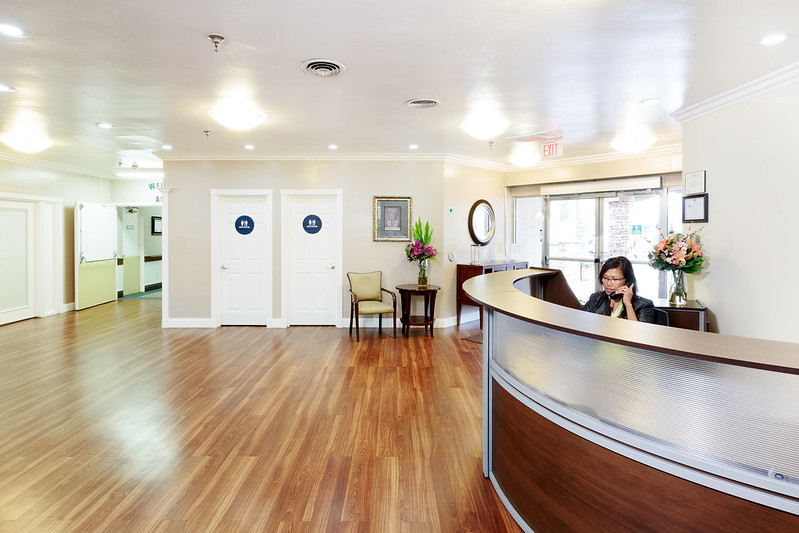
Who Owns and Operates Cottonwood Canyon Healthcare Center?

COTTONWOOD CANYON HEALTHCARE CENTER is owned by a for-profit company. For-profit facilities operate as businesses with obligations to shareholders or private owners. The facility is operated by PACS GROUP, a chain that manages multiple nursing homes. With 96 certified beds and approximately 89 residents (about 93% occupancy), it is a smaller facility located in EL CAJON, California.
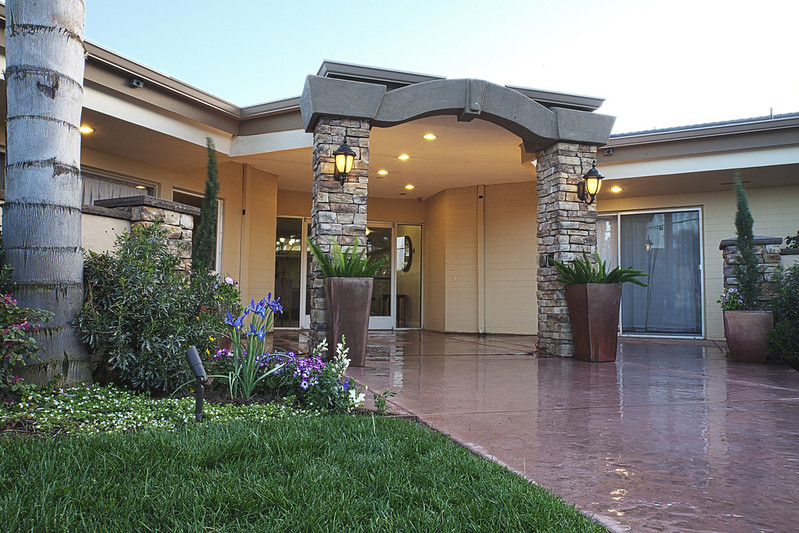
How Does Cottonwood Canyon Healthcare Center Compare to Other California Nursing Homes?

Compared to the 100 nursing homes in California, COTTONWOOD CANYON HEALTHCARE CENTER's overall rating (3 stars) is below the state average of 3.1, staff turnover (48%) is near the state average of 46%, and health inspection rating (2 stars) is below the national benchmark.

What Should Families Ask When Visiting Cottonwood Canyon Healthcare Center?

Based on this facility's data, families visiting should ask: "Can you walk me through typical staffing levels on day, evening, and night shifts?" "Can I visit during a mealtime to observe dining assistance and food quality?" "How do you handle medical emergencies, and what is your hospital transfer rate?" "Can I speak with family members of current residents about their experience?" These questions are particularly relevant given the below-average staffing rating.

Is Cottonwood Canyon Healthcare Center Safe?

Based on CMS inspection data, COTTONWOOD CANYON HEALTHCARE CENTER has a clean safety record: no substantiated abuse findings (meaning no confirmed cases of resident harm), no Immediate Jeopardy citations (the most serious violation level indicating risk of serious injury or death), and is not on the Special Focus Facility watch list (a federal program monitoring the lowest-performing 1% of nursing homes). The facility has a 3-star overall rating and ranks #100 of 100 nursing homes in California. While no facility is perfect, families should still ask about staff-to-resident ratios and recent inspection results during their visit.

Do Nurses at Cottonwood Canyon Healthcare Center Stick Around?

COTTONWOOD CANYON HEALTHCARE CENTER has a staff turnover rate of 48%, which is about average for California nursing homes (state average: 46%). Moderate turnover is common in nursing homes, but families should still ask about staff tenure and how the facility maintains care continuity when employees leave.

Was Cottonwood Canyon Healthcare Center Ever Fined?

COTTONWOOD CANYON HEALTHCARE CENTER has been fined $11,408 across 1 penalty action. This is below the California average of $33,193. While any fine indicates a compliance issue, fines under $50,000 are relatively common and typically reflect isolated problems that were subsequently corrected. Families should ask what specific issues led to these fines and confirm they've been resolved.

Is Cottonwood Canyon Healthcare Center on Any Federal Watch List?

COTTONWOOD CANYON HEALTHCARE CENTER is not on any federal watch list. The most significant is the Special Focus Facility (SFF) program, which identifies the bottom 1% of nursing homes nationally based on persistent, serious quality problems. Not being on this list means the facility has avoided the pattern of deficiencies that triggers enhanced federal oversight. This is a positive indicator, though families should still review the facility's inspection history directly.