COUNTRY HILLS POST ACUTE
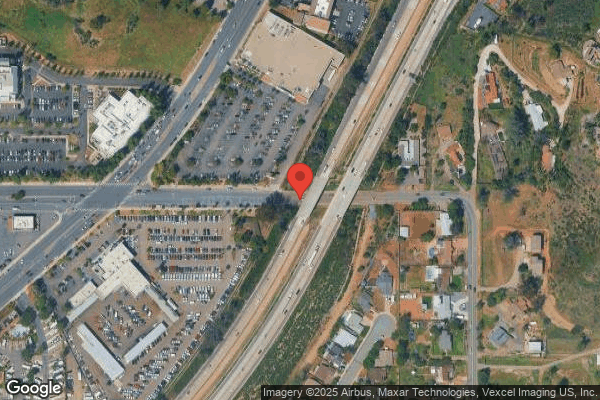

1580 BROADWAY, EL CAJON, CA 92021 (619) 441-8745
For profit - Limited Liability company 305 Beds PACS GROUP Data: November 2025
Trust Grade
33/100
#1003 of 1155 in CA
Last Inspection: March 2025

Within standard 12-15 month inspection cycle. Federal law requires annual inspections.

Overview

Country Hills Post Acute in El Cajon, California has received a Trust Grade of F, indicating significant concerns about the facility's quality and care. Ranked #1003 out of 1155 in California and #77 out of 81 in San Diego County, this places it in the bottom half for both state and county rankings. The facility is worsening, with reported issues increasing from 23 in 2024 to 29 in 2025. Staffing is average with a 3/5 rating, but the turnover rate is concerning at 43%, which is close to the state average. However, the facility has less RN coverage than 96% of California facilities. Specific incidents noted by inspectors include a failure to maintain sanitary food practices in the kitchen, such as dirty drying racks and a dishwasher aide not washing hands after handling trash, raising the risk of foodborne illness. Another incident involved kitchen staff not properly following food safety protocols, which could also lead to contamination. Overall, while the facility has some average staffing metrics, the significant health and safety concerns would be a red flag for families considering this nursing home for their loved ones.

Trust Score
F
33/100
In California
#1003/1155
Bottom 14%
Safety Record
Moderate
Needs review
Inspections
Getting Worse
23 → 29 violations
Staff Stability
○ Average
43% turnover. Near California's 48% average. Typical for the industry.
Penalties
⚠ Watch
$15,000 in fines. Higher than 75% of California facilities, suggesting repeated compliance issues.
Skilled Nurses
⚠ Watch
Each resident gets only 13 minutes of Registered Nurse (RN) attention daily — below average for California. Fewer RN minutes means fewer trained eyes watching for problems.
Violations
⚠ Watch
69 deficiencies on record. Higher than average. Multiple issues found across inspections.
★☆☆☆☆
1.0
Overall Rating
★★★☆☆
3.0
Staff Levels
★★★☆☆
3.0
Care Quality
★☆☆☆☆
1.0
Inspection Score
Stable
2024: 23 issues
2025: 29 issues

The Good

  • Full Sprinkler Coverage · Fire safety systems throughout facility
  • No fines on record
  • Staff turnover below average (43%)

    5 points below California average of 48%

Facility shows strength in fire safety.

The Bad

1-Star Overall Rating

Below California average (3.1)

Significant quality concerns identified by CMS

Staff Turnover: 43%

Near California avg (46%)

Typical for the industry

Federal Fines: $15,000

Below median ($33,413)

Minor penalties assessed

Chain: PACS GROUP

Part of a multi-facility chain

Ask about local staffing decisions and management

The Ugly 69 deficiencies on record

1 actual harm
Aug 2025 1 deficiency
CONCERN (D) 📢 Someone Reported This

A family member, employee, or ombudsman was alarmed enough to file a formal complaint

Potential for Harm - no one hurt, but risky conditions existed

Deficiency F0573 (Tag F0573)

Could have caused harm · This affected 1 resident

**NOTE- TERMS IN BRACKETS HAVE BEEN EDITED TO PROTECT CONFIDENTIALITY** Based on interview and record review, the facility failed to make medical records available for Family Member (FM) 1 to review w...

Read full inspector narrative →
**NOTE- TERMS IN BRACKETS HAVE BEEN EDITED TO PROTECT CONFIDENTIALITY** Based on interview and record review, the facility failed to make medical records available for Family Member (FM) 1 to review within 24 hours of the request, for one of two sampled residents (1). As a result, Resident 1 was not aware of the details of his medical record and the facility violated his right to access his medical records.Findings: Per the facility's admission Record, Resident 1 was admitted to the facility on [DATE] with diagnoses to include heart failure, deaf (inability to hear) nonspeaking, and parkinsonism (a group of symptoms that include difficulty moving). Per the facility's Authorization Form for the Release of Health Information, dated 11/22/24, Resident 1 authorized the facility to release his medical records to FM 1. Per the facility's Authorization Form for the Release of Health Information, dated 3/18/25, Resident 1 authorized the facility to release his medical records to FM 1. On 7/3/25 at 11:27 A.M., an interview and record review was conducted with the Medical Records Director (MRD). The MRD stated, FM 1 requested copies of Resident 1's medical records but FM 1 did not want to pay for the copies. The MRD further stated, FM 1 then requested to review Resident 1's medical records if he could not obtain copies for free, but the facility told FM1 that they would still charge FM1 to review Resident 1's records. The MRD stated that the facility discussed FM 1's record request with him by email. Per an email thread on 12/5/24, FM 1 notified the facility that he wanted to inspect Resident 1's records in person. The facility Administrator responded to FM1's email stating that FM 1 would still have to pay the facility to review Resident 1's records in person. The MRD stated that FM 1 never reviewed Resident 1's medical records at the facility.Per the facility's policy, titled Release of Information, revised November 2009, 8. The resident may initiate a request to release such information contained in his/her records and charts to anyone he/she wishes.9. A resident may have access to his or her records within ____ hours (excluding weekends or holidays) of the resident's written or oral request. The policy did not specify how many hours the facility had to make the records available for review.
Jul 2025 1 deficiency
CONCERN (D) 📢 Someone Reported This

A family member, employee, or ombudsman was alarmed enough to file a formal complaint

Potential for Harm - no one hurt, but risky conditions existed

ADL Care (Tag F0677)

Could have caused harm · This affected 1 resident

**NOTE- TERMS IN BRACKETS HAVE BEEN EDITED TO PROTECT CONFIDENTIALITY** Based on observation, interview, and record review, the facility failed to provide routine bathing hygiene to one of four reside...

Read full inspector narrative →
**NOTE- TERMS IN BRACKETS HAVE BEEN EDITED TO PROTECT CONFIDENTIALITY** Based on observation, interview, and record review, the facility failed to provide routine bathing hygiene to one of four residents (Resident 2), dependent on staff for Activities of Daily Living, (ADL-bathing, dressing, toileting, and re-positioning), when reviewed for Quality of Care.This failure had the potential for skin issues to develop and for Resident 2 to experience low self-esteem. Findings:An unannounced visit was made to the facility on 7/29/25, regarding a complaint. Resident 2 was admitted to the facility on [DATE], with the diagnosis which included morbid (severe) obesity due to excess calories, per the facility's admission Record.Resident 2's clinical record review was conducted on 7/29/25.According to the Admission, Minimum Data Set, (MDS-a federally mandated resident assessment tool), dated 4/25/25, a cognitive score of 12 was listed, indicating moderately impaired cognition. The Functional Abilities assessment indicated Resident 2 required maximum staff assistant with turning and transferring. According to the physician's order, dated 7/18/25, .offer pain pill one hour before shower to aid with showers: infection control.According to the facility's Weights and Vitals, Resident 2's admission weight was 367.9 pounds.According to the facility's Shower book , dated June 2025, Resident 2 had received baths four times out of eight opportunities, Resident 2 received two showers on 6/2/25 and 6/30/25, and two bed baths on 6/1/25 and 6/23/25, with no documented refusals. According to licensed nurse 1 (LN 1) shower book documentation was discontinued at the end of June 2025, and in-services were provided for staff to document resident bathing in the computer, under the Task headline.The computer Task screen was reviewed for Resident 2, for July 1, 2025 through July 29, 2025. Three showers were provided (7/7/25, 7/10/25, 7/21/25), out of eight opportunities, and two refusals (7/17/25, 7/24/25) were documented. According to the facility's care plan, titled At Risk for Skin Breakdown, dated 4/18/25, interventions included, administered medication as orders and observe skin integrity for signs of skin breakdown or excoriation.An observation and interview was conducted with Resident 2 on 7/29/25 at 12:47 A.M. While standing outside Resident 2's room, observing the name plate on the wall, a strong odor was detected that did not resemble urine or feces. When entering the room, the odor grew stronger and was more pungent. Resident 2 was sitting up in bed, eating lunch. Resident 2 had long, greasy looking hair. Resident 2 stated she liked both showers and baths and her last shower was about a week ago. Resident 2 stated yes, she was being medicated before the shower and the pain medication helped her a lot. Resident 2 gave permission for this writer to return after she finished lunch, and to have staff assist me with a skin inspection.A follow up observation and interview was conducted with Resident 2 on 7/29/25 at 1:13 P.M. Staff present to assist with the skin inspection were licensed nurse 1 (LN 1), LN 5, certified nursing assistant 1 (CNA 1), and CNA 3. After the skin inspection, all staff left the room so a private interview could be conducted. Resident 2 stated she only refused to bathe one time, and that was when she first arrived at the facility. Resident 2 stated she was afraid of the Hoyer lift (a machine that staff used to safely lift or transfer patients by the use of a sling). Since then, Resident 2 stated she would agree to a shower only if CNA 1 was working, because she trusted CNA 1 on the Hoyer lift. Resident 2 stated if she refused a shower, it was because of who was working the Hoyer lift and for no other reason. Resident 2 stated if she refused a shower, she would still like to have a bed bath. Resident 2 stated she had received some really good bed baths in the past and she really did not have a preference for showers over a bed bath. Resident 2 stated bathing twice a week was good for her. An interview was conducted with the Director of Staff Development (DSD) on 7/29/25 at 2 P.M. with the Director of Nursing (DON) present. The DSD stated since they stopped using the Shower book for documentation, In-services were provided to CNAs and LNs numerous times throughout the month of July, so everyone knew the changes and expectations. The DSD stated if showers were refused, then bed baths should be offered. If still refused, staff were expected to notify the LNs, and document why the refusals were made. The DSD stated bathing was important for prevention of skin breakdown and a resident's self-image.An interview and record review was conducted with the DON on 7/29/25 at 2 P.M. The DON reviewed Resident 2's June shower sheets and the bathing Task for July. The DON stated she expected all residents to have showers or bed baths at least twice a week and for the bathing to be documented. The DON stated if bathing was repeatedly refused, she expected staff to create a care plan for refusals, so appropriate interventions could be implemented.According to the facility's policy, titled Activities of Daily Living (ADL), Supporting, dated 2001, .5. Appropriate care and services are provided for residents who are unable to carry out ADLs independently, with the consent of the resident, and in accordance with the plan of care, including support n assistance with: s. Hygiene (bathing, dressing, grooming, and oral care); .
Jun 2025 1 deficiency
CONCERN (E) 📢 Someone Reported This

A family member, employee, or ombudsman was alarmed enough to file a formal complaint

Potential for Harm - no one hurt, but risky conditions existed

Deficiency F0558 (Tag F0558)

Could have caused harm · This affected multiple residents

**NOTE- TERMS IN BRACKETS HAVE BEEN EDITED TO PROTECT CONFIDENTIALITY** ountry Hills 558-E Accommodation of Needs Based on observation, interview, and record review, the facility failed to provide res...

Read full inspector narrative →
**NOTE- TERMS IN BRACKETS HAVE BEEN EDITED TO PROTECT CONFIDENTIALITY** ountry Hills 558-E Accommodation of Needs Based on observation, interview, and record review, the facility failed to provide residents with an alert call system for 20 of 44 Residents (1, 2, 3, 4, 5, 6, 7, 8, 9, 10, 11, 13, 14, 15, 17, 19, 20, 21, 22, and 23) in order for staff to respond to their needs, after their electronic call system stopped working on Station 3 North, when reviewed for Accommodation of Needs. In addition, three of the 21 residents (23, 24, and 25) with manual call bells had their call bells out of reach. This failure had the potential for 26 Residents to not have their needs met in a timely manner. Findings: On 6/10/25, an unannounced visit was conducted in response to a complaint of call lights not working on Station 3 North. An interview was conducted with the Director of Nursing (DON) on 6/10/25 at 11:58 A.M. The DON stated the call light system on Station 3 North stopped working on Wednesday 6/4/25. The DON was unaware if the call light outage was reported to the California Department of Public Health, (CDPH), saying I would need to check with the Administrator. An interview was conducted with the Administrator (ADM). The ADM stated he was unaware of any issues with the call light system. The ADM stated he just returned to the facility on 6/10/2525, since he had been on vacation. The ADM stated he was unaware if the call light failure was reported to CDPH, in his absence. The ADM request time to contact the facility's Director of Maintenance (DM) who was currently home sick. An interview was conducted via telephone on with the DM on 6/10/25 at 12:30 P.M. The DM stated the electronic call light system stopped working last Wednesday on 6/4/25. The DM immediately call the repair company and while waiting, he sent a maintenance aide out to purchase more manual call bells. The DM stated the repair company was at the facility on 6/4/25, 6/5/25, 6/8/25, and 6/9/25, in attempts to fix the call light system. The DM stated the plan now was to replace the entire call light system, since the system was old and parts were limited. Then DM stated the facility was waiting for the quote invoice, so repairs could be made as soon as possible. The DM stated every resident on Station 3 North was provided their own manual bell to use, in the mean time. The ADM provided an internal document of how many manual bells were at the facility on 6/4/25 and how many were purchased, with proof of receipt. According to the documents, 22 manual bells were purchased from Staples, (an office supply store) at 11:23 A.M., and 20 manual bells were obtained from social services department, while 25 manual bells were retrieved from the maintenance department, for a total of 67 bells. Starting on 6/10/25 at 12:13 P.M., room rounds were conducted by the State surveyor. a. Resident 1 was admitted to the facility on [DATE], with diagnoses which included cerebral vascular accident (Stroke), per the facility's admission Record. According to the Minimum Data Set, (MDS-a clinical assessment tool, dated 5/8/25, Resident 1 had a cognitive score of 14, indicating cognition was intact. According to the Functional Abilities assessment, Resident 1 used a wheelchair for mobility and required staff assistance for transfers from bed to chair. An observation was conducted on 6/10/25 at 12:13 P.M. The call light system was not functioning and no manual call bell was observed on or around Resident 1's bed. b. Resident 2 was admitted to the facility on [DATE], with diagnoses which included Parkinson's Disease (a progressive disorder that affects the nervous system), per the facility's admission Record. According to the MDS, dated [DATE], Resident 2 had a cognitive score of 6, indicating cognition was severely impaired. According to the Functional Abilities assessment, Resident 2 used a wheelchair for mobility and required staff assistance for transfers from bed to chair. Resident 2 was coded as having a fall in the facility within the last six months. An observation was conducted on 6/10/25 at 12:13 P.M. The call light system was not functioning, and no manual call bell was observed on or around Resident 2's bed. Resident 2 had fall mats on both sides of the bed. C. Resident 22 was admitted to the facility on [DATE], with diagnoses which included cerebral infarction (stroke), per the facility's admission Record. According to the MDS, dated [DATE], Resident 22 had a cognitive score of 5, indicating cognition was severely impaired. According to the Functional Abilities assessment, Resident 22 was able to ambulate on his own with no assistive devices, and required minimal staff assistance. Resident 22 was coded as having a fall in the facility within the last six months. An observation was conducted on 6/10/5 at 12:13 P.M. The call light system was not functioning, and no manual call bell was observed on or around Resident 3's bed. d. Resident 3 was admitted to the facility on [DATE], with diagnoses which included cerebral infarction (stroke), per the facility's admission Record. According to the MDS, dated [DATE], Resident 3 had a cognitive score of 12, indicating cognition was intact. According to the Functional Abilities assessment, Resident 3 was able to ambulate on his own with no assistive devices. Resident 3 was coded of having a fall in the facility within the last six months. An observation was conducted on 6/10/25 at 12:20 P.M. The call light system was not functioning, and no manual call bell was observed on or around Resident 3's bed. e. Resident 4 was admitted to the facility on [DATE], with diagnoses which included Guillan-Barre Syndrome (a rare autoimmune disorder), per the facility's admission Record. According to the MDS, dated [DATE], Resident 4 had a cognitive score of 12, indicating cognition was intact. According to the Functional Abilities assessment, Resident 3 was able to ambulate on his own with no assistive devices. An observation was conducted on 6/10/25 at 12:20 P.M. The call light system was not functioning, and no manual call bell was observed on or around Resident 4's bed. f. Resident 15 was admitted to the facility on [DATE], with diagnoses which included chronic obstructive pulmonary disease (COPD-poor gas exchange in the lungs), per the facility's admission Record. According to the MDS, dated [DATE], Resident 15 had a cognitive score of 12, indicating cognition was intact. According to the Functional Abilities assessment, Resident 15 was able to ambulate on his own with no assistive devices. Resident 15 was coded of having a fall in the facility within the last six months. An observation was conducted on 6/10/25 at 12:20 P.M. The call light system was not functioning, and no manual call bell was observed on or around Resident 15's bed. g. Resident 19 was admitted to the facility on [DATE], with diagnoses which included sepsis (a life threatening infection), per the facility's admission Record. According to the MDS, dated [DATE], Resident 19 had a cognitive score of 3, indicating cognition was severely impaired. According to the Functional Abilities assessment, Resident 19 required maximum assistance from Resident 19 was coded of having a fall in the facility within the last six months. An observation was conducted on 6/10/25 at 12:22 P.M. The call light system was not functioning, and no manual call bell was observed on or around Resident 19's bed. h. Resident 21 was admitted to the facility on [DATE], with diagnoses which included COPD, per the facility's admission Record. According to the MDS, dated [DATE], Resident 21 had a cognitive score of 5, indicating cognition was severely impaired. According to the Functional Abilities assessment, Resident 21 required maximum assistance from staff. An observation was conducted on 6/10/25 at 12:23 P.M. The call light system was not functioning, and no manual call bell was observed on or around Resident 21's bed. i. Resident 5 was admitted to the facility on [DATE], with diagnoses which included surgical after care, per the facility's admission Record. According to the MDS, dated [DATE], Resident 5 had a cognitive score of 1, indicating cognition was severely impaired. According to the Functional Abilities assessment, Resident 5 required moderate assistance from staff. Resident 5 was coded for having a fall in the facility within the last six months. An observation was conducted on 6/10/25 at 12:23 P.M. The call light system was not functioning, and no manual call bell was observed on or around Resident 5's bed. j. Resident 13 was admitted to the facility on [DATE], with diagnoses which included metabolic encephalopathy (a brain dysfunction), per the facility's admission Record. According to the MDS, dated [DATE], Resident 13 had a cognitive score of 3, indicating cognition was severely impaired. According to the Functional Abilities assessment, Resident 13 required a wheelchair for mobility and was dependent on staff for all daily activities. moderate assistance from staff. Resident 13 was coded for having a fall at the facility within the last six months. An observation was conducted on 6/10/25 at 12:23 P.M. The call light system was not functioning, and no manual call bell was observed on or around Resident 13's bed. k. Resident 14 was admitted to the facility on [DATE], with diagnoses which included Parkinson's disease, per the facility's admission Record. According to the MDS, dated [DATE], Resident 14 had a cognitive score of 7, indicating cognition was severely impaired. According to the Functional Abilities assessment, Resident 14 required maximum staff assistance for all daily activities. An observation was conducted on 6/10/25 at 12:23 P.M. The call light system was not functioning, and no manual call bell was observed on or around Resident 14's bed. l. Resident 6 was admitted to the facility on [DATE], with diagnoses which included COPD, per the facility's admission Record. According to the MDS, dated [DATE], Resident 6 had a cognitive score of 11 indicating cognition was moderately impaired. According to the Functional Abilities assessment, Resident 6 required a wheelchair for mobility and was dependent on staff for all daily activities. An observation was conducted on 6/10/25 at 12:24 P.M. The call light system was not functioning, and no manual call bell was observed on or around Resident 6's bed. m. Resident 7 was admitted to the facility on [DATE], with diagnoses which included dementia, per the facility's admission Record. According to the MDS, dated [DATE], Resident 7 had a cognitive score of 3, indicating cognition was severely impaired. According to the Functional Abilities assessment, Resident 7 required a wheelchair for mobility and was moderately dependent on staff for all daily activities. Resident 7 was coded for having a fall in the facility within the last six months. An observation was conducted on 6/10/25 at 12:24 P.M. The call light system was not functioning, and no manual call bell was observed on or around Resident 7's bed. n. Resident 8 was admitted to the facility on [DATE], with diagnoses which included dementia, per the facility's admission Record. According to the MDS, dated [DATE], Resident 8 had a cognitive score of 10, indicating cognition was moderately impaired. According to the Functional Abilities assessment, Resident 8 required set-up assistance by staff for daily functions. An observation was conducted on 6/10/25 at 12:24 P.M. The call light system was not functioning, and no manual call bell was observed on or around Resident 8's bed. o. Resident 23 was admitted to the facility on [DATE], with diagnoses which included COPD, per the facility's admission Record. According to the MDS, dated [DATE], Resident 23 had a cognitive score of 13, indicating cognition was intact. According to the Functional Abilities assessment, Resident 23 required a wheelchair for mobility and set-up assistance by staff for daily functions. An observation and interview was conducted with Resident 23 on 6/10/25 at 12:26 P.M. The call light system was not functioning. The manual call bell was on a bedside table down past the foot of the bed and out of the resident's reach. Resident 23 stated its was hard for the staff to hear her call bell when rung, because it was so busy and loud in the hallway. Resident 23 stated if staff did not come in a reasonable amount of time, she yells and they eventually come to see what she needs. p. Resident 9 was admitted to the facility on [DATE], with diagnoses which included cerebral infarction, per the facility's admission Record. According to the MDS, dated [DATE], Resident 9 had a cognitive score of 00, indicating cognition was severely impaired. According to the Functional Abilities assessment, Resident 9 required maximum assistance by staff for daily functions. An observation was conducted on 6/10/25 at 12:39 P.M. The call light system was not functioning, and no manual call bell was observed on or around Resident 9's bed. q. Resident 10 was admitted to the facility on [DATE], with diagnoses which included schizoaffective disorder (a mental illness), per the facility's admission Record. According to the MDS, dated [DATE], Resident 10 had a cognitive score of 3, indicating cognition was severely impaired. According to the Functional Abilities assessment, Resident 10 was independent for all daily activities. An observation was conducted on 6/10/25 at 12:39 P.M. The call light system was not functioning, and no manual call bell was observed on or around Resident 10's bed. r. Resident 24 was admitted to the facility on [DATE], with diagnoses which included dementia, per the facility's admission Record. According to the MDS, dated [DATE], Resident 24 had a cognitive score of 3, indicating cognition was severely impaired. According to the Functional Abilities assessment, Resident 24 was completely dependent on staff for daily functions. An observation was conducted on 6/10/25 at 12:39 P.M. The call light system was not functioning, and the manual call bell was observed on a bedside dresser behind the Resident 24's head and out of reach. s. Resident 11 was admitted to the facility on [DATE], with diagnoses which included schizophrenia (a mental disorder), per the facility's admission Record. According to the MDS, dated [DATE], Resident 11 had a cognitive score of 9, indicating cognition was moderately impaired. According to the Functional Abilities assessment, Resident 11 was independent for performing daily activities. An observation was conducted on 6/10/25 at 12:41 P.M. The call light system was not functioning, and no manual call bell was observed on or around Resident 11's bed. t. Resident 25 was admitted to the facility on [DATE] with diagnoses which included cerebral infarction (stroke), per the facility's admission Record. According to the MDS, dated [DATE], Resident 25 had a cognitive score of 12, indicating cognition was intact. According to the Functional Abilities assessment, Resident 25 required a wheelchair for mobility and was dependent on staff for all activities. An observation and interview was conducted on 6/10/25 at 12:41 P.M. The call light system was not functioning, and the manual call bell was observed on Resident 25's bedside table The bedside table was pulled away from the bed and out of the resident's reach. Resident 25 stated the staff do come in when she rings the manual bell. Resident 25 stated when staff move her bedside table, her call bell was out of reach and she yells to get there attention. An interview and record review was conducted with the Director of Staff Development (DSD), on 6/10/25 at 1:23 P.M. The DSD stated when the call light system stopped working they immediately provided each resident with a manual call bell. The DSD stated they tested the call bells in the rooms farthest from the nursing station to ensure staff could hear them. The DSD stated they have no idea what happened to the call bells, since they are no longer in some resident rooms. The DSD stated he also in-serviced staff on all shifts who were assigned to that 3 North, to ensure every 30 minutes residents were being checked within their rooms. The DSD stated he did not discuss staff documenting the 30 minutes resident checks An interview and record review was conducted with the DON on 6/10/25 at 2 P.M. The facility's transfer list was reviewed from 6/4/25 through 6/10/25, to see if any residents sustained any injuries or were sent to the hospital from Station 3 North. No residents from 3 North were injured or transferred out to the hospital. The DON stated all residents should have a means to contact staff if help was needed. The DON stated she has no idea where the missing call bells went to, but residents without a call bell were at risk of injury or of not getting their needs met. According to the facility's policy, titled Call System, Residents, dated 2001, .1. Each resident is provided with a means to call staff directly for assistance .3. The resident call system remains functional at all times . According to the facility's policy, titled Accommodation of Needs, dated March 2021, Our facility's environment .assisting the resident in maintaining and/or achieving self-independent functioning, dignity, and well-being.
Apr 2025 3 deficiencies
CONCERN (D) 📢 Someone Reported This

A family member, employee, or ombudsman was alarmed enough to file a formal complaint

Potential for Harm - no one hurt, but risky conditions existed

Deficiency F0726 (Tag F0726)

Could have caused harm · This affected 1 resident

**NOTE- TERMS IN BRACKETS HAVE BEEN EDITED TO PROTECT CONFIDENTIALITY** Based on interview and record review the facility failed to correctly administer medications for one of six residents reviewed f...

Read full inspector narrative →
**NOTE- TERMS IN BRACKETS HAVE BEEN EDITED TO PROTECT CONFIDENTIALITY** Based on interview and record review the facility failed to correctly administer medications for one of six residents reviewed for competent nursing staff. (Resident 1) As a result of this deficient practice, the facility could not ensure medications were accurately and safely provided to residents. Findings: Resident 1 was admitted to the facility on [DATE] with diagnoses which included sequelae (after effect) of cerebral infarction (disrupted blood flow to the brain) and hypertension (high blood pressure) according to the facility's admission Record. Resident 2 was admitted to the facility on [DATE] with diagnoses which included hemiplegia (total or partial paralysis of one side of the body) and hemiparesis (muscle weakness on one side of the body) following cerebral infarction according to the facility's admission Record. On 4/7/25 at 9:05 A.M., an unannounced onsite visit to the facility was conducted related to a medication error. During an interview on 4/7/25 at 9:05 A.M. with the Assistant Director of Nursing (ADON), the ADON stated Resident 1 received her roommate's (Resident 2) medications on 3/23/25. The ADON stated Resident 2 was no longer in the building and she had been discharged from the facility. An interview on 4/7/25 at 2:27 P.M. was conducted with LN 3. LN 3 stated she was the assigned medication nurse for Resident 1 on 3/23/25. LN 3 stated she was orienting LN 4 for medication pass on 3/23/25. LN 3 stated Resident 1 was in room [ROOM NUMBER], bed B and Resident 2 was in bed A. LN 3 stated she prepared medications for Resident 2 and labeled the medication cup with Resident 2's name. LN 3 stated she gave Resident 2's medication cup to LN 4 to give to Betty (Resident 2). LN 3 stated when she (LN4) was about to administer Resident 1's medications, LN 4 told LN 3 that she (LN 4) already gave Resident 1's medications. LN 3 stated LN 4 misunderstood her when she instructed LN 4 to give the medications to Betty. LN 3 stated LN 4 told her that she (LN 4) had heard to give medications to Bed B (Resident 1). LN 3 stated LN 4 gave Resident 1 the medications that she (LN 3) prepared for Resident 2. LN 3 further stated she should not give the cup of medications that she had prepared for another nurse because the medications could be given to the wrong resident. LN 3 stated she herself usually did not administer medications prepared by other nurses, but she had seen other nurses do it and thought it was the process at the facility. An interview on 4/7/25 at 3:39 P.M. was conducted with LN 4. LN 4 stated she was a new graduate nurse, and the facility assigned her to train for medication pass with a registry nurse (LN3) on 3/23/25. LN 4 stated, It was not really training, it was give this and give that. LN 4 stated, I didn't think of it at the time when she gave me the meds to give. LN 4 stated LN 3 instructed her to take Resident 1's vital signs (temperature, heart rate, blood pressure) and then to give the cup of medications . LN 4 stated, I heard, this is for bed B (Resident 1), and then I administered the medications to Resident 1. LN 4 stated LN 3 then gave her another cup of medications which she (LN 4) thought was for Resident 2. LN 4 stated during the medication pass Resident 2 told her that the medications in the cup were not her (Resident 2) medications, and the pain medication was not in the cup. LN 4 stated LN 3 then told her (LN 4) that she had given the wrong medications to Resident 1. Resident 1's record was reviewed on 4/7/25. Progress notes for Resident 1 was reviewed. A change in condition note dated 3/28/25 at 9:48 A.M. indicated Resident 1 was given her roommate's (Resident 2) medications. The progress notes indicated medications administered to Resident 1 were: Amlodipine [for blood pressure]10mg [milligrams], Carvedilol [for blood pressure] 25mg, Enoxaparin [blood thinner] 40mg, Losartan [for blood pressure]100mg, Levetiracetam [for seizures] 1500mg, Multivitamin, Valproic Acid [for seizures] 250mg, Acetaminophen-Codeine [strong pain medication] 300-30mg, Carvedilol 12.5mg, Lisinopril [for blood pressure] 40mg, Baclofen [muscle relaxant] 5mg, Oxycodone-Acetaminophen [strong and addictive pain medication] 5-325mg, Famotidine [for stomach acid] 40mg, Clopidogrel [blood thinner] 75mg, Pregabalin [for nerve pain and seizures] 75mg, Senna [stool softener]17.2mg, Vitamin D 5000 units . A total of 17 medications were incorrectly administered to Resident 1. Resident 1's care plan dated 3/23/25 indicated Resident 1, .was given medications not prescribed for her . An interview was conducted on 4/9/25 at 9:59 A.M. with LN 6. LN 6 stated she was the supervisor at the facility on 3/23/25. LN 6 stated the charge nurse (LN 5) notified her of the medication error. LN 6 stated LN 3 prepared 12 medications for Resident 2 and gave them to LN 4 to administer. LN 6 stated there were two residents in the room and LN 4 administered the medications to the wrong resident (LN 1). LN 6 stated LN 3's process of passing medications was not correct because LN 3 did not follow the five rights (the right resident, right drug, right dose, right route and right time) of the resident. An interview with the facility's Consultant Pharmacist (CP) was conducted on 4/10/25 at 3:03 P.M. The CP stated the nurse should never prepare a resident's medication then have another nurse administer them. An interview was conducted with the Assistant Director of Nursing (ADON) on 4/11/25 at 3:13 P.M. The ADON stated she expected licensed nurses to check for the right resident, right medication, right time and right dose to ensure accuracy of medication administration. The ADON further stated LNs should not give another nurse medications that he or she prepared because the other nurse would not know what was being given to the resident and it would be a medication error. A review of the facility's policy and procedure (P&P) titled, Administering Medication, dated April 2019 was conducted. The P&P indicated, .Medications are administered in a safe and timely manner .Medications are administered in accordance with prescriber orders .The individual administering medications verifies the resident's identity before giving the resident his/her medications .The individual administering medications checks the label THREE [3] times to verify the right resident, right medication, right dosage, right time and right method [route] .Medications ordered for a particular resident may not be administered to another resident .
CONCERN (D) 📢 Someone Reported This

A family member, employee, or ombudsman was alarmed enough to file a formal complaint

Potential for Harm - no one hurt, but risky conditions existed

Pharmacy Services (Tag F0755)

Could have caused harm · This affected 1 resident

**NOTE- TERMS IN BRACKETS HAVE BEEN EDITED TO PROTECT CONFIDENTIALITY** Based on interview, and record review, the facility failed to ensure medications were correctly administered according to the ph...

Read full inspector narrative →
**NOTE- TERMS IN BRACKETS HAVE BEEN EDITED TO PROTECT CONFIDENTIALITY** Based on interview, and record review, the facility failed to ensure medications were correctly administered according to the physician's order for one of six residents (Resident 1) reviewed for pharmacy services. As a result of this deficient practice, the facility could not ensure pharmaceutical services were safely provided to its residents. Findings: Resident 1 was admitted to the facility on [DATE] with diagnoses which included sequelae (after effect) of cerebral infarction (disrupted blood flow to the brain) and hypertension (high blood pressure) according to the facility's admission Record. Resident 2 was admitted to the facility on [DATE] with diagnoses which included hemiplegia (total or partial paralysis of one side of the body) and hemiparesis (muscle weakness on one side of the body) following cerebral infarction according to the facility's admission Record. On 4/7/25 at 9:05 A.M., an unannounced onsite visit at the facility was conducted related to a medication error. During an interview on 4/7/25 at 9:05 A.M. with the Assistant Director of Nursing (ADON), the ADON stated Resident 1 received her roommate's (Resident 2) medications on 3/23/25. The ADON stated since then Resident 2 has been discharged from the facility. An interview on 4/7/25 at 10:27 A.M. was conducted with Licensed Nurse (LN) 2. LN 2 stated to ensure medication administration accuracy, he checked the resident's electronic medical record (EMR) for the medication list, dosage and directions. LN 2 stated he then checked the EMR for the correct resident's name, room number and the medication cards. LN 2 stated prior to administering the resident's medications he checked the resident's ID bracelet and/or asked the resident his or her name. An interview on 4/7/25 at 11:05 A.M. was conducted with LN 1, LN 1 stated prior to medication administration, she checked the name of the drug, dosage and scheduled time. LN 1 stated she checked the resident's ID wrist band for resident identification prior to giving medications to the resident. An interview on 4/7/25 at 2:27 P.M. was conducted with LN 3. LN 3 stated she was the assigned medication nurse for Resident 1 on 3/23/25. LN 3 stated she was orienting LN 4 for medication pass on 3/23/25. LN 3 stated Resident 1 was in room [ROOM NUMBER], bed B and Resident 2 was in bed A. LN 3 stated she prepared medications for Resident 2 and labeled the medication cup with Resident 2's name. LN 3 stated she gave Resident 2's medication cup to LN 4 to give to Betty (Resident 2). LN 3 stated when she (LN4) was about to administer Resident 1's medications, LN 4 told LN 3 that she (LN 4) already gave Resident 1's medications. LN 3 stated LN 4 misunderstood her when she instructed LN 4 to give the medications to Betty. LN 3 stated LN 4 told her that she (LN 4) had heard to give medications to Bed B (Resident 1). LN 3 stated LN 4 gave Resident 1 the medications that she (LN 3) prepared for Resident 2. LN 3 further stated she should not give the cup of medications that she had prepared for another nurse because the medications could be given to the wrong resident. LN 3 stated she herself usually did not administer medications prepared by other nurses, but she had seen other nurses do it and thought it was the process at the facility. An interview on 4/7/25 at 3:39 P.M. was conducted with LN 4. LN 4 stated she was a new graduate nurse, and the facility assigned her to train for medication pass with a registry nurse (LN3) on 3/23/25. LN 4 stated, It was not really training, it was give this and give that. LN 4 stated, I didn't think of it at the time when she gave me the meds to give. LN 4 stated LN 3 instructed her to take Resident 1's vital signs (temperature, heart rate, blood pressure) and then to give the cup of medications . LN 4 stated, I heard, this is for bed B (Resident 1), and then I administered the medications to Resident 1. LN 4 stated LN 3 then gave her another cup of medications which she (LN 4) thought was for Resident 2. LN 4 stated during the medication pass Resident 2 told her that the medications in the cup were not her (Resident 2) medications, and the pain medication was not in the cup. LN 4 stated LN 3 then told her (LN 4) that she had given the wrong medications to Resident 1. Resident 1's record was reviewed on 4/7/25. The progress notes for Resident 1 was reviewed. A change in condition note dated 3/28/25 at 9:48 A.M. indicated Resident 1 was given her roommate's (Resident 2) medications. The progress notes indicated medications administered to Resident 1 were: Amlodipine [for blood pressure]10mg [milligrams], Carvedilol [for blood pressure] 25mg, Enoxaparin [blood thinner] 40mg, Losartan [for blood pressure]100mg, Levetiracetam [for seizures] 1500mg, Multivitamin, Valproic Acid [for seizures] 250mg, Acetaminophen-Codeine [strong pain medication] 300-30mg, Carvedilol 12.5mg, Lisinopril [for blood pressure] 40mg, Baclofen [muscle relaxant] 5mg, Oxycodone-Acetaminophen [strong and addictive pain medication] 5-325mg, Famotidine [for stomach acid] 40mg, Clopidogrel [blood thinner] 75mg, Pregabalin [for nerve pain and seizures] 75mg, Senna [stool softener]17.2mg, Vitamin D 5000 units . A total of 17 medications were incorrectly administered to Resident 1. Resident 1's care plan dated 3/23/25 indicated Resident 1, .was given medications not prescribed for her . An interview was conducted on 4/9/25 at 9:59 A.M. with LN 6. LN 6 stated she was the supervisor at the facility on 3/23/25. LN 6 stated the charge nurse (LN 5) notified her of the medication error. LN 6 stated LN 3 prepared 12 medications for Resident 2 and gave them to LN 4 to administer. LN 6 stated there were two residents in the room and LN 4 administered the medications to the wrong resident (LN 1). LN 6 stated LN 3's process of passing medications was not correct because LN 3 did not follow the five rights (the right resident, right drug, right dose, right route and right time) of the resident. An interview with the facility's Consultant Pharmacist (CP) was conducted on 4/10/25 at 3:03 P.M. The CP stated to ensure medication administration accuracy, the nurse should check the electronic medical record (EMR) against the medication card for the right resident, right medication, right route and the right time. The CP further stated the nurse should never prepare a resident's medication then have another nurse administer them. A review of the facility's pharmacy policy and procedure (P&P) manual dated July 2022 was conducted. The P&P indicated, .MEDICATION ADMINISTRATION . Drug Administration refers to the act in which a single dose of prescribed drug .is given to a resident by an authorized person .The complete act of administration involves removing an individual dose .verifying the dose with the prescriber's orders and promptly giving the dose to the proper resident .
CONCERN (D) 📢 Someone Reported This

A family member, employee, or ombudsman was alarmed enough to file a formal complaint

Potential for Harm - no one hurt, but risky conditions existed

Deficiency F0760 (Tag F0760)

Could have caused harm · This affected 1 resident

**NOTE- TERMS IN BRACKETS HAVE BEEN EDITED TO PROTECT CONFIDENTIALITY** Based on interview and record review the facility failed to correctly administer medications for one of six residents reviewed f...

Read full inspector narrative →
**NOTE- TERMS IN BRACKETS HAVE BEEN EDITED TO PROTECT CONFIDENTIALITY** Based on interview and record review the facility failed to correctly administer medications for one of six residents reviewed for medication errors. (Resident 1) This failure has the potential affect Resident 1's health and wellbeing. In addition, this failure has the potential to place other residents at risk for medication errors. Findings: Resident 1 was admitted to the facility on [DATE] with diagnoses which included sequelae (after effect) of cerebral infarction (disrupted blood flow to the brain) and hypertension (high blood pressure) according to the facility's admission Record. Resident 2 was admitted to the facility on [DATE] with diagnoses which included hemiplegia (total or partial paralysis of one side of the body) and hemiparesis (muscle weakness on one side of the body) following cerebral infarction according to the facility's admission Record. On 4/7/25 at 9:05 A.M., an unannounced onsite visit at the facility was conducted related to a medication error. During an interview on 4/7/25 at 9:05 A.M. with the Assistant Director of Nursing (ADON), the ADON stated Resident 1 received her roommate's (Resident 2) medications on 3/23/25. The ADON stated Resident 2 had been discharged from the facility since the incident had occured. Resident 1's record was reviewed on 4/7/25. During a review of the MDS (a clinical assessment tool) dated 3/25/25 for Resident 1, the MDS listed a cognitive (thinking, reasoning, or remembering) score of 14, which indicated that Resident 1's cognition was intact. An observation and interview was conducted on 4/7/25 at 9:43 A.M. with Resident 1 in her room. Resident 1 was in bed and stated she was sleepy. Resident 1 stated she was not aware of receiving her roommate's medications. Resident 1 stated her mother was involved in her care and did not inform her about receiving her roommate's medications. Resident 1 stated she had not had any change in her condition in the last two weeks and she was fine. Resident 1 then closed her eyes. An interview on 4/7/25 at 10:27 A.M. was conducted with Licensed Nurse (LN) 2. LN 2 stated to ensure medication administration accuracy, he checked the resident's electronic medical record (EMR) for the medication list, dosage and directions. LN 2 stated he then checked the EMR for the correct resident's name, room number and the medication cards. LN 2 stated prior to administering the resident's medications he checked the resident's ID bracelet and/or asked the resident his or her name. An interview on 4/7/25 at 11:05 A.M. was conducted with LN 1, LN 1 stated prior to medication administration, she checked the name of the drug, dosage and scheduled time. LN 1 stated she checked the resident's ID wrist band for resident identification prior to giving medications to the resident. An interview on 4/7/25 at 2:27 P.M. was conducted with LN 3. LN 3 stated she was the assigned medication nurse for Resident 1 on 3/23/25. LN 3 stated she was orienting LN 4 for medication pass on 3/23/25. LN 3 stated Resident 1 was in room [ROOM NUMBER], bed B and Resident 2 was in bed A. LN 3 stated she prepared medications for Resident 2 and labeled the medication cup with Resident 2's name. LN 3 stated she gave Resident 2's medication cup to LN 4 to give to Betty (Resident 2). LN 3 stated when she (LN4) was about to administer Resident 1's medications, LN 4 told LN 3 that she (LN 4) already gave Resident 1's medications. LN 3 stated LN 4 misunderstood her when she instructed LN 4 to give the medications to Betty. LN 3 stated LN 4 told her that she (LN 4) had heard to give medications to Bed B (Resident 1). LN 3 stated LN 4 gave Resident 1 the medications that she (LN 3) prepared for Resident 2. LN 3 further stated she should not give the cup of medications that she had prepared for another nurse because the medications could be given to the wrong resident. LN 3 stated she herself usually did not administer medications prepared by other nurses, but she had seen other nurses do it and thought it was the process at the facility. An interview on 4/7/25 at 3:39 P.M. was conducted with LN 4. LN 4 stated she was a new graduate nurse, and the facility assigned her to train for medication pass with a registry nurse (LN3) on 3/23/25. LN 4 stated, It was not really training, it was give this and give that. LN 4 stated, I didn't think of it at the time when she gave me the meds to give. LN 4 stated LN 3 instructed her to take Resident 1's vital signs (temperature, heart rate, blood pressure) and then to give the cup of medications . LN 4 stated, I heard, this is for bed B (Resident 1), and then I administered the medications to Resident 1. LN 4 stated LN 3 then gave her another cup of medications which she (LN 4) thought was for Resident 2. LN 4 stated during the medication pass Resident 2 told her that the medications in the cup were not her (Resident 2) medications, and the pain medication was not in the cup. LN 4 stated LN 3 then told her (LN 4) that she had given the wrong medications to Resident 1. Resident 1's record was reviewed on 4/7/25. Resident 1's progress notes were reviewed. A change in condition note dated 3/28/25 at 9:48 A.M. indicated Resident 1 was given her roommate's (Resident 2) medications. The progress notes indicated medications administered to Resident 1 were: Amlodipine [for blood pressure]10mg [milligrams], Carvedilol [for blood pressure] 25mg, Enoxaparin [blood thinner] 40mg, Losartan [for blood pressure]100mg, Levetiracetam [for seizures] 1500mg, Multivitamin, Valproic Acid [for seizures] 250mg, Acetaminophen-Codeine [strong pain medication] 300-30mg, Carvedilol 12.5mg, Lisinopril [for blood pressure] 40mg, Baclofen [muscle relaxant] 5mg, Oxycodone-Acetaminophen [strong and addictive pain medication] 5-325mg, Famotidine [for stomach acid] 40mg, Clopidogrel [blood thinner] 75mg, Pregabalin [for nerve pain and seizures] 75mg, Senna [stool softener]17.2mg, Vitamin D 5000 units . A total of 17 medications were incorrectly administered to Resident 1. Resident 1's care plan dated 3/23/25 indicated Resident 1, .was given medications not prescribed for her . An interview was conducted on 4/9/25 at 9:59 A.M. with LN 6. LN 6 stated she was the supervisor at the facility on 3/23/25. LN 6 stated the charge nurse (LN 5) notified her of the medication error. LN 6 stated LN 3 prepared 12 medications for Resident 2 and gave them to LN 4 to administer. LN 6 stated there were two residents in the room and LN 4 administered the medications to the wrong resident (LN 1). LN 6 stated LN 3's process of passing medications was not correct because LN 3 did not follow the five rights (the right resident, right drug, right dose, right route and right time) of the resident. An interview was conducted with the Assistant Director of Nursing (ADON) on 4/9/25. The ADON stated LN 3 did not properly communicate to LN 4. The ADON stated to prevent medication errors, the nurse who prepared the medication should administer the medications and not give them to another nurse to administer. An interview with the facility's Consultant Pharmacist (CP) was conducted on 4/10/25 at 3:03 P.M. The CP stated a nurse should never prepare a resident's medication then have another nurse administer them. The CP further stated Resident 1 was at risk for significant low blood pressure and increased sedation which placed the resident at increased risk for falls. A review of the facility's policy and procedure (P&P) titled, Administering Medication, dated April 2019 was conducted. The P&P indicated, .Medications are administered in a safe and timely manner .Medications are administered in accordance with prescriber orders .The individual administering medications verifies the resident's identity before giving the resident his/her medications .The individual administering medications checks the label THREE [3] times to verify the right resident, right medication, right dosage, right time and right method [route] .Medications ordered for a particular resident may not be administered to another resident .
Mar 2025 21 deficiencies
CONCERN (D)

Potential for Harm - no one hurt, but risky conditions existed

Deficiency F0558 (Tag F0558)

Could have caused harm · This affected 1 resident

**NOTE- TERMS IN BRACKETS HAVE BEEN EDITED TO PROTECT CONFIDENTIALITY** Based on observation, interview, and record review the facility failed to provide one of 37 sampled residents (Resident 55) with...

Read full inspector narrative →
**NOTE- TERMS IN BRACKETS HAVE BEEN EDITED TO PROTECT CONFIDENTIALITY** Based on observation, interview, and record review the facility failed to provide one of 37 sampled residents (Resident 55) with a suitable call button (button used to call for assistance). This failure prevented Resident 55 (R55) from being able to use his call button and had the potential for R55 to not have his needs met. Cross reference F919 Findings: Review of admission Record indicated R55 was admitted on [DATE] with diagnoses which included Cognitive Communication Deficit(difficulties in communication stemming from impairments in cognitive [thinking ability] functions like attention, memory, or problem-solving, rather than a primary language or speech problem), Functional Quadriplegia (the complete inability to move due to severe disability or frailty, but without physical injury or damage to the brain or spinal cord), and Metabolic Encephalopathy (a condition where the brain does not function properly). Review of Minimum Data Set (MDS-a standardized, federally mandated assessment tool used in nursing homes) Section C dated 12/31/24 indicated a Brief Interview For Mental Status (BIMS- a standardized assessment tool used to screen for cognitive impairment in long-term care facilities) score of 13 which indicated intact cognition. Review of MDS Section M-Skin Conditions dated December 31, 2024, indicated R55 with one stage 3 pressure ulcer (bed sore) and one stage 4 pressure ulcer on admission. MDS Section M also indicated R55 required B. Pressure reducing device for bed .E. Pressure Injury Care . Review of MDS Section GG dated December 31, 2024 indicated R55 was either dependent or required Substantial/maximal assistance for all his Self-Care needs. Review of Care Plan Report dated 3/12/25 indicated .1. ADL[activity of daily living]/Mobility .at risk for ADL/Mobility decline and requires assistance .Encourage to use call light for assistance . On 03/11/25 at 10:13 A.M., a concurrent observation and interview was conducted with R55. R55's call button was observed to be one that needed to be gripped with his hand and pressed with his thumb. R55 stated I am unable to use and press the call button. To get staff I yell. Both of R55's hands were observed to be contracted (a shortening of muscles that prevents movement). On 3/12/25 at 9:45 A.M., an observation of R55's call button and interview with Licensed Nurse 51 (LN51) was conducted. LN51 stated that since R55's hands were contracted, he could not use the call button that was provided and he would need a call button that he could tap. LN51 stated the importance of having an appropriate call button was that R55 needed to be able to communicate his needs with the staff. On 3/12/25 at 9:55 A.M., a concurrent observation of R55's call button and R55's hands, and interview with Assistant Director of Nursing 4 (ADON4) was conducted. ADON4 stated that because R55's hands were contracted he could not press the provided call button, and he would need a call button he could tap. ADON4 stated the importance of using an appropriate call button was that the resident should be able to communicate his needs with the staff. On 3/14/25 at 10 A.M. an interview with the Director of Nursing (DON) was conducted. The DON stated that the expectation for R55's call button was that it should accommodate R55's ability and it should have been a tap call button. The DON stated that the importance of the correct type of call button was to enable R55 to make his needs known to staff. Review of the facility policy titled ACCOMMODATION OF NEEDS, dated 2001, indicated .2. The resident's individual needs and preferences, including the need for adaptive devices and modifications to the physical environment, are evaluated upon admission and reviewed on an ongoing basis .4. In order to accommodate individual needs and preferences staff .are directed towards assisting the residents in maintaining independence, dignity, and well being to the extent possible and in accordance with the residents wishes .
CONCERN (D)

Potential for Harm - no one hurt, but risky conditions existed

Safe Environment (Tag F0584)

Could have caused harm · This affected 1 resident

**NOTE- TERMS IN BRACKETS HAVE BEEN EDITED TO PROTECT CONFIDENTIALITY** Based on observation, interview, and record review, the facility failed to maintain a clean and sanitary living environment for ...

Read full inspector narrative →
**NOTE- TERMS IN BRACKETS HAVE BEEN EDITED TO PROTECT CONFIDENTIALITY** Based on observation, interview, and record review, the facility failed to maintain a clean and sanitary living environment for one of four reviewed hospice (end of life care) residents (Resident 297) when the shared bathroom was found dirty with feces on surfaces and had a strong odor. These deficient practices placed Resident 297, other residents, staff, and visitors at risk for exposure to harmful bacteria and potential health hazard. This deficient practice also created an unsanitary living condition for residents using the bathroom. Cross-Reference F689 Findings: A review of Resident 297's admission Record indicated Resident 297 was admitted to the facility on [DATE] with diagnoses which included a history of Malignant Neoplasm of the Prostate (prostate [male organ below the bladder] cancer that is life-threatening once the cancer spreads to other parts of the body). On 3/11/25 at 2:49 P.M., an observation and interview was conducted with Resident 297 and family member's, in Resident 297's room. Resident 297's stated his room smelled like poop. Resident 297's family members stated that Resident 297's bathroom was dirty and saw that there were two shower blankets laid down on the floor in the bathroom with brown streaked poop-like stains scattered on the floor by the toilet and walls and the front door of the bathroom. Resident 297's family members stated Resident 297 had been on hospice at the facility and stated Resident 297's current room's bathroom was unsanitary. Resident 297's family members stated the room had a strong poop odor and would like Resident 297 to be in a more home-like comfortable environment. Resident 297's family members denied using Resident 297's bathroom because it was unsanitary when they visited. Observations were conducted during the following days in Resident 297's bathroom: Resident 297's bathroom was observed on 3/12/25 at 9:13 A.M. There were two white shower blankets found on the floor spread out from the toilet to the opening of the bathroom. There was a brown quarter to dime sized liquid spots at the corner edge of the wall across the toilet. Also observed was brown spotted scattered droplet sized drip like stains and quarter sized brown spots on the walls by the toilet. There was brown and yellow drip like stains on the toilet seat and edges. Resident 297's bathroom had a strong feces-like odor. Resident 297's bathroom was observed on 3/12/25 at 3 P.M. There was skid-like dark brown large and small paper clip sized stains found on floor outside of bathroom door entry with two white shower blankets spread on the floor that had a brownish yellow streak like stain on the edge of the sheet. There were brown quarter to dime sized liquid spots at the corner edge of the wall across from the toilet. Also observed was a used dirty incontinence (uncontrollable bladder and bowel) pad with brown stains inside an unlined trash bin. There were brown scattered various sized large paper clip and coin sized brown thick spots found on the floor by the toilet. Also observed were brown and yellow drip like stains on the toilet seat and edges. The bathroom had a strong feces-like odor. Resident 297's bathroom was observed on 3/13/25 at 8:20 A.M. Resident 297's bathroom had a white draw sheet spread on the floor surrounding toilet. The toilet seat and edges had the same stain pattern as described on 3/12/25 (Brown and yellow drip like stains on the toilet seat and edges). Also observed were brown spotted scattered droplet sized drip like stains and quarter sized brown spots on the walls by the toilet. The white faucet with leather-like cover had dried dark brown various sized (baseball sized to thumb size) streaks scattered on cover. Resident 297's bathroom had a strong feces-like odor. An observation of Resident 297's bathroom with an interview from Certified Nursing Assistant (CNA) 11 was conducted on 3/13/25 at 8:22 A.M. CNA 11 stated the draw sheets were placed on the floor because Resident 297's roommate gets poop on the floor. CNA 11 stated it was convenient for staff to have the drawsheets on the floor to clean up after Resident 297's roommate used the bathroom. CNA 11 stated the brown stains scattered across the walls, floors, and faucet covers looked like poop and the room smelled like poop. CNA 11 stated the draw sheet could also be a fall hazard because it could cause someone to lose balance when going to the bathroom. On 3/13/25 at 8:28 A.M., an observation and interview was conducted with Licensed Nurse (LN) 12, in Resident 297's bathroom. LN 12 stated that the bathroom smelled like poop. LN 12 stated that the white faucet cover stains, and bathroom floors with stained brown spots looked like poop and that the walls scattered by the toilet looked like poop. LN 12 stated that white draw sheet on the floor would also be a fall hazard and cause someone to slip and trip. LN 12 stated that Resident 297's bathroom did not promote a home-like sanitary environment for Resident 297. On 3/14/25 at 9:32 A.M., an interview with the Director of Nursing (DON) was conducted. The DON stated that the nursing staff should not have placed drawsheets and/or shower blankets on the floor of Resident 297's bathroom for staff convenience when caring for Resident 297's roommates incontinence issues. The drawsheets and or shower blankets created a potential fall hazards. The DON stated Resident 297's bathroom did not promote a home-like sanitary, orderly, and hazard-free environment. The DON stated this was not a comfortable environment for Resident 297 who was on hospice. A review of the facility's policy and procedure titled HOMELIKE ENVIRONMENT dated February 2021, indicated, .The facility staff and management maximizes, to the extend possible, the characteristics of the facility that reflect a personalized, homelike setting. These characteristics include: a. clean, sanitary and orderly environment .
CONCERN (D)

Potential for Harm - no one hurt, but risky conditions existed

Deficiency F0625 (Tag F0625)

Could have caused harm · This affected 1 resident

**NOTE- TERMS IN BRACKETS HAVE BEEN EDITED TO PROTECT CONFIDENTIALITY** Based on interview and record review, the facility failed to provide a written notice of the bed-hold policy to residents at the...

Read full inspector narrative →
**NOTE- TERMS IN BRACKETS HAVE BEEN EDITED TO PROTECT CONFIDENTIALITY** Based on interview and record review, the facility failed to provide a written notice of the bed-hold policy to residents at the time of transfer for one of 37 sampled residents (187). As a result, Resident 187 may not have been fully aware of the facility's bed-hold policy. Findings: Per the facility's admission Record, Resident 187 was admitted to the facility on [DATE] with diagnoses of paraplegia (Inability to move part of the body). On 3/13/25 at 10:10 A.M., an interview was conducted with Licensed Nurse (LN) 1. LN 1 stated, when she transferred a resident to an acute care hospital a written notice of bed-hold was not provided to the resident. On 3/13/25 at 10:18 A.M., an interview was conducted with LN 2. LN 2 stated, when she transferred Resident 187 to an acute care hospital, she did not provide a written notice of bed-hold to Resident 187. LN 2 further stated, she forgot to document offering a bed-hold to Resident 187. On 3/13/25 at 10:32 A.M., an interview was conducted with Assistant Director of Nursing (ADON) 2. ADON 2 stated, LNs did not provide a written notice of bed-hold to residents who were transferred to an acute care hospital. On 3/13/25 at 11:07 A.M., an interview was conducted with the Director of Nursing (DON). The DON stated, when a resident was being transferred to the hospital, LNs should have provided a written notice of bed-hold to the resident. Per the facility's policy, titled Bed-Holds and Returns, dated 2001, .All residents/representatives are provided written information regarding the facility and state bed-hold policies, which address holding or reserving a resident's bed during periods of absence (hospitalization .at the time of transfer .
CONCERN (D)

Potential for Harm - no one hurt, but risky conditions existed

MDS Data Transmission (Tag F0640)

Could have caused harm · This affected 1 resident

**NOTE- TERMS IN BRACKETS HAVE BEEN EDITED TO PROTECT CONFIDENTIALITY** Based on interview, and record review, the facility failed to submit the Minimum Data Set (MDS: a federally mandated resident as...

Read full inspector narrative →
**NOTE- TERMS IN BRACKETS HAVE BEEN EDITED TO PROTECT CONFIDENTIALITY** Based on interview, and record review, the facility failed to submit the Minimum Data Set (MDS: a federally mandated resident assessment tool) timely to the federal database after the MDS was completed and signed by the LN for one of 36 residents (Resident 196) sampled. This failure resulted in the late submission of the MDS to the federal database. Findings: A review of Resident 196's admission Record indicated Resident 196 was re-admitted to the facility on [DATE] with diagnoses which included a history of Heart Failure (a heart disorder which causes the heart to not pump the blood efficiently, sometimes resulting in leg swelling). A record review of Resident 196's quarterly MDS dated [DATE] indicated, the MDS completion date was completed and signed on 1/27/25. On 3/13/25 at 12:26 P.M., a record review was conducted on the MDS Final Validation Report. The MDS Final Validation Report dated 2/16/25 indicated the quarterly MDS (dated 1/13/25) was submitted late. The MDS Final Validation Report indicated, .the submission date is more than 14 days after Z0500 (A0050 equals 1) assessment . On 3/13/25 at 2:47 P.M., a record review was conducted with the MDS Coordinator (MDSC). The MDSC stated the MDS quarterly dated 1/13/25 was submitted (2/16/25) late because she completed and signed Z0500 (Signature of RN [Registered Nurse] Assessment Coordinator Verifying Assessment Completion) on 1/27/25. The MDSC stated she should have submitted the MDS within 14 days (2/10/25) after signing the Z0500. The MDSC stated it was important to submit a timely MDS assessments to let the federal database know the status of the facility residents. The MDS Coordinator continued to state, a late submission of the quarterly MDS delays the information needed by the federal database to know the status of the facility's quality measures related to resident care. The MDSC stated it was important to make sure all MDS completed were submitted timely to ensure care is not delayed and to be in compliance with the data being given to the federal database. On 3/14/25 at 9:47 A.M., an interview was conducted with the Director of Nursing (DON). The DON stated his expectations was for the MDS to be completed timely and accurately according to the MDS Resident Assessment Instrument (RAI: MDS manual). A record review of Centers for Medicare and Medicaid Services (CMS, a federal agency) RAI Manual 3.0 October 2024, (Page 5-2 and Page 5-3) 5.2 Timeliness Criteria: Transmitting Data .Assessment Transmission: .MDS assessments must be submitted within 14 days of the MDS Completion Date (Z0500B + 14 days)
CONCERN (D)

Potential for Harm - no one hurt, but risky conditions existed

Comprehensive Care Plan (Tag F0656)

Could have caused harm · This affected 1 resident

**NOTE- TERMS IN BRACKETS HAVE BEEN EDITED TO PROTECT CONFIDENTIALITY** Based on observation, interview and record review, the facility failed to create a comprehensive care plan to include special in...

Read full inspector narrative →
**NOTE- TERMS IN BRACKETS HAVE BEEN EDITED TO PROTECT CONFIDENTIALITY** Based on observation, interview and record review, the facility failed to create a comprehensive care plan to include special instructions for one of seven sampled residents (Resident 128). As a result Resident 128 was at risk for his dialysis to be interrupted or complications to occur by not having a staff person with him during dialysis. Findings: Per the facility's admission Record, Resident 128 was admitted on [DATE] with a diagnosis of End Stage Renal Disease (ESRD-irreversible kidney failure). Based on observations on 3/11/25 at 2:17 P.M. and 3/13/25 at 2:43 P.M. at the 2 South Nurse's Station, Resident 128 was returned to the facility via medical transport. Resident 128 was not accompanied by a facility staff member on either occasion. During a concurrent interview and record review on 3/14/25 at 10:45 A.M. with Infection Preventionist (IP)1, Resident 128's electronic medical record was accessed and reviewed. The record indicated in the Special Instructions section that Staff must accompany to Dialysis. IP1 stated that means a staff member must go to dialysis with Resident 128. IP1 further stated, The staff member must stay there [at the dialysis center] with Resident 128. During the same concurrent interview and record review with IP 1, the care plan section of Resident 128's chart was reviewed. IP1 stated Resident 128 does not have a care plan for staff to escort him to dialysis. IP1 further stated, care plans are important because they drive resident care and keep the residents safe. During a concurrent interview and record review on 3/14/25 at 10:50 A.M. with the Director of Nursing (DON), Resident 128's electronic medical record was accessed and reviewed. The record indicated in the Special Instructions section that Staff must accompany to Dialysis. The DON stated Yes, I know its there, it's been there for a while. We just are not doing it. The interview and Resident 128's record review with the DON continued. The care plan section of Resident 128's chart was reviewed. The DON stated It (It-staff to accompany Resident 128 to dialysis) should be in the care plan too, if he had an outburst, it could cause a stop in treatment and medical complications. A record review of the facility policy titled End-Stage Renal Disease, Care of Resident revised September 2010, indicated .5. The Resident's comprehensive care plan will reflect the resident's needs related to ESRD/dialysis care.
CONCERN (D)

Potential for Harm - no one hurt, but risky conditions existed

ADL Care (Tag F0677)

Could have caused harm · This affected 1 resident

**NOTE- TERMS IN BRACKETS HAVE BEEN EDITED TO PROTECT CONFIDENTIALITY** Based on observation, interview and record review, the facility failed to provide routine nail care to one of one resident (Resi...

Read full inspector narrative →
**NOTE- TERMS IN BRACKETS HAVE BEEN EDITED TO PROTECT CONFIDENTIALITY** Based on observation, interview and record review, the facility failed to provide routine nail care to one of one resident (Resident 190) reviewed for Activities of Daily Living (ADL, activities related to personal care) for dependent residents. As a result, Resident 190 was at risk for skin injury and infection. Findings: Resident 190 was admitted to the facility on [DATE] with diagnoses which included hemiplegia and hemiparesis following cerebral infarction affecting right dominant side (complete weakness of one side of the body and weakness on one part of the body following a stroke), dysphagia (difficulty of swallowing) following a stroke and epilepsy (seizures) per the facility admission Record. A record review of Resident 190's physician history and physical examination (H&P) on 3/6/24 indicated Resident 190 did not have the capacity to understand and make decisions. On 3/12/25 at 2:43 P.M., an interview was conducted with Certified Nursing Assistant (CNA) 21. CNA 21stated on Sunday's nail care was being provided to residents. On 3/13/25 at 9:08 A.M., a concurrent observation and interview was conducted with CNA 22. Resident 190 was observed with a contracted upper extremity. Resident 190 had long fingernails on the left hand with dark material under the nails. CNA 22 stated she had to check with the licensed nurses (LNs) to see if they (CNA's) could cut Resident 190's fingernails. On 3/13/25 at 11:22 A.M., an interview was conducted with LN 21, LN 22, and LN 23. LN 21 stated, CNAs provided care daily to residents and should have checked residents' finger and toenails and reported to LNs. LN 22 stated CNAs could cut residents fingernails when residents did not have diabetes (abnormal blood sugars) or fungus. LN 22 stated it was everyone's role to check resident fingernails. LN 23 stated CNAs should have observed finger and toenails during showers and documented in the shower sheets. On 3/13/25 at 11:53 A.M., a concurrent observation and interview was conducted with LN 21. Resident 190 was observed with long fingernails on his left hand with dark material under the nails. LN 21 was observed trying to remove the material under the fingernails. LN 21 stated Resident 190 had long fingernails on the left hand and there was dirt under the fingernails that should have been cleaned. LN 21 stated CNAs should have checked and performed nail care during showers and notified the licensed nurse. LN 21 stated Resident 190's fingernails should have been cleaned and trimmed for proper hygiene, to prevent infection and to promote dignity. On 3/14/25 at 11:18 A.M., an interview with the Director of Nursing (DON) and Assistant Director of Nursing (ADON) was conducted. The DON stated it was everyone's responsibility to check residents' nails. The DON stated CNAs could have trimmed nails except toenails and those residents with diabetes. The DON stated CNAs should have reported to the licensed nurse to make sure nail care was being done. ADON 2 stated nail trimming should have been scheduled every Sunday. The DON stated Resident 190 's fingernails should have been trimmed for infection control. Per the facility policy titled Fingernails/Toenails, Care of, revision ate February 2018, .The purpose of this procedure are to clean the nail bed, to keep nails trimmed, and to prevent infections .General guidelines 1. Nail care includes daily cleaning and regular trimming .
CONCERN (D)

Potential for Harm - no one hurt, but risky conditions existed

Accident Prevention (Tag F0689)

Could have caused harm · This affected 1 resident

**NOTE- TERMS IN BRACKETS HAVE BEEN EDITED TO PROTECT CONFIDENTIALITY** Based on observation, interview, and record review, the facility failed to maintain a safe hazard free environment for two of 34...

Read full inspector narrative →
**NOTE- TERMS IN BRACKETS HAVE BEEN EDITED TO PROTECT CONFIDENTIALITY** Based on observation, interview, and record review, the facility failed to maintain a safe hazard free environment for two of 34 residents (Resident 14, and Resident 15). As a result: 1. Resident 14 was placed at risk when the nursing staff placed shower blankets and/or drawsheets on Resident 14's bathroom floor for convenience, creating a slipping hazard which could have resulted in serious injury. Cross-Reference F584 2. Resident 15 was placed at risk for smoke-related injuries and burns when the facility failed to assess Resident 15's current smoking status and safety plan. Findings: A review of Resident 14's admission Record indicated Resident 14 was re-admitted to the facility on [DATE] with diagnoses which included a history of unsteadiness of feet (balance issues with walking, and/or standing). A clinical chart review was conducted on Resident 14's fall care plans that indicated the following: - Fall risk care plan initiated 9/13/23 and revised 12/10/24, indicated, .at risk for falls related to . I am visually impaired and I want to protect my eyes from injuries. - sitting in peers wheelchair not meant for a person his size. - walks with his gown on and barefeet . -Unwitnessed fall care plan initiated 2/18/25, indicated, .has unwitnessed fall-found on the floor in the supine position . - Unwitnessed fall care plan initiated 2/20/25, indicated, .Falls: Resident had a self-reported fall unwitnessed on 2/17/25 at 22:45 [10:45 P.M.] . - Unwitnessed fall care plan initiated 2/25/25, indicated, .Resident had two unwitnessed falls within one hr [hour] apart and is at risk for injury from recurring falls . A clinical chart review was conducted on Resident 14's Fall Risk Observation/assessment dated [DATE] indicated Resident 14 had a fall history during the last 90 days with .3 or more falls . with a fall score risk of 16 considered as a high risk. Observations were conducted during the following days in Resident 14's bathroom: - 3/12/25 (9:13 A.M.): Two white shower blankets found on the floor spread on the floor from the toilet to the opening of the bathroom. [NAME] quarter to dime sized liquid spots at the corner edge of the wall across the toilet. [NAME] spotted scattered droplet sized drip like stains and quarter sized brown spots on the walls by the toilet. [NAME] and yellow drip like stains on the toilet seat and edges. The bathroom had a strong feces-like odor. - 3/12/25 (3 P.M.): Skid-like dark brown large and small paper clip sized stains found on floor outside of bathroom door entry with white drawsheet spread on the floor that had a brownish yellow streak like stain on the edge of the sheet. [NAME] quarter to dime sized liquid spots at the corner edge of the wall across the toilet. Used dirty incontinence pad with brown stains inside unlined trash bin. [NAME] scattered various sized large paper clip and coin sized brown thick spots found on the floor by the toilet. [NAME] and yellow drip like stains on the toilet set and edges. The bathroom had a strong feces-like odor. - 3/13/25 (8:20 A.M.): A white shower blanket spread on the floor surrounding toilet. Toilet seat and edges with same stain as described on 3/12/25 (Brown and yellow drip like stains on the toilet seat and edges). [NAME] spotted scattered droplet sized drip like stains and quarter sized brown spots on the walls by the toilet. [NAME] Faucet leather-like cover with dried dark brown various sized (closed fist sized to thumb sized) streaks scattered on cover. The bathroom had a strong feces-like odor. On 3/13/25 at 8:22 A.M., an observation and interview was conducted with Certified Nursing Assistant (CNA) 11, in Resident 14's bathroom. CNA 11 stated that the draw sheet were placed on the floor because Resident 14 gets poop on the floor. CNA 11 stated it was convenient for staff to have the drawsheets on the floor to clean up after Resident 14. CNA 11 stated the draw sheet could also be a fall hazard because it can slip and cause someone to loose balance when going to the bathroom. On 3/13/25 at 8:28 A.M., an observation and interview was conducted with Licensed Nurse (LN) 12, in Resident 14's bathroom. LN 12 stated that the bathroom smelled like poop. LN 12 stated that the white facet cover stains, and bathroom floors with stained brown spots looked like poop and that the walls scattered by the toilet looked like poop. LN 12 stated that white draw sheet on the floor would also be a fall hazard and cause someone to slip and trip. On 3/14/25 at 9:32 A.M., an interview with the Director of Nursing (DON) was conducted. The DON stated that the nursing staff should not be putting drawsheets and/or shower blankets on the floor for staff convenience to care for Resident 14's incontinence issues with the potential for fall hazards. A review of the facility's policy and procedure titled FALLS and FALL RISK, MANAGING revised March 2018, indicated .Environmental factors that contribute to the risk of falls include .obstacles in the footpath .e. improperly fitted or maintained wheelchairs; and f. foot wear that is unsafe or absent . 2. A review of Resident 15's admission Record indicated Resident 15 was re-admitted to the facility on [DATE] with diagnoses which included a history of Chronic Obstructive Pulmonary Disease (COPD-a chronic lung disease causing difficulty in breathing) with nicotine dependence (or tobacco addiction, means your body and brain become reliant on nicotine, making it hard to stop using tobacco products despite wanting to quit). A record review of Resident 15's minimum data set (MDS - a federally mandated resident assessment tool) dated 1/21/25 indicated, a Brief Interview for Mental Status (BIMS- developed by reviewing the resident's status during the prior seven-day period) score of 12 points out of 15 possible points which indicated Resident 15 had moderate cognitive (pertaining to memory, judgement and reasoning ability) deficits. On 3/11/25 at 11:58 A.M., an interview was conducted with Resident 15, in Resident 15's room. Resident 15 stated he was a smoker. According to the facility's policy and procedure for Resident Assessments, revised March 2022. The Resident Assessment indicated .The resident assessment coordinator is responsible for ensuring that the interdisciplinary team conducts timely and appropriate resident assessments and reviews according to the following requirements .Quarterly Assessment . On 3/13/25 at 2:54 P.M., an interview and record review was conducted with the Minimum Data Set Coordinator (MDSC). The MDSC stated Resident 15's last smoking assessment was completed on 5/13/24. The MDSC stated that smoking assessments should be done on a quarterly basis because this information was needed to capture if Resident 15 smoked during the MDS look-back period and that it was necessary to re-evaluate if there were any changes to Resident 15's smoking safety (e.g. changes to finger dexterity of holding a cigarette) that needed to be updated in Resident 15's care plan for smoking and/or if he stopped smoking to make necessary recommendations and update interventions. The MDSC stated smoking assessments were important because of safety to prevent smoke-related injuries and burns from happening. On 3/14/25 at 9:40 A.M., an interview was conducted with the Director of Nursing (DON). The DON stated a quarterly smoking assessment was needed for any residents who smoked to evaluate if residents were continuing to smoke and to update their care plans. The DON further stated Resident 15 should have a quarterly smoking assessment completed for safety and to prevent smoke-related injuries and burns. A review of the facility's policy and procedure SMOKING POLICY revised 8/28/18, did not indicate a frequency for a smoking assessment to be completed.
CONCERN (D)

Potential for Harm - no one hurt, but risky conditions existed

Deficiency F0692 (Tag F0692)

Could have caused harm · This affected 1 resident

**NOTE- TERMS IN BRACKETS HAVE BEEN EDITED TO PROTECT CONFIDENTIALITY** Based on observation, interview, and record review the facility failed to ensure the nutritional status was monitored for one of...

Read full inspector narrative →
**NOTE- TERMS IN BRACKETS HAVE BEEN EDITED TO PROTECT CONFIDENTIALITY** Based on observation, interview, and record review the facility failed to ensure the nutritional status was monitored for one of seven residents reviewed for nutrition, with progressive weight loss since admission (Resident 260). This failure had the potential to result in Resident 260 to experience further functional decline and loss of lean body mass (the body weight that includes muscles, bones, and organs and excludes fat). Findings: Resident 260 was admitted to the facility on [DATE] with diagnoses which included dysphagia (difficulty in swallowing) and pressure ulcers (bedsores) according to the facility's admission Record. On 3/11/25 at 8:20 A.M., Resident 260 was observed in bed. Resident 260 had good eye contact and nodded only upon greeting. An interview on 3/12/25 at 8:50 A.M. with Certified Nurse Assistant (CNA) 35 was conducted. CNA 35 stated Resident 260 required feeding assistance with meals and one other CNA was responsible for assisting residents who required to be fed. CNA 35 stated Resident 260 already completed his breakfast. A review of Resident 260's meal percentage titled, POC Response History, dated 3/12/25 indicated, 26%-50% documented at 1:14 P.M. and 0-25% documented at 1:15 P.M. A review of Resident 260's weight records was conducted. The Weights and Vitals Summary indicated an admission weight of 128.7 lb. (pounds) on 10/2/24. The weight record indicated weekly weights for October 2024 through December 2024: 10/2/24 128.7 lb. 10/21/24 115.0 lb. 10/31/24 117.1 lb. 11/7/24 109.8 lb. 11/13/24 114.8 lb. 11/21/24 108.0 lb. 11/29/24 118.2 lb. 12/2/24 118.2 lb. 12/11/24 114.8 lb. 12/18/24 116.4 lb. 12/26/24 105.8 lb. 1/23/25 96.2 lb. 2/20/25 100.0 lb. Resident 260 was not placed on weekly weights from 1/1/25-1/23/25 to monitor weight status after a significant weight loss of 17.8% (22.9 lb.) from 10/2/24 through 12/26/24. During an interview on 3/13/25 at 8:24 A.M. with Licensed Nurse (LN) 31, LN 31 stated one CNA was assigned to take all residents' weights and the CNA will notify a LN for any weight gain or weight loss. An interview and concurrent record review was conducted on 3/13/25 at 11:08 A.M. with the Registered Dietician (RD). The RD reviewed his progress notes (PN) and stated he documented the 17.8% weight loss on 1/3/25. The RD stated the following PN dated 2/3/25 was completed by the RD who was covering for him. The PN dated 2/3/25 indicated, .Lost 22# [pounds] in one month .Follow weights weekly for now due to significant weight loss . The RD reviewed Resident 260's weight record and stated there were no weekly weights recorded for the month of January and February 2025. The RD stated weekly weights were taken for four weeks for newly admitted residents and if there was a change in condition. The RD stated he determined when to discontinue a resident's weekly weights. The RD stated he was not sure why the weekly weights were not taken for Resident 260. The RD further stated it was important to do weekly weights for closer monitoring of the resident's weight. During an interview on 3/14/25 at 1:17 P.M. with the Director of Nursing (DON), the DON stated it was important to weigh residents weekly per the RD's recommendation to monitor the resident's weight loss. A review of the facility's policy and procedure (P&P) titled, Nutrition (Impaired)/Unplanned Weight Loss-Clinical Protocol, dated September 2012 was conducted. The P&P indicated, .The nursing staff will monitor and document weight and dietary intake of residents in a format which permits comparisons over time .The staff and physician will define the individual's current nutritional status (weight, food/ fluid intake and pertinent laboratory values) . The P&P did not provide guidance regarding RD assessment and recommendations.
CONCERN (D)

Potential for Harm - no one hurt, but risky conditions existed

Deficiency F0698 (Tag F0698)

Could have caused harm · This affected 1 resident

**NOTE- TERMS IN BRACKETS HAVE BEEN EDITED TO PROTECT CONFIDENTIALITY** Based on observations, interviews and record reviews, the facility failed to follow physician's orders for post dialysis care (R...

Read full inspector narrative →
**NOTE- TERMS IN BRACKETS HAVE BEEN EDITED TO PROTECT CONFIDENTIALITY** Based on observations, interviews and record reviews, the facility failed to follow physician's orders for post dialysis care (Res 51) and did not follow special instructions during dialysis (Res 128) for two of nine reviewed residents (Resident 51 and 128) These deficient practices placed the residents (Resident 51 and 128) at risk for complications such as infection, clotting, discomfort and compromised safety. Findings: 1. A review of Resident 51's admission Record indicated Resident 51 was admitted to the facility on [DATE] with diagnoses which included a history of End Stage Renal Disease (ESRD: irreversible kidney failure) requiring dialysis (a treatment to cleanse the blood of wastes and extra fluids artificially through a machine when the kidney(s) have failed). A record review of Resident 51's MDS (Minimum data set: nursing facility assessment tool) dated 2/24/24 indicated that Resident 51 was rarely or unable to understand others or make self-understood and had severe cognitive (the mental processes that take place in the brain, including thinking, attention, language, learning, memory, and perception) deficits to make decisions. A clinical chart review was conducted on Resident 51's dialysis orders that included: MD order dated 12/6/24 indicated, .Dialysis Right AV Fistula, Remove Pressure Dressing 4-6 Hours Post Dialysis Treatment, If No Bleeding Noted. one [sic] time a day every Mon [Monday], Wed [Wednesday], Fri [Friday] . A clinical chart review was conducted on Resident 51's dialysis care plan. The care plan did not include needs for Resident 51's post dialysis dressing care. On 3/12/25 at 9:42 A.M., an observation was conducted on Resident 51, in Resident 51's room. Two transportation service staff assisted in transferring Resident 51 back to her room and then safely moved her from the gurney to the bed after returning from a dialysis appointment. On 3/12/25 at 9:44 A.M., an observation and interview was conducted with Resident 51, in Resident 51's room. Resident 51 was confused and stated she went nowhere and showed right upper arm with a clean, white, and intact dressing. On 3/13/25 at 9:38 A.M., an observation, interview and record review was conducted with Licensed Nurse (LN) 12, in Resident 51's room. LN 12 assessed Resident 51's dialysis site on the right upper arm. LN 12 stated the dressing is clean and intact without no signs of bleeding observed on dressing. LN 12 stated the dressing should have been removed per MD orders within 4-6 hours. LN 12 stated a dialysis form titled Observation/Assessment was completed post-dialysis by a nursing staff and could be completed by a Licensed Vocation Nurse (LVN). On 3/13/25 at 9:46 A.M., an interview was conducted with Assistant Director of Nursing (ADON)3, at the three South Nursing station. ADON3 stated that only Registered Nurses (RNs) were allowed to do assessments for any residents on dialysis and not LVNs. On 3/13/25 at 9:47 A.M., an interview and record review was conducted with LN 12, at the three South Nursing station. LN 12 stated that she was unable to find documentation in Resident 51's electronic clinical record of a post dialysis assessment done by an RN. LN 12 stated it was important to do a post dialysis assessment and follow MD orders for Resident 51's post dialysis dressing to assess for dialysis complications for blood clots, infection and discomfort. On 3/14/25 at 9:12 A.M., an interview was conducted with the Director of Nursing (DON). The DON stated Resident 51's dressing should be removed per MD orders and removed six hours post dialysis to prevent the dialysis from clotting. The DON stated his expectations for post dialysis care included being assessed by an RN and following MD orders to prevent infections, discomfort and post dialysis complications such as clotting. A review of the facility's policy and procedure titled END STAGE RENAL DISEASE, CARE of RESIDENT revised September 2010, indicated .the type of assessment data that is to be gathered about the resident's condition on a daily or per shift basis .The resident's comprehensive care plan will reflect the resident's needs related to ESRD/dialysis care . 2. Per the facility's admission Record, Resident 128 was admitted on [DATE] with a diagnosis of End Stage Renal Disease (irreversible kidney failure-ESRD). Based on observations on 3/11/25 at 2:17 P.M. and 3/13/25 at 2:43 P.M. at the 2 South Nurse's Station, Resident 128 was returned to the facility via medical transport. Resident 128 was not accompanied by a facility staff member on either occasion. During a concurrent interview and record review on 3/14/25 at 10:45 A.M. with Infection Preventionist (IP)1 Resident 128's electronic medical record was accessed and reviewed. The record indicated in the Special Instructions section that Staff must accompany to Dialysis. IP1 stated that means a staff member must go to dialysis with Resident 128. IP1 further stated, The staff member must stay there [at the dialysis center] with Resident 128. During the same concurrent interview and record review, the care plan section of Resident 128's chart was reviewed. IP1 stated Resident 128 does not have a care plan for staff to escort to dialysis. IP1 further stated, care plans are important because they drive resident care and keep the residents safe. During a concurrent interview and record review on 3/14/25 at 10:50 A.M. with the Director of Nursing (DON), Resident 128's electronic medical record was accessed and reviewed. Resident 128's electronic medical record was accessed and reviewed. The record indicated in the Special Instructions section that Staff must accompany to Dialysis. The DON stated Yes, I know it's there, it's been there for a while. We just are not doing it. During the same concurrent interview and record review, the care plan section of Resident 128's chart was reviewed. The DON stated It should be in the care plan too, if he had an outburst, it could cause a stop in treatment and medical complications. During a concurrent interview and record review on 3/14/25 at 10:50 A.M. with the Director of Nursing (DON), the State Operations Manual (SOM) Appendix PP revision date 8/8/24 was reviewed section 483.25(l) indicated the facility is responsible for .Ongoing assessment and oversight of the resident before, during and after dialysis treatments, including monitoring the resident's condition during treatments . The DON stated Yes, we are always responsible for the resident's care. A review of the facility policy titled End-Stage Renal Disease, Care of Resident revised September 2010, indicated .5. The Resident's comprehensive care plan will reflect the resident's needs related to ESRD/dialysis care.
CONCERN (D)

Potential for Harm - no one hurt, but risky conditions existed

Deficiency F0761 (Tag F0761)

Could have caused harm · This affected 1 resident

**NOTE- TERMS IN BRACKETS HAVE BEEN EDITED TO PROTECT CONFIDENTIALITY** Based on observation, interview, and record review, the facility failed to properly store and label Resident 204's breathing tre...

Read full inspector narrative →
**NOTE- TERMS IN BRACKETS HAVE BEEN EDITED TO PROTECT CONFIDENTIALITY** Based on observation, interview, and record review, the facility failed to properly store and label Resident 204's breathing treatment medications. As a result, the facility could not ensure medications were safely stored. Findings: On [DATE] at 10:28 A.M., an observation and interview were conducted with Resident 204. Resident 204 was in bed and connected to an oxygen concentrator machine. There was a CPAP (continuous positive airway pressure to keep airway while asleep) machine and nebulizer at bedside. Resident 204 pulled out unlabeled, undated and unpackage solution vials of Ipratropium- Albuterol medications from his bedside drawer. Resident 204 stated staff gave medications to him sometimes but he administered the solution via his nebulizer in the evenings. On [DATE] at 10:09 A.M., a concurrent observation and interview was conducted with RT 21. Resident 204 pulled out unlabeled, undated and unpackaged solution vials of Ipratropium-Albuterol medications from his bedside drawer. Resident 204 stated in the mornings and afternoons the RTs administered his nebulizer. Resident 204 stated in the evenings, he administered his nebulizer. RT 21 stated she has endorsed multiple times to the charge nurse that leaving medications at bedside was not allowed. RT 21 stated she would find nebulizer materials at bedside. RT 21 stated there was no physician order for self-administration. Resident 204's nebulizer should be supervised to make sure Resident 204 was receiving the correct dosage and frequency per the physician order. On [DATE] a record review of the Ipratropium Bromide-Albuterol Sulfate solution manufacturers guidelines indicated vials should be protected form light before use therefore keep unused vials in the foil pouch or carton. On [DATE] at 9:12 A.M., a concurrent interview and record review was conducted with RT 21. Resident 204's Ipratropium-Albuterol solution packaged indicated storage conditions vials should remain stored in protective foil pouch at all times. Once removed from the foil pouch, the vials should be used within one week. RT 21 stated Resident 204's vials of Ipratropium-Albuterol medications were not labeled with date and were outside the foil pouch. RT 21 stated we did not know how long the drug was stored at Resident 204's bedside. RT 21 stated Resident 204's vials of Ipratropium-Albuterol medications were stored at his bedside. RT 21 stated we would not be sure the effectiveness of the drug outside the foil pouch. RT 21 stated it should discarded. On [DATE] at 9:18 A.M. an interview was conducted with LN 21. LN 21 stated the facility did not allow to store medications at resident's bedside. On [DATE] at 11:23 A.M., an interview with the Director of Nursing (DON) and Assistant Director of Nursing (ADON) 2 was conducted. The DON stated Resident 204's vials of Ipratropium-Albuterol medications should be labeled and dated to make sure medication was not expired. The DON stated storing Resident 204's unlabeled and undated vials of Ipratropium-Albuterol medications at bedside did not follow the manufacturer's guidelines for storage. The DON stated storing Resident 204's unlabeled and undated vials of Ipratropium-Albuterol medications at bedside should follow the manufacture guidelines for storage because the drug loses potency. Per the facility policy entitled Medication Labeling and Storage, date 2021, indicated .The facility stores all medications .in locked compartments .1. Medications .are stored in the packaging, containers or other dispensing systems in which they are received .3. The nursing staff is responsible for maintaining medication storage .in a safe .manner .
CONCERN (D)

Potential for Harm - no one hurt, but risky conditions existed

Infection Control (Tag F0880)

Could have caused harm · This affected 1 resident

**NOTE- TERMS IN BRACKETS HAVE BEEN EDITED TO PROTECT CONFIDENTIALITY** Based on observation, interview, and record review, the facility failed to implement infection control standards of practice whe...

Read full inspector narrative →
**NOTE- TERMS IN BRACKETS HAVE BEEN EDITED TO PROTECT CONFIDENTIALITY** Based on observation, interview, and record review, the facility failed to implement infection control standards of practice when: 1. A facility staff did not sanitize a blood pressure cuff in between use for different residents, 2. The facility did not update their Infection Prevention and Control Program (IPCP) policy and procedure (P&P) according to federal regulations. This failure had the potential to spread infection among the residents. In addition, staff had the potential to not know current standards of practice for preventing and controlling infections. Findings: 1. An initial tour of the facility was conducted on 3/11/25 at 9:25 A.M. Certified Nurse Assistant (CNA) 31 was observed in the hall holding a portable wrist blood pressure cuff. CNA 31 stated she was taking her residents' vital signs (temperature, pulse, respirations and blood pressure). CNA 31 was observed entering room [ROOM NUMBER] and was observed from the hallway taking a resident's blood pressure with the portable wrist blood pressure cuff. CNA 31 was then observed exiting room [ROOM NUMBER] and went directly to room [ROOM NUMBER] to take another resident's blood pressure. CNA 31 did not sanitize the portable blood pressure cuff. CNA 31 exited room [ROOM NUMBER] and stated she sanitized the blood pressure cuff after she was done taking everyone's blood pressure. CNA 31 stated she should have probably sanitized in between residents for infection control. During an interview on 3/11/25 at 9:38 A.M. with CNA 32, CNA 32 stated most staff had their own blood pressure cuff. CNA 32 stated blood pressure cuff and other equipment should be sanitized after each resident for infection control. An interview on 3/14/25 at 1:17 P.M. with the Director of Nursing (DON). The DON stated blood pressure cuffs should be sanitized before and after use to prevent the spread of infection. A review of the facility's P&P titled, Cleaning and Disinfection of Resident-Care Items and Equipment, dated September 2022 was conducted. The P&P indicated, .Non-critical items include bedpans, blood pressure cuffs .require cleaning followed by either low-or intermediate level disinfection following manufacturer's instructions . The P&P did not provide guidelines regarding the frequency of sanitizing non-critical items such as a blood pressure cuff. During a review of the facility's current P&P titled, Infection Prevention and Control Program, dated December 2023, the P&P indicated, .Prevention of Infection .educating staff and ensuring that they adhere to proper techniques and procedures . 2. An interview and concurrent record review was conducted on 3/14/25 at 8:01 A.M. with Infection Preventionist (IP) 1 and IP 2. IP 1 reviewed the facility's policy and procedure (P&P) from her binder titled, Infection Prevention and Control Program. IP 1 stated the P&P was dated December 2023 which was not updated annually. IP 1 stated the facility's consultant was responsible for updating the P&P. An interview was conducted on 3/14/25 at 1:17 P.M. with the DON. The DON stated the Infection Prevention and Control P&P should be updated annually for accuracy of information and to reflect any updates with the regulation. During a review of the facility's current P&P titled, Infection Prevention and Control Program, dated December 2023, the P&P indicated, .An infection prevention and control program (IPCP) is established and maintained to provide a safe, sanitary and comfortable environment and to help prevent the development and transmission of communicable diseases and infections .The program is reviewed annually and updated as necessary .
CONCERN (D)

Potential for Harm - no one hurt, but risky conditions existed

Deficiency F0919 (Tag F0919)

Could have caused harm · This affected 1 resident

**NOTE- TERMS IN BRACKETS HAVE BEEN EDITED TO PROTECT CONFIDENTIALITY** Based on observation, interview, and record review the facility failed to provide two residents of 37 sampled residents (Residen...

Read full inspector narrative →
**NOTE- TERMS IN BRACKETS HAVE BEEN EDITED TO PROTECT CONFIDENTIALITY** Based on observation, interview, and record review the facility failed to provide two residents of 37 sampled residents (Resident 55 and Resident 268) with functional call buttons. This failure prevented residents from using their call buttons and making their needs known and having their needs met. Cross reference F558 Findings 1. Review of admission Record indicated Resident 55 (R55)was admitted on [DATE] with diagnoses which included Cognitive ( process of thinking) Communication Deficit (difficulties in communication stemming from impairments in cognitive functions like attention, memory, or problem-solving, rather than a primary language or speech problem), Functional Quadriplegia (the complete inability to move due to severe disability or frailty, but without physical injury or damage to the brain or spinal cord), and Metabolic Encephalopathy (a condition where the brain does not function properly). Review of Minimum Data Set (MDS-a standardized, federally mandated assessment tool used in nursing homes) Section C dated 12/31/24 indicated a Brief Interview For Mental Status (BIMS- a standardized assessment tool used to screen for cognitive impairment in long-term care facilities) score of 13 which indicated intact cognition. Review of MDS Section M-Skin Conditions dated December 31, 2024, indicated R55 with one stage 3 pressure ulcer ( bed sore) and one stage 4 pressure ulcer on admission. MDS Section M also indicated R55 required B. Pressure reducing device for bed .E. Pressure Injury Care . Review of MDS Section GG dated December 31, 2024 indicated R55 was either dependent or required Substantial/maximal assistance for all his Self-Care needs. Review of Care Plan Report dated 3/12/25 indicated 1. ADL (Activities of Daily Living)/Mobility .at risk for ADL/Mobility decline and requires assistance .Encourage to use call light for assistance . On 3/11/25 at 10:13 A.M., a concurrent observation and interview was conducted with R55. R55's call button was observed to be one that needed to be gripped with his hand and pressed with thumb. R55 stated I am unable to use the press the call button. To get staff I yell. Both of R55's hands were observed to be contracted (muscle shortening preventing normal movement). On 3/12/25 at 9:45 A.M., an observation of R55's call button and interview with Licensed Nurse 51 (LN51) was conducted. LN51 stated that since R55's hands were contracted, he could not use the call button that was provided and would need a call button that he could tap. LN51 stated the importance of having an appropriate call button was that R55 needed to be able to communicate his needs with the staff. On 3/12/25 at 9:55 A.M., a concurrent observation of R55's call button and R55's hands, and interview with the Assistant Director of Nursing 4 (ADON4) was conducted. ADON4 stated that because R55's hands were contracted he could not press the provided call button, and he would need a call button he could tap. ADON4 stated the importance of using an appropriate call button was that the resident should be able to communicate his needs with the staff. On 3/14/25 at 10 A.M. an interview with the Director of Nursing (DON) was conducted. The DON stated that the expectation for R55's call button was that it should accommodate R55's ability and it should have been a tap call button. The DON stated that the importance of the correct type of call button was to enable R55 to make his needs known to staff. Review of facility policy titled CALL SYSTEM, RESIDENTS, dated 2001, indicated that .1. Each resident is provided with a means to call staff directly for assistance from his/her bed .3. The resident call system remains functional at all times .4. If the resident has a disability that prevents him/her from making use of call system, an alternative means of communication that is usable for the resident is provided and documented in care plan . 2. Review of admission Record indicated Resident 268's (R268) dated 9/13/24, indicated R268 was admitted for diagnoses which included: Paroxysmal Atrial Fibrillation (a type of irregular heartbeat that occurs intermittently and typically resolves spontaneously within a short period), Chronic Lymphocytic Leukemia (a type of blood cancer that affects white blood cells), Subarachnoid Hemorrhage (a bleeding in the space between the brain and the thin membranes that cover it). Review of Minimum Data Set (MDS-a standardized, federally mandated assessment tool used in nursing homes) Section C dated 12/18/24 indicated Brief Interview for Mental Status (BIMS- a standardized assessment tool used to screen for cognitive impairment in long-term care facilities) score of 13 which indicated intact cognition(thinking process). Review of MDS Section GG-Functional Abilities date 12/18/24 indicated R268 was Dependent or needing Substantial/Maximal assistance with her Self Care activities. On 3/11/25 at 9:57 A.M., an observation of R268's call button was conducted. R268's call button was missing the red centerpiece of the button and was not functional. On 3/11/25 at 3:25 P.M., a concurrent interview with Facility Manager (FM), observation of R268's call button, and record review of 4th floor maintenance log was conducted. FM stated that there was no maintenance requests made for R268's call button. FM stated that the expectation is that if a call button is broken, staff should call maintenance and write the request in maintenance log. FM stated the broken call button should immediately be replaced with a functional one. FM stated the importance of making maintenance aware of repairs and logging them in the maintenance log is to account for all repairs. In addition, FM stated residents need to have functioning call buttons to communicate with staff. On 3/11/25 at 3:35 P.M., a concurrent interview with Certified Nursing Assistant 53 (CNA53) and observation of R268's call button was conducted. CNA53 stated that call buttons should functional and within reach of every resident. CNA53 stated the expectation for non-functional call buttons was that they should be reported to charge nurse, who would call maintenance and log the needed repair in maintenance logbook. CNA53 stated the importance of resident having a functional call bell was so that they can communicate their needs to staff. On 3/11/25 at 3:45 P.M., an interview with Licensed Nurse 54 (LN54) was conducted. LN54 stated that he reported the R268's broken call button to maintenance, but never wrote it needed repair in the maintenance log book. LN54 stated the expectation was that if there is broken call button, he should have called and documented broken equipment in the log book. LN54 stated that the expectation is that all resident's call buttons should be functional. LN54 stated the importance of following maintenance procedure was to make sure the resident had a functional call button to communicate their needs with staff. On 3/11/25 at 3:55 P.M., a concurrent interview with the Assistant Director of Nursing 4 (ADON4) and observation of R268's broken call button was conducted. ADON4 stated that expectation was that if call buttons were broken, staff needed to call maintenance and document in the maintenance log. ADON4 stated the expectation was that all residents should have a functional call button. ADON4 stated that the importance of having functioning call button was for resident safety and for communication of needs with staff. On 3/14/25 at 10 A.M., an interview with the Director of Nursing (DON) was conducted. The DON stated the expectation for call buttons was that they should be functional and should accommodate a resident's ability. The DON stated the importance of functional call buttons was to make sure the resident's needs were met. Review of facility policy titled CALL SYSTEM, RESIDENTS, dated 2001, indicated that .1. Each resident is provided with a means to call staff directly for assistance from his/her bed .3. The resident call system remains functional at all times .4. If the resident has a disability that prevents him/her from making use of call system, an alternative means of communication that is usable for the resident is provided and documented in care plan .
CONCERN (D)

Potential for Harm - no one hurt, but risky conditions existed

Deficiency F0925 (Tag F0925)

Could have caused harm · This affected 1 resident

**NOTE- TERMS IN BRACKETS HAVE BEEN EDITED TO PROTECT CONFIDENTIALITY** Based on observation, interview, and record review the facility failed to keep one resident room (room [ROOM NUMBER]) free from ...

Read full inspector narrative →
**NOTE- TERMS IN BRACKETS HAVE BEEN EDITED TO PROTECT CONFIDENTIALITY** Based on observation, interview, and record review the facility failed to keep one resident room (room [ROOM NUMBER]) free from cockroaches. This failure had the potential to affect the health of the three residents who reside in room [ROOM NUMBER]. Findings: A review of the admission Record for Resident 258 (R258) dated 1/22/25 indicated R258 was admitted for diagnoses which included: Infection of sacrococcygeal region (the region at the base of the spine, encompassing the sacrum (bone of the lower back) and coccyx (tailbone)), Skin Graft failure (the transplanted skin tissue fails to survive and integrate with the recipient site), Aneurysm of ascending aorta(a bulge or widening of the ascending aorta, the part of the aorta that carries blood from the heart to the head and arms). A record review of Minimum Data Set (MDS-a standardized, federally mandated assessment tool used in nursing homes) Section C dated 2/11/25 indicated Brief Interview for Mental Status (BIMS- a standardized assessment tool used to screen for cognitive[thinking process] impairment in long-term care facilities) score of 12 which indicated moderate cognitive impairment. A record review of MDS Section B, dated 2/11/25, indicated R258's vision as .Adequate-sees fine detail, such as regular print in newspaper/books . On 3/11/25 at 2:49 P.M., an observation was conducted. During an initial tour of the 3rd floor a cockroach was observed outside of room [ROOM NUMBER] on a glove dispenser. On 3/11/25 at 2: 53 P.M., a concurrent observation of room [ROOM NUMBER] and interview with R258 was conducted. R258 stated that there were cockroaches all over the room. R258 stated that morning the housekeeper saw cockroaches behind the dresser. R258 stated that both of her roommates had food stored in and around their dressers. R258 stated that there were dead cockroaches in the frame that held the daily menu and in the light behind her bed. Dead cockroaches were observed in both areas. On 3/11/25 at 3 P.M., a concurrent interview with Certified Nursing Assistant 55 (CNA55) and observation of cockroach outside of room [ROOM NUMBER] was conducted. CNA55 stated that if cockroaches or other pests are detected she would notify the charge nurse, and the charge nurse would notify maintenance who would make an entry into the log maintenance book. CNA55 stated the importance of keeping rooms pest free was for maintaining the health of the residents in the room. On 3/11/25 at 3:15 P.M., a concurrent interview, observation, and record review with the Facility Manager (FM) was conducted. Cockroaches were observed in and around room [ROOM NUMBER]. A record review of the maintenance log was conducted with FM who stated there was no record of roaches in the maintenance log. The FM stated that the expectation for cockroaches or other pests is that when detected by staff or residents, staff should call maintenance and log request in the maintenance book. The FM stated that after he gets the report of pests, he calls the contracted pest control service and they do a focused extermination in the room where they were seen. The FM stated that the pest control company does routine checks of random rooms monthly. The FM stated that the importance of keeping residents' rooms pest free was for maintaining the health of the residents in the room. On 3/11/25 at 3:38 P.M., a concurrent interview with Licensed Nurse 56 (LN56) and observation of cockroaches in room [ROOM NUMBER] was conducted. LN56 stated the process if pests were discovered was to report to maintenance, log in the maintenance log book, and maintenance would call the pest control company. LN56 stated the expectation was that resident rooms should be pest free. LN56 stated that the importance of pest free resident rooms was for infection control. On 3/11/25 at 3:45 P.M., a concurrent interview with the Assistant Director of Nursing 3 (ADON3) and observation of cockroaches in room [ROOM NUMBER] was conducted. ADON3 stated that the expectation was resident rooms should be free of pests. ADON3 stated the importance of pest free rooms was for infection control. On 3/14/25 at 10 A.M. an interview with the Director of Nursing (DON) was conducted. The DON stated the expectation is that the residents' rooms should be pest free. The DON stated the importance of pest free resident rooms was for infection control. On 3/14/25 at 10:30 A.M., an interview with the Administrator (ADM), was conducted. The ADM stated that the expectation was residents' rooms should be pest free. The ADM stated that the importance of pest free residents rooms was for resident's health and safety, and to maintain a homelike quality. A recored review of .PEST CONTROL, SERVICE SUMMARY REPORT, dated 2/28/25 indicated .#328 .This room had activity by the TV the first one as you come into the room .it would be wise to clear all those tables off and remove all books and all the stuff so that we could get behind it and have a better look . Review of facility policy titled PEST CONTROL, dated 2001, indicated Our facility shall maintain an effective pest control program .1. This facility maintains an on-going pest control program to ensure that the building is kept free of insects and rodents .
CONCERN (E)

Potential for Harm - no one hurt, but risky conditions existed

Resident Rights (Tag F0550)

Could have caused harm · This affected multiple residents

**NOTE- TERMS IN BRACKETS HAVE BEEN EDITED TO PROTECT CONFIDENTIALITY** Based on observation, interview, and record review, the facility failed to ensure five out of 13 residents reviewed for dignity ...

Read full inspector narrative →
**NOTE- TERMS IN BRACKETS HAVE BEEN EDITED TO PROTECT CONFIDENTIALITY** Based on observation, interview, and record review, the facility failed to ensure five out of 13 residents reviewed for dignity were provided care in a manner that promoted dignity and respect. (Resident 50, 218,148, 5 and 51) This failure had the potential for the residents' self-esteem and self-worth to be devalued. Findings: 1. Resident 50 was admitted to the facility on [DATE] with diagnoses including dysphagia (difficulty in swallowing) and dementia (a condition characterized by loss of memory, language, problem solving and other thinking abilities) according to the facility's admission Record. A record review of Resident 50's Activities of Daily Living (ADL-basic tasks of everyday life) care plan was conducted. The ADL care plan dated 6/24/20 indicated, .has a self-care deficit related to: .cognitive loss, dementia .Assist as needed with ADLs . 2. Resident 218 was admitted to the facility on [DATE] with diagnoses which included dysphagia and dementia according to the facility's admission Record. During a record review of Resident 218's ADL care plan, the ADL care plan indicated, . at risk for ADL/mobility decline and requires assistance related to CVA [Cerebrovascular Accident- a condition affecting blood flow and blood vessels in the brain) .dementia . 3. Resident 148 was admitted to the facility on [DATE] with diagnoses which included dysphagia and dementia according to the facility's admission Record. A record review of Resident 148's ADL care plan dated 1/13/25 was conducted. The ADL care plan indicated, .at risk for ADL/mobility decline and requires assistance .related to .dementia .encourage to participate in ADLs . On 3/11/25 at 11:46 A.M. a dining room observation on the third floor was conducted. Resident 50 was sitting with two other residents at a round table for lunch. Certified Nurse Assistant (CNA) 31 approached Resident 50 and began feeding Resident 50. CNA 31 was standing while feeding Resident 50. During a dining observation on 3/11/25 at 12:05 P.M. Resident 218 was observed seated in a wheelchair at the same table as Resident 50. After feeding Resident 50, CNA 31 approached Resident 218 and provided feeding assistance to Resident 218 while standing next to Resident 218. An interview on 3/11/25 at 12:07 P.M. was conducted with CNA 31. CNA 31 stated staff should be at eye level with the resident while feeding the resident. CNA 31 stated staff should have been seated for the resident to be able to communicate with staff. CNA 31 further stated there were no chairs available in the dining room for staff to use while feeding. During a dining observation on 3/11/25 at 12:07 P.M. Resident 148 was seated in a wheelchair at another round table in the dining room. CNA 34 approached Resident 148 and provided feeding assistance to Resident 148. CNA 34 was standing while feeding Resident 148. An interview on 3/12/25 at 8:40 A.M. was conducted with CNA 34. CNA 34 stated staff should have been seated during feeding assistance to be at eye contact with the resident. CNA 34 stated there were no chairs available at the dining room yesterday, 3/11/25. CNA 34 stated she should have been seated for Resident 148 to see her. An interview on 3/13/25 at 11:49 A.M. with the Director of Staff Development (DSD- a licensed nurse certified for staff training) was conducted. The DSD stated staff should have been seated during feeding assistance. The DSD further stated it was important for staff to have been seated for resident's dignity and respect. During an interview on 3/14/25 at 1:17 P.M. with the Director of Nursing (DON), the DON stated staff should not have been standing during feeding assistance for resident's dignity and safety. The DON stated staff should have been at eye level to communicate with the resident regardless of the resident's cognition. A review of the facility's policy and procedure (P&P) titled, Assistance with Meals, dated March 2022 was conducted. The P&P indicated, .Facility staff will serve resident trays and will help residents who require assistance with eating .Residents who cannot feed themselves will be fed with attention to safety, comfort and dignity .not standing over residents while assisting them with meals . 4. A record review of Resident 5's admission Record indicated Resident 5 was re-admitted to the facility on [DATE] with diagnoses which included a history of Parkinson's disease (a progressive disease of the nervous system marked by tremor, muscular rigidity, and slow movements). A record review of Resident 5's Minimum Data Set (MDS: nursing facility assessment tool) dated 2/28/25 indicated that Resident 5 was rarely or never understood with severe cognitive (the mental processes that take place in the brain, including thinking, attention, language, learning, memory, and perception) deficits to understand and make decisions. Resident 5's MDS also indicated Resident 5 was dependent (helper does ALL the effort, resident does none of the effort to complete the activity). On 3/13/25 at 9:21 A.M., an observation and interview was conducted with Licensed Nurse (LN) 12, in Resident 5's room. Certified Nursing Assistant (CNA) 14 was observed feeding Resident 5 in bed while standing up. LN 12 stated that CNA 14 was standing over Resident 5 and should be feeding Resident 5 at eye level to connect with Resident 5. LN 12 stated visual inspection promotes respect and dignity at eye level. LN 12 stated feeding Resident 5 while standing can make Resident 5 feel intimidated. LN 12 stated CNA 14 should have sat next to Resident 5 to be at eye-level to ensure Resident 5 was fed properly. LN 12 further stated that sitting next to Resident 5 instead of standing would show a better visual of Resident 5 to monitor for swallowing issues. On 3/14/25 at 8:32 A.M., an interview was conducted with the Director of Staff Development (DSD). The DSD stated CNA 14 should have been seated next to Resident 5 and should not have stood at eye level to promote dignity and respect. The DSD stated standing over any resident while feeding them can make them feel rushed with their meals and can be an intimidating experience for the residents (all facility residents being fed). The DSD further stated, I would feel a little intimidated like oh no did I do something wrong. On 3/14/25 at 9:03 A.M., an interview was conducted with the Director of Nursing (DON). The DON stated CNA 14 should have gotten a chair while feeding Resident 5 to be at eye level with Resident 5. The DON stated his expectations regardless of resident's cognitive status (confused or not) the nursing staff should have promoted dignity and respect for all facility residents while feeding at an eye-level to prevent intimidation while being fed. A review of the facility's policy and procedure titled ASSISTANCE with MEALS revised March 2023, indicated, .Residents who cannot feed themselves will be fed with attention to safety, comfort and dignity, for example: a. not standing over residents while assisting them with meals; . 5. A record review of Resident 51's admission Record indicated Resident 51 was admitted to the facility on [DATE] with diagnoses which included a history of End Stage Renal Disease (ESRD: irreversible kidney failure). A record review of Resident 51's Minimum Data Set (MDS: nursing facility assessment tool) dated 2/24/24 indicated that Resident 51 was rarely or unable to understand others or make self-understood and had severe cognitive (the mental processes that take place in the brain, including thinking, attention, language, learning, memory, and perception) deficits to make decisions. Resident 51's MDS also indicated Resident 51 was dependent (helper does ALL the effort, resident does none of the effort to complete the activity). On 3/13/25 at 9:47 A.M., an observation and interview was conducted with LN 12, in Resident 51's room. CNA 14 was observed feeding another resident (Resident 51) who was in bed. CNA 14 stood and was not at eye-level with Resident 51. LN 12 stated CNA 14 should have sat on a chair at eye-level with Resident 51 to promote safety with eating, respect, dignity, and a non-intimidating feeding experience. On 3/14/25 at 8:32 A.M., an interview was conducted with the Director of Staff Development (DSD). The DSD stated CNA 14 should be seated next to Resident 51 and not standing at an eye level to promote dignity and respect. The DSD stated standing over any resident while feeding them can make them feel rushed with their meals and can be an intimidating experience for the residents (all facility residents being fed). The DSD further stated, I would feel a little intimidated like oh no did I do something wrong. On 3/14/25 at 9:03 A.M., an interview was conducted with the Director of Nursing (DON). The DON stated CNA 14 should have gotten a chair while feeding Resident 51 to be at eye level with Resident 51. The DON stated his expectations where regardless of a any resident's cognitive status (confused or not) the nursing staff should be promoting dignity and respect for all facility residents while feeding at an eye-level to prevent intimidation while being fed. A review of the facility's policy and procedure titled ASSISTANCE with MEALS revised March 2023, indicated, .Residents who cannot feed themselves will be fed with attention to safety, comfort and dignity, for example: a. not standing over residents while assisting them with meals; .
CONCERN (E)

Potential for Harm - no one hurt, but risky conditions existed

Assessment Accuracy (Tag F0641)

Could have caused harm · This affected multiple residents

**NOTE- TERMS IN BRACKETS HAVE BEEN EDITED TO PROTECT CONFIDENTIALITY** 2. According to the facility's admission Record, Resident 166 was admitted to the facility on [DATE], with diagnoses which inclu...

Read full inspector narrative →
**NOTE- TERMS IN BRACKETS HAVE BEEN EDITED TO PROTECT CONFIDENTIALITY** 2. According to the facility's admission Record, Resident 166 was admitted to the facility on [DATE], with diagnoses which included cirrhosis of the liver, (a type of liver damage where healthy cells are replaced by scar tissue). Resident 166's clinical record was reviewed on 3/11/25. According to the facility's Smoking Observation/Assessment form, dated 12/13/24, Resident 166 was a tobacco user and required supervision while smoking. Resident 166's clinical record was reviewed on 3/11/25. According to Resident 166's care plan, titled Potential for Injury related to smoking, revised 2/12/25, listed interventions such as, cigarettes and lighter will be stored by the smoking monitor. Resident 166's clinical record was reviewed on 3/11/25. According to the admission MDS (Minimum Data Set: a federally required assessment tool), dated 12/19/24, Section J, titled Health Condition, Resident 166 was coded as not a tobacco user. An observation of Resident 166 was conducted on 3/13/15 at 4:03 P.M., while smoking on the outside smoking patio. Resident 166 was sitting alone, smoking and not interacting with others. An interview and record review was conducted with the Minimum Data Set Coordinator (MDSC) on 3/13/25 at 9:38 A.M. The MDSC viewed the facility's Smoking Assessment, dated 12/13/24 and stated Resident 166 was identified as a smoker. The MDSC reviewed the admission MDS, dated [DATE] and stated he was coded as a non-smoker, which was incorrect. The MDSC stated the use of tobacco by Resident 166 was not captured and it should have been. The MDSC stated the harm was CMS (Centers for Medicare and Medicaid Services- a federal agency that monitors healthcare programs and covers healthcare cost), was not informed of Resident 166's current health status and the use of tobacco. An interview was conducted with the Director of Nursing (DON) on 3/14/25 at 8:52 A.M. The DON stated he expected all MDS data to be accurate and correct. According to the facility's record, Resident Assessment Instrument (a comprehensive manual, standardized tool used in long-term care facilities to assess residents, guide care planning, and monitor quality of care, incorporating the Minimum Data Set (MDS) as its core component), dated 10/1/19, Section J, Health Condition, J-1300, titled Current tobacco use, .Steps for Assessment: 1. Ask the resident if he or she used tobacco in any form during the 7-day look-back period. 2. If the resident states that he or she used tobacco in some form during the 7-day look-back period, code 1, yes . 3. According to the facility's admission Record, Resident 178 was admitted to the facility on [DATE], with diagnoses which included dementia (progressive memory loss) with agitation. Resident 178's clinical record was reviewed on 3/14/25. According to Resident 178's physician's orders, dated 10/3/24, .Lorazepam (a medication that produces a calming effect on the brain and nerves), 0.5 milligrams (mg). Give one tablet by mouth every 6 hours as needed for Anxiety . Resident 178's clinical record was reviewed on 3/14/25. According to Resident 178's care plan, Resident 178 used anti-anxiety medications (Lorazepam) related to feeling anxious and restlessness. Resident 178's care plan dated 10/3/24, listed interventions such as; Educate family/caregivers about risk, benefits and side effects, Give anti-anxiety medication, monitor/record occurrences of target behavior symptoms. Resident 178's record, the quarterly Minimum Data Set (MDS- a federally required assessment tool), dated 1/6/24 was reviewed. Section I Active Diagnoses: Psychiatric /Mood Disorder: the section for Anxiety, was not checked as an active diagnosis for Resident 178. An observation was conducted of Resident 178 on 3/13/25 at 8:44 A.M. Resident 178 was dressed and he had his hair neatly combed. Resident 178 was walking back and forth in the hallway and was non-verbal when spoken to. An interview and record review was conducted with the Minimum Data Set Coordinator (MDSC) on 3/14/25 at 8:43 A.M. The MDSC confirmed Resident 178 had received medication for anxiety. The MDSC reviewed the quarterly MDS, dated [DATE], and stated a diagnosis of anxiety should have been coded. The MDSC stated since Resident 178's diagnosis of anxiety was not coded correctly, CMS (Centers for Medicare and Medicaid Services- a federal agency that monitors healthcare programs and covers healthcare cost), was unaware of Resident 178's active diagnosis. An interview was conducted with the Director of Nursing (DON) on 3/14/25 at 8:52 A.M. The DON stated he expected all MDS data to be accurate and correct. According to the facility's records titled Resident Assessment Instrument, dated 10/1/19, Section I, Active Diagnoses, Psychiatric/Mood Disorder, .1. Identify diagnoses: The disease conditions in this section require a physician-documented diagnosis (or by a nurse practitioner, physician assistant, or clinical nurse specialist if allowable under state licensure laws) in the last 60 days . 4. According to the facility's admission Record, Resident 303 was admitted to the facility on [DATE], with diagnosis which included obstructive and reflux uropathy, (a blockage in the urinary tract). Resident 303's clinical record was reviewed on 3/12/25. According to the physician's admission History and Physical, dated 2/7/24, Resident 303 was admitted with a urinary catheter (a tube used to drain urine from the bladder) in place for staff to monitor urinary output. Resident 303's clinical record was reviewed on 3/12/25. According to the admission Minimum Data Set (MDS-a federally mandated assessment tool), dated 2/8/25, Section H, titled Bowel & Bladder, Section H-0100 Appliances, an indwelling urinary catheter was not checked. An interview and record review was conducted with the Director of Nursing (DON) on 3/12/25 at 10:39 A.M. The DON reviewed Resident 303's nurse's notes and stated Resident 303 did have a indwelling urinary catheter in place throughout his stay at the facility. The DON stated he expected every resident's MDS to be accurate, so it gave a clear picture of resident. An interview and record review was conducted with the Minimum Data Set Coordinator (MDSC) on 3/12/25 at 10:57 A.M. Resident 303's admission MDS, dated [DATE] was reviewed. The MDSC stated when preparing an MDS, she reviewed the physician's order, medication record, care plans, History & Physical, and the nurses notes. The MDSC reviewed the nurse's notes and stated Resident 303 had a urinary catheter. The MDSC reviewed the admission MDS and stated the urinary catheter was missed and it should have been captured. The MDSC stated since the urinary catheter was missed, CMS (Centers for Medicare and Medicaid Services- a federal agency that monitors healthcare programs and covers healthcare cost), was unaware of Resident 303's current status (with catheter) on admission. According to Resident Assessment Instrument, dated 10/1/19, Section H, titled Bowel and Bladder, H-0100, Appliances, .Steps for Assessment: 1. Examine the resident to note the presence of any urinary or bowel appliances. 2. Review the medical record, including bladder and bowel records, for documentation of current or past use of urinary . Based on interview and record review, the facility failed to accurately assess and transmit an MDS (Minimum Data Set, a resident assessment tool) assessment for five of 37 sampled residents (36, 166, 303, 278, 137). As a result, medical decisions based on the MDS had an increased risk of error. Findings: 1. Per the facility's admission Record, Resident 36 was admitted to the facility on [DATE] with diagnoses which included, paranoid schizophrenia (a disconnection from reality), depression (a mental illness of persistent low mood), and bipolar disorder (a mental disorder of significant change in moods). On 3/13/25 at 11:29 A.M., a concurrent interview and record review was conducted with the Minimum Data Set Coordinator (MDSC). Per Resident 36's MDS 3.0 Nursing Home Comprehensive, dated 10/14/25, Section A1500, No was documented under the question of whether Resident 36 had a serious mental illness. The MDSC stated, Resident 36 had diagnoses of paranoid schizophrenia and bipolar disorder, which meant the MDS assessment on 10/14/25 was coded inaccurately. Per the facility's policy, titled Resident Assessments, revised March 2022, .All persons who have completed any portion of the MDS resident assessment form must sign the document attesting to the accuracy of such information . 5. Resident 137 was admitted to the facility on [DATE] with diagnoses including chronic kidney disease (CKD- progressive damage and loss of kidney function to filter waste and excess fluid from the blood) according to the facility's admission Record. During an observation on 3/11/25 at 8:26 A.M. Resident 137 was sitting at the edge of her bed. Resident 137 stated she did not remember why and how long she had been at the facility. A record review of Resident 137's physician's orders was conducted. Resident 137's physician's orders indicated, .Monitor for s/s [signs and symptoms] of infection LUA [left upper arm] AV fistula [a connection between an artery and a vein used as an access site for dialysis [procedure done by a trained professional to remove wastes and excess fluids from the body] every shift .order date 11/21/23 .Monitor LUA fistula for thrills [vibrations felt through palpation] and bruits [a sound heard through a stethoscope] every shift .order date 4/12/24 . There was no physician's order for dialysis treatments. During a record review of the physician's progress notes for Resident 137 dated 3/10/25, the progress notes indicated, .Refusal of dialysis in the past . During a record review of the quarterly Minimum Data Sets (MDS- (a clinical assessment tool) section O0100 dated 11/13/24 and 2/11/25 indicated, .Dialysis .Yes . A review of Res 137's annual MDS section O0100 dated 8/15/24 indicated, .Dialysis .No . The MDS Coordinator (MDSC) was interviewed on 3/13/25 at 9:53 A.M., and a concurrent record review was conducted. The MDSC stated the annual MDS assessment dated [DATE] was coded, No dialysis. The MDSC stated the subsequent quarterly MDS assessments dated 11/13/24 and 2/11/25 were coded, No dialysis. The MDSC stated the quarterly MDS 11/13/24 and 2/11/25 for Resident 137 were inaccurately coded. The MDSC further stated it was important to accurately code the MDS assessments because they were submitted to the Centers for Medicare and Medicaid Services (CMS- a government health insurance) and the MDS provided the resident's status. During an interview with the Director of Nursing (DON) on 3/14/25 at 1:17 P.M., the DON stated the MDS assessment should be accurate because it was the summary of patient care, and it was sent to CMS. A record review of the CMS Long-Term Care Facility Resident Assessment Instrument 3.0 User's Manual dated October 2023 was conducted. Chapter 1.2, page seven of the User's Manual indicated, .the Resident Assessment Instrument (RAI) consisted of the MDS . The User's Manual chapter 1.2, page eight indicated, .The RAI process has multiple regulatory requirement .Federal regulations .require that (1) the assessment accurately reflects the resident's status . Furthermore chapter 5.5, page 668 of the User's Manual indicated, .the MDS must be accurate as of the ARD [Assessment Reference Date]. Minor changes in the resident's status should be noted in the resident's record .in accordance with standards of practice and documentation . During a record review of the facility's policy and procedure (P&P) titled, Resident Assessments, dated March 2022, the P&P indicated, .All persons who have completed any portion of the MDS resident assessment form must sign the document attesting to the accuracy of such information .
CONCERN (E)

Potential for Harm - no one hurt, but risky conditions existed

Deficiency F0657 (Tag F0657)

Could have caused harm · This affected multiple residents

Based on observation, interview, and record review, the facility failed to invite and notify residents and/or their responsible parties (RP) in advance about a Resident Council meeting and care confer...

Read full inspector narrative →
Based on observation, interview, and record review, the facility failed to invite and notify residents and/or their responsible parties (RP) in advance about a Resident Council meeting and care conferences for three of five residents (Resident 150, 180, and 239) reviewed. These deficient practices placed all residents at risk for not having their preferences, health needs updated. This practice did not promote a person-centered care plan. The census was 302. Cross-Reference F867 Findings: On 3/12/25 at 10:12 A.M., an observation and interview with five resident council members were conducted, on the 4th floor dining room. Three residents (Residents 239, 180,150) stated they were not informed, invited, or asked to join a care conference with the interdisciplinary team (IDT-members of the facility involved with the resident's care) to provide their input on their preferences or to receive updates about their plan of care. Interview responses of residents on 3/12/25 at 10:12 A.M.: Resident 150 stated they don't ask me to come to care conference. Resident 180 stated she was in agreement with Resident 150. Resident 180 stated they have not attended an IDT meeting with all IDT members in one setting. Resident 239 stated IDT members would come talk to her one by one such as dietary and rehabilitation services, but never all at once to conduct a care conference meeting to discuss her preferences and care according to her care plan. On 3/13/25 at 11:56 A.M., an interview and record review was conducted with the Social Service Director (SSD). The SSD stated she planned care conferences according to the Minimum Data Set (MDS: federally mandated assessment tool) quarterly schedule typically about a week in advance. The SSD stated that every IDT member (dietary, nursing, rehabilitation services, social services, and activities) are responsible to fill out their portions of the IDT care conference report. The SSD stated care plans were not required to be signed by residents (all facility residents). Resident IDT care conference reports were reviewed with the SSD: On 3/13/25, Resident 150's record of care conference conducted on 1/21/25 was reviewed. The SSD stated Resident 150 was her own RP. The SSD stated Resident 150 did not join the care conference on 1/21/25. The SSD stated she was unable to find documentation that Resident 150 was notified or declined to join the care conference that was scheduled on 1/21/25. The SSD stated Resident 150 should have been notified of the care conference to provide an opportunity to participate and to share personal preferences. On 3/13/25 Resident 180's record of care conference 2/19/25 was reviewed. The SSD stated Resident 150 was his own RP. The SSD stated Resident 180 did not join the care conference on 2/19/25. The SSD stated she was unable to find documentation if Resident 180 was notified or declined to join the care conference that had been scheduled on 2/19/25. The SSD stated Resident 180 should have been notified to allow participation with his plan of care and update any preferences. On 3/13/25 Resident 239's record of care conference was reviewed. The SSD stated Resident 239 was his own RP. The SSD stated Resident 239 did not join the care conference on 1/29/25. The SSD stated she was unable to find documentation if Resident 239 was notified or declined to join the care conference that was scheduled on 1/29/25. The SSD stated Resident 239 should have been notified of the care conference to promote resident participation and inclusion of resident preferences. On 3/13/25 at 12:13 P.M., an interview was conducted with the SSD. The SSD stated that all residents and/or their RP should have the opportunity to participate and join their care conference in order for them (residents) to be involved and help personalize their care plan by making updates to include preferences and concerns. On 3/14/25 at 9:50 A.M., an interview was conducted with the Director of Nursing (DON). The DON stated that it was important for all residents and/or RP's to be included to discuss their plan of care and encourage residents to participate with care conferences. The DON stated care conference were important because this was an opportunity for residents (all facility residents) and their families/RPs to communicate and care plans to be updated. Resident plans of care should be personalized according to their preferences and concerns. A review of the facility's policy and procedure titled CARE PLANS, COMPREHENSIVE PERSON-CENTERED revised March 2022, indicated, .4. Each resident's comprehensive person-centered care plan is consistent with the resident's rights to participate in the development of his or her plan of care, including the right to .h. see the care plan and sign it after significant changes are made. 5. The resident is informed of his or her right to participate in his or her treatment, and provided advance notice of care planning conferences .
CONCERN (E)

Potential for Harm - no one hurt, but risky conditions existed

Pressure Ulcer Prevention (Tag F0686)

Could have caused harm · This affected multiple residents

**NOTE- TERMS IN BRACKETS HAVE BEEN EDITED TO PROTECT CONFIDENTIALITY** 4. A record review was conducted on 3/11/25. The admission Record indicated Resident 55 (R55) was admitted on [DATE] with diagno...

Read full inspector narrative →
**NOTE- TERMS IN BRACKETS HAVE BEEN EDITED TO PROTECT CONFIDENTIALITY** 4. A record review was conducted on 3/11/25. The admission Record indicated Resident 55 (R55) was admitted on [DATE] with diagnoses which included Cognitive Communication Deficit (difficulties in communication stemming from impairments in cognitive functions like attention, memory, or problem-solving, rather than a primary language or speech problem), Functional Quadriplegia (the complete inability to move due to severe disability or frailty, but without physical injury or damage to the brain or spinal cord), and Metabolic Encephalopathy (a condition where the brain does not function properly). R55's record was reviewed on 3/11/25. R55's Minimum Data Set (MDS-a standardized, federally mandated assessment tool used in nursing homes) Section C dated 12/31/24 indicated a Brief Interview For Mental Status (BIMS- a standardized assessment tool used to screen for cognitive impairment in long-term care facilities) score of 13 which indicated intact cognition (process of thinking). R55's record was reviewed on 3/11/25. R55's MDS Section M-Skin Conditions dated December 31, 2024, indicated R55 with one stage 3 pressure ulcer (bed sore) and one stage 4 pressure ulcer on admission. MDS Section M also indicated R55 required B. Pressure reducing device for bed .E. Pressure Injury Care . On 3/11/25 at 10:13 A.M., an observation was conducted in R55's room during initial pooling. R55's LALM was set to the highest setting 400lbs, max. On 3/12/25 at 9:45 A.M., a concurrent interview with Licensed Nurse 51 (LN51) and observation of R55's LALM was conducted. R55's LALM was observed to be set to the highest setting 400lbs, max. LN51 stated that LALM should be set according to resident's weight. LN51 stated R55 did not weigh 400 lbs. LN51 stated the importance of setting the LALM to resident's weight was that R55 could sink into mattress and hit bedframe if set too low, and if set too high the LALM would not promote skin integrity. On 3/12/25 at 9:50 A.M., a concurrent interview with Licensed Nurse 52 (LN52) and observation of R55's LALM was conducted. LN52 was observed conducting a treatment on R55's sacral (bone in the lower back) wounds. R55's LALM was observed to be set to the highest setting 400lbs, max. LN52 stated that LALM should be set according to resident's weight. LN52 stated the importance of setting the LALM to resident's weight was that if set too high the LALM might not promote healing of wounds or maintain current skin integrity. On 3/12/25 at 9:55 A.M., a concurrent interview with Assistant Director of Nursing 4 (ADON4) and observation of R55's LALM was conducted. R55's LALM was set to the highest setting 400lbs, max. ADON4 stated that LALM should be set to R55's weight. ADON4 stated the importance of setting the LALM to R55's weight was to prevent skin breakdown and maintain skin integrity. On 3/14/25 at 10 A.M., an interview with the Director of Nursing (DON) was conducted. The DON stated that for LALM settings, the expectation if the resident had intact cognition, then set to resident's comfort, and if resident was not cognitively intact set to the resident's weight. The DON stated that the importance of setting LALM correctly was to maintain the resident's skin integrity. A record review on 3/14/25 was conducted. The facility policy titled SUPPORT SURFACE GUIDELINES, dated 2001 indicated, .1. Redistributing support surfaces are to promote comfort for all bed-or chairbound residents, prevent skin breakdown, and promote circulation, and provided pressure relief or reduction . A record review of LALM A-20 OPERATION MANUAL, MODEL MDT24A20, undated, indicated .1. Pressure Adjustment Knob .Higher pressures will support heavier patients. The pressure should be adjusted according to individual comfort preferences . 5. Resident 219's (R219) record was reviewed on 3/11/25. A record review of R219's admission Record dated 3/10/23 indicated R219 was admitted for diagnoses which include: Hemiplegia (one-sided paralysis), Hemiparesis (weakness or the inability to move on one side of the body), and Cerebral Infarction (a condition where blood flow to the brain is interrupted, causing brain tissue to die). A record review of R219's Minimum Data Set (MDS-a standardized, federally mandated assessment tool used in nursing homes) Section C dated 12/4/24 indicated Brief Interview For Mental Status (BIMS- a standardized assessment tool used to screen for cognitive impairment in long-term care facilities) was not able to be completed as resident is rarely/never understood indicating resident was not able to complete task. A record review of R219's MDS Section M-Skin Conditions dated 12/4/24 indicated that R219 was assessed at being at risk for developing pressure ulcers/injuries. On 3/11/25 at 9:23 A.M., an observation was conducted of Resident 219's LALM during initial pooling. R219's LALM was set to the highest setting 400lbs, max. On 3/12/25 at 9:45 A.M., a concurrent interview with Licensed Nurse 51(LN51) and observation of R219's LALM was conducted. R219's LALM was set to the highest setting 400lbs, max. LN51 stated that LALM should be set according to resident's weight. LN51 stated R55 did not weigh 400 lbs. LN51 stated the importance of setting the LALM to resident's weight was that R55 could sink into mattress and hit bedframe if set too low, and if set too high the LALM might not promote skin integrity. On 3/12/25 at 9:55 A.M., a concurrent interview with Assistant Director of Nursing 4 (ADON4) and observation of R219's LALM was conducted. R219 's LALM was set to the highest setting 400lbs, max. ADON4 stated that LALM should be set to R219's weight. ADON4 stated the importance of setting the LALM to R219's weight was to prevent skin breakdown and resident's maintain skin integrity. On 3/14/25 at 10 A.M., an interview with the Director of Nursing (DON) was conducted. The DON stated that for LALM settings, the expectation if the resident had intact cognition, then set to resident's comfort, and if resident was not cognitively intact set to the resident's weight. The DON stated that the importance of setting LALM correctly was to maintain skin integrity. A record review of facility policy titled SUPPORT SURFACE GUIDELINES, dated 2001 indicated, .1. Redistributing support surfaces are to promote comfort for all bed-or chairbound residents, prevent skin breakdown, and promote circulation, and provided pressure relief or reduction . A record review of LALM A-20 OPERATION MANUAL, MODEL MDT24A20, undated, indicated .1. Pressure Adjustment Knob .Higher pressures will support heavier patients. The pressure should be adjusted according to individual comfort preferences . Based on observation, interview, and record review, the facility failed to set low-air loss mattresses (LALM: a pressure relieving air mattress to alleviate pressure to boney areas of the body to help prevent skin breakdown and injury) according to manufacture weight recommendations and/or resident comfort for five of 36 sampled residents (Resident 240, 207, 51, 55, and 219) at risk for pressure ulcers. These deficient practices placed residents (Resident 240, 207, 51, 55, and 219) at risk for skin breakdown and injuries. Cross-Reference F867 Findings. 1. A review of Resident 240's admission Record indicated Resident 240 was admitted to the facility on [DATE] with diagnoses which included a history of left side hemiplegia (total paralysis of the arm, leg, and trunk on the left side of the body). A record review of Resident 240's minimal data set (MDS-nursing facility assessment tool) dated 1/16/25 indicated Resident 240 had clear speech, was able to express her ideas and understood others. Resident 240 cognitive (the mental processes that take place in the brain, including thinking, attention, language, learning, memory, and perception) score indicated, a 15/15 points. The MDS assessment further indicated, Resident 240 was at risk for pressure ulcers and skin injuries. On 3/11/25 at 9 A.M., an observation and interview as conducted with Resident 240, in Resident 240's room. Resident 240's LALM was set on the weight of 450 lbs (pounds) and Resident 240 was in an upright position in bed. Resident 240 stated she had back pains on her lower back and placed extra pillows and blankets for comfort. On 3/12/25 at 8:47 A.M., an observation and interview was conducted with Resident 240, in Resident 240's room. Resident 240's LALM was set on 450 lbs. Resident 240 was in an upright position watching television (TV) while adjusting her bottom back with pillows and extra blankets. Resident 240 stated her bed felt better when she repositioned pillows and blankets to relieve pressure to her lower back. On 3/13/25 at 9:08 A.M., an observation and interview was conducted with Resident 240, in Resident 240's room. Resident 240's LALM was set at 250 lbs. Resident 240 stated she was unaware what the LALM settings were and stated she still needed to adjust her lower back with pillows and extra blankets to be comfortable because her bed felt too hard. On 3/13/25 at 9:30 A.M., an observation, interview and record review was conducted with Licensed Nurse (LN) 12, in Resident 240's room. Resident 240's LALM was set at 250 lbs. LN 12 reviewed Resident 240's weight in the clinical record and stated Resident 240's weight on 2/27/25 was 164.7 lbs. LN 12 stated Resident 240's LALM should be set according to Resident 240's comfort level versus weight because she was verbal and cognitively intact. LN 12 stated she was unable to find records in Resident 240's clinical chart if LALM settings for comfort were tested and/or documented in the care plan to indicate the LALM settings were comfortable for Resident 240. LN 12 stated the LALM should be set according to Resident 240's weight if there was no indication of Resident 240's preference to prevent skin breakdown and injuries. On 3/14/25 at 9:21 A.M., an interview was conducted with the Director of Nursing (DON). The DON stated for residents who are cognitive (Resident 240) and are able to determine their comfort level when it comes to LALM settings, the nursing staff should test the LALM settings and have Resident 240 involved to make sure they are comfortable with the settings. The DON stated this should be part of their personalized-centered care and updated in the care plan with their comfort settings adjusted to what they chose and preferred. The DON stated for Resident 240 to be comfortable with the LALM settings Resident 240 should not need to put extra pillows and/or blankets on her back to make use of the benefits of the pressure reducing device. A record review of the facility's policy and procedure titled PRESSURE ULCER INJURIES dated April 2020, indicated, .Review and select medical devices with consideration the ability to minimize tissue damage . 2. A review of Resident 207's admission Record indicated Resident 207 was admitted to the facility on [DATE] with diagnoses which included a history of heart failure (a heart disorder which causes the heart to not pump the blood efficiently, sometimes resulting in leg swelling). A record review of Resident 207's minimum data set (MDS - a federally mandated resident assessment tool) dated 12/31/24 indicated, a Brief Interview for Mental Status (BIMS- developed by reviewing the resident's status during the prior seven-day period) score of 12 points out of 15 possible points which indicated Resident 12 had moderate cognitive (pertaining to memory, judgement and reasoning ability) deficits. The MDS assessment further indicated, Resident 207 was at risk for pressure ulcers and skin injuries. Observations were conducted during the following days on Resident 207 LALM settings: Observation on 3/11/25 at 8:58 A.M. Resident 207 was asleep in bed using oxygen via tubing in the nose. Resident 207's LALM was set on 320 lbs (pounds). Observation on 3/12/25 at 8:46 A.M. Resident 207 in bed using oxygen via tubing in the nose in upright position being assisted by nursing staff with feeding. Resident 207's LALM was set on 320 lbs. On 3/12/25 a clinical chart review was conducted on Resident 207's weight. Resident 207's weight on 3/6/25 indicated Resident 207 weighed 129.9 lbs. On 3/13/25 at 9:30 A.M., an observation and interview was conducted with Licensed Nurse (LN) 12, in Resident 207's room. LN 12 stated Resident 207's LALM was set on 150 lbs. LN 12 stated the LALM settings should be set according to weight to prevent pressure ulcers since Resident 207 had cognitive deficits and was at risk for pressure ulcers. On 3/14/25 at 8:06 A.M., Resident 207's record was reviewed. Resident 207's care plan, and progress notes were reviewed. There was no documentation of personalized comfort settings and/or evaluation in Resident 207's record. On 3/14/25 at 9:21 A.M., an interview was conducted with the Director of Nursing (DON). The DON stated an evaluation for LALM comfort settings was not conducted and should be updated in the care plan for personalized care. The DON stated if Resident 207 was unable to state LALM comfort levels or had cognitive deficits the LALM should be set according to manufacture weight recommendations to prevent skin injuries and breakdown. A review of the facility's policy and procedure titled PRESSURE ULCER INJURIES dated April 2020, indicated, .Review and select medical devices with consideration the ability to minimize tissue damage . 3. A review of Resident 51's admission Record indicated Resident 51 was admitted to the facility on [DATE] with diagnoses which included a history of End Stage Renal Disease (ESRD: irreversible kidney failure). A record review of Resident 51's MDS (Minimum data set: nursing facility assessment tool) dated 2/24/24 indicated that Resident 51 was rarely or unable to understand others or make self-understood and had severe cognitive (the mental processes that take place in the brain, including thinking, attention, language, learning, memory, and perception) deficits to make decisions. Observations were conducted during the following days on Resident 51 LALM settings: Observation on 3/11/25 at 9:10 A.M. Resident 51 resting in bed awake with bed at lowest position. LALM set on 85-90 lbs (pounds). Resident 51 in upright position by bedside table with food tray. Observation on 3/12/25 at 9:44 A.M. Resident 51 returned from dialysis and transferred by transport team back to bed. LALM set at 85-90 lbs. Observation on 3/13/25 at 8:48 A.M. Resident 51 awake and resting in bed. LALM set at 150 lbs. On 3/13/25 at 9:17 A.M., an observation, interview and record review was conducted with Licensed Nurse (LN) 12, in Resident 51's room. LN 12 stated Resident 51's LALM was set at approximately 120 lbs. LN 12 stated the setting should be less because Resident 51 did not weigh 120 lbs. LN 12 stated Resident 51 weighed 91.4 lbs. on 3/13/25. LN 12 stated Resident 51's LALM should be set according to her weight to be effective in preventing pressure ulcers and skin injuries. On 3/14/25 at 9:21 A.M., an interview with the Director of Nursing (DON) was conducted. The DON stated Resident 51's LALM should be set according to her weight to prevent pressure ulcers and skin injuries and would not be a able to determine LALM comfort levels due to Resident 51's severe cognitive deficit. A review of the facility's policy and procedure titled PRESSURE ULCER INJURIES dated April 2020, indicated, .Review and select medical devices with consideration the ability to minimize tissue damage .
CONCERN (E)

Potential for Harm - no one hurt, but risky conditions existed

Deficiency F0813 (Tag F0813)

Could have caused harm · This affected multiple residents

Based on observation, interview, and record review, the facility failed to date and later discard resident food, stored in three of six resident refrigerators, when reviewed for safe food handling pra...

Read full inspector narrative →
Based on observation, interview, and record review, the facility failed to date and later discard resident food, stored in three of six resident refrigerators, when reviewed for safe food handling practices. This failure had the potential for stored food to cause a food borne illness if consumed by the resident. Findings: An observation and interview was conducted with Licensed Nurse 41 (LN 41) of Station 4's north resident refrigerator on 3/11/25 at 1:54 P.M. Observed inside the resident refrigerator was a tray of store purchased sushi with a clear lid. The sushi tray contained a residents' name and room number, but no date of when it was placed in the refrigerator. LN 41 could not locate a best use by date on the sushi container. A large white plastic bag which contained a resident name and room number was opened. Inside the large plastic bag was a plastic store container of spinach/artichoke dip, which was half consumed. The spinach/artichoke dip container had no date of when it was opened, and LN 41 could not locate a best use by date on the container. The large plastic bag also contained partially consumed strudel (pastry), and an opened package of store-bought fudge cookies with eight cookies remaining. No open date could be located, and LN 41 could not locate a best use by date on either of the two packages. LN 41 stated all the items should have been dated when placed in the refrigerator or when opened, and they were not. LN 41 stated a resident could consume the food and potentially get ill. An observation and interview was conducted with LN 42 of Station 3's north resident refrigerator on 3/11/25 at 2:10 P.M. Inside the resident refrigerator was a cardboard to-go-container of food with a receipt taped to the outside, dated 3/5/25, labeled as kabor krob Inside the food container was a meat and vegetable meal. The container was not labeled with a resident's name. On the side door of the refrigerator was a clear plastic container of raspberries, which appeared old and dehydrated. The outer clear plastic container had a handwritten residents' name, room number, and store labeled date of 3/4/25. LN 42 stated if the food was consumed, the residents' could get sick because the food had been stored too long. LN 42 stated food should be discarded after five days. An observation and interview was conducted with LN 43 of Station 3's south resident refrigerator on 3/11/25 at 2:18 P.M. Inside the resident refrigerator was a cardboard container of Mexican food. The cardboard container was labeled with a resident name and room number, but it did not contain a date of when it was placed in the refrigerator. LN 43 stated all food should be dated and labeled, so staff knew who it belonged to and when it should be discarded. LN 43 stated licensed nurses were responsible for checking the refrigerator and discarding any food items after two days of storage. An interview was conducted with the Dietary manager (DM) on 3/11/25 at 2:36 P.M. The DM stated he did not monitor the residents' refrigerators and nurses on units were responsible. An interview was conducted with the Registered Dietician (RD) on 3/11/25 at 2:38 P.M. The RD stated he did not inspect the resident refrigerators, and he did not know who was responsible for monitoring them. The RD stated all resident food needed to be labeled with the resident's name, room number, and date it was placed in the refrigerator. The RD stated all food should be discarded after 72 hours, if not residents were at risk for food borne illness. An interview was conducted with the Director of Nursing (DON) on 3/12/25 at 10:39 A.M. The DON stated the resident refrigerators need to be checked every shift by licensed nurses and food should be discarded after 72 hours. The DON stated he expected all resident food to be labeled properly with the resident's name, date, and room number. The DON stated by not discarding food after 72 hours, there was a potential for residents to become ill. According to the facility's policy, titled Food Brought by Family/Visitors, dated 2001, .5. Food brought by family/visitors that is left with the resident to consume later .b. Perishable food are stored in re-sealable containers with tight fitting lids .Containers are labeled with the resident's name, the item and the used by date. 6. The nursing staff will dispose perishable food on or before the use by date.
CONCERN (E)

Potential for Harm - no one hurt, but risky conditions existed

Deficiency F0847 (Tag F0847)

Could have caused harm · This affected multiple residents

**NOTE- TERMS IN BRACKETS HAVE BEEN EDITED TO PROTECT CONFIDENTIALITY** Based on observation, interview, and record review the facility failed to properly explain the arbitration (a contract that says...

Read full inspector narrative →
**NOTE- TERMS IN BRACKETS HAVE BEEN EDITED TO PROTECT CONFIDENTIALITY** Based on observation, interview, and record review the facility failed to properly explain the arbitration (a contract that says if there is a disagreement or legal issue between a resident and the facility, it will be settled by a private process instead of going to court) agreement to four of five reviewed residents (Residents 239, 229, 180, and 150) leaving them unaware that signing it meant waiving their rights to take legal actions. This deficient practice placed residents (Residents 239, 229, 180, and 150) at risk for signing an agreement without fully understanding their rights and options. Findings: On 3/12/25 at 10:12 A.M., an observation and interview with five resident council members were conducted, at the 4th floor dining room. Four out of five residents (Residents 239, 229, 180, and 150) during the resident council meeting stated they did not understand what the arbitration agreement was, were unaware they had 30 days to decline it, and were not given a copy. Residents interviewed responses were: Resident 180 reported that while being transported to the hospital, facility staff presented an arbitration agreement and insisted it be signed immediately, stating that refusal would result in denial of re-admission to the facility. The staff member presented the document abruptly during the transport, leaving Resident 180 feeling pressured to sign without proper explanation or opportunity to review the agreement. Resident 150 stated that they were unaware of what an arbitration agreement was and questioned whether signing it was mandatory. Resident 150 stated the facility staff failed to explain the agreement to her. Resident 150 stated they would have declined it if they had understood their options. Resident 229 stated that they were unaware of signing an arbitration agreement but likely did at the time due to being incoherent (confused, not fully aware, or unable to think clearly) from medications when he transferred to the facility. Resident 229 stated I don't think I got an explanation for it. Resident 239 stated that at the time, they probably would have signed the arbitration agreement, but they did not get an explanation about the arbitration agreement. Resident 239 stated they did not understand what it was and felt it would not have been a good idea to sign it and give up their rights. The residents (Residents 239, 229, 180, and 150) stated that they were not given a copy of the arbitration agreement and would have wanted one to review. The Facility staff failed to inform them (Residents 239, 229, 180, and 150) about their right to decline the agreement within 30 days, leaving them unaware of their options. On 3/13/25 at 11:27 A.M., an interview and record review with the Admission's Coordinator (AC) was conducted. The AC stated that part of the paperwork for admission includes the arbitration agreement. The AC stated that the arbitration agreement was only available in English and did not ensure that a translation service was used in all cases. Medical record reviews were conducted with the AC with the following: Resident 150 an arbitration agreement was signed on 3/18/18. The AC stated there was no documented evidence of a binding agreement being given to Resident 150. Resident 150's Minimum Data Set (MDS: federally mandated assessment tool) dated 1/21/25 on cognitive (mental process like thinking, remembering, learning and understanding) status showed a Brief Interview for Mental Status (BIMS: to assess a resident's cognitive function) score of 15 out of 15 that indicated no cognitive problems. Resident 180 an arbitration agreement was signed electronically on 10/8/21. The AC stated there was no documented evidence showing that a copy of the agreement was given to Resident 180 or discussed with Resident 180. Resident 180's MDS dated [DATE] indicated a BIMS score of 12 out of 15, that indicated Resident 180 had moderate difficulty with memory and thinking. Resident 239 an arbitration agreement was signed electronically on 10/31/23. The AC stated there was no documented evidence showing that a copy of the agreement was given to Resident 239 or discussed with Resident 239. Resident 239's MDS dated [DATE] indicated a BIMS score of 11 out of 15, that indicated Resident 239 had moderate difficulty with memory and thinking. Resident 229's arbitration agreement was given back to Resident 229 per AC. The AC stated there was no documented evidence showing that a copy of the agreement was given to Resident 229 or discussed with Resident 229. Resident 229's MDS dated [DATE] indicated a BIMS score of 12 out of 15, that indicated Resident 229 had moderate difficulty with memory and thinking. On 3/13/25 at 11:41 A.M., an interview was conducted with the AC. The AC stated that it was important to have documented evidence in the residents (Residents 239, 229, 180, and 150) medical record that the residents (Residents 239, 229, 180, and 150) acknowledged and understood the arbitration agreement because they needed to be aware that by signing it, they were waiving their right to a trial and agreeing to resolve disputes outside court. The AC stated the residents (Residents 239, 229, 180, and 150) should have received a copy of the arbitration agreement to confirm and review the document at any time and have the information available to them in order to cancel the agreement within 30 days. On 3/14/25 at 9:54 A.M., an interview with the Director of Nursing (DON) was conducted. The DON stated that he believed it was important for the admissions team to fully explain the details of any contracts/agreements to the residents (all facility residents) and to provide copies of what they signed. The DON also stated that admissions should have documented in the resident's (Residents 239, 229, 180, and 150) medical record, that the arbitration agreement was explained to the resident and was given a copy to review and understand their rights. A review of the facility's policy and procedure titled BINDING ARBITRATION AGREEMENTS dated November 2023, indicated, .a. A signature alone is not sufficient acknowledgement of understanding. b. The resident (or representative) must verbally acknowledge understanding, and the verbal acknowledgement documented by the staff member who explains the agreement .
CONCERN (E)

Potential for Harm - no one hurt, but risky conditions existed

QAPI Program (Tag F0867)

Could have caused harm · This affected multiple residents

Based on interview and record review the facility's Quality Assessment and Assurance Committee (QAA-facility group that monitors concerning trends in a facility) failed to identify and include in the ...

Read full inspector narrative →
Based on interview and record review the facility's Quality Assessment and Assurance Committee (QAA-facility group that monitors concerning trends in a facility) failed to identify and include in the facility's Quality Assurance Performance Improvement plan (QAPI-plan developed by QAA to help improve conditions in the facility), trends identified by surveyors during the recertification survey concerning delay of call lights, smokers, Registered Dietician (RD) recommendations, kitchen hygiene, RD kitchen audits, resident care conferences, and low air loss mattress settings. These failures had the potential for the facility to overlook trends in resident care that may have affected residents' dignity and/or health. Cross Reference: F847, F625, F550, F686, F657 Findings: On 3/14/25 at 1:59 P.M., A concurrent interview and review of the facility's QAPI/QAA program was conducted with the Administrator (ADM) and the Director of Nursing (DON). The DON stated the current QAPI programs were Falls, UTI, Hospital transfers, RNA residents, Infection reports, Pest control program, MDS assessment accuracy/Submission. During the recertification, deficient trends were identified in delay of call lights, smokers, Registered Dietician (RD) recommendations, kitchen hygiene, RD kitchen audits, resident care conferences, and low air loss mattress settings. The ADM stated they were not aware of the issues identified during the survey and the issues were not included in their current QAPI Program. The ADM stated it was important to add these concerns to promote the highest standard of care for their residents. According to the Centers for Medicare and Medicaid Services (CMS) QAPI AT A GLANCE 9/10/24 accessed at https://www.cms.gov/medicare/provider-enrollment-and-certification/qapi/downloads/qapiataglance.pdf.
CONCERN (F)

Potential for Harm - no one hurt, but risky conditions existed

Food Safety (Tag F0812)

Could have caused harm · This affected most or all residents

Based on observation, interview, and record review, the facility failed to ensure kitchen staff maintained sanitary food practices when: 1. Drying racks and a drying cart were not clean; and 2. The h...

Read full inspector narrative →
Based on observation, interview, and record review, the facility failed to ensure kitchen staff maintained sanitary food practices when: 1. Drying racks and a drying cart were not clean; and 2. The hanging sprinkler system (Ansel) heads above the stove were covered in dust; and 3. A beard net was not being worn by a dishwasher; and 4. A dishwasher aide did not wash his hands after removing trash and reentering the kitchen. These failures had the potential for cross contamination and to cause food borne illness. Findings: 1. An observation and interview was conducted with Dietary Manager (DM) of the 3-compartment sink area on 3/12/25 at 8:17 A.M., Large pots and pans were upside down, air drying on 3-rack metal shelves next to the 3-compartment sink area. The 3-racks that the pots and pans were resting on appeared dirty and gritty. A finger sweep was performed on each rack, which left a clear, distinguished line on the rack. The DM stated, Yes, I see what you mean, they are dirty. The DM stated the kitchen was deep cleaned every Wednesday, but he could not provide a check list of items that were deep cleaned with staff initials as being completed. An observation and interview was conducted with the DM on 3/12/25 at 8:21 A.M., of a drying cart next to the 3-compartment sink area. The top of the cart contained wet pots with hole in the rack, so water drained to a lower shelf-catch system. The top shelve where the pots were, had debris which could be removed with the swipe of a finger. The DM stated, Yes, I see it and I will get it cleaned right away. According to the facility's policy titled, Sanitation, dated 2001, .2. All utensils, counters, shelves and equipment are kept clean .3. All equipment, food contact surfaces and utensils are cleaned and sanitized using heat or chemical sanitizing solutions . 2. An observation and interview was conducted with the DM of the water sprinkler heads above the stove on 3/12/25 at 8:32 A.M. The top of the sprinkler heads were covered in dust. The DM stated, Yes, they are dirty and the dust could fall onto the stove while cooking, which would cause cross contamination. According to the facility's policy titled, Sanitation, dated 2001, .8. When cleaning fixed equipment .a. wash and sanitize and non-removable parts cleaned with detergent and hot water . 3. An observation and interview was conducted with the DM and the dishwasher (DSWH) on 3/12/25 at 8:49 A.M. The DSWH was observed removing clean dishwasher racks from the dishwashing machine and allowing them to airdry. The DSWH had a beard approximately 1 inch long and was not wearing a beard net. The beard net was hanging down, around the DSWH's neck. The DSWH stated he forgot it was around his neck and it should have been over his beard. The DSWH stated hair could fall onto the clean dishes. According to the facility's policy, titled Preventing Foodborne Illness-Employee Hygiene and Sanitary Practices, dated 2001, .Hairnets: 15. Hair nets of caps and/or beard restraints are worn when cooking, preparing or assembling food to keep hair from contacting exposed food, clean equipment, utensils and linens . 4. An observation and interview was conducted with the DM and the dishwasher aide (DWA) on 3/12/25 at 8:58 A.M., as the DWA removed trash from the kitchen. The DWA removed his gloves and wheeled the trashcan outside to the trash dumpsters. The DWA washed out the trashcan and returned to the kitchen. The DWA returned inside the kitchen to the dishwashing area and started to handle dishes without performing handwashing. The DWA stated he forgot to wash his hands when he returned to the kitchen, which could cause cross contamination. The DM stated he expected all staff to wash their hands when returning to the kitchen. An interview and record review was conducted with the DM on 03/12/25 at 9 A.M. of kitchen staff training, which included hair/beard nets and handwashing. The DSWH and the DWA completed training in August 2024. According to the facility's policy, titled Preventing Foodborne Illness-Employee Hygiene and Sanitary Practices, dated 2001, .Hand Washing/Hand Hygiene: .c. Whenever entering or re-entering the kitchen; . An interview and record review was conducted with the Registered Dietician (RD) on 3/12/25 at 10:34 A.M. The RD stated he expected all shelves and surfaces to be clean and sterile, to prevent cross contamination. The RD stated dust on fire sprinklers above the stove could fall down and contaminate any food being prepared. The RD stated all staff needed to wear hair and beard covers to prevent hair from falling onto surfaces or into food. The RD stated anyone who entered or re-entered the kitchen, must wash their hands to prevent cross contamination. The RD stated he did a kitchen audit on 3/10/25, and provided a copy. The RD made handwritten notes on the bottom of the 2-page audit sheet. The handwritten notes pertained to undated/labeled food and the thawing of meat. The remaining list had line-by- line areas for inspection, which were blank. The RD stated he did not look at everything in the kitchen when he performed the audit and he should have. An interview was conducted with the Director of Nursing (DON) on 3/12/25 at 10:39 A.M. The DON stated he expected the kitchen to be cleaned daily and maintained in a clean, sanitary condition at all times. The DON stated he expected the kitchen to have a deep cleaning list, so staff knew what was expected to be cleaned. The DON stated all staff should wear hair and beard nets to prevent hair from falling into food. The DON stated he expected everyone to wash their hands whenever entering the kitchen to prevent cross contamination.
Feb 2025 2 deficiencies
CONCERN (D) 📢 Someone Reported This

A family member, employee, or ombudsman was alarmed enough to file a formal complaint

Potential for Harm - no one hurt, but risky conditions existed

Report Alleged Abuse (Tag F0609)

Could have caused harm · This affected 1 resident

**NOTE- TERMS IN BRACKETS HAVE BEEN EDITED TO PROTECT CONFIDENTIALITY** Based on interview and record review, the facility failed to investigate an allegation of staff to resident abuse for one of two...

Read full inspector narrative →
**NOTE- TERMS IN BRACKETS HAVE BEEN EDITED TO PROTECT CONFIDENTIALITY** Based on interview and record review, the facility failed to investigate an allegation of staff to resident abuse for one of two residents (Resident 2) when reviewed for Resident Abuse. This failure had the potential for all resident's to be at risk of staff to resident abuse. Findings: Resident 2 was admitted to the facility on [DATE], with diagnoses which included dementia (progressive memory loss), with agitation, per the facility ' s admission Record. On 2/21/25, Resident 2 ' s clinical record was reviewed: According to the Minimum Data Set, (MDS-a clinical assessment tool), Resident 2 had a cognitive score of 9, indicating cognition was moderately impaired. According to the Functional Abilities section, Resident 2 could ambulate without any assistive devices. According to the facilities SBAR (Situation-Background-Assessment-Recommendation communication tool used between staff members about a resident's change in condition), Communication Form, dated 1/31/25 at 10 A.M., Patient sustained a skin tear to right lateral heel when being assisted in room by (certified nursing assistant 1 [CNA 1]) .Excused (CNA 1) from providing care for patient at this time until further investigation. Supervisor (LN 3), notified. An interview was conducted with the Director of Staff Development (DSD) on 2/21/25 at 11:45 A.M. The DSD stated he became aware of an incident on the morning of 1/31/25, when he arrived at work. The DSD was informed by CNA 4, that CNA 1 was sent home during the night shift regarding an incident of Resident 2's foot being injured. The DSD stated he was informed Resident 2 became agitated while he was being assisted back to his room by CNA 1 when a bedside table tipped over inside the resident ' s room, resulting in a cut to the resident's heel. The DSD was told by CNA 4, that licensed nurse 1 (LN 1) insisted CNA 1 be sent home. The DSD stated the Director of Nursing (DON) was on vacation at the time, so he went to the Social Services office to ask if they were aware of the incident. The DSD stated he spoke with Social Services Aide 1 and 2 (SSA 1 and SSA 2) and they were not aware of any abuse allegation. The DSD provided a printed copy of an internal text message, which he stated was sent to all nursing staff on the morning of 1/31/25, by LN 1. A document review was conducted of the facility's internal text message with the DSD on 2/21/25 at 11:50 A.M. According to an internal text message, sent to all nursing staff, dated 1/31/25 at 6:57 A.M., LN 1 documented, At approximate 0430 am .CNA 1 hooked his right arm under pt (patient) left arm and escorted him to his room .Pt was yelling and cussing stating you are hurting me .loud commotion and pt yelling that his foot was hurt. This nurse intervened .a deep horseshoe shaped laceration (cut) to right lateral heel .Sorry. Hooked right arm under pt right arm .I instructed (CNA 1) to be nicer to the patient . as his approach was aggressive before he made in the bedroom which was causing the resident to be agitated . The text was followed by another, undated but timed at Today 6:53 P.M. Hey. (smiley face emoji) I have been waiting for state to call me about this, I will give them a call tomorrow. I'm sure it was an oversight. The DSD's interview continued, stating he interpreted the event as an accident and not as an allegation of abuse. An interview was conducted with the Social Services Director (SSD) on 2/21/25 at 11:56 A.M. The SSD stated she was never informed of an allegation of staff to resident abuse. An interview was conducted with the Assistant Director of Nursing 1 (ADON 1) on 2/21/25 at 11:57 A.M. The ADON stated she was never informed of an abuse allegation involving Resident 2 and CNA 1. A record review was conducted of CNA 1's employment file on 2/21/25 at 11:59 A.M. CNA 1 was hired on 9/20/22, and there was no documented evidence a criminal background check was completed prior to hire. CNA 1's last abuse training was conducted in June 2024. An Interview was conducted with the DON on 2/21/25 at 12:35 P.M. The DON stated he just sent a text to the Administrator (ADM), the facility ' s Abuse Coordinator this morning and asked if the incident was ever reported to the ADM, which the ADM replied no, he was not aware of any staff to resident abuse allegation. The DON stated any abuse allegation needed to be reported to the Abuse Coordinator and needed to be thoroughly investigated. The DON stated the allegation was never elevated up to the department heads, and it should have been reported and investigated. The DON stated the ball was dropped and all residents were at risk for potential harm and abuse. A follow-up interview was conducted with the DSD on 2/21/25 at 1:13 P.M. The DSD stated he could not recall the entire conversation with CNA 4 and LN 1, but he could not recall if the word, abuse was mentioned or not. The DSD stated he did not hear any more about the incident that day (1/31/25) and he assumed someone else was looking into it. The DSD stated the ball was dropped by several staff and the event should have been investigated to clarified as to what really happened. An interview was conducted with LN 3 on 2/21/25 at 1:34 P.M. LN 3 stated she was the charge nurse on the night shift 1/31/25., and she was notified by LN 1, that CNA 1 was being sent home. LN 3 stated she did not inquire as to why LN 1 was sending CNA 1 home, but she was told about the injury on Resident 2's heel. LN 3 stated she instructed LN 1 to document what occurred and to let other staff know what happened, and to also inform the DSD. An interview was conducted with CNA 3 on 2/25/25 at 8:02 A.M. CNA 3 stated she was working in the secured unit ( a unit in the facility that houses patients who need a high level of supervision to prevent them from harming themselves or other) on the 1/31/25. CNA 3 stated she was responsible for watching a confused resident in the room next to Resident 2. CNA 3 stated she heard CNA 1 trying to direct Resident 2 back to his room. CNA 3 stated she could hear CNA 1 telling Resident 2 to sit down on his bed, and Resident 2 was yelling stop or something like that. CNA 3 stated she did not hear a crash or any other commotion inside Resident 2 's room. CNA 3 stated the next thing CNA 3 heard was CNA 1 asking LN 1 to check Resident 2's foot, because it was bleeding. CNA 3 stated she did not see anything, because she was focused on her own resident, in the room next door. An interview was conducted with LN 4 on 2/25/25 at 8:13 A.M. LN 4 stated she was working on the early morning of 1/31/25. LN 4 stated she was sitting at the nursing station with LN 1 and it was getting close to the end of her shift around 4 A.M. LN 4 stated Resident 2 was awake and walking around. LN 4 stated Resident 2 was observed fondling himself and then touching the medication cart. LN 4 stated LN 1 asked Resident 2 to stop touching her medication cart. LN 4 stated CNA 1 approached and was trying to re-direct Resident 2 back to his room. CNA 1 grabbed Resident 2 and walked him back to his room, while Resident 2 was resisting. LN 4 stated she next heard a loud noise, so she turned around and saw Resident 2 sitting on his bed. CNA 1 came out of the room minutes later and asked LN 1 to look at the resident because he noticed blood on the floor of the resident ' s room. LN 4 stated a few minutes later, she heard LN 1 say to CNA 1 to Step away, you just abused this patient, and CNA 1 replied, No I didn't. LN 4 stated CNA 1 looked confused and LN 1 ordered CNA 1 to leave the unit immediately. LN 4 stated the loud noise she heard sounded like a door slamming and she had never seen CNA 1 being aggressive or inappropriate with the residents. An interview was conducted with CNA 1 on 2/25/25 at 9:08 A.M. CNA 1 stated Resident 2 came out of his room and was next to the medication cart. CNA 1 stated Resident 2 started to fondle himself and then he was touching the medication. CNA 1 stated both LN 4 and R-LN 1 were sitting at the nurse's desk, opposite of the medication cart. CNA 1 stated he put his left hand on Resident 2's mid-section and started to walk the resident backwards towards his room. CNA 1 stated once in the room, it was a tight area trying to maneuver the resident past the main door and the bathroom door, and CNA 1 slipped, but caught himself before falling and the bathroom door slammed shut. CNA 1 stated once the bathroom door slammed, he believed Resident 2 got startled, because the resident started to yell, Help, help. CNA 1 stated he directed Resident 2 on his bed and then noticed blood on the floor. CNA 1 asked LN 1 to come into the room to assess the resident. When LN 1 came into the room she said to CNA 1, Why can't you be nice to the residents? You can just leave now. CNA 1 stated he was confused, and he clarified with LN 1 what she wanted, and she instructed him to leave the unit. CNA 1 stated he left the secured unit and called the lead CNA on the night shift, (CNA 4). CNA 1 stated he was instructed by CNA 4 and LN 3 to go to the lobby and to write a statement about what happened, which he did. A follow up interview was conducted with LN 1 on 2/25/25 at 2:05 P.M. LN 1 stated she clearly mentioned in the nursing note and in the nursing text message that there was abuse. LN 1 stated prior to the text message she had phoned the DSD and informed him of the staff to resident abuse. LN 1 stated she kept waiting for someone from the facility to contact her as part of the facility's investigation, but no one ever did, so she notified the State. LN 1 stated she felt CNA 1 was rough and impatient with the resident, which resulted in his injury. LN 1 stated as a mandated reporter she felt by documenting the event and informing the DSD, the incident would be investigated and reported. According to the facility's policy, titled Abuse, Neglect, Exploration or Misappropriation-Reporting and Investigating, dated 2001, 1. If resident abuse .is suspected, the suspicion must be reported immediately to the administrator and to other officials according to state law. 2. The administrator or individual making the allegation immediately reports to his or her suspicion to the following persons or agencies: a. The state licensing/certification agency responsible for surveying licensing the facility; .3. Immediately is defined as: a. within two hours of an allegation involving abuse .or b. within 24 hours of an allegation that does not involve abuse or a result of serious bodily injury.
CONCERN (D) 📢 Someone Reported This

A family member, employee, or ombudsman was alarmed enough to file a formal complaint

Potential for Harm - no one hurt, but risky conditions existed

Assessment Accuracy (Tag F0641)

Could have caused harm · This affected 1 resident

**NOTE- TERMS IN BRACKETS HAVE BEEN EDITED TO PROTECT CONFIDENTIALITY** Based on observation, interview, and record review, the facility failed to accurately assess, document, and transmit Minimum Dat...

Read full inspector narrative →
**NOTE- TERMS IN BRACKETS HAVE BEEN EDITED TO PROTECT CONFIDENTIALITY** Based on observation, interview, and record review, the facility failed to accurately assess, document, and transmit Minimum Data Set (MDS-a clinical assessment tool), information to the Center for Medicare and Medicaid Services (CMS-A federal agency that oversees health insurance) regarding the preferred language for one of two residents (Resident 1), when reviewed for MDS Assessments As a result, CMS was uninformed of Resident 3 ' s language preference. Findings: Resident 1 was readmitted to the facility on [DATE], with diagnoses which included Parkinson ' s disease, (a progressive neurological disorder that affects movement, balance, and other bodily functions), per the facility ' s admission Record. An observation was conducted of Resident 1 in her room on 2/21/25 at 10:52 A.M. Resident 1 was in bed, with the head of the bed slightly elevated. Resident 1 padded her mattress and stated No bueno, .mucho delore, no bueno (No good . much pain, no good). Resident 1 did not understand questions in English and a Spanish communication board was not present on her wall or in her dresser drawer. On 2/21/25, Resident 1 ' s clinical record was reviewed: According to the facility ' s quarterly Minimum Data Set, (MDS-a clinical assessment tool), dated 1/9/25, Section A, titled Identification Information, A1110-Language, listed Resident 1 with a preferred language of, English. The cognitive assessment score was 9, indicating moderately impaired cognition. According to the facility ' s care plan, titled Primary language is Spanish, revised 12/19/24, listed interventions to include, Staff to provide 1:1 room visit utilize Language line for communication to promote socialization . An observation, interview, and record review was conducted with the Minimum Data Set Nurse 1 (MDSN 1) on 12/21/25 at 12:27 P.M. The MDSN 1 reviewed the facility ' s quarterly MDS for Resident 1, dated 1/9/25, and stated, the assessment indicated the resident spoke English, which was incorrect because the care plan indicated the resident was Spanish speaking. The MDSN went to Resident 1 ' s room, which was empty and stated she could not find a Spanish Communication board, which the resident could use to communicate with staff. The MDSN interview continued stating the facility ' s quarterly MDS assessment, dated 1/9/25, was incorrect and she will need to modify the assessment immediately to correct it. The MDSN stated the harm for an incorrect assessment was that CMS did not have accurate information on the resident at the current time. An interview was conducted with the Director of Nursing (DON) on 2/21/25 at 12:35 P.M. The DON stated he expected all MDS information to be accurate. A record was reviewed on 2/21/25. According to the CMS Resident Assessment Instrument (a tool that helps nursing home staff assess a resident for MDS coding) Version 3.0 [NAME], dated October 2019, .Section A1110-Lauguage: .Steps for Assessment: 1. Ask the resident if he or she needs or wants an interpreter to communicate with a doctor or health care staff .
Oct 2024 1 deficiency 1 Harm
SERIOUS (G) 📢 Someone Reported This

A family member, employee, or ombudsman was alarmed enough to file a formal complaint

Actual Harm - a resident was hurt due to facility failures

Accident Prevention (Tag F0689)

A resident was harmed · This affected 1 resident

Deficiency Text Not Available

Read full inspector narrative →
Deficiency Text Not Available
Mar 2024 20 deficiencies
CONCERN (D)

Potential for Harm - no one hurt, but risky conditions existed

Safe Environment (Tag F0584)

Could have caused harm · This affected 1 resident

**NOTE- TERMS IN BRACKETS HAVE BEEN EDITED TO PROTECT CONFIDENTIALITY** Based on observation, interview, and record review the facility failed to ensure a homelike environment for one of 35 residents ...

Read full inspector narrative →
**NOTE- TERMS IN BRACKETS HAVE BEEN EDITED TO PROTECT CONFIDENTIALITY** Based on observation, interview, and record review the facility failed to ensure a homelike environment for one of 35 residents (548) when the resident's bathroom sink was left nonfunctioning for at least one week. This deficient practice created an environment that was not homelike for one resident. Cross reference F880. FINDINGS: Review of Resident 548's admission Record indicated he was admitted to the facility on [DATE]. Review of Minimum Data Set (MDS, a nursing assessment used in nursing homes) section C, Cognitive Patterns dated 3/5/24 indicated Resident 548 with a Brief Interview for Mental Status (BIMs, a test to determine cognitive levels in residents) score of 10, which indicates moderately impaired cognition. Review of MDS section GG, Functional Abilities and Goals dated 3/5/24 indicated that Resident 548 needed supervision or touch assistance for the categories of oral hygiene, toileting hygiene, shower/bath self and personal hygiene. On 3/26/24 at 10:50 A.M., during initial pooling of residents, an observation of Resident 548's room and interview with Resident 548 was conducted. Resident 548's sink was observed to have a handwritten sign that read DON'T USE. Resident 548's sink was separate from the enclosed bathroom and was the only sink in the room. Resident 548 stated that the sink had not been working since he had been admitted to facility, about 3 weeks ago. On 3/27/24 at 9:20 A.M., a concurrent observation of Resident 548's room and interview with Resident 548 was conducted. DON'T USE sign was posted on sink. Resident 548's bathroom was observed; the toilet reservoir tank cover was leaning on the wall, and bedpan washer (a hose attachment for bedpan and urinal cleaning) placed on handrail directly above the reservoir tank. Resident 548 stated that he was using the bedpan washer to rinse his hands into the reservoir tank after he used the toilet. On 3/27/24 at 9:25 A.M., a concurrent observation of Resident 548's bathroom and interview with CNA 56 was conducted. CNA 56 stated that the nonfunctioning sink had been an ongoing issue. CNA 56 stated he was unaware that Resident 548 was washing his hands in the toilet reservoir tank with the bedpan washer. CNA 56 stated this was an infection control, equipment, and safety problem. CNA 56 stated that the process for repairing broken equipment was to first report it to maintenance via a phone call, then fill out a maintenance slip, and then follow-up with maintenance if the repair was not done. CNA 56 stated he was unsure if this had been reported to maintenance and had not followed up on the repair status. CNA 56 stated that a nonfunctioning sink did not create a homelike environment for the residents and could spread infection. On 3/27/24 at 9:35 A.M., a concurrent observation of Resident 548's bathroom and interview with LN 57 was conducted. LN 57 stated she was unaware that Resident 548 was washing his hands in the toilet reservoir tank with the bedpan washer. LN 57 stated that the process for repairing broken equipment was to first report it to maintenance via a phone call, then fill out a maintenance slip, and then follow-up with maintenance if the repair was not done. LN 57 stated that the importance of fixing broken equipment in resident's rooms is to maintain a homelike environment and prevent infection. On 3/27/24 at 9:45 A.M., a concurrent observation of Resident 548's bathroom and interview with Facility Manager (FM) was conducted. Reviewed the process Resident 548 used to clean his hands after using restroom with FM. FM stated he was unaware that Resident 548 was washing his hands in the toilet reservoir tank with the bedpan washer. FM stated that Resident 548 washing his hands in the reserve tank for the toilet was unacceptable and an infection control problem. FM stated that the nonfunctioning sink was not homelike. On 3/27/24 at 12:52 P.M., an interview was conducted with the Administrator (ADM). ADM stated that the expectation is that the room should have functioning sink in the room, repairs should be done in a timely manner, the resident should have been given alternative hand hygiene options, and education about appropriate hand hygiene with the resident. ADM stated a nonfunctioning sink was not homelike and could spread infection. On 3/29/24 at 11:05 A.M. an interview with the Director of Nursing (DON) was conducted. The DON stated that a nonfunctioning sink was not homelike and could spread infection. Review of policy entitled Homelike Environment revised February 2021, indicated Residents are provided with a safe, clean, comfortable, and Homelike environment .2. The facility staff and management maximizes, to the extent possible, the characteristics of the facility that reflect a personalized, Homelike setting. These characteristics include: a. clean, sanitary, and orderly environment .
CONCERN (D)

Potential for Harm - no one hurt, but risky conditions existed

Deficiency F0655 (Tag F0655)

Could have caused harm · This affected 1 resident

**NOTE- TERMS IN BRACKETS HAVE BEEN EDITED TO PROTECT CONFIDENTIALITY** Based on record review the facility failed to ensure 1 of 3 residents sampled for dialysis (157) had a care plan developed for t...

Read full inspector narrative →
**NOTE- TERMS IN BRACKETS HAVE BEEN EDITED TO PROTECT CONFIDENTIALITY** Based on record review the facility failed to ensure 1 of 3 residents sampled for dialysis (157) had a care plan developed for the dialysis access of an AV fistula (arteriovenous fistula is a surgical connection between an artery and a vein) to ensure the AV fistula was assessed for thrill (thrill or buzz is like a vibration caused by blood flowing through the fistula ) and bruit (Bruit is a rumbling or swooshing sound) to determine the AV fistula was functional, or to determine when the post dialysis AV fistula dressing was to be removed. As a result, and issue with the residents AV fistula would not be identified timely to receive immediate care. Findings: Resident 157 was admitted to the facility on [DATE], with diagnosis that included diabetes and renal failure requiring dialysis. On 3/27/24, Resident 157's clinical record was reviewed the only care plan related to dialysis for Resident 15's AV fistula contained only approaches related to the assessment of the signs and symptoms of infection, to be monitored every shift. The care plan had no approaches related to the staff assessing the thrill or bruit to ensure function and did not have any approaches related to bleeding or when the after dialysis dressing needed to be removed.
CONCERN (D)

Potential for Harm - no one hurt, but risky conditions existed

Comprehensive Care Plan (Tag F0656)

Could have caused harm · This affected 1 resident

**NOTE- TERMS IN BRACKETS HAVE BEEN EDITED TO PROTECT CONFIDENTIALITY** Based on observation, interview, and record review, the facility did not develop patient centered care plans for 2 of 52 residen...

Read full inspector narrative →
**NOTE- TERMS IN BRACKETS HAVE BEEN EDITED TO PROTECT CONFIDENTIALITY** Based on observation, interview, and record review, the facility did not develop patient centered care plans for 2 of 52 residents reviewed for care plans (Resident 32 and 154). These failures had the potential for the residents to not receive care and services specific to the residents' needs. Findings: 1.Resident 32 was admitted to the facility on [DATE] with diagnoses including left hand contracture (shortening of muscles and tendons, often leading to permanent deformity and stiffening of joints) according to the facility's admission Record. During an observation and interview on 3/26/24, at 9:20 A.M. with Resident 32, Resident 32 was in bed with a splint on her left hand. Resident 32 stated she could not move her left thumb. Resident 32's legs were exposed and both feet were observed to have foot drop (difficulty lifting the front part of foot). Resident 32 was able to raise both legs but were unable to bend her feet towards Resident 32's head. During an interview and concurrent record review on 3/29/24, at 11:35 A.M. with licensed nurse (LN) 42, LN 42 stated there were no care plans to address Resident 32's left hand contracture and bilateral foot drop. 2.Resident 154 was re-admitted to the facility on [DATE] with diagnoses including post-traumatic stress disorder (PTSD- a disorder in which a person has difficulty recovering after experiencing or witnessing a terrifying event) according to the facility's admission Record. During an observation on 3/28/24, at 2:24 P.M., Resident 154 was in bed with eyes closed and was snoring. An interview was conducted on 3/28/24, at 2:28 P.M. with LN 44. LN 44 stated Resident 154 preferred to stay in bed to sleep. LN 44 stated Resident 154 had been aggressive, had refused medications and preferred to be left alone. LN 42 was also at the nurse's station during the interview with LN 44 and stated Resident 154 had episodes of combativeness, refused to be changed and had refused showers. LN 42 reviewed Resident 154's diagnoses in the electronic medical record (EMR) and LN 42 stated Resident 154 had a diagnosis of PTSD. LN 42 did not know what events triggered Resident 154's PTSD. During an interview and concurrent record review on 3/28/24, at 3:20 P.M. with the social service director (SSD), the SSD stated the care plans for Resident 154 did not indicate what traumatic event Resident 154 experienced. The SSD further stated it was important to care plan Resident 154's traumatic experience for staff to know the triggers. The director of nursing was interviewed on 3/29/24, at 3:54 P.M. The DON stated care plans were needed to address residents' problems. During a review of the facility's policy and procedure (P&P) titled, Care Plans, Comprehensive Person-Centered, dated March 2022, the P&P indicated, .The comprehensive, person-centered care plan should .b. Describe the services that are to be furnished in an attempt to assist the resident attain or maintain that level of physical, mental, and psychosocial wellbeing that the resident desires or that is possible . The facility's P&P titled, Trauma-Informed and Culturally Competent Care, dated August 2022 was reviewed. The P&P indicated, .Resident Care Planning 1. Develop individualized care plans that address past trauma in collaboration with the resident and family .4. Develop individualized care plans that incorporate language needs, culture, cultural preferences, norms and values .
CONCERN (D)

Potential for Harm - no one hurt, but risky conditions existed

Deficiency F0692 (Tag F0692)

Could have caused harm · This affected 1 resident

**NOTE- TERMS IN BRACKETS HAVE BEEN EDITED TO PROTECT CONFIDENTIALITY** Based on observation, interview, and record review, the facility failed to ensure appropriate nutritional parameters were mainta...

Read full inspector narrative →
**NOTE- TERMS IN BRACKETS HAVE BEEN EDITED TO PROTECT CONFIDENTIALITY** Based on observation, interview, and record review, the facility failed to ensure appropriate nutritional parameters were maintained for a resident, Resident 60, with a severe weight loss of 18.4% in six months. This failure had the potential to result in additional unintentional weight loss and loss of lean body mass, which could lead to further nutrition decline for Resident 60. Findings: According to an American Family Physician article titled Evaluating and Treating Unintentional Weight Loss in the Elderly, .Elderly patients with unintentional weight loss are at higher risk for infection, depression and death. [NAME], 2002; 65: pp. 640-650. According to the facility's admission Record dated 3/28/24, Resident 60 was admitted on [DATE] with diagnoses which included end stage renal disease (kidney failure), dysphagia (difficulty swallowing), type 2 diabetes mellitus (inability to manage blood sugar), and Vitamin D deficiency (low blood levels of vitamin D). During a record review of the facility's Weight history from Resident 60's dialysis clinic post weight measurement report from October 2023-March 2024, the weights indicated Resident 60 experienced a 18.4% severe weight loss in six months from October 2023-March 2024. The resident's weights indicated: October 9, 2023 - 125.4 pounds November 10, 2023 - 119.7 pounds December 15, 2023 - 110 pounds January 19, 2024 - 104.7 pounds February 21, 2024 - 105.2 pounds March 18, 2024 - 102.3 pounds During a record review of Resident 60's Admission/Annual Nutrition Risk assessment dated [DATE] completed by the Registered Dietitian (RD), the nutrition assessment indicated resident's weight= 124 pounds, height= 60 inches, BMI= 24.3; Goal weight: 125-145 pounds; Meal intake: 25%-50%; Recommended Energy Needs: 1695-1978 calories/day, 71-85 grams of protein, and 1412-1695 milliliters (mls) of fluid/day; Diet: Renal, .Goals: .Consuming 25%-50% of her Renal, Pureed, Honey thickened diet .Recommend fortifying her diet . During a record review of Resident 175's Interdisciplinary Team Conference Notes dated 2/1/24, the IDT document indicated .II. Dietary Services .B . Weight Change in the last 3 months: loss of 24.7 pounds in the last three months = 20.1% (weight loss) .signed by the Assistant Dietary Manager (ADMR) . During an interview on 3/28/24 at 11:22 AM with the Registered Dietitian (RD), the RD stated Resident 60 was on dialysis treatment three times a week and was on a renal diet until February 2024. The RD stated he spoke with Resident's 60's Nurse Practitioner (NP) about removing the renal diet and liberalizing resident 60's diet to Fortified diet, Mechanical soft texture, thin liquids consistency because the resident had low intake of the renal diet. On 3/29/24 at 10:00 A.M., Resident 60's Nurse Practitioner (NP) was called but there was no answer. A voicemail message was left for the NP about the survey. During an interview on 3/29/24 at 2:39 P.M., the Director of Nursing (DON) stated Resident 60's weight loss may have been due to her clinical renal failure condition. The DON further stated resident weight changes are identified by the RD and then the facility's weight committee would determine the best protocol based on the RD's recommendations. The DON stated he was unaware of the resident's severe weight loss of 18.4% in six months. A copy of Resident 60's Physician's progress notes from July 2023 to March 2024 were requested but were not provided by the facility. During a record review of Resident 60's care plan initiation date 11/2/23, revision date 3/6/24, the care plan indicated .Focus- Nutritional Risk: Resident has the potential for altered nutrition/fluctuating weights and/or hydration status related to diabetes mellitus (DM), ESRD .Goal: .will maintain adequate nutrition status as evidenced by stably weight .125-145 pounds .Interventions/Tasks .Observe for signs or symptoms of malnutrition .refusing meals, significant weight loss, significant abnormal labs .and report to physician as needed . During a review of the facility policy and procedure (P&P) titled Weight Assessment and Intervention dated 2001, showed resident weights are monitored for undesirable or unintended weight loss or gain. The threshold for significant unplanned and undesired weight loss will be based on the following criteria: a. 1 month - 5% weight loss is significant; greater than 5% is severe; b. 3 months - 7.5% weight loss is significant; greater than 7.5% is severe; c. 6 months - 10% weight loss is significant; greater than 10% is severe. Undesirable weight change is evaluated by the treatment team whether or not the criteria for significant weight change has been met. The evaluation includes: a. the resident's target weight range; b. the resident's calorie, protein, and other nutrient needs compared with resident's current intake; c. the relationship between current medical condition or clinical situation and recent fluctuations in weight; and d. whether and to what extent weight stabilization or improvement can be anticipated. During a review of the facility's Weight Change Protocol dated 2023, the protocol indicated .early identification of a weight problem and possible cause(s) can minimize complications. Assessment of residents experiencing weight changes should be completed in a timely manner. Residents who experience significant changes in weight or insidious (gradual and continuous) weight loss will be assessed by the facility RD (Registered Dietitian). The recommended assessment included but not limited to: Resident's usual weight and weight goal; Nutrition content of the diet provided and percent of intake for multiple days; General appearance, muscle and fat wasting; Calculate energy, protein, and fluid needs using perimeters as in the initial and annual assessment; Determine if the weight change is expected or desired outcome; Current dietary plan of care is appropriate to meet the goal; Identify reasons for the weight loss . During a review of the facility's P&P titled Nutritional Screening/Assessment/Resident Care Planning dated 2023, the P&P indicated .The FNS (food and nutrition services director) and/or Facility Registered Dietitian will participate in resident care planning to contribute pertinent nutritional information to the medical and nursing team .
CONCERN (D)

Potential for Harm - no one hurt, but risky conditions existed

Deficiency F0699 (Tag F0699)

Could have caused harm · This affected 1 resident

**NOTE- TERMS IN BRACKETS HAVE BEEN EDITED TO PROTECT CONFIDENTIALITY** Based on observations, interviews and record reviews, the facility failed to ensure one of one resident (Resident 154) received ...

Read full inspector narrative →
**NOTE- TERMS IN BRACKETS HAVE BEEN EDITED TO PROTECT CONFIDENTIALITY** Based on observations, interviews and record reviews, the facility failed to ensure one of one resident (Resident 154) received Trauma Informed Care (TIC- an intervention and organizational approach that focuses on how trauma may affect an individual's life and his or her response to behavioral health). This failure resulted in the facility's inability to identify possible triggers that could result in re-traumatization (the reactivation of trauma symptoms via thoughts, memories, or feelings related to the past torture experience). Findings: Resident 154 was re-admitted to the facility on [DATE] with diagnoses including post-traumatic stress disorder (PTSD- a disorder in which a person has difficulty recovering after experiencing or witnessing a terrifying event) according to the facility's admission Record. During an observation on 3/27/24, at 10:14 A.M., Resident 154 was in bed with eyes closed. Resident 154's assigned certified nurse assistant (CNA 41) was interviewed on 3/27/24, at 10: 22 A.M. CNA 41 stated Resident 154 was moody, had episodes of refusing care, did not attend activity programs and preferred to stay in the room. During an observation on 3/28/24, at 2:24 P.M., Resident 154 was in bed with eyes closed and snoring. An interview was conducted on 3/28/24, at 2:28 P.M. with LN 44. LN 44 stated Resident 154 preferred to stay in bed to sleep. LN 44 stated Resident 154 had been aggressive, had refused medications and preferred to be left alone. LN 42 was also at the nurse's station during the interview with LN 44 and stated Resident 154 had episodes of combativeness, refused to be changed and had refused showers. LN 42 reviewed Resident 154's diagnoses in the electronic medical record (EMR) and LN 42 stated Resident 154 had a diagnosis of PTSD. LN 42 stated she did not know what events triggered Resident 154's PTSD. During an interview on CNA 41 on 3/28/24, at 2:47 P.M., CNA 41 stated he did not know why Resident 154 had been resistive to care. CNA 41 further stated he was not given instructions regarding Resident 154's PTSD. During an interview and concurrent record review on 3/28/24, at 3:20 P.M. with the social service director (SSD), the SSD stated she did not ask Resident 154 regarding PTSD. The SSD further stated it was important to know what traumatic event Resident 154 experienced for staff to know the triggers. The director of nursing (DON) was interviewed on 3/29/24, at 3:54 P.M. The DON stated resident's traumatic event needed to be identified to provide support to the resident and develop a plan of care. A review of the facility's policy and procedure (P&P) titled, Trauma-Informed and Culturally Competent Care, dated August 2022 was reviewed. The P&P indicated, .Resident Assessment 1. Assessment involves an in-depth process of evaluating the presence of symptoms, their relationship to trauma, as well as the identification of triggers .Identify and decrease exposure to triggers that may re-traumatize the resident.
CONCERN (D)

Potential for Harm - no one hurt, but risky conditions existed

Deficiency F0725 (Tag F0725)

Could have caused harm · This affected 1 resident

Based on interview and record review the facility failed to ensure they provided the minimum number of sufficient staff or PPD (PPD stand for Per Patient Day, and calculations are determined by the nu...

Read full inspector narrative →
Based on interview and record review the facility failed to ensure they provided the minimum number of sufficient staff or PPD (PPD stand for Per Patient Day, and calculations are determined by the number of residents in a skilled nursing facility and the number of clinical staff.) the PPD minimums for Skilled nursing facilities in California were ( 3.5 DHPPD staffing requirement, of which 2.4 hours per patient day must be performed by CNAs) to be able to provide services within the facility. As a result, residents may not have gotten the care they deserve. Findings: On 3/28/24, the posted and actual staffing was reviewed from 3/12/24 to 3/28/24. There was a single staffing posting made throughout the facility the posting included the entire building and was posted on the first-floor reception desk. According to the DSD the projected staffing was calculated daily and posted, the posting was not modified if the staffing numbers changed throughout the day. The posting should have been modified as needed to accurately reflect the numbers of staff providing care. The actual PPD is calculated after all staff have clocked in. The review of the actual staffing of the facility revealed they did not provide the minimum number of staff to be able to provide care to the residents on the following days: the PPD minimum was 3.5, and the CNA PPD minimum was 2.4 hours 3/12/24 the CNA PPD was 2.37 hours 3/13/24 the PPD was 3.24 and the CNA PPD was 2.16 hours 3/14/24 the CNA PPD was 2.3 hours 3/15/24 the PPD was 3.4 and the CNA PPD was 2.22 hours 3/16/24 the PPD was 2.89 and the CNA PPD was 1.97 hours 3/17/24 the PPD was 3.11 and the CNA PPD was 2.19 hours 3/21/24 the PPD was 3.44 and the CNA PPD was 2.23 hours 3/22/24 the CNA PPD was 2.33 hours 3/23/24 the PPD was 3.27 and the CNA PPD was 2.22 hours 3/24/24 the PPD was 3.41 and the CNA PPD was 2.33 hours
CONCERN (D)

Potential for Harm - no one hurt, but risky conditions existed

Deficiency F0726 (Tag F0726)

Could have caused harm · This affected 1 resident

Based on observation, interview, and record review, the facility failed to ensure one of three licensed nurses (LN 12) was assessed for competency (a measurable pattern of knowledge, skills, abilities...

Read full inspector narrative →
Based on observation, interview, and record review, the facility failed to ensure one of three licensed nurses (LN 12) was assessed for competency (a measurable pattern of knowledge, skills, abilities, behaviors, and other characteristics that an individual needs to perform work roles or occupational functions successfully) to perform medication administration to residents. As a result of this deficient practice, the facility could not ensure medications were accurately and safely provided to residents. Cross reference F759. Findings: On 3/28/24 at 9:07 A.M., an observation of medication administration was conducted with LN 12. During the medication administration of a resident (Resident 122), LN 12 failed to administer three physician ordered medications. LN 12 also administered an incorrect amount of medication to Resident 122. On 3/29/24 at 8 A.M., an interview was conducted with the director of nursing (DON). The DON stated it was his expectation that residents were administered all their medications correctly and as ordered by the physician. The DON stated LN 12's medication administration for Resident 122 was not performed competently. The DON stated LNs had to be assessed and determined competent in medication administration before administering medications to residents. The DON stated LN 12 was from the registry (staffing agency) and it was his understanding the registry assessed the competency of their LNs. On 3/29/24 at 9 A.M., another interview was conducted with the DON. The DON stated LN 12's registry company did not assess LN 12's competency in medication administration. The DON stated the facility also did not assess LN 12's competency in medication administration. The DON stated the facility should have assessed the competency of LN 12 to make sure she was able to administer medications correctly to the residents. A review of the facility's policy titled Staffing, Sufficient and Competent Nursing, revised August 2022, indicated, .3. Staff must demonstrate the skills and techniques necessary to care for resident needs including (but not limited to) the following areas . j. Medication management
CONCERN (D)

Potential for Harm - no one hurt, but risky conditions existed

Staffing Information (Tag F0732)

Could have caused harm · This affected 1 resident

Based on interview and record review the facility failed to ensure they posted the actual daily staffing, when they only posted the projected staffing. As a result, residetns and visitors would not k...

Read full inspector narrative →
Based on interview and record review the facility failed to ensure they posted the actual daily staffing, when they only posted the projected staffing. As a result, residetns and visitors would not know what staff were woking. Findings: On 3/28/24, the posted and actual staffing was reviewed from 3/12/24 to 3/28/24. There was a single staffing posting made throughout the facility the posting included the entire building and was posted on the first-floor reception desk. According to the DSD the projected staffing was calculated daily and posted the posting was not modified if the staffing numbers changed throughout the day. The posting should have been modified as needed to accurately reflect the numbers of staff providing care.
CONCERN (D)

Potential for Harm - no one hurt, but risky conditions existed

Pharmacy Services (Tag F0755)

Could have caused harm · This affected 1 resident

**NOTE- TERMS IN BRACKETS HAVE BEEN EDITED TO PROTECT CONFIDENTIALITY** Based on interview and record review, the facility failed to ensure medication orders for two of 35 sampled residents (Resident ...

Read full inspector narrative →
**NOTE- TERMS IN BRACKETS HAVE BEEN EDITED TO PROTECT CONFIDENTIALITY** Based on interview and record review, the facility failed to ensure medication orders for two of 35 sampled residents (Resident 60 and Resident 64) were carried out as ordered. This failure had the potential to affect Resident 60 and Resident 64's health and safety. Findings: 1. Resident 60 was admitted to the facility on [DATE] with diagnoses that included end stage renal disease (ESRD - kidney failure) and diabetes mellitus (DM - too much sugar in the blood) according to the facesheet. A review of Resident 60's physician's orders, dated 3/25/24, indicated Resident 60 was to receive Lantus (a long-acting man-made-insulin used to control high blood sugar) 20 units subcutaneouly (under the skin) every morning. A review of Resident 60's medication administration record (MAR) for March 2024 indicated insulin glargine (lantus insulin) 20 units was not given on 3/8, 3/18, 3/20, and 3/27/24. The MAR indicated that the insulin was not given because Resident out to dialysis. A review of Resident 60's nursing progress notes did not indicate that the resident's physician was notified of the missed doses of insulin glargine. An interview with Licensed Nurse (LN) 1 was conducted on 3/28/24 at 3 P.M. LN 1 stated Resident 60's insulin glargine was held because Resident 60 was in dialysis. LN 1 stated she did not notify Resident 60's physician regarding the held medication. LN 1 stated she should have notified the physician because the physician needed to know and the physician was ultimately responsible with Resident 60's medication orders. An interview with the Director of Nursing (DON) was conducted on 3/29/24 at 2:51 P.M. The DON stated that physician's orders should be followed to ensure that proper treatment was provided to the resident. The DON stated that if the physician order was not followed, the physician should be notified. A review of the facility policy titled Administering Medications, revised on April 2019, indicated, . 4. Medications are administered in accordance with prescribers orders, including any required time frame. 2. Resident 64 was admitted to the facility on [DATE] with diagnoses that included chronic pain syndrome and uncomplicated opioid (a class of drugs used to reduce pain) dependence according to the facesheet. A review of Resident 64's medication administration record (MAR) for March 2024 indicated that the resident had an order to receive oxycodone (narcotic pain medication) 10 milligrams (mg) every fours hours as needed for severe to excruciating pain (level 8-10 pain level). According to the same record, Resident 64 was given oxycodone 10 mg for pain less than level 8 from 3/1-3/29/24, on different shifts, except on 3/8, 3/16, 3/22, 3/23, 3/25, and 3/28/24. An interview and joint record review was conducted with licensed nurse (LN) 2 and Assistant Director of Nursing (ADON) 1 on 3/29/24 at 9:29 A.M. LN 2 and ADON 1 both reviewed Resident 64's physician order and MAR related to the use of oxycodone. Both LN 2 and ADON 1 stated the order for oxycodone was to be given for pain level of 8-10. LN 2 and ADON 1 stated the nurses did not follow the physician's order when they gave the resident oxycodone for pain level of 7 and below. ADON 1 stated the nurses should have called Resident 64's physician and informed the physician that Resident 64 needed pain medication order for moderate pain. ADON 1 stated it was important to follow orders because there could be an effect on the resident if the physician's order was not followed. An interview with the Director of Nursing (DON) was conducted on 3/29/24 at 2:51 P.M. The DON stated that physician's orders should be followed to ensure that proper treatment was provided to the resident. The DON stated that if the physician order was not followed, the physician should be notified. A review of the facility policy titled Administering Medications, revised on April 2019, indicated, . 4. Medications are administered in accordance with prescribers orders, including any required time frame.
CONCERN (D)

Potential for Harm - no one hurt, but risky conditions existed

Deficiency F0757 (Tag F0757)

Could have caused harm · This affected 1 resident

**NOTE- TERMS IN BRACKETS HAVE BEEN EDITED TO PROTECT CONFIDENTIALITY** Based on clinical record review the facility failed to ensure that 2 of 5 residents sampled for unnecessary drugs (181, 215), ha...

Read full inspector narrative →
**NOTE- TERMS IN BRACKETS HAVE BEEN EDITED TO PROTECT CONFIDENTIALITY** Based on clinical record review the facility failed to ensure that 2 of 5 residents sampled for unnecessary drugs (181, 215), had not been put on Trazodone for a non-FDA approved indication, which resulted in this medication becoming an unnecessary drug for 2 Residents, as this medication had been prescribed without an adequate (FDA approved) indication. This deficient practice resulted in this resident receiving Trazodone for a clinical indication, which had not been FDA approved, which could have caused this resident harm. Findings: a. Resident 181's clinical record was reviewed on 3/28/24. Resident 181 was admitted to the facility on [DATE], with diagnosis including cognitive impairment per the Record of Admission. A review of the physician's order for Trazodone 50mg give 1 tablet by mouth at bedtime for depression AEB (as exhibited by) inability to sleep, dated 12/1/18, and started on 5/1/19, revealed that this medication had been prescribed to treat this resident's inability to sleep, not depressive disorder for which this medication has been FDA approved. Depression is disease which can occur 24 hours a day, and not just in the evenings, (at the time of sleep). There was no evidence in the resident's medical record to indicate that the facility had ruled out any other causes for this resident's inability to sleep. Resident 181 had a informed consent for the trazodone 50 mg (PRN (as needed) MRx1 (may repeat once) of not effective) at bedtime. A care plan was developed 8/30/19, for antidepressant- [Resident 181] is at risk for A/R (adverse reaction) to use of Trazadone R/T (related to) Depression AEB (as exhibited by) inability to sleep. Trazodone 50mg QHS Pragma Pharmaceuticals, LLC, the manufacturer of Trazodone states the following in their product package information dated 6/2017: (Trazodone) DESYREL is indicated for the treatment of major depressive disorder (MDD) (1). DOSAGE AND ADMINISTRATION, Starting dose: 150 mg IN Divided DOSES DAILY. May be increased by 50 mg per day every three to four days. Maximum dose: 400 mg per day in divided doses (2.1). As indicated in the manufacturer's product information, this medication should be administered in Divided daily dosages, not just once a day at BEDTIME. Further review of Resident 181's clinical record could not determine that the facility had attempted to use any non-drug therapy to assist with Resident 181's inability to sleep, despite the fact that Trazodone's (use in the treatment of insomnia), has never been FDA approved. b. Resident 215's clinical record was reviewed on 3/28/24. Resident 215 was admitted to the facility on [DATE], with diagnosis including insomnia per the Record of Admission. A review of the physician's order for Trazodone 100mg give 1 tablet by mouth at bedtime for depression AEB (as exhibited by) inability to sleep, dated 2/28/23, revealed that this medication had been prescribed to treat this resident's inability to sleep, not depressive disorder for which this medication has been FDA approved. Depression is disease which can occur 24 hours a day, and not just in the evenings, (at the time of sleep). There was no evidence in the resident's medical record to indicate that the facility had ruled out any other causes for this resident's inability to sleep. Resident 215 had a informed consent for the trazodone 100 mg (po (by mouth) qhs (every night) for depression AEB (as exhibited by) inability to sleep. A care plan was developed 3/1/23, [Resident215] uses antidepressant medication R/T (related to) Depression .AEB (as exhibited by) inability to sleep. Pragma Pharmaceuticals, LLC, the manufacturer of Trazodone states the following in their product package information dated 6/2017: (Trazodone) DESYREL is indicated for the treatment of major depressive disorder (MDD) (1). DOSAGE AND ADMINISTRATION, Starting dose: 150 mg IN Divided DOSES DAILY. May be increased by 50 mg per day every three to four days. Maximum dose: 400 mg per day in divided doses (2.1). As indicated in the manufacturer's product information, this medication should be administered in Divided daily dosages, not just once a day at BEDTIME. Further review of Resident 215's clinical record could not determine that the facility had attempted to use any non-drug therapy to assist with Resident 215's inability to sleep, despite the fact that Trazodone's (use in the treatment of insomnia), has never been FDA approved.
CONCERN (D)

Potential for Harm - no one hurt, but risky conditions existed

Unnecessary Medications (Tag F0759)

Could have caused harm · This affected 1 resident

**NOTE- TERMS IN BRACKETS HAVE BEEN EDITED TO PROTECT CONFIDENTIALITY** Based on observation, interview, and record review, the facility failed to ensure the medication error rate was less than five p...

Read full inspector narrative →
**NOTE- TERMS IN BRACKETS HAVE BEEN EDITED TO PROTECT CONFIDENTIALITY** Based on observation, interview, and record review, the facility failed to ensure the medication error rate was less than five percent. The facility's medication error rate was 12.5 percent. Four (4) medication errors were observed, a total of 32 opportunities, during the medication administration process for one of seven randomly observed residents (Resident 122). As a result, the facility could not ensure medications were correctly administered to all residents. Cross reference F726. Findings: A review of Resident 122's admission Record indicated the resident was admitted on [DATE] with diagnoses to include dorsalgia (back pain). On 3/28/24 at 9:07 A.M., an observation of medication administration was conducted with licensed nurse (LN) 12. LN 12 asked Resident 122 if she was having any pain or muscle spasms. Resident 122 replied, No. LN 12 then prepared and administered the following medications to Resident 122: - carvedilol 12.5 mg (heart medication) - escitalopram 10 mg (antidepressant) -multivitamin -spironolactone 25 mg (antihypertensive) -topiramate 100 mg (anticonvulsant) -vitamin D3 25 mcg/1000 IU (unit of measure) A review of Resident 122's active physician order summary sheet dated 3/28/24, indicated: -acetaminophen 650 mg for pain (scheduled routinely at 9 A.M.) -baclofen 15 mg for muscle pain (scheduled routinely at 9 A.M.) -gabapentin 300 mg for pain (scheduled routinely at 9 A.M.) - Vitamin D3 50 mcg/2000 IU A review of Resident 122's medication administration record (MAR) for March 2024, indicated the resident's acetaminophen, baclofen, and gabapentin, scheduled for 9 A.M., had been coded as 2 and meant the resident had refused to take the medication. On 3/28/24 at 2:58 P.M., an interview was conducted with Resident 122 while inside the resident's room. Resident 122 stated she did not have pain or muscle spasms when LN 12 had asked her during the morning medication administration. Resident 122 stated she did not refuse to take her acetaminophen, baclofen, or gabapentin. Resident 122 stated, I want to take them so I don't have pain and spasms. Resident 122 stated she had not been aware that those medications were not given to her during the morning medication administration. Resident 122 again stated that she had not refused to take those medications. On 3/28/24 at 3:05 P.M., a joint interview and record review was conducted with LN 12. LN 12 reviewed Resident 122's physician orders and MAR for March 2024. LN 12 stated she did not give Resident 122 her 9 A.M. dose of acetaminophen, baclofen, and gabapentin. LN 12 stated Resident 122, Doesn't like to take too many medications and was not having any pain or spasms at the time. LN 12 acknowledged Resident 122's acetaminophen, baclofen, and gabapentin were ordered to be given routinely at 9 A.M. LN 12 then stated, Oh, I thought they were prn [administered on as needed basis]. LN 12 further stated she had not given the correct dose of vitamin D3 to Resident 122. LN 12 stated Resident 122 should have received her medications as they were ordered by the physician. On 3/29/24 at 8 A.M., an interview was conducted with the director of nursing (DON). The DON stated it was his expectation that residents were administered all their medications correctly and as ordered by the physician. The DON stated Resident 122's acetaminophen, baclofen, and gabapentin should have been routinely given as ordered to keep the resident's pain well-managed. The DON stated Resident 122's medications should not have been held unless the resident had truly refused them. A review of the facility's policy titled Administering Medications revised April 2019, indicated, Medications are administered in a safe and timely manner, and as prescribed
CONCERN (D)

Potential for Harm - no one hurt, but risky conditions existed

Menu Adequacy (Tag F0803)

Could have caused harm · This affected 1 resident

Based on observations, interviews, and record reviews the facility failed to ensure the Pureed diet menu was followed as printed. This failure had the potential to alter the nutritional value of the p...

Read full inspector narrative →
Based on observations, interviews, and record reviews the facility failed to ensure the Pureed diet menu was followed as printed. This failure had the potential to alter the nutritional value of the pureed meals, which could decrease the food intake and compromise the nutrition status of 30 residents on a pureed diet. The facility census was 294. Findings: During a review of the facility's Therapeutic Menu Spreadsheet titled Cooks Spreadsheet Spring Cycle Menus Week 4 Tuesday, 3/26/24, the regular entrée was 3 ounces roast turkey, 1/3 cup Bread dressing, ½ cup Three bean salad, 1/3 cup Seasoned peas, 1/3 cup vanilla mousse chocolate chip garnish, milk- 4 ounces. The Pureed diet indicated ½ cup of pureed Roast turkey, 1/3 cup pureed Bread dressing, ½ cup pureed Three bean salad, 1/3 cup pureed vanilla mousse and no chocolate chip garnish. During a joint observation and interview on 3/26/2024 at 12:21 P.M. in the 4th floor dining room, A Dietary Aide (DA 2) was scooping portions of the lunch meal on plates for the meal service. DA 2 served mashed potatoes to the residents on a Pureed diet instead of pureed dressing for the lunch meal. After DA 2 ran out of the mashed potatoes, DA 2 began serving the regular diet stuffing (dressing) to the residents on a pureed diet. DA 2 identified the small pieces of celery and other vegetables pieces in the large metal pan of dressing on the steam table. However, DA 2 stated the dressing was okay to serve because it was a soft texture. At least ten residents on pureed diets were served dressing at lunch. During an observation and interview on 3/26/2024 at 12:25 P.M. of the lunch meal service, a feeding assistant (FA) FA1 was feeding a resident on a pureed diet. The FA 1 confirmed the resident he fed had received mashed potatoes with the pureed turkey and pureed peas. During a review of the facility's undated recipe titled .Pureed Breads .And Other Bread Products ., the recipe indicated .Directions: 1. Complete regular recipe .2. Puree on low speed adding milk gradually .3. Puree should reach a consistency of applesauce . During a review of the facility's undated document titled Nutritional Breakdown, the nutrient analysis of the Regular meal indicated the average daily calories were 2257 and 100 grams of protein. During a review of the facility document titled Regular Pureed Diet, dated 2023, the diet indicated .The Pureed Diet is a regular diet .for residents who have difficulty chewing and/or swallowing .the texture of the food should be smooth and moist consistency .such as pudding .mashed potatoes . During an interview on 3/29/2024 at 10:31 A.M., with the Registered Dietitian (RD), the RD sated he expected the kitchen staff to follow the facility approved menus and recipes for the residents to get the appropriate nutrition. During a review of the facility's policy and procedure (P&P) titled Menu Planning, dated 2023, the P&P indicated .3. All daily menu changes, with the reason for the change are to be noted on the back of the kitchen spreadsheet or logbook .Only the Facility Registered Dietitian, FNS Director or Cook, can make changes .4. The menus are planned to meet the nutritional needs of residents in accordance with established national guidelines .in accordance with the most recent recommended dietary allowances of the Food and Nutrition Board .Procedures .4. Standardized recipes adjusted to appropriate yield shall be maintained and used in food preparation .
CONCERN (D)

Potential for Harm - no one hurt, but risky conditions existed

Deficiency F0804 (Tag F0804)

Could have caused harm · This affected 1 resident

Deficiency Text Not Available

Read full inspector narrative →
Deficiency Text Not Available
CONCERN (D)

Potential for Harm - no one hurt, but risky conditions existed

Deficiency F0808 (Tag F0808)

Could have caused harm · This affected 1 resident

Deficiency Text Not Available

Read full inspector narrative →
Deficiency Text Not Available
CONCERN (D)

Potential for Harm - no one hurt, but risky conditions existed

Room Equipment (Tag F0908)

Could have caused harm · This affected 1 resident

Based on observation, interviews, and record reviews the facility did not ensure essential kitchen equipment, including the dish machine thermometer gauges, a stove range handles, and three (3) mobile...

Read full inspector narrative →
Based on observation, interviews, and record reviews the facility did not ensure essential kitchen equipment, including the dish machine thermometer gauges, a stove range handles, and three (3) mobile tray line stations were maintained to operate at their full capacity. This failure had the potential to directly affect residents and staff's safety in the facility. Facility census was 294. Findings 1. Dish machine thermometer gauges worn and cloudy. During the initial kitchen tour on 3/26/24 at 8:15 AM, a concurrent observation and interview with the Dietary Aide (DA 1) Dishwasher was conducted. The dish machine thermometer gauges were worn and cloudy inside which made the numbers blurry and difficulty to view. DA 1 stated he had trouble estimating what the correct wash temperature was because of the blurry temperature gauges. The CDM acknowledged the cloudy temperature gauges on the dish machine and stated they needed to be repaired. During an interview on 3/29/2024 at 10:31 A.M., with the Registered Dietitian (RD), the RD sated he expected the dish machine temperature sanitizer and wash temperatures should be accurate and the ice machine cleaned according to manufacturer's instructions. 2. During an initial kitchen tour on 3/26/2024 at 8:25 A.M. with CDM was conducted. CDM agrees that there were two stoves side by side missing the knobs. The CDM stated the knobs had been missing for some time and that both stoves aren't being used. The CDM acknowledged that it could pose a safety hazard to staff working around because they won't know if the temperature controls are sufficient to cook the food. During a joint interview on at 9:00 A.M., with the CDM and the Maintenance Director (MDR), the MDR stated the missing knobs would be ordered and replaced as soon as possible. The MDR stated this should have been done immediately. 3. During a kitchen observation on 3/26/24 at 10:15 A.M., there were three mobile food trayline station carts in the kitchen. Each mobile food trayline cart had a large white mop bucket underneath the food pan compartment with about a quarter full of water. The CDM stated the buckets were under the food pay station compartment to catch water that drips from the trayline station. During an observation and interview on 3/27/24 at 9:20 AM in the kitchen, the Maintenance Director (MDR) stated the mobile trayline food station carts always had buckets under the food pan compartments to catch dripping water. The MDR stated the mobile food stations were very old and always operated with the buckets. During an interview on 3/29/2024 at 10:51 A.M. with the RD, the RD sated he expected the kitchen equipment to be maintained and operational according to the manufacturer's instructions for the food and nutrition services to function properly. According to the 2022 Federal Food and Drug Administration (FDA) Food Code, section 4-501.11, titled Good Repair and Proper Adjustment, (A) EQUIPMENT shall be maintained in a state of repair and condition that meets the requirements .(B) EQUIPMENT components such as doors, seals, hinges, fasteners, and kick plates shall be kept intact, tight, and adjusted in accordance with manufacturer's specifications. During a review of the facility's policy and procedure (P&P) titled Sanitation dated 2018, the P&P indicated .The Food & Nutrition Services Department shall have equipment of the type and in the amount necessary for the proper preparation, serving, and storing of food .All equipment shall be maintained and kept in working order .9. All .equipment shall be kept .maintained in good repair . During a review of the facility's policy and procedure (P&P) titled Maintenance Service dated 2001 indicated .1. The Maintenance Department is responsible for maintaining the building .and equipment in a safe operable manner at all times .
CONCERN (D)

Potential for Harm - no one hurt, but risky conditions existed

Deficiency F0919 (Tag F0919)

Could have caused harm · This affected 1 resident

**NOTE- TERMS IN BRACKETS HAVE BEEN EDITED TO PROTECT CONFIDENTIALITY** Based on observation, interview, and document review, the facility failed to ensure one of 35 residents (Resident 162) had a cal...

Read full inspector narrative →
**NOTE- TERMS IN BRACKETS HAVE BEEN EDITED TO PROTECT CONFIDENTIALITY** Based on observation, interview, and document review, the facility failed to ensure one of 35 residents (Resident 162) had a call light that was consistently working. As a result, Resident 162 was at risk of not getting her needs addressed timely which could potentially result in injury and falls. Findings: Resident 162 was admitted to the facility on [DATE] with diagnoses that included cerebral infarction (blood supply to part of brain is blocked causing damage to brain cells) per the facesheet. A review of Resident 162's Minimum Data Sheet (MDS - an assessment tool), dated 1/20/24, indicated that Resident 162 had a Brief Interview for Mental Status (BIMS - used to screen and identify the mental condition of residents) score of 15 (cognitively intact). An observation and interview of Resident 162, while in her room, was conducted on 3/27/24 at 9:29 A.M. Resident 162 sat in her wheelchair next to the resident's bed. The call light wall plate was loose. Resident 162 stated the call light did not work. Resident 162 stated that when the call light did not work, she would go to the nurse's station to tell the nurses she needed help. Resident 162 stated the nurses would get mad at her because she could fall. The evaluator pushed the call button, but the light outside that informed staff that a resident in the room needed assistance did not lit up. After 2 minutes and 40 seconds of pushing the call button, certified nursing assistant (CNA) 3 entered Resident 162's room. CNA 3 confirmed that Resident 162's light outside of the resident's room was not lit after the call button was pushed. An observation of Resident 162's call light was conducted on 3/28/24 at 3:41 P.M. with CNA 4. The call light wall plate was secured tight against the wall. CNA 4 pushed Resident 162's call button and the light outside of the resident's room lit up. An interview with maintenance technician (MT) 1 was conducted on 3/28/24 at 3:51 P.M. MT 1 stated when a repair was needed in the unit, the nurse would call it in to the maintenance team. MT 1 stated a requisition slip would be filled out by the nurse or a MT regarding the repair request. MT 1 stated once the repair was completed, the nurse would need to sign the requisition and the signed requisition would then be given to the facility manager. An observation and interview of Resident 162, while in her room, was conducted on 3/29/24 at 9:03 A.M. Resident 162 stated her call light was not consistently working. Resident 162 stated, Sometimes it works, sometimes not. Resident 162 pushed the call button but the light outside of the resident's room that would inform staff that a call light was on did not light up. The call light wall plate was visibly secured to the wall. An interview with licensed nurse (LN) 2 was conducted on 3/29/24 at 9:16 A.M. LN 2 stated that resident call lights should be working because it was how resident communicated to staff that they needed help. LN 2 stated it was a safety concern if the call lights did not work. An interview with the Director of Nursing (DON) was conducted on 3/29/24 at 2:47 P.M. The DON stated call light should always be working in order for the residents to communicate to staff that they needed help. A review of the facility's undated policy titled Answering the Call Light was conducted. The policy indicated, .6. Report all defective call lights to the nurse supervisor promptly.
CONCERN (E)

Potential for Harm - no one hurt, but risky conditions existed

Infection Control (Tag F0880)

Could have caused harm · This affected multiple residents

**NOTE- TERMS IN BRACKETS HAVE BEEN EDITED TO PROTECT CONFIDENTIALITY** 3. Review of Resident 548's admission Record indicated he was admitted to the facility on [DATE]. Review of Minimum Data Set (MD...

Read full inspector narrative →
**NOTE- TERMS IN BRACKETS HAVE BEEN EDITED TO PROTECT CONFIDENTIALITY** 3. Review of Resident 548's admission Record indicated he was admitted to the facility on [DATE]. Review of Minimum Data Set (MDS, a nursing assessment used in nursing homes) section C, Cognitive Patterns dated 3/5/24 indicated Resident 548 with a Brief Interview for Mental Status (BIMs, a test to determine cognitive levels in residents) score of 10, which indicates moderately impaired cognition. Review of MDS section GG, Functional Abilities and Goals dated 3/5/24 indicated that Resident 548 needed supervision or touch assistance for the categories of oral hygiene, toileting hygiene, shower/bath self and personal hygiene. On 3/26/24 at 10:50 A.M., during initial pooling of residents, an observation of Resident 548's room and interview with Resident 548 was conducted. Resident 548's sink was observed to have a handwritten sign that read DON'T USE. Resident 548's sink was separate from the enclosed bathroom and was the only sink in the room. Resident 548 stated that the sink had not been working since he had been admitted to facility, about 3 weeks ago. On 3/27/24 at 9:20 A.M., a concurrent observation of Resident 548's room and interview with Resident 548 was conducted. DON'T USE sign was posted on sink. Resident 548's bathroom was observed; the toilet reservoir tank cover was leaning on the wall, and bedpan washer (a hose attachment for bedpan and urinal cleaning) placed on handrail directly above the reservoir tank. Resident 548 stated that he was using the bedpan washer to rinse his hands into the reservoir tank after he used the toilet. On 3/27/24 at 9:25 A.M., a concurrent observation of Resident 548's bathroom and interview with CNA 56 was conducted. CNA 56 stated that the nonfunctioning sink had been an ongoing issue. CNA 56 stated he was unaware that Resident 548 was washing his hands in the toilet reservoir tank with the bedpan washer. CNA 56 stated this was an infection control, equipment, and safety problem. CNA 56 stated that a nonfunctioning sink did not create a homelike environment for the residents and could spread infection. On 3/27/24 at 9:35 A.M., a concurrent observation of Resident 548's bathroom and interview with LN 57 was conducted. LN 57 stated she was unaware that Resident 548 was washing his hands in the toilet reservoir tank with the bedpan washer. LN 57 stated that the importance of fixing broken equipment in resident's rooms is to maintain a homelike environment and prevent infection. On 3/27/24 at 12:52 P.M., an interview was conducted with the Administrator (ADM). ADM stated that the expectation is that the room should have functioning sink in the room, repairs should be done in a timely manner, the resident should have been given alternative hand hygiene options, and education about appropriate hand hygiene with the resident. ADM stated a nonfunctioning sink was not homelike and could spread infection. On 3/28/24 at 9:20 A.M., an interview with Resident 548 was conducted. Resident 548 stated that he was not aware that he should not be using the bedpan washer and reservoir for the toilet in the restroom to wash his hands. On 3/28/24 at 3:40 P.M. an interview with IPN was conducted. The IPN stated that she was unaware that Resident 548 was washing his hands in the toilet reservoir tank with the bedpan washer. The IPN stated that washing his hands this way was unacceptable. The IPN stated that while sink was non-functioning, her expectation would have been to bring the resident to another sink or to bring him warm water in a basin with soap and towels to wash bedside. The IPN stated she would encourage resident to use hand sanitizer before and after activities outside resident room. The IPN stated having a non-functional sink could contribute to the spread of infection. On 3/29/24 at 11:05 A.M. an interview with the DON was conducted. The DON stated that he was unaware that Resident 548 was washing his hands in the toilet reservoir tank with the bedpan washer. The DON stated that washing his hands this way was unacceptable. The DON stated that clinical staff should accommodate the residents who used that sink, by offering them warm water in a basin with soap and towels or bring them to the nurses' station to wash their hands after restroom use or before meals. The DON stated that the nurses should have educated the resident on appropriate hand hygiene. The DON stated that a nonfunctioning sink could spread infection. Review of policy entitled Handwashing/Hand Hygiene revised October 2023 indicated The facility considers hand hygiene the primary means to prevent the spread of healthcare-associated infections .Administrative Practices to Promote Hand Hygiene .5. Environmental measures are taken to reduce contamination associated with sinks and sink drainage including .b.Sinks that are dedicated handwashing when possible .6. Residents .are encouraged to practice hand hygiene. Fact sheets, pamphlets and or other written materials promoting hand hygiene practices are provided at the time of admission, and/or posted throughout the facility. Based on observation, interview, and record review, facility failed to ensure infection control protocols were followed when: 1. Staff 11 did not perform hand hygiene (use of alcohol-based hand rub [ABHR] or handwashing with soap and water) upon entering and exiting a resident's (Resident 150) room, which had been on contact isolation precautions (strategies to prevent the contact of and spread of infection). Staff 11 also did not don/doff personal protective equipment (PPE, such as gloves and gowns) when entering/exiting Resident 150's room. Additionally, Staff 11 was not trained on the use of PPE and contact isolation. 2. A Licensed nurse (LN 22) used bare hands without sanitizing or using gloves to handle and serve resident meal trays during the lunch meal service. 3. Resident 548 was not provided with appropriate hand hygiene. As a result of these deficient practices, there was the potential for cross-contamination and spread of infections to other residents, staff, and visitors. Findings: A review of Resident 150's admission Record indicated the resident was readmitted on [DATE]. A review of Resident 150's interdisciplinary team meeting note dated 3/19/24, indicated the resident was placed on contact isolation due to a positive diagnosis of Acinetobacter [NAME] (a type of bacteria that causes infection and has shown resistance to many antibiotics). According to the Centers for Disease Control (CDC) online article titled Healthcare-Associated Infections (HAIs) reviewed 11/13/19, .Acinetobacter can live for long periods of time on environmental surfaces . can spread from one person to another through contact with these contaminated surfaces or equipment or through person to person spread, often via contaminated hands On 3/28/24 at 8:28 A.M., an observation was conducted while in the hallway outside of Resident 150's room. Resident 150's door was open and the resident was observed laying in bed. Staff 11 entered Resident 150's room without performing hand hygiene. Staff 11 did not don PPE which was available on the open door of the resident's room (gloves and gowns). Staff 11 began providing maintenance to Resident 150's call light. Staff 11 touched the resident's entire call light button, call light cord, and call light outlet. Staff 11's lower body was leaning up against Resident 150's bed. Staff 11 removed his right hand from the resident's call light and adjusted the front of the surgical mask he was wearing. Staff 11 resumed providing maintenance to the resident's call light with both hands. Staff 11 moved the resident's bedside table and then left the resident's room without performing hand hygiene. Staff 11 went to the facility elevator and pressed the button with his right hand. Signage posted outside of Resident 150's room indicated, Stop Contact Precautions Everyone Must: Clean their hands, including before entering and when leaving the room [picture indicated use of ABHR], Providers and Staff Must Also: Put on gloves before room entry. Discard gloves before room exit. Put on gown before room entry. Discard gown before room exit Additional posted signage included instructions of how to don and doff PPE and to check with the charge nurse before entering the room. On 3/28/24 at 8:30 A.M., an interview was conducted with Staff 11. Staff 11 stated he should have performed hand hygiene before entering and upon exiting Resident 150's room. Staff 11 stated he should have donned/doffed PPE when entering/exiting Resident 150's room. Staff 11 further stated that he had not received training on performing hand hygiene, contact isolation rooms, and when and how to use PPE. On 3/28/24 at 11:20 A.M., an interview was conducted with the infection prevention nurse (IPN). The IPN stated all staff going into Resident 150's room were expected to adhere to contact isolation precautions by performing hand hygiene and using PPE. The IPN stated this had to be done in order to prevent the spread of infection. On 3/28/24 at 4:25 P.M., an interview and record review was conducted with the IPN. The IPN provided documentation of In-service training titled Hand Hygiene, dated 10/12/23, that included Staff 11. The IPN stated all staff were required to complete an annual online infection control training that included isolation precautions and the use of PPE. The IPN stated Staff 11 had not completed the online infection control training. The IPN stated Staff 11 should have completed the training before performing work duties in a contact isolation room. The IPN stated infection control training had to be verified as completed by the IPN and director of staff development and, We missed it [for Staff 11]. On 3/29/24 at 8 A.M., an interview was conducted with the director of nursing (DON). The DON stated it was unacceptable that Staff 11 entered Resident 150's contact isolation room without performing hand hygiene and using PPE. The DON further stated Staff 11 should have received infection control training prior to performing work duties in a room on contact isolation. A review of the facility's policy titled Personal Protective Equipment, revised October 2018, indicated, .5. Training on the proper donning, use, and disposal of PPE is provided upon orientation and at regular intervals . A review of the facility's policy titled Handwashing/Hand Hygiene revised October 2023, indicated, .All personnel are expected to adhere to hand hygiene policies and practices to help prevent the spread of infections to other personnel, residents, and visitors 2. During a joint observation and interview on 3/26/2024 at 12:21 P.M. in the 4th floor dining room of the resident meal service, a Licensed Nurse (LN 22) was placing meal trays filled with food on the food cart. LN 2 used her bare hands and did not wear gloves or wash her hands during the meal trayline service process and touched each meal tray to place inside the food cart. On 3/26/24 at 12:40 PM, an interview was conducted with LN 22 about hand hygiene. LN 22 stated she forgot to wash her hands or use hand sanitizer while handling the resident food trays. LN 22 stated it can be an infection control concern when bare hands are not clean and sanitized while touching food trays during the meal service. During an interview on 3/29/2024 at 10:31 A.M. with the RD, the RD sated he expected the facility kitchen staff along with nursing staff to follow the appropriate hand hygiene while assembling meal trays to serve meals to residents to prevent cross-contamination. According to the 2022 Federal Food and Drug Administration (FDA) Food Code, section 2-30.16, titled Hand Antiseptics, . (B) If a hand antiseptic or a hand antiseptic solution used as a hand dip does not meet the criteria specified under Subparagraph (A)(2) of this section, use shall be: (1) Followed by thorough hand rinsing in clean water before hand contact with FOOD or by the use of gloves; or (2) Limited to situations that involve no direct contact with FOOD by the bare hands . According to the 2022 Federal Food and Drug Administration (FDA) Food Code, section 3-301.11, titled Preventing Contamination from Hands, (A) FOOD EMPLOYEES shall wash their hands as specified under section 2-301.12 .EMPLOYEES may not contact exposed, READY-TO-EAT FOOD with their bare hands and shall use suitable .single-use gloves .(C) FOOD EMPLOYEES shall minimize bare hand and arm contact with exposed FOOD that is not in a READY-TO-EAT form .
CONCERN (E)

Potential for Harm - no one hurt, but risky conditions existed

Deficiency F0925 (Tag F0925)

Could have caused harm · This affected multiple residents

Based on observation, interviews, and record reviews the facility did not ensure the kitchen was free of flies and gnats. This failure had the potential to affect residents' health through food conta...

Read full inspector narrative →
Based on observation, interviews, and record reviews the facility did not ensure the kitchen was free of flies and gnats. This failure had the potential to affect residents' health through food contamination and food borne illness. The facility census was 294. Findings: During the initial kitchen tour observation on 3/26/2024 at 8:00 A.M., few flies were seen flying all over the kitchen. The kitchen appeared to be very dirty with food debris, hard crusty debris, grimy sticky black substance on the equipment. During an observation on 3/27/24 at 10:36 AM on the second floor- north nursing station, there were more than five fruit flies seen flying in the air near the resident refrigerator area. The fruit flies were verified by LN 25. During an observation and interview on 3/27/2024 at 11:02 A.M. at the third-floor resident's refrigerator with licensed nurse LN 21, LN 21 stated housekeeping cleaned the resident's refrigerator two times a week. A small dead black roach was found inside the freezer door of the refrigerator. LN 21 confirmed there was a dead roach insect inside the freezer door. During an interview on 3/27/2024 at 11:31 A.M. with the Maintenance Director (MDR), the MDR stated he checked the locations of the insect sprays and bait traps for the roaches each time the pest company is finished spraying. During an interview on 3/29/24 at 10:52 A.M. with the RD, the RD stated he expected the facility to free of pests, especially food storage areas. During an interview on 3/29/2024 at 10:39 A.M. with the RD, the RD sated he expected the kitchen staff to be free from pest as best as possible, especially in food handling areas. During an interview on 3/29/24 at 3:40 P.M. with the Administrator (ADM), the ADM stated the facility has been working on their pest problem for a few years but still expects there be minimal to no pests including roaches and fruit flies in food service areas. During a record review of the facility's Pest Control Vendor invoices dated from January-February 2024, the invoices indicated Action required: Floor drain is dirty. Clean drains. Kitchen floor drains full of debris. Opened 12/9/22 . According to a 2017 Federal Food Code 6-501.111, stated .Controlling Pests .The premises shall be maintained free of insects, rodents, and other pests .by .routinely inspecting the premises for evidence of pests . During a review of the facility's policy and procedure (P&P) titled Pest Control, dated 2001, the P&P indicated .Our facility shall maintain an effective pest control program .
CONCERN (F)

Potential for Harm - no one hurt, but risky conditions existed

Deficiency F0802 (Tag F0802)

Could have caused harm · This affected most or all residents

Based on observation, interview, and record review, the facility failed to ensure the kitchen staff competently carried out the functions of the food and nutrition services department when: 1. A Dieta...

Read full inspector narrative →
Based on observation, interview, and record review, the facility failed to ensure the kitchen staff competently carried out the functions of the food and nutrition services department when: 1. A Dietary Aide (DA 1) dishwasher was unable to determine the correct wash, rinse and sanitizing temperatures and process. 2. A [NAME] (CK 2) did not prepare the beef roast correctly using the cool down process for cooking hot foods. These failures had the potential to expose dishes to to unsanitary practices and contaminate the food which could result in food borne illness among all residents who consume food from the kitchen. The facility census was 294. Findings: 1. During the initial kitchen tour on 3/26/24 at 8:10 AM, a concurrent interview with the Dishwasher, Dietary Aide (DA 1), and record review of the dish machine log was conducted. The log indicated 3/25/24 Dinner: wash-200, rinse-200, and sanitizer-100 ppm (parts per million) .3/26/24 Breakfast: wash- 190, rinse- 150, and sanitizer- 100 ppm . DA 1 stated he wrote the values for 3/26/24 and initialed them. DA 1 stated he couldn't remember if the wash temperature reached 190 degrees F (F= Fahrenheit, a measurement of temperature) but he wrote the value since it had in the past. During an observation and interview on 3/26/24 at 8:19 AM with DA 1 and the Certified Dietary Manager (CDM), DA 1 stated tested the dish machine sanitizer by taking a test strip and dipping it in the dish machine tank solution. DA 1 then checked it against the test strip container. DA 1 stated the sanitizer was between 150 and 200 ppm, and it was okay. The CDM acknowledged DA 1's sanitizing testing process and stated he should use the correct process to test the dish machine sanitizer solution. During a kitchen observation and interview on 3/27/24 at 11:36 AM with the CDM and a dish machine vendor, the vendor stated the correct process to test sanitizer solution is not to use the test strip and dip it into the dish machine solution. The vendor stated the correct process is to use a test strip and test a dish like a cup or plate when it comes out of the dish machine because it will tell the sanitizer strength at the dish level. The CDM confirmed the vendor's statement and agreed with the sanitizer testing process. During an interview on 3/29/2024 at 10:31 A.M., with the Registered Dietitian (RD), the RD sated he expected the dish machine temperature sanitizer and wash temperatures should be accurate and the ice machine cleaned according to manufacturer's instructions. According to the 2022 Federal Food and Drug Administration (FDA) Food Code, section 4-501.116, titled Warewashing Equipment, Determining Chemical Sanitizer Concentration, .Concentration of the sanitizing solution shall be accurately determined by using a .other device . During a review of the facility's Policy and Procedure, dated 2023, titled Dish Washing, .4.Low-temperature machine .the chlorine should read 50-100 ppm on dish surface in final rinse . During a review of the Food and Nutrition Services Department staff in-service dated 1/10/24, titled Kitchen Sanitation, the in-service indicated DA 1 attended the in-service. 2. During a kitchen observation and interview on 3/26/2024 at 2:30 P.M. with the CDM and [NAME] (CK 1), a large beef roast was observed in an extra-large metal pan with foil covering, on a utility cart inside the walk-in refrigerator. CK 1 stated he was preparing the beef roast to cool down because it was on the menu for tomorrow's lunch. CK 1 explained the cool down process for the large beef roast as after 2 hours, the beef needed to go from 160 degrees F to 140 degrees F, then from 140 degrees F to 70 degrees F after 4hours. The CDM acknowledged the cool down process CK 1 mentioned, and the CDM stated he should know the correct cool down process for cooked meats. During an interview on 3/27/2024 at 8:20 A.M. with the CDM, the CDM stated the CK 1 had called him last night told him the beef roast did not reach the correct cool down temperature of 70 F after a two-hour period. The CDM stated he told the cook to reheat the beef roast to 165 degrees F, then restart the cool down process so the meat could complete the cool down process correctly before the end of the day. The CDM stated CK 1 told him after loosening the foil wrap cover on the beef roast, it still did not reach the correct temperature within the appropriate timeframe. During a joint interview on 3/27/2024 at 9:48 A.M. with the Registered Dietitian (RD), the Administrator (ADM) and the CDM, the RD stated because the beef roast had been reheated once and it did not reach the correct cool down temperatures, then it should not be served to residents. The CDM agreed with the RD, and both stated it was not safe to serve the meat. During an interview on 3/27/2024 at 10:00 A.M. with the CDM, the CDM stated the procedure for the correct cool down process was listed at the bottom of the Cool Down log form, but the [NAME] may not have checked it. During an interview on 3/29/2024 at 10:31 A.M. with the RD, the RD sated he expected the cooks to follow the correct process to cool down foods served to residents for food safety. According to the 2022 Federal Food and Drug Administration (FDA) Food Code, section 3-501.14, titled Cooling, .(A) Cooked TIME/TEMPERATURE CONTROL FOR SAFETY FOOD shall be cooled: (1) Within 2 hours from . 135 degrees F to .70 degrees F; and (2) Within a total of 6 hours from .135 degrees F to .41 degrees F or less . According to the 2022 Federal Food and Drug Administration (FDA) Food Code, section 3-501.15, titled Cooling Methods, .Cooling shall be accomplished in accordance with the time and temperature criteria specified .by using one or more of the following methods .(1) Placing the food in shallow pans; (2) Separating the food into smaller or thinner portions; (3 )Using rapid cooling equipment (4) stirring the food in a container placed in an ice water bath; (5) Using containers that facilitate heat transfer; (6) Adding ice as an ingredient ; or (7) Other effective methods .
CONCERN (F)

Potential for Harm - no one hurt, but risky conditions existed

Food Safety (Tag F0812)

Could have caused harm · This affected most or all residents

Based on observation, interviews, and record reviews the facility failed to ensure safe and sanitary conditions were maintained in the kitchen for food preparation tools and food storage methods, acco...

Read full inspector narrative →
Based on observation, interviews, and record reviews the facility failed to ensure safe and sanitary conditions were maintained in the kitchen for food preparation tools and food storage methods, according to standards of practice and facility policy when: 1. Three (3) floor sink drains were full of dirt, food debris, trash, and black grime; and one floor sink drain was uncovered. 2. A Kitchen reach-in refrigerator with 7 full cases of 4-ounce Ready shake chocolate flavor milkshakes (75 milkshakes per case), and 3 cases with 10 Ready shakes of vanilla flavor, and the quart of lactaid milk with a broken thermometer. 3. Six measurement scoops, three dome lids, 1 metal egg slicer, and were found with brown and black grime and food debris on them after they were washed and stored as clean in drawers. 4. Seven cutting boards (3 green, 1 blue, 1 tan, 1 yellow, and 1 white) were found visibly worn with multiple tears and discolorations. 5. Four Resident nourishment refrigerators on nursing units had expired food items inside with visible dirt and sticky grime on the inside of the doors. These failures had the potential to expose residents to food contamination that could cause food borne illness. Facility census was 294. Findings: 1. During the initial kitchen tour observation and interview on 3/26/2024 at 9:01 A.M. with the CDM, there were the floor sink drain under the coffee counter did not have a cover, it was open to air wherein insects can go in and out. During a kitchen tour observation and interview on 3/26/2024 at 9:27 A.M., the CDM and a [NAME] (CK 1), the Cook's station drawer was dirty with brown stains, food debris, and other food crumbs. CK 1 stated he cleaned the drawer every other day. 2. During the initial kitchen tour on 3/26/204 at 9:30 A.M., A reach-in refrigerator was found with a broken thermometer with 7 full cases of 4-ounce Ready shake chocolate flavor milkshakes (75 milkshakes per case), and 3 cases with 10 Ready shakes of vanilla flavor and a quart of milk. 3. During an observation on 3/26/2024 at 9:28 A.M., with the CDM and Diet Aide (DA) 2, DA 2 was observed making pureed peas. The drawer had several scoops with lots of food debris, crumbs, and other compounds from the liquids. CDM agreed that these scoops needed to be washed and cleaned properly. 4. During the initial kitchen tour observation on 3/26/2024 at 11:12 A.M., with the CDM was conducted. There were cutting boards found with scattered chipped areas, multiple tears and colors were faded. CDM agreed that these cutting boards needed to be replaced. 5. During an observation and interview on 3/27/24 at 9:53 AM of the 4th floor resident food refrigerator, there was brown liquid sticky stains, black crumbs, and debris found inside the refrigerator door. Also, a carton of milk and bottle of juice was found inside without a resident's name, date or room number. LN 24 stated the items should be thrown out because they belonged to staff. During an observation and interview on 3/27/24 at 10:02 AM of the 3rd floor resident food refrigerators-north and south, there was a bag of food items with expired food found inside a plastic bag without a resident's name, date or room number in the refrigerator. LN 21 stated the items should be thrown out because they belonged to staff. During an observation and interview on 3/27/24 at 10:33 AM of the 2nd floor resident food refrigerator- South, there was half of a store-bought cake with discolorations of contaminants growing on it found inside the refrigerator. LN 33 stated the cake should be thrown out because the resident food is only kept for three days. On 3/27/24 at 10:36 AM, an observation and interview were conducted with LN 25 at the resident refrigerator on the second floor nursing station- north. The refrigerator was not clean with multiple pink juice and brown stains on the glass shelving, and crumbs underneath the drawers. LN 25 acknowledged the dirty refrigerator and stated it should have been cleaned by housekeeping. According to the 2022 Federal Food and Drug Administration (FDA) Food Code, section 3-501.17 (A) (B) (C) (D) titled Food Labeling and Dating, .the day the original container is opened in the food establishment shall be counted as Day 1 .The date marked shall not exceed a manufacturer's use-by date .mark the date or day of preparation, with a procedure to discard the food on or before the last date or day by which the food must be consumed on the premises . According to the 2022 Federal Food & Drug Administration (FDA) Food Code, titled Nonfood-Contact Surfaces, section 4-601.11 and Annex 4-602.13, .non-food contact surfaces of equipment shall be kept free of an accumulation of dust, dirt, food residue, and other debris. Additionally, the presence of food debris or dirt on nonfood contact surfaces may provide a suitable environment for the growth of microorganisms which employees may inadvertently transfer to food. If these areas are not kept clean, they may also provide harborage for insects, rodents, and other pests. According to the 2022 Federal Food and Drug Administration (FDA) Food Code, Section 6-201.11, titled Floors, Walls and Ceilings floors, floor coverings, walls, wall coverings, and ceilings shall be designed, constructed, and installed so they are smooth and easily cleanable. According to the 2022 Federal Food and Drug Administration (FDA) Food Code, Section 4-501.12 and Annex Section 3, titled Cutting Surfaces, .surfaces such as cutting blocks and boards that are subject to scratching and scoring shall be resurfaced if they can no longer be effectively cleaned and sanitized, or discarded if they are not capable of being resurfaced. Pathogenic microorganisms can be transmissible through food may build up or accumulate. These microorganisms may be transferred to foods that are prepared on such surfaces . During a review of the facility's policy and procedure (P&P) titled Maintenance Service dated 2001 indicated .1. The Maintenance Department is responsible for maintaining the buildings, grounds, and equipment in a safe operable manner at all times . During a review of the facility's policy & procedure (P&P) titled, Cold Storage Temperature Monitoring and Record Keeping dated 2022, the P&P indicated .#3 Refrigerator temperature .the goal is to keep the temperature at 34-39 degrees Fahrenheit . During a review of the facility's policy and procedure (P&P) titled Sanitation dated 2018, the P&P indicated .There shall be adequate equipment for cleaning, disposal of waste and general storage . maintained and kept in working order .9. All utensils, counters, shelves, and equipment shall be kept clean, maintained in good repair and shall be free from breaks, corrosions, open seams, cracks, and chipped areas .11. Kitchen wastes which are not disposed of by .units During a review of the facility's procedure titled, Procedure for refrigerated storage the P&P indicated .#3. refrigerator should be routinely cleaned. #13 Individual packages of refrigerated or frozen food taken from the original packaging box needs to be labelled and dated
Jan 2024 2 deficiencies
CONCERN (D) 📢 Someone Reported This

A family member, employee, or ombudsman was alarmed enough to file a formal complaint

Potential for Harm - no one hurt, but risky conditions existed

Assessment Accuracy (Tag F0641)

Could have caused harm · This affected 1 resident

**NOTE- TERMS IN BRACKETS HAVE BEEN EDITED TO PROTECT CONFIDENTIALITY** Based on interview and record review, the facility failed to accurately access the hearing and vision deficits for one of seven ...

Read full inspector narrative →
**NOTE- TERMS IN BRACKETS HAVE BEEN EDITED TO PROTECT CONFIDENTIALITY** Based on interview and record review, the facility failed to accurately access the hearing and vision deficits for one of seven residents (Resident 1), on admission for the Minimum Data Set (MDS-a clinical assessment tool) required for Centers for Medicare and Medicaid Services (CMS) coding and reviewed for Resident Assessment. As a result, the MDS submitted to CMS did not accurately portray Resident 1 ' s current health status. Findings: Resident 1 was admitted to the facility on [DATE], with diagnoses which included urinary tract infection with resistance to multiple antimicrobial drugs (commonly used drugs to treat infections), per the admission Record. On 1/11/24, Resident 1 ' s clinical record was reviewed: According to the admission Nurses Notes, dated 12/26/23 at 8:33 P.M., Resident 1 had bilateral (both eyes) blindness, was hearing impaired and used bilateral hearing aids. According to the care plan, titled Legally blind, dated 1/2/24, listed interventions of 1:1 room visits to promote socialization and mental stimulation. There was not a care plan for hearing loss or the use of hearing aids. The admission MDS, dated [DATE], Section B-Hearing, Speech, and Vision, Section B-0800 listed Resident 1 ' s hearing as Understands, with choices listed as rarely/never understands sometimes understands, usually understands, and understands. Section B-1000 listed Resident 1 ' s vision as Adequate, with choices of severely impaired, highly impaired, moderately impaired, impaired, and adequate. According to the facility ' s Inventory List for Resident 1, dated 12/26/23, listed two hearing aids and a hearing aid charger. On the bottom of the document was: if the patient is unable to sign, state the reason: handwritten was Blind. On 1/11/24 at 12:02 P.M., an interview and record review were conducted with the Minimum Data Set Nurse (MDSN). The MDSN stated she reviewed the residents ' diagnoses, physician ' s order, history and physical, care plans, and nurses notes before coding the MDS. The MDSN stated if someone required hearing aids then their hearing was impaired and if legally blind, their vison was also impaired. The MDSN reviewed Resident 1 ' s admission MDS and said the vison and hearing loss was not captured and therefore the coding was not accurate. On 1/11/24 at 1:35 P.M., an interview was conducted with the Assistant Director of Nursing (ADON), since the Director of Nursing was unavailable. The ADON stated the MDS coding submissions needed to be accurate, so a clear, concise picture was provided to CMS of the resident ' s condition. According to the Resident Assessment Instrument (RAI-helps facility staff to gather information on a resident ' s strengths and needs), dated October 2016, Section B-0800 titled: Ability to understand Others: Thorough assessment to determine underlying cause or causes is critical in order to develop a care plan to address the individual ' s specific deficits and needs. Code 3, rarely/never understands: if the resident demonstrates very limited ability to understand communication. Or, if staff have difficulty determining whether or not the resident comprehends messages, based on verbal and nonverbal responses. Or, the resident can hear sounds but does not understand messages . Section B-1000 titled Vision; .observe the resident ' s eye movements to see if his or her eyes seem to follow movement of objects or people. These gross measures of visual acuity may assist you in assessing whether or not the resident has any visual ability. For residents who appear to do this, Code 3, highly impaired .
CONCERN (D) 📢 Someone Reported This

A family member, employee, or ombudsman was alarmed enough to file a formal complaint

Potential for Harm - no one hurt, but risky conditions existed

Infection Control (Tag F0880)

Could have caused harm · This affected 1 resident

**NOTE- TERMS IN BRACKETS HAVE BEEN EDITED TO PROTECT CONFIDENTIALITY** Based on observation, interview, and record review, the facility failed to follow infection control practices when: 1. A urinary...

Read full inspector narrative →
**NOTE- TERMS IN BRACKETS HAVE BEEN EDITED TO PROTECT CONFIDENTIALITY** Based on observation, interview, and record review, the facility failed to follow infection control practices when: 1. A urinary catheter bag was in contact with the floor for one of two residents, (Resident 4). 2. An ice scoop was improperly stored and therefore exposed to germs. 3. One blood pressure cuff was used on patients without being properly disinfected, (Resident 5 and Resident 6). As a result, there was the potential of infections to be transmitted to residents. Findings: 1. Resident 4 was admitted to the facility on [DATE], with diagnoses which included retention of urine, (an inability to urinate), per the facility ' s admission Record. On 1/11/24 at 10:56 A.M., an observation was conducted from the hallway of Resident 4 ' s room. Resident 4 was in bed, with the bed in a low position. A urinary catheter collection bag, covered with a blue dignity bag was lying flat on the floor. On 1/11/24 at 11:01 A.M., an observation and interview were conducted with certified nurse assistant (CNA 1) outside Resident 4 ' s room. CNA 1 stated the resident ' s urinary catheter collection bag was on the floor and it should not be on the floor. CNA 1 stated with the collection bag on the floor, bacteria could travel up the catheter tubing to the resident, causing an infection. On 1/11/24 at 1 P.M., an interview was conducted with the Director of Staff Development (DSD). The DSD stated catheter bags should never be in contact with the floor, because the floor was dirty and there would be an increased risk of cross contamination. On 1/11/24 at 1:05 P.M., an interview was conducted with Licensed Nurse 1 (LN 1). LN 1 stated urinary catheter bags should never be in contact with the floor, because the floor was unsterile and dirty. According to the facility ' s policy, titled Catheter Care, Urinary, dated August 2022, .Infection Control: .2. Be sure the catheter tubing and drainage bags are kept off the floor . 2. On 1/11/24 at 11:25 A.M., an ice scoop was observed sitting out, exposed on top of an ice station cart which resided behind nursing station 3-South. The metal ice scoop was resting scoop side-up, half of the ice scoop rested on the clear plastic zip-lock bag and the other half of the ice cream scoop rested on a black rubber mat. The scoop was in front of an ice chest, which contained ice. On 1/11/24 at 11:26 A.M., an observation and interview related to the ice scoop was conducted with CNA 2. CNA 2 stated the ice scoop should be stored inside the clear plastic bag, when not in use. CNA 2 stated with the ice scoop being left out and exposed, there was the potential someone could use it, causing cross contamination from the scoop to the ice. On 1/11/24 at 1 P.M., an interview was conducted with the Director of Staff Development (DSD). The DSD stated the ice scoop should never be left out and needed to be placed inside the plastic bag after each use, to keep it clean. The DSD stated there was a risk of cross contamination when the scoop was not stored properly. On 1/11/24 at 1:05 P.M., an interview was conducted with Licensed Nurse 1 (LN 1). LN 1 stated the ice scoops always needed to be stored inside a container between use, in order to prevent cross contamination. The facility was unable to provide a policy related to ice scoop and proper storage. 3. On 1/11/24 at 1:09 P.M., a medication administration observation was conducted with LN 2. LN 2 removed a wrist blood pressure cuff from a black bag on top of the medication cart. Disinfection of the blood pressure cuff was not performed after removing it from the black bag. On 1/11/24 at 1:13 P.M. LN 2 went into Resident 5 ' s room and placed the blood pressure cuff on the resident ' s right wrist. The blood pressure was within the physician ' s parameters and the medication was administered with sips of water. LN 2 returned to the medication cart and placed the blood pressure cuff on the top of the cart without disinfecting it. On 1/11/24 at 1:20 P.M., LN 2 prepared medication for Resident 6. On 1/11/24 at 1:22 P.M., LN 2 went into the room of Resident 6 with the wrist blood pressure cuff and the medication prepared. The blood pressure cuff was not disinfected prior to entering Resident 6 ' s room. The blood pressure cuff was placed on Resident 6 ' s right wrist. The blood pressure was within the physician ' s parameters and the medication was administered with sips of water. On 1/11/24 at 1:27 P.M., LN 2 returned the blood pressure cuff to the top of the medication cart and did not disinfect it. LN 2 started to prepare another resident ' s medication. On 1/11/24 at 1:29 P.M., an interview was conducted with LN 2. LN 2 stated he did not disinfect the blood pressure cuff before or after using it for Resident 5 and Resident 6, and he should have. LN 2 stated he did not have any disinfectant wipes on his cart. LN 2 stated it was important to disinfect [NAME]-use equipment, such as a blood pressure cuff, to prevent cross contamination from one resident to another. The facility was unable to provide a policy related to disinfection of a blood pressure cuffs when used between residents. The Infection Control Nurse was not available for interview. On 1/11/24 at 1:35 P.M., an interview was conducted with the Assistant Director of Nursing (ADON), since the Director of Nursing was not available. The ADON stated the blood pressure cuff was contaminated and should not have been used until it had been disinfected. The ADON stated she expected urinary catheters bags to never be in contact with the floor and the ice scoop was considered contaminated after it was left out exposed to the air and environment. According to the facility ' s policy, titled policies and Practices-Infection Control, dated October 2018, .The objective of our infection control policies and practices are to: a. Prevent, detect, investigate and control infections in the facility. b. Maintain a safe sanitary and comfortable environment for personnel, resident/visitors and the general public .f. Provide guidelines for the safe cleaning and reprocessing of reusable resident equipment .
Oct 2023 1 deficiency
CONCERN (D) 📢 Someone Reported This

A family member, employee, or ombudsman was alarmed enough to file a formal complaint

Potential for Harm - no one hurt, but risky conditions existed

Transfer Requirements (Tag F0622)

Could have caused harm · This affected 1 resident

**NOTE- TERMS IN BRACKETS HAVE BEEN EDITED TO PROTECT CONFIDENTIALITY** Based on interview and record review, the facility failed to provide a safe discharge and transition for 1 of 2 sampled resident...

Read full inspector narrative →
**NOTE- TERMS IN BRACKETS HAVE BEEN EDITED TO PROTECT CONFIDENTIALITY** Based on interview and record review, the facility failed to provide a safe discharge and transition for 1 of 2 sampled residents (1). As a result, Resident 1 was hospitalized within three days of discharge from the facility. Findings: Resident 1 was admitted to the facility on [DATE] with diagnoses which included dementia (impaired ability to remember, think, or make decisions that interfere with doing everyday activities), per the facility's Face Sheet. A review of Resident 1's clinical record was conducted. Per the History and Physical Examination, dated 6/21/23, The physician documented that Resident 1 had a grave disability (unable to provide for their basic needs for food, clothing, or shelter due to a mental disorder). Per the Progress Notes, dated 9/21/23, the Social Service Assistant (SSA) documented that Resident 1 wanted to be discharged from the facility to be homeless. The staff booked a three-night stay at a motel and discharged Resident 1 from the facility at 3:30 P.M. On 10/4/23 at 3:45 P.M., an interview was conducted with the Assistant Director of Nursing (ADON). The ADON stated Resident 1 should of had a better placement to avoid readmission to the hospital. On 10/4/23 at 4 P.M., an interview was conducted with SSA. SSA stated Resident 1 demanded to be discharged and to live on the street. SSA further stated she attempted to find ways to provide a safe discharge for Resident 1 but was unsuccessful. Resident 1 was adamant about leaving the facility, and the facility's team discharged Resident 1. SSA further stated, staff did not observe if Resident 1 could self administer medications. Three days after discharge, they received a call that Resident 1 was in the hospital. On 10/11/23 at 4:50 P.M., an interview was conducted with Licensed Nurse (LN) 1. LN 1 stated Resident 1 was forgetful and needed to be reminded about taking medications. LN 1 further stated Resident 1 needed assistance to take medications safely. The facility's policy and procedure titled Discharge Summary and Plan, dated 10/22, .The discharge plan is re-evaluated based on changes in the resident's condition or needs prior to discharge .If it is determined that returning to the community is not feasible, it will be documented why this is the case .
Jun 2023 1 deficiency
CONCERN (D) 📢 Someone Reported This

A family member, employee, or ombudsman was alarmed enough to file a formal complaint

Potential for Harm - no one hurt, but risky conditions existed

Transfer Requirements (Tag F0622)

Could have caused harm · This affected 1 resident

**NOTE- TERMS IN BRACKETS HAVE BEEN EDITED TO PROTECT CONFIDENTIALITY** Based on interview and record review, the facility failed to properly discharge 1 of 2 sampled residents (1) when Resident 1 see...

Read full inspector narrative →
**NOTE- TERMS IN BRACKETS HAVE BEEN EDITED TO PROTECT CONFIDENTIALITY** Based on interview and record review, the facility failed to properly discharge 1 of 2 sampled residents (1) when Resident 1 seek hospital treatment and the facility did not allow Resident 1 to return to his room. As a result, Resident 1 lost his room at the facility. Findings: Resident 1 was admitted to the facility on [DATE] with diagnoses which included fibromyalgia (widespread pain), per the facility's admission Record. A review of Resident 1's medical record was conducted. Per the Progress Notes, the following events happened: On 5/2/23 at 1:04 P.M., Licensed Nurse (LN) 2 documented, Resident 1 complained of a lot of pain, and LN 2 gave medication for pain, but it was ineffective. LN 2 received an order for an x-ray and a pain patch; however, Resident 1 did not want to wait and left the facility to go to the hospital. On 5/2/23 at 9:43 P.M., LN 1 documented Resident 1 came back to the facility around 9:05 P.M. and was upset. LN 1 further documented that he explained to Resident 1 that Resident 1 left against medical advice (AMA) and was discharged from the facility. Resident 1 refused to leave, and LN 1 called the police. There was no documented evidence that Resident 1 signed the AMA form. On 5/16/23 at 11:36 A.M., an interview was conducted with LN 1. LN 1 stated Resident 1 left the facility to go to the hospital and refused to sign the AMA form. Resident 1 returned to the facility around 9 P.M. LN 1 explained that Resident 1 was discharged when Resident 1 had left for the hospital. LN 1 further stated Resident 1 was upset. LN 1 stated he did not call the physician or NP to inform them that Resident 1 had returned to the facility. On 5/16/23 at 12:45 P.M., an interview was conducted with the Assistant Director of Nursing (ADON). The ADON stated they (the facility staff) did not think to accept Resident 1 after he left. The ADON further said the residents could seek help outside. On 5/16/23 at 5 P.M., an interview was conducted with the Medical Director and the NP. The NP stated he instructed the staff to offer to sign the Resident out using the AMA form but did not order the discharge of Resident 1. Per the facility's policy and procedure, dated 12/16, titled Resident Rights, .basic rights to all the residents of this facility .access to people and services, both inside and outside the facility .refuse to perform services for the facility .
Apr 2023 1 deficiency
CONCERN (D) 📢 Someone Reported This

A family member, employee, or ombudsman was alarmed enough to file a formal complaint

Potential for Harm - no one hurt, but risky conditions existed

Notification of Changes (Tag F0580)

Could have caused harm · This affected 1 resident

**NOTE- TERMS IN BRACKETS HAVE BEEN EDITED TO PROTECT CONFIDENTIALITY** Based on observation, interview, and record review the facility failed to notify the durable power of attorney (DPOA-a person de...

Read full inspector narrative →
**NOTE- TERMS IN BRACKETS HAVE BEEN EDITED TO PROTECT CONFIDENTIALITY** Based on observation, interview, and record review the facility failed to notify the durable power of attorney (DPOA-a person designated to make medical and financial decisions on the resident's behalf) of an unwitnessed fall for one of two residents (Resident 1), reviewed for Resident Rights As a result, the DPOA and the physician were not informed of Resident 1's fall and any potential injuries. Findings: Resident 1 was admitted to the facility on [DATE] with diagnoses to include unspecified dementia (progressive memory loss), per the facility's admission Record. On 9/27/21, Resident 1's clinical record was reviewed. According to the nursing Progress notes, dated 9/17/2021 at 12 P.M., Licensed Nurse 2 (LN 2) documented Resident 1 was found with bluish discoloration and a raised area to her middle-left forehead. An abrasion was also detected on the right knee and bluish-purple discoloration to both hands. Resident was unable to provide any insight or explanation as to how injuries occurred. Resident 1's roommate was interviewed and relayed the resident was walking around the room around 3 A.M., last night and fell forward into the front of the roommate ' s bed. There was no documented evidence the DPOA or the physician had been notified of the visible injuries or the fall. On 9/27/2021 at 9:53 A.M., an interview was conducted with Resident 2 (Resident 1's roommate). Resident 2 stated about 1 A.M. or 1:30 A.M., on a Friday about a week ago, Resident 1 was standing by the edge of Resident 2's bed. Resident 2 called out for staff assistance and Resident 1 was returned to her bed by staff. Resident 2 was awakened later, when she heard Resident 1 fall in the room by the head of Resident 2's bed. Resident 2 called again for help and staff came to assist Resident 1 back to bed. On 9/27/2021 at 11:14 A.M., an interview was conducted with Certified Nursing Assistant (CNA) 3. CNA 3 stated she had worked the morning shift (6 A.M. to 2:30 P.M.) the day following Resident 1's fall. CNA 3 stated she received morning report from LN 2 who worked the night shift (11 P.M. to 7:30 A.M.), who relayed Resident 1 had a fall during the night. CNA 3 stated she was unaware if the physician or family had been notified, because that was a licensed nurse's responsibility. On 9/27/2021 at 12:10 P.M., a concurrent interview and record review was conducted with the Assistant Director of Nursing (ADON). The ADON stated there was no documented evidence LN 2 assessed or documented Resident 1's fall. The ADON stated there was also no documentation the physician or DPOA was notified of Resident 1's fall. On 9/27/2021 at 12:45 P.M., an interview was conducted with CNA 4. CNA 4 stated she saw Resident 1 around 8:45 A.M. on 9/17/21 but did not notice Resident 1 had a black discoloration to the eye because the room lights were dim. CNA 4 stated when she changed Resident 1's clothing, she noticed her hand was bruised and right knee had an abrasion. CNA 4 stated before 10 A.M., she noticed a bump in the middle of Resident 1's forehead. CNA 4 stated she wanted to report this to LN 3, but she got too busy and forgot. CNA 4 stated she should have reported the bruising and injuries to the day nurse, before the family came in for a visit and noticed the injuries. On 10/12/21 at 6:08 A.M., an interview was conducted with LN 2. LN 2 stated she did not report the incident to Resident 1's physician, the DPOA ,or to the oncoming morning Licensed Nurses. LN 2 stated she also should have documented the fall in an incident report, to ensure other staff were aware of what happened, but she got busy and forgot. LN 2 stated by not documenting the incident and not notifying the necessary people, Resident 1's condition could have deteriorated and worsened, and nobody would have been assessing the resident for a possible head injury or potential fracture. On 10/12/21 at 4:34 P.M., an interview was conducted with the Director of Nursing (DON). The DON stated Resident 1's fall incident should have been reported immediately to the DON, along with notifying the physician, the DPOA, and the LN's on the next shift of what happened. The DON stated LN 2 was also responsible for documenting the unwitnessed fall in the medical record, to ensure a 72-hour neurological checks be conducted, and to rule out any head injuries. Per the facility's policy titled, Falls-Clinical Protocol, dated 3/2018, .2 .the nurse shall assess and document/report the following: .b. Recent injury, especially fracture or head injury .h. Precipitating factors, details on how fall occurred . Per the facility's policy titled, Change in a Resident's Condition or Status, dated 2/2021, Our facility promptly notifies the .physician .of changes in the resident's medical/mental condition .1. The nurse will notify the resident's attending physician .a. accident or incident involving the resident; b. discovery of injuries of an unknown source .8. The nurse will record in the resident's medical record information relative to changes in the resident's medical/mental condition or status .
Mar 2023 1 deficiency
CONCERN (D) 📢 Someone Reported This

A family member, employee, or ombudsman was alarmed enough to file a formal complaint

Potential for Harm - no one hurt, but risky conditions existed

Comprehensive Care Plan (Tag F0656)

Could have caused harm · This affected 1 resident

**NOTE- TERMS IN BRACKETS HAVE BEEN EDITED TO PROTECT CONFIDENTIALITY** Based on observation, interview, and record review, the facility failed to develop a person-centered behavioral care plan relate...

Read full inspector narrative →
**NOTE- TERMS IN BRACKETS HAVE BEEN EDITED TO PROTECT CONFIDENTIALITY** Based on observation, interview, and record review, the facility failed to develop a person-centered behavioral care plan related to resident's destruction of room furnitures, lightings and door knobs for one of three sampled residents (Resident 2). This failure had the potential to affect Resident 2 ' s quality of life. Findings: A review of Resident 2 ' s admission Record indicated the resident was admitted to the facility on [DATE] with diagnoses that included paranoid schizophrenia (a form of schizophrenia [mental disorder] that causes people to experience extreme feelings of paranoia [feeling of being persecuted]), unspecified intellectual disabilities (limits to a person's ability to learn at an expected level and function in daily life), and intermittent explosive disorder repeated, sudden episodes of impulsive, aggressive, violent or angry outbursts). On 3/8/23 at 10:35 A.M., an observation was conducted of Resident 2 while inside the resident ' s room. Resident 2 was lying in bed with his eyes closed. There were no light fixtures in the room. The room was dim with some filtered light from the window. The private bathroom also had no light fixtures and was very dark. There were two mats folded in the corner and placed at the foot of the bed. The handles on both sides of the private bathroom door were gone. On 3/8/23 at 10:35 A.M., an interview was conducted with Staff 1 (provider from outside agency), the one-to-one sitter (a person who remains at the bedside to continuously observe a resident) for Resident 2. Staff 1 stated Resident 2 liked to lay on the floor. Staff 1 stated the mats were used when the resident laid on the floor. Staff 1 stated the facility removed the light bulbs from the room and bathroom because Resident 2 destroyed them. On 3/8/23 at 11:45 A.M., an interview was conducted with licensed nurse (LN) 1. LN 1 stated Resident 2 broke the lights in the room and bathroom, pulled down the curtains, took the bed apart, and climbed on a chair. LN 1 stated the resident cannot have a roommate or furnishings because of this behavior. On 3/8/23 at 12:05 P.M., a concurrent interview and record review was conducted with LN 1 and LN 2. LN 1 and LN 2 reviewed Resident 2 ' s written care plans. LN 2 stated Resident 2 liked to sleep on the floor and this resident specific behavior should have been developed into the care plan. LN 2 stated the mats were used when the resident put himself on the floor and this intervention should have been care planned. LN 2 stated the care plan was missing resident centered interventions. LN 2 further stated, .we need to figure out what to do about the light. On 3/8/23 at 2:45 P.M., a concurrent interview and record review was conducted with the director of nursing (DON). The DON reviewed Resident 2 ' s clinical record and stated the resident ' s behavior should have been discussed in an interdisciplinary team meeting and care planned. The DON stated, The resident has a right to adequate lighting. The DON stated the resident ' s written care plan should have included interventions that addressed the lighting situation, missing doorknobs, and use of mats on the floor. A record review of the facility policy titled Care Plans, Comprehensive Person-Centered revised March 2022, indicated, A comprehensive, person-centered care plan that includes measurable objectives and timetables to meet the resident's physical, psychosocial and functional needs is developed and implemented for each resident
Jan 2023 1 deficiency
CONCERN (E) 📢 Someone Reported This

A family member, employee, or ombudsman was alarmed enough to file a formal complaint

Potential for Harm - no one hurt, but risky conditions existed

Accident Prevention (Tag F0689)

Could have caused harm · This affected multiple residents

Based on interview and record review, the facility failed to ensure staff sorted out the laundry items appropriately when a plastic incontinence brief was mixed with the linens in the drying machine t...

Read full inspector narrative →
Based on interview and record review, the facility failed to ensure staff sorted out the laundry items appropriately when a plastic incontinence brief was mixed with the linens in the drying machine that caused smoke in the laundry room. This failure had the potential to cause fire in the laundry room which could affect the safety of all residents and staff in the facility. Findings: On 11/4/22, the Department received a facility reported incident related to a smoke in the laundry room. On 11/9/22, an unannounced onsite to the facility was conducted. On 11/9/22 at 2:54 P.M., an observation of the laundry room was conducted. The laundry room was separated by clean and dirty area with separate doors, an entry door to the dirty area and double door to the clean area. There were two staff folding linens in the clean area of the laundry room, two staff donning personal protective equipment (PPE) at the sorting area (dirty area), and one staff was inside the drying machine area. The washing machine was in use with hot water temperature noted. The drying machine was in use with hot temperature noted. On 11/9/22 at 2:56 P.M., an interview with Laundry Staff (LS) 1 and LS 2 was conducted. LS 1 stated the incident happened in night shift but LS 1 was not working that day. LS 1 was pointing at the drying machines and stated I believe the machine was the middle dryer. LS 1 stated the housekeeping supervisor (HS) informed staff that a melted brief was found in the drying machine during their investigation which caused the smoke in the laundry room. LS 1 stated the HS provided in-service to the laundry staff to ensure the machines were cleaned and lint were removed every after load. LS 2 stated, the in-service was also for the staff to make ensure linens were separated from residents clothing, and to check no incontinence briefs prior to loading to the washing machine, and drying machines. LS 2 stated staff were to write when lint was removed and post at the door, and should have two staff in every shift. One, to sort the laundry items and the other, to wash the laundry. LS 2 stated We are still getting soiled diapers even after the in-service. Yesterday I found five soiled diapers in the linens. On 11/9/22 at 4:34 P.M., an interview with Licensed Nurse (LN) 1 was conducted. LN 1 stated on 11/3/22 at 2:30 A.M., the fire alarm went off. LN 1 stated she went to check the panel which indicated, the alarm came from 1 South station. LN 1 stated she and other staff went to 1 South station and noticed a smoke in the laundry room. LN 1 stated the door was open and immediately closed it, and the laundry room door by other staff. Residents were evacuated per the Fire Department instructions to us. LN 1 stated the residents from 1 South were mostly confused. Five minutes after, the fire department announced it was clear, and advised the staff to have the residents returned to their rooms. On 11/30/22 at 3:27 P.M., an interview with the Assistant Director of Nursing (ADON) 2 was conducted. ADON 2 stated the expectation was for the staff to sort out the laundry items appropriately to ensure no plastics or rubbers were caught in because plastic and rubbers are combustible (capable of catching fire and burning). A review of the facility's policy titled, Fire Safety and Prevention, revised May 2011 was conducted. The policy did not indicate ensuring incontinence briefs (had plastic component to it) were sorted out in the laundry.
Jan 2023 1 deficiency
CONCERN (D)

Potential for Harm - no one hurt, but risky conditions existed

Infection Control (Tag F0880)

Could have caused harm · This affected 1 resident

**NOTE- TERMS IN BRACKETS HAVE BEEN EDITED TO PROTECT CONFIDENTIALITY** Based on observation, interview, and record review, the facility failed to ensure current infection control practices were follo...

Read full inspector narrative →
**NOTE- TERMS IN BRACKETS HAVE BEEN EDITED TO PROTECT CONFIDENTIALITY** Based on observation, interview, and record review, the facility failed to ensure current infection control practices were followed when facility employees were not wearing an N95 mask (a special fitted and filtered mask) correctly while facility had a Covid-19 (an infectious respiratory disease) outbreak. This failure had the potential to spread infection among the residents and staff. Findings: On 12/13/22, the California Department of Public Health (CDPH) received a facility reported incident (FRI) related to a recent outbreak of Covid-19 residents. An unannounced visit was conducted to the facility on [DATE]. Findings: On 12/28/22 at 10:32 A.M., an observation and interview of the housekeeper (HSK) was conducted. The HSK was wearing an N-95 mask with the bottom strap missing. The HSK stated she cut the bottom strap of the N-95 mask because it was hurting her hair. On 12/28/22 at 2:29 P.M., a Certified Nurse Assistant (CNA) was observed with the bottom strap of N95 mask dangling under her chin. The female staff entered a resident's room. On 12/28/22 at 2:40 P.M., a joint observation and interview of the CNA was conducted with LN 1. LN 1 saw the CNA then stated, Please put your N-95 mask correctly. The CNA stated she had used the bathroom and forgot to apply the N-95 mask correctly. On 12/28/22 at 2:41 P.M., two employees were observed wearing N-95 masks under their chin at the nurses station. There were residents sitting on their wheelchairs by the hallway on the side of the nurses station, and residents walking in front of the nurses station. During the same time, an interview was conducted with LN 2. LN 2 stated employees were supposed to wear N-95 masks throughout the facility all the time. On 12/28/22 at 3:20 P.M., an interview was conducted with the Infection Control Preventionist (ICP). The ICP stated the facility had a Covid-19 outbreak and the expectation was, everyone should wear an N-95 mask wherever they go. The ICP stated N-95 masks were designed to fit and they should not be altered. On 12/28/22 at 3:34 P.M., an interview was conducted with the Administrator (ADM). The ADM stated facility employees and visitors should wear N-95 masks to contain the spread of infection. Per the Centers for Disease Control and Prevention website, https://www.cdc.gov/coronavirus/2019-ncov/prevent-getting-sick/use-n95-respirator.html retrieved 12/29/2022, .Your N-95 must form a seal to your face to work properly. Your breath must pass through the N-95 and not around its edges. Jewelry, glasses, and facial hair can cause gaps between your face and the edge of the mask. The N-95 works better if you are clean shaven. Gaps can also occur if your N-95 is too big, too small, or it was not put on correctly Per the facility's policy titled Personal Protective Equipment - Contingency and Crisis Use of N-95 Respirators (Covid-19 Outbreak) revised 9/2021, .1. To put on an N95 respirator mask: a. Secure ties or elastic bands at middle of head and neck .
Apr 2022 11 deficiencies
CONCERN (D)

Potential for Harm - no one hurt, but risky conditions existed

MDS Data Transmission (Tag F0640)

Could have caused harm · This affected 1 resident

**NOTE- TERMS IN BRACKETS HAVE BEEN EDITED TO PROTECT CONFIDENTIALITY** Based on interview and record review, the facility failed to ensure a discharge Minimum Data Set (MDS - a comprehensive assessme...

Read full inspector narrative →
**NOTE- TERMS IN BRACKETS HAVE BEEN EDITED TO PROTECT CONFIDENTIALITY** Based on interview and record review, the facility failed to ensure a discharge Minimum Data Set (MDS - a comprehensive assessment and care screening tool), was developed and transmitted to the CMS system, for one of two sampled residents (Resident 2), reviewed for MDS accuracy. This failure resulted in Resident 2's discharge status not being communicated to CMS as required. Findings: Resident 2 was admitted to the facility on [DATE], per the facility's admission Record. On 4/21/22 at 2:39 P.M., a concurrent interview and record review was conducted with the MDSN 26. The MDSN 26 reviewed Resident 2's Progress Notes, dated 12/09/21, which indicated the resident left the facility Against Medical Advice (AMA) and signed the AMA form. The MDSN 26 stated the discharge MDS was not developed and transmitted to CMS. The MDSN 26 stated the facility was supposed to follow the MDS guidelines, which meant the discharge MDS should have been developed and transmitted within 14 days after leaving AMA. Per the facility's policy titled Electronic Transmission of the MDS, revised November 2019, indicated All MDS assessments and discharges .are completed and electronically encoded into our facility's MDS information system and transmitted to CMS QIES Assessment Submission and Processing system in accordance with current OBRA regulations governing the transmission of MDS data .
CONCERN (D)

Potential for Harm - no one hurt, but risky conditions existed

Comprehensive Care Plan (Tag F0656)

Could have caused harm · This affected 1 resident

**NOTE- TERMS IN BRACKETS HAVE BEEN EDITED TO PROTECT CONFIDENTIALITY** Based on observation, interview, and record review, the facility failed to develop a comprehensive person-centered care plan for...

Read full inspector narrative →
**NOTE- TERMS IN BRACKETS HAVE BEEN EDITED TO PROTECT CONFIDENTIALITY** Based on observation, interview, and record review, the facility failed to develop a comprehensive person-centered care plan for: 1. One of 37 residents (Resident 5) and one of three unsampled residents (Resident 167) reviewed for wandering (a confused person who is in search of someone, or something); and 2. One of 37 residents with weight loss (Resident 122). These failures resulted in wandering behaviors and weight loss not being recognized and addressed. Findings: 1a. Resident 5 was admitted to the facility on [DATE], with diagnoses which included Alzheimer's disease (progressive mental deterioration), per the facility's admission Record. On 4/18/22 at 10:21 A.M., and at 2:48 P.M., Resident 5 was observed entering and exiting other male and female resident rooms without staff stopping or redirecting her. On 4/18/22, Resident 5's clinical record was reviewed: The MDS, a cognitive assessment, dated 3/30/22, indicated 0, (range 0-15), which meant severe cognitive impairment. The Behavior Assessment, dated 3/30/22, list wandering behavior frequency occurring 1-3 days. The last two Wandering Assessments, dated 12/1/21 and 3/29/22, listed a score of 9, .At risk to wander 9-10 . There was no documented evidence a wandering care plan had been developed. 1b. Resident 167 was admitted to the facility on [DATE], with diagnoses which included frontal lobe deficit following a subarachnoid hemorrhage (a spontaneous rupture and bleed affecting the cognitive section of the brain), per the facility's admission Record. On 4/20/22, Resident 167's clinical record was reviewed: The MDS, a cognitive assessment, dated 3/8/22, indicated 0, (range 0-15), which meant severe cognitive impairment. The most recent Wandering Assessment, dated 3/8/22, listed a score of 9, .At risk to wander 9-10 . The interdisciplinary team (IDT) note, dated 4/19/22, indicated Resident 167's .whereabouts were monitored because she was a wander risk . A care plan, titled ADL (activities of daily living)/Mobility, Wandering behavior, dated 8/16/19, was listed as Resolved 9/13/19. No documented evidence of a current care plan for wandering behavior could be located. On 4/20/22 at 3:55 P.M., an interview and record review was conducted with LN 2. LN 2 stated care plans were important for identifying resident needs and for communication among staff to provide consistent care. LN 2 stated she could not locate a care plan for Resident 5 or Resident 167 related to their wandering behavior. LN 2 stated a care plan would be important for the resident's wandering, to know what worked best for re-directing them. On 4/21/22 at 9:09 A.M., an interview and record review was conducted with LN 3. LN 3 stated care plans for residents identified as wanderers were important for re-directing. LN 3 stated care plans were also a communication tool, so staff had a consistent approach to the problem. LN 3 stated if care plans were not developed for wandering residents, then the behaviors were not consistently addressed. LN 3 could not locate a care plan for Resident 5 or Resident 167, saying they both should have one. LN 3 stated all staff were responsible for developing care plans when behaviors were identified. On 4/21/22 at 11:44 A.M., an interview was conducted with the DON. The DON stated all staff were responsible for developing and implementing care plans. The DON stated if residents were identified for risk of wandering, he expected the care plan to be developed when the behavior was identified. The DON stated the harm of not having a care plan in place was inconsistency of care. According to the facility's policy titled, Wandering and Elopement, dated March 2019, .1. If identified as at risk for wandering, elopement, or other safety issues, the resident's care plan will include strategies and interventions to maintain the resident's safety .2. Resident 122 was re-admitted to the facility on [DATE], with diagnoses which included adult failure to thrive, per the facility's admission Record. A review of Resident 122's records was conducted. Resident 122's weight on 12/23/21 was 203 pounds (lbs) and on 1/25/22 was 183.8 lbs which indicated a 19.2 lb weight loss in one month. There was no documented evidence a care plan was developed, addressing Resident 122's weight loss. On 4/21/22 at 10:52 A.M., an interview with MDSN 26 was conducted. MDSN 26 stated when a resident had a significant weight loss like Resident 122, a care plan should have been developed. On 4/21/22 at 1:50 P.M., an interview and record review with ADON 1 was conducted. ADON 1 stated there was no care plan developed for Resident 122's weight loss on 1/25/22. Per the facility's policy titled Weight Assessment and Intervention revised September 2008, .Policy Interpretation and Implementation .Care Planning .2. Individualized care plans shall address, to the extent possible: a. The identified causes of weight loss; b. Goals and benchmarks for improvement; and c. Time frames and parameters for monitoring and reassessment .
CONCERN (D)

Potential for Harm - no one hurt, but risky conditions existed

Incontinence Care (Tag F0690)

Could have caused harm · This affected 1 resident

**NOTE- TERMS IN BRACKETS HAVE BEEN EDITED TO PROTECT CONFIDENTIALITY** Based on interview and record review, the facility failed to provide consistent suprapubic catheter (tube used to drain urine fr...

Read full inspector narrative →
**NOTE- TERMS IN BRACKETS HAVE BEEN EDITED TO PROTECT CONFIDENTIALITY** Based on interview and record review, the facility failed to provide consistent suprapubic catheter (tube used to drain urine from the bladder) care to one of two residents (Resident 65), sampled for urinary catheter care. As a result, there was a potential for infection and suprapubic catheter blockage. Findings: Resident 65 was admitted to the facility on [DATE], with diagnoses which included neuromuscular dysfunction of bladder (lacking bladder control), per the facility's admission Record. On 4/21/22, at 9:39 A.M., a joint interview and record review was conducted with LN 21. According to Resident 65's Order Summary Report, dated 10/28/21, .Provide suprapubic catheter care Q (every) shift, & PRN (as needed) if soiled or dislodged . According to Resident 65's Order Summary Report, dated 4/30/21, .SUPRAPUBIC CATHETER .MONITOR PLACEMENT & PATENCY (without blockage) DURING & AFTER CARE every shift . According to Resident 65's Treatment Administration Record (TAR), dated 4/2022, indicated, Provide suprapubic catheter care Q shift and SUPRAPUBIC CATHETER .MONITOR PLACEMENT & PATENCY .every shift . For April 1 through April 20, 2022, 16 out of 120 opportunities had missing entries, indicating suprapubic catheter care and monitoring were not performed. According to Resident 65's care plan, titled Suprapubic catheter, dated 4/29/21, .Provide catheter care every shift . LN 21 stated the physician orders were not followed. LN 21 stated Resident 65's catheter was not monitored and care should have been performed to prevent infections and ensure patency. On 4/21/22, at 2:29 P.M., a joint interview and record review was conducted with the DON. The DON stated Resident 65's catheter care and monitoring should have been performed and documented every shift, but was not. The DON stated Resident 65 had a risk of infection, bladder distension (due to retention of urine), and catheter obstruction. According to the facility's document titled, Suprapubic Catheter Care, dated October 2010, .Purpose .The purpose of this procedure is to prevent skin irritation around the stoma site (catheter insertion site) and to prevent infection of the resident's urinary tract .Documentation .The following information should be recorded in the resident's medical record: 1. The date and time the procedure was performed .2. The name and title of the individual(s) who performed the procedure .3. All assessment data obtained during the procedure .
CONCERN (D)

Potential for Harm - no one hurt, but risky conditions existed

Tube Feeding (Tag F0693)

Could have caused harm · This affected 1 resident

**NOTE- TERMS IN BRACKETS HAVE BEEN EDITED TO PROTECT CONFIDENTIALITY** Based on observation, interview and record review, the facility failed to ensure the staff followed physician orders for the amo...

Read full inspector narrative →
**NOTE- TERMS IN BRACKETS HAVE BEEN EDITED TO PROTECT CONFIDENTIALITY** Based on observation, interview and record review, the facility failed to ensure the staff followed physician orders for the amount of feeding administered to two of two residents (47, 117) reviewed for tube feeding (provision of nutrition through a tube into the stomach). As a result, there was potential the residents did not receive the required nutrition. Findings: 1.Resident 47 was re-admitted to the facility on [DATE] with diagnoses which included Type 2 diabetes (a disorder with high blood sugar) per the facility's admission Record. On 4/18/22 at 8:38 A.M., an observation of Resident 47 was conducted. There was a tube feeding connected to the resident. The tube feeding bag was dated 4/17/22 and time started at 2:30 P.M. The tube feeding pump was noted to be off and approximately 900 milliliters (ml) of solution was left in the 1500 ml volume bag. A record review was conducted. The physician order dated 3/14/22 indicated for Resident 47's tube feeding to run at 45 ml/hr for 20 hours to provide 900 ml total volume via enteral pump (a machine used to provide tube feeding). There was no documentation indicating why the tube feeding was not running when the total volume had not been delivered to Resident 47. 2.Resident 117 was re-admitted to the facility on [DATE] with diagnoses which included severe protein-calorie malnutrition per the facility's admission Record. On 4/18/22 at 10:14 A.M., an observation of Resident 117 was conducted. There was a tube feeding connected to the resident. The tube feeding bag was dated 4/17/22 and time started at 2:30 P.M., the tube feeding pump was noted to be off and approximately 300 ml of solution was left in the 1500 ml volume bag. A record review was conducted. The physician order dated 3/11/22 indicated for Resident 117's tube feeding to run at 80 ml/hr for 18 hours to provide 1440 ml/day. There was no documentation indicating why the tube feeding was not running when the total volume had not been delivered to Resident 117. On 4/21/22 at 9:19 A.M., an interview with ADON 1 was conducted. ADON 1 stated Resident 117's tube feeding bag should have been almost empty on 4/18/22 at 10:14 A.M. ADON 1 stated the expectation was for the staff to have checked if the prescribed dose had already been met and the reason for pausing the tube feeding to be documented on the resident's chart. On 4/21/22 at 10:29 A.M., an interview with LN 8 was conducted. LN 8 stated on 4/18/22 she went into Resident 117's room and found out the tube feeding was not on. LN 8 stated if the volume was not met, she should have let the charge nurse know. Per the facility's policy titled Enteral Tube Feeding via Continuous Pump revised November 2018, .Documentation The person performing this procedure should record the following information in the resident's medical record: 6. All assessment data obtained during the procedure .Reporting .4. Report other information in accordance with facility policy and professional standards of practice .
CONCERN (D)

Potential for Harm - no one hurt, but risky conditions existed

Deficiency F0697 (Tag F0697)

Could have caused harm · This affected 1 resident

**NOTE- TERMS IN BRACKETS HAVE BEEN EDITED TO PROTECT CONFIDENTIALITY** Based on interview and record review, the facility failed to provide pain medication for one of one resident (Resident 246) revi...

Read full inspector narrative →
**NOTE- TERMS IN BRACKETS HAVE BEEN EDITED TO PROTECT CONFIDENTIALITY** Based on interview and record review, the facility failed to provide pain medication for one of one resident (Resident 246) reviewed for pain management. As a result, Resident 246's pain was not addresed or relieved. Findings: Resident 246 was admitted to the facility on [DATE], with diagnoses to include chronic pain syndrome, polyneuropathy (damage or disease of nerves causing pain), osteoarthritis (wear and tear of joints causing pain), polyosteoarthritis (inflammation of one or more joints causing pain), per the facility's admission Record. On 4/18/22 at 10:42 A.M., an interview was conducted with Resident 246. Resident 246 stated last night, he asked for pain medication and he had to wait until the licensed nurse came. Resident 246 stated when one of the licensed nurse, LN 16 finally showed up, the licensed nurse walked away without giving the pain medication and never returned with the pain medication. On 4/21/22, Resident 246's record was reviewed. According to the physician History and Physical Examination dated 9/10/21, Resident 246 had the capacity to understand and make decisions. According to the physician's Order Summary Report, dated 9/9/21, Monitor pain every shift and document pain level, 0 for no pain, 1 to 3 for mild pain, 4 to 5 for moderate pain, 6 to 9 to severe pain and 10 for excruciating pain and acetaminophen (a pain medication) tablet 325 mg (milligrams), give two tablets by mouth every 4 hours as needed for mild pain, not to exceed 4 grams in 24 hours. An additional physician order was added on 12/24/21, to include oxycodone (a controlled pain medication) 5 mg tablet, give one tablet by mouth every 8 hours as needed for moderate to severe pain. Progress notes dated 4/17/22 at 4 P.M. late entry indicated .talk to the resident about what has him that upset .he has been asking for his pain medication . According to the April 2022 MAR and the Controlled Drug Record, there was no documented evidence oxycodone was administered on the early morning of 4/18/22 per Resident 246's request. On 4/21/22 at 11:02 A.M., a concurrent interview and record review was conducted with the DON. The DON stated there was no documented evidence oxycodone was administered on the early morning of 4/18/22 per Resident 246's request. The DON stated when Resident 246 asked for pain medication it should have been provided. Per the facility policy entitled Administering Medications, revised date April 2019 indicated .Medications are administered in a safe and timely manner, and as prescribed .
CONCERN (D)

Potential for Harm - no one hurt, but risky conditions existed

Medication Errors (Tag F0758)

Could have caused harm · This affected 1 resident

**NOTE- TERMS IN BRACKETS HAVE BEEN EDITED TO PROTECT CONFIDENTIALITY** Based on observation, interview, and record review, the facility did not assess and evaluate the need for psychotropic drugs (af...

Read full inspector narrative →
**NOTE- TERMS IN BRACKETS HAVE BEEN EDITED TO PROTECT CONFIDENTIALITY** Based on observation, interview, and record review, the facility did not assess and evaluate the need for psychotropic drugs (affects the brain and causes changes in mood, awareness, thoughts, feelings, or behavior) for one of five residents (Resident 477) reviewed for psychotropic medication. This resulted in Resident 477 having received two potentially unnecessary psychotropic medications . Findings: Per the facility's admission Record, Resident 477 was admitted on [DATE] with dementia (impaired mental capacity), depression, and history of schizophrenia (a type of mental illness). Resident 477 records were reviewed on 4/18/22. Per the physician's order listed on the MAR, dated April 2022, Resident 477 received a psychotropic drug (risperidone) for psychosis (hallucinations and disorganized thinking) as evidenced by disorganized speech, but the supporting clinical assessment was absent. Per the physician's orders, Resident 477 received a psychotropic drug (mirtazapine) for depression but the supporting clinical assessment for depression was absent. Documentation that monitored Resident 477's behaviors related to dementia, depression, schizophrenia, and psychosis was absent. Documentation that monitored the side effects (undesirable effect of a drug) of Resident 477's psychotropic medications was absent. On 4/18/22 at 10:07 A.M, 4/19/22 at 8:09 A.M., and on 4/19/22 12:35 PM, Resident 477 was observed caring for herself. Resident 477 verbalized her needs, such as wanting water at bedside, and requesting breakfast early so she could be ready for physical therapy. Resident 477 did not display disorganized thinking. On 4/19/22 at 2:15 P.M., CNA 12 stated Resident 477 was able to follow directions, verbalize her needs, initiate her own care, and did not display any moods or behaviors. On 4/20/22 at 12:44 P.M., LN 11 verified that Resident 477 had not been clinically assessed for the use of psychotropic drugs for psychosis and depression by a psychiatrist. LN 11 further verified the facility had not monitored her behaviors, moods, or the potential side effects of the psychotropic drugs. On 4/20/22 at 4:01 P.M., an interview was conducted with one of the pharmaceutical consultants (PharmD 1) that reviews medication use in the facility. The PharmD 1 stated the facility should have a psychiatrist conduct a clinical assessment and evaluate the resident's need for psychotropic drug use. The PharmD 1 went on to say that the facility should monitor the resident for behaviors such as disorganized thinking, depression, and side effects of the psychotropic drugs. On 4/21/22 at 11:10 A.M., an interview was conducted with the DON. The DON stated that it was the standard of care to have a psychiatrist conduct an assessment on residents with mental health issues, such as schizophrenia and psychosis. The DON went on to say that residents who received psychotropic drugs for certain behaviors should be monitored for those behaviors and any potential side effects related to psychotropic drug use. Per the facility's policy, dated 10/2018, titled Psychotropic Medication Use, .Each resident will receive the necessary care and services the resident will be assessed for factors causing the residents symptoms .behavioral monitoring shall be initiated along with monitoring for possible side effects .
CONCERN (D)

Potential for Harm - no one hurt, but risky conditions existed

Unnecessary Medications (Tag F0759)

Could have caused harm · This affected 1 resident

Based on observation, interview and record review, the facility failed to ensure the medication error rate was less than five percent. The facility's medication error rate was 24.32 percent. Nine medi...

Read full inspector narrative →
Based on observation, interview and record review, the facility failed to ensure the medication error rate was less than five percent. The facility's medication error rate was 24.32 percent. Nine medication errors were observed, a total of 37 opportunities, during the medication administration process for one of six randomly observed residents (Resident 47). Findings: On 4/20/22 at 9:45 A.M., an observation of medication administration was conducted with LN 6. LN 6 prepared and administered the medications to Resident 47 via the gastrostomy tube (G-tube-a surgically-placed device for direct access to the stomach). The medications included digoxin (a heart failure medicine), divalproex (anticonvulsant), docusate sodium (a stool softener), eliquis (a blood thinner), ferrous sulfate (a medication to treat iron deficiency), lansoprazole (a medication to treat high levels of stomach acid), levocarnitine (a dietary supplement), metoprolol (a blood pressure medication), and multivitamins. A review of Resident 47's records was conducted. The physician order dated 8/13/21 indicated to administer medications orally (by mouth). On 4/20/22 at 10 A.M., an interview with LN 6 was conducted. LN 6 stated she should have noticed Resident 47's medications were ordered to be given orally. On 4/20/22 at 11:18 A.M., a concurrent interview and record review with ADON 1 was conducted. ADON 1 stated the physician order on 8/13/21 was to administer Resident 47's medications orally. ADON 1 stated during medication pass, the staff should have known the route of administration was not correct, it should have been administered orally and not via G-tube because that was the physician order. Per the facility's policy titled Administering Medications, revised April 2019, .Policy Interpretation and Implementation .4. Medications are administered in accordance with prescriber orders, .
CONCERN (D)

Potential for Harm - no one hurt, but risky conditions existed

Deficiency F0760 (Tag F0760)

Could have caused harm · This affected 1 resident

**NOTE- TERMS IN BRACKETS HAVE BEEN EDITED TO PROTECT CONFIDENTIALITY** Based on observation, interview and record review, the facility failed to ensure the medications were administered in accordance...

Read full inspector narrative →
**NOTE- TERMS IN BRACKETS HAVE BEEN EDITED TO PROTECT CONFIDENTIALITY** Based on observation, interview and record review, the facility failed to ensure the medications were administered in accordance with the physician's order for two of six randomly observed residents (Resident 47, 180) during a medication administration process when: 1. The medications were administered via the wrong route and 2. The wrong dose was administered. As a result, there was a potential the prescribed medications were ineffective. Findings: 1. Resident 47 was re-admitted to the facility on [DATE] with diagnoses which included Type 2 diabetes (a disorder with high blood sugar) per the facility's admission Record. On 4/20/22 at 9:45 A.M., an observation of medication administration was conducted with LN 6. LN 6 prepared and administered the medications to Resident 47 via the gastrostomy tube (G-tube- a surgically placed device for direct access to the stomach). The medications included digoxin (a heart failure medicine), divalproex (anticonvulsant), docusate sodium (a stool softener), Eliquis (a blood thinner), ferrous sulfate (a medication to treat iron deficiency), lansoprazole (a medication to treat high levels of stomach acid), levocarnitine (a dietary supplement), metoprolol (a blood pressure medication), and multivitamins. A review of Resident 47's medical records was conducted. The physician order dated 8/13/21 indicated to administer medications orally (by mouth). On 4/20/22 at 10 A.M., an interview with LN 6 was conducted. LN 6 stated she should have noticed Resident 47's medications were ordered to be given orally. On 4/20/22 at 11:18 A.M., a concurrent interview and record review with ADON 1 was conducted. ADON 1 stated the physician order on 8/13/21 was to administer Resident 47's medications orally. ADON 1 stated during medication pass, the staff should have known the route of administration was not correct, it should have been administered orally and not via G-tube because that was the physician order. 2. Resident 180 was re-admitted to the facility on [DATE] with diagnoses which included major depressive disorder (a type of mood disorder) per the facility's admission Record. On 4/20/22 at 8:18 A.M., a medication administration observation and interview was conducted with LN 7. LN 7 prepared the medications for Resident 180 which included duloxetine (anti-depressant). A review of Resident 180's physician orders was conducted. The order was to give duloxetine capsule delayed release particles 20 mg, give 80 mg by mouth in the morning. The available dose in the medication cart was 60 mg. LN 7 stated there was no duloxetine 20 mg available in the cart and the medication storage at the nurses' station. LN 7 stated she will give the 60 mg capsule to Resident 180. LN 7 stated she gave the same medication to Resident 180 the previous day but could not recall if she administered the 20 mg capsule along with the 60 mg capsule. On 4/21/22 at 1:56 P.M., a concurrent interview and review of the pharmacy Packing Slip dated 2/27/22 with ADON 1 indicated a delivery of six duloxetine 20 mg capsules and on 3/5/22 a delivery of 28 duloxetine 20 mg capsules for Resident 180. ADON 1 stated there was no duloxetine 20 mg capsule in the medication cart and storage. ADON 1 stated this indicated the duloxetine 20 mg capsule for Resident 180 ran out approximately the first week of April and the staff had given only the 60 mg dose instead of the 80 mg dose to Resident 180. Per the facility's policy titled Administering Medications, revised April 2019, .Policy Interpretation and Implementation .4. Medications are administered in accordance with prescriber orders, .
CONCERN (E)

Potential for Harm - no one hurt, but risky conditions existed

Deficiency F0679 (Tag F0679)

Could have caused harm · This affected multiple residents

**NOTE- TERMS IN BRACKETS HAVE BEEN EDITED TO PROTECT CONFIDENTIALITY** Based on observation, interview, and record review, the facility did not provide activities to one of six units (total of 35 Res...

Read full inspector narrative →
**NOTE- TERMS IN BRACKETS HAVE BEEN EDITED TO PROTECT CONFIDENTIALITY** Based on observation, interview, and record review, the facility did not provide activities to one of six units (total of 35 Residents), in the secured unit, as posted on the unit's activity schedule. This failure had the potential to decrease residents' cognitive awareness and socialization. Findings: On 4/18/22 at 10:27 A.M., during initial tour, an interview was conducted with Resident 83 in his room. Resident 83 stated there was nothing to do but smoke, and he would like to color or do something. On 4/18/22 at 2:20 P.M., a TV was opposite the nurse's station in the secured unit which was playing 50's and 60's music. Five residents were sitting in chairs and wheelchairs opposite the TV playing music. A large activity calendar was on the wall. The activities listed for the afternoon of 4/18/22 were: 2 P.M. Sing-Along, 2:30 P.M. was Chew & Chat, 3 P.M. was Balloon Ball. On 4/18/22 at 3:16 P.M., no activities were being lead and no balloons were present. The TV continued playing 50's and 60's music. On 4/18/22, there were no activity personnel observed on the unit during the time activites were posted on the activity calendar. On 4/19/22 at 8:28 A.M., the activities on the wall calendar were reviewed for the days events. The list of activities consisted of: 9:30 A.M., Coffee and Current Events, 10 A.M., Balloon Therapy, 10:30 A.M., Remember the Memories, 2 P.M. Chew & Chat and Pretty Nails. On 4/19/22 at 9:08 A.M., Resident 83 was observed sitting on the side of his bed, rubbing his palms over the top of his bedside table. Resident 83 stated he was exercising, because there was nothing else to do. On 4/19/22 at 09:35 A.M., the Activity Aide 1 (AA 1) arrived with a roll cart. No coffee or coffee cups were observed on the roll cart. AA 1 was observed standing in front of the activity calendar posted on the wall. AA 1 asked the staff for the keys to the dining room, and he proceeded to unlock the dining room area. On 4/19/22 at 9:45 A.M., no coffee cart was observed being delivered to the unit and no residents were drinking coffee, which was the scheduled activity. On 4/19/22 10:07 A.M., two male residents and one female resident were observed in the dining room with AA 1. No balloons were present and no toss therapy was being conducted. The AA 1 had 80's music videos playing on the TV. On 4/19/22 at 10:50 A.M., the AA 1 was in the dining area with three residents, and 80's music videos was playing on the TV. There was no Remember the Memories being discussed. On 4/19/22 at 2:20 P.M., no Chew & Chat or Pretty Nails activities were taking place. On 4/20/22 at 8:56 A.M., an interview was conducted with CNA 31. CNA 31 stated seeing more activities in the secured unit would be nice. CNA 31 stated most of the residents wander and need a lot of supervision, so more direction and events would be helpful to staff. On 4/21/22 at 10:37 A.M., AA 1 was observed in the dining area with two residents and a music video was playing on the TV. The music video was [NAME] Jackson's, Thriller. On 4/21/22 at 10:40 A.M., an interview was conducted with LN 4. LN 4 stated the staff always had oldies music playing on the TV by the nurses station. LN 4 stated more activities would be good, so the residents could be kept busy and stimulated. On 4/21/22 at 10:48 A.M., an interview was conducted with CNA 5. CNA 5 stated before Covid (a highly contagious pandemic), the unit had lots of activities for the residents. CNA 5 stated musicians would come in and residents would get their hair styled for the events. CNA 5 stated if activities were listed on the calendar, then they should be performed because residents need stimulation. On 4/21/22 at 10:56 A.M., an interview was conducted with the Activity Director (AD). The activity director stated if events were listed on the calendar, then she expected activities to be implemented by her staff. The AD stated she planned and organized activities to keep residents engaged and she expected those activities to be carried out. On 4/21/22 at 11:10 A.M., an interview was conducted with AA 1. AA 1 stated this week he did not order coffee for the secured unit, and he did not conduct any of the current event activities which, were listed on the week's calendar. AA 1 stated if it was listed on the calendar, he should have done it. On 4/21/22 at 11:44 A.M., an interview was conducted with the DON. The DON stated activities were important for the secured unit to promote stimulation and socialization. The DON stated if the activities were posted, then they should have been performed. According to the facility's policy, titled Activity Program Requirements, undated, . 2. The activity shall have a written, planned schedule of social and other purposeful independent and group activities. 3. The program shall be designed to make life more meaningful, to stimulate and support physical and mental capabilities .6. Activities shall be available on a daily basis .
CONCERN (E)

Potential for Harm - no one hurt, but risky conditions existed

Food Safety (Tag F0812)

Could have caused harm · This affected multiple residents

Based on observation, interview, and record review, the facility failed to label, date, and seal foods in one of two refrigerators (walk-in refrigerator) and, one of one storage rooms. These failures...

Read full inspector narrative →
Based on observation, interview, and record review, the facility failed to label, date, and seal foods in one of two refrigerators (walk-in refrigerator) and, one of one storage rooms. These failures had the potential to cause food-borne illnesses to residents. Findings: On 4/18/22 at 8:06 A.M., an observation and interview was conducted with KA 1, during initial tour of the walk-in refrigerator. A ¼ turkey roast was in a metal tray on a shelf, wrapped in cellophane. The turkey roast was not labeled or dated to indicate when it was placed in the refrigerator. Next to the turkey roast was another metal pan with slices of turkey. The cellophane covering the metal pan was caved in and meat/gravy juices were floating on top of the cellophane cover. No label or date was found on the cellophane or on the metal pan to indicate when the sliced turkey was placed in the refrigerator. A serving tray was on a shelf which contained a total of 19 peanut butter/jelly sandwiches and cheese sandwiches. The sandwiches were cut in half and wrapped in cellophane. No labels or dates were on the sandwiches or on the serving tray, to indicate when the sandwiches were made and placed in the refrigerator. KA 1 stated the turkey was served last week and both metal pans should have been dated and sealed tightly. KA 1 stated all the sandwiches should have dates of when they were made. KA 1 stated she will throw all these items away, in order to prevent residents from getting a food-borne illness. On 4/18/22 at 2:03 P.M., an observation and interview was conducted with KA 1 of the dry storage room. A clear plastic bin was observed with white powder which resembled flour. There was no date on the outer bin, indicating what the item was and when it was placed in the bin. KA 1 stated the bin contained baking soda. KA 1 stated the bin should have been labeled and dated and it was not. On 4/20/22 at 9:57 A.M., an interview was conducted with RD 1. RD 1 stated she expected all foods to be labeled and discarded in a timely manner. On 4/20/22 at 10:14 A.M., an observation and interview was conducted with DSS during a follow-up visit to the kitchen. While inside the walk-in refrigerator, a half-cut tomato wrapped in cellophane was sitting inside a cardboard box with whole tomatoes. The half tomato was not dated of when it was placed in the refrigerator. The DSS stated all foods needed to be dated and securely wrapped when placed in the refrigerator, so staff knew how long it had been there and when it should be thrown away. The DSS stated by not dating food or throwing it away, residents could become sick from food-borne illness. On 4/21/22 at 11:44 A.M., an interview was conducted the the DON. The DON stated he expected all food in the kitchen to be dated when opened to prevent food poisoning to residents. According to the facility's policy, titled Procedure for Refrigerated Storage, dated 2018, .10. Leftovers will be covered, labeled and dated According to the facility's policy, titled Storage of Food and Supplies, dated 2017, .6. Dry bulk foods .Bins/containers are to be labeled, covered, and dated .
CONCERN (E)

Potential for Harm - no one hurt, but risky conditions existed

Infection Control (Tag F0880)

Could have caused harm · This affected multiple residents

**NOTE- TERMS IN BRACKETS HAVE BEEN EDITED TO PROTECT CONFIDENTIALITY** 3. Resident 202 was originally admitted to the facility on [DATE] with diagnoses which included retention of urine per facility'...

Read full inspector narrative →
**NOTE- TERMS IN BRACKETS HAVE BEEN EDITED TO PROTECT CONFIDENTIALITY** 3. Resident 202 was originally admitted to the facility on [DATE] with diagnoses which included retention of urine per facility's admission Record. On 4/18/22 at 3:56 P.M., an observation was performed of Resident 202's urinary catheter. The bottom part of Resident 202's urine drainage bag was observed in contact with the floor. On 04/21/22 at 9:39 A.M., a joint observation and interview was conducted with LN 21. Half of Resident 202's urine drainage bag surface was observed resting on the floor. LN 21 stated Resident 202's urine drainage bag should not have been touching the floor because of infection risk. On 04/21/22 at 10:59 A.M., an interview was conducted with the ICN. The ICN stated Resident 202's urine drainage bag should not have been touching the floor because of the potential for infection. On 4/21/22 at 2:29 P.M., an interview was conducted with the DON. The DON stated Resident 202's urine drainage bag should not have been in contact with the floor to prevent infections. According to the facility's policy, titled Catheter Care, Urinary, dated September 2014, .Purpose . The purpose of this procedure is to prevent catheter-associated urinary tract infections .Infection Control .2 .b. Be sure the catheter tubing and drainage bag are kept off the floor . Based on observation, interview, and record review, the facility failed to follow safe infection control practices when: 1. Staff did not perform hand hygiene while passing meal trays to residents; 2. Smoking aprons were not disinfected after use; and 3. A urinary catheter bag was in contact with the floor. These failures had the potential for cross contamination of pathogens (microorganism that can cause disease). Findings: 1. On 4/19/22 at 11:37 A.M., an observation was conducted while staff were passing lunch meal trays to residents in the secured unit. All alcohol based hand rub (ABHR-a disinfectant solution) dispensers were mounted on the walls outside every third room. CNA 1 was observed exiting a resident room after delivering a lunch tray and did not use ABHR, to disinfect his hands. CNA 1 returned to the food cart and removed another lunch tray without performing hand hygiene. CNA 1 set the lunch tray on a bedside table for a male resident sitting in the hallway next to the nurse's station. CNA 1 proceeded to uncover the resident's food by removing lids and cellophane wrap. On 4/19/22 at 11:40 A.M., CNA 1 was observed moving a bedside table to another resident sitting in the hallway. CNA 1 returned to the food cart without performing hand hygiene and removed another lunch tray from the cart. CNA 1 brought the food tray into a resident's room. CNA 1 exited the room and was observed placing his hand on a resident's back, as the resident was walking down the hallway. On 4/19/22 at 11:41 A.M., CNA 1 was observed returning to the food cart without performing hand hygiene between tasks. CNA 1 was observed removing a food tray and delivered it to a different resident room. On 4/19/22 at 11:42 A.M., CNA 2 was observed delivering a food tray to a resident room. CNA 2 exited the resident room without using ABHR, which was mounted on the wall outside the resident's room. On 4/19/22 at 11:43 A.M., CNA 2 was observed removing a food tray from the cart and entered another resident room. CNA 2 exited the room without performing hand hygiene and approached a female resident sitting in a wheelchair next to the nurse's station. CNA 2 pushed the resident's hair behind her shoulder and then went to the clean linen room, using the push button code for entering the linen room. On 4/19/22 at 11:45 A.M., CNA 2 was observed returning to the female resident in the wheelchair next to the nurse's station and placed a bib on the resident. CNA 2 went to the food cart without performing hand hygiene and returned to the resident with a food tray. CNA 2 was observed opening and uncovering food and drinks for the female resident. CNA 2 returned to the food cart without performing hand hygiene between service. On 4/19/22 at 11:48 A.M., CNA 1 was observed removing soiled linens from a resident room, which was contained within a clear plastic bag. CNA 1 brought the plastic bag to the soiled linen, room and used a code button to open the door. CNA 1 exited the soiled linen room and returned to the food cart without performing hand hygiene. On 04/19/22 at 11:49 A.M., an observation and interview was conducted with CNA 1 as he exited the resident's room without performing hand hygiene. CNA 1 stated he had not performed hand hygiene while delivering lunch trays or disposing of the soiled linen and he should have. CNA 1 stated he forgot and by not disinfecting his hands, there was a risk of cross contamination to residents. On 4/19/22 at 11:52 A.M., an interview was conducted with CNA 2. CNA 2 stated she did not wash her hands while passing meal trays and she should have. CNA 2 stated by not performing hand hygiene she could have been spreading bacteria to other residents. On 4/19/22 11:54 A.M., an interview was conducted with LN 1. LN 1 stated staff were expected to wash their hands every third tray passed. LN 1 stated when staff disinfected their hands, it was ensuring contaminants were not being passed from one resident to another. On 4/21/22 at 11:44 A.M., an interview was conducted with the DON. The DON stated staff were taught to disinfect their hands between each resident and each food tray passed. The DON stated if staff did not disinfect or wash their hands between contact, there was a risk of cross contamination. On 4/21/22 at 1:45 P.M., an interview was conducted with the ICN. The ICN stated all staff should be sanitizing their hands before and after having contact with a resident. The ICN stated when hands were not disinfected, there was a risk of spreading infection to other residents. According to the facility's policy, titled Handwashing/Hand Hygiene, dated August 2019, . 2. All personnel shall follow the handwashing/hand hygiene procedures to help prevent the spread of infections to other personnel, residents, and visitors .7. Use Alcohol-based hand rub .b. Before and after direct contact with residents .l. After contact with objects .o. Before and after eating or handling food; p. Before and after assisting a resident with meals . 2. On 4/18/22 at 11:05 A.M., an observation was conducted on the smoking patio of the secured unit. Seven residents were present, and one resident had on a smoking apron (a fire retardant apron, which covers the chest and lap, to prevent fire to clothing). Other smoking aprons were observed folded inside a clear plastic bag, sitting on top an outside table. On 4/19/22 at 9:09 A.M., a second observation was conducted on the smoking patio of the secured unit. CNA 1 was the assigned smoking monitor and could be seen putting smoking aprons on all six residents before providing them with a cigarette. On 4/19/22 at 9:20 A.M., CNA 1 was observed removing the smoking aprons from each resident before the residents left the smoking patio. CNA 1 folded each apron and placed them in a clear plastic bag without cleaning or disinfecting them first. The clear plastic bag of aprons was left on a table outside. On 4/19/22 at 11:18 A.M., a third smoking observation was conducted. Six residents were wearing smoking aprons. When each resident was finished, the smoking apron was folded and placed in a clear plastic bag by CNA 1, without disinfecting the aprons first. On 4/20/22 at 9:35 A.M., an observation and interview was conducted in the smoking patio. Eight residents were present, all residents were wearing smoking aprons. CNA 1 stated all residents were required to wear the smoking aprons while smoking. CNA 1 stated resident names were not written on the aprons, and all aprons were shared among the smokers. CNA 1 stated the aprons were not cleaned after each use, but were sent to the laundry room for cleaning once a week. CNA 1 stated there could be a risk of cross contamination due to the aprons not being disinfected or cleaned after each use. On 4/20/22 at 3:51 P.M., an interview was conducted with the Laundry Supervisor (LS). The LS stated they did not clean smoking aprons and never have. The LS stated the smoking aprons were fire retardant, so special cleaning was required. On 4/20/22 at 4:05 P.M., an observation and interview was conducted with CNA 4, who was the designated smoking monitor that afternoon. CNA 4 stated smoking aprons were required to be worn by residents to protect them and their clothing from catching on fire. CNA 4 stated the smoking aprons were sent to the laundry room for cleaning and disinfecting at the end of each day. CNA 4 stated if aprons got soiled during the day, she used bleach wipes to clean them. On 4/21/22 at 9:04 A.M., an observation and interview was conducted with CNA 5, the assigned smoking monitor for the day. Seven residents were present and all residents were wearing smoking aprons. CNA 5 stated she was not sure which residents required aprons when smoking, so she put them on everyone. CNA 5 stated this was her first time as a smoking monitor and she was instructed to clean all aprons with disinfectant after being worn by residents. On 4/21/22 at 9:40 A.M., an interview was conducted with the ICN. The ICN stated all smoking aprons on the secured unit should be disinfected with bleach wipes after use, to prevent cross contamination from one resident to another. On 4/21/22 at 11:44 A.M., an interview was conducted with the DON. The DON stated staff should be disinfecting smoking aprons with disinfectant wipes between resident use, to prevent cross contamination. According to the facility's policy, titled Policies and Practices-Infection Control, dated October 2018, .2. The objectives of our infection control practices are to: .f. Provide guidelines for the safe cleaning and processing of reusable resident-care equipment .
Understanding Severity Codes (click to expand)
Life-Threatening (Immediate Jeopardy)
J - Isolated K - Pattern L - Widespread
Actual Harm
G - Isolated H - Pattern I - Widespread
Potential for Harm
D - Isolated E - Pattern F - Widespread
No Harm (Minor)
A - Isolated B - Pattern C - Widespread

Questions to Ask on Your Visit

  • "Can I speak with families of current residents?"
  • "What's your RN coverage like on weekends and overnight?"

Our Honest Assessment

Strengths
  • • 43% turnover. Below California's 48% average. Good staff retention means consistent care.
Concerns
  • • 69 deficiencies on record, including 1 serious (caused harm) violation. Ask about corrective actions taken.
  • • $15,000 in fines. Above average for California. Some compliance problems on record.
  • • Grade F (33/100). Below average facility with significant concerns.
Bottom line: Trust Score of 33/100 indicates significant concerns. Thoroughly evaluate alternatives.

About This Facility

What is Country Hills Post Acute's CMS Rating?

CMS assigns COUNTRY HILLS POST ACUTE an overall rating of 1 out of 5 stars, which is considered much below average nationally. Within California, this rating places the facility higher than 0% of the state's 100 nursing homes. A rating at this level reflects concerns identified through health inspections, staffing assessments, or quality measures that families should carefully consider.
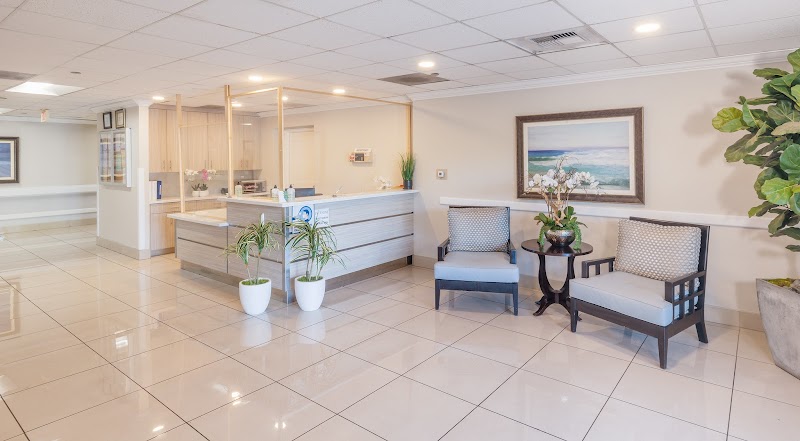
How is Country Hills Post Acute Staffed?

CMS rates COUNTRY HILLS POST ACUTE's staffing level at 3 out of 5 stars, which is average compared to other nursing homes. Staff turnover is 43%, compared to the California average of 46%. This relatively stable workforce can support continuity of care.

What Have Inspectors Found at Country Hills Post Acute?

State health inspectors documented 69 deficiencies at COUNTRY HILLS POST ACUTE during 2022 to 2025. These included: 1 that caused actual resident harm and 68 with potential for harm. Deficiencies causing actual harm indicate documented cases where residents experienced negative health consequences.
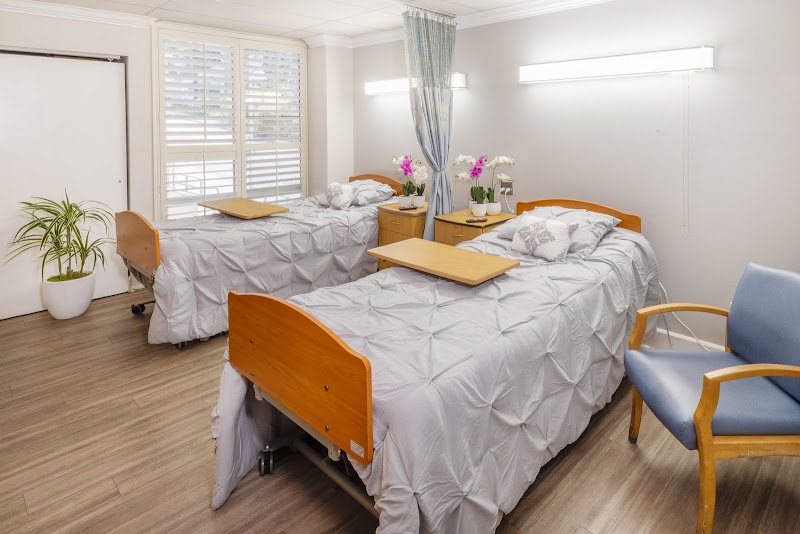
Who Owns and Operates Country Hills Post Acute?

COUNTRY HILLS POST ACUTE is owned by a for-profit company. For-profit facilities operate as businesses with obligations to shareholders or private owners. The facility is operated by PACS GROUP, a chain that manages multiple nursing homes. With 305 certified beds and approximately 297 residents (about 97% occupancy), it is a large facility located in EL CAJON, California.

How Does Country Hills Post Acute Compare to Other California Nursing Homes?

Compared to the 100 nursing homes in California, COUNTRY HILLS POST ACUTE's overall rating (1 stars) is below the state average of 3.1, staff turnover (43%) is near the state average of 46%, and health inspection rating (1 stars) is much below the national benchmark.

What Should Families Ask When Visiting Country Hills Post Acute?

Based on this facility's data, families visiting should ask: "Can I visit during a mealtime to observe dining assistance and food quality?" "How do you handle medical emergencies, and what is your hospital transfer rate?" "Can I speak with family members of current residents about their experience?"

Is Country Hills Post Acute Safe?

Based on CMS inspection data, COUNTRY HILLS POST ACUTE has a clean safety record: no substantiated abuse findings (meaning no confirmed cases of resident harm), no Immediate Jeopardy citations (the most serious violation level indicating risk of serious injury or death), and is not on the Special Focus Facility watch list (a federal program monitoring the lowest-performing 1% of nursing homes). The facility has a 1-star overall rating and ranks #100 of 100 nursing homes in California. While no facility is perfect, families should still ask about staff-to-resident ratios and recent inspection results during their visit.

Do Nurses at Country Hills Post Acute Stick Around?

COUNTRY HILLS POST ACUTE has a staff turnover rate of 43%, which is about average for California nursing homes (state average: 46%). Moderate turnover is common in nursing homes, but families should still ask about staff tenure and how the facility maintains care continuity when employees leave.

Was Country Hills Post Acute Ever Fined?

COUNTRY HILLS POST ACUTE has been fined $15,000 across 1 penalty action. This is below the California average of $33,229. While any fine indicates a compliance issue, fines under $50,000 are relatively common and typically reflect isolated problems that were subsequently corrected. Families should ask what specific issues led to these fines and confirm they've been resolved.

Is Country Hills Post Acute on Any Federal Watch List?

COUNTRY HILLS POST ACUTE is not on any federal watch list. The most significant is the Special Focus Facility (SFF) program, which identifies the bottom 1% of nursing homes nationally based on persistent, serious quality problems. Not being on this list means the facility has avoided the pattern of deficiencies that triggers enhanced federal oversight. This is a positive indicator, though families should still review the facility's inspection history directly.