GRANITE HILLS HEALTHCARE & WELLNESS CENTRE, LLC
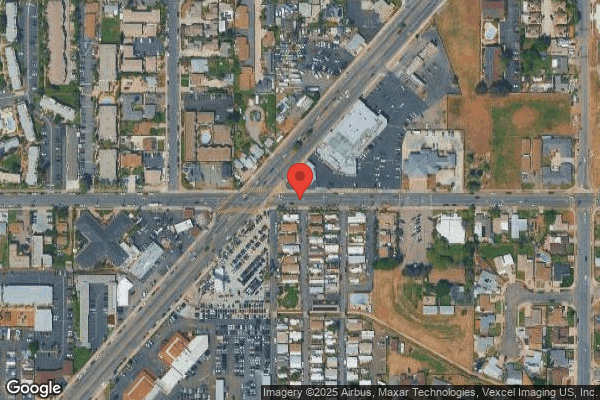
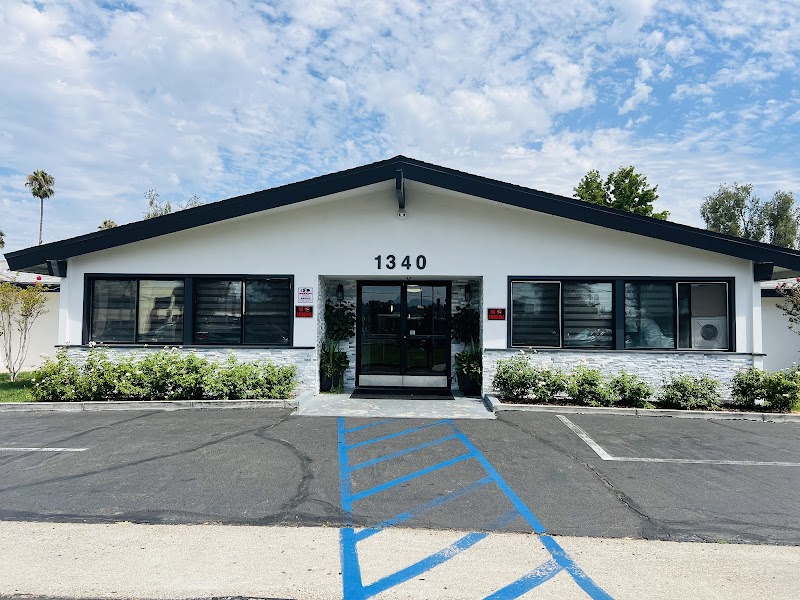
1340 E MADISON AVE, EL CAJON, CA 92021 (619) 447-1020
For profit - Limited Liability company 99 Beds Independent Data: November 2025
Trust Grade
40/100
#813 of 1155 in CA
Last Inspection: January 2025

Within standard 12-15 month inspection cycle. Federal law requires annual inspections.

Overview

Granite Hills Healthcare & Wellness Centre has received a Trust Grade of D, which indicates below-average performance with some significant concerns. Ranking #813 out of 1155 in California places it in the bottom half, and at #72 out of 81 in San Diego County, suggesting there are better local options available. The facility's trend is worsening, with the number of reported issues increasing from 10 in 2024 to 13 in 2025, reflecting ongoing challenges in care quality. Although the facility has a concerning staffing rating of 1 out of 5 stars and a high turnover rate of 61%, it does not have any fines on record, which is a positive sign. Specific incidents include a serious failure to supervise a resident with a history of suicidal behavior, leading to a hospitalization for swallowing part of a metal fork, and issues with food safety, such as peeling paint in the kitchen that could contaminate food. Overall, while there are some strengths like no fines, the weaknesses in staffing and safety practices are concerning for prospective families.

Trust Score
D
40/100
In California
#813/1155
Bottom 30%
Safety Record
Moderate
Needs review
Inspections
Getting Worse
10 → 13 violations
Staff Stability
⚠ Watch
61% turnover. Above average. Higher turnover means staff may not know residents' routines.
Penalties
✓ Good
No fines on record. Clean compliance history, better than most California facilities.
Skilled Nurses
⚠ Watch
Each resident gets only 22 minutes of Registered Nurse (RN) attention daily — below average for California. Fewer RN minutes means fewer trained eyes watching for problems.
Violations
⚠ Watch
61 deficiencies on record. Higher than average. Multiple issues found across inspections.
★★☆☆☆
2.0
Overall Rating
★☆☆☆☆
1.0
Staff Levels
★★★★★
5.0
Care Quality
★★☆☆☆
2.0
Inspection Score
Stable
2024: 10 issues
2025: 13 issues

The Good

  • 5-Star Quality Measures · Strong clinical quality outcomes
  • Full Sprinkler Coverage · Fire safety systems throughout facility
  • No fines on record

Facility shows strength in quality measures, fire safety.

The Bad

2-Star Overall Rating

Below California average (3.1)

Below average - review inspection findings carefully

Staff Turnover: 61%

15pts above California avg (46%)

Frequent staff changes - ask about care continuity

Staff turnover is elevated (61%)

13 points above California average of 48%

The Ugly 61 deficiencies on record

1 actual harm
Mar 2025 1 deficiency
CONCERN (D) 📢 Someone Reported This

A family member, employee, or ombudsman was alarmed enough to file a formal complaint

Potential for Harm - no one hurt, but risky conditions existed

Report Alleged Abuse (Tag F0609)

Could have caused harm · This affected 1 resident

**NOTE- TERMS IN BRACKETS HAVE BEEN EDITED TO PROTECT CONFIDENTIALITY** Based on observation, interview and record review, the facility failed to report an injury of unknown origin within 24 hours for...

Read full inspector narrative →
**NOTE- TERMS IN BRACKETS HAVE BEEN EDITED TO PROTECT CONFIDENTIALITY** Based on observation, interview and record review, the facility failed to report an injury of unknown origin within 24 hours for one of one sampled resident (Resident 1). This failure resulted in Resident 1's injury of unknown origin to not be reported to the state licensing/certification office, delayed the abuse investigation, and placed residents at risk for abuse. Findings: During a review of Resident 1's admission Record on 3/13/25, Resident 1 was admitted on [DATE] with diagnoses which included muscle weakness and dementia (a condition which causes memory loss, language, and problem-solving skills). A review of Resident 1's Minimum Data Set (MDS - a care planning and assessment tool), dated 1/2/25 indicated Resident 1 's cognition (ability to think, understand and make daily decisions) was 7, which suggested severe cognitive impairment. On 3/13/25 at 12:36 P.M., an interview was conducted with Licensed Nurse (LN) 1. LN 1 stated on 3/9/25 around 11 A.M . she observed Resident 1 .having an altercation with his roommate [Resident 2] . LN 1 stated Resident 1 and Resident 2 were, .yelling, getting into each other ' s face . LN 1 stated a room change was necessary because it was not the first incident between the two residents. LN 1stated both residents get verbally aggressive, not sure if there was physical contact between the two residents. On 3/13/25 at 1 P.M., a joint interview and observation of Resident 1 was conducted with Certified Nursing Assistant (CNA) 1 inside Resident 1 ' s room. Resident 1 was lying in bed, on his back. There was a dark purple bruise underneath Resident 1 ' s left eye, which extended down to the cheek. CNA 1 stated, .[Resident 1] is always confused, he ' s always grumpy .He yells at other residents a lot . CNA 1 stated she believes Resident 1 sustained the bruise, .because he got into a fight with [Resident 2] . but she did not see the incident occur. On 3/13/25 at 1:21 P.M., an interview was conducted with the Assistant Director of Nursing (ADON). The ADON stated on 3/10/25, Resident 1 ' s family member was at the facility. The ADON stated while at the facility, the family member informed him that Resident 1 ' s left cheek was black and blue, and he had a cut on his left arm. The ADON further stated he was notified there was a room change and an altercation had occurred on 3/9/25. Additionally, the ADON stated on 3/9/25 staff found Resident 1 outside the facility, attempting to open a side gate. The ADON stated, What we determined was the resident was injured when he was trying to open the gate .he wanders aimlessly . The ADON stated we believed Resident 1 was pinned between the gate and the fence which caused the injury. On 3/13/25 at 1:45 P.M. an interview was conducted with the Director of Nursing (DON). The DON stated Resident 1 ' s family member had been in the facility on 3/10/25 and had reported to her that Resident 1 said he had been punched in the eye. On 3/13/25 at 2:07 P.M., an interview was conducted with CNA 2. CNA 2 stated on 3/9/25 around 5:30 P.M., he heard the activated gate alarm. CNA 2 stated he went outside and found Resident 1 next to the gate. CNA 2 stated he observed Resident 1 sitting in his wheelchair in front of the gate. CNA 2 stated the gate was closed, but he thinks Resident 1 had opened the gate which activated the alarm. CNA 2 stated, .I believe he got [the bruise] from the gate .we didn ' t see a bruise on his face .we didn ' t see the gate hit him. The gate was already closed when we got to him . CNA 2 stated he reported the incident to the charge nurse. During an interview on 3/21/25 at 12:01 P.M. with the Director of Nursing (DON), the DON stated he was aware that Resident 1 was confused and had an altercation with Resident 2. The DON stated, .we determined the bruise was most likely caused by attempting to exit the courtyard gate [not from the altercation with Resident 2] .but it cannot be concluded . The DON confirmed the injury was not reported to the state licensing agency. The DON stated, This should have been reported immediately to the Ombudsman, to California Department of Public Health, to the police . immediately and then we should have started the abuse investigation . The DON further stated, .We have a duty to protect our residents . A review of the facility ' s policy titled Injuries of Unknown Origin-Investigation revised 11/18/15 indicated, .To protect the health and safety of residents by ensuring all unexplained injuries are promptly and thoroughly investigated and addressed .Unexplained injuries are promptly and thoroughly investigated by the Director of Nursing Services and/or other staff person appointed by the Administrator, to ensure that resident safety is not compromised and action is taken whenever possible, to avoid future occurrences . A review of the facility ' s policy titled Reporting Abuse revised 1/8/14 indicated, .III. Reporting Requirements .A. The Facility will report known or suspected instances of physical abuse to the proper authorities by telephone or through a confidential internet reporting tool as required by state and federal regulations .
Jan 2025 12 deficiencies
CONCERN (D)

Potential for Harm - no one hurt, but risky conditions existed

Assessment Accuracy (Tag F0641)

Could have caused harm · This affected 1 resident

**NOTE- TERMS IN BRACKETS HAVE BEEN EDITED TO PROTECT CONFIDENTIALITY** Based on observation, interview, and record review, the facility failed to accurately assess, document, and transmit Minimum Dat...

Read full inspector narrative →
**NOTE- TERMS IN BRACKETS HAVE BEEN EDITED TO PROTECT CONFIDENTIALITY** Based on observation, interview, and record review, the facility failed to accurately assess, document, and transmit Minimum Data Set (MDS-a clinical assessment tool), information to the Center for Medicare and Medicaid Services (CMS-A federal agency that oversees health insurance) regarding a vision assessment for one of eight residents (Resident 3), reviewed for Resident Assessment. As a result, CMS was uninformed of Resident 3's impaired vision. Cross reference (F-685) Findings: Resident 3 was readmitted to the facility on [DATE], with diagnoses which included Parkinson's disease (a progressive brain disorder that causes nerve cells in the brain to deteriorate, leading to body movement problems), per the facility's admission Record. An observation and interview was conducted with Resident 3 on 1/27/25 at 12:52 P.M. in his room. Resident 3 was earlier heard telling staff if did not want his lunch tray and to take it away. Resident 3 was observed dressed, lying in bed. Resident 3 stated he did not want his lunch because he could not see it and did not want to eat anything he could not see. Resident 3 yelled, I'm blind and can't see. I keep telling everyone, but no one listens. Resident 3's clinical record was reviewed on 1/28/25: According to care plan, titled Impaired Vision related to Cataracts (a clouding in the lens of the eye, which impairs vision), revised 6/15/24, listed interventions to include, arrange consultation of eye practitioner, and tell resident where you are placing their items. According to the Eye Doctor Consultation report, dated 7/19/24, Resident 3 was diagnosed with bilateral (both eyes) cataracts (a clouding of the eye's natural lens, resulting in vision loss). According to the facility's social service note, dated 8/27/24, a referral to ophthalmologist (physician who specializes in eye and vision care), was documented. There was no additional documentation that an appointment was schedule or a follow up was conducted for an ophthalmology appointment. According to the most recent quarterly MDS, dated [DATE], Section B-1000 listed Resident 3's Vision as Adequate . According to the facility's Registered Dietician (RD) note, dated 1/23/25, Resident 3 said he was having difficulty seeing. An interview and record review was conducted with the Minimum Data Set Nurse (MDSN) on 1/28/25 at 1:42 P.M. The MDSN stated when preparing MDS data for CMS, she reviewed the resident's clinical record, such as the physician assessments, nurse's notes, social service notes, and care plans. The MDSN reviewed Resident 3's quarterly vision assessments, dated 1/16/25, and stated the assessment was inaccurate, because the care plan indicated vision impairment. The MDSN stated because of incorrect coding, CMS was unaware Resident 3 still had impaired vision. The MDSN stated the 1/16/25 quarterly MDS did not give an accurate picture of Resident 3's current visual status. An interview was conducted with the Director of Nursing (DON) on 1/30/25 at 9 A.M. The DON stated he expected MDS assessments, coding, and transmissions to be accurate, so CMS had a clear picture of what was currently going on with each resident. According to the MDS Resident Assessment Instrument (a guide which gives direction to staff of requirements and for MDS coding), dated October 2019, .B-1000 Steps for Assessment: 1. Ask direct care staff over all shifts if possible about the resident's usual vision patterns during the 7-day look-back period (e.g., is the resident able to see newsprint, menus, greeting cards?). 2. Then ask the resident about his or her visual abilities. 3. Test the accuracy of your findings .
CONCERN (D) 📢 Someone Reported This

A family member, employee, or ombudsman was alarmed enough to file a formal complaint

Potential for Harm - no one hurt, but risky conditions existed

Comprehensive Care Plan (Tag F0656)

Could have caused harm · This affected 1 resident

**NOTE- TERMS IN BRACKETS HAVE BEEN EDITED TO PROTECT CONFIDENTIALITY** Based on observation, interview, and record review, the facility failed to develop a person-centered care plan to manage combati...

Read full inspector narrative →
**NOTE- TERMS IN BRACKETS HAVE BEEN EDITED TO PROTECT CONFIDENTIALITY** Based on observation, interview, and record review, the facility failed to develop a person-centered care plan to manage combative behavior for one of three residents (Resident 84) reviewed for ADLs (Activities of Daily Living- eating, dressing, showering, grooming and toileting). As a result, there was potential for the resident to not receive individualized care. Findings: According to the admission Record, Resident 84 was admitted to the facility on [DATE] with diagnoses which included cerebral infarction (a stroke), and anxiety disorder. A review of the Minimum Data Set (MDS-an assessment tool) dated 12/16/24 indicated Resident 84 had a BIMS (a tool that measures cognition) of 3 and was cognitively impaired. On 1/28/25 at 4:02 P.M., an observation and interview was conducted with Certified Nursing Assistants (CNA) 13 and 14 in Resident 84's room. CNA 13 was attempting to give Resident 84 a shave while CNA 14 was standing on Resident 84's left side. CNA 14's hand was placed on Resident 84's left arm. Resident 84 was observed moving his head to the left and right. CNA 14 stated, I'm here to make sure [Resident 84] doesn't swing his arm, so that [CNA 13] can give him a shave. CNA 14 stated Resident 84 had a behavior of attempting to hit staff during ADL's. On 1/29/25 at 8:12 A.M. an interview was conducted with CNA 16 in Resident 84's room. CNA 16 stated, .If you do his nails and shave him, he doesn't like that. He'll try to push you away and grab you .he doesn't know what's going on . During an interview with Licensed Nurse (LN) 11 on 1/29/25 at 8:28 A.M., LN 1 stated Resident 84 was confused, but understood Spanish. LN 11 stated, I do something sing-[NAME] .I will say agua, agua and give him a distraction. He'll focus on what I'm saying and listen to my voice so that he is calm .it helps to distract him .to explain things in Spanish even though he's not very alert, it does seem to register when you talk to him in Spanish . A review of Resident 84's records indicated there was no care plan developed to address combative behaviors when receiving care. On 1/30/25 at 12:54 P.M. an interview was conducted with the Director of Nursing (DON). The DON stated it was important for Resident 84 to have an individualized care plan, especially because he is confused, combative and Spanish speaking. The DON stated, .we can meet the needs [of Resident 84] by having the [individualized] care plan in place, and everybody will know what's required to help him . A review of the facility's policy titled Comprehensive Person-Centered Care Planning dated 11/18 indicated, It is the policy of this facility to provide person-centered, comprehensive and interdisciplinary care .to obtain or maintain the highest physical, mental, and psychosocial well-being .
CONCERN (D)

Potential for Harm - no one hurt, but risky conditions existed

Deficiency F0685 (Tag F0685)

Could have caused harm · This affected 1 resident

**NOTE- TERMS IN BRACKETS HAVE BEEN EDITED TO PROTECT CONFIDENTIALITY** Based on observation, interview, and record review, the facility failed to address a residents' visual impairment in a timely ma...

Read full inspector narrative →
**NOTE- TERMS IN BRACKETS HAVE BEEN EDITED TO PROTECT CONFIDENTIALITY** Based on observation, interview, and record review, the facility failed to address a residents' visual impairment in a timely manner for one of two residents (Resident 3), reviewed for Quality of Care. As a result, Resident 3 experience weight loss due to being unable to see his food. Cross Reference (F-641 and F-692) Findings: Resident 3 was readmitted to the facility on [DATE], with diagnoses which included Parkinson's disease (a progressive brain disorder that causes nerve cells in the brain to deteriorate, leading to body movement problems), per the facility's admission Record. An observation was conducted of Resident 3 on 1/27/24 at 9:58 A.M., in his room. Resident 3 had a covered, untouched breakfast tray sitting on his bedside table. An observation and interview was conducted with Resident 3 on 1/27/25 at 12:52 P.M. in his room. Resident 3 was heard telling staff if did not want his lunch tray and to take it away. An unidentified staff returned Resident 3's lunch tray to the food cart. Resident 3 was observed dressed, lying in bed. Resident 3 stated he did not want his lunch because he could not see it and he did not eat anything he could not see. Resident yelled, I'm blind and can't see. I keep telling everyone, but no one listens. An observation and interview was conducted on 1/28/25 at 10:13 A.M., with Certified Nursing Assistant 1 (CNA 1). Resident 3's uneaten breakfast tray 2 was removed by CNA 1. CNA 1 stated Resident 3 does not usually eat breakfast. Resident 3's clinical record was reviewed on 1/28/25. According to the facility's Minimum Data Set, (MDS-a clinical assessment tool) dated 10/18/24, Resident 3 had a cognitive score of 10, indicating moderately impaired cognition. The care plan, titled Impaired Vision related to Cataracts (a clouding in the lens of the eye, which impairs vision) , revised 6/15/24, listed interventions included: arrange consultation of eye practitioner, and tell resident where you are placing their items. According to the facility's Eye Doctor Consultation, dated 7/19/24, Resident 3 had cataracts in both eyes. According to the facility's Social Service note, dated 8/27/24, Refer to an Ophthalmologist (physician who specializes in eye and vision care). There was no documented evidence Resident 3 was ever referred or seen by an Ophthalmologist, or any follow-up by staff to inquire why he was not seen by the eye specialist. According to the facility's Change of Condition report, dated 1/16/25, Resident 3 had an identified weight loss. According to the facility's Interdisciplinary Team meeting, (IDT-when department heads meet to discuss resident issues and develop interventions to address those issues), titled Weight Variance, dated 1/23/25. There was no documented evidence Resident 3's vision loss was discussed or investigated as to when his last vision exam was. An interview and record review was conducted with the Social Services Director (SSD) on 1/28/25 at 1:54 P.M. The SSD reviewed the eye doctor exam on 7/17/24, and the Ophthalmologist referral dated 8/27/24, The SSD stated she could not find any documentation that Resident 3 ever went to Ophthalmologist for treatment of his cataracts or that a follow-up was conducted to ensure an appointment was made. The SSD stated with no follow-up for Resident 3's vision, his eye sight could have worsened, which would impact his quality of life An interview and record review was conducted with the RD on 1/29/25 at 10:29 A.M. The RD stated during Resident 3's weight variance IDT meeting, she informed the team of Resident 3 complaining of visual problems. The RD stated the vision issue was not explored or investigated, and it should have been. An interview was conducted with the Director of Nursing (DON) on 1/30/25 at 9 A.M. The DON stated he expected all referrals to be completed and followed up on, so resident needs were addressed. The DON stated Resident 3's vision and eye care was not addressed in a timely matter, which could worsen his vision . According to the facility's policy, titled Referrals to Outside Services, dated December 2013, .I. The Director of Social Services coordinates the referral of residents to outside agencies/programs to fulfill resident needs for services not offered by the Facility . The facility did not have a policy specific to Vision Care or Services.
CONCERN (D)

Potential for Harm - no one hurt, but risky conditions existed

Deficiency F0692 (Tag F0692)

Could have caused harm · This affected 1 resident

**NOTE- TERMS IN BRACKETS HAVE BEEN EDITED TO PROTECT CONFIDENTIALITY** Based on observation, interview, and record review, the facility failed to investigate and analyze the root cause for recent wei...

Read full inspector narrative →
**NOTE- TERMS IN BRACKETS HAVE BEEN EDITED TO PROTECT CONFIDENTIALITY** Based on observation, interview, and record review, the facility failed to investigate and analyze the root cause for recent weight loss for one of one resident (Resident 3) reviewed for nutrition. This failure had the potential for Resident 3 to experience additional weight loss. (Cross Reference F-641, F-685, F-842) Findings: Resident 3 was readmitted to the facility on [DATE], with diagnoses which included Parkinson's disease (a progressive brain disorder that causes nerve cells in the brain to deteriorate, leading to body movement problems), per the facility's admission Record. An observation was conducted of Resident 3 on 1/27/25 at 9:58 A.M., in his room. Resident 3 had a covered, untouched breakfast tray sitting on his bedside table. An observation and interview was conducted with Resident 3 on 1/27/25 at 12:52 P.M. in his room. Resident 3 was heard telling staff if did not want his lunch tray and to take it away. An unidentified staff returned Resident 3's lunch tray to the food cart. Resident 3 was observed dressed, lying in bed. Resident 3 stated he did not want his lunch because he could not see it and he did not eat anything he could not see. Resident 3 yelled, I'm blind and can't see. I keep telling everyone, but no one listens. An observation and interview was conducted on 1/28/25 at 10:13 A.M. with Certified Nursing Assistant 1 (CNA 1). Resident 3's uneaten breakfast tray 2 was removed by CNA 1. CNA 1 stated Resident 3 does not usually eat breakfast. Resident 3's clinical record was reviewed on 1/28/25. According to the physician's order, dated 5/10/24, Resident 3 required a fortified diet, regular texture with regular to thin consistency. According to the facility's Minimum Data Set, (MDS-a clinical assessment tool) dated 10/18/24, Resident 3 had a cognitive score of 10, indicating moderately impaired cognition. The care plan, titled Impaired Vision related to Cataracts, revised 6/15/24, listed interventions included: arrange consultation of eye practitioner, and tell resident where you are placing their items. According to the facility's Change of Condition report, dated 1/16/25, Resident 3 had an identified weight loss. The facility's Weight Summary was reviewed for Resident 3. Recorded weight on 7/5/24 was 170.5 pounds. Recorded weight on 1/16/25 was 156.5 pounds. The facility's Task for food percentages consumed was reviewed: Staff documented food percentage consumed by Resident 3 on 1/27/25, was 75-100% for breakfast and lunch, which was incorrect. (Observation was no breakfast and or lunch was consumed). According to the Registered Dietician (RD) note dated 1/23/25, Resident 3 experienced a 13.7% weight loss in 6 months. Resident 3 told the RD he was having trouble seeing, but agreed to try Ensure (a nutritional supplement drink designed to help with nutritional needs), with his lunch and dinner. According to the facility's Interdisciplinary Team meeting, (IDT-when department heads meet to discuss resident issues and develop interventions to address those issues), titled Weight Variance, dated 1/23/25. There was no documented evidence Resident 3's vision loss was discussed or investigated as to when his last vision exam was. The recommended interventions were finger foods and supply Ensure with lunch and dinner. The care plan, titled Nutritional problem, revised 1/23/25, included interventions of Ensure with lunch and dinner, provide finger food, and offer snack. A note was added by RD stating resident drinks 2-3 soda's a day and was at risk for weight fluctuation. Resident 3 agreed to be re-weighted by CNA 2 on 1/28/25 at 2:43 P.M., if he was provided a soda. Resident 3's weight was documented as 160.3 An interview was conducted with Licensed Nurse 1 (LN 1) on 1/29/25 at 8:16 A.M. LN 1 stated Resident 3 refused to do things unless he was provided a soda and he would drink 20 sodas a day if staff allowed it. LN 1 stated sometimes Resident 3 will refuse to eat, unless he was provided a soda. There was no documented care plan related to soda consumption or bargaining for a soda. An observation and interview was conducted of Resident 3 in his room on 1/29/25 at 8:29 A.M. Resident 3's breakfast tray remained untouched with no finger food present. The breakfast tray consisted of a bowl of dry cereal, an unopened carton of milk, a cellophane covered bowl of canned fruit, and an unopened container of cherry yogurt. Resident 3 stated he could not see his food, so he was not going to eat it. Resident 3 asked for a banana instead, which was provided. An interview and record review was conducted with the RD on 1/29/25 at 10:29 A.M. The RD stated during Resident 3's weight variance IDT meeting, on 1/23/25, she informed the team of Resident 3 complaining of visual problems and was informed by the rest of the team of Resident 3's desire for sodas. The RD stated the vision issue was not explored or investigated, and it should have been. The RD stated she was unaware of the soda addiction until the IDT meeting, and no one discussed using the soda as an incentive to encourage eating. The RD stated they had not discussed one to one assistance with eating either. The RD stated she could have been more forceful in IDT to explore the issues and think of better interventions. The RD stated all staff needed to get behind the plan to correct the issue and she was dependent on staff to document the correct percentages of meals consumed. The RD stated based on the items observed on the resident's breakfast tray, those items were not finger foods. The RD stated she could have done better, because nutrition was very important for the resident's overall health. An interview was conducted with the Director of Nursing (DON) on 1/30/25 at 9 A.M. The DON stated he expected the IDT team to be collaborative and to get to the issue of the problem. The DON stated the IDT was supposed to develop and implement meaningful interventions to rectify the issue at hand. The DON stated Resident 3's visual issue should have been identified and investigated as contributing to the root cause of his weight loss. According to the facility's policy, titled Evaluation of Weight Nutritional Status, dated November 2022, 1. The facility will work to maintain acceptable nutritional status for residents by: a. Assessing the resident's nutritional status and the factors that put the resident at risk .b. Analyzing the assessment information to identify .causes and/or problems related to the resident's condition and needs .
CONCERN (D)

Potential for Harm - no one hurt, but risky conditions existed

Deficiency F0699 (Tag F0699)

Could have caused harm · This affected 1 resident

**NOTE- TERMS IN BRACKETS HAVE BEEN EDITED TO PROTECT CONFIDENTIALITY** Based on observation, interview and record review, the facility failed to identify triggers related to PTSD ( post-traumatic str...

Read full inspector narrative →
**NOTE- TERMS IN BRACKETS HAVE BEEN EDITED TO PROTECT CONFIDENTIALITY** Based on observation, interview and record review, the facility failed to identify triggers related to PTSD ( post-traumatic stress disorder- difficulty recovering after experiencing or witnessing a traumatic event ) for two of two residents (Resident 27 and 35) reviewed for trauma-informed care. This failure had the potential to result in re-traumatization (the reactivation of trauma symptoms via thoughts, memories, or feelings related to the past traumatic experience) that could lead to severe psychosocial harm and affect the resident's quality of life. Findings: 1.) A record review of the facility's admission Record indicated Resident 27 was admitted to the facility on [DATE] with diagnoses that included post-traumatic stress disorder, anxiety disorder, and schizoaffective disorder (a mental illness that affects thought, mood and behavior). An interview on 1/27/25 at 10:50 A.M., with Resident 27 was conducted . Resident 27 stated the staff here did not know how to handle his PTSD. Resident 27 stated, his mother committed suicide and swallowed a large amount of her pills. Resident 27 further stated, his brother did something to him 5-12 years ago but refused to elaborate further. Resident 27 stated, he heard demons and his mother 's voice and just talking about her, made him anxious and irritated. A review of Resident 27's minimum data set (MDS- a federally mandated assessment tool) dated 1/29/25 indicated Resident 27's, brief interview for mental status (BIMS) score was 15 which meant Resident 27's cognition was intact. An interview on 1/28/25 at 8:43 A.M., with licensed nurse (LN ) 12 was conducted. LN 12 stated Resident 27 had behavioral outburst when he did not get his cigarettes or his way and became verbally aggressive . LN 12 stated with regards to his PTSD, she was not aware and did not know of any triggers. LN 12 stated it was important for staff to know Resident 27's triggers to avoid them and at the same time know how to take care of Resident 27. A joint interview and record review on 1/28/25 at 4:04 P.M., with the Assistant Director of Nursing (ADON) was conducted. The ADON stated there was no identified triggers related to PTSD in Resident 27's care plan . The ADON stated it was important to know Resident 27's triggers to meet his needs. An interview on 1/20/25 at 8:01 A.M., with the Social Service Director (SSD ) was conducted. The SSD stated her role included arranging referrals to psychologist and psychiatrist for residents that needed their service. The SSD stated Resident 27 did not like people behind him and he did not like people screaming. The SSD stated it was important to identify Resident 27's triggers to prevent psycho- social , emotional issues and to prevent the past event from reoccurring and ensure Resident 27's needs are met. A joint observation and interview on 1/30/25 at 8:17 A.M., with Resident 27 was conducted. Resident 27 was observed holding his coffee cup with his breakfast tray untouched. Resident 27 stated he does not feel good and was not hungry at the moment. Resident 27 refused further comments. An interview on 1/30/25 at 9:35 A.M., with the Director of Nursing (DON) was conducted . The DON stated, we need to determine and implement ways to avoid or at least minimize the triggers and have them in the Resident 27's care plan. 2.) A review of Resident 35's admission Record indicated the resident was readmitted to the facility on [DATE] with diagnoses that included post-traumatic stress disorder. A review of Resident 35's Minimum Data Set (MDS, an assessment and care-screening tool), dated 10/1/24 indicated Resident 2's cognition was intact. During an interview on 1/27/25 at 8:56 A.M., Resident 35 stated she had PTSD. Resident 35 stated, .my [PTSD] came from abuse when I was a child. It morphed into physical abuse at home, and more as an adult with an alcoholic husband . Resident 35 stated when she was triggered, .I get a physical response in my chest. It gets tighter and tighter . On 1/27/25 at 12:55 P.M., an interview was conducted with Certified Nursing Assistant (CNA) 11. CNA 11 stated she was familiar with Resident 35 and had taken care of her multiple times. CNA 11 stated she was not aware that Resident 35 had PTSD. CNA 11 stated it was important to know about a resident's PTSD diagnosis, .so we can be familiar with what happened .if she has a trigger we can prevent it . On 1/27/25 at 3:40 P.M., an interview was conducted with Licensed Nurse (LN) 12. LN 12 stated she was Resident 35's assigned nurse. LN 12 stated, .[PTSD] is when something traumatic happened previously and you still suffer from that .it can provoke an emotion due to what happened previously .we should know [the resident's] triggers so they don't relive the trauma. LN 12 stated she was not aware that Resident 35 had PTSD. During an interview with the Social Services Director (SSD) on 1/29/25 at 12:50 P.M., the SSD stated knowing a resident's PTSD diagnosis and triggers are important, .to make sure their emotions are managed .to make sure we're tending to their emotional needs . During an interview with Director of Nursing (DON) on 1/29/25 at 12:55 P.M., the DON stated it was his expectation for staff to know a resident's PTSD diagnosis and the accompanying triggers. The DON stated, .its important to determine triggers to minimize the episode. It also gives some control back to the patient .we are trying to prevent harm and mental anguish for the patient . The DON stated it was important to provide trauma-informed care to prevent the resident from harming themselves, or staff. A review of Resident 35's care plans dated 5/25/24 indicated, Review identified triggers with the relevant staff . A review of the facility's policy titled, Trauma Informed Care ; Screening, Training, and Care Integration Program dated June 28, 2019 indicated .Policy .The facility will ensure residents who are trauma survivors receive culturally competent, trauma informed care; account for resident experience and preferences to eliminate or mitigate triggers that may cause re-traumatization of the resident .Trauma assessment and screening .The IDT will meet to discuss the results of the trauma informed screen document and implement a plan of care to address potential trauma triggers and prevent re-traumatization.
CONCERN (D)

Potential for Harm - no one hurt, but risky conditions existed

Medication Errors (Tag F0758)

Could have caused harm · This affected 1 resident

**NOTE- TERMS IN BRACKETS HAVE BEEN EDITED TO PROTECT CONFIDENTIALITY** Based on interview and record review, the facility failed to monitor behaviors and side effects of a psychotropic medication (a ...

Read full inspector narrative →
**NOTE- TERMS IN BRACKETS HAVE BEEN EDITED TO PROTECT CONFIDENTIALITY** Based on interview and record review, the facility failed to monitor behaviors and side effects of a psychotropic medication (a drug to control thoughts and behaviors) for one of five residents (Resident 11) reviewed for unnecessary psychotropic medications. This failure placed the resident at risk for receiving unnecessary medication and having unrecognized adverse reactions. Findings: According to the admission Record, Resident 11 was admitted on [DATE] with diagnoses which included Tourette's Disorder (a disorder that causes people to make sudden and repeated twitches, movements, or sounds) and dementia. According to the Minimum Data Set (MDS, an assessment tool) Resident 11 had a BIMS (a tool to assess cognition) of 8, which indicated cognitive impairment. On 1/27/25 at 8:46 A.M., an observation was conducted in Resident 11's room. Resident 11 was in bed and repeatedly stated, [NAME]! [NAME]! [NAME]! Resident 11 was observed with an open wound between the upper lip and nose. Resident 11 did not respond to questions by the surveyor. On 1/27/25 at 11:18 A.M., an interview was conducted with Licensed Nurse (LN) 11. LN 11 stated Resident 11 had the open wound due to a behavior of repeatedly hitting himself with a plastic cup. LN 11 stated the behavior was a symptom of Tourette's Disorder. LN 11 stated, .he does it for twenty seconds, and then stops. LN 11 stated Resident 11 was on medication for the Tourette's disorder. A review of Resident 11's Order Summary Report dated 12/4/24 indicated, risperidone (a psychotropic medication) oral tablet 2.5 mg. Give 2.5 mg by mouth two times a day for Tourettes AEB (as evidenced by) tics and skin picking . A review of Resident 11's Medication Administration Record (MAR) did not indicate Resident 11's behaviors of tics and skin picking were being tracked by nursing. There was no evidence in the MAR that Resident 11 was being monitored for side effects of risperidone. On 1/30/25 at 12:54 P.M. an interview was conducted with the Director of Nursing (DON). The DON stated it was important to monitor Resident 11's behaviors because, You want to see if what we're using is effective, or to go to something different, a new medication .we should have monitored the behaviors to see if the medication was working . The DON also stated it was important to monitor Resident 11 for side effects related to psychotropic medications. The DON stated, We need to look for side effects because it could be detrimental for the patients themselves. It might be necessary for a change in medication. On 1/30/25, a review of a policy titled Behavior/Psychoactive Drug Management dated 11/18 indicated, .F. Any order for psychoactive medications must include .v. Specific behavior manifested .I. Monitoring for Side Effects .the resident should be observed and/or monitored for side effects and adverse consequences.
CONCERN (D)

Potential for Harm - no one hurt, but risky conditions existed

Deficiency F0761 (Tag F0761)

Could have caused harm · This affected 1 resident

Based on observation, interview, and record review, the facility failed to secure one of three treatment carts (East Station) and one of three medication carts (East Station), when reviewed for Pharma...

Read full inspector narrative →
Based on observation, interview, and record review, the facility failed to secure one of three treatment carts (East Station) and one of three medication carts (East Station), when reviewed for Pharmacy Services. This failure had the potential for residents, staff, and visitors to have access to unauthorized medications and wound supplies. Findings: An observation was conducted on 1/30/25 at 7:15 A.M., in East Station area near the nurse's station. A treatment cart was up against the wall between the nurse's station and the exit door to the secured unit (a specialized care unit which is locked and limits residents with memory loss or mental health issues from exiting the unit without supervision), and was unlocked. In the top drawer of the treatment cart were prescriptions creams and ointments. The second drawer contained scissors and wound dressing material. No staff were present in the area. An observation was conducted on 1/30/25 at 7:16 A.M., in the East Station area across from the treatment cart. A medication cart was pushed up against the exterior nurse's station and was unlocked. The first and second drawer contained, over-the-counter medications and prescription medications. No staff were present in the area. An observation and interview was conducted with licensed nurse 1 (LN 1) on 1/30/25 at 7:18 A.M., as she exited the secure unit. LN 1 stated she forgot to lock the medication cart when she left the East Station. LN 1 stated with the medication cart being left unlocked, residents, staff, and visitors could have access to medications, which could have caused harm. LN 1 stated she did not know who was responsible for locking the treatment cart, but it also contained prescriptions and equipment that could be harmful to unauthorized people. LN 1 stated the treatment cart should also have been locked when unattended. An interview was conducted with the Director of Staff Development (DSD) on 1/30/25 at 7:30 A.M. The DSD stated treatment carts and medication carts must be locked and secured when not in use to prevent theft. The DSD stated the treatment carts and medication carts contained medications which had the potential to cause harm if accessed by residents, staff, or visitors. An interview was conducted with the Director of Nursing (DON) on 1/30/25 at 9:00 A.M. The DON stated he expected all treatment carts and medications carts to be locked when not in use. The DON stated when the carts were left unlocked, residents, staff, and visitors had access to unauthorized medications which could cause harm. According to to facility's policy, titled Medication Storage in the Facility, dated April 2008, .B. Only licensed nurses, pharmacy personnel, and those lawfully authorized are allowed access to medications .
CONCERN (D)

Potential for Harm - no one hurt, but risky conditions existed

Medical Records (Tag F0842)

Could have caused harm · This affected 1 resident

**NOTE- TERMS IN BRACKETS HAVE BEEN EDITED TO PROTECT CONFIDENTIALITY** Based on observation, interview, and record review, the facility failed to accurately document: 1. Food intake percentages (how ...

Read full inspector narrative →
**NOTE- TERMS IN BRACKETS HAVE BEEN EDITED TO PROTECT CONFIDENTIALITY** Based on observation, interview, and record review, the facility failed to accurately document: 1. Food intake percentages (how much a resident consumes for each meal) for one of one resident (Resident 3), reviewed for nutrition; and 2. Care given to one of three residents (Resident 84) reviewed for Activities of Daily Living (ADL'S). As a result, resident records were inaccurate and did not give a clear picture of the resident's current status to other care providers. Cross Reference (F-692) Findings: 1. Resident 3 was readmitted to the facility on [DATE], with diagnoses which included Parkinson's disease (a progressive brain disorder that causes nerve cells in the brain to deteriorate, leading to body movement problems), per the facility's admission Record. An observation was conducted of Resident 3 on 1/27/24 at 9:58 A.M., in his room. Resident 3 had a covered, untouched breakfast tray sitting on his bedside table. An observation and interview was conducted with Resident 3 on 1/27/25 at 12:52 P.M. in his room. Resident 3 was heard telling staff if did not want his lunch tray and to take it away. An unidentified staff returned Resident 3's lunch tray to the food cart. Resident 3 was observed dressed, lying in bed. Resident 3 stated he did not want his lunch because he could not see it and he did not eat anything he could not see. Resident yelled, I'm blind and can't see. I keep telling everyone, but no one listens. An observation and interview was conducted on 1/28/25 at 10:13 A.M. with Certified Nursing Assistant 1 (CNA 1). Resident 3's uneaten breakfast tray 2 was removed by CNA 1. CNA 1 stated Resident 3 does not usually eat breakfast. Resident 3's clinical record was reviewed on 1/28/25. According to the physician's order, dated 5/10/24, Resident 3 required a fortified diet, regular texture with regular to thin consistency. According to the facility's Change of Condition report, dated 1/16/25, Resident 3 has an identified weight loss. According to the facility's Task, certified nursing assistants documented food percentage consumed by Resident 3 on 1/27/25, as 75-100% of breakfast and lunch. An interview and record review was conducted with the Registered Dietician (RD) on 1/29/25 at 10:13 A.M. The RD stated she was dependent on staff to accurately document food intake, especially on residents experiencing weight loss. The RD stated if the documentation of food percentages was in inaccurate, she was not provided a clear picture of the resident, and it could cause additional weight loss. The RD reviewed Resident 3's clinical record for food percentages and stated Resident 3 was currently experiencing weight loss and she was monitoring his daily intake. The RD stated his intake for 1/27/25 was documented as 75-100% consumed and based on the surveyor's observation for breakfast and lunch, the documentation was not accurate. An interview was conducted with the Director of Nursing (DON) on 1/30/25 at 9 A.M. The DON stated documentation of food percentages was very important to staff to prevent weight loss. The DON stated he expected accurate documentation because it directly affects nutrition services. According to the facility's policy, titled Food Intake-Recording Percentage & Nutrition Assessment, dated January 2012, .II. After a resident had completed the meal, the CNA will record the amount eaten on the resident's food intake record after the completion of each meal . IV.A. If more than 50% of the entire meal is refused by the resident .the charge nurse will review the resident's fluid intake, weight stability pattern, presence/absence of acute underlying medical problem . 2. According to the admission Record, Resident 84 was admitted to the facility on [DATE] with diagnoses which included cerebral infarction (stroke) affecting the right dominant side, and functional quadriplegia (a condition that causes a person to be completely unable to move). A review of Resident 84's chart indicated Resident 84 received a shower on 1/27/25 at 8:05 P.M. Resident 84's chart indicated the shower was given by CNA 14. During an interview on 1/28/25 at 4 P.M., CNA 13 stated she gave Resident 84 a bed bath on 1/27/25, not a shower. CNA 13 further stated she was unable to access the Electronic Health Record (EHR), and used CNA 14's username and password to document the care given for Resident 84. CNA 13 stated it was important to document under her own username and password to communicate the correct care given. On 1/30/25 at 12:46 P.M. an interview was conducted with the Director of Staff Development (DSD). The DSD stated, .passwords should not be shared because its someone else's name and license. I wouldn't want someone else to make a mistake under my name .its not accurate . The DSD further stated, .its important to be accurate to know what got done, so if there's an issue we know where we go. We can't [initiate] proper interventions if the charting is inaccurate . On 1/30/25 at 12:56 P.M. an interview was conducted with the Director of Nursing (DON). The DON stated it was his expectation for staff to accurately document what care was provided to the residents. During a record review on 1/30/25, a policy titled Medical Record Content dated 1/1/12, did not provide guidance on accuracy of documentation.
CONCERN (E)

Potential for Harm - no one hurt, but risky conditions existed

Safe Environment (Tag F0584)

Could have caused harm · This affected multiple residents

**NOTE- TERMS IN BRACKETS HAVE BEEN EDITED TO PROTECT CONFIDENTIALITY** Based on observation, interview, and record review, the facility failed to provide and promote a homelike atmosphere for four of...

Read full inspector narrative →
**NOTE- TERMS IN BRACKETS HAVE BEEN EDITED TO PROTECT CONFIDENTIALITY** Based on observation, interview, and record review, the facility failed to provide and promote a homelike atmosphere for four of 15 resident rooms (11, 19, 21, 22), within the secured unit (a specialized care unit which is locked and limits residents with memory loss and/or mental health issues from exiting the unit without supervision), when reviewed for Resident Rights. This failure had the potential for residents to feel disrespected and undervalued. Findings: 1. An observation was conducted of the secured unit, room [ROOM NUMBER] on 1/27/25 at 3:03 P.M. The room sink was in the middle of the main room. The sink's faucet was covered on both sides and underneath with lime green calcification. An observation and interview regarding room [ROOM NUMBER] was conducted with the Director of Maintenance (DM) on 1/28/25 at 2:34 P.M. The DM stated he started at the facility in July 2024 and had never performed an inspection of the resident rooms on the secured unit. The DM viewed the sink faucet and stated, That's nasty and the whole sink and faucet needs to be replaced. The DM stated the sink did not present a homelike atmosphere. 2. An observation was conducted of the secured unit, room [ROOM NUMBER] on 1/27/25 at 3:50 P.M. Plastic, cord covers on the wall were broken and hanging downwards next to the TV. The bedside dressers for both bed A and bed B had no knobs attached to the two drawers for opening. The dresser of bed B was leaning to the right, with no metal footrest on the front right dresser leg. An observation and interview regarding room [ROOM NUMBER] was conducted with the DM on 1/28/25 at 2:20 P.M. The DM stated bed B's front dresser leg needed to be replaced. The DM stated he did not see any drawer handles, so it made it hard for residents to open their drawers and the plastic cord covering was broken and splintered. The DM asked the resident of bed A if he would want a door handle for his dresser and the resident stated, That would be nice. The DM exited the room and stated the room did not look neat or homelike. 3. An observation was conducted of the secured unit, room [ROOM NUMBER] on 1/27/25 at 3:47 P.M. Both bed A and bed B had no door handles or knobs for opening the two-drawer bedside dresser. A cable wire was seen sticking out of the wall and was not attached to anything on the same wall as the TV. The wall thermostat had no covering and the metal mechanism was exposed. An observation and interview regarding room [ROOM NUMBER] was conducted with the DM on 1/28/25 at 2:10 P.M. The DM stated the residents could not open their dresser drawers without handles or knobs. The DM stated the cable cord was sticking out and should not be there, because it served no purpose and the exposed metal thermostat looked tacky. The DM stated the resident's room did not look functional or homelike. 4. An observation and interview was conducted of the secured unit, room [ROOM NUMBER] on 1/27/25 at 4:20 P.M. with Resident 40 in the room. Resident 40 stated she did not like her room and pointed to the area around her sink, stating it had mold and she believed it was making her sick. The sink was in the main room with lots of bumpy plaster patches on the wall, around and under the sink. Blackened areas were noted on the caulking between the wall and the sink. Resident 40 asked if someone could get rid of, that black stuff. An observation and interview regarding room [ROOM NUMBER] was conducted with the DM on 1/28/25 at 2:50 P.M. The DM stated the plaster repair job on the sink wall was sloppy and unprofessional. The DM stated the sink area looked bad and the whole sink and wall should be replaced. The DM stated the room was not homelike and he would not want his family member to look at a wall like that. An interview was conducted with the Director of Nursing (DON) on 1/30/25 at 9 A.M. The DON stated he wanted all residents to feel comfortable with a homelike atmosphere in their rooms. The DON stated with dresser handles missing, it did not present a homelike environment. According to the facility's policy titled, Resident Rooms and Environment, dated January 2012, .The Facility provides residents with a safe, clean, comfortable, homelike environment . 1. Facility Staff aim to create a personalized, homelike atmosphere, paying close attention to the following: A. Cleanliness and order; .
CONCERN (E)

Potential for Harm - no one hurt, but risky conditions existed

Accident Prevention (Tag F0689)

Could have caused harm · This affected multiple residents

**NOTE- TERMS IN BRACKETS HAVE BEEN EDITED TO PROTECT CONFIDENTIALITY** Based on observation, interview, and record review, the facility failed to maintain resident rooms from environmental hazards fo...

Read full inspector narrative →
**NOTE- TERMS IN BRACKETS HAVE BEEN EDITED TO PROTECT CONFIDENTIALITY** Based on observation, interview, and record review, the facility failed to maintain resident rooms from environmental hazards for six of 15 rooms (12, 13, 17, 19, 20, 21), reviewed for accidents. In addition, the facility failed to provide two-person lifting assistance while transferring one of one resident (Resident 29 ) from a wheelchair to bed using a mechanical lifting device (a hydraulic devices with a sling used for transfers) with one staff, (Two staff always required for mechanical lifts). These failures had the potential for residents to sustain injuries from hazards identified in their rooms and from mechanical lifts or transfers. Findings: 1. An observation was conducted of room [ROOM NUMBER] on the secured unit (a specialized care unit which is locked and limits residents with memory loss or mental health issues from exiting the unit without supervision) on 1/27/25 at 4:02 P.M. A cable wire was protruding from the wall next to the closet area. Plastic cord covers on the wall were brittle and splintered protruding out, away from the wall. An observation and interview was conducted with the Director of Maintenance (DM) of room [ROOM NUMBER] on 1/28/25 at 2:31 P.M. The DM stated he did not know why the cable wire with a center point was sticking out from the wall, since it did not seem to be needed and was not going anywhere. The DM stated the center point was sharp and could hurt someone. The DM inspected the splintered plastic cord covers on the TV wall and stated this was a hazard because someone could walk into it and it was high enough to poke them in the face or eye. The DM stated he was unaware of these hazards and had never inspected the resident rooms within the secured unit. 2. An observation was conducted of room [ROOM NUMBER] in the secured unit on 1/27/25 at 3:57 P.M. A small circular hole was in the middle of the exterior bathroom door. The hole was approximately 2 inch by 2 inches in size and contained splintered wood. An observation and interview was conducted with the DM of room [ROOM NUMBER] on 1/28/25 at 2:28 P.M. The DM stated the hole in the wall was splintered and a resident could cut themselves. The DM stated this should have been reported immediately, so he could have fixed it. 3. An observation was conducted of room [ROOM NUMBER] on 1/27/25 at 8:52 A.M. The bedside dresser of Bed B had a Phillips' screw head protruding from the drawer, where a door handle use to be. An observation and interview was conducted with the DM of room [ROOM NUMBER] on 1/28/25 at 2:26 P.M. The DM observed the protruding screw head when inspecting the dresser and stated, That's a hazard, someone could catch themselves on that and it should be fixed. The maintenance book for the secured unit was viewed on 1/30/25 at 8:46 A.M. A staff member documented repair was required in room [ROOM NUMBER] on 1/14/25 for, Toilet seat loose RM [ROOM NUMBER]. An observation, interview, and record review was conducted with Licensed Nurse 1 (LN 1) of room [ROOM NUMBER]'s toilet seat on 1/30/25 at 8:51 A.M. The toilet seat slid to the right when touched and was not anchored down. LN 1 stated the toilet seat was a hazard, because someone could fall to the floor if they attempted to sit on it. LN 1 stated she will add the repair to the maintenance book. LN 1 stated the toilet seat was already reported in the maintenance log on 1/14/25, it should have been fixed within a day. LN 1 stated 16 days later for a repair was unacceptable for a potential hazard. 4. An observation was conducted of room [ROOM NUMBER] on 1/27/25 at 12:34 P.M. On the TV wall, approximately 4-5 feet from the floor was an area of peeling paint. The area was estimated to be 6 inches by 4 inches in size with loose paint coming off the wall. An observation and interview was conducted with the DM of room [ROOM NUMBER] on 1/28/24 at 2:22 P.M. The DM stated there should not be peeling paint, where residents had access to it. The DM stated some residents on this unit were confused and could ingest the peeling paint, not knowing it could be harmful to them. 5. An observation was conducted of room [ROOM NUMBER] on 1/27/25 at 3:52 P.M. A long cable cord was protruding from the floor of the TV wall, near the sliding glass door, The cord was approximately 4 feet in length. The cord was pulled up and wrapped around the sliding glass door handle. An observation and interview was conducted with the DM of room [ROOM NUMBER] on 1/28/25 at 2:24 P.M. The DM observed the cable cord protruding from the wall and wrapped around the sliding glass door handle. The DM stated this was a tripping hazard and it could also be a choking hazard if a resident got tangled up in it. 6. An observation was conducted of room [ROOM NUMBER] on 1/27/25 at 3:47 P.M. The exterior edge of the bathroom door, near the doorknob had wood exposed, which was splintered and sharp. An observation and interview was conducted with the DM of room [ROOM NUMBER] on 1/28/25 at 2:15 P.M. The DM stated the edges were sharp and the door needed to be sanded down. The DM stated a resident could hurt themselves on the sharp wood if they grabbed or fell against the door. An interview was conducted wit the Director of Nursing (DON) on 1/30/25 at 9 A.M. The DON stated he expected all resident rooms to be safe and free of environmental hazards. The DON stated the sliding toilet seat was a hazard and should have been fixed immediately to avoid a possible fall. According to the facility's policy, titled Resident Safety, dated April 2021, .VII. Any facility staff member who identifies an unsafe situation, practice or environmental risk factors should immediately notify their supervisor or charge nurse . 7. A record review of the facility's admission Record indicated Resident 29 was admitted to the facility on [DATE] with diagnoses to include complete weakness on one side of the body and partial weakness of one side of the body following a stroke. On 1/28/25 at 3:46 P.M., an observation and interview was conducted with a Certified Nursing Assistant (CNA) 31. Resident 29 was observed on a wheelchair in his room with one CNA. CNA 31 was observed setting the sling of the mechanical lifting device (an equipment to assist in lifting). CNA 31 was observed transferring Resident 29 from the wheelchair to his bed. Resident 29's transfer using mechanical lifting device was conducted by CNA 31 without another CNA. CNA 31 was observed on one side of the mechanical lifting device while transferring Resident 29. There was no other CNA on the other end of the mechanical lifting device. CNA 31 stated she usually did it by herself. CNA 31 stated she did it by herself when other CNAs were not available. CNA 31 stated she had an in-service training for using a mechanical lifting device with two- person assistance. CNA 31 stated it was important to have two-person assist for mechanical lifting device to prevent any accidents and for safety. On 1/29/25 at 8:57 A.M., an interview was conducted with CNA 32. CNA 32 stated mechanical lifting device required two-person assistance, which meant two CNAs must be present to use the mechanical lifting device. On 1/29/25 at 9:14 A.M., an interview was conducted with CNA 33. CNA 33 stated mechanical lifting device required two-person assistance. On 1/29/25 at 10 A.M., an interview and record review was conducted with the Director of Staff Development (DSD). The DSD stated using a mechanical lifting device required two-person assistance which meant two direct care staff like CNAs, licensed nurses or rehabilitation therapy staff would assist using a mechanical lifting device. The DSD stated the facility policy did not indicate two persons are required to use the mechanical lift, but he stated it should be with two-person assistance. A review of Minimum Data Set (MDS- assessment tool) Section GG dated 12/13/2024 indicated Resident 29 had impairment of his upper and lower extremity. Resident 29 was dependent on two or more staff to complete activity. A review of the care plan dated 12/1/21 indicated Resident 29 required mechanical lift with at least two staff assistance for transfers. On 1/29/25 2:41 P.M., an interview and record review was conducted with LN 31. LN 31 stated Resident 29 required a mechanical lifting device with two-person assist, LN 31 stated Resident 29 was a total care and required two person lifting with one staff to operate the sling and another to guide the resident to prevent swinging in the sling or from falling. On 1/29/25 at 3:19 P.M., an interview was conducted with CNA 34. CNA 34 stated a mechanical lifting device required two person, because one person was guiding the resident and the other staff was operating the mechanical lift. On 1/29/25 at 1:31 P.M., an interview and record review was conducted with the DON. The DON stated his expectation was that mechanical lifting of a resident required two person assistance to prevent resident injury. The facility policy titled Transfer of Residents dated 4/27/2023 111 indicated, . Residents who require assistance in transferring may be transferred using . or with a mechanical lift The policy did not provide guidance on the number of staff required when utilizing the mechanical lift.
CONCERN (E)

Potential for Harm - no one hurt, but risky conditions existed

Deficiency F0865 (Tag F0865)

Could have caused harm · This affected multiple residents

Based on interview and record review, the facility's Quality Assessment Performance Improvement (QAPI-plan developed by the QAA committee to improve conditions in the facility) failed to identify defi...

Read full inspector narrative →
Based on interview and record review, the facility's Quality Assessment Performance Improvement (QAPI-plan developed by the QAA committee to improve conditions in the facility) failed to identify deficient practices prior to to their recertification survey when: 1) The facility did not provide education to staff related to the management of residents with post-traumatic stress disorder (PTSD- a mental condition that's caused by an extreme event - either being part of it or witnessing it) and, 2) Did not identify and correct environmental hazards which could have caused injury. These failures had the potential to negatively affect residents' health and quality of life. Findings. Cross reference : F-584, F-689, and F699. 1) A joint interview on 1/30/2025 at 2:27 P.M., with the Administrator (ADM) and the Director of Nursing (DON) was conducted. The DON stated there was no education provided to staff regarding PTSD and triggers associated. The DON stated the importance of QAA committee was identifying the trends and to maintain residents health condition, prevent possible decline and to promote the highest standard of care for their residents with PTSD. 2) A joint interview on 1/30/25 at 2:27 P.M.,was conducted with the Administrator (ADM) and the Director of Nursing ( DON). The ADM stated they were aware of maintenance issues but had not identified the environmental hazards found during the federal recertification survey. The ADM stated she was unaware if the facility had a safety committee, but she would now be initiating one. A record review of the facility's policy titled, Quality Assessment and Assurance Activities undated, indicated The QAA committee will review data from areas the facility believes it needs to monitor on a monthly basis to assure systems are being monitored to achieve the highest level of quality for our facility.
CONCERN (F)

Potential for Harm - no one hurt, but risky conditions existed

Food Safety (Tag F0812)

Could have caused harm · This affected most or all residents

Based on observation, intervention, and record review, the facility failed to follow safe food practices when: 1. The ceiling above the kitchen tray line area had peeling and bubbling paint; and, 2. T...

Read full inspector narrative →
Based on observation, intervention, and record review, the facility failed to follow safe food practices when: 1. The ceiling above the kitchen tray line area had peeling and bubbling paint; and, 2. Two staff members entered the kitchen without donning (to put on) hair coverings. This failure had the potential for unsanitary products to fall into resident food or onto kitchen equipment. Findings: 1. An observation was conducted of the ceiling within in the kitchen, over the food tray line area on 1/28/25 at 9:20 A.M. The ceiling had an approximately 5 inch by 5 inch area of peeling paint. Pieces of peeling paint were hanging downwards. North on the ceiling, from the peeling paint area was a large section of bubbling paint estimated at 5 inches by 10 inches in size. An interview and record review was conducted with the Certified Dietary Manager (CDM) on 1/28/25 at 9:55 A.M. regarding the kitchen ceiling. The CDM stated the bubbling paint could start to peel and the peeling paint could flake off and fall down into resident food, which could cause harm. The CDM stated she believed she had reported the peeling paint to the maintenance department and she would check her Dietary Maintenance logbook. The CDM provided copies of documented past report she made for repair of the ceiling. The repairs were requested on 8/8/22, 9/1/22, 11/6/23, and 1/14/24. The repairs were never marked off by maintenance as being completed. An interview was conducted with the Director of Maintenance (DM) on 01/28/25 at 2:15 P.M. regarding kitchen repairs. The DM stated he started working at the facility in July 2024. The DM stated he was unaware of the ceiling issues within the kitchen and just learned about it today. An interview was conducted with the Registered Dietician (RD) on 1/29/25 at 10:13 A.M. The RD stated she reported the ceiling issues on her last kitchen audit to the former Administrator. The RD stated repairing the ceiling was very important to protect residents and kitchen equipment from the contamination of peeling paint. The RD stated it was important to have a clean, functioning kitchen. An interview was conducted with the Director of Nursing (DON) on 1/30/25 at 9 A.M. The DON stated the kitchen ceiling should have been repaired when it was first reported. The DON stated paint could have fallen into resident food, which would be unsanitary. According to the facility's policy, titled Sanitation, dated 2023, .5. The dietary Supervisor will report any equipment needing repair to the maintenance man 14. The kitchen staff is responsible for all the cleaning with the exception of ceiling vents, light fixtures and the hood over stove, which will be cleaned by maintenance staff . 2a. An observation and interview was conducted of Kitchen Aide 1 (KA 1) on 1/28/25 at 10:31 A.M. KA 1 was observed re-entering the kitchen area and walking across the kitchen to the handwashing sink. KA 1 was wearing a baseball hat with no hair net. KA 1 had her hair pulled back into a messy bun, with strands of hair hanging down in the back. KA 1 stated she knew she was supposed to have a hair net on and she did not. KA 1 stated her hair could fall into resident food. 2b. An observation and interview was conducted with Dishwasher 1 (DW) on 1/28/25 at 10:33 A.M. The DW was observed entering the kitchen, crossing the kitchen area to speak with the CDM. The DW had on a baseball hat with no hair net. The DW also had a mustache and goatee style beard approximate 1 inch in length that was uncovered. The DW stated he knew he was supposed to have a hair net and beard cover on and he did not. The DW stated his hair could fall onto food and cause cross contamination. An interview and record review was conducted with the CDM on 1/28/25 at 10:48 A.M. The CDM stated she expected all kitchen staff to wear hair and beard guards to prevent cross contamination. The CDM reviewed and provided sanitation/hairnet training, which was provided to KA 1 and DW on 1/22/25. An interview was conducted with the Registered Dietician (RD) on 1/29/25 at 10:13 A.M. The RD stated all kitchen staff were expected to put on hair nets and beard guards before entering the kitchen. The RD stated hair nets, and facial guards were important to prevent hair from falling into food or onto equipment, which would cause cross contamination. An interview was conducted with the Director of Nursing (DON) on 1/30/25 at 9 A.M. The DON stated he expected all staff to cover head hair and facial hair at all times when in the kitchen, because hair could fall into the residents' food. According to the facility's policy, titled Food Service Employee Hygiene Practices, undated, .1. Food Service Staff are to .use appropriate hair restraints to prevent contamination of food .
Dec 2024 1 deficiency
CONCERN (D) 📢 Someone Reported This

A family member, employee, or ombudsman was alarmed enough to file a formal complaint

Potential for Harm - no one hurt, but risky conditions existed

Accident Prevention (Tag F0689)

Could have caused harm · This affected 1 resident

**NOTE- TERMS IN BRACKETS HAVE BEEN EDITED TO PROTECT CONFIDENTIALITY** Based on observation, interview, and record review, the facility failed to implement its policy and procedure for fall preventio...

Read full inspector narrative →
**NOTE- TERMS IN BRACKETS HAVE BEEN EDITED TO PROTECT CONFIDENTIALITY** Based on observation, interview, and record review, the facility failed to implement its policy and procedure for fall prevention program for two of three sampled residents (Residents 2 and 3) who had incidents of repeated falls. This failure placed Residents 2 and 3 at risk for further falls and injuries. Findings: 1) According to the admission Record, Resident 2 was admitted on [DATE] and readmitted on [DATE] with diagnoses that included history of falling, lack of coordination, and abnormalities of gait and mobility. A review of the facility's Incidents By Incident Type log indicated Resident 2 had unwitnessed falls on 11/1/24 and 12/3/24. On 12/27/24 at 9:55 A.M., Resident 2 was observed in bed. There was a small cut on the left side of Resident 2's forehead. Resident 2's call light was observed plugged into the wall and was missing the cord and button. On 12/27/24 at 10:04 A.M., a concurrent interview and observation was conducted with Certified Nursing Assistant (CNA) 1. CNA 1 stated she was the assigned CNA for Resident 2. CNA 1 stated Resident 2 recently had a fall but did not know when or why. CNA 1 stated Resident 1 sustained a laceration (cut) to the forehead during the fall. CNA 1 stated, .[Resident 2] is a fall risk. She can still walk but she's not stable . CNA 1 stated Resident 2 attempts to stand up and walk unassisted. CNA 1 acknowledged Resident 2 did not have a call light cord or button. CNA 1 stated, .its important for [Resident 2] to have a call light, especially if they need help, if there's an emergency. She could fall again . A review of Resident 2's Electronic Health Record (EHR) indicated an IDT (Interdisciplinary Team-a group of people with different areas of expertise) Meeting was not conducted to address the falls on 11/1/24 and 12/3/24. On 12/27/24 at 1:50 P.M., an interview was conducted with the Interim Director of Nursing (IDON). The IDON stated IDT meetings should have been conducted after each fall to determine the root cause. The IDON stated, .we didn't do an IDT. We didn't do a new intervention . The IDON stated it was important to determine the root cause to create a plan of care that would prevent further falls. A review of the facility's policy titled Fall Management Program revised 11/7/16 indicated, .The IDT will initiate a fall investigation .the IDT will summarize conclusions after their review of the fall and circumstances surrounding the fall on an IDT note. The plan of care will also be reviewed, and the care plan will be revised as necessary in an effort to prevent further falls . 2) According to the admission Record, Resident 3 was admitted on [DATE] with diagnoses which included history of falling. According to the MDS (Minimum Data Set-an assessment tool) dated 10/22/24, Resident 3 had a BIMS (Brief Interview for Mental Status-a tool to assess cognition) of 1 indicating severe cognitive impairment. A review of the facility's Incidents By Incident Type log indicated Resident 3 had unwitnessed falls on 11/10/24 and 12/13/24. On 12/27/24 at 10:25 A.M., an observation was conducted in the hallway outside Resident 3's room. The door to Resident 3's bedroom was closed. Resident 3's name was on the wall along with the names of two roommates, without any indication of the residents being a fall risk. Upon entering the room, Resident 3 was observed laying in bed. Resident 3's call light was observed clipped to the wall, out of Resident 3's reach. On 12/27/24 at 10:33 A.M., an interview was conducted with CNA (Certified Nursing Assistant) 2. CNA 2 stated she was Resident 3's assigned CNA. CNA 2 stated Resident 3 was not a fall risk. CNA 2 stated Resident 3's bedroom door is always closed because , [Resident 3's roommate] likes the door closed . CNA 2 stated, .[Resident 3] moves around a lot in bed, all day. I've seen her scoot up, to her left and right . CNA 2 stated it was important for Resident 1 to have access to her call light .just in case something happens. In case they fall . On 12/27/24 at 11 A.M. an interview was conducted with LN (Licensed Nurse) 1. LN 1 stated he was the supervising nurse for the unit. LN 1 stated he did not that Resident 3 had a fall on 12/13/24 and he was not aware that she was a fall risk. LN 1 stated, She [Resident 3] should've had her call light next to her. Especially with her door closed, she could try to get up and we wouldn't see her . During an interview with the IDON on 12/27/24 at 1:50 P.M., the IDON stated the facility did not have any identifying logos or designations to alert staff to residents who were a fall risk. The IDON stated her expectation was for staff to ensure residents were able to easily access their call lights. The IDON stated, .yes they should have the call light to call for help, especially if they're a fall risk . A review of Resident 3's care plans indicated there were no new interventions implemented after the fall on 11/10/24 and 12/13/24. A review of the facility's policy titled Fall Management Program revised 11/7/16 indicated, .A resident who sustains multiple falls .will be considered a high risk to fall .These residents may: i. be identified by a special logo or designation to alert staff to their high-risk activity; ii. May require more frequent observation of activities and whereabouts .These interventions will be documented on the resident's plan of care .
Oct 2024 1 deficiency
CONCERN (D) 📢 Someone Reported This

A family member, employee, or ombudsman was alarmed enough to file a formal complaint

Potential for Harm - no one hurt, but risky conditions existed

Deficiency F0573 (Tag F0573)

Could have caused harm · This affected 1 resident

**NOTE- TERMS IN BRACKETS HAVE BEEN EDITED TO PROTECT CONFIDENTIALITY** Based on interview and record review, the facility failed to ensure resident rights were honored for 1 of 3 sample residents (1)...

Read full inspector narrative →
**NOTE- TERMS IN BRACKETS HAVE BEEN EDITED TO PROTECT CONFIDENTIALITY** Based on interview and record review, the facility failed to ensure resident rights were honored for 1 of 3 sample residents (1) when the Medical Record Department (MRD) could not provide evidence that Resident 1's representative received copies of the medical record requested in a timely manner. As a result, there was a delay in reviewing Resident 1's medical record. Findings: Resident 1 was admitted to the facility on [DATE] with diagnoses which included hemiplegia, per the admission Record. On 10/2/24 at 2:20 P.M., an unannounced onsite visit at the facility was conducted for an complaint investigation related to a medical record request. On 10/2/24 at 3 P.M., an interview was conducted with the Medical Record Director (MRD). The MRD stated she did not have a log of the names of the residents or representatives who requested access to medical records. The MRD further stated their process was for the resident or representative to complete the request form. The MRD then asked the corporation via e-mail for approval to release the medical records, and once the request was approved, she prepared the documents. The MRD stated she was unsure when the resident or the representative should receive a hard copy of the medical record. The MRD stated Resident 1's representative wrote them a letter dated 6/25/24 requesting to get a copy of Resident 1's medical record. She completed the request form and e-mailed the corporate on 7/23/24. The MRD stated the corporation responded to her e-mail on 7/30/24. The MRD printed Resident 1's medical record, and the representative picked up the copies around 8/2/24. A follow-up interview and policy review were conducted with the MRD. The MRD stated the representative did not receive the medical record within two working days and should have. On 10/2/24 at 4:30 P.M., an interview was conducted with the Director of Nursing (DON). The DON stated that the facility's policy and procedure for requesting medical records should have been followed. Per the facility's policy and procedure, dated 10/1/15, titled Resident Access to PHI [Protected Health Information], .provide the resident and/or their personal representative with a copy of the medical record within two (2) working days after receiving the written request .Documentation A. The facility will document the following information on HP-08-Form C- Log of Requests for Access to PHI .The date the Facility's response .
Sept 2024 1 deficiency
CONCERN (D) 📢 Someone Reported This

A family member, employee, or ombudsman was alarmed enough to file a formal complaint

Potential for Harm - no one hurt, but risky conditions existed

Safe Transfer (Tag F0626)

Could have caused harm · This affected 1 resident

**NOTE- TERMS IN BRACKETS HAVE BEEN EDITED TO PROTECT CONFIDENTIALITY** Based on interview and record review, the facility failed to follow appropriate discharge protocols for one of one resident (Res...

Read full inspector narrative →
**NOTE- TERMS IN BRACKETS HAVE BEEN EDITED TO PROTECT CONFIDENTIALITY** Based on interview and record review, the facility failed to follow appropriate discharge protocols for one of one resident (Resident 1). This failure had the potential for Resident 1 not being able to return to the facility which he considered his home and not being able to appeal the discharge. Finding: During a review of the admission Record, Resident 1 was admitted to the facility on [DATE] with a diagnosis of End Stage Renal Disease (irreversible kidney failure). During a review of the Bed Hold Agreement dated September 10, 2024. The Bed Hold agreement indicated that the facility will hold Resident 1 ' s bed for up to seven (7) days if the resident is transferred to a general acute care hospital The document indicated that Resident 1 was being transferred to [name] Hospital. During a review of the facility census, it indicated Resident 1 had a bedhold for September 10, 11, 12, 13, 14, 15 and 16. Per the same facility census, on September 17, 18, 19 it indicated Resident 1 was no longer on the census and was listed as being discharged . During a phone interview on September 26, 2024, at 14:25 P.M., with the complainant who was the case manager at [name] hospital. The complainant stated Resident 1 was ready to be discharge on [DATE] and had a discharge order. The complainant further stated she called the facility DON and the DON refused to take Resident 1 back and said Resident 1 had been discharged . During a phone interview on September 24, 2024, at 15:02 P.M., with Resident 1. Resident 1 stated, They say I am not welcome there, but that ' s like my home, my stuff is still there. How am I going to get that? During an interview on September 24, 2024, at 10:07 A.M., with DON. The DON stated Resident 1 was on a seven-day bed hold then discharged because the facility cannot meet his needs. The DON also stated that Resident was non-compliant with medications and diet, often refusing medications and ordering meals from outside of the facility. There were no evidence of documentation that Resident 1 was provided a 30 day notice and how to appeal. There were no evidence of documentation that the facility did a proper discharge for Resident 1. During a review of facility policy and procedure titled, Transfer and Discharge; Operational Manual- Social Services Revision date October 2017, the policy indicates, A . the Facility should provide at least 30 days ' notice before the resident is transferred or discharged .
Sept 2024 1 deficiency
CONCERN (D) 📢 Someone Reported This

A family member, employee, or ombudsman was alarmed enough to file a formal complaint

Potential for Harm - no one hurt, but risky conditions existed

Quality of Care (Tag F0684)

Could have caused harm · This affected 1 resident

**NOTE- TERMS IN BRACKETS HAVE BEEN EDITED TO PROTECT CONFIDENTIALITY** Based on interviews and record review the facility failed to provide a medication as ordered by the physician to one (Resident 1...

Read full inspector narrative →
**NOTE- TERMS IN BRACKETS HAVE BEEN EDITED TO PROTECT CONFIDENTIALITY** Based on interviews and record review the facility failed to provide a medication as ordered by the physician to one (Resident 1) of three sampled residents. This failure had the potential to elevate Resident 1 ' s ammonia levels. Resident 1 ' s record was reviewed. Per Resident 1's admission Record, Resident 1 is a [AGE] year-old female admitted to the facility on [DATE]. Resident 1 ' s diagnosis included cirrhosis of the liver (scarring that prevents the liver from working properly) and hepatic encephalopathy (loss of brain function when the liver does not work properly). During a record review of Resident 1 ' s admission orders dated 8/30/24, Resident 1 was admitted with a physician's order for lactulose (a medication used to prevent and treat hepatic encephalopathy) 30 grams by mouth three times a day. During a record review of Resident 1 ' s Medication Administration Record (MAR) for August 2024, the Licensed Nurse (LN) had not initialed or signed (recorded administration) lactulose medication was administered for the morning and midday doses for 8/31/24. During a record review of Resident 1 ' s MAR for September 2024, the recording areas of Resident 1's MAR for the morning dose on September 5, 2024, was left blank and the LN had not initialed or recorded administration of lactulose. During a record review of facility document Preparation and General Guidelines IIA2: Medication Administration-General Guidelines dated October 2017. C. Documentation 1) The individual who administers the medication dose records the administration on the resident ' s MAR directly after the medication is given . 4) The resident ' s MAR is initialed by the person administering the medication in the space provided under the date, and on the line for that specific medication dose administration. During an interview on 9/17/24 at 11:07 A.M. LN1 stated we (licensed nurses) give medications based on the resident ' s conditions and the doctor ' s orders. LN1 stated I mark it in the MAR. LN 1stated, I can tell when a medication was given because a name (of a LN) is next to the time. LN 1 further stated, If a dose is missed, we notify the doctor and see what they want to do. If the medication is missed there will be no licensed nurse name in the MAR. During an interview on 9/17/24 at 11:35 A.M. LN2 stated When medications are missed, the doctor is notified, and a note is added in the computer chart under the Prog Note tab. During an interview and record review on 9/17/24 at 12:23 P.M. with the DON, the MARs dated August 2024 and September 2024 for Resident 1 were reviewed. The DON stated according to the Resident 1's MAR the medication was not given. The DON also stated, depending on the medication, a missed dose could be very bad for the resident ' s health.
Aug 2024 1 deficiency
CONCERN (E) 📢 Someone Reported This

A family member, employee, or ombudsman was alarmed enough to file a formal complaint

Potential for Harm - no one hurt, but risky conditions existed

Deficiency F0804 (Tag F0804)

Could have caused harm · This affected multiple residents

Based on observation, interview, and record review, the facility failed to ensure that cooks followed recipes when preparing meals. This deficient practice had the potential to impact the residents' n...

Read full inspector narrative →
Based on observation, interview, and record review, the facility failed to ensure that cooks followed recipes when preparing meals. This deficient practice had the potential to impact the residents' nutritional status and not meet the residents' desires to be served food they felt was palatable and attractive. Findings: Between 6/24/24 and 6/25/24, nine alert, oriented residents were interviewed. Five complained of bad food ; bland food ; horrible, especially lunch ; not great, too small ; and losing weight due to bad food all day . On 6/24/24 at 1 P.M. an observation and interview were held with Diet Assistant (DA) 1. Raw chicken in bags were observed on top of ice-filled cooking sheets. DA 1 stated she was going to prepare the chicken for dinner. The chicken will go in the oven around 2:30 P.M., cook for 30-45 minutes and then go to the steam table. On 6/24/24 at 1:15 P.M. an interview was held with the Food Services Director (FSD). The FSD stated that putting the chicken in the oven as DA 1 planned, at 2:30, was too soon, and would affect the palatability, making the chicken tough and dry by holding too long. The FDS instructed DA 1 to begin the meal prep and cooking at 3:30, and put the chicken into the refrigerator. On 6/24/24 at 2:30 P.M. the spreadsheet for deli meat sandwich was reviewed with the FSD due to resident complaints of how small this meal was in the prior week, with one piece of meat and one slice of cheese, no accompaniments. The spreadsheet reflected that one ounce of meat, and one ounce of cheese were to be used, with mustard/mayonnaise, and with accompanying lettuce and tomato and onion slices. The FSD recalled assisting at this meal service, and one slice of meat, one slice of cheese was given, and the FSD does not recall if lettuce, tomato and onions were plated for the residents. A sample of the deli meat (thin sliced beef) was weighed - two slices weighed 0.95 ounces. The FSD stated the staff would be instructed to assure proper portion sizes, including weighing of food as appropriate to determine the correct number of pieces.
Jul 2024 1 deficiency
CONCERN (D) 📢 Someone Reported This

A family member, employee, or ombudsman was alarmed enough to file a formal complaint

Potential for Harm - no one hurt, but risky conditions existed

Comprehensive Care Plan (Tag F0656)

Could have caused harm · This affected 1 resident

**NOTE- TERMS IN BRACKETS HAVE BEEN EDITED TO PROTECT CONFIDENTIALITY** Based on observation, interview, and record review, the facility failed to develop and implement an individualized care plan for...

Read full inspector narrative →
**NOTE- TERMS IN BRACKETS HAVE BEEN EDITED TO PROTECT CONFIDENTIALITY** Based on observation, interview, and record review, the facility failed to develop and implement an individualized care plan for one of two residents (Resident 1) reviewed for elopement (leaving the facility without permission). This failure had the potential to put Resident 1 at risk for further elopements and injury. Findings: On 7/18/24, an unannounced visit was made to the facility following a facility reported incident of a resident's elopement from the secured unit. According to the facility's admission Record, Resident 1 was admitted to the facility on [DATE] with diagnoses that include paranoid schizophrenia (a mental disorder that affects a person's ability to think, feel and behave clearly) and bipolar disorder (a mental condition that causes extreme mood swings). On 7/18/24 at 10:26 A.M., an observation was conducted in the secured unit. Resident 1's bedroom was observed with a sliding glass door leading to the outside patio. On 7/18/24 at 10:50 A.M., a concurrent observation and interview was conducted with Resident 1. Resident 1 was observed in the patio, sitting on a bench unattended. There was no other staff present in the patio. Resident 1 stated that on 7/15/24, he walked out the back door of the secured unit and climbed over a fence. Resident 1 stated he did not recall where he was trying to go or the reason he left the facility. On 7/18/24 at 10:56 A.M., an interview was conducted with certified nurse assistant (CNA) 1. CNA1 stated Resident 1 frequently ambulated throughout the secured unit. CNA1 stated Resident 1 liked to sit outside on the patio every day. CNA1 stated residents in the secured unit were allowed to go to the outside patio unattended by staff unless they are smoking or are on a 1:1 (continuous monitoring by staff) for behavior management. On 7/18/24 at 11:04 A.M., a joint interview and record review was conducted with Licensed Nurse (LN 1). LN1 reviewed Resident 1's physician's orders dated 7/15/24 which indicated Ok to apply wanderguard to resident to prevent unassisted ambulation off unit. Please check function every shift. LN1 stated the facility's wanderguard system was .not hooked up . and no alarm would be activated if the resident tried to leave the facility. LN1 reviewed Resident 1's physician's order dated 7/15/24 One on one staff monitoring for patient where abouts for 12 hours during the PM/NOC shift. LN1 stated Resident 1 was placed on a 1:1 monitoring between the hours of 7 P.M. and 7 A.M. LN1 stated the resident is on q hour checks between the hours of 7A.M. and 7 P.M. LN1 stated q hour checks are wellness checks. We're looking at him every hour to make sure he is still here . LN1 stated .he for sure can still leave, even during hour checks . On 7/18/24 at 12:32 P.M., a record review was conducted. An IDT note dated 7/17/24 at 12:50 P.M. indicated administration contacted company in assessing the height of the fence and raising the fence as needed. On 7/18/24 at 3:06 P.M., an interview was conducted with the Director of Nurses (DON). The DON stated that a wanderguard (a monitor which sounds an alarm when a resident exits through a facility door) was placed on the resident on 7/16/24, but it was removed .because we found out there was a system malfunction The DON stated that a wanderguard would not be effective if Resident 1 exited via the glass sliding door in his room. The DON acknowledged that Resident 1 would still have an opportunity to elope again by exiting the building and climbing over the fence. The DON acknowledged it was important to prevent the resident from eloping to prevent resident from injury. A review of the facility's policy and procedure revised July 2017 titled Wandering & Elopement was conducted. The policy indicated .The IDT will develop a plan of care considering the individual risk factors of the resident . and Upon return the Licensed Nurse will implement immediate interventions to prevent further elopement of the resident and update the plan of care
May 2024 1 deficiency 1 Harm
SERIOUS (G) 📢 Someone Reported This

A family member, employee, or ombudsman was alarmed enough to file a formal complaint

Actual Harm - a resident was hurt due to facility failures

Accident Prevention (Tag F0689)

A resident was harmed · This affected 1 resident

**NOTE- TERMS IN BRACKETS HAVE BEEN EDITED TO PROTECT CONFIDENTIALITY** Based on interview and record review, the facility failed to provide a safe environment for one of three residents (Resident 1) ...

Read full inspector narrative →
**NOTE- TERMS IN BRACKETS HAVE BEEN EDITED TO PROTECT CONFIDENTIALITY** Based on interview and record review, the facility failed to provide a safe environment for one of three residents (Resident 1) reviewed for accidents. Resident 1, who was known to have a history of suicidal attempt (the act of intentionally causing one ' s death), was left unattended during a mealtime, and swallowed part of a metal fork. As a result, Resident 1 was transferred to the hospital to remove the metal fork from her body. Findings: Resident 1 ' s clinical admission record was reviewed on 4/3/24. Per Resident 1 ' s admission record, Resident 1 was admitted to the facility ' s secured unit (a specially designed space for residents to have resources they require to live safely) on 2/12/24. Per the same admission record, Resident 1 ' s diagnoses included personal history of suicidal behavior. A review of Resident 1's hospital clinical record prior to being admitted to the facility was conducted. According to Resident 1 ' s ED (Emergency Department) Note, dated 10/27/23, Resident 1 swallowed the temple (the arms on each side of the frame, extending from the front of the frame to behind the ears) part of a pair of reading glasses. The note indicated that Resident 1 had a history of suicidal ideation and had multiple visits to the hospital due to swallowing foreign objects. According to Resident 1 ' s Hospital Discharge summary, dated [DATE], Resident 1's primary diagnosis was a history of attempted suicide. A review of Resident 1 ' s facility ' s plan of care, initiated on 2/17/24 was conducted. The care plan indicated that Resident 1 had a behavior problem of harming self. According to Resident 1 ' s care plan, one of the interventions, initiated on 3/6/24, was to provide close monitoring of Resident 1 during mealtime. On 3/26/24, per the IDT (Interdisciplinary Team) meeting notes, the Director of Nursing (DON) documented Resident 1 would be closely monitored during mealtime. A record review of Resident 1 ' s progress notes, dated 3/26/24 at 5:07 P.M., written by licensed nurse (LN) 3, was conducted. LN 3 documented that Resident 1 had shown breaking the plastic and metal forks in half during mealtime. LN 3 further documented that Resident 1 would be closely monitored and one-to-one assistance would be provided to Resident 1 during meals. On 3/28/24 at 4:38 P.M., under System Note, LN 2 documented that Resident 1 continued to be supervised when eating. A record review of Resident 1 ' s progress notes, dated 3/29/24 at 9:29 A.M., written by the Assistant Director of Nursing (ADON) was conducted. The ADON documented that [on 3/29/24] Resident 1 verbalized ending her life and swallowed a fork. The progress note indicated that the staff (CNA 1) found a broken fork with a missing handle, and Resident 1 was transported to the hospital via 911 (emergency responders). On 4/3/24 at 1:15 P.M., an interview was conducted with the DON. The DON stated on 3/29/24 Resident 1 swallowed a metal fork and went to the hospital. Resident 1 was currently in the hospital for the removal of the object. On 4/3/24 at 4:20 P.M., Certified Nursing Assistant (CNA) 2 was interviewed. CNA 2 stated that the LNs told her to stay in Resident 1 ' s room the entire time during meals. On 4/3/24 at 4:30 P.M., an interview was conducted with LN 1. LN 1 stated she was the assigned LN for Resident 1 on the day of the incident (when Resident 1 swallowed the fork) on 3/29/24. LN 1 stated she told CNA 1 in the morning to provide one-to-one supervision and monitor Resident 1 closely, and to not leave Resident 1 with utensils. On 4/4/24 at 4 P.M., an interview was conducted with CNA 3. CNA 3 stated that the LN instructed her to always sit with Resident 1 while eating for safety. On 4/4/24 at 4:14 P.M., an interview was conducted with LN 2. LN 2 stated she documented on 3/28/24 that Resident 1 need to be supervised when eating continued. On 5/7/24 at 1:45 P.M., an interview was conducted with LN 3. LN 3 stated on 3/26/24, he observed Resident 1 bending the plastic and the metal utensils. LN 3 stated, for Resident 1's safety nursing and medical staff accelerated the plan of care, and the intervention was to provide Resident 1 with one-to-one feeding assistance, not to feed Resident 1, but to ensure Resident 1 did not swallow anything that was not meant to be eaten. On 5/7/24 at 3:55 P.M., an interview was conducted with CNA 1. CNA 1 stated she was the assigned CNA to Resident 1 on 3/29/24, and LN 1 told her not to leave Resident 1 alone during mealtime. CNA 1 stated Resident 1 was having breakfast in her bed asked for a blanket. CNA 1 further stated she knew not to leave Resident 1, but she was naive and believed Resident 1 would be okay alone and left to get a blanket. CNA 1 stated she left Resident 1 ' s room for a minute and heard Resident 1 cough when she (CNA 1) was outside of Resident 1 ' s room. When CNA 1 returned to Resident 1 ' s room with a blanket and noticed Resident 1's fork was missing. CNA 1 stated, Resident 1 said she swallowed the fork, and she (CNA 1) called LN 1 and the ADON and DON came in the room, and Resident 1 was transferred to the hospital via 911. A record review on 5/15/24 of Resident 1 ' s hospital x-ray (a photographic or digital image of the internal composition of something, especially a part of the body, produced by X-rays being passed through it and being absorbed to different degrees by different materials) report dated 3/29/24, indicated an elongated metallic density (the degree of film darkening) measuring 13.5 centimeters (cm) by 1.5 cm projecting over the left upper abdomen. A record review on 5/15/24 of Resident 1 ' s GI (Gastro-Intestinal-) Procedure Report, dated 3/29/24, indicated Resident 1 had an EGD procedure (Esophagogastroduodenoscopy - a procedure that involves removing foreign objects from the esophagus, stomach or intestine using flexible tube-like instrument into the body to look inside. The report indicated the physician removed the utensil handle from Resident 1's stomach. The facility could not provide a policy about safe environment or supervision during meal time.
May 2024 1 deficiency
CONCERN (D) 📢 Someone Reported This

A family member, employee, or ombudsman was alarmed enough to file a formal complaint

Potential for Harm - no one hurt, but risky conditions existed

Deficiency F0658 (Tag F0658)

Could have caused harm · This affected 1 resident

**NOTE- TERMS IN BRACKETS HAVE BEEN EDITED TO PROTECT CONFIDENTIALITY** Based on interview and record review, the facility failed to ensure the clinical record was complete and accurate for 1 of 2 sam...

Read full inspector narrative →
**NOTE- TERMS IN BRACKETS HAVE BEEN EDITED TO PROTECT CONFIDENTIALITY** Based on interview and record review, the facility failed to ensure the clinical record was complete and accurate for 1 of 2 sampled residents to meet the standard of practice, when Resident 1 had a blood draw performed (a procedure in which a needle is used to take blood from a vein, usually for laboratory testing). As a result, Resident 1's medical record could not accurately reflect the care provided. This lack of documentation poses a potential risk to Resident 1's health, as it hinders the ability to track and monitor the effectiveness of the care provided. Findings: Resident 2 was admitted to the facility on [DATE] with diagnoses that included End Stage Renal Failure (kidneys can no longer support the body's needs) and renal dialysis (a type of treatment that helps the body remove extra fluid and waste products from the blood when the kidneys are not able to), per the admission Record. On 3/28/24 at 3 P.M., Resident 1 stated he woke up and saw the phlebotomist (a trained professional who draws blood) draw blood from his fistula, (a connection made through a surgical intervention between an artery and vein for dialysis access). Resident 1 further said he told the phlebotomist to stop, and a nurse came in. A review of Resident 1's medical record was conducted. Per the Care Plan, dated 3/26/24, under interventions, indicated, Do not draw blood or take B/P (blood pressure) in arm with graft. Per the Progress Notes dated 3/25/24 through 3/27/24, Resident 1 did not have a blood draw documented in the medical record. However, on 3/27/24 at 10:41 P.M., the licensed nurse documented a lab result which indicated that a blood drawn had happened. Per the Test Request Form, dated 3/27/24 at 3:52 A.M., the phlebotomist did not indicate the blood draw location. Licensed Nurse 2 was not available for an interview. On 5/7/24 at 1 P.M., a joint interview and record review was conducted with the Assistant Director of Nursing (ADON). The ADON stated the licensed nurse should have documented that a blood draw was performed, which site, and how the resident tolerated the procedure. In addition, the phlebotomist should indicate the site where the blood was taken. The ADON further stated it was a standard of practice. The Facility's policy and procedure, dated 1/1/12, titled Laboratory Services did not address documentation after the procedure was completed.
Mar 2024 1 deficiency
CONCERN (D) 📢 Someone Reported This

A family member, employee, or ombudsman was alarmed enough to file a formal complaint

Potential for Harm - no one hurt, but risky conditions existed

Infection Control (Tag F0880)

Could have caused harm · This affected 1 resident

**NOTE- TERMS IN BRACKETS HAVE BEEN EDITED TO PROTECT CONFIDENTIALITY** Based on observation, interview, and record review, the facility failed to ensure infection control prevention was followed when...

Read full inspector narrative →
**NOTE- TERMS IN BRACKETS HAVE BEEN EDITED TO PROTECT CONFIDENTIALITY** Based on observation, interview, and record review, the facility failed to ensure infection control prevention was followed when Certified Nursing Assistant (CNA) 2 was inside the isolation room without appropriate Personal Protective Equipment (PPE-equipment worn to minimize exposure to infectious agents). As a result, there was a potential for cross-contamination (physical movement or transfer of harmful bacteria or viruses from one person, object or place to another). Findings: On 3/11/24 at 2:45 P.M., during the initial tour of the unit, signage indicating droplet precautions and PPE precautions was posted by the doors of rooms [ROOM NUMBERS]. Personal Protective Equipment: N-95 masks, gowns, and gloves were also hung on the door for staff use. On 3/11/24 at 3 P.M., room [ROOM NUMBER]'s door was observed opened, and CNA 2 was inside the isolation room without wearing proper PPE. CNA 2 was standing by the resident's bed near the handrail and talking to the resident. CNA 2 finished the conversation with the resident and exited the room. CNA 2 was observed wearing a surgical mask only. A follow-up interview was conducted with CNA 2. CNA 2 stated he was not told to wear PPE inside the resident's room, and the signage indicating droplet precautions and PPE precautions had been there since last week. On 3/11/24 at 3:12 P.M., Licensed Nurse (LN) 1 was interviewed. LN 1 stated that residents in rooms [ROOM NUMBERS] were COVID (an infectious disease that spread from person to person by respiratory droplets) positive. The staff should have worn the PPE provided before entering the isolation room to prevent the spread of infection. LN 1 further stated N-95 masks, gowns, and gloves, were hanging on the door, and there were signages posted for staff use. On 3/11/24 at 4:20 P.M., the Director of Nursing (DON) was interviewed. The DON stated PPE should have been worn before entering the room. Per the facility ' s COVID-19 Mitigation Plan, revised 8/2/23, .COVID Positive Resident . An N95 respirator must be worn .Wear goggles or a face shield when providing care to a resident or within six feet of a resident. Gloves and gowns should worn and changed .
Feb 2024 1 deficiency
CONCERN (D) 📢 Someone Reported This

A family member, employee, or ombudsman was alarmed enough to file a formal complaint

Potential for Harm - no one hurt, but risky conditions existed

Comprehensive Care Plan (Tag F0656)

Could have caused harm · This affected 1 resident

Based on observation, interview, and record review the facility failed to implement interventions to prevent a fall. This failure resulted in Resident 1 sustaining a fractured clavicle (a bone of the ...

Read full inspector narrative →
Based on observation, interview, and record review the facility failed to implement interventions to prevent a fall. This failure resulted in Resident 1 sustaining a fractured clavicle (a bone of the shoulder that joins the breastbone and the shoulder blade). Findings: A review of Resident 1 ' s face sheet indicated diagnoses of dementia (impaired ability to remember, think, or make decisions that interferes with doing everyday activities), abnormalities of gait and mobility (change in ability to walk), presence of left artificial hip joint (hip replacement), fracture of femur (a break in the long bone of the leg), fall on same level (a fall not more than the height of the person), lack of coordination (unsteadiness). A review of Resident 1's care plan dated 9/7/23 indicated an intervention of Adequate glare-free light and Be sure resident's call light is within reach and encourage the resident to use it. A review of Resident 1's care plan dated 12/14/23 indicated High backed reclining wheelchair. A review of Resident 1's care plan dated 12/25/23 indicated Room closer to the station. An observation of Resident 1 in her room was conducted with the Administrator (ADM) on 1/16/24 at 2:20 P.M. Resident 1 ' s room was near the end of a hallway, with the interior of the room not visible from the nurse ' s station. Resident 1 ' s room was dark, with no lights turned on and no natural light. There were no fall mats and no ambulatory assistive devices in Resident 1 ' s room. Resident 1 had a purple and yellow bruise on her exposed left shoulder, approximately three inches in size. The privacy curtain in Resident 1 ' s room was closed requiring entry to her room to see her condition. Resident 1 did not demonstrate ability to use the call bell when requested and responded to questions with incoherent speech. The call bell was wrapped around the right-side bedrail out of reach behind Resident 1 ' s head. A bedside table with a beverage cup was higher than Resident 1 ' s bed and out of her reach. Resident 1 did not have a roommate. An interview was conducted with the Director of Nursing (DON) on 1/16/24 at 2:40 P.M. The DON stated Resident 1 had a previous fall on 5/1/23 while in the facility, which resulted in a left hip fracture. The DON stated Resident 1 had six fall risk assessments done with the following results: admission 4/20/23 low risk (score of 11); 4/23/23 low risk (score of 12); 5/8/23 high risk (score of 16) after the fall with fracture; 7/28/23 low risk (score of 4); 9/29/23 low risk (score of 8); 1/6/24 moderate risk (score of 14). The DON stated, When a resident has had a fall with major injury, they should be considered an ongoing fall risk. The DON stated that Resident 1 was observed on the floor next to her bed on 1/6/24 at approximately 1:54 P.M. The DON stated Resident 1 had a small cut on her scalp that was bleeding and that 911 was called to transport Resident 1 to the emergency room for evaluation. The DON stated, Before this fall (Resident 1) was a known fall risk. The DON stated Resident 1 was in a room across from the nurse ' s station as part of her fall prevention care plan. A review of Resident 1 ' s emergency room document dated 1/6/24 indicated Clinical impression: 1. Closed head injury, initial encounter. 2. Unwitnessed fall. 3. Abrasion of scalp, initial encounter. 4. Hematoma of scalp, initial encounter. 5. Left shoulder pain, unspecified chronicity. 6. Left hip pain. 7. Dementia. 8 Closed displaced fracture of acromial end of left clavicle, initial encounter. A review of the facility policy titled Fall Management Program revised March 13, 2021, indicated The Facility will implement a Fall Management Program that supports providing an environment free from fall hazards.Document interventions for every Resident regardless of fall risk evaluation score.The Interdisciplinary Team (IDT) and/ or the licensed nurse will develop a care plan according to the identified risk factors and root cause(s) per Care Area Assessment (CAA) guidelines.The licensed nurse will evaluate the Resident ' s response to the interventions on the Weekly Summary and update the Resident ' s care plan as necessary.
Oct 2023 1 deficiency
CONCERN (D) 📢 Someone Reported This

A family member, employee, or ombudsman was alarmed enough to file a formal complaint

Potential for Harm - no one hurt, but risky conditions existed

Transfer Requirements (Tag F0622)

Could have caused harm · This affected 1 resident

**NOTE- TERMS IN BRACKETS HAVE BEEN EDITED TO PROTECT CONFIDENTIALITY** Based on interview and record review, the facility failed to provide a proper discharge process for 1 of 2 sampled residents (1)...

Read full inspector narrative →
**NOTE- TERMS IN BRACKETS HAVE BEEN EDITED TO PROTECT CONFIDENTIALITY** Based on interview and record review, the facility failed to provide a proper discharge process for 1 of 2 sampled residents (1) when there was no documented evidence that the staff reviewed the personal property inventory and compared the medication list to the discharge medications. As a result, Resident 1's belongings and medications could not be accounted for. Findings: Resident 1 was admitted to the facility on [DATE] and discharged home on 7/12/23, per the facility's Face Sheet. A review of Resident 1's medical record was conducted. Per the Progress Notes, dated 7/12/23, Licensed Nurse (LN) 1 documented Resident 1 was discharged to an independent living with home health services. Resident 1 left the facility with all personal belongings and the remaining medications. Per the Resident Inventory Form, there were no signatures from Resident 1 and the staff under the sections Certification and Receipts to acknowledge all personal belongings were taken home by Resident 1. Per the Discharge Evaluation, there were three questions under the section Medication Reconciliation. (1) Has the medication reconciliation been completed according to your organization's policy and procedure? (2) Has the post-discharge medication list been discussed with the resident/family? (3) Has the post-medication list been provided to the resident/family? All questions were left blank. On 10/5/23 at 4:11 P.M., an interview and record review was conducted with LN 1. LN 1 stated the process when a resident is discharged from the facility is to check the inventory form and ensure the resident would leave the facility with all their belongings. Ln 1 stated, the resident and the staff both sign the inventory form. LN 1 further stated a similar inventory process with the resident's medications is also completed upon discharge from the facility. LN 1 stated, she would print the medication list, and count the medications with the resident, and document. LN1 stated, the resident and the staff both sign the medication list upon discharge. LN 1 further stated the resident received copies of the signed documents, and they filed their copy in the resident's medical record. LN 1 reviewed Resident 1's medical record and denied conducting and documenting the discharge process with Resident 1. On 10/10/23 at 11:15 A.M., an interview and record review was conducted with LN 2. LN 2 stated she worked with LN 1 the day Resident 1 was discharged . LN 2 stated there was no documentation that the inventory form and medication reconciliation were completed upon Resident 1's discharge. On 10/17/23 at 2:07 P.M., an interview and record review was conducted with the acting Director of Nursing (DON). The DON stated the LNs should review the medications and personal belongings of the resident upon discharge and document them in the medical records. Per the facility's policy and procedure, revised 12/1/23, titled Discharge, .the Facility will provide the resident or responsible party with a copy of the Resident's Inventory and the resident's property and recipient sign a receipt . Per the facility's policy and procedure, dated 4/08, titled Discharge Medications, .Discharge medication information is entered on the discharge information form .
Sept 2023 2 deficiencies
CONCERN (D) 📢 Someone Reported This

A family member, employee, or ombudsman was alarmed enough to file a formal complaint

Potential for Harm - no one hurt, but risky conditions existed

Comprehensive Care Plan (Tag F0656)

Could have caused harm · This affected 1 resident

**NOTE- TERMS IN BRACKETS HAVE BEEN EDITED TO PROTECT CONFIDENTIALITY** Based on observation, interview, and record review, the facility failed to develop person-centered care plans for one resident (...

Read full inspector narrative →
**NOTE- TERMS IN BRACKETS HAVE BEEN EDITED TO PROTECT CONFIDENTIALITY** Based on observation, interview, and record review, the facility failed to develop person-centered care plans for one resident (Resident 1) when care plans were not developed for the use of an indwelling urinary catheter (soft, plastic or rubber tube that is inserted into the bladder to drain the urine) and the presence of a pressure ulcer (a bedsore). This failure could potentially affect the resident in the care areas that were not care planned. These included proper attention and assessment of infection for the use of an indwelling catheter and monitoring of interventions which addressed Resident 1 ' s pressure ulcer. Resident 1 was re-admitted to the facility on [DATE] with the diagnoses including Atherosclerotic Heart Disease (thickening or hardening of the arteries) according to the facility ' s admission Record. During a review of Resident 1 ' s physician orders dated 4/4/22, the physician orders indicated, Insert Foley Catheter and attach to urine bag. During a review of Resident 1 ' s skin evaluation titled, COMS-Skin Only Evaluation, dated 4/28/22, the skin evaluation indicated, .Pressure Ulcer/Injury . sacrum/coccyx .Stage II: Partial thickness skin loss. An interview and concurrent record review of Resident 1 ' s care plans were conducted with the Director of Nursing (DON) on 4/19/23, at 2:55 P.M. The DON stated the re-admission skin assessment dated [DATE] indicated Stage 2 pressure ulcer (bedsore where some of the outer surface or the deeper layer of the skin is damaged), three sites on Resident 1 ' s coccyx/sacrum. Upon review of Resident 1 ' s care plan, the DON stated there was no care plan for the Stage 2 pressure ulcer. The DON further stated there was no care plan for the indwelling urinary catheter, but there was a physician ' s order. The DON stated it was important to develop care plans because they guided the care provided to the resident. A review of the facility ' s policy and procedure (P&P) titled, Comprehensive Person-Centered Care Planning, dated November 2018, the P&P indicated, .It is the policy of this facility to provide person-centered, comprehensive and interdisciplinary care that reflects best practice standards for meeting health, safety, psychosocial, behavioral, and environmental needs of residents in order to obtain or maintain the highest physical, mental, and psychosocial well-being .
CONCERN (D) 📢 Someone Reported This

A family member, employee, or ombudsman was alarmed enough to file a formal complaint

Potential for Harm - no one hurt, but risky conditions existed

Deficiency F0806 (Tag F0806)

Could have caused harm · This affected 1 resident

**NOTE- TERMS IN BRACKETS HAVE BEEN EDITED TO PROTECT CONFIDENTIALITY** Based on observation, interview and record review, the facility failed to ensure one of five resident ' s (Resident 8) food disl...

Read full inspector narrative →
**NOTE- TERMS IN BRACKETS HAVE BEEN EDITED TO PROTECT CONFIDENTIALITY** Based on observation, interview and record review, the facility failed to ensure one of five resident ' s (Resident 8) food dislike was honored. This failure had the potential to cause Resident 8 to experience an unplanned lose weight. Findings: A review of Resident 8 ' s undated admission Record indicated the resident was admitted to the facility on [DATE] with diagnoses that included anxiety disorder. A review of Resident 8 ' s Minimum Data Sheet (MDS- an assessment tool), dated 4/4/22, indicated that Resident 2 had a BIM (Brief Interview of Mental Status – used to screen and identify the mental condition of a resident) score of 10, and per the scoring table, a score of 8-12 indicated moderate cognitive (mental) impairment. A meal observation and interview of licensed nurse (LN) 1 was on conducted on 5/19/22 at 12:54 P.M. LN 1 opened the meal cart and checked the residents ' meal trays. LN 1 checked Resident 8 ' s meal and tray-card and handed the meal tray to a certified nursing assistant (CNA) to deliver the tray to Resident 8. Before the meal tray was delivered to Resident 8, LN 1 was asked about Resident 8 ' s meal and tray-card. LN 1 stated Resident 8 ' s tray-card indicated that the resident disliked mushroom. LN 1 stated that Resident 8 ' s lunch had mushrooms in it. LN 1 stated that Resident 8 was alert and oriented and that the resident could verbalize to staff if she did not like the food. LN 1 acknowledged that Resident 8 ' s tray-card indicated that the resident disliked mushroom. LN 1 stated that most residents, once they try a food they did not like, would start liking it. LN 1 then approved for the CNA to deliver the food try to Resident 8. An observation and interview with Resident 8 were conducted on 5/19/22 at 1P.M. Resident 8 stated that her tray-card was accurate and that she disliked mushrooms. Resident 8 found mushrooms on her food plate and stated, Eew, I do not like all kinds of mushroom. Resident 8 proceeded to push the mushrooms on one side of her plate. A telephone interview was conducted with the Acting Director of Nursing (ATDON) on 9/13/23 at 12:14 P.M. The ATDON stated the LN 1 should have informed the kitchen about the concern and provided Resident 8 with a meal that did not have any mushrooms. The ATDON stated the staff should have honored Resident 8 ' s food preference because it could have affected the resident ' s meal intake. A review of the facility ' s policy and procedure titled Dietary Profile and Resident Preference Interview, revised April 21, 2022, was conducted. The policy indicated, . III. Resident Preferences will be reflected in the medical record and tray-card and updated in a timely manner. IV. The Dietary Department will provide residents with meals consistent with their preferences .
Aug 2023 1 deficiency
CONCERN (D) 📢 Someone Reported This

A family member, employee, or ombudsman was alarmed enough to file a formal complaint

Potential for Harm - no one hurt, but risky conditions existed

Report Alleged Abuse (Tag F0609)

Could have caused harm · This affected 1 resident

**NOTE- TERMS IN BRACKETS HAVE BEEN EDITED TO PROTECT CONFIDENTIALITY** Based on observation, interview and record review, the facility to provide results of an abuse investigation within five days of...

Read full inspector narrative →
**NOTE- TERMS IN BRACKETS HAVE BEEN EDITED TO PROTECT CONFIDENTIALITY** Based on observation, interview and record review, the facility to provide results of an abuse investigation within five days of the incident for one of one resident (Resident 1) reviewed for abuse. This failure had the potential to result in a delay in the facility ' s investigation of abuse allegation, and a delay in determining the occurrence of abuse. Findings: Resident 1 was admitted to the facility on [DATE] with a diagnosis of Dementia ((a condition characterized by loss of memory, language, problem solving and other thinking abilities) according to Resident 1 ' s admission record. During an interview on 7/31/23, at 9:10 A.M., with the Assistant Director of Nursing (ADON), the ADON stated Resident 1 was wheelchair bound and had a history of entering different rooms. The ADON stated on 7/17/23, Resident 1 had an altercation with the roommate (Resident 2). The ADON further stated staff heard the commotion from Resident 1 ' s room and separated Resident 1 from Resident 2. An interview was conducted with Resident 1 on 7/31/23, at 9:35 A.M. Resident 1 only spoke Spanish and Licensed Nurse 1 (LN1) translated. Resident 1 stated he had an issue with a roommate but was unable to recall when and with whom. During an interview on 8/8/23, at 11:05 P.M. with Certified Nurse Assistant 4 (CNA 4), CNA 4 stated on the day of the resident-to-resident altercation, she observed Resident 1 with blood on the right hand and right thigh. CNA 4 stated Resident 1 informed her that Resident 1 was hit by his, Cousin. CNA 4 stated Resident 1 had Dementia and thought Resident 2 was his cousin. During a review of Resident 1 ' s Change in Condition (CIC) note, dated 7/17/23, the CIC indicated, Resident stated he went next to his roommate ' s bed to say good morning when his roommate started cursing in Spanish then attacked and scratched him. An interview was conducted on 8/9/23, at 2:00 P.M. with the Administrator (Admin). The Admin stated he has not completed an investigation of the incident. The Admin further stated, I went on vacation and forgot. A review of the facility ' s policy and procedure (P&P) titled, Abuse-Reporting & Investigations, dated March 2018 was conducted. The P&P indicated, .The Administrator will provide a written report of the results of all abuse investigations and appropriate action taken to CDPH Licensing and Certification and others .within five (5) working days of the reported allegation.
Jun 2023 1 deficiency
CONCERN (D) 📢 Someone Reported This

A family member, employee, or ombudsman was alarmed enough to file a formal complaint

Potential for Harm - no one hurt, but risky conditions existed

Quality of Care (Tag F0684)

Could have caused harm · This affected 1 resident

**NOTE- TERMS IN BRACKETS HAVE BEEN EDITED TO PROTECT CONFIDENTIALITY** Based on interview, and record review, the facility did not assure timely assessment, intervention, communication or documentati...

Read full inspector narrative →
**NOTE- TERMS IN BRACKETS HAVE BEEN EDITED TO PROTECT CONFIDENTIALITY** Based on interview, and record review, the facility did not assure timely assessment, intervention, communication or documentation when Resident 1 was reviewed as one of three sampled residents for falls. As a result, Resident 1's care and treatment were delayed. Resident 1 was placed at risk for further injury when changes were not communicated among staff. Per the facility admission sheet, Resident 1 was admitted to the facility on [DATE] with a diagnosis of dementia (impaired reasoning and memory). Resident 1 ' s records were reviewed: Per the physician ' s history and physical, dated 4/21/23, Resident 1 did not have the capacity to determine her current situation or make decisions. Per the nursing assessment and post fall progress note, dated 4/23/23 at 11:45 P.M., Resident 1 got up from the wheelchair and fell on the patio, a cement surface. Per the same progress note, LN 1 ' s assessment of Resident 1 ' s ROM (Range of Motion) of her extremities and nonverbal signs of pain was not documented. Per the same progress note, LN 1 informed the doctor about Resident 1 ' s fall via voice message but the doctor did not return the nurses's call. Per the nursing progress notes on 4/26/23 at 5:16 A.M, 9 A.M., and 12:17 P.M., 4/27/23 at 1 P.M, and 4/28/23 at 1:23 P.M., Resident 1 received pain medication for pain that was generalized but nonverbal symptoms and pain characteristics were not documented. Per the same progress notes, assessment of Resident 1 ' s ROM of the affected extremity was not documented. Per nursing progress notes, dated 5/1/23 at 3:56 P.M., Resident 1 had been experiencing pain for several days in her left hip region when changing positions in bed. An order was obtained for an x-ray of the left hip region on 4/28/23 but was not completed until 5/1/23. On 5/1/23 the doctor was notified of Resident 1 ' s x-ray results, a left femoral head fracture and ordered Resident 1 to be sent to the hospital for evaluation. On 5/30/23 at 12:20 P.M., an observation was conducted of Resident 1 in her room. Resident 1 was sitting in her bed but unable to verbalize needs or recall the fall. On 5/30/23 at 12:29 P.M., an interview was conducted with CNA 1 (Certified Nursing Assistant) who was assigned to care for Resident 1. CNA 1 stated she did not know Resident 1 was prone to falls or that the resident had sustained a left femoral head fracture. On 5/30/23 at 12:40 P.M., an interview was conducted with CNA 2. CNA 2, who assisted with transferring Resident 1 with a Hoyer Lift, stated she did not know Resident 1 had fallen and sustained a left femoral head fracture. On 5/30/23 at 12:40 P.M., an interview was conducted with CNA 3. CNA 3 confirmed he had seen Resident 1 fall. CNA 3 stated Resident 1 slid down out of the wheelchair to the floor but did not hit her head. CNA 3 stated they put Resident 1 back to bed and notified LN 1 of Resident 1 ' s fall. On 5/30/23 at 12:40 P.M., an interview was conducted with LN 1. LN 1 stated she was informed of Resident 1 ' s fall on her shift. LN 1 stated she found Resident 1 in her bed when she conducted her post fall assessment on Resident 1. LN 1 stated Resident 1 did not verbalize pain. LN 1 stated she performed an assessment of Resident 1 ' s current ROM and skin conditions. LN 1 stated she had called the doctor but did not hear back from him. Per Resident 1 ' s post fall nursing progress notes, dated 4/23/23 at 11:34 P.M., the assessment of Resident 1 ' s ROM of the extremities, redness or swelling, and the resident ' s response to the ROM was absent from the nursing assessment. Per Resident 1 ' s nursing progress notes, Resident 1 began to receive medication to alleviate pain on 4/26/23 at 5:16 A.M, 9 A.M., and 12:17 P.M., on 4/27/23 at 1 P.M, and on 4/28/23 at 1:23 P.M. yet the physician was not notified of Resident 1's increased need for pain management. On 6/7/23 at 9:47 A.M., an interview was conducted with the ADON. The ADON stated when Resident 1 fell the resident should not have been moved to the bed until the RN assessed the resident. The ADON stated the LN should assess ROM of all extremities. The ADON stated if the resident started experiencing pain, the LN should assess those extremities and the skin around that area. The ADON stated if an Xray is ordered it should not be delayed and the doctor should be notified of all changes in condition and the delay of the x-ray. Per the facility policy, dated November 2018, titled Comprehensive Person centered Care Planning, .It is the policy of this Facility to provide person-centered, comprehensive and interdisciplinary care that reflects best practice standards for meeting health, safety, psychosocial, behavioral, and environmental needs of residents in order to obtain or maintain the highest physical, mental, and psychosocial wellbeing .
Apr 2023 3 deficiencies
CONCERN (D) 📢 Someone Reported This

A family member, employee, or ombudsman was alarmed enough to file a formal complaint

Potential for Harm - no one hurt, but risky conditions existed

Comprehensive Care Plan (Tag F0656)

Could have caused harm · This affected 1 resident

**NOTE- TERMS IN BRACKETS HAVE BEEN EDITED TO PROTECT CONFIDENTIALITY** Based on observation, interview, and record review, the facility failed to develop and implement care plans for one of three res...

Read full inspector narrative →
**NOTE- TERMS IN BRACKETS HAVE BEEN EDITED TO PROTECT CONFIDENTIALITY** Based on observation, interview, and record review, the facility failed to develop and implement care plans for one of three residents (Resident 1) when: 1. Resident 1's Elopement care plan was not developed after an incident of elopement. 2. Resident 1's care plan related to the use of a communication was not implemented. These failures had the potential to put Resident 1 at risk for accidents, and to have her communication needs be unmet. Findings: A review of Resident 1's admission Record indicated the resident was admitted to the facility on [DATE] with diagnoses that include unspecified psychosis (A severe mental disorder in which a person loses the ability to recognize reality or relate to others), repeated falls, lack of coordination, other abnormalities of gait (walking) and mobility (the ability of a patient to change and control their body position), epilepsy (A group of disorders marked by problems in the normal functioning of the brain) unspecified, and schizoaffective disorder (A severe mental disorder in which a person loses the ability to recognize reality or relate to others). 1. On 3/23/23 at 8:50 A.M., an interview and observation were conducted with Resident 1 while inside the resident's room. Resident 1 stated she had left the facility twice. Resident 1 stated one of the times that she left; she went to a fast-food restaurant. Resident 1 stated she still wanted to go for walks outside. On 3/23/23 at 10:35 A.M., a record review of elopement assessments was performed. On 7/22/22 an elopement evaluation was documented with a score of NA (not applicable). On 10/22/22 (1st incident of elopement) an elopement evaluation was documented with a score of At Risk. On 11/21/22 an elopement evaluation was documented with a score of At Risk. On 2/21/23 an elopement evaluation was documented with a score of NA. On 3/17/23 (a day after the 2nd incident of elopement) an elopement evaluation was documented with a score of At Risk. A review of eINTERACT Change in Condition Evaluation, dated 10/7/22, was conducted. The document indicated, Patient was found by El Cajon PD (police department) down the street at the (name of gasoline station) on . Staff arrived to escort patient back to facility. Head to toe assessment done with no obvious outside injury noted. A review of eINTERACT Change in Condition Evaluation, dated 3/16/23, was conducted. The document indicated, At 8:15 P.M. that was the last seen [sic] out in the hallway. At 9:45 P.M., a police called the facility asking if we have a name like our resident name. (Name of person) saying that the resident was in (name of fast food restaurant) by herself. Staff went to get the resident right away and back at exactly at 10:00 P.M. On 3/23/23 at 11:25 A.M., an interview was conducted with certified nursing assistant (CNA) 1. CNA 1 stated Resident 1 enjoyed going outside in the patio. CNA 1 stated Resident 1 used her wheelchair to go outside. On 3/23/23 at 11:45 A.M., an interview was conducted with licensed nurse (LN) 1. LN 1 stated Resident 1 verbalized desire to go outside when she was frustrated. On 3/23/23 at 2:20 P.M., a concurrent interview and record review was conducted with LN 2. LN 2 stated that Resident 1 had an incident of elopement on 10/7/22 and a second incident of elopement on 3/16/23. LN 2 stated a care plan for elopement should have been started on 10/7/22. LN 2 stated no care plan for elopement was started until 3/17/23, after the second elopement incident. On 3/23/23 at 4:45 P.M., an interview was conducted with the Director of Nursing (DON) who stated An elopement care plan should have been created. If a care plan had been created after the 10/7/22 elopement, the 3/16/23 event may have been avoided. The resident could have been injured, so many things could have happened. A review of the facility's policy and procedure title Comprehensive Person-Centered Care Planning, revised November 2018, was conducted. The policy indicated, . It is the policy of this facility to provide person-centered, comprehensive and interdisciplinary care that reflects best practice standards for meeting health, safety, psychosocial, behavioral, and environmental needs of residents in order to obtain or maintain the highest physical, mental, and psychosocial well-being. 2. On 3/23/23 at 8:20 A.M., an interview was conducted with the Director of Nursing (DON), who stated, The resident (Resident 1) is hard of hearing, writing messages to her is the best communication. On 3/23/23 at 8:50 A.M., an observation and interview were conducted with Resident 1 while inside the resident's room. Resident 1 was lying in bed and stated loudly, Honey, I'm deaf. Interview questions were written on paper. Resident 1 read them, then responded verbally. Resident 1 stated she missed her hearing aids. According to Resident 1's care plan, initiated on 10/5/22, Resident 1 had a communication problem due hard of hearing. Per the care plan, Resident 1 was supposed to use a communication board. On 3/23/23 at 11:45 A.M., an interview was conducted with licensed nurse (LN) 1 who stated he worked with the resident on another floor. LN 1 stated Resident 1 used to have a communication board on the other floor. On 3/23/23 at 2:20 P.M., an interview was conducted with LN 2 who stated when Resident 1 moved to her new room the communication board should have been moved as well. LN 2 stated Resident 1 may be frustrated about trying to communicate when the resident was not provided a communication board. On 3/23/23 at 4:45 P.M., an interview was conducted with the Director of Nursing (DON) who stated, A communication board should be in Resident 1's room consistent with the care plan and if it was no longer needed the care plan should have been updated. A review of the facility's policy and procedure title Comprehensive Person-Centered Care Planning, revised November 2018, was conducted. The policy indicated, . I b. The Baseline Care Plan Summary will be developed and implemented using the combination of problem specific care plans, within 48 hours of the resident's admission .
CONCERN (D) 📢 Someone Reported This

A family member, employee, or ombudsman was alarmed enough to file a formal complaint

Potential for Harm - no one hurt, but risky conditions existed

Deficiency F0676 (Tag F0676)

Could have caused harm · This affected 1 resident

**NOTE- TERMS IN BRACKETS HAVE BEEN EDITED TO PROTECT CONFIDENTIALITY** Based on observation, interview, and record review, the facility failed to provide a communication board (a device used to suppl...

Read full inspector narrative →
**NOTE- TERMS IN BRACKETS HAVE BEEN EDITED TO PROTECT CONFIDENTIALITY** Based on observation, interview, and record review, the facility failed to provide a communication board (a device used to supplement or replace spoken language) to one of three residents (Resident 1) reviewed for communication. This failure had the potential for Resident 1's communication needs to be unmet. Findings: A review of Resident 1's admission Record indicated the resident was admitted to the facility on [DATE] with diagnoses that include unspecified psychosis (A severe mental disorder in which a person loses the ability to recognize reality or relate to others), repeated falls, lack of coordination, other abnormalities of gait (walking) and mobility (the ability of a patient to change and control their body position), epilepsy (A group of disorders marked by problems in the normal functioning of the brain) unspecified, and schizoaffective disorder (A severe mental disorder in which a person loses the ability to recognize reality or relate to others). On 3/23/23 at 8:20 A.M., an interview was conducted with the Director of Nursing (DON), who stated, The resident (Resident 1) is hard of hearing, writing messages to her is the best communication. On 3/23/23 at 8:50 A.M., an observation and interview were conducted with Resident 1 while inside the resident's room. Resident 1 was lying in bed and stated loudly, Honey, I'm deaf. Interview questions were written on paper. Resident 1 read them, then responded verbally. Resident 1 stated she missed her hearing aids. On 3/23/23 at 11:45 A.M., an interview was conducted with licensed nurse (LN) 1 who stated he worked with the resident on another floor. LN 1 stated Resident 1 used to have a communication board on the other floor. On 3/23/23 at 2:20 P.M., an interview was conducted with LN 2 who stated when Resident 1 moved to her new room the communication board should have been moved as well. LN 2 stated Resident 1 may be frustrated about trying to communicate when the resident was not provided a communication board. On 3/23/23 at 4:45 P.M., an interview was conducted with the Director of Nursing (DON) who stated, Resident 1 should have been provided a communication board to ensure that the resident's needs are effectively communicated and addressed. On 3/27/23 at 12:30 P.M. a record review of the facility policy entitled Accommodation of Residents' Communication Needs - Operations Manual Social Services was conducted. Purpose: to assist residents to express or communicate their requests, needs, opinions, urgent problems, and/ or participate in social conversations, whether through speech, in writing, using gestures, with adaptive devices, or the combination of these methods. Policy: The facility provides assistance to residents with communication challenges through a number of adaptive services. Procedure V: Staff will provide adaptive devices as needed to enable the resident to communicate as effectively as possible. VI: The following are examples of adaptive devices the staff may provide the resident: B. Communication boards/ charts; E. Sound amplifier or hearing aids; VII: Any accommodation identified and provided by the facility staff will be reflected in the residents' plan of care and updated as appropriate.
CONCERN (D) 📢 Someone Reported This

A family member, employee, or ombudsman was alarmed enough to file a formal complaint

Potential for Harm - no one hurt, but risky conditions existed

Accident Prevention (Tag F0689)

Could have caused harm · This affected 1 resident

**NOTE- TERMS IN BRACKETS HAVE BEEN EDITED TO PROTECT CONFIDENTIALITY** Based on observation, interview, and record review, the facility failed to initiate elopement (an unauthorized departure of a pa...

Read full inspector narrative →
**NOTE- TERMS IN BRACKETS HAVE BEEN EDITED TO PROTECT CONFIDENTIALITY** Based on observation, interview, and record review, the facility failed to initiate elopement (an unauthorized departure of a patient from an around-the-clock care setting) preventative measures for 1 of 1 resident (Resident 1) reviewed for accidents, after the resident eloped on 10/7/22. As a result, Resident 1 eloped again on 3/16/23. This had potential for Resident 1 to suffer harm. Findings: A review of Resident 1's admission Record indicated the resident was admitted to the facility on [DATE] with diagnoses that include unspecified psychosis (A severe mental disorder in which a person loses the ability to recognize reality or relate to others), repeated falls, lack of coordination, other abnormalities of gait (walking) and mobility (the ability of a patient to change and control their body position), epilepsy (A group of disorders marked by problems in the normal functioning of the brain) unspecified, and schizoaffective disorder (A severe mental disorder in which a person loses the ability to recognize reality or relate to others). On 3/23/23 at 8:50 A.M., an interview and observation were conducted with Resident 1 while inside the resident's room. Resident 1 stated she had left the facility twice. Resident 1 stated one of the times that she left; she went to a fast-food restaurant. Resident 1 stated she still wanted to go for walks outside. On 3/23/23 at 10:35 A.M., a record review of elopement assessments was performed. On 7/22/22 an elopement evaluation was documented with a score of NA (not applicable). On 10/22/22 (1st incident of elopement) an elopement evaluation was documented with a score of At Risk. On 11/21/22 an elopement evaluation was documented with a score of At Risk. On 2/21/23 an elopement evaluation was documented with a score of NA. On 3/17/23 (a day after the 2ndincident of elopement) an elopement evaluation was documented with a score of At Risk. A review of eINTERACT Change in Condition Evaluation, dated 10/7/22, was conducted. The document indicated, Patient was found by El Cajon PD (police department) down the street at the (name of gasoline station) on . Staff arrived to escort patient back to facility. Head to toe assessment done with no obvious outside injury noted. A review of eINTERACT Change in Condition Evaluation, dated 3/16/23, was conducted. The document indicated, At 8:15 P.M. that was the last seen [sic] out in the hallway. At 9:45 P.M., a police called the facility asking if we have a name like our resident name. (Name of person) saying that the resident was in (name of fast food restaurant) by herself. Staff went to get the resident right away and back at exactly at 10:00 P.M. On 3/23/23 at 11:25 A.M., an interview was conducted with certified nursing assistant (CNA) 1. CNA 1 stated Resident 1 enjoyed going outside in the patio. CNA 1 stated Resident 1 used her wheelchair to go outside. On 3/23/23 at 11:45 A.M., an interview was conducted with licensed nurse (LN) 1. LN 1 stated Resident 1 verbalized desire to go outside when she was frustrated. On 3/23/23 at 2:20 P.M., a concurrent interview and record review was conducted with LN 2. LN 2 reviewed Resident 1's elopement assessments dated 7/22/22, 10/22/22, 11/21/22, 2/21/23, and 3/17/23. LN 2 stated Resident 1 should have been assessed as At Risk for elopement after Resident 1's first incident of elopement on 10/22/22. LN 2 stated the elopement assessment completed on 2/21/23 (assessment prior to the 2ndelopement), was inaccurate. LN 2 stated the 2/21/23 elopement assessment should have identified Resident 1 to be At Risk for elopement. LN 2 stated, on 3/16/23, Resident 1 was found by the Police Department down the street at a gasoline station. LN 2 stated staff escorted Resident 1 back to the facility. LN 2 stated Resident 1 had been gone from the facility for one and one-half hours. LN 2 acknowledged there was no documented evidence that the facility initiated elopement preventative measure after Resident 1 eloped on 10/7/22. On 3/23/23 at 4:45 P.M., an interview was conducted with the Director of Nursing (DON) who stated Resident 1 should been consistently assessed as At Risk for elopement after the first incident on 10/7/22. The DON acknowledged that Resident 1's elopement assessment completed on 2/21/23 was inaccurate. The DON also stated that the elopement incident on 3/16/23 may have been avoided if the facility initiated preventative measures after Resident 1's first elopement incident on 10/7/22. A review of the facility's policy and procedure, revised July 2017, was conducted. The policy indicated, . I. The licensed Nurse, in collaboration (working together) with the Interdisciplinary Team [IDT - approach involves team members from different disciplines working together], will assess residents upon admission, re-admission, quarterly, and upon identification of significant change in condition according to the RAI (Resident Assessment Instrument - assessment tool) guidelines to determine their risk of wandering/elopement. II. The resident's risk for elopement and preventative interventions will be documented in the resident's medical record and will be reviewed and re-evaluated by the IDT upon admission, re-admission, quarterly, and upon change in condition according to the RAI guidelines.
Jan 2023 1 deficiency
CONCERN (D) 📢 Someone Reported This

A family member, employee, or ombudsman was alarmed enough to file a formal complaint

Potential for Harm - no one hurt, but risky conditions existed

Deficiency F0660 (Tag F0660)

Could have caused harm · This affected 1 resident

**NOTE- TERMS IN BRACKETS HAVE BEEN EDITED TO PROTECT CONFIDENTIALITY** Based on interview and record review, the facility failed to document and provide a complete, accurate, and safe discharge plan ...

Read full inspector narrative →
**NOTE- TERMS IN BRACKETS HAVE BEEN EDITED TO PROTECT CONFIDENTIALITY** Based on interview and record review, the facility failed to document and provide a complete, accurate, and safe discharge plan for one Resident (1). As a result, Resident 1 did not receive an appropriate discharge instruction to continue his rehabilitation process. Findings: Resident 1 was admitted to the facility on [DATE] with diagnoses which included severe sepsis (infection) and abnormalities of gait and mobility per the facility's admission Record. Resident 1's clinical record titled, Discharge Evaluation was reviewed. A licensed nurse (LN) documented, A. Discharge Information . 2. Resident appointments - N/A (not applicable). In addition, the Discharge Plan dated, 12/8/22 indicated, [Resident 1's discharge date ] under Primary Care Physician (PCP) appointment, [Name] County Clinic. The form did not include the PCP's name, contact information or address. On 1/11/23 at 1:23 P.M., a joint interview and record review of Resident 1 was conducted with the Social Services Director (SSD). The SSD stated discharge planning for the resident began on the admission date of the resident. The SSD stated the initial social services assessment should be completed on the day of admission or the next business day and documented on the resident's clinical record. Resident 1's clinical record was reviewed by the SSD. The SSD stated, I could not find any social services assessment and discharge planning care plan. The SSD stated she was not sure why she missed to document the initial assessment. The SSD further stated, If it was not documented, it was never done. On 1/11/23 at 1:47 P.M., a joint interview and record review of Resident 1 was conducted with Licensed Nurse (LN) 1. LN 1 stated whenever there was a new resident admission, the discharge planning and social services assessment were completed and must be documented. LN 1 stated discharge instructions such as medication use and follow up appointments should be given to the resident. In addition, LN 1 stated the discharge planning care plan should be initiated within 24 to 48 hours. Resident 1's clinical record was reviewed by LN 1. LN 1 stated there was no social services assessment documented and there was no care plan for discharge planning. LN 1 stated it was important to have a discharge care plan in order to find out if there was a change in treatment plan for the resident. On 1/11/23 at 2:20 P.M., a joint interview and record review of Resident 1 was conducted with the Medical Records Director (MRD). The MRD stated she could not find any documentation from the social services and there was no discharge care plan completed. The MRD stated, If it was not documented, it never happened. On 1/11/23 at 2:40 P.M., an interview and record review of Resident 1 was conducted with the Director of Nursing (DON). The DON stated the discharge plan for a resident began upon admission. The DON stated there was no discharge care plan documented for Resident 1. On 1/12/23 at 3:35 P.M., an interview was conducted with the Wound Care Nurse (WCN). The WCN stated discharge planning for a resident starts on admission day and care plan should be initiated and documented. Per the facility's policy titled Transfer and Discharge revised 7/2/20, Policy .II. Social Services staff will develop a post discharge plan of care, and orient the resident to the impending discharge .III. Discharge Care Plan A. Based on resident's needs, Social Services Staff will develop a Discharge Care Plan in coordination with the IDT .
Dec 2022 1 deficiency
CONCERN (D) 📢 Someone Reported This

A family member, employee, or ombudsman was alarmed enough to file a formal complaint

Potential for Harm - no one hurt, but risky conditions existed

Resident Rights (Tag F0550)

Could have caused harm · This affected 1 resident

**NOTE- TERMS IN BRACKETS HAVE BEEN EDITED TO PROTECT CONFIDENTIALITY** Based on observation, interview, and record review, the facility failed to respect resident's wishes when a Certified Nursing As...

Read full inspector narrative →
**NOTE- TERMS IN BRACKETS HAVE BEEN EDITED TO PROTECT CONFIDENTIALITY** Based on observation, interview, and record review, the facility failed to respect resident's wishes when a Certified Nursing Assistant (CNA) proceeded to check the resident's (1) incontinence brief without her consent. This failure resulted for Resident 1 to feel upset, disrespected and called 911. Findings: The Department received an Entity Reported Incidents dated 12/2/22, 12/5/22, and a complaint dated 12/8/22 related to resident rights. On 12/8/22 and 12/20/22, an unannounced onsite visit to the facility was conducted. Resident 1 was admitted to the facility on [DATE] with diagnoses which included depression, per the facility's admission Record. On 12/8/22 at 10:40 A.M., an observation and an interview of Resident 1 was conducted. Resident 1 was sitting in a wheelchair. Resident 1 stated Someone touched my diaper and I told him to get your hands off my diaper. Resident 1 stated it was a male CNA who came and touched her incontinence brief. Resident 1 stated she did not agree to be checked and did not like it, and that she felt disrespected. On 12/8/22 at 11:14 A.M., an interview with Licensed Nurse (LN) 1 was conducted. LN 1 stated on the day of the incident, a registry male CNA was assigned to Resident 1. LN 1 stated they did not know anything about the incident until the police officers came to the facility. LN 1 stated Resident 1 was very particular on who would be assigned to her provide care. On 12/20/22 at 8:51 A.M., a telephone interview with CNA 1 was conducted. CNA 1 stated on 12/2/22, he was assigned to provide care to Resident 1. CNA 1 stated he received a report that Resident 1 was confused and was not familiar with Resident 1. CNA 1 stated he went to Resident 1's room to check and ask if she was wet. CNA 1 stated Resident 1 did not respond to his question and proceeded to check Resident 1's incontinence brief, found Resident 1's brief was dry, and left the room. CNA 1 stated all he did was to check Resident 1's incontinence brief if she was wet or not. CNA 1 stated Going forward, anytime I get to the room, if the resident did not say anything, I will come back or ask someone if they can check with me, or I will ask the charge nurse to check the resident with me. A review of Resident 1's history and physical assessment by the attending physician dated, 11/29/22 indicated, Resident 1 had the capacity to understand and make decisions. A review of the facility's investigation titled, Statement of incident involving Rm [number] resident (1), CNA 1's written statement dated 12/2/22 indicated, CNA 1 went into Resident 1's room to check if she needed to be changed. CNA 1 stated Resident 1 did not respond when he asked her. CNA 1 then proceeded to check Resident 1's incontinence brief and discovered Resident 1 was not wet. On 12/20/22 at 3:58 P.M., a review of Resident 1's record and an interview with LN 2 was conducted. LN 2 stated Resident 1 was alert and oriented, verbal, and able to make her needs known. LN 2 stated CNAs were instructed to allow residents enough time to prepare prior to receive care, and not to force Resident 1, to alleviate ill feelings. LN 2 stated CNA could go back again to the resident and check if she agreed the care to be provided, such as shower, or changing of incontinence briefs. LN 2 stated CNA 1 did not do a good approach since Resident 1 was alert and oriented. LN 2 stated CNA 1 should have left her alone and come back. LN 2 stated That is her right. On 12/20/22 at 5:05 P.M., an interview with the Director of Nursing (DON) was conducted. The DON stated Moving forward, if resident is alert and oriented, we expect them to give an answer. If resident did not respond, the staff should ask a second staff to confirm prior to attempting of any care provided to the residents. The DON stated the residents had the right to refuse care. A review of the facility's policy titled Resident Rights, revised 1/1/12, indicated, Purpose: To promote and protect the rights of all residents at the Facility. Policy .Residents' have freedom of choice, as much as possible, about how they wish to live their everyday lives and receive care .Employees are to treat all residents with kindness, respect, and dignity and honor the exercise of residents' rights .
Nov 2022 1 deficiency
CONCERN (D) 📢 Someone Reported This

A family member, employee, or ombudsman was alarmed enough to file a formal complaint

Potential for Harm - no one hurt, but risky conditions existed

Deficiency F0676 (Tag F0676)

Could have caused harm · This affected 1 resident

**NOTE- TERMS IN BRACKETS HAVE BEEN EDITED TO PROTECT CONFIDENTIALITY** Based on interview and record review, the facility failed to ensure shower was provided for one of four sampled residents (12). ...

Read full inspector narrative →
**NOTE- TERMS IN BRACKETS HAVE BEEN EDITED TO PROTECT CONFIDENTIALITY** Based on interview and record review, the facility failed to ensure shower was provided for one of four sampled residents (12). This failure had the potential to affect Resident 12's psyhosocial well-being and personal hygiene. Findings: On 11/8/22, the Department received a complaint related to quality of care. On 11/10/22, an unannounced onsite visit to the facility was conducted. Resident 12 was admitted to the facility on [DATE] with diagnoses which included osteomyelitis (infection in the bone) and with wound vacuum (vac, device uses continuous or intermittent negative pressure at the wound site to help promote healing) on his right foot, per the facility ' s admission Record. A review of Resident 12 ' s history and physical, dated 10/17/22 indicated, the attending physician documented Resident 12 was alert and oriented x 3 (person, time, and place). A review of Resident 12 ' s minimum data set (MDS- an assessment tool) dated, 10/21/22 indicated, his brief interview for mental status (BIMS - test the resident ' s cognition status) was 12 (8-12 meant moderate impairment). The same MDS section G- Activities of Daily Living (ADL) indicated, Resident 12 required physical help during bathing with one-person physical assist. On 11/10/22 at 12:42 P.M., a joint review of Resident 12 ' s shower schedule, and an interview with Certified Nursing Assistant (CNA) 2 was conducted. CNA 2 stated Resident 12 was scheduled to shower every Wednesdays and Saturdays afternoon (PM). CNA 2 stated she never gave Resident 12 showers in the morning. On 11/21/22 at 3:30 P.M., a telephone interview with CNA 4 was conducted. CNA 4 stated Resident 12 was not on the schedule for PM showers and did not remember giving him showers. On 11/10/22 at 1:42 P.M., a joint review of Resident 12 ' s paper and electronic record and an interview with the Medical Record Director (MRD) was conducted. There MRD stated were no records found related to Resident 12's showers, either documentation or electronic records during his stay in the facility. The MRD stated there was no record of showers for Resident 12. On 11/21/22 at 3:46 P.M., a telephone interview with Licensed Nurse (LN) 3 was conducted. LN 3 stated their process was for the CNAs to offer showers to the residents on their scheduled shower days. LN 3 stated after the residents ' shower, the CNAs will document in the shower sheets that skin and body checks were performed and completed. LNs reviewed the skin and body assessment forms, and sign the shower sheet forms after. LN 3 stated if a resident refused shower or skin and body checks, the CNAs would inform the LNs, LNs will verify and check the residents, and sign the shower sheet as refused. LN 3 stated CNAs did not inform him of Resident 12 ' s refusal of showers. LN 3 stated it was important for Resident 12 to have a shower for comfort, hygiene, and to prevent from further wound infection. On 11/22/22 at 9:44 A.M., a telephone interview with the Director of Nursing (DON) was conducted. The DON stated the expectations was for the CNAs to offer shower to residents and chart/document that shower was provided. The DON stated if the resident refused shower, the CNAs should inform the LNs to talk to the residents. If this was a repeated refusals, the LNs should care plan the refusals for showers. The DON stated it was important because it was the residents rights and to prevent them from infection. A review of the facility ' s policy titled Resident Rights, revised January 2012, indicated, .Procedures .II. The Facility makes every effort to assist each resident in exercising his/her rights by providing the following services: A. The Facility's Staff encourages residents to participate in planning their daily care routines (including ADLs).
Nov 2022 1 deficiency
CONCERN (E) 📢 Someone Reported This

A family member, employee, or ombudsman was alarmed enough to file a formal complaint

Potential for Harm - no one hurt, but risky conditions existed

Accident Prevention (Tag F0689)

Could have caused harm · This affected multiple residents

**NOTE- TERMS IN BRACKETS HAVE BEEN EDITED TO PROTECT CONFIDENTIALITY** Based on interview and record review, the facility failed to consistently monitor and assess residents when they returned to the...

Read full inspector narrative →
**NOTE- TERMS IN BRACKETS HAVE BEEN EDITED TO PROTECT CONFIDENTIALITY** Based on interview and record review, the facility failed to consistently monitor and assess residents when they returned to the facility from a day pass for two of three residents (Resident 1, Resident 2), reviewed for accidents. As a result, Resident 1 and 2 would be unaccounted for in the event of an emergency and could have sustained unknown injuries when out on leave. Findings: 1. Resident 1 was admitted to the facility on [DATE] with diagnoses which included epilepsy (seizures), per the facility ' s admission Record. On 10/17/22 an unannounced visit was conducted. Resident 1 ' s clinical record was reviewed. According to the Minimum Data Set, (a clinical assessment tool), dated 10/3/22, Resident 1 had a cognitive assessment score of 11, which indicated moderate impaired cognition, and the Resident used a wheelchair for mobility. According to the facility ' s Progress Note, dated 10/4/22 at 5 P.M., licensed nurse 1 (LN 1) documented Resident 1 left the facility, had not notified staff, and there was no physician ' s order in place for a day pass. LN 1 had spoken to Resident 1 on her return to the facility. LN 1 contacted the physician to inform him of the unauthorized leave. According to the physician ' s order, dated 10/4/22, Resident 1 may go out on pass independently for four hours. There was no documented evidence of an interdisciplinary team (IDT) meeting conducted related a day pass and a care plan had been developed. The day pass sign in/out binders were reviewed. The binders on the East and [NAME] units were placed out in the open, on top of the nurse ' s counter for residents to easily access. Resident 1 signed herself out five times, from 10/5/22 through 10/7/22. Four of five opportunities listed what time she left the facility, and three of five opportunities documented the time she returned. Staff (LN 1) signed the form, one out of five opportunities as the facility representative, and it did not indicate if the was the nursing assessment before the resident left or upon their return. There was no documented evidence of an interdisciplinary team (IDT) meeting being conducted related a day pass and a care plan had been developed. 2. Resident 2 was admitted to the facility on [DATE], osteomyelitis (infection in the bone) of the right ankle and foot, per the facility ' s admission Record. On 10/17/22, Resident 2 ' s clinical record was reviewed. The MDS, dated [DATE], listed a cognitive score of 12, indicating moderately impaired cognition, and the use of a wheelchair for mobility. The day pass sign in/out binder was reviewed. Resident 2 signed himself out 30 times from 10/4/22 through 10/17/22. Nine of 30 opportunities had documentation of when Resident 2 returned to the facility. Twelve of 30 opportunities had Staff (LN 1) signatures as the facility representative, which did not indicate if there had been a nursing assessment before the resident left or upon their return. On 10/17/22 at 10:57 A.M., an interview was conducted with certified nurse assistant (CNA 1). CNA 1 stated if a resident wanted to go out for the day, CNA 1 would instruct them to check with the licensed nurse (LN) before they left. When the Resident would check with the LN1 then the LN 1 would know if there was a physician ' s order, what time they left, and if there were able to go unattended. On 10/17/22 at 11:58 A.M., an interview was conducted with LN 2. LN 2 stated a physician ' s order should be in place first. LNs were required to assess residents before they left on pass, and when they returned to ensure they were oriented and stable with no issues. Staff needed to know what time they left and when they returned in case there was an emergency while they were gone, so you could account for them. On 10/17/22 at 11:03 A.M., an interview was conducted with LN 1. LN 1 stated she expected residents to sign the book when they left and when they returned. LN 1 stated she signed the book, only when the residents tell her they were leaving. LN 1 stated there was not a second space for staff to sign when resident returned (to the facility) and that second space would be a good thing to have. LN 1 stated she was unaware of who provides nursing oversight to the Out on Pass binder On 10/17/22 at 11:10 A.M., an interview was conducted with the Interim Director of Nursing (I-DON). The I-DON stated residents must have a physician ' s order to leave for the day and usually residents can only be gone for four hours, unless otherwise indicated by the physician. The I-DON stated the most important time to assess residents was upon their return to the facility to ensure residents were not injured while gone. The I-DON reviewed Resident 1 and Resident 2 ' s, entries for the Out for Day Passes sign out sheets and said the documentation was incomplete. The I-DON stated she was unaware who was providing nursing oversight to residents who were allowed to leave on day passes. According to the facility ' s policy, titled Out on Pass, dated December 2014, .Procedure: I. When a resident request to go out on a pass, the Interdisciplinary Team (IDT) will assess the resident ' s ability .while taking into consideration the resident ' s decision-making capacity .II. The Attending physician will review the IDTs assessment .III.The Attending will write/give an order for a pass .VII. Licensed Nurse: A .Prior to leaving a licensed Nurse will sasses the resident ' s physical and mental status .C. When the resident returned, a Licensed Nurse will re-assess the resident to determine the resident ' s condition .
Jun 2021 14 deficiencies
CONCERN (D)

Potential for Harm - no one hurt, but risky conditions existed

Comprehensive Care Plan (Tag F0656)

Could have caused harm · This affected 1 resident

**NOTE- TERMS IN BRACKETS HAVE BEEN EDITED TO PROTECT CONFIDENTIALITY** 3. Resident 82 was admitted to the facility on [DATE] with diagnoses which included pulmonary hypertension (high blood pressure)...

Read full inspector narrative →
**NOTE- TERMS IN BRACKETS HAVE BEEN EDITED TO PROTECT CONFIDENTIALITY** 3. Resident 82 was admitted to the facility on [DATE] with diagnoses which included pulmonary hypertension (high blood pressure) and dementia, per the Face Sheet. A record review was conducted for Resident 82: The Wound Assessment Report, dated 5/18/21, 5/25/21, 6/1/21, 6/8/21, and 6/15/21 indicated dry scaly skin (psoriasis) on both legs. The MDS skin assessment, dated 5/25/21, had no indicated skin issues. The Physicians Order, dated 5/18/21, indicated a topical ointment to be applied to affected area twice a day for psoriasis. On 6/14/21 at 9:16 A.M. and 6/15/21 at 8:28 A.M., an observation with Resident 82 was conducted. Resident 82 was in bed with eyes closed. [NAME] flakes were observed peeling off the resident's face, hair, and scalp. On 6/14/21 at 1:19 P.M., an observation with Resident 82 was conducted in the room. Resident 82 was observed scratching her head and face. Resident 82's was observed with white flakes peeling off her face, hair and scalp. On 6/16/21 at 8:26 A.M., an interview with CNA 14 was conducted. CNA 14 stated Resident 82 had dried skin on her face and scalp. On 6/17/21 at 11:18 A.M., a concurrent interview and record review was conducted with LN 8. LN 8 stated Resident 82 had psoriasis all over her face, scalp and skin. LN 8 stated no care plan was developed for psoriasis. LN 8 stated a care plan should have been developed to help staff provide care to the resident. On 6/17/21 at 12 P.M., a concurrent interview and record review was conducted with the DON. The DON stated no care plan related to psoriasis was developed. The DON stated a care plan should have been created upon admission to ensure consistent care and treatment was provided to the resident. A review of the facility's policy titled, Comprehensive Person-Centered Care Planning, dated November 2018, indicated, .a comprehensive person centered care plan is developed for each resident . Based on observation, interview, and record review, the facility failed to develop individualized person-centered care plans for three of 19 resident's, (Resident 63, 93, 82) reviewed for care plans when: 1. Resident 63's urinary catheter (a flexible tube that drains urine from the bladder into an external bag) preferences were not documented, 2. Resident 93's dementia (memory loss) was not identified; and, 3. Resident 83's skin condition of psoriasis (a skin disorder), was not addressed. In addition, a physician's order related to tube feeding was not followed for one of four residents (Resident 29) reviewed for medication administration. These failures had the potential for individualized care to not be consistently applied and for Resident 29 to have an alteration in nutritional status. Findings: 1. Resident 63 was admitted to the facility on [DATE] with diagnoses which include hepatic failure (liver failure) per the facility's Face Sheet. On 6/14/21 at 10:16 A.M., an observation and interview with Resident 63 was conducted in the hallway. Resident 63 was in a wheelchair and had a urinary catheter bag lying flat on his lap at the level of his bladder. Resident 63 stated he did not like to keep the urinary bag under his chair, because it got tangled up in the wheels of his wheelchair. On 6/15/21 at 1:43 P.M., Resident 63 was observed in the hallway, in his wheelchair. The urinary catheter bag was lying flat on his lap. On 6/15/21, a clinical record review was conducted for Resident 63: The MDS (a clinical assessment), dated 5/2/21, indicated a cognitive score of 11 (8-12 score indicates moderately impaired cognition). The physician's order, dated 4/21/21, indicated .Foley cath 16F (brand and size of catheter) keep collection bag below level of bladder . There was no documented evidence a care plan for urinary catheter care was developed or implemented. On 6/16/21 at 10:32 A.M., an interview was conducted with CNA 28. CNA 28 stated Resident 63 preferred to empty and clean his own catheter bag. CNA 28 stated Resident 63 always kept in catheter bag on his lap when he was up in his wheelchair. On 6/16/21 at 10:50 A.M., an interview and record review was conducted with LN 26. LN 26 stated Resident 63 preferred to have his catheter bag on his lap. LN 26 stated he tried to explain to Resident 63 the importance of keeping the catheter bag below his bladder, but the resident said he did not care. LN 26 stated Resident 63 should have a care plan for catheter care and for his preference to keep his catheter bag on his lap, with the risk's explained. LN 26 reviewed Resident 63's care plans and could not locate a plan of care for a urinary catheter or for the residence preference of placement. LN 26 stated care plans were important for staff, as a means of communication and to provide consistent care for the residents. On 6/16/21 at 10:54 A.M., an interview was conducted with LN 28. LN 28 stated he tried several times to place Resident 63's urinary bag under the wheelchair, but the resident removed it and placed the bag back on his lap. LN 28 stated the resident was at risk of a kidney infection with the urinary bag on his lap, because urine could flow backwards up into the bladder. LN 28 stated urinary bags needed to be placed below the bladder, so it could flow to gravity. LN 28 stated urinary catheters should always be care planned for cleaning, watching for signs of infection, and for overall care. On 6/16/21 at 11:31 A.M., an interview and record review was conducted with the DON. The DON stated Resident 63 should have had a care plan for his catheter care, along with his routine of keeping the catheter bag on his lap, above his bladder. On 6/16/21 at 11:57 A.M., an interview was conducted with the DSD. The DSD stated residents should always have care plans for urinary catheter care. The DSD stated care plans guided the resident's care and was a communication device among care givers. 2. Resident 93 was admitted to the facility on [DATE], with diagnoses which included dementia, per the facility's Face Sheet. On 6/14/21 at 9:38 A.M., 11:57 A.M. and 4:02 P.M., Resident 93 was observed sleeping in bed, under the covers. On 6/15/21 at 8:33 A.M., 1: 47 P.M., 2:58 P.M., and 4:28 P.M., Resident 93 was observed asleep in bed and did not respond to the calling of her name. On 6/15/21 a clinical record review was conducted for Resident 93. The MDS, dated [DATE], listed a BIMS score of 0 (0-7 indicated severely impaired cognition). There was no documented evidence a care plan was developed or implemented for dementia. On 6/16/21 at 7:59 A.M., 11:08 A.M., 2:37 P.M., and 4:28 P.M., Resident 93 was asleep in bed. No music was playing and the television was off. On 6/16/21 at 11:25 A.M., an interview was conducted with LN 11. LN 11 stated all residents with dementia should have a care plan. LN 11 stated care plans were important to recognize the resident's habits, routines, likes and dislikes. LN 11 stated care plans were a means of communication among staff, so everyone was aware of the goals and the interventions planned. LN 11 stated not having a care plan for dementia could harm the resident because there was no routine or consistent care provided. On 6/16/21 at 11:31 A.M., an interview and record review was conducted with the DON. The DON stated Resident 93 should have had a dementia care plan developed she did not. The DON stated care plans were important to address needs and provide consistent nursing care. On 6/16/21 at 11:57 A.M., an interview was conducted with the DSD. The DSD stated residents should always have care plans for dementia. The DSD stated care plans guided the resident's care and was a communication device among care givers. Per the facility's policy, titled Comprehensive Person-Centered Care Planning, dated November 2018, It is the policy of this facility to provide person-centered , comprehensive and interdisciplinary care that reflects best practice standards for meeting health, safety, psychosocial, behavioral and environmental needs of residents in order to obtain or maintain the highest physical, mental, and psychosocial well-being . 4. Resident 29 was admitted to the facility on [DATE] with diagnoses to include a gastrostomy tube (G-tube, a tube placed into the stomach for feeding), per the facility's Face Sheet. On 6/16/21 at 8:01 A.M., an observation of Resident 29 was conducted. A tube feeding container was hanging next to Resident 29's bed, and approximately 1050 milliliters (ml, a unit of measurement) of tube feeding remained in the 1500 ml container. The tube feeding was not connected to Resident 29s G-tube. The tube feeding container was labeled as started on 6/15, at 1800 (6 P.M.). The tube feeding order was written on the container, as a rate of 95 ml per hour x 12 hours. On 6/16/21 at 10:23 A.M. a concurrent observation and interview was conducted with LN 1. LN 1 removed the tube feeding container, walked to the sink, and poured out the remaining 1050 ml. LN 1 stated, I hung the tube feeding at 6 P.M. yesterday, those are my initials on the bottle. It runs at 95 ml per hour for 12 hours, until 6 A.M. I don't know why so much was left in the bottle. Almost all of his (Resident 29) nutrition is from the tube feeding, so he may not get his calories and protein. A record review was conducted. Per the physician's order, dated 2/3/21, Resident 29 was to receive tube feeding at 95 ml per hour for 12 hours daily, between 6 P.M. and 6 A.M. Per a dietitian's note, dated 5/17/21, Resident 29 was to receive tube feeding for 12 hours to provide 1710 calories and 73 grams of protein, adequate to meet his nutritional needs. On 6/17/21 at 3:15 P.M., an interview was conducted with the DON. The DON stated, If the physician ordered it, it must be provided. There is a risk the resident would not get the nutrition he is supposed to, and that could lead to weight loss or skin issues. Per a facility policy, titled Enteral Feeding, revised January 1, 2012, .Enteral feeding will be administered via pump as ordered by the Attending Physician.
CONCERN (D)

Potential for Harm - no one hurt, but risky conditions existed

Deficiency F0657 (Tag F0657)

Could have caused harm · This affected 1 resident

**NOTE- TERMS IN BRACKETS HAVE BEEN EDITED TO PROTECT CONFIDENTIALITY** Based on observation, interview, and record review, the facility failed to revise a person-centered care plan for four of 19 sam...

Read full inspector narrative →
**NOTE- TERMS IN BRACKETS HAVE BEEN EDITED TO PROTECT CONFIDENTIALITY** Based on observation, interview, and record review, the facility failed to revise a person-centered care plan for four of 19 sampled residents (71, 345). These failures had the potential to negatively impact resident's quality of care. Findings: 1. Resident 71 was admitted to the facility on [DATE] with diagnoses which included multiple sclerosis (a disease that affects the brain, spinal cord and nerves), per the facility's Face Sheet. A record review was conducted: Resident 71's MDS, dated [DATE], indicated a weight loss of 5% or more between January and April of 2021. The weight log for Resident 71 had 12.79% weight loss in six months (December 2020 - May 2021). Resident 71's care plan, dated 10/14/20, indicated a risk for weight loss. There were no revisions or updates noted on the care plan to reflect actual weight loss. On 6/17/21 at 11:53 A.M., a concurrent interview and record review was conducted with the DON. The DON stated Resident 71's care plan should have been updated and it was important to revise the care plan to ensure proper and consistent care was provided. A review of the facility's policy titled, Comprehensive Person - Centered Care Planning, dated November 2018, indicated .The comprehensive care plan will be periodically reviewed and revised . 2. Resident 345 was admitted to the facility on [DATE] with diagnoses which included adult failure to thrive (a general state of decline in elderly adults) per the facility's Face Sheet. A record review was conducted: Per Resident 345's Wound Assessment Report, dated 6/6/21, Resident 345 had an unstageable pressure ulcer (a deep wound) on her right and left hip, and an additional wound on the tail bone. Resident 345's care plan, titled Resident at risk for skin break/ulcer formation, dated 6/9/21, included a goal to minimize risk for skin breakdown. There were no interventions related to the actual pressure ulcers. On 6/16/21 at 9:04 A.M., an interview with LN 10 was conducted. LN 10 stated Resident 345 currently had skin breakdown. On 6/16/21 at 9:18 A.M., a concurrent interview and record review with the DON was conducted. The DON stated Resident 345's person-centered care plan was not revised. The DON stated a person-centered care plan was important to ensure quality care and to meet the needs of residents. A review of the facility's policy titled, Comprehensive Person - Centered Care Planning, dated November 2018, indicated .The comprehensive care plan will be periodically reviewed and revised .
CONCERN (D)

Potential for Harm - no one hurt, but risky conditions existed

Deficiency F0692 (Tag F0692)

Could have caused harm · This affected 1 resident

**NOTE- TERMS IN BRACKETS HAVE BEEN EDITED TO PROTECT CONFIDENTIALITY** Based on observation, interview and record review, the facility failed to ensure a comprehensive and effective systematic approa...

Read full inspector narrative →
**NOTE- TERMS IN BRACKETS HAVE BEEN EDITED TO PROTECT CONFIDENTIALITY** Based on observation, interview and record review, the facility failed to ensure a comprehensive and effective systematic approach was implemented to monitor and maintain acceptable parameters of nutritional status for one of two sampled residents (Resident 71). Resident 71 experienced a 12.79 percent weight loss in six months that was not addressed by the facility according to facility policy and standards of practice. As a result, Resident 71 had a severe unplanned weight loss. Cross reference F801 Findings: Resident 71 was admitted to the facility on [DATE] with a diagnoses of multiple sclerosis (a chronic disease that affects normal immune system function), per the facility's Face Sheet. An observation and concurrent interview was conducted with Resident 71 on 6/14/21 at 10:45 A.M. Resident 71 was lying in bed awake and stated, I didn't eat the breakfast because I don't really like the food here .I like yogurt and the strawberry health shakes they give me but that's it. A review of Resident 71's medical record was conducted on 6/15/21. According to the resident's MDS (an assessment tool), dated 4/16/21, Resident 71's BIMS (a screening tool used to assess cognition) score was 12, indicating moderate intellectual impairment. The physician's order, dated 1/7/15, was for a regular consistency, small portions diet. An interview was conducted with CNA 16 on 6/14/21 at 10:01 A.M. CNA 16 stated Resident 71 liked yogurt five times a day. CNA 16 also stated Resident 71 ate about 50 percent of her meals from a regular, small portions diet, does not require assistance with meals, was mostly cognitive, and eats in her room. A record review of Resident 71 was conducted. Per the weight record, Resident 71 had a 12.79 percent weight loss in six months from December 2020-May 2021. The weight loss percent was calculated using the 132 lbs. (December 2020) and the 115.2 lbs. (May 2021). The resident's weights were as follows: 9/10/20 - 154 pounds (lbs.) 10/11/20- 143 lbs. 11/3/20 - 143.3 lbs. 12/9/20 - 132 lbs. 1/13/21 - 130.1 lbs. 2/2/21 - 127.6 lbs. (No March 2021 weight) 4/16/21 - 126.7 lbs. 5/28/21 - 115.2 lbs. Per the physician's progress notes: * 10/13/20, .Continue with care . * 11/4/20, .Resident 71 tolerating diet .no edema, no new orders * 12/9/20, Nutritional Support . * 1/15/21, .Continue current treatment . * 4/13/21, .Nutritional Support .missing teeth * 6/1/21, .Nutritional Support & Bowel care .Missing teeth Per the nutrition and dietary progress notes: * 10/8/20, the RD indicated, .Current body weight 143 lbs 6.9% loss in one month, PO (oral) meal intake poor-fair from small portions diet, averaging 25-60 percent daily intake. Provided healthshakes QID (four times daily) and yogurt BID (twice daily) to provide additional calories and protein. * 11/16/20, Food Questionnaire, the DSS indicated, .Resident usual body weight 150 lbs.; loves candy, yogurt and small portion diet. Does not like fish, eggs, or milk . * 12/9/20, Dietary Monthly Note, the RD indicated, .Resident Current body weight 134.5 lbs.5.2% loss in one month, PO meal intake poor-fair from small portions diet, averaging 25-50-75 percent daily intake. Provided healthshakes QID and yogurt BID to provide additional calories and protein. * 1/10/21- Food Questionnaire (Annual), the DSS indicated, .Resident Usual body weight 150 lbs.; likes chocolate shakes, no pork . * 1/13/21- Dietary Quarterly Note, the RD indicated, .Resident Current body weight 130.1 pounds, 1.5%loss in one month. PO meal intake poor-fair from small portions diet, averaging 25-50 percent daily intake. Provided healthshakes QID and yogurt BID to provide additional calories and protein. * 2/2/21- Dietary Monthly Note, the RD indicated, Resident Current weight 127.6 lbs., 3.4% loss in one month, 10.7% in three months, PO intake of regular small portion diet has improved to fair, 50%-60%. Provided healthshakes QID and yogurt BID to provide additional calories and protein. * 4/12/21- Dietary Monthly Note, the RD indicated, .Resident current weight 120.8 lbs., no weight taken in March 2021. 7.1% loss in three months, PO meal intake fair from small portions diet, averaging 50 percent daily intake. Provided health shakes QID and yogurt BID to provide additional calories and protein . * 4/15/21, Quarterly Nutrition Assessment, the DSS indicated, .Resident loves candy, yogurt, strawberry shakes; On small portions diet with significant weight loss . * 6/10/21- Dietary Progress Note, the DSS indicated, .Resident prefers to have strawberries instead of grapes, will honor resident preferences . There was no record provided of a comprehensive nutrition assessment or evaluation to include estimated calories and protein for Resident 71 by the Registered Dietitian from September 2020- June 2021. The MDS dated [DATE], indicated the resident had a weight loss of 5 percent or more in the last month or 10 percent or more in the last 6 months but was not a physician-prescribed weight loss regimen. There were no Interdisciplinary Team (IDT) meeting notes in 2021 for Resident 71 regarding weight loss. Resident 71's care plan, dated 10/14/20, indicated a risk for weight loss. There were no revisions or updates noted on the care plan to reflect actual weight loss in 2021. On 6/16/21 at 10:32 A.M., a telephone interview was conducted with the facility's regional Registered Dietitian (RD 1) regarding the weight loss protocol at the facility. RD 1 stated comprehensive nutrition assessments were conducted for residents with a significant change of condition- triggered by the MDS coordinator for significant unplanned weight loss. The RD received weekly and monthly weights from the DSS, then the RD assessed the residents with significant weight changes. RD 1 stated the weight loss interventions depended on the resident and their weight loss condition but could include additional healthshakes, or other foods to meet the resident's preferences. RD 1 stated the expectation was for the RD to monitor all residents with significant or severe weight loss. RD 1 further stated Resident 71 should have been assessed by the RD after the 4/16/21 significant weight loss was identified. On 6/16/21 at 11:41 A.M., an interview was conducted with the DSS about the weight loss protocol for facility residents. The DSS stated the resident's weights were entered into the Resident Diet System (RDS) computer software program. The DSS further stated weekly reports were printed with the residents' weight history and these reports were discussed during the monthly IDT weight meetings. An interview with the DON regarding weight loss was conducted on 6/17/21 at 10:20 A.M. The DON stated all residents were on monthly weights, but if they had a 3 lb. weight loss within one month, then the resident was placed on weekly weights. The DON stated the RD would get notified when a resident had a 3 lb. weight loss. Per the DON, in the event of weight loss, nursing staff will then monitor the resident for 72 hrs. including observations of eating, hydration, illness, malnutrition, and skin breakdown. The DON stated this process had not occurred for Resident 71. Per the DON, she would have expected the facility to identify Resident 71's weight loss sooner than when it was identified so they could have intervened. A telephone interview was conducted with Resident 71's primary medical provider nurse practitioner (NP) on 6/17/21 at 3:04 P.M. The NP stated Resident 71 was seen monthly, but she was unaware and not informed of the resident's significant unplanned weight loss. The NP stated the RD would provide an alert in the medical record if a resident has a significant or severe weight loss. The NP stated she relied on the RD to communicate any nutrition recommendations to improve Resident 71's nutrition status. The NP further stated it was her expectation to have been informed of Resident 71's continued weight loss in order to address the concern. The NP stated interventions may have included ordering labs, and offering appetite stimulant. A group interview was conducted on 6/17/21 at 5:05 PM with the DON, ADM, and the DSD. The ADM stated the facility's RD should have received weekly weights from the DSS, then assessed the residents with significant weight loss. The DON stated the failure to communicate weight loss could lead to the resident's malnutrition, dehydration, and skin breakdown. The ADM stated the facility dropped the ball with their system for communicating weight changes and weight loss regarding residents. Research indicates .weight loss is a strong indicator of malnutrition and poor nutrition status . (A. Kobriger, Dehydration in the Elderly, 2011.) According to [NAME]-[NAME] in the 2008 Journal of the American Medical Director's Association article Oropharyngeal Dysphagia in Long-Term Care: Misperceptions of Treatment Efficacy, 9th edition, pp. 523-531; a multifactorial approach is needed to adequately assess residents' nutrition needs. And the incidence and prevalence of malnourished residents in long-term care range from 29 to 90 percent. A review of facility policy, dated January 2019, titled Evaluation of Weight & Nutrition Status, indicated, .The facility will work to maintain an acceptable nutritional status for residents by: A. Assessing the resident's nutrition status and factors that put the resident at risk of not maintaining acceptable parameters of nutritional status, B. Analyzing the assessment information to identify the medical conditions, causes, and/or problems related to the resident's condition and needs; C. Defining and implementing interventions for maintaining or improving nutrition status .; D. Monitoring and evaluating .the interventions; III. Definitions: B. Weight Loss .10 percent in six months, as well as unplanned weight loss that occurs over time . A review of facility policy, dated June 2018, titled Nutritional Status Evaluation Committee, indicated .A. Identifying medical or pharmacological conditions, which may be affecting weight changes for the identified residents; B. Evaluating changes in diet, food, preferences, and increased caloric intake; .VI. Residents on the list will be reviewed monthly until their weight has stabilized . A review of facility policy, dated August 21, 2020, titled Nutritional Assessment, indicated .A registered dietitian will complete a nutritional assessment .upon admission for residents .annually, and upon change of condition .
CONCERN (D)

Potential for Harm - no one hurt, but risky conditions existed

Respiratory Care (Tag F0695)

Could have caused harm · This affected 1 resident

**NOTE- TERMS IN BRACKETS HAVE BEEN EDITED TO PROTECT CONFIDENTIALITY** Based on observation, interview, and record review, the facility failed to ensure a physician's order was in place, prior to the...

Read full inspector narrative →
**NOTE- TERMS IN BRACKETS HAVE BEEN EDITED TO PROTECT CONFIDENTIALITY** Based on observation, interview, and record review, the facility failed to ensure a physician's order was in place, prior to the administration of oxygen for one of two residents (Resident 61), reviewed for oxygen therapy. This failure had the potential for Resident 61 to develop oxygen toxicity (lung damage from too much oxygen being supplied). Findings: Resident 61 was re-admitted to the facility on [DATE], with diagnoses which included encephalopathy (a disease of the brain) per the facility's Face Sheet. On 6/14/21 9:54 A.M., an observation was conducted inside Resident 61's room. Resident 61 was sitting up in bed, with a nasal cannula (clean plastic tubing that delivers oxygen to the nose) in his nares (nose). The oxygen condenser (a medical device that delivers oxygen) was set at three liters of oxygen per minute (lpm). On 6/15/21 at 1:36 P.M., Resident 61 was observed in bed with his eyes closed, receiving oxygen at three lpm. On 6/15/21 a clinical record review was conducted for Resident 61: The physician's History and Physical, dated 6/11/20, indicated the resident did not have the capacity to understand or make decisions. The physician's order contained no documented evidence oxygen had been ordered. The MDS, dated [DATE], did not list oxygen under Special Treatment/Procedures. The was no documented evidence of a care plan being developed for the administration of oxygen. Resident 61's oxygen saturations (a measurement of oxygen levels in the blood stream. {Normal level 96-100% on room air {RA}), were documented on 5/24/21 as 98% on RA, 6/1/21 as 98% on RA, and 6/15/21 at 98% on RA. On 6/16/21 at 10:56 A.M., an interview and record review was conducted with LN 26. LN 26 stated Resident 61 was receiving oxygen for comfort. LN 26 stated Resident 61 was on two liters of oxygen continuously. LN 26 stated a physician's order was required for oxygen administration, because oxygen was considered a drug. LN 26 reviewed Resident 26's physician's order and could not locate an order for oxygen On 6/16/21 at 11:25 A.M., an interview was conducted with LN 11. LN 11 stated oxygen required a physician's order, because it was considered a drug. LN 11 stated by administering oxygen without a physician's order, the resident would be at risk for oxygen toxicity, which could be harmful. On 6/16/21 at 11:31 A.M., an interview was conducted with the DON. The DON stated oxygen administration required a physician's order. The DON stated if oxygen was administered when not ordered, the resident was at risk of becoming dependent on the oxygen and there could be harm, because too much oxygen was in their system. Per the facility's policy, titled Oxygen Therapy, dated November 2017, .1. Administration of Oxygen: A. Administer oxygen per the physician orders .
CONCERN (D)

Potential for Harm - no one hurt, but risky conditions existed

Deficiency F0697 (Tag F0697)

Could have caused harm · This affected 1 resident

**NOTE- TERMS IN BRACKETS HAVE BEEN EDITED TO PROTECT CONFIDENTIALITY** Based on observation, interview and record review, the facility failed to provide pain medication to one of one residents review...

Read full inspector narrative →
**NOTE- TERMS IN BRACKETS HAVE BEEN EDITED TO PROTECT CONFIDENTIALITY** Based on observation, interview and record review, the facility failed to provide pain medication to one of one residents reviewed for pain (Resident 146). As a result, Resident 146 had uncontrolled pain. Findings: Resident 146 was admitted to the facility on [DATE], with diagnoses which included pain, per the facility's Face Sheet. On 6/15/21 at 10:04 A.M., an interview was conducted with Resident 146. Resident 146 stated she had to wait a few times for pain medication in the morning. Resident 146 stated she was told by staff, they ran out of the medication during the night. Resident 146 stated she needed it first thing upon waking up in the morning, since she had not received any medication overnight. Resident 146 stated she woke up around 5 A.M., and her pain level became uncontrolled if she did not receive medication soon after waking. A record review was conducted. Per the physician's orders, dated 6/2/21, Resident 146 was prescribed a pain medication every six hours as needed. The CDR was reviewed, for the timeframe of 6/5/21 through 6/13/21, Resident 146 received pain medication on or before 8 A.M. seven of the nine days. On 6/7/21, Resident 146 received pain medication at 12 P.M., and on 6/10/21, Resident 146 received her pain medication at 10 A.M. On 6/16/21 at 4 P.M., an interview was conducted with Resident 146. Resident 146 stated the night shift nurse had told her the medication ran out. Per Resident 146, she did not get the medication until 10 A.M. one day, and 12 P.M. another day. Resident 146 stated she had pain of a 10 out of 10 (a pain scale, where zero is no pain and ten is the highest pain possible). On 6/16/21 at 4:19 P.M., an interview was conducted with LN 1. LN 1 stated she provided the last pain medication in the pack to Resident 146 on 6/7/21. LN 1 stated she could not remember if she had reordered the pain medication at that time. On 6/17/21 at 5 P.M., an interview was conducted with the DON. The DON stated, If a medication is ordered by the physician, we should have it available and provide it as ordered. Per a facility's policy, titled Pain Management, revised November 2016, .The Licensed Nurse will administer pain medication as ordered .
CONCERN (D)

Potential for Harm - no one hurt, but risky conditions existed

Pharmacy Services (Tag F0755)

Could have caused harm · This affected 1 resident

Based on interview and record review, the facility failed to ensure a controlled substance medication (a controlled drug for pain with high abuse potential), was accounted for, for one of four residen...

Read full inspector narrative →
Based on interview and record review, the facility failed to ensure a controlled substance medication (a controlled drug for pain with high abuse potential), was accounted for, for one of four residents reviewed for medication storage (Resident 29). This failure had the potential for the resident to receive more medication than ordered, and for staff diversion (theft). Findings: On 6/17/21 at 3 P.M., an observation of the east unit medication cart was conducted with LN 2. A random controlled medication card was removed for accuracy review. The medication card was labeled for Resident 29. The medication card label indicated Oxycodone/APAP (a pain medication) one tablet every six hours as needed for pain. Resident 29's CDR (a document to initial each dose of a controlled drug each time the medication was administered to the resident) and the MAR were reviewed for the timeframe of 6/1/21 through 6/15/21. The CDR had six doses that were signed out, but the MAR had not been documented on to indicate the medication was given. On 6/17/21 at 3:10 P.M., an interview was conducted with LN 2. LN 2 stated she was responsible for two of the missing doses. LN 2 stated, I should have written the dose on the MAR also, I know that is our procedure but sometimes I get busy. On 6/17/21 at 4 P.M., an interview was conducted with LN 3. LN 3 stated she had signed the CDR on one of the dates, but had not documented on the MAR. LN 3 stated the importance of completing the documentation was for communication, and she had not done the documentation correctly. LN 4 documented three doses on the CDR but not on the MAR. LN 4 was unavailable for interview. On 6/17/21 at 4:30 P.M., an interview was conducted with the DON. The DON stated her expectation was for every dose of controlled medications to be documented on both the CDR and MAR. Per the DON, The risk is a resident's pain may not be controlled, and for medication diversion. Per a facility policy, titled Medication-Administration, revised January 1, 2012, .The Licensed Nurse will chart the drug, time administered and initial his/her name with each medication administration .on each page of the Medication Administration Record (MAR).
CONCERN (D)

Potential for Harm - no one hurt, but risky conditions existed

Unnecessary Medications (Tag F0759)

Could have caused harm · This affected 1 resident

Based on observation, interview and record review, the facility failed to ensure the medication error rate was less than five percent. The facility's medication error rate was 15.63%. Out of a total o...

Read full inspector narrative →
Based on observation, interview and record review, the facility failed to ensure the medication error rate was less than five percent. The facility's medication error rate was 15.63%. Out of a total of 32 opportunities, five medication errors were observed during the medication administration process for three of three randomly observed residents (84, 34). As a result, the facility could not ensure medications were correctly administered to all residents. Findings: 1. On 6/16/21 at 8:40 A.M., an observation of medication administration was conducted with LN 1. LN 1 prepared and administered medication to Resident 84, including Carafate (an antacid) and Reglan (a medication to prevent vomiting). The oral medications were administered together. Upon completion of the medication administration, Resident 84 requested her morning dose of insulin. LN 1 stated Resident 84 did not get any insulin in the morning. Resident 84 stated she usually got insulin with her breakfast. Upon request, a record review was conducted of Resident 84's MAR with LN 1. Insulin was ordered for morning administration, and had not yet been administered. LN 1 stated, I thought the night shift nurses gave the morning insulin. The insulin was not available in the medication cart, and Resident 84 did not receive the ordered medication. Per the Carafate medication packaging, the medication should be administered two hours before or after other medications. Per the Reglan medication packaging, the medication should be administered a half hour before meals. Resident 84 had finished her breakfast meal before the medications were given. On 6/16/21 at 3:30 P.M., an interview was conducted with LN 1. LN 1 stated she had not checked to see if Resident 84 was getting insulin that day. LN 1 stated, in regards to the Carafate, she had not followed the instruction on the medication packaging. LN 1 stated administering Carafate with the other medications may cause an interaction. LN 1 stated she had not followed the label instructions on the Reglan, which might make the medication ineffective. On 6/16/21 at 4:30 P.M., an interview was conducted with the DON. The DON stated all medications were to be administered following the medication packaging instructions. The DON stated if the physician ordered a medication, the facility should give it as ordered. 2. On 6/16/21 at 9:26 A.M., an observation of medication administration was conducted with Resident 34 and LN 1. LN 1 took the blood pressure and pulse readings for Resident 34. LN 1 then prepared medications for administration, including Tylenol and metoprolol (a blood pressure medication). For safety reasons, administration of metropolol was stopped, and LN 1 was asked to review the parameters of the medication. The MAR directed LN 1 to hold the metoprolol for a blood pressure less than 110. LN 1 stated Resident 34's blood pressure was 109, and she should not give the metoprolol. On 6/16/21 at 9:57 A.M., LN 1 started medication administration for Resident 34. Resident 34 asked LN 1, Do you have my oxy (Oxycodone, a strong pain medication)? LN 1 stated yes. LN 1 then administered nine medications, including Tylenol but no Oxycodone. On 6/16/21 at 4:19 P.M., an interview was conducted with LN 1. Regarding the metoprolol, LN 1 stated she should not have given the metoprolol, the medication could drop Resident 34's blood pressure too low and cause a problem. Regarding the Oxycodone, LN 1 stated, I didn't mean to lie, I guess I didn't hear him ask for the oxy. LN 1 stated she was aware Resident 34 had Oxycodone ordered, but the facility did not have it available. LN 1 stated she gave Tylenol for pain. On 6/16/21 at 4:30 P.M., an interview was conducted with the DON. Per the DON, if a medication was missing, the nurse should have called the physician and asked for an alternative or for a new order to be signed. The DON stated she was aware the facility was missing the Oxycodone as of 6/14/21, but she was not aware of the extent of the problem. Per the DON, The process that failed is communication. Per a facility's policy, titled, Medication-Administration, revised January 1, 2012, .Orders will be reviewed for allergies, food/drug interaction. ii. Medications and treatments will be administered as prescribed .C.i. when administration of the drug is dependent upon vital signs or testing, the vital signs/testing will be completed prior to administration of the medication . Per a facility's Medication Administration procedure guide, revised 6/1012, .Each medication prescribed for a resident must be available for the resident use regardless of the frequency of use .E. Handling refills .4. Schedule II Drugs .are reordered when 5 days of the supply remains .
CONCERN (D)

Potential for Harm - no one hurt, but risky conditions existed

Deficiency F0813 (Tag F0813)

Could have caused harm · This affected 1 resident

Based on observation, interview and record review, the facility failed to ensure safe and sanitary practices were implemented for residents' food brought in from the outside according to the facility ...

Read full inspector narrative →
Based on observation, interview and record review, the facility failed to ensure safe and sanitary practices were implemented for residents' food brought in from the outside according to the facility policy. Failure to ensure safe storage and reheating procedures for residents' food from the outside has the potential to expose 94 residents to foodborne contamination in the facility. Findings: On 6/15/21 at 3:14 P.M., an observation and interview was conducted with LN 8 about resident food brought in from the outside. LN 8 stated resident food brought in from the outside should be labeled with the resident's name and date, then stored in the nurse's station refrigerator for 24 hours. The nurse's station refrigerator thermometer indicated 50 degrees F and had four cartons of Medplus (a high protein drink) and a bowl of applesauce dated 6/15/21. LN 8 stated the nurse's station refrigerator temperature at 50 degrees F was okay to store food safely. On 6/15/21 at 4:00 P.M., an interview was conducted with CNA 17 about resident food brought from the outside. CNA 17 stated resident food was warmed and reheated in the facility staff/employee microwave located in the staff break room lounge. CNA 17 also stated if the resident food item was already opened prior to reheating, then it could not be reheated because it would have germs. On 6/16/21 at 9:45 A.M., and interview was conducted with LN 11 about resident food brought in from the outside. LN 11 stated resident food is thrown out that is dated more than 24 or 48 hours. LN 11 stated she takes the temperature of the refrigerator daily and recorded the thermometer temperature at 50 degrees, which she stated was good for the refrigerator. On 6/16/21 at 10:30 A.M., an interview was conducted with the DON about food brought in from the outside by residents. The DON stated resident food from the outside should be stored for no more than 24 hours. The DON stated she was unaware how resident food should be reheated at the facility. A review of the facility's policy, dated June 2018, titled Foods Brought by Visitors, .D. Preventing contamination of nursing home food, if nursing home equipment and facilities are used to prepare or reheat visitor food.II. Perishable food requiring refrigeration . will be discarded after 48 hours. According the 2017 USDA FDA Food Code, section 3-501.7 (B), .commercially prepared, refrigerated, ready-to-eat TCS food .is to be marked with the time the container is opened. If the food will be held more than 24 hours, it is to indicate the date or day it will be .discarded.
CONCERN (D)

Potential for Harm - no one hurt, but risky conditions existed

Deficiency F0865 (Tag F0865)

Could have caused harm · This affected 1 resident

Based on interview and record review, the facility's Quality Assurance and Performance Improvement (QAPI), program failed to identify, implement, and evaluate systematic measures to ensure effective o...

Read full inspector narrative →
Based on interview and record review, the facility's Quality Assurance and Performance Improvement (QAPI), program failed to identify, implement, and evaluate systematic measures to ensure effective oversight, which were identified in the Federal recertification survey, dated 6/14/21 through 6/17/21, related to: 1. Weight loss and nutritional service (F-692) and; 2. Pharmacy services (F-755). As a result, the facility was noncompliant with deficiencies cited during the survey, which had the potential to affect the health and safety of the residents. Findings: On 06/17/21 at 4:22 P.M., an interview was conducted with the ADM, DON, and DSD regarding the facility's QA (Quality Assurance) committee. The ADM stated all department heads, attended the monthly QA meetings. The ADM stated their QAPI committee over the past year focused on staffing, COVID-19, bowel and bladder incontinence, pressure ulcers, and the reduction of behaviors both short term and long term. 1. The ADM stated the RD was in the building one day a week, and attended the monthly QA meetings. The ADM stated weights were documented by staff and reviewed by the RD. The ADM stated they did not have any other systems in place for oversight of residents weights. The ADM stated Resident 71's weight loss was not captured. The ADM stated the RD was responsible for the kitchen's oversight function, related to training, cleanliness, and meeting residents' diet needs. The ADM stated she was responsible for the overall functions of the facility and she was not fully aware of the kitchen issues identified during the survey. 2. The ADM, DON, and DSD were informed of multiple problems identified during recertification related to the re-ordering of medication, communication between nursing shifts related to medication re-ordering, and medications not being provided to residents as ordered by their physicians. The ADM stated medication nurses were trained upon hire by the nursing consultant and the consulting pharmacist. The ADM stated it was the medication nurses responsibility to re-order medications and to relay that information to the next shift. The ADM was unaware of any tracking mechanism for ensuring medications were re-ordered and delivered in a timely manner. The ADM stated the medical records department was auditing medication orders for new admissions, but there was no audit for the re-ordering process. The ADM stated the re-stocking of medication was not previously identified as problematic and it should have been. According to the facility's policy, titled Quality Assurance and Performance Improvement (QAPI) Program, dated September 2019, . I. Goals: A. To provide a structure and process to correct identified opportunities for improvement and establish benchmarks to measure outcomes .
CONCERN (E)

Potential for Harm - no one hurt, but risky conditions existed

ADL Care (Tag F0677)

Could have caused harm · This affected multiple residents

**NOTE- TERMS IN BRACKETS HAVE BEEN EDITED TO PROTECT CONFIDENTIALITY** Based on observation, interview, and record review, the facility failed to consistently provide showers for 28 of 32 dependent r...

Read full inspector narrative →
**NOTE- TERMS IN BRACKETS HAVE BEEN EDITED TO PROTECT CONFIDENTIALITY** Based on observation, interview, and record review, the facility failed to consistently provide showers for 28 of 32 dependent residents (Residents 15, 19, 21, 27, 36, 37, 38, 40, 41, 48, 49, 50, 51, 52, 55, 56, 57, 58, 59, 60, 61, 63, 64, 65, 72, 75, 87, 93) reviewed for Activities of Daily Living (ADL, bathing, dressing and grooming) in the secured unit (requiring supervision). This failure had the potential for increased skin infections and a decrease in personal hygiene and socialization. Findings: 1. Resident 87 was re-admitted to the facility on [DATE] with diagnoses which included dementia (memory loss), per the facility Face Sheet. On 6/14/21 at 8:39 A.M., Resident 87 was observed sitting on the side of his bed wearing a blue Charger's football jersey, with colored stains going down the front of his jersey. On 6/14/21, Resident 87's clinical record was reviewed: The MDS (a clinical assessment), dated 5/10/21, listed a BIMS score (a cognitive assessment) of 4, (score 0-7 indicates severely impaired cognition). The Functional Status indicated Resident 87 required one-person staff assistance with personal hygiene, toiletry and dressing. On 6/15/21 at 1:39 P.M., Resident 87 was observed sitting on the side of his bed, coloring. Resident 87 was wearing the blue Charger's football jersey with colored spills going down the front of his jersey. Resident 87 was unshaven. On 6/16/21 at 10:22 A.M., Resident 87 was observed sitting on the side of his bed, drawing with a pencil. Resident 87 remained unshaven and was wearing a blue Charger's football jersey with colored stains going down the front of his shirt. Resident 87 was asked if he wanted to be shaved and he mumbled yes. On 6/17/21 at 8:03 A.M., Resident 87 was observed eating breakfast while sitting on the side of his bed. Resident 87 was wearing a tan Charger's tee shirt and was unshaven. A record review was conducted for Resident 87's showers and ADL task. Resident 87 had no documented evidence on the facility's Resident Skin and Body Assessment sheet indicating a shower, bath, or skin assessment had been conducted for the month of June 2021. The CNA ADL flowsheet from 6/1/21 through 6/17/21 was reviewed. The bathing documentation indicated no showers or baths were provided. One refusal for bathing was documented on 6/7/21, for the 3 P.M. - 11 P.M. shift. One out of eight opportunities were provided for bathing. On 6/17/21 at 8:38 A.M., an interview was conducted with CNA 25. CNA 25 stated the shower room was located outside the secured unit, and residents needed a staff escort. CNA 25 stated each resident was listed on the front of the facility's Skin Assessment Shower binder, which indicated their shower days schedule. CNA 25 stated all showers, sponge baths or refusals needed to be documented on the facility's Skin Assessment Shower sheets, located inside the binder at the nurse's station. CNA 25 stated at the end of the shift, all CNAs were required to document all care in each resident's ADL flowsheet, which included bathing. CNA 25 stated if skin issues were identified during the shower, it needed to be documented on the shower sheet and the LN would be notified, so a complete skin assessment could be conducted. CNA 25 stated if bathing was refused; it needed to be documented on the shower sheet, the ADL flowsheet, and communicated to the LN. CNA 25 stated bathing was important to prevent skin issues and for residents to feel good about themselves. 2. Resident 15 was admitted to the facility on [DATE], with diagnoses, which included cerebral infarction (stroke), per the facility's Face Sheet. On 6/17/21, Resident 15's clinical record was reviewed: The MDS dated [DATE], listed a BIMS score of 7, (score 0-7 indicates severely impaired cognition). The Functional Status indicated Resident 15 required one-person staff assistance with personal hygiene, toiletry and dressing. Resident 15 had no documented evidence on the facility's Resident Skin and Body Assessment sheet of a shower, bath, or skin assessment being conducted for the month of June 2021. The CNA ADL flowsheet from 6/1/21 through 6/17/21 was reviewed. The bathing documentation indicated a sponge bath was provided on 6/16/21 and 6/17/21 for the 11 P.M. - 7 A.M. shift. No other showers or baths were documented for the month of June 2021. Two out of eight opportunities were provided for bathing. 3. Resident 19 was admitted to the facility on [DATE] with diagnoses, which included dementia, per the facility's Face Sheet. On 6/17/21, Resident 19's clinical record was reviewed: The MDS, dated [DATE], listed a BIMS score of 9, (score 8-12 indicates moderately impaired cognition). The Functional Status indicated Resident 19 required one-person staff assistance with personal hygiene, toiletry and dressing. Resident 19 had no documented evidence on the facility's Resident Skin and Body Assessment sheet of a shower, bath, or skin assessment being conducted for the month of June 2021. The CNA ADL flowsheet from 6/1/21 through 6/17/21 was reviewed. The bathing documentation indicated a refusal to bath on 6/3/21 3 P.M. - 11 P.M. shift, had a sponge bath on 6/16/21, for the 11 P.M. - 7 A.M. shift. Two out of eight opportunities were provided for bathing. 4. Resident 21 was re-admitted to the facility on [DATE], with diagnoses, which included bipolar disorder (a mental disorder), per the facility's Face Sheet. On 6/17/21, Resident 21's clinical record was reviewed: The MDS, dated [DATE], listed a BIMS score of 1, (score 0-7 indicates severely impaired cognition). The Functional Status indicated Resident 21 required one-person staff assistance with personal hygiene, toiletry and dressing. Resident 21 had no documented evidence on the facility's Resident Skin and Body Assessment sheet of a shower, bath, or skin assessment being conducted for the month of June 2021. The CNA ADL flowsheet from 6/1/21 through 6/17/21 was reviewed. The bathing documentation indicated a sponge bath performed on 6/16/21 and 6/17/21 during the 11 P.M. - 7 A.M. shift. Two out of eight opportunities were provided for bathing. 5. Resident 27 was re-admitted to the facility on [DATE], with diagnoses which included conduct disorder (behavioral and emotional disorder), per the facility's Face Sheet. On 6/17/21, Resident 27's clinical record was reviewed: The MDS, dated [DATE], listed a BIMS score of 13, (score 13-15 indicates intact cognition). The Functional Status indicated Resident 27 required set up assistance with personal hygiene and dressing. Resident 27 had no documented evidence on the facility's Resident Skin and Body Assessment sheet of a shower, bath, or skin assessment being conducted for the month of June 2021. The CNA ADL flowsheet from 6/1/21 through 6/17/21 was reviewed. The bathing documentation indicated a shower was provided on 6/8/21 during the 3 P.M. - 11 P.M. shift, and a sponge bath on 6/16/21 during the 11 P.M. - 7 A.M. shift. Two out of eight opportunities were provided for bathing. 6. Resident 36 was admitted to the facility on [DATE], with diagnoses which included dementia, per the facility's Face Sheet. On 6/17/21, Resident 36's clinical record was reviewed: The MDS, dated [DATE], listed a BIMS score of 3, (score 0-7 indicates severely impaired cognition). The Functional Status indicated Resident 36 required one-person staff assistance with personal hygiene, toiletry and dressing. Resident 36 had no documented evidence on the facility's Resident Skin and Body Assessment sheet of a shower, bath, or skin assessment being conducted for the month of June 2021. The CNA ADL flowsheet from 6/1/21 through 6/17/21 was reviewed. There was no documentation of a shower or sponge bath being offered. There was no documentation of refusals for bathing. Zero out of eight opportunities were provided for bathing. 7. Resident 37 was admitted to the facility on [DATE], with diagnoses, which included liver failure, per the facility's Face Sheet. On 6/17/21, Resident 37's clinical record was reviewed: The MDS, dated [DATE], listed a BIMS score of 10, (score 8-12 indicates moderately impaired cognition). The Functional Status indicated Resident 37 required one-person staff assistance with personal hygiene, toiletry and dressing. Resident 37 had no documented evidence on the facility's Resident Skin and Body Assessment sheet of a shower, bath, or skin assessment being conducted for the month of June 2021. The CNA ADL flowsheet from 6/1/21 through 6/17/21 was reviewed. Showers were documented on 6/1/21 and 6/8/21, during the 3 P.M. - 11 P.M. shift. Two out of eight opportunities were provided for bathing. 8. Resident 38 was re-admitted to the facility on [DATE], with diagnoses which included dementia, per the facility's Face Sheet. On 6/17/21, Resident 38's clinical record was reviewed: The MDS, dated [DATE], listed a BIMS score of 4, (score 0-7 indicates severely impaired cognition). The Functional Status indicated Resident 38 required one-person staff assistance with personal hygiene, toiletry and dressing. Resident 38 had no documented evidence on the facility's Resident Skin and Body Assessment sheet of a shower, bath, or skin assessment being conducted for the month of June 2021. The CNA ADL flowsheet from 6/1/21 through 6/17/21 was reviewed. A shower was provided on 6/3/21 during the 3 P.M. - 11 P.M. shift. A sponge bath was provide on 6/16/21 and 6/17/21 during the 11 P.M. - 7 A.M. shift. Three out of eight opportunities were provided for bathing. 9. Resident 40 was admitted to the facility on [DATE], with diagnoses, which included chronic kidney disease (kidneys cannot adequately filter blood), per the facility's Face Sheet. On 6/17/21, Resident 40's clinical record was reviewed: The MDS, dated [DATE], listed a BIMS score of 6, (score 0-7 indicates severely impaired cognition). The Functional Status indicated Resident 40 required set up assistance with personal hygiene and dressing. Resident 40 had one documented evidence on the facility's Resident Skin and Body Assessment sheet of a shower and skin assessment being provided on 6/12/21, for the month of June 2021. The CNA ADL flowsheet from 6/1/21 through 6/17/21 was reviewed. A refusal for bathing was documented on 6/9/21 during the 3 P.M. - 11 P.M. shift. Two out of eight opportunities were provided for bathing. 10. Resident 41 was admitted to the facility on [DATE], with diagnoses, which included diffuse traumatic brain injury (a shaking of the brain within the skull), per the facility's Face Sheet. On 6/17/21, Resident 41's clinical record was reviewed: The MDS, dated [DATE], listed a BIMS score of 12 (score 8-12 indicates moderately impaired cognition). The Functional Status indicated Resident 41 required one-person staff assistance with personal hygiene, toiletry and dressing. Resident 41 had no documented evidence on the facility's Resident Skin and Body Assessment sheet of a shower, bath, or skin assessment being conducted for the month of June 2021. The CNA ADL flowsheet from 6/1/21 through 6/17/21 was reviewed. A shower was provided on 6/7/21 during the 7 A.M.- 3 P.M. shift. One out of eight opportunities were provided for bathing. 11. Resident 48 was re-admitted to the facility on [DATE], with diagnoses which included lack of coordination, (impairment between the mind and body with movement), per the facility's Face Sheet. On 6/17/21, Resident 48's clinical record was reviewed: The MDS, dated [DATE], listed a BIMS score of 1 (score 0-7 indicates severely impaired cognition). The Functional Status indicated Resident 48 required one-person staff assistance with personal hygiene, toiletry and dressing. Resident 48 had no documented evidence on the facility's Resident Skin and Body Assessment sheet of a shower, bath, or skin assessment being conducted for the month of June 2021. The CNA ADL flowsheet from 6/1/21 through 6/17/21 was reviewed. A shower was provided on 6/3/21, and a refusal was documented on 6/14/21 both during the 3 P.M. - 11 P.M. shift. Two out of eight opportunities were provided for bathing. 12. Resident 49 was admitted to the facility on [DATE], with diagnoses, which included paranoid schizophrenia, (mental illness with delusions) per the facility's Face Sheet. On 6/17/21, Resident 49's clinical record was reviewed: The MDS, dated [DATE], listed a BIMS score of 12 (score 8-12 indicates moderately impaired cognition). The Functional Status indicated Resident 49 required set up assistance with personal hygiene and dressing. Resident 49 had no documented evidence on the facility's Resident Skin and Body Assessment sheet of a shower, bath, or skin assessment being conducted for the month of June 2021. The CNA ADL flowsheet from 6/1/21 through 6/17/21 was reviewed. A refusal for bathing was documented on 6/5/21 during the 3 P.M. - 11 P.M. shift. One out of eight opportunities were provided for bathing. 13. Resident 50 was readmitted to the facility on [DATE], with diagnoses which included dementia, per the facility's Face Sheet. On 6/17/21, Resident 50's clinical record was reviewed: The MDS, dated [DATE], listed a BIMS score of 3 (score 0-7 indicates severely impaired cognition). The Functional Status indicated Resident 50 required one-person staff assistance with personal hygiene, toiletry and dressing. Resident 50 had no documented evidence on the facility's Resident Skin and Body Assessment sheet of a shower, bath, or skin assessment being conducted for the month of June 2021. The CNA ADL flowsheet from 6/1/21 through 6/17/21 was reviewed. There was no documented evidence a shower or bath was provided. There was no documented evidence of any refusals for bathing. Zero out of eight opportunities were provided for bathing. 14. Resident 51 was re-admitted to the facility on [DATE], with diagnoses which included lack of coordination, per the facility's Face Sheet. On 6/17/21, Resident 51's clinical record was reviewed: The MDS, dated [DATE], listed a BIMS score of 10 (score 8-12 indicates moderately impaired cognition). The Functional Status indicated Resident 51 required set up assistance with personal hygiene and dressing. Resident 51 had no documented evidence on the facility's Resident Skin and Body Assessment sheet of a shower, bath, or skin assessment being conducted for the month of June 2021. The CNA ADL flowsheet from 6/1/21 through 6/17/21 was reviewed. A sponge bath was provided 6/12/21 and 6/16/21 during the 11 P.M. - 7 A.M. shift. There was no documented evidence bathing was refused. Two out of eight opportunities provided for bathing. 15. Resident 52 was admitted on [DATE], with diagnoses, which included paranoid schizophrenia, per the facility's Face Sheet. On 6/17/21, Resident 52's clinical record was reviewed: The MDS listed a BIMS score of 10 (score 8-12 indicates moderately impaired cognition). The Functional Status indicated Resident 52 was able to perform all ADLs on her own. Resident 52 had no documented evidence on the facility's Resident Skin and Body Assessment sheet of a shower, bath, or assessment being conducted for the month of June 2021. CNA ADL flowsheet from 6/1/21 through 6/17/21 was reviewed. A shower was provided on 6/1/21, and refusal of bathing was documented on 6/8/21 and 6/11/21, during the 3 P.M. - 11 P.M. shift. Three out of eight opportunities were provided for bathing. 16. Resident 55 was re-admitted to the facility on [DATE], with diagnoses which included dementia, per the facility's Face Sheet. On 6/17/21, Resident 55's clinical record was reviewed: The MDS, dated [DATE], listed a BIMS score of 5 (score 0-7 indicates severely impaired cognition). The Functional Status indicated Resident 55 required one-person staff assistance with personal hygiene, toiletry and dressing. Resident 55 had a completed Resident Skin and Body Assessment sheet, dated 6/11/21, indicating a shower was provided and no skin issues were identified. The shower was not documented on the ADL flowsheet. The CNA ADL flowsheet from 6/1/21 through 6/17/21 was reviewed. A sponge bath was provided on 6/3/21 and 6/4/21 during the 3 P.M. - 11 P.M. shift. Sponge baths were provided 6/16/21 and 6/17/21 on the 11 P.M. ,- 7 A.M. shift. Five out of eight opportunities were provided for bathing. 17. Resident 56 was re-admitted to the facility on [DATE] with diagnoses which included Parkinson's disease, (a disease of the nervous system), per the facility's Face Sheet. On 6/17/21, Resident 56's clinical record was reviewed: The MDS, dated [DATE], listed a BIMS score of 7 (score 0-7 indicates severely impaired cognition). The Functional Status indicated Resident 56 required one-person staff assistance with personal hygiene, toiletry and dressing. Resident 56 had no documented evidence on the facility's Resident Skin and Body Assessment sheet of a shower, bath, or skin assessment being conducted for the month of June 2021. The CNA ADL flowsheet from 6/1/21 through 6/17/21 was reviewed. A sponge bath was provided 6/12/21, 6/13/21, 6/16/21 and 6/17/21 during the 11 P.M. - 7 A.M. shift. Four out of eight opportunities were provided for bathing. 18. Resident 57 was re-admitted to the facility on [DATE], with diagnoses which included hypertension (high blood pressure), per the facility's Face Sheet. On 6/17/21, Resident 57's clinical record was reviewed: The MDS, dated [DATE], listed a BIMS score of 7 (score 0-7 indicates severely impaired cognition). The Functional Status indicated Resident 57 required one-person staff assistance with personal hygiene, toiletry and dressing. Resident 57 had no documented evidence on the facility's Resident Skin and Body Assessment sheet of a shower, bath, or skin assessment being conducted for the month of June 2021. The CNA ADL flowsheet from 6/1/21 through 6/17/21 was reviewed. Refusals for bathing were documented on 6/3/21, 6/13/21, and 6/14/21 during the 3 P.M. - 11 P.M. shift. Three out of eight opportunities were provided for bathing. 19. Resident 58 was re-admitted on [DATE], with diagnoses which included dementia, per the facility's Face Sheet. On 6/17/21, Resident 58's clinical record was reviewed: The MDS, dated [DATE], listed a BIMS score of 1 (score 0-7 indicates severely impaired cognition). The Functional Status indicated Resident 58 required one-person staff assistance with personal hygiene, toiletry and dressing. Resident 58 had no documented evidence on the facility's Resident Skin and Body Assessment sheet of a shower, bath, or skin assessment being conducted for the month of June 2021. The CNA ADL flowsheet from 6/1/21 through 6/17/21 was reviewed. Sponge baths were provided on 6/16/21 and 6/17/21 during the 11 P.M. - 7 A.M. shift. Two out of eight opportunities were provided for bathing. 20. Resident 59 was admitted to the facility on [DATE] with diagnoses, which included dementia, per the facility's Face Sheet. On 6/17/21, Resident 58's clinical record was reviewed: The MDS, dated [DATE], listed a BIMS score of 8 (score 8-12 indicates moderately impaired cognition). The Functional Status indicated Resident 58 required one-person staff assistance with personal hygiene, toiletry and dressing. Resident 58 had no documented evidence on the facility's Resident Skin and Body Assessment sheet of a shower, bath, or skin assessment being conducted for the month of June 2021. The CNA ADL flowsheet from 6/1/21 through 6/17/21 was reviewed. Sponge baths were provided on 6/5/21 and 6/11/21 during the 11 P.M. - 7 A.M. A shower was provided on 6/7/21 during the 3 P.M. - 11 P.M. shift. Three out of eight opportunities were provided for bathing. 21. Resident 60 was admitted to the facility on [DATE] with diagnoses, which included protein-calorie malnutrition (inadequate intake of food), per the facility's Face Sheet. On 6/17/21, Resident 60's clinical record was reviewed: The MDS, dated [DATE], listed a BIMS score of 8 (score 8-12 indicates moderately impaired cognition). The Functional Status indicated Resident 60 required one-person staff assistance with personal hygiene, toiletry and dressing. Resident 60 refused to bath on 6/12/21, per the facility's Resident Skin and Body Assessment sheet. No skin assessment was conducted. The CNA ADL flowsheet from 6/1/21 through 6/17/21 was reviewed. No showers, sponge baths or refusals were documented. One out of eight opportunities were provided for bathing. 22. Resident 61 was re-admitted to the facility on [DATE], with diagnoses which included encephalopathy (a disease that affects the brain), per the facility's Face Sheet. On 6/17/21, Resident 61's clinical record was reviewed: The MDS, dated [DATE], listed a BIMS score of 2 (score 0-7 indicates severely impaired cognition). The Functional Status indicated Resident 61 required one-person staff assistance with personal hygiene, toiletry and dressing. Resident 61 had a sponge bath on 6/12/21, according to the facility's Resident Skin and Body Assessment sheet. No skin assessment was conducted. The CNA ADL flowsheet from 6/1/21 through 6/17/21 was reviewed. No showers, sponge baths or refusals were documented. One out of eight opportunities were provided for bathing. 23. Resident 63 was admitted to the facility on [DATE] with diagnoses which included hepatic failure, per the facility's Face Sheet. On 6/17/21, Resident 63's clinical record was reviewed: The MDS, dated [DATE], listed a BIMS score of 11 (score 8-12 indicates moderately impaired cognition). The Functional Status indicated Resident 63 required set up assistance with personal hygiene and dressing. Resident 63 was provided a shower on 6/13/20 according to facility's Resident Skin and Body Assessment sheet, with no skin issues identified. The CNA ADL flowsheet from 6/1/21 through 6/17/21 was reviewed. A refusal was documented on 6/2/21, and showers on 6/9/21 and 6/13/21 during the 3 P.M. - 11 P.M. shift. Three out of eight opportunities were provided for bathing. 24. Resident 64 was admitted to the facility on [DATE] with diagnoses which included dementia, per the facility's Face Sheet. On 6/17/21, Resident 64's clinical record was reviewed: The MDS, dated [DATE], listed a BIMS score of 6 (score 0-7 indicates severely impaired cognition). The Functional Status indicated Resident 64 required one person staff assistance with personal hygiene, toiletry and dressing. Resident 64 had no documented evidence on the facility's Resident Skin and Body Assessment sheet of a shower, bath, or skin assessment being conducted for the month of June 2021. The CNA ADL flowsheet from 6/1/21 through 6/17/21 was reviewed. There was no documented evidence showers, sponge baths or refusals were conducted. Zero out of eight opportunities were provided for bathing. 25. Resident 65 was re-admitted to the facility on [DATE], with diagnoses which included Parkinson's disease, per the facility's Face Sheet. On 6/17/21, Resident 65's clinical record was reviewed: The MDS, dated [DATE], listed a BIMS score of 3 (score 0-7 indicates severely impaired cognition). The Functional Status indicated Resident 60 required set up assistance with personal hygiene and dressing. Resident 65 had no documented evidence on the facility's Resident Skin and Body Assessment sheet of a shower, bath, or skin assessment being conducted for the month of June 2021. The CNA ADL flowsheet from 6/1/21 through 6/17/21 was reviewed. A sponge bath was provided on 6/1/21 during the 7 A.M. - 3 P.M. shift. A shower was provided on 6/4/21 during the 11 P.M. - 7 A.M. shift, and a sponge bath was provided on 6/8/21 during the 3 P.M. - 11 P.M. shift. Three out of eight opportunities were provided for bathing. 26. Resident 72 was admitted to the facility on [DATE] with diagnoses which included dementia, per the facility's Face Sheet. On 6/17/21, Resident 72's clinical record was reviewed: The MDS, dated [DATE], listed a BIMS score of 1 (score 0-7 indicates severely impaired cognition). The Functional Status indicated Resident 72 required one-person staff assistance with personal hygiene, toiletry and dressing. Resident 72 had no documented evidence on the facility's Resident Skin and Body Assessment sheet of a shower, bath, or skin assessment being conducted for the month of June 2021. The CNA ADL flowsheet from 6/1/21 through 6/17/21 was reviewed. A shower was provided on 6/11/21 during the 3 P.M. - 11 P.M. shift. One out of eight opportunities were provided for bathing. 27. Resident 75 was admitted to the facility on [DATE] with diagnoses which included vascular dementia (stroke resulting in memory loss), per the facility's Face Sheet. On 6/17/21, Resident 75's clinical record was reviewed: The MDS, dated [DATE], listed a BIMS score of 2 (score 0-7 indicates severely impaired cognition). The Functional Status indicated Resident 75 required one-person staff assistance with personal hygiene, toiletry and dressing. Resident 75 had no documented evidence on the facility's Resident Skin and Body Assessment sheet of a shower, bath, or skin assessment being conducted for the month of June 2021. The CNA ADL flowsheet from 6/1/21 through 6/17/21 was reviewed. No showers, sponge baths or refusals were documented for the month. Zero out of eight opportunities were provided for bathing. 28. Resident 93 was admitted to the facility on [DATE], with diagnoses which included fracture of the left femoral neck (left hip fracture), per the facility's Face Sheet. On 6/17/21, Resident 93's clinical record was reviewed: The MDS, dated [DATE], listed a BIMS score of 4 (score 0-7 indicates severely impaired cognition). The Functional Status indicated Resident 93 required one-person staff assistance with personal hygiene, toiletry and dressing. Resident 93 had no documented evidence on the facility's Resident Skin and Body Assessment sheet of a shower, bath, or skin assessment being conducted for the month of June 2021. The CNA ADL flowsheet from 6/1/21 through 6/17/21 was reviewed. A sponge bath was provided 6/3/21 during the 3 P.M. - 11 P.M. shift and on 6/16/21 and 6/17/21 during the 11 P.M. - 7 A.M. shift. Three out of eight opportunities were provided for bathing. On 6/17/21 at 8:49 A.M., an interview was conducted with CNA 26. CNA 26 stated showers or bed baths should be provided two times a week. CNA 26 stated most residents in the secured unit refused showers. CNA 26 stated if showers were refused, the resident needed to be reapproached later and given several opportunities to refuse. CNA 26 stated if the shower was still refused, it needed to be documented on the shower sheet, the ADL flowsheet and the LN should be informed. CNA 26 stated showers were important so the residents' skin could be checked for any new issues, such as bruises or skin tears. CNA 26 stated XXX on the bathing task meant the resident did not need a shower. CNA 26 stated bathing was important for healthy skin and for self-worth. On 6/17/21 at 9:06 A.M., an interview was conducted with LN 25. LN 25 stated CNAs document showers and nail care on the Shower Skin Assessment sheets and the LN reviewed and signed each one. LN 25 stated each resident had assigned shower days, and the shower schedule was kept on the front of the shower book. LN 25 stated showers were important for the monitoring of skin and personal hygiene. LN 25 stated showers were also important for residents to feel comfortable and good about themselves. LN 25 stated if a resident consistently refused showers, it should be care planned, so effective interventions could be developed. On 6/17/21 at 2:33 P.M., an interview was conducted with the DSD. The DSD stated all CNAs were training upon hire how to perform and document showers. The DSD stated if a shower or bath was not documented, then it was not done. The DSD stated if residents refused bathing, they should be reapproached later and asked again. The DSD stated if showers were refusal numerous times over several days, it should be care planned. The DSD stated showers and refusals needed to be documented on the Shower Skin Assessment sheets and also on the ADL flowsheet. The DSD stated S indicated shower, P meant sponge bath, R meant refused, and XXX meant it did not happen. The DSD stated bathing was important for hygiene, it felt good, and it encouraged socialization. The DSD stated maintaining the shower sheets ensured resident skin was assessed and no underlying issues were identified. On 6/17/21 at 2:48 P.M., an interview was conducted with the DON. The DON stated showers should be offered a minimum of two times a week. The DON stated showers were important for assessing skins, nails, and any other issues. The DON stated she expected showers to be documented on the Shower Skin Assessment sheets and on the ADL flowsheets, with signatures or initials. The DON stated showers were important to prevent skin breakdown, prevent infections and for resident's overall health. Per the facility's policy, titled Resident Rights, dated January 2012, .II. A. The Facility's Staff encourages residents to participate in planning their daily care routines, (including ADLs) . Per the facility's policy, titled ADL Documentation, dated July 2014, .III. The CNA will document the care provided on the facility's method of documentation .
CONCERN (E)

Potential for Harm - no one hurt, but risky conditions existed

Infection Control (Tag F0880)

Could have caused harm · This affected multiple residents

**NOTE- TERMS IN BRACKETS HAVE BEEN EDITED TO PROTECT CONFIDENTIALITY** Based on observation, interview and record review, the facility failed to ensure infection control prevention practices were fol...

Read full inspector narrative →
**NOTE- TERMS IN BRACKETS HAVE BEEN EDITED TO PROTECT CONFIDENTIALITY** Based on observation, interview and record review, the facility failed to ensure infection control prevention practices were followed appropriately, when: 1. Recommended COVID-19 (a contagious virus) personal protective equipment (PPE), which included the use of gowns, gloves, face shield, and N95 mask (higher level of face mask) were not worn by staff who entered the room of residents located in the yellow zone (unknown COVID-19 status for residents who were newly admitted or re-admitted to the facility), 2. Residents who smoked and were roomed in the yellow zone passed through the green zone (residents who have no exposure to COVID-19) to the smoking area; and, 3. An oxygen humidifier was resting on the floor of Resident 61's room. These failures had the potential for cross contamination of pathogens Findings: 1. On 6/14/21 at 9:35 A.M., an observation and interview was conducted with LN 1 in the yellow zone. LN 1 went into a residents room without putting on a gown and provided care to a resident. LN 1 stated she should have used a gown when she provided care to the resident to prevent the spread of the virus to other residents or staff. On 6/14/21 at 11:29 A.M., an observation was conducted for residents in the yellow zone. An unidentified person wearing a lab coat was observed inside the room, not wearing a face shield or goggles. The unidentified person stated she was from the laboratory and was drawing blood from Resident 345. The unidentified person stated she was aware she should have worn a face shield or goggles in the yellow zone, but she did not. She further stated the rooms were hard to identify if it was a yellow or green zone. On 6/14/21 at 12:45 P.M., an observation and interview was conducted with CNA 15. CNA 15 went into the room of a resident in the yellow zone and provided care without putting on a gown and a face shield. CNA 15 stated he should have worn a gown and a face shield when he entered and provided care to the residents in the yellow zone to prevent the spread of the infection to other residents. On 6/17/21 at 3:43 P.M., an interview with the ICN was conducted. The ICN stated staff should follow the PPE guidelines when they entered rooms located in the yellow zone and when care was provided to residents to make sure the virus would not be transmitted to other individuals. 2. On 6/15/21 at 8:52 A.M., an observation was conducted. A resident came out of his room, located in the yellow zone, without a mask, and passed through the green zone and then exited the unit. On 6/15/21 at 8:59 A.M., an observation and interview was conducted. The same resident returned, without a mask. The resident stated he went outside to smoke. On 6/16/21 at 11:09 A.M., an observation was conducted with Resident 94. Resident 94 had a mask under his chin, wheeled himself from the yellow zone, passed through the green zone and went out to the smoking area. On 6/16/21 at 11:09 A.M., an interview was conducted with LN 11. LN 11 stated residents from the yellow zone and the green zone comingled with each other in the hallways, in front of the nurses station, and in the smoking area. On 6/17/21 at 3:43 P.M., an interview with the ICN and ADM was conducted. The ADM stated the west hallway had both the green and yellow zones. The ADM was aware of the yellow zone residents passing through the green zone when going out to smoke. The ICN stated the yellow zone residents should not pass through the green zone in order to prevent the spread of the COVID virus. A review of the facility's infection control policy, dated January 1, 2012, The facility's infection control policies and procedures are intended to facilitate .and to help prevent and manage the transmission of disease and infections . A review of CDC guidelines, Updated Healthcare Infection Prevention and Control Recommendations in Response to COVID-19 Vaccination, updated April 27, 2021, .who should not participate in communal activities .residents in quarantine until they have met criteria for release from quarantine . 3. Resident 61 was re-admitted to the facility on [DATE], with diagnoses which included encephalopathy (a disease of the brain) per the facility's Face Sheet. On 6/14/21 9:54 A.M., an observation was conducted inside Resident 61's room. Resident 61 was sitting up in bed, with a nasal cannula (plastic tubing that delivers oxygen to the nose) in his nares (nose). The oxygen condenser (a medical device that delivers oxygen) was set at 3 liters of oxygen per minute and the oxygen humidifier (a device used to add moisture to the nares for comfort purposes), was resting on the floor. On 6/15/21 at 1:36 P.M., Resident 61 was observed in bed, receiving oxygen with the oxygen humidifier lying sideways on the floor. On 06/16/21 at 10:56 A.M., an interview and record review was conducted with LN 26. LN 26 stated an oxygen humidifier should never be on the ground for infection control prevention purposes. LN 26 stated the floor was dirty and pathogen could be transmitted to the humidifier, which provides humidified oxygen to the lungs. LN 26 stated he found Resident 26's humidifier on the ground and he taped it to the side of the condenser, in order to get it off the ground. LN 26 stated the oxygen condenser should have a designated humidifier holder on the side, and there was not one. On 6/16/21 at 11:25 A.M., an interview was conducted with LN 11. LN 11 stated if a residents humidifier was on the ground, there would be a risk of pathogen growth which could get into the resident's lungs. LN 11 stated oxygen humidifiers should always be up off the ground and free of contaminates. On 6/16/21 at 11:31 A.M., an interview was conducted with the DON. The DON stated if an oxygen humidifier was on the ground, if would be an infection control problem. The DON stated the humidifier water would promote bacteria growth, and the bacteria could travel to the resident's lungs. On 6/16/21 at 11:57 A.M., an interview was conducted with the ICN. The ICN stated having an oxygen humidifier on the floor was not okay. The ICN stated the floor was dirty and pathogens could travel directly to the lungs. Per the facility's policy, titled Infection Control, dated January 2012, .B. Maintain a safe, sanitary, and comfortable environment .
CONCERN (F)

Potential for Harm - no one hurt, but risky conditions existed

Deficiency F0801 (Tag F0801)

Could have caused harm · This affected most or all residents

**NOTE- TERMS IN BRACKETS HAVE BEEN EDITED TO PROTECT CONFIDENTIALITY** Based on observation, interviews, and dietetic services record reviews, the facility failed to ensure safe and effective dieteti...

Read full inspector narrative →
**NOTE- TERMS IN BRACKETS HAVE BEEN EDITED TO PROTECT CONFIDENTIALITY** Based on observation, interviews, and dietetic services record reviews, the facility failed to ensure safe and effective dietetic service oversight for food and nutrition services in accordance with the regulation and facility policies when: 1. One of two sampled residents (Resident 71) had a severe weight loss of 12.79 % in six months and was not adequately or timely assessed by the RD, 2. Kitchen staff were not sufficiently trained for competency in food safety and sanitation tasks, and 3. Kitchen sanitation inspections were not performed on a regular basis in accordance with facility protocols and standards of practice. These failures in dietetic services oversight placed 94 residents at risk for compromised nutrition status. Cross reference 692, 802, 812, and 813 Findings: During the annual recertification survey from 6/14/21-6/17/21, multiple issues and concerns regarding dietetic services were unmet and identified including: Regular timely nutrition assessments and monitoring of a resident with significant or severe weight loss; oversight and delivery of food service sanitation, food safety, and food storage, and for resident food brought in by visitors from the outside; and the evaluation of dietary staff competency in food and nutrition services tasks. 1. Resident 71 was admitted to the facility on [DATE] with a diagnosis of multiple sclerosis (a chronic disease that affects normal immune system function), per the facility's Face Sheet. A review of Resident 71's medical record was conducted on 6/15/21. The physician's order, dated 1/7/15, was for a regular consistency, small portions diet. An observation and concurrent interview was conducted with Resident 71 on 6/14/21 at 10:45 A.M. Resident 71 was lying in bed awake and stated, I didn't eat the breakfast because I don't really like the food here .I like yogurt and the strawberry health shakes they give me but that's it. A record review of Resident 71 was conducted. There was no record provided of a comprehensive nutrition assessment with estimated calories and protein for Resident 71, by the Registered Dietitian from September 2020- June 2021. Per the weight record, Resident 71 had a 12.79 percent weight loss in six months from December 2020-May 2021. The weight loss percent was calculated using the 132 lbs. (December 2020) and the 115.2 lbs. (May 2021). The resident's weights were as follows: 12/9/20 - 132 pounds (lbs.) 1/13/21 - 130.1 lbs. 2/2/21 - 127.6 lbs. (No March 2021 weight) 4/16/21 - 126.7 lbs. 5/28/21 - 115.2 lbs. Per the nutrition and dietary progress notes: *10/8/20, the RD indicated, .Current body weight 143 lbs . 6.9% loss in one month, PO (oral) meal intake poor-fair from small portions diet, averaging 25-60 percent daily intake. Provided healthshakes QID (four times daily) and yogurt BID (twice daily) to provide additional calories and protein. *11/16/20, Food Questionnaire, the DSS indicated, .Resident usual body weight 150 lbs.; loves candy, yogurt and small portion diet. Does not like fish, eggs, or milk . *12/9/20, Dietary Monthly Note, the RD indicated, .Resident Current body weight 134.5 lbs.5.2% loss in one month, PO meal intake poor-fair from small portions diet, averaging 25-50-75 percent daily intake. Provided healthshakes QID and yogurt BID to provide additional calories and protein. *1/10/21- Food Questionnaire (Annual), the DSS indicated, .Resident Usual body weight 150 lbs.; likes chocolate shakes, no pork . *1/13/21- Dietary Quarterly Note, the RD indicated, .Resident Current body weight 130.1 pounds, 1.5%loss in one month. PO meal intake poor-fair from small portions diet, averaging 25-50 percent daily intake. Provided healthshakes QID and yogurt BID to provide additional calories and protein. *2/2/21- Dietary Monthly Note, the RD indicated, Resident Current weight 127.6 lbs., 3.4% loss in one month, 10.7% in three months, PO intake of regular small portion diet has improved to fair, 50%-60%. Provided healthshakes QID and yogurt BID to provide additional calories and protein. *4/12/21- Dietary Monthly Note, the RD indicated, .Resident current weight 120.8 lbs., no weight taken in March 2021. 7.1% loss in three months, PO meal intake fair from small portions diet, averaging 50 percent daily intake. Provided health shakes QID and yogurt BID to provide additional calories and protein . *4/15/21, Quarterly Nutrition Assessment, the DSS indicated, .Resident loves candy, yogurt, strawberry shakes; On small portions diet with significant weight loss . The MDS dated [DATE] indicated the resident had a weight loss of 5 percent or more in the last month or 10 percent or more in the last 6 months but was not a physician-prescribed weight loss regimen. There were no Interdisciplinary Team (IDT) meeting notes in 2021 for Resident 71 regarding weight loss. Resident 71's care plan, dated 10/14/20, indicated a risk for weight loss. There were no revisions or updates noted on the care plan to reflect actual weight loss in 2021. On 6/16/21 at 10:32 A.M., a telephone interview was conducted with the facility's regional Registered Dietitian (RD 1) regarding the weight loss protocol at the facility. RD 1 stated comprehensive nutrition assessments were conducted for residents with a significant change of condition- triggered by the MDS coordinator for significant unplanned weight loss. The RD received weekly and monthly weights from the DSS, then the RD assessed the residents with significant weight changes. RD 1 stated the weight loss interventions depended on the resident and their weight loss condition but could include additional health shakes, or other foods to meet the resident's preferences. RD 1 stated the expectation was for the RD to monitor all residents with significant or severe weight loss. RD 1 further stated Resident 71 should have been assessed by the RD after the 4/16/21 significant weight loss was identified. On 6/16/21 at 11:41 A.M., an interview was conducted with the DSS about the weight loss protocol for facility residents. The DSS stated the resident's weights were entered into the Resident Diet System (RDS) computer software program. The DSS further stated weekly reports were printed with the residents' weight history and these reports were discussed with the RD and during the monthly IDT weight meetings. During an interview with the DON regarding weight loss on 6/17/21 at 10:20 A.M, the DON stated the RD would get notified when a resident had a 3 lb. weight loss. During a telephone interview with Resident 71's primary medical provider, nurse practitioner (NP) on 6/17/21 at 3:04 P.M, the NP stated Resident 71 was seen monthly, but she was unaware of the resident's significant unplanned weight loss. The NP stated the RD would provide an alert in the medical record if a resident has a significant or severe weight loss. The NP stated she relied on the RD to communicate any nutrition recommendations to improve Resident 71's nutrition status. The NP further stated it was her expectation to have been informed of Resident 71's continued weight loss in order to address the concern. The NP stated interventions may have included ordering labs, and offering appetite stimulant. During a group interview on 6/17/21 at 5:05 PM with the DON, ADM, and the DSD, the ADM stated the facility's RD should have received weekly weights from the DSS, then assessed the residents with significant weight loss. The DON stated the failure to communicate weight loss could lead to the resident's malnutrition, dehydration, and skin breakdown. Research indicates Weight loss is a strong indicator of malnutrition and poor nutrition status . (A. Kobriger, Dehydration in the Elderly, 2011.) A review of facility policy, dated January 2019, titled Evaluation of Weight & Nutrition Status, indicated, .The facility will work to maintain an acceptable nutritional status for residents by: A. Assessing the resident's nutrition status and factors that put the resident at risk of not maintaining acceptable parameters of nutritional status, B. Analyzing the assessment information to identify the medical conditions, causes, and/or problems related to the resident's condition and needs; C. Defining and implementing interventions for maintaining or improving nutrition status .; D. Monitoring and evaluating .the interventions; III. Definitions: B. Weight Loss .10 percent in six months, as well as unplanned weight loss that occurs over time . A review of facility policy, dated June 2018, titled Nutritional Status Evaluation Committee, indicated .V. Objectives of the Nutritional Status Evaluation Committee may include .A. Identifying medical or pharmacological conditions, which may be affecting weight changes for the identified residents; B. Evaluating changes in diet, food, preferences, and increased caloric intake; . VI. Residents on the list will be reviewed monthly until their weight has stabilized . A review of facility policy dated August 21, 2020, titled Nutritional Assessment, indicated .A registered dietitian will complete a nutritional assessment .upon admission for residents .annually, and upon change of condition . 2. During the initial kitchen tour on 6/14/21 at 8:30 A.M., an observation and concurrent interview was conducted with the DSS, [NAME] (CK 1), and Dietary Aide (DA 1). The walk-in freezer had ice-build up on the ceiling, left side wall, and on cases of food. The DSS stated she was unaware of the ice build up. An interview was conducted with CK 1 on 6/15/21 at 11:30 A.M. CK 1 stated the ice build up had been like that for months in the walk-in freezer. CK 1 stated the ice build up was there because the walk-in freezer door did not close completely so air flows out. CK 1 stated he did not know if maintenance department was notified. On 6/14/21 at 9:30 A.M., an interview was conducted with CK 1 and the DSS. CK 1 stated he typically checked the sanitizer in the red bucket every morning when he worked. CK 1 demonstrated a test of the sanitizer chemical strength in a red bucket solution. CK 1 tested the solution twice, the first time immersing the strip in the solution for 23 seconds, then the second time for 15 seconds. CK 1 stated he was unsure if the strip color should be between 200-400, to match colors levels on the strip container. The DSS acknowledged CK 1 incorrectly tested the sanitizer strength in the red bucket. Per review of the facility sanitizer container titled Hydrion QT-40 Quaternary Sanitizer Test Tape 15 feet Roll Quat Color Chart 0-500 ppm Range, indicate .Immerse for 10 seconds compare when wet . According to the 2017 USDA FDA Food Code, section 3-304.14 titled Wiping Cloths, Use Limitation, indicate .Proper sanitizer concentration should be ensured by checking the solution periodically with an appropriate chemical test kit. On 6/14/21 at 11:36 A.M., during an observation of the lunch trayline, DA 1 pre-assembled six trays with milk cartons, condiments, and salads. On 6/14/21 at 12:16 P.M., an observation and concurrent interview was conducted of the lunch trayline with DA 1 and RD 2. DA 1 stated she took the milk temperature at 11:36 A.M. and the temperature was 40 degrees F. DA 1 then took the temperature of a milk carton from a preassembled tray and it was 53 degrees F. DA 1 stated it takes about 20 minutes to fill the first food cart before it goes to the unit, then DA 1 continued to work on trayline with the warm milk cartons. RD 2 acknowledged the milk temperature was 53 degrees F, and stated it was not acceptable to serve warm milk that had been sitting on the trayline for more than 40 minutes. According to the 2017 USDA FDA Food Code, section 3-201.13, titled Milk refrigeration, Fluid Milk and Milk Products, indicate Milk .is susceptible to contamination with a variety of microbial pathogens such as Shiga toxin-producing Escherichia coli, Salmonella spp., and Listeria monocytogenes, and provides a rich medium for their growth .Dairy products are normally perishable and must be received under proper refrigeration conditions. Per the facility policy dated 2014, titled Food Temperatures, indicates .Acceptable Serving Temperatures .Milk, juice < 41 degrees F; .A. Do not put food on the tray line until 30 minutes prior to meal service. B. Cold food may be put in a freezer 30- 45 minutes prior to meal service to obtain serving temperature . i. Bring only one tray at a timeout to the tray line . 3. The kitchen sanitation reports for the month of December 2020, January 2021, February 2021, April 2021, and May 2021 were requested but not provided by the facility. A review of the Dietary Quality Control Review Report dated 3/16/21, completed by the facility RD did not indicate any issues or concerns with dietetic operations including evaluation of kitchen staff foodservice task competency, overall kitchen food safety, sanitation or sanitizer testing concerns, trayline food temperatures, or issues with the walk-in freezer ice build-up. A review of the facility Consultant Dietitian Visit Reports dated 4/28/21, 5/5/21, 5/7/21, and 5/17/21 was conducted. The reports indicated resident assessments occurred for residents with weight concerns but did not indicate which residents, any interventions, or recommendations. The 5/17/21 report indicated no resident assessments were conducted for residents with weight concerns. During the telephone interview with RD 1 on 6/16/21 at 10:32 A.M., RD 1 stated the facility RD was expected conduct monthly kitchen sanitation checks as part of their tasks. RD 1 stated RD oversight of dietetic operations was important to the overall evaluation of the food and nutrition services department. RD 1 stated oversight included conducting kitchen staff in-services, test tray evaluations, and kitchen sanitations on a regular basis. A review of an undated facility document titled, Job Description: Consultant Dietician, indicated, .Provide medical nutrition therapy and work with the dietary supervisor to ensure that quality food, service, and nutritional care are being provided to residents by performing the following duties .evaluates the medical nutrition therapy needs of the residents . implements appropriate interventions to improve their nutritional status, Coordinates resident care with the Interdisciplinary Team (IDT), .Coordinates with Nutrition Services Supervisor/Manager the review of .menus; .Routinely inspects the food service area(s) and practices for compliance with company policies, procedures, and standards, and applicable federal, state .regulations .Oversight Responsibilities .for safe food service . A review of an undated facility document titled Director of Nutritional Services, indicated .Principal responsibilities .Maintains a safe and sanitary work environment .Supervisory .Evaluates quality and quantity of services accomplished by staff .
CONCERN (F)

Potential for Harm - no one hurt, but risky conditions existed

Deficiency F0802 (Tag F0802)

Could have caused harm · This affected most or all residents

Based on observation, interview and facility document review, the facility failed to ensure the food and nutrition services staff maintained current competency in dietetic task operations to safely ca...

Read full inspector narrative →
Based on observation, interview and facility document review, the facility failed to ensure the food and nutrition services staff maintained current competency in dietetic task operations to safely carry out the kitchen functions in a sanitary manner according to facility policies and standards of practice when: 1. The A.M. [NAME] (CK 1) could not correctly demonstrate how to test the sanitizer concentration; 2. A Dietary Aide (DA 1) did not take the temperatures or properly store the milk served on lunch trayline; 3. The P.M. [NAME] (CK 2) did not know the correct process to cool down cooked foods. These failures had the potential to result in contamination of food, leading to widespread food borne illness for 94 residents who consume food from the kitchen. Cross Reference F 812 Findings 1. On 6/14/21 at 9:30 A.M., an interview was conducted with CK 1 and the DSS. CK 1 stated he typically checked the sanitizer in the red bucket every morning when he worked. CK 1 demonstrated how he tested the sanitizer strength in a red bucket solution. CK 1 took a test strip from a test strip container, placed it in the solution, counted to 23 seconds, then removed it from the solution to check the color against the strip container. The test strip was olive green and fell between 300-400 parts per million (ppm). CK 1 tested the sanitizer a second time and counted 15 seconds then checked the test strip color against the levels on the container. CK 1 stated he believed the color should match a green color that is between 200-400 ppm but he was not certain. CK 1 stated he was told by a chemical vendor representative to hold the test strip in the solution for 15 seconds to test the sanitizer strength. The DSS acknowledged CK 1 incorrectly tested the sanitizer strength in the red bucket. A review of facility In-Service Sign-In Sheet document dated 12/16/20, titled Guidance on food safety operation in Dietary Dept, .3. Follow Cleaning Guidelines of Dishmachine and Sanitizer . The In-Service indicated the DSS taught the training and CK 1 attended the training. A review of the facility sanitizer container titled Hydrion QT-40 Quaternary Sanitizer Test Tape 15 feet Roll Quat Color Chart 0-500 ppm Range, indicate .Immerse for 10 seconds compare when wet . According to the 2017 USDA FDA Food Code, section 3-304.14 titled Wiping Cloths, Use Limitation, indicate .Proper sanitizer concentration should be ensured by checking the solution periodically with an appropriate chemical test kit.; section 4-501.116 titled Warewashing Equipment, Determining Chemical Sanitizer Concentration; indicate Concentration of the SANITIZING solution shall be accurately determined by using a test kit or other device. 2. On 6/14/21 at 11:34 A.M., an observation of the lunch trayline service was conducted. There was a large clear tub filled with ice on the counter at the beginning of the trayline that had different types of four and eight ounce beverage cartons or cups. These included whole and low fat milk, health shakes, fruit juice, and water. On 6/14/21 at 11:52 A.M., a second observation was conducted of the lunch trayline service. There were six trays lined up on the trayline each with a four or eight ounce whole milk carton. On 6/14/21 at 12:16 P.M., an observation and interview was conducted with DA 1, DA 2, and the consultant RD about the temperatures of the milk on the lunch trayline. DA 1 stated she took the temperature of the milk cartons when all them were placed in the ice tub bin at 11:30 A.M. and the temperature was 40 degrees Fahrenheit (F). DA 1 then took the temperature of one of the four ounce milk cartons from a preassembled tray lined up on the trayline. The temperature was 53 degrees F. DA 1 stated it took about 20 minutes to fill the first food cart before it goes to the unit. The consultant RD acknowledged the milk temperature was 53 degrees F, and stated it was not acceptable to serve warm milk that had been sitting on the trayline for more than 40 minutes. A review of the facility policy dated 2014, titled Food Temperatures, indicates .Acceptable Serving Temperatures .Milk, juice < 41 degrees F; .III. If temperatures do not meet applicable serving temperatures .chill the product to the proper temperature. IV.A. Do not put food on the tray line until 30 minutes prior to meal service. B. Cold food may be put in a freezer 30- 45 minutes prior to meal service to obtain serving temperature . i. Bring only one tray at a timeout to the tray line . According to the 2017 USDA FDA Food Code, section 3-201.13, titled Milk refrigeration, Fluid Milk and Milk Products, indicate Milk .is susceptible to contamination with a variety of microbial pathogens such as Shiga toxin-producing Escherichia coli, Salmonella spp., and Listeria monocytogenes, and provides a rich medium for their growth .Dairy products are normally perishable and must be received under proper refrigeration conditions. 3. On 6/17/21 at 2 P.M., an interview was conducted with CK 2 and the DSS about the cooling process for cooked foods. CK 2 stated he was promoted to the [NAME] position from dietary aide, over a year ago. CK 2 stated when they cook beef roast or other foods that were to be later served, the food should be cooled down to 100 degrees in a few hours then placed in the refrigerator and stored. CK 2 did not know what the final cooling temperature the food should reach to complete the cool down process, or the time intervals it needed to reach them in. The DSS acknowledged CK 2 did not know the proper cooling techniques. A review of the undated facility document titled Food & Nutrition: 2-stage Cooling Temperature Log, the instructions indicate .Food must be cooled from 140 degrees F to 70 degrees F within 2 hours; 70 degrees F to 41 degrees F within the next 4 hours. If these temperatures are not reached within the appropriate time, corrective action is to throw away the food or to reheat to 165 degrees F for 15 seconds, then restart the cooling process . According to the 2017 USDA FDA Food Code, section 3-501.14 titled Cool Down, indicate Cooling: (A) Cooked TIME/TEMPERATURE CONTROL FOR SAFETY FOOD shall be cooled: (1) Within 2 hours from 135 degrees F to 70 degrees F; and (2) Within a total of 6 hours from 135 degrees F to 41 degrees F or less. Per review of the facility In-Service Sign-In sheet dated 1/28/20, titled Follow cooling log according To Recipes for Roasted meat, Salad, Desserts indicated CK 2 attended the in-service led by the DSS and facility RD.
CONCERN (F)

Potential for Harm - no one hurt, but risky conditions existed

Food Safety (Tag F0812)

Could have caused harm · This affected most or all residents

Based on observation, interview and record review, the facility did not ensure safe and sanitary conditions were met according to facility policy and standards of practice within the Food and Nutritio...

Read full inspector narrative →
Based on observation, interview and record review, the facility did not ensure safe and sanitary conditions were met according to facility policy and standards of practice within the Food and Nutrition Services department when: 1. Walk-in freezer was overstocked with ice accumulation on the ceiling and cases of foods; 2. A kitchen drawer that stored loose plastic lids to rubber bowls and cups, was covered in black dirt, brown stains, and food crumbs; 3. A nurse's unit refrigerator with resident food had a temperature of 50 degrees F for two days and was dirty with brown and orange stains inside the door shelves and freezer space. These deficient practices had the potential to put residents at risk to foodborne illnesses. Cross reference 801, 802, and 813 Findings: 1. During the initial kitchen tour observation and concurrent interview with the DSS, on 6/14/21 at 8:30 AM, the walk-in freezer ceiling had several areas of ice build-up. The freezer had approximately 1-2 inches of ice accumulation build-up on the ceiling and on top of three cases of food. The DSS stated she was unaware of the ice accumulation but checked the freezer every month. On 6/15/21 at 11:30 A.M., an interview was conducted with CK 1. CK 1 stated the ice build up in walk-in freezer had been there for months. CK 1 stated the ice build up is because the walk-in freezer door did not close completely so air flows out. CK 1 stated he did not know if maintenance was notified. On 6/15/21 at 2:00 P.M., an interview was conducted with the MS about the walk-in freezer ice build up. The MS stated he was recently notified of the ice build up and stated the reason for the build up was due to the kitchen staff not completely shutting the walk-in freezer door, so air goes in and out. The MS stated when the ice accumulated to high, then he would remove it. According to Refrigeration and Freezer Mechanics, the build-up of ice on the interior freezer components may be the result of issues within the evaporator or defrost cycle issues in the unit (Humitec Corporation, 2013). According to the 2017 USDA FDA Food Code, section 4-501.11, titled Equipment, Good Repair and Proper Adjustment, .Proper maintenance of equipment to manufacturer specifications helps ensure that it will continue to operate as designed. Failure to properly maintain equipment could lead to violations .that place the health of the consumer at risk. For example, refrigeration units in disrepair may no longer be capable of properly cooling or holding time/temperature control for safety foods at safe temperatures. 2. During the initial tour in the kitchen on 6/14/21 at 9:30 A.M., an observation and concurrent interview was conducted with the DSS and DA 1. The top drawer under the counter and next to the reach-in refrigerator was covered in black dirt, brown stains, and food crumbs. The drawer had five stacks of loose clear plastic lids for rubber bowls and rubber cups. DA 1 stated she had not cleaned the drawer but stocked it with plastic lids when they get low. The DSS acknowledged the dirty drawer and stated, the drawer should be clean, and the lids should not be stored in a dirty drawer. According to the 2017 USDA FDA Food Code, section 4-601.11 Equipment .Nonfood-Contact Surfaces and Utensils, The objective of cleaning focuses on the need to remove organic matter from food-contact surfaces so that sanitization can occur and to remove soil from nonfood contact surfaces so that pathogenic microorganisms will not be allowed to accumulate and insects and rodents will not be attracted. A review of facility document dated October 2014, titled Cleaning Schedule, indicated .Policy-The dietary staff will maintain a sanitary environment in the dietary department by complying with the routine cleaning schedule . 3. On 6/15/21 at 3:01 PM, an observation and concurrent interview was conducted with LN 8 about the unit refrigerator at the nurse's station. The refrigerator had three 1 liter cartons of Vanilla Med plus (a protein drink) and a six ounce bowl of applesauce with a date of 6/15/21 on the lid. The refrigerator was dirty with brown and orange drops and stains in the freezer section and door of the refrigerator. The refrigerator thermometer indicated the temperature was 50 degrees F. LN 8 stated the nursing staff maintained the cleanliness of the refrigerator and recorded the temperature on a daily temperature log. LN 8 stated the refrigerator temp of 50 degrees was, okay for the food stored in the refrigerator. On 6/16/21 at 9:45 A.M., and interview was conducted with LN 11 and the Housekeeping Supervisor (HSK) about the nurse's unit refrigerator. LN 11 and HSK stated the housekeeping staff and nursing shared the responsibility for maintaining the cleanliness of the refrigerator on a daily basis. HSK stated the housekeeping staff checked the refrigerator temperature of the thermometer when they clean the refrigerator daily or as needed. However, HSK did not know if there was a temperature log kept. The HSK also stated the housekeeping would throw away any food that was inside the refrigerator for longer than 24-48 hours. LN 11 state she took the temperature from thermometer every afternoon at 12pm during her shift. And that day, she recorded the thermometer temperature as 50 degrees F, which was good. On 6/17/21 at 10:30 A.M., an interview was conducted with the DON. The DON stated the resident refrigerator located on the nurse's station should have an appropriate temperature to safely cool foods. The DON acknowledged the thermometer inside the refrigerator or the actual refrigerator may not accurately show the correct temperature of the refrigerator. According to the 2017 USDA FDA Food Code, section 3-305.11, titled Food Storage, Pathogens can contaminate and/or grow in food that is not stored properly. Drips of condensate and drafts of unfiltered air can be sources of microbial contamination for stored food .Moist conditions in storage areas promote microbial growth. A review of the undated facility document titled Acceptable Temperatures: Refrigerator 36-46 degrees Fahrenheit, June 2021- For Food; indicated the June 16, 2021 temperature was 50 degrees F.
Aug 2019 12 deficiencies
CONCERN (D)

Potential for Harm - no one hurt, but risky conditions existed

Resident Rights (Tag F0550)

Could have caused harm · This affected 1 resident

**NOTE- TERMS IN BRACKETS HAVE BEEN EDITED TO PROTECT CONFIDENTIALITY** Based on observation, interview and record review, the facility failed to provide timely personal care for three of 19 residents...

Read full inspector narrative →
**NOTE- TERMS IN BRACKETS HAVE BEEN EDITED TO PROTECT CONFIDENTIALITY** Based on observation, interview and record review, the facility failed to provide timely personal care for three of 19 residents (16, 40 and 51), reviewed for dignity issues. This failure had the potential to cause psychosocial harm for the residents. Findings: 1. Resident 16 was readmitted to the facility on [DATE] with diagnoses to include end stage renal disease (ESRD-irreversible kidney failure) and dependence on renal dialysis (artificial process of removing waste products and extra fluid from the body), per the facility's Face Sheet. Per the record review of Resident 16's most recent MDS (an assessment tool) assessment, dated 5/3/19, the resident scored a 15 out of 15 on the BIMS (assessment of the ability to think and reason) which indicated the resident was cognitively intact (has ability, to think, reason and remember). Resident 16's MDS also indicated he required extensive assistance with bed mobility, transfers, toilet use and hygiene. Resident 16's care plan, titled Bowel and Bladder, indicated the resident was continent of bowel but preferred using a diaper. On 8/5/19 at 2:40 P.M., an observation and interview was conducted with Resident 16. Resident 16 was observed sitting in a wheel chair beside his bed. The resident had both legs removed above the knee. Resident 16 stated he used diapers and had waited as long as 30 minutes to get help when he had a bowel movement. Resident 16 stated, I could get skin breakdown waiting that long. Resident 16 stated if he could get out of bed into the bathroom he would. Resident 16 stated he did not like sitting in feces, it made him feel dirty and disgusting, I just want to get it off of me. Resident 16 stated sometimes staff would answer the call light, say they would be back and would not come back. 2. Resident 51 was re-admitted to the facility on [DATE] with the diagnoses of right sided hemiplegia (unable to move one side of the body), per the facility's Face Sheet. A review of Resident 51's physician history and physical, dated 7/29/19, indicated Resident 51 had the capacity to understand and make decisions. Per review of Resident 16's Bowel and Bladder Assessment, dated 7/26/19, Resident 51 was incontinent of bowel and bladder. Resident 51's MDS assessment, dated 6/3/19, indicated he required extensive assistance with bed mobility, toilet use, and hygiene. On 8/6/19 at 3:18 P.M., an observation and interview was conducted with Resident 51. Resident 51 was observed lying on his back in bed. Resident 51 stated sometimes it could take up to an hour for his call light to be answered, and this problem usually occurred on the evening shift (3 P.M. to 11 P.M.). Resident 51 stated when he urinated in a diaper and needed to be changed, he did not like being wet for that length of time, it made him feel horrible. 3. Resident 40 was re-admitted to the facility on [DATE] with the diagnoses of left sided hemiplegia (unable to use one side of the body), per the facility's Face Sheet. Per review of Resident 40's MDS assessment, dated 5/22/19, Resident 4 had a BIMS score of 14, indicating the resident was cognitively intact (able to think and reason). On 8/6/19 at 3:25 P.M., an observation and interview was conducted with Resident 40. Resident 40 was observed lying on his back in bed, a urinal half full of urine was noted hanging on his bed rail. Resident 40 stated he had waited up to an hour, on the evening shift, for his call light to be answered. Resident 40 stated, usually when he used his call light it was to have his urinal emptied. Resident 40 stated when he would pick up his urinal when it had not been emptied and would try to use it, the urine would spill on the bed and he and the linens would be soaked. Resident 40 stated he hated lying in urine, it made him feel angry and crappy. On 8/8/19 at 7:55 A.M., an interview was conducted with CNA 7. CNA 7 stated sometimes on weekends or if there were call outs, the facility would be short staffed, so call lights did not always get answered quickly. CNA 7 stated it was important to answer call lights timely so resident needs could be met. CNA 7 stated waiting 30 to 60 minutes for a call light to be answered was way too long. CNA 7 stated sitting in urine or stool and feeling dirty was definitely a dignity issue. On 8/8/19 at 8:02 A.M., an interview was conducted with LN 6. LN 6 stated resident needs had to be met timely and 30 to 60 minutes would be, Absolutely way too long for a resident to wait for care. LN 6 stated sitting in urine or feces for that long and resident statements of discomfort, would definitely be a dignity issue. On 8/8/19 at 10:30 A.M., an interview was conducted with the DON. The DON stated her expectation regarding call lights would be they were answered as soon as possible, no longer than a five-minute delay. The DON stated residents waiting 30 to 60 minutes and expressing discomfort because they were soiled with urine or feces would be considered a dignity issue. Per the facility's policy, titled Resident Rights - Quality of Life, dated March 2017, .Each resident shall be cared for in a manner that promotes and enhances .dignity .XI. Demeaning practices and standards of care that compromise dignity are prohibited.
CONCERN (D)

Potential for Harm - no one hurt, but risky conditions existed

Comprehensive Care Plan (Tag F0656)

Could have caused harm · This affected 1 resident

**NOTE- TERMS IN BRACKETS HAVE BEEN EDITED TO PROTECT CONFIDENTIALITY** Based on observation, interview, and record review, the facility failed to develop a care plan which specifically addressed a la...

Read full inspector narrative →
**NOTE- TERMS IN BRACKETS HAVE BEEN EDITED TO PROTECT CONFIDENTIALITY** Based on observation, interview, and record review, the facility failed to develop a care plan which specifically addressed a language barrier for one of two residents reviewed for communication (28). This failure had the potential for Resident 28 's needs to not be met. Findings: According to the facility's Face Sheet, Resident 28 was admitted to the facility on [DATE] with a diagnosis of aphasia (a partial loss of the ability to speak). In Section A of Resident 28's MDS (a comprehensive assessment of a resident's functional capabilities), Resident 28's identified preferred language was language X, (not English). On 8/5/19 at 8:19 A.M., an observation of Resident 28 was conducted. Resident 28 was alone in her room. No communication board (board with symbols or pictures used to communicate with residents who do not speak English) was present at bedside or in Resident 28's drawer. On 8/5/19 at 8:20 A.M., an interview with LN 1 was conducted. LN 1 stated Resident 28 spoke and understood language Y (not English). LN 1 stated although he spoke some of language Y, he could not really understand what Resident 28 was saying. On 8/6/19, a record review was conducted of Resident 28's chart. Resident 28 did not have a care plan which specifically addressed her language barrier. Resident 28 did have a care plan for Communication Deficit, but it focused on impaired speech due to aphasia. On 8/7/19 at 8:34 A.M., an interview was conducted with CNA 1. CNA 1 stated she had worked with Resident 28 for three months. CNA 1 stated no staff spoke Resident 28's language. CNA 1 stated the staff used the process of elimination to understand what Resident 28 requested. CNA 1 was unsure which language Resident 28 spoke. On 8/7/19 at 8:58 A.M., an interview was conducted with CNA 2. CNA 2 stated she had worked with Resident 28 often. CNA 2 stated she was not sure which language Resident 28 spoke. On 8/7/19 at 3:04 P.M., an interview was conducted with Resident 28's son. Resident 28's son stated the resident spoke only language X, and did not understand English or language Y. Resident 28's son stated the language barrier was a big concern for the resident and her family. On 8/8/19 at 8:53 A.M., an interview with LN 2 was conducted. LN 2 stated she was a regular nurse for the unit for more than one year. LN 2 stated Resident 28 only spoke language Y and did not understand English. On 8/8/19 at 1:15 P.M., an observation of Resident 28 occurred. Resident 28 was in her wheelchair in the hallway, and suddenly began crying out. Staff members responded to her, one attempted to speak with Resident 28 using language Y. Resident 28 did not respond to language Y and continued to cry out. On 8/8/19 at 2:01 P.M., an interview was conducted with the DON. The DON stated it was important to speak to a resident in their own language so they could understand what care was being performed and to communicate needs. Per the facility's policy, titled Accommodation of Residents' Communication Needs, revised March 2017: .Any accommodation identified and provided by the facility staff will be reflected in the resident's plan of care, and up-dated as appropriate .
CONCERN (D)

Potential for Harm - no one hurt, but risky conditions existed

Deficiency F0676 (Tag F0676)

Could have caused harm · This affected 1 resident

**NOTE- TERMS IN BRACKETS HAVE BEEN EDITED TO PROTECT CONFIDENTIALITY** Based on observation, interview, and record review, the facility failed to communicate with one of two sampled residents (28) in...

Read full inspector narrative →
**NOTE- TERMS IN BRACKETS HAVE BEEN EDITED TO PROTECT CONFIDENTIALITY** Based on observation, interview, and record review, the facility failed to communicate with one of two sampled residents (28) in her preferred language. This failure had the potential for Resident 28 to not have her needs met. Findings: Resident 28 was admitted to the facility on [DATE] with a diagnosis of history aphasia (a partial loss of the ability to speak) per the facility's face sheet. In Section A of Resident 28's MDS, (a comprehensive assessment of a resident's functional capabilities), Resident 28's identified preferred language is language X (not English). On 8/5/19 at 8:19 A.M., an observation of Resident 28 was conducted. Resident 28 was alone in her room. No communication board (board with symbols or pictures used to communicate with residents who do not speak English) was present at bedside or in Resident 28's drawer. On 8/5/19 at 8:20 A.M., an interview with LN 1 was conducted. LN 1 stated he could not really communicate with Resident 28. LN 1 stated Resident 28 speaks language Y. LN 1 stated he knew a few words in language Y but could not have a conversation with Resident 28. LN 1 stated the resident's son comes in most days to translate. On 8/7/19 at 8:34 A.M., an interview was conducted with CNA 1. CNA 1 stated she had worked with Resident 28 for three months. CNA 1 stated no staff spoke Resident 28's language and the resident communicated with hand signals. CNA 1 stated the staff used the process of elimination to understand what Resident 28 requested. CNA 1 was unsure which language Resident 28 spoke. On 8/7/19 at 8:58 A.M., an interview was conducted with CNA 2. CNA 2 stated she had worked with Resident 28 often. CNA 2 stated she was not sure which language Resident 28 spoke. CNA 2 stated Resident 28 used hand signals to communicate. CNA 2 stated Resident 28's son was usually there to translate, but there had been times when he was not there and, It takes a long time to figure out what Resident 28 needed. On 8/7/19 at 3:04 P.M., an interview was conducted with Resident 28's son. Resident 28's son stated the resident spoke only language X, and did not understand English or language Y. Resident 28's son stated the language barrier was a big concern for the resident and her family. On 8/8/19 at 8:53 A.M., an interview with LN 2 was conducted. LN 2 stated she was a regular nurse for the unit for more than one year. LN 2 stated Resident 28 only spoke language Y, and did not understand English. LN 2 stated Resident 28 communicated using hand signals to indicate her needs, and a translation service was available by phone to translate if no one could understand the resident. LN 2 stated she had never used the translation line to speak with the resident. On 8/8/19 at 1:15 P.M., an observation of Resident 28 was conducted. Resident 28 was in her wheelchair in the hallway, and suddenly began crying out. Staff members responded to her, one attempted to speak with Resident 28 using language Y. Resident 28 did not respond to language Y and continued to cry out. On 8/8/19 at 2:01 P.M., an interview was conducted with the DON. The DON stated Resident 28 spoke and understood language Y. The DON stated it was important to speak to a resident in their own language so they could understand what care was being performed and to communicate needs. Per the facility policy titled Accommodation of Residents' Communication Needs, revised March 2017: .The facility provides assistance to residents with communication challenges through a number of adaptive services .B. Communication Boards/Charts .D. Interpreter Services for Foreign Languages .
CONCERN (D)

Potential for Harm - no one hurt, but risky conditions existed

Quality of Care (Tag F0684)

Could have caused harm · This affected 1 resident

**NOTE- TERMS IN BRACKETS HAVE BEEN EDITED TO PROTECT CONFIDENTIALITY** Based on interview, observation, and record review, the facility failed to identify the needs of one of two residents reviewed f...

Read full inspector narrative →
**NOTE- TERMS IN BRACKETS HAVE BEEN EDITED TO PROTECT CONFIDENTIALITY** Based on interview, observation, and record review, the facility failed to identify the needs of one of two residents reviewed for pain management (52). This failure had the potential for Resident 52's pain to go unrecognized and untreated. Findings: Per the facility Face Sheet, Resident 52 was admitted to the facility on [DATE] with a history of Alzheimer's disease (a disease affecting memory and function). On 8/5/19 at 8:38 A.M., an observation of Resident 52 was conducted. Resident 52 was observed to be moved to the hallway via wheelchair by CNA 3. CNA 3 then left the area. Resident 52 called out, but no staff responded. On 8/5/19 at 9:10 A.M., an observation of CNA 3 and Resident 52 was conducted. Resident 52 was observed to be touching her right arm and saying, I have pain. CNA 3 stated, I will take you to the activity, but did not acknowledge the complaint of pain. On 8/5/19 at 9:15 A.M., an observation and interview was conducted with CNA 3. CNA 3 stated she would report Resident 52's pain to the LN. CNA 3 proceeded to walk past the LN to get a key at the nurse's station. CNA 3 walked passed the LN again, used the key to open the linen closet, and returned the key without informing the LN of Resident 52's pain. CNA 3 then proceeded to another resident's room. CNA 3 was interviewed again, CNA 3 stated she had forgotten to report Resident 52's pain. CNA 3 stated Resident 52 calls out often as part of her behavior and she believed the resident was attention seeking. On 8/6/19 Resident 52's medical record was reviewed. Per the nurses notes, dated 8/5/19 Resident 52 had an X-ray performed on her right wrist to rule out dislocation and fracture. On 8/7/19 at 8:58 A.M., an interview was conducted with CNA 2. CNA 2 stated Resident 52 did not have the behavior of calling out. On 8/8/19 at 2:01 P.M., an interview was conducted with the DON. The DON stated CNA 3's response to Resident 52 was not appropriate. The DON stated pain needed to be addressed in a timely fashion. Per a facility policy, titled Pain Management and revised November 2016, .Facility Staff will help the resident attain or maintain their highest level of well-being .
CONCERN (D)

Potential for Harm - no one hurt, but risky conditions existed

Deficiency F0698 (Tag F0698)

Could have caused harm · This affected 1 resident

**NOTE- TERMS IN BRACKETS HAVE BEEN EDITED TO PROTECT CONFIDENTIALITY** Based on interview and record review, the facility failed to ensure nursing staff assessed the residents' dialysis (artificial p...

Read full inspector narrative →
**NOTE- TERMS IN BRACKETS HAVE BEEN EDITED TO PROTECT CONFIDENTIALITY** Based on interview and record review, the facility failed to ensure nursing staff assessed the residents' dialysis (artificial process of removing waste products and extra fluid from the body) graft (access site) for the bruit (sound associated with blood flow through the shunt) or thrill (a sensation felt over the graft indicating blood flow) presence or absence for one of one resident's (16) reviewed for dialysis care. This failure could result in complications related to dialysis treatment and infection. Findings: Resident 16 was readmitted to the facility on [DATE] with diagnoses to include end stage renal disease (ESRD-irreversible kidney failure) and dependence on renal dialysis, per the facility's Face Sheet. On 8/5/19, a record review was conducted. Resident 16's MDS (an assessment tool), dated 5/3/19, indicated a BIMS (an assessment of the ability to think and reason) score of 15 out of 15, which indicated the resident was cognitively intact (has ability, to think, reason and remember). On 3/8/19, the physician ordered a check of the dialysis graft every shift for bruit or thrill presence or absence, and for a check of bleeding or signs and symptoms of infection. On 8/5/19 at 2:40 P.M., an observation and interview was conducted with Resident 16. Resident 16 was sitting in a wheelchair beside the bed. A dialysis graft was noted on the resident's right upper arm. Resident 16 stated he had been receiving dialysis for 15 years. Resident 16 stated the nurses frequently did not check his graft for bruit, thrill or bleeding. Resident 16 stated he normally removed the dressing on the graft himself. Resident 16 stated the nurses should have checked his graft every shift and they had not. On 8/7/19 at 8:05 A.M., an interview was conducted with LN 6. LN 6 stated dialysis grafts must be checked for bruit and thrill every shift. LN 6 stated if bruit or thrill were absent, it could mean the graft was clotted. LN 6 stated it would be important to check the graft each shift to detect issues that may cause a problem with dialysis. LN 6 stated checking for bruit, thrill, bleeding and infection would be documented in the resident's MAR and if it were not documented then it had not been done. On 8/6/19, a record review of Resident 16's MAR indicated the graft site had to be monitored every shift by the LNs, for bruit and thrill. The LNs had not documented the graft was monitored every shift on the following dates: Day shift - 3/13, 3/15, 3/27, 4/1, 4/2, 5/20 and 6/19/19 Evening shift - 6/15 and 7/10/19 Night shift - 3/17/19. On 8/8/19 at 10:30 A.M., an interview was conducted with the DON. The DON stated the importance of checking the graft for bruit and thrill was to ensure the graft was without complications. The DON stated if there were complications with a graft, it could be inaccessible for dialysis. The DON stated it was her expectation the nurses checked the graft every shift and documented on the MAR. The DON stated, if it was not documented, it had not been done. Per the facility's undated policy titled Care of the Dialysis Resident, .3. Monitor for infection or clotting of the access area.b. Monitor of swelling, pain, redness or drainage of the shunt. c. Monitor bruit as ordered.
CONCERN (D)

Potential for Harm - no one hurt, but risky conditions existed

Deficiency F0725 (Tag F0725)

Could have caused harm · This affected 1 resident

**NOTE- TERMS IN BRACKETS HAVE BEEN EDITED TO PROTECT CONFIDENTIALITY** Based on interview and record review, the facility failed to provide sufficient staffing to provide care in a timely manner for ...

Read full inspector narrative →
**NOTE- TERMS IN BRACKETS HAVE BEEN EDITED TO PROTECT CONFIDENTIALITY** Based on interview and record review, the facility failed to provide sufficient staffing to provide care in a timely manner for four of 19 sampled residents (252,16, 40 and 51). These failures had the potential to result in resident's needs not being met in a timely manner, and to result in physical and/or psychosocial harm. Findings: 1. Resident 252 was admitted to the facility on [DATE], per the facility's Face Sheet. On 8/5/19, a record review was conducted. According to Resident 252's Resident admission Assessment, dated 7/21/19, the resident was aware of self, place and time. On 8/5/19 at 10:02 A.M., an interview was conducted with Resident 252. Resident 252 stated she would wait 30 to 60 minutes, especially on evening and night shift, for the call light to be answered. Resident 252 stated she considered that long of a wait unacceptable. 2. Resident 16 was readmitted to the facility on [DATE], per the facility's Face Sheet. On 8/5/19, a record review was conducted. Resident 16's BIMS (assessment of the ability to think and reason), dated 5/3/19, indicated a score of 15 out of 15, indicating the resident was cognitively intact (had the ability to think, reason and remember). On 8/5/19 at 2:40 P.M., an interview was conducted with Resident 16. Resident 16 stated he waited as long as 30 minutes to get help when he used his call light. Resident 16 stated sometimes staff would answer the call light, say they would be back and would not come back. 3. Resident 51 was re-admitted to the facility on [DATE], per the facility's Face Sheet. On 8/5/19, a record review was conducted. Resident 51's physician history and physical, dated 7/29/19, indicated Resident 51 had the capacity to understand and make decisions. On 8/6/19 at 3:18 P.M., an interview was conducted with Resident 51. Resident 51 stated sometimes it could take up to an hour for his call light to be answered, and the problem usually occurred during the evening shifts. 4. Resident 40 was re-admitted to the facility on [DATE] per the facility's Face Sheet. On 8/5/19, a Resident 40's record was reviewed. Per Resident 40's MDS assessment, dated 5/22/19, Resident 40 had a BIMS score of 14, indicating the resident was cognitively intact. On 8/6/19 at 3:25 P.M., an interview was conducted with Resident 40. Resident 40 stated he waited up to an hour on the evening shift for his call light to be answered. A review of the Resident Council minutes was conducted. In July 2019, three of eight residents complained call lights were not answered in a timely manner mostly during evening shift. In June 2019, one resident had complained evening shift staff had not answered call lights timely. On 8/8/19 at 7:55 A.M., an interview was conducted with CNA 7. CNA 7 stated sometimes on weekends or if there were call outs they would be short staffed, so call lights did not always get answered promptly. CNA 7 stated it was important to answer call lights timely so resident needs could be met. CNA 7 stated waiting 30-60 minutes for a call light to be answered was way too long. On 8/8/19 at 8:02 AM, an interview was conducted with LN 6. LN 6 stated resident needs had to be met timely and 30 to 60 minutes would be way too long. On 8/8/19 at 10:30 A.M., an interview was conducted with the DON. The DON stated call lights should be answered as soon as possible, no longer than five minutes. The DON stated answering call bells timely would be important to meet the resident's needs. The DON stated a 30 to 60 minute wait for the call bell to be answered would not be acceptable. Per the facility's policy titled Communication - Call System, dated January 2012, .III. Nursing Staff will answer call bells promptly, .V. In answering to request, Nursing Staff will .reply promptly. A. Assistance will be offered before leaving.
CONCERN (D)

Potential for Harm - no one hurt, but risky conditions existed

Drug Regimen Review (Tag F0756)

Could have caused harm · This affected 1 resident

**NOTE- TERMS IN BRACKETS HAVE BEEN EDITED TO PROTECT CONFIDENTIALITY** Based on interview and record review, the facility failed to ensure concerns related to the lack of behavior monitoring for the ...

Read full inspector narrative →
**NOTE- TERMS IN BRACKETS HAVE BEEN EDITED TO PROTECT CONFIDENTIALITY** Based on interview and record review, the facility failed to ensure concerns related to the lack of behavior monitoring for the use of an antipsychotic medication, was identified during the medication regimen review for one of five residents (29). This failure had the potential for Resident 29 to be placed on psychoactive medication unnecessarily. Findings: Per the facility's face sheet, Resident 29 was admitted on [DATE] with diagnoses to include generalized psychosis (a mental disorder characterized by a disconnection from reality). According to the History and Physical, dated 7/11/19, the resident had the capacity to understand and make decisions. A review of Resident 29's minimum data set assessment (assessment tool), dated 5/9/19, the resident had a BIMS (assessment of cognitive status) of 14 on a scale of 0-15 (13-15 score indicated intact cognitive response). A review of Resident 29's physician orders indicated the following: - Clozaril (an anti-psychotic medication) 350 mg at bedtime and to monitor for auditory hallucinations (hearing things that are not there) was ordered on 2/19/18. - Lorazepam (an anti-anxiety medication) 1 mg three times a day as needed and to monitor behavior of persistent irritability was ordered on 2/19/18. - Lorazepam was changed to 0.5 mg twice a day on 7/16/19. - Depakote extended release (a mood stabilizer medication) 1500 mg at bedtime and to monitor behavior of persistent/recurrent outbursts of anger was ordered on 2/19/18. A review of Resident 29's Medication Administration Record (MAR) from December 2018 through August 2019 indicated the following: - There were no behavior monitoring completed for the month of December 2018, related to the use of Depakote and Clozaril. - There were no behavior monitoring completed for the month of April 2019, related to the use of Clozaril. - There were no behavior monitoring completed for the month of June 2019, related to the use of lorazepam and Clozaril. - There were no behavior monitoring completed for the month of July, related to the use of lorazepam and Clozaril. - There were no behavior monitoring competed for the month of August 2019, related to the use of Clozaril. On 8/7/19 at 3:52 P.M., an interview and joint record review was conducted with LN 11. LN 11 reviewed Resident 29's medical record and stated that the resident was receiving psychoactive medications. LN 11 stated it was important to monitor Resident 29's behavior in order to determine whether the psychoactive medications were effective. LN 11 reviewed Resident 29's MAR from December 2018 through August 2019. LN 11 stated the behaviors being monitored related to the use of psychoactive medications were not consistently done. On 8/8/19 at 12:45 P.M., a phone interview with the facility's pharmacy consultant (PC) was conducted. The PC stated behavior monitoring was important when a resident was on psychoactive medications to know whether the medication was effective or not. The PC stated behavior monitoring which should have been completed by the nurses, was not consistently reviewed when medication regimen review was conducted by the PC. On 8/8/19 at 2:50 P.M., an interview with the DON was conducted. The DON stated the PC should have identified the lack of behavior monitoring for Resident 29. A review of the facility's undated policy and procedure titled Drug Regimen Review was conducted. The policy indicated, . I. Facility must ensure that a pharmacist reviews each resident's medical chart every month and perform a drug regimen review, including the following expanded requirements: . C. Document irregularities on a separate written report that is sent to the attending physician and the facilities medical director and director of nursing and list, at a minimum, the resident's name, the relevant drug, and the irregularity the pharmacist identified.
CONCERN (D)

Potential for Harm - no one hurt, but risky conditions existed

Medication Errors (Tag F0758)

Could have caused harm · This affected 1 resident

**NOTE- TERMS IN BRACKETS HAVE BEEN EDITED TO PROTECT CONFIDENTIALITY** Based on observation, interview and record review, the facility failed to ensure one of five residents (29) was free from unnece...

Read full inspector narrative →
**NOTE- TERMS IN BRACKETS HAVE BEEN EDITED TO PROTECT CONFIDENTIALITY** Based on observation, interview and record review, the facility failed to ensure one of five residents (29) was free from unnecessary use of psychoactive medications when: 1. An inappropriate target behavior was monitored for the use of an antipsychotic medication. 2. Behavior monitoring for the use of an antipsychotic, anti-anxiety, and a mood stabilizer medications was not consistently performed and documented. 3. A hypnotic medication was ordered and administrated without clear indications for its use. These failures had a potential for Resident 29 to experience unnecessary side effects from the psychoactive medications. Findings: 1. Per the facility's face sheet, Resident 29 was admitted on [DATE] with diagnoses to include generalized psychosis (a mental disorder characterized by a disconnection from reality). According to the History and Physical, dated 7/11/19, the resident had the capacity to understand and make decisions. A review of Resident 29's minimum data set assessment (assessment tool), dated 5/9/19, the resident had a BIMS (assessment of cognitive status) of 14 on a scale of 0-15 (13-15 score indicated intact cognitive response). A review of Resident 29's physician order indicated an order written for Clozapine (a medication for psychosis) on 2/19/18. The order provided an instruction to monitor the resident for auditory hallucinations (hearing things that are not audible to others). A review of the Psych Consult, dated 8/5/19, was conducted. The document indicated, No . hallucinations but remains hypervigilant, suspicious, guarded . On 8/7/19 at 3:26 P.M., an observation and interview with Resident 29 was conducted. Resident 29 was awake and sitting on the side of his bed. The resident was pleasant. Resident 29 stated that he had not had auditory hallucinations for years. On 8/7/19 at 3:38 P.M., an interview was conducted with LN 4. LN 4 stated she had worked at the facility for seven years and had cared for Resident 29 since his admission. LN 4 stated Resident 29 had not complained or reported any episodes of auditory hallucinations. On 8/8/19 at 6:45 A.M., an interview was conducted with CNA 16. CNA 16 stated he had worked with Resident 29 for four years. CNA 16 stated he was unaware that Resident 29 was being monitored for auditory hallucinations. CNA 16 stated Resident 29 had not complained of having auditory hallucinations. On 8/8/19 at 2:10 P.M., a phone interview with Resident 29's family member (FM) was conducted. The FM stated Resident 29 had no auditory hallucinations, but had been paranoid. The FM stated at times Resident 29 was paranoid about being followed and that somebody was out to get him. On 8/8/19 at 2:50 P.M., an interview with DON was conducted. The DON stated Resident 29's target behavior of paranoia should have been monitored, instead of monitoring auditory hallucinations. A review of the facility's undated policy and procedure titled Behavior/Psychoactive Drug Management was conducted. The policy indicated, It is the policy of this Facility to provide person-centered, comprehensive and interdisciplinary care that reflects best practice standards for meeting health, safety, psychosocial, behavioral, and environmental needs of residents to obtain or maintain the highest physical, metal, and psychosocial well-being. 2. Per the facility's face sheet, Resident 29 was admitted on [DATE] with diagnoses to include generalized psychosis (a mental disorder characterized by a disconnection from reality). According to the History and Physical, dated 7/11/19, the resident had the capacity to understand and make decisions. A review of Resident 29's minimum data set assessment (assessment tool), dated 5/9/19, the resident had a BIMS (assessment of cognitive status) of 14 on a scale of 0-15 (13-15 score indicated intact cognitive response). A review of Resident 29's physician orders indicated the following: - Clozaril (an anti-psychotic medication) 350 mg at bedtime and to monitor for auditory hallucinations (hearing things that are not audible to others) was ordered on 2/19/18. - Lorazepam (an anti-anxiety medication) 1 mg three times a day as needed and to monitor behavior of persistent irritability was ordered on 2/19/18. - Lorazepam was changed to 0.5 mg twice a day on 7/16/19. - Depakote extended release (a mood stabilizer medication) 1500 mg at bedtime and to monitor behavior of persistent/recurrent outbursts of anger was ordered on 2/19/18. A review of Resident 29's Medication Administration Record (MAR) from December 2018 through August 2019 indicated the following: - There were no behavior monitoring completed for the month of December 2018, related to the use of Depakote and Clozaril. - There were no behavior monitoring completed for the month of April 2019, related to the use of Clozaril. - There were no behavior monitoring completed for the month of June 2019, related to the use of lorazepam and Clozaril. - There were no behavior monitoring completed for the month of July, related to the use of lorazepam and Clozaril. - There were no behavior monitoring competed for the month of August 2019, related to the use of Clozaril. On 8/7/19 at 3:52 P.M., an interview and joint record review was conducted with LN 11. LN 11 reviewed Resident 29's medical record and stated that the resident was receiving psychoactive medications. LN 11 stated it was important to monitor Resident 29's behavior in order to determine whether the psychoactive medications were effective. LN 11 reviewed Resident 29's MAR from December 2018 through August 2019. LN 11 stated the behaviors being monitored related to the use of psychoactive medications were not consistently done. On 8/7/19 at 4:29 P.M., an interview and joint record review was conducted with the DON. The DON stated Resident 29's behavior should have been monitored in order to determine the effectiveness of the psychoactive medications. A review of the facility's undated policy and procedure titled Drug Regimen Review was conducted. The policy indicated, . IV. Unnecessary drugs - General. Each resident's drug regimen must be free from unnecessary drugs. An unnecessary drug is any drug when used - . C. Without adequate monitoring; . A review of the facility's undated policy and procedure titled Behavior/Psychoactive Drug Management was conducted. The policy indicated, . iv. Occurrences of behaviors for which psychoactive medications are in use will be entered with hash marks (#) on the medication administration record every shift. v. Monthly the occurrence behavior will be tallied and entered on the Monthly Psychoactive Drug Management Form in addition to any occurrence of adverse reaction. 3. Per the facility's face sheet, Resident 29 was admitted on [DATE] with diagnoses to include generalized psychosis (a mental disorder characterized by a disconnection from reality). According to the History and Physical, dated 7/11/19, the resident had the capacity to understand and make decisions. A review of Resident 29's minimum data set assessment (assessment tool), dated 5/9/19, the resident had a BIMS (assessment of cognitive status) of 14 on a scale of 0-15 (13-15 score indicated intact cognitive response). A review of Resident 29's physician order, dated 2/19/18, indicated an order for melatonin (a supplement that helps with sleep) 3 mg at bedtime as needed. The order also indicated to monitor the resident's hours of sleep during 3 P.M. to 11P.M. and 11 P.M. to 7 A.M., and the LN's were to document on the medication administration record. A review of Resident 29's physician order, dated 11/21/18, indicated the melatonin order was changed to 3 mg at bedtime. A review of Resident 29's medication administration record from November 2018 thru May 2019 was conducted. There were no documentation Resident 29's hours of sleep were monitored from November 2018 thru May 2019. A review of Resident 29's physician order, dated 5/7/19, indicated the melatonin order was discontinued and an order for ambien (a hypnotic medication to help with sleep) 10 mg at bedtime was written. On 8/7/19 at 3:26 P.M., an observation and interview with Resident 29 was conducted. Resident 29 was awake and sitting on the side of his bed. The resident was pleasant. Resident 29 stated he took melatonin and Ambien for sleep. The resident stated he wanted both, but was told taking both medications would be too much and was kept on Ambien only. On 8/7/19 at 3:52 P.M., an interview with LN 11 was conducted. LN 11 stated Resident 29 had reported to staff regarding difficulty sleeping. LN 11 stated she had observed Resident 29 asleep when she finished her shift at 11 P.M. LN 11 stated the night shift staff had reported that the resident slept during the night. On 8/8/19 at 6:45 A.M., an interview with CNA 11 was conducted. CNA 11 stated Resident 29 slept good at night. On 8/8/19 at 6:50 A.M., an interview and record review was conducted with LN 12. LN 12 reviewed Resident 29's medication administration record from November 2018 through May 2019. LN 12 stated there was no monitoring for hours sleep to show whether the melatonin was effective or not. LN 12 reviewed Resident 29's physician orders for melatonin and Ambien. LN 12 acknowledged a hypnotic medication (Ambien) was ordered with no documented evidence that the melatonin was ineffective. On 8/8/19 at 11:08 A.M., an interview with the DON was conducted. The DON stated there was a lack of documentation related to Resident 29's inability to sleep. The DON also stated there was a lack of documentation that the melatonin was ineffective prior to ordering a hypnotic medication. The DON acknowledged the indication for the use of Ambien was unclear. A review of the facility's undated policy and procedure titled Drug Regimen Review was conducted. The policy indicated, . IV. Unnecessary drugs - General. Each resident's drug regimen must be free from unnecessary drugs. An unnecessary drug is any drug when used - . D. Without adequate indications for its use; .
CONCERN (D)

Potential for Harm - no one hurt, but risky conditions existed

Menu Adequacy (Tag F0803)

Could have caused harm · This affected 1 resident

Based on observation, interview and record review, the facility failed to ensure the nutritional needs of the residents when portion sizes were not followed during the lunch meal on 8/7/19. This failu...

Read full inspector narrative →
Based on observation, interview and record review, the facility failed to ensure the nutritional needs of the residents when portion sizes were not followed during the lunch meal on 8/7/19. This failure had the potential for residents to not receive adequate nutrition, further compromising their medical status. Findings: A record review of the menu spreadsheet provided by the facility for use on lunch, 8/7/19, titled Summer Menus, Week 1 Wednesday, showed Broccoli with garlic, 1/2 cup serving for all diets. On 8/7/19 at 11:56 A.M., a concurrent observation and interview was conducted in the kitchen. The trayline began serving lunch trays at 12:00 P.M. The broccoli with garlic had a serving utensil, or scoop, set in it for serving portions. The scoop was a #12, indicating 1/3 cup. Two trays were served the broccoli with garlic using the #12 scoop. Per CK 1, the menu spreadsheet listed a #12 scoop for the broccoli with garlic. The DSS then referred to the menu spreadsheet, and stated, It says #8 scoop. We used the wrong size. The scoop was replaced with the correct one. On 8/7/19 at 12:04 P.M., an interview was conducted with the DSS. Per the DSS, it was important the residents received the correct portions so they would not lose weight. The DSS stated the #12 scoop should not have been used, and was incorrectly placed on the trayline. No policy was available regarding serving sizes.
CONCERN (D)

Potential for Harm - no one hurt, but risky conditions existed

Deficiency F0804 (Tag F0804)

Could have caused harm · This affected 1 resident

Based on observation, interview and record review, the facility failed to deliver food at appetizing temperatures. As a result, residents were at risk of foodborne illness and unplanned weight loss. ...

Read full inspector narrative →
Based on observation, interview and record review, the facility failed to deliver food at appetizing temperatures. As a result, residents were at risk of foodborne illness and unplanned weight loss. Findings: On 8/6/19 at 10:10 A.M., a confidential interview was conducted. Three of the five residents present stated the hot foods arrived cold. CR 3 stated, I've gotten all three meals too cold. On 8/7/19, starting at 12:00 P.M., during a lunch meal observation a test tray was requested on the last cart delivered (west nursing station). The temperatures at the start of the meal service were as follows: Tahitian Chicken: 180 degrees F (Fahrenheit, a measurement of heat) Classic Rice: 180 degrees F Broccoli with Garlic: 170 degrees F Chocolate Pudding: 35 degrees F Milk: 38 degrees F Water: 40 degrees F During the observation, the cart for the west nursing station was delivered at 12:59 P.M., and the test tray was removed after the last resident received their tray at 1:20 P.M. The test tray temperatures were checked in the presence of the Admin. The temperature of the food on the tray at that time was as follows: Tahitian Chicken: 140.7 degrees F Classic Rice: 136 degrees F Broccoli with Garlic: 140.1 degrees F Chocolate Pudding: 55.4 degrees F Milk: 47.1 degrees F Water: 56 degrees F On 8/7/19 at 1:30 P.M., an interview was conducted with the Admin. Per the Admin, the temperatures were, Not as good as we'd like them to be. On 8/7/19 at 3:30 P.M., an interview was conducted with the DSS. Per the DSS, the food temperatures did not meet the regulation standard. Per a facility policy, revised July 1, 2014, titled Food Temperatures, .Foods prepared and served in the facility will be served at proper temperatures to ensure food safety .Acceptable Serving Temperatures .Meat, entrees Temperature Required > 140 degrees, Preferable Temperature 160-175 degrees .Potatoes, pasta, rice: Temperature Required >140 degrees. Preferable Temperature 160-175 degrees .Hazardous salads, dessert <41 degrees .Milk, juice, (water) <41 degrees .
CONCERN (D)

Potential for Harm - no one hurt, but risky conditions existed

Food Safety (Tag F0812)

Could have caused harm · This affected 1 resident

Based on observation, interview and record review, the facility failed to store food in a sanitary manner. As a result, residents were at risk of foodborne illness. Findings: On 8/8/19 at 2 P.M., a c...

Read full inspector narrative →
Based on observation, interview and record review, the facility failed to store food in a sanitary manner. As a result, residents were at risk of foodborne illness. Findings: On 8/8/19 at 2 P.M., a concurrent observation and interview was conducted at the east nursing station. A refrigerator, designated for residents, was opened. Per the DSS, the refrigerator was only to be used for patient food. The refrigerator contained: Chobani yogurt, expiration date 7/10/19 Red Bull (a caffeinated beverage) Three plastic containers of fruit cocktail, dated 8/5/19 Two sandwiches, unlabeled and undated Styrofoam plate with cut fruit, plastic wrapped, unlabeled and undated 4 oz. milk in a plastic cup, unlabeled and undated One plastic container of applesauce, unlabeled and undated One used, dirty plastic spoon One covered plate of facility food, unlabeled and undated On 8/8/19 at 2:44 P.M., an interview was conducted with the DSS. Per the DSS, all foods should have been labeled and dated. The DSS stated the refrigerator had some foods which must have been brought from outside the facility, since the facility did not provide Chobani yogurt or Red Bull. The DSS stated all foods must be disposed of, as the residents could be at risk of foodborne illness if they ate outdated or unlabeled foods. Per a facility policy, revised November 1, 2014 and titled Food Storage, .C .i. Label and date all food items .
CONCERN (D)

Potential for Harm - no one hurt, but risky conditions existed

Medical Records (Tag F0842)

Could have caused harm · This affected 1 resident

**NOTE- TERMS IN BRACKETS HAVE BEEN EDITED TO PROTECT CONFIDENTIALITY** Based on observation, interview, and record review, the facility failed to keep accurate medical records for two of 19 sampled r...

Read full inspector narrative →
**NOTE- TERMS IN BRACKETS HAVE BEEN EDITED TO PROTECT CONFIDENTIALITY** Based on observation, interview, and record review, the facility failed to keep accurate medical records for two of 19 sampled residents (50, 298). This failure had the potential for: 1. Resident 50 to have improper psychiatric treatment based on incorrect information included in her psychiatric evaluation. 2. Resident 298 to have incorrect treatment based on disorganized documentation in the medical record. Findings: 1. Per the facility Face Sheet, Resident 50 was admitted to the facility on [DATE]. On 8/5/19 at 10:25 A.M., Resident 50 was observed pacing the hallway and occasionally making hissing noises with her mouth. Resident 50 did not speak while pacing in the hallway. On 8/7/19 at 11:37 A.M., an interview was conducted with CNA 5. CNA 5 stated she has cared for Resident 50 for over a year. CNA 5 stated Resident 50 cannot talk. CNA 5 stated Resident 50 uses a hissing sound to communicate. On 8/8/19 at 8:13 A.M., an interview was conducted with CNA 4. CNA 4 stated she took care of Resident 50 often. CNA 4 stated that Resident 50 is non-verbal. On 8/8/19 a record review was conducted. A physician's progress note, dated 6/3/19, stated Resident 50 was very depressed .Met with patient to discuss goals, concerns, and aspirations .Discussed medical history impacting current health status. Discussed methods to cope with depression. Will continue to discuss condition and motivational concerns in future sessions. On 7/2/19, a physician's progress note stated, .Met with patient to discuss goals, concerns, and aspirations. Resumed discussion on medical history impacting current health status. Continued discussion on methods to cope with depression. Will continue to discuss condition and motivational concerns in future sessions. On 8/8/19 at 8:19 A.M., a joint interview and record review was conducted with LN 3. LN 3 stated he had worked with Resident 50 for approximately 2 years. LN 3 stated Resident 50 has been non-verbal the whole time he had worked with her. LN 3 reviewed the physician progress notes, and stated the progress notes could not be accurate because Resident 50, Is not able to express those things. LN 3 stated Resident 50 could not verbally communicate her thoughts. On 8/8/19 at 2:01 P.M., an interview was conducted with the DON. The DON stated it is necessary for doctor's progress notes to be accurate. 2. Per the facility Face Sheet, Resident 298 was admitted to the facility on [DATE]. On 8/7/19, a record review of Resident 298's medical record was conducted. In Resident 298's chart was a handwritten MDS (an assessment tool), section GG (Self Care and Mobility Usual Performance). This record had another resident's name, handwritten, at the top of the form. A nurses' progress note, dated 8/2/19-8/3/19 was found in Resident 298's chart. This progress note had another resident's name written on the bottom. On 8/8/19 at 9:10 A.M., an interview was conducted with LN 2. LN 2 stated it was important for medical records to be accurate. On 8/8/19 at 9:31 A.M., an interview was conducted with a medical records staff member. The medical records staff member stated it was important to have correct information in the medical chart to prevent confusion in care. The medical records staff member further stated that having medical records labeled with another resident's information could be a violation of privacy. On 8/8/19 at 2:01 P.M., an interview with the DON was conducted. The DON stated having correct resident medical information in the chart is necessary so that treatment for the right resident is carried out. No policy was available regarding accuracy of documentation.
Understanding Severity Codes (click to expand)
Life-Threatening (Immediate Jeopardy)
J - Isolated K - Pattern L - Widespread
Actual Harm
G - Isolated H - Pattern I - Widespread
Potential for Harm
D - Isolated E - Pattern F - Widespread
No Harm (Minor)
A - Isolated B - Pattern C - Widespread

Questions to Ask on Your Visit

  • "Why is there high staff turnover? How do you retain staff?"
  • "Can I speak with families of current residents?"
  • "What's your RN coverage like on weekends and overnight?"

Our Honest Assessment

Strengths
  • • No fines on record. Clean compliance history, better than most California facilities.
Concerns
  • • 61 deficiencies on record, including 1 serious (caused harm) violation. Ask about corrective actions taken.
  • • Grade D (40/100). Below average facility with significant concerns.
  • • 61% turnover. Above average. Higher turnover means staff may not know residents' routines.
Bottom line: Trust Score of 40/100 indicates significant concerns. Thoroughly evaluate alternatives.

About This Facility

What is Granite Hills Healthcare & Wellness Centre, Llc's CMS Rating?

CMS assigns GRANITE HILLS HEALTHCARE & WELLNESS CENTRE, LLC an overall rating of 2 out of 5 stars, which is considered below average nationally. Within California, this rating places the facility higher than 0% of the state's 100 nursing homes. A rating at this level reflects concerns identified through health inspections, staffing assessments, or quality measures that families should carefully consider.
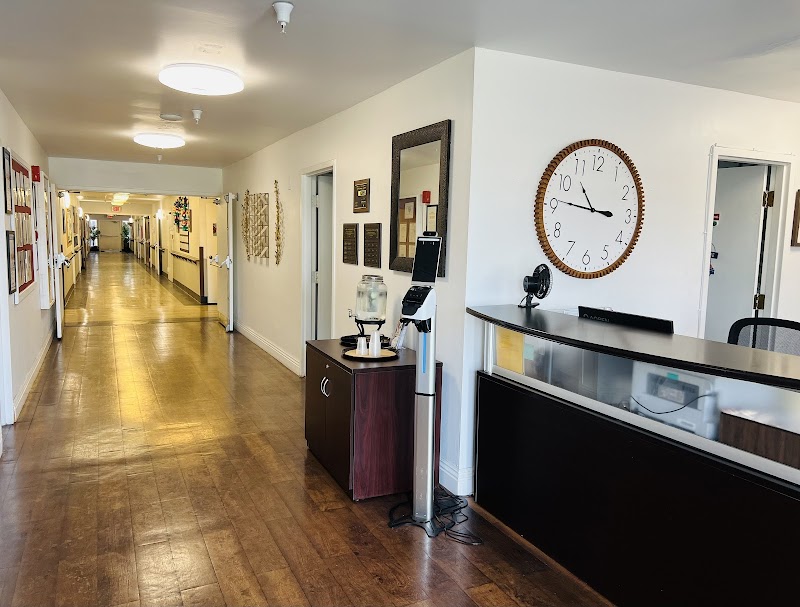
How is Granite Hills Healthcare & Wellness Centre, Llc Staffed?

CMS rates GRANITE HILLS HEALTHCARE & WELLNESS CENTRE, LLC's staffing level at 1 out of 5 stars, which is much below average compared to other nursing homes. Staff turnover is 61%, which is 15 percentage points above the California average of 46%. High turnover can affect care consistency as new staff learn residents' individual needs. RN turnover specifically is 93%, which is notably high. RNs provide skilled clinical oversight, so turnover in this role can affect medical care quality.

What Have Inspectors Found at Granite Hills Healthcare & Wellness Centre, Llc?

State health inspectors documented 61 deficiencies at GRANITE HILLS HEALTHCARE & WELLNESS CENTRE, LLC during 2019 to 2025. These included: 1 that caused actual resident harm and 60 with potential for harm. Deficiencies causing actual harm indicate documented cases where residents experienced negative health consequences.
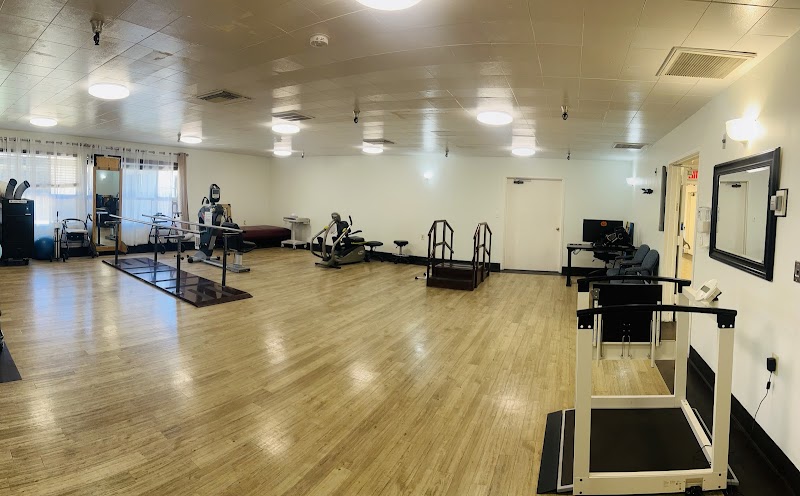
Who Owns and Operates Granite Hills Healthcare & Wellness Centre, Llc?

GRANITE HILLS HEALTHCARE & WELLNESS CENTRE, LLC is owned by a for-profit company. For-profit facilities operate as businesses with obligations to shareholders or private owners. The facility operates independently rather than as part of a larger chain. With 99 certified beds and approximately 96 residents (about 97% occupancy), it is a smaller facility located in EL CAJON, California.
How Does Granite Hills Healthcare & Wellness Centre, Llc Compare to Other California Nursing Homes?

Compared to the 100 nursing homes in California, GRANITE HILLS HEALTHCARE & WELLNESS CENTRE, LLC's overall rating (2 stars) is below the state average of 3.1, staff turnover (61%) is significantly higher than the state average of 46%, and health inspection rating (2 stars) is below the national benchmark.

What Should Families Ask When Visiting Granite Hills Healthcare & Wellness Centre, Llc?

Based on this facility's data, families visiting should ask: "How do you ensure continuity of care given staff turnover, and what is your staff retention strategy?" "Can you walk me through typical staffing levels on day, evening, and night shifts?" "Can I visit during a mealtime to observe dining assistance and food quality?" "How do you handle medical emergencies, and what is your hospital transfer rate?" These questions are particularly relevant given the facility's high staff turnover rate and the below-average staffing rating.

Is Granite Hills Healthcare & Wellness Centre, Llc Safe?

Based on CMS inspection data, GRANITE HILLS HEALTHCARE & WELLNESS CENTRE, LLC has a clean safety record: no substantiated abuse findings (meaning no confirmed cases of resident harm), no Immediate Jeopardy citations (the most serious violation level indicating risk of serious injury or death), and is not on the Special Focus Facility watch list (a federal program monitoring the lowest-performing 1% of nursing homes). The facility has a 2-star overall rating and ranks #100 of 100 nursing homes in California. While no facility is perfect, families should still ask about staff-to-resident ratios and recent inspection results during their visit.

Do Nurses at Granite Hills Healthcare & Wellness Centre, Llc Stick Around?

Staff turnover at GRANITE HILLS HEALTHCARE & WELLNESS CENTRE, LLC is high. At 61%, the facility is 15 percentage points above the California average of 46%. Registered Nurse turnover is particularly concerning at 93%. RNs handle complex medical decisions and coordinate care — frequent RN changes can directly impact care quality. High turnover means new staff may not know residents' individual needs, medications, or preferences. It can also be disorienting for residents, especially those with dementia who rely on familiar faces. Families should ask: What is causing the turnover? What retention programs are in place? How do you ensure care continuity during staff transitions?

Was Granite Hills Healthcare & Wellness Centre, Llc Ever Fined?

GRANITE HILLS HEALTHCARE & WELLNESS CENTRE, LLC has no federal fines on record. CMS issues fines when nursing homes fail to meet care standards or don't correct problems found during inspections. The absence of fines suggests the facility has either maintained compliance or corrected any issues before penalties were assessed. This is a positive indicator, though families should still review recent inspection reports for the full picture.

Is Granite Hills Healthcare & Wellness Centre, Llc on Any Federal Watch List?

GRANITE HILLS HEALTHCARE & WELLNESS CENTRE, LLC is not on any federal watch list. The most significant is the Special Focus Facility (SFF) program, which identifies the bottom 1% of nursing homes nationally based on persistent, serious quality problems. Not being on this list means the facility has avoided the pattern of deficiencies that triggers enhanced federal oversight. This is a positive indicator, though families should still review the facility's inspection history directly.