MAGNOLIA POST ACUTE CARE
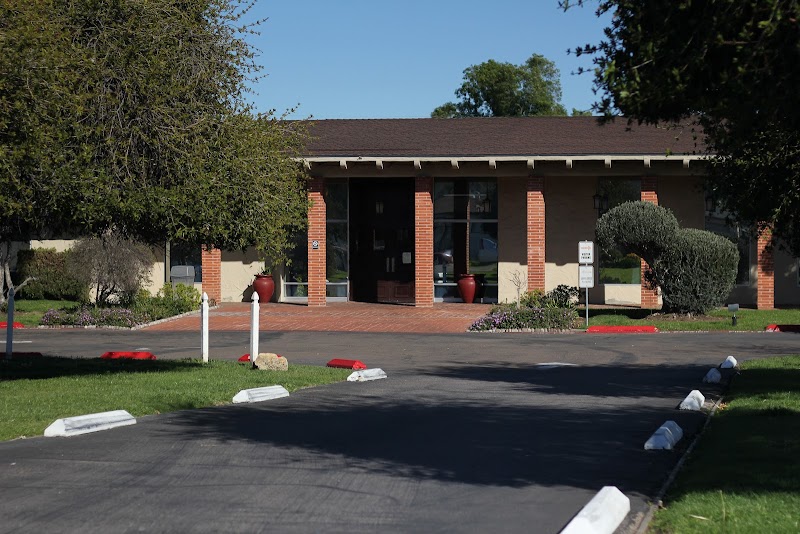
635 S MAGNOLIA AVE, EL CAJON, CA 92020 (619) 442-8826
For profit - Corporation 99 Beds THE ENSIGN GROUP Data: November 2025
Trust Grade
80/100
#122 of 1155 in CA
Last Inspection: June 2024

Within standard 12-15 month inspection cycle. Federal law requires annual inspections.

Overview

Magnolia Post Acute Care has a Trust Grade of B+, which means it is above average and recommended for families considering care options. It ranks #122 out of 1155 facilities in California, placing it in the top half, and #18 out of 81 in San Diego County, indicating only a few local facilities perform better. The facility is improving, having reduced issues from seven in 2024 to two in 2025. Staffing received an average rating of 3 out of 5 stars, with a turnover rate of 40%, which is on par with the state average. While there are no fines recorded, which is a positive sign, the RN coverage is lower than 94% of California facilities, meaning there may be less oversight for resident care. However, there are some concerns to note. Inspector findings revealed that call lights were not answered promptly for several residents, with waits of up to two hours reported, which could lead to unmet needs and discomfort. Additionally, the facility failed to provide adequate discharge planning for one resident, putting them at risk for unsafe transitions. Overall, Magnolia Post Acute Care has strengths in its overall quality and no fines, but families should be aware of the staffing and response time issues as they consider this facility.

Trust Score
B+
80/100
In California
#122/1155
Top 10%
Safety Record
Low Risk
No red flags
Inspections
Getting Better
7 → 2 violations
Staff Stability
○ Average
40% turnover. Near California's 48% average. Typical for the industry.
Penalties
✓ Good
No fines on record. Clean compliance history, better than most California facilities.
Skilled Nurses
⚠ Watch
Each resident gets only 15 minutes of Registered Nurse (RN) attention daily — below average for California. Fewer RN minutes means fewer trained eyes watching for problems.
Violations
⚠ Watch
33 deficiencies on record. Higher than average. Multiple issues found across inspections.
★★★★★
5.0
Overall Rating
★★★☆☆
3.0
Staff Levels
★★★★★
5.0
Care Quality
★★★★☆
4.0
Inspection Score
Stable
2024: 7 issues
2025: 2 issues

The Good

  • 5-Star Quality Measures · Strong clinical quality outcomes
  • Full Sprinkler Coverage · Fire safety systems throughout facility
  • No fines on record
  • Staff turnover below average (40%)

    8 points below California average of 48%

Facility shows strength in quality measures, fire safety.

The Bad

Staff Turnover: 40%

Near California avg (46%)

Typical for the industry

Chain: THE ENSIGN GROUP

Part of a multi-facility chain

Ask about local staffing decisions and management

The Ugly 33 deficiencies on record

May 2025 1 deficiency
CONCERN (D) 📢 Someone Reported This

A family member, employee, or ombudsman was alarmed enough to file a formal complaint

Potential for Harm - no one hurt, but risky conditions existed

Deficiency F0627 (Tag F0627)

Could have caused harm · This affected 1 resident

**NOTE- TERMS IN BRACKETS HAVE BEEN EDITED TO PROTECT CONFIDENTIALITY** Based on interview, and record review, the facility failed to provide proper discharge planning to ensure a safe and coordinated...

Read full inspector narrative →
**NOTE- TERMS IN BRACKETS HAVE BEEN EDITED TO PROTECT CONFIDENTIALITY** Based on interview, and record review, the facility failed to provide proper discharge planning to ensure a safe and coordinated discharge for one of three sampled residents (Resident 1) during a complaint investigation. This deficient practice placed Resident 1 at risk for an unsafe discharge and re-hospitalization. Findings: A review of Resident 1's admission Record indicated Resident 1 was admitted to the facility on [DATE] with diagnoses which included a history of visuospatial deficit and spatial neglect following cerebral infarction (trouble with seeing and understanding where things are in space after a brain attack also known as stroke). A record review of Resident 1's minimum data set (MDS - a federally mandated resident assessment tool) dated 5/13/25 indicated, a Brief Interview for Mental Status (BIMS- developed by reviewing the resident's status during the prior seven-day period) score of 12 points out of 15 possible points which indicated Resident 1 had moderate cognitive (pertaining to memory, judgement and reasoning ability) deficits. On 5/21/25 at 11:12 A.M., an interview and record review was conducted with the Director of Rehab (DOR). The DOR stated Resident 1 received rehab services for physical therapy (PT), occupational therapy (OT) and speech therapy (ST) for cognition. The DOR stated Resident 1 ' s prior level of function (PLOF) was independent with ambulation. The DOR stated OT Discharge summary dated [DATE] indicated: .Pt [patient] has poor functional mobility and requires Max A [maximum assistance: Helper does MORE THAN HALF the effort] . .Poor dynamic standing balance Fair static standing balance . .Pt. will demonstrate improved (good) balance and stability during activities, allowing for safe and independent participation in daily routines .Poor static/dynamic balance . .D/C [discharge] recs [recommendations] .24 hour care and walker with tray . The DOR stated, this would call for care giver training [record review above]. The DOR stated he was unable to find documentation if Resident 1 ' s MD (Medical Doctor) was notified regarding OT recommendations for 24 hour care and did not see documentation if Resident 1 ' s girlfriend (GF) would be the care giver of Resident 1. The DOR stated he was unable to find documented evidence if any care giver training with Resident 1 ' s GF and/or other care giver for Resident 1 ' s care with rehab. The DOR stated Resident 1 ' s GF was supportive and did not indicate if she would be the primary care giver after Resident 1 ' s discharge. The DOR stated caregiving training was important because this would assist with transition of care to home for Resident 1 and would be a safety issue because Resident 1 ' s GF probably would not know how to care for him if it ' s above what she can do. The DOR stated Resident 1 ' s last coverage date (LCD) was issued on 5/12/25 and was discharged on 5/13/25. On 5/22/25 at 11:39 A.M., an interview and record review was conducted with the Case Manager (CM). The CM stated Resident 1 was able to ambulate with supervision using a walker on 5/2/25 at 300 ft anon 5/9/25 at 90 ft this information was sent to Resident 1 ' s insurance company who gave him a LCD. The CM stated ambulation alone should not be the basis of a safe discharge. The CM stated she did not offer a tray as recommended by OT because this was an out-of-pocket expense that Resident 1 would have probably refused. The CM stated caregiver training and housing would be arranged by the Social Services Director (SSD). The CM stated Resident 1 discharged home without 24 hour care with home health for PT/OT/RN and home health assistant. A clinical chart review was conducted on Resident1 ' s PT Discharge summary dated [DATE] that indicated .Prior Living Description: Pt reports living in a home with a roommate that most likely will not be able to help with activities if needed . On 5/22/25 12 P.M., an interview and record review was conducted with the Director of Nursing (DON). The DON stated the SSD documented that she tried calling Resident 1 ' s GF on May 11, 2025, and May 12, 2025 and was unsuccessful but Resident 1 was able to contact GF that day who stated she would be with Resident 1 on his discharge day. The DON stated on Resident 1 ' s discharge day that his GF was not available. A review on Resident 1 ' s clinical record indicated, no documentation of MD notification for unsuccessful attempts made by SSD to arrange for a safe discharge and OT recommendations for 24 hour caregiver. On 5/22/25 at 12:42 P.M., an interview was conducted with the DON. The DON stated they should have facilitated a safe discharge by making proper arrangements with Resident 1 ' s care giver to ensure a safe discharge plan was in place for care giver training. The DON stated it was important to notify Resident 1 ' s Physician with barriers (OT recommendations for 24 hour care) to discharge and notify appropriate entities to facilitate a safe discharge and prevent re-hospitalizations. A review of the facility's policy and procedure titled ADMISSION, TRANSFER and DISCHARGE undated, indicated, .The Facility shall permit each resident to remain in the Facility, and not transfer or discharge the resident from the Facility unless; .The safety of individuals in the Facility is appropriate because the resident ' s health has improved sufficiently so the resident no longer needs the services provided by the Facility .
Apr 2025 1 deficiency
CONCERN (D) 📢 Someone Reported This

A family member, employee, or ombudsman was alarmed enough to file a formal complaint

Potential for Harm - no one hurt, but risky conditions existed

Deficiency F0602 (Tag F0602)

Could have caused harm · This affected 1 resident

**NOTE- TERMS IN BRACKETS HAVE BEEN EDITED TO PROTECT CONFIDENTIALITY** Based on observations, interviews, and record reviews, the facility failed to follow their policies and procedures for investiga...

Read full inspector narrative →
**NOTE- TERMS IN BRACKETS HAVE BEEN EDITED TO PROTECT CONFIDENTIALITY** Based on observations, interviews, and record reviews, the facility failed to follow their policies and procedures for investigating missing items to protect the personal property for one reviewed resident (Resident 1) during a complaint investigation. This deficient practice placed all 91 residents at risk for loss of personal belongings and potential exploitation (taking advantage of a resident for personal gain), especially those with impaired cognition (memory or thinking). Findings: A review of Resident 1's admission Record indicated, Resident 1 was admitted to the facility on [DATE] with diagnoses which included a history of cognitive communication deficit (CCD-understanding what others say and organizing thoughts) and right ear hearing loss. A record review of Resident 1s minimum data set (MDS - a federally mandated resident assessment tool) dated 4/14/25 indicated, a Brief Interview for Mental Status (BIMS- developed by reviewing the resident's status during the prior seven-day period) score of six points out of 15 possible points which indicated Resident 1 had severe cognitive (pertaining to memory, judgement and reasoning ability) deficits. On 4/30/25 12 P.M., an interview was conducted with the Quality Assurance (QA) Nurse. The QA nurse stated on 4/4/25 a Facility Reported Incident (FRI) was previously reported due to Resident 1's allegation of missing money. The QA nurse stated Resident 1 was unsure if she had the missing money with her. The QA nurse stated they investigated the missing money which concluded Resident 1 did not have the missing money with her when she came to the facility per Resident 1 ' s personal belongings list. On 4/30/25 at 12:13 P.M., An interview and record review was conducted with the Social Services Director (SSD). The SSD stated she was informed on 4/17/25 by the nursing staff of the missing gray bag. The SSD stated the nursing staff was not able to place Resident 1 ' s hearing aids in her ear which alerted them [nursing staff] that Resident 1 ' s gray bag was missing because the hearing aids was stored inside Resident 1 ' s gray bag. The SSD stated she spoke with Resident 1 who told her that she had given her gray bag to her personal caregiver (not employed at facility). The SSD stated Resident 1 had told her the contents of the bag which included Resident 1 ' s house keys, phone charger, and hearing aids. The SSD stated Resident 1 ' s personal caregiver had access to her apartment because she had Resident 1's house keys. The SSD stated that she had only met Resident 1 ' s personal caregiver twice because she would come to the facility after hours to visit Resident 1. The SSD stated she did not contact Resident 1 ' s personal caregiver to ask about the gray bag because Resident 1 ' s personal caregiver was not listed on Resident 1 ' s clinical record and only knew her first name. The SSD stated because she lacked Resident 1 ' s personal caregiver ' s information she was unable to ask if the hearing aids could be returned to Resident 1. The SSD stated she had reached out to Resident 1 ' s [SENIOR LIVING FACILITY NAME] to replace Resident 1 ' s hearing aids and further stated it ' s a referral process so it takes a while but provided a fax report on 4/18/25 for an Audiology [hearing] ENT [ears, nose, throat] specialist consult. On 4/30/25 at 12:45 P.M., an interview was conducted with the SSD, QA Nurse and Operations Manager (OM). The OM stated it was important that they obtained [First Name of Resident 1 ' s personal Caregiver] information and question how much involvement she had with Resident 1. The QA stated that there was no further information found on [First Name of Resident 1 ' s personal Caregiver]. On 4/30/25 at 12:48 P.M., a record review was conducted on the SSD Missing Items binder. There was no recorded investigation regarding Resident 1 ' s missing gray bag or hearing aids. On 4/30/25 at 12:52 P.M., an interview was conducted with Resident 1, in Resident 1 ' s room. Resident 1 stated she had a missing gray bag and stated [First Name of Resident 1 ' s personal Caregiver] can give you much information about this. Resident 1 stated she did not give her gray bag to [First Name of Resident 1 ' s personal Caregiver]. Resident 1 stated the bag had diapers, wallet and hearing aids was in that purse and it was brand new and another box with a charger. Resident 1 stated her hearing aids have not been used since the day her gray bag went missing (4/17/25). On 4/30/25 at 2:17 P.M., an interview and record review was conducted with the QA Nurse. The QA nurse stated Resident 1 went to the hospital on 4/5/25 and returned on 4/10/25. The QA nurse stated that a new inventory list was made when Resident 1 returned from the hospital. A review of Resident 1 ' s Inventory of Personal Effects dated 4/10/25 included: - bag-gray - keys - charger for hearing aids - id [identification] card - two hearing aids checked off. On 4/30/25 at 4:26 P.M., an interview was conducted with the QA Nurse. The QA Nurse stated his expectations were for the SSD to follow up with [First Name of Resident 1 ' s personal Caregiver] since Resident 1 has cognitive impairments to verify if the bag was given to her or was still missing. The QA nurse stated Resident 1 has hearing impairments and without the use of hearing aids this could have affected Resident 1 ' s quality of life to cause communication barriers, and confusion. On 4/30/25 4 P.M., receipt reviewed of generic hearing aids purchased for $54.11 by OM on 4/30/25. On 5/1/25 at 11:15 A.M., an interview was conducted with the DON. The DON stated Resident 1 has severe cognitive impairments and may forget at times that can affect her memory and may not realize she ' s [Resident 1] being taken advantaged of by a person who is supposed to be caring for her. The DON stated it was her expectation that the SSD to follow the facility ' s missing items policy and procedures and to protect Resident 1 from risks of exploitation. A review of the facility's policy and procedure titled [Facility Name] POLICY/PROCEDURE SECTION ADMINISTRATIVE SUBJECT THEFT & LOSS undated, indicated, 1. Loss or theft of resident property worth $25.00 or more will be documented and reported to the administrator (or designee) for investigation, police reporting or other appropriate action .2. Completed Theft and Loss investigation reports will be filed in a binder which will be retained in the Social Service Department Office .
Jun 2024 4 deficiencies
CONCERN (D)

Potential for Harm - no one hurt, but risky conditions existed

Deficiency F0637 (Tag F0637)

Could have caused harm · This affected 1 resident

Based on interview, record review, facility document review, and facility policy review, the facility failed to ensure a significant change Minimum Data Set (MDS) was submitted timely for 1 (Resident ...

Read full inspector narrative →
Based on interview, record review, facility document review, and facility policy review, the facility failed to ensure a significant change Minimum Data Set (MDS) was submitted timely for 1 (Resident #53) of 18 resident MDSs reviewed. Findings included: A facility policy titled, Policy/Procedure- Resident Assessment Instrument, revised 10/01/2023, specified, The Long-Term Care Facility Resident Assessment Instrument 3.0 (RAI) User's Manual Version 1.18.11 October 2023 will be the source guidance for the RAI Process. A Long-Term Care Facility Resident Assessment Instrument 3.0 User's Manual Version 1.18.11 dated 10/2023, specified, An SCSA [significant change in status assessment] is required to be performed when a terminally ill resident enrolls in a hospice program (Medicare-certified or State-licensed hospice provider) or changes hospice providers and remains a resident at the nursing home. Further review revealed, The CAAs [care area assessment] completion dated (item V0200B2) must be no later than 14 days after the ARD [assessment reference date] (ARD + 14 calendar days) and no later than 14 days after the determination that the criteria for SCSA were met. An admission Record revealed the facility admitted Resident #53 on 01/22/2024. According to the admission Record, the resident had a medical history that included diagnoses of cerebral infarction (stroke), chronic obstructive pulmonary disease, hemiplegia and hemiparesis (paralysis affecting only one side of the body), and sepsis (infection of the blood stream). An admission MDS, with an ARD of 01/28/2024, revealed Resident #53 had a Brief Interview for Mental Status (BIMS) score of 9, which indicated the resident had moderate cognitive impairment. The MDS revealed Resident #53 did not receive hospice services. Resident #53's care plan included an undated focus area that indicated the resident had a terminal prognosis due to cerebral infarction. Interventions directed staff to work cooperatively with the hospice team to ensure the resident's spiritual, emotional, intellectual, physical, and social needs were met. Resident #53's Order Summary Report with active orders as of 06/13/2024 revealed an order dated 05/16/2024 for admission to hospice services. Resident #53's hospice services POC [plan of care] Summary, as of 06/12/2024 revealed an order dated 05/16/2024 for admission to hospice services on 05/16/2024 under routine level of care due to cerebral infarction. Resident #53's significant change MDS, with an ARD of 05/29/2024, revealed the assessment was not complete. Further review revealed the section titled Signature of RN [registered nurse] Assessment Coordinator Verifying Assessment Completion was blank. During an interview on 06/13/2024 at 10:14 AM, the MDS Nurse stated the MDS was complete when it was signed by the Director of Nursing (DON). The MDS Nurse stated Resident #53's significant change MDS should have been completed by 05/29/2024. She confirmed the MDS was not completed on time. During an interview on 06/13/2024 at 11:07 AM, the DON stated the MDS was considered complete when she had signed it. The DON stated Resident #53's significant change MDS should have been completed and submitted by 05/30/2024. She added it was not completed on time. During an interview on 06/13/2024 at 12:02 PM, the Administrator stated he expected the MDS to be completed and submitted on time.
CONCERN (D)

Potential for Harm - no one hurt, but risky conditions existed

Assessment Accuracy (Tag F0641)

Could have caused harm · This affected 1 resident

Based on interview, record review, and facility policy review, the facility failed to ensure the Minimum Data Set (MDS) was accurate for 1 (Resident #41) of 18 sampled residents reviewed for MDS accur...

Read full inspector narrative →
Based on interview, record review, and facility policy review, the facility failed to ensure the Minimum Data Set (MDS) was accurate for 1 (Resident #41) of 18 sampled residents reviewed for MDS accuracy. Findings included: A facility policy titled, Policy/Procedure - Resident Assessment Instrument, updated on 10/01/2023, revealed, 8. Each person completing a section of the MDS attests to its accuracy by affixing his/her electronic signature to that section of the MDS. An admission Record revealed the facility admitted Resident #41 on 05/19/2024. According to the admission Record, the resident had a medical history that included cellulitis of left lower limb, local infection of the skin and subcutaneous tissue, and homelessness. An admission MDS, with an Assessment Reference Date (ARD) of 05/24/2024, revealed Resident #10 had a Brief Interview for Mental Status (BIMS) score of 12, which indicated the resident was cognitively intact. The MDS indicated the resident did not currently use tobacco. Resident #41's Progress Notes, revealed a note dated 05/23/2024 that indicated a nicotine transdermal patch for smoking cessation was not applied due to the resident was smoking. During an observation on 06/11/2024 at 1:23 PM, Resident #41 was observed outside smoking in the designated smoking area. There was a staff member present, and the resident was able to light and smoke a cigarette safely and independently. During an interview on 06/13/2024 at 10:16 AM, the MDS Nurse stated she was responsible for answering the section of the MDS that asked if the resident had current tobacco use. The MDS Nurse stated that Resident #41 was not marked as a current tobacco user on their admission MDS and that was an inaccuracy on her part. During an interview on 06/13/2024 at 11:17 AM, the Director of Nursing (DON) stated she was responsible for the overall accuracy of the MDS as the Registered Nurse (RN) signer. She stated her expectation was for residents who smoked to be triggered on the MDS. She also stated the MDS should be complete and accurate. During an interview on 06/13/2024 at 12:02 PM, the Administrator stated his expectation was for the MDS to be completed timely and accurate.
CONCERN (D)

Potential for Harm - no one hurt, but risky conditions existed

Deficiency F0645 (Tag F0645)

Could have caused harm · This affected 1 resident

Based on interview, record review, and facility policy review, the facility failed to ensure a Preadmission Screening and Resident Review (PASRR) Level I assessment was coded accurately for 1 (Residen...

Read full inspector narrative →
Based on interview, record review, and facility policy review, the facility failed to ensure a Preadmission Screening and Resident Review (PASRR) Level I assessment was coded accurately for 1 (Resident #10) of 3 sampled residents reviewed for PASRR. Findings included: A facility policy titled, Policy/Procedure with a Subject titled PASRR, dated 05/01/2023, revealed, It is the policy of this facility to ensure that each resident is properly screened using the PASRR specified by the State. The policy further revealed, 2. After admission, the Interdisciplinary Team (IDT), will review follow up determinations for Level I positive, and/or if Level II is required and pending evaluation. 3. An IDT member will determine if a Resident Review (RR) is required. 4. Based upon the final determinations, the facility will ensure proper referral to state agencies for the provision of specialized services to residents with ID/RC (Intellectual disability or Related Condition) or SMI (Serious Mental Illness). 5. Social Services shall contact the appropriate State Agency for referral of specialized care and services as needed. An admission Record revealed the facility admitted Resident #10 on 03/24/2023. According to the admission Record, the resident had a medical history that included schizoaffective disorder and bipolar disorder. An annual Minimum Data Set (MDS), with an Assessment Reference Date (ARD) of 12/28/2023, revealed Resident #10 had a Brief Interview for Mental Status (BIMS) score of 10, which indicated the resident had moderate cognitive impairment. The MDS revealed the resident had diagnoses of schizoaffective disorder and bipolar disorder. Resident #10's hospital History and Physical Note, dated 03/11/2023, revealed, under the Assessment/Plan section of the note, a Problem List included the diagnoses of bipolar disorder and schizoaffective disorder. Resident #10's Preadmission Screening and Resident Review (PASRR) Level I Screening, dated 03/29/2023, revealed, under the Section III - Serious Mental Illness - Definition portion, for question 10. Does the individual have a serious diagnosed mental disorder such as Depressive Disorder, Anxiety Disorder, Panic Disorder, Schizophrenia/Schizoaffective Disorder, or symptoms of Psychosis, Delusions, and/or Mood Disturbance? the answer was marked No, deeming the PASRR Level I as Negative, with No Serious Mental Illness, and a Level II - Not Required. During an interview on 06/13/2024 at 11:03 AM, Social Services (SS) Staff #1, who was also the admission Coordinator, stated she requested a PASRR from the hospital during the admission process, and it was sent to the facility via an electronic file exchange. She stated she reviewed the PASRR, and if they were deemed positive, the Director of Nursing (DON) would then review the PASRR to start a resident review. She stated if there were issues regarding the diagnoses or status of the PASRR, the DON maintained communication with the state office that generated them. SS Staff #1 further stated Resident #10's PASRR was completed in March 2023, and she did not start in her position at the facility until May 2023. During an interview on 06/13/2024 at 11:07 AM, the DON stated SS Staff #1 requested the PASRR because it was a requirement for admission. The DON stated if there were medications or diagnoses that triggered when she received the PASRR, she reviewed it with the resident's chart and if referrals were needed then she would initiate those referrals. The DON further stated Resident #10's PASRR was incorrect. The DON stated at the time Resident #10's PASRR was generated, the facility did not have a good process in place. She further stated her expectation was for a designee to review the PASRR for accuracy and if there were discrepancies in the clinical documentation, it should be given to her for review. The DON stated if the PASRR was not correct, she would apply for a resident review or a reconciliation until the evaluation was corrected. The DON stated if the resident had a positive Level I PASRR, the facility would start looking for the State to send them a determination letter. During an interview on 06/13/2024 at 12:06 PM, the Administrator stated he understood very little about the PASRR process; however, his expectation was for staff to receive the required documents, and if they were not correct, to get them corrected to be accurate
CONCERN (D)

Potential for Harm - no one hurt, but risky conditions existed

Comprehensive Care Plan (Tag F0656)

Could have caused harm · This affected 1 resident

Based on interview, record review, facility document review, and facility policy review, the facility failed to ensure a care plan was completed for diuretics for 1 (Resident #53) of 5 sampled residen...

Read full inspector narrative →
Based on interview, record review, facility document review, and facility policy review, the facility failed to ensure a care plan was completed for diuretics for 1 (Resident #53) of 5 sampled residents reviewed for unnecessary medications. Findings included: A facility policy titled, Policy/Procedure- Nursing Administrative with a Subject titled Comprehensive Assessment, revised in 03/2021, specified, All problems, goals, and interventions will be documented in the Resident's Comprehensive Care Plan. An admission Record revealed the facility admitted Resident #53 on 01/22/2024. According to the admission Record, the resident had a medical history that included diagnoses of cerebral infarction (stroke), chronic obstructive pulmonary disease, chronic kidney disease, atrial fibrillation, and hypertension. An admission Minimum Data Set (MDS), with an Assessment Reference Date (ARD) of 01/28/2024, revealed Resident #53 had a Brief Interview for Mental Status (BIMS) score of 9, which indicated the resident had moderate cognitive impairment. The MDS revealed the resident received a diuretic. Resident #53's Order Summery Report with active orders as of 06/13/2024, revealed an order dated 05/16/2024 for Lasix (furosemide, diuretic) 40 milligram (mg), one tablet as needed for edema, once a day. Resident #53's comprehensive care plan revealed no documentation that a care plan was completed for the use of a diuretic. During an interview on 06/13/2024 at 10:14 AM, the MDS Nurse stated she was the one that should have created a care plan when the order was entered for Resident #53's diuretic. She stated the care plan was needed because it helped the staff to monitor for signs and symptoms of edema. During an interview on 06/13/2024 at 11:07 AM, the Director of Nursing (DON) stated the care plans should be compared to the resident charts and should match. She added that the diuretic should have been care planned for Resident #53.
May 2024 1 deficiency
CONCERN (D) 📢 Someone Reported This

A family member, employee, or ombudsman was alarmed enough to file a formal complaint

Potential for Harm - no one hurt, but risky conditions existed

Pharmacy Services (Tag F0755)

Could have caused harm · This affected 1 resident

**NOTE- TERMS IN BRACKETS HAVE BEEN EDITED TO PROTECT CONFIDENTIALITY** Based on interview and record review, the facility failed to follow their own policy regarding receipt of narcotics (controlled ...

Read full inspector narrative →
**NOTE- TERMS IN BRACKETS HAVE BEEN EDITED TO PROTECT CONFIDENTIALITY** Based on interview and record review, the facility failed to follow their own policy regarding receipt of narcotics (controlled substance) for 1 of 2 sampled residents. This failure occurred when a licensed nurse did not check or inventory medications which included narcotics delivered by the pharmacy to the facility. As a result, the whereabouts of Resident 1's narcotic medication was not known. This deficient practice had the potential to delay pain medication administration, could affect residents ' safety and created an opportunity for drug diversion. Findings: Resident 1's record was reviewed. Per the undated facility admission document, Resident 1 was admitted to the facility on [DATE] with diagnoses that included hemiplegia and hemiparesis (partial paralysis on one side of the body) and stiffness of bilateral ankles. A record review on 5/21/24 was conducted. Per the facility's document titled: Packing Slip Proof of Delivery, dated 5/16/24, LN 3 signed for receipt of 30 tablets of Hydroco/Apap-5-325mg (Norco) for Resident 1. Resident 1 was interviewed on 5/21/24 at 10:30 A.M. Resident 1 stated he requested Norco (a narcotic pain medication) on 5/18/24 at around 12 P.M. Resident 1 stated, the Licensed Nurse 1 (LN1) said the medication was not available because the facility had to reorder the pain medication from the pharmacy. Resident 1 stated pain medication was administerd from the facility ' s emergency kit. An interview on 5/21/24 at 10:45 A.M., with LN1 was conducted. LN1 stated licensed staff must check the pharmacy bag and make sure everything was accounted for and keep a record on the delivery receipt. LN 1 stated narcotics were ordered usually 2-3 days ahead of time before the medication was exhausted. An interview with LN 2 was conducted on 5/21/24 at 11:05 A.M. LN 2 stated medications delivered should be reconciled with the pharmacy delivery manifest. LN 2 stated licensed staff must take everything delivered from pharmacy out of the bag to make sure we have everything. The next step is for the licensed staff to compare with the pharmacy delivery manifest and then sign for them. A phone interview with LN 3 was conducted on 5/22/24 at 4:24 P.M. LN 3 stated she did not check each medication from the bag delivered from the pharmacy (on 5/16/24) but did sign for everything delivered from pharmacy. LN 3 stated she should have checked the bag from the pharmacy before she signed the manifest to make sure every medication was there. LN 3 stated the facility policy was to have a licensed nurse to check and sign for receipt of medications including narcotics. A joint record review and interview was conducted on 5/22/24 with the Director of Nursing (DON). Review of: Policy / Procedure -Nursing Clinical revised 5/20/2024 .#5 A second person licensed nurse will cosign the narcotic count sheet and delivery manifest upon receipt of controlled medication from pharmacy. The DON stated two licensed nurses should have checked and signed for Resident 1's delivered medications, including narcotics from the pharmacy. A phone interview with the Pharmacist (PH) was conducted on 5/23/24 at 8:30 A.M. The PH stated according to the manifest, Resident 1's narcotic medication (Hydroco/Apap 5-325 mg, 30 tabs) was delivered to Resident 1's facility and was received and signed out by the facility ' s licensed nurse, (LN 3) on 5/16/24. The PH then stated, later another facility had called the pharmacy and reported possession of Resident 1's narcotic medication. The PH stated Resident 1's narcotic medication had been returned to the pharmacy and was later found next to the refuse bin /pile. The PH stated the refuse/pile had not been checked for a few days. An interview with the Director of Nursing was conducted on 5/23/24 at 11:55 A.M. The DON stated on 5/18/24 the facility had initiated an audit of all medication carts, intravenous (medication delivered through a plastic tube to a vein) carts, treatment carts and medication rooms but was unable to locate Resident 1's narcotic medication. The DON stated licensed nurses should check one by one anything that comes from the pharmacy especially narcotic medications.
May 2024 1 deficiency
CONCERN (D) 📢 Someone Reported This

A family member, employee, or ombudsman was alarmed enough to file a formal complaint

Potential for Harm - no one hurt, but risky conditions existed

Notification of Changes (Tag F0580)

Could have caused harm · This affected 1 resident

**NOTE- TERMS IN BRACKETS HAVE BEEN EDITED TO PROTECT CONFIDENTIALITY** Based on interview and record review the facility failed to notify a resident ' s (4) physician regarding an altered mental stat...

Read full inspector narrative →
**NOTE- TERMS IN BRACKETS HAVE BEEN EDITED TO PROTECT CONFIDENTIALITY** Based on interview and record review the facility failed to notify a resident ' s (4) physician regarding an altered mental status (confusion, disorientation, difficult to arouse) for one of one resident reviewed for change in condition. This failure had the potential to delay care and treatment to address the resident ' s change in condition. Resident 4 was admitted to the facility on [DATE] with diagnoses including chronic kidney disease stage three (mild to moderate loss of kidney function) and discharged to the hospital on 3/28/24 according to the facility ' s admission Record. An interview on 5/3/24 at 9:55 A.M., with licensed nurse (LN) 1 was conducted. LN 1 stated, for a change in resident ' s condition, the physician will be notified immediately. LN 1 stated vital signs will be taken, provide emergent treatment as needed, and call 911 if necessary. During an interview with LN 2 on 5/3/24, at 11:28 A.M., LN 2 stated, a change in condition was considered any deviation from a resident ' s normal status. LN 2 further stated the physician should be notified right away for anything abnormal with the resident. A review of Resident 4's progress notes (PN) was conducted. On 3/28/24, at 12:30 P.M., the PN indicated a change in condition with Resident 4. The PN indicated Resident 4 was taken to the therapy room, but per family, therapy did not push thru due to Resident 4 ' s increase drowsiness. The PN indicated, after lunch time, the family member requested for resident to be assisted back to bed and the resident was slow to respond. The PN indicated .her drowsiness was progressed to lethargy, AMS (altered mental status) .barely open her eyes to verbal and tactile stimuli, hard to arouse .became nonverbal . The PN further indicated Resident 4 .left the facility thru 911 at 1930 (7:30 P.M.) hrs. (hours) . An interview was conducted on 5/6/24, at 9:55 A.M. with the Director of Nurses (DON). The DON stated she expected nurses to observe the resident then notify the physician of a change in condition. The DON further stated it was facility's policy to notify the physician immediately for a change in resident ' s condition. During an interview with the DON on 5/6/24, at 12:47 P.M., the DON stated, it was important to notify the physician for any change in resident ' s condition because any change could be detrimental to the resident. During a review of the facility ' s undated policy and procedure (P&P) titled, CARE AND TREATMENT .CHANGES OF CONDITION, the P&P indicated, .It is the policy of this facility that all changes in resident condition will be communicated to the physician .Any sudden or serious change in a resident ' s condition manifested by a marked change in physical or mental behavior will be communicated to the physician by the Licensed nurse .
Feb 2024 1 deficiency
CONCERN (D) 📢 Someone Reported This

A family member, employee, or ombudsman was alarmed enough to file a formal complaint

Potential for Harm - no one hurt, but risky conditions existed

Comprehensive Care Plan (Tag F0656)

Could have caused harm · This affected 1 resident

**NOTE- TERMS IN BRACKETS HAVE BEEN EDITED TO PROTECT CONFIDENTIALITY** The following reflects the findings of the California Department of Public Health during an abbreviated standard survey. Complai...

Read full inspector narrative →
**NOTE- TERMS IN BRACKETS HAVE BEEN EDITED TO PROTECT CONFIDENTIALITY** The following reflects the findings of the California Department of Public Health during an abbreviated standard survey. Complaint Number: CA00334806 Category: Quality of Care/Treatment Representing the Department: Health Facilities Evaluator Nurse(s): 39111 and 49330 The inspection was limited to the specific complaint investigated and does not represent the findings of a full inspection of the facility. One deficiency was issued for the complaint number: CA00884806 (Refer to F-tag 656). Based on observation, interview, and record review, the facility failed to ensure resident-specific care plans were developed for two of three residents (Resident 1 and Resident 2) when: 1. Resident 1 did not have a written care plan developed to address the presence of a cardiac pacemaker (a device used to treat an irregular heartbeat). 2. Resident 2 did not have a written care plan developed to address the presence of a cardiac pacemaker. As a result of this deficient practice, there was the potential for Resident [BN1] 1 and Resident 2 to not receive individualized care that met their needs. Findings: 1. A review of Resident 1 ' s admission Record indicated the resident was admitted on [DATE] with diagnoses to include congestive heart failure (a condition where the heart does not pump blood properly), atherosclerotic heart disease with angina pectoris (chest pain with reduced blood flow to the heart), and presence of cardiac pacemaker. The admission Record further stated that the resident was discharged from the facility on 2/15/24. The resident ' s length of stay at the facility was 13 days. On 2/16/24 at 10:40 A.M., a joint interview and record review with licensed nurse (LN) 1 was conducted. LN 1 stated that Resident 1 was admitted with a cardiac pacemaker on 2/2/24. LN 1 stated that on 2/11/24, Resident 1 had a change of condition and was transferred to an acute care hospital for further treatment. LN 1 stated that a care plan related to the use of a cardiac pacemaker was not developed until 2/16/24. On 2/16/24 at 11:20 A.M., a joint interview and record review was conducted with the Minimum Data Set (an assessment tool) coordinator (MDSN). The MDSN stated that Resident 1 should have an order and care plan to address the device within 24 hours of admission and that the purpose of a care plan was to guide the resident ' s care. The MDSN further stated that the care plan for Resident 1 was not timely because the resident was discharged already when it was created. 2. A review of Resident 2 ' s admission Record indicated the resident was admitted on [DATE] and readmitted on [DATE] with diagnoses to include myocardial infarction (heart attack), atrial fibrillation (a type of irregular heartbeat) , and presence of cardiac pacemaker. On 2/16/24 at 11 A.M., a concurrent interview and record review with licensed nurse (LN) 1 was conducted. Resident 2 had a care plan for a cardiac pacemaker dated 2/16/24. There was no written[BN2] care plan developed related to Resident 2 ' s cardiac pacemaker prior to 2/16/24. LN 1 stated that the care plan was not timely. LN 1 further stated it was important for the resident to have a care plan at the time of admission so that the nursing staff could provide proper care for the resident. During an interview with the Director of Nursing (DON) on 2/16/24 at 12:50 P.M., the DON stated that it was important for all residents with a cardiac pacemaker to have a care plan that addresses the device. The DON stated that the care plan for Resident 1 was not developed timely. The DON acknowledged that Resident 2 was admitted with a cardiac pacemaker, but the care plan was not implemented until 2/16/24. The DON stated that her expectation was for a care plan for a cardiac pacemaker to be implemented within the 1st week or earlier of the resident ' s admission. A review of an undated Policy and Procedure entitled Care Planning/Care Conference did not provide guidance on care plan development.
Aug 2023 1 deficiency
CONCERN (D) 📢 Someone Reported This

A family member, employee, or ombudsman was alarmed enough to file a formal complaint

Potential for Harm - no one hurt, but risky conditions existed

Free from Abuse/Neglect (Tag F0600)

Could have caused harm · This affected 1 resident

**NOTE- TERMS IN BRACKETS HAVE BEEN EDITED TO PROTECT CONFIDENTIALITY** Based on interview and record review the facility failed to ensure reference checks were completed prior to hiring a certified n...

Read full inspector narrative →
**NOTE- TERMS IN BRACKETS HAVE BEEN EDITED TO PROTECT CONFIDENTIALITY** Based on interview and record review the facility failed to ensure reference checks were completed prior to hiring a certified nurse assistant (CNA). This failure had the potential to increase the possibility of abuse toward residents of the facility. Findings: A report of sexual abuse was received by the California Department of Public Health San Diego District Office on 1/10/22. An unannounced visit to the facility was conducted on 1/11/22. Resident 1 was admitted to the facility on [DATE] with diagnoses that included cognitive communication deficit (difficulty with thinking and using language) and bipolar disorder, severe, with psychotic features (episodes of mood swings with depressive lows to manic highs) according to the facility's admission Record. Resident 1 was transferred to the hospital on 1/7/22 for chest pain, and while in the Emergency Department, indicated an incident of sexual assault by a staff member at the skilled nursing facility. Resident indicated the staff member was a CNA who worked at 6 P.M.; and further indicated the incident occurred on 1/6/22 . A review of the facility's staff assignments indicated CNA 1 was assigned to Resident 1 on 1/6/22. CNA 1 was not available for interview. An interview was conducted on 1/11/22 at 12:45 P.M. with licensed nurse (LN)1. LN 1 stated, I am familiar with Resident 1; Resident 1 never mentioned any abuse, sexual or not to me. An interview was conducted on 1/11/22 at 1:40 P.M. with the Social Services Director (SSD). The SSD stated: Resident 1 never mentioned any abuse here but did talk about previous domestic abuse and never indicated any person who was inappropriate with her. The incident was reported to the General Acute Care Hospital (GACH) Sexual Assault Response Team, the police department and the Department of Justice (DOJ); however, the facility failed to fully implement their abuse policy. A review of the facility's hiring documentation, titled Confidential File Checklist, for CNA 1 indicated that no reference checks were completed. A concurrent record review and interview was conducted with the Director of Nursing (DON) and the Human Resources Director (HR) on 1/11/22 at 12:50 P.M. The DON and HR reviewed the checklist. The HR stated, There are no reference checks. It is in our policy. This is CNA 1's first job. A review of the facility's policy, dated 1/21, and titled, Freedom from Abuse, Neglect, and Exploitation: Abuse: Prevention of and Prohibition Against. Policy: It is the policy of this facility that each resident has the right to be free from abuse . Procedures: Prior to hire, the facility will screen potential employees .attempting to obtain information from previous employers, whether favorable or unfavorable .
Jun 2023 2 deficiencies
CONCERN (D) 📢 Someone Reported This

A family member, employee, or ombudsman was alarmed enough to file a formal complaint

Potential for Harm - no one hurt, but risky conditions existed

Deficiency F0559 (Tag F0559)

Could have caused harm · This affected 1 resident

**NOTE- TERMS IN BRACKETS HAVE BEEN EDITED TO PROTECT CONFIDENTIALITY** Based on observation, interview, and record review, the facility failed to ensure one of three residents (Resident 1) was given ...

Read full inspector narrative →
**NOTE- TERMS IN BRACKETS HAVE BEEN EDITED TO PROTECT CONFIDENTIALITY** Based on observation, interview, and record review, the facility failed to ensure one of three residents (Resident 1) was given notice of a bed change (relocation of the resident's bed inside of the room) when the resident was moved from the bed by the door (Bed A) to the middle bed (Bed B) in order to accommodate a new roommate. As a result, Resident 1's right to be notified of a bed change was not honored and the resident felt disrespected. Findings: A review of Resident 1's admission Record indicated, the resident was admitted to the facility on [DATE]. On 5/25/23 at 1 P.M., an observation and interview was conducted with Resident 1 inside the resident's room. Resident 1 was observed in Bed B (the resident room had three beds). Resident 1 stated a few days ago someone moved him from Bed A to Bed B while he was asleep. Resident 1 stated he was surprised to wake up in the middle bed when he had been in the bed by the door. Resident 1 stated he preferred to be near the door and would not have agreed to the bed change. Resident 1 stated, It's disrespectful what had happened. A review of Resident 1's undated Census (showed the location of the resident since admission) indicated, the resident had been in Bed A since 5/5/23 and was moved to Bed B on 5/22/23. On 5/25/23 at 1:27 P.M., a joint interview and record review was conducted with licensed nurse (LN) 1. LN 1 stated bed changes were treated the same way as a room change. LN 1 stated a bed change should be discussed with the resident and the resident had to agree to it before the change was made. LN 1 stated a resident had the right to refuse a bed change. LN 1 reviewed Resident 1's clinical record and stated there was no documentation the bed change had been discussed with the resident or that the resident had agreed to it. On 5/25/23 at 1:49 P.M., an interview was conducted with LN 2. LN 2 stated Resident 1 was cognitively intact. LN 2 stated he recalled Resident 1 being in Bed A and then the resident was moved to Bed B. LN 2 stated bed changes and room changes were handled the same way. LN 2 stated the bed change had to be discussed with resident and the resident had to agree to it before the bed change happened. LN 2 stated the bed change discussion and the resident's agreement had to be documented in the resident's clinical record. On 5/25/23 at 1:54 P.M., a joint interview and record review was conducted with the social services director (SSD). The SSD stated social services would receive notice of a room or bed change and would discuss it with the resident. The SSD stated if the resident agreed to the bed change then social services would notify nursing. The SSD stated the discussion of the bed change and whether or not the resident agreed to it, should be documented. The SSD stated Resident 1's bed change had not been discussed with the resident. The SSD stated there was no documentation Resident 1 had been notified of a bed change, or that the resident had agreed to the bed change. The SSD stated the facility's process for room changes had not been followed. On 5/25/23 at 2:19 P.M., an interview was conducted with certified nursing assistant (CNA) 3. CNA 3 stated on 5/22/23 she had received direction from LN 1 to move Resident 1 from Bed A to Bed B. CNA 3 stated prior to the bed change, Resident 1 had returned from a medical procedure and had been groggy. CNA 3 stated she had told the resident the bed change happened while he was resting. CNA 3 stated the resident was moved to Bed B while his eyes were closed. On 5/25/23 at 2:25 P.M., another interview was conducted with LN 1. LN 1 stated on 5/22/23, he was instructed by the admissions director to move Resident 1 to Bed B. LN 1 stated there was a new admission scheduled to arrive and needed to be placed in Bed A. LN 1 stated, I assumed social services had spoken to the resident. A review of facility form titled Notification of Room Change, dated 5/22/23, indicated Resident 1 was transferred from Bed A to Bed B at 12 P.M. for medical necessity and the section on the form for resident notification was blank. On 5/25/23 at 3:45 P.M., a joint interview and record review was conducted with the director of nursing (DON). The DON reviewed Resident 1's Notification of Room Change dated 5/22/23 and stated the form had not been completed to her expectation. The DON stated the form was blank for resident notification. The DON stated, If it's not documented, it's not done. The DON stated proper notification of a bed change should have been given to Resident 1. The DON further stated Resident 1 should have agreed to the bed change before it happened. On 5/25/23 at 3:50 P.M., a joint interview and record review was conducted with social worker (SW) 4. SW 4 reviewed Resident 1's Notification of Room Change dated 5/22/23 and stated he had signed the document. SW 4 stated the resident notification section of the form was blank because the bed change had not been discussed with the resident. SW 4 stated the Notification of Room Change form had to be completed for every resident room or bed change. SW 4 further stated he did not work on 5/22/23. A review of the facility's undated document titled Your Rights and Protections as a Nursing Home Resident, indicated, .Living Arrangements: You have the following rights: .The nursing home has to notify you before your room or roommate is changed and should take your preferences into account
CONCERN (D) 📢 Someone Reported This

A family member, employee, or ombudsman was alarmed enough to file a formal complaint

Potential for Harm - no one hurt, but risky conditions existed

Deficiency F0745 (Tag F0745)

Could have caused harm · This affected 1 resident

**NOTE- TERMS IN BRACKETS HAVE BEEN EDITED TO PROTECT CONFIDENTIALITY** Based on interview and record review, the facility failed to provide assistance for transferring to another skilled nursing faci...

Read full inspector narrative →
**NOTE- TERMS IN BRACKETS HAVE BEEN EDITED TO PROTECT CONFIDENTIALITY** Based on interview and record review, the facility failed to provide assistance for transferring to another skilled nursing facility per resident and family's request for one of three residents (Resident 1). This failure had the potential to affect Resident 1's psychosocial well-being. Findings: A review of Resident 1's admission Record indicated, the resident was admitted to the facility on [DATE]. On 5/16/23 at 9:15 A.M., a telephone interview was conducted with family member (FM) 1. FM 1 stated the facility was too far away from Resident 1's home and family. FM 1 stated the distance made it difficult to visit Resident 1. FM 1 stated Resident 1 kept asking when he would be moved to a skilled nursing facility (SNF) closer to home. FM 1 stated this had been discussed with the facility's social services department. FM 1 stated it was taking too long and that it felt like the facility was not trying to help facilitate Resident 1's transfer to another SNF closer to the resident's home city. On 5/25/23 at 1 P.M., an interview was conducted with Resident 1 inside the resident's room. Resident 1 stated he wanted to be transferred to another SNF, no matter which facility, as long as it was closer to his home city. Resident 1 stated he discussed his request for assistance to transfer to another SNF with a nurse whose name he did not recall. On 5/25/23 at 1:54 P.M., a joint interview and record review was conducted with the social services director (SSD). The SSD stated that she was aware of FM 1 and Resident 1's request to transfer to another SNF in the resident's home city. The SSD stated Resident 1 did not care which SNF was chosen only that the city was important. The SSD stated she inquired with one SNF about admitting Resident 1 and was told there were no available beds. The SSD stated that attempt to transfer Resident 1 had not been documented. The SSD stated no further attempts were made to transfer Resident 1 to a facility in his home city. The SSD stated there was more than one SNF in Resident 1's requested area. The SSD stated social services should have made other attempts and assisted Resident 1 in trying to transfer to another SNF. The SSD stated there should have been a meeting to discuss and plan for Resident 1's transfer to another SNF. On 5/25/23 at 2:28 P.M., an interview was conducted with the director of nursing (DON). The DON stated she was aware of Resident 1 and FM 1's request for assistance to transfer to another SNF in the resident's home city. The DON stated there should have been more than one attempt made to locate an accepting SNF for Resident 1. The DON stated social services should have followed up and the follow up attempts should have been documented in the resident's clinical record. The DON stated the facility should have kept trying. The DON further stated there should have been a care conference to discuss and plan for Resident 1's transfer request. A review of the facility's job description titled Social Services Manager dated 11/2021, indicated, . Participate in discharge planning A review of the facility's undated policy titled Admission, Transfer, and Discharge rights, indicated, . 2. For residents who are transferred to another SNF . the Facility shall assist residents and their representatives in selecting a post-acute care provider
Jun 2023 1 deficiency
CONCERN (D) 📢 Someone Reported This

A family member, employee, or ombudsman was alarmed enough to file a formal complaint

Potential for Harm - no one hurt, but risky conditions existed

Deficiency F0761 (Tag F0761)

Could have caused harm · This affected 1 resident

**NOTE- TERMS IN BRACKETS HAVE BEEN EDITED TO PROTECT CONFIDENTIALITY** Based on observation, interview and record review, the facility failed to store medications properly when one of three residents...

Read full inspector narrative →
**NOTE- TERMS IN BRACKETS HAVE BEEN EDITED TO PROTECT CONFIDENTIALITY** Based on observation, interview and record review, the facility failed to store medications properly when one of three residents reviewed for discharge was discharged with unprescribed medications (Resident 1). As a result, Resident 1 was at risk for adverse medication reactions. Findings: Resident 1 was admitted to the facility on [DATE] with diagnoses to include foot infection, per the facility admission Record. Resident 1 was discharged on 11/23/21. On 2/16/22, a complaint was received from a General Acute Care Hospital (GACH) on behalf of Resident 1. Resident 1 had been admitted to the GACH, where she informed staff she had received another resident ' s medications at discharge from the Skilled Nursing Facility (SNF). Photographs of four medications with a different resident ' s name, were provided. On 2/17/22, an interview was conducted with the GACH Case Manager (CM). The CM stated Resident 1 had brought the medications to the hospital for disposal. The CM stated Resident 1 reported taking the unprescribed medications prior to her GACH admission. On 3/1/22 at 9 A.M., an interview was conducted with Licensed Nurse (LN) 1. LN 1 stated when residents were discharged , the nurse took all medications to the room, explained each one to the resident, as well as how and when to take the medication. LN 1 stated the facility used a printed list of the medications and compare the list to each medication given to the resident, then explained when and how to take each medication. LN 1 stated if an error was found, she would not let the resident leave with the wrong medication. On 3/1/22 at 10 A.M., an interview was conducted with LN 2. LN 2 stated when a resident was ready for discharge, the nurse would collect all leftover medications, then educate the resident on taking the medications as prescribed. LN 2 stated each medication is reviewed separately, and it could be dangerous to the resident if an error was made. On 3/1/22 at 10:38 A.M., an interview was conducted with the Director of Nursing (DON). The DON stated at discharge, the nurse would print the medication list, take the medications and review each one with the resident. Per the DON, the nurse would review seven areas of medication management, including whether the medication is for the correct resident. The DON stated, It is my expectation that the seven rights of medication administration (a nursing practice for medication safety) occur at discharge, just like it would for every medication pass. On 3/1/22 at 11:49 A.M., an interview was conducted with LN 2. LN 2 stated he discharged Resident 1 on 11/23/21. LN 2 stated he remembered reviewing each medication, and the resident ' s name was on each medication. LN 2 stated he took each of Resident 1 ' s medications out, placed it on the desk, and read the labels and instructions so Resident 1 would be able to safely take her medications. On 3/1/22 at 12:04 P.M., a concurrent record review and interview was conducted with LN 2. LN 2 reviewed the photographs of the wrong patient medications and stated the medications were for a current resident (Resident 2). LN 2 stated he did not recall providing these medications to Resident 1. LN 2 stated he could not explain how Resident 1 got access to the medications. On 3/1/22 at 12:30 P.M., an interview was conducted with the DON. The DON stated Resident 2 was currently in the facility. The DON reviewed Resident 2 ' s records, and stated she had not been discharged , and no medications had been reported as missing. The DON stated she could not explain how Resident 1 got access to the medications. Per an undated facility policy, titled Nursing Services, Medication Access and Storage, .The medication supply is accessible only to licensed nursing personnel .2. Only licensed nurses, the consultant pharmacist and those lawfully authorized to administer medications are allowed access to medications. Medication rooms, carts, and medication supplies are locked or attended by persons with authorized access .
Mar 2023 1 deficiency
CONCERN (D) 📢 Someone Reported This

A family member, employee, or ombudsman was alarmed enough to file a formal complaint

Potential for Harm - no one hurt, but risky conditions existed

Deficiency F0697 (Tag F0697)

Could have caused harm · This affected 1 resident

**NOTE- TERMS IN BRACKETS HAVE BEEN EDITED TO PROTECT CONFIDENTIALITY** Based on interview and record review, the facility failed to follow the physician's pain medication order for one of three resid...

Read full inspector narrative →
**NOTE- TERMS IN BRACKETS HAVE BEEN EDITED TO PROTECT CONFIDENTIALITY** Based on interview and record review, the facility failed to follow the physician's pain medication order for one of three residents (Resident 1), reviewed for pain. As a result, Resident 1's pain was not controlled. Findings: Resident 1 was admitted to the facility on [DATE], with diagnoses which included wedge compression fracture of T-11 to T12 vertebra (fracture of the spine in the mid-back), wedge compression fracture of the fourth lumbar vertebra (fracture of the spine in the lower back), per the facilities admission Record. On 2/16/23, Resident 1's clinical record was reviewed: According to the physician's order, dated 7/18/22, oxycodone tablet 5 (strong controlled pain medication) milligrams (mg) every three hours as needed for moderate pain (4-6) pain scale, give two tablets of 5 mg every three hours as needed for severe pain (7-10) pain scale, give tylenol 325 mg two tablets as needed every four hours for mild pain (1-3) pain scale. In addition, apply capsaicin gel 0.025 % (a cream for pain) that relieves pain to back topically (applied to the skin for absorption) three times a day for pain and apply a lidocaine patch 5% (medicated patch to relieve pain) one time a day for pain management. According to the medication treatment record (TAR), Resident 1 complained of a 10 pain scale (score of 1 being the lowest pain and 10 being the worst pain) on 7/18/22 at 11:01 P.M, and only received one tablet of oxycodone, when the physician's order should have been two tablets for pain scale of 7-10. On 7/19/22 at 1:26 P.M., and on 7/20/22 at 5:12 A.M., Resident 1 rated her pain as 7 and only received one tablet each time instead of two tablets. The TAR documented the topical medication of capsaicin and lidocaine was not available for administration. According to the care plan, titled Has acute/chronic (new and old) pain, dated 7/18/22, listed interventions of: Administer analgesia medication as per order, and follow pain scale to medicate ad ordered. The care plan, titled Potential for increased pain d/t missed doses of capsaicin and lidocaine, dated 7/20/22, listed interventions of: Administer analgesia medication as per order, and follow pain scale to medicate ad ordered. The progress notes dated 7/19/22 at 10:41 A.M., and at 8:53 P.M., titled Lidocaine patch and Capsaicin gel 0.025%, waiting for pharmacy to deliver . The progress notes dated 7/19/22 at 9:12 P.M., per (name of pharmacy), oxy (oxycodone) order not received, he is pulling from pcc (computer system) is working on it now. On 2/16/23 at 11:13 A.M., an interview was conducted with Licensed Nurse 1 (LN 1). LN 1 stated if a resident's pain medication was not available, he would remove the medication from the e-kit (locked emergency kit with specific medications). LN 1 stated if the medication was not in the e-kit, he would contact the physician and get an order for a temporary alternative of pain medication. On 2/22/23 at 3:15 P.M., an interview was conducted with Resident 1. Resident 1 stated she requested to be discharged on 7/20/22, because her pain medication was not available, and she felt she could control her pain better at home. Resident 1 stated the nursing staff kept telling her the pain medication had not yet arrived from the pharmacy and she was uncomfortable the entire time she was at the facility. On 3/13/23 at 12:12 P.M., and observation of interview was conducted with LN 2, of the e-kit in the medication room, located on the North Station. LN 1 observed five tablets of oxycodone 5 mg each, in the e-kit. LN 2 stated the South Station should also have the same amount of oxycodone in their e-kits. LN 2 stated if the physician ordered 2 tablets of oxycodone for pain out of 7-10 scale, and the residents pain was 7, then two tablets should have been given. LN 2 stated by not following the physician's order, the resident's pain was not controlled, which could impede the healing process. On 3/13/23 at 12:23 P.M., an observation and interview was conducted with LN 3, of the e-kit in the medication room, located on the South Station. LN 3 stated contained five, 5mg tablets of oxycodone. LN 3 stated the e-kits were usually re-stocked everyday by their contracted pharmacy. LN 3 stated they have had problems in the past with getting medications in a timely manner from this pharmacy. LN 3 stated if a resident's pain was not controlled, the LN should contact the physician and let hinme know a different or higher does was needed. LN 3 stated by not controlling pain, residents were likely to have increased vital signs, anxiety, and delayed healing. On 3/13/23, the e-kit replacement request sheets were reviewed from 7/18/22 through 7/20/22. On 7/18/22, three of ten oxycodone 5 mg tablets were removed from the North and South Station e-kits, including one for Resident 1. On 7/19/22, five out of ten oxycodone tablets were removed from the North and South Station e-kits, including one for Resident 1. On 7/20/22, nine of ten oxycodone 5 mg tablets were removed from the North and South Station e-kits, including one for Resident 1. On 3/13/23 at 12:32 P.M., an interview was conducted with the Director of Nursing (DON)> The DON stated they had a lot of problems with their pharmacy last year due to two companies merging. The DON stated she expected the LNs to follow the physician order for pain management. The DON stated if the medication was unavailable the LNs should have contacted the physician to acquire a different pain medication. The DON stated assisting residents with pain control was considered a priority and could cause harm, if not accomplished in a timely manner. ON 3/13/23 at 3:52 P.M., the facilities contracting pharmacy was contacted. Pharm 1 (pharmacist) stated the e-kits were re-stock each day with medication had been removed. Pharm 1 stated their pharmacy records for Resident 1, indicated the admitting nurse clicked no when asked if the oxycodone needed to be filled, so it was never filled. Pharm stated Resident 1's record indicated the lidocaine ointment was voided on 7/19/22, so it was never delivered. Pharm 1 stated the other medications were delivered on 7/20/22, however the resident had discharged , so the medication was returned unopened. According to the facility's policy, titled Pain Management, undated, .The facility will assist each resident with pain to maintain or achieve the highest practicable level of wellbeing and function by .using pharmacological and/or non pharmalogical interventions to manage the pain .
Feb 2023 1 deficiency
CONCERN (D) 📢 Someone Reported This

A family member, employee, or ombudsman was alarmed enough to file a formal complaint

Potential for Harm - no one hurt, but risky conditions existed

Deficiency F0552 (Tag F0552)

Could have caused harm · This affected 1 resident

**NOTE- TERMS IN BRACKETS HAVE BEEN EDITED TO PROTECT CONFIDENTIALITY** Based on interview and record review, the facility failed to ensure the resident representative was notified of a new medication...

Read full inspector narrative →
**NOTE- TERMS IN BRACKETS HAVE BEEN EDITED TO PROTECT CONFIDENTIALITY** Based on interview and record review, the facility failed to ensure the resident representative was notified of a new medication before administration for 1 of 2 sampled residents (1). As a result, the resident representative did not have the opportunity to discuss the risk and benefits of the treatment. Findings: Resident 1 was admitted to the facility on [DATE] with diagnoses which included pneumonitis (inflammation of the lung tissue) per the admission Record. On 1/12/23, Resident 1's clinical record was reviewed. Per the Order Sheet dated 1/5/23, the physician ordered Nirmatrelvir/ritonavir (oral antiviral medication to treat coronavirus symptoms) twice daily. No documentation in Resident 1's medical record showed that the representative was informed of the new order. Per the Minimum Data Set (MDS - a standardized comprehensive assessment), dated 1/7/23, under Section C: Cognitive Patterns, Resident 1's BIMS (Brief Interview for Mental Status) scored 0 (which meant severe cognitive impairment). Per the Medication Administration Record, Resident 1 received six doses of Nirmatrelvir/ritonavir from 1/6/23 through 1/8/23. LN 4 was unavailable for an interview. On 1/17/23 at 2:30 P.M., an interview was conducted with the Director of Nursing (DON). The DON stated the licensed nurse that received the order should have called Resident 1's representative to inform them about the new order. The DON stated no evidence the facility notified the resident representative . The DON stated the facility should have ensured the resident's representative agreed with the physician's order. Per the undated facility's policy and procedure, titled Nursing Clinical, .All Nursing intervention will be documented in the licensed nurse progress notes .
Jan 2023 1 deficiency
CONCERN (D) 📢 Someone Reported This

A family member, employee, or ombudsman was alarmed enough to file a formal complaint

Potential for Harm - no one hurt, but risky conditions existed

Infection Control (Tag F0880)

Could have caused harm · This affected 1 resident

Based on observations, interviews, and record reviews, the facility failed to implement their infection control program when three staff members did not wear proper full personal protective equipment ...

Read full inspector narrative →
Based on observations, interviews, and record reviews, the facility failed to implement their infection control program when three staff members did not wear proper full personal protective equipment (PPE- consisted of gown, gloves, N-95 [highly particulate-filtering facepiece] mask, and face shield/goggles) while providing care to residents who had possible exposure to residents with COVID-19 (highly infectious disease). This failure had the potential for spread of infection among staff and residents. Findings: On 5/24/22, the Department received a complaint not related to infection control. On 5/26/22, an unannounced onsite visit to the facility was conducted. On 5/26/22 at 9:43 A.M., an observation in the yellow coded residents (residents who were tested negative with COVID but had possible exposure to a COVID positive patient) rooms was conducted. A poster on the wall indicated, all staff should be wearing full PPE: N-95 mask, a face shield or goggles while inside the residents ' rooms, in yellow and red coded rooms. On 5/26/22 at 9:50 A.M., an observation of Restorative Nursing Assistant (RNA- a type of nursing assistant trained to help nurses in restoring mobility to patients) 1 was conducted. RNA 1 was in front of Resident 1 wearing PPE without a face shield, and demonstrating to the resident routine exercises. On 5/26/22 at 10:52 A.M., an interview with RNA 1 was conducted. RNA 1 stated staff were to wear full PPE such as: N-95 mask, face shield or goggles, and a gown at all the times, when there was a COVID-19 positive case in the building, and when entering the yellow zone. RNA 1 stated she dropped her face shield and continued working with the resident without face protection. RNA 1 stated I was not right. I need to be perfected with my PPE to protect the residents, myself and others. On 5/26/22 at 10:12 A.M., an observation of two hospice (end of life) licensed nurses (HLN) in the yellow coded room was conducted. HLN 1 and HLN 2 were only wearing N-95 mask. HLN 1 talked to Resident 2 then auscultated Resident 2 ' s chest and back without wearing proper PPE. On 5/26/22 at 10:22 A.M., an interview with HLN 1 and HLN 2 was conducted. HLN 1 stated she and HLN 2 were not aware that there were COVID positive residents in the building, and did not know if Resident 2 had been exposed. HLN 1 stated Now we know. On 5/26/22 at 12:44 P.M., an interview with the Director of Nursing (DON) was conducted. The DON stated the facility had one resident who tested COVID positive. The DON stated there were posted signs all over the facility indicating what PPE the staff should be wearing. The DON stated staff including vendors (hospice staff) should adhere to their policy related to the use of PPE when inside the residents ' rooms for safety of the residents and others. A review of the facility ' s policy titled, COVID- 19 Mitigation Plan Manual, updated 1/10/22, indicated, .3. Personal Protective Equipment (PPE) .has initiated measures for procuring their own PPE supply (e.g., facemasks, respirators, gowns, gloves and eye protection such as face shield or goggles) . if there are COVID – 19 cases identified in the facility, health care professionals are provided and are wearing recommended PPE for care of all residents .
Jul 2021 10 deficiencies
CONCERN (D)

Potential for Harm - no one hurt, but risky conditions existed

Abuse Prevention Policies (Tag F0607)

Could have caused harm · This affected 1 resident

**NOTE- TERMS IN BRACKETS HAVE BEEN EDITED TO PROTECT CONFIDENTIALITY** Based on observation, interview, and record review, the facility failed to implement their policy on abuse for one of 27 residen...

Read full inspector narrative →
**NOTE- TERMS IN BRACKETS HAVE BEEN EDITED TO PROTECT CONFIDENTIALITY** Based on observation, interview, and record review, the facility failed to implement their policy on abuse for one of 27 residents (435) when the facility did not follow abuse reporting after the resident reported the incident to the Director of Nursing (DON). This failure had the potential to place Resident 435 at risk for physical and/or emotional harm. Findings: Resident 435 was admitted to the facility on [DATE], with diagnoses that included anxiety and bipolar disorder (mood disorder), per the facility's admission Record. On 7/12/21 at 10:16 A.M., an observation and interview was conducted with Resident 435. Resident 435 was sitting in his room in a wheelchair. Resident 435 stated, about two or three weeks ago, a Licensed Nurse (LN) was rude to him, and smashed his cellular (cell) phone against the bedside stand. Resident 435 presented his cell phone with a cracked screen. Resident 435 stated the incident felt abusive and demeaning to him. Resident 435 stated the DON informed him to talk to the charge nurse, and have another LN give him his medications. On 7/12/21 at 11:08 A.M., an interview with the Administrator (ADM) was conducted. The ADM stated he spoke with the DON, and the DON verified she was aware of the incident, but no investigation was conducted. The incident was not reported to the CDPH (California Department of Public Health). On 7/13/21 at 1:57 P.M., an interview was conducted with the ADM. The ADM stated the LN was not suspended because the investigation was completed before the LN returned to work on 7/12/21. The ADM also stated the LN was re-assigned to a different nurses station. On 7/14/21 at 12:16 P.M., an interview with a Certified Nursing Assistant (CNA) 21 was conducted. CNA 21 stated Resident 435 was upset about a LN who worked during night shift. CNA 21 stated Resident 435 told her the LN was jealous of him, but Resident 435 did not state the reason why. On 7/15/21 at 10:24 A.M., an interview with LN 14 was conducted. LN 14 stated about two or three weeks ago, she went into Resident 435's room to administer his insulin (medication to treat high blood sugar). Resident 435 was upset with LN 14 because he did not agree with the insulin dosage ordered by the doctor. LN 14 stated she did not say anything to Resident 435 to prevent further aggravation. LN 14 stated Resident 435 yelled at her and said she broke his cell phone. On 7/15/21 at 4:15 P.M., an interview with the ADM was conducted. The ADM stated the DON should have immediately reported the alleged abuse, to him per the facility's abuse policy. Per the facility's policy revised January 2021, titled, Policy/Procedure - Administration, . Subject: Abuse Prevention of and Prohibition Against, .F. INVESTIGATION 1. All identified events are reported to the Administrator immediately. 2. After receiving the allegation, and during and after the investigation, the Administrator will ensure that all residents are protected from physical and psychosocial harm .4. All allegations of abuse, .will be promptly and thoroughly investigated by the Administrator or his/her designee .G. PROTECTION .3. If the allegation of abuse, . misappropriation of resident property, . the Facility will: Immediately remove the employee from the care of any resident. Suspend the employee during the pendency of the investigation . H. REPORTING/RESPONSE 1. All allegations of abuse, . misappropriation of resident property, . should be reported immediately to the Administrator. 2. Allegations of abuse, . misappropriation of resident property .will be reported outside the Facility and to the appropriate State or Federal agencies in the applicable timeframes . Per the facility's policy revised January 2021, titled, Magnolia Post Acute Care, Policy/Procedure - Nursing Administration, .Procedures: In response to allegations of abuse . or mistreatment, the Facility will: Ensure that all alleged violations involving abuse . or mistreatment, . are reported immediately but: Not later than two (2) hours after the allegation is made . Ensure that all alleged violations involving abuse, . mistreatment . misappropriation of resident property, are reported to: The Administrator of the Facility, The State Survey Agency, Adult Protective Services (as appropriate).
CONCERN (D)

Potential for Harm - no one hurt, but risky conditions existed

Report Alleged Abuse (Tag F0609)

Could have caused harm · This affected 1 resident

**NOTE- TERMS IN BRACKETS HAVE BEEN EDITED TO PROTECT CONFIDENTIALITY** Based on observation, interview, and record review, the facility failed to report an allegation of abuse to the California Depar...

Read full inspector narrative →
**NOTE- TERMS IN BRACKETS HAVE BEEN EDITED TO PROTECT CONFIDENTIALITY** Based on observation, interview, and record review, the facility failed to report an allegation of abuse to the California Department of Public Health (CDPH) in a timely manner, for one of 27 residents (435) reviewed for abuse. This failure had the potential to cause physical and/or emotional harm to Resident 435. Findings: Resident 435 was admitted to the facility on [DATE], with diagnoses that included anxiety and bipolar disorder (mood disorder), per the facility's admission Record. On 7/12/21 at 10:16 A.M., an observation and interview was conducted with Resident 435. Resident 435 was sitting in his room in a wheelchair. Resident 435 stated, about two or three weeks ago, a Licensed Nurse (LN) was rude to him, and smashed his cellular (cell) phone against the bedside stand. Resident 435 presented his cell phone with a cracked screen. Resident 435 stated he told the Director of Nursing (DON) about the incident. Resident 435 stated the incident felt abusive and demeaning to him. Resident 435 stated the DON informed him to talk to the charge nurse, and have another LN give him his medications. On 7/12/21 at 11:08 A.M., an interview with the Administrator (ADM) was conducted. The ADM stated he spoke with the DON, and the DON verified she was aware of the incident, but no investigation was conducted. The incident was not reported to the CDPH (California Department of Public Health). On 7/13/21 at 1:57 P.M., an interview was conducted with the ADM. The ADM stated the alleged abuse was only reported to CDPH on 7/12/21. The ADM stated he did not suspend the LN because the investigation was completed before the LN returned to work on 7/12/21. The ADM also stated the LN was re-assigned to a different nurses station. On 7/14/21 at 12:16 P.M., an interview with a Certified Nursing Assistant (CNA) 21 was conducted. CNA 21 stated Resident 435 was upset about a LN who worked during night shift. CNA 21 stated Resident 435 told her the LN was jealous of him, but Resident 435 did not state the reason why. On 7/15/21 at 10:24 A.M., an interview with LN 14 was conducted. LN 14 stated about two or three weeks ago, she went into Resident 435's room to administer his insulin (medication to treat high blood sugar). Resident 435 was upset with LN 14 because he did not agree with the insulin dosage ordered by the doctor. LN 14 stated she did not say anything to Resident 435 to prevent further aggravation. LN 14 stated Resident 435 yelled at her and said she broke his cell phone. On 7/15/21 at 4:15 P.M., an interview with the ADM was conducted. The ADM stated the DON should have immediately reported the alleged abuse to CDPH, per the facility's abuse policy. Per the facility's policy revised January 2021, titled, Policy/Procedure - Administration, . Subject: Abuse Prevention of and Prohibition Against, . H. REPORTING/RESPONSE . 2. Allegations of abuse, . misappropriation of resident property .will be reported outside the Facility and to the appropriate State or Federal agencies in the applicable timeframes . Per the facility's policy revised January 2021, titled, Magnolia Post Acute Care, Policy/Procedure - Nursing Administration, .Procedures: In response to allegations of abuse . or mistreatment, the Facility will: Ensure that all alleged violations involving abuse . or mistreatment, . are reported immediately but: Not later than two (2) hours after the allegation is made . Ensure that all alleged violations involving abuse, . mistreatment . misappropriation of resident property, are reported to: The Administrator of the Facility, The State Survey Agency, Adult Protective Services (as appropriate).
CONCERN (D)

Potential for Harm - no one hurt, but risky conditions existed

Investigate Abuse (Tag F0610)

Could have caused harm · This affected 1 resident

**NOTE- TERMS IN BRACKETS HAVE BEEN EDITED TO PROTECT CONFIDENTIALITY** Based on observation, interview, and record review, the facility failed to conduct an investigation of alleged abuse for one of ...

Read full inspector narrative →
**NOTE- TERMS IN BRACKETS HAVE BEEN EDITED TO PROTECT CONFIDENTIALITY** Based on observation, interview, and record review, the facility failed to conduct an investigation of alleged abuse for one of 27 residents (435) reviewed for abuse. As a result, the alleged licensed nurse (LN) was not suspended and reassigned to a different nurses station. This failure had the potential to result in physical and/or emotional harm for Resident 435. Findings: Resident 435 was admitted to the facility on [DATE], with diagnoses that included anxiety and bipolar disorder (mood disorder), per the facility's admission Record. On 7/12/21 at 10:16 A.M., an observation and interview was conducted with Resident 435. Resident 435 was sitting in his room in a wheelchair. Resident 435 stated, about two or three weeks ago, a Licensed Nurse (LN) was rude to him, and smashed his cellular (cell) phone against the bedside stand. Resident 435 presented his cell phone with a cracked screen. Resident 435 stated he told the Director of Nursing (DON) about the incident. Resident 435 stated the incident felt abusive and demeaning to him. Resident 435 stated the DON informed him to talk to the charge nurse, and have another LN give him his medications. On 7/12/21 at 11:08 A.M., an interview with the Administrator (ADM) was conducted. The ADM stated he spoke with the DON, and the DON verified she was aware of the incident, but no investigation was conducted. The incident was not reported to the CDPH (California Department of Public Health). On 7/13/21 at 1:57 P.M., an interview was conducted with the ADM. The ADM stated he did not suspend the LN because the investigation was completed before the LN returned to work on 7/12/21. The ADM also stated the LN was re-assigned to a different nurses station. On 7/14/21 at 12:16 P.M., an interview with a Certified Nursing Assistant (CNA) 21 was conducted. CNA 21 stated Resident 435 was upset about a LN who worked during night shift. CNA 21 stated Resident 435 told her the LN was jealous of him, but Resident 435 did not state the reason why. On 7/15/21 at 10:24 A.M., an interview with LN 14 was conducted. LN 14 stated about two or three weeks ago, she went into Resident 435's room to administer his insulin (medication to treat high blood sugar). Resident 435 was upset with LN 14 because he did not agree with the insulin dosage ordered by the doctor. LN 14 stated she did not say anything to Resident 435 to prevent further aggravation. LN 14 stated Resident 435 yelled at her and said she broke his cell phone. On 7/15/21 at 4:15 P.M., an interview with the ADM was conducted. The ADM stated the facility should have immediately reported the alleged abuse, per policy, to protect the resident. Per the facility's policy revised January 2021, titled, Policy/Procedure - Administration, . Subject: Abuse Prevention of and Prohibition Against, .F. INVESTIGATION 1. All identified events are reported to the Administrator immediately. 2. After receiving the allegation, and during and after the investigation, the Administrator will ensure that all residents are protected from physical and psychosocial harm .4. All allegations of abuse, .will be promptly and thoroughly investigated by the Administrator or his/her designee .G. PROTECTION .3. If the allegation of abuse, . misappropriation of resident property, . the Facility will: Immediately remove the employee from the care of any resident. Suspend the employee during the pendency of the investigation .
CONCERN (D)

Potential for Harm - no one hurt, but risky conditions existed

Deficiency F0655 (Tag F0655)

Could have caused harm · This affected 1 resident

**NOTE- TERMS IN BRACKETS HAVE BEEN EDITED TO PROTECT CONFIDENTIALITY** Based on observation, interview and record review, the facility failed to develop a baseline care plan related to the use of an ...

Read full inspector narrative →
**NOTE- TERMS IN BRACKETS HAVE BEEN EDITED TO PROTECT CONFIDENTIALITY** Based on observation, interview and record review, the facility failed to develop a baseline care plan related to the use of an indwelling catheter, in a timely manner for one of four residents (183), reviewed for urinary catheter care. This failure had the potential to affect Resident 183's coordination, treatment needs, and care. Findings: Resident 183 was admitted to the facility on [DATE], with diagnoses which included chronic kidney disease (gradual loss of kidney function), obstructive and reflux uropathy (blocked flow of urine), per the facility's admission Record. An observation was conducted on 7/12/21 at 10:14 A.M. Resident 183 was sitting up in bed. A catheter tubing was visible attached to a covered catheter bag that hung from the lower part of the bedframe. A review of Resident 183's record was conducted. A daily skilled nursing progress note dated 6/19/21, included documentation that Resident 183 .used an indwelling catheter (also referred to as Foley [brand name]) . Foley catheter used d/t (due to) urinary retention (urine not emptied from the bladder) . A physician's orders dated 6/23/21, indicated an order for Foley catheter and Foley catheter care per facility protocol . The admission minimum data set (MDS- assessment tool) dated 6/25/21, under Section H, Bladder and Bowel, Resident 183 used an indwelling catheter. A review of Resident 183's care plans, a baseline care plan for the use of an indwelling catheter could not be found. On 7/15/21 at 9:30 A.M., a concurrent interview and record review was conducted with licensed nurse (LN) 1. LN 1 stated Resident 183 was admitted to the facility on [DATE] with an indwelling catheter for urinary retention. LN 1 stated she could not find a care plan for the indwelling catheter and she would need to ask the MDS nurse (MDSN) to find the care plan. An interview was conducted on 7/15/21 at 9:42 A.M. with the MDSN. The MDSN stated when a resident was admitted to the facility, a care plan to communicate resident health concerns and care was developed within seven (7) days. The MDSN stated a care plan for Resident 183's indwelling catheter was developed on 7/13/21, and not in June when Resident 183 was admitted . The MDSN acknowledged a care plan for Resident 183's indwelling catheter should have been developed sooner, within seven (7) days of admission, but was not. On 7/15/21 at 4:56 P.M., an interview was conducted with the Clinical Market Leader (CML). The CML acknowledged a care plan for Resident 183's use of an indwelling catheter should have been developed in a timely manner per facility practice, but was not. Per the facility's undated policy titled, Care Planning/Care Conference, . A comprehensive care plan is developed within 14 days of resident's admission .
CONCERN (D)

Potential for Harm - no one hurt, but risky conditions existed

Comprehensive Care Plan (Tag F0656)

Could have caused harm · This affected 1 resident

**NOTE- TERMS IN BRACKETS HAVE BEEN EDITED TO PROTECT CONFIDENTIALITY** Based on observation, interview and record review, the facility failed to develop a care plan related to oxygen use for one of o...

Read full inspector narrative →
**NOTE- TERMS IN BRACKETS HAVE BEEN EDITED TO PROTECT CONFIDENTIALITY** Based on observation, interview and record review, the facility failed to develop a care plan related to oxygen use for one of one resident (23) reviewed for oxygen treatment. This failure had the potential to affect Resident 23's oxygen treatment and care needs. Findings: Resident 23 was admitted to the facility on [DATE], with diagnoses that included muscle weakness, per the facility's admission Record. An observation of Resident 23 was conducted on 7/12/21 through 7/15/21. Resident 23 was receiving oxygen at 3.5 (rate of flow) liters per minute via nasal cannula (LPM/NC). An interview was conducted with Certified Nursing Assistant (CNA) 11 on 7/14/21 at 8:43 A.M. CNA 11 stated Resident 23 was on oxygen all the time during the morning (7AM - 3 PM) shift. A review of Resident 23's medical record was conducted on 7/15/21. A care plan for oxygen use could not be found. A joint interview and record review was conducted with Licensed Nurse (LN) 1 on 7/15/21 at 9:58 A.M. LN 1 stated Resident 23 had a physicians order dated 8/4/20, for oxygen as needed (PRN). LN 1 stated a care plan for Resident 23's oxygen use should have been developed. LN 1 stated a care plan was important to ensure interventions were effective. An interview and record review was conducted with the Clinical Market Leader (CML) on 7/15/21 at 11:49 A.M. The CML stated a care plan for oxygen use should have been developed for coordination and collaboration of care for Resident 23. Per the facility's undated policy titled, Care Planning/Care Conference, . A comprehensive care plan is developed .
CONCERN (D)

Potential for Harm - no one hurt, but risky conditions existed

Quality of Care (Tag F0684)

Could have caused harm · This affected 1 resident

**NOTE- TERMS IN BRACKETS HAVE BEEN EDITED TO PROTECT CONFIDENTIALITY** 2. Resident 23 was admitted to the facility on [DATE] with diagnoses that included muscle weakness, per the facility's admission...

Read full inspector narrative →
**NOTE- TERMS IN BRACKETS HAVE BEEN EDITED TO PROTECT CONFIDENTIALITY** 2. Resident 23 was admitted to the facility on [DATE] with diagnoses that included muscle weakness, per the facility's admission Record. An observation of Resident 23 was conducted on 7/12/21 through 7/15/21. Resident 23 was laying in bed with a nasal cannula (tubing designed to deliver oxygen through the nose) at 3.5 (rate of flow) liters per minute (LPM). An interview was conducted with Certified Nursing Assistant (CNA) 11 on 7/14/21 at 8:43 A.M. CNA 11 stated Resident 23 was on oxygen all the time during the day (7AM - 3 PM) shift. A review of Resident 23's medical record was conducted on 7/15/21. The treatment administration record (TAR) for July 2021 had no documentation oxygen was administered. A joint observation, interview and record review was conducted with Licensed Nurse (LN) 1 on 7/15/21 at 9:58 A.M. LN 1 verified Resident 23 was on oxygen, and stated Resident 23 had a physician's order dated 8/4/20 for oxygen as needed (PRN). LN 1 stated the TAR indicated it was last documented as given on 1/21/21. LN 1 acknowledged the physicians order for oxygen therapy was not documented as being administered since January. An interview was conducted with Clinical Market Leader (CML) on 7/15/21 at 11:49 A.M. CML stated the expectation was for LNs to follow the physicians order and sign the TAR every time oxygen was administered. Based on observation, interview and record review, the facility failed to communicate food allergies to the dietary department for one of four residents (62) reviewed for food preferences. In addition, a physicians order related to oxygen use was not followed for one of one resident (23) reviewed for oxygen therapy. These failures had the potential to affect Resident 62 and 23's physical health. Findings: 1. Resident 62 was admitted to the facility on [DATE], with diagnoses which included type two diabetes (high blood sugar level), per the facility's admission Record. An interview was conducted on 7/12/21 at 10:27 A.M. with Resident 62. Resident 62 stated, They brought me eggs again this morning for breakfast, but I can't eat eggs. It makes me sick. They just seem to forget, so I just had the oatmeal or cream of wheat . A concurrent observation and interview was conducted on 7/15/21 at 7:14 A.M., with Resident 62. Resident 62 was sitting at the edge of her bed. Her breakfast tray was on the bedside table in front of her. The breakfast served on the tray included an orange slice, a bowl of oatmeal, toast, two packets of jelly, egg frittata (similar to omelette), orange juice, and milk. Resident 62 pointed at the egg frittata and stated, They sent me eggs again. I can't eat eggs . A review of Resident 62's breakfast tray ticket dated 7/15/21 was conducted. The breakfast tray ticket indicated Resident 62's diet order was controlled carbohydrate (CCHO), diabetic, regular consistency. No food allergies were noted. No food preferences were noted. A concurrent interview and record review was conducted with Licensed Nurse (LN) 1 on 7/15/21 at 7:27 A.M. Resident 62's medical record profile indicated Resident 62 was allergic to tomato and eggs. In addition, Resident 62's diet order dated 7/12/21 indicated, CCHO diet, regular texture, thin liquids consistency, allergy to eggs and tomato. LN 1 stated she did not know that Resident 62 could not have eggs. LN 1 reviewed Resident 62's tray ticket and stated there was no indication that Resident 62 was allergic to eggs or tomato. An interview was conducted with the Dietary Supervisor (DS) on 7/15/21 at 8:20 A.M. The DS stated when a resident was admitted to the facility, the physician ordered a diet, and .the diet order and any (food) allergies was supposed to be sent to the dietary department through a dietary communication slip. The DS further stated residents were also seen by the dietician who identified the resident's food likes, dislikes, and preferences. The DS stated food allergies, food likes, and dislikes, should also be listed on the resident's meal tray ticket. The DS stated, I did not know about the eggs and tomato until today. The DS stated Resident 62's allergy to eggs and tomato should have been communicated to the dietary department when Resident 62 was admitted , but was not. An interview was conducted with Clinical Market Leader (CML) on 7/15/21 at 4:02 P.M. The CML acknowledged Resident 62's food allergies should have been communicated to the dietary department, but were not. The facility's policy titled, Nutrition Care, dated 2018, indicated, Procedures: . 4. Unclear or questionable diet orders should be clarified by the . licensed nurse, . and physician as soon as possible . 6. Food allergies should be recorded in the physician's orders and noted on the Resident's Profile and Tray Card/Ticket. 7. The resident's .diet order, and food likes, dislikes will be noted on the Resident's Profile and Tray Card/Ticket for staff reference. 8. The nursing department is responsible for . All diet orders and changes must be ordered on a Diet Communication Form . and delivered to the Department of Food and Nutrition Services .
CONCERN (D)

Potential for Harm - no one hurt, but risky conditions existed

Pressure Ulcer Prevention (Tag F0686)

Could have caused harm · This affected 1 resident

**NOTE- TERMS IN BRACKETS HAVE BEEN EDITED TO PROTECT CONFIDENTIALITY** Based on observation, interview, and record review, the facility failed to ensure low air loss mattresses (LAL [mattress designe...

Read full inspector narrative →
**NOTE- TERMS IN BRACKETS HAVE BEEN EDITED TO PROTECT CONFIDENTIALITY** Based on observation, interview, and record review, the facility failed to ensure low air loss mattresses (LAL [mattress designed to prevent and treat pressure ulcers; localized damage to the skin and/or underlying tissue]) were set at the correct pressure for two of eight residents (82 and 6), reviewed for pressure ulcers. These failures had the potential to cause an existing pressure ulcer to worsen for Resident 82, and for Resident 6 to develop a pressure ulcer. Findings: 1. Resident 82 was admitted to the facility on [DATE], with diagnoses that included a pressure ulcer of sacral region (base of the spine - tail bone), Stage 3 - (full thickness skin loss involving damage to the underlying tissue below the skin), per the facility's admission Record. A review of the MDS (Minimum Data Set- assessment tool) dated 6/23/21 was conducted. Resident 82 had no BIMS (Brief Interview for Mental Status) score because the resident was unable to complete the interview. Per MDS Section G (Activities of Daily Living- ADL), Resident 82 required two person extensive assistance with bed mobility (movement in bed when turned and re-positioned), and transfer from the bed to the wheelchair. On 7/12/21 at 8:48 A.M., an observation was conducted. Resident 82 was laying in bed and was assisted with breakfast by Certified Nursing Assistant (CNA) 21. CNA 21 stated Resident 82 had a pressure ulcer on her buttocks. A LAL mattress was on the bed. The LAL mattress was turned on, and the mattress was set at a pressure of 300 pounds (lbs). On 7/12/21 at 9 A.M., an observation and interview was conducted with Licensed Nurse (LN) 22. LN 22 acknowledged Resident 82's LAL mattress was set at a pressure of 300 lbs. LN 22 stated Resident 82 weighed 195 lbs, and the LAL mattress was set incorrectly. LN 22 stated the LAL mattress was too hard and would not relieve the pressure on Resident 82's sacrum. LN 22 stated the LAL mattress would not help heal the pressure ulcer. LN 22 stated the LAL mattress should have been set at 200 lbs of pressure, closer to Resident 82's body weight. On 7/13/21 at 10 A.M., a record review was conducted. Resident 82's Monthly Weight Report for June 2021 indicated Resident 82's weight was 194.6 lbs. Resident 82's Physician's Order dated 6/17/21, included, .Low air loss mattress for wound management every shift . Resident 82's Care Plan dated 6/17/21, included, .Resident 82 has Stage 3 Pressure Ulcer on coccyx area (tail bone) . requires pressure relieving/reducing device on (Specify: LAL mattress) with bed mobility .Low air loss mattress: Check for proper setting and functioning . 2. Resident 6 was admitted to the facility on [DATE], with diagnoses that included diabetes (high blood sugar), an acquired absence (amputation of a limb due to a particular health condition) of the right leg below the knee, and an acquired absence of the left leg above the knee, per the facility's admission Record. A review of the MDS (Minimum Data Set- assessment tool) dated 6/21/21 was conducted. Resident 6 had no BIMS (Brief Interview for Mental Status) score because the resident was unable to complete the interview. Per MDS Section G (Activities of Daily Living- ADL), Resident 6 required two person extensive assistance with bed mobility (movement in bed when turned and re-positioned), and transfer from the bed to the wheelchair. On 7/12/21 at 9:16 A.M., an observation was conducted. Resident 6 was laying in bed on a LAL mattress, with her eyes closed. Resident 6 did not respond when addressed. The LAL mattress was turned on, and the mattress was set at a pressure of 350 pounds (lbs). On 7/12/21 at 9:37 A.M., an observation and interview was conducted with Licensed Nurse (LN) 22. LN 22 stated Resident 6's LAL mattress was set at a pressure of 350 lbs. LN 22 stated Resident 6 weighed 215 lbs, and the LAL mattress was set incorrectly. LN 22 stated the LAL mattress should have been set at 200 lbs of pressure, close to Resident 6's body weight. LN 22 stated the LAL mattress was set too hard and would not prevent a pressure ulcer from developing. On 7/13/21 at 10:15 A.M., a record review was conducted. Resident 6's Monthly Weight Report for June 2021 indicated Resident 6's weight was 206 lbs. Resident 6's Physician's Order dated 2/4/20, included, .Low air loss mattress: Check for proper setting and functioning every shift . Resident 6's Care Plan revised 3/22/21, included, .Resident 6 is at risk for further pressure ulcer/injury d/t (due to) decreased mobility/impaired mobility - requiring extensive assistance with bed mobility .Low air loss mattress: Check for proper setting and functioning . On 7/15/21 at 3 P.M., an interview was conducted with the Clinical Market Leader (CML). The CML stated it was important all LAL mattresses were set correctly according to each resident's weight, because LAL mattresses assisted in the prevention of pressure ulcers, and aided in the healing of existing pressure ulcers.
CONCERN (D)

Potential for Harm - no one hurt, but risky conditions existed

Deficiency F0761 (Tag F0761)

Could have caused harm · This affected 1 resident

Based on observation, interview and record review, the facility failed to ensure: 1. Expired medications (meds) were discarded, 2. Expired intravenous (IV) supplies (infusion set, latex surgical glove...

Read full inspector narrative →
Based on observation, interview and record review, the facility failed to ensure: 1. Expired medications (meds) were discarded, 2. Expired intravenous (IV) supplies (infusion set, latex surgical gloves, silicone dressing, secondary IV tubing) were discarded, 3. The temperature for the med refrigerator was consistently monitored for one of the two refrigerators in North station's med room and, 4. A can of beer found in the med room was discarded. These failures had the potential for residents to receive expired meds and supplies, affect the efficacy of meds and the effectiveness of treatments. In addition, failure to discard a can of beer posed a risk of staff consuming alcohol while on duty. Findings: 1. On 7/15/21 at 7:29 A.M., a joint observation of the med storage room and an interview with Clinical Resource Nurse (CRN) was conducted. The med storage room was in the north station. In the second cabinet of the med storage room, one ear drop (med for ear wax removal) had an expiration date of 6/21. CRN stated the eardrops should have been discarded. On 7/15/21 at 11:49 A.M., an interview with the Clinical Market Leader (CML) was conducted. CML stated the expired meds should have been discarded per the manufacturer's guidelines. A review of the facility's undated policy titled, Medication Access, Storage and Labeling, indicated, .13. Outdated .medications are immediately removed from stock . 2. On 7/15/21 at 8:17 A.M., a joint observation of the IV cart and an interview with Licensed Nurse (LN) 1 was conducted. In the first drawer of the IV cart, 16 pieces of a winged infusion set (a device used to access the superficial vein for IV injection) had an expiration of 3/30/20. The second drawer contained disposable gloves, dressings and IV tubing. A pair of latex surgical gloves had an expiration date of 4/30/21, a silicone dressing (used for wound dressing) had an expiration date of 10/15/20, and secondary IV tubing (used for administration of fluids) had an expiration date of 7/19. LN 1 stated Registered Nurses (RNs) were responsible of checking the IV cart at least once a week. LN 1 stated the RNs could potentially use the expired supplies and could have an adverse effect on the residents. On 7/15/21 at 11:49 A.M., an interview with the Clinical Market Leader (CML) was conducted. The CML stated the expired IV supplies should have been discarded per the manufacturer's guidelines. A review of the facility's undated policy titled, Medication Access, Storage and Labeling was conducted. The policy did not address disposing of expired IV supplies. 3. On 7/15/21 at 7:29 A.M., a joint observation of the med storage room and an interview with the Clinical Resource Nurse (CRN) was conducted. There were two med refrigerators in the north station med room, and a binder titled Temperature log. The temperature log for the med refrigerator had missed entries on 6/24/21 and 6/30/21 on the afternoon shifts. The CRN stated the process was to check the med refrigerator on the morning and afternoon shifts. The CRN stated some meds needed to be stored at different temperatures, without checking the temperature of the med refrigerator, the efficacy of these meds could be affected. On 7/15/21 at 12:22 P.M., an interview with the Clinical Market Leader (CML) was conducted. The CML stated the expectation was for the staff to check the temperature of the med refrigerator because there were meds that needed to be stored in certain temperature ranges in order for them to be effective. A review of the facility's undated policy titled, Medication Access, Storage and Labeling, indicated, .10. Medications requiring refrigeration . are kept in a refrigerator with a thermometer to allow temperature monitoring . 4. On 7/15/21 at 7:29 A.M., a joint observation of the med storage room and an interview with the Clinical Resource Nurse (CRN) was conducted. In the first cabinet of the med storage room there was one unopened can of beer, with no identification of who it belonged to. The CRN stated the beer probably belonged to a resident and should have been discarded. On 7/15/21 at 12:22 P.M., an interview with the Clinical Market Leader (CML) was conducted. The CML stated the can of beer belonged to a resident who was discharged from the facility. The CML stated the staff should have labeled it with the resident's name, and discarded it when the resident left the facility. A facility policy regarding storage of alcoholic beverages for residents was requested but not provided.
CONCERN (D)

Potential for Harm - no one hurt, but risky conditions existed

Infection Control (Tag F0880)

Could have caused harm · This affected 1 resident

**NOTE- TERMS IN BRACKETS HAVE BEEN EDITED TO PROTECT CONFIDENTIALITY** 2b. Resident 60 was readmitted on [DATE] with diagnoses that included diabetes (high sugar level in the blood), per the facility...

Read full inspector narrative →
**NOTE- TERMS IN BRACKETS HAVE BEEN EDITED TO PROTECT CONFIDENTIALITY** 2b. Resident 60 was readmitted on [DATE] with diagnoses that included diabetes (high sugar level in the blood), per the facility's admission Record. Resident 61 was admitted to the facility on [DATE] with diagnoses that included cellulitis (skin infection) of both legs, per the facility's admission Record. On 7/12/21 at 4:29 P.M., an observation of Resident 60 and Resident 61's room was conducted. There was a brown quarter sized stain on the privacy curtain between the residents' beds, and a light red colored stain on Resident 61's privacy curtain on the opposite side. On 7/12/21 at 4:30 P.M., an interview with Resident 61 was conducted. Resident 61 stated the curtains were filthy and had not been changed since she was admitted (six and a half weeks). On 7/12/21 at 4:40 P.M., a joint observation and interview of Licensed Nurse (LN) 14 was conducted. LN 14 acknowledged the privacy curtains were dirty. LN 14 stated the stains could have been medication, or body fluids. LN 14 stated the curtains should have been changed for the residents safety and to prevent infections. On 7/12/21 at 4:53 P.M., an interview with the Infection Preventionist (IP) was conducted. The IP stated the stain could have been a drop of food, chocolate or blood. The IP stated contaminated curtains could have contained particles that could transmit infection to residents and staff. On 7/14/21 at 12:27 P.M., an interview with the Acting Maintenance Director (AMD) was conducted. The AMD stated the facility's procedure was to change the privacy curtains twice a month. The AMD stated the privacy curtains should have been replaced every two weeks. A review of the facility's undated policy titled, Infection Control Prevention and Control Program, indicated, .Goals .a. decrease the risk of infection to residents and personnel .c. Identify and correct problems relating to infection control practices .D. Prevention of Infection - Staff and resident education is done to identify risk of infection and promote practices to decrease risk . 3. Resident 60 was readmitted on [DATE] with diagnoses that included diabetes (high sugar level in the blood), per the facility's admission Record. Resident 13 was admitted to the facility with diagnoses that included asthma (health problem that makes it hard to breathe), per the facility's admission Record. On 7/14/21 at 5:08 A.M., an observation of Certified Nursing Assistant (CNA) 12 was conducted. CNA 12 came out of a resident's room, and went inside Resident 60's room without performing hand hygiene. At 5:17 A.M. CNA 12 came out of Resident 60's room holding a plastic bag of soiled linen. CNA 12 placed the plastic bag of soiled linen in one of two bins in a cart. One bin contained trash. CNA 12 removed her gloves and discarded the gloves in the trash bin. CNA 12 pushed the cart, touched the keypad to the linen storage room, opened the storage room door with her bare hands, and took clean linen from the linen storage room. CNA 12 did not perform hand hygiene between handling the soiled linen bag, touched the linen storage room key pad, and handled the clean linen. On 7/14/21 at 5:18 A.M., an observation was conducted. CNA 2 touched the keypad to the linen storage room after CNA 12 had touched it with her unsanitized hand. On 7/14/21 at 5:19 A.M., CNA 12 went inside Resident 13's room and did not perform hand hygiene. CNA 12 came out from Resident 13's room, went to get some disposable briefs in the storage room, touched the keypad to the linen storage room, and took clean linen from the linen room. CNA 12 returned to Resident 13's room without performing hand hygiene. On 7/14/21 at 5:59 A.M., an interview with CNA 12 was conducted. CNA 12 stated she changed Resident 60's disposable brief and changed the brief of Resident 13. CNA 12 stated she usually performed hand hygiene at the end of her shift. CNA 12 stated, it also depends if a resident is clean or had just peed, I just hand sanitized. CNA 12 stated she sometimes forgot to perform hand hygiene. CNA 12 stated dirty hands could contaminate clean linen, and residents could potentially get some disease. On 7/15/21 at 9 A.M., an interview with the Director of Staff Development (DSD) was conducted. The DSD stated the expectation was for staff to perform hand hygiene before and after every resident care and in between residents care. On 7/15/21 at 11:01 A.M., an interview with the Infection Preventionist (IP) was conducted. The IP stated staff were to perform hand hygiene prior to and after glove use, and in between patient care. On 7/15/21 at 12:14 P.M., an interview with the Clinical Market Leader (CML) was conducted. The CML stated the expectation was for staff to perform hand hygiene to prevent contamination and to protect residents and staff. A review of the facility's undated policy titled, Infection Control Prevention and Control Program, indicated, .Goals .Decrease the risk of infection to residents and personnel .D. Prevention of Infection . Policies, procedures and aseptic practices are followed by personnel in performing procedures, linen handling . The hand hygiene procedures will be followed by staff involved in direct resident contact . Based on observation, interview and record review, the facility failed to ensure a visitor (Food service delivery employee [FSD] employee) to the facility was screened for signs and symptoms of COVID-19 (highly infectious virus). In addition, the facility did not replace a contaminated shower curtain in a residents' communal bathroom and a resident's bedroom. Furthermore, a facility staff member did not consistently perform hand hygiene while providing resident care. These failures had the potential to place staff, residents, and visitors at risk of viral and/or bacterial infections. Findings: 1. On 7/12/21 at 7:45 A.M., a tour of the facility kitchen was conducted. On 7/12/21 at 7:55 A.M., a FSD employee entered the facility kitchen through a side door without being screened for COVID-19. The FSD set several boxes of food on the floor in the kitchen. Three dietary aides (DAs) were at work in the kitchen. None of the DAs stopped the FSD from entering the facility, nor did they ask if the FSD employee had been screened for COVID-19 symptoms. On 7/12/12 at 8 A.M., an interview was conducted with the FSD employee. The FSD employee stated he just started delivering food to this facility, and no-one told him of the requirement to be screened for symptoms of COVID-19 before he entered the facility's kitchen. On 7/12/21 at 8:03 A.M., an interview was conducted with the facility front desk receptionist (R 23). R 23 stated the FSD employees usually dropped the food at the outside entrance door to the kitchen. R 23 stated the FSD employees were not supposed to enter the facility kitchen unless they were screened at the kitchen door. On 7/12/21 at 8:05 A.M., an interview was conducted with R 24. R 24 stated visitors to the facility were screened before they entered the building to ensure visitors did not have symptoms of the COVID-19 virus. R 24 stated it was important to screen all visitors to stop the spread of COVID-19. On 7/12/21 at 8:10 A.M., an interview and observation was conducted with DA 25. DA 25 stated the DAs were taught to screen all visitors who came into the kitchen. DA 25 stated there was a thermometer in the kitchen's office. The thermometer was used to screen visitors who entered the kitchen. A thermometer and alcohol based hand rub (ABHR - a hand sanitizing solution) were on the desk in the kitchen's office. DA 25 stated he should have screened the FSD employee. On 7/13/21 at 8:05 A.M., an interview was conducted with the Dietary Supervisor (DS). The DS stated it was important to screen all visitors who entered the kitchen to stop the spread of infection, especially the COVID-19 virus. On 7/15/21 at 2:30 P.M., a record review was conducted. An In-service Session was conducted on 1/25/21, titled COVID-19 Updates. The updates included, .3) Kitchen Only Dietary Staff Allowed Inside ., which was attended by the DS. An In-service Session was conducted on 2/16/21 to 2/19/21, titled Facility Zoning Update, which included a subject titled Screening Process. This session was attended by two DAs including DA 25. A third In-service Session was conducted on 3/4/21, titled Infection Control: Screening, Resident Safety and Front Door, which included a subject titled Screening Employees, Residents, and Vendors. This session was attended by four dietary staff including the DS. On 7/15/21 at 2:45 P.M., an interview was conducted with the Clinical Market Leader (CML). The CML stated it was important to screen all visitors prior to entering the premises to control the transmission of COVID-19. Per the facility's policy titled Infection Prevention and Control Program, (undated), .Goals .a. decrease the risk of infection to residents and personnel .c. Identify and correct problems relating to infection control practices .D. Prevention of Infection - Staff and resident education is done to identify risk of infection and promote practices to decrease risk . 2a. On 7/12/21 at 4:11 P.M., an observation of the resident communal bathroom opposite the South Nurses Station was conducted. The bathroom curtain had black substance covering the hem of the shower curtain. The black substance extended part way up the middle section of the shower curtain. On 7/13/21 at 8:38 A.M., an observation and interview was conducted with CNA 21. CNA 21 stated the bottom of the curtain was very dirty and needed to be cleaned. CNA 21 stated the dirty curtain was an infection control problem. On 7/13/21 at 11:30 A.M., an interview was conducted with the Infection Preventionist (IP). The IP stated the contaminated shower curtain was an infection control issue. Per the facility's policy titled Infection Prevention and Control Program, (undated), .Goals .a. decrease the risk of infection to residents and personnel .c. Identify and correct problems relating to infection control practices .D. Prevention of Infection - Staff and resident education is done to identify risk of infection and promote practices to decrease risk .
CONCERN (E)

Potential for Harm - no one hurt, but risky conditions existed

Deficiency F0725 (Tag F0725)

Could have caused harm · This affected multiple residents

Based on interview and record review, the facility failed to ensure call lights were answered in a timely manner for ten confidential residents (CR- 1, 2, 3, 4, 5, 6, 7, 8, 9 and 10). This failure had...

Read full inspector narrative →
Based on interview and record review, the facility failed to ensure call lights were answered in a timely manner for ten confidential residents (CR- 1, 2, 3, 4, 5, 6, 7, 8, 9 and 10). This failure had the potential to result in residents' needs not being met, which had the potential to result in physical and emotional harm. Findings: On 7/13/21 at 10 A.M., a confidential meeting was conducted. CR 1, 2, 3, 4, 5, 6, 7, 9, and 10 stated it had taken between 20 minutes to two hours for staff to answer call lights, especially on the evening (3 P.M. - 11 P.M.) shift and night (11 P.M. - 7 A.M.) shift. CR 1, 3, 4, 5, 6, 7, 8, 9, and 10 stated the wait time for call lights to be answered was an on-going issue. CR 5 stated the wait for a call light to be answered was one hour. CR 4 stated he waited for two hours during the night shift to use the bathroom. CR 4 stated he could not walk, and two hours was too long to wait to use the bathroom. CR 4 stated he waited so long and wet his pants. CR 6 stated he used his call light and waited all night . no one came. CR 3 stated she would wait for her call light to be answered .while staff are on their cell (cellular) phones texting or playing games at the nursing station. CR 3 further stated You want a nurse when you want a nurse . one passed by me four times . when you have to beg and wait 20 minutes . that's a problem . CR 2 stated staff answered her call light after 45 minutes. CR 2 stated staff just ignored the call lights and she could have fallen if she had tried to get up to use the bathroom by herself. CR 8 stated there was probably just not enough staff to assist answering the call lights. A review of the Resident Council Meeting minutes from January to June 2021, indicated call light wait times had been an issue. An interview was conducted with Licensed Nurse (LN) 2 on 7/14/21 at 5:21 A.M. LN 2 stated call lights should be answered .within at least 10 minutes. An interview was conducted with Certified Nursing Assistant (CNA) 1 on 7/15/21 at 8:30 A.M. CNA 1 stated call lights should be answered as soon as it can be answered. CNA 1 stated sometimes it took longer to answer call lights if the CNA was providing care to other residents. CNA 1 stated a reasonable time to answer and respond to a resident's call light was within five to 10 minutes. An interview was conducted with the Director of Staff Development (DSD) on 7/15/21 at 12 P.M. The DSD stated staff were in-serviced (trained/educated) on call lights on 3/17/21 and 6/23/21. The DSD stated when the CNAs were busy, the licensed nurses also helped to respond to resident call lights. The DSD stated the expectation was for call lights to be answered in a timely manner, within five minutes. An interview was conducted with the Clinical Market Leader (CML) and Administrator (ADM) on 7/15/21 at 4:02 P.M. The CML and ADM acknowledged call lights should be answered and responded to within a reasonable time, as soon as possible. Per the facility's undated policy titled, Routine Procedures, Call Light/Bell, .1. Answer the light/bell within a reasonable time . 3. Listen to the resident's request/need . 4. Respond to the request .
Feb 2020 7 deficiencies
CONCERN (D)

Potential for Harm - no one hurt, but risky conditions existed

Deficiency F0583 (Tag F0583)

Could have caused harm · This affected 1 resident

**NOTE- TERMS IN BRACKETS HAVE BEEN EDITED TO PROTECT CONFIDENTIALITY** Based on observation, interview and record review the facility failed to ensure full privacy was consistently maintained during ...

Read full inspector narrative →
**NOTE- TERMS IN BRACKETS HAVE BEEN EDITED TO PROTECT CONFIDENTIALITY** Based on observation, interview and record review the facility failed to ensure full privacy was consistently maintained during showers for two of three residents (87 and 5) reviewed for privacy. This failure violated Resident 87's and Resident 5's right to privacy during personal care. Findings: 1. Resident 87 was admitted to the facility on [DATE] with diagnoses, which included moderate chronic kidney disease, heart failure, and chronic pain per the facility's admission Record. According to a review of Resident 87's MDS (a resident assessment tool) assessment, dated 1/12/20, the resident's BIMS score was 15 (on a scale of 0-15, with 15 the most cognitively intact). This MDS assessment also indicated Resident 87 required supervision, with one person for physical assistance for personal hygiene. During an interview with Resident 87 on 2/6/20 at 9:24 A.M., the resident stated there were two showers separated by a shower curtain in the unit shower room. Resident 87 stated the staff stored equipment in one of the shower stalls, and it was common for staff to open the door to the shower room to remove and store equipment while she was in the shower. Resident 87 stated she felt uncomfortable when someone opened the door when she was in the shower. The resident stated, It's not very private when the door opens to the hallway while I'm in the shower. The shower room on the North nursing station was observed on 2/6/20 at 2:55 P.M. Two doors were labeled as showers, and a screw was mounted under each placard. The North shower door had a bright pink laminated sign hanging from the screw, which indicated, Shower in use. There was no sign on the South shower door. On 2/6/20 at 2:56 P.M., during a concurrent observation and interview, CNA 11 opened the North door to the shower and put a mechanical resident lift in the South shower stall. Two shower chairs were observed in the North shower stall. The shower curtain was open between the two stalls, and no residents were in the shower room at that time. CNA 11 stated equipment was stored in the shower rooms when the showers were not in use. When the CNA left the shower room, the pink sign on the North shower door still indicated, Shower in use. During an interview with CNA 6 on 2/6/20 at 3:18 P.M., CNA 6 stated when residents were showered the curtain between the shower stalls were drawn to ensure residents' dignity. The pink sign on the North shower door indicated, Shower in use. CNA 6 stated there was no one currently in the shower, and they did not use the sign. CNA 6 stated, We just knock and don't enter if a resident is in the shower. 2. Resident 5 was admitted to the facility on [DATE] with diagnoses, which included chronic obstructive pulmonary disease (lung disease), Schizoaffective disorder (combination of brain disorder- how a person thinks, and a mood disorder), per the facility's admission Record. According to a review of Resident 5's MDS assessment, dated 1/15/20, the resident's BIMS score was 7. This MDS assessment also indicated, Resident 5 required extensive physical assistance for personal hygiene, and physical help with transfer for bathing. During an observation on 2/7/20 at 8:54 A.M., the pink sign on the North shower door was turned to the blank side, a wheelchair was sitting outside the shower room between the South and North shower doors, and water was heard coming from behind the North shower door. CNA 12 was observed to knock on the South shower door and remove the dirty linen cart from the South shower stall. From the hallway the closed shower curtain between the shower stalls and a resident's lower legs were observed dangling from a shower chair in the North shower stall. On 2/7/20 at 8:59 A.M., Resident 5 was observed sitting in her wheelchair outside the shower room, dressed and with wet hair. On 2/7/20 at 9:04 A.M., Resident 5 was observed sitting in her wheelchair in her room brushing her wet hair. During an interview, the resident stated she had just finished her shower, and someone opened the door to the other shower stall during her shower. Resident 5 stated someone opening the door during her shower happened often, and she did not like it because, It invades my privacy. During an interview with the DSD on 2/7/20 at 11:54 A.M., the DSD stated it was important to maintain the privacy and dignity of residents when they were showered. The DSD stated she expected all CNAs to utilize the sign on each shower door which indicated if the shower was occupied. The DSD stated staff should have waited to move any equipment out of the opposite shower stall until there were no residents in the shower, because the door opened to the hallway and did not provide full privacy. During an interview with the DON on 2/7/20 at 2:26 P.M., the DON stated it was the residents' basic rights to have complete privacy during showers. The DON further stated a resident should be able have a shower without other staff opening the doors. According to a review of the facility's policy, titled Bath, Shower, dated 5/17, Policy: It is the policy of this facility to promote cleanliness and hygiene, stimulate circulation, and assist in relaxation . Procedure: .5. Provide necessary assistance or privacy . According to a review of the facility's undated policy, titled Resident Rights, . It is the policy of this facility that all resident rights be followed per state and federal guidelines as well as other regulative agencies .
CONCERN (D)

Potential for Harm - no one hurt, but risky conditions existed

Comprehensive Care Plan (Tag F0656)

Could have caused harm · This affected 1 resident

**NOTE- TERMS IN BRACKETS HAVE BEEN EDITED TO PROTECT CONFIDENTIALITY** Based on interview and record review, the facility failed to develop written care plans related to refusal of vaccinations for t...

Read full inspector narrative →
**NOTE- TERMS IN BRACKETS HAVE BEEN EDITED TO PROTECT CONFIDENTIALITY** Based on interview and record review, the facility failed to develop written care plans related to refusal of vaccinations for two residents reviewed for care plan (79 and 191). This failure had the potential to not meet the goals of treatment and needs of the residents. Findings: 1. Resident 79 was admitted to the facility on [DATE], with diagnoses which included heart failure (the heart was too weak or stiff to fill and pump efficiently), per the facility's admission Record. During a review of Resident 79's History and Physical (H&P), dated 11/1/19, the H&P indicated, Resident 79 was not capable of making decisions. On 2/6/20 at 11:04 A.M., a joint interview and record review with the DSD was conducted. The DSD stated Resident 79's RP refused influenza vaccine for Resident 79 due to personal belief on the vaccinations. The DSD did not find a care plan related to Resident 79's RP's refusal of the flu vaccines. The DSD stated it should have been care planned per family's reference to make the staff aware so they could offer the flu vaccine next time. 2. Resident 191 was admitted to the facility on [DATE], with diagnoses which included chronic obstructive pulmonary disease (lung disease), per the facility's admission Record. According to the MDS (an assessment tool) assessment, dated 1/12/20, Resident 191 had a BIMS score of 13, which indicated Resident 191 was cognitively intact. On 2/6/20 at 11:06 A.M., a joint interview and record review with the DSD was conducted. The DSD stated Resident 191 refused the flu and the pneumonia vaccines. The DSD stated there was no care plan in Resident 191's medical record on his refusal of the vaccines. On 2/7/20 at 10:24 A.M., an interview with the DON was conducted. The DON stated the LNs should have care planned the resident and or the RP's refusal of the flu and pneumonia vaccines. The care plan should have included the interventions, the possible risks and benefits of vaccinations, and education provided to the resident and or the RP. The DON stated the importance of the care plan was to inform the staff and make them aware of what care the residents' need. A review of the facility's policy titled, Comprehensive Person-Centered Care Planning, revised 8/2017, indicated, . It is the policy of this facility that the interdisciplinary (IDT) shall develop a comprehensive person-centered care plan for each resident .to meet a resident's medical, nursing, mental and psychosocial needs .5. The resident has the right to refuse or discontinue treatment. In the event that a resident refuses certain services posing a risk to resident's health .the comprehensive care plan will identify care services declined, the associated risks, IDT's effort to educate the resident and resident representative and any alternate means to address risk .
CONCERN (D)

Potential for Harm - no one hurt, but risky conditions existed

Deficiency F0694 (Tag F0694)

Could have caused harm · This affected 1 resident

**NOTE- TERMS IN BRACKETS HAVE BEEN EDITED TO PROTECT CONFIDENTIALITY** Based on observation, interview, and record review, the LN failed to prime (fill sterile tubing attached to sterile solution unt...

Read full inspector narrative →
**NOTE- TERMS IN BRACKETS HAVE BEEN EDITED TO PROTECT CONFIDENTIALITY** Based on observation, interview, and record review, the LN failed to prime (fill sterile tubing attached to sterile solution until no air was seen in tubing) the intravenous (IV) tubing for one of one residents with IVs (141). This failure created the potential for air to enter the blood stream. Findings: Resident 141 was admitted to the facility on [DATE], per the facility's admission Record. Per Resident 141's physician orders, Resident 141 received IV medication once daily. During an observation on 2/6/20 at 9:50 A.M., LN 4 primed the tubing for Resident 141's IV medication. LN 4 left air bubbles in the tubing and connected it to Resident 141's IV. On 2/6/20 at 9:52 A.M., an interview was conducted with LN 4. LN 4 stated there should not have been any air bubbles in the tubing. LN 4 stated, I should have looked for the air bubbles and primed the IV tubing until there were no air bubbles. On 2/7/20 at 10 A.M., an interview with the DON was conducted. The DON stated the IV tubing needed to be primed so that air was not put into Resident 141's blood stream. The DON stated that could have harmed Resident 141. Per the facility's undated policy, titled Administer Fluids and Medication, .Purpose: to correctly and aseptically (in a clean manner) set up the primary IV bag and tubing Prime tubing .
CONCERN (D)

Potential for Harm - no one hurt, but risky conditions existed

Medication Errors (Tag F0758)

Could have caused harm · This affected 1 resident

**NOTE- TERMS IN BRACKETS HAVE BEEN EDITED TO PROTECT CONFIDENTIALITY** Based on observation, interview and record review, the facility failed to ensure three of 11 sampled residents (20, 42, 37) who ...

Read full inspector narrative →
**NOTE- TERMS IN BRACKETS HAVE BEEN EDITED TO PROTECT CONFIDENTIALITY** Based on observation, interview and record review, the facility failed to ensure three of 11 sampled residents (20, 42, 37) who received psychotropic medications (medication that alters a person's mental state) had a clear indication of need for the medication. This created the potential for the residents to receive unnecessary medications. Findings: 1. Resident 20 was admitted to the facility on [DATE], per the facility's admission Record. Per Resident 20's physicians' orders, dated 11/2/19, the resident received an antianxiety medication (drug used for panic attacks) for irritability when approached for care. On 2/4/20 at 8:26 A.M., an observation of Resident 20 and an interview with CNA 1 was conducted. Resident 20 was asleep. CNA 1 stated Resident 20 was not irritable when she provided care to the resident. On 2/4/20 at 9:58 A.M., 10:01 A.M., and 12:08 P.M. and on 2/6/20 at 9:08 A.M. and 10:52 A.M., Resident 20 was observed sleeping. On 2/6/20 at 9:08 A.M., an interview with CNA 2 was conducted. CNA 2 stated Resident 20 did not become irritable or get upset when receiving care. On 2/6/20 at 11:48 A.M., an interview was conducted with LN 1. LN 1 had taken care of Resident 20 since the resident's admission to the facility. LN 1 stated Resident 20 had not been irritable during care. On 2/6/20 at 3:58 P.M., a review of Resident 20's record and an interview with LN 2 was conducted. LN 2 stated Resident 20 had 12 episodes of irritability in 92 days. LN 2 stated Resident 20's irritability was not defined and LN 2 did not know the reason that Resident 20 received antianxiety medication for irritability. On 2/7/20 at 7:48 A.M., an interview was conducted with the leader of the IDT (professional team that manages a resident's care) for the use of Psychotropic Drugs. The IDT leader stated the facility did not define the symptoms of Resident 20's irritability and did not know if this was the reason for the use of the anti-anxiety medication. The IDT leader stated the IDT team should have identified the root cause of Resdient 20's behavior and ensured the treatment was appropriate. On 2/7/20 at 10:03 A.M., an interview was conducted with the DON. The DON there was not a clear indication for the use of Resident 20's anti-anxiety medication. Per the facility's undated policy for Psychotropic Drug Use, . it is a policy of this facility that psychotropic drug therapy shall be used only when it is indicated and necessary to treat a specific condition . 2. Resident 42 was admitted to the facility on [DATE] per the facility's admission Record with a diagnoses which included legal blindness. Per Resident 42's Physician orders, dated 2/6/20, the resident received Risperdal, a psychotropic medication used to treat bipolar disorder where moods shift from high to low. Per the same physician's order, Resident 42 received Risperdal for hitting staff (hitting staff is not a published symptom of bipolar disorder). Per Resident 42's care plan, dated 4/11/19, the resident was started on Risperdal due to a verbal threat of hitting staff. On 2/5/20 at 2:24 P.M., an interview with CNA 3 was conducted. CNA 3 stated Resident 42 did not try to hit her and was not a danger to himself or others. On 2/6/20 at 8:34 A.M., Resident 42 was observed sitting up in a wheelchair and did not try to hit LN 1 when LN 1 redirected his wheelchair. On 2/4/20 at 10:32 A.M., an interview was conducted with the AA. The AA stated Resident 42 is blind and needs the staff to communicate with him and let him know when they are there to help him. On 2/5/20 at 2:04 P.M., an interview was conducted with CNA 1. CNA 1 stated Resident 42 becomes disoriented due to being blind and need to be oriented to his environment. On 2/6/20 at 11:48 A.M., an interview was conducted with LN 1. LN 1 stated Resident 42 had not tried to hit him and was not a danger to himself or others. On 2/6/20 at 3:58 P.M., a review of Resident 42's record and an interview with LN 2 was conducted. LN 2 stated Resident 42 had no episodes of trying to hit staff in the last 98 days. On 2/7/20 at 7:48 A.M., an interview was conducted with the leader for the Interdisplinary Team (IDT) (professional team that manages a resident's care) for the use of Psychotropic Drug Review. The IDT leader stated the facility did not assess or investigate the reason for Resident 42's verbal threat to hit staff. The IDT leader stated it was the job of the IDT team to identify the root cause of the behavior and treat the cause of the behavior. On 2/7/20 at 10:03 A.M., an interview was conducted with the DON. The DON stated we need to determine and treat the cause of Resident 42's behavior. The DON stated we need a clear indication for use before we use a psychotropic drug for Resident 42's behavior. Per the facility's undated policy for Psychotropic Drug Use, . it is a policy of this facility that psychotropic drug therapy shall be used only when it is indicated and necessary to treat a specific condition . 3. Resident 37 was admitted to the facility on [DATE] per the Facility's admission Record. Per Resident 37's history and physical, completed by his attending physician on 9/25/19, the resident had the mental capacity to understand and make decisions. Per Resident 37's physician's orders, dated 2/6/20, the resident received quetiapine, a psychotropic drug for psychosis (sees or hears things that are not there). Per the same physician's orders Resident 37 was receiving quetiapine because he had an episode of being verbally aggressive towards the staff. On 2/5/20 at 1:39 P.M., an interview was conducted with CNA 3. CNA 3 stated she did not have a problem working with Resident 37 and he was not unreasonable with his requests. CNA 3 stated the only time Resident 37 gets angry is when he cannot get help from the staff. On 2/5/20 at 2:16 P.M., an interview was conducted with CNA 5. CNA 5 stated she had worked with Resident 37 since he had come to the facility. CNA 5 stated Resident did not have verbal aggression towards her. CNA 5 stated we work short sometimes and it can take a while for us to get to a resident to help him. On 2/6/20 at 10:49 A.M., Resident 37 was observed sitting up in bed, watching TV in his room. Resident 37 stated he was weak after dialysis and needed more help. Resident 37 stated it can take a while for the staff to answer the call light and help him and it makes him angry. On 2/6/20 at 11:48 A.M., an interview was conducted with LN 1. LN 1 stated Resident 37 could be verbally aggressive but had not been verbally aggressive with him. On 2/6/20 at 3:58 P.M., a review of Resident 37's record and an interview with LN 2 was conducted. LN 2 stated Resident 37 had not had any documented episodes of verbal aggression towards the staff in the last 98 days. On 2/7/20 at 7:48 A.M., an interview was conducted with the leader for the Interdisplinary Team (IDT) (professional team that manages a resident's care) for the use of Psychotropic Drug Review. The IDT leader stated the facility did not assess or investigate the reason for Resident 37's verbal aggression towards the staff. The IDT leader stated it was the job of the IDT team to identify the root cause of the behavior and treat the cause of the behavior. On 2/7/20 at 10:03 A.M., an interview was conducted with the DON. The DON stated we need to determine and treat the cause of Resident 37's behavior. The DON stated we need a clear indication for use before we use a psychotropic drug for Resident 37's behavior. Per the facility's undated policy for Psychotropic Drug Use, . it is a policy of this facility that psychotropic drug therapy shall be used only when it is indicated and necessary to treat a specific condition .
CONCERN (D)

Potential for Harm - no one hurt, but risky conditions existed

Deficiency F0761 (Tag F0761)

Could have caused harm · This affected 1 resident

**NOTE- TERMS IN BRACKETS HAVE BEEN EDITED TO PROTECT CONFIDENTIALITY** Based on observation, interview, and record review, the facility failed to remove expired bleach wipes from the medication cart....

Read full inspector narrative →
**NOTE- TERMS IN BRACKETS HAVE BEEN EDITED TO PROTECT CONFIDENTIALITY** Based on observation, interview, and record review, the facility failed to remove expired bleach wipes from the medication cart. This failure had the potential for the use of expired bleach wipes thereby losing the efficacy of cleaning and disinfecting of equipment. Findings: On [DATE] at 2:40 P.M., a medication storage inspection of the South front medication cart and interview was conducted with LN 1. A canister of bleach wipes was stored in the last drawer of the medication cart, with an expiration date of [DATE], which was readily available for use. LN 1 stated the bleach wipes were used to clean and disinfect medical equipment, such as blood pressure (BP) cuff and the glucometer (a device used to check blood sugar) to prevent the spread of infection. LN 1 acknowledged the bleach wipes were expired and would not be effective. LN 1 stated the expired bleach wipes should have been discarded on its expiration date. On [DATE] at 3:57 P.M., an interview with the DSD was conducted. The DSD stated the staff should have not used the expired bleach wipes and should have followed the manufacturer's guidelines. The DSD stated the expired bleach wipes were not effective in disinfecting the equipment. On [DATE] at 10:28 A.M., an interview with the DON was conducted. The DON stated the expectation was to use the bleach wipes to clean and disinfect stethoscope, BP cuff, thermometer, glucometer, and the nurses' working surfaces to prevent the spread of infection. The DON stated the LNs should have not used the expired bleach wipes. The DON stated the expired bleach wipes would not be effective to kill bacteria and should have been discarded. A review of the facility's undated policy titled, Cleaning and Disinfection of wheelchairs, walkers, shower chairs, and stretchers, indicated, .2. The cleaning products manufacturers' recommendations will be followed in the cleaning and disinfection of equipment . A review of the manufacturer's recommendations titled, Technical Information, updated 6/2017, indicated, . Wipes are engineered as a ready-to-use . cleaner-disinfectant system for healthcare facilities . At a Glance .Shelf Life- Expiration date listed on each package: month, day, year .
CONCERN (D)

Potential for Harm - no one hurt, but risky conditions existed

Infection Control (Tag F0880)

Could have caused harm · This affected 1 resident

**NOTE- TERMS IN BRACKETS HAVE BEEN EDITED TO PROTECT CONFIDENTIALITY** Based on observation, interview, and record review the facility failed to implement their infection control program for one of 2...

Read full inspector narrative →
**NOTE- TERMS IN BRACKETS HAVE BEEN EDITED TO PROTECT CONFIDENTIALITY** Based on observation, interview, and record review the facility failed to implement their infection control program for one of 21 sampled residents (28), when contact precautions were not implemented for Resident 28. This failure had the potential to increase the risk of infection for other residents and staff in the facility. Findings: Resident 28 was admitted to the facility on [DATE] with diagnoses, which included left hemiplegia (inability to move one side of the body) following cerebral infarction (stroke), and heart disease with heart failure, per the facility's admission Record. According to a review of Resident 28's MDS (an assessment tool) assessment, dated 11/12/19, the resident's BIMS score was 11, (on a scale of 0-15, with 15 being the most cognitively intact). During a concurrent observation and interview with Resident 28 on 2/4/20 at 11:47 A.M., the resident was observed lying in bed without a shirt, his torso and arms were bare. Red marks, approximately 2 centimeters wide were observed horizontally down the residents arm, extending from his shoulder to his elbow. Resident 28 stated he was not sure if the redness was a rash, but stated the redness was on his back too, and it hurt. According to a review of Resident 28's Physician's Orders, dated 2/4/20, the resident was prescribed an antibiotic to treat cellulitis (a spreading infection just below the skin), an antiviral medication prophylactically (a preventative measure) for shingles (a viral infection that causes a painful rash), and contact precautions (isolation used for infections or germs spread by touching resident or items in their rooms). There was no indication contact precautions were in place for Resident 28. No signs were posted, or any personal protective equipment (gloves, gowns, masks) were observed by Resident 28's door on 2/5/20 at 2:00 P.M., or 2/6/20 at 2:45 P.M., or on 2/7/20 at 8:15 A.M. During an interview with CNA 13 on 2/5/20 at 2:06 P.M., CNA 13 stated Resident 28 had itching and a rash on his shoulder and back. CNA 13 stated the rash was not new, and the nurse said it was almost dried. During a concurrent interview and record review with the wound treatment nurse (LN 16) on 2/7/20 at 8:19 A.M., LN 16 stated Resident 28's physicians' order that was dated 2/4/20 indicated the resident was to have contact precautions in place. LN 16 stated she would clarify the orders with the nurse practitioner (NP - an advanced practice nurse with additional responsibilities similar to physicians). During a telephone interview with the NP on 2/7/20 at 8:36 A.M., the NP stated she was informed that Resident 28 had a rash on 2/4/20. The NP stated she assessed the resident's rash on the same day. The NP stated she was unable to determine if it was cellulitis or shingles, so she prescribed medication for both and ordered contact precautions. During an interview with the ICN on 2/7/20 at 11:58 A.M., the ICN stated LNs should have communicated with the ICN and verified orders related to infection control. The ICN stated contact precautions were used to protect staff as well as residents. The ICN stated she did not know what happened with the miscommunication regarding implementing the contact precautions. The ICN stated contact precautions should have been implemented on 2/4/20 to decrease the risk of infection for Resident 28's roommates and the staff. During an interview with the DON on 2/7/20 at 2:11 P.M., the DON stated contact precautions for Resident 28 should have been implemented immediately. The DON stated promptly implementing contact precautions were important to decrease the risk of spreading infections. According to a review of the facility's policy, titled IC (Infection Control) Tracking, dated 9/17, . It is the Policy of this facility to maintain an ongoing system of surveillance designed to identify possible communicable disease or infections to ensure that measures are taken to prevent any potential outbreak . Assessment and Recognition: . 2. Infection may be suspected based on clinical signs and symptoms: . x. Rash or pustules (blisters) of unknown origin . Procedures: .2. Any questions about the nature of the infection, treatment, isolation procedures . etc. are brought to the attention of the IP (Infection Preventionist- Infection Control Nurse) and the DNS (Director of Nursing Services- Director of Nursing) . According to a review of the facility's policy, titled Infection Prevention and Control Program, dated 9/17, . III. Scope of the Infection Control Program . B. Implementation of Control Measures and Isolation Precautions. Prevention of spread of infections are accomplished by use of Standard Precautions (are the minimum infection prevention practices that apply to all patient care) and/ or other transmission based precautions (the second tier of basic infection control practices that are used for patients with known or suspected infections in addition to Standard Precautions) .
CONCERN (E)

Potential for Harm - no one hurt, but risky conditions existed

Deficiency F0725 (Tag F0725)

Could have caused harm · This affected multiple residents

**NOTE- TERMS IN BRACKETS HAVE BEEN EDITED TO PROTECT CONFIDENTIALITY** Based on observation, interview and record review the facility failed to provide sufficient staff to address resident needs in a...

Read full inspector narrative →
**NOTE- TERMS IN BRACKETS HAVE BEEN EDITED TO PROTECT CONFIDENTIALITY** Based on observation, interview and record review the facility failed to provide sufficient staff to address resident needs in a prompt manner for three of 21 sampled residents (37,57,79) and seven confidential residents (CR). This failure made the residents feel upset and as if their needs were not important. Findings: 1. Resident 79 was admitted to the facility on [DATE], with diagnoses which included heart failure (the heart was too weak or stiff to fill and pump efficiently), per the facility's admission Record. During a review of Resident 79's History and Physical (H&P), dated 11/1/19, the H&P indicated, Resident 79 was not capable of making decisions. On 2/4/20 at 10:49 A.M., an observation of Resident 79 and interview with Resident 79's RP was conducted. Resident 79 was lying in bed, with eyes opened when name was called. Resident 79's RP stated the resident was not able to maintain conversations. The resident's RP stated he visited a numerous times a week. The RP stated Resident 79 needed help upon transfer. The RP stated there was no available CNA when Resident 79 needed to be transferred out of bed when he visited. The RP stated Resident 79 had to wait an hour long. The RP stated, That was the reason she had to stay in bed all the time. They should hire more people to take care of the patients. 2. Resident 57 was admitted to the facility on [DATE], per the facility's admission Record. A record review of Resident 57's chart was conducted on 2/4/20. Per Resident 57's history and physical assessment by his attending physician on 6/18/19, Resident 57 had the capacity to understand and make his own decisions. Per Resident 57's plan of care, undated, the resident required assistance with personal hygiene due to impaired mobility in his lower extremities. On 2/4/20 at 8:52 A.M., a concurrent interview and observation of Resident 57 was conducted. Resident 57 stated he was sitting in his bodily waste for over 2 hours before one of the staff came in to help him last week. Resident 57 stated it had happened once a week for the last three weeks. Resident 57 turned his head to the side and would not give eye contact as he spoke about having to wait to be cleaned up. Resident 57 stated it felt awful that he had to wait to have clean briefs. On 2/5/20 at 1:46 P.M., an interview was conducted with CNA 3. CNA 3 stated Resident 57 was continent. 3. Resident 57 was admitted to the facility on [DATE], per the facility's admission Record. A record review of Resident 57's chart was conducted on 2/4/20. Per Resident 57's history and physical assessment by his attending physician on 6/18/19, Resident 57 had the capacity to understand and make his own decisions. Per Resident 57's plan of care, undated, the resident required assistance with bathing due to weakness in his lower extremities. On 2/5/20 at 8:23 A.M., an interview with Resident 57 was conducted. Resident 57 stated he was informed the previous day by a CNA that he would receive a bed bath after dinner. Resident 57 stated he neither received the bath nor saw the CNA again. Resident 57 did not provide eye contact, looking down at his bed, voice shaky while he spoke. Resident 57 stated, It makes me feel bad when I do not get my care, I haven't had a bath for over a week. On 2/5/20 at 1:52 P.M., a record review of Resident 57's baths were conducted. For the months of January 2020 and February 2020, Resident 57 received a full bed bath three times in January and had not yet received a bed bath in February. 4. Resident 37 was admitted to the facility on [DATE], per the facility's admission Record. A record review of Resident 37's chart was conducted on 2/4/20. Per Resident 37's history and physical assessment by his attending physician on 9/25/19, Resident 37 had the capacity to understand and make his own decisions. Per Resident 37's plan of care, undated, the resident required assistance with personal hygiene due to weakness in his lower extremities. On 2/4/20 11:17 A.M., an interview with Resident 37 was conducted. Resident 37 stated he asked a CNA to help him because he needed his brief changed thirty minutes ago and the CNA had not been back. Resident 37 stated he felt bad because he had to wait. Resident 37 looked down and did not provide eye contact when he spoke. Resident 37's voice was loud and he repeated several times that the CNA forgot him. 4. Seven confidential resident (CR) interviews with residents who had the mental capacity to understand and make their own decisions were conducted. Seven CR's stated they had to wait anywhere from twenty to forty-five minutes to get help. Two CR's stated they waited for their call light to be answered for over 90 minutes. The same two CR's clocked the amount of time it took the nursing staff to respond to the call light with the clock in their own rooms. One CR stated the evening nursing staff took 20 to 45 minutes to answer the call light because the resident had monitored the time it took for staff to respond to the call light. Four CR's stated nursing staff will turn the light off without asking the resident what they need help with and leave the room. One CR stated the administrative staff does not see what happens with call lights after they leave. On 2/5/20 at 1:46 P.M., an interview was conducted with CNA 3 and CNA 1. CNA 1 and CNA 3 stated they have been short staffed two to four times a week on the day shift in January. CNA 1 and CNA 3 stated sometimes they had to leave tasks unfinished, tasks such as completing rounds to provide personal hygiene and incontinent care. On 2/5/20 at 1:49 P.M., an interview with CR 6 was conducted. CR 6 stated the staff did not answer call lights and waited an hour. CR 6 stated he only used the call light when he really needed it. CR 6 stated, It makes me mad coz I expect them to come because I needed something not just asked them to come look at me. On 2/5/20 at 2:28 P.M., an interview was conducted with CNA 5. CNA 5 stated the staff worked short once a week and when they did she had a patient load of over 14 patients. CNA 5 stated she tried to do as much as she could but when they were short, the showers were not done and other tasks remained incomplete. On 2/5/20 at 2:49 P.M., an interview was conducted with LN 3. LN 3 stated the CNA's work short two times a week and LN's work short at least once a week. LN 3 stated, I do help them with their tasks and will pass meal trays for them. The CNA's do the best they can to complete their work but their patient task load is heavy. On 2/5/20 at 3:57 P.M., an interview was conducted with CNA 6. CNA 6 stated, I do the best I can to get to all of my residents but being short on evening shift is an almost daily occurrence. CNA 6 stated her priorities were to keep residents clean and dry but there were times when there were not enough staff to get to all brief changed and showers. On 2/7/20 at 11:31 A.M., an interview was conducted with the DSD. The DSD stated call lights were to be answered promptly within five minutes. The DSD stated because we did not have sufficient staff, not all tasks were completed and things fell through the cracks. The DSD stated more staff was needed. On 2/7/20 at 3:30 P.M., an interview with the DON was conducted. The DON stated they did not have sufficient staff to meet the resident needs. Per the undated facility policy, titled Call Light/bell . it is the policy of this facility to provide the resident a means of communication with nursing staff. Procedures: 1. Answer the light/bell within a reasonable time .listen to the resident request/need respond to the request. If the item is not available or you are unable to assist, explain to the resident and notify the charge nurse for further instructions leave the resident comfortable .
Understanding Severity Codes (click to expand)
Life-Threatening (Immediate Jeopardy)
J - Isolated K - Pattern L - Widespread
Actual Harm
G - Isolated H - Pattern I - Widespread
Potential for Harm
D - Isolated E - Pattern F - Widespread
No Harm (Minor)
A - Isolated B - Pattern C - Widespread

Questions to Ask on Your Visit

  • "Can I speak with families of current residents?"
  • "What's your RN coverage like on weekends and overnight?"

Our Honest Assessment

Strengths
  • • Grade B+ (80/100). Above average facility, better than most options in California.
  • • No major safety red flags. No abuse findings, life-threatening violations, or SFF status.
  • • No fines on record. Clean compliance history, better than most California facilities.
  • • 40% turnover. Below California's 48% average. Good staff retention means consistent care.
Concerns
  • • 33 deficiencies on record. Higher than average. Multiple issues found across inspections.
Bottom line: Generally positive indicators. Standard due diligence and a personal visit recommended.

About This Facility

What is Magnolia Post Acute Care's CMS Rating?

CMS assigns MAGNOLIA POST ACUTE CARE an overall rating of 5 out of 5 stars, which is considered much above average nationally. Within California, this rating places the facility higher than 99% of the state's 100 nursing homes. This rating reflects solid performance across the metrics CMS uses to evaluate nursing home quality.
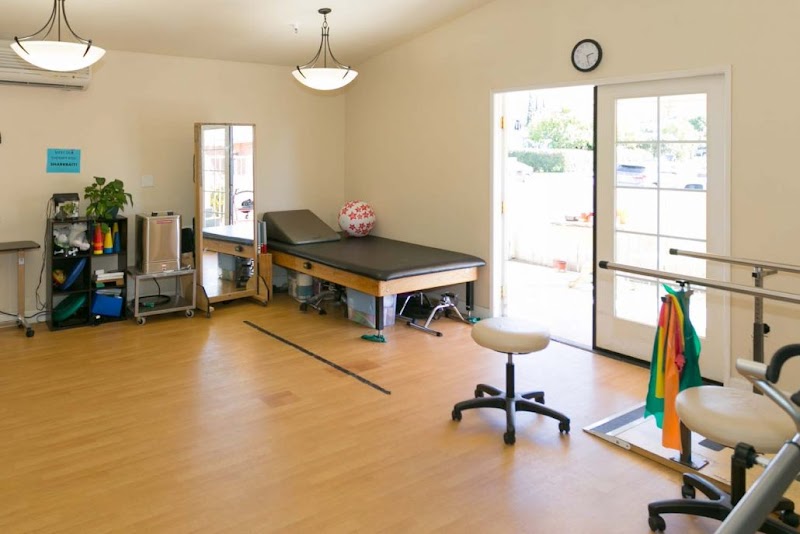
How is Magnolia Post Acute Care Staffed?

CMS rates MAGNOLIA POST ACUTE CARE's staffing level at 3 out of 5 stars, which is average compared to other nursing homes. Staff turnover is 40%, compared to the California average of 46%. This relatively stable workforce can support continuity of care.

What Have Inspectors Found at Magnolia Post Acute Care?

State health inspectors documented 33 deficiencies at MAGNOLIA POST ACUTE CARE during 2020 to 2025. These included: 33 with potential for harm.
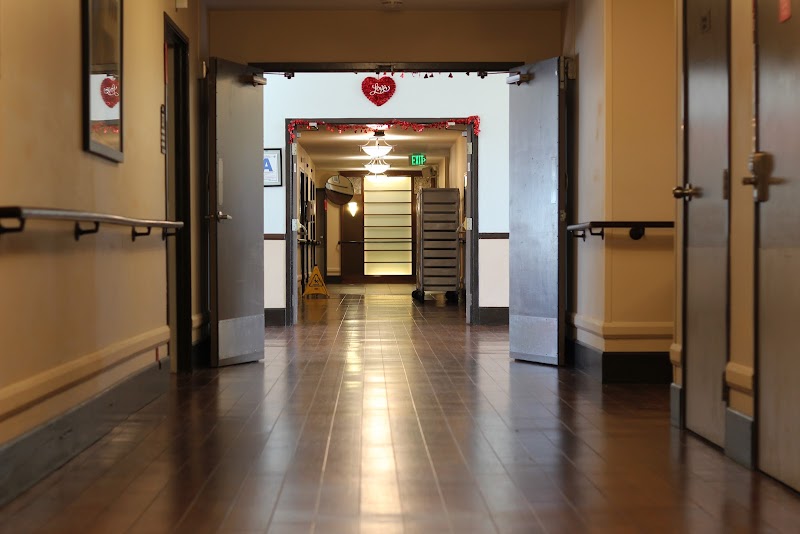
Who Owns and Operates Magnolia Post Acute Care?

MAGNOLIA POST ACUTE CARE is owned by a for-profit company. For-profit facilities operate as businesses with obligations to shareholders or private owners. The facility is operated by THE ENSIGN GROUP, a chain that manages multiple nursing homes. With 99 certified beds and approximately 90 residents (about 91% occupancy), it is a smaller facility located in EL CAJON, California.
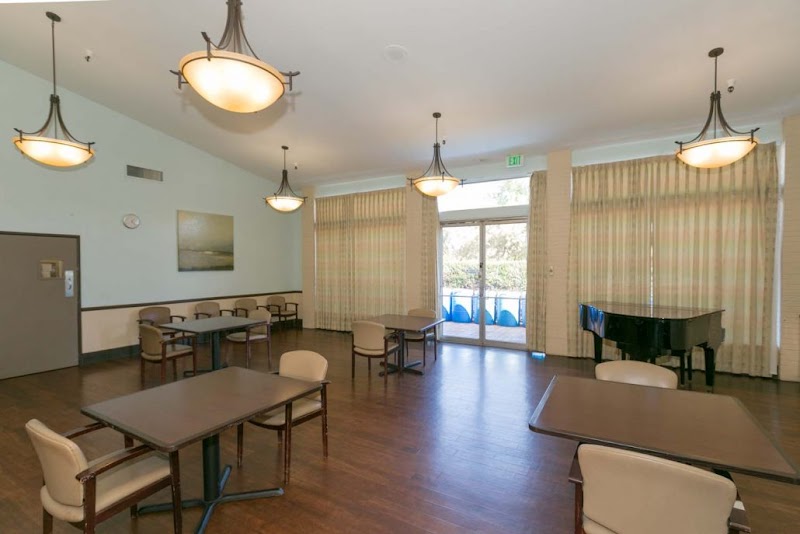
How Does Magnolia Post Acute Care Compare to Other California Nursing Homes?

Compared to the 100 nursing homes in California, MAGNOLIA POST ACUTE CARE's overall rating (5 stars) is above the state average of 3.2, staff turnover (40%) is near the state average of 46%, and health inspection rating (4 stars) is above the national benchmark.

What Should Families Ask When Visiting Magnolia Post Acute Care?

Based on this facility's data, families visiting should ask: "Can I visit during a mealtime to observe dining assistance and food quality?" "How do you handle medical emergencies, and what is your hospital transfer rate?" "Can I speak with family members of current residents about their experience?"

Is Magnolia Post Acute Care Safe?

Based on CMS inspection data, MAGNOLIA POST ACUTE CARE has a clean safety record: no substantiated abuse findings (meaning no confirmed cases of resident harm), no Immediate Jeopardy citations (the most serious violation level indicating risk of serious injury or death), and is not on the Special Focus Facility watch list (a federal program monitoring the lowest-performing 1% of nursing homes). The facility has a 5-star overall rating and ranks #1 of 100 nursing homes in California. While no facility is perfect, families should still ask about staff-to-resident ratios and recent inspection results during their visit.

Do Nurses at Magnolia Post Acute Care Stick Around?

MAGNOLIA POST ACUTE CARE has a staff turnover rate of 40%, which is about average for California nursing homes (state average: 46%). Moderate turnover is common in nursing homes, but families should still ask about staff tenure and how the facility maintains care continuity when employees leave.

Was Magnolia Post Acute Care Ever Fined?

MAGNOLIA POST ACUTE CARE has no federal fines on record. CMS issues fines when nursing homes fail to meet care standards or don't correct problems found during inspections. The absence of fines suggests the facility has either maintained compliance or corrected any issues before penalties were assessed. This is a positive indicator, though families should still review recent inspection reports for the full picture.

Is Magnolia Post Acute Care on Any Federal Watch List?

MAGNOLIA POST ACUTE CARE is not on any federal watch list. The most significant is the Special Focus Facility (SFF) program, which identifies the bottom 1% of nursing homes nationally based on persistent, serious quality problems. Not being on this list means the facility has avoided the pattern of deficiencies that triggers enhanced federal oversight. This is a positive indicator, though families should still review the facility's inspection history directly.