PARKSIDE HEALTH AND WELLNESS CENTER

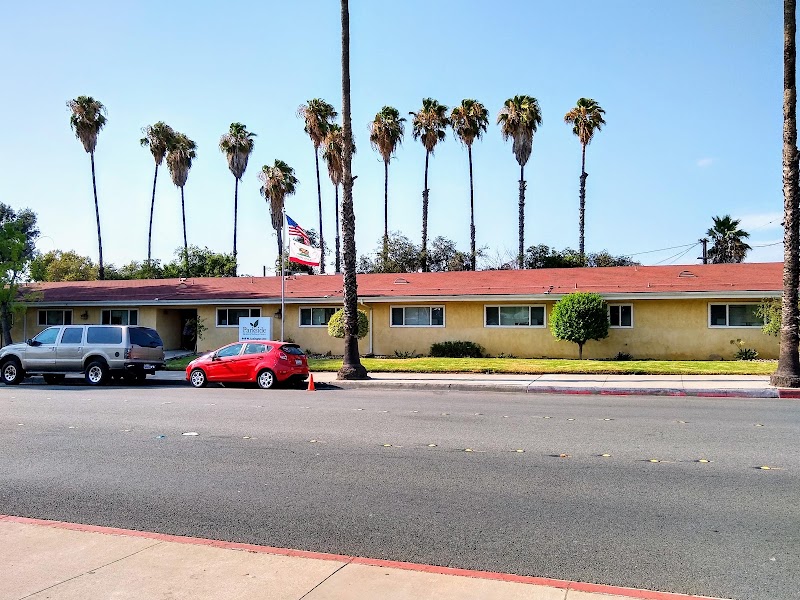
444 W LEXINGTON, EL CAJON, CA 92020 (619) 442-7744
For profit - Corporation 52 Beds THE ENSIGN GROUP Data: November 2025
Trust Grade
95/100
#162 of 1155 in CA
Last Inspection: May 2025

Inspected within the last 6 months. Data reflects current conditions.

Overview

Parkside Health and Wellness Center has received an impressive Trust Grade of A+, indicating it is considered an elite facility in terms of quality and care. It ranks #162 out of 1,155 nursing homes in California, placing it in the top half of all facilities statewide, and #22 out of 81 in San Diego County, meaning there are only 21 local options that perform better. However, the facility's trend is worsening, as the number of reported issues has increased from 3 in 2021 to 4 in 2025, which could raise concerns for families. Staffing is a strong point here, with a 5/5 star rating and a low turnover rate of 18%, significantly better than the state average, ensuring consistent care from familiar staff members. While there have been no fines recorded, which is a positive aspect, there have been instances of care deficiencies, including improper food preparation and issues with dining conditions that could affect residents' dignity and overall satisfaction.

Trust Score
A+
95/100
In California
#162/1155
Top 14%
Safety Record
Low Risk
No red flags
Inspections
Getting Worse
3 → 4 violations
Staff Stability
✓ Good
18% annual turnover. Excellent stability, 30 points below California's 48% average. Staff who stay learn residents' needs.
Penalties
✓ Good
No fines on record. Clean compliance history, better than most California facilities.
Skilled Nurses
○ Average
Each resident gets 33 minutes of Registered Nurse (RN) attention daily — about average for California. RNs are the most trained staff who monitor for health changes.
Violations
⚠ Watch
12 deficiencies on record. Higher than average. Multiple issues found across inspections.
★★★★★
5.0
Overall Rating
★★★★★
5.0
Staff Levels
★★★★★
5.0
Care Quality
★★★★★
5.0
Inspection Score
Stable
2021: 3 issues
2025: 4 issues

The Good

  • 5-Star Staffing Rating · Excellent nurse staffing levels
  • 5-Star Quality Measures · Strong clinical quality outcomes
  • Low Staff Turnover (18%) · Staff stability means consistent care
  • Full Sprinkler Coverage · Fire safety systems throughout facility
  • No fines on record
  • Staff turnover is low (18%)

    30 points below California average of 48%

Facility shows strength in staffing levels, quality measures, staff retention, fire safety.

The Bad

Chain: THE ENSIGN GROUP

Part of a multi-facility chain

Ask about local staffing decisions and management

The Ugly 12 deficiencies on record

May 2025 4 deficiencies
CONCERN (D)

Potential for Harm - no one hurt, but risky conditions existed

Resident Rights (Tag F0550)

Could have caused harm · This affected 1 resident

Based on observation, interview, and record review, the facility failed to ensure two residents (Resident 31 and Resident 10) were treated with dignity and respect when - Resident 30 and Resident 10 ...

Read full inspector narrative →
Based on observation, interview, and record review, the facility failed to ensure two residents (Resident 31 and Resident 10) were treated with dignity and respect when - Resident 30 and Resident 10 were not offered a table to dine in the dining room with other residents. -Residents 30 and 10 ate their meal at a table that was not clean. These failures had the potential to affect residents' psychosocial well-being related to dignity and respect. Findings: A dining observation and interview was conducted with Resident 31 on 5/27/25 at 11:36 A.M. in the dining room. Resident 31 and Resident 10 were both seated on a chair waiting for other residents to vacate a table so that they may eat. Resident 31 stated that he was frustrated to wait for a table to be vacated. During a follow-up observation on 5/27/25 at 11:47 A.M. in the dining room, Resident 31 and Resident 10 stood up and took open seats vacated by other residents who were finished eating. The tablecloth was observed filled with food debris from the previous residents who ate at the table. An interview was conducted with certified nursing assistant (CNA) 2 on 5/27/25 at 12:05 P.M. CNA 2 acknowledged that Resident 31 and Resident 10 waited for other residents to leave the table to have lunch. CNA 2 further stated that staff should have offered an available clean table to Resident 31 and Resident 10 when they entered the dining room. An interview was conducted with the Director of Nursing (DON) on 5/29/25 at 3:15 P.M. The DON stated that all residents should have a clean table available at mealtime. The DON further stated that staff should have offered and directed Resident 31 and Resident 10 to a clean table to eat. Per the facility's undated policy titled Dignity and Respect, It is the policy of this facility that all residents be treated with kindness, dignity and respect.
CONCERN (D)

Potential for Harm - no one hurt, but risky conditions existed

Pressure Ulcer Prevention (Tag F0686)

Could have caused harm · This affected 1 resident

**NOTE- TERMS IN BRACKETS HAVE BEEN EDITED TO PROTECT CONFIDENTIALITY** Based on observation, interview, and record review, the facility failed to provide adequate services for prevention of a pressur...

Read full inspector narrative →
**NOTE- TERMS IN BRACKETS HAVE BEEN EDITED TO PROTECT CONFIDENTIALITY** Based on observation, interview, and record review, the facility failed to provide adequate services for prevention of a pressure ulcer (PU - injury to the skin and underlying tissue resulting from prolonged pressure) for one of two sampled residents (Resident 1). This failure had the potential for Resident 1 to develop a PU. Findings: Resident 1 was admitted to the facility on [DATE] per the facility's Resident Face Sheet, with diagnoses of osteoarthritis (joint disease that causes loss of mobility) and dementia (memory problem). A review of Resident 1's nursing care plan (NCP - detailed nursing care that a resident receives) dated 5/27/24 indicated, Resident 1 will only sit on the wheelchair with foam for maximum of 2 hours. During an initial observation on 5/27/25 at 8:13 A.M., Resident 1 was observed sitting on her wheelchair in her bedroom. Observations were conducted on 5/27/25 at 10:13 A.M. and 1:15 P.M. Resident 1 was observed sitting on her wheelchair in her bedroom. A follow-up observation and interview was conducted on 5/27/25 at 3:15 P.M. with certified nursing assistant (CNA) 1. Resident 1 was sitting on her wheelchair in her bedroom. CNA 1 acknowledged that Resident 1 had been sitting on her wheelchair since that morning. CNA 1 further stated that Resident 1 should have been off the wheelchair to prevent the development of a PU. A concurrent interview and record review was conducted with licensed nurse (LN) 1 on 5/29/25 at 1:14 P.M. Resident 1's Braden Assessment (tool used to assess a resident's risk of developing PU), dated 5/6/25 indicated that Resident 1 had a high risk for developing a PU. LN 1 further stated that Resident 1 should have been on her wheelchair only for two hours, per Resident 1's NCP. There was no indication in Resident 1's record that Resident 1 refused care. An interview was conducted with the Director of Nursing (DON) on 5/29/25 at 3:30 P.M. The DON stated that the NCP should be implemented by nursing staff to address the care needed by residents. The DON further stated that Resident 1 should have been assisted off her wheelchair after two hours, to prevent the development of a PU. The facility's policy titled, Skin and Wound Monitoring and Management dated 3/2025, indicated .3. Prevention: In order to prevent pressure injuries, nursing staff shall implement, monitor impact of interventions and modify interventions as appropriate .
CONCERN (D)

Potential for Harm - no one hurt, but risky conditions existed

Infection Control (Tag F0880)

Could have caused harm · This affected 1 resident

**NOTE- TERMS IN BRACKETS HAVE BEEN EDITED TO PROTECT CONFIDENTIALITY** Based on observation, interview, and record review, the facility failed to ensure a nasal cannula (a flexible tubing that delive...

Read full inspector narrative →
**NOTE- TERMS IN BRACKETS HAVE BEEN EDITED TO PROTECT CONFIDENTIALITY** Based on observation, interview, and record review, the facility failed to ensure a nasal cannula (a flexible tubing that delivers oxygen via the nose) was labeled with a date, for one of 13 sampled residents (Resident 21). This failure had the potential for oxygen tubing to be used past the recommended date, increasing the potential for bacteria to form inside the nasal cannula and potentially cause respiratory infection to Resident 21. Findings: Resident 21 was admitted to the facility on [DATE] with diagnoses which included chronic respiratory failure (a disease causing difficulty breathing) and chronic obstructive pulmonary disease (a lung disease), per the facility's admission Record. On 5/27/25 at 11:45 A.M., a nasal cannula attached directly to an oxygen concentrator (a machine that delivers oxygen) was observed at Resident 21's bedside. The nasal cannula was not dated or labeled. A review of Resident 21's medical record was conducted on 5/28/25. A review of the physician's orders indicated Resident 21 needed continuous oxygen therapy. An interview was conducted with License Nurse (LN) 12 on 5/29/25 at 2:36 P.M. LN 12 verified that there was no date on the nasal cannula tubing. LN 12 stated that the nasal cannula tubing should have had a date and it should have been connected to a humidifier. LN 12 stated it was important to include a date on the tubing because it would indicate when the tubing needed to be changed. LN 12 stated that the nasal cannula tubing should be changed every seven days. LN 12 stated it was important to change the nasal cannula tubing every seven days for infection control, to prevent a buildup of bacteria in the tubing, and prevent Resident 21 from developing a respiratory infection. An interview was conducted with the Infection Preventionist (IP) on 5/29/25 at 2:44 P.M. The IP acknowledged that the nasal cannula tubing should be dated and changed every seven days. The IP stated it was important to change the nasal cannula for infection control and to prevent respiratory infections. The IP stated it was part of the facility's guideline to change the nasal cannula every seven days. An interview was conducted with the Director of Nursing (DON) on 5/29/25 at 2:53 P.M. The DON stated that Resident 21 should have a clean nasal cannula. The DON acknowledged that it was important to date the nasal cannula tubing, to know when it should be changed. A review of the facility's undated policy and procedure titled Oxygen Administration (Mask, Cannula, Catheter) did not indicate the guideline of when oxygen tubing should be changed.
CONCERN (E)

Potential for Harm - no one hurt, but risky conditions existed

Deficiency F0804 (Tag F0804)

Could have caused harm · This affected multiple residents

Based on observation, interview, and record review, the facility failed to ensure a cook followed the standardized recipe for sauce preparation. This failure had the potential to affect food palatabil...

Read full inspector narrative →
Based on observation, interview, and record review, the facility failed to ensure a cook followed the standardized recipe for sauce preparation. This failure had the potential to affect food palatability (referred to the pleasantness of taste; may influence behavior, particularly concerning the drive to eat) for 48 residents. Findings: A review of the lunch recipe scheduled on 5/29/25 indicated, for 48 residents: Teriyaki Fish. Sauce: Low sodium soy sauce 1 ½ cups. During a food preparation observation and interview in the kitchen on 5/29/25 at 9:55 A.M., the dietary cook (DC) poured 1 ¼ cups of low sodium soy sauce into a measuring cup. The DC stated that there was 1 ¼ cups of low sodium soy sauce in the measuring cup to make the teriyaki sauce. The DC poured the cup contents into the cooking pan. During an interview with the dietary manager (DM) on 5/29/25 at 1:15 P.M., the DM stated that the DC should follow all recipes approved by the registered dietitian. The DM further stated that the DC should have reviewed the recipe and should have poured 1 ½ cups of low sodium soy sauce to ensure food flavor and nutritional consistency was maintained. The facility's policy titled, Food Preparation, dated 2023, indicated, Procedure 1. The facility will use approved recipes, standardized to meet the resident census .
Dec 2021 3 deficiencies
CONCERN (D)

Potential for Harm - no one hurt, but risky conditions existed

Deficiency F0688 (Tag F0688)

Could have caused harm · This affected 1 resident

**NOTE- TERMS IN BRACKETS HAVE BEEN EDITED TO PROTECT CONFIDENTIALITY** Based on observation, interview, and record review, the facility failed to identify a decline in left hand flexibility for one ...

Read full inspector narrative →
**NOTE- TERMS IN BRACKETS HAVE BEEN EDITED TO PROTECT CONFIDENTIALITY** Based on observation, interview, and record review, the facility failed to identify a decline in left hand flexibility for one of two residents (Resident 34), reviewed for range of motion (ROM). As a result, there was the potential for Resident 34 to have a deterioration in ROM, resulting in a loss of independence for activities of daily living (ADL-dressing, bathing, grooming, and personal hygiene). Findings: Resident 34 was admitted on [DATE], with diagnoses which included rheumatoid arthritis (chronic progressive disease causing inflammation in the joints and resulting in painful deformity), per the facility's admission Record. On 12/6/21 at 8:46 A.M., an observation and interview was conducted with Resident 34, while in her room. Resident 34 was standing with her left hand clutched in a fist. Resident 34 stated her left hand started to ball-up in August after she tripped. Resident 34 was physically unable to fully extend her fingers out, without manually using her right hand to assist with the extension. Resident 34 denied any pain or swelling to the left hand or fingers. Resident 34 stated she would like to have some therapy, to see if the balling up could be fixed. On 12/7/21 at 1: 41 P.M., an observation and interview was conducted with Resident 34 while she was walking in the hallway. Resident 34 was observed with her left hand tightened into a fist. Resident 34 could partially open her hand when asked to. Resident 34 denied pain, but said it had been slowly getting worse. Resident 34 stated she would like have therapy, so it could get better. On 12/7/21 at 2:52 P.M., Resident 34's clinical record was reviewed: Per the annual Minimal Data Set (a clinical assessment tool), dated 11/5/21, a cognitive assessment score of 15 was listed, indicating cognition was intact. The functional status for Activities of Daily Living indicated the resident required one staff for set-up only. The Rehabilitation Services Screening Tool, dated 8/5/21 and 10/22/21, indicated Resident 34 was assessed and had no limited range of motion in her hands. The Weekly Nursing Assessments, dated 11/22/21 and 11/30/21, indicated Resident 34's had no ROM issues identified. Per the care plan, titled Rheumatoid arthritis, dated 11/4/19, list interventions, .Identify and record impact on function . There was no documented evidence a care plan was developed for ROM deficits. On 12/8/21 at 8:12 A.M., Resident 34 was observed sitting on the side of bed, eating breakfast with her right hand. Resident 34's left hand was clutched in a fist. On 12/8/21 at 8:25 A.M., an interview was conducted with LN 1. LN 1 stated weekly nursing assessments required complete head to toe resident assessments. LN 1 stated the assessments were important to identify issues such as skin, behaviors, and new injuries. LN 1 stated if issues were identified, the issues needed to be communicated and documented. LN 1 stated if ROM deficits were identified, the physician, responsible party and director of rehab should also be informed, so a plan of care could be developed. LN 1 stated limited ROM could affect a resident's independence and movement, making them more dependent on staff. On 12/8/21 at 8:44 A.M., an interview was conducted with CNA 1. CNA 1 stated contractures (shortening of the muscles), meant the resident was unable to fully move or extend the muscle group. CNA 1 stated if she noticed a resident with a deficit in their ROM, she would inform the LNs, so they could assess the resident and then contact the physician. CNA 1 stated limited ROM should be corrected as soon as possible, or else the condition could worsen or become permanent, making the resident more dependent on staff. On 12/8/21 09:02 A.M., an interview was conducted with RNA 1. RNA 1 stated if a decrease in a resident's ROM was identified, it needed to be reported to the LNs and addressed immediately. RNA 1 stated physical therapy would get a physician's order to assess the resident, so a corrective plan could be developed. RNA 1 stated if the condition went unidentified the resident's flexibility could worsen, resulting in the resident's inability to perform his or her own activities of daily living. On 12/8/21 at 9:16 A.M., an interview was conducted with the DOR. The DOR stated if a resident had limited ROM, a physician's order would be obtained for the RNA or physical therapy department to conduct an assessment. The DOR stated stretching exercises could be initiated and the condition should be monitored and tracked. The DOR stated he expected CNAs and LNs to inform the physical therapy department if any issue were identified. On 12/8/21 at 9:27 A.M., the DOR examined Resident 34 as she sat on the side of her bed. The DOR stated Resident 34 was unable to fully extend her ring finger on the left hand, and she should be fully assessed. The DOR stated the limited ROM should have been captured by staff. On 12/8/21 at 9:50 A.M., an interview was conducted with the DON. The DON stated she expected staff to capture and identified any changes in resident conditions. The DON stated a decrease in ROM could affect a resident's independence. Per the facility's policy, titled ROM and Contracture Prevention, dated January 2021, .1. All residents will have a comprehensive .assessment performed to identify contracture problems . 2.recommendations, goals and interventions will be established .
CONCERN (D)

Potential for Harm - no one hurt, but risky conditions existed

Deficiency F0801 (Tag F0801)

Could have caused harm · This affected 1 resident

Based on observation, interview and record review, the facility failed to ensure safe and effective Dietetic Services oversight when: 1. A menu alternative was produced without weighing the ingredient...

Read full inspector narrative →
Based on observation, interview and record review, the facility failed to ensure safe and effective Dietetic Services oversight when: 1. A menu alternative was produced without weighing the ingredients, 2. The same food alternative was allowed daily for one resident, and 3. Documentation of ongoing collaboration between the RD and the FNSD was not maintained. This failure to ensure effective oversight of the day-to-day dietetic services operations had the potential to place 50 residents at nutritional risk, and further compromise the residents' medical status. (Cross reference F803) Findings: 1. On 12/8/21 at 11:31 A.M., an observation of the lunch food production was conducted. The main entrée was a three-ounce portion of tilapia. Dietary Aide 1 (DA 1) was preparing a grilled cheese sandwich. Per DA 1, the grilled cheese sandwich was for Resident 23. DA 1 stated the facility offered an alternate menu of three or four items in the event a resident did not want the main entrée. DA 1 stated she used two slices, or two ounces of cheese, to make the sandwich. On 12/8/21 at 11:36 A.M., an observation of DA 1 was conducted. DA 1 placed two slices of cheese on a food scale and read the weight as under one ounce. DA 1 took two different slices of cheese from the box, placed them on the scale, and read the weight as one ounce. Per DA 1, We will have to use more cheese to make the grilled cheese sandwiches. On 12/8/21 at 11:40 A.M., an interview was conducted with the Food & Nutrition Services Director (FNSD). Per the FNSD, the alternates list was offered to residents in case they did not want the main entrée. The FNSD stated she was aware of the importance of weighing the cheese since it was providing the protein for the lunch meal. Per the FNSD, the grilled cheese sandwich was supposed to have two ounces of cheese. The FNSD stated she was responsible for ensuring the recipe was followed. The FNSD stated the alternates list was approved by the facility's RD. On 12/8/21 at 2 P.M., a review of the facility's grilled cheese sandwich recipe was conducted. The portion size was listed as, 1 sandwich = 2 oz protein. The recipe listed eight servings, or eight sandwiches, would require 16 slices of cheese (or two slices per sandwich). An additional document, titled Meal Service Alternatives Fall 2021 listed Grilled Cheese Sandwich as an alternate entrée, with the instruction to notify Dietary or Nursing if choosing an alternative item in place of the regular menu item served. 2. On 12/8/21 at 11:31 A.M., an observation of the lunch food production was conducted. The main entrée was a three-ounce portion of tilapia. Dietary Aide 1 (DA 1) was preparing a grilled cheese sandwich. Per DA 1, the grilled cheese sandwich was for Resident 23. DA 1 stated Resident 23 requested the grilled cheese sandwich daily as her lunch entrée. DA 1 stated the facility offered an alternate menu of three or four items in the event a resident did not want the main entrée. On 12/8/21 at 11:40 A.M., an interview was conducted with the FNSD. Per the FNSD, the alternates list was offered to residents in case they do not want the main entrée. The FNSD stated the alternates list was approved by the facility's RD. On 12/8/21 at 2 P.M., a review of a facility document, titled Meal Service Alternatives Fall 2021, was conducted. The document listed Grilled Cheese Sandwich as an alternate entrée, with the instruction to notify Dietary or Nursing if choosing an alternative item in place of the regular menu item served. 3. On 12/8/21 at 11:40 A.M., an interview was conducted with the FNSD. Per the FNSD, she and the RD met weekly to discuss any resident nutritional concerns, kitchen sanitation, and staff training. The FNSD stated there was no documentation from their meetings of what was discussed. On 12/9/21 at 9:51 A.M., an interview was conducted with the RD. The RD stated it was her responsibility to review the menus for nutritional adequacy, including the alternates menu. The RD stated the alternates menu was necessary to provide a variety of food choices for the residents. Per the RD, the grilled cheese should have contained two ounces of cheese to provide an adequate amount of protein. The RD stated, I did not look at the nutrition information for the alternate items and I should have. The RD stated she was not aware Resident 23 was requesting the grilled cheese sandwich daily, and there had been no limit on the frequency of requested menu alternates. Per the RD, That is something I should know about. It would not be in the best interest of the resident to eat the same food daily. The RD stated she and the FNSD met weekly, but they did not document the meetings. The RD stated, We should document our discussions. Per a facility Job Description, dated 2018 and titled FNS Director, .Duties and Responsibilities: .3. Is responsible for the preparation and service of all food and ensures that approved menus and accompanying recipes are followed .8. Make menu adjustments as needed according to .resident request, with final approval of the Dietitian . Per a facility policy, dated 2018 and titled Personnel Management, .Responsibilities of the Consultant Dietitian .The Dietitian will .assure the professional food & nutrition service needs of the facility are met. This will include, but is not limited to .meal service accuracy and enforcement/education of State, County and Federal regulations .
CONCERN (D)

Potential for Harm - no one hurt, but risky conditions existed

Menu Adequacy (Tag F0803)

Could have caused harm · This affected 1 resident

Based on observation, interview and record review, the facility failed to ensure the nutritional adequacy of an alternate menu item offered to residents. This failure had the potential to result in fu...

Read full inspector narrative →
Based on observation, interview and record review, the facility failed to ensure the nutritional adequacy of an alternate menu item offered to residents. This failure had the potential to result in further compromised medical and nutritional status of residents. Findings: On 12/8/21 at 11:31 A.M., an observation of the lunch food production was observed. The main entrée was a three-ounce portion of tilapia. Dietary Aide 1 (DA 1) was preparing a grilled cheese sandwich. Per DA 1, the grilled cheese sandwich was for Resident 23, who requested the sandwich every day for lunch. DA 1 stated the facility offered an alternate menu of three or four items in the event a resident did not want the main entrée. DA 1 stated she used two slices, or two ounces of cheese, to make the sandwich. On 12/8/21 at 11:36 A.M., a concurrent interview and observation of DA 1 was conducted. DA 1 stated a portion size of the cheese was two slices to make one sandwich. DA 1 placed two slices of cheese on a food scale and read the weight under one ounce. DA 1 took two different slices of cheese from the box, placed them on the scale, and read the weight as one ounce. Per DA 1, We will have to use more cheese to make the grilled cheese sandwiches, it's supposed to be two ounces. On 12/8/21 at 11:40 A.M., an interview was conducted with the Food & Nutrition Services Director (FNSD). Per the FNSD, the alternates list was offered to residents in case they did not want the main entrée. The FNSD stated Resident 23 wanted the grilled cheese sandwich daily at lunch, and the facility had no limit to the number of times the alternate could be chosen each week. The FNSD stated it was her responsibility to ensure the recipes were followed. The FNSD stated the alternates list was approved by the facility's RD. On 12/8/21 at 2 P.M., a review of the facility's grilled cheese sandwich recipe was conducted. The portion size was listed as, 1 sandwich = 2 oz protein. The recipe listed eight servings, or eight sandwiches, would require 16 slices of cheese (or two slices per sandwich). On 12/9/21 at 9:51 A.M., an interview was conducted with the RD. The RD stated it was her responsibility to review the menus for nutritional adequacy, including the alternates menu. The RD stated the alternates menu was necessary to provide a variety of food choices for the residents. Per the RD, each ounce of cheese was equal to one ounce of protein, and the grilled cheese should have contained two ounces of cheese. The RD stated, I did not look at the nutrition information for the alternate items, and I should have. The RD stated there had been no limit on the frequency of menu alternates provided, but there should have been, in order to ensure nutritional adequacy of the resident's intake. Per the facility diet manual, dated 2018 and titled RDs for Healthcare, Inc. Diet Manual, Section 3, .4. The menus are planned to meet nutritional needs of residents in accordance with established national guidelines . Per the facility diet manual, dated 2018 and titled RDs for Healthcare, Inc. Diet Manual, Section 3, Menu Planning to Meet Recommended Daily Dietary Allowances, .Meat Group: .Two ounces of cheese .may be used occasionally in place of 2 ounces of meat .
Feb 2020 5 deficiencies
CONCERN (D)

Potential for Harm - no one hurt, but risky conditions existed

Deficiency F0552 (Tag F0552)

Could have caused harm · This affected 1 resident

**NOTE- TERMS IN BRACKETS HAVE BEEN EDITED TO PROTECT CONFIDENTIALITY** Based on observation, interview, and record review, the facility failed to implement the facility's policy and conduct a bioethi...

Read full inspector narrative →
**NOTE- TERMS IN BRACKETS HAVE BEEN EDITED TO PROTECT CONFIDENTIALITY** Based on observation, interview, and record review, the facility failed to implement the facility's policy and conduct a bioethics committee (committee to support resident rights and make decisions regarding healthcare) when making complex decisions on behalf of one of 15 residents (9) who lacked decision making capacity and had no responsible party. This failure placed Resident 9 at risk for having medical decisions made that were not in the resident's best interest. Findings: Resident 9 was admitted to the facility on [DATE] and readmitted on [DATE] with diagnoses to include schizophrenia (a disease characterized by thoughts or experiences that seem out of touch with reality, disorganized speech or behavior, and decreased participation in daily activities), per the facility's admission Record. On 2/4/20 at 10:19 A.M., an observation was conducted. Resident 9 was propelling himself up and down the hall in his wheelchair. Resident 9 made mumbling noises and laughed when spoken to. Resident 9 would not engage in meaningful conversation. A review of Resident 9's History and Physical Examination, dated 11/4/15, indicated the resident did not have the capacity to understand and make decisions. Furthermore, per Resident 9's History and Physical dated 1/27/20, .No family or relatives found for this pt (patient) . A review of Resident 9's MDS assessment (an assessment tool) Section C, dated 10/31/19, indicated the resident scored 00 on the BIMS which indicated the resident was cognitively impaired. On 2/6/20 at 12:40 P.M., an interview was conducted with the LTC Ombudsman (resident advocate). The LTC Ombudsman stated she had been assigned as ombudsman to the facility for the last seven years. The LTC Ombudsman stated she had never been part of any bioethics committee conducted for Resident 9 or any other resident in the facility. On 2/6/20 at 3:07 P.M., an interview was conducted with the SSD. The SSD stated Resident 9 did not have mental capacity to understand or make decisions. The SSD stated the facility conducted one bioethics committee in 2013 for Resident 9. The SSD stated there should have been a bioethics committee conducted for Resident 9 with every decision that required consent or participation of the resident or responsible party. A review of Resident 9's Verification of Resident Informed Consent, dated 5/15/19, for Psychotherapeutic Drugs (drugs that control thoughts, mood, or behavior) Classification of Drug . Depakote 500 mg (a psychotherapeutic drug) . The box was checked next to .I have reviewed with the resident the following material information . and was signed by MD 1 for obtaining informed consent. The form was also signed by the DON for verifying consent was obtained by the physician. A review of Resident 9's physician orders, dated 5/15/19, indicated the resident received Depakote 500mg to treat schizophrenia. On 2/7/20 at 8:09 A.M., a joint interview and record review was conducted with the DON. The DON reviewed Resident 9's Verification of Resident Informed Consent, dated 5/15/19 for Depakote 500 mg. The DON stated MD 1 did not explain the risks and benefits of the medication to Resident 9 because the resident did not have the mental capacity to understand or make decisions. The DON stated she signed that consent had been verified knowing the physician did not obtain consent. The DON stated psychotherapeutic medications were an important part of a resident's medical care. The DON stated there should have been a bioethics committee conducted to discuss the medication risks and benefits and whether or not Resident 9 should be treated with Depakote. The DON stated there should have been a bioethics committee conducted with all required members as per facility policy. The DON stated, we messed up on this one. On 2/7/20 at 3:51 P.M., a telephone interview was conducted with MD 1. MD 1 stated the risks and benefits of Depakote 500 mg were not explained to the resident since the resident lacked capacity. MD 1 stated he continued what the previous physician ordered, and had not obtained consent. MD 1 stated he was not part of a bioethics committee to discuss and make the decision to use Depakote for Resident 9. MD 1 stated he could not recall being part of a bioethics committee for any residents of the facility. Per the facility's undated policy titled Resident Rights Bioethics Committee/Epple Bill, .When situations arise that involve complex bioethical decisions, a Bioethics committee/IDT shall meet to address the issues . possible Bioethics Committee/IDT involvement include: . D. To act as surrogate decision maker for residents who are incapable of making their own decisions and have no responsible party or interested person . 3. The Bioethics committee/IDT is composed of: Facility administrator, director of nursing services, medical director/attending physician at SNF, social services director/designee, LTC Ombudsman Per the facility's policy titled Informed Consent-CA, revised May 2018, .2. A physician's orders related to the use of psychotherapeutic drug should have an informed consent obtained by the physician within 72 hours . Procedures . 2. To use the Verification of Informed Consent form, facility staff shall: a. Confirm that the physician who obtained Informed Consent has provided all necessary and required information relative to the drug/treatment/procedure
CONCERN (D)

Potential for Harm - no one hurt, but risky conditions existed

Deficiency F0602 (Tag F0602)

Could have caused harm · This affected 1 resident

**NOTE- TERMS IN BRACKETS HAVE BEEN EDITED TO PROTECT CONFIDENTIALITY** Based on observation, interview, and record review, the facility failed to protect resident belongings for one of 15 residents (...

Read full inspector narrative →
**NOTE- TERMS IN BRACKETS HAVE BEEN EDITED TO PROTECT CONFIDENTIALITY** Based on observation, interview, and record review, the facility failed to protect resident belongings for one of 15 residents (27) reviewed for personal property. This failure resulted in a potential for resident to resident altercation between Resident 27 and Resident 35. Findings: Resident 27 was admitted to the facility on [DATE], with diagnoses which included, anxiety disorder (a long standing mental disorder with persistent worry and fear that interfere with daily activities) and schizophrenia (a mental disorder of thinking and behavior that impairs daily functioning), per the facility's admission Record. On 2/4/20, at 3:35 P.M., an interview and observation with Resident 27 was conducted. Resident 27 was sitting on his bed and stated his roommate, Resident 35, was stealing his clothes. Resident 27 stated the SSD was informed a week ago about the incident and told Resident 27 that his closet would have to be locked. Resident 27 stated, nothing had been done and felt frustrated because there were no locking devices on Resident 27's closet door. On 2/6/20 at 9:02 A.M., a concurrent observation and interview with CNA 30 was conducted. CNA 30 stated Resident 27 informed CNA 30 that Resident 35 had his clothes, and told CNA 30, Just don't let him (Resident 35) touch my stuff. When CNA 30 opened Resident 27's closet, there was no locking device. CNA 30 stated Resident 35 had the tendency to grab clothes and go into Resident 27's closet, and redirection did not work. CNA 30 further stated, LN 30 was informed of the incident. CNA 30 stated anyone could easily access Resident 27's closet. On 2/6/20, a review of Resident 27's medical record was conducted. There was no documentation in the nursing progress notes, or in the social worker notes, related to Resident 27's missing personal clothing items. On 2/6/20, at 10:48 A.M., a record review and interview with the SSD was conducted. The SSD stated Resident 35 had a behavior of wandering and opening closets. The SSD recalled last week she was informed by CNA 31 of Resident 35 opening closets. The SSD stated there was no documentation of the incident or follow-up. On 2/6/20, at 11 A.M., a record review and interview with the MA was conducted. The MA stated the Maintenance Log book was used to communicate requests between staff and the MA. There was no work request found in the maintenance log to install locks on Resident 27's closet. On 2/7/20, at 2:43 P.M., an interview with the DON was conducted. The DON stated, the issue with Resident 27's closet being accessed by Resident 35 was not communicated effectively between the nursing staff, the SSD and the MA, when it should have been. The DON stated, the nursing staff, the SSD, and the MA did not intervene immediately to protect Resident 27's belongings. The DON stated this could have caused an altercation between Resident 27 and Resident 35. A review of the facility's policy titled, Personal Property, Resident's, revised May 2007, indicated, .it is the policy of this facility to provide .safety for resident's personal property
CONCERN (D)

Potential for Harm - no one hurt, but risky conditions existed

Quality of Care (Tag F0684)

Could have caused harm · This affected 1 resident

**NOTE- TERMS IN BRACKETS HAVE BEEN EDITED TO PROTECT CONFIDENTIALITY** Based on observation, interview, and record review, the facility failed to ensure wound treatments were consistently provided as...

Read full inspector narrative →
**NOTE- TERMS IN BRACKETS HAVE BEEN EDITED TO PROTECT CONFIDENTIALITY** Based on observation, interview, and record review, the facility failed to ensure wound treatments were consistently provided as ordered to one of 15 residents (31), reviewed for quality of care. In addition, a physician's wound treatment order was not carried out, or clarified by nursing staff. These failures had the potential to negatively impact Resident 31's wound healing and to impede the coordination of care. Findings: Resident 31 was admitted to the facility on [DATE] with diagnoses to include diabetes mellitus (inability to control blood sugar) with foot ulcer (open wound) and atherosclerosis (narrowing via the build-up of fats/plaques) of native arteries of left leg with ulceration of other part of foot, per the facility's admission Record. 1a. On 2/4/20 at 9:40 A.M., an observation and interview was conducted with Resident 31. Resident 31 was sitting in bed and his right foot was wrapped in a pressure-offloading boot. Resident 31 stated he had wounds on his feet. Resident 31 stated his bandages were supposed to be changed daily. Resident 31 stated he was lucky if they (nursing staff) change it three times a week. Resident 31 stated he did not refuse wound treatments. Resident 31 stated nursing staff just never came. Resident 31's clinical record was reviewed. Resident 31's MDS assessment (an assessment tool) Section C, dated 9/17/19, indicated the resident scored 15 on the BIMS (a score of 13-15 indicated cognition was intact). Resident 31's TAR was reviewed as follows: September 2019- daily treatment to right great toe (cleanse with NS, apply medihoney (ointment), apply cutimed (dressing), apply hydrofoam blue (antibacterial dressing), apply duoderm (dressing), cover with island dressing, and cover site with rolled gauze). The TAR was blank on 9/6/19 and 9/17/19. October 2019- daily treatment to right foot (cleanse with NS, apply antiseptic gel, cover with gauze, and apply compression with rolled gauze). The TAR was blank on 10/17/19 and 10/24/19. November 2019- daily treatment to right foot and heel ulcer (cleanse with NS, apply wet hydrofoam blue, and cover with gauze). The TAR was blank on 11/20/19 and 11/27/19. December 2019- daily treatment to left heel (cleanse with NS, apply betadine, wrap with rolled gauze). The TAR was blank on 12/29/19. -daily treatment to left lateral foot, right lateral foot, and right heel (Cleanse with NS, apply medihoney, soak gauze with Dakin's solution (medicated solution), cover with dressing and wrap with rolled gauze). The TAR was blank on 12/29/19. January 2020- daily treatment to left lateral foot, right lateral foot, and right heel (Cleanse with NS, apply medihoney, soak gauze with Dakin's solution, cover with dressing and wrap with rolled gauze). The TAR was blank on 1/23/20, 1/25/20, and 1/26/20. - daily treatment to left heel (cleanse with NS, apply betadine, wrap with rolled gauze). The TAR was blank on 1/23/20, 1/25/20, and 1/26/20. On 2/5/20 at 3:12 P.M. a joint interview and record review was conducted with LN 1. LN 1 stated Resident 31 required daily treatment to the wounds on his feet. LN 1 stated adherence to wound treatment was very important as Resident 31 was diabetic and diabetic wounds could easily become infected. LN 1 stated nurses were required to sign the TAR after treatment was provided to a resident. LN 1 reviewed Resident 31's TARs and stated the TAR was blank on 9/6/19, 9/17/19, 10/17/19, 10/24/19, 11/20/19, 11/27/19, 12/29/19, 1/23/20, 1/25/20, and 1/26/20. LN 1 stated there was no documentation Resident 31 refused wound treatment or was out of the facility on those days. LN 1 stated if the wound treatment was left blank in the TAR then the treatment was not provided to Resident 31. LN 1 stated Resident 31 should have received regular and consistent wound treatments. Multiple attempts were made to interview the main wound treatment nurse and the wound physician. The facility failed to provide the requested information. On 2/7/20 at 2:30 P.M., an interview was conducted with the DON. The DON stated Resident 31's TAR should not have unsigned treatments. The DON acknowledged if the treatment was not signed, then the treatment was not done. 1b. Resident 31's clinical record was reviewed. Wound Physician Notes dated 12/23/19, 1/2/20, 1/6/20, 1/13/20, 1/20/20, 1/27/20, and 2/3/20 indicated, Assessment and Plan: . to right foot x 2 (two wounds) and left foot . 5. Use cutimed sorbact with honey on Friday dressing change and no dressing change on the weekend . On 2/6/20 at 8:35 A.M., a joint interview and record review was conducted with LN 1. LN 1 reviewed Resident 31's clinical record and Wound Physician Notes. LN 1 stated there was no order to use cutimed sorbact with honey on Friday dressing change and no dressing change on the weekend. LN 1 stated the wound physician's assessment and plan was considered an order and should have been followed. LN 1 stated nursing had not carried that order out or asked the physician for clarification. LN 1 stated this should have been done. LN 1 further stated nursing was supposed to read the physician's wound documentation and make note of any recommendations or changes to the treatment plan. Multiple attempts were made to interview the main wound treatment nurse and the wound physician. The facility failed to provide the requested information. On 2/7/20 at 2:23 P.M., an interview was conducted with the DON. The DON stated a recommendation from the wound physician was considered an order and was expected to be carried out. The DON stated there should have been better coordination of care and communication between the wound physician and nursing. On 2/7/20 at 4:17 P.M., an interview was conducted with the DON. The DON stated the facility did not have a policy related to coordinating care or communication between physicians and nursing.
CONCERN (D)

Potential for Harm - no one hurt, but risky conditions existed

Tube Feeding (Tag F0693)

Could have caused harm · This affected 1 resident

**NOTE- TERMS IN BRACKETS HAVE BEEN EDITED TO PROTECT CONFIDENTIALITY** Based on interview and record review, the facility failed to administer tube feedings (places food and fluids directly into the ...

Read full inspector narrative →
**NOTE- TERMS IN BRACKETS HAVE BEEN EDITED TO PROTECT CONFIDENTIALITY** Based on interview and record review, the facility failed to administer tube feedings (places food and fluids directly into the stomach through a tube inserted in the abdomen) consistent with a physician's order for one of two residents (26) reviewed for tube feeding. This failure had the potential for Resident 26 to be placed at risk for altered nutrition related to inadequate caloric intake. Findings: Resident 26 was admitted on [DATE] with diagnoses which include dysphagia (difficulty swallowing) and adult failure to thrive (loss of appetite) per the facility's admission Record, dated 2/7/20. A record review of Resident 26's Order Summary Report, dated 1/31/20, indicated Resident 26 had a physician's order, dated 1/1/20, to receive 1120 milliliters (mls) of tube feeding, starting at 6 P.M. to run 14 hours daily. A record review of Resident 26's Medication Administration Records (MARs), dated 1/1/20-1/31/20, and 2/1/20-2/29/20, indicated LNs documented the completed amounts of tube feeding for Resident 26 as follows: 1/2/20-1/9/20, 1200 mls daily, 1/10/20-11/13/20, 960 mls daily, 1/14/20, 920 mls, 1/15/20-1/17/20, 1160 mls daily, 1/18/20, 1440 mls, 1/19/20, 1200 mls, 1/20/20-1/22/20, 1160 mls daily, 1/25/20-1/26/20, 880 mls daily, 1/27/20, 960 mls, 1/28/20, 1040 mls, 1/30/20-1/31/20, 880 mls daily, 2/1/20-2/3/20, 960 mls daily, and 2/4/20, 1200 mls. On 2/7/20 at 9:15 A.M., a concurrent interview and record review with LN 18 was conducted. LN 18 stated nurses were to take the completed amount indicated by the feeding pump (pump that delivers continuous tube feeding), calculate the amount provided for their shift, and document the amount. LN 18 stated nurses should continue the tube feeding until the ordered amount was given. LN 18 reviewed Resident 26's MARs and stated nurses were documenting too much or too little of tube feeding, and not as ordered by the physician. LN 18 stated 1120 mls of tube feeding was the physician's order and should be followed to prevent complications. On 2/7/20 at 10:30 A.M., an interview with the RD was conducted. The RD stated Resident 26 was on tube feeding to prevent weight loss. The RD stated tube feeding orders should be followed to maintain adequate nutrition and hydration to prevent any decline in disease processes. On 2/7/20 at 2:13 P.M., an interview with the DON was conducted. The DON stated nurses should be following physician's orders and providing the correct amount of tube feeding to meet the appropriate caloric intake, prevent dehydration, and prevent weight loss. According to the facility's policy, titled Infection Control Policy/Procedure: Subject Tube Feeding ., revised June 2007, .It is the policy of this facility to assure safe practice in providing tube feedings .2.according to the physician's order .3. Stop the pump. Check volume control for amount infused and record intake. Clear the volume control .6. Document feeding on tube feeding record .
CONCERN (E)

Potential for Harm - no one hurt, but risky conditions existed

Food Safety (Tag F0812)

Could have caused harm · This affected multiple residents

Based on observation, interview, and record review, the facility failed to ensure practices that mitigated the risk of resident food contamination were followed, when: 1. Dishware and utensils were st...

Read full inspector narrative →
Based on observation, interview, and record review, the facility failed to ensure practices that mitigated the risk of resident food contamination were followed, when: 1. Dishware and utensils were stored while wet. In addition, wet water pitchers were air dried outside of the kitchen next to soiled linen barrels. 2. Resident dishware and kitchen equipment were stored with dirt, debris, and objects resembling rat feces on them. 3. Spoiled produce was stored amongst unspoiled produce. 4. Clean dishware and utensils had food debris on them. 5. Glassware had cracks and a food scoop had a melted handle. These failures to mitigate potential food contamination may result in foodborne illness (illness caused from consumption of contaminated or toxic food). Findings: 1. On 2/4/20 at 8:15 A.M., a joint kitchen observation and interview was conducted with the DDS. Five plastic water pitchers and two plastic food prep tubs were wet when stored in the cabinet. Two wet food scoops were stored in the drawer above the cabinet. The DDS stated clean dishes and utensils should not have been put away wet as this could lead to contamination. The DDS stated dishware should be air dried first and then stored for next use. On 2/4/20 at 8:50 A.M., a joint kitchen observation and interview was continued with the DDS. Five plastic water pitchers and two plastic food prep tubs were observed air drying on a portable food cart outside of the kitchen. The sun was shining directly on the dishware. The cart with drying dishware was placed approximately four feet away from several barrels labeled soiled linen. Weeds, dirt, leaves, and a soiled mop and bucket surrounded the food cart and drying dishware. The DDS stated I have no room to dry them inside. The DDS stated the dishware could become dirty and contaminated when air drying outside of the kitchen. On 2/6/20 at 10 A.M., an interview was conducted with the facility's RD. The RD stated dishes and utensils should not be put away wet. The RD stated it was her expectation that dishware be air dried prior to being stored. The RD further stated it was not an acceptable practice to air dry dishware outside in the elements and next to soiled items. The RD stated I've never seen anything like that. Per the facility's policy titled Dish Washing, dated 2018, . 5. Dishes are to be air dried in racks before stacking and storing 2. On 2/4/20 at 8:50 A.M., a joint kitchen observation and interview was conducted with the DDS. Two portable outside kitchen storage areas were inspected. The DDS stated dishware used for residents and kitchen equipment were stored within the portable storage sheds. The first storage shed had shelves with dishware covered in a layer of dust. A food slicer and food processor was placed directly on the bottom of the storage unit. The food slicer and food processor were covered with a thick layer of dirt and leaves. The food slicer had small black objects resembling rat feces on it. The DDS stated the dishware and kitchen equipment in the first storage shed were dirty and the black objects looked like turds (feces). The DDS stated the condition of the outside storage shed was not acceptable. On 2/6/20 at 10 A.M., an interview was conducted with the facility's RD. The RD stated she was not aware kitchen equipment and dishes were stored in portable storage sheds outside. The RD stated the kitchen equipment in the outside storage shed should not have been stored directly on the bottom of the storage container. The RD stated the dishware and kitchen equipment should not have been visibly soiled with dust or dirt. The RD stated there should not have been anything resembling rat feces near kitchen equipment or dishware. Per the facility's policy titled Sanitation, dated 2018, .9. All utensils, counters, shelves and equipment shall be kept clean, . 3. On 2/4/20 at 8:20 A.M., a joint kitchen observation and interview was conducted with the DDS. The reach-in refrigerator (#2) had a large uncovered plastic container with tomatoes and green bell peppers in it. Three green bell peppers had large black fuzzy areas the size of quarters resembling mold on them. The three green bell peppers had a slippery, slimy feel. The DDS stated the three bell peppers should not be there with the rest of the vegetables. The DDS stated the three bell peppers were spoiled and should have been thrown away. On 2/6/20 at 10 A.M., an interview was conducted with the facility's RD. The RD stated there should not be any spoiled produce mixed in with unspoiled produce. The RD stated the three spoiled bell peppers should have been removed from circulation. Per the 2017 US FDA Food Code, 3-302.11 Packaged and Unpackaged Food -Separation, Packaging, and Segregation. (A) FOOD shall be protected from cross contamination by: .(7) Not Storing damaged, spoiled, or recalled FOOD .held in the FOOD ESTABLISHMENT as specified under § 6-404.11 . Per the facility's policy titled Storing Produce, dated 2018, 1. Check boxes of fruit and vegetables for rotten, spoiled items . Throw away all spoiled items .When storing vegetables .green peppers, . they will stay fresh longer if you place them in a sealed bag or container. 9. Remove the wilted or spoiled portions of lettuce, celery, and other fresh vegetables in the refrigerator often so they don't cause the rest of the vegetables to spoil 4. On 2/4/20 at 8:20 A.M., a joint kitchen observation and interview was conducted with the DDS. The dishware and utensil storage area was observed. Six food serving scoops used for puree, one ladle, and one pair of tongs had dried, caked on food debris. The DDS stated the scoops, ladle, and tongs had not been thoroughly cleaned. The DDS stated it was her expectation for dishware and utensils to be double checked to ensure they were thoroughly cleaned before storing them. On 2/6/20 at 10 A.M., an interview was conducted with the facility's RD. The RD stated the dishware and utensils should have been thoroughly cleaned before being stored. The RD stated clean utensils should not have dried on food debris. On 2/6/20 at 12:50 P.M., an observation of the dishwashing process was conducted with DA 1. DA 1 stated the dishes on the counter were clean and were air drying. Two glasses and the top and bottom container used to puree food was air drying with visible food debris on them. DA 1 stated clean dishes should not have food debris on them. DA 1 stated the dishes should have been checked to ensure they were thoroughly cleaned. Per the facility's policy titled Dish Washing, dated 2018, .1. Gross food particles shall be removed by careful scraping and pre-rinsing in running water 5. On 2/4/20 at 8:20 A.M., a joint kitchen observation and interview was conducted with the DDS. The dishware and utensil storage area was observed. One food scoop used for puree had a melted handle that was cracked and had holes in it. The DDS stated the scoop should not be in circulation for use. The DDS stated the scoop should have been thrown out and replaced with a new one. On 2/6/20 at 10 A.M., an interview was conducted with the facility's RD. The RD stated kitchen utensils and dishware should be kept in good condition. On 2/6/20 at 12:50 P.M., an observation of the dishwashing process was conducted with DA 1. Plastic glassware was observed stored on a rack. DA 1 stated the glassware was clean and ready for use. Three plastic drinking glasses had cracks and chips along the bottom and top rim of the glasses. DA 1 stated cracked and chipped drinking glasses were supposed to be thrown away as cracks could harbor germs. Per the facility's policy titled Sanitation, dated 2018, . 9. All utensils, counters, shelves and equipment shall be kept clean, maintained in good repair and shall be free from breaks, corrosions, open seam, cracks and chipped areas. 10. Plastic ware, china and glassware that becomes unsightly, unsanitary or hazardous because of chips, cracks or loss of glaze shall be discarded
Understanding Severity Codes (click to expand)
Life-Threatening (Immediate Jeopardy)
J - Isolated K - Pattern L - Widespread
Actual Harm
G - Isolated H - Pattern I - Widespread
Potential for Harm
D - Isolated E - Pattern F - Widespread
No Harm (Minor)
A - Isolated B - Pattern C - Widespread

Questions to Ask on Your Visit

  • "Can I speak with families of current residents?"
  • "What's your RN coverage like on weekends and overnight?"

Our Honest Assessment

Strengths
  • • Grade A+ (95/100). Above average facility, better than most options in California.
  • • No major safety red flags. No abuse findings, life-threatening violations, or SFF status.
  • • No fines on record. Clean compliance history, better than most California facilities.
  • • 18% annual turnover. Excellent stability, 30 points below California's 48% average. Staff who stay learn residents' needs.
Concerns
  • • 12 deficiencies on record. Higher than average. Multiple issues found across inspections.
Bottom line: Generally positive indicators. Standard due diligence and a personal visit recommended.

About This Facility

What is Parkside Health And Wellness Center's CMS Rating?

CMS assigns PARKSIDE HEALTH AND WELLNESS CENTER an overall rating of 5 out of 5 stars, which is considered much above average nationally. Within California, this rating places the facility higher than 99% of the state's 100 nursing homes. This rating reflects solid performance across the metrics CMS uses to evaluate nursing home quality.

How is Parkside Health And Wellness Center Staffed?

CMS rates PARKSIDE HEALTH AND WELLNESS CENTER's staffing level at 5 out of 5 stars, which is much above average compared to other nursing homes. Staff turnover is 18%, compared to the California average of 46%. This relatively stable workforce can support continuity of care.

What Have Inspectors Found at Parkside Health And Wellness Center?

State health inspectors documented 12 deficiencies at PARKSIDE HEALTH AND WELLNESS CENTER during 2020 to 2025. These included: 12 with potential for harm.

Who Owns and Operates Parkside Health And Wellness Center?

PARKSIDE HEALTH AND WELLNESS CENTER is owned by a for-profit company. For-profit facilities operate as businesses with obligations to shareholders or private owners. The facility is operated by THE ENSIGN GROUP, a chain that manages multiple nursing homes. With 52 certified beds and approximately 50 residents (about 96% occupancy), it is a smaller facility located in EL CAJON, California.

How Does Parkside Health And Wellness Center Compare to Other California Nursing Homes?

Compared to the 100 nursing homes in California, PARKSIDE HEALTH AND WELLNESS CENTER's overall rating (5 stars) is above the state average of 3.2, staff turnover (18%) is significantly lower than the state average of 46%, and health inspection rating (5 stars) is much above the national benchmark.

What Should Families Ask When Visiting Parkside Health And Wellness Center?

Based on this facility's data, families visiting should ask: "Can I visit during a mealtime to observe dining assistance and food quality?" "How do you handle medical emergencies, and what is your hospital transfer rate?" "Can I speak with family members of current residents about their experience?"

Is Parkside Health And Wellness Center Safe?

Based on CMS inspection data, PARKSIDE HEALTH AND WELLNESS CENTER has a clean safety record: no substantiated abuse findings (meaning no confirmed cases of resident harm), no Immediate Jeopardy citations (the most serious violation level indicating risk of serious injury or death), and is not on the Special Focus Facility watch list (a federal program monitoring the lowest-performing 1% of nursing homes). The facility has a 5-star overall rating and ranks #1 of 100 nursing homes in California. While no facility is perfect, families should still ask about staff-to-resident ratios and recent inspection results during their visit.

Do Nurses at Parkside Health And Wellness Center Stick Around?

Staff at PARKSIDE HEALTH AND WELLNESS CENTER tend to stick around. With a turnover rate of 18%, the facility is 27 percentage points below the California average of 46%. Low turnover is a positive sign. It means caregivers have time to learn each resident's needs, medications, and personal preferences. Consistent staff also notice subtle changes in a resident's condition more quickly. Registered Nurse turnover is also low at 29%, meaning experienced RNs are available to handle complex medical needs.

Was Parkside Health And Wellness Center Ever Fined?

PARKSIDE HEALTH AND WELLNESS CENTER has no federal fines on record. CMS issues fines when nursing homes fail to meet care standards or don't correct problems found during inspections. The absence of fines suggests the facility has either maintained compliance or corrected any issues before penalties were assessed. This is a positive indicator, though families should still review recent inspection reports for the full picture.

Is Parkside Health And Wellness Center on Any Federal Watch List?

PARKSIDE HEALTH AND WELLNESS CENTER is not on any federal watch list. The most significant is the Special Focus Facility (SFF) program, which identifies the bottom 1% of nursing homes nationally based on persistent, serious quality problems. Not being on this list means the facility has avoided the pattern of deficiencies that triggers enhanced federal oversight. This is a positive indicator, though families should still review the facility's inspection history directly.