STILLWATER POST-ACUTE
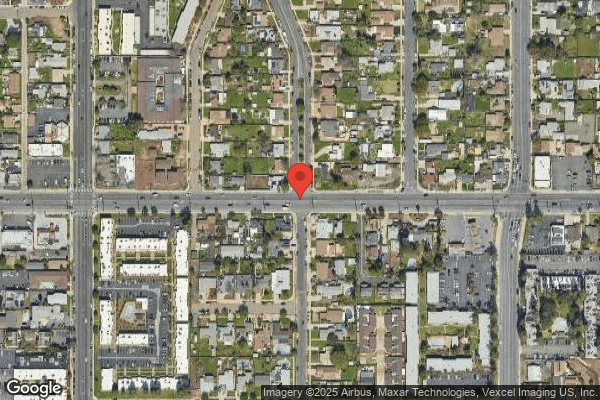

510 E. WASHINGTON AVENUE, EL CAJON, CA 92020 (619) 440-1211
For profit - Limited Liability company 256 Beds LINKS HEALTHCARE GROUP Data: November 2025
Trust Grade
40/100
#1121 of 1155 in CA
Last Inspection: April 2025

Within standard 12-15 month inspection cycle. Federal law requires annual inspections.

Overview

Stillwater Post-Acute in El Cajon, California has a Trust Grade of D, indicating below-average performance with some concerns. It ranks #1121 out of 1155 facilities in California, placing it in the bottom half, and #80 of 81 in San Diego County, suggesting limited local options that are better. The facility is showing an improving trend, with a decrease in issues from 26 in 2024 to 23 in 2025, but it still has a significant number of concerns, totaling 66. Staffing is a weakness, with a rating of 2 out of 5 stars and a high turnover rate of 52%, which is above the state average of 38%; however, it has no fines on record, which is a positive sign. Specific incidents include issues in the kitchen where staff failed to properly sanitize and maintain food safety standards, exposing residents to potential foodborne illnesses, and a lack of follow-through on care plans for residents with critical health needs.

Trust Score
D
40/100
In California
#1121/1155
Bottom 3%
Safety Record
Low Risk
No red flags
Inspections
Getting Better
26 → 23 violations
Staff Stability
⚠ Watch
52% turnover. Above average. Higher turnover means staff may not know residents' routines.
Penalties
✓ Good
No fines on record. Clean compliance history, better than most California facilities.
Skilled Nurses
○ Average
Each resident gets 33 minutes of Registered Nurse (RN) attention daily — about average for California. RNs are the most trained staff who monitor for health changes.
Violations
⚠ Watch
66 deficiencies on record. Higher than average. Multiple issues found across inspections.
★☆☆☆☆
1.0
Overall Rating
★★☆☆☆
2.0
Staff Levels
★☆☆☆☆
1.0
Care Quality
★★☆☆☆
2.0
Inspection Score
Stable
2024: 26 issues
2025: 23 issues

The Good

  • Full Sprinkler Coverage · Fire safety systems throughout facility
  • No fines on record

Facility shows strength in fire safety.

The Bad

1-Star Overall Rating

Below California average (3.1)

Significant quality concerns identified by CMS

Staff Turnover: 52%

Near California avg (46%)

Higher turnover may affect care consistency

Chain: LINKS HEALTHCARE GROUP

Part of a multi-facility chain

Ask about local staffing decisions and management

The Ugly 66 deficiencies on record

Apr 2025 20 deficiencies
CONCERN (D)

Potential for Harm - no one hurt, but risky conditions existed

Resident Rights (Tag F0550)

Could have caused harm · This affected 1 resident

**NOTE- TERMS IN BRACKETS HAVE BEEN EDITED TO PROTECT CONFIDENTIALITY** Based on observation, interview, and record review the facility failed to maintain the dignity of one resident out of thirty-sev...

Read full inspector narrative →
**NOTE- TERMS IN BRACKETS HAVE BEEN EDITED TO PROTECT CONFIDENTIALITY** Based on observation, interview, and record review the facility failed to maintain the dignity of one resident out of thirty-seven sampled residents (Resident 227) when she was asked by staff to have a bowel movement in her brief. This failure had the potential to affect this Resident 227's dignity and mental health. Findings: Review of admission Record for Resident 227 indicated resident was admitted on [DATE] for diagnoses which included Cervical(relating to the neck) Disc Disorder with Myelopathy (disease of the spinal cord), Spinal Stenosis (condition where the spinal canal narrows, causing compression of the spinal cord), Chronic Kidney Disease (a condition where the kidneys are damaged and cannot effectively filter waste and fluid from the blood), Congestive Heart Failure (a condition where the heart can't pump enough blood to meet the body's needs), and Respiratory Failure (condition where the lungs struggle to transfer enough oxygen into the blood). Review of Minimum Data Set (MDS-a standardized assessment tool used in nursing homes) section C-Cognitive (thinking processes) Patterns indicated that Resident 227 had a Brief Interview for Mental Status (BIMs-a quick assessment tool used to evaluate cognitive function) score of 14, which indicated intact cognitive abilities. Review of MDS section GG-Functional Abilities, indicated Resident 227 was dependent for self-care, independent for Self-Cognition (thinking processes), and dependent for toileting hygiene. On 4/15/25 at 10:18 A.M., an observation and interview with Resident 227 was conducted during initial pooling. Resident 227 was observed to be very pleasant and alert and oriented x4 (a person is fully alert and oriented to person, place, time, and event). Resident 227 stated that she was bedbound with leg strength at time of interview. Resident 227 stated that she was constipated and that before she was hospitalized , she could use the commode, but probably could not at this time because of the weakness of her legs. Resident 227 further stated that she was feeling, backed up and that the night staff had told her to move her bowels in the diaper, and they would clean her up after. Resident stated that staff did not offer her a bedpan. On 4/17/25 at 8:45 A.M., an interview with Resident 227 was conducted. Resident 227 stated she had still been constipated and they had been putting her on the bedpan mostly, but night shift staff still asked to have a bowel movement in her diaper and did not offer her a bedpan. On 4/17/25 at 9 A.M., an interview with Certified Nursing Assistant (CNA 11) was conducted. CNA 11 stated Resident 227 was alert enough to ask for a bedpan when she had to move her bowels. CNA 11 stated the expectation for alert residents who cannot use commode, or bathroom should be offered a bedpan to maintain the resident's dignity. On 4/17/25 at 9:20 A.M. an interview with Licensed Nurse 12 (LN 12) was conducted. LN 12 stated that Resident 227 was alert enough to ask for bedpan when she had to move her bowels. LN 12 stated the expectation for alert residents who cannot use commode, or bathroom should be offered a bedpan. LN 12 stated the importance was to maintain the resident's dignity. On 4/17/25 at 9:30 A.M., an interview with Charge Nurse 13 (CN 13) was conducted. CN 13 stated that Resident 227 was alert enough to ask for bedpan when she had to move her bowels. CN 13 stated the expectation for alert residents who cannot use commode, or bathroom should be offered a bedpan. CN 13 stated the importance was to maintain the resident's dignity and allow for resident's right to choose. On 4/18/25 at 9:45 A.M., an interview with the Director of Nursing (DON) was conducted. The DON stated the expectation for alert residents who cannot use commode, or bathroom should be offered a bedpan to maintain the resident's dignity and allow for resident's right to choose. Review of facility policy titled QUALITY OF LIFE, dated 2020, indicated Each resident shall be cared for in a manner that promotes and enhances his or her sense of wellbeing, level of satisfaction with life, feeling of self-worth and self-esteem .11. Demeaning practices and standards of care that compromise dignity are prohibited. Staff are expected to promote dignity and assist residents. For example .b. Promptly responding to a resident's request for toileting assistance . Review of facility policy titled RESIDENT RIGHTS, dated December 2016, indicated Employees shall treat all residents with kindness, respect, and dignity .1. Federal and state laws guarantee certain basic rights to all residents of this facility. These rights include the resident's right to: 1. a dignified existence; b. be treated with respect, kindness, and dignity .
CONCERN (D)

Potential for Harm - no one hurt, but risky conditions existed

Safe Environment (Tag F0584)

Could have caused harm · This affected 1 resident

**NOTE- TERMS IN BRACKETS HAVE BEEN EDITED TO PROTECT CONFIDENTIALITY** Based on observation and interview, the facility failed to provide a blanket after showering to one of 37 sampled residents (148...

Read full inspector narrative →
**NOTE- TERMS IN BRACKETS HAVE BEEN EDITED TO PROTECT CONFIDENTIALITY** Based on observation and interview, the facility failed to provide a blanket after showering to one of 37 sampled residents (148). As a result, Resident 148 felt cold. Findings: Per the facility's admission Record, Resident 148 was admitted to the facility on [DATE] with diagnoses to include heart failure and absence of right ankle. On 4/15/25 at 10 A.M., an observation and interview was conducted with Resident 148. Resident 148 was observed lying on his bed wearing only a disposable brief, and was not covered by any linens. Resident 148 stated, when Certified Nursing Assistant (CNA) 3 brought him back to his bed at 9 A.M. after his shower, he asked her to cover him with a blanket. Resident 148 further stated, CNA 3 told him she would come back to give him a blanket, but he had been waiting an hour for her to return. Resident 148 stated he was cold. On 4/15/25 at 12:54 P.M., an interview was conducted with CNA 3. CNA 3 stated, she finished providing a shower to Resident 148 at about 9 A.M., and returned him to his room. CNA 3 further stated, she was delayed in bringing him his blanket because she was busy. On 4/18/25 at 9 A.M., an interview was conducted with the Director of Nursing (DON). The DON stated, the blankets should have already been ready when CNA 3 returned Resident 148 to his bed, and he should not have had to wait for his blanket after returning from the shower. Per the facility's policy, titled Homelike Environment, revised February 2021, .Residents are provided with a safe, clean, comfortable and homelike environment .clean bed and bath linens .comfortable and safe temperatures .
CONCERN (D)

Potential for Harm - no one hurt, but risky conditions existed

PASARR Coordination (Tag F0644)

Could have caused harm · This affected 1 resident

**NOTE- TERMS IN BRACKETS HAVE BEEN EDITED TO PROTECT CONFIDENTIALITY** Based on interview and record review, the facility failed to complete a mental health screening accurately for one of 37 sampled...

Read full inspector narrative →
**NOTE- TERMS IN BRACKETS HAVE BEEN EDITED TO PROTECT CONFIDENTIALITY** Based on interview and record review, the facility failed to complete a mental health screening accurately for one of 37 sampled residents (17). As a result, Resident 17 may not have received necessary mental health services. Findings: Per the facility's admission Record, Resident 17 was admitted to the facility on [DATE] with diagnoses of bipolar disorder (a mental health disorder with mood swings). Per the facility's Preadmission Screening and Resident Review (PASRR) Level 1 screening, dated 11/30/24, the screening was negative and a level 2 mental health evaluation was not required. The document also directed the facility to resubmit a new level 1 screening in 31 days. On 4/17/25 at 10 A.M., a concurrent interview and record review was conducted with the Minimum Data Set Nurse (MDSN). The MDSN stated, Resident 17's latest PASRR was completed on 11/30/24, and it indicated Resident 17 had bipolar disorder, but it did not direct them to complete a level 2 PASRR evaluation. The MDSN stated the 11/30/24 PASRR was inaccurate and it should have triggered a level 2 PASRR evaluation. The MDSN further stated, a new PASRR screening should have been completed within 30 days of the screening on 11/30/24. On 4/18/25 at 9 A.M., an interview was conducted with the Director of Nursing (DON). The DON stated, if a resident had bipolar disorder, then the PASRR should have triggered a level 2 PASRR evaluation. The DON further stated, the facility should have submitted a new level 1 PASRR within 30 days of the evaluation completed on 11/30/24. Per the facility's policy, titled admission Criteria, revised March 2019, .If the level I screen indicates that the individual may meet the criteria .he or she is referred to the state PASARR representative for the Level II (evaluation and determination) screening process .
CONCERN (D)

Potential for Harm - no one hurt, but risky conditions existed

Deficiency F0655 (Tag F0655)

Could have caused harm · This affected 1 resident

**NOTE- TERMS IN BRACKETS HAVE BEEN EDITED TO PROTECT CONFIDENTIALITY** Based on observation, interview, and record review, the facility failed to initiate an initial activities care plan within 48 ho...

Read full inspector narrative →
**NOTE- TERMS IN BRACKETS HAVE BEEN EDITED TO PROTECT CONFIDENTIALITY** Based on observation, interview, and record review, the facility failed to initiate an initial activities care plan within 48 hours for one of 11 reviewed new admitted residents (Resident 570). This deficient practice placed all newly admitted residents at risk for depression (a mood disorder that causes a persistent feeling of sadness) and missed opportunities to take part in enjoyable activities that supported their emotional and mental well-being. Findings: A review of Resident 570's admission Record indicated Resident 570 was admitted to the facility on [DATE] with diagnoses which included a history of depression. A clinical chart review of Resident 570's initial Activities assessment dated [DATE] indicated, Resident 570 was alert and oriented x1 [only oriented to person] with severe cognitive (pertaining to memory, judgement and reasoning ability) deficits. On 4/15/25 at 11:52 A.M., an observation and interview was conducted with Resident 570, in Resident 570's room. Resident was non-verbal and was unable to answer simple yes or no questions. Resident 570 was frowning and a bit teary eyed while lying in bed with a startled-like appearance while clenched on her blanket. On 4/16/25 at 9:12 A.M., an observation and attempted interview was conducted with Resident 570, in Resident 570's room. Resident 570 was lying in bed and was unable to verbalize. Resident 570 just stared and looked confused to verbal communication and was unable to answer simple yes or no questions. On 4/16/25 at 1:26 P.M., a clinical chart review was conducted on Resident 570's initial care plan. Resident 570's initial care plan for activities was initiated on 4/14/25. Resident 570's activities care plan indicated .Encourage participation during group programs .Inform and offer out of room activities . On 4/18/25 at 8:20 A.M., an interview was conducted with Licensed Nurse (LN) 26. LN 26 stated Resident 570 does not talk to me but according to the family she was just real scared of being in the facility and if you get too close, she can get reactive (e.g. physically hit someone). LN 26 stated Resident 570 was verbal and understood English and Spanish according to a staff interview. On 4/18/25 at 9:51 A.M., an interview and clinical chart review was conducted on Resident 570, with the Activities Director (AD). The AD stated that there was always someone representing the activities department on the weekends that did initial evaluations for new admissions. The AD stated Resident 570's activities care plan was initiated on 4/14/25. The AD stated they evaluated and documented under ACTIVITIES-Initial Assessment in Resident 570's electronic clinical chart (e-chart) to initiate the activities care plan that included how Resident 570 communicated (e.g. verbal, non-verbal methods) and preferred language to provide proper activities. On 4/18/25 at 9:58 A.M., an interview and record review was conducted with Activities Assistant (AA) 1. AA 1 stated they were responsible to put in a baseline care plan within 48 hours for all new admissions. AA 1 stated Resident 570 was admitted on Friday (4/11/25) and that she was working on Sunday (4/13/25). AA 1 stated she did not evaluate Resident 570 until 4/14/25 as the reason why she did not initiate the activities care plan for Resident 570. AA 1 stated Resident 570 can say bad words only when she wants but had not heard Resident 570 verbally talk to her. AA 1 stated Resident 570's care plan was not initiated timely and further stated we would not be able to provide resident [Resident 570] activities and delay her care. She would be in her bed doing nothing. On 4/18/25 at 10:02 A.M., an interview was conducted with the AD. The AD stated that the baseline care plan should have been initiated by the activities department regarding Resident 570's status to avoid delaying activities that Resident 570 likes to do because that's important. The AD stated if Resident 570 was unable to verbalize her preference with activities that they [activities department] should have communicated with the family and make sure communication preferences were updated with the baseline care plan to better communicate with Resident 570 if she was not able to verbalize her needs. The AD further stated the baseline care plan helped to communicate with other staff involved with Resident 570's care on her activities preferences and communication. On 4/18/25 at 2:45 P.M., an interview with the Director of Nurse (DON) was conducted, in the conference room. The DON stated her expectations was for all members of the interdisciplinary team (IDT) to include the activities department's input with Resident 570's immediate care needs should include communication preferences, and activities preferences that promotes participation with activities and overall psychosocial well-being. A review of the facility's policy and procedure titled CARE PLANS BASELINE, revised 2016 indicated, .The Interdisciplinary Team will review the healthcare practitioner's orders .and implement a baseline care plan to meet the resident's immediate care needs .
CONCERN (D)

Potential for Harm - no one hurt, but risky conditions existed

Deficiency F0657 (Tag F0657)

Could have caused harm · This affected 1 resident

**NOTE- TERMS IN BRACKETS HAVE BEEN EDITED TO PROTECT CONFIDENTIALITY** Based on interview and record review, the facility failed to create a comprehensive care plan for one of 37 sampled residents (R...

Read full inspector narrative →
**NOTE- TERMS IN BRACKETS HAVE BEEN EDITED TO PROTECT CONFIDENTIALITY** Based on interview and record review, the facility failed to create a comprehensive care plan for one of 37 sampled residents (Resident 183). This failure caused Resident 183's medication to be unmonitored. Cross Reference F757 and F881. Findings: Resident 183 was admitted to the facility on [DATE] with a diagnosis of aftereffects of a cerebral infarction (Stroke- lack of blood flow to the brain). Additional diagnoses included metabolic encephalopathy (brain dysfunction due to the body's inability to filter toxins). During a concurrent interview and record review on 4/18/25 at 1:55 P.M., with the Director of Nursing (DON), the DON stated, Care plans drive the resident care, they should be resident specific. The DON further stated, if it [a resident's care plan] is not specific, the resident might not get the appropriate care. Resident 183's care plans were reviewed. The DON stated there is no care plan for antibiotic monitoring. There should be one. During an interview on 4/18/25 at 2:10 P.M., with the Infection Preventionist (IP), the IP stated Resident 183 has been on this medication since admission. The IP further stated Yes, the care plan is not specific to this medication. It should be. During a review of the facility's policy titled Care Plans, Comprehensive Person-Centered revised December 2016, the document indicated .8. The comprehensive, person-centered care plan will aid in preventing or reducing decline in the resident's functional status and/or functional levels .
CONCERN (D)

Potential for Harm - no one hurt, but risky conditions existed

Deficiency F0679 (Tag F0679)

Could have caused harm · This affected 1 resident

**NOTE- TERMS IN BRACKETS HAVE BEEN EDITED TO PROTECT CONFIDENTIALITY** Based to observation, interview and record review, the facility failed to provide individualized therapeutic and/or social activ...

Read full inspector narrative →
**NOTE- TERMS IN BRACKETS HAVE BEEN EDITED TO PROTECT CONFIDENTIALITY** Based to observation, interview and record review, the facility failed to provide individualized therapeutic and/or social activities according to their plan of care for one of seven reviewed residents (Resident 67) that promotes their highest physical, mental, and psychosocial well-being. This deficient practice placed Resident 67 at risk for decreased emotional well-being, social isolation, and reduced quality of life due to the lack of meaningful engagement. Findings: A review of Resident 67's admission Record indicated Resident 67 was re-admitted to the facility on [DATE] with diagnoses which included a history of adult failure to thrive (a decline caused by chronic diseases and functional impairments which can cause weight loss, decreased appetite, poor nutrition, and inactivity) and dementia (a progressive state of decline in mental abilities). Observations were conducted during the following days in Resident 67's room: - 4/15/25 at 9:49 A.M., Resident 67 was in bed resting with a blanket wearing a facility gown and was not verbal staring blankly at the ceiling. - 4/15/25 at 3:48 P.M., Resident 67 was in bed resting wearing a facility gown and was not verbal staring blankly at the ceiling. - 4/17/25 at 8:29 A.M., Resident 67 was in bed asleep. - 4/17/25 2:21 P.M., Resident 67 was in bed resting wearing a facility gown and was not verbal staring blankly at the ceiling. - 4/18/25 8:29 A.M., Resident 67 was in bed resting wearing a facility gown and was not verbal staring blankly at the ceiling. On 4/16/25 at 7:54 A.M., a record review was conducted on Resident 67's Activities care plan with activities. The Care plan initiated on 4/5/24 indicated, .will have 1:1 room visits activities to reduce BPSD [Behavioral and Psychological Symptoms of Dementia (loss of mental abilities)] episodes 3x [three times] per week . On 4/16/25 at 2:03 P.M., a record review was conducted on Resident 67's Activities participation tasks documentation for the month of January 2025-April 2025. Resident 67's activity participation task for individual and social activities conducted 3x per week indicated: - 1/1/25 thru 1/7/25: Activities conducted two times on 1/4/25 and 1/6/25. - 1/8/25 thru 1/14/25: Activities conducted two times on 1/9/25 and 1/13/25. - 1/22/25 thru 1/31/25: No activities conducted. - 2/1/25 thru 2/28/25: No activities conducted. - 3/1/25 thru 3/7/25: Activities conducted one time on 3/6/25. - 3/8/25 thru 3/14/25: Activities conducted one time on 3/13/25. - 3/15/25 thru 3/21/25: Activities conducted two times on 3/18/25 and 3/21/25. - 3/22/25 thru 3/28/25: Activities conducted one time on 3/23/25. - 3/29/25 thru 3/31/25: Activities conducted one time on 3/31/25. - 4/1/25 thru 4/6/25: Activities conducted two times on 4/5/25 and 4/6/25. - 4/8/25 thru 4/14/25: Activities conducted two times on 4/9/25 and 4/12/25. On 4/18/25 at 10:17 A.M., an interview and record review was conducted with the Activities Director (AD). The AD stated Resident 67 liked music and would sing with her when they did a music activity. The AD stated Resident 67 would also enjoy participating with lotion massage, listening to music on the radio and participate with balloon toss. The AD stated she was aware that resident was not getting activities three times a week within the last month and stated she was on leave at the beginning of the year to audit. The AD stated she planned on training one of the Activities Assistant (AA) to help her when she was unavailable to help with audits and do more initial evaluations and care plans. The AD stated Resident 67 did participate in social events in the past and stated they should try and have Resident 67 participate more with social events. The AD stated if Resident 67 did not engage with activities according to his plan of care that Resident 67 could have declined and became more depressed (mental disorder with continuous sadness) and lonelier. On 4/18/25 at 2:52 P.M., an interview with the Director of Nursing (DON) was conducted, in the conference room. The DON stated for dependent residents like Resident 67 they should have been visited regularly per their plan of care because it was their right to participate with activities. The DON stated not engaging with activities according to their [facility residents] plan of care could have caused depression that did not promote their highest physical, mental and psychosocial well-being. A review of the facility's policy and procedure, titled ACTIVITIES ATTENDANCE, revised June 2018 indicated, .Records are reviewed on a regular basis, and at least quarterly, to determine any changes in resident participation that might indicate a change in condition and lead to reassessment and care plan review .
CONCERN (D)

Potential for Harm - no one hurt, but risky conditions existed

Deficiency F0687 (Tag F0687)

Could have caused harm · This affected 1 resident

**NOTE- TERMS IN BRACKETS HAVE BEEN EDITED TO PROTECT CONFIDENTIALITY** Based on observation, interview, and record review, the facility failed to ensure one of 37 sampled residents (Resident 141) rec...

Read full inspector narrative →
**NOTE- TERMS IN BRACKETS HAVE BEEN EDITED TO PROTECT CONFIDENTIALITY** Based on observation, interview, and record review, the facility failed to ensure one of 37 sampled residents (Resident 141) received foot care and treatment as ordered by the physician. This failure resulted in missed appointments and treatment aimed to prevent complications from conditions such as diabetes, peripheral vascular disease, or immobility Findings: Resident 141 was admitted to the facility on [DATE] with diagnoses which included peripheral vascular disease (having to do with the blood vessels and circulation), hereditary and idiopathic neuropathy (disease or dysfunction of one or more nerves, typically causing numbness or weakness in the hands and feet), and diabetes mellitus (DM-a disorder characterized by difficulty in blood sugar control and poor wound healing). During an interview and observation on 4/15/25 at 8:55 A.M , Resident 141 stated he had long toenails and a fungal condition and had been on a list to see the podiatrist (healthcare provider specializing in foot care) for months. Resident 141 was observed to have long, thick toenails that were approximately a quarter inch in length. The resident also had dry, cracked feet. A record review was conducted on 4/16/25. Resident 141's physician's order dated 2/9/24, indicated podiatry every 2 months and PRN (as needed) for mycotic (something related to, caused by, or of a fungus), hypertrophic (excessive growth) nails, corns and calluses (thickening of or a hard thickened area on skin). During an interview on 4/18/25 at 8:20 A.M , Certified Nursing Assistant (CNA) 69 stated CNAs could not cut or file toenails. CNA 69 stated CNAs could only clean the residents' feet in the shower or in bed with a towel, and clean between the toes. CNA 69 stated CNAs had to let the nurse know about residents' toenails when they were long. During an interview on 4/18/25 at 8:20 A.M., CNA 68 stated toenail care included cleaning between the residents' toes and using a cuticle stick to clean under the nail. CNA 68 stated CNAs were not allowed to cut or file the residents' toenails. CNA 68 stated if the residents' nails needed to be cut, it had to be reported to the nurse. During a concurrent interview and record review on 4/18/25 at 8:50 A.M., Assistant Director of Nursing (ADON) 66 stated if the residents' toenails were long, the CNA would need to report it to nurse. ADON 66 stated the nurse would contact Social Worker (SW) 65 in person or by phone to let them know to put the patient on the list to be seen by podiatry. ADON 66 stated the podiatrist came once a month to the facility. ADON 66 stated the last time Resident 141 was seen by Podiatry was on 9/5/24. ADON 66 went into Resident 141's room and assessed the resident's feet. ADON 66 came out of Resident 141's room and stated, Yeah, that's bad and [Resident 141] should have been seen immediately and placed on list [for podiatry]. During an interview on 4/18/25 at 9:15 A.M., SW 65 stated she handled the referrals for podiatry and had a spreadsheet with every resident on the list that was to see podiatry. SW 65 stated that was a rolling schedule that cycled every 90 days. SW 65 stated she was not aware Resident 141 had an order to be seen every two months or as needed and did not have him on the rolling schedule to be seen by the podiatrist. SW 65 stated Resident 141 should have been seen regularly as his orders indicated. During an interview on 4/18/25 at 3 P.M., the Director of Nursing (DON) stated Resident 141's order for podiatry care every two months should have been followed and implemented. A review of the facility's policy and procedure, titled Foot Care, revised October 2022, indicated, .5. Residents with foot disorders or medical conditions associated with foot complications are referred to qualified professionals .
CONCERN (D)

Potential for Harm - no one hurt, but risky conditions existed

Deficiency F0688 (Tag F0688)

Could have caused harm · This affected 1 resident

**NOTE- TERMS IN BRACKETS HAVE BEEN EDITED TO PROTECT CONFIDENTIALITY** Based on observation, interview, and record review, the facility failed to evaluate the use of palm guard splints for one of fou...

Read full inspector narrative →
**NOTE- TERMS IN BRACKETS HAVE BEEN EDITED TO PROTECT CONFIDENTIALITY** Based on observation, interview, and record review, the facility failed to evaluate the use of palm guard splints for one of four reviewed residents (Resident 163) according to professional standards of practice. These deficient practices placed Resident 163 at risk for improper care and worsening of hand contractures (a shortening of muscles). Cross-Reference F656 Findings: A review of Resident 163's admission Record indicated Resident 163 was re-admitted to the facility on [DATE] with diagnoses which included a history of hemiplegia (paralysis on one side of the body) and hemiparesis (weakness on one side of the body) following cerebral infarction (brain attack known as stroke when the blood flow to part of the brain is interrupted) of the left side. A record review of Resident 163's Minimum Data Set (MDS - a federally mandated resident assessment tool) dated 1/16/25 indicated, a Brief Interview for Mental Status (BIMS- developed by reviewing the resident's status during the prior seven-day period) score of 13 points out of 15 possible points which indicated Resident 163 had no cognitive (pertaining to memory, judgement and reasoning ability) deficits. On 4/17/25 at 8:15 A.M., an observation and interview was conducted with Resident 163, in Resident 163's room. Resident 163 had on a palm guard splint (medical device that stabilizes a part of your body and holds it in place to protect from injury) on his left hand. Resident 163 stated he was only able to move his right hand. On 4/17/25 at 8:31 A.M., an observation and interview was conducted with Resident 163, in Resident 163's room. Certified Nursing Assistant (CNA) 25 stated she did not know the care for Resident 163's palm guard splint and was not sure when Resident 163's palm guard splint was supposed to be taken off. On 4/17/25 at 8:35 A.M., an interview was conducted with Resident 163, in Resident 163's room. Resident 163 stated he wore his palm guard splint on his left hand because he was unable to move it due to contractures. Resident 163 stated he had his palm guard splint on the whole day yesterday and the other day. Resident 163 stated he could not remember when they took off his palm guard splint. Resident 163 stated there was no set time when they removed his palm guard splint. On 4/17/25 at 8:38 A.M., an interview and clinical chart review was conducted with Restorative Nurse Assistant (RNA) 27 of Resident 163's RNA charting. RNA 27 stated that he was involved with RNA programs for all residents that had splints. RNA 27 stated that he documented under RNA FOR ADL (Activities of Daily Living) and WEEKLY RNA SUMMARY in the facility's electronic chart [e-chart]. RNA 27 stated Resident 163's palm guard splint was usually removed at the end of the shift about four hours and documented. RNA 27 stated he was unable to find documentation when Resident 163's palm guard splint to his left hand was removed or when care instructions were provided. RNA 27 stated it was important to provide the proper care on Resident 182's left hand with the palm guard splint to stretch his mobility and trying to prevent from further contracture. [sic] RNA 27 further stated you wanna [sic] take off the palm protector to check for skin care and any changes and having the palm protectors [palm guard splints] can cause skin breakdown. On 4/17/25 at 8:51 A.M., an interview and clinical chart review was conducted with Licensed Nurse (LN) 21. LN 21 stated she was not aware Resident 163 had a palm guard splint to his left hand. LN 21 stated Resident 163 did not have Physician's (MD) orders for a palm guard splint for his left hand. LN 21 stated there was no care plan in place for the palm guard splint to communicate with the nursing staff for when it should have been on and off and/or additional instructions for monitoring. LN 21 further stated without proper MD orders and a care plan for Resident 163's palm guard splint could lead to improper care and complications of Resident 163's left hand contracture. On 4/17/25 at 9:01 A.M., an observation, and interview was conducted with LN 21 and Resident 163, in Resident 163's room. Resident 163 stated he had been using the palm guard splint for a while about three months. Resident 163 stated RNA 26 was the one who put the palm guard splint on his left hand. On 4/17/25 at 12:57 P.M., an interview and clinical chart review was conducted with LN 23. LN 23 stated there was no MD orders in place for Resident 163's palm guard splint to his left hand. LN 23 stated that any splints required MD orders because these were medical devices that could cause immobility issues if not properly monitored or cared for. LN 23 stated it was important that we monitored the use of Resident 163's palm guard splint to prevent skin breakdown and provide skin care and to include the frequency of when it should have been removed. LN 23 stated that a care plan for Resident 163's palm guard splints were just put in today in the in the care plan [sic] but did not indicate further instructions. On 4/17/25 at 1:11 P.M., an interview and clinical chart review was conducted with Assistant Director of Nursing (ADON) 3, at station three nursing station. ADON 3 stated that the RNA supervisor which was the Minimum Data Nurse (MDSN) stated they did not need an order for a palm guard splint. ADON 3 stated that Resident 163 did not have an order for a palm guard splint. ADON 3 stated an MD order was needed for their [Resident 163's] care and to know how to care for them. ADON 3 stated Resident 163's palm protector splint should have had a frequency to the MD order to be removed to check for skin injury cause it can cause device related pressure injuries and skin tears. ADON 3 was unable to find documentation by the RNA charting for the proper care and monitoring of Resident 163's palm guard splint. ADON 3 stated Resident 163 had an updated intervention in place dated 4/17/25 that indicated .May use palm protector for prevention of skin breakdown and contracture . ADON 3 stated Resident 163's care plan was not personalized to the care and monitoring of Resident 163's palm guard splint and should have been focused on Resident 163's comprehensive care plan during the time Resident 163 started using the palm guard splint to prevent improper care and complications. On 4/17/25 at 1:46 P.M., a record review was conducted on Resident 163's clinical chart. Resident 163's MDS dated [DATE] section GG, indicated Resident 163 had an upper side impairment to one side. On 4/17/25 at 4:18 P.M., an interview and clinical chart review was conducted with the MDSN. The MDSN stated that RNA 27 thought it was a hand roll [rolled hand towel] and not a palm guard splint (hand protector) and the reason I said we did not need an order but when I looked at Resident 163's left hand it was a hand protector [palm guard splint] and not a hand roll. The MDSN stated Resident 163 did not have an MD order for the palm guard splint and that an order was indicated for the use and monitoring of the medical device. The MDSN stated RNA 27 should not have applied the palm guard splint without an MD order. The MDSN stated an MD order and a care plan for the use of the palm guard splint was a way to communicate to the staff on the proper use and monitoring of Resident 163's palm guard splint. The MDSN further stated improper care and monitoring of Resident 163's palm guard splint could have lead to complications such as skin breakdown and the worsening of contractures. On 4/18/25 at 2:33 P.M., an interview was conducted with the Director of Nursing (DON), in the conference room. The DON stated Resident 163 should have been screened three months ago to get the proper MD order if indicated and care planned personalized to include the use of the palm guard splint. The DON stated RNA 27 should not have put on Resident 163's palm guard splint without an MD order because the nursing staff would not know that they should have been providing the proper care and monitoring for the use of the device. The DON stated complications to not providing the proper care and monitoring of the palm guard splint could result in skin injuries, pain and worsening of contractures. A review of the facility's policy and procedure, titled SPLINTS and POSITIONING DEVICES, revised July 2017 indicated, .any resident with a need to be screened by the Rehab team including a qualified specialist in Rehab devices .if a device is ordered other than a simple hand roll, an in-service will be given to the RNA and any other appropriate staff on the use of the device, to ensure proper application .This device will be applied daily as ordered and documented on the resident Care plan and daily RNA notes .
CONCERN (D)

Potential for Harm - no one hurt, but risky conditions existed

Accident Prevention (Tag F0689)

Could have caused harm · This affected 1 resident

**NOTE- TERMS IN BRACKETS HAVE BEEN EDITED TO PROTECT CONFIDENTIALITY** Based on interview, observation, and record review, the facility failed to provide adequate supervision to prevent choking durin...

Read full inspector narrative →
**NOTE- TERMS IN BRACKETS HAVE BEEN EDITED TO PROTECT CONFIDENTIALITY** Based on interview, observation, and record review, the facility failed to provide adequate supervision to prevent choking during mealtimes for one sampled resident (Resident 92). As a result of this deficient practice, the resident experienced a choking episode while eating breakfast without supervision (cross reference F656 #3). Findings: Resident 92 was readmitted to the facility on [DATE], with the diagnosis which include Parkinson's Disease (a progressive neurological disorder characterized by gradual loss of movement-related symptoms like tremors, slowness of movement, and stiffness), Dysphasia (Difficulty with swallowing), a stroke causing left non-dominant side hemiplegia and hemiparesis (weakness and paralysis of one side of the body) per facility's admission Record. On 4/17/25 at 1:23 P.M., an observation and interview with Resident 92 and Certified Nursing Assistant (CNA) 54 was conducted. The resident was eating his lunch in his bed, the meal ticket indicated chopped meat and soft fruit plate. The resident was observed to be eating without dentures but stated, I'm fine without them. CNA 54 stated that he was from another unit and was supervising the resident during mealtime to help the resident reach drinks and chop meat into smaller pieces if needed. CNA 54 stated this was his second time to supervise the resident. CNA 54 also stated that although the resident could answer questions appropriately, he noticed the resident was confused at times. On 4/18/25 at 8:29 A.M., an observation was conducted in the hallway outside of Resident 92's room. Resident 92 was heard attempting to cough loudly. Resident 92 was in his bed with his breakfast tray on the bedside table in front of him. The breakfast tray had scrambled eggs, cubed potatoes, fruit cup, cream of wheat and thin beverages. Resident 92's head of bed was up, and he was slightly slanted over to his left side. His face was red. Resident 92 was asked if he was choking and the resident nodded while trying to breathe and cough. No staff were present in the room. Licensed Nurse (LN) 53 and Assistant Director Of Nursing (ADON) 66 were called to the resident's room. The nurses were observed assisting the resident. ADON 66 stated she had assigned a CNA to supervise the resident for his breakfast. ADON 66 stated the CNA should have been there. ADON 66 stated Resident 92 required RNA (Restorative Nursing Assistant) DINING (a trained nursing staff to supervise a resident with meals while focusing on aspiration risk) and she was going to discuss it with the physician. On 4/18/25 at 10:22 A.M., an observation was conducted at the nurses' station. There was a white board that indicated, 4/17/25 Feeders [Resident 92] (supervision). On 4/18/25 at 10:30 A.M., an interview with ADON 66 was conducted. ADON 66 stated CNA supervision was required during mealtime for Resident 92 because the resident was identified as at risk for aspiration, and he coughs with food and drinks. ADON 66 stated the Resident 92 was known to inhale food and gulp as he drank. ADON 66 stated she told CNA 55 before breakfast that Resident 92 needed supervision with meals. ADON 66 stated she handed Resident 92's breakfast tray directly to CNA 55 and instructed her to supervise Resident 92 because he coughs with food. On 4/18/25 at 10:53 A.M., an interview with CNA 55 was conducted. CNA 55 stated she was from the registry (nursing staff provided by an agency) and Resident 92 was eating fine without supervision last time she worked at the facility. CNA 55 stated that she was not aware of Resident 92's need for mealtime supervision and did not remember ADON 66's instruction to supervise the resident for breakfast. CNA 55 stated she wasn't focused. CNA 55 stated it was very important to listen to the direction of the nurses because a resident's condition could change at any time. On 4/18/25 at 3:15 P.M., an interview with the Director Of Nursing (DON) was conducted. The DON stated it was important to provide supervision for Resident 92 when CNA 55 was instructed to do so. The DON stated if LNs identified residents at risk for aspiration, they could initiate meal supervision without orders. The DON stated it was important for all CNAs to follow the LN's instructions to avoid an incident like this. The DON stated Resident 92 should have been supervised during meals when ADON 66 identified the concern for aspiration. A review of the facility's policy titled Accidents and Incidents - Investigating and Reporting revised July 2017, did not provide guidance related to providing supervision to prevent aspiration/choking. A review of the facility's policy titled Assistance with Meals revised July 2017, indicated, Residents shall receive assistance with meals in a manner that meets the individual needs of each resident
CONCERN (D)

Potential for Harm - no one hurt, but risky conditions existed

Deficiency F0692 (Tag F0692)

Could have caused harm · This affected 1 resident

**NOTE- TERMS IN BRACKETS HAVE BEEN EDITED TO PROTECT CONFIDENTIALITY** Based on observation, interview, and record review, the facility failed to follow nutrition orders for two of 37 sampled residen...

Read full inspector narrative →
**NOTE- TERMS IN BRACKETS HAVE BEEN EDITED TO PROTECT CONFIDENTIALITY** Based on observation, interview, and record review, the facility failed to follow nutrition orders for two of 37 sampled residents (Resident 82, Resident 208) with tube feedings (TF: nutritional intake via tube) when: 1. Resident 82's TF was not started timely. 2. Resident 208's TF was not ran at the ordered rate. These deficient practices placed all residents on TFs at risk for malnutrition. Findings: 1. A review of Resident 82's admission Record indicated Resident 82 was re-admitted to the facility on [DATE] with diagnoses which included a history of protein calorie malnutrition (the body does not get enough calories and protein from their diet). A record review of Resident 82's MDS (Minimum data set: nursing facility assessment tool) dated 2/7/25 indicated that Resident 82 was rarely or never understood with severe cognitive (the mental processes that take place in the brain, including thinking, attention, language, learning, memory, and perception) deficits to understand and make decisions. On 4/15/25 at 12:07 P.M., an observation, and interview, was conducted with Resident 82, in Resident 82's room. Resident 82 was unable to verbalize clearly but was able to answer simple yes or no questions. Resident 82 pointed to his TF when asked if he ate breakfast. Resident 82's TF was stopped and a bag of TF formula was still hung on the TF pole with 100 ml (milliliters) remaining labeled 4/14/25. On 4/15/25 at 3:35 P.M., a clinical chart review was conducted on Resident 82's diet/nutrition orders. Resident 82's orders indicated .(Brand name of TF) 2.0 at 55 cc[ml]/hr [per hour] x 20 .TURN ON AT 1400 [2 P.M.] & OFF AT 10:00 [10 A.M.] OR AFTER THE DOSE IS COMPLETED . On 4/15/25 at 4:14 P.M., an observation was conducted in Resident 82's room. Resident 82 was in bed asleep. Resident 82's TF was not turned on and the same bag of TF dated 4/25/25 with 100 ml remaining was still hung on Resident 82's TF pole. On 4/17/25 at 9:03 A.M., an interview and clinical chart review was conducted with LN (Licensed Nurse) 21, on Resident 82's diet orders. LN 21 stated Resident 82's TF orders indicated, .(Brand name of TF) 2.0 at 55 cc/hr x 20 .TURN ON AT 1400 & OFF AT 10:00 OR AFTER THE DOSE IS COMPLETED . LN 21 observed pictures of Resident 82's TF taken at 12 P.M. and 4:13 P.M. with Resident 82's name and remaining 100 ml TF bag still hung on Resident 82's TF pole. LN 21 stated that the TF should have been discarded and should have been re-hung as ordered at 2 P.M. on 4/15/25. LN 21 stated it was important to follow Resident 82's physician's (MD) orders to prevent malnutrition and weight loss. On 4/17/25 at 9:10 A.M., an interview and clinical chart review was conducted with LN 22, on Resident 82's diet orders. LN 22 stated Resident 82 was NPO [no intake by mouth]. LN 22 stated Resident 82's TF orders indicated, .(Brand name of TF) 2.0 at 55 cc/hr x 20 .TURN ON AT 1400 & OFF AT 10:00 OR AFTER THE DOSE IS COMPLETED . LN 22 stated at 10 A.M., Resident 82's TF bag should have been stopped and discarded. LN 22 stated that Resident 82's TF should have been started at 2 P.M. and not late (given at 4:15 P.M.) per the Medication Administration Record (MAR). LN 22 stated Resident 82 had a history of malnutrition and was at increased risk of malnutrition. LN 22 stated Resident 82 required a TF to get all his nutritional needs because that was his food and giving the TF late could have been harmful for Resident 82 because he was not getting sufficient nutrition that could have lead to weight loss. On 4/18/25 at 2:27 P.M., an interview with the Director of Nursing (DON) was conducted, in the conference room. The DON stated it was her expectations that the LN's followed Resident 82's diet order for his TF intake. The DON stated that complications for not giving Resident 82's TF timely could have caused complications with weight loss, especially for dependent residents. A review of the facility's policy and procedure, titled ENTERAL FEEDINGS-SAFETY PRECAUTIONS, revised May 2024 indicated, .The facility will remain current in and follow accepted best practices in enteral nutrition . 2. Per the facility's admission Record, Resident 208 was admitted to the facility on [DATE] with diagnoses of malnutrition (not enough nutrients), dementia (mental and physical decline), and dysphasia (difficulty swallowing). On 4/15/25 at 10:48 A.M., an observation was conducted of Resident 208's TF. The TF was running at 50 Milliliters per hour (ml/hr). On 4/16/25 a review was conducted of Resident 208's record. There was an order for TF at 65 ml/hr. On 4/16/25 at 1:02 P.M., an observation and interview was conducted with Licensed Nurse (LN) 5. LN 5 stated, she refilled Resident 208's TF that morning and it was her responsibility to ensure the TF was running as ordered. LN 5 stated, Resident 208 had an order for the TF to run at 65 ml/hr. The TF was observed to be running at 50 ml/hr and LN 5 stated, that it was incorrect and should have been running at 65 ml/hr. On 4/17/25 at 2:10 P.M., an interview was conducted with the Registered Dietician (RD). The RD stated, if a TF was ran at the incorrect rate, it could potentially have contributed to weight loss. On 4/18/25 at 9 A.M., an interview was conducted with the Director of Nursing (DON). The DON stated, the LNs should have checked the order to ensure the TF was running at the correct rate. The DON further stated, running a TF at a lower rate than ordered could have contributed to weight loss. A review of the facility's policy and procedure, titled ENTERAL FEEDINGS-SAFETY PRECAUTIONS, revised May 2024 indicated, .The facility will remain current in and follow accepted best practices in enteral nutrition .
CONCERN (D)

Potential for Harm - no one hurt, but risky conditions existed

Deficiency F0694 (Tag F0694)

Could have caused harm · This affected 1 resident

**NOTE- TERMS IN BRACKETS HAVE BEEN EDITED TO PROTECT CONFIDENTIALITY** Based on observation, interview, and record review, the facility failed to label and change a peripheral intravenous access (IV,...

Read full inspector narrative →
**NOTE- TERMS IN BRACKETS HAVE BEEN EDITED TO PROTECT CONFIDENTIALITY** Based on observation, interview, and record review, the facility failed to label and change a peripheral intravenous access (IV, location to administer medication into the blood stream) for one of 37 sampled residents (179) based on professional standards of practice. As a result, Resident 179 was placed at an increased risk of infection and medical complications. Findings: Per the facility's admission Record, Resident 179 was admitted to the facility on [DATE] with diagnoses of Amyotrophic Lateral Sclerosis (a nerve disorder causing loss of movement). On 4/15/25 at 10: 38 A.M., an observation and interview was conducted with Licensed Nurse (LN) 4 of Resident 179. The IV to Resident 179's right hand was observed to be unlabeled. Resident 179 stated that the IV had been in his right hand for one week. LN 4 stated the IV needed to be changed. On 4/17/25 a review was conducted of Resident 179's medical record. There were no orders to monitor or change the IV prior to 4/15/25. There was an order on 4/8/25 (seven days before the observation of the unlabeled IV) for Resident 179 to have gentamycin (an antibiotic) IV. On 4/18/25 at 9 A.M., an interview was conducted with the Director of Nursing (DON). The DON stated, the LN should have dated Resident 179's IV, and they should have entered an order to insert the IV and an order to change the IV at a specific frequency. The facility's policy, titled Peripheral and Midline IV Catheter Flushing and Locking, revised March 2022, did not direct staff to label their IVs, or change them at a specific frequency.
CONCERN (D)

Potential for Harm - no one hurt, but risky conditions existed

Pharmacy Services (Tag F0755)

Could have caused harm · This affected 1 resident

**NOTE- TERMS IN BRACKETS HAVE BEEN EDITED TO PROTECT CONFIDENTIALITY** Based on observation, interview, and record review, the facility failed to ensure medications were administered according to pro...

Read full inspector narrative →
**NOTE- TERMS IN BRACKETS HAVE BEEN EDITED TO PROTECT CONFIDENTIALITY** Based on observation, interview, and record review, the facility failed to ensure medications were administered according to professional standards of practice for three of seven residents (37, 81, 92) reviewed for pharmacy services when: 1. Resident 81's pantoprazole (a prescribed medication to treat acid reflux) was dispensed and left at the resident's bedside for the resident to self-administer. 2. The manufacturer's instructions for Advair Diskus (an inhaled steroid medication) were not followed when the medication was administered to Resident 92. 3. A controlled medication (drugs with high abuse potential) prescribed to Resident 37 could not be accounted for. As a result: -Resident 81 self-administered his pantoprazole at the wrong time and not according to the physician's order. -Resident 92 was at risk of developing thrush (a fungal infection). - The facility was unable to readily identify potential loss and/or drug diversion (illegal distribution or abuse of prescription drugs). Findings: 1. A review of Resident 81's admission Record indicated the resident was readmitted to the facility on [DATE]. A review of Resident 81's physician orders dated 7/28/24, indicated the resident was to receive pantoprazole 40 milligrams once a day before breakfast. The medication was scheduled to be administered at 6:30 A.M. A review of Resident 81's medication administration record (MAR) indicated the resident's pantoprazole was administered to the resident on 4/15/25 at 6:30 A.M. On 4/15/25 at 9:45 A.M., an observation and interview was conducted with Resident 81 while inside the resident's room. Resident 81 was observed in bed. There was a yellow, oblong tablet in a medication cup next to the resident on the resident's overbed table. Resident 81 was asked about the observed medication in the medication cup. Resident 81 quickly self-administered the tablet and then stared at the wall without answering the question. On 4/15/25 at 10:29 A.M., a joint observation, interview, and record review was conducted with licensed nurse (LN) 52. LN 52 stated he was the nurse currently assigned to Resident 81. LN 52's medication cart was inspected and Resident 81's medication cards were observed. Resident 81's pantoprazole matched the tablet in the medication cup which was observed at 9:45 A.M. LN 52 stated he just dispensed and administered Resident 81's medications that were scheduled for 9 A.M. LN 52 stated he did not give the resident pantoprazole. LN 52 stated Resident 81's pantoprazole was a medication that the night shift nurse gave to the resident at 6:30 A.M. LN 52 stated he did not work the night shift. LN 52 reviewed Resident 81's clinical record and stated the resident did not have an order to self-administer medications. LN 52 stated Resident 81 ate breakfast approximately an hour ago, and when the resident self-administered his pantoprazole, it was not taken at the correct time and before breakfast as was ordered. On 4/18/25 at 3:10 P.M., an interview was conducted with the director of nursing (DON). The DON stated pantoprazole should not have been left at Resident 81's bedside for the resident to self-administer. The DON stated Resident 81 did not have an order to self-administer his medications. The DON stated the pantoprazole was administered late and not according to physician's order. The DON stated her expectation was for LNs to stay with residents until the residents took all their medications. The DON stated LNs should be checking the residents' mouths to ensure medications were swallowed. 2. A review of Resident 92's admission Record indicated the resident was readmitted on [DATE]. On 4/17/25 at 9:50 A.M., a medication administration observation was conducted with licensed nurse (LN) 53. LN 53 was observed preparing and dispensing medications for Resident 92. At 10:05 A.M., LN 53 was observed administering an oral inhalation of Advair Diskus to Resident 92. LN 53 then had Resident 92 drink water and take oral medications. The Advair Diskus packaging indicated, .Instructions for using ADVAIR DISKUS .Step 3. Inhale your medicine .Put the mouthpiece to your lips. Breathe in quickly and deeply through the DISKUS .Step 5. Rinse your mouth with water after breathing in the medicine. Spit out the water. Do not swallow it On 4/17/25 at 10:13 A.M., an interview and record review was conducted with LN 53. LN 53 reviewed the Advair Diskus packaging (for Resident 92's Advair). LN 53 stated he did not follow the manufacturer's instructions when administering the Advair to Resident 92. LN 53 stated he should have instructed the resident to rinse his mouth with water and spit it out. On 4/18/25 at 3:10 P.M., an interview was conducted with the director of nursing (DON). The DON stated Resident 92's Advair Diskus manufacturer's instructions should have been followed. The DON stated LN 53 should have instructed the resident to rinse his mouth with water and spit it out. The DON stated this was to prevent oral thrush. A review of Patient Information Advair Diskus for oral inhalation use, revised January 2019, indicated, .Advair Diskus can cause serious side effects, including: fungal infection in your mouth or throat (thrush). Rinse your mouth with water without swallowing after using Advair Diskus to help reduce your chance of getting thrush 3. Resident 37 was admitted to the facility on [DATE] per the facility's admission Record, with diagnoses to include femur (upper leg bone) fracture. During a record review on 4/17/25, Resident 37's physician's order, controlled drug record (CDR), and medication administration record (MAR) was reviewed. Resident 37's physician's order dated 1/14/25, indicated the resident was to receive hydrocodone-APAP 5/325mg (medication used to relieve pain) one tab every four hours as needed for pain. A review of Resident 37's CDR indicated two doses of the resident's hydrocodone-APAP 5/325 had been removed from the locked supply on 2/8/25 and 2/28/25. Resident 37's MAR for hydrocodone-APAP 5/325mg had blank entries on 2/8/25 and 2/28/25 and it could not be determined if the medication had been given to the resident. During an interview on 4/18/25 at 7:40 A.M., Licensed Nurse (LN) 64 stated LNs had to sign controlled medications out on the CDR and document on the MAR when the medication was given to the resident. LN 64 stated that it was important to keep track of controlled medications so that other LNs knew when the medication was given. During an interview on 4/18/25 at 7:45 A.M., the Director of Nursing (DON) stated Resident 37's hydrocodone-APAP 5/325mg was not documented on the resident's MAR on 2/8/25 and 2/28/25. The DON stated her expectation was for the LN to sign the CDR when controlled medications were removed from the locked drawer and then for the LN to document on the resident's MAR once the medication was given to the resident. During another interview on 4/18/25 at 3:15 P.M., the DON stated the Assistant Directors of Nursing (ADON) were supposed to conduct weekly random audits of controlled medications for five random residents. The DON stated these weekly audits had to be documented and submitted to the DON. The DON stated the weekly audits of controlled medications were not being done. The facility's policy and procedure, titled Medication Reconciliation, revised July 2017, did not provide guidance related to reconciling and accounting for controlled medications.
CONCERN (D)

Potential for Harm - no one hurt, but risky conditions existed

Deficiency F0757 (Tag F0757)

Could have caused harm · This affected 1 resident

**NOTE- TERMS IN BRACKETS HAVE BEEN EDITED TO PROTECT CONFIDENTIALITY** Based on observation, interview, and record review, the facility failed to complete a monthly medication reconciliation (reviewi...

Read full inspector narrative →
**NOTE- TERMS IN BRACKETS HAVE BEEN EDITED TO PROTECT CONFIDENTIALITY** Based on observation, interview, and record review, the facility failed to complete a monthly medication reconciliation (reviewing and creating an accurate list of all medications a resident is taking if appropriate to continue, hold or stop) review (MRR) for one of 20 sampled residents (Resident 183) receiving antibiotics. This deficient practice placed residents at risk for unnecessary medication use, side effects, and harm due to lack of proper review. Cross-Reference F881 and F657. Findings: A review of Resident 183's admission Record indicated Resident 183 was admitted to the facility on [DATE] with diagnoses which included a history of metabolic encephalopathy (a brain disorder that causes problems with the body's chemistry due to lack of oxygen, blood sugar level and essential nutrients). On 4/15/25 at 2:46 P.M. a clinical chart review was conducted on Resident 183's physician's order sheet (POS). Resident 183 was taking Rifaximin (an antibiotic medication that worked by killing the bacteria and preventing its growth) for encephalopathy ordered 3/4/24. On 4/18/25 at 7:06 A.M., a record review was conducted on Resident 183's MRR. There was no MRR conducted on Resident 183's medication for Rifaximin for the month of January 2025-March 2025. On 4/18/25 at 8:49 A.M., an interview and record reviews were conducted on Resident 183's clinical chart and MRR with the Infection Control Prevention Nurse (ICPN). The ICPN stated Resident 183 was no longer on antibiotic. The ICPN stated she tracked the infection control log/antibiotic tracking to determine which residents were on antibiotics. The ICPN reviewed Resident 183's POS and stated Resident was on Rifaximin for encephalopathy ordered on 3/4/24. The ICPN reviewed the MRR for the month of January 2025-March 2025 and stated Resident 183's Rifaximin was not reviewed. The ICPN stated that she only kept track on residents with infections as part of her antibiotic stewardship log as to why Resident 183's antibiotic was not tracked. The ICPN stated Resident 183's Rifaximin should have included routine monitoring for the medication use and appropriateness to be included monthly. The ICPN stated antibiotics (such as Rifaximin) were used for bacterial infections but Resident 183 was using the medication for encephalopathy and that there was no stop date for the medication. The ICPN stated she was unable to find any side effect monitoring or documentation in Resident 183's clinical chart for Rifaximin. The ICPN stated we should have been monitoring the side effects for Resident 183's antibiotic use and indications so that the physician could have reassessed with the information gathered to determine appropriateness of long term use. The ICPN stated complications from taking antibiotics for long term use could have lead to antibiotic resistance and caused other infections. On 4/18/25 at 2:55 P.M., an interview with the Director of Nursing (DON) was conducted, in the conference room. The DON stated that her expectations was for the ICPN to track all antibiotics short term and long term and be reviewing all antibiotics for indication of use and be included in the care plan. The DON stated, the ICPN should have followed up with the MRR and recommendations with antibiotic appropriateness and continued use monthly. The DON stated complications to include antibiotic resistance to infections, disease progressions, and multi-drug resistance organisms (MDRO: germs that have evolved to survive against multiple antibiotics) complications A review of the facility's policy and procedure, titled MEDICATION REGIMEN REVIEWS, revised May 2019 indicated, .The MRR involves a thorough review of the resident's medical record to prevent, identify, report and resolve medication related problems, medication errors and other irregularities, for example .potentially significant medication-related adverse consequences or actual signs and symptoms that could represent adverse consequences .
CONCERN (D)

Potential for Harm - no one hurt, but risky conditions existed

Deficiency F0761 (Tag F0761)

Could have caused harm · This affected 1 resident

**NOTE- TERMS IN BRACKETS HAVE BEEN EDITED TO PROTECT CONFIDENTIALITY** Based on observation, interview, and record review, the facility failed to ensure one of 37 sampled residents (321) and one unsa...

Read full inspector narrative →
**NOTE- TERMS IN BRACKETS HAVE BEEN EDITED TO PROTECT CONFIDENTIALITY** Based on observation, interview, and record review, the facility failed to ensure one of 37 sampled residents (321) and one unsampled resident (59) had medications that were labeled and stored appropriately when: 1. Resident 321's intra venous antibiotic was labeled incorrectly. 2. Resident 59's prescribed medicated ointment was kept in a bowl at the resident's bedside. As a result, there was the potential for a medication errors. Findings: 1. Resident 321 was admitted to the facility on [DATE], with a diagnosis of cellulitis (bacterial infection of the skin). On admission Resident 321 had a physician's order for vancomycin (a strong antibiotic a treatment for patients with cellulitis) q (every) 12 hours, 1.5 grams intravenous to infuse at 250cc/hr (cubic centimeters per hour) over 2 hours On 4/17/25 at 8:31 A.M., an observation was made to Resident 321's bedside and there was an empty IV (intravenous) bag and tubing. The empty IV bag was not labeled correctly. The IV bag had 2 pieces of tape with handwritten information. The label was difficult to understand. The DON was interviewed on 4/17/25 at 9:30 A.M. The DON stated the IV should have had a label from the pharmacy. The IV should not have had a handwritten label using tape. 2. A review of Resident 59's admission Record indicated the resident was admitted to the facility on [DATE]. On 4/15/25 at 10:07 A.M. an observation and interview was conducted while in Resident 59's room. Resident 59 had a small bowl on his bedside table that contained several sachets of hydrocortisone 1% External Gel. Resident 59 stated the medication sachets in the bowl were for his rash and that the medication did not seem to work. On 4/15/25, Resident 59's clinical record was reviewed. The resident's physician order dated 2/1/25, indicated, Hydrocortisone External Gel 1% . Apply to generalized topically every 8 hours as needed for itching Resident 59 did not have a physician order to self-administer any medications. On 4/17/25 at 3:25 P.M., an interview was conducted with licensed nurse (LN) 51. LN 51 stated hydrocortisone 1% ointment was a medication and should be stored in the locked treatment cart. LN 51 stated the hydrocortisone 1% ointment should not have been kept at a resident's bedside because nursing would not know if the resident was using the medication or how frequently it was being applied. On 4/18/25 at 3:10 P.M., an interview was conducted with the director of nursing (DON). The DON stated hydrocortisone 1% ointment was considered a medication and it should not have been kept at Resident 59's bedside. The DON further stated that Resident 59 did not have an order to self-administer medications. A review of the facility's policy titled Storage of Medications revised November 2020, indicated, The facility stores all drugs and biologicals in a safe, secure, and orderly manner . 1. Drugs and biologicals used in the facility are stored in locked compartments . Only persons authorized to prepare and administer medications have access to locked medications
CONCERN (D)

Potential for Harm - no one hurt, but risky conditions existed

Antibiotic Stewardship (Tag F0881)

Could have caused harm · This affected 1 resident

**NOTE- TERMS IN BRACKETS HAVE BEEN EDITED TO PROTECT CONFIDENTIALITY** Based on observation, interview, and record review the facility failed to implement their Antibiotic Stewardship policy and proc...

Read full inspector narrative →
**NOTE- TERMS IN BRACKETS HAVE BEEN EDITED TO PROTECT CONFIDENTIALITY** Based on observation, interview, and record review the facility failed to implement their Antibiotic Stewardship policy and procedures to evaluate and monitor the ongoing use of a long-term antibiotic for one of 20 sampled residents receiving antibiotics. This deficient practice placed residents at risk for antibiotic overuse, potential side effects, and the development of antibiotic-resistant infections. Cross-reference F757 and F657 Findings: A review of Resident 183's admission Record indicated Resident 183 was admitted to the facility on [DATE] with diagnoses which included a history of metabolic encephalopathy (a brain disorder that caused problems with the body's chemistry due to lack of oxygen, blood sugar level and essential nutrients). On 4/15/25 at 2:46 P.M., a clinical chart review was conducted on Resident 183's physician's order sheet (POS). Resident 183 was taking Rifaximin (an antibiotic medication that worked by killing the bacteria and preventing its growth) for encephalopathy ordered 3/4/24. On 4/18/25 at 7:06 A.M., a record review was conducted on Resident 183's MRR. There was no MRR conducted on Resident 183's medication for Rifaximin for the month of January 2025-March 2025. On 4/18/25 at 8:49 A.M., an interview and record reviews were conducted on Resident 183's clinical chart and MRR with the Infection Control Prevention Nurse (ICPN). The ICPN stated Resident 183 was no longer on antibiotic. The ICPN stated she tracked the infection control log/antibiotic tracking to determine which residents were on antibiotics. The ICPN reviewed Resident 183's POS and stated Resident was on Rifaximin for encephalopathy ordered on 3/4/24. The ICPN reviewed the MRR for the month of January 2025-March 2025 and stated Resident 183's Rifaximin was not reviewed. The ICPN stated that she only kept track on residents with infections as part of her antibiotic stewardship log as to why Resident 183's antibiotic was not tracked. The ICPN stated Resident 183's Rifaximin should have included routine monitoring for the medication use and appropriateness to be included monthly. The ICPN stated antibiotics (such as Rifaximin) were used for bacterial infections but Resident 183 was using the medication for encephalopathy and that there was no stop date for the medication. The ICPN stated she was unable to find any side effect monitoring or documentation in Resident 183's clinical chart for Rifaximin. The ICPN stated they should have been monitoring the side effects for Resident 183's antibiotics use and indications so that the physician can reassess with the information gathered to determine appropriateness of long-term use. The ICPN stated complications from taking antibiotics for long term use can lead to antibiotic resistance and cause other infections. On 4/18/25 at 2:55 P.M., an interview with the Director of Nursing (DON) was conducted, in the conference room. The DON stated that her expectations was for the ICPN to track all antibiotics short term and long term and be reviewing all antibiotics for indication of use and be included in the care plan. The ICPN should have followed up with the MRR and pharmacy recommendations with antibiotic appropriateness and continued use monthly. The DON stated complications to include antibiotic resistance to infections, disease progressions, and multi-drug resistance organisms (MDRO: germs that have evolved to survive against multiple antibiotics) complications. A review of the facility's policy and procedure, titled ANTIBIOTIC STEWARDSHIP, revised May 2001 indicated, .The purpose of our antibiotic stewardship program is to monitor the use of antibiotics in our residents .
CONCERN (D)

Potential for Harm - no one hurt, but risky conditions existed

Deficiency F0919 (Tag F0919)

Could have caused harm · This affected 1 resident

**NOTE- TERMS IN BRACKETS HAVE BEEN EDITED TO PROTECT CONFIDENTIALITY** Based on observation, interview, and record review, the facility failed to ensure call lights were functioning in three resident...

Read full inspector narrative →
**NOTE- TERMS IN BRACKETS HAVE BEEN EDITED TO PROTECT CONFIDENTIALITY** Based on observation, interview, and record review, the facility failed to ensure call lights were functioning in three residents' rooms (401, 405, 406). As a result, the residents in rooms [ROOM NUMBER] had the potential to not have their needs met in a timely manner. Findings: On 4/15/25 at 3:05 P.M., an observation and interview was conducted with a resident in room [ROOM NUMBER]. The resident stated he waited over an hour every time he used the call light to request help. On 4/15/25 at 3:35 P.M., a joint observation and interview with Certified Nursing Assistant (CNA) 56 was conducted. CNA 56 turned on the bedside call light in room [ROOM NUMBER]. CNA 56 went to the hallway to observe the call light outside the room [ROOM NUMBER]. The call light did not turn on. CNA 56 stated the call light should have been on and visible above room [ROOM NUMBER]'s door. CNA 56 then went to room [ROOM NUMBER] and turned on a bedside call light in the room. CNA 56 went into the hallway to observe the call light outside of room [ROOM NUMBER]. The call light did not turn on. The bedside call light was then turned on in room [ROOM NUMBER]. The call light did not come on above room [ROOM NUMBER]'s door. On 4/16/25 at 7:49 A.M., an observation was conducted in the hallway outside of room [ROOM NUMBER]. The restroom call light in room [ROOM NUMBER] was activated. The restroom door was closed. The restroom call light was not visibly turned on above room [ROOM NUMBER]'s door. CNA 59 was observed going into room [ROOM NUMBER]. CNA 59 did not check the call light in the restroom nor verify if there was a resident inside the restroom. CNA 59 exited room [ROOM NUMBER] at 7:57 A.M. On 4/16/25 at 8:03 A.M., the restroom call light in room [ROOM NUMBER] was activated. The restroom door was closed. The call light above room [ROOM NUMBER]'s door did not light up. On 4/16/25 at 8:05 A.M., an observation and interview with Licensed Nurse (LN) 52 was conducted. LN 52 was observed checking the call light panel at the nurses' station. LN 52 stated the call lights were lit up on the panel in the nurses' station for rooms [ROOM NUMBERS] and the lights should be on above the doors. On 4/16/25 at 8:14 A.M., an observation and interview with Assistant Director of Nursing (ADON) 66 was conducted. ADON 66 was observed entering room [ROOM NUMBER] and checking on the residents inside the room. ADON 66 did not check the restroom. The restroom door was still closed. ADON 66 stated the call light above room [ROOM NUMBER]'s door was not on. ADON 66 stated that room [ROOM NUMBER]'s call light was showing as activated on the panel in the nurses' station. ADON 66 stated that she did not check room [ROOM NUMBER]'s restroom. ADON 66 stated staff should always check the restroom because a resident could be calling from there. ADON 66 was observed going into room [ROOM NUMBER] and turning off the call light in the restroom. On 4/16/25 at 8:19 A.M., the maintenance director (MTD) was observed telling the nursing staff in the hallway that he would fix the call lights. On 4/16/25 at 8:25 A.M., an interview with CNA 59 was conducted. CNA 59 stated it was really important for staff to be able to see the call lights turned on above the resident room doors. CNA 59 stated nursing staff needed to be able to see if the call lights in the hallway were on in order to help the residents right away. CNA 59 stated staff could not always be at the nurses' station to watch the call light panel. CNA 59 also stated it was important to check the call lights coming from the restrooms when the doors were closed. CNA 59 stated there could be a resident who needed help inside the restroom. On 4/18/25 at 2:21 P.M., an interview and record review with MTD was conducted. MTD reviewed Room Call Light Log dated 4/4/25. The Room Call Light Log indicated room [ROOM NUMBER], 405, and 406 were checked for the temperature. The Room Call Light Log did not indicate call lights were checked. MTD stated the Room Call Light Log was the same log used to check room temperature. MTD stated he checked random call lights above the entrance doors on the first day of each month and they were last checked on 4/4/25. MTD stated he did not routinely check the functionality of bathroom call lights. MTD stated he only checked the bathroom call lights if notified of an issue. MTD stated he was not aware of any issues with the call lights until the morning of 4/16/25. MTD stated CNA 56 was a registry staff (staff provided by an agency) and he should have reported the malfunctioning call lights to the maintenance department on the day it was observed (4/15/25). MTD stated call lights had to be fixed immediately so residents could ask for help. On 4/18/25 at 3:15 P.M., an interview with the Director Of Nursing (DON) was conducted. The DON stated call light issues must be entered in the maintenance log, or the maintenance director must be notified immediately. The DON stated the facility should have utilized bells until the call light issue was resolved. The DON stated that all staff including registry CNAs needed to be educated on the process for reporting malfunctioning call lights because resident safety was a priority. A review of the facility's policy titled Call System, Resident revised September 2022, indicated, .3. The resident call system remains functional at all times . If visual communication is used, the lights remain functional
CONCERN (E)

Potential for Harm - no one hurt, but risky conditions existed

Comprehensive Care Plan (Tag F0656)

Could have caused harm · This affected multiple residents

**NOTE- TERMS IN BRACKETS HAVE BEEN EDITED TO PROTECT CONFIDENTIALITY** Based on observation, interview, and record review, for four of 37 sampled residents (148, 163, 92, 141) the facility failed to:...

Read full inspector narrative →
**NOTE- TERMS IN BRACKETS HAVE BEEN EDITED TO PROTECT CONFIDENTIALITY** Based on observation, interview, and record review, for four of 37 sampled residents (148, 163, 92, 141) the facility failed to: 1. Notify the doctor of high blood sugar readings, 2. Develop a careplan for a palm guard splint, 3. Develop a careplan for supervision during dining, and 4. Ensure a care plan was implemented for foot care. As a result, there was not a consistent approach by staff to address residents' care needs. Findings: 1. Per the facility's admission Record, Resident 148 was admitted to the facility on [DATE] with diagnoses to include Type 2 Diabetes Mellitus (abnormal blood sugar levels). Per the facility's Medication Administration Record, dated April 2025, Resident 148 had an order to notify the physician if his blood sugar (BS) was greater than 350 milligrams per deciliter (mg/dl). The following BS readings in April 2025 were greater than 350 mg/dl: 4/4 6:30 A.M., BS 356 mg/dl. 4/5 6:30 A.M., BS 380 mg/dl. 4/8 11:30 A.M., BS 517 mg/dl. 4/13 11:30 A.M., BS 410 mg/dl. 4/16 11:30 A.M., BS 378 mg/dl. On 4/17/25 a review was conducted of Resident 148's medical record. There were no progress notes on 4/4, 4/5, 4/8, 4/13, or 4/16 regarding high BS or notifying the physician of high BS. On 4/17/25 at 1:16 P.M., an interview was conducted with Licensed Nurse (LN) 1. LN 1 stated, she did not always document when she notified the physician of high BS. LN 2 was not available for interview. On 4/18/25 at 9 A.M., an interview was conducted with the Director of Nursing (DON). The DON stated, the LNs should have notified the physician of the high BS readings for Resident 148, and they should have documented the notification. The DON further stated, if notifying the physician was not documented, then the notification did not happen. Per the facility's policy, titled Change in a Resident's Condition or Status, revised May 2017, .The nurse will notify the resident's Attending Physician .when there has been .specific instruction to notify the Physician of changes in the resident's condition . Cross-Reference F688 2. A review of Resident 163's admission Record indicated Resident 163 was re-admitted to the facility on [DATE] with diagnoses which included a history of hemiplegia (paralysis on one side of the body) and hemiparesis (weakness on one side of the body) following cerebral infarction (brain attack known as stroke when the blood flow to part of the brain is interrupted) of the left side. A record review of Resident 163's minimum data set (MDS - a federally mandated resident assessment tool) dated 1/16/25 indicated, a Brief Interview for Mental Status (BIMS- developed by reviewing the resident's status during the prior seven-day period) score of 13 points out of 15 possible points, which indicated Resident 163 had no cognitive (pertaining to memory, judgement and reasoning ability) deficits. On 4/17/25 at 8:15 A.M., an observation and interview was conducted with Resident 163, in Resident 163's room. Resident 163 had on a palm guard splint (medical device that stabilizes a part of your body and holds it in place to protect from injury) on his left hand. Resident 163 stated he was only able to move his right hand. On 4/17/25 at 8:31 A.M., an observation and interview was conducted with Resident 163, in Resident 163's room. Certified Nursing Assistant (CNA) 25 stated she did not know the care for Resident 163's palm guard splint and was not sure when Resident 163's palm guard splint was supposed to be taken off. On 4/17/25 at 8:35 A.M., an interview was conducted with Resident 163, in Resident 163's room. Resident 163 stated he wore his palm guard splint on his left hand because he was unable to move it due to contractures (the shortening of muscles). Resident 163 stated he had his palm guard splint on the whole day yesterday and the other day. Resident 163 stated he could not remember when they took off his palm guard splint. Resident 163 stated there was no set time when they removed his palm guard splint. On 4/17/25 at 8:38 A.M., an interview and clinical chart review was conducted with Restorative Nurse Assistant (RNA) 27 of Resident 163's RNA charting. RNA 27 stated that he was involved with RNA programs for all residents that had splints. RNA 27 stated that he documented under RNA FOR ADL (activities of daily living) and WEEKLY RNA SUMMARY in the facility's electronic chart [e-chart]. RNA 27 stated Resident 163's palm guard splint was usually removed at the end of the shift about four hours and documented. RNA 27 stated he was unable to find documentation when Resident 163's palm guard splint to his left hand was removed or when care instructions were provided. RNA 27 stated it was important to provide the proper care on Resident 182's left hand with the palm guard splint to stretch his mobility and trying to prevent from further contracture. RNA 27 further stated you wanna [sic] take off the palm protector to check for skin care and any changes and having the palm protectors [palm guard splint] can cause skin breakdown. On 4/17/25 at 8:51 A.M., an interview and clinical chart review was conducted with Licensed Nurse (LN) 21. LN 21 stated she was not aware Resident 163 had a palm guard splint to his left hand. LN 21 stated there was no care plan in place for the palm guard splint to communicate with the nursing staff for when it should be on and off and/or additional instructions for monitoring. LN 21 further stated without proper physician's (MD) orders and a care plan for Resident 163's palm guard splint could lead to improper care and complications of Resident 163's left hand contracture. On 4/17/25 at 9:01 A.M., an observation, and interview was conducted with LN 21 and Resident 163, in Resident 163's room. Resident 163 stated he had been using the palm guard splint for a while about three months. Resident 163 stated RNA 26 was the one who put the palm guard splint on his left hand. On 4/17/25 at 12:57 P.M., an interview and clinical chart review was conducted with Licensed Nurse (LN) 23. LN 23 stated it was important that we monitor the use of Resident 163's palm guard splint to prevent skin breakdown and provide skin care and to include the frequency of when it should be on and off. LN 23 stated that a care plan for Resident 163's palm guard splints were just put in today in the in the care plan [sic] but did not indicate further instructions with frequency. On 4/17/25 at 1:11 P.M., an interview and clinical chart review was conducted with Assistant Director of Nursing (ADON) 3. ADON 3 stated Resident 163's care plan was updated today with a new intervention dated 4/17/25 that indicated .May use palm protector for prevention of skin breakdown and contracture . ADON 3 stated Resident 163's care plan was not personalized to the care and monitoring of Resident 163's palm guard splint and should have been focused on Resident 163's comprehensive care plan during the time Resident 163 started using the palm guard splint to prevent improper care and complications. On 4/17/25 at 1:46 P.M., a record review was conducted on Resident 163's clinical chart. Resident 163's MDS dated [DATE] section GG, indicated Resident 163 had an upper side impairment to one side. On 4/17/25 at 4:18 P.M., an interview and clinical chart review was conducted with the Minimum Data Set Nurse (MDSN). The MDSN stated she updated Resident 163's care plan today after finding out from RNA 27 that Resident 163 was using hand protectors [palm guard splint] and not hand rolls (hand towels rolled) that did not need an MD order. The MDSN stated Resident 163's care plan should have been updated and screened by the rehab team from when Resident 163 started using the palm guard splint (three months ago). The MDSN stated a care plan for the use of the palm guard splint was a way to communicate to the staff on the proper use and monitoring of Resident 163's palm guard splint. The MDSN further stated improper care and monitoring of Resident 163's palm guard splint could lead to complications such as skin breakdown and the worsening of contractures. On 4/18/25 at 2:33 P.M., an interview was conducted with the Director of Nursing (DON), in the conference room. The DON stated Resident 163 should have been screened two to three months ago to get the proper MD order if indicated and care planned personalized to include the use of the palm guard splint. The DON stated RNA 27 should not have put on Resident 163's palm guard splint without an MD order because the nursing staff would not have known that they should be providing the proper care and monitoring for the use of the device. The DON stated complications to not providing the proper care and monitoring of the palm guard splint could have resulted in skin injuries, pain and worsening of contractures. A review of the facility's policy and procedure titled CARE PLANS, COMPREHENSIVE PERSON-CENTERED revised 2016 indicated, .Each resident's comprehensive person-centered care plan will be consistent with the resident's rights to participate in the development and implementation of his or her plan of care, including the right to .Participate in determining the type, amount, frequency and duration of care . 3. Resident 92 was readmitted to the facility on [DATE], with the diagnosis which include Parkinson's Disease (a progressive neurological disorder characterized by gradual loss of movement-related symptoms like tremors, slowness of movement, and stiffness), Dysphasia (Difficulty with swallowing), a stroke causing left non-dominant side hemiplegia and hemiparesis (weakness and paralysis of one side of the body) per facility's admission Record. On 4/17/25 at 1:23 P.M., an observation and interview with Resident 92 and Certified Nursing Assistant (CNA) 54 was conducted. The resident was eating his lunch in his bed, the meal ticket indicated chopped meat and soft fruit plate. The resident was observed to be eating without dentures but stated, I'm fine without them. CNA 54 stated that he was from another unit and was supervising the resident during mealtime to help the resident reach drinks and chop meat into smaller pieces if needed. CNA 54 stated this was his second time to supervise the resident. On 4/18/25 at 8:29 A.M., an observation was conducted in the hallway outside of Resident 92's room. Resident 92 was heard attempting to cough loudly. Resident 92 was in his bed with his breakfast tray on the bedside table in front of him. The breakfast tray had scrambled eggs, cubed potatoes, fruit cup, cream of wheat and thin beverages. Resident 92's head of bed was up, and he was slightly slanted over to his left side. His face was red. Resident 92 was asked if he was choking and the resident nodded while trying to breathe and cough. No staff were present in the room. Licensed Nurse (LN) 53 and Assistant Director Of Nursing (ADON) 66 were called to the resident's room. The nurses were observed assisting the resident. ADON 66 stated she had assigned a CNA to supervise the resident for his breakfast. ADON 66 stated the CNA should have been there. ADON 66 stated Resident 92 required RNA (Restorative Nursing Assistant) DINING (a trained nursing staff to supervise a resident with meals while focusing on aspiration risk) and she was going to discuss it with the physician. On 4/18/25 at 10:22 A.M., an observation was conducted at the nurses' station. There was a white board that indicated, 4/17/25 Feeders [Resident 92] (supervision). On 4/18/25 at 10:30 A.M., an interview and record review with ADON 66 was conducted. ADON 66 stated CNA supervision was required during mealtime for Resident 92 because the resident was identified as at risk for aspiration, and he coughs with food and drinks. ADON 66 stated the Resident 92 was known to inhale food and gulp as he drank. ADON 66 reviewed Resident 92's clinical record and stated she did not find a care plan related to aspiration, swallowing precautions, or providing supervision during mealtime. ADON 66 stated there should have been a care plan that addressed providing supervision to Resident 92 during meals to prevent aspiration and choking. On 4/18/25 at 3:15 P.M., an interview with the Director Of Nursing (DON) was conducted. The DON stated if LNs identified residents at risk for aspiration, they could initiate meal supervision without orders. The DON stated Resident 92 should have been supervised during meals when ADON 66 identified the concern for aspiration. DON stated care plan for aspiration/swallow precaution should have been developed at the time the problem was identified, because it was important to communicate the resident's required supervision to all staff. A review of the facility's policy titled Care Plans, Comprehensive Person - Centered revised December 2016, indicated, .8. The comprehensive, person-centered care plan will . b. Describe the services that are to be furnished to attain or maintain the resident's highest practicable physical, mental, ad psychosocial well-being .g. Incorporate identified problem areas 4. Resident 141 was admitted to the facility on [DATE] with diagnoses which included peripheral vascular disease (having to do with the blood vessels and circulation), hereditary and idiopathic neuropathy (disease or dysfunction of one or more nerves, typically causing numbness or weakness in the hands and feet), and insulin dependent diabetes mellitus (DM-a disorder characterized by difficulty in blood sugar control and poor wound healing). During an interview and observation on 4/15/25 at 8:55 A.M., Resident 141 stated he had long toenails and a fungal condition, and had been on a list to see the podiatrist (healthcare provider specializing in foot care) for months. Resident 141 was observed to have long, thick toenails that were approximately a quarter inch in length. Resident 141 also had dry, cracked feet. During an interview and record review on 4/18/25 at 9:50 A.M., the assistant director of nursing (ADON) 66 reviewed Resident 141's care plan for podiatry dated 6/1/24. The care plan indicated, Podiatry care every other month and PRN (as needed). The ADON 66 stated the last time Resident 141 was seen by Podiatry was on 9/5/24. The ADON 66 stated Resident 141's care plan was not followed. During an interview on 4/18/2025 at 3 P.M., the Director of Nursing (DON) stated Resident 141's care plan should have been followed and implemented for podiatry care. A review of the facility's policy and procedure, titled Care Plan, Comprehensive Person-Centered, revised December 2016, indicated, .Receive the services and/or items included in the plan of care
CONCERN (E)

Potential for Harm - no one hurt, but risky conditions existed

Deficiency F0725 (Tag F0725)

Could have caused harm · This affected multiple residents

Based on observation, interview, and record review, the facility failed to provide the minimum required staffing to adequately care for all 248 residents to assure resident safety and attain or mainta...

Read full inspector narrative →
Based on observation, interview, and record review, the facility failed to provide the minimum required staffing to adequately care for all 248 residents to assure resident safety and attain or maintain the highest practicable physical, mental, and psychosocial well-being of each resident This deficient practice placed all residents at risk for unmet care needs, including delayed assistance, missed treatments and potential harm due to insufficient nursing staff. Findings: A review of the facility's Payroll Based Journal (PBJ) fiscal year (FY) quarter (QTR) one 2025 (October 1, 2024 - December 31, 2024) indicated, .Excessively Low Weekend Staffing . Survey team observations conducted on 4/15/25 included: - 9:00 A.M., Sometimes there is a long wait. Roommate stated he had poop since 7:30 A.M. - 11:15 A.M., Soiled diapers were changed about an hour ago. - 3:05 P.M., Waits for staff for over an hour every time he called then yelled out. Waited for pain management for a long time. - 9:55 A.M., 3-11 shift that it takes a long time to answer call light due to not having enough staff - 10:58 A.M., Don't answer call lights for hours. On 4/17/25 at 9:47 A.M., an interview was conducted with the Staffing Coordinator (SC). The SC stated there were weekend shortages during the holidays along with the month of January and February and staff call offs due to sickness. On 4/17/25 at 1:30 P.M., an interview was conducted with Certified Nursing Assistant (CNA) 22. CNA 22 stated during staff shortage that this definitely affected resident care. CNA 22 stated the facility residents would complain about getting changed and yell out. On 4/18/25 at 7:45 A.M., an interview was conducted with Resident 37, in Resident 37's room. Resident 37 stated there aren't enough staff that run the facility which stressed the nursing staff having to fill in for the shortage. Resident 37 stated she did not think the facility scheduled enough people to care for residents because they had nursing staff who floated from other sections and were overworked to cover a shortage. Resident 37 stated that influenced how the care was unmet when she waited hours to get changed. Resident 37 stated meals were always given an hour late and thought the kitchen staff may also have been short staffed. Resident 37 stated that happened on all shifts and all days. On 4/18/25 at 7:51 A.M., an interview was conducted with Resident 47, in Resident 47's room. Resident 47 stated she had fallen out of bed twice because there was no one by her bedside to help her when she needed it. Resident 47 stated the first time she fell her physician (MD) told her she required two person to assist her with transfers and mobility. Resident 47 stated that the second time she fell was in the middle of being changed while she was in bed and fell to the floor that required four people to help her from the fall. Resident 47 stated that she had not been changed all night and further stated they assume that I don't need to be changed. Resident 47 stated this had affected her care and other residents care due to call lights not being answered because they [nursing staff] call in sick, no show or whatever and that's just detrimental for them [nursing staff] and neglect for us[residents]. On 4/18/25 at 8:33 A.M., an interview was conducted with CNA 23. CNA 23 stated he worked when they were short-staffed and when they were short-staffed we have more work to do. CNA 23 stated they were more short during the weekends with staff calling out. CNA 23 stated he helped out when he could by doing double shifts but also had another CNA job elsewhere. On 4/18/25 at 8:37 A.M., an interview was conducted with CNA 24. CNA 24 stated that residents would complain about night shifts not providing care that they needed. On 4/18/25 at 10:41 A.M., an interview was conducted with Resident 21, in Resident 21's room. Resident 21 stated that a certain CNA during night (NOC) shift did not care to answer call lights. Resident 21 stated staff called in sick during the weekends and it had been difficult for CNA's picking up more work. Resident 21 stated that being short-staff had affected her care because she was not turned every two hours when she needed to be turned for skin maintenance, does not get changed timely and meals delivered late. Resident 21 stated during NOC shift her roommate stinks because she was unable to advocate for herself when she needed an incontinent change. On 4/18/25 at 10:45 A.M., an interview was conducted with the SC. The SC stated being short-staff could have affected resident care and increased complaints by residents with their call lights. The SC stated they used registry but some complaints from residents were due to registry staff either missing or late or taking long to answer lights. On 4/18/25 at 2:13 PM an interview with the Director of Nursing (DON) was conducted, in the conference room. The DON stated that when they were short-staff, they would use registry as a last resort. The DON stated her expectations were for the Director of Staff Development (DSD) and the SC to work together to communicate with the call-ins and communicate this with the Administrator (ADM). The DON stated wait times for call lights could increase and necessary care could be delayed, compromising the care given for the residents. A review of the facility's policy and procedure titled STAFFING revised October 2017 indicated, .Staffing numbers and the skill requirements of direct care staff are determined by the needs of the residents based on each resident's plan of care .
CONCERN (E)

Potential for Harm - no one hurt, but risky conditions existed

Deficiency F0804 (Tag F0804)

Could have caused harm · This affected multiple residents

Based on observation, interview and record review, the facility failed to ensure food served to all residents was in a palatable, flavorful manner that maintained the nutritional value of the menu ite...

Read full inspector narrative →
Based on observation, interview and record review, the facility failed to ensure food served to all residents was in a palatable, flavorful manner that maintained the nutritional value of the menu items served when they: 1. Did not take resident's preferences and tastes into account for meals, 2. Did not follow recipe for pureed garden meat loaf, 3. Did not follow recipe for garden meat loaf. This failure had the potential to decrease residents' meal intake and contribute to weight loss. The facility census was 248. Findings: 1. During a dining observation and interviews with residents on 4/15/25 from 9:00 A.M. to 12:45 P.M., residents' food concerns included: . I don't eat the food, sometimes I don't get food I like . . Food sucks. Alternates suck . . Food is lousy .Small Portions .No seasoning .No variety . . Always chicken .always dry . . Calls it Slop, poured lots of gravy . Food-sometimes too salty, sometimes no flavor . . Food is bland . . Does not like Asian food . . No variety in meals .always chicken .always dry . . Food is not good, so-so . .Too many sandwiches .repeated meals over and over again . food bland On 4/16/25 at 10:29 A.M., a meeting of the Resident Council was conducted. Six out of six residents at the Resident Council Meeting complained about food. Food complaints during Resident Council included: . Sometimes run out of snacks . . No coffee at dinner time . . Breakfast this morning was Ice Cold . More variety and more vegetables; vegetables were 'mushy', overcooked . . Menu most time is not being followed . . Alternative menu sometimes items not available due to ordering . . Fresh eggs not available, eggs are usually scrambled . . More dessert variety . Review of the facility's menu dated 4/16/25 indicated the regular diet meal for lunch was, Garden Fresh Meatloaf, Mashed Potatoes, Spinach Augratin, and Garlic Bread. The Pureed Diet was served pureed versions of regular diet. On 4/16/25 between 11:45 A.M. and 2:05 P.M. an observation of trayline was conducted. Resident tray distribution was observed on last unit (Unit 4). On 4/16/25 at 2:09 P.M., an observation of two test trays (Pureed and Regular) and interview with the Registered Dietician (RD) was conducted. Test tray items temperatures were taken by the RD prior to sampling. The RD and surveyor sampled all items on test trays. The following were the surveyor's observations of the test trays: Regular Tray - visually: test tray items appeared appetizing, but lots of gravy. Meatloaf- 128 F.Taste: well seasoned, slightly salty, warm. Mash Potatoes 134.6 F.Taste: well seasoned, slightly salty, warm. Spinach Au Gratin- 130.F.Taste: bland, no cheese tasted, slightly mushy Puree Tray - visually multiple large scoops of pureed food, covered in gravy. Meatloaf 146.9 F. Taste: well seasoned, slightly, salty warm. Mashed Potatoes 146.5 F. Taste: well seasoned, slightly salty, warm. Spinach Au Gratin-140.4 F.Taste: bland, no cheese tasted, did not look appetizing. On 4/17/25 at 3:30 P.M., an interview with Registered Dietician (RD) was conducted. The RD stated that the expectation was that optimal temperature for food served off tray line for residents should be close to holding temperature of 140 F. The RD stated the importance of having hot palatable meals was to encourage residents to eat their meals and promote good nutrition. The RD stated that it was important for residents to have their preferences met to encourage them to eat their meals and meet nutrition goals. Review of policy titled FOOD PREPARATION, dated 2023, indicated .7. Hold foods prior to service for as short time as practical. A maximum 1 hour holding time is recommended. Hot food should be held prior to service at 140 F or above . Review of facility policy titled FOOD PREFERENCES, dated 2023, indicated Resident's food preferences will be adhered to within reason. Substitutes for all foods disliked will be given from the appropriate food group .Food preferences can be obtained from the resident, family or staff members. Updating of food preferences will be done as the residents' needs change . 2. On 4/16/25 at 9:17 A.M., an observation of [NAME] 14 and [NAME] 15 preparing meatloaf puree was conducted. [NAME] 14 was observed cooking ground beef and other ingredients for meatloaf on a tilt skillet (a large, shallow pan with a tilting mechanism that allows for easy tilting to pour out contents) prior to making Garden Meatloaf puree. [NAME] 15 moved the ingredients cooked by [NAME] 14 to a large food processor. [NAME] 15 stated that the puree recipe indicated to, Complete regular recipe prior to pureeing. [NAME] 15 stated that cooking the meatloaf ingredients in the tilt skillet prior to pureeing was not the same as baking the meatloaf by provided recipe. Review of recipe titled, RECIPE: GARDEN FRESH MEATLOAF, dated 2024, indicated Directions: .4. Add sauteed vegetables and herbs to meat mixture, and press into loaves. 5. Bake 1 ½ to 2 hours at 325 F . Review of recipe titled, RECIPE: PUREED (DDSI-LEVEL 4) MEATS, dated 2024, indicated .Directions: 1. Complete regular recipe On 4/17/25 at 3:30 P.M., an interview with Registered Dietician (RD) was conducted. The RD stated that the expectation was that the cooks should follow the recipe to ensure meal quality and to meet residents' nutritional needs. Review of policy entitled FOOD PREPARATION, dated 2023, indicated .1. The facility will use approved recipes, standardized to meet the resident census. This count is to be kept current so that an accurate amount of food is prepared. 2. Recipes are specific as to portion, yield, method of preparation, quantities of ingredients, and time and temperature guidelines . 3. On 4/16/25 at 9:45 A.M., an observation of [NAME] 14 preparing meatloaf and interview was conducted. [NAME] 14 was observed mixing ground beef and breadcrumbs in a large bowl. [NAME] 14 was observed pouring breadcrumbs directly into bowl from container without measuring. The recipe book was observed closed on the table and multiple containers of breadcrumbs were open. [NAME] 1 refused to answer when asked if he had measured the breadcrumbs. [NAME] 14 refused to answer when asked if he was following the recipe for Garden Meatloaf he was preparing. [NAME] 14 continued to mix unmeasured breadcrumbs into bowl with meat loaf ingredients. [NAME] 14 stated that it was important to follow the recipe, so the residents get the nutrition from the dish as per recipe. Review of recipe titled, RECIPE: GARDEN FRESH MEATLOAF, dated 2024, indicated Directions: .Ingredients: .Serves 120 .Soft bread crumbs 2 Qts(Quarts) 2 cups . On 4/17/25 at 3:30 P.M., an interview with Registered Dietician (RD) was conducted. The RD stated that the expectation was that the cooks should follow the recipes to ensure meal quality and to meet residents' nutritional needs. Review of policy titled FOOD PREPARATION, dated 2023, indicated .1. The facility will use approved recipes, standardized to meet the resident census. This count is to be kept current so that an accurate amount of food is prepared. 2. Recipes are specific as to portion, yield, method of preparation, quantities of ingredients, and time and temperature guidelines .
CONCERN (E)

Potential for Harm - no one hurt, but risky conditions existed

Food Safety (Tag F0812)

Could have caused harm · This affected multiple residents

Based on observation, interview, and record review the facility failed to ensure: 1. Frozen biscuits, hash brown potatoes, and chicken breast were in a sealed, labeled, and dated container in facility...

Read full inspector narrative →
Based on observation, interview, and record review the facility failed to ensure: 1. Frozen biscuits, hash brown potatoes, and chicken breast were in a sealed, labeled, and dated container in facility's walk in freezer. 2. One food services worker wore a beard restraint not completely over his full beard and mustache during tray line service. These failures had the potential for food borne illness related to poor quality food or contamination by facial hair. Findings: 1. On 4/15/25 at 7:45 A.M., during initial tour of the kitchen, an observation of the walk-in freezer and interview with Registered Dietician (RD) was conducted. Frozen biscuits, potato hash browns, and chicken breast were observed in unsealed, unlabeled, and undated plastic bags. The RD stated that this was, Unacceptable, and that she would in-service dietary staff about proper food storage in the freezer. On 4/17/25 at 3:30 P.M., an interview with the RD was conducted. The RD stated that food in the freezer should be sealed, labeled and dated. The RD stated the importance of proper food storage was for maintaining food quality and preventing contamination of residents' food. Review of facility policy titled, PROCEDURE FOR FREEZER STORAGE, dated 2023, indicated .5. Store frozen foods in an airtight moisture-resistant wrapper such as a plastic bag or freezer paper to prevent freezer burn. 6. All frozen food should be labeled and dated . 2. On 4/16/25 at 11:55 A.M., an observation of tray line service was conducted. Dietary Supervisor (DS) was observed with a full beard and mustache not completely covered by beard restraint. The DS was about to plate the first tray and the beard restraint was covering just his chin and not the upper beard and mustache. The tray line service was paused until the DS fixed beard restraint. The DS stated that the expectation was that facial hair should be completely covered with beard restraint. The DS stated that facial hair falling into food can be unsanitary and could contaminate food. On 4/17/25 at 3:30 P.M., an interview with the RD was conducted. The RD stated any facial hair needs to be covered completely. The RD stated that the importance of beard restraints was to prevent contamination of residents' food by facial hair. Review of facility policy titled DRESS CODE, dated 2023, indicated .8. If applicable, beards and mustaches (any facial hair) must wear a beard restraint . Review of facility policy titled PREVENTING FOODBORN ILLNESS-EMPLOYEE HYGIENE AND SANITARY PRACTICE, dated November 2022, indicated .15 .Beard restraints are worn when cooking, preparing, or assembling food to keep hair from contacting exposed food, clean equipment, utensils, and linens .
Apr 2025 1 deficiency
CONCERN (D) 📢 Someone Reported This

A family member, employee, or ombudsman was alarmed enough to file a formal complaint

Potential for Harm - no one hurt, but risky conditions existed

Quality of Care (Tag F0684)

Could have caused harm · This affected 1 resident

**NOTE- TERMS IN BRACKETS HAVE BEEN EDITED TO PROTECT CONFIDENTIALITY** Based on interview, and record review, the facility failed to ensure Licensed Nurses (LNs) assessed a resident prior to sending ...

Read full inspector narrative →
**NOTE- TERMS IN BRACKETS HAVE BEEN EDITED TO PROTECT CONFIDENTIALITY** Based on interview, and record review, the facility failed to ensure Licensed Nurses (LNs) assessed a resident prior to sending the resident to the general acute care hospital (GACH), for one of three sampled residents (Resident 1). This deficient practice had the potential in a delay in the resident receiving treatment to address the onset of infection and placed Resident 1's health at risk. Findings: On 2/28/25, the Department received a complaint related to quality of care. On 3/4/25 at 10:40 A.M., an unannounced onsite visit to the facility was conducted. Resident 1 was admitted to the facility on [DATE], with diagnoses which included chronic obstructive pulmonary disease (COPD-a chronic lung disease causing difficulty in breathing) and congestive heart failure (CHF-a heart disorder which causes the heart to not pump the blood efficiently, sometimes resulting in leg swelling), per the facility's admission Record. A review of Resident 1's history and physical dated 10/10/24, indicated Resident 1 had the capacity to understand and make decisions. A review of Resident 1's GACH record dated 12/1/24 was conducted. Resident 1's clinical record indicated the clinical impression for Resident 1 at the GACH was pneumonia (an infection/inflammation in the lungs) due to an infectious organism and acute (unwelcome situation) respiratory failure with hypoxia (when the tissues of your body don't have enough oxygen). Resident 1's clinical record indicated Resident 1 was transferred to another GACH in critical care. On 3/4/25 at 12:16 P.M., an interview was conducted with Certified Nursing Assistant (CNA) 1. CNA 1 stated she remembered Resident 1 to have respiratory problems and received breathing treatments. On 3/4/25 at 1:17 P.M., a joint review of Resident 1's clinical record and an interview was conducted with Licensed Nurse (LN) 2. LN 2 stated Resident 1 had respiratory diagnosis. LN 2 stated LN 2 worked with Resident 1 during the last few days he (Resident 1) was at the facility. LN 2 stated Resident 1's responsible party (RP, is usually a friend, family member or guardian who looks out for the interests of a resident of the nursing home, making major decisions for the resident) requested the LNs to send Resident 1 out to GACH. On 3/4/25 at 2:09 P.M., a telephone interview was conducted with LN 3. LN 3 stated, He (Resident 1) did not appear to be in distress. I didn't see any reason for him (Resident 1) to be sent out. It was not a doctor's order, so we don't document. On 3/4/25 at 3:04 P.M., a joint review of Resident 1's clinical record and an interview was conducted with the Director of Nursing (DON). The DON read LN 3's change of condition (COC) charting/ notes dated 11/29/24 for Resident 1. The DON stated LNs did not assess Resident 1 per the COC notes as Resident 1's transfer to GACH was per the RP's request. The DON stated the LNs should have assessed Resident 1 when the RP requested Resident 1 to be sent out and prior to sending Resident 1 to GACH. A review of the facility's policy, titled Change in a Resident's Condition or Status, revised 5/2017, indicated, Our facility shall promptly notify the resident, his or her Attending Physician, and representative (sponsor) of changes in the resident's medical/mental condition and/or status (e.g., changes in level of care, billing/payments, resident rights, etc.) . 1. The nurse will notify the resident's Attending Physician or physician on call when there has been a(an) .d. significant change in the resident's physical/emotional/mental condition .d. Ultimately is based on the judgment of the clinical staff .
Jan 2025 1 deficiency
CONCERN (D) 📢 Someone Reported This

A family member, employee, or ombudsman was alarmed enough to file a formal complaint

Potential for Harm - no one hurt, but risky conditions existed

Accident Prevention (Tag F0689)

Could have caused harm · This affected 1 resident

**NOTE- TERMS IN BRACKETS HAVE BEEN EDITED TO PROTECT CONFIDENTIALITY** Based on interview, and record review, the facility failed to provide resident ' s (Resident 1) safety when Resident 1 eloped (l...

Read full inspector narrative →
**NOTE- TERMS IN BRACKETS HAVE BEEN EDITED TO PROTECT CONFIDENTIALITY** Based on interview, and record review, the facility failed to provide resident ' s (Resident 1) safety when Resident 1 eloped (leave without notice) from a facility ' s entrance/exit without their knowledge. As a result, Resident 1 had a successful elopement (leaving the facility unsafely and unescorted) on 1/28/25, and was not found as of today, 1/30/25. The facility did not know Resident 1 ' s exit point and his whereabouts. Findings: On 1/29/25 at 9:57 A.M., an unannounced onsite to the facility was conducted related to a facility reported incident on resident safety. On 1/29/25, a review of Resident 1 ' s admission Record indicated Resident 1 was admitted to the facility on [DATE], with diagnoses which included schizophrenia (serious mental illness with disorganized thinking). On 1/29/25, a review of Resident 1 ' s minimum data set (MDS - a federally mandated resident assessment tool), dated 9/11/24, Resident 1 had a Brief Interview for Mental Status (BIMS, ability to recall) score of 6/15, (a score of 13 to 15 suggests the patient is cognitively [process of acquiring knowledge and understanding] intact, 8 to 12 suggests moderately impaired and 0 to 7 suggests severe impairment). On 1/29/25, a review of Resident 1 ' s history and physical examination completed by Resident 1 ' s attending physician, dated 10/15/24, indicated Resident 1 could make his needs known but could not make medical decision. On 1/29/25 at 10:46 A.M., an interview with Certified Nursing Assistant (CNA) 1 was conducted. CNA 1 stated Resident 1 was ambulatory and was independent. CNA 1 stated Resident 1 resided in their station and his usual behavior was to go to another station to socialize. On 1/29/25 at 10:59 A.M., an interview with Licensed Nurse (LN) 1 was conducted. LN 1 stated Resident 1 could make his needs known but could not make a medical decision. LN 1 stated she had seen Resident 1 pushed other residents to the smoking patio and went to different stations to socialize with other residents. LN 1 stated Resident 1 was not in his room during meal tray pass and medication pass on 1/28/25. LN 1 stated Resident 1 had no wander guard (wearable bracelet that alerts the staff when the doors are opened) because he was low risk of elopement. LN 1 stated Resident had not exhibited an exit seeking behavior (a resident who leaves a safe area under the care of a facility). On 1/29/25 at 1:28 P.M., a telephone interview with LN 2 was conducted. LN 2 stated Resident 1 was assigned to her on 1/28/25. LN 2 stated Resident 1 had some cognitive deficiencies related to his diagnosis. LN 2 stated Resident 1 helped pushed other residents to the smoking patio. LN 2 stated Resident 1 was not always available in his room . LN 2 stated she did not see Resident 1 in his room from the beginning of her shift until the end of her shift on 1/28/25. On 1/29/25 at 2:04 P.M., a telephone interview with CNA 2 was conducted. CNA 2 stated Resident 1 was assigned under her care on 1/28/25. CNA 2 stated Resident 1 goes to his friends in another station. Per CNA 2, Resident 1 would stand in the nurses ' station to wait for his breakfast, but on 1/28/25 at around 7:30 in the morning, Resident 1 was not in the nurses ' station and was not in his bed. CNA 2 stated I did not think that was unusual for him. CNA 2 stated she informed LN 2 and LN 2 informed CNA 2 to check Resident 1 ' s vital signs when he gets back to his bed. CNA 2 stated on 1/28/25 at around 10 in the morning, Resident 1 was still not back in his bed, the staff went to check his whereabouts and a yellow code for missing person was initiated. CNA 2 stated Resident did not exhibit exit seeking behavior. CNA 2 stated she did not see Resident 1 on her shift on 1/28/25. On 1/29/25 at 2:49 P.M., a joint telephone interview with Unit Clerk (UC) and LN 3 was conducted. UC and LN 3 stated Resident 1 resided in one station, was last seen in another station on 1/28/25 at around 9:30 AM to 10 A.M. UC stated she saw Resident 1 while she was on the telephone. LN 3 stated she saw Resident 1 getting some coffee and she did not know where Resident 1 headed after preparing some coffee. LN 3 stated that was around 10ish. On 1/30/25, a review of Resident 1 ' s interdisciplinary (IDT, group of professionals who plan, coordinate and deliver personalized health care) notes was conducted. The information was as followed: - 12/29/22 - IDT notes. The IDT notes indicated Resident 1 was initially placed in the facility ' s secured unit (having doors that set off an alarm if opened without a code and secure windows to make sure residents do not end up anywhere dangerous) due to his history of leaving his previous facility. Per the IDT notes, since admission on [DATE], Resident 1 had remained in his room, and had not exhibited an interest in eloping or had an exit seeking behavior. Resident 1 was then placed in a non-secured unit and the plan was to monitor Resident 1. On 1/30/25, a review of Resident 1 ' s wandering and elopement assessment was conducted. - 10/14/22 - 60, at risk for elopement. - 1/17/23 - 60, at risk for elopement. - 3/3/23 - 60, at risk for elopement. - 4/11/23 - 60, at risk for elopement. - 7/5/23 - 10, not at risk for elopement. - 9/27/23 - 10, not at risk for elopement. - 12/18/23 - 10, not at risk for elopement. - 3/19/24 - low risk for wandering. - 6/19/24 - low risk for wandering. - 9/20/24 - low risk for wandering. - 12/20/24 - low risk for wandering. On 1/30/25 at 1:24 P.M., a conference call with CDPH facility supervisor and the Nursing Home Administrator (NHA) was conducted. The NHA stated the facility staff did not know where Resident 1 exited and was still not found as of 1/30/25. A review of the facility ' s policy titled, Routine Residents Checks, revised July 2013, indicated, Staff shall make routine resident checks to help maintain resident safety and well-being . Based on interview, and record review, the facility failed to provide resident's (Resident 1) safety when Resident 1 eloped (leave without notice) from a facility's entrance/exit without their knowledge. As a result, Resident 1 had a successful elopement (leaving the facility unsafely and unescorted) on 1/28/25, and was not found as of today, 1/30/25. The facility did not know Resident 1's exit point and his whereabouts. Findings: On 1/29/25 at 9:57 A.M., an unannounced onsite to the facility was conducted related to a facility reported incident on resident safety. On 1/29/25, a review of Resident 1's admission Record indicated Resident 1 was admitted to the facility on [DATE], with diagnoses which included schizophrenia (serious mental illness with disorganized thinking). On 1/29/25, a review of Resident 1's minimum data set (MDS - a federally mandated resident assessment tool), dated 9/11/24, Resident 1 had a Brief Interview for Mental Status (BIMS, ability to recall) score of 6/15, (a score of 13 to 15 suggests the patient is cognitively [process of acquiring knowledge and understanding] intact, 8 to 12 suggests moderately impaired and 0 to 7 suggests severe impairment). On 1/29/25, a review of Resident 1's history and physical examination completed by Resident 1's attending physician, dated 10/15/24, indicated Resident 1 could make his needs known but could not make medical decision. On 1/29/25 at 10:46 A.M., an interview with Certified Nursing Assistant (CNA) 1 was conducted. CNA 1 stated Resident 1 was ambulatory and was independent. CNA 1 stated Resident 1 resided in their station and his usual behavior was to go to another station to socialize. On 1/29/25 at 10:59 A.M., an interview with Licensed Nurse (LN) 1 was conducted. LN 1 stated Resident 1 could make his needs known but could not make a medical decision. LN 1 stated she had seen Resident 1 pushed other residents to the smoking patio and went to different stations to socialize with other residents. LN 1 stated Resident 1 was not in his room during meal tray pass and medication pass on 1/28/25. LN 1 stated Resident 1 had no wander guard (wearable bracelet that alerts the staff when the doors are opened) because he was low risk of elopement. LN 1 stated Resident had not exhibited an exit seeking behavior (a resident who leaves a safe area under the care of a facility). On 1/29/25 at 1:28 P.M., a telephone interview with LN 2 was conducted. LN 2 stated Resident 1 was assigned to her on 1/28/25. LN 2 stated Resident 1 had some cognitive deficiencies related to his diagnosis. LN 2 stated Resident 1 helped pushed other residents to the smoking patio. LN 2 stated Resident 1 was not always available in his room . LN 2 stated she did not see Resident 1 in his room from the beginning of her shift until the end of her shift on 1/28/25. On 1/29/25 at 2:04 P.M., a telephone interview with CNA 2 was conducted. CNA 2 stated Resident 1 was assigned under her care on 1/28/25. CNA 2 stated Resident 1 goes to his friends in another station. Per CNA 2, Resident 1 would stand in the nurses' station to wait for his breakfast, but on 1/28/25 at around 7:30 in the morning, Resident 1 was not in the nurses' station and was not in his bed. CNA 2 stated I did not think that was unusual for him. CNA 2 stated she informed LN 2 and LN 2 informed CNA 2 to check Resident 1's vital signs when he gets back to his bed. CNA 2 stated on 1/28/25 at around 10 in the morning, Resident 1 was still not back in his bed, the staff went to check his whereabouts and a yellow code for missing person was initiated. CNA 2 stated Resident did not exhibit exit seeking behavior. CNA 2 stated she did not see Resident 1 on her shift on 1/28/25. On 1/29/25 at 2:49 P.M., a joint telephone interview with Unit Clerk (UC) and LN 3 was conducted. UC and LN 3 stated Resident 1 resided in one station, was last seen in another station on 1/28/25 at around 9:30 AM to 10 A.M. UC stated she saw Resident 1 while she was on the telephone. LN 3 stated she saw Resident 1 getting some coffee and she did not know where Resident 1 headed after preparing some coffee. LN 3 stated that was around 10ish . On 1/30/25, a review of Resident 1's interdisciplinary (IDT, group of professionals who plan, coordinate and deliver personalized health care) notes was conducted. The information was as followed: - 12/29/22 - IDT notes. The IDT notes indicated Resident 1 was initially placed in the facility's secured unit (having doors that set off an alarm if opened without a code and secure windows to make sure residents do not end up anywhere dangerous) due to his history of leaving his previous facility. Per the IDT notes, since admission on [DATE], Resident 1 had remained in his room, and had not exhibited an interest in eloping or had an exit seeking behavior. Resident 1 was then placed in a non-secured unit and the plan was to monitor Resident 1. On 1/30/25, a review of Resident 1's wandering and elopement assessment was conducted. - 10/14/22 - 60, at risk for elopement. - 1/17/23 - 60, at risk for elopement. - 3/3/23 - 60, at risk for elopement. - 4/11/23 - 60, at risk for elopement. - 7/5/23 - 10, not at risk for elopement. - 9/27/23 - 10, not at risk for elopement. - 12/18/23 - 10, not at risk for elopement. - 3/19/24 - low risk for wandering. - 6/19/24 - low risk for wandering. - 9/20/24 - low risk for wandering. - 12/20/24 - low risk for wandering. On 1/30/25 at 1:24 P.M., a conference call with CDPH facility supervisor and the Nursing Home Administrator (NHA) was conducted. The NHA stated the facility staff did not know where Resident 1 exited and was still not found as of 1/30/25. A review of the facility's policy titled, Routine Residents Checks, revised July 2013, indicated, Staff shall make routine resident checks to help maintain resident safety and well-being . Based on interview, and record review, the facility failed to provide resident's (Resident 1) safety when Resident 1 eloped (leave without notice) from a facility's entrance/exit without their knowledge. As a result, Resident 1 had a successful elopement (leaving the facility unsafely and unescorted) on 1/28/25, and was not found as of today, 1/30/25. The facility did not know Resident 1's exit point and his whereabouts. Findings: On 1/29/25 at 9:57 A.M., an unannounced onsite to the facility was conducted related to a facility reported incident on resident safety. On 1/29/25, a review of Resident 1's admission Record indicated Resident 1 was admitted to the facility on [DATE], with diagnoses which included schizophrenia (serious mental illness with disorganized thinking). On 1/29/25, a review of Resident 1's minimum data set (MDS - a federally mandated resident assessment tool), dated 9/11/24, Resident 1 had a Brief Interview for Mental Status (BIMS, ability to recall) score of 6/15, (a score of 13 to 15 suggests the patient is cognitively [process of acquiring knowledge and understanding] intact, 8 to 12 suggests moderately impaired and 0 to 7 suggests severe impairment). On 1/29/25, a review of Resident 1's history and physical examination completed by Resident 1's attending physician, dated 10/15/24, indicated Resident 1 could make his needs known but could not make medical decision. On 1/29/25 at 10:46 A.M., an interview with Certified Nursing Assistant (CNA) 1 was conducted. CNA 1 stated Resident 1 was ambulatory and was independent. CNA 1 stated Resident 1 resided in their station and his usual behavior was to go to another station to socialize. On 1/29/25 at 10:59 A.M., an interview with Licensed Nurse (LN) 1 was conducted. LN 1 stated Resident 1 could make his needs known but could not make a medical decision. LN 1 stated she had seen Resident 1 pushed other residents to the smoking patio and went to different stations to socialize with other residents. LN 1 stated Resident 1 was not in his room during meal tray pass and medication pass on 1/28/25. LN 1 stated Resident 1 had no wander guard (wearable bracelet that alerts the staff when the doors are opened) because he was low risk of elopement. LN 1 stated Resident had not exhibited an exit seeking behavior (a resident who leaves a safe area under the care of a facility). On 1/29/25 at 1:28 P.M., a telephone interview with LN 2 was conducted. LN 2 stated Resident 1 was assigned to her on 1/28/25. LN 2 stated Resident 1 had some cognitive deficiencies related to his diagnosis. LN 2 stated Resident 1 helped pushed other residents to the smoking patio. LN 2 stated Resident 1 was not always available in his room . LN 2 stated she did not see Resident 1 in his room from the beginning of her shift until the end of her shift on 1/28/25. On 1/29/25 at 2:04 P.M., a telephone interview with CNA 2 was conducted. CNA 2 stated Resident 1 was assigned under her care on 1/28/25. CNA 2 stated Resident 1 goes to his friends in another station. Per CNA 2, Resident 1 would stand in the nurses' station to wait for his breakfast, but on 1/28/25 at around 7:30 in the morning, Resident 1 was not in the nurses' station and was not in his bed. CNA 2 stated I did not think that was unusual for him. CNA 2 stated she informed LN 2 and LN 2 informed CNA 2 to check Resident 1's vital signs when he gets back to his bed. CNA 2 stated on 1/28/25 at around 10 in the morning, Resident 1 was still not back in his bed, the staff went to check his whereabouts and a yellow code for missing person was initiated. CNA 2 stated Resident did not exhibit exit seeking behavior. CNA 2 stated she did not see Resident 1 on her shift on 1/28/25. On 1/29/25 at 2:49 P.M., a joint telephone interview with Unit Clerk (UC) and LN 3 was conducted. UC and LN 3 stated Resident 1 resided in one station, was last seen in another station on 1/28/25 at around 9:30 AM to 10 A.M. UC stated she saw Resident 1 while she was on the telephone. LN 3 stated she saw Resident 1 getting some coffee and she did not know where Resident 1 headed after preparing some coffee. LN 3 stated that was around 10ish . On 1/30/25, a review of Resident 1's interdisciplinary (IDT, group of professionals who plan, coordinate and deliver personalized health care) notes was conducted. The information was as followed: - 12/29/22 – IDT notes. The IDT notes indicated Resident 1 was initially placed in the facility's secured unit (having doors that set off an alarm if opened without a code and secure windows to make sure residents do not end up anywhere dangerous) due to his history of leaving his previous facility. Per the IDT notes, since admission on [DATE], Resident 1 had remained in his room, and had not exhibited an interest in eloping or had an exit seeking behavior. Resident 1 was then placed in a non-secured unit and the plan was to monitor Resident 1. On 1/30/25, a review of Resident 1's wandering and elopement assessment was conducted. - 10/14/22 – 60, at risk for elopement. - 1/17/23 – 60, at risk for elopement. - 3/3/23 - 60, at risk for elopement. - 4/11/23 – 60, at risk for elopement. - 7/5/23 – 10, not at risk for elopement. - 9/27/23 - 10, not at risk for elopement. - 12/18/23 - 10, not at risk for elopement. - 3/19/24 – low risk for wandering. - 6/19/24 - low risk for wandering. - 9/20/24 - low risk for wandering. - 12/20/24 - low risk for wandering. On 1/30/25 at 1:24 P.M., a conference call with CDPH facility supervisor and the Nursing Home Administrator (NHA) was conducted. The NHA stated the facility staff did not know where Resident 1 exited and was still not found as of 1/30/25. A review of the facility's policy titled, Routine Residents Checks, revised July 2013, indicated, Staff shall make routine resident checks to help maintain resident safety and well-being .
Jan 2025 1 deficiency
CONCERN (D) 📢 Someone Reported This

A family member, employee, or ombudsman was alarmed enough to file a formal complaint

Potential for Harm - no one hurt, but risky conditions existed

Safe Environment (Tag F0921)

Could have caused harm · This affected 1 resident

Based on observation, interview, and record review, the facility failed to ensure the floor in the hallway was safe for the residents, staff, and visitors. This failure had the potential for residents...

Read full inspector narrative →
Based on observation, interview, and record review, the facility failed to ensure the floor in the hallway was safe for the residents, staff, and visitors. This failure had the potential for residents, staff and visitors passing the hallway to be at risk for stumbling and injuries. Findings: On 12/30/24, the Department received a complaint related to the facility's physical environment. On 1/2/25, an unannounced visit to the facility was conducted. On 1/2/25 at 11:10 A.M., an observation of the hallway going to station 3 was conducted. There were holes and cracks on the floor in the hallway going to station 3 from the kitchen to the nurses' station. There were two residents by the hallway ambulating with a walker, one resident wheeling himself and one in a wheelchair pushed by a staff. On 1/2/25 at 4:09 P.M., a concurrent observation of the flooring in the hallway and an interview with the Maintenance Director (MaD) was conducted. The MaD stated, We are scheduled to change the vinyl floor. I am going to order the floor so we can replace those temporarily for the residents' safety. On 1/2/25 at 4:45 P.M., a concurrent observation of the flooring in the hallway and an interview with the Director of Nursing (DON) was conducted. The DON stated, The flooring should be safe for everybody. According to the facility's policy titled, Grounds, revised May 2008, .3. Areas around the buildings (i.e., sidewalks, patios, gardens, etc.) shall be maintained in a safe and orderly manner at all times. The policy did not indicate maintaining the floor in the building.
Dec 2024 1 deficiency
CONCERN (D) 📢 Someone Reported This

A family member, employee, or ombudsman was alarmed enough to file a formal complaint

Potential for Harm - no one hurt, but risky conditions existed

Deficiency F0698 (Tag F0698)

Could have caused harm · This affected 1 resident

**NOTE- TERMS IN BRACKETS HAVE BEEN EDITED TO PROTECT CONFIDENTIALITY** Based on interview and record review, the facility failed to document on a dialysis (a communication form sent to dialysis with ...

Read full inspector narrative →
**NOTE- TERMS IN BRACKETS HAVE BEEN EDITED TO PROTECT CONFIDENTIALITY** Based on interview and record review, the facility failed to document on a dialysis (a communication form sent to dialysis with the resident and returned to the facility with documentation from the dialysis team) communication form, a witnessed fall prior to a dialysis treatments (an off site treatment, which removes toxins from the blood because the kidneys fail to function property) for one of three resident's reviewed for Quality of Care. This failure had the potential for the dialysis staff to be unaware and not monitoring or evaluating for potential injuries related to the previous fall. Findings: Resident 1 was readmitted to the facility on [DATE] with diagnoses which included end stage renal disease, per the facility's admission Record. According to the physician's order, dated 3/5/24, dialysis every morning on Tuesday, Thursday, and Sunday. According to the facility's SBAR (Situation-Background-Assessment-Recommendation)-Fall note, dated 12/2/24 at 4:30 A.M., Resident 1 had a witnessed fall during a transfer, from the bed to a wheelchair, prior to dialysis treatment and complained of leg pain,. The physician was notified and the Responsible Party (RP-a person legally responsible for the resident's health and financial decisions), was notified on 12/2/24 at 5:14 A.M. According to the facility's Dialysis Communication Sheet, dated 12/2/24, there was no documented evidence the dialysis staff were informed of the fall earlier that morning. According to the care plan, titled Activities of Daily Living (ADL) Functional, dated 4/9/24, listed .Transfers as substantial to maximum assist 1-2 persons . According to the care plan, titled Fall Risk, dated 4/9/24, listed a witnessed fall on 12/2/24 with an intervention of Rehab screening for possible pick up in sensory program. According to the Minimum Data Set, (a clinical assessment tool), dated 11/11/24, Resident 1 had a cognitive score of 13, indicating cognition was intact. The Functional Abilities assessment indicated no impairment to the lower extremities and substantial to maximum assistance was required from sitting to standing position. The number of staff required was not listed. An interview was conducted with the RP on 12/26/24 at 4:05 P.M. The RP stated she was informed of Resident 1 fall on the morning of 12/2/24. The RP stated she called dialysis center later to inquired how Resident 1 was doing and the dialysis nurse was unaware of the fall earlier that morning. An interview was conducted with Licensed Nurse 1 (LN 1) on 12/27/24 at 12:50 P.M. LN 1 stated if a resident fell prior to going to dialysis, the Dialysis Communication sheet should indicate a fall, so staff could be watching for any complication later occurring from the fall. LN 1 stated it was important to inform the dialysis staff for continuity of care. An interview was conducted with LN 2 on 12/27/24 at 12:57 P.M. LN 2 stated a fall or any changes in condition should be listed on the Dialysis Communication form, so the dialysis staff could be monitoring for any changes. If the dialysis staff were not aware of a fall and resident's condition deteriorated, the dialysis staff would be uninformed as to the cause. An interview was conducted with the Director of Nursing (DON) on 12/27/24 at 1 P.M. The DON stated she expected falls or any change in condition to be documented on the facility's Dialysis Communication form, so the dialysis staff were aware of what had transpired prior to arriving. An interview and record review was conducted with the Dialysis Licensed Nurse (D-LN) on 1/3/25 at 9:20 A.M. The D-LN stated it would be very important for them to know if a resident fell or had any change of condition, prior to a dialysis treatment. The D-LN reviewed the facility's Dialysis Communication form for 12/2/24, and stated there was no documentation of a earlier fall. According to the facility's policy, titled End-Stage Renal Disease (ESRD), Care of Resident with, dd September 2010, .1. Staff caring for residents with ESR, including residents receiving dialysis outside the facility, shall be trained in the care and special needs of these residents .$. Agreements between the facility and the contracted ESRD facility include all aspects of how the resident's care will be managed, including: .b. How information will be exchanged between the facilities .
Oct 2024 1 deficiency
CONCERN (D) 📢 Someone Reported This

A family member, employee, or ombudsman was alarmed enough to file a formal complaint

Potential for Harm - no one hurt, but risky conditions existed

Incontinence Care (Tag F0690)

Could have caused harm · This affected 1 resident

**NOTE- TERMS IN BRACKETS HAVE BEEN EDITED TO PROTECT CONFIDENTIALITY** Based on interview, and record review, the facility staff failed to identify, assess, and notify the attending physician for one...

Read full inspector narrative →
**NOTE- TERMS IN BRACKETS HAVE BEEN EDITED TO PROTECT CONFIDENTIALITY** Based on interview, and record review, the facility staff failed to identify, assess, and notify the attending physician for one of three sampled residents (Resident 1) when Resident 1 had no urine output (UO) for more than 24 hours and no stool output (bowel movement, BM) from her colostomy (stools moving through the intestine draining into a bag that is attached to the skin of the abdomen) bag. In addition, Resident 1 ' s output was not documented consistently in Resident 1 ' s clinical record. This failure had the potential for Resident 1 to have urinary tract infection (UTI) and went untreated. Findings: On 10/7/24 and on 10/15/24, the Department received complaints related to quality of care for Resident 1. On 10/21/24, an unannounced visit to the facility was conducted. Resident 1 was admitted to the facility on [DATE], with diagnoses which included stroke, pressure ulcer (areas of damage to the skin and the tissue underneath), and rectal cancer, per the facility's admission Record. On 10/21/24, a review of Resident 1 ' s minimum data set (MDS – a federally mandated assessment tool), dated 9/16/24, indicated Resident 1 had a brief interview for mental status (BIMS, ability to recall) score of 15/15 which indicated Resident 1 had an intact cognition. Per MDS, Resident 1 had a colostomy upon admission. On 10/21/24 at 1:11 P.M., a concurrent review of Resident 1 ' s clinical record and an interview was conducted with Certified Nursing Assistant (CNA) 1. CNA 1 stated Resident 1 was on bladder training (the goals are to increase the amount of time between emptying the bladder and the amount of fluids the bladder can hold) and had colostomy. CNA 1 stated for residents with colostomy, the CNAs monitor the resident ' s BM and documented the size and consistency of the BM. CNA 1 stated one of the responsibilities of the CNAs was to ensure the colostomy bags were emptied and the site was not infected. CNA 1 stated the CNAs were to report to the charge nurse when the resident did not have UO or BM. Per Resident 1 ' s clinical record, Resident 1 ' s BM in the colostomy bag were documented in the following dates and shifts. On 10/1/24, - Nocturnal Shift (Noc, 11 P.M. to 7 A.M.) – Large, soft. CNA 1 stated Resident 1 had a bowel movement. - Morning (AM) Shift (7 A.M. to 3 P.M.) – No documentation, CNA 1 stated the assigned CNA did not enter an entry on Resident 1 ' s clinical record. - Afternoon (PM) Shift (3 P.M. to 11 P.M.) – No documentation On 10/2/24, - Noc Shift – No documentation - AM Shift – Medium soft/ normal. CNA 1 stated Resident 1 had a bowel movement. - PM Shift – No BM On 10/3/24, - Noc Shift – No documentation - AM Shift – No BM - PM Shift – No BM On 10/4/24, - Noc Shift – No BM - AM Shift – No BM - PM Shift – No documentation On 10/5/24, - Noc Shift – No BM - AM Shift – No BM, CNA 1 stated Resident 1 was sent to the acute care hospital on [DATE]. CNA 1 stated the last BM documented in Resident 1 ' s clinical record was on 10/2/24 in the AM shift. On 10/21/24 at 3:10 P.M., a concurrent review of Resident 1 ' s clinical record and an interview was conducted with CNA 2 and with the Director of Nursing (DON). Per Resident 1 ' s clinical record, Resident 1 ' s UO were documented in the following dates and shifts. On 10/1/24, - Noc Shift – Not applicable (N/A), CNA 2 stated CNAs documented N/A when the resident did not have urine output. - AM Shift – No documentation - PM Shift – two (2), CNA 2 stated Resident 1 ' s incontinence brief was changed twice. On 10/2/24, - Noc Shift - No documentation - AM Shift – two (2), CNA 2 stated Resident 1 ' s incontinence brief was changed twice. - PM Shift – No documentation On 10/3/24, - Noc Shift – No documentation - AM Shift – N/A - PM Shift – N/A On 10/4/24, - Noc Shift – N/A - AM Shift – N/A - PM Shift – N/A On 10/5/24, - Noc Shift – 150 milliliters (ml), the DON stated, How did that happen? Unless the CNA squeezed the resident ' s brief and measured it in a cylindrical cup or the urinal? - AM Shift – N/A The DON stated the process was when the residents did not have UO for eight hours, and no BM for 2-3 days, the LNs were to assess the resident and call the attending physician. The DON stated the residents could have had urinary retention or blockage and or bowel obstruction that could potentially cause UTI and sepsis (a life-threatening condition that occurs when the body damages its own tissues and organs in response to an infection). Per the facility ' s policy, titled Urinary Continence and Incontinence – Assessment and Management, revised August 2022, indicated, .5. Identification and management of urinary tract infections will follow relevant clinical guidelines .Policy Interpretation and Implementation .2 .d. observations, including .evidence of abdominal .surgery . Per the facility ' s policy, titled Bowel Management, revised September 2017, indicated, .This facility will provide measures to help eliminate and/or alleviate constipation .2. Monitor for signs and symptoms of constipation, including: a) Bowel movements, including frequency, consistency, shape, volume, and color, as appropriate, b) Physician notification as indicated .
Jul 2024 1 deficiency
CONCERN (D) 📢 Someone Reported This

A family member, employee, or ombudsman was alarmed enough to file a formal complaint

Potential for Harm - no one hurt, but risky conditions existed

Comprehensive Care Plan (Tag F0656)

Could have caused harm · This affected 1 resident

**NOTE- TERMS IN BRACKETS HAVE BEEN EDITED TO PROTECT CONFIDENTIALITY** Based on observation, interviews, and record review, the facility failed to ensure a comprehensive resident-centered care plan t...

Read full inspector narrative →
**NOTE- TERMS IN BRACKETS HAVE BEEN EDITED TO PROTECT CONFIDENTIALITY** Based on observation, interviews, and record review, the facility failed to ensure a comprehensive resident-centered care plan to provide interventions of a physician ' s order to place side rails on Resident 1 ' s bed. As a result, the facility did not follow a physician ' s order to install side rails which placed Resident 1 at an increased risk to fall related to decreased mobility. Findings: Resident 1 was admitted to the facility on [DATE] and readmitted on [DATE] with diagnoses which include paraplegia (loss of the ability to move the lower part of the body and osteoarthritis of hip according to the facility ' s admission Record. On 6/20/24 AT 9:46 A.M., a concurrent observation and interview was conducted with Resident 1 in his bedroom. Resident 1 ' s bed was observed with half side rails to the left and right side of the bed. Resident 1 stated the side rails were installed to help him turn and/or reposition in bed. Resident 1 stated he had a fall on 6/14/24, and the side rails were provided to him after his fall. Resident 1 stated he thinks side rails will prevent future falls. On 6/20/24, a review of Resident 1 ' s IDT (Interdisciplinary Team) /COC (Change of Condition) note indicated Resident 1 sustained a fall on 6/14/24. The note indicated side rails were recommended by the IDT as an intervention to promote mobility. On 6/20/24, a review of Resident 1 ' s physician ' s orders dated 2/24/24 was conducted. The physician ' s orders indicated half siderails to bilateral sides. On 6/21/24 at 1P.M., a concurrent interview and record review was conducted with Licensed Nurse (LN) 1. LN1 confirmed Resident 1 sustained a fall on 6/14/24, and prior to the fall resident did not have side rails. LN1 stated the side rails were provided to Resident 1 after the fall (on 6/14/24) to aid in bed mobility. LN1 stated the physician ordered side rails for Resident 1 on 2/24/24. LN1 stated the side rails should have been installed on Resident 1 ' s bed when it was ordered by the physician on 2/24/24. On 7/3/24 at 10:05 A.M., an interview was conducted with the Assistant Director of Nursing (ADON). The ADON stated the side rails would have helped Resident 1 with positioning and mobility. The ADON acknowledged that the order for side rails were not followed as ordered by the physician. The ADON acknowledged the side rails should have been installed on Resident 1 ' s bed when ordered on 2/24/24. A review of the facility' s policy and procedure (P&P) titled, Care Plans: Comprehensive Person Centered, revised March 2022, indicated A comprehensive, person-centered care plan .is developed and implemented for each resident.
Apr 2024 18 deficiencies
CONCERN (D)

Potential for Harm - no one hurt, but risky conditions existed

Report Alleged Abuse (Tag F0609)

Could have caused harm · This affected 1 resident

**NOTE- TERMS IN BRACKETS HAVE BEEN EDITED TO PROTECT CONFIDENTIALITY** Based on observation, interviews, and record review, the facility failed to report an injury of unknown origin to the California...

Read full inspector narrative →
**NOTE- TERMS IN BRACKETS HAVE BEEN EDITED TO PROTECT CONFIDENTIALITY** Based on observation, interviews, and record review, the facility failed to report an injury of unknown origin to the California Department of Public Health for one of two allegation of abuse incidents. As a result, investigation into the injury was delayed and placed Resident 220 at risk for further injury. Findings: A review of Resident 220's admission Record indicated the resident was readmitted to the facility on [DATE] with diagnoses that included metabolic encephalopathy (an acute condition of brain dysfunction), violent behavior, dementia (a condition that effects cognitive function). A review of Resident 220's Minimum Data Set Assessment (MDS - assessment tool), dated 4/17/24, indicated the resident scored 0 on the brief interview of mental status (a score of 0-7 suggests severe cognitive impairment). On 4/23/24 at 3:29 P.M., an observation was conducted in the hallway of station 3B. Resident 220 was observed ambulating in the hallway, accompanied by a staff member. Resident 220 had greenish purple bruises to the whole face, extending to the neck area. On 4/24/24 at 3:36 P.M., CNA 23 was interviewed. CNA 23 stated she had cared for Resident 220 in the past. CNA 23 stated Resident 220 ambulated daily. CNA 23 stated Resident 220 had exhibited combative behavior towards staff and other residents for no reason. CNA 23 stated that if she sees an injury of unknown origin, she would .contact (name of the abuse coordinator) the abuse coordinator and tell the charge nurse .we don't want to neglect her. On 4/25/24 at 10:32 A.M., an interview was conducted with Resident 220's family member via telephone. The family member stated that the facility informed him of the bruises on Resident 220's face. The family member stated [the facility] assumed she had a fall .nobody saw [the fall]. The family member stated that the facility informed him that an investigation was conducted to determine how Resident 220 sustained the bruises. A record review of Resident 220's Change of Condition/Incident form, dated 4/24/24, indicated on 4/13/24, .resident noted with discoloration to face and both eyes with some swelling noted .Resident was unable to give details. Resident was confused which is her baseline level of consciousness On 4/25/24 at 1:14 P.M., an interview was conducted with licensed nurse (LN) 21. LN 21 stated that if a resident had an injury of unknown origin, she would inform the charge nurse and the abuse coordinator for their safety . On 4/25/24 at 3:31 P.M., an interview with the administrator (ADM) was conducted in the conference room with the DON present. The ADM stated the source of Resident 220's injury was still uncertain and the injuries of unknown origin had not been reported to CDPH. The DON and ADM both acknowledged, the facility's abuse investigation and reporting policies had not been implemented. A review of the facility's policy titled Abuse Investigation and Reporting revised July 2017, indicated All reports of resident abuse, neglect, exploitation, misappropriation of resident property, mistreatment and/or injuries of unknown source (abuse) shall be promptly reported to local, state and federal agencies (as defined by current regulations) and thoroughly investigated by facility management. Findings of abuse investigations will also be reported The P&P further stated all alleged violations .including injuries of an unknown source .will be reported by the facility Administrator, or his/her designee, to the following persons or agencies: a. The State licensing/certification agency responsible for surveying/licensing the facility
CONCERN (D)

Potential for Harm - no one hurt, but risky conditions existed

Deficiency F0685 (Tag F0685)

Could have caused harm · This affected 1 resident

**NOTE- TERMS IN BRACKETS HAVE BEEN EDITED TO PROTECT CONFIDENTIALITY** Based on observation, interview and record review, the facility failed to follow up on one of five resident's broken eyeglasses ...

Read full inspector narrative →
**NOTE- TERMS IN BRACKETS HAVE BEEN EDITED TO PROTECT CONFIDENTIALITY** Based on observation, interview and record review, the facility failed to follow up on one of five resident's broken eyeglasses who was reviewed for visual devices, Resident 124. The deficient practice resulted in the resident using broken eyeglasses and had the potential for decreased vision, and diminished self-worth. Findings: Resident 124 was admitted to the facility on [DATE] with the diagnoses including ectropion (eyelid open in an outward direction) of unspecified eye according to the facility's admission Record. On 4/23/24, at 12:07 P.M., Resident 124 was observed having lunch in the dining room with scotch tape on the top rim of his eyeglasses. During a joint observation and interview on 4/24/24, at 4:20 P.M. with LN 11, Resident 124 was in bed coloring a book wearing eyeglasses with tape on the rim. Resident 124 stated the glass came off and nobody had checked his glasses for repair. LN 11 stated he had not reported the broken eyeglasses to social services. Certified nurse assistant (CNA) 11 was interviewed on 4/25/24, at 9:27 A.M., CNA 11 stated he was assigned to Resident 124 for the past two days and had not reported the broken eyeglasses. During an interview on 4/25/24, at 10 A.M., with the social service director (SSD), the SSD stated a referral was made to repair Resident 124's eyeglasses and there should have been a follow up. A review of Resident 124's progress notes dated 2/29/24 was conducted. The progress notes indicated referral was made to vision. No further progress notes as a follow up was made. During a review of the facility's policy and procedure (P&P) titled, . Visually Impaired Resident, Care of, dated February 2018, the P&P indicated, .Resident who have lost of damaged their devices will be assisted in obtaining services to replace the devices . During a review of the facility's P&P titled, Social Services, dated October 2010, the P&P indicated, .The social services department is responsible for .compiling and maintaining up to date information about health and service agencies available for resident referrals .
CONCERN (D)

Potential for Harm - no one hurt, but risky conditions existed

Accident Prevention (Tag F0689)

Could have caused harm · This affected 1 resident

**NOTE- TERMS IN BRACKETS HAVE BEEN EDITED TO PROTECT CONFIDENTIALITY** 2. A review of Resident 35's admission Record indicated the resident was admitted to the facility on [DATE] and readmitted on [D...

Read full inspector narrative →
**NOTE- TERMS IN BRACKETS HAVE BEEN EDITED TO PROTECT CONFIDENTIALITY** 2. A review of Resident 35's admission Record indicated the resident was admitted to the facility on [DATE] and readmitted on [DATE] with diagnoses which included Parkinson's disease (a disease of the central nervous system that affects motor function), dementia (loss of cognitive function), schizophrenia (a mental disorder resulting in disordered thinking and behavior), and nicotine dependence. A record review of Resident 35's Minimum Data Set (MDS - assessment tool), dated 2/2/24, indicated Resident 35's cognition (the understanding of thought processing with language, learning, attention, and memory) score was 99 to indicate resident was unable to complete the interview. An interview was conducted with the Activity Assistant (ACT), on 4/24/24 at 9:02 AM. in the smoking patio. The ACT stated Resident 35 was a smoker. The ACT stated Resident 35 had been witnessed placing the cigarette butt in his pocket. An observation of Resident 35 was conducted on 4/25/24 at 8:35 AM. Resident 35 was observed self-propelling in his wheelchair and asking staff for cigarettes. Resident 35 was observed pounding on the glass door leading to the smoking area. A staff member was heard reminding the resident that the smoke break was in 20 minutes. On 4/25/24 at 9 AM., an observation was conducted in the smoking patio. Resident 35 was assisted to the smoking patio by a staff member. The ACT then handed a cigarette to Resident 35 and used a lighter to light the cigarette. Resident 35 was not wearing a smoking apron (an apron made from flame retardant material designed to protect the wearer from cigarette burns). Resident 35 put the lit cigarette in his mouth and began to propel his wheelchair approximately 2 feet, then stopped and applied the brakes using both hands. On 4/25/24 at 9:06 AM., an observation and interview with the Activity Director (AD) was conducted in the smoking patio. The AD was seen walking towards Resident 35 with a smoking apron in her hand. The smoking apron was in an unopened clear plastic container. The AD stated that Resident 35 had a care plan to wear the smoking apron. The AD acknowledged that Resident 35 should have been offered a smoking apron prior to smoking. On 4/25/24 at 2:03 PM, a joint interview and record review was conducted with LN 22. When asked if Resident 35 refuses to wear his apron, LN 22 stated, Not that I am aware of. LN 22 stated that Resident 35 did not have good safety awareness and should be offered a smoking apron. LN 22 stated, We don't want him to burn himself or his clothes. On 4/26/24 at 1:20 PM, an interview was conducted with the DON. The DON stated a smoking apron should have been placed on the resident to protect the resident and his clothing from cigarette burns. According to a review of the facility's policy titled Smoking Policy revised July 2017, .This facility shall establish and maintain safe resident smoking practices Based on observation, interview, and record review, the facility failed to ensure residents were safe when: 1. Staff did not identify and address a potential hazard in one of two resident rooms (Resident 221), reviewed for accidents and, 2. Safe smoking assessments were not completed for one of two residents reviewed for smoking (Resident 35). As a result, there was the potential for Resident 221 and 35 to become injured from the room hazard and from not being assessed by a licensed nurse for smoking safety. Findings: 1. Resident 221 was admitted to the facility on [DATE], with diagnoses which included dementia (progressive memory loss), per the facility's admission Record. On 4/23/24 at 8:16 A.M., an observation was conducted inside Resident 221's room. Resident 221 was dressed, lying flat on his bed. The bed was pushed up against the wall on the right side, and the HOB was in contact with the adjacent wall. On the wall next to the right side of the bed, approximately 3 feet up, was peeling paint, exposed dry wall, and a plastic border strip the was peeled away from the wall. On 4/25/24, Resident 221's clinical record was reviewed: The quarterly MDS, dated [DATE], listed a cognitive score of 00, indicating they were unable to assess the cognitive status. The Functional Abilities indicated Resident 221 required supervision for transferring, showers, and personal care. On 4/25/24 at 12:58 P.M., an observation and interview was conducted with the Activities Director (AD) of Resident 221's room. The AD observed the wall next to Resident 221's bed and stated, I saw the wall yesterday and determined it did not look good. The AD stated the wall was a safety hazard and Resident 221 could be ingesting the paint and dry wall, or he could cut himself on the plastic trim. The AD stated she informed the Director of Maintenance (DM) and he said he would look at it. The AD stated she did not document the required repair in the maintenance log book, kept at the nursing station, and she should have. On 4/25/24 at 1:05 P.M., an observation and interview was conducted with LN 32 of Resident 221's room. LN 32 stated if she identified a potential hazard, she would want it fixed immediately so she would call maintenance, and then log the problem in the maintenance book kept at the nursing station. LN 32 viewed the wall next to Resident 221's bed. LN 32 stated, yes, that looks bad. LN 32 touched the plastic trim and stated, it's really sharp and he could have cut himself. LN 32 stated Resident 221 had dementia so he could be peeling the paint and ingesting it, which also could be hazardous. On 4/25/24 at 1:12 P.M., an observation and interview was conducted with the DM of Resident 221's room. The DM stated, the wall did not look safe or homelike. The DM stated the resident could have cut himself on the sharp plastic or ingested the drywall and paint. The DM stated he will fix this immediately to avoid harm. On 4/25/24 at 2:47 P.M., an interview was conducted with the DON. The DON stated she expected staff to report and document potential hazards immediately so they could be fixed. The DON stated all staff should be observing for hazards daily and reporting them. Per the facility's policy, title Hazardous Area, Devices and Equipment, dated July 2017, Identification of Hazards: 1. A hazard is defined as anything in the environment that has the potential to cause injury or illness .c. Sharp objects that are accessible to vulnerable residents; .g. Access to toxic chemicals .Interventions: Once identified, the safety committee will document recommendations for the area .
CONCERN (D)

Potential for Harm - no one hurt, but risky conditions existed

Deficiency F0692 (Tag F0692)

Could have caused harm · This affected 1 resident

Deficiency Text Not Available

Read full inspector narrative →
Deficiency Text Not Available
CONCERN (D)

Potential for Harm - no one hurt, but risky conditions existed

Deficiency F0697 (Tag F0697)

Could have caused harm · This affected 1 resident

**NOTE- TERMS IN BRACKETS HAVE BEEN EDITED TO PROTECT CONFIDENTIALITY** Based on observation, interview and record review, the facility failed to identify, treat or manage a resident's (155) pain prio...

Read full inspector narrative →
**NOTE- TERMS IN BRACKETS HAVE BEEN EDITED TO PROTECT CONFIDENTIALITY** Based on observation, interview and record review, the facility failed to identify, treat or manage a resident's (155) pain prior to wound care. This failure had the potential to cause unnecessary pain for Resident 155. Findings: Resident 155 was admitted to the facility on [DATE] with diagnoses that included chronic pain syndrome (a medical condition involving pain, depression and anxiety that interfere with daily life) per the facility's admission Record. An observation was conducted on 4/24/24 at 8:44 A.M. of Resident 155. Resident 155 was reclining in bed and had bilateral bandages on her feet. Resident 155 stated she had pain in her feet and the pain medication she received was not effective. An interview was conducted on 4/24/24 at 9 A.M. with the unit manager (UM). The UM stated, Resident 155 has no other orders for pain medication. An interview was conducted on 4/25/24 at 10:23 A.M. with Resident 155. Resident 155 stated, I just had another dressing change and my feet really hurt. I did not have pain medicine before they did it (the dressing change)and I did tell them that the dressing changes hurts me. An interview was conducted on 4/25/24 at 10:24 A.M. with the UM. The UM stated, We have not been medicating her prior to the dressing change. An interview was conducted on 4/25/24 at 10:40 A.M. with LN1. LN 1 stated, I don't give her pain meds before the dressing change, but it is a good idea. A review of Resident 155's Pain care plan, dated 4/5/24 did not indicate that pain medications should be administered prior to the dressing change of her feet. An interview was conducted on 4/26/24 at 11:13 A.M. with the DON. The DON stated, It is important to manage the resident's pain prior to the dressing change so she is not suffering and it can be tolerated. A review of the facility's policy, dated 3/2020, titled, Pain Assessment and Management, indicated: .Purpose: the purposes of this procedure are to help staff identify pain in the residents and to develop interventions that are consistent with the resident's goals and needs and that address the underlying causes of pain .Identifying causes of pain: 2. review the residents clinical record to identify conditions or situations that may predispose the resident to pain .3. Review the residents treatment record to identify any situations or treatments where an increase in the resident's pain may be identified, for example .b. treatments such as wound care or dressing change .
CONCERN (D)

Potential for Harm - no one hurt, but risky conditions existed

Deficiency F0698 (Tag F0698)

Could have caused harm · This affected 1 resident

**NOTE- TERMS IN BRACKETS HAVE BEEN EDITED TO PROTECT CONFIDENTIALITY** Based on interview and record review, the facility failed to ensure assessments were completed before a resident's dialysis (pro...

Read full inspector narrative →
**NOTE- TERMS IN BRACKETS HAVE BEEN EDITED TO PROTECT CONFIDENTIALITY** Based on interview and record review, the facility failed to ensure assessments were completed before a resident's dialysis (process of removing toxins from the kidneys and blood through a machine) treatment for one of three residents reviewed for dialysis. (Resident 219) This deficient practice had the potential to result in undetected complications such as infection and bleeding at the access site (part of the body where dialysis is received), and abnormal vital signs (temperature, breathing, heart rate) which can lead to a delay in necessary care. Findings: Resident 698 was admitted to the facility on [DATE] with diagnoses including end stage renal disease (ESRD-the last stage of kidney disease which the kidneys can no longer support the body's needs) according to the facility's admission Record. During an interview on 4/23/24, at 11:02 A.M., with Resident 219, Resident 219 stated she attended dialysis treatments three times per week. An interview and joint review was conducted on 4/24/24, at 4:15 P.M., with licensed nurse (LN) 11. LN 11 stated the night shift nurse completed the dialysis communication form for Resident 219 prior to leaving for dialysis. LN 11 reviewed the dialysis communication form dated 4/24/24 and stated the pre-dialysis portion of the form was incomplete. LN 11 stated the dialysis communication form should have been completed for the dialysis staff to know Resident 219's condition. A concurrent review of Resident 219's dialysis communication forms were reviewed with LN 12 on 4/25/24, at 8:24 A.M. LN 12 stated the pre-dialysis communication forms dated 2/14/24, 3/4/24, 3/6/24, 3/8/24, 3/22/24, 3/20/24, 3/27/24, 3/29/24, 4/1/24, 4/3/24, 4/8/24, 4/10/24, 4/15/24, 4/17/24 and 4/24/24 were not completed. LN 12 further stated she did not know the reason the forms were incomplete. During an interview on 4/26/24, at 1:46 P.M., with the DON, the DON stated it was the facility's policy to complete dialysis communication forms for the dialysis center to know any changes with the resident. A review of the facility's policy and procedure (P&P) titled, End-Stage Renal Disease, Care of a Resident with, dated September 2010 was conducted. The P&P indicated, .Agreements between this facility and the contracted ESRD facility include all aspects of how the resident's care will be managed, including .How information will be exchanged between the facilities . During a review of the facility's dialysis agreement, dated December 5, 2022, the agreement indicated, .the FACILITY will be responsible for .maintaining records involving the care and condition of the ESRD Patient .
CONCERN (D)

Potential for Harm - no one hurt, but risky conditions existed

Deficiency F0806 (Tag F0806)

Could have caused harm · This affected 1 resident

**NOTE- TERMS IN BRACKETS HAVE BEEN EDITED TO PROTECT CONFIDENTIALITY** Based on observation, interview, and record review, the facility failed to ensure that a Vegetarian Diet (no consumption of anim...

Read full inspector narrative →
**NOTE- TERMS IN BRACKETS HAVE BEEN EDITED TO PROTECT CONFIDENTIALITY** Based on observation, interview, and record review, the facility failed to ensure that a Vegetarian Diet (no consumption of animal meat) meal preference was honored for an unsampled resident, Resident 48. This failure had the potential for decreased food intake which could increase the risk of unintended weight loss due to the facility not meeting the resident's nutritional needs. Findings: Resident 48 was readmitted to the facility on [DATE] with diagnoses that included but not limited to diabetes (high levels of sugar in the blood) and hypertension (high blood pressure)per the facility's admission record. During an observation and interview with Resident 48 on 4/23/24 at 8:15 A.M., Resident 48 was observed in her room with a breakfast tray on the bedside table. The breakfast tray included a bowl of cottage cheese and a plate of sliced tomatoes. Resident 48 stated she did not like at the food at the facility because they do not give her foods she can eat as a vegetarian, including eggs. Resident 48 consumed about 50% of the cottage cheese and 70% of the tomato slices. Resident 48 stated she ordered a large green smoothie shake from an outside vendor with bananas for breakfast. A review of Resident 48's diet meal ticket indicated .disliked beef, chicken, pork, fish, ham, turkey, gravy, and tomato soup . During a review of Resident 48's labs dated 3/18/24, the lab report indicated CRP (C-Reactive Protein)=3.4 mg/dL (High), Vitamin D 25OH- 7 mg/dL (Low) (normal vitamin D = 30-100 mg/dL). During an observation and interview on 4/24/24 at 3:17 PM, Resident 48 stated she spends $100s of dollars on her food. The resident stated she was unaware the facility had a Vegetarian Diet with foods appropriate for vegetarians. During an interview on 4/25/24 at 12:52 PM, Resident 48 stated if I just had cooked brown rice and steamed vegetables consistently for dinner, I would be happy. During an observation and interview on 4/26/24 at 12:15 P.M. Resident 48's was eating her lunch meal in her room. The resident's meal tray she had pudding, spinach, bread, mash potatoes, all pureed consistency. She had a couple bites of the spinach. Overall, Resident 48 ate 25% of her meal, and no alternatives were offered to her. During an interview on 4/25/24 at 1:11 PM, CNA 41 stated she has warmed up a lot of food from the outside for Resident 48. CNA 41 also stated she was unaware resident 48 was a Vegetarian but noticed her eating a lot of food from the outside. During an interview on 4/25/24 at 3:49 PM with RDS and RD1, RD1 stated she had been working with Resident 48 to provide her with vegetarian foods. RD 1 stated she offered Resident 48 Peanut Butter and Jelly (PB&J) sandwiches, and PB&J crackers for lunch because the resident didn't like grilled cheese sandwiches at lunch. RD1 also stated Resident 48 didn't like wet and soggy food or bread. RD 1 stated she was unaware the facility had a Vegetarian Diet in the facility's Diet Manual. RDS stated Resident 48 indicated she wanted a veggie burger and side salad (chef salad) for lunch but stated the chef salad lettuce was not fresh and the veggie burger was hard, so she did not want it. The RDS stated she was unaware of the Vegetarian Diet in the Diet Manual, but stated it was the facility's responsibility to provide vegetarian appropriate foods to meet the resident's food preferences and meet her dietary needs. During an interview with the director of nursing (DON) on 4/26/24 at 1:35 P.M., the DON stated she expected residents' food preferences to be honored by the facility. The DON was not aware Resident 48 did not receive vegetarian appropriate foods from the vegetarian diet. During a review of the facility's policy titled Resident Preference Interview, dated 4/1/14, indicated .II form A - Dietary Questionnaire will be completed upon admission, readmission and no less than annually to capture the resident's dietary preferences .V. The Dietary Manager will update the copy of the Dietary Questionnaire as necessary. Review of the facility's Vegetarian Diet dated __, the vegetarian diet indicated, .A careful diet history is needed to ensure healthy food practices and the correct type of vegetarian diet. Diet orders need to clarify the correct category. NUTRITIONAL BREAKDOWN: Calories 2000-2250, Protein 78-85 grams, Fat 100-105 grams, and Carbohydrates 245-265 grams.
CONCERN (D)

Potential for Harm - no one hurt, but risky conditions existed

Medical Records (Tag F0842)

Could have caused harm · This affected 1 resident

**NOTE- TERMS IN BRACKETS HAVE BEEN EDITED TO PROTECT CONFIDENTIALITY** Based on observation, interview and record review, the facility failed to ensure a clinical record was completed for one of one ...

Read full inspector narrative →
**NOTE- TERMS IN BRACKETS HAVE BEEN EDITED TO PROTECT CONFIDENTIALITY** Based on observation, interview and record review, the facility failed to ensure a clinical record was completed for one of one resident (Resident 219) reviewed for accurate medical record. This failure did not provide an accurate representation of the care provided to Resident 219 and had the potential to cause confusion amongst care providers. Findings: Resident 219 was admitted to the facility on [DATE] with diagnoses including malignant neoplasm (cancerous tumor) of prostate (a male organ below the bladder) according to the facility's admission Record. During an observation on 4/23/24, at 11:55 A.M., Resident 219 was in bed with an indwelling urinary catheter (soft, plastic or rubber tube that is inserted into the bladder to drain the urine) hanging at the side of the bed, draining tea colored urine. An interview and concurrent observation was conducted with LN 13 on 4/24/24, at 11:50 A.M. LN 13 stated Resident 219 had an indwelling urinary catheter for prostate cancer. LN 13 stated licensed nurses provided indwelling urinary catheter care daily as ordered by the physician. LN 13 stated the catheter was changed as needed and monthly. Resident 219 stated his urine was darker than normal. During an interview and concurrent record review on 4/25/24, at 8:38 A.M., with LN 12, LN 12 reviewed the treatment administration record (TAR) for Resident 219. LN 12 stated the TAR indicated a physician's order for urinary catheter care daily. LN 12 stated a check mark on the TAR indicated the care was provided. LN 12 stated there were no check marks for 3/9/24, 3/16/24, 3/17/24, 3/19/24, 3/20/24 and 3/21/24. LN 12 further stated the TAR indicated to monitor urinary drainage bag for color, consistency, odor, hematuria (blood in urine), bladder distention (the pouch that holds the urine stretches), burning sensation every shift. LN 12 stated there were no check marks for day shift on 4/1/24 through 4/4/24, 4/5/24, 4/6/24, 4/10/24, 4/16/24, 4/18/24, 4/19/24, 4/20/24, 4/22/24 and 4/24/24. LN 12 reviewed afternoon shift's documentation and stated there were no check marks for 4/1/24, 4/6/24, 4/7/24, 4/12/24 and 4/18/24 through 4/22/24. LN 12 reviewed night shift documentation and stated there were no check mark for 4/12/24. An interview was conducted on 4/26/24, at 1:46 P.M. with the director of nurses (DON). The DON stated the TAR should be completed to reflect the care provided to the resident. A review of the facility policy and procedure (P&P) titled, Charting and Documentation, dated July 2017 was conducted. The P&P indicated, .All services provided to the resident .shall be documented in the resident's medical record .The following information is to be documented in the medical record .c. Treatments or services performed .Documentation of the procedure and treatments will include care-specific details, including .b. the name and title of the individual (s) who provided the care.
CONCERN (E)

Potential for Harm - no one hurt, but risky conditions existed

Deficiency F0558 (Tag F0558)

Could have caused harm · This affected multiple residents

**NOTE- TERMS IN BRACKETS HAVE BEEN EDITED TO PROTECT CONFIDENTIALITY** Based on observation, interview, and record review, the facility failed to: 1. Ensure call lights were positioned within reach f...

Read full inspector narrative →
**NOTE- TERMS IN BRACKETS HAVE BEEN EDITED TO PROTECT CONFIDENTIALITY** Based on observation, interview, and record review, the facility failed to: 1. Ensure call lights were positioned within reach for 11 of 58 residents (3, 23, 33, 85, 87, 140, 156, 189, 197, 221, 401) , during initial tour, reviewed for call lights; and 2. A bariatric bed (a specialized bed made to accommodate larger, heavier than usual residents) was not provided as ordered by the physician for one of one resident (401) reviewed for accommodation of needs. This failure had the potential to endanger the health, safety, and recovery of the residents. Findings: 1a. Resident 3 was admitted to the facility on [DATE], with diagnoses which include anxiety disorder and schizophrenia (a mental disorder resulting in a faulty perception with withdrawal from reality), per the facility's admission Record. On 4/23/24 at 9:54 A.M., an observation was conducted in Resident 3's room. Resident 3 was asleep on her right lateral side. The call light button and attached cord was lying on the floor, near the right side of the bed, out of the resident's sight and reach. On 4/23/24 at 3:07 P.M., a second observation was conducted of Resident 3's room. Resident 3 was lying flat in bed and was awake. The call light button and attached cord was lying on the floor, beside the right side of the bed, out of the resident's sight and reach. On 4/24/24 at 7:56 A.M., an observation was conducted of Resident 3's room. Resident 3 was asleep in bed, with her breakfast tray covered on the right side of the bed. The call light button and attached cord was lying on the floor, at the right side of the bed. On 4/25/24, Resident 3's clinical record was reviewed: The quarterly MDS ( clinical assessment tool), dated 11/16/23, listed a cognitive score of 99, indicating cognition assessment could not be completed. The mental status assessment indicated the resident was oriented to place, time, and staff, but was moderately impaired related to decision making. The Functional Abilities indicated Resident 3 could ambulate with no assistive devices. The care plan, titled ADL (activities of daily living) Functional Status, dated 12/20/23, listed interventions such as, call light within reach and attend needs promptly. 1b. Resident 23 was readmitted to the facility on [DATE], with diagnoses which included dementia (progressive memory loss), per the facility's admission Record. On 4/23/24 at 8:56 A.M., an observation was conducted of Resident 23's room. Resident 23 was lying supine in bed. The call light cord was wrapped around the upper right bed rail and the button was hanging down vertically toward the floor. The call light was out of the resident's sight and reach. On 4/25/24, Resident 23's clinical record was reviewed: The admission MDS, dated [DATE], listed a cognitive score of 10, indicating moderately impaired cognition. The Functional Status indicated Resident 23 required assistance with bathing, dressing and personal hygiene. The care plan, titled ADL Functional Status, dated 11/28/23, listed interventions such as, call light within reach and attend needs promptly. 1c. Resident 33 was admitted to the facility on [DATE], with diagnoses which included cerebral infarction (stroke) affecting the left non-dominant side, per the facility's admission Record. On 4/23/24 at 9:26 A.M., an observation was conducted of Resident 33's room. Resident 33 stated he could not find his call light and asked me to assist with locating it. The call light cord was traced from the wall socket to behind the head of the bed, hanging vertically towards the floor. The call light was out of sight and reach of the resident. On 4/24/24 at 8:09 A.M., a second observation was conducted inside Resident 33's room. The call light cord was wrapped around the left upper bed rail and the button was hanging down vertically towards the floor. The head of the bed was elevated, due to the resident eating breakfast and the call button was out of the resident's sight and reach. On 4/25/24, Resident 33's clinical record was reviewed: The quarterly MDS, dated [DATE], listed a cognitive score of 3, indicating cognition was severely impaired. The Functional Abilities indicated Resident 33 required assistance with, sitting, rolling from side to side, transferring from bed to chair and all other functions. The care plan, titled ADL Functional Status, dated 5/4/23, listed interventions such as, call light within reach and attend needs promptly. 1d. Resident 85 was admitted to the facility on [DATE], with diagnoses which included schizoaffective disorder, (a mental health condition with symptoms of schizophrenia and a mood disorder), per the facility's admission Record. On 4/23/24 at 10:15 A.M., an observation of Resident 85's room was conducted. Resident 85 was asleep in bed, lying in a left lateral position. The call button and attached cord was lying on the floor, near the right side of the bed. The call button was out of the resident's sight and reach. On 4/23/24 at 3:09 P.M., a second observation was conducted. Resident 85 was sitting up in bed, watching television. The call light was lying on the floor, near the right side of the bed. On 4/24/24 at 7:52 A.M., a third observation was conducted. Resident 85 was asleep with her breakfast tray covered on the bedside table. The call light was on the floor, to the right side of the bed. On 4/25/24, Resident 85's clinical record was reviewed: The quarterly MDS, dated [DATE], listed a cognitive score of 12, indicating the resident was cognitively intact. The Functional Abilities indicated maximum assist was required from staff for transfers from bed to chair, rolling from side to side and incontinence care. The care plan, titled Self Care deficit related to decreased movement, dated 3/17/24, listed interventions such as, call light within reach and attend needs promptly. 1e. Resident 87 was admitted to the facility on [DATE], with diagnoses which included cerebral infarctions (strokes), per the facility's admission Record. On 4/24/24 at 7:45 A.M., and at 11:18 A.M., an observation was conducted in Resident 87's room. Resident 87 was lying in bed watching television. The call light cord was wrapped around the upper right bed rail and the button was hanging vertically down towards the floor. The call light button was out of the resident's sight and reach. On 4/25/24 at 8:28 A.M., an observation and interview was conducted with Resident 87. The call light on lying on the bed near the resident's left hand. Resident 87 stated when she can't find her call light she begins to panic because she might need help, and no one would know it. On 4/15/24 Resident 87's clinical record was reviewed: The quarterly MDS, dated [DATE], listed a cognitive score of 13, indicating cognition was intact. The Functional Status indicated Resident 87 required partial assistance with rolling from side to side, transferring from bed to chair and with personal care. The care plan, titled ADL Functional Status, 7/13/23, listed interventions such as, call light within reach and attend needs promptly. 1f. Resident 140 was readmitted to the facility on [DATE], with diagnoses which included cerebral infarction (stroke), per the facility's admission Record. On 4/23/24 at 9:34 A.M., and 3:04 P.M., an observation was conducted in Resident 140's room. A square touch pad with a cord attached was tied behind the head of the bed to a pull string, used for the overhead light. The touch pad was out of the resident's sight and reach. On 4/25/24, Resident 140's clinical record was reviewed: The annual MDS, dated [DATE], listed a cognitive score of 99, indicating cognition assessment could not be completed. The Functional Abilities indicated Resident 140 required maximum staff assist with turning, moving, and personal care. The care plan, titled At Risk for self-care deficit, dated revised 2/2/24, listed interventions such as, call light within reach and attend needs promptly. 1g. Resident 156 was admitted to the facility on [DATE], with diagnoses which include metabolic encephalopathy (a chemical dysfunction in the brain), per the facility's admission Record. On 4/23/24 at 9:25 A.M., and at 3:02 P.M., an observation was conducted in Resident 156's room. The resident was lying in bed and the call button with the cord attached was lying on the floor, next to the right side of the bed. On 4/25/24, Resident 156's clinical record was reviewed: The quarterly MDS, dated [DATE], listed a cognitive score of 99, indicating a cognition assessment could not be completed. The Functional Abilities indicated Resident 156 required maximum staff assist with turning, moving, and personal care. 1h. Resident 197 was admitted to the facility on [DATE], with diagnoses which included schizoaffective disorder (a mental health condition with symptoms of schizophrenia and a mood disorder), per the facility's admission Record. On 4/23/24 at 8:57 A.M., an observation was conducted in Resident 197's room, in bed. The call light cord was wrapped around the upper right bed rail. The call light button was hanging down towards the floor, which was out of the resident's sight and reach. On 4/25/24, Resident 197's clinical record was reviewed: The admission MDS, dated [DATE], listed a cognitive score of 13, indicating cognition was intact. The Functional Abilities indicated Resident 197 required supervision with turning, moving, and transferring. The care plan, titled ADL Functional Status, dated 12/11/22, listed interventions such as, call light within reach and attend needs promptly. 1i. Resident 189 was readmitted to the facility on [DATE], with diagnoses which included encephalopathy (a chemical dysfunction in the brain), per the facility's admission Record. On 04/23/24 at 10:31 A.M., an observation was conducted of Resident 189's room. The call light was clipped to the upper pillowcase on the right side, above the resident's head and the call button was hanging down towards the floor. The call light was out of the resident's sight and reach. On 4/25/24, Resident 189's clinical record was reviewed: The quarterly MDS, dated [DATE], listed a cognitive score of 2, indicating cognition was severely impaired. The Functional Abilities indicated the resident was dependent for all care. The care plan, titled ADL Functional Status, dated 3/28/23, listed interventions such as, call light within reach and attend needs promptly. 1j. Resident 221 was admitted to the facility on [DATE], with diagnoses which included dementia (progressive memory loss), per the facility's admission Record. On 04/23/24 at 8:16 A.M., and at 2:37 P.M. an observation was conducted of Resident 221's room. Resident 221 was lying in bed, dressed, with soft music playing on the radio. The call light was clipped to the right upper pillowcase and the call button was hanging down towards the floor, out of the resident's sight and reach. On 4/25/24, Resident 221's clinical record was reviewed: The quarterly MDS, dated [DATE], listed a cognitive score of 00, indicating they were unable to assess the cognition status. The Functional Abilities indicated Resident 221 required supervision only for transferring, showers, and personal care. The care plan, titled ADL Functional Status, dated 12/11/23, listed interventions such as, call light within reach and attend needs promptly. 1k. Resident 401 was admitted to the facility on [DATE], with diagnoses which included acute (sudden) and chronic (long term) respiratory failure, per the facility's admission Record. On 4/24/23 at 8:21 A.M., an observation was conducted of Resident 401's room. The call light was wrapped around the upper left bed rail and the call button was hanging down towards the floor, out of the resident's sight and reach for the resident. On 4/25/24, Resident 401's clinical record was reviewed: The admission MDS, dated [DATE] listed a cognitive score of 13, indicated cognition was intact. The Functional Status indicated Resident 401 required maximum assistant with rolling side to side, moving from bed to chair, and personal care. The care plan, titled Self Care deficit related to decreased movement, dated 3/10/24, listed interventions such as, call light within reach and attend needs promptly. On 4/24/24 at 8:21 A.M., an interview was conducted with CNA 31. CNA 31 stated call lights should always be positioned on the bed and in reach of the resident's hand. CNA 31 stated if call lights were not within reach, residents could try to get out of bed without assistance and fall. CNA 31 stated the call lights were a way of resident's letting staff know they needed assistance and were important to give them a sense of control. On 4/24/24 at 3:32 P.M., an interview was conducted with LN 31. LN 31 stated at the beginning of every shift and throughout the day, she expected CNAs to inspect the resident's room, to ensure call lights were in place and their needs were met. LN 31 stated if resident did not have access to a call light, they could not communicate with staff that they needed something. On 4/24/24 at 4:12 P.M., an interview was conducted with the DSD. The DSD stated all staff were expected to check call light placement when entering a resident room, and to make sure the resident had access to call for assistance. On 4/25/24 at 2:47 P.M., an interview was conducted with the DON. The DON stated she expected call lights to always be in reach of residents so they could call for help when needed. Per the facility's policy, titled Call System, Resident, dated September 2022, 1. Each resident is provided with a means to call staff directly for assistance from his/her bed . 2. Resident 401 was admitted to the facility on [DATE], with diagnoses which included morbid (severe) obesity, per the facility's admission Record. On 4/23/24 at 2:22 P.M., an observation and interview was conducted within Resident 401's room. Resident 401 was in an extra-large electric wheelchair and had a regular mattress on her bed. Resident 401 stated she was just admitted three few weeks ago and was still getting use to the facility. On 4/24/24, Resident 401's clinical record was reviewed. The admission MDS, dated [DATE] listed a cognitive score of 13, indicating cognition was intact. The Functional Status indicated Resident 401 required maximum assistant with rolling side to side, moving from bed to chair, and personal care. According to the physician orders dated 3/6/24, .Bariatric mattress . On 4/24/24 at 3:51 P.M., an observation, interview, and record review was conducted with LN 31. LN 31 reviewed Resident 401's admission orders and stated a bariatric mattress was ordered. LN 31 observed Resident 401's room and stated, That's not a bariatric mattress. LN 31 stated when a resident was admitted , it was the responsibility of the admission nurse to carry out all the orders. LN 31 stated the Director of Maintenance (DM) would have been notified, to order the special mattress. When the mattress arrived, the DM and his staff would set up the mattress in the room. LN 31 stated the mattress should have been ordered and set up and it was not. LN 31 stated this could have caused the resident to be uncomfortable and feel confined with the regular mattress. On 4/25/24 at 2:47 P.M. an interview was conducted with the DON. The DON stated she expected staff to follow the physician orders. If a bariatric bed was ordered by the physician then the resident should have had one. The DON stated by Resident 401 not having a bariatric bed, there was a possibility she was not as comfortable as she could have been. Per the facility's policy, title Accommodation of Needs, dated March 2021, .1. The resident's individual needs and preferences are accommodated to the extent possible .
CONCERN (E)

Potential for Harm - no one hurt, but risky conditions existed

Comprehensive Care Plan (Tag F0656)

Could have caused harm · This affected multiple residents

**NOTE- TERMS IN BRACKETS HAVE BEEN EDITED TO PROTECT CONFIDENTIALITY** 1c. A review of Resident 176's clinical record titled admission Record indicated the resident was admitted to the facility on [D...

Read full inspector narrative →
**NOTE- TERMS IN BRACKETS HAVE BEEN EDITED TO PROTECT CONFIDENTIALITY** 1c. A review of Resident 176's clinical record titled admission Record indicated the resident was admitted to the facility on [DATE] and readmitted on [DATE] with diagnoses that included PTSD. A review of Resident 176's written care plan for PTSD dated 3/4/24 did not include Resident 176's triggers for PTSD. On 4/25/24 at 2:28 P.M., an interview was conducted with the Social Services Director (SSD). The SSD stated Resident 176's care plan for PTSD should have included the triggers. The SSD acknowledged staff should know what Resident 176's triggers were to prevent any behaviors that could cause him distress. A review of the facility's policy, dated, December 2016, titled, Care Plans Comprehensive Person-Centered, indicated, .1. Policy: A comprehensive person-centered care plan that includes measurable objectives and timetables to meet the resident's physical, psychosocial, and functionable needs is to be developed and implemented for each resident .and Policy Interpretation: 2. The care plan interventions are derived from a thorough analysis of the information gathered as part of the comprehensive assessment . 2. A review of the admission Record indicated Resident 185 was admitted to the facility on [DATE] with diagnoses that included muscle weakness, and reduced mobility. On 4/23/24 at a 8:58 A.M., an observation and interview was conducted with Resident 185. Resident 185 was laying in bed. Resident 185's fingernails were long, with a dark brown substance underneath his right fingernails. Resident 185 stated nobody had offered to cut his fingernails. Resident 185 stated he would like to get his fingernails trimmed. A review of Resident 185's minimum data set (MDS - assessment tool) data, dated 3/20/24, indicated Resident 185's cognition score was 4 to indicate resident has severe cognitive impairment. The MDS data also indicated Resident 86 requires substantial/maximum assistance with activities of daily living (ADL- basic daily care with personal hygiene). A review of Resident 185's care plan dated 4/8/2024 indicated resident was at risk for ADL decline and listed .Assist with grooming and trimming of fingernails . as an intervention. On 4/26/24 at 1:20 P.M., an interview was conducted with the DON. The DON stated it was important for licensed nurses to implement Resident 185's care plan by assisting residents with nail care. A review of the facility's policy titled, Care Plans, Comprehensive Person-Centered, dated December 2016, indicated .A comprehensive, person-centered care plan includes measurable objectives and timetables to meet the resident's physical, psychosocial, and functional needs is developed and implemented for each resident 3. A review of Resident 35's admission Record indicated the resident was admitted to the facility on [DATE] and readmitted on [DATE] with diagnoses that included Parkinson's disease (a disease of the central nervous system that affects motor function), dementia (loss of cognitive function), and nicotine dependence. A review of Resident 35's written care plan for smoking dated 3/13/24, indicated the resident was to have a non-flammable apron or cover/barrier during smoking activity. On 4/25/24 at 9 A.M., an observation was conducted in the smoking patio. Resident 35 was assisted to the smoking patio by a staff member. The activity assistant (ACT) handed a cigarette to Resident 35 and used a lighter to light the cigarette. Resident 35 was not wearing a smoking apron (an apron made from flame retardant material designed to protect the wearer from cigarette burns). Resident 35 put the lit cigarette in his mouth and began to propel his wheelchair approximately 2 feet, then stopped and applied the brakes using both hands. On 4/25/24 at 9:06 A.M., an observation and interview were conducted with the Activity Director in the smoking patio. The activity director (AD) was seen walking towards Resident 35 with a smoking apron in her hand. The smoking apron was in an unopened clear plastic container. The AD stated that Resident 35 had a care plan to wear the smoking apron. The AD acknowledged that Resident 35 should have been offered a smoking apron prior to smoking per Resident 35's plan of care. On 4/26/24, at 1:20 P.M., an interview was conducted with the Director of Nursing (DON). The DON stated a smoking apron should have been placed on the resident to protect the resident and his clothing from cigarette burns. The DON acknowledged that Resident 35's care plan was not implemented. A review of the facility's policy titled, Care Plans, Comprehensive Person-Centered, dated December 2016, indicated .A comprehensive, person-centered care plan includes measurable objectives and timetables to meet the resident's physical, psychosocial, and functional needs is developed and implemented for each resident The facility failed to develop and implement an individualized care plan related to: 1. The diagnosis of post-traumatic stress disorder (PTSD-an anxiety disorder that comes from a traumatic event), to identify the mental and psychological needs for three of three residents (10, 164, 176). and, 2. Resident's nail care (185). and, 3. A resident's care plan was not implemented related to smoking risk (35). As a result, there was not a consistent approach by staff to address residents' care needs. Findings: 1a. Resident 10 was admitted to the facility on [DATE], with diagnoses which include post-traumatic stress disorder (PTSD), per the facility's admission Record. On 4/23/24 at 8:46 A.M., an observation was conducted of Resident 10 in her room. Resident 10 was sitting in a chair, dressed wearing no shoes or socks, rocking herself forward and back. Resident 10's breakfast tray was covered and untouched on her bedside table. When the lid of her breakfast tray was lifted, Resident 10 became agitated and waved both her hands sideways to stop. Resident 10's roommate saidnnot to touch Resident 10's things because she will go off on you. Resident 10 was non-verbal and grunted when asked questions. On 4/23/24 at 2:34 P.M., Resident 10 was observed sitting in a chair within her room. Resident 10 had a cup and water and was splashing the water on her upper and lower arms, then rubbing the water into her skin, as if it were lotion. On 4/24/24 Resident 10's clinical record was reviewed: The quarterly MDS (a clinical assessment tool), dated 2/12/24, listed a cognitive score of 3, indicating cognition was severely impaired. The active diagnoses listed post-traumatic stress disorder as one of her diagnoses. The Medication Section indicated she was taking no psychotropic or antianxiety medications. There was no documented evidence of her PTSD event or triggers within the clinical record. The care plan, titled PTSD, dated 3/3/24, indicated Resident 10 had severe cognitive deficit and does not recall incident causing PTSD or will not provide details but exhibits by refusing care, shouting, pacing, and hoarding food or items under her bed. No triggers were listed. On 4/25/24 at 12:30 P.M., an interview was conducted with LN 35. LN 35 stated care plans were important to nursing to inform staff what potential issues could arise, how to approach the resident, what works as an intervention, and what things to be looking for. LN 35 stated care plans were a communication tool for staff, so care could be provided in a consistent manner. On 4/25/24 at 1:43 P.M., an interview and record review was conducted with LN 32. LN 32 stated she was unaware Resident 10 had a diagnosis for PTSD. LN 32 reviewed Resident 10's care plan for PTSD and stated, this care plan does not tell me anything such as triggers, how to handle episode of acting out from triggers, or how to resolve it. LN 32 stated if Resident 10 had PTSD, all staff should be aware and approach the resident in a consistent manner. On 4/25/24 at 2:36 P.M., and interview and record review was conducted with LN 36. LN 36 stated she was aware Resident 10 had PTSD, but she did not know the event that caused it or triggered it. LN 36 reviewed Resident 10's care plan and stated it would be important to know what the triggers were, but nothing was listed in the care plan, or what specific interventions worked. LN 36 stated she would have expected the IDT to revise the PTSD care plan and list more information, because it currently only told them (staff), what her response was when triggered, not what the triggers were. On 4/25/24 at 2:47 P.M., an interview was conducted with the DON. The DON stated they were unsure what Resident 10's PTSD was caused from. The DON stated she knows Resident 10 was very protective of her property and environment, and if that was disturbed, she acted out. The DON stated Resident 10 has been unable to communicate with the them about the event or what the triggers were, but she thinks it has to do with her maintaining her property and space. The DON stated they did not have any means to get more information since there was no family available, but perhaps, property should be listed on the care plan as a possible trigger 1b. Resident 164 was admitted to the facility on [DATE] with diagnoses which included PTSD according to the facility's admission Record. Findings: An observation of Resident 164 was conducted on 4/23/24 at 2:30 P.M. Resident 164 was reclining in bed, on her right side, with her hand over her face and the room dark. Resident 164 requested the surveyor to leave. A review of Resident 164's medical record was conducted on 4/24/24 at 3:57 P.M. A care plan for PTSD indicated, .resident is trigged by emotional distress . The care plan did not state what the triggers are or what to do about them. A concurrent interview and record review was conducted with the unit manager (UM) on 4/25/24 at 8:02 A.M. The UM stated, This resident is triggered by a history with family especially her father. I haven't gone into it too much because it was sexual. The Resident sees a psychologist but not any therapy that I know of. In addition, the UM stated, The care plan makes us aware that she has triggers, but we don't know what the triggers are and we just walk on eggshells around her and we do not talk about it; we keep it light. Further, the UM stated, Do you think we should upset her by asking her what the triggers are? An interview was conducted with certified nursing assistant (CNA)1 on 4/25/24 at 8:32 A.M. CNA 1 stated, This resident occasionally socializes, and is independent. I was not aware of a PTSD care plan and I don't know what specific triggers she has. Absolutely, it would be helpful to know what triggers her so we can provide her the best care. An interview was conducted with licensed nurse (LN)1 on 4/25/24 at 9:05 A.M. LN1 stated, I am aware she has PTSD and she doesn't talk about it; I don't know her specific triggers but if she is crying or withdrawn, I just let her be and tell her I am here for her. An interview was conducted with the social services director (SSD) on 4/25/24 at 2:32 P.M. The SSD stated, I do expect staff to know about the diagnosis of PTSD and triggers; the care plan should include triggers; it is essential for us to know how to treat her and avoid those triggers and what to do if she is triggered. An interview was conducted with the DON on 4/26/24 at 11:12 A.M. The DON stated, It is important to know a resident has PTSD and what the triggers were to provide care and also to avoid the triggers and what to do if a resident is currently triggered.
CONCERN (E)

Potential for Harm - no one hurt, but risky conditions existed

ADL Care (Tag F0677)

Could have caused harm · This affected multiple residents

**NOTE- TERMS IN BRACKETS HAVE BEEN EDITED TO PROTECT CONFIDENTIALITY** Based on observation, interview, and record review, the facility failed to ensure assistance with activities of daily living (AD...

Read full inspector narrative →
**NOTE- TERMS IN BRACKETS HAVE BEEN EDITED TO PROTECT CONFIDENTIALITY** Based on observation, interview, and record review, the facility failed to ensure assistance with activities of daily living (ADL - basic and everyday skills that are essential to living independently) was provided to four of four residents (67, 86,185, 167) reviewed for ADL when: 1. Resident 67 and 86 were not provided incontinence (loss of bladder control) care in a timely manner. and, 2. Resident 86, 185 and 167 were not offered nail care. Findings: 1a A review of the admission Record indicated Resident 67 was admitted to the facility on [DATE] with diagnoses that included paraplegia (the inability to move the legs and lower body due to spinal injury), anemia (low number of red blood cells). A review of Resident 67's Minimum Data Set (MDS - an assessment tool), dated 3/13/24, was conducted. The MDS assessment indicated Resident 67 required substantial/maximal assistance with toileting hygiene and personal hygiene. Resident 67's MDS data also indicated Resident 67's cognition (the understanding of thought processing with language, learning, attention, and memory) score was 10 to indicate resident had some moderate impairment in cognition. An observation and interview of Resident 67 was conducted on 4/23/24 at 9:17 A.M. Resident 67 was observed laying in bed with a flat sheet covering him. The flat sheet was visibly wet with urine. Resident 67 stated he was wearing briefs and needed to be changed. Resident 67 stated he asked for help quite a while ago but his CNA (Certified Nurse Assistant) was on a break. Resident 67 stated he used his call button for help, and staff answered, but turned the call light off and said they would return to help him. On 4/25/24 at 7:52 A.M., an interview was conducted with CNA 24. CNA 24 stated if an assigned CNA was on a break when Resident 67 needed his briefs changed, someone should cover . and [Resident 67] could get a bedsore if not changed timely. On 4/26/24 at 1:20 P.M., an interview was conducted with the DON. The DON stated staff should attend to the residents needs and keep him comfortable. The DON acknowledged that it was important for Resident 67 to have his briefs changed to avoid skin breakdown. 1b. A review of the admission Record indicated Resident 86 was admitted to the facility on [DATE] with diagnoses to include cerebral infarction (a stroke), depression (a constant feeling of sadness), and reduced mobility. A review of Resident 86's Minimum Data Set (MDS - assessment tool), dated 3/20/24, indicated Resident 86's cognition score was 10 to indicate resident has moderate cognitive impairment. The MDS data also indicated Resident 86 required substantial/maximum assistance with ADL's. An observation and interview of Resident 86 was conducted on 4/23/24 at 8:41 A.M. in Resident 86's room. Resident 86's blanket was wet, and the room smelled of urine. Resident 86's fingernails was long. On 4/25/24 at 7:52 A.M., an interview was conducted with Certified Nurse Assistant (CNA) 25. CNA 25 stated it was important to provide incontinence care for a resident because [the resident] could get a bedsore . if not changed timely. CNA 25 stated that if the assigned CNA is on a break, the covering CNA should change the resident if the briefs and/or blankets are wet from urine. On 4/26/24 at 1:20 P.M., an interview was conducted with the Director of Nursing (DON). The DON stated staff should attend to the residents needs and keep him comfortable. The DON acknowledged that it was important for Resident 86 to have his briefs changed to avoid skin breakdown. A review of the facility policy and procedure titled, Activities of Daily Living (ADL), Supporting, revised March 2018, indicated .Residents will be provided with care, treatment and services as appropriate to maintain or improve their ability to carry out activities of daily living (ADLs) .Residents who are unable to carry out activities of daily living independently will receive the services necessary to maintain good nutrition, grooming, and personal and oral hygiene. 2a. A review of the admission Record indicated Resident 86 was admitted to the facility on [DATE] with diagnoses to include cerebral infarction (a stroke), depression (a constant feeling of sadness) , and reduced mobility. A review of Resident 86's Minimum Data Set (MDS - assessment tool), dated 3/20/24, indicated Resident 86's cognition score was 10 to indicate resident has moderate cognitive impairment. The MDS data also indicated Resident 86 required substantial/maximum assistance with ADL's. An observation and interview of Resident 86 was conducted on 4/23/24 at 8:41 A.M. in Resident 86's room. Resident 86's fingernails was long. On 4/25/24 at 1:02 P.M., an interview was conducted with LN 22. LN 22 stated only licensed nurses could cut nails whether a resident was diabetic or not. LN 22 stated resident's nails were usually cut on Sundays. LN 22 stated staff checked resident's nails daily and would trim long nails as needed. LN 22 stated it was important to keep resident's nails trim because if a resident scratches themselves .bacteria can foster in them, they can randomly scratch themselves . and it is an .easy entrance for a pathogen On 4/26/24 at 1:20 P.M., an interview was conducted with the Director of Nursing (DON). The DON stated staff should attend to the residents needs and keep him comfortable. The DON also stated it was important to keep residents' nails trim and clean to prevent injury from scratching self. 2b. A review of the admission Record indicated Resident 185 was admitted to the facility on [DATE] with diagnoses which included muscle weakness, and reduced mobility. A review of Resident 185's Minimum Data Set (MDS - assessment tool) , dated 3/20/24, indicated Resident 185's cognition score was 4 to indicate resident has severe cognitive impairment. The MDS data also indicated Resident 86 required substantial/maximum assistance with ADL's. On 4/23/24 at a 8:58 A.M., an observation and interview was conducted with Resident 185. Resident 185 was laying in bed. Resident 185's fingernails were long, with a dark brown substance underneath his right fingernails. Resident 185 stated nobody had offered to cut his fingernails. Resident 185 stated he would like to have his fingernails trimmed. On 4/24/2024 at 4:15 P.M., CNA 24 was interviewed. CNA 24 stated, I know about [Resident 185's] long nails. CNA 24 stated Resident 185 Doesn't tend to ask for certain care .people need to offer to do things for him. CNA 24 stated that CNAs were able to cut nails if they are not diabetic. On 4/25/24 at 1:02 P.M., an interview was conducted with Licensed Nurse (LN) 22. LN 22 stated only licensed nurses could cut nails whether a resident was diabetic or not. LN 22 stated resident's nails were usually cut on Sundays. LN 22 stated staff checked resident's nails daily and would trim long nails as needed. LN 22 stated it was important to keep resident's nails trim because if a resident scratches themselves .bacteria can foster in them, they can randomly scratch themselves . and it is an .easy entrance for a pathogen On 4/26/24 at 1:20 P.M., an interview was conducted with the Director of Nursing (DON). The DON stated it was important for licensed nurses to offer nail care. The DON stated it was important to keep residents' nails trim and clean to prevent injury from scratching self. 2c. Resident 167 was admitted to the facility on [DATE] with diagnoses including Alzheimer's Disease (a brain disorder that slowly destroys memory, thinking skills and eventually the ability to carry out simple tasks) according to the facility's admission Record. During an observation and interview on 4/23/24, at 10:33 A.M., Resident 167 was in bed with his shirt halfway off his upper body. Resident 167 showed his fingernails which was observed to be long with black debris under the nails. When asked if Resident 167 preferred his nails long, Resident 167 stated no, he would like his fingernails trimmed. Resident 167 was observed on 4/24/24, at 3:17 P.M., Resident 167 was in bed with his eyes closed with fingernails still long with black debris under the nails. An interview and concurrent observation of Resident 167 was conducted on 4/24/24, at 4:22 P.M., with licensed nurse (LN) 11. LN 11 acknowledged that Resident 167 had long fingernails. During an interview on 4/25/24, at 9:21 A.M,. with certified nurse assistant (CNA) 11, CNA 11 stated the licensed nurses provided nail care for residents. CNA 11 stated he would report to the LN if a resident needed nail trimming. CNA 11 stated he had not reported to the LN that Resident 167's fingernails were long. During an interview with the DON on 4/26/24, at 1:46 P.M., the DON stated the licensed nurses trimmed residents' fingernails once a week. The DON stated the CNAs cleaned under the nails if dirty. The DON further stated long fingernails needed to be trimmed to prevent scratching of self and others. A review of the facility's policy and procedures (P&P) titled, Activities of Daily Living (ADL), Supporting, dated March 2018 was reviewed. The P&P indicated, .Appropriate care and services will be provided for residents who are unable to carry out ADLs independently .including appropriate support and assistance with: a. Hygiene (bathing, dressing, grooming, and oral care) .
CONCERN (E)

Potential for Harm - no one hurt, but risky conditions existed

Respiratory Care (Tag F0695)

Could have caused harm · This affected multiple residents

**NOTE- TERMS IN BRACKETS HAVE BEEN EDITED TO PROTECT CONFIDENTIALITY** 2. This failure had the potential to create excessive drying of Resident 138's airway. Resident 138 was admitted to the facility...

Read full inspector narrative →
**NOTE- TERMS IN BRACKETS HAVE BEEN EDITED TO PROTECT CONFIDENTIALITY** 2. This failure had the potential to create excessive drying of Resident 138's airway. Resident 138 was admitted to the facility on [DATE] with diagnoses including obstructive sleep apnea (OSA- a problem in which breathing pauses during sleep due to blocked airways) according to the facility's admission Record. During an observation and interview on 4/23/24, at 9:25 A.M., Resident 138 was in bed with a BIPAP machine on top of the bedside drawer. Resident 138 stated she applied the BIPAP mask on herself but did not like using the BIPAP because it was uncomfortable. The BIPAP machine's humidifier chamber was observed to be empty. An interview and joint observation were conducted with licensed nurse (LN) 12 on 4/25/24, at 8:49 A.M. LN 12 stated Resident 138 had a diagnosis of OSA and used a BIPAP machine at night. LN 12 stated the respiratory therapist (RT) was responsible for the machine's set up, but licensed nurses were responsible for adding sterile water to the BIPAP machine's humidifier chamber. LN 12 checked the BIPAP's humidifier chamber, and it was empty. During an interview on 4/26/24, at 9:34 A.M., with the RT, the RT stated RT's set up BIPAP machines upon a resident's admission and the machines were frequently checked. The RT stated refill of BIPAP's water was done by the RT or the nurses. The RT was not able to show documentation in Resident 138's medical record that the water was refilled as needed. The RT stated the humidifier chamber should not be empty to help keep the air moist during resident's use. A review of the facility's policy and procedure (P&P) titled, CPAP/BiPAP Support, dated March 2015 was conducted. The P&P indicated, .To improve arterial oxygenation (PaO2) in residents with respiratory insufficiency, obstructive sleep apnea, or restrictive/obstructive lung disease .To promote resident comfort and safety. The P&P did not provide guidance for staff regarding when to refill the BIPAP machine's humidifier chamber. Based on observation, interview, and record review, the facility failed to administer oxygen and continuous positive airway pressure (CPAP-a machine that uses mild air pressure to keep breathing airways open while you sleep) as ordered by the physician for two of four residents (Resident 89 and 401), reviewed for oxygen therapy. As a result, residents were not given the care and service prescribed, which had the potential to hinder or worsen their recovery process. Findings: 1. Resident 89 was admitted to the facility on [DATE], with diagnoses which included chronic obstructive pulmonary disease (COPD-a lung disease causing restricted airflow and breathing problems), per the facility's admission Record. On 4/23/24 at 9:10 A.M., an observation was conducted of Resident 89 in his room as he slept. Resident 89 was receiving oxygen via nasal cannula (a clear, flexible tube which delivers oxygen to the nostrils). The oxygen was supplied by a condenser (a machine that delivers concentrated oxygen), sitting on the floor, next to the right side of the bed. The oxygen rate read 3 liters (l) per minute (min). The humidifier bottle was empty (a clear bottle containing distilled water to moisten the oxygen being delivered for comfort). On 4/23/24 at 2:41 P.M., an observation and interview was conducted with Resident as he laid in bed. Resident 89 stated he was on 3 l of oxygen. On 4/23/24 89's clinical record was reviewed: The admission MDS (a clinical assessment tool) dated 3/14/24, listed a cognitive score of 13, indicating cognition was intact. According to the physician's order, dated 4/15/24, .oxygen 3 l at night . The facility's flow sheet, titled Oxygen Saturations (a devise placed on the finger to measure the percentage of oxygen in the blood stream), was reviewed from 4/1/24 through 4/23/24. The oxygen saturation rate on room air (without oxygen) lowest was 90% on 4/18/24 and highest 99% on 4/21/24. According to the care plan, titled Altered cardiovascular status, dated 3/20/24, listed interventions such as, give oxygen as ordered. On 4/24/24 at 3:32 P.M., an interview and record review was conducted with LN 33, regarding Resident 89's oxygen therapy. LN 33 stated physician orders for oxygen therapy were at night time, not 24 hours a day, should always be followed. LN 33 stated if a resident required an increase in oxygen, she would expect there to be nursing assessment and the physician to be notified. LN 33 stated since Resident 89 had COPD, staff needed to limit his oxygen levels due to having poor gas exchange the lungs. LN 33 continued, stating oxygen saturations should always be checked on room air to see what the true oxygen level in the blood was. LN 33 stated oxygen saturation levels with a COPD resident should always be kept above 90%. LN 33 reviewed Resident 89's physician order and stated the resident should only be receiving oxygen at night, and since his oxygen saturations were good, there was no need to have him on oxygen during the day. LN 33 stated the harm could be a build-up of Co 2 (carbon dioxide), making Resident 89 more dependent on oxygen and it would be harder to wean him off. 2. Resident 401 was admitted to the facility on [DATE] with diagnoses of COPD and sleep apnea, per the facility's admission Record. On 4/23/24 2:22 P.M., an observation and interview was conducted with Resident 401 in her room. Resident 401 was sitting in a large electric wheelchair and receiving oxygen via a oxygen tank strapped to the back of her wheelchair. The oxygen rate indicated she was receiving 5 l/min. Sitting on a side table next to her bed, was a CPAP machine. Resident 401 stated she was supposed to have the CPAP machine on every night, but since she has been at the facility, staff have only put it on her three times. Resident 401 stated she cannot put the CPAP facial mask on herself, because she is unable to lift her right hand above her chest. Resident 401 stated when the CPAP machine is not applied at night, she does not sleep as well, and she is tired the next day. On 4/24/24 at 11:24 A.M., an observation was conducted of Resident 401 in her room. Resident 401 was receiving 5 l of oxygen per minute via nasal cannula. On 4/24/24, Resident 441's clinical record was reviewed: The admission MDS, dated [DATE] listed a cognitive score of 13, indicating cognition was intact. The Functional Status indicated Resident 401 required maximum assistant with rolling side to side, moving from bed to chair, and personal care. According to the physician orders dated 3/8/24, .Oxygen at 2 liters/min or to keep O 2 (oxygen) sat (saturations) above 89% via nasal cannula .CPAP machine to be applied at night . The facility's flow sheet, titled Oxygen Saturations were viewed from 4/1/24 through 4/23/24. The oxygen saturation rate on room air (without oxygen) lowest was 93% on 4/5/24 and highest 98% on 4/21/24. According to the care plan, titled Alteration in Respiratory function, dated 3/7/24, listed interventions such as, notify MD (medical doctor) of any significant observations. Observe for signs and symptoms of respiratory distress. On 4/24/24 at 3:32 P.M., an interview and record review was conducted with LN 33, regarding Resident 401's oxygen therapy. LN 33 stated physician orders for oxygen therapy should always be followed. LN 33 stated if a resident required an increase in oxygen, she would expect there to be nursing assessment and the physician to be notified. LN 33 reviewed Resident 401's order for oxygen and reviewed oxygen saturations. LN 33 stated Resident 401 should be only receiving 2 l of oxygen and not 5 l. LN 33 stated based on Resident 401's oxygen saturations, there was no indication she required an increase in oxygen, and if she did, there should be a physician's order for the increase. LN 33 stated the harm could be a build-up of Co2, making Resident 401 more dependent on oxygen and it would be harder to wean her off. LN 33 reviewed Resident 401's physician's order and Medication Administration Record (MAR) from 4/1/24 through 4/24/24. LN 33 stated there was a physician's order for the CPAP to be applied at night, but the order was not listed on the MAR, so staff were unaware and not applying it. LN 33 stated the order was put in as, a standard order, so it was not showing up on the MAR. LN 33 stated she would change the CPAP order immediately, so Resident 401 could start getting her CPAP being applied ever night. LN 33 stated the harm of not applying the CPAP at night was restless sleep, along with and her oxygen levels dropping while sleeping. On 4/24/24 at 4:12 P.M., an interview was conducted with the DSD. The DSD stated she expected physician's orders to be followed and treatments to be documented. The DSD stated with Resident 401's CPAP not being applied at night; the resident's breathing status could be compromised. On 4/25/24 at 2:47 P.M., an interview was conducted with the DON. The DON stated she expected all physician's orders to be followed and if not, the physician needed to be contacted to explain. The DON stated by not applying oxygen as ordered, residents could become dependent on oxygen and harder to wean off. The DON stated by Resident 401 not having her CPAP applied for sleep she was at risk of respiratory distress and not having good, solid sleep. Per the facility's policy, titled Oxygen Administration, dated October 2010, .Preparation: 1. Review that there is a physician's order for this procedure. Review the physician's order .Documentation: .3. The rate of the oxygen flow, route, and rationale . Per the facility's policy, titled CPAP/BiPAP support, dated March 2015, Purpose .2. To improve arterial oxygenation .Preparation .3. Review the physician's order .:
CONCERN (E)

Potential for Harm - no one hurt, but risky conditions existed

Deficiency F0699 (Tag F0699)

Could have caused harm · This affected multiple residents

**NOTE- TERMS IN BRACKETS HAVE BEEN EDITED TO PROTECT CONFIDENTIALITY** 3. A review of Resident 176's clinical record titled admission Record, indicated the resident was admitted to the facility on [D...

Read full inspector narrative →
**NOTE- TERMS IN BRACKETS HAVE BEEN EDITED TO PROTECT CONFIDENTIALITY** 3. A review of Resident 176's clinical record titled admission Record, indicated the resident was admitted to the facility on [DATE] and readmitted on [DATE] with diagnoses that included PTSD. A review of Resident 176's Minimum Data Set (MDS - an assessment tool), dated 2/9/24, indicated that Resident 176 had a BIMS (Brief Interview for Mental Status - a tool used to screen and identify the mental status of residents) of 4. According to the Resident Assessment Instrument/Minimum Data Set (RAI/MDS - a comprehensive assessment and care planning process) manual, a score of 4 indicated that Resident 176 had severely impaired cognition. An observation and interview of Resident 176 was conducted with Resident on 4/23/24 at 3:31 P.M., in the resident's room. Resident 176 stated he was in the military. Resident 176 was not able to verbalize his PTSD triggers. An interview with CNA 21 was conducted on 4/23/24 at 3:55 P.M. CNA 21 stated she had provided care for Resident 176 in the past, and that Resident 176 was alert and is able to communicate his needs to staff. CNA 21 stated she did not know about Resident 176's PTSD diagnosis, his triggers, or his care needs related to PTSD. An interview with CNA 22 was conducted on 4/25/24 at 8:05 A.M. CNA 22 stated he was assigned to Resident 176 for the first time. CNA 22 stated he did not know if Resident 176 had PTSD. CNA 22 stated he has had PTSD training and that it was important to know the resident's triggers to prevent the behaviors . associated with the triggers. A joint interview and record review was conducted with the Social Services Director, on 4/25/24 at 2:28 P.M. The SSD stated that the plan of care for a resident with PTSD is individualized for each resident. The SSD stated Resident 176's PTSD triggers were flashes and noises . The SSD acknowledged that staff should know what Resident 176's PTSD triggers were so staff could support the resident and prevent any behaviors. SSD stated the resident's PTSD triggers should be included in the care plan. SSD stated Resident 176's care plan was updated on 4/25/24, but should've been updated when Resident 176 was admitted . SSD stated that it is essential to know triggers to know how to treat [Resident 176]. We should minimize triggers and if he is triggered, we can help him through that. An interview with the DON, with the Administrator present, was conducted on 4/26/24 at 1:20 P.M. The DON stated her expectation was for staff to know the residents with PTSD, and their triggers, to effectively care for the residents and prevent re-traumatization. A review of the facility policy and procedure titled, Trauma-Informed and Culturally Competent Care, revised August 2022, indicated trauma-informed care was provided to residents with PTSD .To address the needs of trauma survivors by minimizing triggers and/or re-traumatization .Identify and decrease exposure to triggers that may re-traumatize the resident . Based on observation, interview, and record review, the facility did not ensure residents with past traumas received trauma informed care in accordance with professional standards of practice in order to eliminate or mitigate triggers that may cause re-traumatization of the resident for three of three resident (10,164,176 ) reviewed for trauma informed care. As a result, there was the potential for residents to not have a sense of emotional and physical safety. Findings: 1. Resident 10 was admitted to the facility on [DATE], with diagnoses which included post-traumatic stress disorder (PTSD- a mental health condition that's triggered by a terrifying event) , per the facility's admission Record. On 4/23/24 at 8:46 A.M., an observation was conducted of Resident 10 in her room. Resident 10 was sitting in a chair, dressed wearing no shoe or socks, rocking herself forward and back. Resident 10's breakfast tray was covered and untouched on her bedside table. When the breakfast tray lid was lifted, Resident 10 became agitated and waved both her hands sideways for me to stop. Resident 10's roommate told me not to touch Resident 10's things because, she will go off on you. Resident 10 was on non-verbal and grunted when asked questions. On 4/23/24 at 2:34 P.M., Resident 10 was observed sitting in a chair within her room. Resident 10 had a cup with water and was splashing the water on her upper and lower arms, then rubbing the water into her skin, as if it were lotion. On 4/24/24 Resident 10's clinical record was reviewed: The quarterly MDS (a clinical assessment tool), dated 2/12/24, listed a cognitive score of 3, indicating cognition was severely impaired. The active diagnoses listed post-traumatic stress disorder as one of her diagnoses. The Medication Section indicated she was not taking any psychotropic or antianxiety medications. There was no documented evidence of her PTSD event or triggers within the clinical record. The facility's history and physical (H&P) exams were reviewed (2017, 2019, 2021, 2022, 2023) the only mention of PTSD was on the 2017 H&P as a diagnoses, and no further details were mentioned. The facility's last two interdisciplinary conference meetings (IDT-where department heads meet to discuss care, concerns, and any new issues), dated 11/27/23 and 2/22/24 were reviewed. There was no documented evidence PTSD was addressed or triggers were documented. Resident 10's care was guided by the bioethics committee (an assigned committee made up of department heads that make medical decisions on the resident's behalf, since no family or friends could be located). The care plan, titled PTSD, dated 3/3/24, indicated Resident 10 had severe cognitive deficit and did not recall incident causing PTSD or would not provide details, but exhibits by refusing care, shouting, pacing, and hoarding food or items under her bed. No triggers were identified on the care plan. On 4/25/24 at 1:43 P.M., an interview and record review was conducted with LN 32. LN 32 stated she was unaware Resident 10 had a diagnosis of PTSD. LN 32 reviewed Resident 10's care plan for PTSD and stated, this care plan does not tell me anything such as triggers, how to handle episode of acting out from triggers, or how to resolve it. LN 32 stated if Resident 10 had PTSD, all staff should be aware and approach the resident in a consistent manner. On 4/25/24 at 2:36 P.M., an interview and record review was conducted with LN 36. LN 36 stated she was aware Resident 10 had PTSD, but she did not know the event that caused it or what triggered it. LN 36 reviewed Resident 10's care plan and stated it would be important to know what the triggers were, but nothing was listed in the care plan, or what specific interventions worked. LN 36 stated she would have expected the IDT to revise the PTSD care plan and list more information, because it currently only told them what her response was when triggered, not what the triggers were. On 4/25/24 at 2:47 P.M., an interview was conducted with the DON. The DON stated they were unsure what Resident 10's PTSD was caused from. The DON stated she knows Resident 10 was very protective of her property and her environment, and if that was disturbed, the resident acted out. The DON stated Resident 10 has been unable to communicate with the them about the event or what her triggers were, but she thinks it has to do with her maintaining her property and space. The DON stated they did not have any means to get any more information, since there was no family available, but perhaps, property should be listed on the care plan as a possible trigger. Per the facility's policy titled Trauma Informed Care, dated March 2019, .Resident Care Strategies: 1. As part of the comprehensive assessment, identify history or interpersonal violence when possible. Identifying past traumas or adverse experiences may involve record review or the use of screening tools . 2. Resident 164 was admitted to the facility on [DATE] with diagnoses that included PTSD according to the facility's admission Record. An observation of Resident 164 was conducted on 4/23/24 at 2:30 P.M. Resident 164 was reclining in bed, on her right side, with her hand over her face and the room dark. Resident 164 requested the surveyor to leave. A review of Resident 164's medical record was conducted on 4/24/24 at 3:57 P.M. A care plan for PTSD indicated, .resident is trigged by emotional distress . The care plan did not state what the triggers were or what to do about them. A concurrent interview and record review was conducted with the unit manager (UM) on 4/25/24 at 8:02 P.M. The UM stated, This resident is triggered by a history with family especially her father. I haven't gone into it too much because it was sexual. The Resident sees a psychologist but not any therapy that I know of. In addition, the UM stated, The care plan makes us aware that she has triggers, but we don't know what the triggers are and we just walk on eggshells around her and we do not talk about it; we keep it light. Further, the UM stated, Do you think we should upset her by asking her what the triggers are? An interview was conducted with CNA 1 on 4/25/24 at 8:32 A.M. CNA 1 stated, This resident occasionally socializes, and is independent. I was not aware of a PTSD care plan and I don't know what specific triggers she has. Absolutely it would be helpful to know what triggers her so we can provide her the best care. An interview was conducted with LN 1 on 4/25/24 at 9:05 A.M. LN 1 stated, I am aware she has PTSD and she doesn't talk about it; I don't know her specific triggers but if she is crying or withdrawn, I just let her be and tell her I am here for her. An interview was conducted with the social services director (SSD) on 4/25/24 at 2:32 P.M. The SSD stated, I do expect staff to know about the diagnosis of PTSD and triggers; the care plan should include triggers; it is essential for us to know how to treat her and avoid those triggers and what to do if she is triggered. An interview was conducted with the DON on 4/26/24 at 11:12 A.M. The DON stated, It is important to know a resident has PTSD and what the triggers are to provide care and also to avoid the triggers and what to do if a resident is currently triggered. A review of the facility's policy, dated 2019, titled, Trauma Informed Care, indicated .Purpose: to guide staff in appropriate and compassion care specific to individuals who have experienced trauma .Preparation: 1. Nursing staff are trained on screening tools, trauma assessment and how to identify triggers associated with re-traumatization .
CONCERN (E)

Potential for Harm - no one hurt, but risky conditions existed

Menu Adequacy (Tag F0803)

Could have caused harm · This affected multiple residents

Based on observations, interviews and record review, the facility failed to ensure the approved menus by the Registered Dietitian (RD) were followed as printed. This failure had the potential to alter...

Read full inspector narrative →
Based on observations, interviews and record review, the facility failed to ensure the approved menus by the Registered Dietitian (RD) were followed as printed. This failure had the potential to alter the palatability and nutritional value of the food, which could decrease food intake and compromise the resident's nutritional status. Cross reference F804 Findings: Review of the facility document titled RD Approval of Menus, signed by the facility RD on 3/1/24, indicated The Registered Dietitian for the facility has reviewed the menus and spreadsheets and has agreed that the menus meet the therapeutic needs of and reflect, based on reasonable efforts, the religious, cultural, and ethnic needs of the resident population, as well as input received from residents and resident groups . During a review of the facility's Week 4 Spring Menu April 22-28th 2024, did not have a soup listed for breakfast, lunch, or dinner. During a review of the facility's Spring Cycle Menus, Week 4 -Tuesday 4/23/24, the Lunch meal for Regular diets included Roast Turkey, Cranberry-Ginger-Citrus sauce, Bread Dressing, Seasoned peas, Three-bean salad, and Vanilla mousse chocolate chip dessert. During an observation and interview on 4/23/24 at 12:02 PM, there was a pan with soup on the trayline. The Registered Dietitian Supervisor (RDS) stated the Cooks make a different soup everyday using a vegetable. The RDS further stated the Cooks add thickener and butter to the soup the serves it to residents on fortified diets. The RDS stated the soups are provided to residents who request soup. On 4/23/24 at 12:38 PM, an interviewed was conducted with CK 2 about the soup preparation. CK 2 stated she made the soup for the day was made with powdered fortified milk, butter, green peas, green beans. During an interview on 4/25/24 at 3:49 PM with the RDS, the RDS stated nearly twenty residents receive the regular or fortified soup. The RDS acknowledged the regular soup was not on the printed menu but stated it should be listed on there because it was part of the daily nutritional analysis. Review of the facility's policy and procedure (P&P) titled Menu Planning, dated 2020, indicated .4. The menus are planned to meet nutritional needs for residents in accordance with established national guidelines, Physician's orders and, to the extent medically possible, in accordance with the most recent recommended dietary allowances of the Food and Nutrition Board of the National Research Council National Academy of Sciences. Menus are to be approved by the facility Registered Dietitian prior to the beginning of each quarterly menu cycle .5. The menus are written as a four-week cycle, providing three meals per day .
CONCERN (E)

Potential for Harm - no one hurt, but risky conditions existed

Deficiency F0804 (Tag F0804)

Could have caused harm · This affected multiple residents

Based on observation, interview and record review, the facility failed to ensure the food was served at an acceptable temperature and palatability taste to the residents, according to the facility pol...

Read full inspector narrative →
Based on observation, interview and record review, the facility failed to ensure the food was served at an acceptable temperature and palatability taste to the residents, according to the facility policy and the facility's resident council. This failure had the potential to affect meal and food intake which could impair the nutrition status of the residents. Cross reference F803 Findings: During a review of the facility's Spring Cycle Menus, Week 4 -Tuesday 4/23/24, the Lunch meal for the Regular diet included Roast Turkey, Cranberry-Ginger-Citrus sauce, Bread Dressing, Seasoned peas, Three-bean salad, and Vanilla mousse chocolate chip dessert. The Pureed meal included pureed Roast Turkey, pureed Cranberry-Ginger-Citrus sauce, pureed Bread Dressing, pureed Seasoned peas, pureed vegetable, and Vanilla mousse without chocolate chips. During an observation and interview on 4/23/24 at 9:32 AM with CK 1 was conducted. CK 1 was preparing food for the lunch menu. CK 1 stated he made the pureed turkey with ground turkey that he cooked. CK 1 then stated CK 2 added salt and pepper seasoning, and thickener to the cooked ground turkey for the Pureed diets. CK 1 stated he warmed up and sliced three pre-cooked turkey breasts for the Regular diets. During a review of the facility's Spring Cycle Menus, Week 4 -Wednesday 4/24/24, the Lunch meal for the Regular diet included Oven BBQ Beef Roast, Mashed sweet potatoes, Fresh Zucchini and carrots, Parsley garnish, Cheddar biscuit, Ice cream dessert, and milk. The Pureed meal included pureed Oven BBQ beef roast, pureed mashed sweet potatoes, pureed zucchini and carrots, pureed peas, pureed cheddar biscuit, and ice cream. During an observation and interview on 4/24/24 at 9:40 AM with CK 1 was conducted. CK 1 stated he used ground beef to make the pureed beef roast. CK 1 stated after he cooked the ground beef, CK 2 added salt and pepper seasoning, then thickener to make the pureed beef for Pureed diets. CK 1 stated he warmed up and sliced three pre-cooked beef roasts for the Regular diets. CK 1 stated both the Regular Roast Beef and Pureed ground beef would get an ounce of BBQ poured on top. On 4/24/24, at 10 AM, a Resident Council meeting was conducted. During the meeting, multiple residents anonymously stated the food does not taste good and has been served cold. The residents stated the food has to be reheated by the nursing staff on a regular basis. During a test tray concurrent observation and interview on 4/24/24 at 12:50 PM with the RDS, the RDS's thermometer did not correctly obtain the food temperatures on the test tray. The RDS stated she thought the thermometer was calibrated but it was not. The facility thermometer read 80 degrees Fahrenheit (F) for the puree ground beef and was 123.6 degrees F on the Surveyor's thermometer. The RDS acknowledged that using a calibrated thermometer is important for food to be served at a palatable temperature so residents will eat and enjoy the food. The pureed BBQ ground beef tasted grimy and did not have the same flavor as the regular oven BBQ beef roast. The RDS stated there was a different taste between the pureed and regular meat entrees. Review of the facility policy titled Pureed Food Preparation, dated 2018, indicated for pureed foods, to Start with regular recipe . A review of the facility policy titled Meal Service, dated 2018, indicated that temperature measuring devices shall be calibrated .to assure their accuracy .Resident preferences for .food temperatures shall be honored. During a concurrent kitchen observation and interview on 4/23/24 at 12:37 PM with Diet Aide (DA) 3 about the egg salad preparation, DA 3 stated she used hard boiled eggs, mustard powder, and mayonnaise and doesn't measure the ingredients. DA 3 stated there was a recipe but she's been working here so long she just eyeballs the amounts. DA 3 also stated once she finished combining all the ingredients, she scoops out the portion amount and place it on sliced bread. DA 3 then stated she wraps them in plastic wrap, then places them in the refrigerator for the Residents' nourishments. During an interview with the RDS on 4/25/26 at 4:15 PM, the RDS stated she expected all kitchen employees to follow the approved menus as printed. Review of the facility's undated document titled RECIPE: EGG SALAD SANDWICH, indicated .Ingredients: Large pasteurized eggs .hard cooked, Mayonnaise, chilled, Pickle relish, Mustard powder, Wheat bread .Directions: 1.Combine eggs, mayonnaise, pickle relish and mustard powder. 2. Scoop #12 per sandwich .3. Temp. sandwiches and if higher than 41 degrees F, start the cool down log. (Must come down from 70 degrees to 41 degrees within 4 hours). 4. Keep sandwiches in refrigerator, covered, at less than 41 degrees F until service . According to the 2022 Federal Food and Drug Administration (FDA) Food Code, Section 3-501.14 titled Cooling, .(B) Time/Temperature control for Safety Food (TCS) shall be cooled within 4 hours to 41 degrees F or less if prepared from ingredients at ambient temperature, such as reconstituted foods, tuna, etc . Review of the facility policy titled Food Preparation, dated 2018, indicated that The facility will use approved recipes .Recipes are specific as to portion yield, method of preparation, amounts of ingredients, and time and temperature guide.
CONCERN (E)

Potential for Harm - no one hurt, but risky conditions existed

Infection Control (Tag F0880)

Could have caused harm · This affected multiple residents

**NOTE- TERMS IN BRACKETS HAVE BEEN EDITED TO PROTECT CONFIDENTIALITY** 4. Resident 138 was admitted to the facility on [DATE] with diagnoses including obstructive sleep apnea (OSA- a problem in which...

Read full inspector narrative →
**NOTE- TERMS IN BRACKETS HAVE BEEN EDITED TO PROTECT CONFIDENTIALITY** 4. Resident 138 was admitted to the facility on [DATE] with diagnoses including obstructive sleep apnea (OSA- a problem in which breathing pauses during sleep due to blocked airways) according to the facility's admission Record. During an observation and interview on 4/23/24, at 9:25 A.M., Resident 138 was in bed with a BIPAP machine on top of the bedside drawer and the mask on top of the machine. Resident 138 stated she applied the BIPAP mask on herself but did not like using the BIPAP because it was uncomfortable. An interview and concurrent medical record review was conducted on 4/26/24, at 9:34 A.M., with the respiratory therapist (RT). The RT stated cleaning of BIPAP mask, tubing and humidifier chamber was done by RT and it was documented in Resident 138's medical record. The RT reviewed Resident 138's treatment administration record (TAR) for April 2024. The RT stated there was no documentation in the TAR regarding cleaning of the BIPAP machine. During an interview on 4/26/24, at 1:46 P.M., with the DON, the DON stated the BIPAP machine should be cleaned for residents in order for them not to breathe in bacteria. A review of the facility's policy and procedure titled, CPAP/BiPAP Support, dated March 2015 indicated, .General Guidelines for Cleaning .7. Mask, nasal pillows, and tubing: Clean daily .mild dish detergent is recommended Based on observation, interview, and record review, the facility failed to demonstrate infection control practices when: 1. A continuous positive airway pressure machine (CPAP- a machine worn on the face at night for the treatment of sleep apnea), mouthpiece was not stored properly for one of four residents (401) reviewed for infection control. 2. An oxygen humidifier (a clear plastic bottle which contains distilled water, that infuses oxygen with water droplets for moisture and comfort during use) was not dated when it was initiated for one of four residents (187), reviewed for oxygen therapy. 3. A urinary catheter bag (a clear flexible tube placed inside the body to drain urine into an external bag) was on the floor for one of two residents (216), reviewed for urinary catheter care. 4. A bilevel positive airway pressure (BIPAP) machine (machine used as breathing support and administered through a face mask or nasal mask) was not cleaned according to the facility's policy and procedure for one of two residents (138) reviewed for the use of BIPAP/CPAP. As a result, residents were at risk for exposure to unwanted pathogens (microorganisms that cause disease). Findings: 1. Resident 401 was admitted to the facility on [DATE] with diagnoses of COPD (ineffective gas exchange in the lungs) and sleep apnea, per the facility's admission Record. On 4/23/24 at 2:22 P.M., an observation and interview was conducted with Resident 401 in her room. Resident 401 was sitting in a large electric wheelchair and receiving oxygen via an oxygen tank strapped to the back of her wheelchair. On the tabletop, to the left of the bed was a CPAP machine. The mouthpiece was uncovered and resting in an opened top drawer. The top drawer contained personal items, such as a hairbrush, toothbrush, etc. Resident 402 stated they were going to move her to a different room soon and all her personal items on the wall had been removed. On 4/24/24 at 11:24 A.M., an observation was conducted of Resident 401 in her newly assigned room. Resident 401's CPAP was resting on top of a bedside table to the left of her bed. The mouthpiece was uncovered and resting on the tabletop, exposed to the environment. On 4/24/24, Resident 401's clinical record was reviewed: The admission MDS, dated [DATE], listed a cognitive score of 13, indicating cognition was intact. The Functional Status indicated Resident 401 required maximum assistant with rolling side to side, moving from bed to chair, and personal care. According to the physician orders dated 3/8/24, .CPAP machine to be applied at night . According to the care plan, titled Alteration in Respiratory function, dated 3/7/24, listed interventions such as, notify MD (medical doctor) of any significant observations. Observe for signs and symptoms of respiratory distress. There was not a care plan related to the CPAP machine, cleaning, or storage. On 4/24/24 at 3:32 P.M., an observation and interview was conducted with LN 33, regarding Resident 401's CPAP machine. LN 33 observed Resident 401's CPAP machine on her bedside table after the room change. LN 33 stated, the mouthpiece should not be left out like that, because it could get contaminated and cause an infection to the lungs. LN 33 stated the mouthpiece should be stored in a clear plastic bag to protect it, and it was not. LN 33 stated by not containing the mask inside a bag, it was at risk for cross contamination of pathogens (viruses, bacteria, and other types of germs that can cause disease). On 4/24/24 at 4:12 P.M., an interview was conducted with the DSD. The DSD stated she expected all CPAP/BiPAP masks to be covered and contained when not in use, to prevent infections. On 4/25/24 at 10:14 A.M., an interview was conducted with the ICN. The ICN stated she expected staff to bag CPAP/BiPAP mouth pieces after use and to clean them regularly, in order to protect the residents from cross contamination. On 4/25/24 at 2:47 P.M., an interview was conducted with the DON. The DON stated she expected all CPAP/BiPAP machines to be maintained for cleanliness and protected from contamination, between use. An interview and concurrent medical record review was conducted on 4/26/24, at 9:34 A.M., with the respiratory therapist (RT). The RT stated cleaning of BIPAP mask, tubing and humidifier chamber was done by RT and it was documented in Resident 138's medical record. The RT reviewed Resident 138's treatment administration record (TAR) for April 2024. The RT stated there was no documentation in the TAR regarding cleaning of the BIPAP machine. During an interview on 4/26/24, at 1:46 P.M., with the DON, the DON stated the BIPAP machine should be cleaned for resident not to breathe in bacteria. A review of the facility's policy and procedure titled, CPAP/BiPAP Support, dated March 2015 indicated, .General Guidelines for Cleaning .7. Mask, nasal pillows, and tubing: Clean daily .mild dish detergent is recommended . The policy did not give guidance related to storage of facemask. 2. Resident 187 was admitted to the facility on [DATE], with diagnoses which included acute (sudden onset) and chronic (long term) respiratory failure with hypoxia (when insufficient amounts of oxygen are delivered to the tissues), per the facility's admission Record. On 4/23/24 at 9:12 A.M., and at 3:53 P.M., an observation was conducted of Resident 187 as she laid in bed. Resident 187 was receiving oxygen at 2 liters (l) a minute (min), via nasal cannula (a clear, plastic tube that delivers oxygen to the nostrils) via an oxygen condenser (a machine that delivers concentrated oxygen). Attached to the back of the condenser was a humidifier. The humidifier was not dated with the time it was opened or initiated for use. On 4/24/24 at 8:14 A.M., and at 3:16 P.M., an observation was conducted of Resident 187's humidifier. The humidifier remained undated. On 4/24/24 at 3:32 P.M., an interview was conducted with LN 33, regarding Resident 187's oxygen therapy. LN 33 stated a humidifier was important to provide comfort and moisture to the nares (opening of the nose), because oxygen can dry out the nasal passages. LN 33 stated humidifiers were changed out every Sunday by the night shift and needed to be dated. LN 33 stated it was important to change and date the humidifiers weekly to prevent the spread of infection, because pathogens can develop rapidly in the distilled water and it could travel to the lungs. On 4/24/24 at 4:12 P.M., an interview was conducted with the DSD. The DSD stated all oxygen tubing and humidifiers were required to be changed weekly and dated, so staff knew when they were last changed. On 4/25/24 at 10:14 A.M., an interview was conducted with the ICN. The ICN stated all oxygen tubing and humidifiers should be changed weekly or sooner if needed. The ICN stated pathogens could grow within the moist tubing and humidifiers, which could infect the residents. The ICN stated it was a standard of practice to date all oxygen equipment used, so staff knew when it was last changed out. On 4/25/24 at 2:47 P.M., an interview was conducted with the DON. The DON stated it was important for staff to date all oxygen equipment and to ensure it was changed out every week. The DON stated the purpose of dating and changing out was to prevent infections from occurring. According to the facility's policy, titled Oxygen Administration, dated October 2010, there was no guidance related to infection prevention practices or the labeling and dating of oxygen equipment. 3. Resident 216 was admitted to the facility on [DATE], with diagnoses which included dementia (progressive memory loss), per the facility's admission Record. On 4/24/24 at 8:19 A.M., an observation was conducted Resident 216 as he laid in bed. A urinary catheter bag covered with a blue dignity bag, was lying on the floor next to the right side of the bed. On 4/24/24 at 8:21 A.M., an observation and interview was conducted with CAN 31, who was assigned to Resident 216. CAN 31 observed the urinary catheter bag resting on the floor and stated, The bag should not be in contact with the floor, because it's considered an infection control issue. On 4/24/24 at 8:23 A.M., an interview was conducted with LN 34, who was preparing Resident 216's medication outside the room. LN 34 stated urinary tubing and collection bags should never be in contact with the floor. LN 34 stated the floor contains germs, which could travel up the catheter into the resident, resulting in an infection. On 4/25/24 at 10:13 A.M., an interview was conducted with the ICN. The ICN stated she expected all staff to ensure urinary catheter bags and the tubing never touched the floor, which could cause cross contamination. On 4/25/24 at 2:47 P.M., an interview was conducted with the DON. The DON stated she expected staff to demonstrated infection control practices at all times, when caring for urinary catheters, which should never touch the floor. Per the facility's policy, titled Catheter Care, Urinary, dated September 2014, .Infection Control: .b. Be sure the catheter tubing and drainage bag are kept off the floor .
CONCERN (F)

Potential for Harm - no one hurt, but risky conditions existed

Deficiency F0802 (Tag F0802)

Could have caused harm · This affected most or all residents

Based on observation, interview, and record review the facility failed to ensure the kitchen staff competently performed and carried out the functions of the food and nutrition services department whe...

Read full inspector narrative →
Based on observation, interview, and record review the facility failed to ensure the kitchen staff competently performed and carried out the functions of the food and nutrition services department when: 1. Two Diet Aides (DAs) did not correctly test the sanitizer in the low temperature dish machine, and 2. One Diet Aide (DA) could not properly calibrate a food thermometer. These failures had the potential for food contamination, resulting in food borne illnesses for all residents who consume food from the kitchen. Cross reference F804 Findings: 1. During an observation and interview on 4/23/24 at 9 AM with Diet Aide (DA) DA 1, DA 1 was clearing clean dishes from the clean side of the dish machine. DA 1 stated the dish machine was a low temperature machine with a minimum wash temperature of 120 degrees. DA 1 also stated 100 ppm (parts per million) was the minimum level for sanitizer testing. DA 1 then tested the dish machine sanitizer by dipping a test strip in the dish solution on the counter at the end of the machine. The test strip was dark gray, and DA 1 held it to the test strip container and stated it's 100 ppm, so it's good. During an observation and interview on 4/25/24 at 9:05 AM with DA 5, DA 5 stated the minimum wash temperature for the dishwasher should be 140 F and above, and the sanitizer should be between 200 F to 400 F. A review of the dish machine manufacturer's data plate indicated the minimum wash temperature was 120 degrees F, and minimum chlorine sanitizer level was 50 ppm, and range 50-100 ppm. Review of the 2022 Federal Food and Drug Administration (FDA) Food Code, section 4-501.116, titled Warewashing Equipment, Determining Chemical Sanitizer Concentration indicated, .Concentration of the sanitizing solution shall be accurately determined . Review of facility policy and procedure (P&P) titled DishWashing dated 2018, the P&P indicated .Low-temperature machine: If you do not have the manufacturer's recommendations, use the machine at a range of 120 to l 40°F. The chlorine should read 50-100 ppm on dish surface in final rinse. The proper chlorine level is crucial in sanitizing the dishes. If you do not achieve the proper temperature or chlorine level, resort to the MANUAL METHOD OF DISH WASHING . 2. During a concurrent observation and interview on 4/23/24 at 01:00 PM, Diet Aide (DA) 4 was setting up the lunch tray line foods. DA 4 used a thermometer and took the temperature of standing water in one section of the steamtable. DA 4 then took the temperature of the roasted turkey and indicated it was 120 degrees F (Fahrenheit). The surveyor's thermometer was used to check the temperature of the prepared roasted turkey and the temperature indicated it was 164 degrees F. DA 4 stated she did not calibrate the thermometer and stated she needed to calibrate her thermometer now. When DA 4 attempted to calibrate her thermometer, DA 4 took a cup from the clean dish rack, filled it with ice, then placed the thermometer in the cup. DA 4 then asked, how many degrees should it be? to CK 2. DA 4 then stated she did not really know how to calibrate the thermometer. CK 2 then stated, It should be 32 degrees. Review of the 2022 Federal Food and Drug Administration (FDA) Food Code, section 4-204.112 titled Temperature Measuring Devices indicated The importance of maintaining time/temperature control for safety foods at the specified temperatures requires that temperature measuring devices be easily readable. The inability to accurately read a thermometer could result in food being held at unsafe temperatures. Temperature measuring devices must be appropriately scaled per Code requirements to ensure accurate readings. Review of the facility policy titled Thermometer Use and Calibration, dated 2018, indicated the Food thermometers are to be calibrated each week .1. Fill a large glass with crushed ice and add clean tap water until slush is formed. Stir the mixture well. 2. Put the thermometer's stem into the ice water so that the sensing area is completely submerged (a dimple marks the end of the sensing area). Do not let the stem touch the bottom or sides of the glass. The thermometer stem or probe must remain in the ice water one minute and during calibration process. 3. If the thermometer does not read 32°F, then the thermometer must be calibrated or discarded . Review of the facility Job Description for Dietary Aide indicated the Essential responsibilities and job functions include performs food service and preparation duties in accordance with .established policies and procedures .Operates and maintains dietary equipment as needed. During a review of the Dietary Department Kitchen Staff In-Services Binder from May 2023-April 2024, the in-services binder did not have in-services reviewing proper thermometer calibration or dish machine sanitizer testing for kitchen staff. During an interview on 4/25/24 at 3 PM with the RDS and RD 1, RDS stated she expected the kitchen staff to perform their duties correctly. RDS stated DA 1 and DA 5 should know how to correctly test the dish machine sanitizer level, and what the correct dish machine sanitizer level is. The RDS further stated DA 4 was nervous but should know how to correctly demonstrate how to calibrate a thermometer.
CONCERN (F)

Potential for Harm - no one hurt, but risky conditions existed

Food Safety (Tag F0812)

Could have caused harm · This affected most or all residents

Based on observation, interview, and record review, the facility failed to ensure food safety and sanitation methods in the kitchen were followed according to standards of practice and facility policy...

Read full inspector narrative →
Based on observation, interview, and record review, the facility failed to ensure food safety and sanitation methods in the kitchen were followed according to standards of practice and facility policy when: 1. The ice machine had dark black and dark gray debris around the chute opening and inside the ice making evaporator, and was not cleaned according to manufacturer's guidelines. 2. The ice machine did not have an air gap. 3. Two bags of hoagie rolls were found to be outdated and expired. 4. A walk-in and reach-in refrigerator did not have internal working thermometers for temperature monitoring. 5. Four food scoopers were found with brown, crusted debris and 12 scoops were found with water in them and seven sharp butcher cutting knives were found with greasy grime and food particles crusted on them. These failures had the potential to expose residents to contaminants that could cause foodborne illness. Findings: 1. During a kitchen observation and interview on 4/23/24 at 2:40 PM of the ice machine with the Maintenance Director (MDR), the MDR stated he completes the ice bin cleaning every month but does not clean the inside ice-making parts. The MDR stated he turns off the ice machine, clears all the ice out, then wipes it with a microfiber rag that was soaked into a sanitizer warm water solution. He stated he also wipes the outside of the machine. The MDR stated an outside vendor cleans the internal ice-making parts monthly. During an observation of the ice machine and interview on 4/23/24 at 4:43 PM with the Ice machine vendor technician, MDR, Registered Dietitian Supervisor (RDS), and the Regional Facility Administrator (RFA), the technician stated he last cleaned the ice machine a week ago and cleaned it monthly. The technician also stated when he cleaned the ice machine, he turned it off, then pours the cleaner solution into the shaft and wipes the ice machine trough (grid), tray, and chute. The technician then stated he poured the sanitizer solution through the same areas and wiped them down also. The Surveyor checked the inside of the ice machine chute and there was black and dark gray debris around the opening and the evaporator areas. The technician stated he didn't clean the side walls around the ice chute or evaporator area but stated he could have used a small brush to clean and wipe them. The MDR and RFA stated the ice machine should have been cleaned correctly according to manufacturer's instructions. Review of the facility's undated Ice machine manufacturer's guidelines document titled Ice Machine Operation, Section 3, indicated .an extremely dirty ice machine must be taken apart to be cleaned and sanitized . Review of the ice machine manufacturer's instructions titled Cleaning and Sanitizing indicated .Step 9 .use ½ the cleaner water solution to clean all food surfaces of the ice machine bin/dispenser. Use a nylon brush .to thoroughly clean the following ice machine area: side walls, base (area above water trough), evaporator plastic parts (top, bottom, and sides), bin or dispenser. Review of the 2022 Federal FDA Food Code section 4-602.11 indicated Equipment Food-Contact Surfaces and Utensils. Ice bins and components of ice makers need to be cleaned: (a) At a frequency specified by the manufacturer, or (b) Absent manufacturer specifications, at a frequency necessary to preclude accumulation of soil or mold .Ice makers and ice bins must be cleaned on a routine basis to prevent the development of slime, mold, or soil residues that may contribute to an accumulation of microorganisms . Review of the facility's policy and procedure (P&P) titled Ice Machine Cleaning, dated 2020, indicated .3. Clean the inside of ice machine with a sanitizing agent per manufacturer's instructions .use manufacturer's procedures to clean and sanitize the machine . Review of the facility's P&P titled Section 8 Sanitation, dated 2018, indicated .12. Ice which is used in connection with food or drink shall be from a sanitary source and shall be handled and dispensed in a sanitary manner . 2. During a kitchen observation on 4/23/24 at 9:40 AM, the ice machine air gap was observed with pvc (polyvinyl chloride) white rubber piping that extended from the machine into a floor drain. During a kitchen observation and interview on 4/25/24 at 2:45 PM of the ice machine air gap with the RDS and MDR, the RDS stated the ice machine air gap was installed several years ago but she did not know if the air gap was appropriate. The MDR stated he was unaware of the incorrect use of the pvc piping from the ice machine air gap. Review of the 2022 Federal FDA Food Code, section 5-402.11(A), indicated .A direct connection may not exist between the sewage system and a drain originating from equipment in which food, portable equipment .are placed . Review of the HEALTH AND SAFETY CODE - HSC, DIVISION 104. ENVIRONMENTAL HEALTH [106500 - 119406], PART 7. CALIFORNIA RETAIL FOOD CODE [113700 - 114437], CHAPTER 7. Water, Plumbing, and Waste [114189 - 114245.7], ARTICLE 1. Water [114189 - 114195], section 114193. (a) All steam tables, ice machines and bins, food preparation sinks, warewashing sinks, display cases, walk-in refrigeration units, and other similar equipment that discharge liquid waste shall be drained by means of indirect waste pipes, and all wastes drained by them shall discharge through an airgap into a floor sink or other approved type of receptor. Review of California Code of Regulations §536. Piping Standards, Subchapter 1. Unfired Pressure Vessel Safety Orders, Article 7. Compressed and Liquefied Natural Gas System (a) General .(5) Use of the following is prohibited: .(D) Plastic pipe, tubing, hose . https://www.dir.ca.gov/title8/536.html 3. During the initial kitchen tour on 04/23/24, at 7:55 AM, an observation of the dry storage room was conducted. Two bags of hoagie rolls (6 rolls per bag) were found on large bread racks dated 4/19/24 and expired in the dry food storage room. During an interview with DA 1 and RD 1 on 4/23/24 at 8:08 AM, both DA 1 and RD 1 stated the hoagie rolls were expired and should have been thrown away. During a kitchen observation on 4/23/24 at 8:27 AM, there were three large white plastic bins with the following labels and use by dates, bread crumbs use by date- 4/18/24, thicner use by date- 4/9/24, brown sugar use by date- 4/5/24 and powdered sugar used by date- 11/9/23. Inside the walk-in refrigerator, there were twelve plastic cups filled with a milk looking liquid, with lids labeled HS with 4/22 and four dated 4/18. During an interview on 4/23/24 at 8:56 AM with DA 2, DA 2 stated food should have an opened date written on the label. DA 2 stated she does not write a use by date on the label, but some kitchen staff do this. During an interview on 4/25/24 at 4:08 PM with the RDS, the RDS stated she expected staff to label foods with an opened date and use by date according to a dating sheet posted near the walk-in refrigerator. According to the 2022 Federal FDA Food Code, section 3-501.17 (A) (B) (C) (D) indicate .the day the original container is opened in the food establishment shall be counted as Day 1 .The date marked shall not exceed a manufacturer's use-by date .mark the date or day of preparation, with a procedure to discard the food on or before the last date or day by which the food must be consumed on the premises . Review of facility policy titled Labeling and Dating of Foods, dated 2020, indicated .Newly opened food items will need to be closed and labeled with an open date and used by the date that follows guidelines . 4. During an observation of the kitchen on 4/23/24 at 8:36 AM of the walk-in refrigerator, an internal thermometer was found inside the walk-in refrigerator with the red dye not working and it was hard to determine what the degrees were. During an observation and interview of the reach-in refrigerator on 4/23/24 at 8:55 AM, the internal thermometer was on a top shelf that read 58 degrees Fahrenheit (F). The Surveyor poured milk from a gallon jug stored inside the refrigerator and took the temperature of the milk. The Surveyor's thermometer read 48 degrees F. The RDS stated the thermometer should be replaced, and the walk-in refrigerator thermometer should be replaced. Review of facility document titled PROCEDURE FOR REFRIGERATED STORAGE, dated 2018, indicated I. Refrigerator - 41°F or lower .To keep food at a specific temperature, the air temperature in the refrigerator usually must be about 2°F lower .2.Two thermometers, placed to be easily visible for checking, should be inside all walk- in, reach-in refrigerators. The second thermometer is a check against the first thermometer for accuracy . 5. During the initial kitchen tour on 4/23/24 at 8:45 AM, an observation and interview was conducted with the RDS and CK 1. There were four food scoopers found with brown, crusted debris and 12 scoopers with water in them stored on a dish rack with clean dry utensils and scoopers. There were also seven sharp butcher cutting knives found stuck to a knife board on the wall with greasy grime black and red food particles crusted and stained on the blades. CK 1 stated he was about to use the knives to start cutting the turkey for lunch. The RDS stated the knives should be cleaned. The RDS also stated the scoopers should not be stored dirty or wet with clean dry scoopers. According to the 2022 Federal FDA Food Code, section 4-602.11, titled Equipment Food-Contact Surfaces and Utensils, Microorganisms may be transmitted from a food to other foods by utensils, cutting boards, thermometers, or other food-contact surfaces. Food-contact .should be cleaned as needed throughout the day but must be cleaned no less than every 4 hours to prevent the growth of microorganisms on those surfaces. Review of the facility document titled Sanitation, dated 2018, indicated All utensils, counters, shelves and equipment shall be kept clean .
Apr 2024 1 deficiency
CONCERN (D) 📢 Someone Reported This

A family member, employee, or ombudsman was alarmed enough to file a formal complaint

Potential for Harm - no one hurt, but risky conditions existed

Infection Control (Tag F0880)

Could have caused harm · This affected 1 resident

Based on observation, interview and record review, the facility failed to follow infection control practices when the facility. a. did not elevate the medical supplies above the floor. b. the storage ...

Read full inspector narrative →
Based on observation, interview and record review, the facility failed to follow infection control practices when the facility. a. did not elevate the medical supplies above the floor. b. the storage area had water leak damaging the medical supplies. c. an employee entered an isolation room without appropriate personal protective equipment (PPE) This failure had the potential to spread germs and placed residents at risk for infections. Findings: On 3/6/24 and 3/12/24, the Department of Public Health received two complaints related to Infection Control. a.On 3/12/24 at 2:17 P.M., an observation and interview with the Infection Preventionist (IP) was conducted. The storage for medical supplies including personal protective equipment (PPE like face mask, disposable gloves, gowns) were not elevated above the floor. The IP stated the medical supplies should have been elevated to keep off the floor and prevent contamination. b. During a concurrent observation and interview on 3/12/24 at 2:34 PM. with the IP, the other storage room was outside the facility building. The outside storage was observed with boxes of medical supplies in disarray, had darkened water spots and bubbled packages that was remnant of water damage. The ceiling had darkened water circles remnant of dripping water. The blue tarp did not cover the entire storage exposing the medical supplies. The central supply personnel (CS) stated he tried to organize but when it rained it leaked here. CS pointed to the ceiling with black spots remnant of previous leaks and a plastic bin to collect the water dripping from the leaking ceiling. The Maintenance Director (MD) stated he was aware to elevate the medical supplies for cross contamination. The MD stated the gloves boxes got soggy and threw the gloves away. C. During a concurrent observation and interview on 3/12/24 at 5:12 P.M. with the Director of Nursing (DON), an employee was observed in an isolation room without wearing an isolation gown. The room had a sign posted by the doorway and indicated STOP .report to nurse before entering . The certified nurse assistant 1 (CNA 1) stated she was passing meal tray and should have worn the correct PPE using a gown. CNA 1 stated the posted sign had encircled A to wash hands, B: to wear gown and face mask and D to wear gloves. CNA stated she should have worn the correct PPE for safety and protection and prevent contamination from patient to patient. On 3/12/24 at 5:31 P.M., an interview was conducted the DON. The DON stated CNA 1 should have worn a gown Per the facility policy entitled Carbapenem-Resistant Organisms [germs resistant to drugs] (Pseudomonas, Acinetobacter species[types of germs])revised date 3/29/022 indicated .A. All residents found to have CRAB will be placed on contact precautions . Per the facility policy entitled Isolation-Categories of Transmission-Based Precautions, revised date October 2018, indicate .5. When a resident is placed on transmission-based precautions, appropriate notification is placed on the room entrance door .so that personnel .are aware of the need for and type of precaution .a. The signage informs the staff of the type of CDC precautions(s), instructions for use of PPE .
Mar 2024 2 deficiencies
CONCERN (D) 📢 Someone Reported This

A family member, employee, or ombudsman was alarmed enough to file a formal complaint

Potential for Harm - no one hurt, but risky conditions existed

Quality of Care (Tag F0684)

Could have caused harm · This affected 1 resident

**NOTE- TERMS IN BRACKETS HAVE BEEN EDITED TO PROTECT CONFIDENTIALITY** Based on observation, interview, and record review, the facility failed to ensure residents' skin and nails were assessed and tr...

Read full inspector narrative →
**NOTE- TERMS IN BRACKETS HAVE BEEN EDITED TO PROTECT CONFIDENTIALITY** Based on observation, interview, and record review, the facility failed to ensure residents' skin and nails were assessed and treatment were provided to two of three sampled residents (Resident 1 and Resident 3), when; 1. staff failed to assess and provide care to Resident 1's left big toe ingrown, and, 2. staff failed to assess and provide care to Resident 3's lower lip sutures. These failures placed Resident 1 and Resident 3 for delayed healing and potential for infection. Findings: On 3/18/24, an unannounced onsite to the facility was conducted related to complaints on quality of care. 1.Resident 1 was readmitted to the facility on [DATE] with diagnoses which included diabetes (high blood sugar), per the facility's admission Record. On 3/18/24, a review of Resident 1's history and physical (H&P) dated 10/26/23 was conducted. The H&P indicated Resident 1 had the capacity to understand and make decisions. On 3/18/24, a review of Resident 1's minimum data set (MDS, an assessment tool), dated 1/31/24 was conducted. The MDS indicated Resident 1's brief interview for mental status (BIMS, ability to recall) score was 14 which indicated Resident 1's cognition was intact. During an observation and an interview of Resident 1 in his room on 3/18/24 at 2:09 P.M., Resident 1 was lying in bed, his feet exposed. Resident 1's left big toenail has brown stuff from the nail plate to the cuticle area and there was redness around the left big toe. Resident 1 stated he had not seen the podiatrist (foot doctor) and there was no treatment on his left big toe. Resident 1 stated they told me it was an ingrown, it has not gotten any better because there was no treatment provided. During a joint observation of Resident 1 and an interview with Licensed Nurse (LN) 1 on 3/18/24 at 2:57 P.M., LN 1 pointed the brown stuff on Resident 1's left big toe. LN 1 stated it looked like dried blood. LN 1 stated Resident 1 used to get treatment of the ingrown of the left big toe. LN 1 stated it was swollen and pinkish red around the left big toe. LN 1 stated when the staff provided him shower, the staff should be doing a body check on him. LN 1 stated, I am not aware of it. LN 1 stated Resident 1 should have been referred to the podiatrist and carry out any treatment order. During a concurrent review of Resident 1's physician's order and an interview with LN 1 on 3/18/24 at 3 P.M., LN 1 stated there was no referral made to the podiatrist and there was no treatment order for Resident 1's left big toe ingrown. LN 1 stated, It wasn't like this before, it got worse, it was an ingrown toenail. We will notify the podiatrist. During a joint observation of Resident 1 and an interview with LN 2 and LN 1 on 3/18/24 at 3:03 P.M., LN 2 looked at Resident 1's left big toe and wiped the nail plate with alcohol wipes. LN 2 stated she was just relieving the treatment nurse and today was her second day in the unit. LN 2 stated there was no treatment order for Resident 1. LN 2 stated the medication LNs were responsible in checking the residents' skin because they were responsible to do a head-to-toe assessment. During an interview with the Director of Nursing on 3/18/24 at 5:37 P.M., the DON stated the expectation was for the LNs to conduct a proper head to toe assessment on residents to address every issue and refer them as necessary. A review of the facility's policy titled, Acute Condition Changes - Clinical Protocol, revised March 2018, indicated, Assessment and Recognition .3. Direct care staff .will be trained in recognizing subtle but significant changes in the resident (for example .changes in skin color or condition) and how to communicate these changes to the Nurse .8. The nursing staff will contact the physician .Treatment/Management - 1. The physician will help identify and authorize appropriate treatments . 2. Resident 3 was admitted to the facility on [DATE] with diagnoses which included COVID 19 (highly infectious respiratory disease), per the facility's admission Record. On 3/18/24, a review of the intake from the licensing office indicated, Resident 3 had sutures from a previous injury that has not been healed. On 3/18/24, a review of Resident 3's history and physical (H&P) dated 2/13/24 was conducted. The H & P indicated Resident 3 had healing laceration of the lower lip. During a joint review of Resident 3's physician progress notes and an interview with LN 4 on 3/18/24 at 4:20 P.M., the physician progress notes dated 2/29/24 indicated, Lower lip dry, chapped lips with intact sutures x2. LN 4 stated body assessment was conducted on Resident 3 and she did not notice Resident 3 had sutures in his lip. LN 4 stated the treatment nurse would have to clean the site if the resident had the suture, and it should be treated. During a joint interview of Resident 3's physician progress notes and an interview with the DON on 3/18/24 at 4:36 P.M., the DON stated she was not aware Resident 3 had sutures in his lower lip. The DON stated the expectation was LNs must assess the residents properly from head to toe, notify the physician for any skin issues and carry out physician's order for any treatment. A review of the facility's policy titled, Acute Condition Changes - Clinical Protocol, revised March 2018, indicated, Assessment and Recognition .3. Direct care staff .will be trained in recognizing subtle but significant changes in the resident (for example .changes in skin color or condition) and how to communicate these changes to the Nurse .8. The nursing staff will contact the physician .Treatment/Management - 1. The physician will help identify and authorize appropriate treatments .
CONCERN (D) 📢 Someone Reported This

A family member, employee, or ombudsman was alarmed enough to file a formal complaint

Potential for Harm - no one hurt, but risky conditions existed

Infection Control (Tag F0880)

Could have caused harm · This affected 1 resident

**NOTE- TERMS IN BRACKETS HAVE BEEN EDITED TO PROTECT CONFIDENTIALITY** Based on observations, interviews and record reviews, the facility failed to ensure safe and sanitary measure was met when an ic...

Read full inspector narrative →
**NOTE- TERMS IN BRACKETS HAVE BEEN EDITED TO PROTECT CONFIDENTIALITY** Based on observations, interviews and record reviews, the facility failed to ensure safe and sanitary measure was met when an ice scooper was left in the cart without a holder. This failure had the potential to result in harmful bacteria growth and cross contamination with the ice that could lead to pathogens to come in contact with the residents' food and drinks and may cause food borne illness to the residents. Findings: On 3/18/24, an unannounced onsite to the facility was conducted related to a complaint on quality of care. Resident 2 was readmitted to the facility on [DATE] with diagnoses which included respiratory failure and with tracheostomy (opening into the windpipe) connected to a ventilator machine (breathing apparatus), per the facility's admission Record. During an interview with a family member (FM) on 3/18/24 at 1:53 P.M., the FM stated she provided ice chips to Resident 2. FM stated the ice chips were located near the nurses' station and the ice scooper laid in the cart. FM stated she was concerned because the cart did not look clean. FM stated the staff should not be leaving the ice scooper there. During a joint observation and an interview with Certified Nursing Assistant (CNA) 1 on 3/18/24 at 2:33 P.M., the ice scooper laid directly in the cart. CNA 1 stated the ice scooper was left in the cart and that was not the expectation. CNA 1 stated there should be a basin or a scooper holder to prevent the germs getting into the ice scooper. CNA 1 stated it was important to maintain it clean because germs were everywhere and could contaminate the ice by leaving the ice scooper in the cart. CNA 1 stated the cart did not look clean. CNA 1 stated the ice was served to the residents and they could get an illness related to the contaminated ice. During a joint observation and an interview with the Director of Nursing (DON) on 3/18/24 at 2:55 P.M., the ice scooper laid in the cart. The DON stated the ice scooper should be placed in a container for infection control to prevent contamination and prevent spread of germs. A review of the facility's policy titled, Ice Procedures, dated 2023, indicated, Ice is to be handled properly to prevent infection . 2. A covered plastic or stainless steel container will be used to hold the scoop .
Jan 2024 1 deficiency
CONCERN (D) 📢 Someone Reported This

A family member, employee, or ombudsman was alarmed enough to file a formal complaint

Potential for Harm - no one hurt, but risky conditions existed

Accident Prevention (Tag F0689)

Could have caused harm · This affected 1 resident

**NOTE- TERMS IN BRACKETS HAVE BEEN EDITED TO PROTECT CONFIDENTIALITY** Based on interview and record review, the facility failed to provide adequate supervision to a resident while changing his cloth...

Read full inspector narrative →
**NOTE- TERMS IN BRACKETS HAVE BEEN EDITED TO PROTECT CONFIDENTIALITY** Based on interview and record review, the facility failed to provide adequate supervision to a resident while changing his clothing (Resident 1). This failure resulted in Resident 1 falling off of the bed and obtaining an injury. Findings: Resident 1 was re-admitted to the facility on [DATE] with diagnosis to include quadriplegia (paralysis that affects the body from the neck down), per the Resident Face Sheet. On 12/26/23, a record review was conducted. On 8/15/23, the Minimum Data Set (MDS, an comprehensive assessment tool) indicated Resident 1 required extensive assistance of two staff for dressing, for personal hygiene, and for bathing. From 12/1/23 through 12/11/23, the Point of Care History (CNA documentation regarding care needs of Resident 1) four of four entries indicated Resident 1 required a one person physical assist for support during bathing. On 10/31/23, Resident 1 ' s fall risk was assessed as 12, indicating high risk for falls. On 12/11/23, a Nursing Progress Note indicated Resident 1 had rolled off of his bed while Certified Nursing Assistant (CNA) 1 was dressing him. Per the Progress Note, CNA 1 had turned away from Resident 1 to obtain a gown and brief, and while she was turned away Resident 1 ' s weight shifted and he rolled off of the bed. Per the Progress Note, nursing staff called 911 and sent Resident 1 out to the hospital. CNA was no longer employed by the facility and unavailable for interview. On 12/26/23, an interview was conducted with Licensed Nurse (LN) 1. LN 1 stated she responded to the room to assess Resident 1, and to assist with sending Resident 1 out to the hospital. Per LN 1, an additional CNA should have been present to help with Resident 1, who required total assistance with dressing. LN 1 stated a second set of hands would have been available if Resident 1 ' s weight shifted. LN 1 stated CNAs should have had all supplies ready rather than turn away from Resident 1 to get the supplies. On 12/26/23 at 2:30 P.M., an interview was conducted with CNA 2. CNA 2 stated she was familiar with Resident 1 and the care he required, and had been assigned to provide his care often. CNA 2 stated she was able to change and dress Resident 1 by herself, as he did not fight or wiggle while being assisted. CNA 2 stated all supplies, including the gown and brief, needed to be kept within reach. CNA 2 stated if staff had to turn around to get supplies, they could not watch the resident and the resident could fall. On 12/26/23 at 4 P.M., an interview was conducted with the Director of Nursing (DON). Per the DON, Resident 1 was a one to two person assist with dressing. The DON stated CNAs were assigned to stay in the units they normally worked in to help them be familiar with the care needs of the residents. Per the DON, the MDS was a look-back of seven days, and if one staff member documented two staff member assistance, the MDS would pick up that higher level of care. The DON stated the CNAs did not use the MDS to determine care needs. The DON stated all CNAs were trained to have supplies within reach. Per the DON, CNA 1 had been terminated for substandard work performance. Per a facility lesson plan, dated 12/11/23 and titled Fall Prevention, .When providing care to residents, CNAs must identify and collect all required supplies prior to entering residents room and providing care. All supplies need to be within reach at all times while providing care .
Jan 2024 1 deficiency
CONCERN (D) 📢 Someone Reported This

A family member, employee, or ombudsman was alarmed enough to file a formal complaint

Potential for Harm - no one hurt, but risky conditions existed

ADL Care (Tag F0677)

Could have caused harm · This affected 1 resident

Based on observation, interview, and record review, the facility failed to provide nail care to one of three sampled residents (Resident 1), reviewed for Activities of Daily Living (ADL, activities re...

Read full inspector narrative →
Based on observation, interview, and record review, the facility failed to provide nail care to one of three sampled residents (Resident 1), reviewed for Activities of Daily Living (ADL, activities related to personal care). As a result, Resident 1 ' s health and wellbeing were at risk. Findings: On 1/10/24 at 11:07 A.M., an unannounced onsite at the facility was conducted related to a complaint on infection control and quality of care. During a review of Resident 1 ' s face sheet, dated 9/15/23, the face sheet indicated Resident 1 was admitted to the facility from an acute care hospital (ACH) with diagnoses which included hemiplegia (paralysis of one side of the body), and hemiparesis (weakness or inability to move one side of the body). During a review of Resident 1 ' s History and Physical (H&P), dated 9/17/23, the H & P indicated the attending physician (AP 1) documented Resident could make needs known but could not make medical decisions. During a review of Resident 1 ' s Minimum Data Set (MDS - an assessment tool), dated 12/12/23, the MDS indicated Resident 1's brief interview for mental status (BIMS, ability to recall) score was 6, which meant Resident 1's cognition was severely impaired. The functional abilities section of the MDS indicated Resident 1 needed maximal assistance (helper does more than half the effort. Helper lifts or holds trunk or limbs and provides more than half the effort) on personal hygiene. During an observation of Resident 1 in her room on 1/10/24 at 1:54 P.M., Resident 1 was eating chips using her bare hands and licked her fingers. Resident 1 ' s fingernails were about three centimeters long and with brown materials underneath all the fingernails. Resident 1 did not respond and shrugged her shoulders when asked about her fingernails. During a joint observation of Resident 1 and an interview with Certified Nursing Assistant (CNA) 1 on 1/10/24 at 1:55 P.M., CNA 1 acknowledged Resident 1 ' s fingernails were long and dirty. CNA 1 stated she did not notice Resident 1 ' s long and dirty fingernails. CNA 1 stated Resident 1 was able to eat finger foods on her own, however required assistance during meals. CNA 1 also stated Resident 1 required assistance with ADL and personal hygiene. During a joint observation of Resident 1 and an interview with Licensed Nurse (LN) 1 on 1/10/24 at 1:58 P.M., LN 1 acknowledged Resident 1 ' s fingernails were long and dirty. LN 1 stated Resident 1 ' s fingernails should have been trimmed and maintained clean to prevent her from getting stomach issues, for infection control and her wellbeing. During an interview with the Director of Nursing (DON) on 1/10/24 at 2:29 P.M., the DON stated Resident 1 ' s fingernails should be short and clean because long fingernails can harbor bacteria that could potentially infect Resident 1 and affect Resident 1 ' s wellbeing. During a review of the facility ' s policy titled, Activities of Daily Living, Supporting, revised March 2018, indicated, .Residents who are unable to carry out activities of daily living independently will receive the services necessary to maintain .grooming, and personal .hygiene .2. Appropriate care and services will be provided for residents who are unable to carry out ADLs independently .including appropriate support and assistance with: a. Hygiene .
May 2023 1 deficiency
CONCERN (D) 📢 Someone Reported This

A family member, employee, or ombudsman was alarmed enough to file a formal complaint

Potential for Harm - no one hurt, but risky conditions existed

Deficiency F0761 (Tag F0761)

Could have caused harm · This affected 1 resident

Based on interview and record review, the facility failed to ensure the proper storage of thirty Ativan tablets (a controlled substance, classified as Drug Enforcement Administration which is subject ...

Read full inspector narrative →
Based on interview and record review, the facility failed to ensure the proper storage of thirty Ativan tablets (a controlled substance, classified as Drug Enforcement Administration which is subject to special handling and storage). As a result, thirty Ativan tablets were unsecured. This failure provided access to controlled medications by the employees and the residents. This failure created the potential for drug diversion and potential harm to residents. Findings: On 4/26/23 at 11A.M. an interview and record review was conducted with the Director of Nursing (DON). The DON reviewed the Ativan reconciliation sheet dated 4/22/23. The DON stated at 10 P.M. on 4/22/23, RN 1 counted the Ativan tablets with RN 2 and the Ativan tablet count was not correct. The DON stated there were 30 missing tablets of Ativan at 10 P.M. on 4/22/23. The DON stated, a search had been conducted by the facility and the missing Ativan was not located on 4/22/23 and 4/23/23. The DON then stated on 4/24/23, at approximately 9 P.M., a stranger visited the facility and returned twenty-five of the thirty missing Ativan tablets. The stranger stated he found the Ativan medication on the street in front of the facility. Per the Policy Medication Storage in the Facility, ID3: CONTROLLED MEDICATION STORAGE. Policy. Medications included in the Drug Enforcement Administration (DEA) classification as controlled substances are subject to special handling, storage, disposal and recordkeeping in the facility in accordance with federal, state and other applicable laws and regulations.
Apr 2023 1 deficiency
CONCERN (D) 📢 Someone Reported This

A family member, employee, or ombudsman was alarmed enough to file a formal complaint

Potential for Harm - no one hurt, but risky conditions existed

Accident Prevention (Tag F0689)

Could have caused harm · This affected 1 resident

**NOTE- TERMS IN BRACKETS HAVE BEEN EDITED TO PROTECT CONFIDENTIALITY** Based on interview and record review, the facility failed to prevent an at-risk resident (1) from leaving the facility unsupervi...

Read full inspector narrative →
**NOTE- TERMS IN BRACKETS HAVE BEEN EDITED TO PROTECT CONFIDENTIALITY** Based on interview and record review, the facility failed to prevent an at-risk resident (1) from leaving the facility unsupervised. As a result, Resident 1 left the facility without supervision and sustained a fall while out in the community. Findings: Resident 1 was admitted to the facility on [DATE], with diagnoses which included encephalopathy (disorder of the brain that alters function), per the facility Face Sheet. On 3/27/23, the facility reported to the Department that Resident 1 had departed the facility and was found at a local hospital after sustaining a fall. Per the facility report, Resident 1 had a history of dementia. On 3/27/23, at 2:30 P.M., the Director of Nursing (DON) was interviewed. The DON stated Resident 1 was in a secured unit with an alarm on the doors to prevent him from leaving. The DON stated the facility noticed Resident 1 was missing on 3/25/23 around 5 P.M. The DON stated around the same time, paramedics had entered the unit for an emergency regarding another resident. The DON stated Resident 1 possibly left the unit unnoticed during that time. The DON stated Resident 1 was found at a local hospital where he was evaluated after sustaining a fall and abrasion to his nose. On 4/3/23, at 4:10 P.M., Certified Nursing Assistant (CNA 1) was interviewed. CNA 1 stated the doors to the unit alarmed when opened. CNA 1 stated she did not know how Resident 1 was able to leave the unit unnoticed. On 4/5/23, at 9:45 A.M., Licensed Nurse (LN 1) was interviewed. LN 1 stated doors should have alarmed when opened. LN 1 stated Resident 1 went missing around PM, Nobody saw him. ON 4/13/23, at 3:20 P.M., the Director of Maintenance (DM) was interviewed. DM stated the door alarms were regularly monitored and all had been functional. On 4/24/23, Resident 1's clinical record was reviewed. The Care Plan indicted, The resident is at risk for leaving safe area without authorization . Resident 1's score on the Brief Interview for Mental Status (BIMS) evaluation was 99, which indicated, Unable to complete the interview. Per facility policy, Wandering and Elopements, Revised March, 2019, The facility will identify residents at risk of unsafe wandering and strive to prevent harm .
Feb 2023 1 deficiency
CONCERN (D) 📢 Someone Reported This

A family member, employee, or ombudsman was alarmed enough to file a formal complaint

Potential for Harm - no one hurt, but risky conditions existed

ADL Care (Tag F0677)

Could have caused harm · This affected 1 resident

**NOTE- TERMS IN BRACKETS HAVE BEEN EDITED TO PROTECT CONFIDENTIALITY** Based on observation, interview, and record review, the facility failed to provide personal care when one resident's (1) brief w...

Read full inspector narrative →
**NOTE- TERMS IN BRACKETS HAVE BEEN EDITED TO PROTECT CONFIDENTIALITY** Based on observation, interview, and record review, the facility failed to provide personal care when one resident's (1) brief was soaked with urine. This failure resulted in resident's discomfort and had the potential to result to skin breakdown. Findings: Review of Resident 1's clinical record indicated, Resident 1 was admitted on [DATE] with multiple diagnoses including intracranial hemorrhage (bleeding inside the brain), urinary tract infection (Bladder infection), and neurogenic dysfunction of bladder (lacking bladder control due to brain problems) per the Resident's Face Sheet. During a concurrent observation and interview with Licensed Vocational Nurse (LVN A) on 2/15/22 at 10:08 A.M. was conducted. Resident 1 was inside her room. Resident 1 was not wearing a gown in bed, angry and stated she was soaking wet in her incontinence brief for four hours and felt uncomfortable. LVN A confirmed the observation and stated Resident 1 should have been cleaned and kept dry for comfort. Review of Resident 1's Minimum Data Set (MDS, a standardized assessment tool) dated 12/27/22 indicated, Resident 1 required extensive assist (staff to provide support on personal hygiene). A concurrent interview and record review of Resident 1's ADL (Activities of Daily Living - activities related to personal care) titled, Vitals Report dated, 2/14/23 - 2/15/23 was conducted with LVN B on 2/15/22 at 10:46 A.M. LVN B stated, on 2/15/23 at 6:44 A.M. was the last time Resident 1 was provided incontinence care, and no documentation was found after 2/15/23. LVN B further stated, Resident 1 should have been checked every two hours for incontinent episode. Review of Resident 1's nursing care plan (Plan of nursing care for an individual) dated 11/2/23, indicated Provide incontinence care after each incontinent episode. There was no documentation in the care plan to indicate Resident 1 refused care. During an interview with the Director of Nursing (DON) on 2/15/23 at 11:31 A.M., the DON stated nursing staff should provide care to residents if indicated every two hours to prevent discomfort, and should document activities performed immediately after providing incontinent care for accuracy and monitoring. Review of facility's policy titled Activities of Daily Living , revised March 2018 indicated, Residents who are unable to carry out activities of daily living independently will receive the services necessary to maintain good nutrition, grooming and personal and oral hygiene.
Jan 2023 1 deficiency
CONCERN (D) 📢 Someone Reported This

A family member, employee, or ombudsman was alarmed enough to file a formal complaint

Potential for Harm - no one hurt, but risky conditions existed

Comprehensive Care Plan (Tag F0656)

Could have caused harm · This affected 1 resident

**NOTE- TERMS IN BRACKETS HAVE BEEN EDITED TO PROTECT CONFIDENTIALITY** Based on interview and record review, the facility failed to implement the plan of care for the activity of daily (ADL) for 1 of...

Read full inspector narrative →
**NOTE- TERMS IN BRACKETS HAVE BEEN EDITED TO PROTECT CONFIDENTIALITY** Based on interview and record review, the facility failed to implement the plan of care for the activity of daily (ADL) for 1 of 2 sampled residents (1) when the Certified Nursing Assistant (CNA) performed Resident 1's hygiene care alone. As a result, Resident 1 had a fall and sustained a right ankle fracture. Resident 1's safety was at risk. Findings: Resident 1 was admitted to the facility on [DATE] with diagnoses which included a fracture of the right tibia (broken leg bone) per the facility's Face Sheet. A review of Resident 1's clinical record was conducted. Per the Care Plan, dated 6/16/20, category ADL, Resident 1 should have two persons assist when the staff performs personal hygiene and requires extensive assistance (a lot of help) with toilet use. Per the Minimum Data Set (MDS- assessment tool that measures the health status of the residents), dated 9/15/22, under toilet use, including pad changes, Resident 1 requires extensive help with two-person assistance. On 1/11/23 at 11:21 A.M., an interview was conducted with the Certified Nursing Assistant (CNA) 1. CNA 1 stated she planned to provide a hygiene care/ pad change to Resident 1. CNA 1 further stated Resident 1 was on the left side of the bed, in a side-lying position, and when she lowered Resident 1's head, Resident 1 slid down the bed to the left side. CNA 1 stated she tried to hold Resident 1 to prevent her from sliding but was unsuccessful. As a result, Resident 1 ended up kneeling while holding onto the side rail. CNA 1 positioned Resident 1 to lie on the ground. CNA 1 stated that Resident 1 requires two-person help during pad changes but did not have another staff member with her. CNA 1 said she should have another staff member to help to ensure the resident's safety. On 1/11/23 at 11:45 A.M., an interview was conducted with the Director of Nursing (DON). The DON stated the staff should implement the resident's plan of care to ensure safety. Per the facility's policy and procedure titled Care Plans, Comprehensive Person-Centered, dated 12/16, A comprehensive, person-centered care plan that includes measurable objectives and timetables to meet the resident's physical, psychosocial and functional needs is developed and implemented for each resident .
Jun 2022 13 deficiencies
CONCERN (D)

Potential for Harm - no one hurt, but risky conditions existed

Comprehensive Assessments (Tag F0636)

Could have caused harm · This affected 1 resident

**NOTE- TERMS IN BRACKETS HAVE BEEN EDITED TO PROTECT CONFIDENTIALITY** Based on interview and record review, the facility failed to ensure the in house dialysis provider coordinated the plan of care ...

Read full inspector narrative →
**NOTE- TERMS IN BRACKETS HAVE BEEN EDITED TO PROTECT CONFIDENTIALITY** Based on interview and record review, the facility failed to ensure the in house dialysis provider coordinated the plan of care and monthly Interdisciplinary Team (IDT) meetings with the facility and the dialysis provider, and the resident or the residents responsible party for 2 of 35 sample residents (174, 200). As a result. the residents plans of care was not completed timely and did not include the resident or their responsible party's input. Findings: 1. Resident 174 was admitted to the facility on [DATE] per the facility's face sheet. Resident 174 was to receive dialysis while staying in the facility, by the contracted home dialysis provider. A review of Resident 174's clinical record did not contain any documentation from the dialysis provider. The dialysis treatment sheets were contained in a separate binder. There were no Physicians Notes, care plans, monthly clinic visits, the dialysis Plan of Care, or any other documentation from the dialysis provider found in the resident's clinical record. 2. Resident 200 was admitted to the facility on [DATE] per the facility's face sheet. Resident 200 was to receive dialysis while staying in the facility, by the contracted home dialysis provider. A review of Resident 200's clinical record did not contain any documentation from the dialysis provider. The dialysis treatment sheets were contained in a separate binder. There were no Physicians Notes, care plans, monthly clinic visits, the dialysis Plan of Care or any other documentation from the dialysis provider found in the resident's clinical record. The contracted home dialysis providers responsibility for Residents 174 and 200 was to integrate their care between the home dialysis provider and the facility. The dialysis provider did not complete the dialysis Plan of Care within 30 days of admission. The dialysis provider did not coordinate a monthly clinic visit with the dialysis Interdisciplinary team, the facilities Interdisciplinary team, Resident 174 and 200, or the resident's responsible party. There was no documentation that any of these things were done for either Resident 174 or 200. The contracted Dialysis Nurse was interviewed on 6/22/22 at 9:03 A.M. The Dialysis Nurse stated he was unaware of the expectation for completing the resident's dialysis plan of care, or for doing monthly clinic visits. In addition, the Dialysis Nurse stated the Treatment sheets, and the facility communication logs were in a separate binder because he did not have access to the facility's electronic medical record system. On 6/24/22 at 9:33 A.M., the Dialysis Physician was interviewed. The Dialysis Physician acknowledged that there had not been a clinic visit for any of the home dialysis residents, and the dialysis Plan of Care had not been completed. The Dialysis Physician stated that clinic visits for home patients were generally done the third Tuesday of the month, and should have been done for these residents.
CONCERN (D)

Potential for Harm - no one hurt, but risky conditions existed

Deficiency F0658 (Tag F0658)

Could have caused harm · This affected 1 resident

**NOTE- TERMS IN BRACKETS HAVE BEEN EDITED TO PROTECT CONFIDENTIALITY** Based on observation, interview, and record review, the facility failed to obtain an order to crush medication, and failed to ad...

Read full inspector narrative →
**NOTE- TERMS IN BRACKETS HAVE BEEN EDITED TO PROTECT CONFIDENTIALITY** Based on observation, interview, and record review, the facility failed to obtain an order to crush medication, and failed to administer crushed medications based on standards of practice for one sampled resident (20). Findings: Resident 20 was re-admitted to the facility on [DATE] with diagnoses which included aphasia (difficulty talking) and dysphagia (difficulty swallowing) per the facility's Resident Face Sheet. Resident 20's electronic record was reviewed on 6/23/22. Per the physician's initial history and physical dated 2/4/22, Resident 20, Does NOT have the capacity to understand and make decisions. On 6/23/22 at 8:47 A.M., LN 17 was observed giving medications to Resident 20. LN 17 poured one tablet of vitamin D3 (medication to help the body absorb calcium - a mineral) and 2 tablets of vitamin C (medication for bones, muscles and helps the body absorb iron- a mineral that helps produce blood) in one cup. LN 17 then placed the three tablets in the pill crusher and crushed all medications at the same time. LN 17 added 2 spoonfuls of apple sauce and mixed the medications in the cup. On 6/23/22 at 9:06 A.M., an interview was conducted with LN 17. LN 17 stated he should have separated the medications before giving it to Resident 20. LN 17 stated the medications should have been crushed separately in case the resident refused to take a medication. On 6/23/22 at 9:20 A.M., an interview was conducted with LN 18. LN 18 stated if medications needed to be crushed, each medication should be crushed separately and there should be a physician's order. LN 18 stated all crushed medications should be given separately in case there was a drug-to-drug interaction. On 6/23/22 at 10:07 A.M., an interview and record review was conducted with LN 19. LN 19 stated she verified Resident 20's order of, May crush medications today. LN 19 stated the order was placed after the crushed medications were given to Resident 20. LN 19 stated the order to crush the medication should have been ordered when Resident 20 was placed on a pureed diet on 3/16/22, three months ago. On 6/23/22 at 3:50 P.M., an interview was conducted with the DON. The DON stated medications should be crushed separately and there should be a physician's order. The DON stated that the correct practice was to separate all medications to be given to a resident whether it was crushed or not. Per the facility's policy titled Crushing Medications revised April/2018, . d. Crushing each medication and administering each with food is considered best practice .
CONCERN (D)

Potential for Harm - no one hurt, but risky conditions existed

Quality of Care (Tag F0684)

Could have caused harm · This affected 1 resident

**NOTE- TERMS IN BRACKETS HAVE BEEN EDITED TO PROTECT CONFIDENTIALITY** Based on observation, interview and record review, the facility failed to ensure 1 of 2 dependent residents (39) was repositione...

Read full inspector narrative →
**NOTE- TERMS IN BRACKETS HAVE BEEN EDITED TO PROTECT CONFIDENTIALITY** Based on observation, interview and record review, the facility failed to ensure 1 of 2 dependent residents (39) was repositioned every two hours. As a result, Resident 39 was at risk for worsening pressure ulcers. Findings: Per Resident 39's Face Sheet, Resident 39 was admitted on [DATE] and readmitted on [DATE] with diagnosis including quadriplegia and chronic pain syndrome. According to Resident 39's History and Physical dated, 6/16/22, the resident, .Has the capacity to understand and make decisions. On 6/21/22 at 9:30 A.M., Resident 39's room was observed. Upon entering, Resident 39 could be heard yelling, Nurse!, nurse!, I want to be turned to my left side. Resident 39 was observed lying on his back with his lower extremities turned to his right side on the bed. Resident 39's call bell was out of reach on the upper left corner of his mattress. Resident 39's left and right hands were contracted (abnormal shortening and stiffness of muscles caused by lack of mobility or injuries). On 6/21/22 at 9:48 A.M., during an interview, Resident 39 stated, I've been waiting for a long time. I want to be turned and I want water. Resident 39 stated, I yelled out, I don't use a call bell. I usually yell for help. Sometimes they don't come at all. Resident 39 could not recall how long he had been waiting to be repositioned. On 6/21/22 at 11 A.M., Resident 39 was observed in bed on his right side. Resident 39 was asked if he had been helped yet. Resident 39 stated, No, I have not been repositioned and I did not get water yet. On 6/21/22 at 11:45 A.M., CNA 10, assigned to Resident 39, was interviewed. CNA 10 stated, I just repositioned [the resident]. He can't use his call bell. He yells out if he needs something. On 6/22/22 at 9:15 AM, Resident 39 was observed in bed lying on his back, The head of his bed was elevated 30 degrees, eyes closed. On 6/22/22 at 11:30 AM, Resident 39 was observed in bed lying on his back with the head of bed elevated 30 degrees. Resident 39 was awake and alert. Resident 39 stated, I haven't been out of bed in a long time. Resident 39 further stated, I used to get up in a wheelchair. I can't remember the last time I was in a wheelchair. On 6/23/22 at 9:05 A.M., Resident 39 was observed in bed lying on his back with his legs tuned to his right side. On 6/23/22 at 11:15 A.M. Resident 39 was observed with head of bed elevated to 30 degrees, lying in bed on his back with hips and legs turned to his right side. On 6/23/22 at 1:25 P.M. Resident 39 was observed with head of bed elevated at 30 degrees, eyes closed, lying on his back. Resident 39's legs were turned on his right side. On 6/24/22 at 10:39 A.M. resident 39 was observed in bed, head of bed elevated 30 degrees, pillow under knee. Resident 39 was lying on his right side. On 6/24/22 at 10:55 A.M., CNA 11 was interviewed. CNA 11 stated, [Resident 39] usually yells out if he needs to be repositioned. [Resident 39] can't use his call bell because his hands are contracted. On 6/24/22 at 1:35 P.M., Resident 39 was observed in bed, the head of his bed at 30 degrees, pillow under knees and lying on his right side. On 6/24/22, at 3:45 P.M., Resident 39 was observed in bed, head of bed at 30 degrees, a pillow was under his knees, lying on his right side. On 6/24/22 at 4 P.M. the Physical Therapy Director (PTD) was interviewed. The PTD stated, [Resident 39] is non compliant with repositioning. He likes to lie on his back, more on his left side. The PTD further stated the resident was totally dependent. Review of Resident 39's MDS (a comprehensive assessment of each resident's functional capabilities that helps nursing home staff identify health problems) dated, 6/17/22, staff assessed Resident 39 as requiring extensive assistance with bed mobility. On 6/28/22 at 9:30 A.M. an observation of Resident 39's wound care was conducted. LN 13 removed a dressing from Resident 39's right knee wound. The wound was on the lateral aspect of the right knee, about the size of a dime with a pink wound bed. A second wound was observed on Resident 39's Sacralcoccyx (end of spine, tailbone) area. The wound was about the size of a quarter, appeared moist and pink. On 6/28/22, a document titled, Facility Wound Sumary Report was reviewed. The review indicated, Resident 39 had a pressure ulcer in the Sacrum Sacralcoccyx area that was assessed on 6/22/22 as a stage 4 pressure ulcer. Another pressure ulcer was assessed on Resident 39's right knee, it was assessed as a stage 3. Per the facility's policy titled, Repositioning, dated January 2022, The purpose of this procedure is to provide guidelines for the evaluation of resident repositioning needs .and to prevent skin breakdown, promote circulation provide pressure relief for residents .3. Repositioning is critical for a resident who is immobile or dependent upon staff for repositioning .5. Positioning the resident on an existing pressure ulcer should be avoided since it puts additional pressure on tissue that is already compromised and may impede healing.
CONCERN (D)

Potential for Harm - no one hurt, but risky conditions existed

Deficiency F0692 (Tag F0692)

Could have caused harm · This affected 1 resident

**NOTE- TERMS IN BRACKETS HAVE BEEN EDITED TO PROTECT CONFIDENTIALITY** Based on observation, interview, and record review, the facility failed to provide the prescribed amount of gastrostomy tube fee...

Read full inspector narrative →
**NOTE- TERMS IN BRACKETS HAVE BEEN EDITED TO PROTECT CONFIDENTIALITY** Based on observation, interview, and record review, the facility failed to provide the prescribed amount of gastrostomy tube feeding nutrition (tube inserted in the stomach used to provide nutrition) for one of two sampled residents reviewed for tube feeding (20). Failure to provide the prescribed amount of tube feeding had the potential for residents to experience weight loss and receive inadequate nutrition. Findings: Resident 20 was re admitted to the facility on [DATE] with diagnoses which included aphasia (difficulty talking), dysphagia (difficulty swallowing), and quadriplegia (whole body was paralyzed), per the facility's Resident Face Sheet. Resident 20's clinical record was reviewed on 6/24/22. According to the physician's history and physical dated 6/10/22, Resident 20, Does NOT have the capacity to understand and make decisions. Per the physician's order dated 6/6/22 under special instructions, [Tube feeding brand] 1.5 calories at 65 ml/hour (hr) times 20 hours via pump to provide 1300 ml/1950 kcal . On 6/24/22 at 2:30 P.M., a concurrent interview and observation of Resident 20 was conducted with CNA 13. Resident 20 was observed lying on her bed. Resident 20's tube feeding was connected to her stomach and the feeding pump machine was beeping with the word Error flashing. CNA 13 stated she did not know how long the feeding pump was beeping in error. CNA 13 stated only licensed nurses were allowed to touch the tube feeding. On 6/28/22 at 8:24 A.M., Resident 20's tube feeding was observed connected to her stomach and the feeding pump was off. On 6/28/22 at 8:56 A.M., an interview was conducted with LN 20. LN 20 stated the only way to find out how much feeding a resident received was to go by the amount Delivered, indicated on the pump. LN 20 further stated that LNs did not document the amount of tube feeding they give to the residents. On 6/28/22 at 9 A.M., a concurrent interview and observation of Resident 20 was conducted with LN 17. LN 17 turned on the feeding pump to check how much feeding was delivered to Resident 20. The feeding pump read, 852 milliliters (ml). LN 17 reviewed Resident 20's clinical record, then stated that Resident 20's physician's order for tube feeding administration was to give 1300 ml for 20 hours. LN 17 stated that Resident 20 did not receive the full amount needed for feeding. On 6/28/22 at 10:28 A.M., an interview was conducted with the Registered Dietitian (RD). The RD stated Resident 20 should receive 1300 ml of tube feeding or 1950 kilocalories (kcal) because, She had weight loss. On 6/28/22 at 10:58 A.M., a joint observation of Resident 20 was conducted with the RD. The RD looked at the tube feeding pump which indicated a flashing 966 number. Inside the tube feeding bag was approximately 150 ml of tube feeding. The RD stated the whole bag contained a little over 1000 ml of feeding. The RD stated a new bag should have been hung in order for the resident to receive the whole amount prescribed of 1300 ml. On 6/28/22 at 4:17 P.M., an interview was conducted with the DON. The DON stated that Resident 20 should have received the whole amount of 1300 ml of tube feeding in order to achieve the nutrients that the resident needed. The facility's policy titled Enteral Nutrition, revised January 2022, did not address administering the full amount of prescribed tube feeding formula for residents with tube feeding.
CONCERN (D)

Potential for Harm - no one hurt, but risky conditions existed

Deficiency F0697 (Tag F0697)

Could have caused harm · This affected 1 resident

**NOTE- TERMS IN BRACKETS HAVE BEEN EDITED TO PROTECT CONFIDENTIALITY** Based on observation, interview, and record review, the facility failed to consistently and accurately assess the effectiveness ...

Read full inspector narrative →
**NOTE- TERMS IN BRACKETS HAVE BEEN EDITED TO PROTECT CONFIDENTIALITY** Based on observation, interview, and record review, the facility failed to consistently and accurately assess the effectiveness of pain management medication for 2 unsampled residents (40, 53) and 1 sampled resident (101). As a result, there was potential the residents pain was not adequately controlled. Findings: 1. Resident 40 was admitted to the facility on [DATE] with diagnoses that included kidney disease and chronic pain disorder, per the Resident Face Sheet. The clinical record was reviewed on 6/22/22. According to the physician's orders, on 3/14/22, the resident was prescribed oxycodone (narcotic medication) 10 mg every 4 hours as needed for moderate to severe pain (scale 4-10). The resident's MAR was then reviewed. On 6/21/22 at 11:48 A.M., Resident 40 received one tablet of oxycodone 10 mg for pain 8/10. The reassessment for effectiveness was not documented until 5:25 P.M., more than five hours later and by another LN. The reassessment indicated Effective but no pain scale was used. On 6/19/22 at 6:50 A.M., Resident 40 received one tablet of oxycodone 10 mg for pain 8/10. The reassessment for effectiveness was not documented until 6/20/22 at 12:48 A.M., 18 hours later and by another LN. The reassessment indicated Effective but no pain scale was used. On 6/29/22 at 1:55 P.M. Resident 40 was interviewed. When asked if the nurses reassess for pain effectiveness after receiving pain medication, the resident stated, Not really. Some of them do. 2. Resident 53 was admitted to the facility on [DATE] with diagnoses that included chronic back pain and arthritis of the left hip and right knee, per the Resident Face Sheet. The clinical record was reviewed on 6/22/22. The resident's admission orders, dated 6/16/22, indicated the resident was prescribed oxycodone 5 mg one tablet every four hours as needed for moderate to severe pain (scale 4-10). On 6/22/22 at 4:08 P.M. during a medication pass observation, Resident 53 reported a pain level 9/10 to LN 2 and requested pain medication. LN 2 administered oxycodone 5 mg one tablet by mouth. Resident 53's MAR was then reviewed. The reassessment for effectiveness was not documented until 6/23/22 at 3:45 A.M., twelve hours later, by another LN. The reassessment indicated Effective-1/10. According to the resident's MAR, on 6/22/22 at 11:19 A.M., Resident 53 received one tablet of oxycodone for pain 7/10. The reassessment for effectiveness was not documented until 6/23/22 at 3:45 A.M., seventeen hours later, by another LN. The reassessment indicated Effective-sleeping. According to the facility's policy and procedure, Administering Pain Medications, last revised March 2020, Re-evaluate the resident's level of pain 30-60 minutes after administering .Document the following in the resident's medical record: Results of the pain assessment .Results of the medication (adverse or desired) According to the facility's policy and procedure, Pain Assessment and Management, last revised March 2020, Assess pain using a consistent approach and a standardized pain assessment instrument appropriate to the resident's cognitive level. 3. Resident 101 was admitted to the facility on [DATE] per the facility's Face Sheet. A physicians order dated 5/25/22, the resident was prescribed dilaudid (a powerful pain medication) 4 milligram tablet by mouth, every four hours as needed for moderate to severe pain (scale 4-10). A review of Resident 101's June MAR indicated Resident 101 received dilaudid at least daily. A review of the June MAR indicated Resident 101's rating of her daily pain varied from 4/10 to 9/10. From June 1st to June 28th, the dilaudid was given a total of 46 times. The effectiveness of the dilaudid was only documented 27 of the 46 times. Of those 27 times, the reassessment for effectiveness was only documented 4 times within the one hour window. According to the facility's policy and procedure, Administering Pain Medications, last revised March 2020, Re-evaluate the resident's level of pain 30-60 minutes after administering .Document the following in the resident's medical record: Results of the pain assessment .Results of the medication (adverse or desired) According to the facility's policy and procedure, Pain Assessment and Management, last revised March 2020, Assess pain using a consistent approach and a standardized pain assessment instrument appropriate to the resident's cognitive level.
CONCERN (D)

Potential for Harm - no one hurt, but risky conditions existed

Deficiency F0698 (Tag F0698)

Could have caused harm · This affected 1 resident

**NOTE- TERMS IN BRACKETS HAVE BEEN EDITED TO PROTECT CONFIDENTIALITY** Based on interview and record review, the facility failed to ensure consistent completion of hemodialysis (dialysis-a life suppo...

Read full inspector narrative →
**NOTE- TERMS IN BRACKETS HAVE BEEN EDITED TO PROTECT CONFIDENTIALITY** Based on interview and record review, the facility failed to ensure consistent completion of hemodialysis (dialysis-a life support treatment that replaces many of the kidney's functions) communication for 1 of 2 sampled dialysis residents (87). This failure had the potential for miscommunication between the facility and dialysis center and could affect the continuity and quality of care for Resident 87. Findings: Resident 87 was admitted to the facility on [DATE] with diagnoses that included end-stage renal disease (kidney failure), per the facility's Resident Face Sheet. According to Resident 87's care plan for dialysis, updated 6/14/22, the resident received dialysis treatments at an outpatient dialysis facility every Monday, Wednesday, and Friday. During an interview with LN 5 on 6/24/22 at 9:53 A.M., LN 5 stated each resident who received dialysis treatment had a binder that went with them to each treatment at the dialysis center. Additionally, LN 5 stated the dialysis communication record was the main form of communication between the facility and dialysis center. During a concurrent interview and record review on 6/24/22 at 11:07 A.M., Resident 87's Dialysis Communication Records, dated 6/10/22 to 6/22/22, were reviewed with LN 5. LN 5 stated the communication record included the facility's assessment pre/post-treatment and provided important information regarding the resident's care during the dialysis treatment. LN 5 stated communication from the dialysis center was entirely blank for 6/20/22 and 6/22/22, with no indication of weights, vital signs, assessment of the access site, or any other information during the treatment. LN 5 stated information from the dialysis center was essential to know what happened during the treatments, whether the resident received medications, what the post-dialysis weight was, and other details that ensured proper care of the resident on their return to the facility. During the same interview and record review, LN 5 stated there should have been follow-up with the dialysis center on those dates as to why there were no notes. During an interview with the DON on 6/29/22 at 2:13 P.M., the DON stated that the Dialysis Communication Record was the primary form of communication between the facility and the dialysis center. The DON stated if the communication record was blank from the dialysis center when the resident returned to the facility, LNs should have called the dialysis center and had the form faxed to them and completed. The DON stated having complete information about what happened to the resident at the dialysis center was important, so there were no gaps in care, and the facility had all the information necessary to provide appropriate care for the resident. According to a review of the facility's policy titled Care of a Resident with End-Stage Renal Disease, dated 1/22, .Policy Interpretation and Implementation .4. Agreements between this facility and the contracted ESRD (end-stage renal disease) facility include all aspects of how the resident's care will be managed, including: .b. How information will be exchanged between the facilities .
CONCERN (D)

Potential for Harm - no one hurt, but risky conditions existed

Staffing Information (Tag F0732)

Could have caused harm · This affected 1 resident

Based on interview and record review, the facility failed to post the actual staffing hours when the facility only posted anticipated staffing for the day. As a result, the daily staffing information ...

Read full inspector narrative →
Based on interview and record review, the facility failed to post the actual staffing hours when the facility only posted anticipated staffing for the day. As a result, the daily staffing information may not have been accurate. Findings: The facility provided daily staffing information titled, Daily Licensed Staff, from 6/7/22 to 6/21/22. The facility provided a multiple-page posting for each day. These pages included the patient census, the number of Registered Nurses (RN), the number of Licensed Nurses (LN), and the number of CNAs. These numbers were broken down to number of staff, shift hours, and total hours. The facility had a separate Daily Licensed Staff page for each of the five different units and an overall facility staffing posting for the facility. The overall facility staffing posting did not include the sub-acute unit's staffing information. On 6/24/22 at 7:35 A.M., the DON stated the postings were done the night before and was not updated when there were staffing changes. The actual staffing hours were provided several days later by payroll using the staff time cards.
CONCERN (D)

Potential for Harm - no one hurt, but risky conditions existed

Medication Errors (Tag F0758)

Could have caused harm · This affected 1 resident

**NOTE- TERMS IN BRACKETS HAVE BEEN EDITED TO PROTECT CONFIDENTIALITY** Based on observation, interview, and record review, the facility failed to ensure target behaviors and adverse side effects were...

Read full inspector narrative →
**NOTE- TERMS IN BRACKETS HAVE BEEN EDITED TO PROTECT CONFIDENTIALITY** Based on observation, interview, and record review, the facility failed to ensure target behaviors and adverse side effects were monitored for the use of psychotropic medications, for two of 35 sampled residents (102, 171). This failure had the potential to affect the ordering physician's ability to determine the effectiveness of the medications. Findings: 1. On 6/21/22 at 9:36 A.M. Resident 102 was sitting in the hallway coloring in a book. There was a staff sitter (CNA 1) nearby observing and monitoring the resident. When interviewed, CNA 1 stated she was monitoring the resident's location and behaviors. According to CNA 1, Resident 102 had a tendency to be aggressive towards males. The clinical record was reviewed on 6/22/22. Resident 102 was admitted to the facility on [DATE] with diagnoses that included schizoaffective disorder and dementia with behavioral disturbance, per the Resident Face Sheet. Resident 102's quarterly MDS (Minimum Data Set) dated 6/8/22, indicated the resident had moderately impaired cognition. According to the physician's orders, dated 9/30/21, Resident 102 was prescribed Haldol, an antipsychotic medication. The physician's orders also directed staff to monitor for adverse side effects of the Haldol, and to tally with hashmarks. Resident 102's MAR was then reviewed. There was no monitoring documented for the adverse side effects of Haldol. According to the resident's care plan for Haldol, dated 5/2022, Observe for side effects and document occurrence of side effects per policy. 2. On 6/21/22 at 10:20 A.M. Resident 171 was in his room on the bed. The resident started yelling when an interview was attempted. The clinical record was reviewed on 6/22/22. The resident was admitted to the facility on [DATE] with diagnoses that included schizoaffective disorder and autism spectrum disorder, per the Resident Face Sheet. The resident's admission MDS, dated [DATE], indicated the resident had short term and long term memory problems. According to the physician's orders, dated 6/22, Resident 171 was prescribed Lorazepam (anti anxiety), Lamictal (a mood stabilizer), and Depakote (for certain psychiatric disorders). The physician's orders also directed staff to monitor specific behaviors and adverse side effects for each individual medication, and to tally with hashmarks. Resident 171's MAR was then reviewed. There was no behavior monitoring documented for Lorazepam, Lamictal, or Depakote. In addition, there was no ASE monitoring documented for Depakote or Lamictal. According to the resident's individual care plans for Lorazepam, Lamictal, and Depakote, last updated 5/10/22, Monitor and record [behavior] episodes per policy. In addition, Observe for side effects and document occurrence of side effects per policy. On 6/28/22 at 11:41 A.M. the DON stated during an interview that monitoring for behaviors and ASE should be documented by a hashmark or number on the MAR for each psychotropic medication prescribed. The DON stated, It was missed. An interview and review of Resident 171's MAR was conducted with LN 6 on 6/29/22 at 11:39 A.M. LN 6 was unable to find any behavior monitoring in the resident's clinical record for the use of Lorazepam, Lamictal, or Depakote. According to LN 6, there was usually a box to document the number of episodes. LN 6 stated, I don't see it in here. According to the facility's policy and procedure, Antipsychotic Medication Use, last reviewed January 2022, The Attending Physician and other staff will gather and document information to clarify a resident's behavior, mood, function, medical condition, specific symptoms, and risks to the resident and others. In addition, the policy and procedure indicated, Nursing staff shall monitor for and report any .side effects and adverse consequences of antipsychotic medications .
CONCERN (D)

Potential for Harm - no one hurt, but risky conditions existed

Deficiency F0804 (Tag F0804)

Could have caused harm · This affected 1 resident

Based on observation, interview and record review, the facility failed to ensure that food was palatable and had an appetizing temperature. These failures can result in residents not eating the food s...

Read full inspector narrative →
Based on observation, interview and record review, the facility failed to ensure that food was palatable and had an appetizing temperature. These failures can result in residents not eating the food served which could result in weight loss and further compromise their medical status. Findings: On 6/23/22, at 11:45 A.M. Tray line started. The menu consisted of glazed ham, potato medley, broccoli, corn bread and a frosty sherbet. The lead dietary aide calibrated the thermometer. Food temperatures were recorded at the start of trayline, middle of trayline and when the last tray was served on the last cart leaving the kitchen. The temperatures were as follows: Start- 11:45 A.M.: Glazed ham- 165 degrees Fahrenheit (F) Potato medley-188 degrees F Broccoli with Tarragon- 171 degrees F Frosty Sherbert- 38 degrees F Milk-38 degrees F Middle of trayline-12:25 P.M.: Glazed ham- 155 degrees F Potato medley- 160 degrees F Broccoli with Tarragon- 150 degrees F Frosty Sherbet-45 degrees F Milk- 41 degrees F Tray line production ended at 1:04 PM when the last tray was placed in the last cart going out to station 4. The cart arrived on station 4 at 1:05 P.M. Dietary aide placed the cart at the end of the hall. One staff member opened the cart doors, appeared to look for something then walked away before making sure both cart doors were closed. At 1:10 P.M., 2 CNAs were at the cart waiting for a licensed nurse to check the trays. One door on the cart remained open. At 1:13 P.M., One LN read the diet orders from a list while another LN checked the trays. Three CNAs passed the trays after they were checked by the LNs. The last tray on the cart was taken to a nearby table where the temperatures were measured by the Registered dietician. The food temperatures were as follows: Test tray temperatures at 1:17 P.M.: Glazed ham- 118 degrees F. Potato Medley-112 degrees F. Broccoli with Tarragon-114 degrees F. Frosty Sherbet-48 degrees F. Milk-49 degrees F. RD, RD 2 and survey team member conducted taste test. Team member and RDs agreed the meal was not hot. The food temperature was not palatable.
CONCERN (D)

Potential for Harm - no one hurt, but risky conditions existed

Deficiency F0809 (Tag F0809)

Could have caused harm · This affected 1 resident

Based on observation and interview the facility failed to ensure evening snacks were available to all residents on each unit. As a result, some residents may not have been able to get an evening snac...

Read full inspector narrative →
Based on observation and interview the facility failed to ensure evening snacks were available to all residents on each unit. As a result, some residents may not have been able to get an evening snack before bed. Findings: During the Resident Council meeting on 6/22/22 at 10 A.M., several residents stated evening snacks were delivered to each of the units, but delivered for specific residents only. The resident stated one has to ask for a evening snack either on admission, or earlier in the day to ensure that your snack choice would be labeled and brought to your unit for your evening snack. The residents stated there were non-labeled snacks available to all residents. On 6/23/22 at 1:12 P.M., a bin of snacks was observed on Station 2's Nurses station. Every snack in the bin including the banana, had a label with a resident's name and room number on it. There were no non-labeled snacks available to all residents.
CONCERN (D)

Potential for Harm - no one hurt, but risky conditions existed

Antibiotic Stewardship (Tag F0881)

Could have caused harm · This affected 1 resident

**NOTE- TERMS IN BRACKETS HAVE BEEN EDITED TO PROTECT CONFIDENTIALITY** Based on observation, interview, and record review, the facility failed to consistently implement its antibiotic stewardship too...

Read full inspector narrative →
**NOTE- TERMS IN BRACKETS HAVE BEEN EDITED TO PROTECT CONFIDENTIALITY** Based on observation, interview, and record review, the facility failed to consistently implement its antibiotic stewardship tool for 1 of 3 sampled residents (141) colonized with multi-drug resistant organisms (MDRO). This failure could potentially increase the risk to Resident 141 for adverse side effects or the development of further MDROs. Findings: Resident 141 was admitted to the facility on [DATE] with diagnoses that included enterocolitis (inflamed colon) due to Clostridium difficile (bacteria that causes watery diarrhea), per the facility's Resident Face Sheet. During an interview with the facility's Infection Preventionist (IP) on 6/28/22 at 2:51 P.M., the IP described the facility's antibiotic stewardship program that utilized their electronic medical records (EMR) that incorporated standardized criteria for the use of antibiotics. The IP stated when antibiotics were ordered, the LN opened an event in the EMR for Infection Tracker with McGeer's Criteria (an infection surveillance checklist) to determine appropriate antibiotic use. The IP stated that if an Infection Tracker event did not meet McGeer's criteria, they would notify the physician to review and update the orders. According to a review of Resident 141's physician orders, dated 6/23/22, the physician ordered C-difficile toxin, stool culture; Urinalysis with culture and sensitivity, and Vancomycin (antibiotic) orally for 10 days. During an interview with CNA 4, on 6/24/22 at 10:35 A.M., CNA 4 stated Resident 141 had been having diarrhea this past week. During a concurrent interview and record review on 6/29/22 at 9:15 A.M., the Infection Tracker for Resident 141 was reviewed with the Medical Records Director. The Medical Records Director stated the event's infection criteria and classification sections were incomplete. Further review of the Infection Tracker indicated a score of 0.0 and .Does NOT meet McGeer's criteria . During an interview with LN 5 on 6/29/22 at 9:57 A.M., LN 5 stated he initiated the Infection Tracker for Resident 141 on 6/23/22. LN 5 stated the resident was transferred this morning to the hospital for further evaluation. LN 5 stated that when antibiotics were ordered, the Infection Tracker was initiated and triggered notifications for LNs to chart antibiotic treatment and side effects. LN 5 stated he had not completed the Infection Tracker because he was waiting for the stool culture, but they could not obtain a stool sample. On 6/29/22 at 10:52 A.M., the IP stated when a physician ordered antibiotics for a resident, LNs initiated the Infection Tracker. The IP stated completing the Infection Tracker before starting prescribed antibiotics allowed them to obtain a score to see if the treatment and symptoms met McGeer's criteria. In addition, the IP stated culture results could be added to the tracker later because the actual organism did not affect the criteria, so there was no need to wait for cultures to complete the tracker. During an interview with the DON on 6/29/22 at 2:28 P.M., the DON stated that initiating the Infection Tracker with the correct data before starting antibiotics ensured the criteria for proper antibiotic use were met before beginning treatment. In addition, the DON stated data collection was important because it assists them in implementing their policy and procedure on antibiotic stewardship. According to a review of the facility's policy titled Infection Prevention and Control Program, dated 10/18, .An infection prevention and control program (IPCP) is established and maintained to provide a safe, sanitary and comfortable environment and to help prevent the development and transmission of communicable disease and infections. Policy Interpretation and implementation: .8. Antibiotic Stewardship .b. Medical criteria and standardized definitions of infections are used to help recognize and manage infections .
CONCERN (E)

Potential for Harm - no one hurt, but risky conditions existed

Food Safety (Tag F0812)

Could have caused harm · This affected multiple residents

Based on observation, interview and record review, the facility failed to ensure a clean and sanitary kitchen. As a result, the residents were at risk for food borne illness. Findings: On 6/21/22 at 7...

Read full inspector narrative →
Based on observation, interview and record review, the facility failed to ensure a clean and sanitary kitchen. As a result, the residents were at risk for food borne illness. Findings: On 6/21/22 at 7:45 A.M. during the initial tour with the Registered Dietician (RD), an unidentified food wrapped in foil was found in the refrigerator with no label to identify the food or expiration date. The RD stated, This should not be in the refrigerator. On 6/21/22 at 8 A.M., during an observation of the walk-in refrigerator with the Dietary Supervisor (DS), six individual plastic food containers containing Mixed fruit, Strawberry yogurt, Pudding, Sliced Pineapple, Prunes and Sliced turkey were not properly closed and the food in the containers were exposed. The DS stated, These lids are warped. We should not be using them. On 6/21/22 at 8:12 A.M., the ice machine was observed. The ice scoop holder had two inches of unclean water at the bottom of the ice scoop holder. On 6/21/22 at 8:15 A.M., the third sink of the three compartment sink was leaking and dripping dish water on the floor. Excess water was noted throughout the kitchen. Broken tiles were noted under the sink and around the dishwashing area. On 6/21/22 at 8:30 A.M., further observations were done with the RD. The can opener was noted to have a dark caked-on substance on the blade of the can opener. The RD agreed that the can opener blade was dirty and should have been cleaned. The stove was observed to have old grease and dirt build up. Next to the stove were two ovens. The oven doors were also dirty between the glass panes. A concurrent observation and interview was done with the RD. A Dietary Aide (DA 1) was observed preparing food at the preptable and threw the stems of the fruit she was prepping into a trashcan that was touching the dough mixer which was in use at the time. On 6/21/22 at 3 P.M., an interview and record review was done with the RD. The RD stated, There is a daily schedule of tasks assigned to each staff on the cleaning schedule. The Cleaning Schedule was observed hanging next to the RD and Dietary Supervisor's office. The Cleaning Schedule was reviewed with the RD. The Cleaning Schedule did not provide a slot for cleaning the can opener, stove, or oven. The RD stated, The cleaning schedule needs to be revised. On 6/21/22 at 4:55 P.M. during a concurrent observation and interview with the RD, two cockroaches were observed crawling under the sink. The Administrator and Maintainance Supervisor (MS) were interviewed concurrently and observed dirty, greasy build up on equipment, broken tile, broken dish washer table, and water under the sink. The Administrator stated that the kitchen needed deep cleaning. On 6/21/22 at 5 P.M., during an interview with the MS, the MS stated, I called the pest control company to make an emergency visit. Per the facility's policy titled, Sanitation, dated, 2018, .8. On a monthly basis, a pest control company will inspect and service the Food & Nutrition Services Department. If at any time additional servicing is needed, the pest control company will be notified .9. All utensils, counters shelves and equipment shall be kept clean maintained in good repair and shall be free from breaks, corrosions open seams, cracks and chipped areas .12. Ice which is used in connection with food or drink shall be from a sanitary source and shall be handled and dispensed in a sanity manner .14. The kitchen staff is responsible for all the cleaning with the exception of ceiling vents light fixtures and the hood over stove which will be cleaned by the maintenance staff.
CONCERN (E)

Potential for Harm - no one hurt, but risky conditions existed

Infection Control (Tag F0880)

Could have caused harm · This affected multiple residents

Based on observations, interviews, and record review, the facility failed to fully implement infection control standards of practice for residents on transmission-based precautions (isolation precauti...

Read full inspector narrative →
Based on observations, interviews, and record review, the facility failed to fully implement infection control standards of practice for residents on transmission-based precautions (isolation precautions to reduce the spread of infection) for the use of Personal Protective Equipment (PPE- gowns) during 4 of 8 staff interviews. This failure could expose other residents to potential infection and multi-drug resistant organisms (MDROs). Findings: On 6/21/22, the facility had multiple rooms on all units under transmission-based precautions (TBP) in yellow zones for residents with potential exposure to staff members who had tested positive for COVID-19. The red zone had 6 residents that tested positive for COVID-19. In addition, there were 26 residents in TBP due to colonization (germs living on a person's body that do not make them sick but can spread to others) with Carbapenem-resistant Acinetobacter baumanni (CRAB), a multi-drug resistant organism (MDRO). During interviews conducted with staff members between 6/21/22 and 6/28/22, 4 of 8 staff indicated when caring for residents in the same room under TBP, it was acceptable to use the same gown for more than one resident if they changed gloves and did hand hygiene between residents. During an observation on 6/21/22 at 9:57 A.M., LN 5 donned (put on) PPE (gowns and gloves) and entered a resident's room on TBP with a tray of medications. LN 5 passed medications to the resident in bed B (the bed farthest from the door). At 10:02 A.M., LN 5 picked up a clean towel from the top of the trash can and handed it to the resident from bed A. This resident was sitting at his bedside in his wheelchair. LN 5 then doffed (removed) his gloves and gown, discarded them in the trash, and washed his hands. During an interview with LN 5 on 6/21/22 at 10:06 A.M., LN 5 stated those two residents were on TBP because of CRAB-MDRO colonization on their skin. LN 5 stated it was okay to provide care to both residents wearing the same gown if they changed gloves and did hand hygiene (HH) between residents because they had the same organism (germ.) During an interview with Resident 112 on 6/22/22 at 10 A.M., the resident stated the staff always wore PPE when they cared for him, but he had seen some staff change their gloves but not their gown when they cared for his other roommates. Resident 112 was on TBP for colonization of CRAB-MDRO. CNA 5 was observed donning PPE and entering rooms on TBP on 6/24/22 at 9:45 A.M. During an interview with CNA 5 at 9:50 A.M., CNA 5 stated those residents in the room she went into were on TBP due to CRAB-MDRO. Additionally, CNA 5 stated when she went into the room, she could wear the same gown with more than one resident if she changed gloves and did HH in between because the residents in the room had the same infection. During an interview with CNA 4 on 6/24/22 at 10:35 A.M., CNA 4 stated she was caring for Resident 141, who was on TBP for CRAB-MDRO. CNA 4 stated that if she changed gloves and did HH, she could wear the same gown to care for Resident 141 and his roommate, who was also on TBP for CRAB-MDRO. During an interview with LN 6 on 6/28/22 at 10:08 A.M., LN 6 stated when caring for residents on TBP, if they had the same organism, it was acceptable to wear the same gown for multiple residents in the same room if they changed gloves and did HH between each resident. On 6/28/22, from 2:13 P.M. to 3:45 P.M., a comprehensive infection control interview was conducted with the Infection Preventionist (IP) and the DON. During the interview at 3:28 P.M., the DON stated that residents with a potential exposure from staff who tested positive for COVID-19 were in TBP in the yellow zone. The DON stated in these TBP rooms, it was acceptable to wear the same gown to care for multiple residents in the same room as long as the gown was not visibly soiled. In addition, staff were to change gloves and do HH between each resident. The IP stated that cohorted residents with CRAB-MDRO had to be treated as if each were in a separate room. Staff were to change gowns between each resident. Furthermore during the interview, the risk of transmission of MDRO with extended use of gowns and All Facilities Letter (AFL) 20-74.1 dated 7/22/21 and attachment were reviewed and discussed. During an interview with the IP on 6/28/22 at 3:58 P.M., the IP stated she expected all staff to adhere to PPE standards of practice because MDROs are so resistant they wanted to ensure that they limited their transmission. During an interview with the DON on 6/28/22 at 4:15 P.M., the DON stated the expectation was for staff to change gowns and gloves between residents to prevent any transmission of infection between residents. According to a review of the facility's policy titled .COVID-19 Guidance/Mitigation Plan, updated 6/21/22, .Page 18 Figure 4. PPE in Each Cohort .Yellow Cohort (Mixed) .Gowns should be worn. No re-use. No extended use . Red Cohort (Isolation) .Gowns should be worn. No re-use. No Extended use.* *Extended use allowed during shortage if no MDRO . According to AFL 20-74.1, Attachment 1, dated 7/22/21, Page 5 . *Extended use and reuse of gowns can transmit MDRO and should be avoided whenever possible (i.e., these are crisis strategies). Extended use of gowns refers to the practice of wearing the same gown . by the same HCP (health care provider) when interacting with more than one resident known to be infected with the same infectious disease when these residents are housed in the same location . According to the California Department of Public Health (CDPH), Healthcare-Associated Infection (HAI) Program's Carbapenem-Resistant Organisms (Pseudomonas, Acinetobacter species) Quicksheet, dated 10/20, .page 4 .In multi-bed rooms, HCP must treat each bed space as a separate room, and change gown and gloves and perform hand hygiene between contact with patients in the same room .
Understanding Severity Codes (click to expand)
Life-Threatening (Immediate Jeopardy)
J - Isolated K - Pattern L - Widespread
Actual Harm
G - Isolated H - Pattern I - Widespread
Potential for Harm
D - Isolated E - Pattern F - Widespread
No Harm (Minor)
A - Isolated B - Pattern C - Widespread

Questions to Ask on Your Visit

  • "Can I speak with families of current residents?"
  • "What's your RN coverage like on weekends and overnight?"

Our Honest Assessment

Strengths
  • • No major safety red flags. No abuse findings, life-threatening violations, or SFF status.
  • • No fines on record. Clean compliance history, better than most California facilities.
Concerns
  • • 66 deficiencies on record. Higher than average. Multiple issues found across inspections.
  • • Grade D (40/100). Below average facility with significant concerns.
Bottom line: Trust Score of 40/100 indicates significant concerns. Thoroughly evaluate alternatives.

About This Facility

What is Stillwater Post-Acute's CMS Rating?

CMS assigns STILLWATER POST-ACUTE an overall rating of 1 out of 5 stars, which is considered much below average nationally. Within California, this rating places the facility higher than 0% of the state's 100 nursing homes. A rating at this level reflects concerns identified through health inspections, staffing assessments, or quality measures that families should carefully consider.

How is Stillwater Post-Acute Staffed?

CMS rates STILLWATER POST-ACUTE's staffing level at 2 out of 5 stars, which is below average compared to other nursing homes. Staff turnover is 52%, compared to the California average of 46%.

What Have Inspectors Found at Stillwater Post-Acute?

State health inspectors documented 66 deficiencies at STILLWATER POST-ACUTE during 2022 to 2025. These included: 66 with potential for harm. While no single deficiency reached the most serious levels, the total volume warrants attention from prospective families.

Who Owns and Operates Stillwater Post-Acute?

STILLWATER POST-ACUTE is owned by a for-profit company. For-profit facilities operate as businesses with obligations to shareholders or private owners. The facility is operated by LINKS HEALTHCARE GROUP, a chain that manages multiple nursing homes. With 256 certified beds and approximately 245 residents (about 96% occupancy), it is a large facility located in EL CAJON, California.

How Does Stillwater Post-Acute Compare to Other California Nursing Homes?

Compared to the 100 nursing homes in California, STILLWATER POST-ACUTE's overall rating (1 stars) is below the state average of 3.1, staff turnover (52%) is near the state average of 46%, and health inspection rating (2 stars) is below the national benchmark.

What Should Families Ask When Visiting Stillwater Post-Acute?

Based on this facility's data, families visiting should ask: "Can you walk me through typical staffing levels on day, evening, and night shifts?" "Can I visit during a mealtime to observe dining assistance and food quality?" "How do you handle medical emergencies, and what is your hospital transfer rate?" "Can I speak with family members of current residents about their experience?" These questions are particularly relevant given the below-average staffing rating.

Is Stillwater Post-Acute Safe?

Based on CMS inspection data, STILLWATER POST-ACUTE has a clean safety record: no substantiated abuse findings (meaning no confirmed cases of resident harm), no Immediate Jeopardy citations (the most serious violation level indicating risk of serious injury or death), and is not on the Special Focus Facility watch list (a federal program monitoring the lowest-performing 1% of nursing homes). The facility has a 1-star overall rating and ranks #100 of 100 nursing homes in California. While no facility is perfect, families should still ask about staff-to-resident ratios and recent inspection results during their visit.

Do Nurses at Stillwater Post-Acute Stick Around?

STILLWATER POST-ACUTE has a staff turnover rate of 52%, which is 6 percentage points above the California average of 46%. Moderate turnover is common in nursing homes, but families should still ask about staff tenure and how the facility maintains care continuity when employees leave.

Was Stillwater Post-Acute Ever Fined?

STILLWATER POST-ACUTE has no federal fines on record. CMS issues fines when nursing homes fail to meet care standards or don't correct problems found during inspections. The absence of fines suggests the facility has either maintained compliance or corrected any issues before penalties were assessed. This is a positive indicator, though families should still review recent inspection reports for the full picture.

Is Stillwater Post-Acute on Any Federal Watch List?

STILLWATER POST-ACUTE is not on any federal watch list. The most significant is the Special Focus Facility (SFF) program, which identifies the bottom 1% of nursing homes nationally based on persistent, serious quality problems. Not being on this list means the facility has avoided the pattern of deficiencies that triggers enhanced federal oversight. This is a positive indicator, though families should still review the facility's inspection history directly.